The 29 Most Infamous Last Words Uttered by Famous People in Their Final Moments

Famous people’s final words should be, well, famous. But since most people don’t know which words will be their last, those final utterances can be revealing, touching or just plain odd.

  1. “I hope the exit is joyful and I hope never to return” — Frida Kahlo
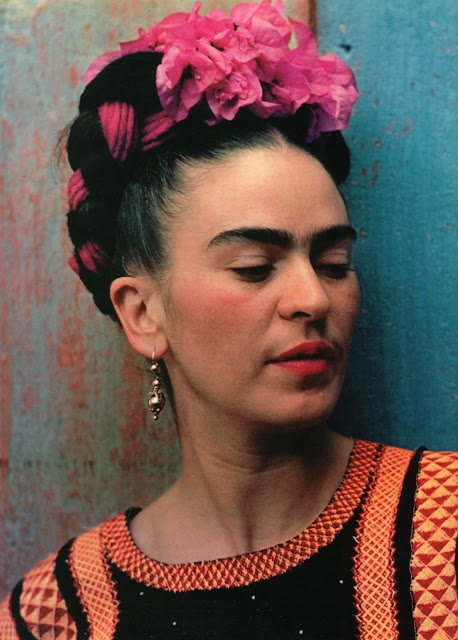
Beset with medical problems throughout, Frida’s life was as explosive as her art. Her early death is often rumoured to be a suicide, compounded by the fact that there was no official autopsy. Her last words – “I hope the exit is joyful and I hope never to return” – were actually a diary entry, spurring the suicide rumors along.

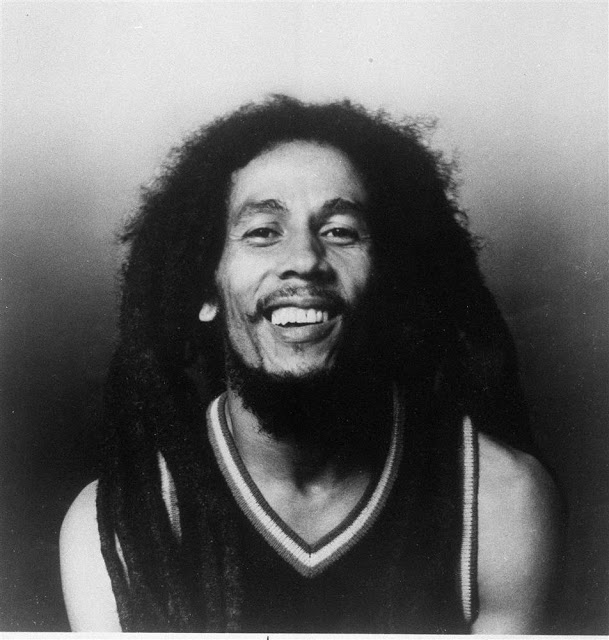
  1. “Money can’t buy life” — Bob Marley

Suffering from cancer, but true to his rastafarian beliefs and refusing western medicine right till the end, reggae icon Bob Marley told his son Ziggy “Money can’t buy life” just moments before he died.

  1. “You can get more with a kind word and a gun than you can get with a kind word alone” — Al Capone

There is absolutely no proof to suggest that these were the dreaded gangster’s last words, specially considering by the time he died, his body was racked with syphilis, pneumonia, a stroke and a cardiac arrest. Moreover, a few months before his death, his psychiatrist concluded that Capone’s illnesses had left him the mental capability of a 12-year-old child. However, the legend of the man’s life lives on and so does the belief that his last words were “You can get more with a kind word and a gun than you can get with a kind word alone.”

  1. “I’m shot” — John Lennon

Mark Chapman, the man who shot Lennon, met the Beatles’ singer just hours before shooting him and asked him to sign an album outside the Dakota building in New York City. As Lennon and Yoko retuned after a stint at the recording studio, Chapman shot Lennon and then calmly walked to the side and flipped open a copy of JD Salinger’s Catcher in the Rye. A bloodied Lennon staggered into the building saying “I’m shot”, and that was the last time anyone heard him speak.

  1. “OK, I won’t” — Elvis Presley

Elvis Presley’s then fiancé Ginger Alden recounted that the rock legend couldn’t sleep and told her that he was going to the bathroom to read. Elvis was heavily abusing prescription drugs at the time and she says she knew ‘reading’ was a euphemism for popping pills as he walked into the bathroom with three packets of those. She then called out to him, “Don’t fall asleep in there”. Assured by his response: “OK, I won’t”, Alden crashed. A few hours later Alden woke up to find Presley dead on the bathroom floor from an overdose.

  1. “Say goodbye to Pat, say goodbye to the president, and say goodbye to yourself, because you’re a nice guy” — Marilyn Monroe

The mysteries and conspiracy theories surrounding Monroe’s death have only grown with time. And by most verifiable accounts, no one really knows what were her last words. The oft quoted line “Say goodbye to Pat, say goodbye to the president, and say goodbye to yourself, because you’re a nice guy” has been discredited by most sources as Peter Lawford never mentioned these words to the public or press till 1972. By then he had started suffering the effects of alcohol and drug abuse, and Lawford’s wife also called him a ‘pathological liar’, am impression solidified by the fact that Lawford’s version of Monroe’s last words would keep changing over the years.

  1. “She won’t think anything about it” — Abraham Lincoln

Abraham Lincoln’s last words were to his wife. They were watching the play ‘Our American Cousin’ and his wife Mary was worried what the couple next to them might think of their public display of affection (they were holding hands). She whispered to him, “What will Miss Harris think of my hanging on to you so?” The President replied “She won’t think anything about it”, laughed at some line in the play and was assasinated moments later.

  1. “No, you certainly can’t” — John F. Kennedy

There is some argument over what exactly did Kennedy say just moments before his death. What is known for sure is that he responded to Mrs Connolly’s comment with either “No, you certainly can’t” or “That’s very obvious.” The confusion exists because Jacqueline Kennedy testified on June 5, 1964 that the former is what her husband said — or “something” to this effect. Some sources have also claimed that just as the bullet struck him, JFK exclaimed “My God, I’ve been hit.” However, that theory was discounted by one of the Secret Service guys who was in the car with the President.

  1. “Is everyone else all right?” — Bobby Kennedy

Bobby Kennedy had just won the primary and there was a celebration in full swing. A Palestinian Sirhan Sirhan shot him multiple times and despite taking a bullet to the head, Kennedy spoke to his wife Ethel Skakel Kennedy asking “Is everyone else all right?” He was rushed to the Good Samaritan Hospital for brain surgery, but died over the course of the day.

  1. “I’m bored with it all” — Winston Churchill

Considered one of the greatest wartime leaders of the 20th century, Winston Churchill reportedly said “I’m bored with it all” just before slipping into a coma. He died nine days later.

  1. “I finally get to see Marilyn” — Joe DiMaggio

Joe DiMaggio’s lawyer, Morris Engelberg was the one who revealed his final words – “I finally get to see Marilyn” – saying that even moments before his death, the Yankee great was pining for his one true love – Marilyn Monroe. Joe was married to Marilyn Monroe for all of nine months way back in 1954, but the legend goes that he never stopped loving her. After her death/suicide, Joe would get so depressed that his associates would have to scout for restaurants that didn’t have Monroe’s pictures on their walls.

  1. “That guy’s got to stop… He’ll see us” — James Dean
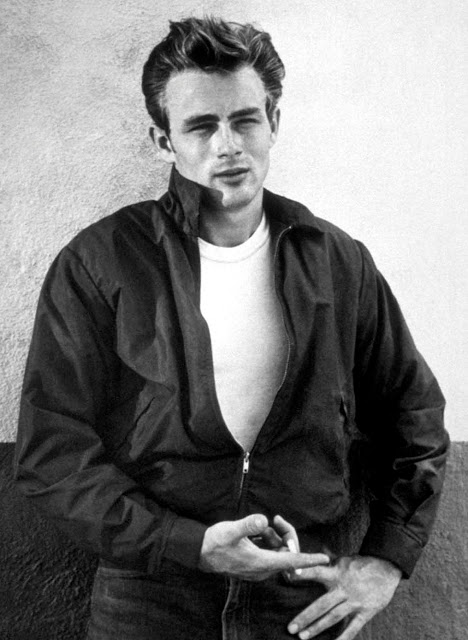
Out for a ride in his beloved Porsche 550 Spyder (which he had nicknamed Little Bastard) with close friend and mechanic Rolf Wütherich, James reportedly said “That guy’s got to stop… He’ll see us” after Wutherich asked him to slow down. Moments later, Dean died in a head-on collision while Wutherich survived. However, as with any massive crash, Wütherich also maintains that he doesn’t remember much of what happened that afternoon, giving rise to an urban legend which claims that James’ actual last words were “My fun days are over.”

  1. “Brothers! Brothers, please! This is a house of peace!” — Malcolm X

Even though “Brothers! Brothers, please! This is a house of peace!” are considered Malcolm X’s last words by most, there are a few who think he may have said: “Now, now, brothers, break it up, be cool, be calm,” or “Let’s cool it, brothers,” in an attempt to calm down what turned out to be a staged disturbance at Manhattan’s Audubon Ballroom. Malcolm X was due to give a speech and as he and his bodyguards tried to get the gathering in order, he was assassinated by three men working in tandem.

  1. “Make sure you play ‘Take My Hand, Precious Lord’. Play it real pretty” — Martin Luther King Jr.

Martin Luther King Jr’s last words were to ask musician Ben Branch “Make sure you play ‘Take My Hand, Precious Lord’. Play it real pretty.” Branch was to perform at an event King was going to attend later in the night. Just minutes later King was shot and never regained consciousness. Incidentally, ‘Take My Hand, Precious Lord’ was King’s favorite song. Gospel singer Mahalia Jackson would often sing it at civil rights rallies and decided to sing it at King’s funeral in April 1968. She later revealed that King had once told her that he wanted this song at his funeral.

  1. “Jesus, I love you. Jesus, I love you” — Mother Teresa

A Nobel Peace Prize winner and founder of the Missionaries of Charity, Mother Teresa said “Jesus, I love you. Jesus, I love you” before she breathed her last, after battling multiple health issues over a decade.

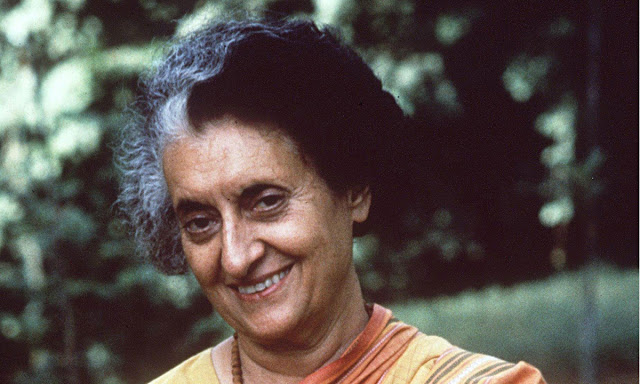
  1. “Greetings to you” — Indira Gandhi

Indira Gandhi was assassinated by her own bodyguards on October 31, 1984 in response to Operation Bluestar, a military action that almost destroyed Sikhism’s holiest shrine, the Golden Temple at Amritsar. She had greeted her bodyguards with the customary Hindi greeting ‘Namaste’ which means ‘greetings to you’, before being gunned down. Ironically, her last speech, delivered just two days past signed off with the following words, “I don’t mind if my life goes in the service of the nation. If I die today every drop of my blood will invigorate the nation.”

  1. “I’m going to get my things and get out of this house. Father hates me, and I’m never coming back” — Marvin Gaye

Saying “I’m going to get my things and get out of this house. Father hates me, and I’m never coming back,” Marvin Gaye stepped out of his parents house and was fatally shot by his father, Marvin Gay, Sr. on April 1, 1984 in Los Angeles. He was 44 years old at the time. The shooting followed an altercation with his father after he intervened in an argument between his parents.

  1. “I feel certain that I am going mad again. I feel we can’t go through another of those terrible times…” — Virginia Woolf

Author Virginia Woolf committed suicide in March 1941, in the grip of a recurrence of mental illness. A suicide note found on the mantelpiece by her husband on March 28th included the phrase “I feel certain that I am going mad again. I feel we can’t go through another of those terrible times…” Her body was found weeks later in the River Ouse, her coat pockets filled with heavy rocks.

  1. “Damn it… Don’t you dare ask God to help me” — Joan Crawford

Fiery on screen and even more so in life, Joan Crawford was suffering from cancer and had a cardiac arrest. But her fighting spirit lived on and she lingered for two days after the heart attack. As her struggle for life became more apparent one of her housekeepers started praying. The gutsy Crawford got quite miffed and ticked off the housekeeper, saying “Damn it… Don’t you dare ask God to help me.” And that was the last the world heard from her.

  1. “My God, what’s happened?” — Princess Diana
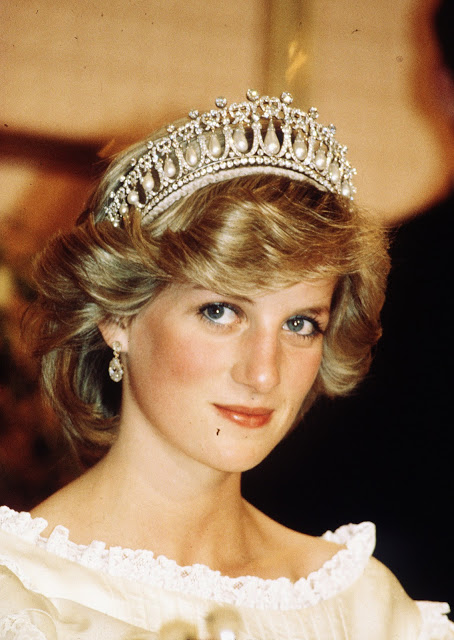
Trapped in her car after a high-speed chase trying to evade paparazzi ended in a crash, the Princess was reeling in shock after realising the horror of the accident she’d been in. Her last conscious words – “My God, what’s happened?” – were to the paramedic Xavier Gourmelon.

  1. “You are only going to kill a man” — Che Guevara
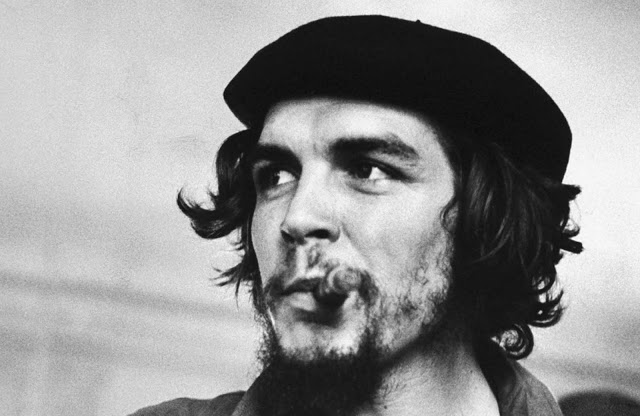
Said by Che Guevara right before his execution in Bolivia.

  1. “One never knows the ending. One has to die to know exactly what happens after death, although Catholics have their hopes” — Alfred Hitchcock

Hitchcock was the Master of Suspense, directing film masterpieces including Vertigo, North By Northwest and Psycho, among others too numerous to mention. He died in April of 1980 in Los Angeles; his funeral was held at the Good Shepherd Catholic Church.

  1. “I should never have switched from Scotch to martinis” — Humphrey Bogart

Said by Humphrey Bogart just before dying from cancer of the esophagus in 1957. Perhaps best known for his performance in “Casablanca,” Bogart was a heavy smoker much of his life. He won his only Oscar for his role in the 1951 film “The African Queen.”

  1. “I’m going away tonight” — James Brown

Said by James Brown to his longtime manager Charles Bobbit just before dying of congestive heart failure. Considered “the Godfather of Soul,” Brown passed away on Christmas morning in 2006 at the age of 73.

  1. “I’ve had a hell of a lot of fun and I’ve enjoyed every minute of it” — Errol Flynn
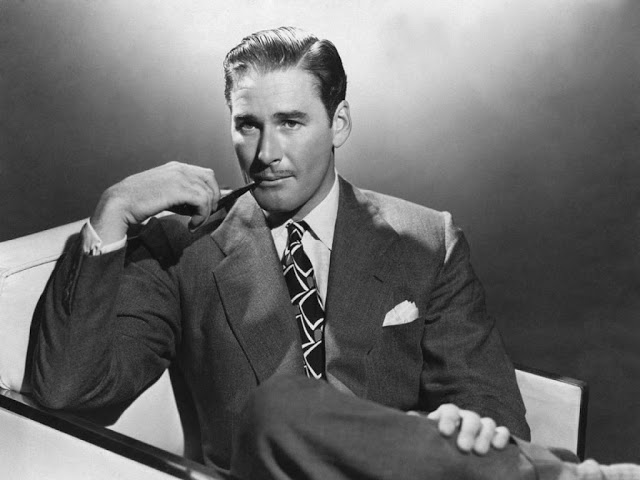
Said by Errol Flynn just before dying from a massive heart attack in 1959. The swashbuckling actor, dead at 50, was buried with six bottles of whiskey.

  1. “Is everybody happy? I want everybody to be happy. I know I’m happy” — Ethel Barrymore

Said to her housekeeper Anna Albert just before dying in 1959 at the age of 79. The actress had been ill for some time from rheumatism and heart troubles. She took interest in all aspects of show business; a popular theater in New York City is named after her.

  1. “I’ve had 18 straight whiskies… I think that’s the record” — Dylan Thomas
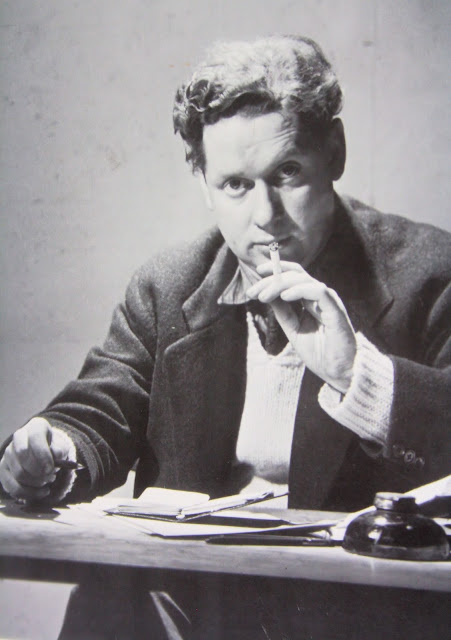
Said by Dylan Thomas as he returned to the Hotel Chelsea in New York. Thomas died in 1953 at the age of 39, after succumbing to pneumonia. Although always a heavy drinker, his final words remain the subject of debate.

28 “Why not? After all, it belongs to him” — Charlie Chaplin
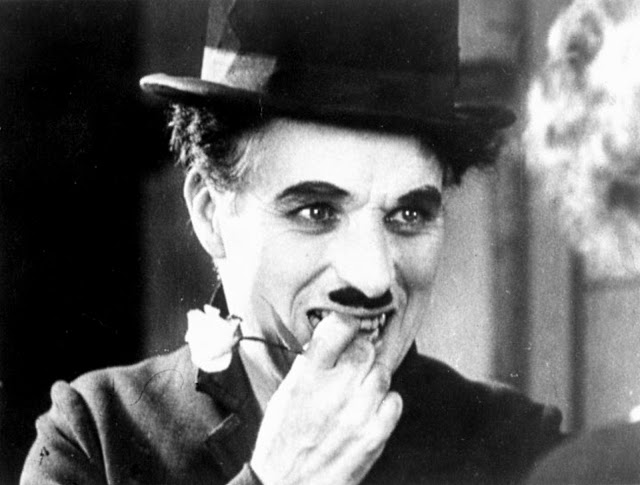
Said by Charlie Chaplin after a priest told him, “May the Lord have mercy on your soul.” The major star of the silent film era died in 1977 of natural causes. In a bizarre twist, Chaplin’s body was stolen from a cemetery in Switzerland by men who demanded a $600,000 ransom from Chaplin’s widow. The men were arrested and the body was recovered.

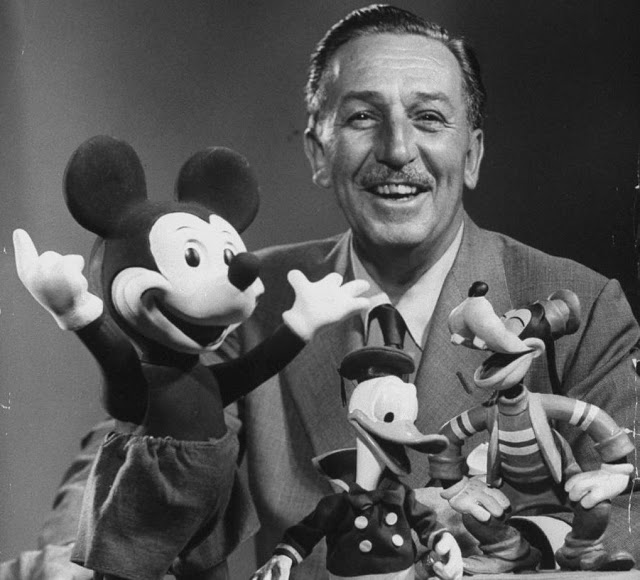
  1. “Kurt Russell” — Walt Disney

Written by Walt Disney on a piece of paper just before he died of lung cancer. To this day, no one knows why he wrote Russell’s name. At the time, Russell was a child star working for the Disney studio. Disney died in 1966 at the age of 65.

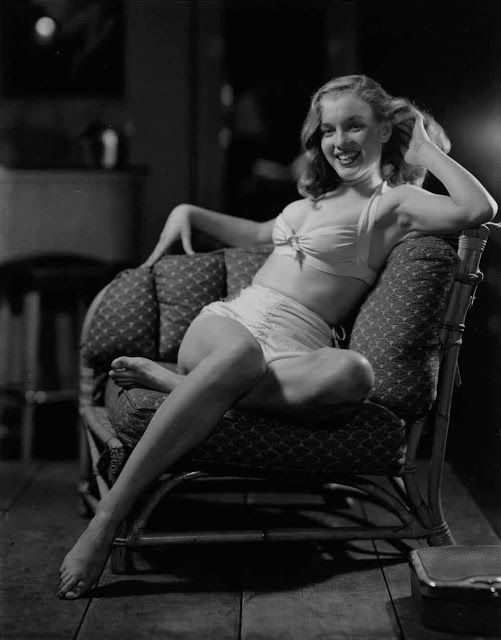
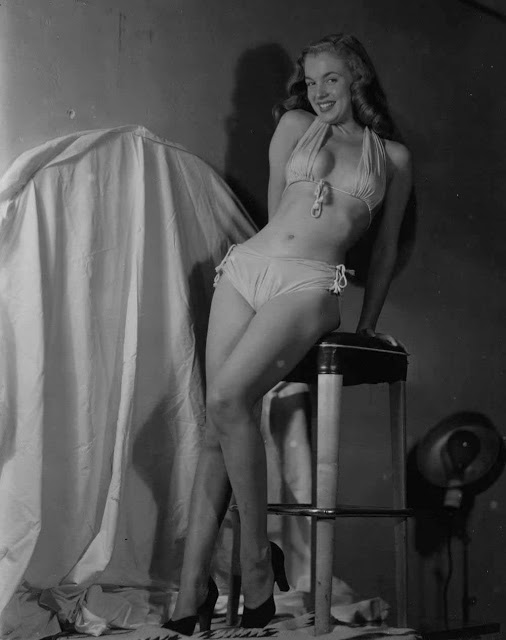
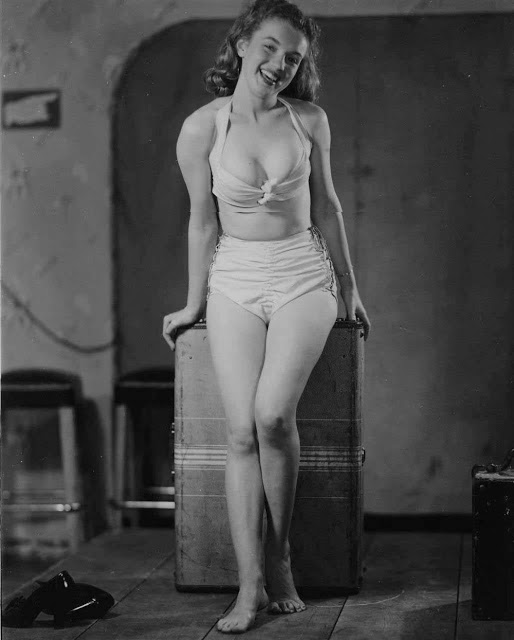
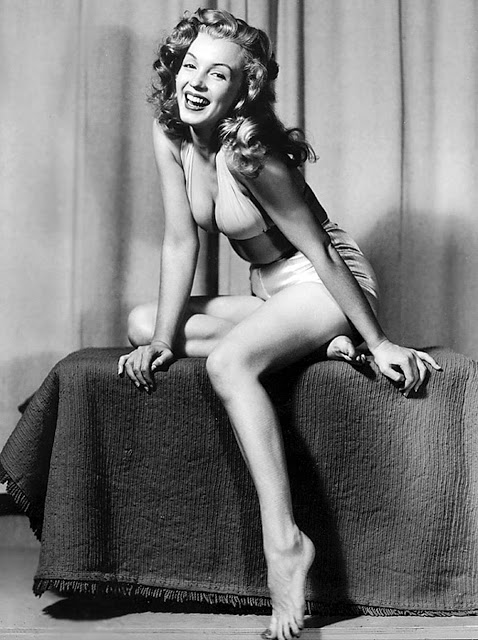
36 Vintage Photos of Marilyn Monroe Before She Was Famous

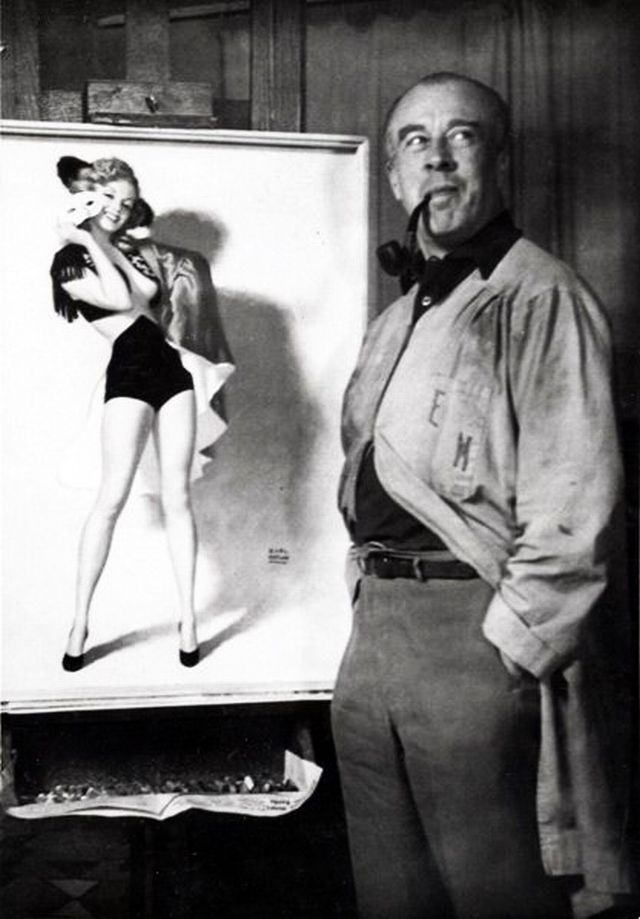
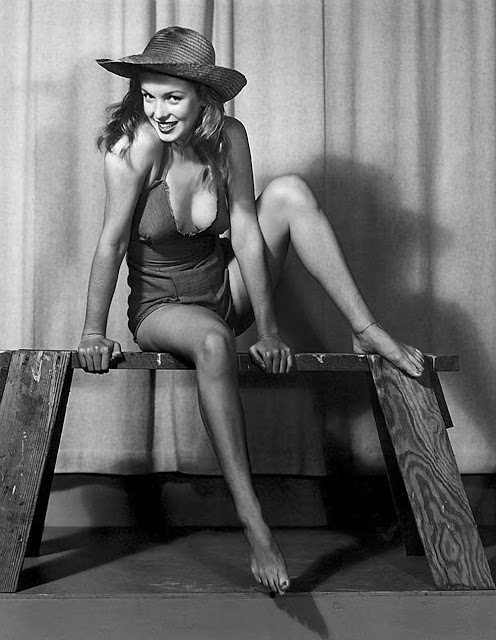
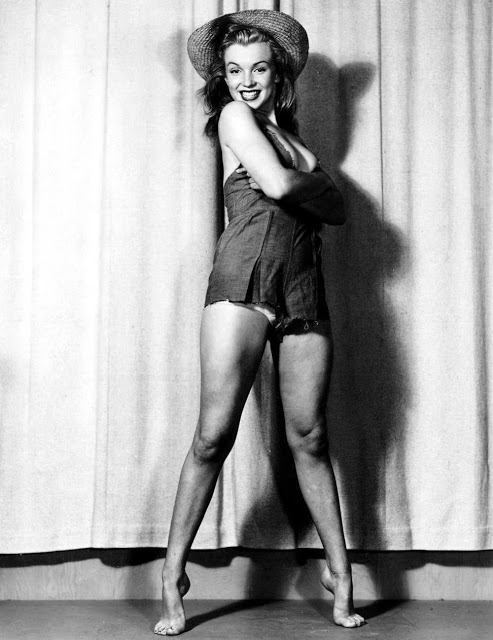
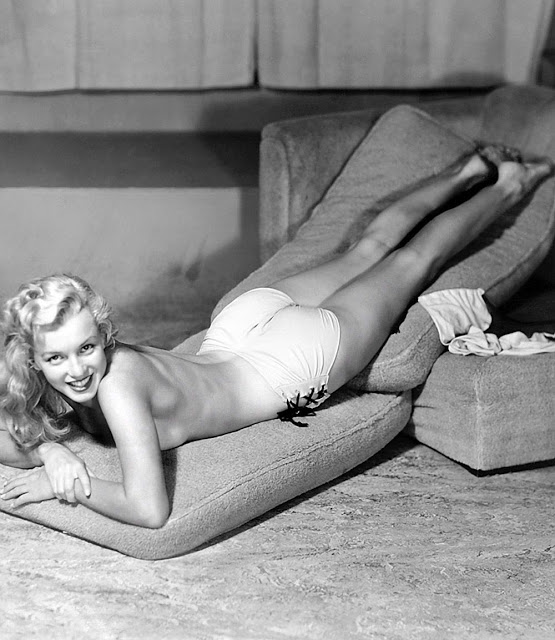
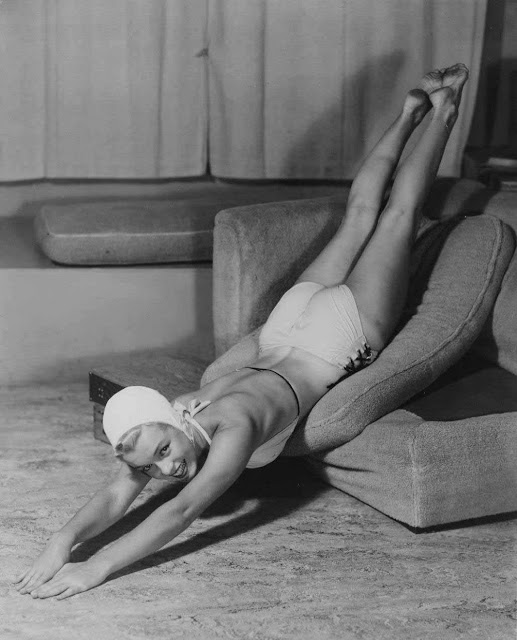
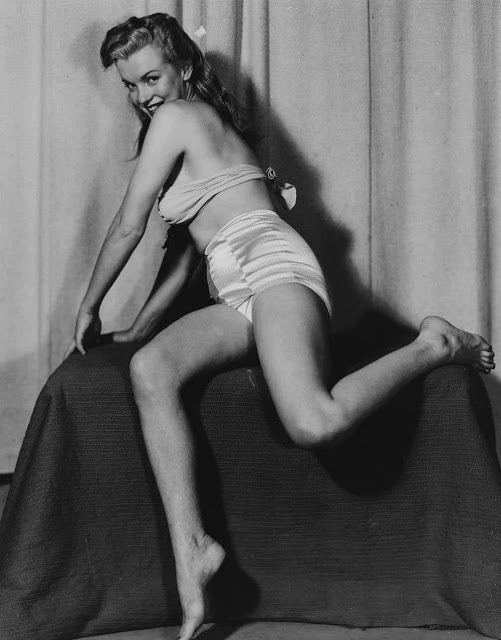
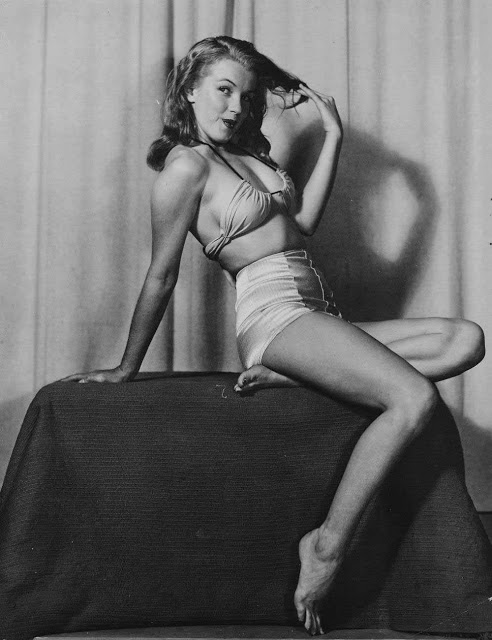
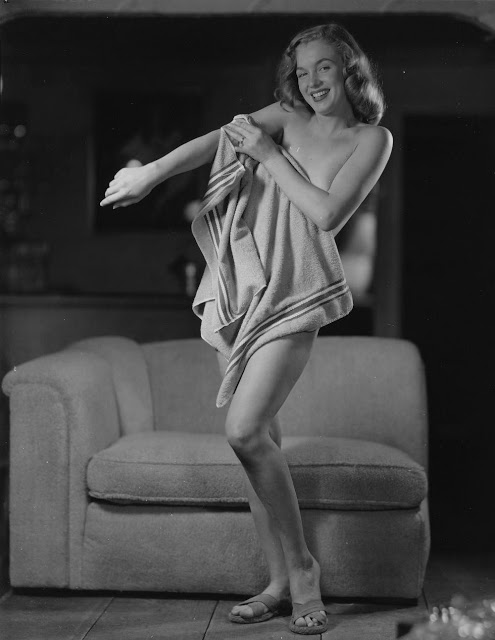
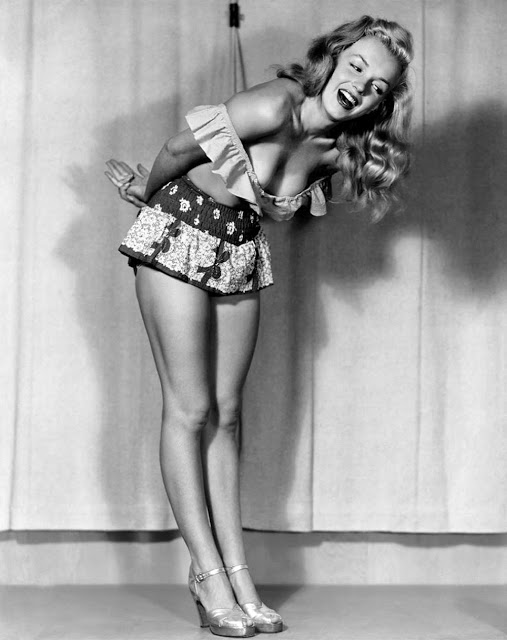
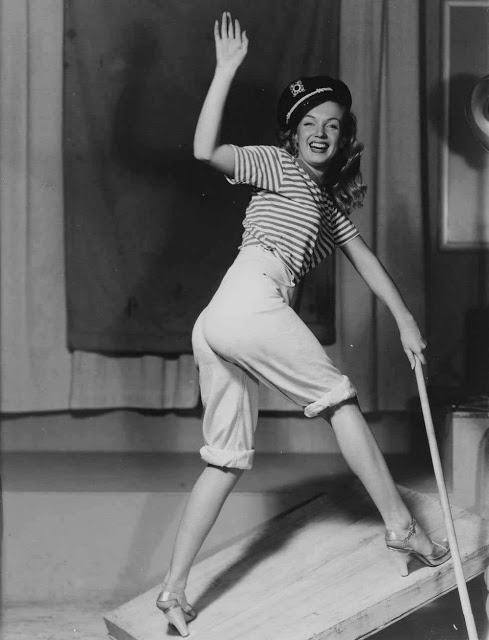
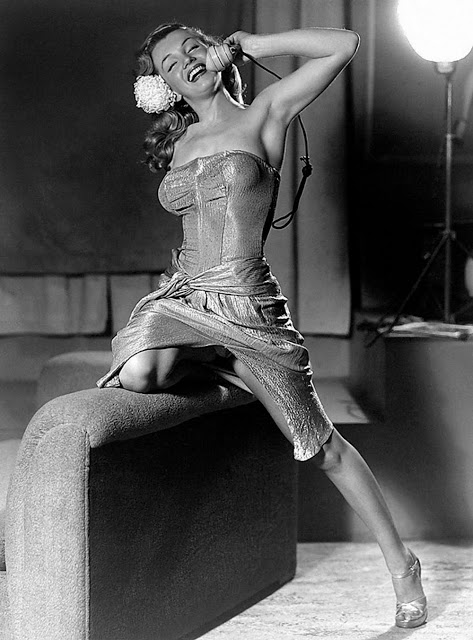
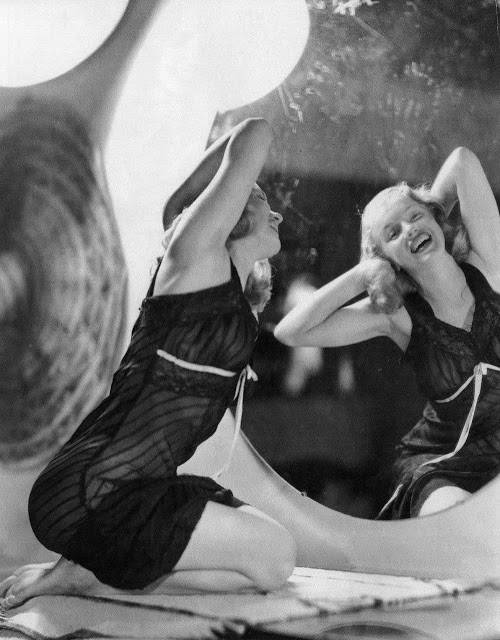
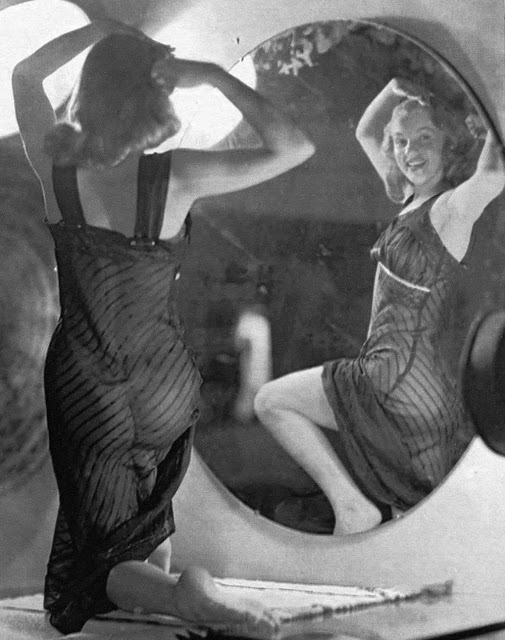
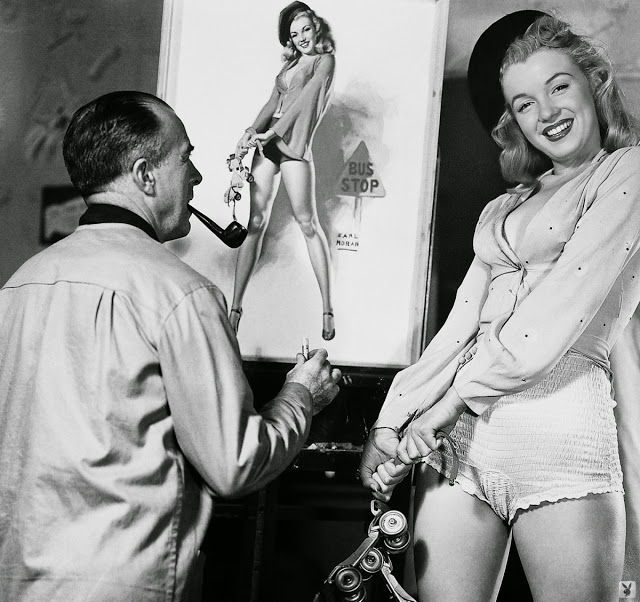
When Marilyn Monroe posed for Earl Moran in the first of their sessions that took place between 1946 and 1950, she was just 19 and an aspiring actress, while Moran had established himself as a leading illustrator of beautiful women; his work for magazines and calendars placed him in the company of Alberto Vargas and George Petty.

Earl Moran hired a young model named Norma Jean Dougherty through the Blue Book Agency in Los Angeles, in 1946. This was one of Marilyn’s earliest regular modeling assignments, to help pay the rent while she fought for an entree into the movie business. She posed for him off and on for the next four years. He usually took photos of her, which he used as reference for his pinup illustrations. He paid Marilyn ten dollars an hour to photograph her in various costumes and states of toplessness from 1946 to 1949.

Moran’s Marilyn work was used, among others, by major calendar company Brown & Bigelow. Forty years later, in January 1987, Playboy magazine published some of Moran’s 1946 nude photos of Marilyn.

Marilyn Monroe posed for Earl Moran – Bus Stop. One of his most famous photo’s/paintings of Marilyn done in 1946, titled ‘Bus Stop’. It featured Marilyn in a cheesecake pose, standing next to a bus stop, with skates in her hand.
Illustrator Earl Moran posed with Marilyn Monroe ‘Spanish Girl’ pastel.

50 Amazing Vintage Photos From the 1930s Volume 7

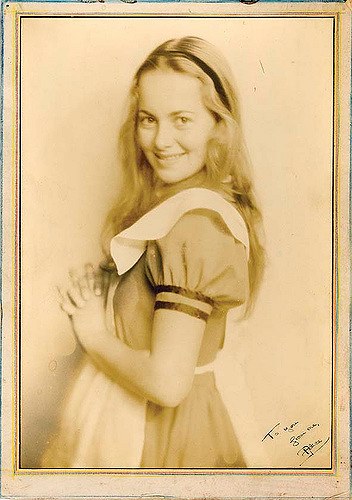
Portrait of very young Olivia de Havilland, 1933.
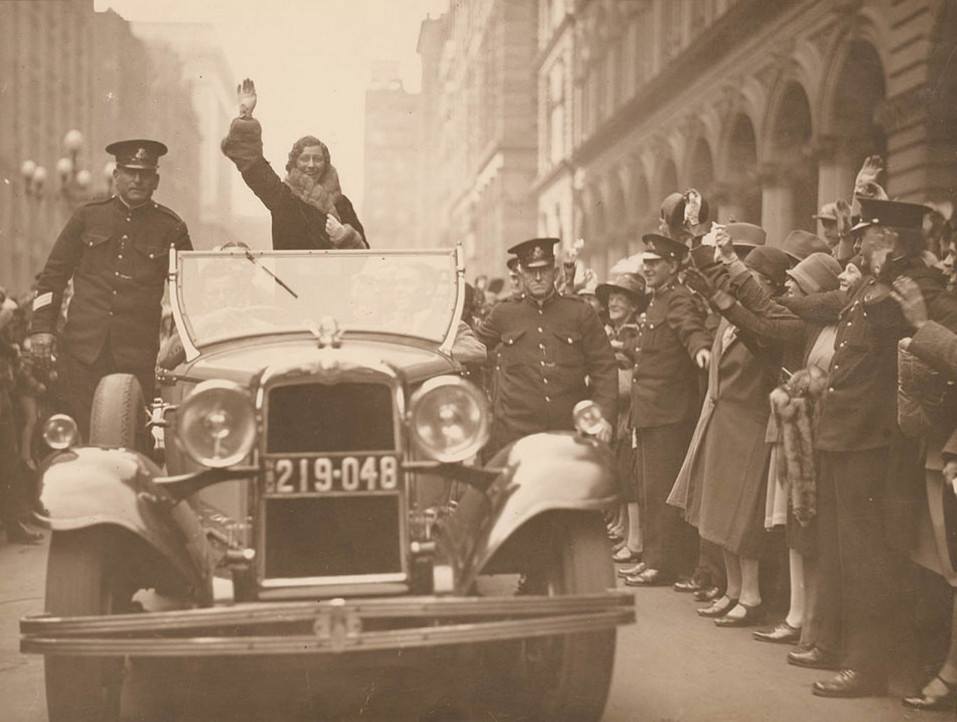
Amy Johnson, the first female pilot to fly alone from Britain to Australia, waving to the crowd in Sydney, 1930.
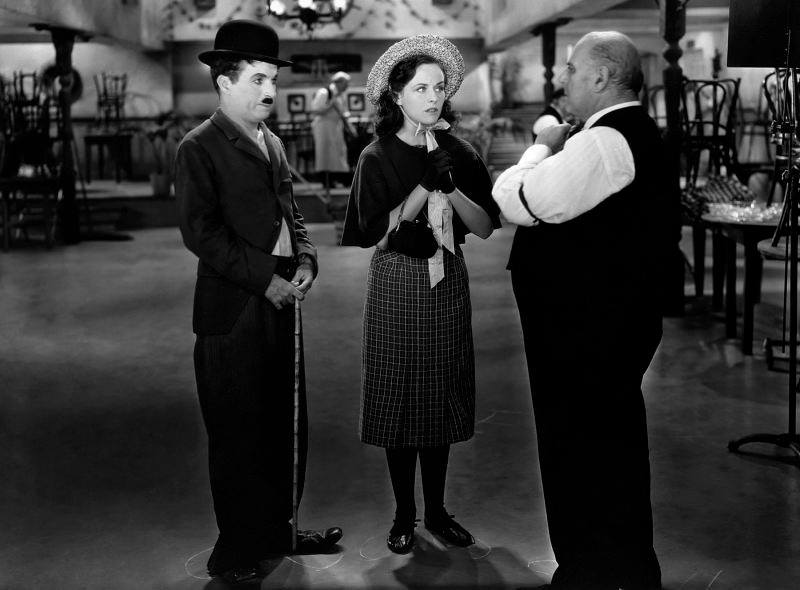
Charles Chaplin, Paulette Goddard and Henry Bergman in the 1936 comedy “Modern Times,” directed by Chaplin himself.
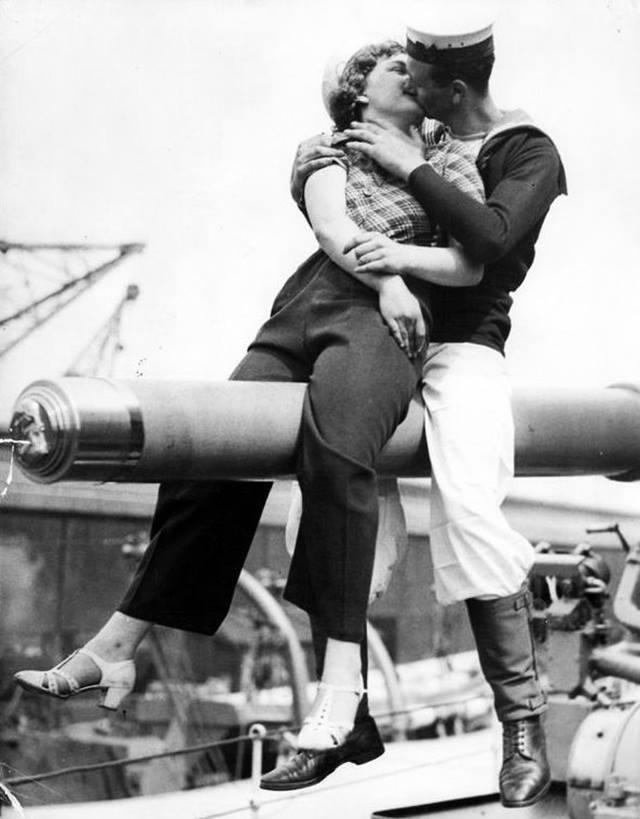
A sailor and his girl kiss on the H.M.S Nelson Battleship, 1938.
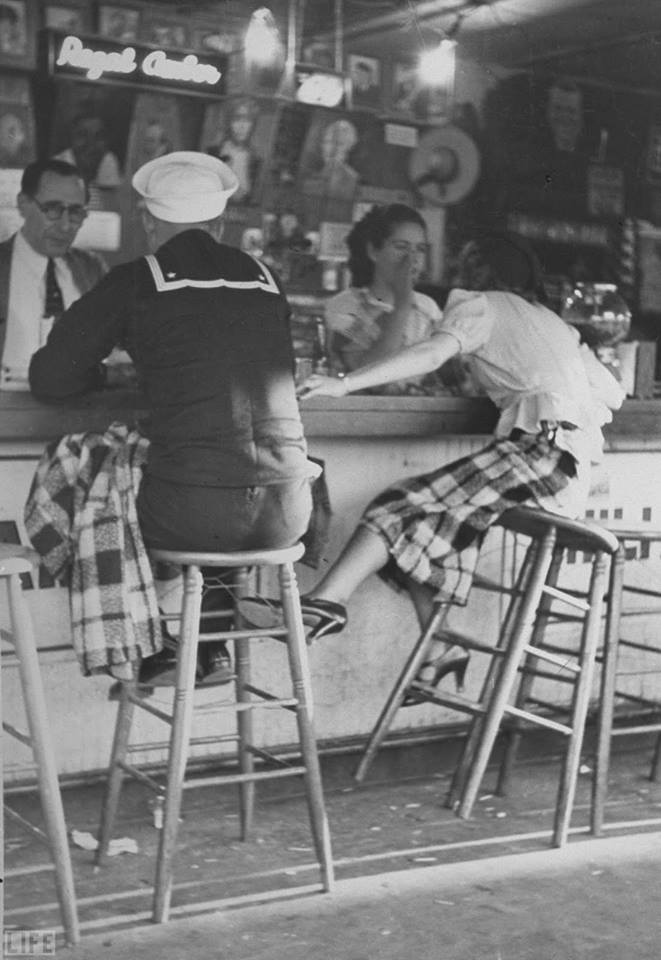
Sailor on shore leave sitting at a soda fountain with young woman. San Diego, 1937.
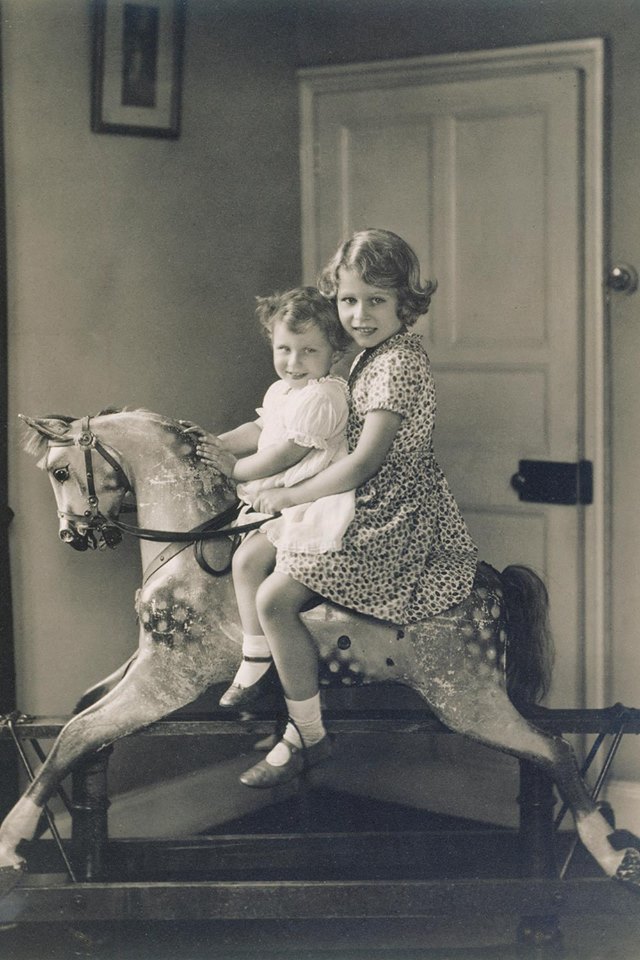
Princess Elizabeth and Princess Margaret riding a rocking horse at St. Paul’s Waldenbury in August 1932.
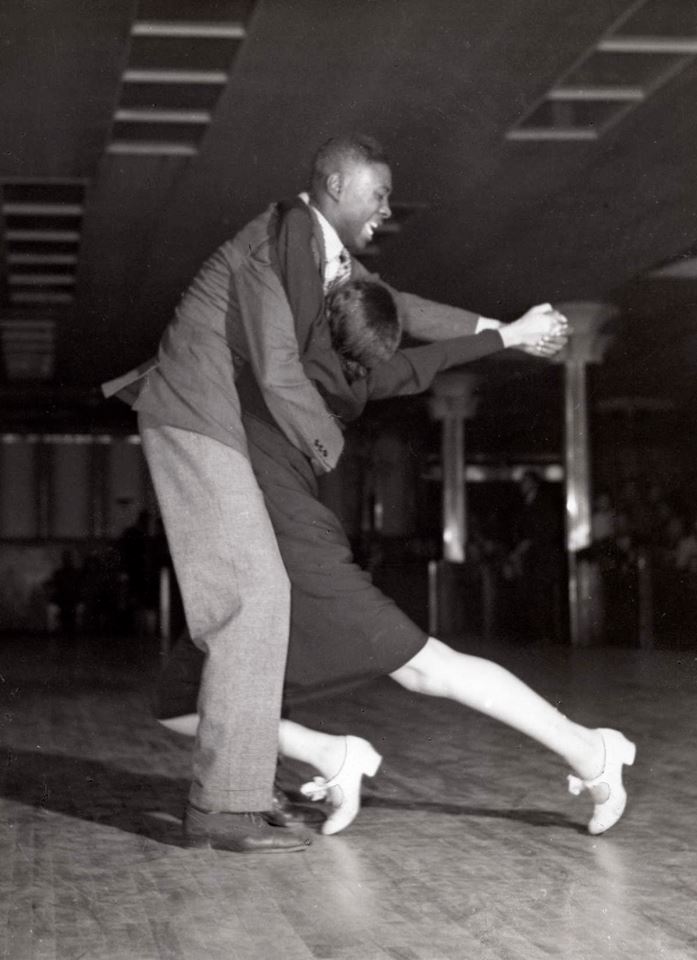
Couple doing the Lindy Hop, New York, 1937.
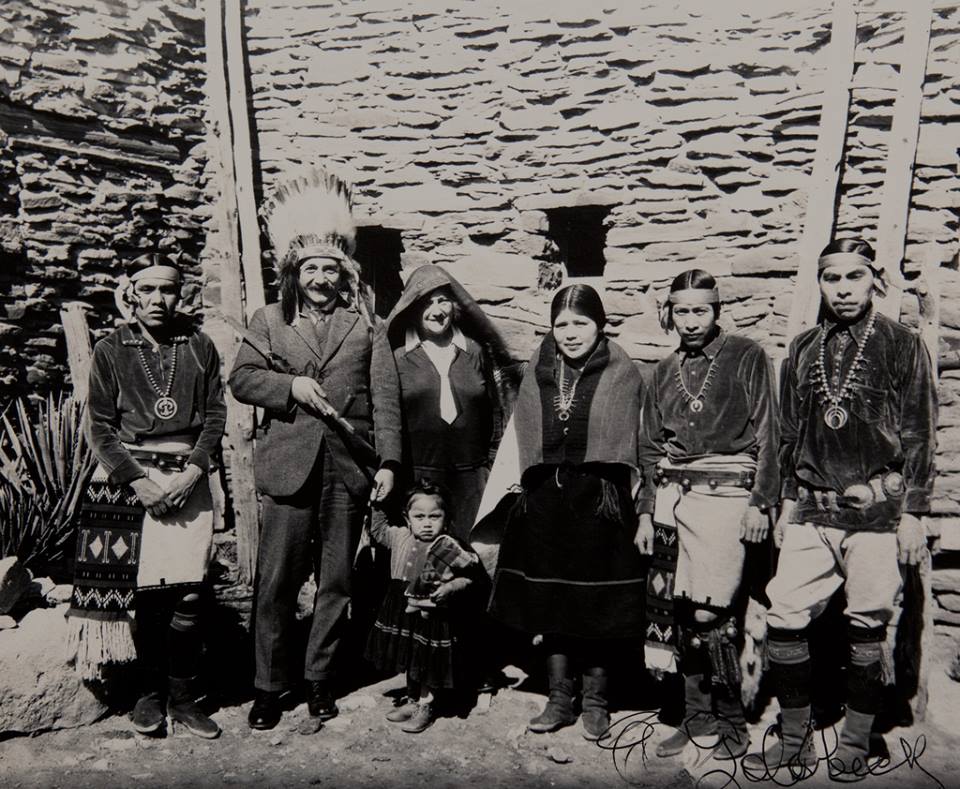
Albert Einstein visits Hopi House at the Grand Canyon, 1931
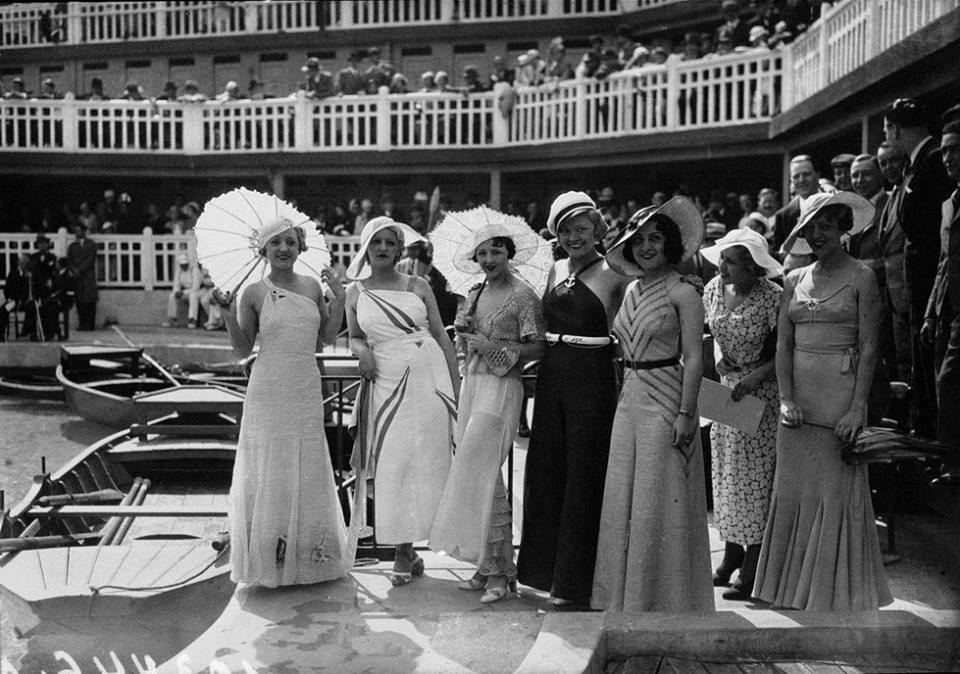
Women who visited and stayed at Piscine Molitor, Paris, 1933
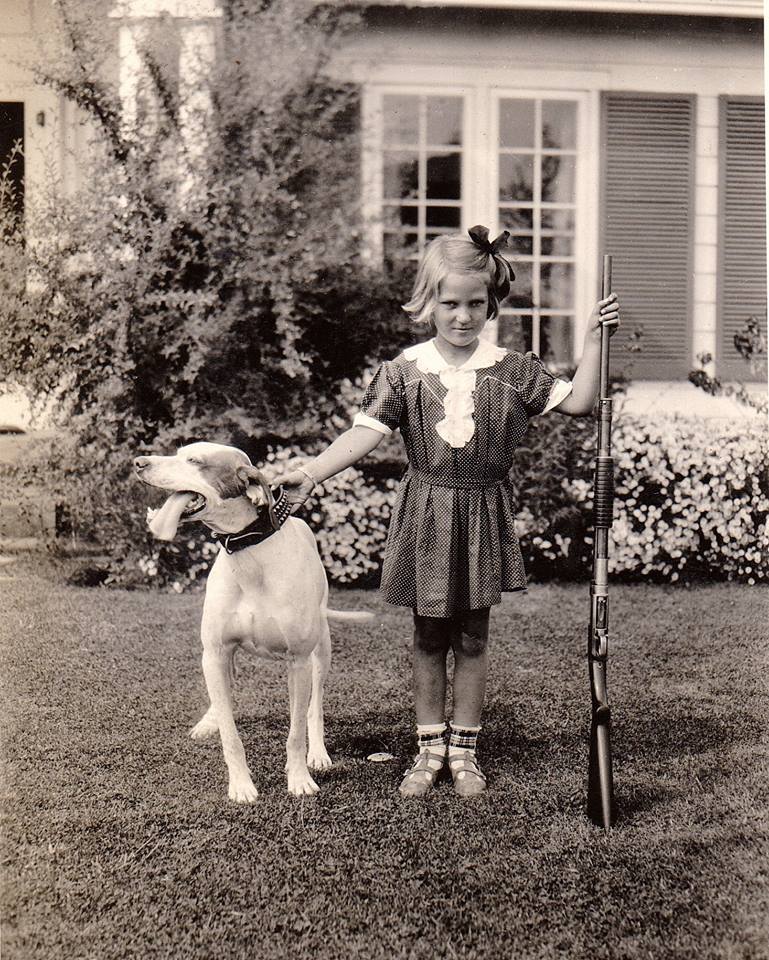
A girl and her dog, 1932
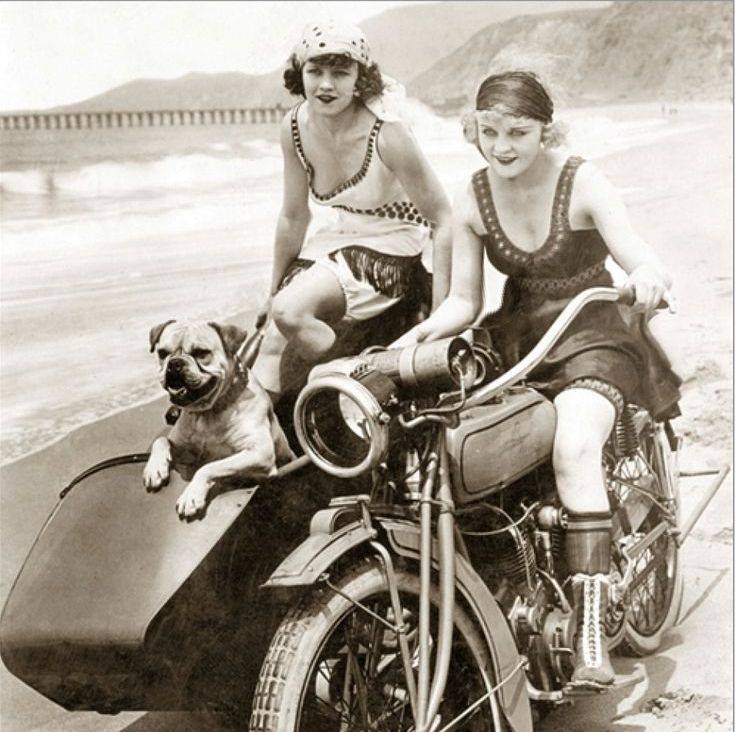
Two women with a cute dog on a sidecar, 1930.
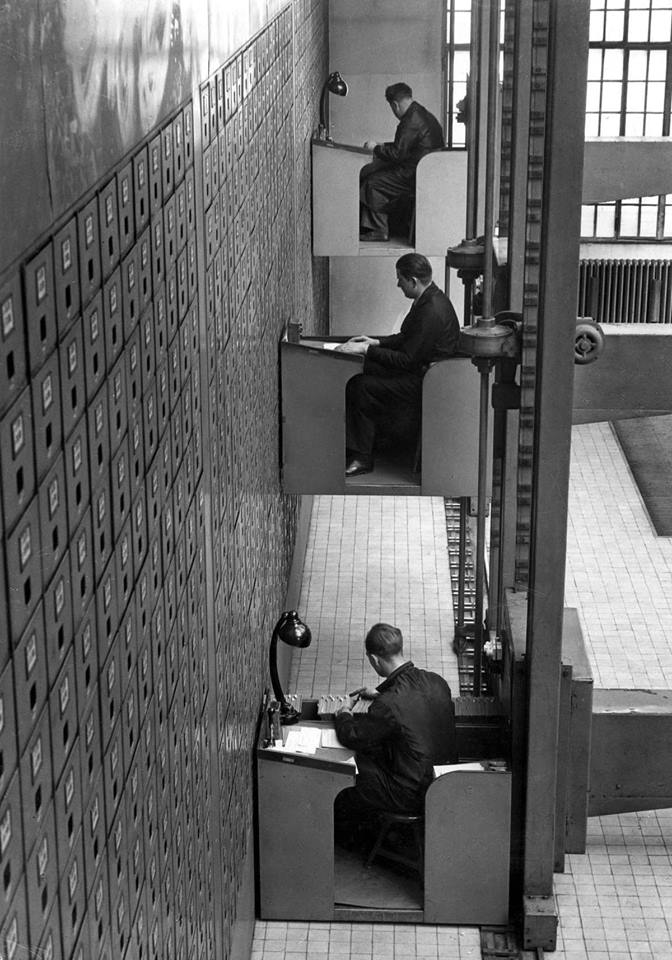
The offices of the Central Social Institution of Prague, Czechoslovakia, 1937.
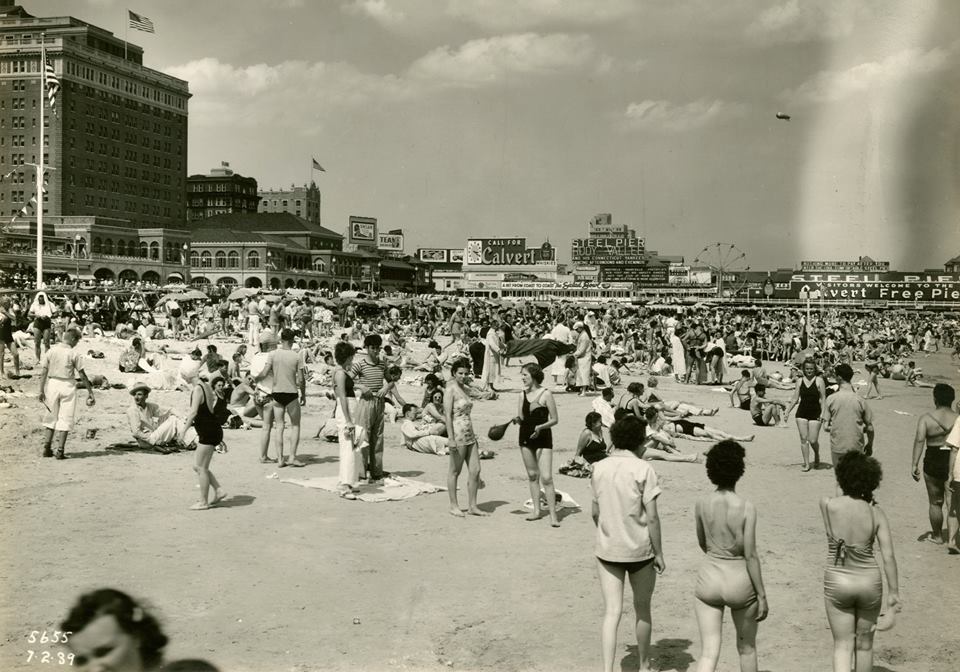
Atlantic City beach, July 2, 1939.
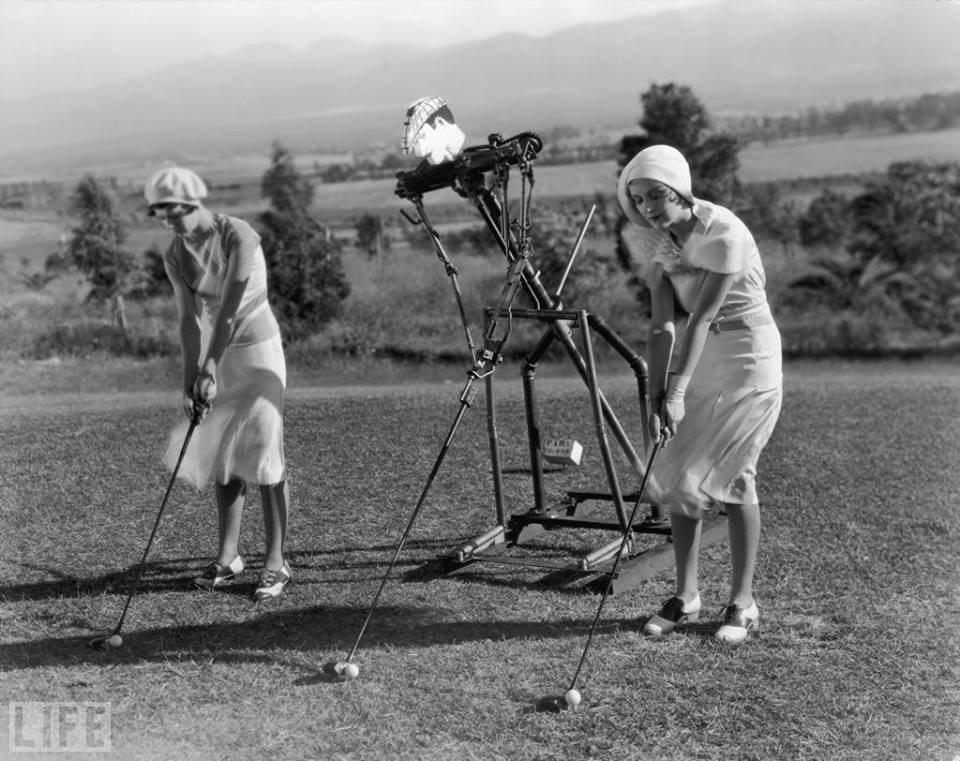
Women practice their swing with golf lessons from a ‘robot’ trainer, 1930.
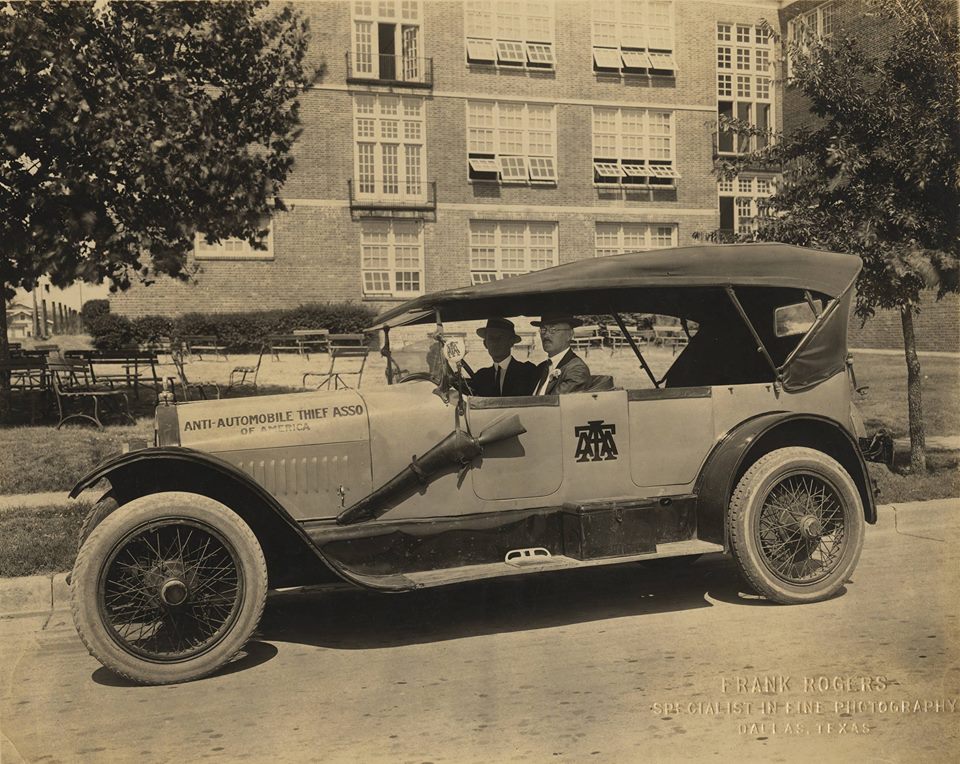
Anti-Automobile Thief Association of America, Dallas, Texas, 1930.
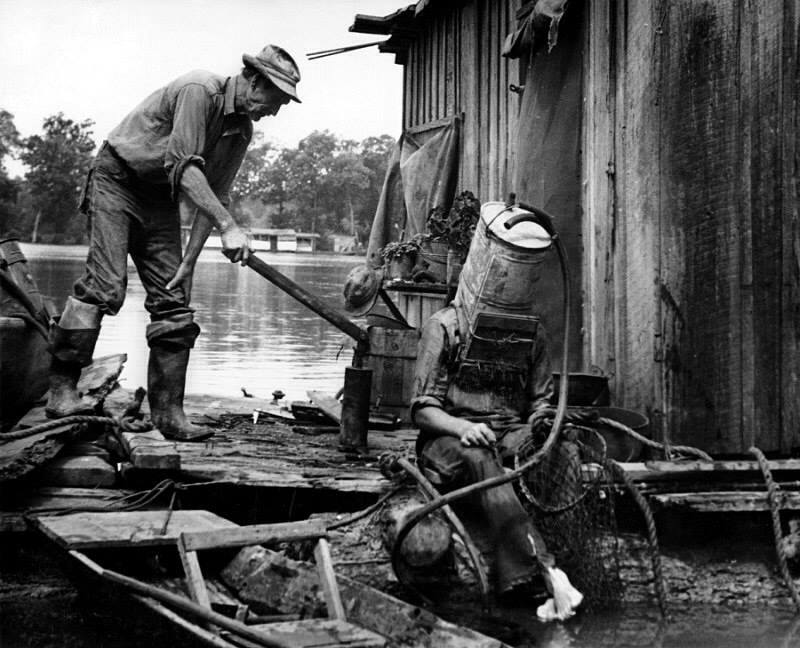
A Mississippi River pearl diver, using a car’s old gas tank for a helmet, prepares to descend into the river, 1938.
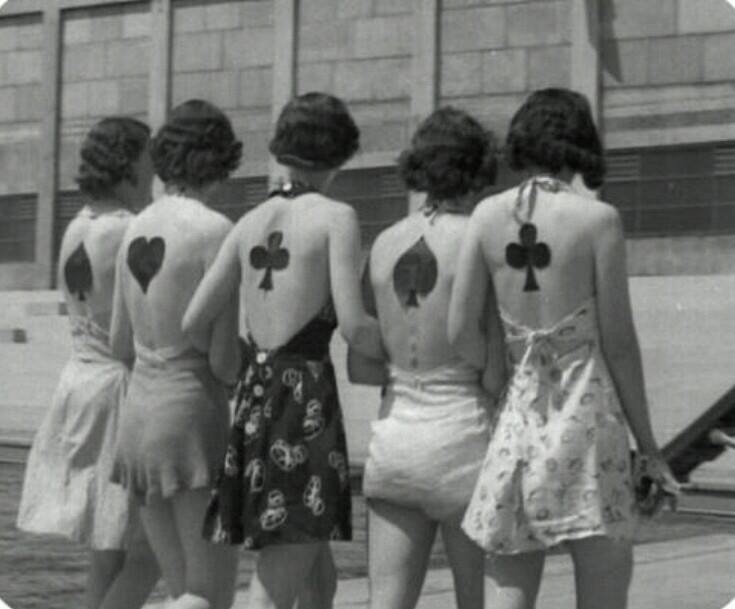
Beach babes wearing sun tanning tattoo stencils, 1930s.
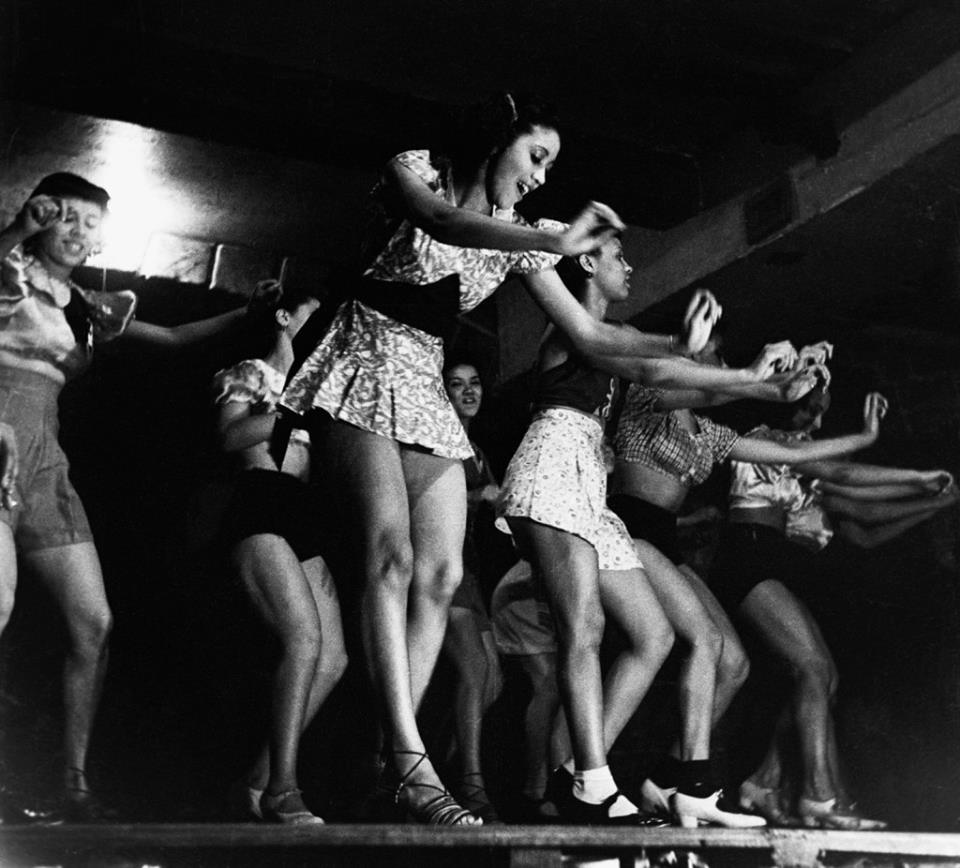
Chorus Girls at Harlem Theater, 1936.
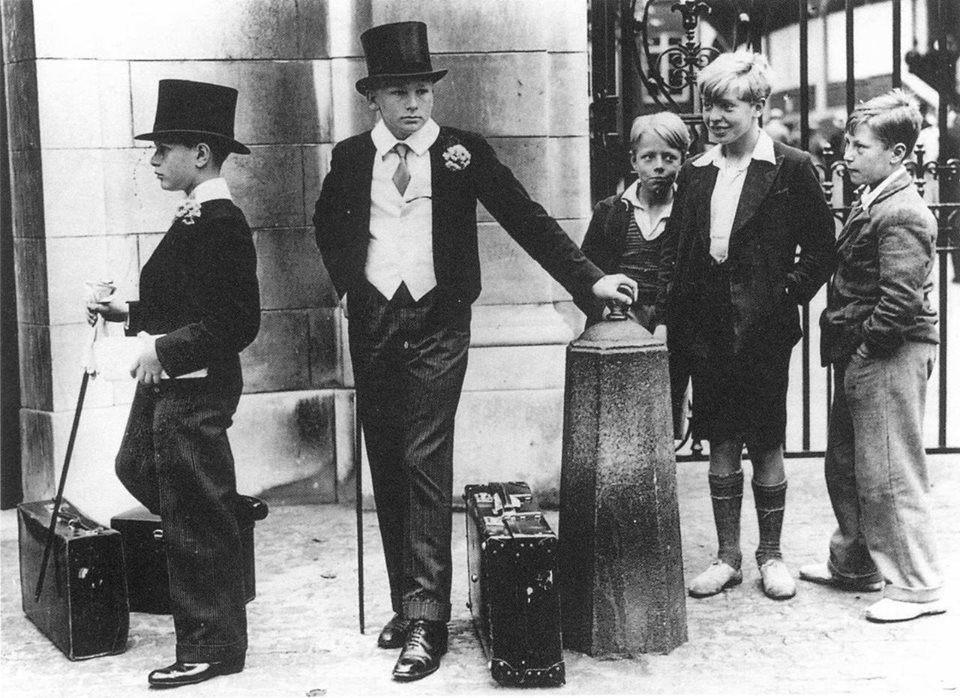
Toffs and Toughs – The famous photo by Jimmy Sime illustrating the class divide in pre-war Britain, 1937.
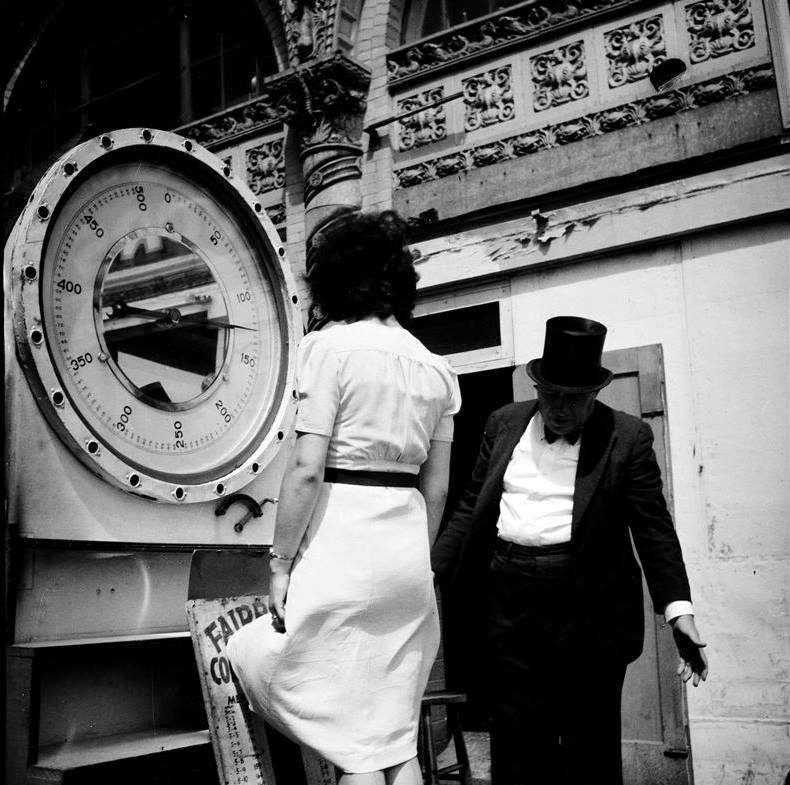
The Weighing Machine, Coney Island, 1939.
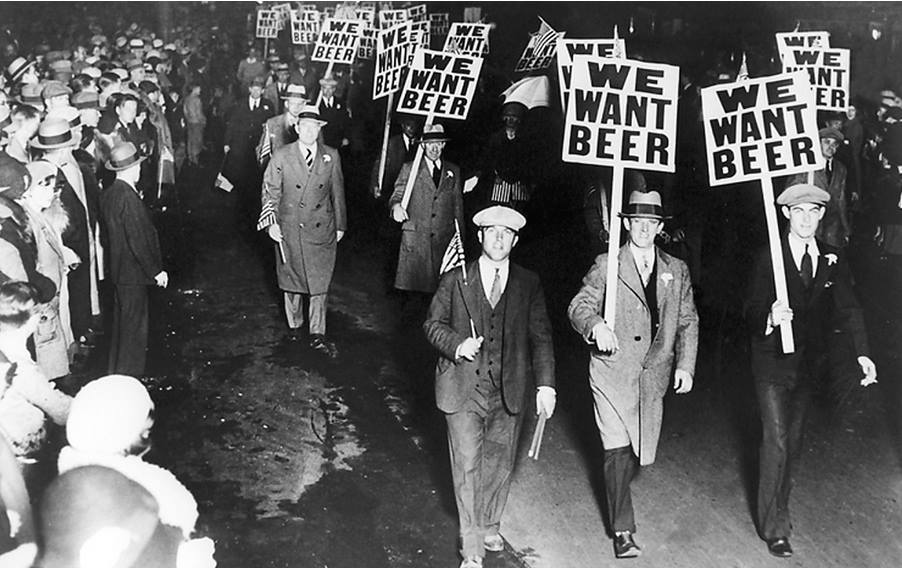
Freedom advocates demand the end of alcohol prohibition, 1930s.
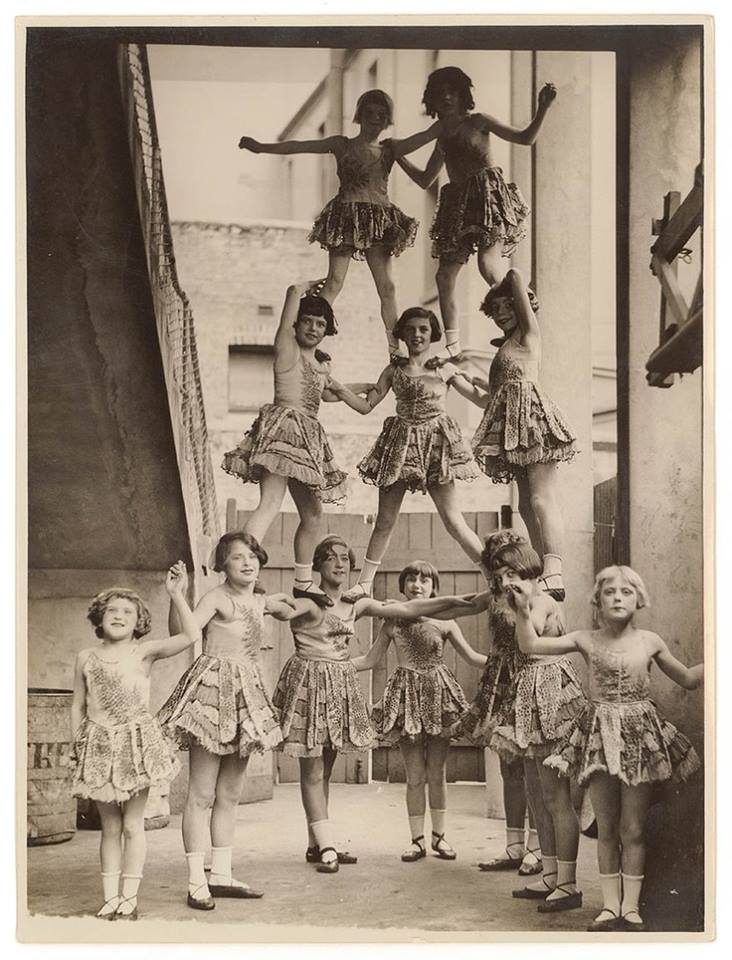
Child performers, Sydney Showground, 1930s.
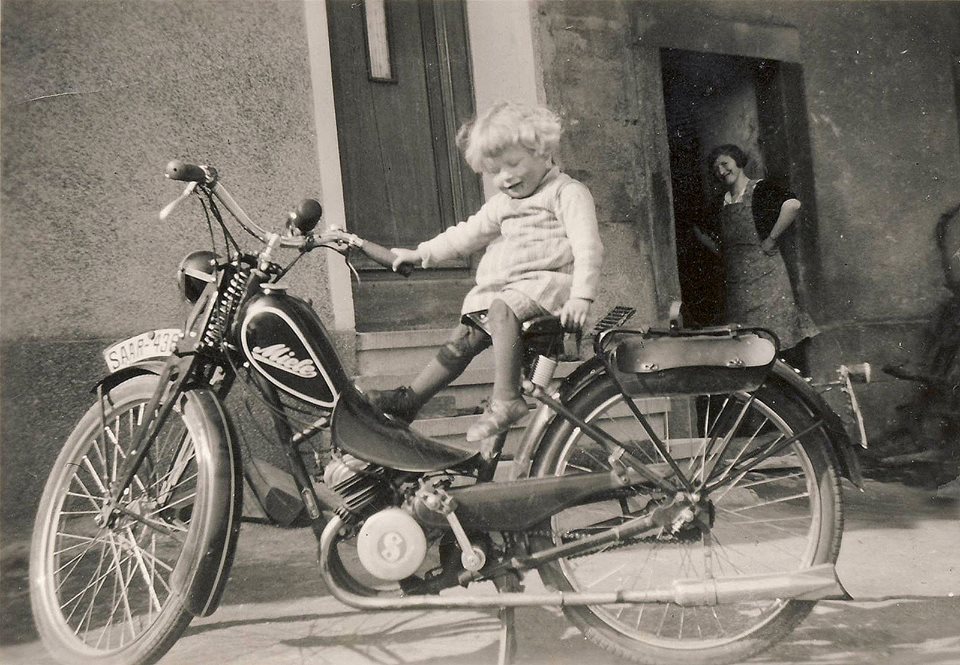
A baby on a Miele 98cc moped with Sachs motor, 1938
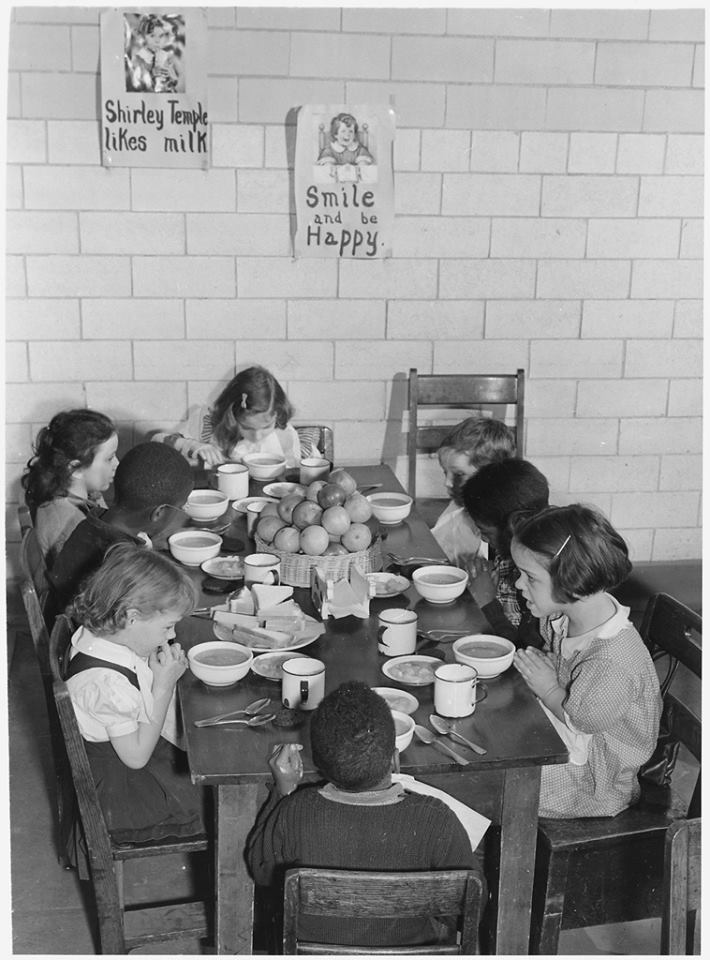
School lunch program, 1936.
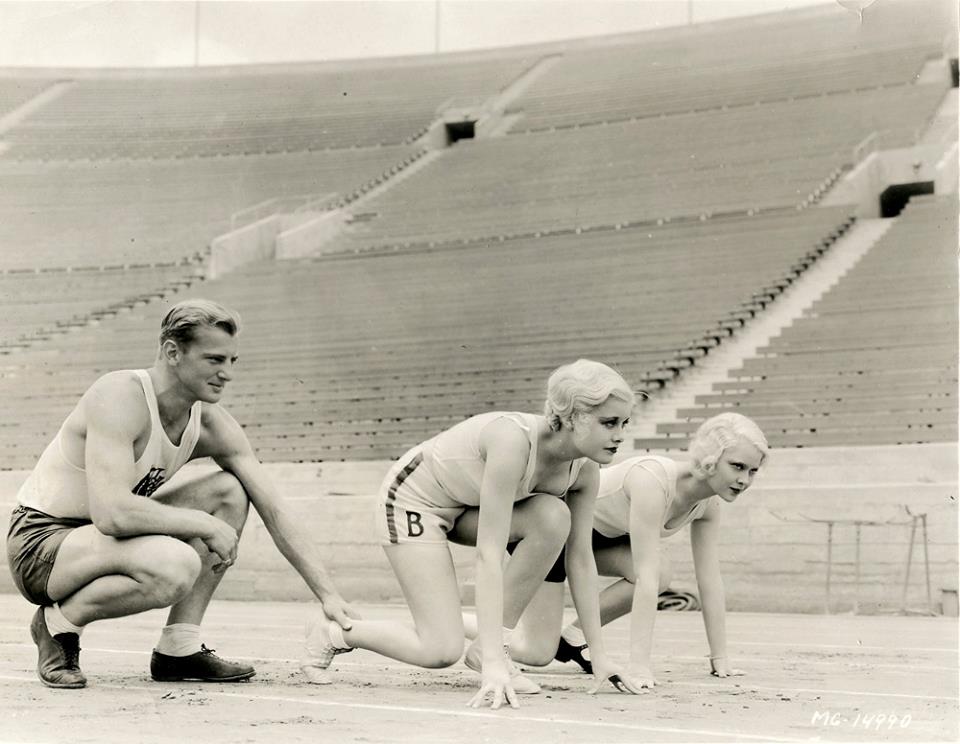
Joan March and Mary Carlisle ready to take off on the hundred yard dash under the supervision of Herman Brix, 1930s
At the dog races, 1934.
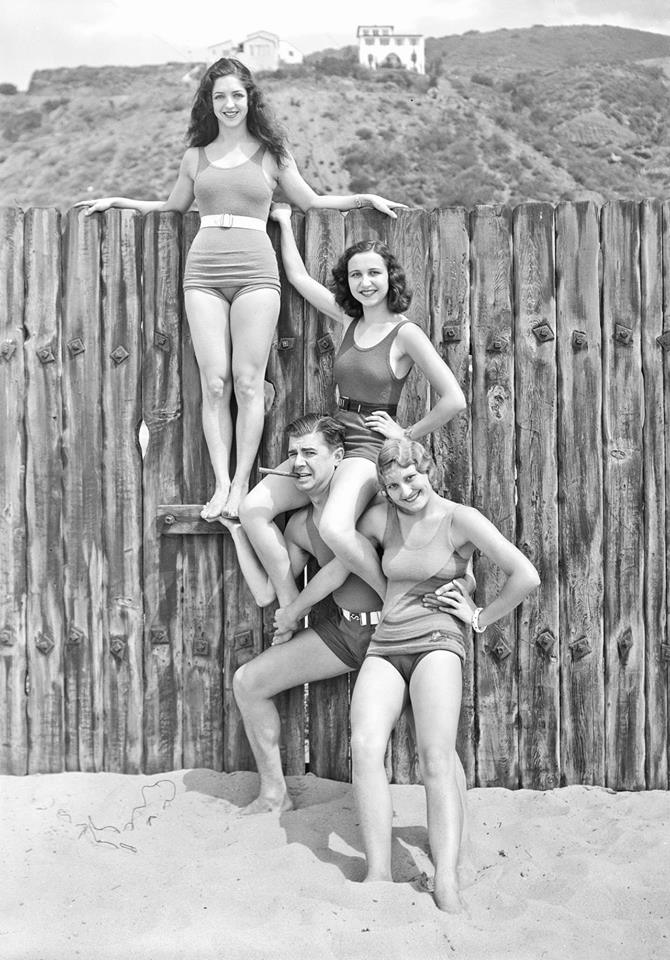
Ken Murray and Paramount girls at Malibu La Costa, 1931.
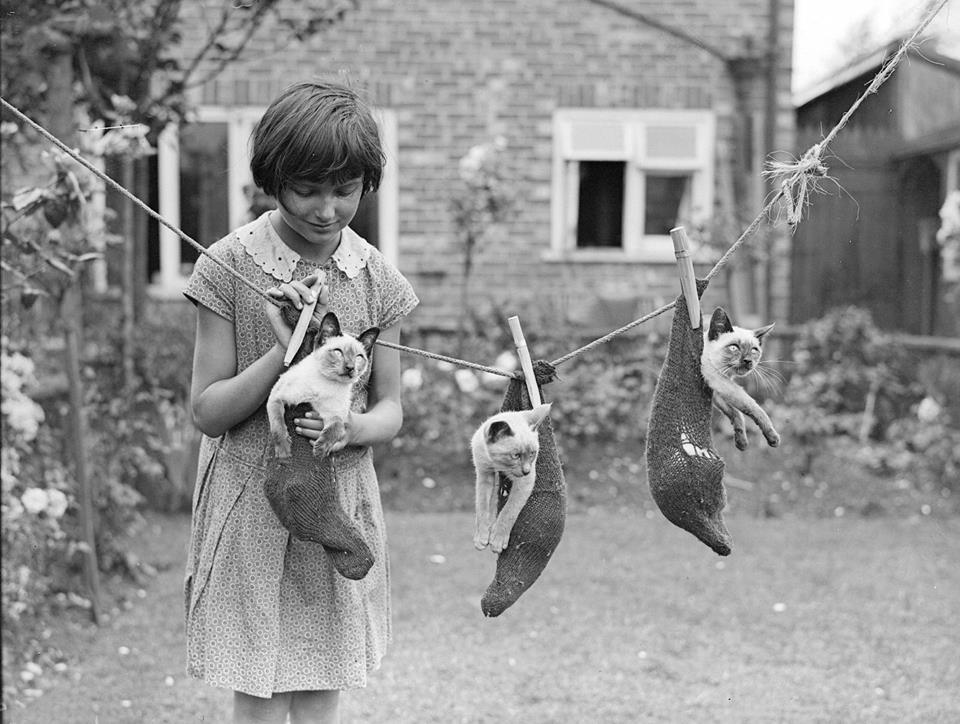
A little girl hangs three Siamese kittens on a washing line in a garden in Croydon, London, 1931.
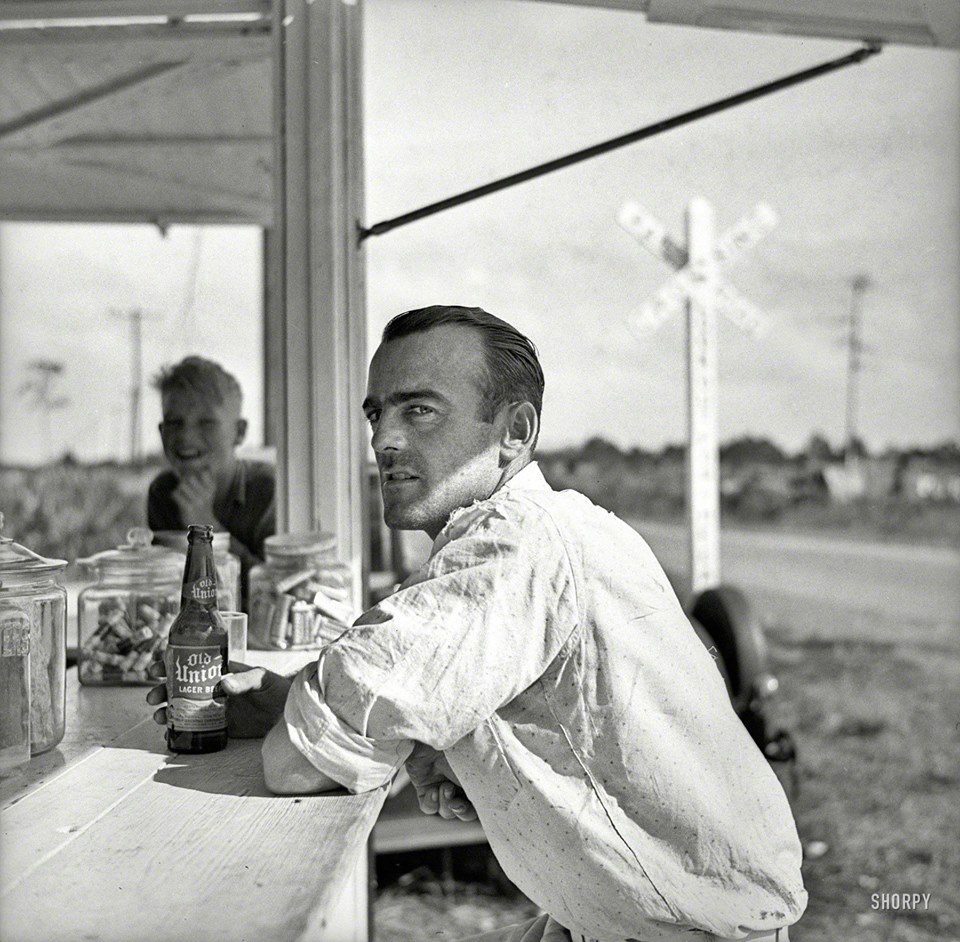
Man who works in the packinghouse at Deerfield, Florida having a beer at a roadside stand, 1937.
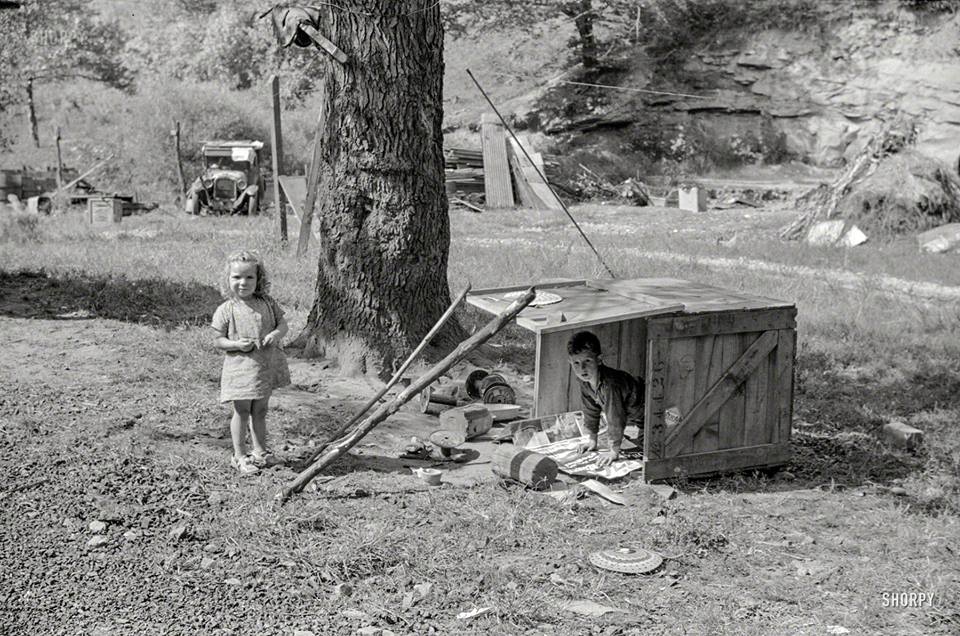
Children playing in their toy box, 1938.
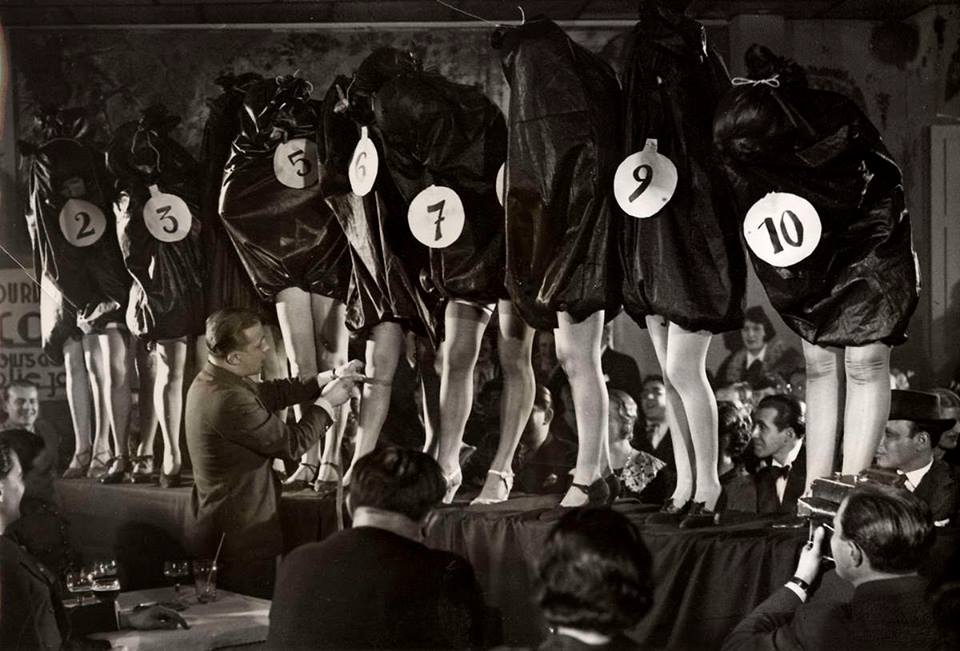
Most beautiful legs contest in Paris, 1936.
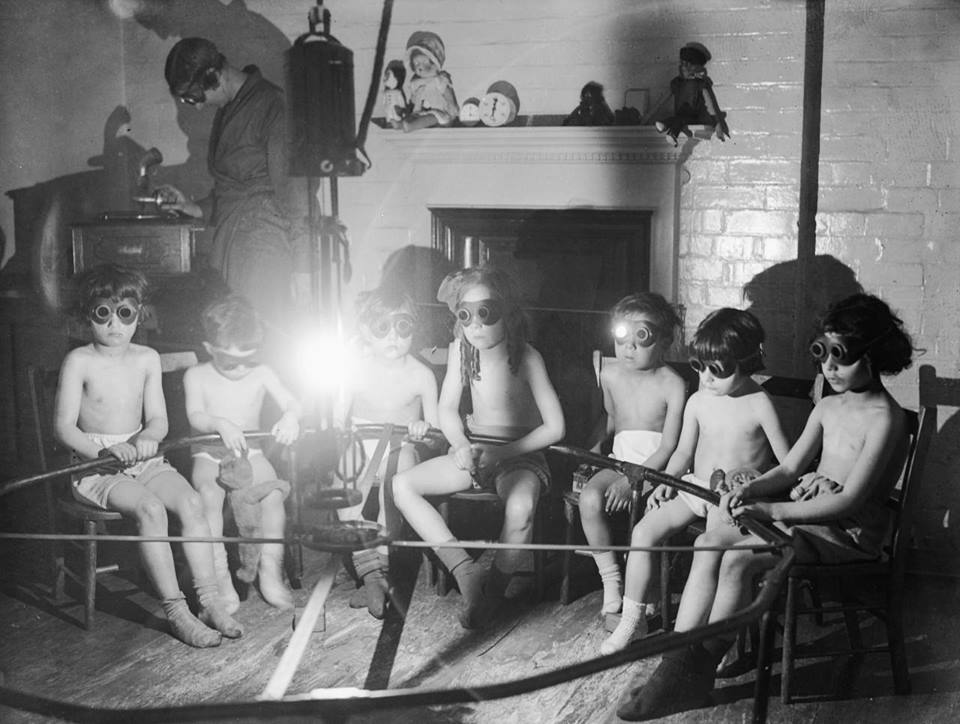
Children sit round a lamp having sun ray treatment while they listen to the gramophone at the East End Mission, London, 1931.
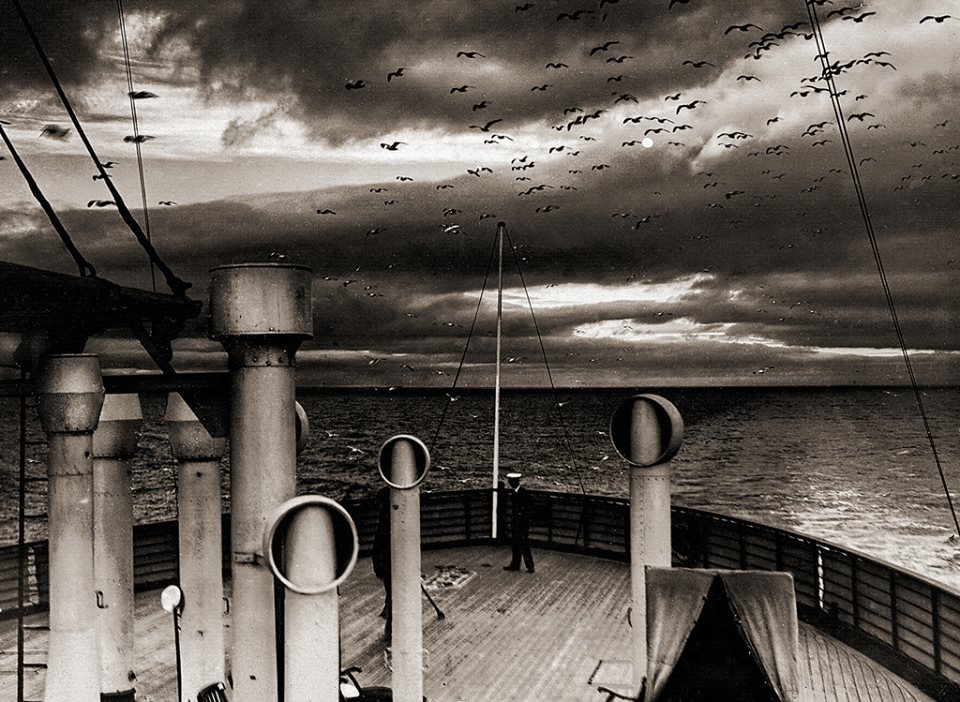
On board of the M.S. St. Louis, early 1930s
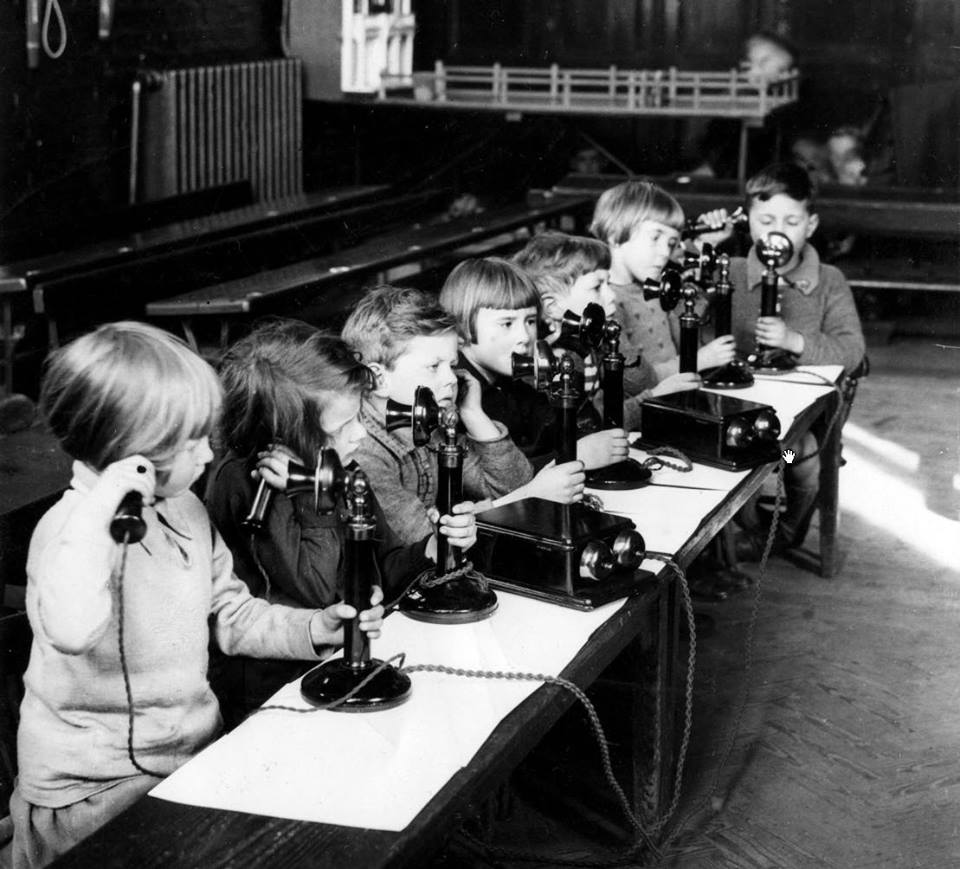
Telephone Lessons, 1934
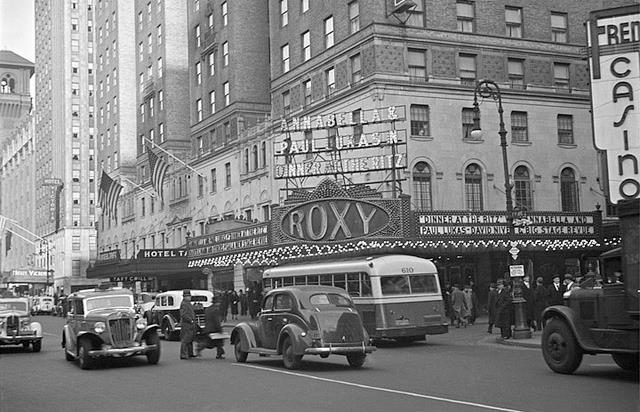
Roxy Theater, New York, 1937
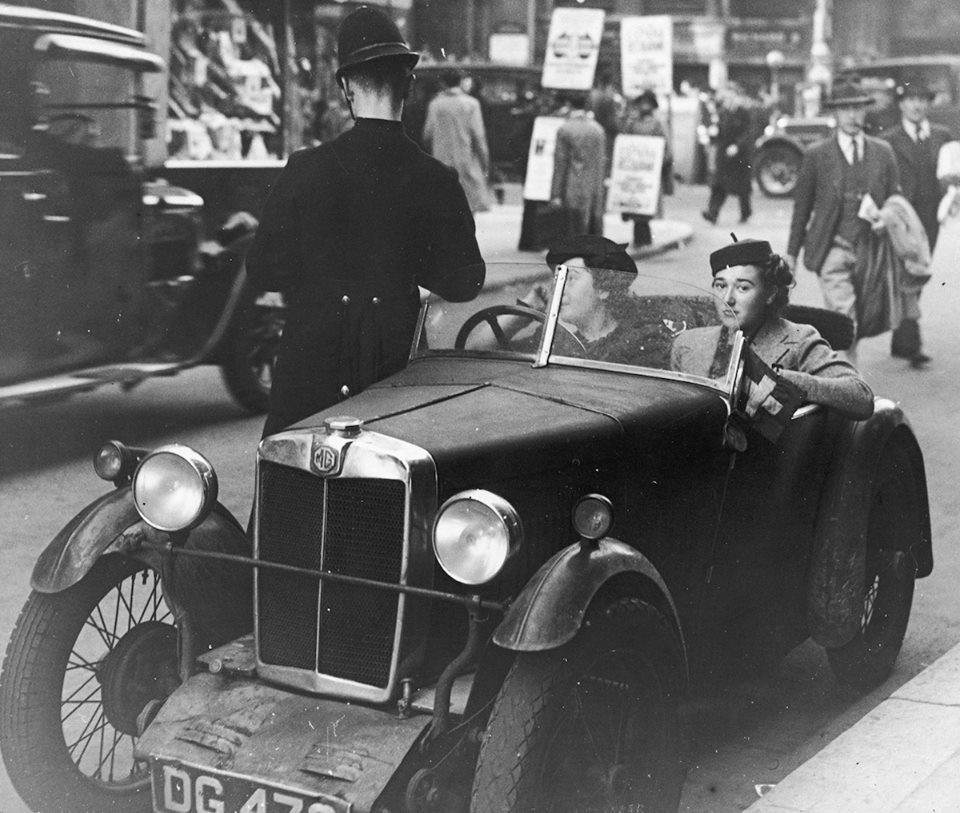
London motorists in an MG M-type receive a ticket from a traffic policeman on the corner of Wardour Street, 1930s.
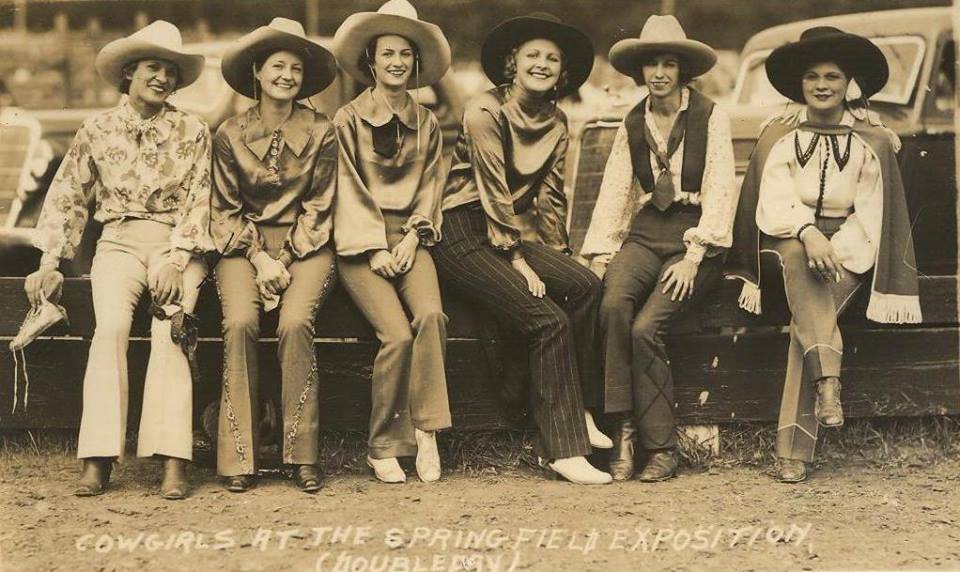
Springfield cowgirls, Massachusetts, 1930s
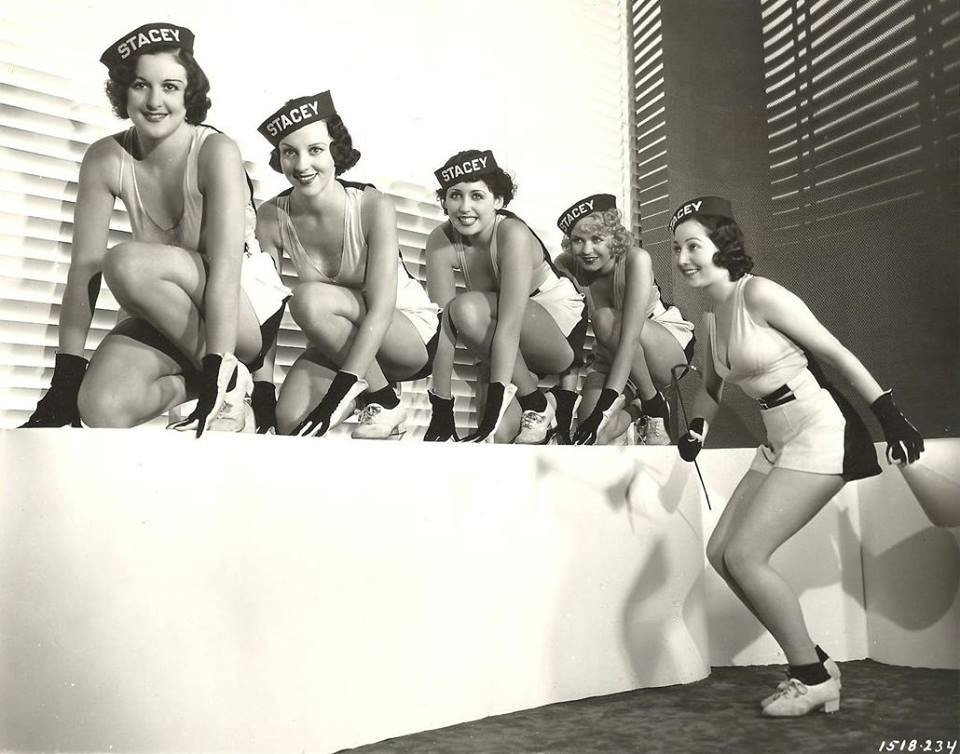
Paramount Chorus girls, 1934.
Newspaper boys next vintage cars on a street in Jackson, Ohio, 1936
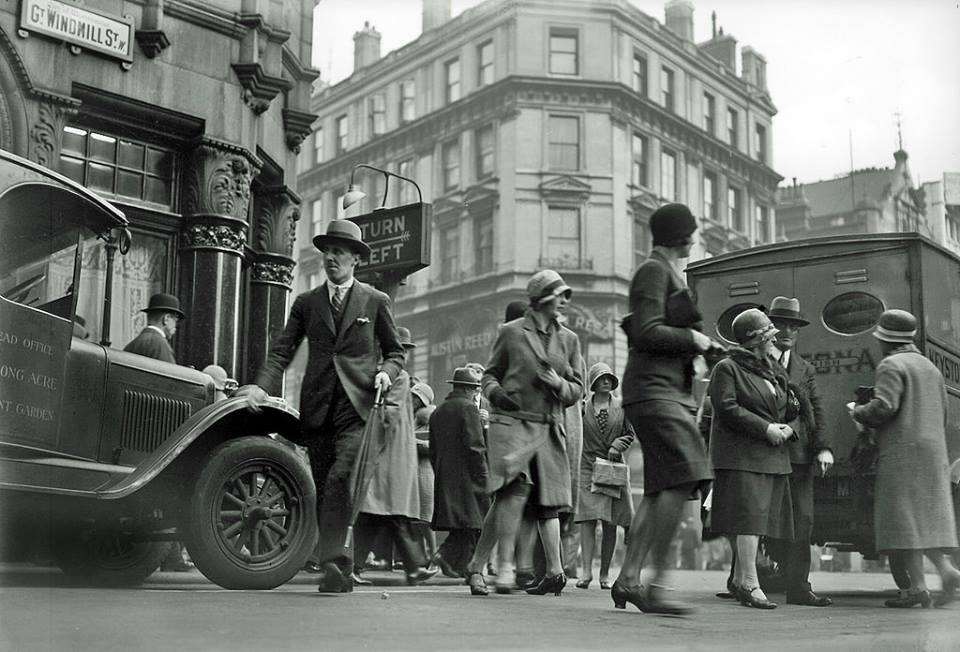
Pedestrians crossing Great Windmill Street, Soho, London, 1930.
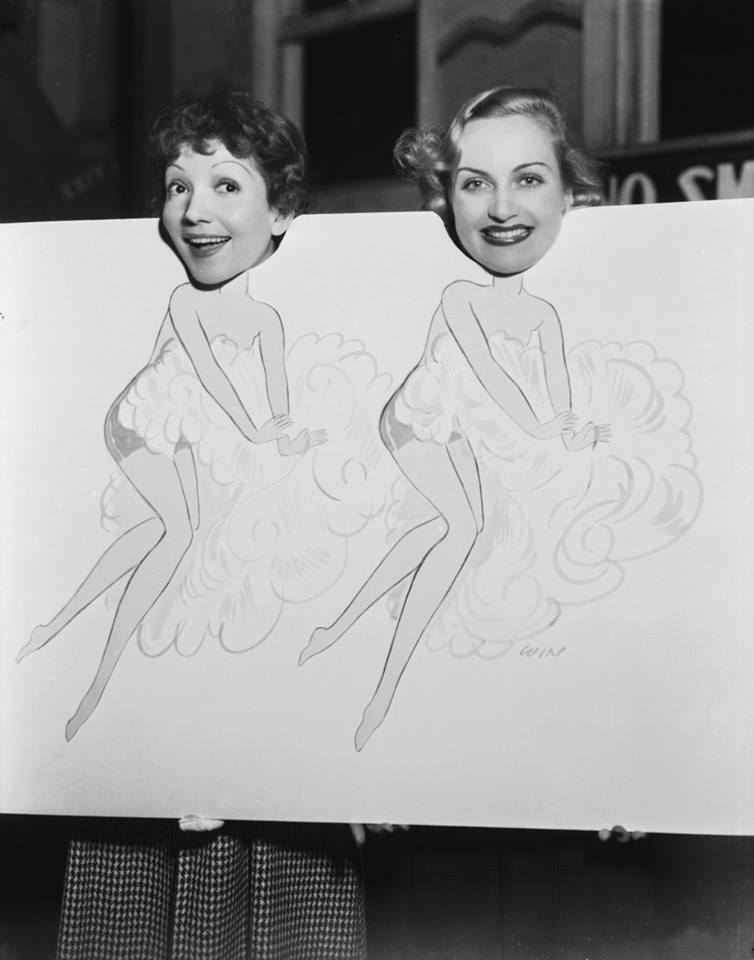
Carole Lombard and Claudette Colbert, 1935.
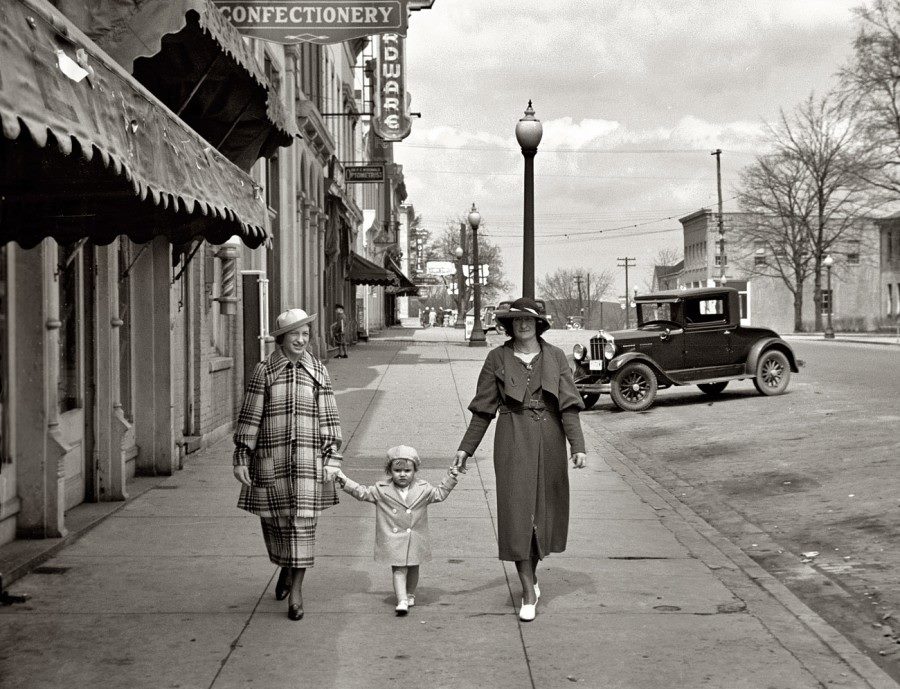
Taking a walk in Jackson, Ohio, 1936.
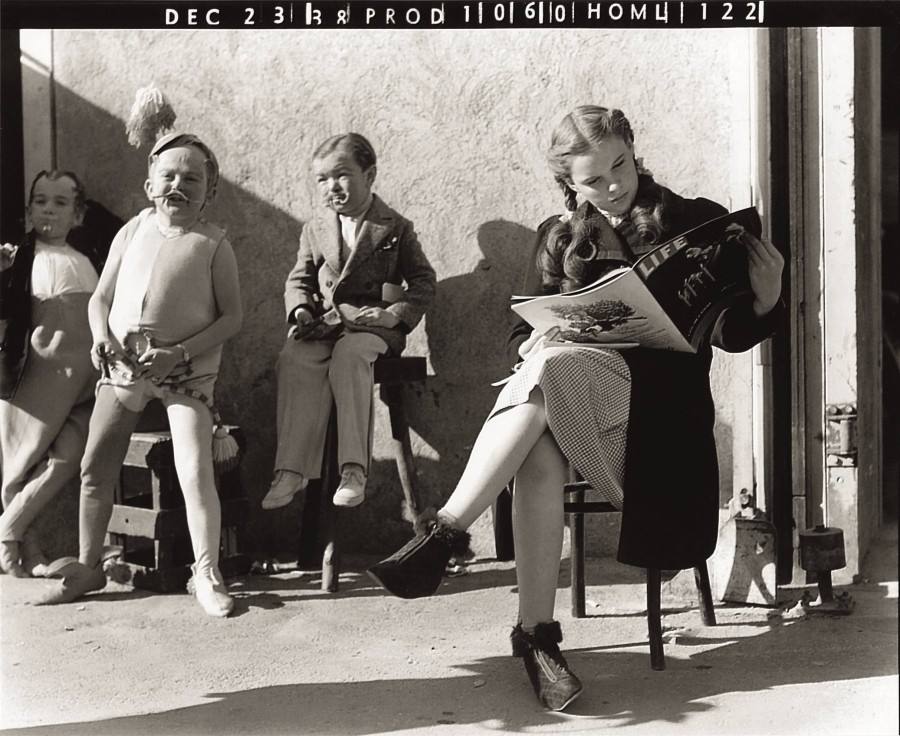
Judy Garland takes a break during the filming of The Wizard of Oz. Some of the actors who were Munchkinland residents are behind her. 1930s
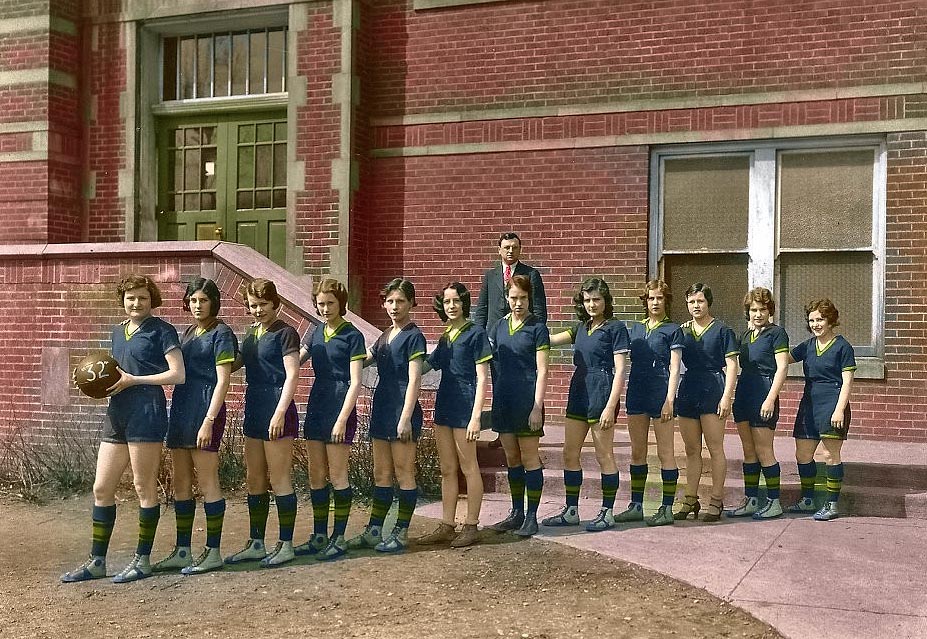
Powhatan Point Ohio High School girls basketball team, 1932
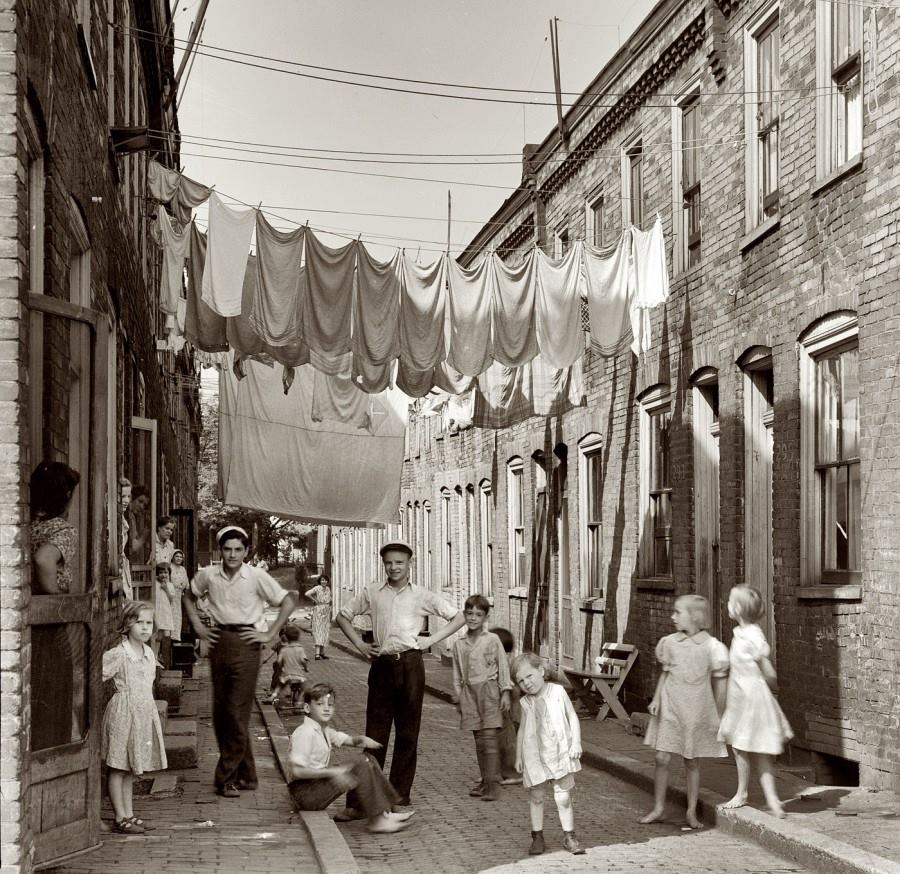
Ambridge Alley, Ambridge, Pennsylvania, July 1938.
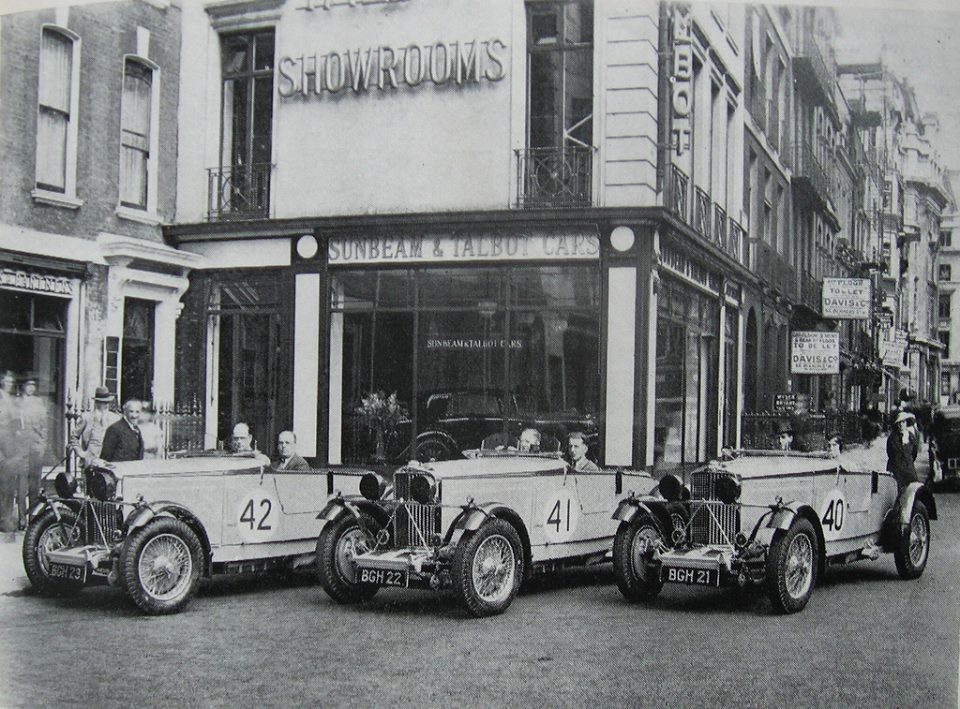
Three magnificent Talbot racing cars on a street in London, 1934
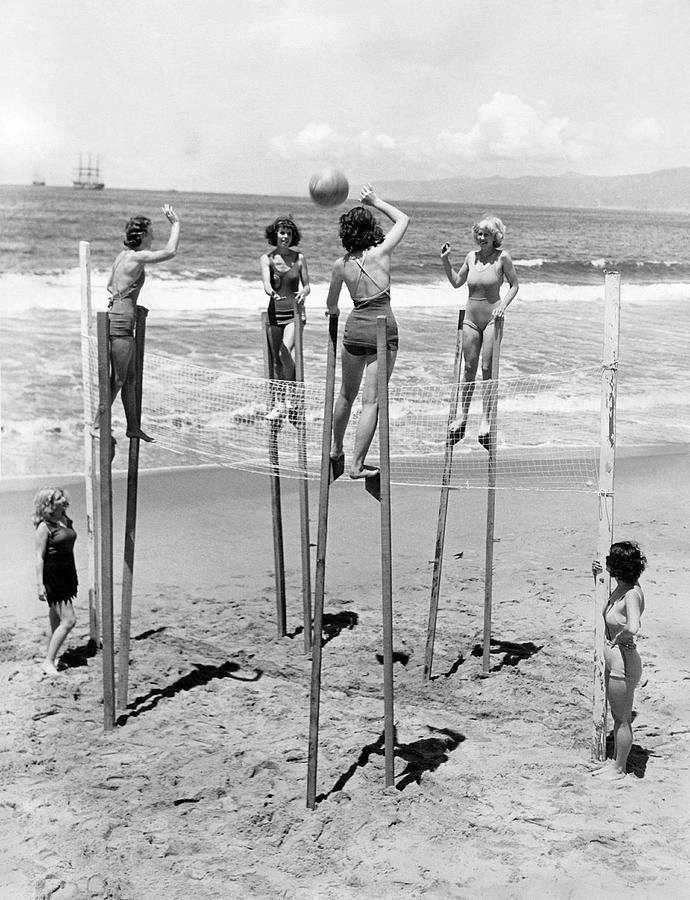
Four young women playing volleyball on stilts at the beach in Venice, California, 1934
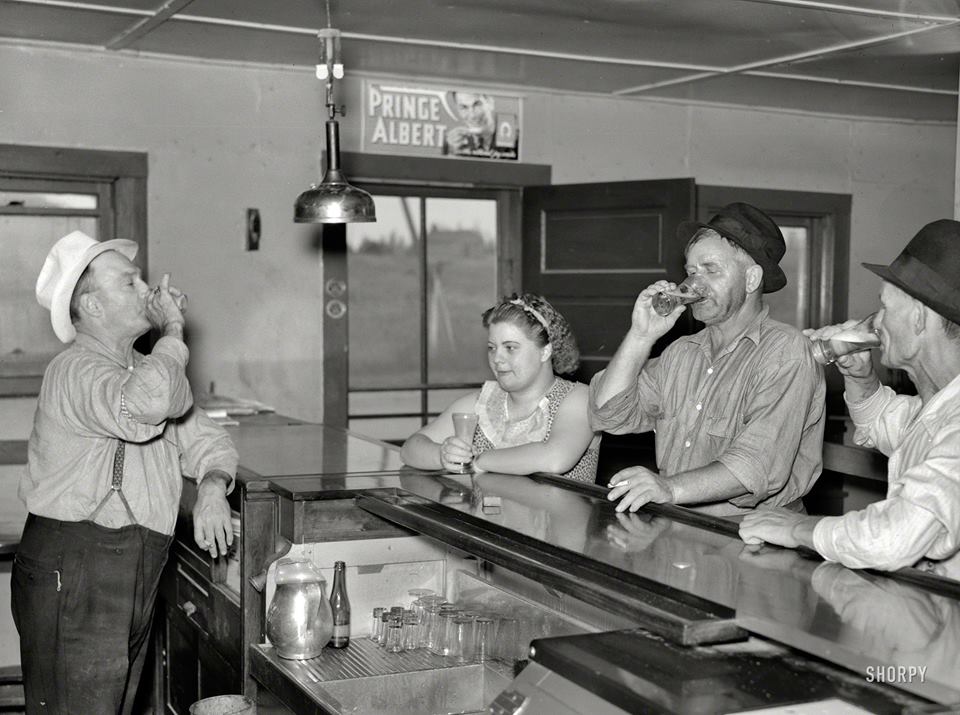
A drink on the house. Lumberjacks, proprietor and lady attendant in saloon in Craigville, Minnesota. August 1937.
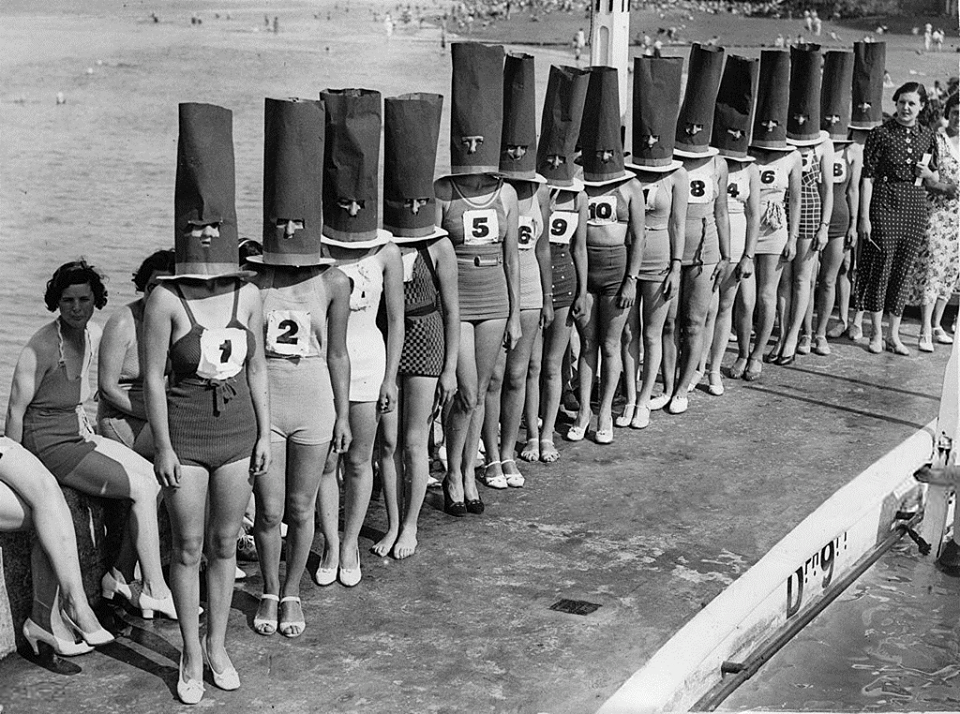
Beauty contest in Cliftonville, England, 1936.
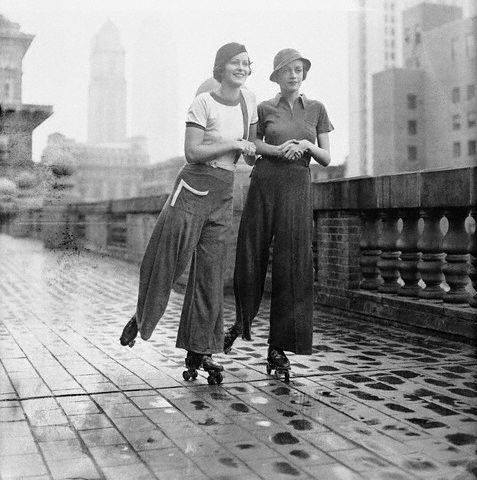
Two roller-skating girls on the rooftop of the Roosevelt hotel in New York, 1930

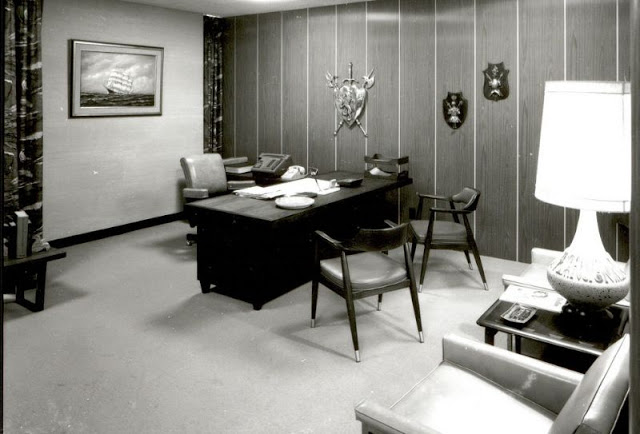
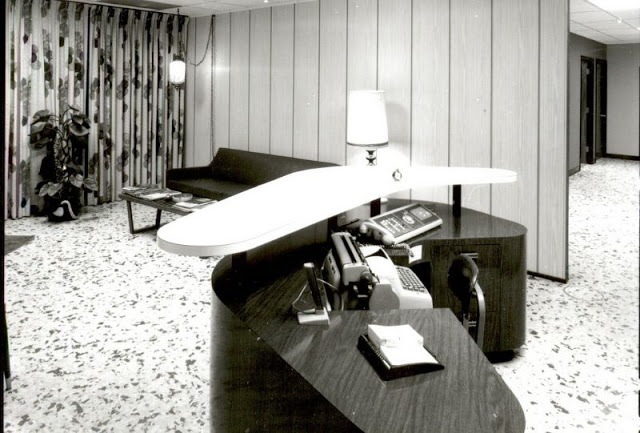
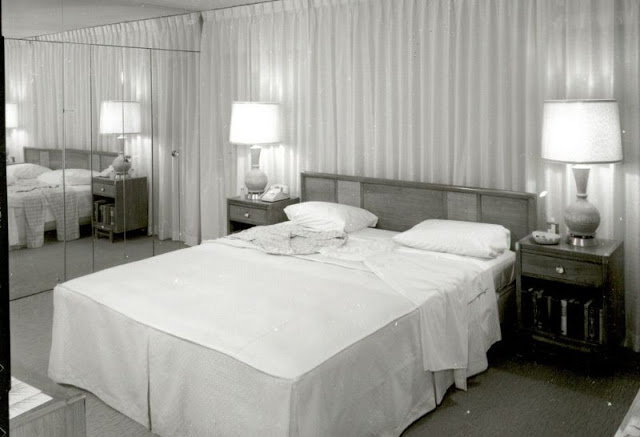
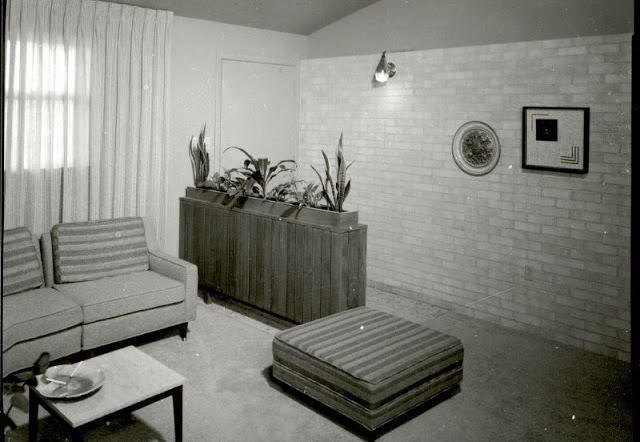
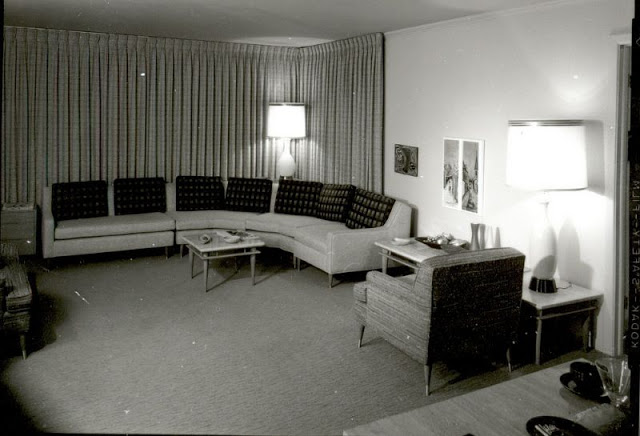
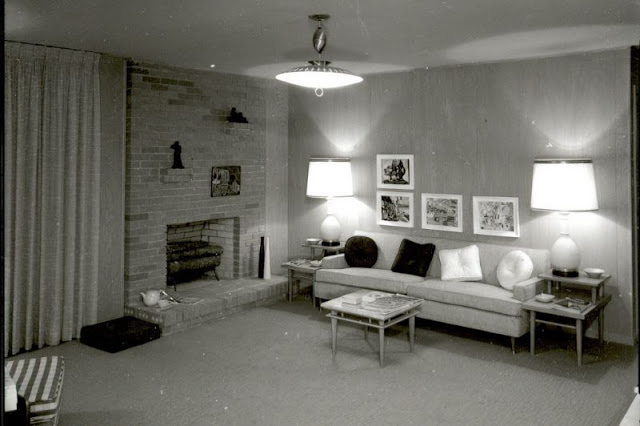
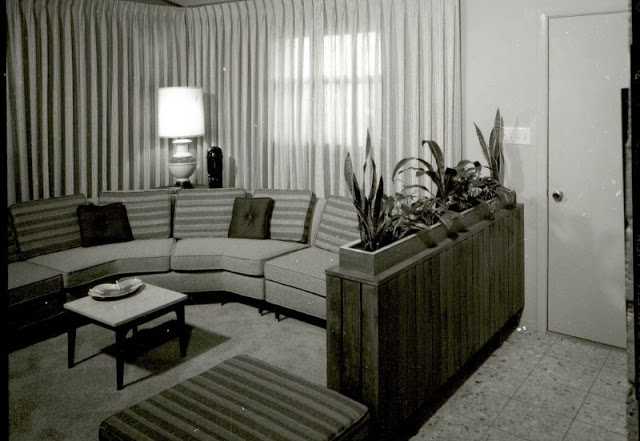
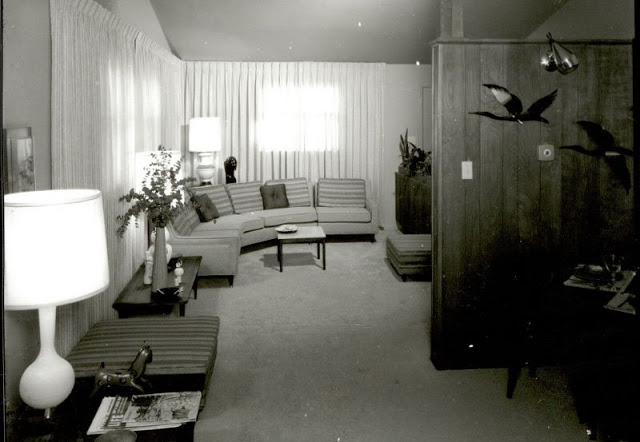
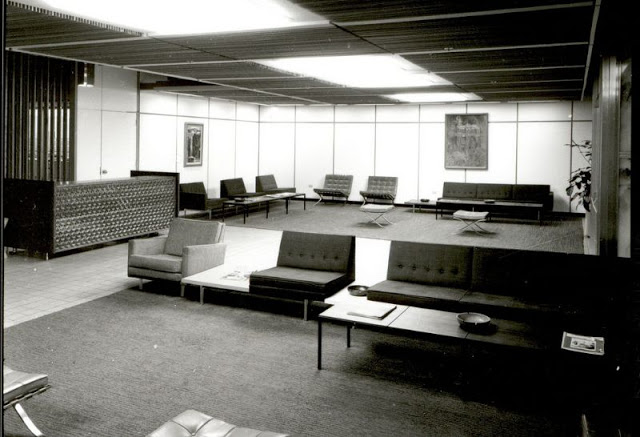
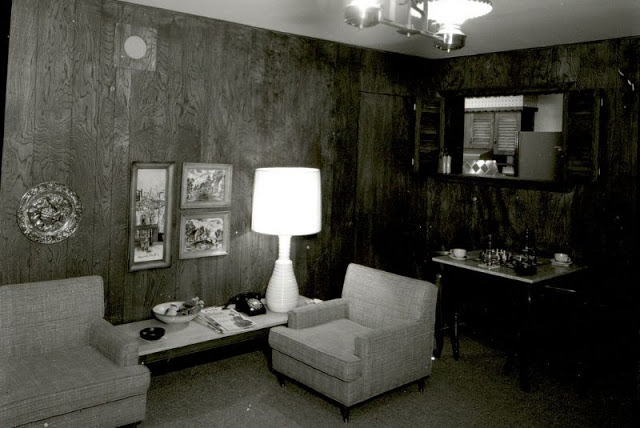
Vintage American Interiors: 14 Pictures Show What Dallas Rooms Looked Like in the 1950s

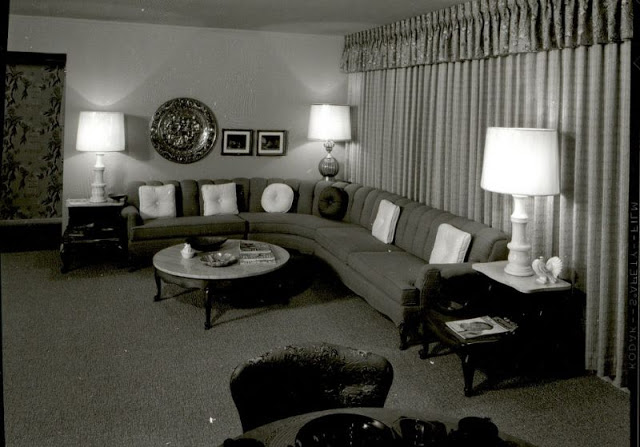
These photos show modern rooms in Dallas during the 1950s. They were taken by Tom Collins who spent his early years as a photographer taking photos for businesses, advertising firms, architects, and newspapers.

1950’s Office
1950’s Office
1950s Modern Room in Dallas
Atomic Boomerang 50’s Office
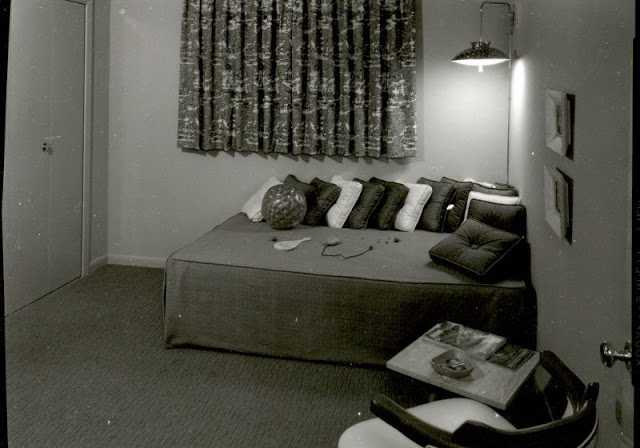
Bedroom
Entry Room
Living Room
Living Room
Living Room
Living Room
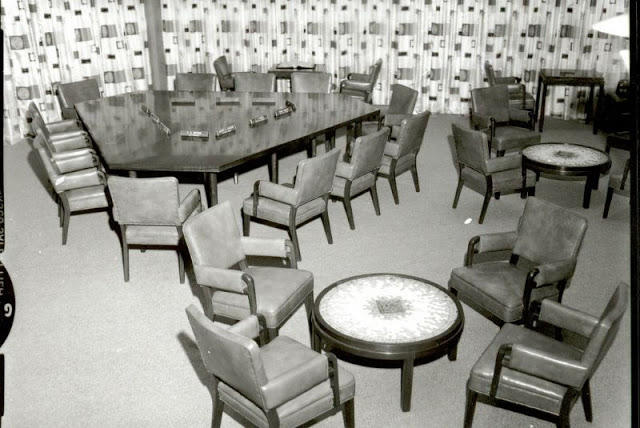
Meeting Room
Waiting Room
1950s Den
Kid’s Room

The Civil War in Color: 31 Stunning Colorized Photos That Brings the American Civil War Alive

The American Civil War (April 12, 1861 – May 9, 1865; also known by other names) was a civil war in the United States between the Union (states that remained loyal to the federal union,[e] or “the North”) and the Confederacy (states that voted to secede, or “the South”). The central cause of the war was the status of slavery, especially the expansion of slavery into territories acquired as a result of the Louisiana Purchase and the Mexican–American War. On the eve of the Civil War in 1860, four million of the 32 million Americans (~13%) were enslaved black people, almost all in the South.

The practice of slavery in the United States was one of the key political issues of the 19th century. Decades of political unrest over slavery led up to the Civil War. Disunion came after Abraham Lincoln won the 1860 United States presidential election on an anti-slavery expansion platform. An initial seven southern slave states declared their secession from the country to form the Confederacy. Confederate forces seized federal forts within territory they claimed. The last-minute Crittenden Compromise tried to avert conflict but failed; both sides prepared for war. Fighting broke out in April 1861 when the Confederate army began the Battle of Fort Sumter in South Carolina, just over a month after the first inauguration of Abraham Lincoln. The Confederacy grew to control at least a majority of territory in eleven states (out of the 34 U.S. states in February 1861), and asserted claims to two more. Both sides raised large volunteer and conscription armies. Four years of intense combat, mostly in the South, ensued.

During 1861–1862 in the war’s Western Theater, the Union made significant permanent gains—though in the war’s Eastern Theater the conflict was inconclusive. On January 1, 1863, Lincoln issued the Emancipation Proclamation, which made ending slavery a war goal, declaring all persons held as slaves in states in rebellion “forever free.” To the west, the Union destroyed the Confederate river navy by the summer of 1862, then much of its western armies, and seized New Orleans. The successful 1863 Union siege of Vicksburg split the Confederacy in two at the Mississippi River. In 1863, Confederate General Robert E. Lee’s incursion north ended at the Battle of Gettysburg. Western successes led to General Ulysses S. Grant’s command of all Union armies in 1864. Inflicting an ever-tightening naval blockade of Confederate ports, the Union marshaled resources and manpower to attack the Confederacy from all directions. This led to the fall of Atlanta in 1864 to Union General William Tecumseh Sherman and his march to the sea. The last significant battles raged around the ten-month Siege of Petersburg, gateway to the Confederate capital of Richmond.

The Civil War effectively ended on April 9, 1865, when Confederate General Lee surrendered to Union General Grant at the Battle of Appomattox Court House, after Lee had abandoned Petersburg and Richmond. Confederate generals throughout the Confederate army followed suit. The conclusion of the American Civil War lacks a clean end date: land forces continued surrendering until June 23. By the end of the war, much of the South’s infrastructure was destroyed, especially its railroads. The Confederacy collapsed, slavery was abolished, and four million enslaved black people were freed. The war-torn nation then entered the Reconstruction era in a partially successful attempt to rebuild the country and grant civil rights to freed slaves.

The Civil War is one of the most studied and written about episodes in the history of the United States. It remains the subject of cultural and historiographical debate. Of particular interest is the persisting myth of the Lost Cause of the Confederacy. The American Civil War was among the earliest to use industrial warfare. Railroads, the telegraph, steamships, the ironclad warship, and mass-produced weapons saw wide use. In total the war left between 620,000 and 750,000 soldiers dead, along with an undetermined number of civilian casualties. President Lincoln was assassinated just five days after Lee’s surrender. The Civil War remains the deadliest military conflict in American history. The technology and brutality of the Civil War foreshadowed the coming World Wars. (Wikipedia)

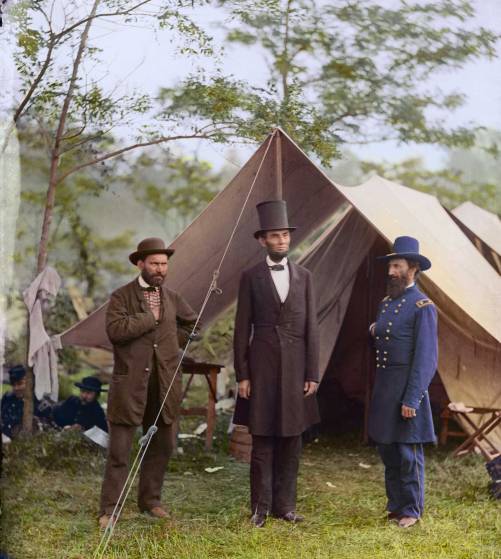
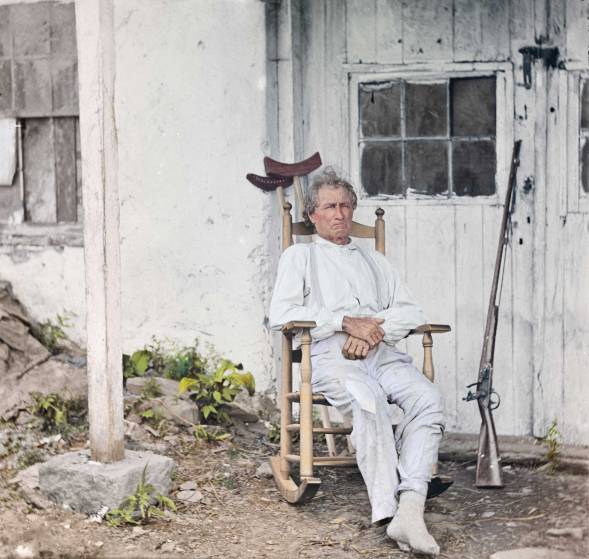
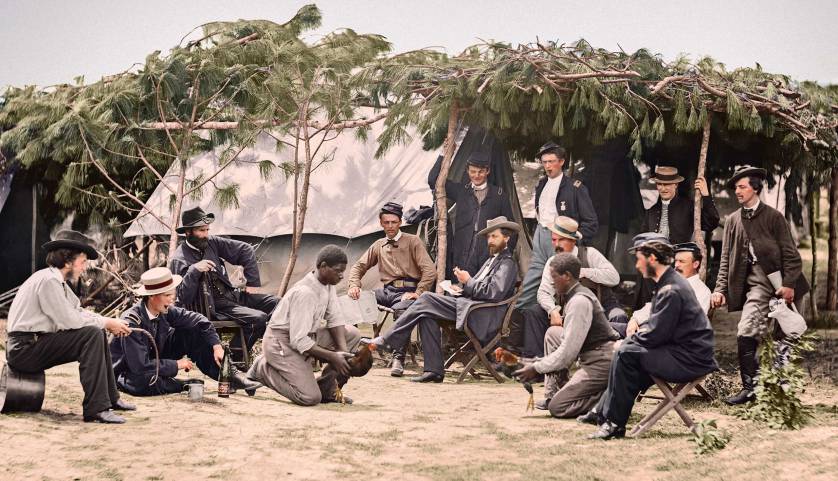
Here, TIME commissioned Sanna Dullaway, a photo editor based in Sweden, to colorize some of the most iconic images of the Civil War. The end result, which can take up to three hours to achieve per picture, offers a novel and contemporary perspective to history.

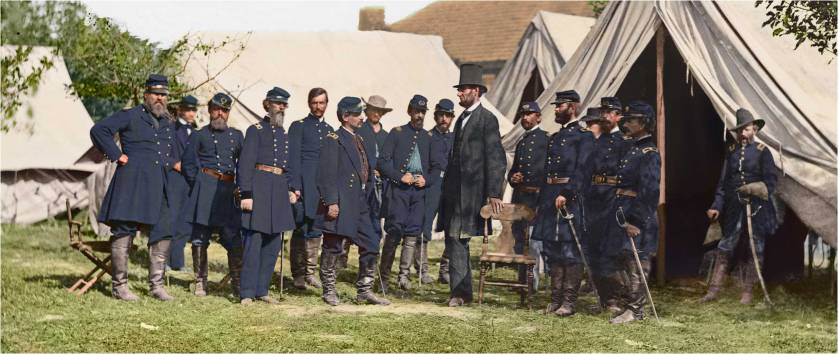
Allan Pinkerton, President Lincoln, & Maj.Gen McClernand; at the main eastern theater of the war, Battle of Antietam, Sept-Oct 1862
Surgeons of the 3rd Division before hospital tent in Petersburg, Va., Aug. 1864.
John L. Burns, the “old hero of Gettysburg,” with gun and crutches in Gettysburg, Penn., July, 1863.
Washington, District of Columbia. Tent life of the 31st Penn. Inf. (later, 82d Penn. Inf.) at Queen’s farm, vicinity of Fort Slocum, 1861
Allan Pinkerton (“E. J. Allen”) of the Secret Service on horseback in Antietam, Md., Oct. 1862.
Petersburg, Virginia. Cock fighting at Gen. Orlando B. Willcox’s headquarters, 1864.
Camp of Captain [John J.] Hoff., in Gettysburg, Penn., July, 1865
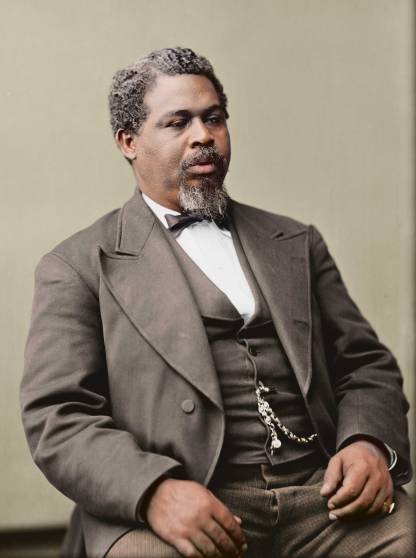
African American legislator Robert Smalls of South Carolina.
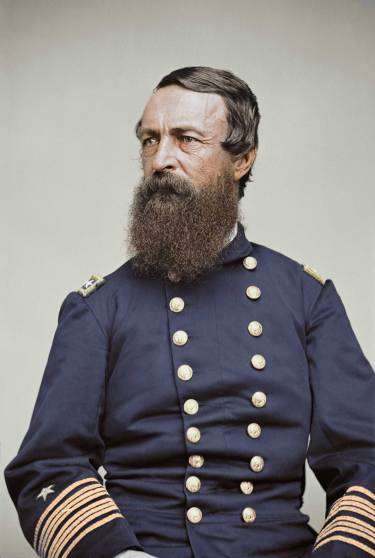
Portrait of Rear Adm. David D. Porter, officer of the Federal Navy, 1860.
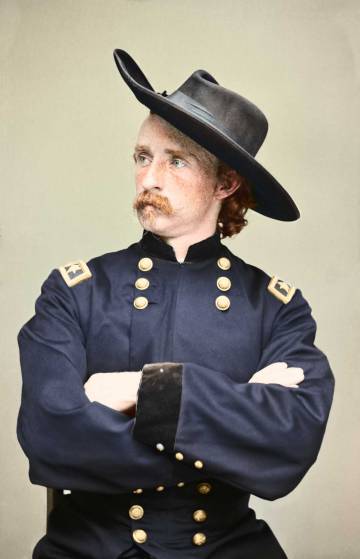
Portrait of Maj. Gen. George A. Custer, officer of the Federal Army, 1865.
Portrait of President Abraham Lincoln, 1863.
President Lincoln on the battlefield
President Lincoln and Gen. George B. McClellan in the general’s tent, Antietam, Md., Sept. – Oct. 1862.
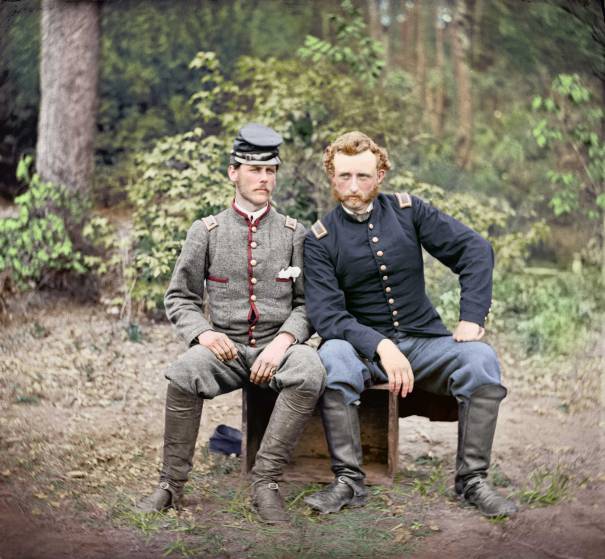
Capt. Custer of the 5th Cavalry is seen with Lt. Washington, a prisoner and former classmate.
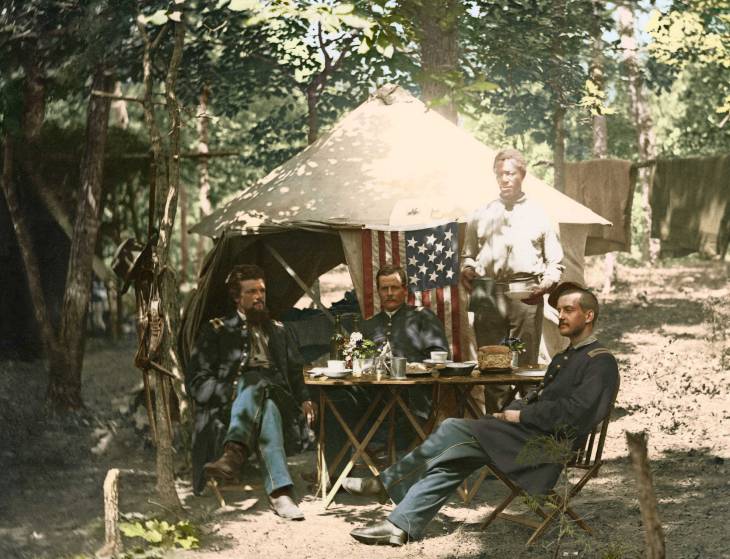
Officer’s mess, Company E, 93rd New York Volunteers, in Bealeton, Va., Aug., 1863
Gettysburg, Pa. Three Confederate prisoners, June-July, 1863.
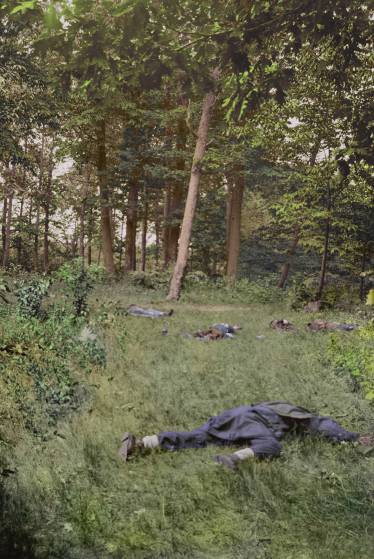
Dead on battlefield at 1st Bull Run, 1862-1865
Dead Confederate sharpshooter at foot of Little Round Top on the battlefield at Gettysburg, July, 1863
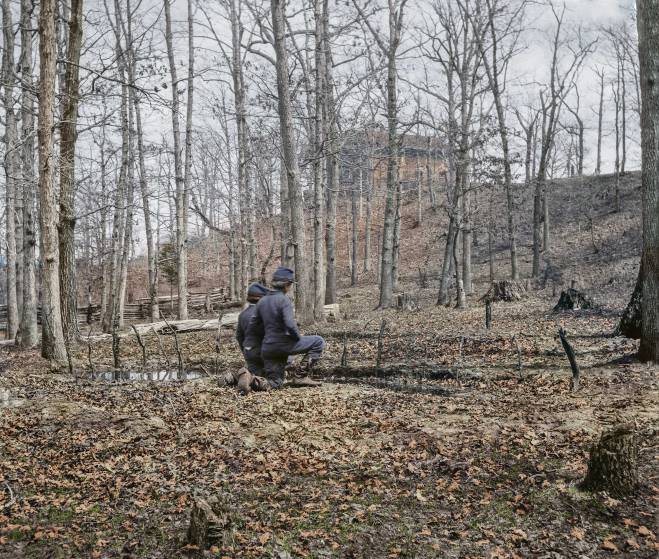
Remembering the dead at Sudley Church near Bull Run, Va. March 1862.
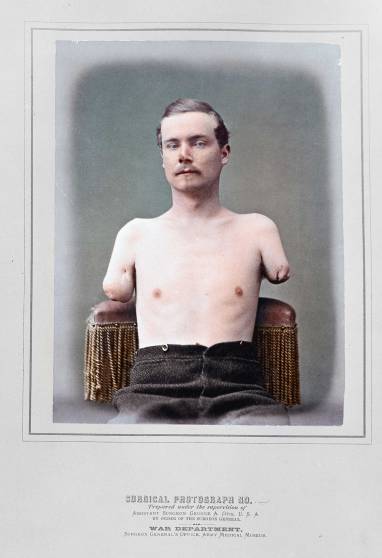
A surgical photo from the Surgeon General’s War Department shows an injured soldier with both arms amputated.
Powder monkey by gun of U.S.S. New Hampshire off Charleston, S.C., 1860
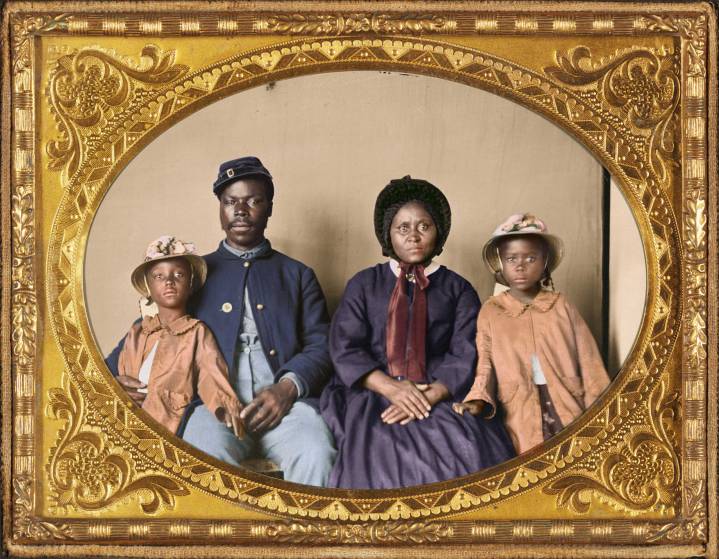
Unidentified African American soldier in Union uniform with wife and two daughters, 1863-1865
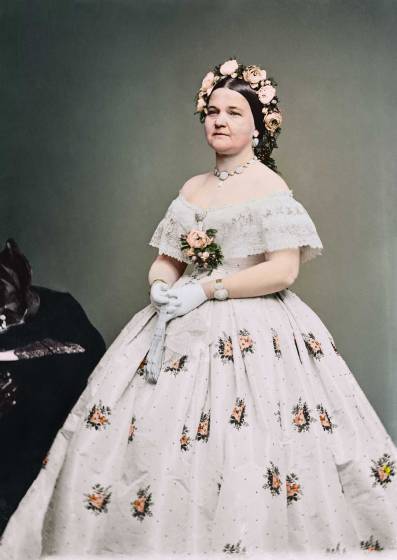
Mary Todd Lincoln
Abraham Lincoln, seated next to small table, in a reflective pose. Taken on May 16, 1861 at Mathew Brady’s studio in Washington, D.C.
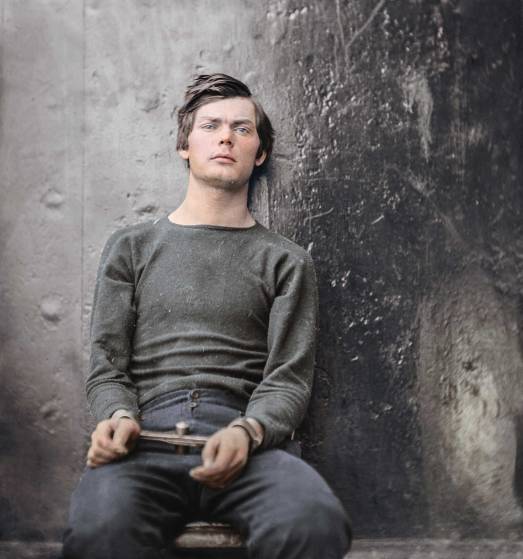
Lewis Payne, a conspirator in the assassination of President Lincoln, in the Washington Navy Yard, April-July 1865.
David E. Herold, a conspirator in the assassination of President Lincoln, in the Washington Navy Yard, April-July 1865.
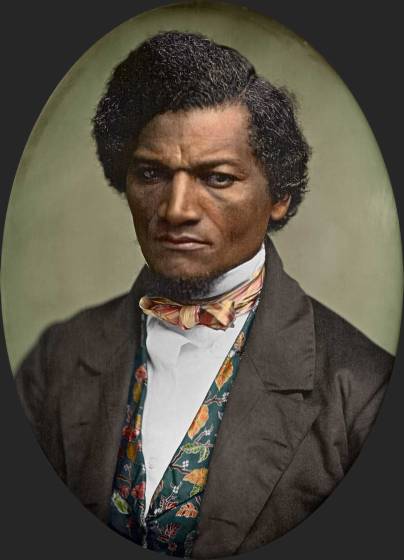
Frederick Douglass
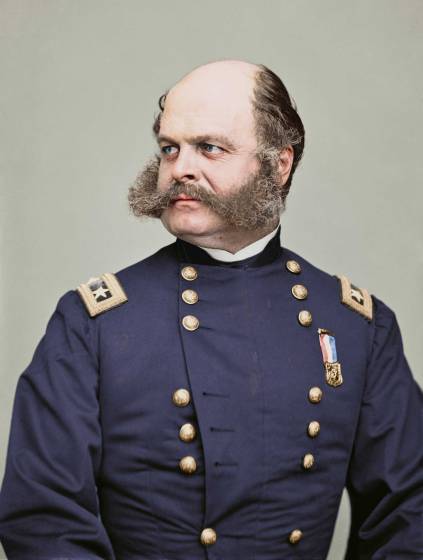
Portrait of Maj. Gen. Ambrose E. Burnside, officer of the Federal Army, 1860-1865.
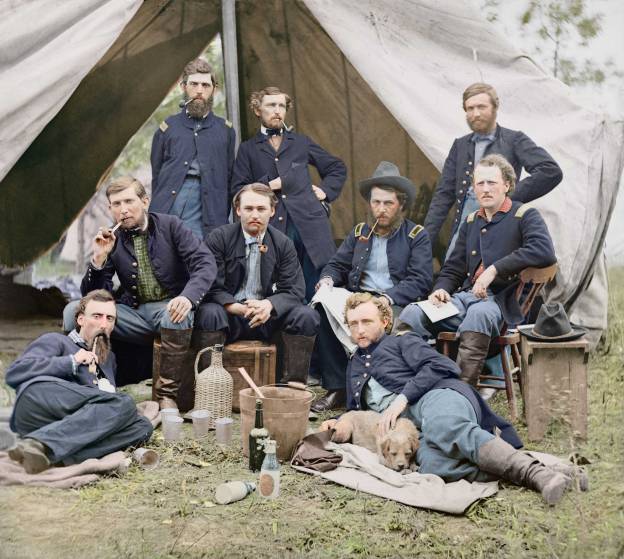
The staff of Gen. Fitz-John Porter, Lieutenant William G. Jones and George A. Custer reclining at Falmouth, Va., 1863
Soldiers bathing near the ruins of a railroad bridge, North Anna River, Va, May, 1864.
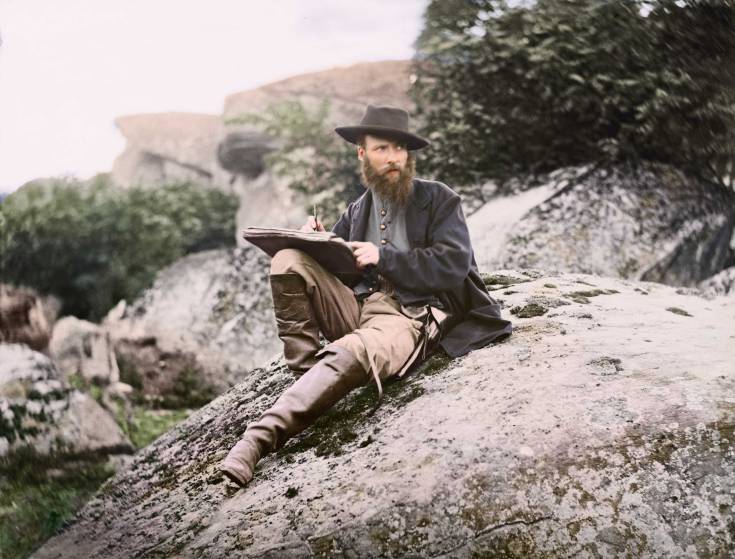
Gettysburg, Pa. Alfred R. Waud, artist of Harper’s Weekly, sketching on battlefield, July 1863

Official Baby Care Guides by the Department of Hygiene, Kansas State Board of Health From the Early 20th Century

When it comes to childrearing advice, we’ve come a long way, baby.

Modern parenting isn’t easy. Childcare books and blogs are filled with so much contradictory advice, it makes you want to throw your own tantrum. But there’s good news: You don’t live in centuries past, when baby advice wasn’t merely contradictory; it was also bizarre and borderline criminal.

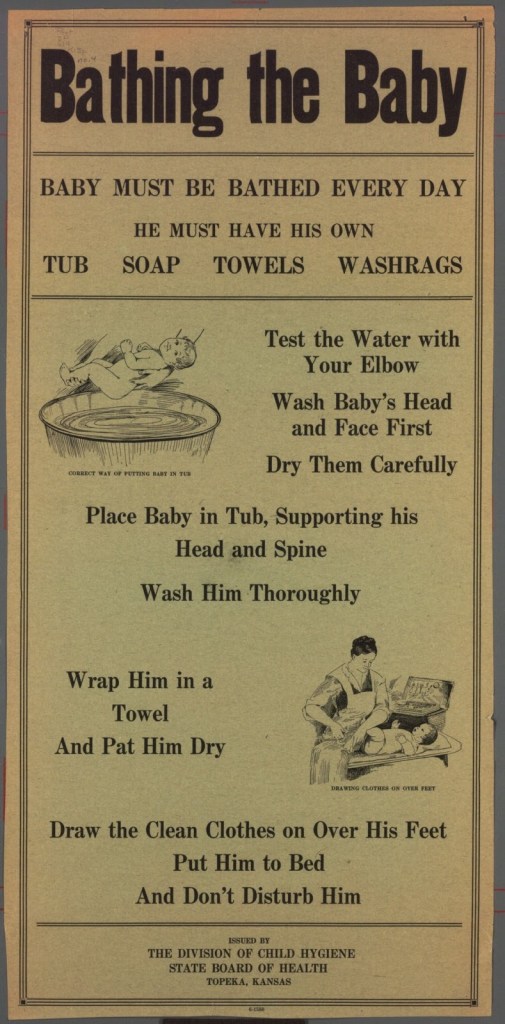
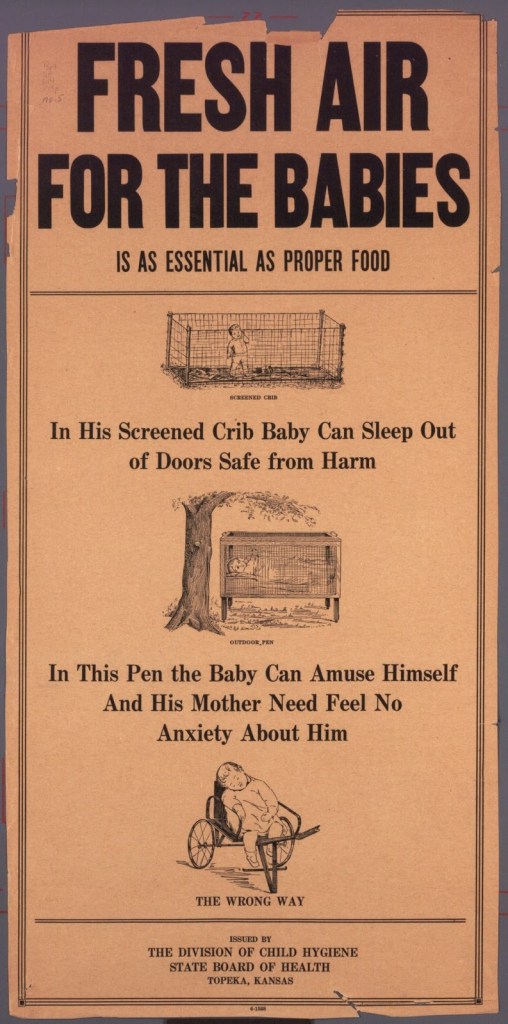
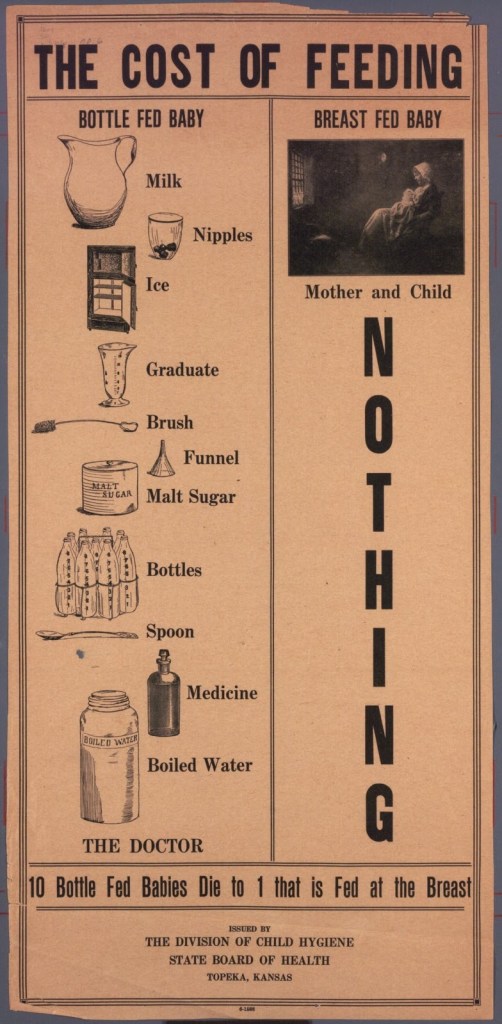
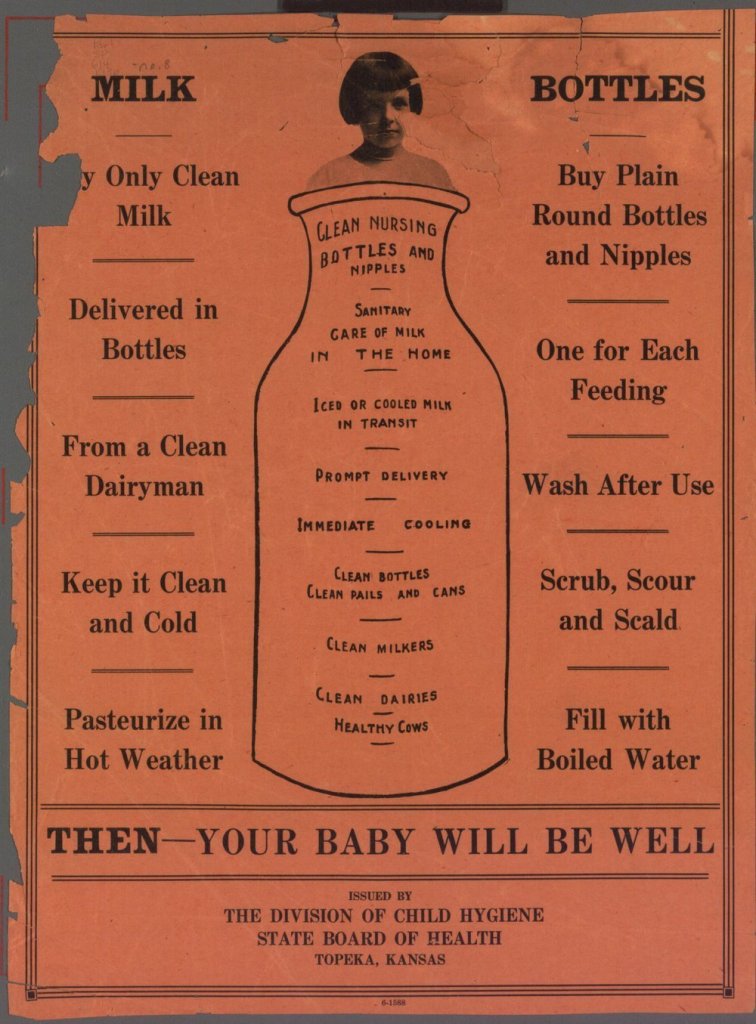
Below are some baby care guides from the Kansas State Board of Health from between the 1900s and 1920s:

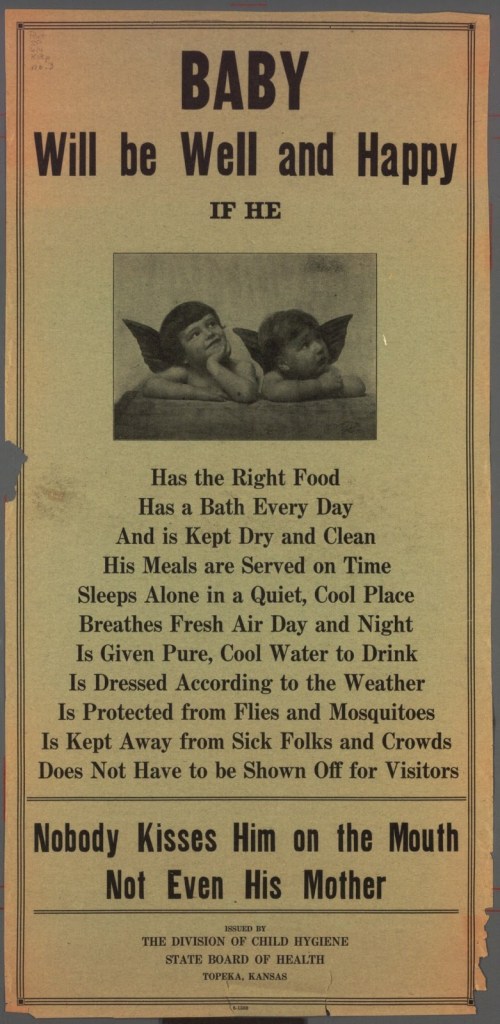
A poster issued by the Kansas State Board of Health, outlining good infant care.
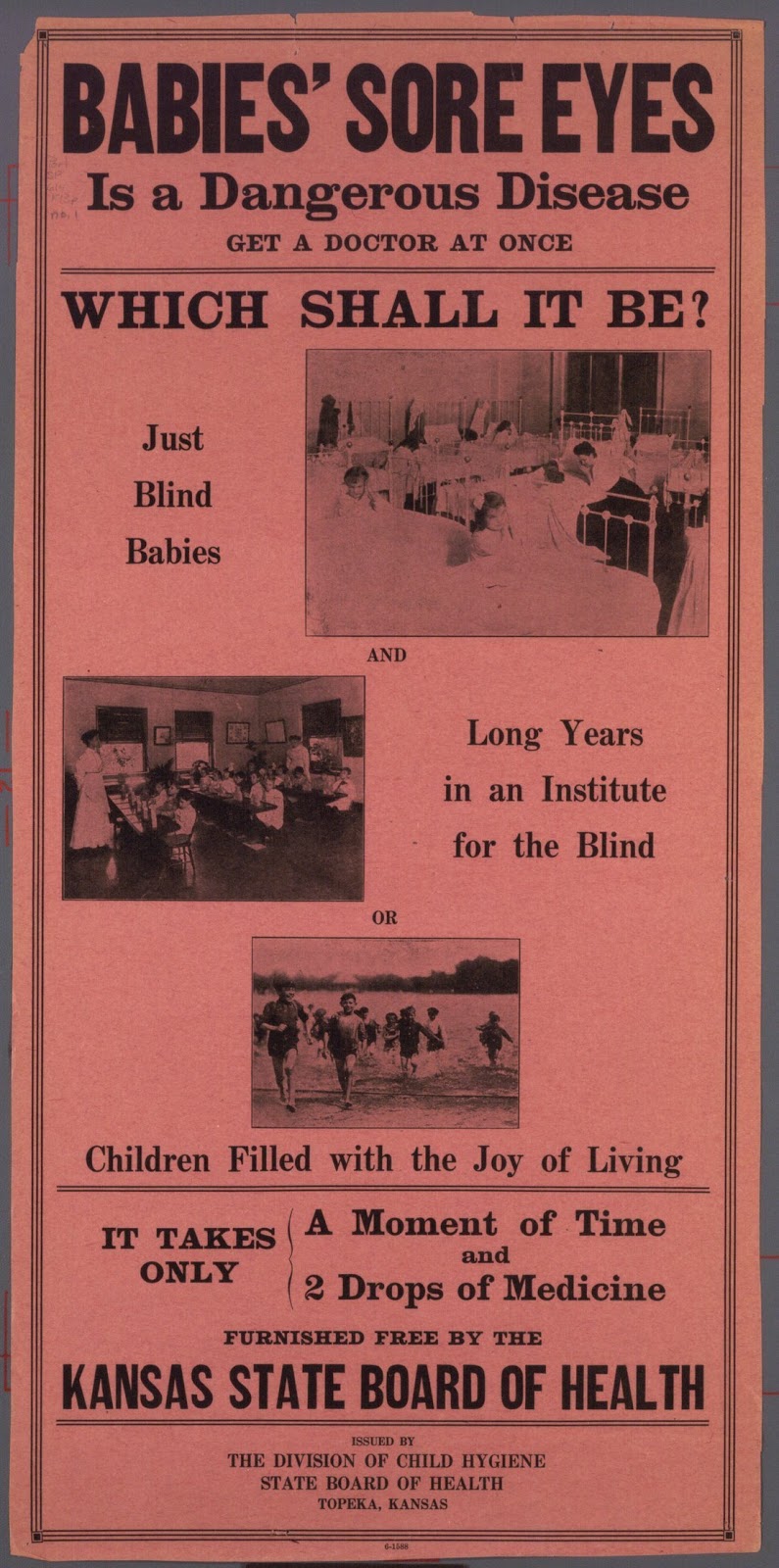
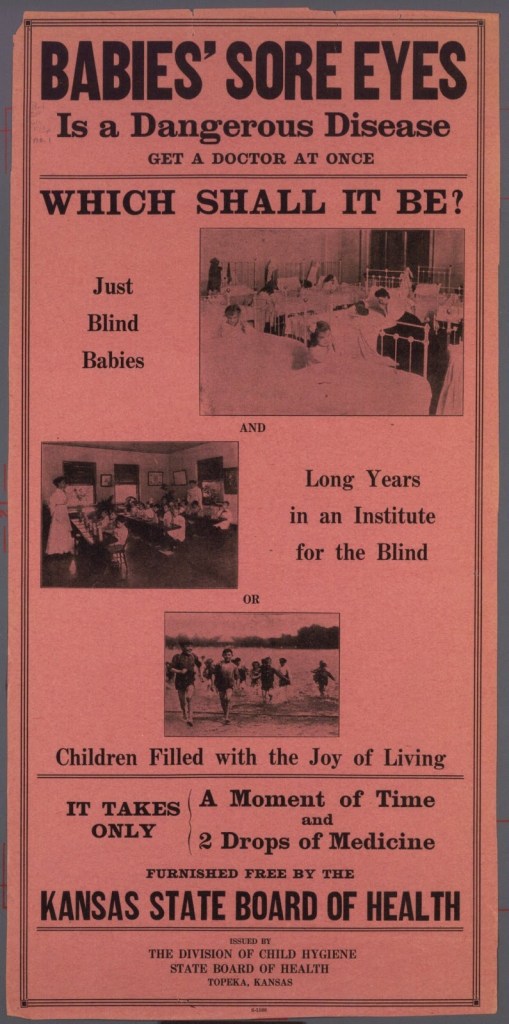
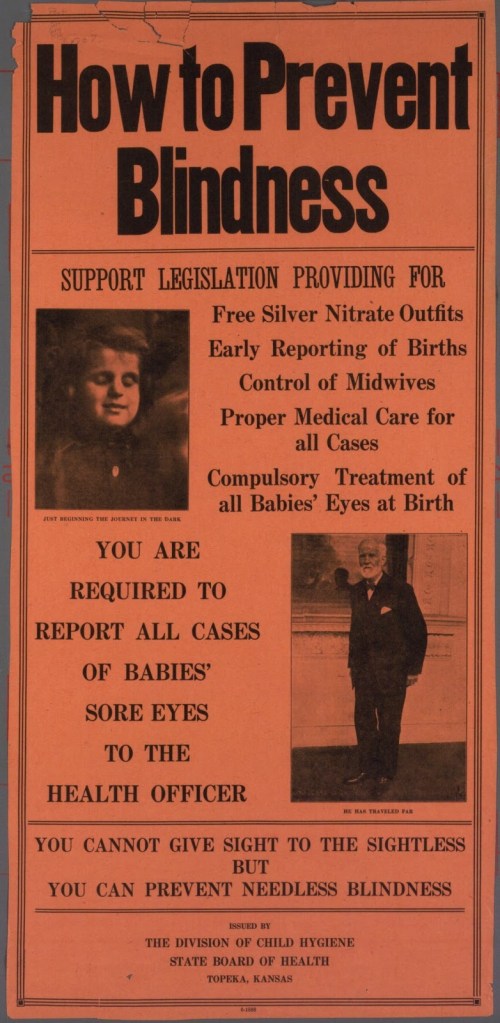
This poster, issued by the Kansas State Board of Health, informs parents about the danger and treatment of Infantile Conjunctivitis and how to avoid needless blindness in children.
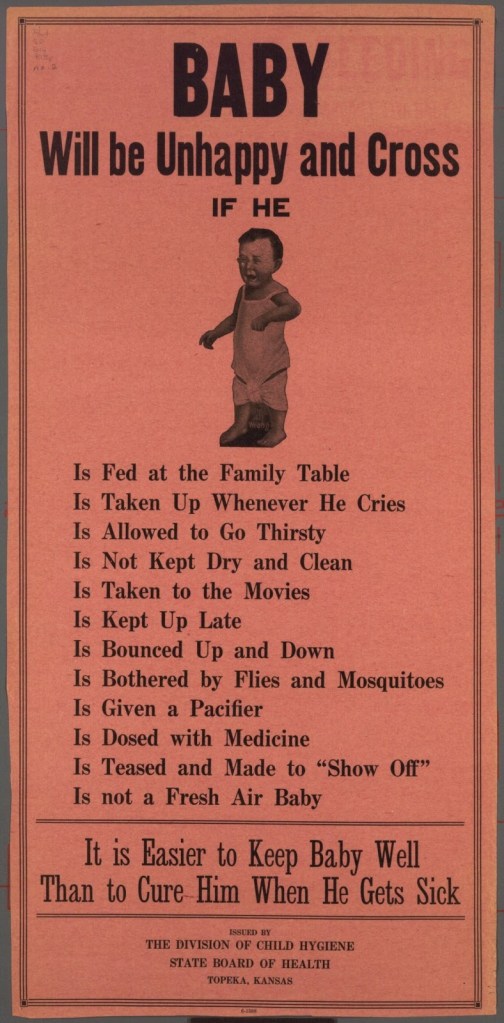
This poster, issued by the Kansas State Board of Health, includes information on good baby care.
This poster, issued by the Kansas State Board of Health, illustrates how to bathe a baby.
This poster, issued by the Kansas State Board of Health, informs parents how to safely insure their baby has fresh air for his health.
This poster, issued by the Kansas State Board of Health, compares the costs of bottle feeding the baby and breast feeding the baby.
This poster issued by the Kansas State Board of Health shows important factors for ensuring safe milk for children.
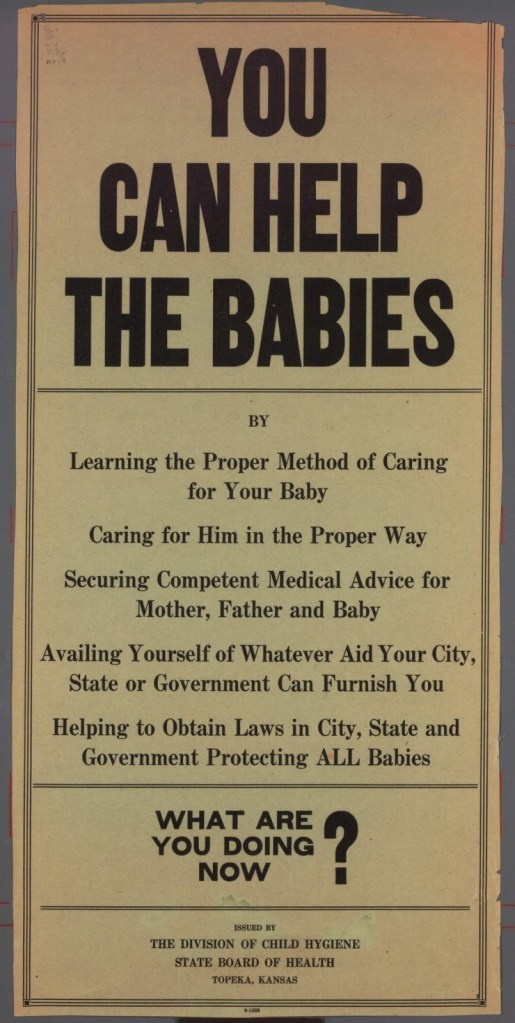
This poster, issued by the Kansas State Board of Health, outlines ways persons can help keep babies healthy.
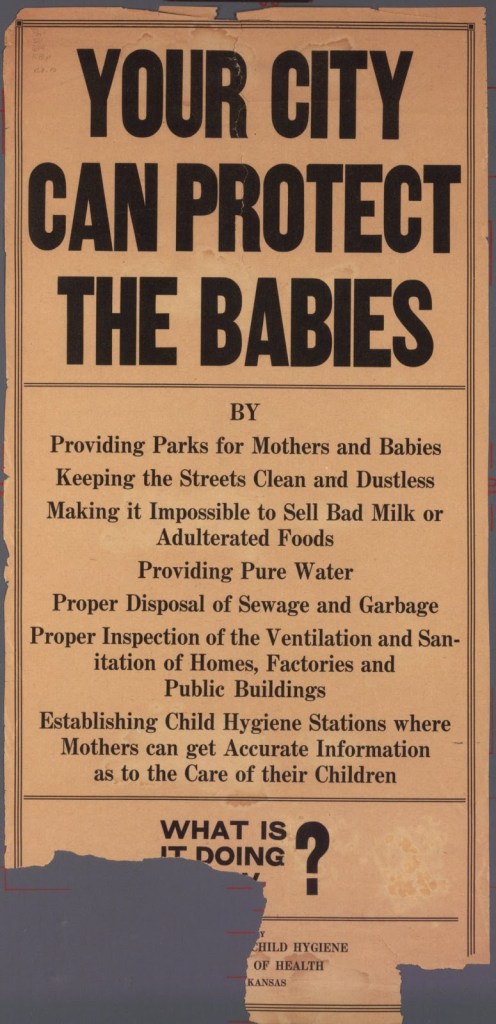
This poster issued by the Kansas State Board of Health describes how a community can help keep babies healthy.
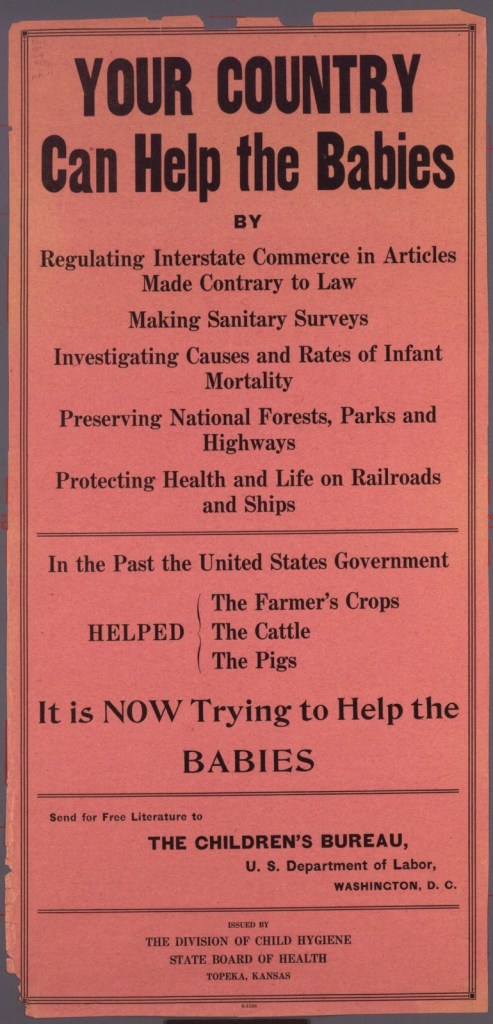
Kansas State Board of Health, outlines what the nation can do to help with healthy babies. The message is sponsored by the Children’s Bureau of the United States Labor.
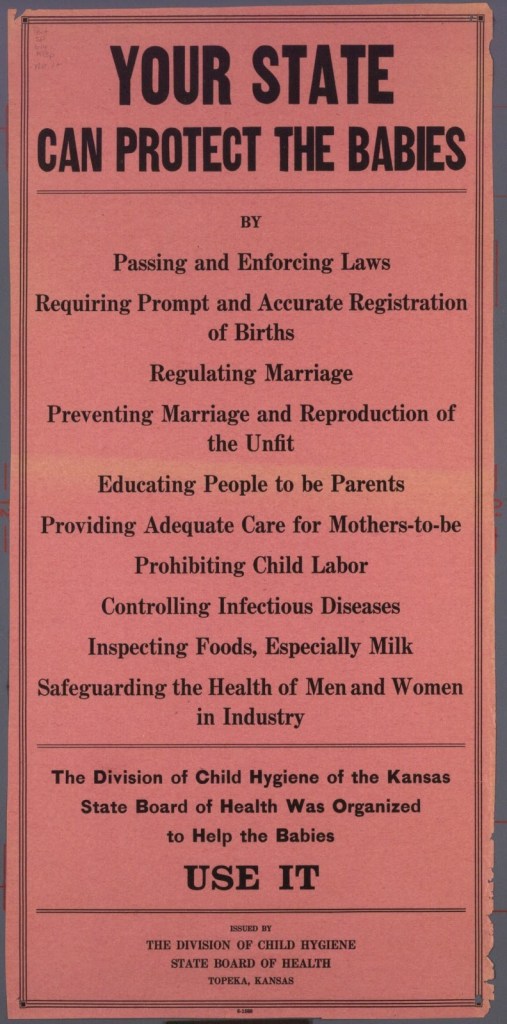
This poster, issued by the Kansas State Board of Health, outlines state responsibilities and programs for healthy babies.
This poster, issued by the Kansas State Board of Health, informs parents about Infantile Conjunctivitis and how to prevent needless blindness.

Beautiful Vintage Photos of Cher in 1975

Cher (born Cherilyn Sarkisian; May 20, 1946) is an American singer, actress and television personality. Often referred to by the media as the “Goddess of Pop”, she has been described as embodying female autonomy in a male-dominated industry. Cher is known for her distinctive contralto singing voice and for having worked in numerous areas of entertainment, as well as adopting a variety of styles and appearances throughout her six-decade-long career.

Cher gained popularity in 1965 as one-half of the folk rock husband-wife duo Sonny & Cher after their song “I Got You Babe” peaked at number one on the US and UK charts. Together they sold 40 million records worldwide. Her solo career was established during the same time, with the top-ten singles “Bang Bang (My Baby Shot Me Down)” and “You Better Sit Down Kids”. She became a television personality in the 1970s with her CBS shows; first The Sonny & Cher Comedy Hour, watched by over 30 million viewers weekly during its three-year run, and then the namesake Cher. She emerged as a fashion trendsetter by wearing elaborate outfits on her television shows.

While working on television, Cher released the US Billboard Hot 100 number-one singles “Gypsys, Tramps & Thieves”, “Half-Breed”, and “Dark Lady”, becoming the female artist with the most number-one singles in United States history at the time. After her divorce from Sonny Bono in 1975, she released the disco album Take Me Home (1979) and earned $300,000 a week for her 1979–1982 concert residency in Las Vegas.

In 1982, Cher made her Broadway debut in the play Come Back to the 5 & Dime, Jimmy Dean, Jimmy Dean and starred in its film adaptation. She subsequently garnered critical acclaim for her performances in films such as Silkwood (1983), Mask (1985), The Witches of Eastwick (1987), and Moonstruck (1987), the last of which won her the Academy Award for Best Actress. She then revived her music career by recording the rock-inflected albums Cher (1987), Heart of Stone (1989), and Love Hurts (1991), all of which yielded successful singles such as “I Found Someone”, “If I Could Turn Back Time”, and “Love and Understanding”. Cher contributed to the soundtrack for her next film, Mermaids (1990), which spawned the UK number-one single “The Shoop Shoop Song (It’s in His Kiss)”. She made her directorial debut with a segment in the abortion-themed anthology If These Walls Could Talk (1996).

Cher reached a new commercial peak in 1998 with the dance-pop album Believe, whose title track topped the Billboard Year-End Hot 100 singles of 1999 and became the biggest-selling single of all time by a female artist in the UK. It features pioneering use of Auto-Tune to distort her vocals, known as the “Cher effect”. Her 2002–2005 Living Proof: The Farewell Tour became one of the highest-grossing concert tours of all time, earning $250 million. In 2008, she signed a $60 million deal to headline the Colosseum at Caesars Palace in Las Vegas for three years. During the 2010s, she landed starring roles in the films Burlesque (2010) and Mamma Mia! Here We Go Again (2018) and released studio albums Closer to the Truth (2013) and Dancing Queen (2018), both of which debuted at number three on the Billboard 200.

Having sold 100 million records, Cher is one of the world’s best-selling music artists. Her achievements include a Grammy Award, an Emmy Award, an Academy Award, three Golden Globe Awards, the Billboard Icon Award, and awards from the Kennedy Center Honors and the Council of Fashion Designers of America. She is the only artist to date to have a number-one single on a Billboard chart in six consecutive decades, from the 1960s to the 2010s. Aside from music and acting, she is noted for her political views, social media presence, philanthropic endeavors, and social activism, including LGBT rights and HIV/AIDS prevention. (Wikipedia)

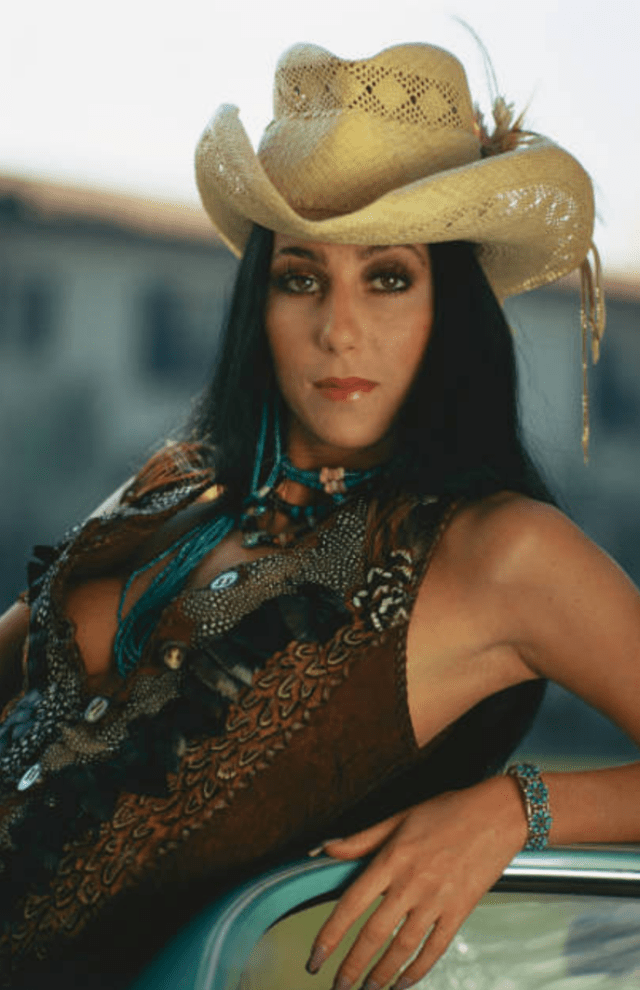
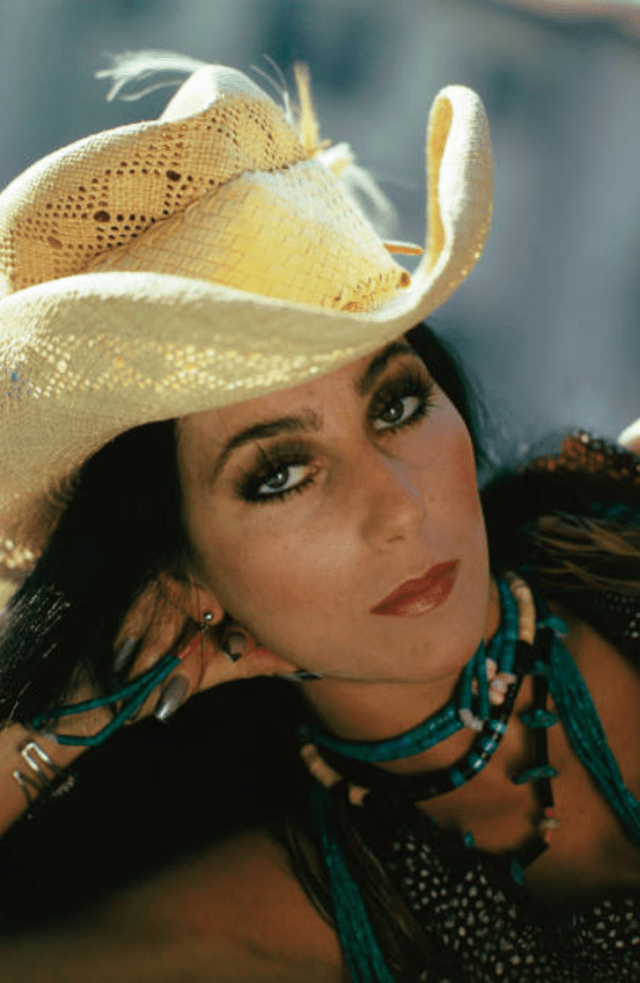
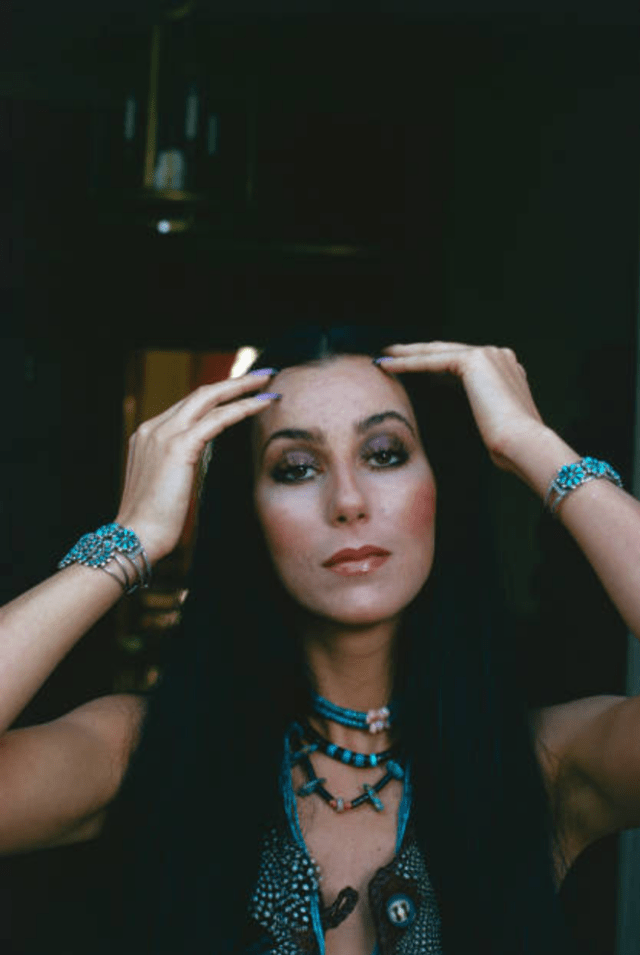
Here, below are some beautiful portraits of Cher taken by Douglas Kirkland for People Weekly in 1975.

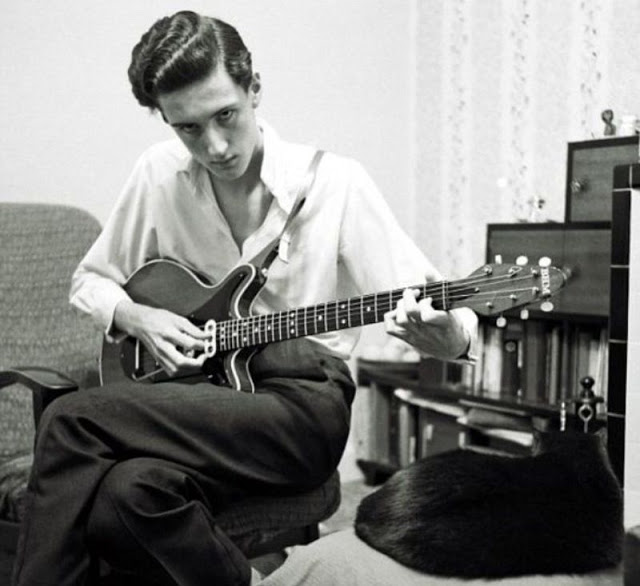
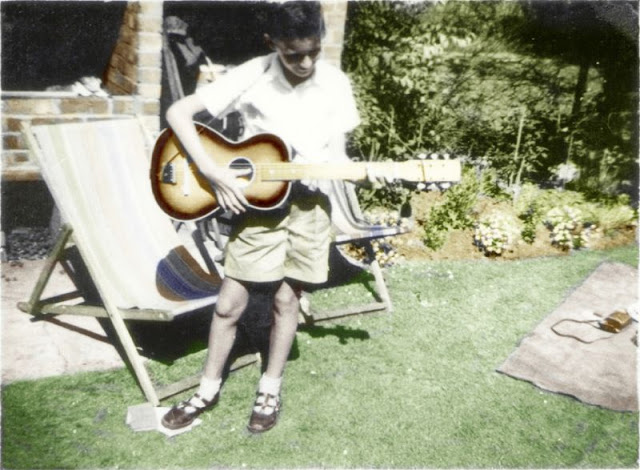
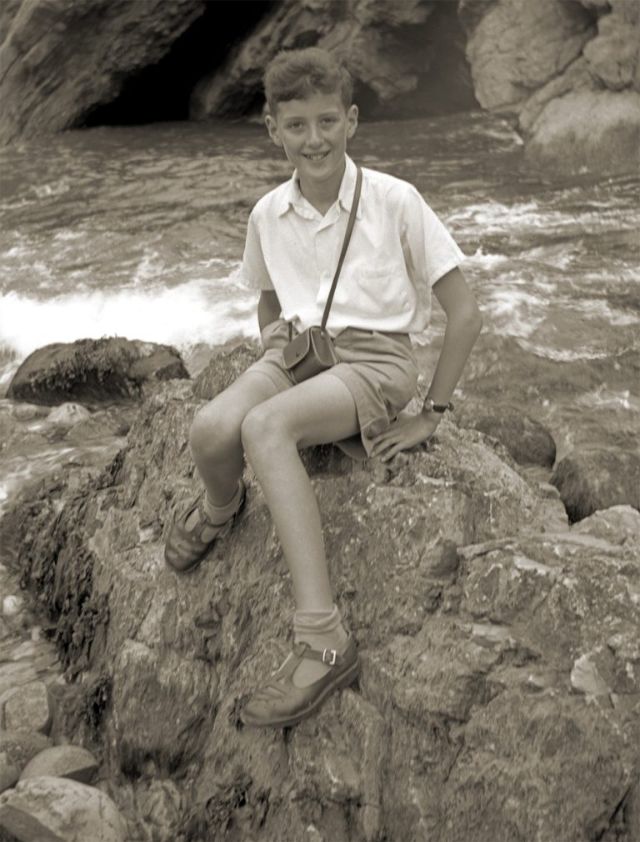
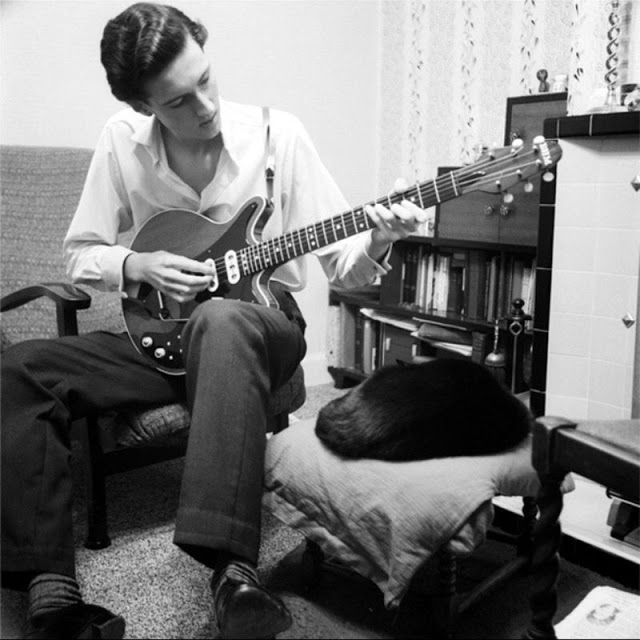
Before Queen – Rare Photos of Teenager Brian May in the Late 1950s and Early 1960s

Born 1947 in Hampton, Middlesex, English musician, singer, and songwriter Brian May is best known as the lead guitarist of the rock band Queen. He uses a home-built electric guitar called the Red Special. His compositions for the band include “We Will Rock You”, “Tie Your Mother Down”, “I Want It All”, “Fat Bottomed Girls”, “Flash”, “Hammer to Fall”, “Save Me”, “Who Wants to Live Forever”, and “The Show Must Go On”.

In 2005, a Planet Rock poll saw May voted the seventh greatest guitarist of all time. He was ranked at No. 26 on Rolling Stone’s list of the “100 Greatest Guitarists of All Time”. In 2012, May was ranked the second greatest guitarist in a Guitar World magazine readers poll, and in 2018, he received the Grammy Lifetime Achievement Award which recognises “the most distinctive recordings in music history”.

May was appointed a CBE by Queen Elizabeth II in 2005 for “services to the music industry and for charity work”.

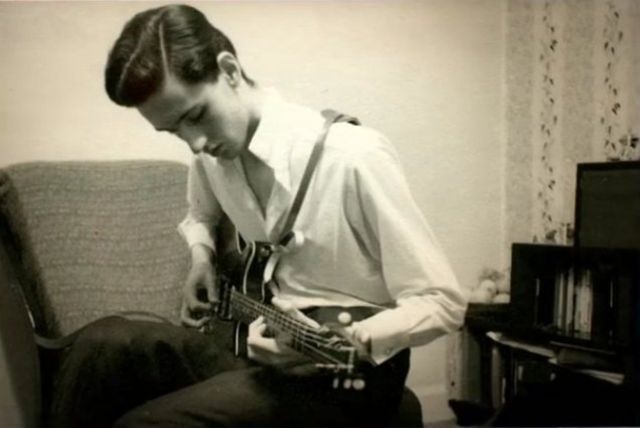
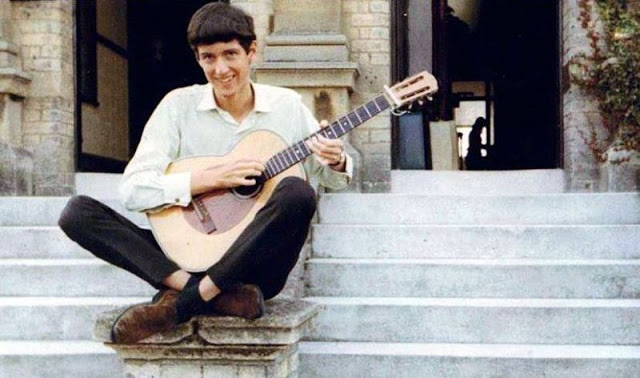
Before Queen, here are some rare photos that captured teenager Brian May in the late 1950s and early 1960s.

Brian May in 1958, age at 11, with his first guitar, which his mum and dad bought him
Brian May with a tiny little Woolworths camera, 1958
Brian May in 1963, age 15
Brian May in 1963
Brian May in 1963
Brian with the Red Special at his Feltham home in 1963
Brian May in 1965

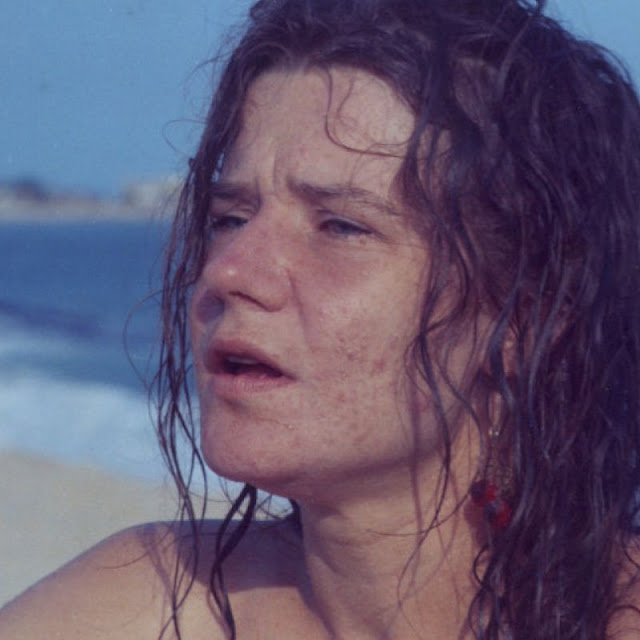
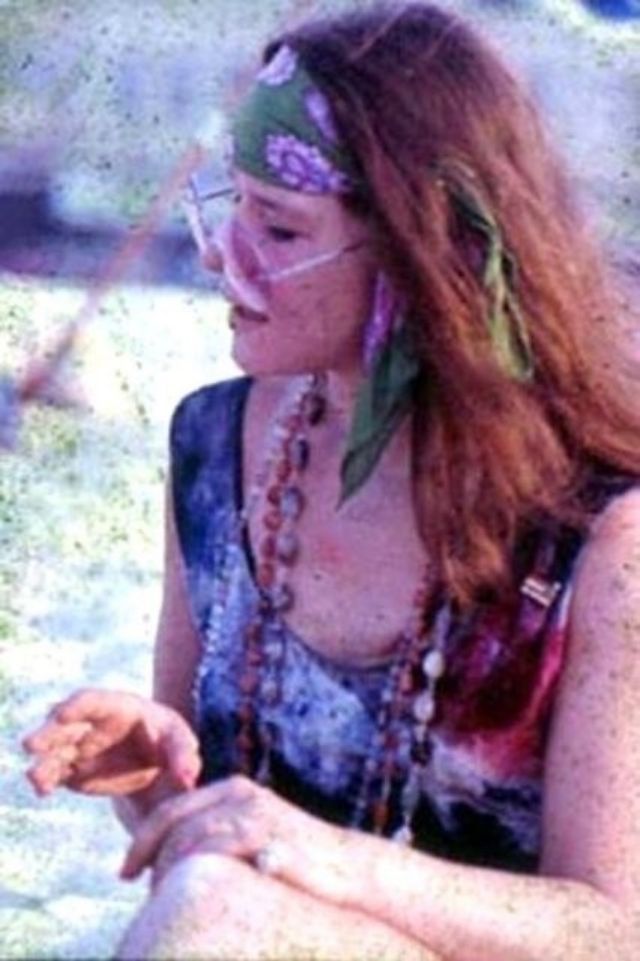
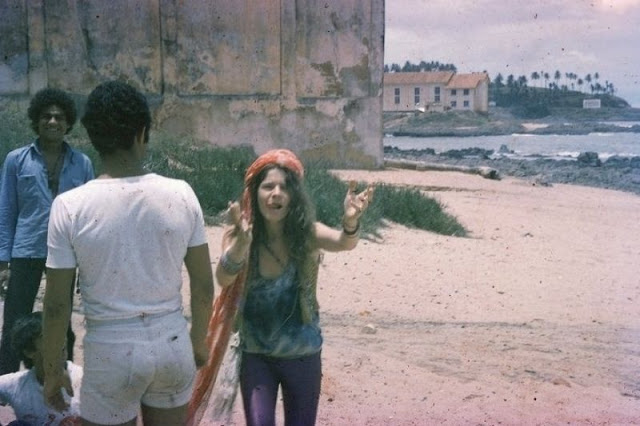
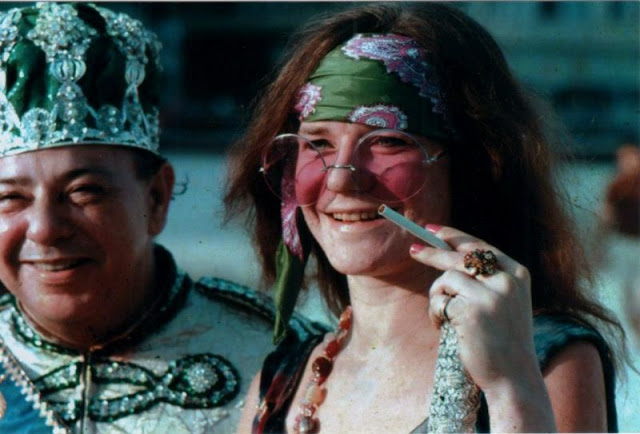
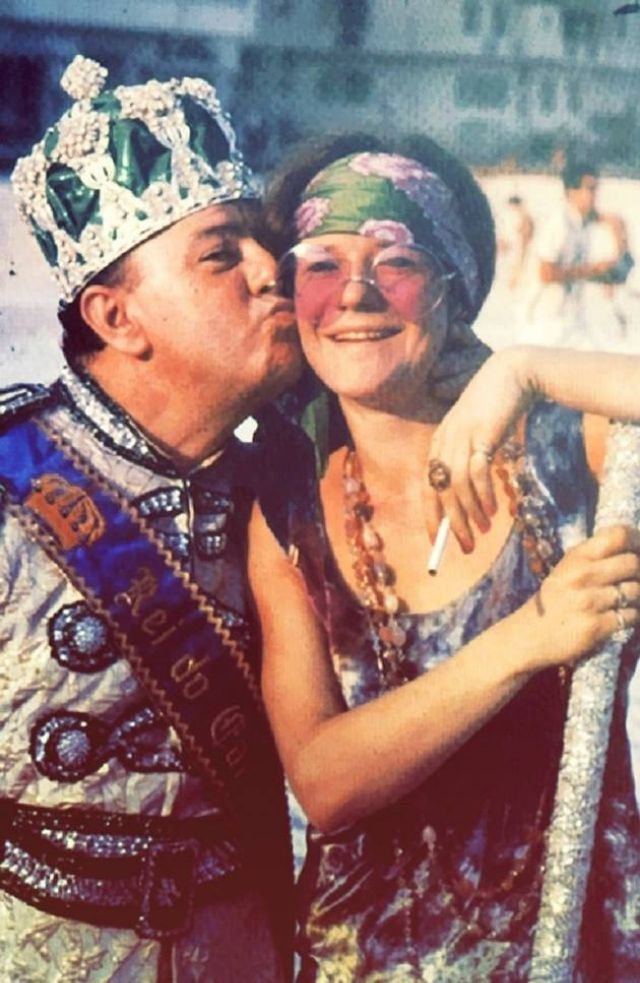
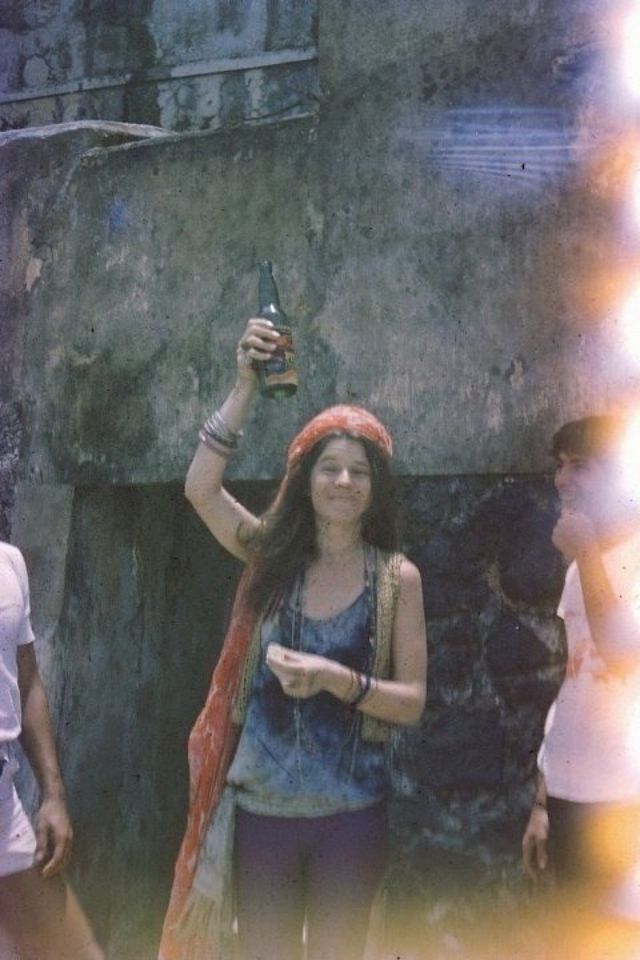
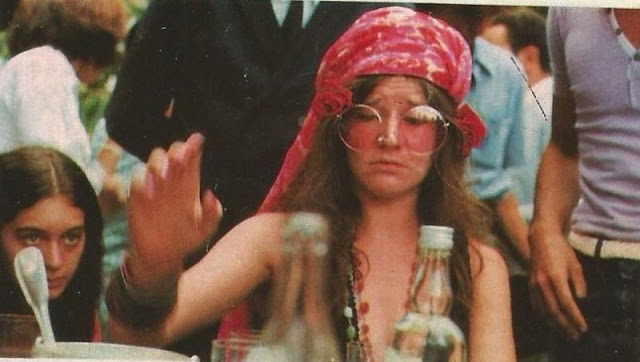
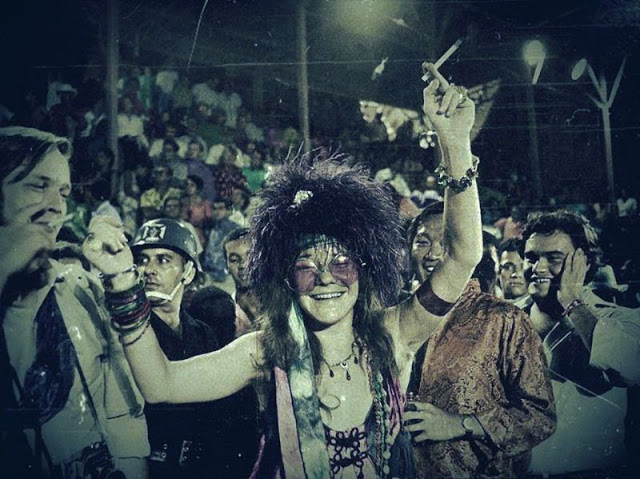
The Lost Janis Joplin Topless Photos in Copacabana, Rio De Janeiro in the Summer of 1970

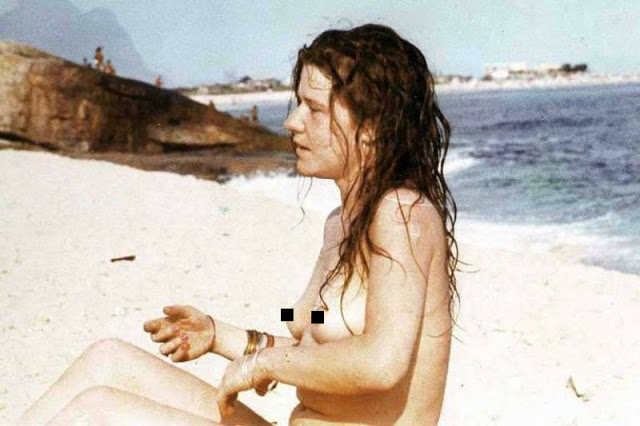
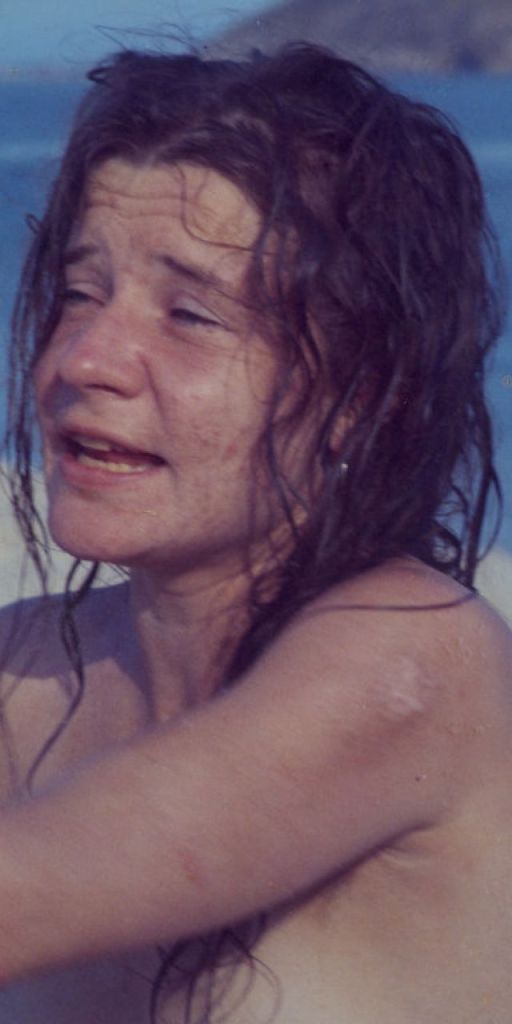
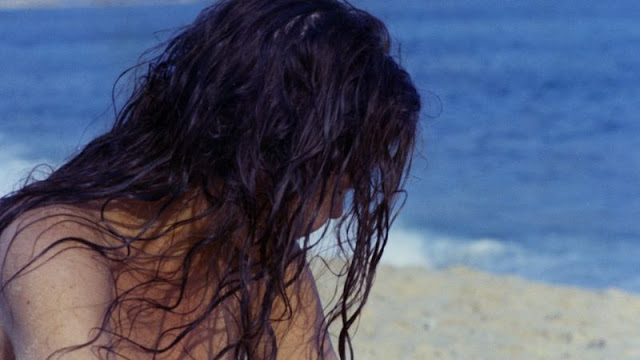
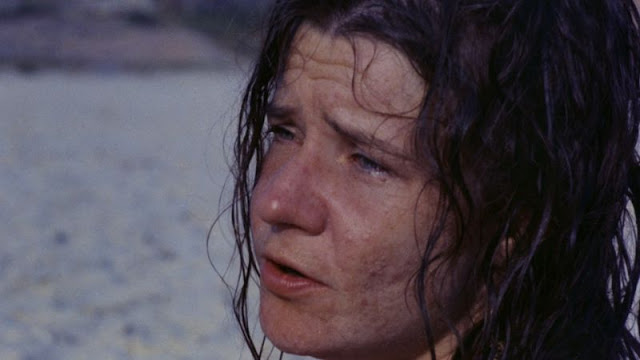
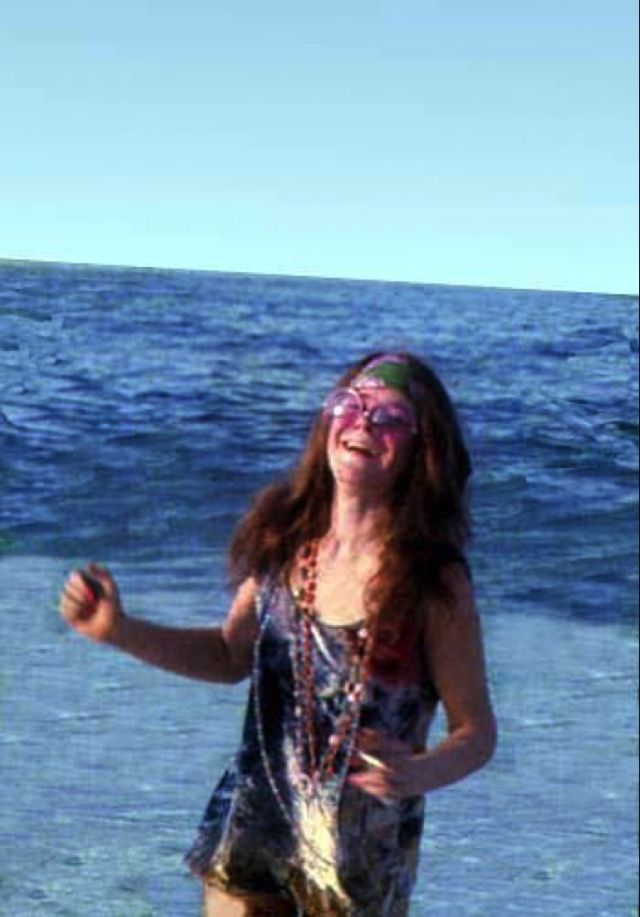
The Brazilian magazine Trip published for the first time the lost Janis Joplin topless photos in Copacabana, Rio de Janeiro, in the summer of 1970.

Pretty much unknown in Brazil, the singer landed in Rio de Janeiro to have some fun during the Carnival, sunbathe and get away from heroin, which at the time was rare to find in South America.

It didn’t work out that well – Janis drank like crazy, had sex on the beach, sang in a whorehouse and was almost sent to jail.

From a young age, she would gladly get hammered: whisky, weed, amphetamines, acid, tobacco, vodka, cocaine, methadone, heroin and anything that would make her go crazy. Her only boyfriend died in Vietnam. She used to rip her clothes off on stage and tell that, after “making love” with a thousand people in a show, she would go back to her room and sleep alone.

The pictures are from a Brazilian photographer, Ricky Ferreira, who hosted Janis Joplin in his apartment: – “Ah, she knew she was a genius. She could be stoned, but she was aware of her role as an artist, she knew she was wonderful. But she had a depressive side, low self-esteem. She was rejected in Port Arthur, Texas, where she was born because she would only go out with musicians, most of which were black. She was fragile, very distressed, really down. She had happy moments, laughing like a little girl, but she had a hard life. Now, imagine this woman coming to Brazil at that time! What was Brazil for her? What is Brazil for the average American? Snakes on the streets, Indians with their butts off? Imagine, in 1970, in the middle of the military dictatorship! ”

Eight months after coming to Rio de Janeiro, Janis Joplin passed away, at the age of 27, the same age as Jim Morrison, Jimi Hendrix, and Brian Jones.

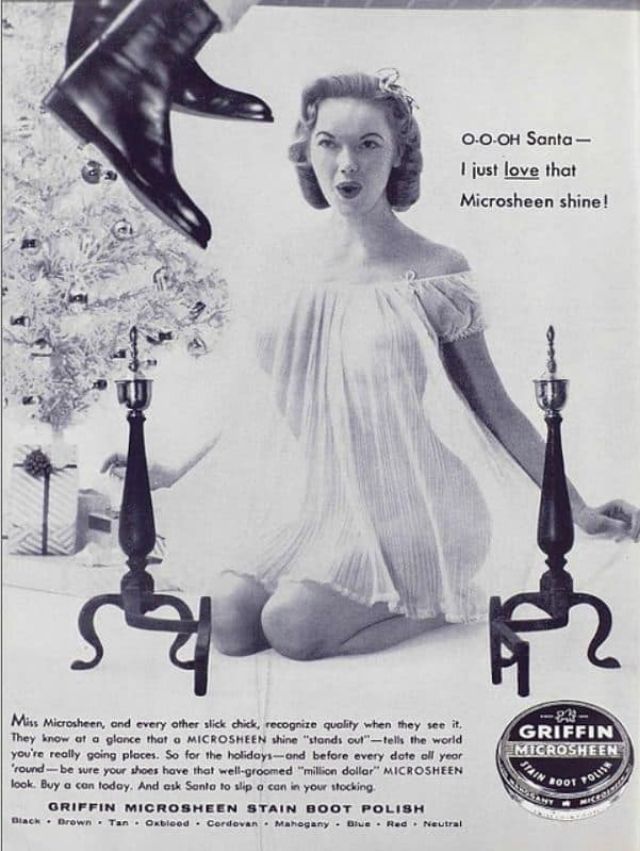
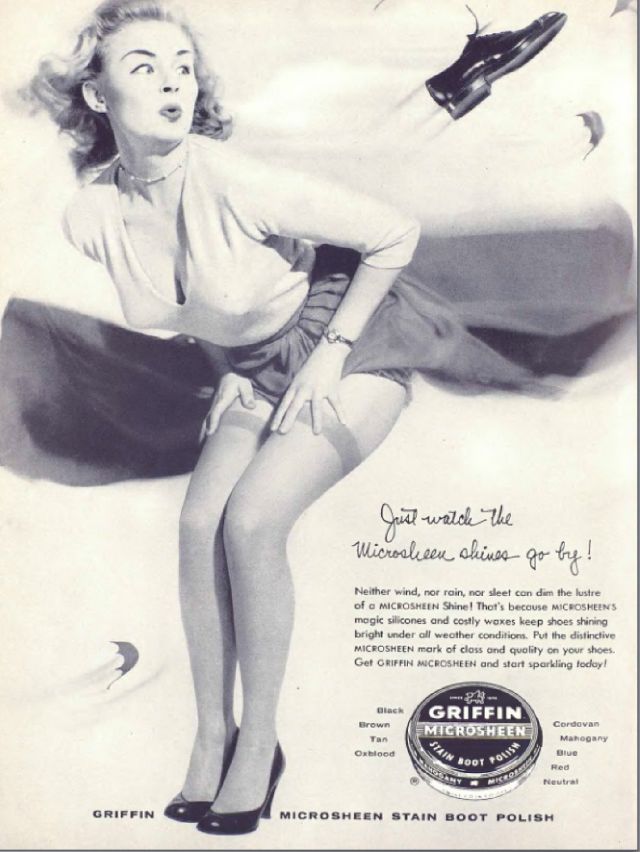
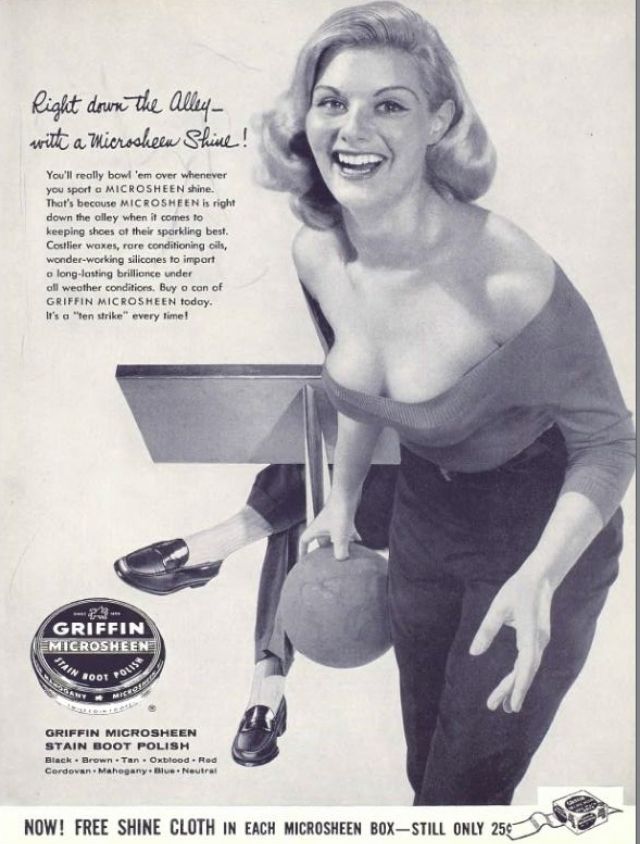
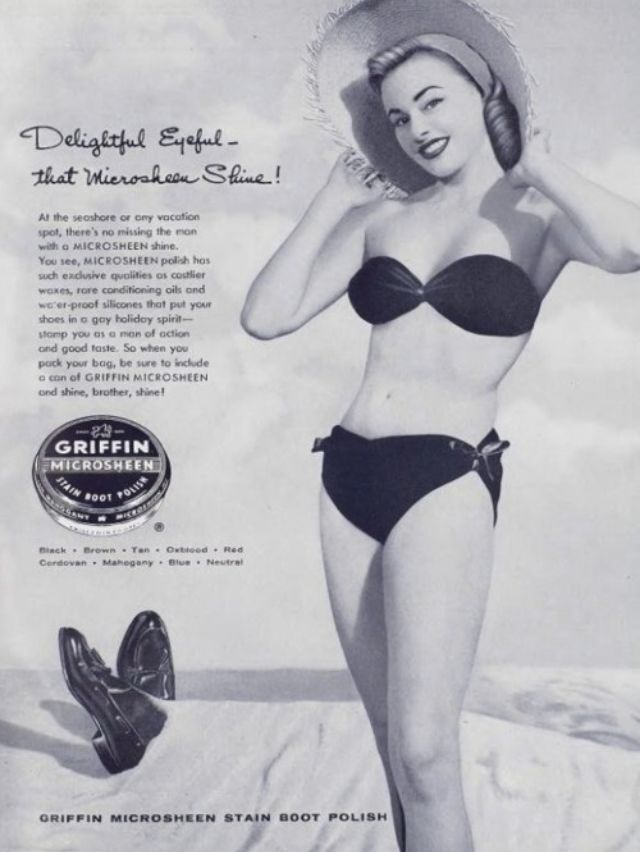
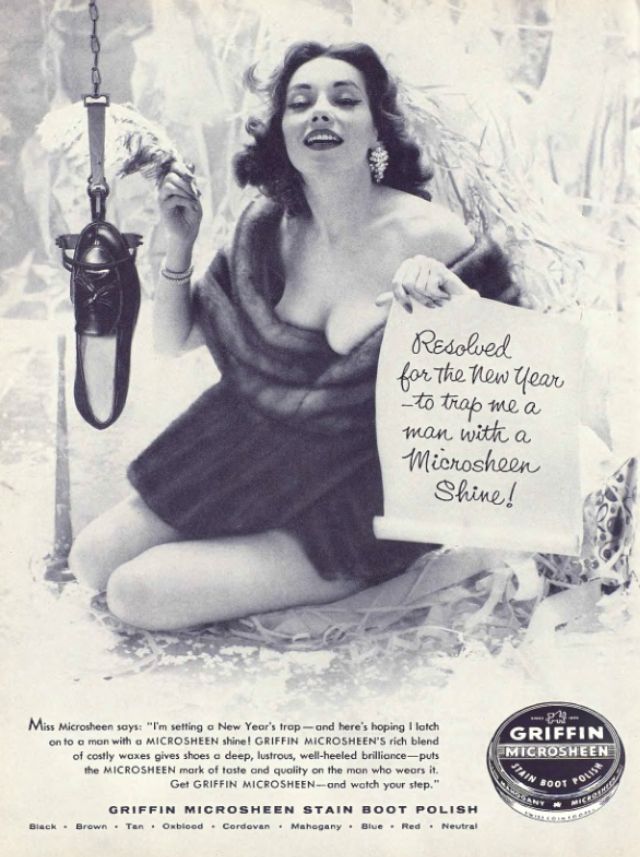
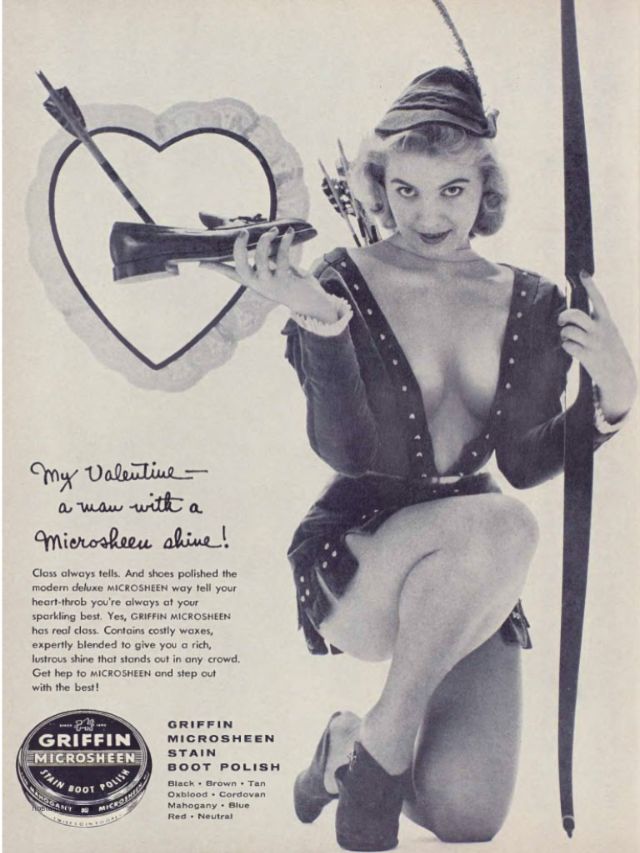
Griffin Microsheen Used to Have Some Interesting Shoe Polish Ads in the 1950s

The 1950s were an innocent time in America as far as mainstream advertising went. But one campaign was quite racy.

The Griffin Microsheen ads were for men’s shoe polish. But nary a man’s face and rarely a man’s foot ever made an appearance in the campaign. All the ads are from the mid- to late-1950s.

Yesterday Today

Bringing You the Wonder of Yesterday - Today

Skip to content ↓