16 Vintage Color Photographs Showing Everyday Life in Britain During the Blitz

The Blitz was a German bombing campaign against the United Kingdom in 1940 and 1941, during the Second World War. The term was first used by the British press and originated from the term Blitzkrieg, the German word for ‘lightning war’.

The Germans conducted mass air attacks against industrial targets, towns, and cities, beginning with raids on London towards the end of the Battle of Britain in 1940 (a battle for daylight air superiority between the Luftwaffe and the Royal Air Force over the United Kingdom). By September 1940, the Luftwaffe had lost the Battle of Britain and the German air fleets (Luftflotten) were ordered to attack London, to draw RAF Fighter Command into a battle of annihilation. Adolf Hitler and Reichsmarschall Hermann Göring, commander-in-chief of the Luftwaffe, ordered the new policy on 6 September 1940. From 7 September 1940, London was systematically bombed by the Luftwaffe for 56 of the following 57 days and nights. Most notable was a large daylight attack against London on 15 September.

The Luftwaffe gradually decreased daylight operations in favour of night attacks to evade attacks by the RAF, and the Blitz became a night bombing campaign after October 1940. The Luftwaffe attacked the main Atlantic seaport of Liverpool in the Liverpool Blitz. The North Sea port of Hull, a convenient and easily found target or secondary target for bombers unable to locate their primary targets, suffered the Hull Blitz. The port cities of Bristol, Cardiff, Portsmouth, Plymouth, Southampton, Swansea, Belfast, and Glasgow were also bombed, as were the industrial centres of Birmingham, Coventry, Manchester and Sheffield. More than 40,000 civilians were killed by Luftwaffe bombing during the war, almost half of them in the capital, where more than a million houses were destroyed or damaged.

In early July 1940, the German High Command began planning Operation Barbarossa, the invasion of the Soviet Union. Bombing failed to demoralise the British into surrender or do much damage to the war economy; eight months of bombing never seriously hampered British war production, which continued to increase. The greatest effect was to force the British to disperse the production of aircraft and spare parts. British wartime studies concluded that cities generally took 10 to 15 days to recover when hit severely, but exceptions like Birmingham took three months.

The German air offensive failed because the Luftwaffe High Command (Oberkommando der Luftwaffe, OKL) did not develop a methodical strategy for destroying British war industry. Poor intelligence about British industry and economic efficiency led to OKL concentrating on tactics rather than strategy. The bombing effort was diluted by attacks against several sets of industries instead of constant pressure on the most vital. (Wikipedia)
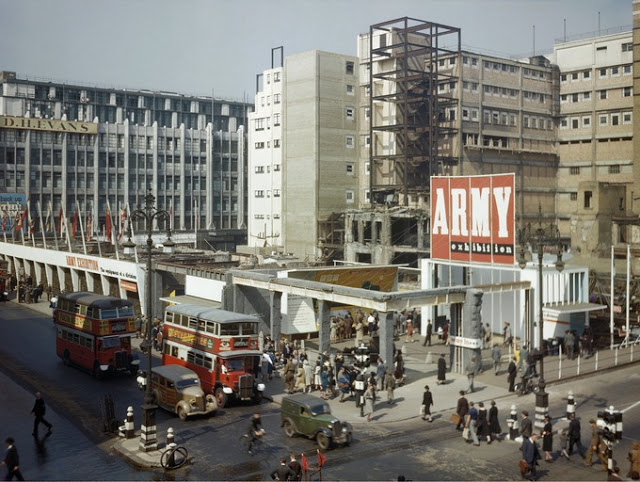
The bombed site of John Lewis, Oxford Street, London.
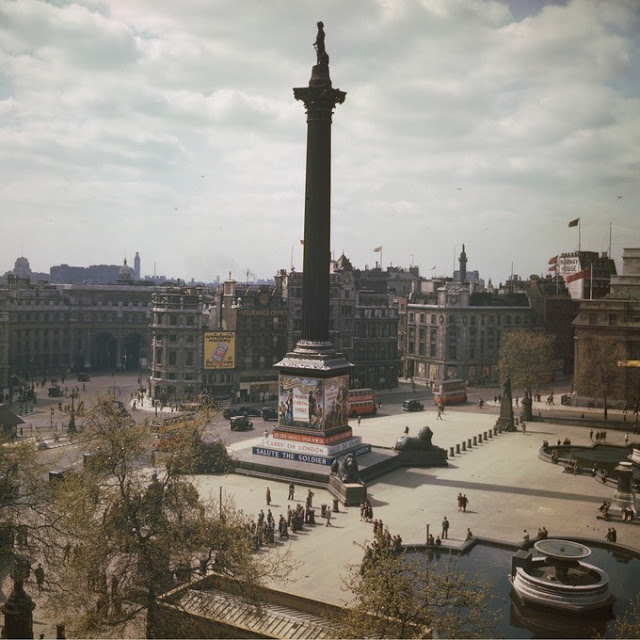
Nelson’s column with ‘salute the war effort’ signs.
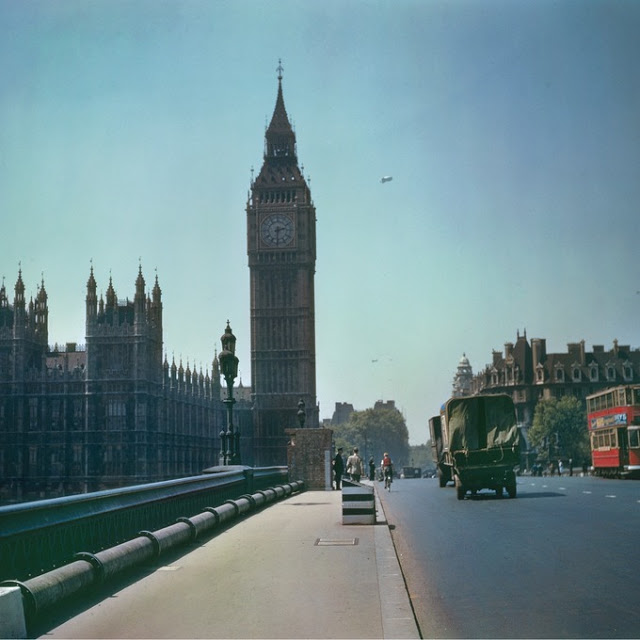
Big Ben and the Houses of Parliament in London with barrage balloons in the background, seen from Westminster Bridge.
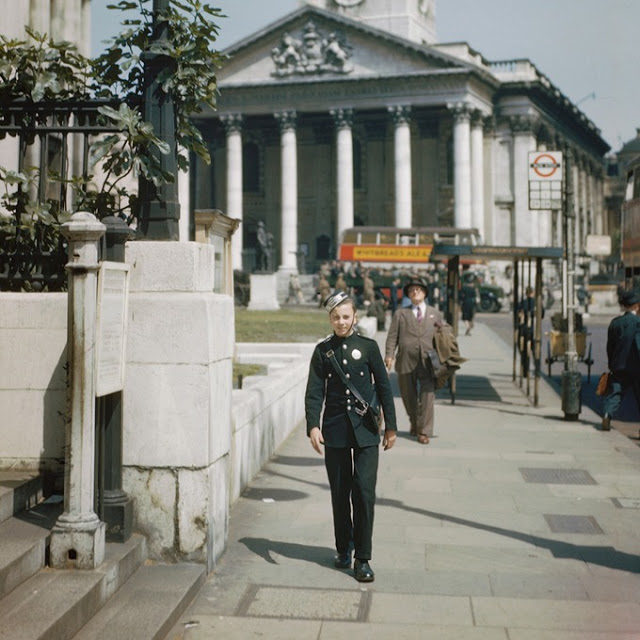
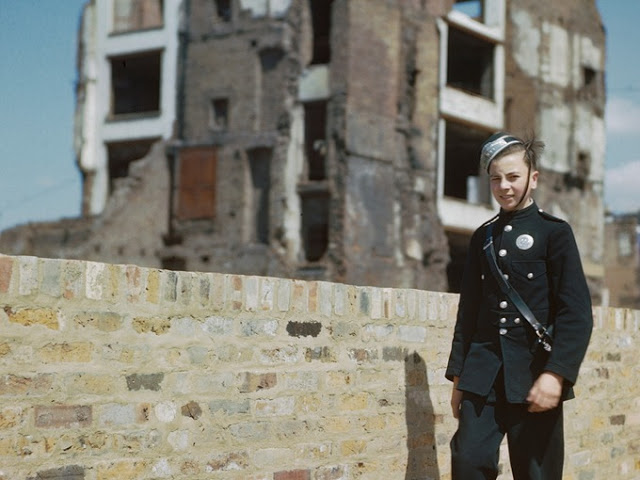
A messenger boy walking past the entrance to the National Gallery in Trafalgar Square London.
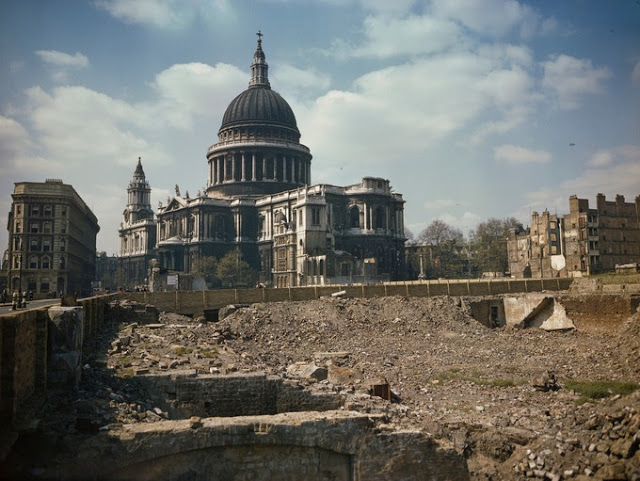
The bomb damaged areas around St Paul’s Cathedral.
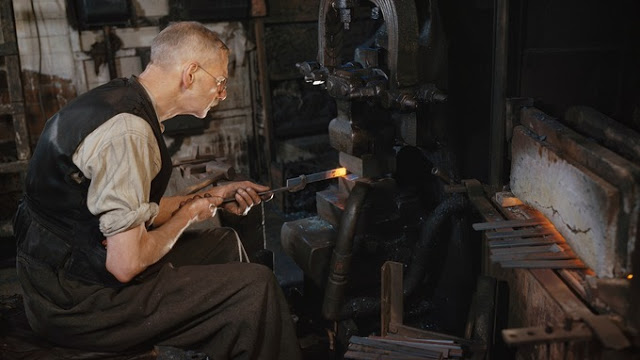
Mr George Beckett, a volunteer with the British Home Front, uses a power hammer to forge the handle of a file.
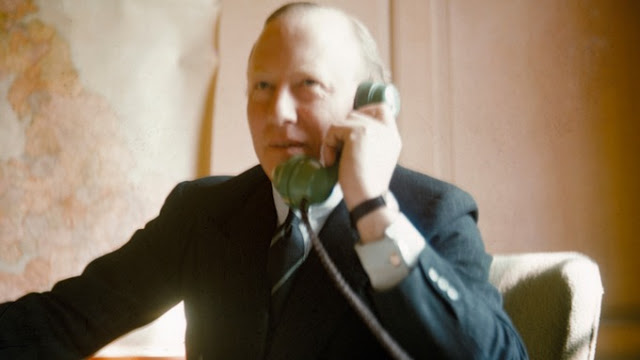
The Minister for Aircraft Production, the Rt Hon Colonel JJ Llewellyn, MP at his desk.
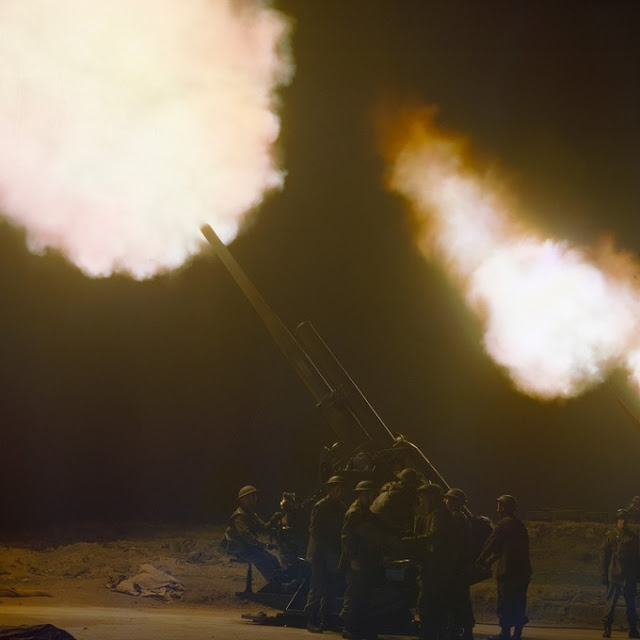
The Auxiliary Territorial Service at an Anti-aircraft gun site in December 1942
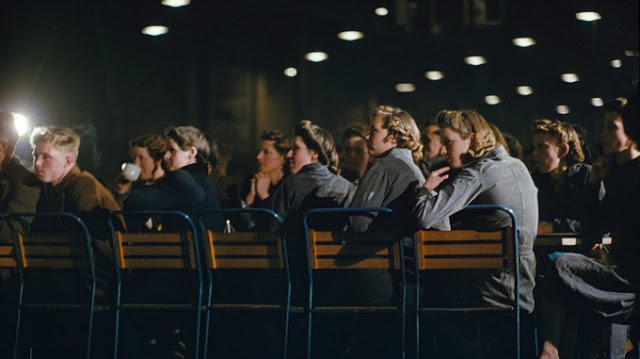
Lunchtime entertainment in a war workers’ canteen – a view from the audience.
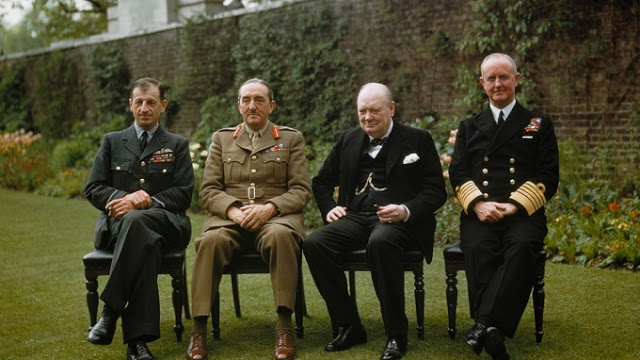
Prime Minister Winston Churchill with his chiefs of staff in the garden of 10 Downing Street in May 7, 1945.
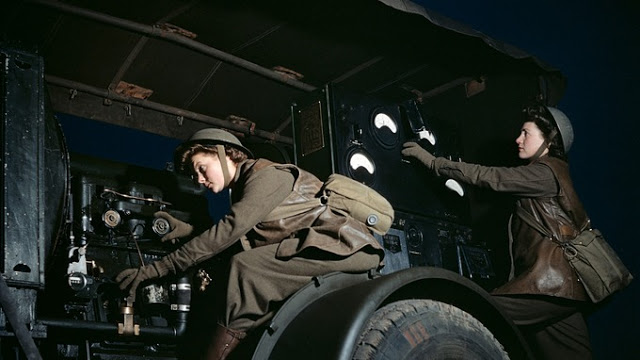
Two Auxiliary Territorial Service girls operate a mobile power plant on an anti-aircraft gun site at night.
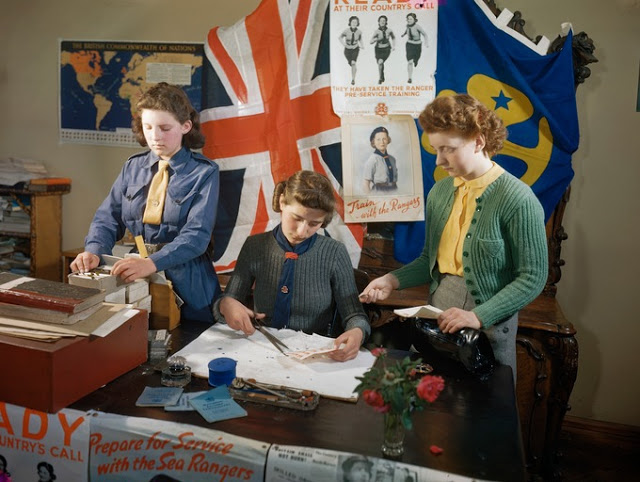
A girl guide and a sea ranger selling saving stamps as part of the War Effort.
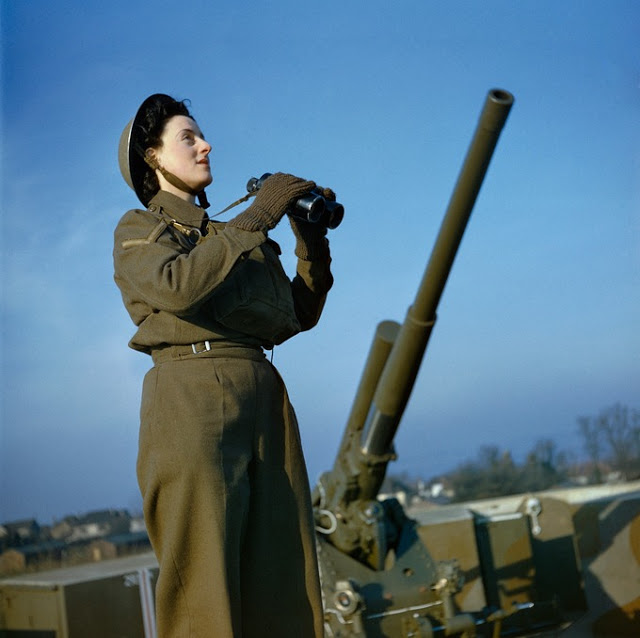
ATS spotter with binoculars at the anti-aircraft command post, with a 3.7 inch anti-aircraft gun in the background.
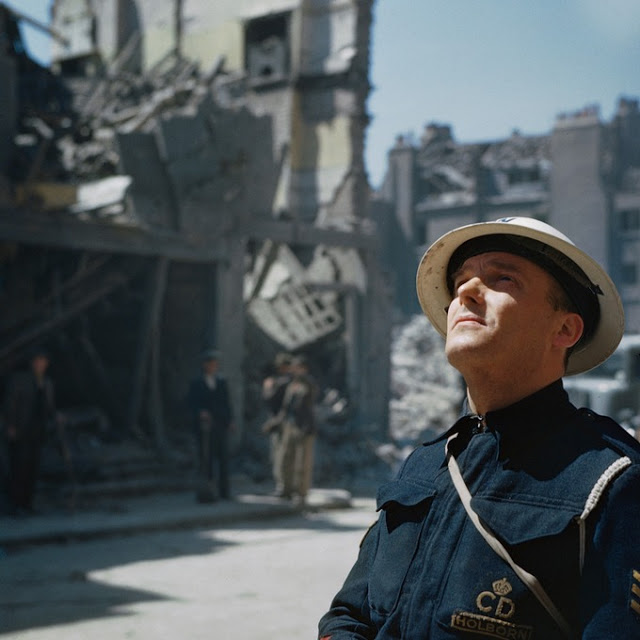
A Civil Defence Warden inspects bomb damaged buildings in Holborn, London.
A London messenger boy walking past a bomb site in London.
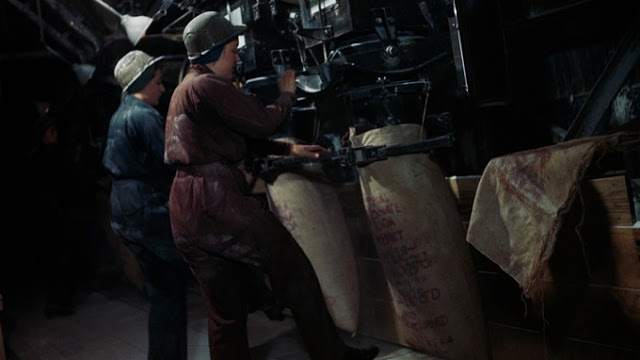
Two women weighing and packing bicarbonate of soda at a chemical factory run by the Ministry of Supply.

5 Amazing Concept Cars From the 1950s and 1960s That Look Like They’re From Outer Space

Car culture sure ain’t what it used to be. Back in its glory days, the automobile was a triumphant marriage of form and function, beauty and brawn.

Admittedly, the old gas guzzlers of yore were also environmentally-unfriendly dinosaurs… but there’s no harm in dreaming, right? And when it comes to dream machines, the concept cars of the 1950s and 60s are hard to beat. In an era when popular choices like the Ford Thunderbird, the Studebaker Hawk and the Cadillac already embodied the post-war generation’s sense of optimism and space-age possibility, these outrageous vehicles look set to lead a mission to Mars.

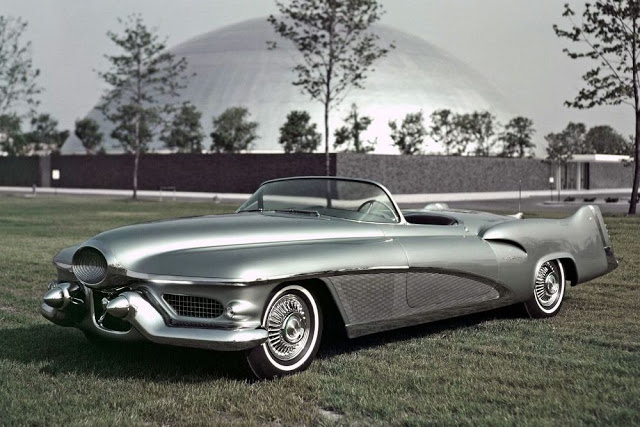
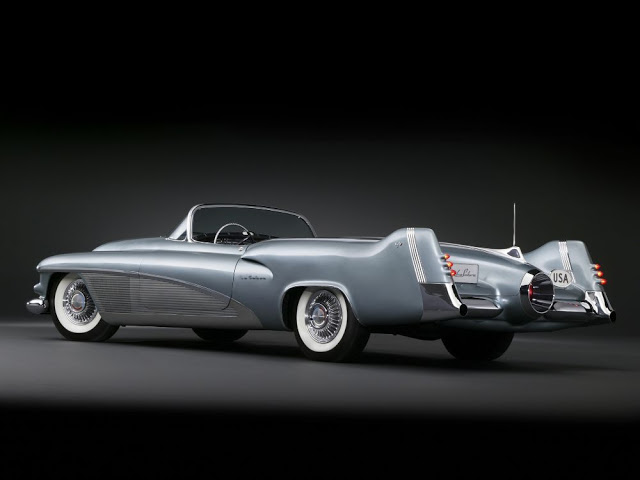
  1. General Motors LeSabre (1951)

The Grand Poobah of American concept cars, the LeSabre was named after the US Air Force’s F-86 Sabre fighter jet, and possessed bonafide aeronautical features such as a jet-engine-inspired air intake and dash dials for compass, technometer and altimeter. A dramatically styled aluminium body and super-charged engine heightened the effect. Though it never made production, designer Harley Earl drove his prototype for years, even lending it to General Eisenhower at one point.

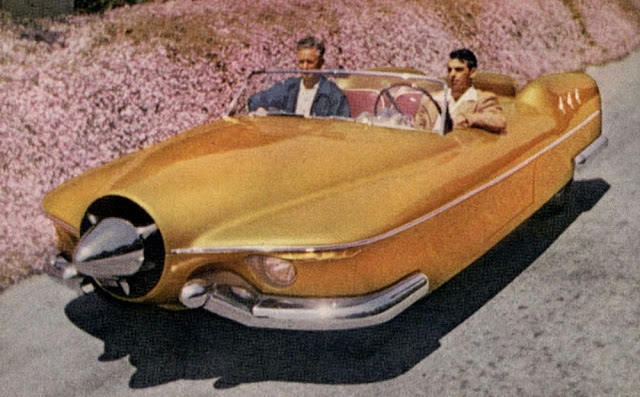
  1. Manta Ray (1953)

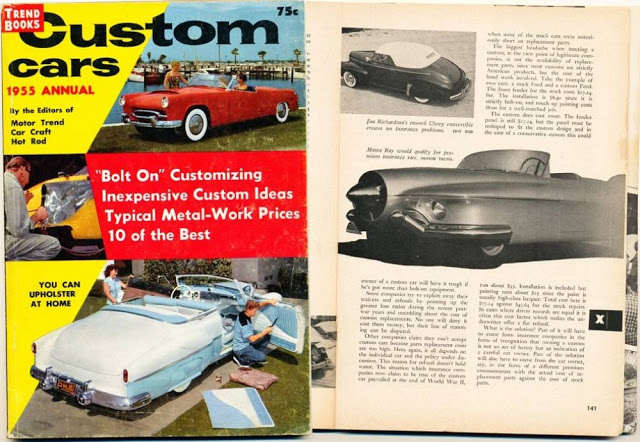
The LeSabre’s influence looms large on this gold-lacquered vision, created by Californian aviation workers Glen Hire and Vernon Antoine. Hand-building its fibreglass body reportedly caused the duo endless grief, but their suffering paid off. With its low-slung lines, dangerous-looking nose cone and triple-finned rear, the Manta Ray redefines the term ‘traffic-stopper.’

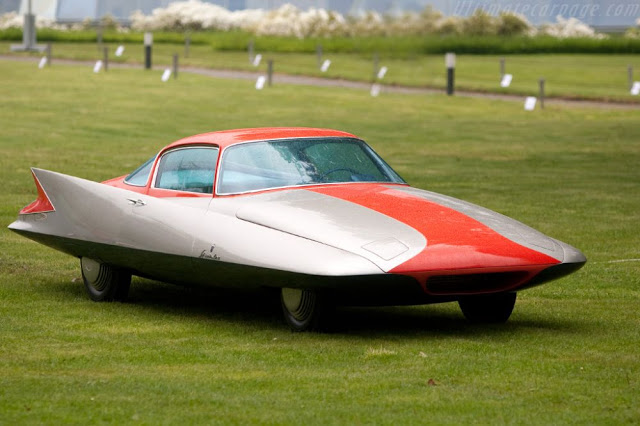
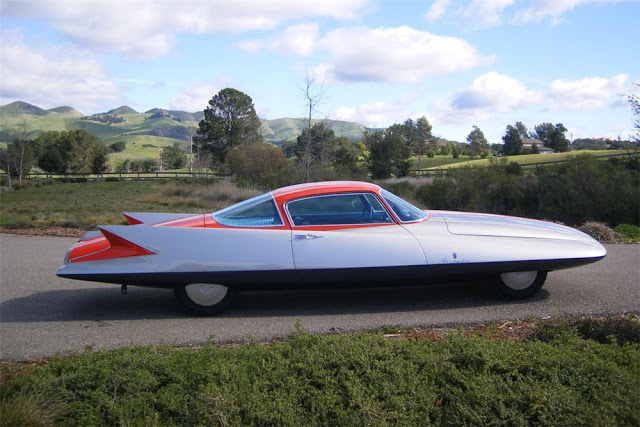
  1. Ghia Streamline X ‘Gilda’ (1955)

Only because it predated the establishment of NASA by three years can we assume there were never any intergalactic plans for the jaw-droppingly futuristic Gilda. But Chrysler certainly had lofty ambitions for the car, enlisting Italian Carrozzeria Ghia to help realise their dream of combining jet-inspired engineering and design. Ironically, when the Gilda was first exhibited in 1955, it was engineless (being too petite to accommodate a turbine engine). But with looks like that, who cares?

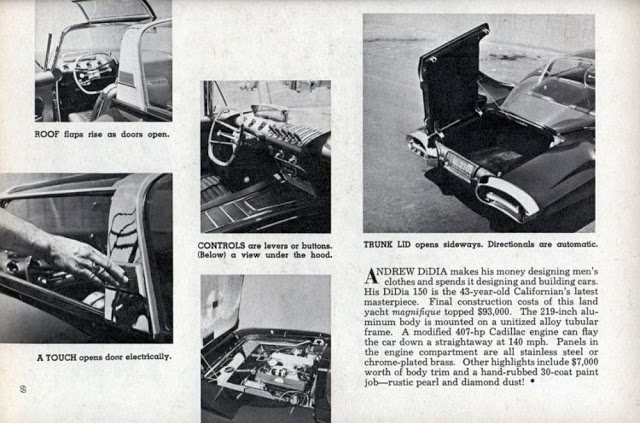
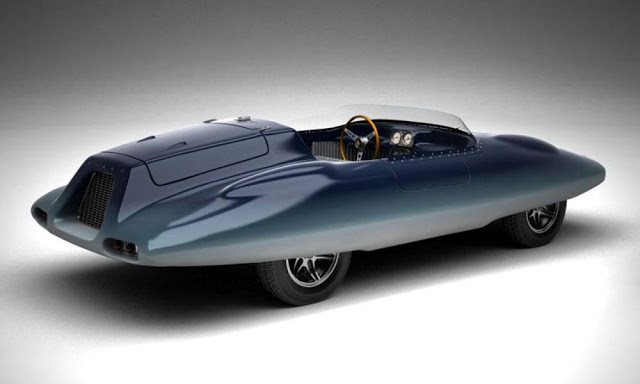
  1. Di Dia 150 (1960)

The ultimate passion project, the Di Dia 150 was conceived and hand-built by Detroit menswear designer Andy Di Dia over seven years, costing $93,000 to complete. And no wonder: its metallic, 30-coat paint job gets its sparkle from real crushed diamonds. Swivelling taillights and fins that out-do George Barris’s Batmobile feature among its other flamboyant charms. Singer Bobby Darin famously bought the car in 1961.

  1. El Tiburón (Shark) Roadster (1962)

Few cars are more aptly named than El Tiburón. Sleek and streamlined like an apex predator, this fibreglass wonder looks capable of aquatic as well as land travel. It’s not, but it did prove designer Henry Covington’s point that you don’t need a huge engine if the car’s light and aerodynamic enough (– the Shark’s rear Renault engine was just 19 horsepower). With six roadsters and six coupés built, it was practically mainstream by concept-car standards.

37 Amazing Behind-the-Scenes Photos From the Making of Classic Film ‘Gone With the Wind’ (1939)

Gone with the Wind is a 1939 American epic-historical romance film adapted from Margaret Mitchell’s 1936 novel Gone with the Wind. It was produced by David O. Selznick of Selznick International Pictures and directed by Victor Fleming.

Set in the American South against the backdrop of the American Civil War and Reconstruction era, the film tells the story of Scarlett O’Hara, the strong-willed daughter of a Georgia plantation owner, from her romantic pursuit of Ashley Wilkes, who is married to his cousin, Melanie Hamilton, to her marriage to Rhett Butler. The leading roles are portrayed by Vivien Leigh (Scarlett), Clark Gable (Rhett), Leslie Howard (Ashley), and Olivia de Havilland (Melanie).

The production of the film was difficult from the start. Filming was delayed for two years due to Selznick’s determination to secure Gable for the role of Rhett Butler, and the “search for Scarlett” led to 1,400 women being interviewed for the part. The original screenplay was written by Sidney Howard, but underwent many revisions by several writers in an attempt to get it down to a suitable length. The original director, George Cukor, was fired shortly after filming had begun and was replaced by Fleming, who in turn was briefly replaced by Sam Wood while Fleming took some time off due to exhaustion.

Here’s a collection of 37 rarely seen photos taken behind-the-scenes during production of Gone With the Wind.

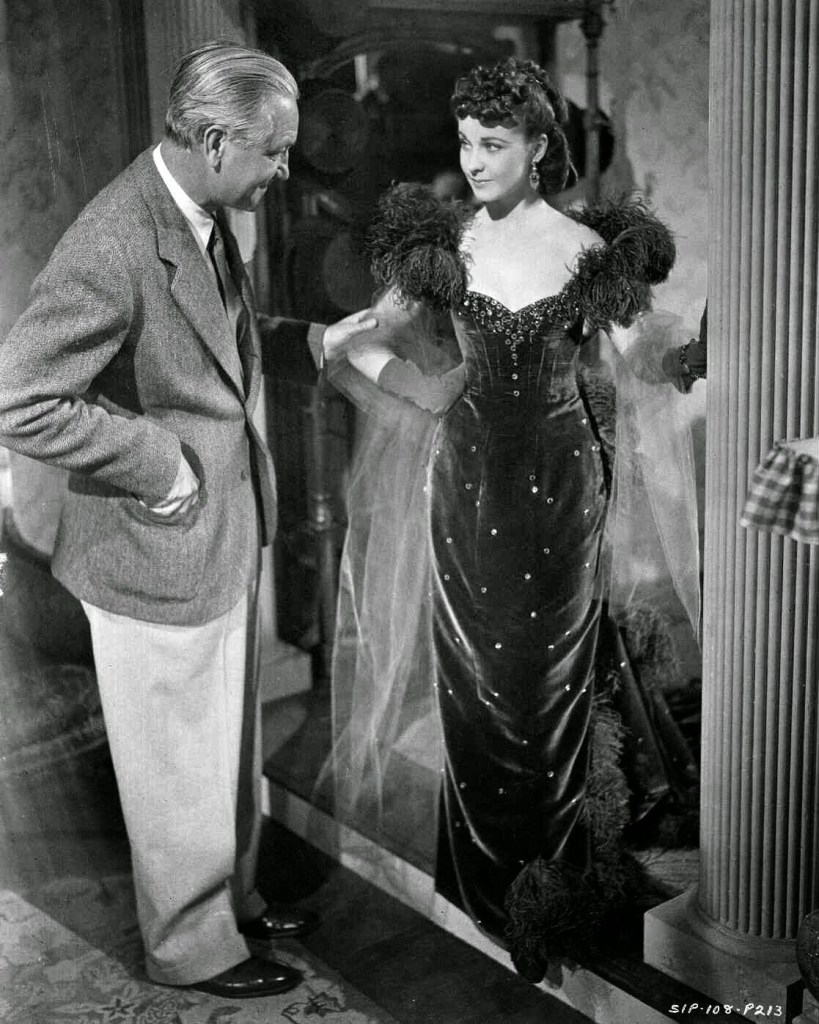
Victor Fleming looking at Vivien Leigh as Scarlett O’Hara, who is standing in doorway, wearing red gown.
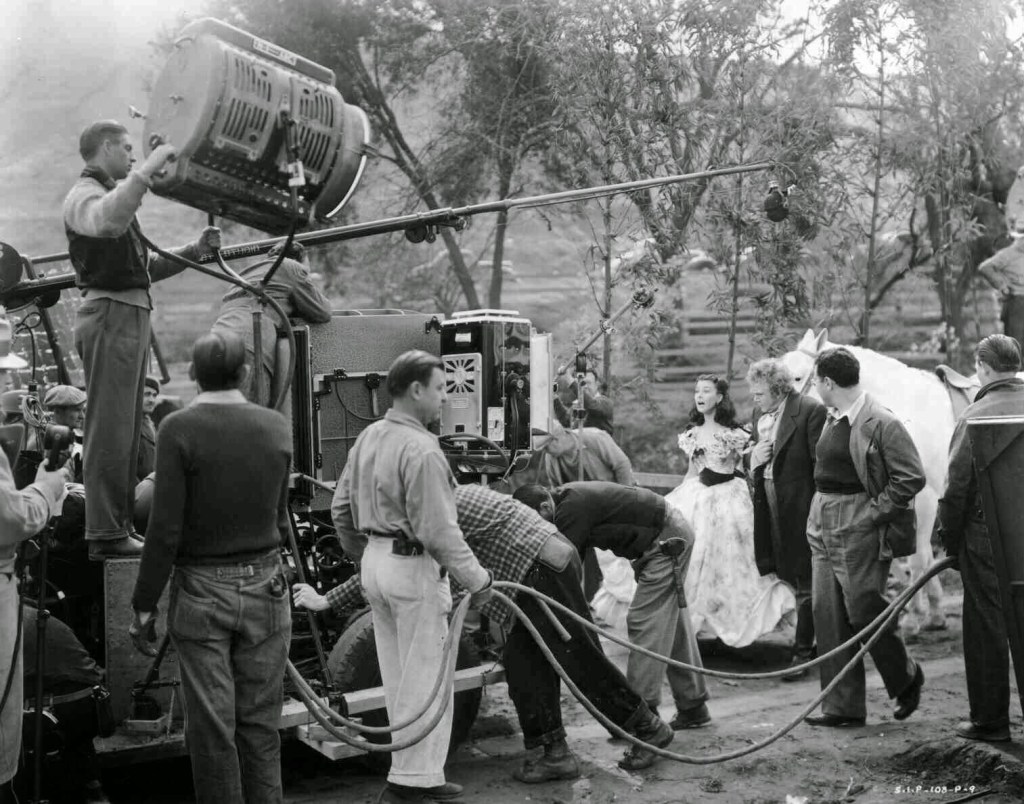
Vivien Leigh as Scarlett O’Hara, walking with Thomas Mitchell as Gerald O’Hara. Replaced director George Cukor walking alongside, cameras and technicians all around. Scene will be re-shot, when Cukor leaves production.
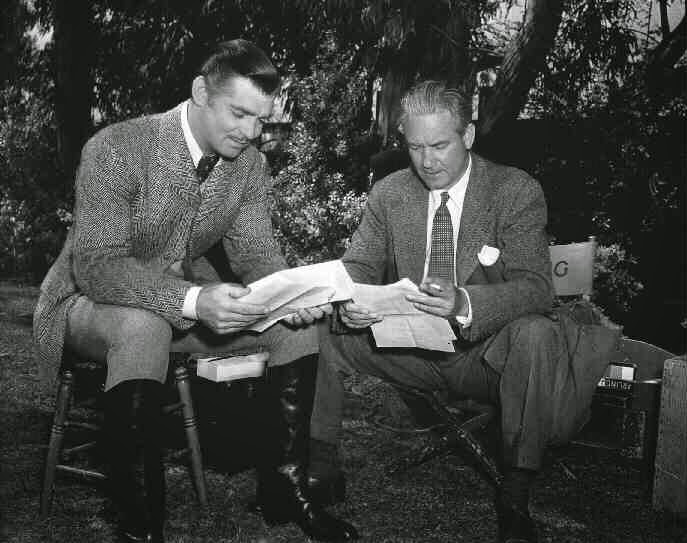
Clark Gable and director Victor Fleming, seated, reading script notes.
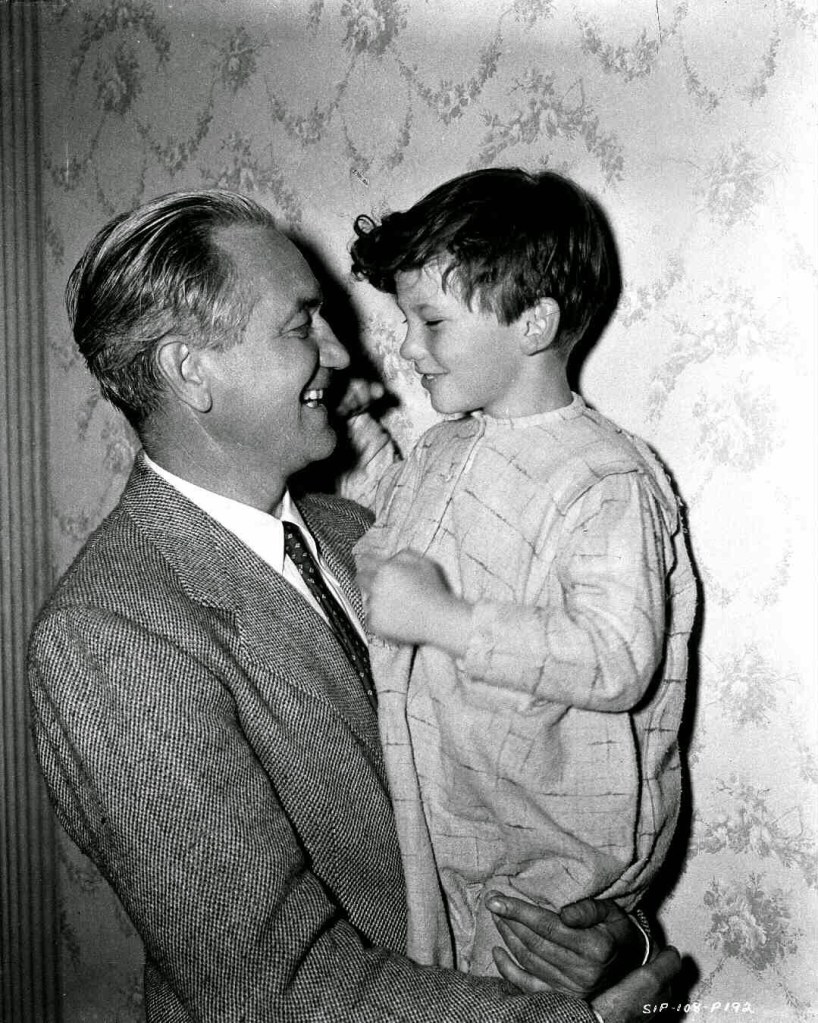
Director Victor Fleming, holding Mickey Kuhn as Beau Wilkes.
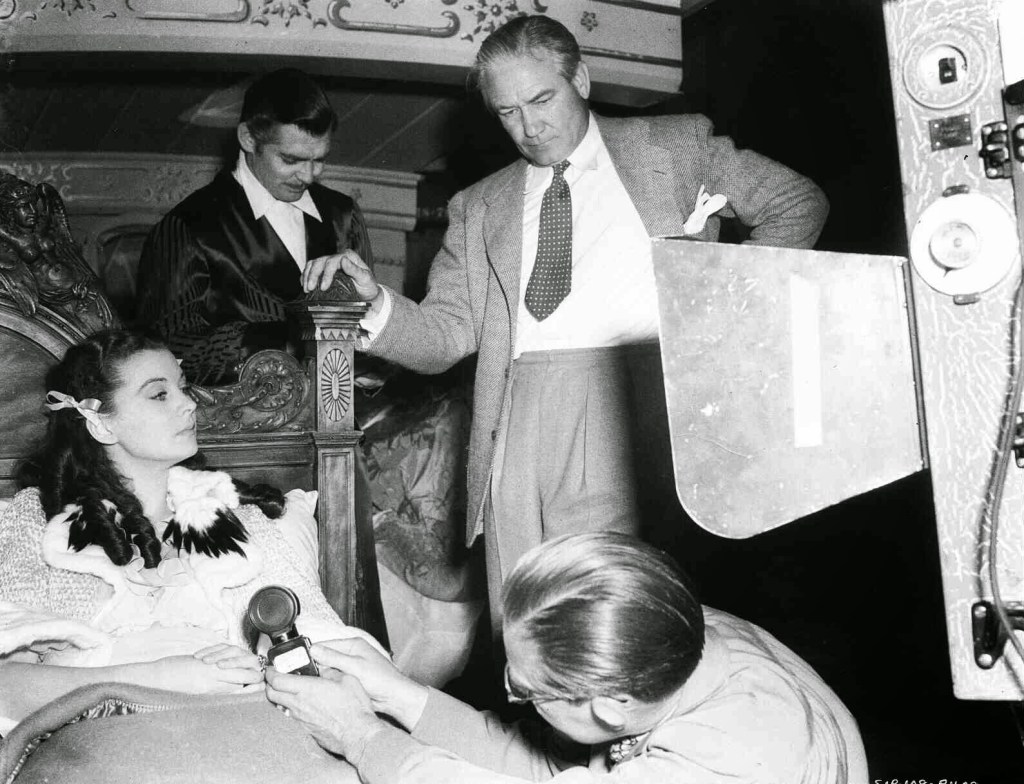
Vivien Leigh as Scarlett O’Hara laying in bed, Clark Gable as Rhett Butler, director Victor Fleming and man holding light meter.
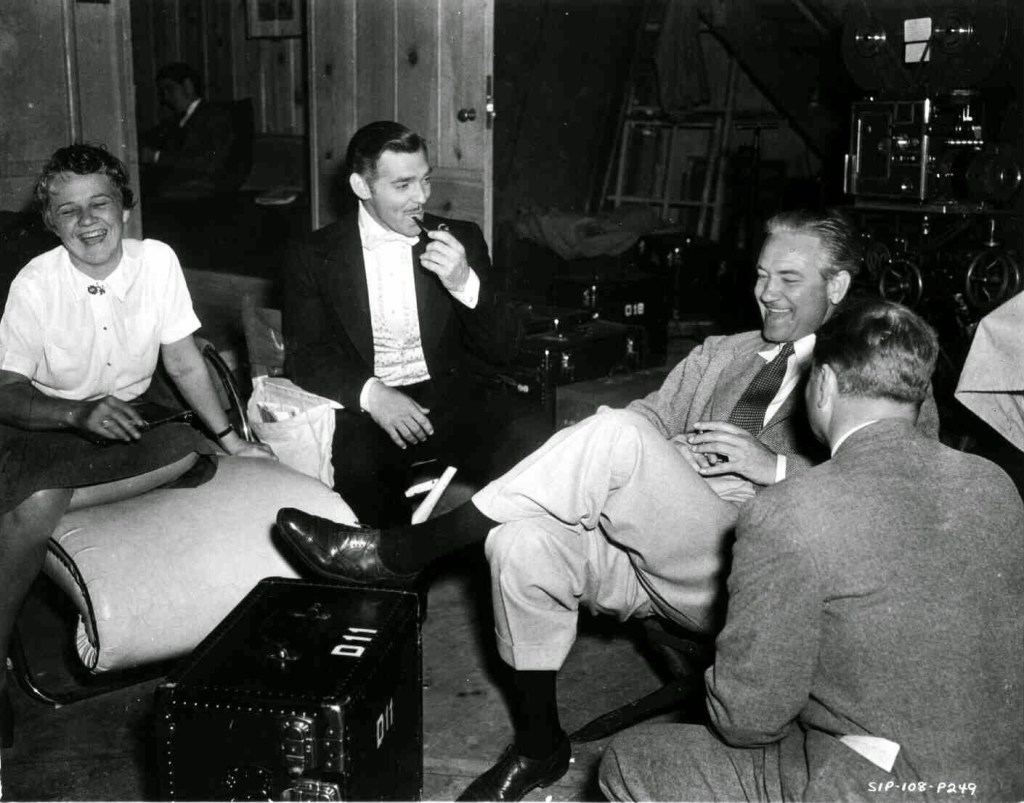
Susan Myrick, technical adviser, Clark Gable as Rhett Butler, smoking pipe, director Victor Fleming, all seated and laughing.
Director Victor Fleming looking at Vivien Leigh as Scarlett O’Hara, who is standing in doorway, wearing red gown.
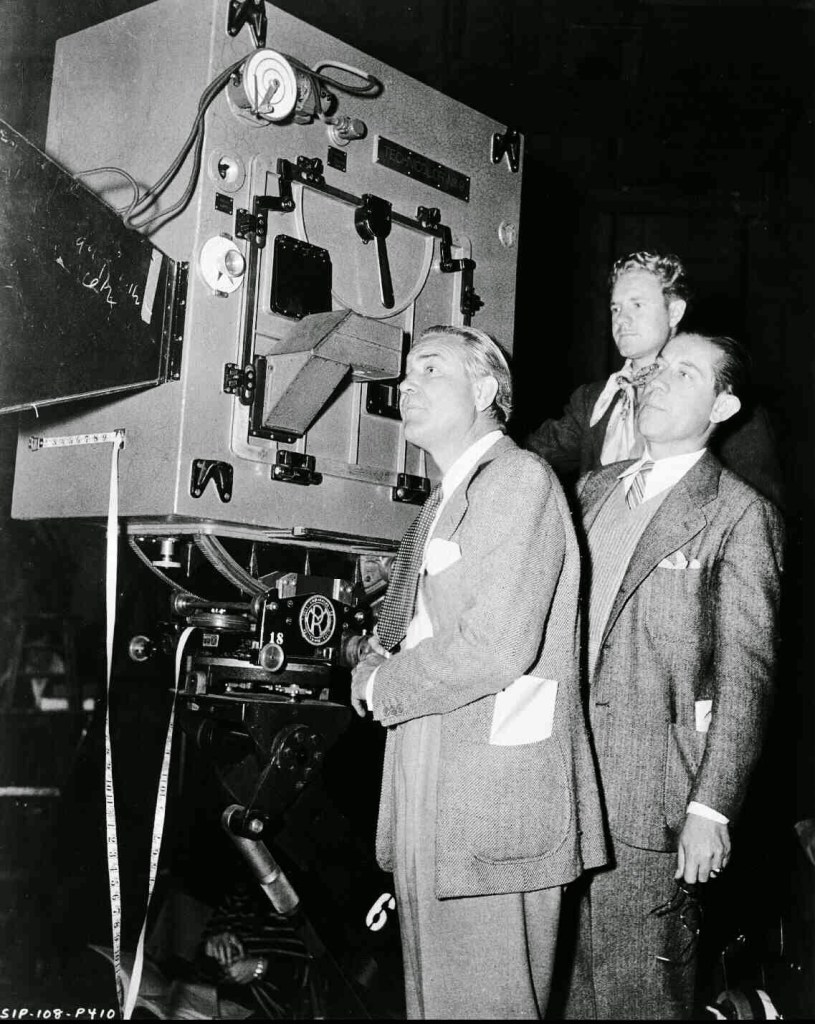
Director Victor Fleming, looking through camera.
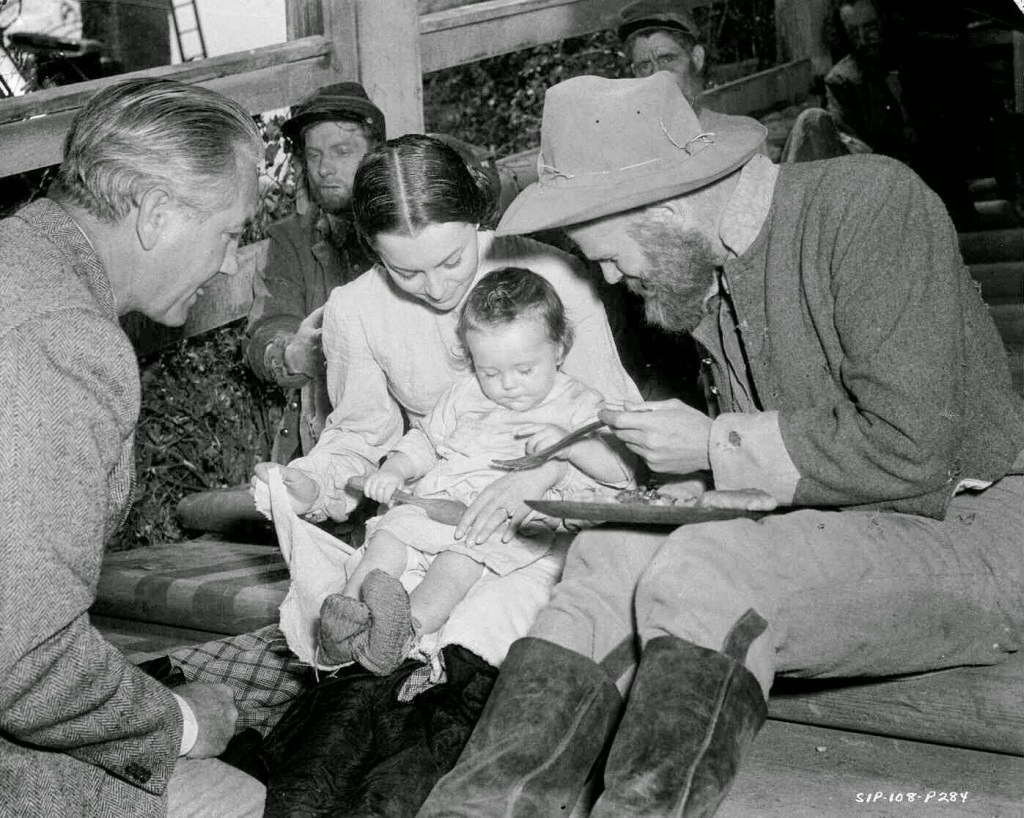
Olivia De Havilland as Melanie Hamilton, with Ric Holt as Beau Wilkes (11 months) seated on her lap. Seated alongside is Phillip Trent as a hungry solider, and director Victor Fleming.
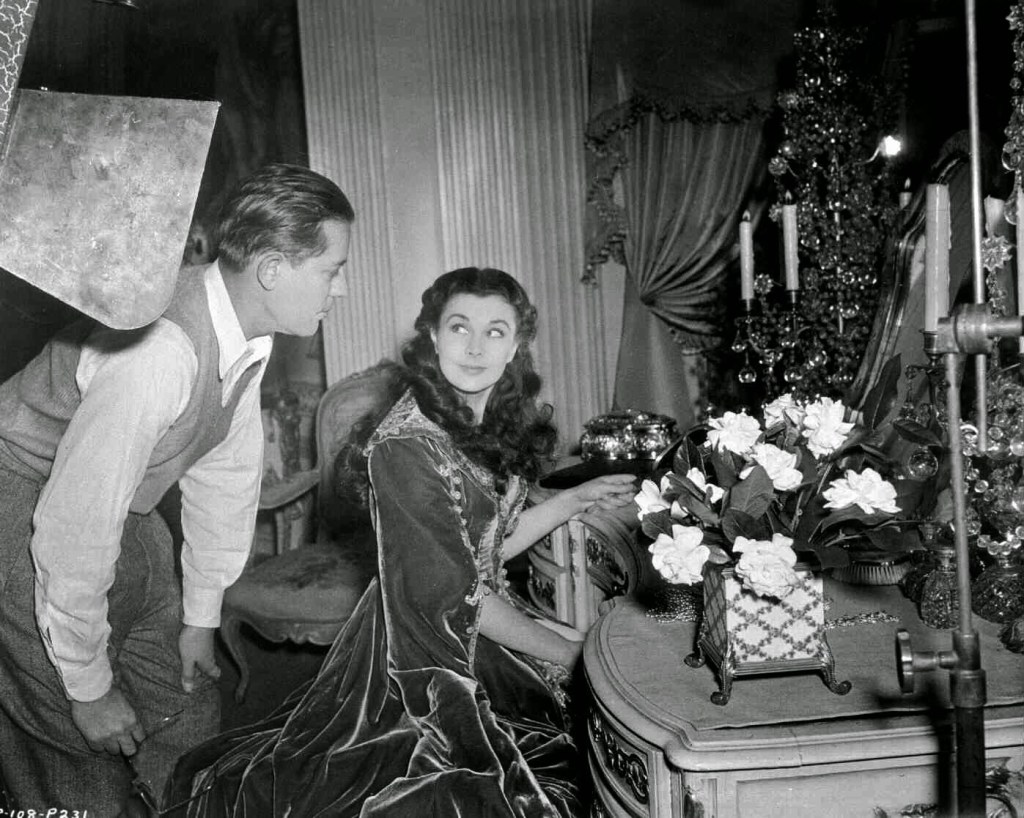
Vivien Leigh as Scarlett O’Hara, seated at dressing table, with lighting man leaning over sholder.
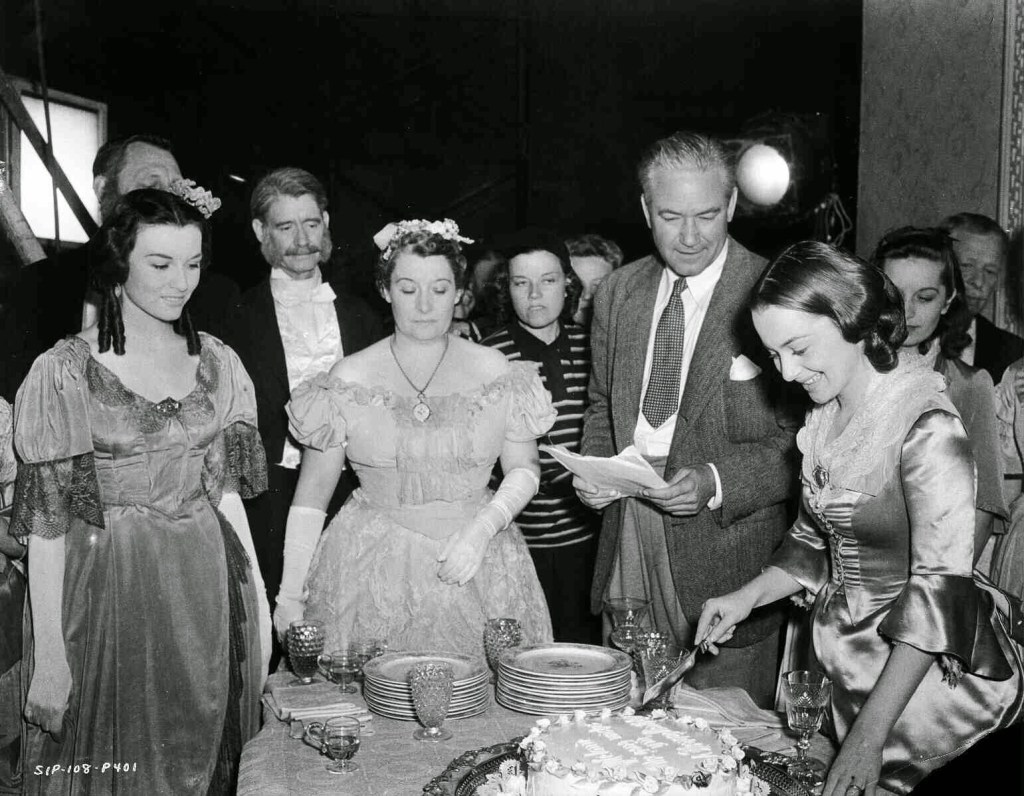
Cast and crew celebrating the birthday of Olivia de Havilland as Melanie Hamilton, who is cutting cake. Director Victor Fleming, script girl Lydia Schiller (in striped shirt), and unknown others are present.
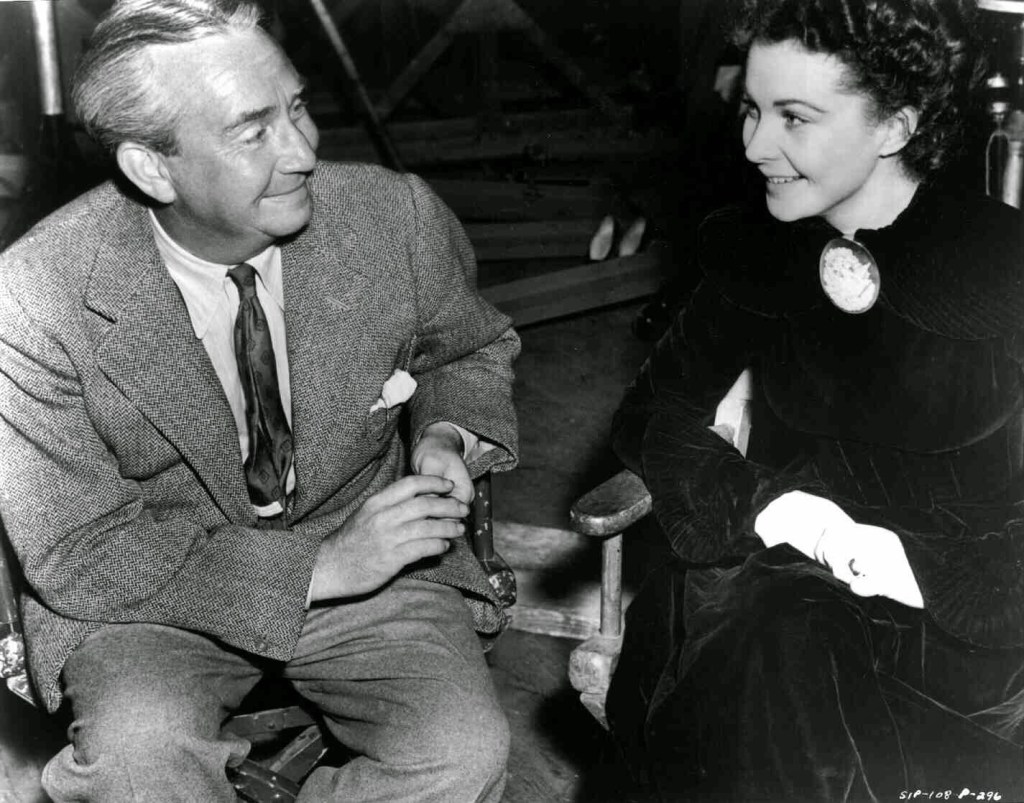
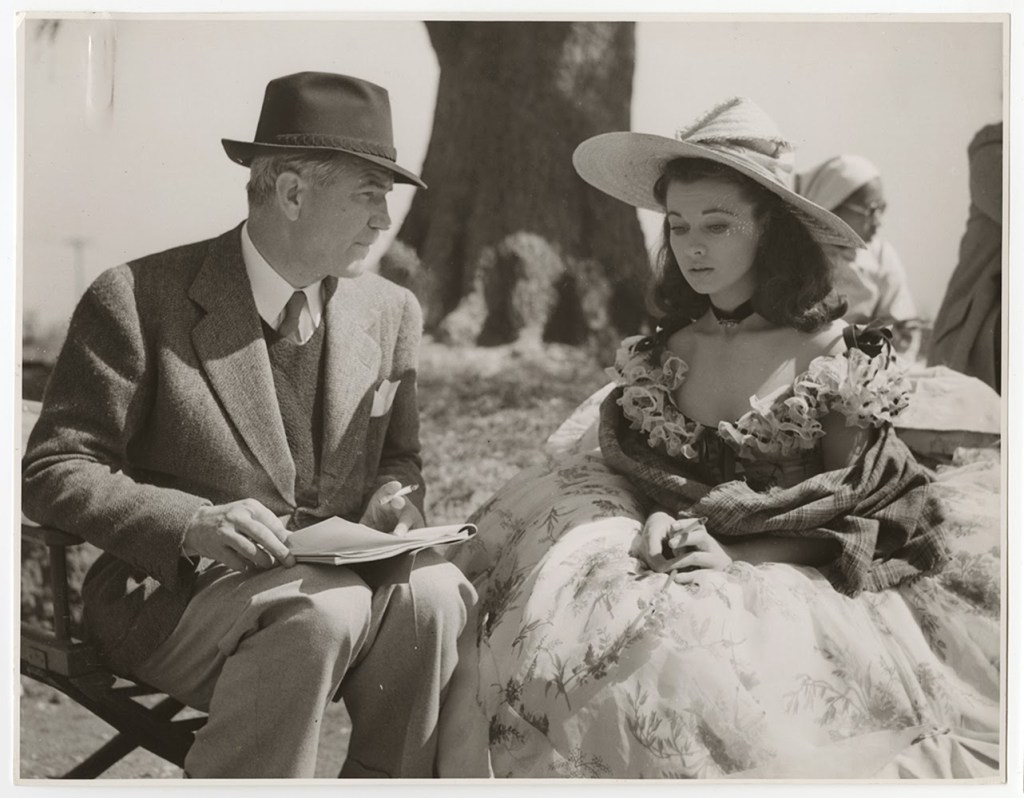
Director Victor Fleming, seated next to Vivien Leigh as Scarlett O’Hara.
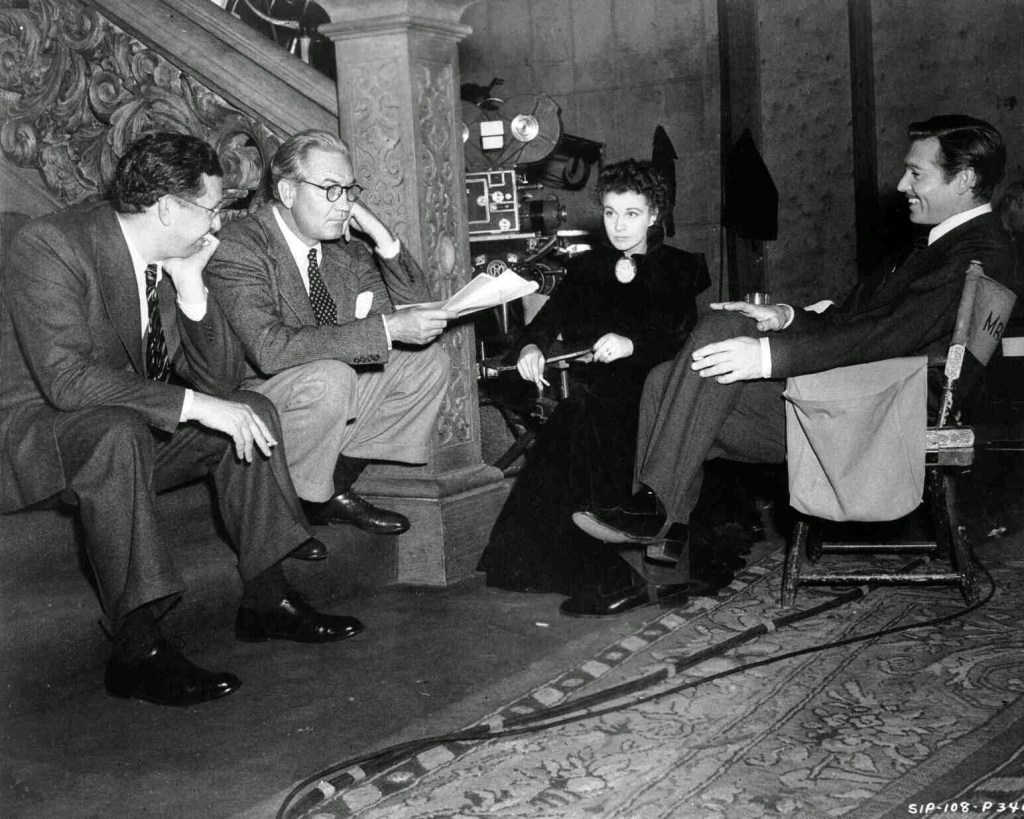
Producer David O Selznick, director Victor Fleming, Vivien Leigh as Scarlett O’Hara, and Clark Gable as Rhett Butler, on the set for final scene of the film.
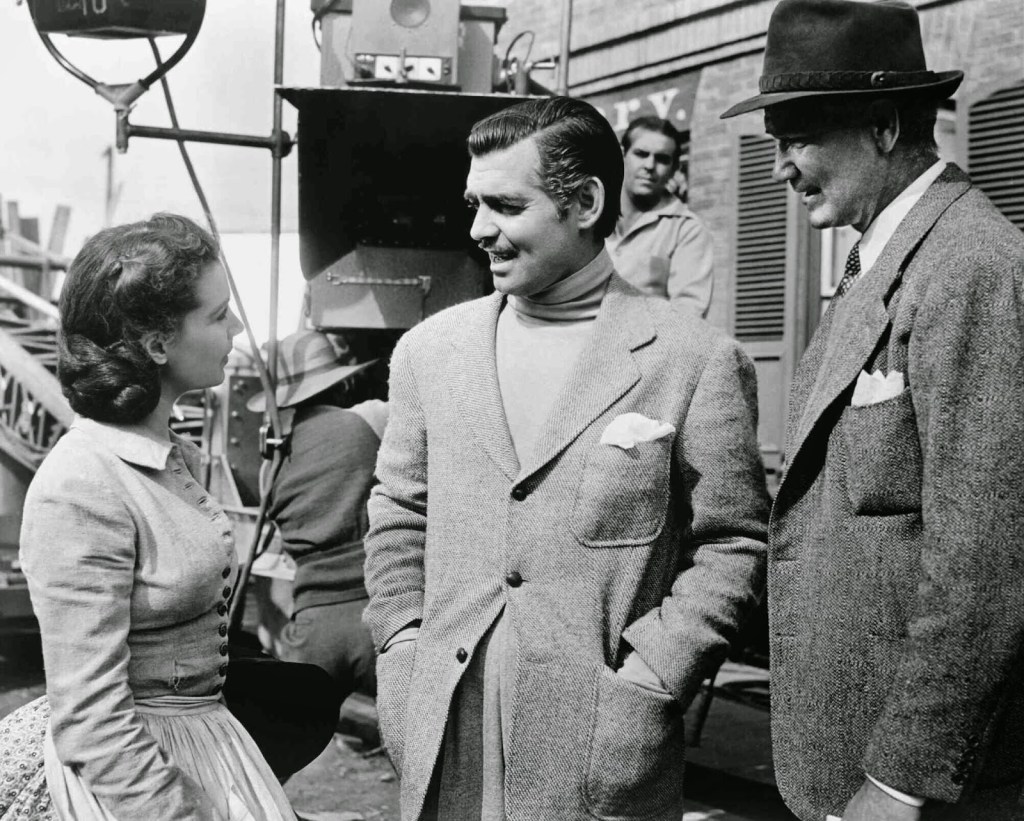
Vivien Leigh as Scarlett O’Hara, Clark Gable who plays Rhett Butler, and director Victor Fleming, on the Atlanta evacuation set.
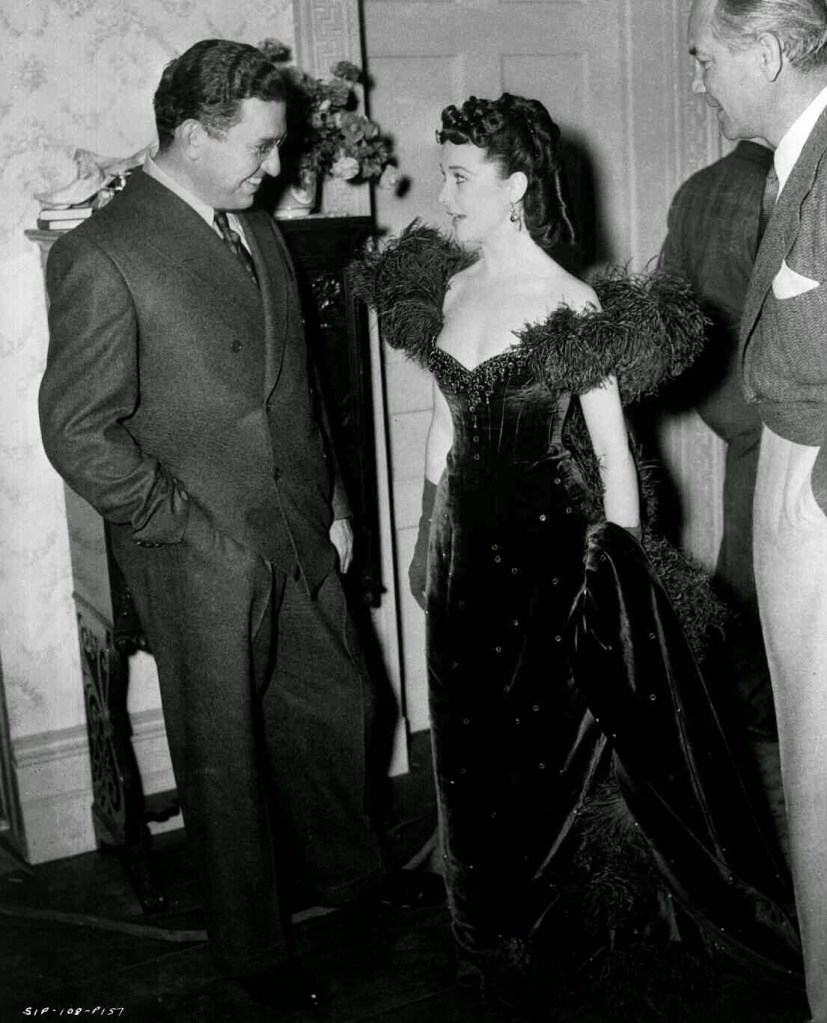
Vivian Leigh as Scarlett O’Hara, wearing red gown, talking to producer David O. Selznick and director Victor Fleming, between takes of Ashley’s birthday party.
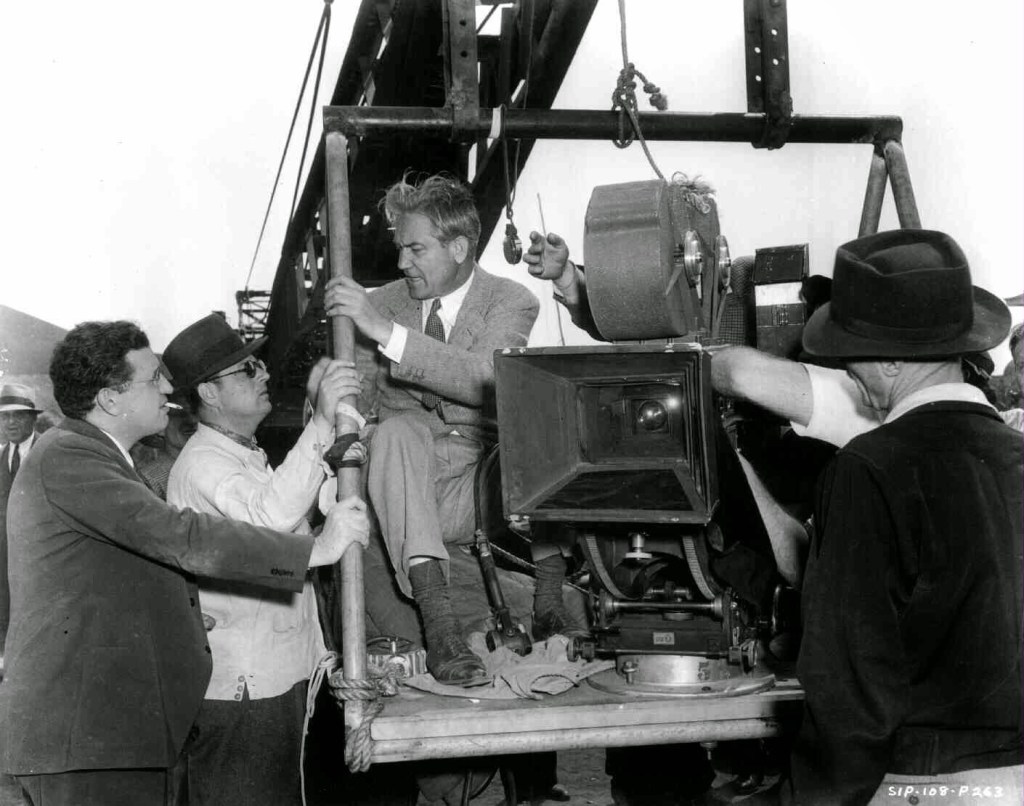
Director Victor Fleming seated on construction crane, mounted with a camera. Producer David O. Selznick stands alongside with technicians.
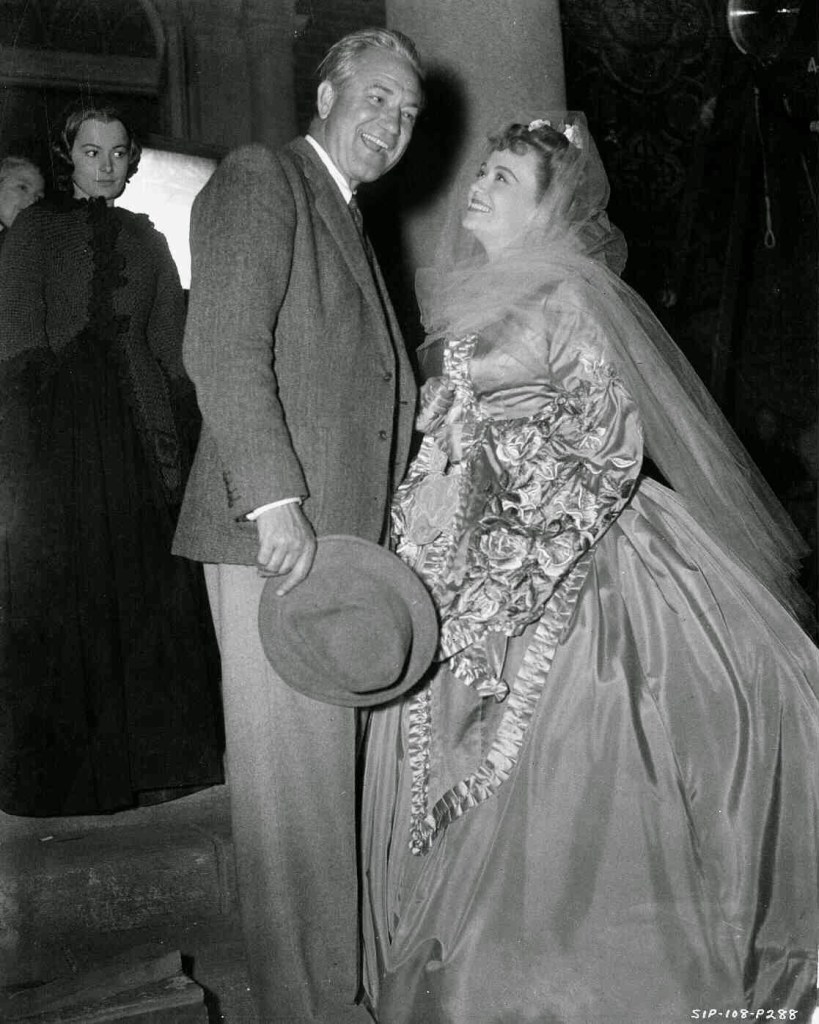
Director Victor Fleming standing and laughing with Ona Munson as Belle Watling while Olivia De Havilland as Melanie Hamilton and Leona Roberts as Mrs. Meade look on from behind.
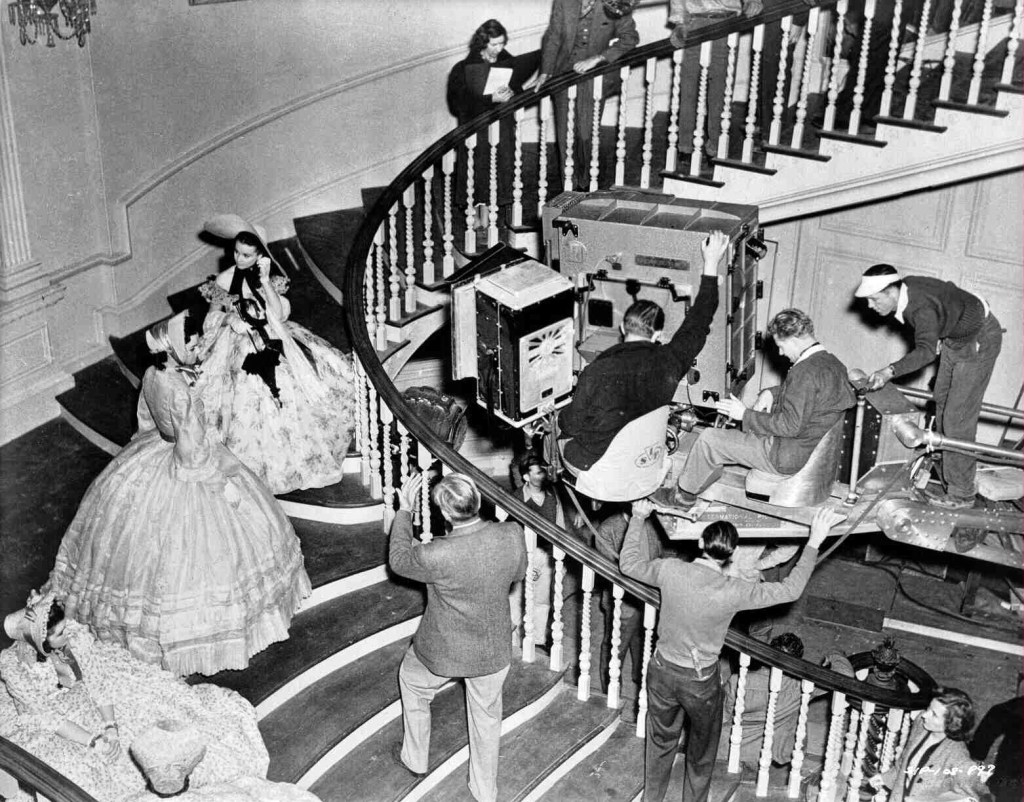
Marcella Martin as Cathleen Calvert on staircase at Twelve Oaks, talking to Vivien Leigh as Scarlett O’Hara. Director Victor Fleming stands on stairs back to camera. Technicians, crew, and extras surround.
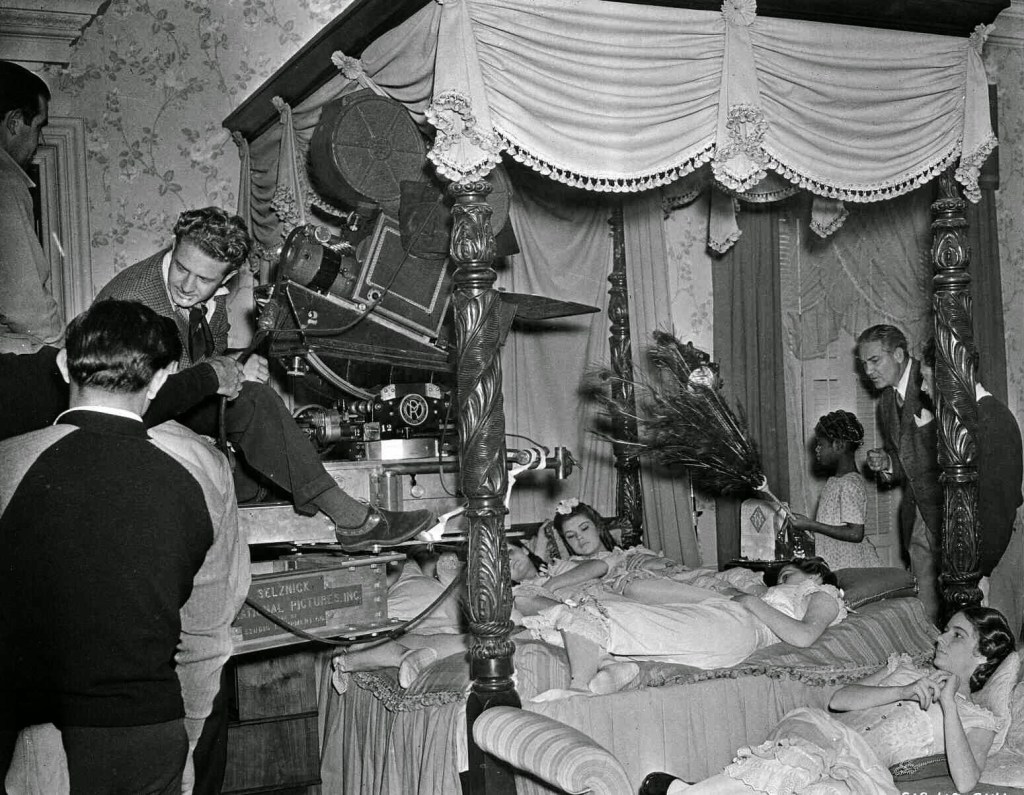
Nap sequence during the barbecue at Twelve Oaks. Director Victor Fleming can be seen with camera on right of bed.
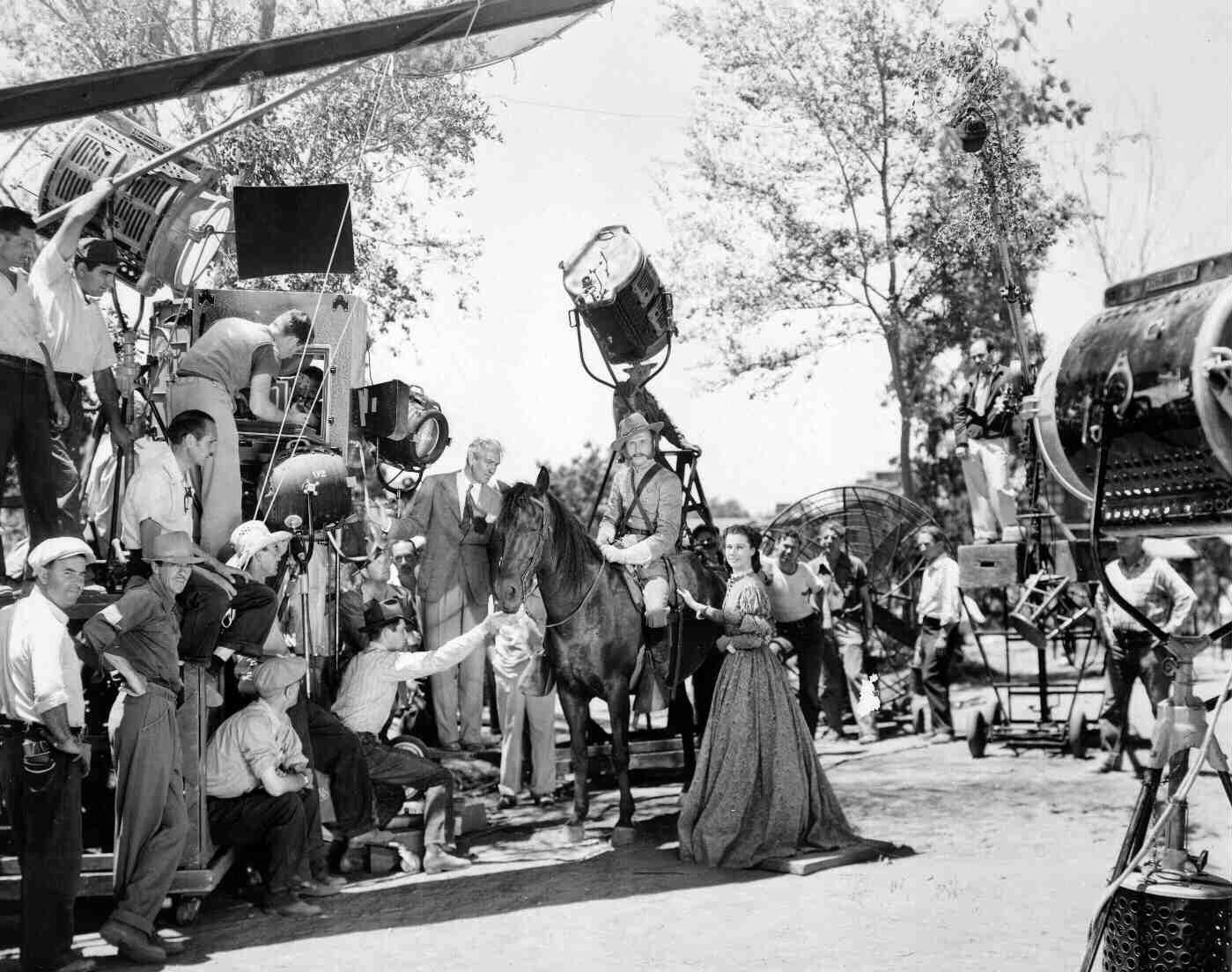
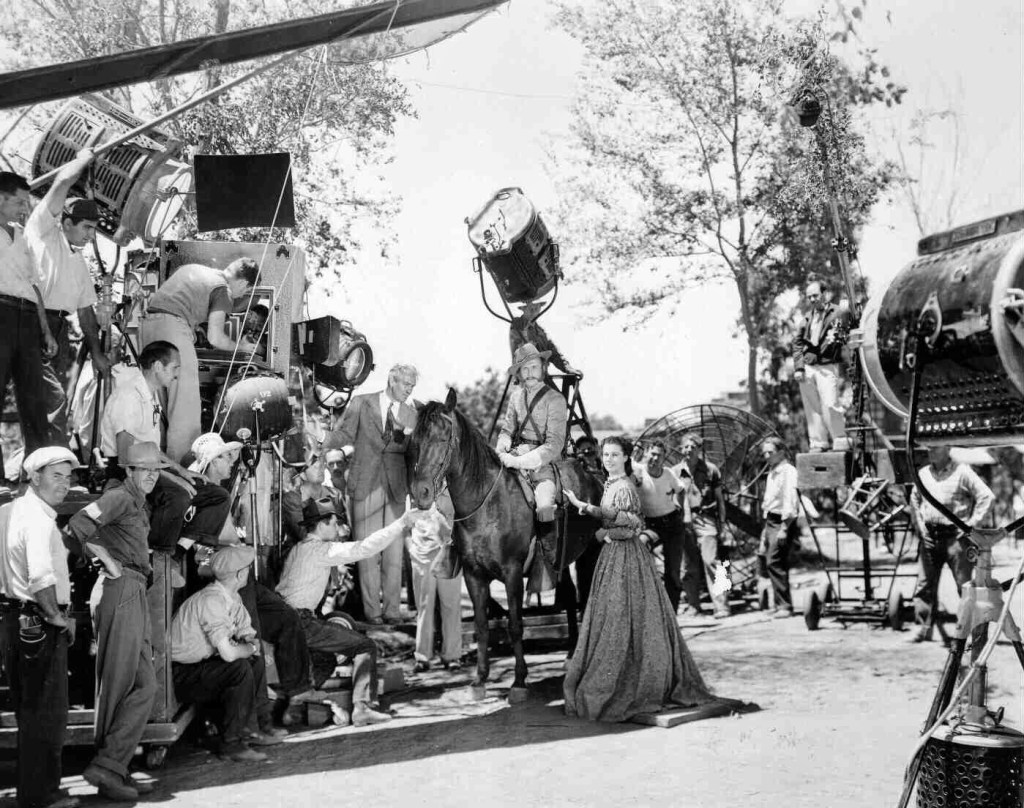
Crew filming Peachtree Street scene; director Victor Fleming works with Vivien Leigh as Scarlett O’Hara and William Bakewell as mounted Officer.
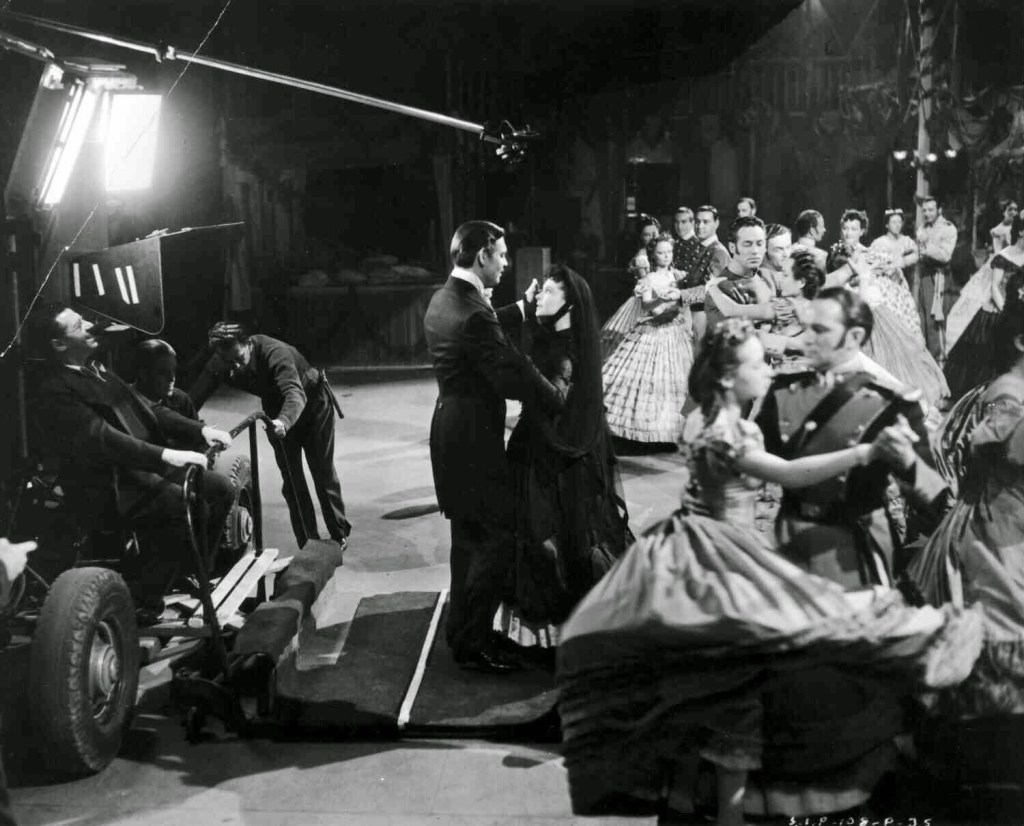
Clark Gable and Vivien Leigh, dancing. Both are standing on a movable floor, being watched by dancers and director George Cukor, before he left production.
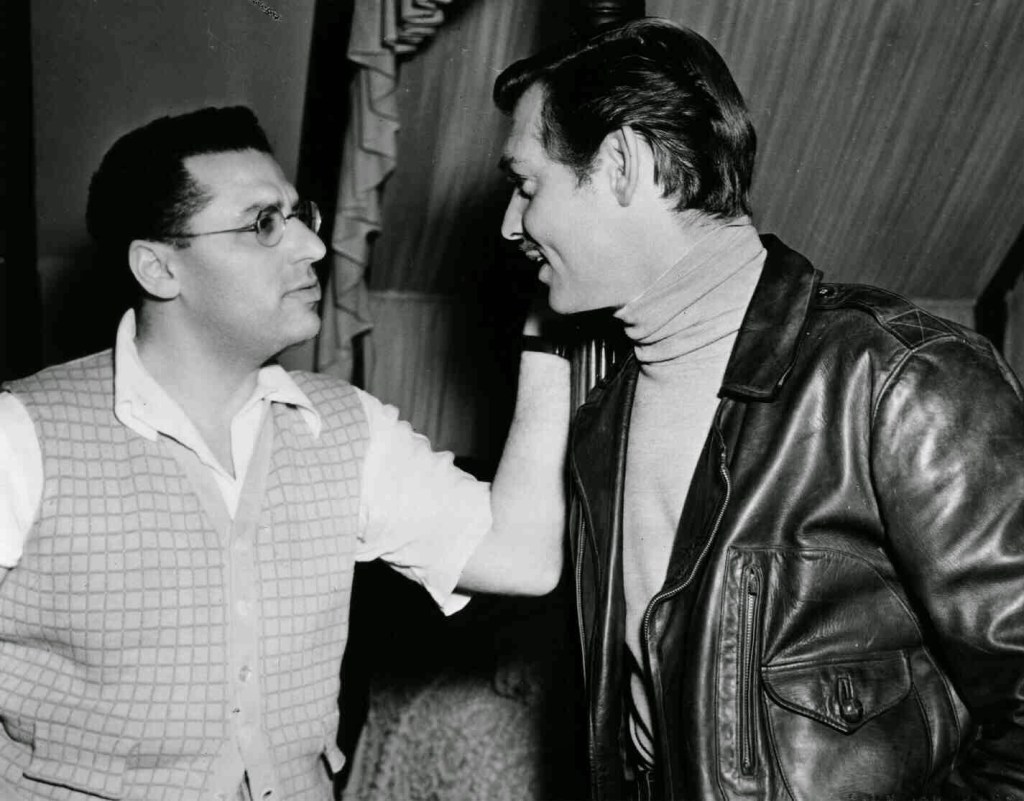
Replaced director George Cukor, standing with Clark Gable who plays Rhett Butler.
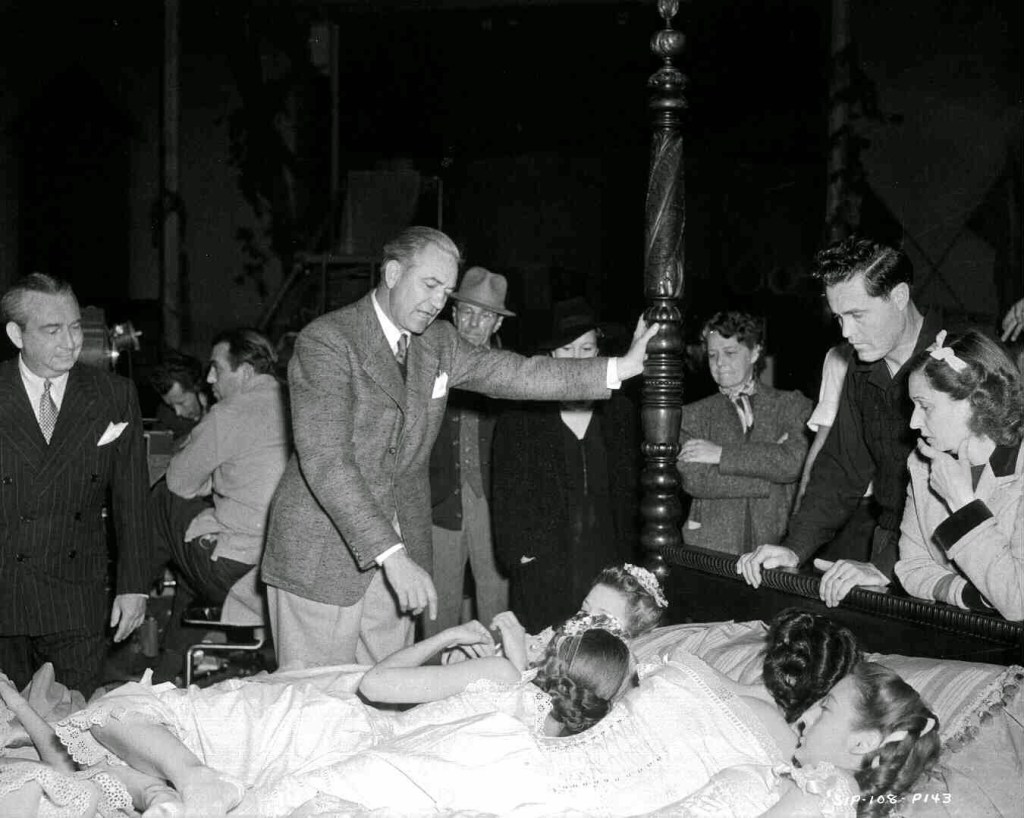
Director Victor Fleming leaning against bed post, technical advisor Susan Myrick, and crew members looking at girls in bed.
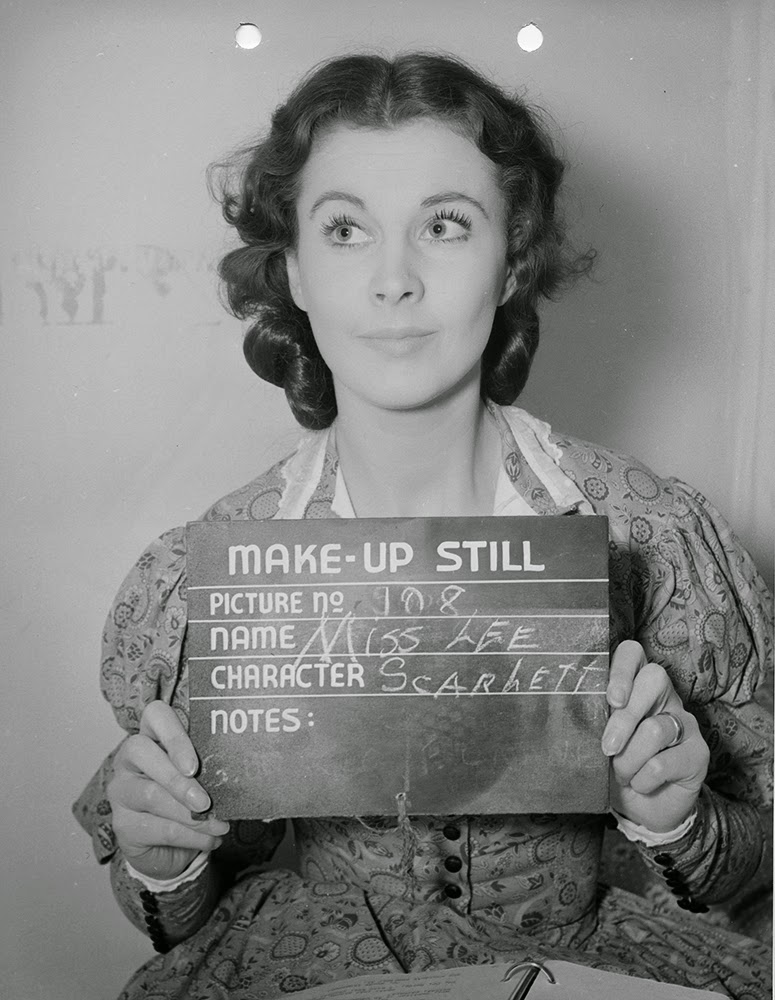
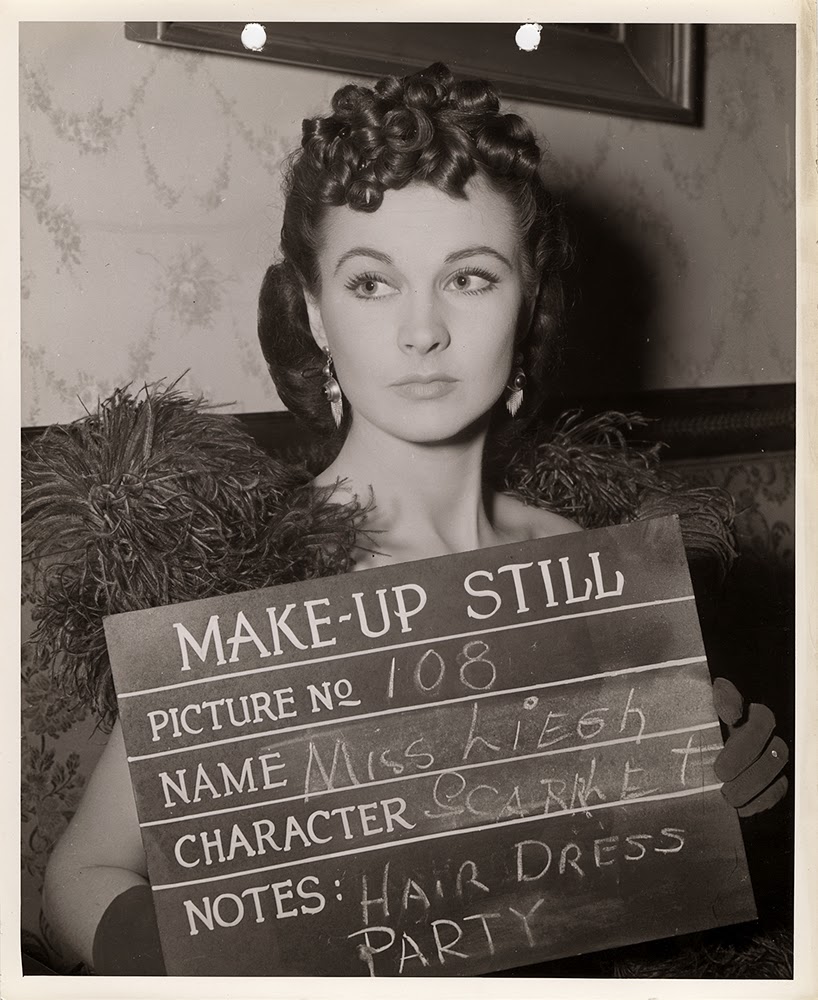
Make up still of actress Vivien Leigh in the role of Scarlett O’Hara.
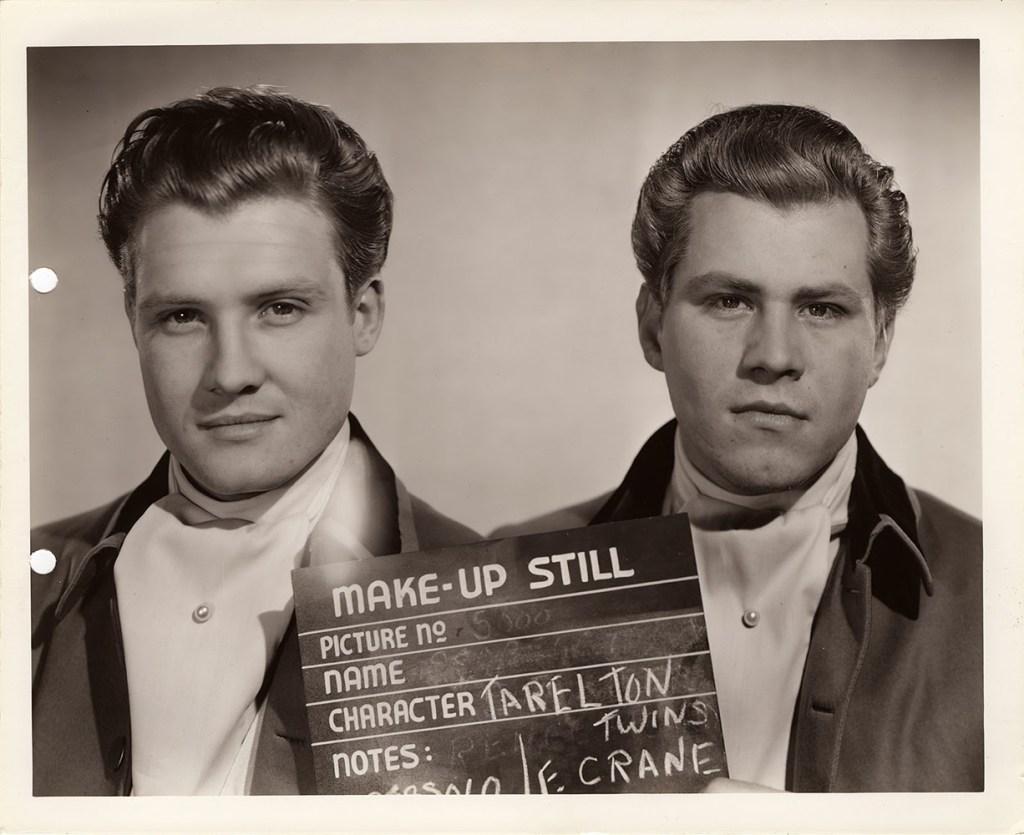
Make up still of George Reeves (L) and Fred Crane, who played the The Tarleton Twins.
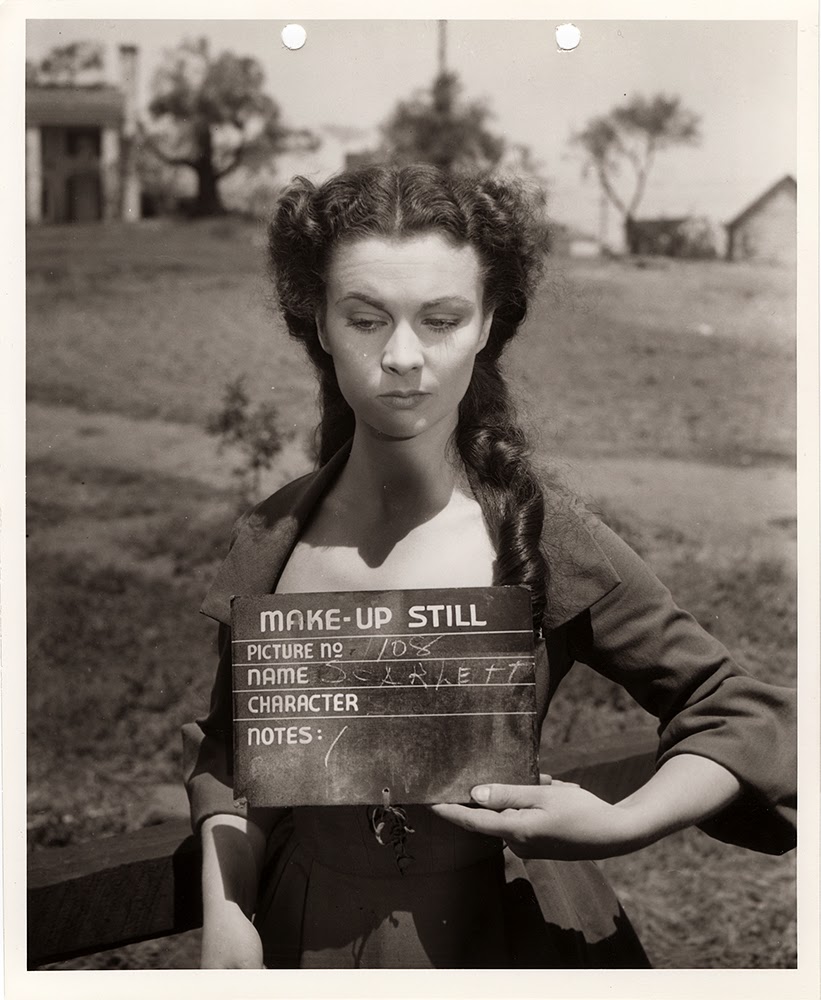
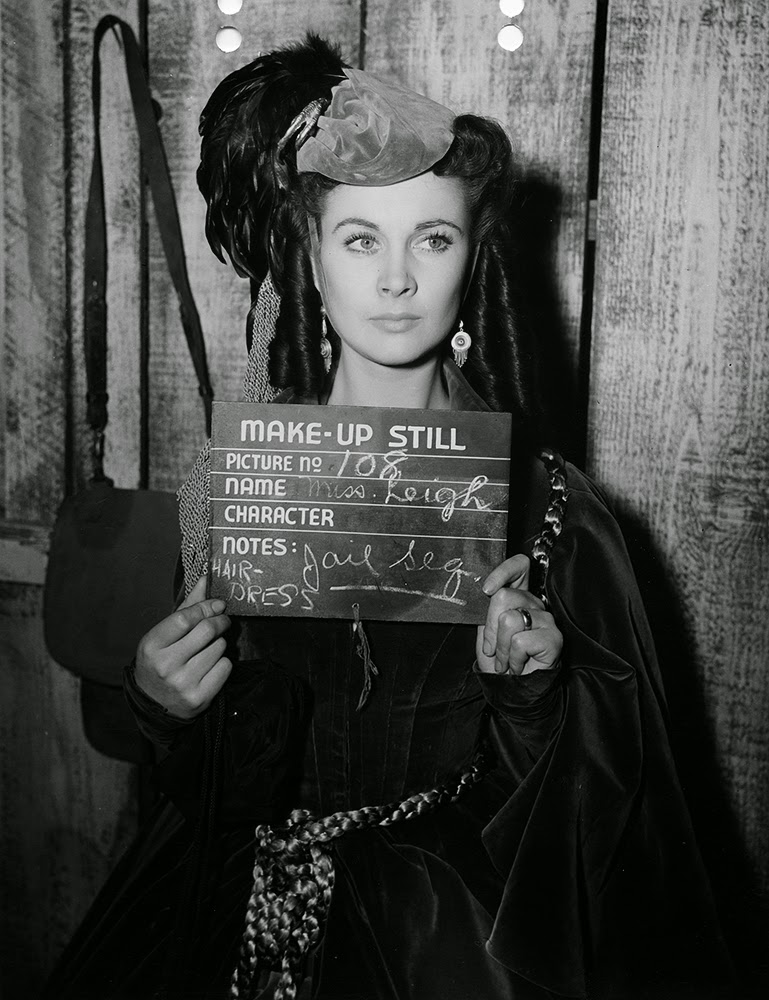
Make up still of actress Vivien Leigh in the role of Scarlett O’Hara.
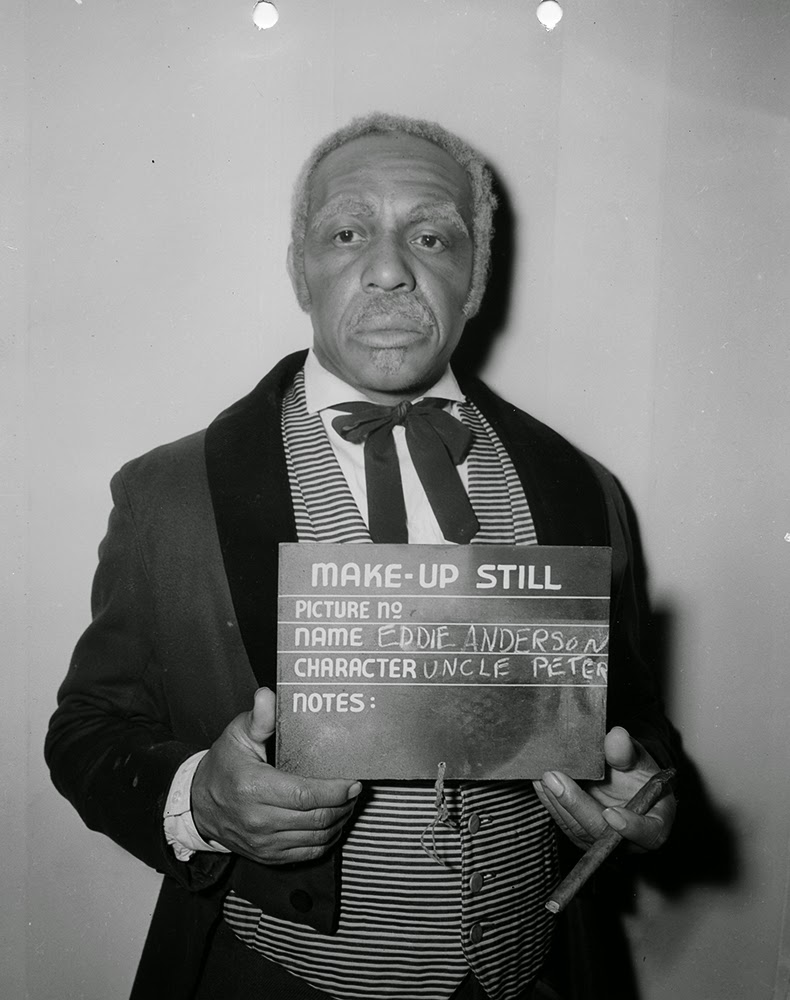
Make up still of actor Eddie Anderson, in the role of Uncle Peter, the coachman, on the set of Gone With The Wind, 1939.
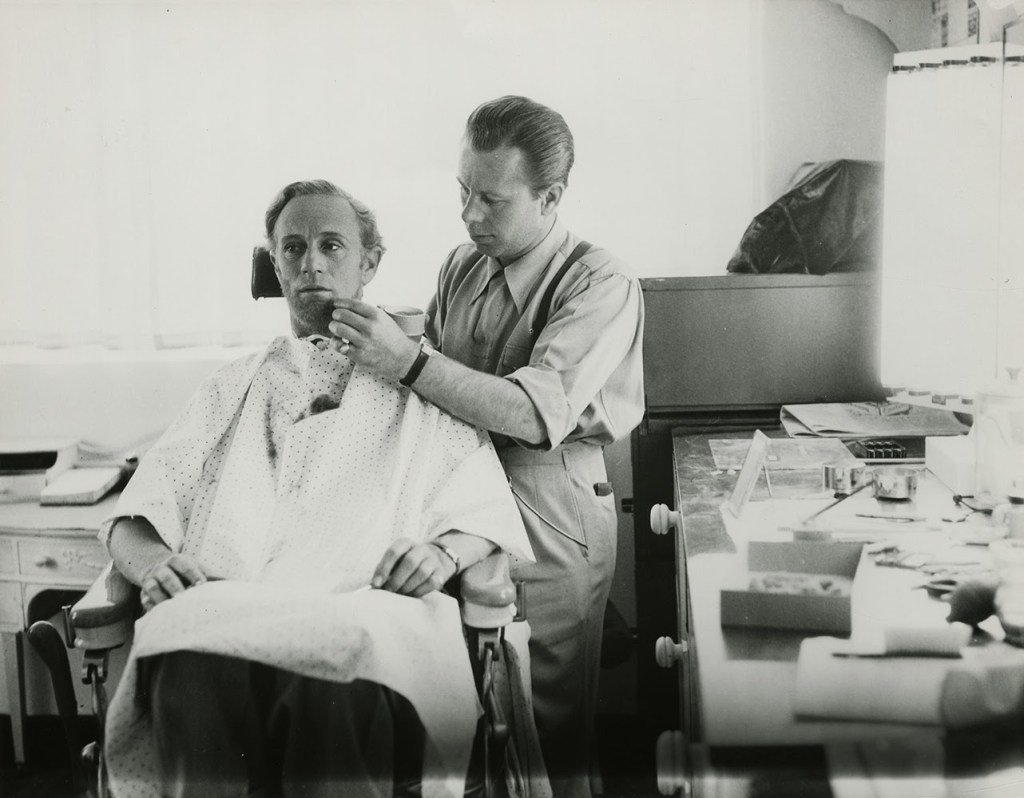
Make up artist Monte Westmore applies make up to actor Leslie Howard in the role of Ashley.
Make up still of actress Vivien Leigh in the role of Scarlett O’Hara.
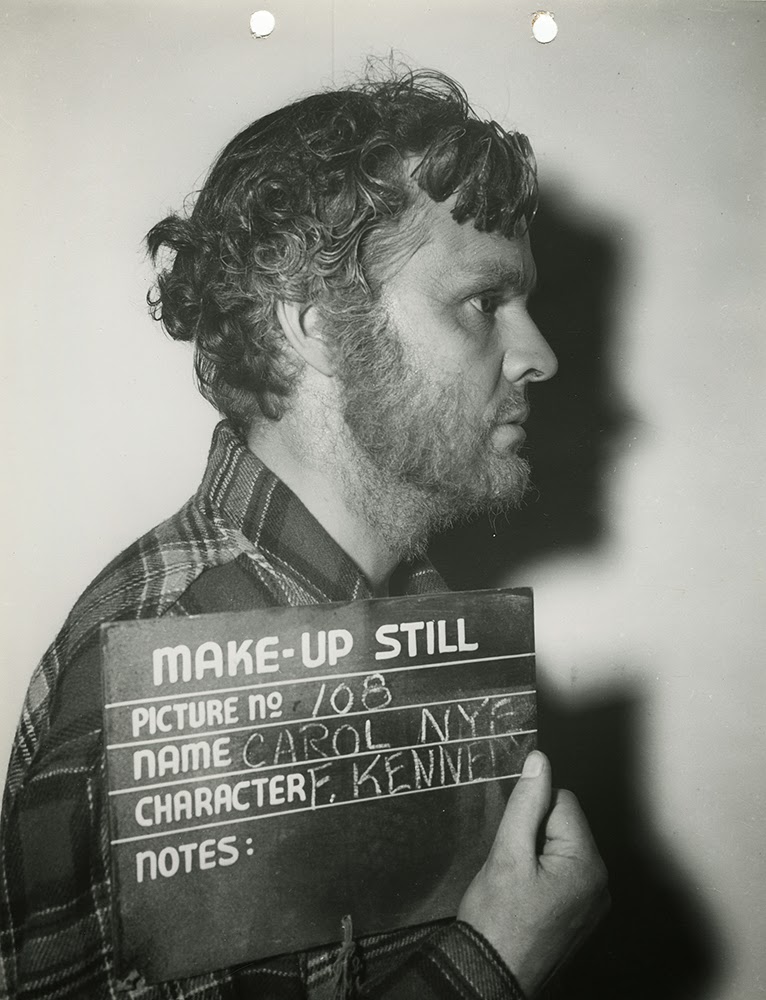
Make up still of actor Carol Nye in the role of Frank Kennedy.
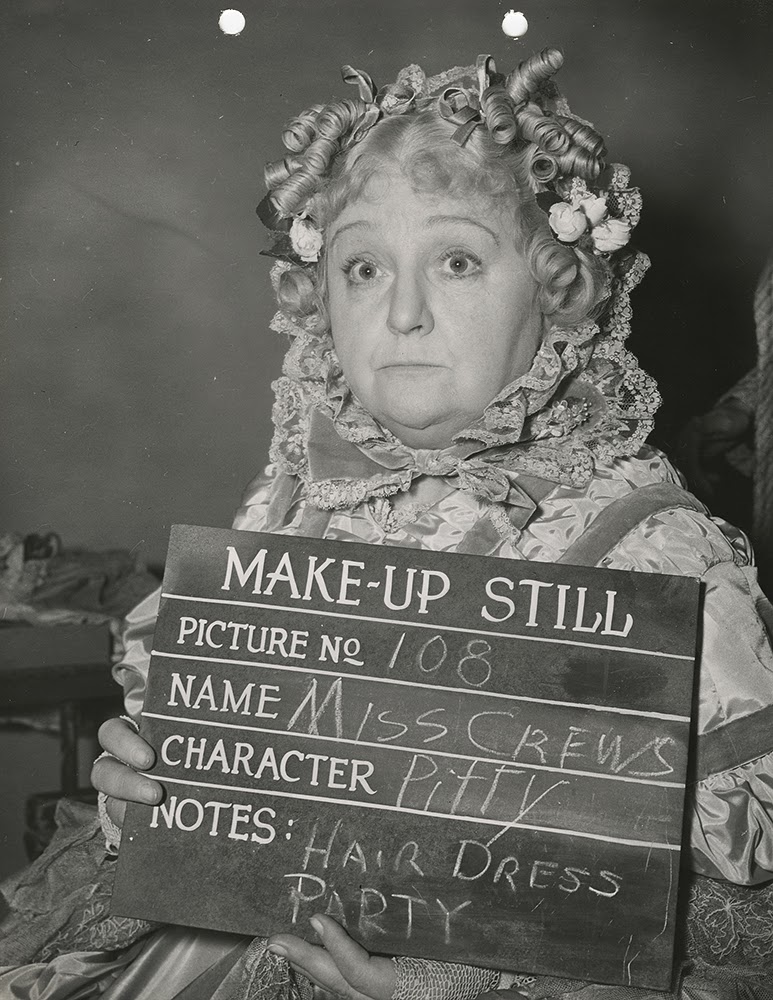
Make up still of actress Laura Hope Crews in the role of Aunt “Pittypat” Hamilton.
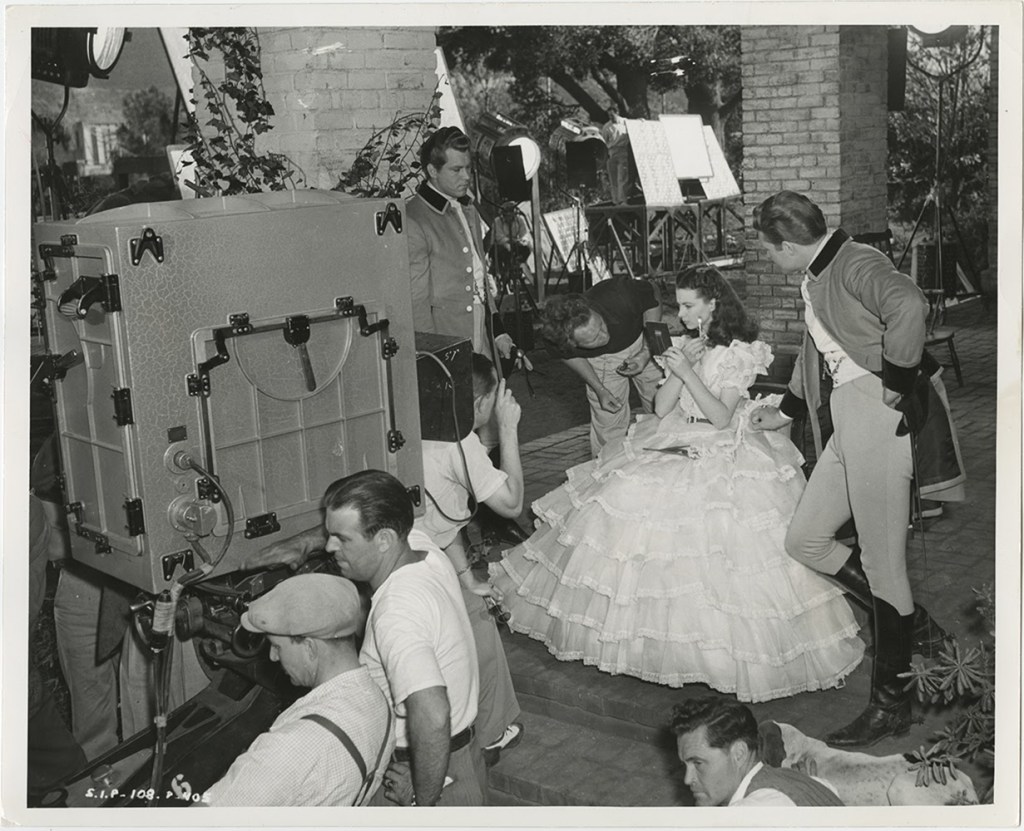
Vivien Leigh touches up her make up as the crew and actors Fred Crane and George Reeves prepare to film the final version of the porch scene.
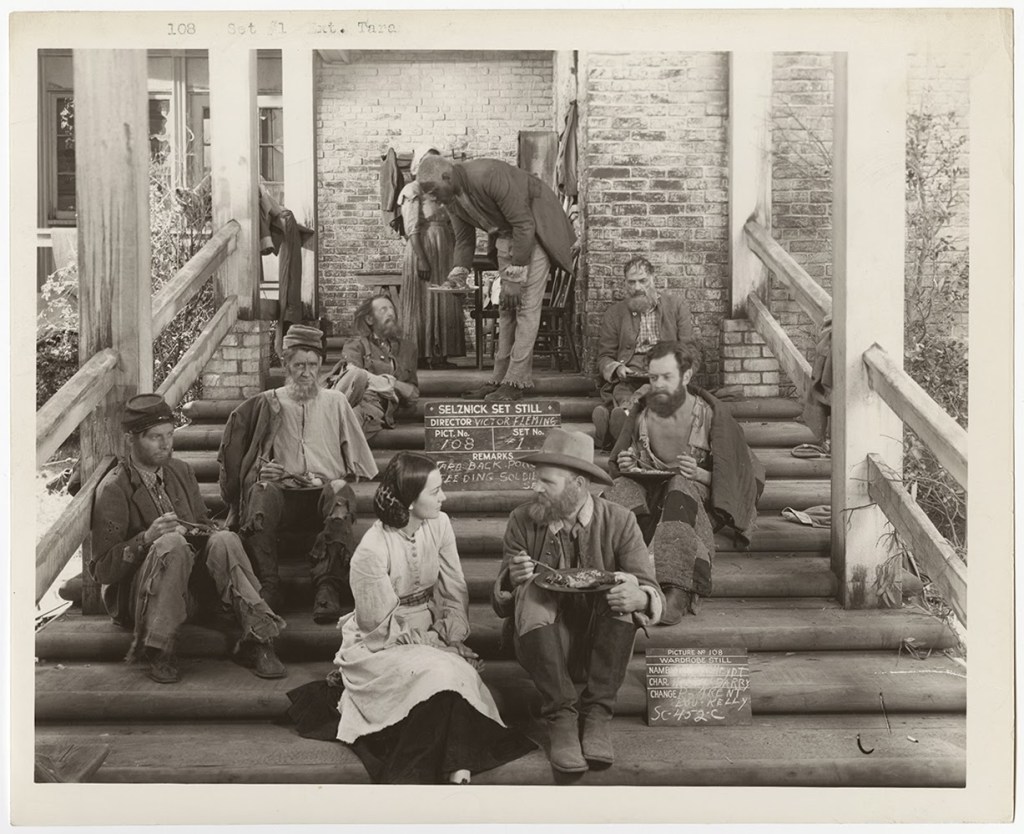
Actors waiting to begin the filming of the “Feeding Soldiers” scene.
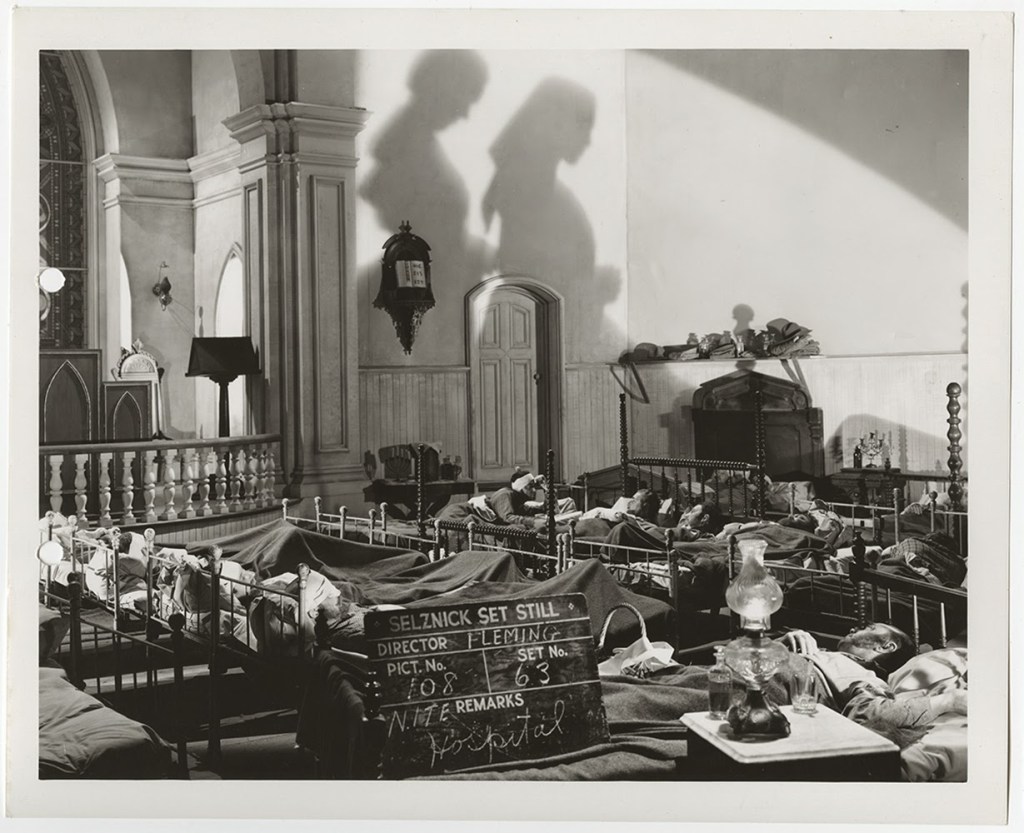
Behind the scenes of the hospital sequence.
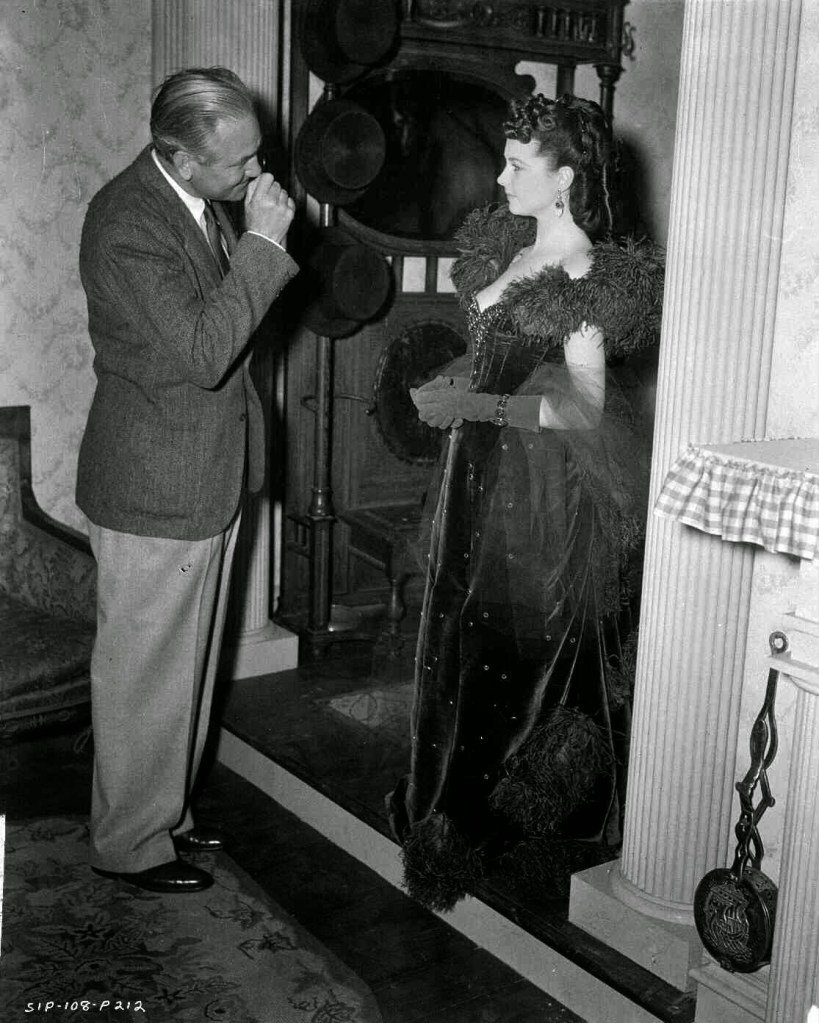
Director Victor Fleming and Vivien Leigh discuss the scene at hand, on the set of Gone With The Wind.

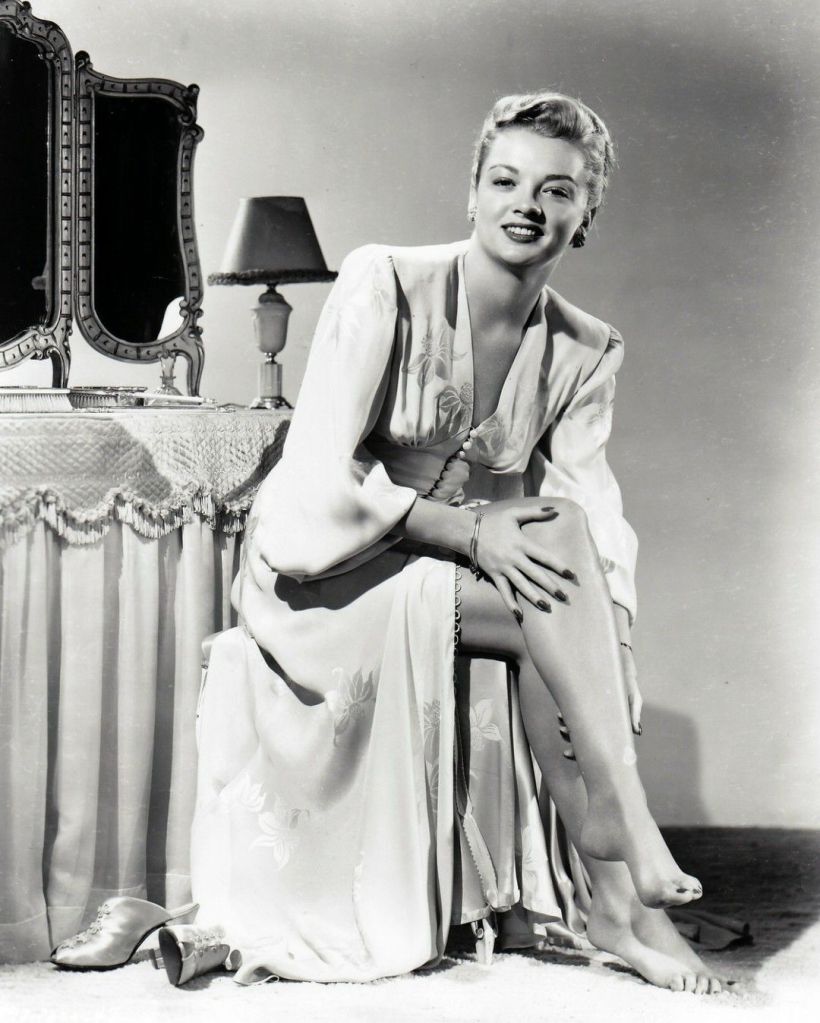
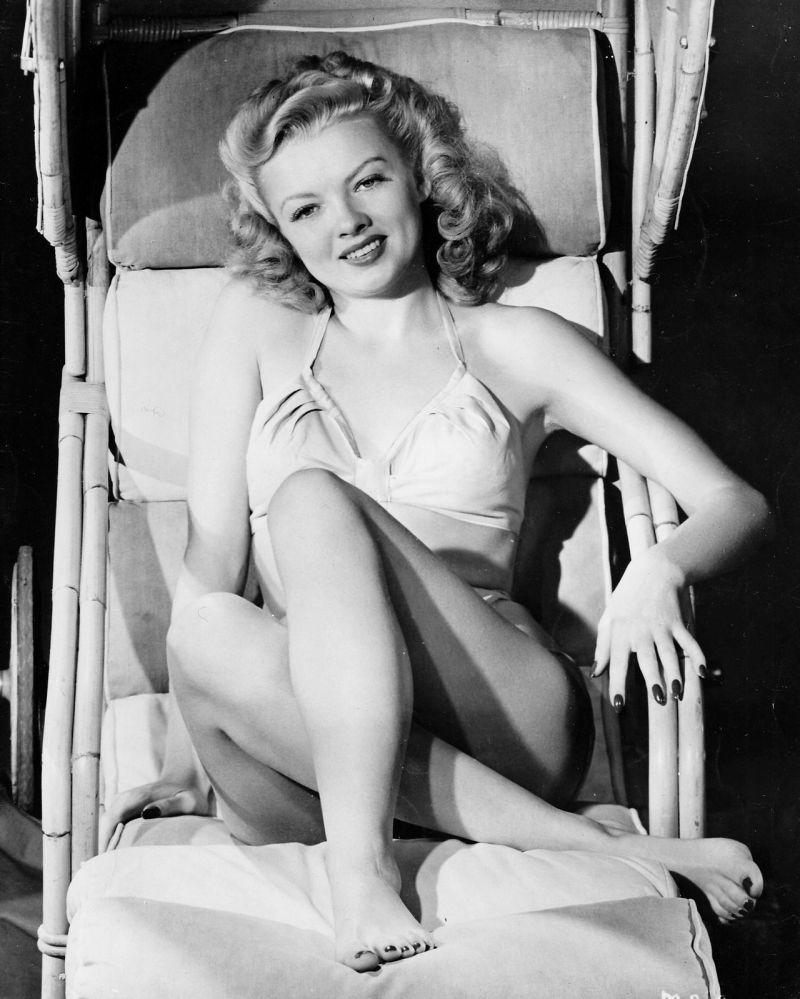
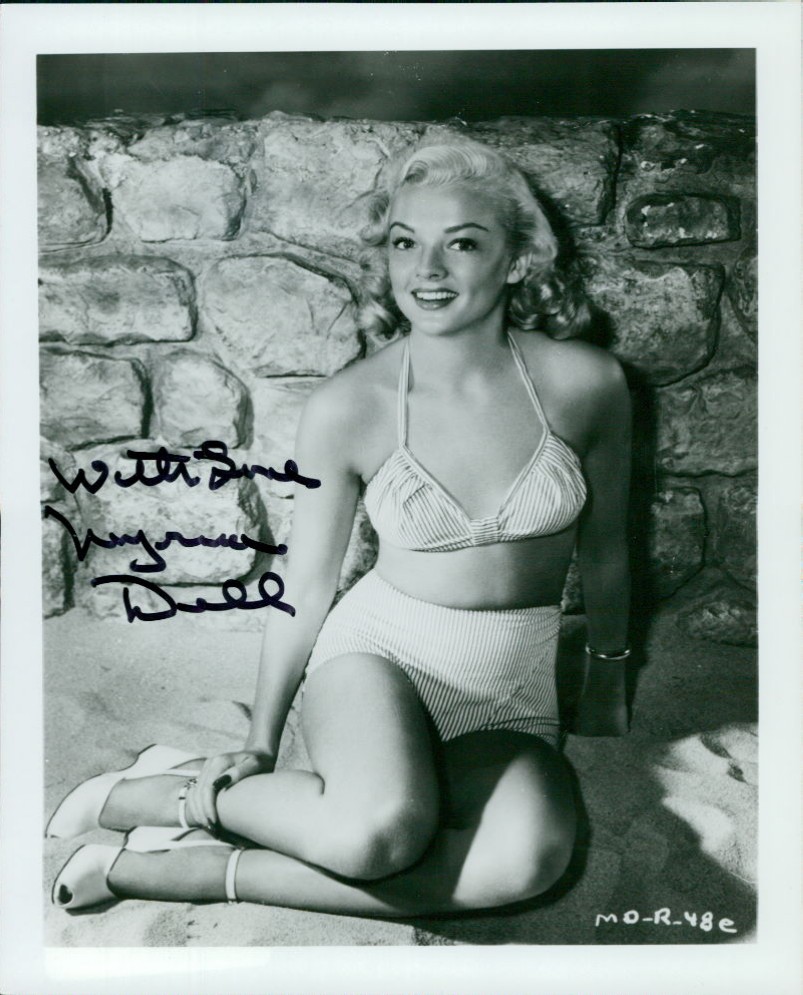
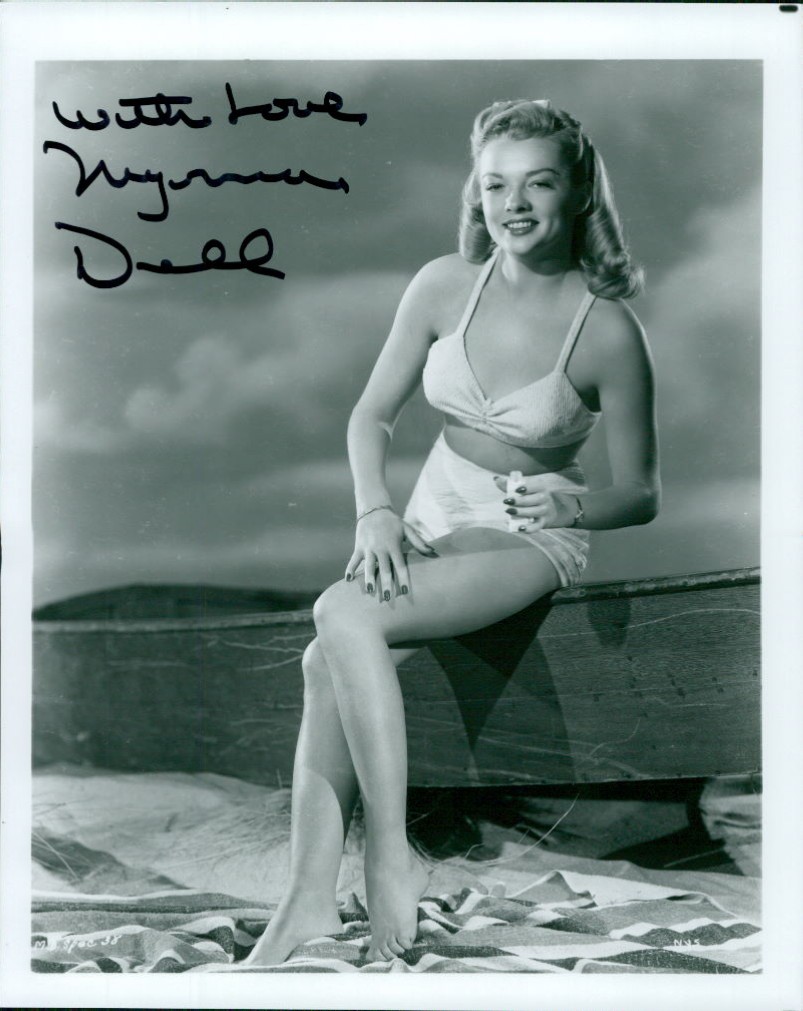
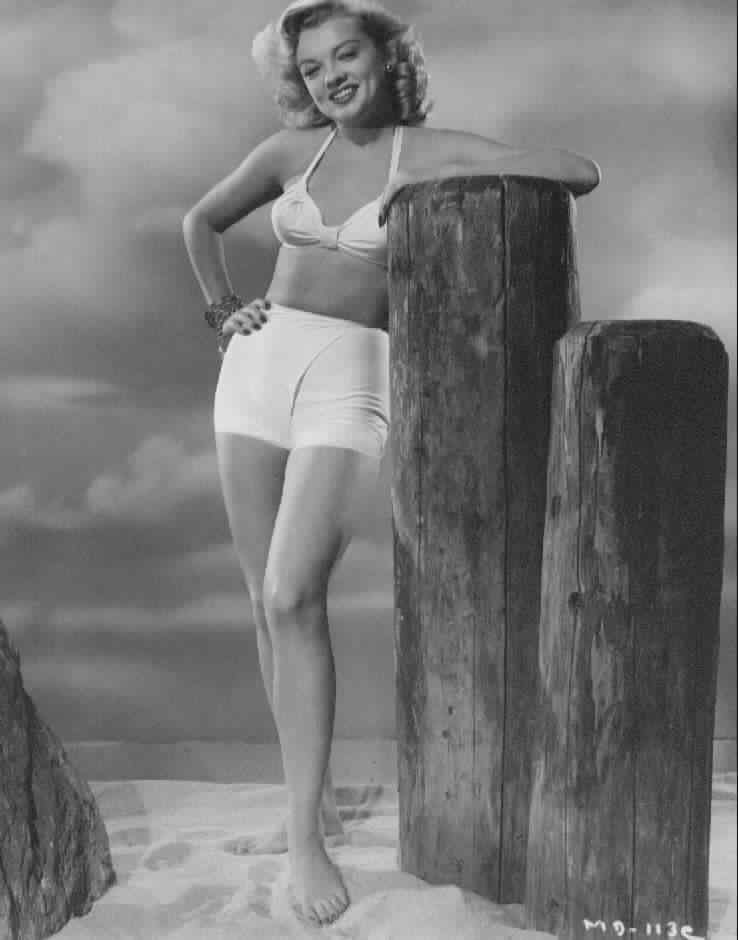
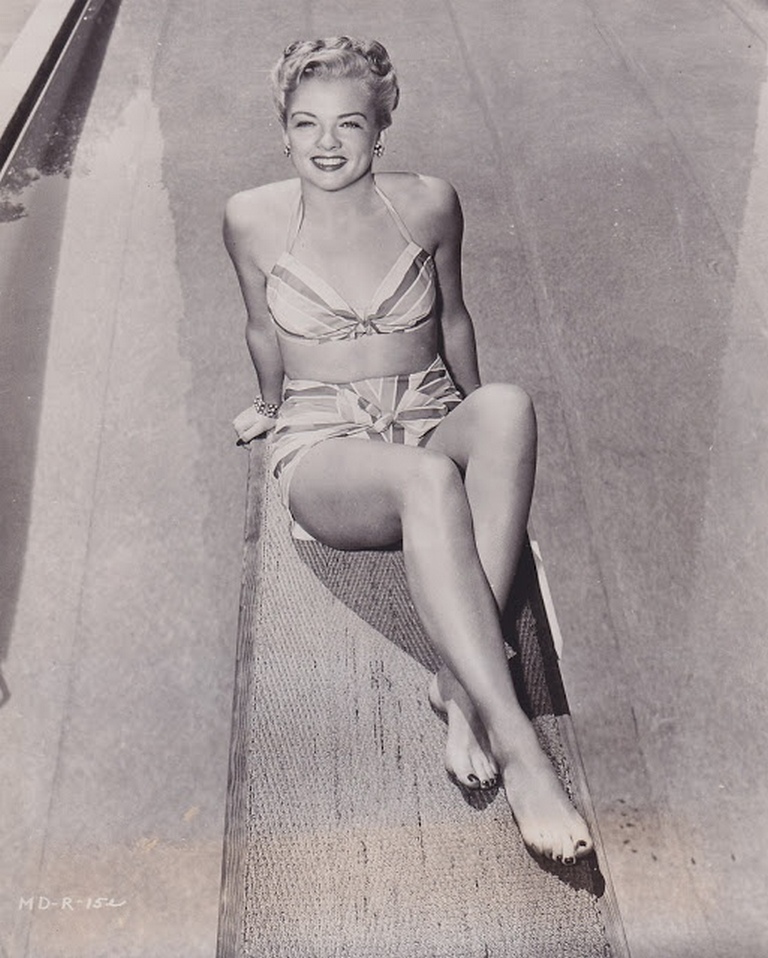
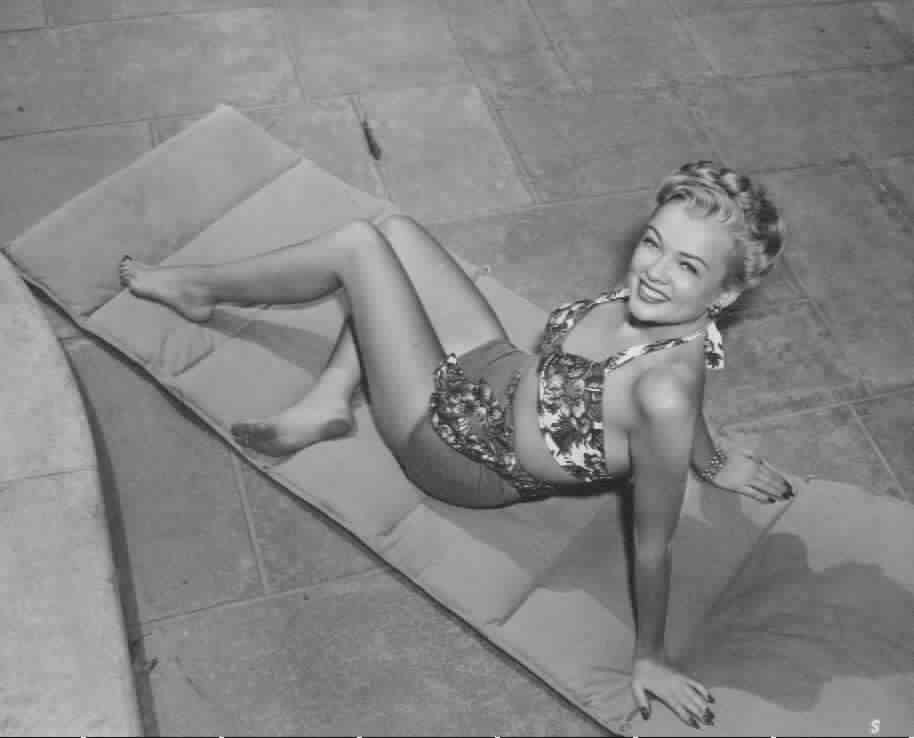
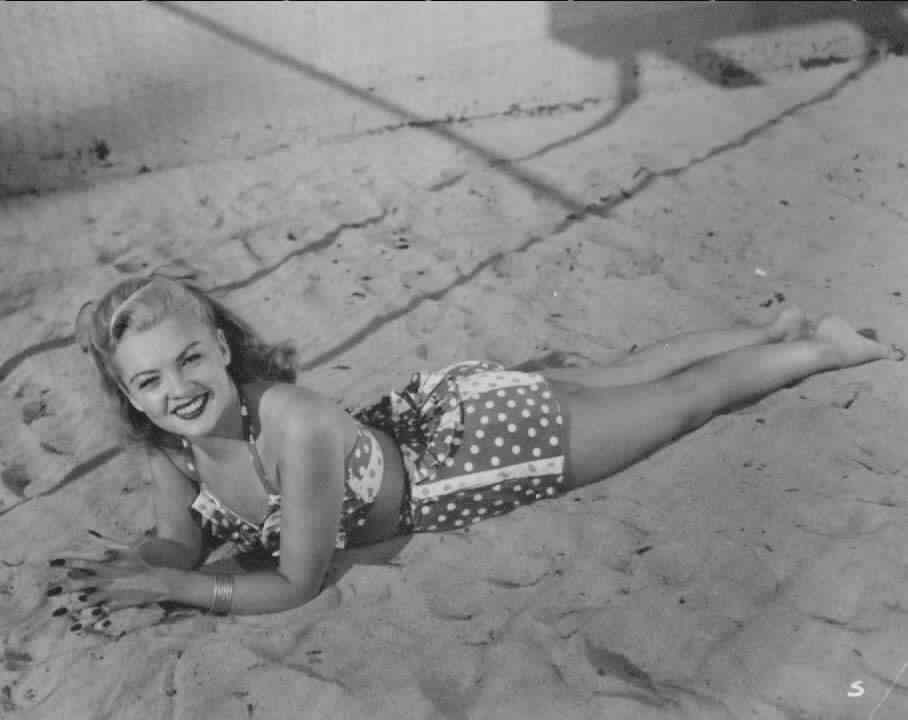
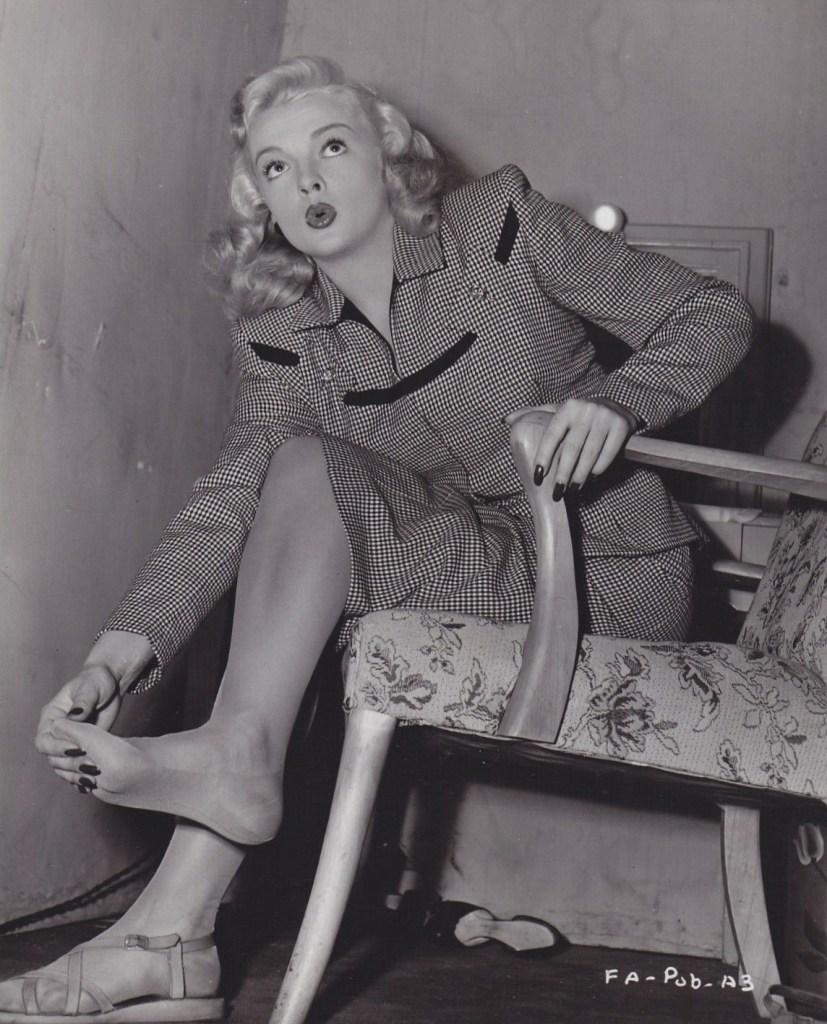
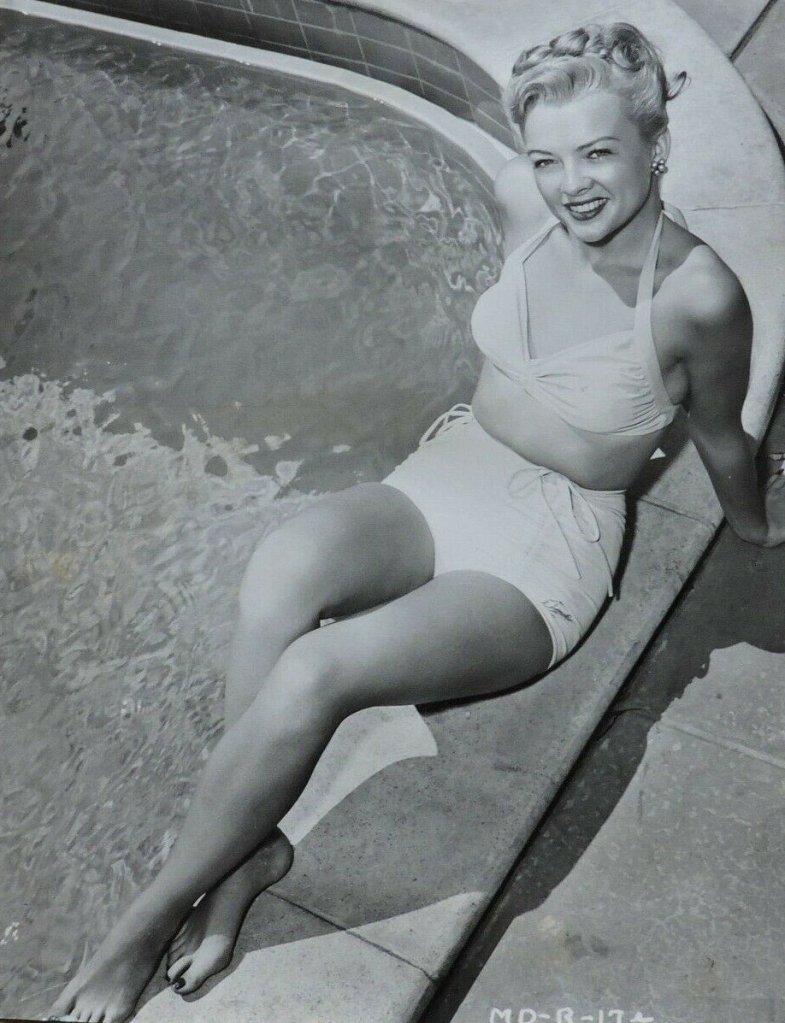
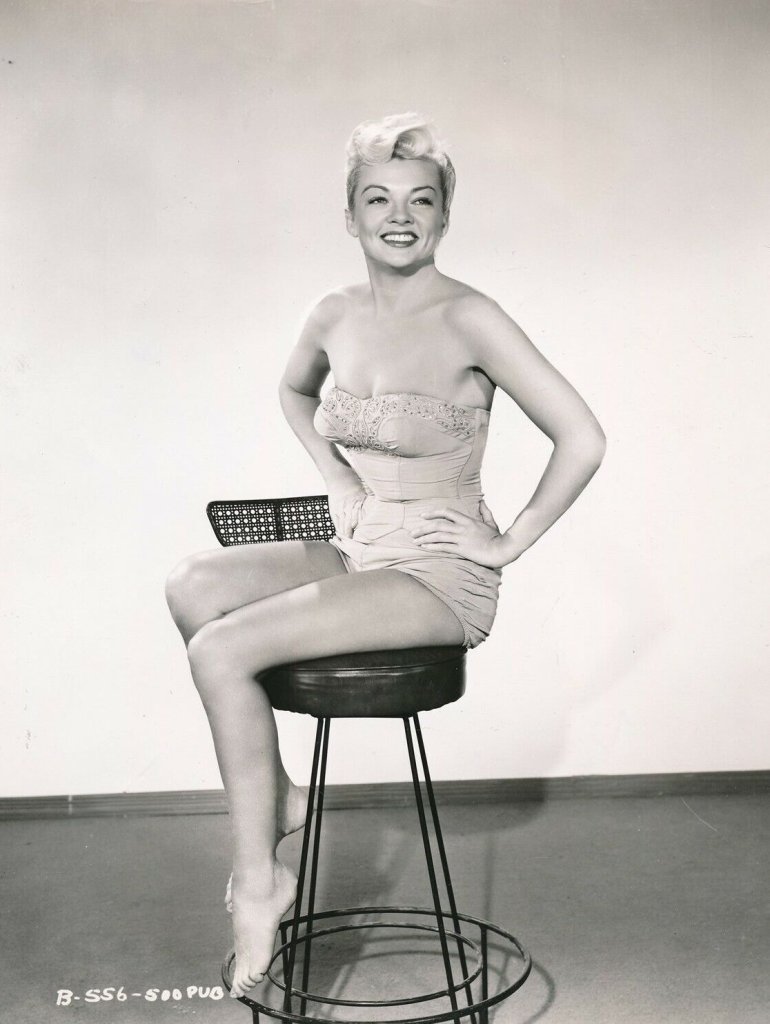
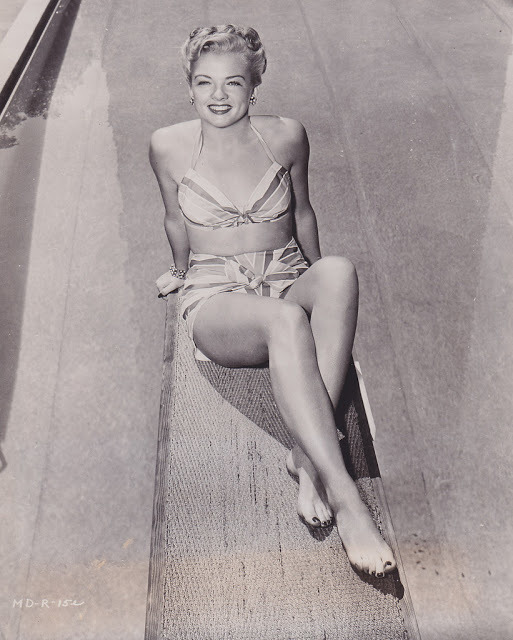
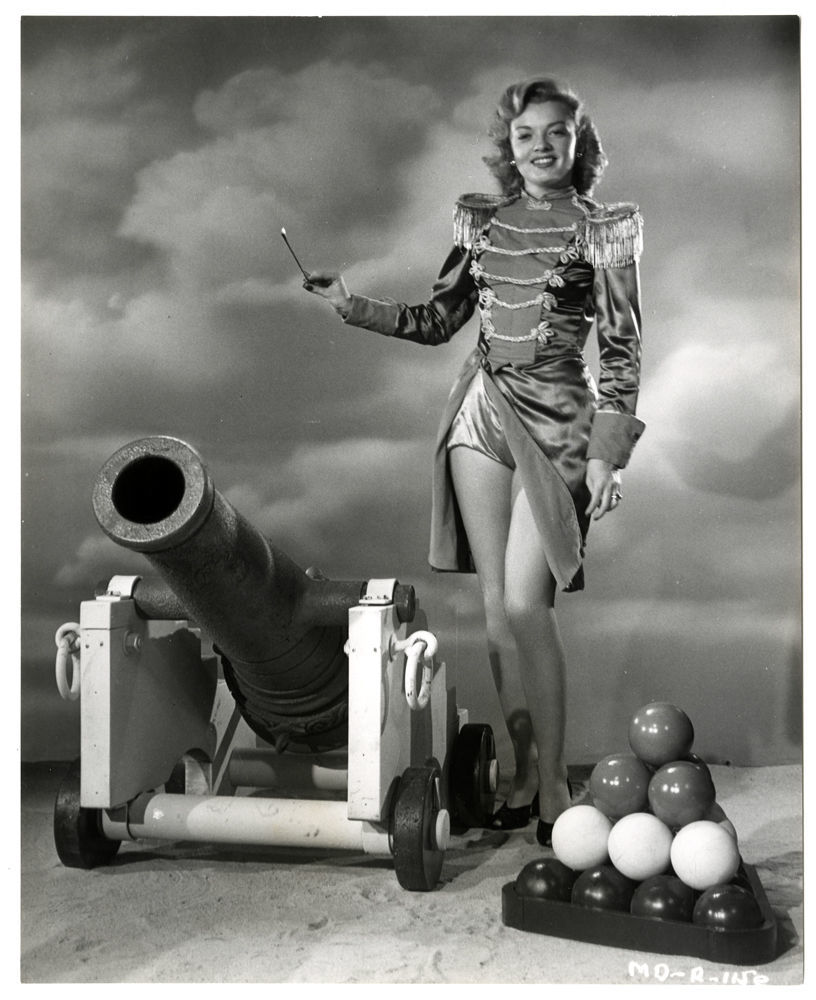
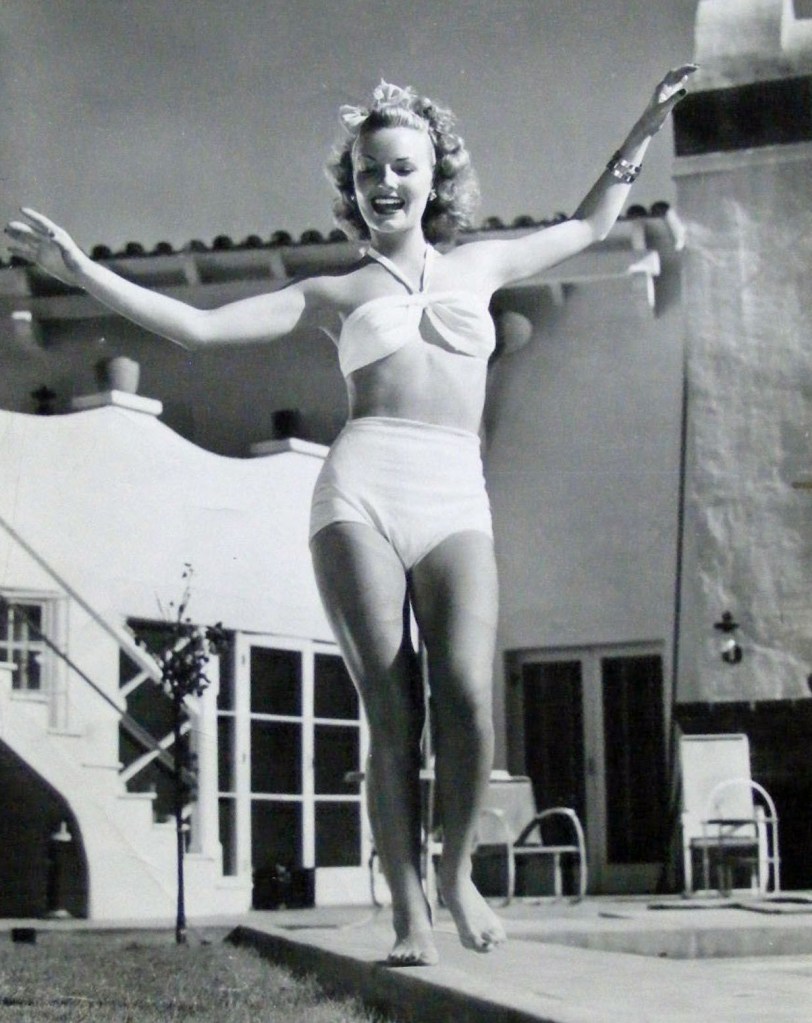
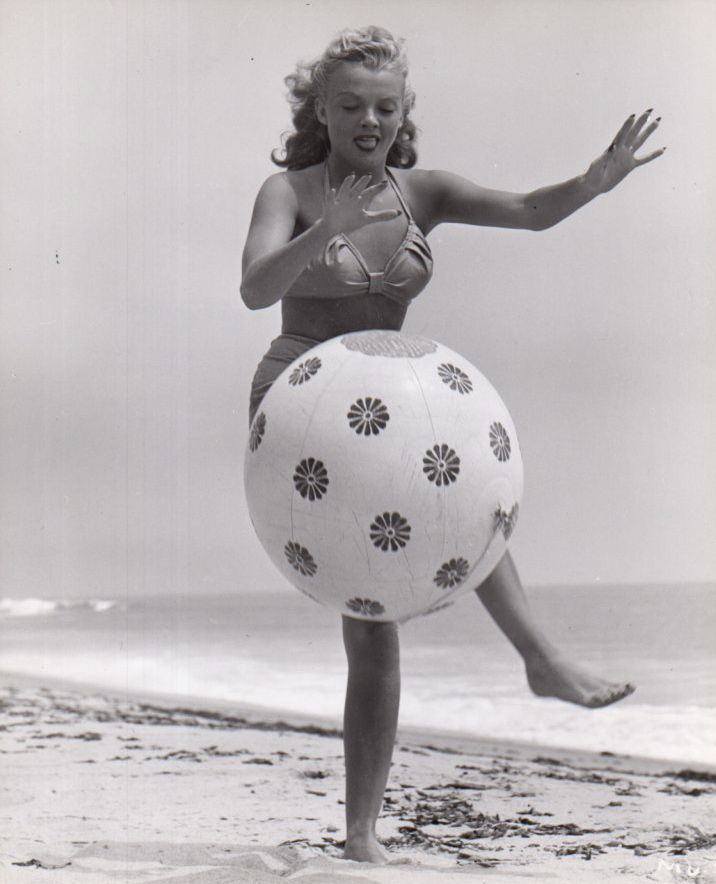
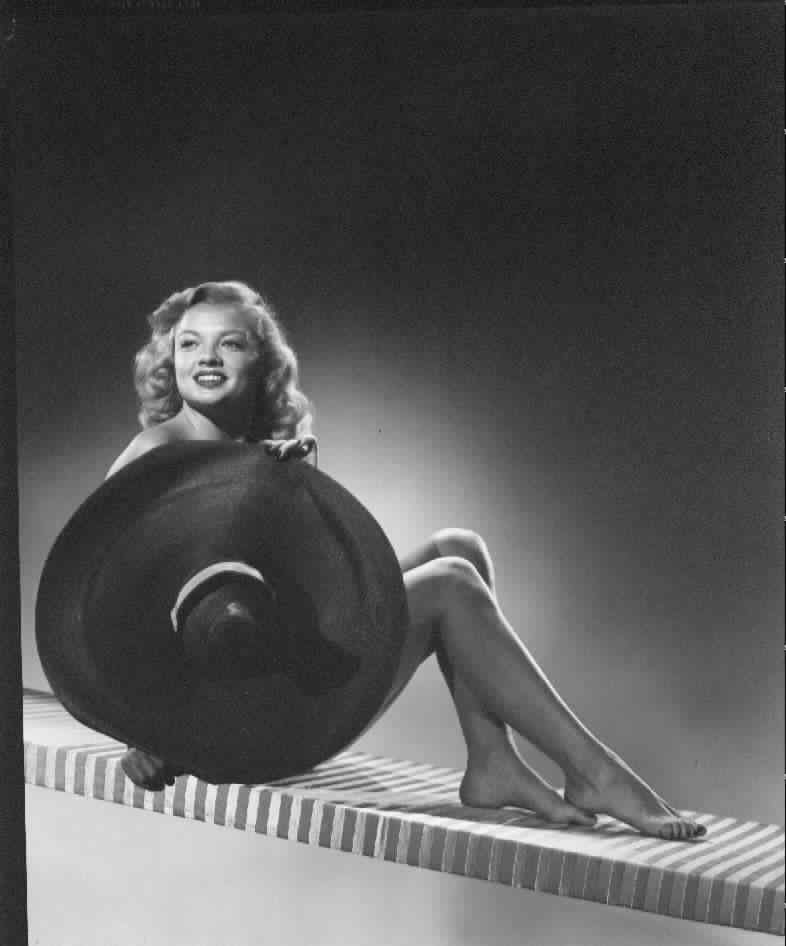
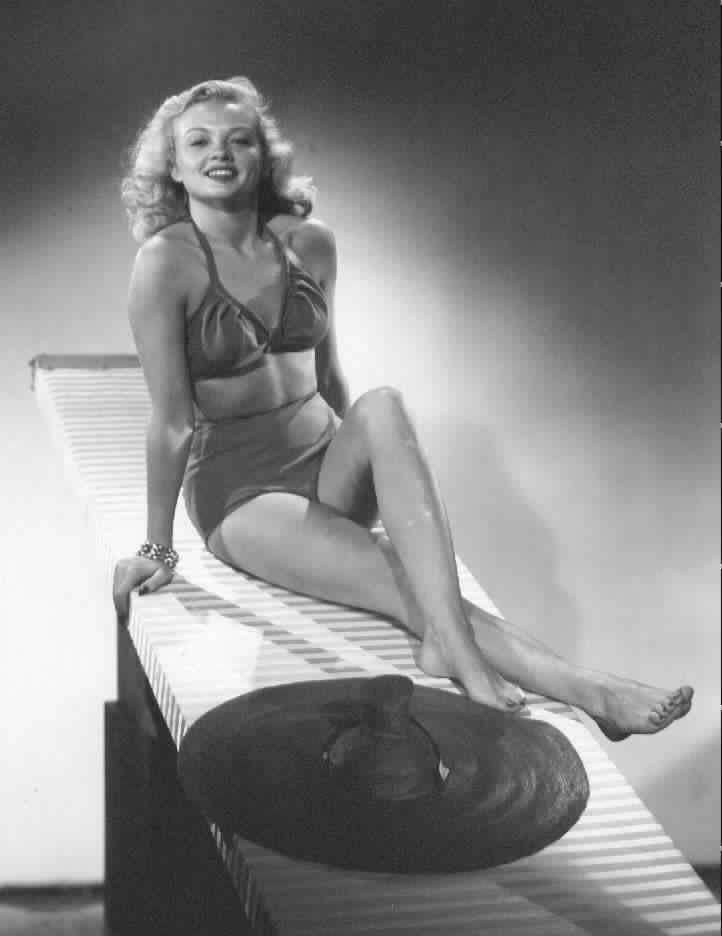
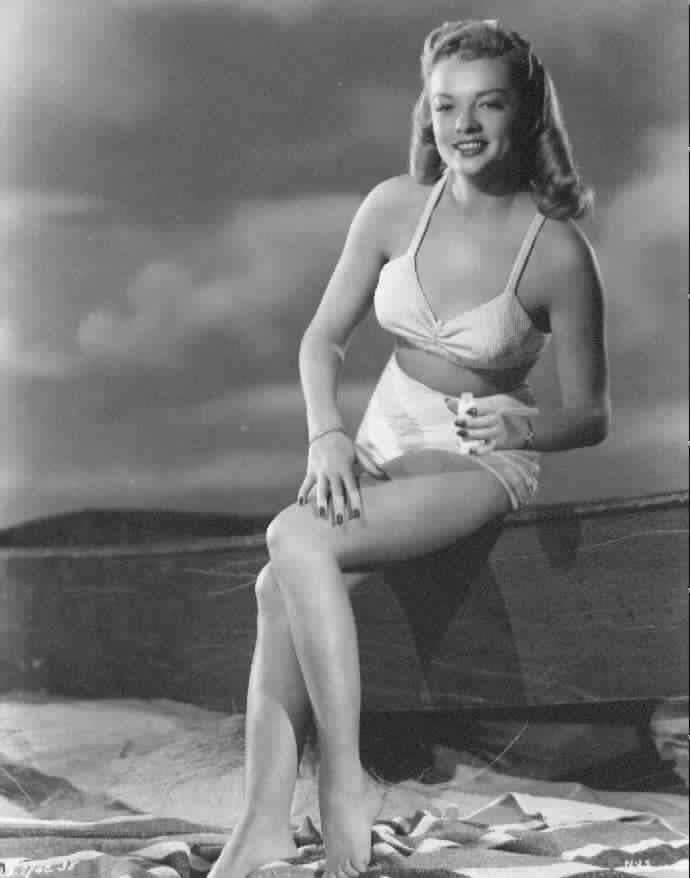
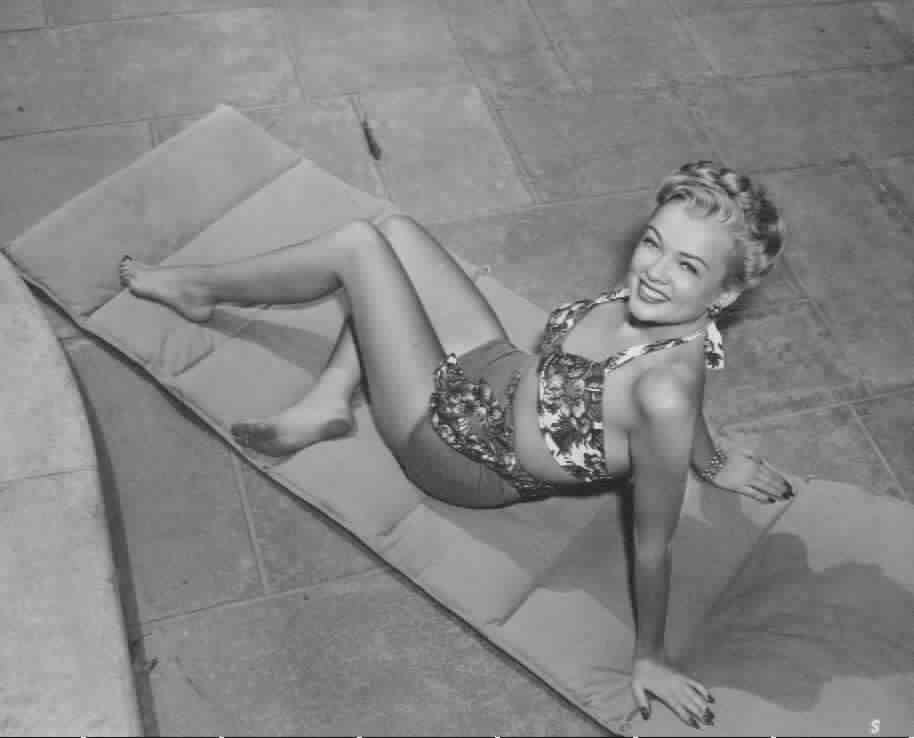
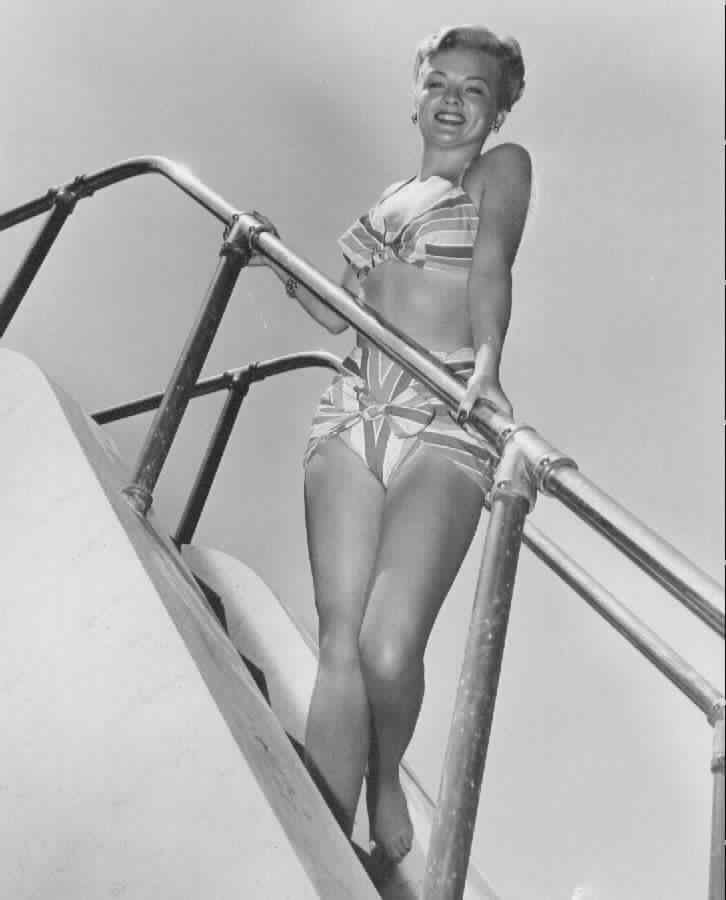
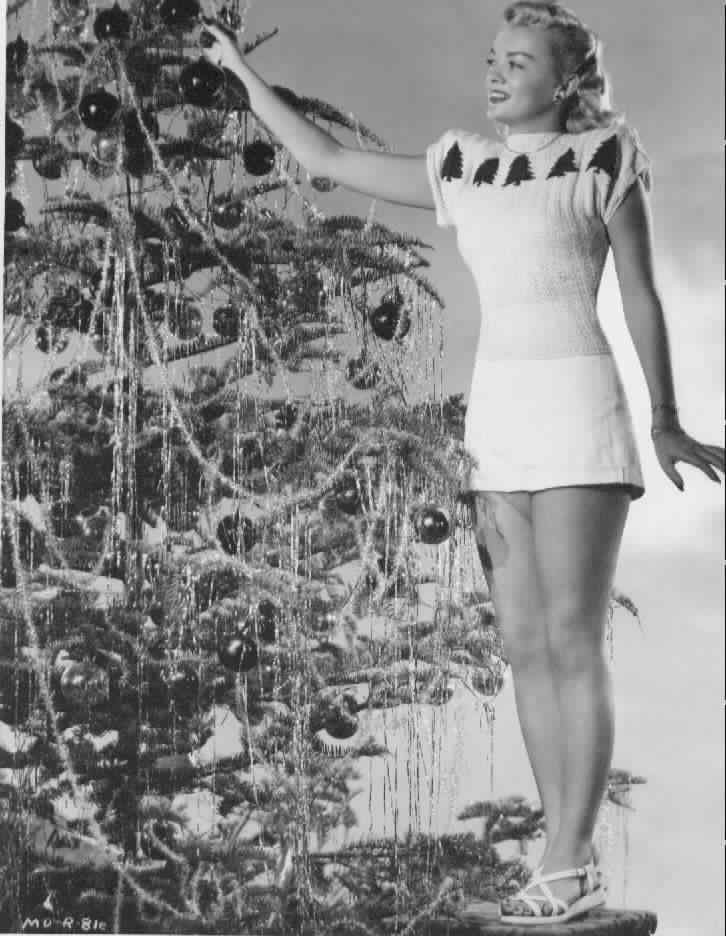
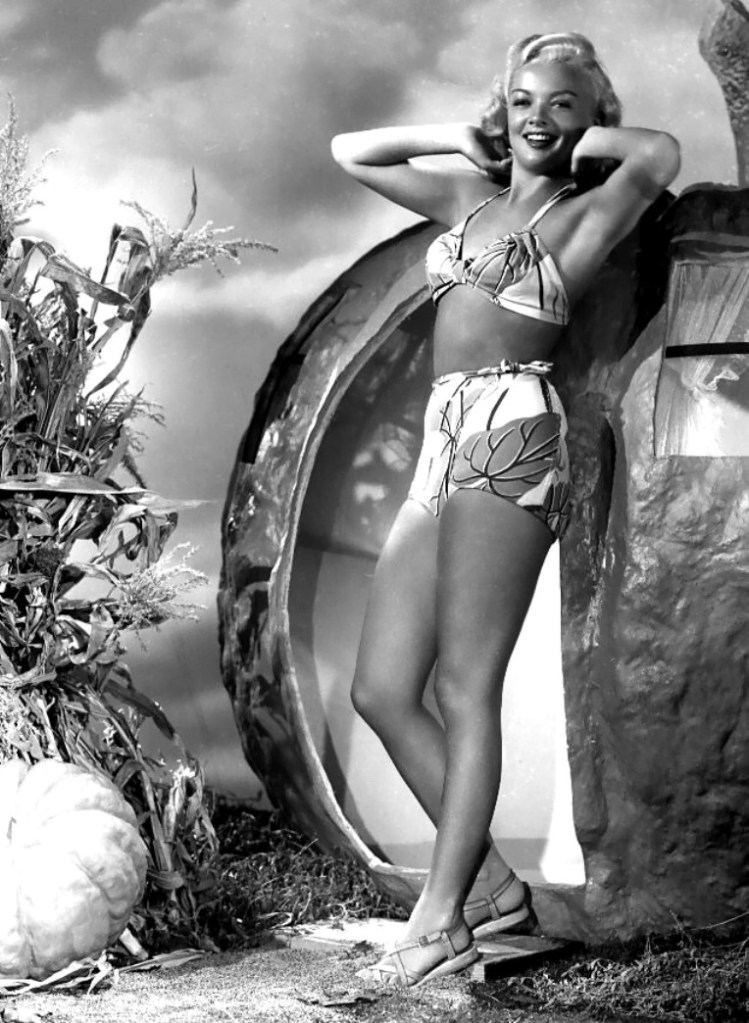
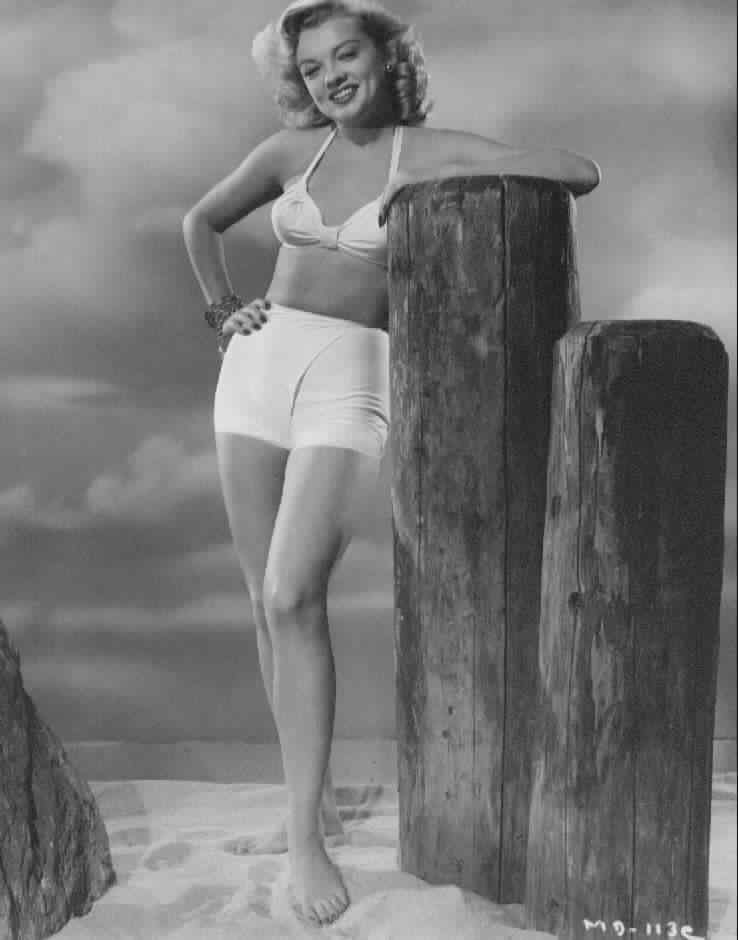
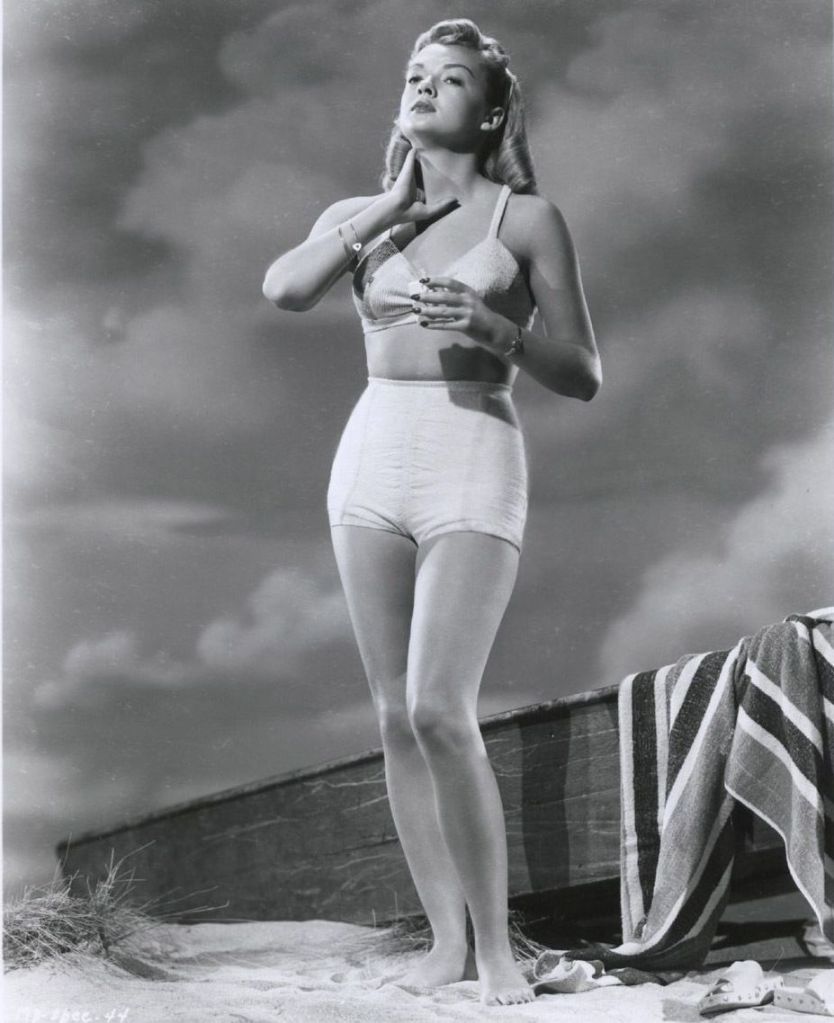
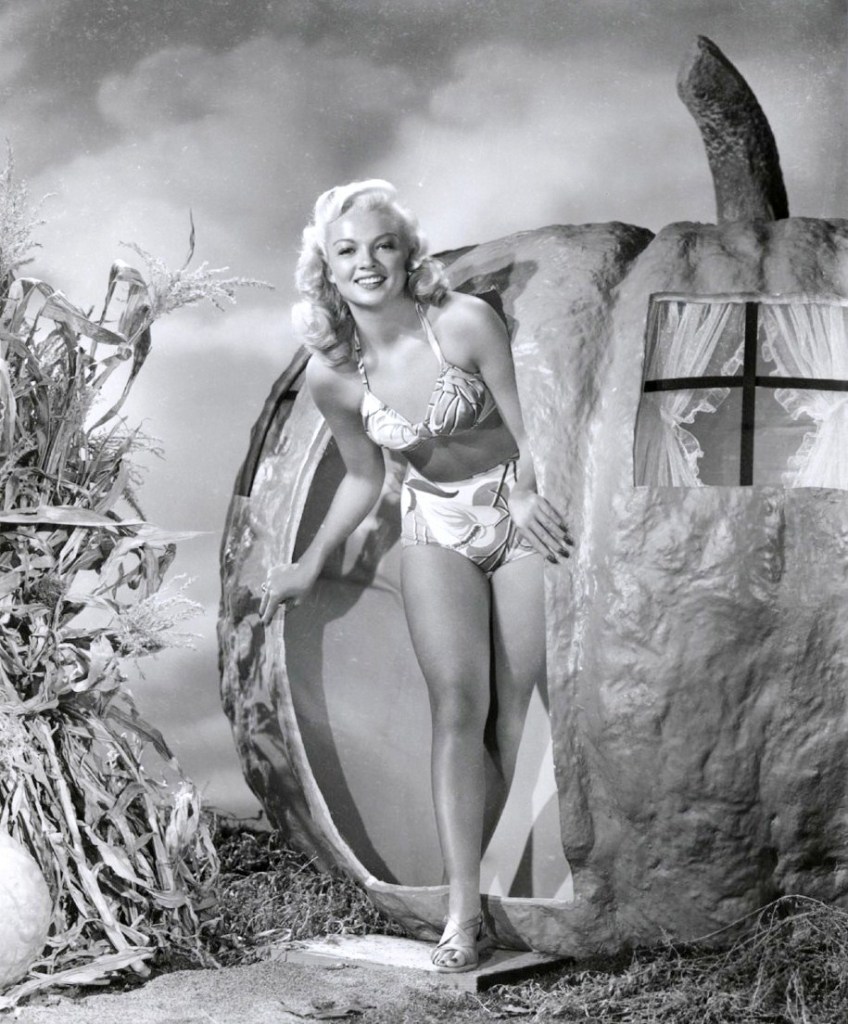
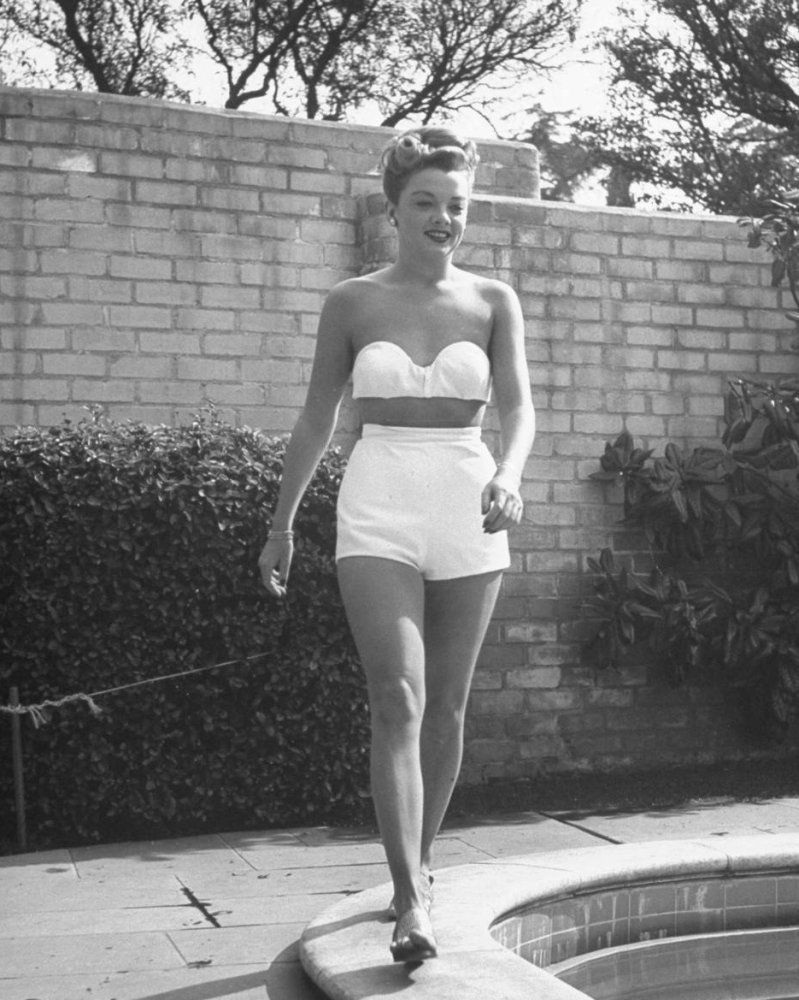
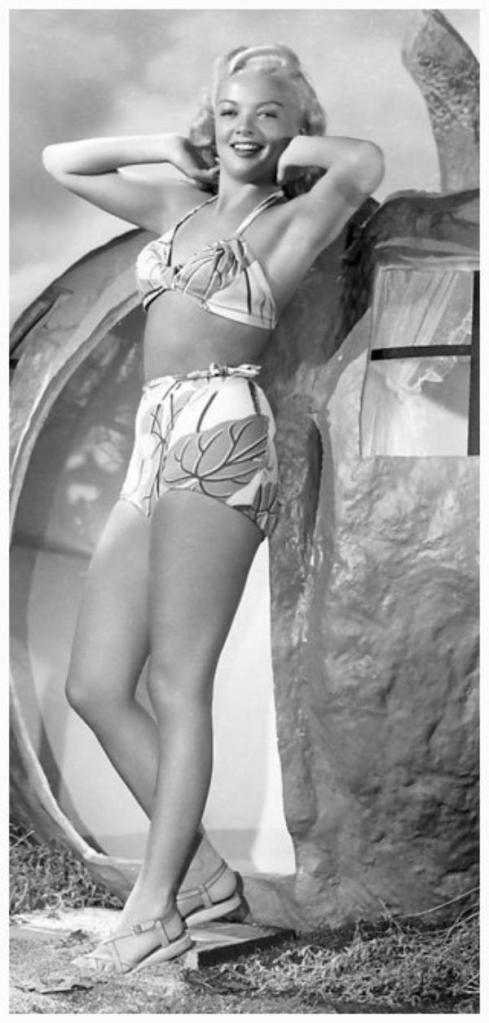
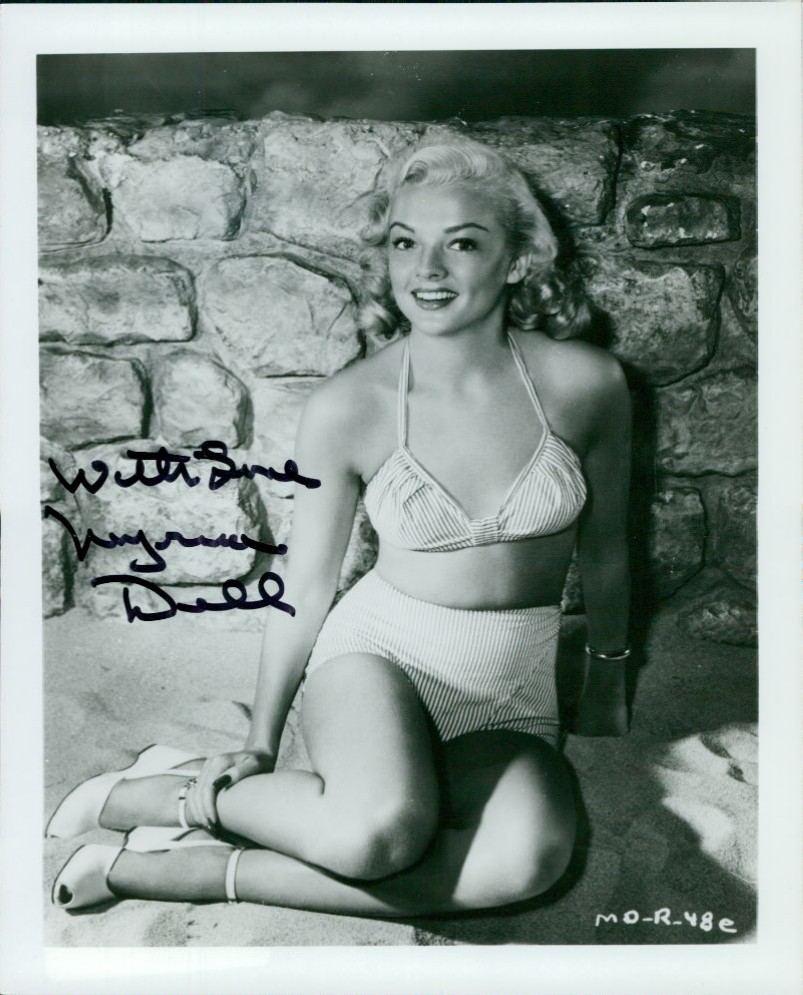
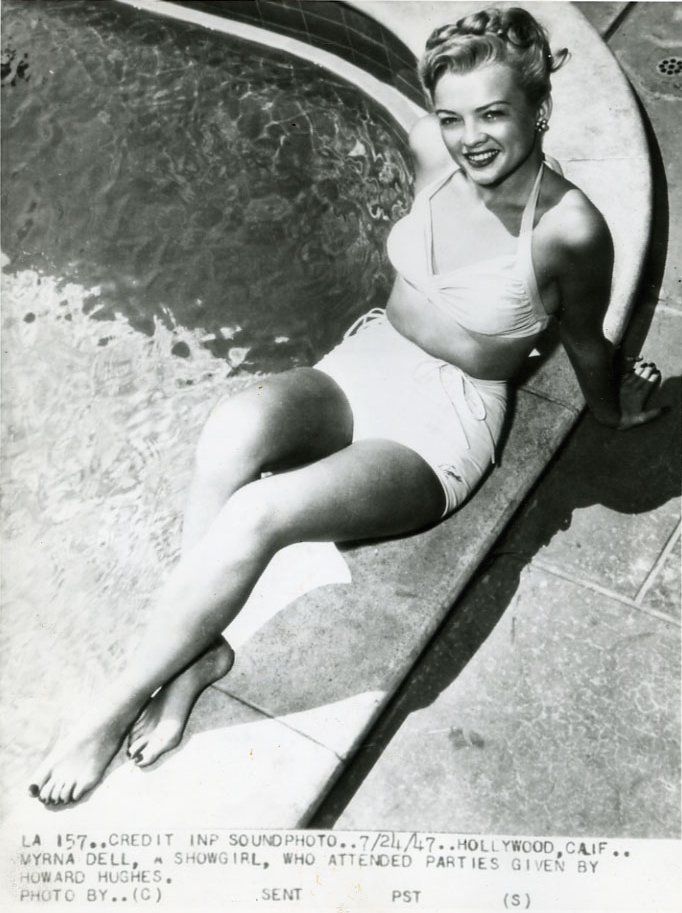
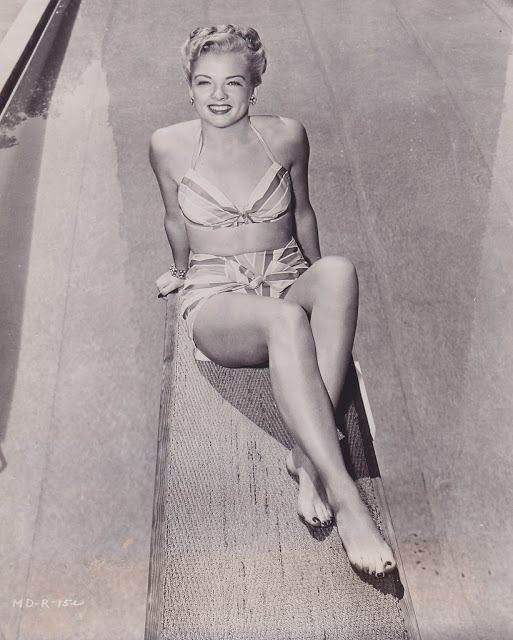
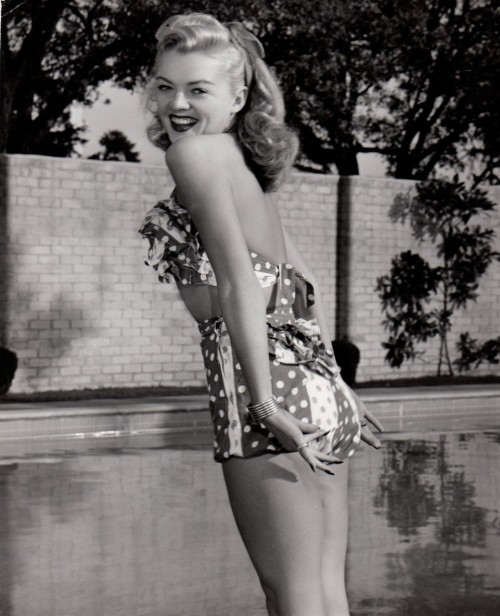
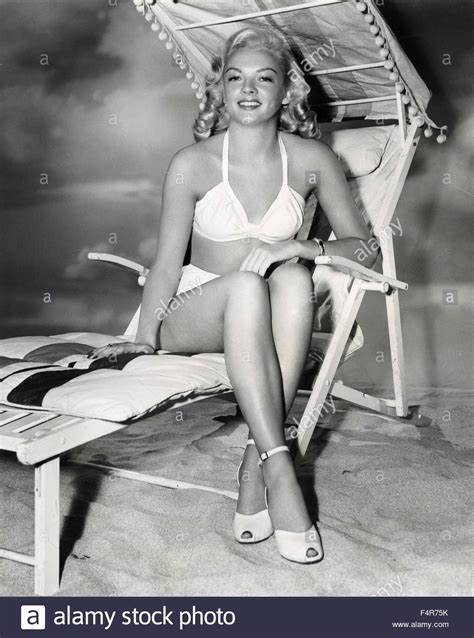
36 Beautiful Vintage Photos of Actress Myrna Dell Wearing a Bikini in the 1940s and 1950s

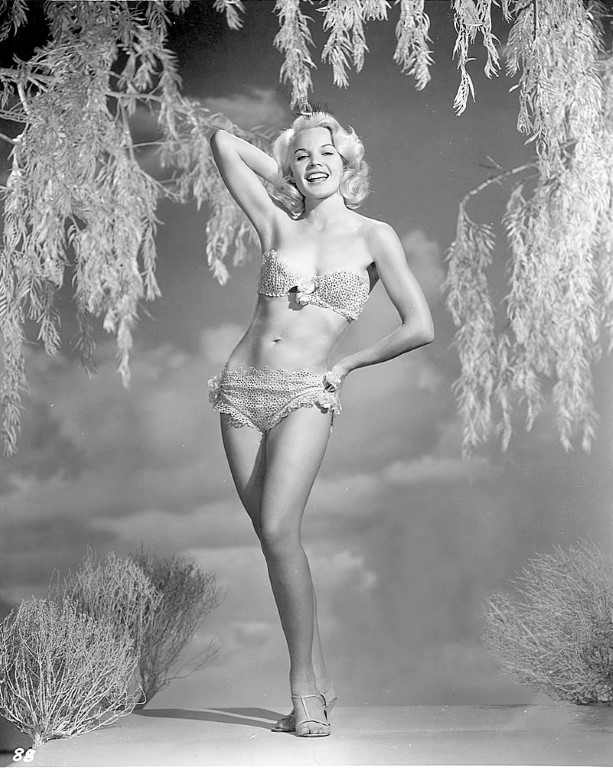
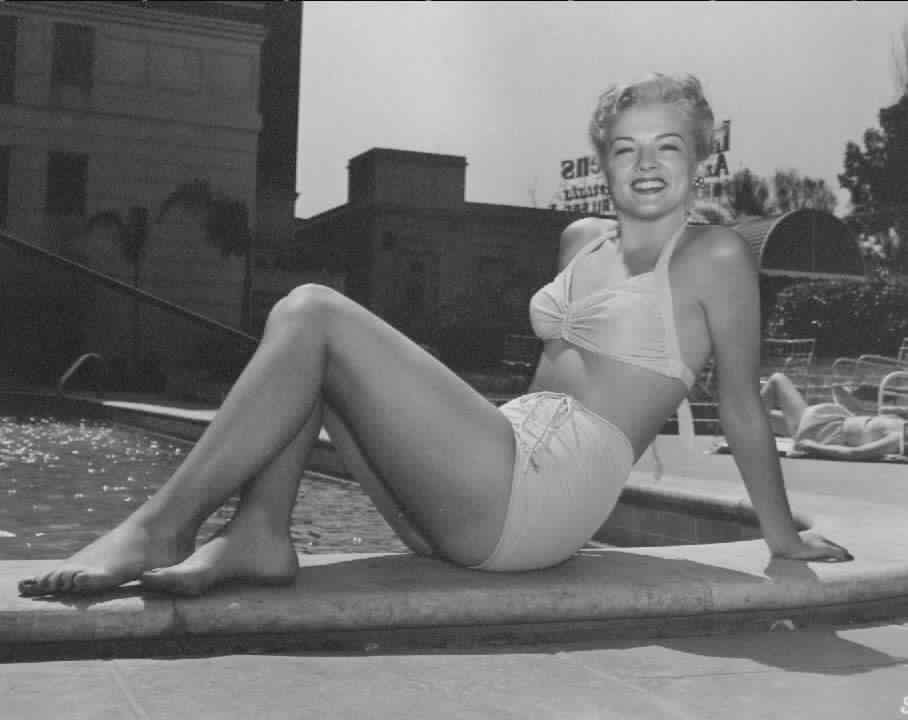
Myrna Dell (born Marilyn Adele Dunlap; March 5, 1924 – February 11, 2011) was an American actress, model, and writer who appeared in numerous motion pictures and television programs over four decades. A Hollywood glamour girl in the early part of her career, she is best known today for her work in B-pictures, particularly film noir and Westerns.

Early life and career

Dell’s mother was silent-film actress Carol Price. Dell entered show business when she was 16 as a dancer with the Earl Carroll Revue. Her film debut came in A Night at Earl Carroll’s (1940), after which she appeared in Ziegfeld Girl (1941), Raiders of Red Gap (1943), Up in Arms (1943), and Show Business (1944). She began making dramatic appearances in several Western films with Hoot Gibson and Bob Steele, and later had a supporting role with Van Johnson in Thirty Seconds Over Tokyo (1944). Following a move to RKO Studios in 1949 she starred opposite Ronald Reagan in The Girl from Jones Beach and later secured a recurring role in The Falcon film series opposite Tom Conway. She also had parts in such films as The Spiral Staircase (1945), The Locket (1946), Step by Step (1946), Fighting Father Dunne (1948), Guns of Hate (1948), The Lost Tribe (1949), Destination Murder (1950), and Reunion in Reno (1951).

She was a familiar face in film noir, playing glamour girls, gold diggers, and “tough broads” in such well-regarded pictures as Nocturne (1946), The Locket (1946), and The Strip (1951), including a featured role as a femme fatale in the 1951 B-picture Destination Murder.

Dell later became a household name in television appearing on such programs as Gang Busters, Lux Video Theatre, Crusader, Dragnet, The Ethel Barrymore Theatre, Maverick, Pete and Gladys, Batman, Hazel, The Donna Reed Show, and The Texan. Her last film appearance was in Buddy Buddy (1981) as well as an uncredited appearance in an episode of Unsolved Mysteries.

She once told a reporter that she loathed the glamour girl image, stating, “After a time … a girl gets bored with the glamour, the atmosphere, the drinking, the cigarettes to smoke, the wolves.” In her later years, she worked as a writer for Hollywood: Then and Now Magazine in which she shared countless stories about her days as an actress and thanking such figures as Jack L. Warner, Louis B. Meyer, and Samuel Goldwyn for their contributions to the film industry. She and actress Jacqueline White are often credited for creating autograph shows.

Personal life

On June 15, 1951, Dell married Jack Buchtel, a restaurateur. In the 1960s, she married Herbert Patterson, an actor.[11]

A California native all her life, Dell continued living in state by spending her final years in Studio City, California answering fan mail and keeping her fans up to date through her personal website. She died from natural causes on February 11, 2011 at her studio apartment one month shy of her 87th birthday. She was survived by one daughter, Laura Patterson, who spread her ashes next to the Hollywood Sign. (Wikipedia)
Historical Photos of John Mccain as a Prisoner of War in Vietnam

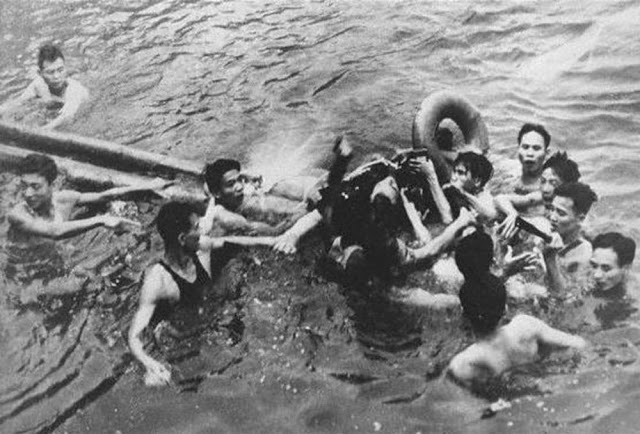
John McCain’s capture and subsequent imprisonment occurred on October 26, 1967. He was flying his 23rd bombing mission over North Vietnam when his A-4E Skyhawk was shot down by a missile over Hanoi. McCain fractured both arms and a leg when he ejected from the aircraft, and nearly drowned after he parachuted into Trúc B?ch Lake. Some North Vietnamese pulled him ashore, then others crushed his shoulder with a rifle butt and bayoneted him. McCain was then transported to Hanoi’s main H?a Lò Prison, nicknamed the “Hanoi Hilton”.

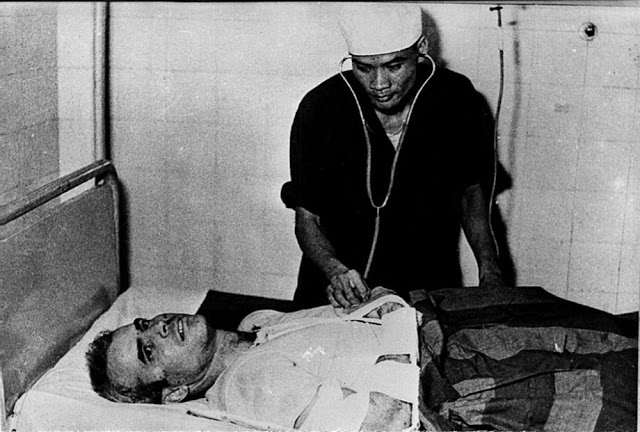
Although McCain was seriously wounded and injured, his captors refused to treat him. They beat and interrogated him to get information, and he was given medical care only when the North Vietnamese discovered that his father was a high-ranking admiral. His status as a prisoner of war (POW) made the front pages of major newspapers.
McCain spent six weeks in the hospital, where he received marginal care. He had lost 50 pounds (23 kg), was in a chest cast, and his gray hair had turned as white as snow. McCain was sent to a different camp on the outskirts of Hanoi. In December 1967, McCain was placed in a cell with two other Americans who did not expect him to live more than a week. In March 1968, McCain was placed into solitary confinement, where he would remain for two years.

In mid-1968, his father John S. McCain Jr. was named commander of all U.S. forces in the Vietnam theater, and the North Vietnamese offered McCain early release because they wanted to appear merciful for propaganda purposes, and also to show other POWs that elite prisoners were willing to be treated preferentially. McCain refused repatriation unless every man taken in before him was also released. Such early release was prohibited by the POWs’ interpretation of the military Code of Conduct which states in Article III: “I will accept neither parole nor special favors from the enemy”. To prevent the enemy from using prisoners for propaganda, officers were to agree to be released in the order in which they were captured.

Beginning in August 1968, McCain was subjected to a program of severe torture. He was bound and beaten every two hours; this punishment occurred at the same time that he was suffering from dysentery. Further injuries brought McCain to “the point of suicide,” but his preparations were interrupted by guards. Eventually, McCain made an anti-U.S. propaganda “confession”. He has always felt that his statement was dishonorable, but as he later wrote, “I had learned what we all learned over there: every man has his breaking point. I had reached mine.” Many U.S. POWs were tortured and maltreated in order to extract “confessions” and propaganda statements; virtually all of them eventually yielded something to their captors. McCain received two to three beatings weekly because of his continued refusal to sign additional statements.

McCain refused to meet various anti-war groups seeking peace in Hanoi, wanting to give neither them nor the North Vietnamese a propaganda victory. From late 1969, treatment of McCain and many of the other POWs became more tolerable, while McCain continued actively to resist the camp authorities. McCain and other prisoners cheered the U.S. “Christmas Bombing” campaign of December 1972, viewing it as a forceful measure to push North Vietnam to terms.

McCain was a prisoner of war in North Vietnam for five and a half years until his release on March 14, 1973. His wartime injuries left him permanently incapable of raising his arms above his head.

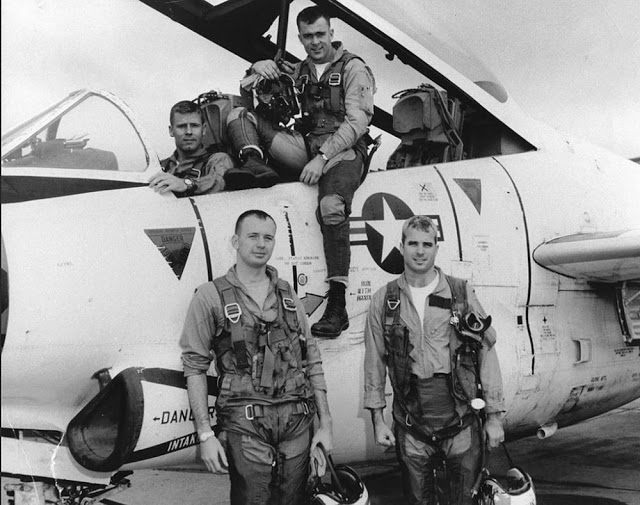
John McCain (front right) with his squadron and T-2 Buckeye trainer, in 1965.
John McCain being pulled out of Trúc Buch Lake in Hanoi and about to become a prisoner of war, on October 26, 1967.
John McCain is administered to in a Hanoi, Vietnam hospital as a prisoner of war in the fall of 1967.
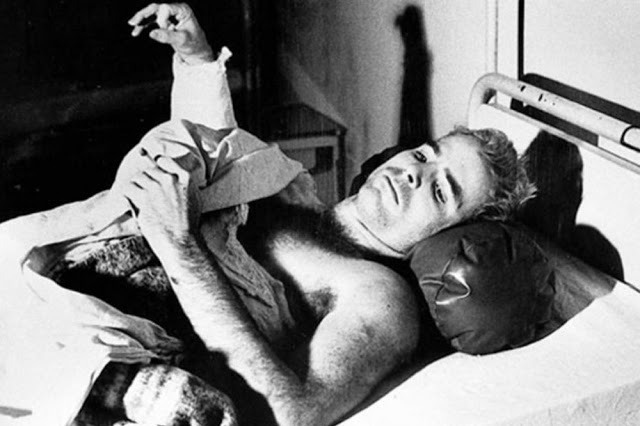
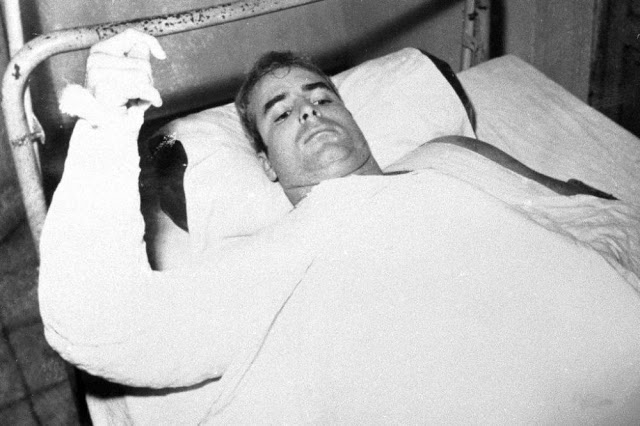
In this undated photo, John McCain is seen lying injured in North Vietnam wearing an arm cast.
John McCain lies in a hospital bed in Hanoi, North Vietnam, after being taken prisoner of war.
This file picture taken in 1967 shows US Navy Air Force Major John McCain lying on a bed in a Hanoi hospital as he was being given medical care for his injuries.
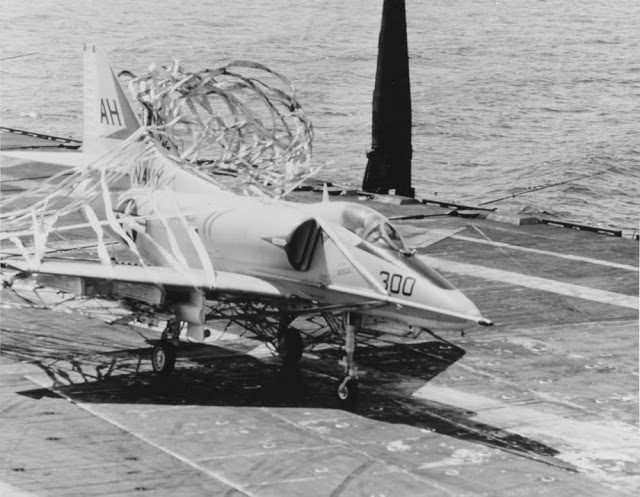
The A-4E (BuNo 149959) six days before McCain was shot down with it, landed by another pilot aboard Oriskany.
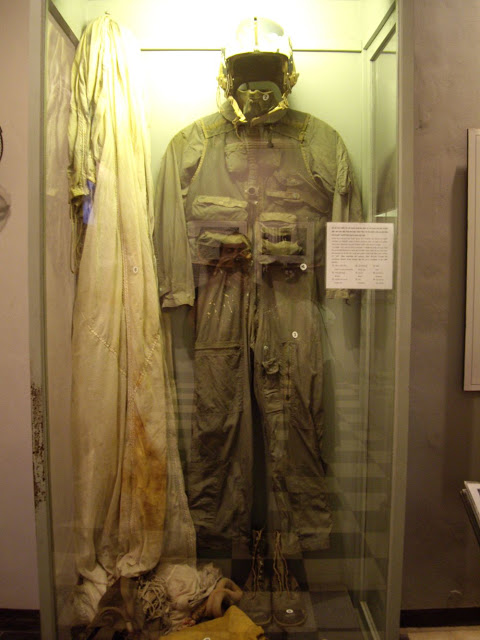
Decades later, McCain’s flight suit and gear were put on display at a museum in the remaining portion of Ha Lò Prison.
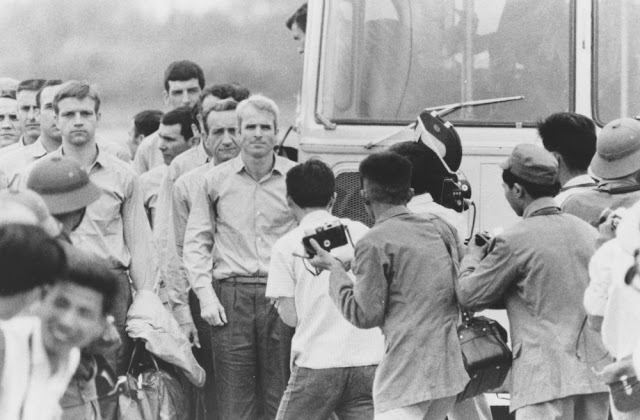
John McCain is escorted by Lt. Cmdr. Jay Coupe Jr., public relations officer, to Hanoi’s Gia Lam Airport after the POW was released.
John McCain during his release as a POW in March 1973.
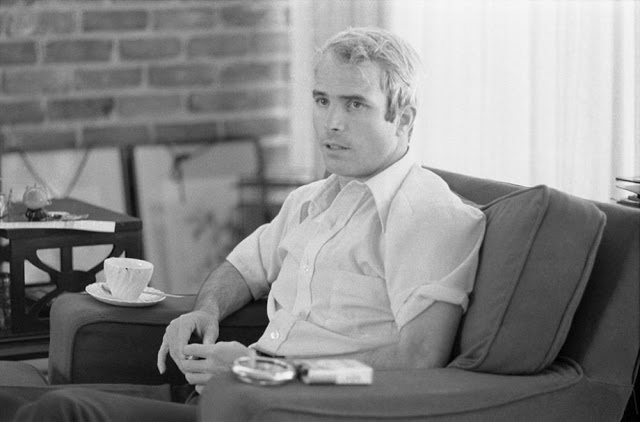
McCain giving an interview to the press on April 24, 1973, after his return from Vietnam. Photo by US News and World Report.
John Mccain is welcomed by U.S. President Richard Nixon upon Mccain’s release from five and one-half years as a POW during the Vietnam War. Washington, D.C., May 24, 1973.

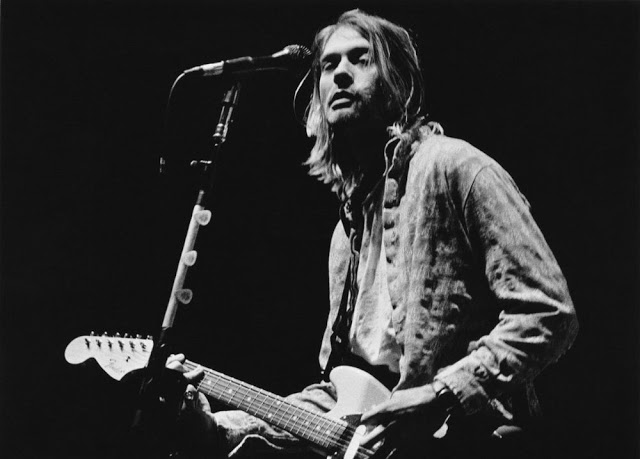
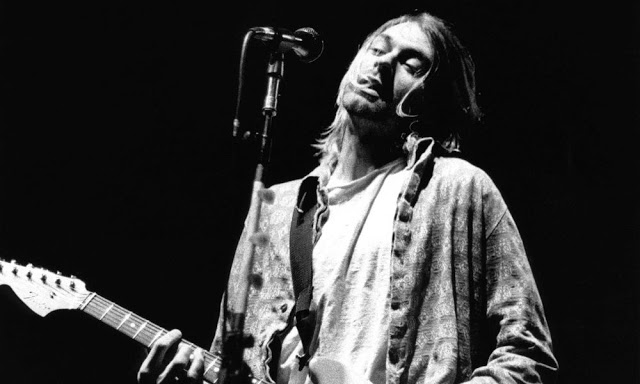
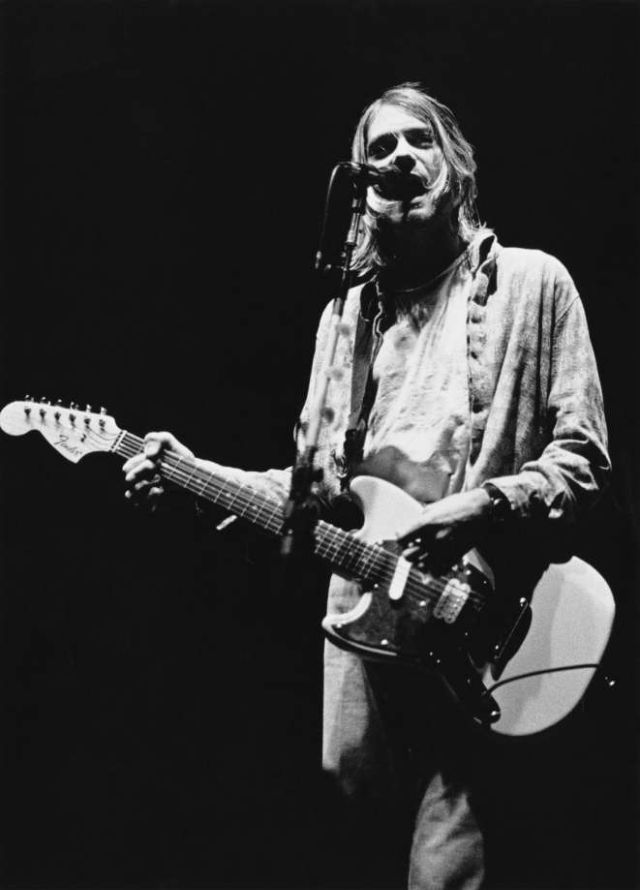
March 1, 1994: Five Weeks Before Kurt Cobain’s Death, Nirvana Performed Their Final Concert in Munich, Germany

Nirvana’s last concert ever took place on March 1st, 1994 in Munich, Germany, at Terminal Einz, an airplane hanger that fit 3,050 people. It was far from an ideal venue for a rock show and the acoustics were terrible, though Cobain didn’t realize this until the performance began since he skipped out on the soundcheck. The band opened with a sarcastic version of “My Best Friend’s Girl” by the Cars and had to start “Come as You Are” over again when the power went out. It was obvious to everyone in the crowd that Cobain was experiencing severe vocal issues.

By the time Nirvana reached Munich, Cobain was suffering from bronchitis as a result of the rigors of their European tour. Cellist Melora Creager joined the band for this leg, replacing Lori Goldston who spent the previous year on the road with the group. They also decided to have touring guitarist Pat Smear take over back-up vocal duties from Dave Grohl.

Bassist Krist Novoselic noted the Spinal Tap-like circumstances and said, “We’re not playing the Munich Enormodome tonight. Because our careers are on the wane. We’re on the way out. Grunge is dead. Nirvana’s over. … Our next record’s going to be a hip-hop record!”

After a brief delay, the power returned, and the band picked up where it left off, after removing the next song on the proposed set list, “Smells Like Teen Spirit.” The 23-song concert ended with “Heart-Shaped Box.” At 80 minutes, it was the shortest show of the tour.

Because of Cobain’s health, Nirvana canceled the rest of their European dates and Cobain flew to Rome to recuperate. Three days later, he was rushed to the hospital after overdosing on champagne and Rohypnol, which he had been taking to relieve the chronic stomach pain he had been suffering from for much of his adult life. At the time, it was suspected that overdose was accidental, but in the aftermath of his death, it was acknowledged that it was a suicide attempt.

A month later, on April 5, Cobain shot himself in his home. His body was discovered by an electrician three days later.

Amazing Examples of the Live-Action Reference Filmed for Disney’s “Cinderella” (1950) as You’ve Never Seen Before

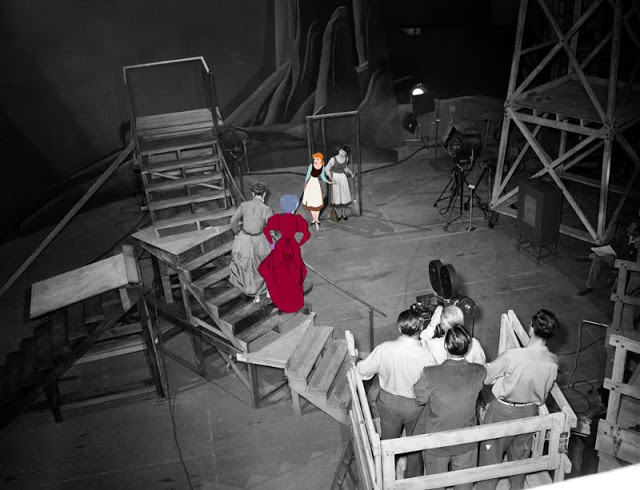
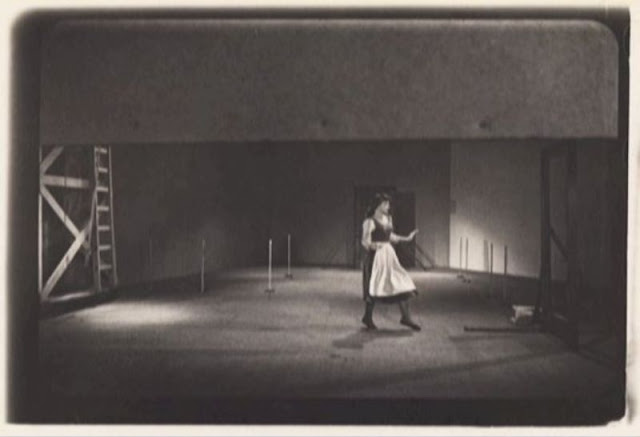
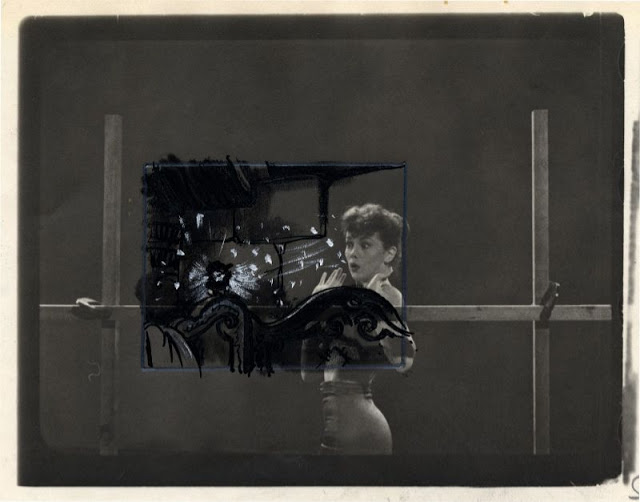
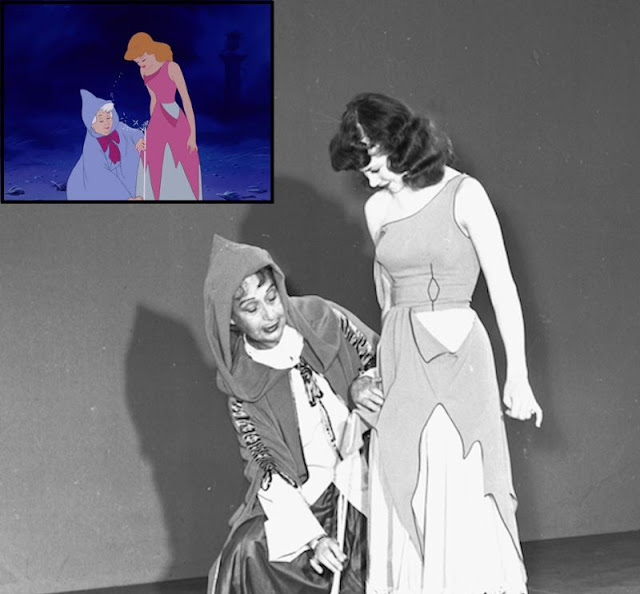
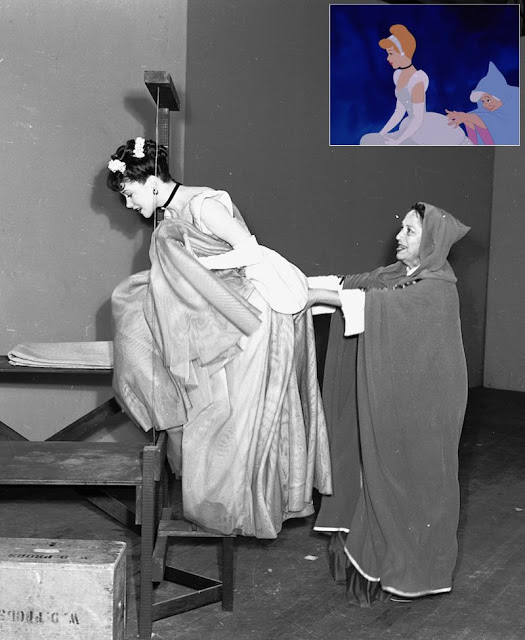
A lot of you have probably seen the live action version of Cinderella that came out in 2015. Well long before Lily James took on the role, another actress played Cinderella at the Walt Disney Studios, Helene Stanley.

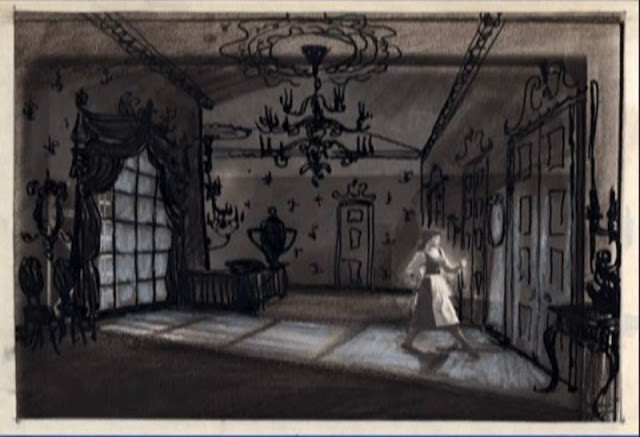
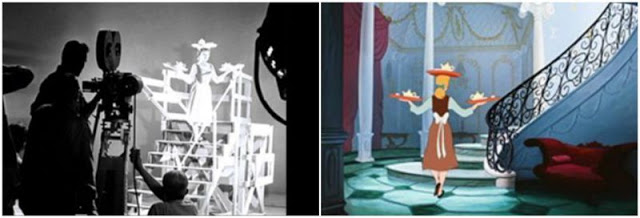
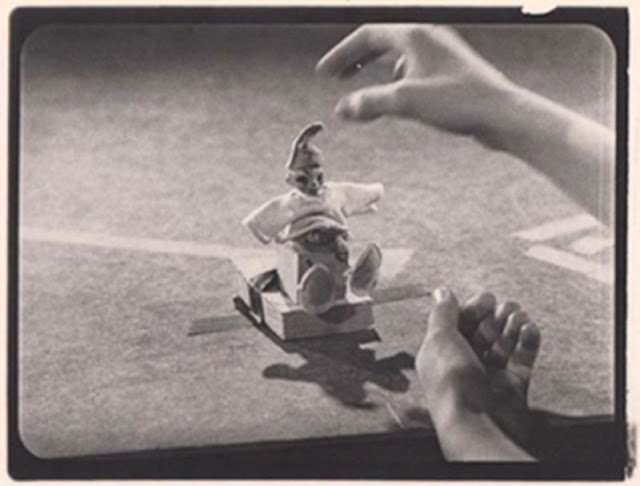
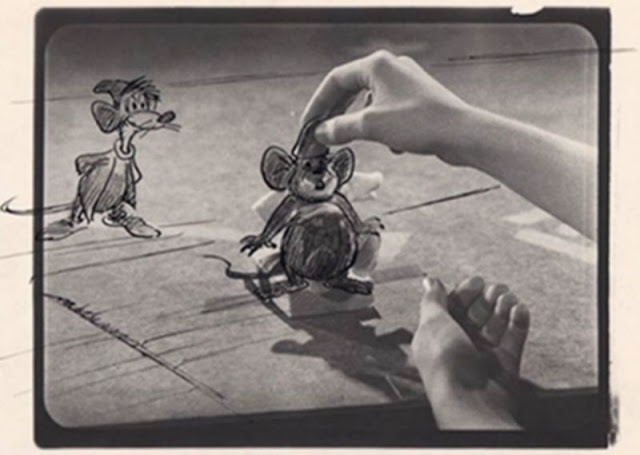
Stanley was a live action reference model for the animated 1950 film of Cinderella. She, along with several other models, acted out the entire film in costume in front of cameras so the animators could study the footage when drawing the animated characters. This technique was not a new one, but it was one that was integral to the making of Cinderella in a way it never had been for any Disney film before, or really ever would be again.

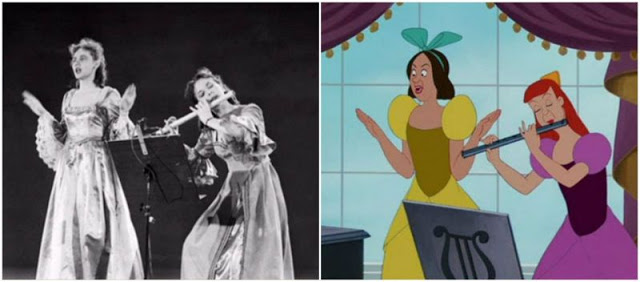
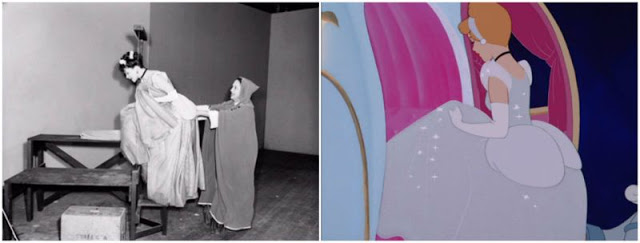
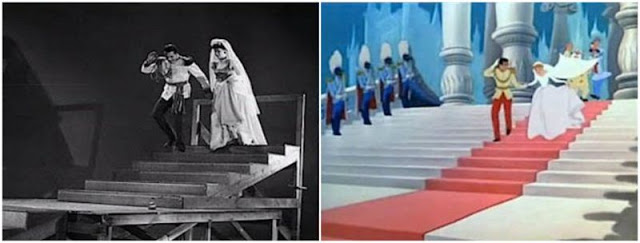
Here, Helene Stanley doing live action reference for Cinderella, with Jeffrey Stone as Prince Charming, Mary Alice O’Connor as the Fairy Godmother, and Eleanor Audley as Lady Tremaine. Helene also did live action for one of the stepsisters, Anastasia, alongside Rhoda Williams who modeled for Drizella.

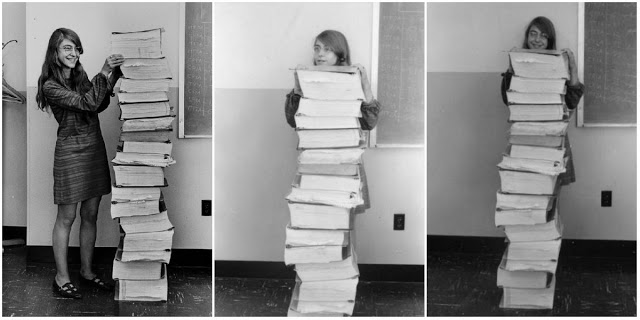
Margaret Hamilton Poses Next to a Huge Stack of Code She Wrote by Hand That Took Humanity to the Moon in 1969

Half a century ago, MIT played a critical role in the development of the flight software for NASA’s Apollo program, which landed humans on the moon for the first time in 1969. One of the many contributors to this effort was Margaret Hamilton, a computer scientist who led the Software Engineering Division of the MIT Instrumentation Laboratory, which in 1961 contracted with NASA to develop the Apollo program’s guidance system. For her work during this period, Hamilton has been credited with popularizing the concept of software engineering.

Hamilton in 1969, standing next to listings of the software she and her MIT team produced for the Apollo project.

She explained in an interview with the Spanish newspaper El Pais why she chose to call it software engineering: “I fought to bring the software legitimacy so that it—and those building it—would be given its due respect and thus I began to use the term ‘software engineering’ to distinguish it from hardware and other kinds of engineering, yet treat each type of engineering as part of the overall systems engineering process. When I first started using this phrase, it was considered to be quite amusing. It was an ongoing joke for a long time. They liked to kid me about my radical ideas. Software eventually and necessarily gained the same respect as any other discipline.”

Margaret Hamilton (born August 17, 1936) is an American computer scientist who was one of the first computer software programmers; she created the term software engineer to describe her work. She helped write the computer code for the command and lunar modules used on the Apollo missions to the Moon in the late 1960s and early ’70s.

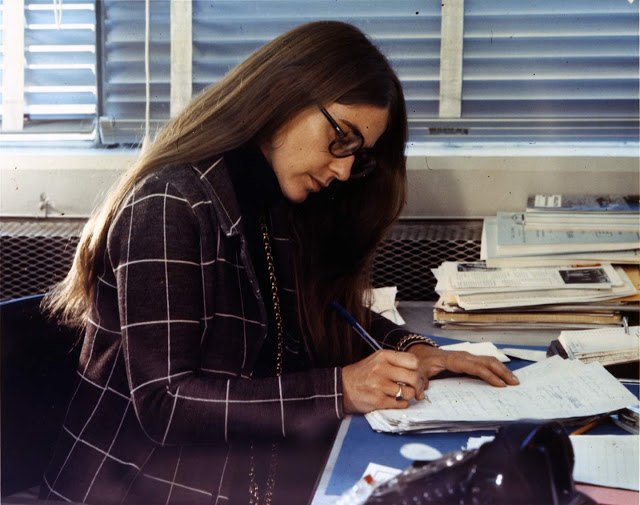
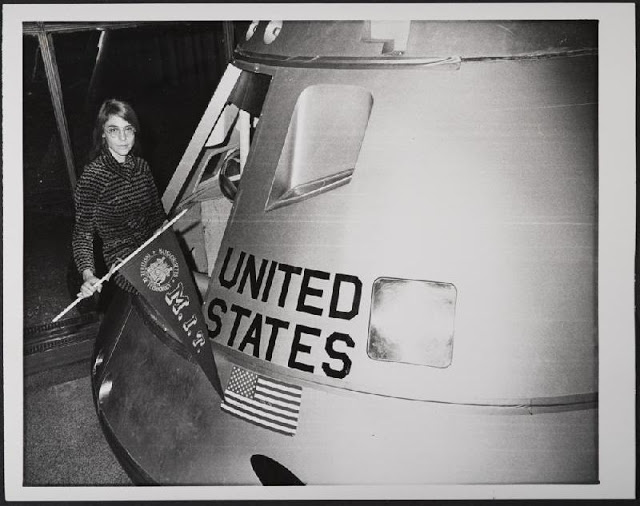
Margaret Hamilton at work in Draper Laboratory Staff during the Apollo missions.
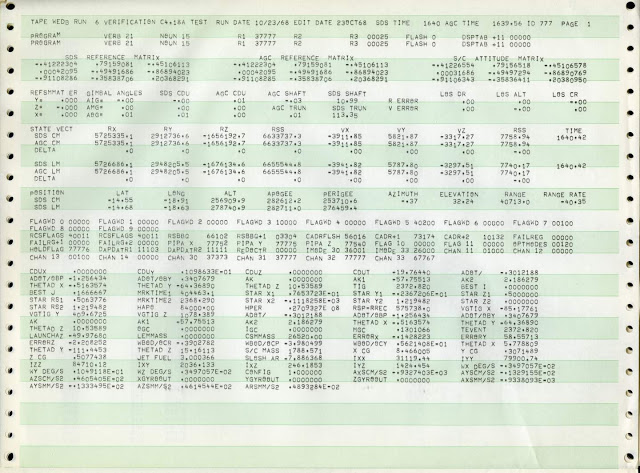
One of the many pages that make up Margaret Hamilton’s program listings from the Apollo Guidance Computers.

While studying mathematics and philosophy at Earlham College in Richmond, Indiana, she met James Hamilton, and they subsequently married. After graduating in 1958, she taught high school mathematics for a short time. The couple then moved to Boston. Although Margaret planned to study abstract mathematics at Brandeis University, she accepted a job at the Massachusetts Institute of Technology (MIT) while her husband attended Harvard Law School. At MIT she began programming software to predict the weather and did postgraduate work in meteorology.

In the early 1960s Hamilton joined MIT’s Lincoln Laboratory, where she was involved in the Semi-Automatic Ground Environment (SAGE) project, the first U.S. air defense system. She notably wrote software for a program to identify enemy aircraft. Hamilton next worked at MIT’s Instrumentation Laboratory (now the independent Charles Stark Draper Laboratory), which provided aeronautical technology for the National Aeronautics and Space Administration (NASA). She led a team that was tasked with developing the software for the guidance and control systems of the in-flight command and lunar modules of the Apollo missions. At the time, no schools taught software engineering, so the team members had to work out any problems on their own. Hamilton herself specifically concentrated on software to detect system errors and to recover information in a computer crash. Both those elements were crucial during the Apollo 11 mission (1969), which took astronauts Neil Armstrong and Buzz Aldrin to the Moon.

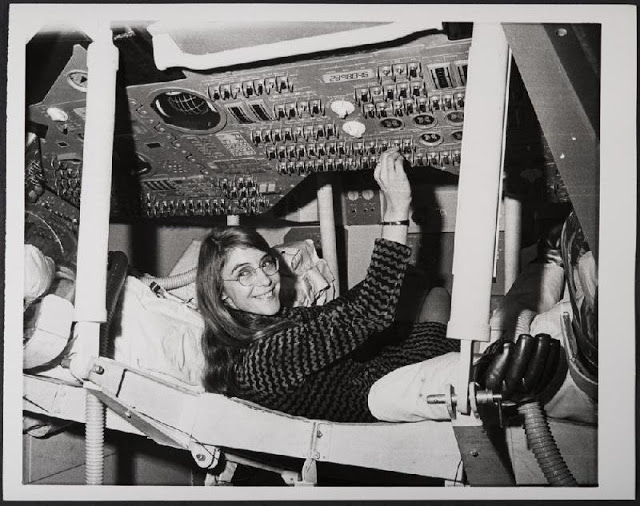
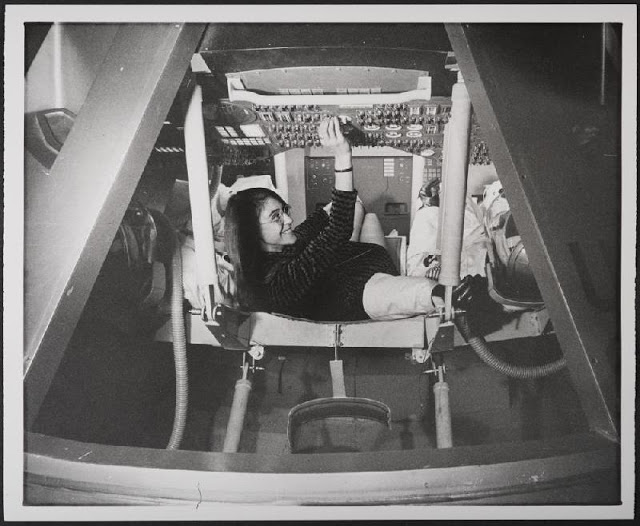
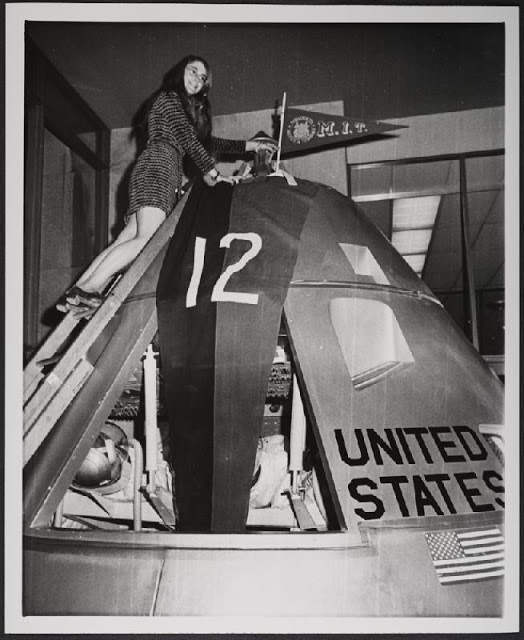
Hamilton in an Apollo Command Module during her time as lead Apollo flight software designer.

Hamilton left MIT in the mid-1970s to work in the private sector. She cofounded the company Higher Order Software in 1976 and established Hamilton Technologies 10 years later.

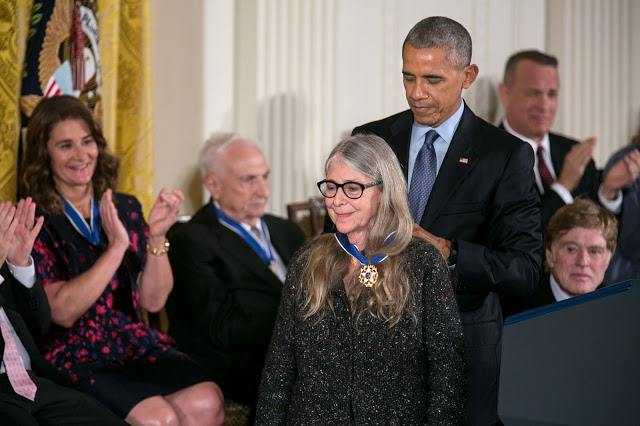
Hamilton was the recipient of various honors, including NASA’s Exceptional Space Act Award (2003). Pres. Barack Obama presented her with the Presidential Medal of Freedom in 2016.

President Barack Obama presents the Presidential Medal of Freedom to Margaret H. Hamilton during a ceremony in the East Room of the White House, Nov. 22, 2016.

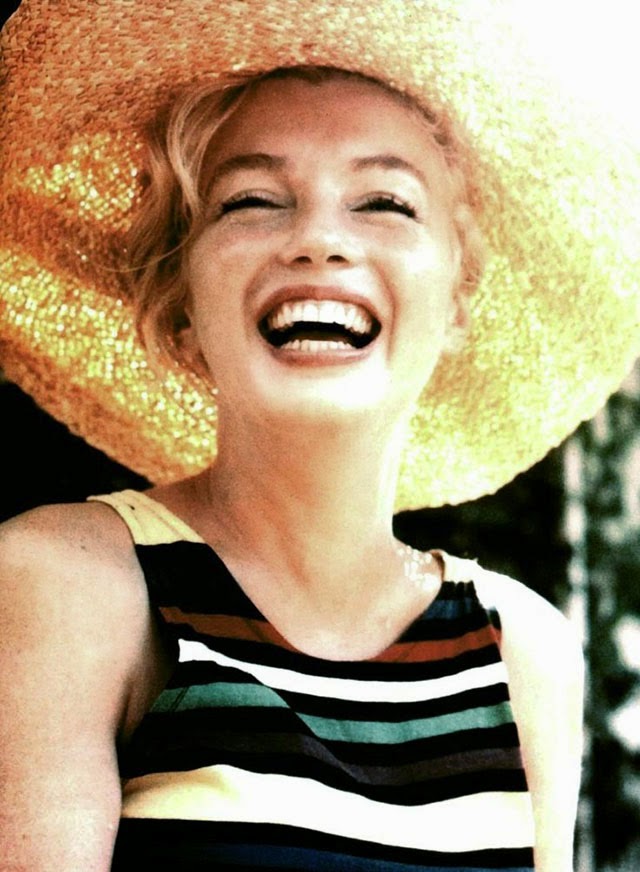
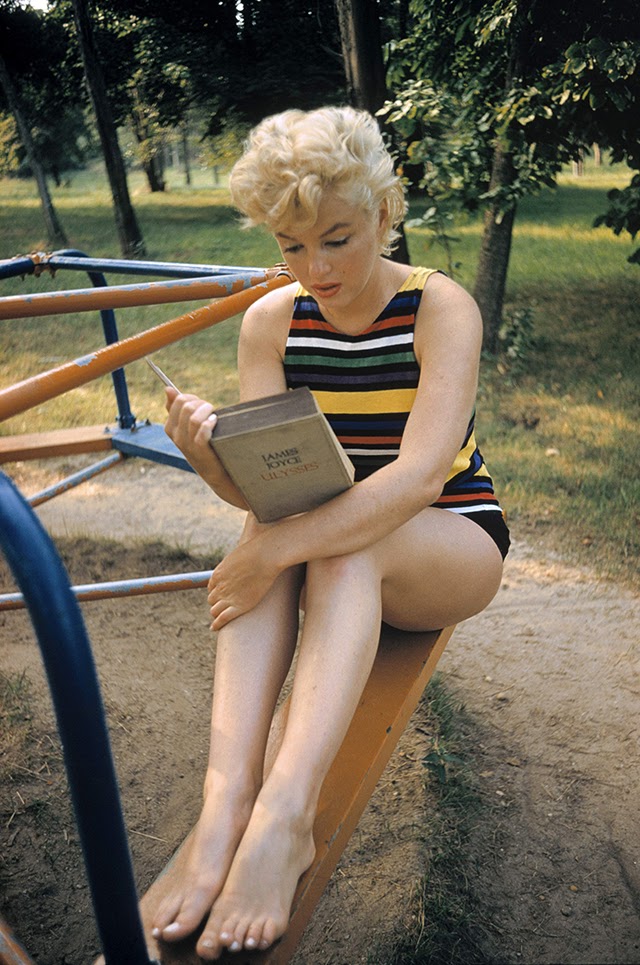
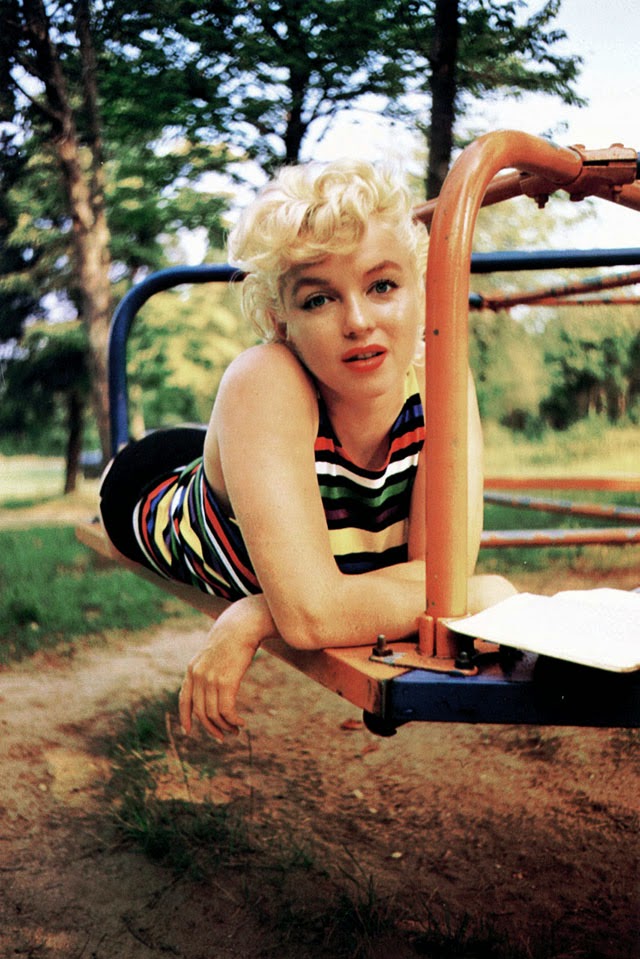
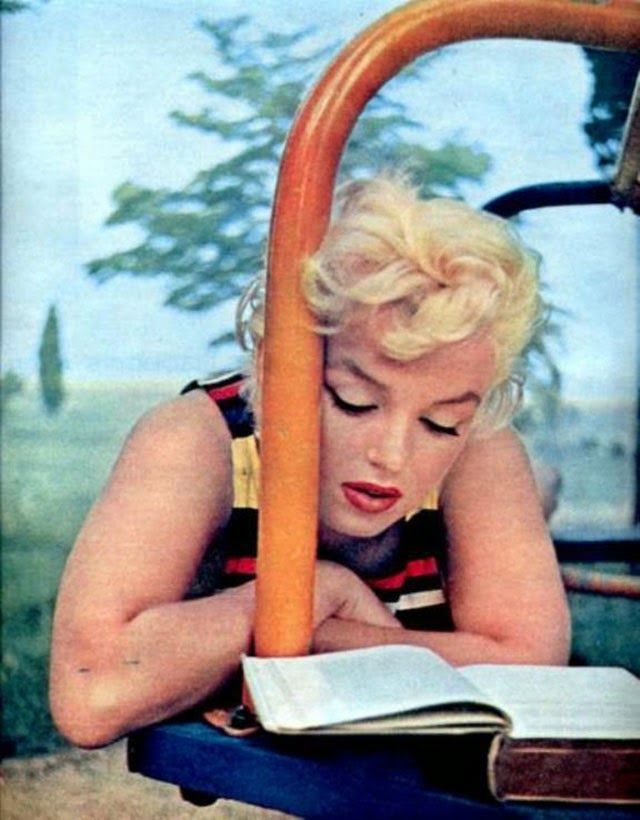
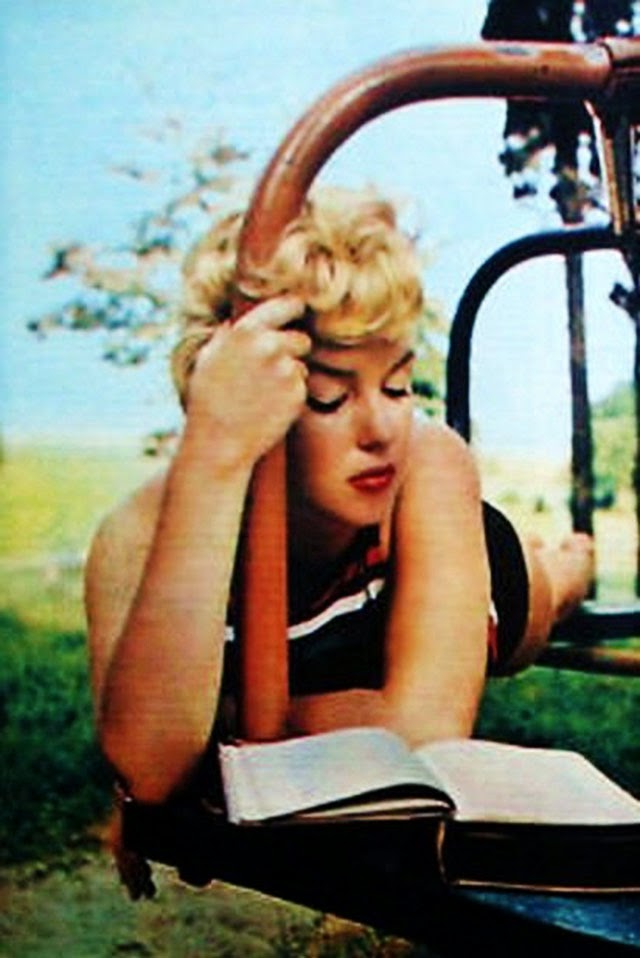
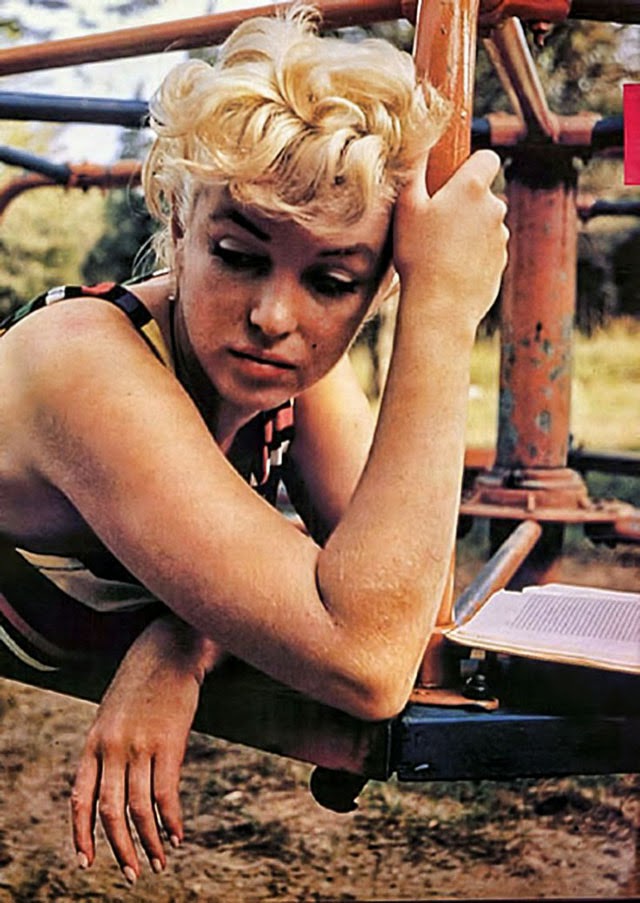
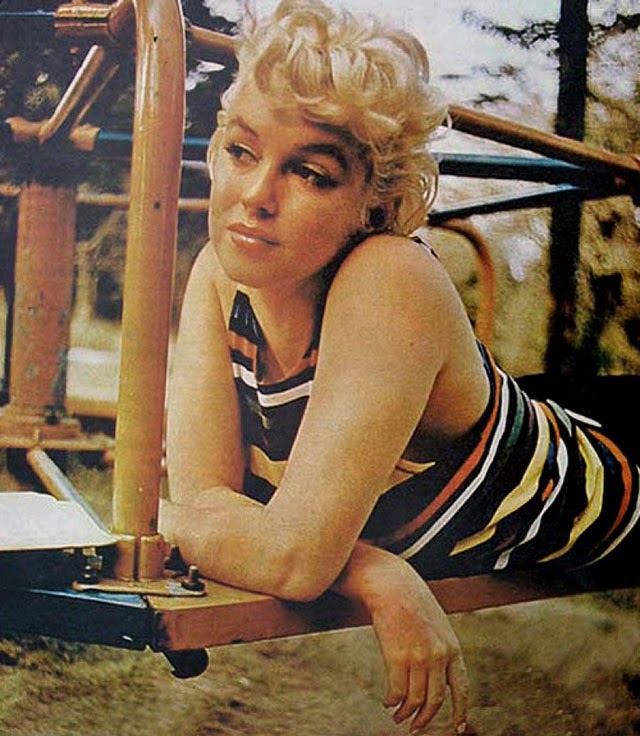
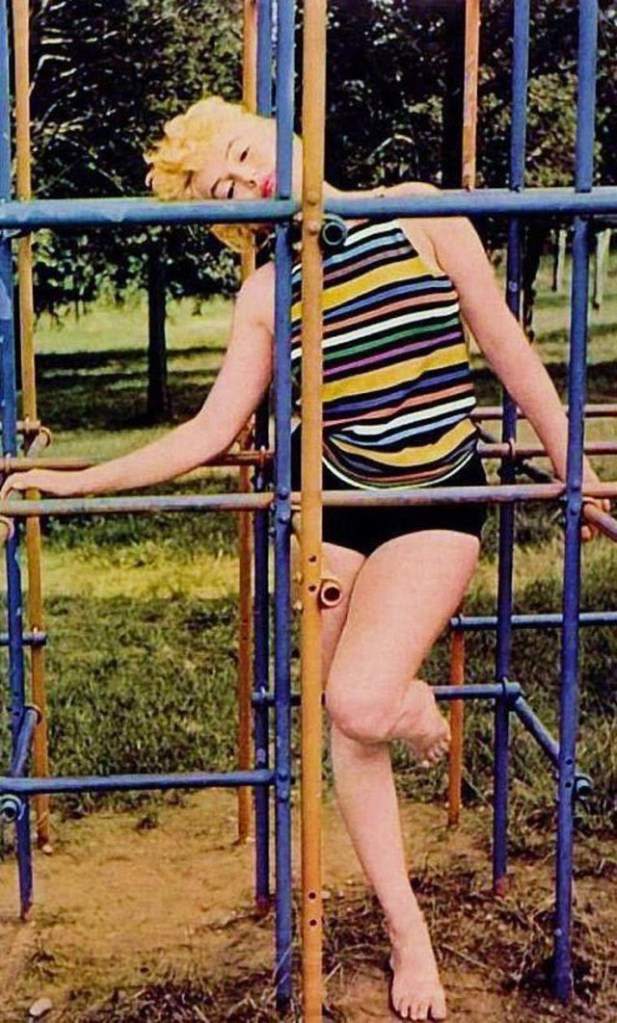
Marilyn Monroe Reads Joyce’s Ulysses at the Playground, 1955

During the 1950s, the pioneering photojournalist Eve Arnold took a series of portraits of Marilyn Monroe. The now iconic photos generally present Monroe as a larger-than-life celebrity and sex symbol. Except for one.

In 1955, Arnold photographed Monroe reading a worn copy of James Joyce’s modernist classic, Ulysses. It’s still debated whether this was simply an attempt to recast her images (she often played the “dumb blonde” character in her ’50s films), or whether she actually had a pensive side. (Her personal library, catalogued at the time of her death, suggests the latter.) But, either way, Arnold explained years later how these memorable photos came about:

“We worked on a beach on Long Island. She was visiting Norman Rosten the poet… I asked her what she was reading when I went to pick her up (I was trying to get an idea of how she spent her time). She said she kept Ulysses in her car and had been reading it for a long time. She said she loved the sound of it and would read it aloud to herself to try to make sense of it — but she found it hard going. She couldn’t read it consecutively. When we stopped at a local playground to photograph she got out the book and started to read while I loaded the film. So, of course, I photographed her. It was always a collaborative effort of photographer and subject where she was concerned — but almost more her input.”

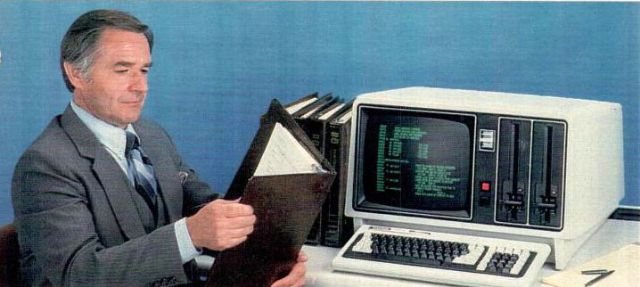
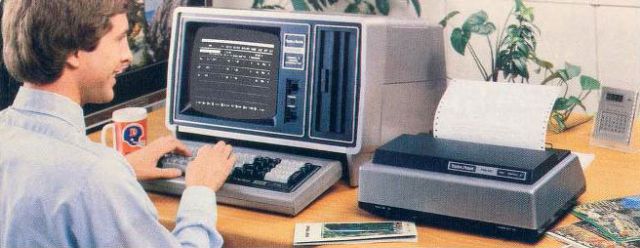
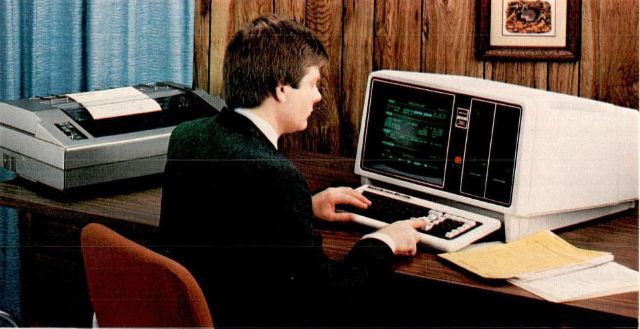
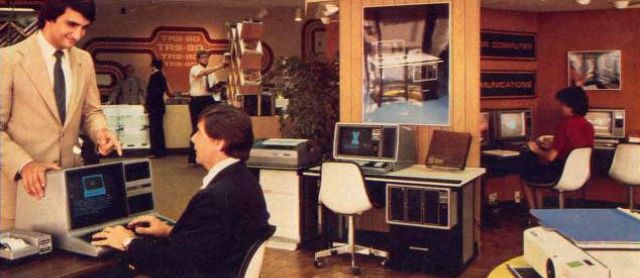
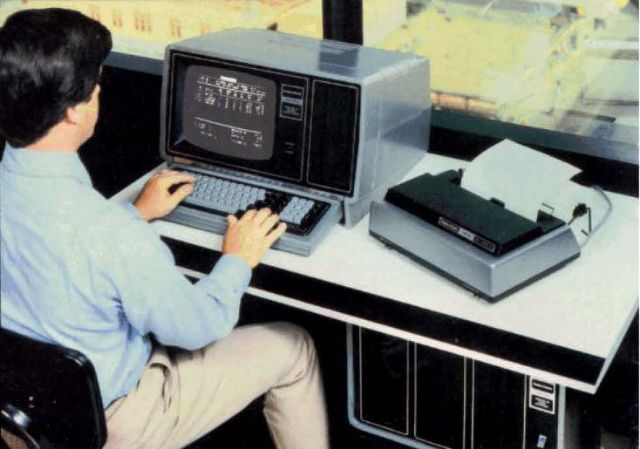
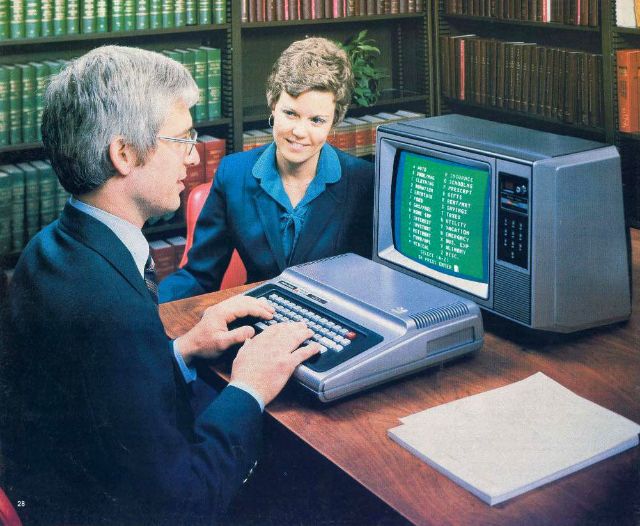
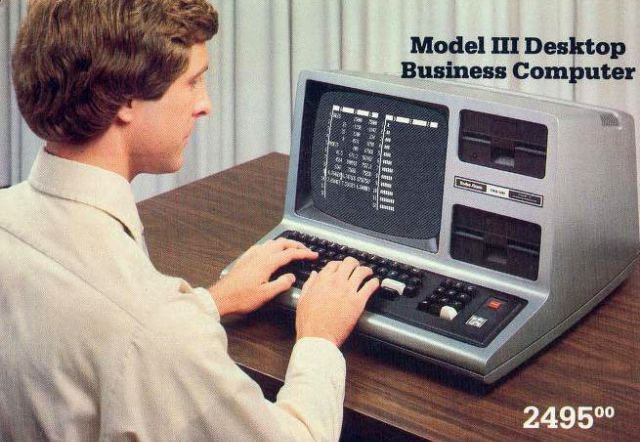
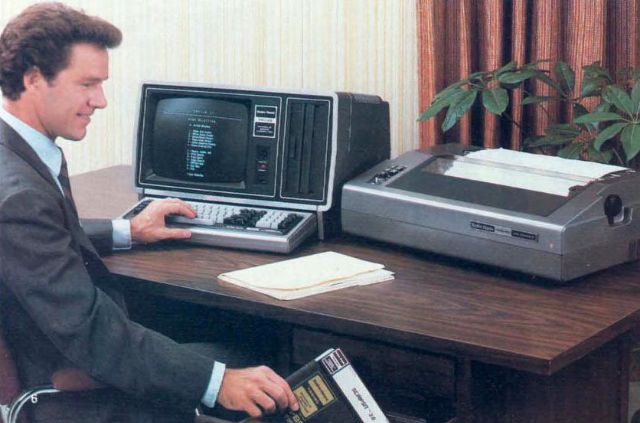
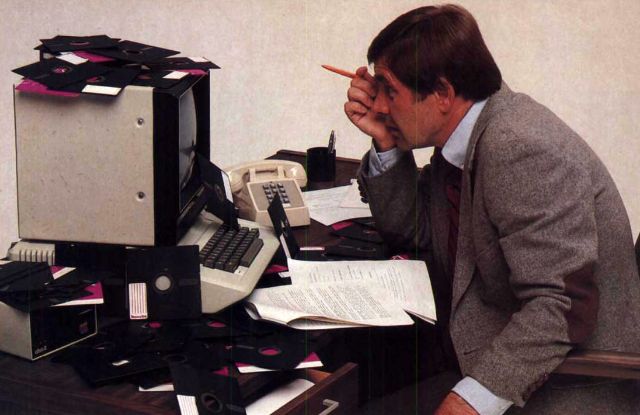
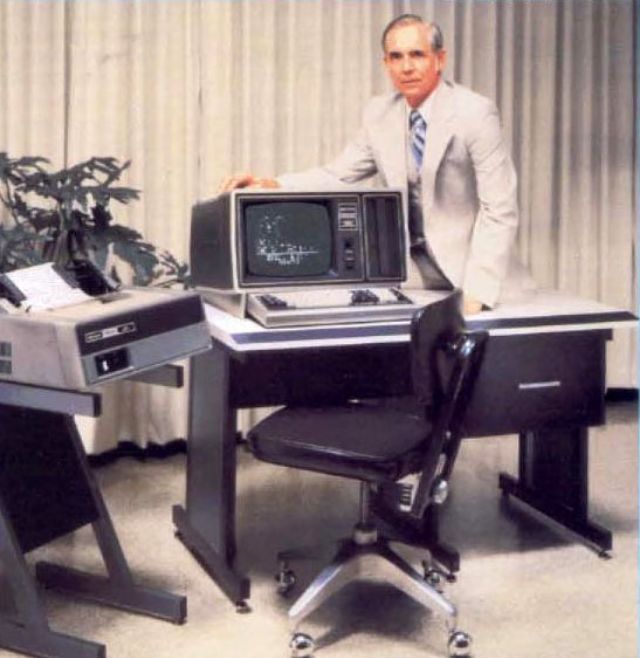
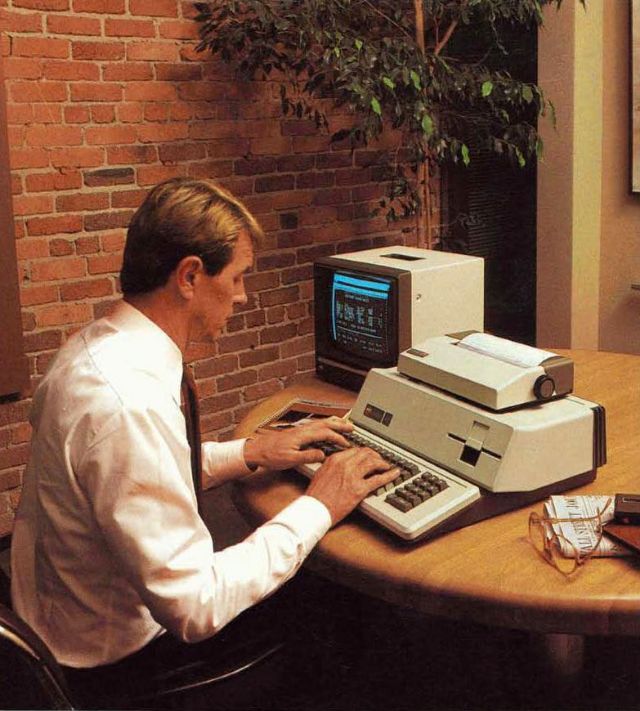
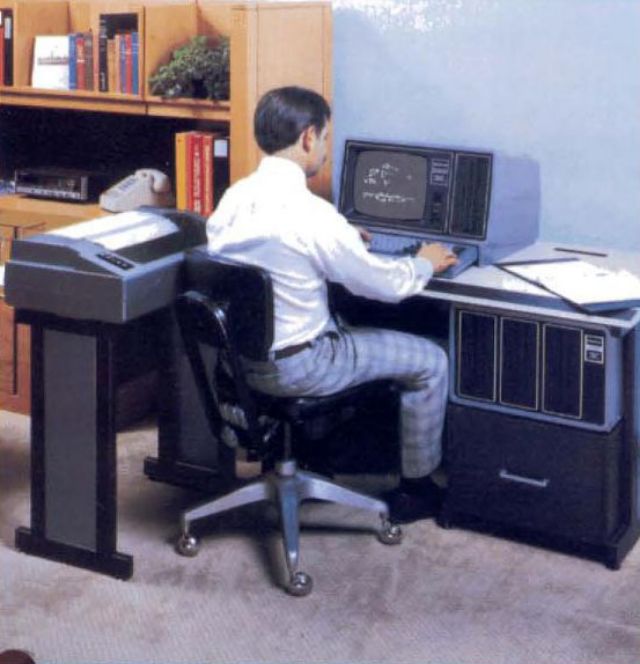
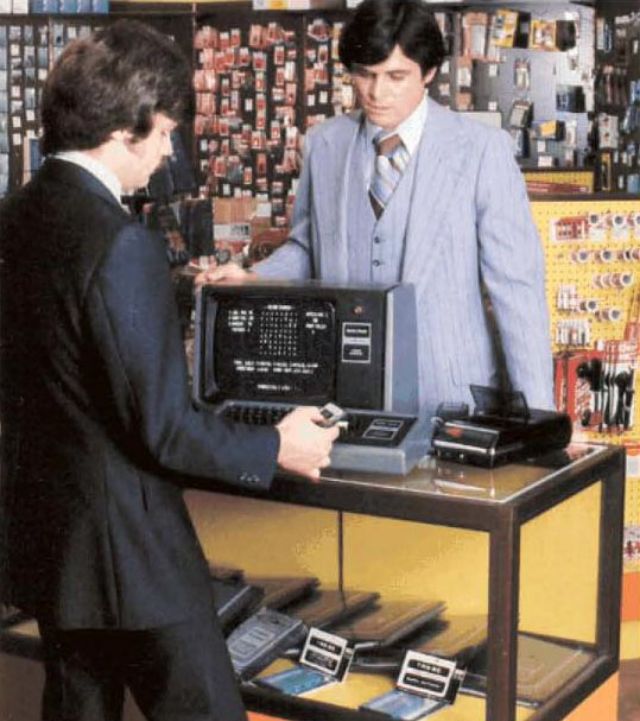
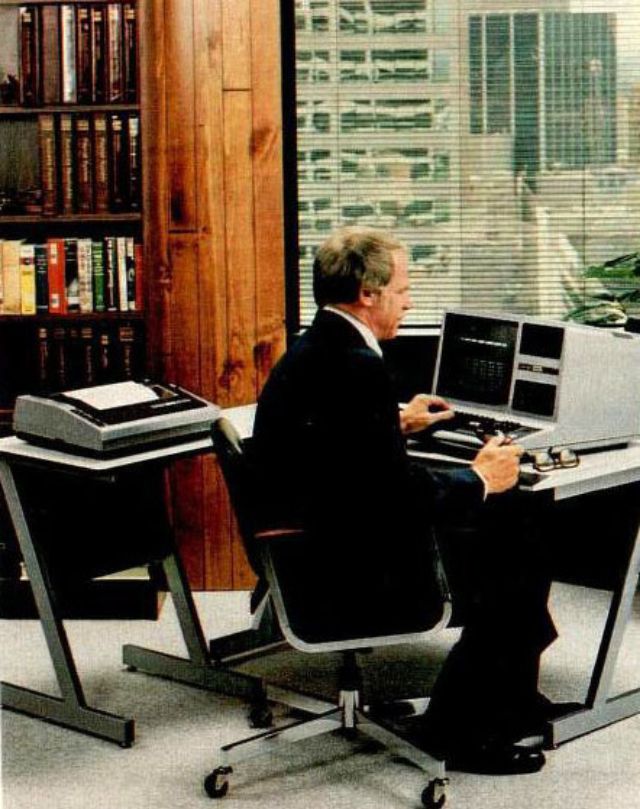
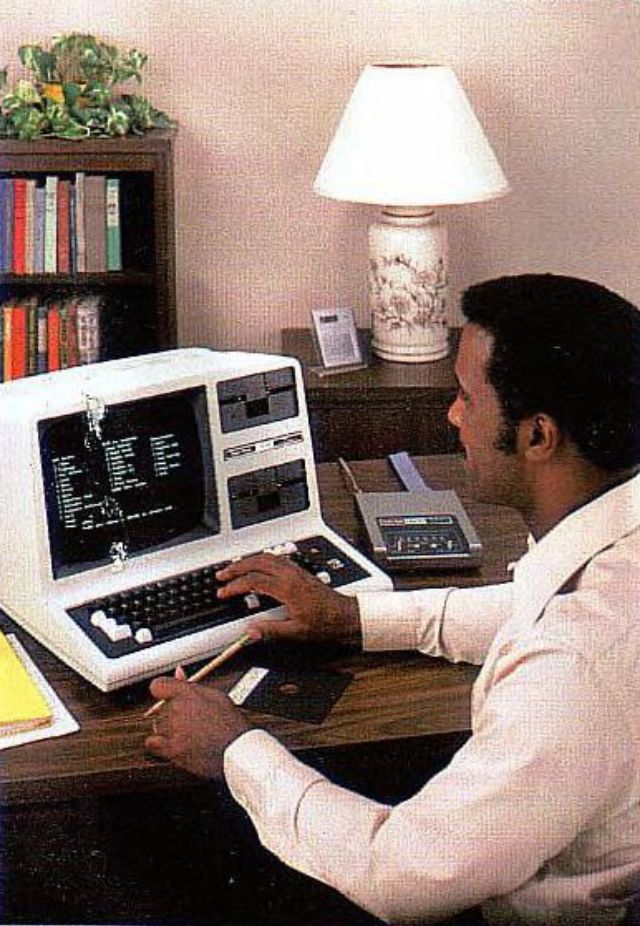
Vintage Photos of Men at Working at Computers During the 1970s & 1980s

Computers truly came into their own as great inventions in the last two decades of the 20th century.

By 1965, there were 22,500 computers in the United States . The smallest model available weighed a now-whopping 59 lbs. The government was spending a billion dollars a year on its computers — that’s about $7.4 billion today — and 650,000 Americans were employed making or selling computers, as others in many industries lost their jobs to automation.

They had irreversibly changed the speed of life across the country, making the impossible possible. By TIME’s calculations, “To process without computers the flood of checks that will be circulating in the U.S. by 1970, banks would have to hire all the American women between 21 and 45.”

Though the economy would have to adjust, it wouldn’t be all bad. “Many scientists hope that in time the computer will allow man to return to the Hellenic concept of leisure, in which the Greeks had time to cultivate their minds and improve their environment while slaves did all the labor,” an article on TIME, issue of April 2, 1965 reported. “The slaves, in modern Hellenism, would be the computers.”

These vintage computer photos show we’ve come a long, long way:

Yesterday Today

Bringing You the Wonder of Yesterday - Today

Skip to content ↓