31 Wonderful Vintage Photos of Mary Tyler Moore During the 1960s & 1970s

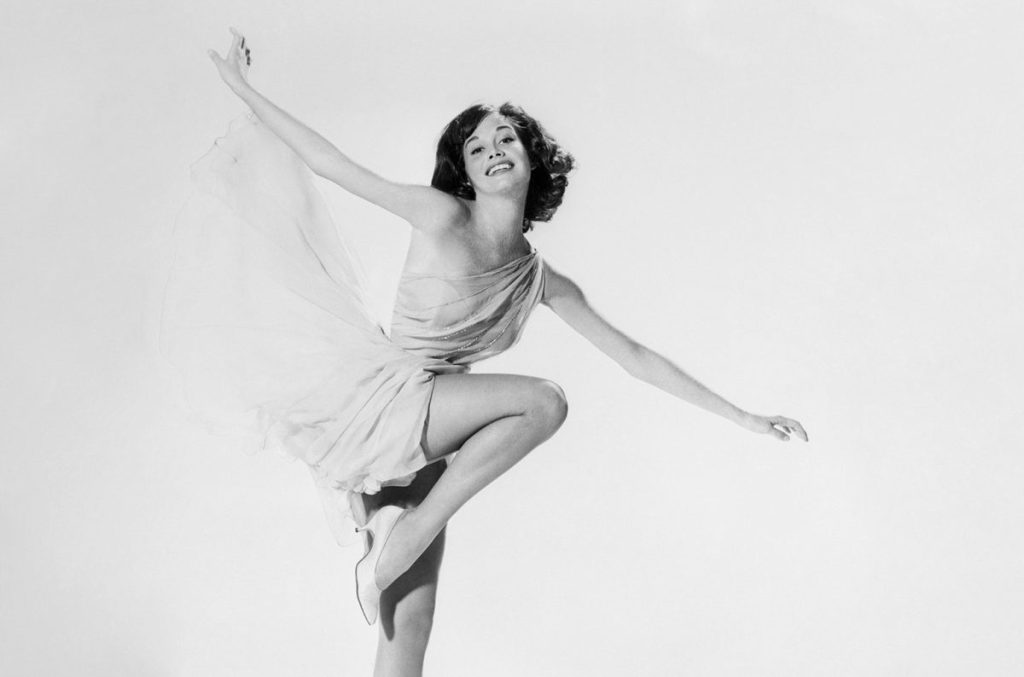
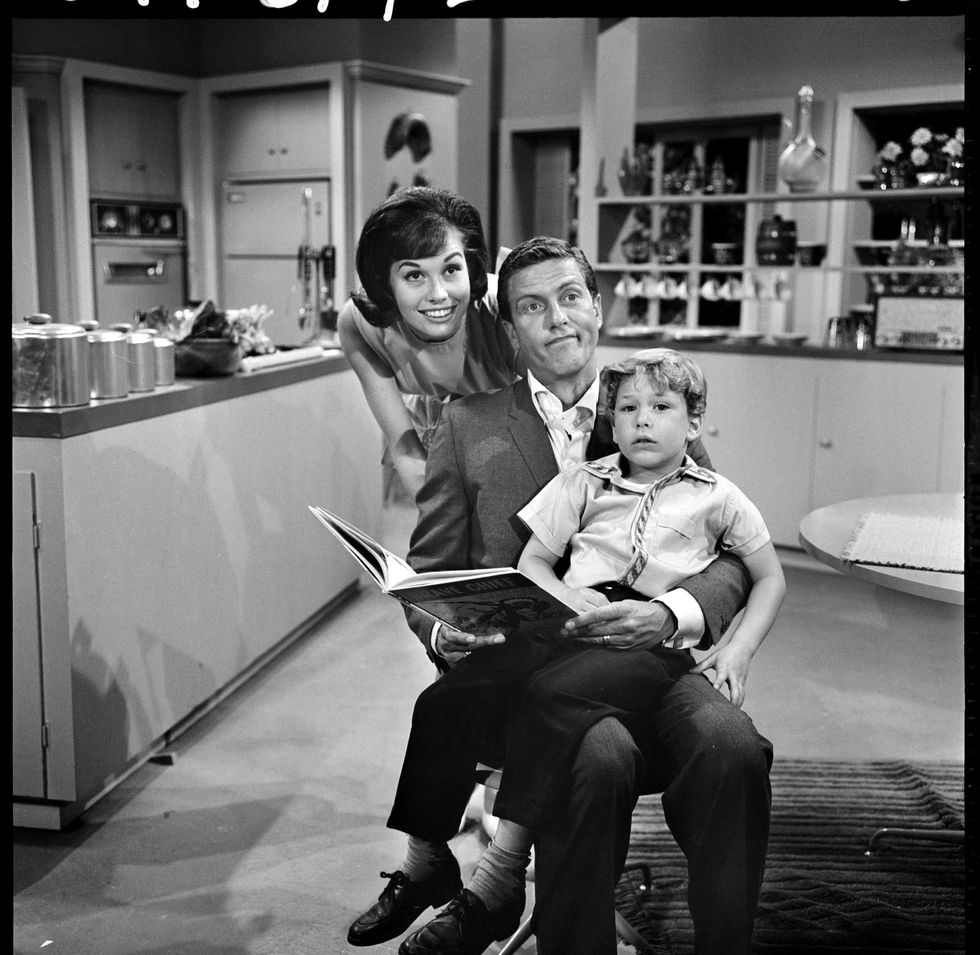
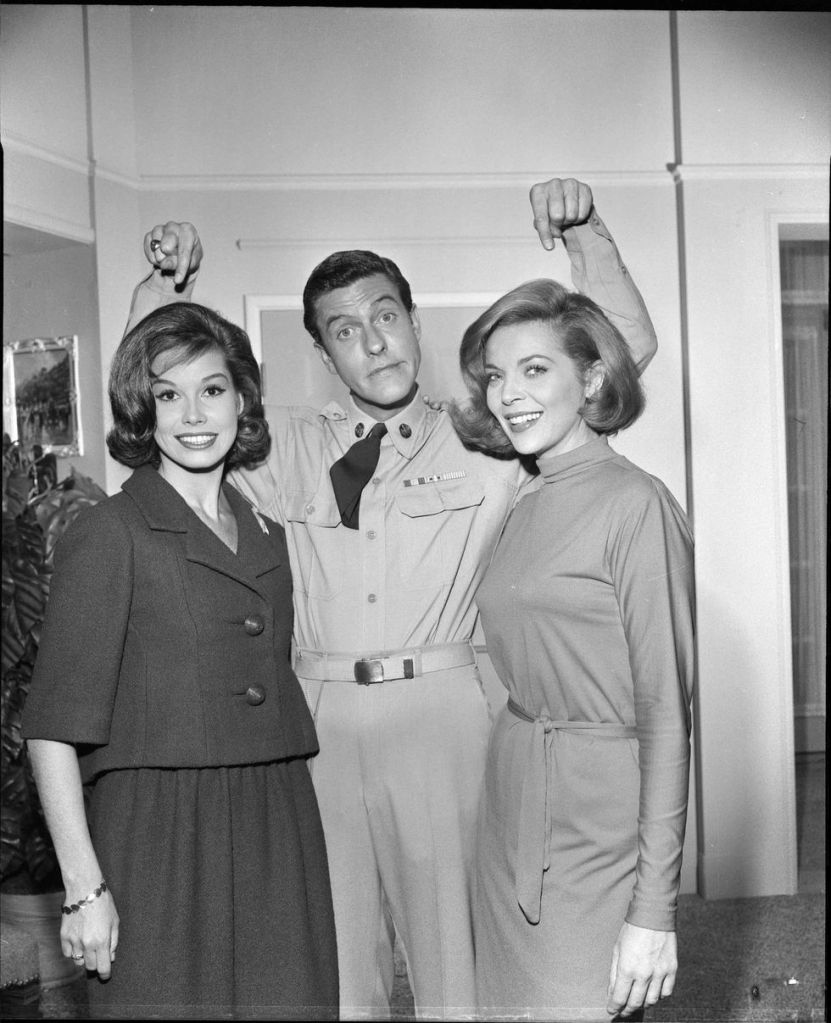
Born in Brooklyn Heights in 1936, Mary Tyler Moore initially became known for being the face of Hotpoint washing machines dancing as Happy Hotpoint while wearing an elf costume that showed off her legs during the TV series The Adventures of Ozzie & Harriet. Her voice and legs also appeared regularly (literally only her voice and legs at a switchboard) during the TV series Richard Diamond, Private Detective, as the private eye’s message service operator Sam. Her first proper full-time acting job arrived in 1961 when Carl Reiner cast her in The Dick Van Dyke Show as comedy writer Dick Petrie’s homemaker wife, Laura.

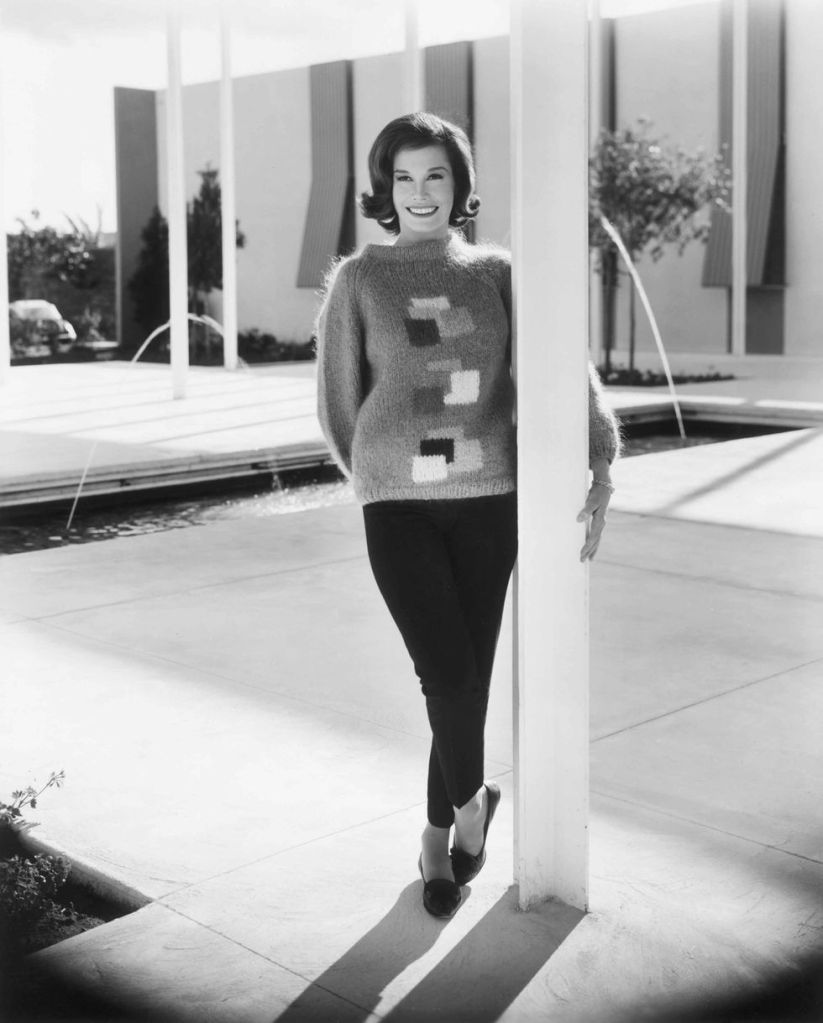
A Capri pants wearing Laura was played between as the traditional homemaker Donna Reed and the ‘frantic ditz-under-pressure’ of Lucille Ball. Moore won two Emmy awards for best actress during a show that ran until 1966.

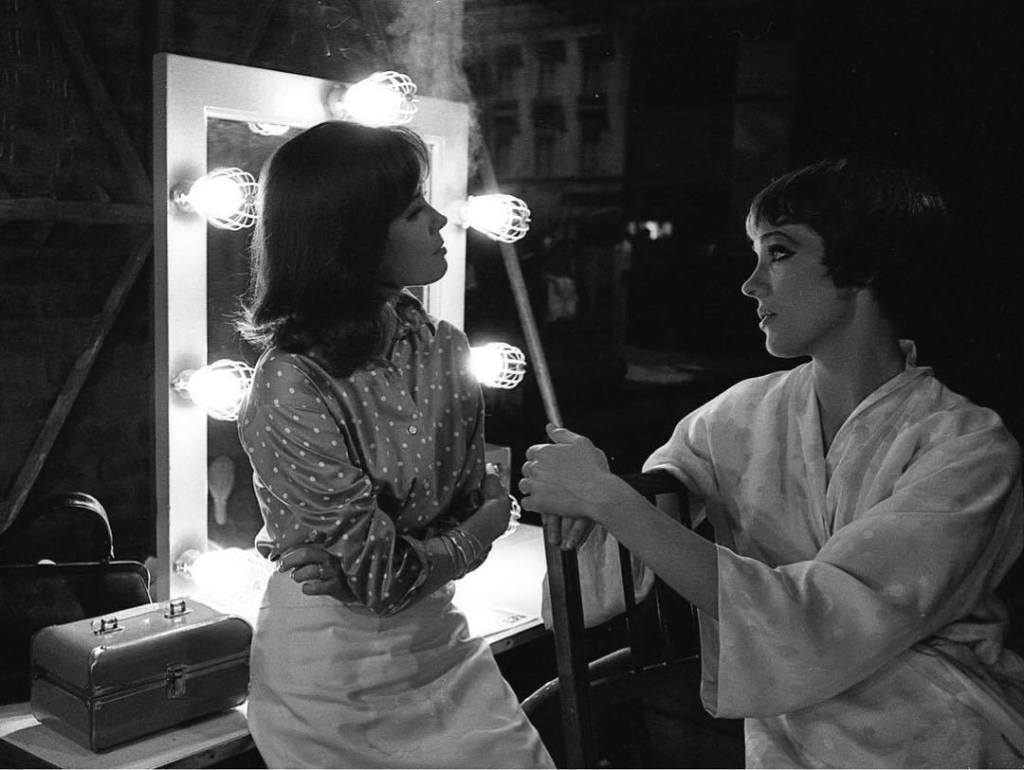
Moore was then cast together with Richard Chamberlain in a Broadway musical version of Breakfast at Tiffany’s, called Holly Golightly. After just four previews, a week before it was due to open in December 1966 it was closed by the producer “out of consideration for the audience”. The following year, however, she appeared with Julie Andrews in Thoroughly Modern Millie, a musical which became one of the most successful films of the year. In 1969 she was in Change of Habit in which she played along side Elvis Presley. Moore’s future television castmate Ed Asner also appeared in that film as a police officer.

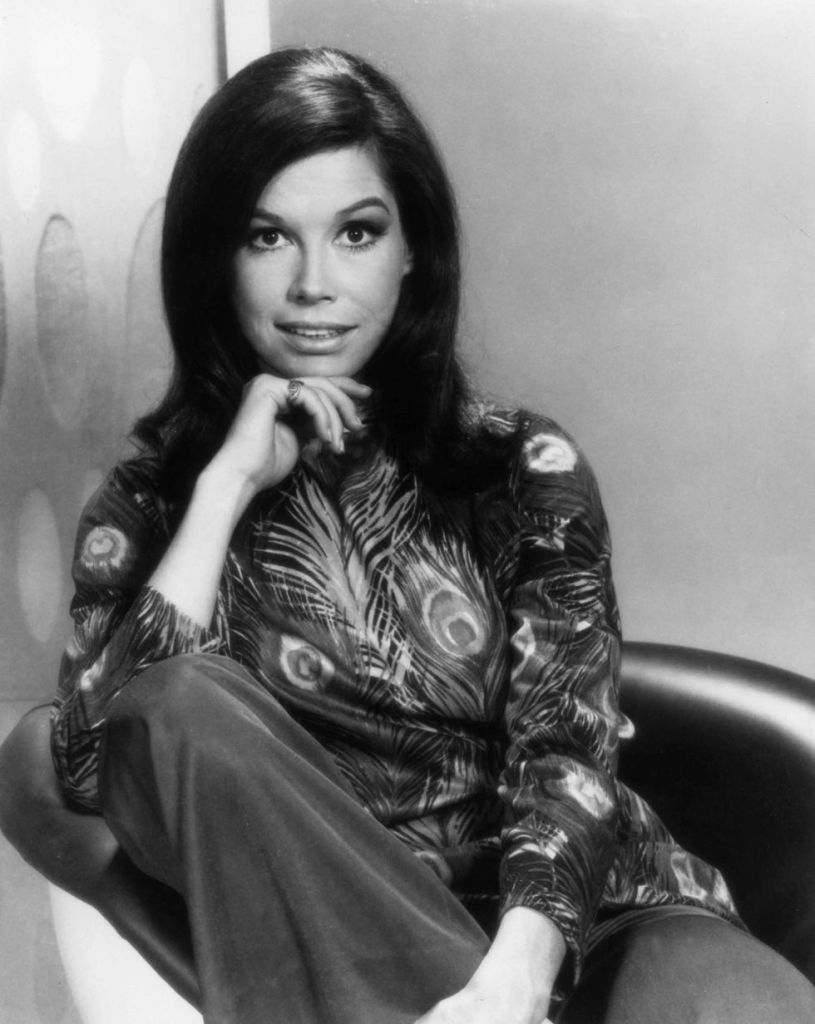
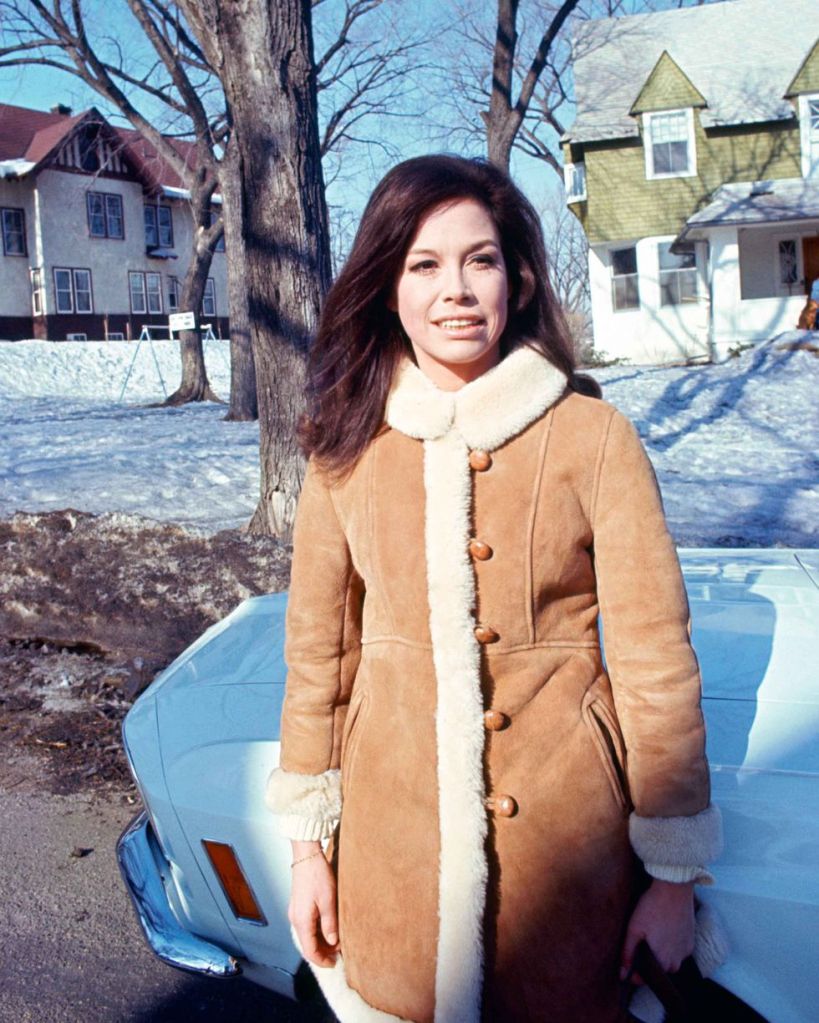
In 1970 along came the Mary Tyler Moore Show where she played Mary Richards, a 30-year-old small-town woman who after being dumped by her boyfriend moves to Minneapolis and is hired as an associate producer for a local news program. The show became immediately inspirational and aspirational for a generation of not just American but women all around the world. Debora Robertson in the Daily Telegraph described her as the first truly modern woman on television.

The high point of each week was sitting cross-legged on the floor, my back against the sofa, as the credits for the Mary Tyler Moore show rolled across the screen, accompanied by the snappy theme tune, “Love is all around, no need to waste it. You can have a town, why don’t you take it? You’re gonna make it after aaaallll.” My mum and I would sing along with the last line particularly, really dragging it out. I particularly loved the joyful moment when Mary threw her hat in the air.

There was our heroine, Mary Tyler Moore’s brilliant creation, Mary Richards, tooling around Minneapolis in her white Mustang, going from her cool apartment in the Queen Anne Victorian house (split level living room, pretty windows, cute galley kitchen, brown shag pile, exposed brick), to her fun-looking job as an associate producer at WJM TV station. She had the perfect straight-out-of-Mademoiselle-magazine wardrobe of wide-lapelled shirts, trouser suits, nattily tied scarves and gogo boots. Her colleagues seemed like a warm if dysfunctional family, with Edward Asner’s Lou Grant as the grumpy dad, and she lived next door to her best friend Rhoda, played by Valerie Harper.

By the time Moore decided to end the series in 1977, the Mary Tyler Moore Show had won 29 Emmys, a record that would not be broken until Frasier went one better in 2002.

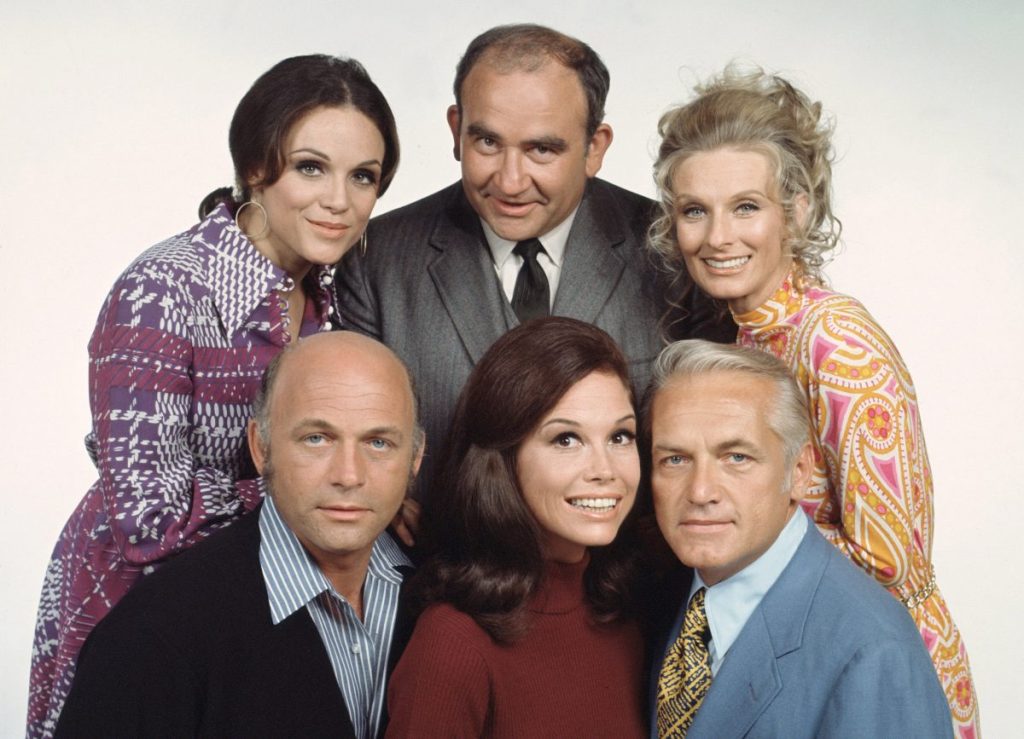
The Mary Tyler Moore Show stayed in the ratings top 20 for six seasons. Mary’s best friend Rhoda (Valerie Harper) got her own show in 1974; her landlady Phyllis (Cloris Leachman) followed with another in 1975. It was cancelled in its seventh season which another spin-off came about with Lou Grant (Ed Asner) moving to Los Angeles to become the city editor of a newspaper.

MTM would go on to produce The Bob Newhart Show, WKRP in Cincinnati, and the successful dramas Hill Street Blues and St Elsewhere.

“I am not an actress who can create a character,” Mary Tyler Moore once said. “I play me.”

Mary Tyler Moore in a scene from What’s So Bad About Feeling Good? 1968
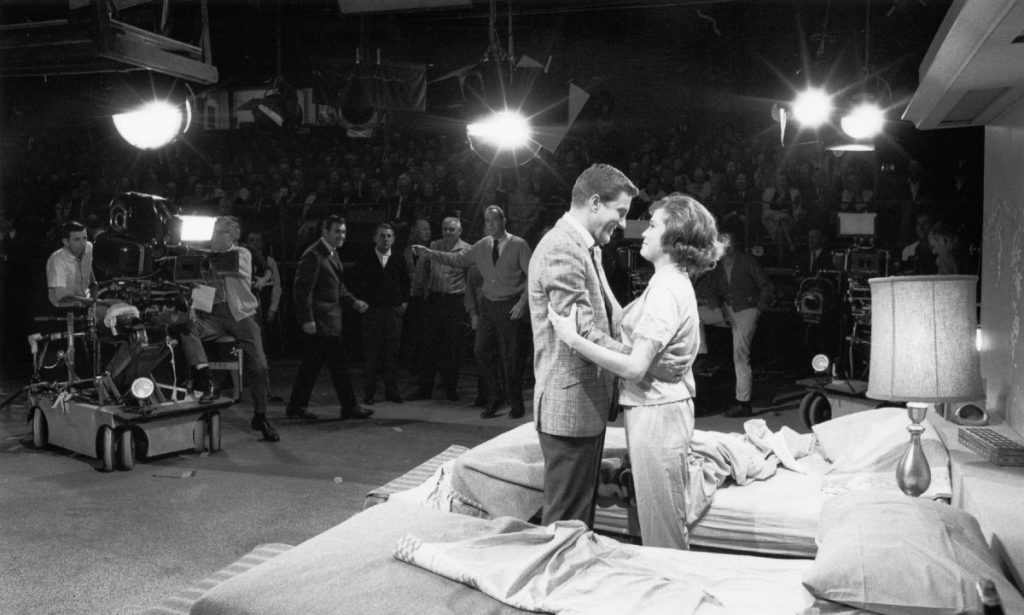
On The Dick Van Dyke Show, 1962.
The Dick Van Dyke Show
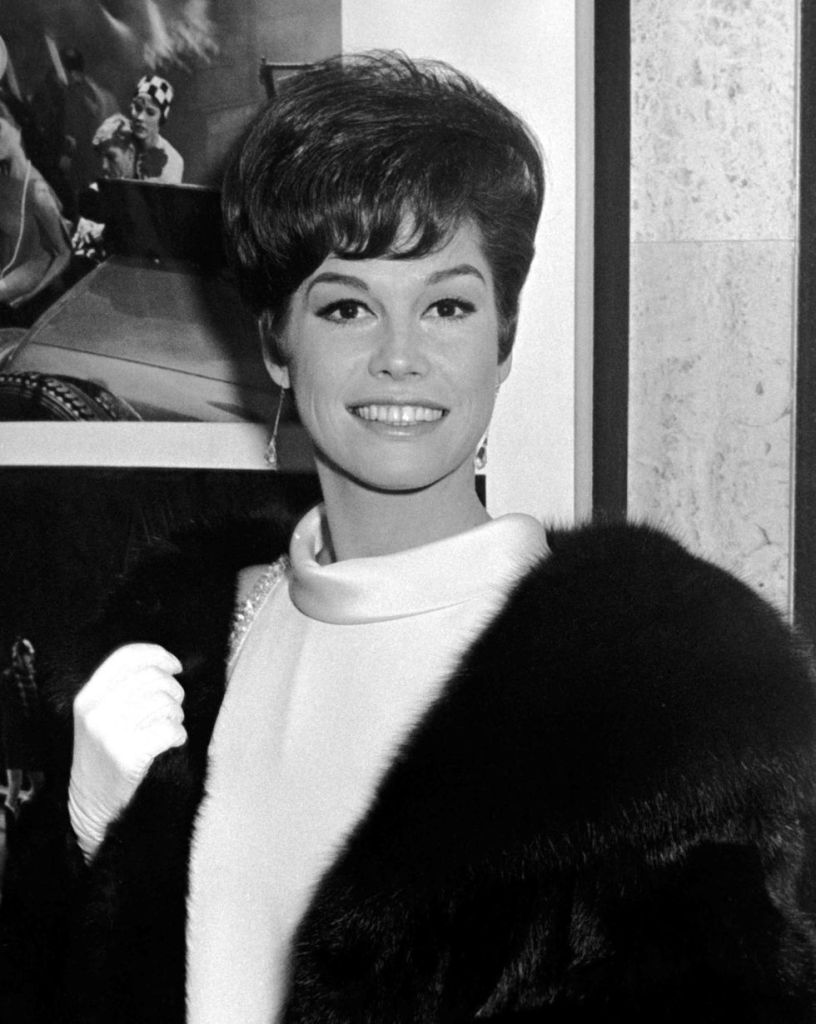
1964 at Kennedy Airport
Mary Tyler Moore rehearsing Breakfast at Tiffany’s
Mary Tyler Moore performing Breakfast at Tiffany’s, the Musical
Mary Tyler Moore and Julie Andrews on the set of Thoroughly Modern Millie
Mary Tyler Moore Julie Andrews rehearsing Thoroughly Modern Millie
Mary Tyler Moore, 1960
Mary Tyler Moore, 1965
Mary Tyler Moore, 1962
Mary Tyler Moore, 1965
1967 Thoroughly Modern Millie
Julie Andrews, Mary Tyler Moore, and Carol Channing in Thoroughly Modern Millie (1967)
Mary Tyler Moore on the set of Change of Habit With Elvis Presley, 1969
Los Angeles 1964
1961 with Dick Van Dyke
1962
Mary Tyler Moore, 1968
Mary Tyler Moore, 1969
Mary Tyler Moore, 1967
Mary Tyler Moore, 1970
(Back row left to right) Valerie Harper, as Rhoda Morgenstern, Ed Asner, as Lou Grant, Cloris Leachman, as Phyllis Lindstrom, (front row, left to right) Gavin McLeod, as Murray Slaughter, Mary Tyler Moore, as Mary Richards, and Ted Knight (1923 – 1986), as Ted Baxter, pose in a group publicity photo for the CBS situation comedy ‘Mary Tyler Moore,’ California, 1972.
MARY TYLER MOORE SHOW, Mary Tyler Moore, 1970-77
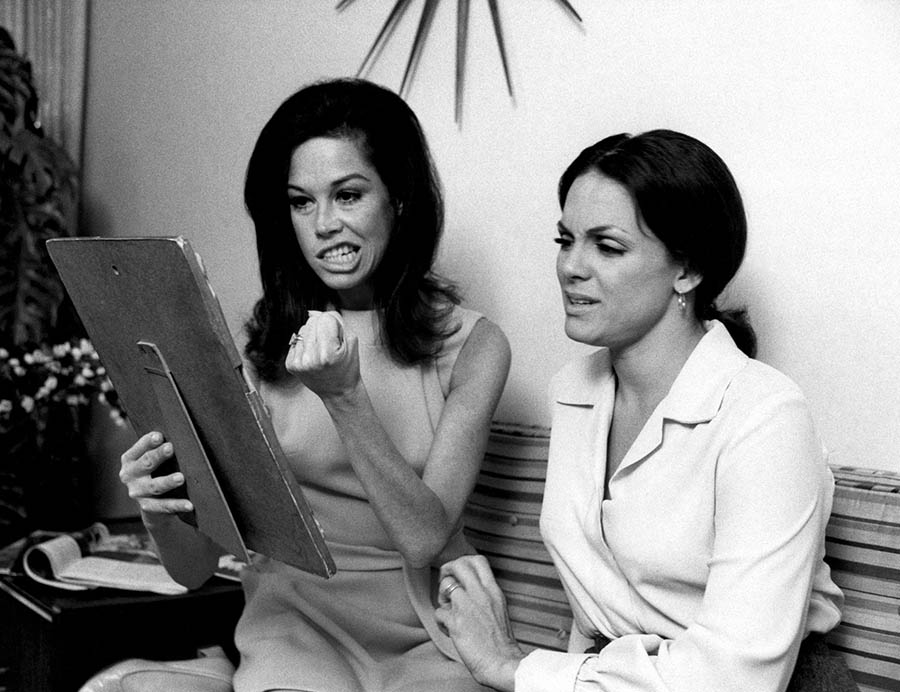
MARY TYLER MOORE SHOW, Mary Tyler Moore, Valerie Harper, 1970-1977
Mary Tyler Moore, 1974

Photos of Michael Jackson First Met QUEEN in Los Angeles, July 1980

Michael Jackson and Freddie Mercury admired each others work. At the start of Queen’s ‘Greatest Flix’ VHS video (1981), it states that Freddie Mercury’s favorite group was the Jacksons. Michael Jackson was the lead singer of this group while his brothers provided backing vocals and instrumental accompaniment. Jackson on the other hand went to see a Queen concert in Los Angeles in early July 1980.

“He was at the QUEEN show that evening and came to see the band afterwards,” Peter Freestone (Freddie’s personal assistant) recalled. “He spent time with John Deacon and they talked about ‘Another One Bites the Dust’ which Michael says must be a single. He also spent time with Freddie. He was 22 years old and was like an excited teenager. He had really enjoyed the show and was still ‘up’ from it.”

24 Amazing Runaway Slave Ads From the 19th Century

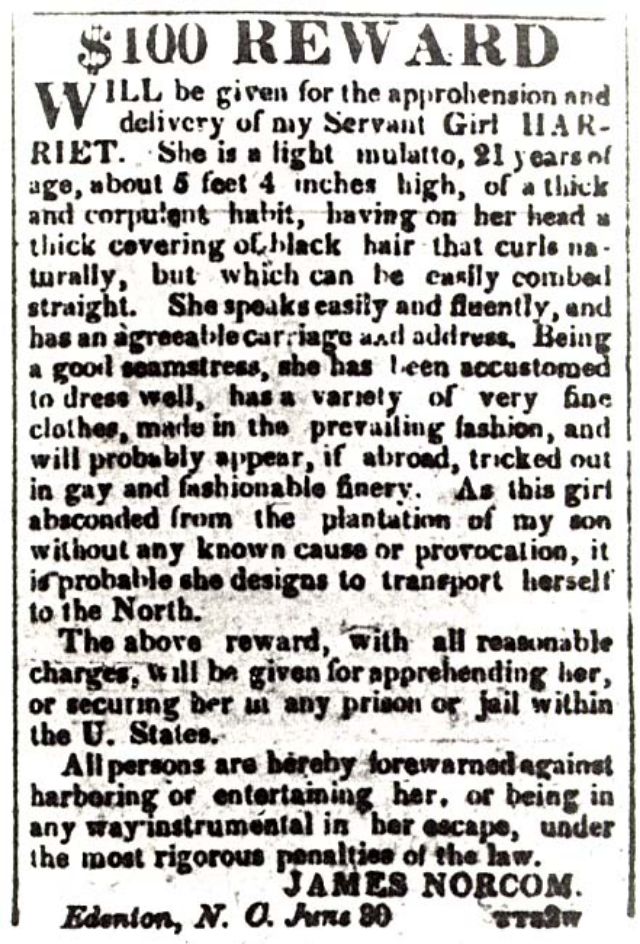
Throughout the 500-year history of slavery in North America, enslaved people tried to escape. Once newspapers were common, enslavers posted “runaway ads” to try to locate these fugitives.

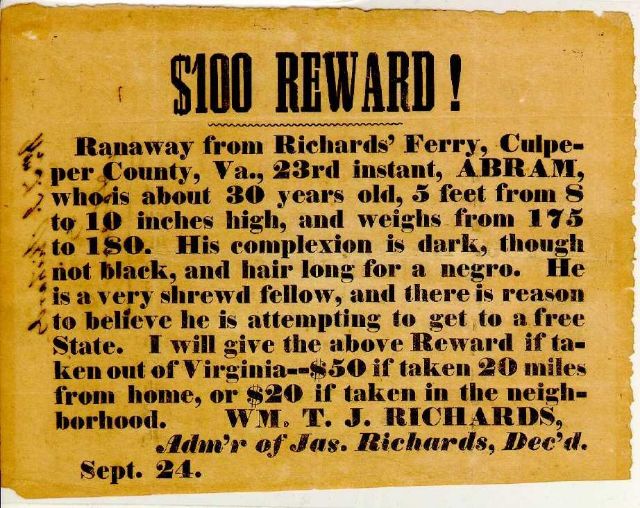
When fugitives escaped, enslavers often placed runaway notices in newspapers. Such ads included any kind of information that might help readers identify the fugitive: the name, height, build, appearance, clothing, literacy level, language, accent and so on of the runaway. Often the ads speculate on where the escapee might be headed and why, when they were most recently sold, and what kinds of scars and marks they had.

A $100 bounty for a runaway slave named Abram from Richards’ Ferry, Culpeper County, Virginia. September 24, 18-.
A $300 bounty for three escaped slaves named Bob, Charles, and Alfred from Leesburg, Virginia. Bob and Charles were owned by Ish, while Hawling was the owner of Charles. 10 June 1839.
Runaway slave broadside from Fairfax, Virginia, 23 August 1839.
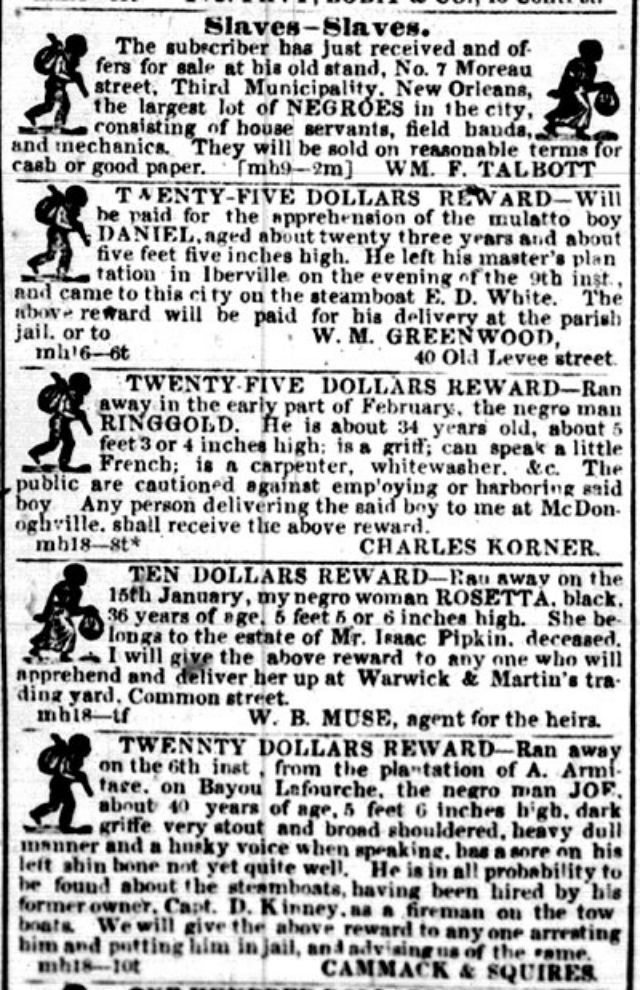
Block of advertisements announcing slave auction and rewards for run away slaves. The Daily Picayune newspaper, New Orleans, 20 March, 1852.
1853 advertisement offering reward for escaped slave boy, posted by P.G.T. Beauregard.
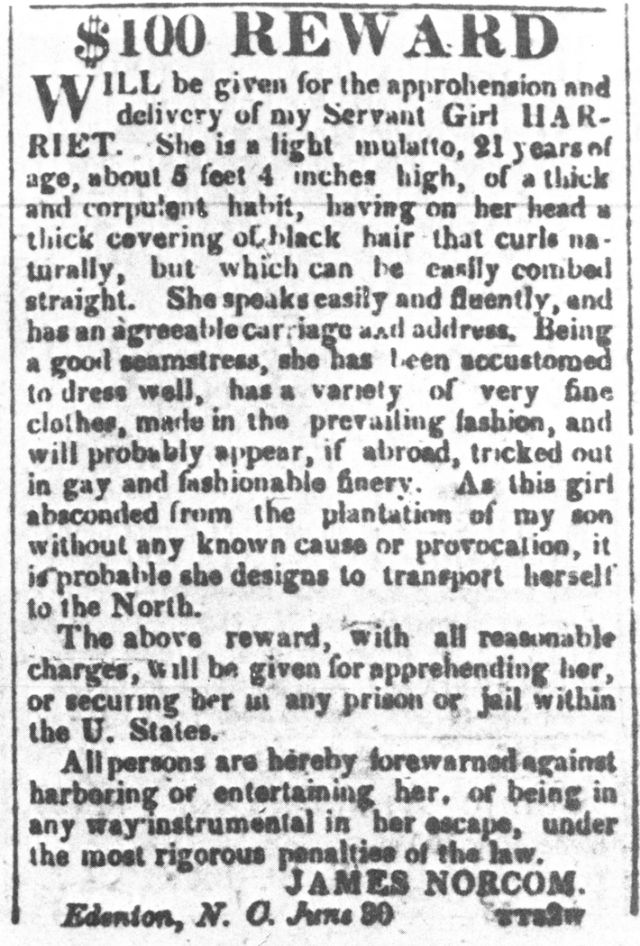
Copied from ‘Incidents in the Life of a Slave Girl’ by Harriett Jacobs, p.215. The book states that the ad ran in the Norfolk, VA, American Beacon newspaper on July 4, 1835. From General Negative Collection, North Carolina State Archives, Raleigh, NC.
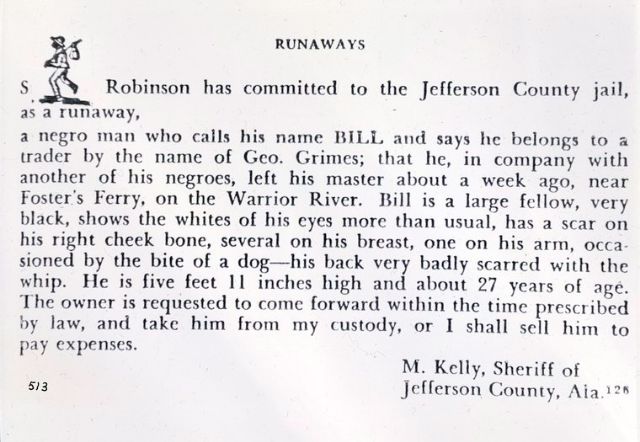
Advertisement in a newspaper for a runaway slave named Bill, who had been captured and turned over to the Jefferson County Jail.
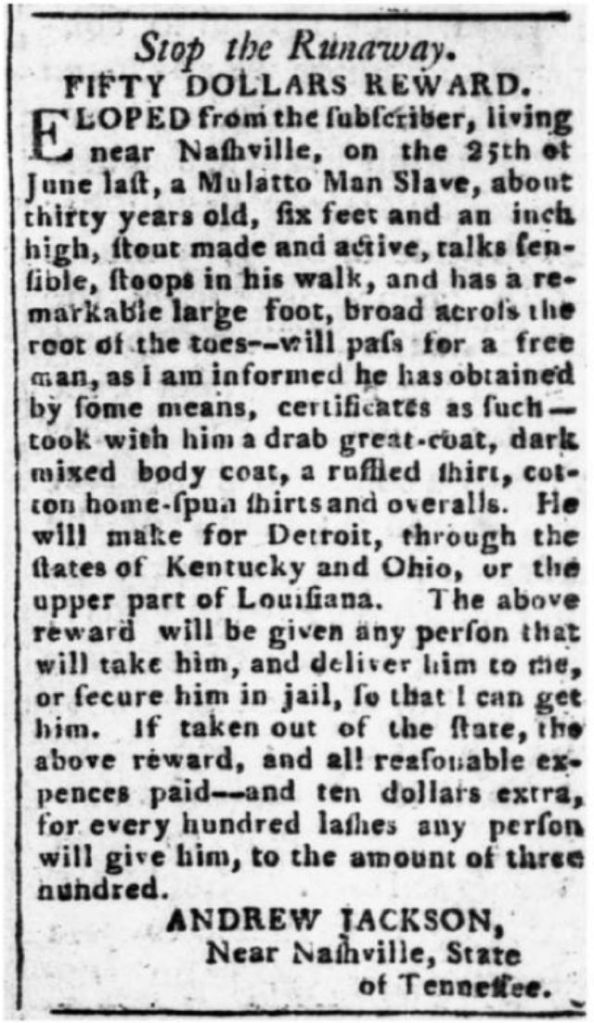
Notice published by future president Andrew Jackson offering a $50 reward, plus expenses, for the return of an enslaved mulatto man who escaped from Jackson’s plantation. In a move unusual for the time, the notice offers “ten dollars extra, for every hundred lashes any person will give him, to the amount of three hundred.” 3 October 1804.
Advertisement announcing reward for run away slave. New Orleans Delta, Sept. 25, 1849.
Female runaway slave, illustrated reward broadside, Alexandria, Virginia, 19 February 1851.
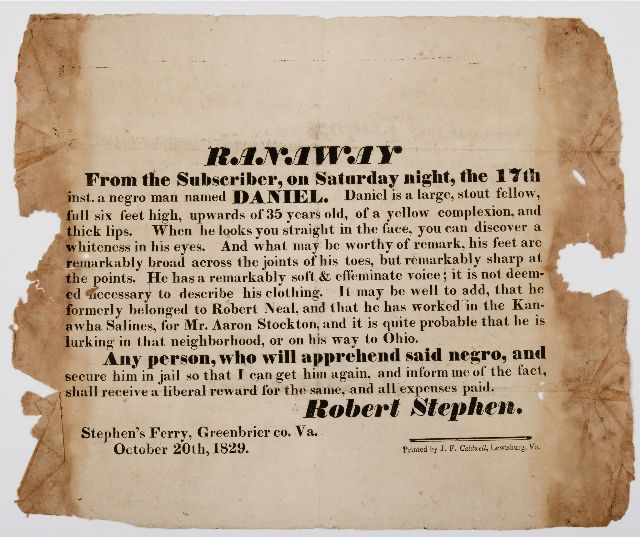
Fugitive slave broadside, Greenbrier County, 20 October 1829.
Three advertisements announcing rewards for run away slaves. Georgia Journal & Messenger, Dec. 19, 1849.
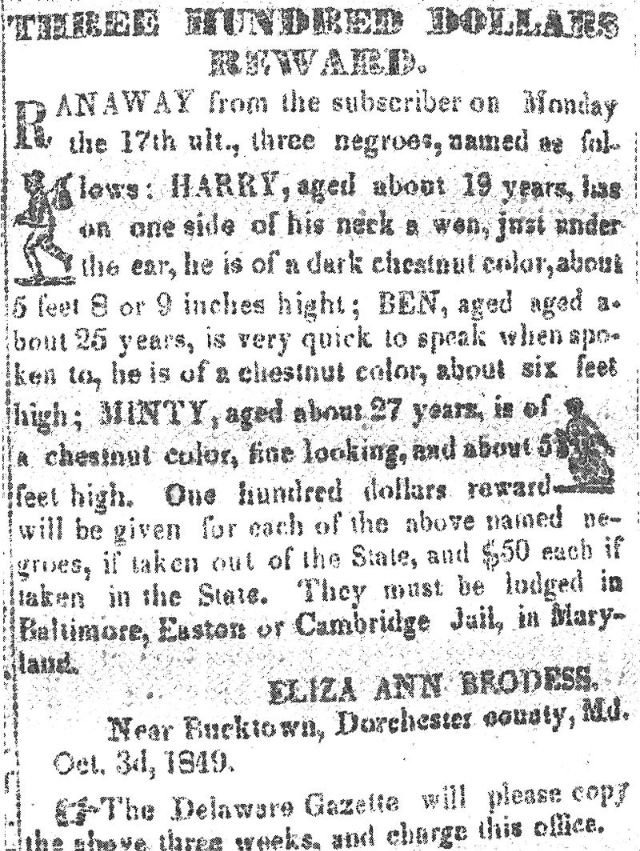
Notice published in the Cambridge Democrat (1849), offering a reward for the return of Harriet Tubman and her two brothers, 3 October 1849.
Harriet Jacobs Reward, 4 July 1835.
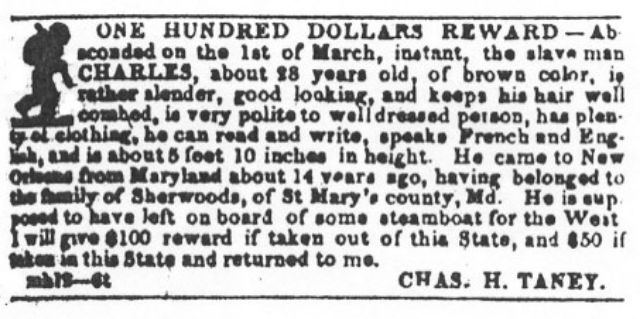
Advertisement announcing reward for run away slave. Louisiana Courier, Feb. 4, 1851. Note slave is listed as being a baker and bilingual; rather unusually low reward of $5 offered. 4 February 1851.
Maryland 1853 runaway slave reward broadside.
Advertisement announcing reward for run away slave. New Orleans Bee, March 12, 1851. Note slave is listed as being bilingual and literate. 12 March 1851.
New York reward broadside for ran-away slave Tom, 1793.
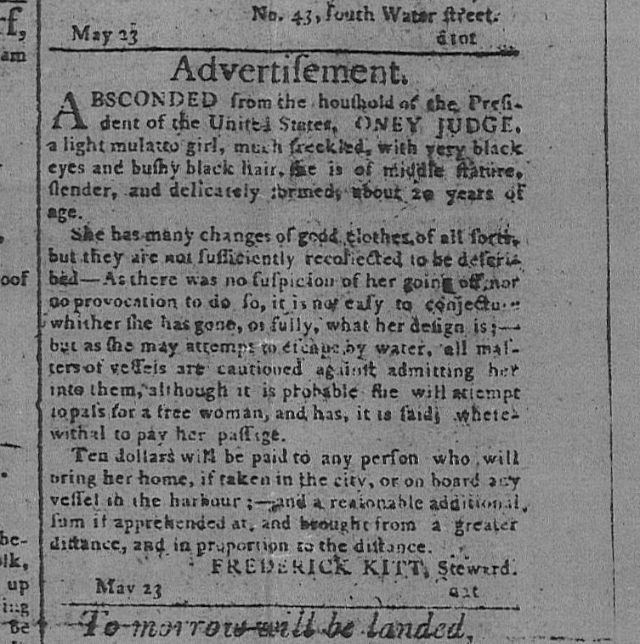
Runaway advertisement for Oney Judge, enslaved servant in George Washington’s presidential household. The Pennsylvania Gazette, Philadelphia, Pennsylvania, May 24, 1796.
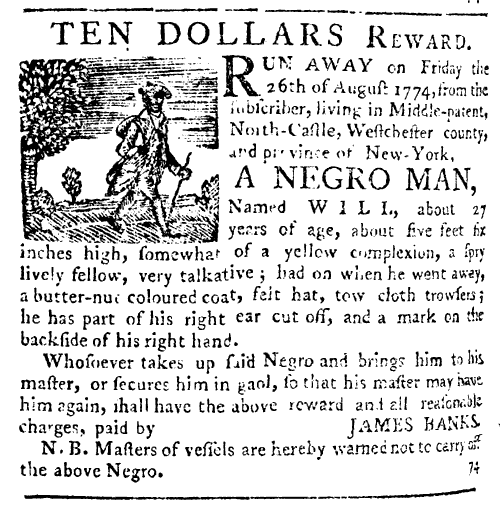
Runaway slave advertisement, 1774.
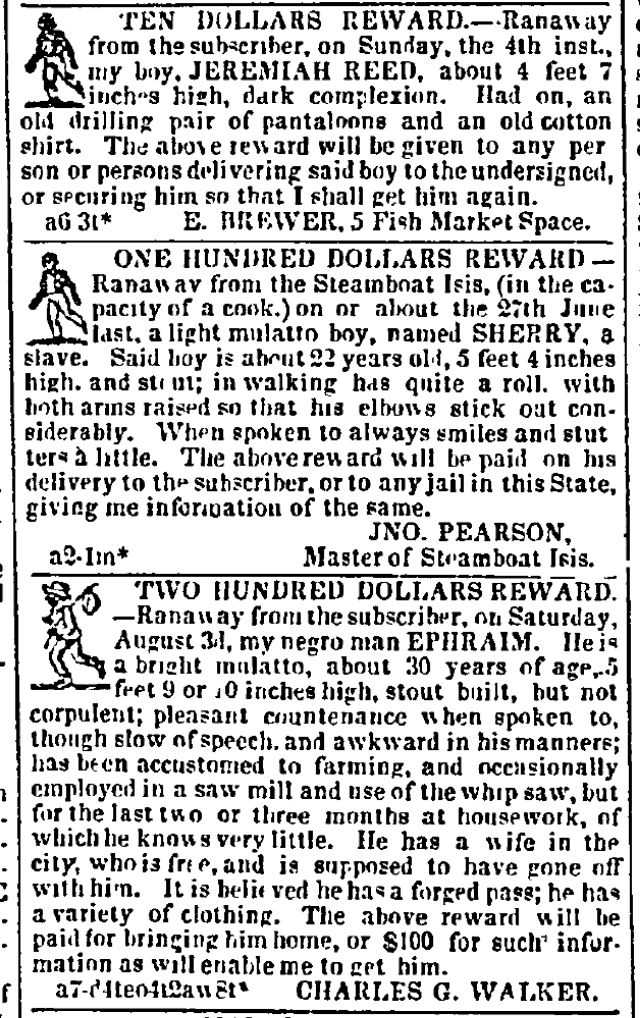
Rewards for runaway slaves published in The Baltimore Sun on 8 August 1839.
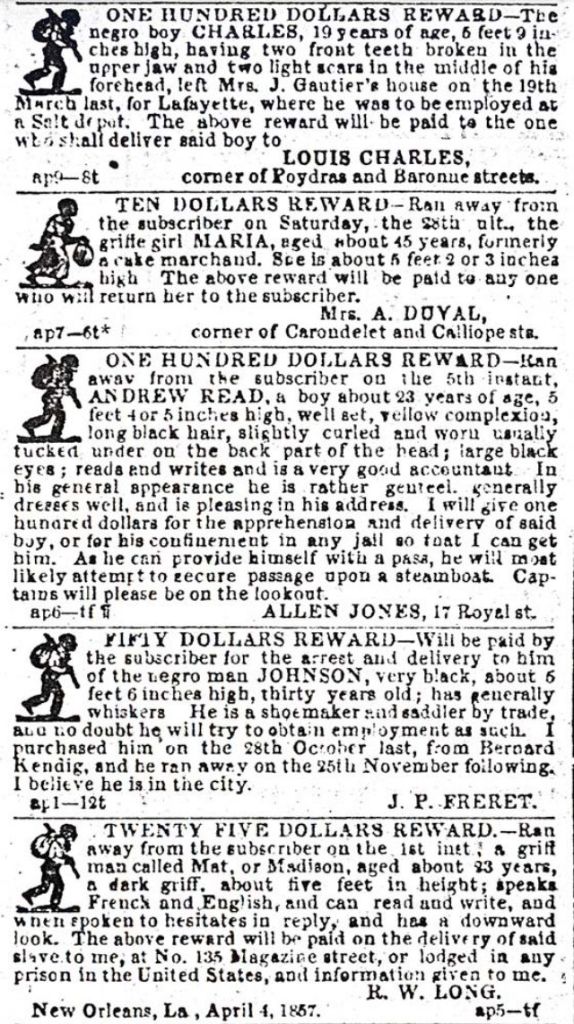
Advertisements offering reward for capture of runaway slaves, as published in The Daily Picayune, New Orleans, April 26, 1857.
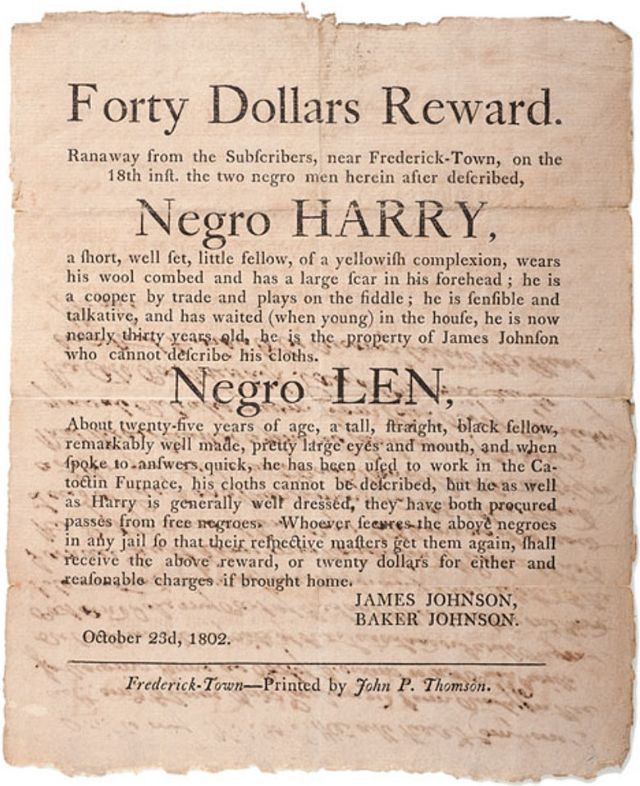
Printed broadside on laid paper, 7.25 x 9 in., headed Forty Dollars Reward…for capture of Negro Harry and Negro Len of Maryland, their physical appearances described in detail, issued by Harry and Len’s masters, James and Baker Johnson, dated October 23, 1802. Fredericktown, MD. Printed by John P. Thomson. With added manuscript on verso referring to a transfer of land deeds.
1858 poster advertising $100 reward for runaway slave, Washington D.C.

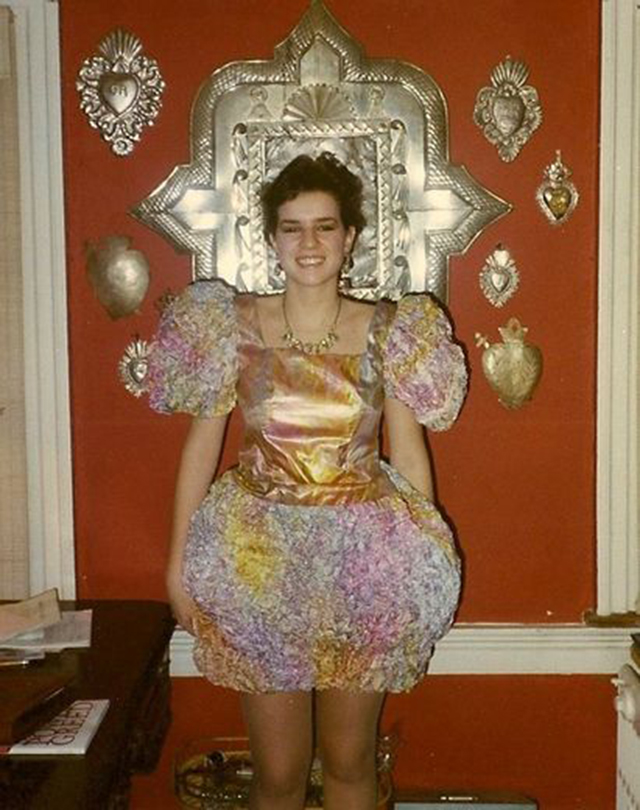
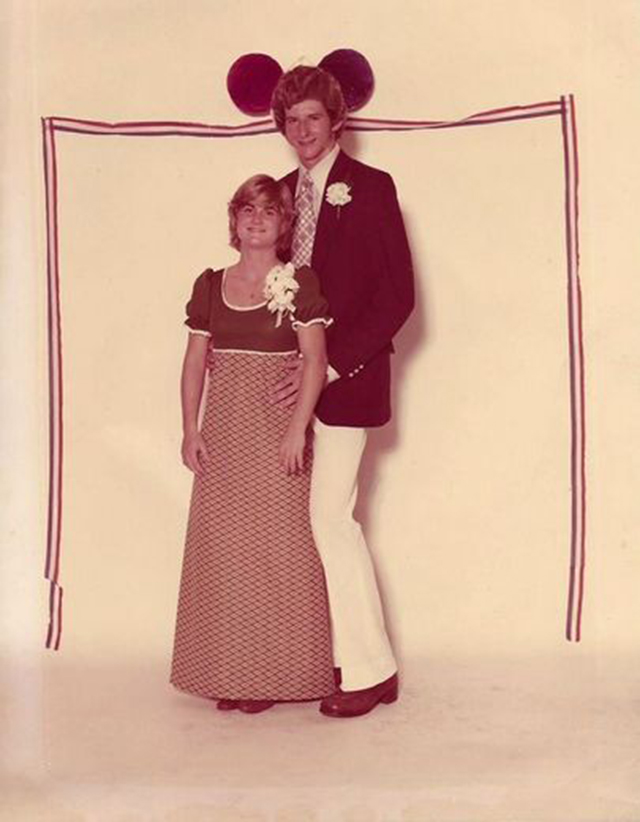
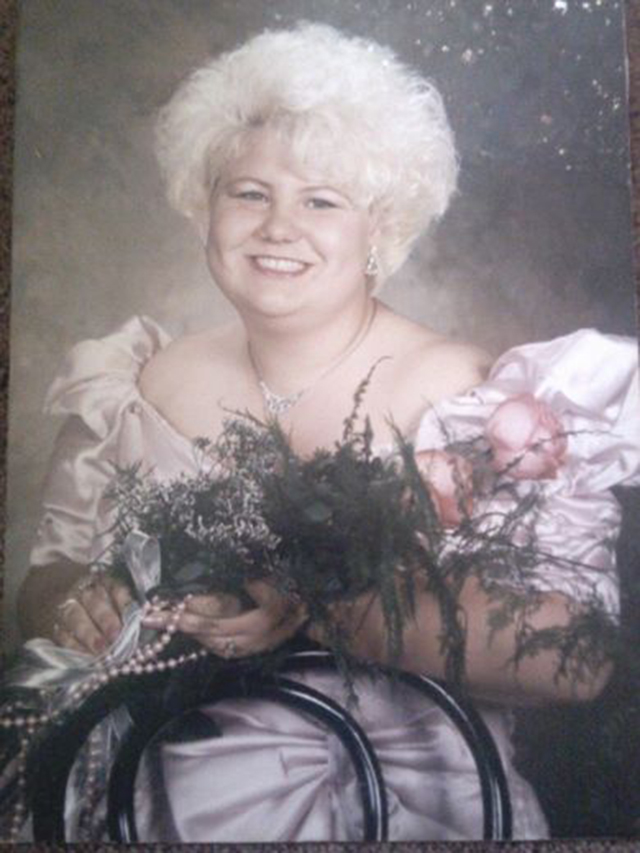
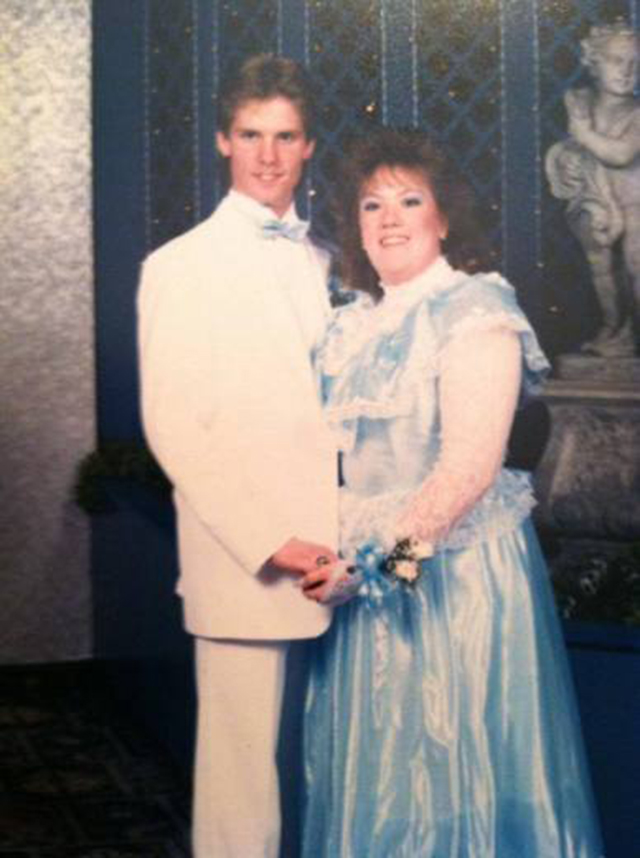
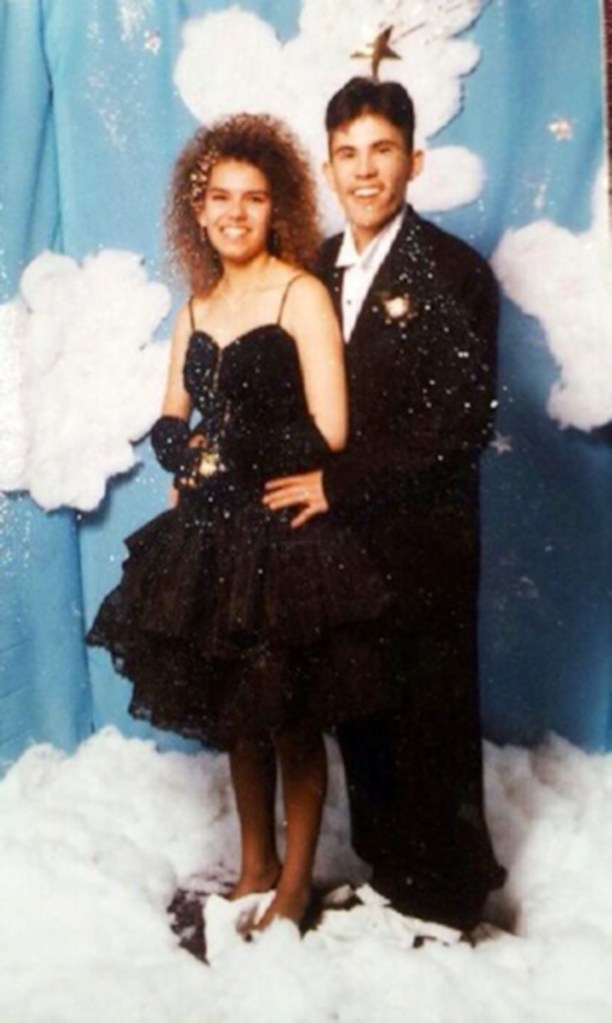
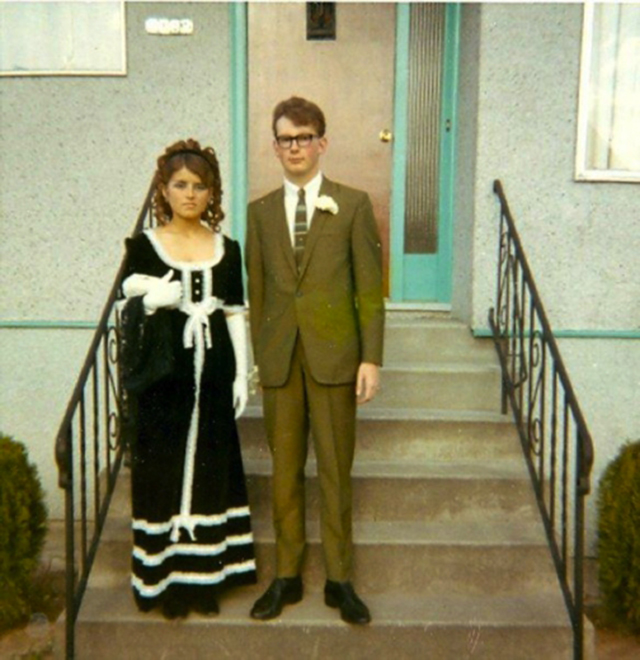
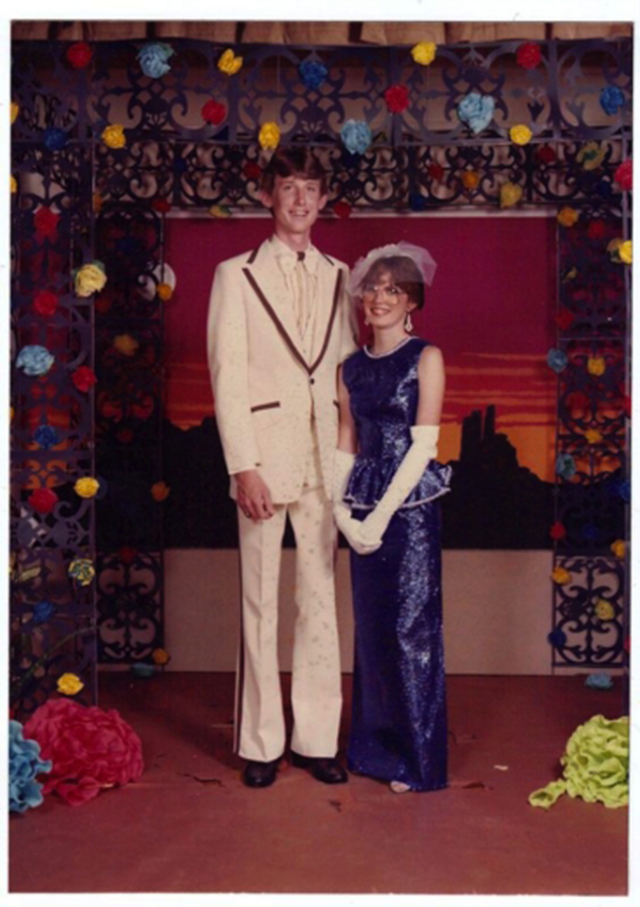
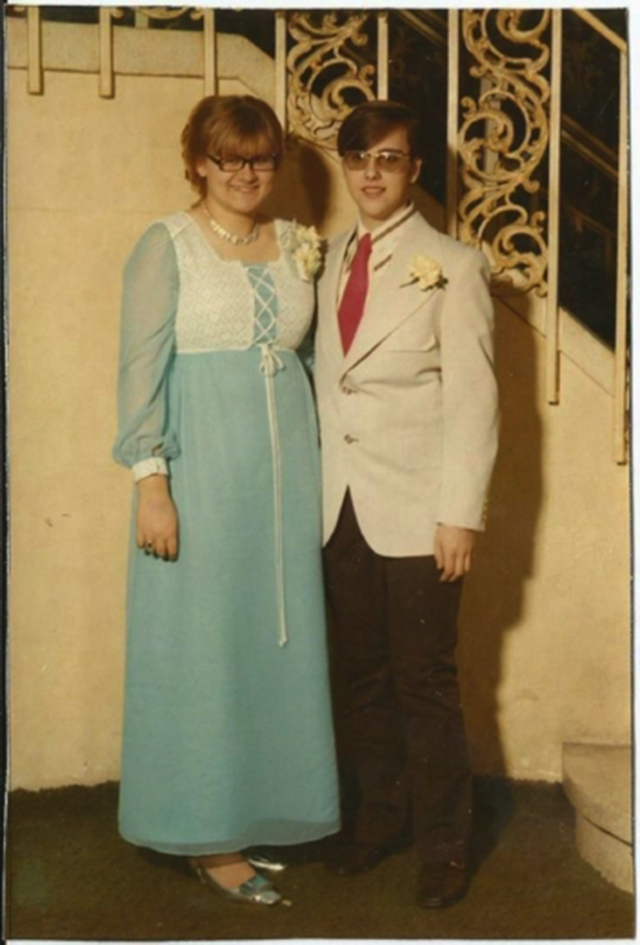
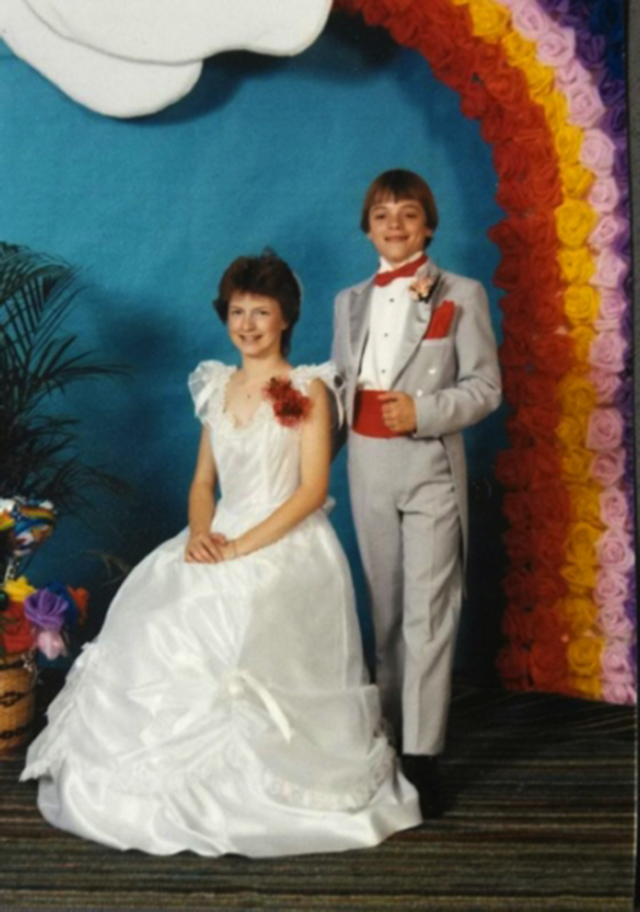
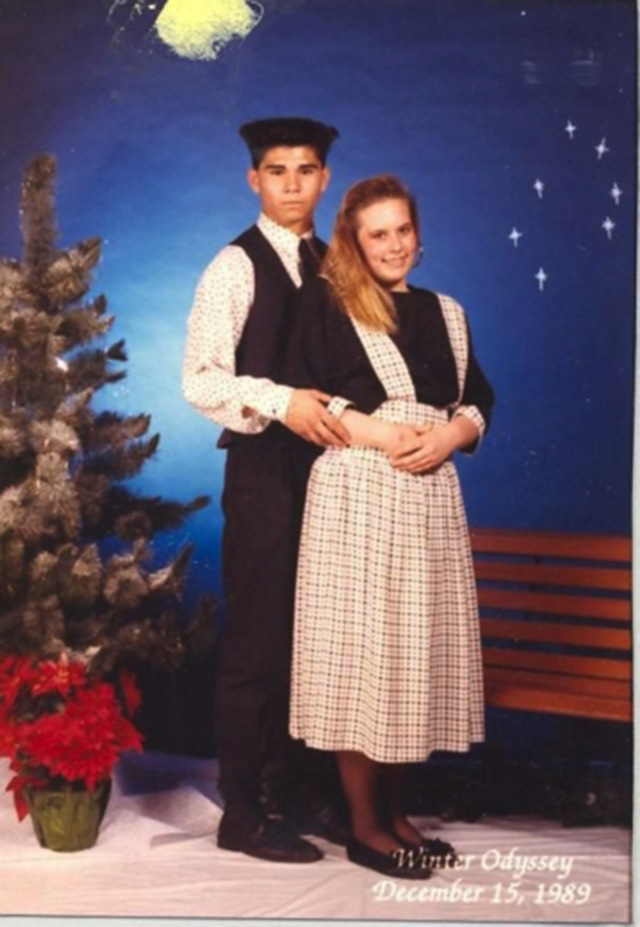
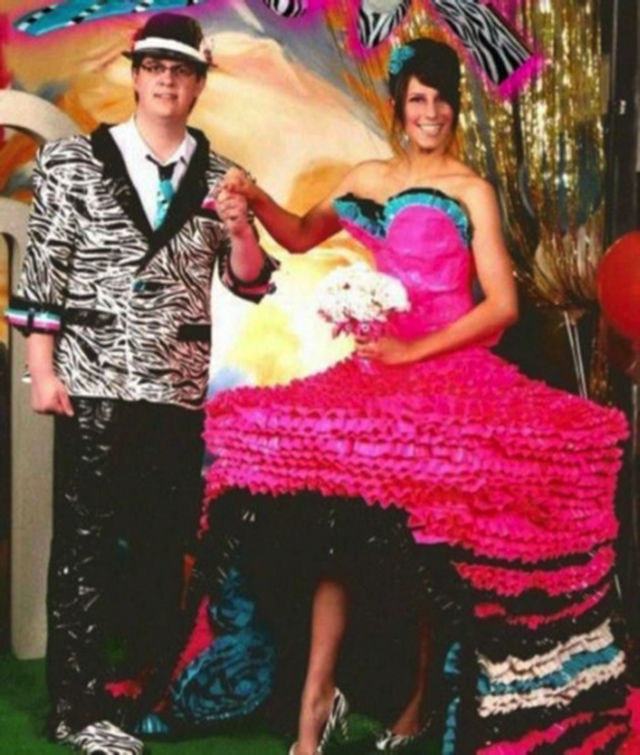
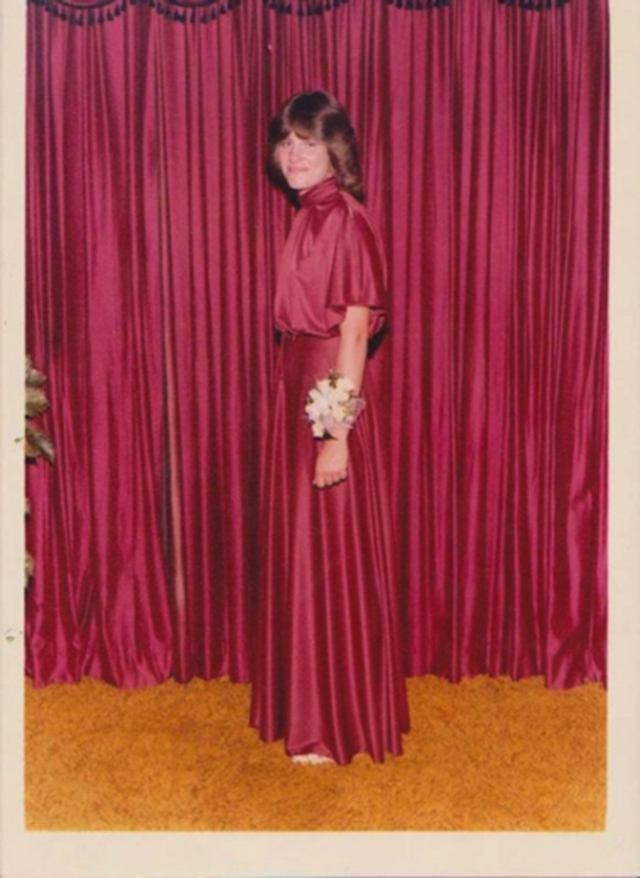
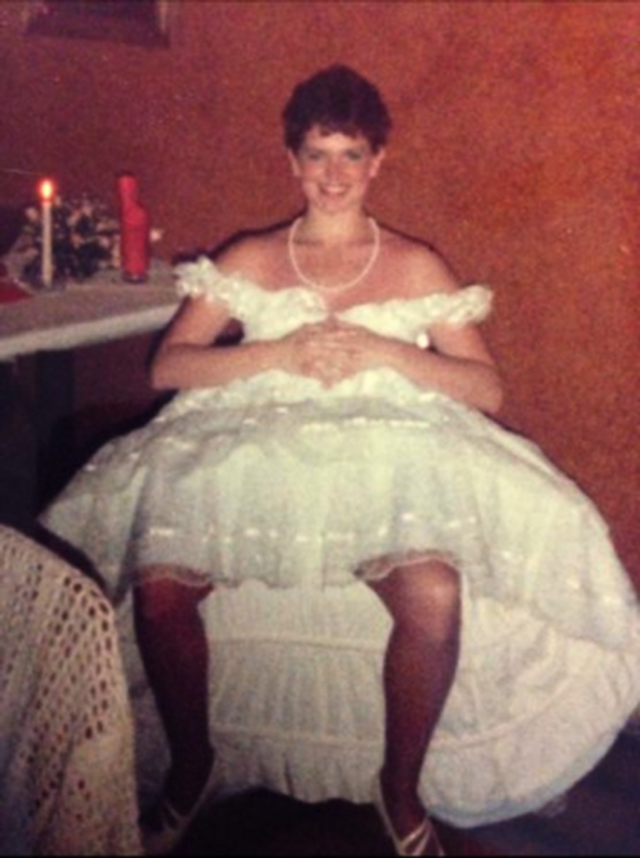
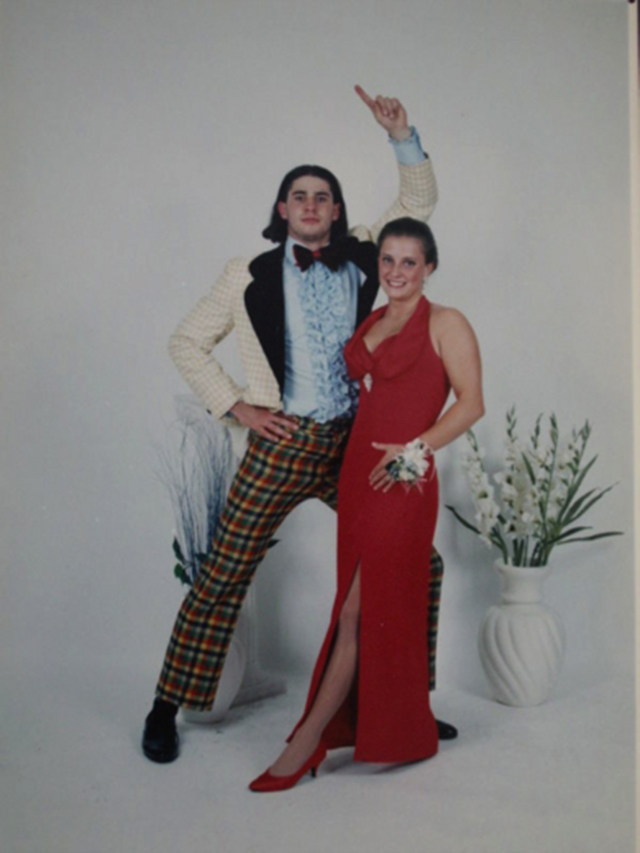
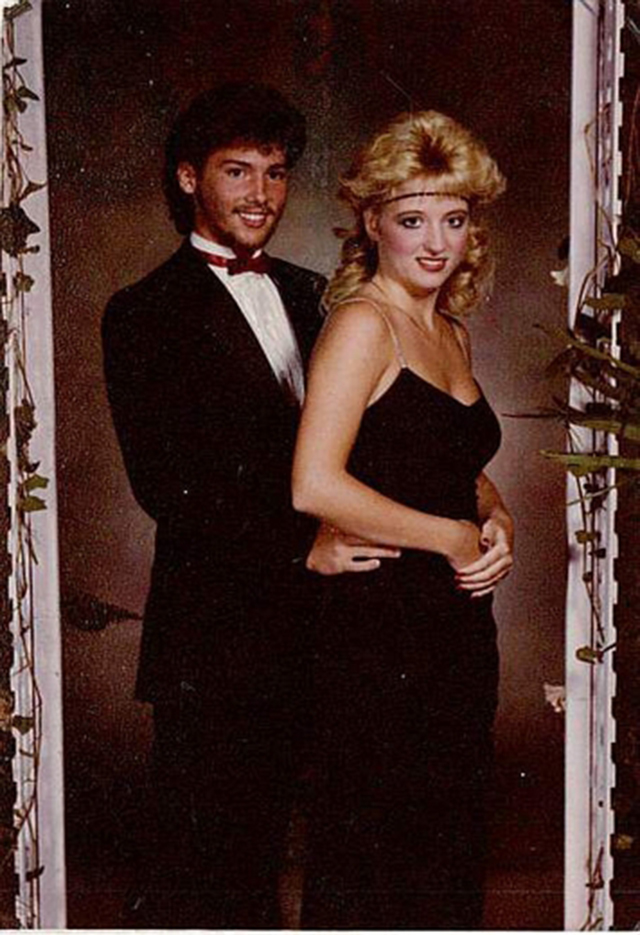
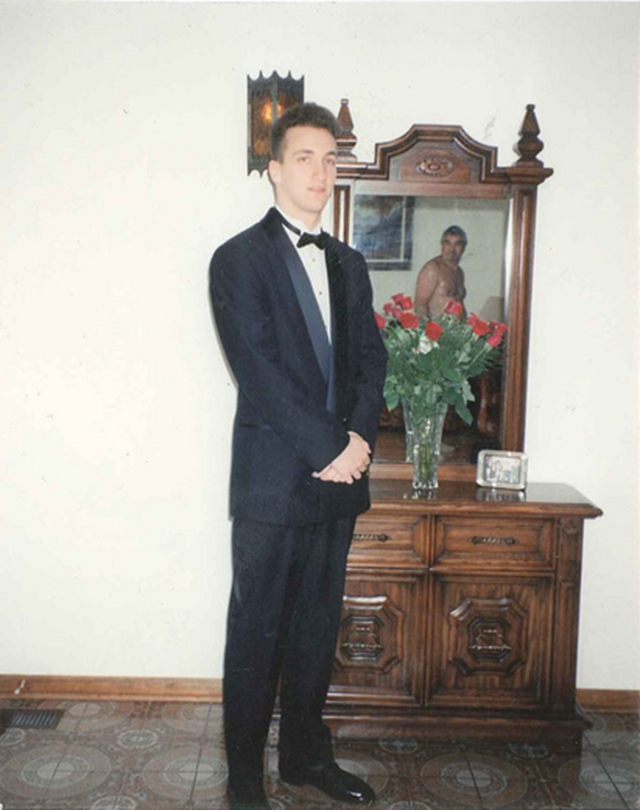
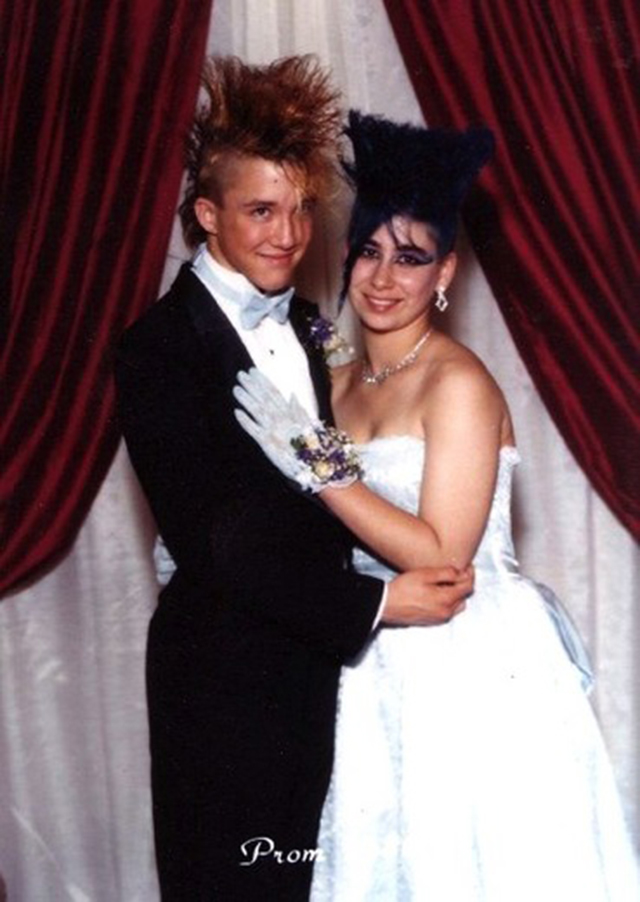
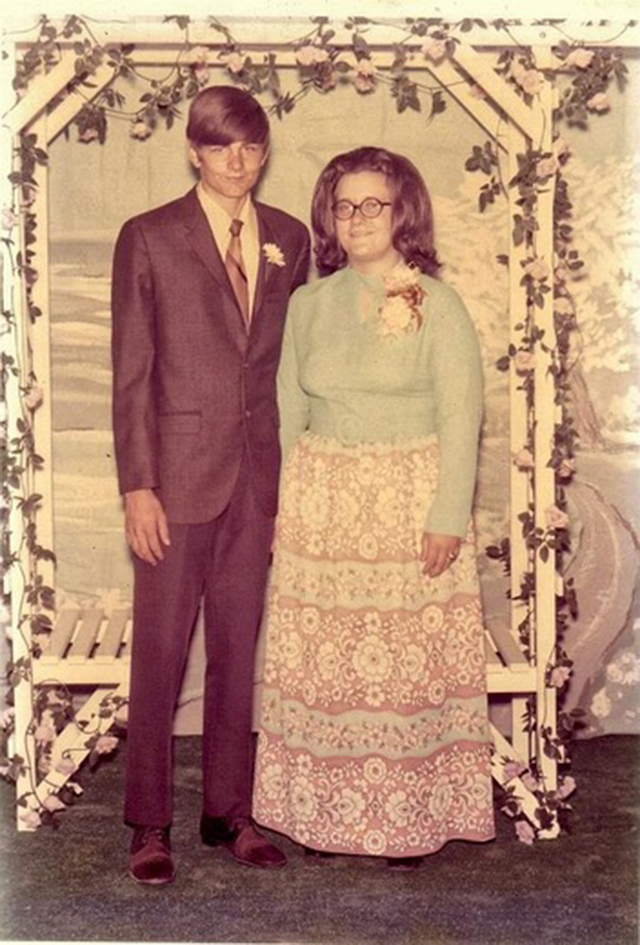
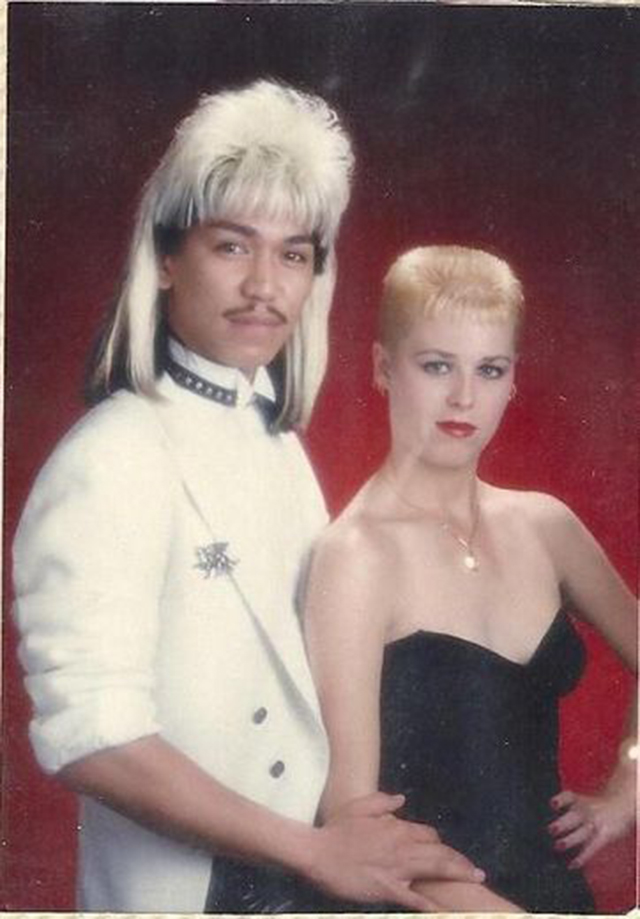
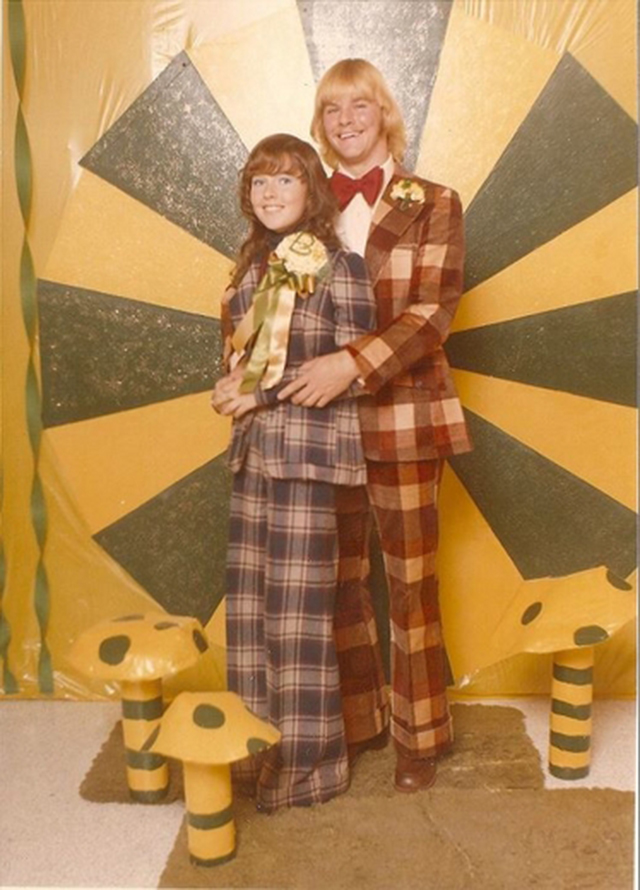
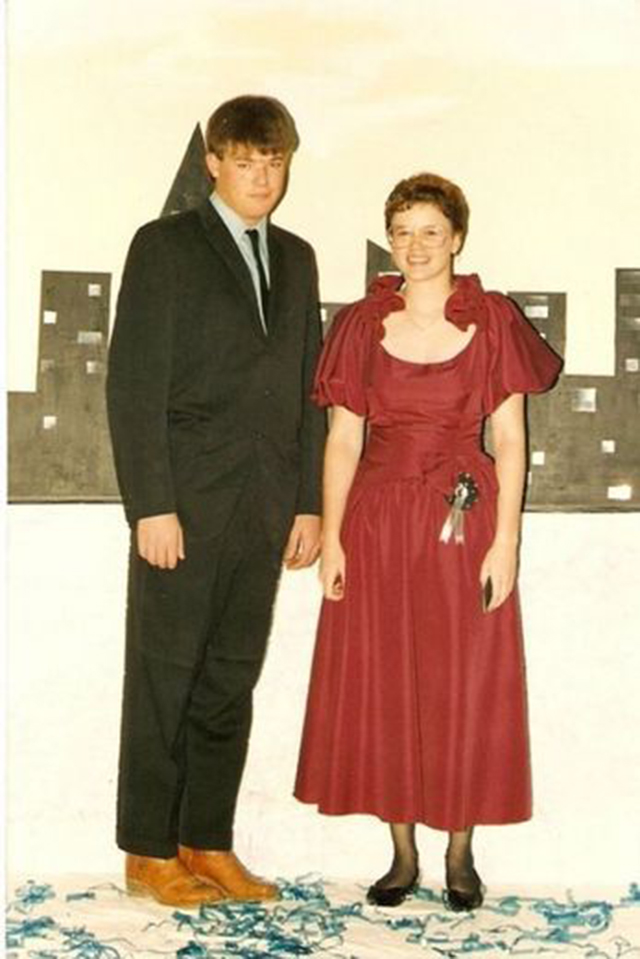
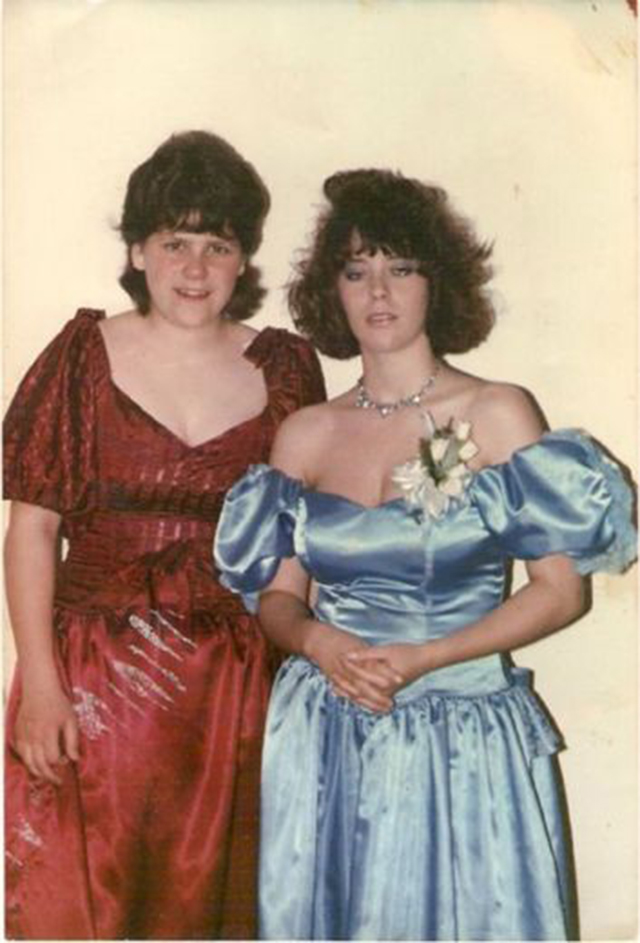
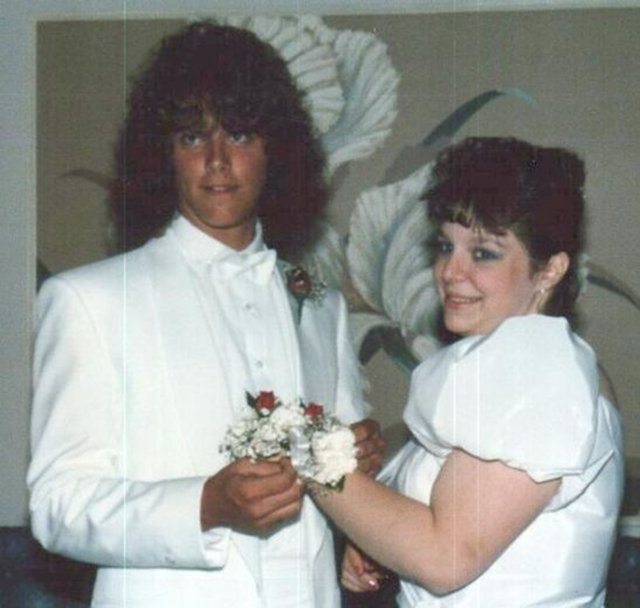
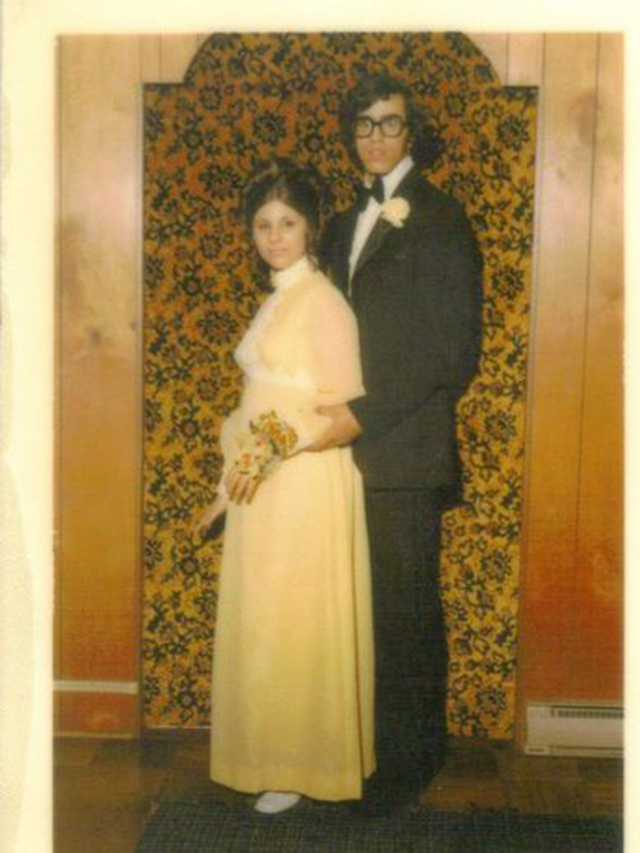
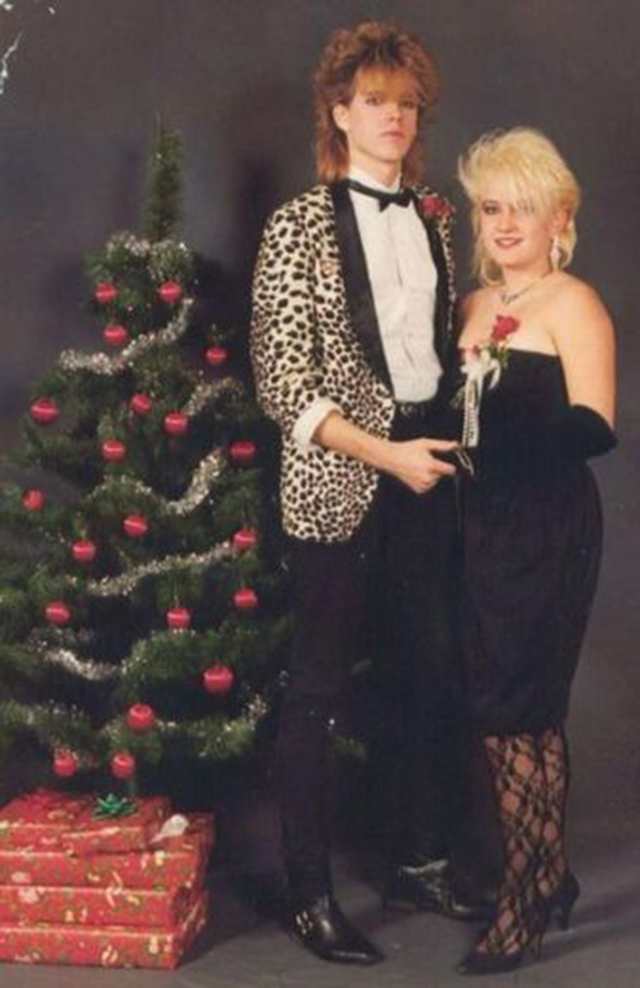
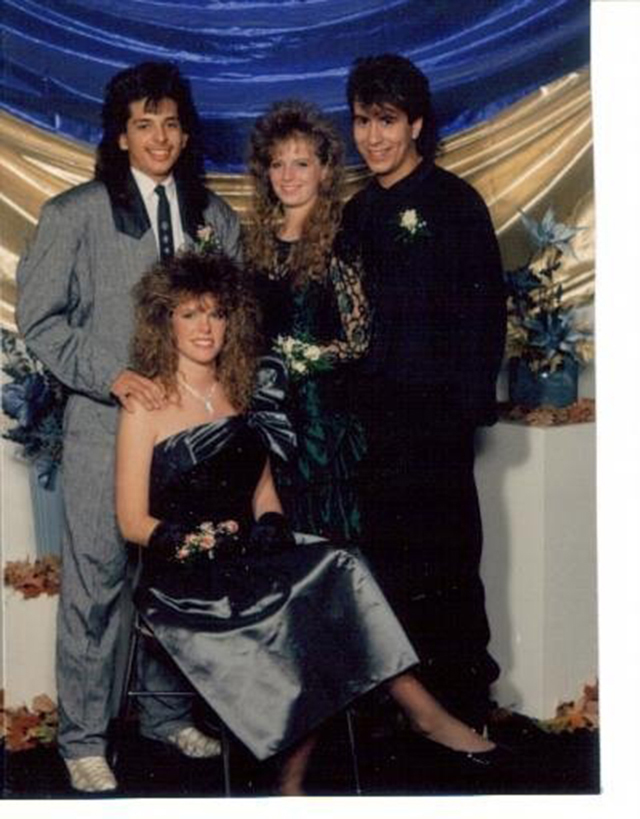
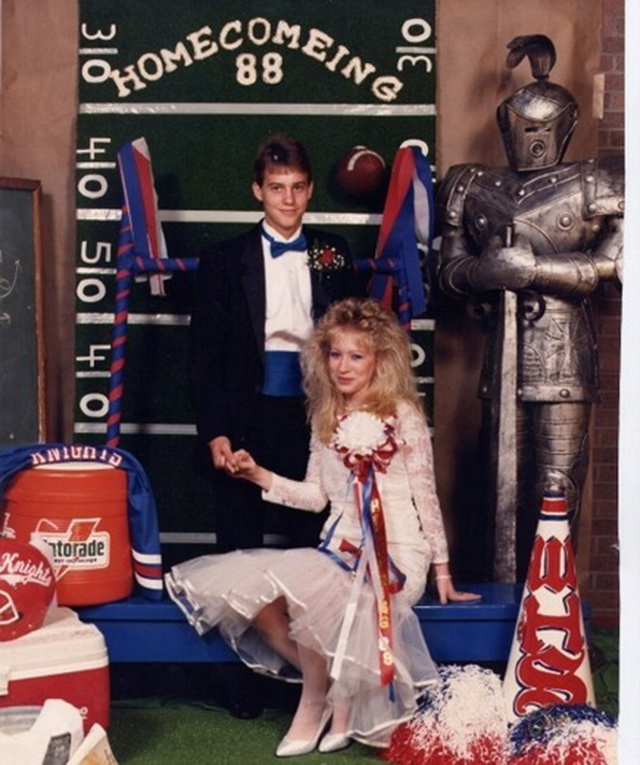
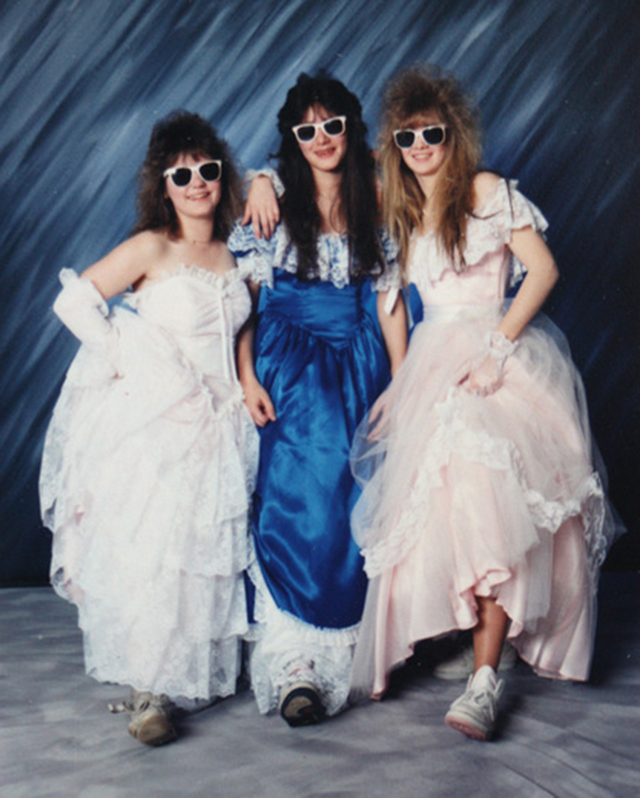
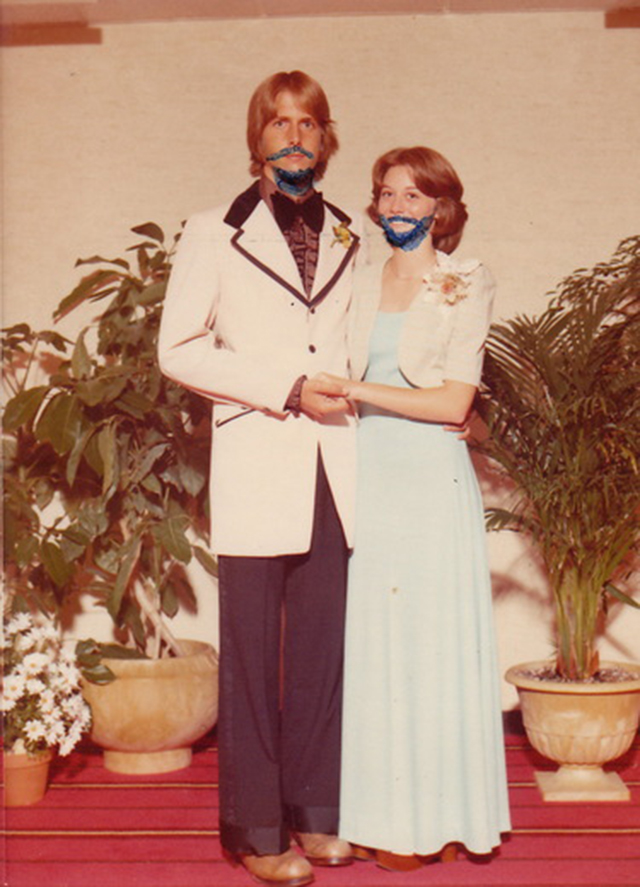
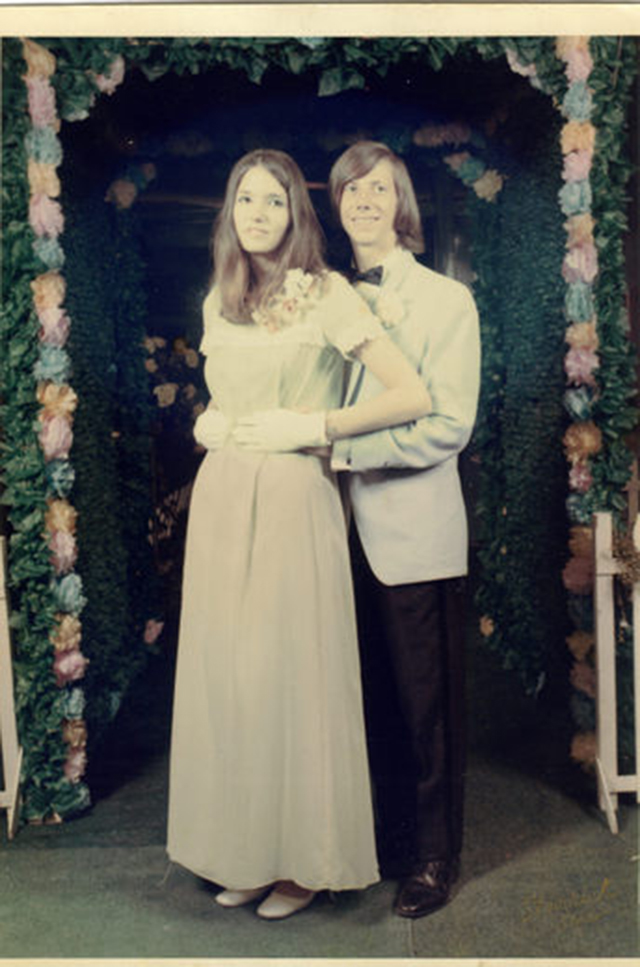
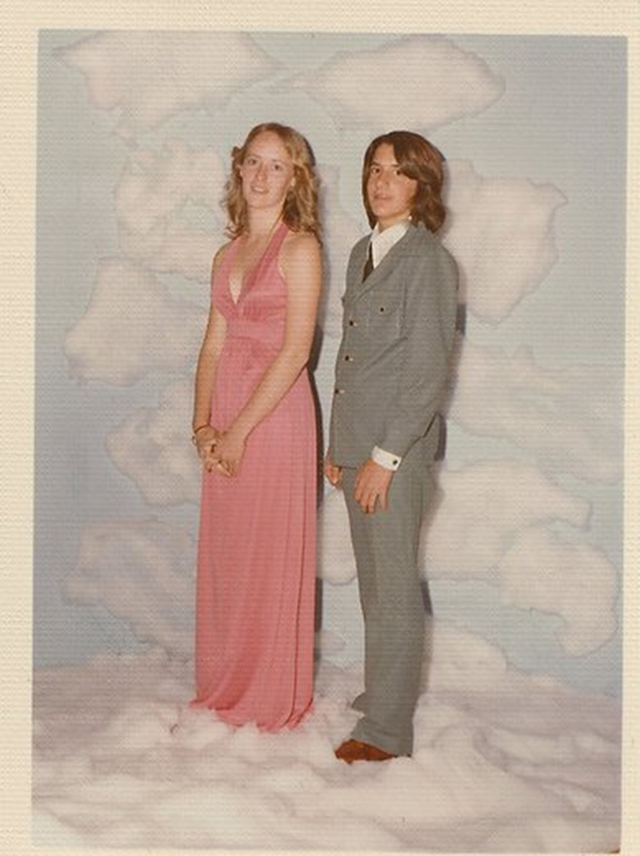
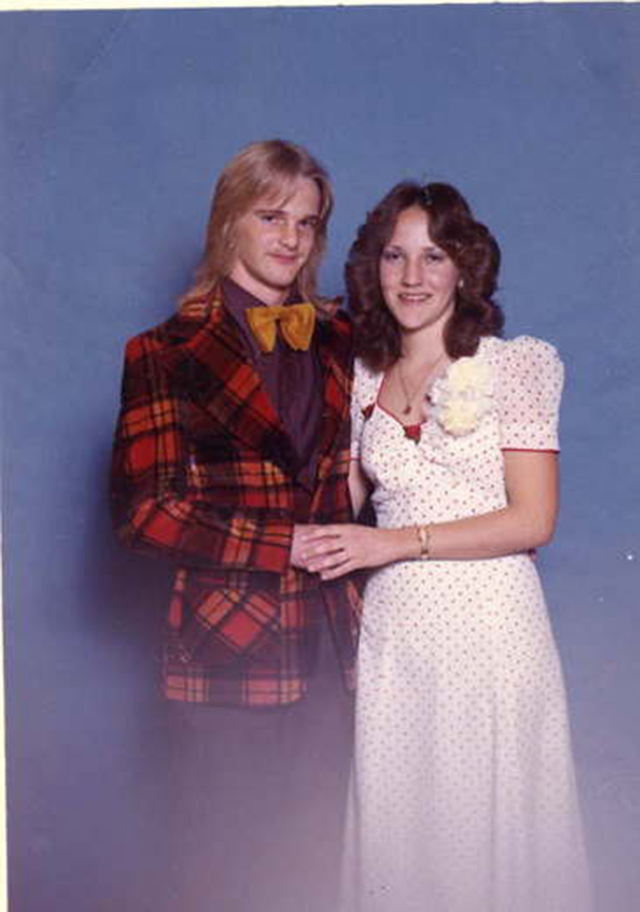
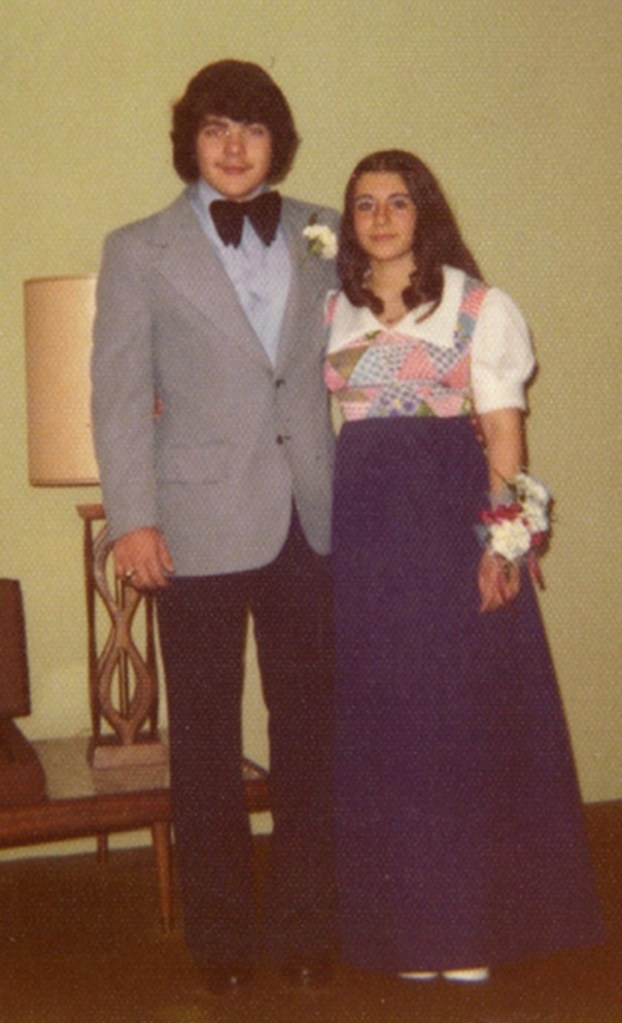
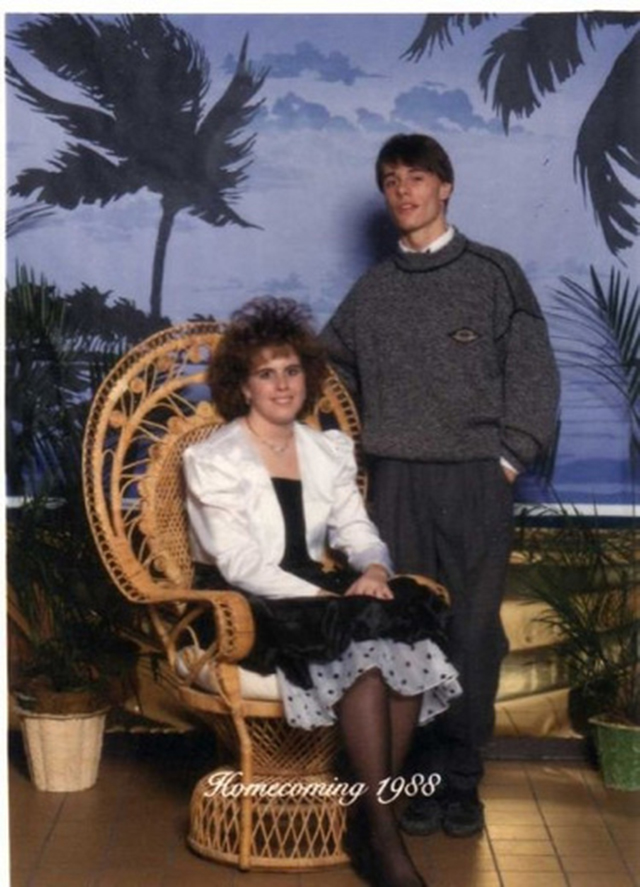
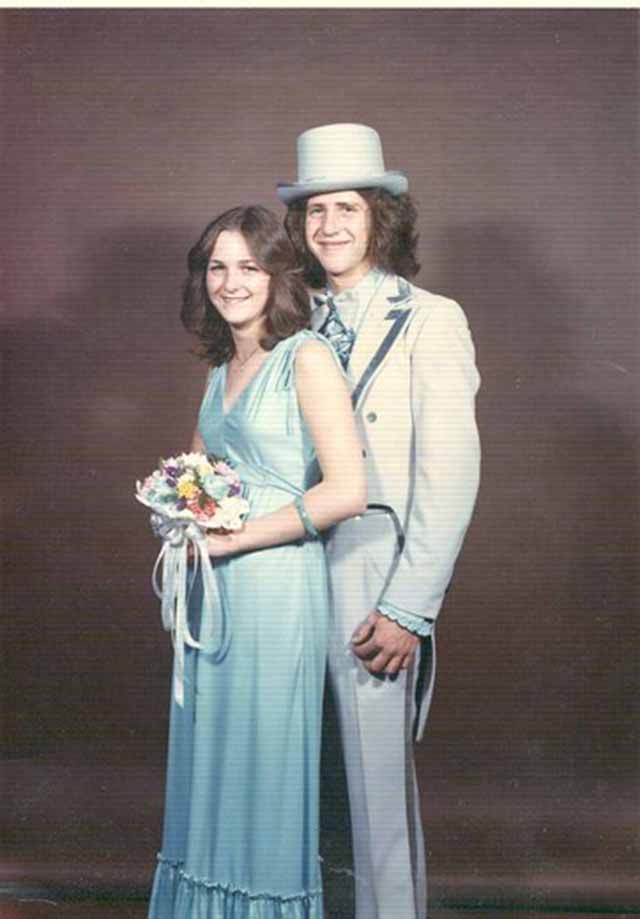
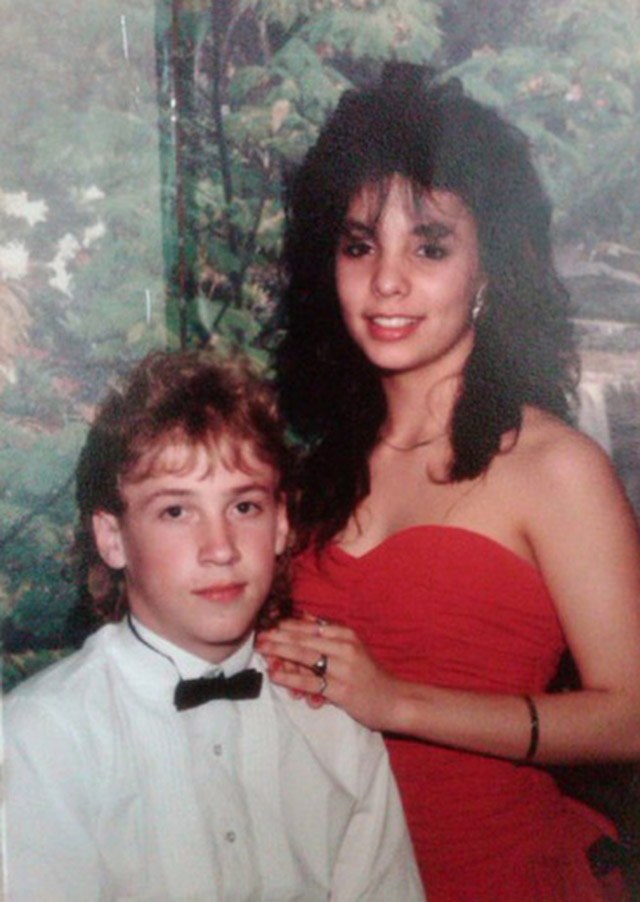
50 “Interesting” Prom Photos From the 1970s to the 1990s

A promenade dance, commonly called a prom, is a dance party for high school students. It may be offered in semi-formal black tie or informal suit for boys, and evening gowns for girls. This event is typically held near the end of the school year. There may be individual junior (11th grade) and senior (12th grade) proms or they may be combined.

At a prom, a “prom king” and a “prom queen” may be revealed. These are honorary titles awarded to students elected in a school-wide vote prior to the prom. Other students may be honored with inclusion in a prom court. The selection method for a prom court is similar to that of homecoming queen/princess, king/prince, and court. Inclusion in a prom court may be a reflection of popularity of those students elected and their level of participation in school activities, such as clubs or sports. The prom queen and prom king may be given crowns to wear. Members of the prom court may be given sashes to wear and photographed together.

Similar events, which may be locally inspired by debutante balls, take place in many other parts of the world. In Canada, the terms “formal” and “Grad” are often used, while in Australia and New Zealand, the terms school formal and ball are most commonly used for occasions equivalent to the American prom, and the event is usually held for students in Year 12, although the bestowing of the regal titles does not occur. Many schools hold a formal graduation ball for finishing students at the end of the year in place of or as well as a formal. In Ireland, a debutante ball or debs may also be held. In Poland, high schools organize a “studniówka”. The term “prom” is becoming more common in the United Kingdom and Canada because of the influence of American films and television shows, such as Grease. In South Africa this event is widely known as a matric dance as students in their 12th year of school are called matric students.

Variation exists between different dialects with regard to whether prom is used with the definite article or not—e.g., whether one says “go to the prom” or “go to prom”. (Wikipedia)

50 Amazing Vintage Photos From the 1930s Volume 6

Woman poses next to car on Mulford Street, Homewood, Pittsburgh, PA, 1937.
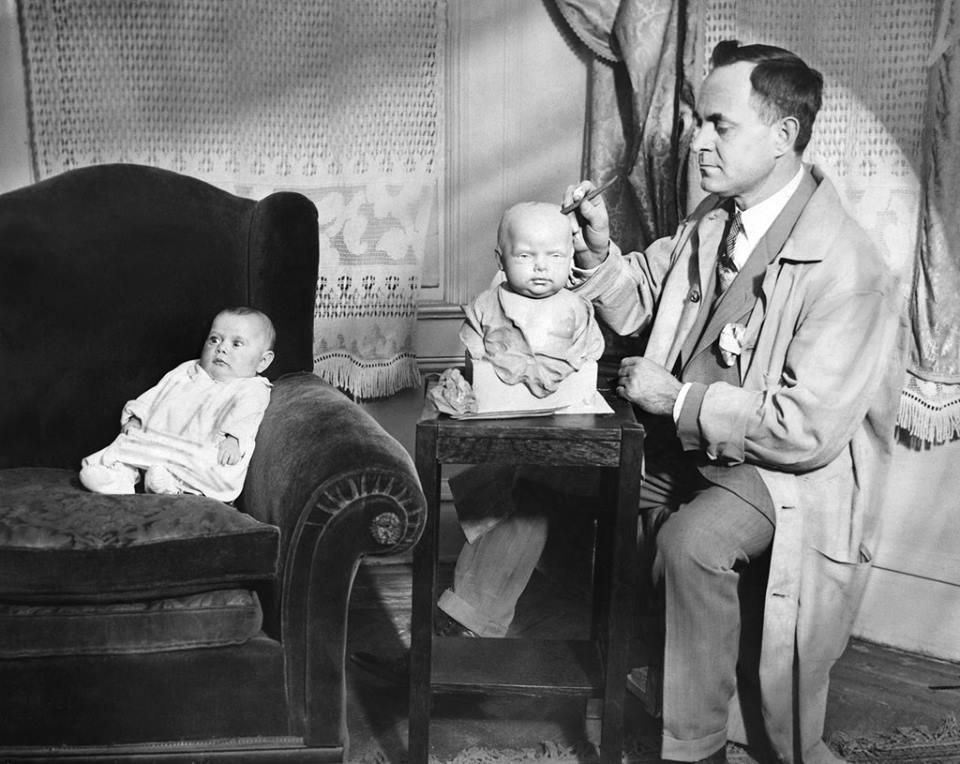
Ernesto Peruggi, a “prominent designer of dolls,” sculpted from young Mildred Marcia Pinkenfeld, who, at 16 weeks, was known as “America’s perfect baby.” 1930s.
Gang of teen girls, 1930s.
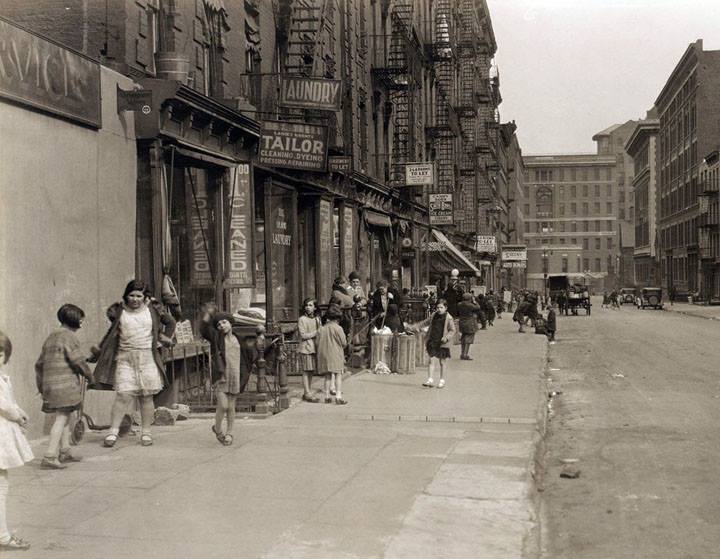
A view down an alley, as rows and rows of laundry hang from tenements, New York City, 1930s.
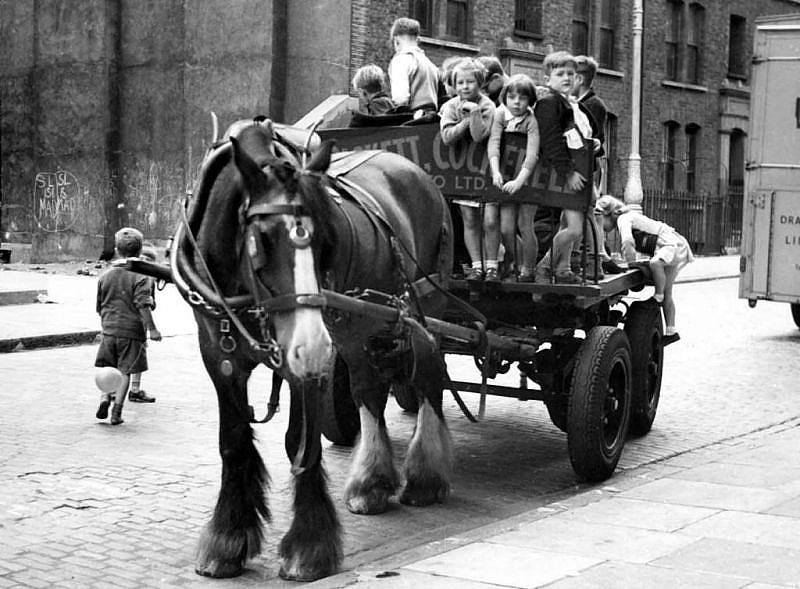
Children riding on horse and cart, 1936.
28th Street looking east from Second Avenue, New York City, 1931.
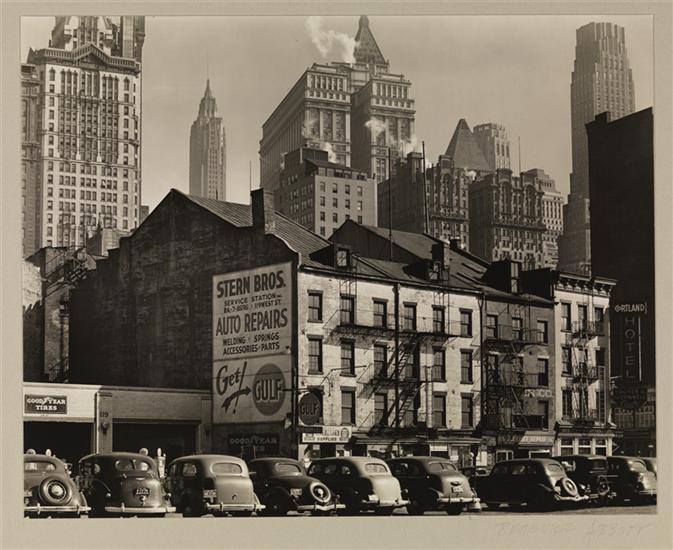
New York. Looking east from West Street, New York, 1938.
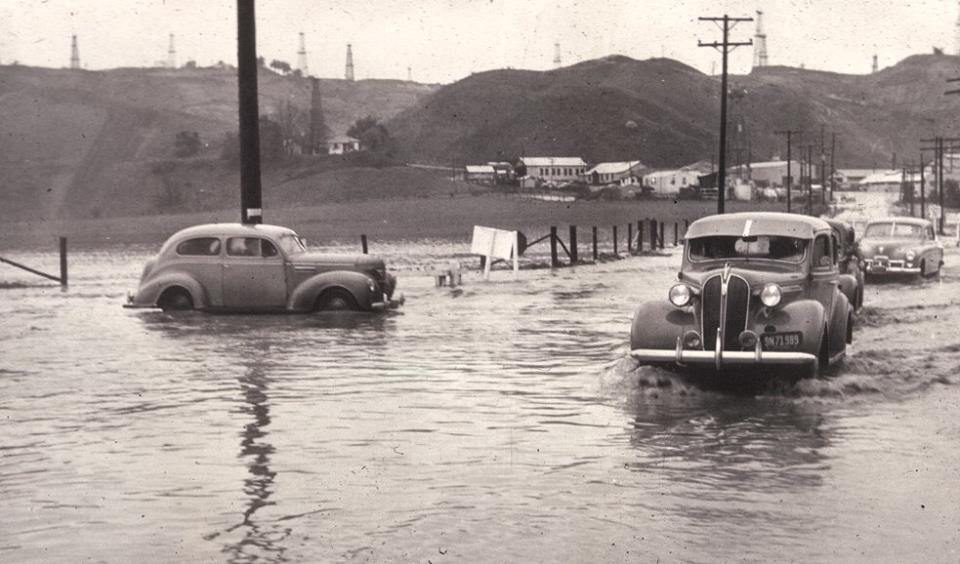
Flooded at Beach & Imperial, La Habra, California, 1938.
Girls ready to dive, Washington D.C., 1930.
Innovative Pillow Safety: Little Girl on Skates, 1936.
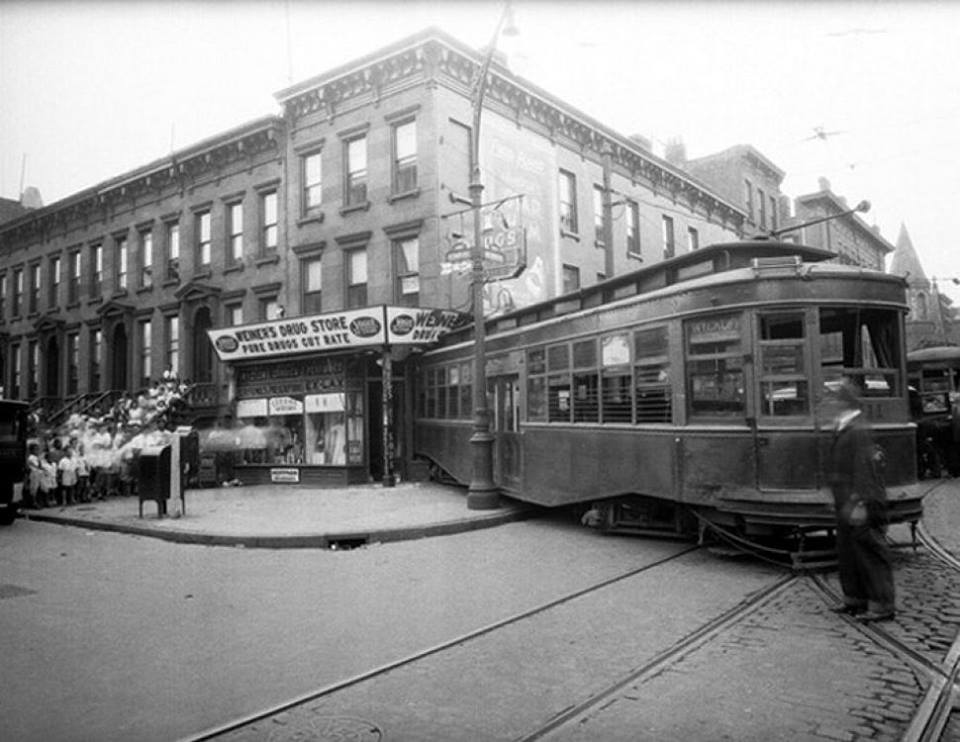
A street car collision on Nostrand and Putnam avenues in Brooklyn, New York City on July 7, 1931.
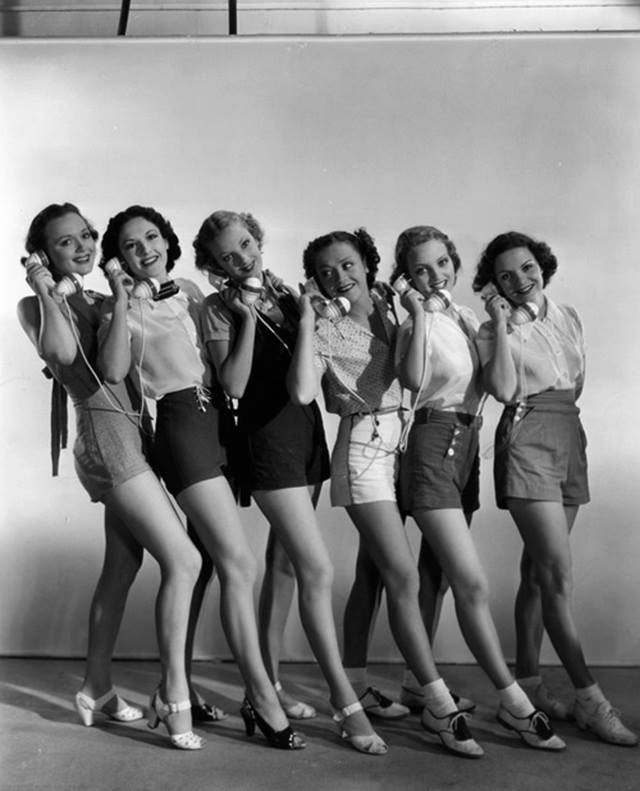
Starlets in “The Holy Lie”, 1936.
Girls on the helter-skelter ride at Coney Beach Amusement Park in Porthcawl, Wales, 1939.
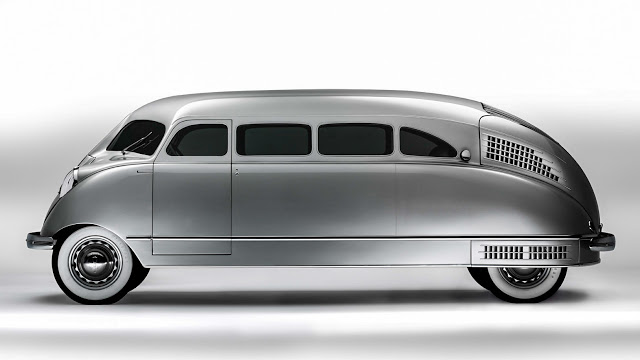
1936 Stout Scarab: The World’s First Minivan
Tyrone Power and Loretta Young on the set of “Cafe Metropole,” 1937.
Galen Gough, noted strongman, Columbia Studios, 1934.
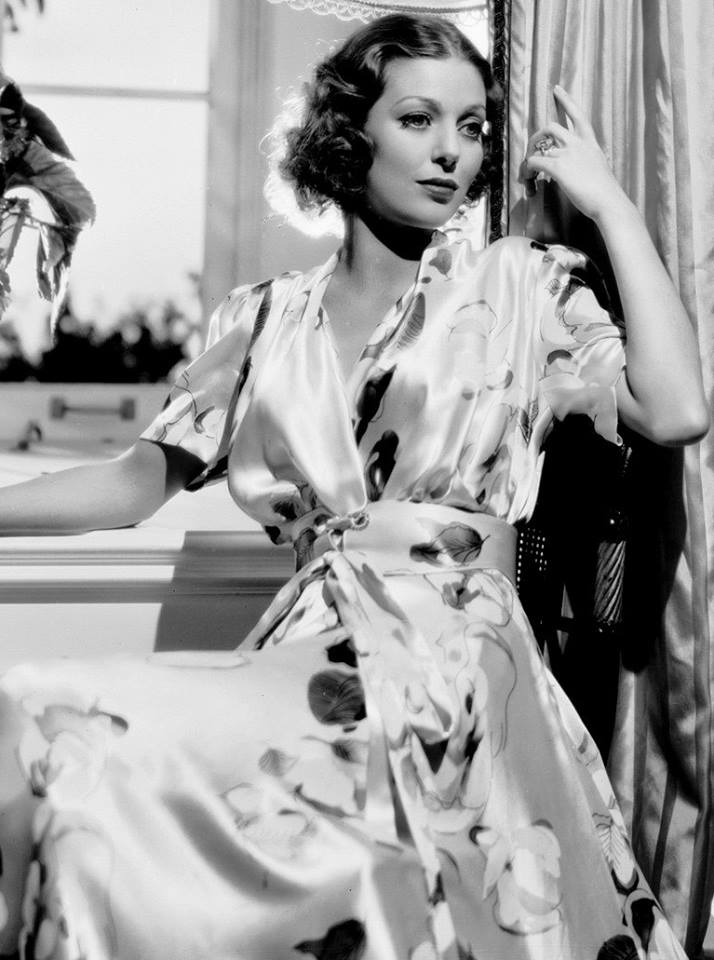
Loretta Young in 1938.
Jean Harlow, 1930s.
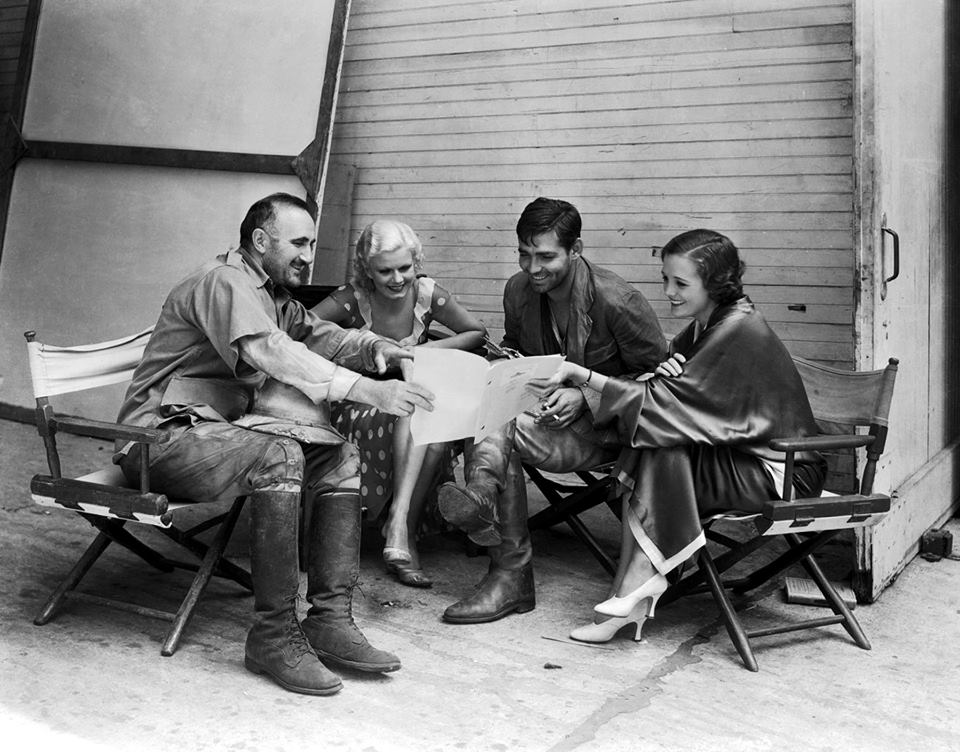
Donald Crisp, Jean Harlow, Clark Gable and Mary Astor on the set of the 1932 movie “Red Dust.”
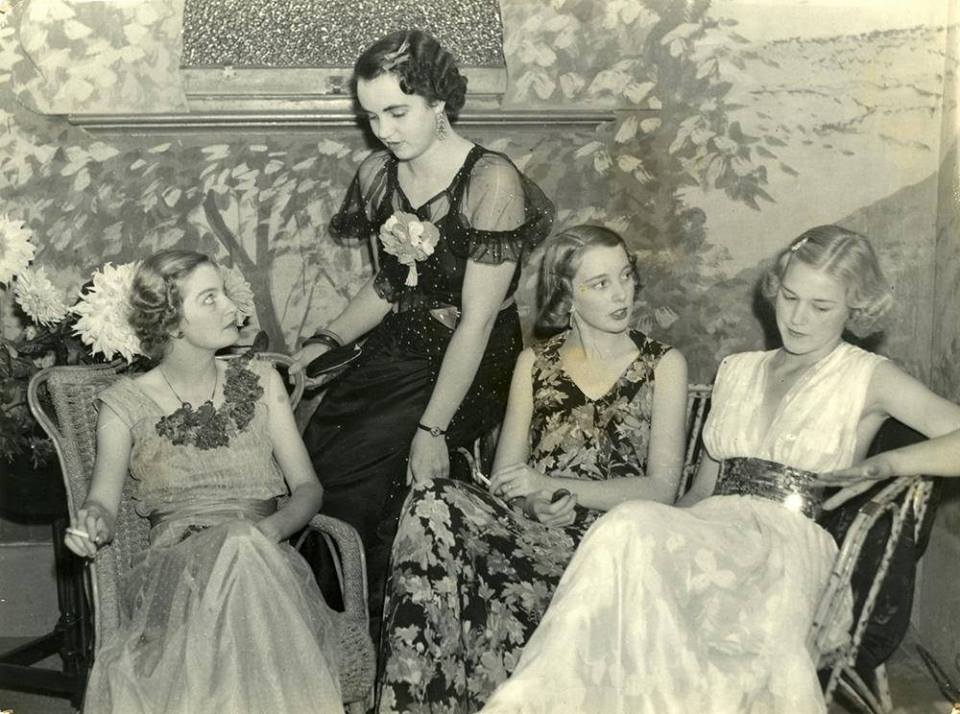
Young women at a military ball, Queensland, Australia, March 1938.
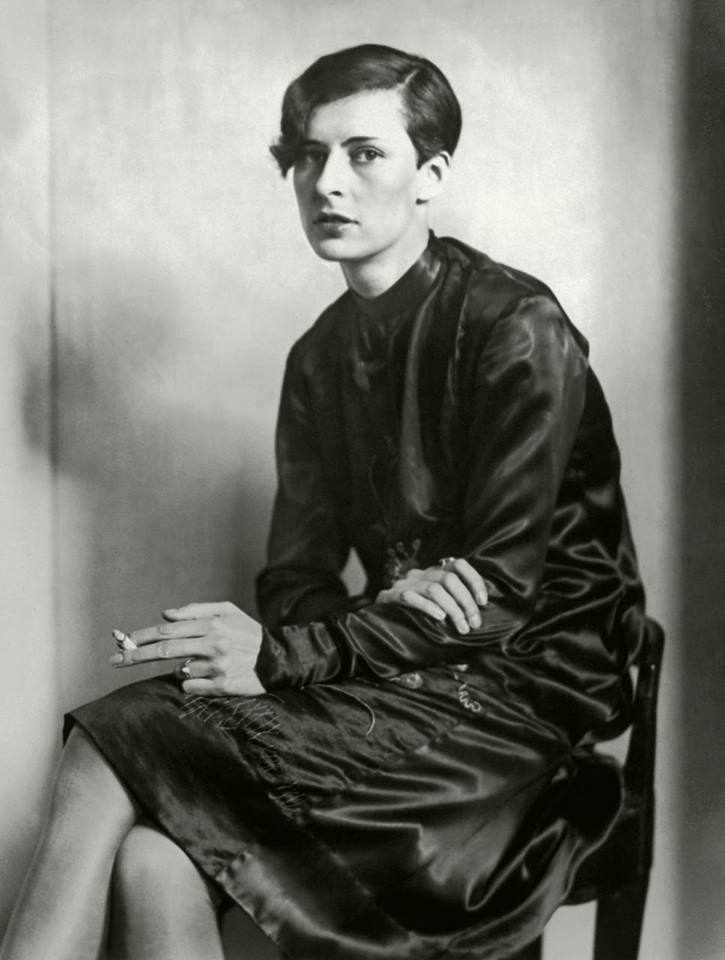
Secretary at West German Radio in Cologne, 1931.
Beach racer, 1933
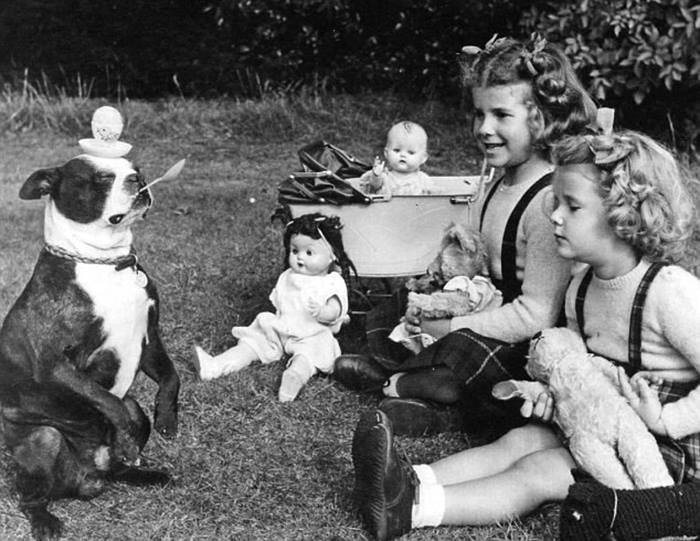
Girls teach an old dog new tricks, 1930s.
Workmen painting the Eiffel Tower, 1932.
Anna May Wong, 1934.
Myrna Loy, William Powell, Jean Harlow and Spencer Tracy in the 1936 movie “Libeled Lady.”
Girl studying how to take photographs in Bali, Indonesia, 1934.
Beauty shop in Long Beach, California, 1934.
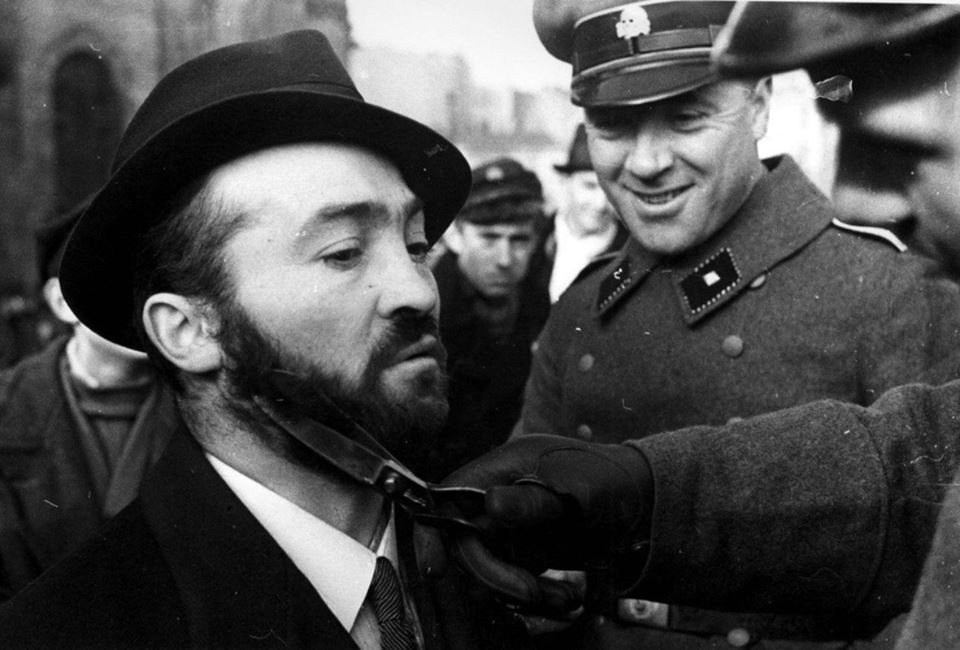
A photograph shows a member of the Security Service [Sicherheitsdienst or SD] cutting a Polish Jew’s beard in Warsaw, October 1939.
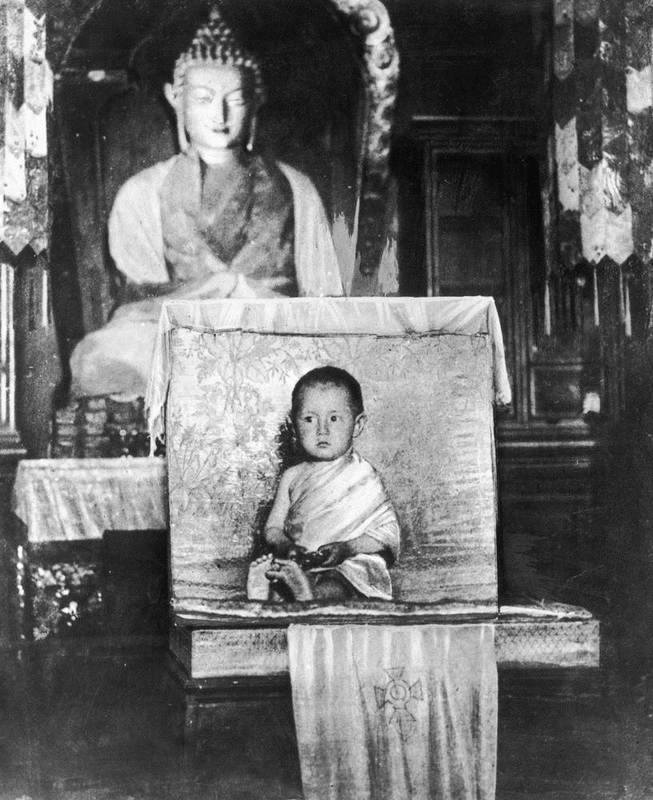
The Dalai Lama at age two. 1937.
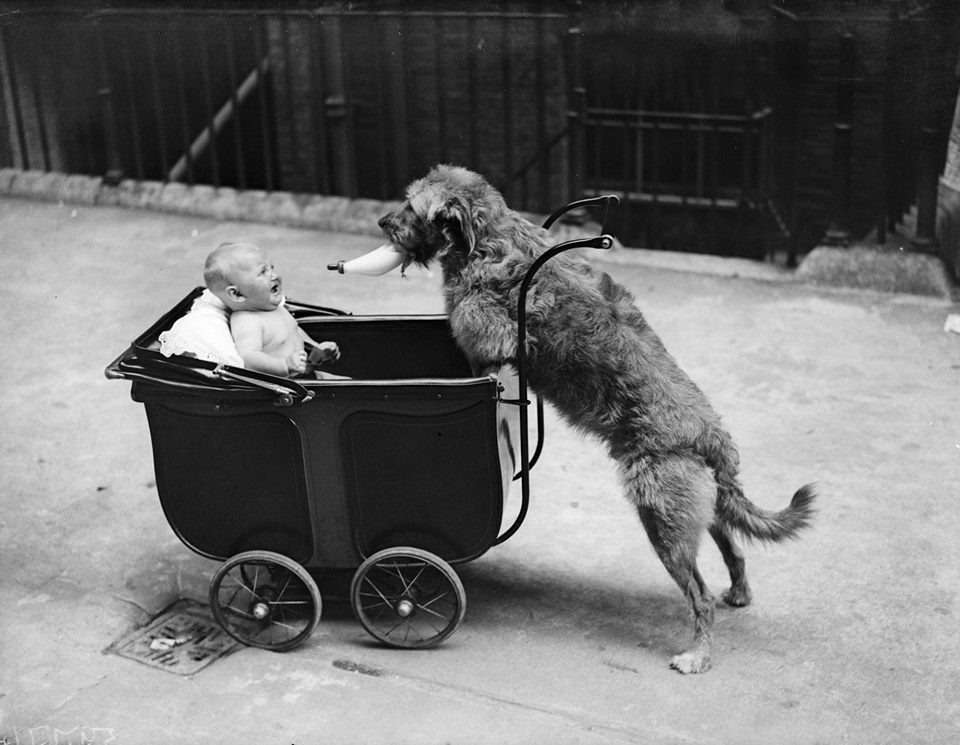
A doggie produces a milk bottle in an effort to stem the flood of tears from its charge, 1932.
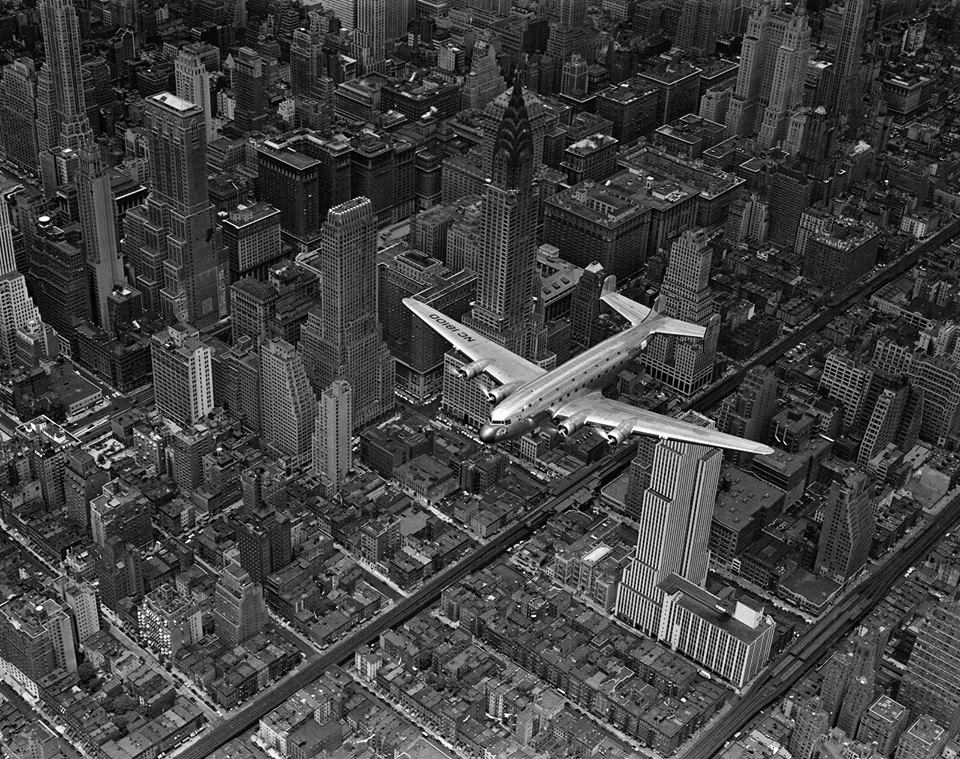
Aerial view of a DC-4 passenger plane flying over midtown Manhattan, 1939.
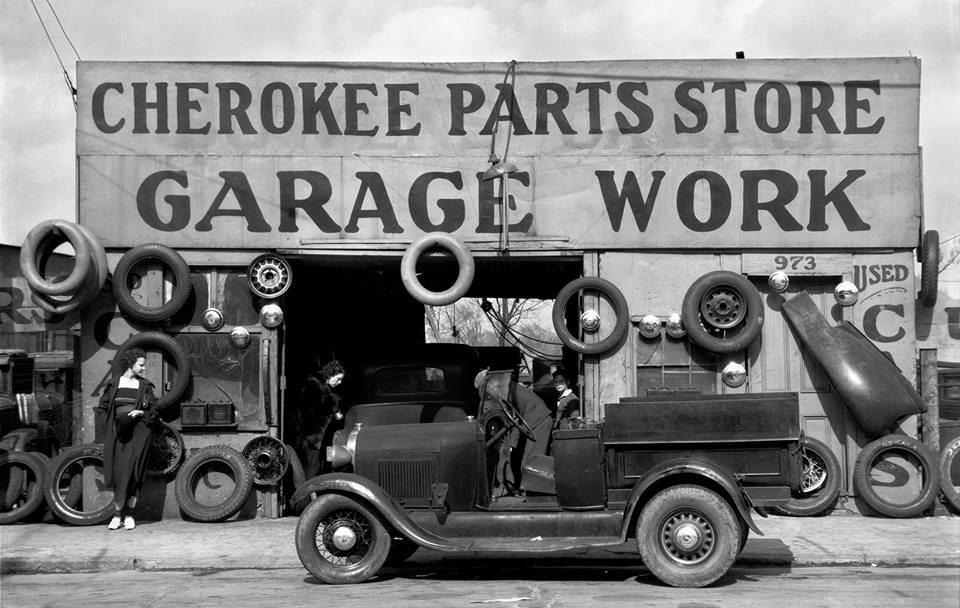
Auto Parts Shop, Atlanta, Georgia, 1936.
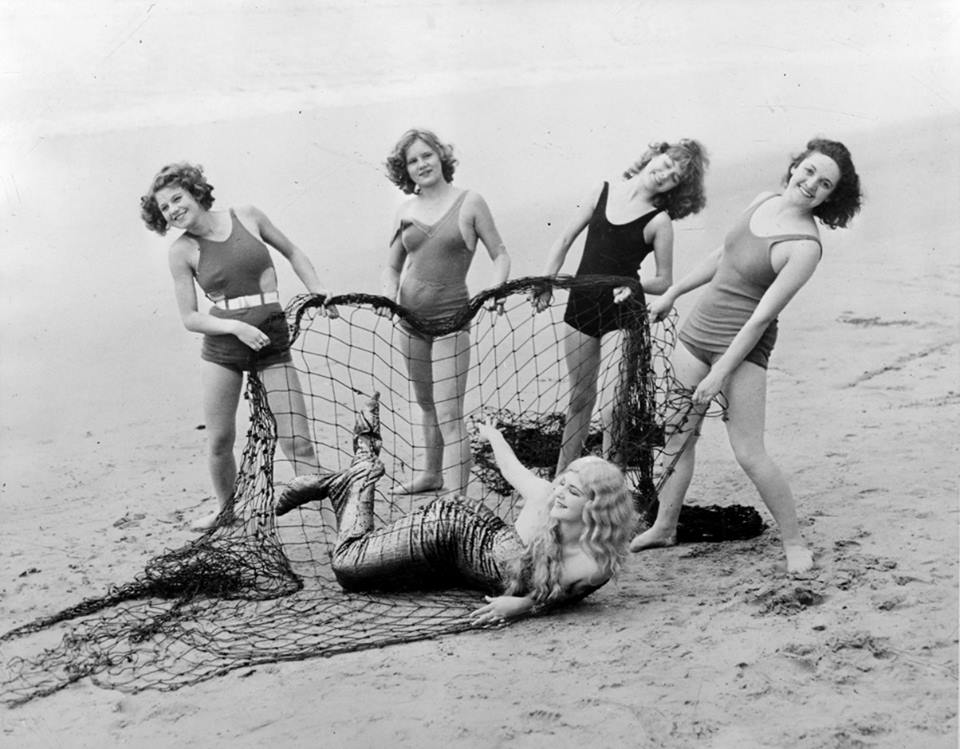
Bathing girls catch mermaid on California Beach, 1933
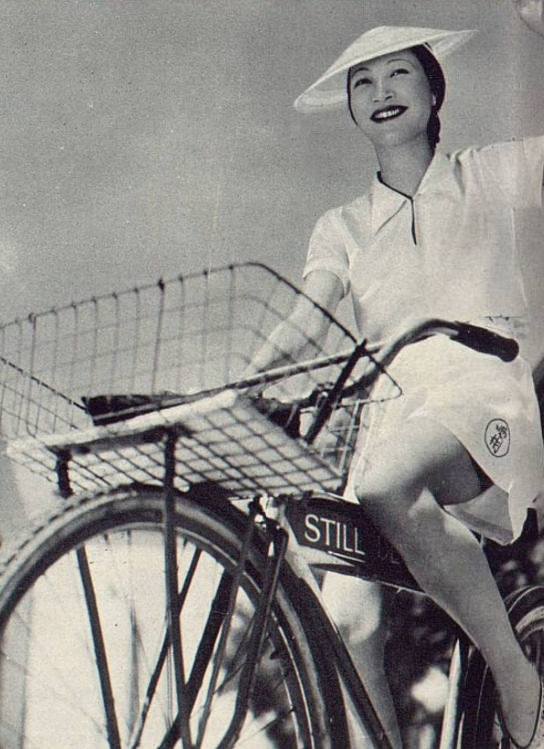
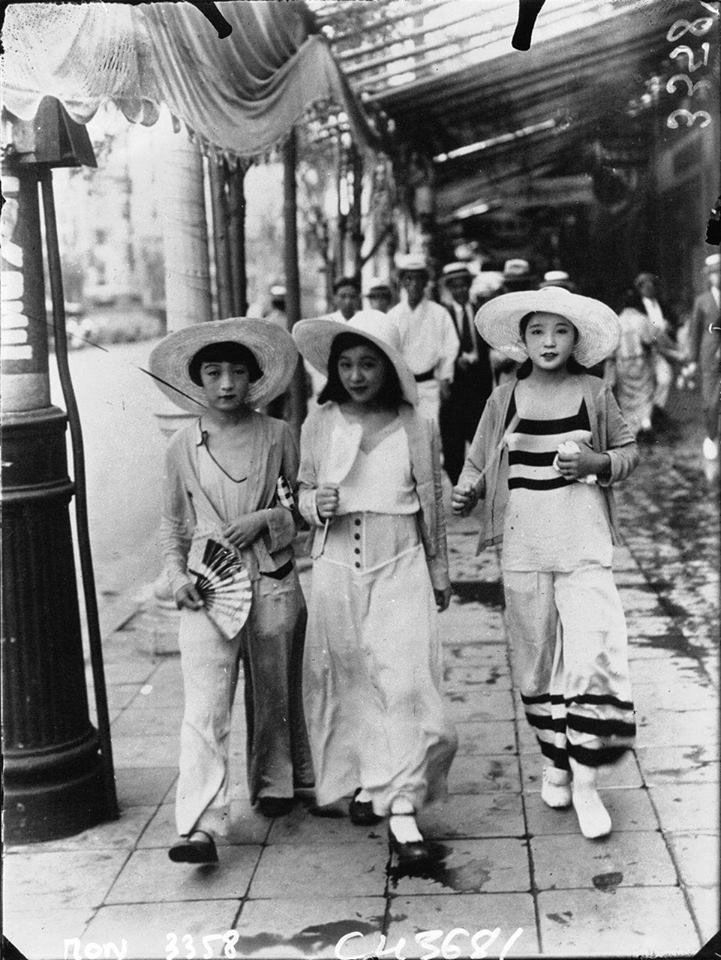
Street fashion in Japan, 1932.
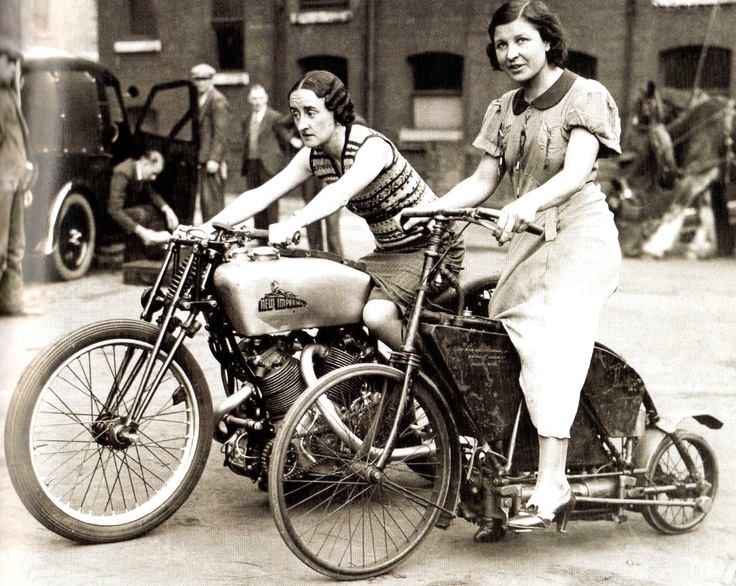
Two ladies riding an 1895 Crank Drive and a 500 New Imperial Twin, 1935.
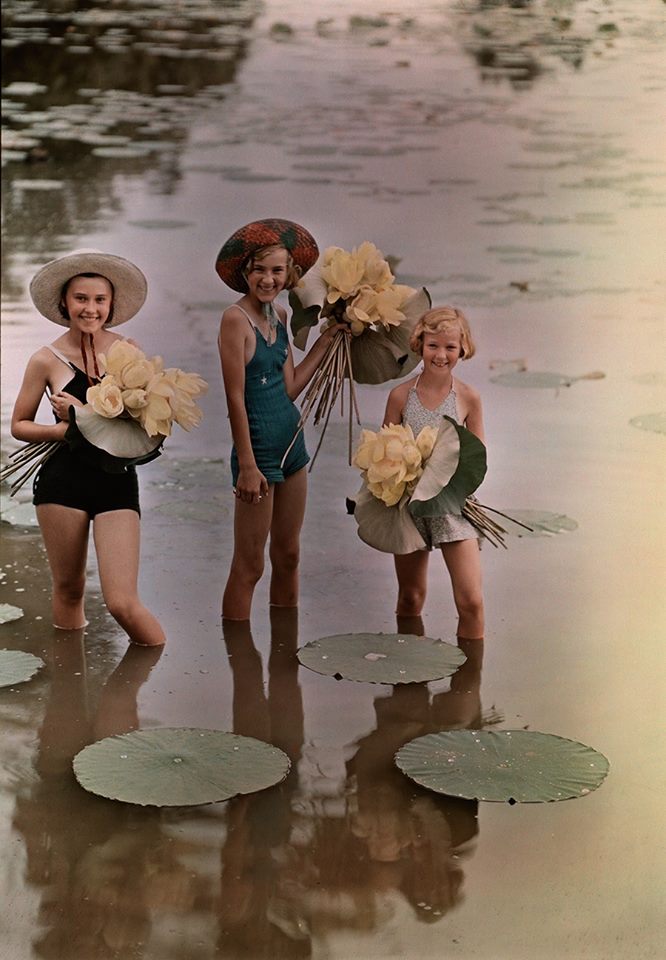
Girls standing in water holding bunches of American Lotus, Amana, Iowa, November 1938.
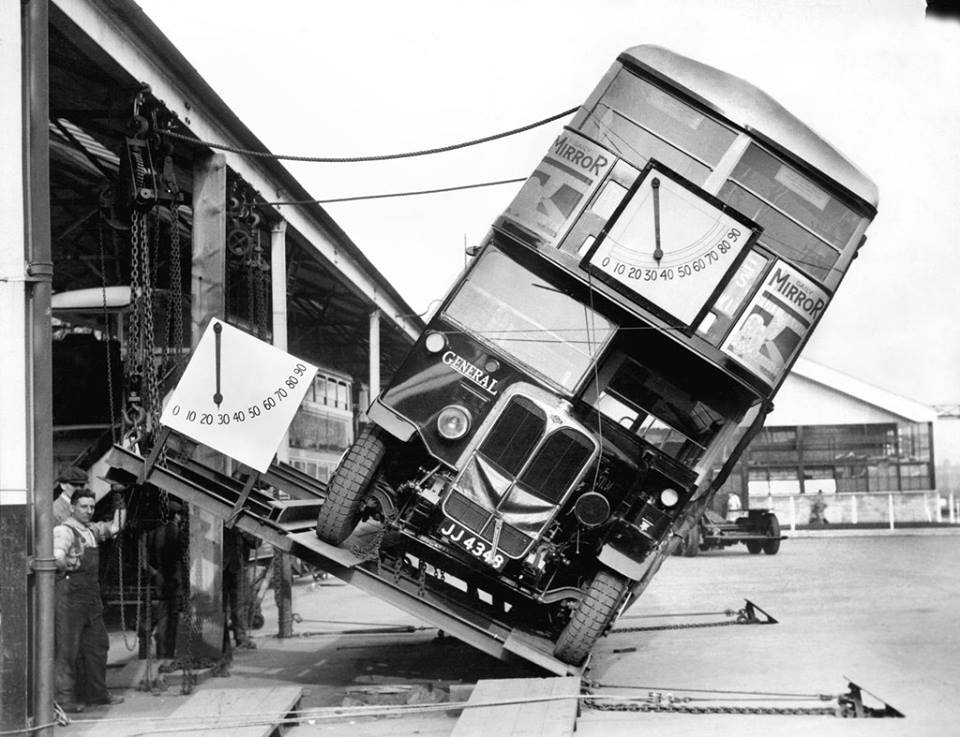
This is how they prove London’s Double-decker buses are not a tipping hazard, 1933.
Traffic jam on the Broadway Bridge over the Los Angeles River, 1937.
Clark Gable and Vivien Leigh in the 1939 movie “Gone With the Wind.”
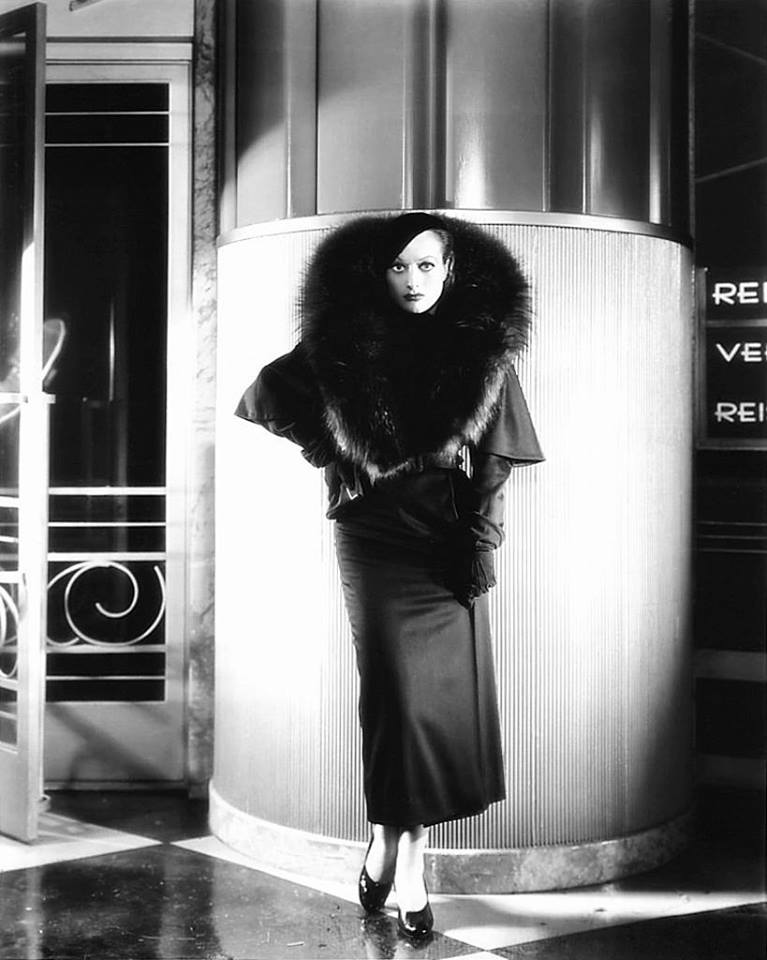
Joan Crawford, 1932
Restaurant La Coupole, Paris, 1930.
Jean Harlow in 1932
Motorcycle chariots celebrating New South Wales police, Australia, 1936.
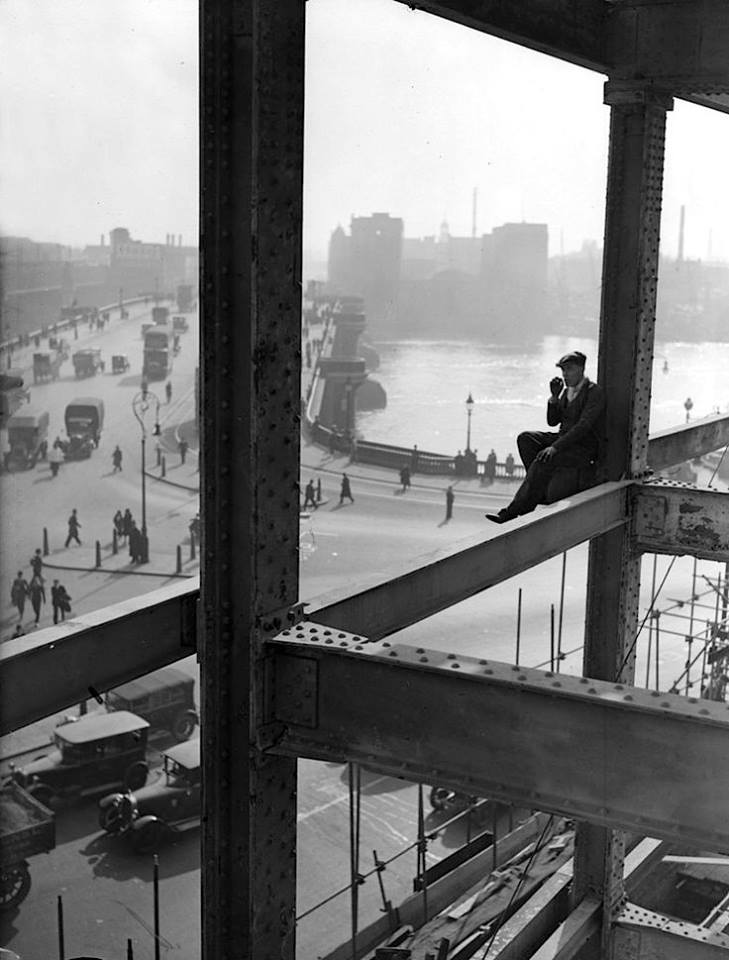
A workman rests on a girder during the construction of Unilever House in Blackfriars, London, 17th March 1931.
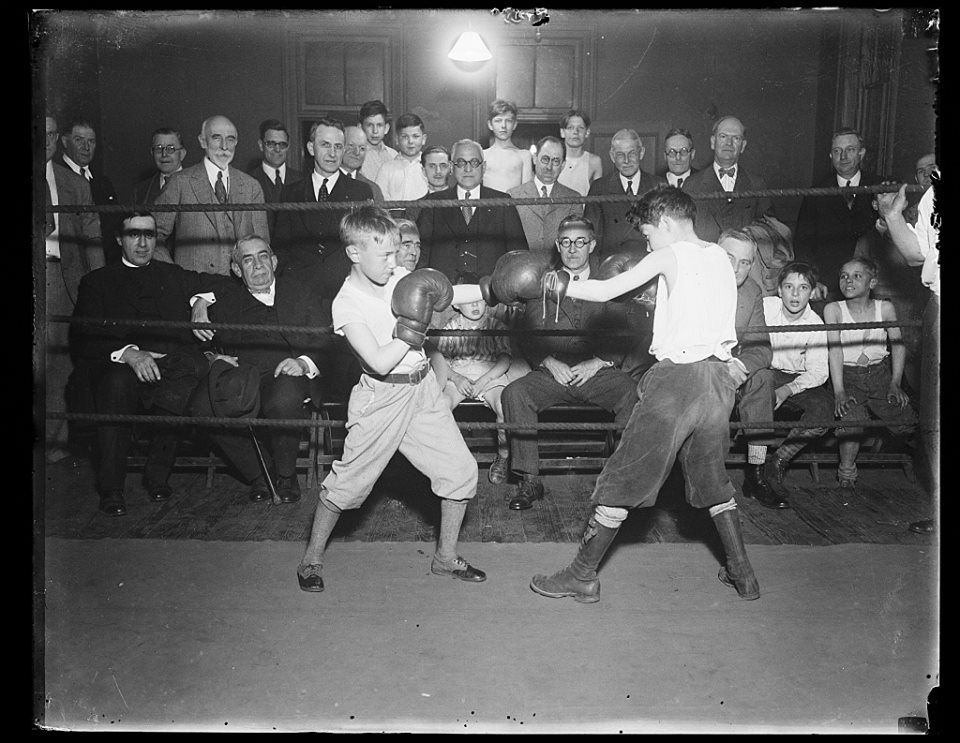
Two kids boxing, 1931.
Japanese high school girls training with Arisaka rifles and fixed bayonets, 1937.
Man at the beach fined for not wearing appropriate bathing wear. Heemskerk, Netherlands, 1931.
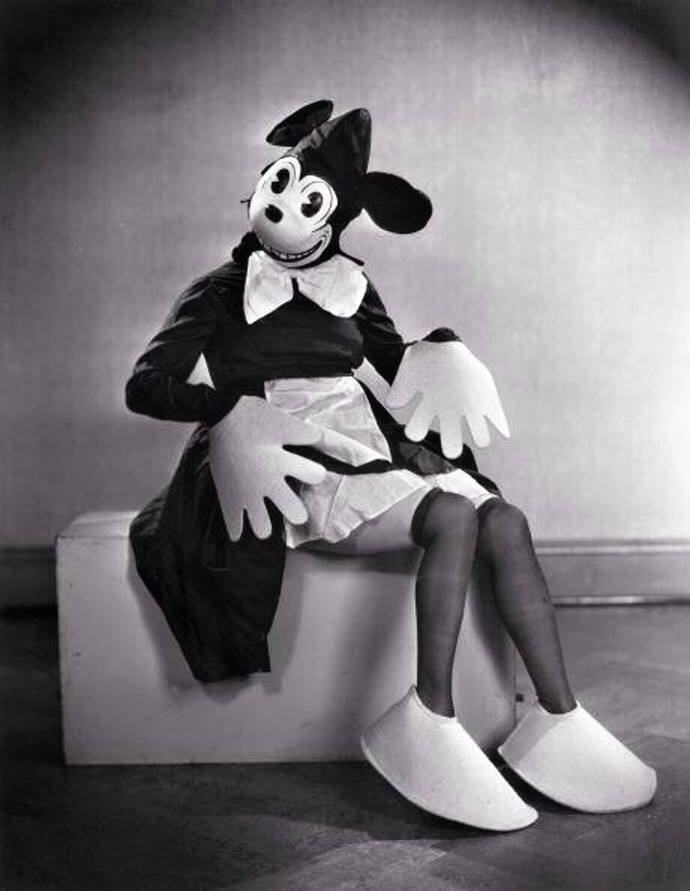
English actress Hermione Baddeley dresses in costume as Minnie Mouse for Film Memories Ball, 1933.
A worker relaxing during the construction of the Empire State Building, 1930.

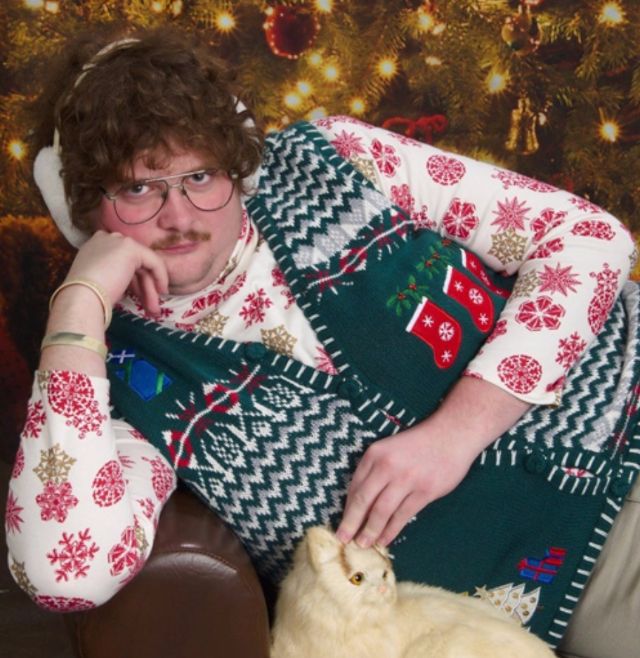
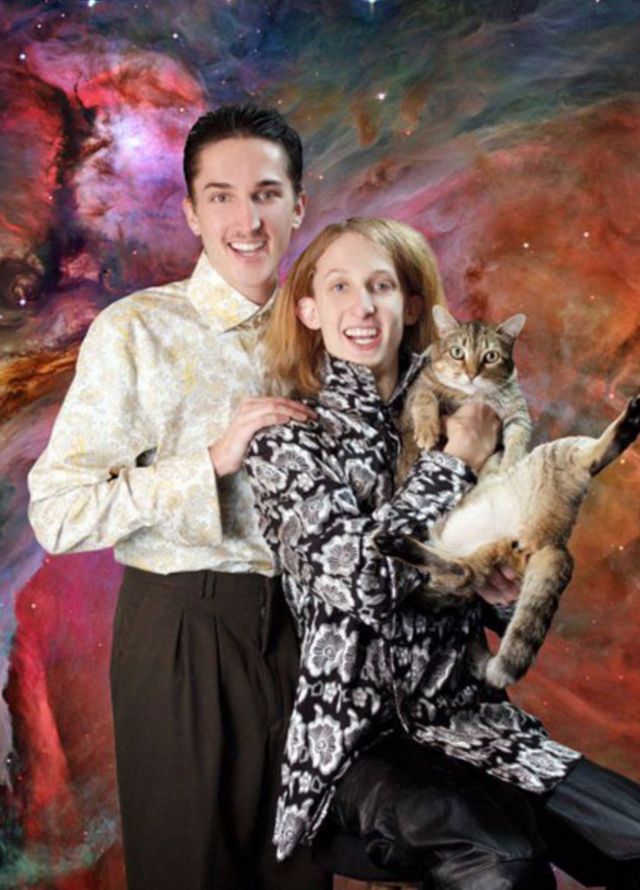
14 Ridiculous Studio Photos of Men Posing With Their Beloved Cats

It’s perfectly OK for men to post cute photos of holding cats in their arms, but these guys have taken it to a whole other level! They’ve been posing with their cats, just like probably many men secretly do, however, the thing is that their pictures came out and are funny as hell!

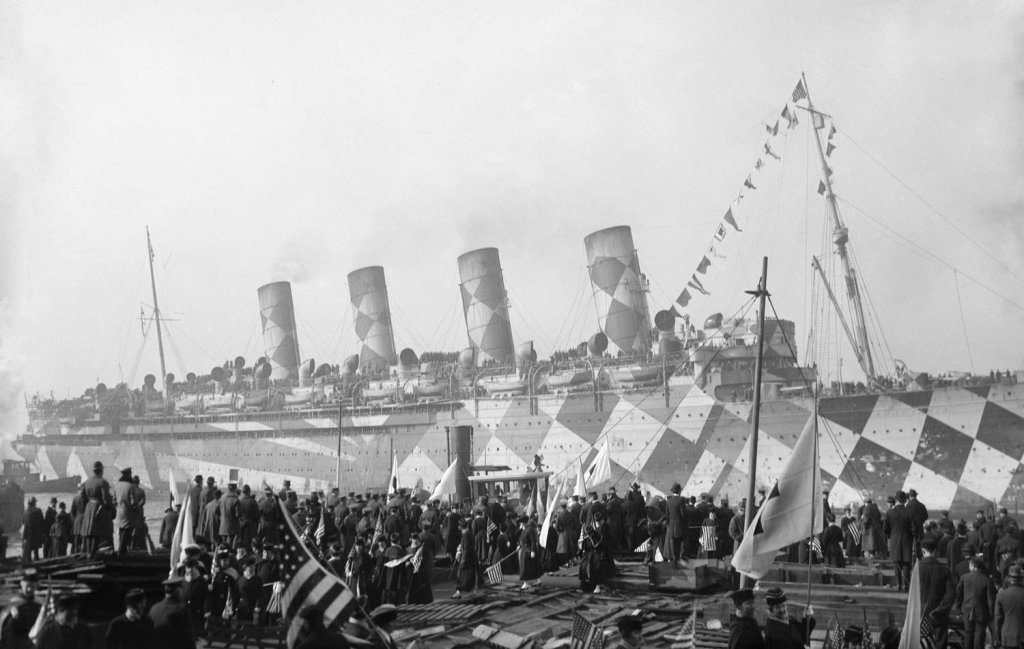
The Dazzle Ship Mauretania, 1918

Launched in 1906 by the Duchess of Roxburghe, the British RMS Mauretania was, for five years, the largest ship in the world – and, until 1929, the fastest.

Her lavish interiors utilised marble, tapestry, and some twenty-eight separate types of wood – her grand staircase was made of entirely walnut. Yet the ship had a serious design flaw – at maximum speed, vibrations from her four steam turbines were so extreme as to render the Second and Third Class sections completely unfit for use.

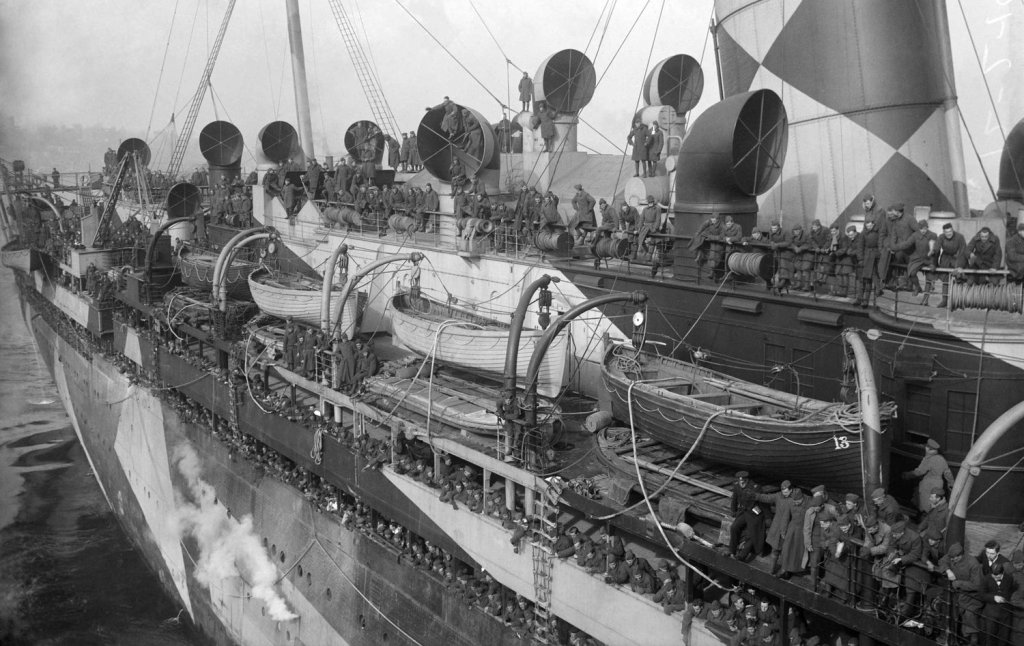
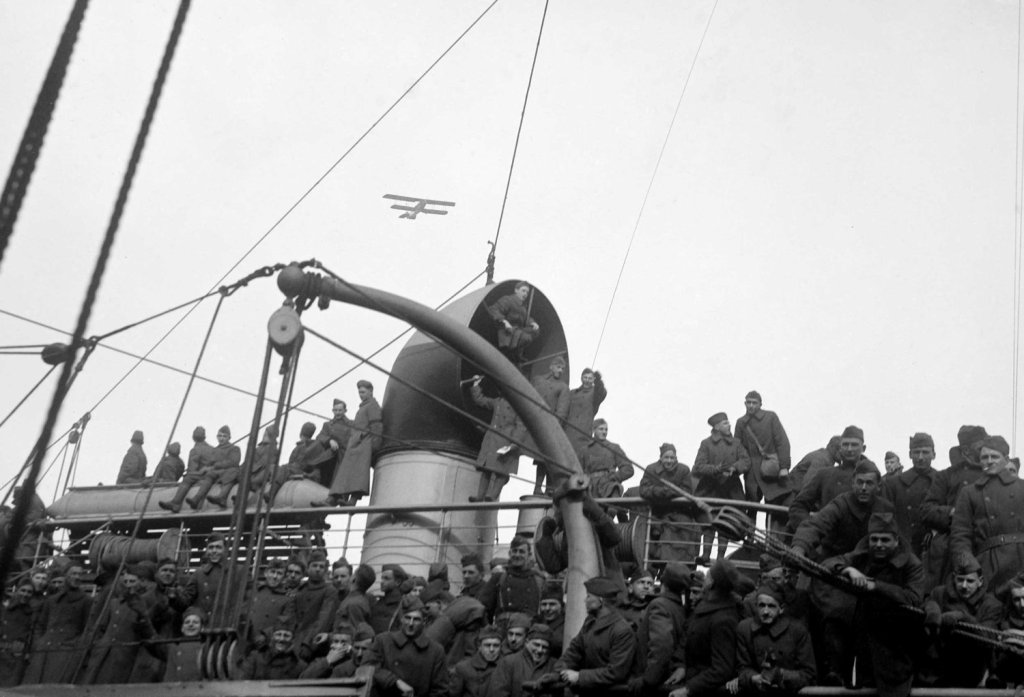
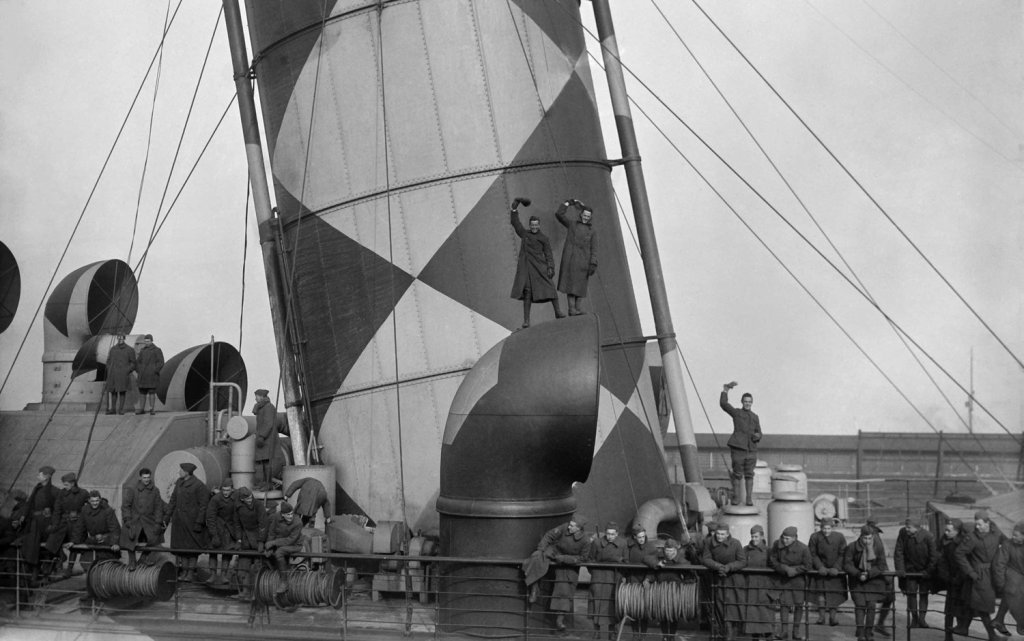
During the First World War, the Mauretania transported British troops to Gallipoli, and became a hospital ship. But when the United States joined the conflict in 1917, the vessel was deployed to carry many thousands of US troops to Europe until the conclusion of the conflict in November 1918.

It was during this period, from March 1918, that the Mauretania was provided with two types of “dazzle” camouflage. Dazzle camouflage used jarring shapes and colours with the intention of disorientating observing enemy craft. These pictures taken in New York City, with American aviators and other troops returning from Europe after the war on December 2, 1918, show the Mauretania in full dazzle – the colors used were olive, black, grey and various blues.

After the War, the Mauretania remained in service until 1934 when Cunard White Star retired the ship. In 1935, she was scrapped.

(All images: Bain Collection, Library of Congress)

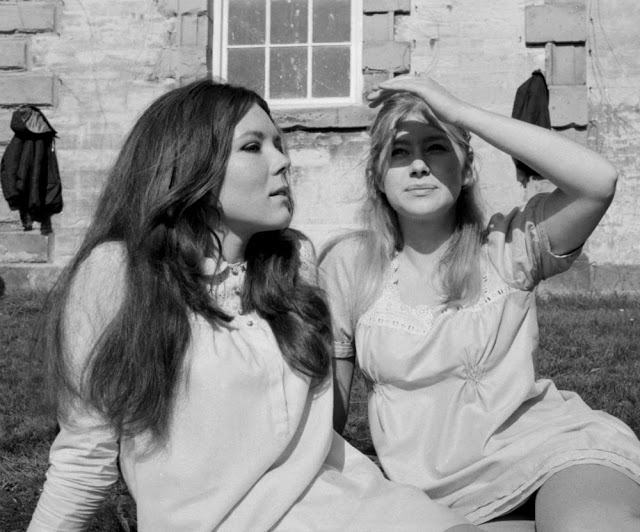
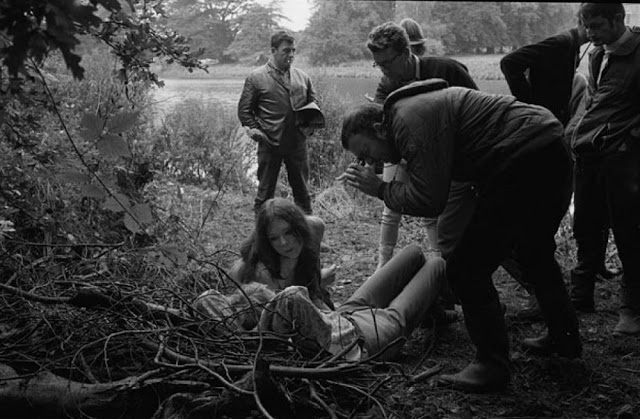
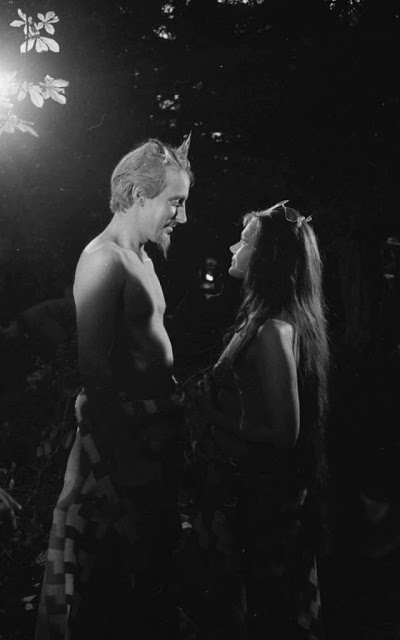
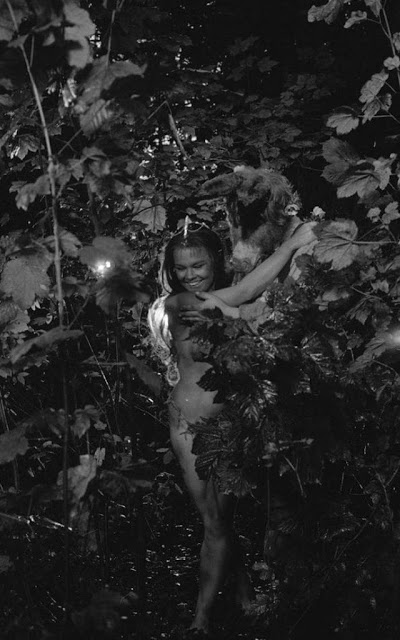
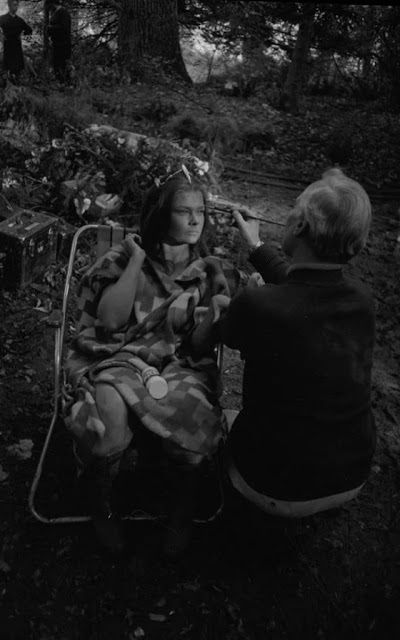
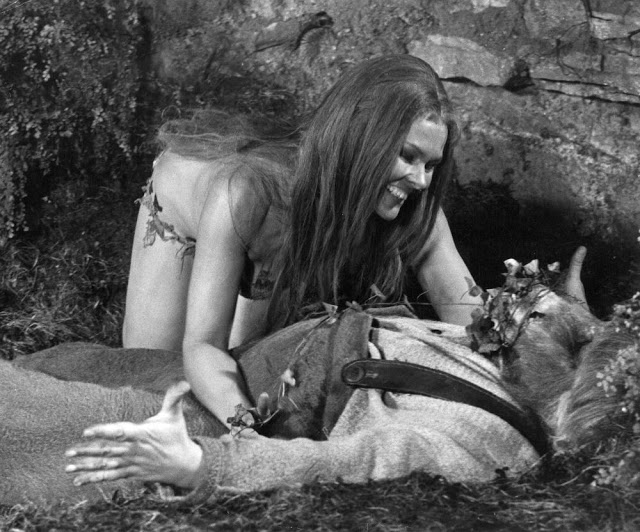
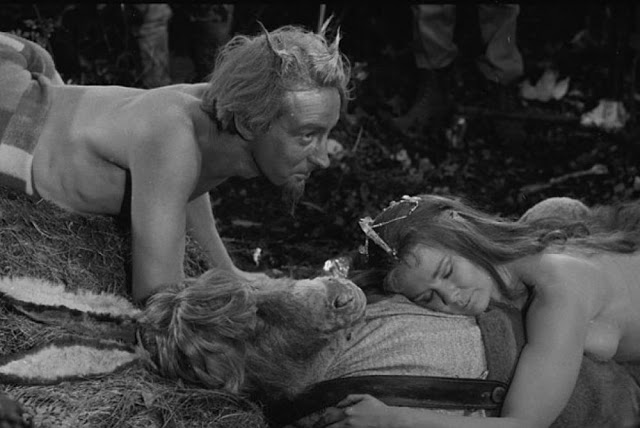
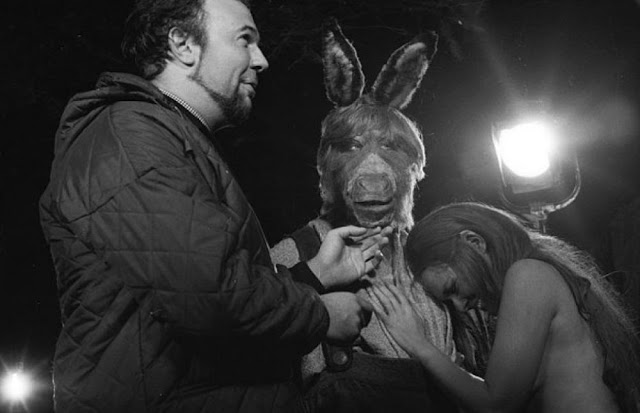
Amazing Behind the Scenes Photos of the Young Helen Mirren and Judi Dench in the 1968 Film Shakespeare’s “A Midsummer Night’s Dream”

They are the publicity shots for what appears to be a rather racy Sixties film, with nymphs and fairies frolicking amid an English rural setting.

These photographs from behind the scenes on Sir Peter Hall’s 1968 film of A Midsummer Night’s Dream were taken by David Farrell, known for his informal portraits of the most prominent and influential artists, actors, authors and musicians of his time. He was lucky enough to see Judi Dench, Diana Rigg, Helen Mirren when they were not yet Grandes Dames of the acting world.

Filmed on location at Compton Verney, an 18th-century pile near Kineton, Warwickshire, the pictures form part of the venue’s Shakespeare in Art: Tempests, Tyrants and Tragedy exhibition in 2016, marking 400 years of the bard’s death. Seeing the sultry Mirren, elegant Rigg and saucy Dench in their gossamer frocks could turn even the most reluctant of us onto Shakespeare.

The young Helen Mirren, Judi Dench and Diana Rigg in Sir Peter Hall’s 1968 version of A Midsummer Night’s Dream.
Diana Rigg and Helen Mirren between takes.
Woodland Diana Rigg as Helena.
Dreamland Judi Dench with Donal Eccles as Starveling.
Woodland Judi Dench as Titania with Paul Rogers as Bottom.
Woodland Judi Dench as Titania.
Dreamland Judi Dench as Titania with Paul Rogers as Bottom.
Dreamland Judi Dench as Titania lying atop Paul Rogers as Bottom and Donal Eccles as Starveling.
Dreamland Judi Dench as Titania with Paul Rogers as Bottom.

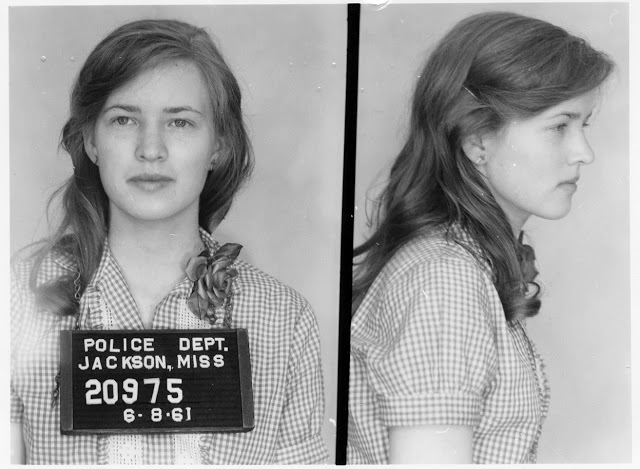
Teenage Girl Arrested for Protesting Segregation, Mississippi, 1961

Joan Trumpauer Mulholland might seem like an unlikely civil rights hero: a white teenage girl with a conservative upbringing in Arlington, Virginia, during the Jim Crow era of segregation.

The 1961 police photographs of Joan Mulholland at age 19 after she was arrested for trying to end segregation in the South.

But by the time she was 19 years old, she had participated in over three dozen sit-ins and protests in the South against the treatment of black Americans, earning her a place on the Ku Klux Klan’s most-wanted list.

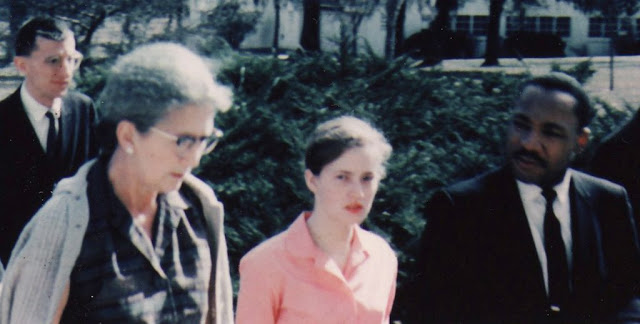
Today, Mulholland, now 75, speaks to schools and community groups about her experience, including working with Martin Luther King Jr. and spending two months in a Mississippi prison with other “Freedom Riders” for their 1961 bus trip through the American South protesting segregation.

“Get out there and take some form of action,” Mulholland advises young people. “Support anybody who’s being bullied.”

Early activism

Her involvement with social justice started in church and continued in secondary school. Her youth church group secretly invited black students to their Sunday spaghetti dinner. “This was late 1957. We had to keep it quiet because the police could arrest us under the public assembly law,” Mulholland said. “The American Nazi party was about two blocks away, and they could show up. But we met and broke bread together against all the laws.”

Mulholland (left) participating in a 1960 sit-in demonstration at a Virginia drugstore.

At her parents’ insistence, she attended Duke University in North Carolina, where she participated in nonviolent sit-ins at lunch counters to protest stores’ policies that forbade blacks sitting with whites. She left Duke to go to Tougaloo College in Mississippi, becoming the first white student to enroll at the historically black institution. At Tougaloo she met civil rights leaders with whom she would work in the coming years, such as King, Anne Moody and Medgar Evers (who was assassinated by a segregationist in 1963).

She spent the summer of 1963 helping plan the March on Washington, which would turn out to be among the largest political rallies in the nation’s history, during which Martin Luther King delivered his “I Have a Dream” speech.

From Mississippi to Washington

The following spring, Mullholland was certain she would be killed. The Ku Klux Klan stopped Mulholland and four fellow activists leaving Canton, Mississippi. They surrounded their car and beat the driver. “That night on the road out of Canton,” she said, “we were all convinced that it was the end.” Some quick thinking on their part allowed Mulholland and her friends to escape. A Klan informant would later confirm that their attackers had been ordered to kill them. Because they failed, the Klan killed three other civil rights workers: Michael Schwerner, James Chaney and Andrew Goodman.

Martin Luther King Jr. (right) with Mulholland (center) at Tougaloo College in 1962.

When Mullholland graduated from Tougaloo, she returned to Arlington, Virginia, where she raised five sons and worked as a teacher’s assistant. In recent years, her son Loki founded the Joan Trumpauer Mulholland Foundation to help educate children about the civil rights era.

Her life is chronicled in the film “An Ordinary Hero”.

Mulholland revisits the Mississippi prison cell where she was confined in 1961.

“Signs and marching are still good,” she says, “but try to think of a creative approach to your demonstration. Make sure you’ve got other people with you, and use social media to publicize it.”

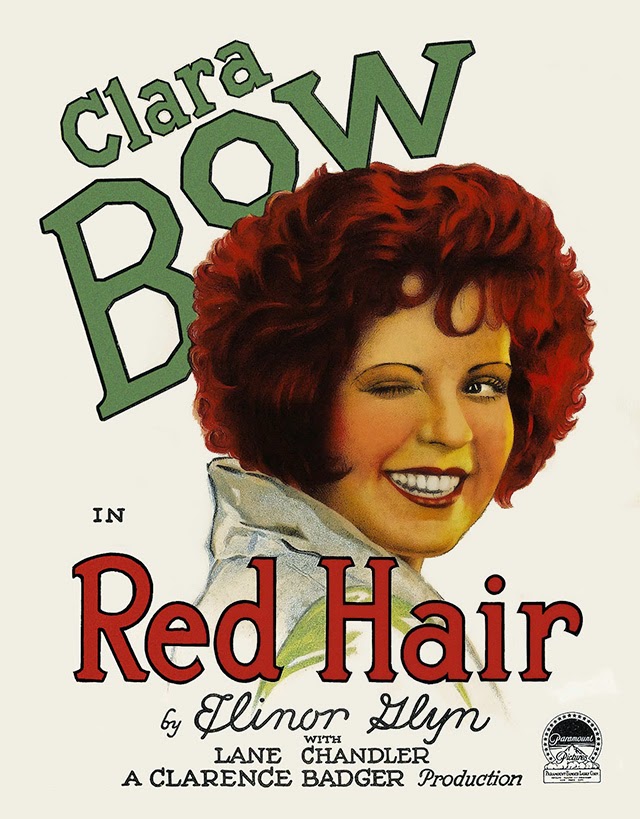
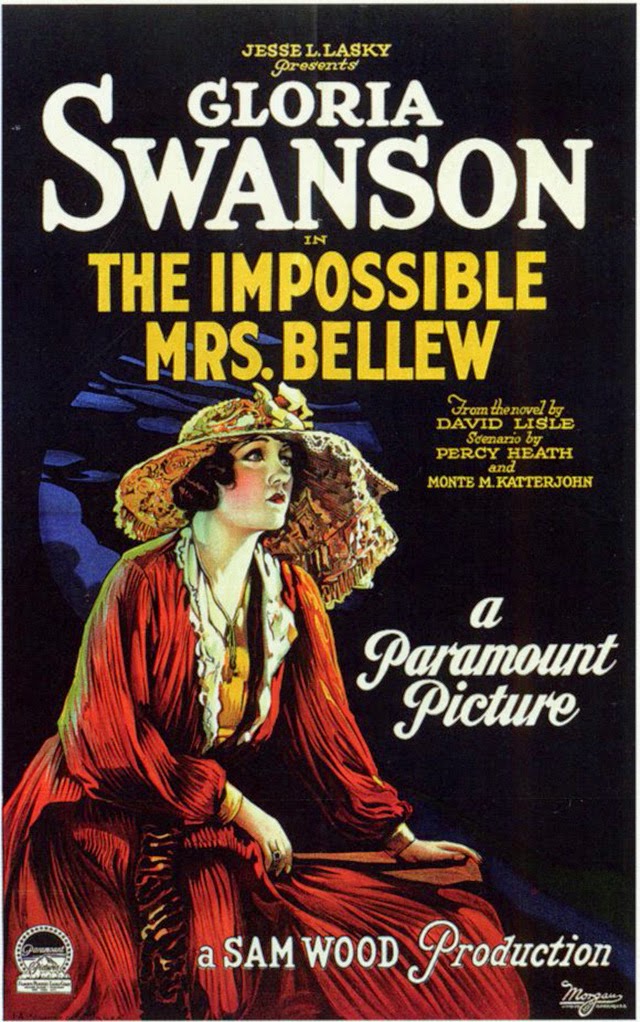
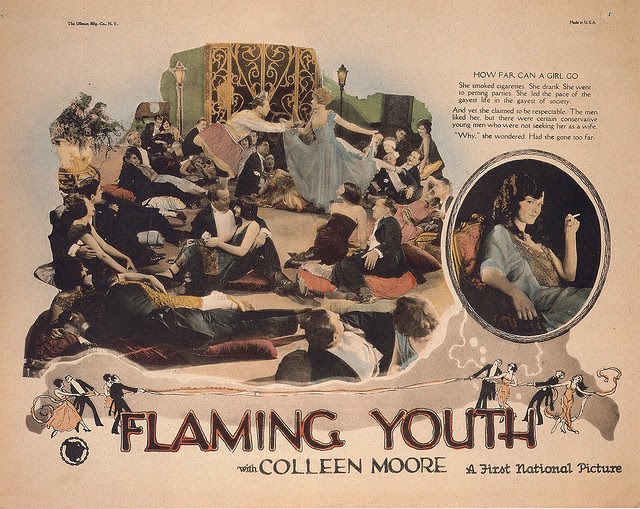
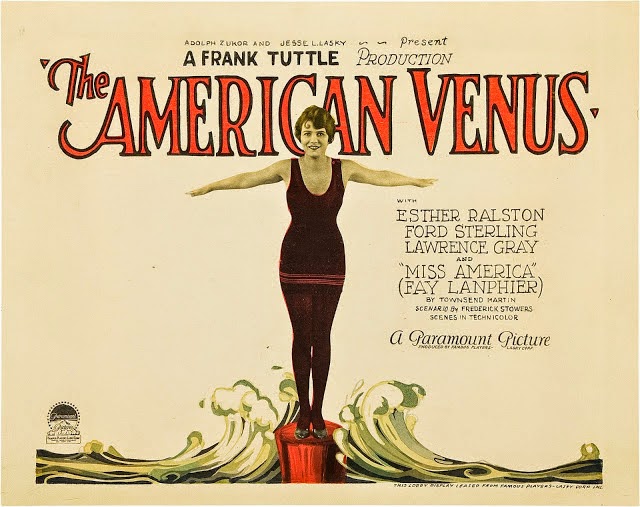
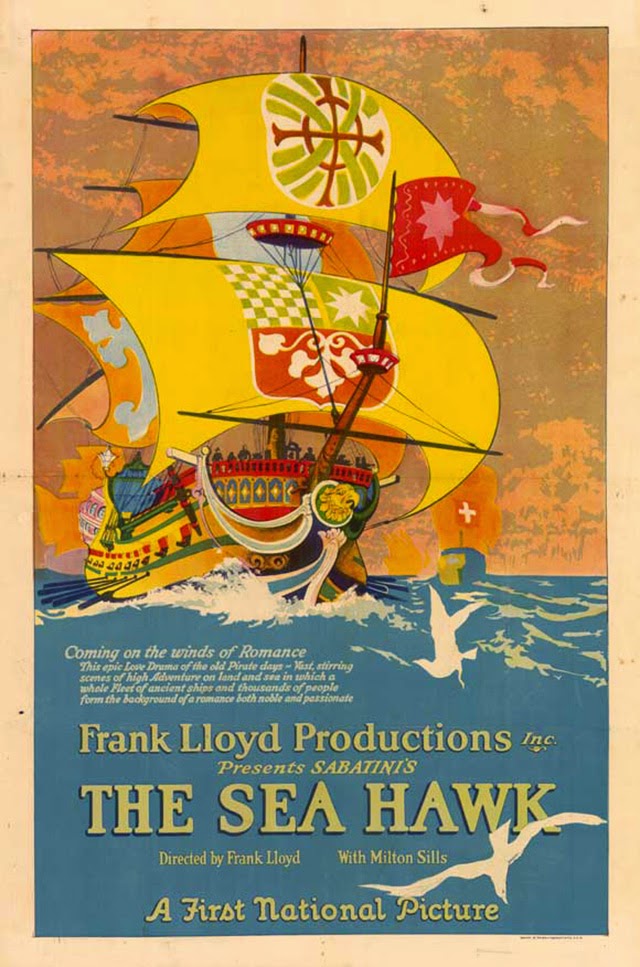
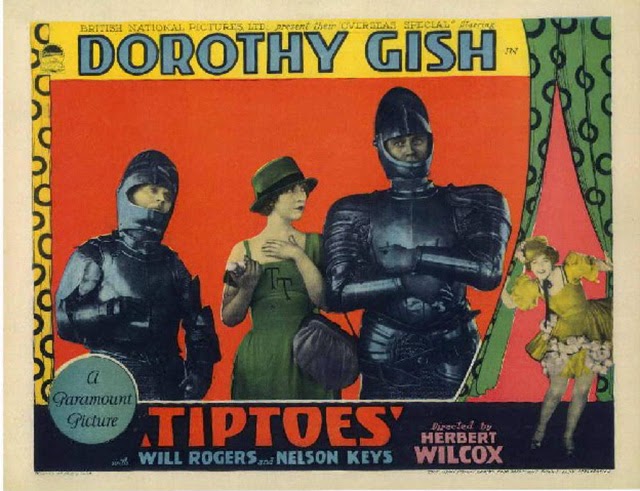
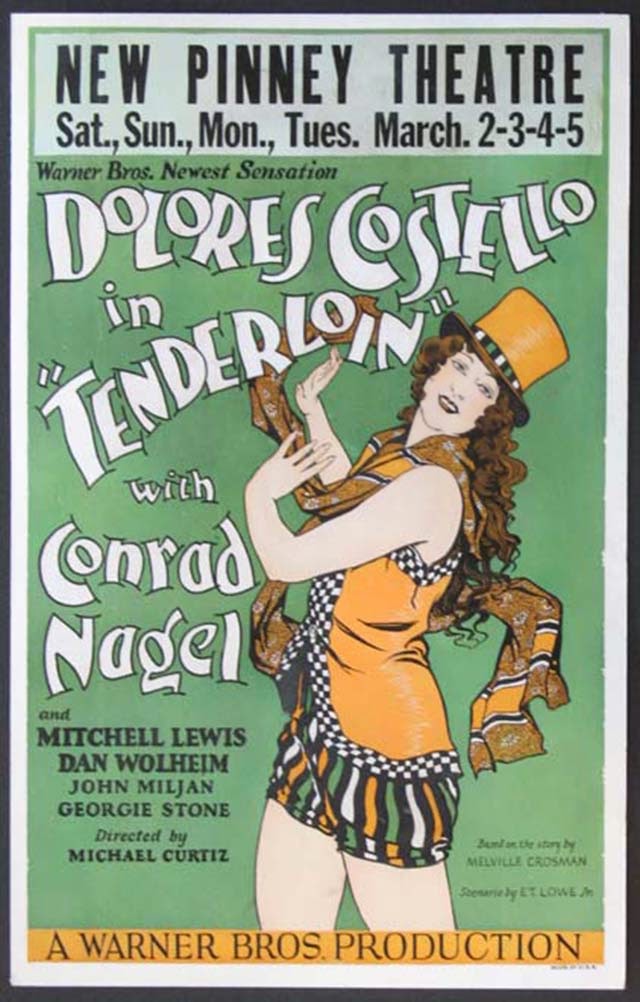
Amazing Vintage Movie Posters from Hollywood in the 1920s

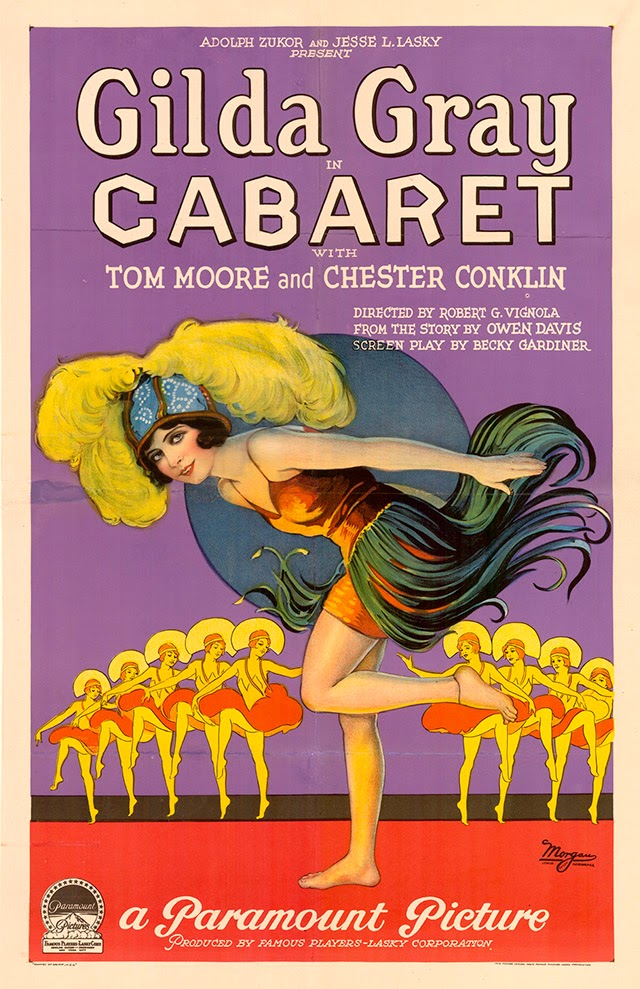
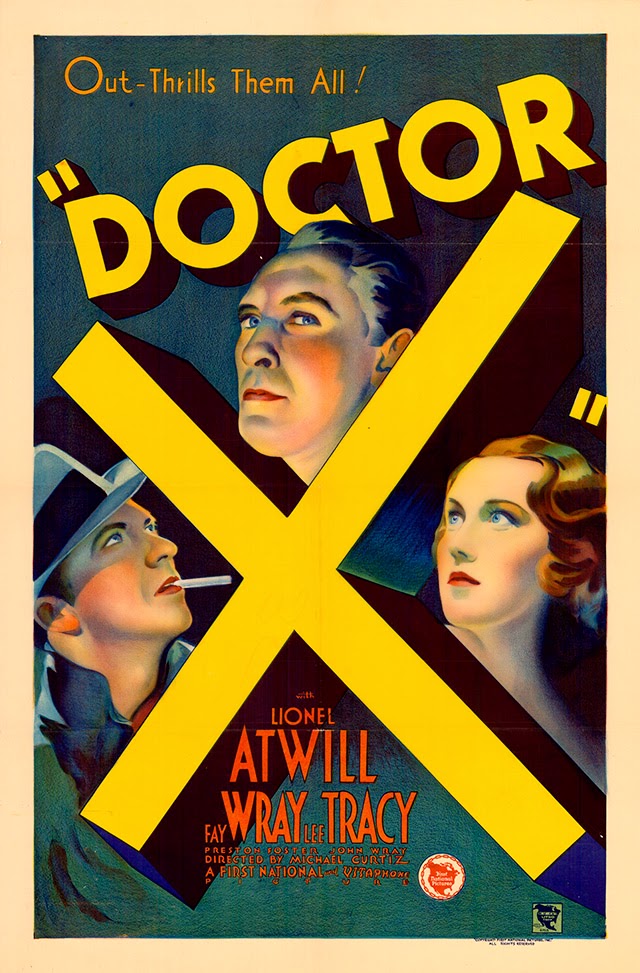
Most of the movies made before sound hit the big screen will never be seen by our eyes. According to Martin Scorsese’s Film Foundation, half of the films made before 1950 — and more than 90 per cent of those made before 1929 — are lost forever. And while not all of them are lost, you’ll probably never see the films that remain, since they’re rarely screened. Their posters are all that remain of Hollywood’s beginnings.

Bungalow Boobs, 1924
Cabaret, 1927
Doctor X, 1932
Red Hair, 1928
The Impossible Mrs Bellew, 1922
Flaming Youth, 1923
The American Venus, 1926
The Sea Hawk, 1924
Tip Toes, 1927
Tenderloin, 1928

Yesterday Today

Bringing You the Wonder of Yesterday - Today

Skip to content ↓