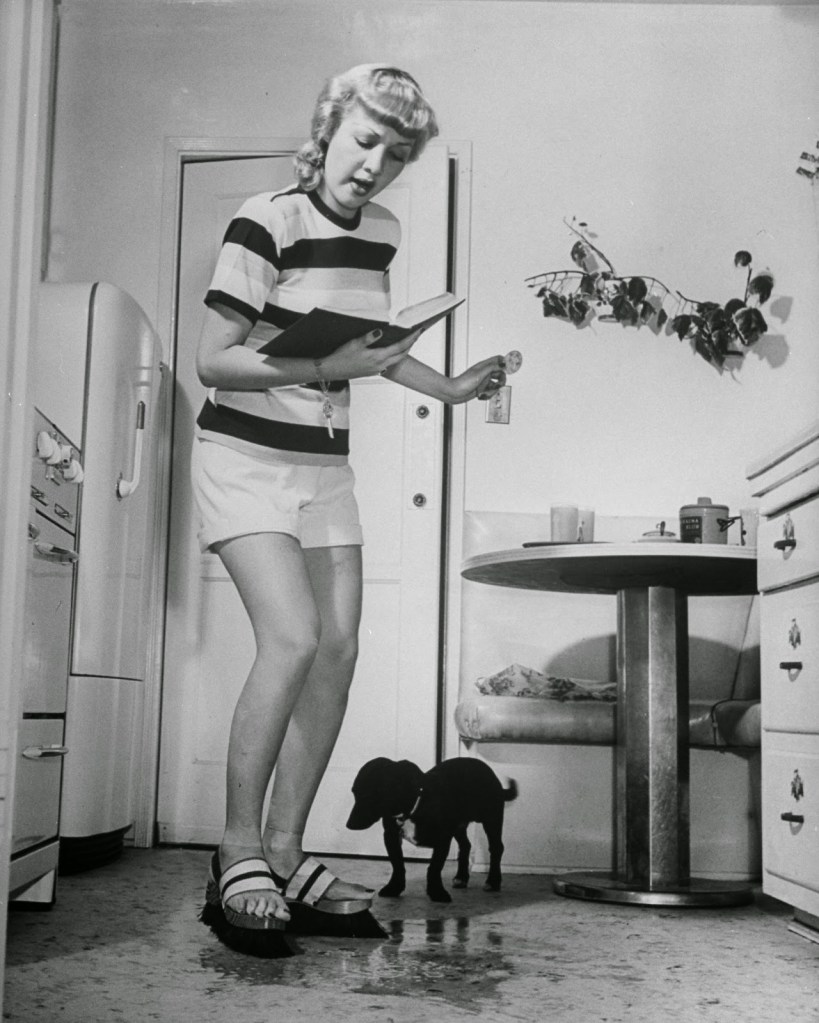
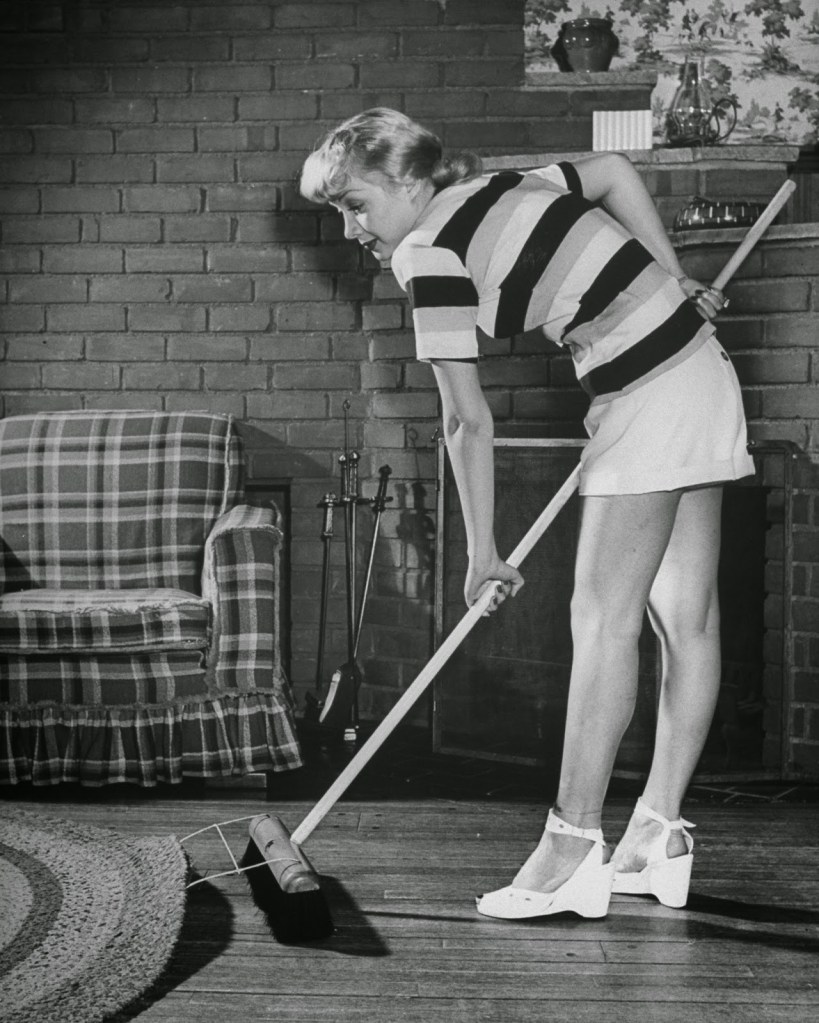
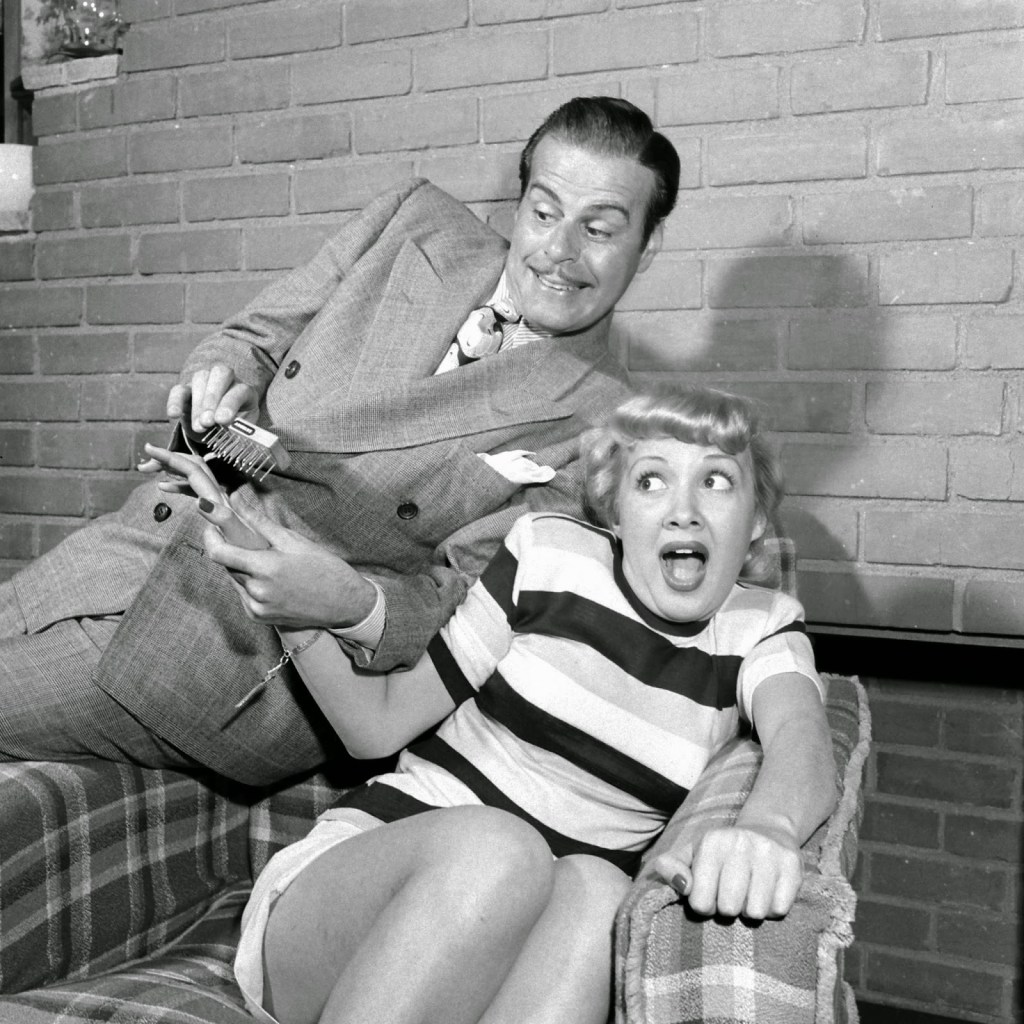
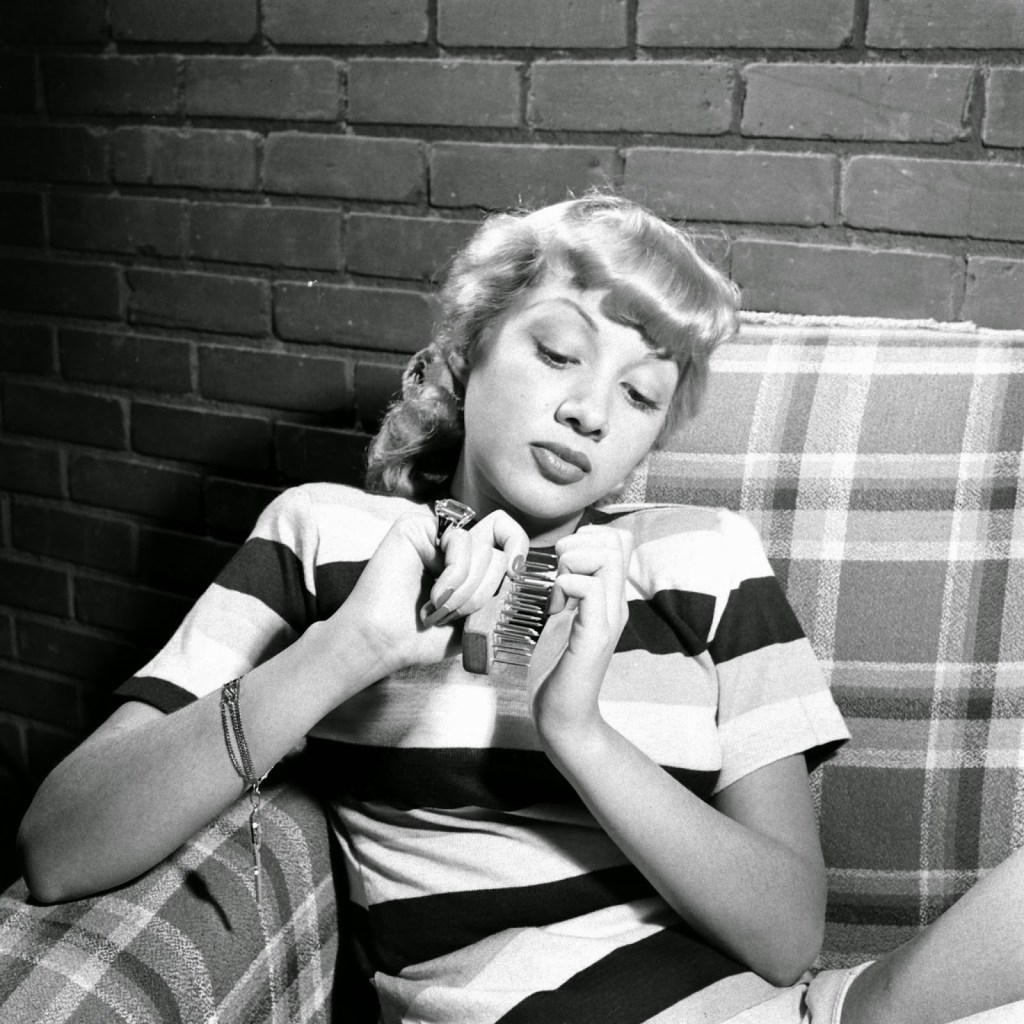
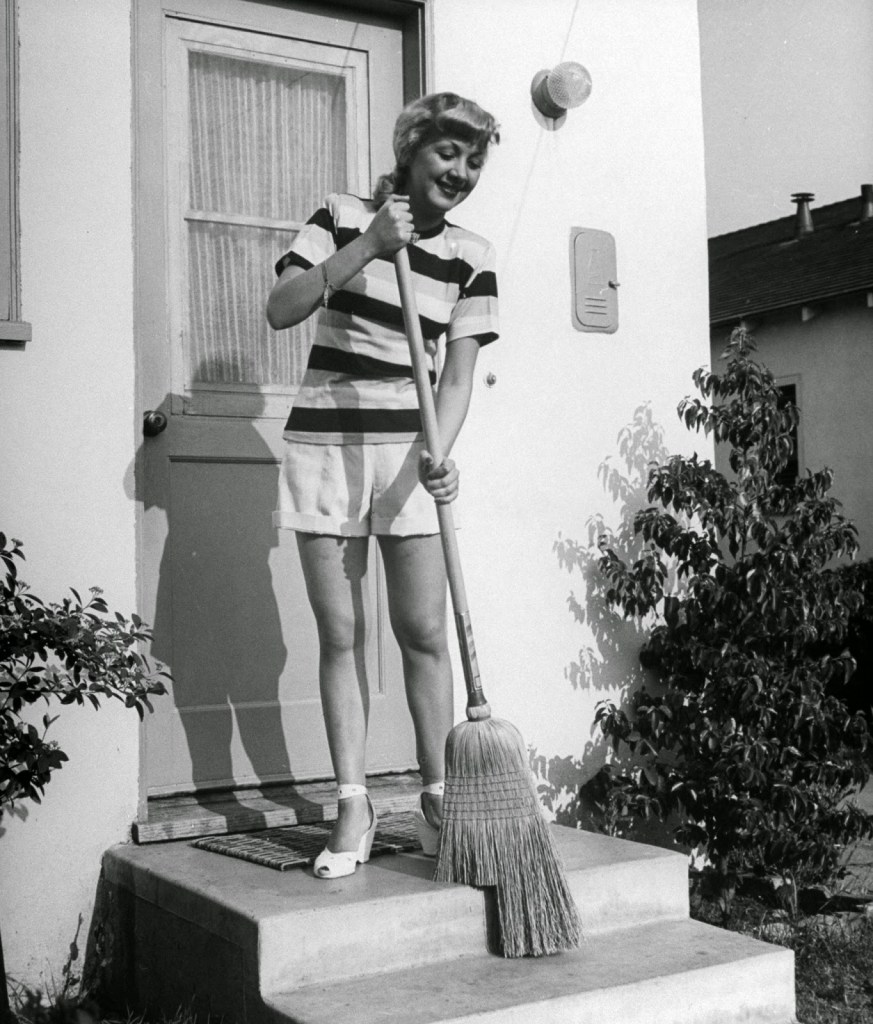
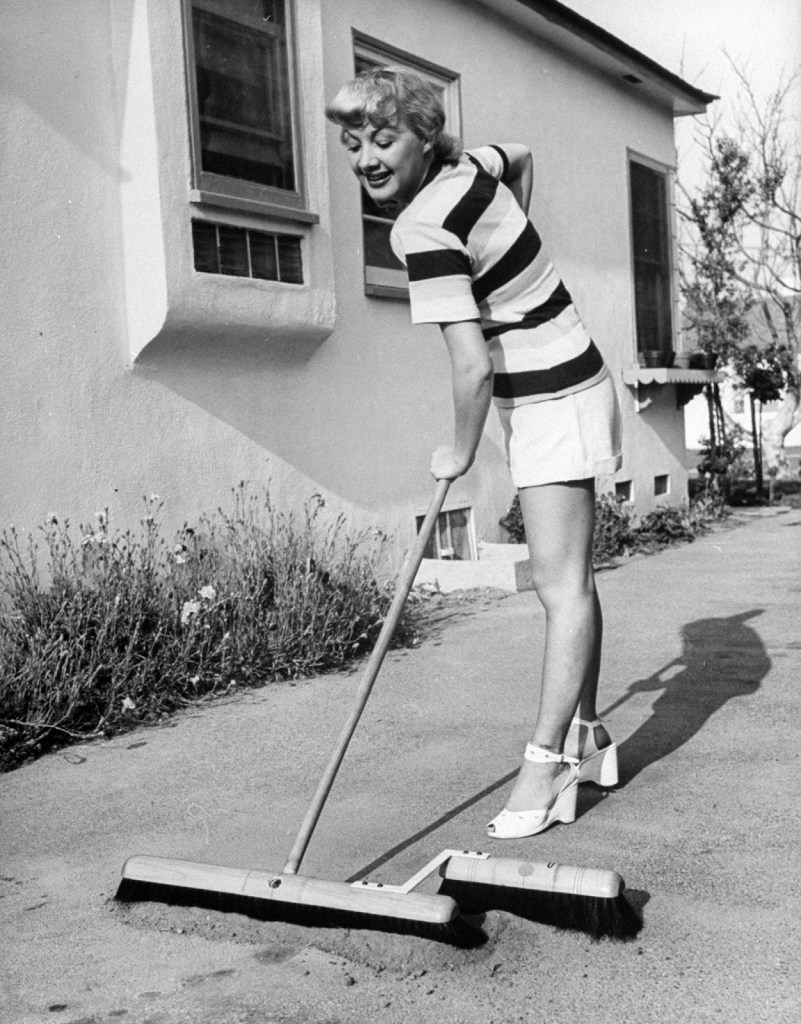
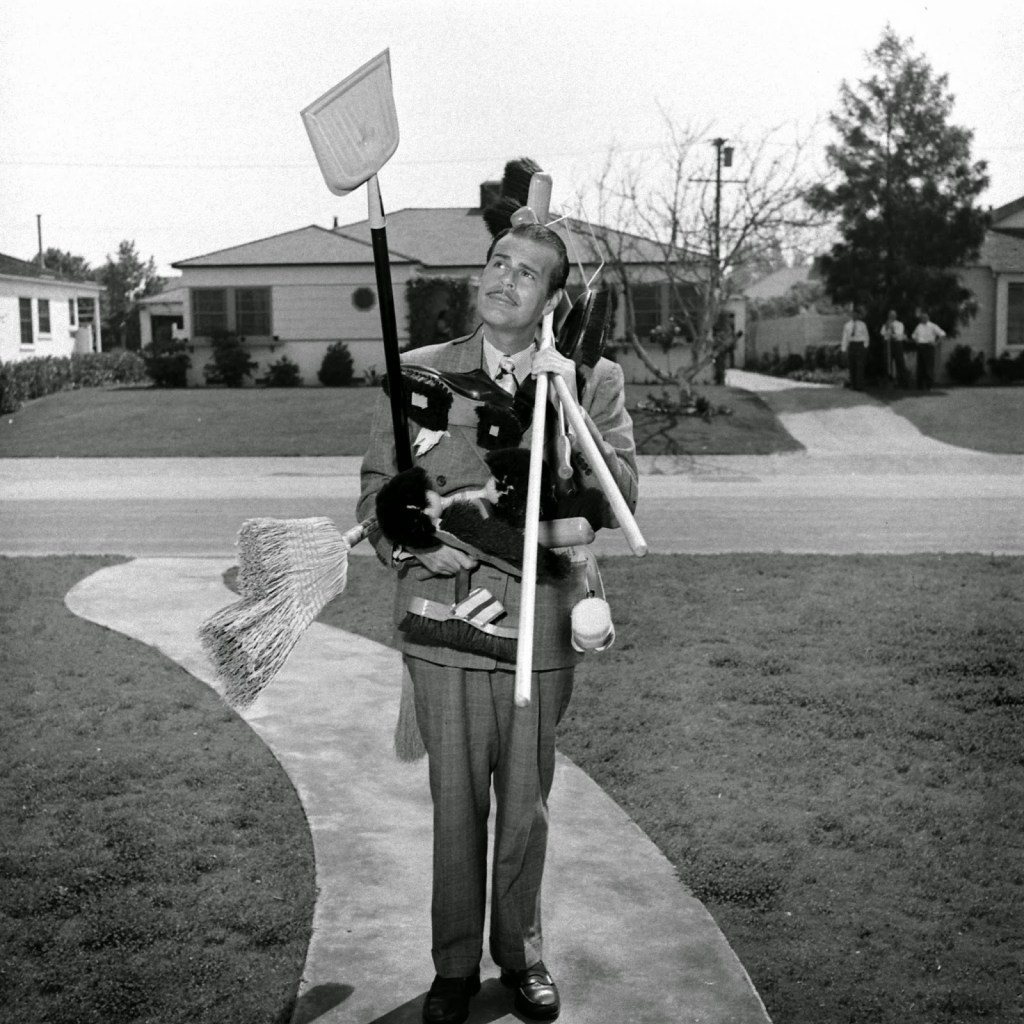
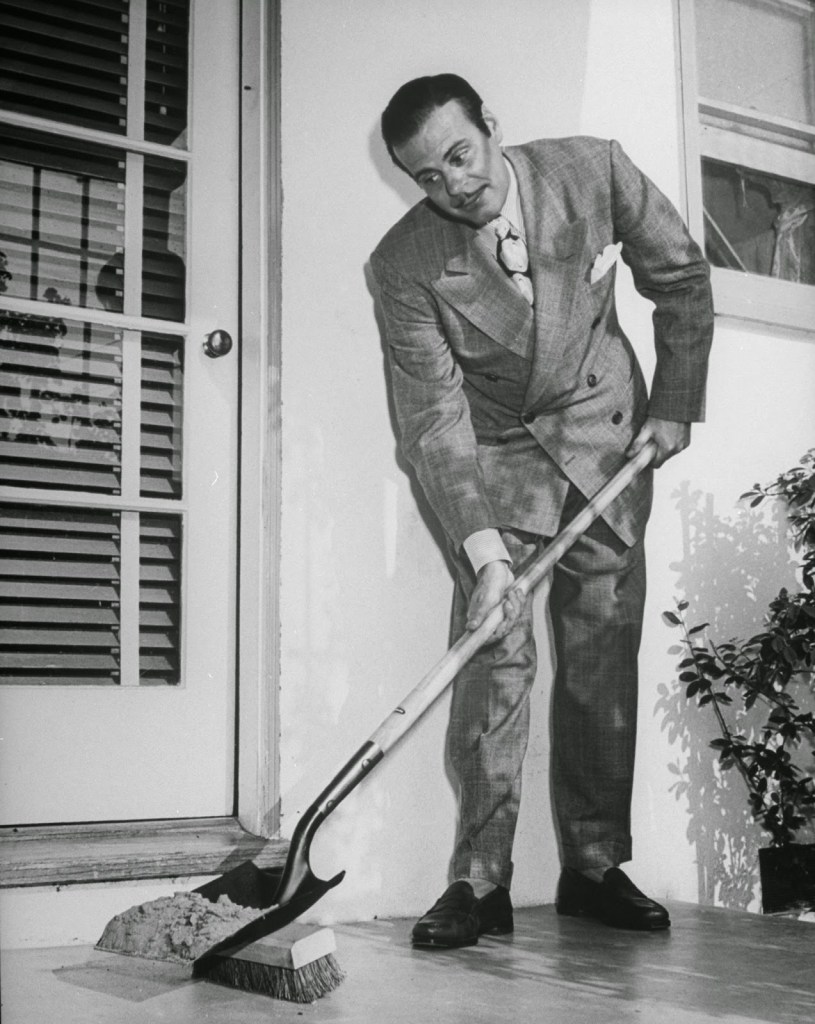
Facing a decrease in demand during the war years, the Los Angeles Brush Manufacturing Corporation created a catalog full of facetious inventions, simply “to take their minds off the ugly fact that they had no brushes to sell.”
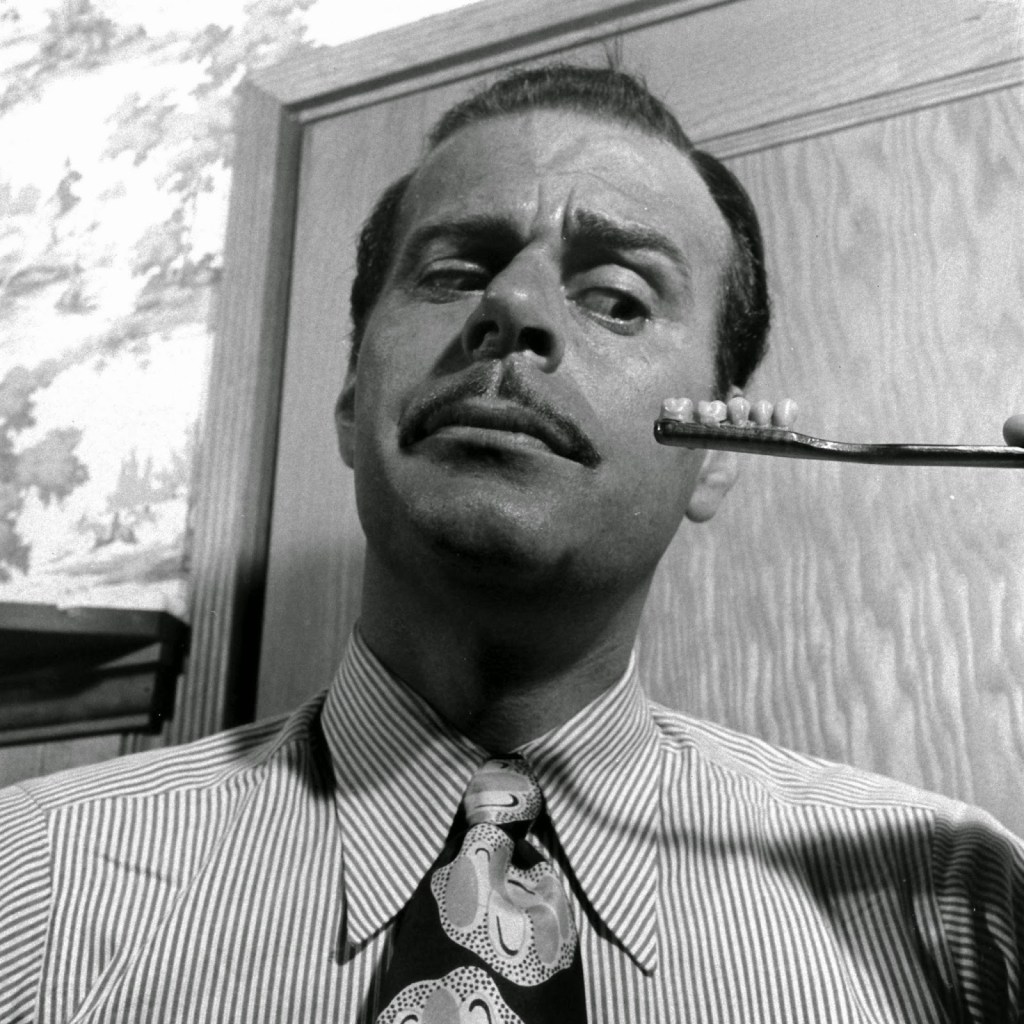
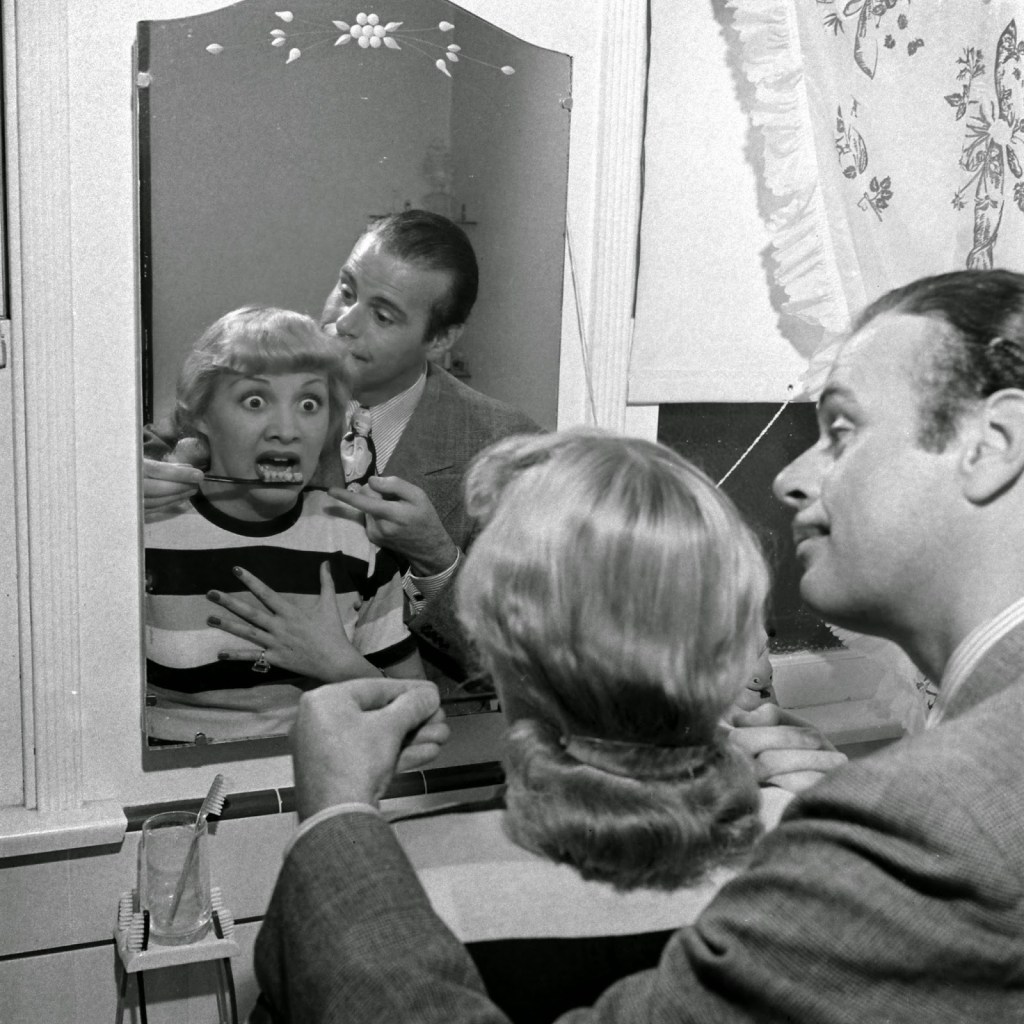
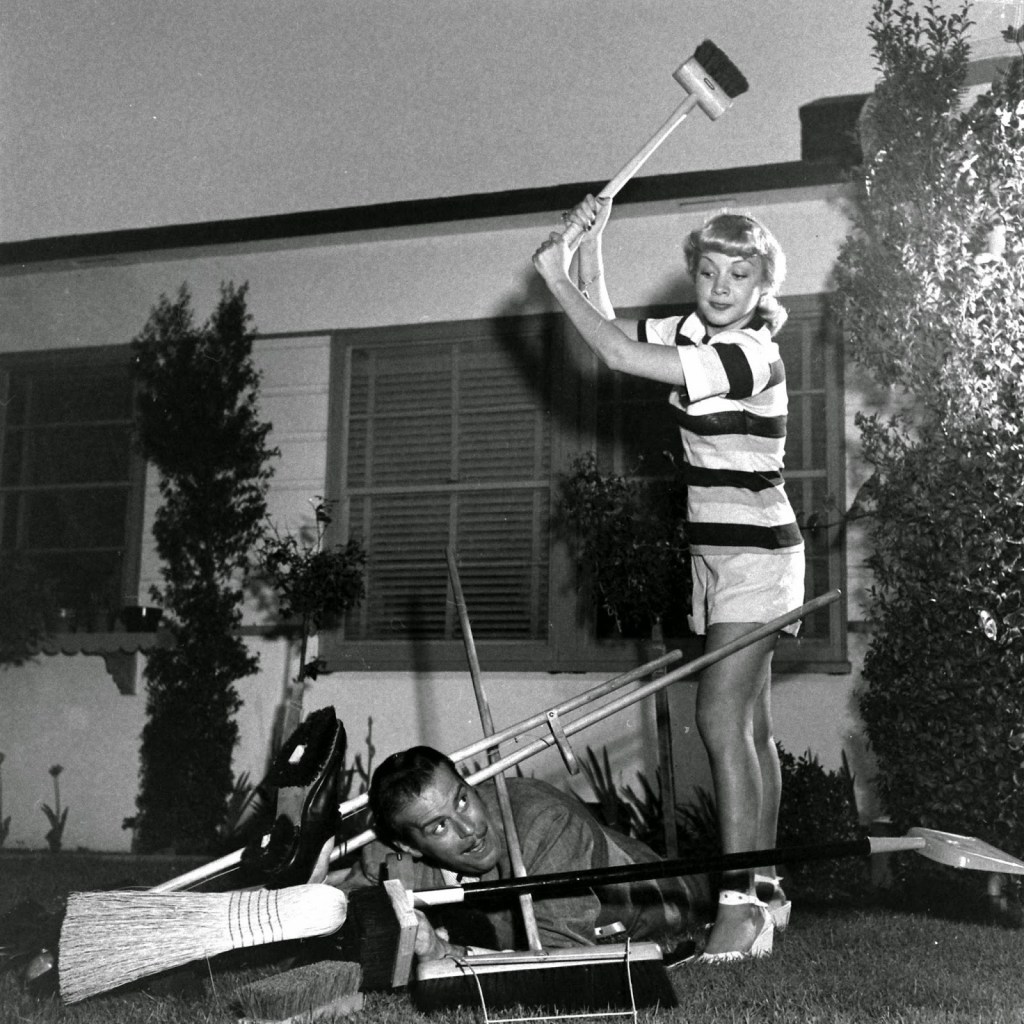
In a photo shoot by Allan Grant published in LIFE in 1947, actress Olga San Juan and comedian Billy de Wolfe took those inventions—a series of brushes of questionable utility—for a test drive.
New back brush lets bather see just what she is up to.Brushes on feet allow housewife to read while scrubbing floor.Useful brush lifts rug so dirt can be swept under it.Comedian Billy de Wolfe with actress Olga San Juan demonstrating nail brush.Actress Olga San Juan demonstrating nail brush.Cutaway broom here demonstrated by Paramount actress Olga San Juan quickly sweeps two-steps at a time.Dribble attachment assures a much neater job because it catches dirt that dribbles off the main brush.Comedian Billy de Wolfe with useful brushes for housewives.Shovel-brush, used by Comedian Billy de Wolfe, is artfully designed to sweep and scoop in one simple motion.Comedian Billy de Wolfe with tooth brush.Comedian Billy de Wolfe and actress Olga San Juan with tooth brush.Actress Olga San Juan and comedian Billy de Wolfe having fun with housewife brushes.
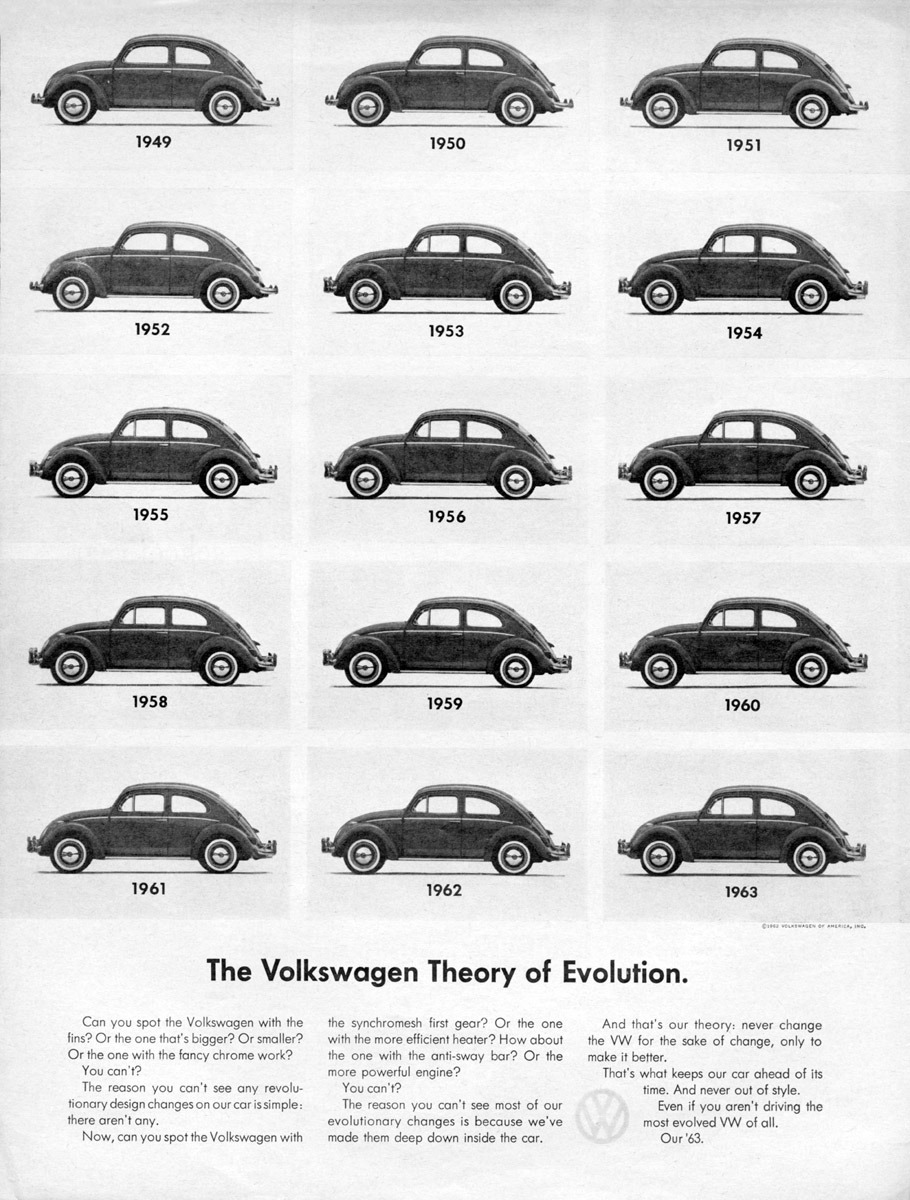
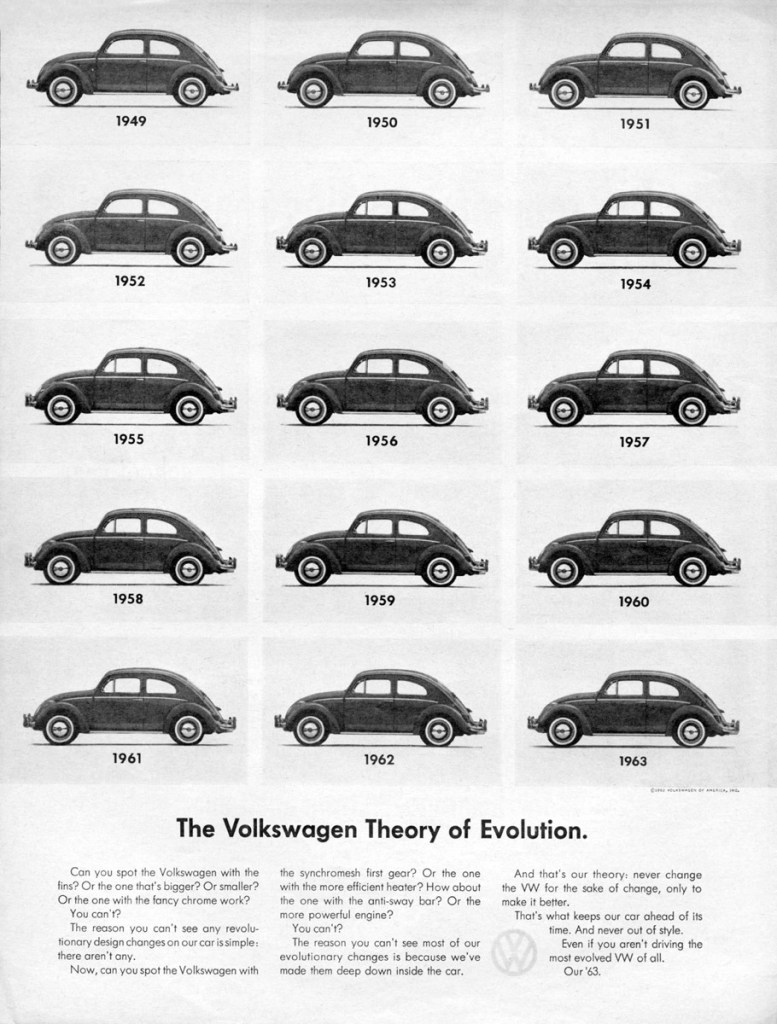
Here’s a scan of a Volkswagen advertisement from 1963. The ad features a grid of black and white photos of the VW Beetle from 1949 to 1963 in order to highlight how little the Beetle’s design changed during that period. The ad is titled “The Volkswagen Theory of Evolution.”
Can you spot the Volkswagen with the fins? Or the one that’s bigger? Or smaller? Let’s see.
The Volkswagen Theory of Evolution, Bill Bernbach, 1963.
Adman Bill Bernbach played off a growing discontent with planned obsolescence by advertising the VW Beetle as cool in its anti-style; the models never changed.
According to National Museum of American History, in the late 1950s Volkswagen differentiated itself from American competitors by highlighting how little its cars’ designs changed. One of the company’s advertisements from 1959 assured customers that, although the Volkswagen Beetle “changes continually throughout each year… none of these changes you merely see. We do not believe in planned obsolescence. We don’t change a car for the sake of change… VW owners keep their cars year after year, secure in the knowledge that their used VW is worth almost as much as a new one.” Volkswagen’s promise seems to have appealed to American consumers; by 1970, Americans had bought over four million of the company’s cars.
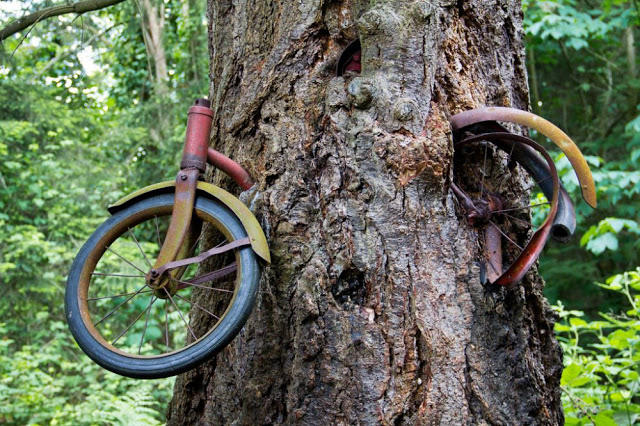
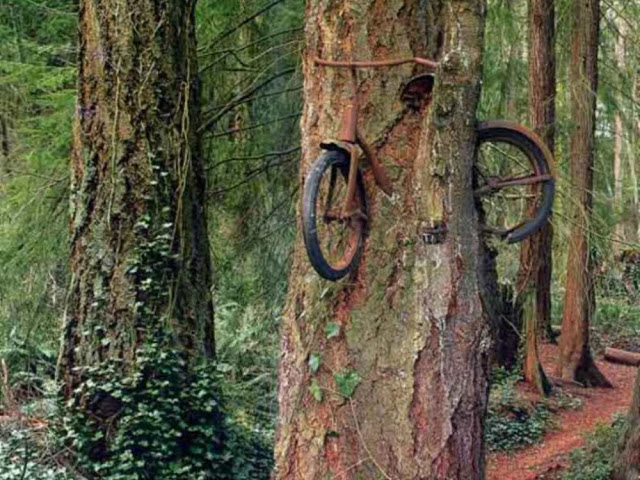
The kids’ bicycle embedded into a tree is a bit of a tourist attraction on Vashon Island, Washington, just outside of Seattle. It’s also become a source of folklore and fake internet stories. The most famous of the fakes is that a young boy went off to fight in WWI and left his bike up against the tree and never came back, so the tree grew around the bike. That’s not true!
It’s actually from the 1950s. According to Snopes, the bicycle is believed to have been abandoned on that tree in the mid-1950s. The tree is believed to have grown around it. A local sheriff named Don Puz claims it was his bicycle, but nobody knows for certain. Tales abound explaining how a red bicycle came to be lodged in a Vashon tree a dozen feet up. Some say it ended up there by chance, while others contend in was intentional cleverness. One former Islander, Berkeley Breathed, even wrote a children’s book about the mystery.
But one longtime Island family had laid a solid claim to the bicycle in a tree just north of Sound Food. Two generations concur that the bicycle belonged to Don Puz, who in 1954 left his bicycle in the woods, forgot about it and never went back looking for it.
Don received the bicycle as a donation after the family home burnt down, he said.
The bicycle wasn’t his favorite — it had hard, solid rubber tires “and skinny little handlebars like a tricycle,” he said. “I was too big a kid to ride it.”
As his mother Helen Puz tells the story, Don and his friends were playing in the woods together, and Don was the only child who had ridden his bicycle there. When the boys left, Don left his bike behind, walking home with the other boys.
“Apparently, he wasn’t too excited about that bike,” she said.
After the bike was discovered, making headlines, both mother and son paid it a visit.
“We went down there in the woods, and there was this bike in the tree, and I said, ‘That’s my bike,’” Don recalled. “I recognized it immediately. When I saw that bike, I recognized it, because I don’t think I’ve ever seen another one like it.” Although Don Puz identified the bicycle in the picture as his and verified that he had abandoned it in the area shown many years earlier, he said nothing about having left it chained to a tree. And given the location of the bike within the tree and the manner in which trees actually grow, it’s quite unlikely the bicycle ended up in its current position through the tree’s naturally enveloping it and growing around it, as many viewers assume — almost certainly one or more persons had a hand in moving the bike after Don abandoned it back in 1954.
As well, the bicycle exhibits a somewhat varied appearance in photographs taken at different times because over the years parts of it (e.g., handlebars, tires) have been stolen and later replaced with similar parts.
The Vietnam War, also known as the Second Indochina War, was a conflict in Vietnam, Laos, and Cambodia from 1 November 1955 to the fall of Saigon on 30 April 1975. It was the second of the Indochina Wars and was officially fought between North Vietnam and South Vietnam. North Vietnam was supported by the Soviet Union, China, and other communist allies; South Vietnam was supported by the United States and other anti-communist allies. The war is widely considered to be a Cold War-era proxy war. It lasted almost 20 years, with direct U.S. involvement ending in 1973. The conflict also spilled over into neighboring states, exacerbating the Laotian Civil War and the Cambodian Civil War, which ended with all three countries becoming communist states by 1975.
The conflict emerged from the First Indochina War between the French colonial government and a left-wing revolutionary movement, the Viet Minh. After the French military withdrawal from Indochina in 1954, the U.S. assumed financial and military support for the South Vietnamese state. The Vi?t C?ng (VC), a South Vietnamese common front under the direction of North Vietnam, initiated a guerrilla war in the south. North Vietnam had also invaded Laos in 1958 in support of insurgents, establishing the Ho Chi Minh Trail to supply and reinforce the Vi?t C?ng. By 1963, the North Vietnamese had sent 40,000 soldiers to fight in the south. U.S. involvement escalated under President John F. Kennedy through the MAAG program, from just under a thousand military advisors in 1959 to 23,000 in 1964.
In the Gulf of Tonkin incident in August 1964, a U.S. destroyer clashed with North Vietnamese fast attack craft. In response, the U.S. Congress passed the Gulf of Tonkin Resolution and gave President Lyndon B. Johnson broad authority to increase U.S. military presence in Vietnam. Johnson ordered the deployment of combat units for the first time and increased troop levels to 184,000. The People’s Army of Vietnam (PAVN) (also known as the North Vietnamese Army or NVA) engaged in more conventional warfare with U.S. and South Vietnamese forces (Army of the Republic of Vietnam (ARVN)). Despite little progress, the U.S. continued a significant build-up of forces. U.S. and South Vietnam forces relied on air superiority and overwhelming firepower to conduct search and destroy operations, involving ground forces, artillery, and airstrikes. The U.S. also conducted a large-scale strategic bombing campaign against North Vietnam.
The communist Tet Offensive throughout 1968 caused U.S. domestic support for the war to fade. The VC sustained heavy losses during the Offensive and subsequent U.S.-ARVN operations. The CIA’s Phoenix Program further degraded the VC’s membership and capabilities. By the end of the year, the VC insurgents held almost no territory in South Vietnam, and their recruitment dropped by over 80%, signifying a drastic reduction in guerrilla operations, necessitating increased use of PAVN regular soldiers from the north. In 1969, North Vietnam declared a Provisional Revolutionary Government (the PRG) in the south to give the reduced VC a more international stature, but from then on, they were sidelined as PAVN forces began more conventional combined arms warfare. By 1970, over 70% of communist troops in the south were northerners, and southern-dominated VC units no longer existed. Operations crossed national borders: North Vietnam used Laos as a supply route early on, while Cambodia was also used starting in 1967; the U.S. bombed the Laotian route starting in 1964, and the Cambodian route in 1969. The deposing of the monarch Norodom Sihanouk by the Cambodian National Assembly resulted in a PAVN invasion of the country at the request of the Khmer Rouge, escalating the Cambodian Civil War and resulting in a U.S.-ARVN counter-invasion.
In 1969, following the election of U.S. President Richard Nixon, a policy of “Vietnamization” began, which saw the conflict fought by an expanded ARVN, with U.S. forces sidelined and increasingly demoralized by domestic opposition and reduced recruitment. U.S. ground forces had largely withdrawn by early 1972 and support was limited to air support, artillery support, advisers, and materiel shipments. The ARVN, with U.S. support, stopped the first and largest mechanized PAVN offensive during the Easter Offensive of 1972. The offensive failed to subdue South Vietnam, but the ARVN itself failed to recapture all lost territory, leaving its military situation difficult. The Paris Peace Accords of January 1973 saw all U.S. forces withdrawn; the Case–Church Amendment, passed by the U.S. Congress on 15 August 1973, officially ended direct U.S. military involvement. The Peace Accords were broken almost immediately, and fighting continued for two more years. Phnom Penh fell to the Khmer Rouge on 17 April 1975, while the 1975 Spring Offensive saw the Fall of Saigon by the PAVN on 30 April; this marked the end of the war, and North and South Vietnam were reunified the following year.
By 1970, the ARVN was the world’s fourth largest army, and the PAVN was not far behind with approximately one million regular soldiers. The war exacted an enormous human cost: estimates of the number of Vietnamese soldiers and civilians killed range from 966,000 to 3 million. Some 275,000–310,000 Cambodians, 20,000–62,000 Laotians, and 58,220 U.S. service members also died in the conflict, and a further 1,626 remain missing in action.
The Sino-Soviet split re-emerged following the lull during the Vietnam War. Conflict between North Vietnam and its Cambodian allies in the Royal Government of the National Union of Kampuchea, and the newly formed Democratic Kampuchea began almost immediately in a series of border raids by the Khmer Rouge, eventually escalating into the Cambodian–Vietnamese War. Chinese forces directly invaded Vietnam in the Sino-Vietnamese War, with subsequent border conflicts lasting until 1991. The unified Vietnam fought insurgencies in all three countries. The end of the war and resumption of the Third Indochina War would precipitate the Vietnamese boat people and the larger Indochina refugee crisis, which saw millions of refugees leave Indochina (mainly southern Vietnam), an estimated 250,000 of whom perished at sea. Within the U.S., the war gave rise to what was referred to as Vietnam Syndrome, a public aversion to American overseas military involvements, which together with the Watergate scandal contributed to the crisis of confidence that affected America throughout the 1970s. (Wikipedia)
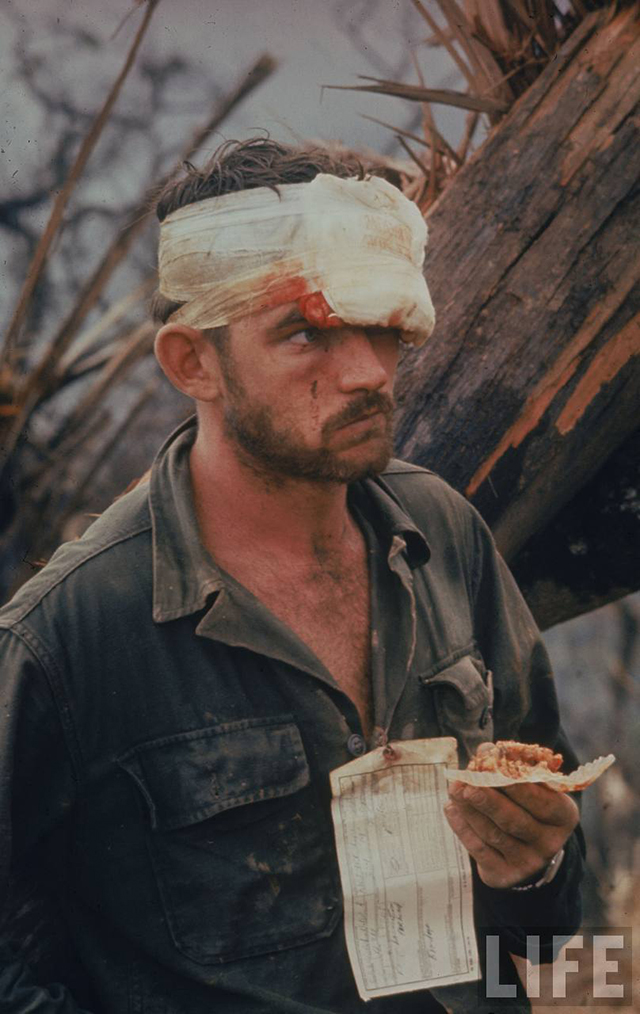
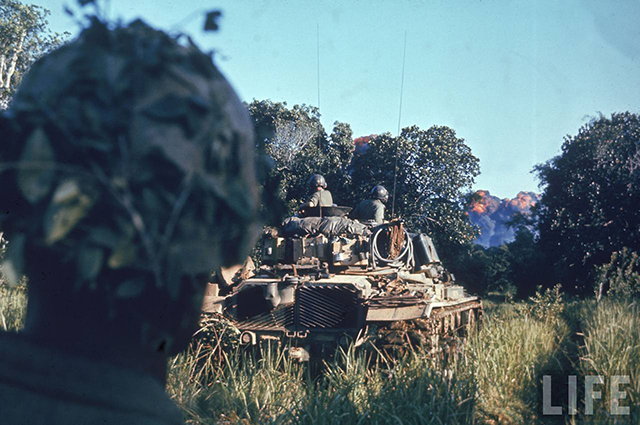
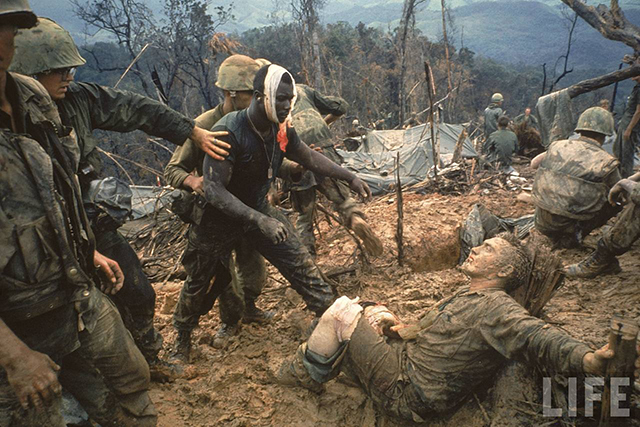
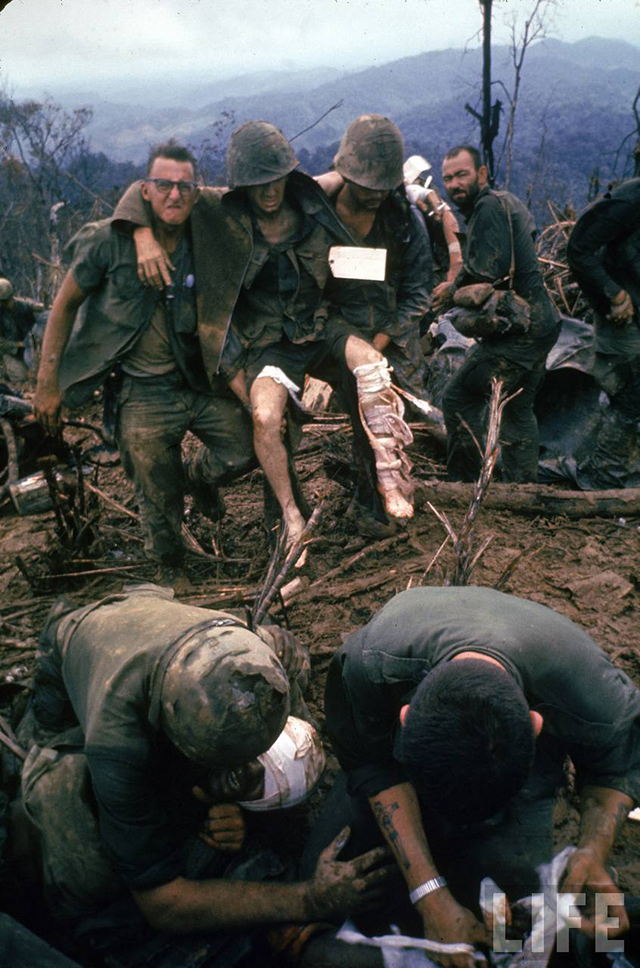
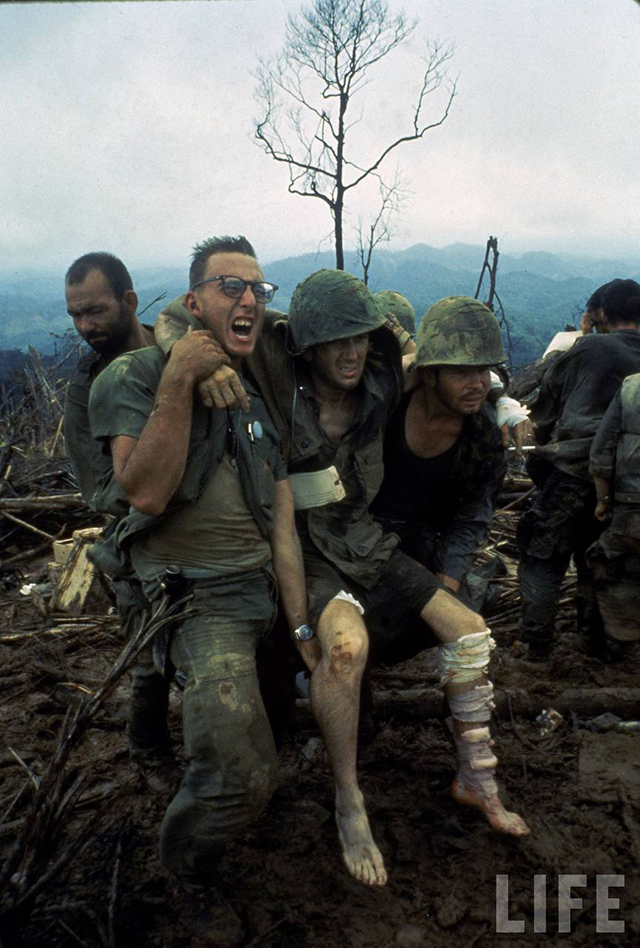
Marines recovering dead comrade while under fire during N. Vietnamese/US mil. conflict over DMZ, with photographer Catherine LeRoy w. cameras in rear: S. Vietnam.Members of 1st Marine Division carrying their wounded during firefight nr. southern edge of DMZ during Vietnam War. South Vietnam.2nd Battalion, 5th Marines making sweep below DMZ, as part of Operation Prairie.US Marines eating rations during a lull in the fighting near the DMZ during the Vietnam War.Wounded Marine Gunnery Sgt. Jeremiah Purdie (C) being led past stricken comrade after fierce firefight for control of Hill 484 during the Vietnam war.American soldiers tending wounded comrade while awaiting evacuation just south of the DMZ during the Vietnam War.Wounded American Marines being treated and prepared for evacuation during the Vietnam War.American soldier with a bandaged head wound looking dazed after participating in Operation Prairie just south of the DMZ.American Marines aid a wounded comrade during intense battle for Hill 484 as part of Operation Prairie being conducted near the DMZ during the Vietnam War.US Marine Phillip Wilson carrying rocket launcher across stream during fighting near the DMZ during the Vietnam War.Shell shocked wounded Marine being bandaged in muddy jungle during OP Prairie US mil. sweep just south of DMZ, S. Vietnam.Dirty, exhausted looking US Marine on patrol with his squad near the DMZ during the Vietnam War.Wounded Marine being helped to an air evacuation point.
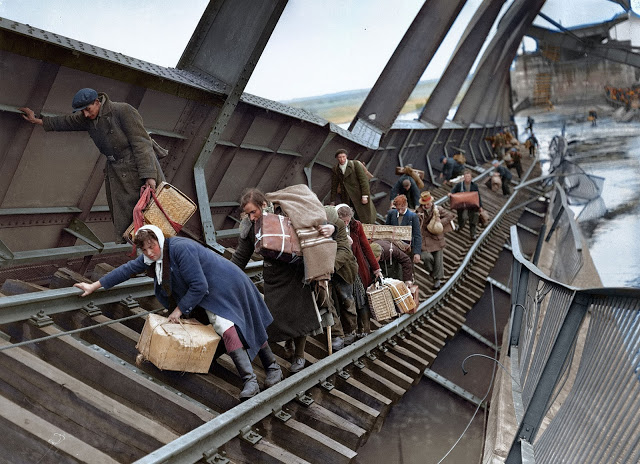
Refugees crossed these same passageways 70 years ago. But they were not Syrians and they traveled in the opposite direction. At the height of World War II, the Middle East Relief and Refugee Administration (MERRA) operated camps in Syria, Egypt and Palestine where tens of thousands of people from across Europe sought refuge.
MERRA was part of a growing network of refugee camps around the world that were operated in a collaborative effort by national governments, military officials and domestic and international aid organizations. Social welfare groups including the International Migration Service, the Red Cross, the Near East Foundation and the Save the Children Fund all pitched in to help MERRA and, later, the United Nations to run the camps.
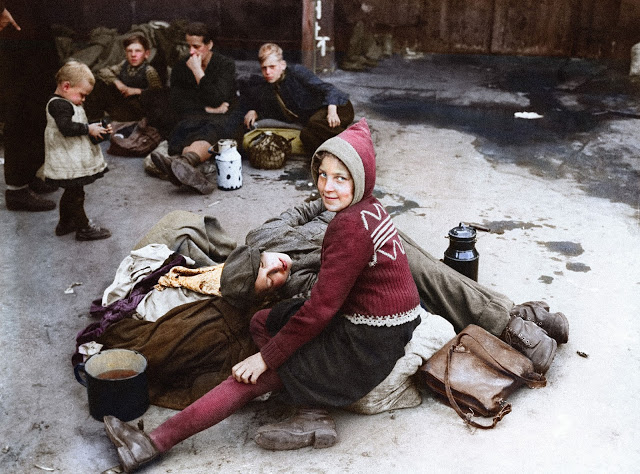
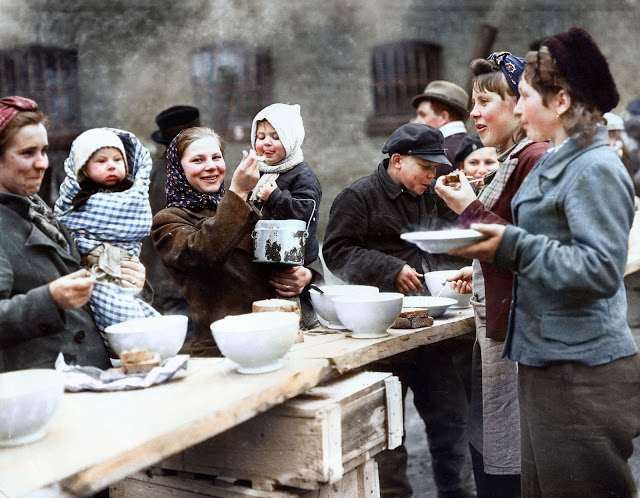
TIME commissioned freelance photo editor Sanna Dullaway to colorize some of iconic images of WWII refugees.
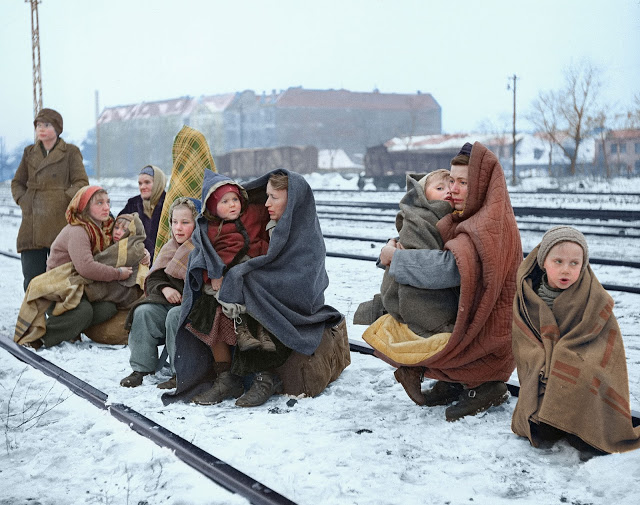
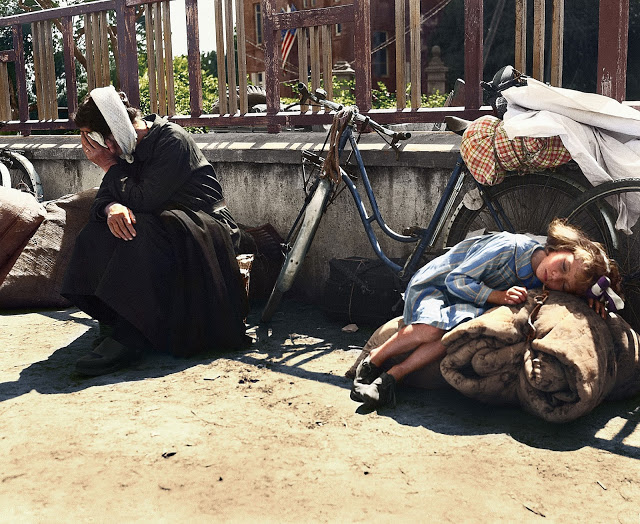
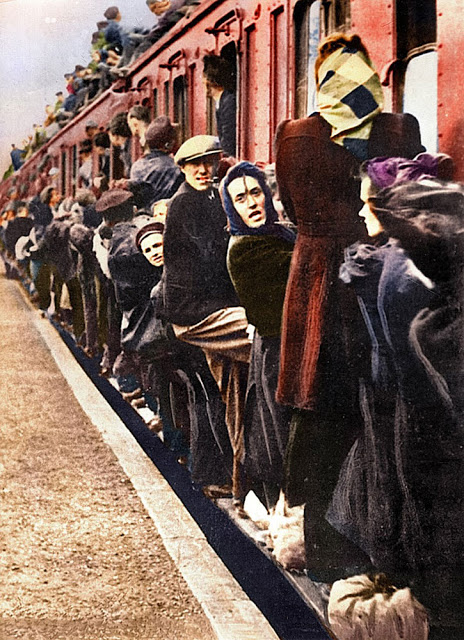
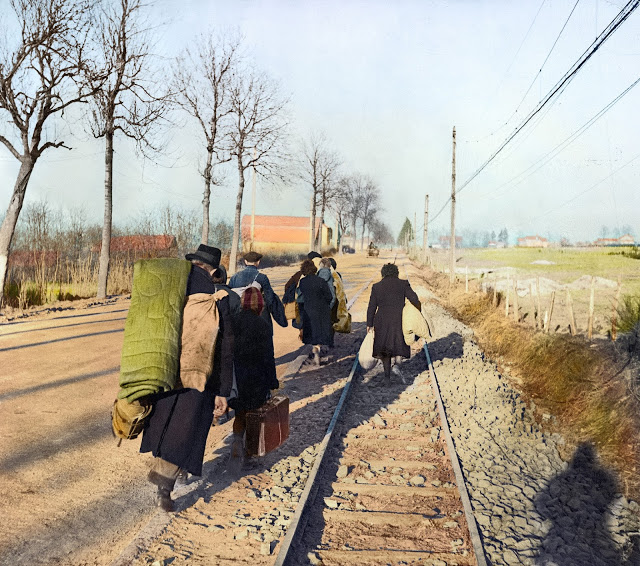
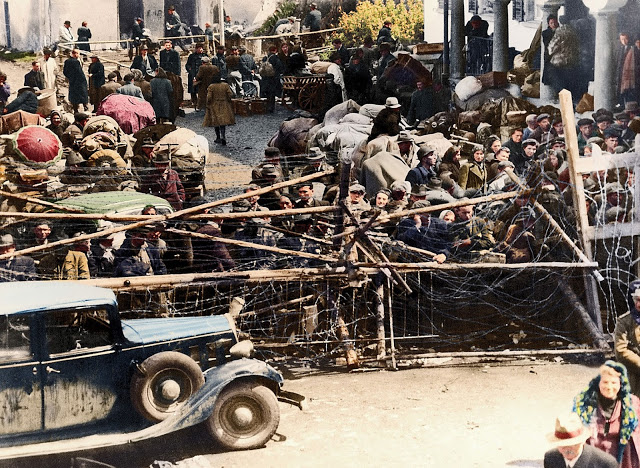
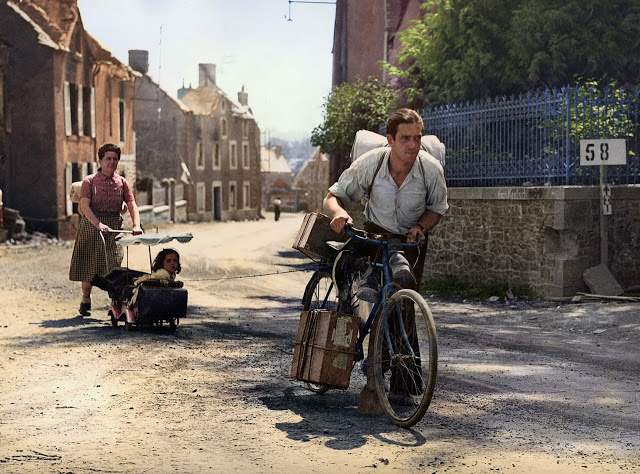
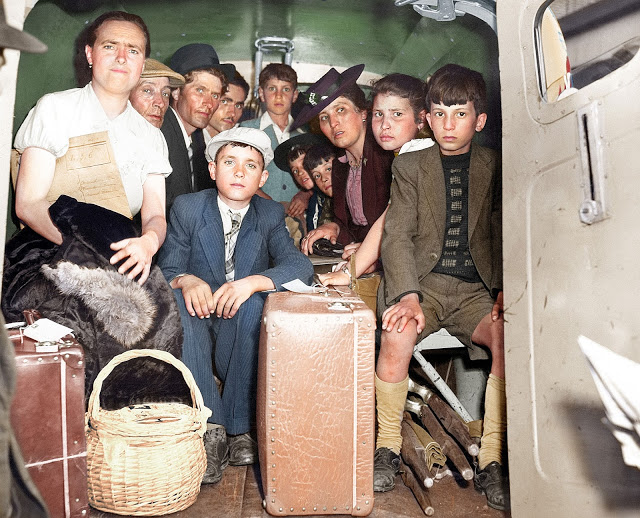
Displaced persons cross a bridge on the River Elbe at Tangermunde, which was blown up by the Germans, to escape the chaos behind German lines caused by the approach of the advancing Russians on May 1, 1945.Germans who were uprooted during the war are pictured at the Lehrter Strasse Transient Refugee Camp in Berlin on Sept. 26, 1945.A displaced persons camp in Germany, March, 1945.The only survivors of 150 Polish people who walked from Lodz, Poland to Berlin Huddle in blankets, on December 14, 1945. They are waiting by a railway track hoping to be picked up by a British army train and given help.Refugees stand in a group on a street in La Gleize, Belgium on Jan. 2, 1945. They are waiting to be transported from the war-torn town after its recapture by American forces during the German thrust into the Belgium-Luxembourg salient.French refugees, returning to their homes in St. Pois, France after the Germans were driven out by the American forces, stop to rest at the side of the road on August 10, 1944.A large group of refugees fleeing Paris in anticipation of the German invasion, 1940.Refugees from the East of the German Reich (German Empire) around 1944-1945. Place and date unknown.Belgian refugees carry their belongings with them as they flee from the advancing German army in January 1945.A family of Belgian refugees hold and support each other as they pass a military vehicle while walking the road to France, circa 1940. Behind them are other groups of refugees fleeing occupied Belgium.A crowd of refugees stood behind barbed wire on May 18, 1945, while waiting to cross the border into the neutral state of Lichstenstein. A thorough check by the customs office had to be performed for each of these displaced persons.A man pulls a refugee’s pram, attached by a cord to his bike, up a hill in Roncey, France on August 7, 1944.Group of passengers from the Portuguese ship Serpa Pinto, which was stopped by a German submarine and ordered abandoned off Bermuda, are shown after their arrival in Philadelphia, May 31, 1944. The U-boat officers abandoned plans to sink the vessel and permitted the passengers to re-board her after receiving wireless orders from Berlin.
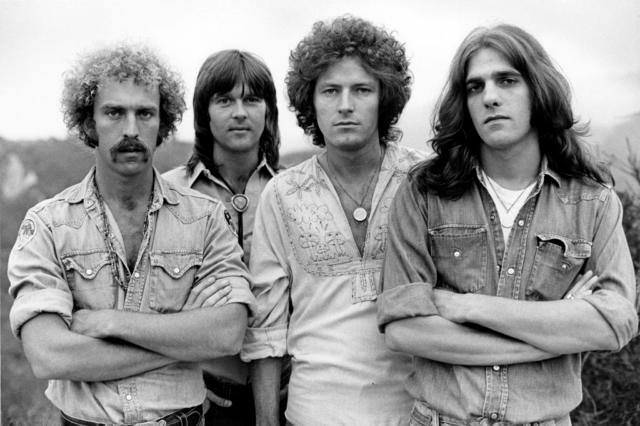
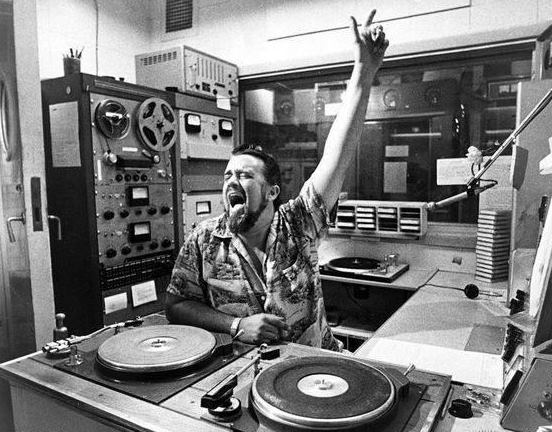
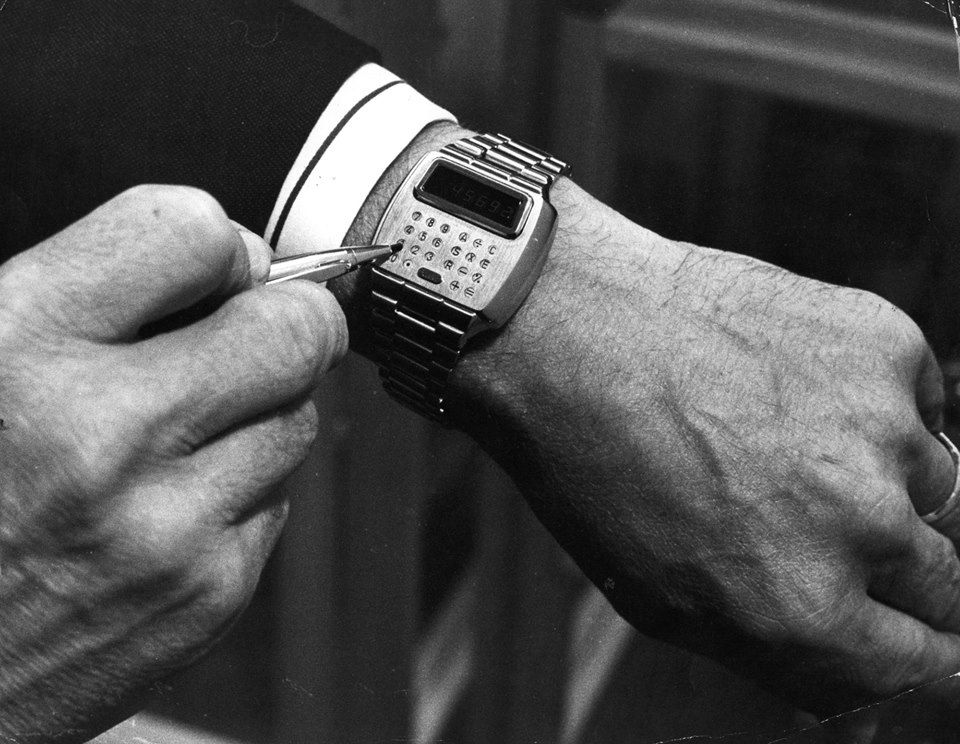
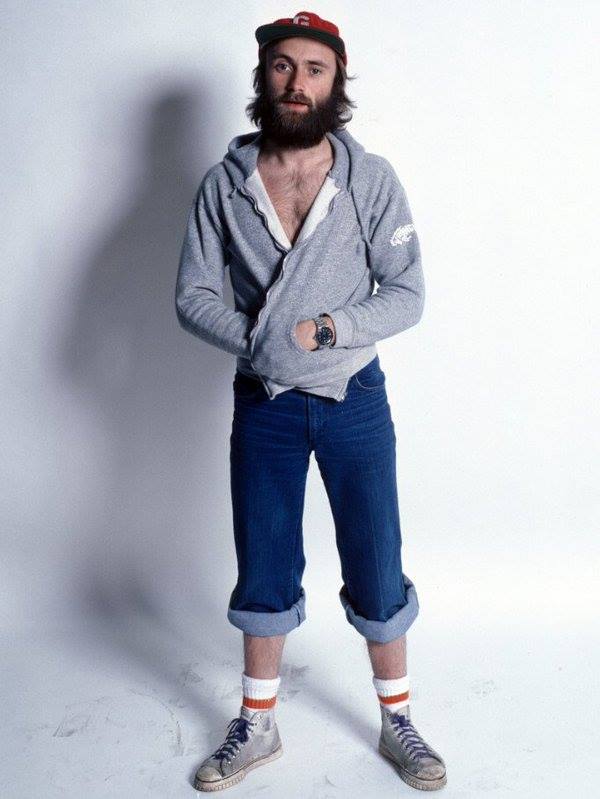
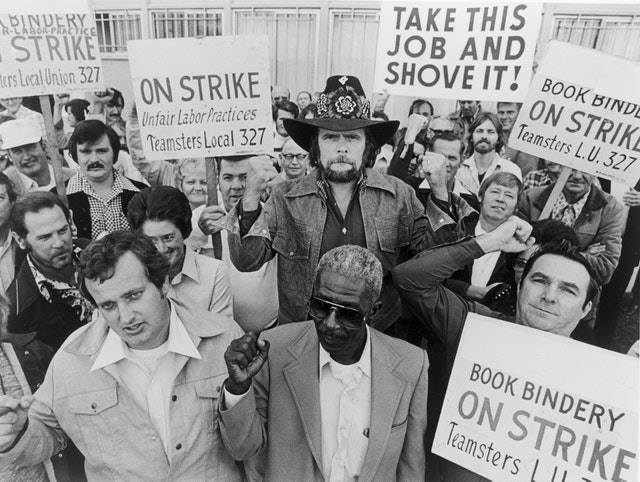
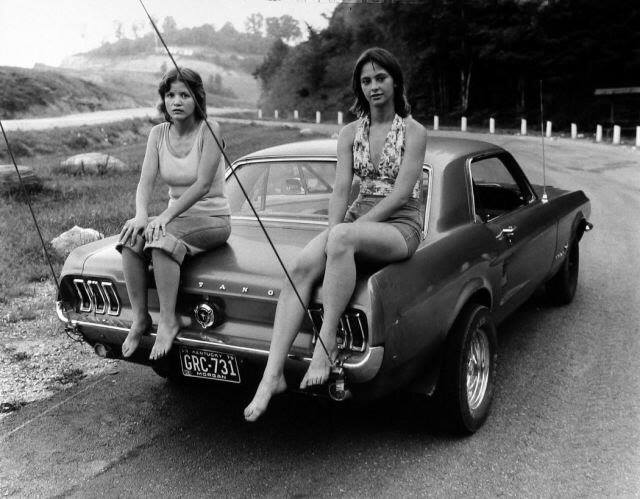
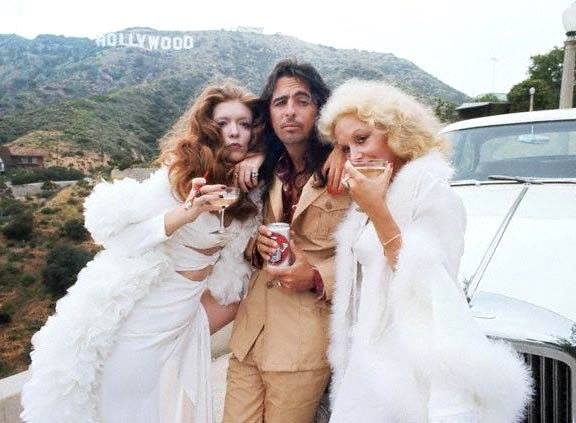
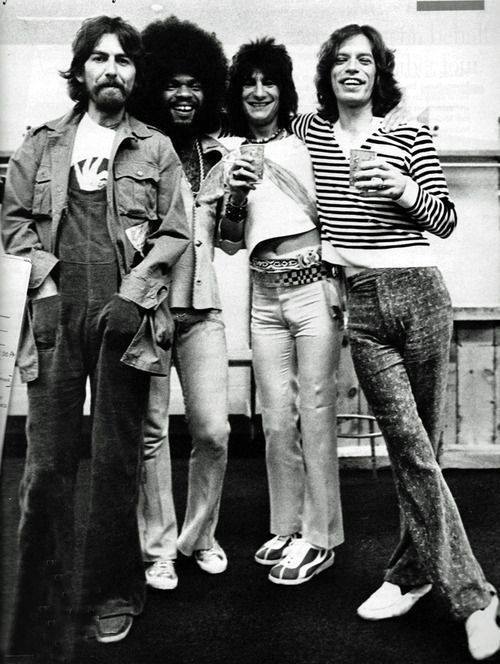
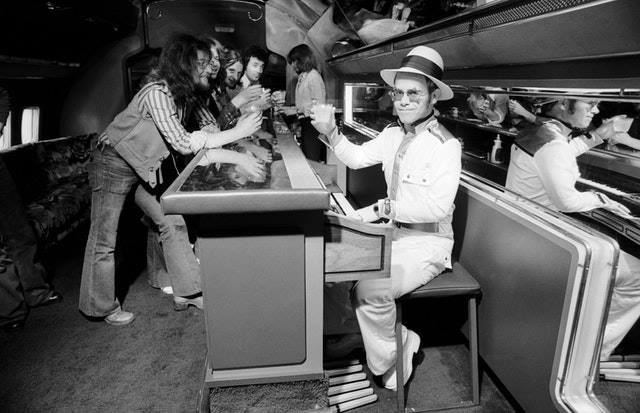
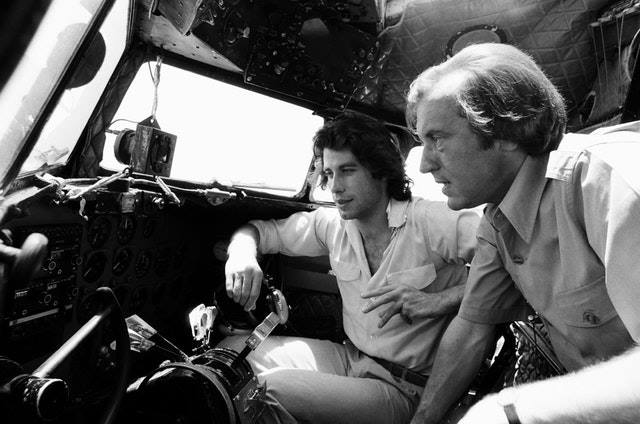
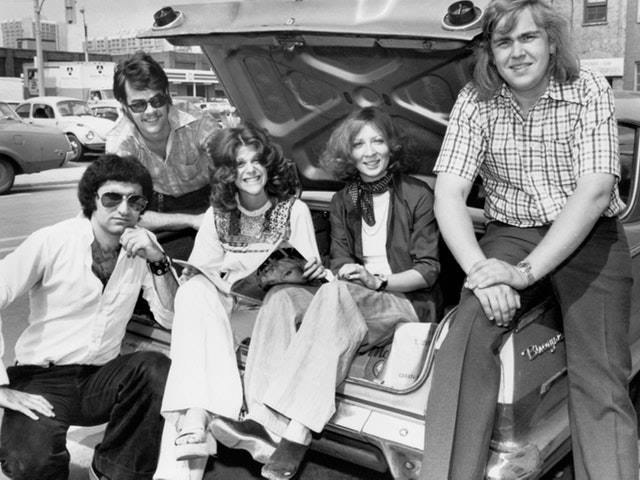
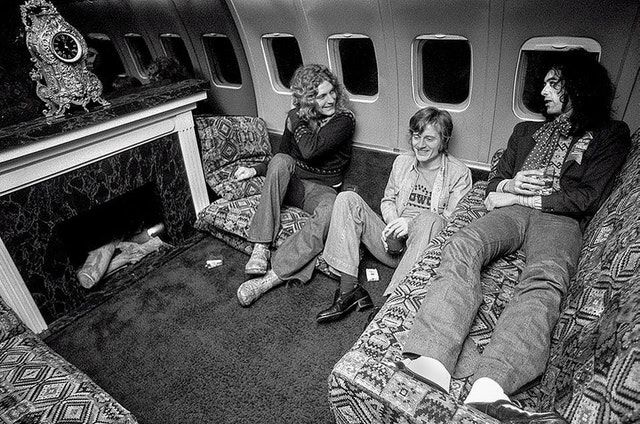
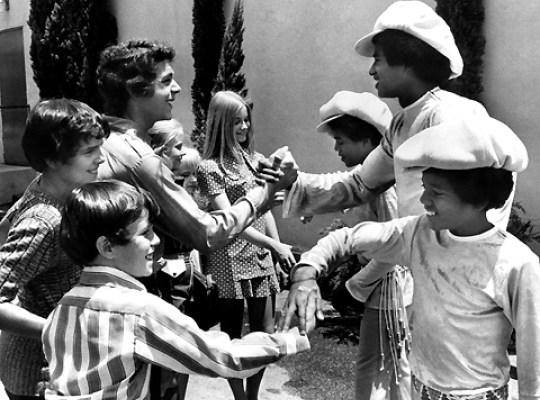
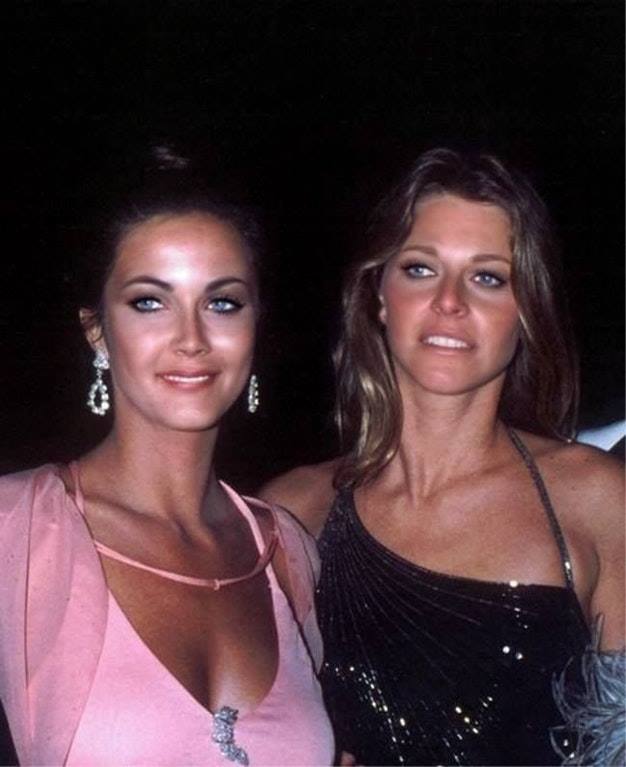
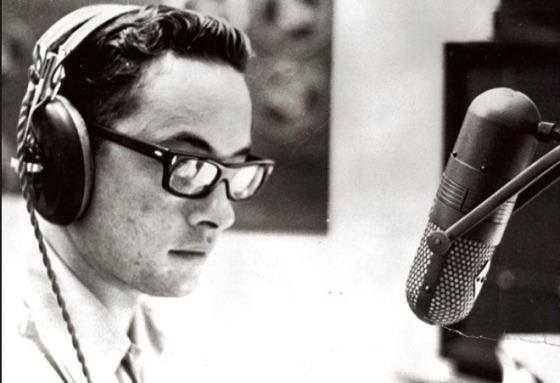
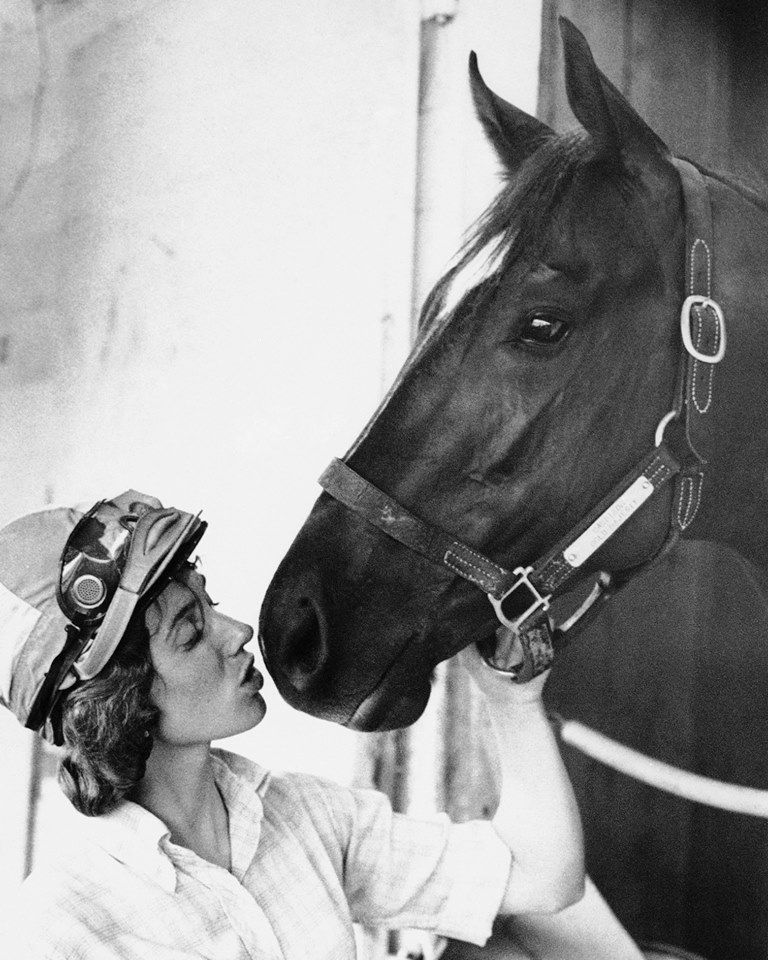
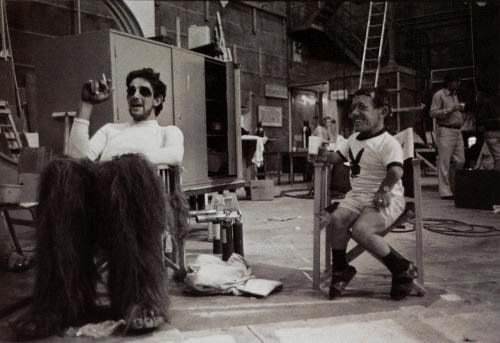
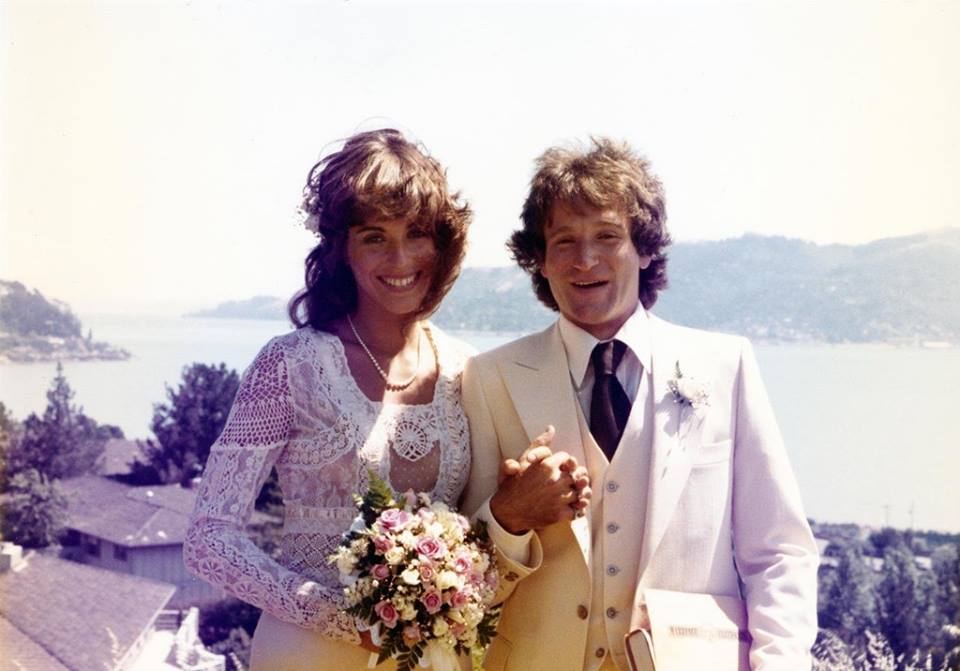
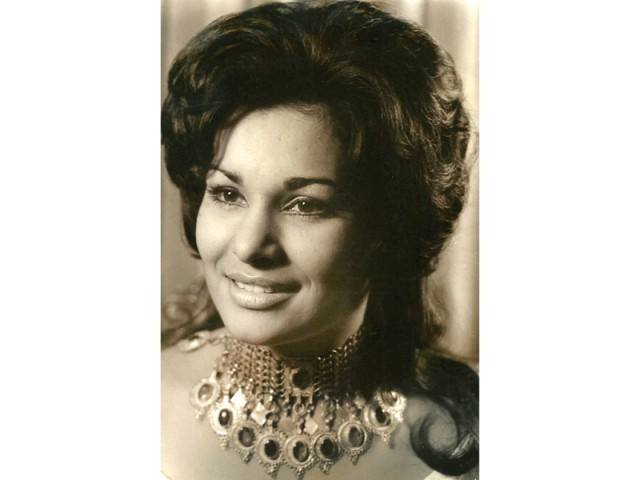
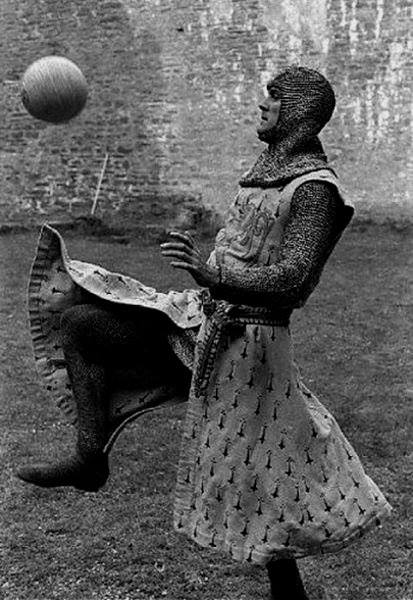
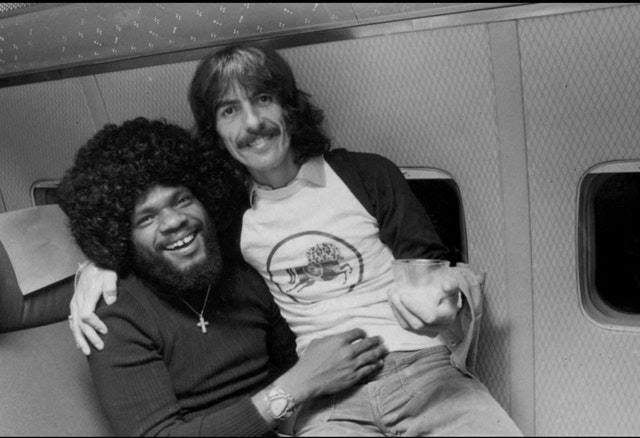
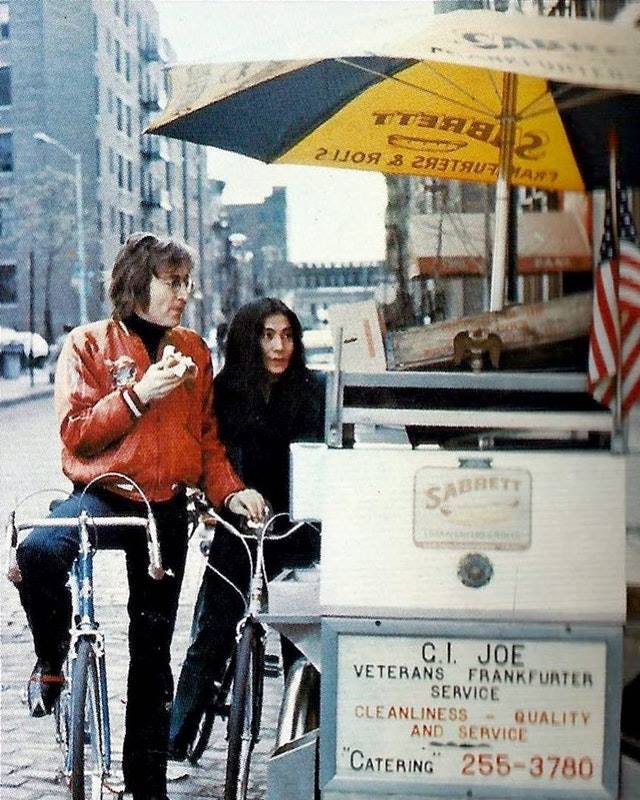
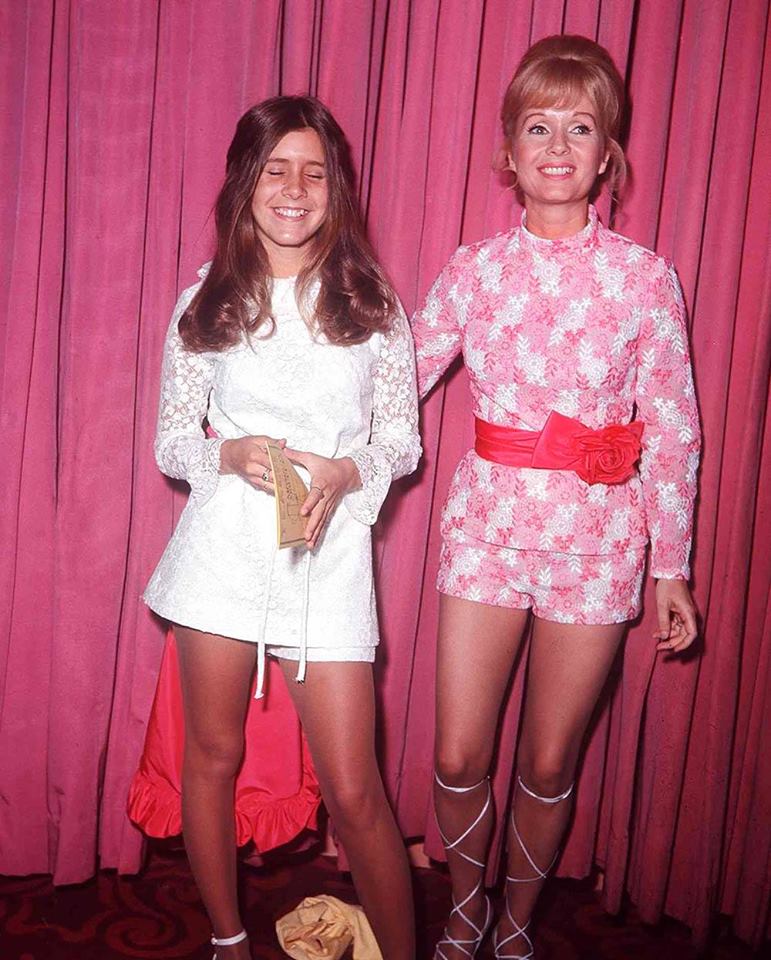
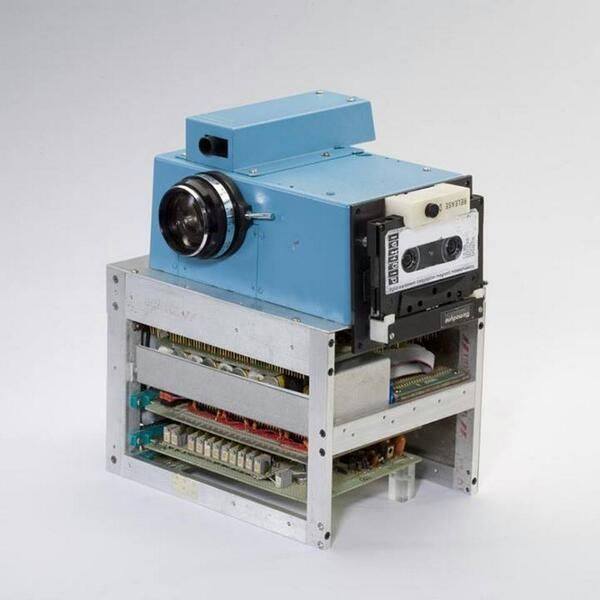
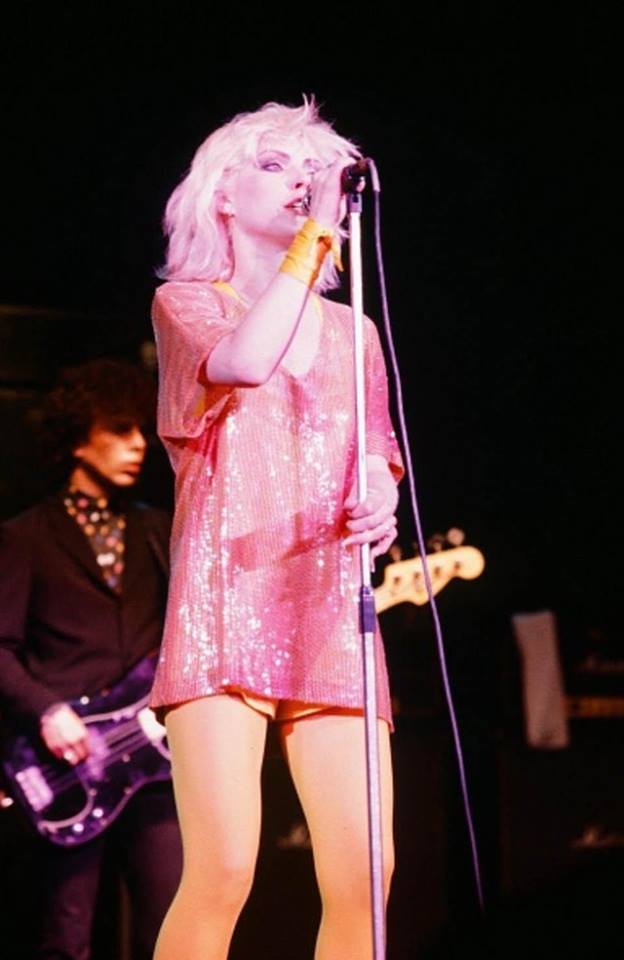
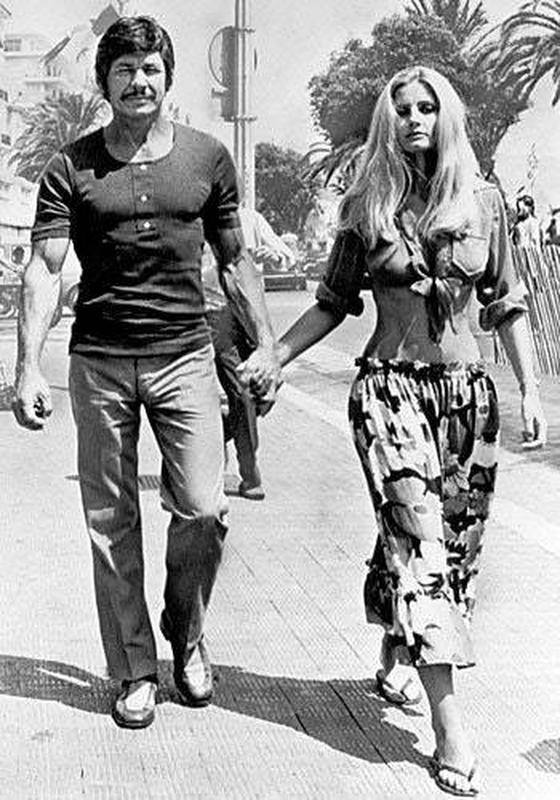
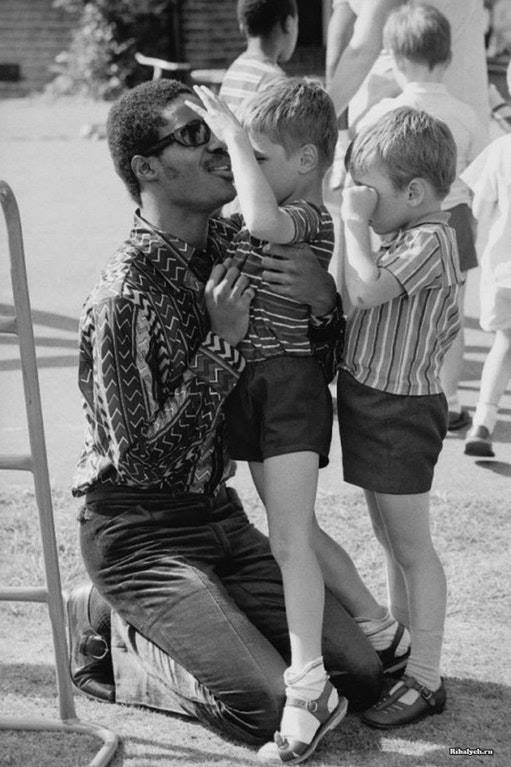
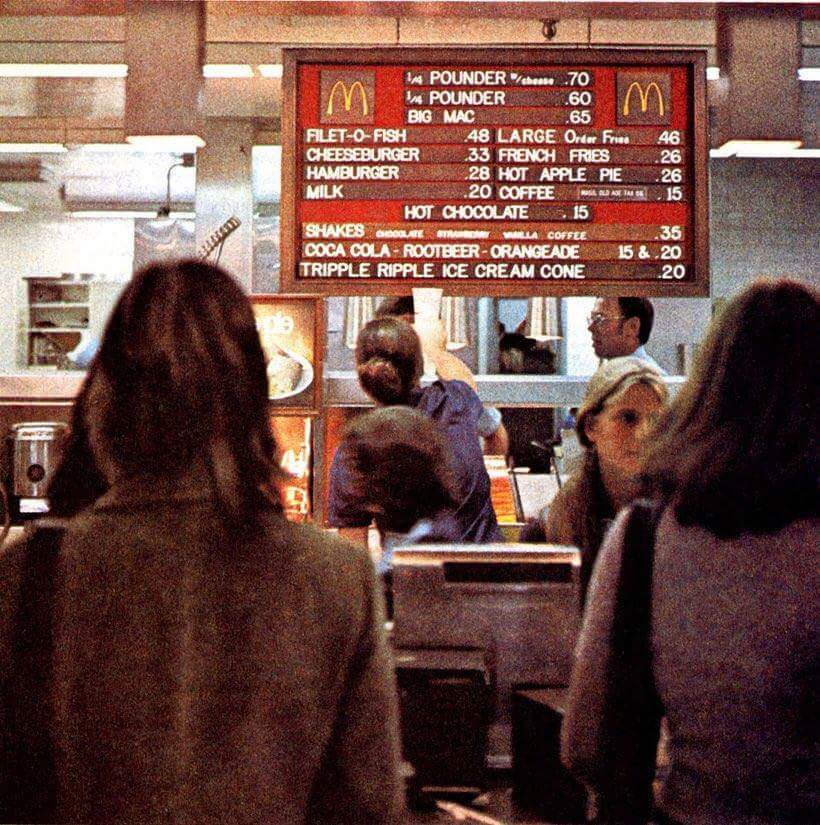
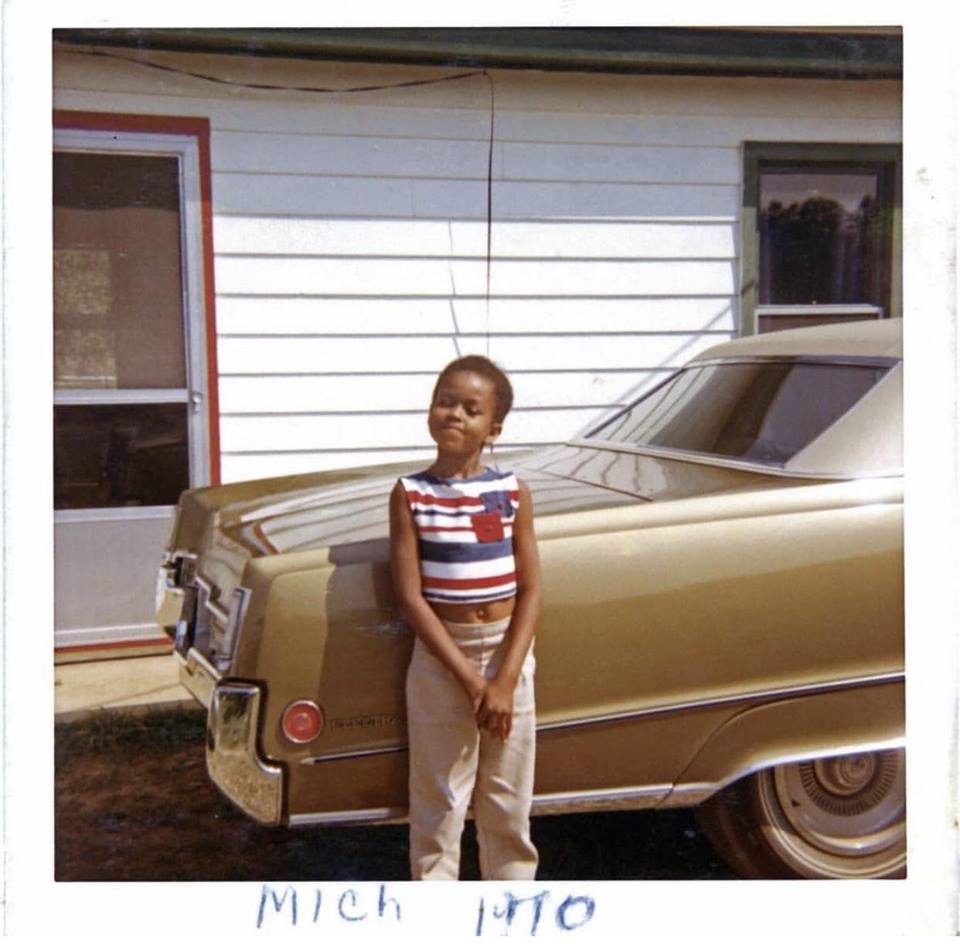
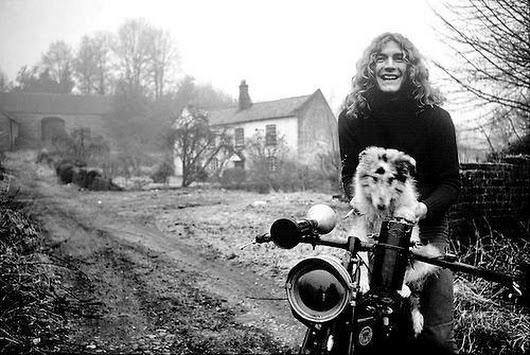
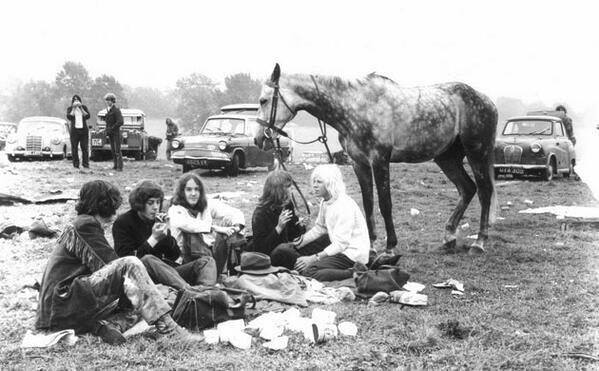
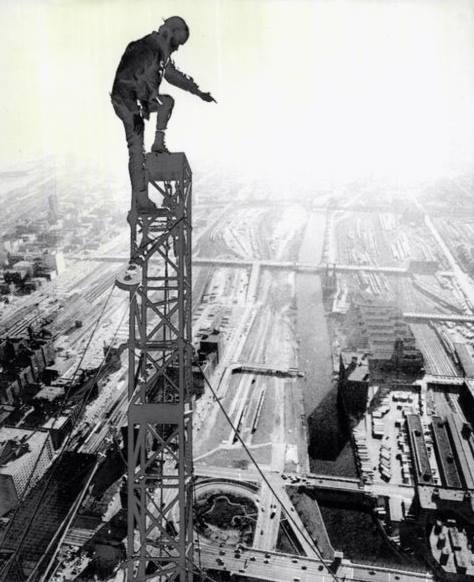
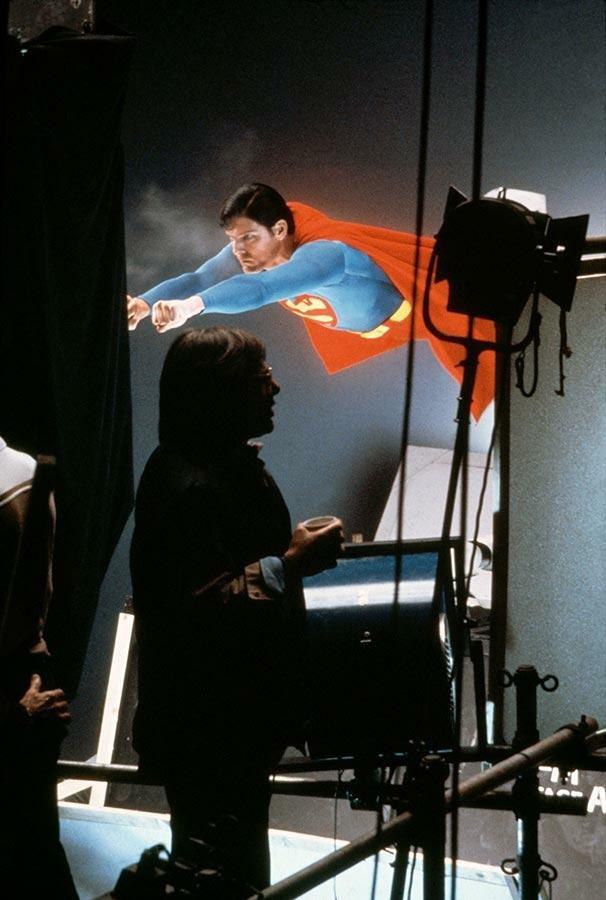
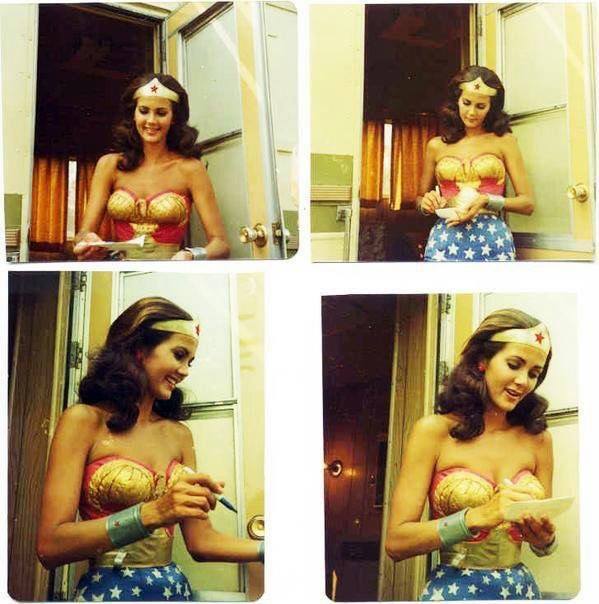
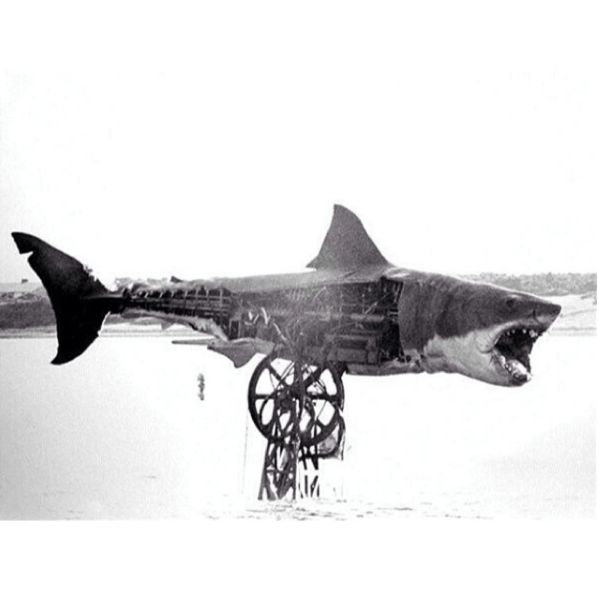
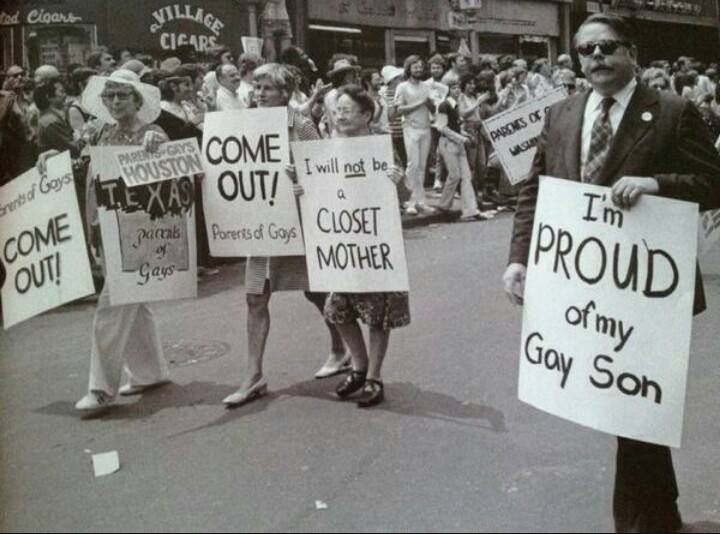
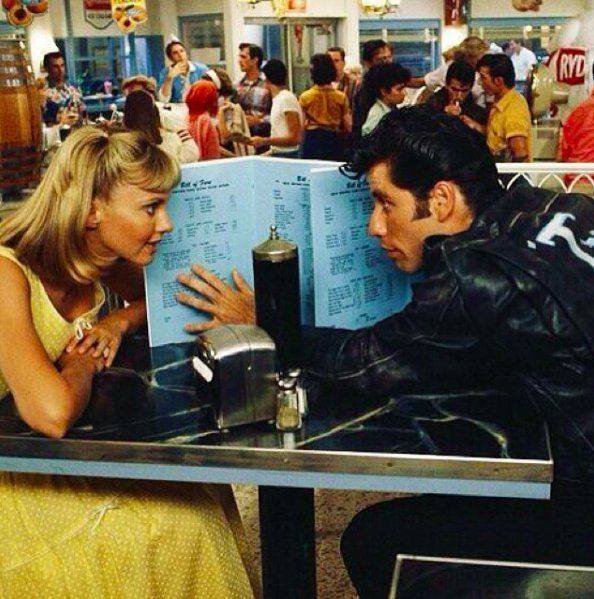
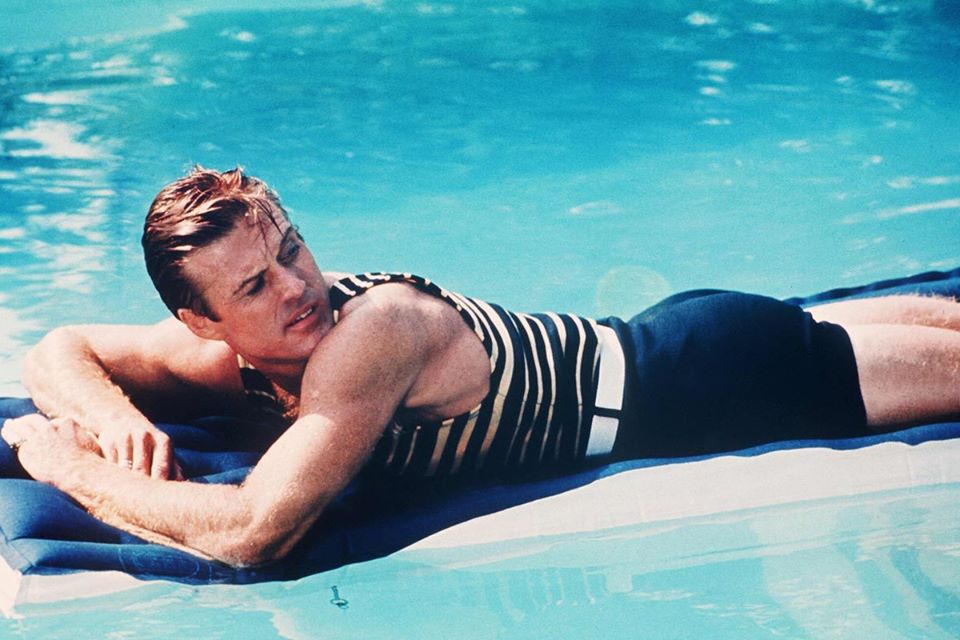
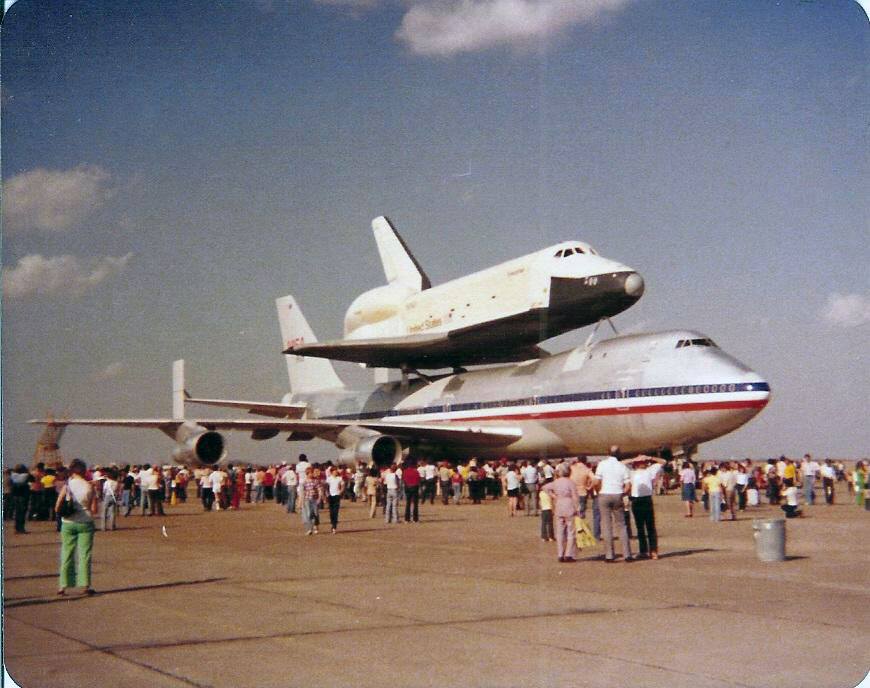
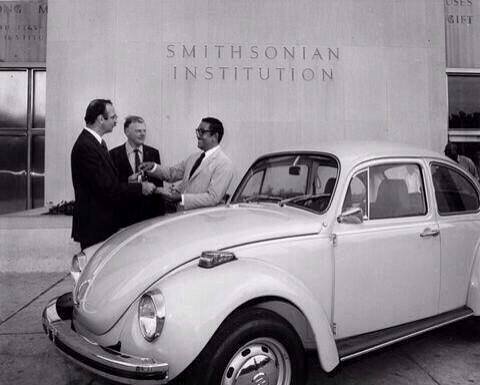
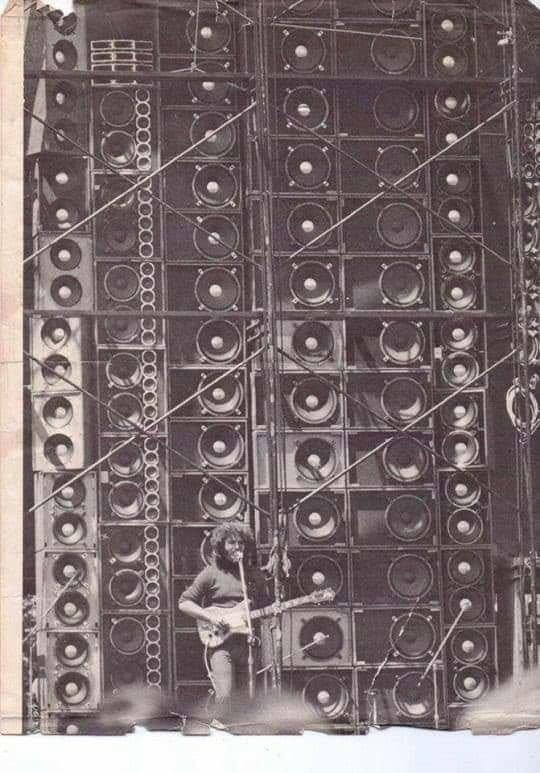
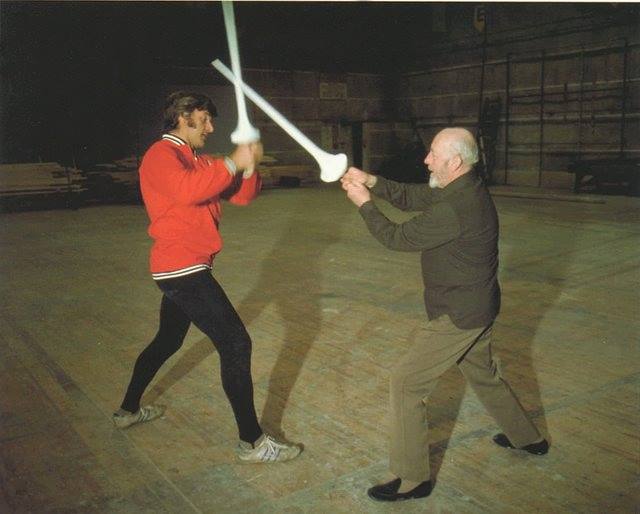
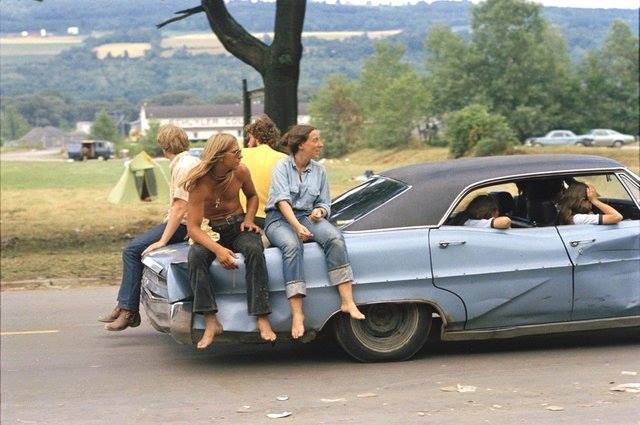
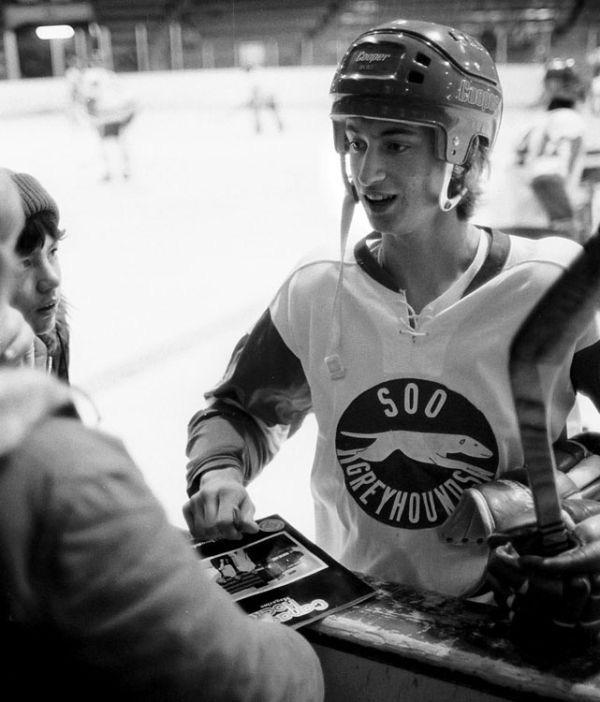
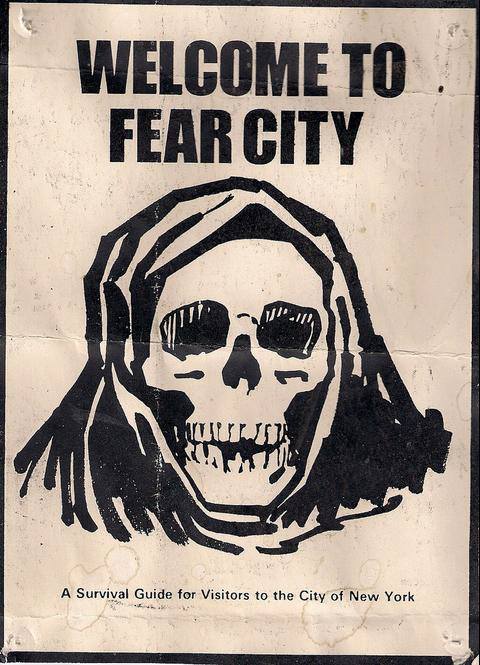
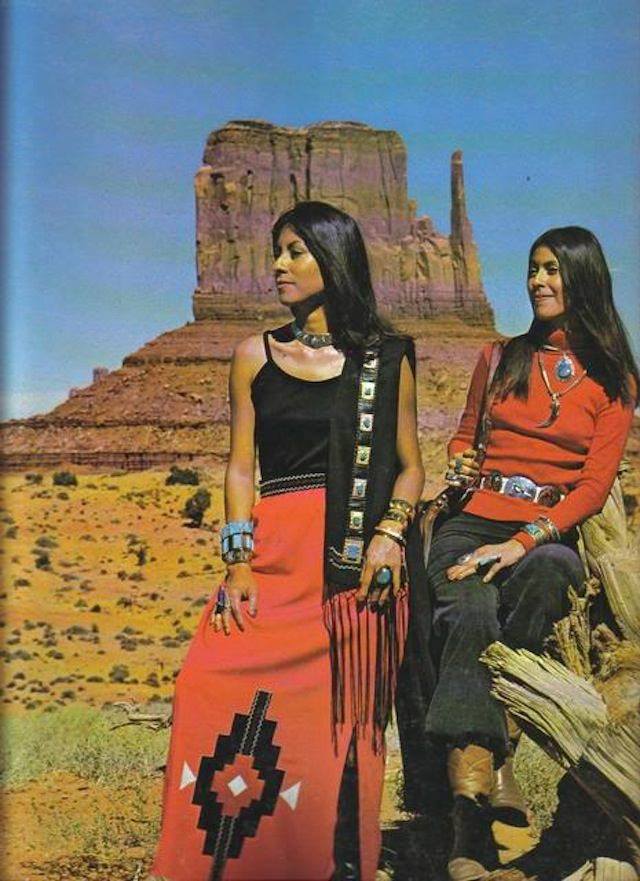
The Eagles, 1973.‘Wolfman Jack’ spins some classic ’50s rock and roll tunes in the film, “American Graffiti” in 1973.The Pulsar is the first combined computer-calculator and wristwatch (1975)Phil Collins of Genesis making his fashion statement in 1976.“Take This Job and Shove It!” Country singer Johnny Paycheck goes on strike with teamsters in 1977.Kentucky women and their Mustang, 1975.David Bowie and Cher, November 1975Shock-rocker Alice Cooper living it up in Hollywood, 1974.George Harrison, Billy Preston, Ron Wood and Mick Jagger hanging out in Los Angeles, 1975.Elton John traveling on his private jet, complete with a piano bar in 1974.Certified private pilot John Travolta shows off his private jet in an interview with David Frost, 1978Second City Television cast: Comedians Eugene Levy, Dan Aykroyd, Gilda Radner, Rosemary Radcliffe and John Candy in 1974.Led Zeppelin’s private jet “The Starship” included cozy carpeting and a fireplace. 1973The Brady Bunch kids meet up with The Jackson 5 in 1971.Wonder Woman (Lynda Carter) meets the Bionic Woman (Lindsay Wagner) in 1977.Adrian Cronauer, the inspiration for Robin William’s character in “Good Morning Vietnam” (1960’s)Diane Crump became the first female jockey at the Kentucky Derby, 1970Chewbacca and R2D2 taking a break, 1978Rod Stewart in his 1970’s kitchenRobin Williams, with his first wife, Valerie Velardi, on their wedding day, 1978Rakshanda Khattak, Pakistan Supermodel, 1970’sJohn Cleese playing on the set of “Monty Python and the Holy Grail” film. (1975)Billy Preston and his pal George Harrison in 1974.John Lennon and Yoko Ono bicycling around New York City, 1972.Carrie Fisher & Debbie Reynolds, 1972.Kodak’s first prototype digital camera, 1975.Blondie performing in NYC, 1976.Charles Bronson and his wife Jill Ireland walking around town in style, 1971.Stevie Wonder meeting students at a children’s school for the blind in London, 1970McDonald’s in 1974.A 6-year-old Michelle Obama, 1970.Robert Plant and his dog Strider in front of his holiday cottage Bron-Yr-Aur in Wales, 1970.At the first Glastonbury Festival in 1970, a crowd of 1,500 people only paid £1 each for a ticket, which included unlimited free milk from the farm.A construction worker stands on top of the antenna of the Sears Tower in Chicago near the completion in 1972, at the height of about 1,485 feet without any tethering.A small business named Microsoft in 1975.Christopher Reeve on the set of “Superman” with director Richard Donner (1978)Lynda Carter signing autographs as Wonder Woman, 1976Mechanical shark used in Jaws, 1975Gay Pride Parade, New York City, 1974Olivia Newton-John and John Travolta in ‘Grease’, 1978Robert Redford wearing a two-piece bathing suit in ‘The Great Gatsby,’ 1974.Shuttle Enterprise at Ellington Airfield, 1978.In 1972, the Volkswagen Beetle broke the world record held by the Ford Model T by making 15,000,034 of the Bugs.Jerry Garcia in front of the Grateful Dead’s “Wall of Sound”, 1974.David Prowse (‘Darth Vader’) and Sir Alec Guinness (‘Obi-Wan Kenobi’) rehearse their lightsaber duel for “Star Wars: Episode IV – A New Hope” – 1977.European socialite Princess Ira von Furstenberg in Marbella, Spain. (1971)Hitching a ride on the back of a car on the way to the Summer Jam at Watkins Glen, NY in 1973.A 16 year-old Wayne Gretzky playing for the Sault Ste.Marie Greyhounds in the OHA. (1977-78)This pamphlet was handed out by the New York Council for Public Safety to tourists in 1975, giving advice on how to survive in New York City.Two Native American women from Arizona Highways magazine, 1970s.
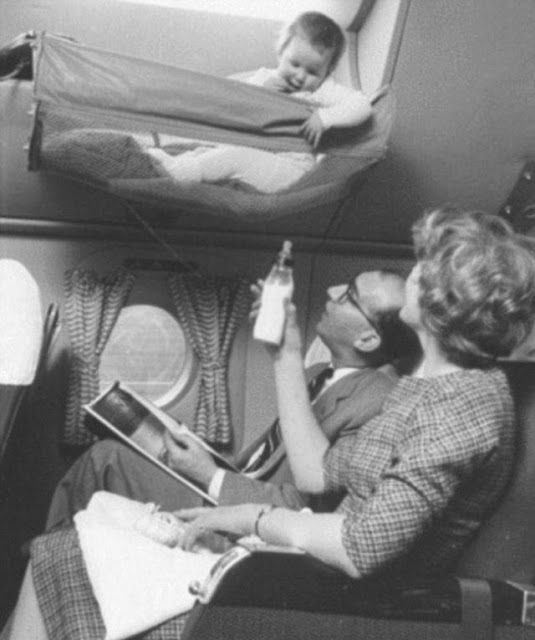
But before the days of special seat belt attachments and sky nannies parents took a more cavalier approach to childcare, simply placing babies in cradles that hung above their heads.
Incredible vintage images, dating back to the 1950s, have emerged revealing that ‘skycots’ were attached to the overhead luggage bin, with children placed inside for the journey’s duration.
“I have the best job in the world. If I’m unhappy, it’s a failure of imagination.”
Born on June 25, 1956, in New York City and raised in New Jersey, Anthony Bourdain knew he’d be a chef while vacationing on the coast on France with his parents as a boy. A local fisherman offered him an oyster fresh from the sea; he ate it, and “That was it, man,” Bourdain said in an interview. “That was it.”
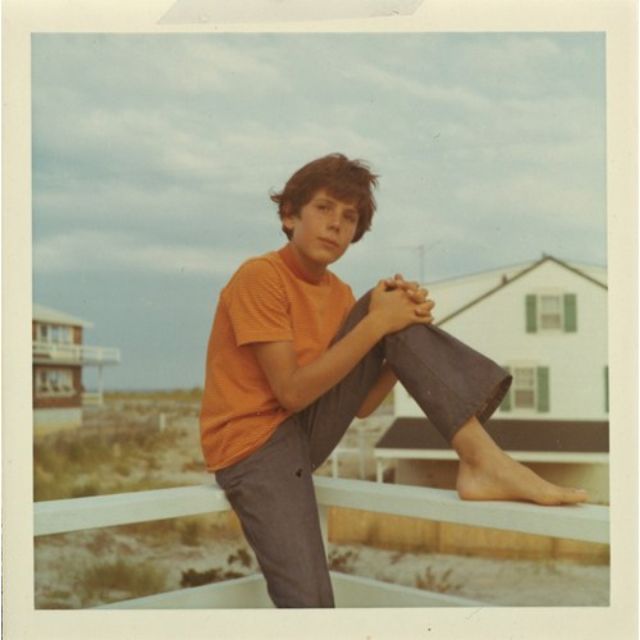
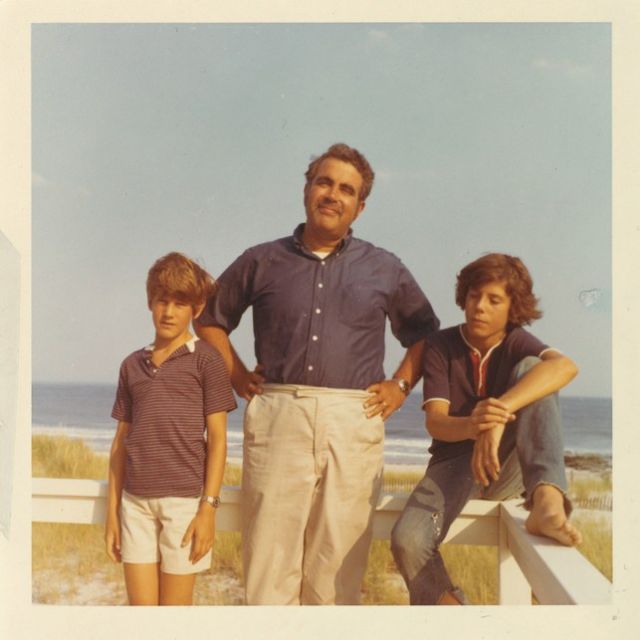
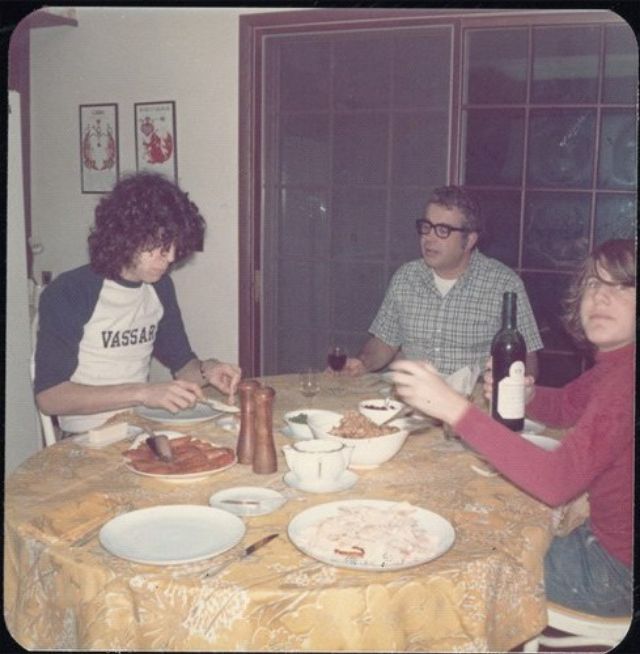
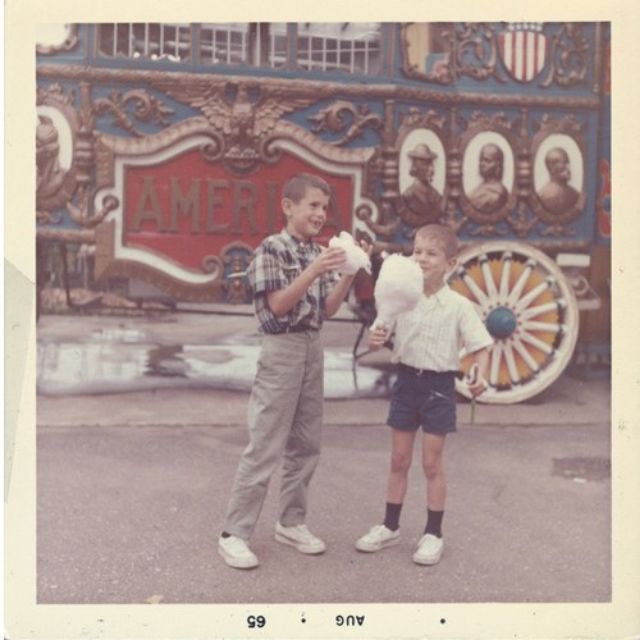
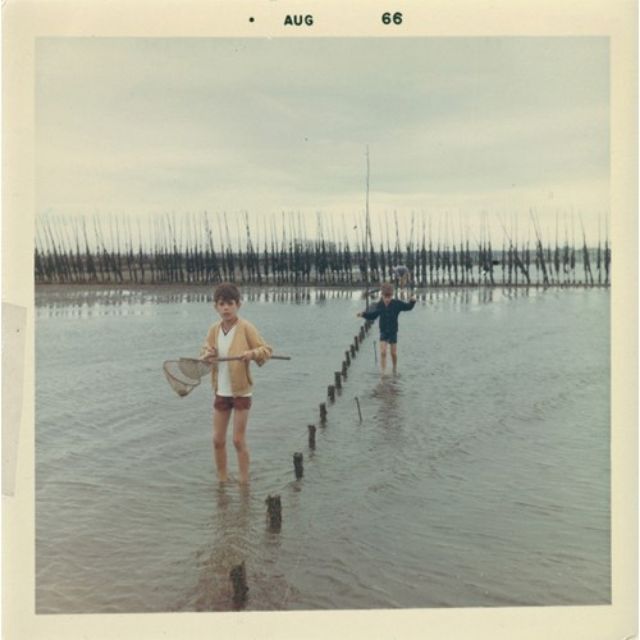
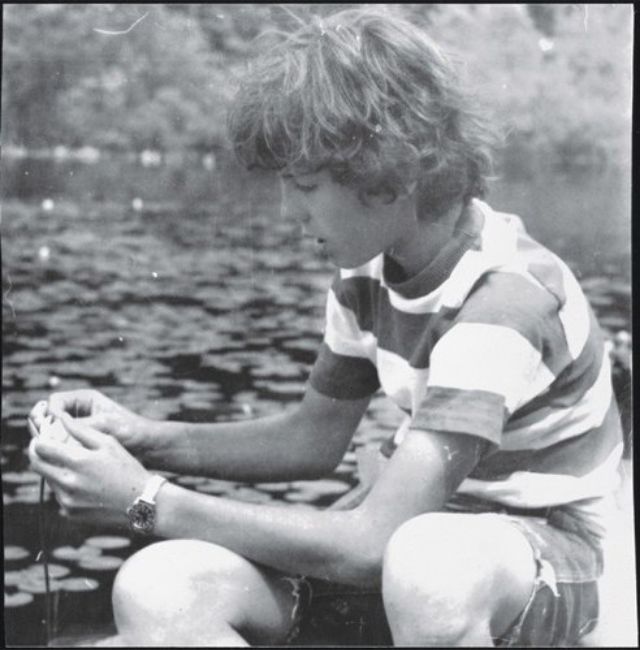
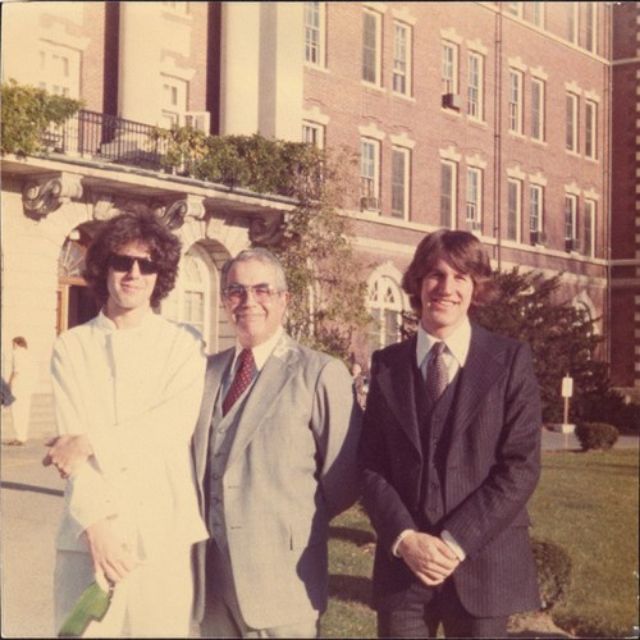
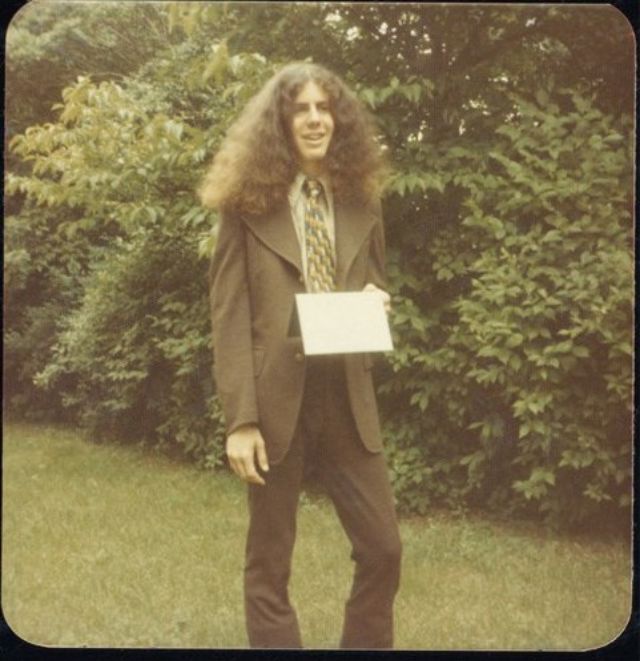
In 2012, Bourdain wrote an essay about his father for Bon Appétit and shared a collection of his childhood photographs. “My father was, as he liked to say, ‘a man of simple needs.’ He grew up with a French mother, a French name, speaking French, and spent many summers in France. But this history wasn’t really a factor in my childhood. It always came as a shock to me when he’d break into French with a Haitian cabdriver as there was, seemingly, nothing ‘French’ about him, or us, or how we lived.
He taught me early that the value of a dish is the pleasure it brings you; where you are sitting when you eat it—and who you are eating it with—are what really matter. Perhaps the most important life lesson he passed on was: Don’t be a snob. It’s something I will always at least aspire to—something that has allowed me to travel this world and eat all it has to offer without fear or prejudice. To experience joy, my father taught me, one has to leave oneself open to it.”
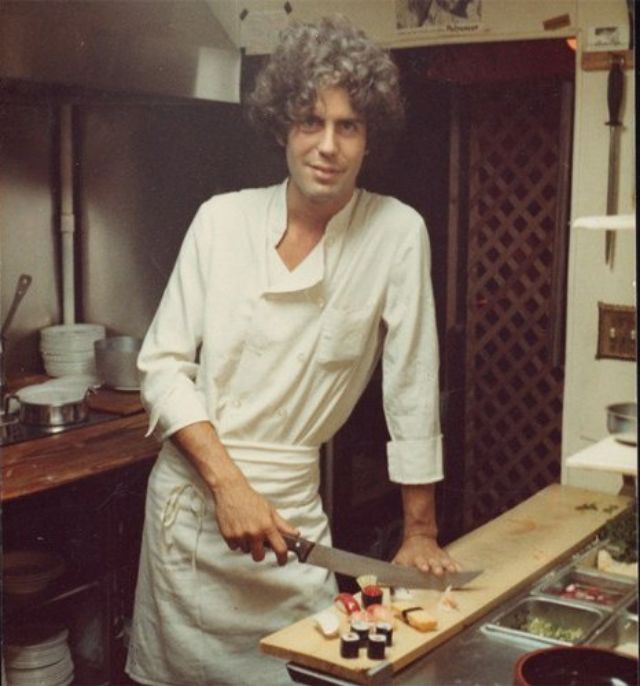
Bourdain was a 1978 graduate of The Culinary Institute of America and a veteran of a number of professional kitchens during his career, which included many years spent as an executive chef at Brasserie Les Halles in Manhattan. He first became known for his bestselling book Kitchen Confidential: Adventures in the Culinary Underbelly (2000).
Bourdain’s first food and world-travel television show A Cook’s Tour ran for 35 episodes on the Food Network in 2002 and 2003. In 2005, he began hosting the Travel Channel’s culinary and cultural adventure programs Anthony Bourdain: No Reservations (2005–2012) and The Layover (2011–2013). In 2013, he began a three-season run as a judge on The Taste, and consequently switched his travelogue programming to CNN to host Anthony Bourdain: Parts Unknown. Though best known for his culinary writings and television presentations, along with several books on food and cooking and travel adventures, Bourdain also wrote both fiction and historical nonfiction.
Bourdain was found dead of an apparent suicide by his friend Éric Ripert on June 8, 2018, in his hotel room in Kaysersberg-Vignoble, France. He was working on an episode of Anthony Bourdain: Parts Unknown in Strasbourg, France.
CNN confirmed the death of their colleague, while adding, “His love of great adventure, new friends, fine food and drink and the remarkable stories of the world made him a unique storyteller. His talents never ceased to amaze us and we will miss him very much.”
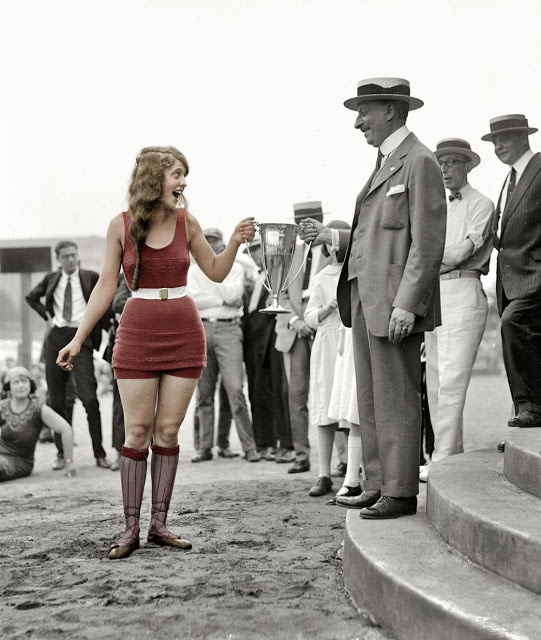
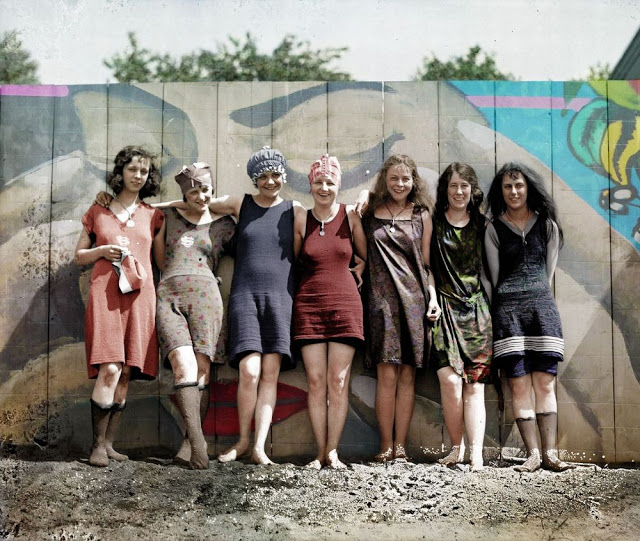
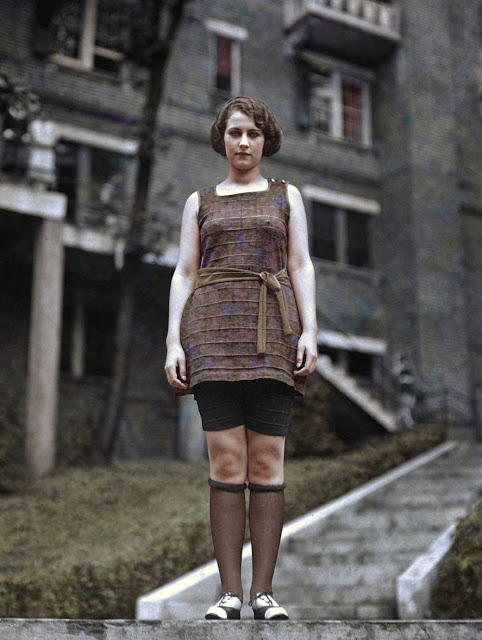
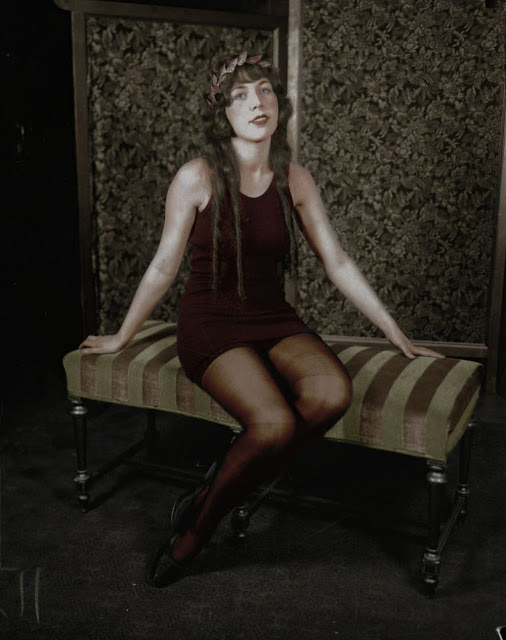
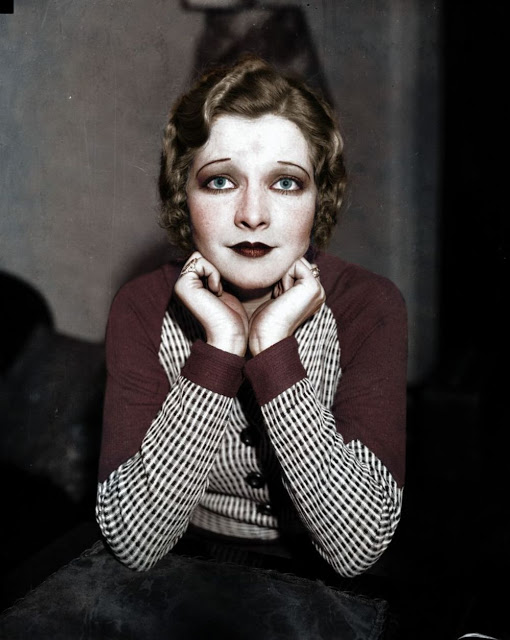
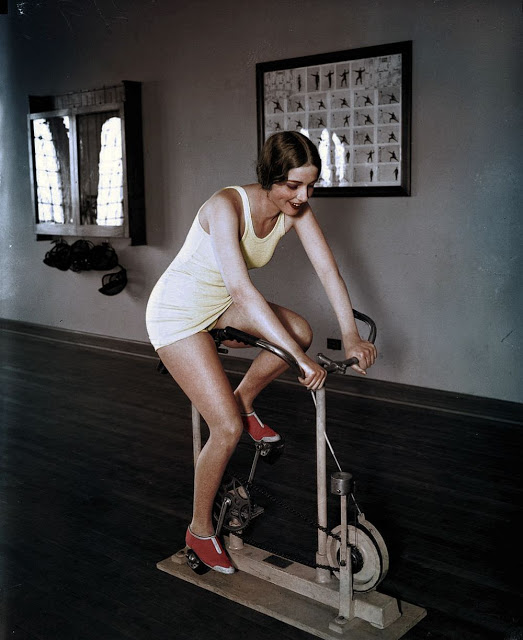
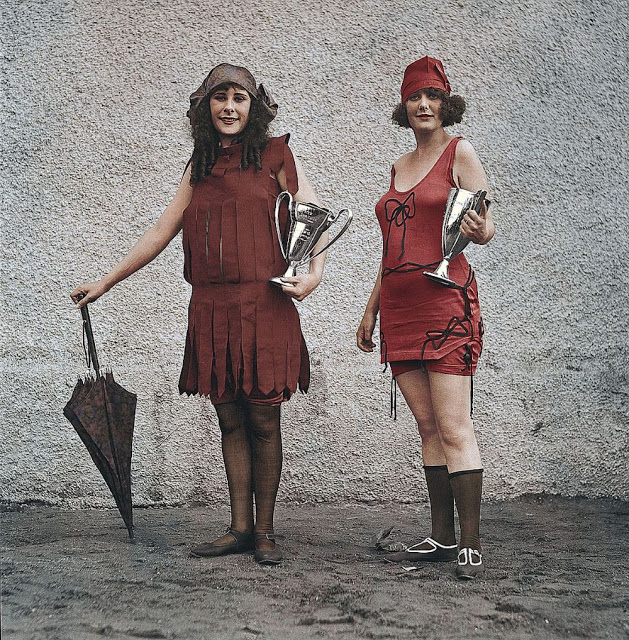
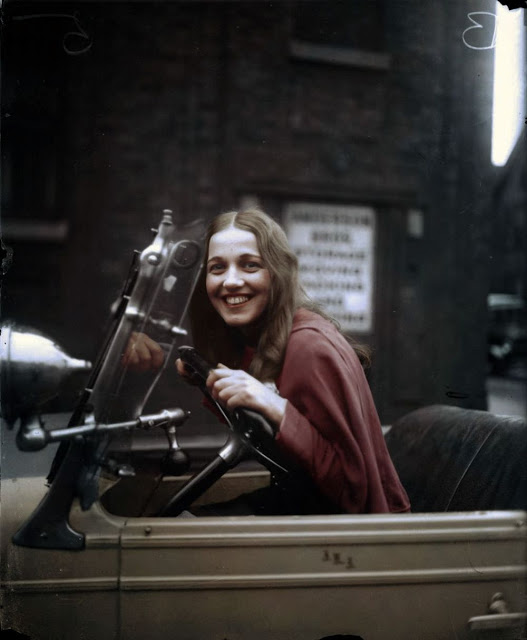
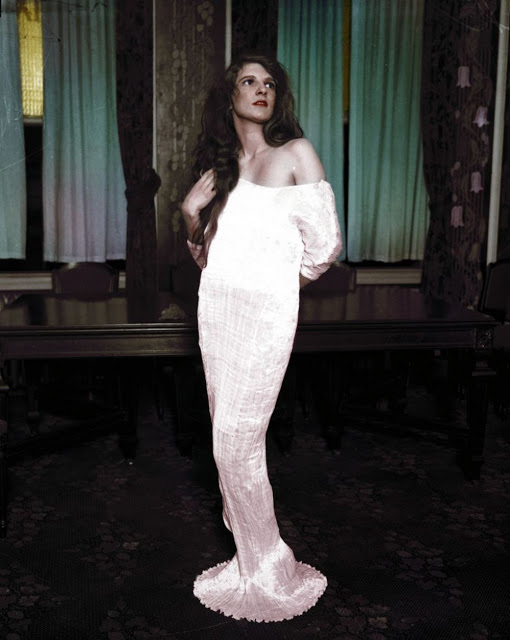
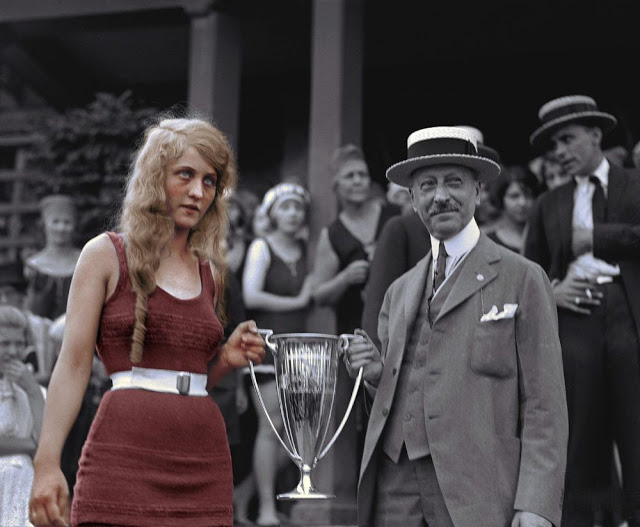
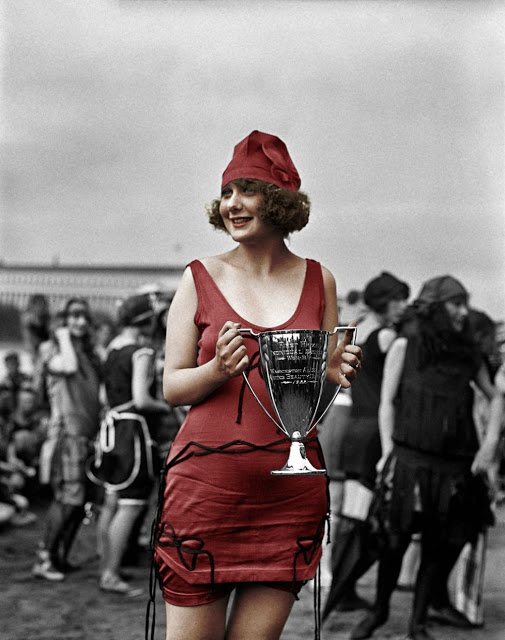
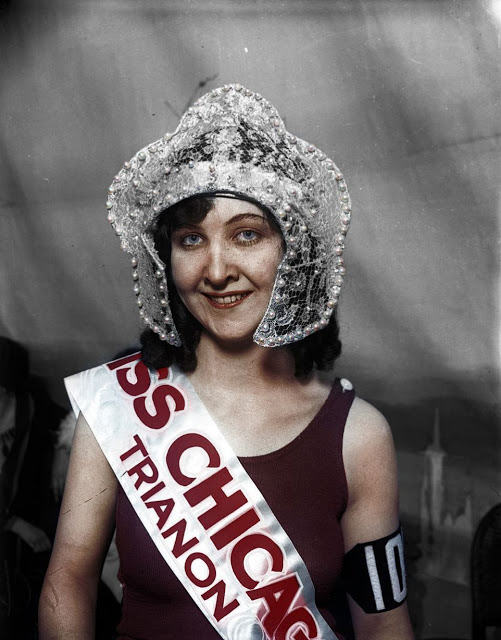
These stunning images of 1920s beauty queens reveal how ideas of beauty have changed – and how they haven’t – in the last 100 years. The photographs were colorized by Irish artist Matt Loughrey of My Colorful Past. “I think they deserved to be seen in colour as they were. A lot of these photographs were taken in Washington D.C in the early 1920s. It was a time of huge social upheaval as well as an economic shift that saw America morph into a major consumer society.” – said Matt From the winners of seaside beauty pageants to the winner of Miss Universe the pictures give a real insight into the popularity of these contests – and the women who won them.
Portrait of a group of young women as they pose in risque bathing suits that bare the legs and knees, Washington DC, May 29, 1920.Miss Washington, Evelyn Lewis, standing proud in her modest bathing suit and knee-high stockings at the Wardman Park Hotel.Miss Chicago of 1925, Margarita Gonzales. Gonzales was a candidate for the national title at the Atlantic City beauty contest in 1925, but was eliminated in the first round.Beauty queen Evelyn Cushing, 24, won Miss Illinois in 1932 and went on to compete for Miss America.Ella Van Hueson exercising on a static bike in June 1928 after being named Miss Universe.Iola Swinnerton and Anna Neibel, winners of a beauty contest at Washington’s Tidal Bathing Beach, 1922.Splash of color Eva Fridell receives the winners cup on August 5th 1922 at the Washington Tidal Basin beauty contest.Miss Universe Ella Van Hueson sitting in her car in 1922.Mrs. Wallace Ford models a dress that she will wear to the Miss America ball in 1927.Eva Fridell takes the prize at the Washington Tidal Basin Beauty contest, August 1920.Miss Anna Neibel with her winners cup at the Washington Tidal Basin in 1922.Mae Greene, 18, was chosen as Miss Chicago 1926 out of 4,000 rivals at the Trianon Ballroom.