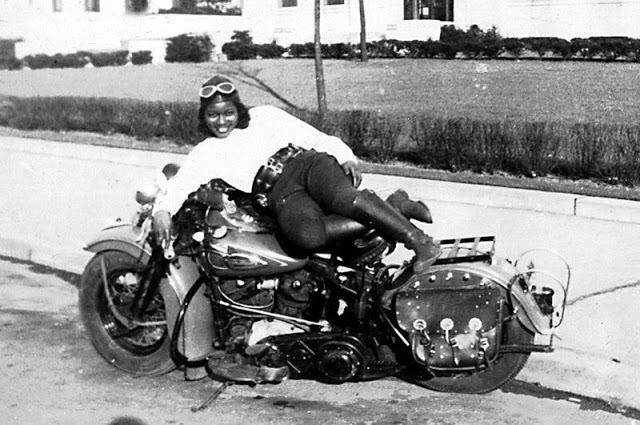
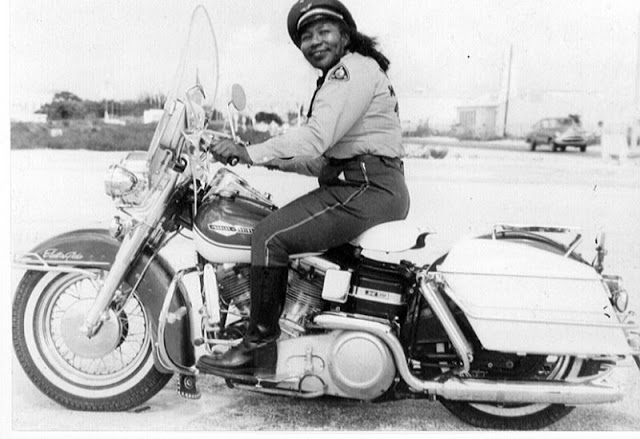
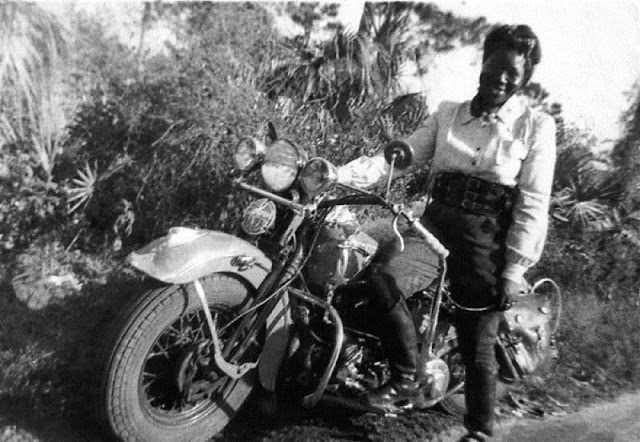
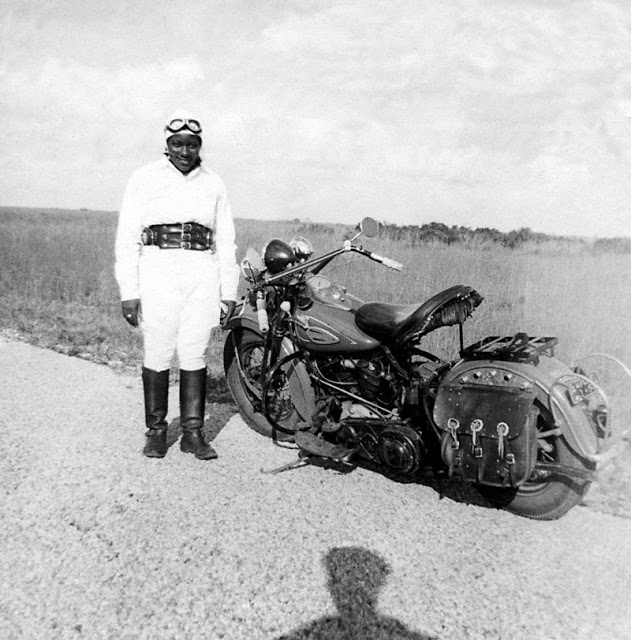
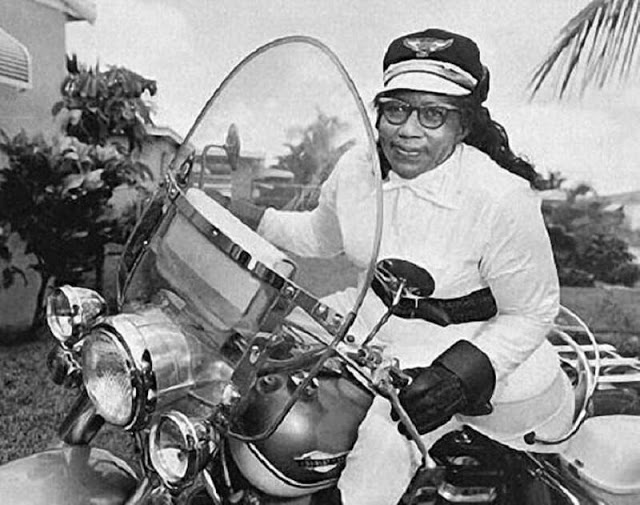
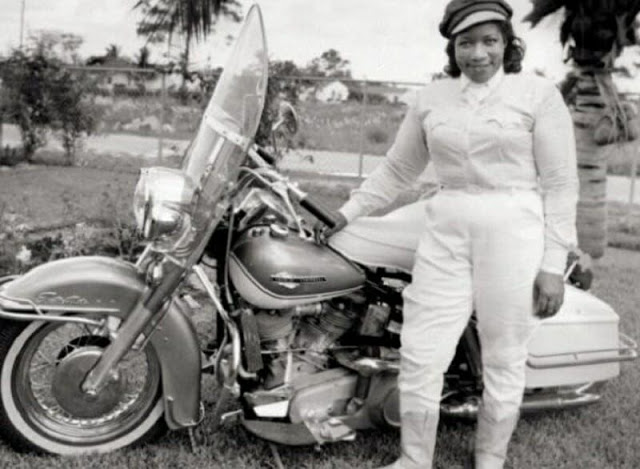
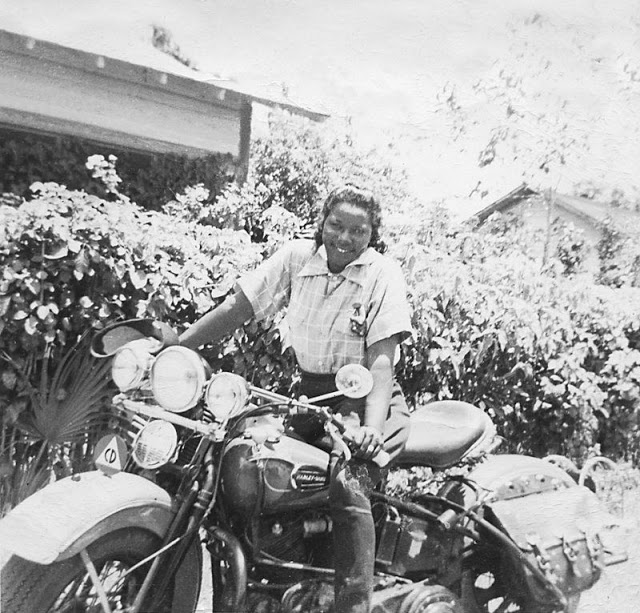
Despite pervasive racism and the weight of the Great Depression, Bessie Stringfield found freedom on the open road.
In the 1930s and 1940s, Bessie took eight long-distance, solo rides across the United States. The fact that she was a woman of color did not stop Bessie from achieving her goals and setting herself apart. She even rode through the Deep South in the era when racial prejudice was a threat to her safety. She downplayed her courage.?
“When I was in high school I wanted a motorcycle, and I got one,” she said. Her first bike was a 1928 Indian Scout. With no prior knowledge of how to operate the machine, Bessie proved to be a natural. But she insisted that the Man Upstairs gave her the skills.
Soon, Bessie switched to the first of 27 Harleys that she owned in her lifetime. She tossed a penny over a map and rode to wherever it landed, eventually covering the lower 48 states. Sometimes she did trick riding demonstrations in front of audiences. But it was her faith that got her through many nights.
“If you had black skin you couldn’t get a place to stay,” Bessie said. “I knew the Lord would take care of me and He did. If I found black folks, I’d stay with them. If not, I’d sleep at filling stations on my motorcycle.”
Bessie married and divorced six times. After she and her first husband were deeply saddened by the loss of three babies, Bessie had no more children. She kept the surname of her third husband – Stringfield – at his request. He felt she had made the name “famous.”
On the home-front during World War II, Bessie worked for the army as a civilian motorcycle courier. She completed difficult training maneuvers on her own Harley, a “61,” proving she had the skills to navigate her bike on rough roads.
In the 1950s, Bessie settled in Miami, Florida. She became a licensed practical nurse and founded the Iron Horse Motorcycle Club. One time, Bessie won a flat track race but was denied the prize when she took off her helmet and race officials realized she was a woman. Riding locally while standing on her Harley earned Bessie the nickname “Motorcycle Queen of Miami.”
In her advanced age, Bessie suffered from a chronic heart condition. For as long as she was able, she defied doctor’s orders to quit riding. In Bessie’s last few years, her longing to ride another Harley never left her. Bessie died in 1993 at the age of 82. Her spirit and determination continue to inspire many thousands of riders throughout the world.
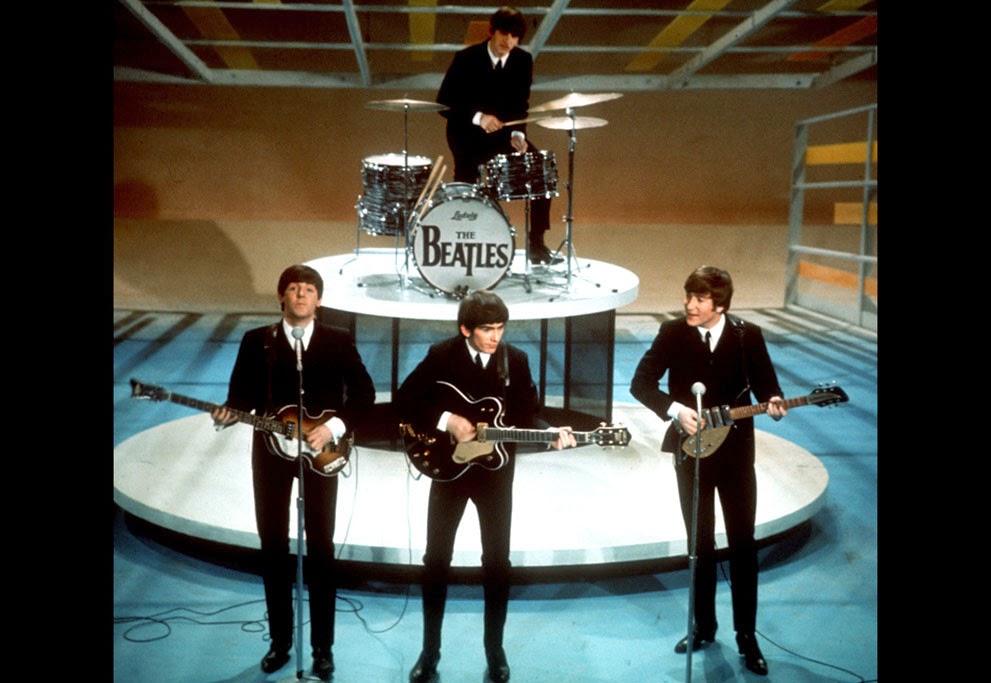
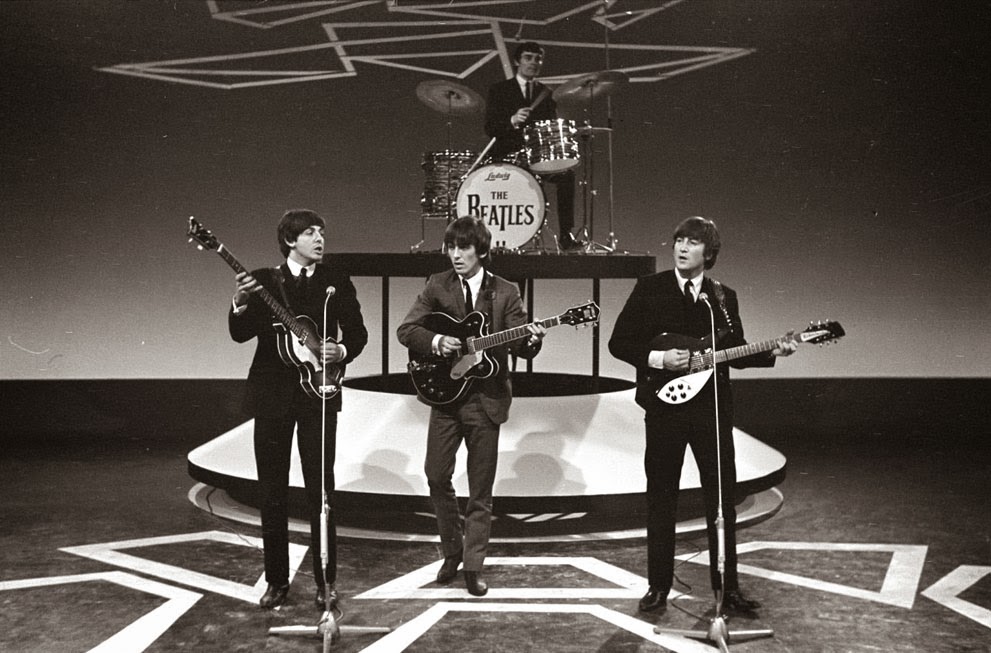
The Beatles were an English rock band, formed in Liverpool in 1960, that comprised John Lennon, Paul McCartney, George Harrison and Ringo Starr. They are regarded as the most influential band of all time and were integral to the development of 1960s counterculture and popular music’s recognition as an art form. Rooted in skiffle, beat and 1950s rock and roll, their sound incorporated elements of classical music and traditional pop in innovative ways; the band later explored music styles ranging from ballads and Indian music to psychedelia and hard rock. As pioneers in recording, songwriting and artistic presentation, the Beatles revolutionised many aspects of the music industry and were often publicised as leaders of the era’s youth and sociocultural movements.
Led by primary songwriters Lennon and McCartney, the Beatles evolved from Lennon’s previous group, the Quarrymen, and built their reputation playing clubs in Liverpool and Hamburg over three years from 1960, initially with Stuart Sutcliffe playing bass. The core trio of Lennon, McCartney and Harrison, together since 1958, went through a succession of drummers, including Pete Best, before asking Starr to join them in 1962. Manager Brian Epstein moulded them into a professional act, and producer George Martin guided and developed their recordings, greatly expanding their domestic success after their first hit, “Love Me Do”, in late 1962. As their popularity grew into the intense fan frenzy dubbed “Beatlemania”, the band acquired the nickname “the Fab Four”, with Epstein, Martin and other members of the band’s entourage sometimes given the informal title of “fifth Beatle”.
By early 1964, the Beatles were international stars and had achieved unprecedented levels of critical and commercial success. They became a leading force in Britain’s cultural resurgence, ushering in the British Invasion of the United States pop market, and soon made their film debut with A Hard Day’s Night (1964). From 1965 onwards, they produced records of greater sophistication, including the albums Rubber Soul (1965), Revolver (1966) and Sgt. Pepper’s Lonely Hearts Club Band (1967), and enjoyed further commercial success with The Beatles (also known as “the White Album”, 1968) and Abbey Road (1969). Heralding the album era, their success elevated the album to be the dominant form of record consumption over singles; they also inspired a greater public interest in psychedelic drugs and Eastern spirituality, and furthered advancements in electronic music, album art and music videos. In 1968, they founded Apple Corps, a multi-armed multimedia corporation that continues to oversee projects related to the band’s legacy. After the group’s break-up in 1970, all principal members enjoyed success as solo artists and some partial reunions have occurred. Lennon was murdered in 1980 and Harrison died of lung cancer in 2001. McCartney and Starr remain musically active.
The Beatles are the best-selling music act of all time, with estimated sales of 600 million units worldwide. They hold the record for most number-one albums on the UK Albums Chart (15), most number-one hits on the Billboard Hot 100 chart (20), and most singles sold in the UK (21.9 million). The band received many accolades, including seven Grammy Awards, four Brit Awards, an Academy Award (for Best Original Song Score for the 1970 documentary film Let It Be) and fifteen Ivor Novello Awards. They were inducted into the Rock and Roll Hall of Fame in 1988, and each principal member was inducted individually between 1994 and 2015. In 2004 and 2011, the group topped Rolling Stone’s lists of the greatest artists in history. Time magazine named them among the 20th century’s 100 most important people. (Wikipedia)
Below are images of the Beatles’ big year, in roughly chronological order, as the world discovered Beatlemania.
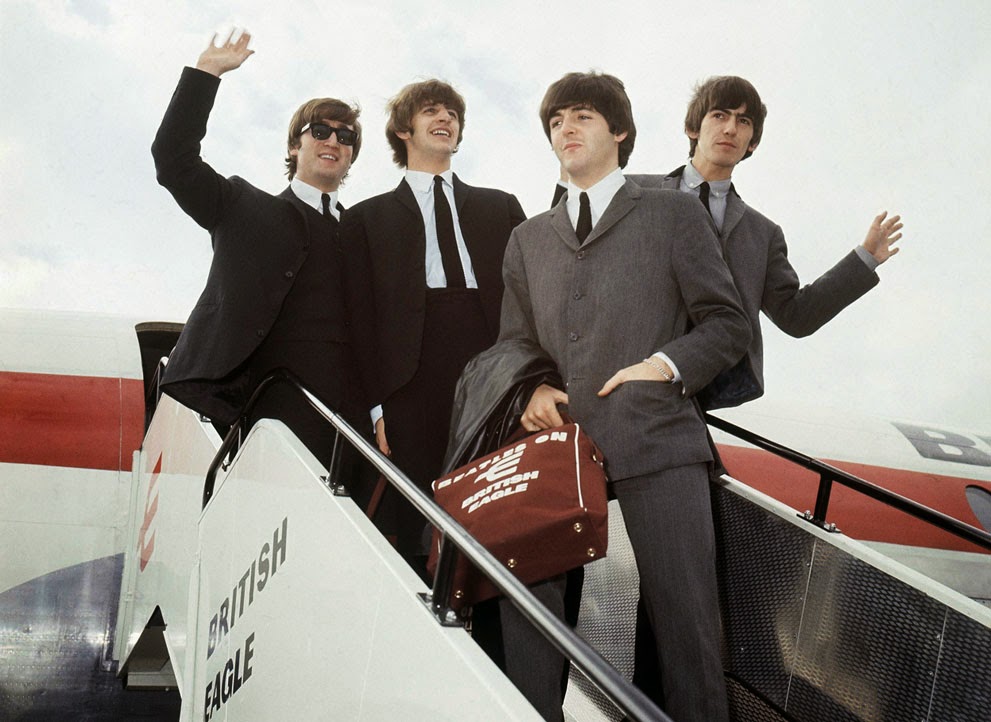
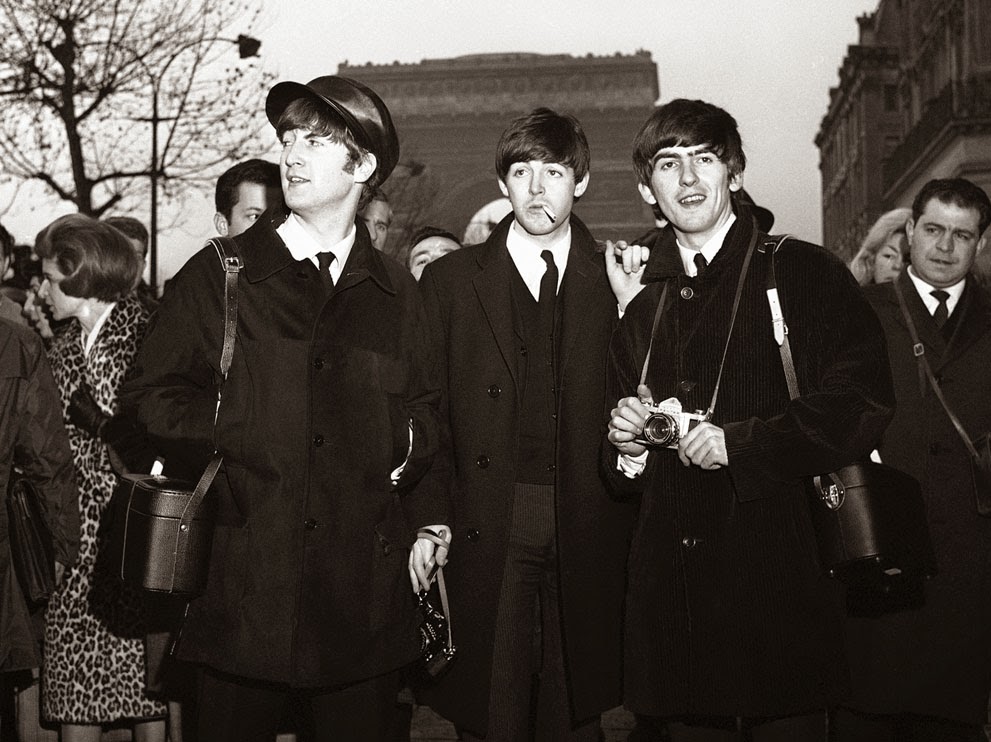
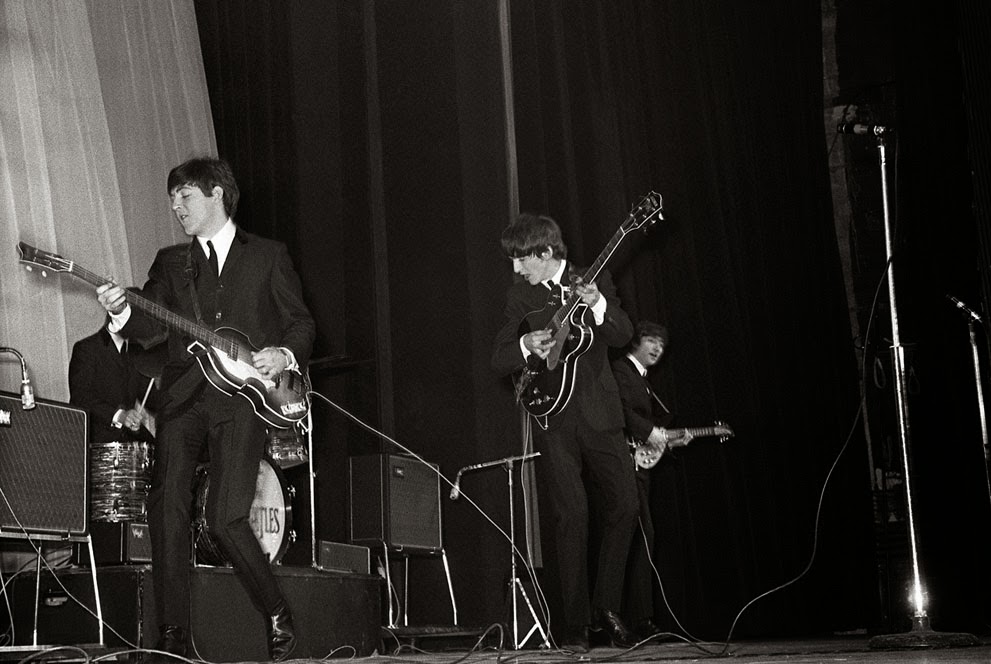
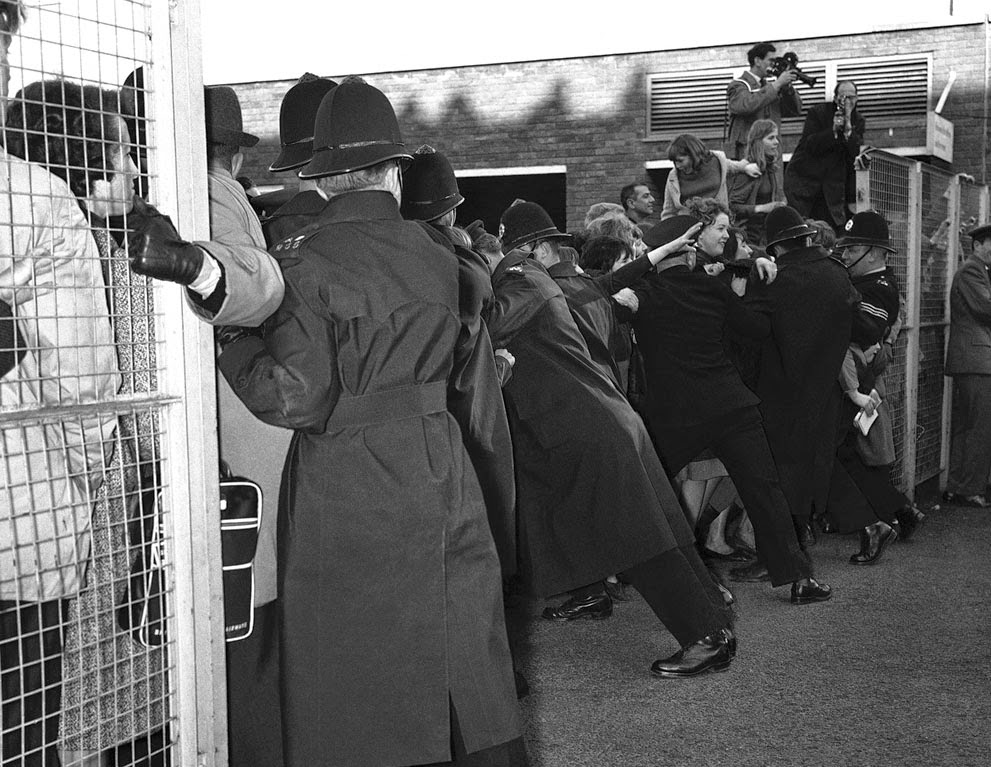
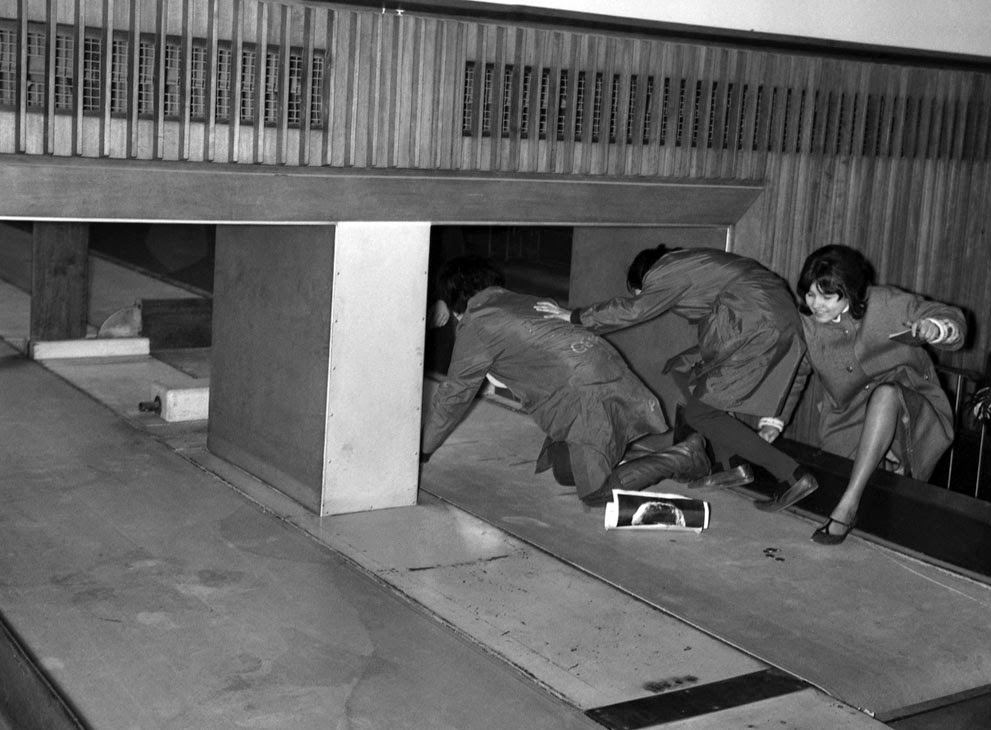
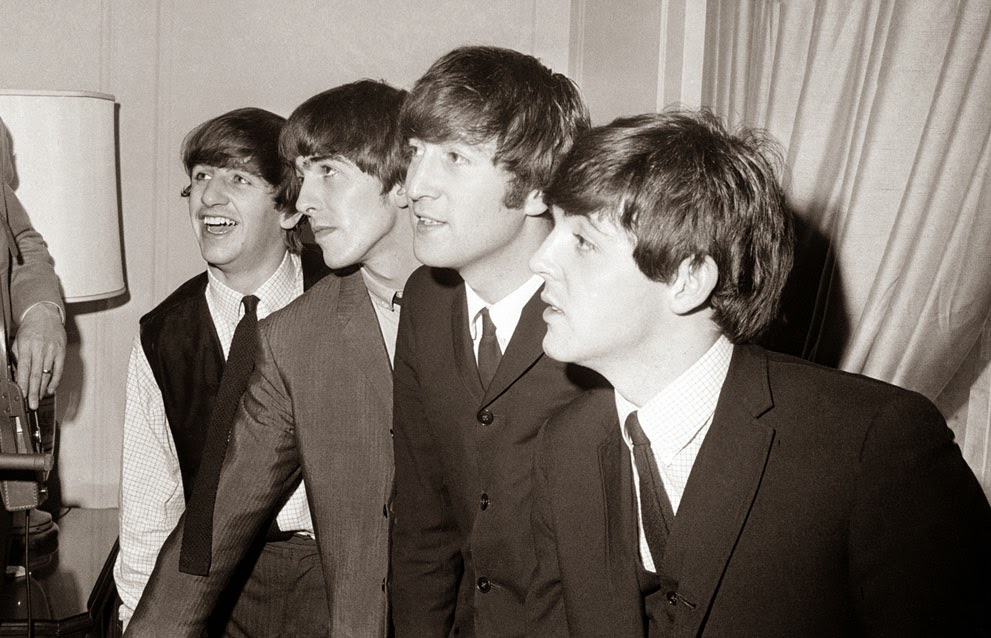
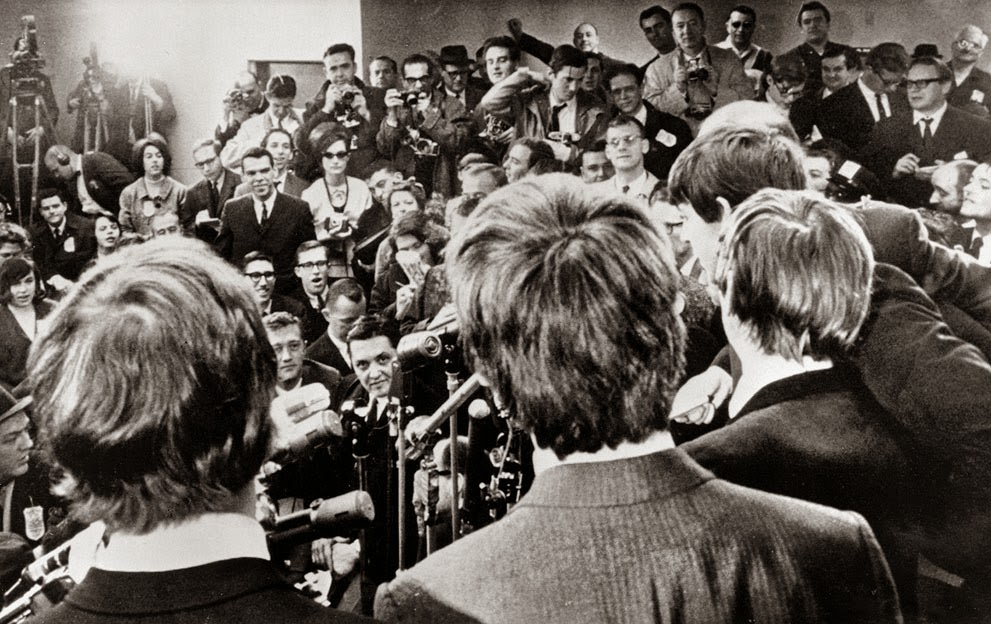
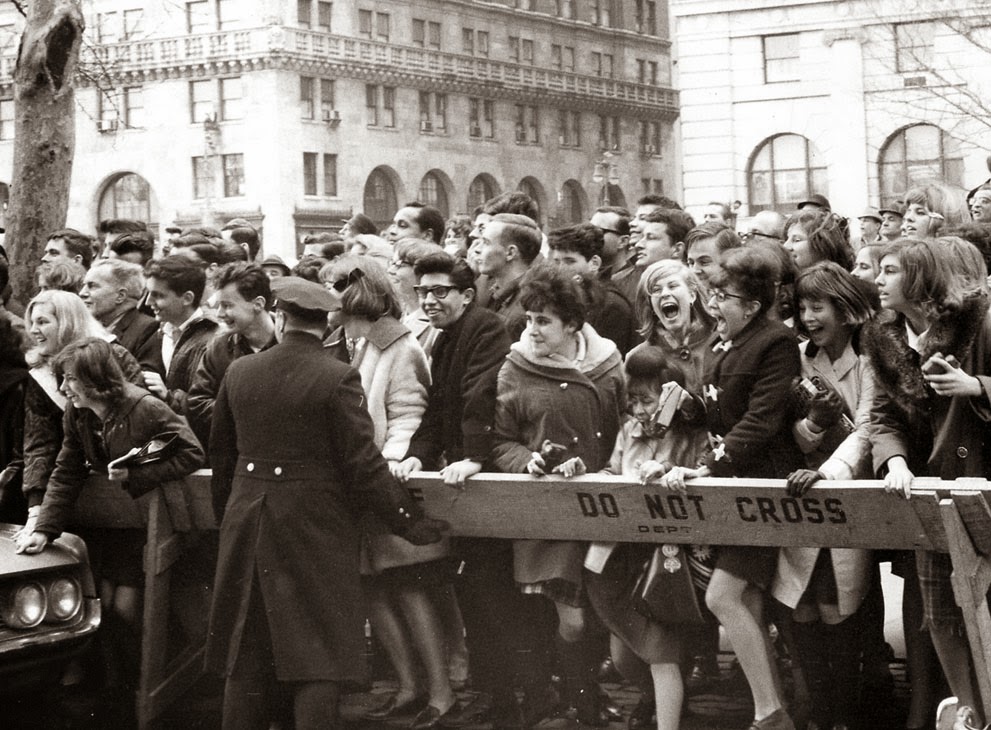
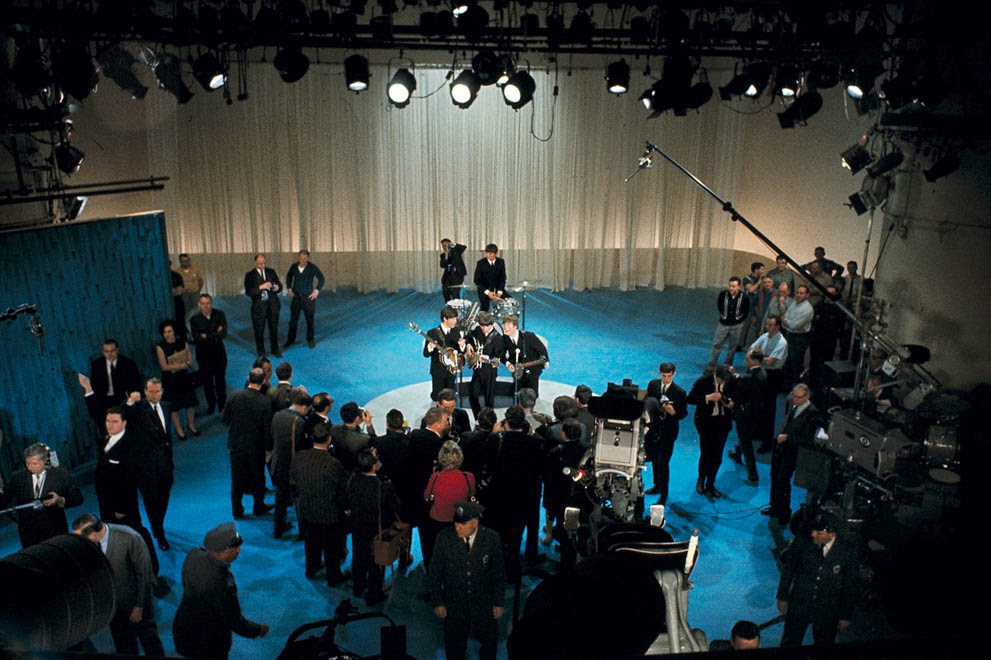
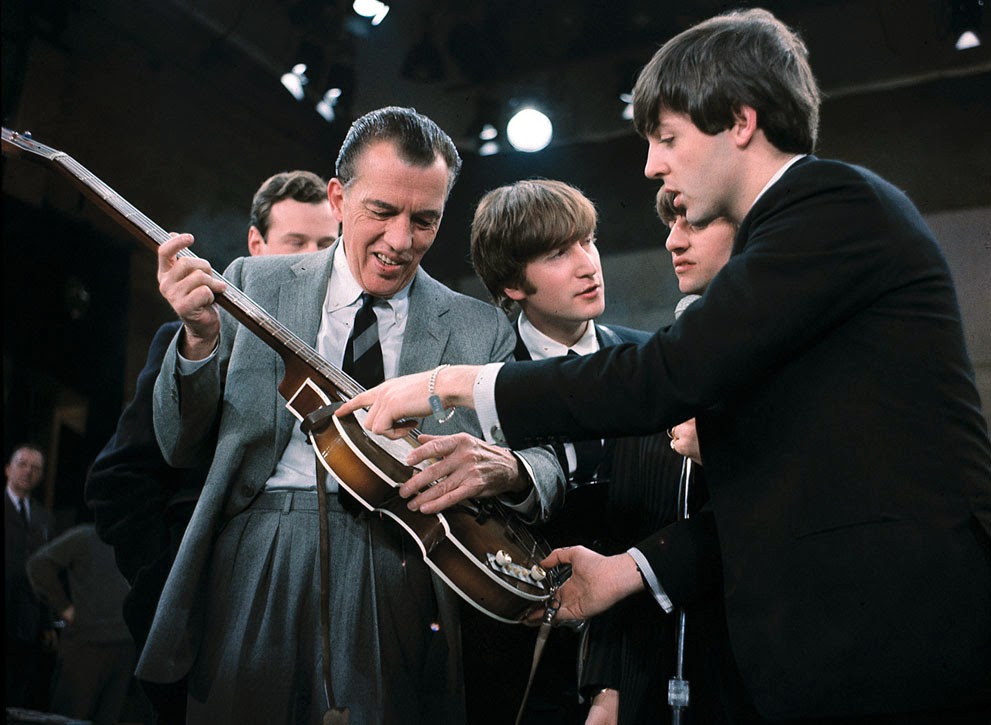
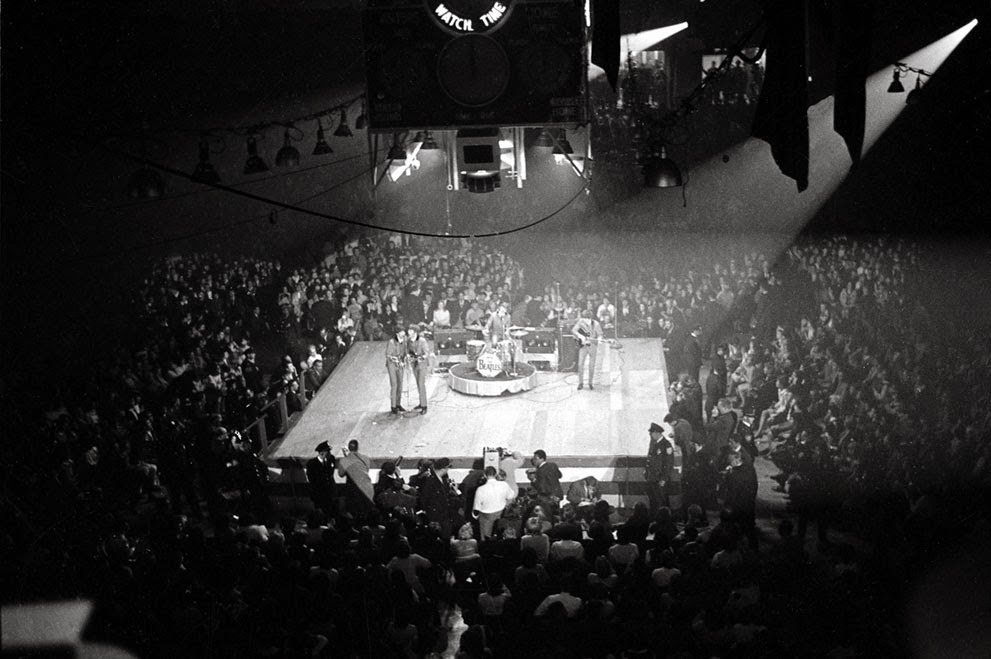
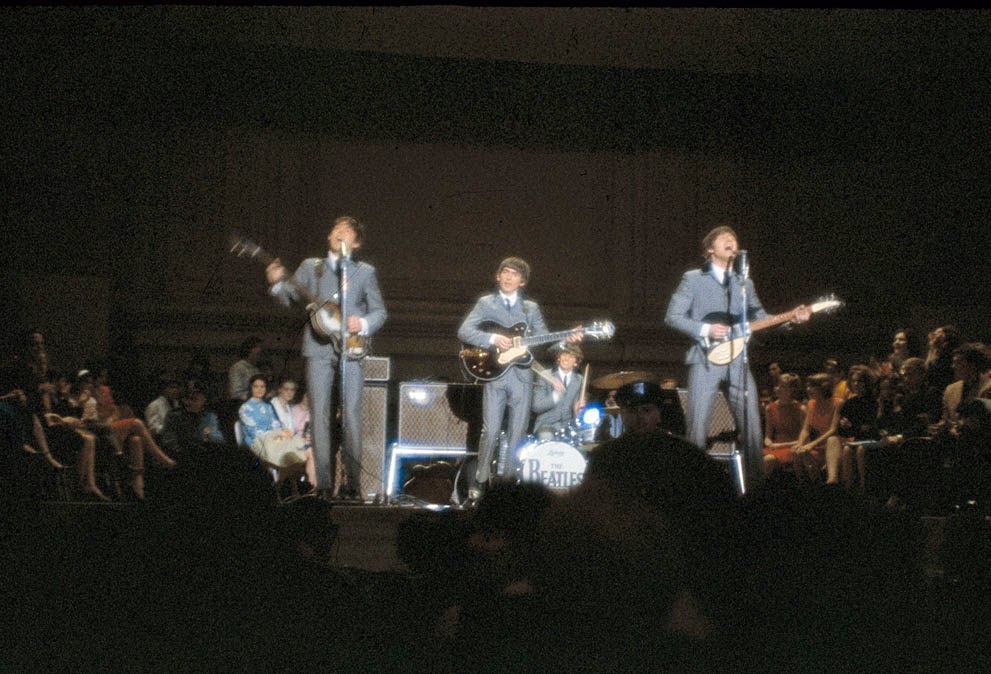
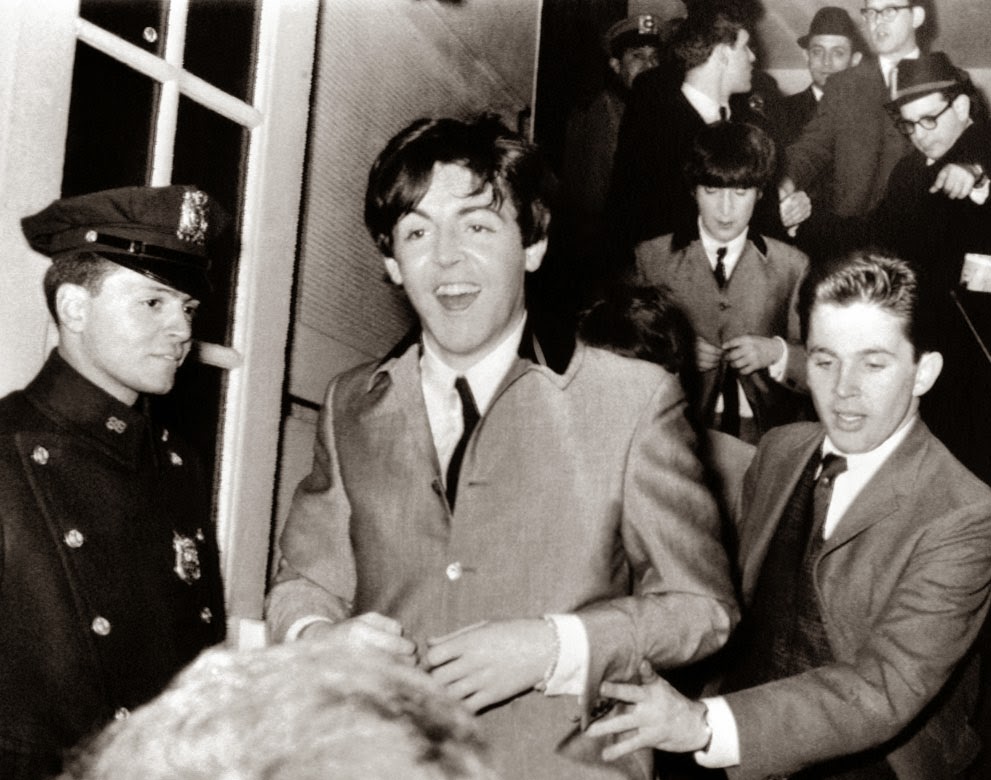
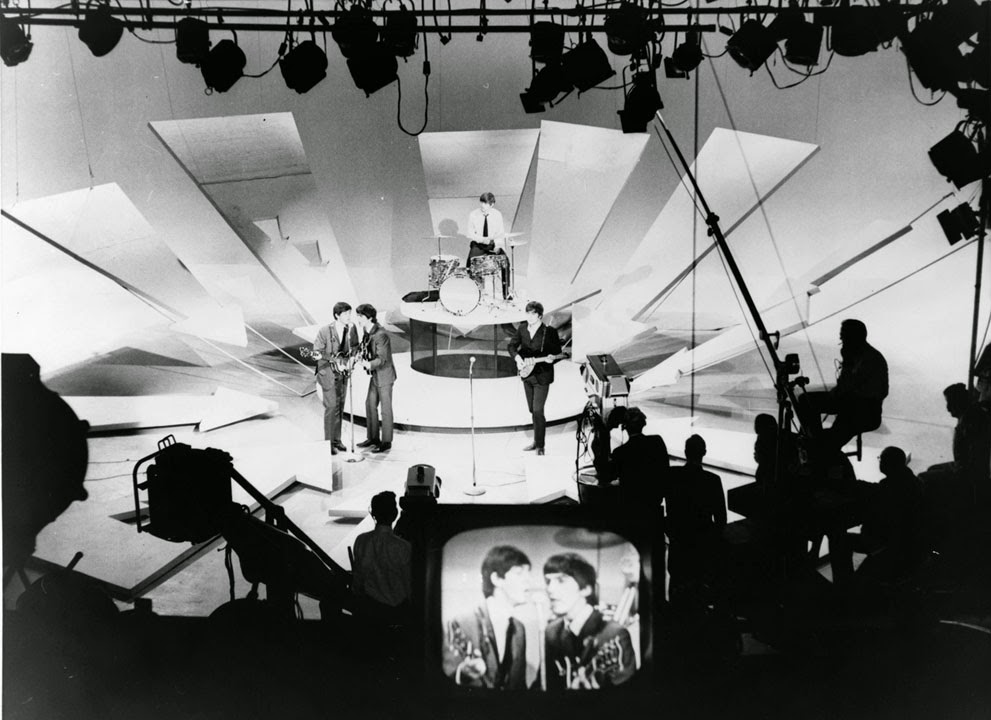
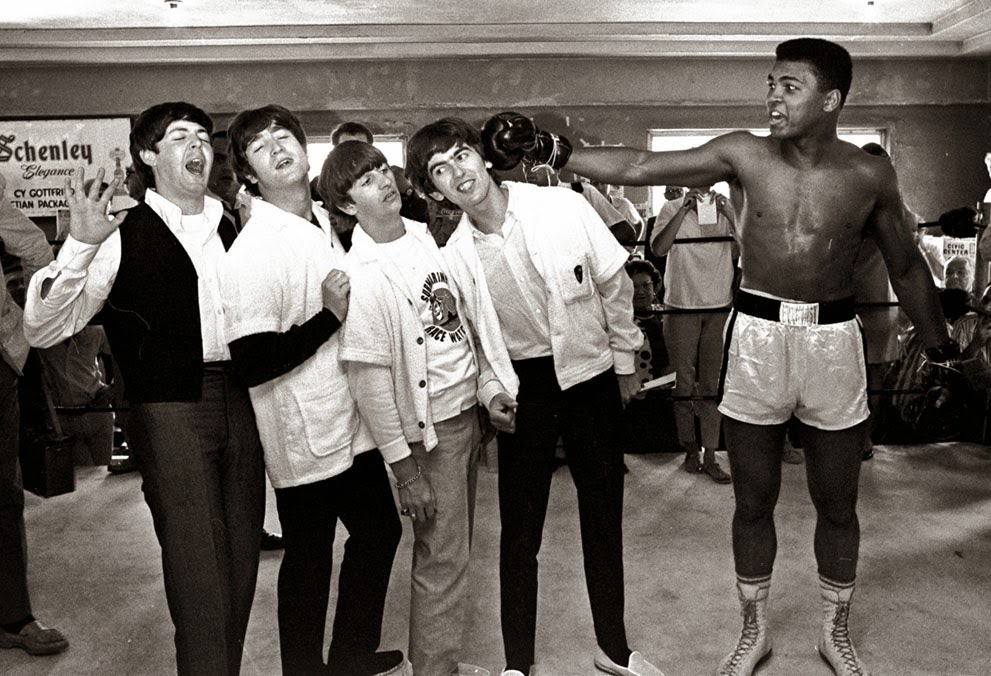
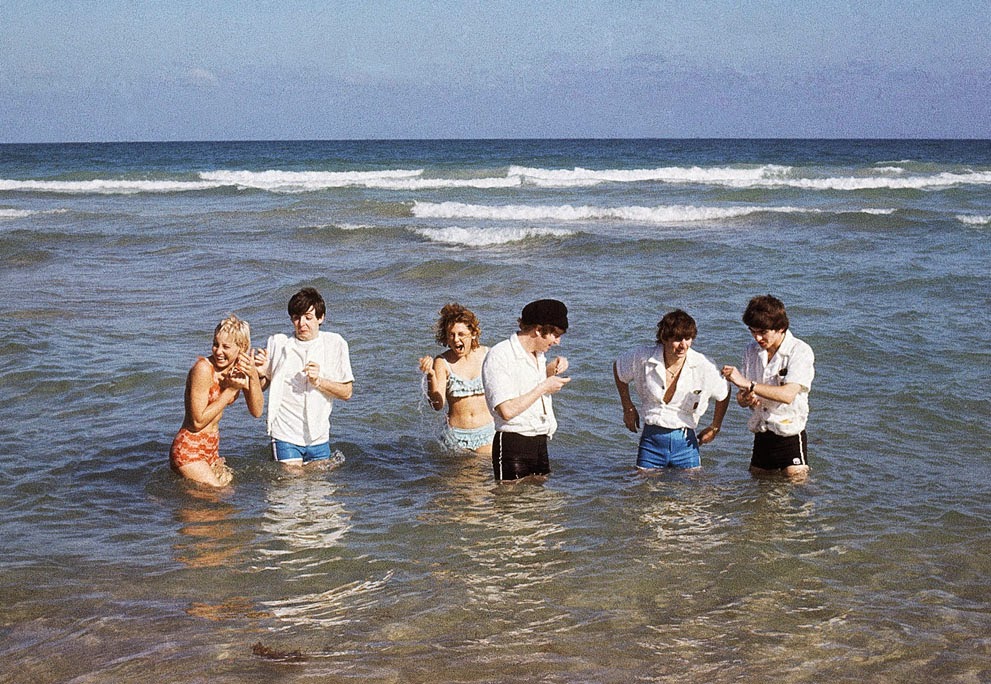
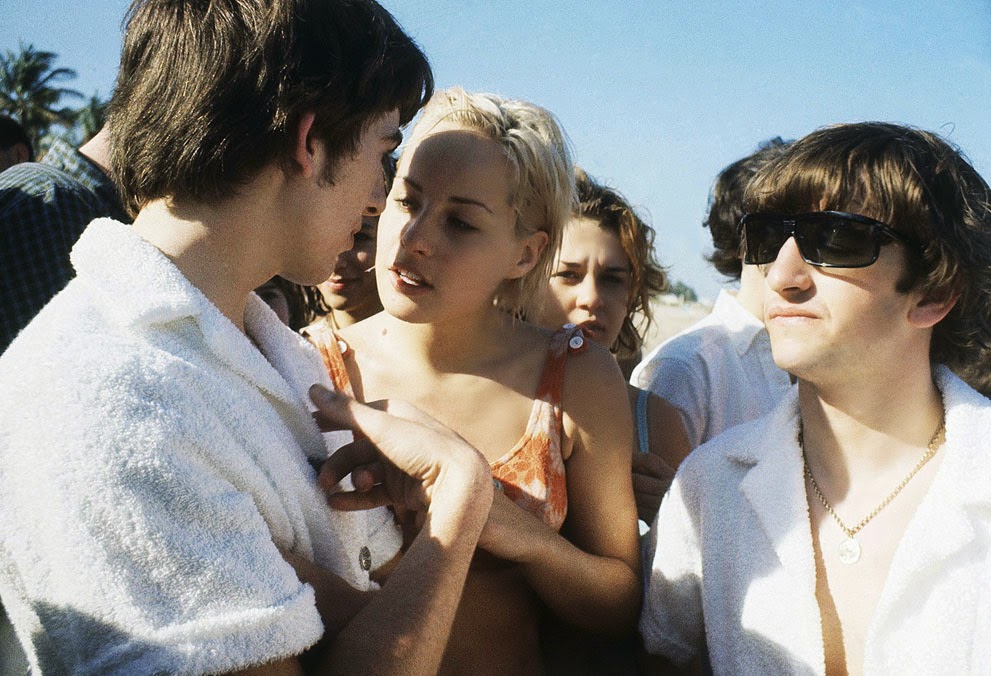
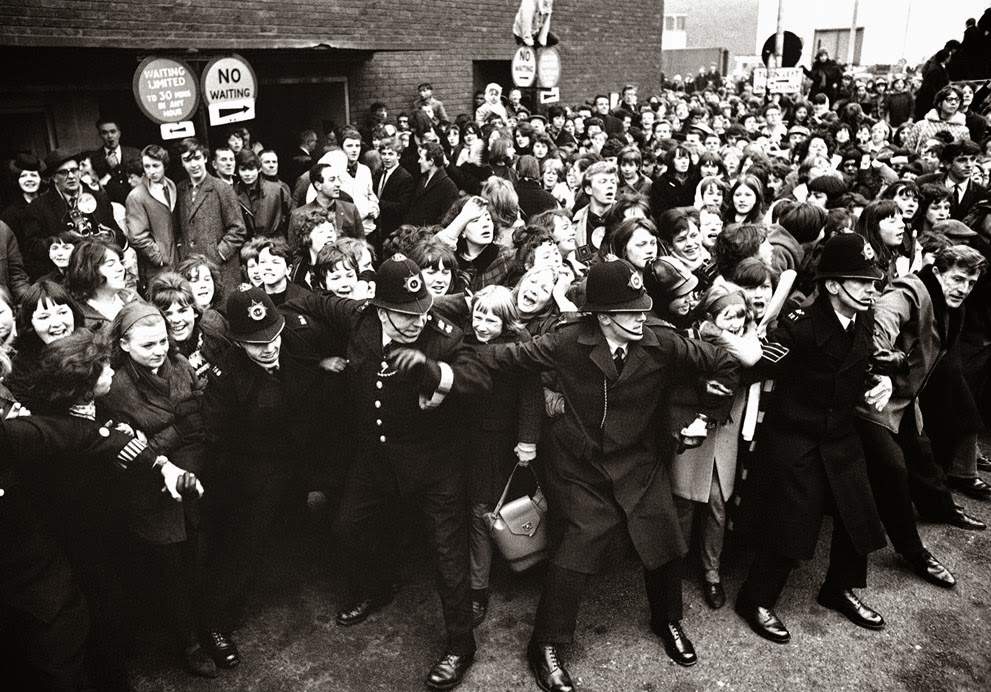
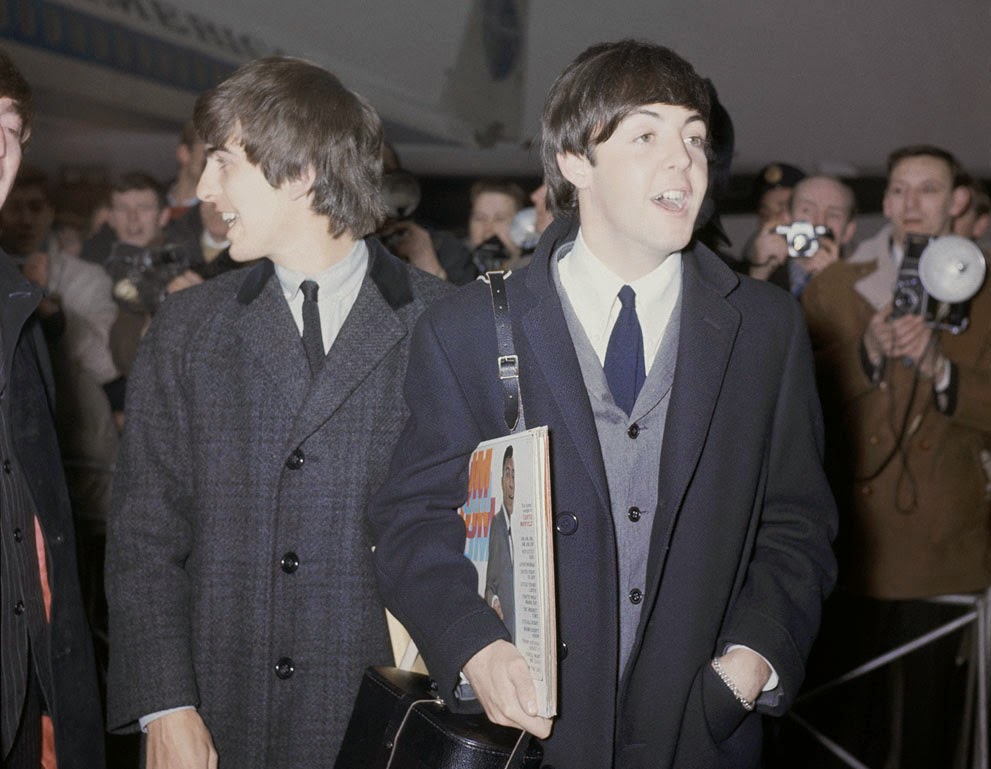
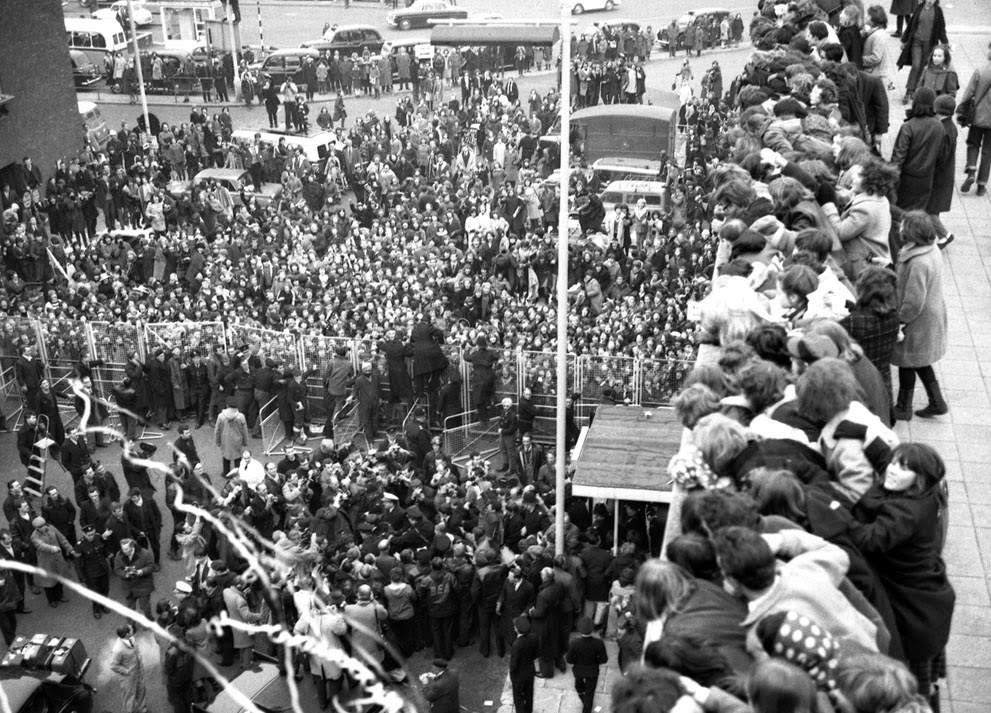
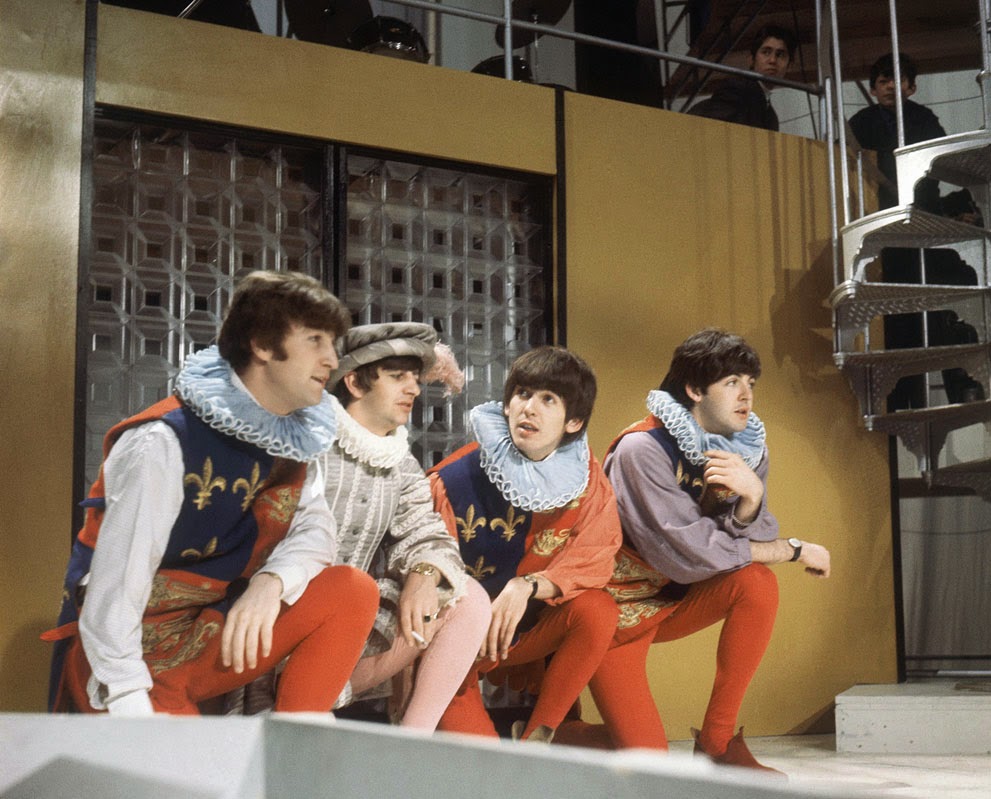
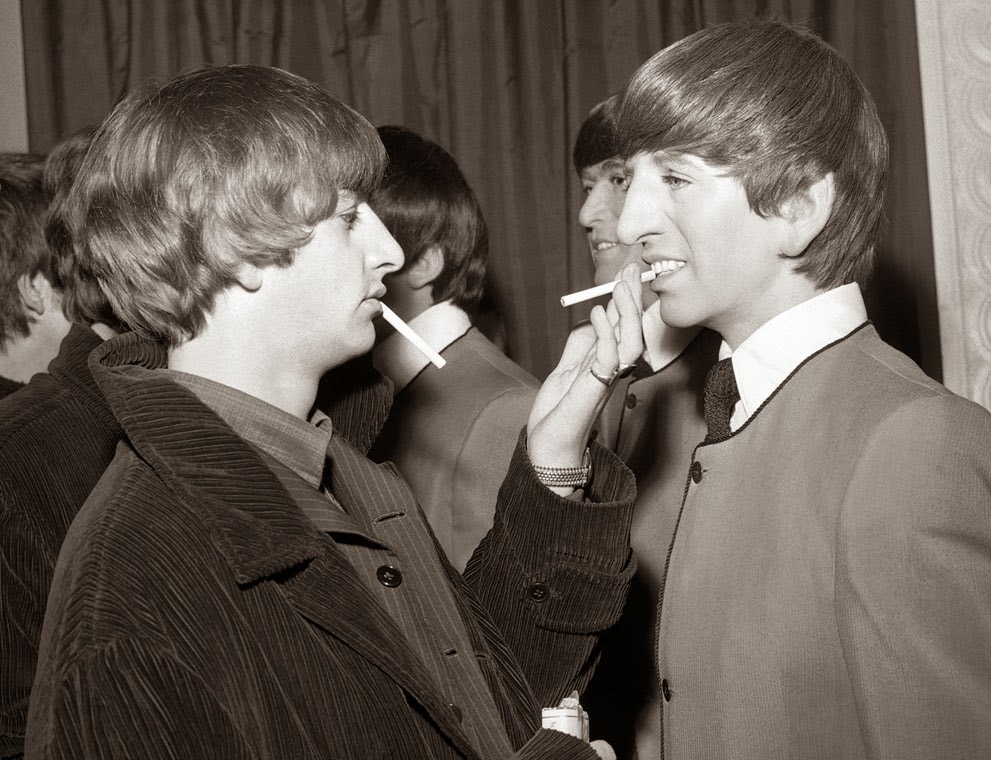
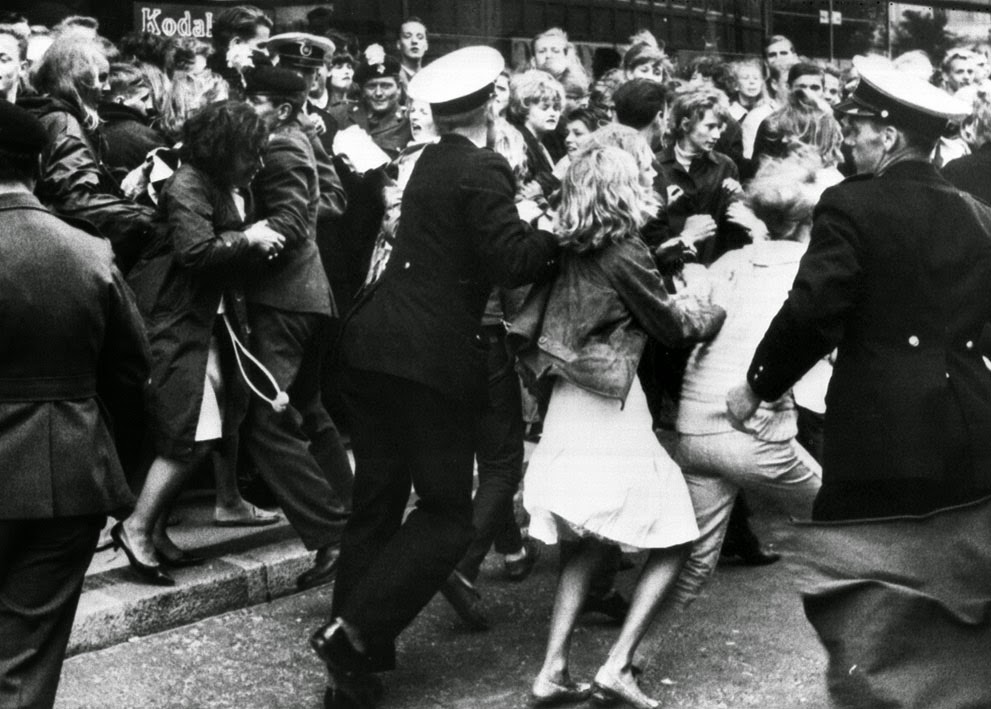
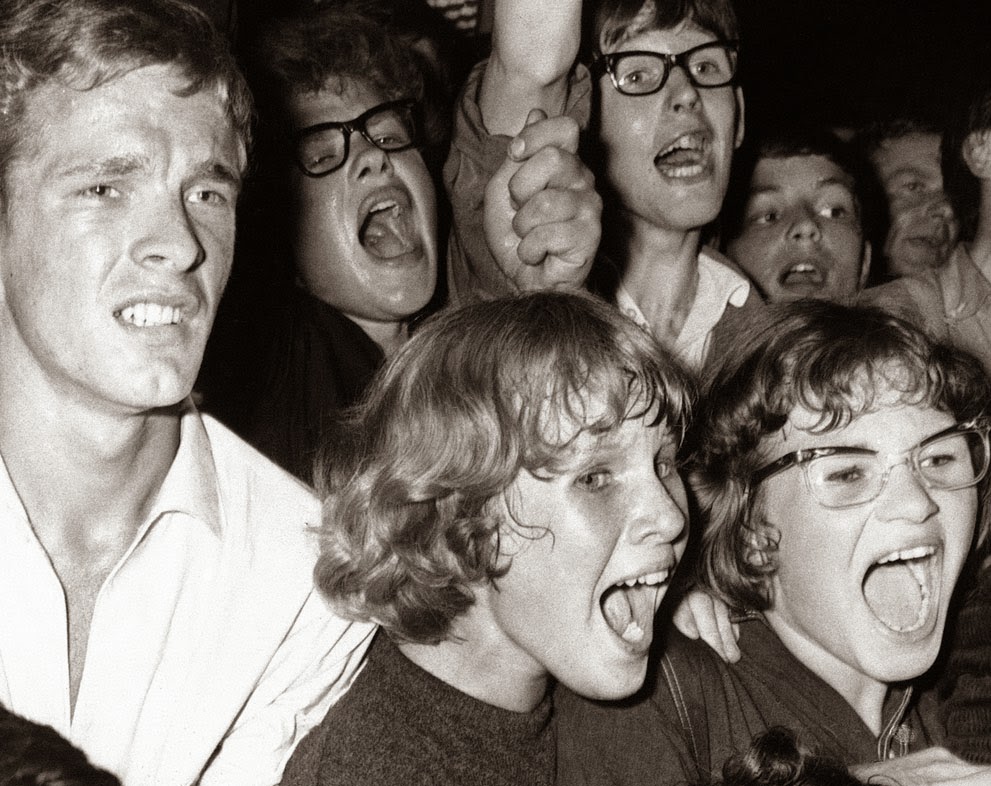
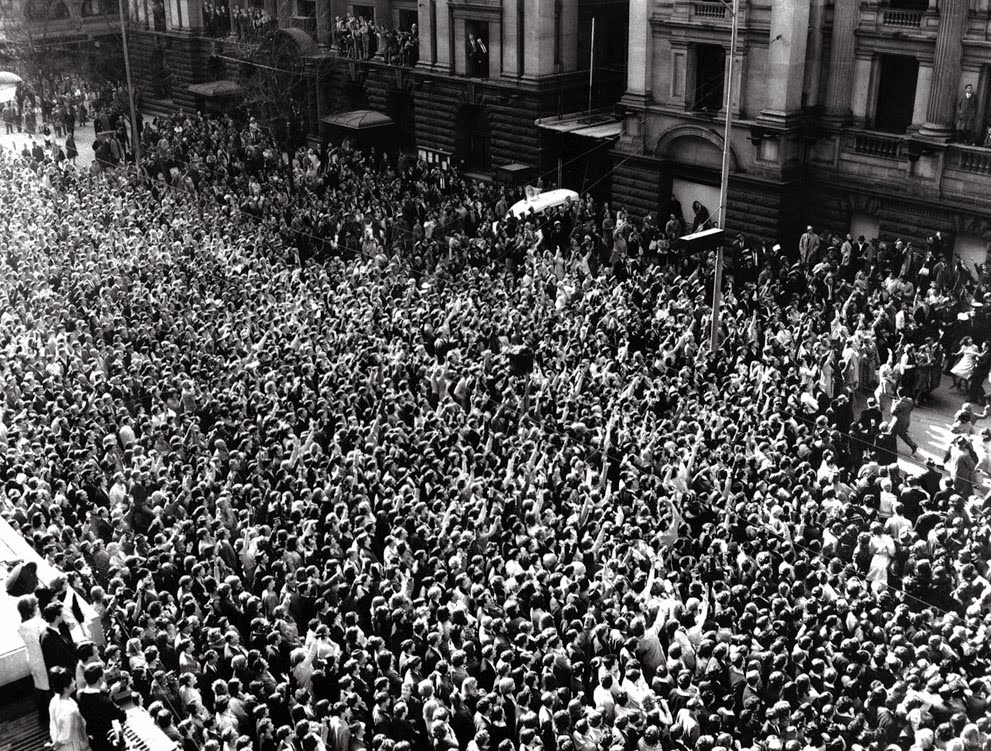
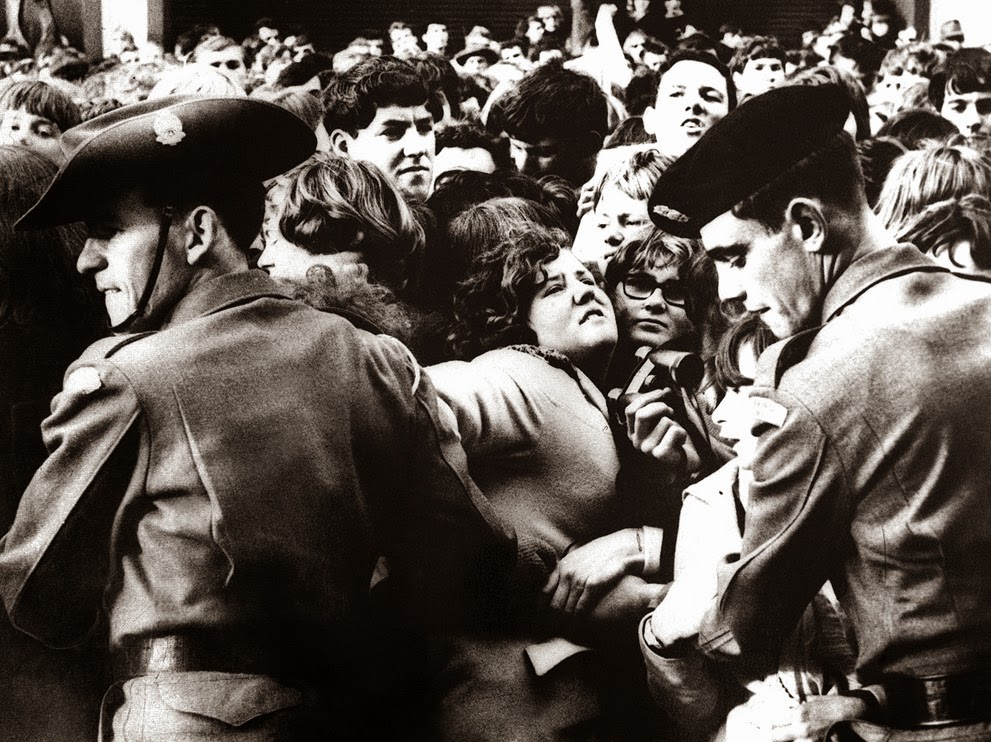
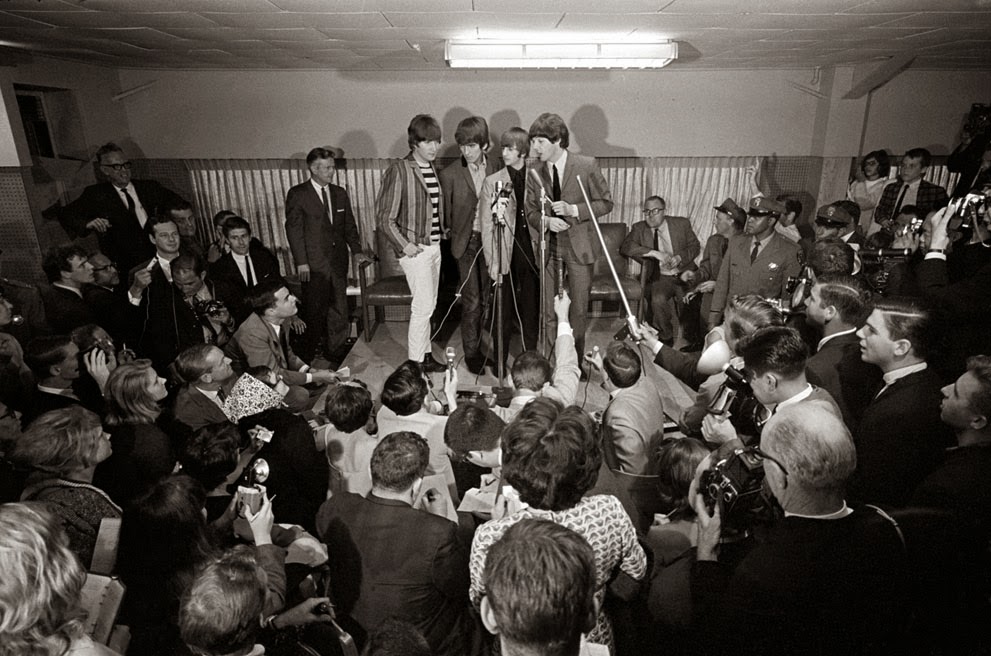
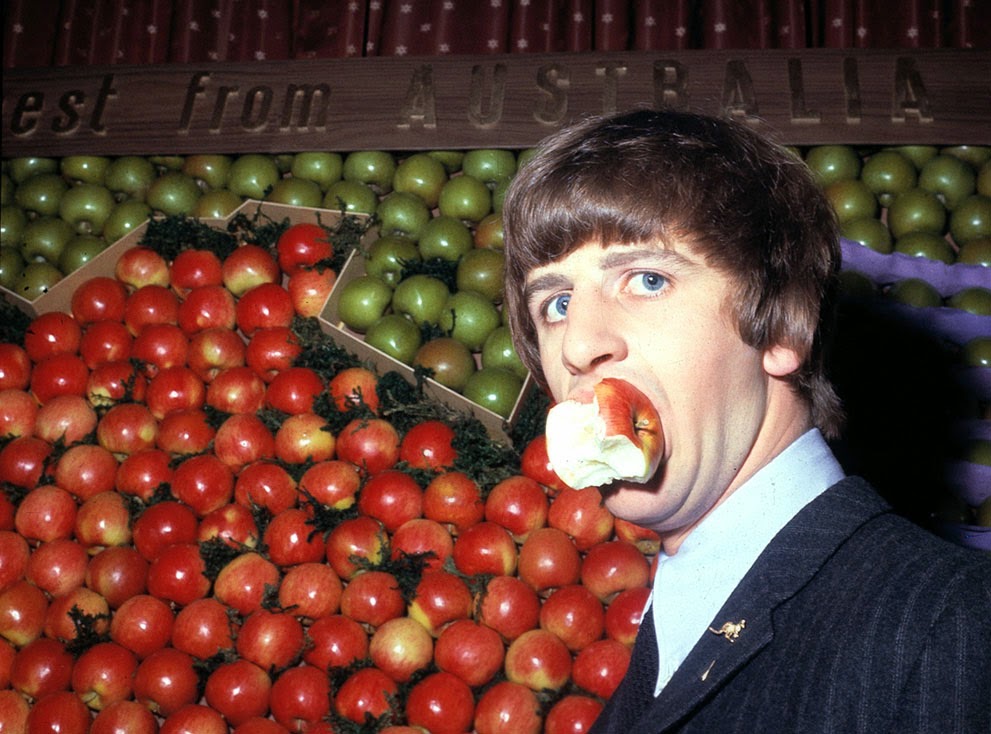
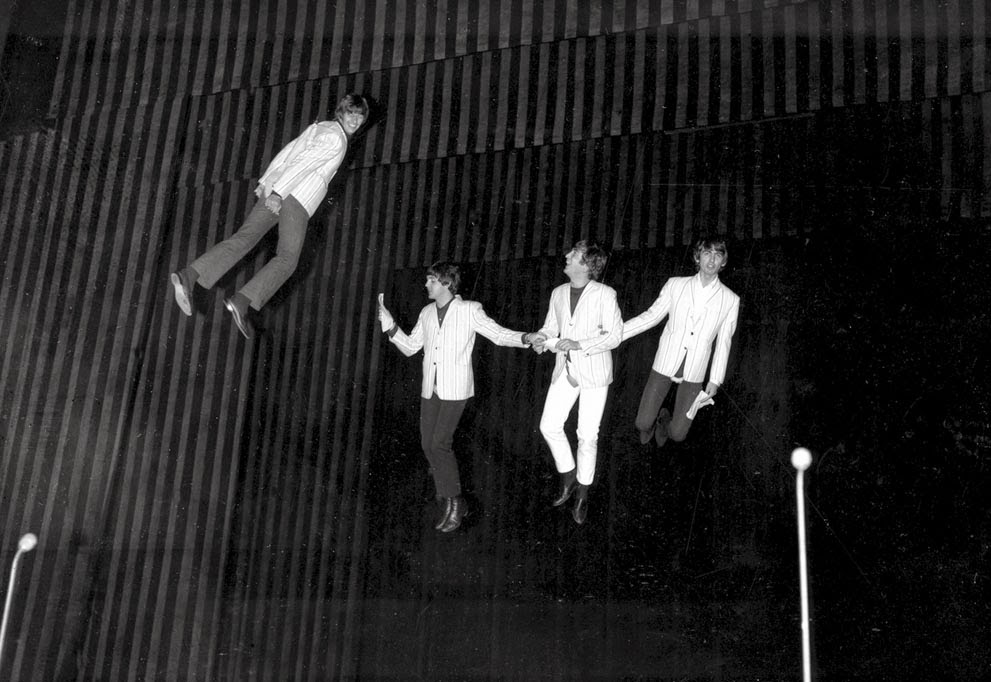
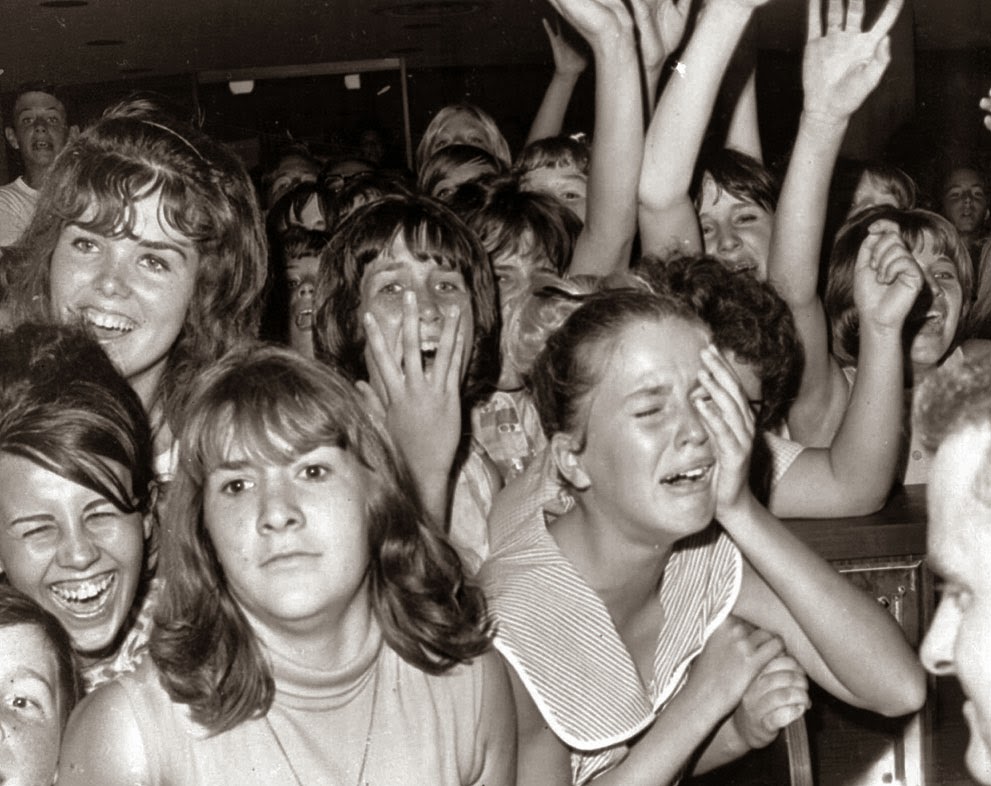
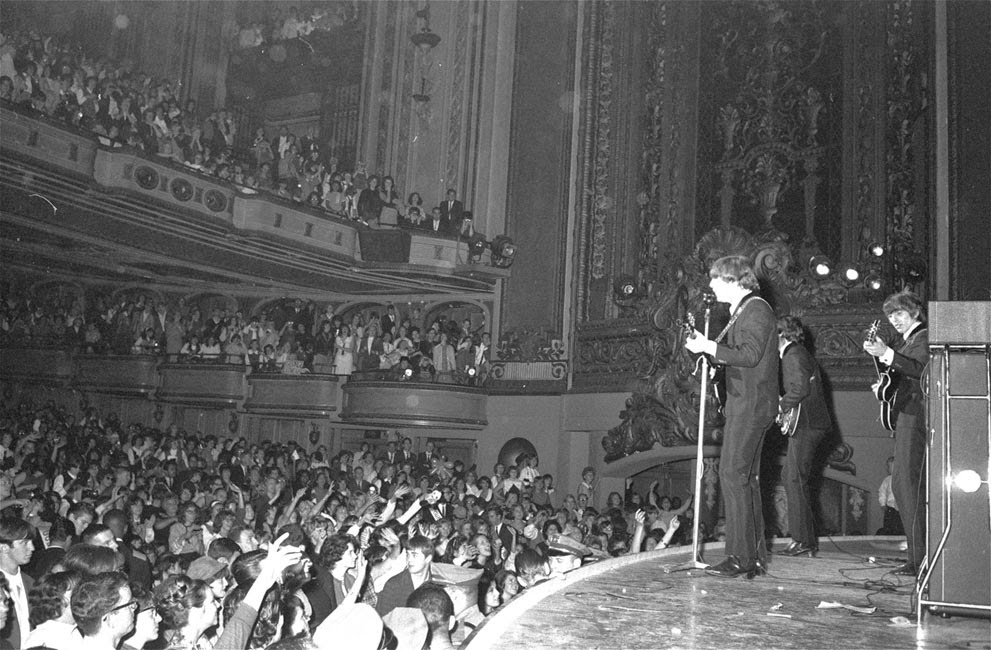
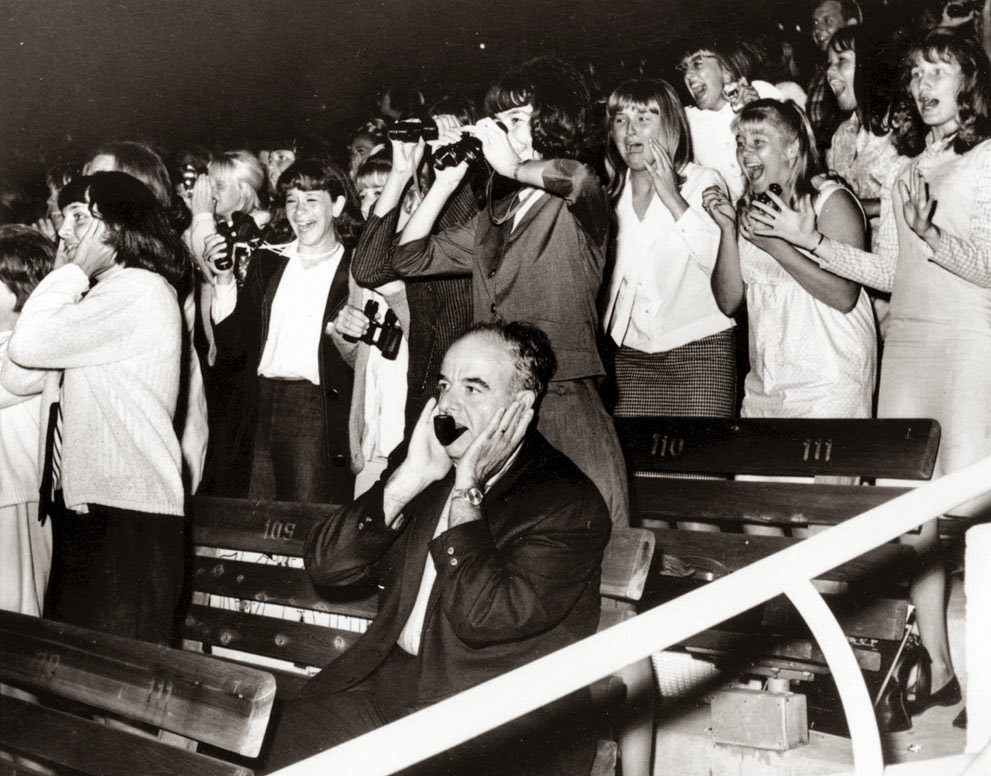
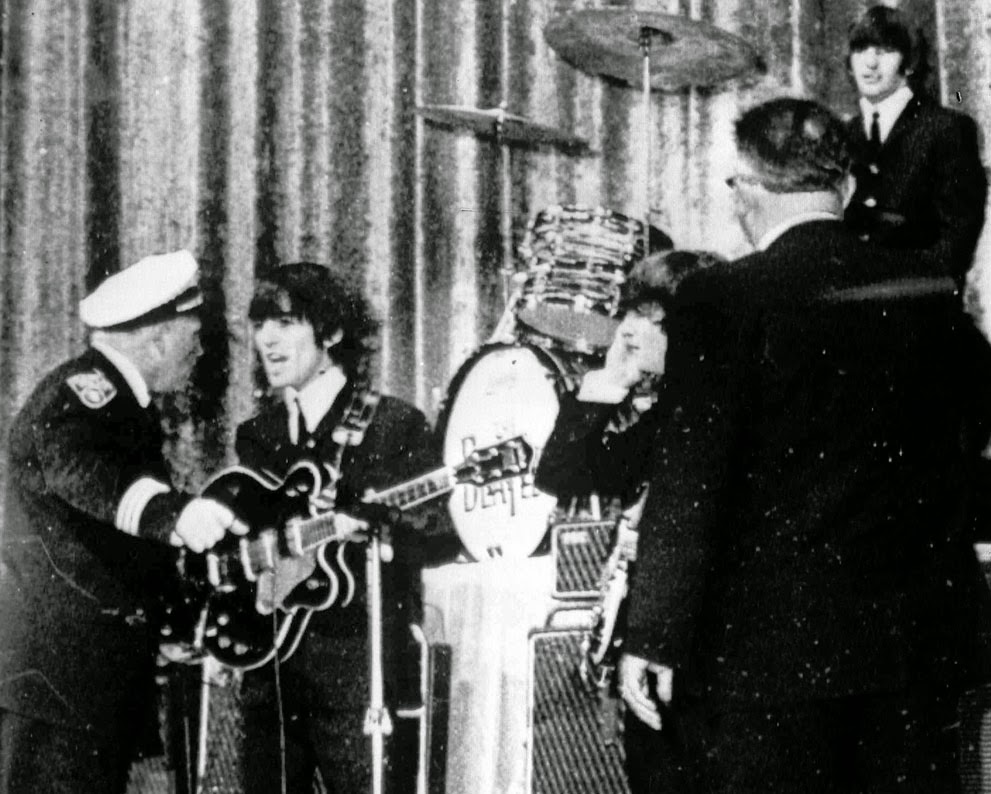
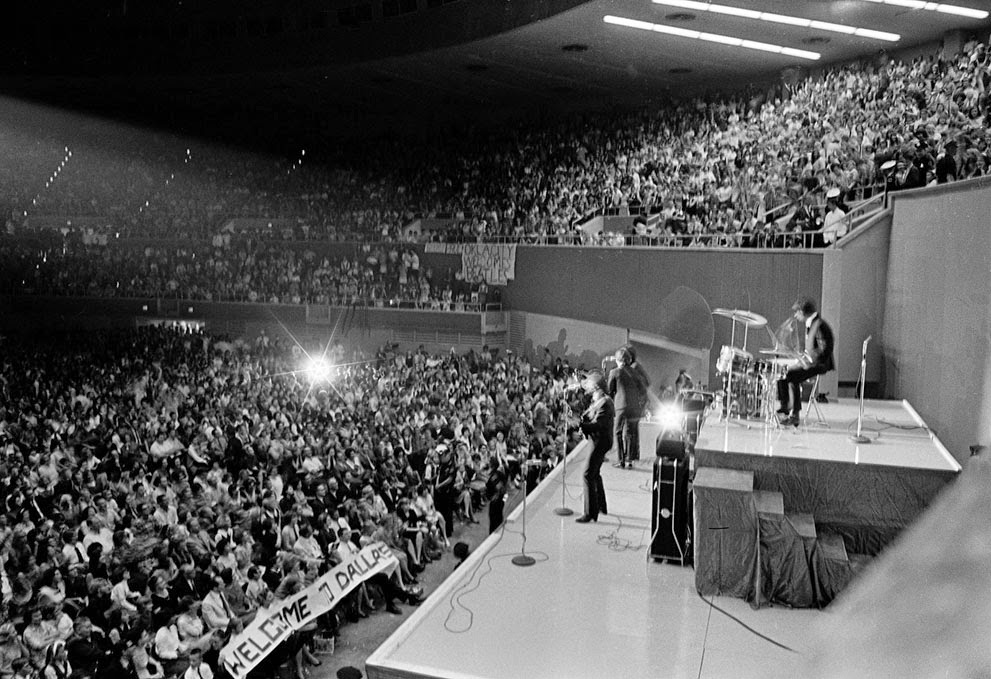
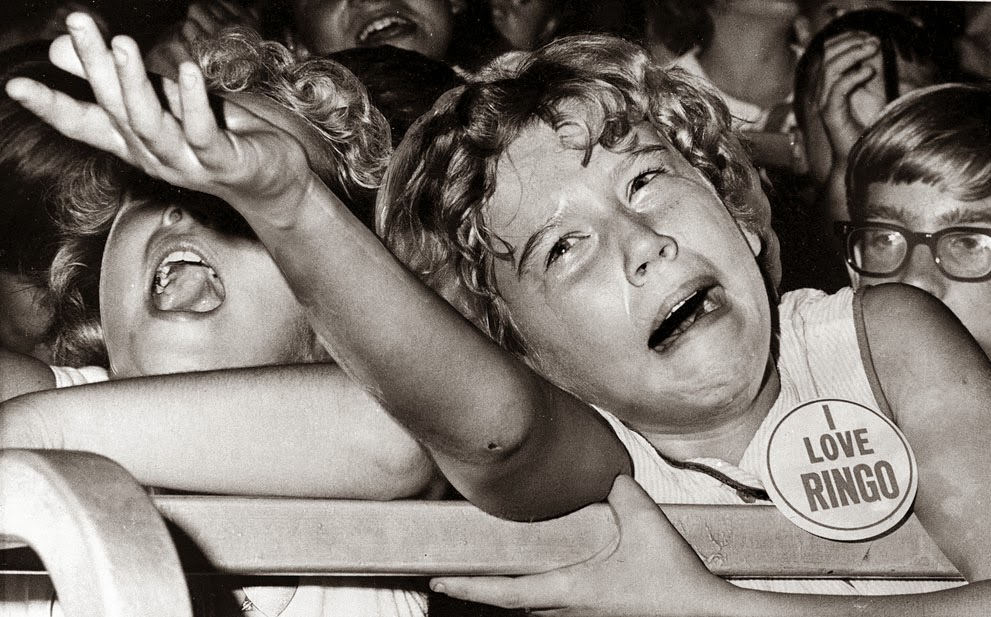
The Beatles leave London airport in 1964. From left: John Lennon, Ringo Starr, Paul McCartney and George Harrison. Enthusiastic fans welcomed the Beatles in airports and concert halls around the world in 1964, as Beatlemania swept the globe.Sightseeing in Paris, on January 15, 1964, the day before their opening at the Olympia Theatre in Paris, three of Britain’s four Beatles pause for a look around on the Champs Elysees. From left John Lennon, Paul McCartney and George Harrison. In the background is the Arc de Triomphe.John Lennon, left; George Harrison, center holding guitar; and Ringo Starr from the Beatles, backstage in Versailles, France, on January 15, 1964.The Beatles perform their first concert outside of Britain, at the Olympia in Paris, on January 17, 1964.Police hold back screaming fans fighting to get near their idols, the Beatles, when the Liverpool pop group returned to London Airport from Paris, on February 5, 1964. A strong police escort had to accompany the four Beatles from their aircraft to the customs channel.Three Beatles fans attempt to enter the Customs Hall at London Airport by crawling into the baggage conveyor belt on February 5, 1964.The Beatles, from left, Ringo Starr, George Harrison, John Lennon and Paul McCartney, in their New York hotel after their arrival in the U.S. on February 7, 1964. The British rock group, on their first American tour, was pelted with jelly beans and candy kisses by screaming teen-age fans.The Beatles face the media on their arrival in New York on February 7, 1964.Beatles fans push forward in hopes of getting a view of the band after their arrival for an American tour in New York on February 7, 1964.The Beatles on the set of the Ed Sullivan Show in New York, on February 8, 1964.The British rock and roll group the Beatles are surrounded by photographers on stage at CBS’ Studio 50 before their live television appearance on The Ed Sullivan Show in New York City on February 9, 1964.Paul McCartney, 21 years old, on the set of the Ed Sullivan Show with the Beatles, on February 9, 1964.Paul McCartney, right, shows his guitar to Ed Sullivan before the Beatles’ live television appearance in New York on February 9, 1964. Behind Sullivan, from left, Beatles manager Brian Epstein, John Lennon, and Ringo Starr.The Beatles perform on the Ed Sullivan Show in New York on February 9, 1964. An estimated 73 million viewers — more than a third of the U.S. — saw the performance, a record audience at the time.The Beatles perform at the Coliseum in Washington, D.C., during their first American tour.The British rock and roll group the Beatles perform at Carnegie Hall in New York City, on February 12, 1964.Beatle Paul McCartney flashes a smile as he rushes from New York’s Carnegie Hall after two wild performances on February 12, 1964. Behind him is band mate John Lennon.The Beatles rehearse for their second appearance on the Ed Sullivan Show, 1964.The Beatles take a fake blow from Cassius Clay, who later changed his name to Muhammad Ali, while visiting the heavyweight contender at his training camp in Miami Beach, Florida, on February 18, 1964.The Beatles wade in the surf in Miami, Florida in February of 1964, with unidentified women.Two of the Beatles, George Harrison, left, and Ringo Starr, right, at the beach in Miami, Florida, in February of 1964. Others are unidentified.Policemen good-humoredly control screaming Beatles fans as the Liverpool pop group were welcomed by a group of more than 5,000 on their arrival at London Airport, on February 22, 1964, on their return from America.The Beatles arrive at London Airport, England, February 22, 1964, after their visit to the United States. In the foreground is Paul McCartney, carrying record albums under his arm (including “Um Um Um Um Um Um – The Best of Major Lance”), and George Harrison, left, talking to John Lennon.The Beatles (to left of flagpole) are surrounded by newsmen and press photographers and overlooked by hundreds of fans after their arrival at London Airport, England, having flown in from New York on February 22, 1964.The Beatles rehearse for their forthcoming television show at Wembley studios in London, in April of 1964. In this skit, Ringo Starr, second from left, is costumed as Sir Francis Drake, and the others, from left, John Lennon, George Harrison and Paul McCartney play Heralds.Beatle drummer Ringo Starr eases the pain on a wax likeness of himself with a cigarette, during the unveiling ceremony for four wax models of the Beatles at Madame Tussaud’s Waxworks, in London, England, on April 29, 1964.4,000 Beatles fans gathered in the streets around the Royal Hotel in Copenhagen, Denmark, several hours before the British pop group, The Beatles, arrived on June 4, 1964. Danish police try to hold back the fans from rushing the hotel.The Beatles during television recordings in Hillegom, Netherlands, on June 5, 1964. Drummer Ringo Starr was briefly hospitalized after a tonsillectomy, and Jimmie Nicol sat in on drums for several concerts.Dutch fans scream and shout during a performance by the Beatles in Blokker, Netherlands, on June 6, 1964.Watched by fellow Beatles, Guitarist George Harrison gets the big comb treatment from BOAC stewardess Anne Creech, after their arrival at Windy airport in London, England, on June 7, 1964. From left: John Lennon, George Harrison, Paul McCartney and drummer Jimmy Nicol, who stood in for Ringo Starr for the trip to The Netherlands.A section of the huge crowd which gathered outside the Town Hall in Melbourne, Australia, on June 16, 1964, to greet the Beatles, during their tour of Australia and New Zealand.Two Australian soldiers link arms to control a section of the crowd outside the Southern Cross Hotel in Melbourne on the arrival of the Beatles, on June 14, 1964. Some 300 policemen and 100 soldiers made an attempt to contain 10,000 screaming fans and to keep open a passageway for the singing group’s cars. Like most of the barriers, this one was pushed aside at the height of the crush. The Beatles were eventually taken into the hotel through a back entrance.Drummer Jimmy Nicol, who had been stand-in for tonsillitis-stricken Beatle Ringo Starr, sits alone and contemplative at Melbourne’s Essendon Airport, while waiting to return home on June 15, 1964. Ringo rejoined the Beatles the day before.The four members of the Beatles hold a press conference at an undetermined location ca. 1964.Ringo Starr samples an apple during a visit to Australia House in London, England, in 1964.The Beatles are suspended in midair above the stage during rehearsal for their part in the charity show “Night of 100 Stars” at the Palladium in London, England, on July 22, 1964.Just the sight of The Beatles from a distance caused this reaction among a group of girls at the Los Angeles International Airport on August 18, 1964. Airport security kept several thousand youngsters away from the British singers during a brief stopover in Los Angeles en route to San Francisco.Despite a constant din of screaming teenagers, the Beatles successfully opened their second U.S. tour in San Francisco on August 20, 1964.A man covers his ears as 18,000 screaming fans react to The Beatles in the Hollywood Bowl, California, during their U.S. concert tour on August 23, 1964.Police Inspector Carl Bear of Cleveland’s Juvenile Bureau, left, orders George Harrison and the other members of the Beatles, off the stage of the Public hall, Cleveland, Ohio, on September 16, 1964 as teenagers rushed the stage. Bear let the group back on after wailing youngsters were given 15 minutes to cool down.The British rock and roll band the Beatles perform at the Memorial Coliseum in Dallas, Texas, on September 18, 1964 on their second U.S. tour.A tearful Beatle lover pleads unsuccessfully with a policeman to carry her fan button to Ringo Starr, one of the four mop-top singers who drew squeals and shrieks from more than 30,000 spectators at two Indiana State Fair shows in Indianapolis on September 4, 1964.
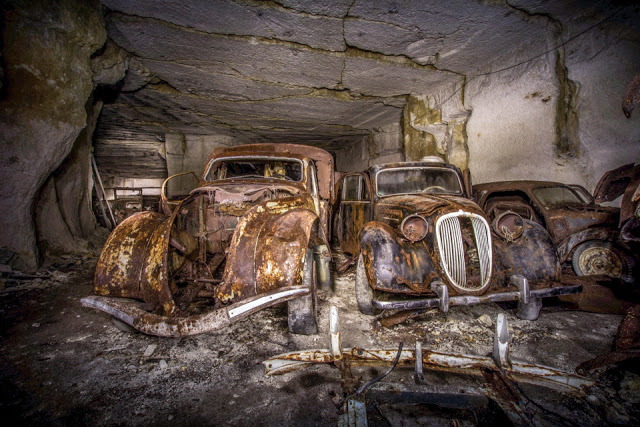
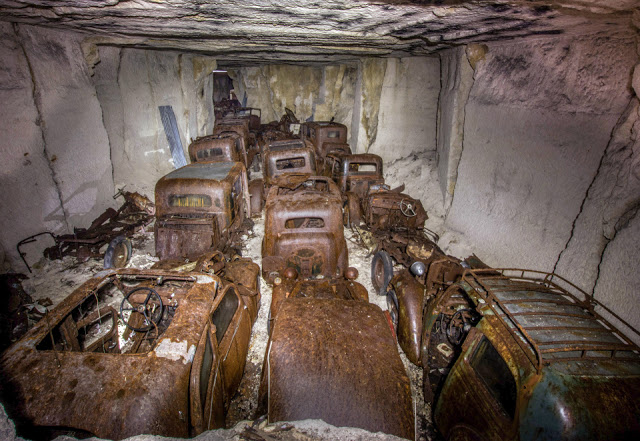
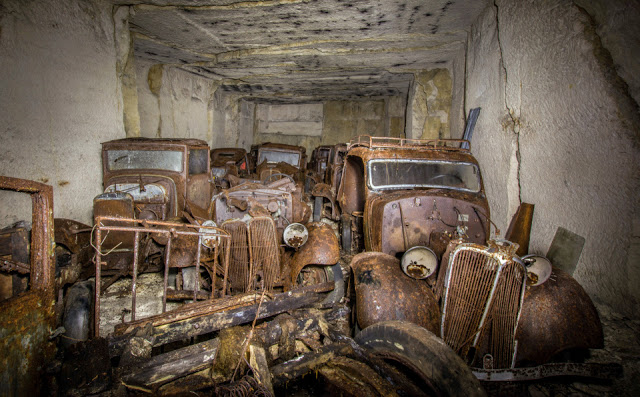
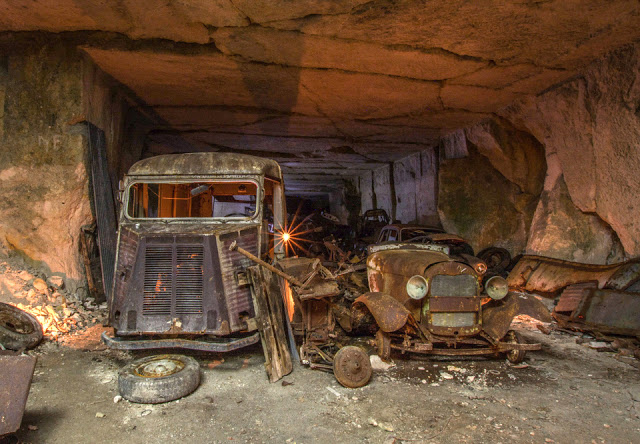
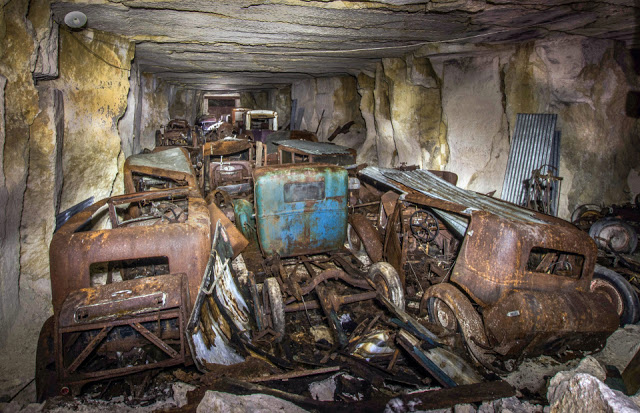
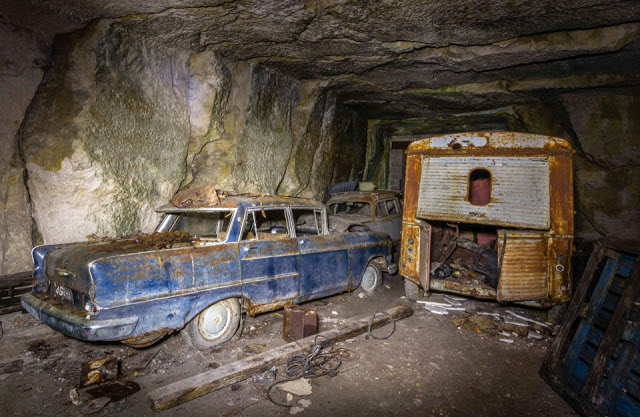
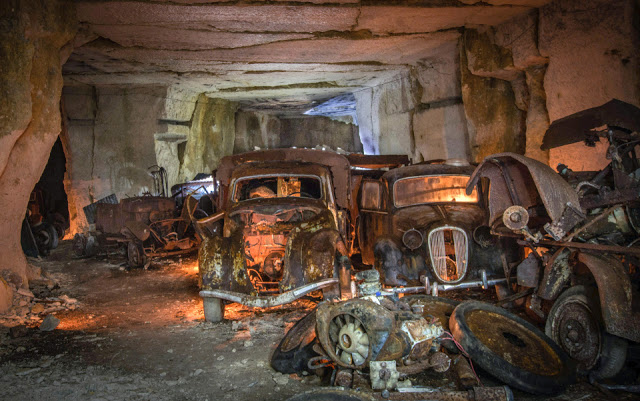
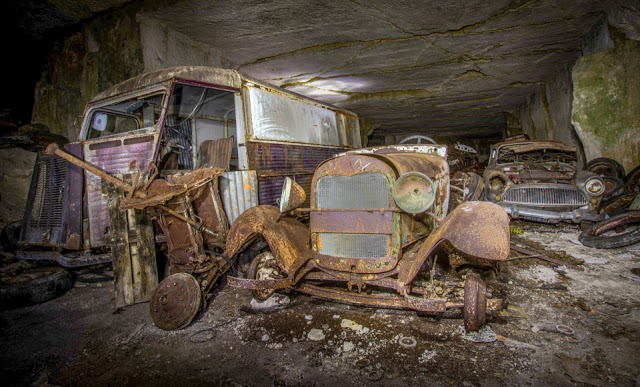
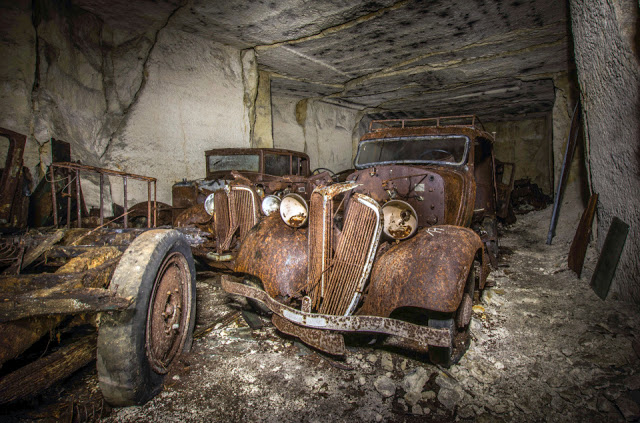
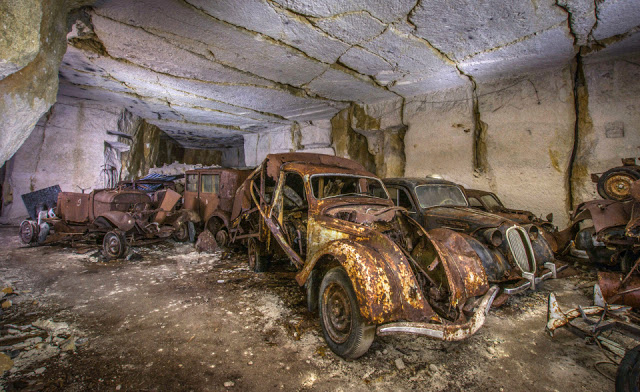
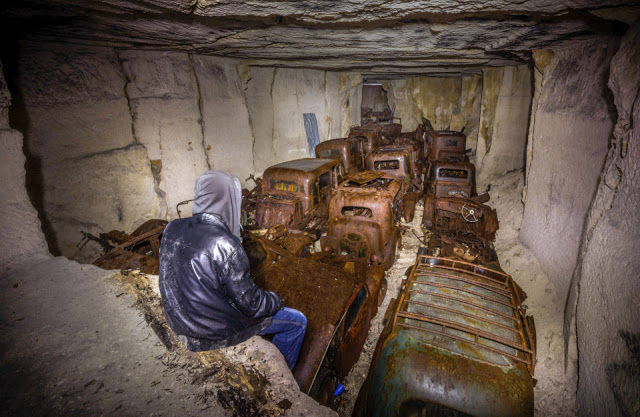
For nearly 80 years these cars have been hidden underground in a quarry in France but they were uncovered by Belgian PE teacher Vincent Michel in 2016. The cars were hidden away during World War II and after the war ended they were never removed.
It is thought the rusting collection was hidden to avoid it being captured by German soldiers.
“We suppose the cars were brought into the quarry at the start of the war to stop them being seized,” Vincent said. “After the war, nobody took them out from there, forgotten forever. The owner of the quarry added a few more cars some years later. Almost all the cars were empty, with the shells the only things remaining.”
Amazing photographs show the rows of cars neatly parked in their underground hideaway. Vincent revealed that since his discovery some cars had been taken out by the quarry owner to sell at auction, but many that are too fragile to move still remain in the quarry.
Stash of cars was hidden in a French quarry to avoid capture by German armyRusted motors were discovered by an astounded explorer who said it was like ‘traveling back in time’Huge treasure trove of ancient cars have been hidden away since WWIIThe motors were hidden in a rural French quarry to avoid being found by German troops during WWIIRusted vehicles have been stowed away for nearly 80 yearsMost of the cars have remained untouched since they were hiddenQuarry is jam-packed with rusting motorsStunning photographs will excite any classic car fanMany of the cars are now far too fragile to moveCars from 1930s France made for an amazing discoveryExplorer Vincent Michel photographed the amazing collection of cars
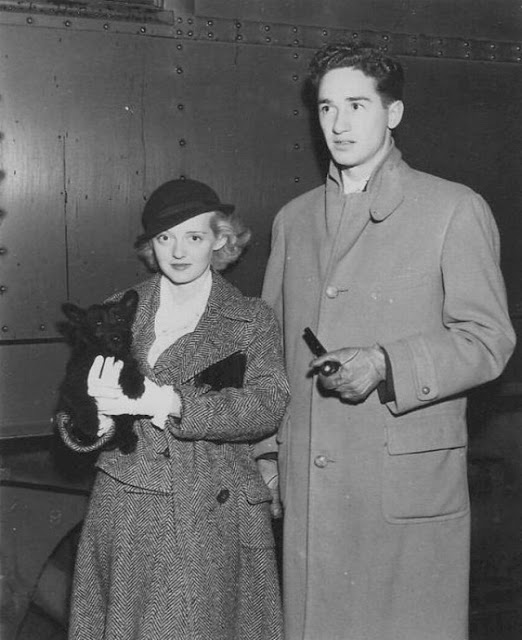
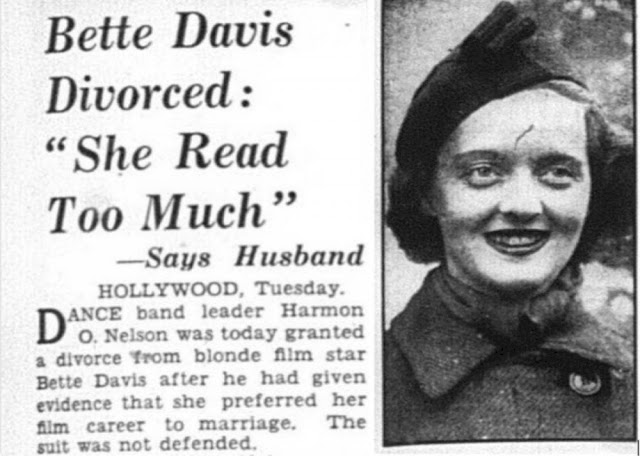
In 1938, Harmon “Oscar” Nelson ended his marriage with American actress, Bette Davis.
The reason?
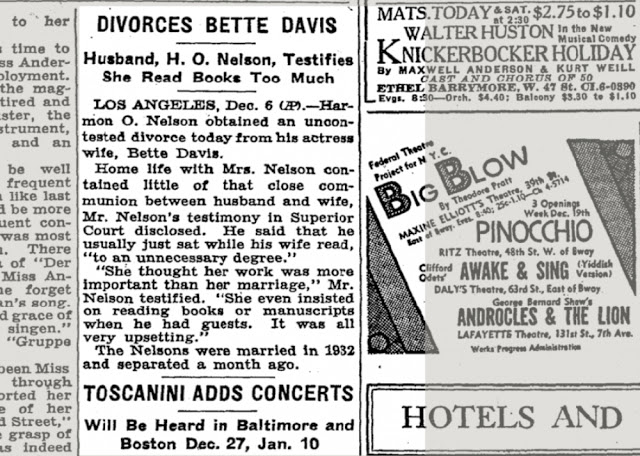
He claimed she read too much. The New York Times reported on December 7, 1938 that Harmon “usually just sat there while his wife read ‘to an unnecessary degree.” “She thought her work was more important than her marriage.” “She even insisted on reading books or manuscripts when [Harmon] had guests. It was all very upsetting.”
Davis later in life mentioned other factors that led to the separation, including an emotional rift between the two and an affair with Howard Hughes, which was not mentioned in the article, but was referenced in the divorce proceedings.
Harmon O. Nelson was a musician best known for being the legendary inspiration for Bette Davis’ claimed nicknaming of the Academy Award statuette “Oscar,” although the story likely is apocryphal as his nickname was “Ham.” Davis’ high school sweetheart, Ham (or “Oscar”) Harmon married Bette on August 18, 1932. They divorced seven years later.
Harmon Nelson was one of ex-husbands of Davis, she married 4 times and divorced 3 times during her lifetime.
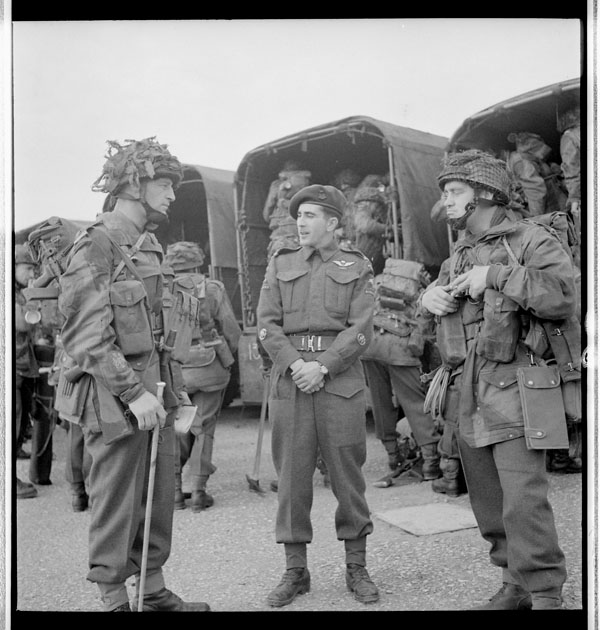
By May 1945 the war in Europe had finally started to wind down. Yet for the men of the 1st Canadian Parachute Battalion, there was one final mission to complete before they were relieved. Due to increasing tensions between them and the USSR, the Western Allies recognized that they had to take as much German territory as they could before the Soviets arrived.
They feared Communist expansion. Because of this, a small group of lightly armed Canadian paratroopers was tasked with taking the city of Wismar.
These Canadians, from the 1st Canadian Parachute Battalion, or 1CanPara, had been fighting almost nonstop since 6th June 1944. After jumping into Normandy, the men fought through the rest of the French Campaign. They were then used as support in the Battle of the Bulge. And in April 1945, were a part of the final Rhine crossing: Operation Varsity.
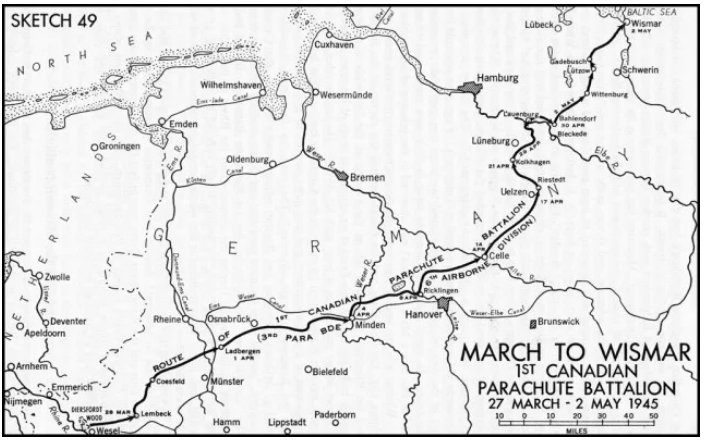
Shortly after Varsity that the unit got orders to march north to Wismar. Wismar is a city on the Baltic coast of Germany. It sits at the northern end of a chokepoint between the sea and Lake Schweringer and is a transportation hub. Winston Churchill recognized the city’s importance and knew that if it fell into Russian hands too quickly, it could allow them to advance far past the agreed upon lines set up at the Yalta conference and take most of Northern Germany and even Denmark.
Churchill was staunchly anti-communist and knew that the Soviets would never willingly give up territory they had taken. He needed a group of men who would be able to rush forward and stop their advance as soon as possible. Because of their excellent reputation, the men of 1CanPara were recognized as the best candidates for the job. They were attached to the British 6th Airborne Division and thus began a long march north.
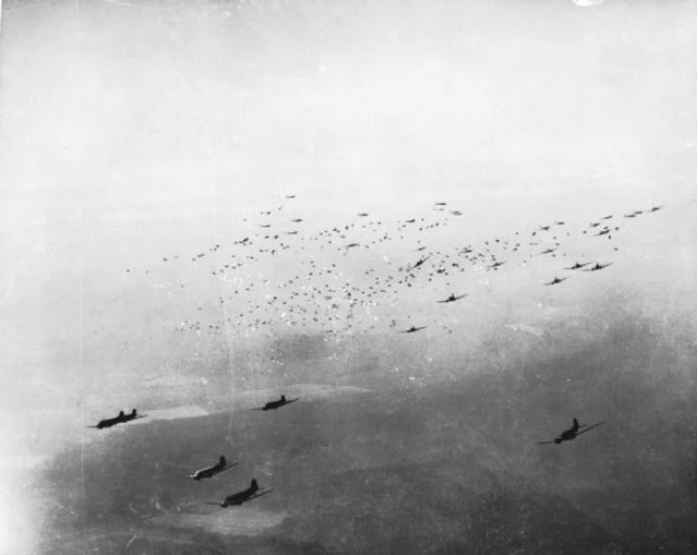
Operation Varsity was the greatest airborne operation of the war. Some 40,000 paratroops were dropped by 1,500 troop-carrying planes and gliders beginning on 24 March 1945
This advance went quickly, and the men were surprised that they and their transports (sometimes tanks, sometimes trucks) would move past huge groups of German soldiers. Sergeant Andy Anderson described one such event: “The strangeness of the situation is that we are passing complete units of the Germany Army, lying by the roadside, some with vehicles, even horse-drawn artillery, but no shots are exchanged, no white flags were shown, and we cannot stop to disarm them.”
The men were understandably baffled by this experience, but orders were orders, and they kept going.
1CanPara’s advance north to Wismar
Finally, at 0900 2 May 1945, the battalion reached their destination. The residents of the city were relieved to have been liberated by the Canadians; they had heard the horror stories of Russian retribution and knew that they were far better off with 1CanPara.
The Battalion was pleased to be there as well; they could relax somewhat, and some of the men even went swimming in the Baltic Sea.
It was later in the day on 2 May when the battalion first came in contact with the Russians. Sergeant Nelson N. Macdonald was one of the first men to make contact when he and a section of about seven men went on patrol. The section found a Russian Sergeant driving a motorcycle with his Major in the sidecar.
The two men stopped, greeted the Canadians and exchanged rough pleasantries (there was no interpreter present). Shortly after that, the Russian Sergeant produced a bottle of vodka and glasses, and all the men toasted and drank. It’s shortly after this cordial meeting that the recorded history splits from what may have actually happened.
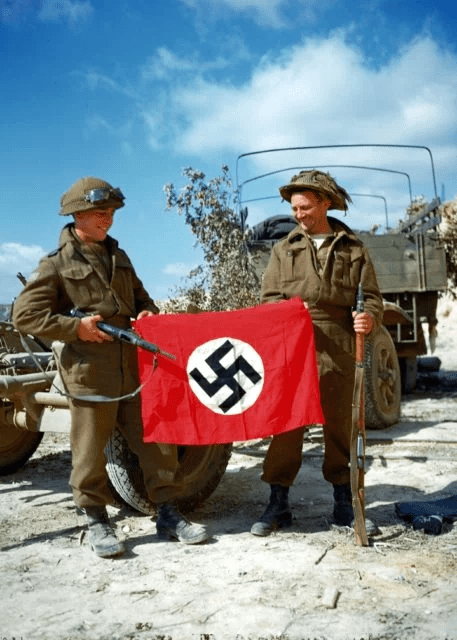
Canadian troops posing with a captured German flag, 10 August 1944; note Sten gun and Lee-Enfield rifle
From speaking to veterans of the unit we’ve learned that a new war almost broke out over Wismar. They have explained to us that shortly after the initial contact with the Russians, Lieutenant-Colonel Eadie, Commanding Officer of 1CanPara, met with his Russian counterpart.
It was during this meeting that the Russian commander, backed by tanks, demanded a Canadian withdrawal, explaining that his objective was Lubeck, near Denmark. Lt.-Colonel Eadie, refusing to give in, told 1CanPara to prepare for combat. The Russian commander was taken aback; he knew no group of paratroopers would stand a chance against an armored unit.
Wrongfully assuming that the Canadians must have had airpower and armor of their own, he backed down, and discussions proceeded more diplomatically. The truth was that aside from the 6th Airborne Division’s artillery detachment the men in Wismar were almost completely unsupported by the rest of the Allied force.
Canadian and Russian troops meeting at Wismar
While this small piece of history was never officially recorded, it has been confirmed by veterans of 1CanPara and the tensions caused by this brief encounter echoed throughout the rest of the discussions. Major Richard Hilborn, Commander of Headquarters Company, even noted that while 6th Airborne Division artillery was being prepped for transport back home, the Russians had begun to dig in and point their guns towards Wismar.
Tensions rose as the two armies settled in, and the Canadians soon realized why the Germans were so happy to have been liberated by them. There were numerous reports of Russian troops coming through the lines at night and raping or killing the civilians in the town. This was a persistent problem, and there didn’t seem to be any effective solution to it.
While it is unconfirmed by other sources, Lance Sergeant Feduck of 1CanPara claimed that the incidents stopped after a few Russians were shot and killed. He doesn’t specify who killed them though, and it’s unlikely that it was a Canadian, as that would likely have been the final straw which unleashed the Soviet military onto Wismar.
While 1CanPara tried to protect the citizens of Wismar; talks continued between East and West. After breaking down between Lt.-Colonel Eadie and his Russian counterpart, they moved up the chain of command. The Russian General was communicating with Major General Bols, of the British 6th Airborne Division and demanded, again, that the Canadians leave the city.
Bols, like Eadie, was faced with a massive contingent of Russian armor but did not back down. He explained that his men were already in possession of the city, and were determined to stay there. Bols’ refusal to move forced the negotiations to drag on again and eventually they moved up the chain to Field Marshall Bernard Montgomery and Soviet Marshall Rokossovsky.
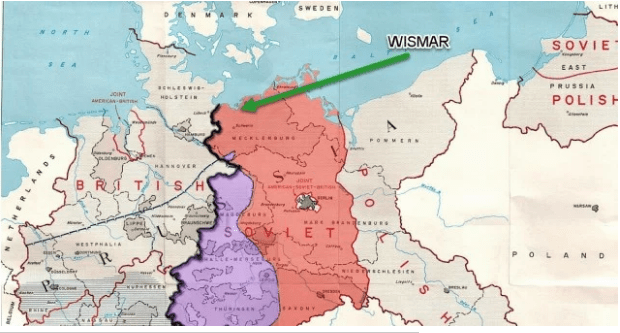
Occupation zones as agreed in the Yalta conference
Unfortunately for the people of Wismar, Montgomery was less confrontational than Bols or Eadie were and took a more political approach. He defaulted back to the lines drawn up at the Yalta conference of 1944. This agreement put Wismar squarely into Russian hands and, by July 1945, the Allied forces had retreated west, and the Russians moved in.
While negotiations eventually ended with the Russians holding the city, it must be understood that the Canadians, by taking it early, and holding it for as long as they did, still served a very important purpose. Taking the city before the Russians prevented them from moving past it. Had they been allowed to advance freely to Lubeck they could very easily have gone north into Denmark.
It also allowed many former German soldiers and civilians to flee from Russian reprisals and terror. Lt.-Colonel Eadie’s and General Bols’ refusal to back down forced the negotiations to last longer and bought time for many of the innocents in the area to escape west.
The taking of Wismar is a little-known sideshow from the end of the Second World War, but its consequences likely saved untold numbers of lives. These small events and individual stories are what makeup history, even if they’re not officially recorded, and by looking into them; we can get a much deeper understanding of it.
While it may not have been terribly glamorous or well recognized, the men of the 1st Canadian Parachute Battalion were proud to have been part of this mission, and there are likely many people alive today because of their willingness and ability to do what had to be done.
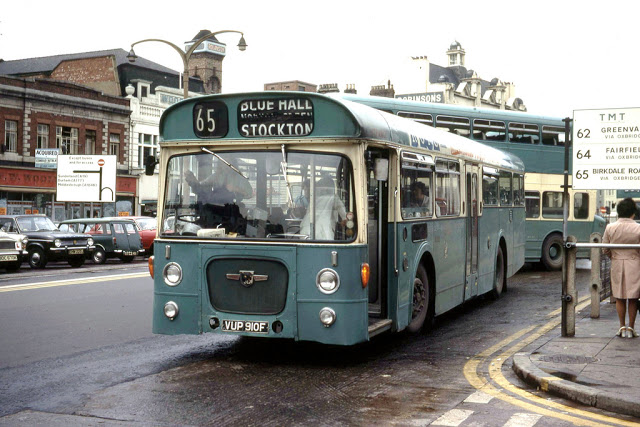
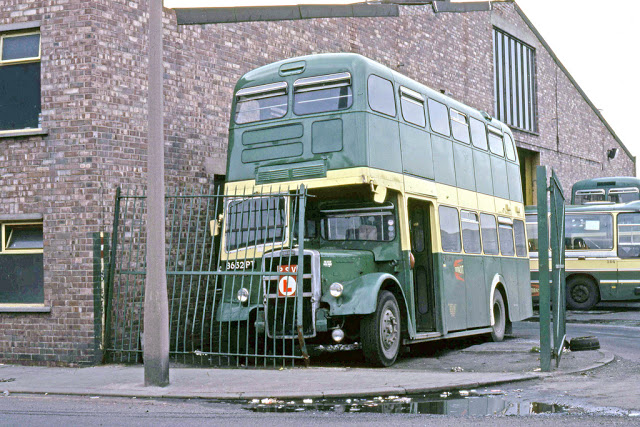
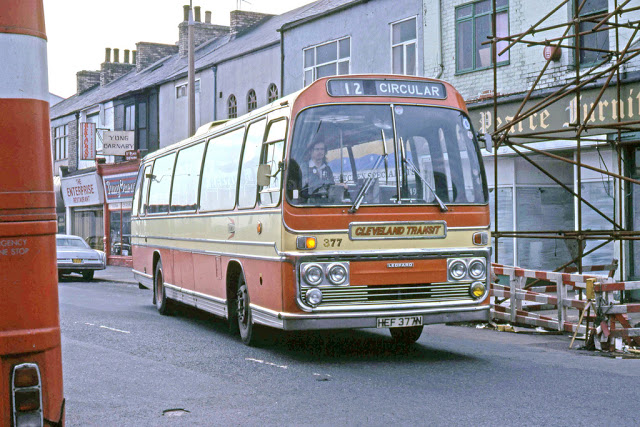
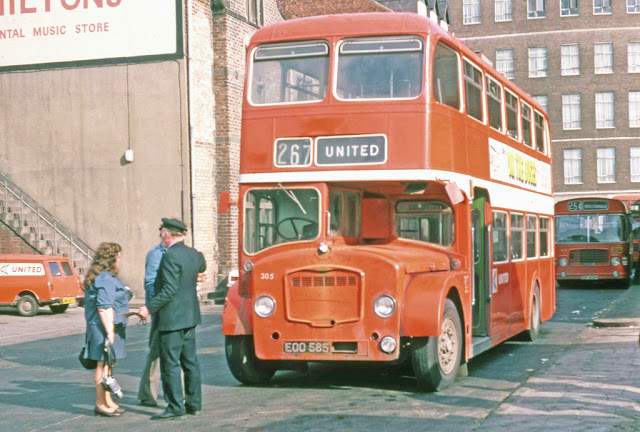
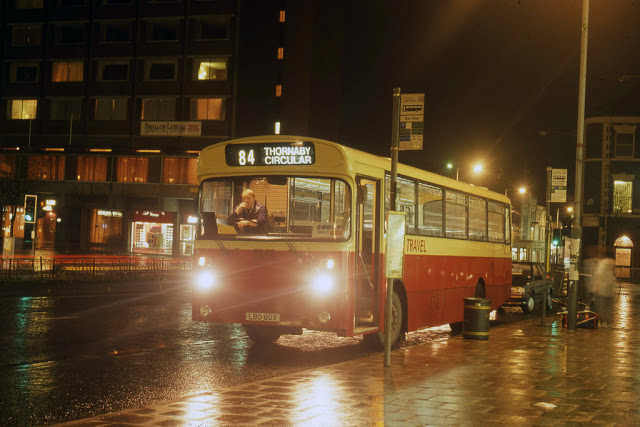
A bus (contracted from omnibus, with variants multibus, motorbus, autobus, etc.) is a public transport road vehicle designed to carry significantly more passengers than the average cars or vans. Buses can have a capacity as high as 300 passengers, although the average bus usually carries between 30 to 100. The most common type is the single-deck rigid bus, with double-decker and articulated buses carrying larger loads, and midibuses and minibuses carrying smaller loads. Coaches are used for longer-distance services. Many types of buses, such as city transit buses and inter-city coaches, charge a fare. Other types, such as elementary or secondary school buses or shuttle buses within a post-secondary education campus, are free. In many jurisdictions, bus drivers require a special large vehicle licence above and beyond a regular driving licence.
Buses may be used for scheduled bus transport, scheduled coach transport, school transport, private hire, or tourism; promotional buses may be used for political campaigns and others are privately operated for a wide range of purposes, including rock and pop band tour vehicles.
Horse-drawn buses were used from the 1820s, followed by steam buses in the 1830s, and electric trolleybuses in 1882. The first internal combustion engine buses, or motor buses, were used in 1895. Recently, interest has been growing in hybrid electric buses, fuel cell buses, and electric buses, as well as buses powered by compressed natural gas or biodiesel. As of the 2010s, bus manufacturing is increasingly globalised, with the same designs appearing around the world. (Wikipedia)
Sir Charles Spencer Chaplin Jr. KBE (16 April 1889 – 25 December 1977) was an English comic actor, filmmaker, and composer who rose to fame in the era of silent film. He became a worldwide icon through his screen persona, the Tramp, and is considered one of the film industry’s most important figures. His career spanned more than 75 years, from childhood in the Victorian Era until a year before his death in 1977, and encompassed both adulation and controversy.
Chaplin’s childhood in London was one of poverty and hardship. His father was absent and his mother struggled financially – he was sent to a workhouse twice before age nine. When he was 14, his mother was committed to a mental asylum. Chaplin began performing at an early age, touring music halls and later working as a stage actor and comedian. At 19, he was signed to the Fred Karno company, which took him to United States. He was scouted for the film industry and began appearing in 1914 for Keystone Studios. He soon developed the Tramp persona and attracted a large fanbase. He directed his own films and continued to hone his craft as he moved to the Essanay, Mutual, and First National corporations. By 1918, he was one of the world’s best-known figures.
In 1919, Chaplin co-founded distribution company United Artists, which gave him complete control over his films. His first feature-length film was The Kid (1921), followed by A Woman of Paris (1923), The Gold Rush (1925), and The Circus (1928). He initially refused to move to sound films in the 1930s, instead producing City Lights (1931) and Modern Times (1936) without dialogue. His first sound film was The Great Dictator (1940), which satirised Adolf Hitler. The 1940s were marked with controversy for Chaplin, and his popularity declined rapidly. He was accused of communist sympathies, and some members of the press and public were scandalized by his involvement in a paternity suit and marriages to much younger women. An FBI investigation was opened, and Chaplin was forced to leave the United States and settle in Switzerland. He abandoned the Tramp in his later films, which include Monsieur Verdoux (1947), Limelight (1952), A King in New York (1957), and A Countess from Hong Kong (1967).
Chaplin wrote, directed, produced, edited, starred in, and composed the music for most of his films. He was a perfectionist, and his financial independence enabled him to spend years on the development and production of a picture. His films are characterised by slapstick combined with pathos, typified in the Tramp’s struggles against adversity. Many contain social and political themes, as well as autobiographical elements. He received an Honorary Academy Award for “the incalculable effect he has had in making motion pictures the art form of this century” in 1972, as part of a renewed appreciation for his work. He continues to be held in high regard, with The Gold Rush, City Lights, Modern Times, and The Great Dictator often ranked on lists of the greatest films. (Wikipedia)
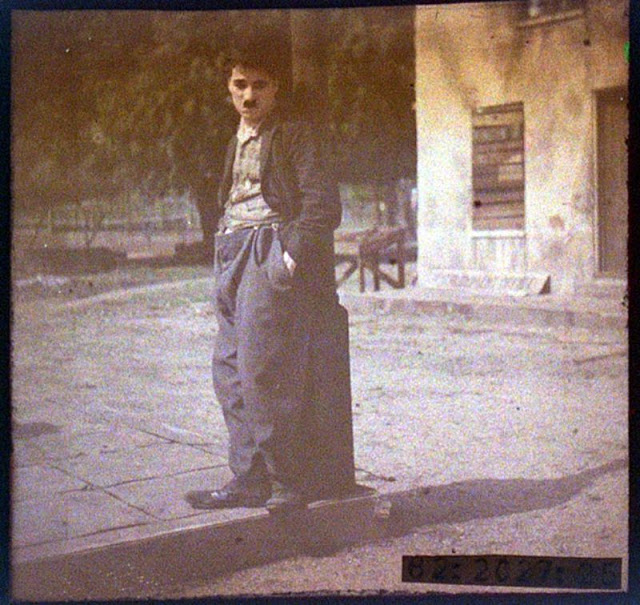
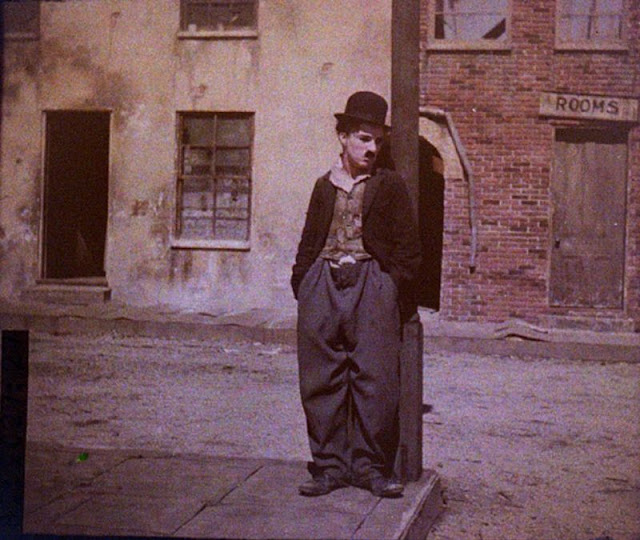
These magnificent color photographs of Charlie Chaplin were taken around 1917-18 by Charles C. Zoller and currently held in the George Eastman House. The photos show Chaplin dressed as the Tramp while posing in front of his Tudor style offices at his studio in Hollywood, CA. The character made him a worldwide phenomenon. His huge popularity ultimately allowed him to buy his own studio, which gave him the freedom to make his own films.
A circus is a company of performers who put on diverse entertainment shows that may include clowns, acrobats, trained animals, trapeze acts, musicians, dancers, hoopers, tightrope walkers, jugglers, magicians, ventriloquists, and unicyclists as well as other object manipulation and stunt-oriented artists. The term circus also describes the performance which has followed various formats through its 250-year modern history. Although not the inventor of the medium, Philip Astley is credited as the father of the modern circus. In 1768, Astley, a skilled equestrian, began performing exhibitions of trick horse riding in an open field called Ha’Penny Hatch on the south side of the Thames River. In 1770, he hired acrobats, tightrope walkers, jugglers and a clown to fill in the pauses between the equestrian demonstrations and thus chanced on the format which was later named a “circus”. Performances developed significantly over the next fifty years, with large-scale theatrical battle reenactments becoming a significant feature. The traditional format, in which a ringmaster introduces a variety of choreographed acts set to music, developed in the latter part of the 19th century and remained the dominant format until the 1970s.
As styles of performance have developed since the time of Astley, so too have the types of venues where these circuses have performed. The earliest modern circuses were performed in open-air structures with limited covered seating. From the late 18th to late 19th century, custom-made circus buildings (often wooden) were built with various types of seating, a centre ring, and sometimes a stage. The traditional large tents commonly known as “big tops” were introduced in the mid-19th century as touring circuses superseded static venues. These tents eventually became the most common venue. Contemporary circuses perform in a variety of venues including tents, theatres and casinos. Many circus performances are still held in a ring, usually 13 m (42 ft) in diameter. This dimension was adopted by Astley in the late 18th century as the minimum diameter that enabled an acrobatic horse rider to stand upright on a cantering horse to perform their tricks.
Contemporary circus has been credited with a revival of the circus tradition since the late 1970s, when a number of groups began to experiment with new circus formats and aesthetics, typically avoiding the use of animals to focus exclusively on human artistry. Circuses within the movement have tended to favour a theatrical approach, combining character-driven circus acts with original music in a broad variety of styles to convey complex themes or stories. Contemporary circus continues to develop new variations on the circus tradition while absorbing new skills, techniques, and stylistic influences from other performing arts. (Wikipedia)
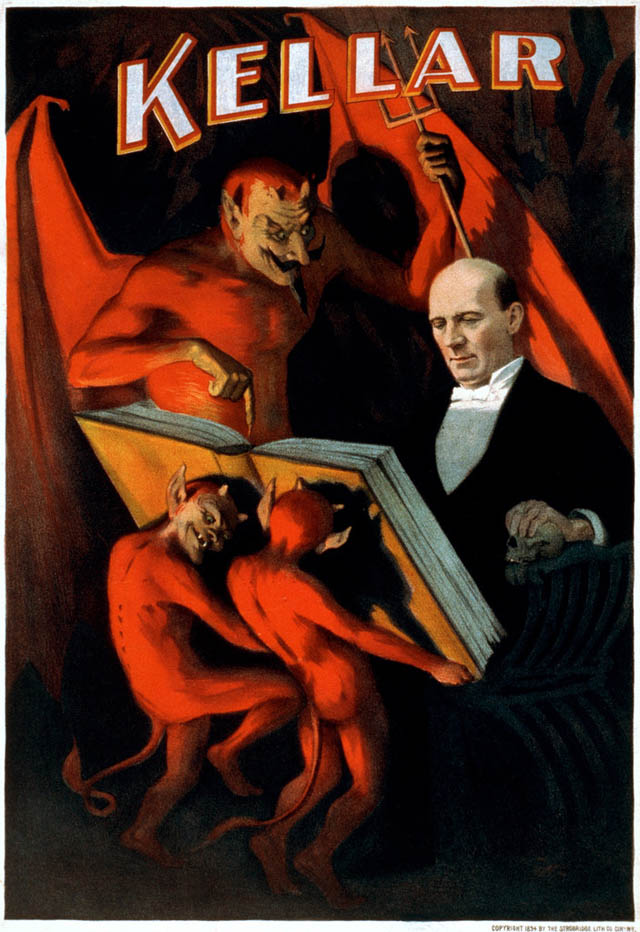
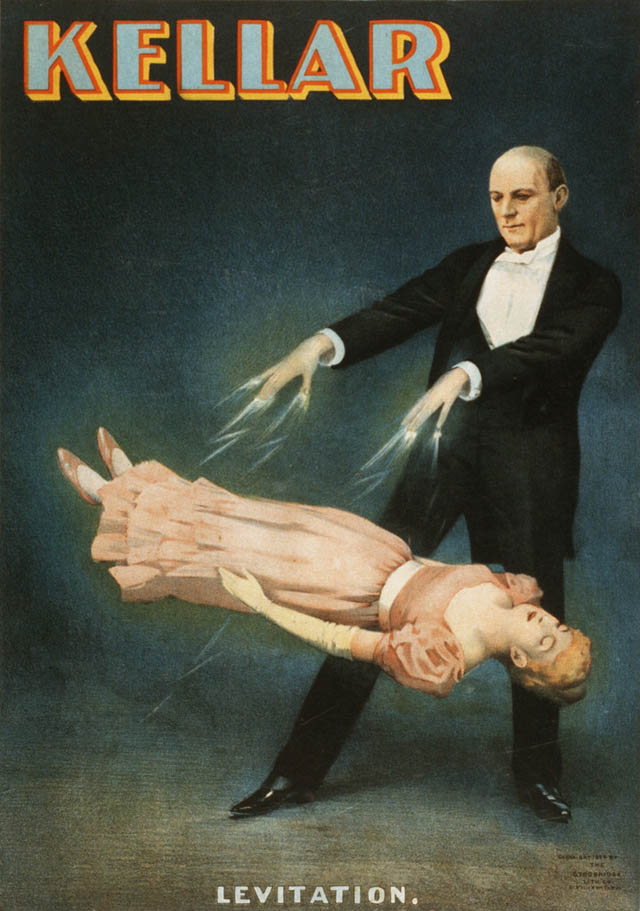
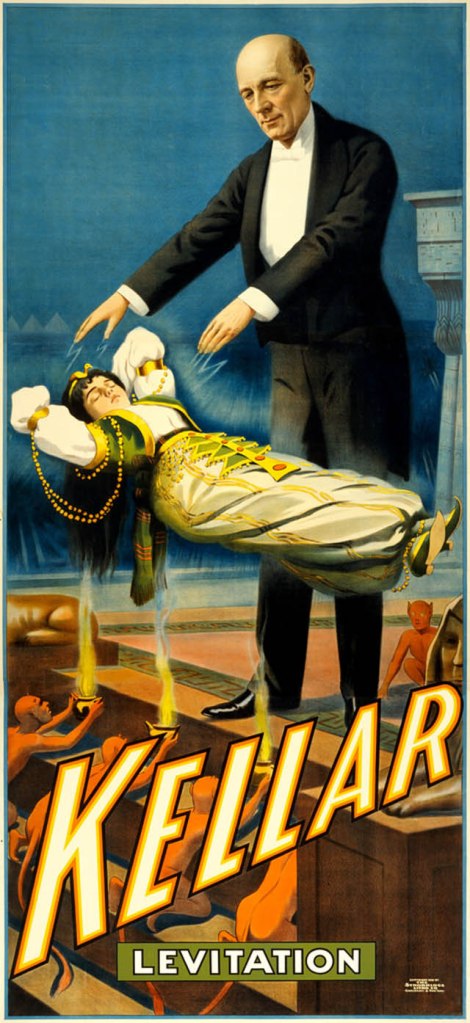
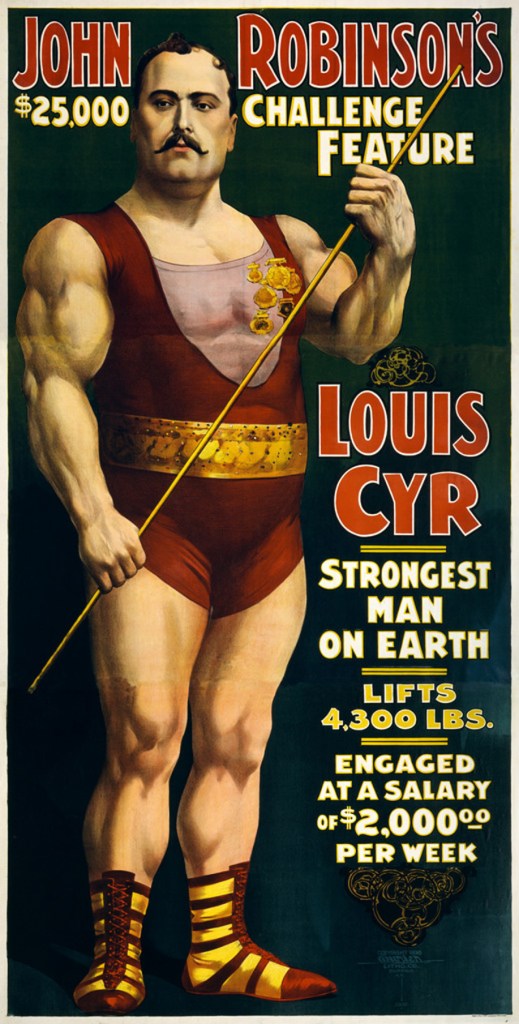
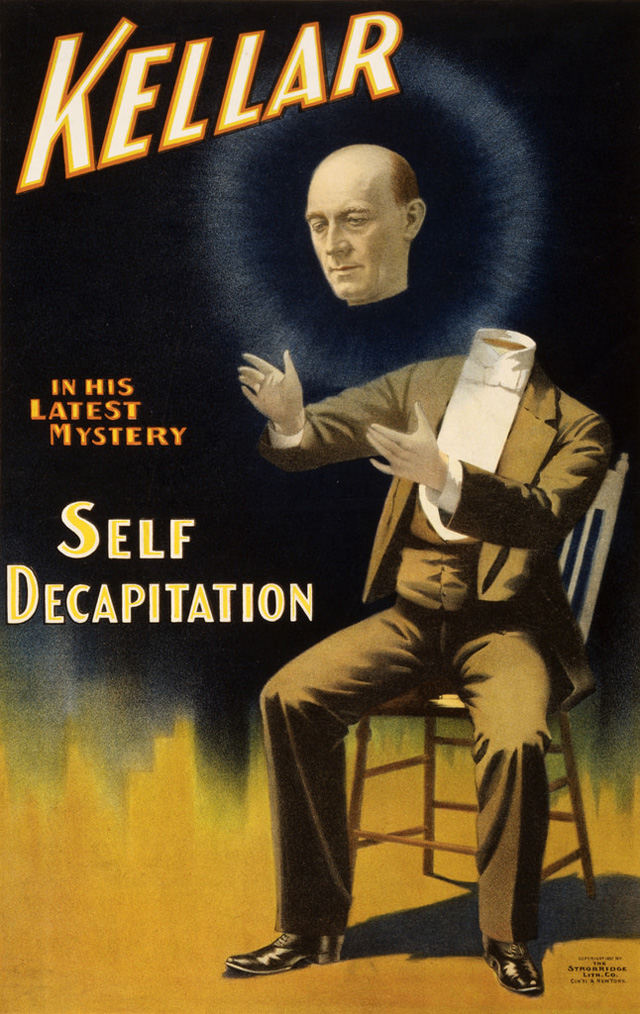
Around the joint of the 19th and 20th centuries, stage tricks were a mainstay of theater entertainment. To seduce the crowd there were posters, each fashioned with feverish, hallucinatory images of death, evil, the Beast, phantasmagoria and the darkest magic.
The occult was a big lure. The subconscious was pricked. Here, below is a collection of 27 attractive posters advertising the circus and magic performances in the Victorian era.
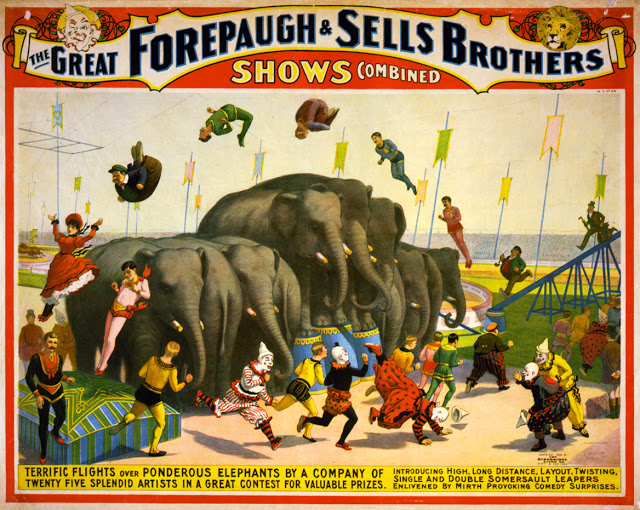
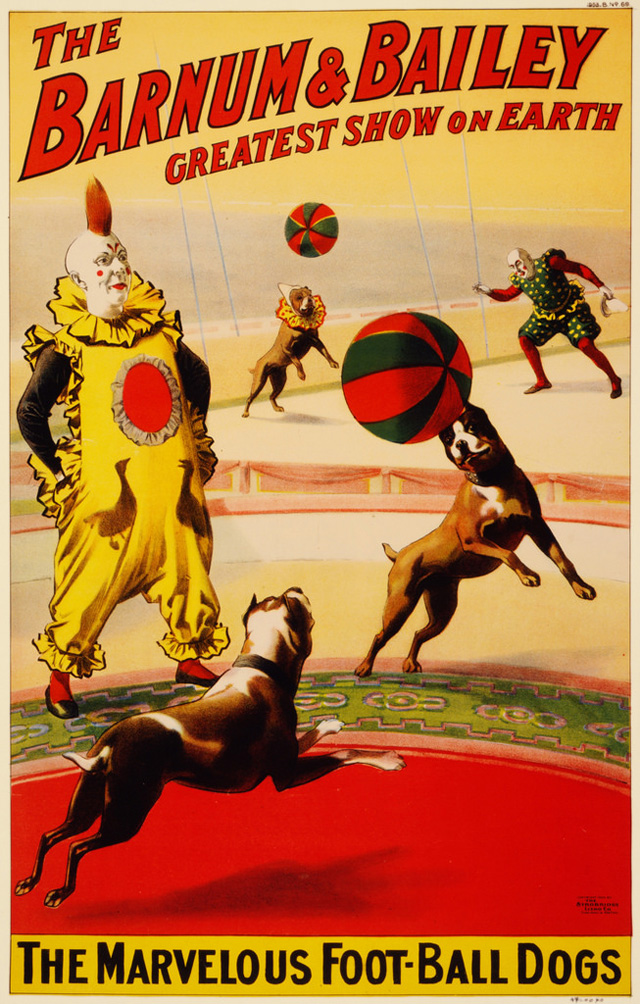
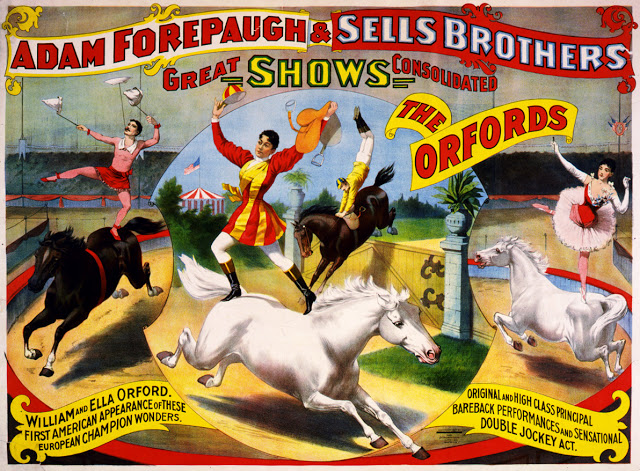
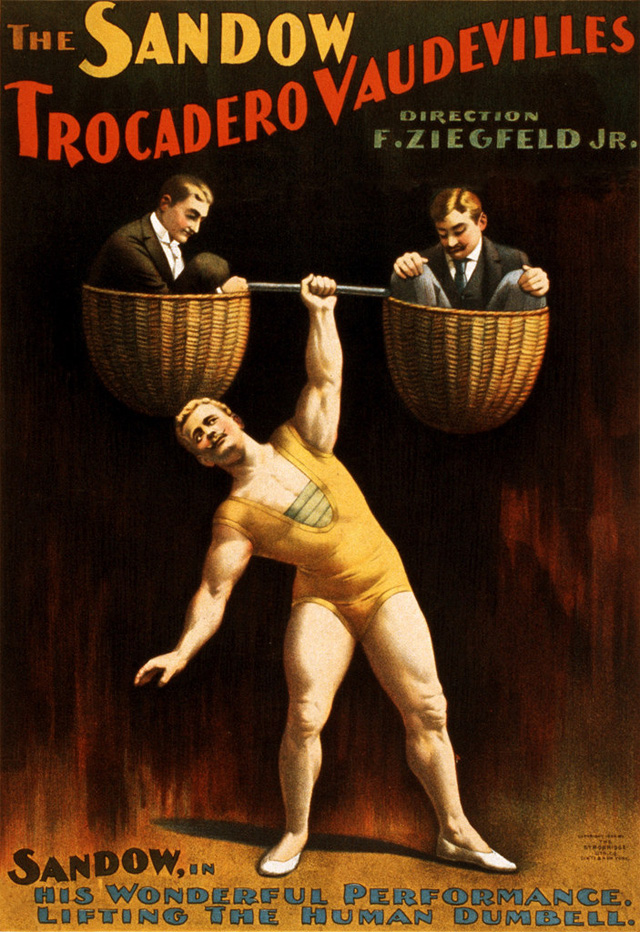
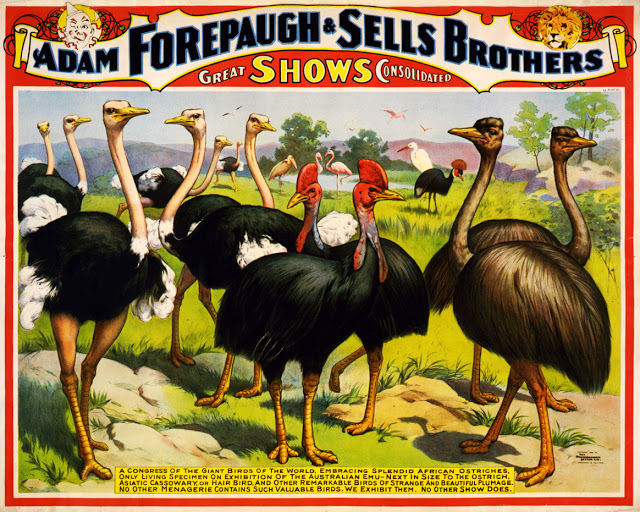
Female trapeze acrobats at circus, 1890Funny scenes on bicycles and skates, poster for Barnum & Bailey, 1900Kellar and his servants, magician poster, 1894Kellar in the woods with demons, magician poster, 1900Kellar the magician, performing arts poster, 1894Kellar toasts the Devil, performing arts poster, 1899Levitation 2, magician poster Kellar, 1894Levitation 3, magician poster for Kellar, 1900Levitation, magician poster Kellar, 1894Louis Cyr, strongest man on earth, 1898Marvelously trained sea lions & seals, poster for Forepaugh & Sells Brothers, 1899Scenes in the grand water circus, poster for Barnum & Bailey, 1895Self decapitation, magician poster for Kellar, 1897Terrific flights over ponderous elephants, poster for Forepaugh & Sells Brothers, 1899The great Coney Island water carnival, poster for Barnum & Bailey, 1898.The great Coney Island water carnival, poster for Barnum & Bailey, 1898The marvelous foot-ball dogs, poster for Barnum & Bailey, 1900The Orfords, poster for Forepaugh & Sells Brothers, ca. 1897The Sandow Trocadero Vaudevilles – Sandow lifting the human dumbell, 1894Troupe of very remarkable trained pigs, poster for Barnum & Bailey, 1898Twenty funny felt-crowned fools, poster for Forepaugh & Sells Brothers, 1899Wm. H. West’s Big Minstrel Jubilee – The De Elmar Trio, vaudeville poster, 1900Wondrous Wild Beasts, poster for Forepaugh & Sells Brothers, 1897Zan Zig performing with rabbit and roses, magician poster, 1899A congress of the great birds of the world, poster for Forepaugh & Sells Brothers, ca. 1898Champion great danes from the Imperial kennels, poster for Forepaugh & Sells Brothers, ca. 1898
In the late 1970s and throughout the 1980s, if someone wanted to buy a personal computer, they had to make a trip down to a local computer store to physically check out what was available. Once there, customers typically encountered a dizzying array of incompatible platforms with widely varying capabilities.
Depending on the era, think of computers with brand names like Apple, Atari, Commodore, Osborne, Texas Instruments, Radio Shack, Tandy, IBM, NEC, Sinclair, Panasonic, and more.
Here’s a small collection of interesting snapshots curated by PCMag.com that give a glimpse into what it was like to visit one of those stores back then.
The Front Window
Imagine walking down the street in the 1980s and being greeted by this handsomely arranged scene of Radio Shack TRS-80 computers. That’s exactly what the photographer encountered at a computer store in West Germany in 1984. From left to right, we see a TRS-80 Model III, Model 4, Model 100 (in the travel case), and a Model II — along with various Tandy brand printers beside them.
The Computer Store
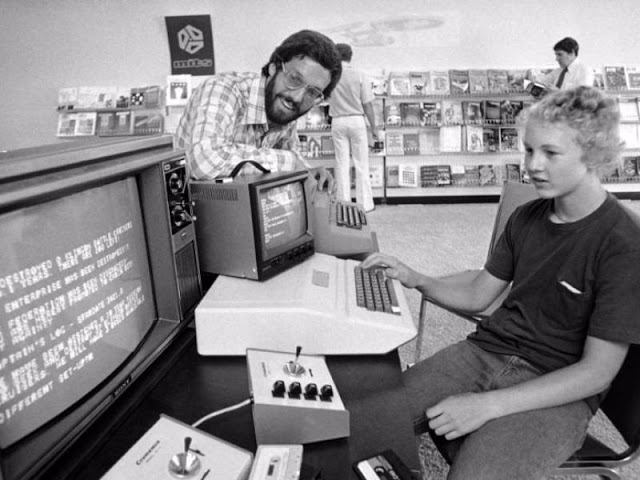
In this wonderful photo of the Los Angeles-based Computer Store from 1977, we get a rare peek at the inside of a PC shop from the dawn of the personal computer era. Here we see a teenager playing Star Trek on a then brand-new Apple II (possibly built from a kit, since it is missing its logo badge) while the store’s owner, Dick Heiser, looks on. In the foreground sit a pair of Cromemco joysticks, which were used for playing Space War on S-100 bus machines.
ComputerLand
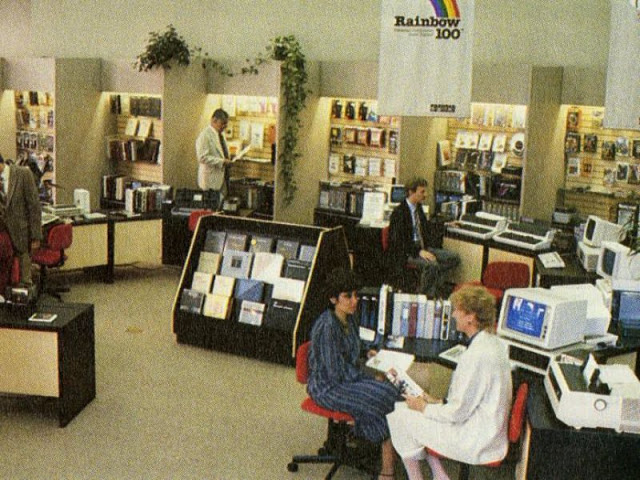
During the 1980s, ComputerLand reigned as one of the most successful computer store chains in America. Here is a rare shot of an interior of one, circa 1983, that features IBM PCs, a few DEC Rainbow 100 machines, and a wall of software and removable media for sale. There’s also an Osborne 1, one of the first “portable” computers, sitting on a desk near the man standing in the back.
Computer Shopping in Japan
In this 1982 photo from a computer store in the Akihabara district of Tokyo, Japan, we see a cramped interior lined with uniquely Japanese computer goods. For example, the machine in the foreground is the Matsushita JR-100, an inexpensive machine with 16K of RAM and a rubber chiclet keyboard. Several other home PCs line the walls as customers look on.
The IBM PC is Here
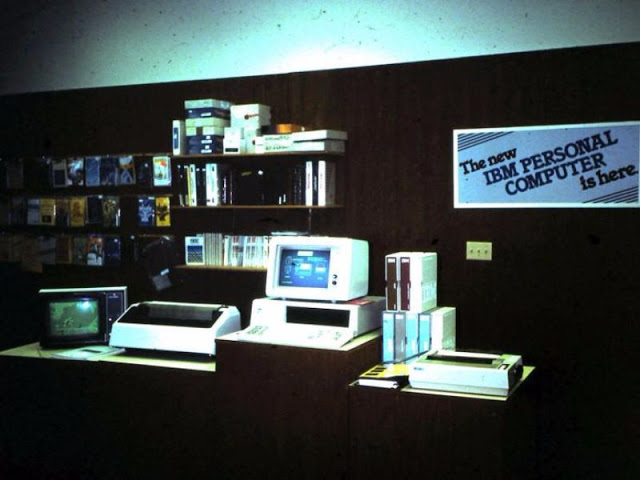
In this 1981 photo from an unknown Boston, Massachusetts area computer store, we see a display showcasing the new IBM Personal Computer 5150, which was released in August of that year in the US. Next to it we see a precarious stack of IBM PC manuals and software boxes, along with a couple of printers.
UK Computer Shopping
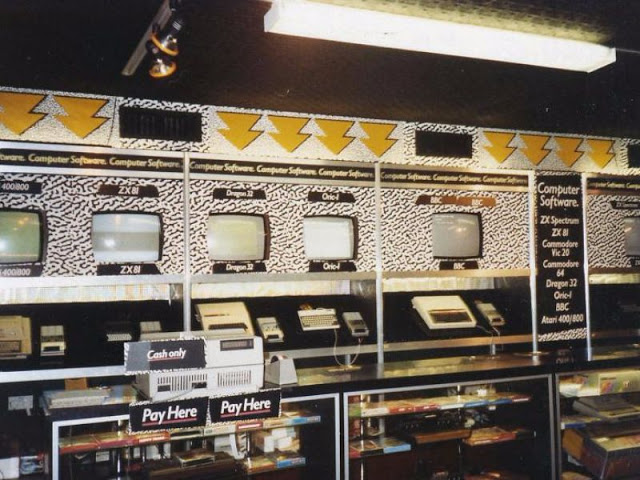
Computers hit the entertainment retail scene in a big way during the early 1980s, as can be seen in this photo of the interior of British retail giant HMV’s store on Oxford Street in London. Among the movies and music you could typically buy at the shop, customers encountered a wall-filling display of home PCs such as the Atari 400/800 computers, the Sinclair ZX81, the Dragon 32, the Oric-1, and the BBC Microcomputer.
ComputerLand Up Close
In this snapshot from the late 1980s, we see the interior of a ComputerLand store in Tallahassee, Florida. In the foreground sits Dr. Tom Mason, who was a computer science professor at University of Illinois at Champaign/Urbana. Behind Mason on the desk, we can see (from left to right) an obscured Tandy Color Computer 3, a Tandy 3000, and a Tandy 1000. ComputerLand let customers try the machines in the store to get a feel for what they would like to purchase.
More a certainty than a legend, a woman killed a Nazi guard at Birkenau while she was ordered to strip en route to the gas chambers. But who was she?
On October 23, 1943, a transport of around 1700 Polish Jews with foreign passports were transported out of the Special Camp at the Bergen-Belsen Exchange camp in Germany; they arrived on passenger trains at the Auschwitz-Birkenau death camp, although they had been told that they were being taken to a transfer camp called Bergau near Dresden, from where they would continue on to Switzerland to be exchanged for German POWs.
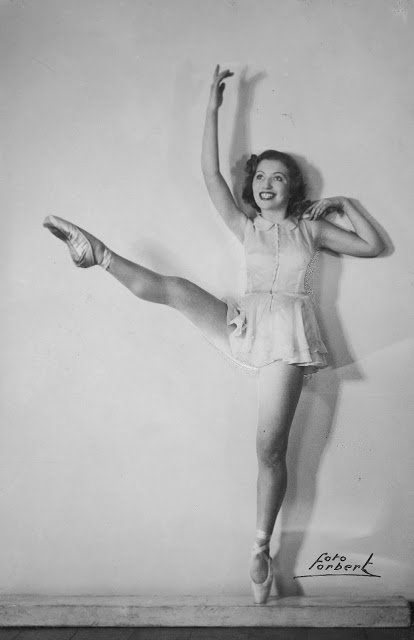
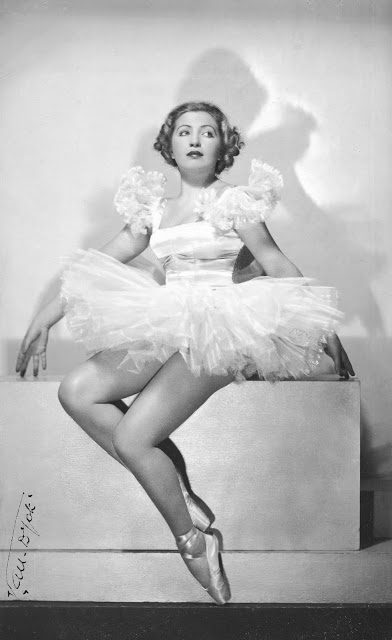
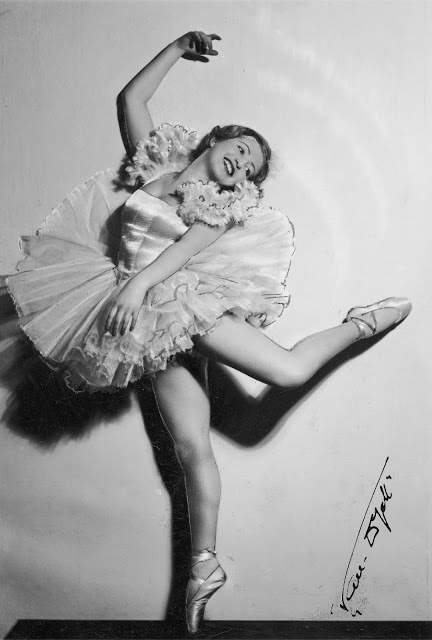
One of the passengers was Franceska Mann, a beautiful dancer who was a performer at the Melody Palace nightclub in Warsaw. She had probably obtained her foreign passport from the Hotel Polski on the Aryan side of the Warsaw Ghetto. In July 1943, the Germans arrested the 600 Jewish inhabitants of the hotel and some of them were sent to Bergen-Belsen as exchange Jews. Others were sent to Vittel in France to await transfer to South America.
According to Jerzy Tabau, a prisoner who later escaped from Birkenau and wrote a report on the incident, the new arrivals were not registered at Birkenau. Instead, they were told that they had to be disinfected before crossing the border into Switzerland. They were taken into an undressing room next to one of the gas chambers and ordered to undress. The beautiful Franceska caught the attention of SS Sergeant Major Josef Schillinger, who stared at her and ordered her to undress completely. Suddenly Franceska threw her shoe into Schillinger’s face, and as he opened his gun holster, Franceska grabbed his pistol and fired two shots, wounding him in the stomach. Then she fired a third shot which wounded another SS Sergeant named Emmerich. Schillinger died on the way to the hospital.
According to Tabau, whose report, called “The Polish Major’s Report,” was entered into the Nuremberg International Military Tribunal as Document L-022, the shots served as a signal for the other women to attack the SS men; one SS man had his nose torn off, and another was scalped, according to Tabau’s report which was quoted by Martin Gilbert in his book entitled The Holocaust: A History of the Jews During the Second World War.
Reinforcements were summoned and the camp commander, Rudolf Höss, came with other SS men carrying machine guns and grenades. According to another report, called “Jewish Resistance in Nazi-occupied Europe” written by Ainsztein and quoted by Martin Gilbert, the women were then removed one by one, taken outside and shot to death. However, Eberhard Kolb wrote in his book about the history of Bergen-Belsen that they were all murdered in the gas chamber.
In 1944, two more transports of the Polish Jews at Bergen-Belsen were sent to Auschwitz-Birkenau, leaving only about 350 prisoners in the Special Camp who had papers for Palestine, the USA or legitimate documents for South American countries, according to Eberhard Kolb.