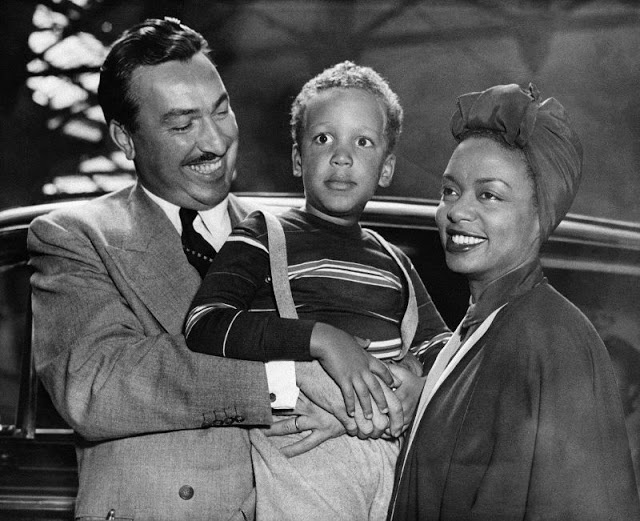
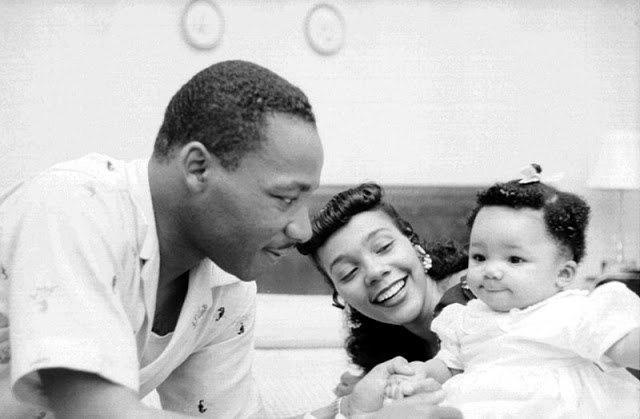
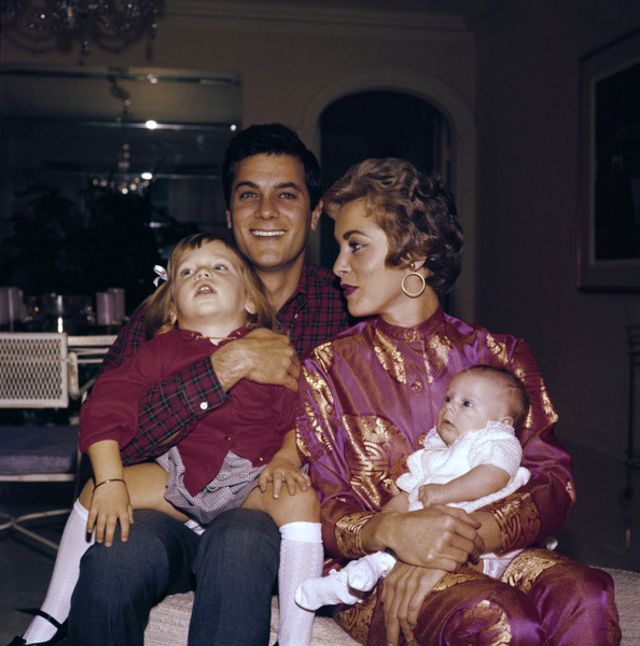
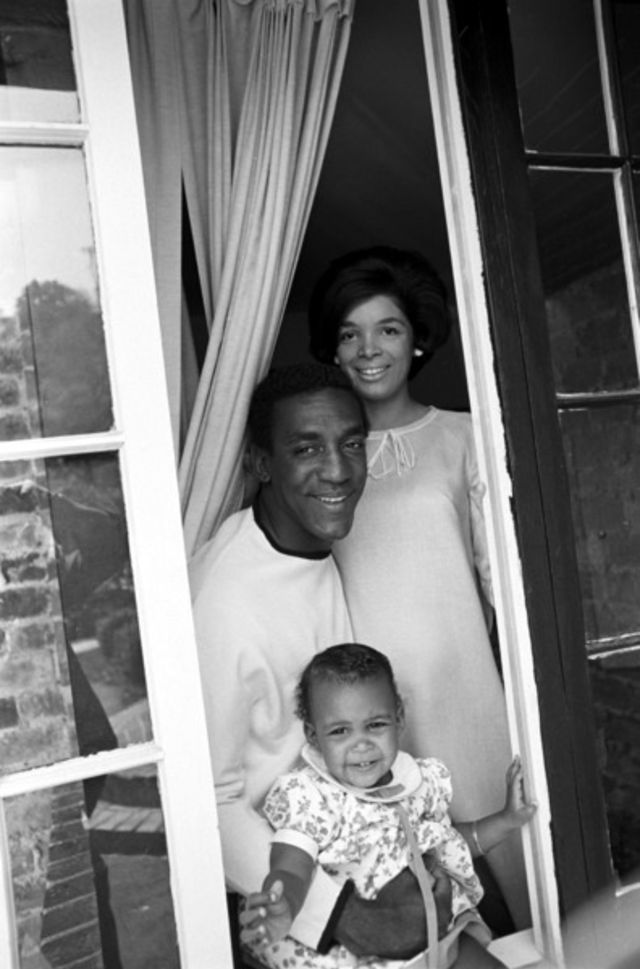
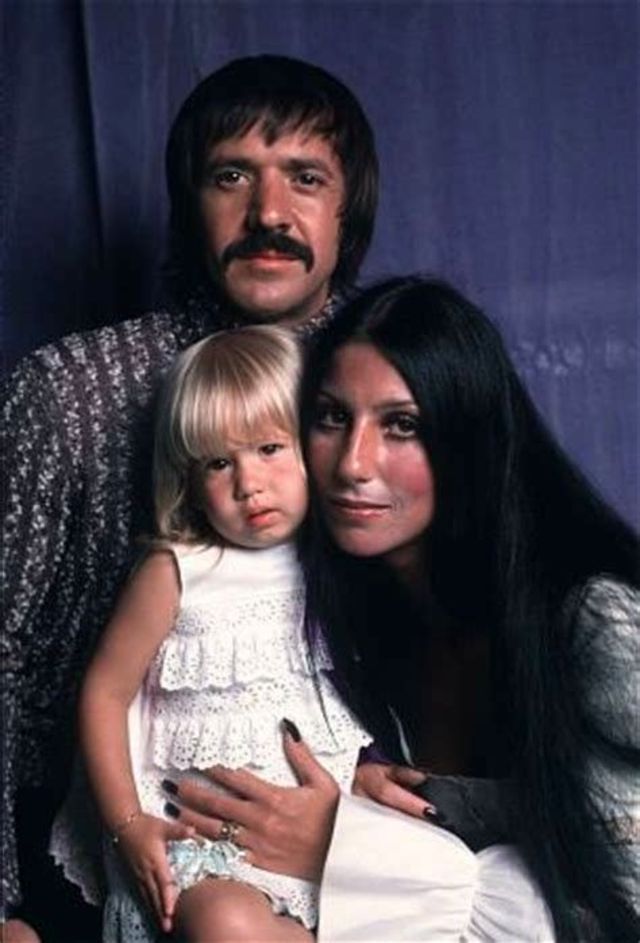
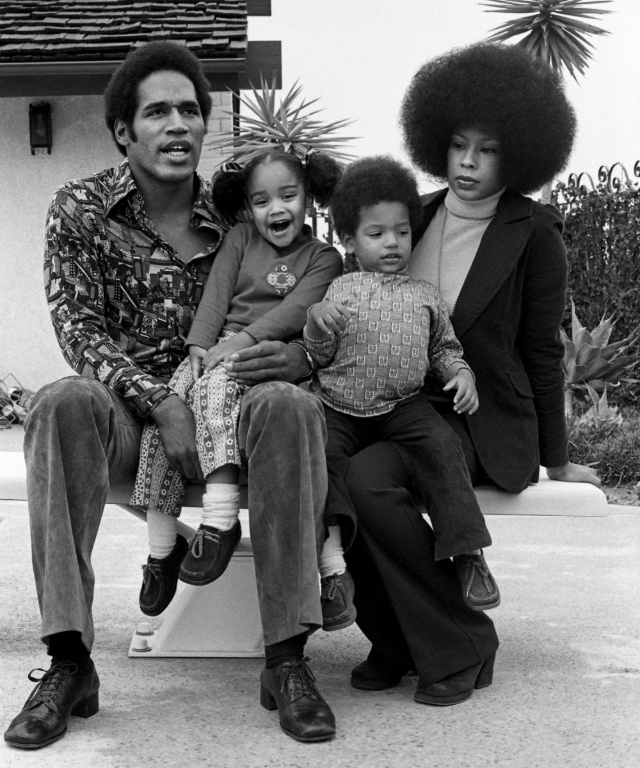
From Lucille Ball and her husband Desi Arnaz with their children to Sonny and Cher with their daughter, here is a photo collection that shows lovely moments of famous families from between the 1940s and 1970s.












Bringing You the Wonder of Yesterday – Today
From Lucille Ball and her husband Desi Arnaz with their children to Sonny and Cher with their daughter, here is a photo collection that shows lovely moments of famous families from between the 1940s and 1970s.
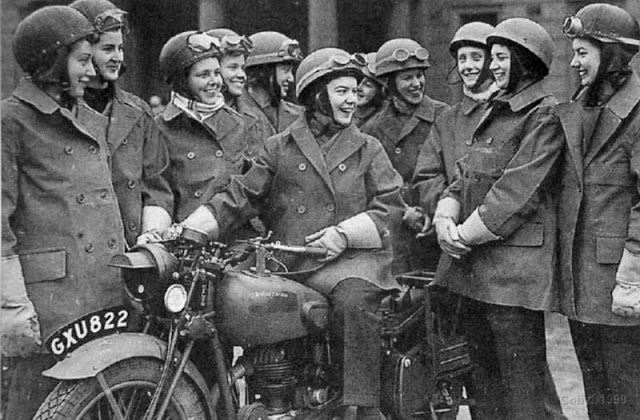
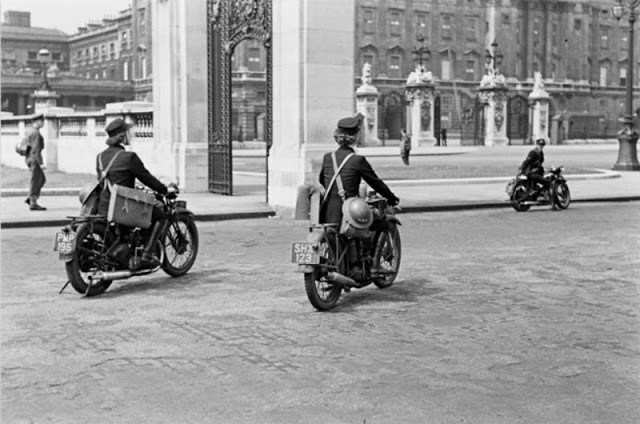
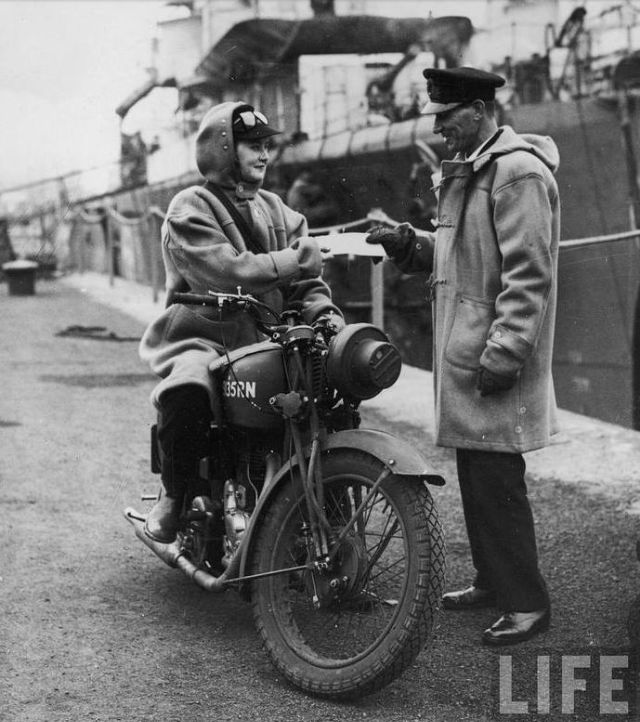
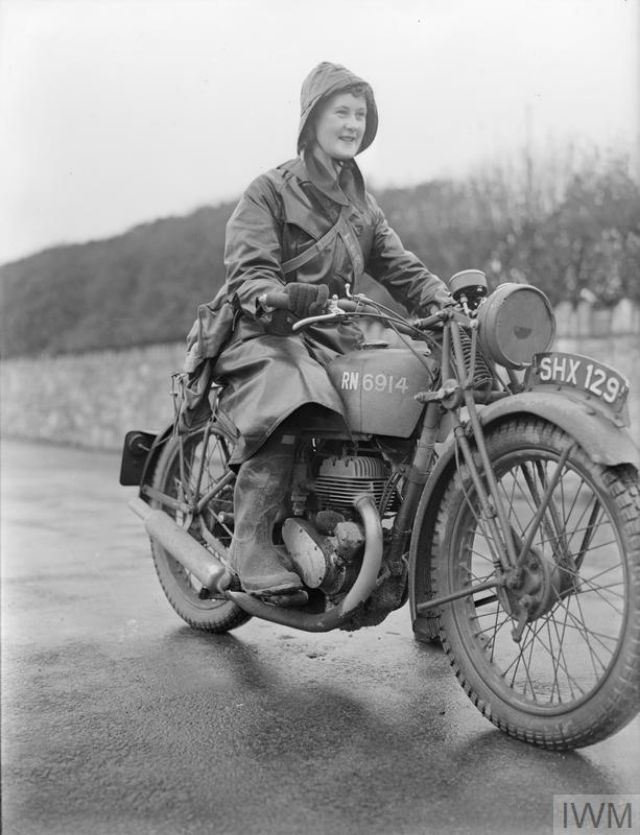
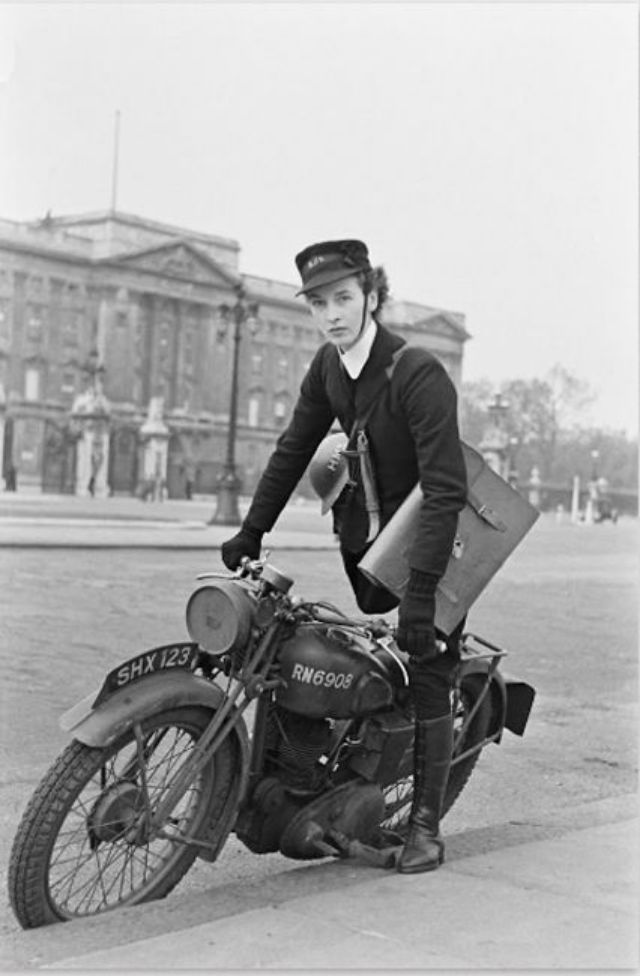
During World War II, the British Royal Navy created an all female corps whose members were nicknamed the Wrens. One of their most notable duties was as dispatch riders for both the Admiralty and the Royal Navy. This turned out to be a tough assignment as German bombs made travel increasingly difficult as the war progressed.
When telecommunications were limited and insecure dispatch riders, a military messenger on motorcycle were used by the armed forces to deliver urgent orders and messages between headquarters and military units. Women excelled as dispatch riders and were often seen taking their motorcycles, in the name of duty through perilous conditions.
The British Royal Navy wanted women who could not only ride motorcycles, but also maintain their own machines. The first women chosen for dispatch duty were well-known competition riders from local motorcycle race circuits. As war-time need increased, more women were trained, many of whom served with great distinction.
The Wren’s who were dispatch motorcycle riders achieved a great deal of recognition, not only from their own country men but other foreign powers. During the invasion of the Low Countries, the London-based Wrens would work eight-hour shifts day and night to deliver messages. Their work through out the battle of Britain was highly praised. And you can imagine, riding through London became increasingly difficult as the German’s bombing campaign wreaked havoc on the city.
During WWII over 100 Wrens lost their lives serving their country proudly as motorcycle dispatch riders.






For as long as there has been rock music, women have played a role in its success. Some were a major influence on artists of their generation, and some were a major influence on the success of the bands with which they worked. All excelled at creating and performing rock music, as songwriters, instrumentalists, and singers. Below is a list of women in rock whose influence is still felt today.
Pat Benatar

One of the first women associated with hard rock, Pat Benatar’s rise from bank teller to arena rock star was meteoric. Success began with her first album, “In the Heat of the Night” in 1979. Her second album, “Crimes of Passion” put her in an ideal position to become one of the first and most frequently played artists on MTV when it launched in 1981.
Chrissie Hynde

Despite spending much of the ’70s unsuccessfully trying to form or permanently join a band, Chrissie Hynde finally got her demo tape to a record label owner whose backing enabled her to put together The Pretenders. On the strength of their self-titled debut album in 1979, the band rode rock’s New Wave movement through the ’80s, succeeding in spite of internal conflict and numerous changes.
Joan Jett

After success in the mid-’70s with one of the first all-female rock bands, The Runaways, Joan Jett went on to even greater success with her own band, The Blackhearts. Their first album, “I Love Rock ‘n’ Roll” in 1981 was an immediate hit. In addition to her talent as a vocalist, Jett has distinguished herself as a guitarist, songwriter, and producer.
Janis Joplin
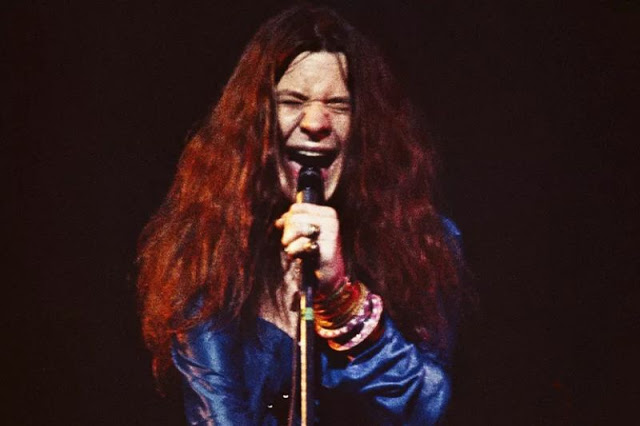
Janis Joplin was one of the first female artists to break the “girl singer” mold that existed in folk and pop music in the mid-’60s. Her fusion of rock and blues-influenced both male and female artists. Her breakthrough came after performing with Big Brother and The Holding Company at the Monterey Pop Festival in 1967. She also performed at Woodstock in 1969. She was approaching the height of her success in 1970 when she died of a drug/alcohol overdose.
Stevie Nicks
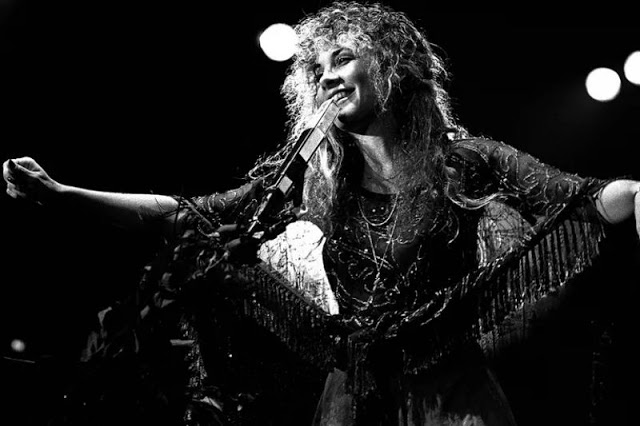
Since joining Fleetwood Mac in 1975, Stevie Nicks established herself as a major vocal and songwriting talent. While still a member of the band, she also launched a solo career in 1981. Artists in various genres have cited Nicks as a major influence on their music.
Suzi Quatro

Suzi Quatro was the first female bass guitarist to become a major rocker. Her sister, Patti Quatro, had blazed the trail as a member of Fanny, one of the first all-female rock bands to sign with a major label. A long list of artists cites Suzi as a major influence on their work, including two rockers who are on this list: Joan Jett and Chrissie Hynde.
Suzi got her first big break in the UK in 1971 when she came to the attention of producer, Mickie Most, who also nurtured artists like The Animals, Jeff Beck Group, Donovan and Herman’s Hermits. She started getting attention in her native America thanks to her recurring role on the TV series, “Happy Days”. In 1978, she released “Stumblin’ In” — a duet with British vocalist Chris Norman.
Grace Slick

Grace Slick’s sometimes haunting voice and “let it all hang out” lifestyle (she once removed her blouse on stage and performed topless because of the hot weather) made her a perfect fit for psychedelic rock pioneers, Jefferson Airplane (and its successors, Jefferson Starship and Starship.) As a songwriter, Slick was responsible for two of the band’s best-known songs, “White Rabbit” and “Somebody to Love.” She retired from the music business in 1989 and began painting and drawing professionally.
Patti Smith

She has been nicknamed “Godmother of Punk,” but Patti Smith has influenced artists ranging from U2 to Shirley Manson. Her classic debut album, “Horses” (1975), found a place on “greatest albums” lists of magazines like “Rolling Stone”, “Time”, and “NME”. In addition to performing, she is also a prolific author and social activist.
Nancy Wilson & Ann Wilson
When Heart came along in 1973, it soon became clear that two attractive women (sisters, no less) fronting a rock band was way more than just a young man’s fantasy. After their debut album, “Dreamboat Annie” in 1975, Ann and, with Heart, Nancy Wilson have had Top 10 albums in every decade since.

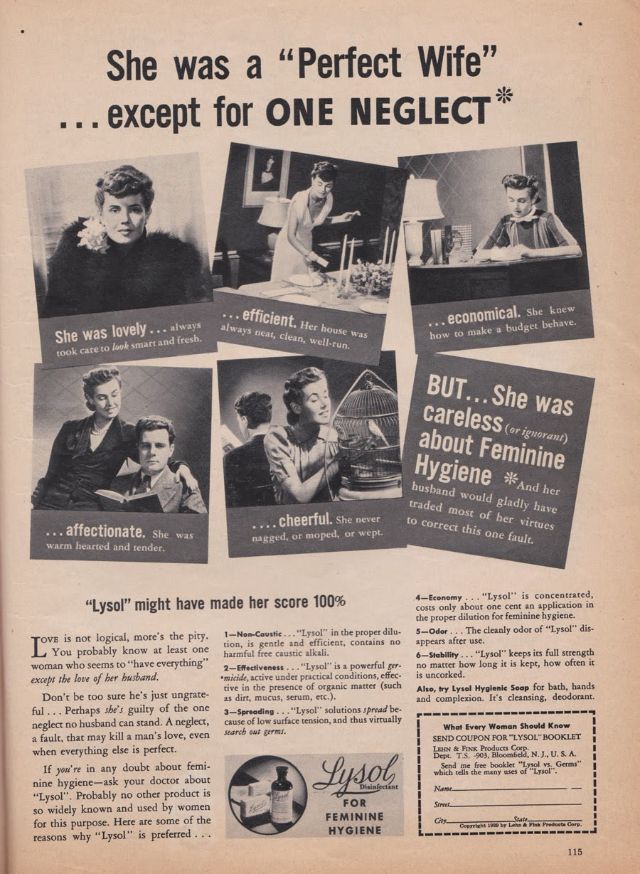
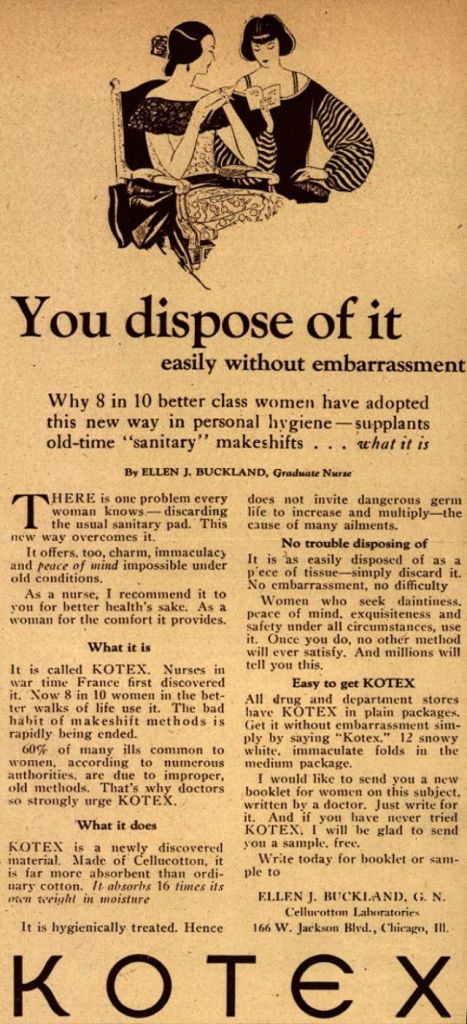
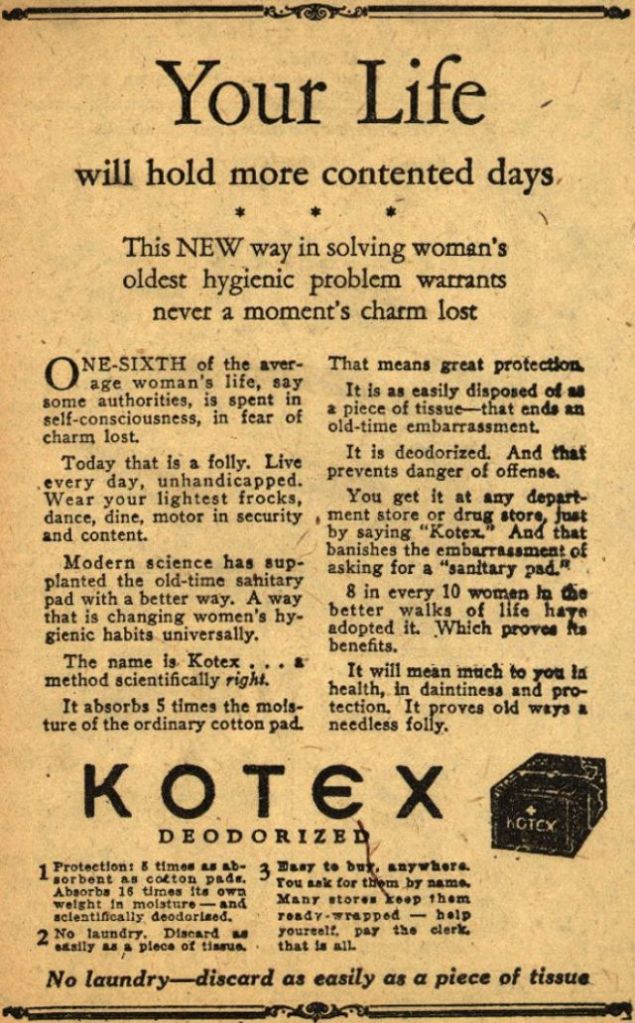
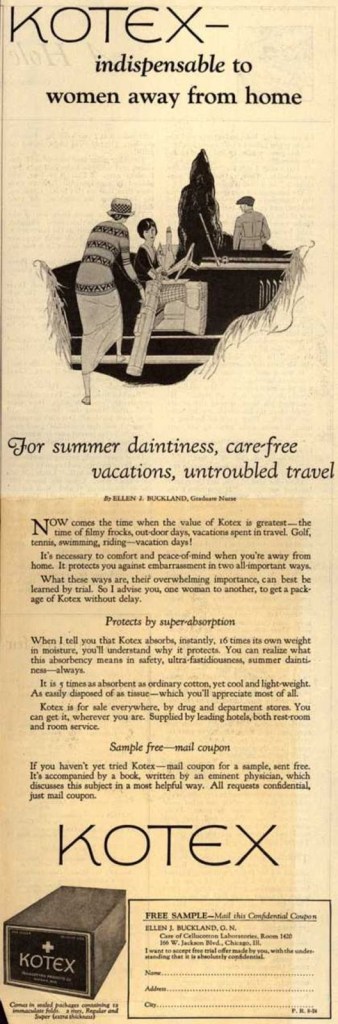
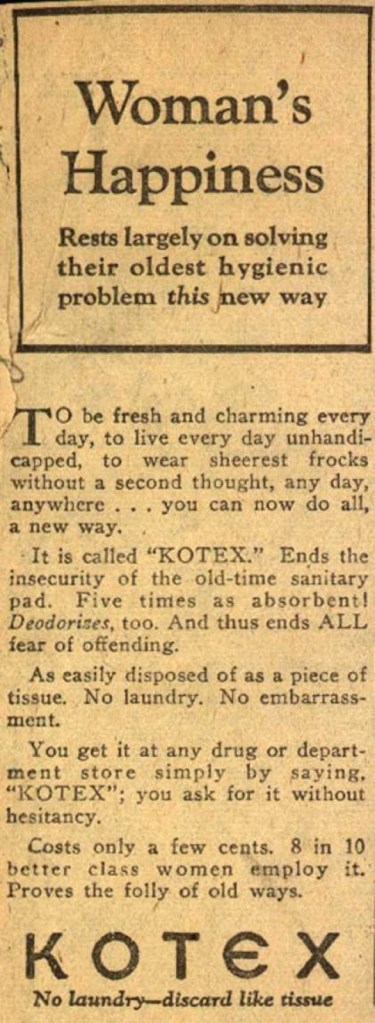
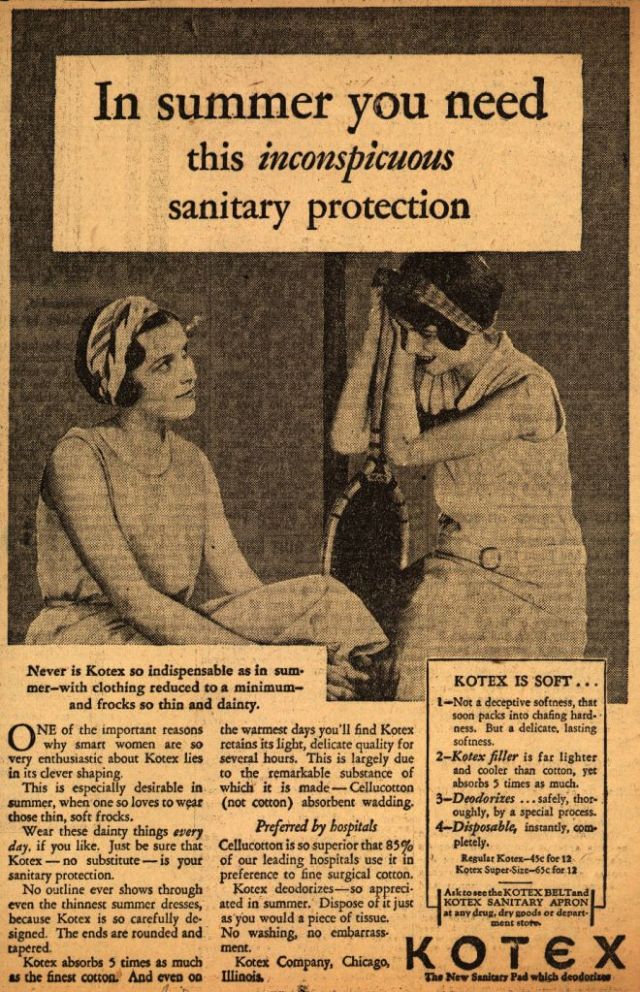
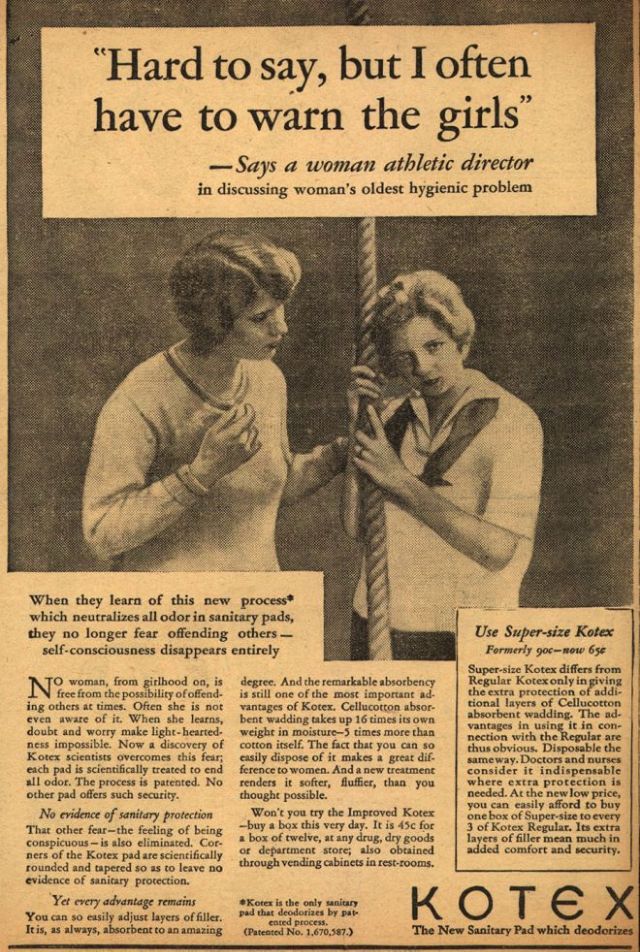
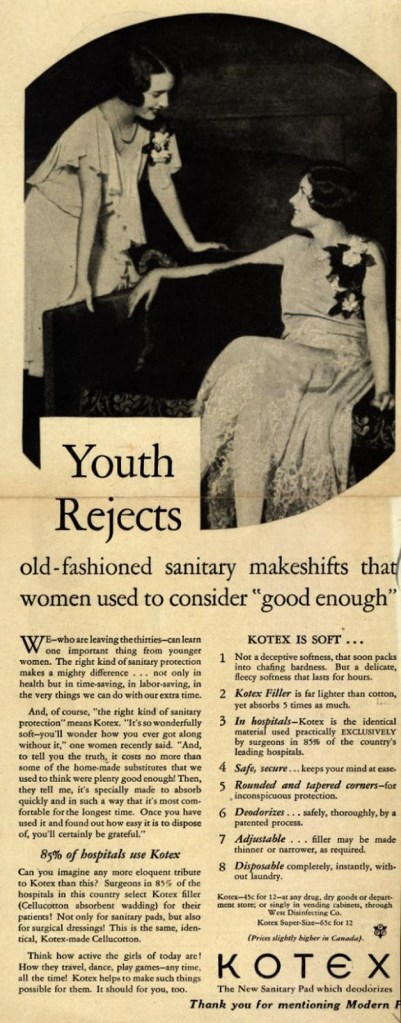
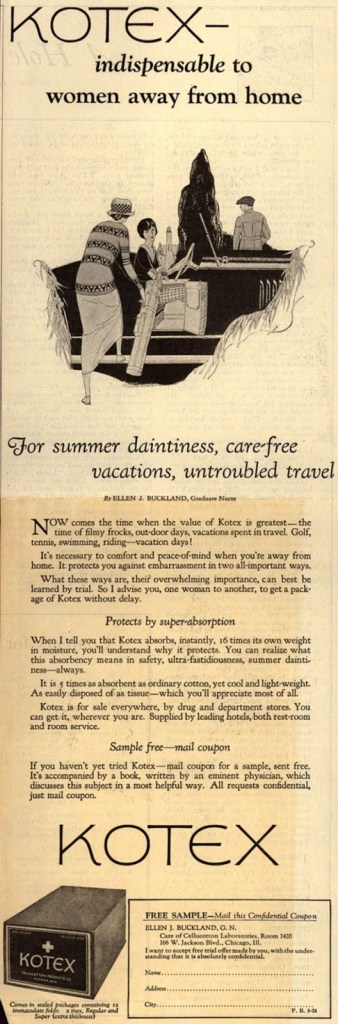
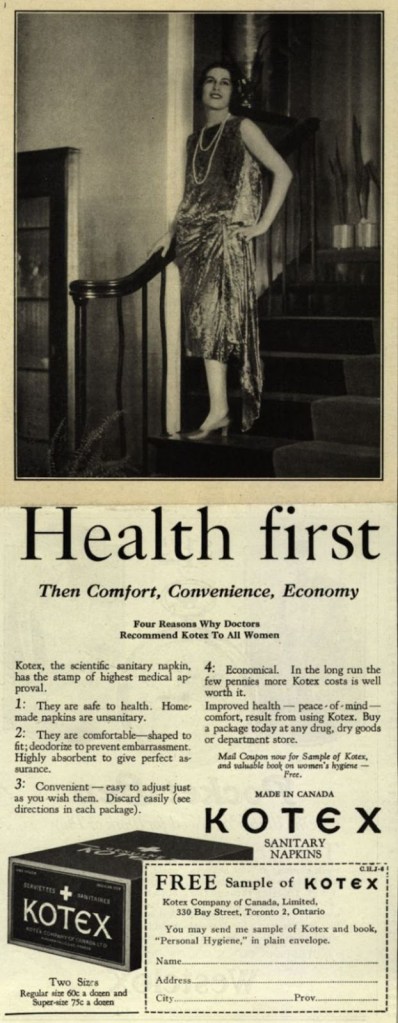
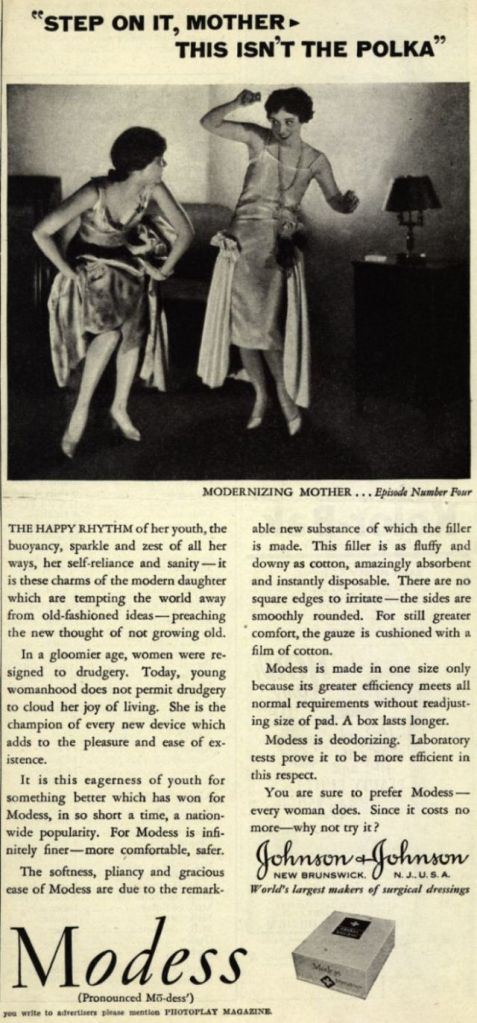
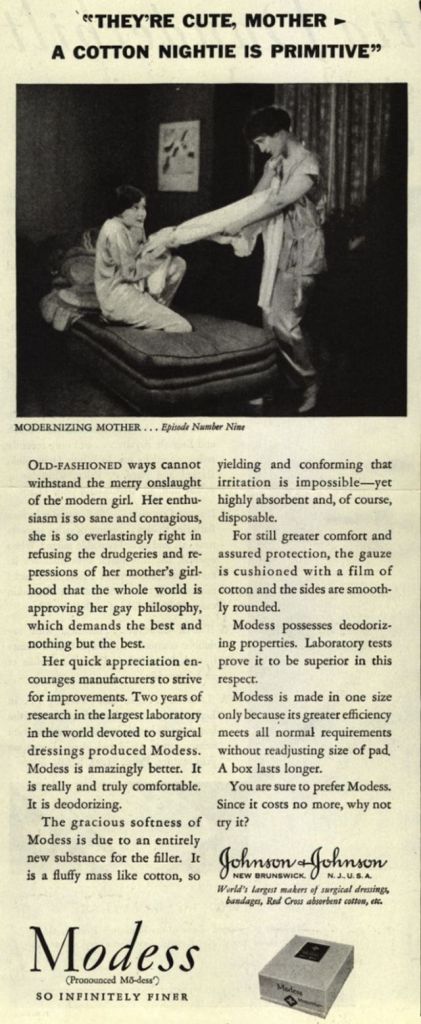
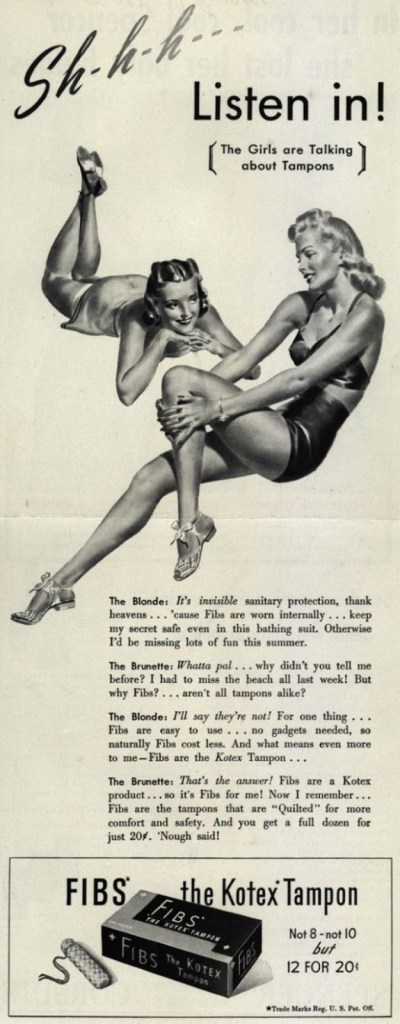
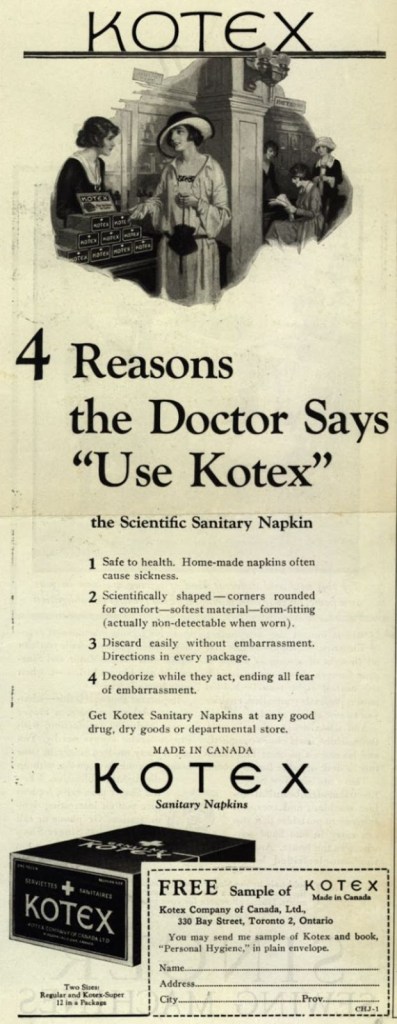
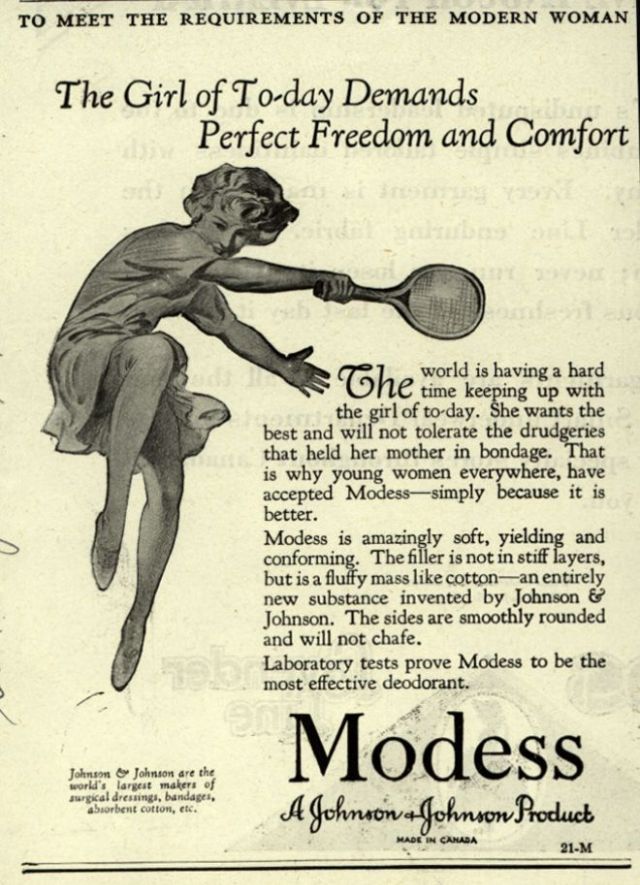
In the late 1800s, disposable cloth towels to be worn during menstruation were introduced as a product category marketed to middle- and upper-class women. Before then, even the wealthiest women had made their own menstrual supplies from yard goods.
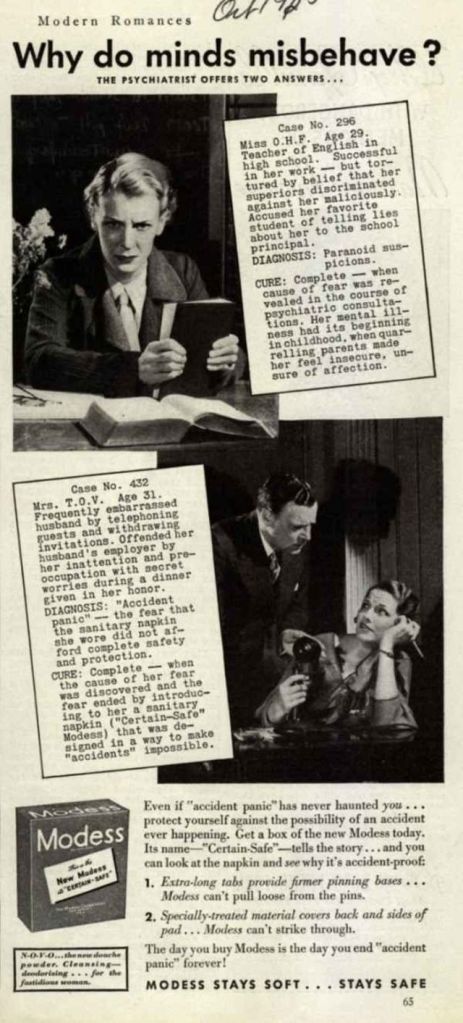
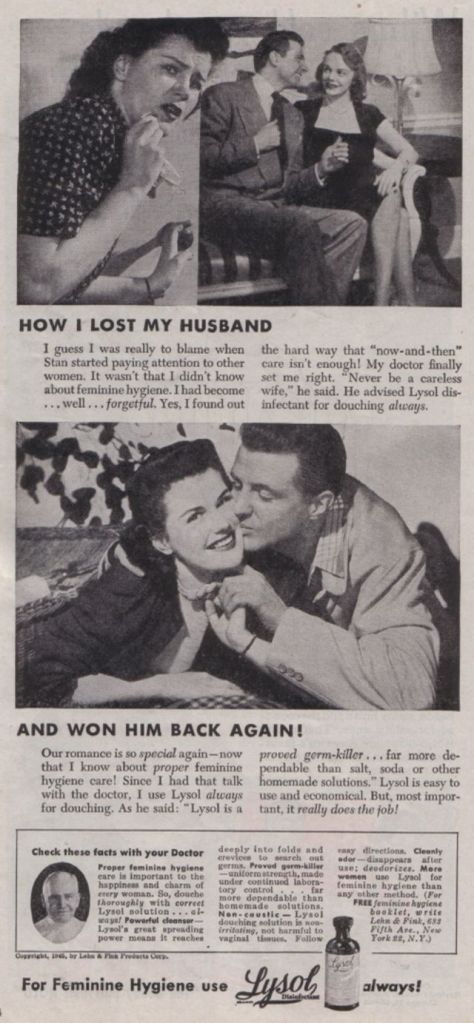
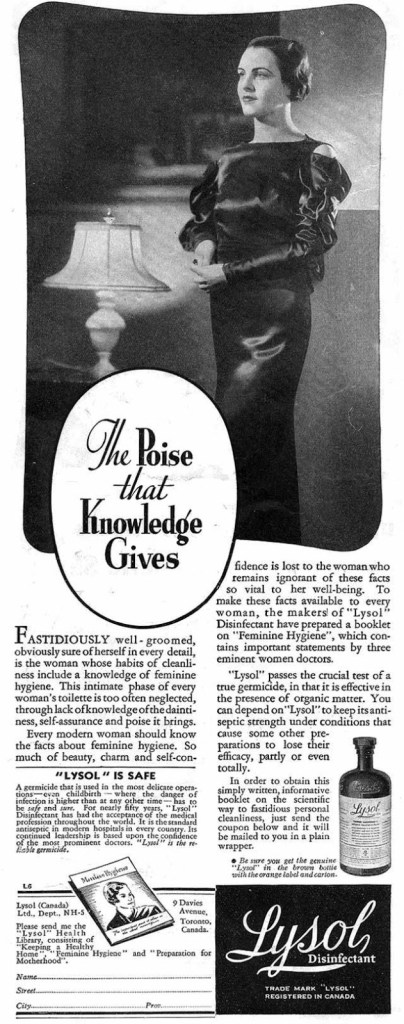
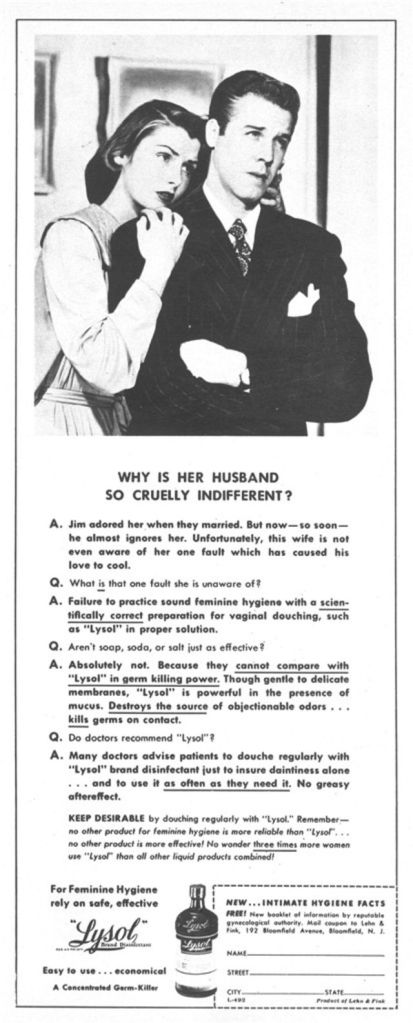
In the late 1800s and early 1900s, the practice of birth control was rarely discussed publicly, being deemed beyond the bounds of good taste. In the U.S., the Comstock Law of 1873 banned “obscene” materials from the mails, making it illegal to sell or advertise products that were explicitly labeled contraceptives or that otherwise referred directly to sex. Despite the law, sales of contraceptives were brisk. Manufacturers used euphemisms and code language to mask the products’ purpose while still allowing the savvy consumer to understand the advertisers’ claims.
The term “feminine hygiene” was created around 1924 by the marketers of Zonite and Lysol, two popular household disinfectants that were also used as contraceptive douches. Under the banner of “feminine” or “marital” hygiene, these products could be purchased in the U.S. in the 1920s and ’30s in department stores, drugstores and through Sears, Roebuck & Co. catalogs.










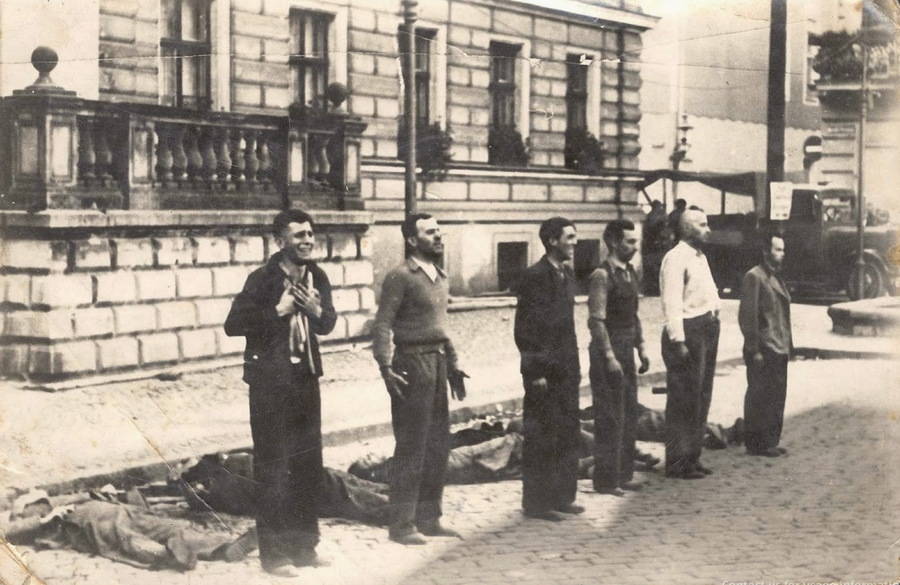
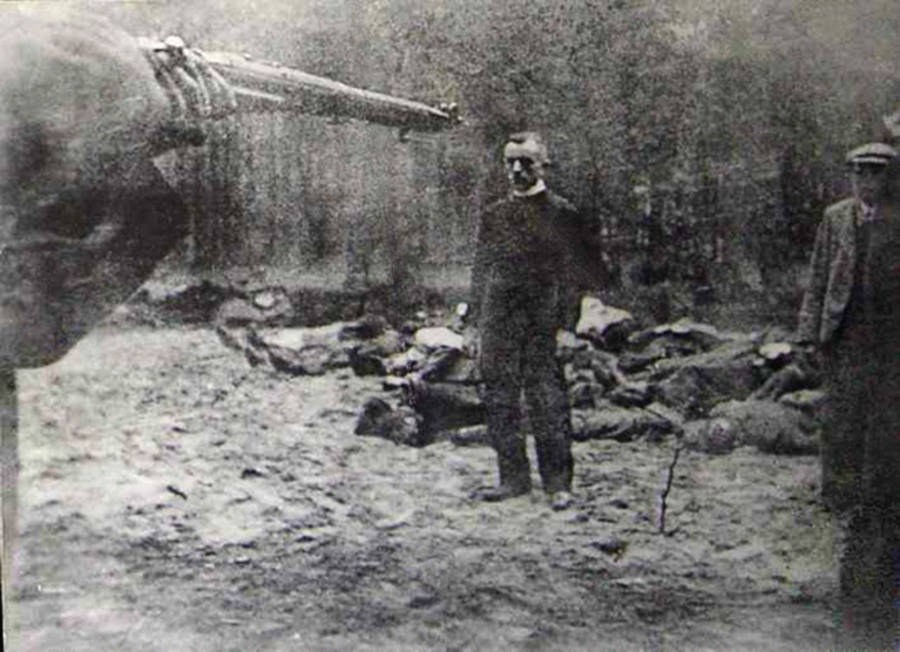
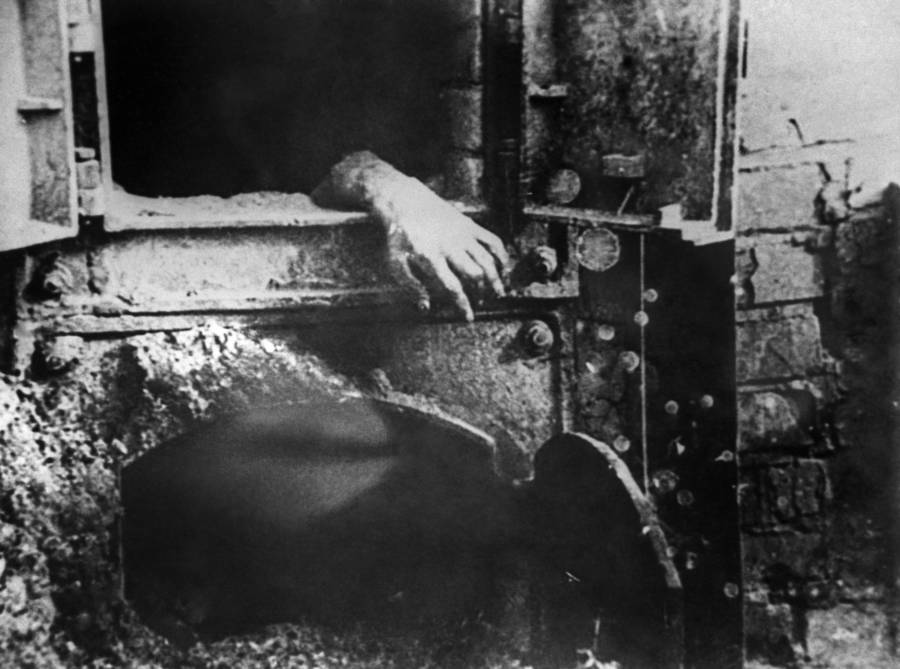
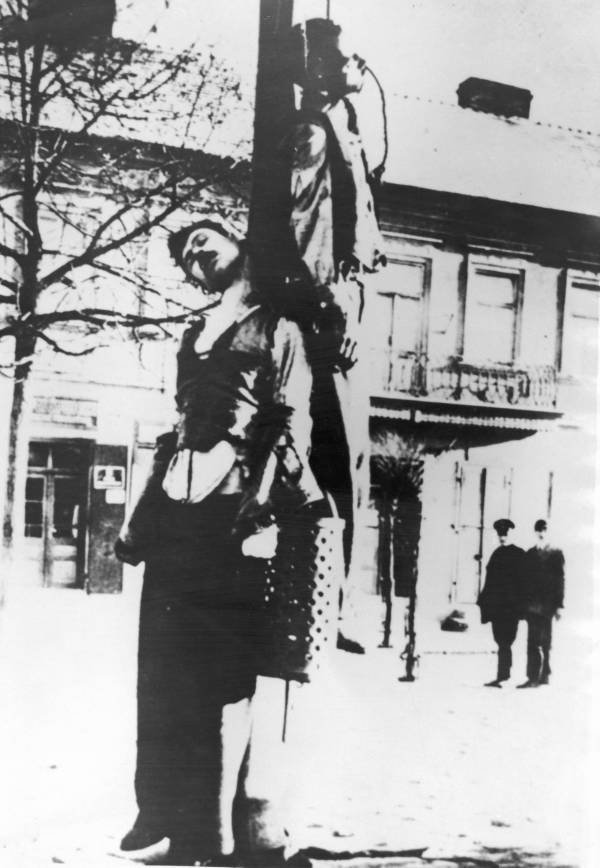
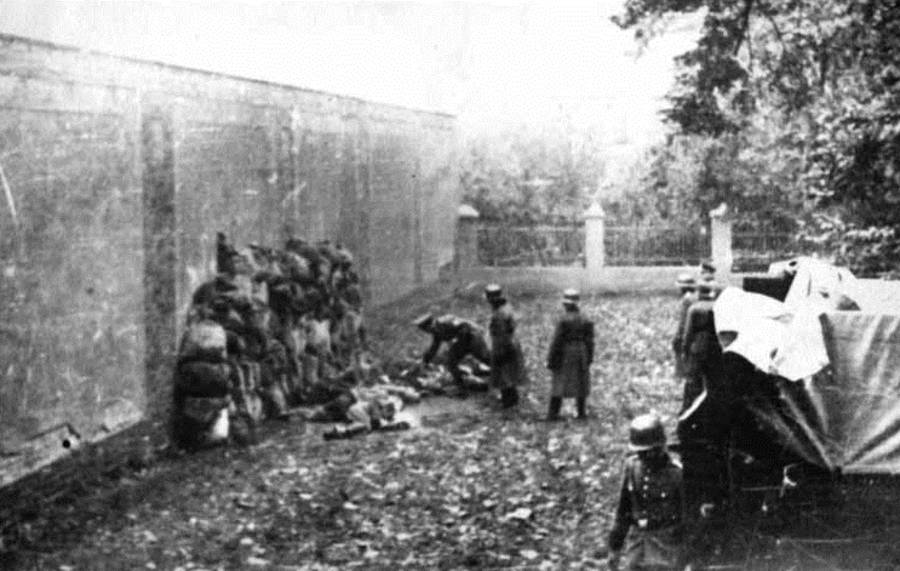
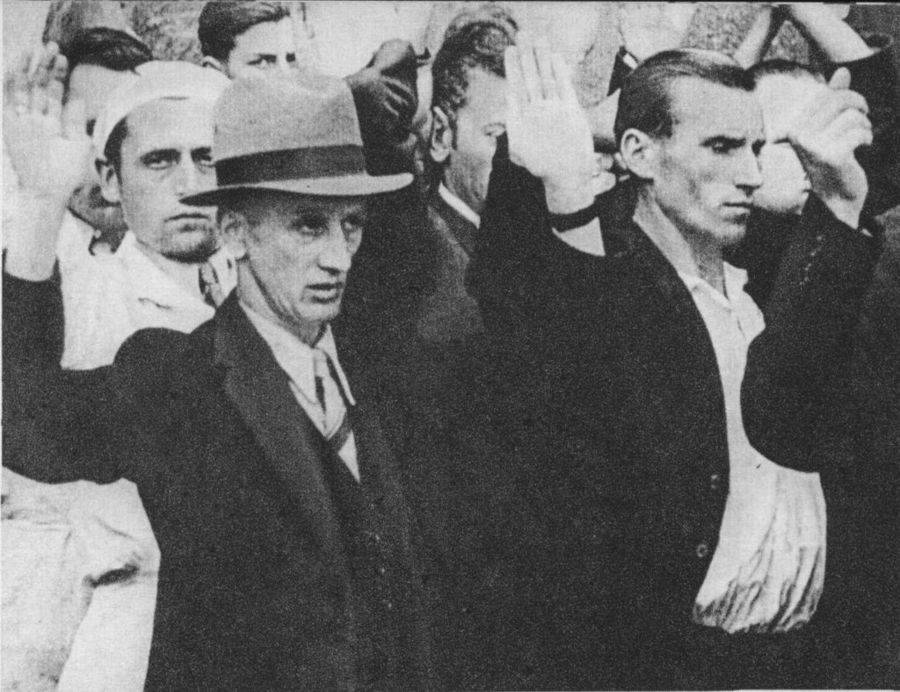
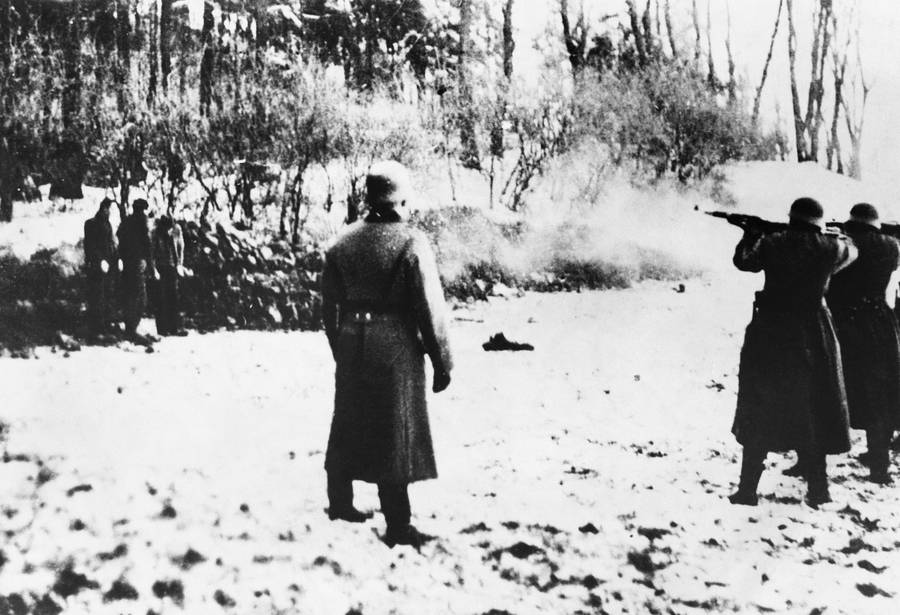
The death toll of the Holocaust wasn’t 6 million, it was 11 million. These are some of the victims killed in Nazi-occupied Poland who often go overlooked.
When we think of the Nazis’ crimes against humanity, the most obvious example is the horrific, systematic murder of about 6 million Jews across Europe. However, the Holocaust does not represent the full extent of Nazi genocide.
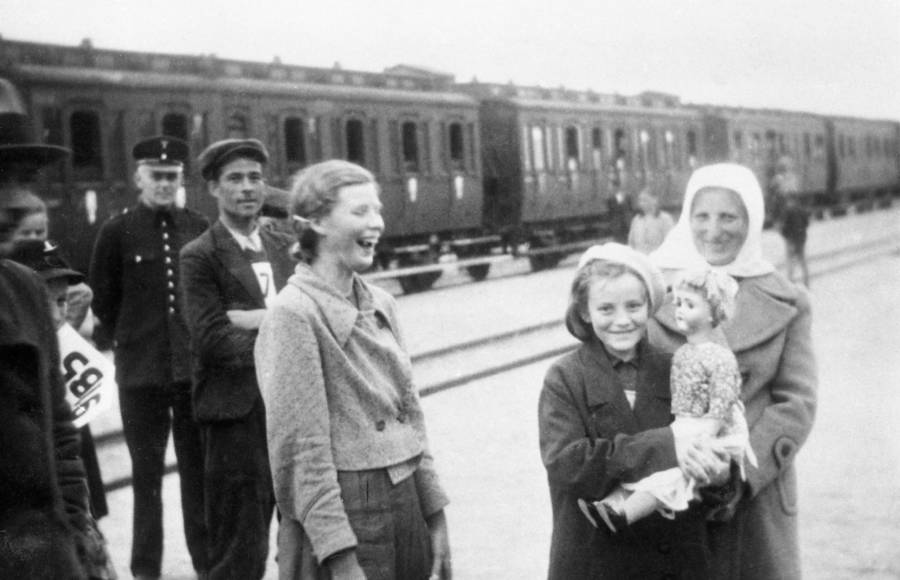
In total, aside from enemies killed in battle, the Nazis murdered approximately 11 million people. One of the groups most devastated was non-Jewish Polish civilians. The Nazis killed at least 1.8 million ethnic Poles, with some estimates ranging as high as 3 million.
The Nazis carried out these killings in Nazi-occupied Poland in service of their principle of Lebensraum, a colonialist concept that called for Germany to expand its borders to the east and take others’ territory — often by killing them — so that ethnic Germans might settle it. Ultimately, the Nazis put this principle into action in the form of Generalplan Ost.
This initiative detailed the planned extermination of the Slavic peoples who lived east of Germany and the resettlement of their land with ethnic German peoples. At best, the plan showed an utter disregard for Polish civilian lives. At worst, it called for their systematic extermination.
The Nazis hoped that their invasion of Poland in 1939 would ultimately allow them to remove or exterminate tens of millions of Poles and other Slavic peoples in Eastern Europe in order to make way for the planned resettlement of the area with “racially pure” Germans.
Hitler’s speech to his generals in August 1939 upon the invasion of Poland (and the beginning of WWII) explicitly and chillingly stated exactly how his soldiers were to treat Polish civilians who fell under their control: “Kill without pity or mercy all men, women or children of Polish descent or language.”
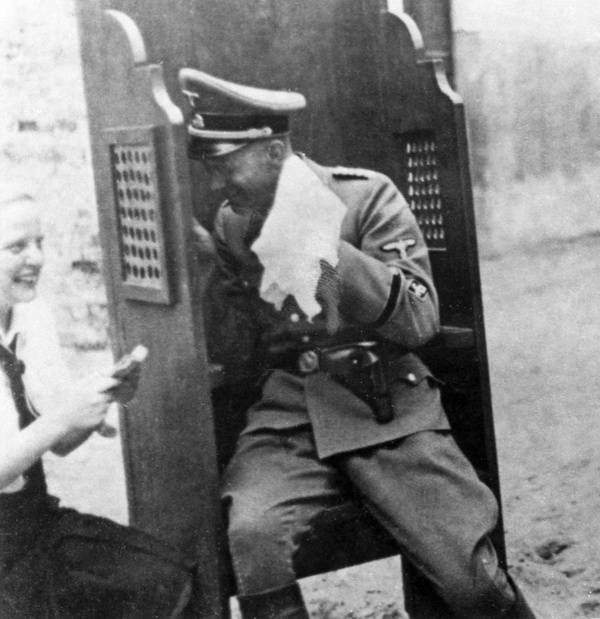
Likewise, SS leader Heinrich Himmler said, “All Polish specialists will be exploited in our military-industrial complex. Later, all Poles will disappear from this world. It is imperative that the great German nation considers the elimination of all Polish people as its chief task.”
Indeed, the Nazis hoped to execute 85 percent of all Poles and keep the remaining 15 percent as slaves.
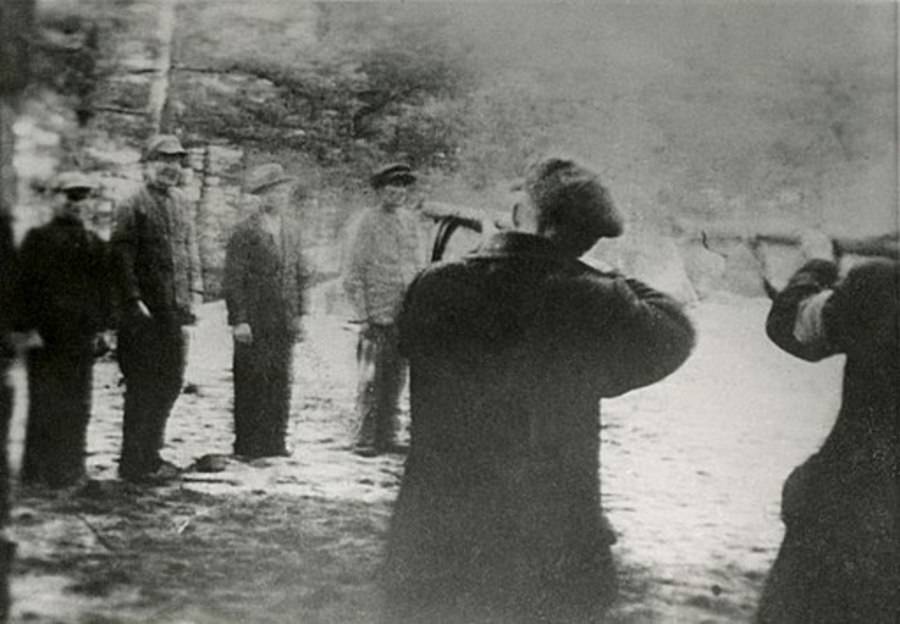
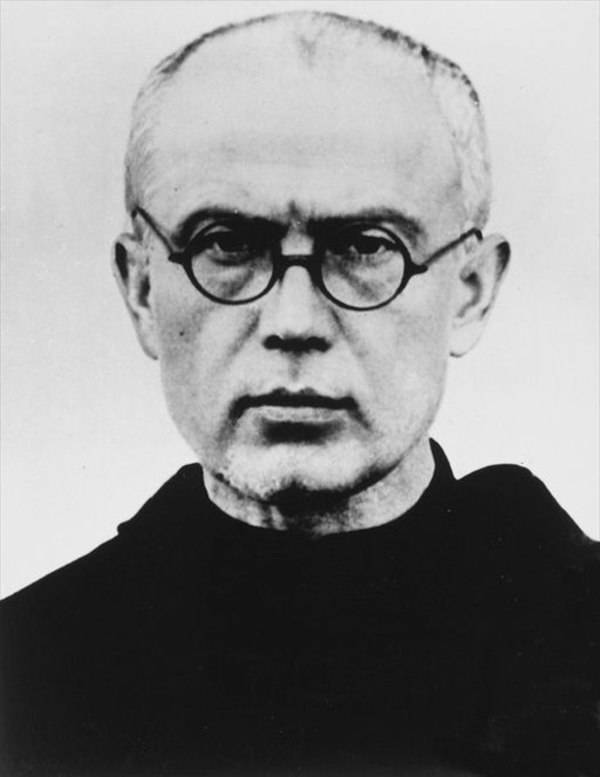
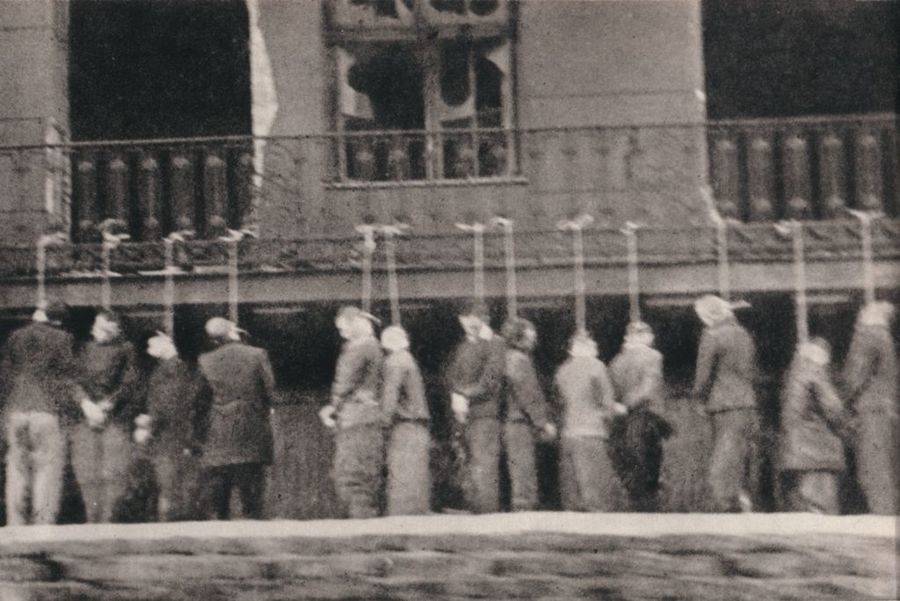
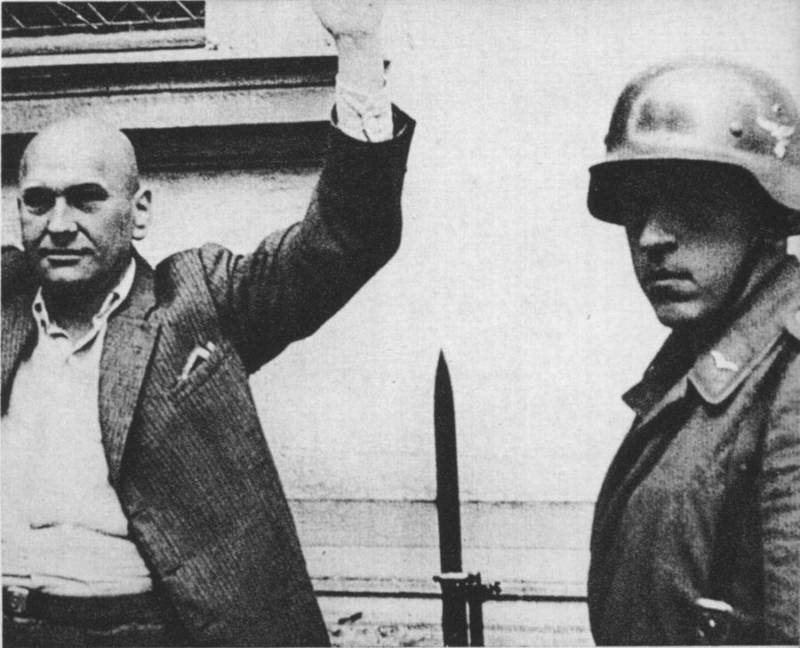
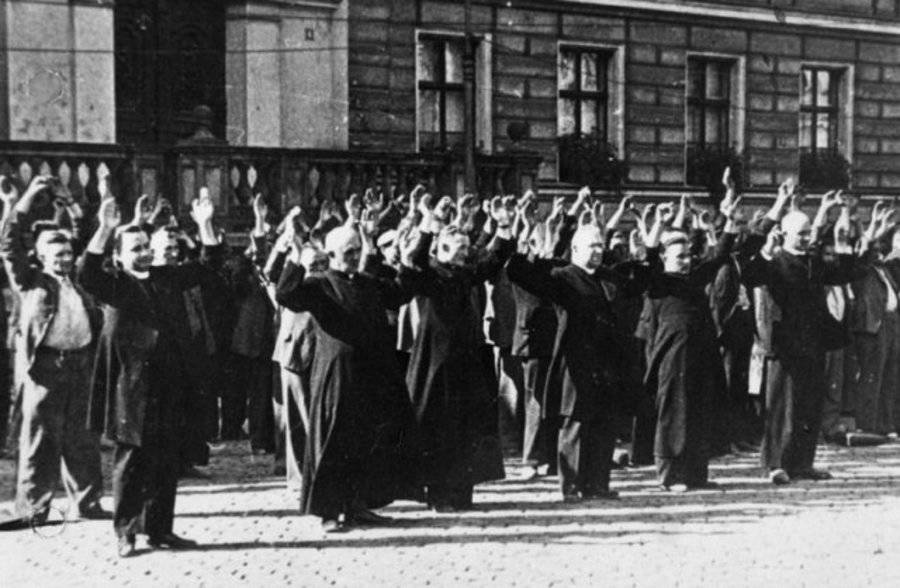
Nazi preparation for this destruction of Polish society had begun well before it came to fruition. Throughout the late 1930s, the Nazis had been drawing up a list of some 61,000 prominent Polish civilians (scholars, politicians, priests, Catholics, and others) to be killed. In 1939, Nazi leaders then distributed this list to SS death squads who followed the advancing German military forces into Poland in order to execute the civilians on the list as well as anyone else perceived to be a threat.
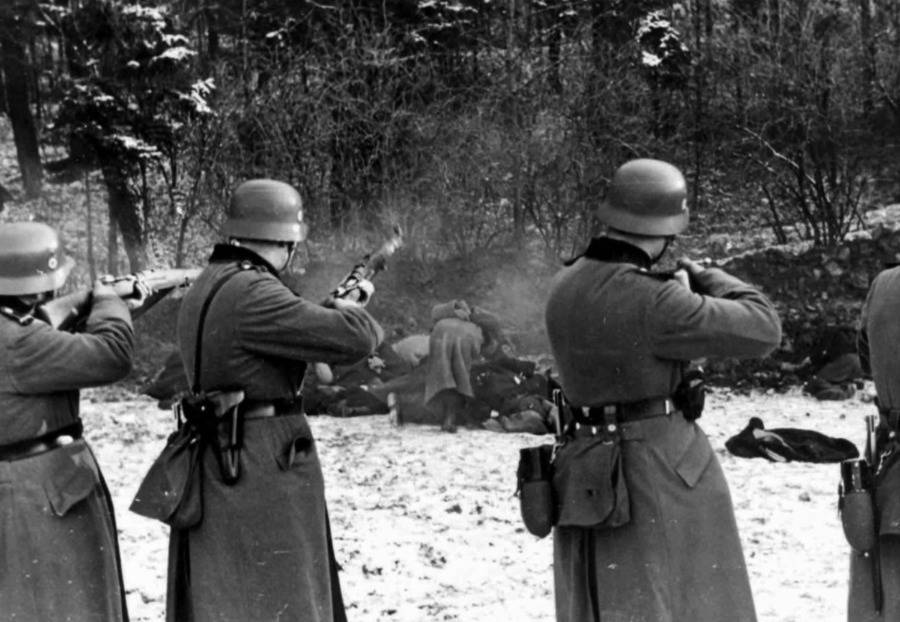
Indeed, the Nazis proceeded to execute the Poles on the list as well as about 60,000 others in 1939 and 1940 across Nazi-occupied Poland in what was called Operation Tannenburg. But this was just the initial phase of the Nazis’ planned destruction of the Polish people.
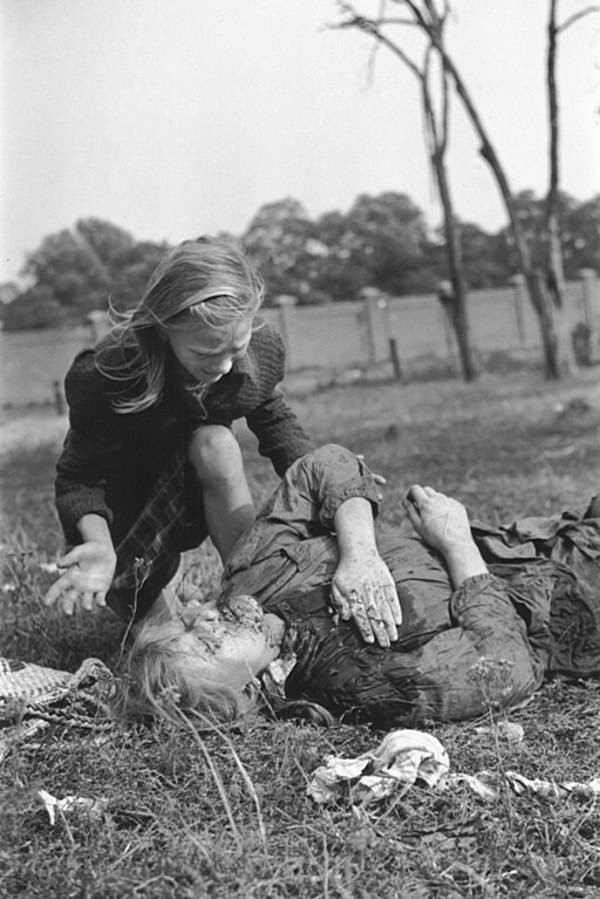
In addition to the systematic execution of specific individuals, the Nazis killed an indiscriminate murder of civilians once the German Air Force started bombing cities, even those that had no military or strategic value whatsoever.
It is estimated that more than 200,000 Polish civilians died due to aerial bombing in Nazi-occupied Poland in the months following September 1939 as the Nazi war machine rolled into their country and, in conjunction with the Soviet invasion from the east, quickly destroyed Polish resistance. For example, the town of Frampol was completely destroyed and 50 percent of its inhabitants were killed by German bombing for the sole purpose of practicing their aim for future bombing raids.
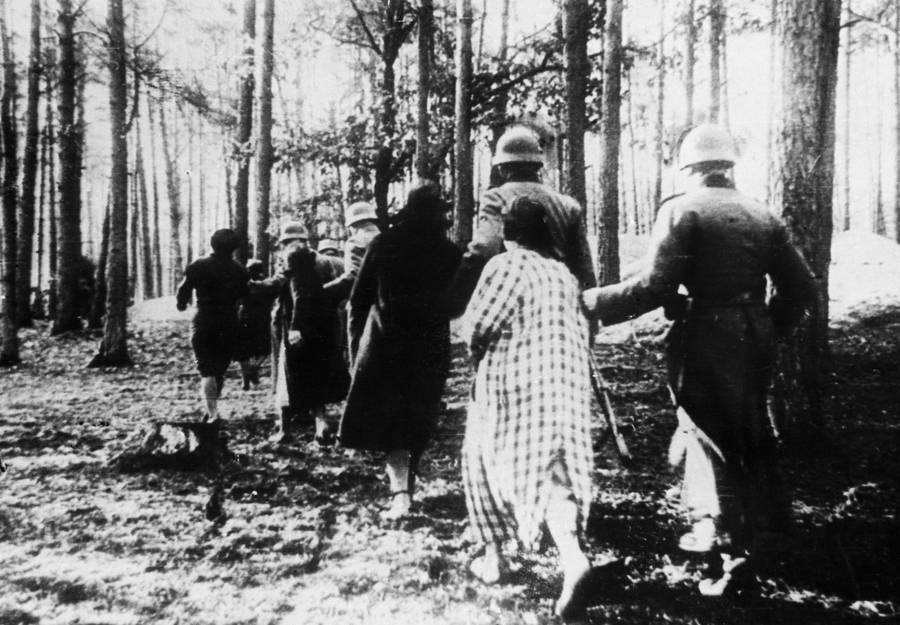
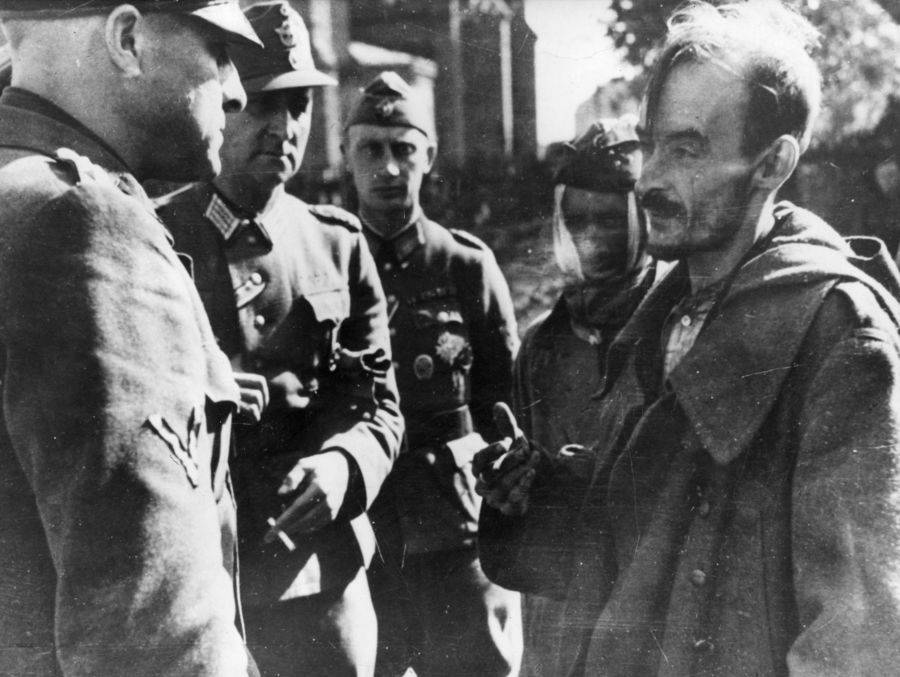
On the ground, German soldiers murdered Polish civilians at an equally horrifying rate. “Polish civilians and soldiers are dragged out everywhere,” one soldier said. “When we finish our operation, the entire village is on fire. Nobody is left alive, also all the dogs were shot.”
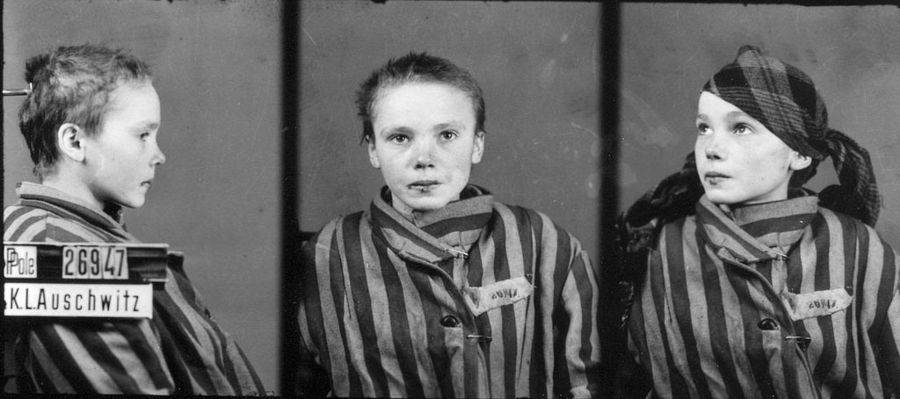
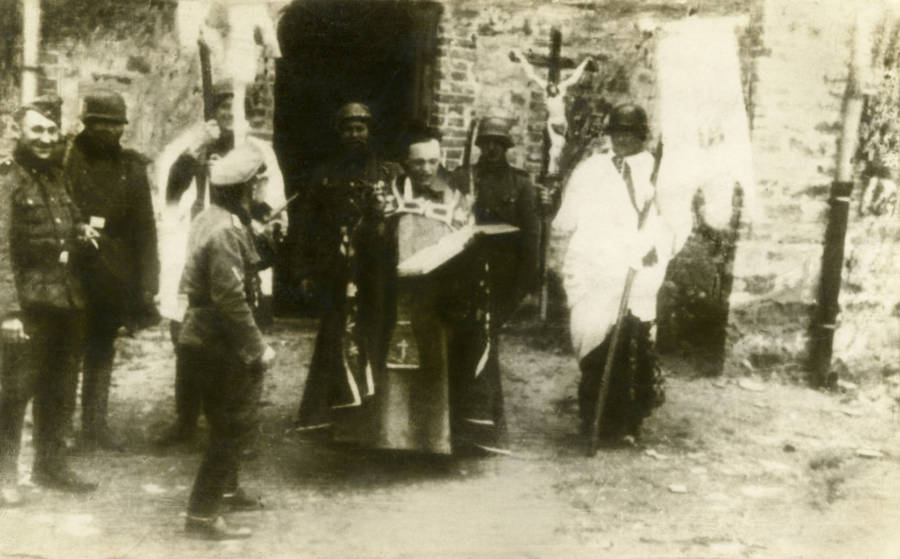
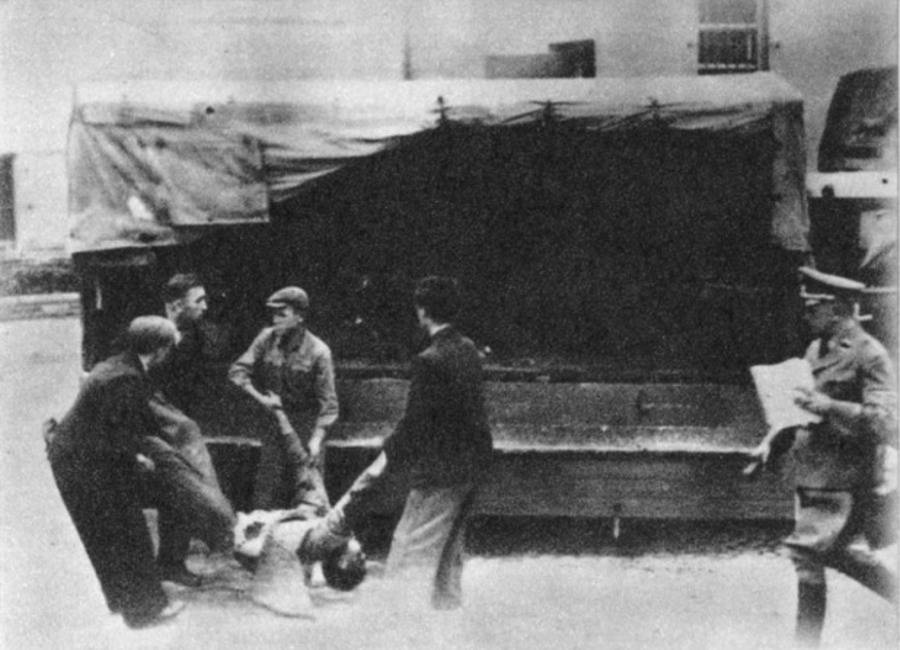
As the war progressed and Germany took full control of Poland, the Nazis put procedures of systematic genocide into place. The Nazis forced about 1.5 million Polish civilians from their homes, replacing them with Germans, and forcing the displaced into slave labor camps and some of the same death camps where Jews were slaughtered. About 150,000 non-Jewish Poles were sent to Auschwitz alone, with another 65,000 dying in the Stutthof concentration camp set up specifically for Poles.
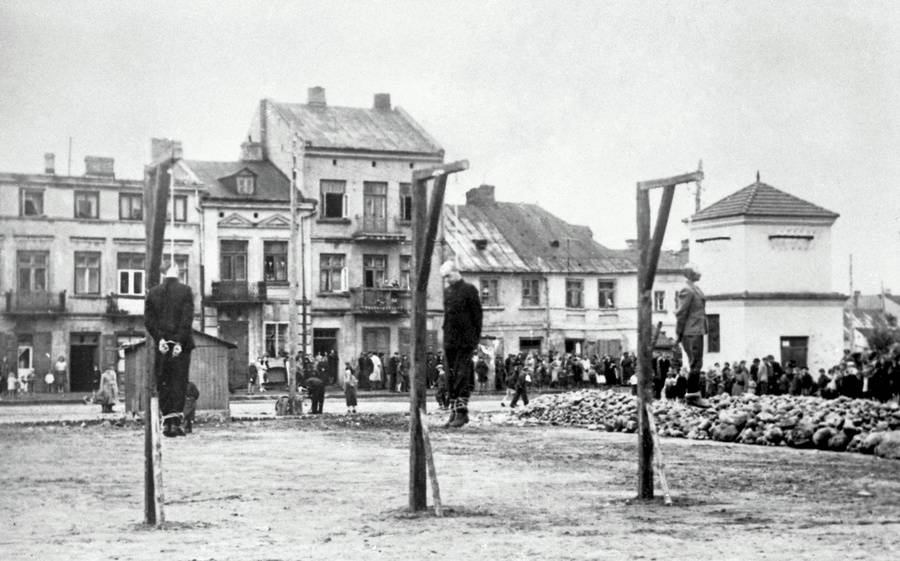
Poles who did resist such mass deportations and killings, like those in the resistance who led the Warsaw Uprising of 1944, were arrested and killed en masse with the Nazis showing no mercy.
At the same time, the Nazis kidnapped thousands of local women during army raids of Polish cities. These women were sent to serve as sex slaves in German brothels with girls as young as 15 sometimes taken from their homes for this specific purpose.
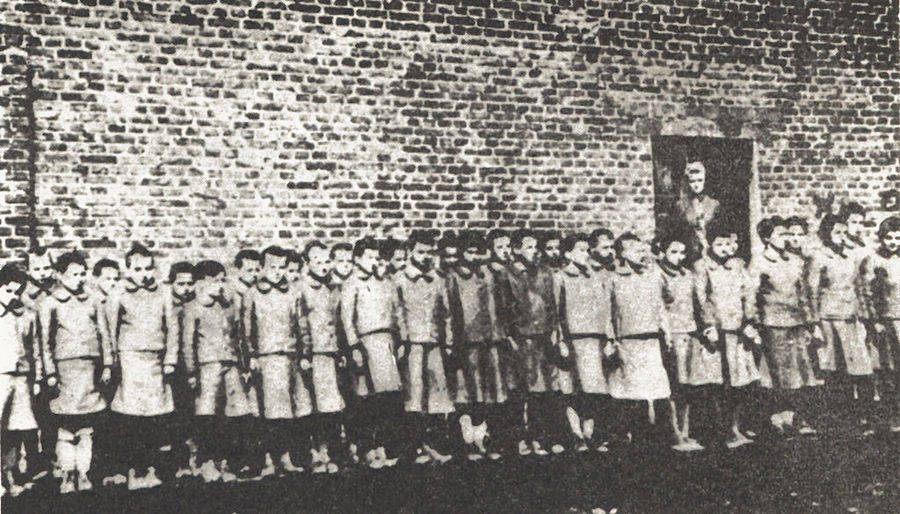
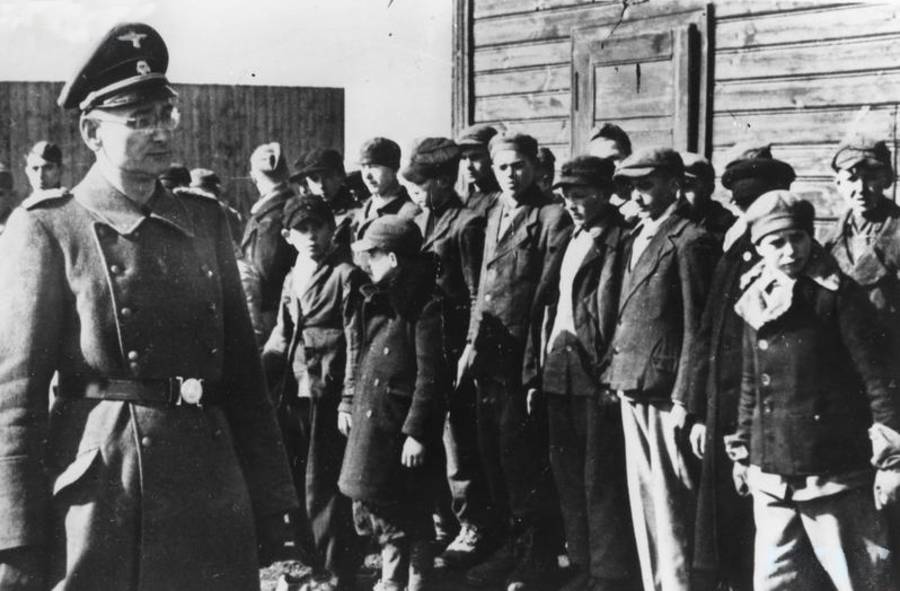
Meanwhile, young Polish children with certain desired physical features (such as blue eyes) were also subject to kidnapping by German authorities. These children were forced into a series of tests to determine their capacity for Germanization. The children who passed these tests were resettled into “pure” German families while those who failed were executed or sent to death camps.
This fate befell about 50,000-200,000 children, with 10,000 of them killed in the process, and most of them never able to reunite with their families after the war.
These numbers, appalling though they are, scarcely do justice to what must have been the true horror for those who suffered in Nazi-occupied Poland.
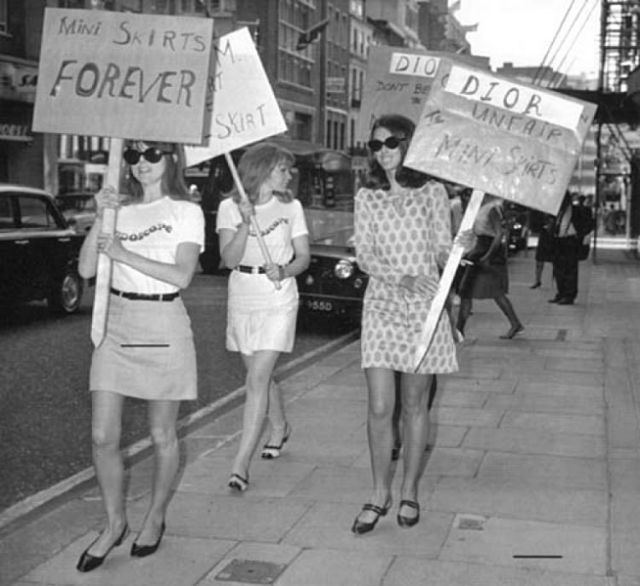
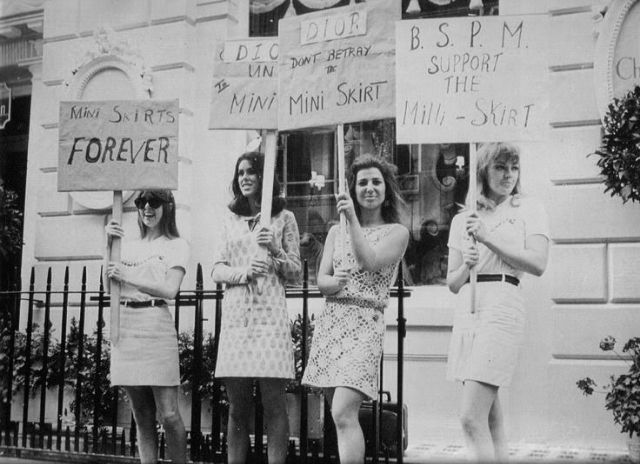
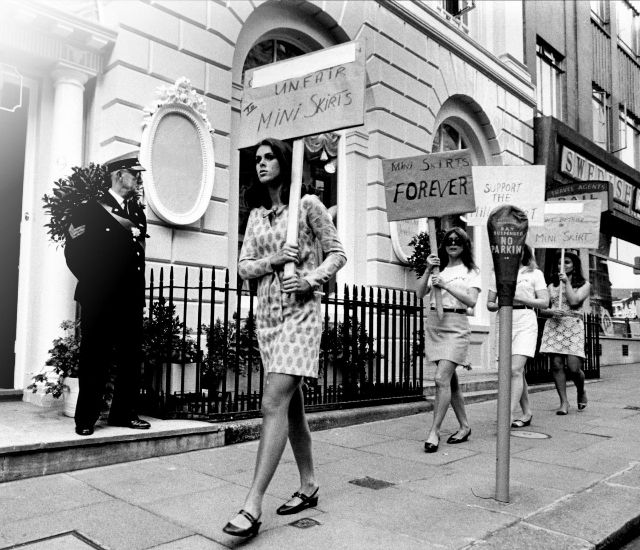
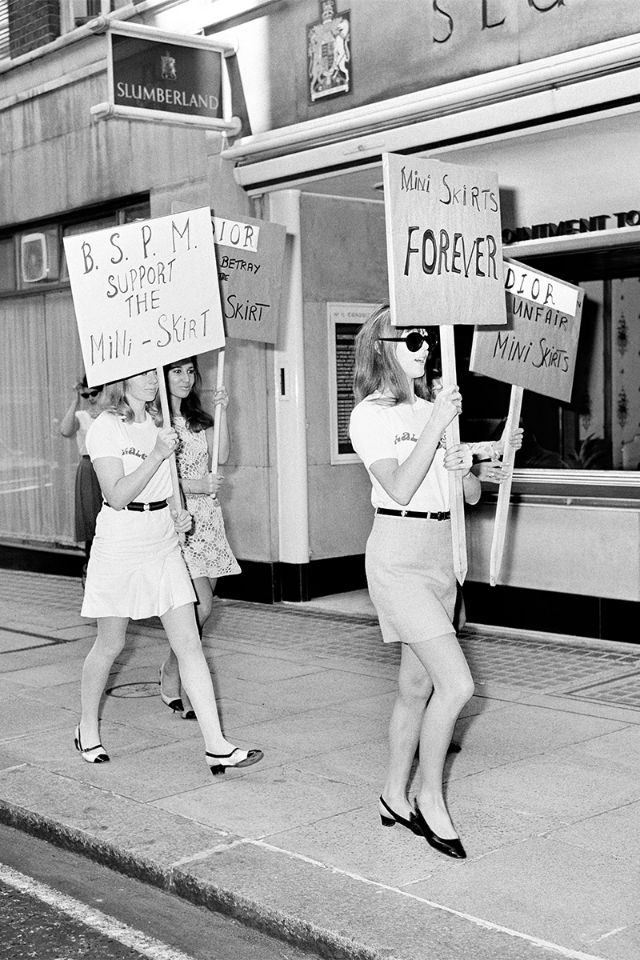
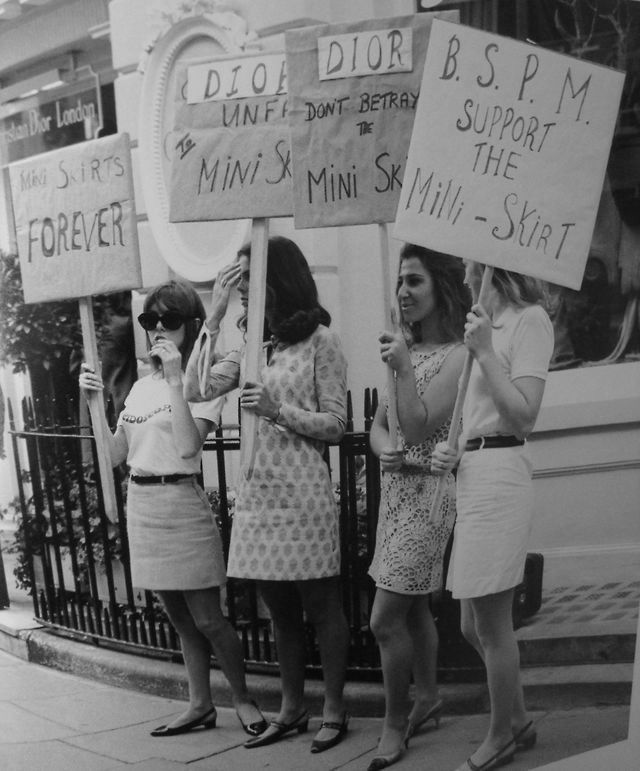
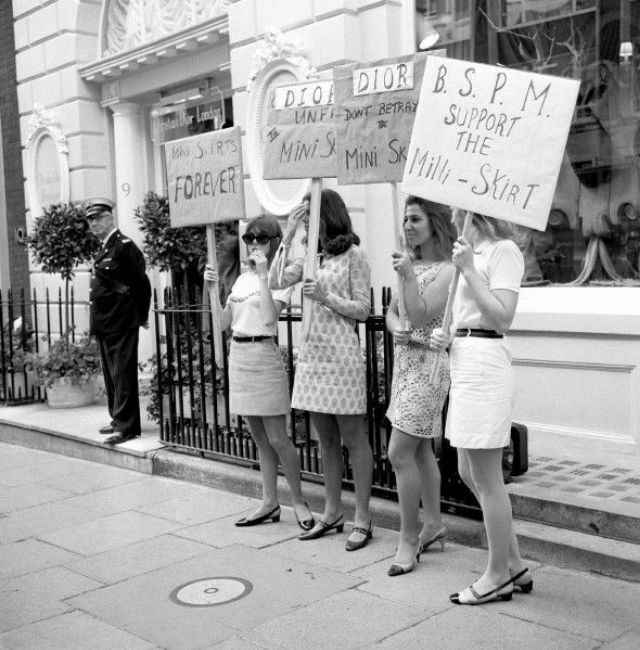
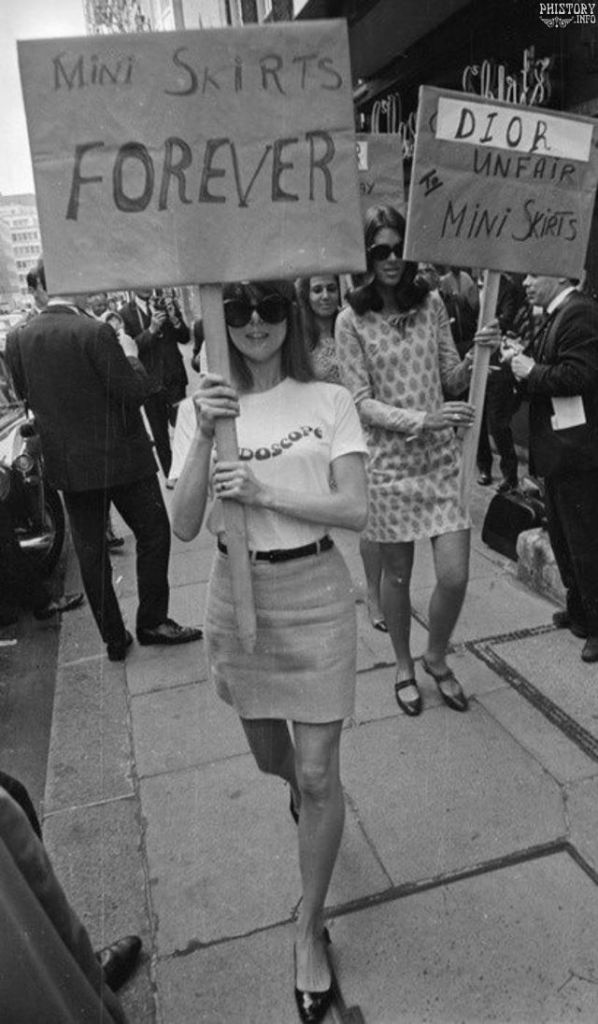
Calling themselves members of “The British Society for the Advancement of the Mini-skirt” these mini-skirt enthusiasts were protesting outside Christian Dior’s premises about the below the knee creations.
The Mini-skirt first emerged on the catwalk in 1964 and was reputedly designed by the pen of Mary Quant. She named it after her favorite car and, whilst probably not realizing the influence it would have at the time, caused a revolution in fashion and also had a massive impact on the feminist cause. In addition she had designed the most defining fashion trend of the decade.
The mini-skirt empowered women to move out of the shadow of dressing like their mothers and alongside the contraceptive pill was complicit in ushering in the sexual revolution that challenged traditional codes of behavior and upset many traditional more conservative commentators who foresaw the beginning of the end of society as they knew it.
Fortunately the world didn’t stop turning because hemlines shortened and women became more empowered but that didn’t stop people protesting at the time against the new-fangled miniskirts and even fashion big-hitter Christian Dior was rather sniffy about the new fashion. However, once women had experienced the freedom of skirt-length equality there was no turning back and as if to prove that for every action there is an equal and opposite reaction a number of protests sprung up defending the new higher hemline. Whether the British Society for the Advancement of the Mini-skirt is still in existence seems unlikely but we do admire its raison d’etre.
The mini-skirt hemline has risen and dropped over the following decades and many have commented that the length of the skirt can be directly attributed to the state of the economy and confidence at the time but to our knowledge there is no statistical evidence of this. Certainly the boom times of the sixties when we’d never had it so good saw the birth of the mini-skirt and it’s never really looked back since.
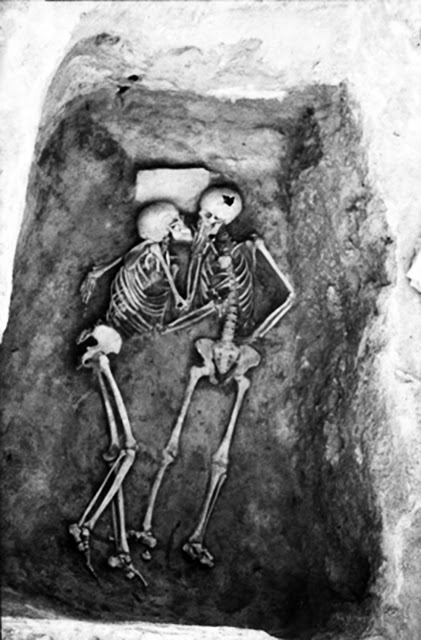
The Hasanlu Lovers are human remains found by a team from the University of Pennsylvania led by Robert Dyson at the Teppe Hasanlu archaeological site, located in the Solduz Valley in the West Azerbaijan Province of Iran, in 1972. The image depicts two human skeletons, seemingly in an embrace, which earned the photograph its title Hasanlu Lovers or The 2800 Years Old Kiss.
Found together in a bin of plaster covered mudbrick during excavations in 1972, these intertwined skeletons date to the destruction of Hasanlu (ca. 800 BCE). The evocative position in which they were found has led to speculation about their identities and relationship to each other. The two are close together facing each other. The skeleton on the left appears to be reaching out its right hand to touch the face of the skeleton on the right. They both have their arms around each other. Curiously, there were no objects found with these individuals with the exception of a stone slab in the bin that is under their heads. Both skeletons have evidence of trauma on their bodies sustained at or around the time of their death.
Previously on display at the Penn Museum from the mid-1970s until the mid-1980s, the genders of the two skeletons have been the subject of much debate. Despite many researchers suggesting that the remains of both individuals belong to males, there are as many scientists who have concluded that the individual on the left was a female. According to Penn Museum, the physical characteristics for sex determination are less clear of the individual on the left, as it possesses some traits that are masculine in form and others that are more feminine or neutral. The individual on the left – whose sex isn’t defined with certainty – was around 30–35 years old at the time of death, while the individual on the right is believed to have been a young male of around 20-22 years of age.
How the two came to be in the bin is unknown, but perhaps they were hiding there as a place of refuge during the final sacking of Hasanlu. They along with the other individuals at the site represent poignant tales of the darker side of human behavior: destruction, warfare, and interpersonal violence.
To this day, nobody knows the real story of the Hasanlu Lovers. Only that they once lived and loved each other and that even death cannot keep them part. The Hasanlu skeletal material is the subject of many research questions. Dozens of scholars and students from all over the world come to the Penn Museum to study the collection.
(via Penn Museum)
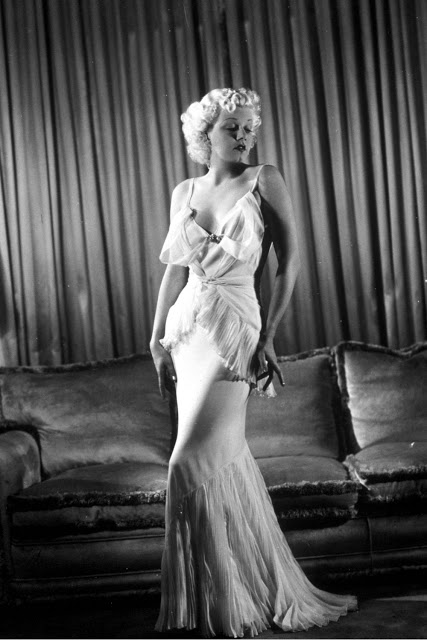
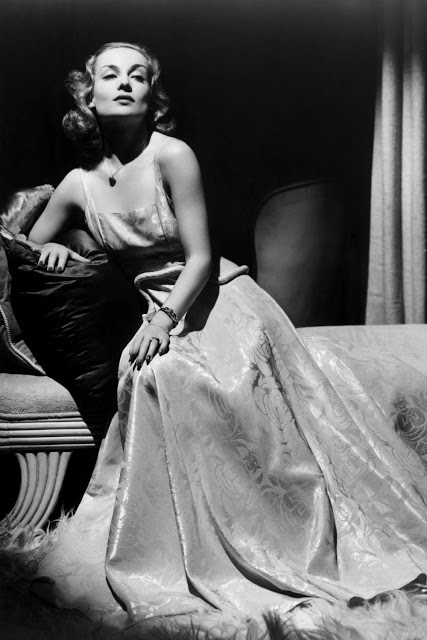
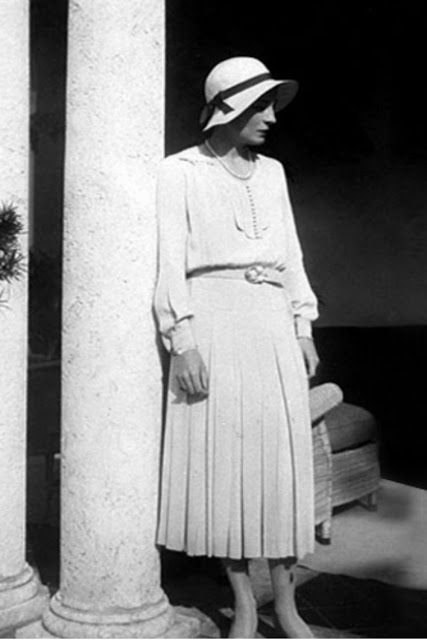
At the start of the decade, following the fallout from the Great Depression in America, 1930s fashion as well as all other aspects of normality were profoundly changed.
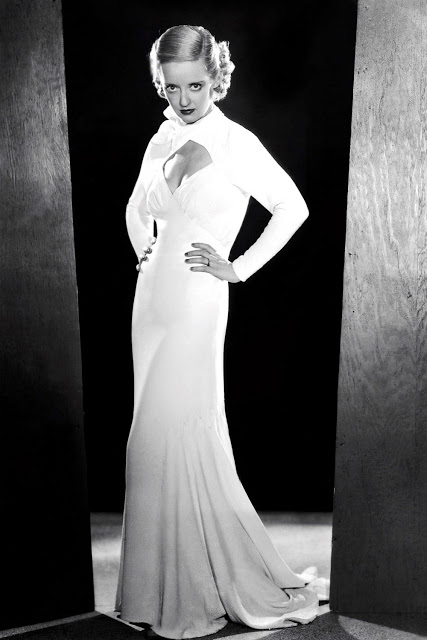
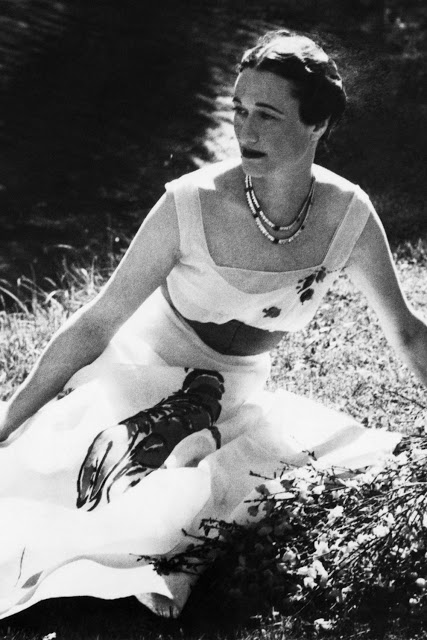
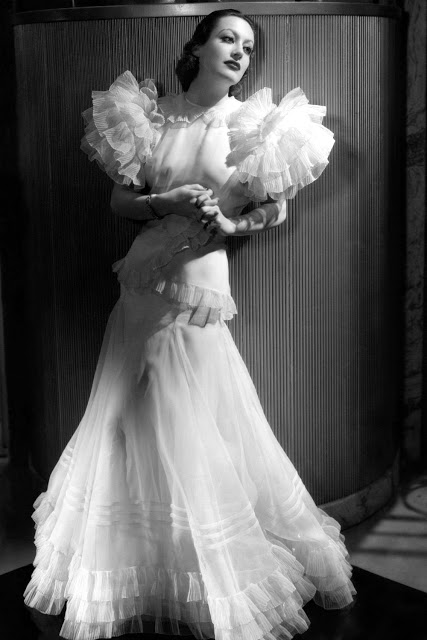
Almost overnight the vivaciousness of the 1920s fashion flapper disappeared, with a sophisticated and more conservative style becoming de rigueur. Moving into the latter half of the decade, 1930s fashion was heavily influenced by Hollywood’s glamour while day-wear took a turn for the practical with women like Katharine Hepburn embracing sportswear looks; a trend that influenced 1940s fashion and is still loved by dozens of designers today.
These are the women who ruled the day…





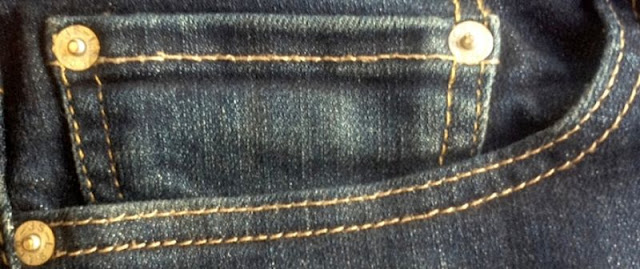
All jeans have five pockets – not four. But nothing really fits in that tiny pocket. What is that little jeans pocket actually for? Have you ever wonder why that tiny pocket on the front of your jeans exists? Well, wonder no longer.
It’s a watch pocket, originally for men who wore pocket watches and needed a protective place to store them. This little pocket, or the “fifth pocket” as some denim designers call it, appeared on the very first version of Levi’s back in 1873.
According to the Levi Strauss website, it was “originally included as protection for pocket watches, thus the name.” It was worked into the design to protect cowboys’ pocketwatches from falling out of their pants as they rode around on horses or worked on their ranches. Wearing it on a chain around their neck would cause it to easily tangle or break

Even though cowboys are still around, pocketwatches largely fell out of favor halfway through World War I, when soldiers needed a quick and accessible way to tell time. Digging around in their pockets for a watch just wasn’t practical, and the practice of wearing a wristwatch became a mainstay.
But with the use of wristwatches (and smart phones that tell more time than actual watches) the usefulness of mini-pocket has relatively become obsolete if not useless. But despite the functionality going down Levi Strauss & Co haven’t altered their design, Levi’s note that “this extra pouch has served many functions, evident in its many titles: frontier pocket, condom pocket, coin pocket, match pocket and ticket pocket, to name a few. Not only is the pocket extremely useful for holding tiny trinkets, it is also loved by denimheads for the faded and worn nature it takes on over time.”
Orléans, located along the northern bend of the Loire River, at about 120 km of Paris, is the capital of the Loiret department and of the Centre-Val de Loire region. The origins of the city dates back to the Ancient Celts: then Cenabum was a Gallic stronghold of the Carnutes tribe and seat of the annual meeting of the Druids was conquered by Julius Caesar in 52 BC during the Gallic Campaign. The city was later rebuilt by Emperor Aurelian and renamed Aurelianum, or Aureliana Civitas (“city of Aurelian”), which later on evolved into Orléans.
Orléans is deeply linked to the figure of the French historical heroine who intervened in the history of France and of Orléans, and whose name will forever be associated with the city: Joan d’Arc (1412-1431 AD). Joan was born to a humble and pious peasant family in a little village in France in 1412. At that time France was engaged in a long-lasting war with England and its ally Burgundy: the “Hundred Years’ War”, which was lit by an inheritance dispute over the French throne. After the defeat at the Battle of Agincourt, 1415 AD, France was at its lowest point, being partly occupied by the English army and disputed by the Armagnac and Burgundian parties. Then there were even “three Frances”: Normandy, Picardie, Ile de France and Aquitaine under the English domination; Burgundy, Champagne and Flanders under the domination of Burgundy and, finally, the Kingdom of Bourges belonging to Charles VII, the uncrowned King of France. After the death of Henri V Plantagenet, the Duke of Bedford, who married the sister of the Duke of Burgundy, became the kingdom’s regent. He aimed to extend his territory and laid siege and occupied the towns of the Loire Valley.
At age 13 Joan had visions of St. Michael the Archangel, St. Catherine of Alexandria and St. Margaret of Antioch telling her to help Charles VII to reconquer his kingdom. Joan managed to speak to Charles and at age 17 she was given a small army, which she led from one battle to another achieving success after success. In 1429 Orléans was besieged by the English forces. Although severely wounded, Joan led the French army to victory and freed the city, launching the Loire campaign which freed also Jargeau, Meung-sur-Loire and Beaugency from English rule. The city’s inhabitants have continued to remain faithful and grateful to her to this day, calling her “la pucelle d’Orléans” (the maid of Orléans), offering her a middle-class house in the city, and contributing to her ransom when she was taken prisoner.
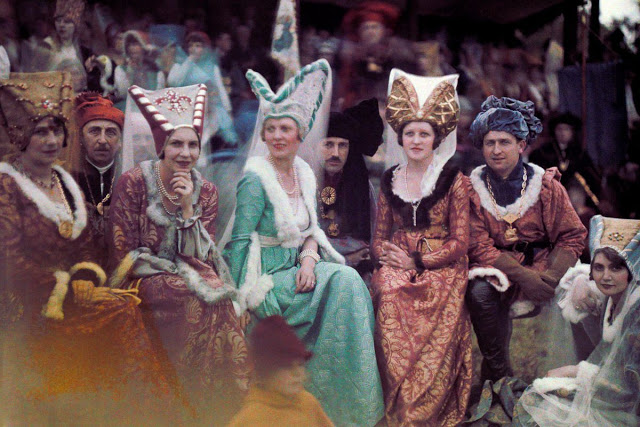
Every year Orléans fervently celebrates its beloved heroine through a week-long event, the Fêtes Johanniques, that boasts a tradition stretching back over 500 years. At the crossroads of traditional civil, military and religious holidays the one of Joan of Arc is a unique event and contribute to the cultural influence of Orleans in France. Here, 501 years after her death, residents of Compiégne, the town Joan died to defend, honor their patron saint by dressing in period garb and celebrating her sacrifice.
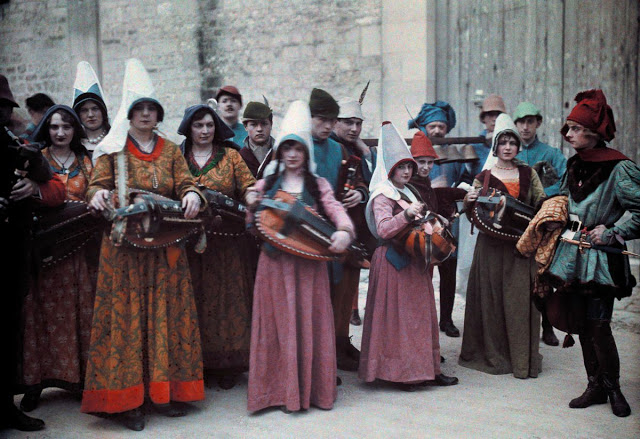
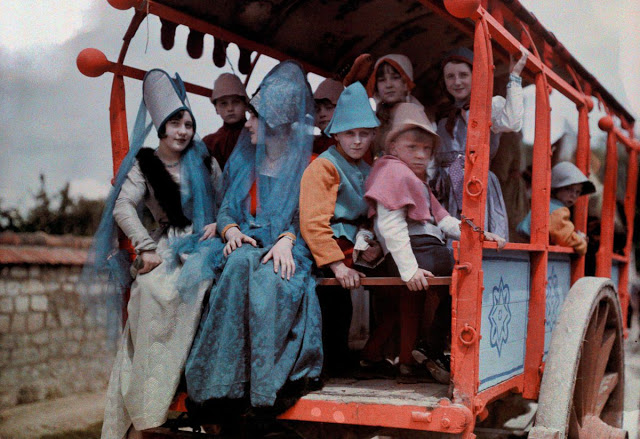

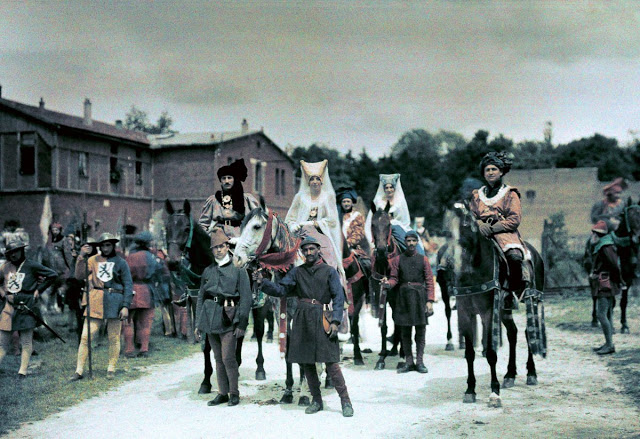
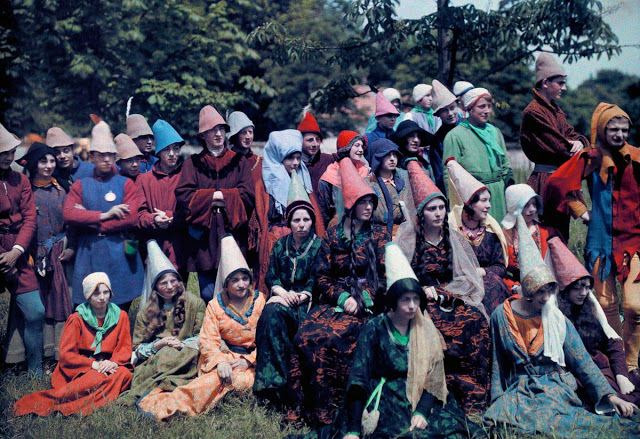
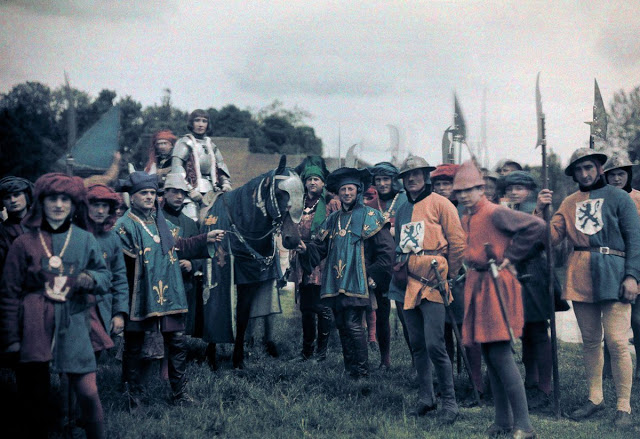

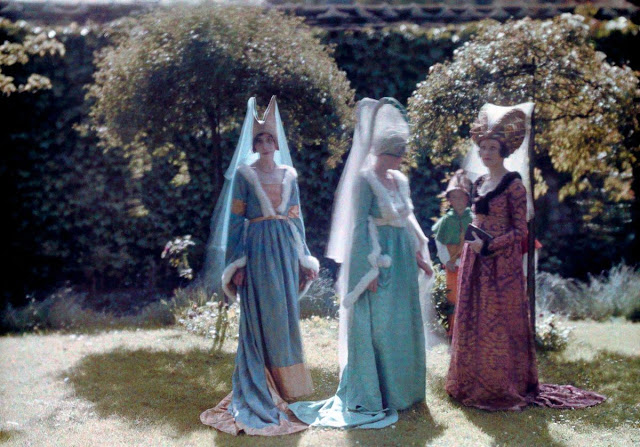
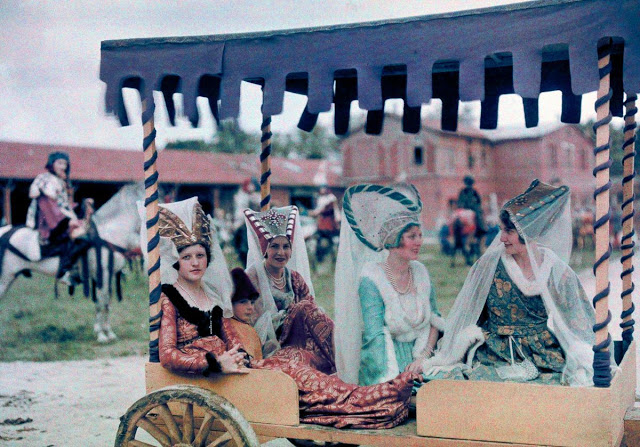
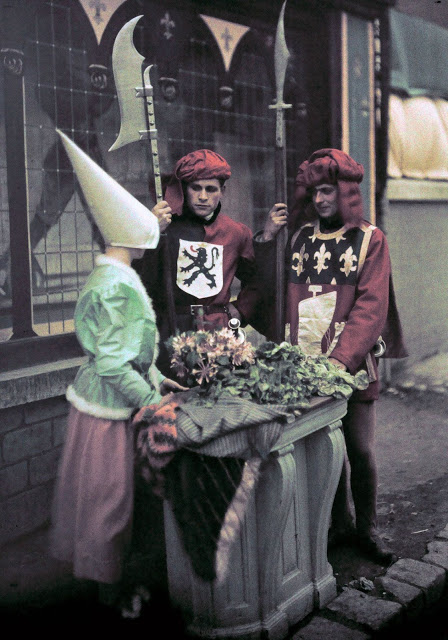

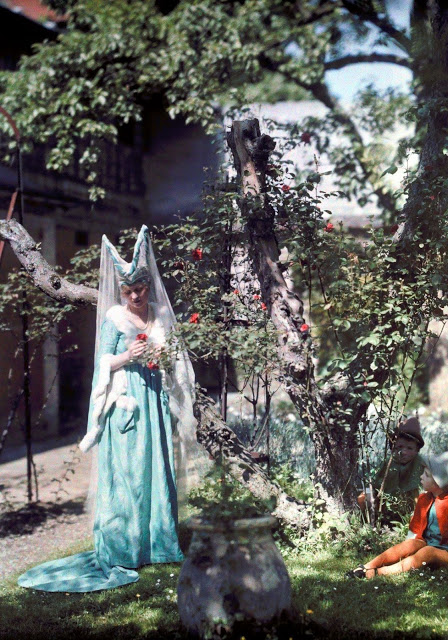
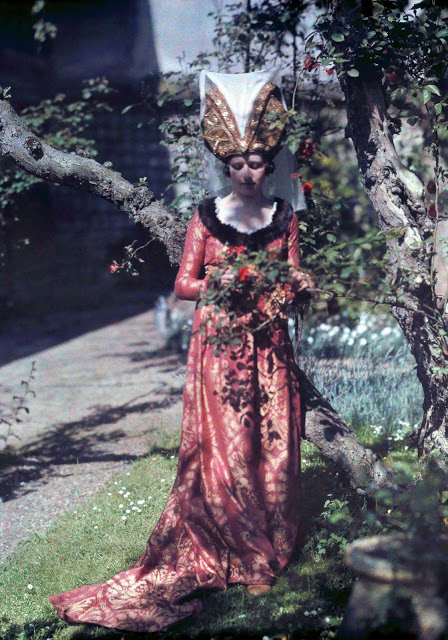
Images by © Gervais Courtellemont/National Geographic Creative
