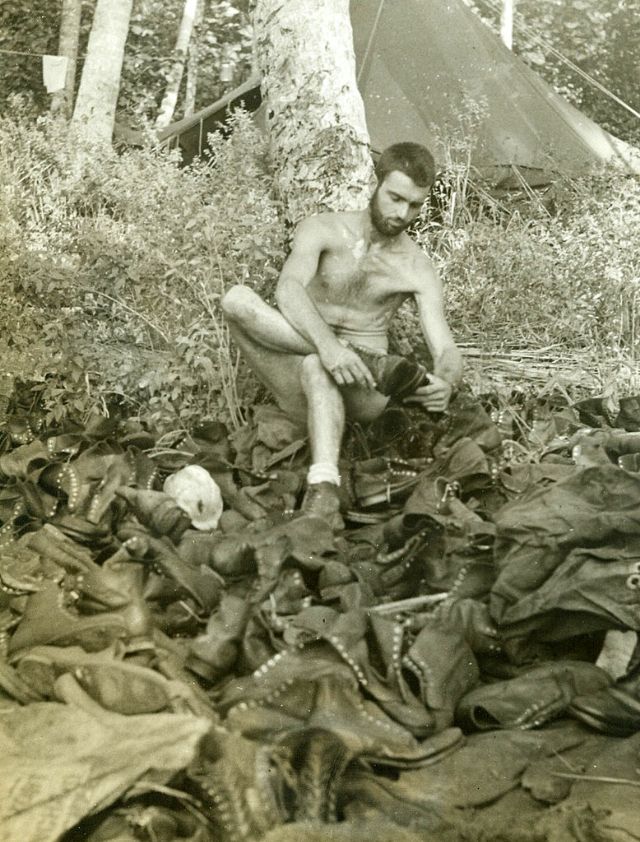
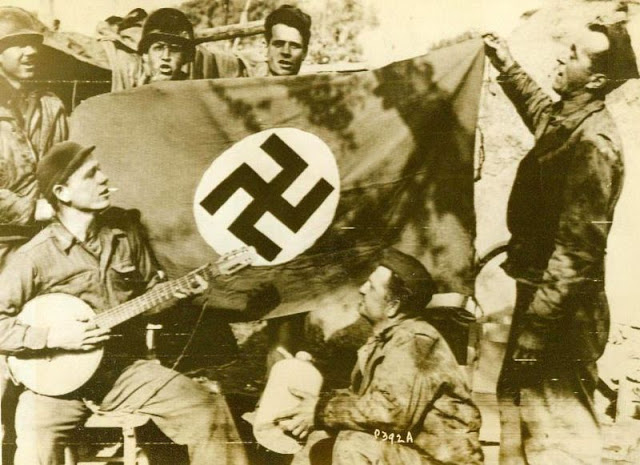
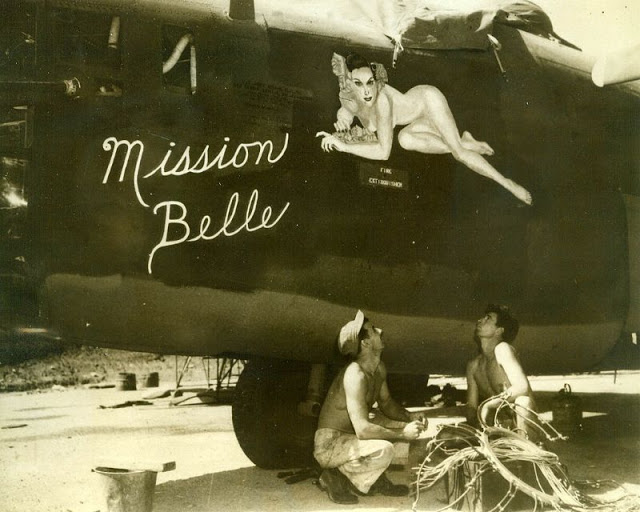
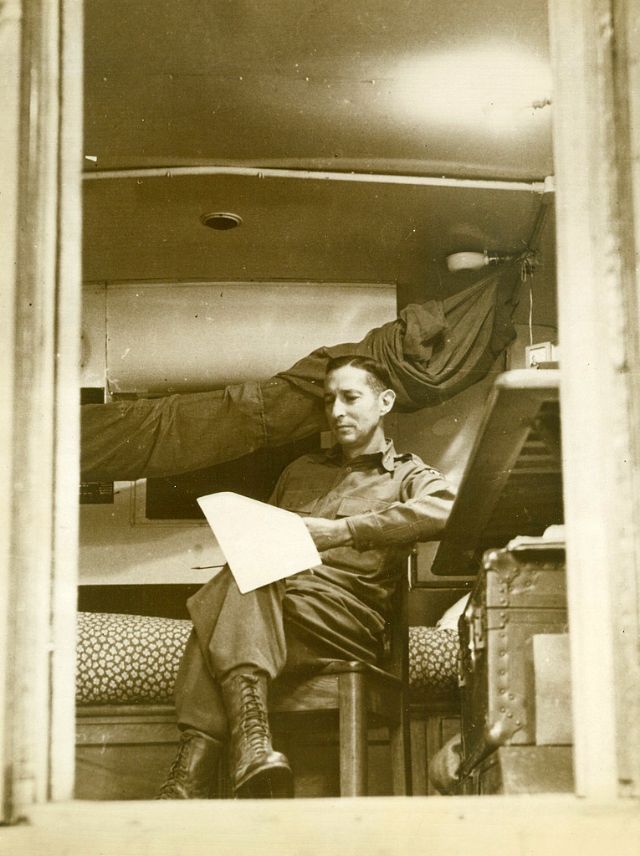
61 Amazing Photos That Capture Private Moments of ‘Soldiers at Rest’ During World War II

World War II or the Second World War, often abbreviated as WWII or WW2, was a global war that lasted from 1939 to 1945. It involved the vast majority of the world’s countries—including all of the great powers—forming two opposing military alliances: the Allies and the Axis powers. In a total war directly involving more than 100 million personnel from more than 30 countries, the major participants threw their entire economic, industrial, and scientific capabilities behind the war effort, blurring the distinction between civilian and military resources. Aircraft played a major role in the conflict, enabling the strategic bombing of population centres and the only two uses of nuclear weapons in war. World War II was by far the deadliest conflict in human history; it resulted in 70 to 85 million fatalities, a majority being civilians. Tens of millions of people died due to genocides (including the Holocaust), starvation, massacres, and disease. In the wake of the Axis defeat, Germany and Japan were occupied, and war crimes tribunals were conducted against German and Japanese leaders.

World War II is generally considered to have begun on 1 September 1939, when Nazi Germany, under Adolf Hitler, invaded Poland. The United Kingdom and France subsequently declared war on Germany on 3 September. Under the Molotov–Ribbentrop Pact of August 1939, Germany and the Soviet Union had partitioned Poland and marked out their “spheres of influence” across Finland, Estonia, Latvia, Lithuania and Romania. From late 1939 to early 1941, in a series of campaigns and treaties, Germany conquered or controlled much of continental Europe, and formed the Axis alliance with Italy and Japan (along with other countries later on). Following the onset of campaigns in North Africa and East Africa, and the fall of France in mid-1940, the war continued primarily between the European Axis powers and the British Empire, with war in the Balkans, the aerial Battle of Britain, the Blitz of the UK, and the Battle of the Atlantic. On 22 June 1941, Germany led the European Axis powers in an invasion of the Soviet Union, opening the Eastern Front, the largest land theatre of war in history.

Japan, which aimed to dominate Asia and the Pacific, was at war with the Republic of China by 1937. In December 1941, Japan attacked American and British territories with near-simultaneous offensives against Southeast Asia and the Central Pacific, including an attack on the US fleet at Pearl Harbor which resulted in the United States declaring war against Japan. Therefore the European Axis powers declared war on the United States in solidarity. Japan soon captured much of the western Pacific, but its advances were halted in 1942 after losing the critical Battle of Midway; later, Germany and Italy were defeated in North Africa and at Stalingrad in the Soviet Union. Key setbacks in 1943—including a series of German defeats on the Eastern Front, the Allied invasions of Sicily and the Italian mainland, and Allied offensives in the Pacific—cost the Axis powers their initiative and forced it into strategic retreat on all fronts. In 1944, the Western Allies invaded German-occupied France, while the Soviet Union regained its territorial losses and turned towards Germany and its allies. During 1944 and 1945, Japan suffered reversals in mainland Asia, while the Allies crippled the Japanese Navy and captured key western Pacific islands.

The war in Europe concluded with the liberation of German-occupied territories, and the invasion of Germany by the Western Allies and the Soviet Union, culminating in the fall of Berlin to Soviet troops, Hitler’s suicide and the German unconditional surrender on 8 May 1945. Following the Potsdam Declaration by the Allies on 26 July 1945 and the refusal of Japan to surrender on its terms, the United States dropped the first atomic bombs on the Japanese cities of Hiroshima, on 6 August, and Nagasaki, on 9 August. Faced with an imminent invasion of the Japanese archipelago, the possibility of additional atomic bombings, and the Soviet’s declared entry into the war against Japan on the eve of invading Manchuria, Japan announced on 15 August its intention to surrender, then signed the surrender document on 2 September 1945, cementing total victory in Asia for the Allies.

World War II changed the political alignment and social structure of the globe. The United Nations (UN) was established to foster international co-operation and prevent future conflicts, with the great powers—China, France, the Soviet Union, the United Kingdom, and the United States—became the permanent members of its Security Council. The Soviet Union and the United States emerged as rival superpowers, setting the stage for the nearly half-century-long Cold War. In the wake of European devastation, the influence of its great powers waned, triggering the decolonisation of Africa and Asia. Most countries whose industries had been damaged moved towards economic recovery and expansion. Political and economic integration, especially in Europe, began as an effort to forestall future hostilities, end pre-war enmities and forge a sense of common identity. (Wikipedia)

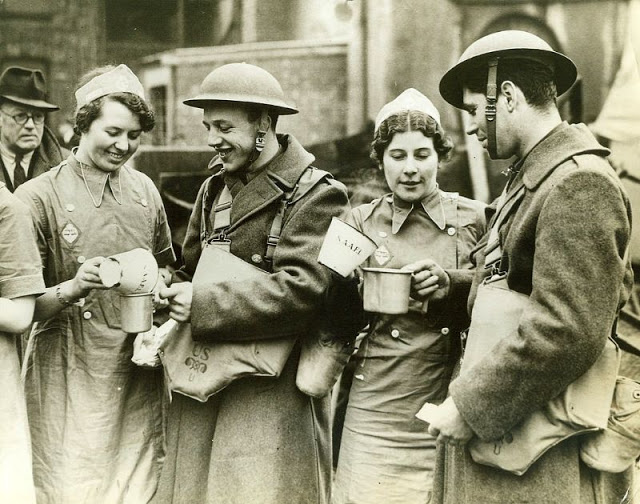
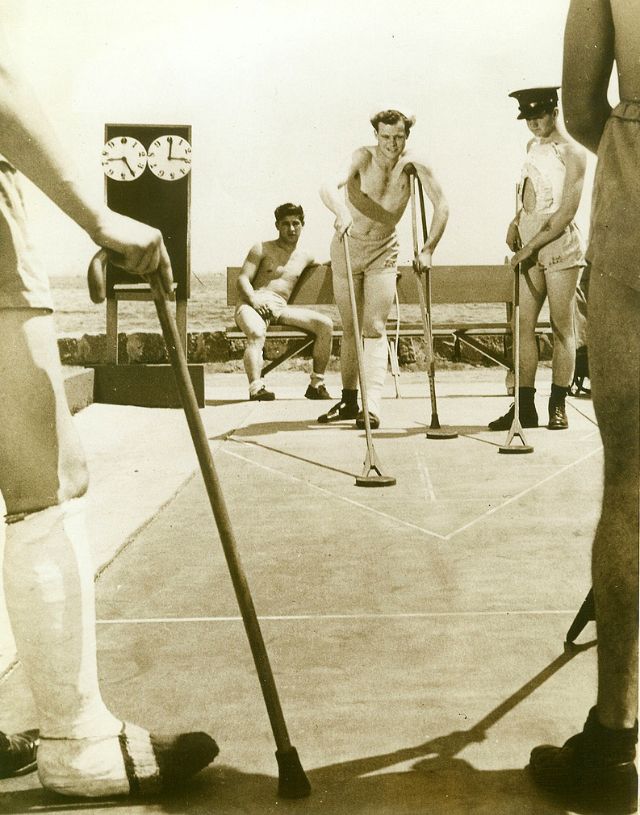
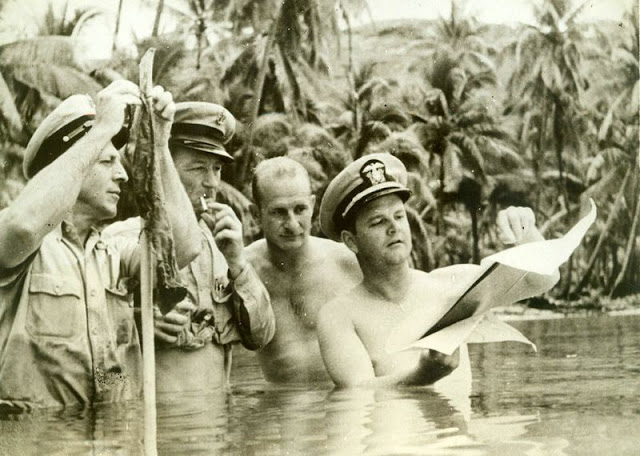
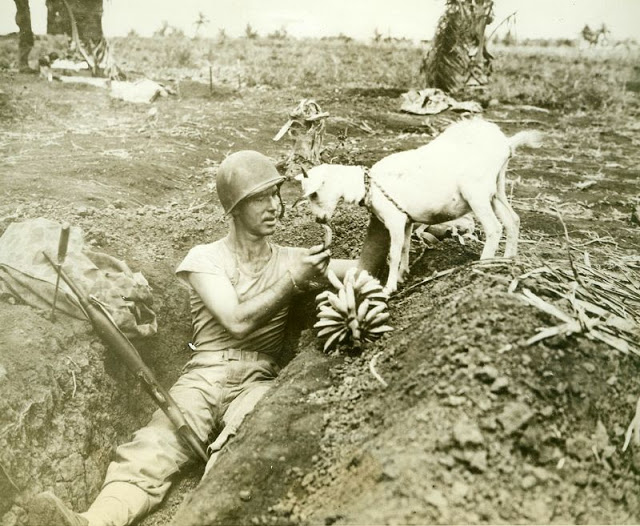
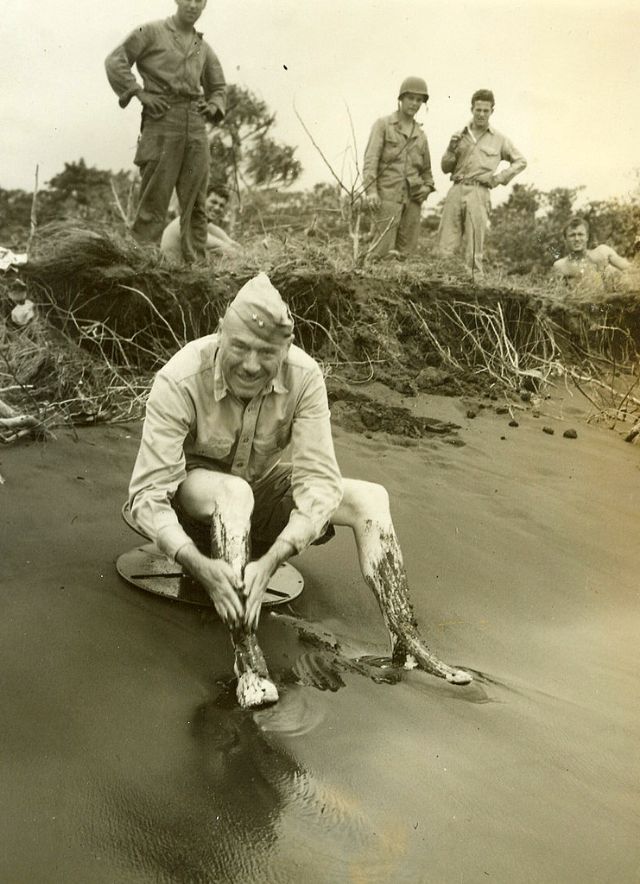
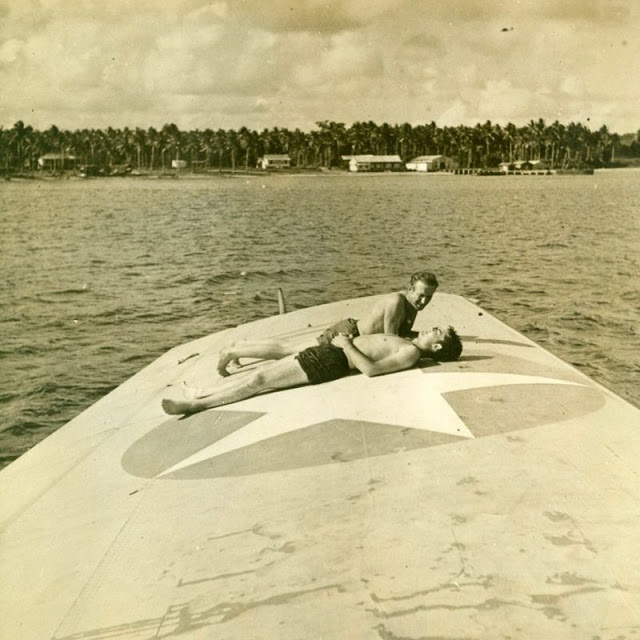
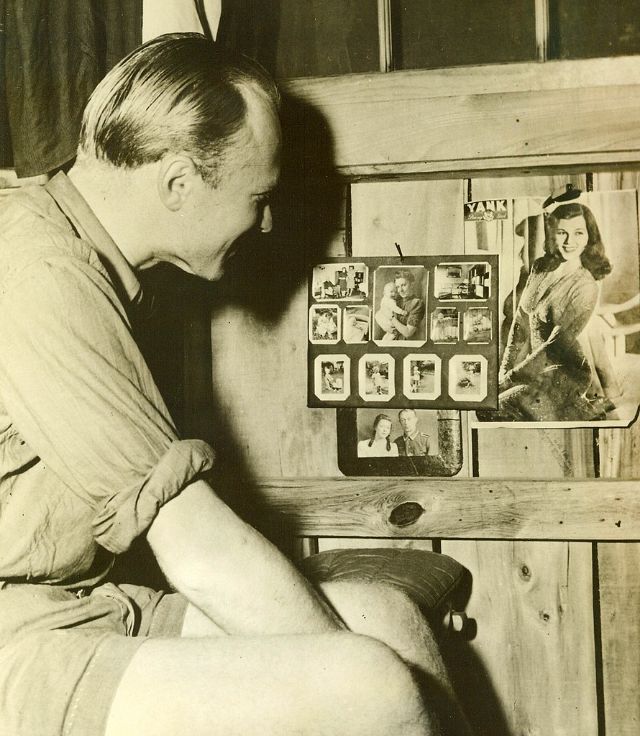
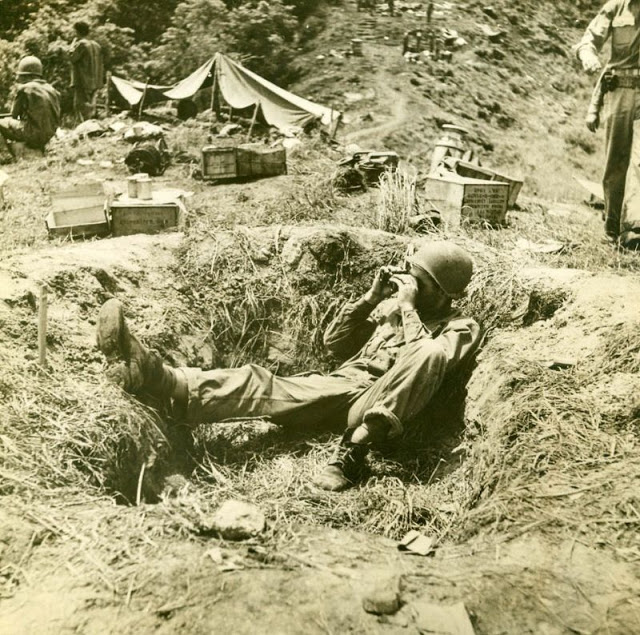
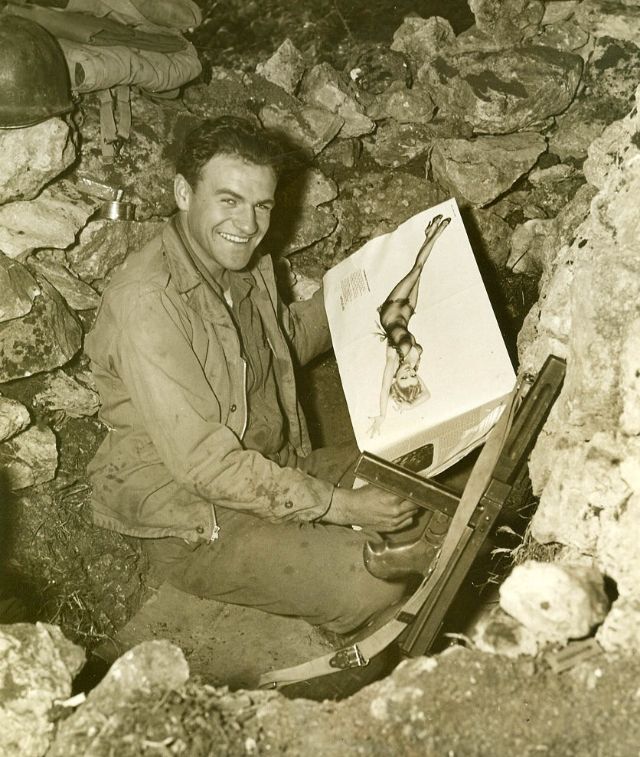
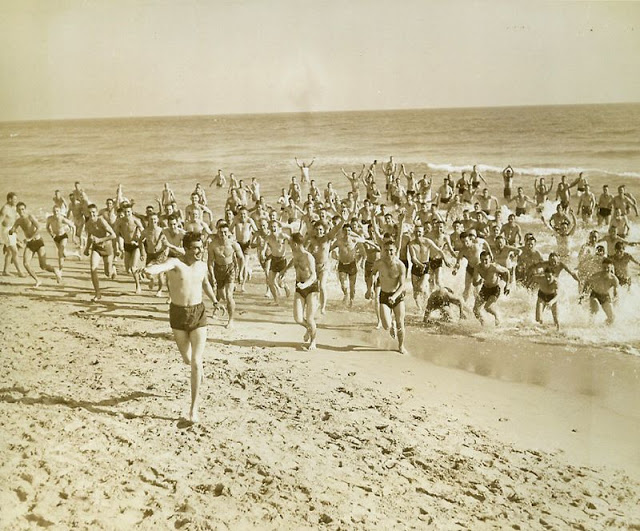
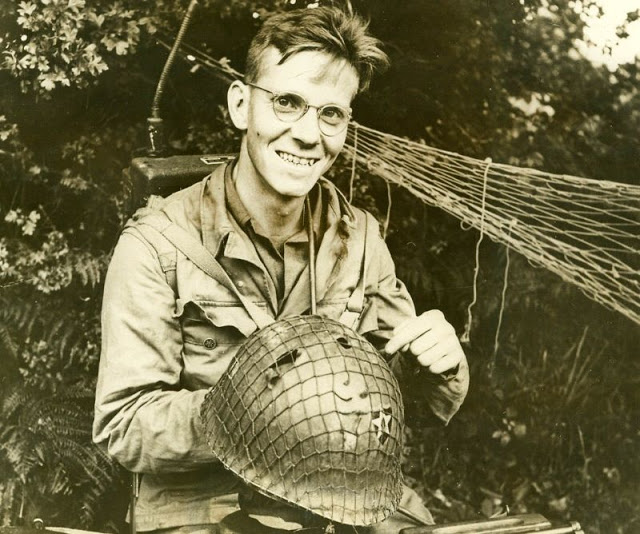
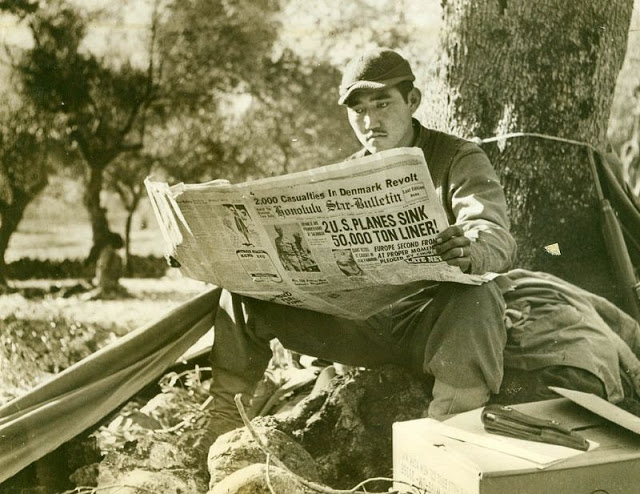
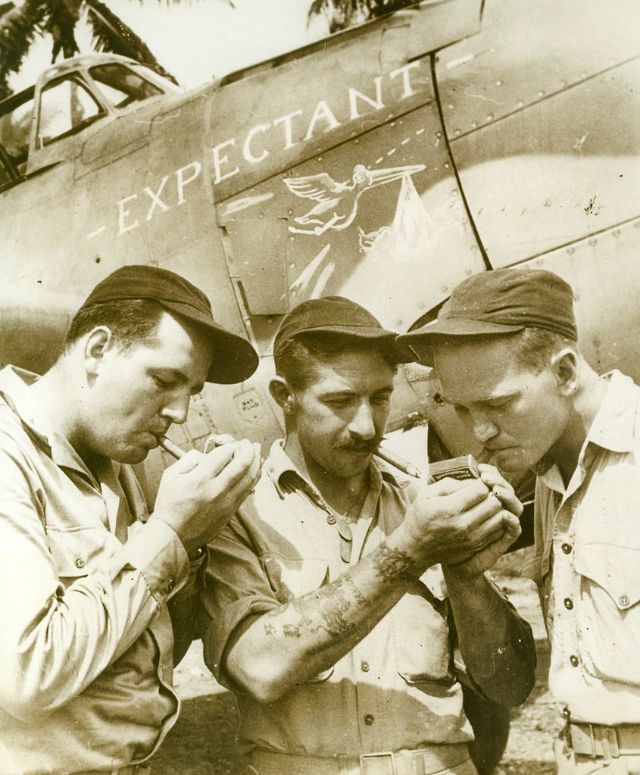
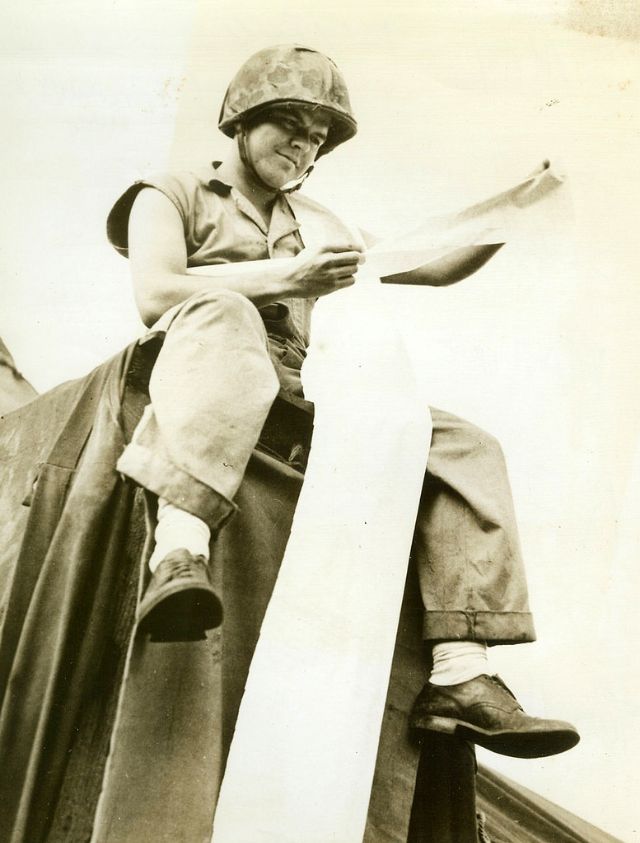
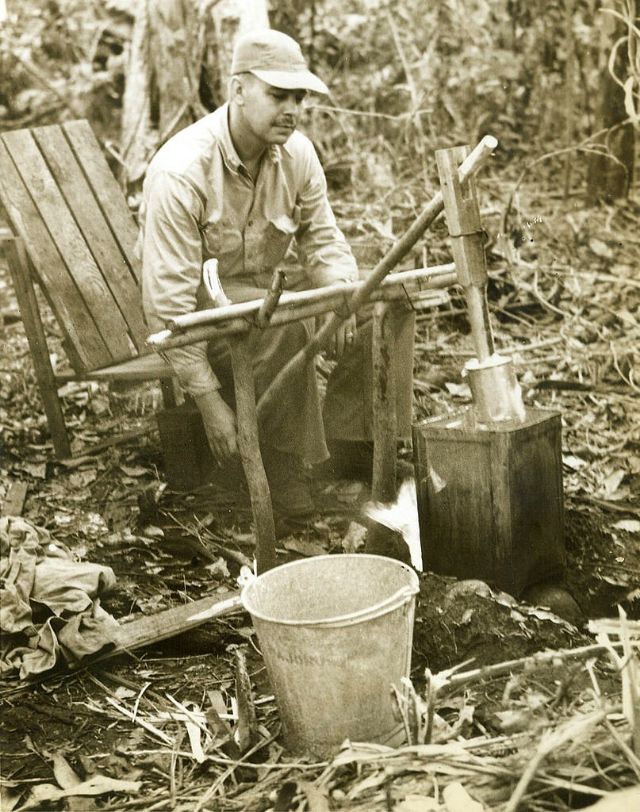
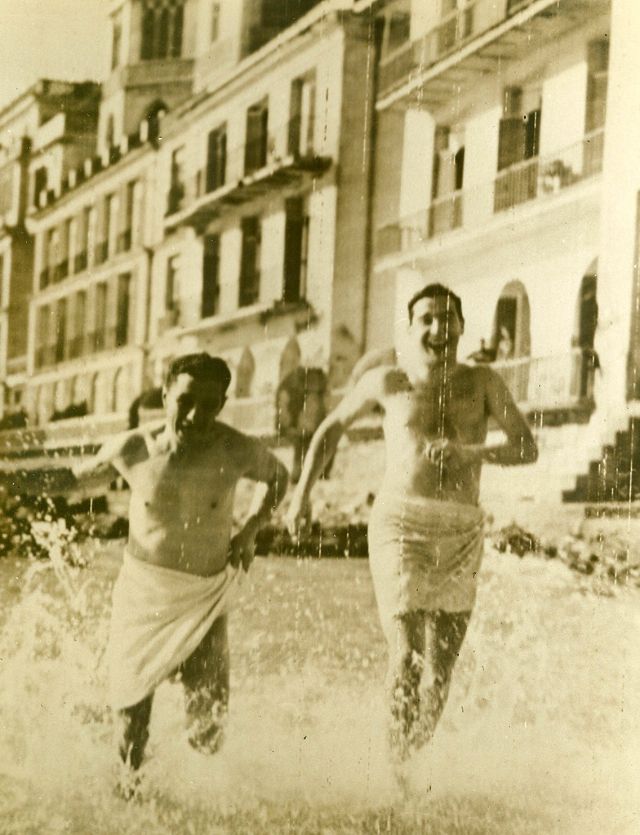
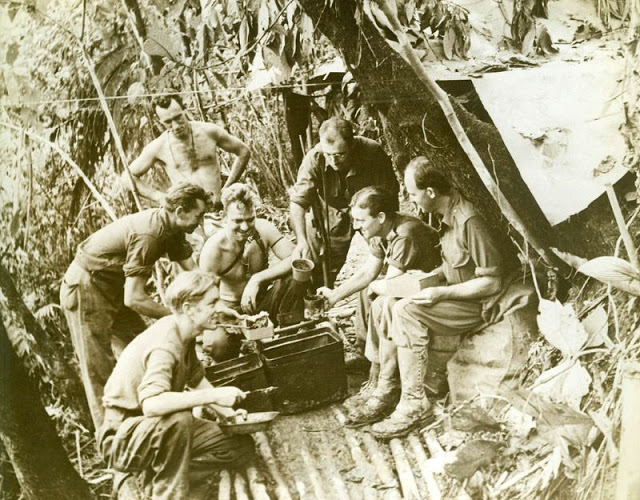
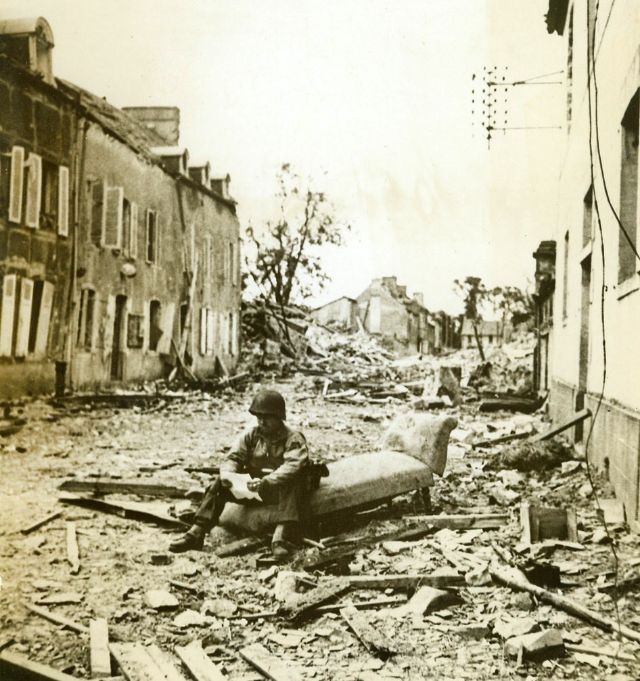
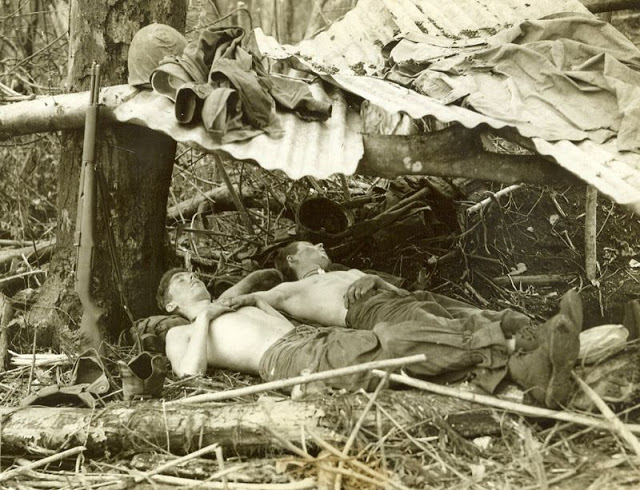
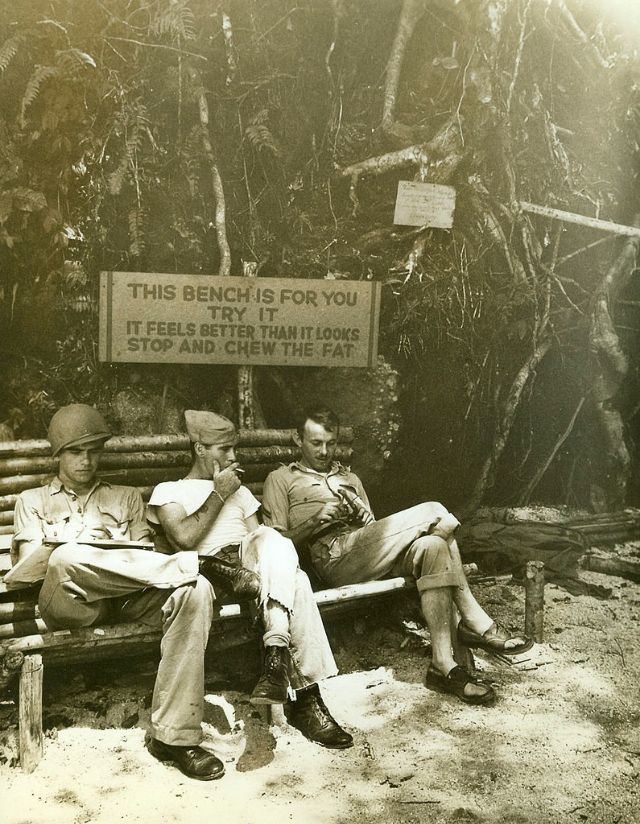
A collection of emotional pictures that shows rare private moments of soldiers resting during the World War II.

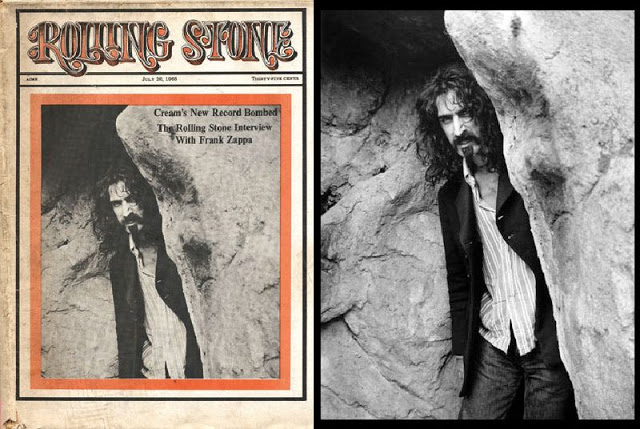
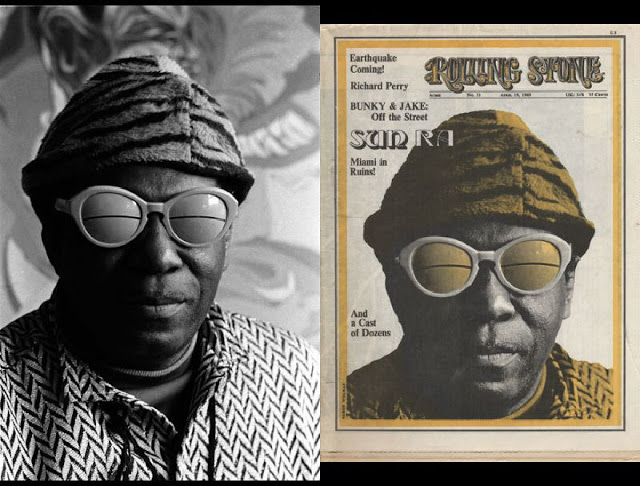
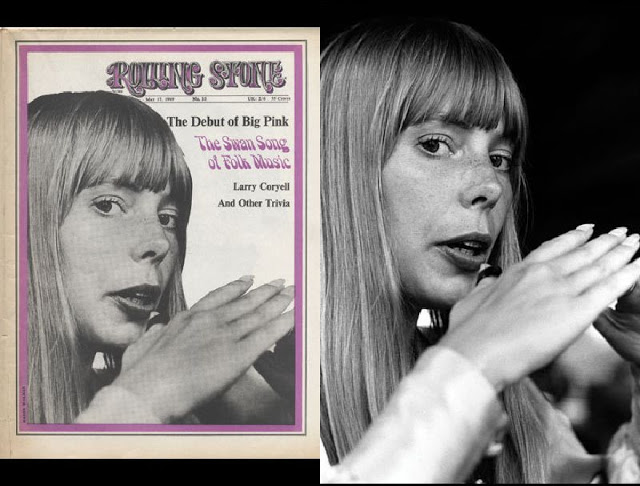
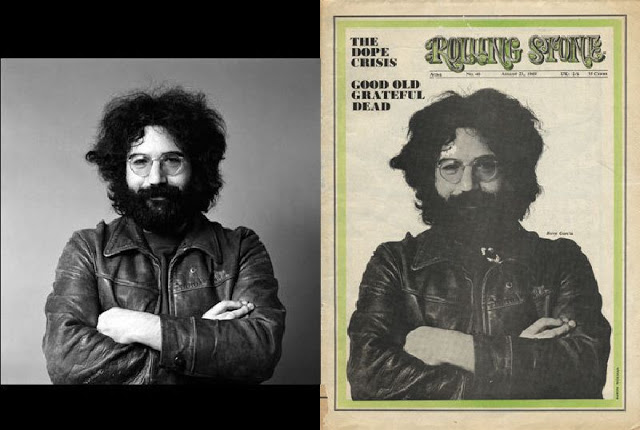
Photos of Early Rolling Stone Covers by Baron Wolman

Born 1937 in Columbus, Ohio, American photographer Baron Wolman began his professional photographic career in West Berlin in the 1960s where he was stationed with the military.

Wolman is best known for his work in the late 1960s for the music magazine Rolling Stone, becoming the magazine’s first Chief Photographer from 1967 until late 1970.

Because of Wolman’s virtually unlimited access to his subjects, his photographs of Janis Joplin, the Rolling Stones, Frank Zappa, the Who, Jimi Hendrix, Joan Baez, Iggy Pop, Pink Floyd, Bob Dylan, the Grateful Dead, Phil Spector, Jim Morrison, Ike & Tina Turner, Peter Rowan and other musicians were the graphic centerpieces of Rolling Stone’s layout.

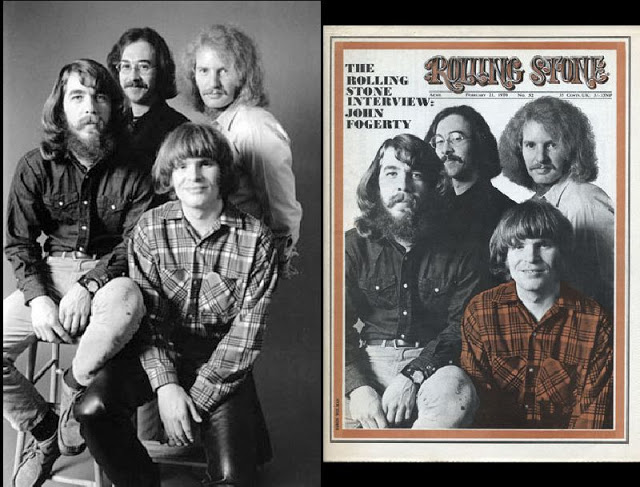
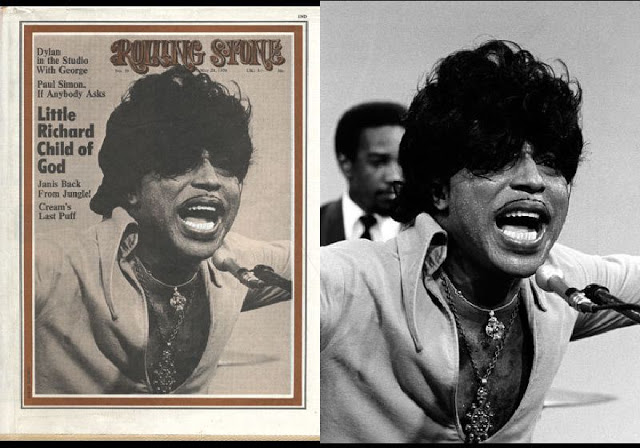
These portrait photos of classic musicians are part of his work that Baron Wolman took for Rolling Stone covers from 1967 to 1970.

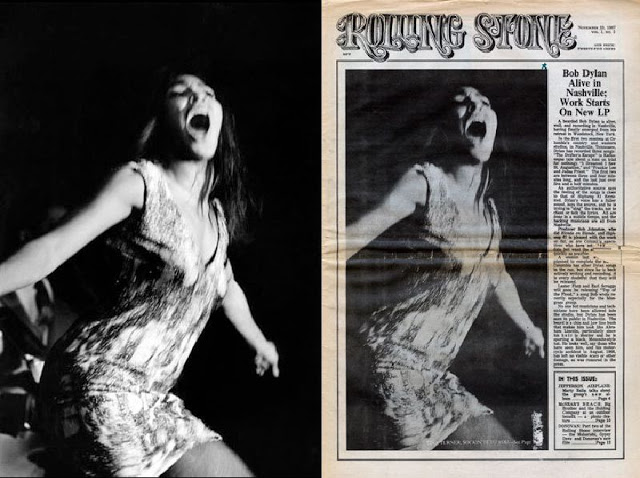
Issue #2 – Tina Turner, 1967
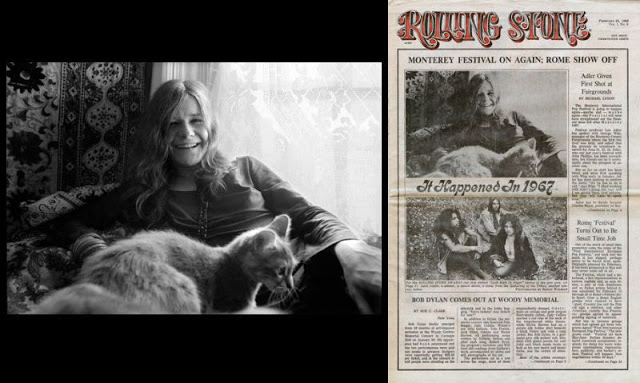
Issue #6 – Janis Joplin, 1968
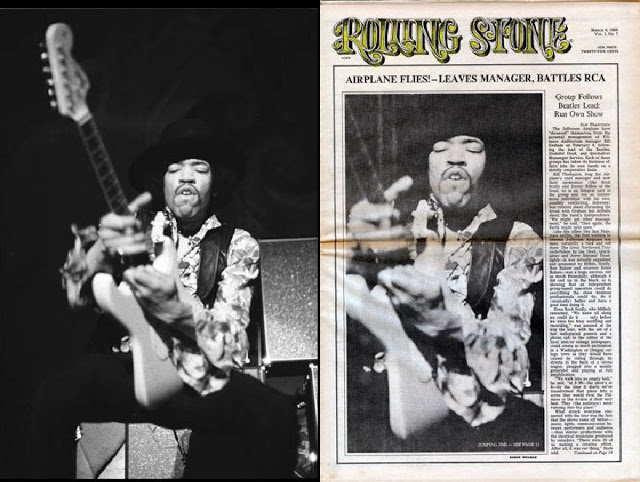
Issue #7 – Jimi Hendrix, 1968
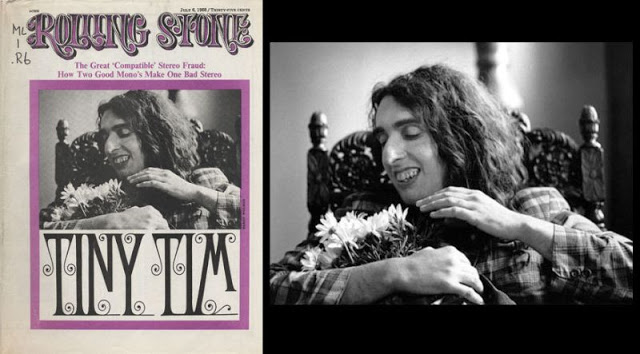
Issue #13 – Tiny Tim, 1968
Issue #14 – Frank Zappa, 1968
Issue #31- Sun Ra, 1969
Issue #33 – Joni Mitchell, 1969
Issue #40 – Jerry Garcia, 1969
Issue #52 – Creedance Clearwater Revival, 1970
Issue #59 – Little Richard, 1970

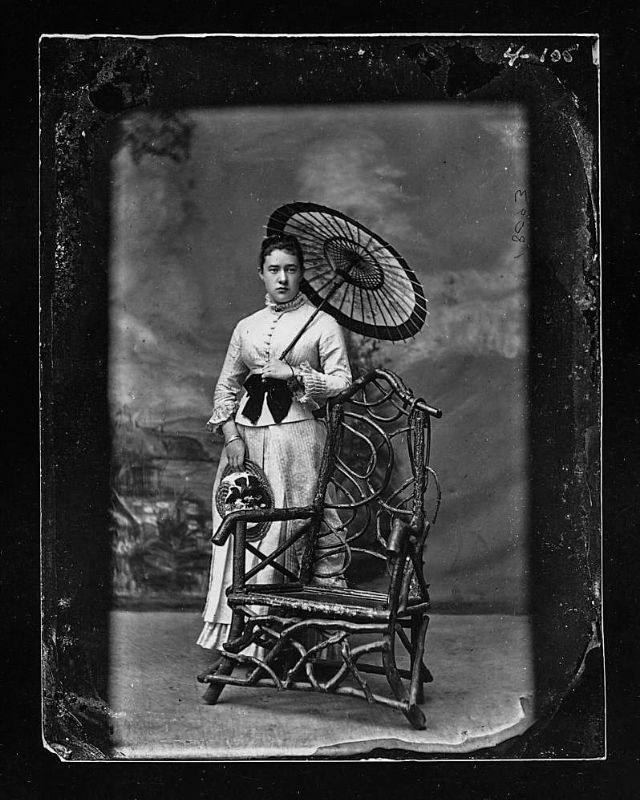
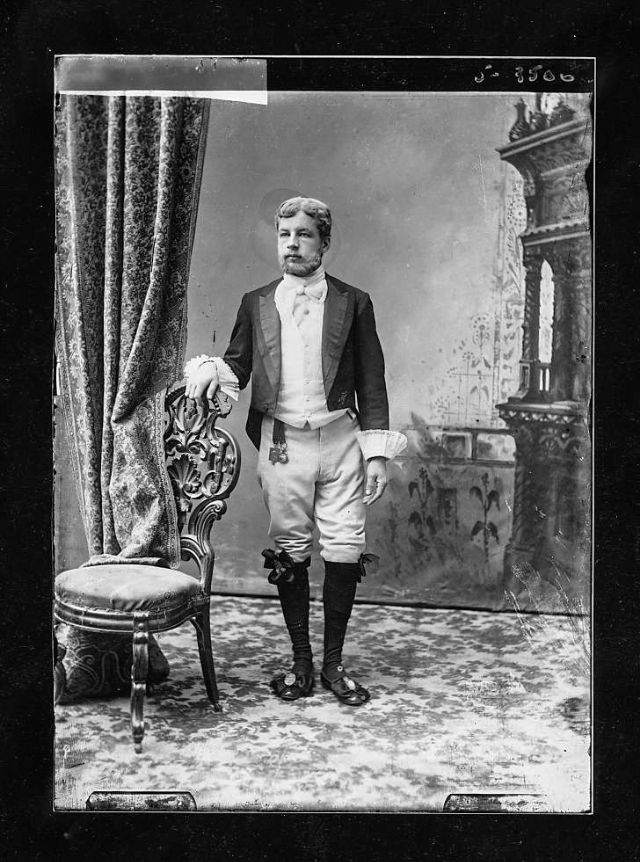
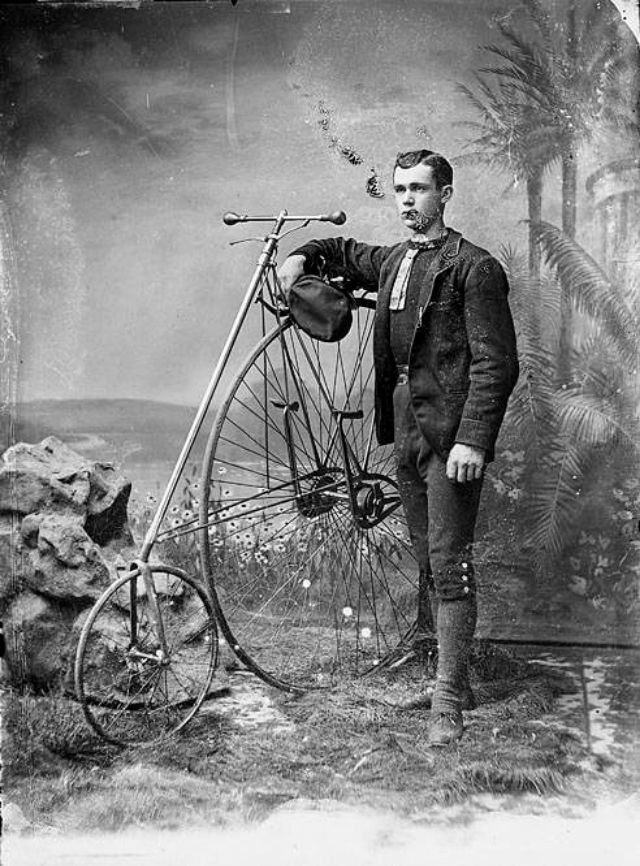
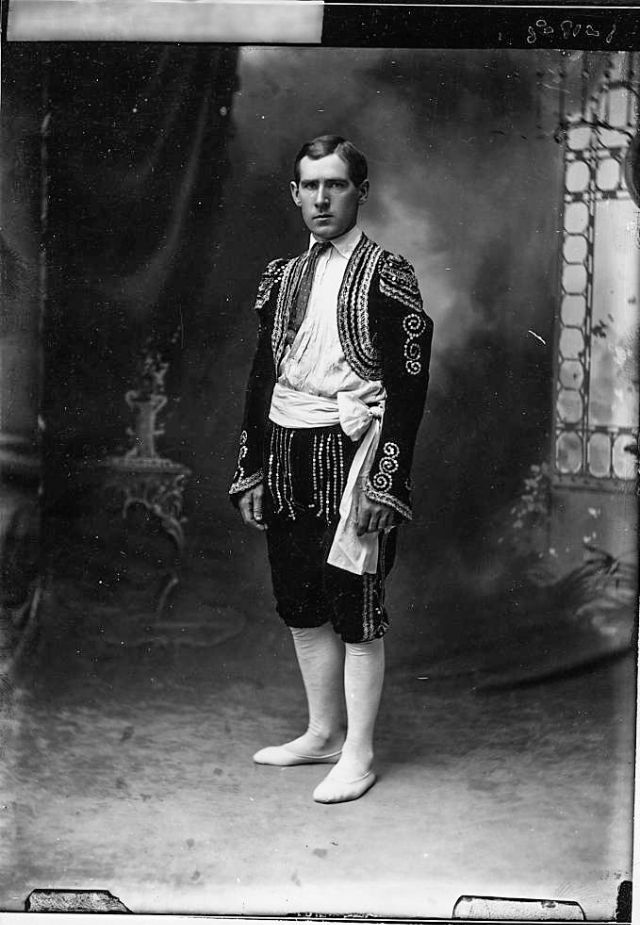
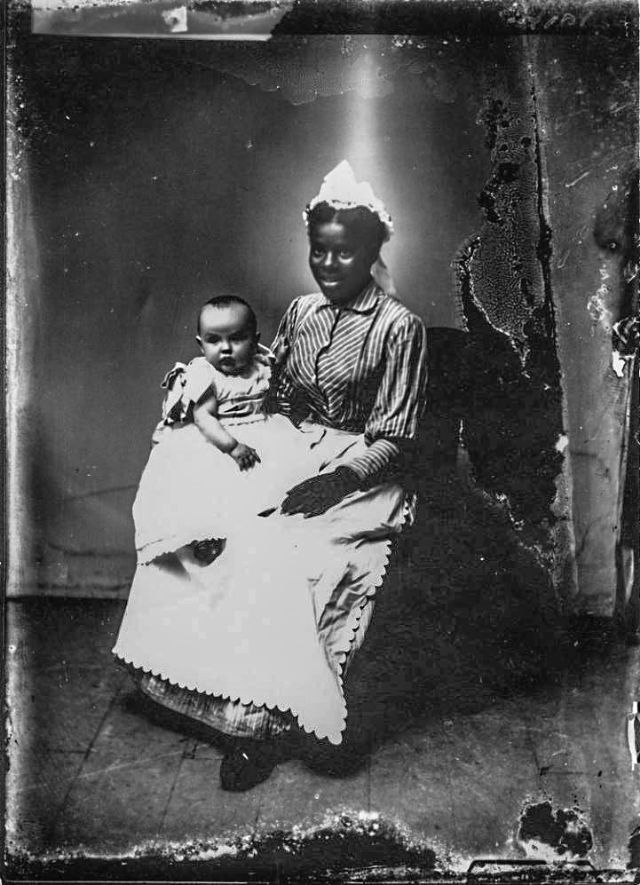
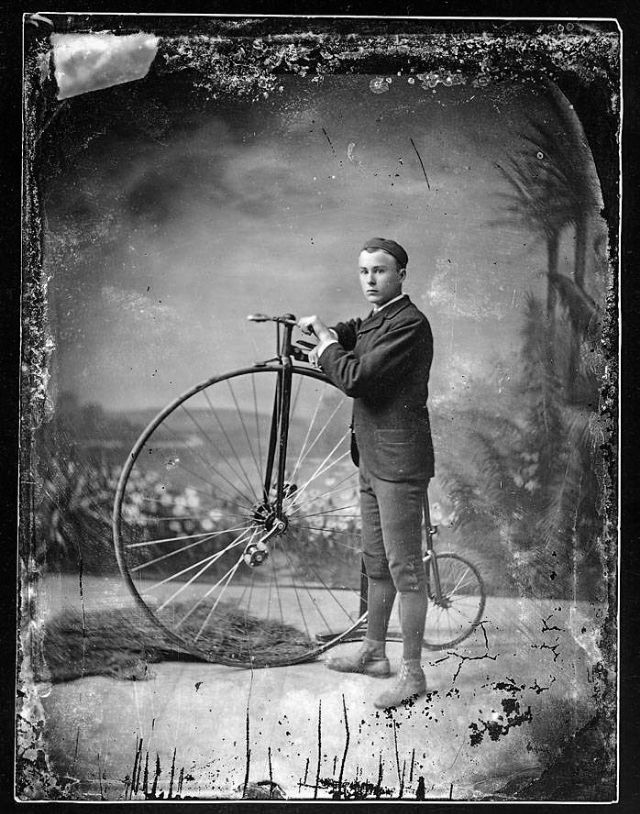
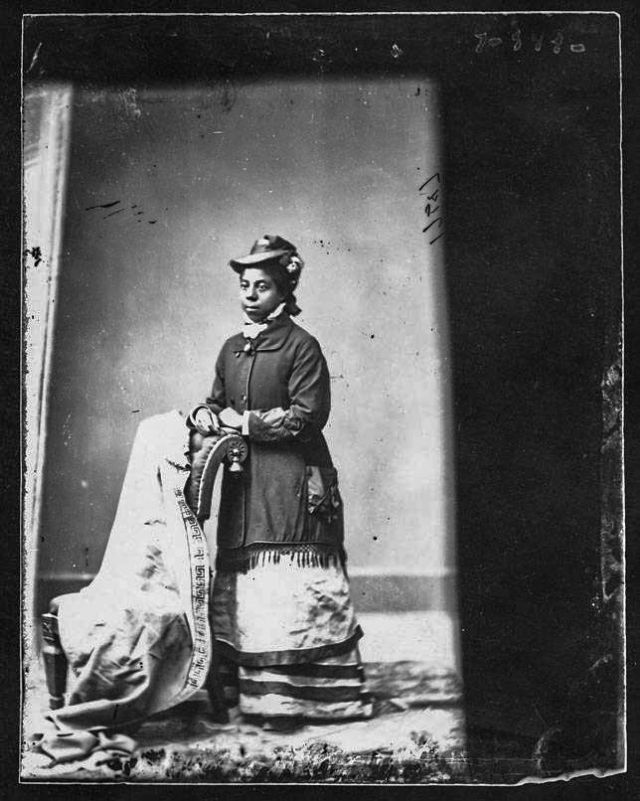
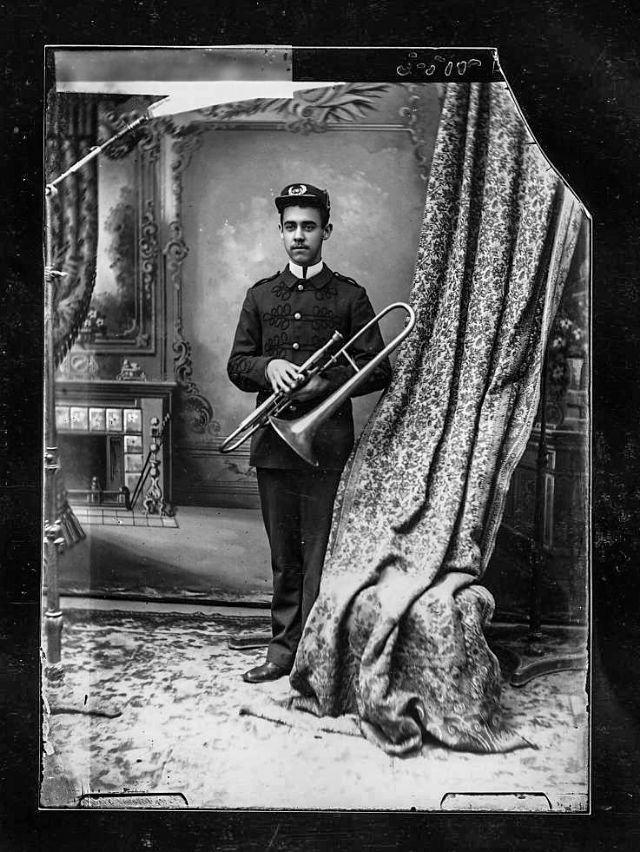
Rare Portrait Photos From the Smith and Telfer Studio in Cooperstown, New York, 1865-1885

Washington G. Smith (1828-1893) and Arthur J. Telfer (1859-1954) spent almost one hundred years photographing people, events, and scenes in and around Cooperstown. At the time of his gift Telfer was 93 years old and was widely thought to be the oldest working photographer in the United States.

Washington Smith worked with partners while he learned the daguerreotype and ambrotype processes in the 1850s. In 1864 he bought the Willoughby Block in Cooperstown and established his own “Photographic Gallery” where he remained until his death in 1893.

Telfer reluctantly joined Smith in 1887; he suspected that photography was a passing fad but Smith assured him that as long as folks continued to have weddings and babies he would never want for work. Telfer continued the business after Smith’s death and for another sixty years beyond. While portraits provided the bulk of their income, both photographers ventured outside the studio to record the world around them using large view cameras and, for the most part, glass plate negatives.

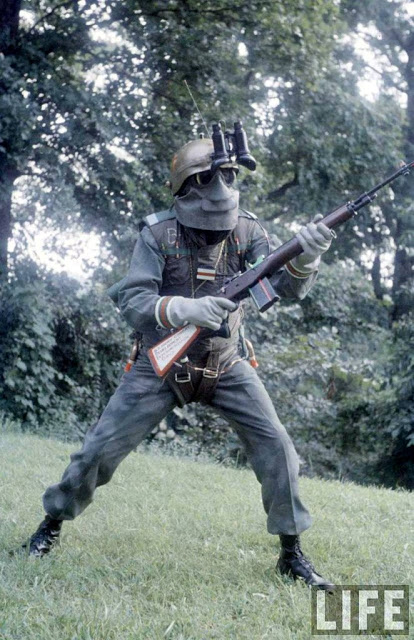
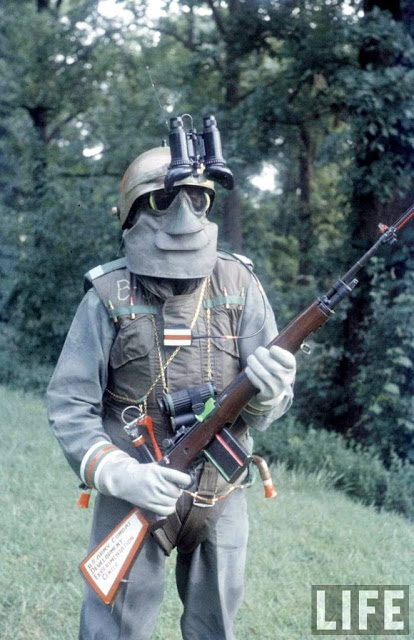
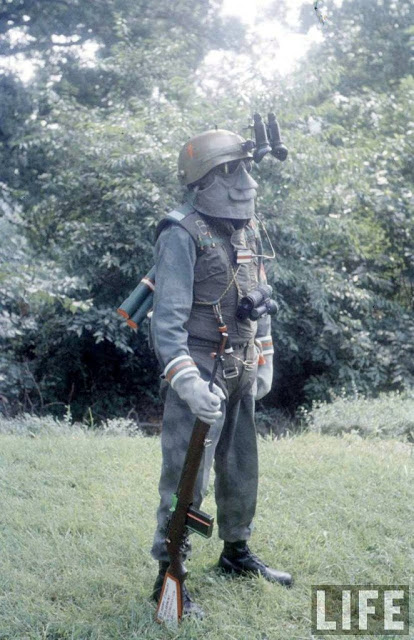
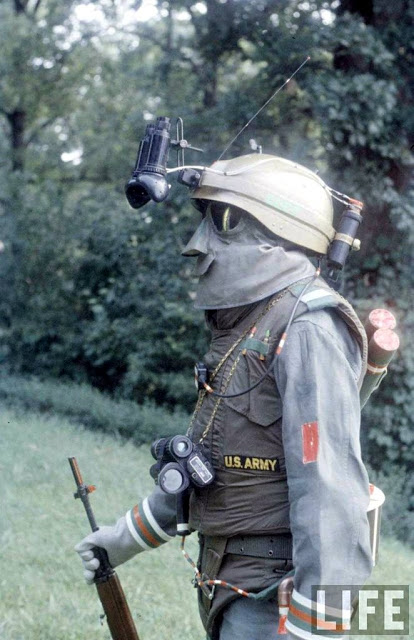
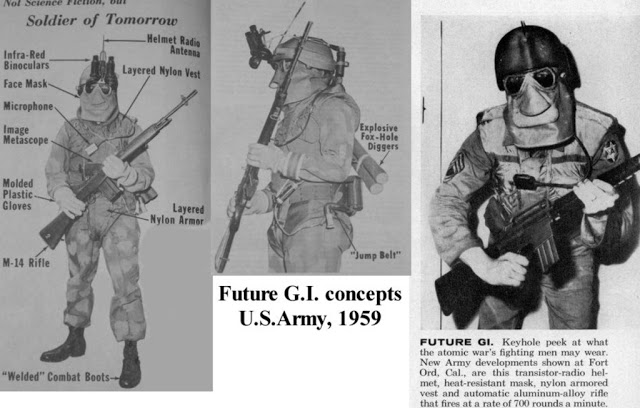
This Is What the U.S Army Thought the Soldier of the Future Would Be Like, 1959

Various shots of the “Soldier of the Future” wearing special uniform. The futuristic uniform includes “rocket-powered jump belt”, infrared binoculars and rubber mask and gloves to protect the wearer from nuclear explosions – over-all effect looks like something from “Star Wars”!

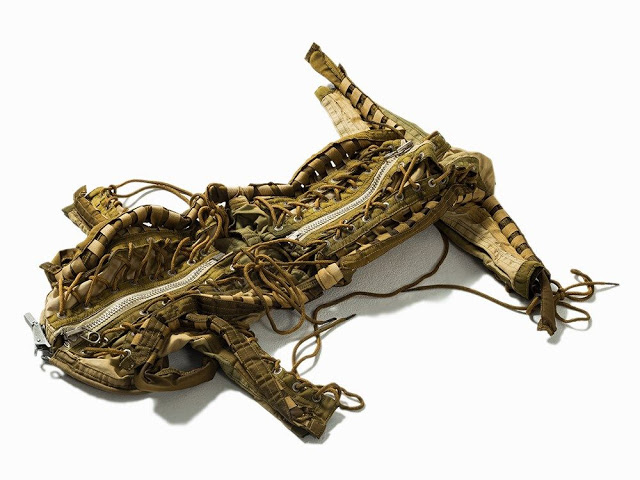
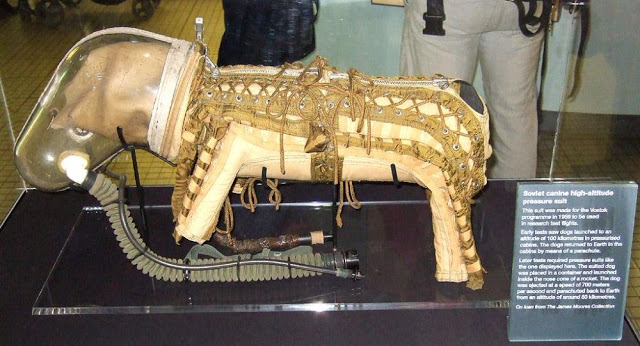
The Soviet Dog Spacesuit From the 1960s

Made out of cotton, nylon, rubber and aluminium, this suit is believed to have been worn by Belka and Strelka, the first two dogs to return from space back in 1960. It was used for the USSR’s Korabl-Sputnik 2 mission during the training phase, where the dogs strapped into capsules wearing the suits and launched 262,500 feet in the air before returning to the ground on parachutes. The training was meant to test the effects of low gravity and high-speed launches on the animals.

While the US used chimpanzees in their space race tests, Russian scientists chose dogs, because of their willingness to sit still for long periods. Some of the tests involved strapping dogs into capsules and launching them to a height of 80 kilometres. The capsules then returned to Earth by parachute.

The dog Laika became the first animal to orbit the Earth in 1957, dying from stress and overheating around 6 hours into the flight. Belka and Strelka were luckier: in 1960, they became the first dogs to return to Earth safely, having spent a day in space.

Strelka subsequently gave birth to six puppies, one of which was presented as a gift to John F. Kennedy’s family.

The suit was auctioned at Auctionata on September 13, 2017 with start price at €4,000.

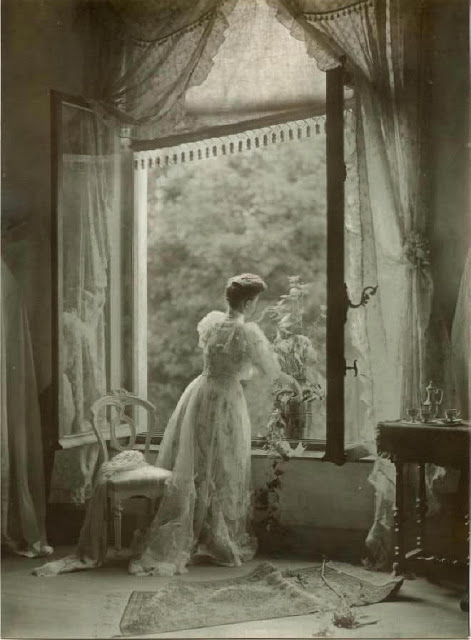
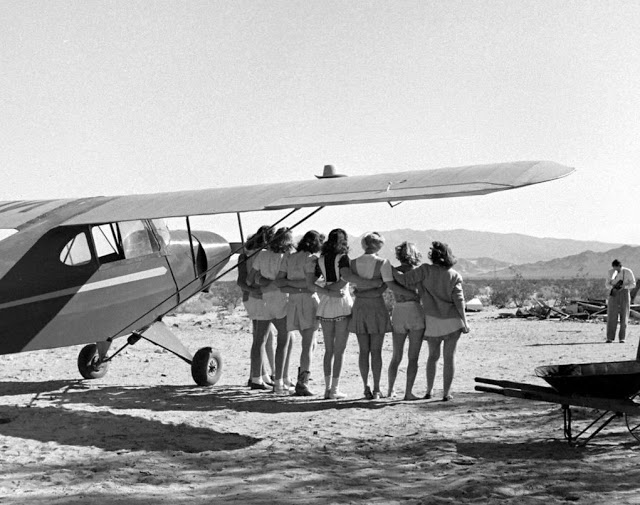
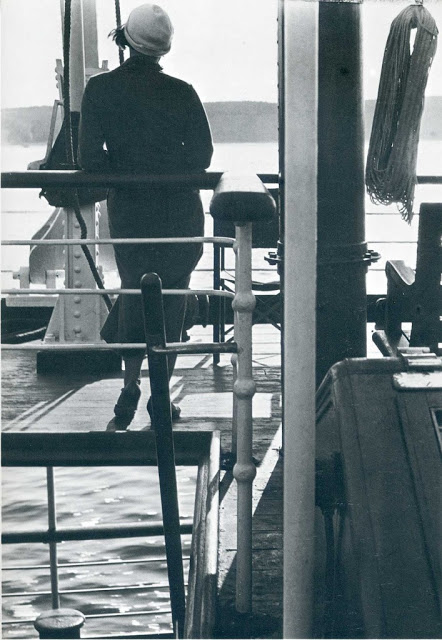
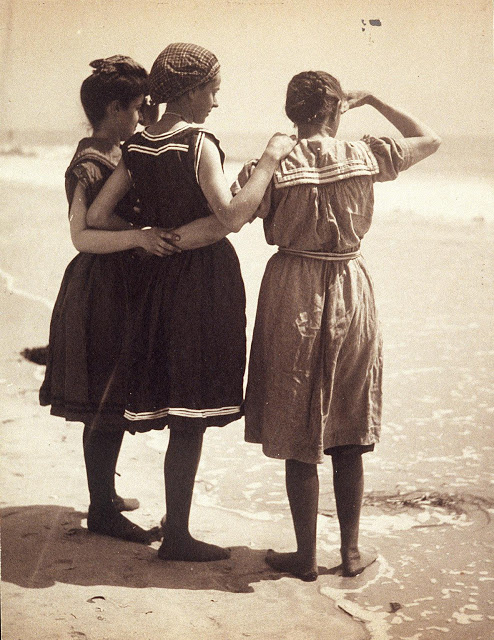
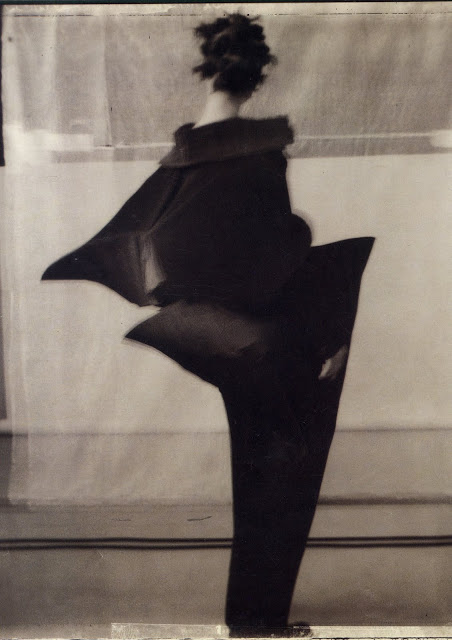
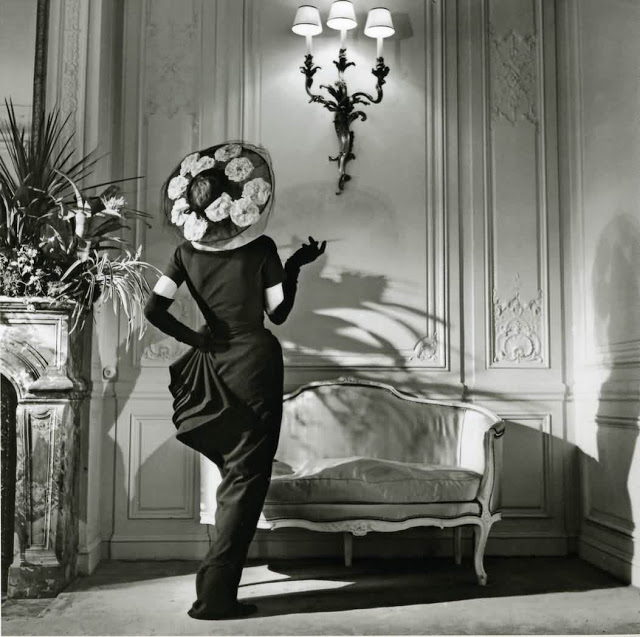
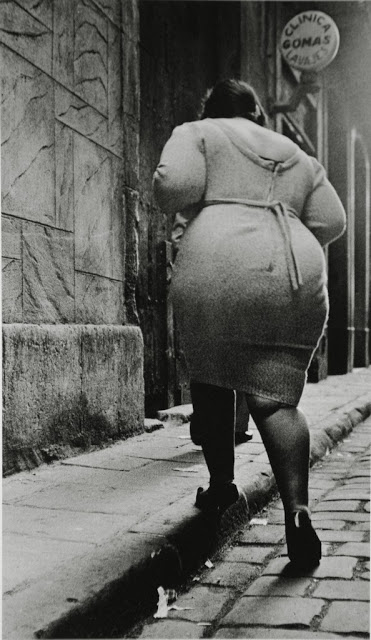
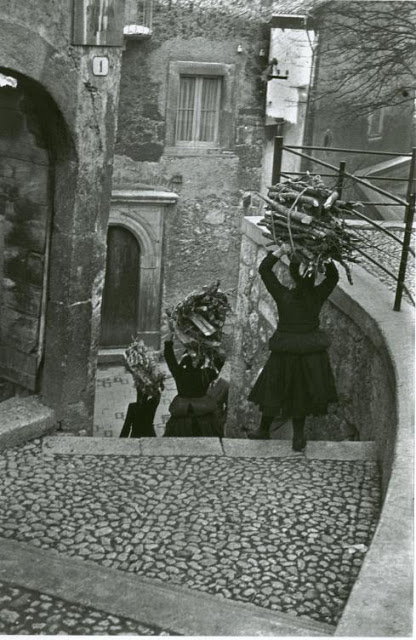
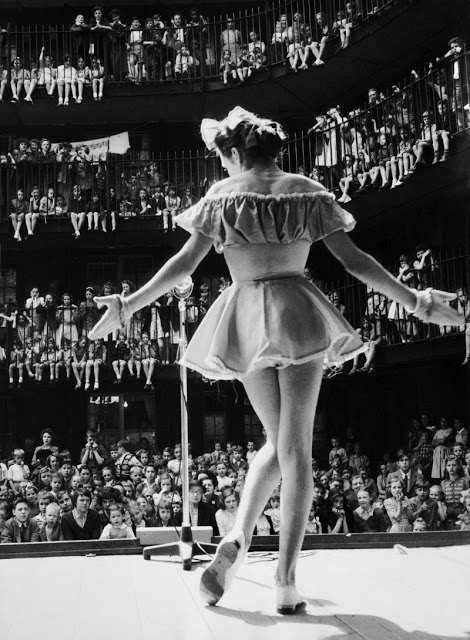
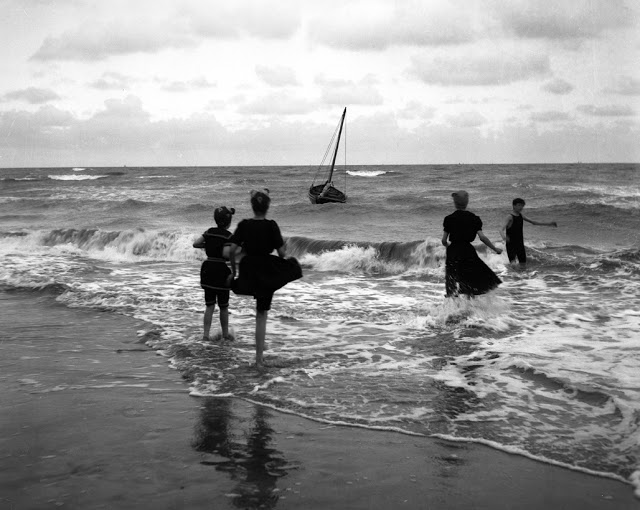
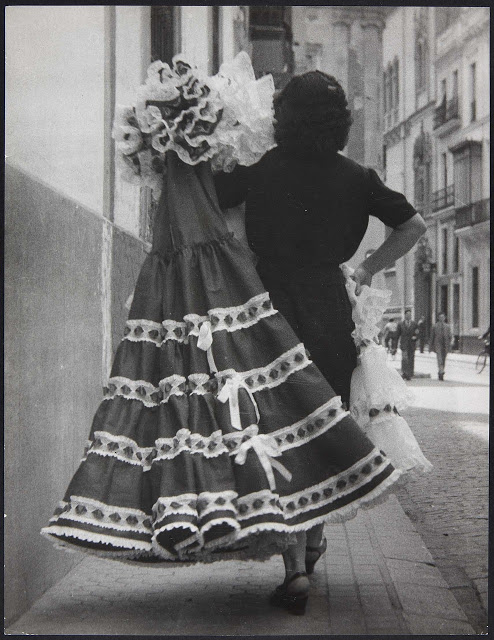
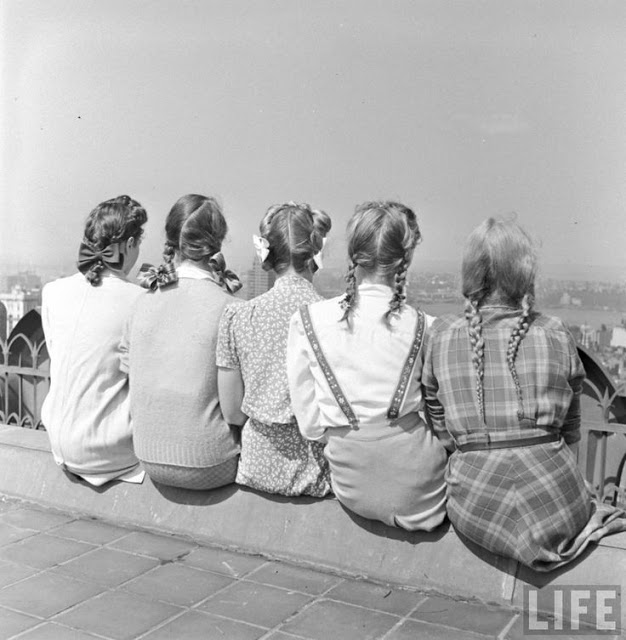
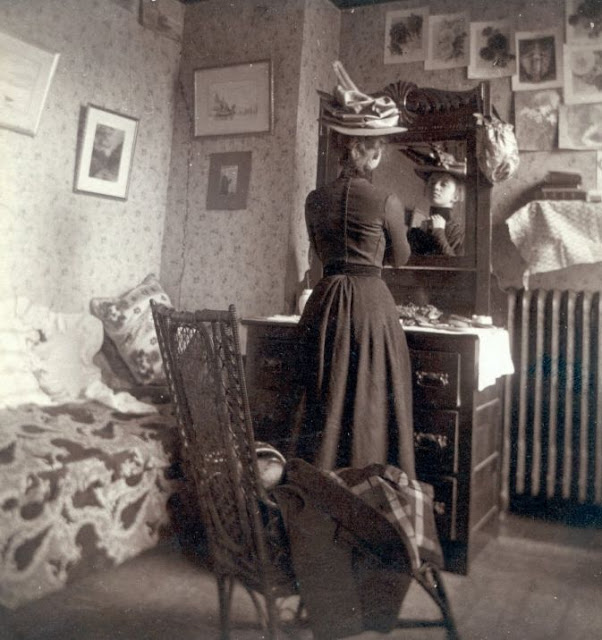
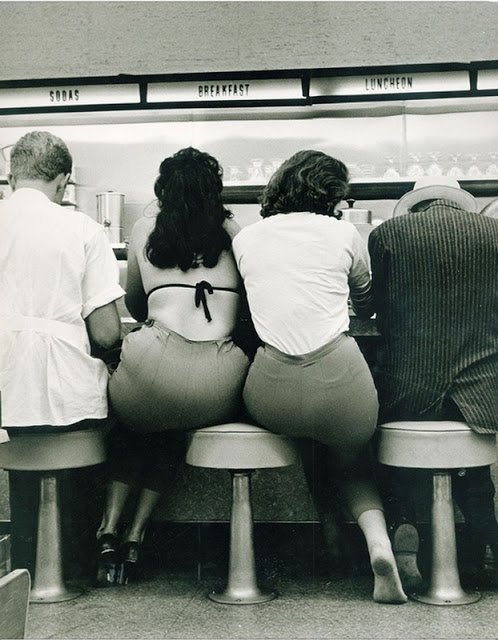
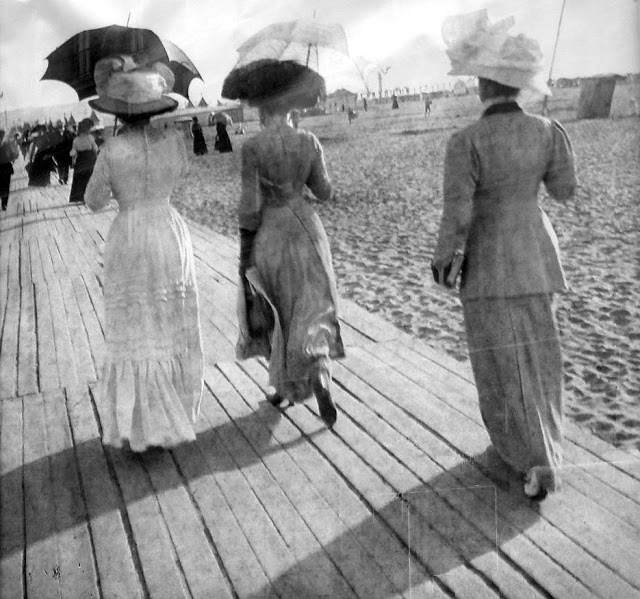
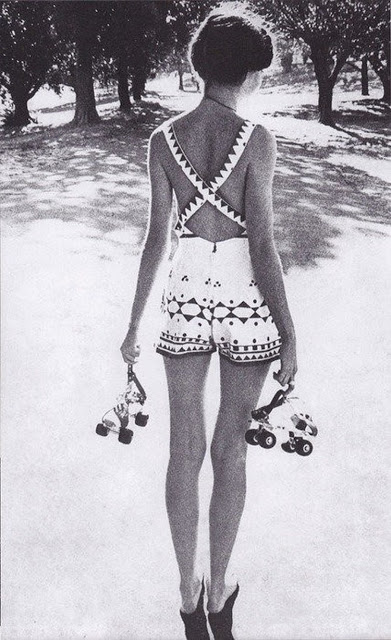
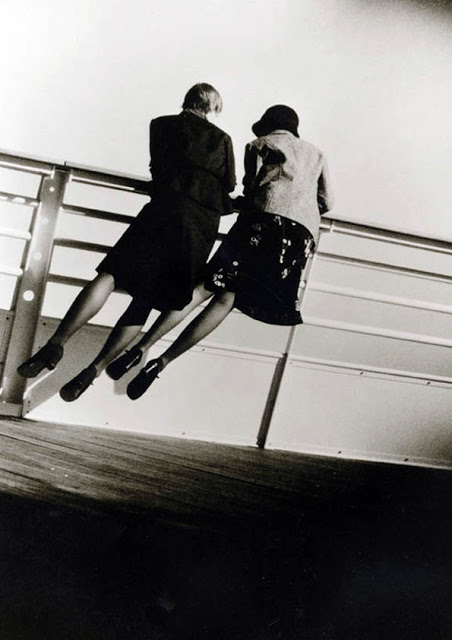
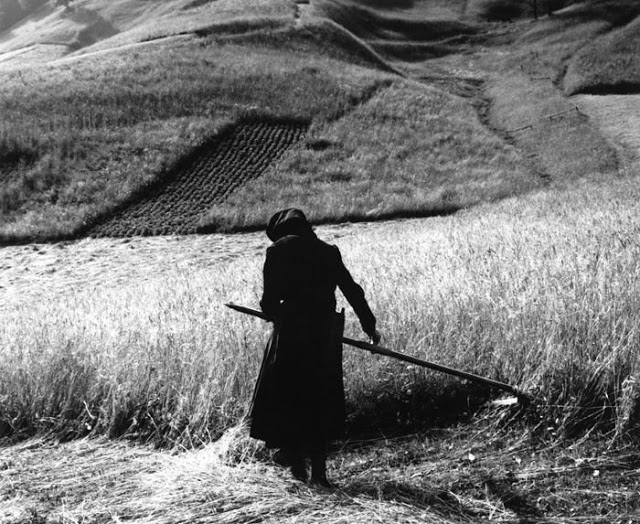
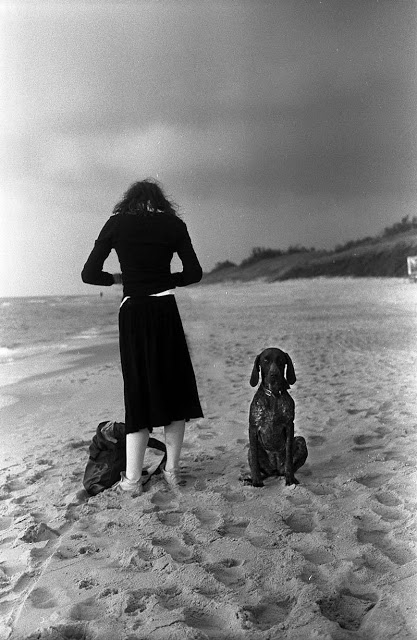
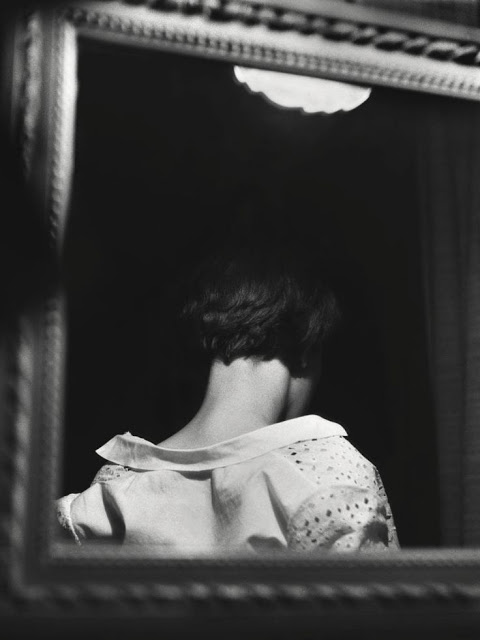
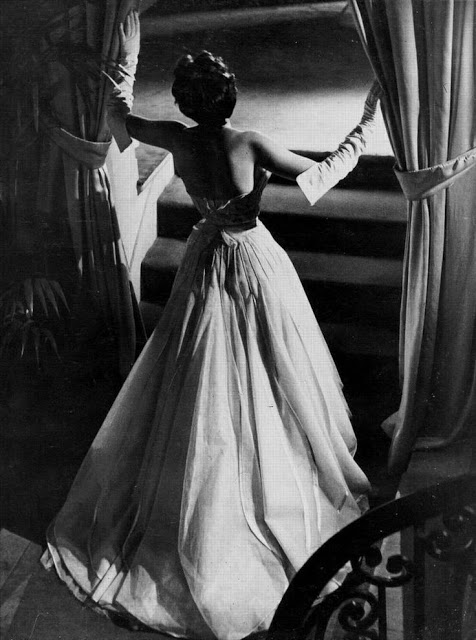
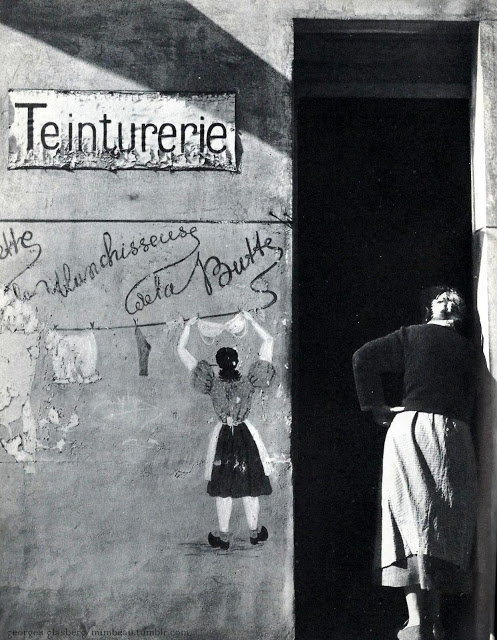
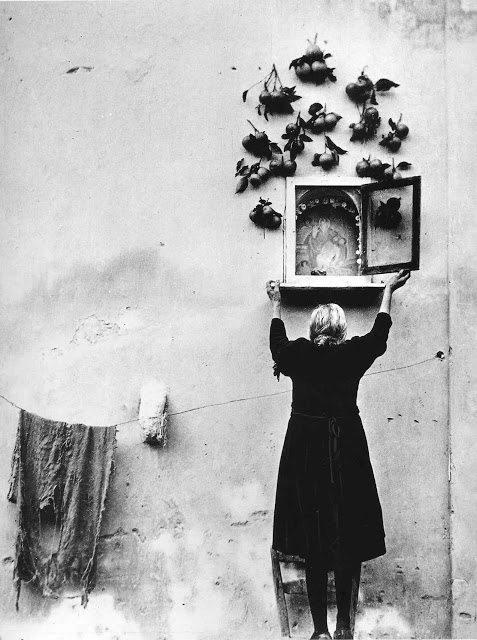
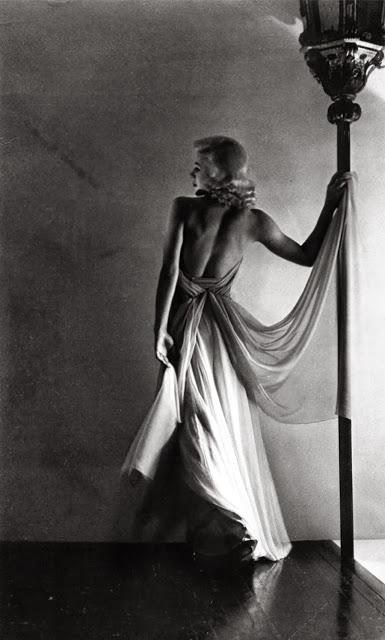
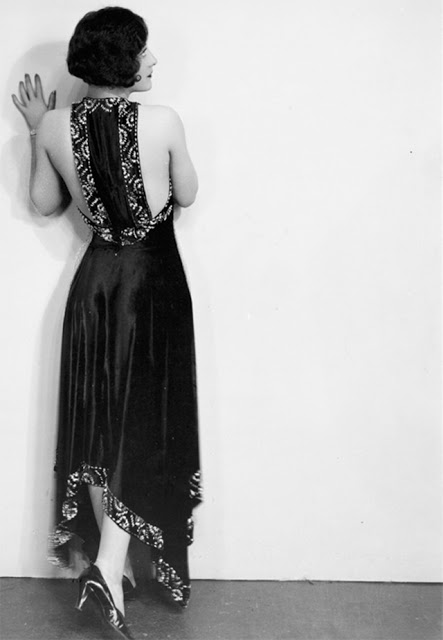
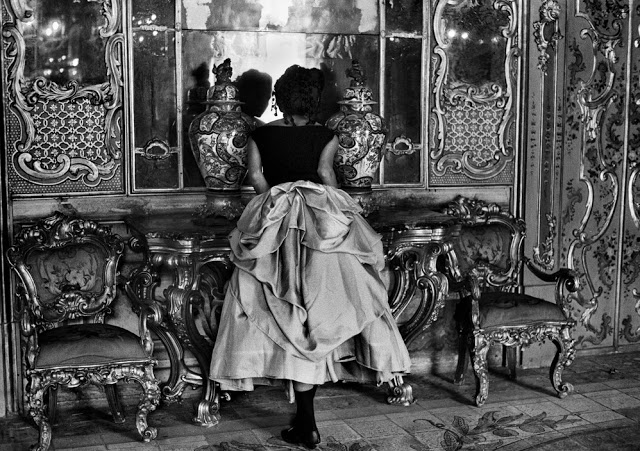
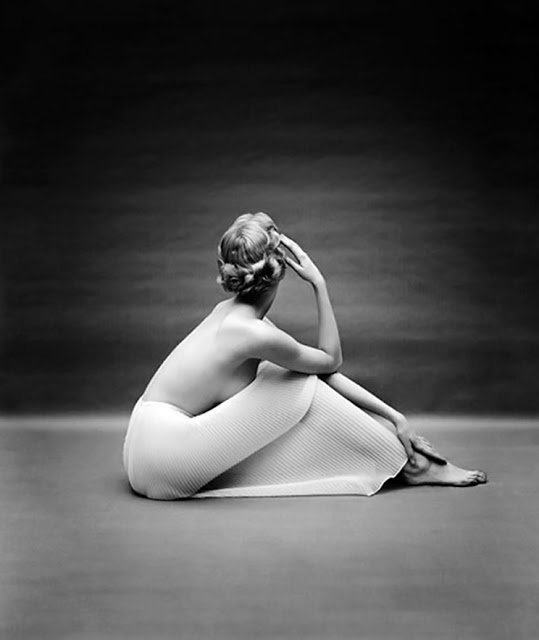
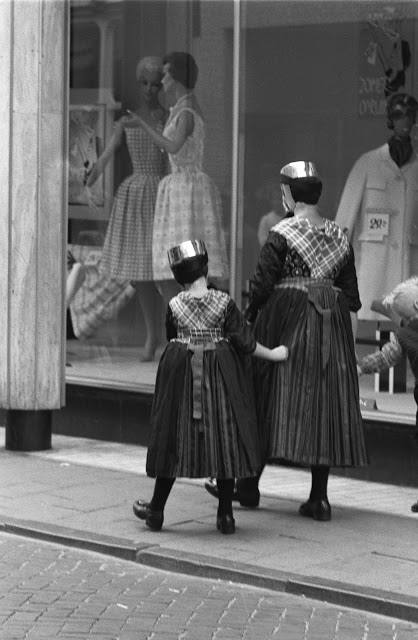
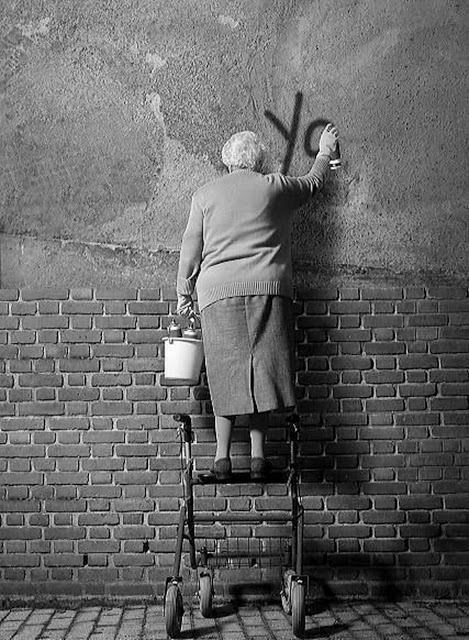
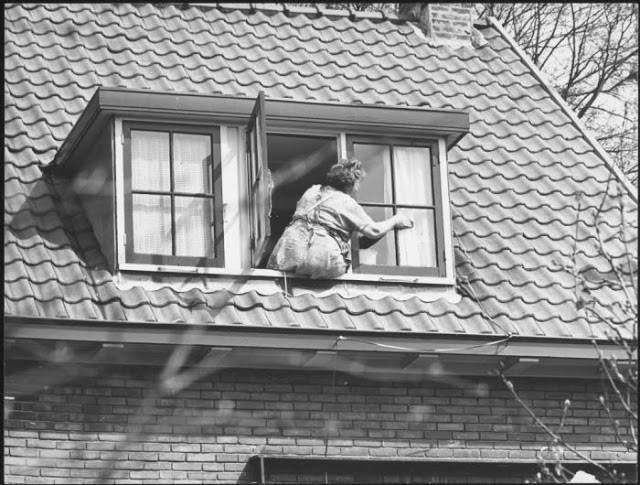
100 Amazing Vintage Photos that Capture Women From Behind Over the Last Century

In the past women were in some ways thought of as being inferior to men. The typical lifestyle among families was for women to stay at home while men worked, and this was the acknowledged as a way of life for both parties. Although certain generalisations still exist much of this has changed.

Women these day are more independent than in the past. They demand more from their lives and choose how they want to live. They also have more power. Look at the influence of women like Michelle Obama and Oprah. To honor women in the past, from fashion shots to everyday life photographs, we collected a gallery of 100 interesting images of women captured from behind over last century.

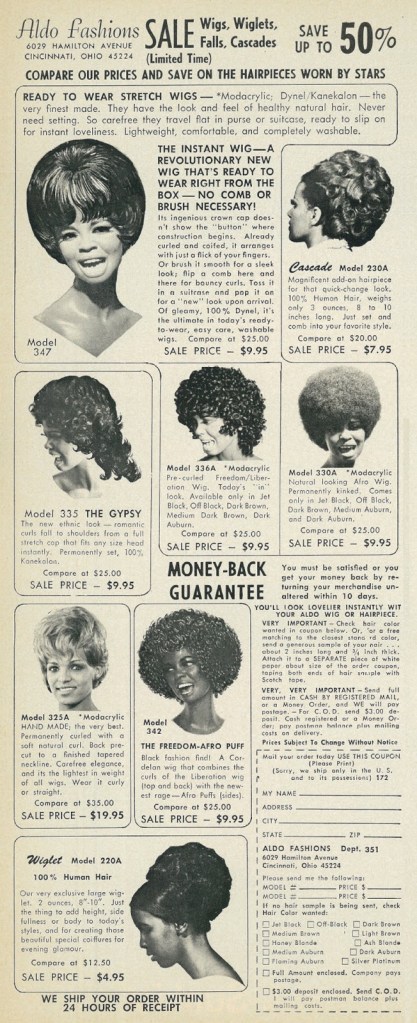
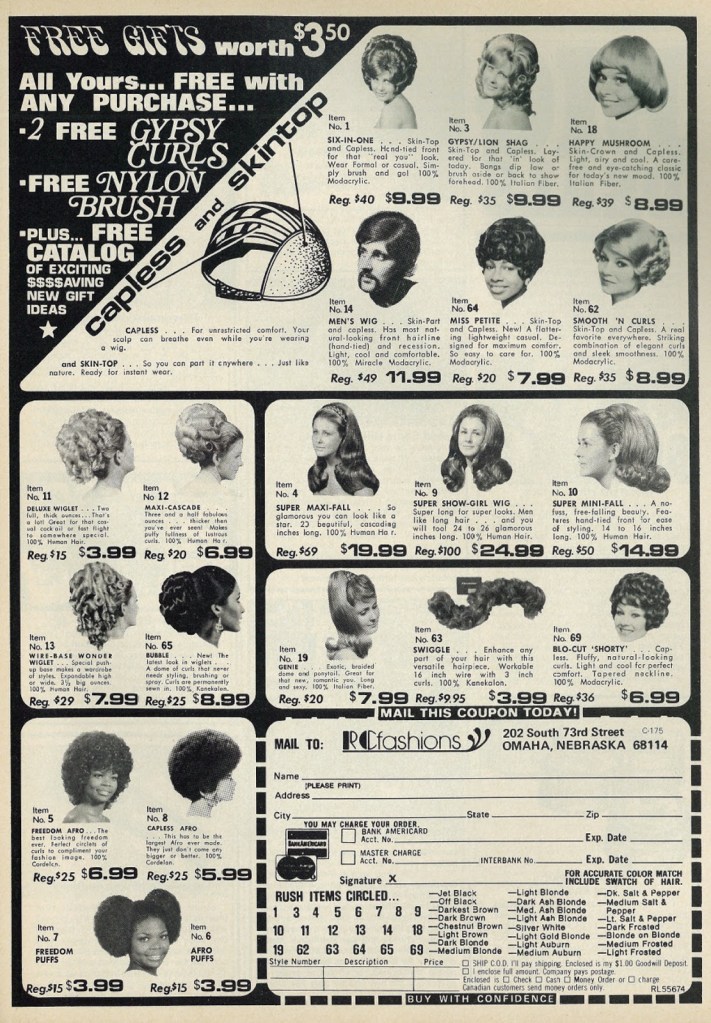
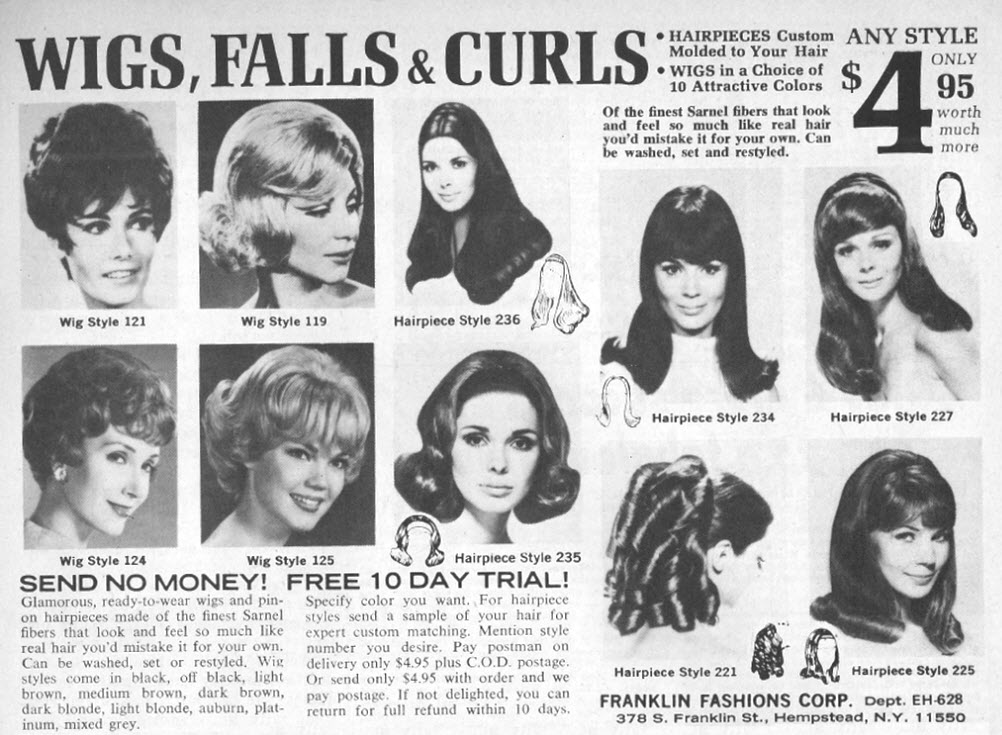
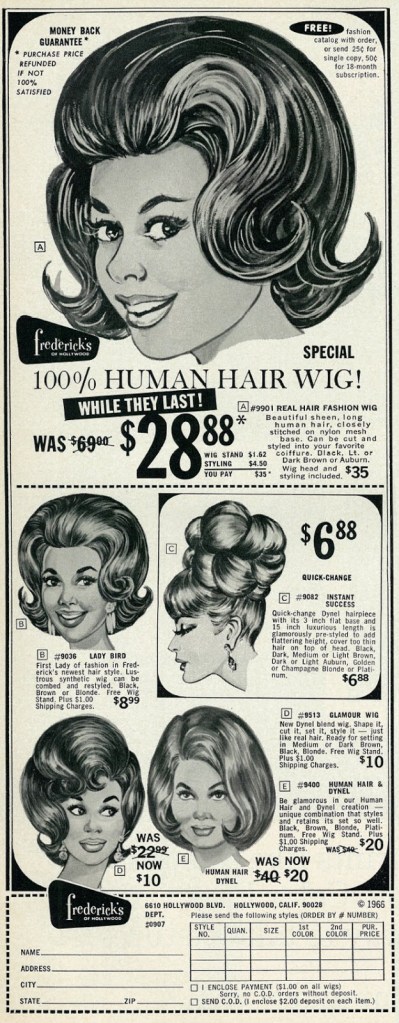
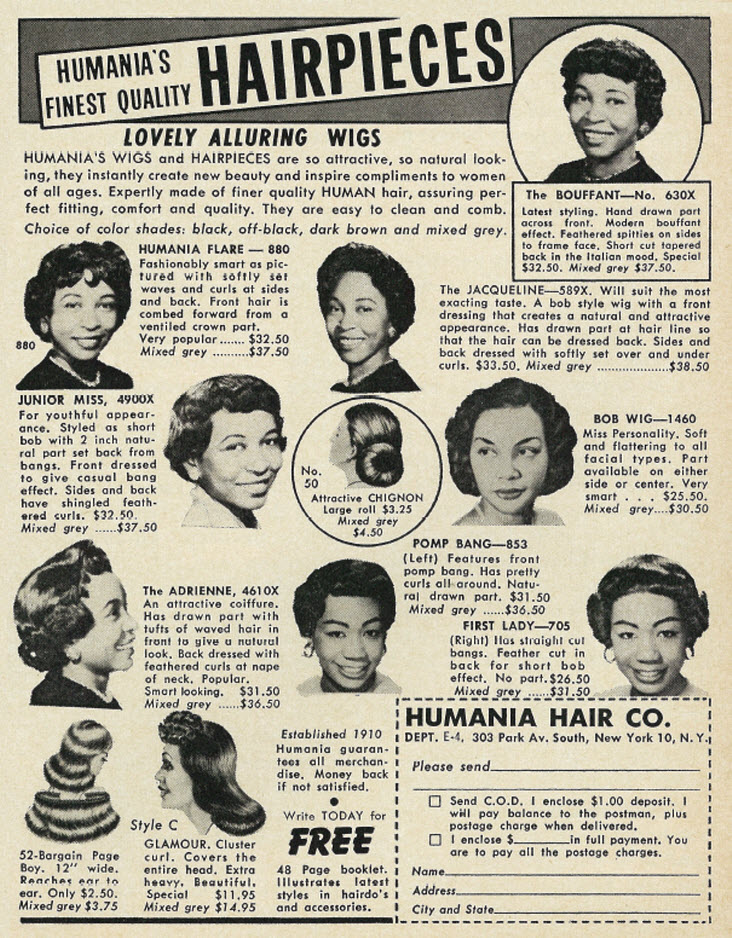
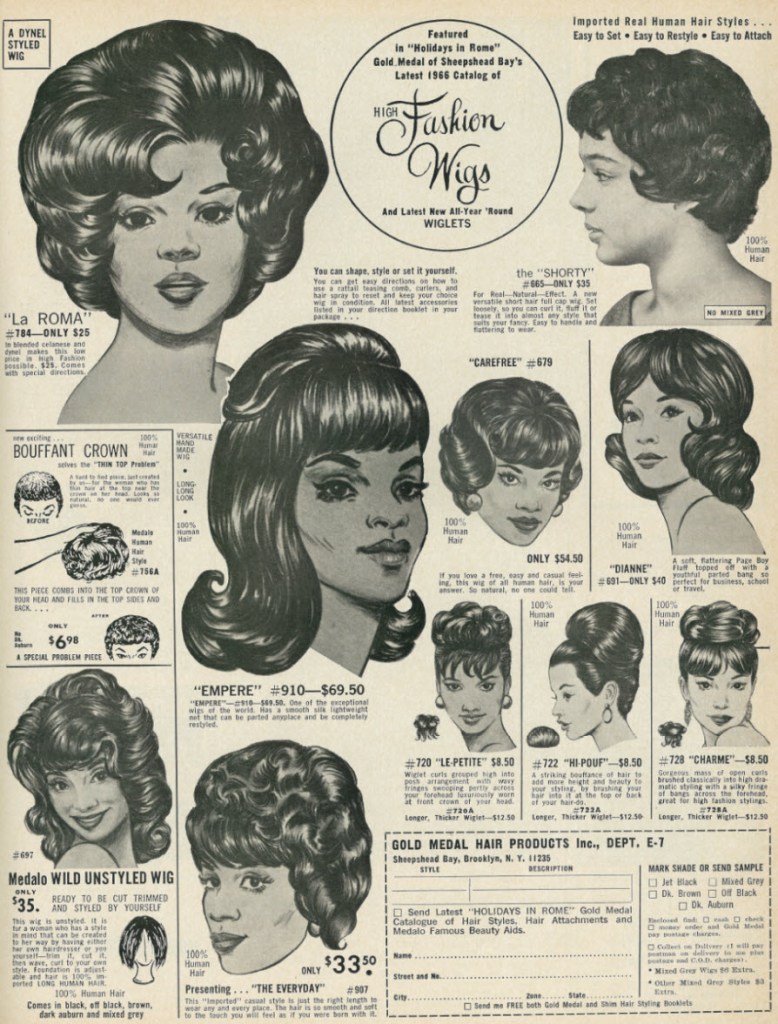
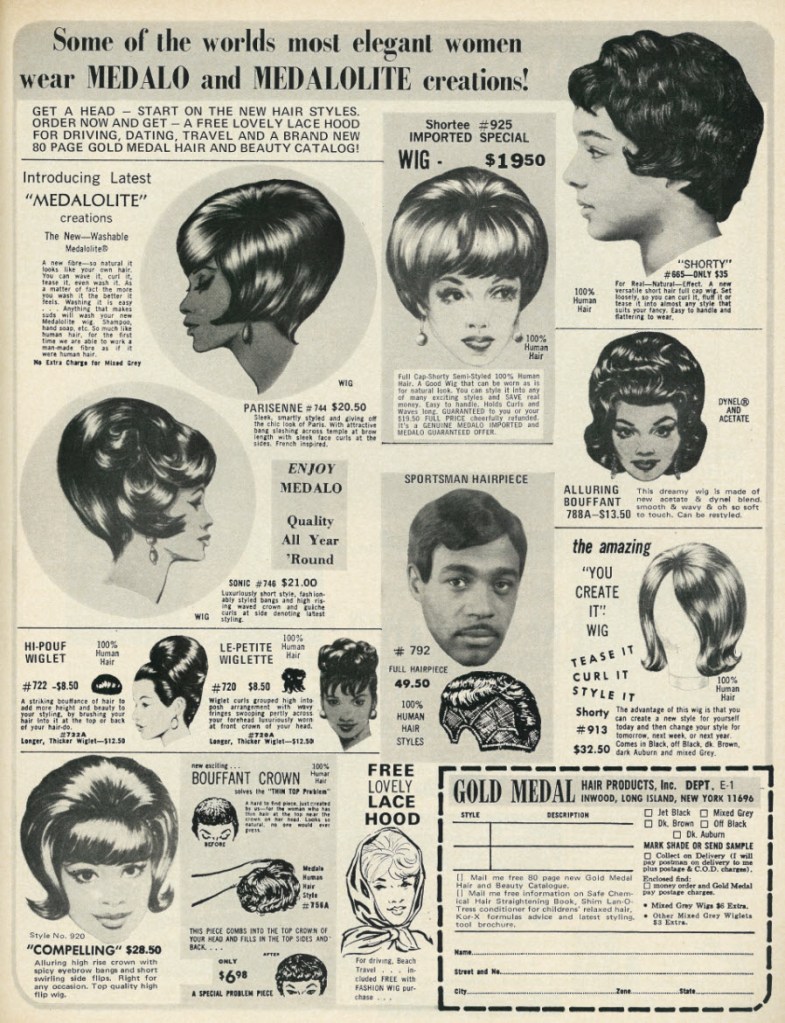
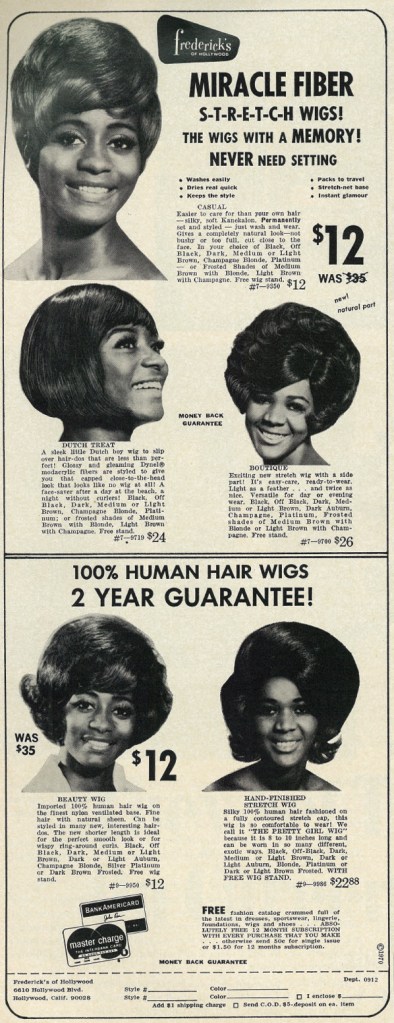
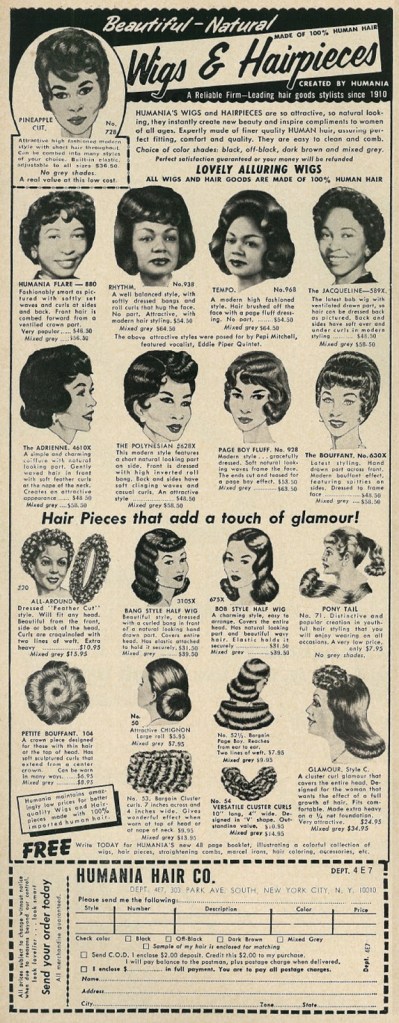
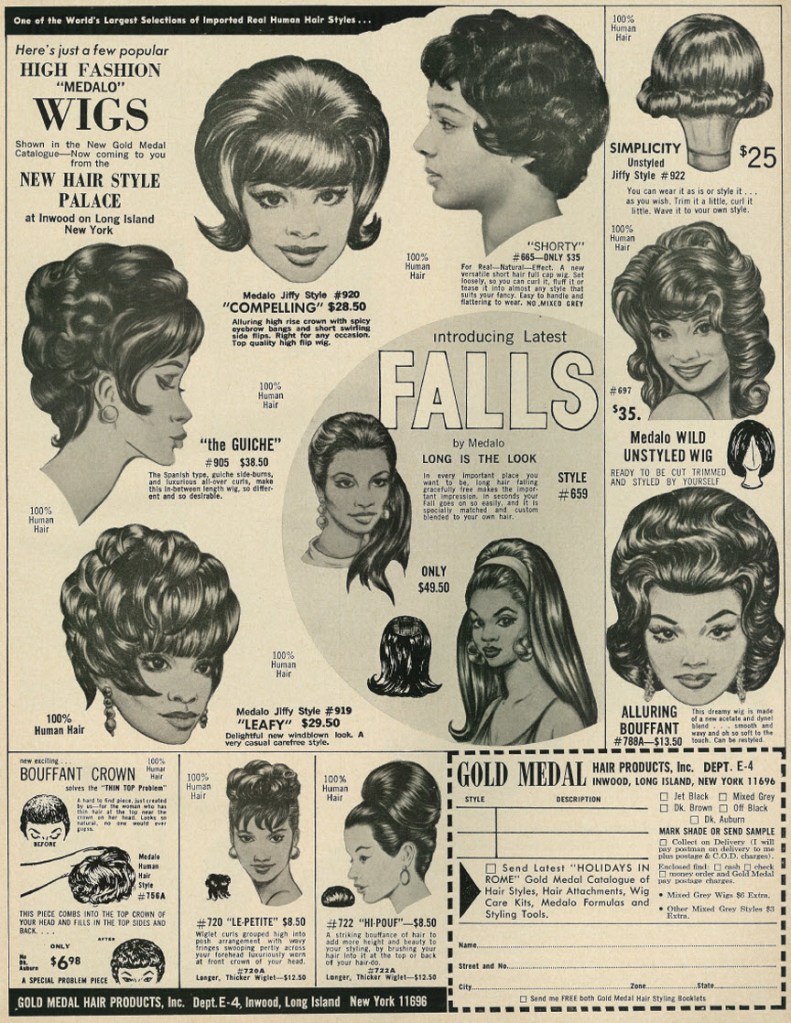
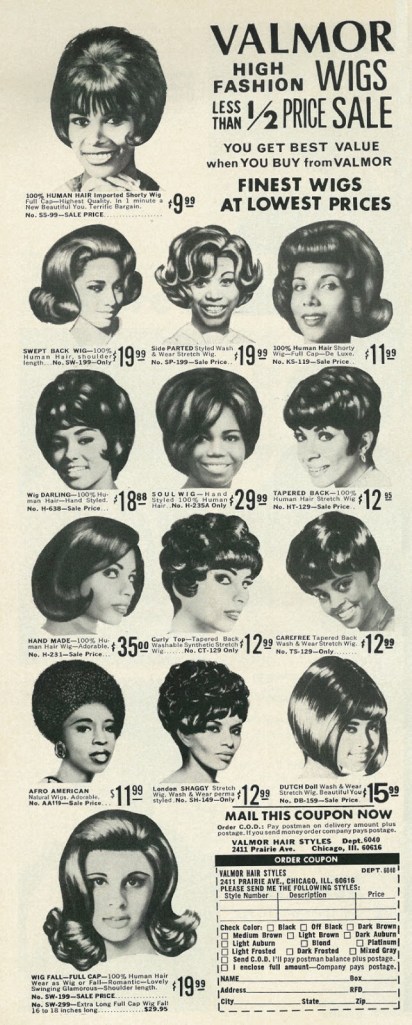
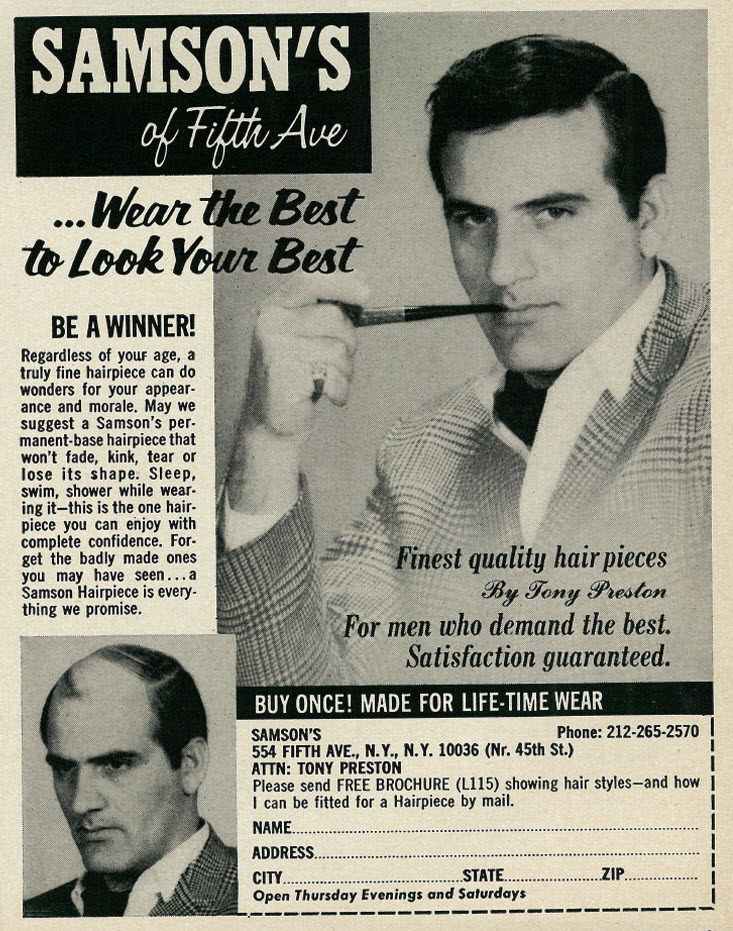
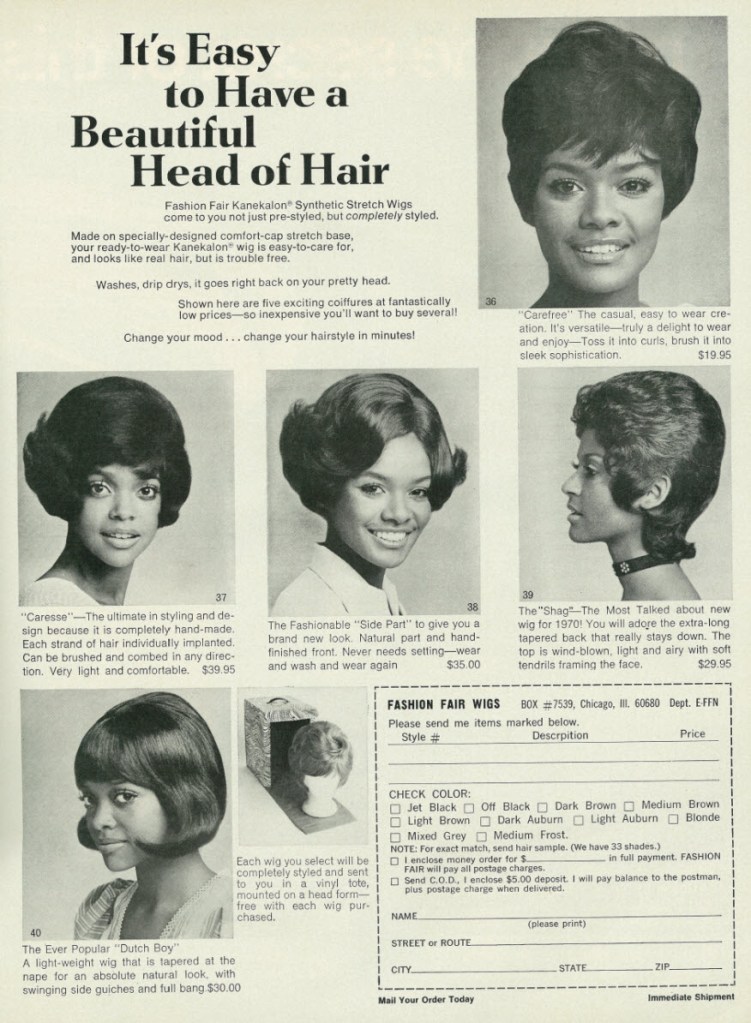
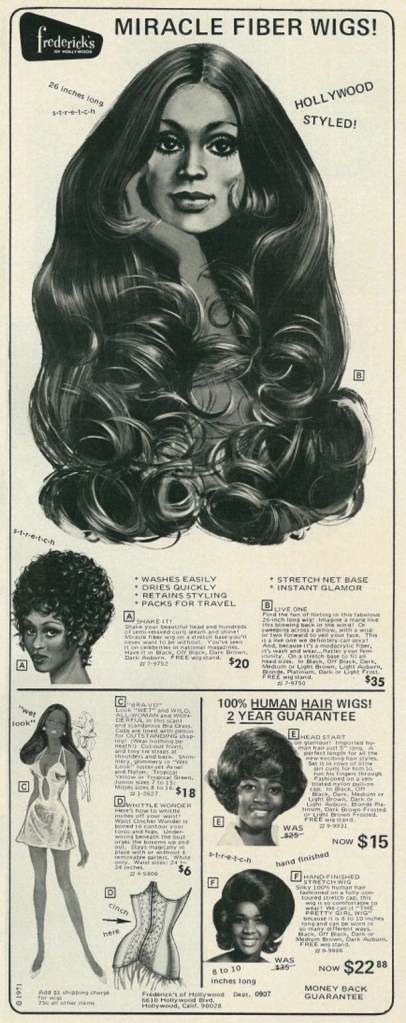
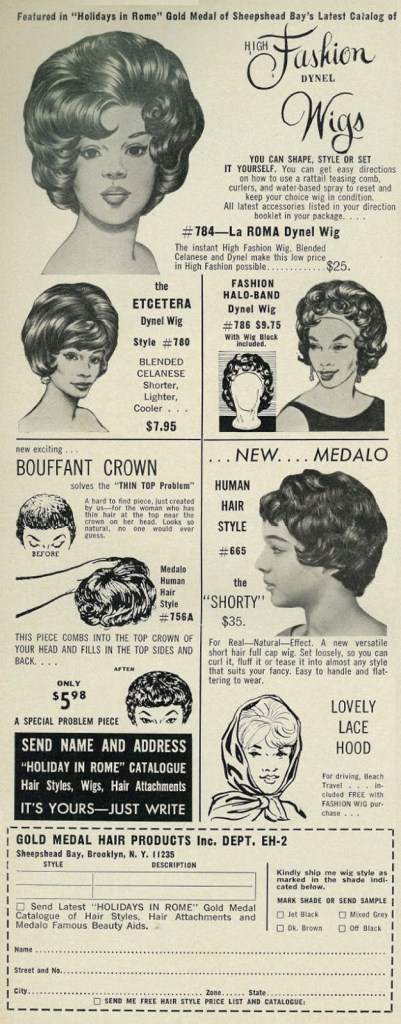
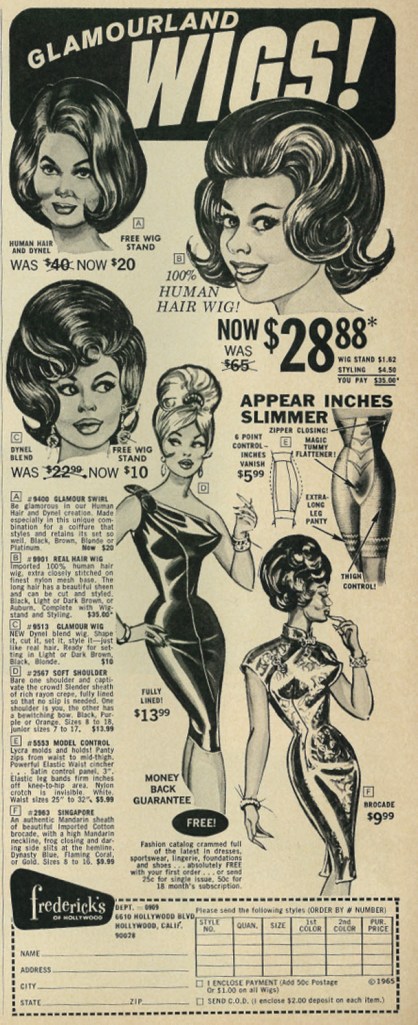
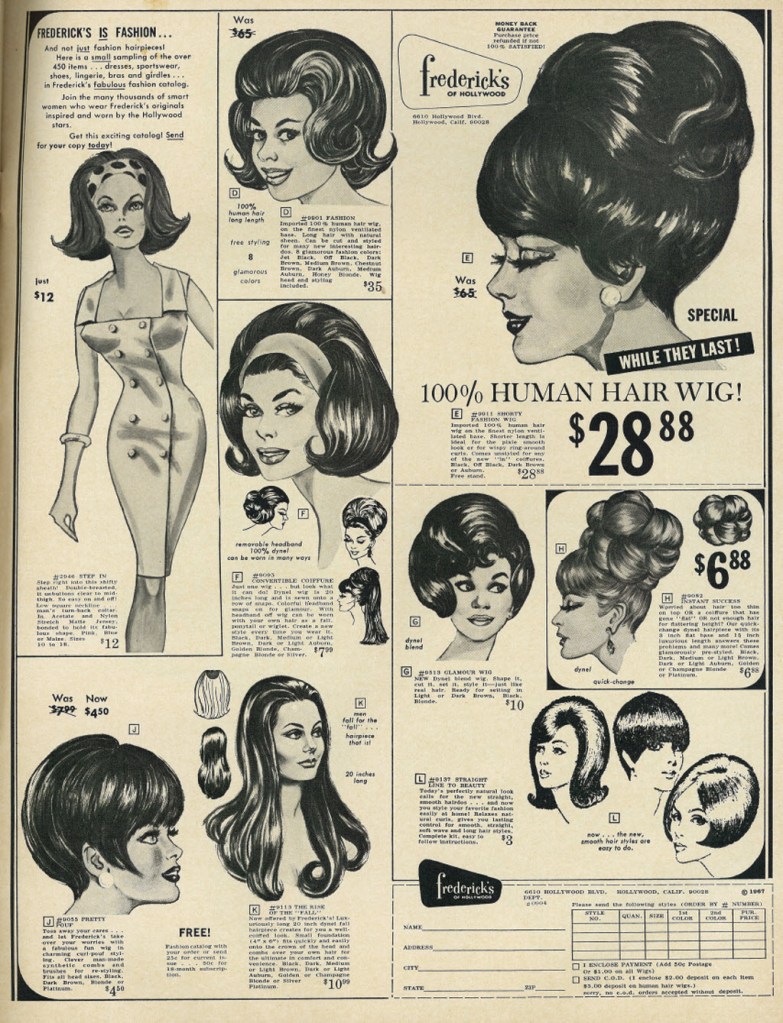
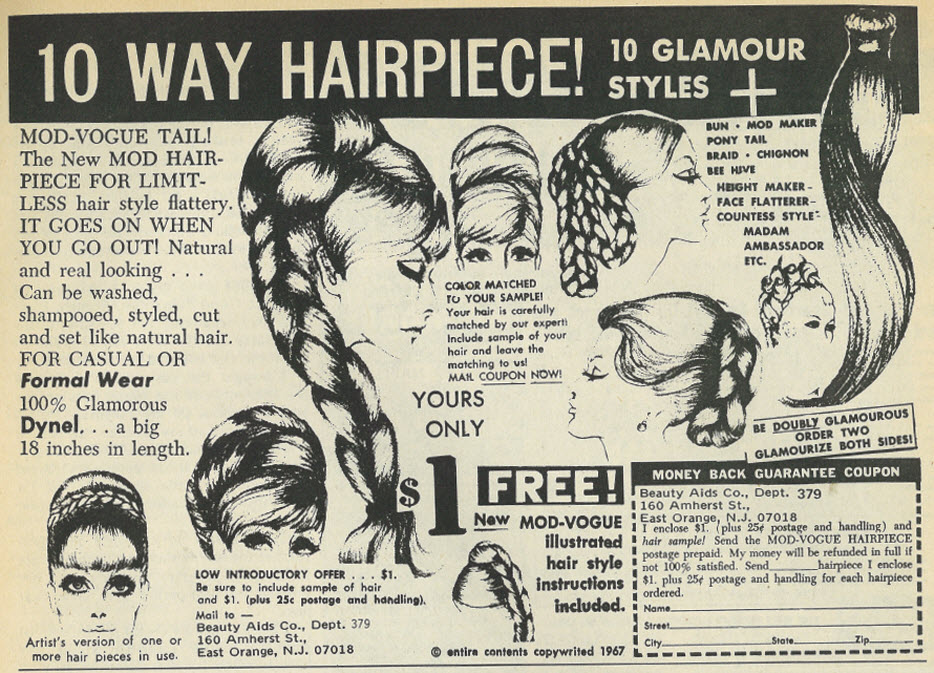
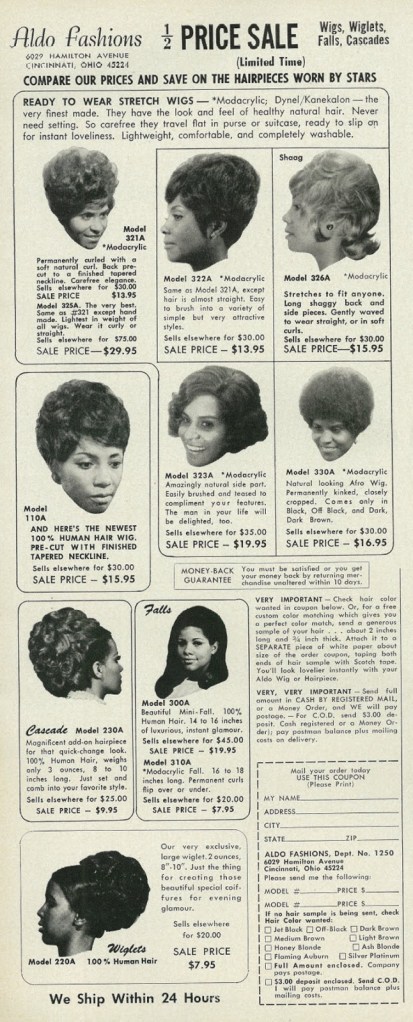
19 Vintage Ads for Fashion Wigs and Hairpieces From the 1960s and 1970s

Everyone remembers the hairstyles of the 60s – afros, long hippy hair and the perfectly bouffanted look all go together to create an incredible era of hair. Whilst you might not have the hair you need for your costume; in the 1960s and ’70s, these fashion wig ads for you to use and complete the look.

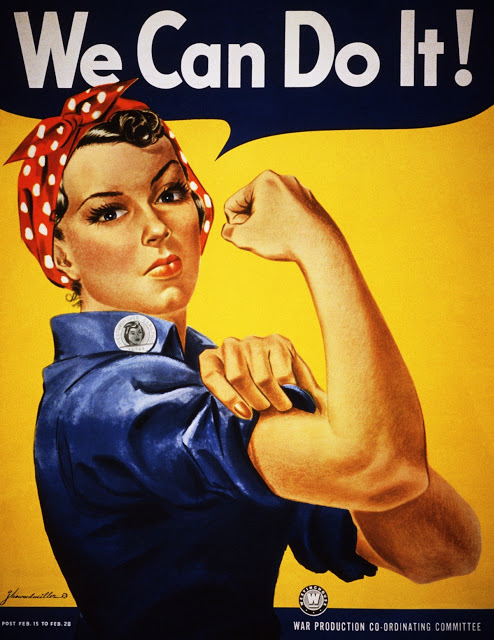
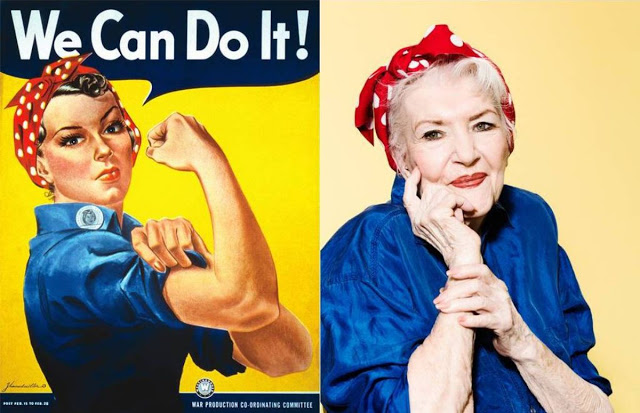
“We Can Do It!” – Meet the Woman Who Inspired the Famous Wartime Propaganda Poster in World War II

In 1942, Pittsburgh artist J. Howard Miller was hired by the Westinghouse Company’s War Production Coordinating Committee to create a series of posters for the war effort. One of these posters became the famous “We Can Do It!” image—an image that in later years would also be called “Rosie the Riveter”, though it was never given this title during the war. Miller is thought to have based his “We Can Do It!” poster on a United Press International wire service photograph taken of a young female war worker, widely but erroneously reported as being a photo of Michigan war worker Geraldine Hoff (later Doyle.) More recent evidence indicates that the formerly mis-identified photo is actually of war worker Naomi Parker (later Fraley) taken at Alameda Naval Air Station in California.

The “We Can Do It!” poster was displayed only to Westinghouse employees in the Midwest during a two-week period in February 1943, then it disappeared for nearly four decades. During the war, the name “Rosie” was not associated with the image, and the purpose of the poster was not to recruit women workers but rather as motivational propaganda aimed at workers of both sexes already employed at Westinghouse. It was only later, in the early 1980s, that the Miller poster was rediscovered and became famous, associated with feminism, and often mistakenly called “Rosie the Riveter”.

In 1982, the “We Can Do It!” poster was reproduced in a magazine article, “Poster Art for Patriotism’s Sake”, a Washington Post Magazine article about posters in the collection of the National Archives.

In subsequent years, the poster was re-appropriated to promote feminism. Feminists saw in the image an embodiment of female empowerment. The “We” was understood to mean “We Women”, uniting all women in a sisterhood fighting against gender inequality. This was very different from the poster’s 1943 use to control employees and to discourage labor unrest. History professor Jeremiah Axelrod commented on the image’s combination of femininity with the “masculine (almost macho) composition and body language.”

Smithsonian magazine put the image on its cover in March 1994, to invite the viewer to read a featured article about wartime posters. The US Postal Service created a 33¢ stamp in February 1999 based on the image, with the added words “Women Support War Effort”. A Westinghouse poster from 1943 was put on display at the National Museum of American History, part of the exhibit showing items from the 1930s and ’40s.

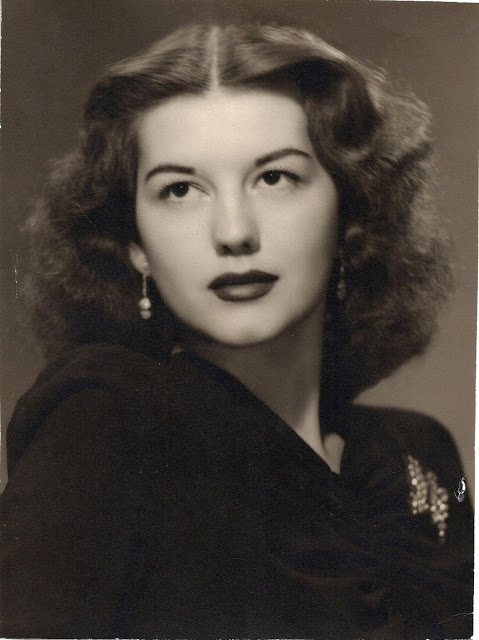
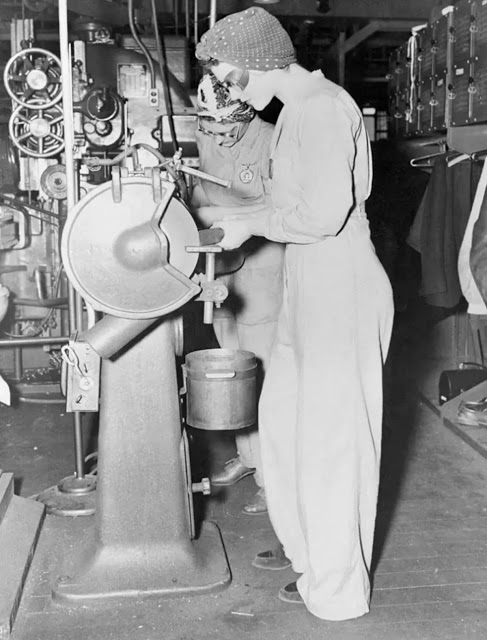
In 1984, former war worker Geraldine Hoff Doyle came across an article in Modern Maturity magazine which showed a wartime photograph of a young woman working at a lathe, and she assumed that the photograph was taken of her in mid-to-late 1942 when she was working briefly in a factory. Ten years later, Doyle saw the “We Can Do It!” poster on the front of the Smithsonian magazine and assumed the poster was an image of herself. Without intending to profit from the connection, Doyle decided that the 1942 wartime photograph had inspired Miller to create the poster, making Doyle herself the model for the poster. Subsequently, Doyle was widely credited as the inspiration for Miller’s poster.

Geraldine Hoff Doyle (1924-2010), believed to be the model for the World War II era “We Can Do It!” poster, shown here in 1942 at age 17.

From an archive of Acme news photographs, Professor James J. Kimble obtained the original photographic print, including its yellowed caption identifying the woman as Naomi Parker. The photo is one of a series of photographs taken at Naval Air Station Alameda in California, showing Parker and her sister working at their war jobs during March 1942. These images were published in various newspapers and magazines beginning in April 1942, during a time when Doyle was still attending high school in Michigan.

Fraley was unaware of her identity on the poster for 30 years until she was informed that her photo had been misidentified. “I couldn’t believe it because it was me in the photo, but there was somebody else’s name in the caption: Geraldine. I was amazed,” Fraley told PEOPLE in September 2016.

Naomi Parker Fraley working at the Naval Air Station in Alameda, California, in March 1942.
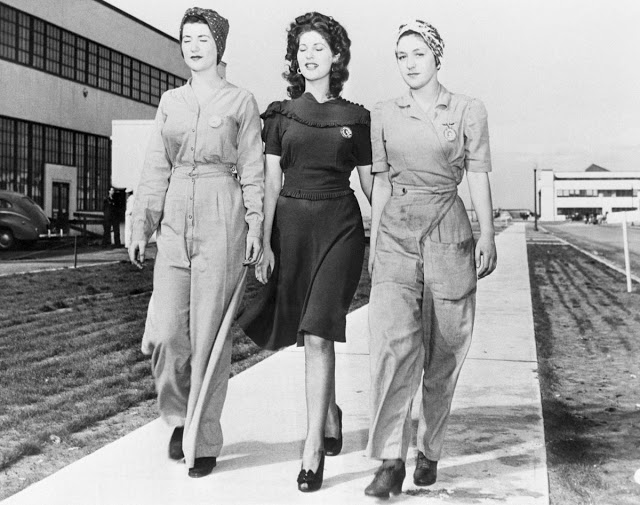
Naomi Parker (left), her sister Ada Parker (middle), and Frances Johnson representing war work fashion at the Alameda U.S. Naval Air Station, 1942.

However, it was too late to set the record straight as Hoff Doyle’s identity was already cemented as Rosie. “I just wanted my own identity. I didn’t want fame or fortune, but I did want my own identity,” Fraley recalled.

In February 2015, Kimble interviewed the Parker sisters, now named Naomi Fern Fraley, 93, and her sister Ada Wyn Morford, 91, and found that they had known for five years about the incorrect identification of the photo, and had been rebuffed in their attempt to correct the historical record.

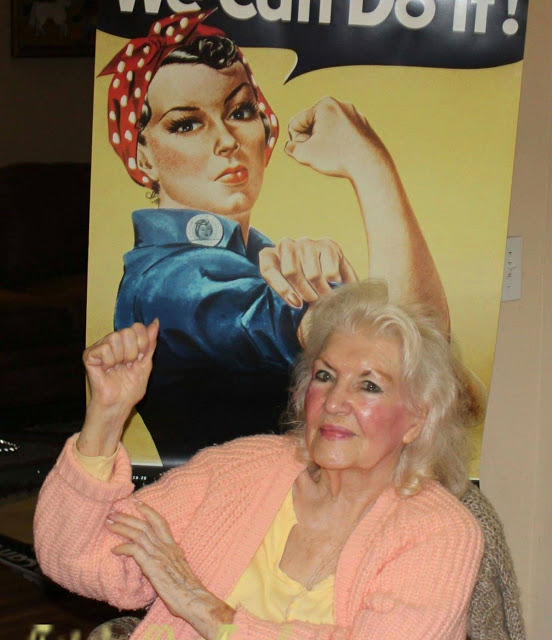
Naomi Parker Fraley in 2015 with the Rosie the Riveter poster that became a feminist touchstone.

After the war, Parker worked as a waitress at the Doll House, a restaurant in Palm Springs. She was married three times. On January 20, 2018, Parker died in Longview, Washington at the age of 96. The following month, her life was celebrated on BBC Radio 4’s obituary programme Last Word.

Although many publications have repeated Doyle’s unsupported assertion that the wartime photograph inspired Miller’s poster, Westinghouse historian Charles A. Ruch, a Pittsburgh resident who had been friends with J. Howard Miller, said that Miller was not in the habit of working from photographs, but rather live models. However, the photograph of Naomi Parker did appear in the Pittsburgh Press on July 5, 1942, making it possible that Miller saw it as he was creating the poster.

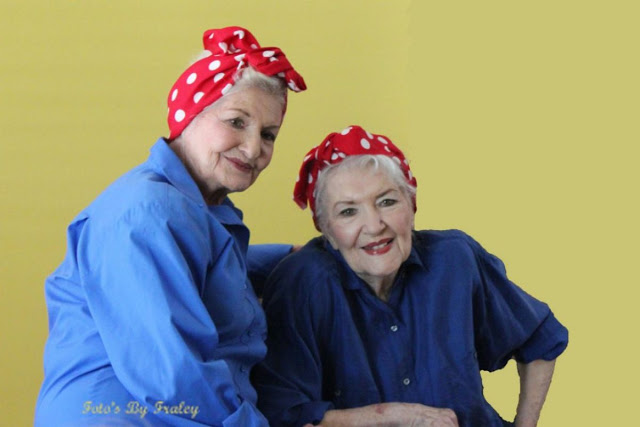
Mrs. Fraley, right, in September 2016 with her younger sister, Ada Wyn Parker Loy.

Vintage Photos Showing How Vietnamese People Celebrated Lunar New Year in Hanoi in the 1920s

Nearly one hundred years ago, Tet Holiday or Vietnamese Lunar New Year evoked the same excitement and expectations it does today; except, things were very different.

Vietnamese people celebrate the Lunar New Year annually, which is based on a lunisolar calendar (calculating both the motions of Earth around the Sun and of the Moon around Earth). Tet is generally celebrated on the same day as Chinese New Year, except when the one-hour time difference between Vietnam and China results in new moon occurring on different days. It takes place from the first day of the first month of the Vietnamese calendar (around late January or early February) until at least the third day.

Many Vietnamese prepare for Tet by cooking special holiday food and cleaning the house. Many customs are practiced during Tet, such as visiting a person’s house on the first day of the new year (xông nhà), ancestor worship, wishing New Year’s greetings, giving lucky money to children and elderly people, and opening a shop.

Tet is also an occasion for pilgrims and family reunions. They start forgetting about the troubles of the past year and hope for a better upcoming year. They consider Tet to be the first day of spring, and the festival is often called H?i xuân (spring festival).

Here’s an early 20th century Tet celebration in black and white.

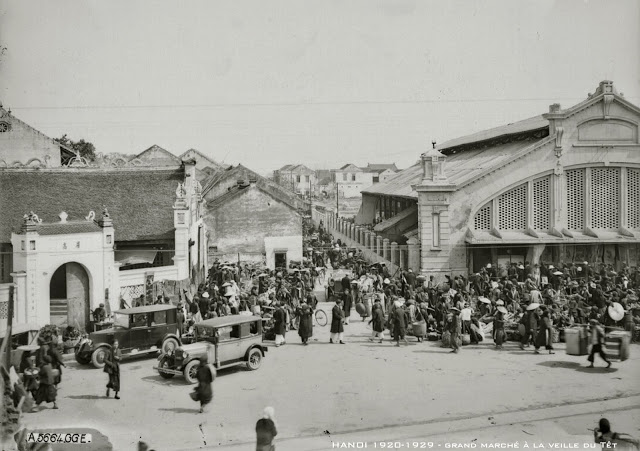
People gather at the Dong Xuan Market in Hanoi the day before the Lunar New Year. It was the only “supermarket” around then.
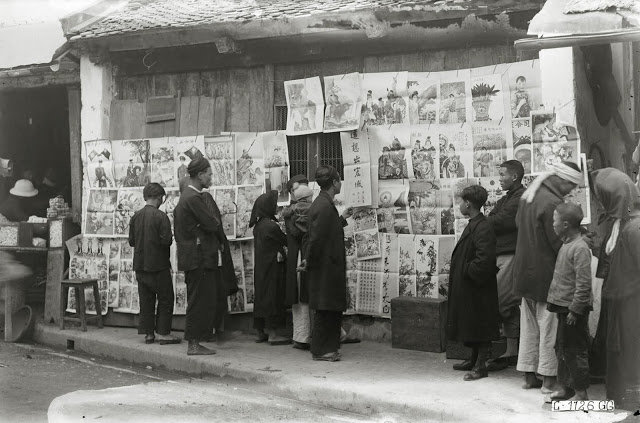
On a Hanoi street, Tet paintings are on sale in 1929. Then, too, Chinese characters, parallel sentences, pictures of flowers, carps, dragons and other, more modern subjects were sold as wall hangings to invite luck into a house for the Lunar New Year.
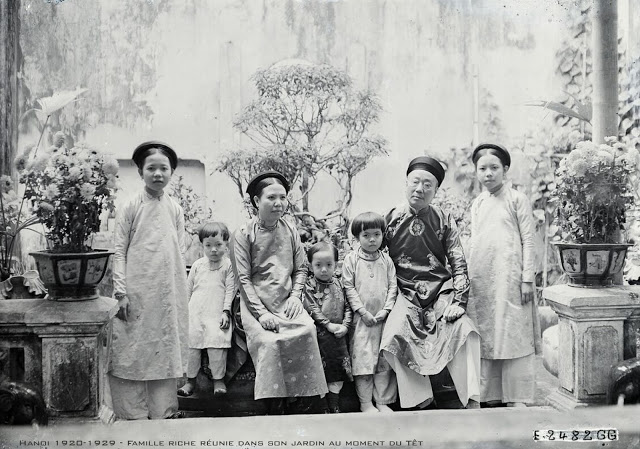
A Hanoi family poses for a picture as part of Tet celebrations.
Young kids help out and watch as an ong do, a Vietnamese calligrapher, writes Chinese or Han characters on red paper to be used as a house decoration for Tet.
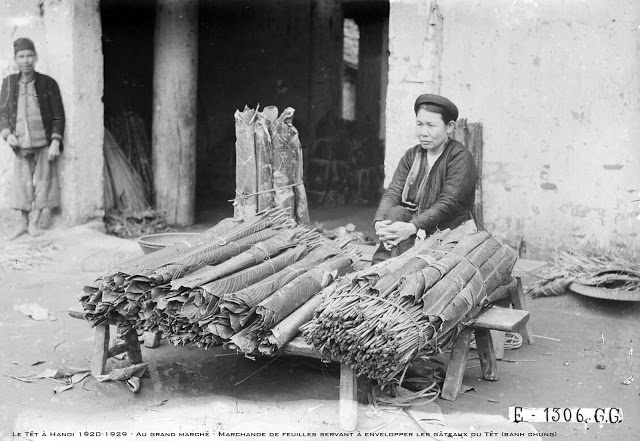
A woman sells dong (Phrynium) leaves to wrap banh chung, a traditional Vietnamese glutinous rice cake that is a Tet specialty, at Hanoi’s Dong Xuan Market in 1929.
An old man chooses a daffodil as a Tet decoration. Daffodils are believed to awaken one’s hidden potential, including talent and creativity. They also represent rejuvenation, chivalry and generosity. However, they are not so prevalent as a Tet decoration as they once were.
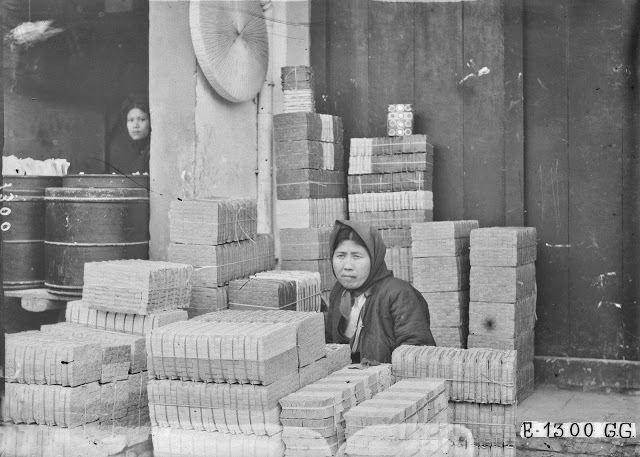
A merchant sells paper offerings for Tet in Hanoi’s Dong Xuan Market in 1929. In Vietnam, paper offerings, which imitate common objects like money or clothes, are burned as offerings to ancestors during traditional celebrations, Tet in particular.
Children wrestle with each other as a Tet sport in Hanoi, 1929. Wrestling is another traditional Vietnamese game, which tests players’ strength, agility, stamina and quick-thinking, but this is no longer as popular.
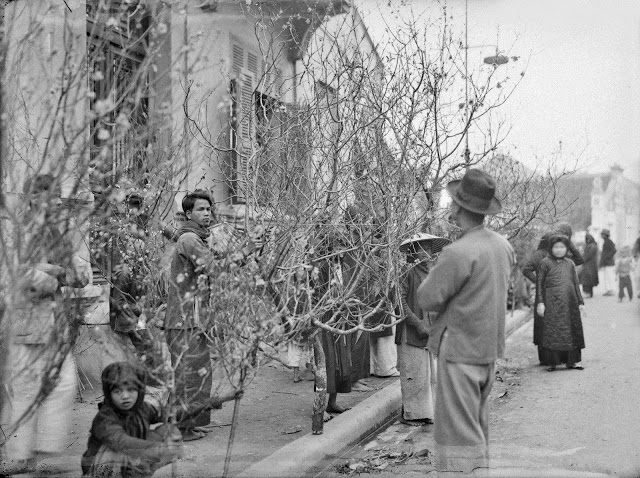
People pick branches of peach blossoms, for long used in the north as the main Tet adornment for the house. Peach blossoms are believed to repel ghosts and demons, and symbolize youth, fertility and hope brought by spring. In the south, the flowers of choice for Tet is the Ochna integerrima, commonly known as the yellow Mai flower.
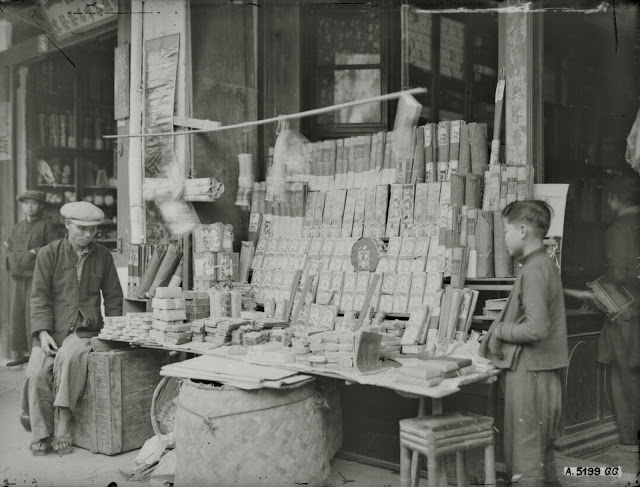
A Hanoi store sells firecrackers and sticks of incense for Tet in 1929. Firecrackers were burst during Tet to repel ghosts and demons, but they were banned by the Vietnamese government in 1995 because the production and explosions were causing too many accidents, deaths and injuries.
Two people fight, using long wooden poles as lances, as part of Tet celebrations in Hanoi, 1929. This sport, known as la lutte à la lance in French and roi truong in Vietnamese, was a traditional one engaged in during festivals in Vietnam. Combatants score points by hitting their opponents with wooden lances wrapped in fabric at one end, in various body parts. Any player who lets go of his lance automatically loses the match.
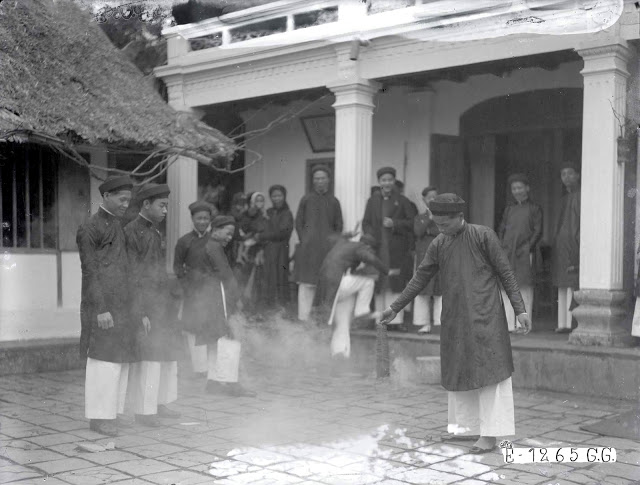
A man lights firecrackers in his family’s yard during Tet.

50 Amazing Vintage Photos From the 1950s Volume 5

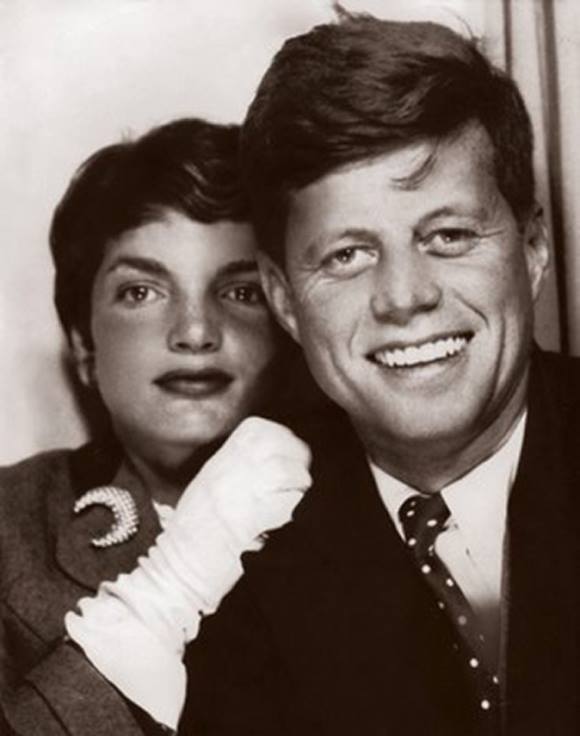
JFK and Jackie in a photobooth, 1953
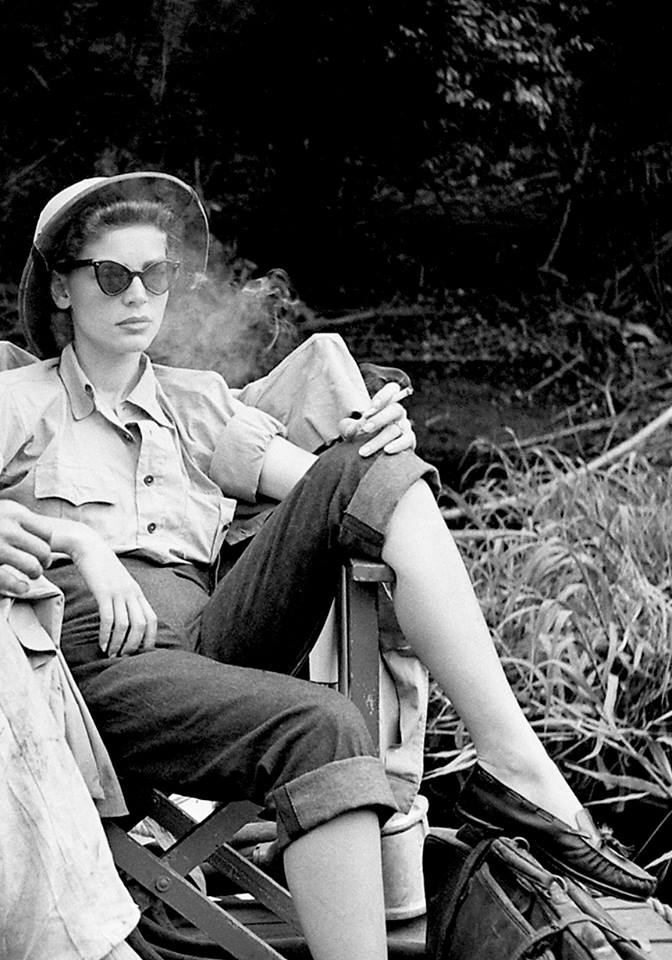
Lauren Bacall on the set of “The African Queen”, 1951.
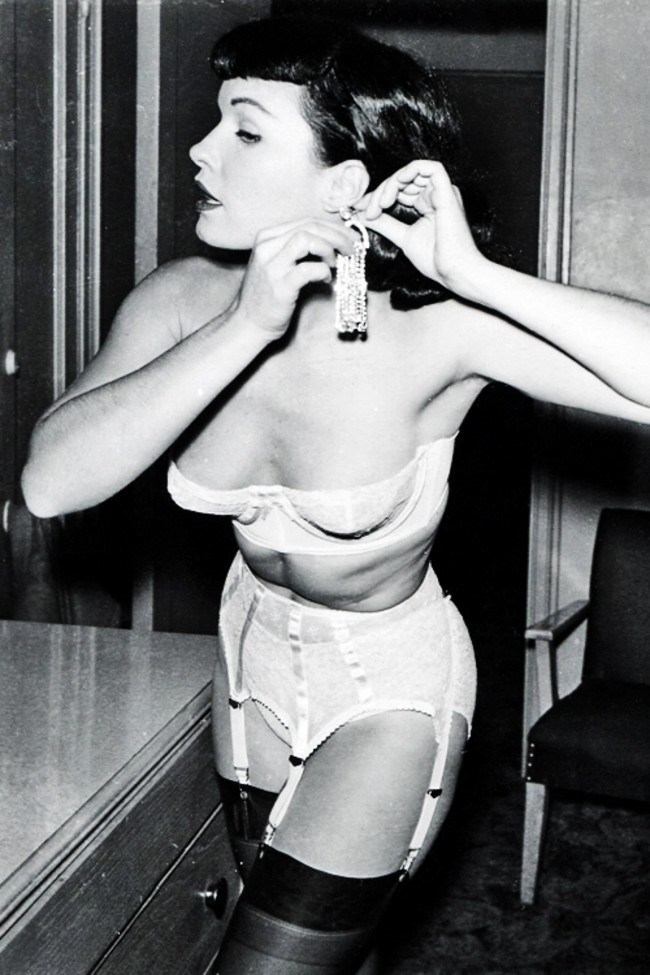
Model Bettie Page, 1950s
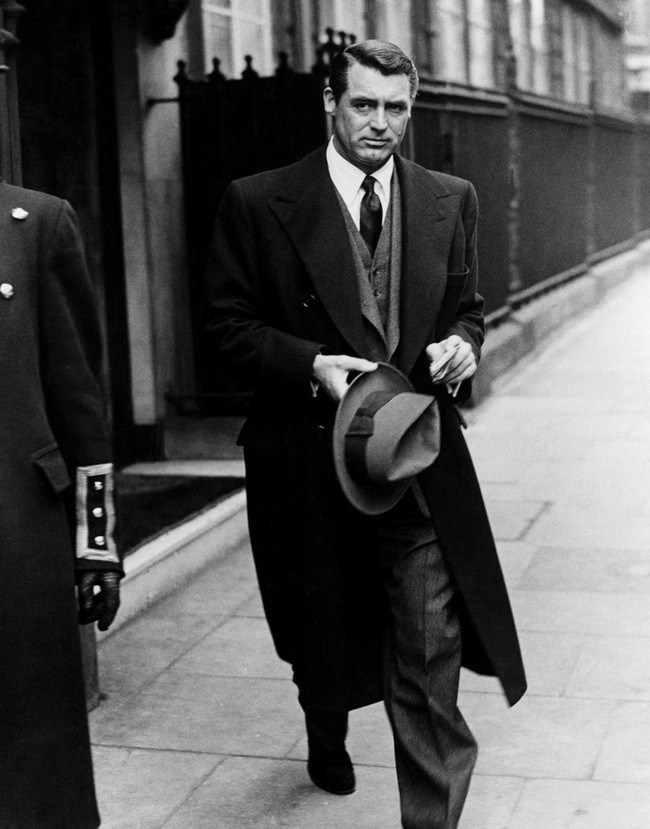
Cary Grant, 1950s
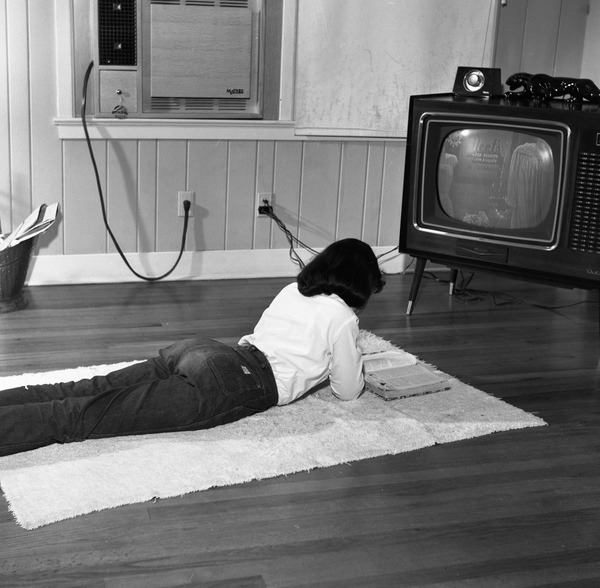
Homework, Tallahassee, 1959.
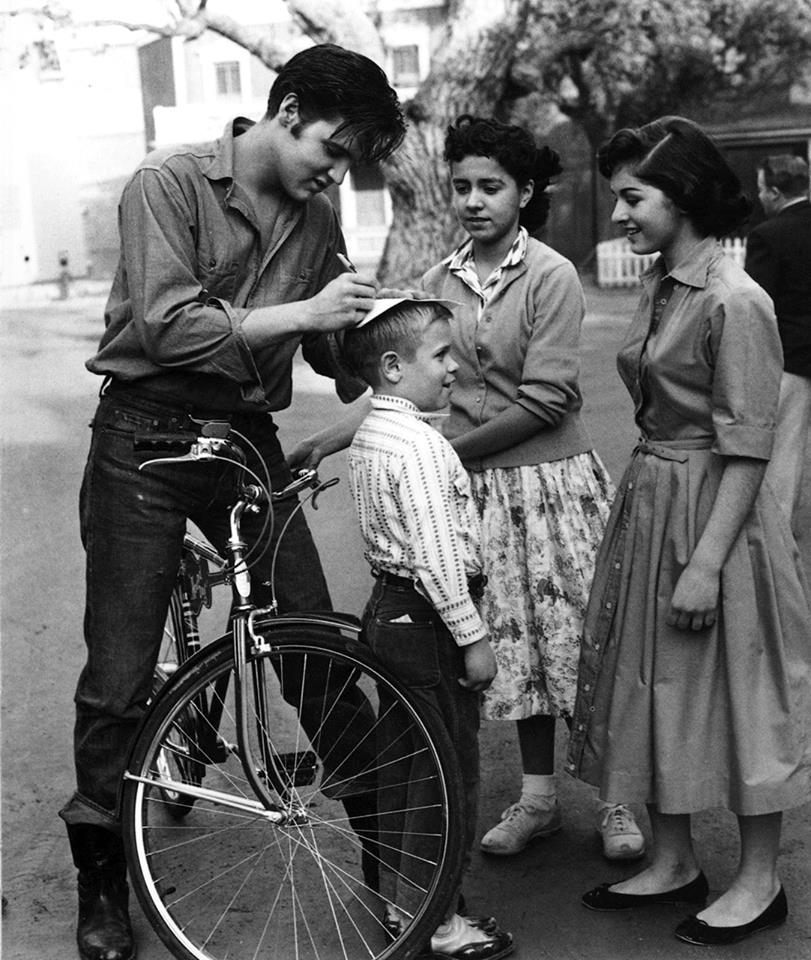
Elvis Presley riding a bike, stops to sign autographs for fans in Germany in 1959.
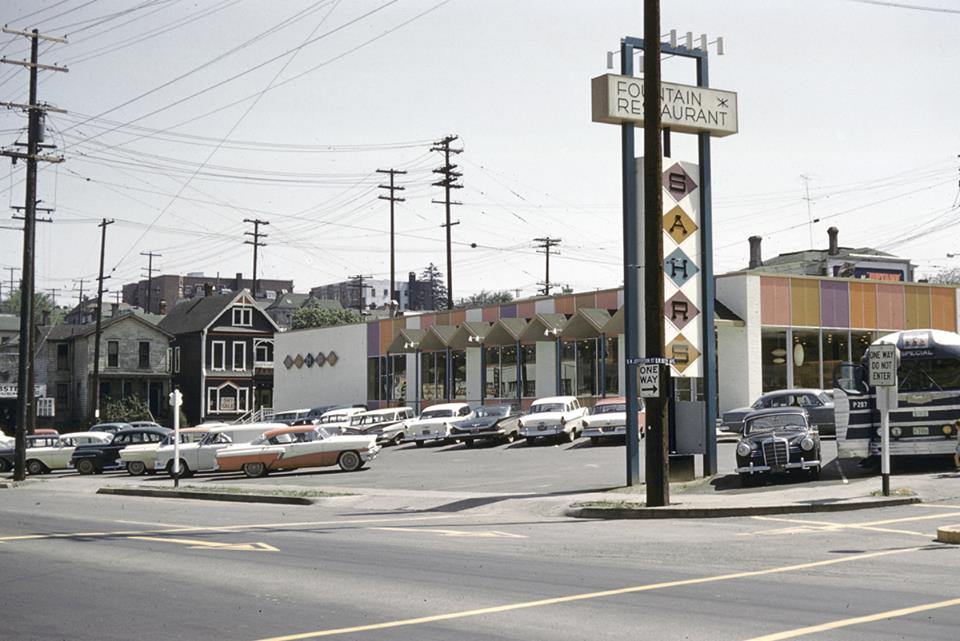
Sahr’s Fountain & Restaurant, Portland, Oregon, 1959.
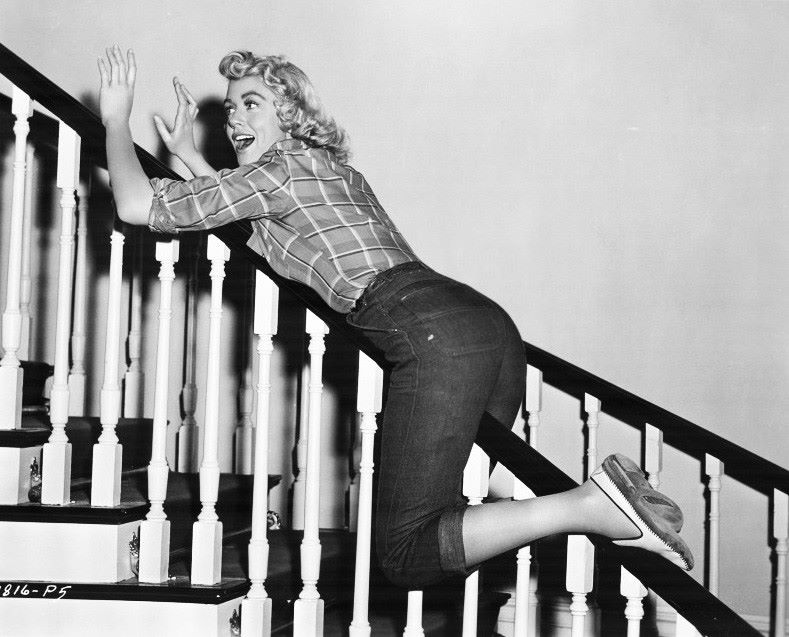
Dorothy Malone, 1956.
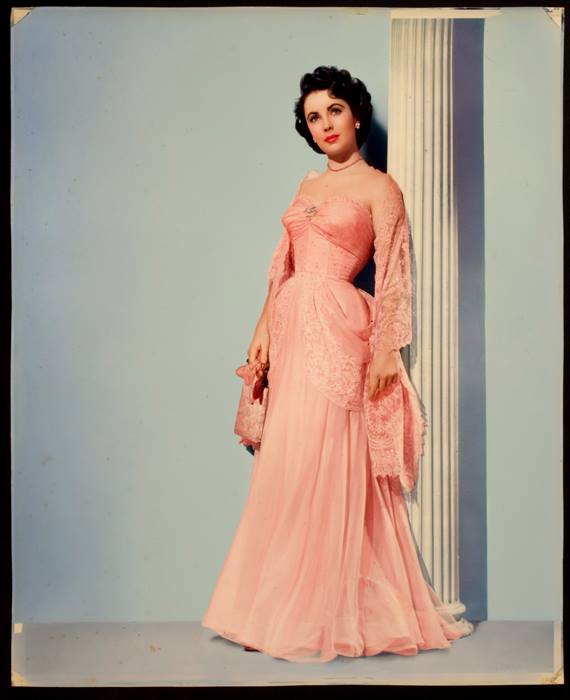
Elizabeth Taylor, 1952.
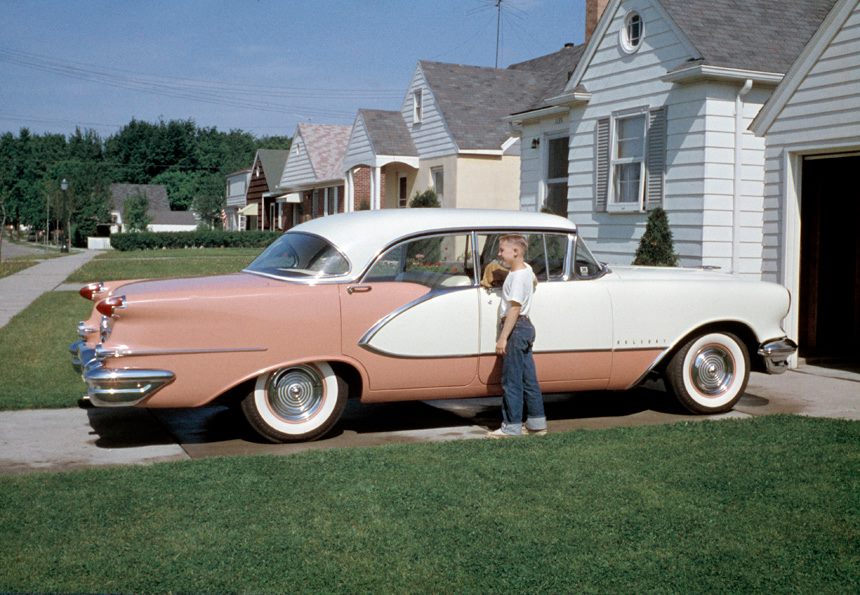
1956 Oldsmobile 98 Holiday four-door hardtop
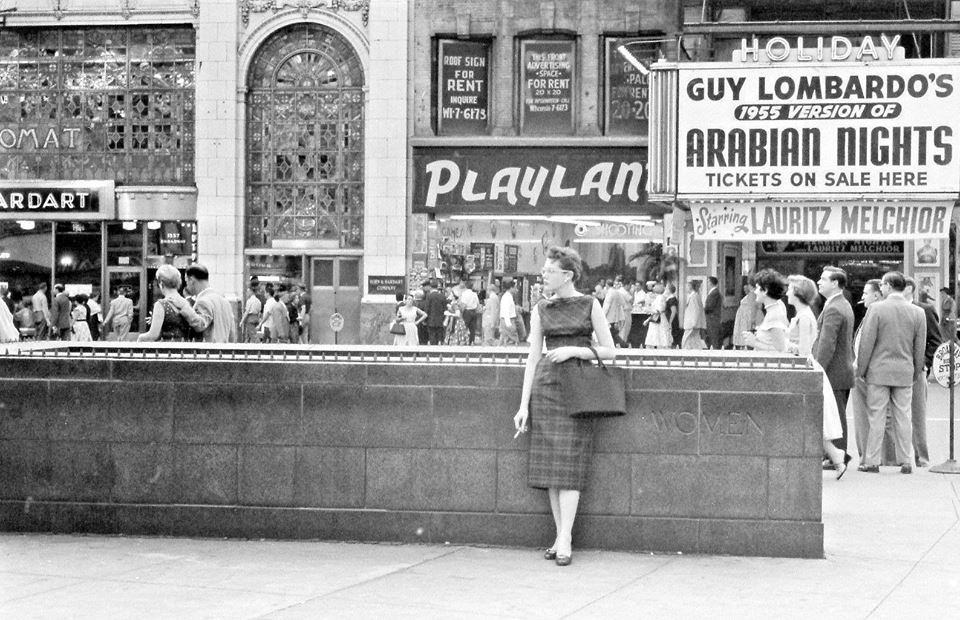
Times Square, 1955
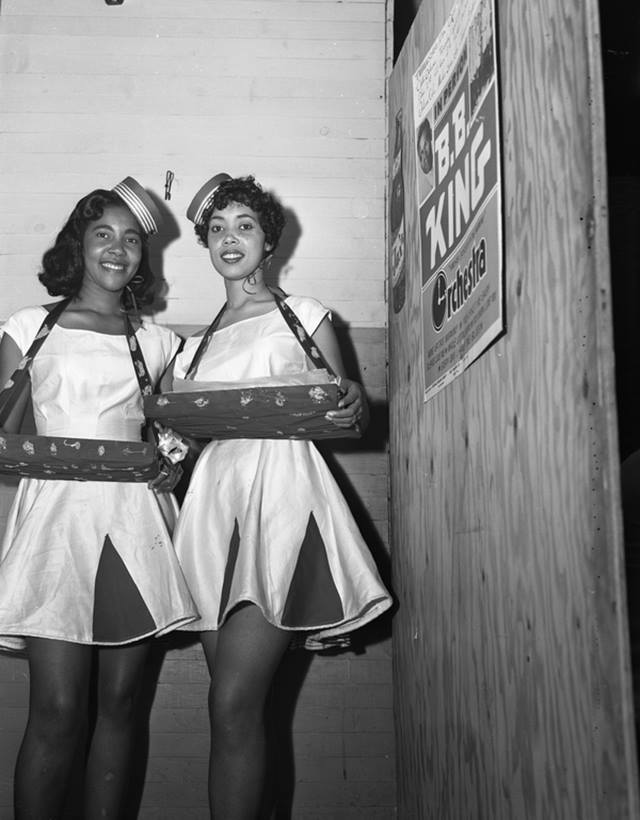
Two cigarette girls at a bar in Tallahassee, Florida, 1956.
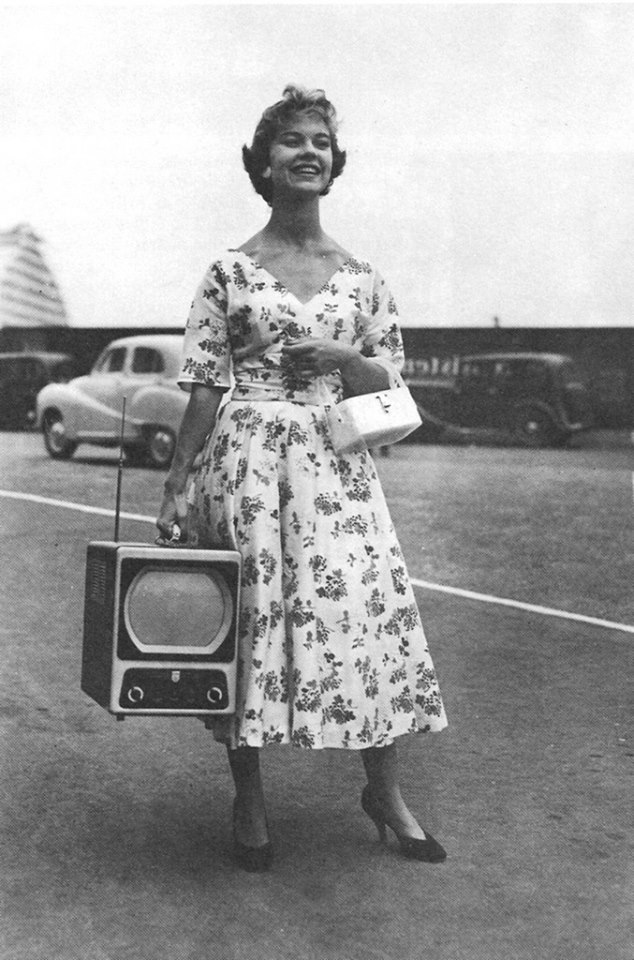
Portable TV, 1950s.
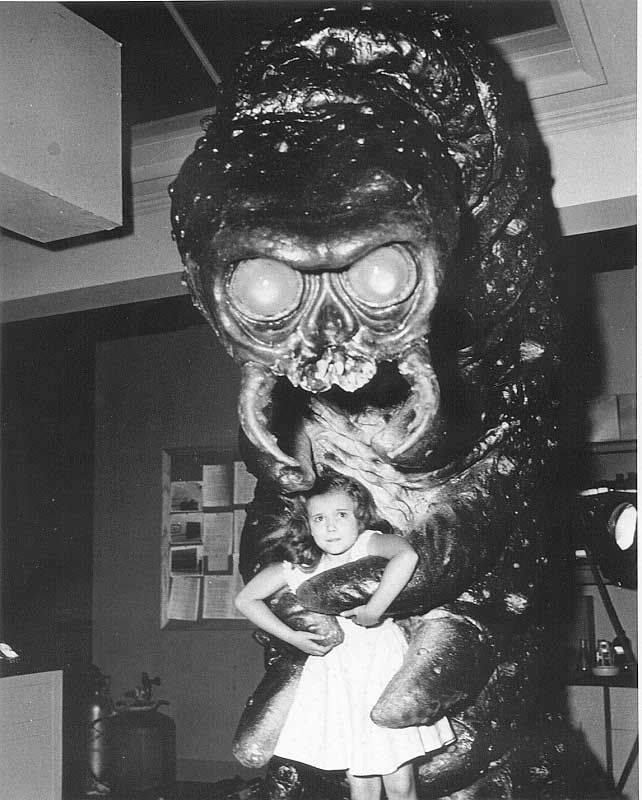
Behind-the-scenes shot of The Monster that Challenged the World (1957).
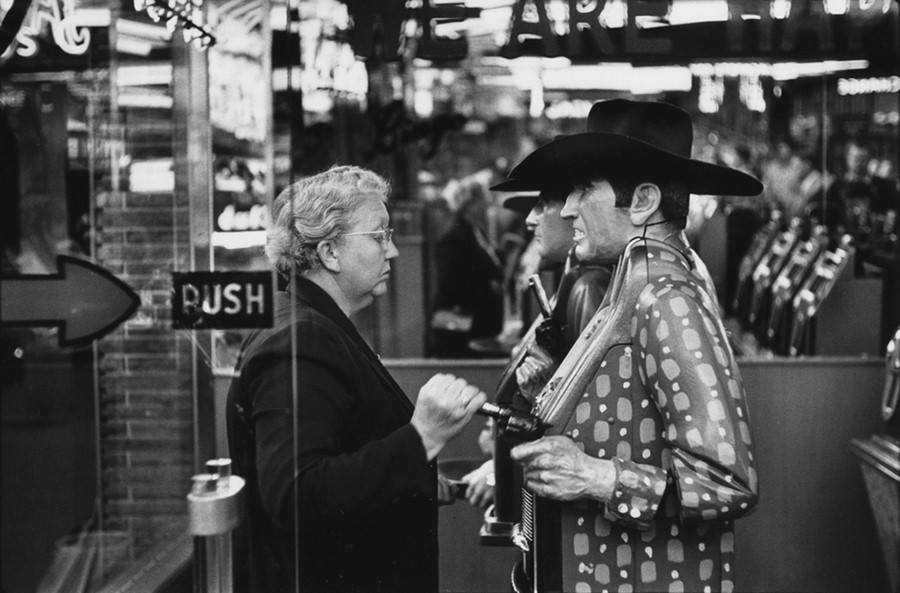
One armed bandit, Las Vegas, 1954.
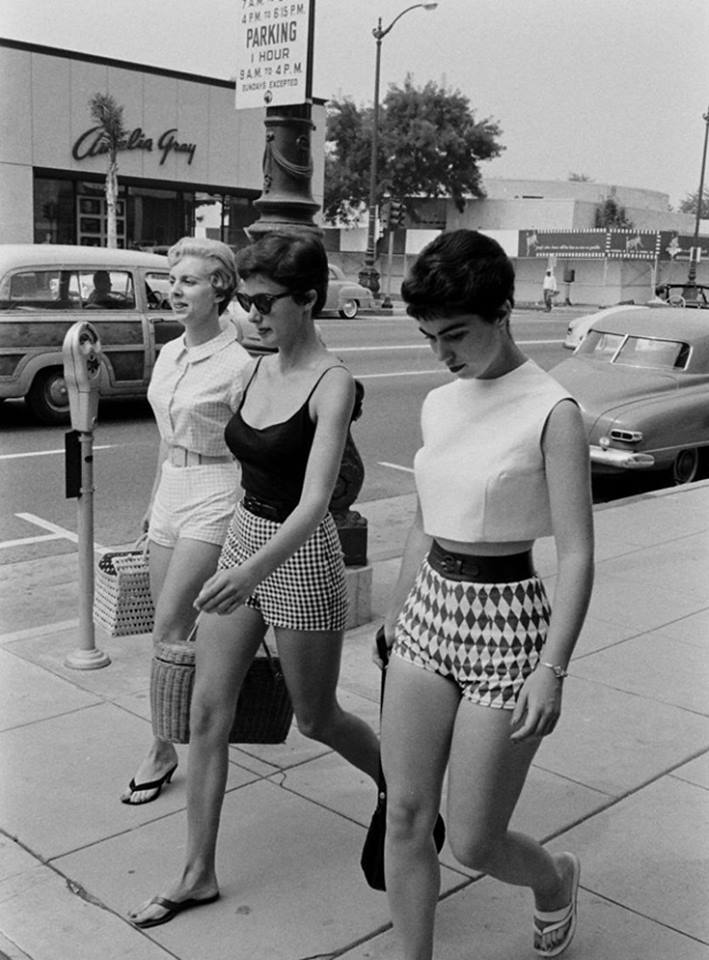
Teens on sidewalk, 1950s.
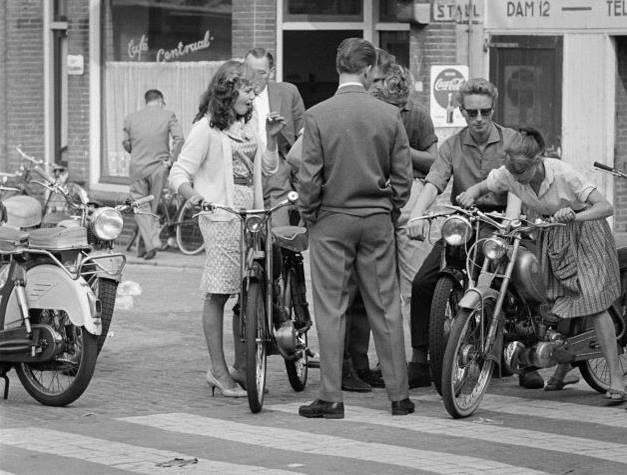
Amsterdam, Summer of 1959.
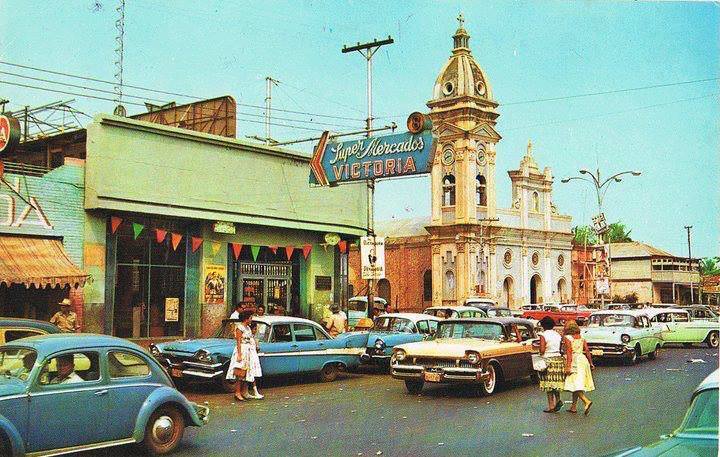
Cabimas, Venezuela, 1958.
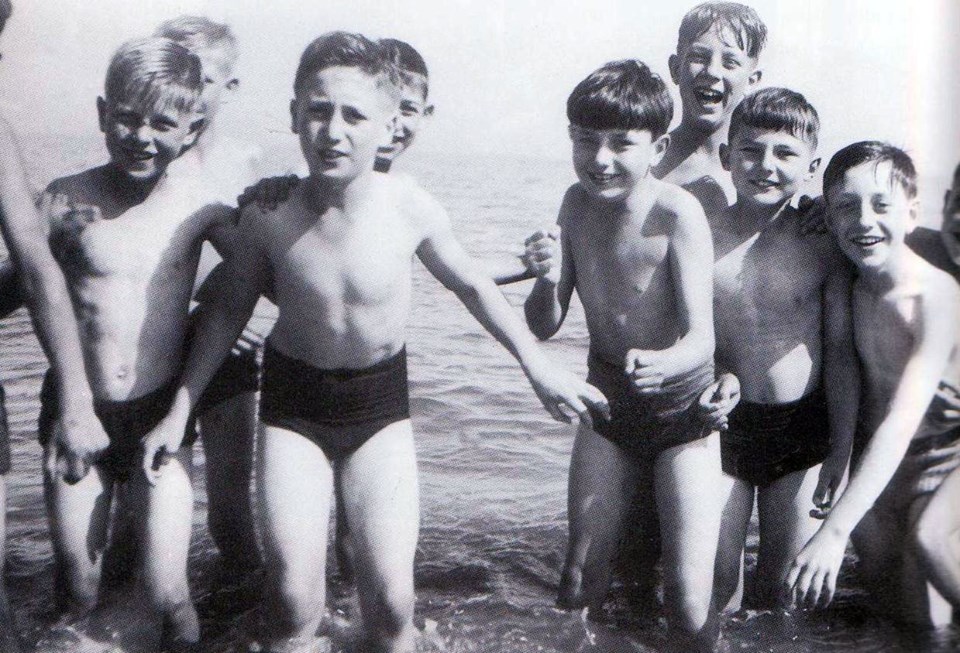
John Lennon (left, arms spread) enjoys a trip to Isle of Man with his schoolmates, early 1950s.
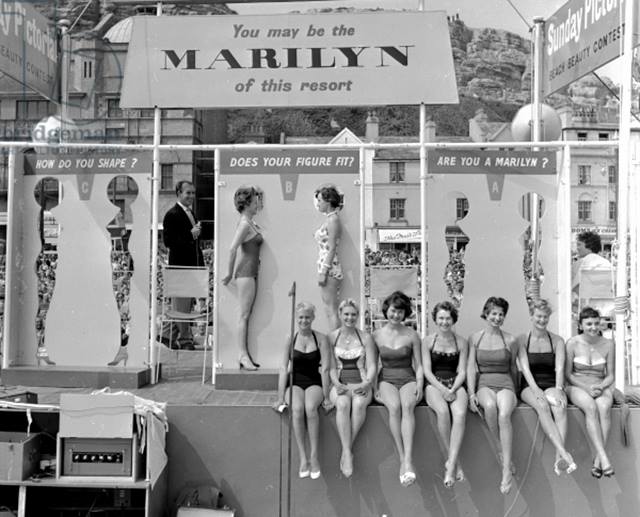
Marilyn Monroe look-a-like competition in Hastings, UK,
1958.
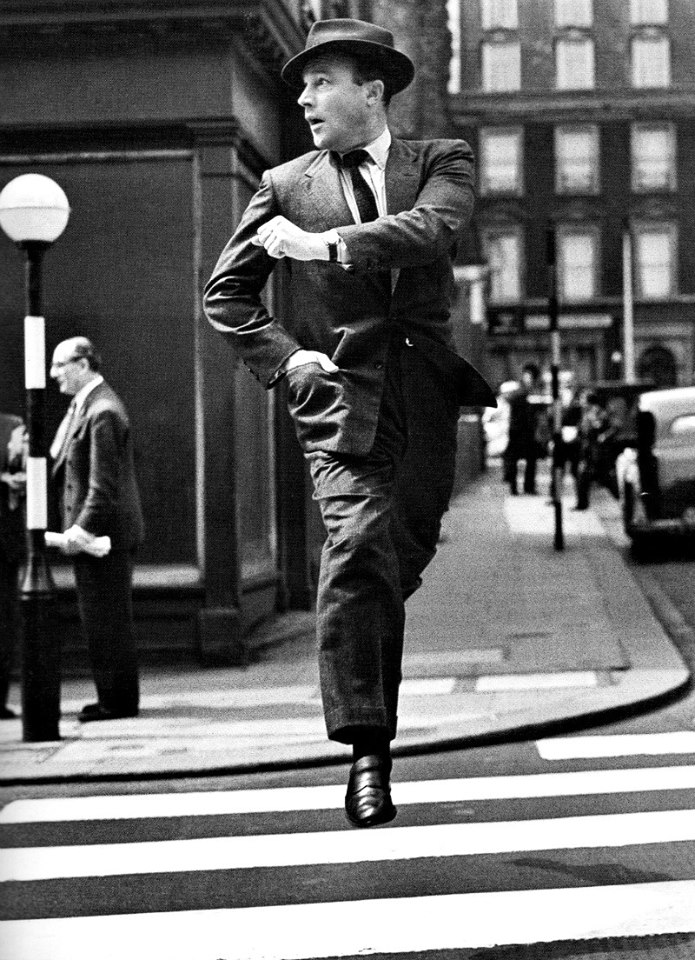
Gene Kelly on the streets, 1955.
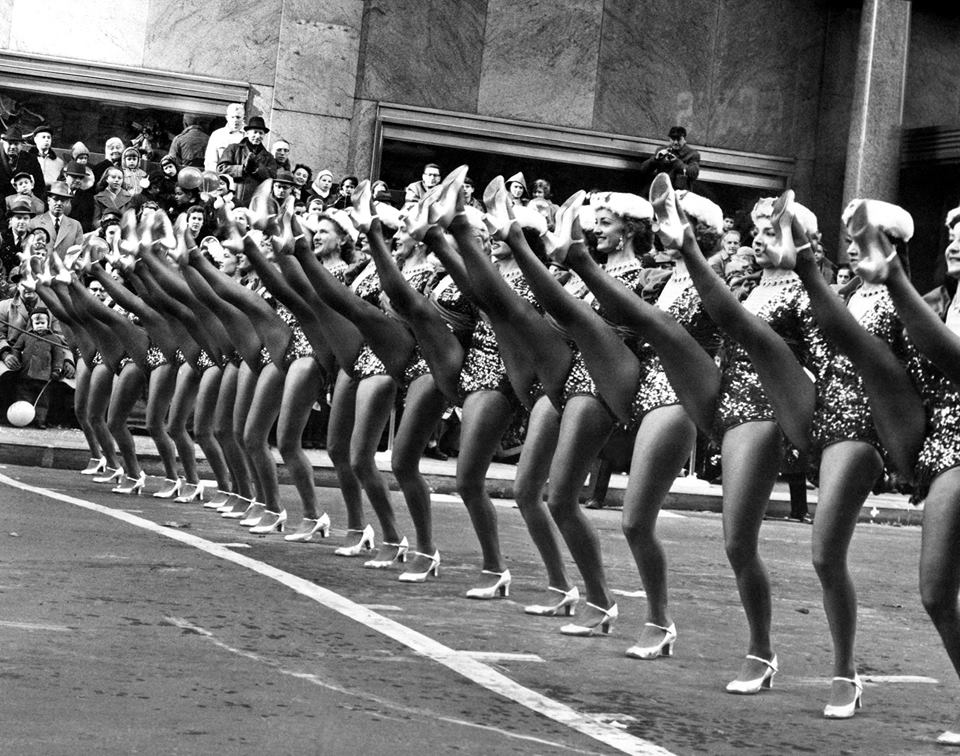
The Rockettes perform in front of thousands of bundled-up onlookers at the Macy’s Thanksgiving Day Parade in 1958.
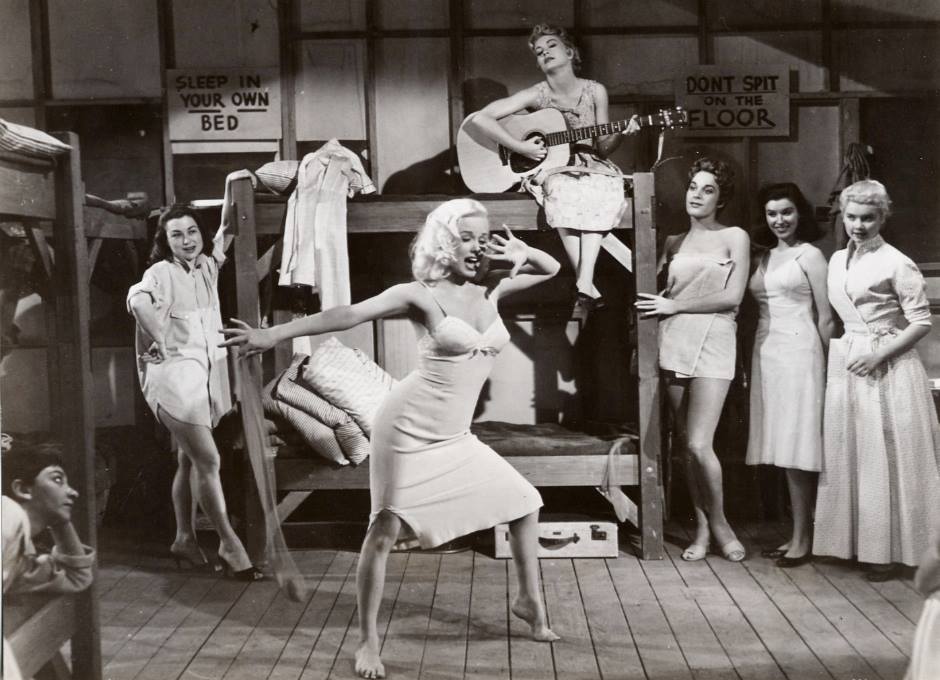
Mamie Van Doren in “Untamed Youth”, 1957.
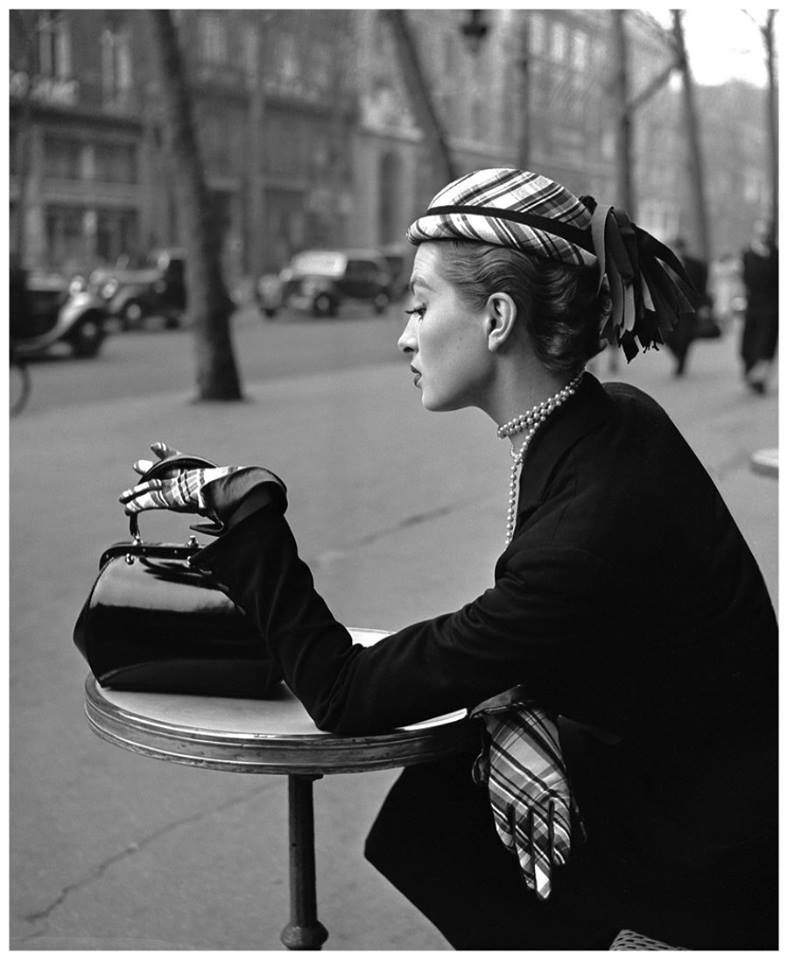
Capucine at Cafe de la Paix, Paris, 1952.
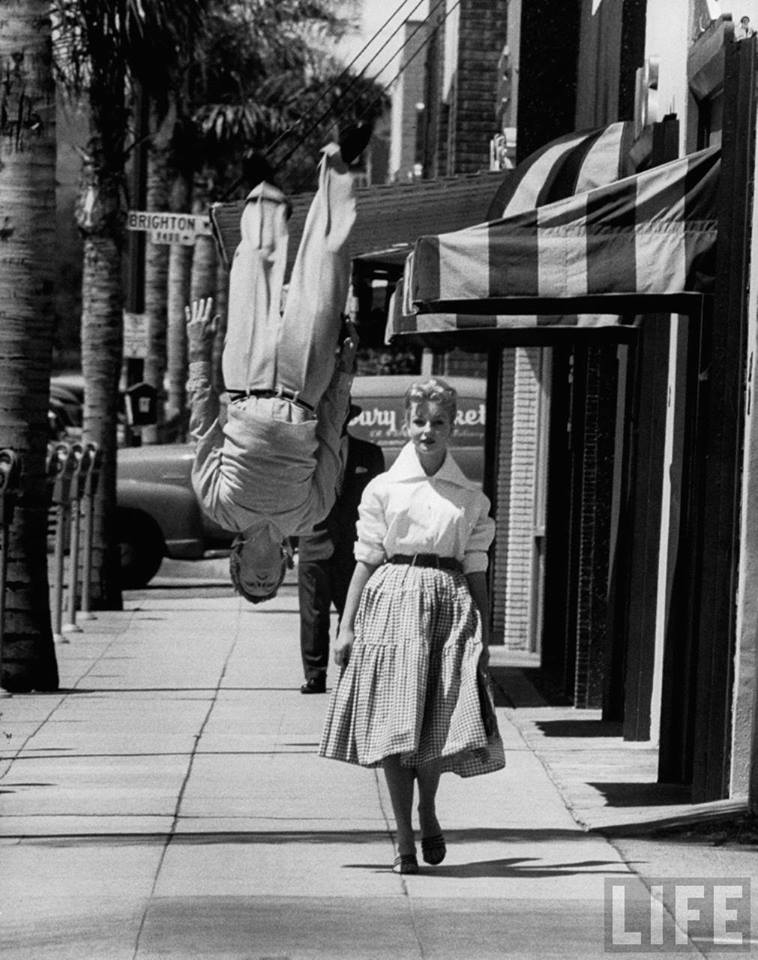
Acrobat and actor Russ Tamblyn does a flip on the sidewalk while walking with movie actress Venetia Stevenson in Hollywood, CA in 1955.
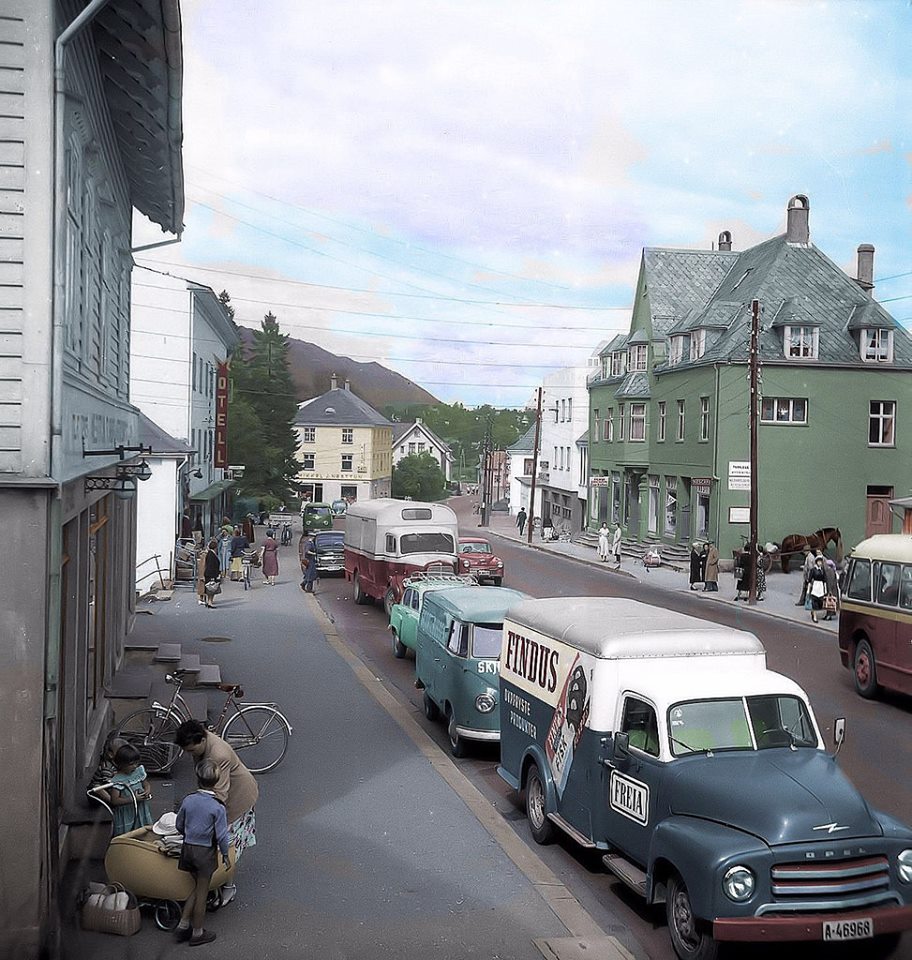
Nesttun, Norway, 1958.
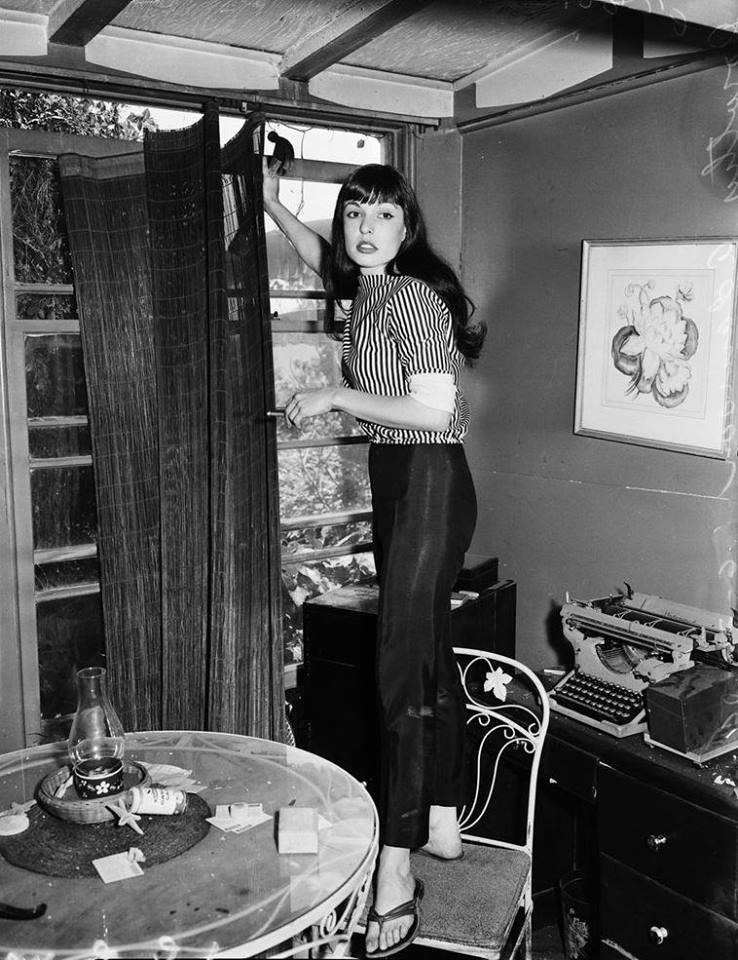
Dorothy Adamson, 28, was dining at a cafe when a bomb exploded in a nearby apartment at 1034 Hilldale Avenue, West Hollywood, California, 1958.
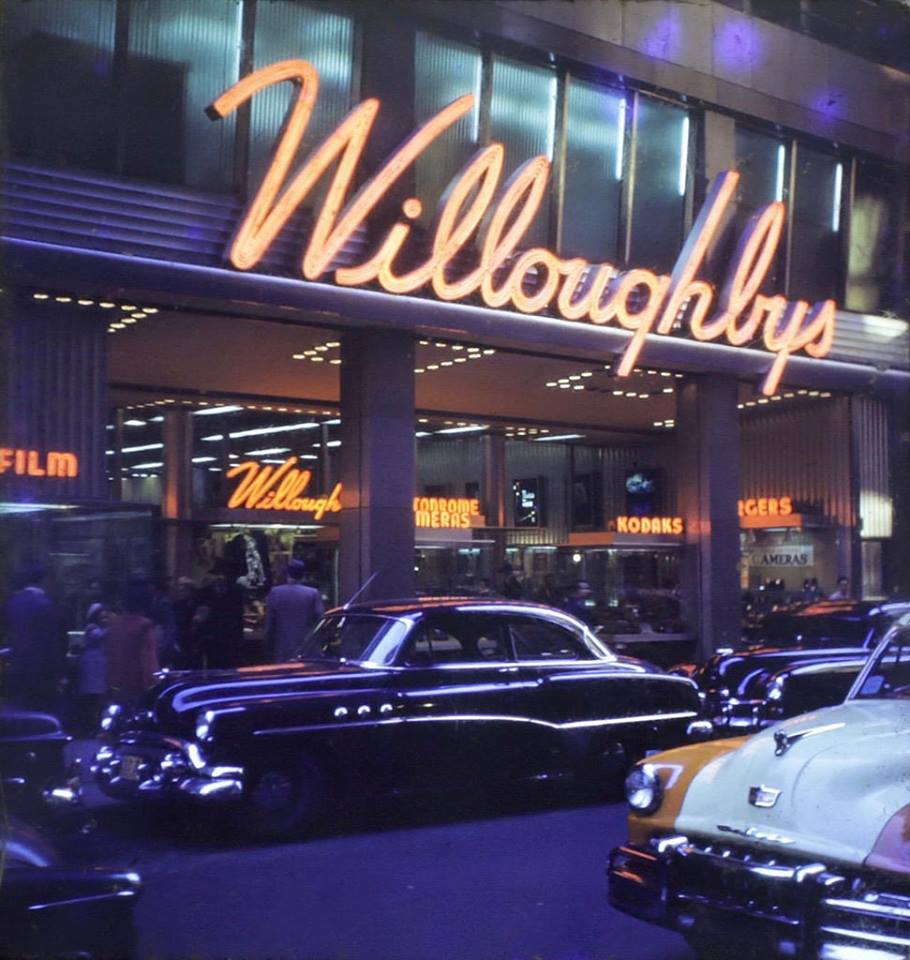
31st Street off 5th Avenue, NYC, 1955.
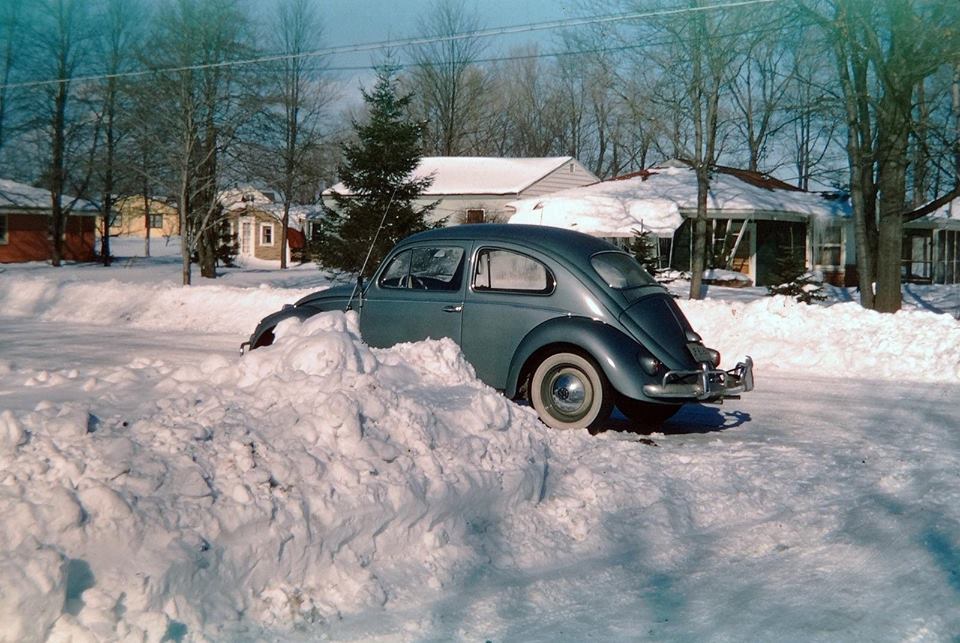
Cold Beetle, 1959.
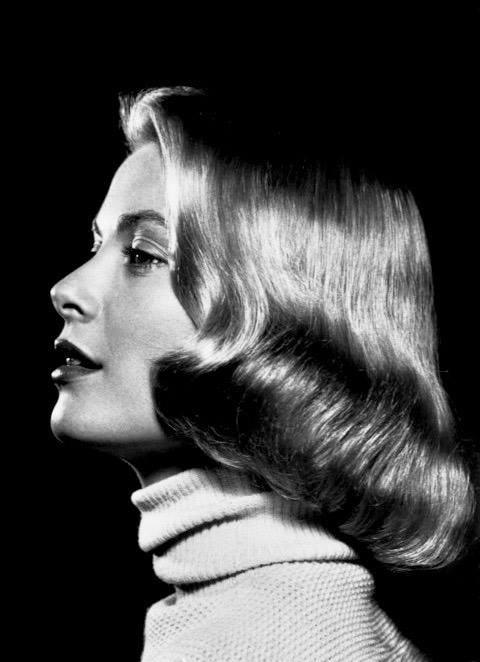
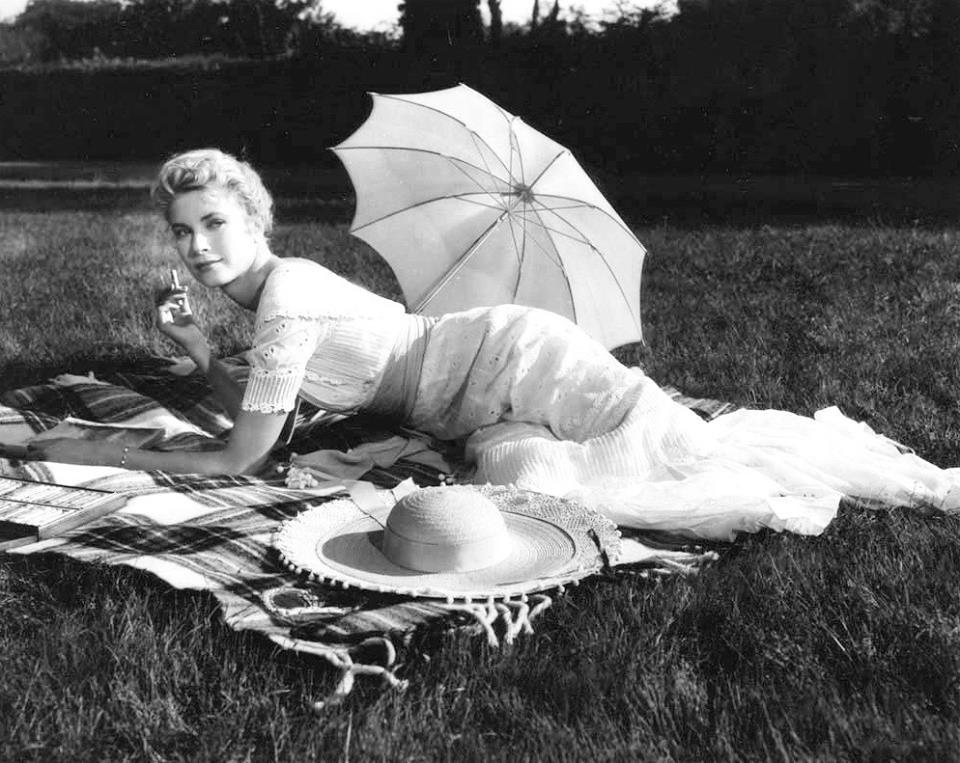
Grace Kelly in 1954
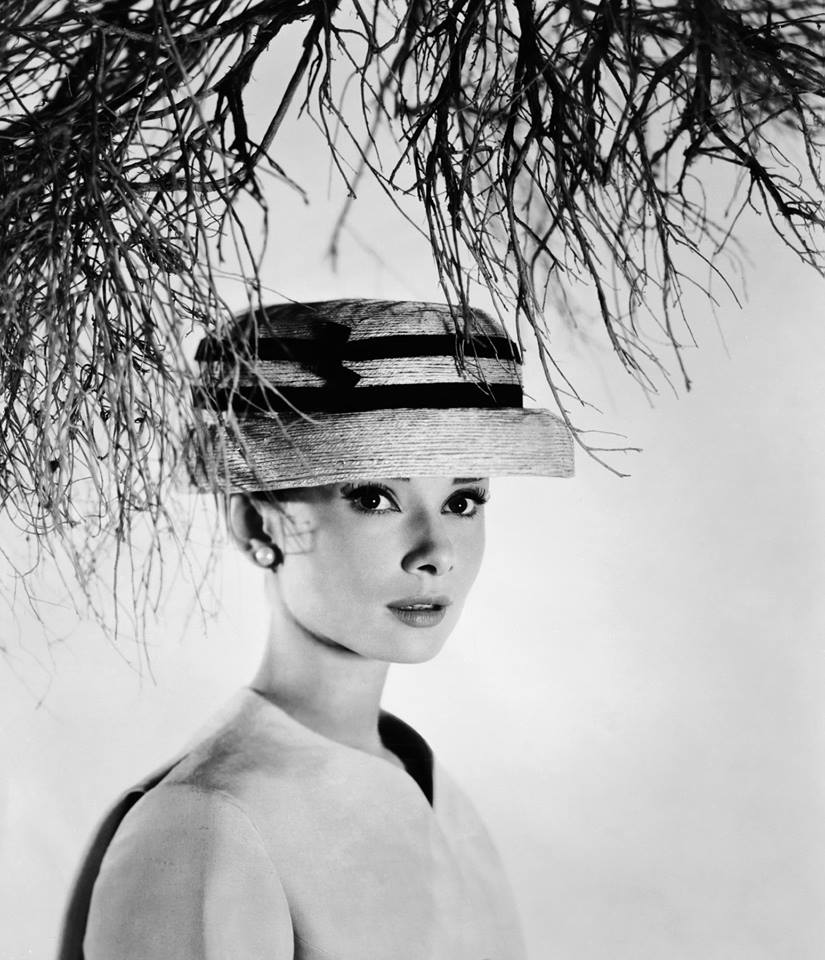
Audrey Hepburn in the 1957 movie “Funny Face.”
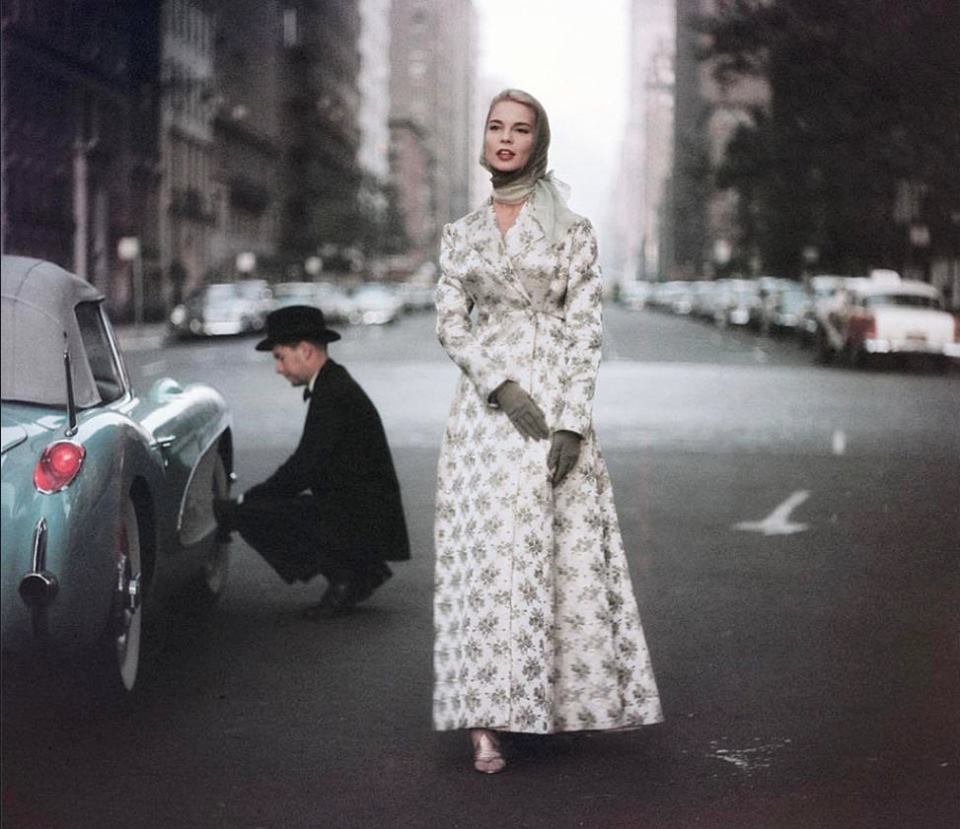
Pit stop, New York, 1956.
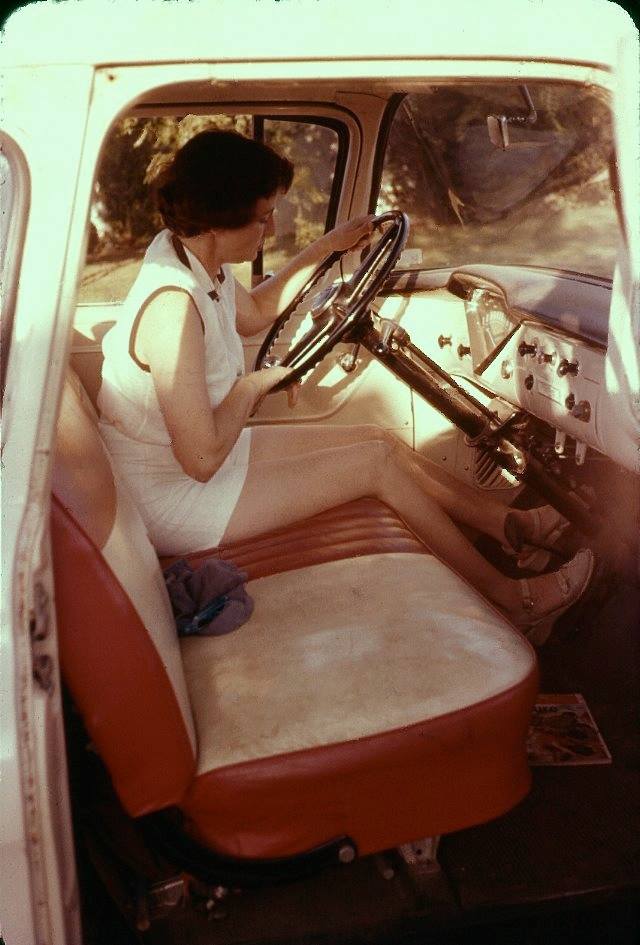
Woman in her truck, 1950s.
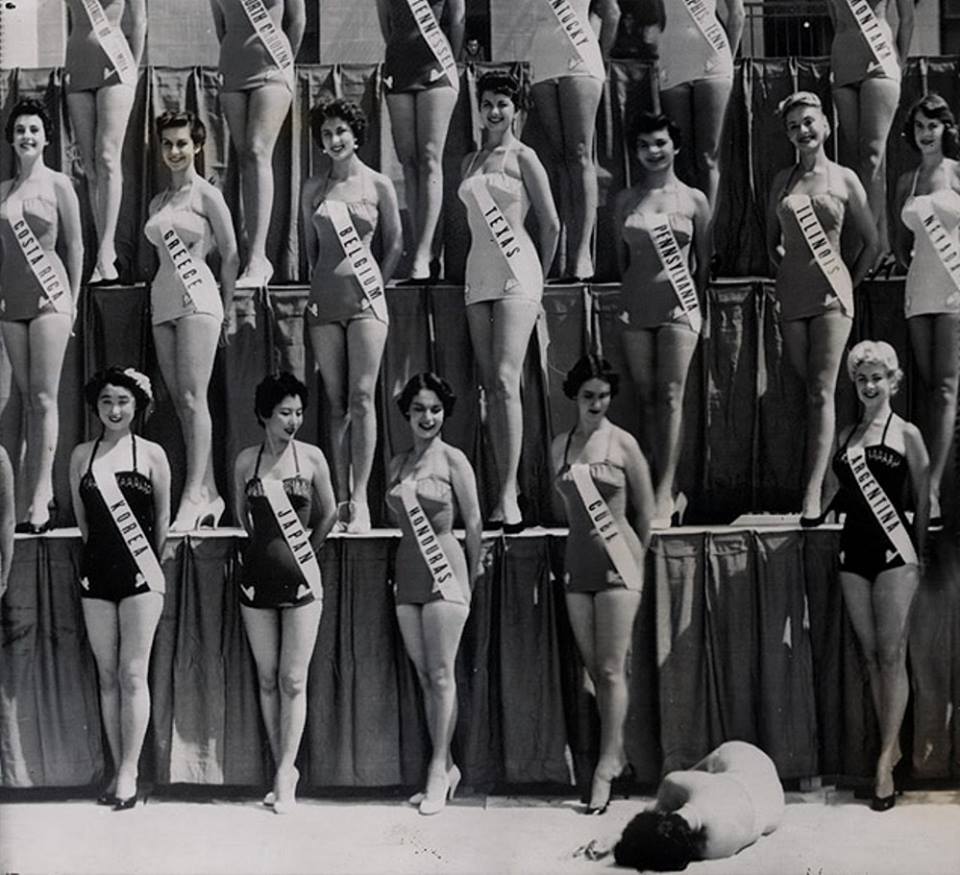
Miss New Zealand collapses under the hot sun of Long Beach, California, 17th July 1954.
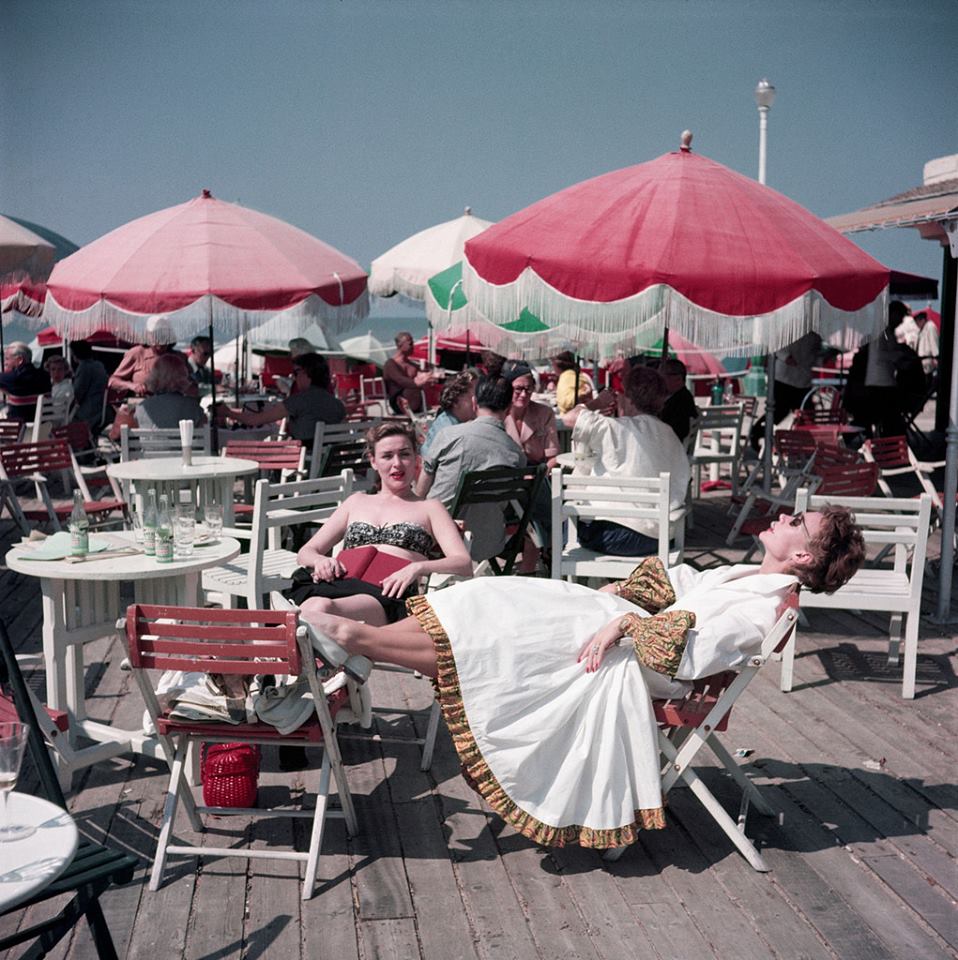
Women on the boardwalk, Deauville, France, August 1951.
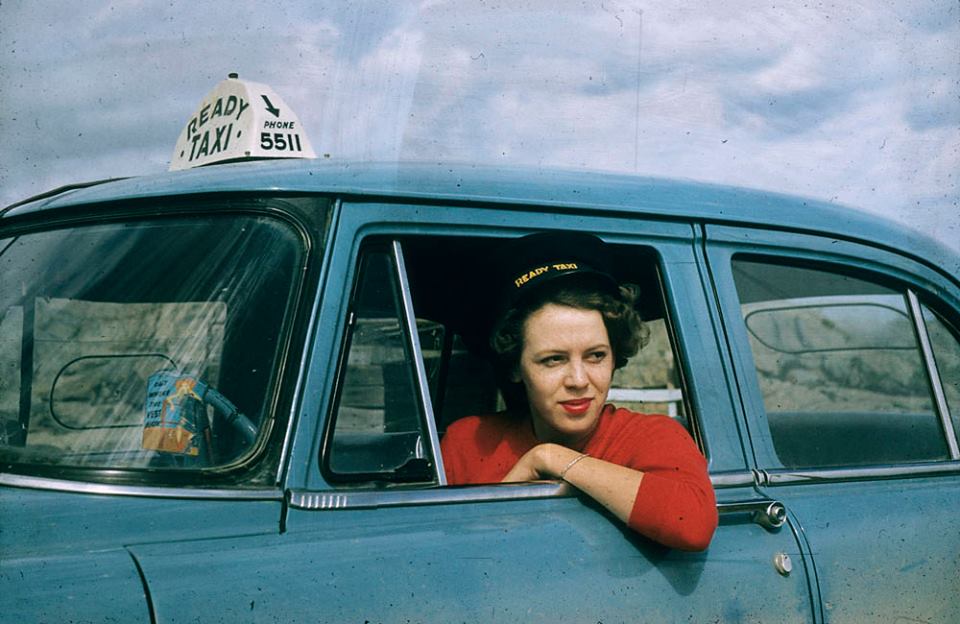
Taxi driver, Flin Flon, Manitoba, June 28, 1956.
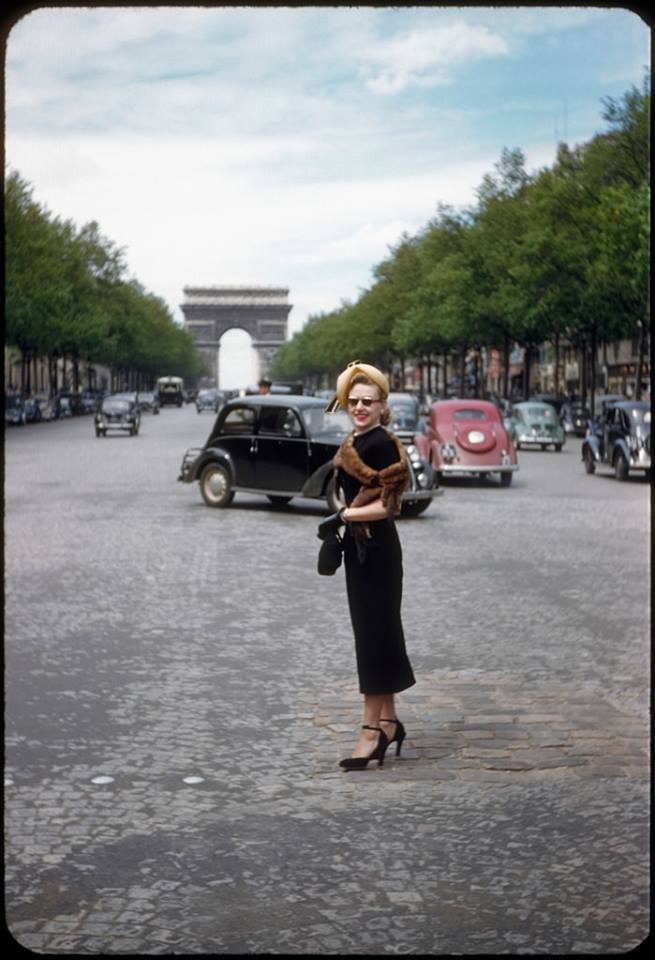
Paris in 1950.
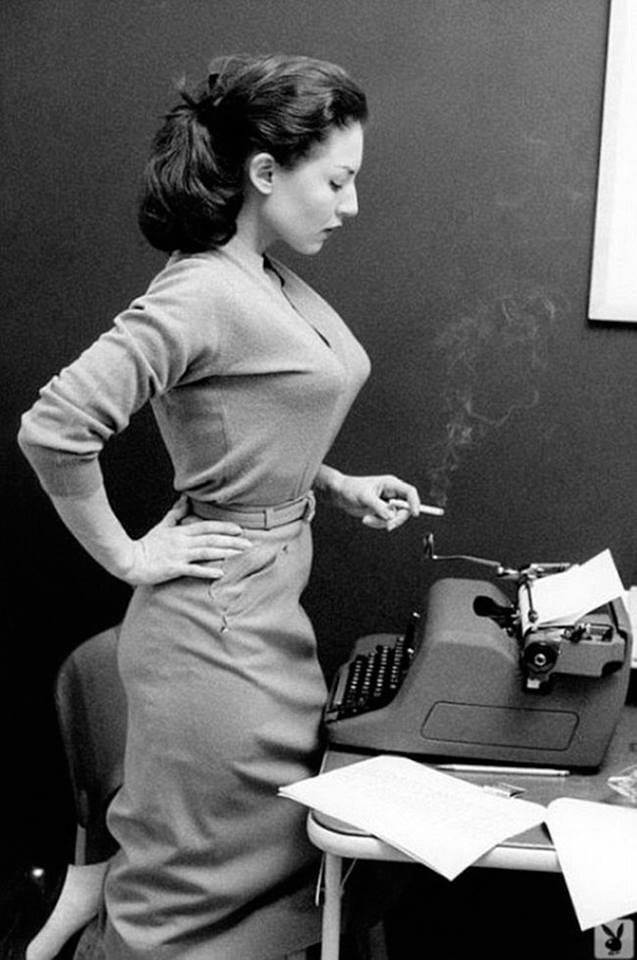
Sexy vintage secretary.
(She is actually Alice Denham, Playboy Playmate for July 1956)
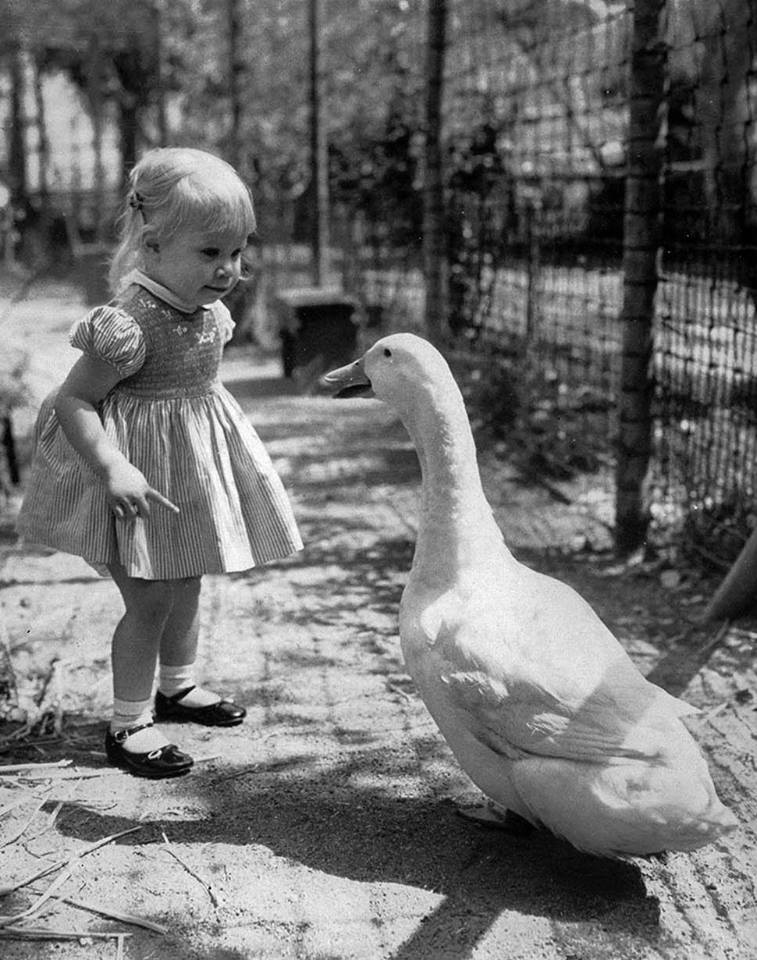
Griffith Park goose, 1959.
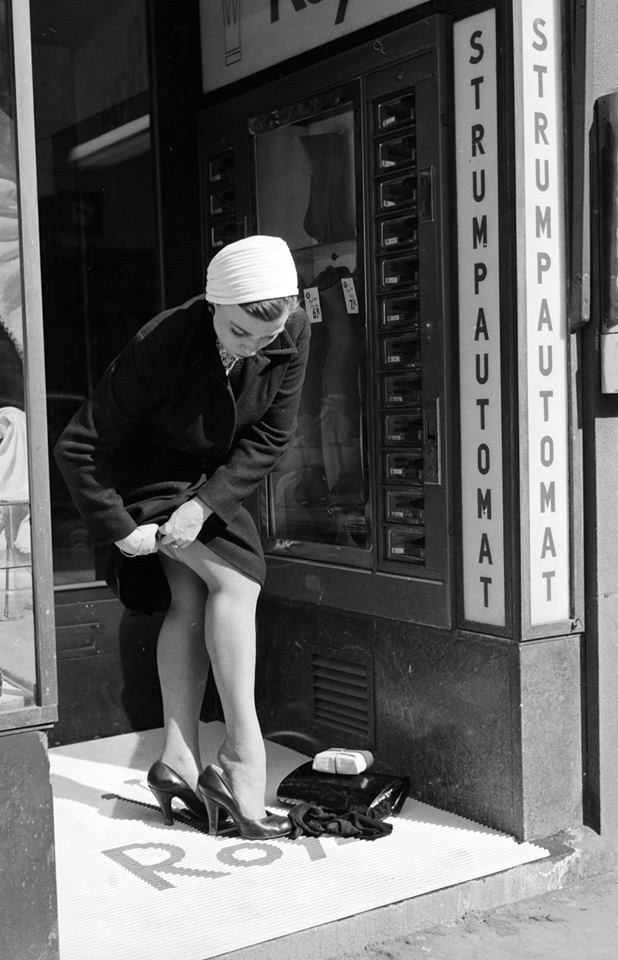
A woman hikes up her new nylons in Stockholm, Sweden, 1956.
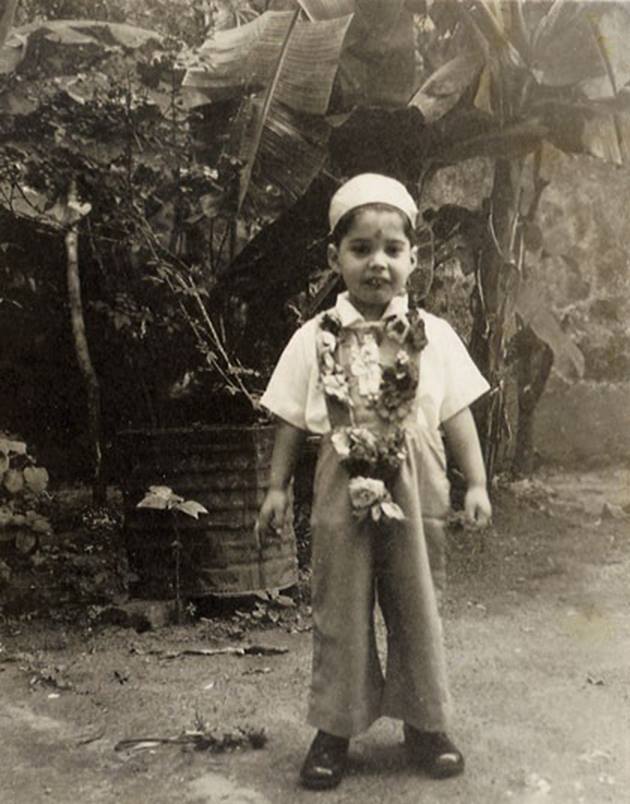
Freddie Mercury on his fourth birthday in Zanzibar, 1950.
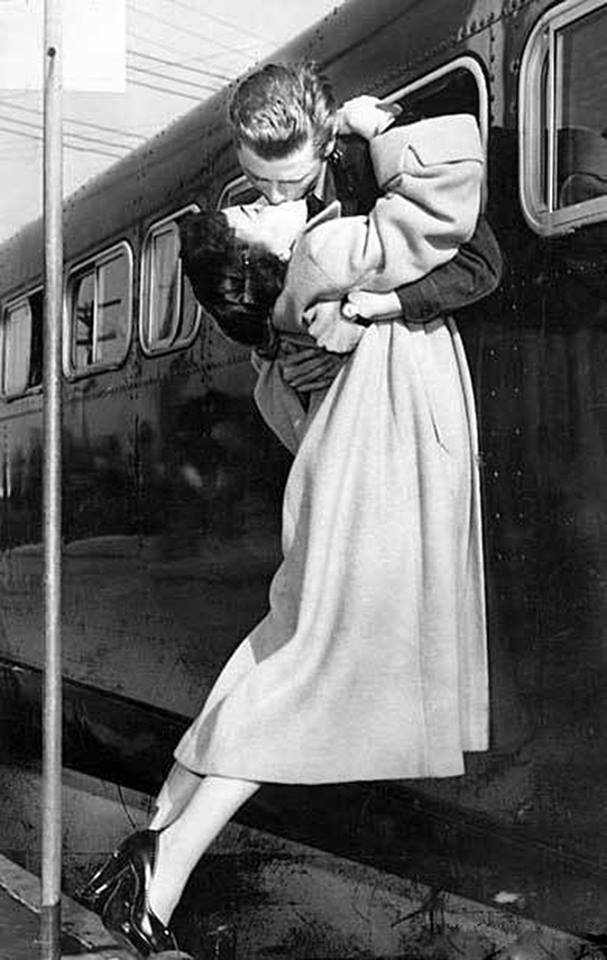
Sgt. 1st Class Owen Marsh of North Hollywood leans out a bus window to pick up his wife, Evelyn, for a kiss before going to Ft. MacArthur, where he was discharged, 1952.
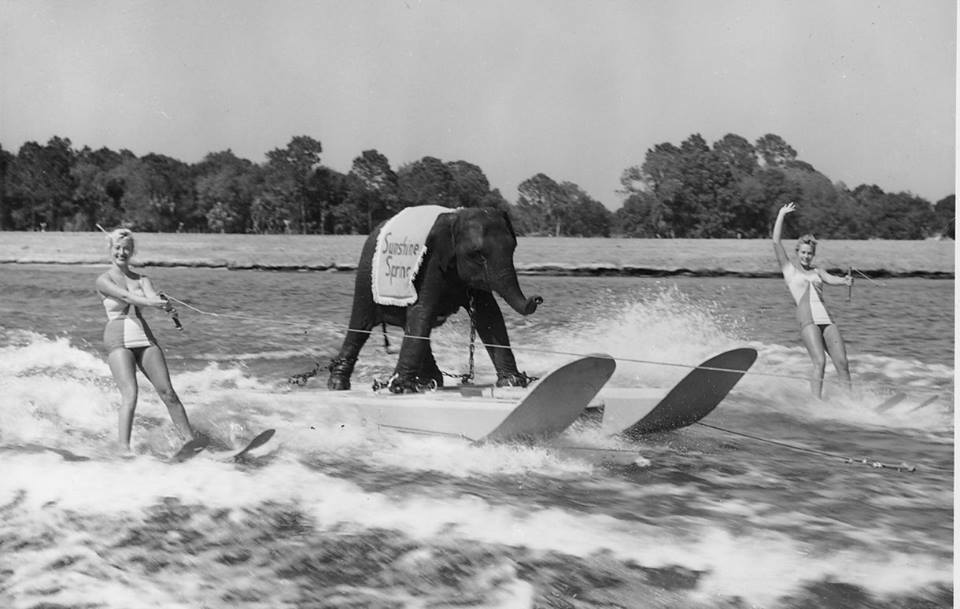
Queenie – World’s only water skiing Elephant, 1950s.
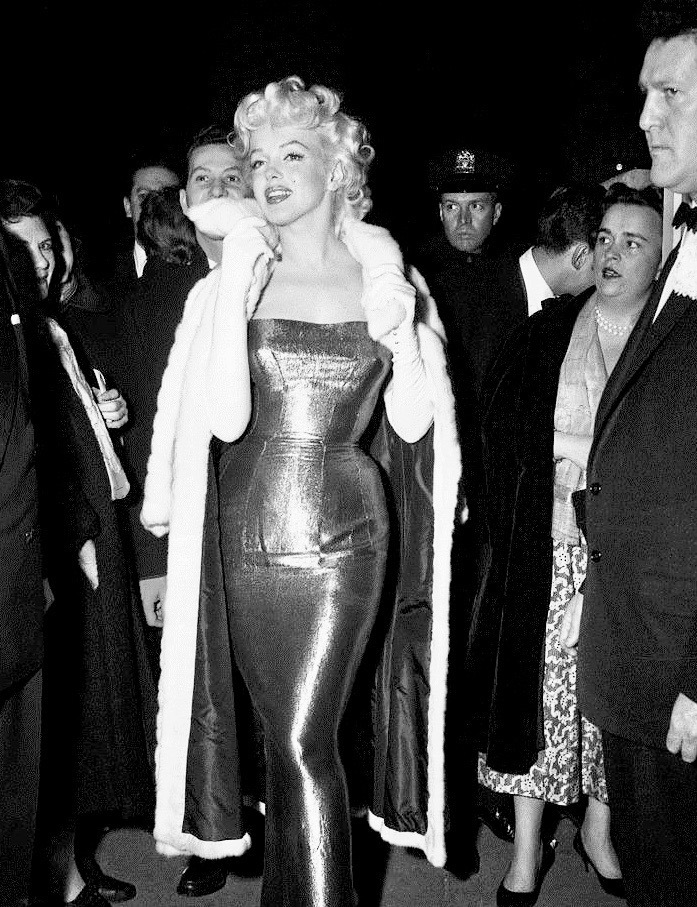
Marilyn Monroe attending the premiere of Tennessee Williams’ play “Cat on a Hot Tin Roof,” March 1955.
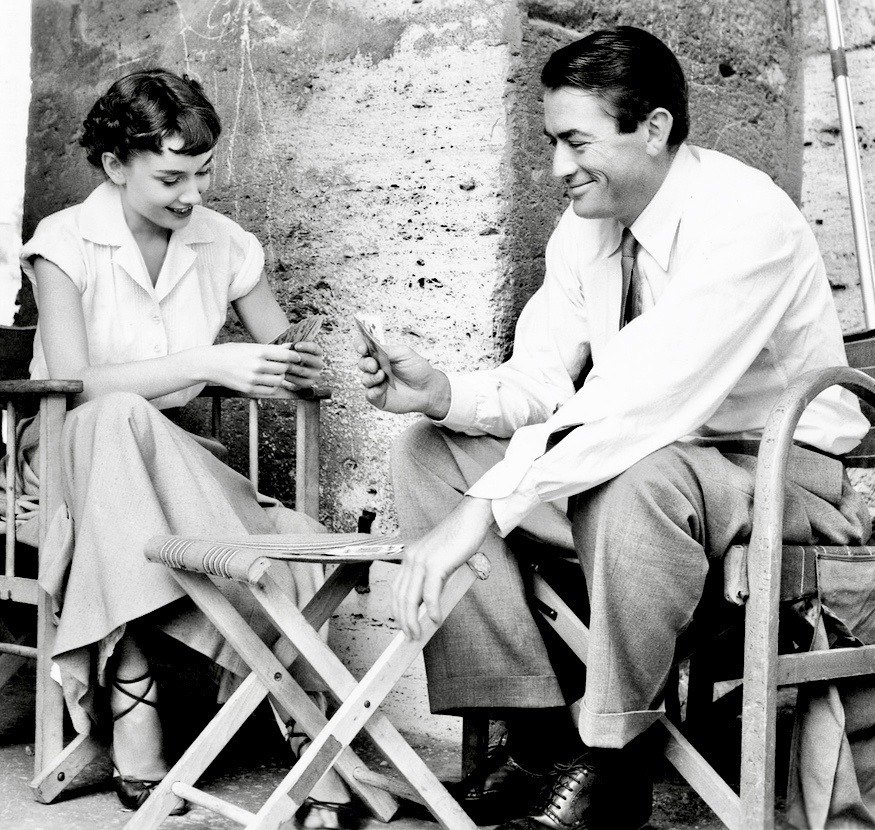
Audrey Hepburn and Gregory Peck on the set of “Roman Holiday,” 1953.
Grace Kelly on the set of the 1956 film “The Swan”
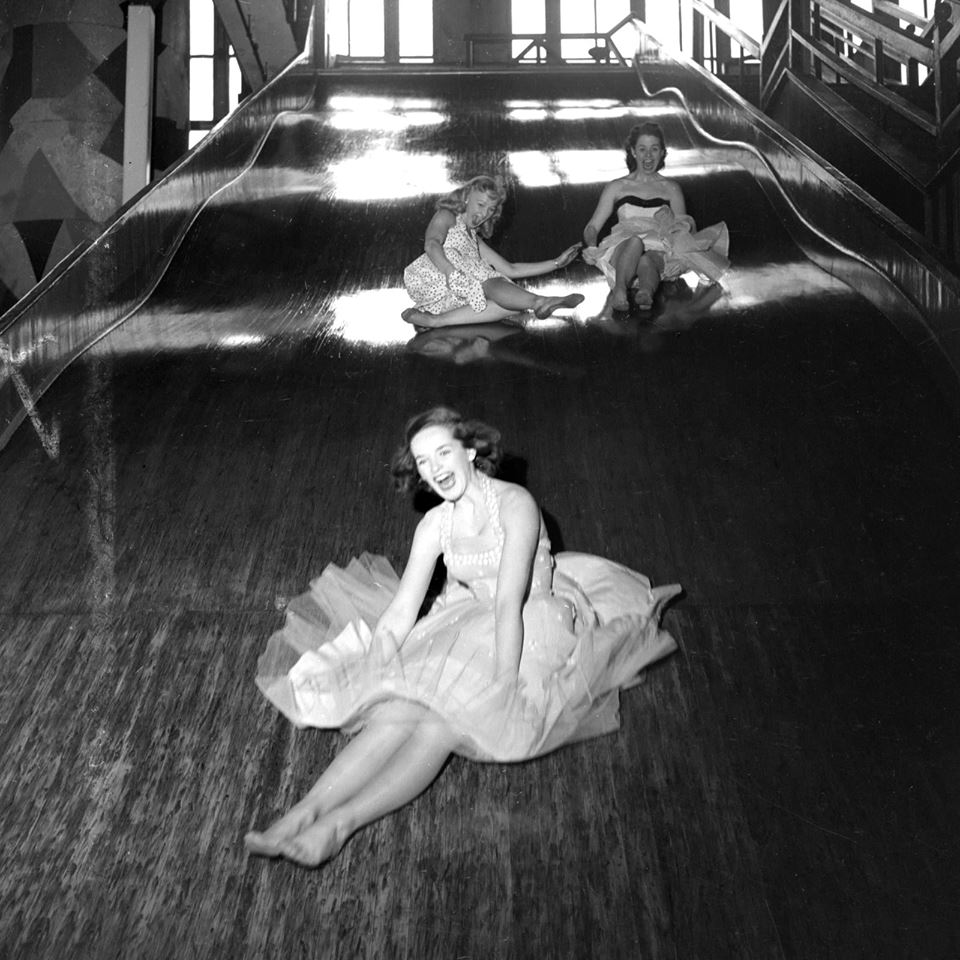
Three girls on a giant slide at Coney Island, 1953.
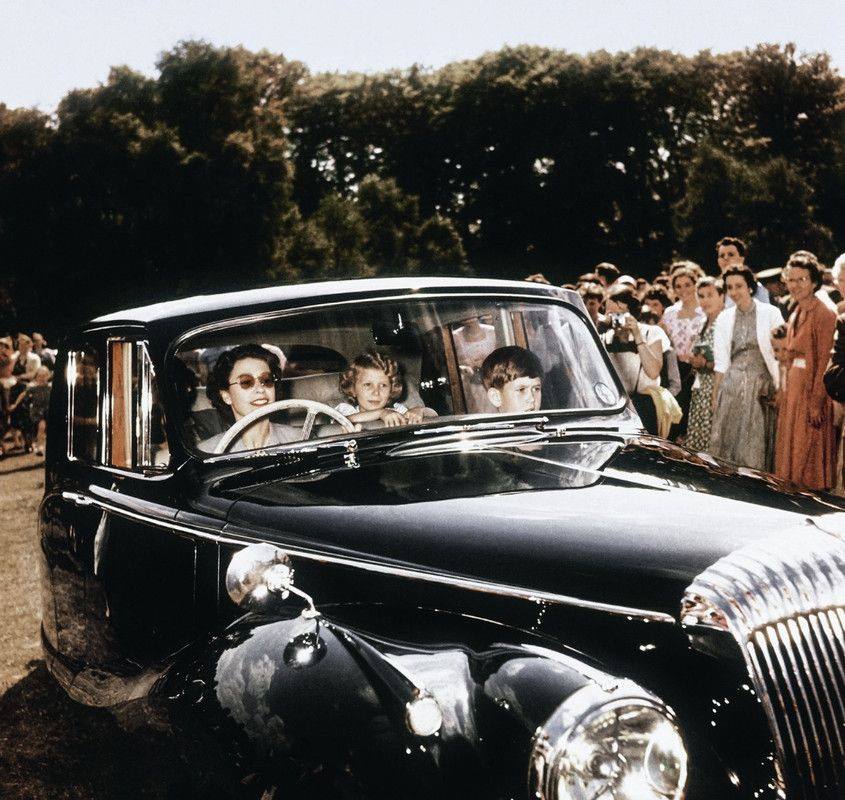
Queen Elizabeth driving her children Prince Charles and Princess Anne in Windsor, Berkshire, 1957.
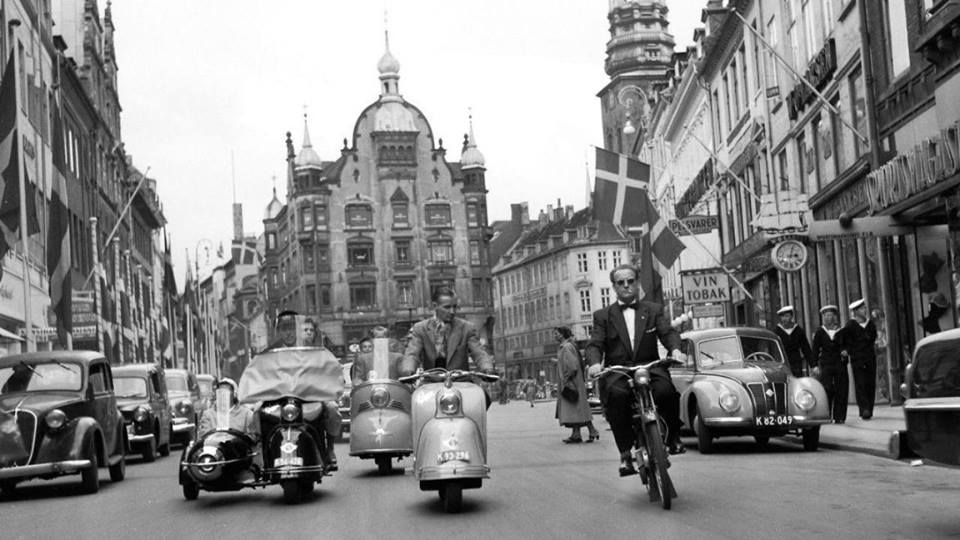
Strøget, Copenhagen, 1954.
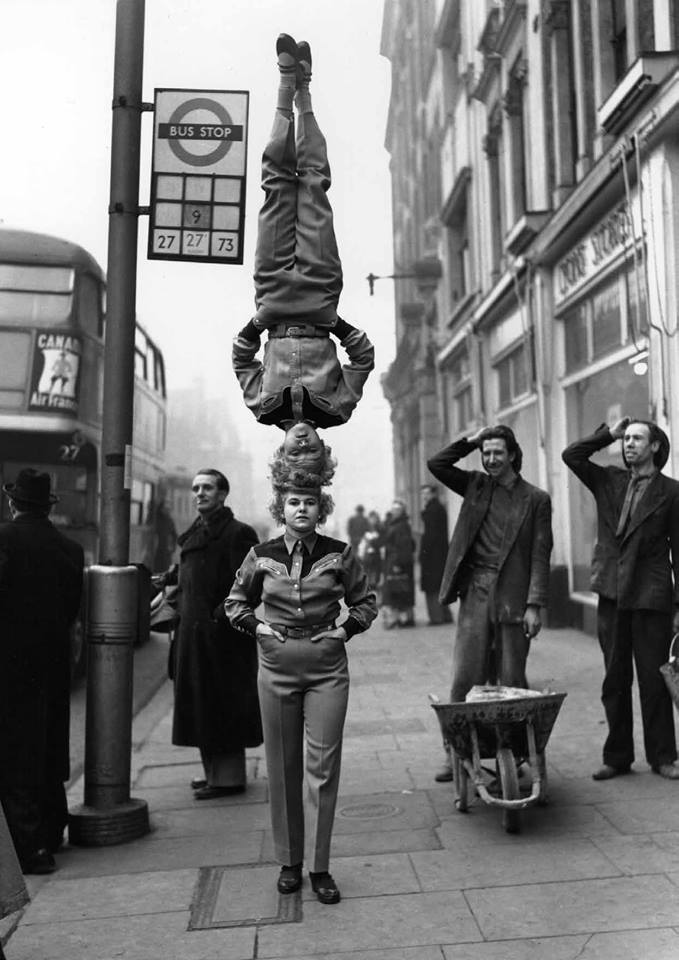
Two members of the Bertram Mills Circus walk head-to-head at Hammersmith Broadway in London, 1953.

Yesterday Today

Bringing You the Wonder of Yesterday - Today

Skip to content ↓