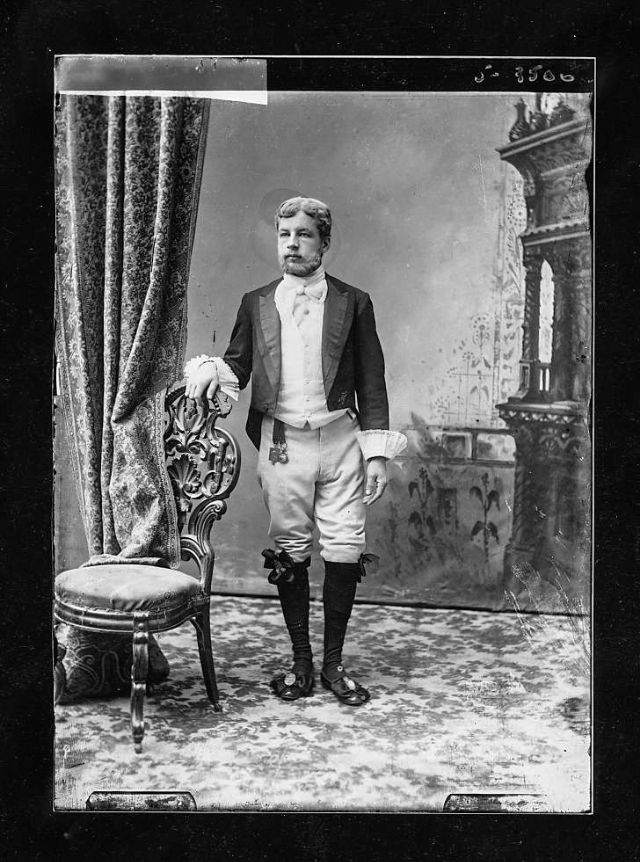
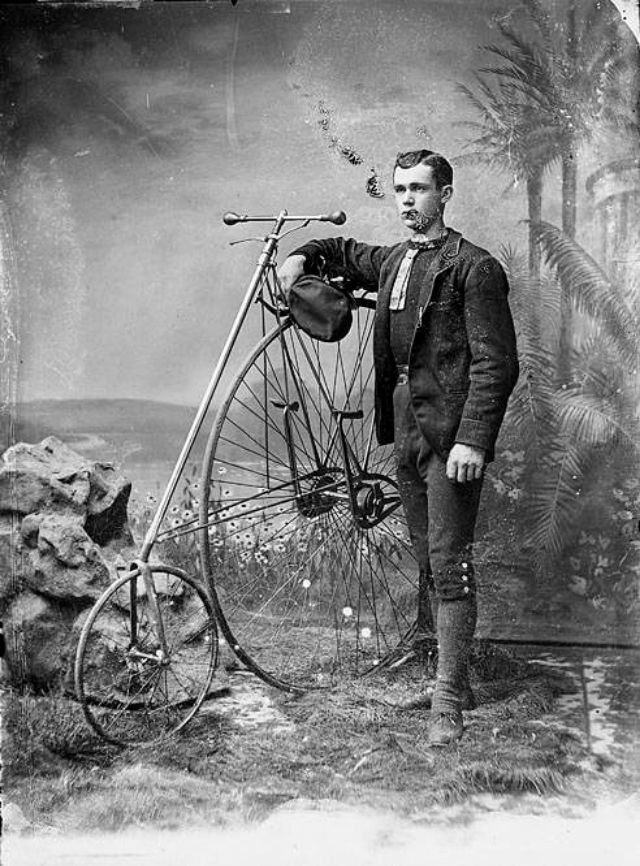
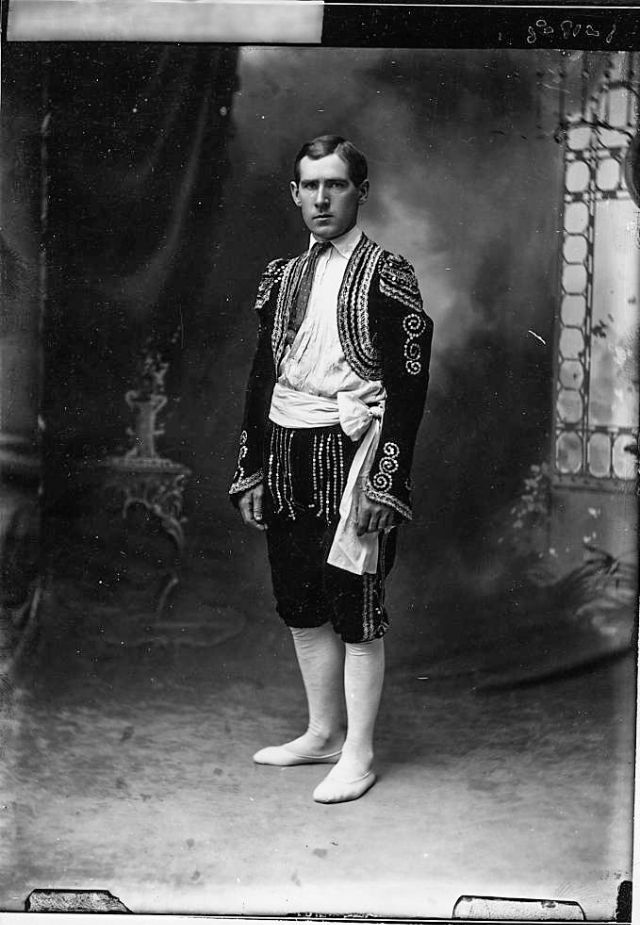
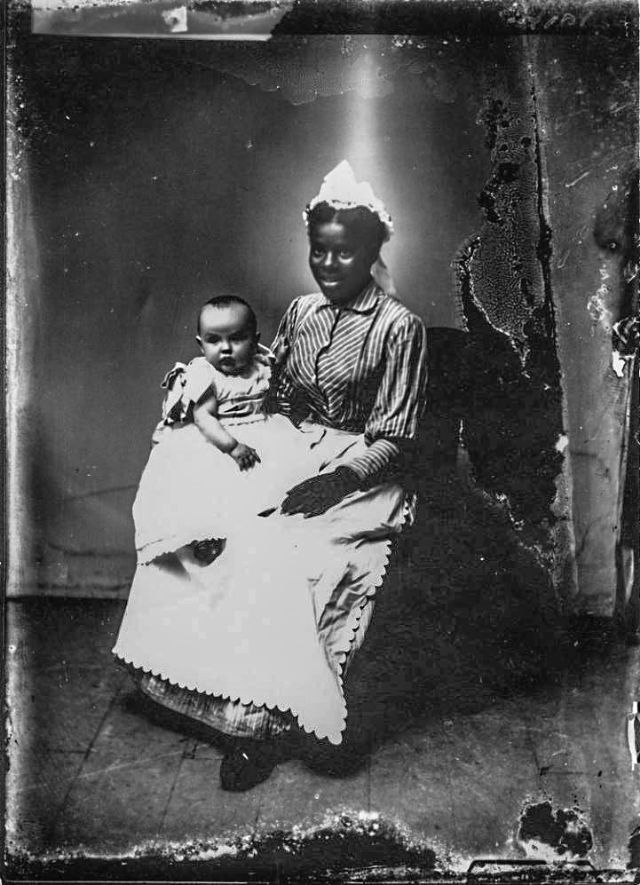
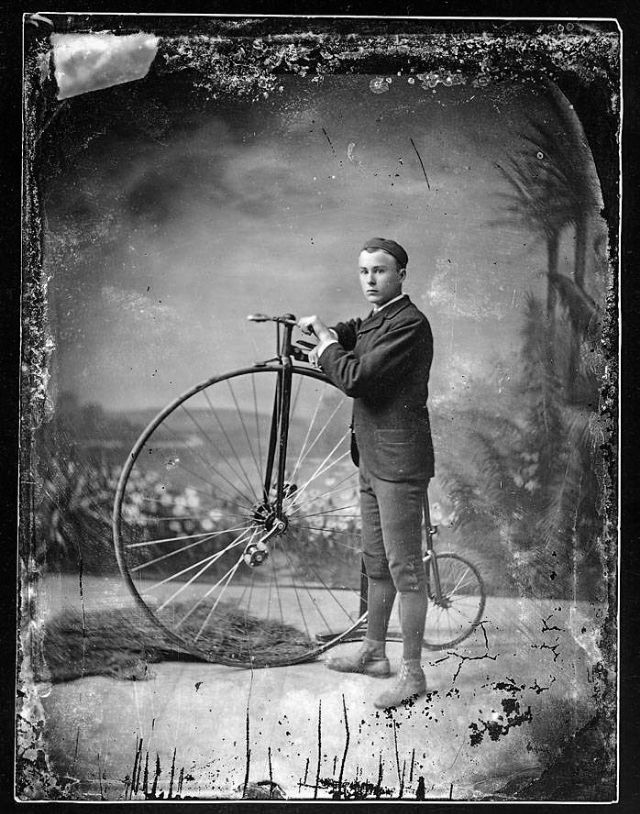
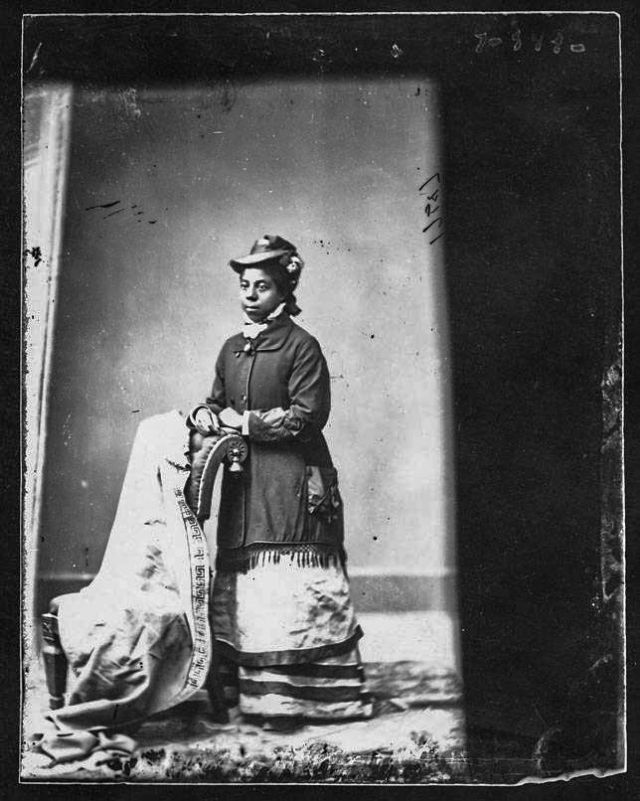
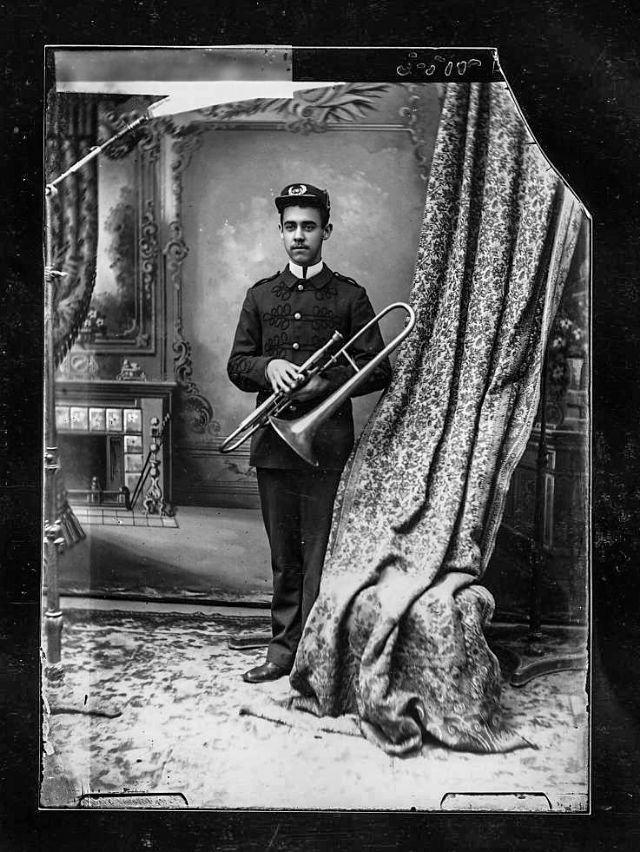
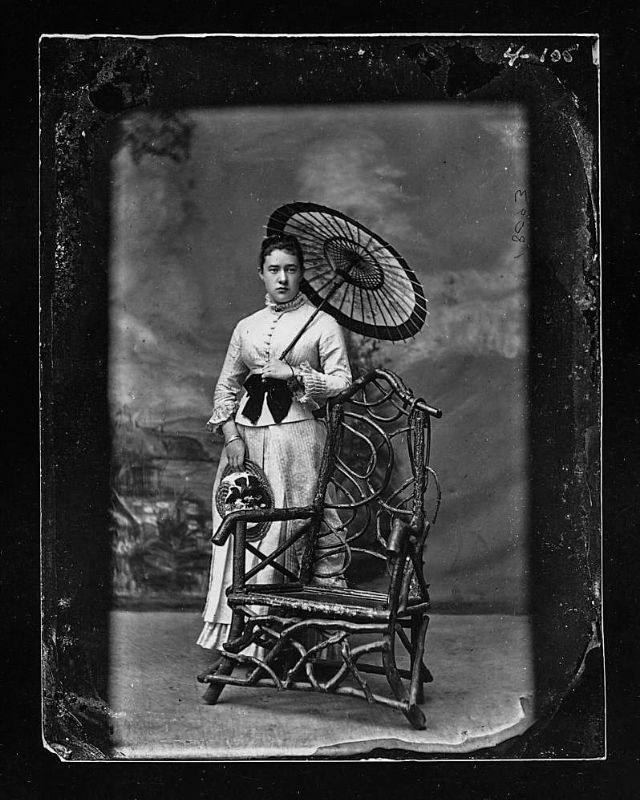
Washington G. Smith (1828-1893) and Arthur J. Telfer (1859-1954) spent almost one hundred years photographing people, events, and scenes in and around Cooperstown. At the time of his gift Telfer was 93 years old and was widely thought to be the oldest working photographer in the United States.
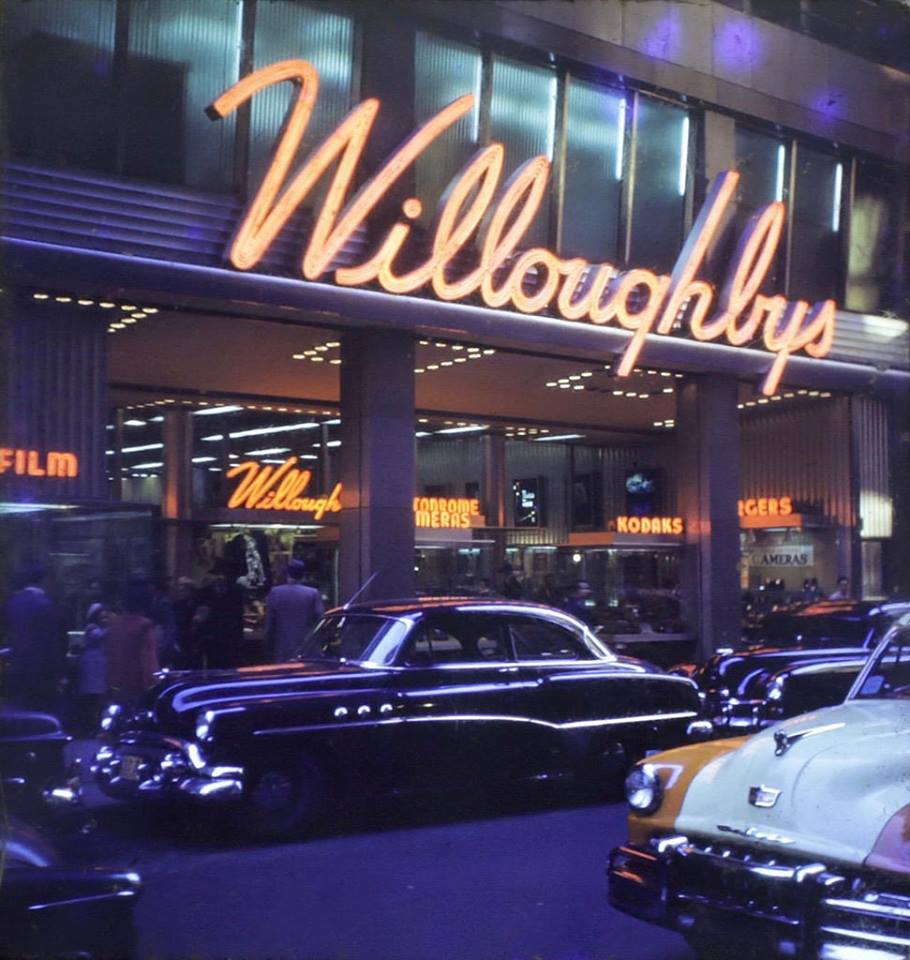
Washington Smith worked with partners while he learned the daguerreotype and ambrotype processes in the 1850s. In 1864 he bought the Willoughby Block in Cooperstown and established his own “Photographic Gallery” where he remained until his death in 1893.
Telfer reluctantly joined Smith in 1887; he suspected that photography was a passing fad but Smith assured him that as long as folks continued to have weddings and babies he would never want for work. Telfer continued the business after Smith’s death and for another sixty years beyond. While portraits provided the bulk of their income, both photographers ventured outside the studio to record the world around them using large view cameras and, for the most part, glass plate negatives.
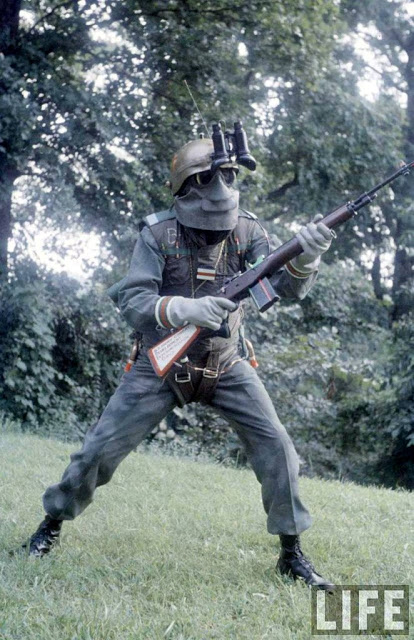
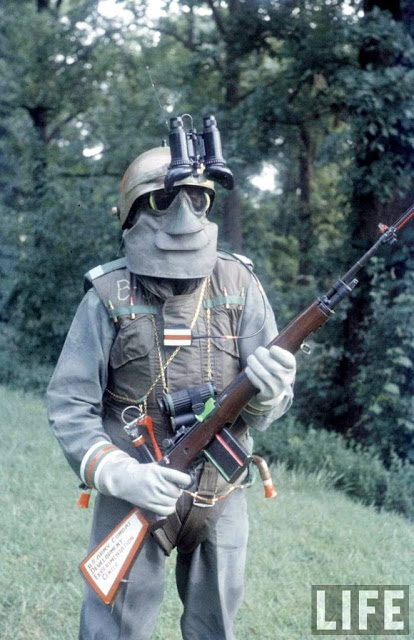
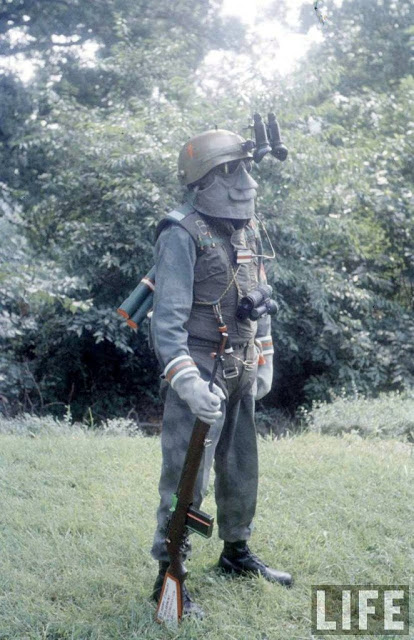
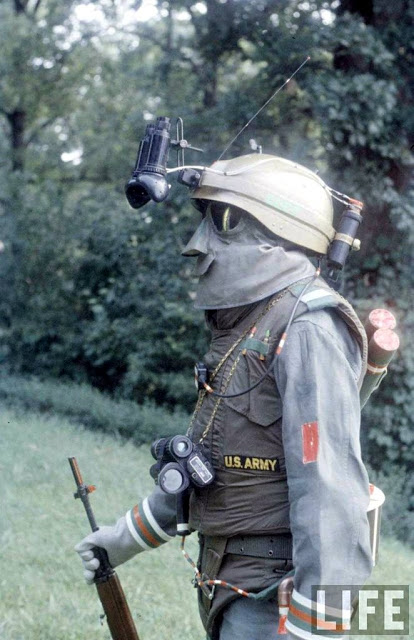
Various shots of the “Soldier of the Future” wearing special uniform. The futuristic uniform includes “rocket-powered jump belt”, infrared binoculars and rubber mask and gloves to protect the wearer from nuclear explosions – over-all effect looks like something from “Star Wars”!
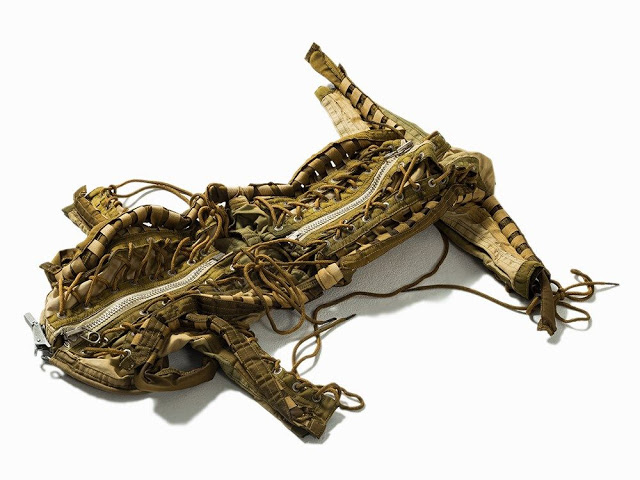
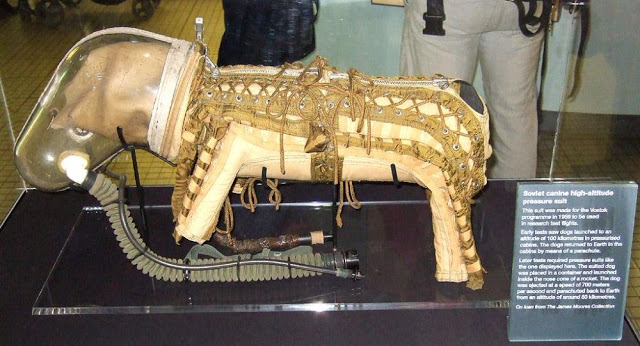
Made out of cotton, nylon, rubber and aluminium, this suit is believed to have been worn by Belka and Strelka, the first two dogs to return from space back in 1960. It was used for the USSR’s Korabl-Sputnik 2 mission during the training phase, where the dogs strapped into capsules wearing the suits and launched 262,500 feet in the air before returning to the ground on parachutes. The training was meant to test the effects of low gravity and high-speed launches on the animals.
While the US used chimpanzees in their space race tests, Russian scientists chose dogs, because of their willingness to sit still for long periods. Some of the tests involved strapping dogs into capsules and launching them to a height of 80 kilometres. The capsules then returned to Earth by parachute.
The dog Laika became the first animal to orbit the Earth in 1957, dying from stress and overheating around 6 hours into the flight. Belka and Strelka were luckier: in 1960, they became the first dogs to return to Earth safely, having spent a day in space.
Strelka subsequently gave birth to six puppies, one of which was presented as a gift to John F. Kennedy’s family.
The suit was auctioned at Auctionata on September 13, 2017 with start price at €4,000.
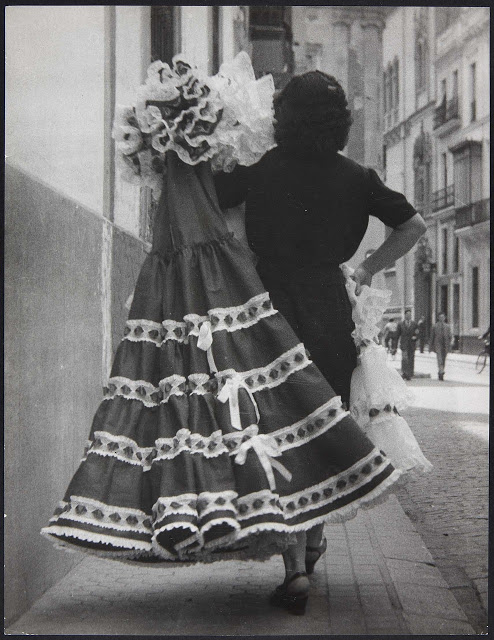
In the past women were in some ways thought of as being inferior to men. The typical lifestyle among families was for women to stay at home while men worked, and this was the acknowledged as a way of life for both parties. Although certain generalisations still exist much of this has changed.
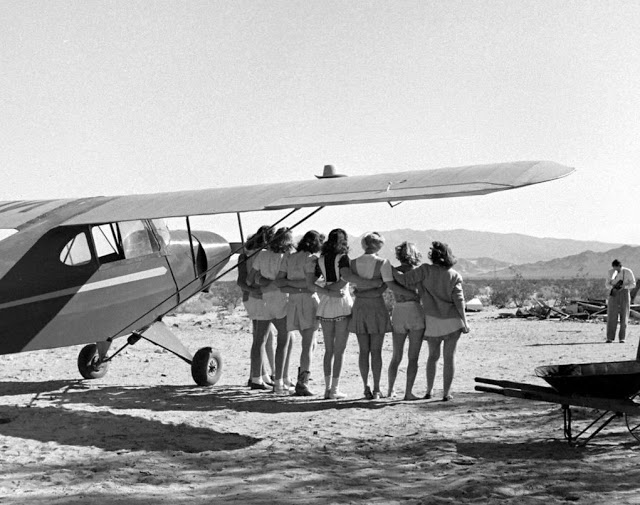
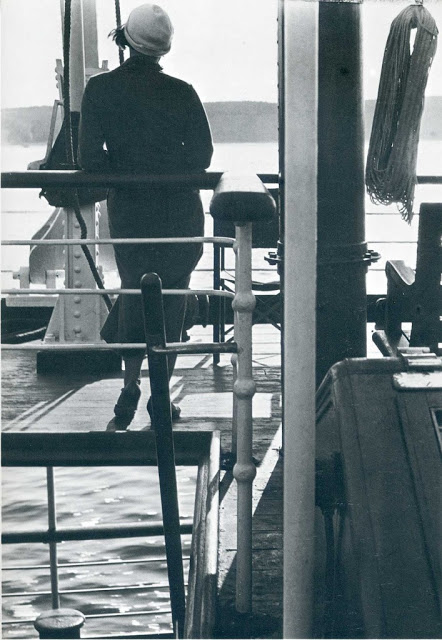
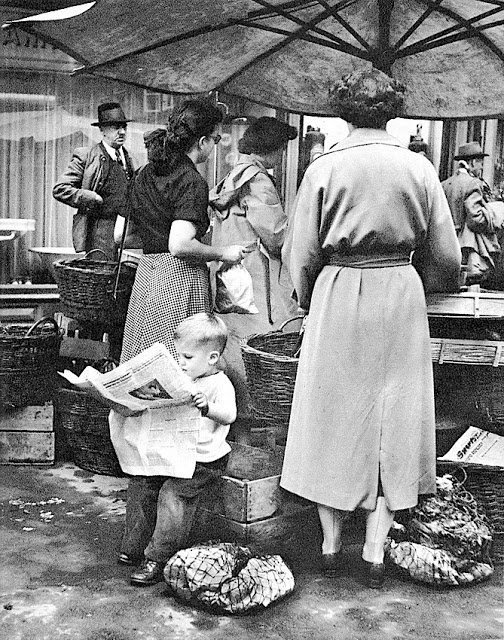
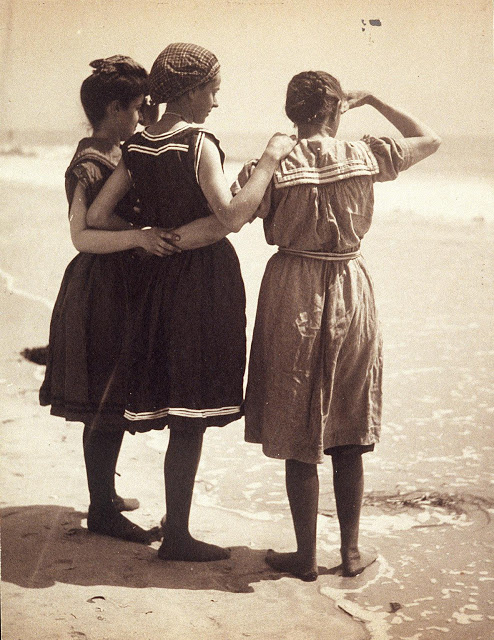
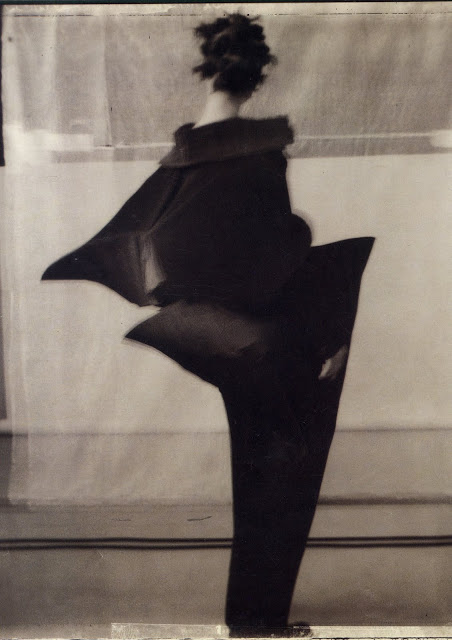
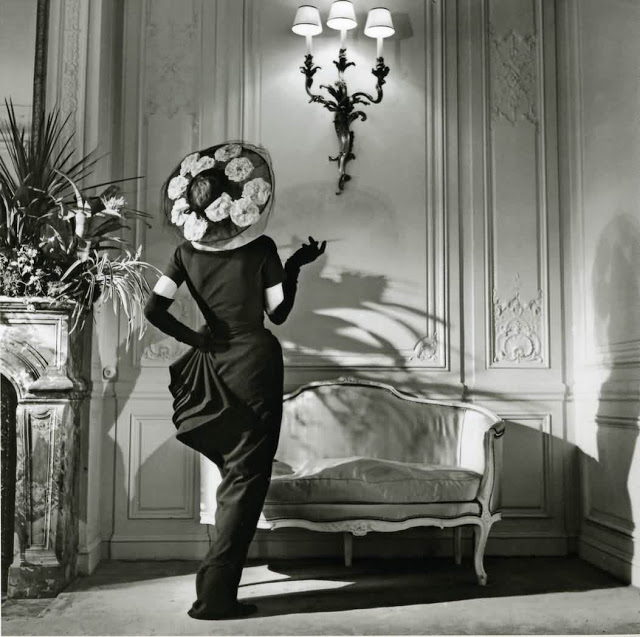
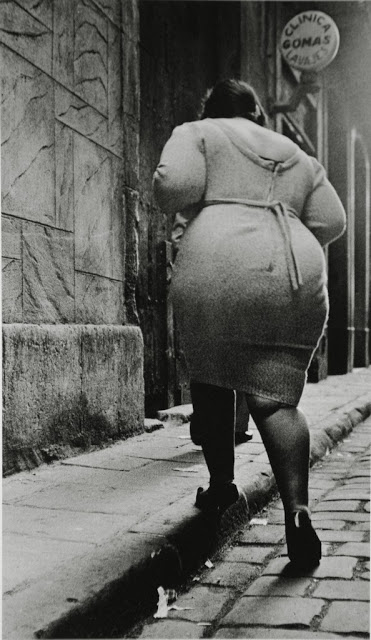
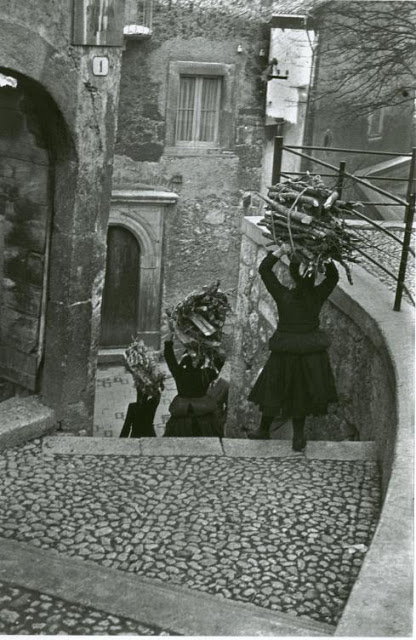
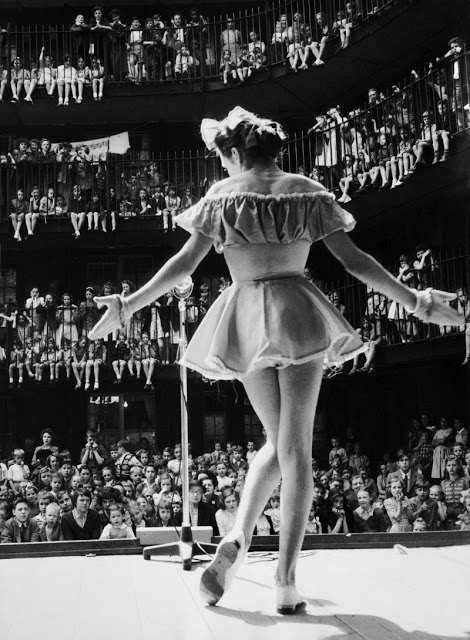
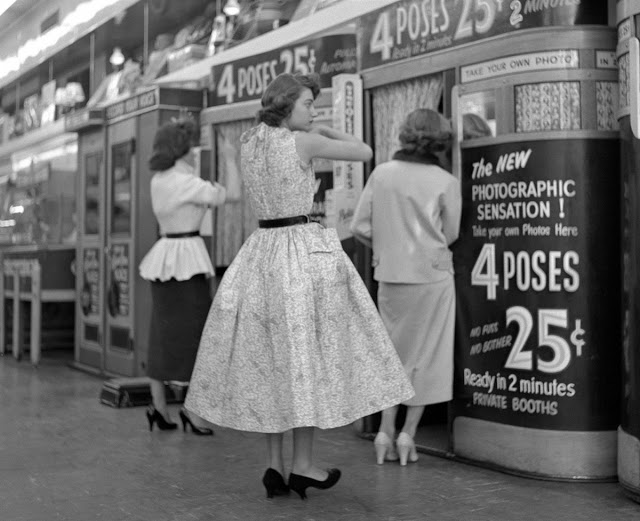
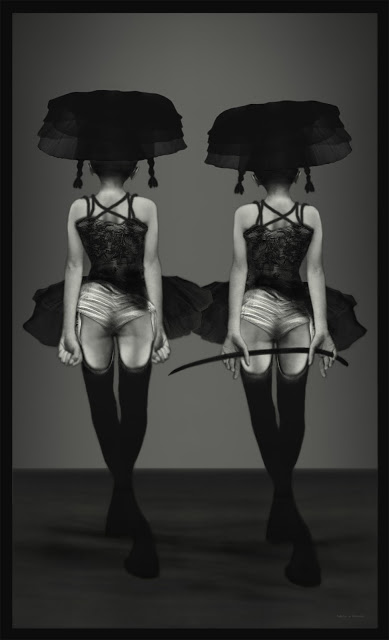
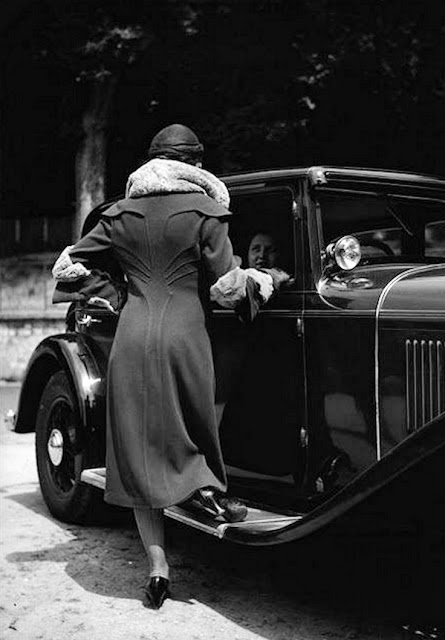
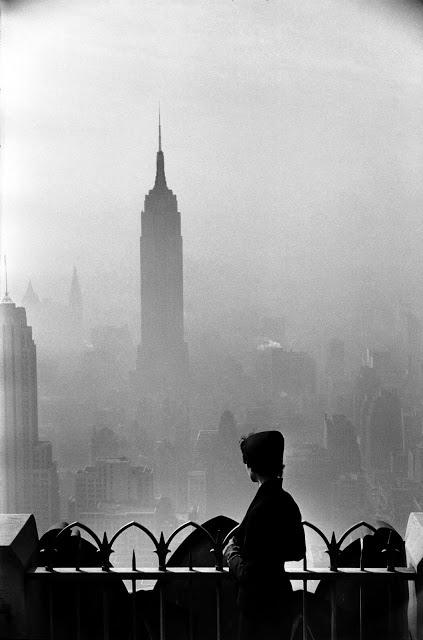
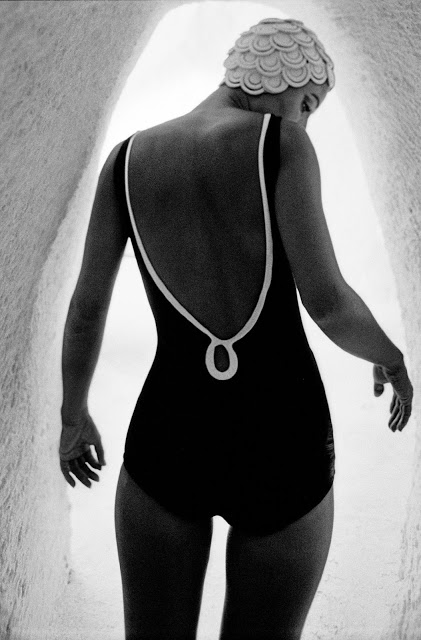
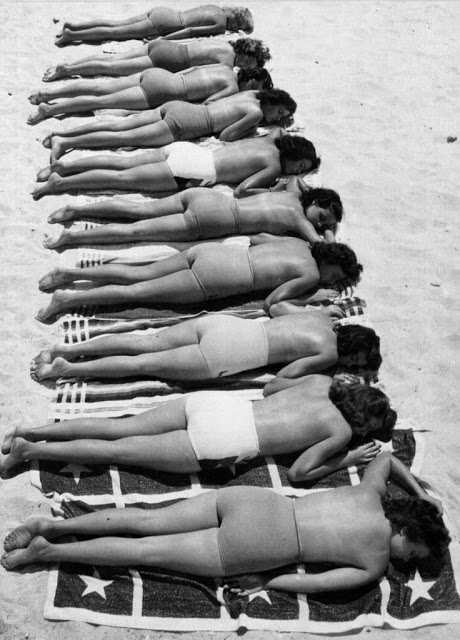
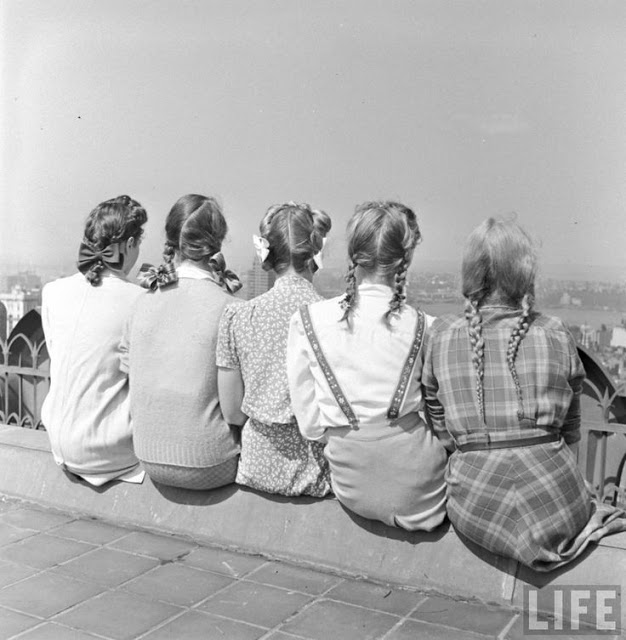
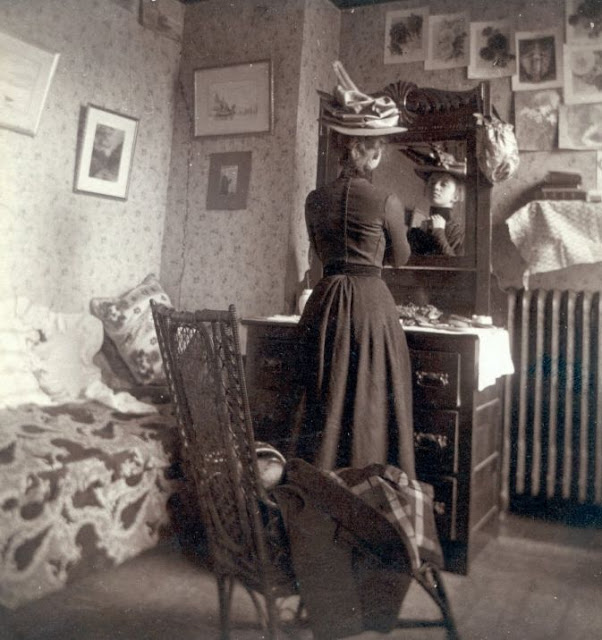
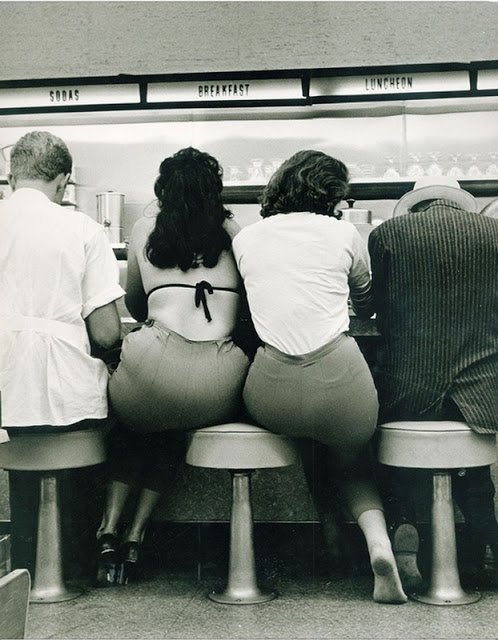
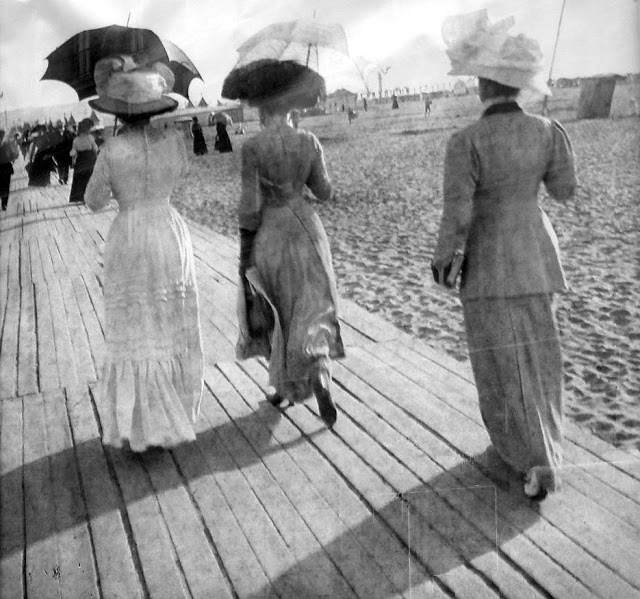
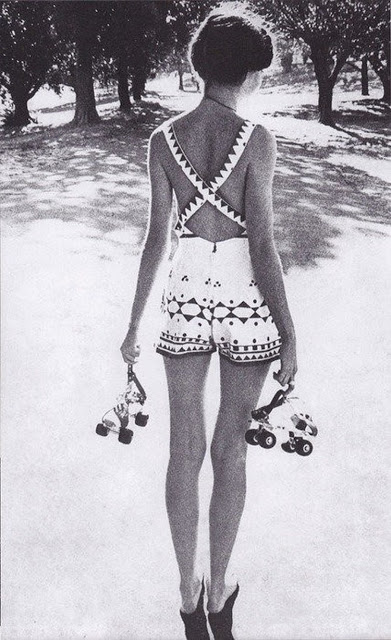
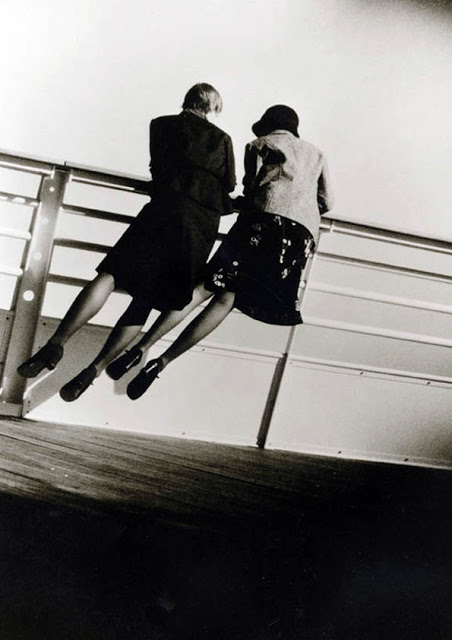
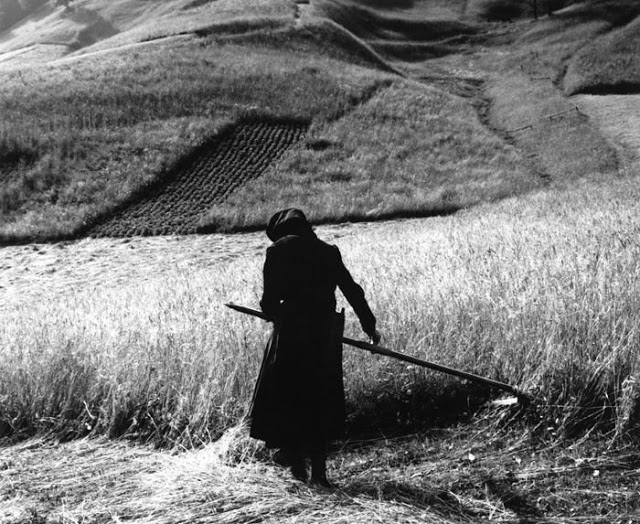
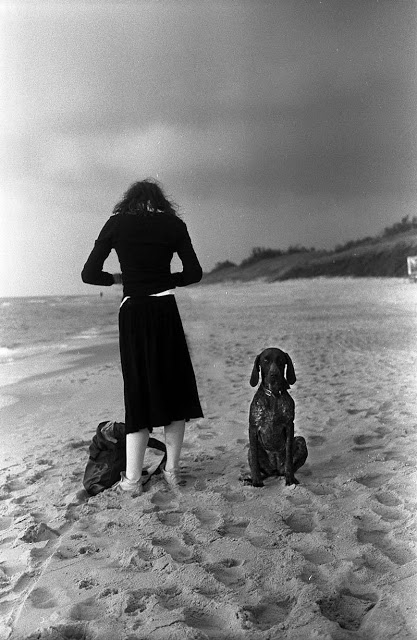
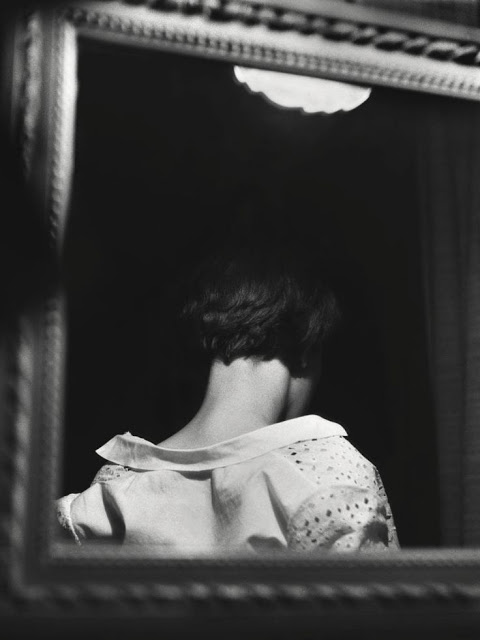
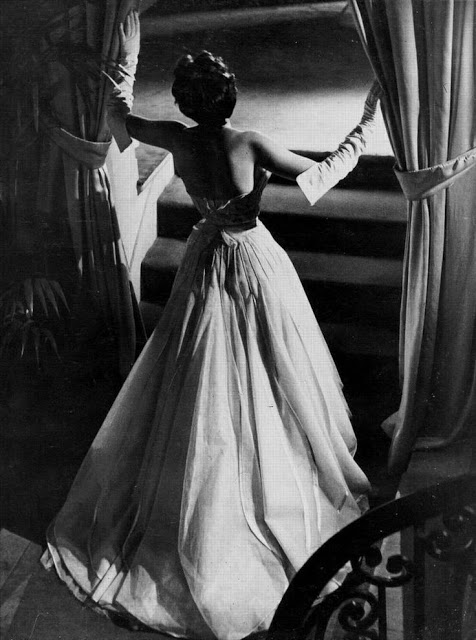
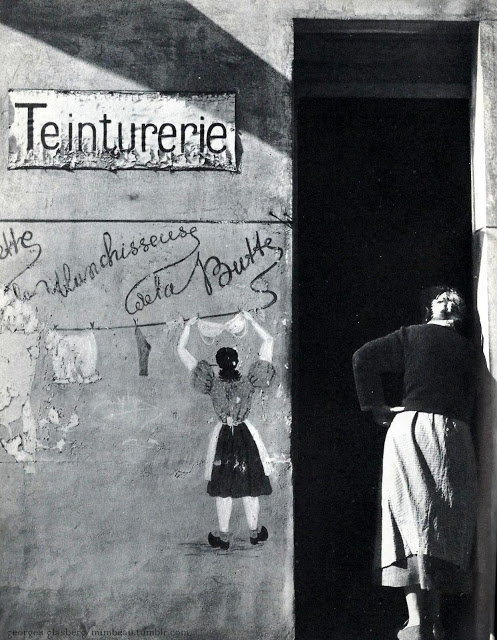
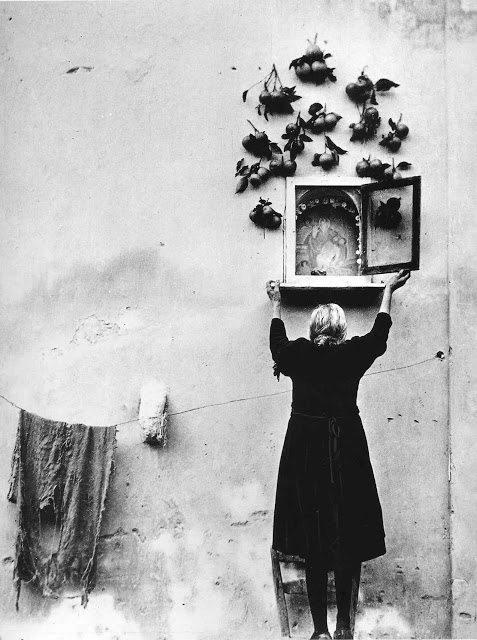
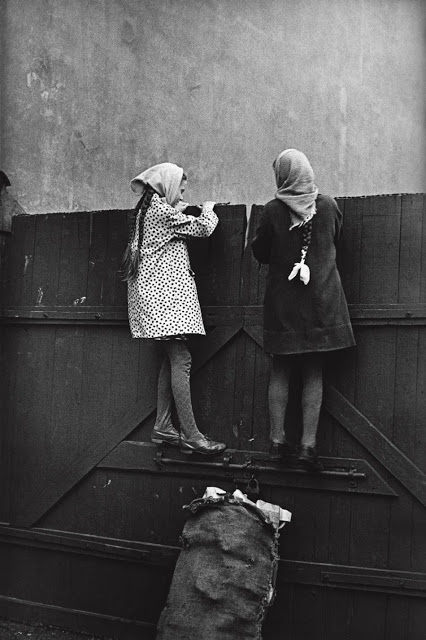
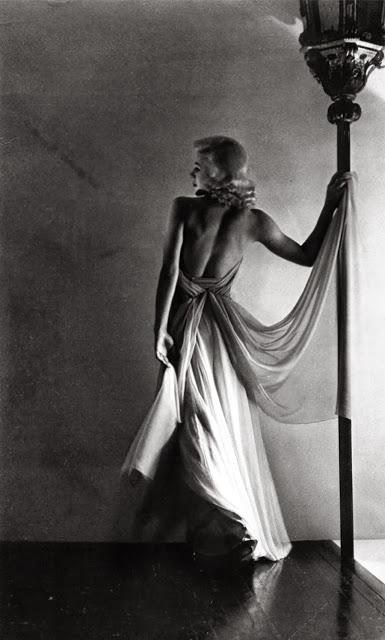
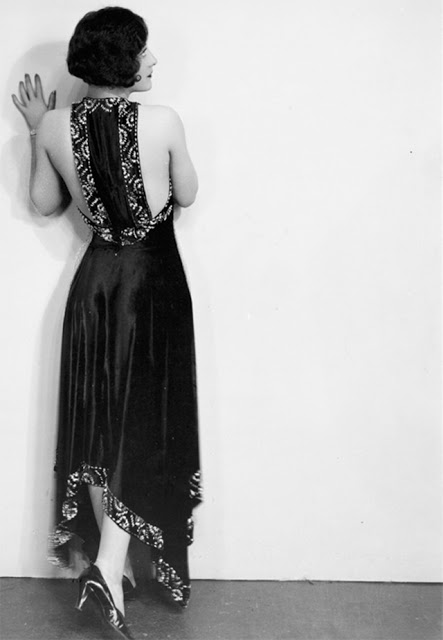
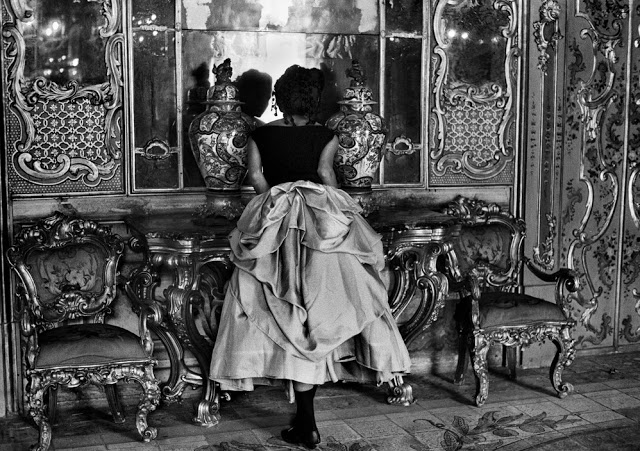
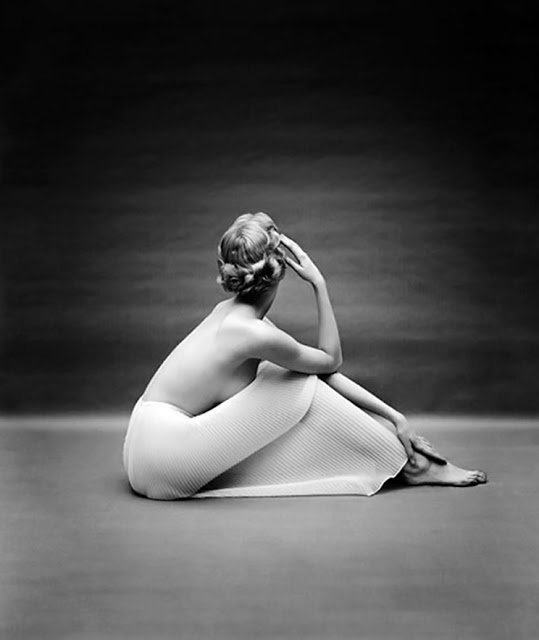
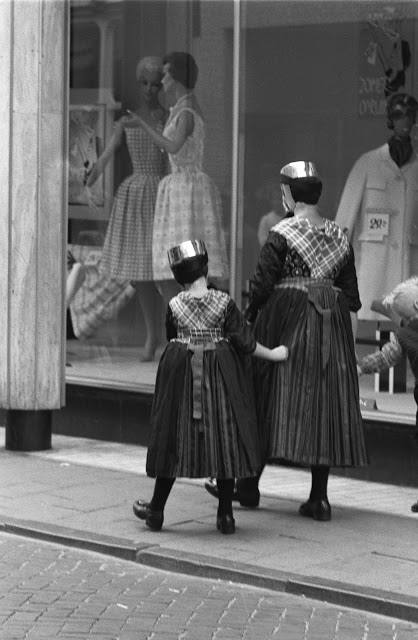
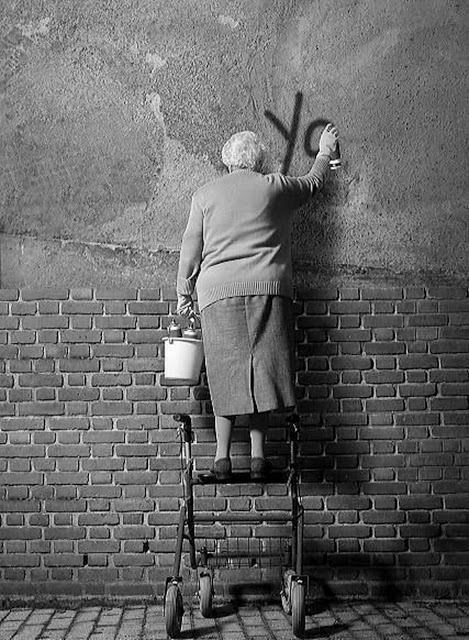
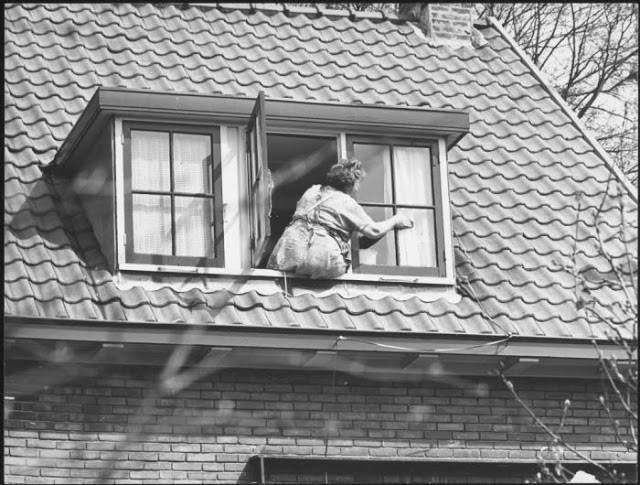
Women these day are more independent than in the past. They demand more from their lives and choose how they want to live. They also have more power. Look at the influence of women like Michelle Obama and Oprah. To honor women in the past, from fashion shots to everyday life photographs, we collected a gallery of 100 interesting images of women captured from behind over last century.
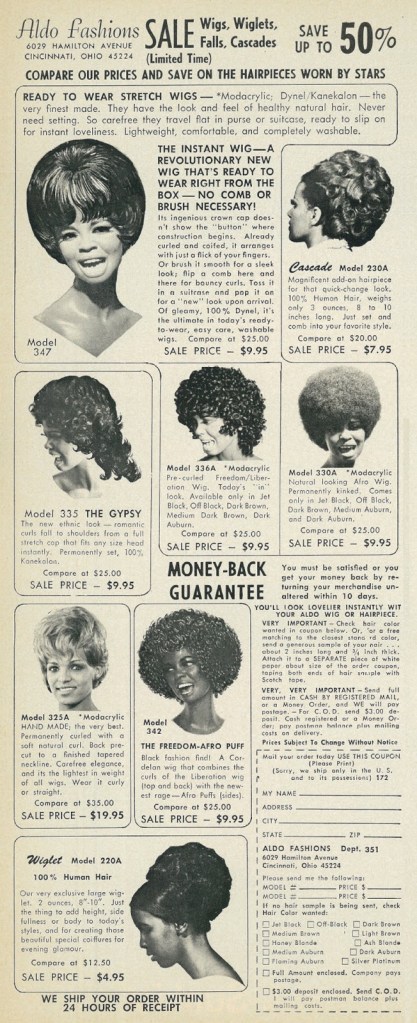
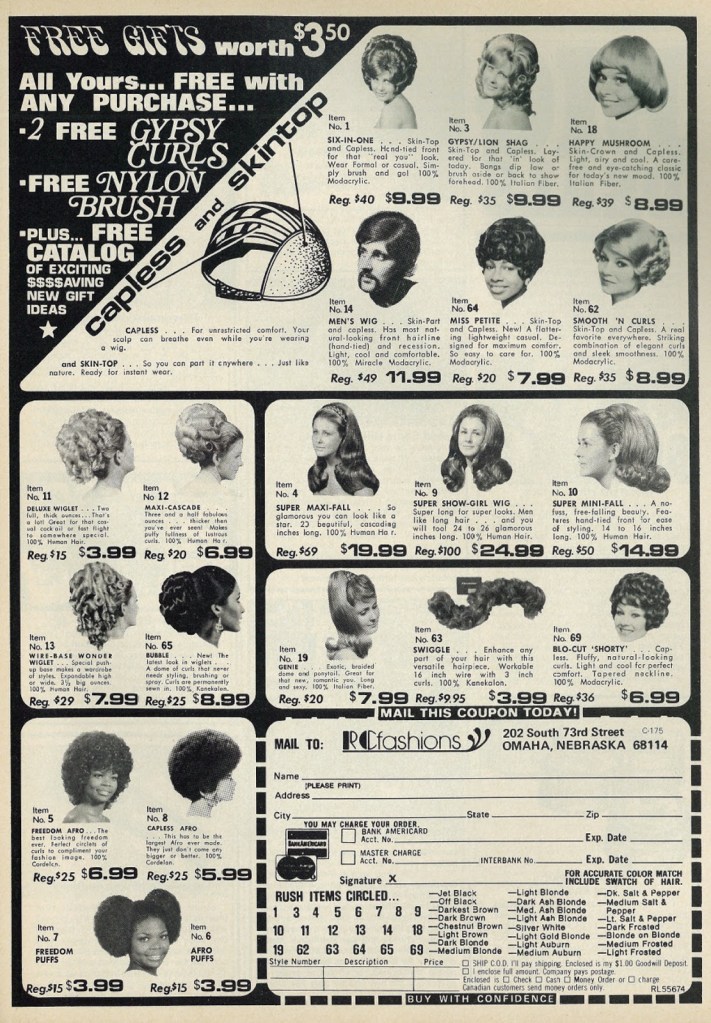
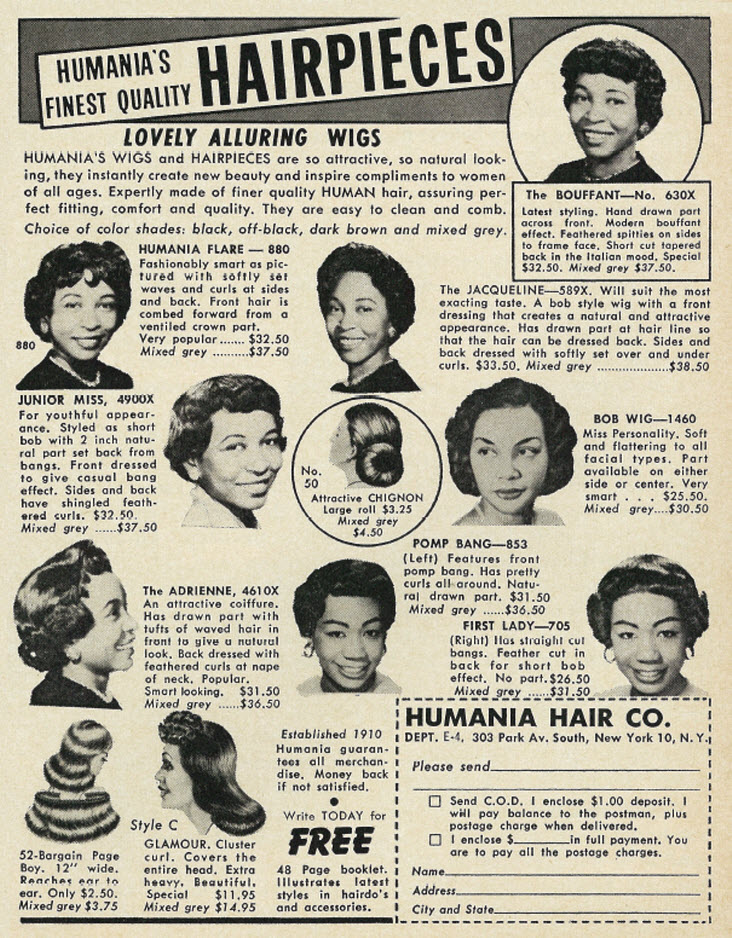
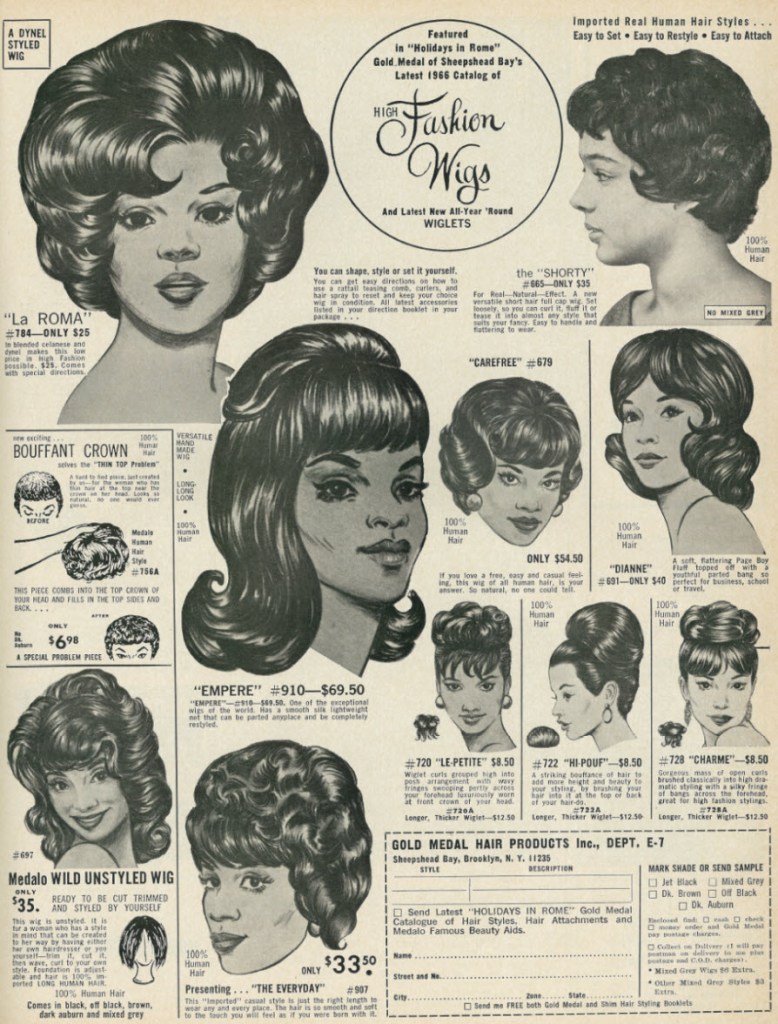
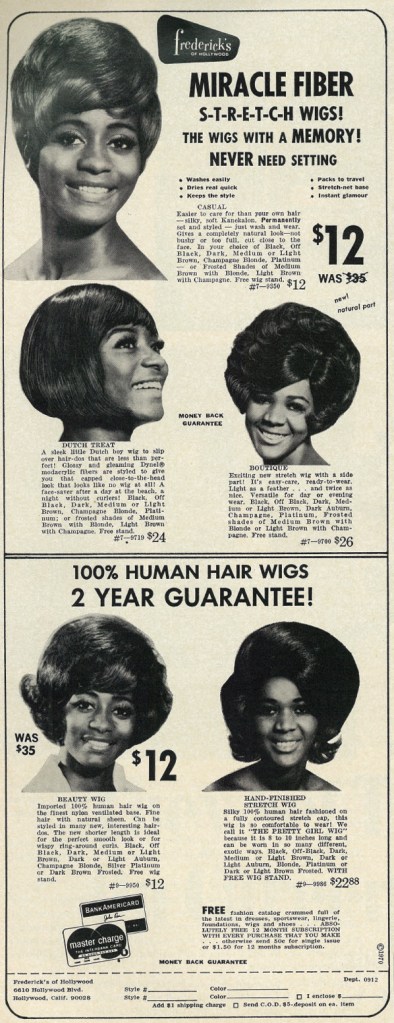
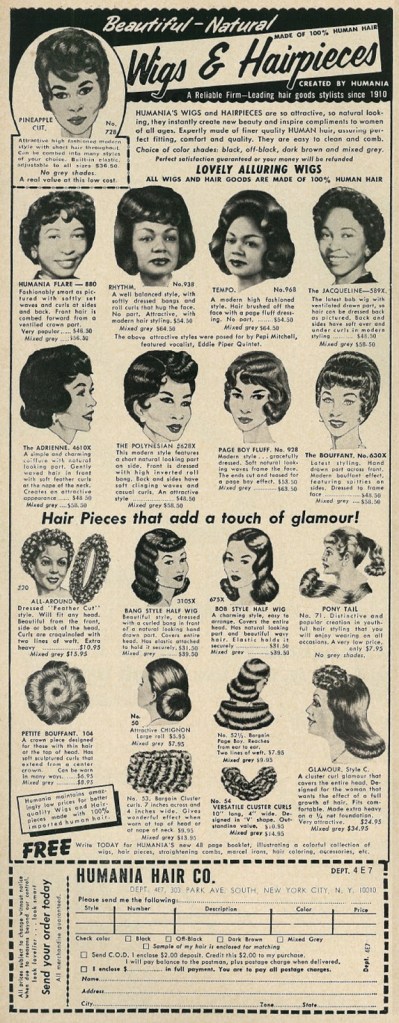
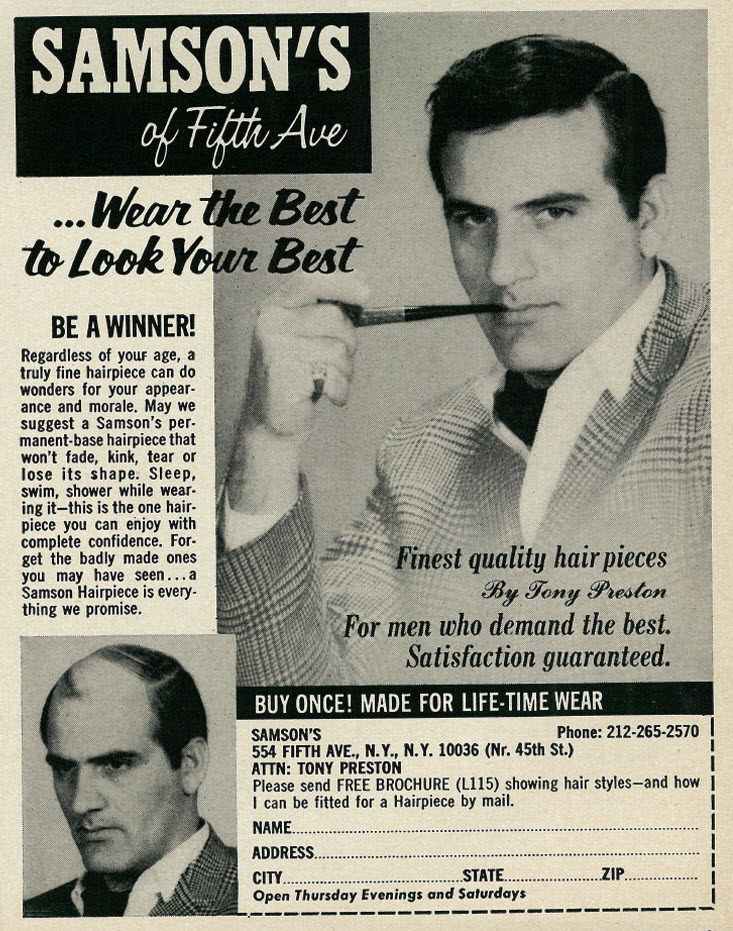
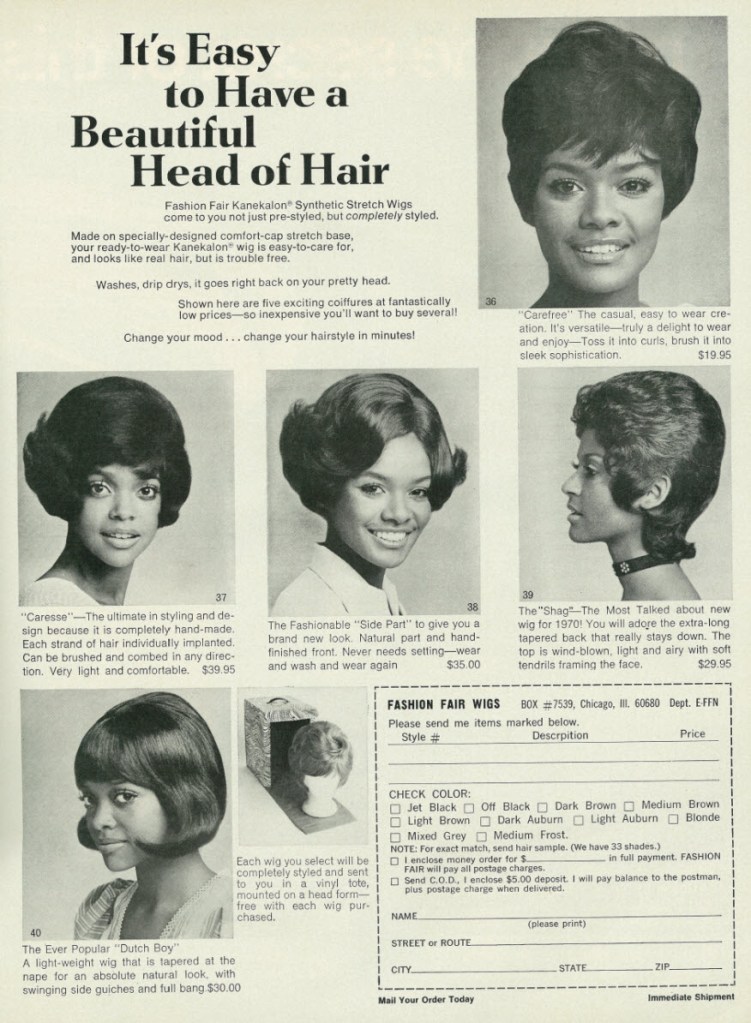
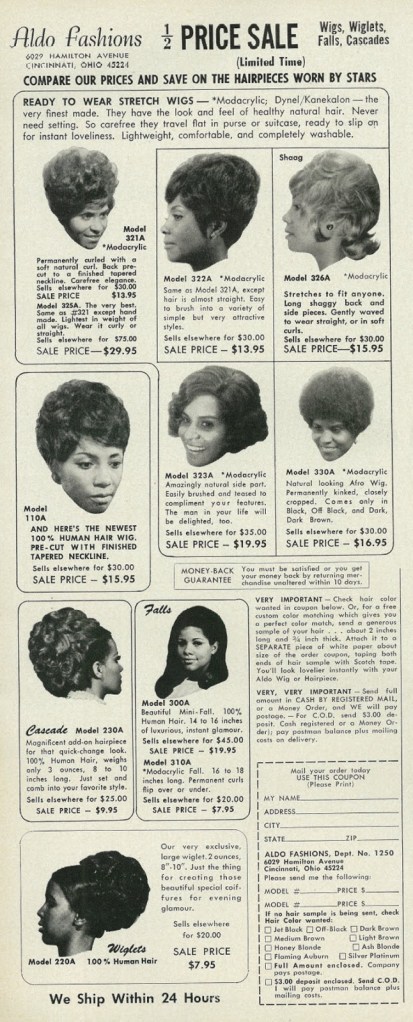
Everyone remembers the hairstyles of the 60s – afros, long hippy hair and the perfectly bouffanted look all go together to create an incredible era of hair. Whilst you might not have the hair you need for your costume; in the 1960s and ’70s, these fashion wig ads for you to use and complete the look.
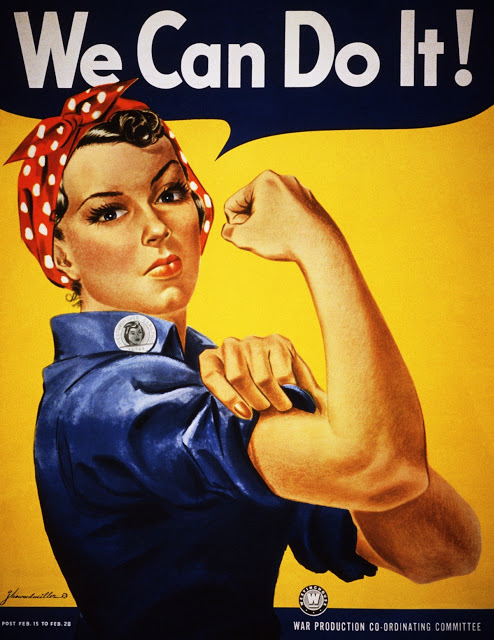
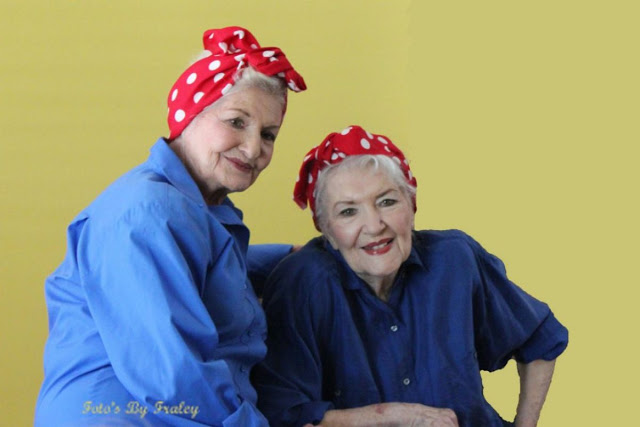
In 1942, Pittsburgh artist J. Howard Miller was hired by the Westinghouse Company’s War Production Coordinating Committee to create a series of posters for the war effort. One of these posters became the famous “We Can Do It!” image—an image that in later years would also be called “Rosie the Riveter”, though it was never given this title during the war. Miller is thought to have based his “We Can Do It!” poster on a United Press International wire service photograph taken of a young female war worker, widely but erroneously reported as being a photo of Michigan war worker Geraldine Hoff (later Doyle.) More recent evidence indicates that the formerly mis-identified photo is actually of war worker Naomi Parker (later Fraley) taken at Alameda Naval Air Station in California.
The “We Can Do It!” poster was displayed only to Westinghouse employees in the Midwest during a two-week period in February 1943, then it disappeared for nearly four decades. During the war, the name “Rosie” was not associated with the image, and the purpose of the poster was not to recruit women workers but rather as motivational propaganda aimed at workers of both sexes already employed at Westinghouse. It was only later, in the early 1980s, that the Miller poster was rediscovered and became famous, associated with feminism, and often mistakenly called “Rosie the Riveter”.
In 1982, the “We Can Do It!” poster was reproduced in a magazine article, “Poster Art for Patriotism’s Sake”, a Washington Post Magazine article about posters in the collection of the National Archives.
In subsequent years, the poster was re-appropriated to promote feminism. Feminists saw in the image an embodiment of female empowerment. The “We” was understood to mean “We Women”, uniting all women in a sisterhood fighting against gender inequality. This was very different from the poster’s 1943 use to control employees and to discourage labor unrest. History professor Jeremiah Axelrod commented on the image’s combination of femininity with the “masculine (almost macho) composition and body language.”
Smithsonian magazine put the image on its cover in March 1994, to invite the viewer to read a featured article about wartime posters. The US Postal Service created a 33¢ stamp in February 1999 based on the image, with the added words “Women Support War Effort”. A Westinghouse poster from 1943 was put on display at the National Museum of American History, part of the exhibit showing items from the 1930s and ’40s.
In 1984, former war worker Geraldine Hoff Doyle came across an article in Modern Maturity magazine which showed a wartime photograph of a young woman working at a lathe, and she assumed that the photograph was taken of her in mid-to-late 1942 when she was working briefly in a factory. Ten years later, Doyle saw the “We Can Do It!” poster on the front of the Smithsonian magazine and assumed the poster was an image of herself. Without intending to profit from the connection, Doyle decided that the 1942 wartime photograph had inspired Miller to create the poster, making Doyle herself the model for the poster. Subsequently, Doyle was widely credited as the inspiration for Miller’s poster.
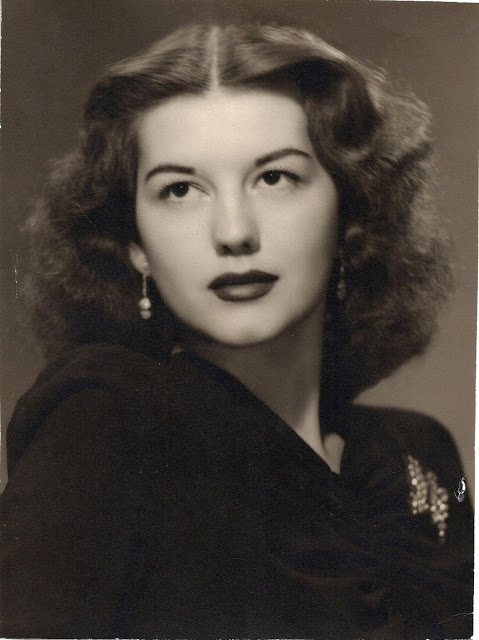
Geraldine Hoff Doyle (1924-2010), believed to be the model for the World War II era “We Can Do It!” poster, shown here in 1942 at age 17.
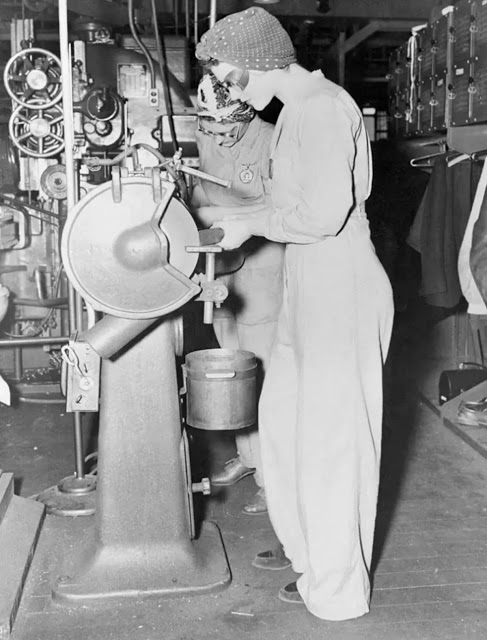
From an archive of Acme news photographs, Professor James J. Kimble obtained the original photographic print, including its yellowed caption identifying the woman as Naomi Parker. The photo is one of a series of photographs taken at Naval Air Station Alameda in California, showing Parker and her sister working at their war jobs during March 1942. These images were published in various newspapers and magazines beginning in April 1942, during a time when Doyle was still attending high school in Michigan.
Fraley was unaware of her identity on the poster for 30 years until she was informed that her photo had been misidentified. “I couldn’t believe it because it was me in the photo, but there was somebody else’s name in the caption: Geraldine. I was amazed,” Fraley told PEOPLE in September 2016.
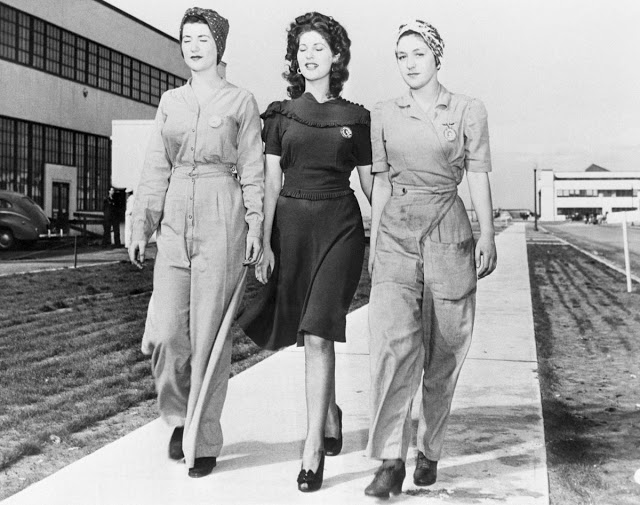
Naomi Parker Fraley working at the Naval Air Station in Alameda, California, in March 1942.Naomi Parker Fraley working at the Naval Air Station in Alameda, California, in March 1942.Naomi Parker (left), her sister Ada Parker (middle), and Frances Johnson representing war work fashion at the Alameda U.S. Naval Air Station, 1942.
However, it was too late to set the record straight as Hoff Doyle’s identity was already cemented as Rosie. “I just wanted my own identity. I didn’t want fame or fortune, but I did want my own identity,” Fraley recalled.
In February 2015, Kimble interviewed the Parker sisters, now named Naomi Fern Fraley, 93, and her sister Ada Wyn Morford, 91, and found that they had known for five years about the incorrect identification of the photo, and had been rebuffed in their attempt to correct the historical record.
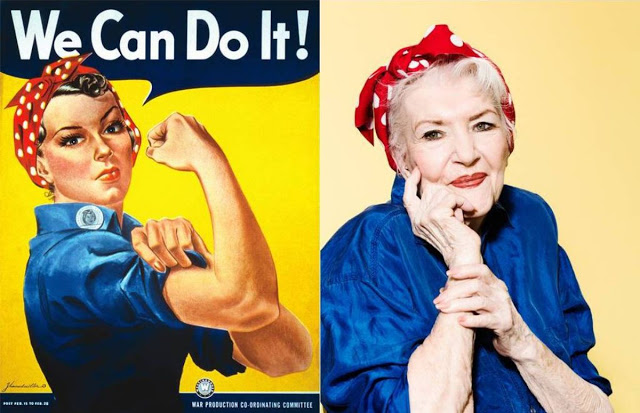
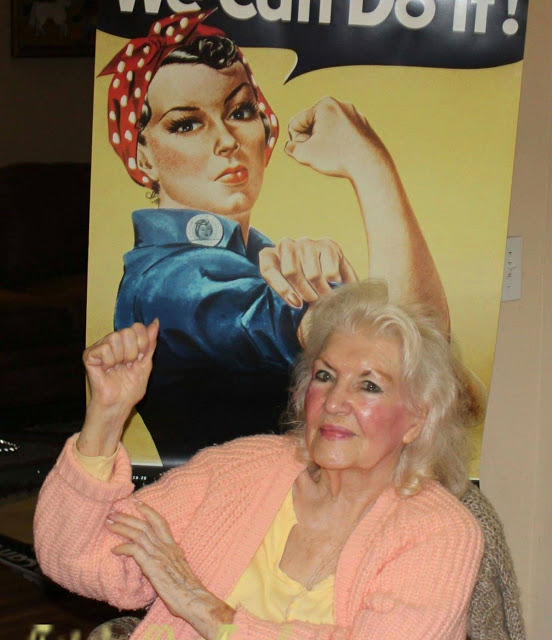
Naomi Parker Fraley in 2015 with the Rosie the Riveter poster that became a feminist touchstone.
After the war, Parker worked as a waitress at the Doll House, a restaurant in Palm Springs. She was married three times. On January 20, 2018, Parker died in Longview, Washington at the age of 96. The following month, her life was celebrated on BBC Radio 4’s obituary programme Last Word.
Although many publications have repeated Doyle’s unsupported assertion that the wartime photograph inspired Miller’s poster, Westinghouse historian Charles A. Ruch, a Pittsburgh resident who had been friends with J. Howard Miller, said that Miller was not in the habit of working from photographs, but rather live models. However, the photograph of Naomi Parker did appear in the Pittsburgh Press on July 5, 1942, making it possible that Miller saw it as he was creating the poster.
Mrs. Fraley, right, in September 2016 with her younger sister, Ada Wyn Parker Loy.
Nearly one hundred years ago, Tet Holiday or Vietnamese Lunar New Year evoked the same excitement and expectations it does today; except, things were very different.
Vietnamese people celebrate the Lunar New Year annually, which is based on a lunisolar calendar (calculating both the motions of Earth around the Sun and of the Moon around Earth). Tet is generally celebrated on the same day as Chinese New Year, except when the one-hour time difference between Vietnam and China results in new moon occurring on different days. It takes place from the first day of the first month of the Vietnamese calendar (around late January or early February) until at least the third day.
Many Vietnamese prepare for Tet by cooking special holiday food and cleaning the house. Many customs are practiced during Tet, such as visiting a person’s house on the first day of the new year (xông nhà), ancestor worship, wishing New Year’s greetings, giving lucky money to children and elderly people, and opening a shop.
Tet is also an occasion for pilgrims and family reunions. They start forgetting about the troubles of the past year and hope for a better upcoming year. They consider Tet to be the first day of spring, and the festival is often called H?i xuân (spring festival).
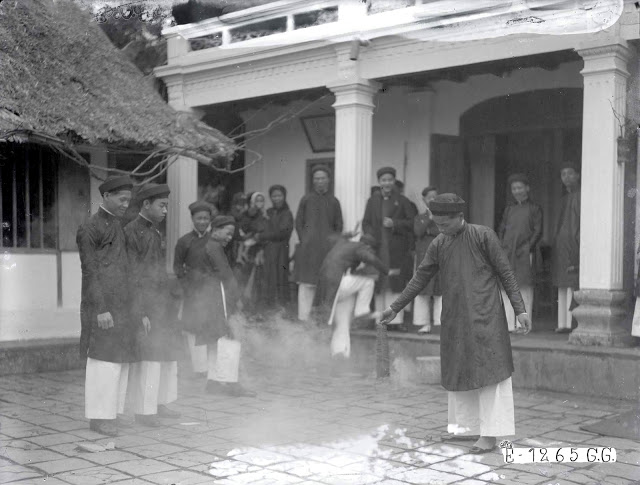
Here’s an early 20th century Tet celebration in black and white.
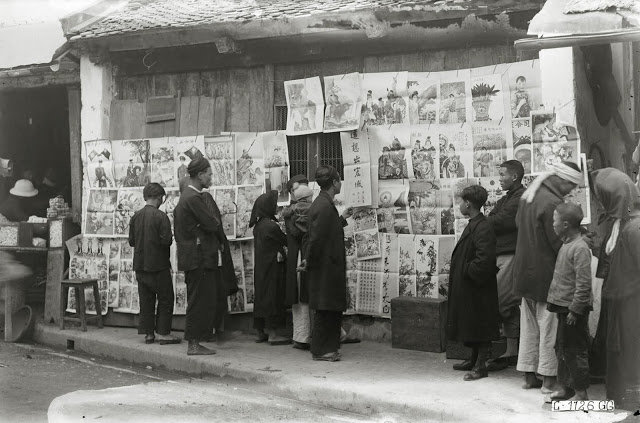
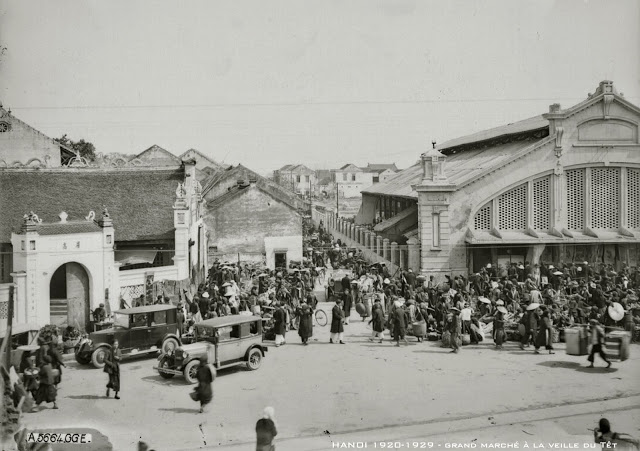
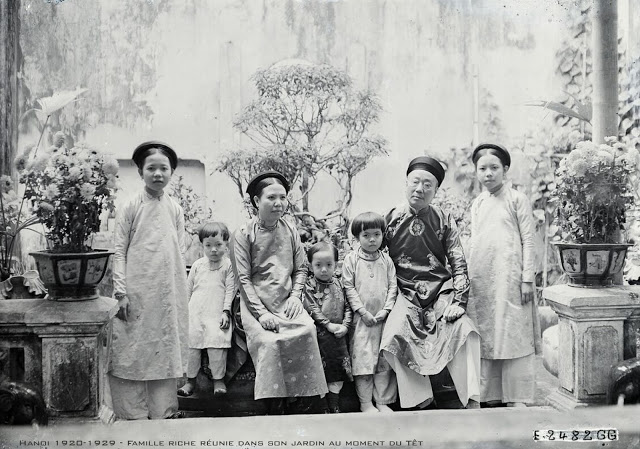
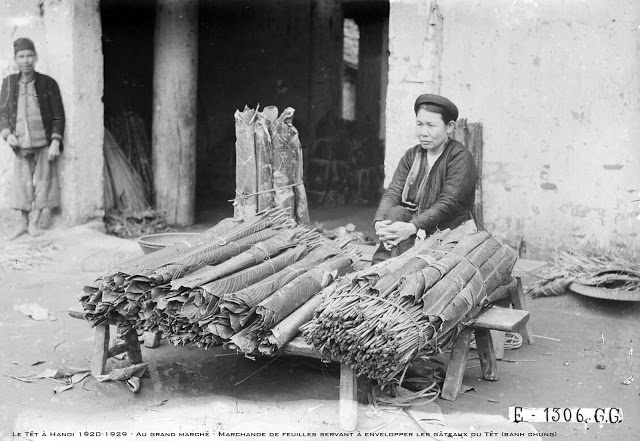
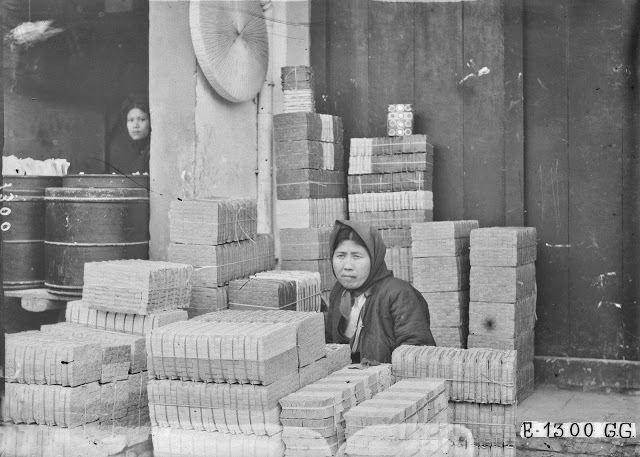
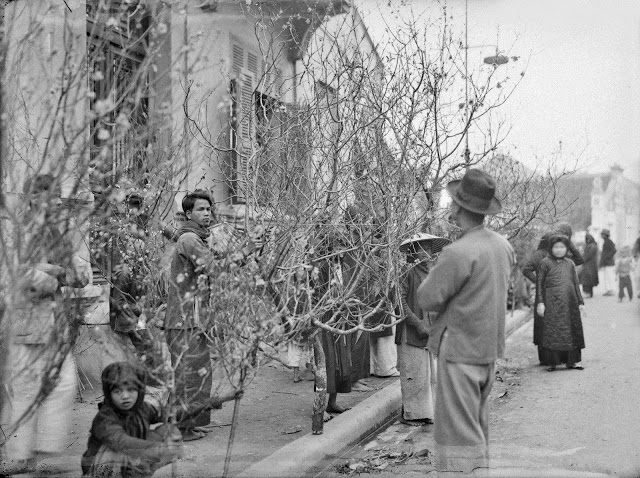
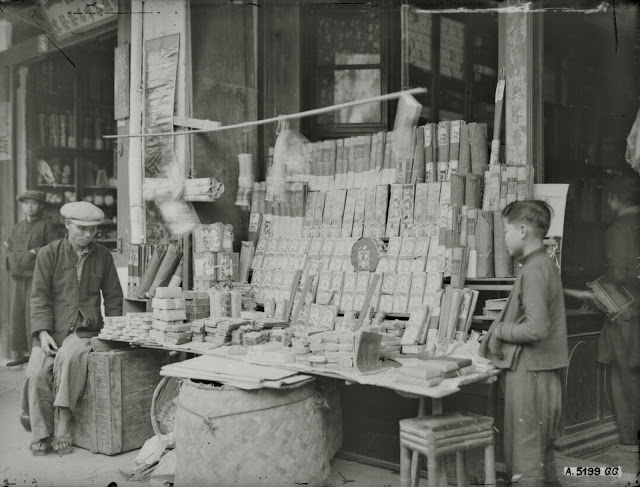
People gather at the Dong Xuan Market in Hanoi the day before the Lunar New Year. It was the only “supermarket” around then.On a Hanoi street, Tet paintings are on sale in 1929. Then, too, Chinese characters, parallel sentences, pictures of flowers, carps, dragons and other, more modern subjects were sold as wall hangings to invite luck into a house for the Lunar New Year.A Hanoi family poses for a picture as part of Tet celebrations.Young kids help out and watch as an ong do, a Vietnamese calligrapher, writes Chinese or Han characters on red paper to be used as a house decoration for Tet.A woman sells dong (Phrynium) leaves to wrap banh chung, a traditional Vietnamese glutinous rice cake that is a Tet specialty, at Hanoi’s Dong Xuan Market in 1929.An old man chooses a daffodil as a Tet decoration. Daffodils are believed to awaken one’s hidden potential, including talent and creativity. They also represent rejuvenation, chivalry and generosity. However, they are not so prevalent as a Tet decoration as they once were.A merchant sells paper offerings for Tet in Hanoi’s Dong Xuan Market in 1929. In Vietnam, paper offerings, which imitate common objects like money or clothes, are burned as offerings to ancestors during traditional celebrations, Tet in particular.Children wrestle with each other as a Tet sport in Hanoi, 1929. Wrestling is another traditional Vietnamese game, which tests players’ strength, agility, stamina and quick-thinking, but this is no longer as popular.People pick branches of peach blossoms, for long used in the north as the main Tet adornment for the house. Peach blossoms are believed to repel ghosts and demons, and symbolize youth, fertility and hope brought by spring. In the south, the flowers of choice for Tet is the Ochna integerrima, commonly known as the yellow Mai flower.A Hanoi store sells firecrackers and sticks of incense for Tet in 1929. Firecrackers were burst during Tet to repel ghosts and demons, but they were banned by the Vietnamese government in 1995 because the production and explosions were causing too many accidents, deaths and injuries.Two people fight, using long wooden poles as lances, as part of Tet celebrations in Hanoi, 1929. This sport, known as la lutte à la lance in French and roi truong in Vietnamese, was a traditional one engaged in during festivals in Vietnam. Combatants score points by hitting their opponents with wooden lances wrapped in fabric at one end, in various body parts. Any player who lets go of his lance automatically loses the match.A man lights firecrackers in his family’s yard during Tet.
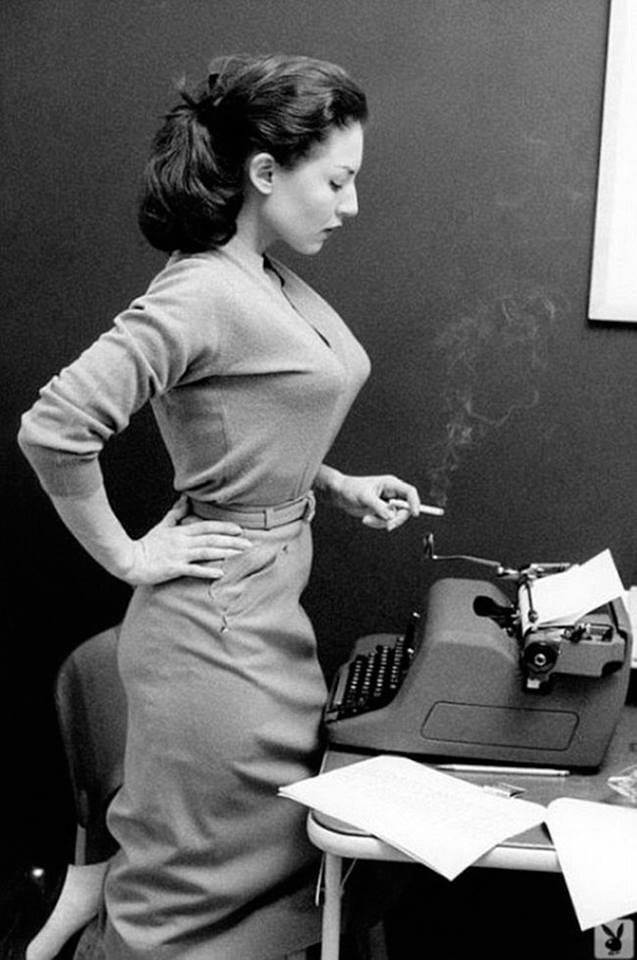
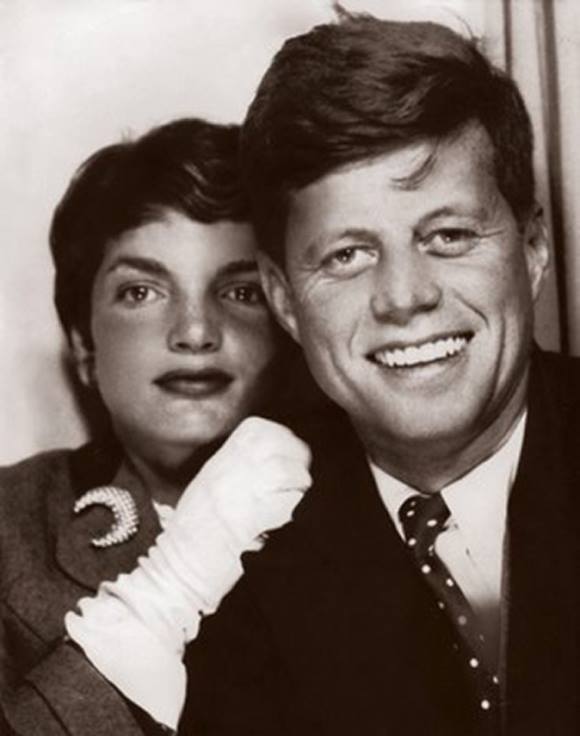
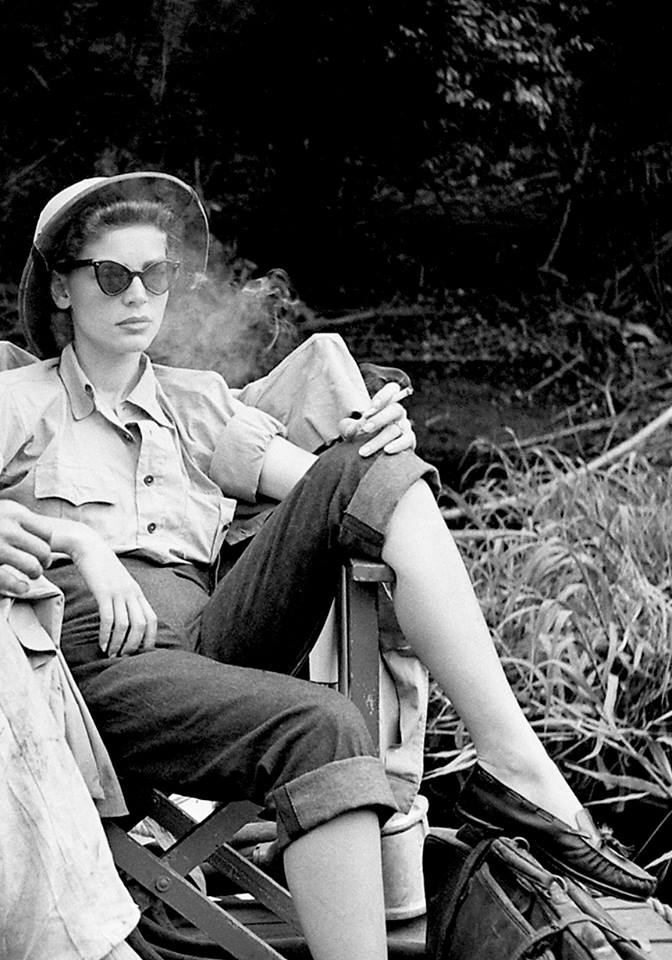
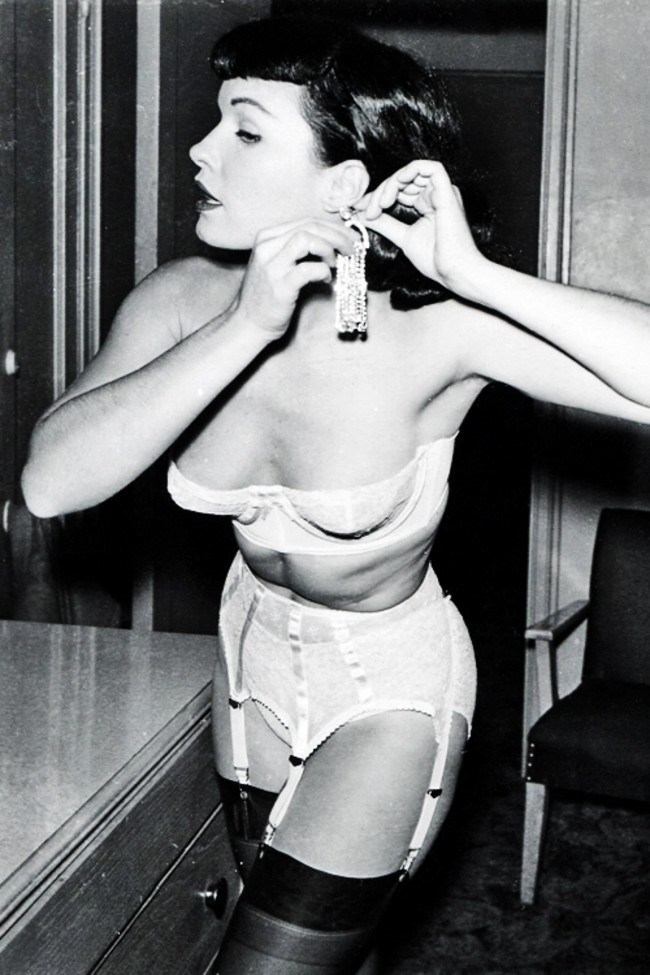
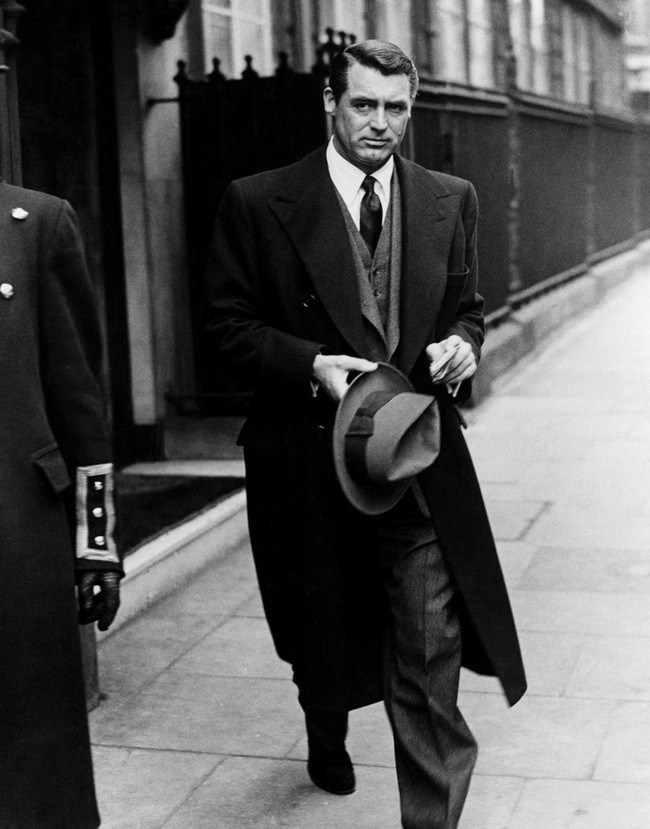
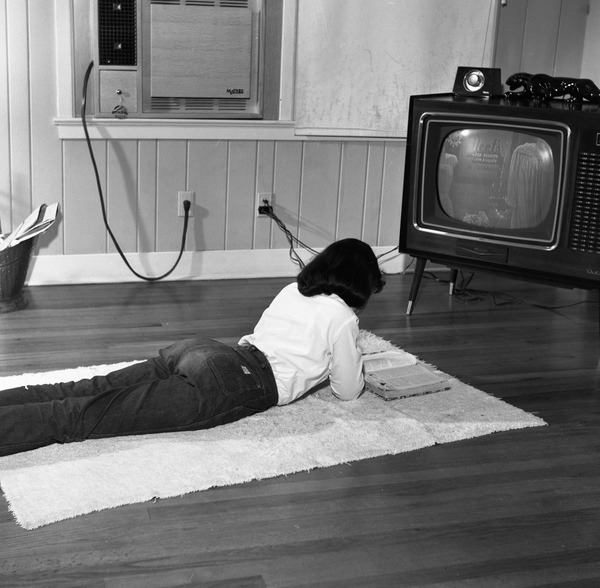
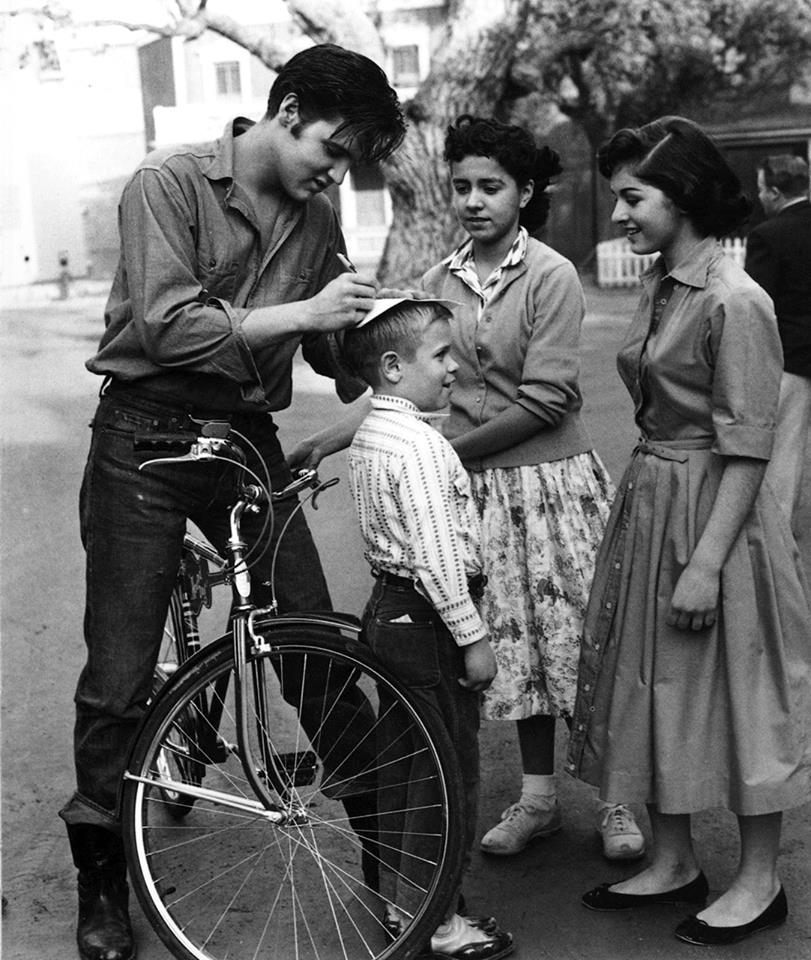
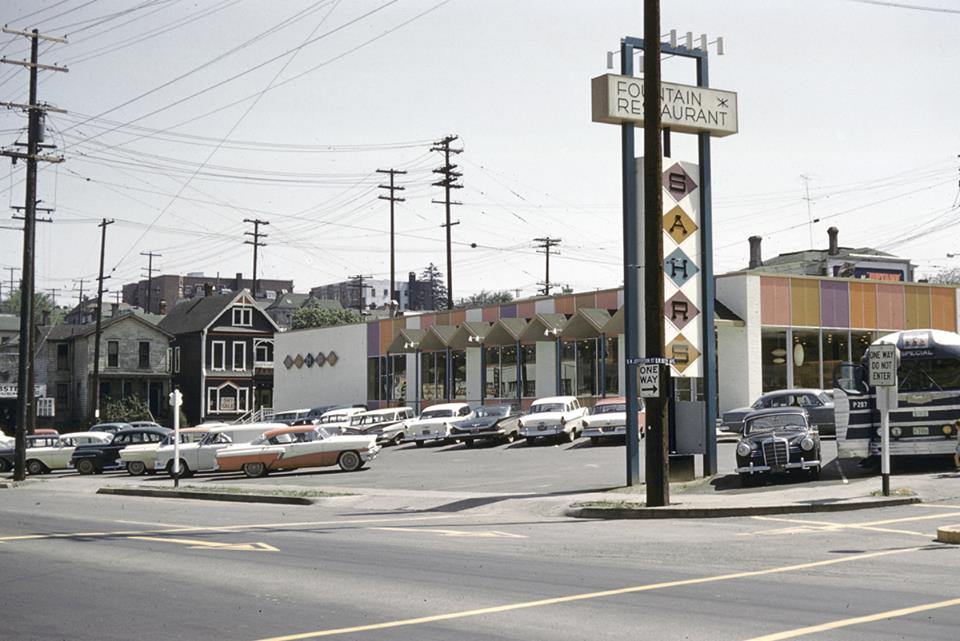
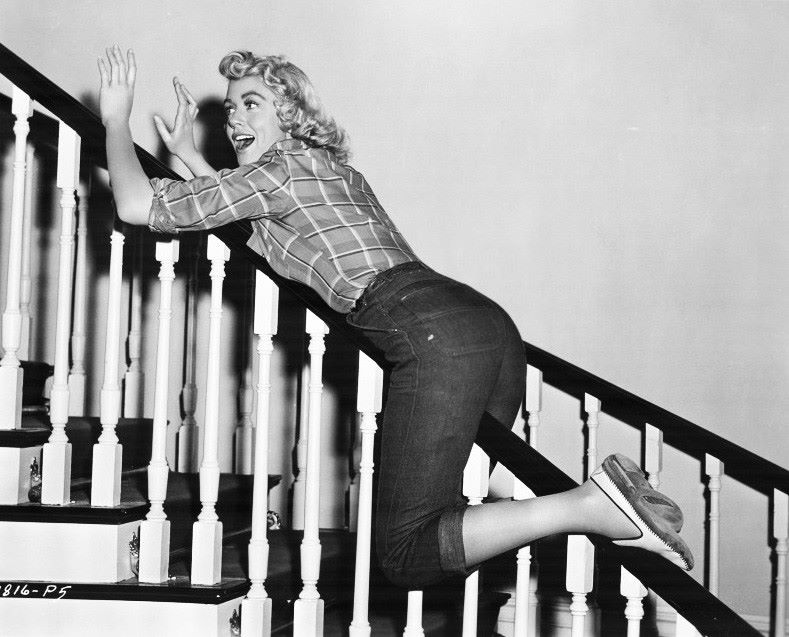
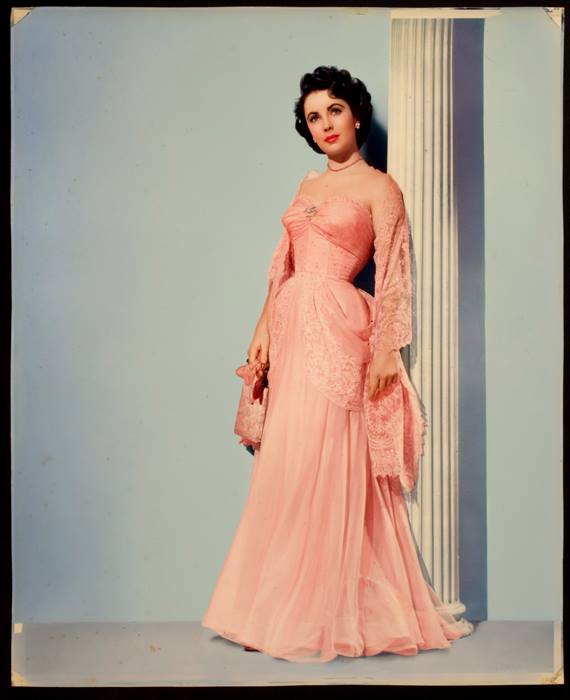
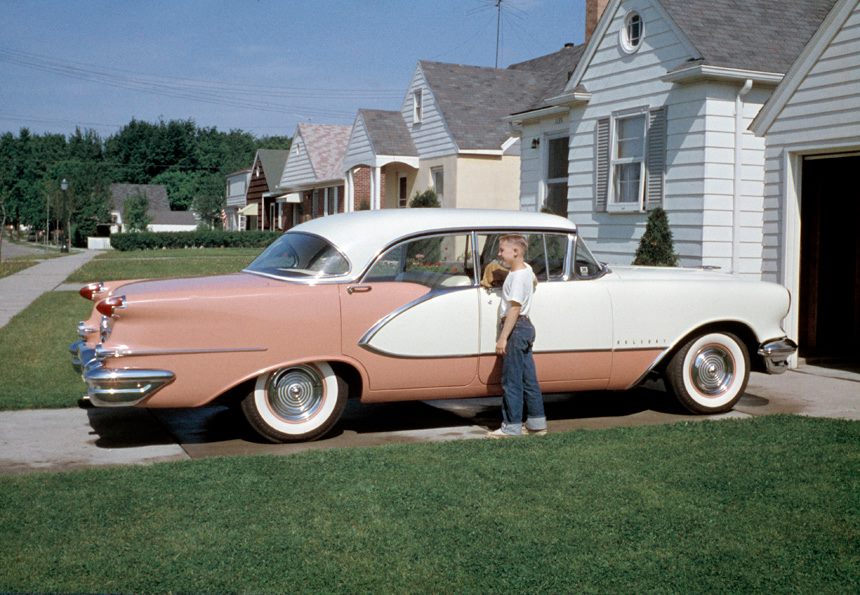
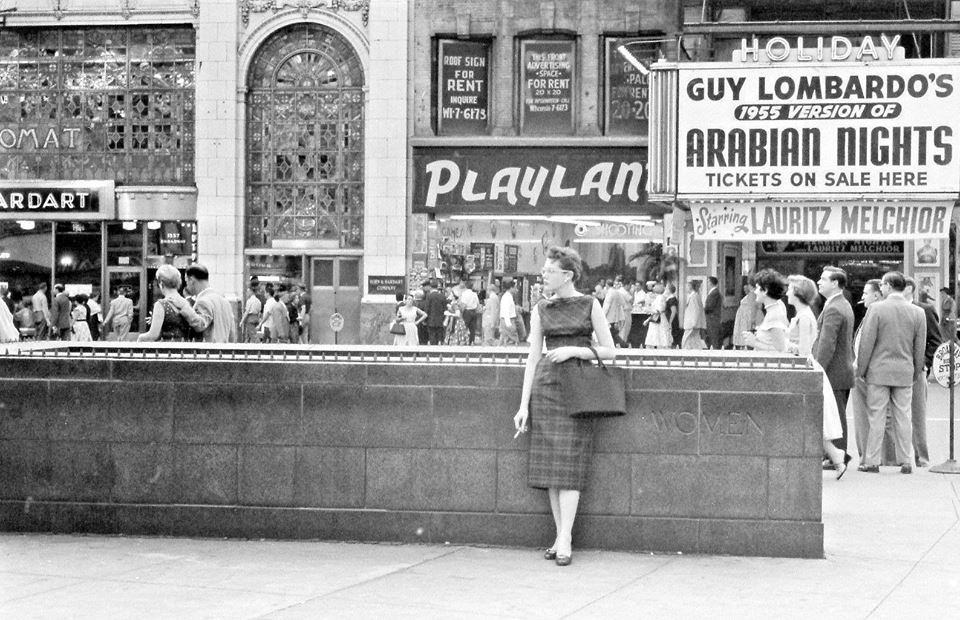
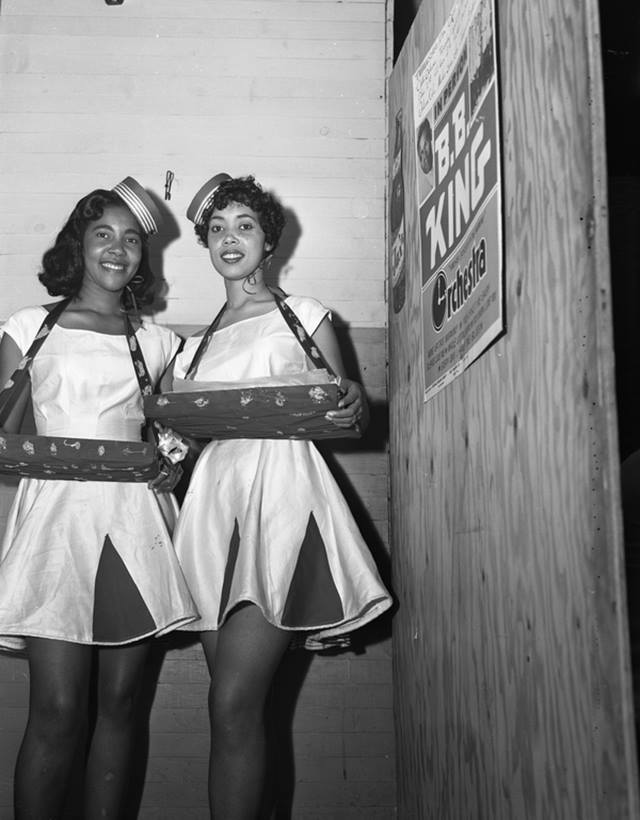
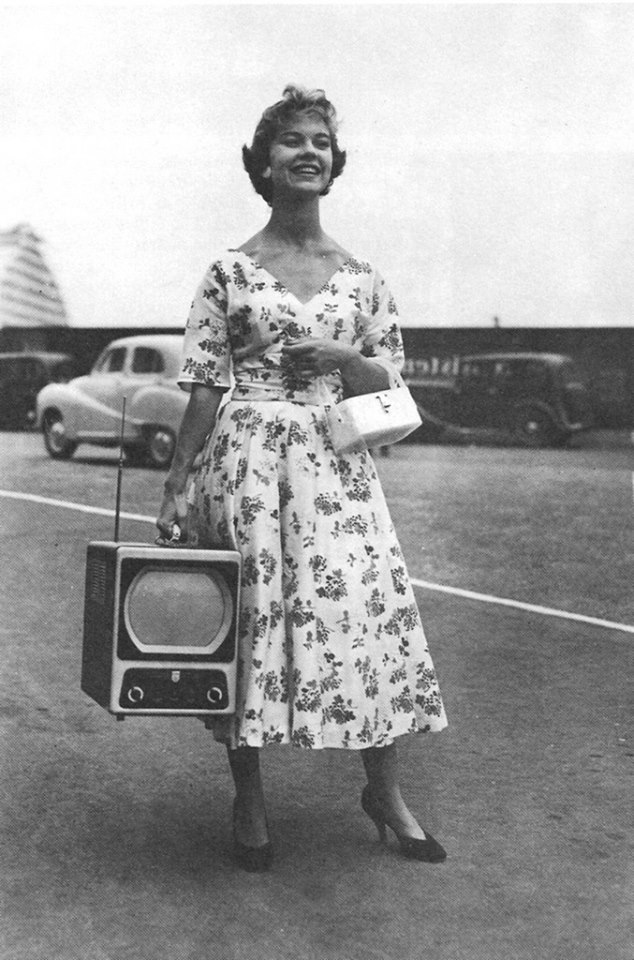
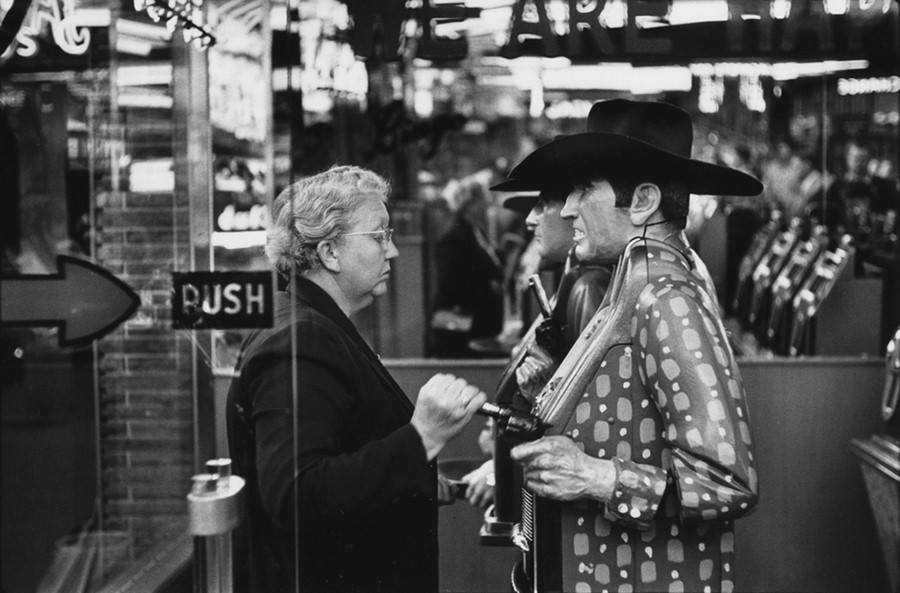
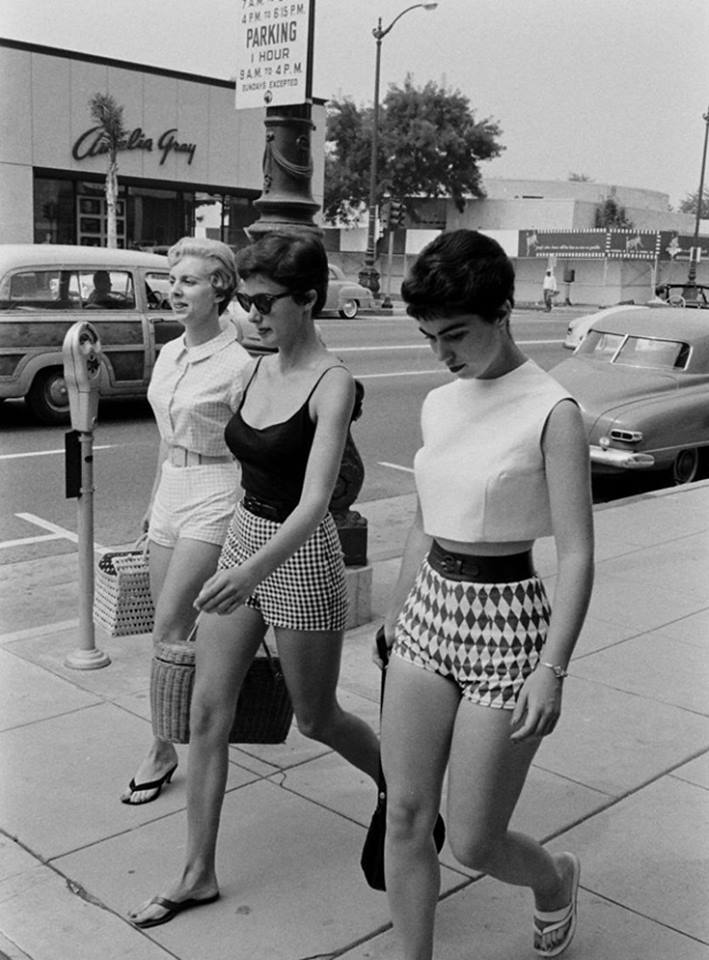
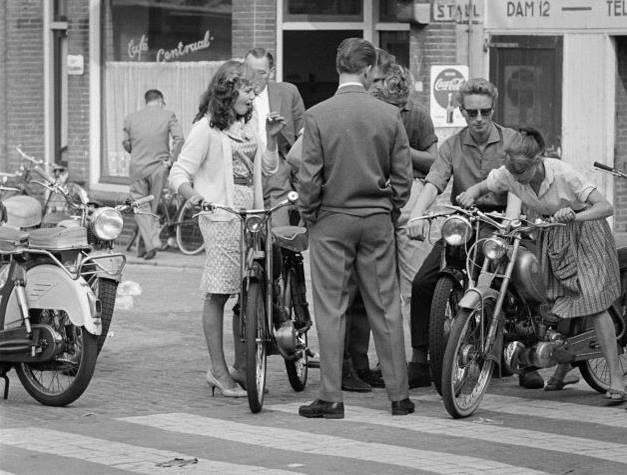
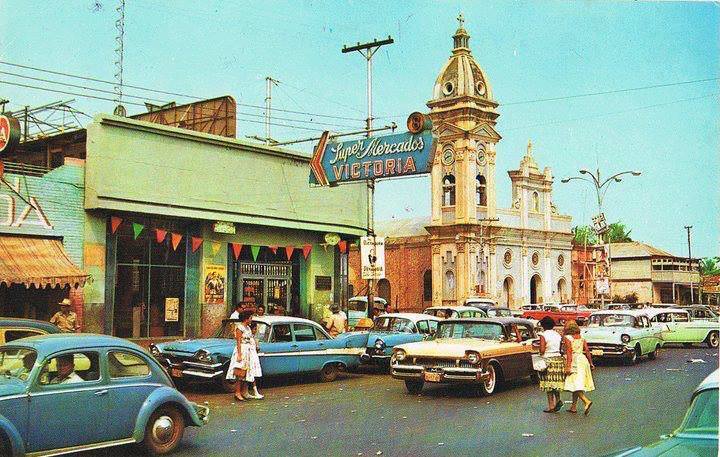
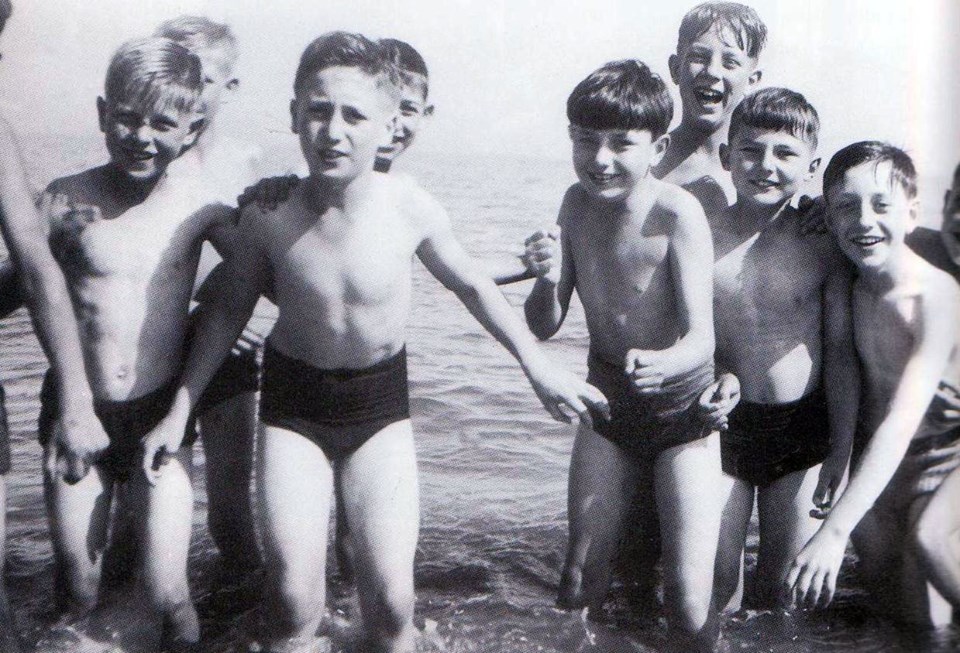
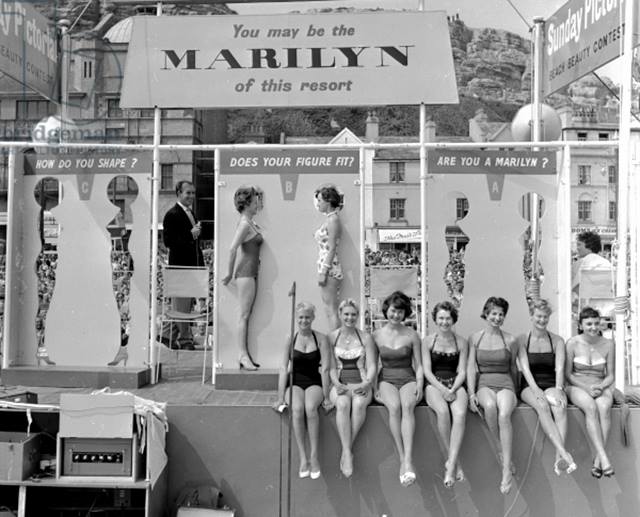
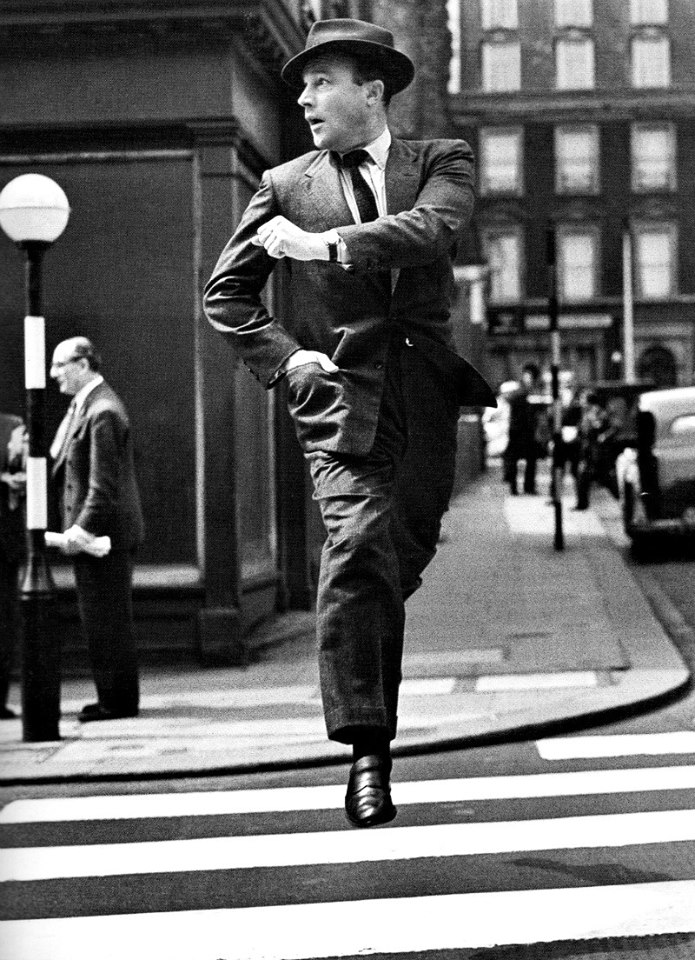
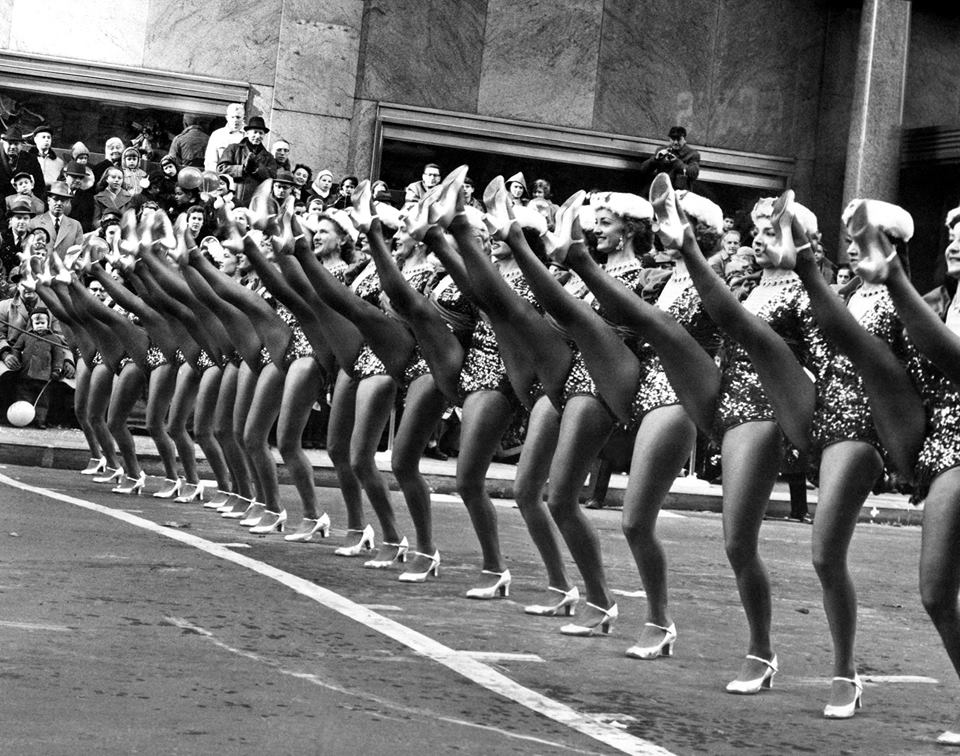
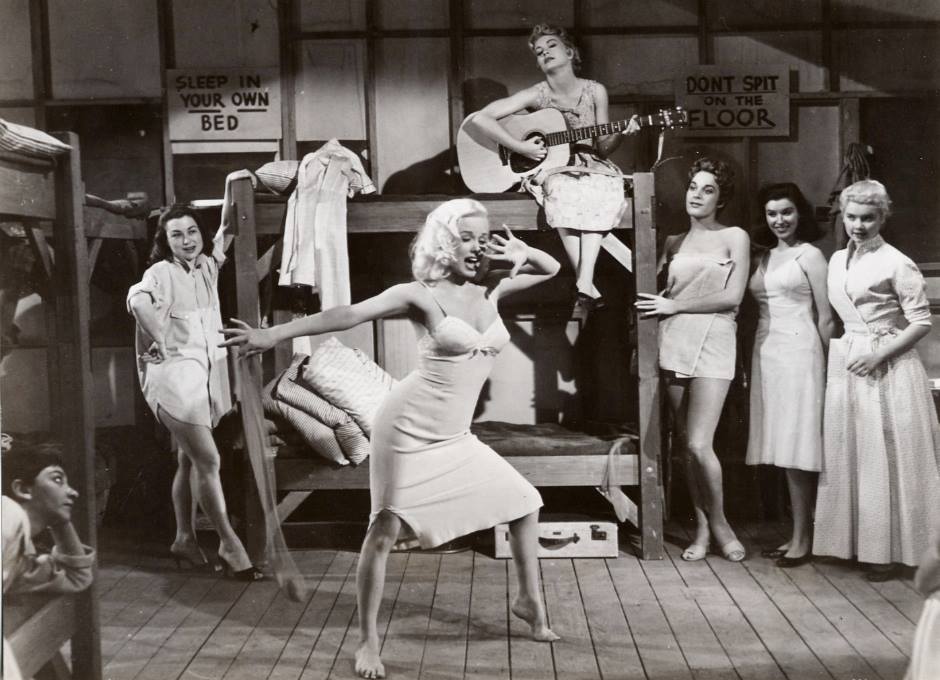
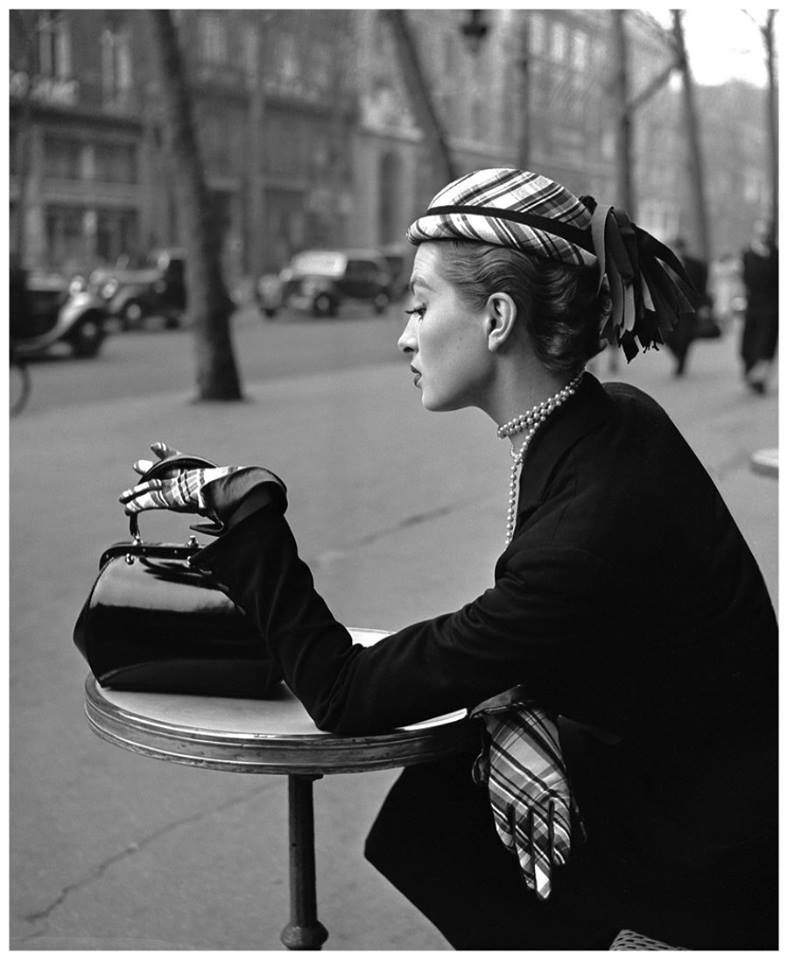
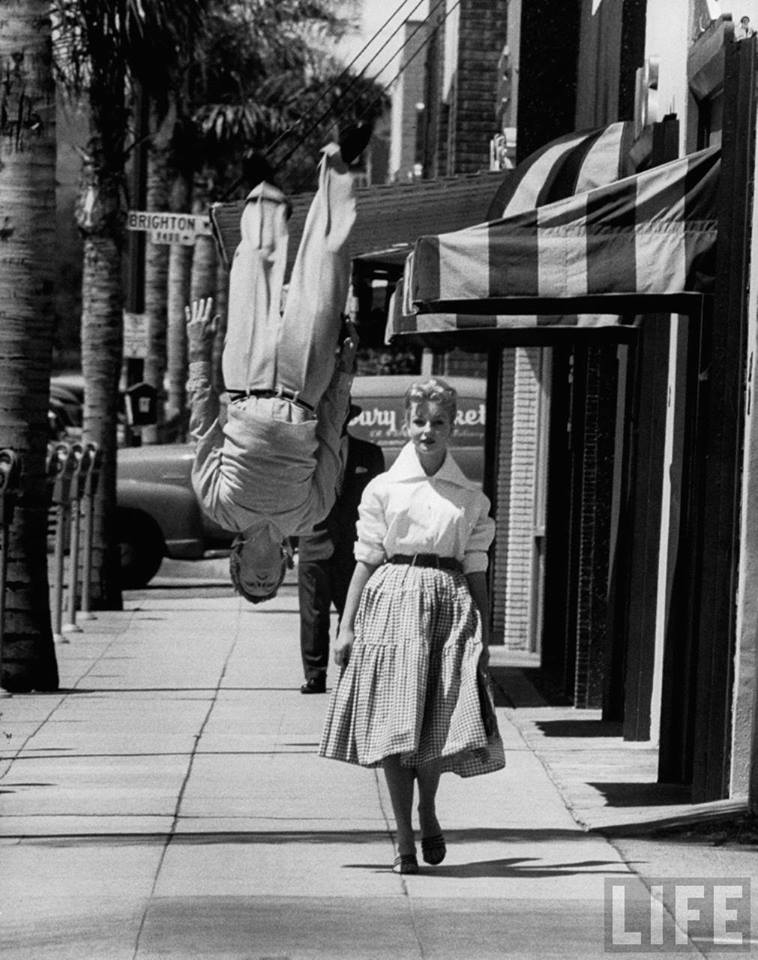
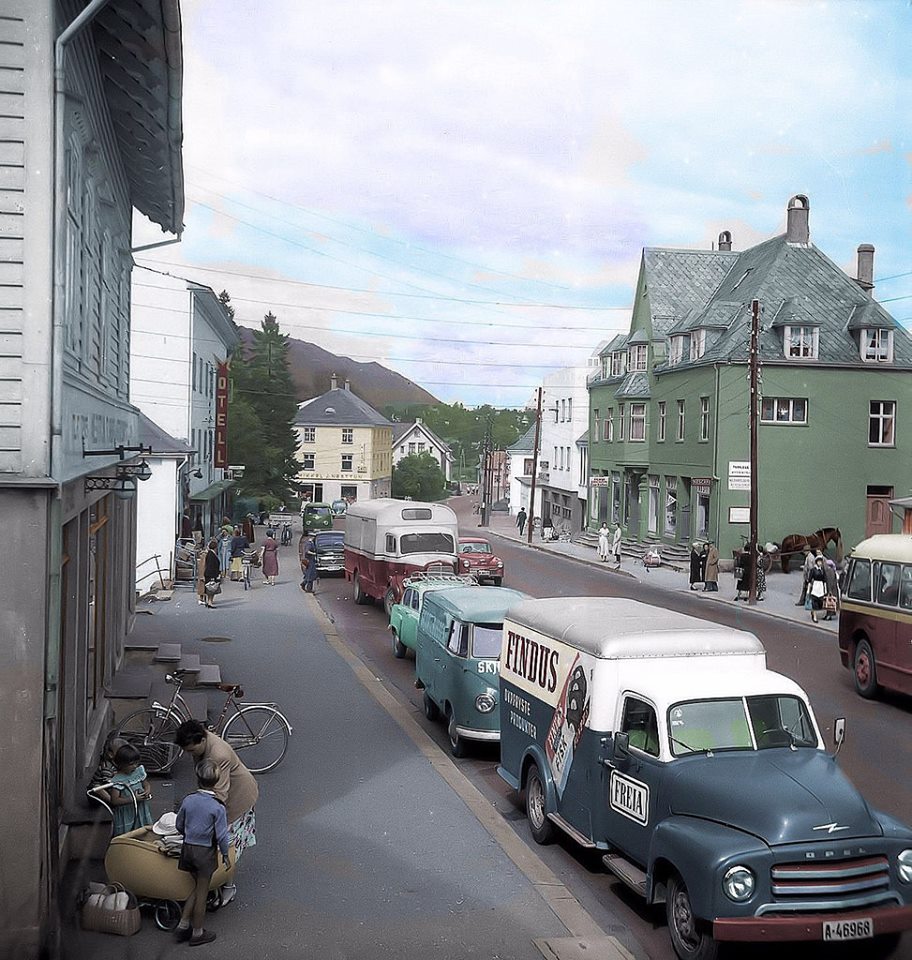
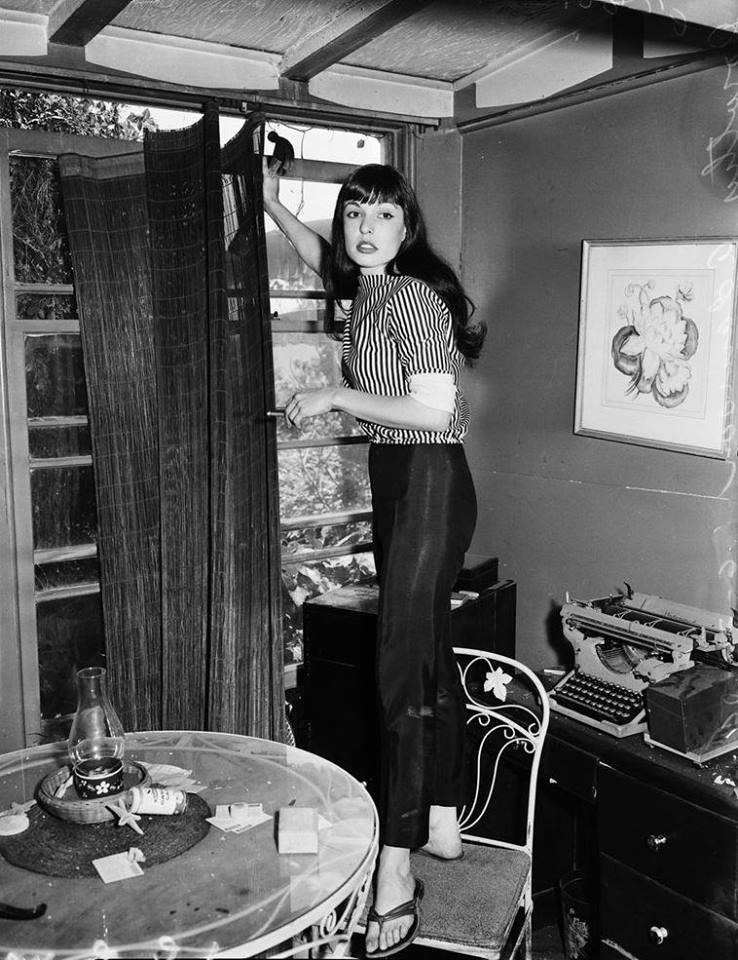
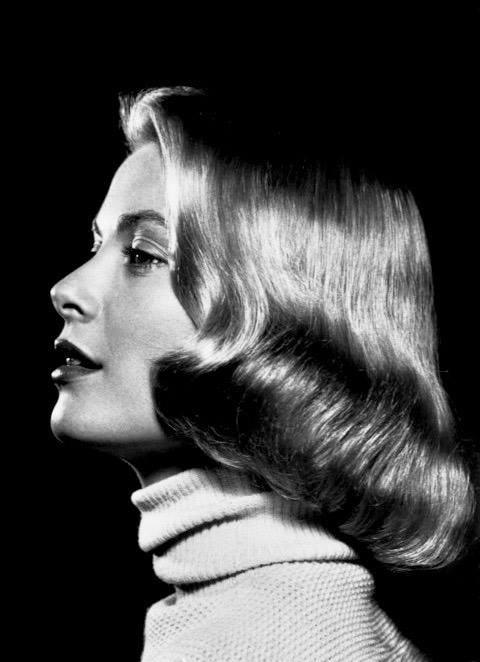
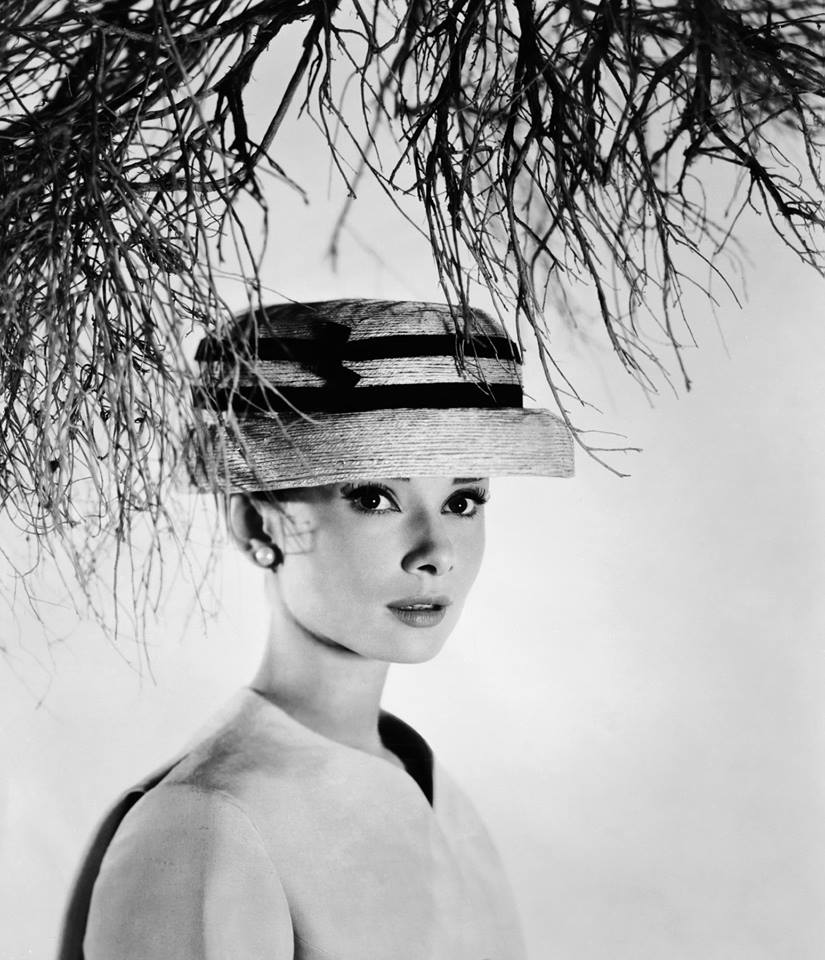
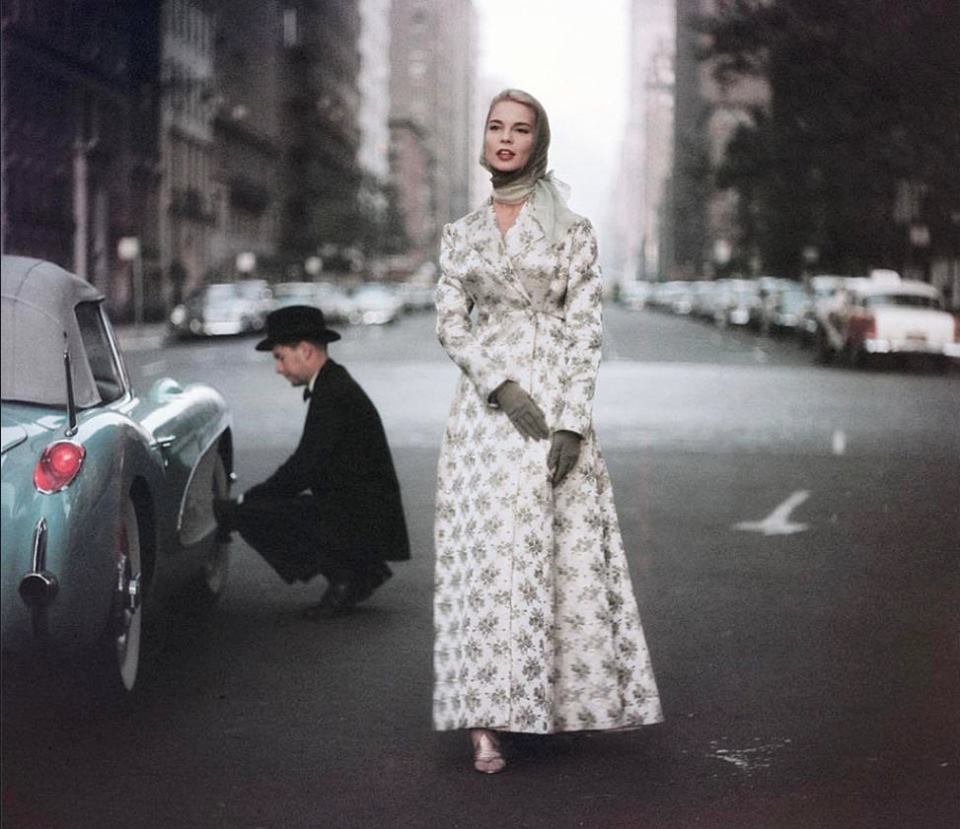
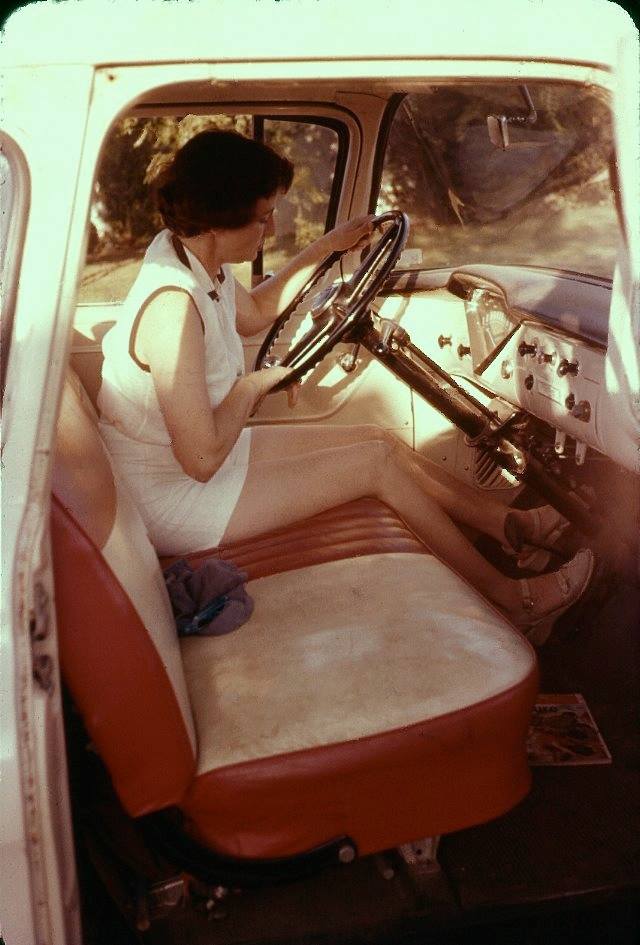
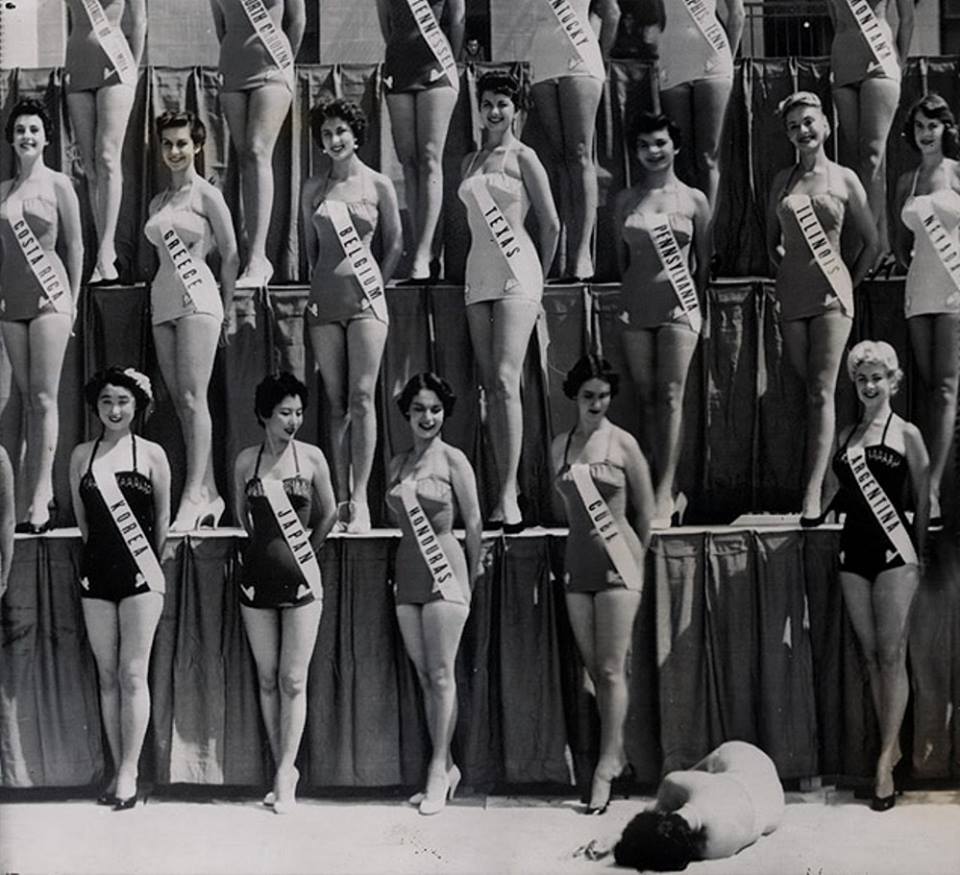
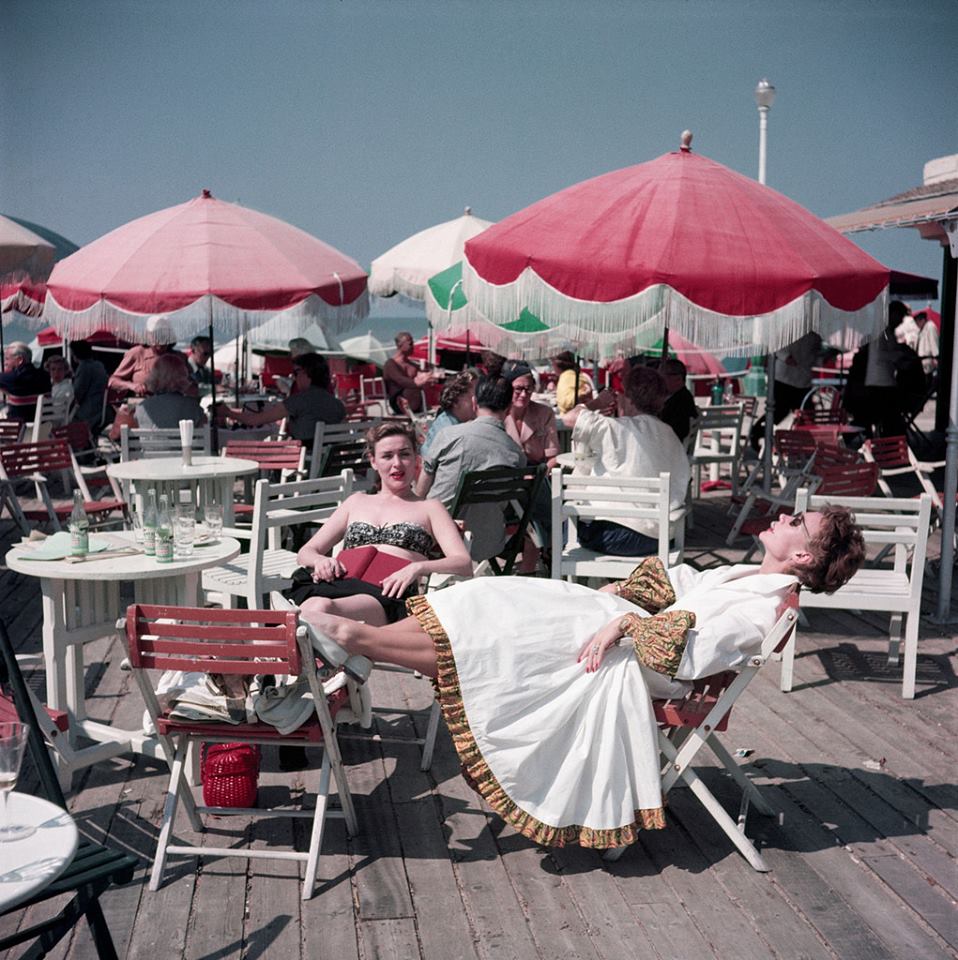
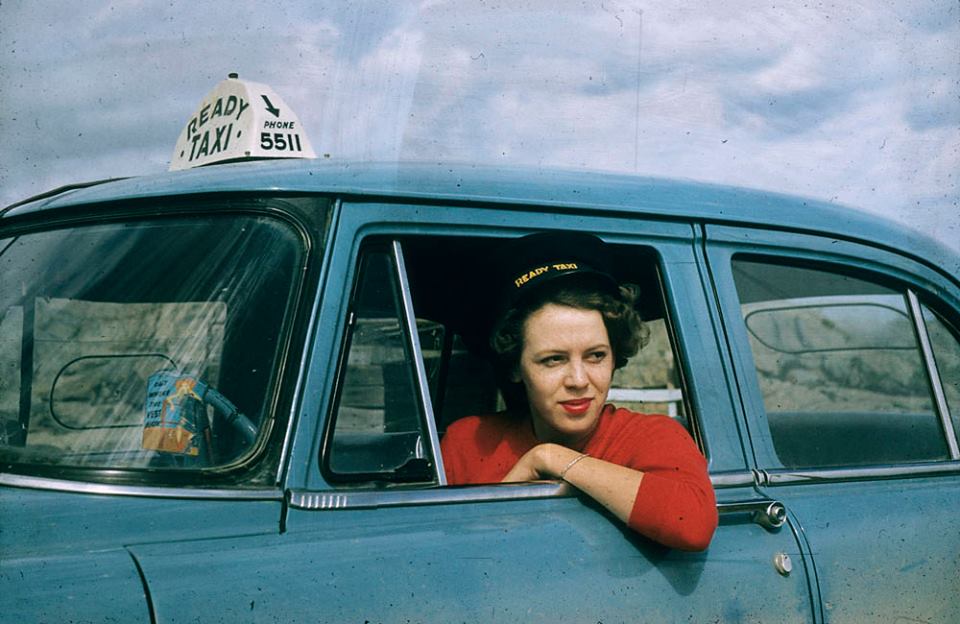
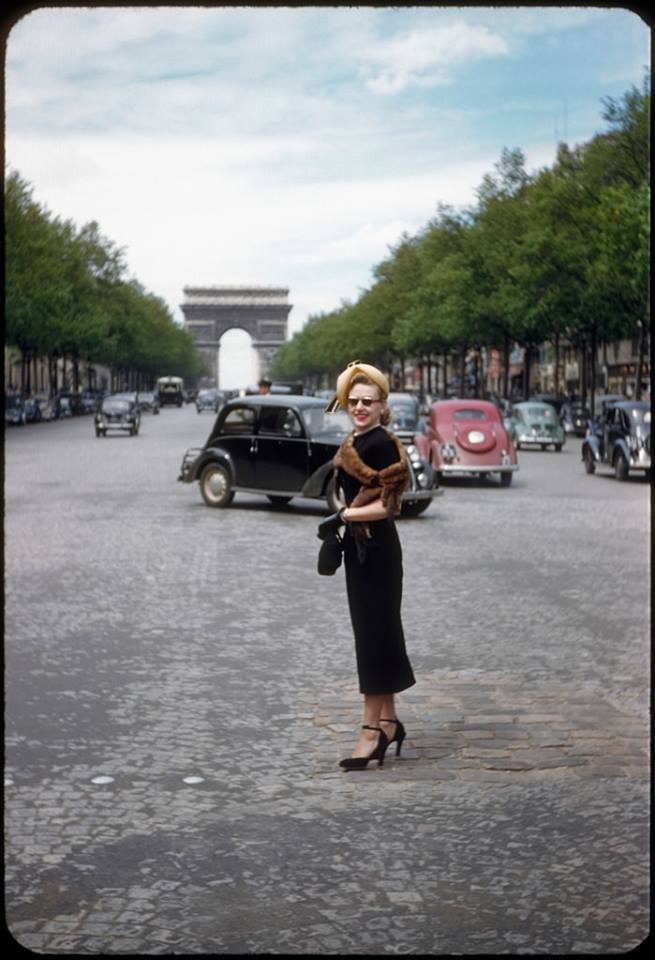
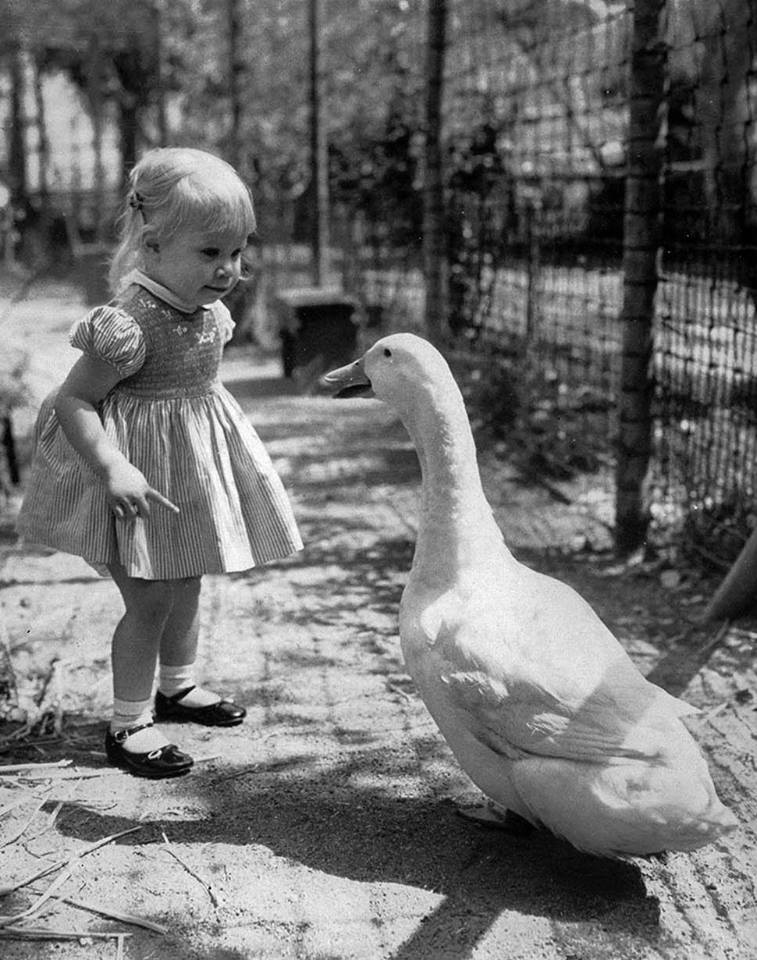
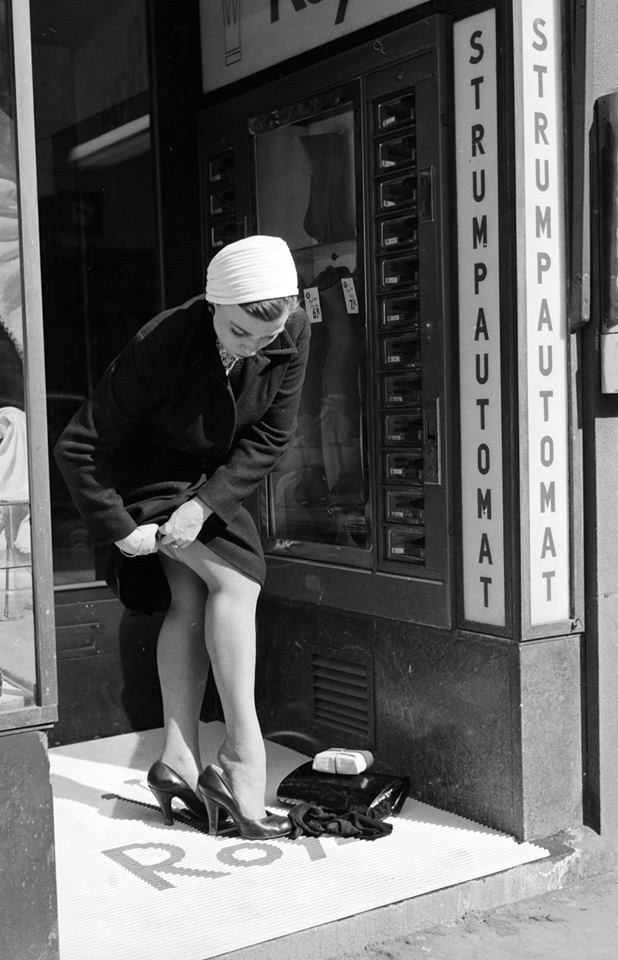
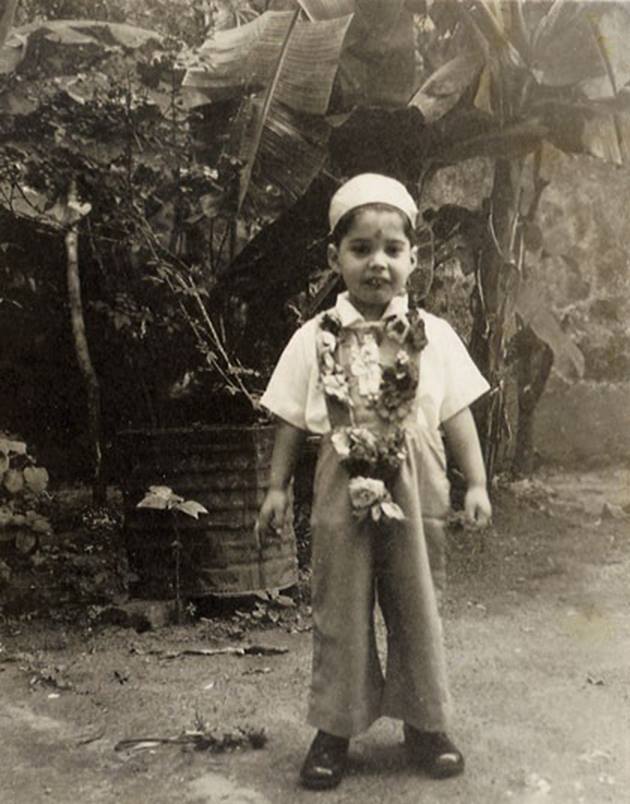
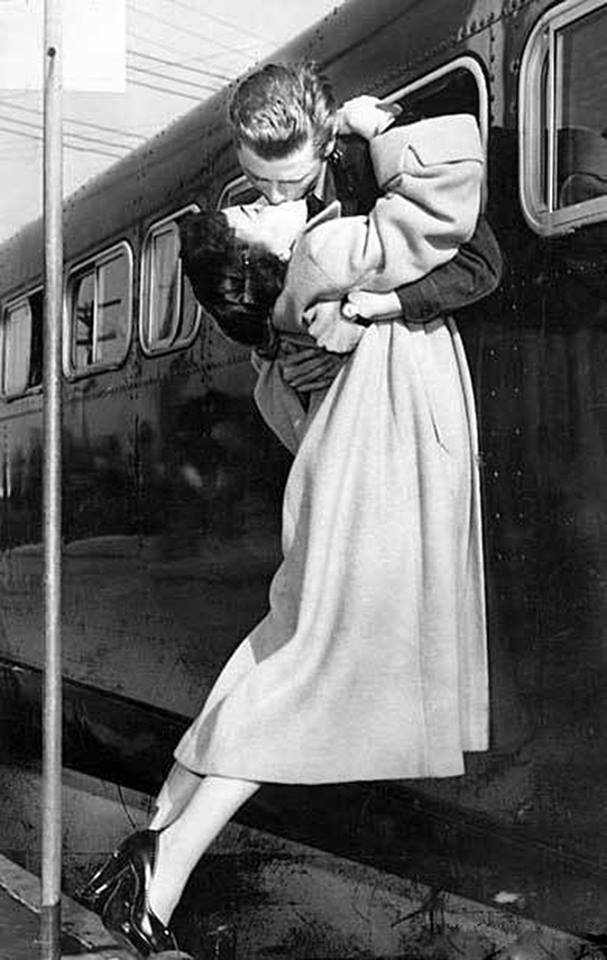
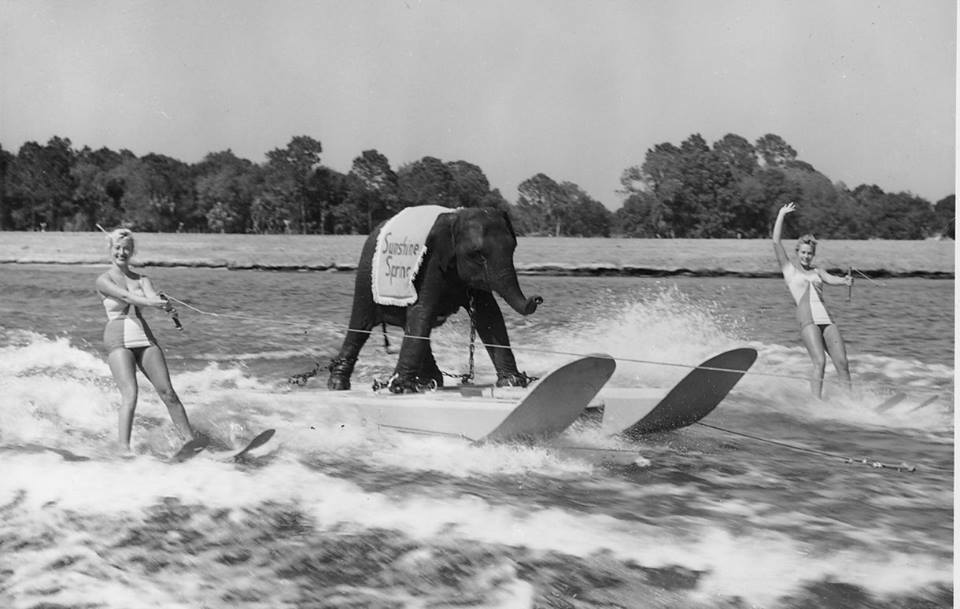
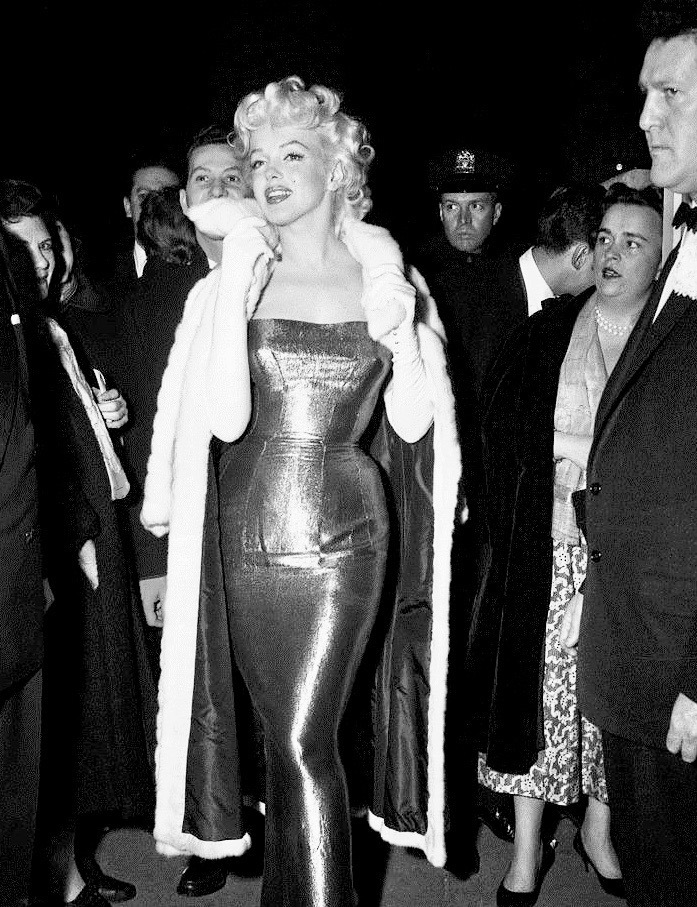
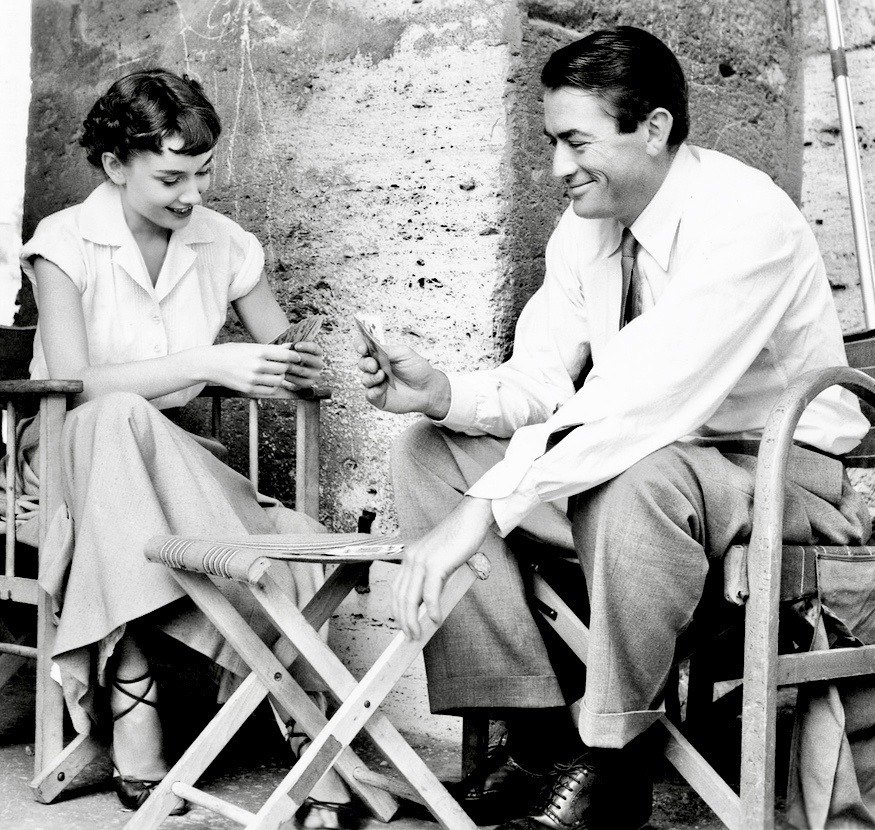
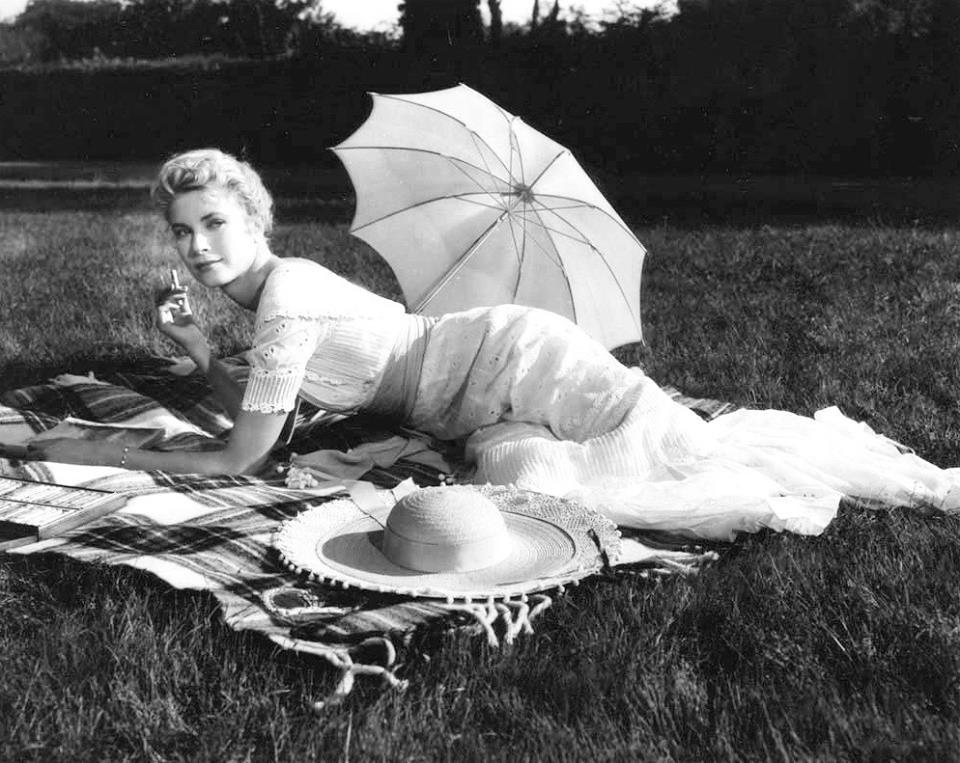
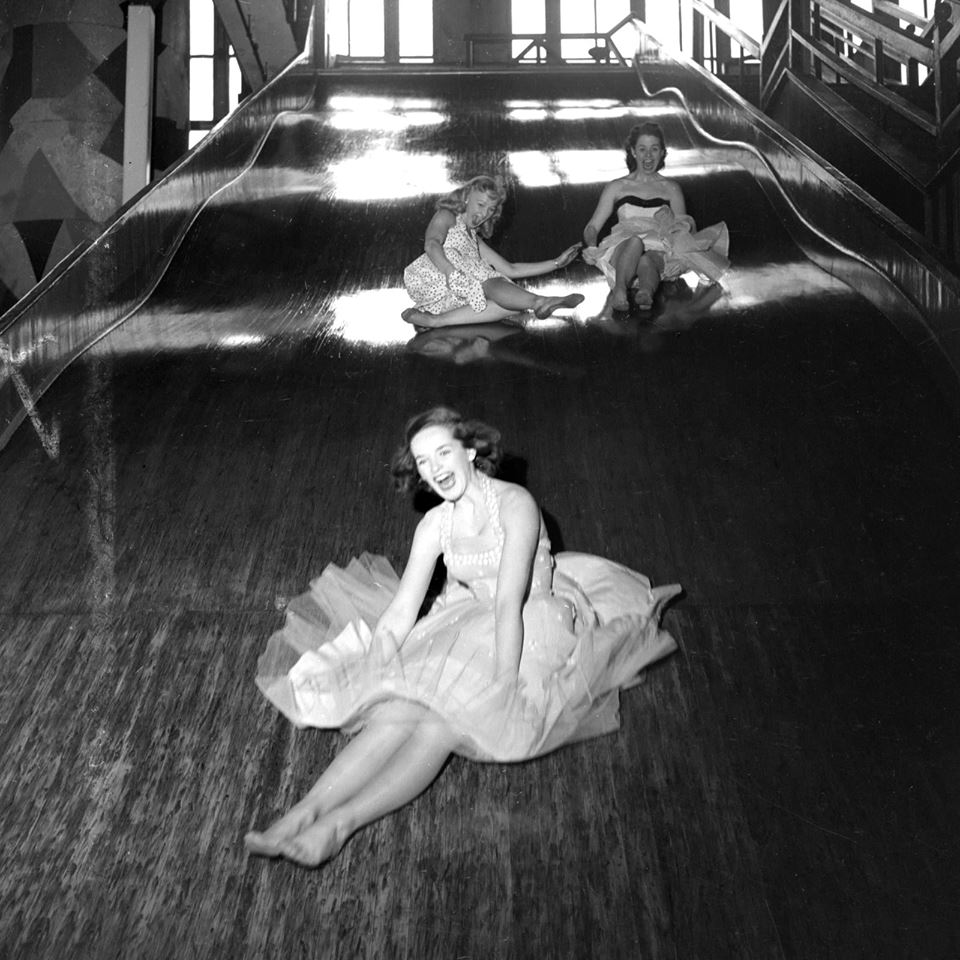
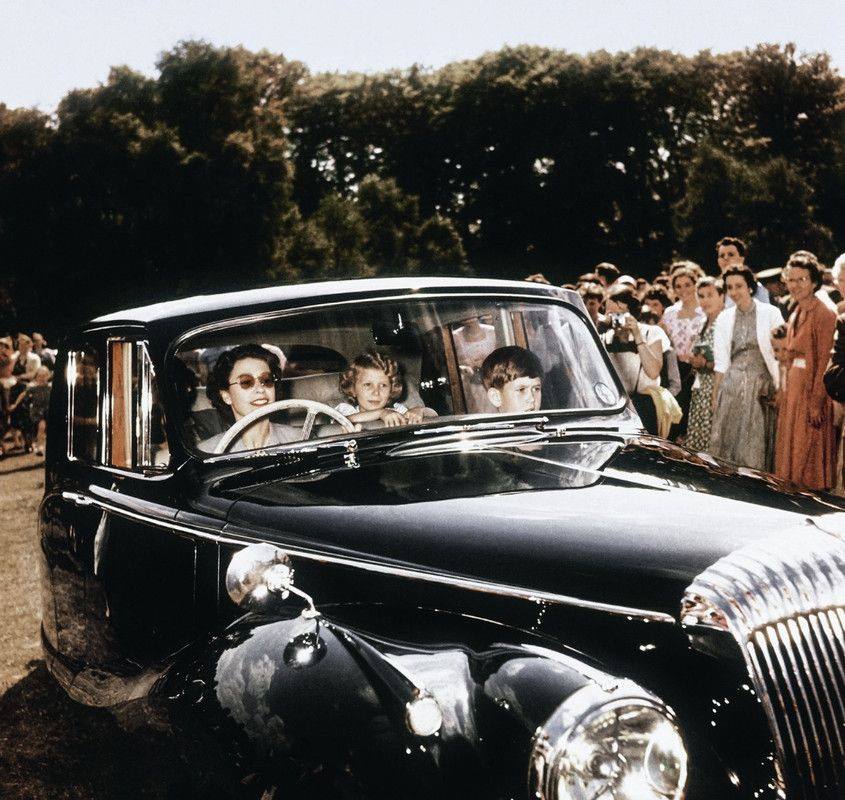
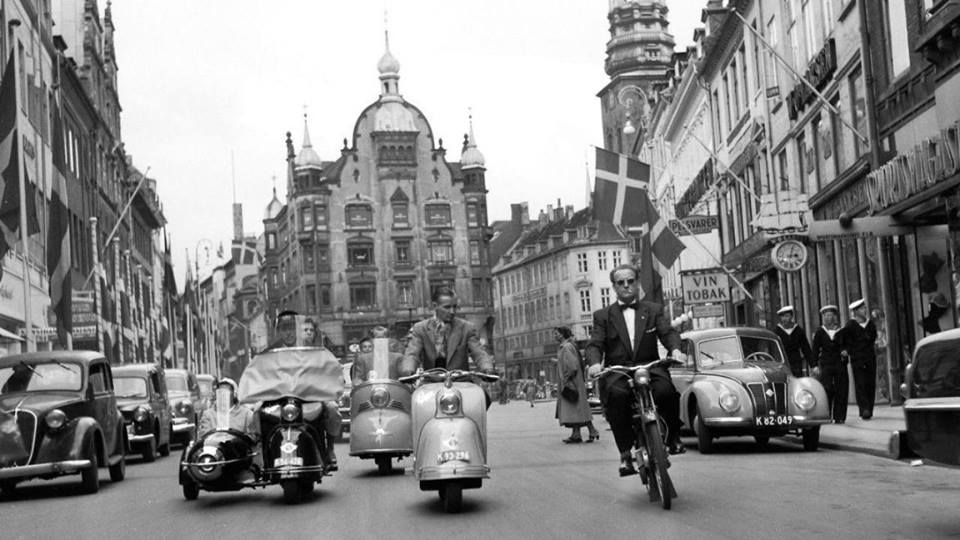
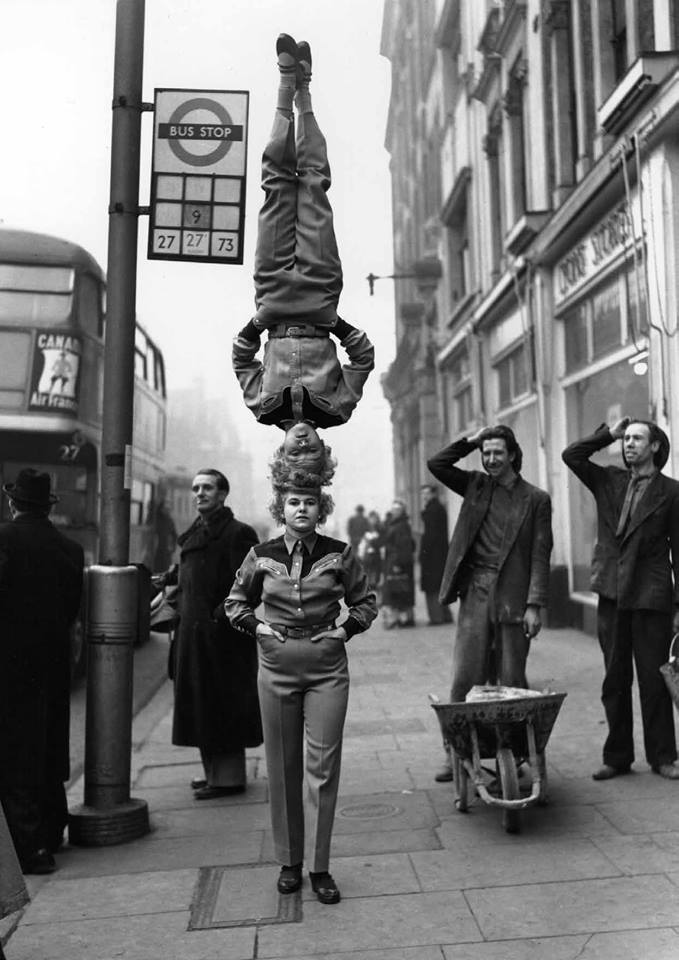
JFK and Jackie in a photobooth, 1953Lauren Bacall on the set of “The African Queen”, 1951.Model Bettie Page, 1950sCary Grant, 1950sHomework, Tallahassee, 1959.Elvis Presley riding a bike, stops to sign autographs for fans in Germany in 1959.Sahr’s Fountain & Restaurant, Portland, Oregon, 1959.Dorothy Malone, 1956.Elizabeth Taylor, 1952.1956 Oldsmobile 98 Holiday four-door hardtopTimes Square, 1955Two cigarette girls at a bar in Tallahassee, Florida, 1956.Portable TV, 1950s.Behind-the-scenes shot of The Monster that Challenged the World (1957).One armed bandit, Las Vegas, 1954.Teens on sidewalk, 1950s.Amsterdam, Summer of 1959.Cabimas, Venezuela, 1958.John Lennon (left, arms spread) enjoys a trip to Isle of Man with his schoolmates, early 1950s.Marilyn Monroe look-a-like competition in Hastings, UK, 1958.Gene Kelly on the streets, 1955.The Rockettes perform in front of thousands of bundled-up onlookers at the Macy’s Thanksgiving Day Parade in 1958.Mamie Van Doren in “Untamed Youth”, 1957.Capucine at Cafe de la Paix, Paris, 1952.Acrobat and actor Russ Tamblyn does a flip on the sidewalk while walking with movie actress Venetia Stevenson in Hollywood, CA in 1955.Nesttun, Norway, 1958.Dorothy Adamson, 28, was dining at a cafe when a bomb exploded in a nearby apartment at 1034 Hilldale Avenue, West Hollywood, California, 1958.31st Street off 5th Avenue, NYC, 1955.Cold Beetle, 1959.Grace Kelly in 1954Audrey Hepburn in the 1957 movie “Funny Face.”Pit stop, New York, 1956.Woman in her truck, 1950s.Miss New Zealand collapses under the hot sun of Long Beach, California, 17th July 1954.Women on the boardwalk, Deauville, France, August 1951.Taxi driver, Flin Flon, Manitoba, June 28, 1956.Paris in 1950.Sexy vintage secretary. (She is actually Alice Denham, Playboy Playmate for July 1956)Griffith Park goose, 1959.A woman hikes up her new nylons in Stockholm, Sweden, 1956.Freddie Mercury on his fourth birthday in Zanzibar, 1950.Sgt. 1st Class Owen Marsh of North Hollywood leans out a bus window to pick up his wife, Evelyn, for a kiss before going to Ft. MacArthur, where he was discharged, 1952.Queenie – World’s only water skiing Elephant, 1950s.Marilyn Monroe attending the premiere of Tennessee Williams’ play “Cat on a Hot Tin Roof,” March 1955.Audrey Hepburn and Gregory Peck on the set of “Roman Holiday,” 1953.Grace Kelly on the set of the 1956 film “The Swan”Three girls on a giant slide at Coney Island, 1953.Queen Elizabeth driving her children Prince Charles and Princess Anne in Windsor, Berkshire, 1957.Strøget, Copenhagen, 1954.Two members of the Bertram Mills Circus walk head-to-head at Hammersmith Broadway in London, 1953.
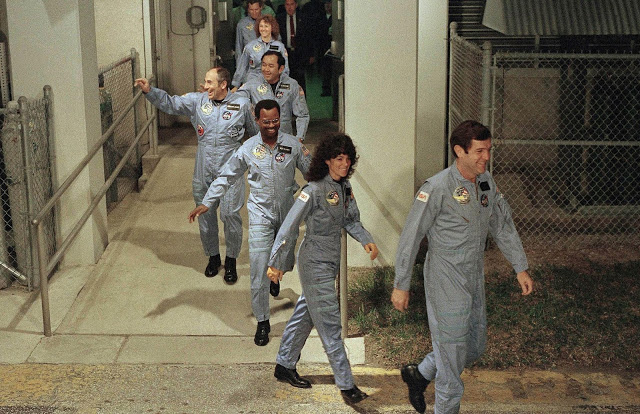
This is the last known photo of the Space Shuttle Challenger crew boarding the space shuttle on January 28, 1986. Tragedy would strike 73 seconds into launch as the shuttle’s O-ring on it’s right booster failed leading to the separation of the Solid Rocket Booster. Extreme aerodynamic forces then broke up the orbiter. The crew compartment survived the break but the impact with the ocean surface was too violent to be survivable.
Crew members of STS-51L mission walk out of the Operations and Checkout Building on their way to Pad 39B where they will board the Space Shuttle Challenger. From front to back: Commander Francis R. “Dick” Scobee; Mission Specialists Judith A. Resnik and Ronald E. McNair; Pilot Michael J. Smith; Payload specialist Christa McAuliffe; Mission Specialist Ellison Onizuka; and Payload specialist Gregory Jarvis. (NASA)
On January 28, 1986, the NASA shuttle orbiter mission STS-51-L and the tenth flight of Space Shuttle Challenger (OV-99) broke apart 73 seconds into its flight, killing all seven crew members, which consisted of five NASA astronauts, one payload specialist and a civilian school teacher. The spacecraft disintegrated over the Atlantic Ocean, off the coast of Cape Canaveral, Florida, at 11:39 a.m. EST. The disintegration of the vehicle began after a joint in its right solid rocket booster (SRB) failed at liftoff. The failure was caused by the failure of O-ring seals used in the joint that were not designed to handle the unusually cold conditions that existed at this launch. The seals’ failure caused a breach in the SRB joint, allowing pressurized burning gas from within the solid rocket motor to reach the outside and impinge upon the adjacent SRB aft field joint attachment hardware and external fuel tank. This led to the separation of the right-hand SRB’s aft field joint attachment and the structural failure of the external tank. Aerodynamic forces broke up the orbiter.
The crew compartment and many other vehicle fragments were eventually recovered from the ocean floor after a lengthy search and recovery operation. The exact timing of the death of the crew is unknown; several crew members are known to have survived the initial breakup of the spacecraft. The shuttle had no escape system, and the impact of the crew compartment at terminal velocity with the ocean surface was too violent to be survivable.
“The whole country and the whole world were in shock when that happened, because that was the first time the United States had actually lost a space vehicle with crew on board,” said former NASA astronaut Leroy Chiao, who flew three space shuttle missions during his career (in 1994, 1996 and 2000), and also served as commander of the International Space Station from October 2004 through April 2005.
“It was even more shocking because Christa McAuliffe was not a professional astronaut,” Chiao told Space.com. “If you lose military people during a military operation, it’s sad and it’s tragic, but they’re professionals doing a job, and that’s kind of the way I look at professional astronauts. But you’re taking someone who’s not a professional, and it happened to be that mission that got lost — it added to the shock.”
The crew of the space shuttle Challenger’s STS-51L mission, which ended in tragedy 73 seconds after launch on Jan. 28, 1986. From left to right: Christa McAuliffe, Gregory Jarvis, Judy Resnik, Dick Scobee, Ronald McNair, Michael Smith and Ellison Onizuka.(NASA)
The disaster resulted in a 32-month hiatus in the shuttle program and the formation of the Rogers Commission, a special commission appointed by United States President Ronald Reagan to investigate the accident. The Rogers Commission found NASA’s organizational culture and decision-making processes had been key contributing factors to the accident, with the agency violating its own safety rules. NASA managers had known since 1977 that contractor Morton-Thiokol’s design of the SRBs contained a potentially catastrophic flaw in the O-rings, but they had failed to address this problem properly. NASA managers also disregarded warnings from engineers about the dangers of launching posed by the low temperatures of that morning, and failed to adequately report these technical concerns to their superiors.
Approximately 17 percent of Americans witnessed the launch live because of the presence of high school teacher Christa McAuliffe, who would have been the first teacher in space. Media coverage of the accident was extensive: one study reported that 85 percent of Americans surveyed had heard the news within an hour of the accident. The Challenger disaster has been used as a case study in many discussions of engineering safety and workplace ethics.
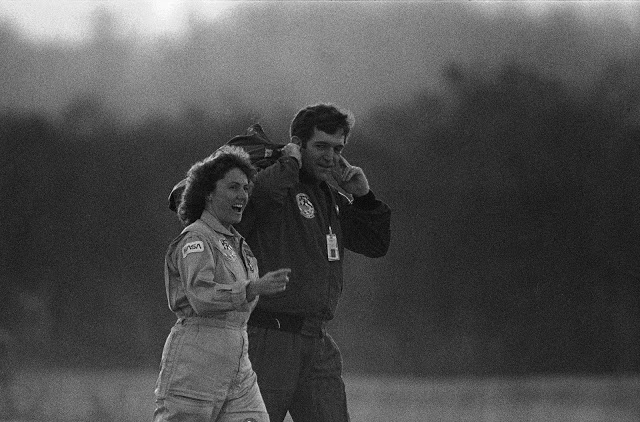
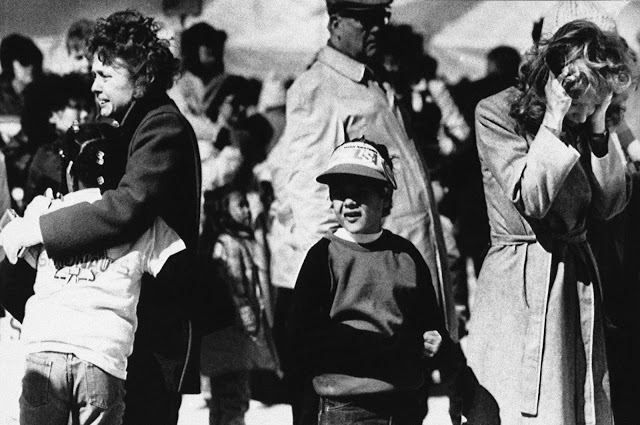
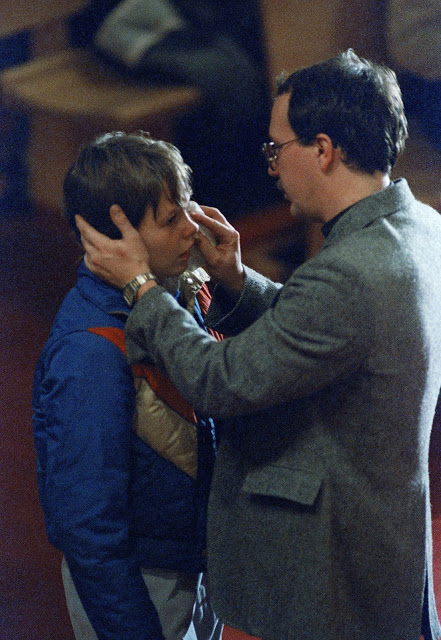
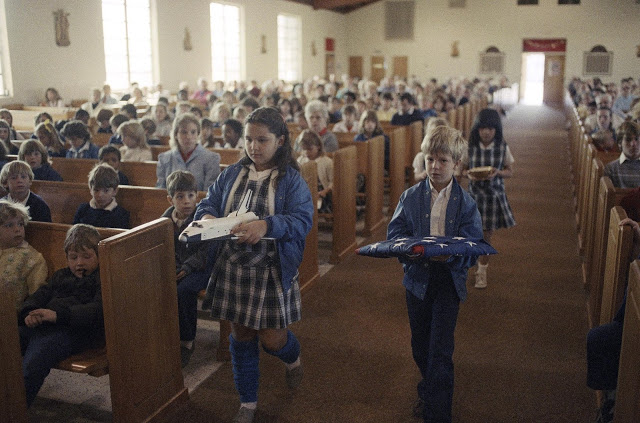
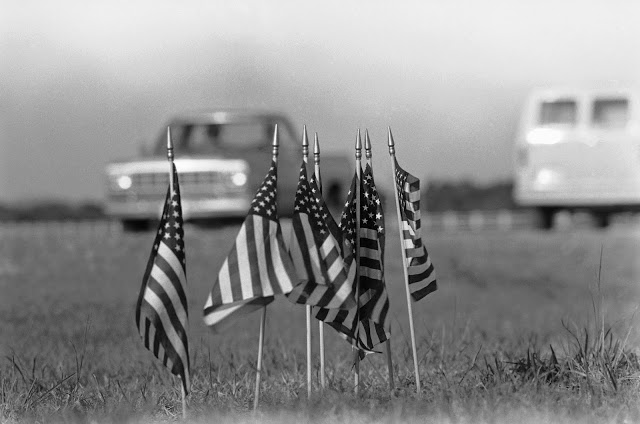
In this Jan. 27, 1986 file picture, the crew members of space shuttle Challenger flight 51-L, leave their quarters for the launch pad at Kennedy Space Center in Cape Canaveral, Fla. From foreground are commander Francis Scobee, Mission Spl. Judith Resnik, Mission Spl. Ronald McNair, Payload Spl. Gregory Jarvis, Mission Spl. Ellison Onizuka, teacher Christa McAuliffe and pilot Michael Smith.Four crew members of the space shuttle Challenger leave their quarters Jan. 27, 1986, en route to the launch pad at Kennedy Space Center. The launch was put off until the next day, when faulty O-rings in one of the booster rockets caused the Challenger to explode, killing the full crew of seven. From front are: Payload specialist Greg Jarvis, mission specialist Ellison Onizuka, school teacher Christa McAuliffe and pilot Mike Smith.Christa McAuliffe and Commander Francis Scobee walk to a jet for a test flight at the Kennedy Space Center, Florida, Jan. 24, 1986. Scobee is holding his ears as protection against the noise of a jet engine. McAuliffe and Scobee are members of the crew for the Space Shuttle Challenger scheduled for launch on Sunday.Classmates of the son of America’s first school teacher astronaut cheer as the space shuttle Challenger lifts skyward from Pad 39B, Jan. 28, 1986. Their delight soon turned into horror as the shuttle exploded about 70 seconds into flight. The boy in the white hat and glasses at center is not a schoolmate but is Peter Billingsley, spokesman for the young astronaut program.The Space Shuttle Challenger explodes shortly after lifting off from Kennedy Space Center, Fla., Tuesday, Jan. 28, 1986. All seven crew members died in the explosion, which was blamed on faulty o-rings in the shuttle’s booster rockets. The Challenger’s crew was honored with burials at Arlington National Cemetery.In this Jan. 28, 1986 picture, two unidentified spectators at the Kennedy Space Center in Cape Canaveral, Fla., react after they witnessed the explosion of the Space Shuttle Challenger.Young Scott McAuliffe’s third grade teacher comforts one of her charges as another youngster and a young woman, right, react after seeing the Space Shuttle Challenger explode in midair, killing all aboard, Tuesday, Jan. 28, 1986. The teacher and student are from the Kimbell Elementary School in Concord, N.H., where young McAuliffe, son of space school teacher Christa McAuliffe, is a student.Brevard County Sheriff deputies, riding three-wheelers, search the beach for debris from the Space Shuttle Challenger in Cape Canaveral on Wednesday, Jan. 29, 1986. Challenger exploded sporty after liftoff killing the crew of seven.Father Daniel Messier, right, dries the tears of Concord, New Hampshire, sixth grader Tanya Lee at a memorial service for teacher Christa McAuliffe at St. John’s Catholic Church in Concord, Jan. 29, 1986. McAuliffe died on Tuesday in the explosion of the Space Shuttle Challenger.An unidentified woman hugs a child inside the Kimball School in Concord, N.H., Tuesday, Jan. 29, 1986, after the girl returned from the Kennedy Space Center, Fla., with a group of the classmates of the son of Christa McAuliffe. Christa was killed in the explosion of the Space Shuttle Challenger. The children had been up at five in the morning for the launch, and were rushed home after the event turned to disaster.An unidentified woman weeps quietly during a memorial service at Brookside Church in Manchester, New Hampshire, on Thursday, Jan. 30, 1986 in honor of the crew of the Space Shuttle Challenger, who were killed in an explosion aboard the spacecraft on Tuesday. Concord, N.H., teacher Christa McAuliffe was among the seven on board.Diana Zeppiene, carrying a model of the Space Shuttle, and Eric Olson, carrying a folded American flag, walk down the aisle of Our Lady of Lourdes Catholic Church in Melbourne, Florida on Thursday, Jan. 30, 1986 during a children’s mass celebrated in honor of the Challenger crew. The children presented the model and flag as symbolic offerings.Students attend a children’s mass at Our Lady of Lourdes Catholic Church in Melbourne, Fla., on Thursday, Jan. 30, 1986, in honor of the seven crew members killed in the explosion of the Space Shuttle Challenger.Kennedy Space Center workers enroute to Pad 39B were met by the sight of seven small American flags along side the road, Jan. 30, 1986. Seven crew members were killed in the explosion of the Space Shuttle Challenger on Tuesday which was launched from Pad 39B.
“No fear of water can keep the pupil from learning to swim in this apparatus.” This appeared in Popular Science Nov, 1931. It was definitely a perfect device to make kids detest swimming.