Ralph C. Lincoln, the assistant manager at Vitamin World in Johnstown, Pennsylvania, looks strikingly similar to a very famous American – the 16th U.S. President – Abraham Lincoln. Many people have told him “you look just like Abe.” He smiles and replies, “Which one? There are several Abrahams in the family.”
Meet Ralph C. Lincoln from Johnstown, Pennsylvania, 11th generation Lincoln, 3rd cousin of Abraham Lincoln.
Can you see the resemblance?
Ralph C. Lincoln writes on his website:
“My name is Ralph C Lincoln and I am honored to be an 11th generation Lincoln. Who also shares the same Great-Grandfather as one of America’s greatest Presidents. If you visit Fayette County in Pennsylvania, you will find a small, obscure cemetery where members of the Lincoln family are buried, including Abraham Lincoln’s great uncle Mordecai, who served in the revolutionary war, and his son Benjamin. Mordecai Lincoln is my 5th generation great grandfather, which makes me a third cousin of the President.
I have continued to live and work in the ancestral home of Southwestern Pennsylvania where, as a Lincoln Presenter, I can pay tribute to these great men in my family who have shaped the history of our country
I am proud member of organizations dedicated to bringing Abraham Lincoln to life, to educate, entertain, inspire and honor his words and works.”
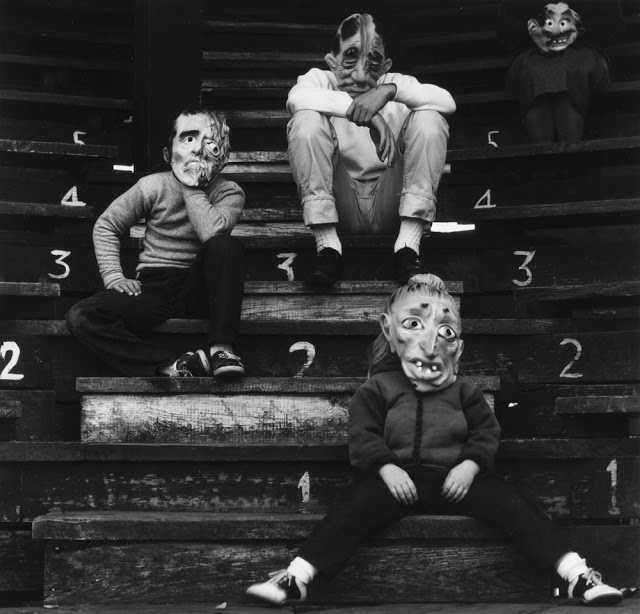
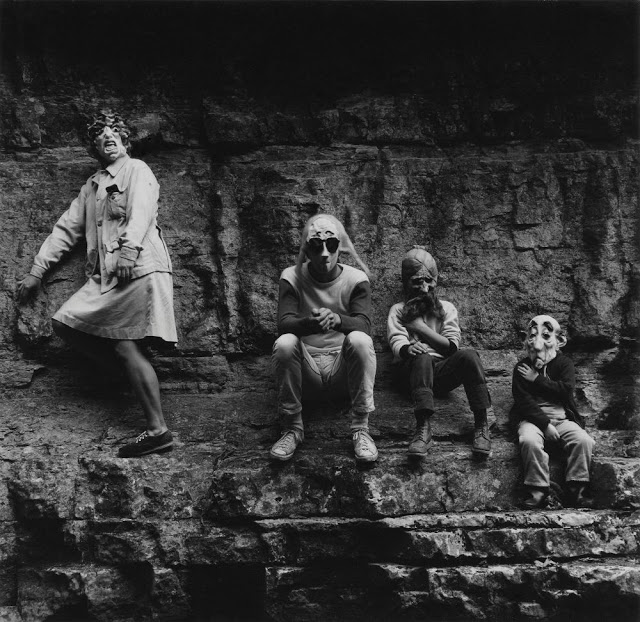
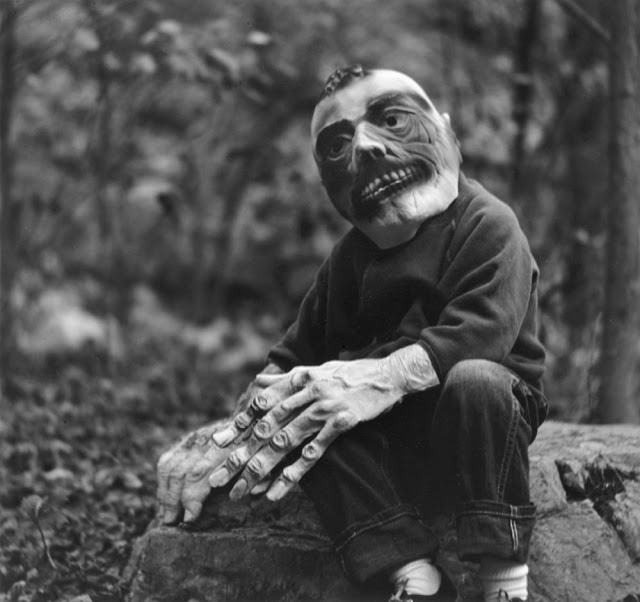
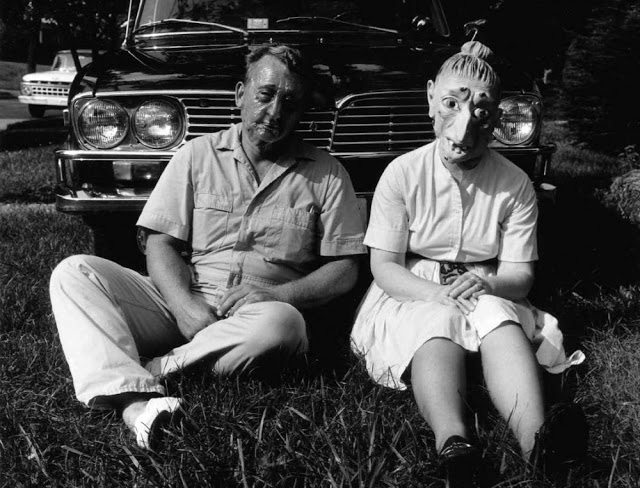
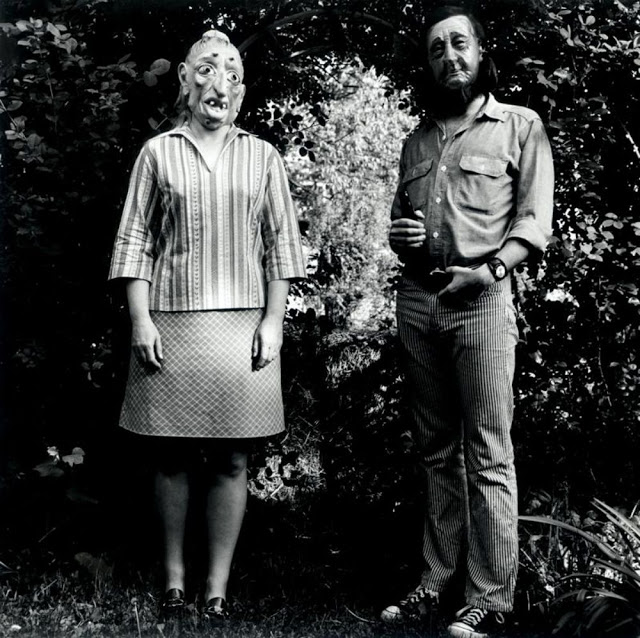
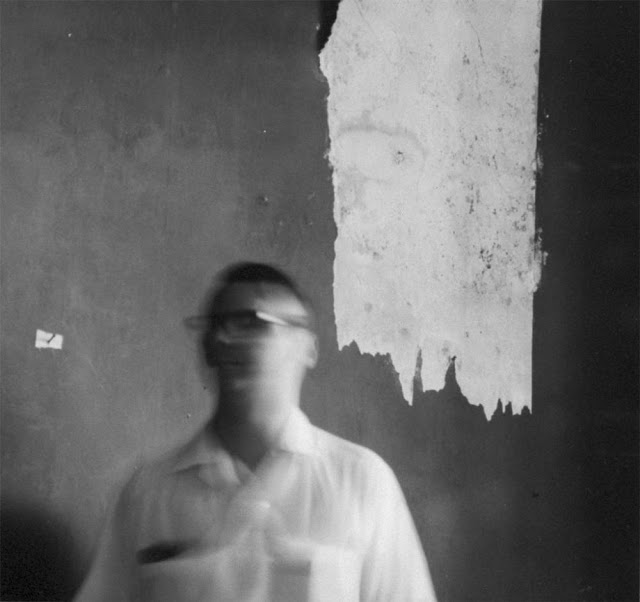
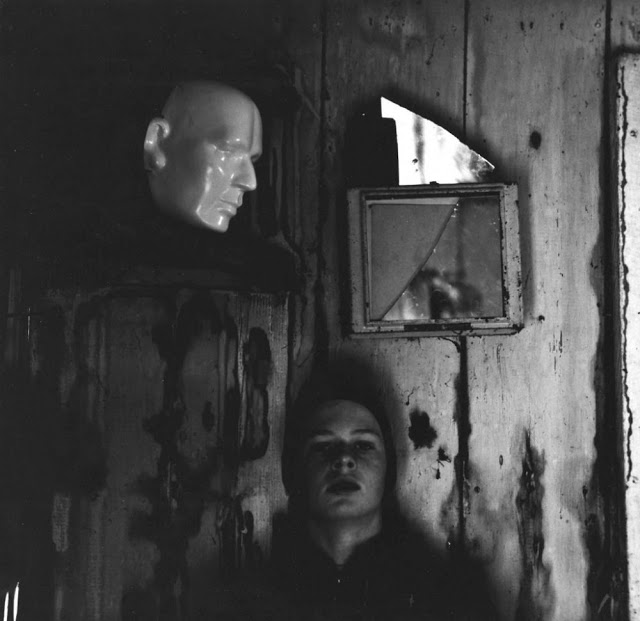
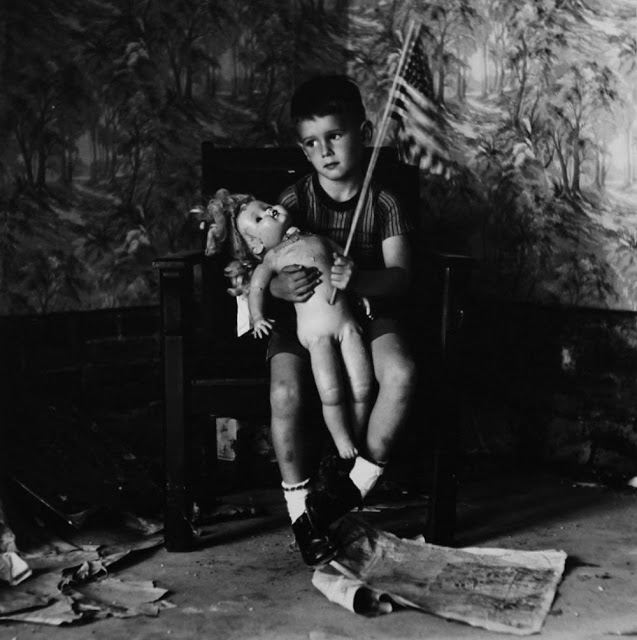
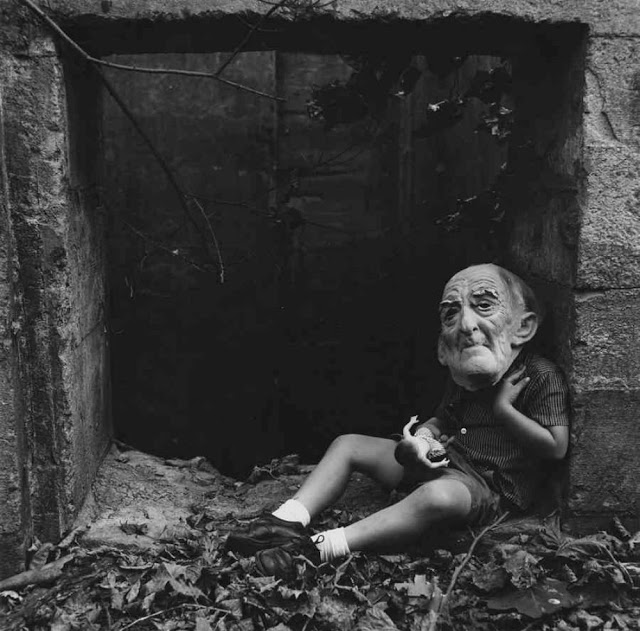
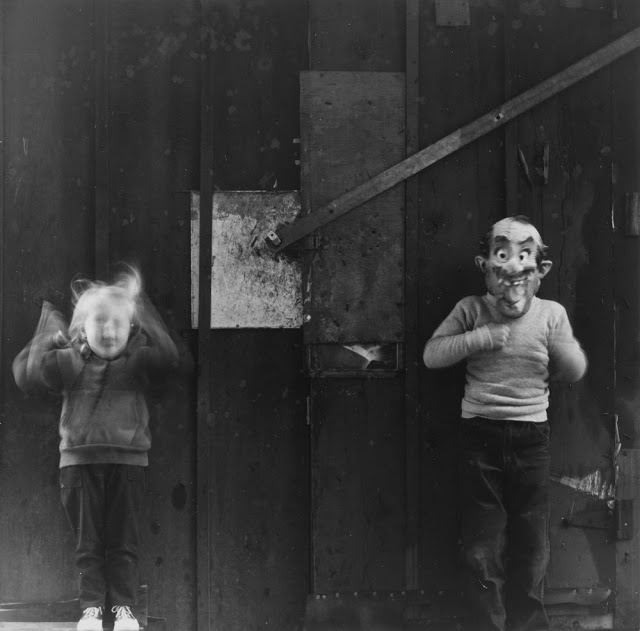
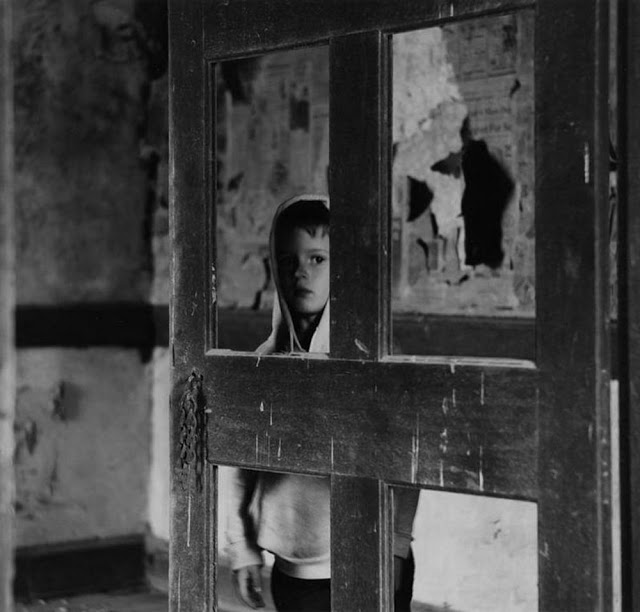
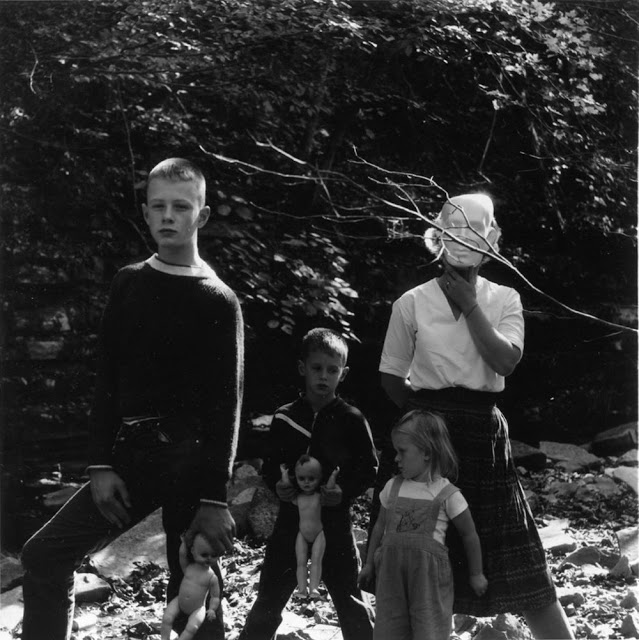
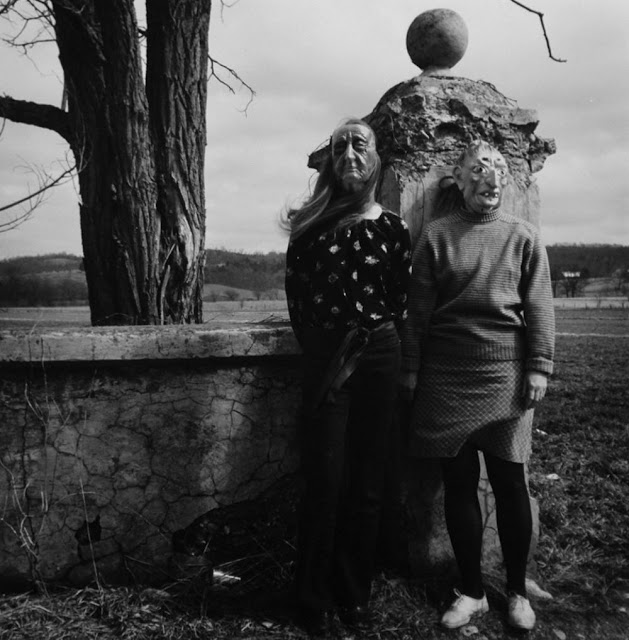
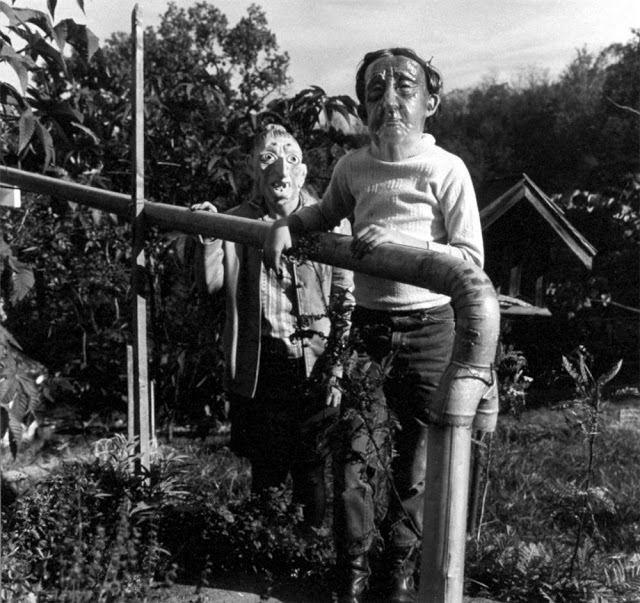
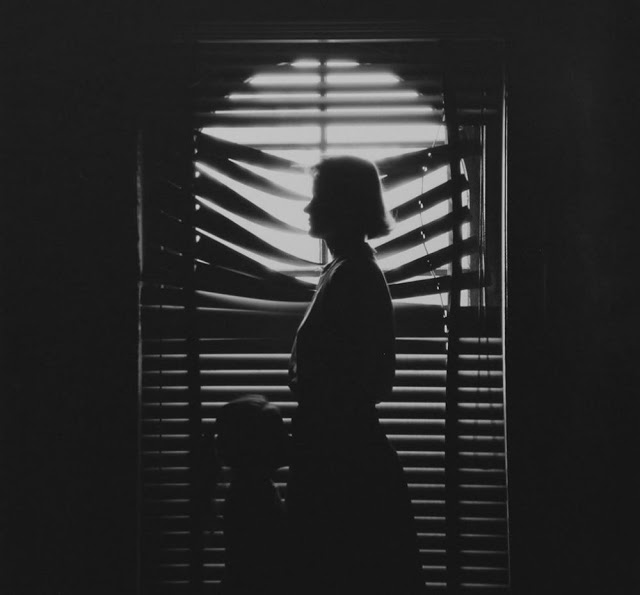
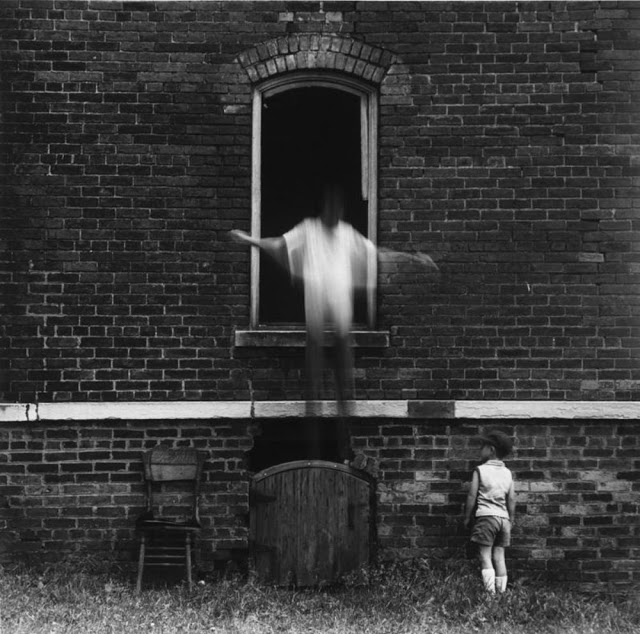
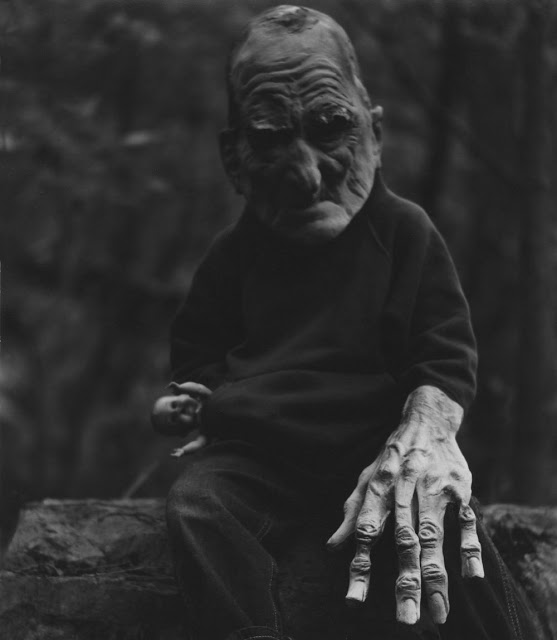
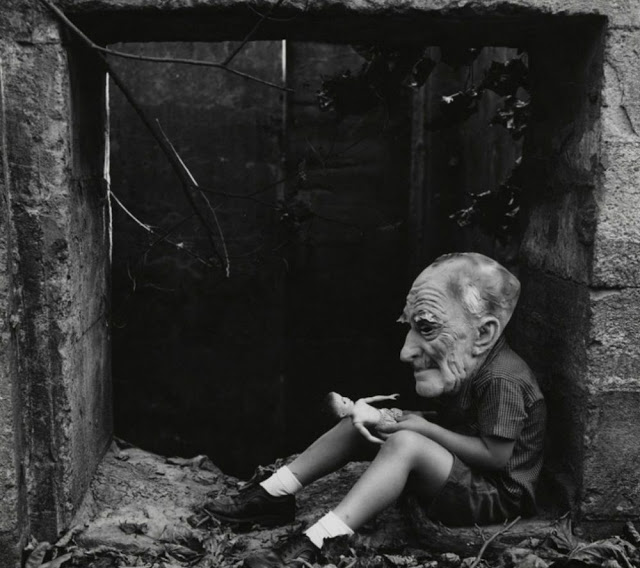
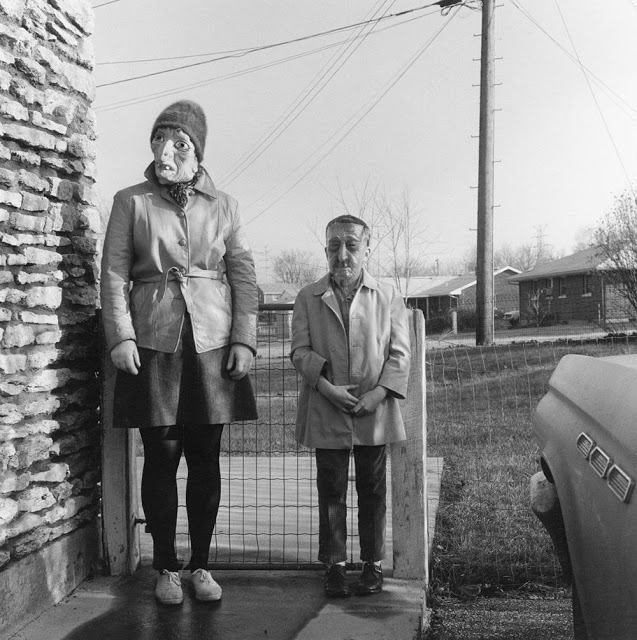
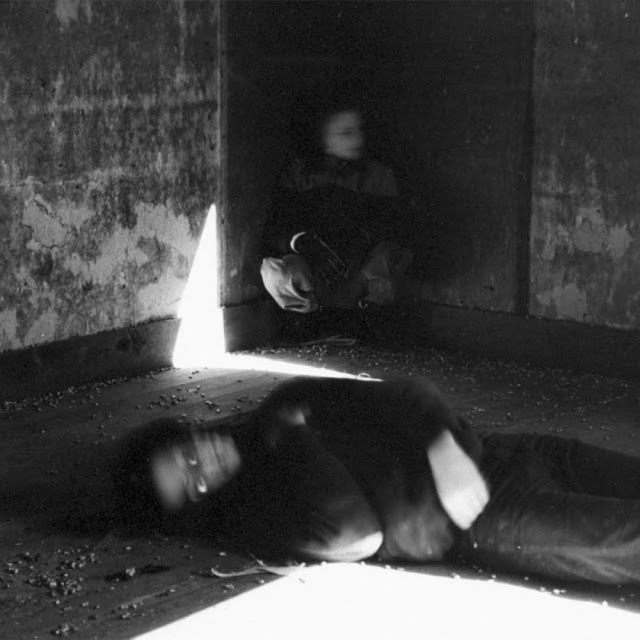
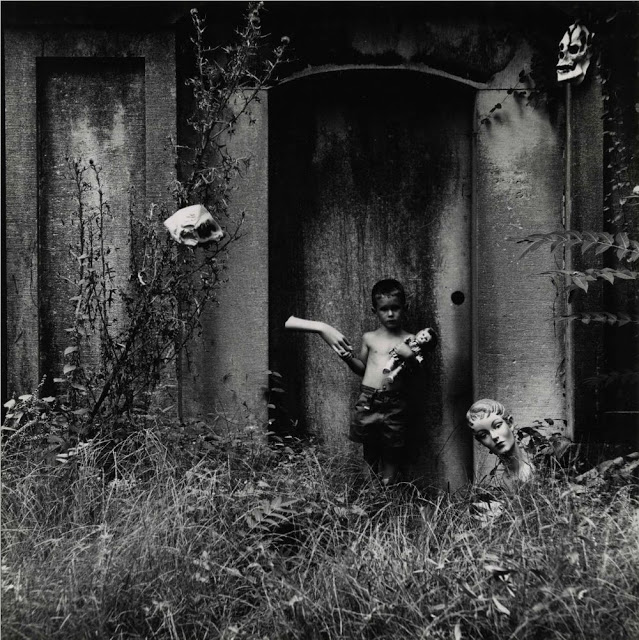
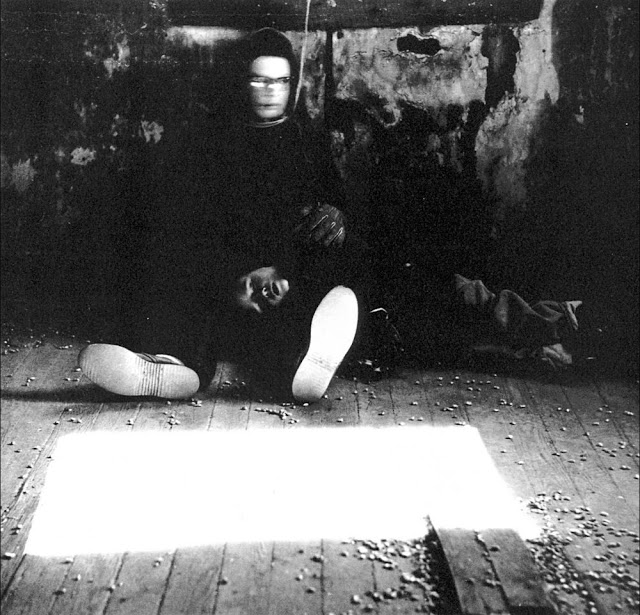
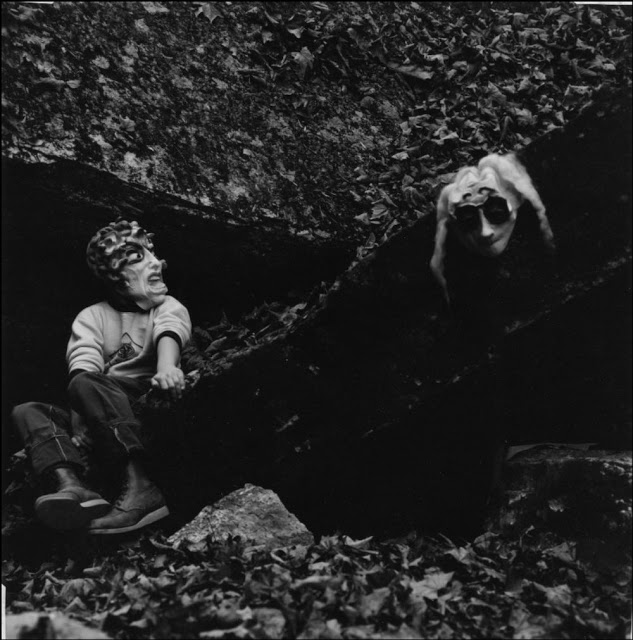
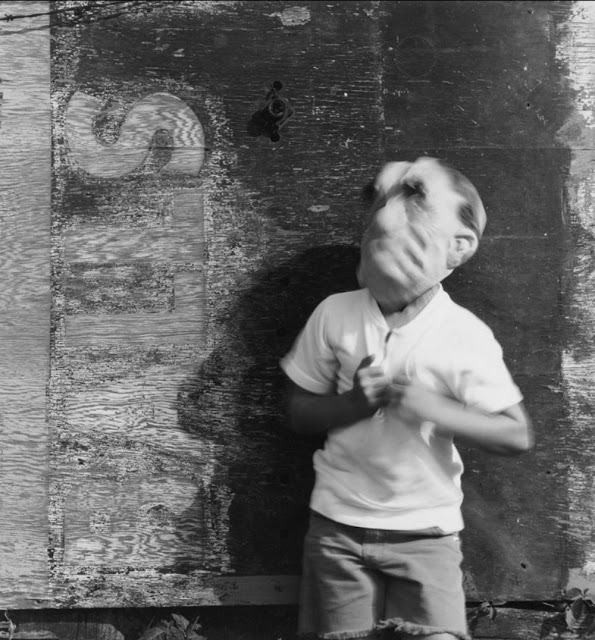
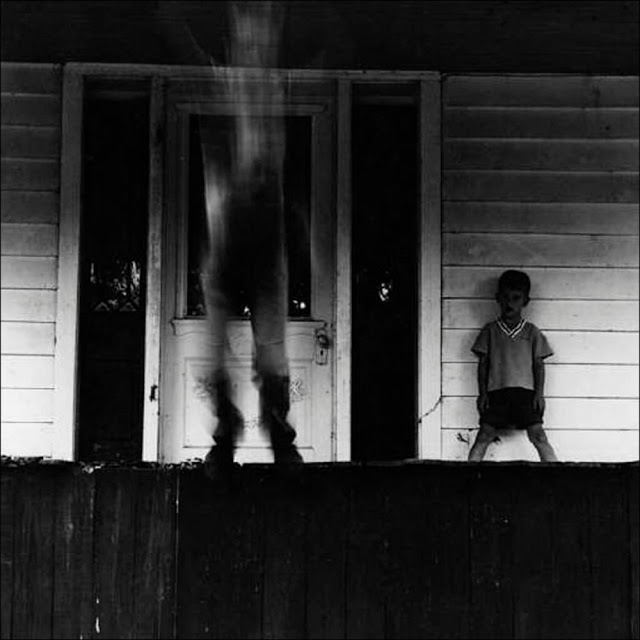
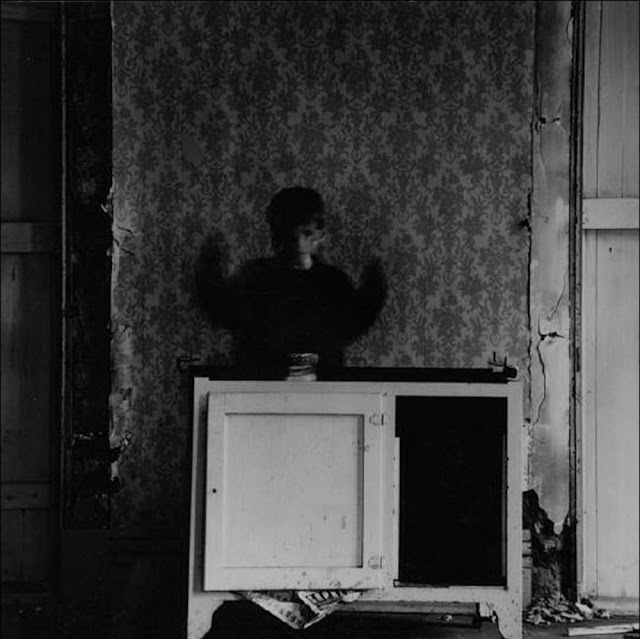
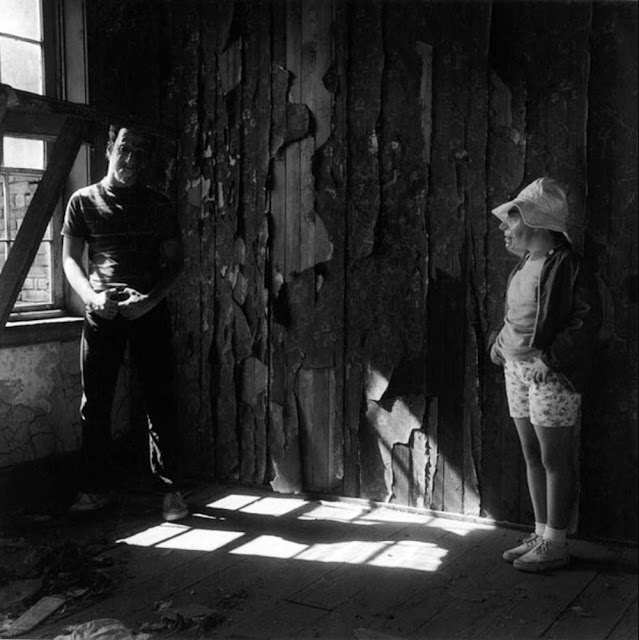
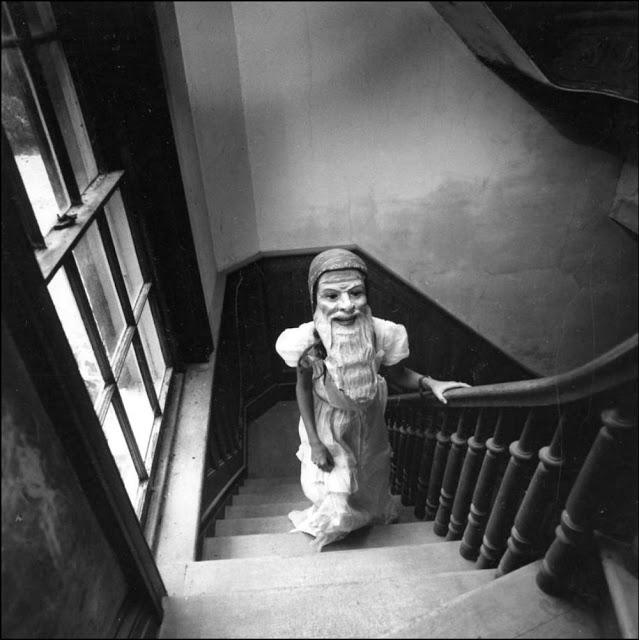
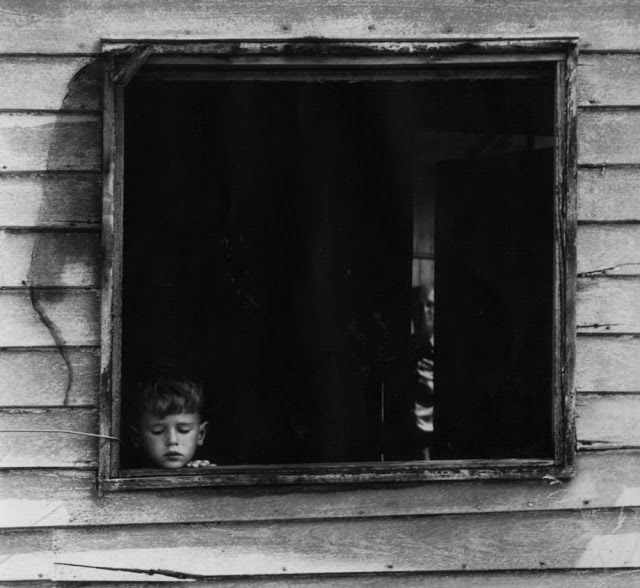
Photographer Ralph Eugene Meatyard, who was born in Normal, Illinois, in 1925 and died of cancer in Lexington, Kentucky, in 1972, worked his entire adult life as an optician, making lenses for glasses. Though he took and developed thousands of pictures, only a sampling of his work has been published.
By vocation an optician, by avocation a self-described “dedicated amateur” photographer, Ralph Eugene Meatyard pursued his own vision to produce an exquisitely enigmatic, widely admired body of work.
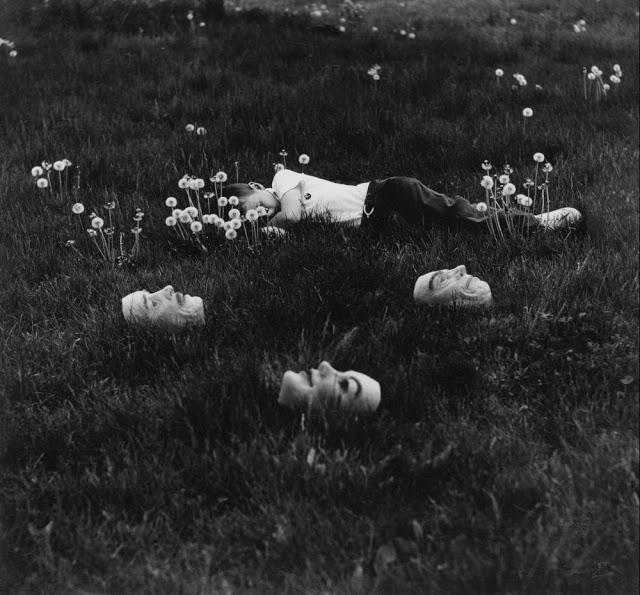
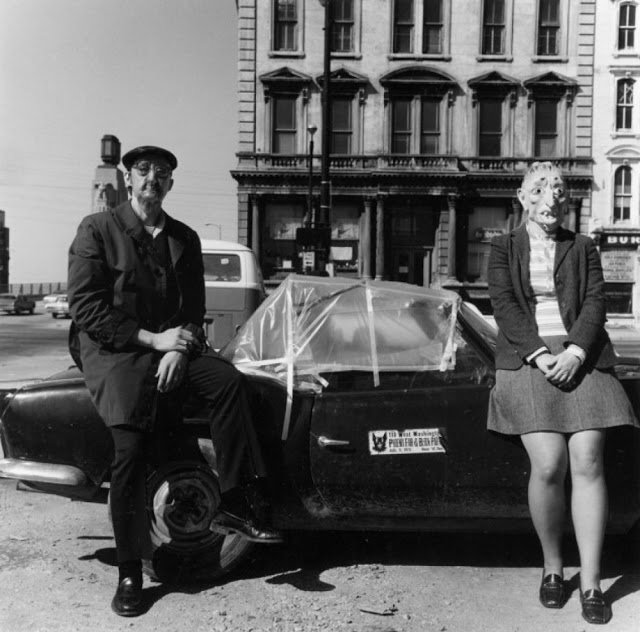
Meatyard began taking photographs in 1950, roaming the backwoods and towns in Kentucky, experimenting with framing, multiple exposures, and blurring to produce haunting, abstracted images of natural and manmade environments. “Billboards in any art are the first things that one sees—the masks might be interpreted as billboards. Once you get past the billboard then you can see into the past (forest, etc.), the present, & the future. I feel that because of the “strange” that more attention is paid to backgrounds & that has been the essence of my photography forever.” – Ralph Eugene Meatyard In the late ’50s, he began incorporating monstrous, oversized latex masks and hands, and plastic dolls into his photographs. His family and friends were the protagonists in his carefully composed scenes, their heads consumed by the masks, plastic dolls often arranged about them. For Meatyard, who was inspired by Zen Buddhism and jazz, the masks served to equalize his subjects and shift focus elsewhere—to the poignant juxtaposition of otherworldly faces on human bodies, to the ambiguous and unknowable in human nature.
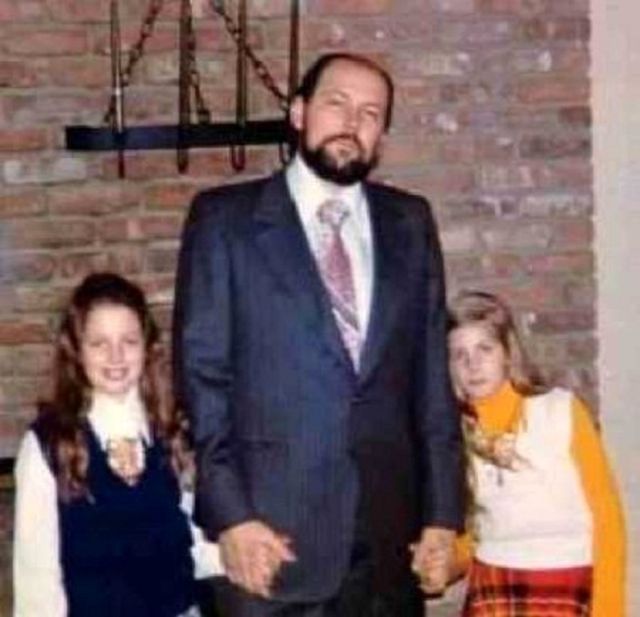
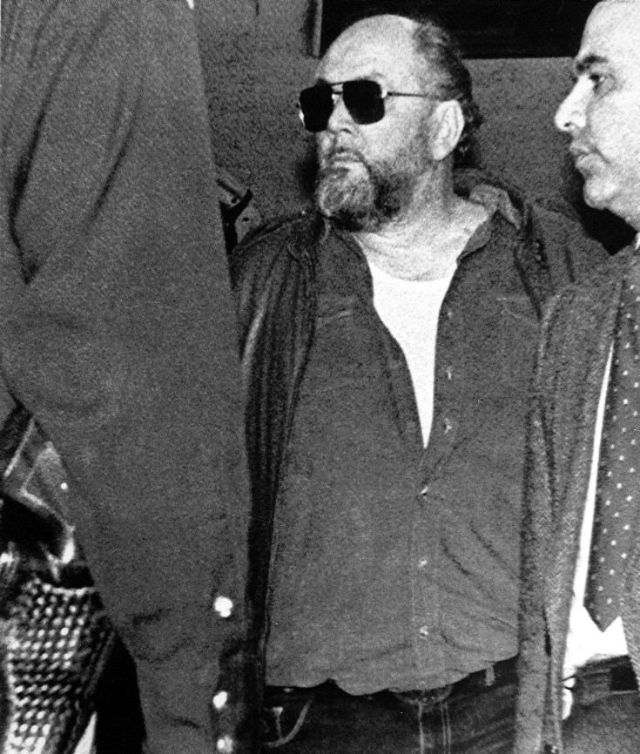
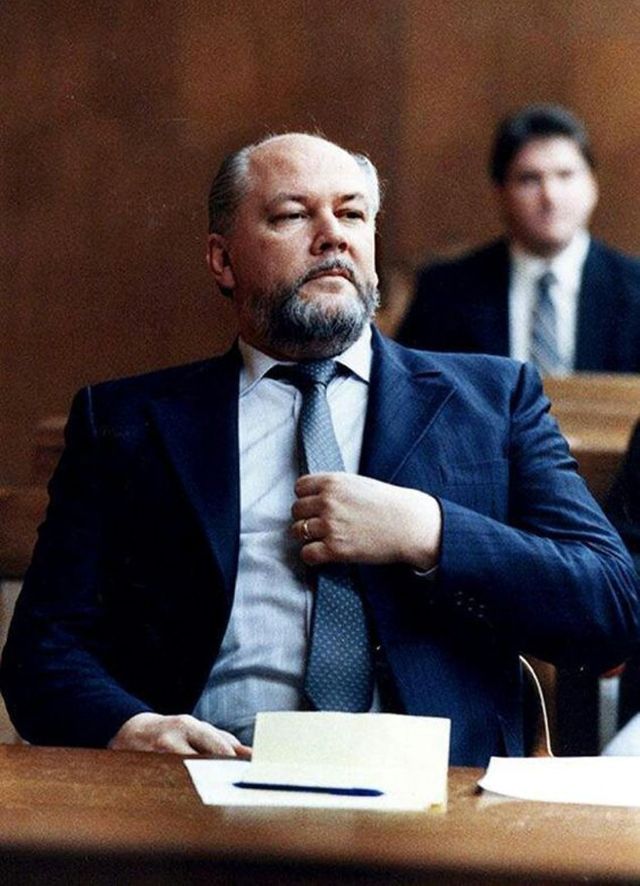
Born 1935 in Jersey City, New Jersey, Richard Leonard Kuklinski was an American contract killer and serial killer who was convicted of murdering 200 or more people. He was associated with members of the American Mafia, namely the DeCavalcante crime family of Newark, New Jersey, and the Five Families of New York City.
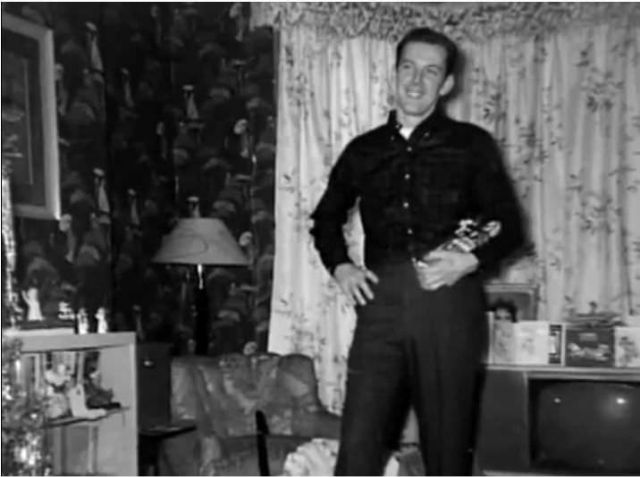
Richard Kuklinski as a young man
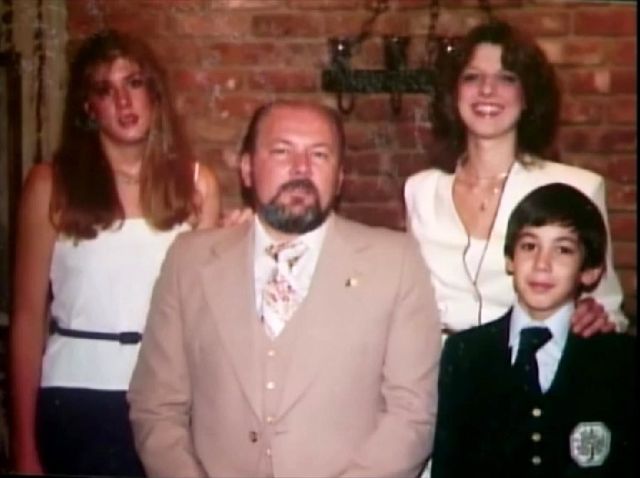
Kuklinski was given the nickname “The Iceman” for his method of freezing a victim to mask the time of death. During his criminal career, fellow mobsters called him “the one-man army” or “the devil himself” due to his fearsome reputation and imposing physique of 6’5″ (196 cm) and 270 pounds (122 kg). Kuklinski lived with his wife and children in the New Jersey suburb of Dumont. His family was apparently unaware of Kuklinski’s double life and crimes.
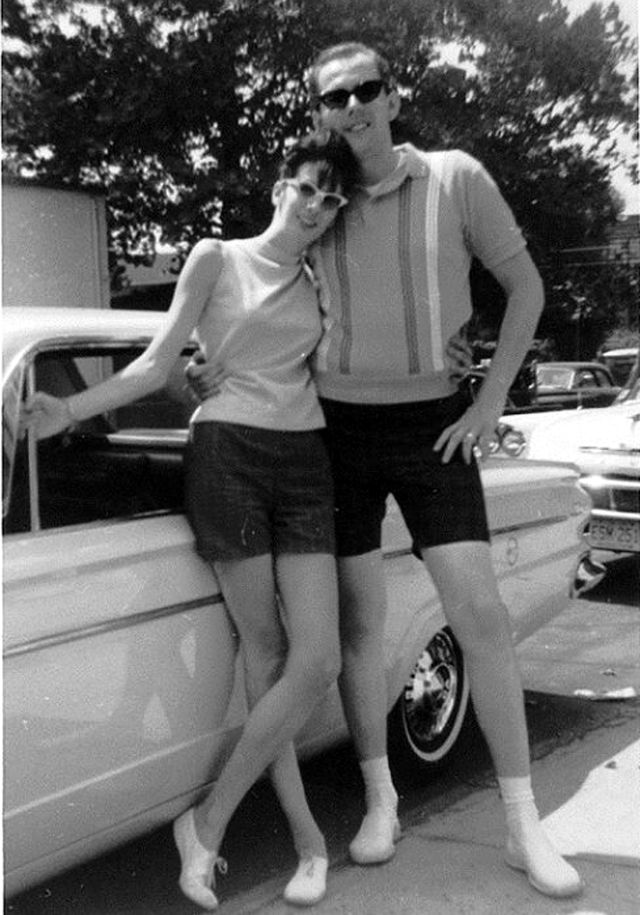
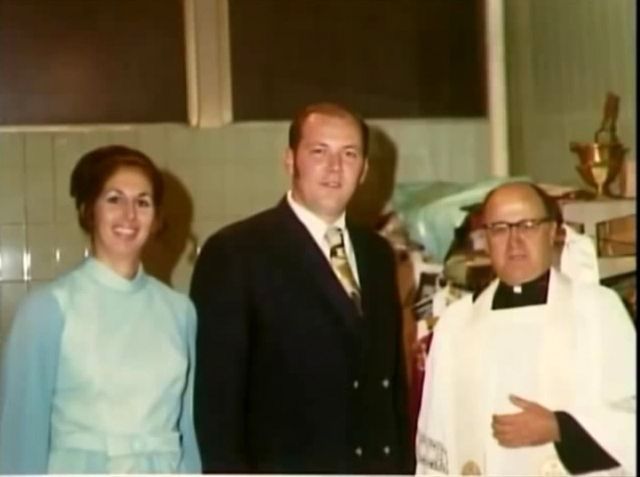
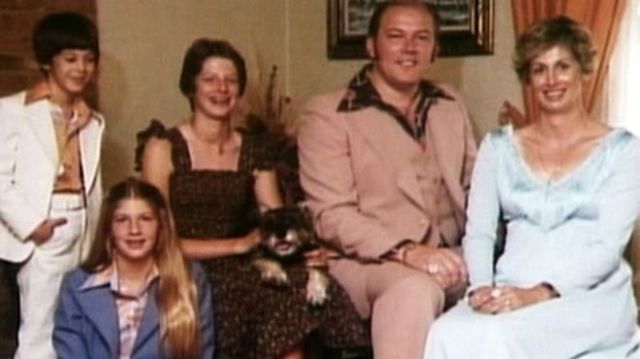
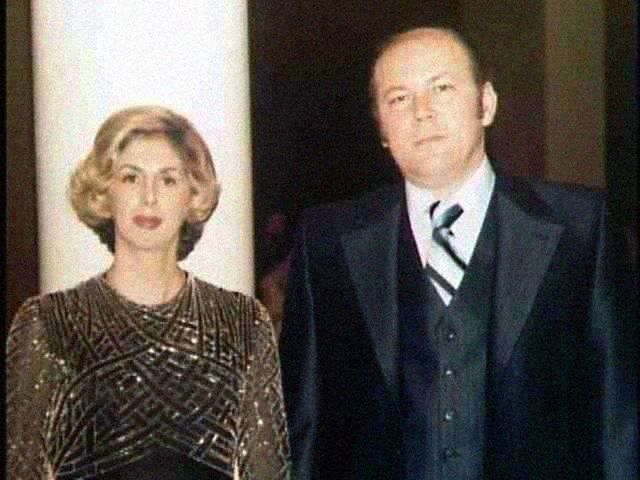
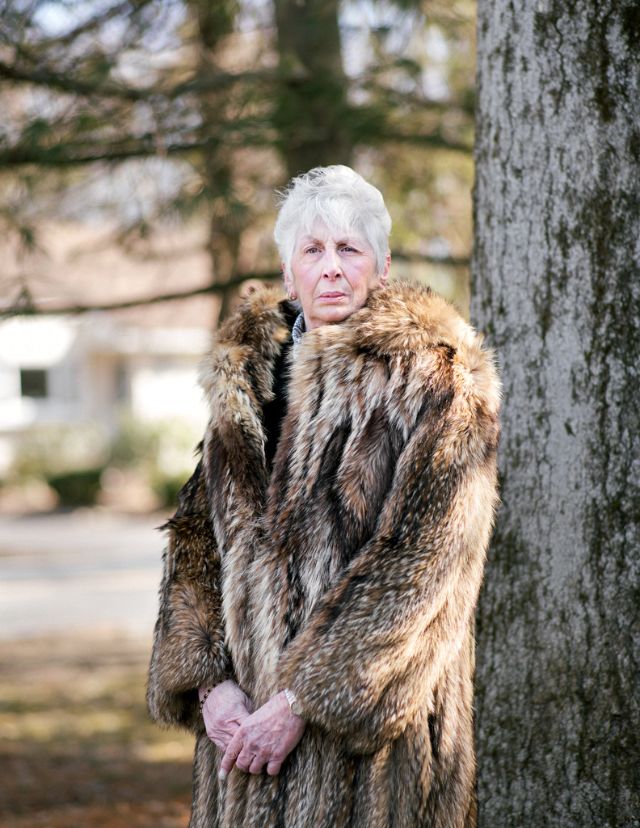
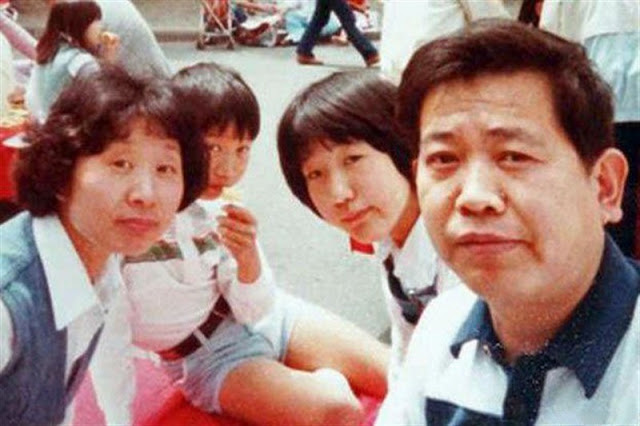
Barbara and Richard Kuklinski in the early yearsBarbara and Richard KuklinskiKuklinski with his familyKuklinski’s family
By the early to mid-1980s, Kuklinski was involved in narcotics, pornography, arms dealing, money laundering, hijacking and contract killing. While his range of criminal activities expanded, he began to make mistakes. Although Kuklinski is claimed to have killed anyone who could testify against him, he got sloppy about disposing of his victims. Law enforcement began to suspect Kuklinski and started an investigation, gathering evidence about the various crimes he had committed. The eighteen month long undercover investigation led to his arrest in 1986. He was sentenced to life imprisonment in 1988.
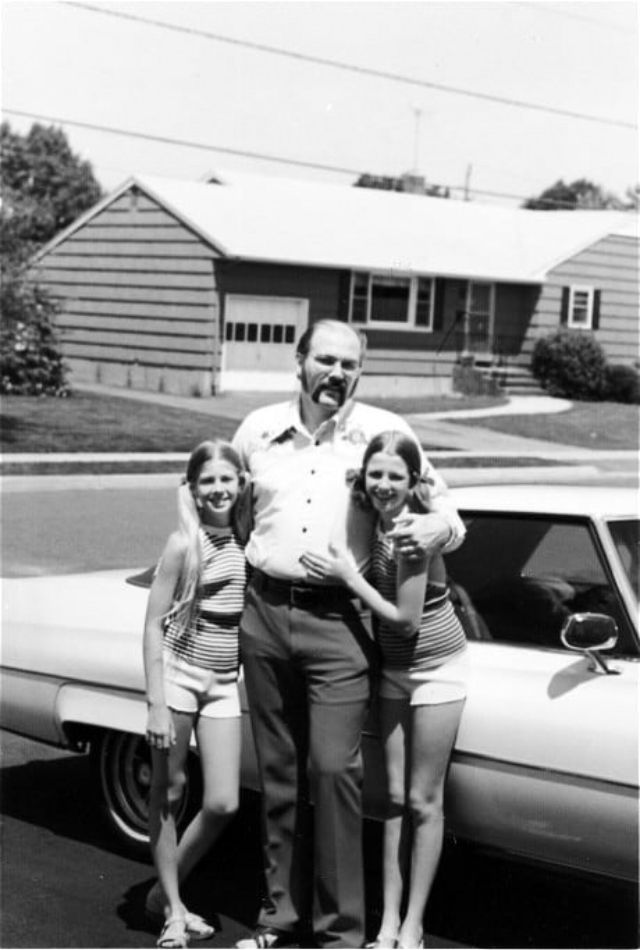
Richard Kuklinski with daughters Merrick and ChristinKuklinski with daughtersKuklinski with his childrenKuklinski and wife Barbara
After his murder convictions, Kuklinski took part in a number of interviews during which he claimed to have murdered from over 100 to 250 men between 1948 and 1986, though his recollection of events sometimes varied. Though some have expressed skepticism about the extent of Kuklinski’s alleged murders, police are confident in their belief that he was a serial killer who killed at least several dozen people both at the behest of organized crime bosses and on his own initiative. Many of Kuklinski’s claims were substantiated by author Philip Carlo in over 240 hours of interviews and via the dozens of cases Kuklinski helped New Jersey police clear after his incarceration.
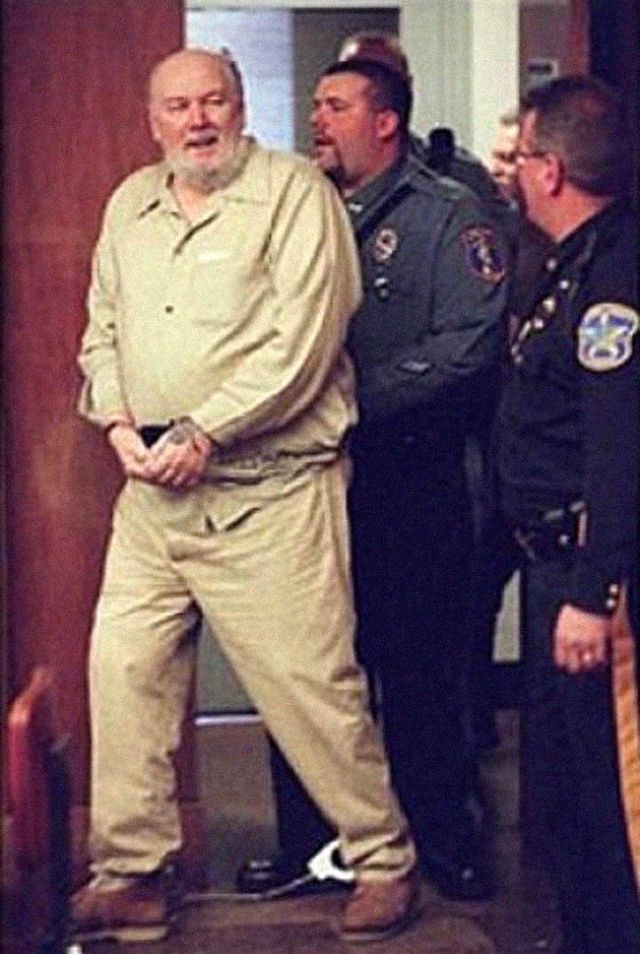
On December 17, 1986, the task force set up a road block and arrested Kuklinski. It took five people to restrain the huge man and put him in a vehicleRichard Kuklinski being escorted by police from a court room, Dec. 17, 1986Richard Kuklinski – Contract killer and mob hitman
In 2005, after 17 years in prison, Kuklinski was diagnosed with an incurable form of Kawasaki disease, an inflammation of the blood vessels and was transferred to a secure wing at St. Francis Medical Center in Trenton, New Jersey. Although he had asked doctors to make sure they revived him if he developed cardiopulmonary arrest (or risk of heart attack), his then-former wife Barbara had signed a “do not resuscitate” order. A week before his death, the hospital called Barbara to ask if she wished to rescind the instruction, but she declined. Kuklinski died at age 70 in 2006. His body was cremated.
Singapore, officially the Republic of Singapore, is a sovereign island city-state in maritime Southeast Asia. It lies about one degree of latitude (137 kilometres or 85 miles) north of the equator, off the southern tip of the Malay Peninsula, bordering the Straits of Malacca to the west, the Riau Islands (Indonesia) to the south, and the South China Sea to the east. The country’s territory is composed of one main island, 63 satellite islands and islets, and one outlying islet, the combined area of which has increased by 25% since the country’s independence as a result of extensive land reclamation projects. It has the third greatest population density in the world. With a multicultural population and recognising the need to respect cultural identities, Singapore has four official languages; English, Malay, Mandarin, and Tamil. English is the lingua franca. Multiracialism is enshrined in the constitution and continues to shape national policies in education, housing, and politics.
Modern Singapore was founded in 1819 by Sir Stamford Raffles as a trading post of the British Empire. In 1867, the colonies in Southeast Asia were reorganised and Singapore came under the direct control of Britain as part of the Straits Settlements. During the Second World War, Singapore was occupied by Japan in 1942, and returned to British control as a separate crown colony following Japan’s surrender in 1945. Singapore gained self-governance in 1959 and in 1963 became part of the new federation of Malaysia, alongside Malaya, North Borneo, and Sarawak. Ideological differences led to Singapore being expelled from the federation two years later and it became an independent country.
After early years of turbulence and despite lacking natural resources and a hinterland, the nation rapidly developed to become one of the Four Asian Tigers based on external trade, becoming a highly developed country; it is ranked ninth on the UN Human Development Index and has the second-highest GDP per capita (PPP) in the world. Singapore is the only country in Asia with a AAA sovereign rating from all major rating agencies. It is a major financial and shipping hub, has consistently ranked the most expensive city to live in since 2013, and has been identified as a tax haven. Singapore is placed highly in key social indicators: education, healthcare, quality of life, personal safety, and housing, with a home-ownership rate of 91 percent. Singaporeans enjoy one of the longest life expectancies, fastest Internet connection speeds, lowest infant mortality rates and lowest levels of corruption in the world.
Singapore is a unitary parliamentary republic with a Westminster system of unicameral parliamentary government. While elections are considered generally free, the government exercises significant control over politics and society, and the People’s Action Party has ruled continuously since independence. One of the five founding members of ASEAN, Singapore is also the headquarters of the Asia-Pacific Economic Cooperation (APEC) Secretariat and Pacific Economic Cooperation Council (PECC) Secretariat, as well as many international conferences and events. Singapore is also a member of the United Nations, World Trade Organization, East Asia Summit, Non-Aligned Movement, and the Commonwealth of Nations. (Wikipedia)
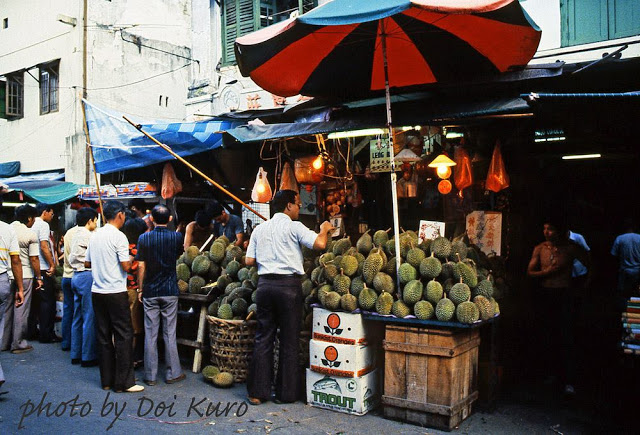
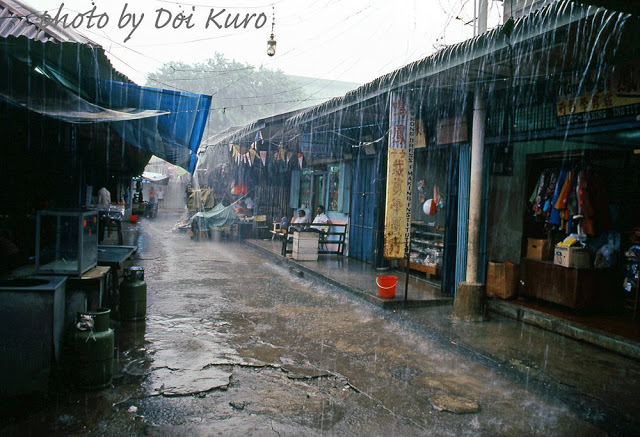
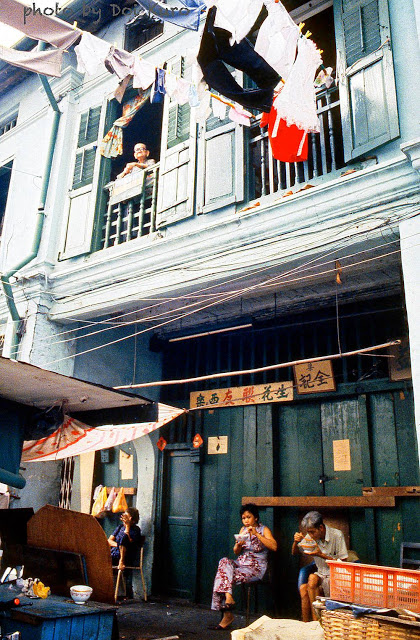
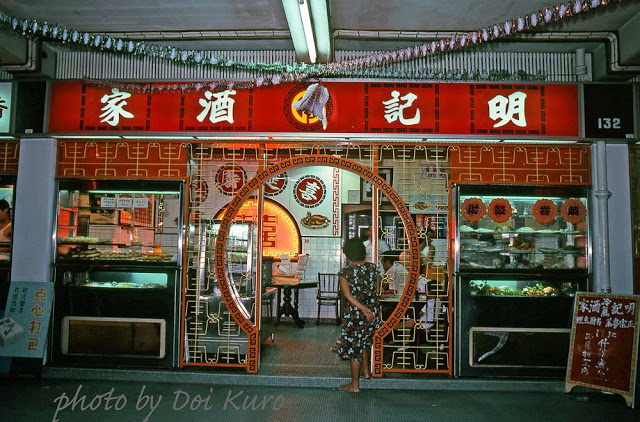
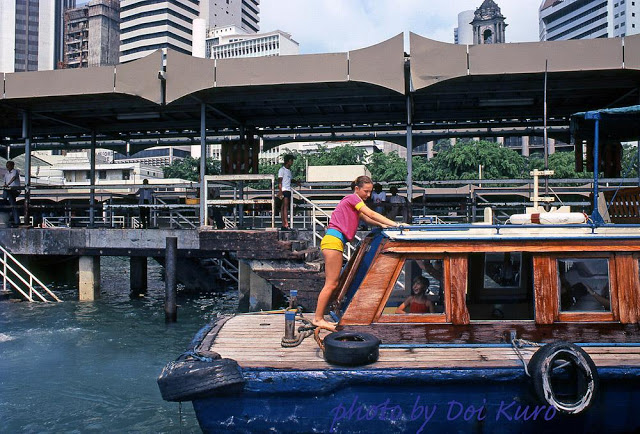
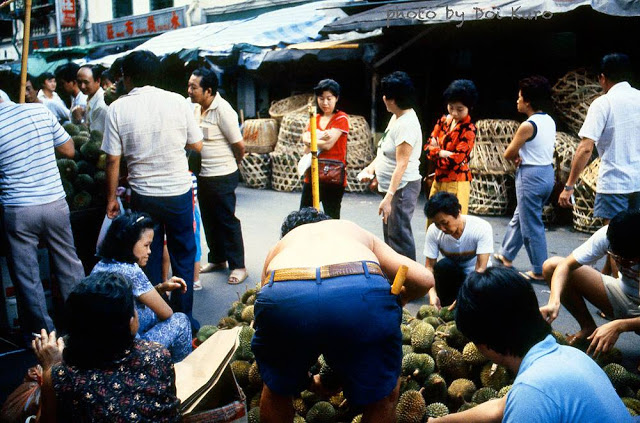
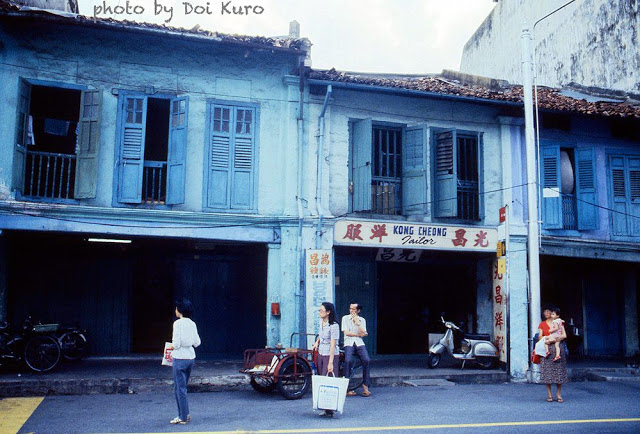
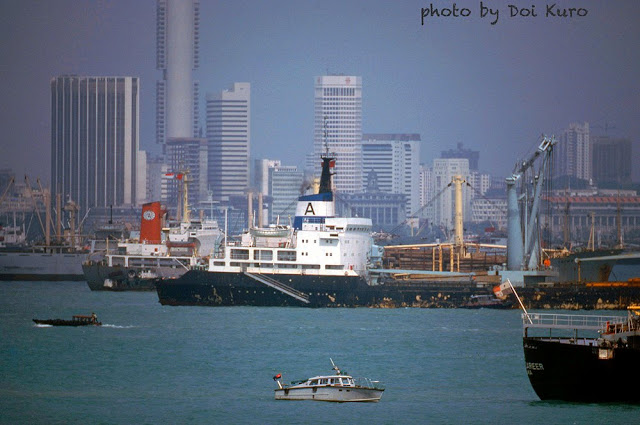
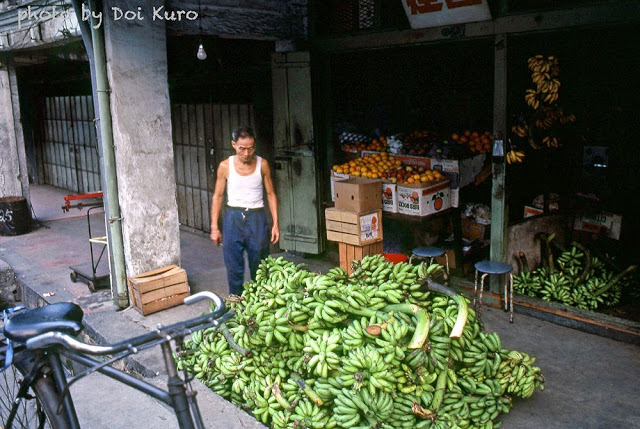
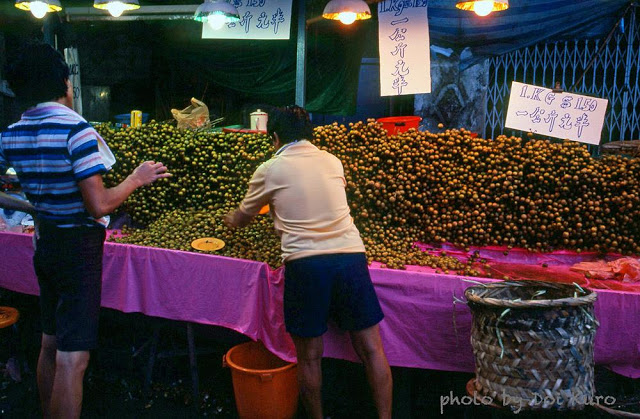
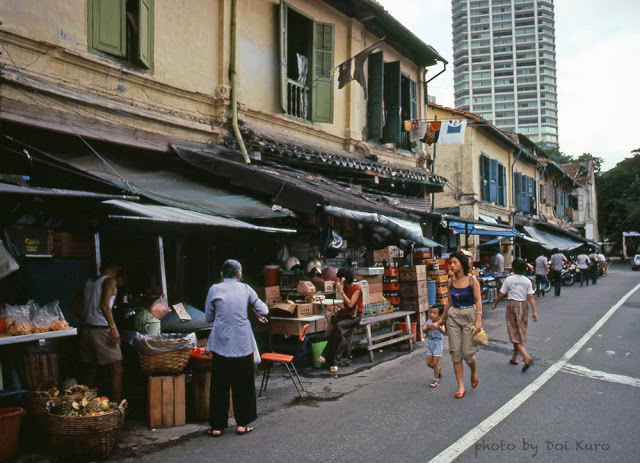
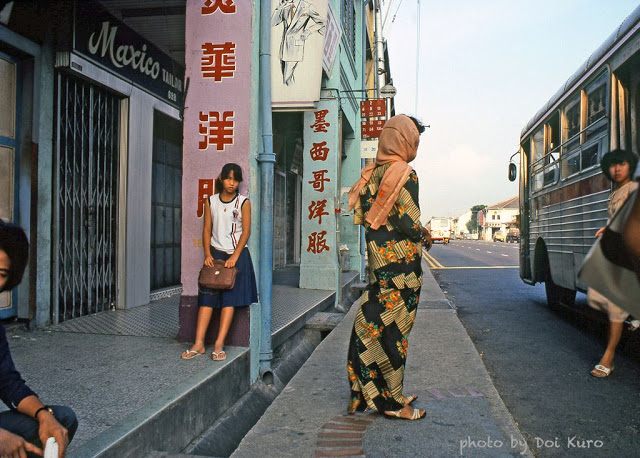
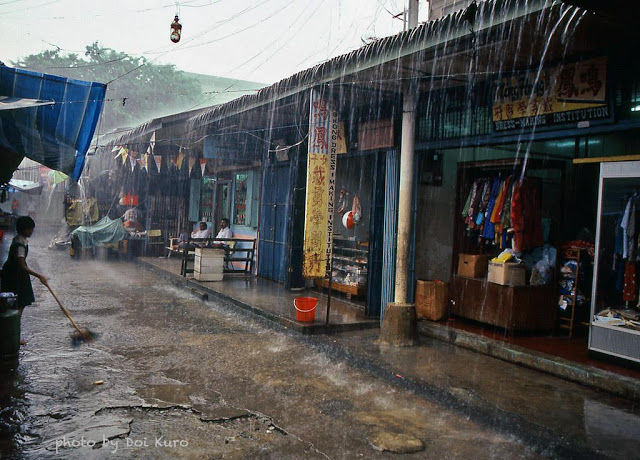
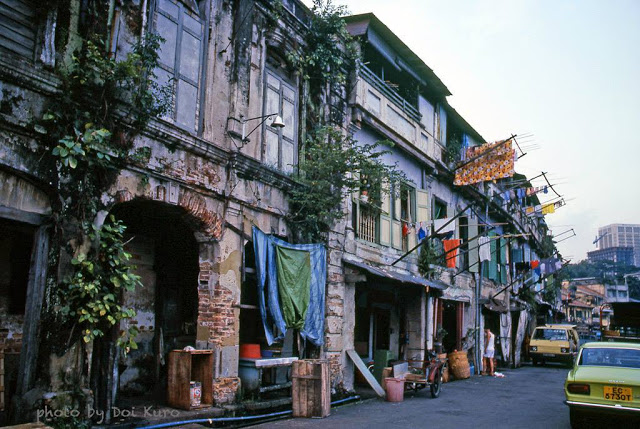
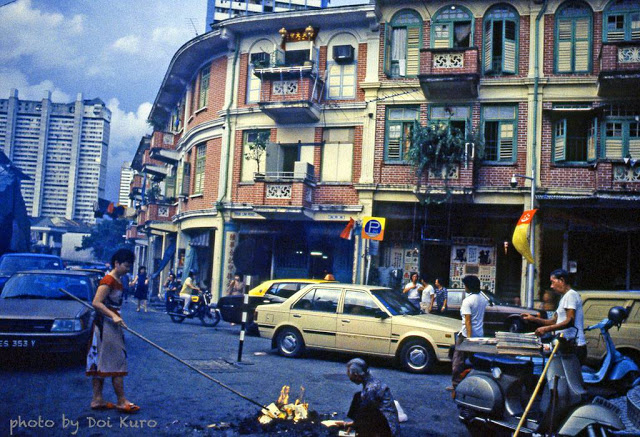
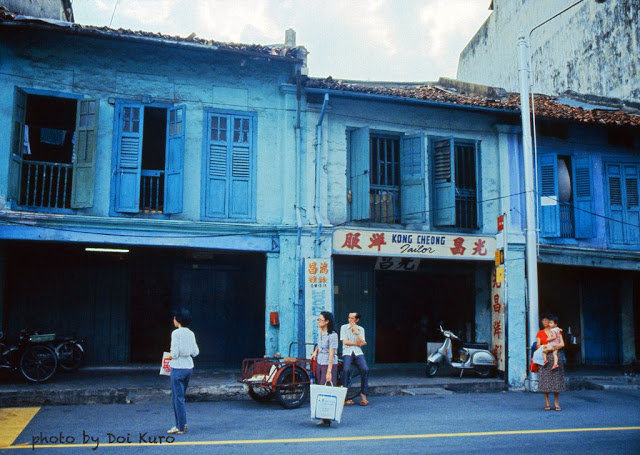
The era of the Seventies & Eighties are a favorite for many. Shot in 1979 and 1984 by Japanese photographer Doi Kuro, these photographs show just how things have changed in Singapore.
Street food stalls, 1984Durian season, 1984Cockatoo, 1984Take shelter from the rain, 1984Breakfast landscape, 1984Restaurant at night, 1979Clifford Pier, 1979Durian vendor, 1984Sea berth, Jurong port, 1979Signal waiting, 1979Waiting for a bus, 1984Port of Singapore, 1979Green bananas, 1979Magazine stand, 1979Lychee vendor, 1984Street house, 1979Bus stop, 1979Clifford centre, 1979Bus stop, 1979Squall, 1984Apartment, 1979Burning paper, 1984Street stall, 1984Bus stop, 1984
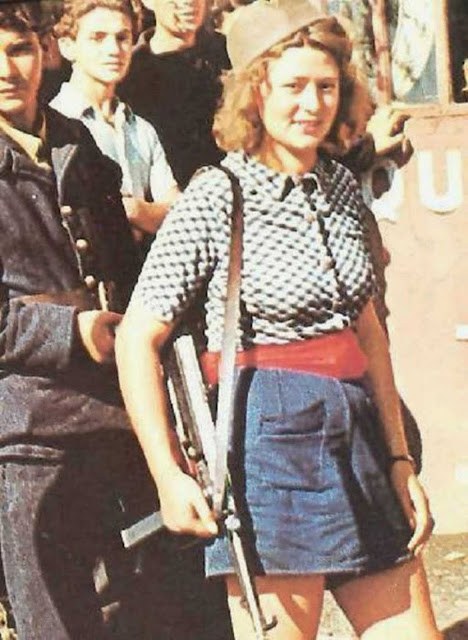
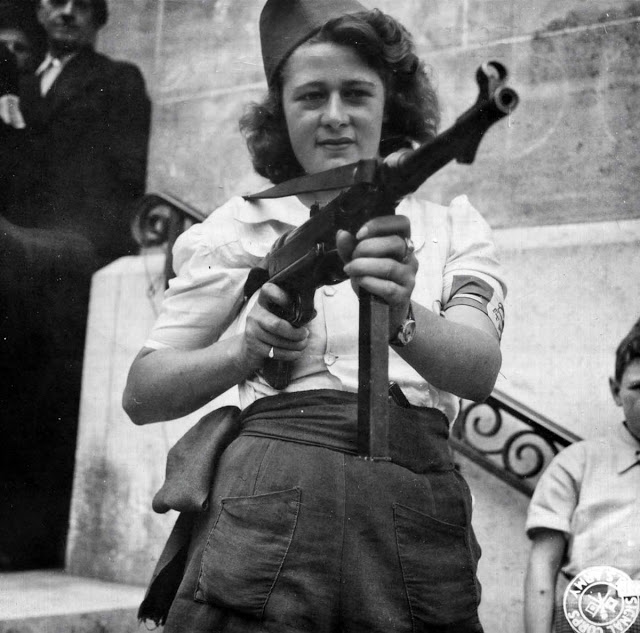
Simone Segouin risked her life many times during the secret war against the Nazi occupiers, and became famous the world over when she was pictured wielding a gun in her distinctive shorts and cap. She helped de-rail a train and blow up bridges in and around the city of Chartres, 50 miles south of Paris and was present at the liberation of both cities in 1944, when aged only 18.
Simone Segouin, also known by her nom de guerre “Nicole Minet”, was born in Thivars, France in 1925. During the German occupation of France, she was a member of the Francs-Tireurs et Partisans group. On 23 Aug 1944, she was credited with capturing 25 Germans and killing several more in the Chartres, France area. She was also present in Paris, France during the city’s liberation. For her efforts during the war, she was promoted to the rank of lieutenant and was awarded the Croix de guerre.
“One of the best days was when we arrested 25 German soldiers towards the end of the war,” she told the Daily Express in an interview in 2016. “It felt good as we knew we would soon have our country back from occupation.”
“I was not the only woman who joined the Resistance,“ she added. “I am proud of what we all did as a team. But the proudest moment was probably going to Paris with General Charles de Gaulle. It was a wonderful feeling entering the city but my excitement was limited because it felt very dangerous.”
One of Simone’s first missions was to steal a bicycle from a German soldier which, after a respray, she rode, as her reconnaissance transport. Her MP-40 sub-machine gun was also taken from a German.
When the war was over, she was awarded the prestigious Croix de Guerre and she was promoted to lieutenant. Women made up just 10% of the Resistance, but their presence helped force a shift in the way their gender was treated.
Simone went on to become a paediatric nurse in Chartres, where her wartime exploits made her hugely popular. A street in Courville-sur-Eure was named for her.
Sharon Vonne Stone (born March 10, 1958) is an American actress, producer, and former fashion model. Known for primarily playing femme fatales and women of mystery on film and television, she became one of the most popular sex symbols of the 1990s and is the recipient of various accolades, including a Primetime Emmy Award, a Golden Globe Award and a nomination for an Academy Award. She received a star on the Hollywood Walk of Fame in 1995, and was named Officer of the Order of Arts and Letters in France in 2005.
After modeling in television commercials and print advertisements, Stone made her film debut as an extra in Woody Allen’s dramedy Stardust Memories (1980) and played her first speaking part in Wes Craven’s horror film Deadly Blessing (1981). In the 1980s, she appeared in such pictures as Irreconcilable Differences (1984), King Solomon’s Mines (1985), Cold Steel (1987), and Above the Law (1988). She had a breakthrough with her part in Paul Verhoeven’s science fiction action film Total Recall (1990), before rising to international recognition when she portrayed Catherine Tramell in another Verhoeven film, the erotic thriller Basic Instinct (1992), for which she earned her first Golden Globe Award nomination for Best Actress in a Motion Picture – Drama.
Stone’s performance as a trophy wife in Martin Scorsese’s epic crime drama Casino (1995) earned her the best reviews of her career, the Golden Globe and an Academy Award nomination for Best Actress. Her other notable films include Sliver (1993), The Specialist (1994), The Quick and the Dead (1995), Sphere (1998), The Mighty (1998), The Muse (1999), Catwoman (2004), Broken Flowers (2005), Alpha Dog (2006), Bobby (2006), Lovelace (2013), Fading Gigolo (2013), The Disaster Artist (2017), Rolling Thunder Revue: A Bob Dylan Story by Martin Scorsese (2019), and The Laundromat (2019).
On television, Stone has had leading and supporting roles in productions such as the ABC miniseries War and Remembrance (1987), the HBO television film If These Walls Could Talk 2 (2000), Steven Soderbergh’s Mosaic (2017) and Ryan Murphy’s Ratched (2020). She made guest appearances in The Practice (2004) and Law & Order: Special Victims Unit (2010), winning the Primetime Emmy Award for Outstanding Guest Actress in a Drama Series for the former. (Wikipedia)
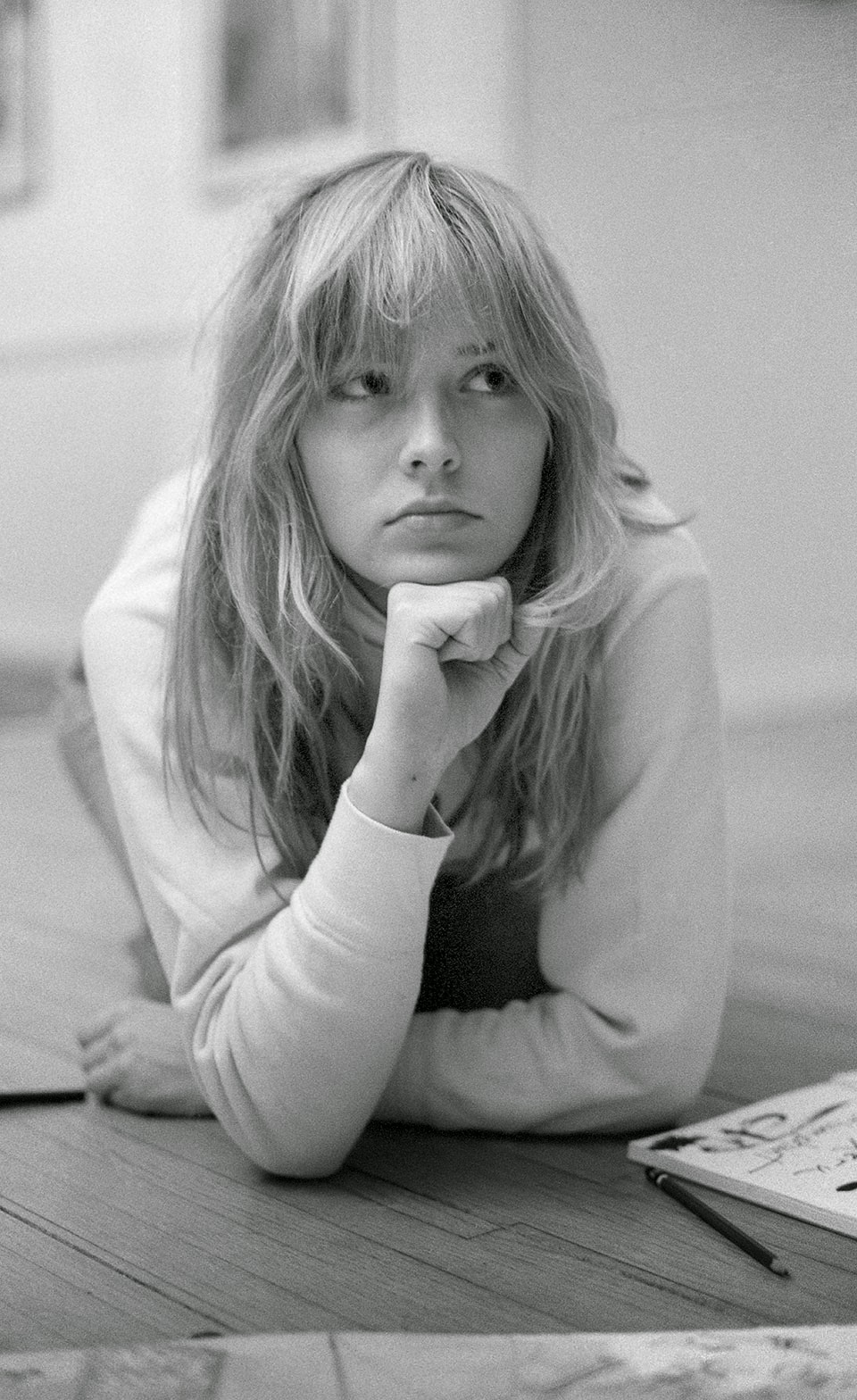
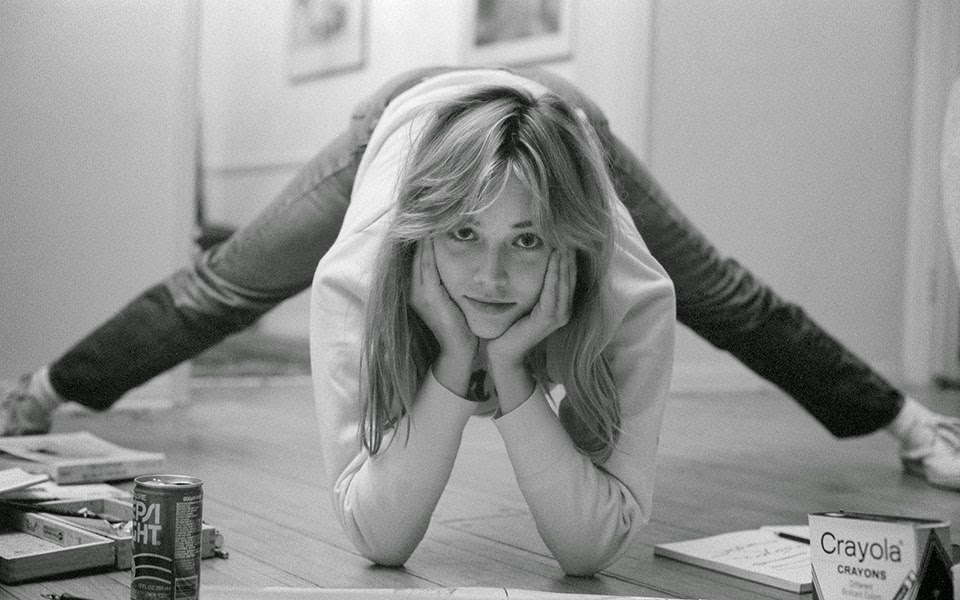
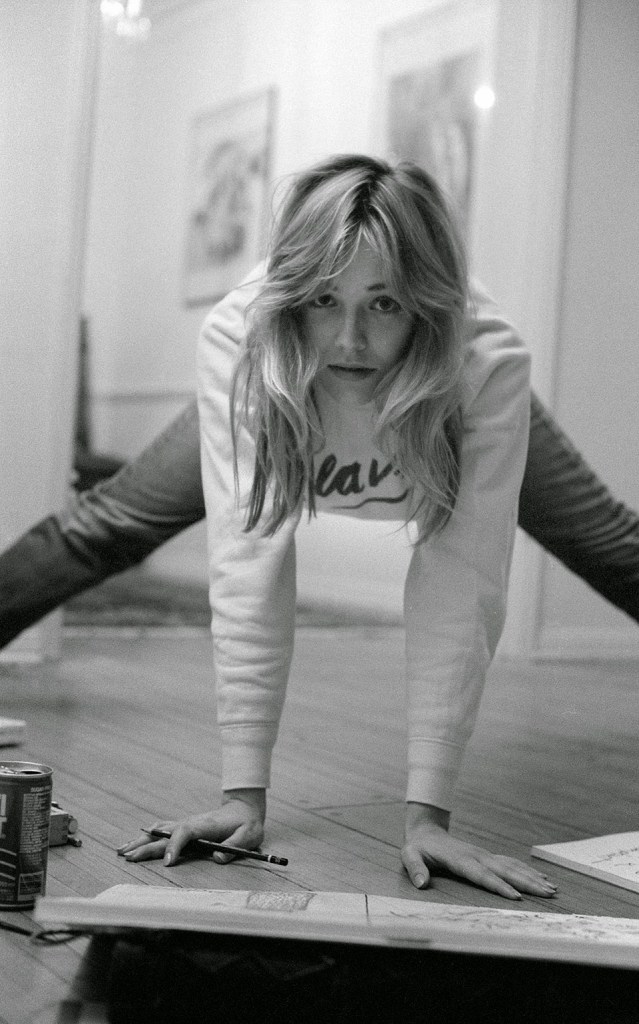
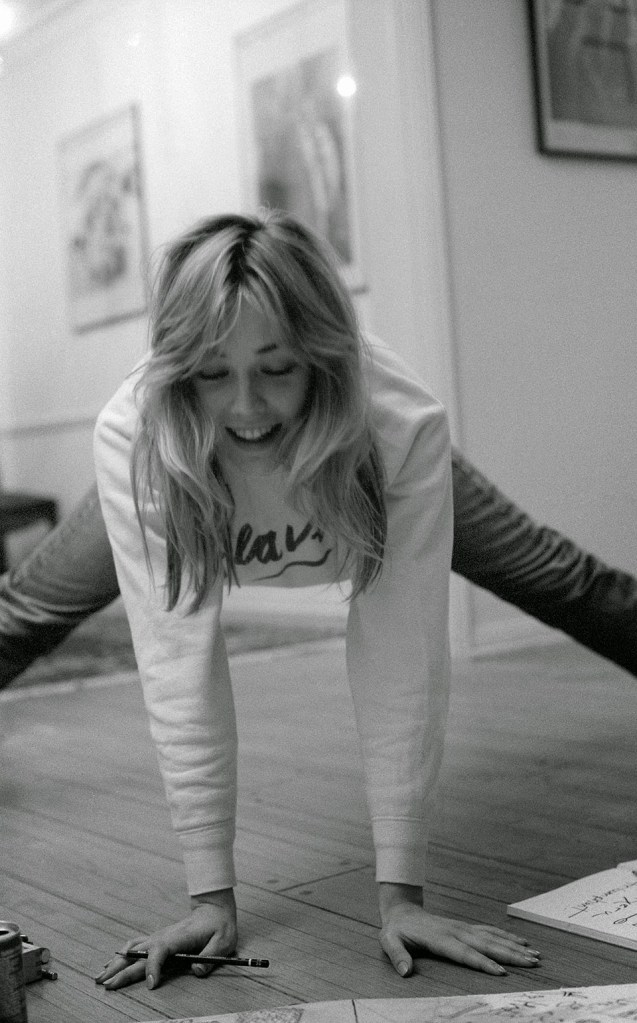
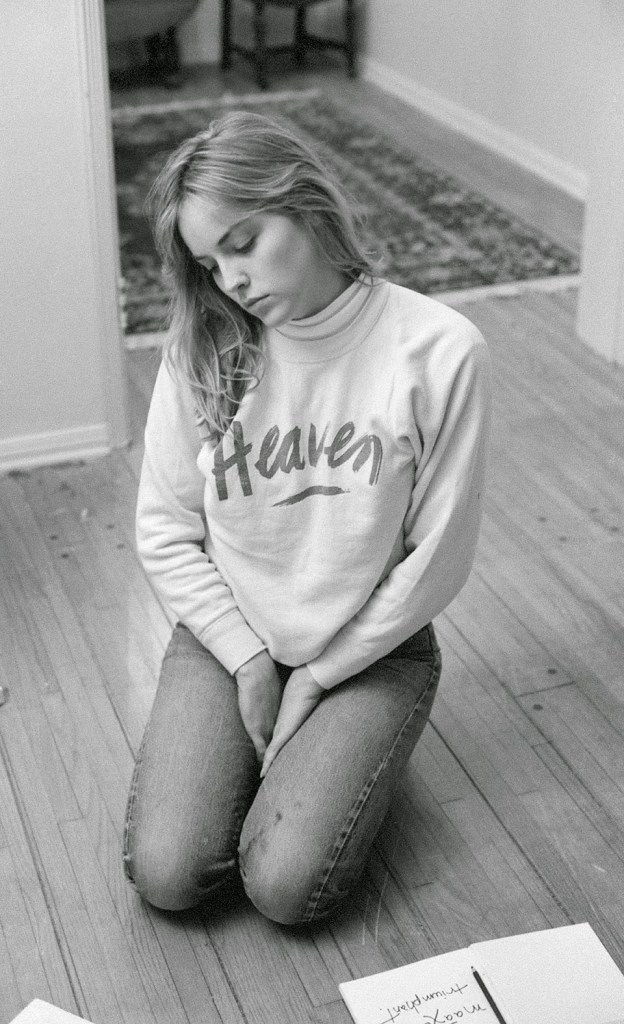
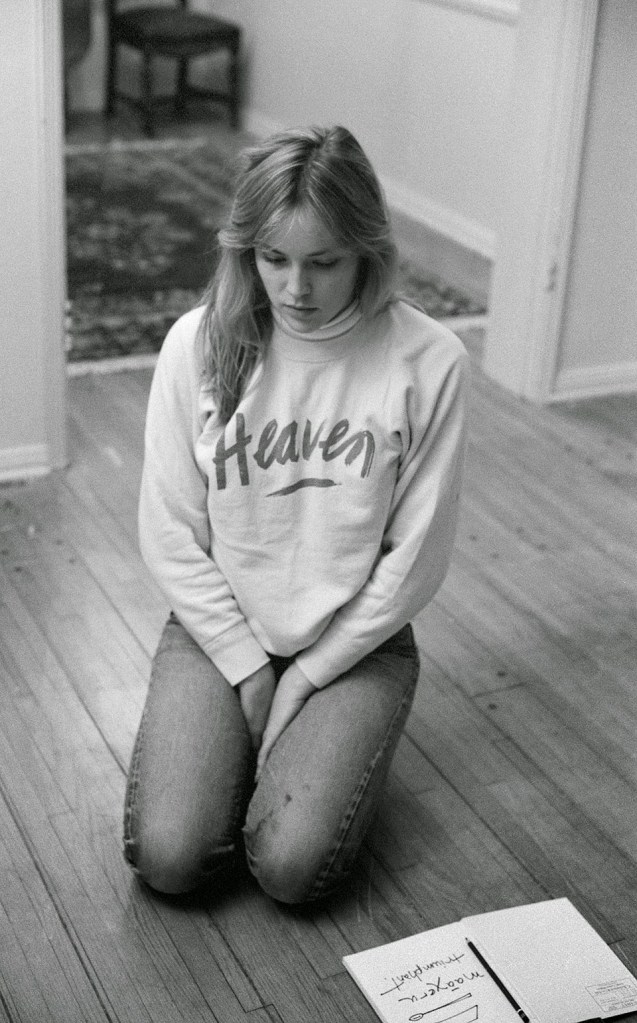
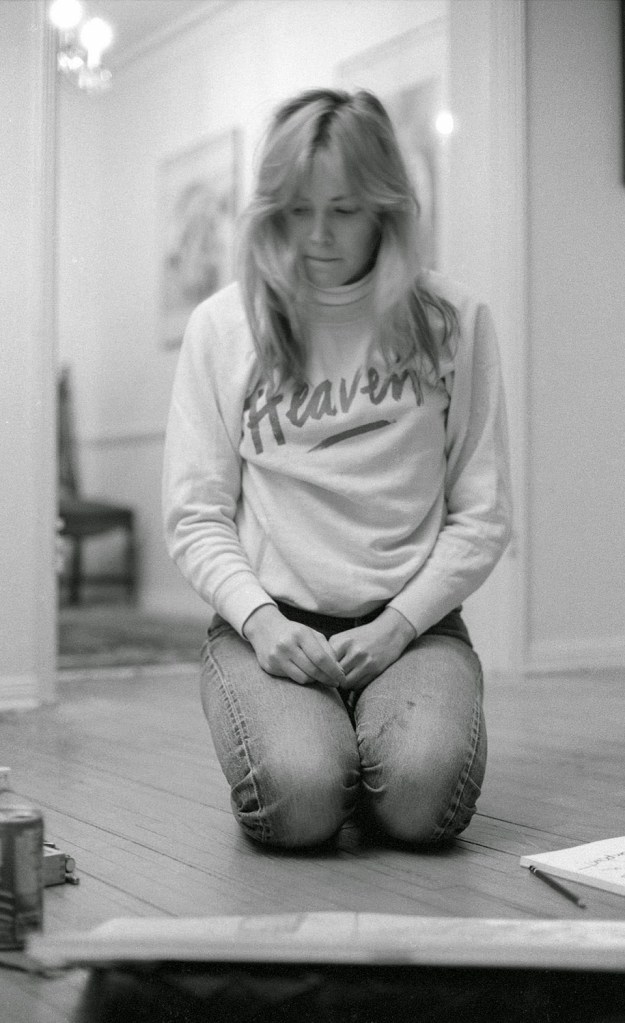
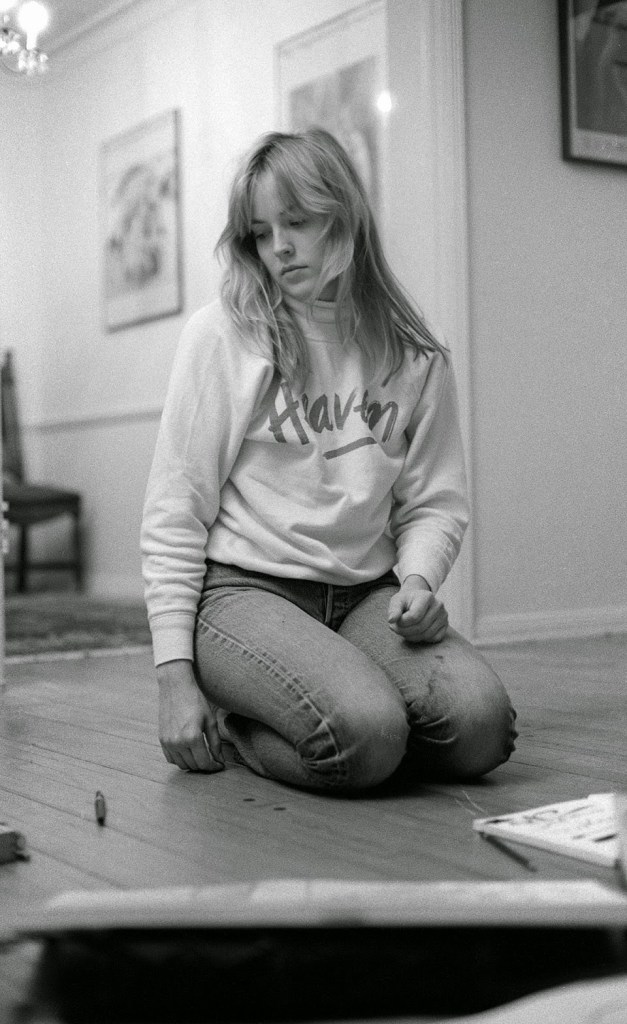
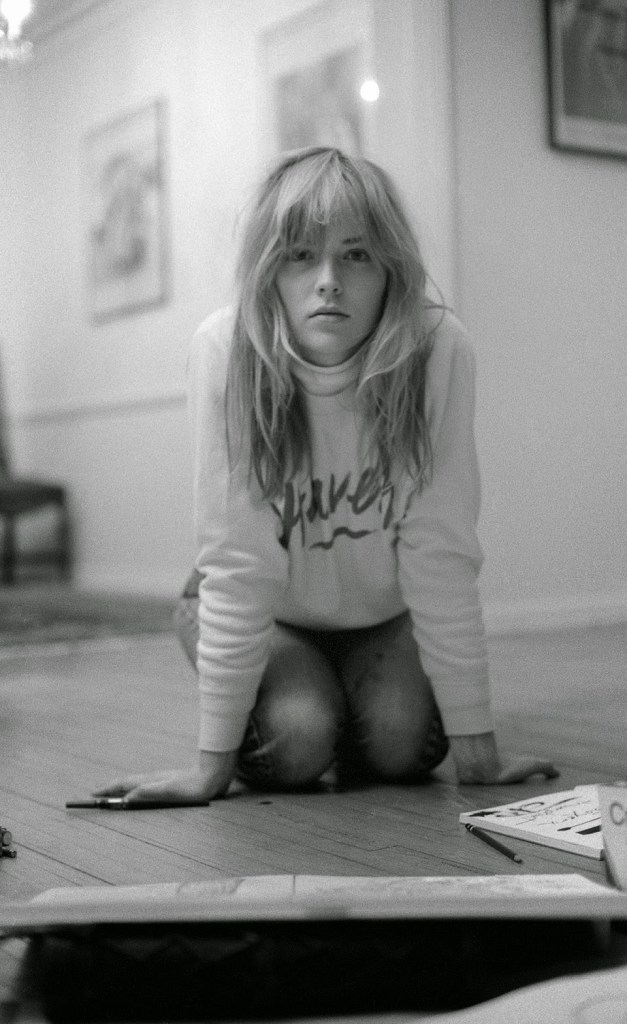
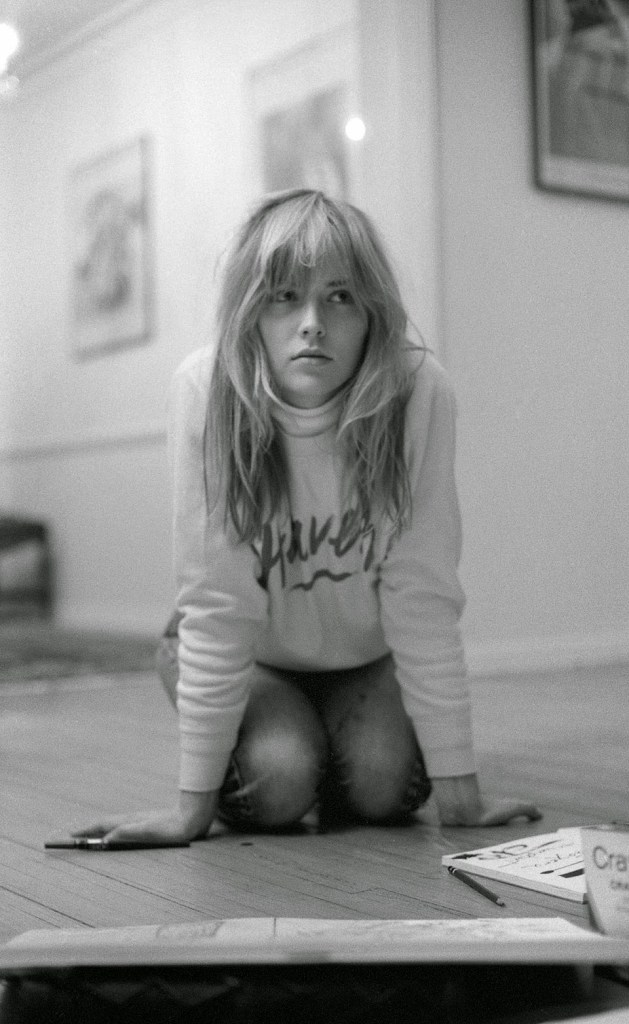
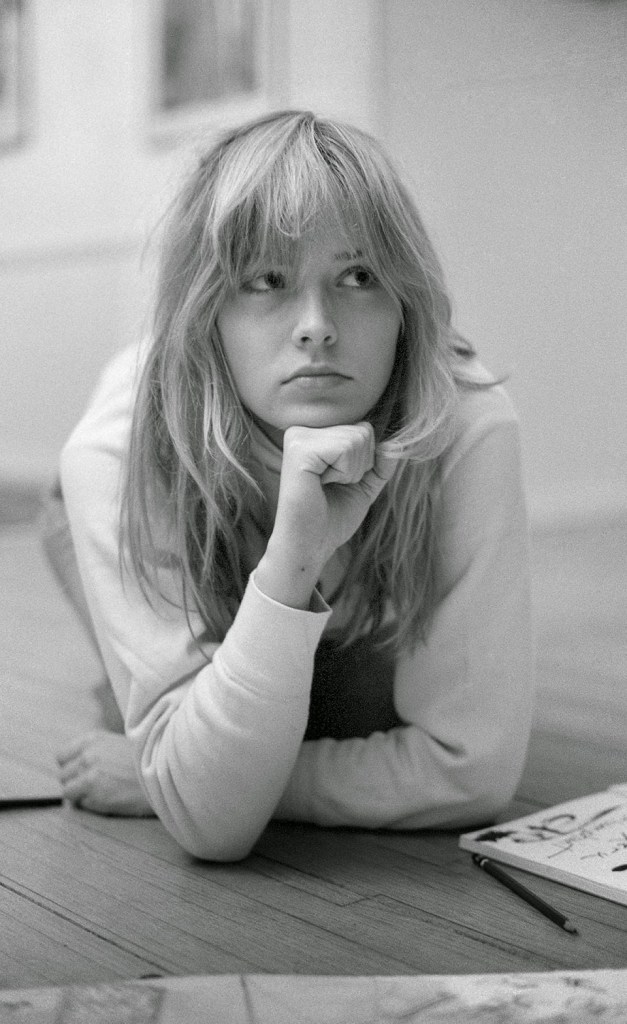
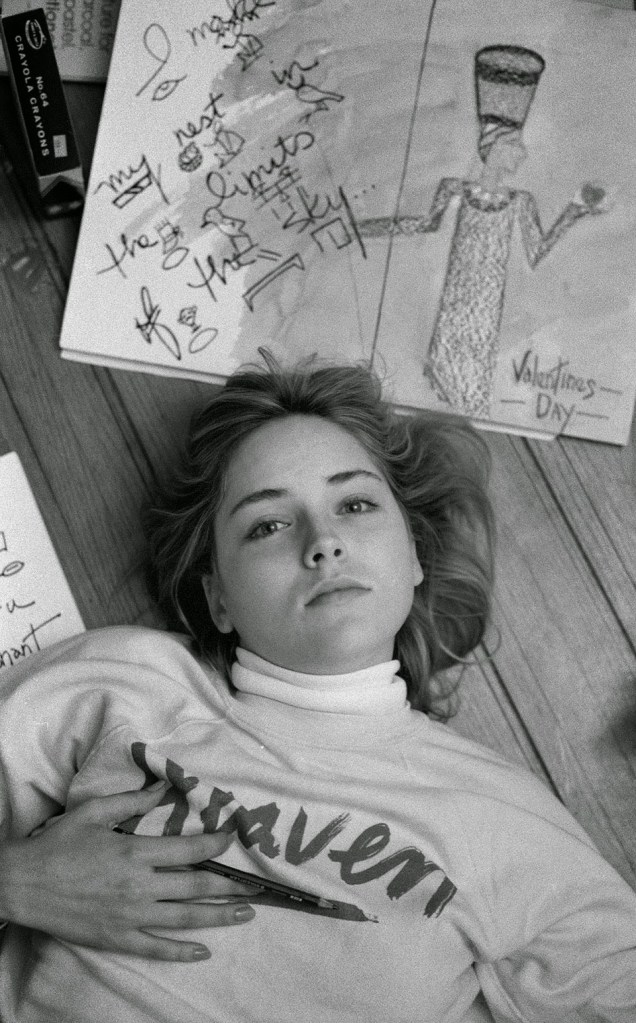
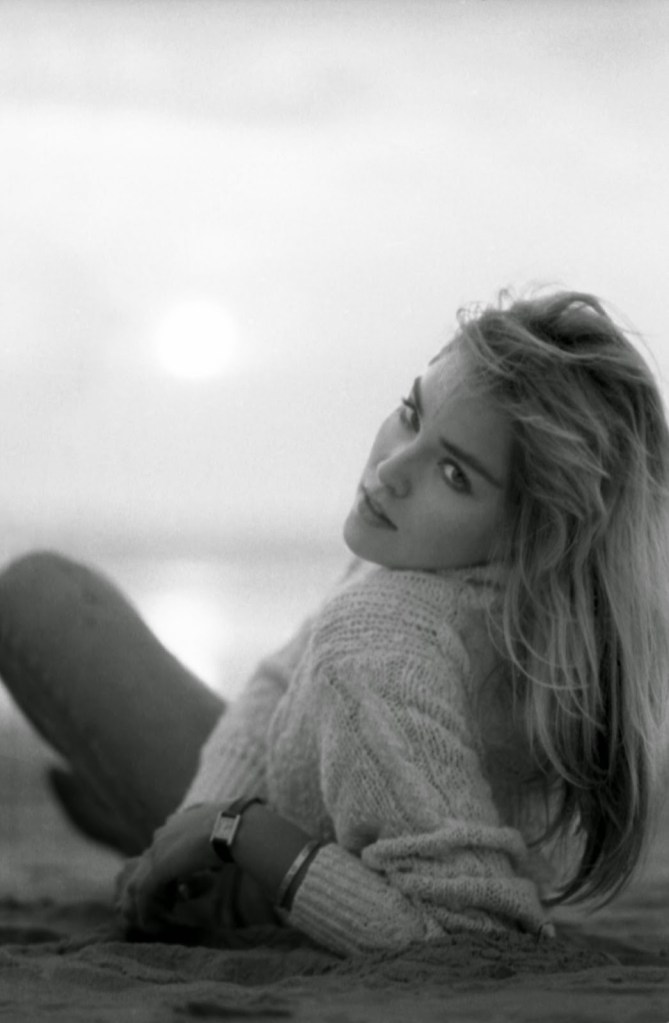
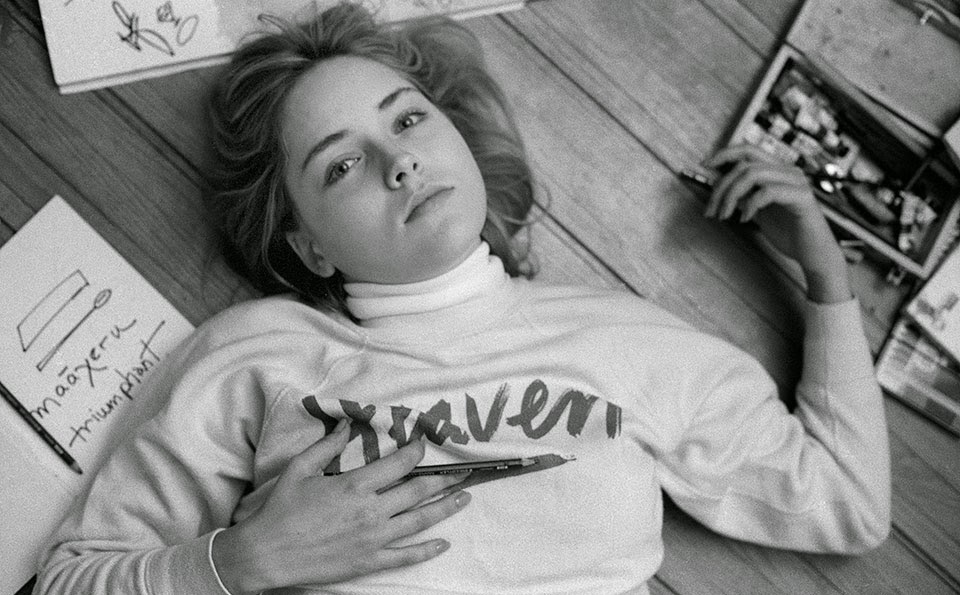
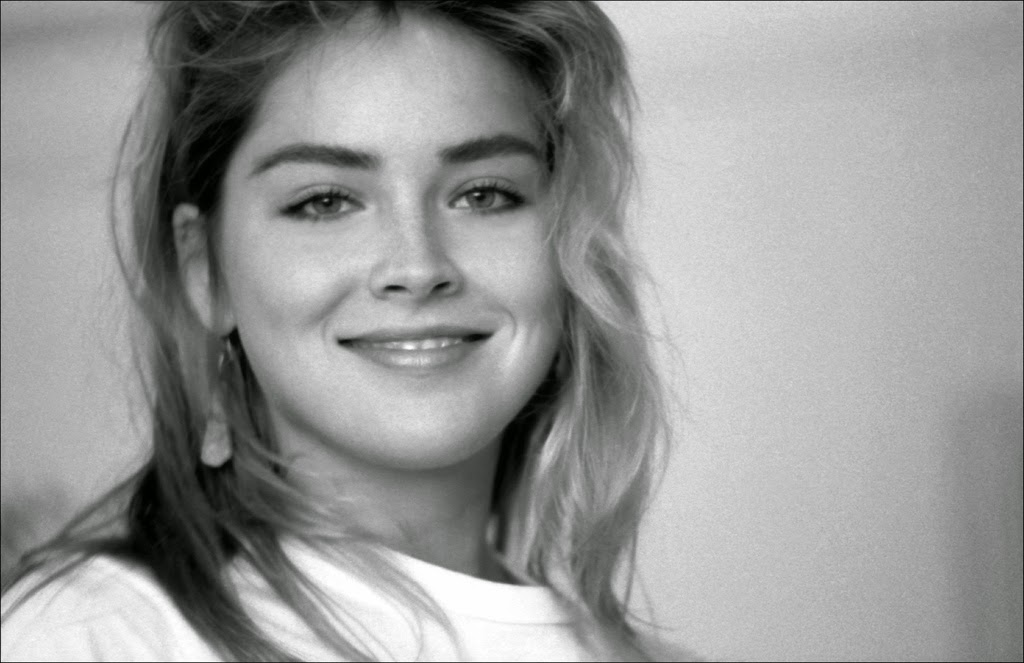
These gorgeous black and white photographs of Sharon Stone at 25 years old, shot by photographer Peter Duke sometime in 1983.
Before the word “selfie” was even coined, let alone in the dictionary. The first selfie stick was neither as elegant nor as successful as the latest models. The original patent was filed all the way back in 1983, before cell phones were ubiquitous.
The first selfie stick was invented by Hiroshi Ueda, at the time he worked for the Minolta camera company, and was a keen photographer. “Whenever I went overseas I took my camera with me and took loads of photos,” he told BBC.
But while traveling in Europe he encountered a problem. He was keen to get pictures of himself and his wife together – but passers-by couldn’t always be trusted.
“When I was in the Louvre Museum in Paris, I asked a child to take a photo of us, but when I stepped away, the child ran away with my camera,” he said.
After being frustrated with the photo skills of passers-by ruining his vacation memories — remember, this is in the days of film photography — Ueda decided to use his engineering skills to take things in his own hands, literally.
He ended up creating an “extender stick,” which was a metal, extendable stick with a tripod screw on which he mounted a compact camera with a mirror attached to the front.
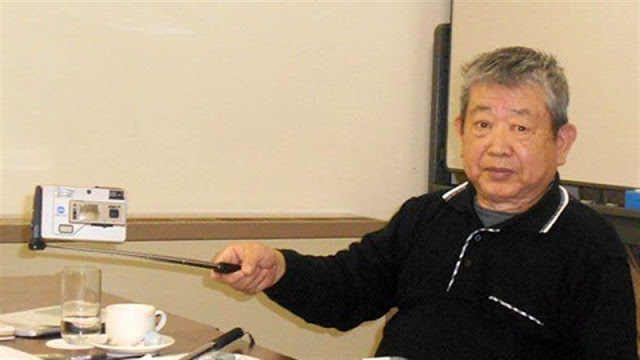
The photo above shows Ueda holding his invention, and here’s one of the early photos he captured with his early selfie stick:
Ueda filed a patent for the invention in 1983, and it was published by the US patent office in 1985. The document was titled “Telescopic extender for supporting compact camera.” Here’s what the description said: “A telescopic extender for supporting a compact camera includes a head member to be attached to the camera, a grip to be held and a telescopic rod member connecting the head member to the grip. A screw member is supported by the head member in a manner that the screw member is rotatable about the axis perpendicular to an extending and collapsing direction of the telescopic rod. The grip can accomodate therein the telescopic rod when the telescopic rod is completely collapsed.” Unfortunately for Ueda, this original idea never took off. Although Minolta did bring the device to market, it didn’t have many sales and was never a commercial success.
“It didn’t sell very well,” he admitted. “The quality of the picture wasn’t very good.”
Nevertheless, he kept faith with his invention. “I always, always carried a pocket camera and extender stick with me,” he said. “It’s like an extension of my arm. Whenever I want to extend it, I pull it out, and whenever I’m just walking around, I fold it up.”
Ueda’s patent ran out in 2003, at least a decade before the recent boom in selfie sticks, but he’s philosophical about this. “My idea came too early, but that’s just one of those things. I patented about 300 ideas, so that was just one of them. We call it a 3am invention – it arrived too early.”
Ueda’s device may not have made a splash in the world of photo-taking, but it did make him the godfather of the selfie stick.
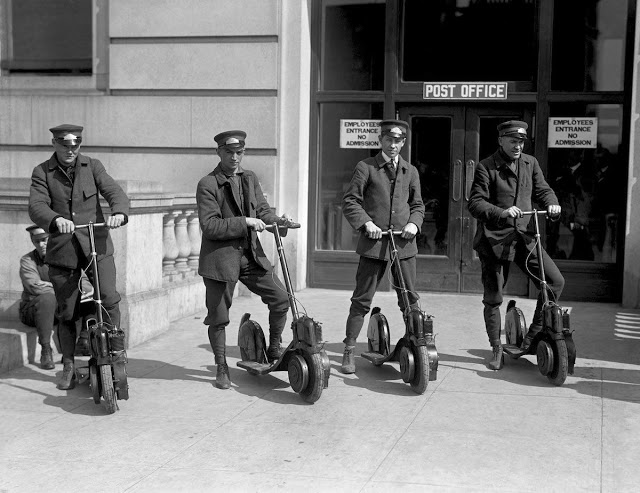
The Autoped was an early motor scooter or motorized scooter manufactured by the Autoped Company of Long Island City, New York from 1915 to 1921.
The driver stood on a platform with 10-inch tires and operated the machine using only the handlebars and steering column, pushing them forward to engage the clutch, using a lever on the handlebar to control the throttle, and pulling the handlebars and column back to disengage the clutch and apply the brake.
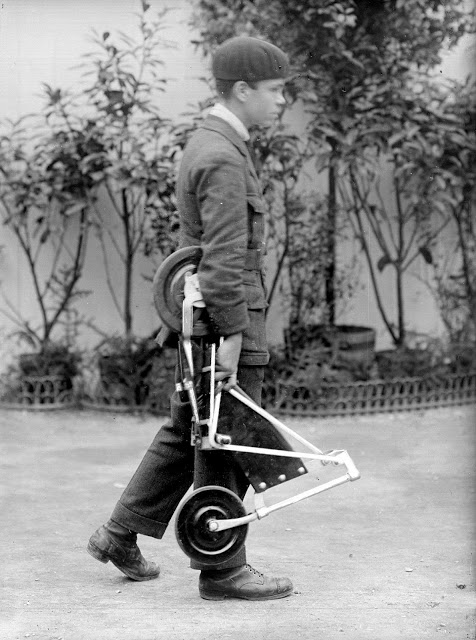
After riding, the steering column would be folded onto the platform to store the scooter more easily. The engine was an air-cooled, 4-stroke, 155 cc engine over the front wheel. The bike came with a headlamp and tail lamp, a Klaxon horn, and a toolbox. Developed during wartime and gasoline rationing, it was quite efficient, but was not widely distributed. An electric version was also available with a motor on the front wheel.
A patent for the Autoped as a “self-propelled vehicle” was applied for in July 1913 and granted in July 1916. An early description of the Autoped described it as having a hollow steering column that acted as the fuel tank. However, the production version had a fuel tank above the front mudguard.
The Autoped went out of production in the United States in 1921, but was manufactured by Krupp in Germany from 1919 to 1922.
During the 1930s, scooters were introduced to a new market as the ideal mode of transport at large, sprawling military bases. Ironically, the era of the scooter truly began after the war — a direct result of fuel rationing.
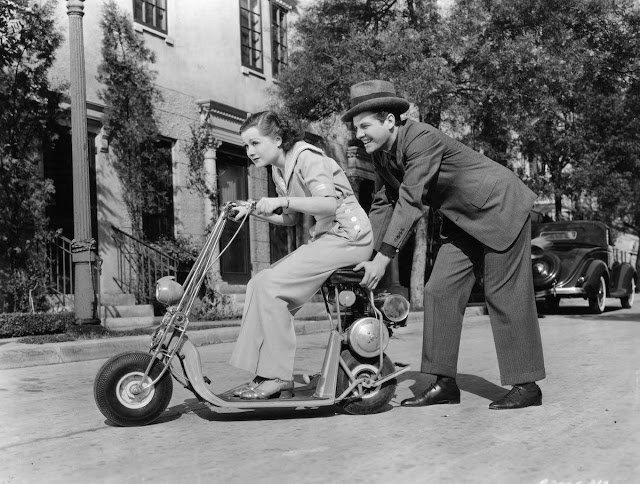
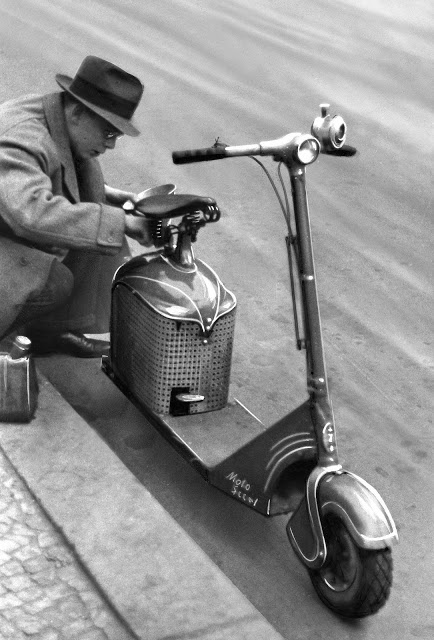
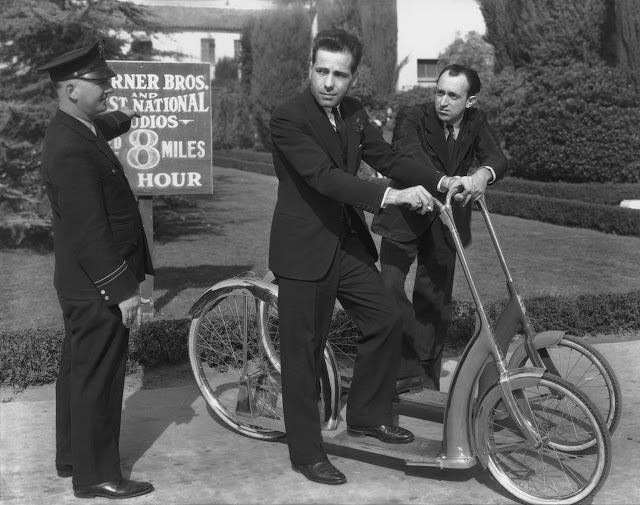
Four special delivery postmen for the US Postal Service try out new scooters, c.1915.Lady Norman on her scooter, c.1916.Crowds gather around a two wheeler motor scooter, June 1919.A folded Rouline scooter, Paris, 1919.A man driving one of the first models of scooters, c.1920.Woman on a scooter at Le Touquet, France, c.1921.Folding scooter, Berlin, Germany, c.1925.Built for use around the airports, this electric scooter attracted the attention of Amelia Earhart Putnam, famous aviatrix, and her pupil, June Travis, Warners player, the day Miss Earhart gave June her first flying lesson. Here are the pair about to go off on a scoot, at a twelve-mile clip, 1935.Two women riding motor scooters, 1937.Hollywood actress Eleanore Whitney gets a push from actor Robert Cummins on the Motorglyde motorized scooter, c.1937.Oakland, California – Traffic officer Leo Brandt seems to have his hands full in handing out tickets to this bevy of gals, who were picked up for speeding along on their animated kiddy cars, 1937. The scooters constitute the latest traffic menace to the West Coast region. The two recipients of the billets doux are Dorothy Armstrong, left foreground, and Peggy Marx.In Germany a young man refuels his scooter with a funnel, 1938.American actors Humphrey Bogart and Allen Jenkins are stopped for speeding on their scooters by a security guard at the Warner Bros, c.1938.
World War II or the Second World War, often abbreviated as WWII or WW2, was a global war that lasted from 1939 to 1945. It involved the vast majority of the world’s countries—including all of the great powers—forming two opposing military alliances: the Allies and the Axis powers. In a total war directly involving more than 100 million personnel from more than 30 countries, the major participants threw their entire economic, industrial, and scientific capabilities behind the war effort, blurring the distinction between civilian and military resources. Aircraft played a major role in the conflict, enabling the strategic bombing of population centres and the only two uses of nuclear weapons in war. World War II was by far the deadliest conflict in human history; it resulted in 70 to 85 million fatalities, a majority being civilians. Tens of millions of people died due to genocides (including the Holocaust), starvation, massacres, and disease. In the wake of the Axis defeat, Germany and Japan were occupied, and war crimes tribunals were conducted against German and Japanese leaders.
World War II is generally considered to have begun on 1 September 1939, when Nazi Germany, under Adolf Hitler, invaded Poland. The United Kingdom and France subsequently declared war on Germany on 3 September. Under the Molotov–Ribbentrop Pact of August 1939, Germany and the Soviet Union had partitioned Poland and marked out their “spheres of influence” across Finland, Estonia, Latvia, Lithuania and Romania. From late 1939 to early 1941, in a series of campaigns and treaties, Germany conquered or controlled much of continental Europe, and formed the Axis alliance with Italy and Japan (along with other countries later on). Following the onset of campaigns in North Africa and East Africa, and the fall of France in mid-1940, the war continued primarily between the European Axis powers and the British Empire, with war in the Balkans, the aerial Battle of Britain, the Blitz of the UK, and the Battle of the Atlantic. On 22 June 1941, Germany led the European Axis powers in an invasion of the Soviet Union, opening the Eastern Front, the largest land theatre of war in history.
Japan, which aimed to dominate Asia and the Pacific, was at war with the Republic of China by 1937. In December 1941, Japan attacked American and British territories with near-simultaneous offensives against Southeast Asia and the Central Pacific, including an attack on the US fleet at Pearl Harbor which resulted in the United States declaring war against Japan. Therefore the European Axis powers declared war on the United States in solidarity. Japan soon captured much of the western Pacific, but its advances were halted in 1942 after losing the critical Battle of Midway; later, Germany and Italy were defeated in North Africa and at Stalingrad in the Soviet Union. Key setbacks in 1943—including a series of German defeats on the Eastern Front, the Allied invasions of Sicily and the Italian mainland, and Allied offensives in the Pacific—cost the Axis powers their initiative and forced it into strategic retreat on all fronts. In 1944, the Western Allies invaded German-occupied France, while the Soviet Union regained its territorial losses and turned towards Germany and its allies. During 1944 and 1945, Japan suffered reversals in mainland Asia, while the Allies crippled the Japanese Navy and captured key western Pacific islands.
The war in Europe concluded with the liberation of German-occupied territories, and the invasion of Germany by the Western Allies and the Soviet Union, culminating in the fall of Berlin to Soviet troops, Hitler’s suicide and the German unconditional surrender on 8 May 1945. Following the Potsdam Declaration by the Allies on 26 July 1945 and the refusal of Japan to surrender on its terms, the United States dropped the first atomic bombs on the Japanese cities of Hiroshima, on 6 August, and Nagasaki, on 9 August. Faced with an imminent invasion of the Japanese archipelago, the possibility of additional atomic bombings, and the Soviet’s declared entry into the war against Japan on the eve of invading Manchuria, Japan announced on 15 August its intention to surrender, then signed the surrender document on 2 September 1945, cementing total victory in Asia for the Allies.
World War II changed the political alignment and social structure of the globe. The United Nations (UN) was established to foster international co-operation and prevent future conflicts, with the great powers—China, France, the Soviet Union, the United Kingdom, and the United States—became the permanent members of its Security Council. The Soviet Union and the United States emerged as rival superpowers, setting the stage for the nearly half-century-long Cold War. In the wake of European devastation, the influence of its great powers waned, triggering the decolonisation of Africa and Asia. Most countries whose industries had been damaged moved towards economic recovery and expansion. Political and economic integration, especially in Europe, began as an effort to forestall future hostilities, end pre-war enmities and forge a sense of common identity. (Wikipedia)
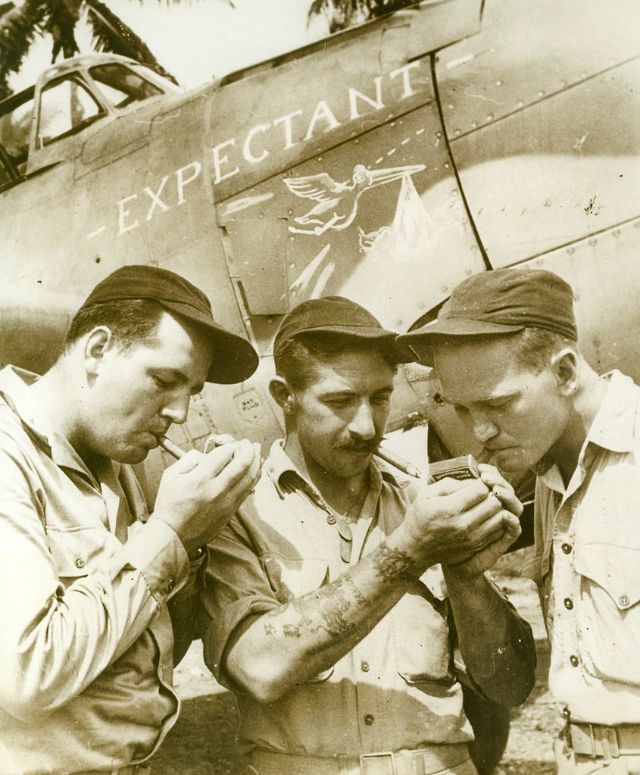
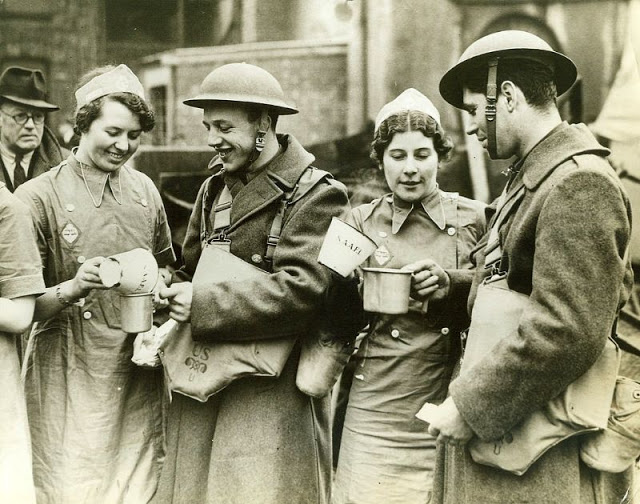
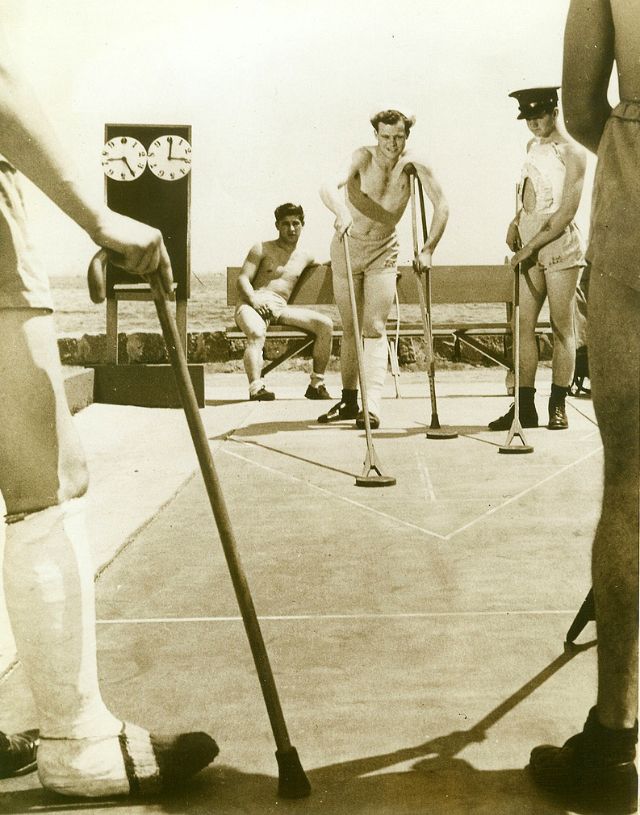
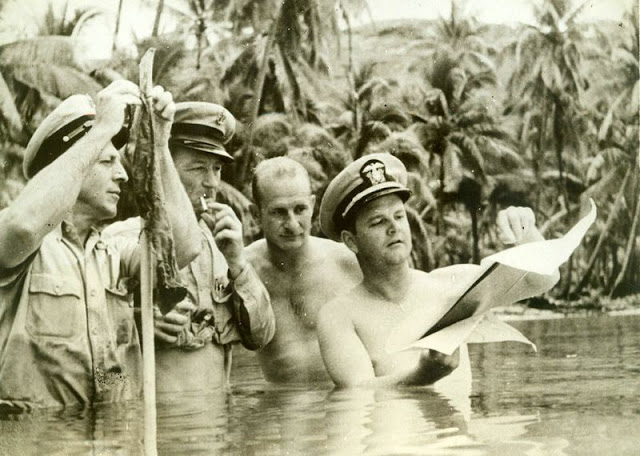
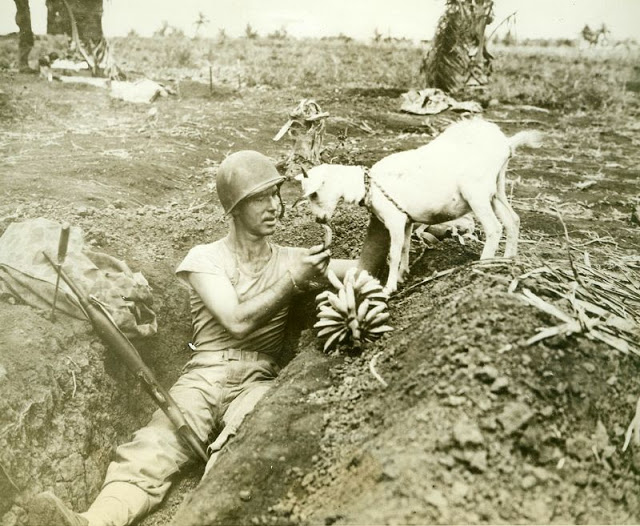
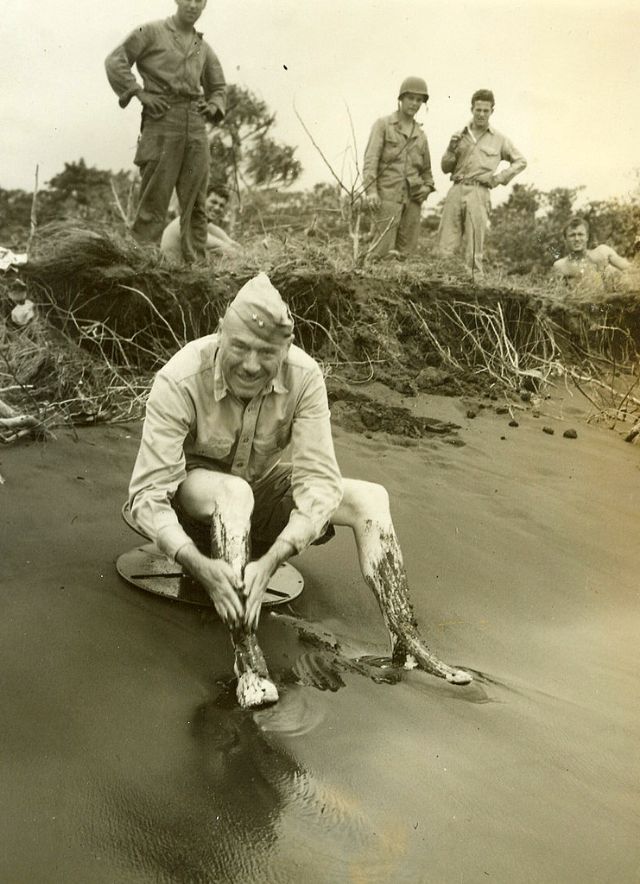
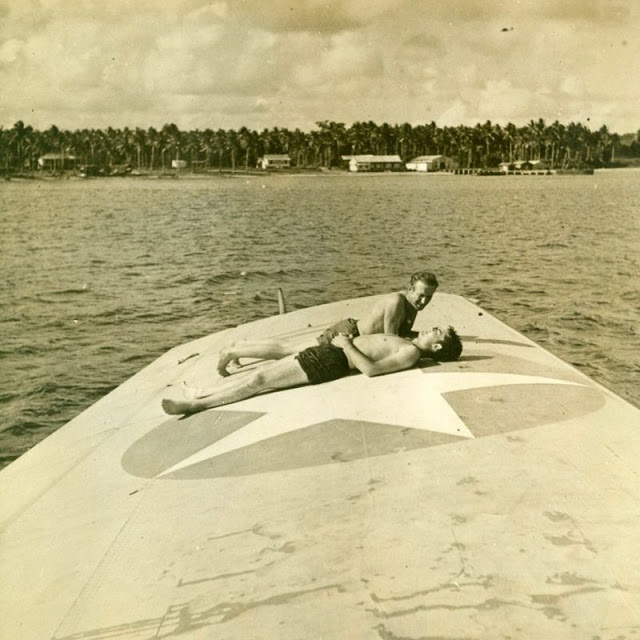
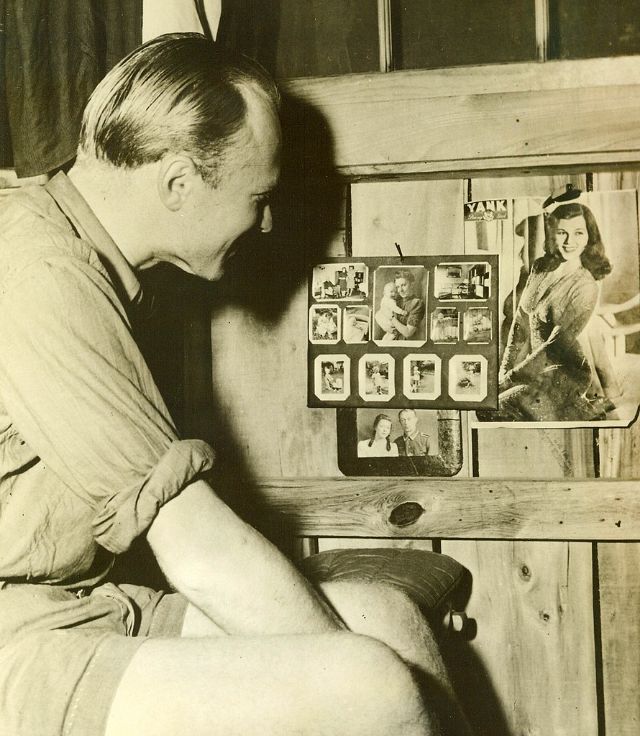
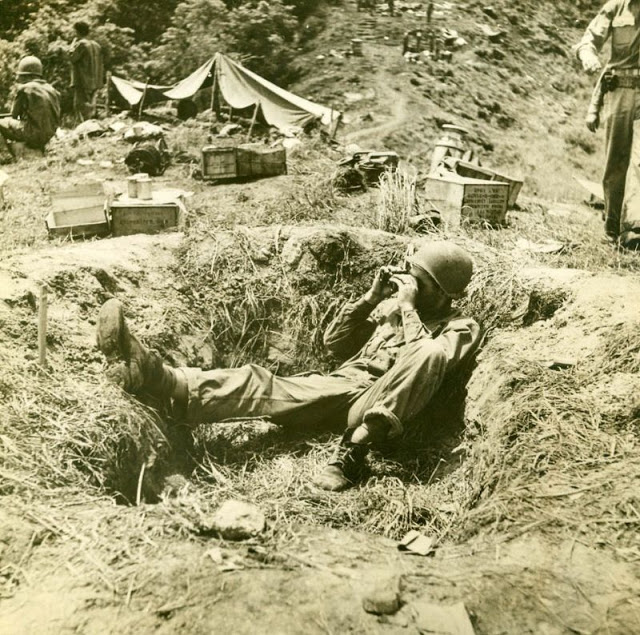
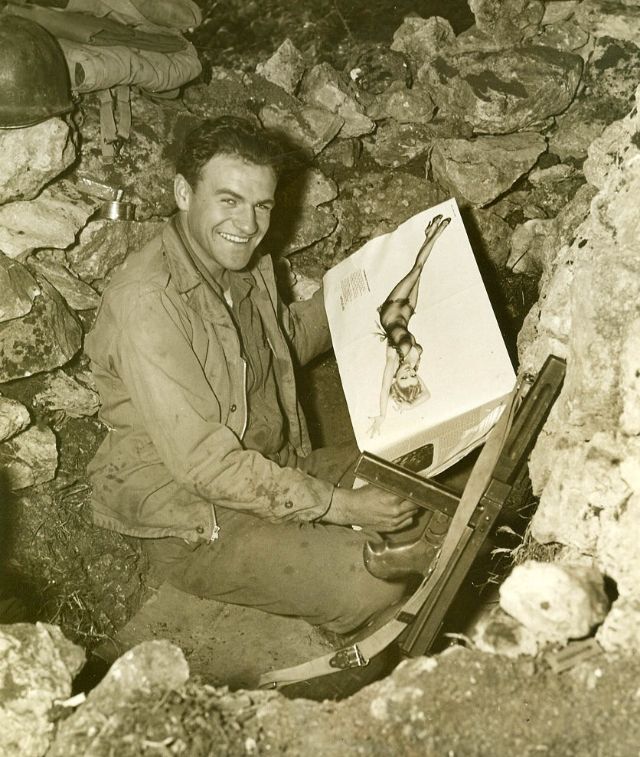
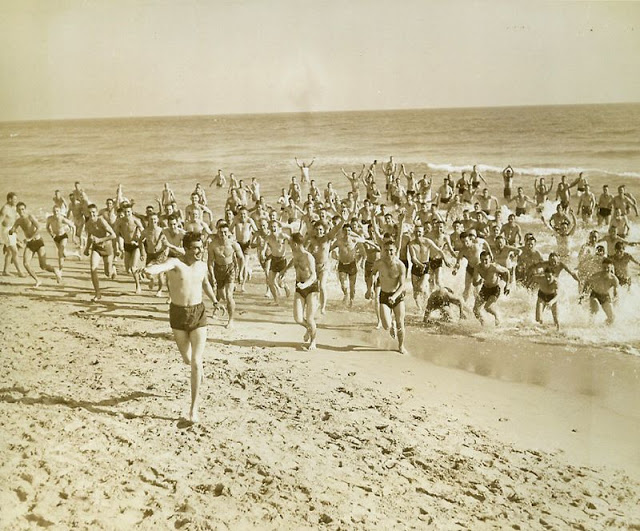
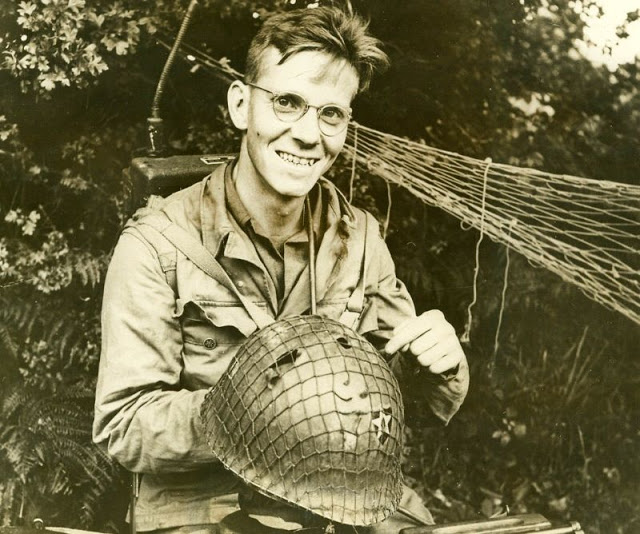
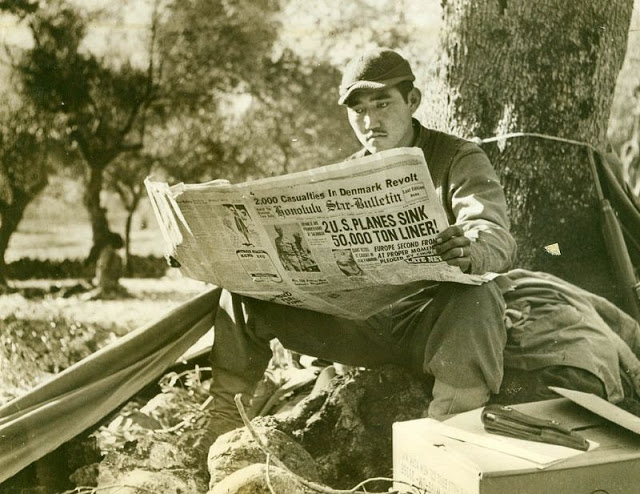
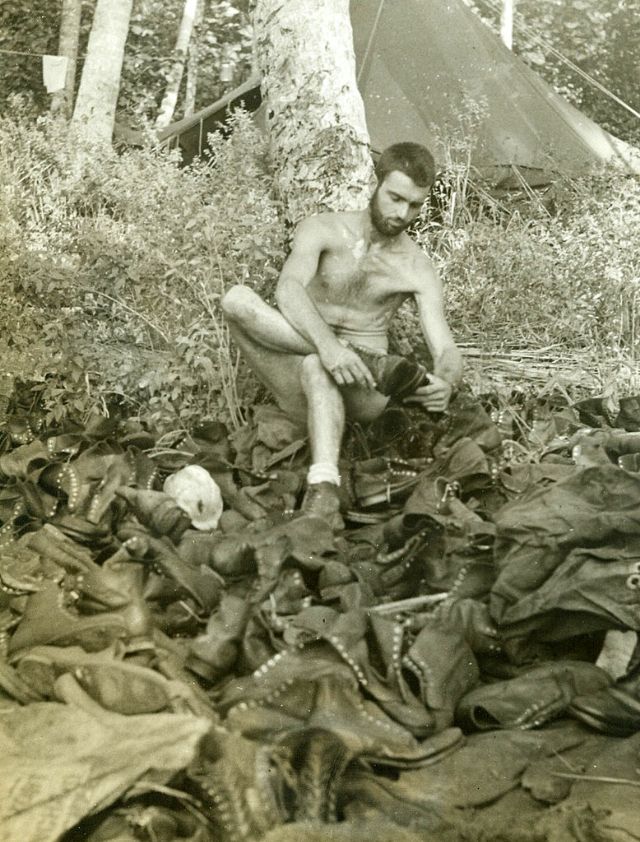
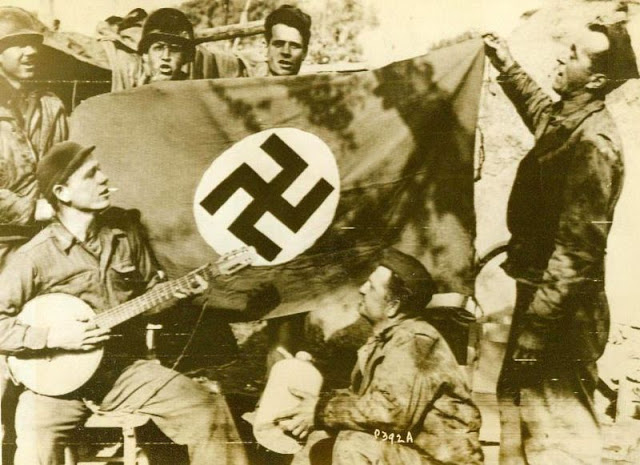
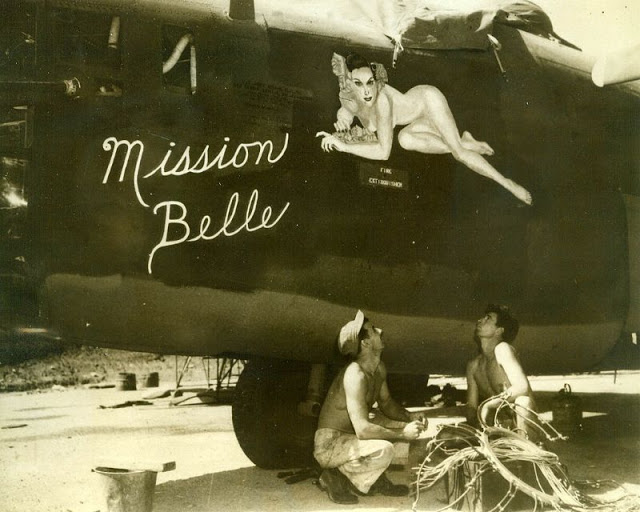
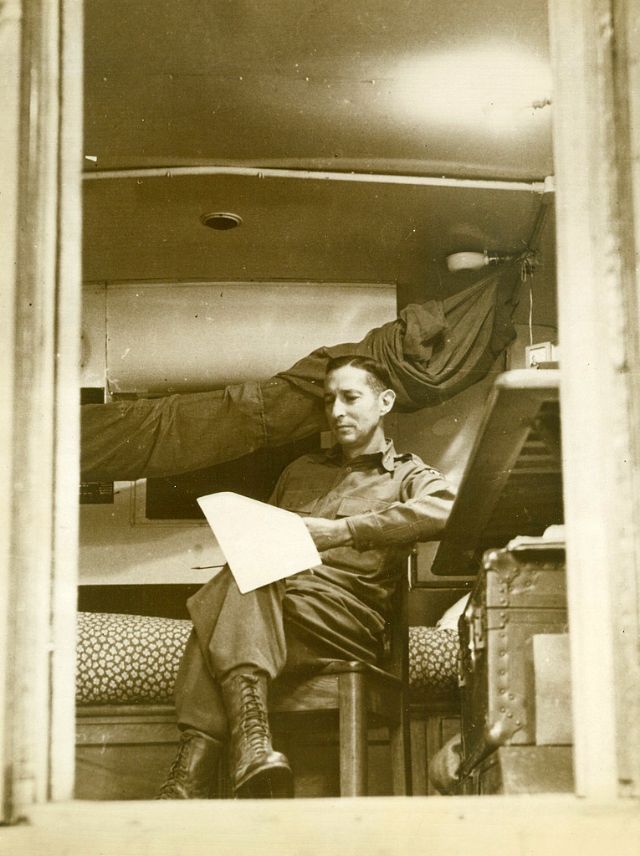
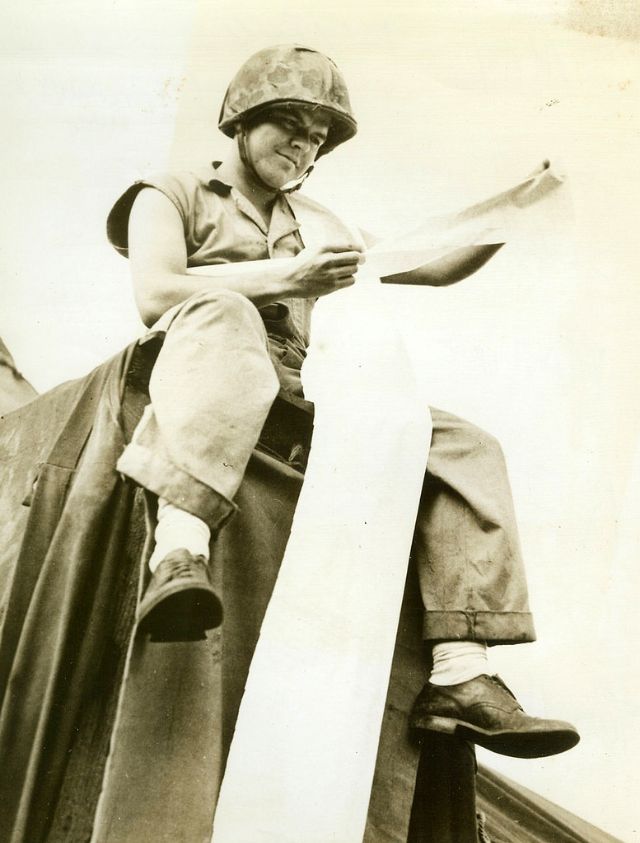
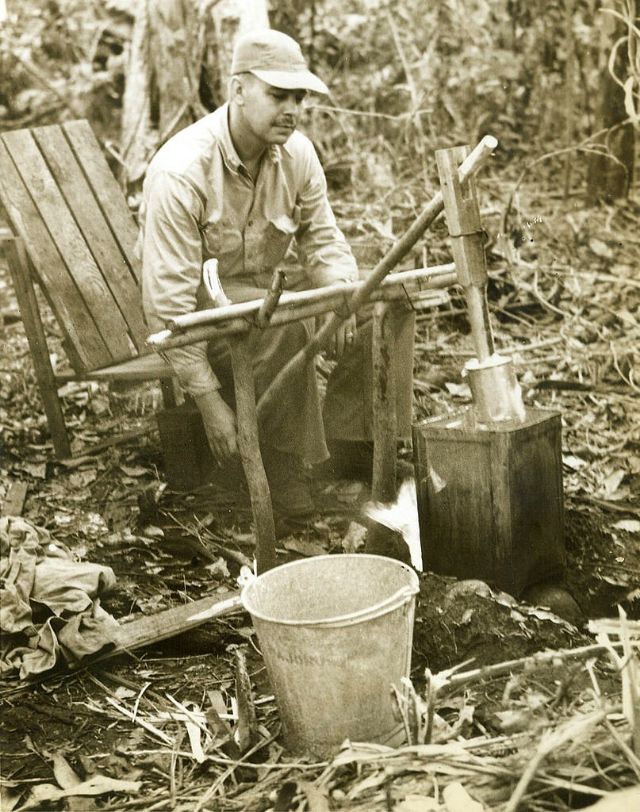
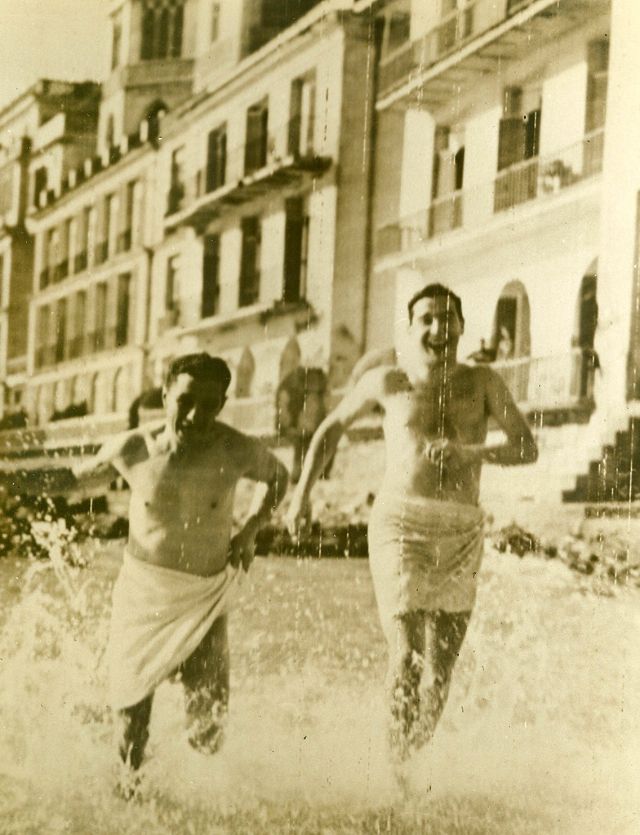
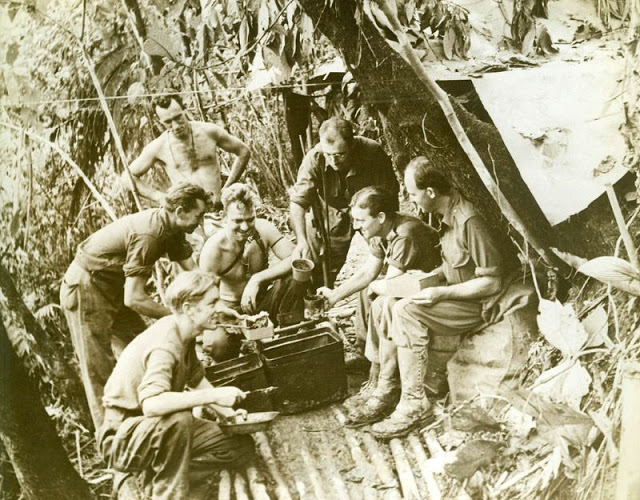
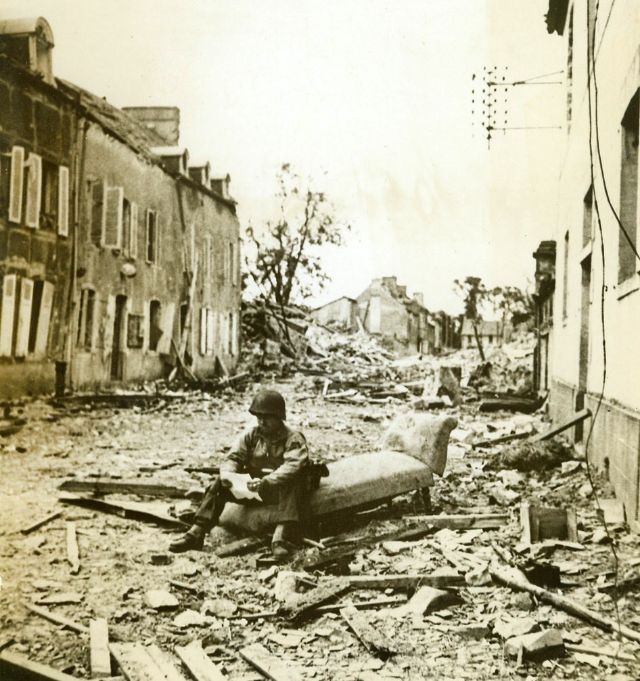
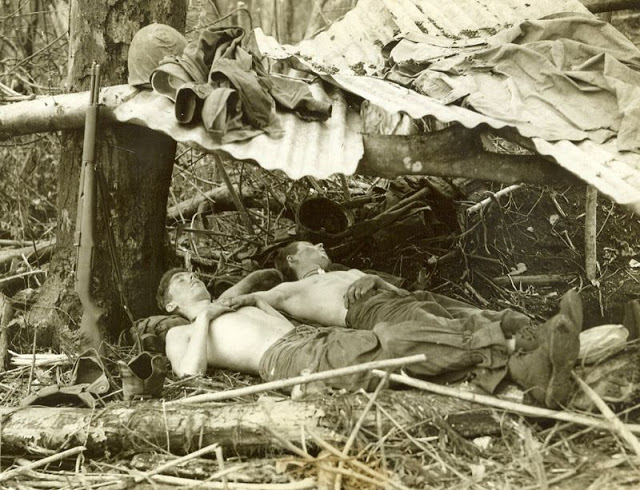
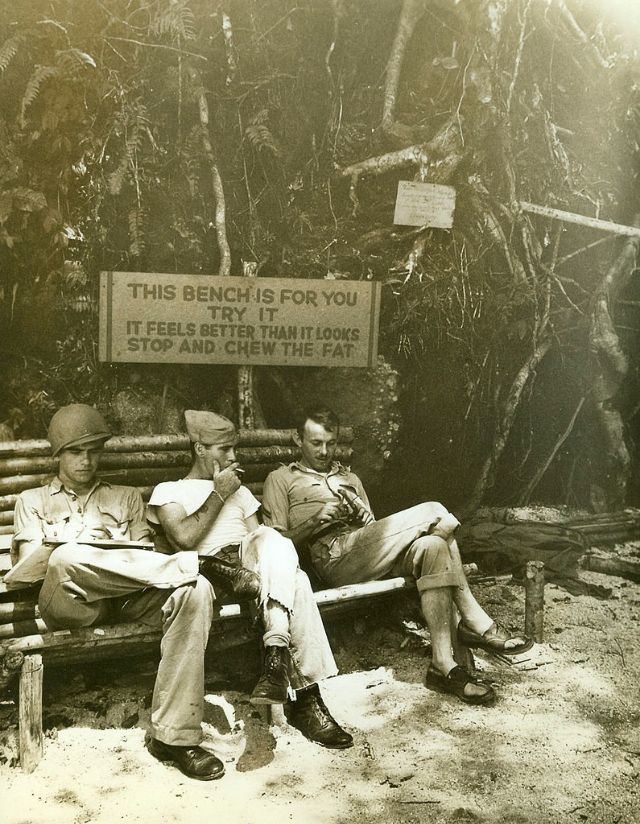
A collection of emotional pictures that shows rare private moments of soldiers resting during the World War II.
Born 1937 in Columbus, Ohio, American photographer Baron Wolman began his professional photographic career in West Berlin in the 1960s where he was stationed with the military.
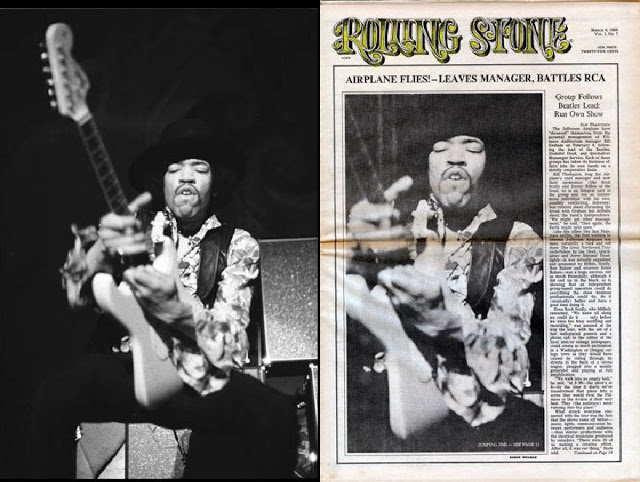
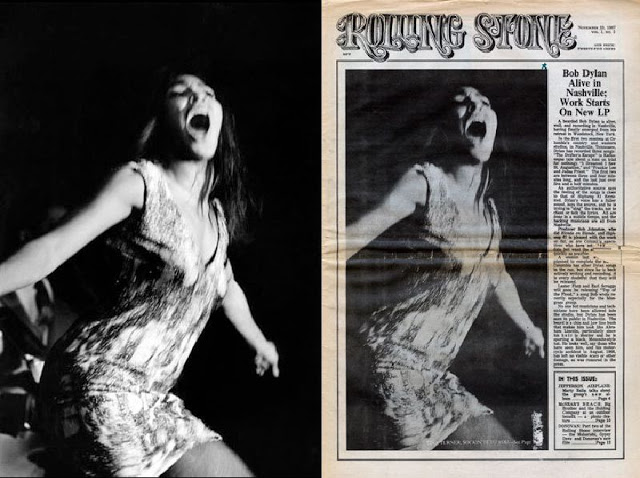
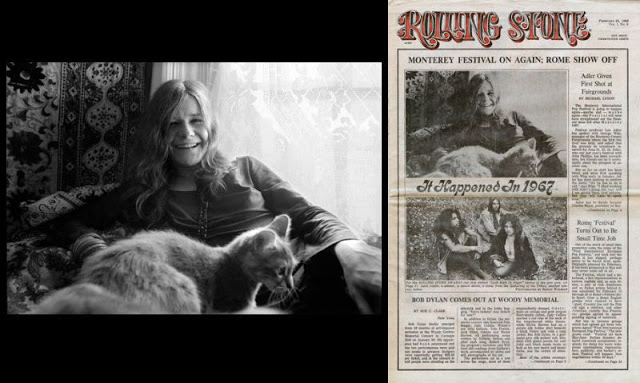
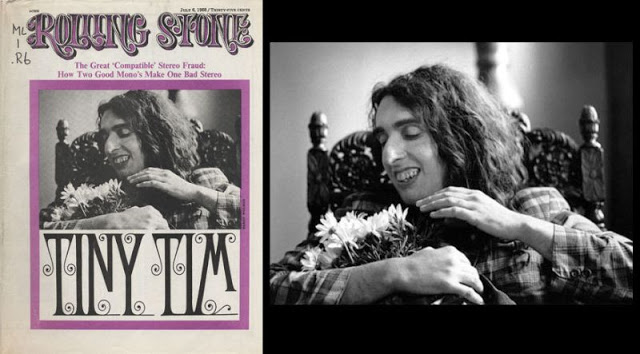
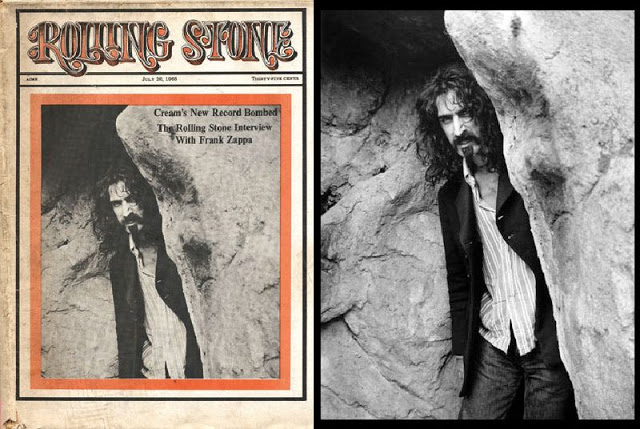
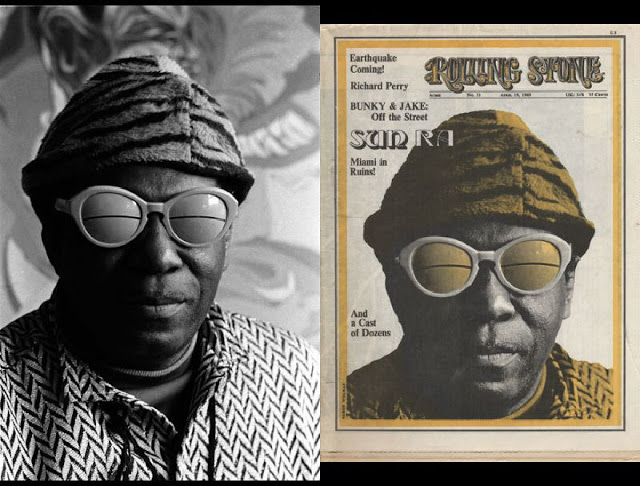
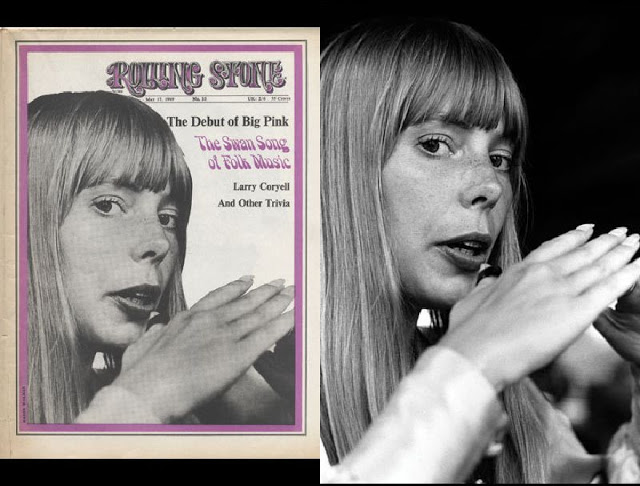
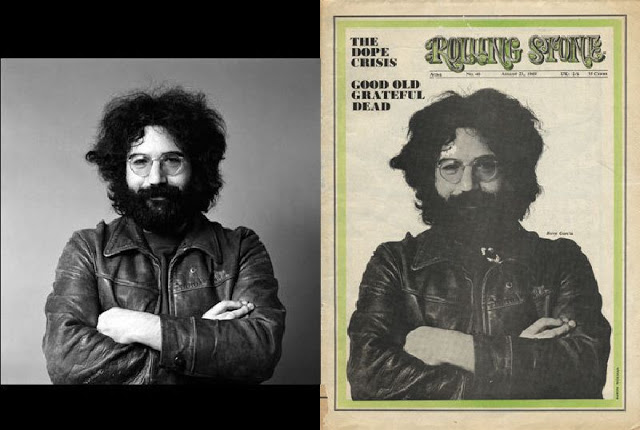
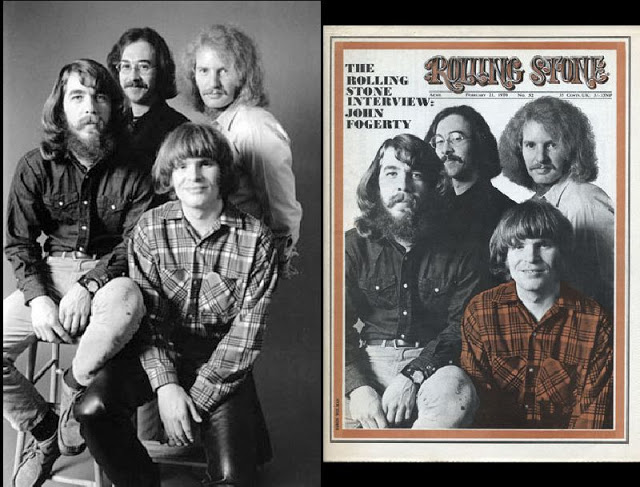
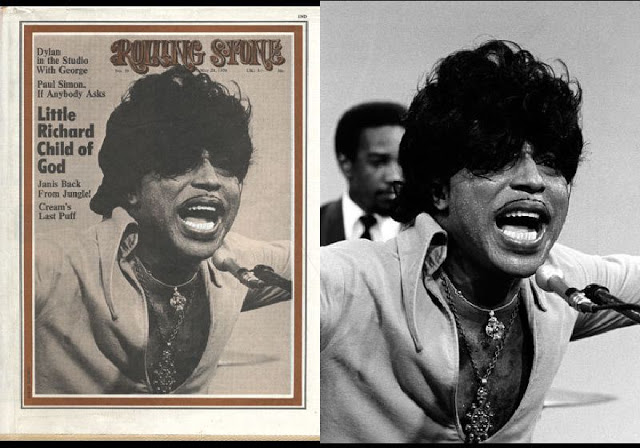
Wolman is best known for his work in the late 1960s for the music magazine Rolling Stone, becoming the magazine’s first Chief Photographer from 1967 until late 1970.
Because of Wolman’s virtually unlimited access to his subjects, his photographs of Janis Joplin, the Rolling Stones, Frank Zappa, the Who, Jimi Hendrix, Joan Baez, Iggy Pop, Pink Floyd, Bob Dylan, the Grateful Dead, Phil Spector, Jim Morrison, Ike & Tina Turner, Peter Rowan and other musicians were the graphic centerpieces of Rolling Stone’s layout.
These portrait photos of classic musicians are part of his work that Baron Wolman took for Rolling Stone covers from 1967 to 1970.