The Last Known Photo of the Space Shuttle Challenger Crew Boarding the Space Shuttle on January 28, 1986

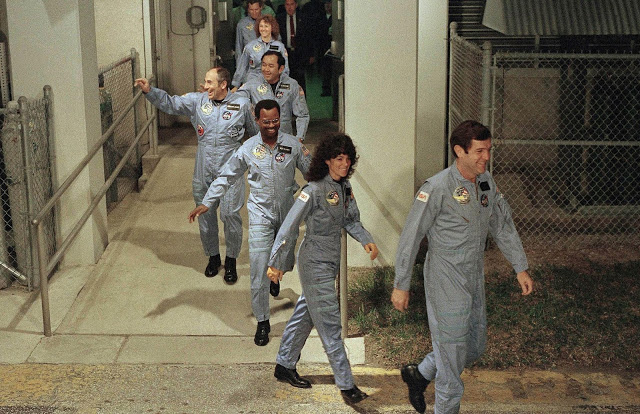
This is the last known photo of the Space Shuttle Challenger crew boarding the space shuttle on January 28, 1986. Tragedy would strike 73 seconds into launch as the shuttle’s O-ring on it’s right booster failed leading to the separation of the Solid Rocket Booster. Extreme aerodynamic forces then broke up the orbiter. The crew compartment survived the break but the impact with the ocean surface was too violent to be survivable.

Crew members of STS-51L mission walk out of the Operations and Checkout Building on their way to Pad 39B where they will board the Space Shuttle Challenger. From front to back: Commander Francis R. “Dick” Scobee; Mission Specialists Judith A. Resnik and Ronald E. McNair; Pilot Michael J. Smith; Payload specialist Christa McAuliffe; Mission Specialist Ellison Onizuka; and Payload specialist Gregory Jarvis. (NASA)

On January 28, 1986, the NASA shuttle orbiter mission STS-51-L and the tenth flight of Space Shuttle Challenger (OV-99) broke apart 73 seconds into its flight, killing all seven crew members, which consisted of five NASA astronauts, one payload specialist and a civilian school teacher. The spacecraft disintegrated over the Atlantic Ocean, off the coast of Cape Canaveral, Florida, at 11:39 a.m. EST. The disintegration of the vehicle began after a joint in its right solid rocket booster (SRB) failed at liftoff. The failure was caused by the failure of O-ring seals used in the joint that were not designed to handle the unusually cold conditions that existed at this launch. The seals’ failure caused a breach in the SRB joint, allowing pressurized burning gas from within the solid rocket motor to reach the outside and impinge upon the adjacent SRB aft field joint attachment hardware and external fuel tank. This led to the separation of the right-hand SRB’s aft field joint attachment and the structural failure of the external tank. Aerodynamic forces broke up the orbiter.

The crew compartment and many other vehicle fragments were eventually recovered from the ocean floor after a lengthy search and recovery operation. The exact timing of the death of the crew is unknown; several crew members are known to have survived the initial breakup of the spacecraft. The shuttle had no escape system, and the impact of the crew compartment at terminal velocity with the ocean surface was too violent to be survivable.

“The whole country and the whole world were in shock when that happened, because that was the first time the United States had actually lost a space vehicle with crew on board,” said former NASA astronaut Leroy Chiao, who flew three space shuttle missions during his career (in 1994, 1996 and 2000), and also served as commander of the International Space Station from October 2004 through April 2005.

“It was even more shocking because Christa McAuliffe was not a professional astronaut,” Chiao told Space.com. “If you lose military people during a military operation, it’s sad and it’s tragic, but they’re professionals doing a job, and that’s kind of the way I look at professional astronauts. But you’re taking someone who’s not a professional, and it happened to be that mission that got lost — it added to the shock.”

The crew of the space shuttle Challenger’s STS-51L mission, which ended in tragedy 73 seconds after launch on Jan. 28, 1986. From left to right: Christa McAuliffe, Gregory Jarvis, Judy Resnik, Dick Scobee, Ronald McNair, Michael Smith and Ellison Onizuka.(NASA)

The disaster resulted in a 32-month hiatus in the shuttle program and the formation of the Rogers Commission, a special commission appointed by United States President Ronald Reagan to investigate the accident. The Rogers Commission found NASA’s organizational culture and decision-making processes had been key contributing factors to the accident, with the agency violating its own safety rules. NASA managers had known since 1977 that contractor Morton-Thiokol’s design of the SRBs contained a potentially catastrophic flaw in the O-rings, but they had failed to address this problem properly. NASA managers also disregarded warnings from engineers about the dangers of launching posed by the low temperatures of that morning, and failed to adequately report these technical concerns to their superiors.

Approximately 17 percent of Americans witnessed the launch live because of the presence of high school teacher Christa McAuliffe, who would have been the first teacher in space. Media coverage of the accident was extensive: one study reported that 85 percent of Americans surveyed had heard the news within an hour of the accident. The Challenger disaster has been used as a case study in many discussions of engineering safety and workplace ethics.
In this Jan. 27, 1986 file picture, the crew members of space shuttle Challenger flight 51-L, leave their quarters for the launch pad at Kennedy Space Center in Cape Canaveral, Fla. From foreground are commander Francis Scobee, Mission Spl. Judith Resnik, Mission Spl. Ronald McNair, Payload Spl. Gregory Jarvis, Mission Spl. Ellison Onizuka, teacher Christa McAuliffe and pilot Michael Smith.
Four crew members of the space shuttle Challenger leave their quarters Jan. 27, 1986, en route to the launch pad at Kennedy Space Center. The launch was put off until the next day, when faulty O-rings in one of the booster rockets caused the Challenger to explode, killing the full crew of seven. From front are: Payload specialist Greg Jarvis, mission specialist Ellison Onizuka, school teacher Christa McAuliffe and pilot Mike Smith.
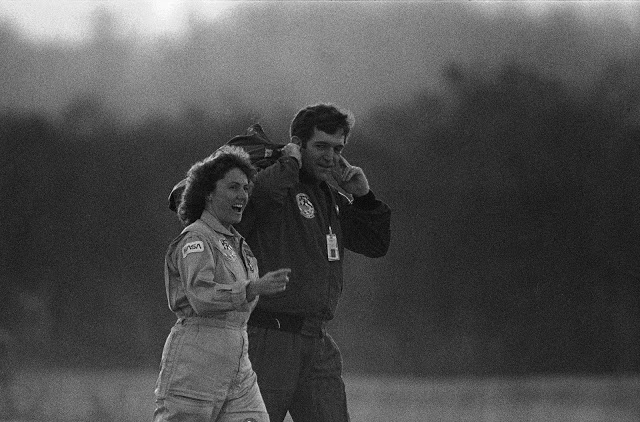
Christa McAuliffe and Commander Francis Scobee walk to a jet for a test flight at the Kennedy Space Center, Florida, Jan. 24, 1986. Scobee is holding his ears as protection against the noise of a jet engine. McAuliffe and Scobee are members of the crew for the Space Shuttle Challenger scheduled for launch on Sunday.
Classmates of the son of America’s first school teacher astronaut cheer as the space shuttle Challenger lifts skyward from Pad 39B, Jan. 28, 1986. Their delight soon turned into horror as the shuttle exploded about 70 seconds into flight. The boy in the white hat and glasses at center is not a schoolmate but is Peter Billingsley, spokesman for the young astronaut program.
The Space Shuttle Challenger explodes shortly after lifting off from Kennedy Space Center, Fla., Tuesday, Jan. 28, 1986. All seven crew members died in the explosion, which was blamed on faulty o-rings in the shuttle’s booster rockets. The Challenger’s crew was honored with burials at Arlington National Cemetery.
In this Jan. 28, 1986 picture, two unidentified spectators at the Kennedy Space Center in Cape Canaveral, Fla., react after they witnessed the explosion of the Space Shuttle Challenger.
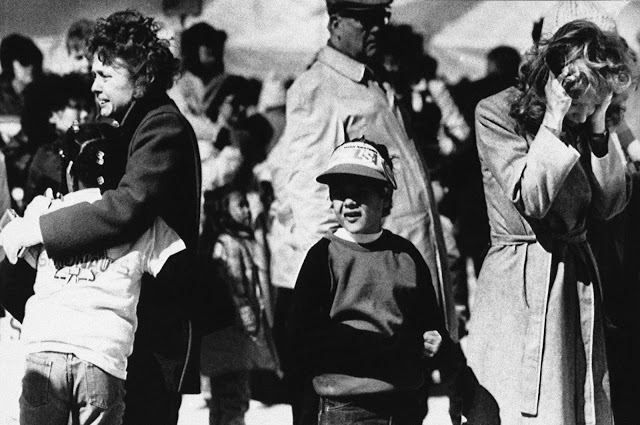
Young Scott McAuliffe’s third grade teacher comforts one of her charges as another youngster and a young woman, right, react after seeing the Space Shuttle Challenger explode in midair, killing all aboard, Tuesday, Jan. 28, 1986. The teacher and student are from the Kimbell Elementary School in Concord, N.H., where young McAuliffe, son of space school teacher Christa McAuliffe, is a student.
Brevard County Sheriff deputies, riding three-wheelers, search the beach for debris from the Space Shuttle Challenger in Cape Canaveral on Wednesday, Jan. 29, 1986. Challenger exploded sporty after liftoff killing the crew of seven.
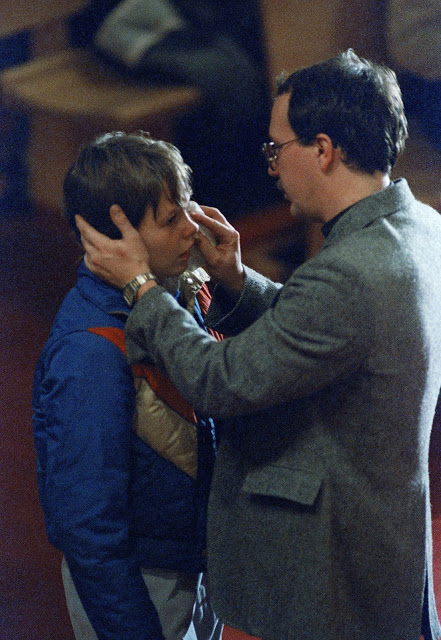
Father Daniel Messier, right, dries the tears of Concord, New Hampshire, sixth grader Tanya Lee at a memorial service for teacher Christa McAuliffe at St. John’s Catholic Church in Concord, Jan. 29, 1986. McAuliffe died on Tuesday in the explosion of the Space Shuttle Challenger.
An unidentified woman hugs a child inside the Kimball School in Concord, N.H., Tuesday, Jan. 29, 1986, after the girl returned from the Kennedy Space Center, Fla., with a group of the classmates of the son of Christa McAuliffe. Christa was killed in the explosion of the Space Shuttle Challenger. The children had been up at five in the morning for the launch, and were rushed home after the event turned to disaster.
An unidentified woman weeps quietly during a memorial service at Brookside Church in Manchester, New Hampshire, on Thursday, Jan. 30, 1986 in honor of the crew of the Space Shuttle Challenger, who were killed in an explosion aboard the spacecraft on Tuesday. Concord, N.H., teacher Christa McAuliffe was among the seven on board.
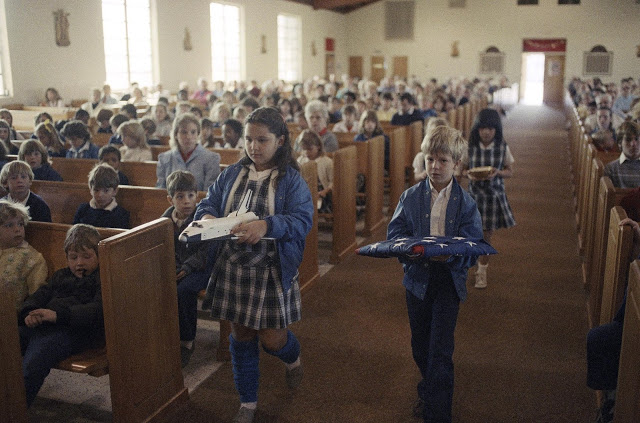
Diana Zeppiene, carrying a model of the Space Shuttle, and Eric Olson, carrying a folded American flag, walk down the aisle of Our Lady of Lourdes Catholic Church in Melbourne, Florida on Thursday, Jan. 30, 1986 during a children’s mass celebrated in honor of the Challenger crew. The children presented the model and flag as symbolic offerings.
Students attend a children’s mass at Our Lady of Lourdes Catholic Church in Melbourne, Fla., on Thursday, Jan. 30, 1986, in honor of the seven crew members killed in the explosion of the Space Shuttle Challenger.
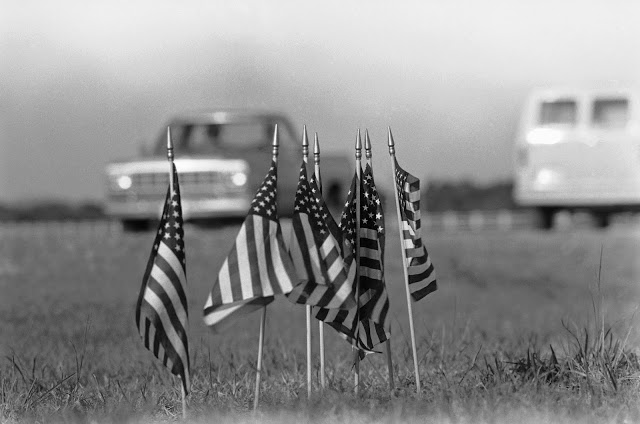
Kennedy Space Center workers enroute to Pad 39B were met by the sight of seven small American flags along side the road, Jan. 30, 1986. Seven crew members were killed in the explosion of the Space Shuttle Challenger on Tuesday which was launched from Pad 39B.

14 Historical Photos That Show the Evolution of Television From the 1920s Through the 1980s

Despite its status as a device that defines the modern age, the television has its roots in the 19th century, when scientists found ways to transmit images and sound. Even the word “television,” combining Greek and Latin roots to mean “far-sight,” stems from the 1900 world’s fair.

Perhaps more than any other medium, TV has captured the hearts of people since first becoming available in the late 1920s. And while the power of television has only increased over time, its evolution over the past 80 years clearly illustrates how technology influences consumer behavior, while this change in consumption drives the TV industry to take on new forms that radically alter the way we experience the medium.

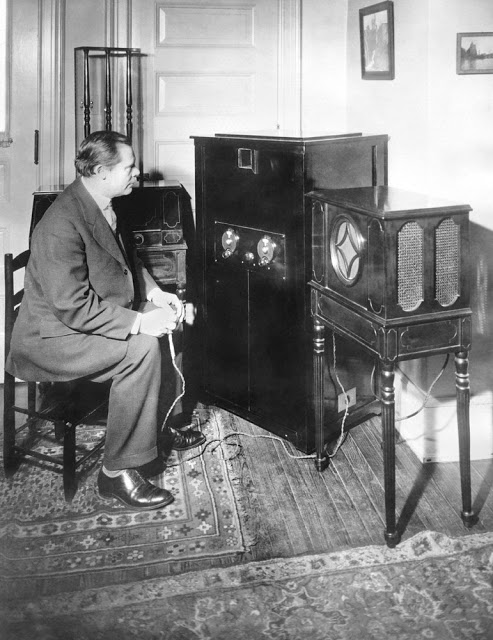
Dr E. F. Alexanderson of GE and RCA and inventor of the radio television process where a listener can see as well as listen to the broadcast, operating his 3 inch screen home television set, Schenectady, New York, January 14, 1928.
People watching a television set at Waterloo station, London, August 1936.
Undated (circa 1940s) early family television time.
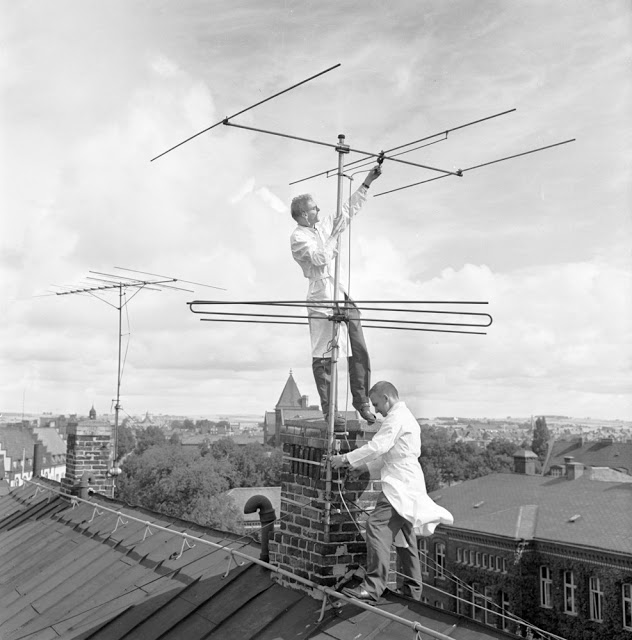
Early days of television in Sweden, 1953. The aerial is mounted by two men in white coats.
A family watching television in their home, circa 1955.
A couple watching a portable TV in the living room. USA, circa 1960s.
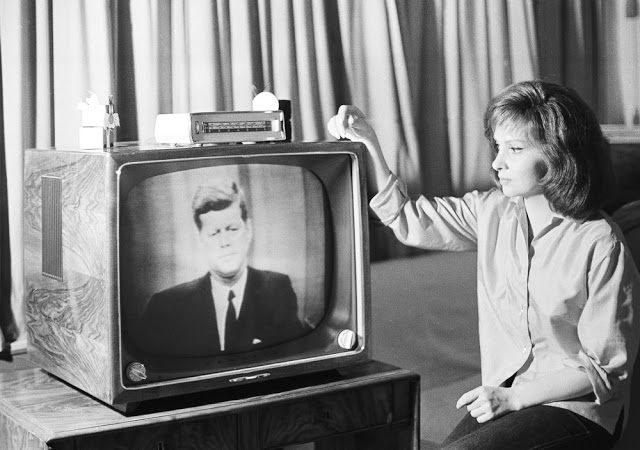
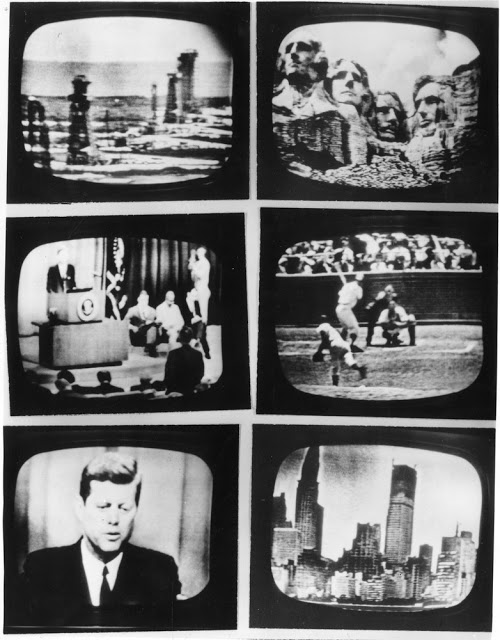
Gina Lollobrigida watches President Kennedy on a television set in her Rome villa, July 23, 1962 during live telecast from the U.S. to Europe via the Telstar satellite. The Italian actress left the set of her present movie to watch the program which included a portion of the President’s news conference, in Washington.
The first transmission with six monitors to Europe of television programmes from America via the Telstar satellite. 23rd July 1962.
The Telstar satellite, designed by Bell Telephone Laboratories for relaying telephone calls, data messages and television signals, is shown in 1962.
With the start of pay television close in California, John Garrott installs a program selector unit on a television set in Los Angeles, California, July 23, 1964.
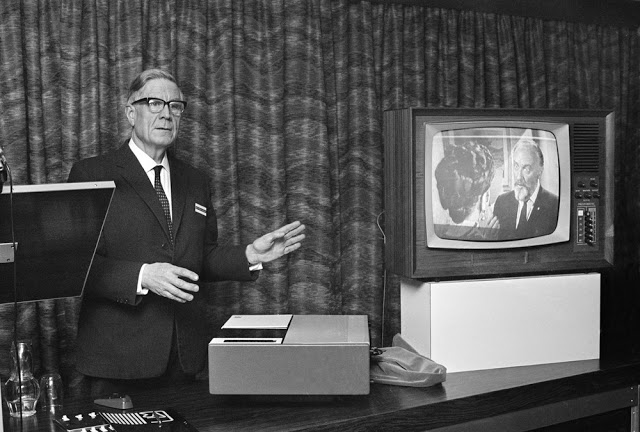
Prototype VCR shown in the U.K. in 1968.
The new EVR system which allows the recording of television programmes which can then be watched at the owner’s discretion. The new Teleplayer has been produced in partnership with Rank Bush Murphy Ltd and EVR and has enormous potential. 21st September 1970.
Roy H. Pollack, vice president and general manager of RCA Corporation consumer electronics, demonstrates a new video tape machine Introduced in New York, August 23, 1977. The recorder, intended for home use, will be priced at $1,000, and will be capable of handling cassettes that can record up to four hours of television programs. Cassettes now available record up to two hours.
Bert Jett proudly stands in the yard of his home near Blue Creek, where he and his two brothers have installed a $7,800 satellite receiving dish so they can get better TV reception in Elkview, W.Va., July 14, 1981. The Jetts said they now can get nearly 60 stations around the globe and have their choice of four separate movie channels, as well as several Christian networks and most of the big city TV stations in this country.

Virginia Rappe: The Mysterious Death of a Silent Film Beauty

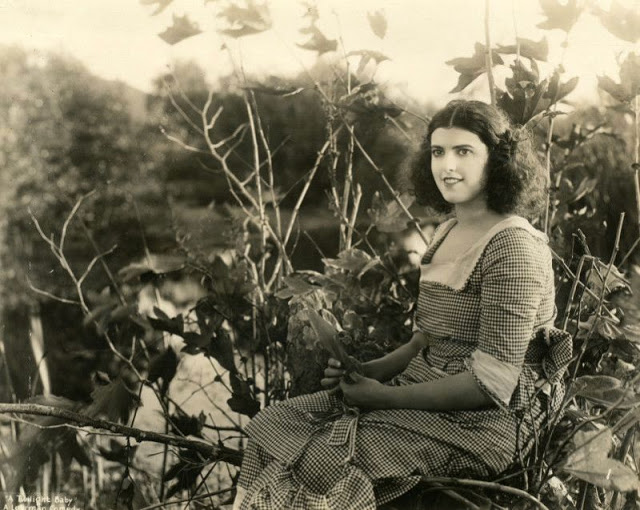
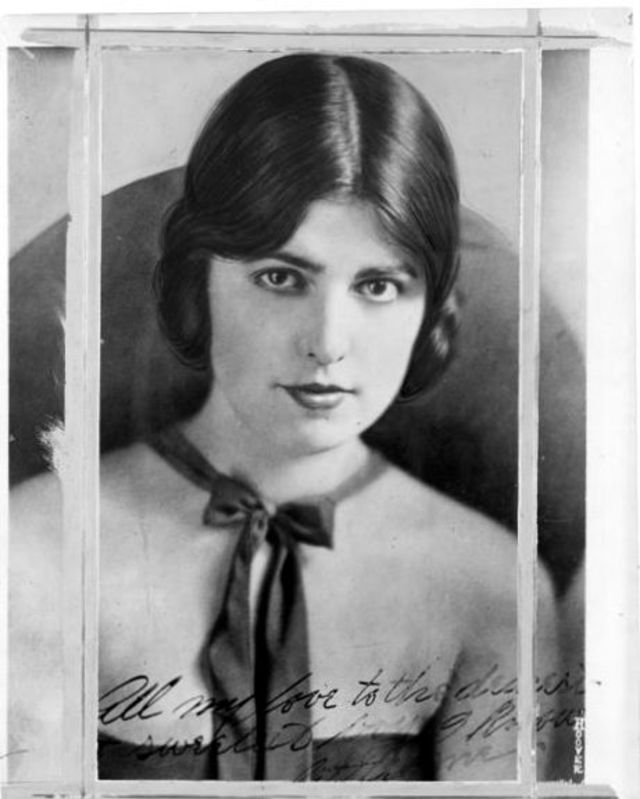
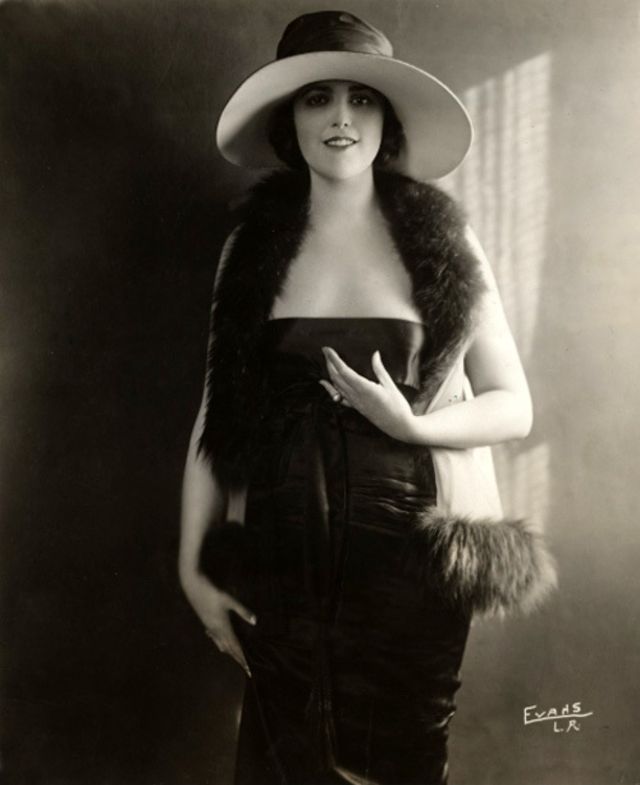
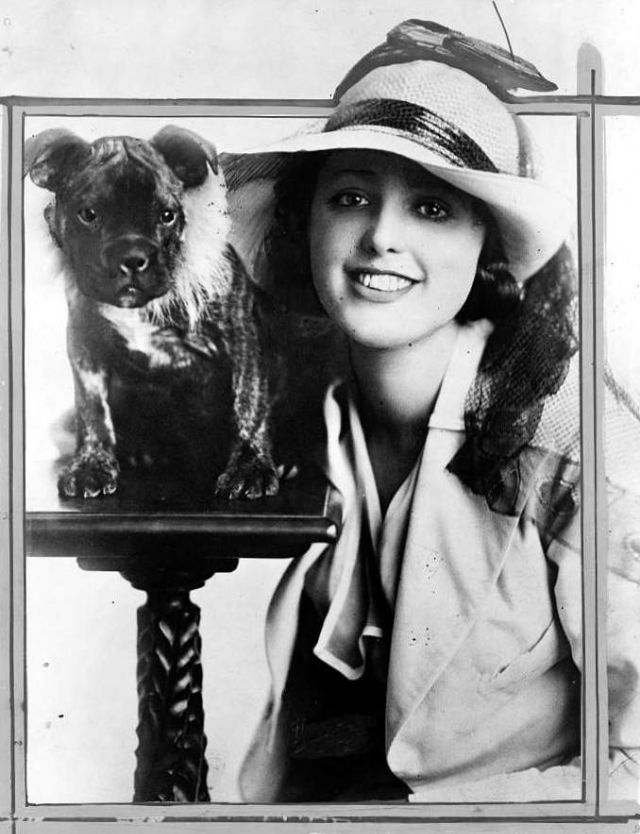
Born 1895 in Chicago, American model and silent film actress Virginia Rappe began working as a commercial and art model at age 14. In 1916, Rappe relocated to San Francisco to pursue her career as an artist’s model, where she met dress designer Robert Moscovitz, to whom she became engaged. However, shortly after the engagement, Moscovitz was killed in a streetcar accident, whereupon Rappe moved to Los Angeles.

In 1919, Rappe began a relationship with director/producer Henry Lehrman. The two eventually became engaged and lived together. Rappe appeared in at least four films for Lehrman: His Musical Sneeze, A Twilight Baby, Punch of the Irish and A Game Lady.

During a party held on Labor Day, September 5, 1921, in Roscoe “Fatty” Arbuckle’s suite, number 1219, at the St. Francis Hotel in San Francisco, Rappe allegedly suffered a trauma. She died on September 9 from a ruptured bladder and secondary peritonitis. The circumstances of Rappe’s death in 1921 became a Hollywood scandal and were covered widely (and sensationalized) by the media of the time.

It was alleged that Rappe had died as a result of a violent sexual assault by Arbuckle. Arbuckle’s accuser, Bambina Maude Delmont, had accompanied Rappe to the party; she had first met Rappe only a few days earlier (Delmont had a police record for extortion, prostitution and blackmail). Subsequent witnesses testified that Rappe had for some time suffered from cystitis, and that consuming alcohol could aggravate that condition. Witnesses also testified that she had previously suffered from venereal disease, so there were allegations that her death was brought on by her health rather than by an assault.

After three manslaughter trials, Arbuckle was formally acquitted; his acquittal in the third trial was accompanied by an unprecedented statement of apology from the jury stating, in part, that, “Acquittal is not enough for Roscoe Arbuckle. We feel that a great injustice has been done him… there was not the slightest proof adduced to connect him in any way with the commission of a crime.” Nevertheless, Arbuckle’s reputation and career were ruined because of the scandal.

The case has been examined by scholars and historians over the years and is still speculated about today, and a number of detailed books about the case have analyzed the incident and subsequent trials.

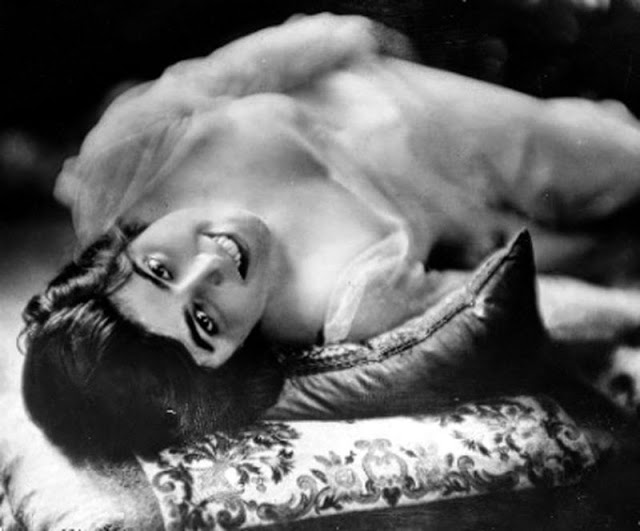
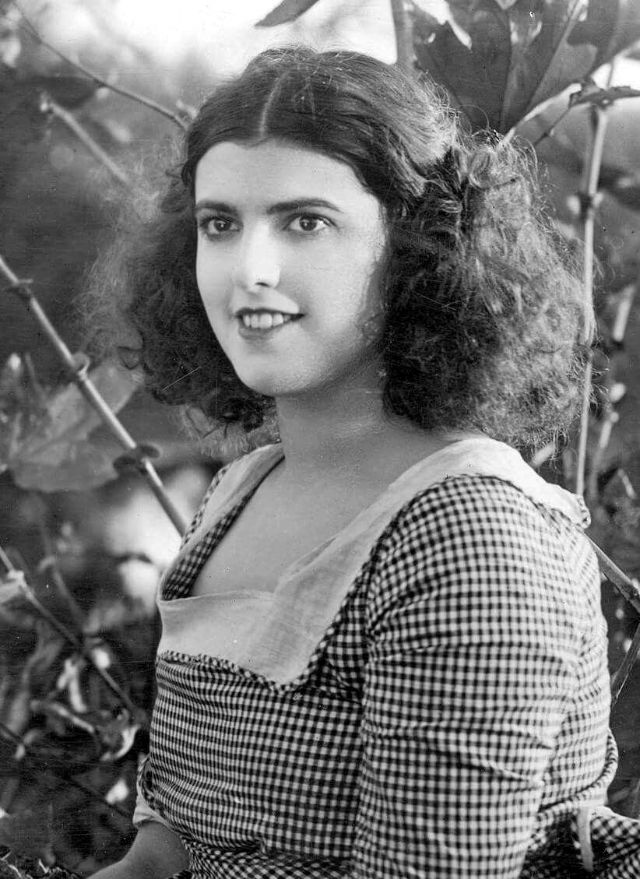
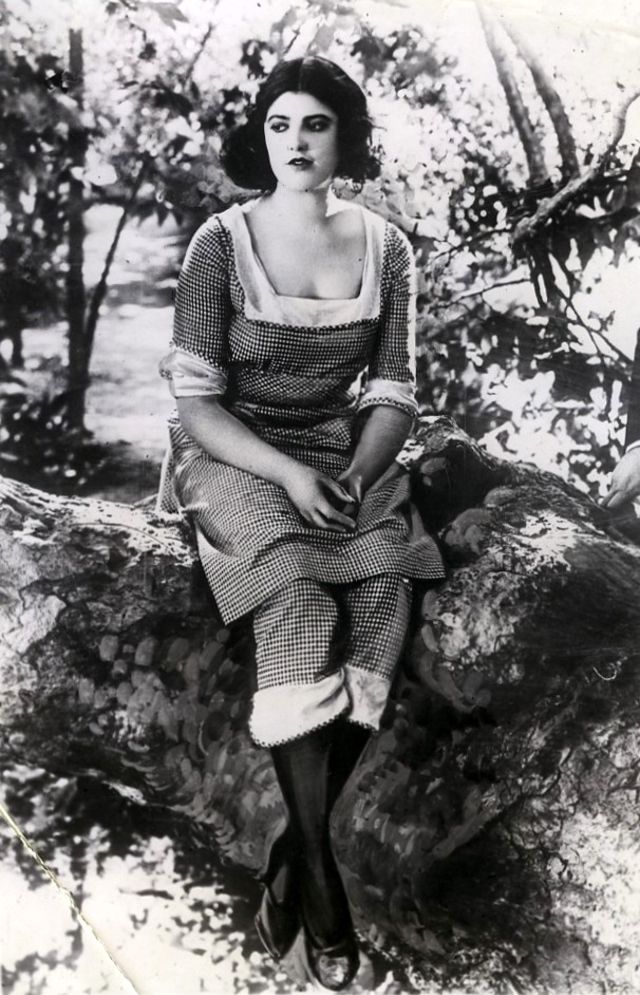
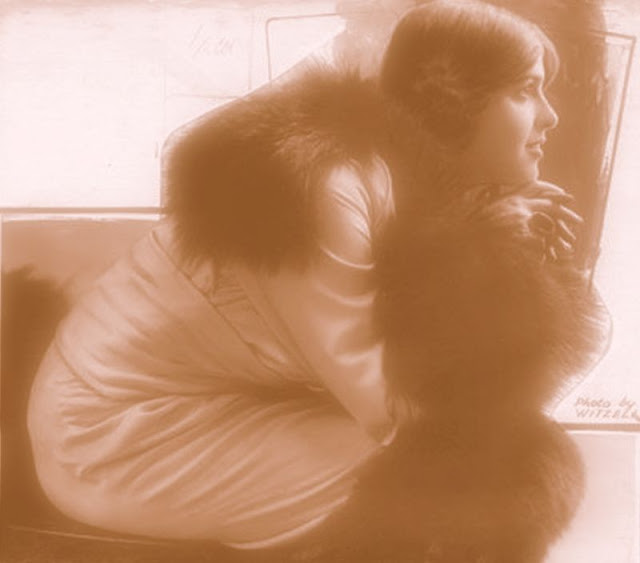
Take a look at these photos to see the beauty of Virginia Rappe in the late 1910s and early 1920s.

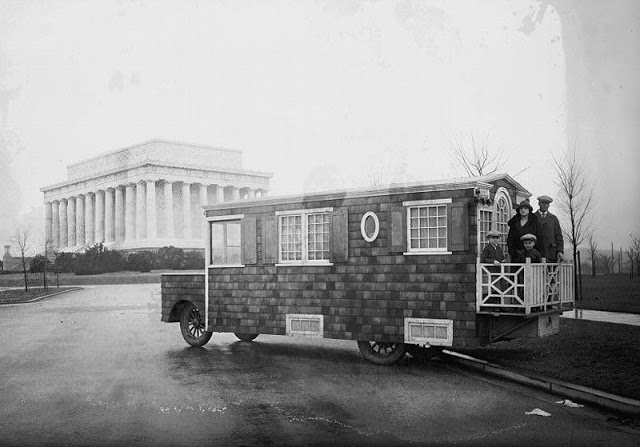
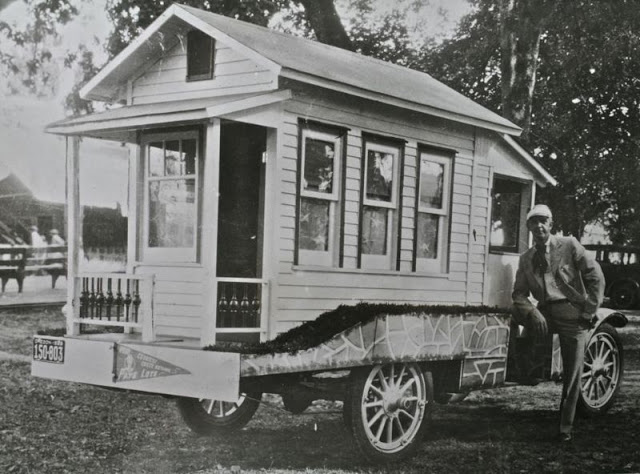
Vintage Photos of 12 Crazy Wooden Homes on Wheels From the Early 20th Century

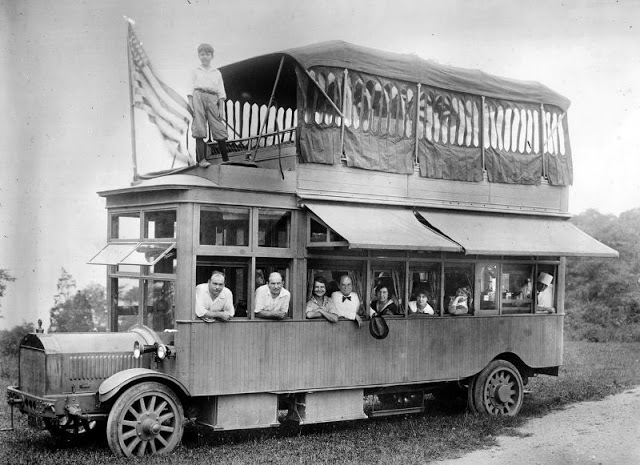
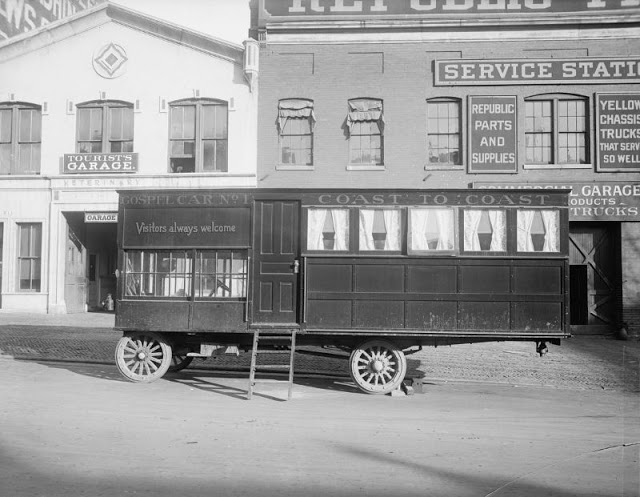
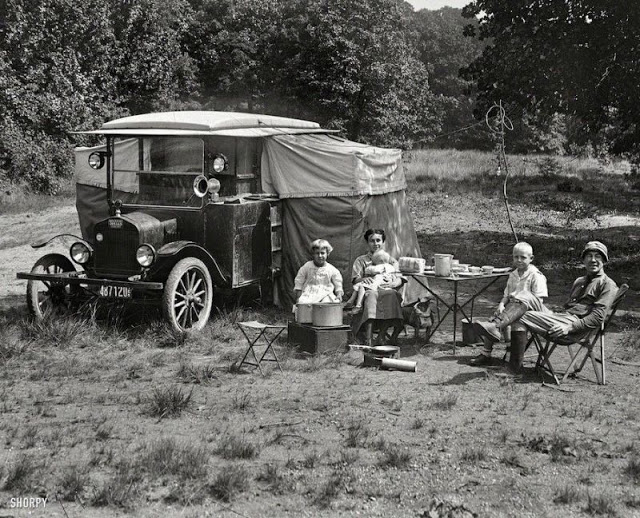
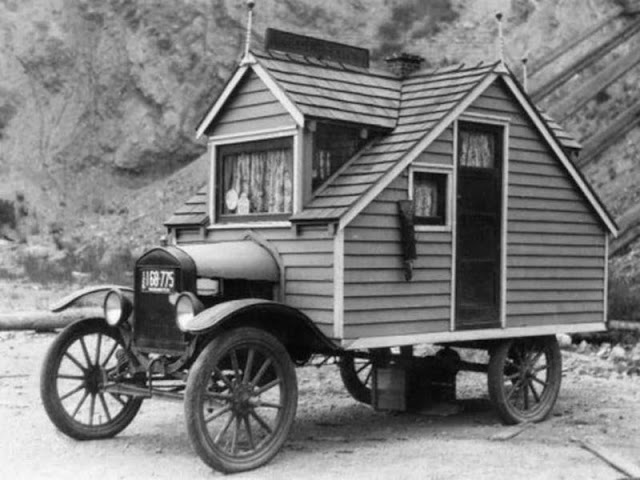
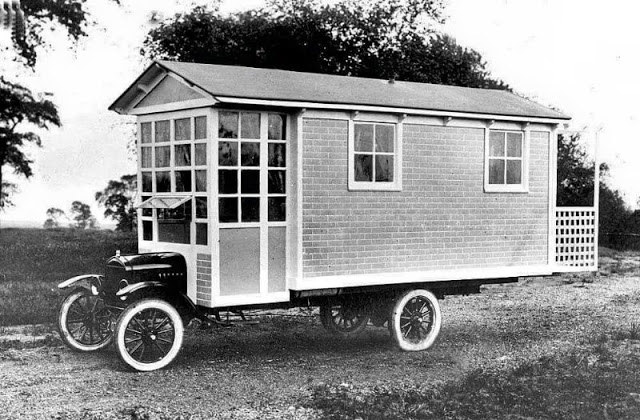
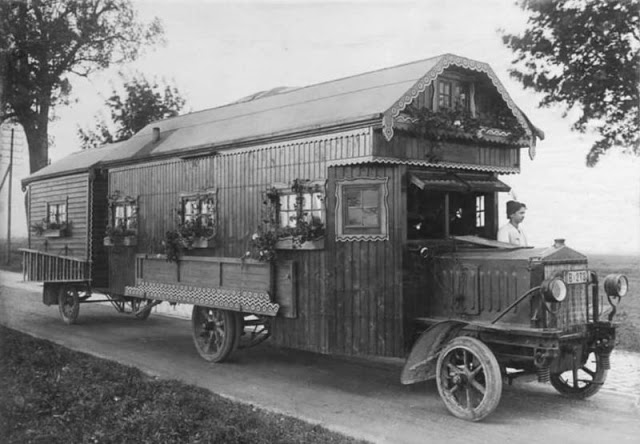
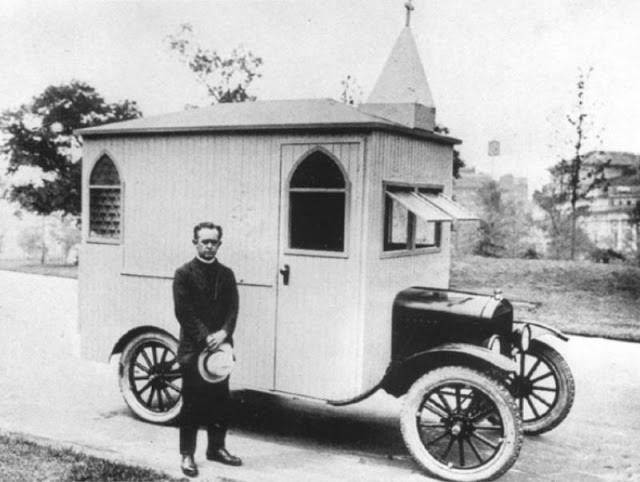
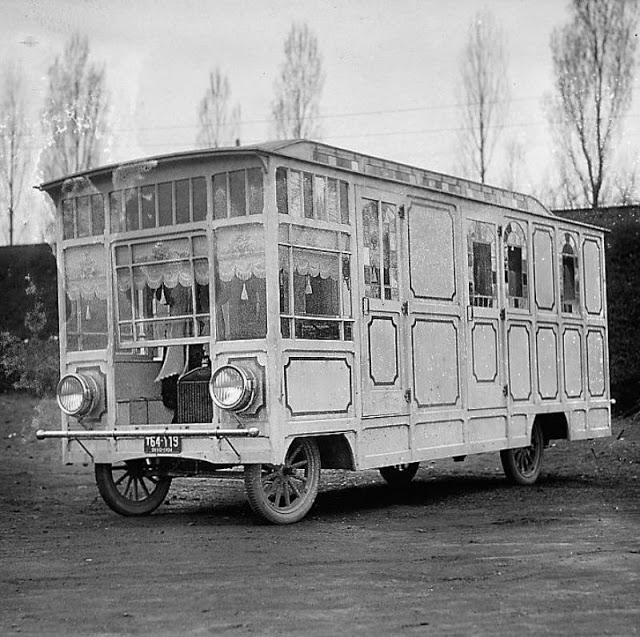
There is no formal definition of a house car but in the early 1900s, Americans want to take to the roads and explore. Some creative Tin Can tourists decided that they’d rather bring their home with them rather than have the tent attachments on the sides of their Model T’s, so they built larger structures that resembled houses onto the frames and off they went. It really is the earliest example of what we commonly call a mobile home.

Mobile homes often look blocky and sterile, but these wooden houses look like gingerbread Victorian houses on wheels. Check out how people have hammered and sawed their own homes onto cars.

The superb bus of Ray Conklin, president of the New York Motorbus Company in 1915.
Gospel Car No. 1, built by William Downer in Glassboro, New Jersey, late 1910s
Dr. A. A. Foster and his family in an auto tourist camp, ca. 1920.
A Ford Model T from the early 1920s.
On a Ford TT chassis.
A cute German country house on wheels in 1922.
A traveling minister with a tiny church car, with a tiny organ inside and a foldable rooftop steeple, 1922.
A fancy homebuilt motorhome, built on a Ford Model TT truck chassis in Ohio, 1924.
W. M. O’Donnell and his family in their “bungalow auto”, 1926.
The Burn Family (June and Farrar) and their moving house, 1929.
The homebuilt car of Charles Miller with a nice bit of lawn, 1930.
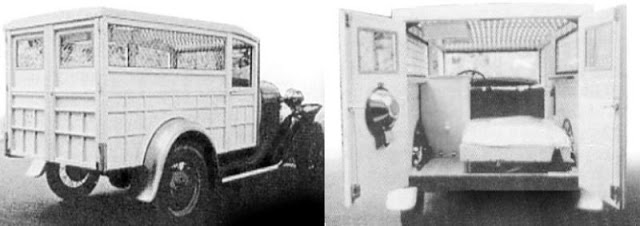
Ford Model A Traveler, 1931.

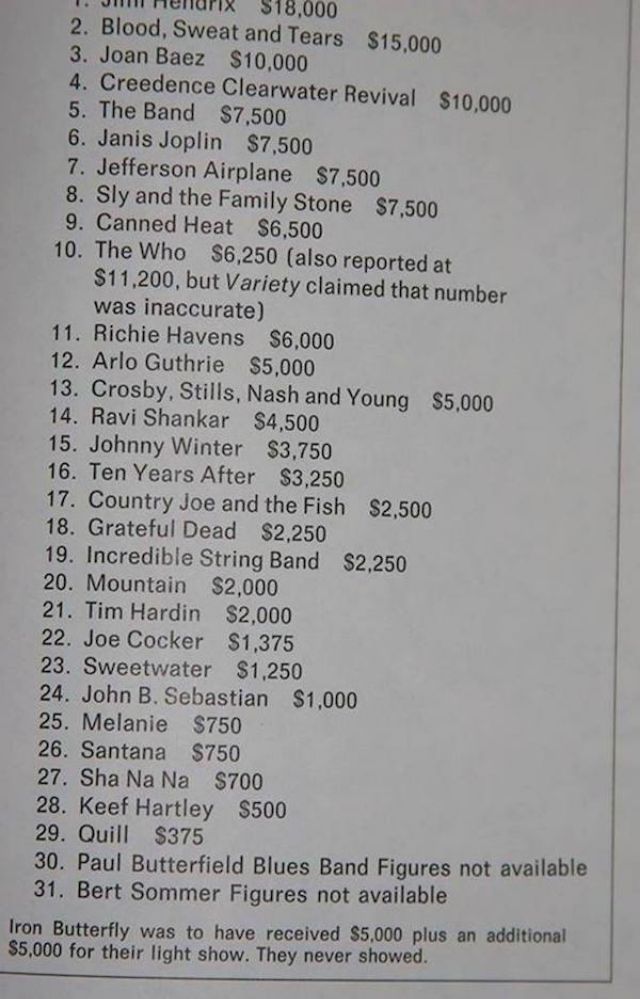
Here’s How Much Each Artist Was Paid at Woodstock 1969; Jimi Hendrix Is Believed to Be on Top With $18,000!

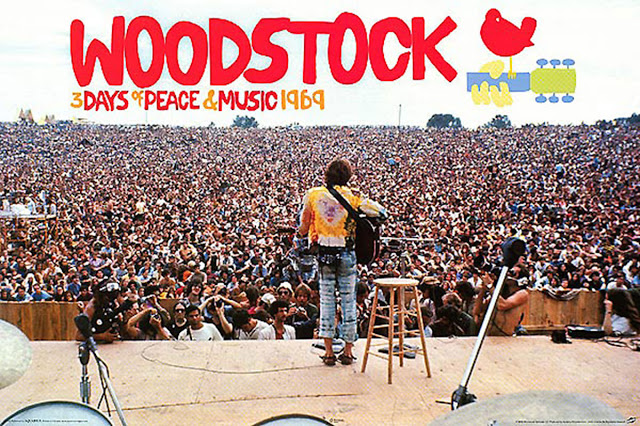
Woodstock is widely regarded as one of the most important events in music history. The festival, which took place in August 1969, drew about half a million people and was headlined by now-legendary acts like Jimi Hendrix, Janis Joplin, Grateful Dead, Joe Cocker, and Crosby, Stills, Nash and Young. Many of the sets have since gone on to not only become classic moments in those artists’ respective careers, but also representative snapshots of America’s counterculture during that time.

It makes you wonder, then, how much a concert of that magnitude and influence would cost, right? As the monetary breakdown shows, Hendrix earned the most money from the festival, pulling in about $18,000 (or more than $125,000 in today’s money). Blood, Sweat and Tears ($15,000), Joan Baez ($10,000), Creedence Clearwater Revival ($10,000), and The Band ($7,500) rounded out the Top 5 earners.

Other A-listers such as The Who and Joe Cocker took home $6,250 and $1,375, respectively. There was a lot of cash to go around, to be sure, but the event wasn’t as steep as some of today’s big-budget productions. Here’s the entire list of artists and their earnings:

  1. Jimi Hendrix – $18,000
  2. Blood, Sweat and Tears – $15,000
  3. Joan Baez – $10,000
  4. Creedence Clearwater Revival – $10,000
  5. The Band – $7,500
  6. Janis Joplin – $7,500
  7. Jefferson Airplane – $7,500
  8. Sly and the Family Stone – $7,000
  9. Canned Heat – $6,500
  10. The Who – $6,250
  11. Richie Havens – $6,000
  12. Arlo Guthrie – $5,000
  13. Crosby, Stills, Nash and Young – $5,000
  14. Ravi Shankar – $4,500
  15. Johnny Winter – $3,750
  16. Ten Years After – $3,250
  17. Country Joe and the Fish – $2,500
  18. Grateful Dead – $2,500
  19. The Incredible String Band – $2,250
  20. Mountain – $2,000
  21. Tim Hardin – $2,000
  22. Joe Cocker – $1,375
  23. Sweetwater – $1,250
  24. John B. Sebastian – $1,000
  25. Melanie – $750
  26. Santana – $750
  27. Sha Na Na – $700
  28. Keef Hartley – $500
  29. Quill – $375

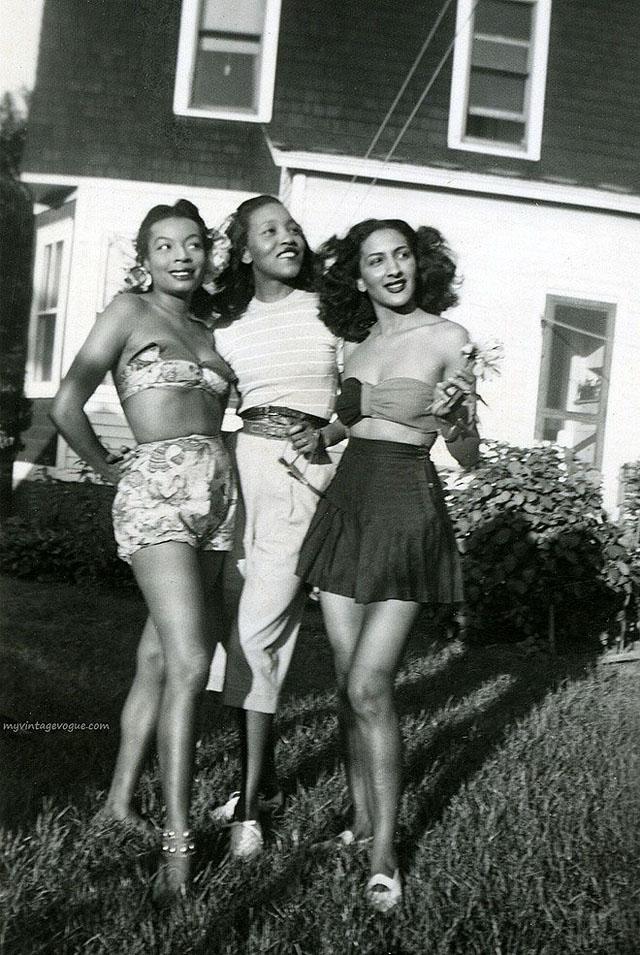
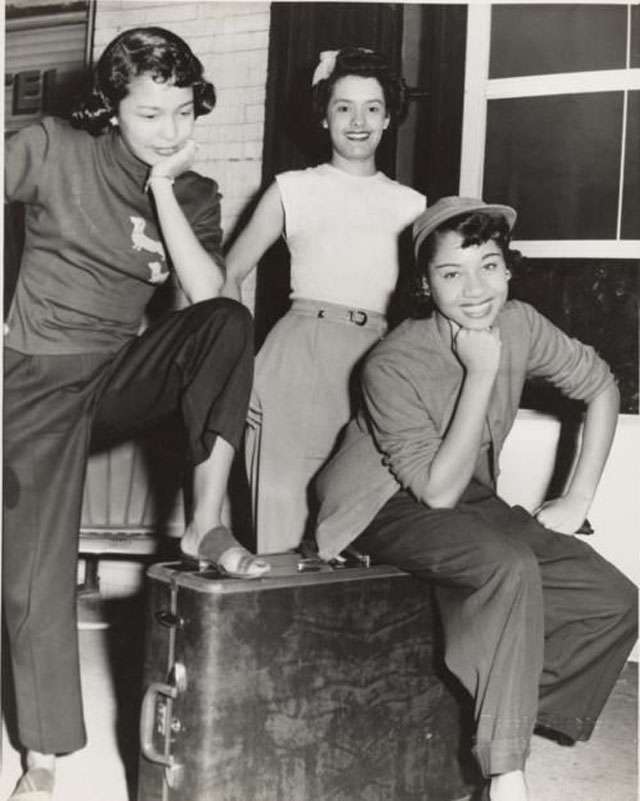
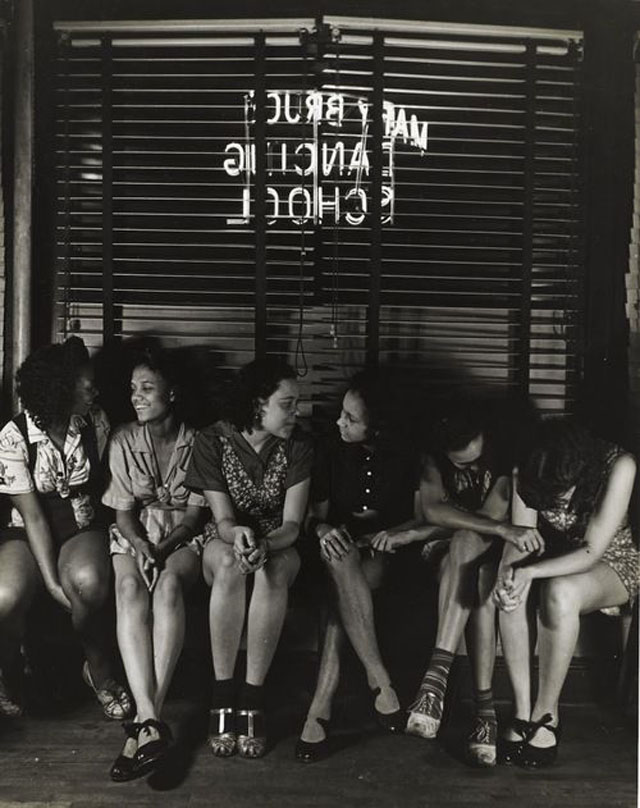
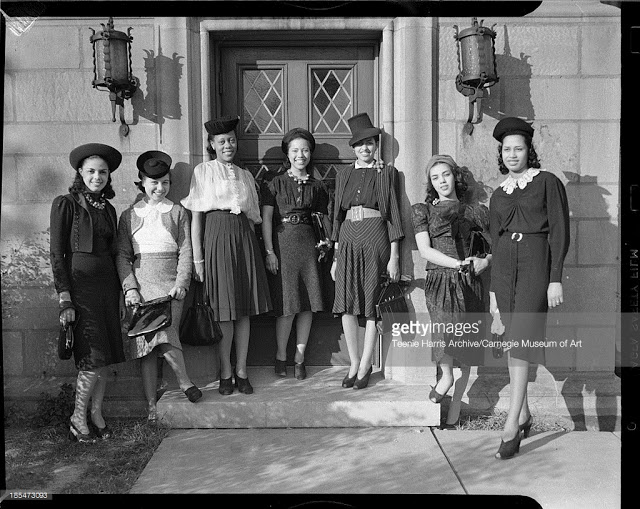
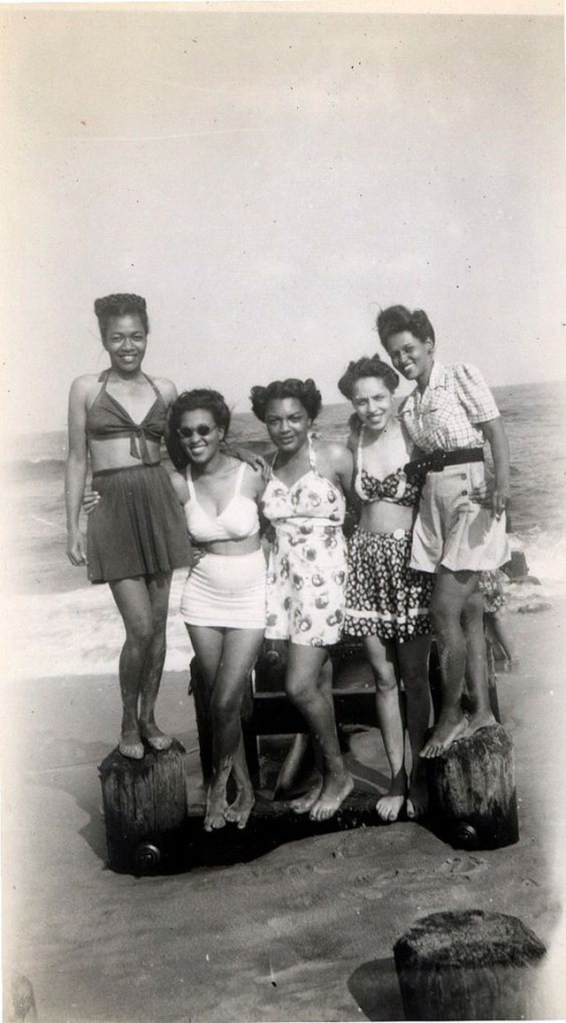
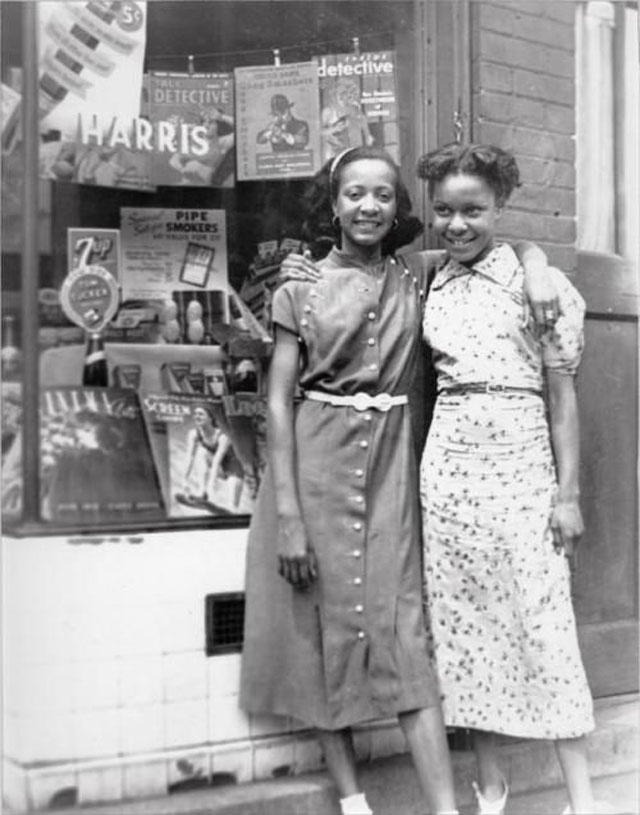
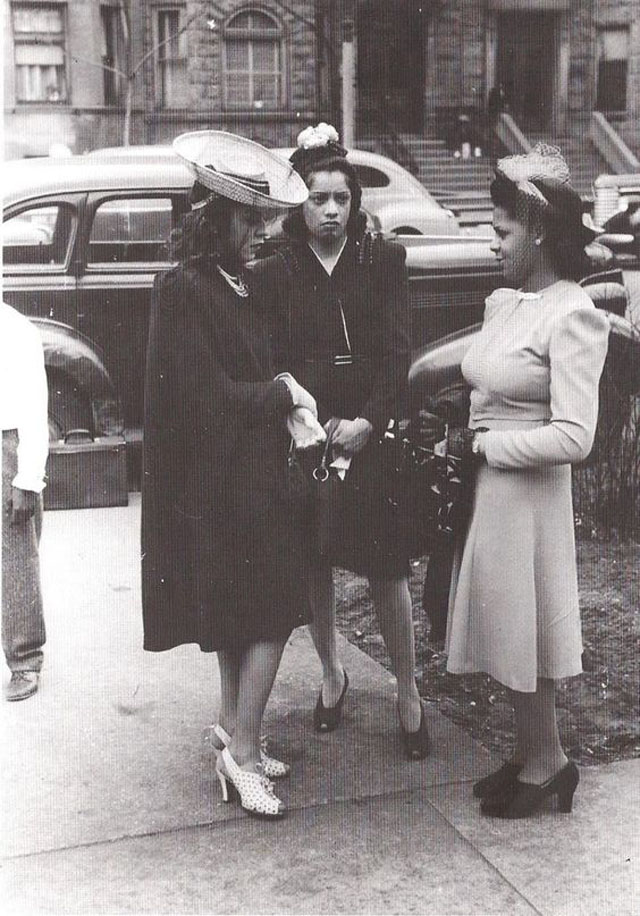
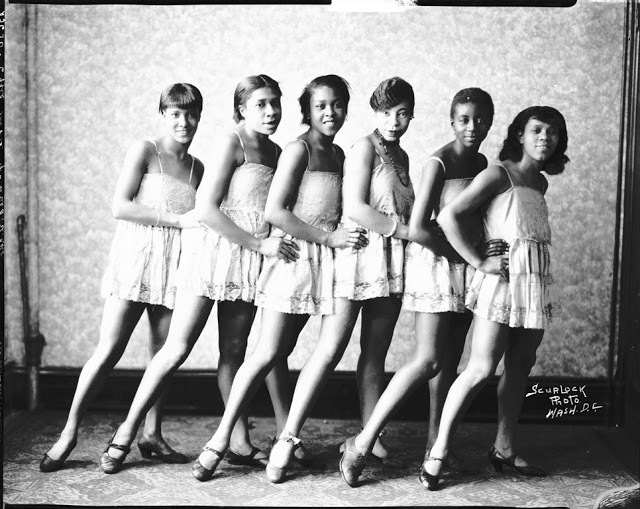
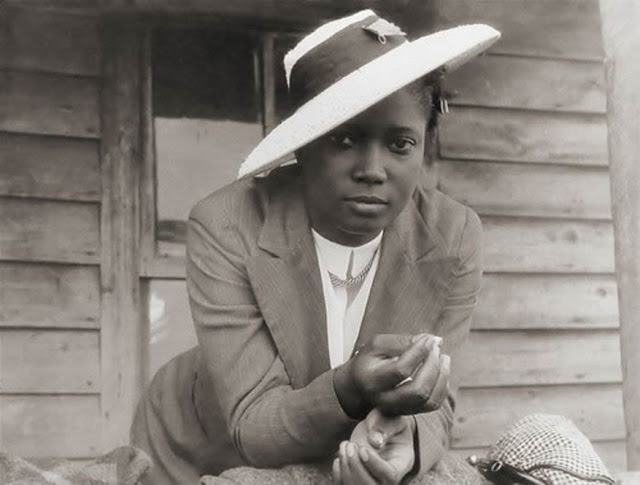
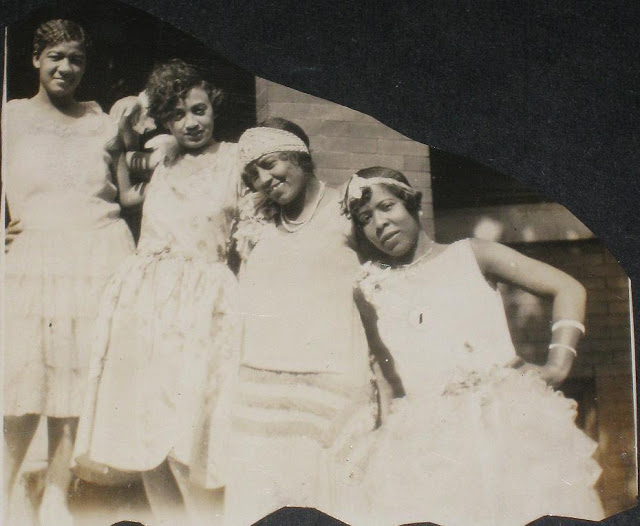
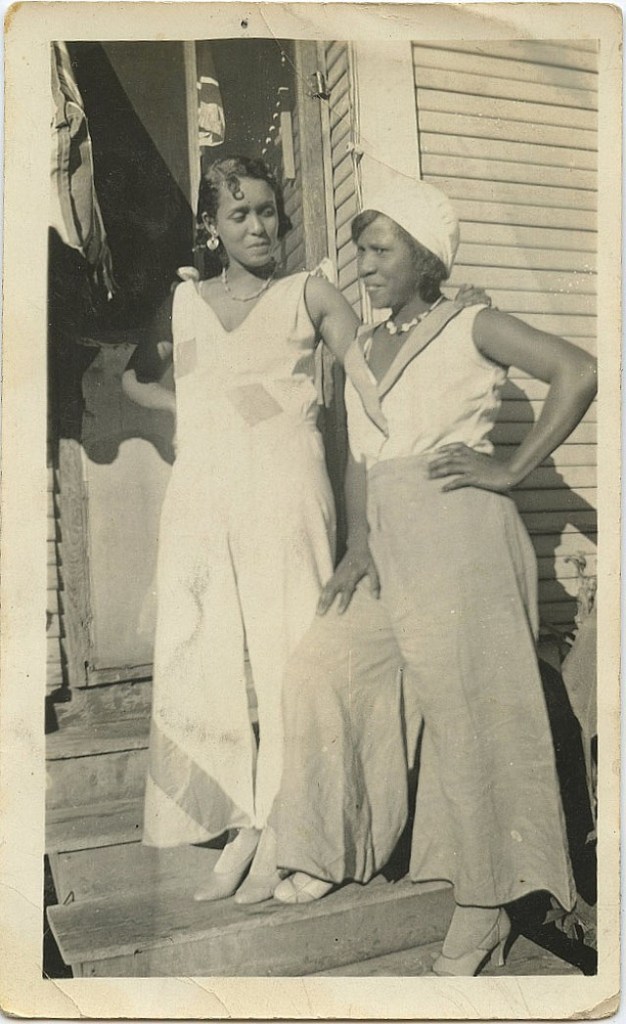
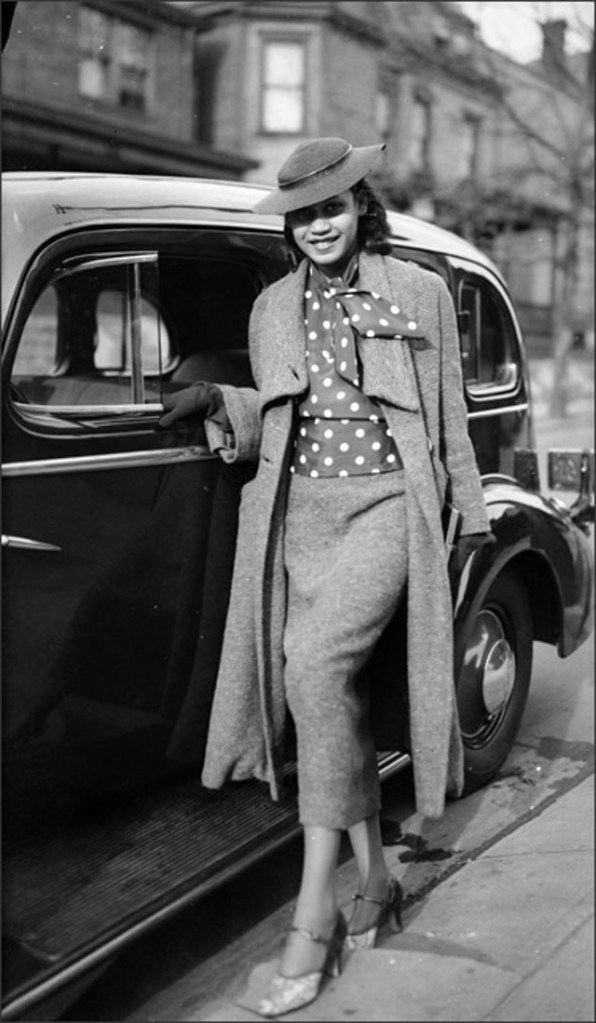
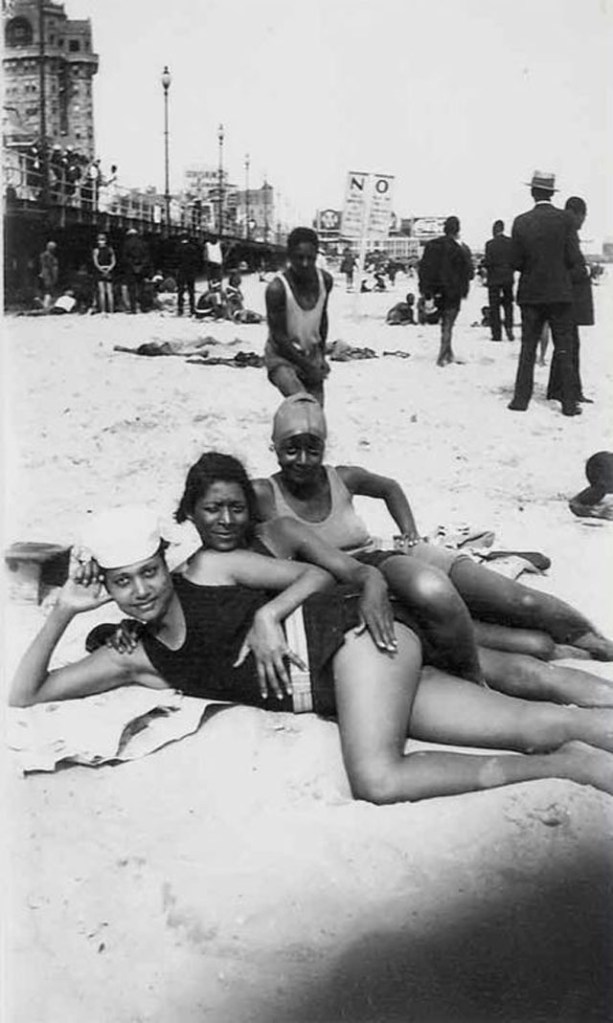
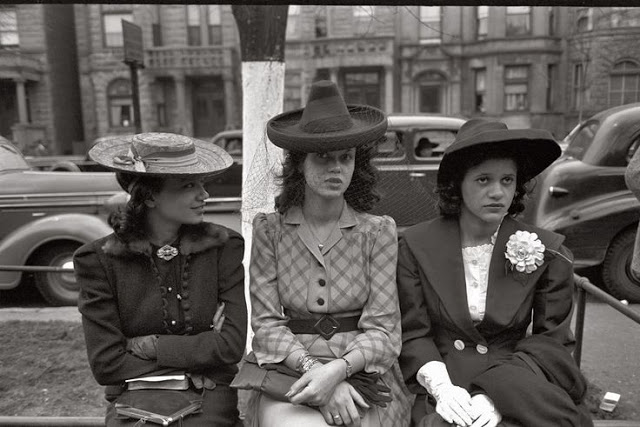
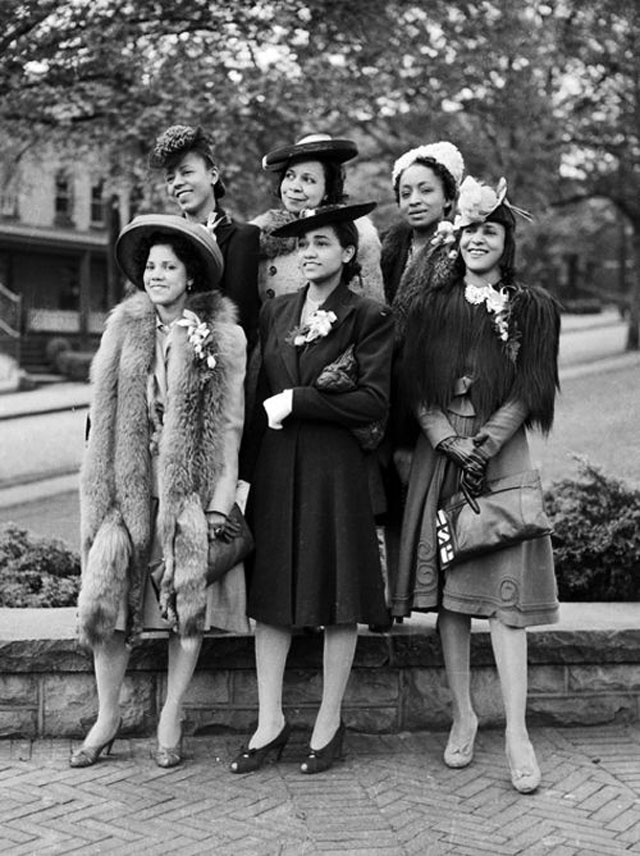
30 Amazing Historical Photos Showing African-American Women During the Harlem Renaissance Era

The role of women in society had taken a massive leap forward In 1920 when all women were given the right to vote. The roles of American Women in the 1920s varied considerably between the ‘New Woman’, the Traditionalists and the older generation. The ‘New Woman’, including the young Flappers, embraced new fashions, personal freedom and new ideas that challenged the traditional role of women. The Traditionalists feared that the ‘ New Morality’ of the era was threatening family values and the conventional role of women in the home. The lives of Black American Women in the 1920s were also subject to change due to the influence of the Harlem Renaissance and the change from rural to urban life in the cities.

The Harlem Renaissance was a rebirth of African American culture and art in the wake of slavery, which had ended just 50 years prior. Occurring from 1918 through the 1930s and first coined the New Negro Movement, the Harlem Renaissance focused on self-definition of black people and the black experience. Black women were an integral part of the Harlem Renaissance, from dancer Josephine Baker to writer Zora Neale Hurston. But much like today, the identity of the “new black woman” was a hotly debated topic.

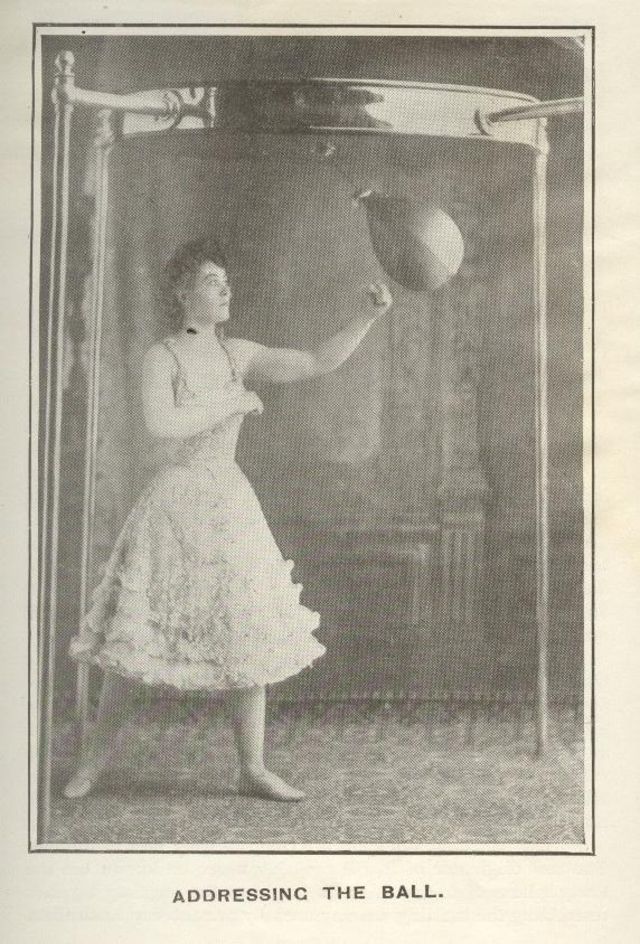
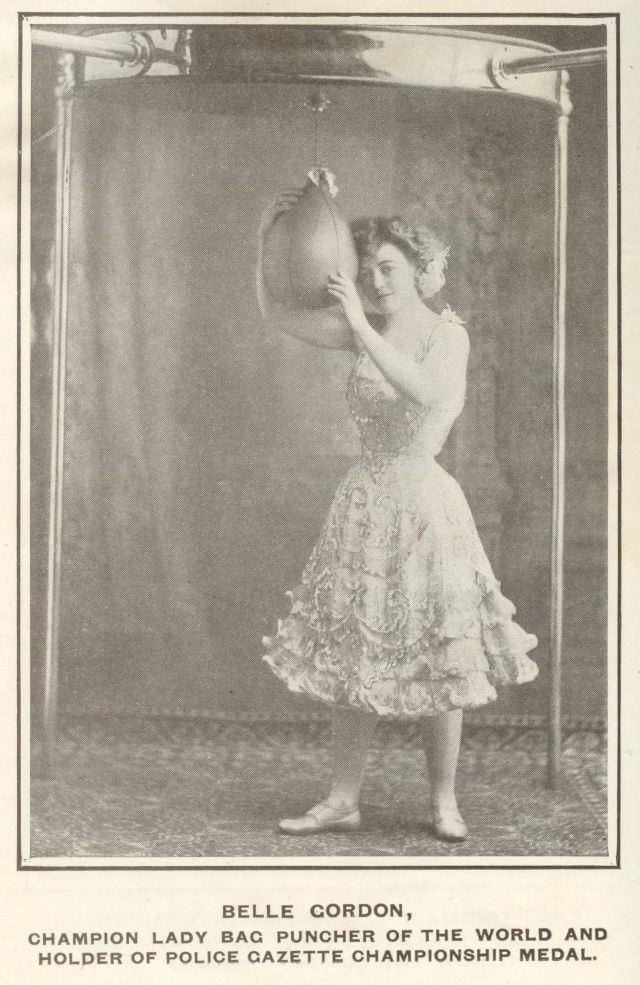
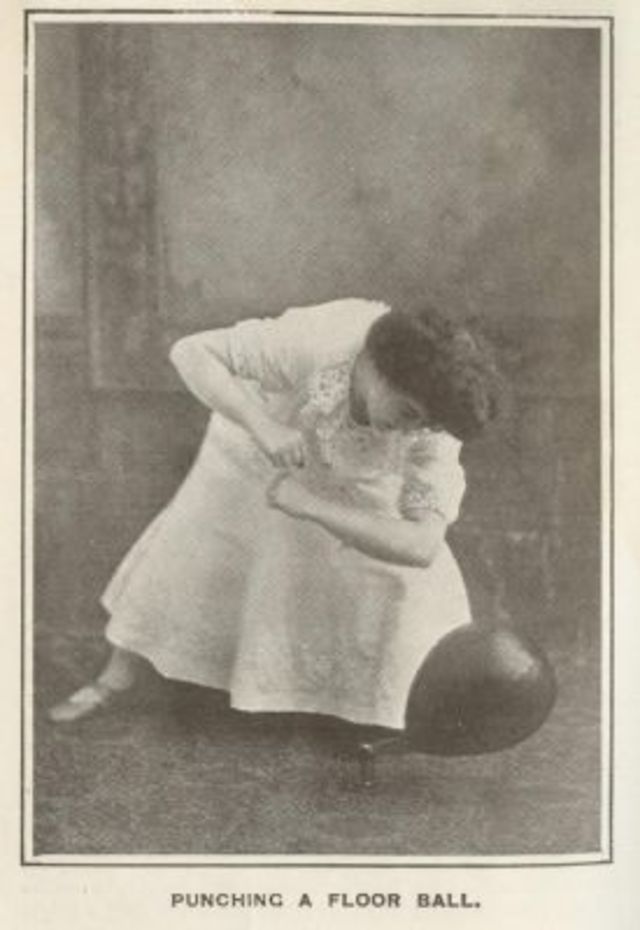
Boxing and How to Train, 1904

The origins of the Speed Bag as we know it today are shrouded in mystery. Certain historical artifacts depict ancient boxers of Greece and Rome hitting a bag like object probably filled with some material or water. These were almost certainly animal skins or some other material, for the modern rubber air bladders of today came after the vulcanization of rubber in the 1840s. Judging by these historical depictions it is fair to say that man has been creating different size punching bags and used various methods of hanging them, for as long as he could make a fist.

The speed bag (also called “striking bag” and “speed ball”) as has been seen in various styles and shapes, hung from various types of hangers, wood or metal, and with various types of swivels. Our own research has found several links to this past and colorful history.

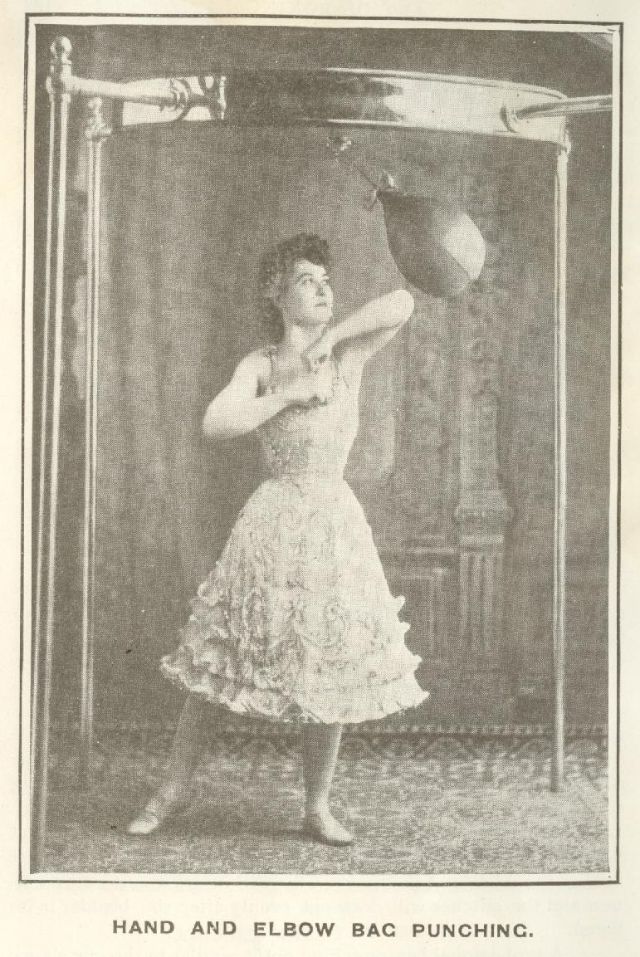
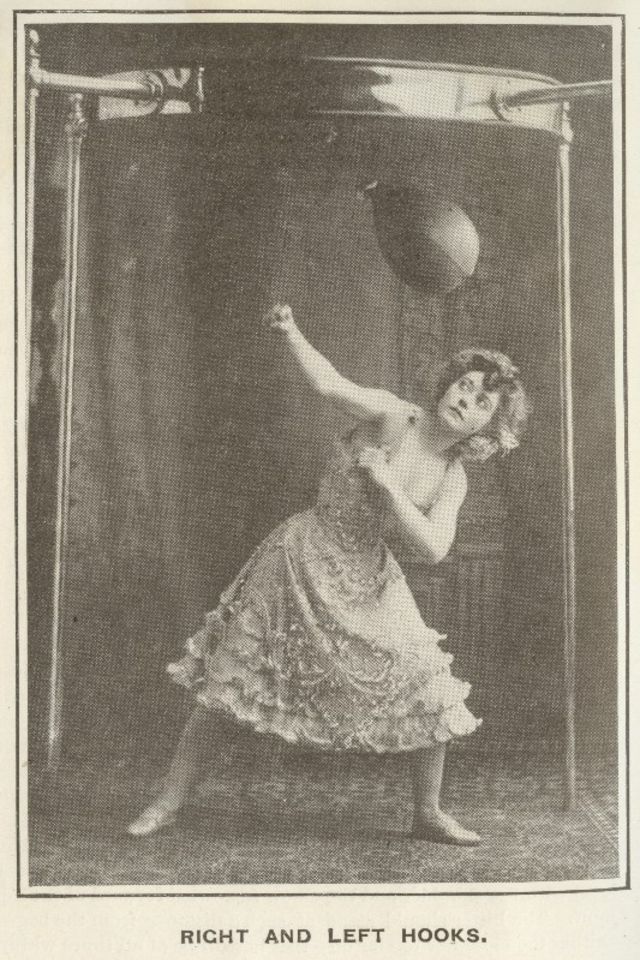
On particularly interesting book, entitled BOXING AND HOW TO TRAIN written by Sam C. Austin, sporting editor of the Police Gazette was published by Richard K. Fox in 1904. It features a whole section on BAG PUNCHING, using the speed bag. Here, some images from the book:

27 Amazing Historical Photos Of Bombers That Didn’t Make It Home During World War 2

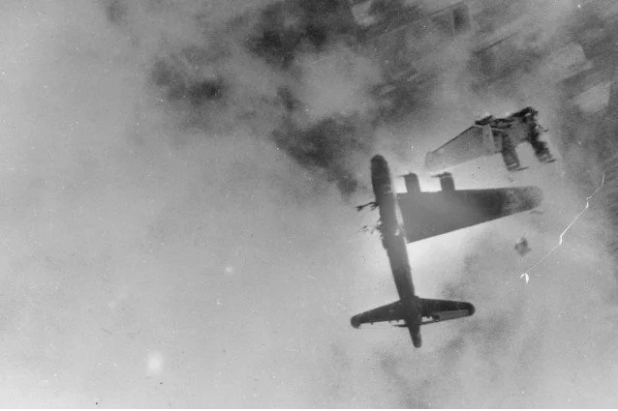
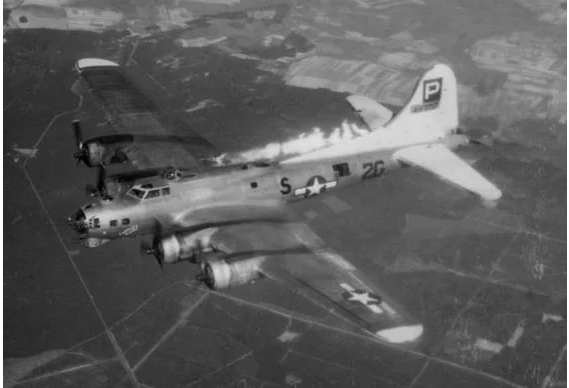
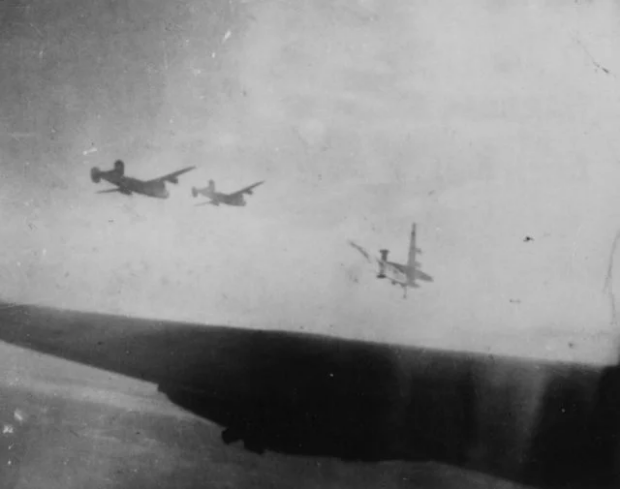
B-17G 42-37781 “Silver Bullet” was lost after bombs away when bombs from a higher flying group (379BG) hit this aircraft, knocking tail completely off in front of stabilizer.The aircraft dived straight down into a spin with all four engines going, crashing in Berlin, Germany. March 9th, 1944.
B-17 Flying Fortress from the 486th Bomb Group over Merseburg Lutzkendorf, November 1944.
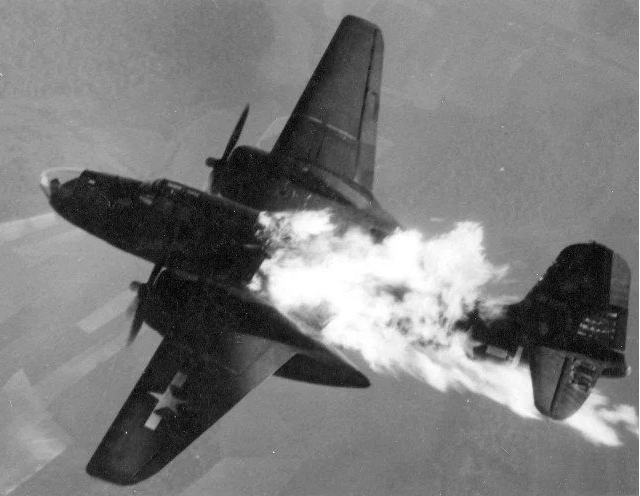
Douglas A-20 Havoc of the 416th Bomb Group after being hit by flak over Germany.
It burst into flames and crashed a mile west of the target; two chutes were seen to come out of the plane.
Its crew was 1st Lt Robert E. Stockwell, pilot, 2d Lt Albert Jedinak, bombardier-navigator, S/Sgt Hollis A. Foster and S/Sgt Egon W. Rust, gunners.
Lt Stockwell had been with the Group almost from the beginning of its existence.
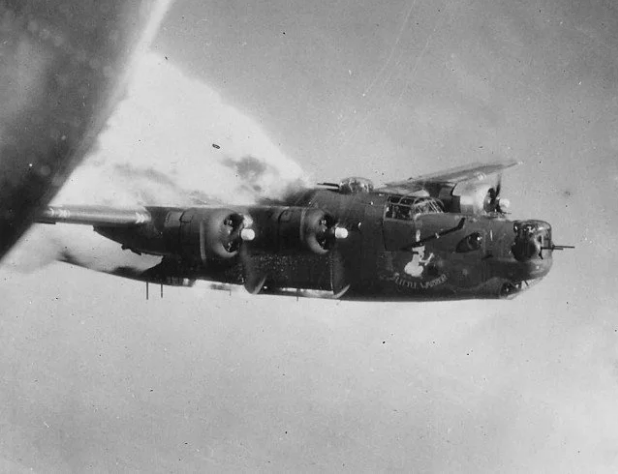
B-24H Liberator 42-94812 “Little Warrior” of the 493rd BG, 861st BS hit by flak over Quakenbrück Germany – June 29, 1944.
One crewman managed to bail out safely but was killed by civilians on the ground.
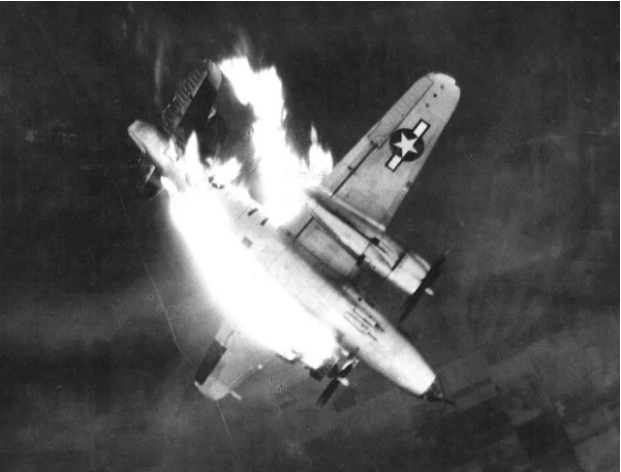
A U.S. Army Air Forces Martin B-26G-11-MA Marauder (s/n 43-34565) from the 497th Bombardment Squadron, 344th Bombardment Group, 9th Air Force.
It is enveloped in flames and hurtling earthward after enemy flak scored a direct hit on the left engine while aircraft was attacking front line enemy communications center at Erkelenz, Germany
B-17 of the 483rd Bomb group brought down by flak over Nis, Yugoslavia, April 1944.
There were no survivors.
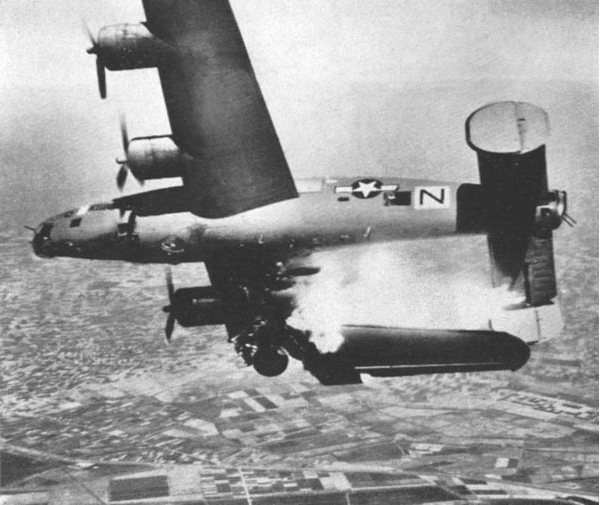
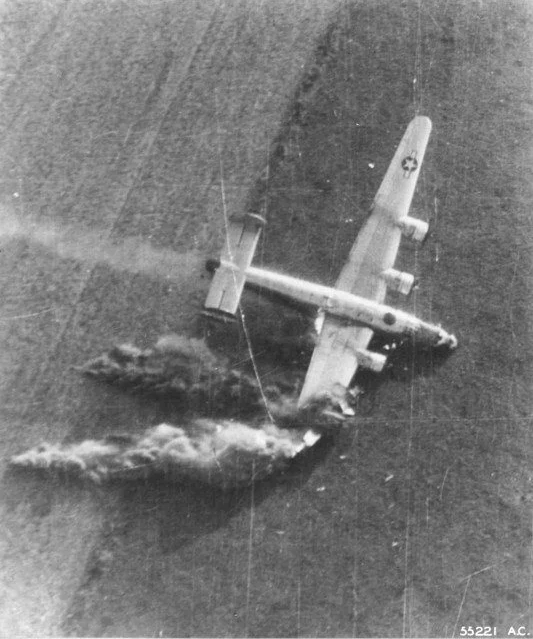
The U.S. Army Air Force Consolidated B-24L-10-FO Liberator, s/n 44-49710, named “STEVENOVICH II,” of the 779th Bombardment Squadron, 464th Bombardment Group.
It was shot down by Flak during an attack on ground troops near Lugo, Emilia-Romagna, Italy, on 10 April 1945.
B-17G Wee-Willie 42-31333 LG-W, 323th squadron of 91st bombing group, over Kranenburg, Germany, after her port wing was blown off by flak.
Only the pilot, Lieutenant Robert E. Fuller, and one crew member survived.
On 4th April 1945, Liberators of the 448th Bombardment Group, 2nd Air Division were attacked by Me-262 jet fighters.
They were on a mission to bomb the fighter bases in Germany where the ME-262 was stationed.
The formation was attacked by approximately 50 Luftwaffe Jet and Rocket aircraft.
A total of eight B-24 Liberators were lost, including the one on the picture; 44-50838.
The crew:
Pilot: Robert L. Mains
Co-Pilot: John E. LaRiviere
Navigator: Allan L. Lake
Observer-Top Turret: George S. Alexander
Engineer-Flight Deck: Frank S Merkovich
Radio Operator: Charles E Cupp Jr
Left Waist Gunner: Harry J. Allen
Nose Gunner Gunner: Charles H. Daman
Right Waist Gunner: Anthony C Villari
Tail Gunner: Stuart D. Van Deventer
Only Charles E. Culp Jr. survived the crash, he was able to jump out of the open bomb bay doors.
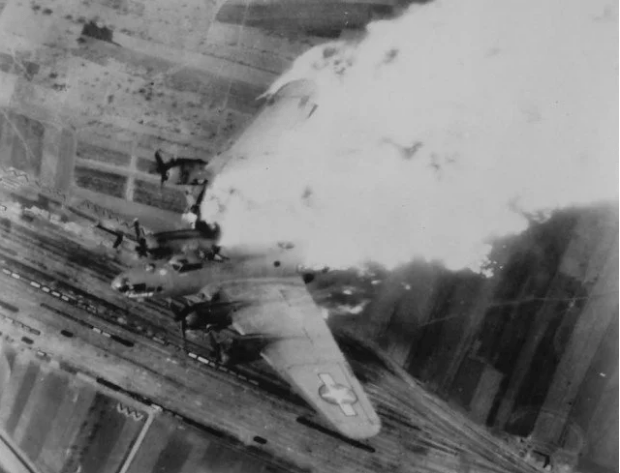
B-24 Liberator of the 8th Airforce, 2nd Air division goes down in flames during an attack on the railway marshaling yards at Munster Germany
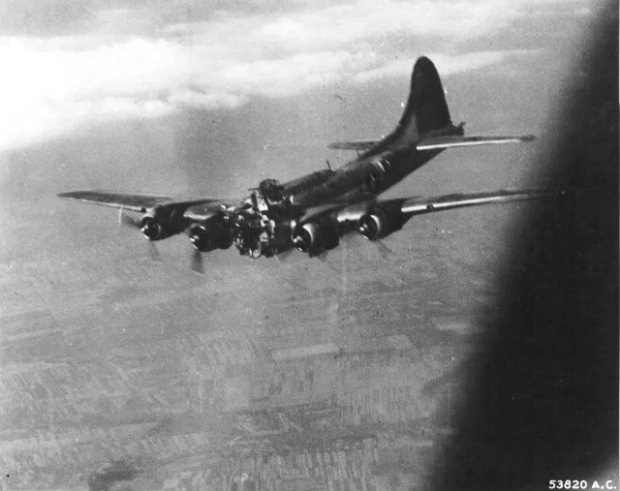
B-17G Fortress “Mizpah” took a direct AAA hit in the nose on a mission to Budapest, 14 Jul 1944.
Two crewmembers were killed instantly, but the pilot held her level long enough for the crew to get out and they were taken prisoner of war.
The aircraft crashed near Dunavecse, Hungary
B-24 Liberator “Extra Joker” of the 725th Bomb Squadron, 451st Bomb Group after being attacked by German Focke Wolf 190 fighters over Austria on August 23rd, 1944.
There were no survivors.
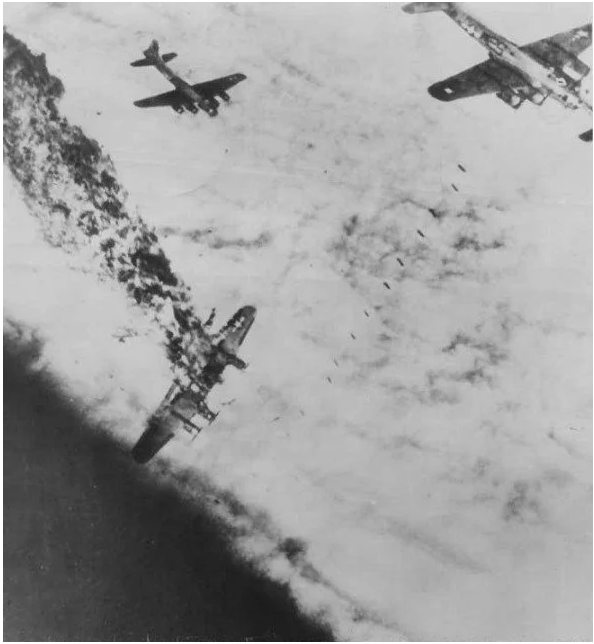
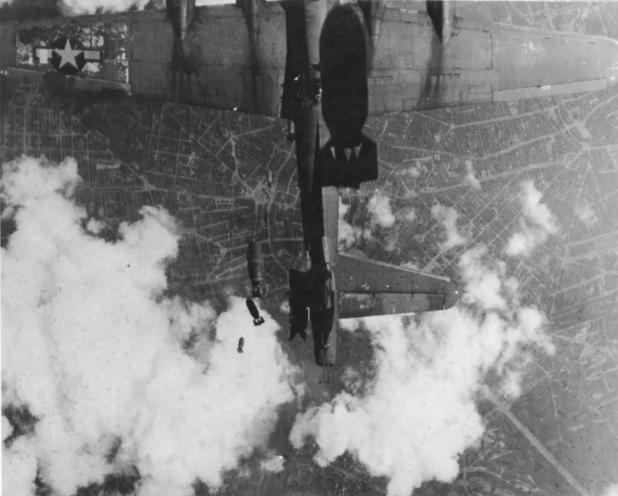
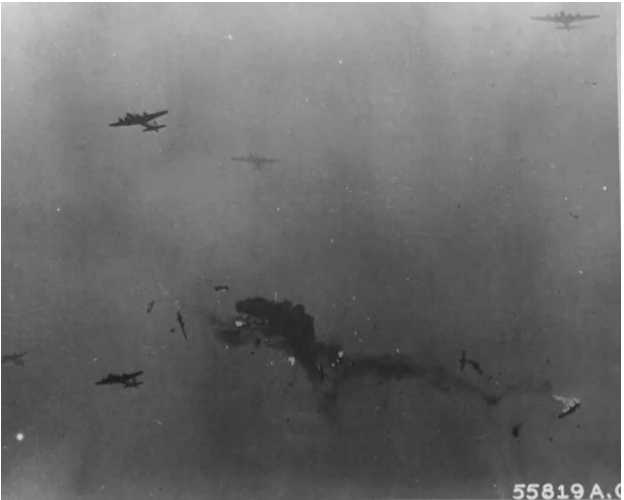
B-17G Fortress ‘Miss Donna Mae II’ drifted under another bomber on a bomb run over Berlin, 19 May 1944.
A 1,000 lb bomb from above tore off the left stabilizer and sent the plane into an uncontrollable spin.
All 11 crew members were killed.
Miss Donna Mae II
Miss Donna Mae II
Crew bails out of damaged B-17F Fortress “Patches” at 22,500 feet over Wiener Neustadt, Austria, 10 May 1944.
Eight members of the crew became prisoner of war, the other two were killed.
Note that the two right engines are feathered
The crash sequence of a U.S. Army Air Force Douglas A-20G-25 Havoc (s/n 43-9432) during an attack on Kokas, Papua New Guinea, on 22 July 1944.
Twelve A-20s from the 387th Bombardment Squadron, 312th Bombardment Group, attacked the Japanese barge depot and seaplane station at Kokas. 43-9432 (tail code “V”) was part of the last flight over the target.
This section was led by Captain Jack W. Klein (taking the photos), followed by 2nd Lt. Melvin H. Kapson (the other aircraft visible) and 1st Lt. James L. Knarr.
Approaching from the inland side, they dropped 115 kg bombs which can be seen exploding in the background.
Knarr’s aircraft was hit by anti-aircraft fire and crashed into the bay, exploding when it the sea.
He and his gunner, SSgt Charles G. Reichley, were killed.
Cannon shells from a German Me262 ripped into its tail, perforating the vertical stabilizer & inboard right wing panel.
Fire in No. 3 engine, flames swept back to the tail.
They peeled off the formation shortly afterward and dropped behind.
The Crew bailed out at RP, 7 miles West of Elbe River, later right wing came off and the plane crashed into the ground.
A Handley Page Halifax B Mark III, LW127 ‘HL-F’, of No. 429 Squadron RCAF, in flight over Mondeville, France.
The bomber lost its entire starboard tailplane to bombs dropped by another Halifax above it.
LW127 was one of 942 aircraft of Bomber Command dispatched to bomb German-held positions, in support of the Second Army attack in the Normandy battle area (Operation GOODWOOD), on the morning of 18 July 1944.
The crew managed to abandon the aircraft before it crashed in the target area.
B-24H Liberator bomber of 783rd Bomb Squadron, 465th Bomb Group, US 15th Air Force.
B-24J Liberator 44-40210 of the 854th Bomb Squadron after being hit by light flak during low-level supply drop for the 82nd and 101st Airborne near Eindhoven, Holland. Sep 18 1944.
The pilot tried to land it in a field but there isn’t enough space and the bomber crashes into the trees and explodes.
Only a gunner, Frank Di Palma, survived when he is thrown clear of the wreck being severely wounded.
452nd Bomb Group B-17 going down after a direct hit by flak tore off the left wing over Chateaudun, France. 28 March 1944.
B-26 Martin. 53644 AC- This Martin B-26 “Marauder” of the 12th USAF has just received a direct hit by a flak shell during an attack on enemy coastal defense guns in Toulon Harbor, southern France.
With the right engine sheared off and still turning and the wing ablaze, the plane crashed into the city a few minutes after this photograph was taken.
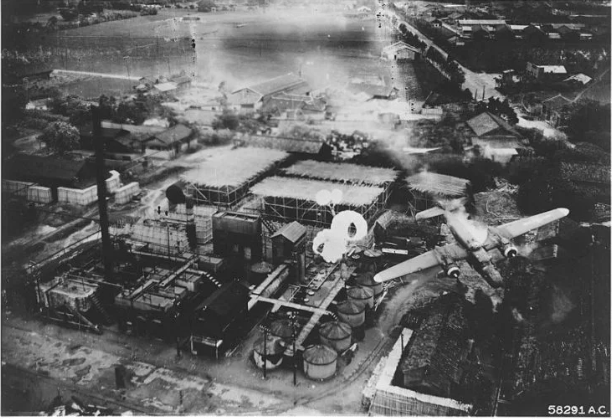
This horrific crash at Byoritsu oil refinery, Formosa, was photographed by a B-25 of the 5th Air Force’s 345th Bomb Group on 26 May 1945.
Just as it released its string of para-frags B-25 NO. 192 was hit by flak from a camouflaged battery and trails smoke and a gaping hole is visible on the pilot’s s side.
The aircraft visible is the North American B-25J-10-NC Mitchell (s/n 43-36192) “Jaunty Jo”.
Crew : 2/Lt Robert J. Knauf Pilot, 2/Lt Martin H. Mulner Jr. Co-Pilot, 1/Lt Lloyd E. Bodell Navigator, Cpl Harold O. Montville Eng/Gunner, Sgt Tennyson C. Harrell Radio/Gunner.
They were all killed in the crash.
On 17 January (1945) a single shell dealt the 491st another severe blow. B-24 #42-51481, the Wing Lead aircraft for the mission, took a flak burst between the #3 and #4 engines.
The wing broke off immediately and the bomber spun down carrying seven officers and five enlisted men to their deaths.
The pilot, Capt. Dean B. Strain, was one of the last original Group pilots still flying missions.
Cameras being readied for the strike photos followed the spinning aircraft down to the hard ground of Harburg.
The collision of two B-17 bombers (Boeing B-17G-75-BO serial number 43-38030 and the Boeing B-17G-80-BO serial number 43-38133) of the 305th U.S. Air Arm in the skies over the English countryside Turley (Thurleigh).
The collision occurred in conditions of poor visibility when returning aircraft bombing of Hanover.
The crews of both aircraft (18 airmen) died.
This plane was nicknamed “Brief”. Serial Number 44-42058.
It had taken off from Angaur Airfield, flying on a bombing mission against anti-aircraft installations on Koror, Palau Islands.
Whilst over Koror, the B-24 was hit by anti-aircraft fire, the fuselage fell in a flat spiral until it crashed.
10 crew members were on board. 9 were killed in the crash except for the Navigator, 2nd Lt Wallace F. Kaufman. He was captured by the Japanese and executed.
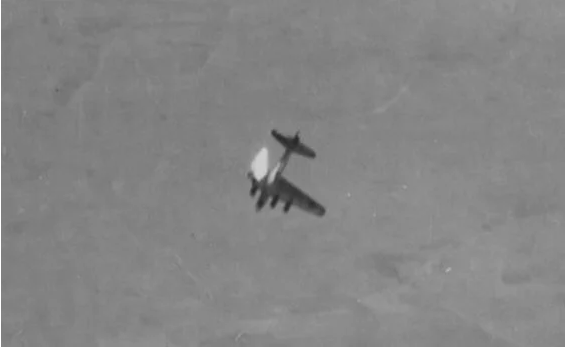
There was a myth surrounding this footage that it was an American bomb striking the wing of the plane.
However, a cleaned up version of the film has been analyzed and it shows that the wing is struck from the below. So it was not friendly fire.

Rare Photographs of Bonnie and Clyde Show Them at the End of Their Lives

Subscribe to get access

Read more of this content when you subscribe today.

They pilfered banks and mom-and-pop stores, killed police officers — and captivated the nation. But Clyde Barrow and Bonnie Parker, reared in the West Dallas slums, may have been their biggest fans.

Sure, Depression-era America was enamored with the love-struck outlaws, but Hollywood hype, intense media interest and time have ways of distorting reality.

Their life on the run, for the most part, was far from glamorous, historians say.

They were clumsy criminals. They didn’t always rob banks, often resorting to stealing small sums of cash from gasoline stations and food stores, while living out of their stolen cars.

Barrow and Parker were killed on May 23, 1934, on a rural road in Bienville Parish, Louisiana. Hamer, who had begun tracking the gang on February 12, led the posse. He had studied the gang’s movements and found that they swung in a circle skirting the edges of five mid-western states, exploiting the “state line” rule which prevented officers from pursuing a fugitive into another jurisdiction. Barrow was consistent in his movements, so Hamer charted his path and predicted where he would go. The gang’s itinerary centered on family visits, and they were due to see Methvin’s family in Louisiana. In case they were separated, Barrow had designated Methvin’s parents’ residence as a rendezvous, and Methvin became separated from the rest of the gang in Shreveport. Hamer’s posse was composed of six men: Texas officers Hamer, Hinton, Alcorn, and B.M. “Maney” Gault, and Louisiana officers Henderson Jordan and Prentiss Morel Oakley.

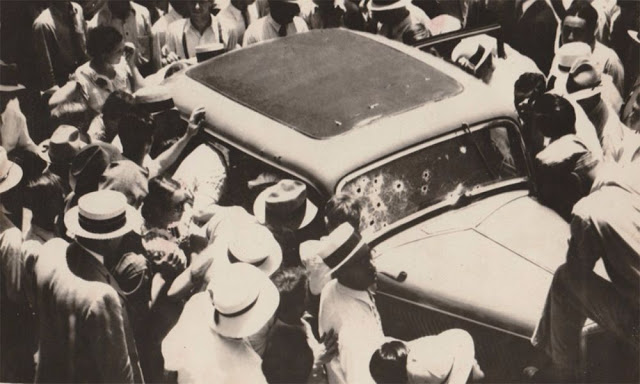
1934 Ford Deluxe V-8 after the ambush with the bodies of Barrow and Parker in the front seats
On May 21, the four posse members from Texas were in Shreveport when they learned that Barrow and Parker were planning a visit to Bienville Parish that evening with Methvin. The full posse set up an ambush along Louisiana State Highway 154 south of Gibsland toward Sailes. Hinton recounted that their group was in place by 9 pm, and waited through the whole of the next day (May 22) with no sign of the perpetrators. Other accounts said that the officers set up on the evening of May 22.

The gunfire was so loud that the posse suffered temporary deafness all afternoon
At approximately 9:15 am on May 23, the posse were still concealed in the bushes and almost ready to give up when they heard the Ford V8 Barrow was driving approaching at high speed. In their official report, they stated they had persuaded Ivy Methvin to position his truck along the shoulder of the road that morning. They hoped Barrow would stop to speak with him, putting his vehicle close to the posse’s position in the bushes. When Barrow fell into the trap, the lawmen opened fire while the vehicle was still moving. Oakley fired first, probably before any order to do so. Barrow was killed instantly by Oakley’s head shot, and Hinton reported hearing Parker scream. The officers fired about 130 rounds, emptying their weapons into the car. Many of Bonnie and Clyde’s wounds would have been fatal, yet the two had survived several bullet wounds over the years in their confrontations with the law.

The bullet-ridden Deluxe, originally owned by Ruth Warren of Topeka, Kansas, was later exhibited at carnivals and fairs then sold as a collector’s item; in 1988, the Primm Valley Resort and Casino in Las Vegas purchased it for some $250,000. Barrow’s enthusiasm for cars was evident in a letter he wrote earlier in the spring of 1934, addressed to Henry Ford himself: “While I still have got breath in my lungs I will tell you what a dandy car you make. I have drove Fords exclusively when I could get away with one. For sustained speed and freedom from trouble the Ford has got every other car skinned and even if my business hasn’t been strictly legal it don’t hurt anything to tell you what a fine car you got in the V-8.”

According to statements made by Hinton and Alcorn:

Each of us six officers had a shotgun and an automatic rifle and pistols. We opened fire with the automatic rifles. They were emptied before the car got even with us. Then we used shotguns. There was smoke coming from the car, and it looked like it was on fire. After shooting the shotguns, we emptied the pistols at the car, which had passed us and ran into a ditch about 50 yards on down the road. It almost turned over. We kept shooting at the car even after it stopped. We weren’t taking any chances.

Actual film footage taken by one of the deputies immediately after the ambush show 112 bullet holes in the vehicle, of which around one quarter struck the couple. The official coroner’s report by parish coroner Dr. J. L. Wade listed seventeen entrance wounds on Barrow’s body and twenty-six on that of Parker, including several headshots on each, and one that had severed Barrow’s spinal column. Undertaker C.F. “Boots” Bailey had difficulty embalming the bodies because of all the bullet holes.

The perpetrators had more than a dozen guns and several thousand rounds of ammunition in the Ford, including 100 20-round BAR magazines
The deafened officers inspected the vehicle and discovered an arsenal of weapons, including stolen automatic rifles, sawed-off semi-automatic shotguns, assorted handguns, and several thousand rounds of ammunition, along with fifteen sets of license plates from various states. Hamer stated: “I hate to bust the cap on a woman, especially when she was sitting down, however if it wouldn’t have been her, it would have been us.” Word of the deaths quickly got around when Hamer, Jordan, Oakley, and Hinton drove into town to telephone their respective bosses. A crowd soon gathered at the spot. Gault and Alcorn were left to guard the bodies, but they lost control of the jostling, curious throng; one woman cut off bloody locks of Parker’s hair and pieces from her dress, which were subsequently sold as souvenirs. Hinton returned to find a man trying to cut off Barrow’s trigger finger, and was sickened by what was occurring. Arriving at the scene, the coroner reported:

Nearly everyone had begun collecting souvenirs such as shell casings, slivers of glass from the shattered car windows, and bloody pieces of clothing from the garments of Bonnie and Clyde. One eager man had opened his pocket knife, and was reaching into the car to cut off Clyde’s left ear.

Hinton enlisted Hamer’s help in controlling the “circus-like atmosphere” and they got people away from the car.

The posse towed the Ford, with the dead bodies still inside, to the Conger Furniture Store & Funeral Parlor in downtown Arcadia, Louisiana. Preliminary embalming was done by Bailey in a small preparation room in the back of the furniture store, as it was common for furniture stores and undertakers to share the same space. The population of the northwest Louisiana town reportedly swelled from 2,000 to 12,000 within hours. Curious throngs arrived by train, horseback, buggy, and plane. Beer normally sold for 15 cents a bottle but it jumped to 25 cents, and sandwiches quickly sold out. Barrow had been shot in the head by a .35 Remington Model 8. Henry Barrow identified his son’s body, then sat weeping in a rocking chair in the furniture section.

H.D. Darby was an undertaker at the McClure Funeral Parlor and Sophia Stone was a home demonstration agent, both from nearby Ruston. Both of them came to Arcadia to identify the bodies[108] because the Barrow gang had kidnapped them[110] in 1933. Parker reportedly had laughed when she discovered that Darby was an undertaker. She remarked that maybe someday he would be working on her;[108] Darby did assist Bailey in the embalming. (Wikipedia)

These rare photographs of the ambush aftermath feature the get away car, Texas Ranger Captain, Frank Hamer, and a post mortem of the couple. Also included is an earlier photograph, “Bonnie & Clyde, Kissing & Embracing.”

Barrow’s stolen Ford V8, 1934

Subscribe to continue reading

Become a paid subscriber to get access to the rest of this post and other exclusive content.

Yesterday Today

Bringing You the Wonder of Yesterday - Today

Skip to content ↓