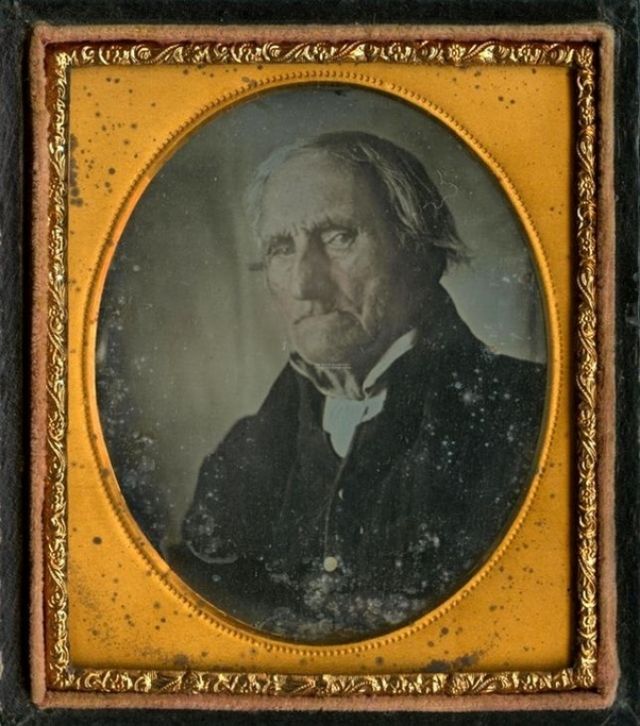
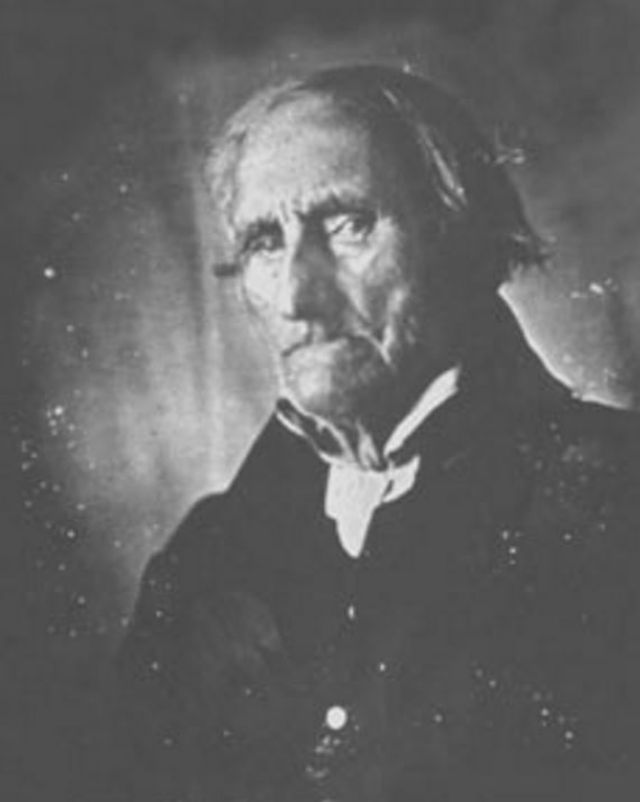
Conrad Heyer, a veteran of the American Revolutionary War, is known as the only photographed person to have crossed the Delaware with George Washington, 1776. He also is the earliest-born American to have ever been photographed. As well, he is believed to be the earliest born human ever photographed.
Heyer was born in Waldoboro, Maine in 1749. A soldier in the Continental Army during the American Revolution he fought under the command of George Washington and took part in Washington’s crossing of the Delaware River to Valley Forge before the Battle of Trenton in December 1776. Heyer participated in several major battles during his time in the Continental Army and records indicate that he had even seen George Washington, America’s First President, with his own eyes. Heyer served in the Continental Army for one year, having been discharged mid-December 1777.
According to sources this photograph of Conrad Heyer is believed to have been taken in 1852, making him 103 years old at the time. The photo was created using the daguerreotype technique. The daguerreotype was the first commercially successful photographic process (1839-1860) in the history of photography. The world portrayed in daguerreotype portraits and landscapes from the 1840s and on were seen at the time as being a radical, modern innovation. The first photographers used it, too, to capture a look into the even more distant past, linking people and events that seem very old and very distant with the more modern realm. The few remaining photos we have from the first half of the 19th century provide a window into a world otherwise accessible only through the written word.
Heyer bought a farm in Waldoboro, Maine after the war and spent the rest of his life there. When he died in 1856, he was buried with full military honors. The amazing photograph, aside from its American historical significance, captures the intensity of an individual who, even at 103, maintains an intimidating dignity and presence. We can feel the resolute power of his piercing gaze even after all these years later.
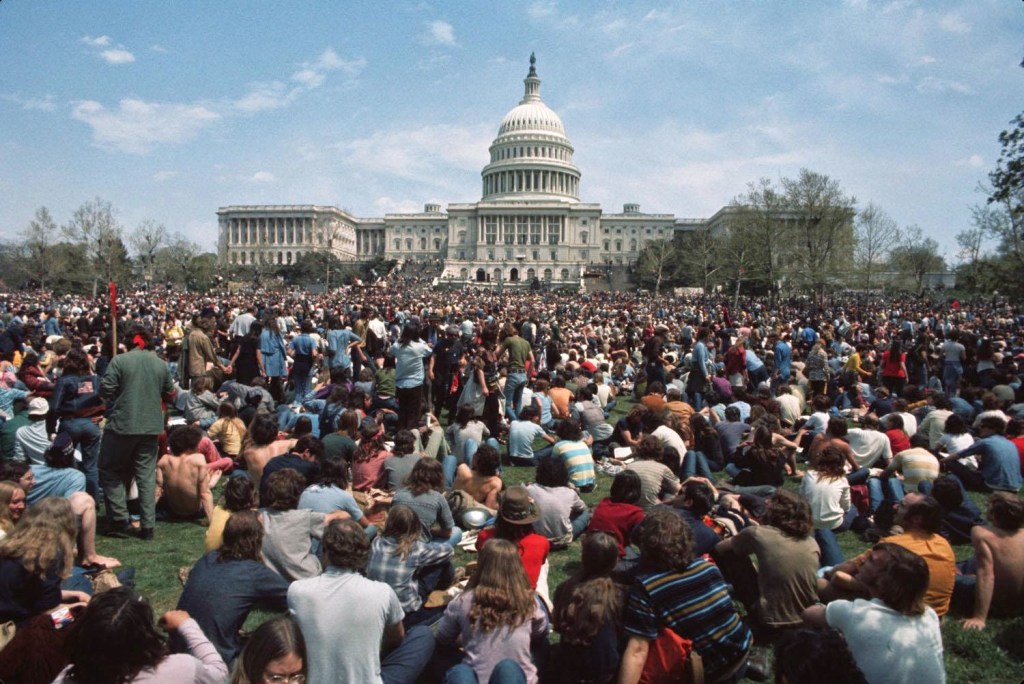
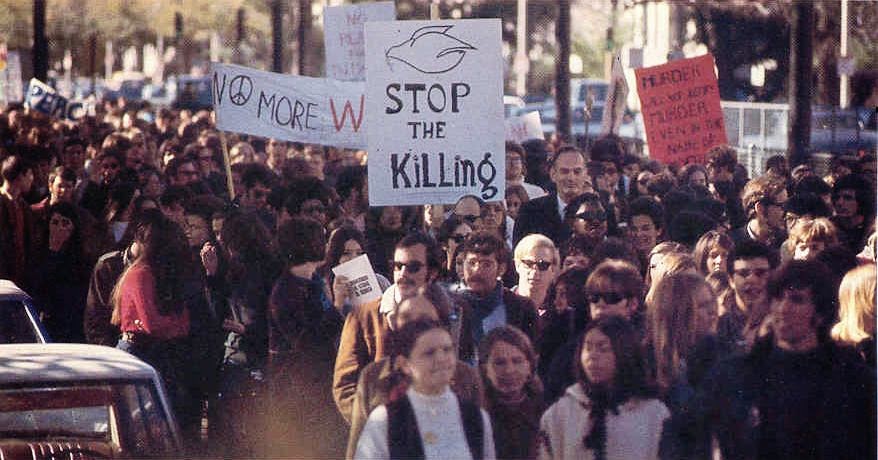
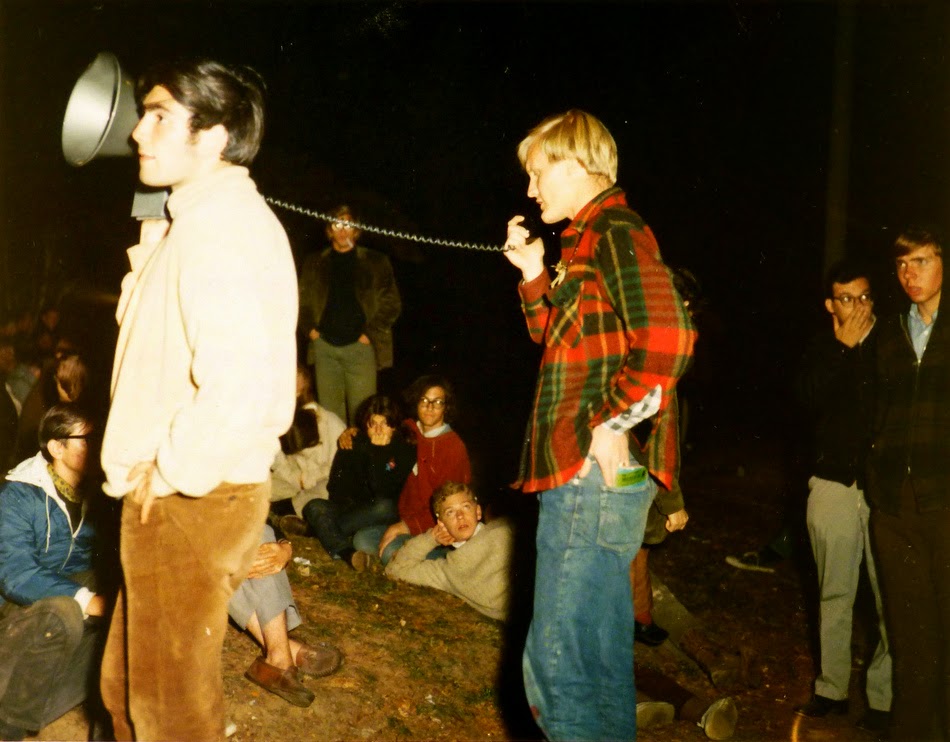
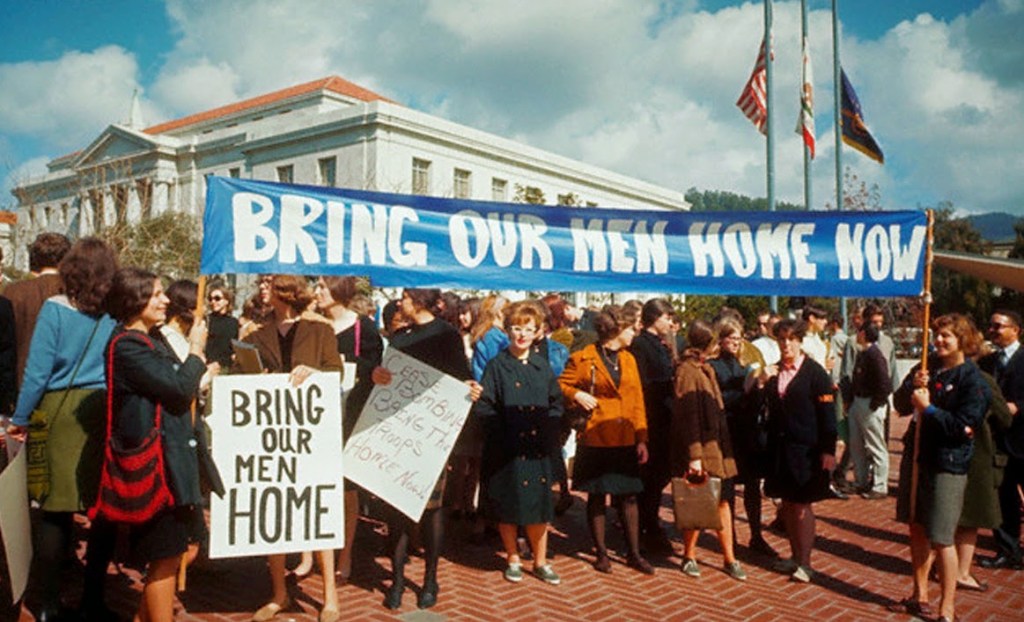
The movement against the involvement of the United States in the Vietnam War began in the U.S. with demonstrations in 1964 and grew in strength in later years. The U.S. became polarized between those who advocated continued involvement in Vietnam and those who wanted peace. Many in the peace movement were students, mothers, or anti-establishment hippies. Opposition grew with participation by the African-American civil rights, women’s liberation, and Chicano movements, and sectors of organized labor.
The reasons behind American opposition to the Vietnam War fell into several main categories: opposition to the draft; moral, legal, and pragmatic arguments against U.S. intervention; and reaction to the media portrayal of the devastation in Southeast Asia.
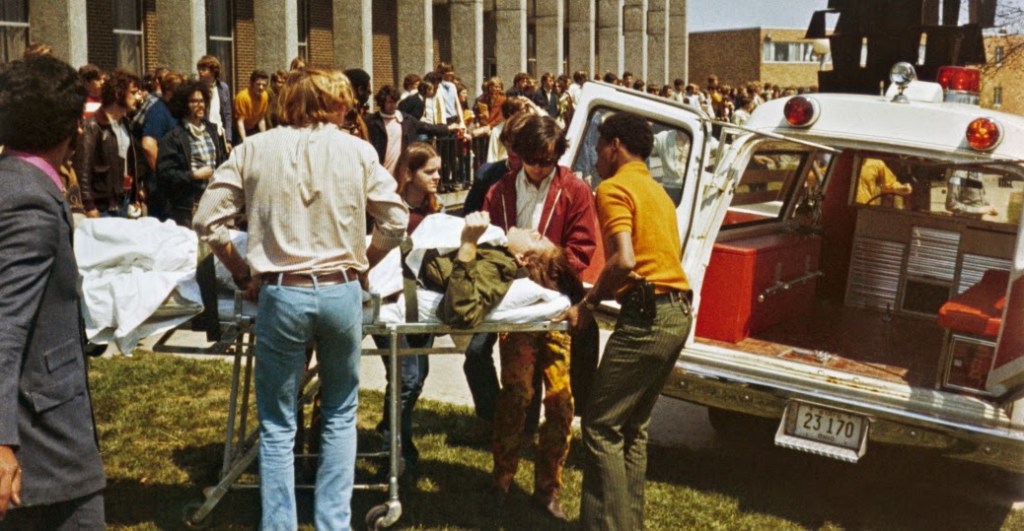
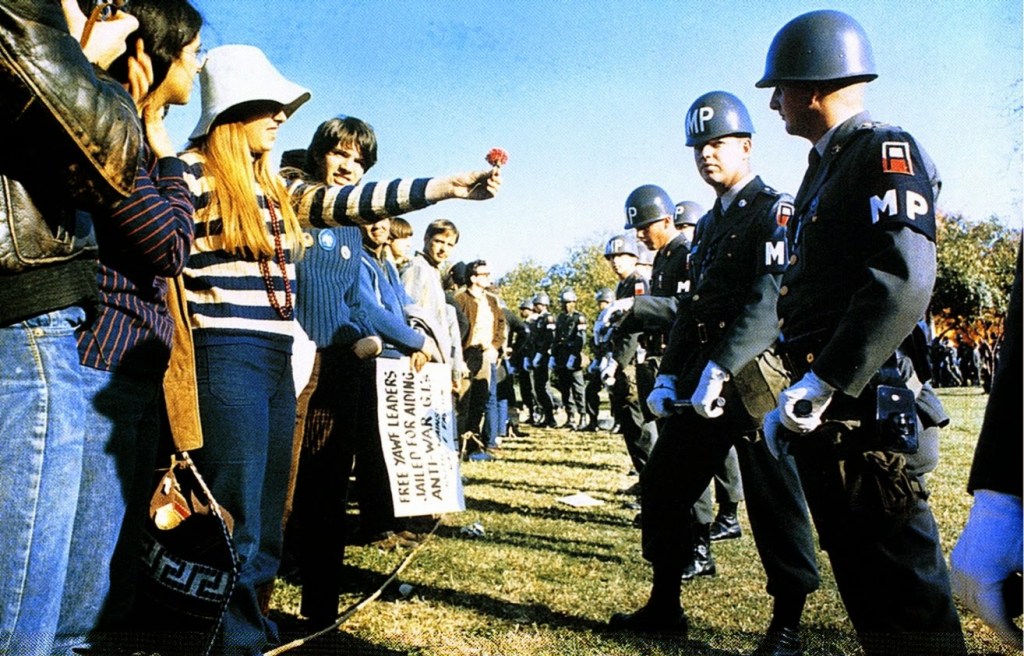
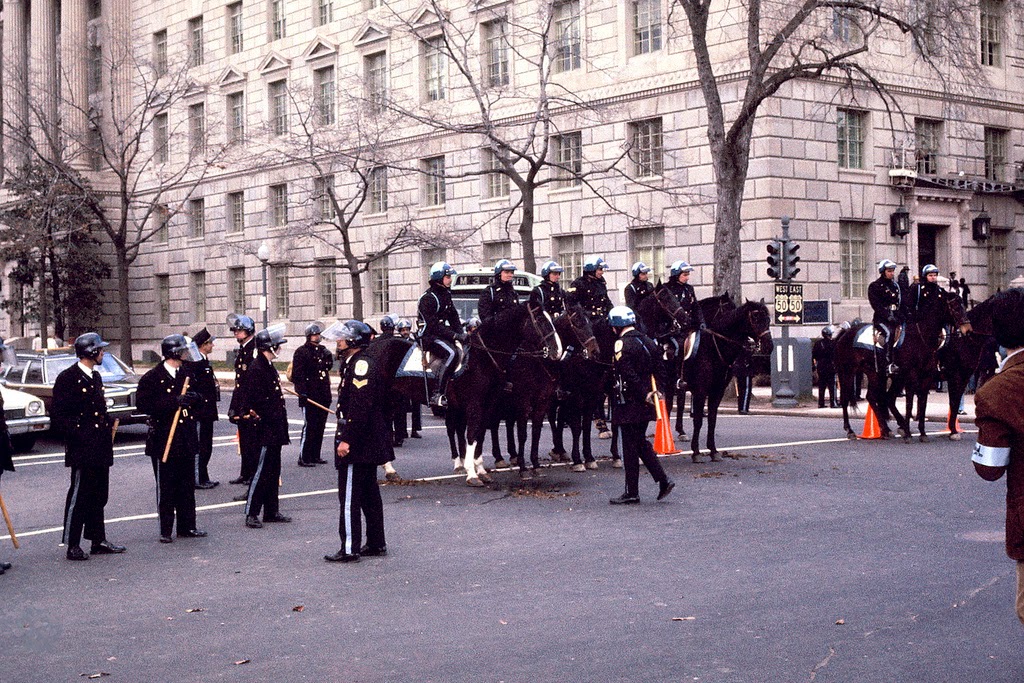
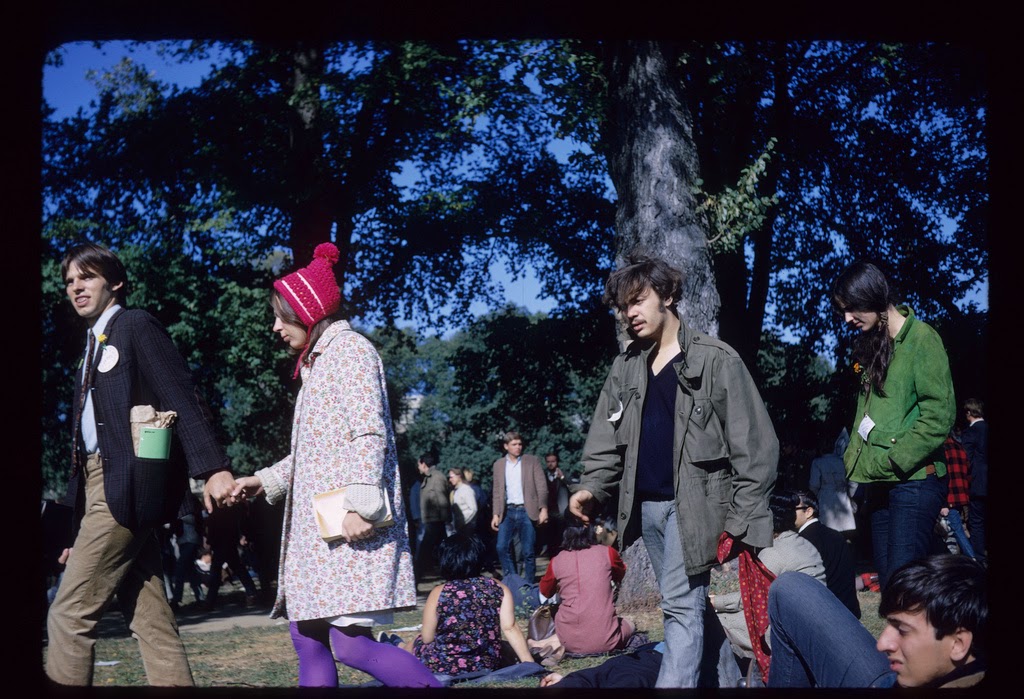
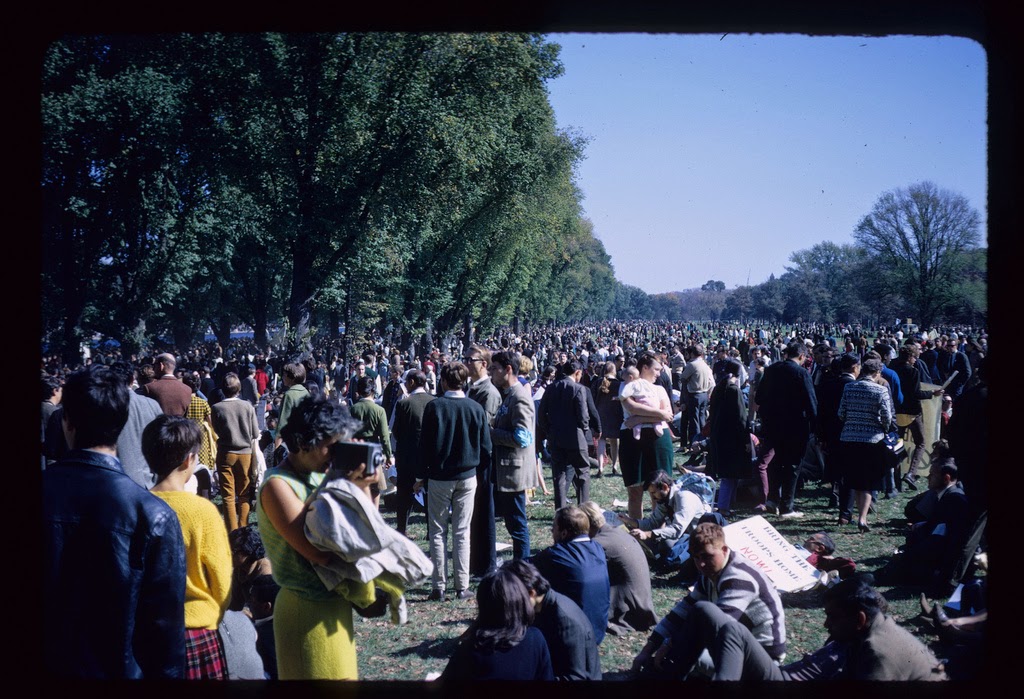
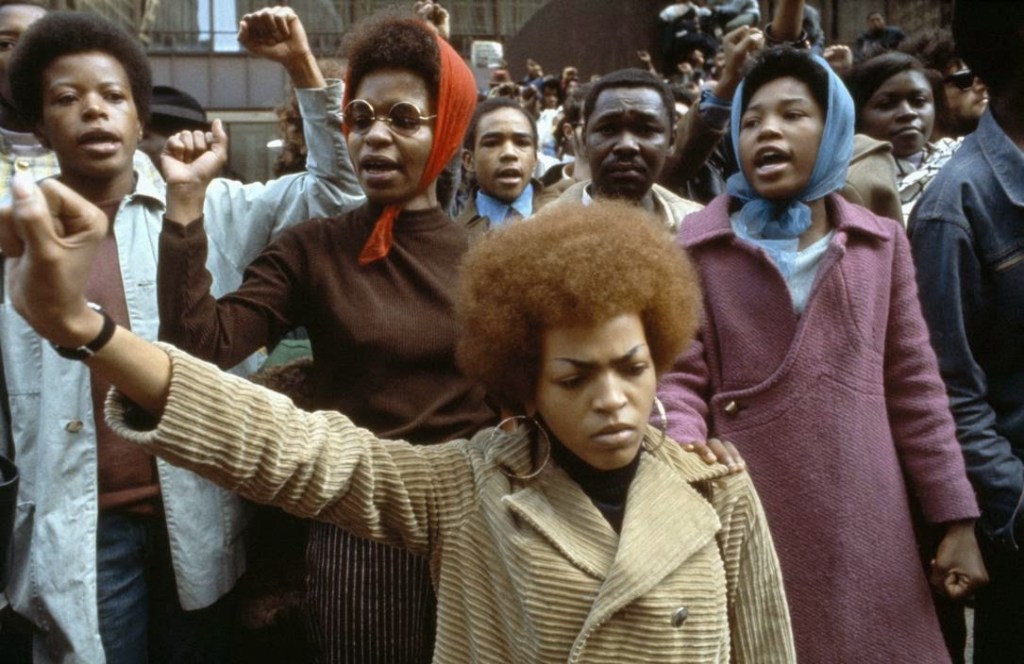
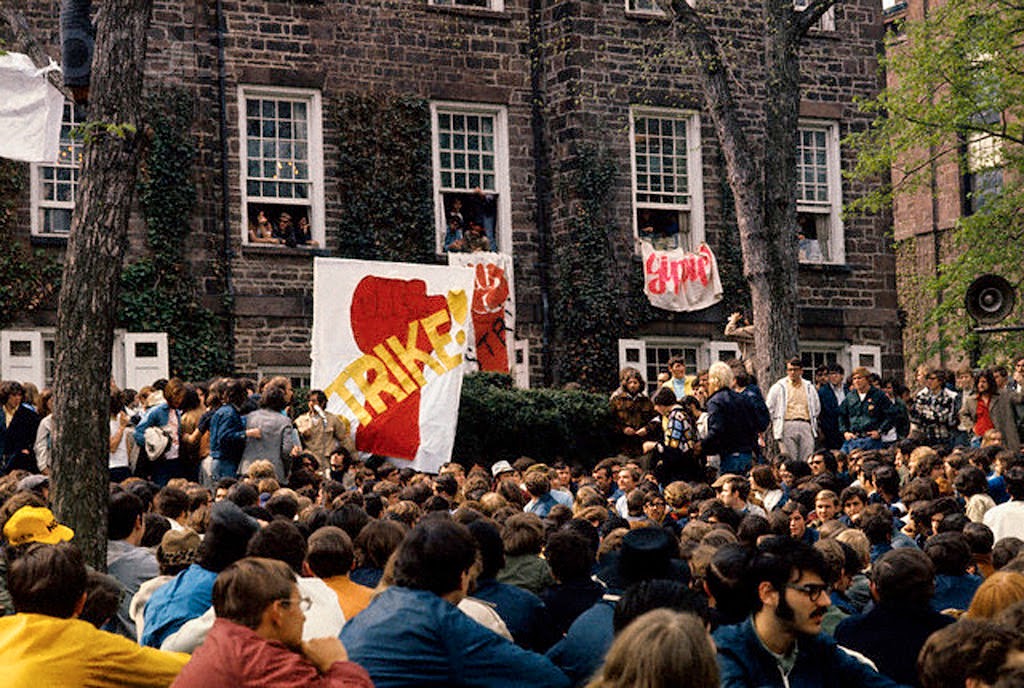
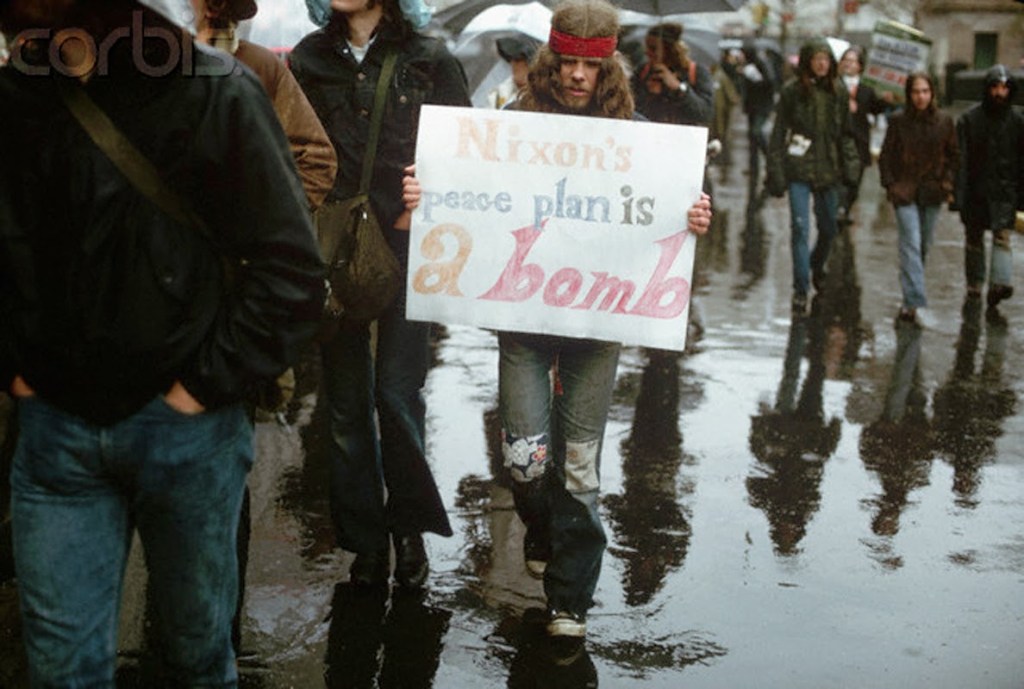
A group of female students at U.C. Berkeley demonstrate their opposition to the war, ca. 1968. The majority of the anti-war movement began on college campuses with organizations such as SDS, Students for a Democratic Society.Anti-war protests rocked the 1968 Democratic Convention in Chicago, Illinois, as more than 10,000 demonstrators took to the city’s streets. Opposition to the policies of President Lyndon Johnson’s administration even spilled over to the convention hall itself, where Vice President Hubert Humphrey accepted his party’s nomination.Mark Rudd, leader of Columbia University’s Students for a Democratic Society, organized the 1968 student protest that led to the occupation of the five administration buildings and the temporary shut down of the university.On November 15, 1969, more than 500,000 protestors flooded into Washington, D.C., for the Moratorium March—one of the largest anit-war demonstrations in U.S. history.In Washington D.C., veterans protest the fighting in Indochina by discarding their medals and uniforms over the fence at the U.S. Capitol.On April 30, 1970, Nixon announced an expansion of the war effort and the need to draft 150, 000 more soldiers. This resulted in massive protests on college campuses around the country.At Kent State University in Ohio the National Guard confronts protestors, after an ROTC building was set on fire. The National Guard opened fire on the students killing four and wounding eight.The Civil Disturbance Unit of the Washington Metropolitan police department responds to anti-war demonstrators at George Washington University in 1971.A peace sign printed on the American Flag is raised during an anti-war protest in Washington, D.C. Due, in part, to the strong anti-war sentiments, Nixon announced the end of U.S. involvement in Southeast Asia in January 1973.Anti-war protest against the Vietnam War in Washington, D.C. on April 24, 1971 – at the corner of Pennsylvania Avenue and 10th Street NW.A female demonstrator offers a flower to military police on guard at the Pentagon during an anti-Vietnam demonstration. Arlington, Virginia, USA. 21 October 1967.Members of the military police keep back protesters during their sit-in at the Mall Entrance to the Pentagon, on 21 October 1967.Washington D.C. Anti-Vietnam Demonstration. U.S. Marshals bodily remove one of the protesters during the outbreak of violence at the Pentagon Building, on 22 October 1967.Washington, D.C. Anti-Vietnam Demonstration. Protesters sit on the wall around their bonfire after spending the night at the Pentagon’s mall entrance, on 22 October 1967.Demonstrators gather in front of Capital building for the 1971 Vietnam War Out Now protest in Washinton D.C.Vietnam War protest, 1968.On October 21, 1967, some 35,000 anti-war protesters organized by the National Mobilization Committee to End the War in Vietnam, gathered for a demonstration at the Pentagon (the “March on the Pentagon”), where they were confronted by some 2,500 armed soldiers. The march concluded with an attempt to “exorcise” the building.Protestors try to block traffic, 17th and DeSales St., Mayday protests 1971.Police to control protest at Nixon’s second inauguration, January 1973.US Capitol and farmers’ protest, 1979.March on Washington against the war in Vietnam, 21-22 October, 1967.Bring the troops home now: March on Washington against the war in Vietnam, 21-22 October, 1967.Protest against the Vietnam War, Black Panthers, Washington, DC. 1969.Demonstrators in Berkeley, California march against the war in Vietnam in December of 1965.Arrest of Vietnam War protesters, May 1971.May 4, 1970 New Brunswick, NJ: Students demonstrate at Rutgers University protesting the Nixon Administration’s Cambodian policy. The Rutgers demonstration is one of many being staged on university campuses across the nation and the remainder of the week. They’re gathered in front of the Administration Building.Anti-Vietnam War march, April 27, 1968.Women’s march against Vietnam War ca. 1960s-1970s.Vietnam War protester holding a sign, 1970.Peace sign at Vietnam War demonstration ca. 1970.
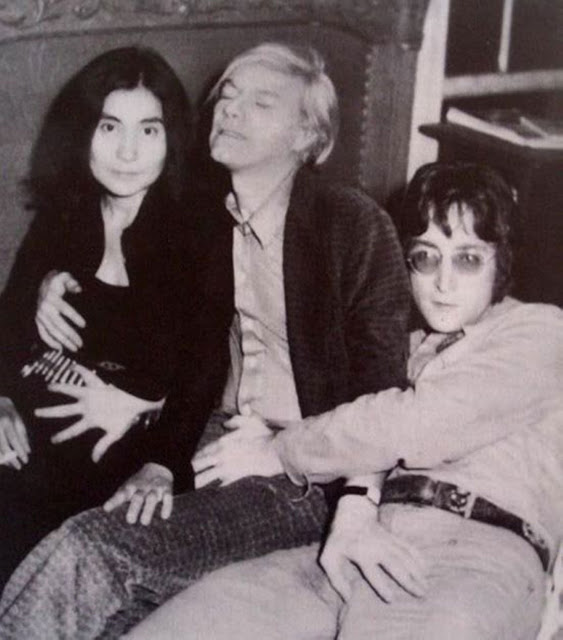
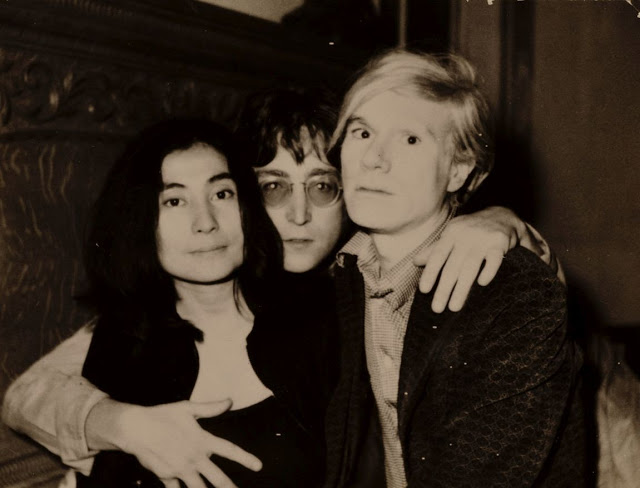
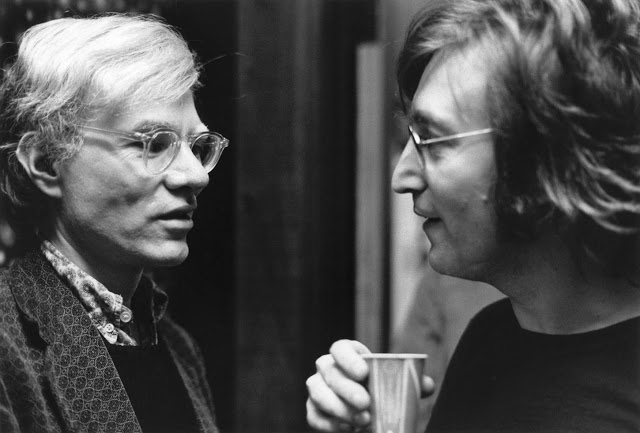
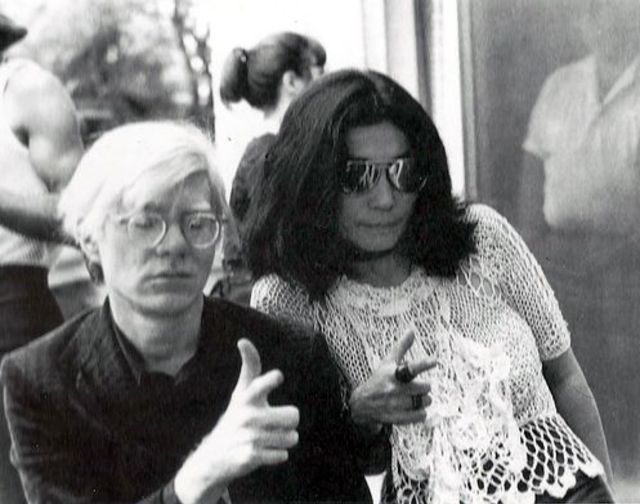
Andy Warhol was close friends John Lennon and Yoko Ono for years and obscure photos were taken of the three together. They were so close, that Yoko spoke at Andy’s funeral in 1987.
A slightly weird photo taken of Yoko Ono, Andy Warhol and John Lennon all touching each other, 1971.Here’s another great photo of the three artists hanging out together at the same time.A selfie taken by a Polaroid of the three.That time Andy Warhol kissed John Lennon on the check.
In 1990, the late American photographer Mary Ellen Mark captured a photo titled “Amanda and her Cousin Amy,” which showed a 9-year-old girl named Amanda smoking a cigarette while standing in a swimming pool with her 8-year-old cousin, Amy. It’s a striking photo that became one of Mark’s most famous works, but have you ever wondered what became of the two girls?
After Mary Ellen Mark passed away on May 25, 2015 in New York, NPR decided to dig into this particular photo and find out more about the subjects in the shot. Why was she smoking and wearing makeup and fake nails at age 9? What does she remember of the photo shoot? And what has happened since that sunny afternoon in 1990?
She now goes by Amanda Marie Ellison — her surname was Minton at the time of the photo and lives in Lenoir, North Carolina. She hasn’t quit smoking since the photo was taken nearly three decades ago, and indeed still remembers the photo.
“Never forgotten it. Never in my life have I forgotten it,” she told NPR.
Mark formed a bond with Ellison over multiple photo shoots, but after Mark left, she lost track of the photographer’s name and phone number. For 25 years, she searched for the photo to no avail. It was only at the death of the photographer that Ellison had any news of her, via a Facebook post by her cousin.
“I cried. I cried. Because … all at once, there it was”
In 1990, Mark had been sent to rural North Carolina by LIFE magazine to cover a school for “problem children.” Ellison was one of those children. “She’s my favorite,” Mark told British Vogue in 1993. “She was so bad she was wonderful, she had a really vulgar mouth, she was brilliant.”
Mark added: “I was something of a problem kid. I was emotional, wild, rebellious at school. I’m very touched by kids who don’t have advantages; they are much more interesting than kids who have everything. They have a lot of passion and emotion, such a strong will.”
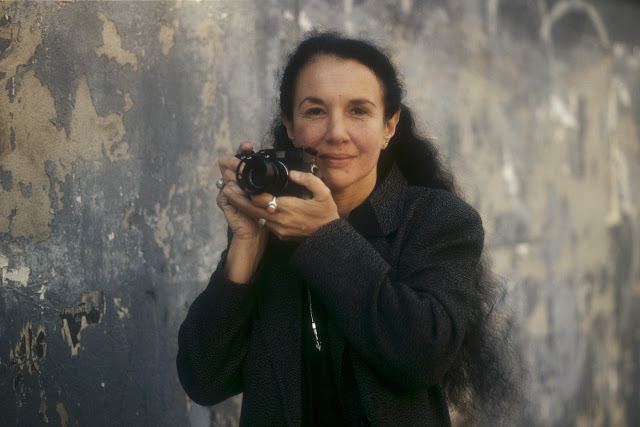
Photographer Mary Ellen Mark in New York City in 198
At that time, Ellison was living in a house in a poor neighborhood nicknamed “Sin City.” She said the rent was very low and that there were many addicts among the tenants. That’s when she started bumming cigarettes and smoking.
“If I couldn’t get [cigarettes], if somebody wouldn’t give them to me, yes, I’d steal a pack of cigarettes and be gone,” she said. “I’d sit in the woods and smoke ’til they were gone.”
At 11, she stayed with a foster family, then moved from home to home. She developed an addiction to hard drugs at the age of 16.
Since then Amanda Marie Ellison has been in prison, and still surrounded by fools and drugs. Although she said her daily life has improved, her fate remains far from the one she had imagined would be hers since the famous photograph.
Jeff Jacobson, a New York photographer and a friend of Mark, says she was not the type to give her subjects false impressions. But he says, “In any photographic encounter, the one person that always benefits and always is in a more powerful position and always knows more is the photographer.”
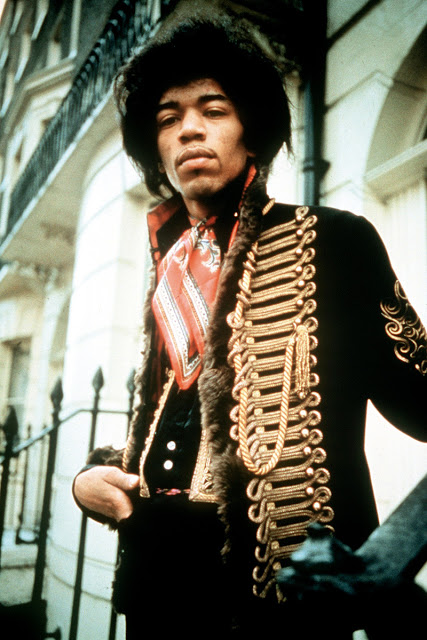
The 27 Club has become one of the most elusive and remarkably tragic coincidences in rock & roll history. The term became widely known after Kurt Cobain’s death in 1994, with rock fans connecting his age to that of Jim Morrison, Janis Joplin, Brian Jones and Jimi Hendrix – though it was notable to fans in the early 1970s when those four visionaries died within just two years of each other.
Featuring rock stars and singers who died at 27, this list of 27 Club members include some of the greatest musicians who died before 30. “The 27 Club” or “Club 27” is the colloquial name given to a group of influential rock musicians who died at the young age of 27.
Though the official causes of death for these famous people vary between the different musicians – from suicide to overdoses on sleeping pills to, yes, choking to death on vomit – drug and alcohol abuse is often cited as a primary cause behind many of these deaths. Everyone on this list will never turn 28 – they will be forever 27.
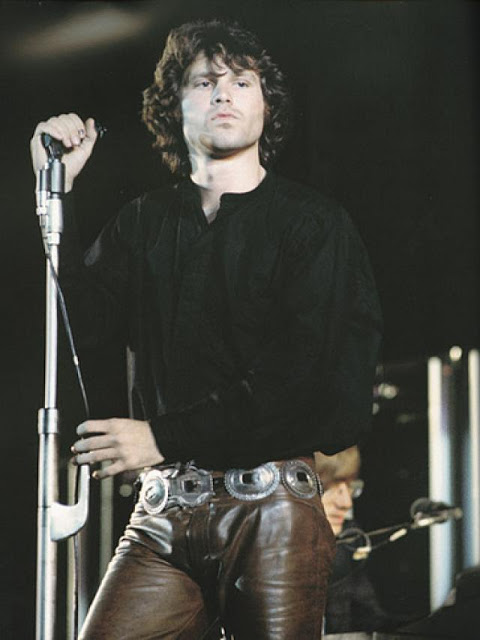
Jim Morrison
Lead singer and songwriter of The Doors. After struggling with drugs and alcohol for some time, Morrison died of a presumed heart failure on July 3rd, 1971.
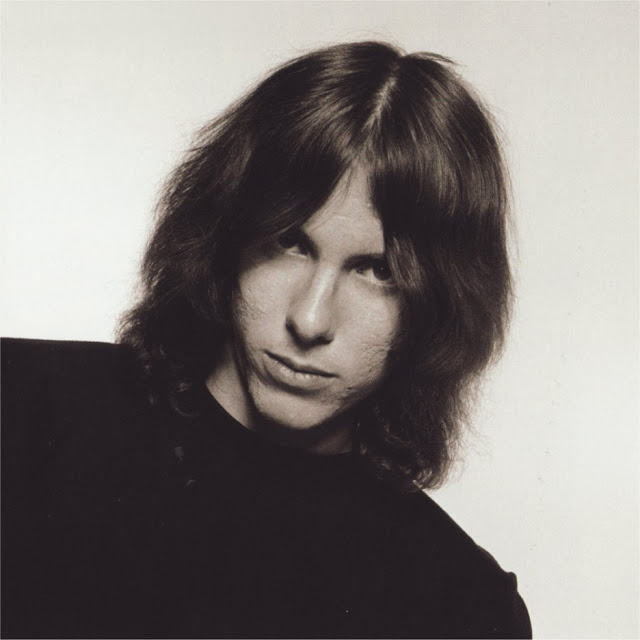
Dave Alexander
Bassist for legendary punk band the Stooges. Died of pulmonary edema (associated with alcohol) on February 10, 1975.
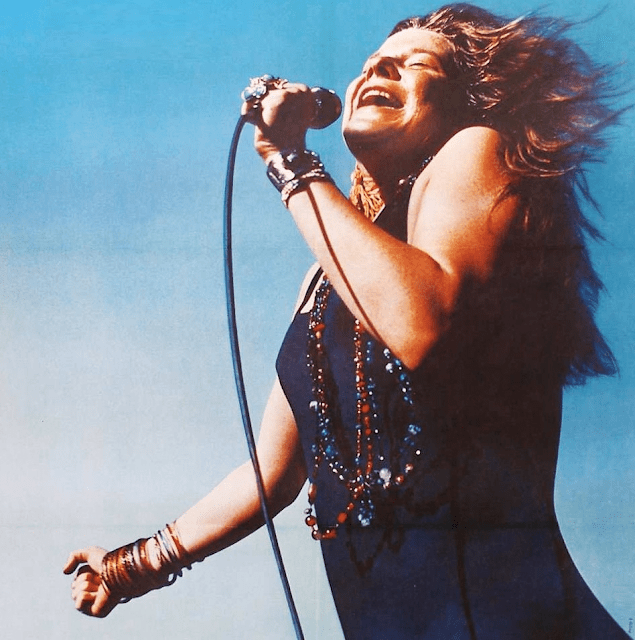
Janis Joplin
Singer/Songwriter and ’60s icon. One of the first true female superstars. Died of a heroin overdose on October 4, 1970.
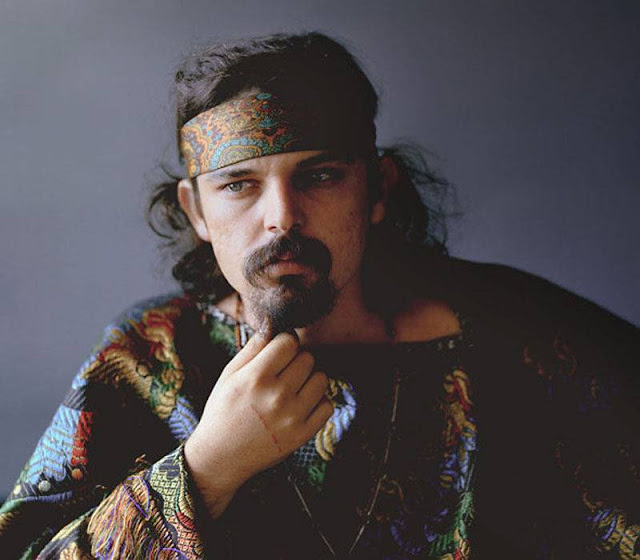
Ron “Pigpen” McKernan
Founding member and original keyboardist of the Grateful Dead. Died of a gastrointestinal hemorrhage (again associated with alcohol) on March 8th, 1973.
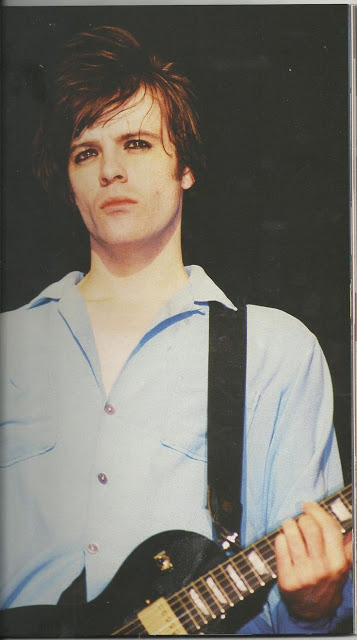
Richey Edwards
Founding member and lyricist for the Manic Street Preachers. Disappeared and presumed dead from suicide on February 1, 1995.
Jimi Hendrix
Legendary guitarist and songwriter for the Jimi Hendrix Experience & Band of Gypsys. Dead from asphyxiation as a result of wine and sleeping pills on September 18, 1970.
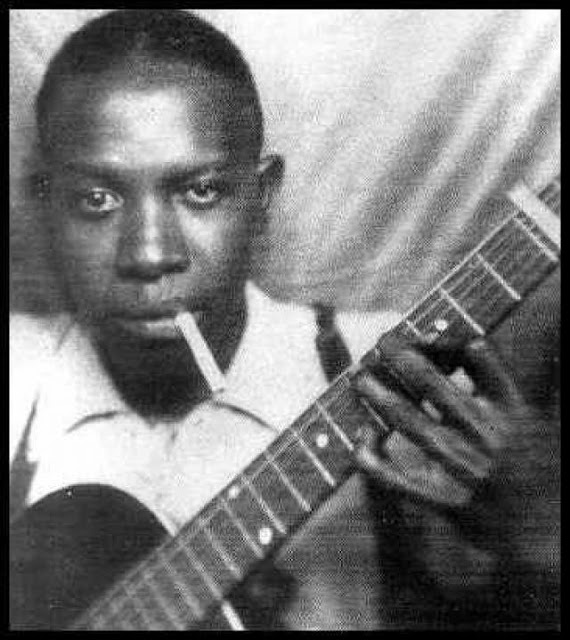
Robert Johnson
Pioneering blue musician and guitarist. Most likely died from poisoning on August 16, 1938. Widely considered the first member of the ‘27 Club.’
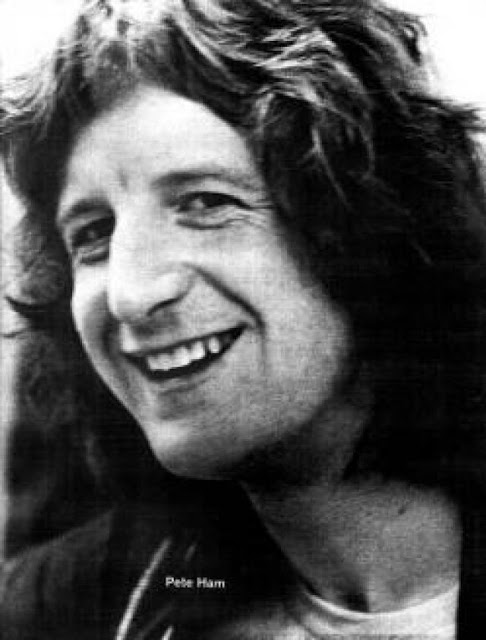
Pete Ham
Keyboardist and guitarist of the British band Badfinger. Died from suicide by hanging on April 24, 1975
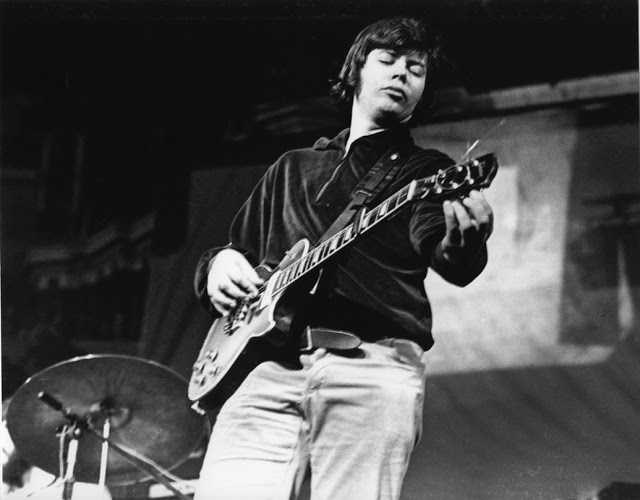
Alan Wilson
Lead singer and songwriter of Canned Heat. Died of an overdose on September 3, 1970.
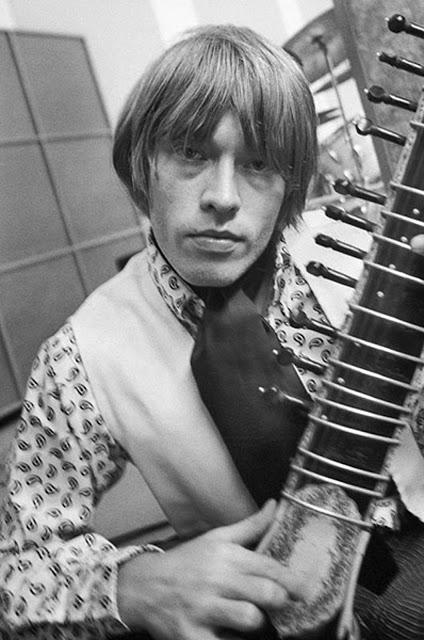
Brian Jones
Founding member and guitarist of the Rolling Stones. Died from drowning in a pool one month after being kicked out of the band on July 3, 1969.
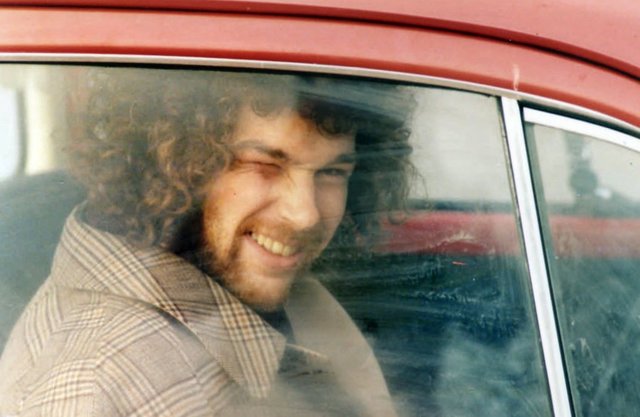
Chris Bell
Founder and songwriter of the extremely influential band Big Star. Died of a car crash on December 27, 1978.
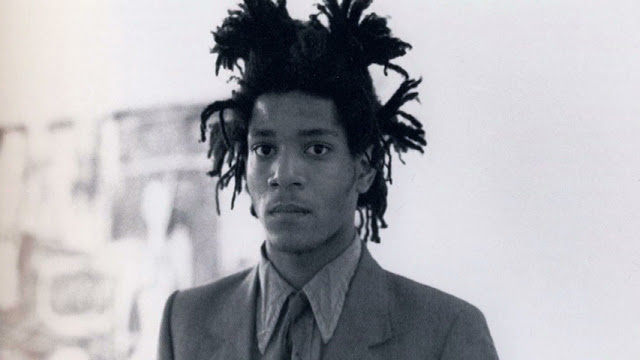
Jean-Michel Basquiat
NYC based artist, friend of Andy Warhol, and founder of the band Gray. Died from a heroin overdose on August 12, 1988.
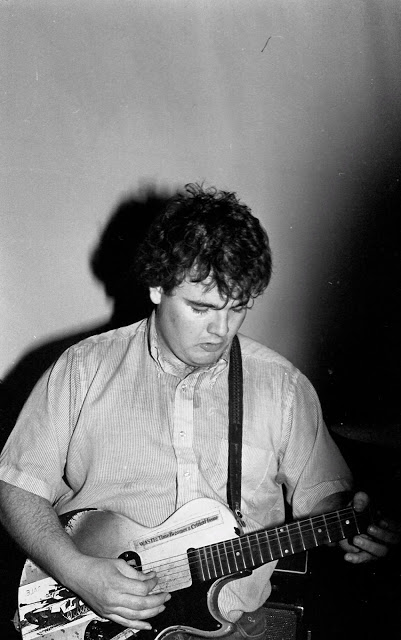
D. Boon
Guitarist and lead singer of the band Minutemen and extremely influential punk musician. Died as a result of injuries from a car crash on December 22, 1985.
Kristen Pfaff
Bassist for Hole. Died of an overdose on June 16, 1994.
Kurt Cobain
Singer and songwriter for Nirvana and grunge icon. Death by suicide on April 5, 1994.
Amy Winehouse
Singer and songwriter. She died of alcohol poisoning on 23 July 2011.
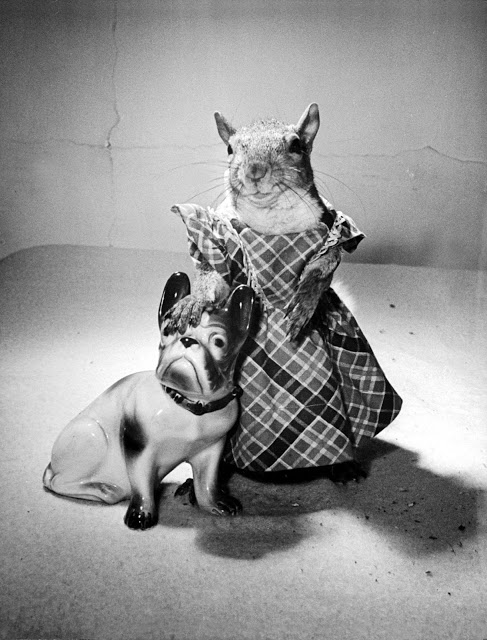
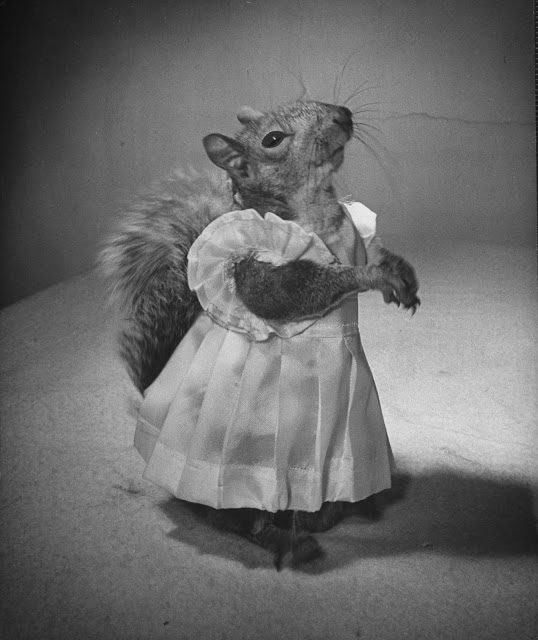
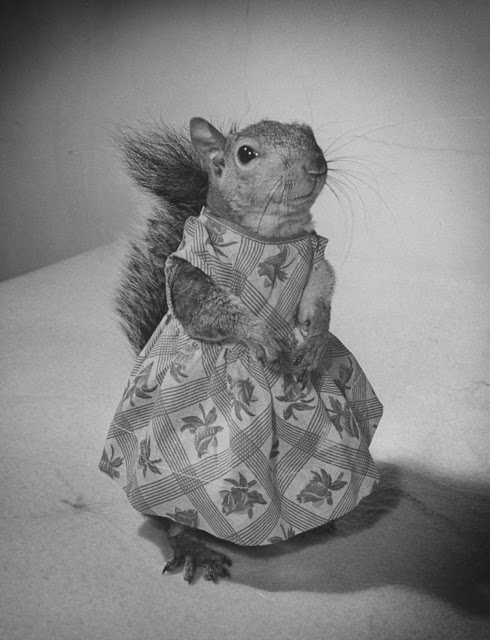
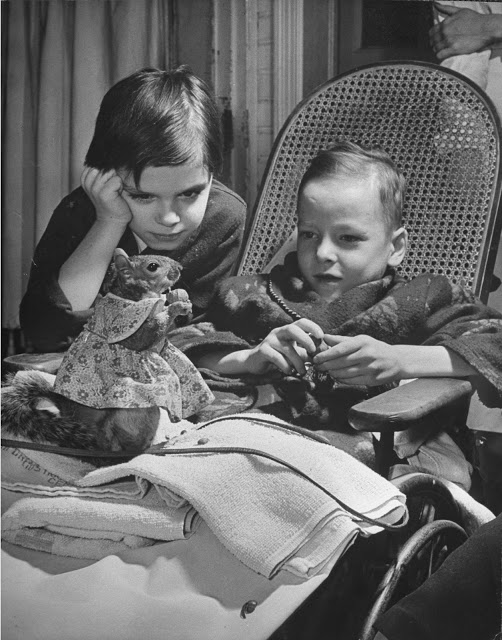
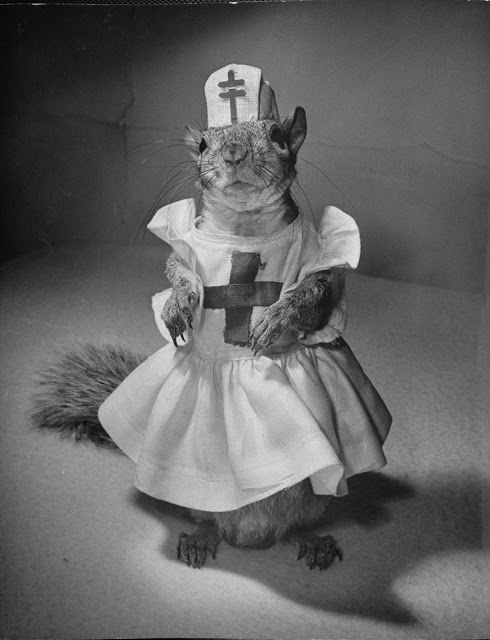
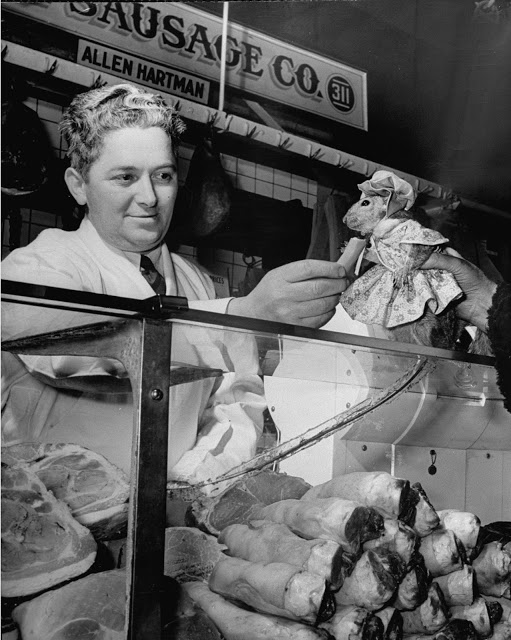
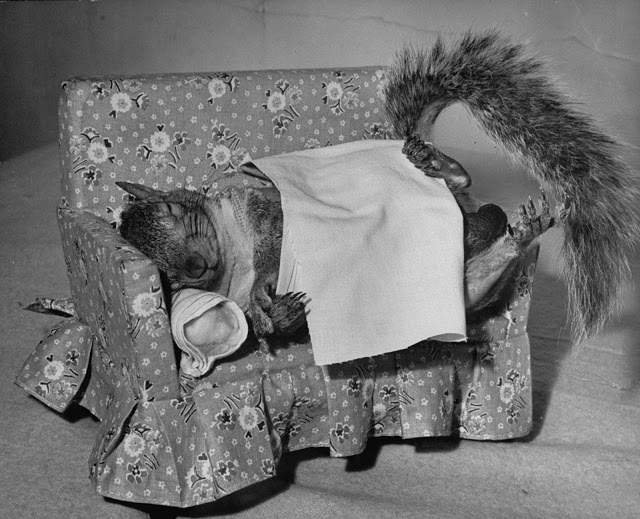
Many of us probably don’t remember Tommy Tucker, a famed D.C.-area squirrel who used to go to the grocery store in a tailor-made coat and hat. But luckily, LIFE magazine has opened up its archives to shine a bit of light on the dapper rodent.
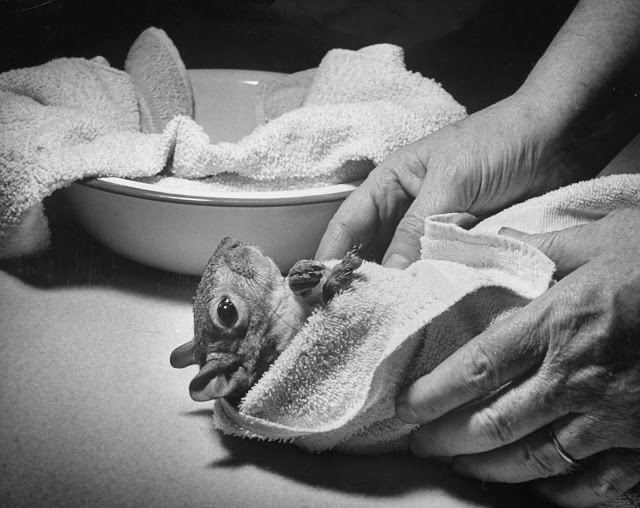
In the early 1940s, LIFE magazine reported that a Mrs. Mark Bullis of Washington, D.C., had adopted a squirrel “before his eyes were open, when his mother died and left him in a tree” in the Bullis’s back yard. LIFE then went on to observe that the squirrel, dubbed Tommy Tucker by the Bullis family, “is a very subdued little animal who has never had a chance to jump around in a big tree.”
Despite Tommy’s male anatomy, photographer Nina Leen and his owners styled the squirrel in drag for a LIFE magazine feature in 1944.
When Tommy died in 1949, his owners sent him off to be stuffed and promised his remains and outfits would end up at a museum. However, The Washington Post notes that Tommy never quite managed to find his way there.
This Year’s ModelSimple, Yet ElegantSorry, Did You Say Something?The “Little Squirrel on the Prairie” LookForever GinghamI Call This My “Going Visiting Dress”Chill in the AirCan’t a Squirrel Eat in Peace?CPR: Cute Professional RodentA little girl dressing up her pet squirrel in baby doll dresses.Too. Much. Starch. Can’t. Breathe.One Sample per Customer, PleaseA Clean Squirrel Is a Happy SquirrelAhhhh. Warm Towels.To Sleep, Perchance to Dream … of Acorns …
(Photos: Nina Leen—Time & Life Pictures/Getty Images)
It’s October 1, 1940 and Province photographer Claude P. Dettloff is standing on Columbia Street at 8th Street in New Westminster, his press camera up to his eye, preparing to take a shot. He’s focusing on a line of hundreds of men of the B.C. Regiment marching down 8th to a waiting train. Soldiers of the Duke of Connaught’s Own Rifles are marching past. Suddenly, in the view-finder, Detloff sees a little white-haired boy tugging away from his mother’s grasp and rushing up to his father in the marching line …
‘Wait For Me, Daddy’ has become one of the most famous photographs in Canadian history. It was printed in Life magazine and was hung in every classroom across B.C. during the war years. (Claude Dettloff)
‘Wait For Me, Daddy’ becomes the most famous Canadian picture of the Second World War, and one of the most famous of all war pictures. And it was a fluke, a one-in-a-million shot.
The Royal Canadian Mint issued a general-circulation $2 coin with an engraved rendition of the famous image; Canada Post put out a postage stamp replicating the photo; and a stylized bronze sculpture has been crafted in Spain.
Ever the pro, Dettloff was prepared as his once-in-a-lifetime opportunity approached on Oct. 1, 1940.
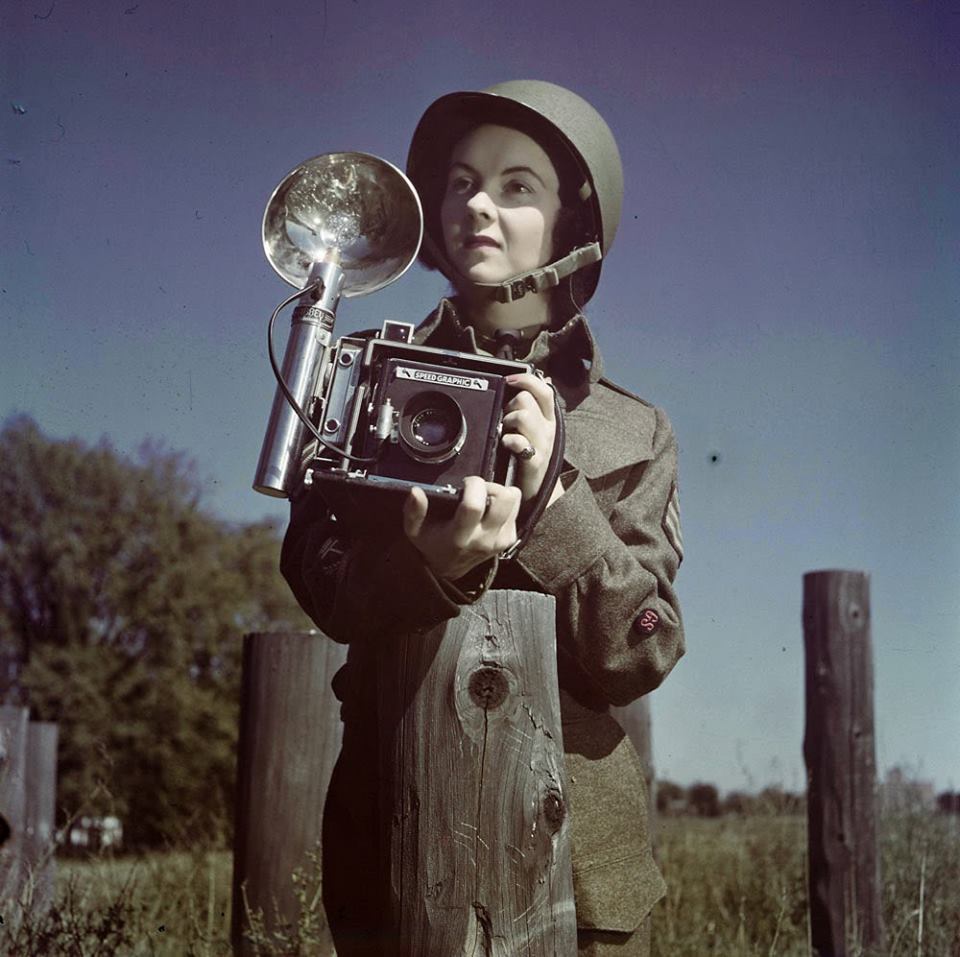
But the challenge was much greater than photographers face today because his equipment was primitive by our standards. The camera was a cumbersome Speed Graphic, weighing about five kilograms. The worst shortcoming was its film capacity: just one piece of film was available at a time.
Photo of former Province photographer Claude Dettloff and his camera.
Adding to the challenge was the nature of the event itself. It was really just a bunch of guys marching down a street, as happened thousands of times during the Second World War. There were no celebrities on hand or choice awards being given out.
Fortunately, Dettloff knew exactly what he was looking for, and prepared accordingly.
He explained his rationale in a 1954 radio interview:
“I am a lazy fellow, really. I don’t like to rush around taking dozens of pictures of everything in sight. I like to take my time and wait for Lady Luck to take a hand. As the long line of marching men started down the hill, I could see a second line of wives, children and sweethearts marching with them. I felt that something of a sentimental nature was bound to happen, so I was watching for it. I clicked the shutter of my camera almost without thinking.
“It was the only shot I took. I knew that was it before I even printed it.”
The result was magical!
The mother’s outstretched hand and the swirl of her coat, the boy’s shock of white hair and his own reaching hand, the father’s turning smile and the downward thrust of his own outreaching hand — he has shifted his rifle to his other hand to hold his son’s for a moment — the long line of marching men in the background, all this makes an unforgettable image, a masterpiece of unplanned composition, a heart-grabbing moment frozen for all time.
But Warren “Whitey” Bernard, who was five when Claude Dettloff photographed him, doesn’t remember October 1st. What he does remember is October 2nd, when the picture appeared in the Province and he was suddenly famous.
Back at the time of the picture, he and his dad Jack and his mom Bernice lived in Vancouver, near General Wolfe Elementary, where little Whitey was in Grade One. (His mom lied about his age to get him in.)
“The picture went everywhere,” Whitey says. “It was a full page in Life, it was in Liberty and Time and Newsweek and the Reader’s Digest and the Encyclopaedia Britannica Yearbook and in newspapers everywhere.” Whitey’s wife, Ruby, nods. “It was hung in every school in B.C. during the war,” she says, laughing. “I saw him years and years before we actually met.”
The photo caught the attention of the military.
“They were holding War Bond drives,” Whitey says, “and they asked Mom for permission to include me in some of them. They were six weeks long, and so I had to be excused from school. They had entertainers and put on shows. I remember meeting Edgar Bergen and ‘talking’ to his dummies, Charlie McCarthy and Mortimer Snerd, and there were local entertainers, too: Barney Potts, Thora Anders, Pat Morgan, and I’d come out at the end in front of a big blowup of the picture with a fellow dressed up as my dad. I’d stand there in my dressy blue blazer and short grey pants, they put me in short pants, and give a little speech, and I’d end by asking everyone to buy war bonds to help Bring My Daddy Home. That got everyone all misty-eyed and they’d rush up to buy bonds.”
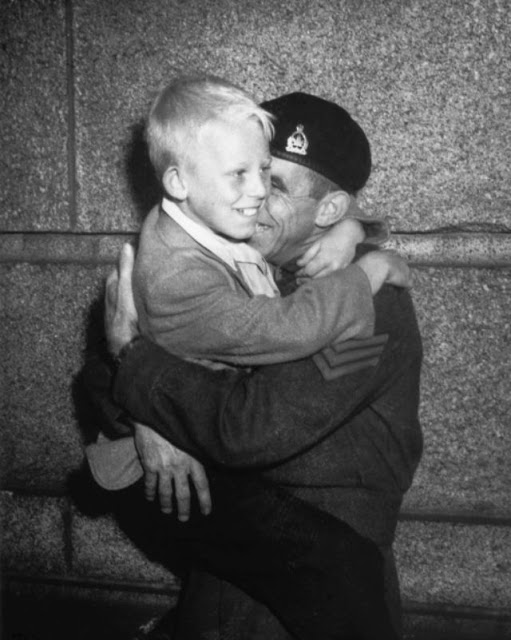
Whitey’s dad came home in October 1945 and Claude Dettloff-now the Province’s chief photographer-took a photograph of their reunion at the CNR station.
Father and son reunited, 1945. (Vancouver Province Newspaper)
Not long after Whitey and Ruby Johnson married in 1964, he got involved in local politics. He was elected alderman, was mayor for several years in the 1980s and then went back as councillor. His son Steven runs the business that Whitey started long ago, a small marina, marine hardware and fuel station.
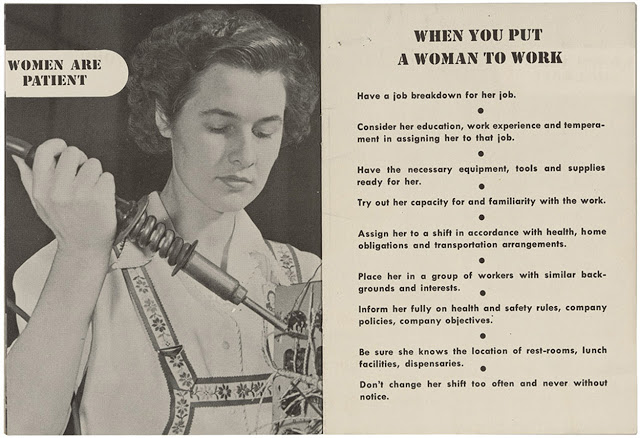
In a re-discovered 1940s guide for how male bosses should treat female employees, men were amusingly told that “women are teachable.” The guide shows just how much the work place has changed since World War II.
By 1944, over half of American adult women were employed outside the home, making invaluable contributions to the war effort. As women went about their duties, supervisors often worried about effectively assimilating them into the workforce. This publication from the Radio Corporation of America (RCA) awkwardly attempted to assist supervisors with managing their new female employees.
But many of America’s supervisors had never had to deal with women in the workplace and many felt women not only belonged in the home, but were simply unable to learn how to work in a man’s world. So, RCA thought this guide would be helpful in order to keep America on its war footing.
The implications in the text are somewhat amusing in that it seems to have been assumed that men were tougher of spirit, could take criticism better, didn’t take things personally, and perhaps were easier to keep working in unclean and unsafe working conditions.
After all, many of these lines of advice seem like a good way to treat any employee; as opposed to just women!
Following the image of each page of the booklet with the text below (please click on the images to view them larger):
WOMEN ARE TEACHABLE
WHEN YOU SUPERVISE A WOMAN
Make clear her part in the process or product on which she works.
Allow for her lack of familiarity with machine processes.
See that her working set-up is comfortable, safe and convenient.
Start her right by kindly and careful supervision.
Avoid horseplay or “kidding”; she may resent it.
Suggest rather than reprimand.
When she does a good job, tell her so.
Listen to and aid her in her work problems.
WOMEN ARE PATIENT
WHEN YOU PUT A WOMAN TO WORK
Have a job breakdown for her job.
Consider her education, work experience and temperament in assigning her to that job.
Have the necessary equipment, tools and supplies ready for her.
Try out her capacity for and familiarity with the work.
Assign her to a shift in accordance with health, home obligations and transportation arrangements.
Place her in a group of workers with similar backgrounds and interests.
Inform her fully on health and safety rules, company policies, company objectives.
Be sure she knows the location of rest-rooms, lunch facilities, dispensaries.
Don’t change her shift too often and never without notice.
WOMEN ARE CAREFUL
WHENEVER YOU EMPLOY A WOMAN
Limit her hours to 8 a day, and 48 a week, if possible.
Arrange brief rest periods in the middle of each shift.
Try to make nourishing foods available during lunch periods.
Try to provide a clean place to eat lunch, away from her workplace.
Make cool and pure drinking water accessible.
See that the toilet and restrooms are clean and adequate.
Watch work hazards – moving machinery; dust and fumes; improper lifting; careless housekeeping.
Provide properly adjusted work seats; good ventilation and lighting.
Recommend proper clothing for each job; safe, comfortable shoes; try to provide lockers and a place to change work clothes.
Relieve a monotonous job with rest periods. If possible, use music during fatigue periods.
WOMEN ARE COOPERATIVE
FINALLY–CALL ON A TRAINED WOMAN COUNSELOR IN YOUR PERSONNEL DEPARTMENT
To find out what women workers think and want.
To discover personal causes of poor work, absenteeism, turnover.
To assist women workers in solving personal difficulties.
To interpret women’s attitudes and actions.
To assist in adjusting women to their jobs.
(Citation: Records of the War Manpower Commission, via National Archives at Atlanta and The Federalist Papers)
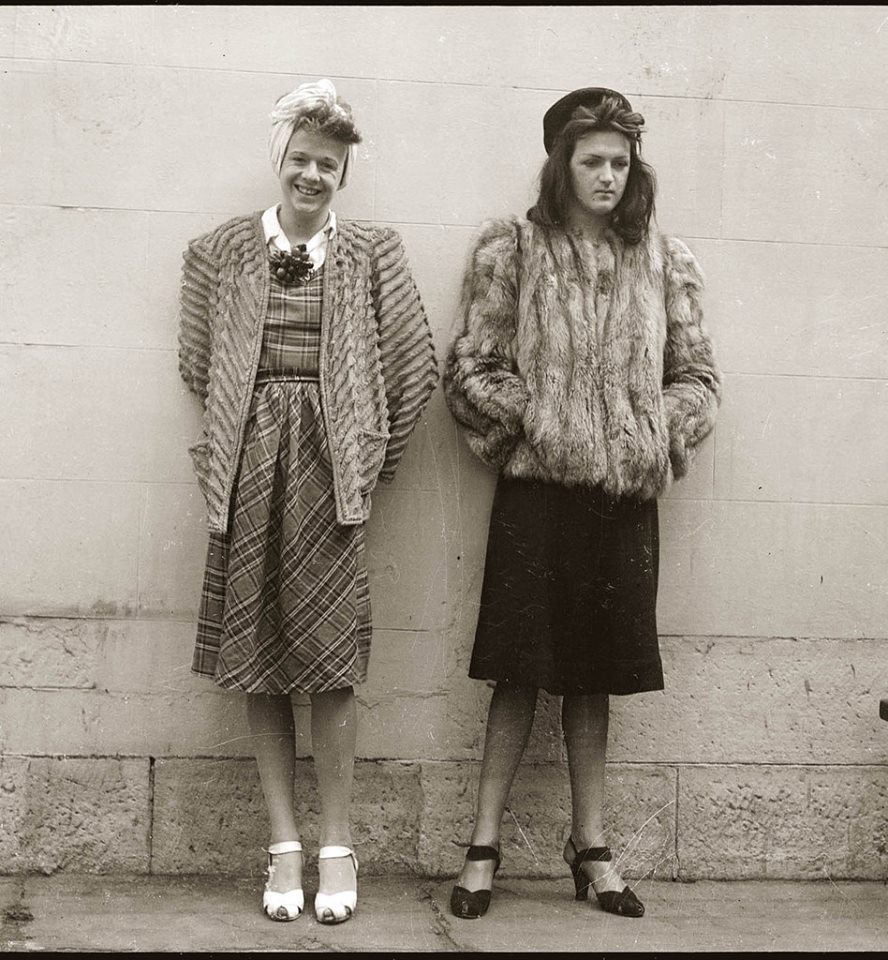
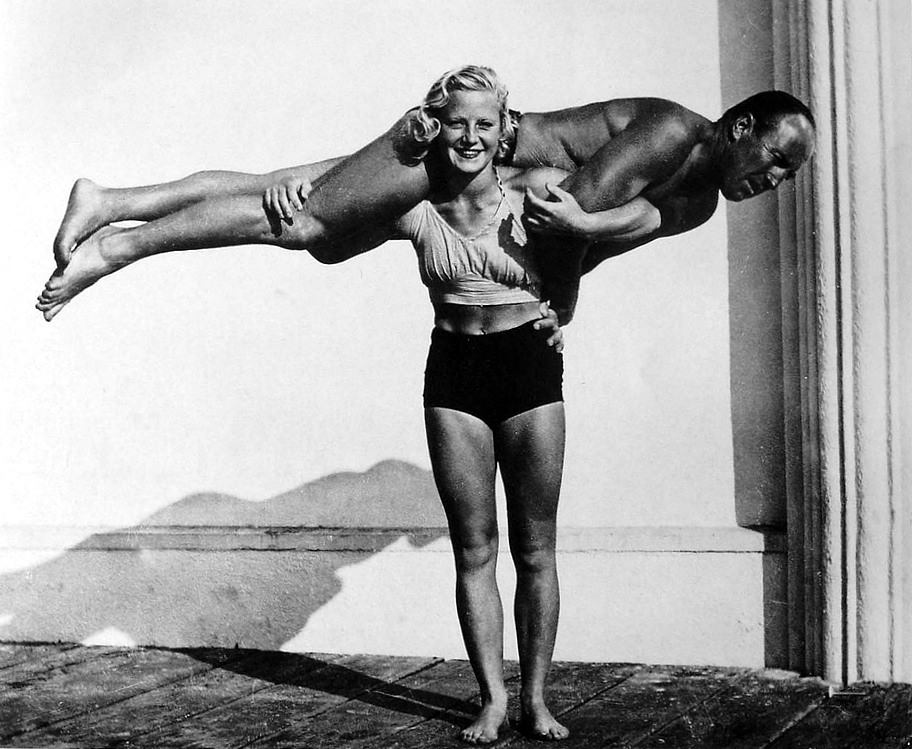
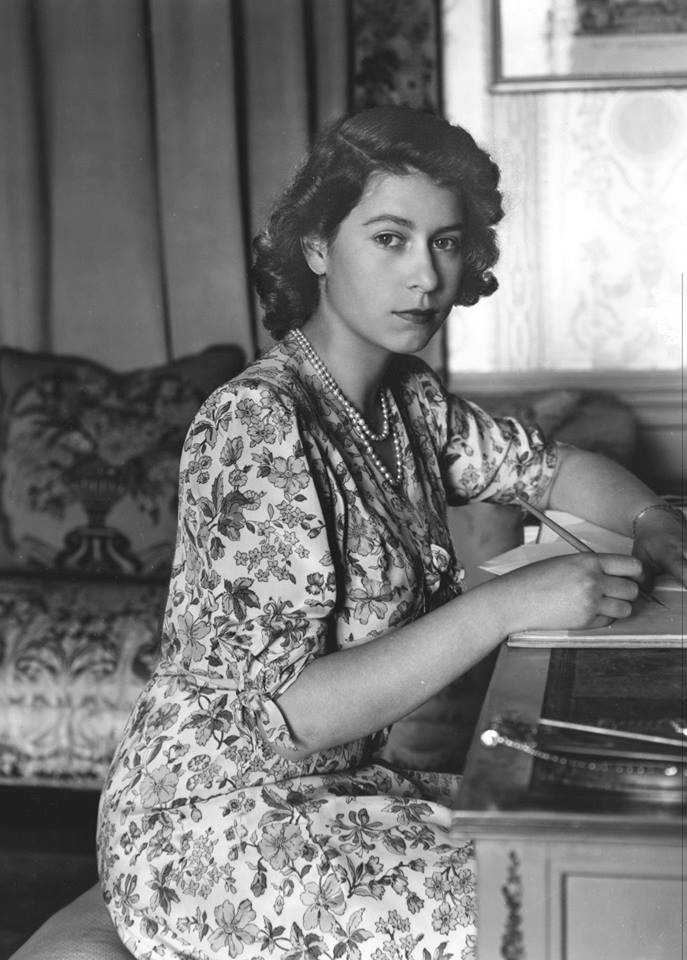
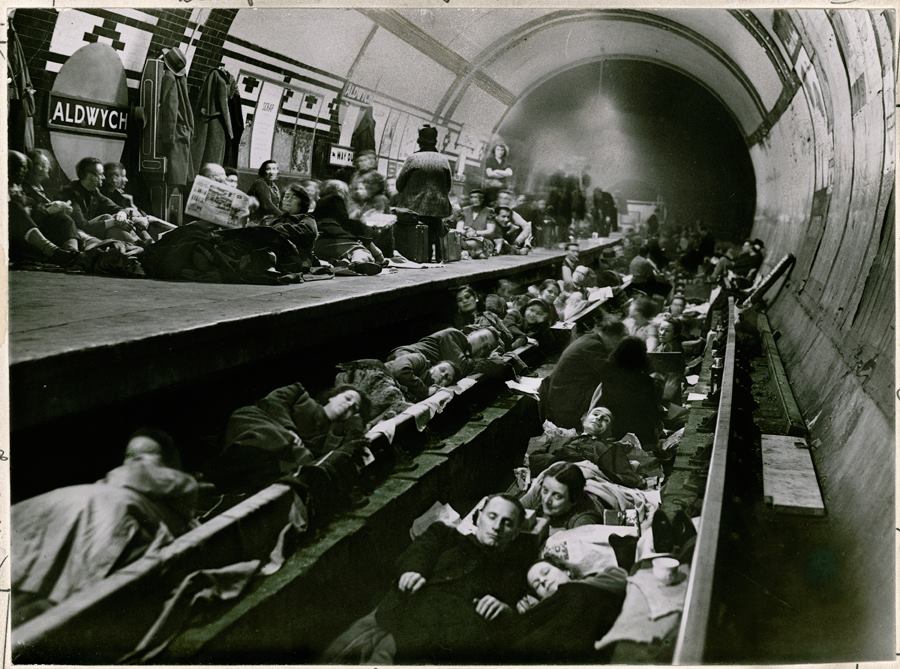
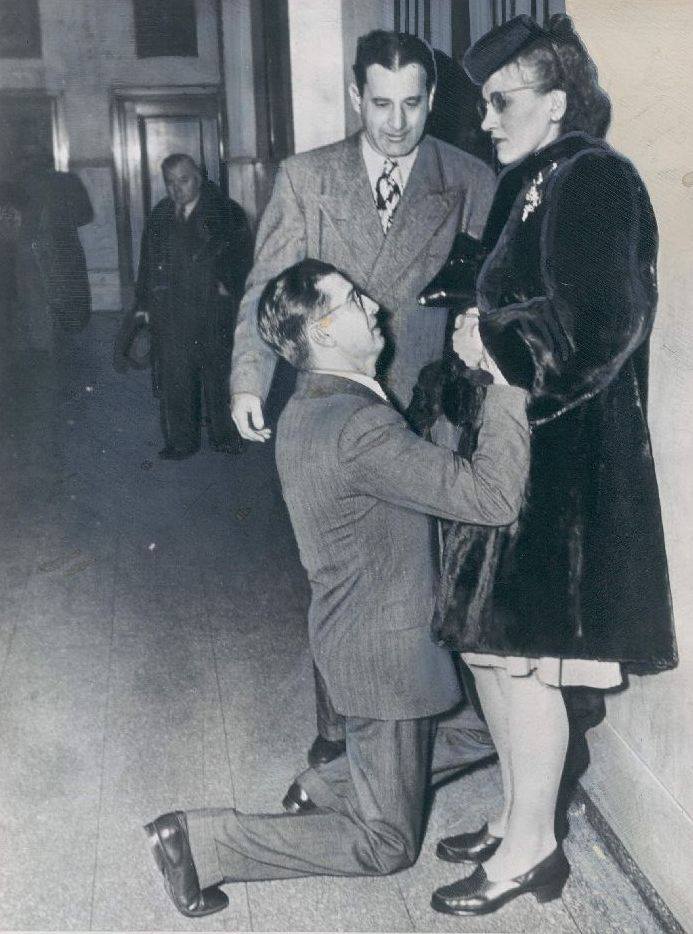
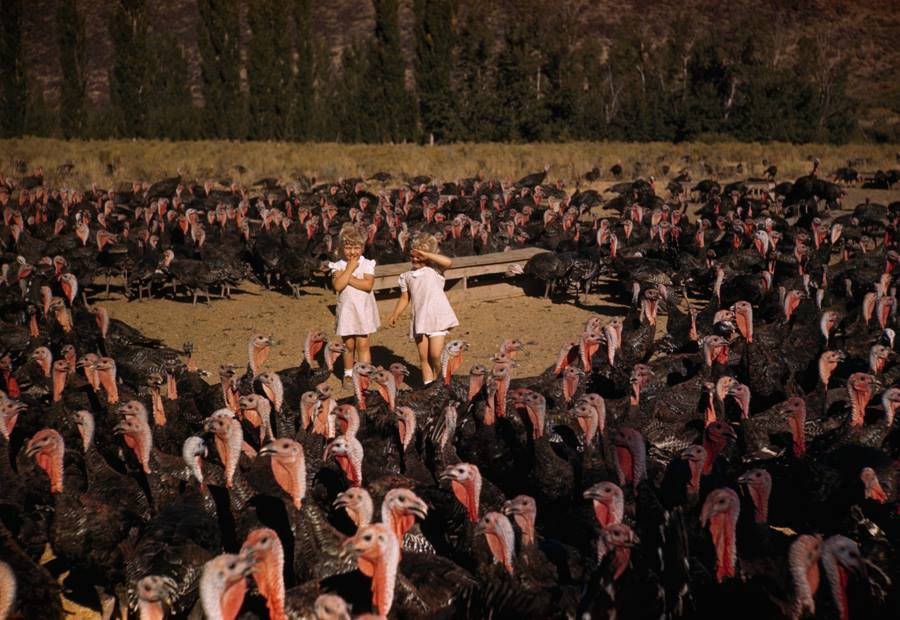
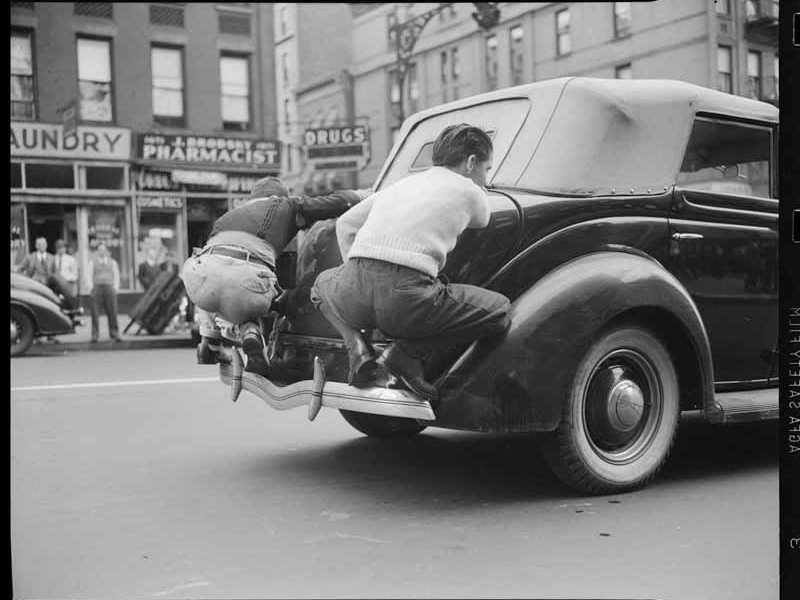
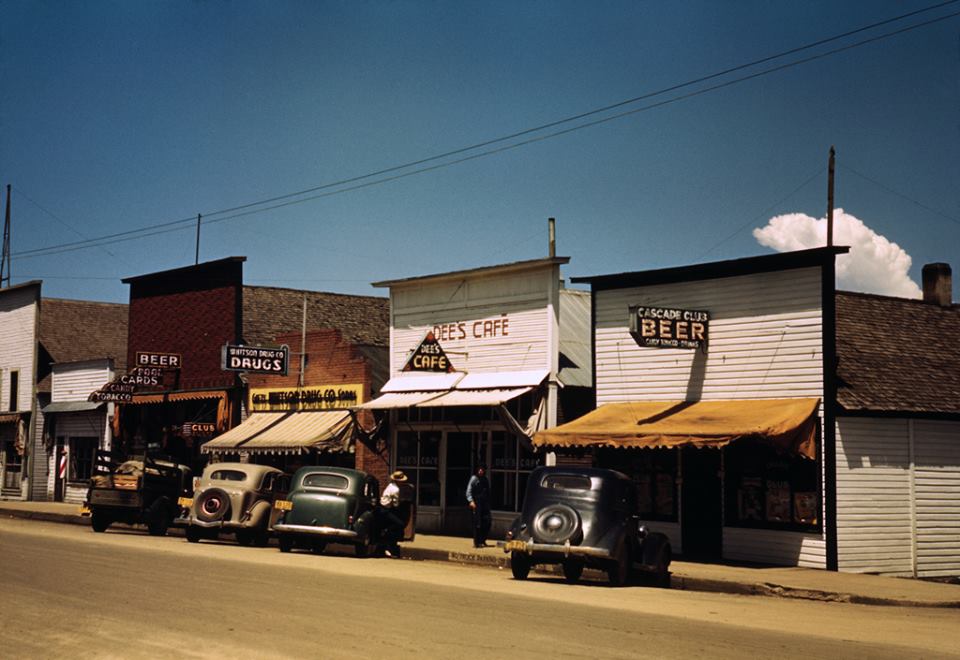
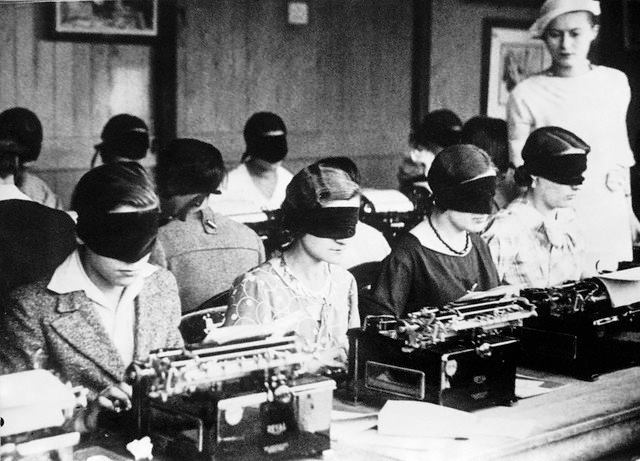
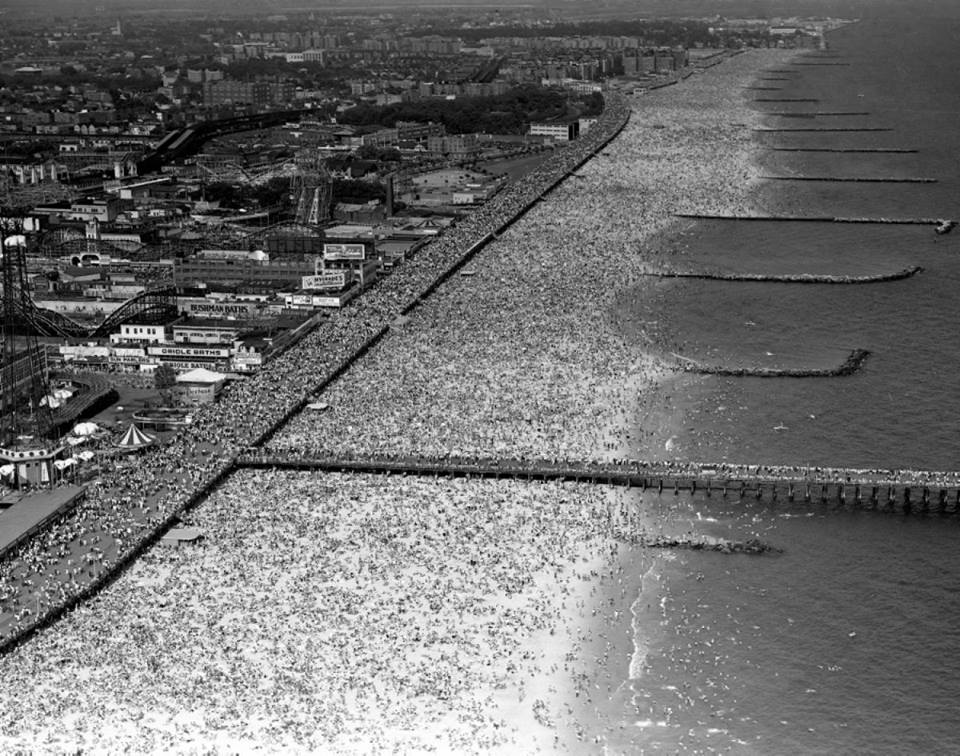
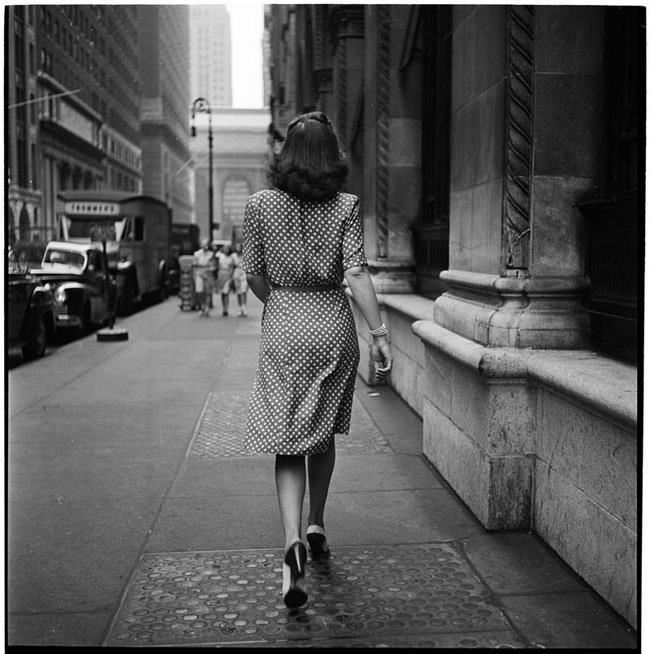
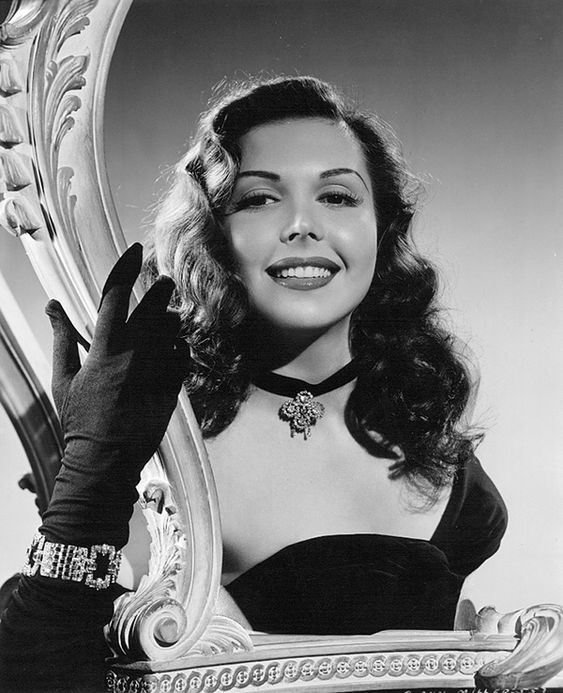
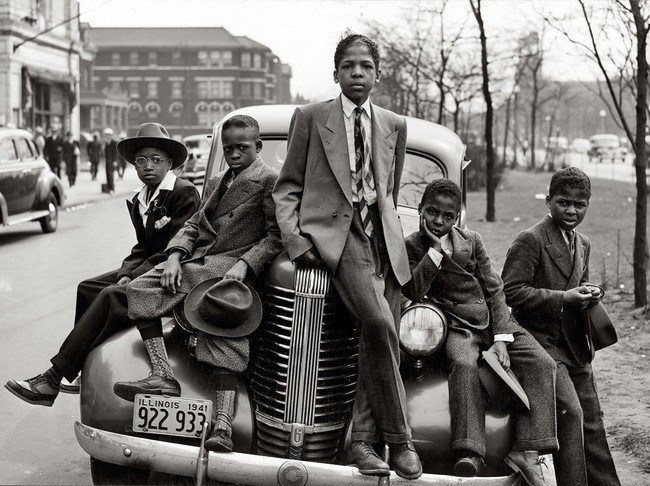
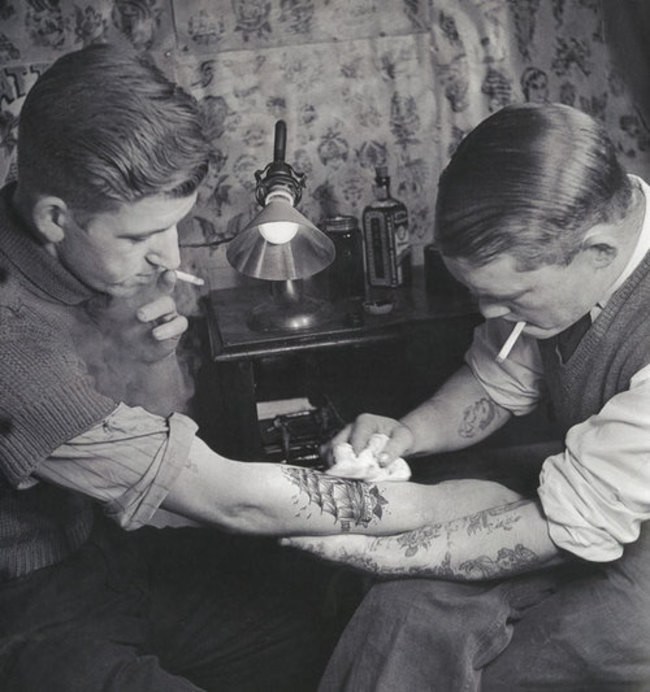
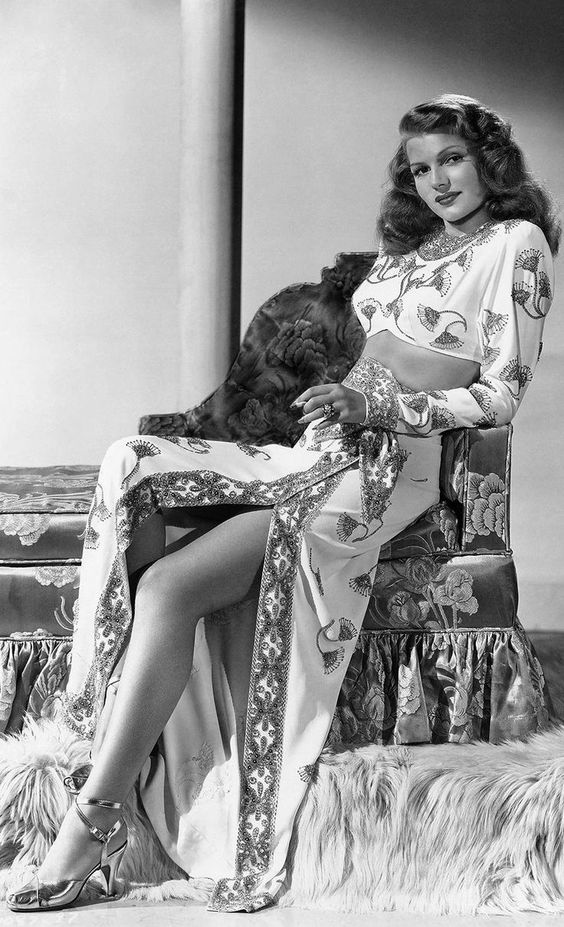
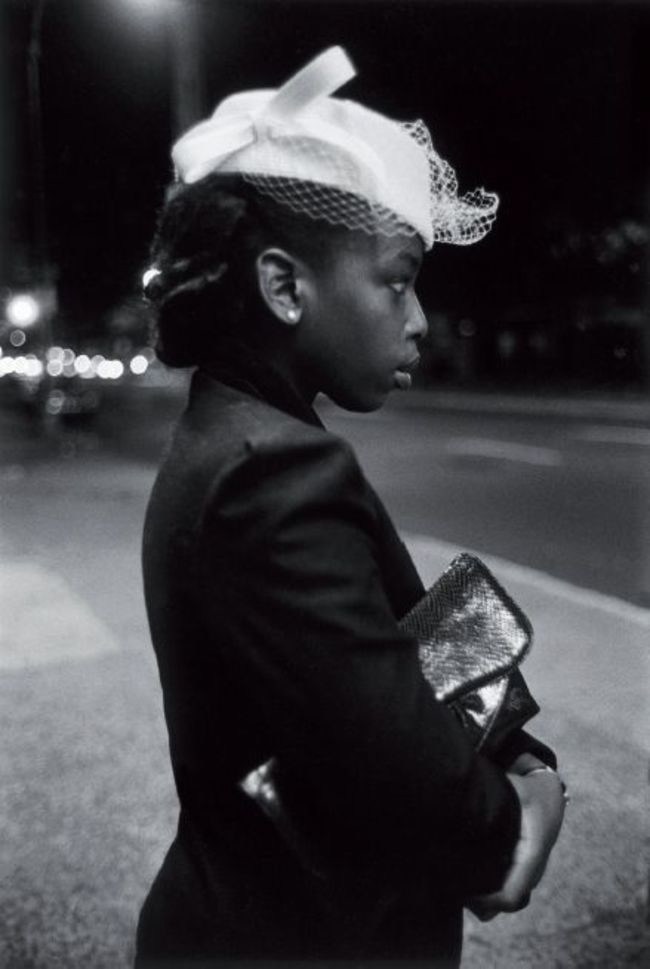
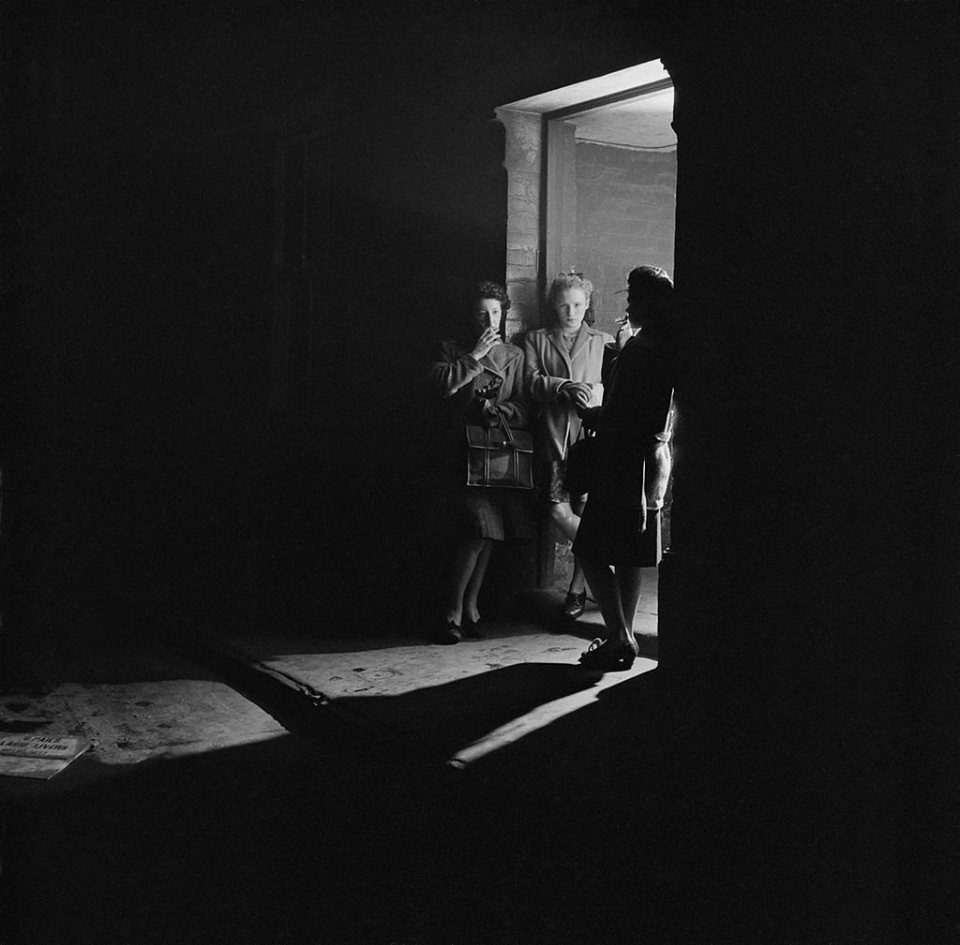
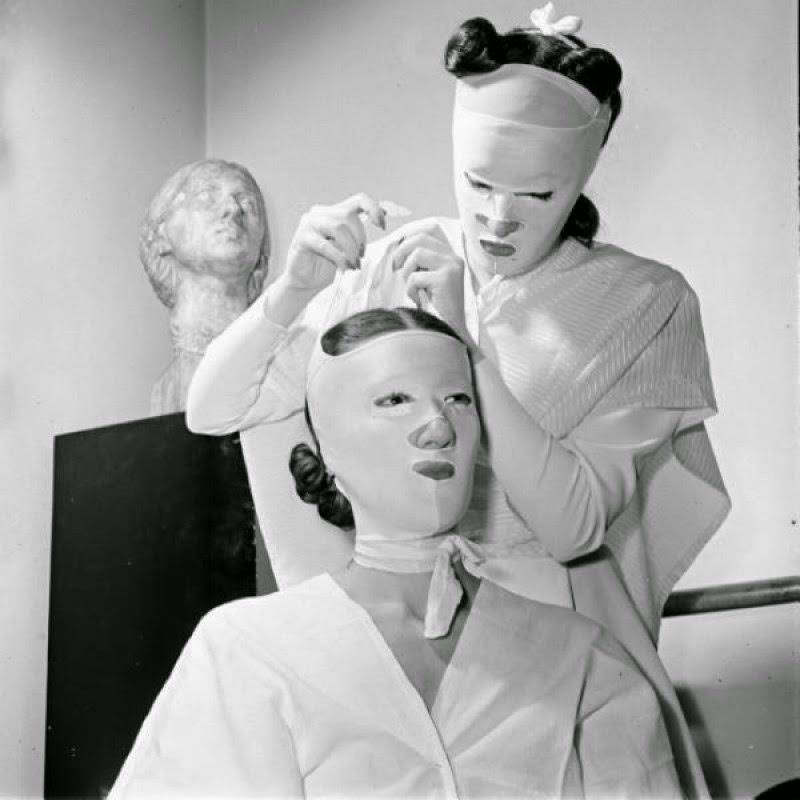
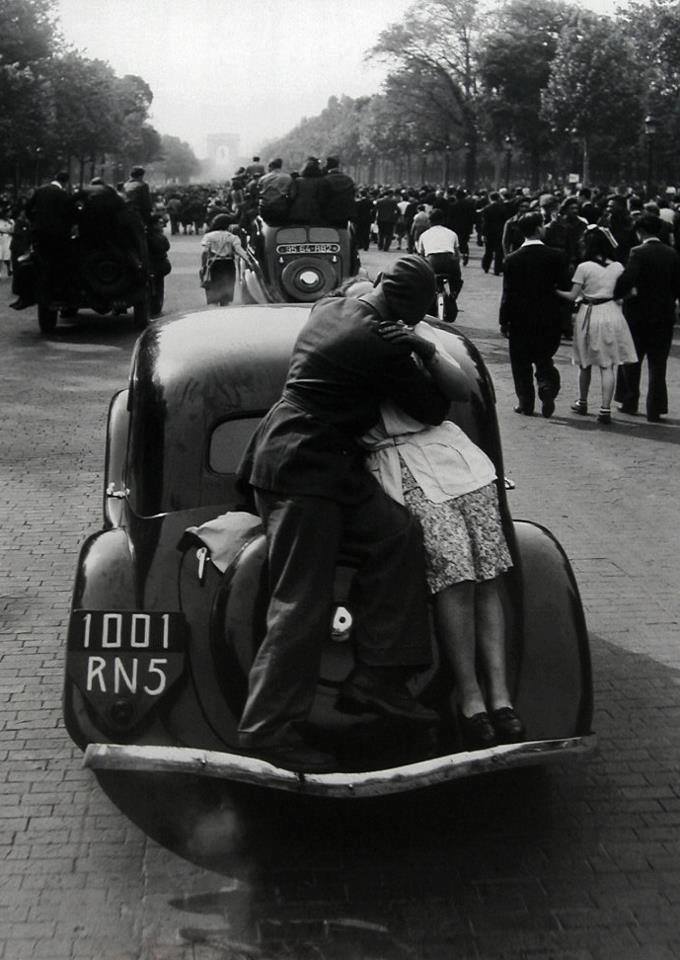
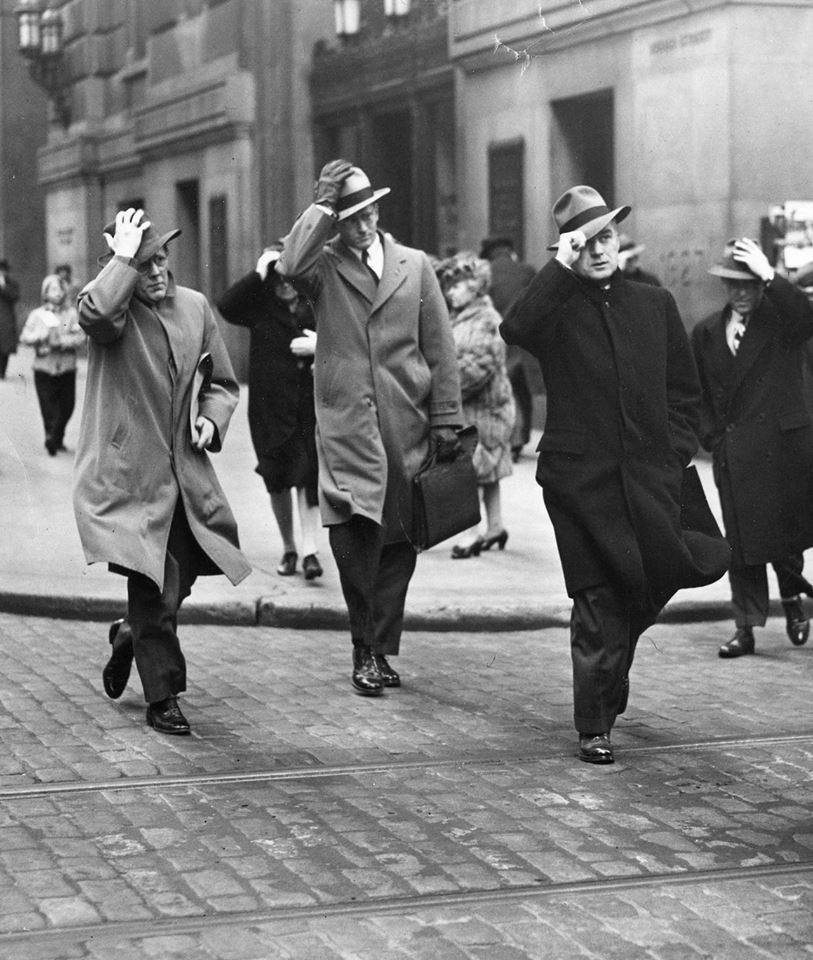
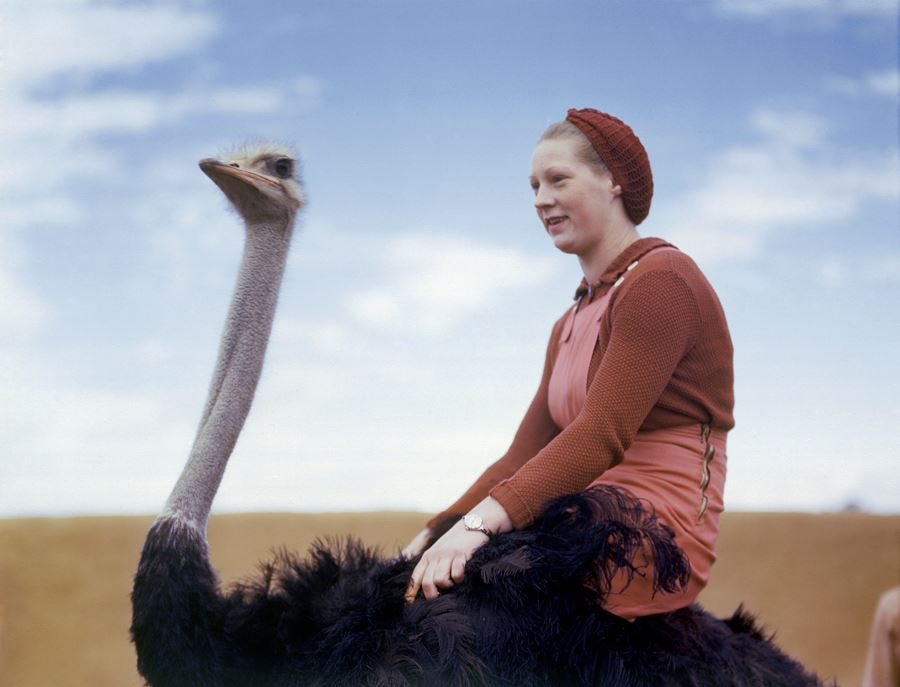
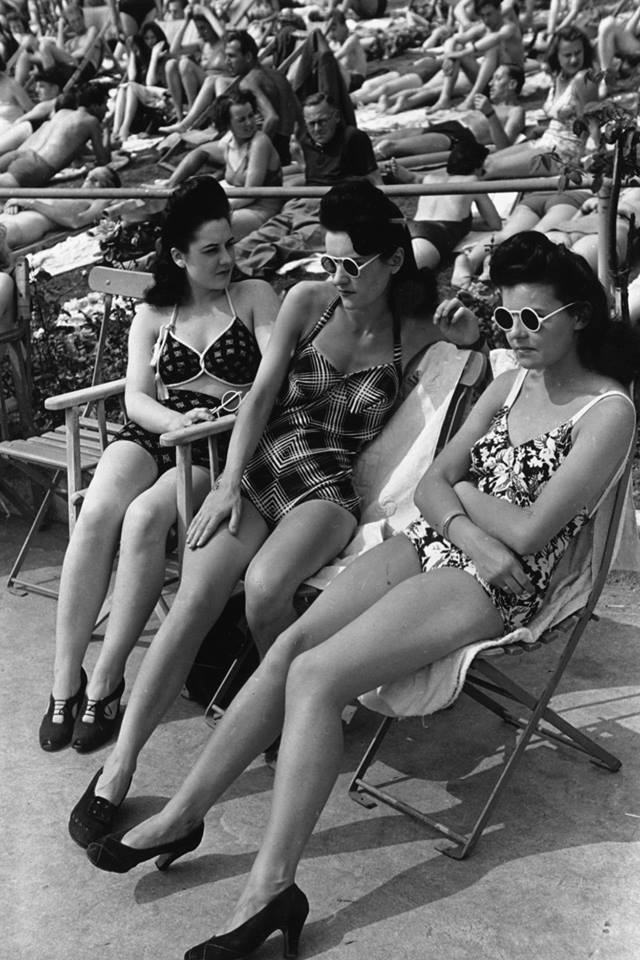
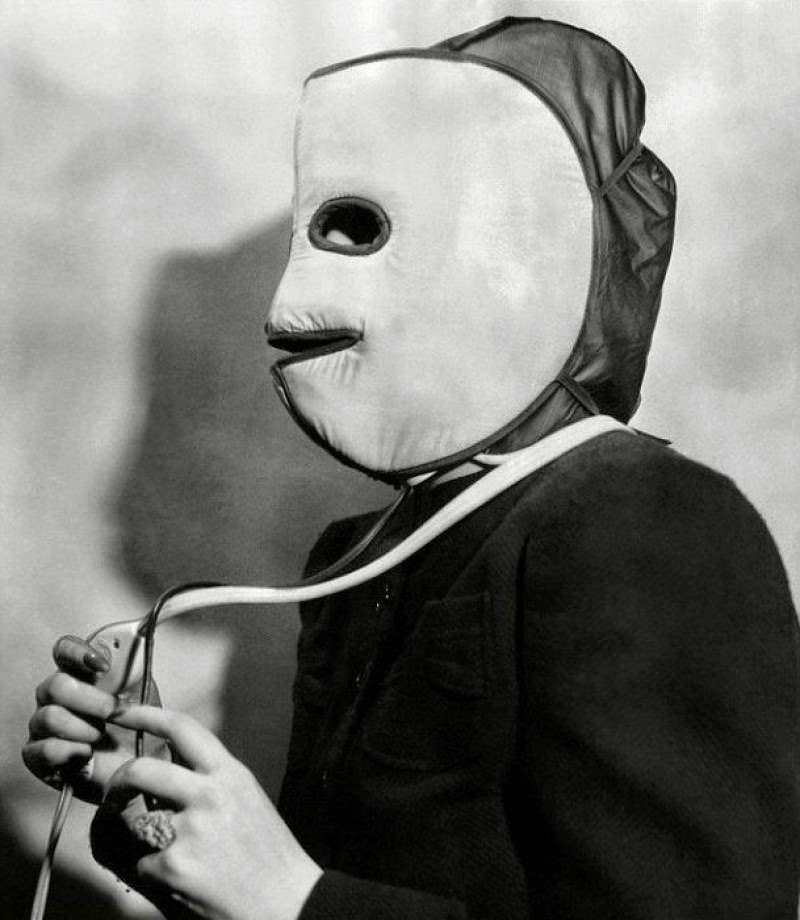
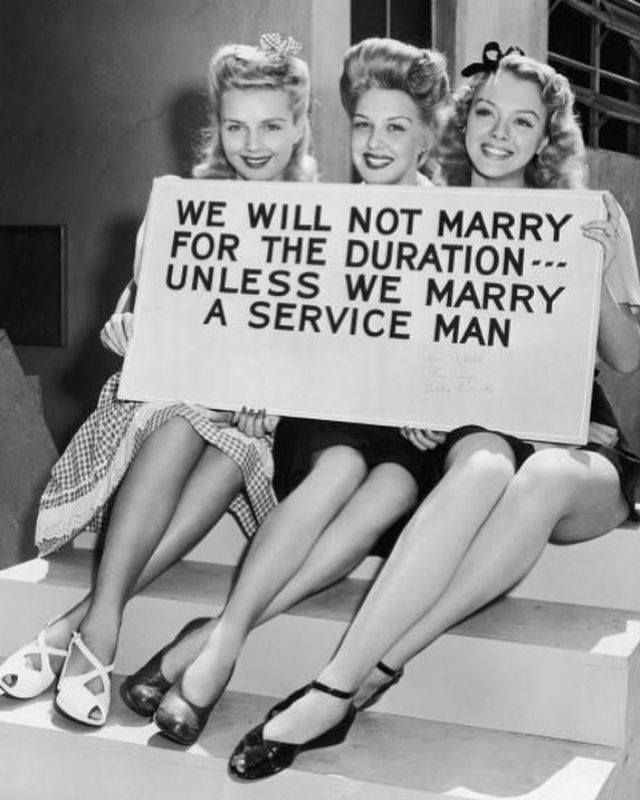
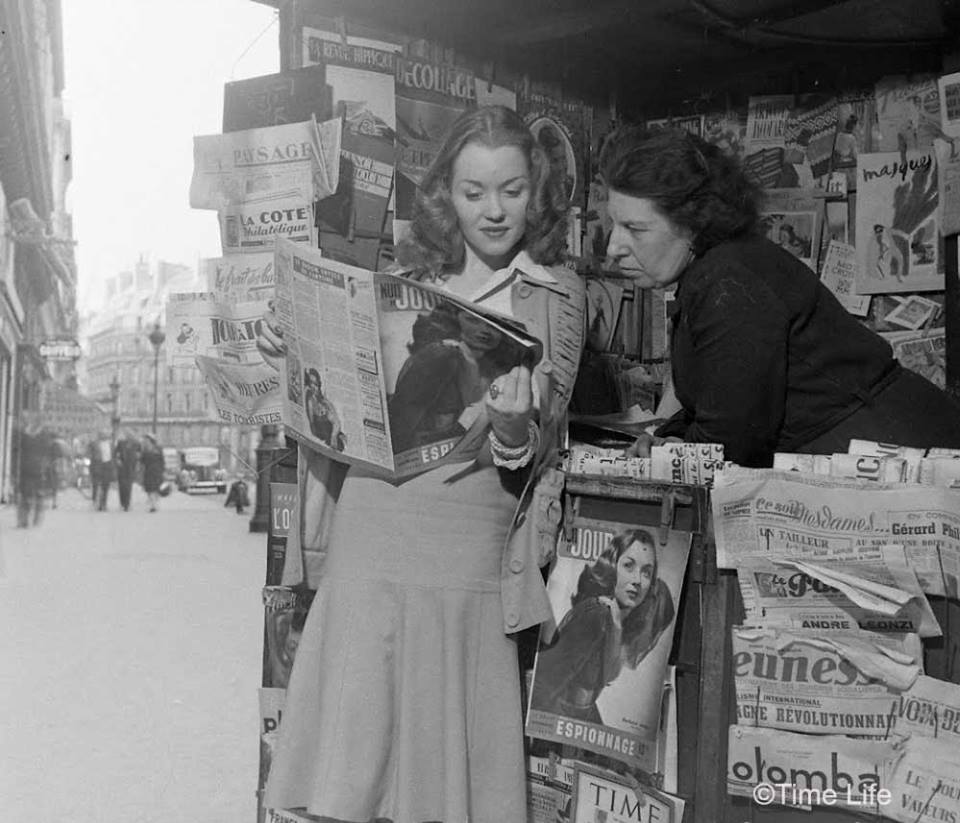
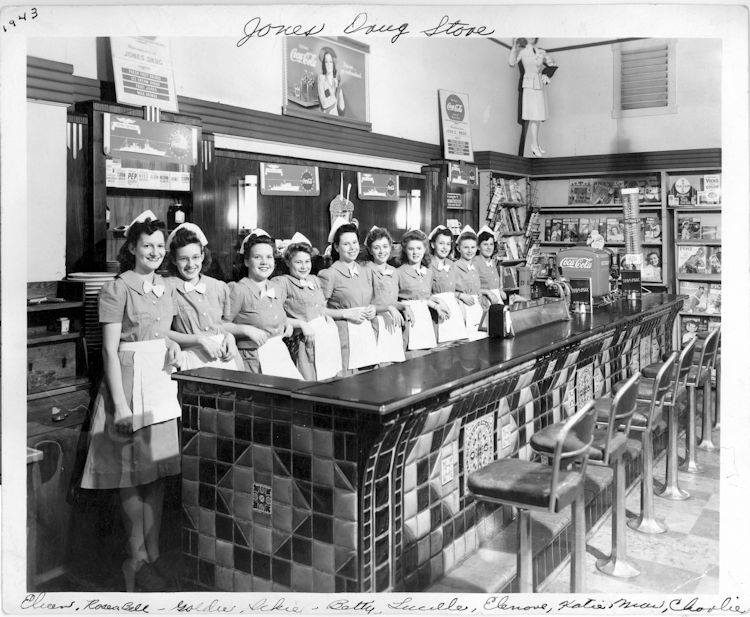
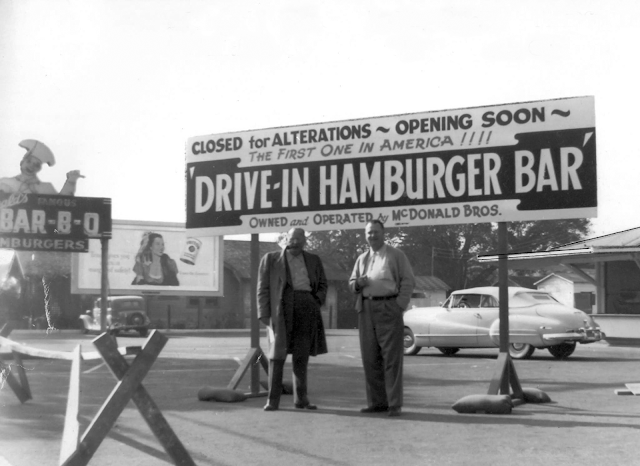
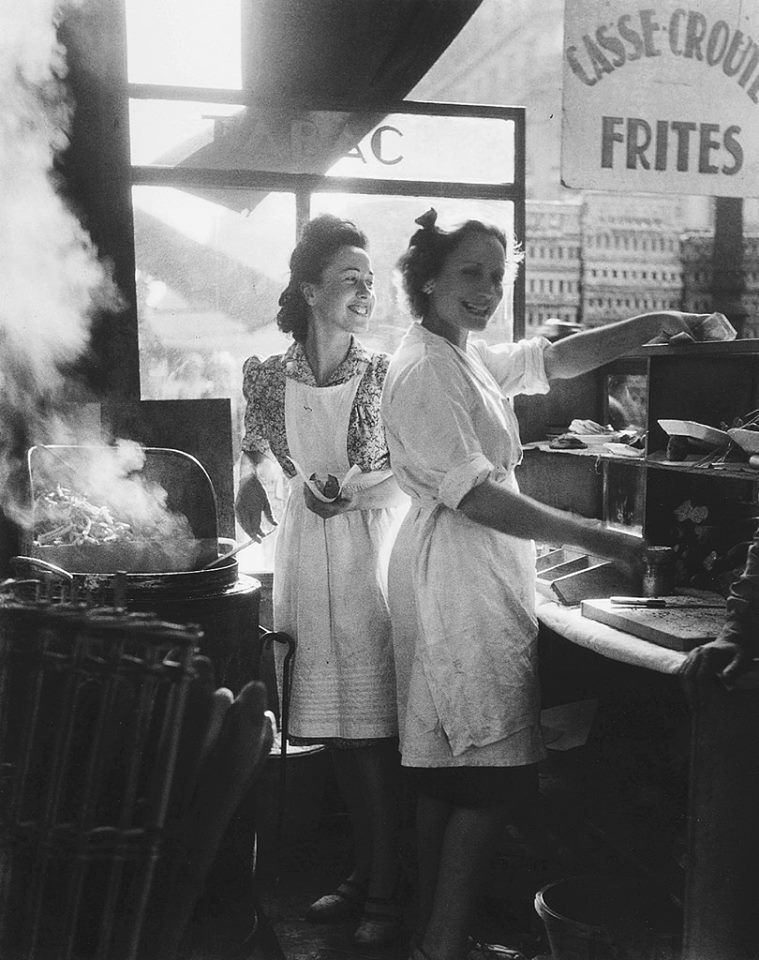
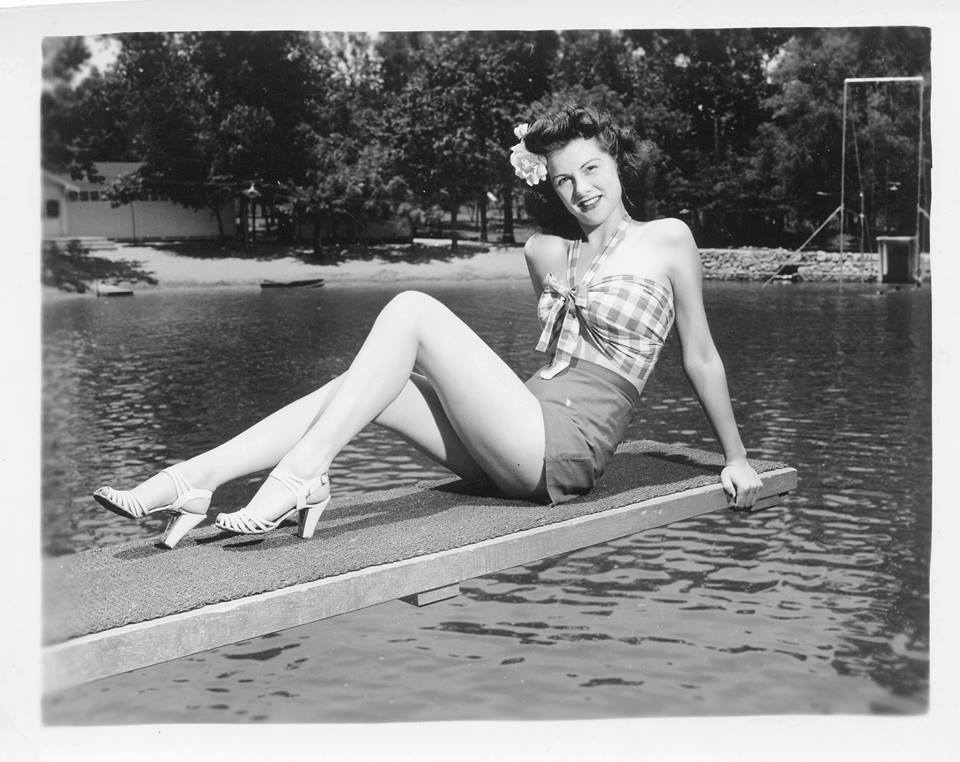
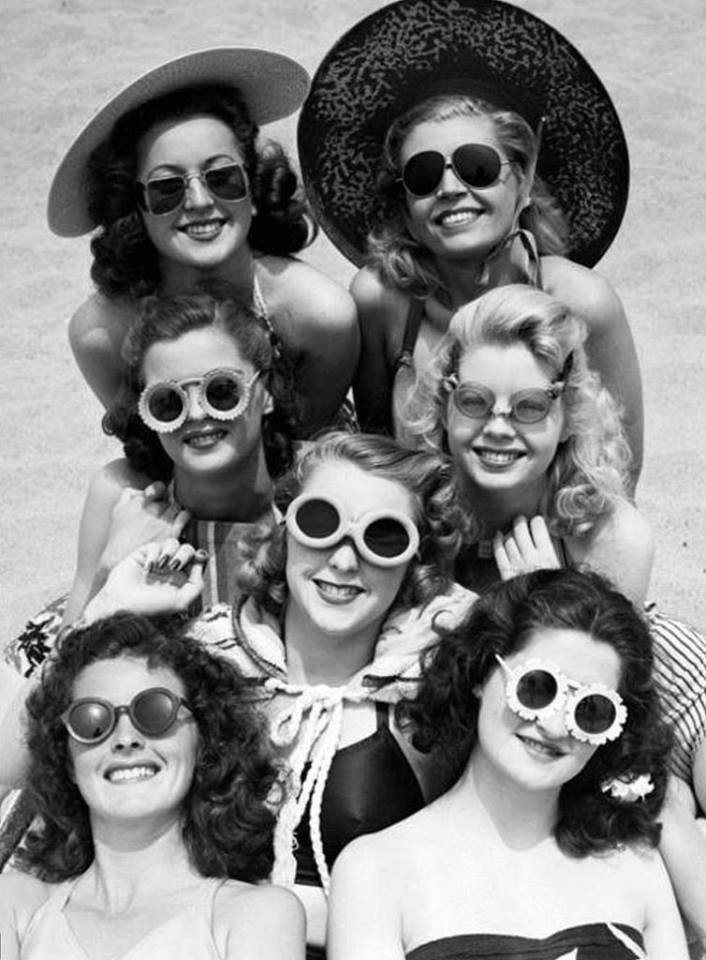
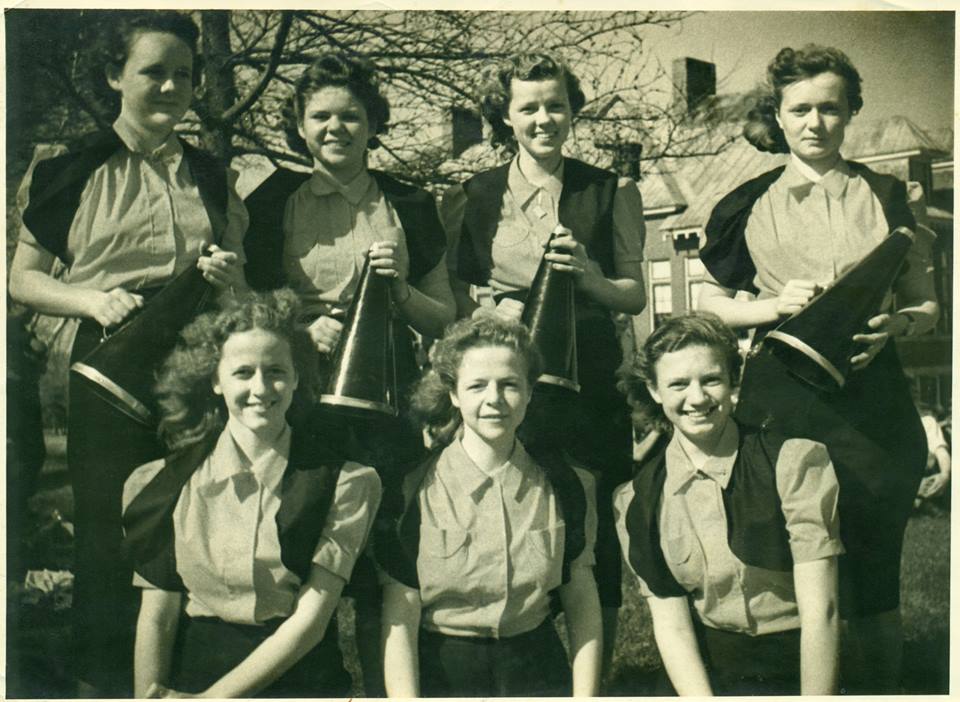
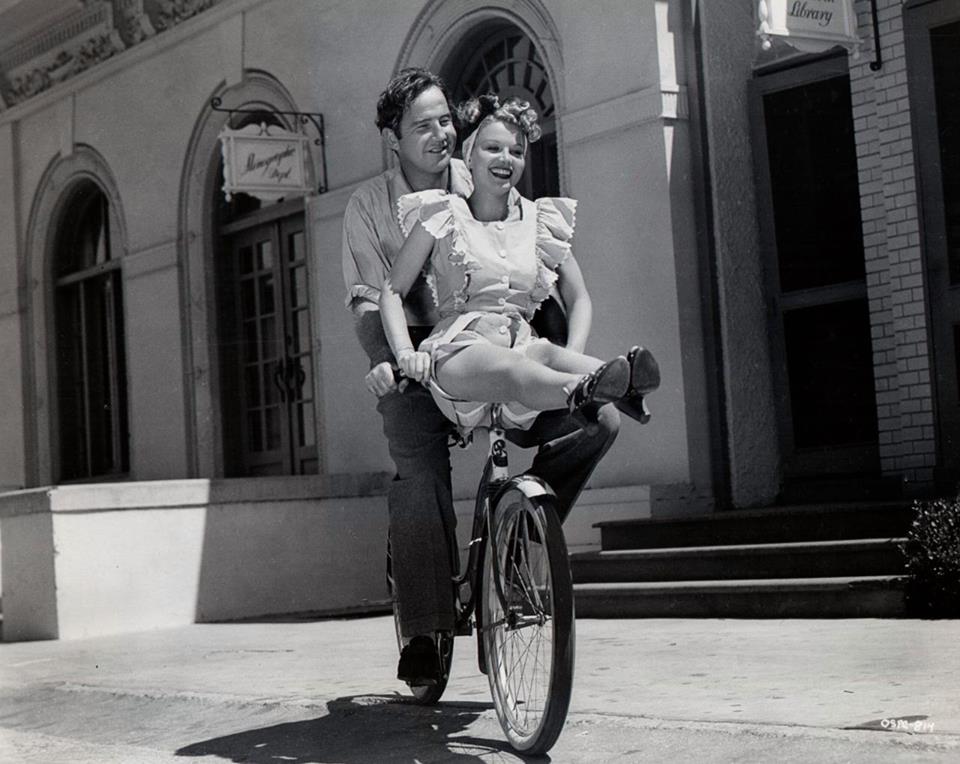
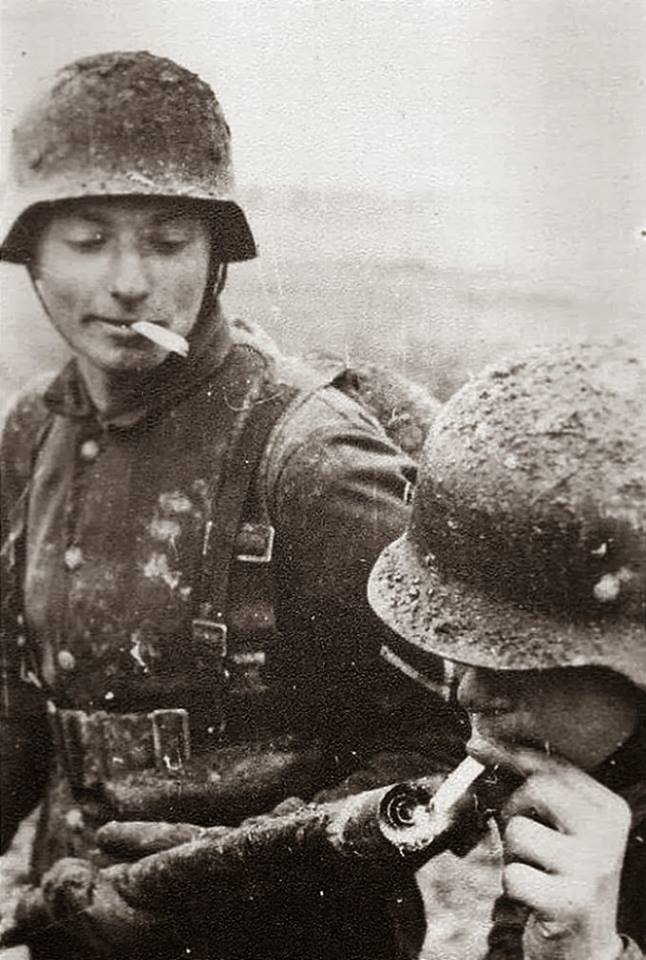
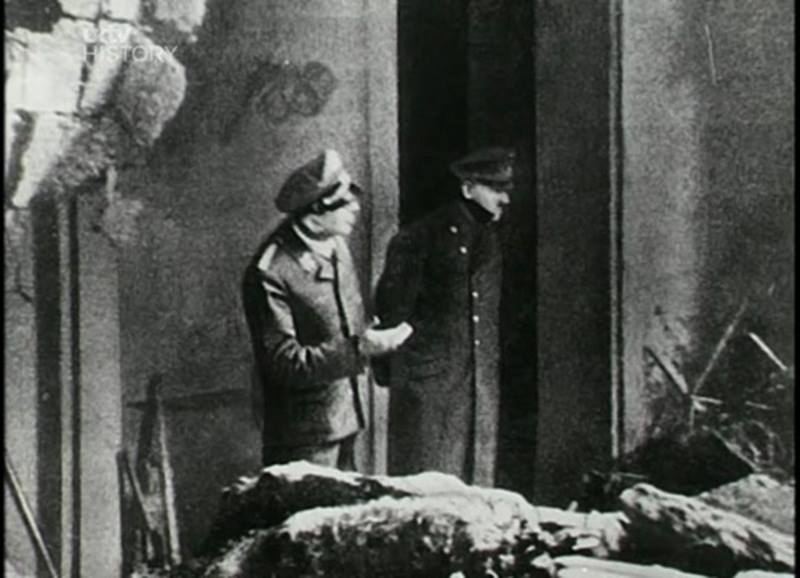
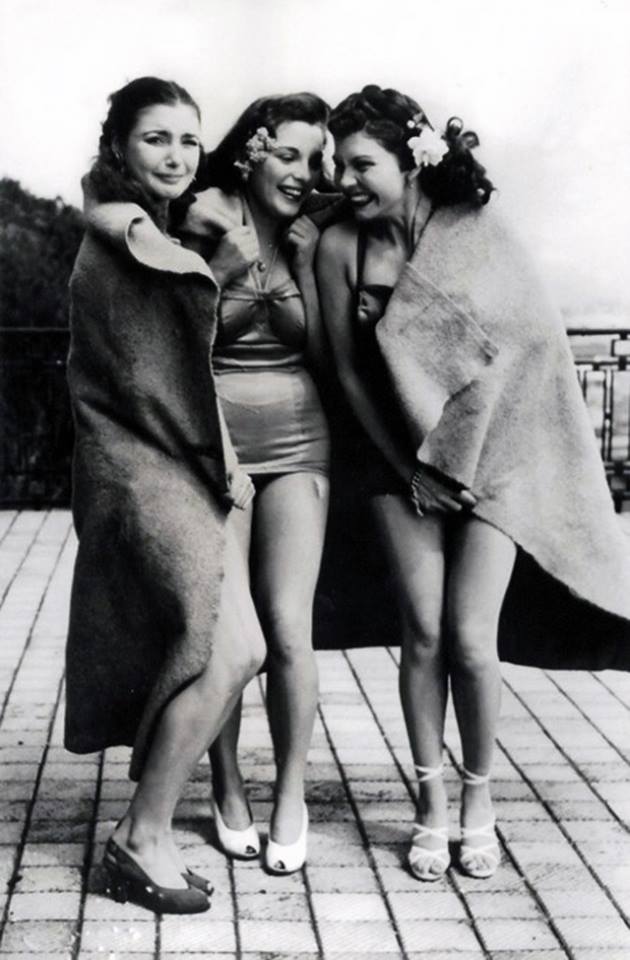
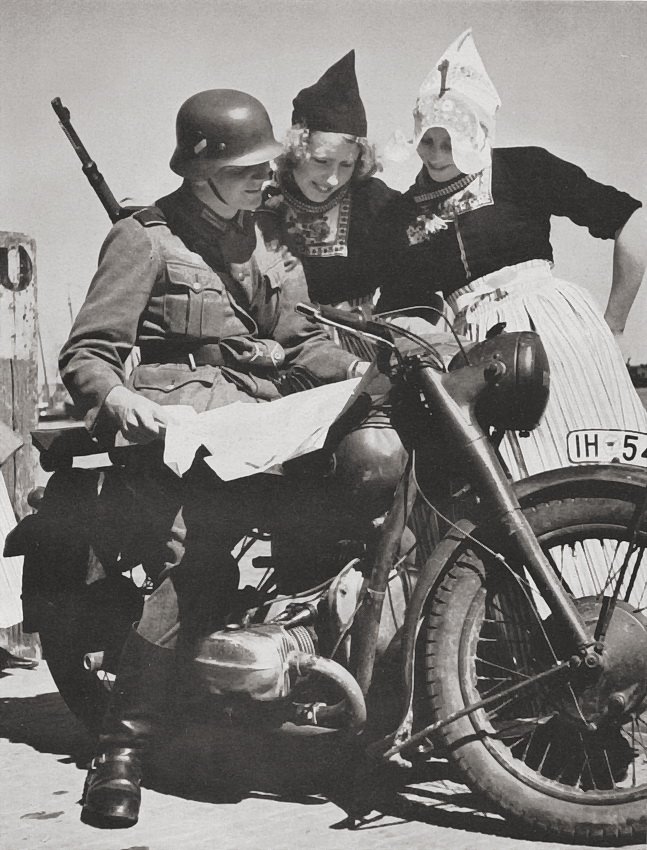
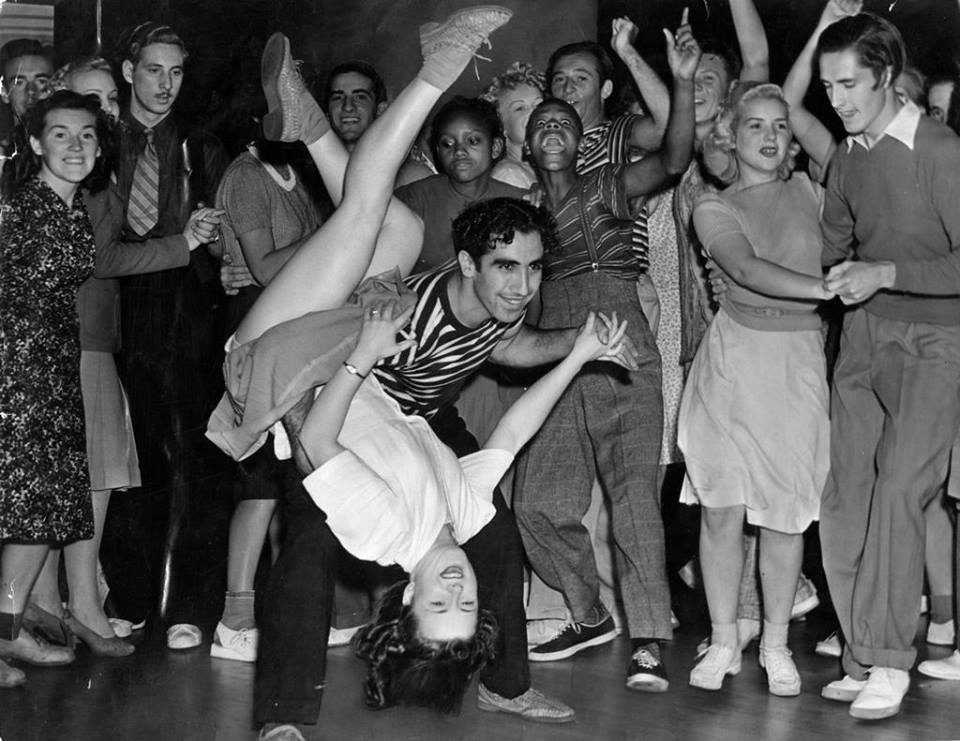
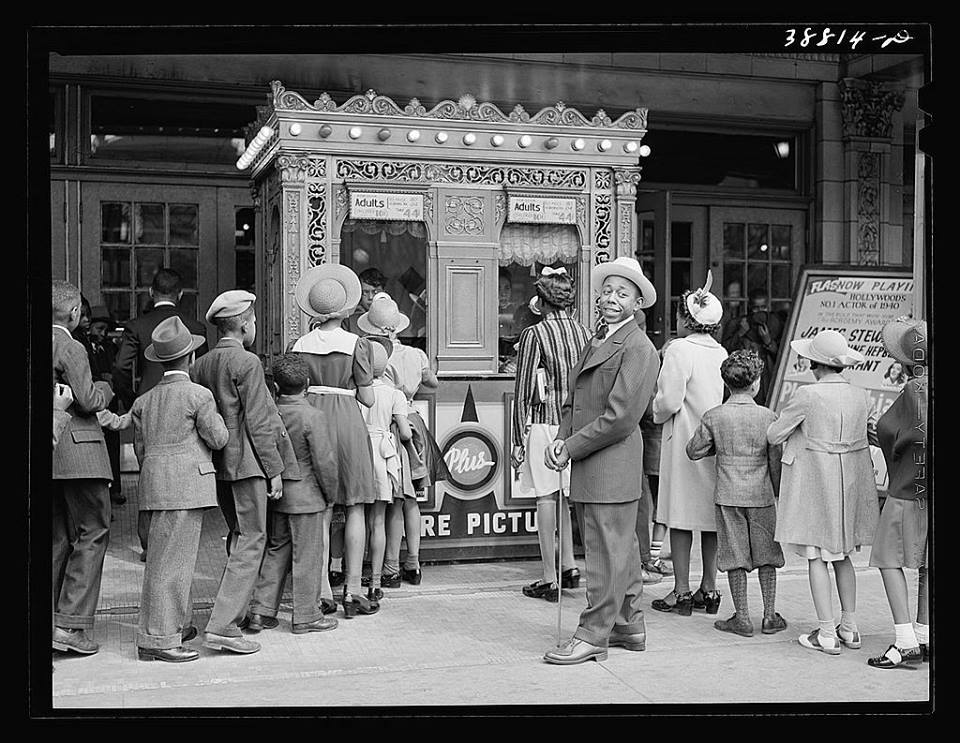
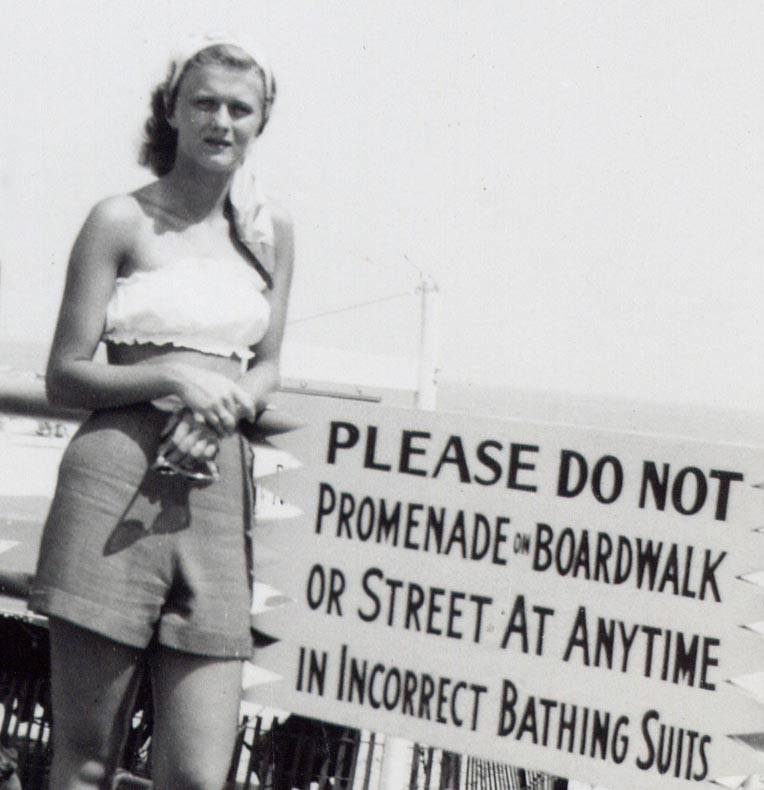
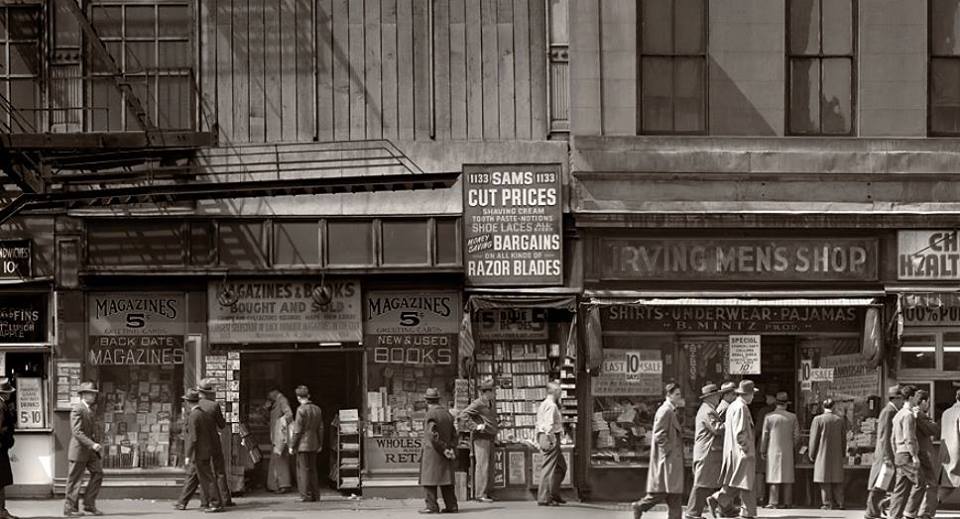
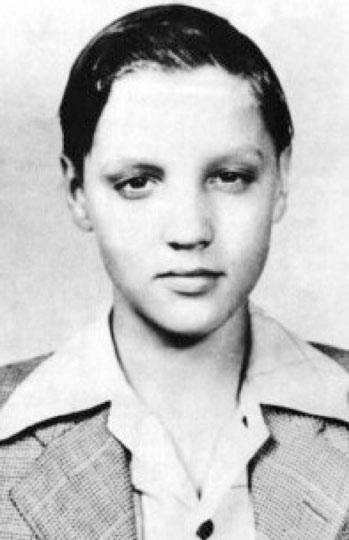
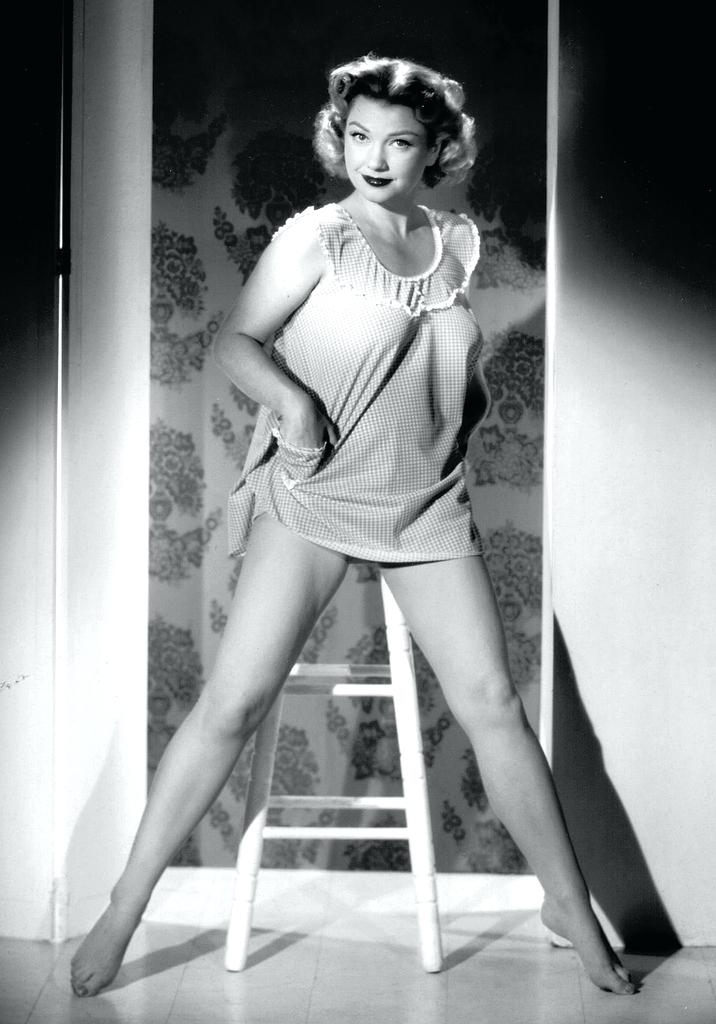
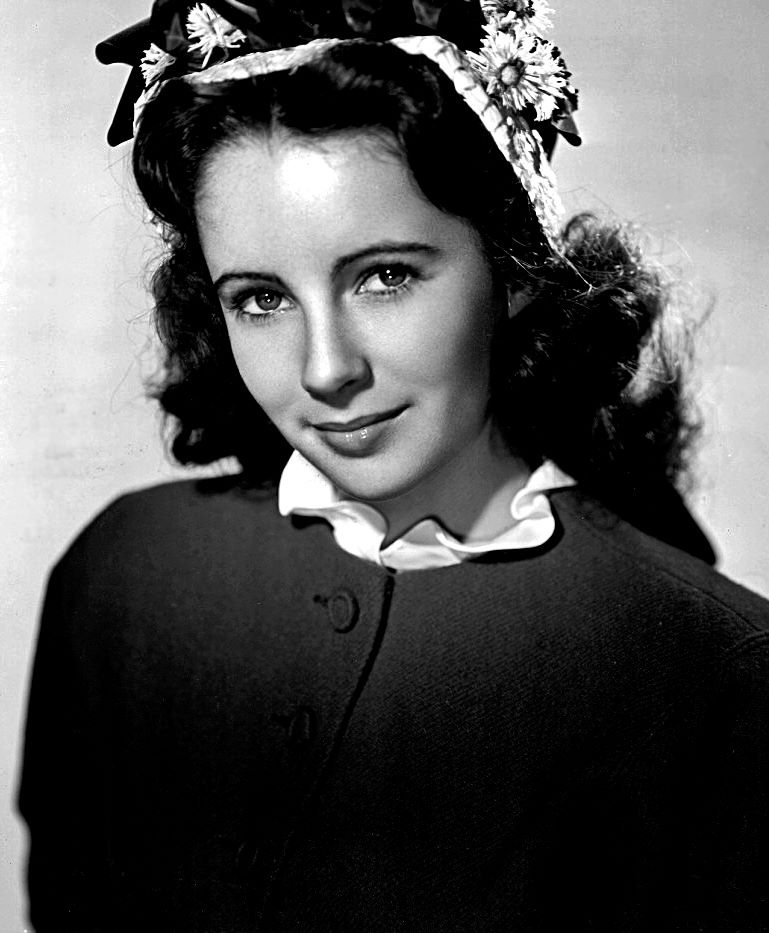
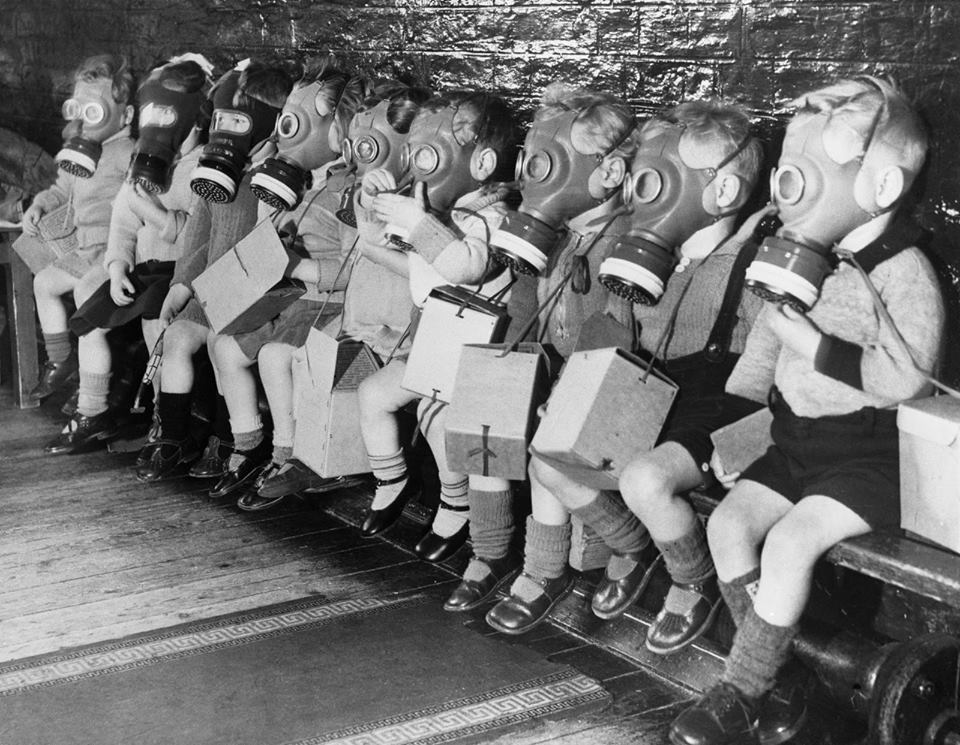
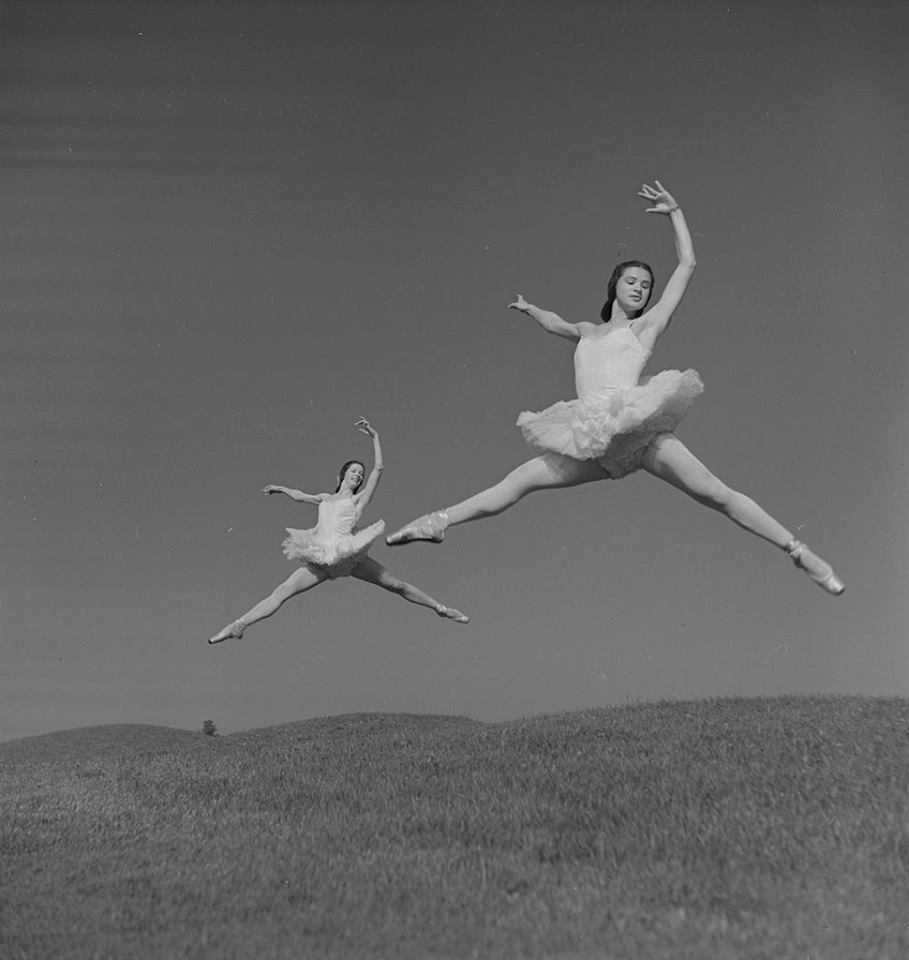
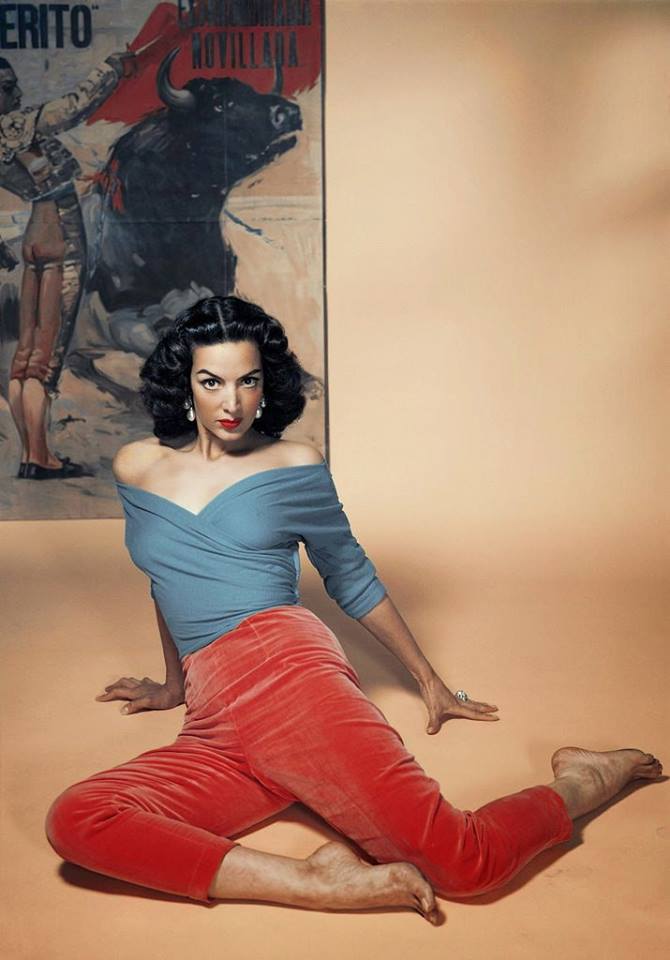
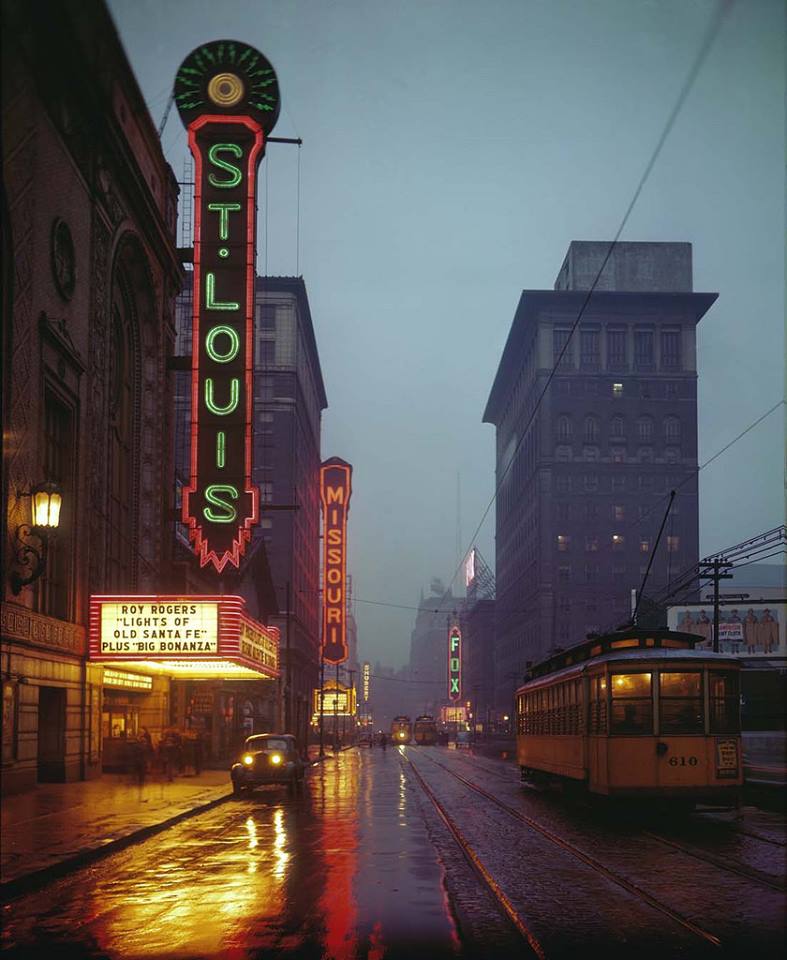
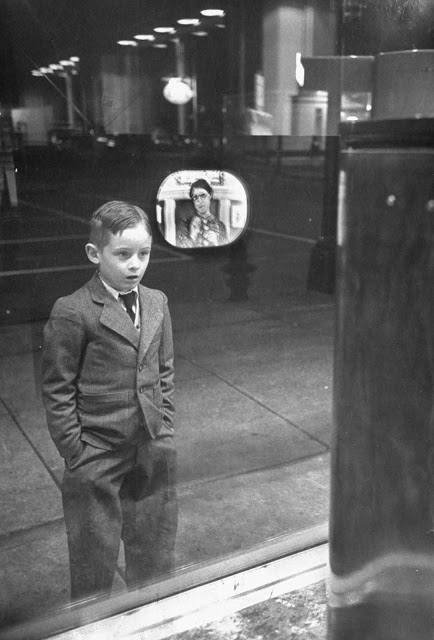
A girl carries a man, 1940s.Princess Elizabeth, 1944Londoners seek shelter during WWII in the Aldwych tube station, April 1941.A man begging for his wife’s forgiveness inside Divorce Court. Chicago, 1948.Turkey farm in Idaho, 1944.Sergeant Karen Hermiston of the Second World War Canadian Women’s Army Corps holding a speed graphic camera, 1944Two boys hitch a ride on a car in New York City, 1940.On main street of Cascade, Idaho, 1941Blindfolded Typing Competition in Paris, 1940.Coney Island, July 4, 1946.A woman confidently strides down a New York street in 1946.Ann Miller in ‘The Thrill of Brazil’, 1946A group of kids in Chicago, 1941Two men at a tattoo parlor, 1940sRita Hayworth, 1940sHarlem, New York City, 1940sThree women smoking in a doorway on Christmas Street in Southwark, London, 1946.Beauty treatments in the 1940s.The liberation of Paris, 1944.A windy day in Philadelphia, 1947.A woman riding an ostrich in South Africa, August 1942.Three women sunbathing by the swimming baths at Roehampton, London, 1942.A skin treatment mask in 19401943: Three young blonde women hold a sign which reads, ‘We will not marry for the duration – unless we marry a service man’.Parisian women in 1946.Jones Drug Store, Hastings Nebraska, 1943.The McDonald Brothers in Front of the Not Yet Opened First McDonald’s in San Bernardino, CA, November 1948Rue Rambuteau, Paris, 1946.Girl poses on a diving board, 1940s.Sunglasses, 1947.Cheerleaders of the 1940s.Broderick Crawford and Jane Frazee ride a bike, 1942.German soldier lighting his cigarette with a flamethrower, 1940s.The last known picture of Adolf Hitler, April 30, 1945.Cold girls in bathing suits, 1940s.German soldier in Holland, 1942.Couple Swing Dancing, 1940s.In front of the movie theater, Chicago, Illinois, 1941.Do not promenade in incorrect bathing suit, 1940.6th Avenue Between 43rd and 44th Streets, New York, 1948.A young Elvis Presley photographed in 1948.1940s pin up girlOriginal studio publicity portrait of Elizabeth Taylor for film “Hold High the Torch”, 1945.Toddlers on bench in gas masks during WWII.Ballerinas from the Boris Volkoff Ballet, Toronto, 1941.María Félix, 1940s.Grand Avenue, St. Louis, Missouri, 1944.Boy Watching TV for the First Time in an Appliance Store Window, 1948Early modeling photo of Norma Jeane at Castle Rock’s beach in 1945.Mug shot of young women at North Sydney Police Station, June 1942.