Charles B. Tripp, the armless man and Eli Bowen, the legless man, riding a tandem. ca. 1890s. While the pair posed for promotional photographs one of them spotted a tandem bicycle. In no time at all the two gents not only mounted the bicycle-built-for-two, but rode off together laughing as boys would. The photographer quickly snapped the pair mid-ride and the resulting surreal photograph still draws perplexed smiles.
Charles Tripp and Eli Bowen riding a tandem bicycle, circa 1890s.
Charles B. Tripp – The Armless Wonder
Charles B. Tripp (1855-1930) was a Canadian-American artist and sideshow performer known as the “Armless Wonder”.
A native of Woodstock, Ontario, Tripp was born without arms, but learned to use his legs and feet to perform everyday tasks. He was a skilled carpenter and calligrapher and started supporting his mother and sister when he was a teenager. In 1872, Tripp visited P. T. Barnum in New York City and was quickly hired to work for Barnum’s Great Traveling World’s Fair. He worked for Barnum (and later James Anthony Bailey) for twenty-three years, then toured for the Ringling brothers for twelve years.
On stage, Tripp cultivated a gentlemanly persona and exhibited his skills in carpentry and penmanship. He also cut paper, took photographs, shaved, and painted portraits. For extra income, he signed promotional pictures of himself with his feet. Tripp often appeared in photographs with Eli Bowen, a “legless wonder” from Ohio. In the photographs, the two rode a tandem bicycle, with Tripp pedaling and Bowen steering.
By the 1910s, Tripp was no longer drawing large crowds for the major circuses, so he joined the traveling carnival circuit. He was accompanied by his wife, Mae, who sold tickets for midway attractions. Tripp died of pneumonia (or asthma) in Salisbury, North Carolina, where he had been wintering for several years. He was buried in Olney, Illinois.
Eli Bowen – The Handsomest Man in Showbiz
Eli Bowen (1844-1924) was an American sideshow performer known as “The Legless Wonder”, or “The Legless Acrobat”. He was also billed as “The Handsomest Man in Showbiz” and the “Wonder of the Wide, Wide World”. He was born with his feet attached to his pelvis (without leg bones). One of ten normal children, Eli learned to use wooden blocks in his palms as ‘shoes’ thus elevating his torso in order to walk on his hands.
He started his professional career at the age of 13 in various wagon shows before eventually touring independently, performing in dime museums and finally touring Europe with Barnum and Bailey Circus.
He established a reputation for being a magnificent and effortless tumbler and acrobat. He also performed phenomenal feats of strength. Bowen commanded a salary of over $100 a week and had one of the longest lasting and most popular sideshow acts of his era.
Bowen was married and had four healthy sons all of whom became successful and prosperous. Although wealthy and secure, Eli loved life in the public eye and could not give up performing. On May 2, 1924, at age eighty, Eli Bowen passed away just days before a scheduled performance for The Dreamland Circus at Coney Island.
Australia, officially the Commonwealth of Australia, is a sovereign transcontinental country comprising the mainland of the Australian continent, the island of Tasmania, and numerous smaller islands. With an area of 7,617,930 square kilometres (2,941,300 sq mi), Australia is the largest country by area in Oceania and the world’s sixth-largest country. Australia is the oldest, flattest, and driest inhabited continent, with the least fertile soils. It is a megadiverse country, and its size gives it a wide variety of landscapes and climates, with deserts in the centre, tropical rainforests in the north-east, and mountain ranges in the south-east.
Indigenous Australians have inhabited the continent for approximately 65,000 years. The European maritime exploration of Australia commenced in the early 17th century with the arrival of Dutch explorers. In 1770, Australia’s eastern half was claimed by Great Britain and initially settled through penal transportation to the colony of New South Wales from 26 January 1788, a date which became Australia’s national day. The European population grew steadily in subsequent decades, and by the time of an 1850s gold rush, most of the continent had been explored by European settlers and an additional five self-governing crown colonies established. On 1 January 1901, the six colonies federated, forming the Commonwealth of Australia. Australia has since maintained a stable liberal democratic political system and wealthy market economy.
Politically, Australia is a federal parliamentary constitutional monarchy, comprising six states and ten territories. Australia’s population of nearly 26 million is highly urbanised and heavily concentrated on the eastern seaboard. Canberra is the nation’s capital, while the largest cities are Sydney, Melbourne, Brisbane, Perth, and Adelaide. Australia’s demography has been shaped by centuries of immigration, with immigrants accounting for 30% of the country’s population, the highest proportion among major Western nations. Australia’s abundant natural resources and well-developed international trade relations are crucial to the country’s economy, which generates its income from various sources including services, mining exports, banking, manufacturing, agriculture and international education.
Australia is a highly developed country with a high-income economy; it has the world’s thirteenth-largest economy, tenth-highest per capita income and eighth-highest Human Development Index. Australia is a regional power, and has the world’s thirteenth-highest military expenditure. Australia ranks highly in quality of life, democracy, health, education, economic freedom, civil liberties, safety, and political rights, with all its major cities faring exceptionally in global comparative livability surveys. It is a member of international groupings including the United Nations, the G20, the OECD, the WTO, ANZUS, AUKUS, Five Eyes, the Quad, APEC, the Pacific Islands Forum, the Pacific Community and the Commonwealth of Nations. (Wikipedia)
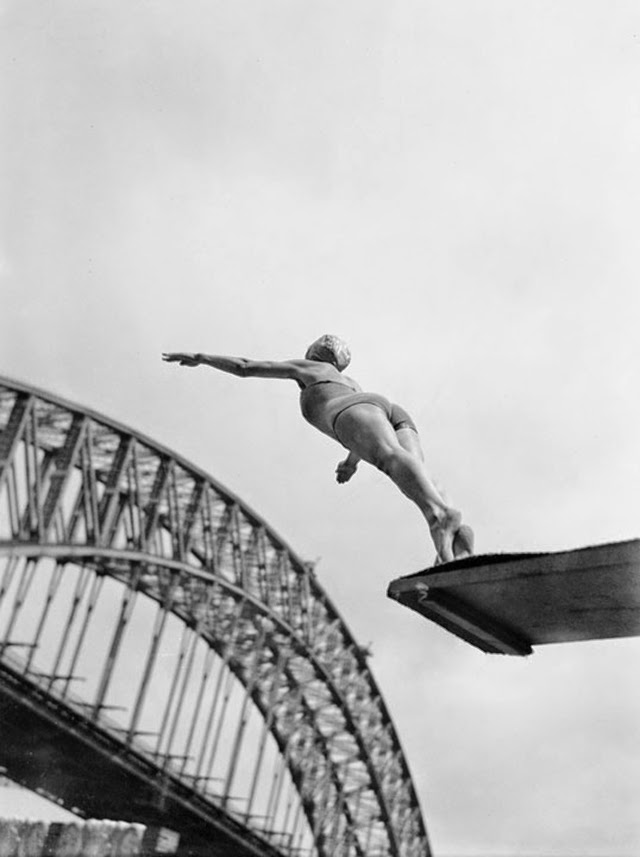
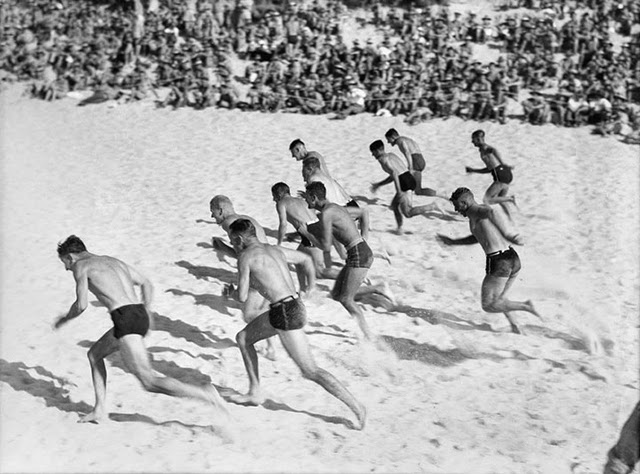
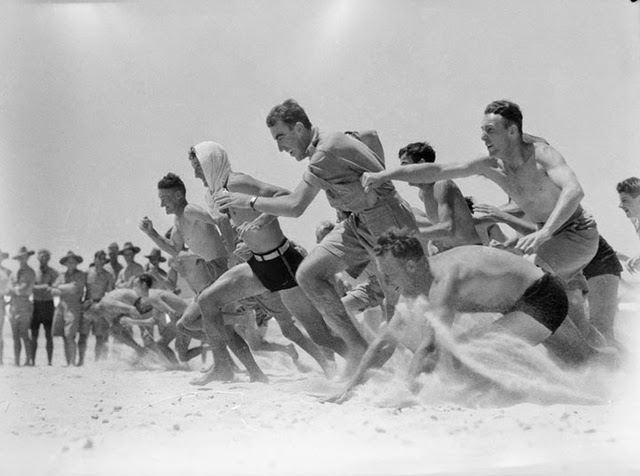
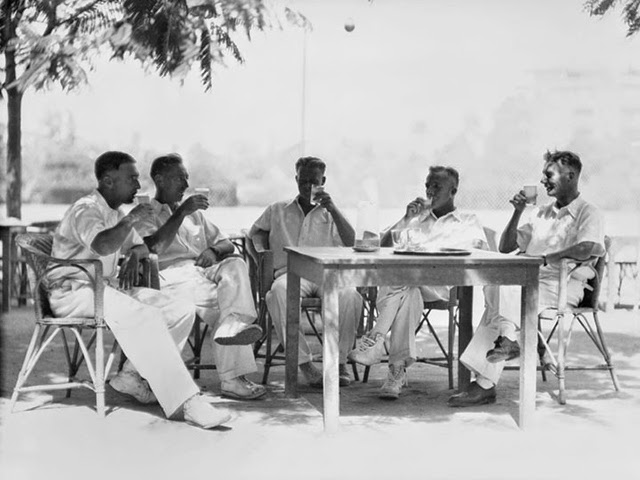
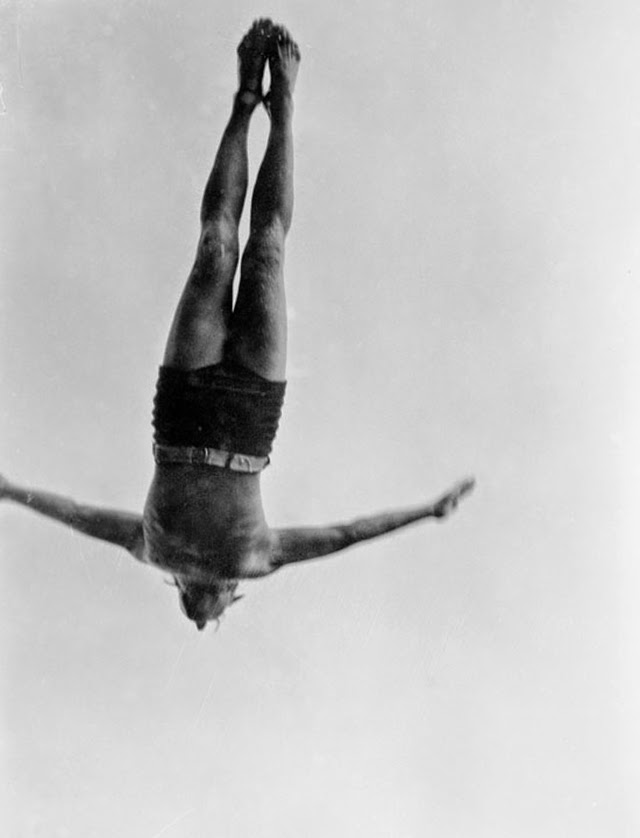
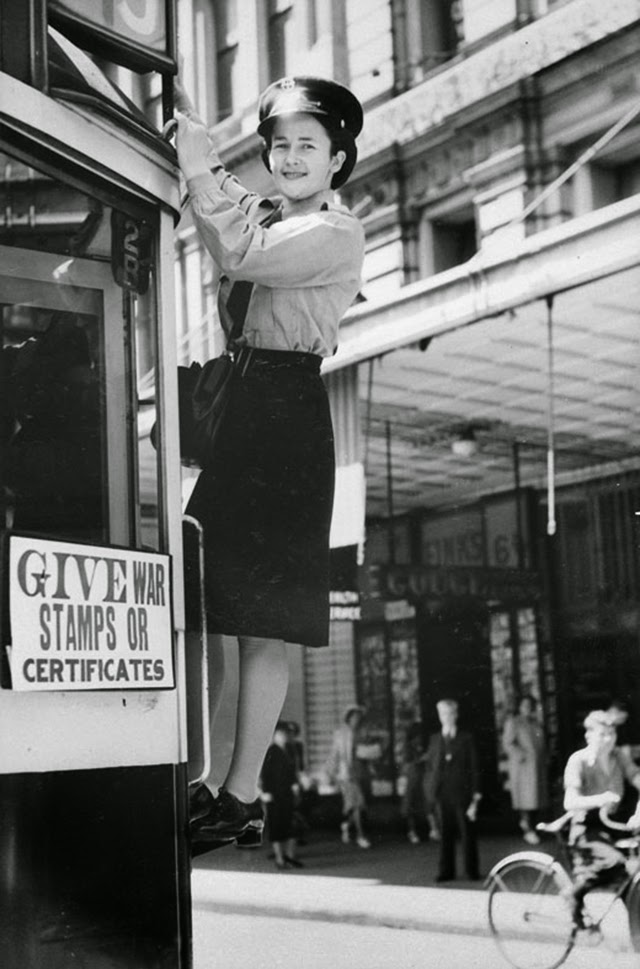
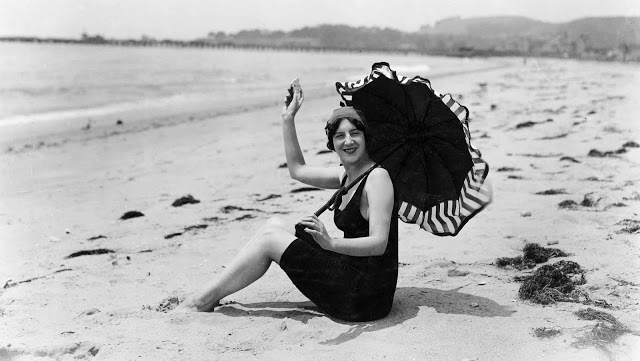
Relaxing under the summer sun in TownsvilleDiving into Sydney Harbor under summer skiesCooling down with an ice block under summer skies in New ZealandLifesaving test under summer skiesSplashing about under summer skiesAnyone for watermelon under summer skies?Waiting to go on to the tennis court under summer skiesBeach sports under summer skiesBeach sports under summer skiesSurfing lessons in Cornwall under summer skiesCricketers take refreshment under (late) summer skiesNew hat ready for summer under summer skiesDiving in, under summer skiesSummer uniform, under summer skies
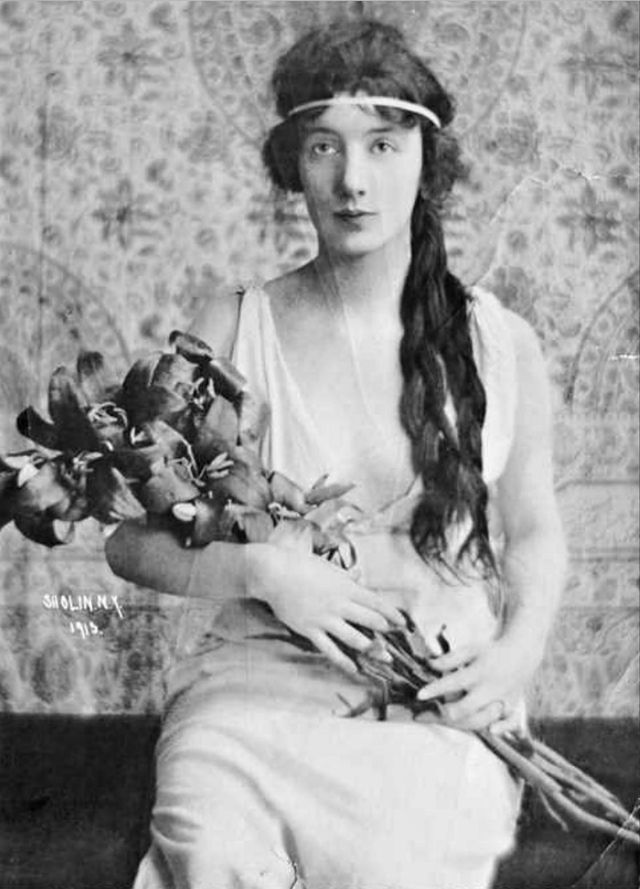
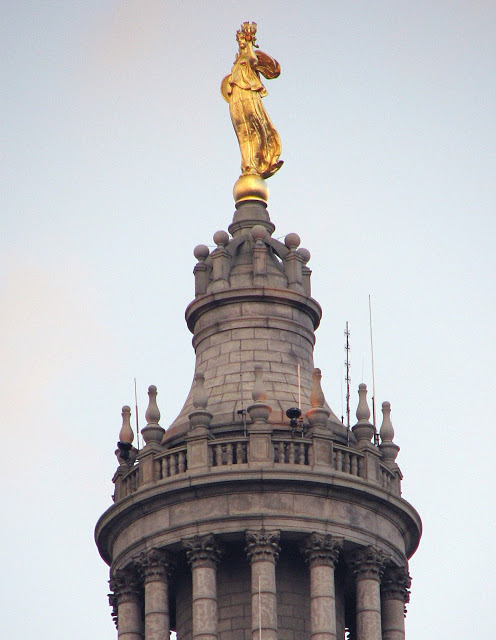
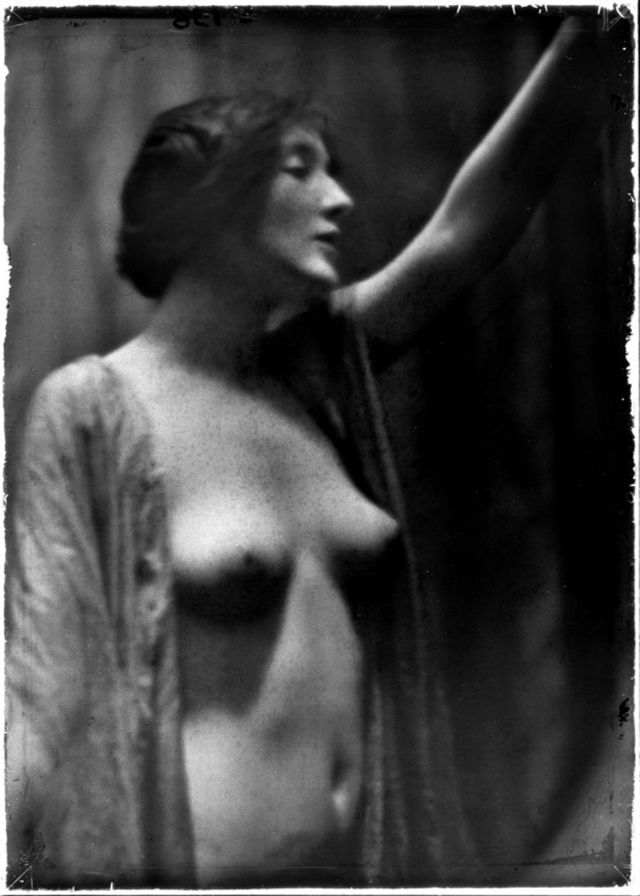
You may never have heard of Audrey Munson, but you’ve probably seen her face if you’ve spent any time in New York. Its similarity can be seen across the city, from Adolph Weinman’s golden figure on top of the Manhattan Municipal Building to the New York Public Library’s carved stone façade on Fifth Avenue.
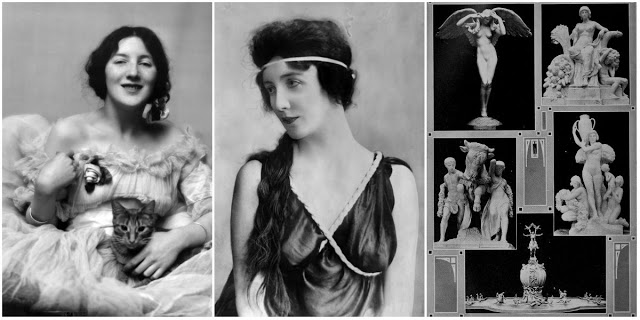
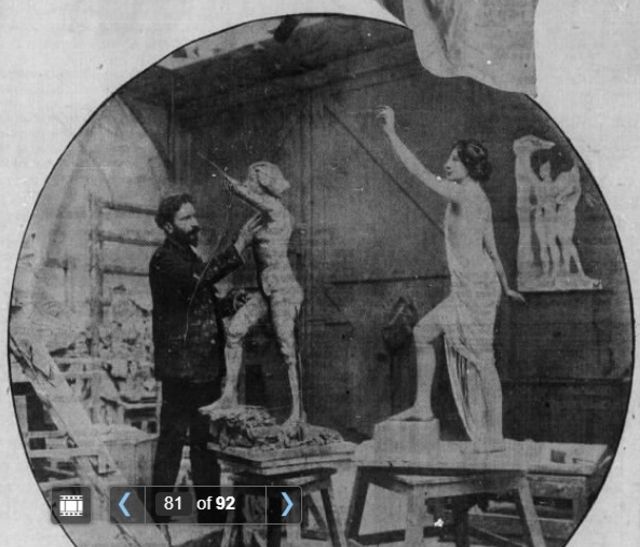
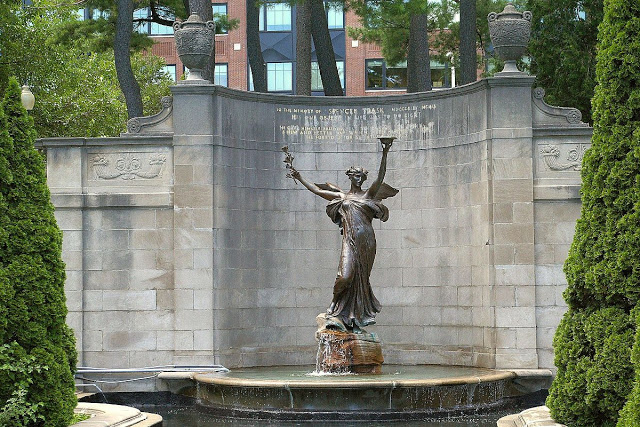
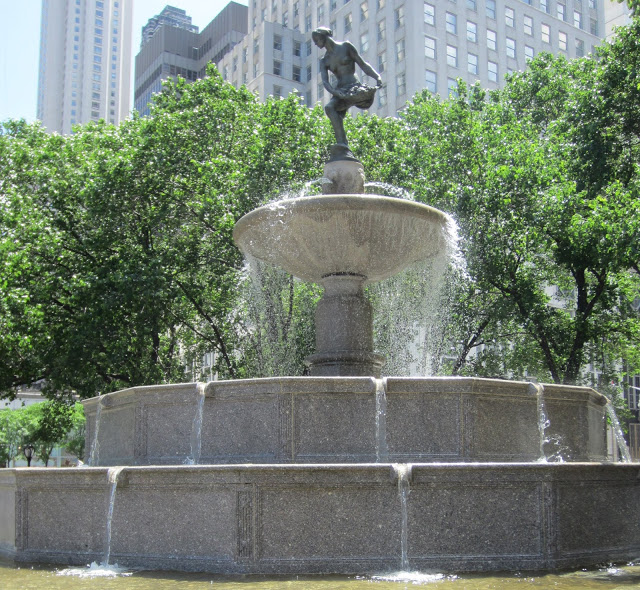
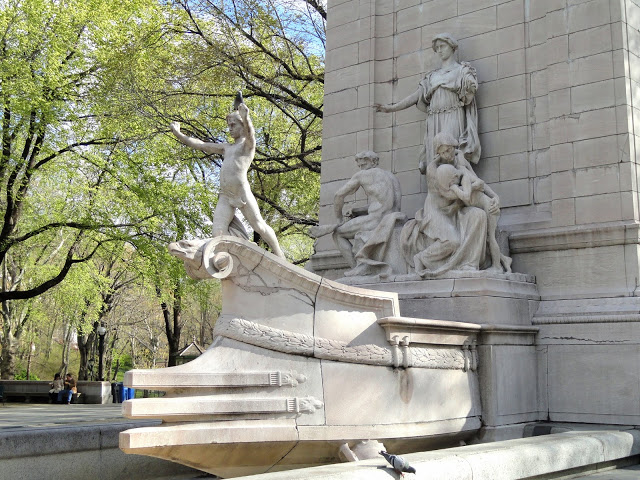
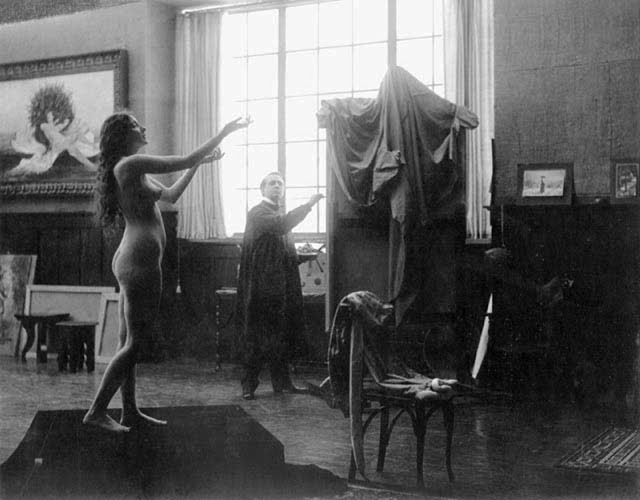
Munson posed for all these Panama-Pacific International Exhibition sculptures.The distinguished sculptor, Karl Bitter, working in his studio upon his famous statue Peace, with Miss Munson as his model.Memorial Fountain for Spencer Trask in Saratoga Springs, New York.Plaza Hotel Fountain: Pomona. Pomona was a 24 in (61 cm) plaster maquette at the time of Bitter’s April 9, 1915 death. Bitter’s widow asked Isidore Konti to complete the work, which was dedicated in May 1916. Munson was publicly credited as the model for Pomona as early as August 1916. Actress Doris Doscher later claimed to have been the model for Pomona. (Bitter may have used more than one model, or Konti may have used a different model.)USS Maine National Monument (detail), Columbus Circle, Manhattan, New York City.Civic Fame Statue, on the top of the Municipal Bulding, Manhattan, New York.
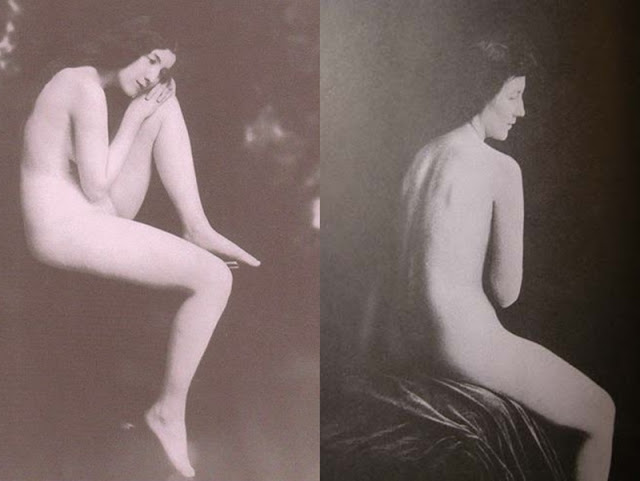
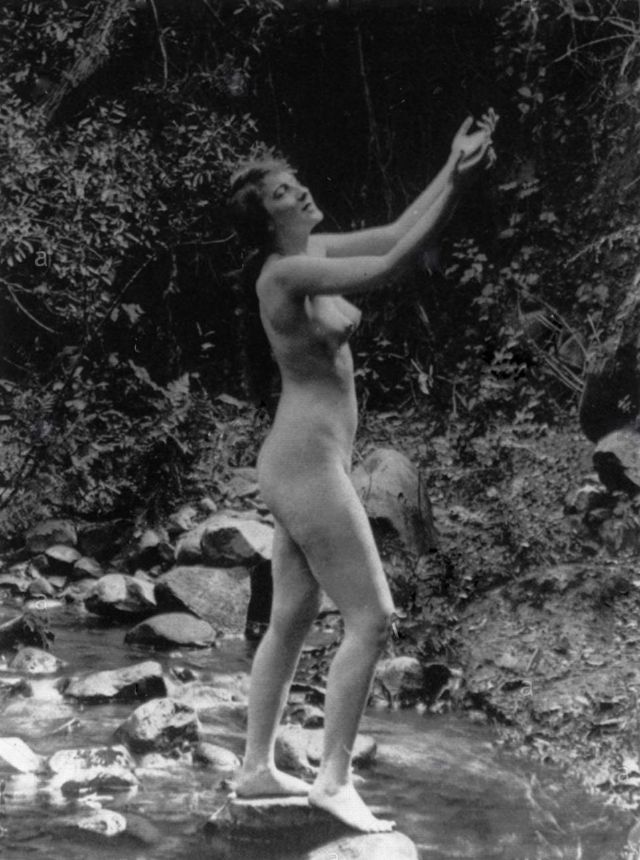
Born in 1891, in Rochester, Audrey Munson is regarded as “America’s First Supermodel.” In her time, she was variously known as “Miss Manhattan”, the “Panama–Pacific Girl”, the “Exposition Girl” and “American Venus.” She was the model or inspiration for more than twelve statues in New York City, and many others elsewhere. Munson was also the first American actress to appear fully nude in film, in Inspiration (1915), the first of her four silent films.
Munson’s career as an artist’s muse began when she moved to New York with her recently divorced mother in 1909. She was 17 and enrolled in music school with the hope of becoming an actress, but Munson was spotted on the street by photographer Felix Benedict Herzog.
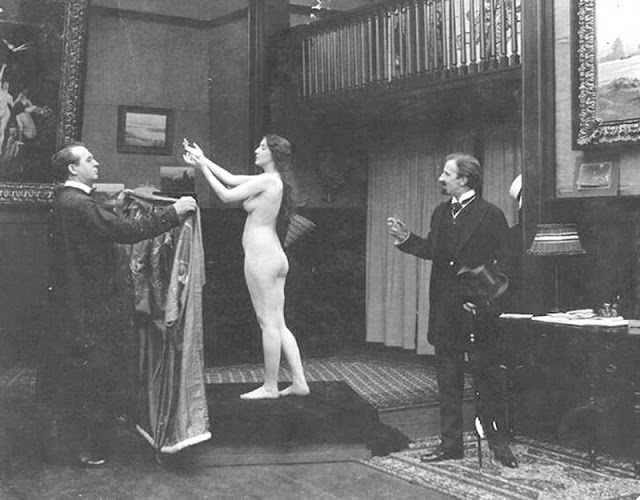
Identifying her classic beauty and ease in front of the camera, the photographer introduced Munson to sculptor Isidore Conti who said he would only work with her if she posed in the “altogether” or, in other words, nude.
It was this partnership that acted as the launchpad for Munson’s career as she went on to meet more artists, sitting for them and gaining more popularity as a model from studio to studio. Gradually her likeness started appearing all around New York, earning her the status of ‘Miss Manhattan’.
From sculpture to sculpture, her form differs; certain artists perceived Munson as slender whereas others reimagined her as a slightly fuller figure. What remains, however, is her apparent poise and identifiable facial expressions. Munson also could hold poses for hours at a time, and while doing so, would get to know the temperament and technique of each artist she modeled for.
Despite having to stay still for most of the day, Munson was by no means passive in her approach to work, and she saw her role as collaborative – taking an active interest in the previous creations of artists to inform the way she modeled. As Munson said: “Every model who is a real success must study the work of the person she is with.”
Following the 1915 International Exposition in San Francisco, Munson decided to become an actress. Her on-screen career was short-lived, however: she was repeatedly cast as a still-life model and was even given an acting double in some films to ensure she remained in non-moving roles. Rather tellingly, and unfairly, she became best known for being the first actress to appear nude in a movie (1915’s Inspiration), rather than for her essential role in the creative process, and her work as an advocate for the rights of creative women.
Audrey Munson and Thomas A. Curran in Inspiration (1915).
Her second film, Purity (1916), made in Santa Barbara, California, is the only one of her films to survive, being rediscovered in 1993 in a “pornography” collection in France and acquired by the French national cinema archive. Her third film, The Girl o’ Dreams, also made in Santa Barbara, was completed by the fall of 1916 and copyrighted on December 31, 1918, but appears never to have been released.
Munson returned to the East Coast by train via Syracuse in December 1916 and became involved with high society in New York and Newport, Rhode Island. There are accounts her mother insisted she marry “Comstock Lode” silver heir Hermann Oelrichs Jr., then the richest bachelor in America, but there is no record of Audrey Munson’s making this claim herself. On January 27, 1919, she wrote a rambling letter to the US State Department denouncing Oelrichs as part of a pro-German network that had driven her out of the movie business. She said she planned to abandon the United States to restart her movie career in England.
In 1919 Audrey Munson was living with her mother in a boarding house at 164 West 65th Street, Manhattan, owned by Dr. Walter Wilkins. Wilkins fell in love with Munson, and on February 27 murdered his wife, Julia, so he could be available for marriage. Munson and her mother left New York, and the police sought them for questioning. After a nationwide hunt, they were located. They refused to return to New York, but were questioned by agents from the Burns Detective Agency in Toronto, Ontario, Canada. The contents of the affidavits they supplied have never been revealed, but Audrey Munson strongly denied she had any romantic relationship with Dr. Wilkins. Wilkins was tried, found guilty, and sentenced to the electric chair. He hanged himself in his prison cell before the sentence could be carried out.
As a direct consequence or not, the Wilkins killing marked the end of Munson’s ten-year modeling career. She continued to seek regular newspaper coverage. By 1920 Munson, unable to find work anywhere, was reported as living in Syracuse, New York, supported by her mother, who sold kitchen utensils door to door. In November 1920 she was said to be working as a ticket-taker in a dime museum.
From January through May 1921 a series of twenty serialized articles ran in Hearst’s Sunday Magazine in dozens of Sunday newspaper supplements, under Munson’s name, the whole series entitled By the ‘Queen of the Artists’ Studios’. The twenty articles relate anecdotes from her career, with warnings about the fates of other models. In one she asked the reader to imagine her future: What becomes of the artists’ models? I am wondering if many of my readers have not stood before a masterpiece of lovely sculpture or a remarkable painting of a young girl, her very abandonment of draperies accentuating rather than diminishing her modesty and purity, and asked themselves the question, “Where is she now, this model who was so beautiful?” In February that year, agent-producer Allen Rock took out advertisements showing a $27,500 check he said he had paid Munson to star in a fourth film titled Heedless Moths based on these writings. She later said the $27,500 check was just a “publicity stunt,” and she filed suit against Allen Rock. Those proceedings revealed that the twenty articles had been ghostwritten by journalist Henry Leyford Gates.
In the summer of 1921 Munson conducted a nationwide search, carried by the United Press, for the perfect man to marry. She ended the search in August claiming she didn’t want to get married anyway. On October 3, 1921 she was arrested at the Royal Theater (later the Towne Theater) in St. Louis on a morals charge related to her personal appearance with the film Innocence, in which she had a leading role. She and her manager, independent film producer Ben Judell, were both acquitted. Weeks later she was still appearing in St. Louis, along with screenings of Innocence, enacting “a series of new poses from famous paintings”.
On May 27, 1922, Munson attempted suicide by swallowing a solution of bichloride of mercury.
On June 8, 1931, her mother petitioned a judge to commit her to a lunatic asylum. The Oswego County judge ordered Munson be admitted into a psychiatric facility for treatment. She remained in the St. Lawrence State Hospital for the Insane in Ogdensburg, where she was treated for depression and schizophrenia, for 65 years, until her death.
For decades she had no visitors at the asylum, but she was rediscovered there by a half-niece, Darlene Bradley, in 1984, when Munson was 93. Munson died February 20, 1996, at the age of 104. She was buried without a gravestone of her own in the Munson family plot in New Haven Cemetery, New Haven, New York. In 2016, 20 years after her death, her family decided to add a simple tombstone for what would have been her 125th birthday.
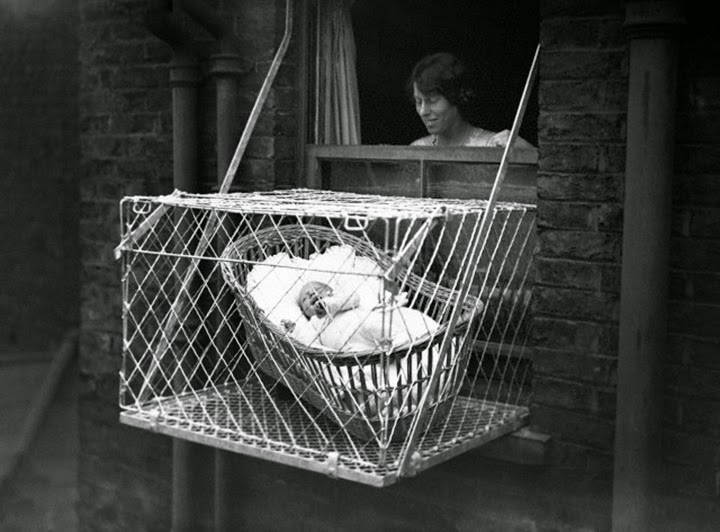
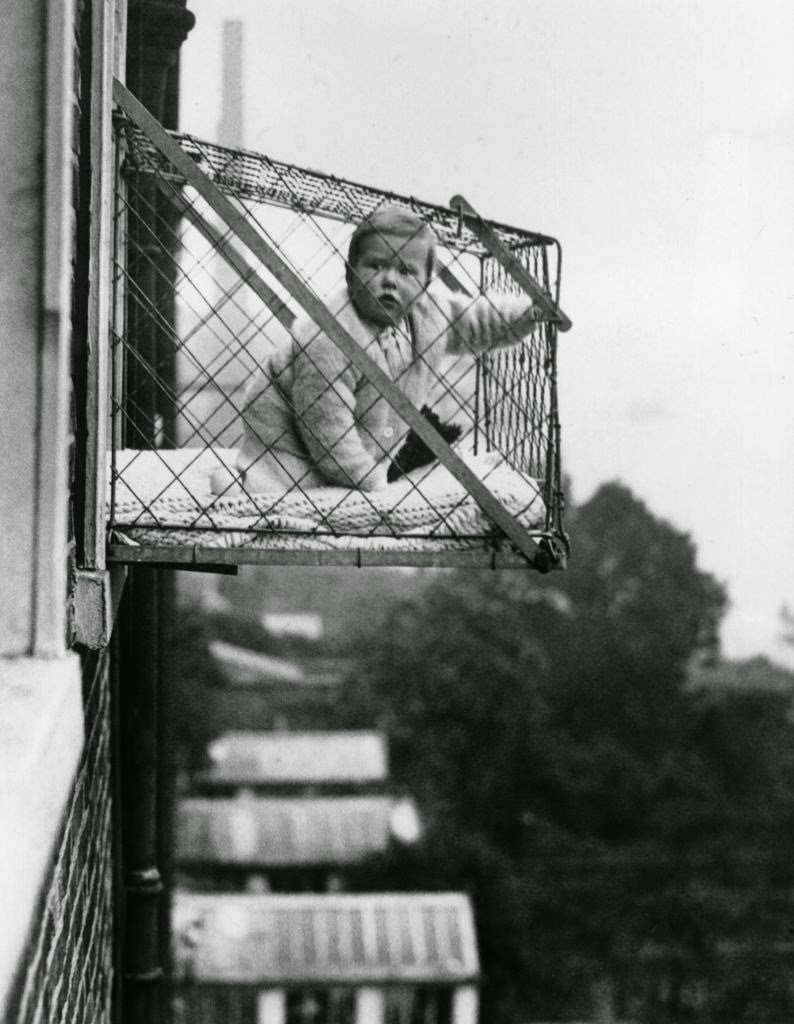
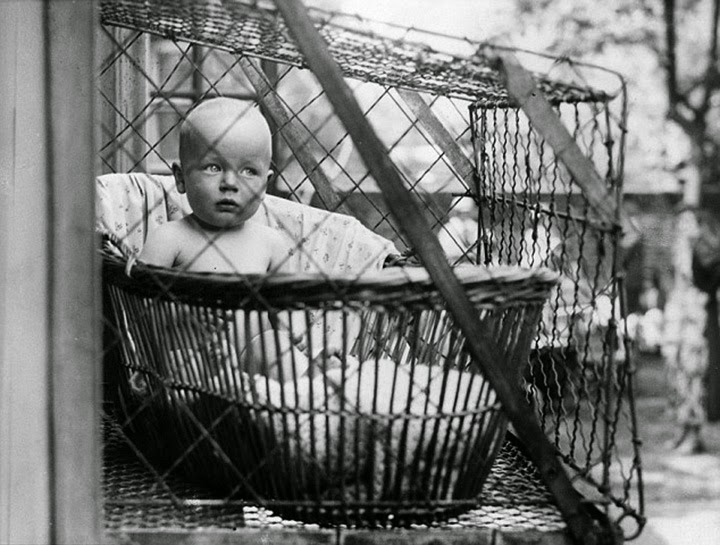
They were designed in a more innocent age and with the best of intentions. With this wire enclosure, parents didn’t need to leave the house to give their children a healthy dose of sunshine and fresh air. The only problem was that the cage was suspended precariously off the side of a building.
According to the Daily Mail, the idea behind the cages was patented in America in 1922 as a means to help parents living in cities who didn’t have much space. The cages were also distributed to members of the Chelsea Baby Club who lived in high buildings and had no gardens.
These incredible pictures taken in the 1930s show babies suspended high up in flats from their parents’ window.
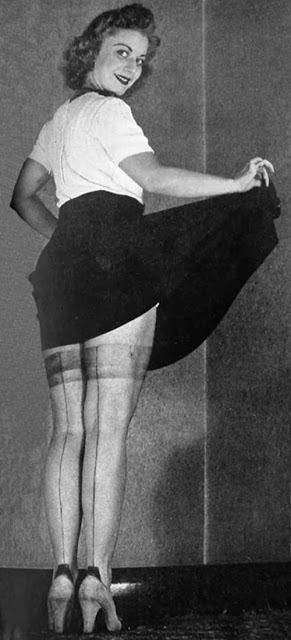
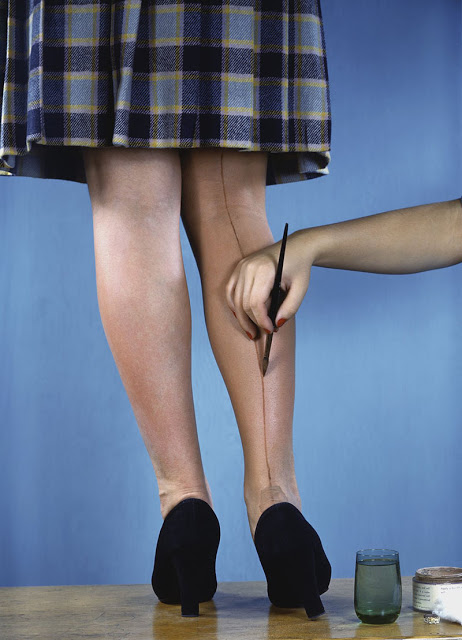
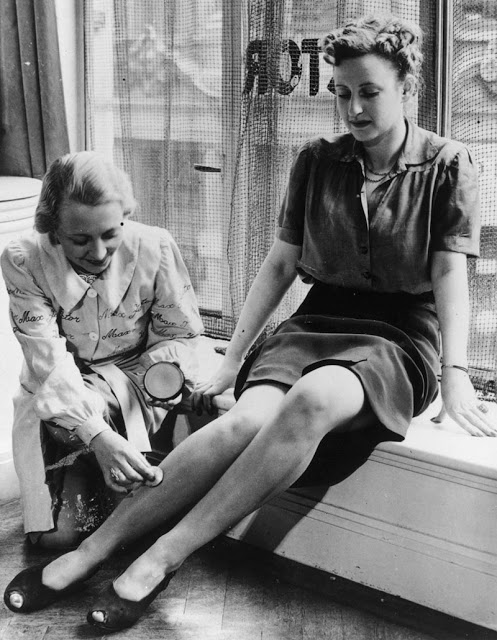
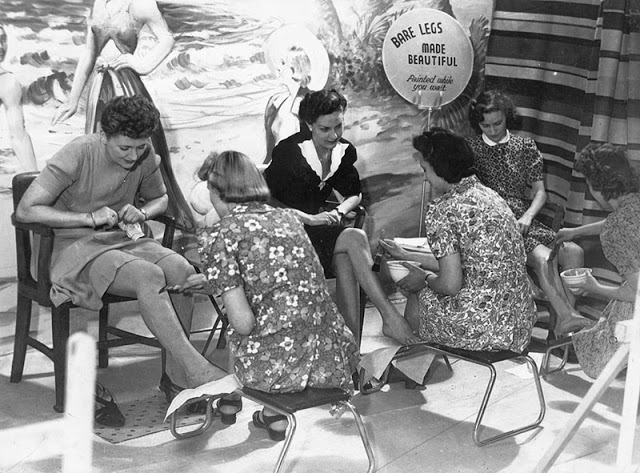
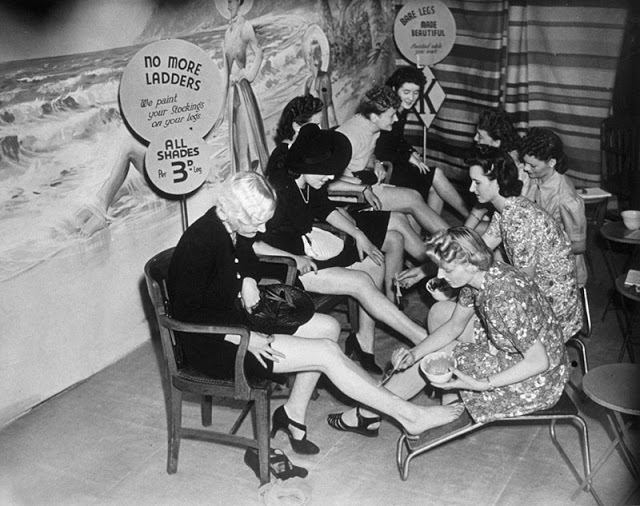
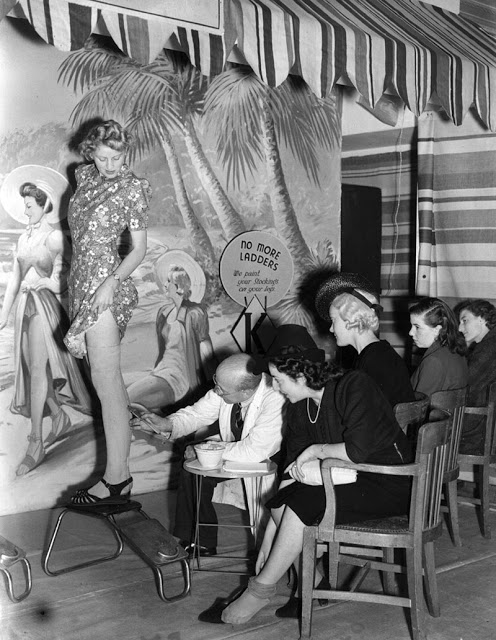
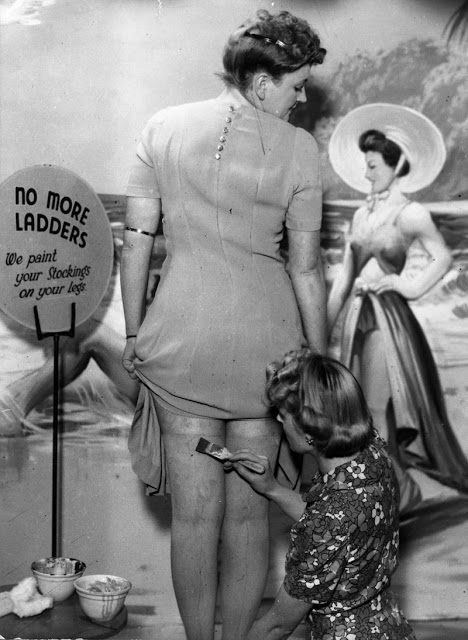
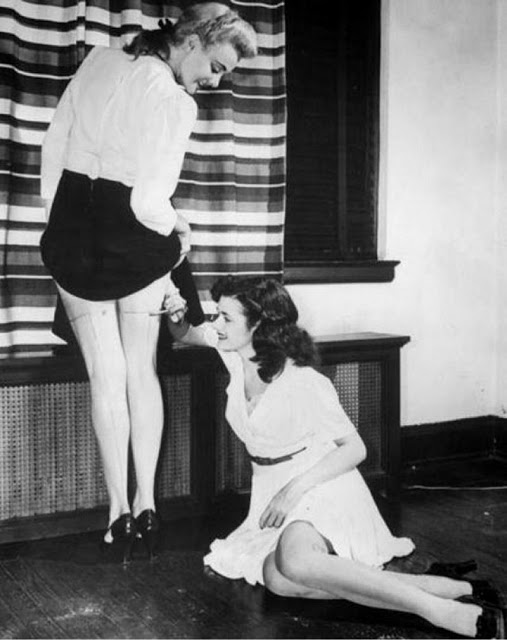
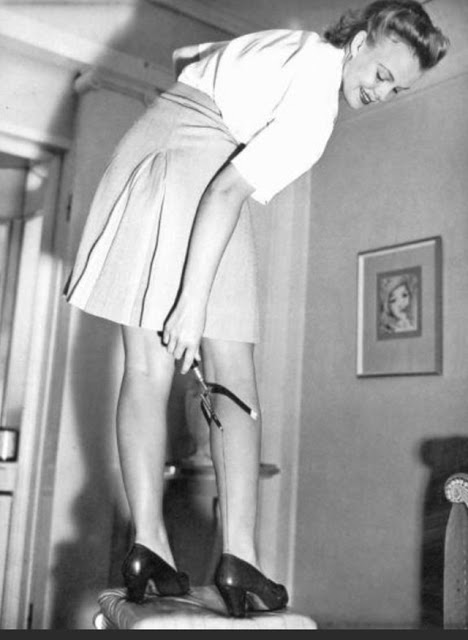
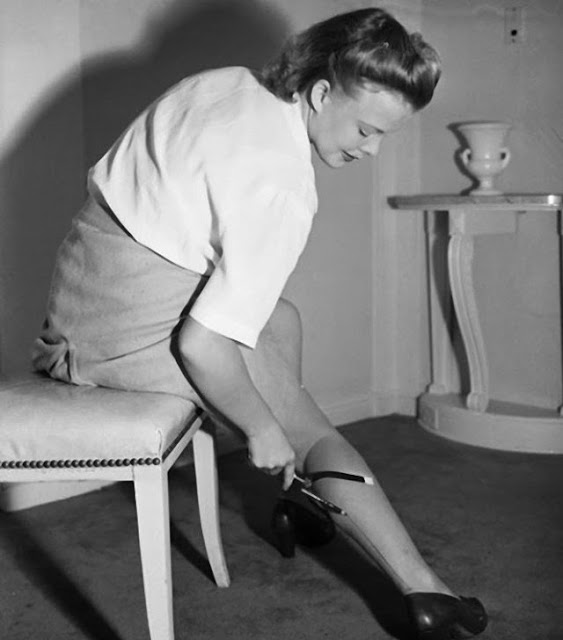
When America took part in World War II in 1941 that DuPont company stopped producing nylons, reorganizing its factory for the production of parachutes, airplane cords and rope and asking women to donate their used stockings to the war effort so that they soon became hard to find.
That’s why thousand of women started to draw on their legs in order to obtain a 1940s nylon look, using the most creative and unthinkable brown household items they had: from gravy browning to coffee passing by cocoa powder.
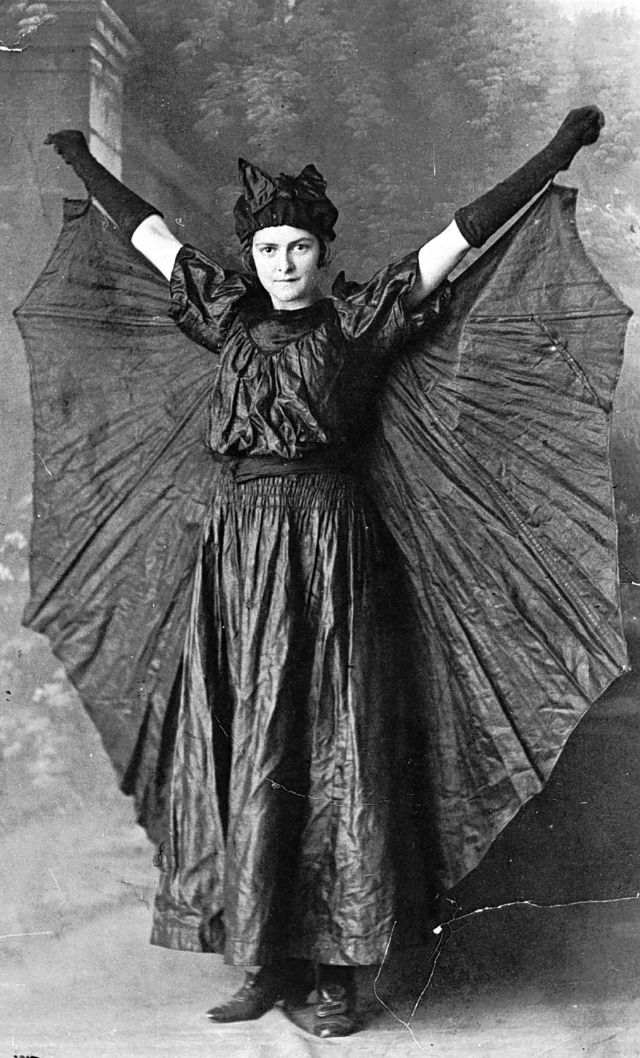
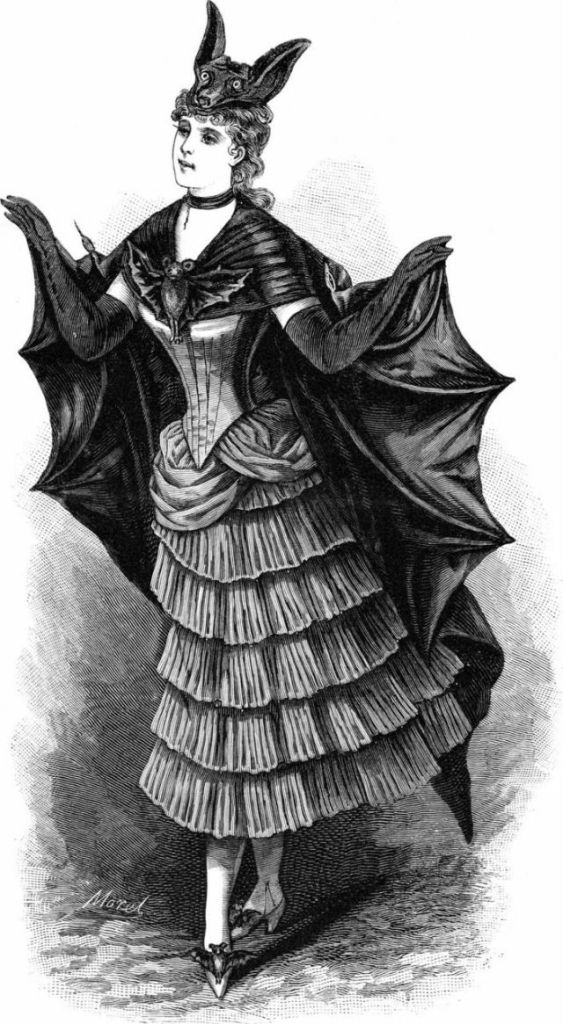
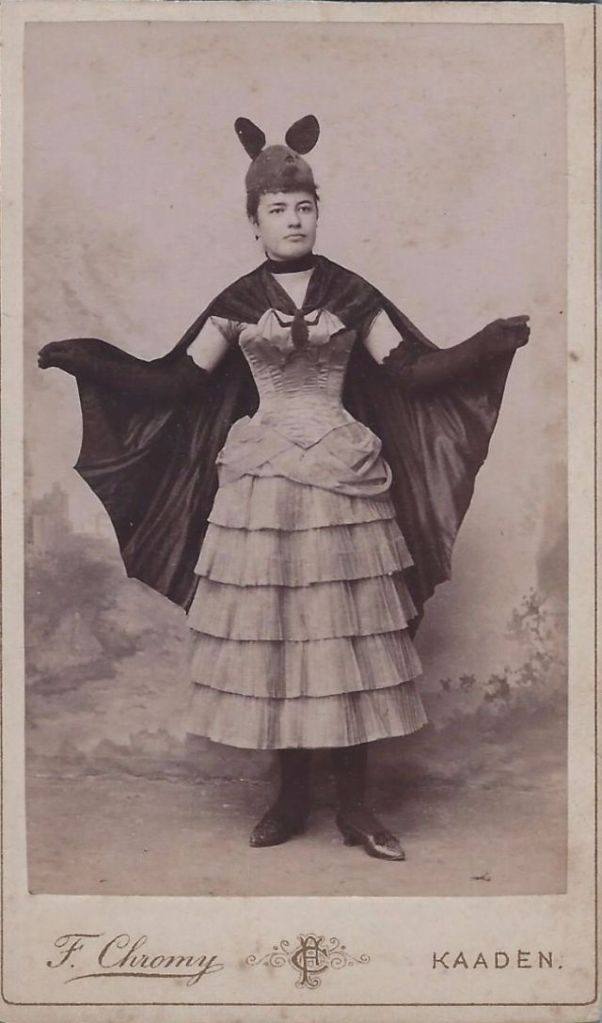
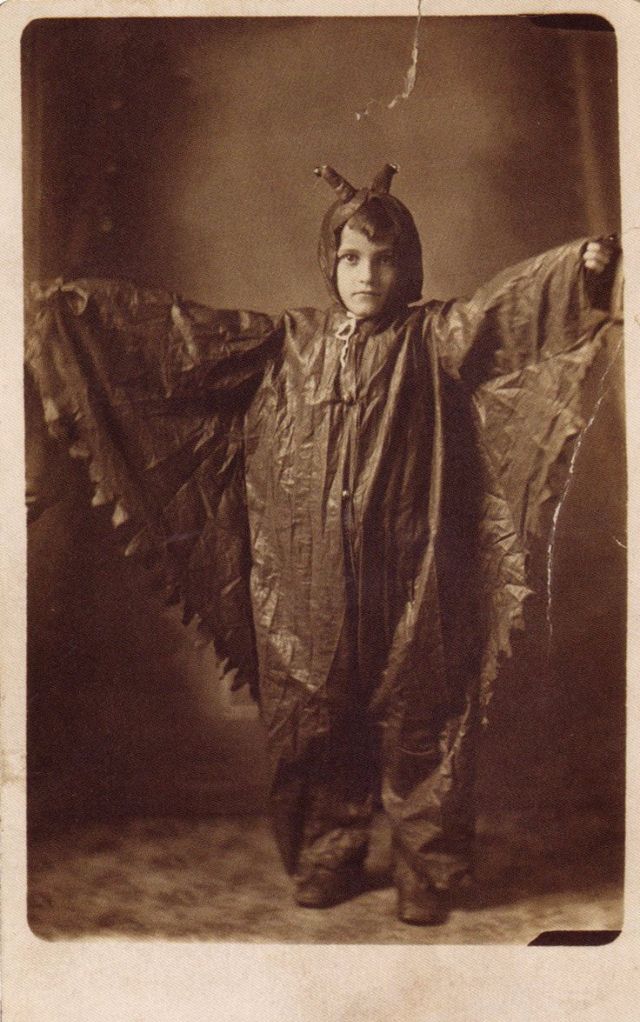
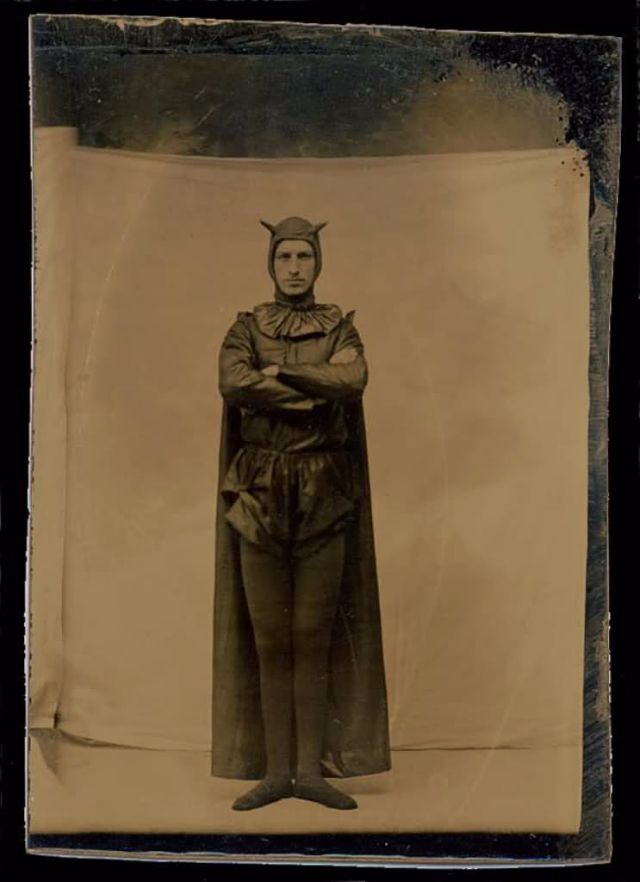
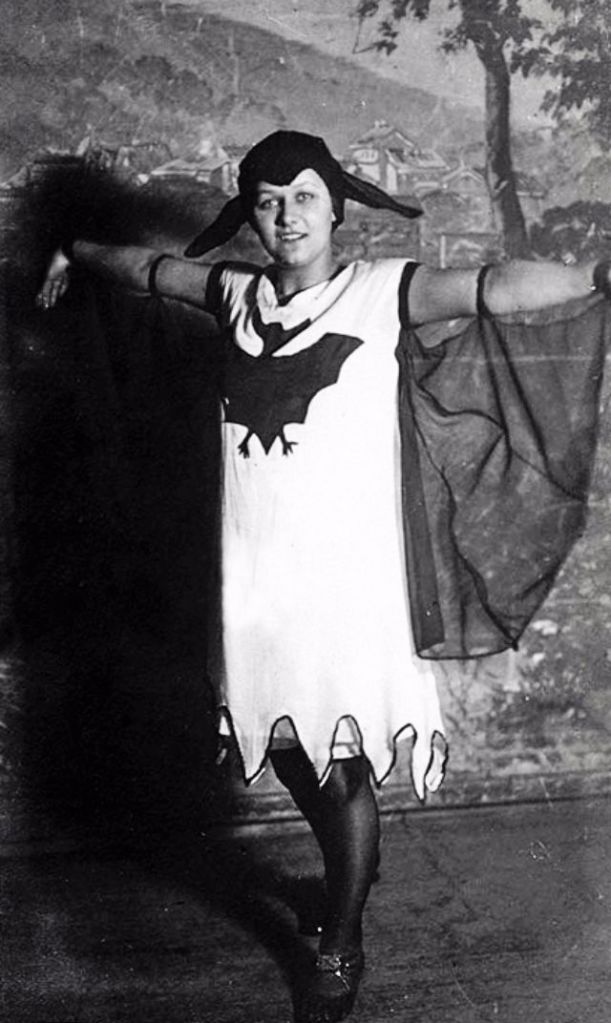
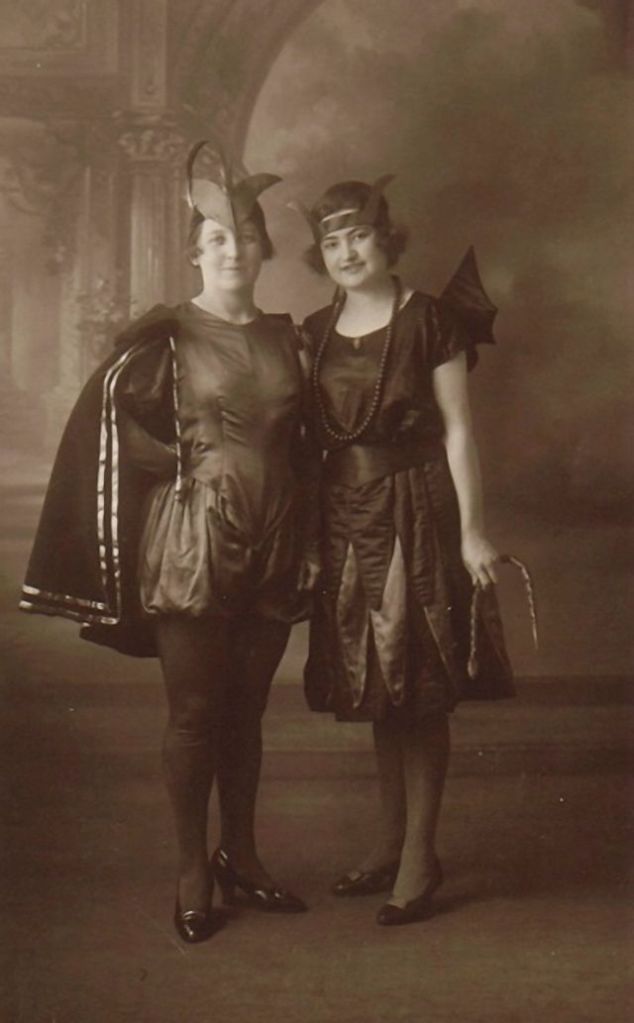
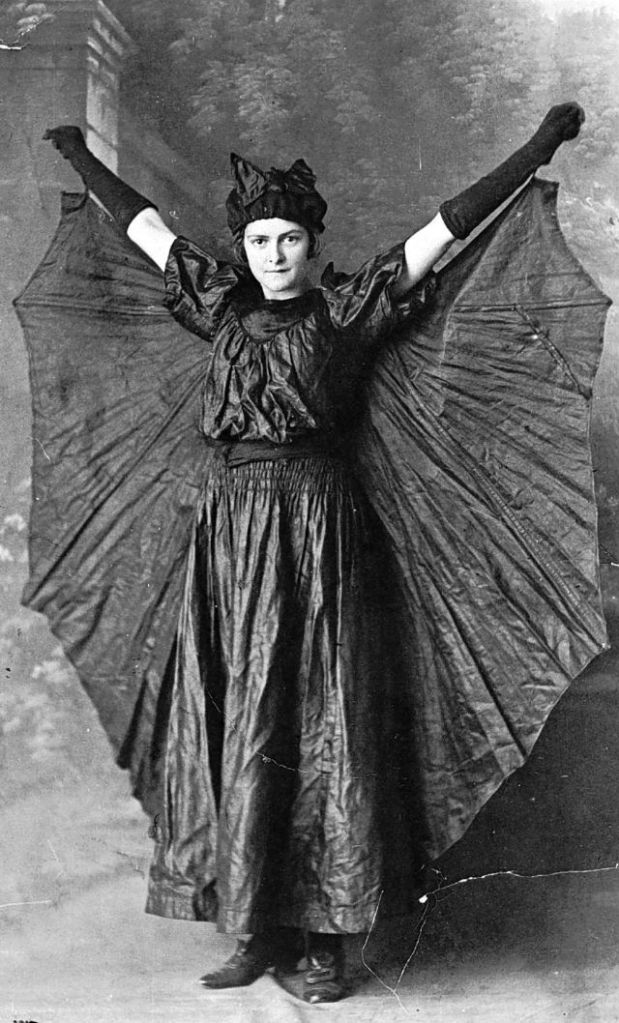
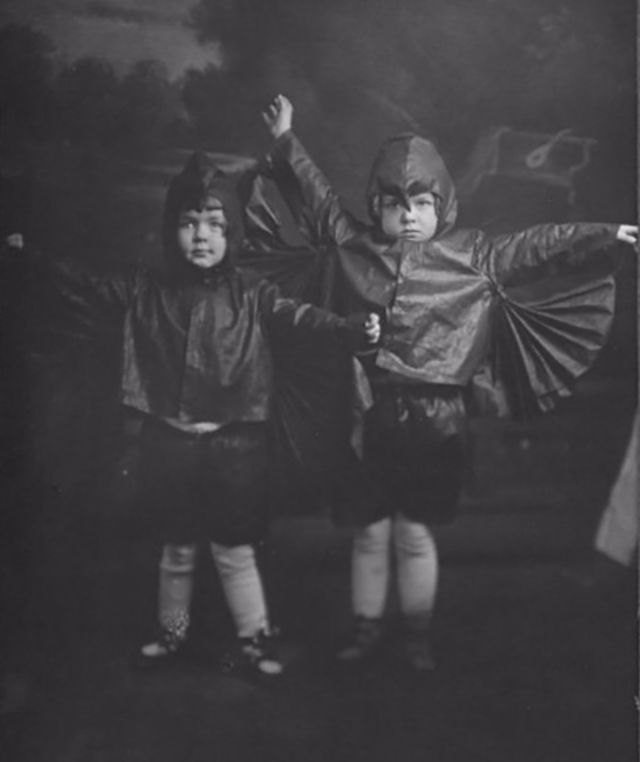
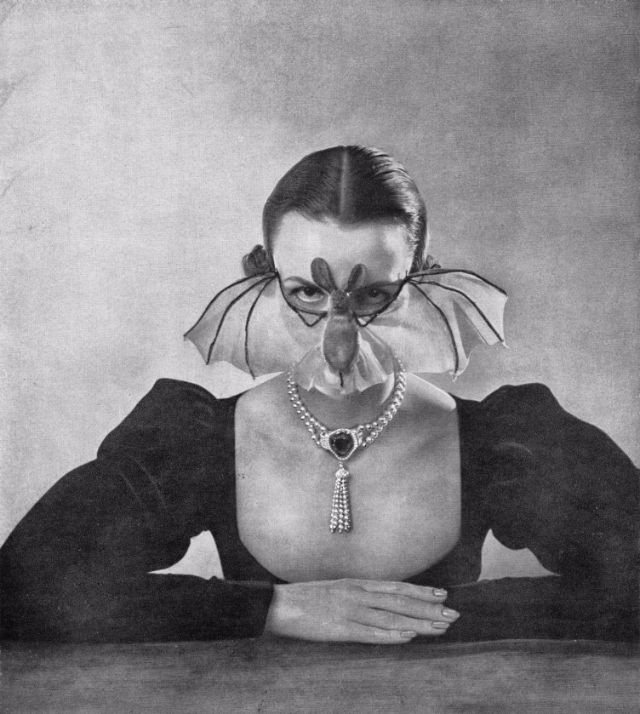
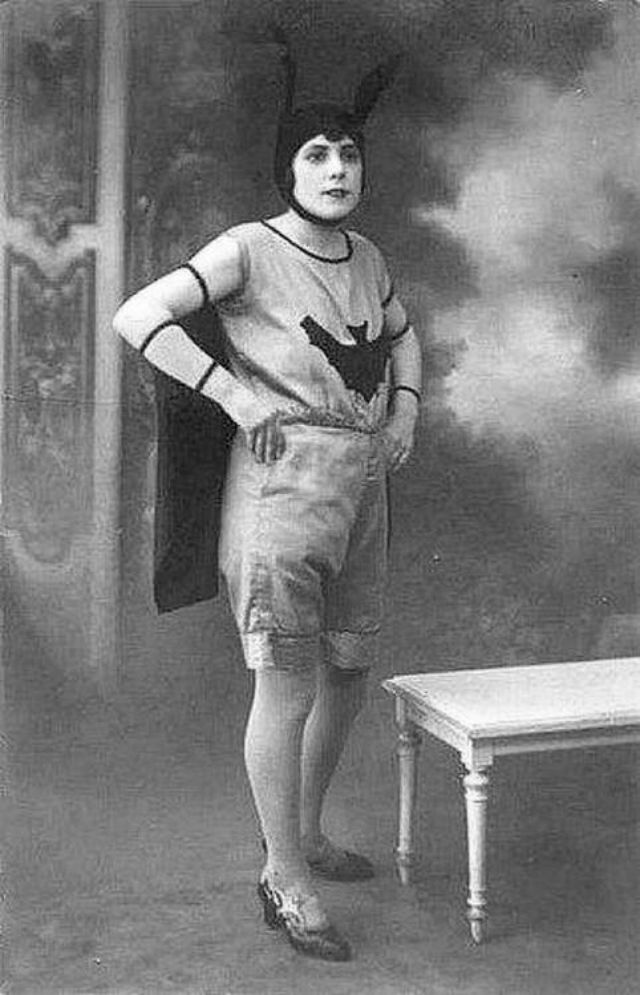
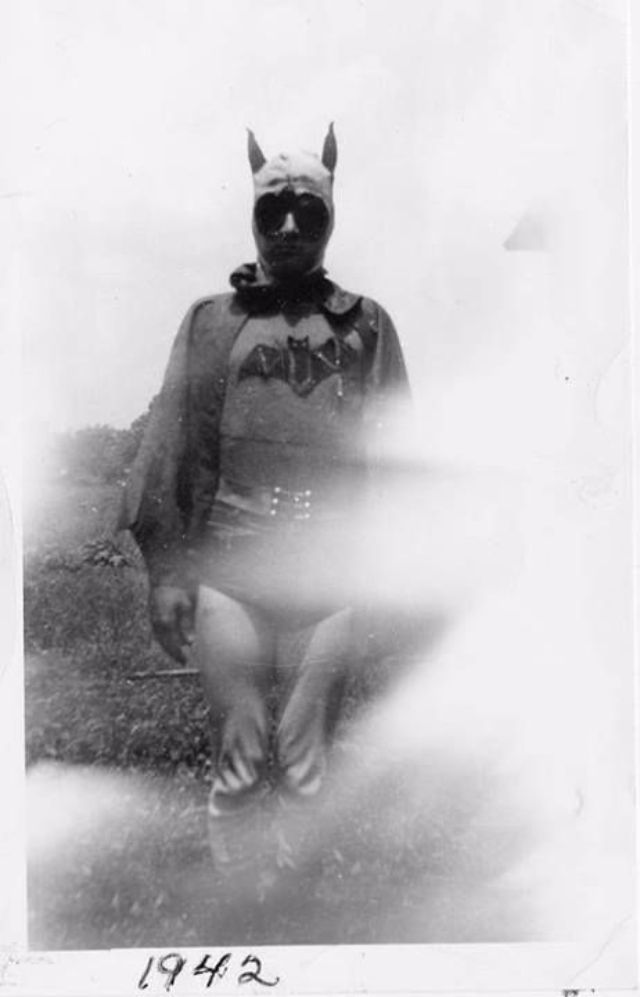
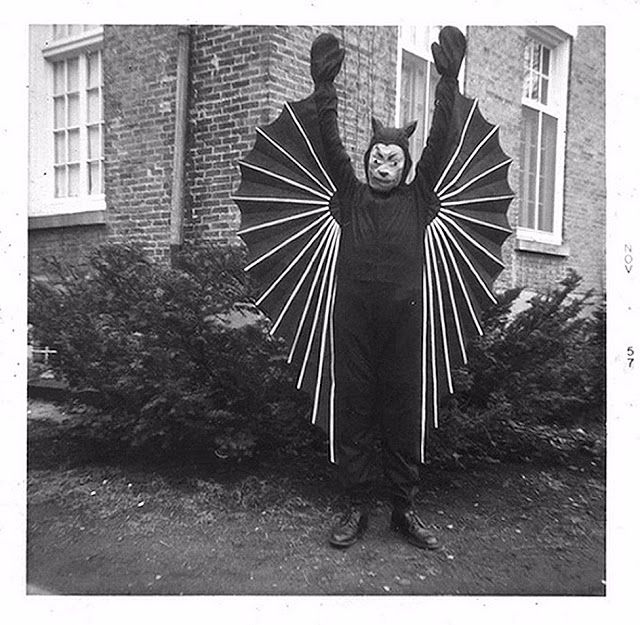
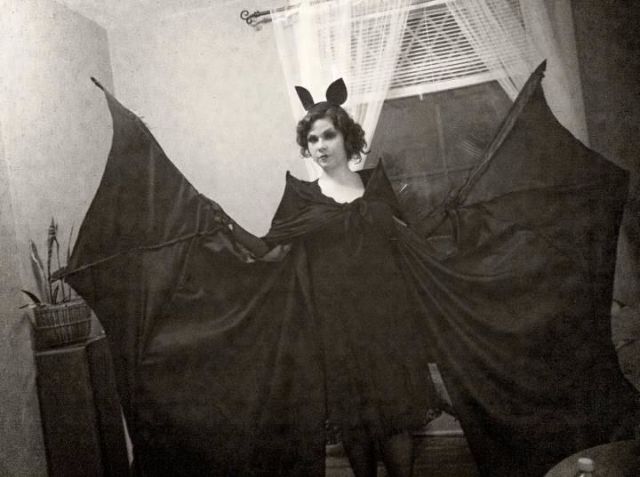
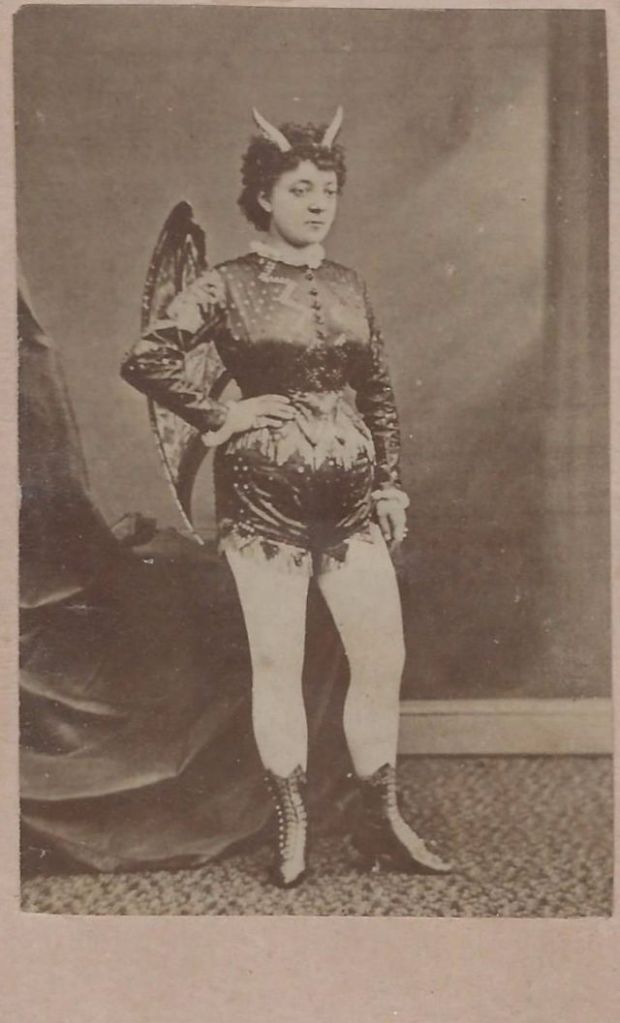
Before the Batman character that we all know to be created in 1939 to appear in Detective Comics #27, bat costumes were already popular for a long time, with illustrations and photographs that date back at least until from 1887.
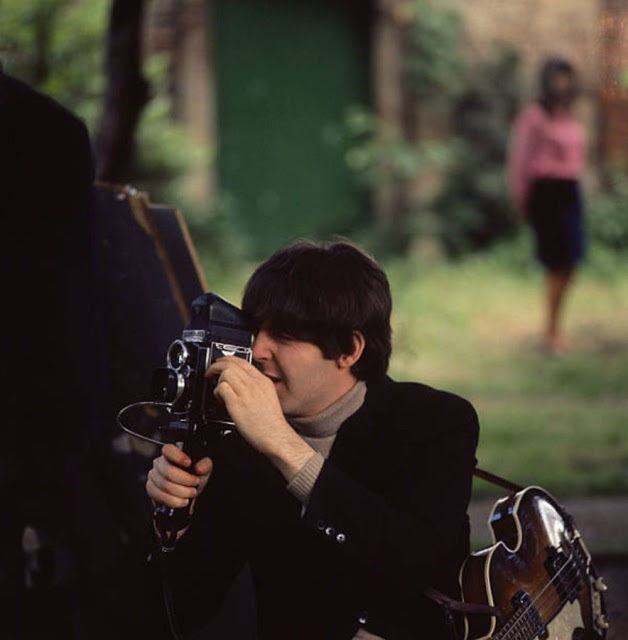
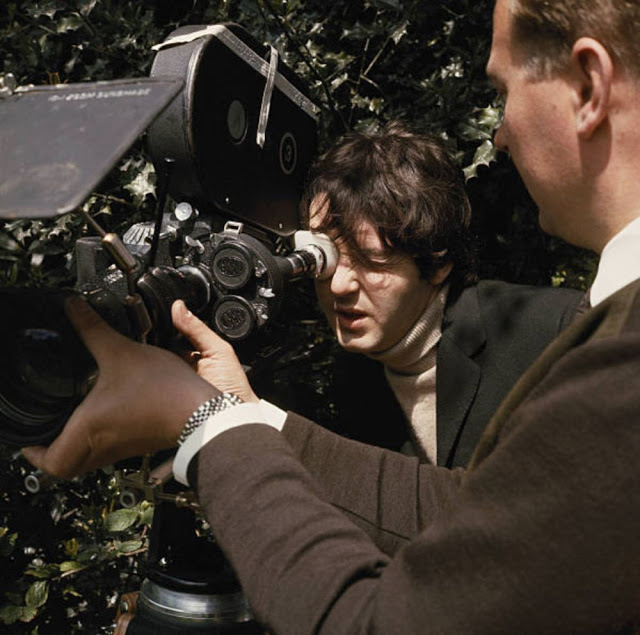
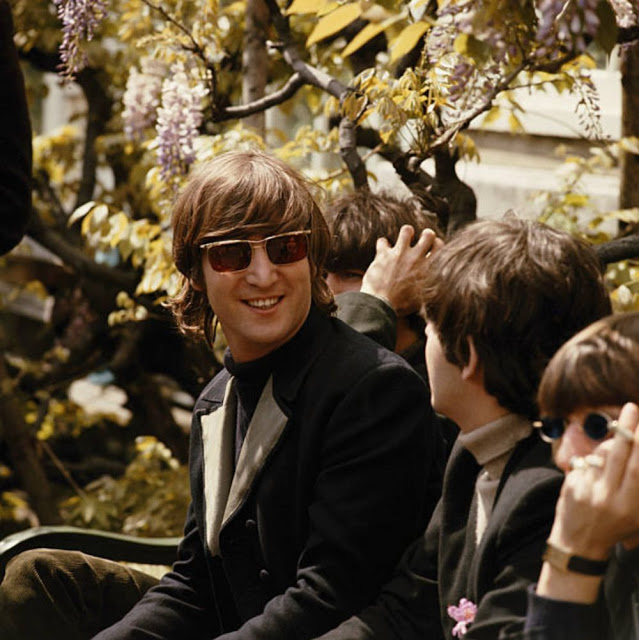
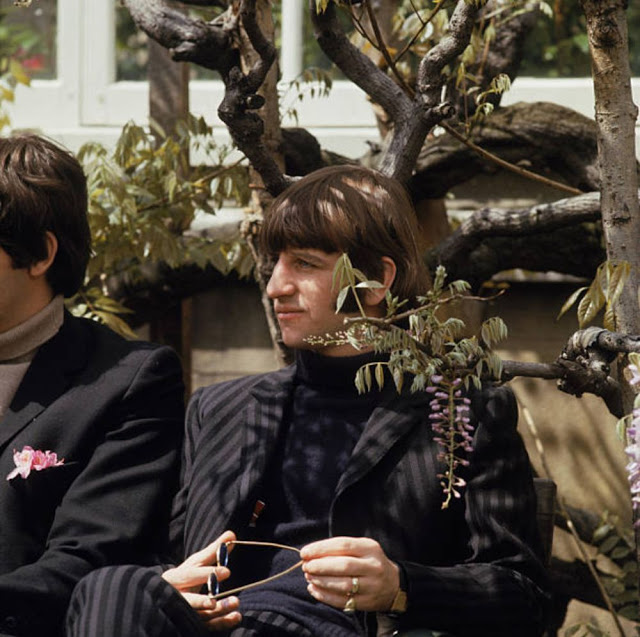
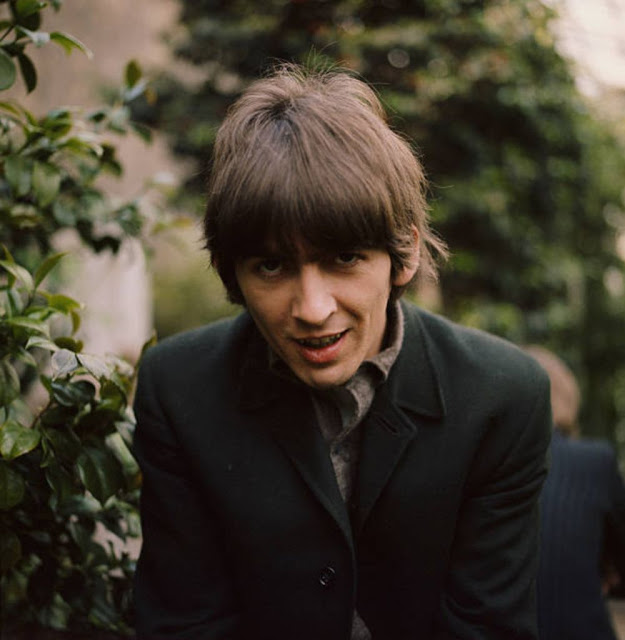
For the imminent release of the Paperback Writer/Rain single, The Beatles were unwilling to appear on television for promotion. Instead, they took part in a two-day shoot which resulted in a total of seven promotional films for the songs.
This first day’s filming took place in Abbey Road’s Studio One; the following day they went on location at Chiswick House, London.
The crew was supplied by InterTel (VTR Services), and the director was Michael Lindsay-Hogg. The producer was Tony Bramwell. Video tape was used on this first day, while the following day’s footage was shot on film.
At 10am a camera rehearsal took place. The first color performance of Rain was filmed, after which The Beatles watched a playback to see the results. From 1.10-2pm they filmed a color performance of Paperback Writer.
Both these color clips were for the U.S market, and had their première on The Ed Sullivan Show on June 5, 1966, along with a greeting filmed by The Beatles on this day between 6.15pm and 6.30pm.
After lunch The Beatles recorded black-and-white footage for U.K viewers, two for Paperback Writer and one for Rain, between 3.30pm and 6.15pm.
The second black-and-white performance of Paperback Writer, along with the one of Rain, were first shown on Ready, Steady, Go! on Friday 3 June, which was the first time the program had broadcast footage not from its own studio.
Chiswick House is an 18th century house and gardens in west London. For the clip for Rain, The Beatles were filmed outside the gates and around a cedar tree, with the group performing while children played among the branches.
For Paperback Writer the group were filmed inside the conservatory, and miming to the song in the statue garden. Some of the conservatory footage was also used in the Rain clip, and extra shots of The Beatles walking in the grounds were later edited into both films.
The color clips were first shown in black-and-white on BBC 1’s Top Of The Pops. Paperback Writer had its first screening on 2 June 1966, while Rain had its début on the show on 9 June.
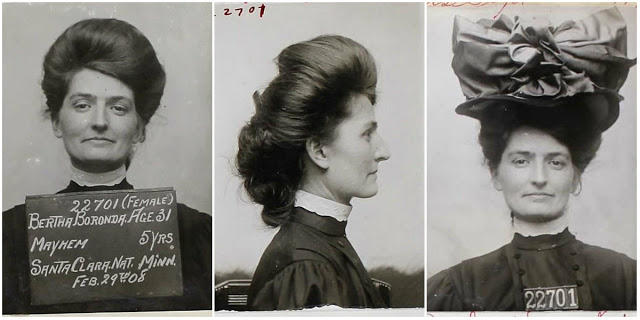
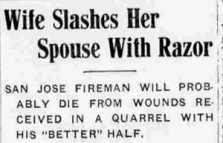
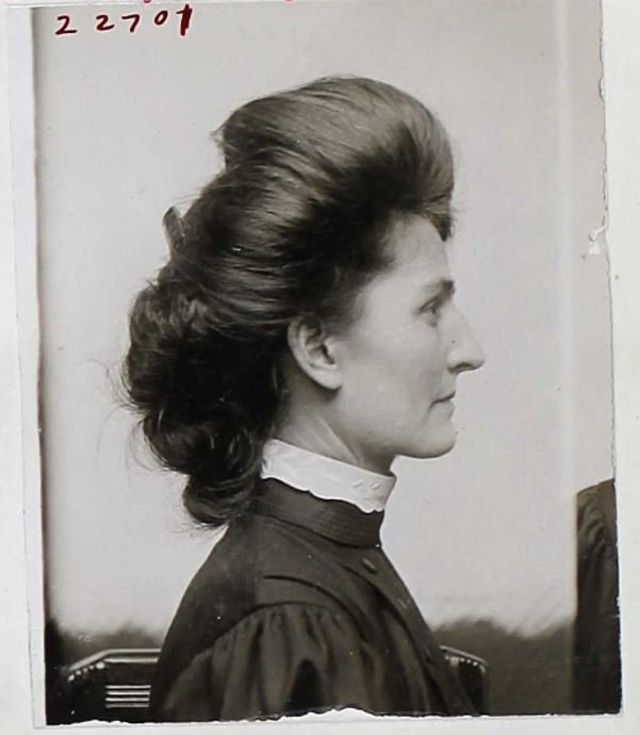
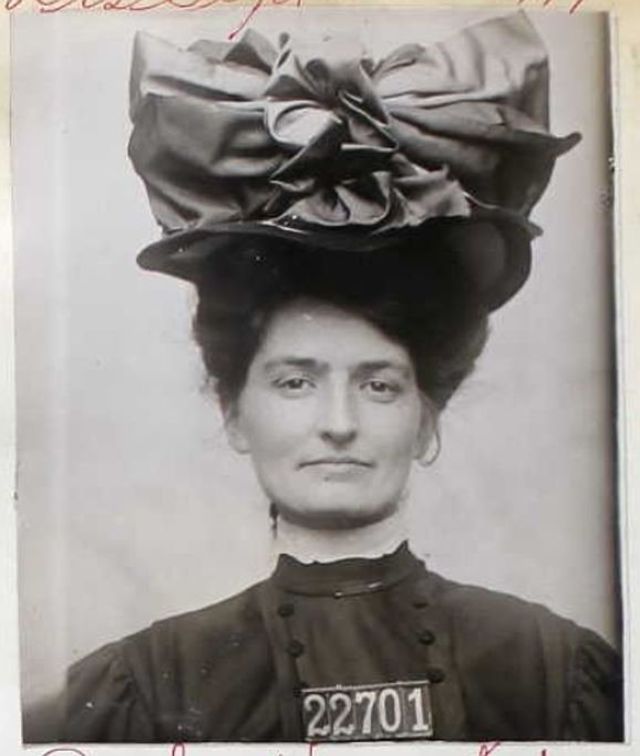
Bertha Boronda was sentenced to five years in prison for “Mayhem” in 1908. What’s “Mayhem” you ask? Apparently in Bertha’s case, it’s cutting off your cheating husband’s penis with a straight razor, disguising yourself as a man and fleeing by bicycle.
Bertha and her husband, Frank Boronda, had been married about 6 years when her assault on him took place. Frank was born Mario Narcisso Boronda in 1863 to a large family with Mexican roots that had lived in California for several generations. At the time of the attack Frank, age 43, was a fire captain with the San Jose Fire Department in northern California. Bertha Zettle was born to German immigrant parents in rural Minnesota in 1877. She moved to California around 1900. She and Frank were married the following year.
Shortly after midnight on Friday, May 30, 1907, Bertha slashed Frank’s penis with a razor at their San Jose residence. Frank was able to get to his firehouse — conveniently located next to his home — and from there he was taken to the Red Cross Hospital where the wound to his genitals was dressed. No one was sure he would recover but evidently he was well enough to make a statement. He said the attack by his wife came out of the blue. He and Bertha were chatting and she was in a friendly mood when suddenly she wounded him.
Meanwhile Bertha fled the scene and wasn’t discovered until the wee hours the following night. She was located at the San Jose Railroad Yards dressed in men’s clothing. She admitted to the attack on Frank and claimed, in her confident style, it was actually his fault. He’d driven her out of her mind with fear that he was going to desert her and move to Mexico.
The following is the article from the Santa Cruz Sentinel on June 2, 1907, only a few days after the event: “Propped up in his cot at the Red Cross Hospital shortly after noon today Fire Captain Frank Boronda swore to a complaint before Justice Brown charging his wife, Bertha Boronda, with the crime of mayhem. Though the maimed man is still weak from his injuries his physicians states that he will undoubtedly live. The only danger which he faces is that blood-poisoning may set in.”
“The crime with which Mrs. Boronda is charged is a felony defined by the criminal code as follows: “Every person who unlawfully and maliciously deprives a human being of a member of his body or renders it useless, or cuts or disables the tongue, nose, ear or lip, is guilty of mayhem.”
Santa Cruz Sentinel, June 2, 1907, page six.
“Section 204 of the code states that “Mayhem is punishable by imprisonment in the State prison not exceeding fourteen years.”
“A little after midnight Thursday morning Mrs. Boronda without warning attacked her husband in the dark with a razor, maiming him fearfully. He ran screaming into the firehouse on San Pedro St., which adjoins his home, while his wife rushed through the streets in her night dress to the North End, where she procured a suit of men’s clothes which she “Boronda was taken to the Red Cross Hospital, where his injuries were treated. For several hours the police searched for the woman and finally captured her near the Broadgauge depot as she was mounting a bicycle on which she hoped to escape. She was taken to the city prison, where she is still being held. Mrs. Boronda has admitted to the police that she maimed her husband, but she has expressed no regret for having done the awful deed. Her only excuse is that she wanted to be revenged on Bordona, whom she believed intended deserting her and leaving for Mexico. Mrs. Boronda up to this time has not employed counsel. She will probably be arraigned before Judge Brown some time Monday.
Frank recovered from his injuries. Bertha was charged was “mayhem,” a charge applied to someone who “unlawfully and maliciously deprives a human being of a member of his body or renders it useless…” She was tried, found guilty and sentenced to five years in San Quentin Prison in 1908.
Why did Bertha attack her husband so viciously? The San Jose Sheriff jailed Frank and a fellow fire captain a few months before Bertha’s assault on her husband. The rumor on the street was that the two men had been involved in some kind of election fraud and more arrests would follow. It’s plausible that, as Bertha feared, Frank was contemplating a move to Mexico (where he had relatives) at least until the election scandal blew over.
It was also rumored that Frank was cheating on Bertha with other women and she was in a jealous rage over his infidelities when she slashed him. Frank had a history of marital problems. His previous wife, Belle Doane, left her husband to marry Frank and then tried, unsuccessfully, to kill herself a couple years later. Belle said she attempted suicide out of desperation because Frank had abandoned her. The unhappy couple divorced in 1895.
Did Bertha succeed in lopping off her husband’s penis? A distasteful rumor circulated that Frank’s penis, preserved in a jar of formaldehyde and used an exhibit at Bertha’s trial, was discovered decades later, stored in a basement cupboard of the courthouse. Though there’s no doubt his penis was badly cut, it’s highly unlikely that it was severed (and thus put in a jar) because an injury like that would probably have led to his death from blood loss and infection.
Bertha was paroled on December 20, 1909, after serving less than two years of her sentence. She and Frank did not reconcile, however both of them gave marriage another shot. Frank married a woman 33 years his junior named Josie Warburton. Bertha worked as a hotel chambermaid in San Francisco after her release from San Quentin. Later she worked as a waitress at Camp Meeker, a rustic vacation spot in northern California. She married an older widower, Alexander Patterson, in 1921 in Los Angeles, but that marriage also ended in divorce.
Frank lived to be 77 and died in 1940. Bertha died in 1950 at age 72.
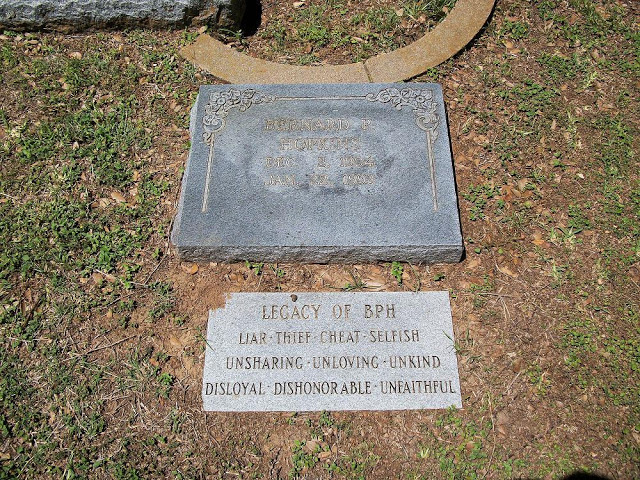
Bernard Philip Hopkins was born on December 02, 1904 in Pleasant Hill, Cass County, Missouri, United States. He was the son of Peter Paul Hopkins (1865–1937) from Ireland and Cathrine Noger (1880–1943) from Missouri.
Hopkins was single in 1930 census living in a boarding house as they did sometimes when unmarried back then in Beeville, TX. He married a woman named Lillian Lucille Newman (1907-1988). She first married on Jul 19, 1925 to a man named Jack Moore Plummer with two kids, so she must have married Mr. Hopkins sometime after 1930.
Hopkins died on January 22, 1993 (aged 88) in Caldwell, Burleson County, Texas, USA.
Say what you will about Mr. Hopkins — Lord knows his grave marker has — but the man sure knew how to make an impression.
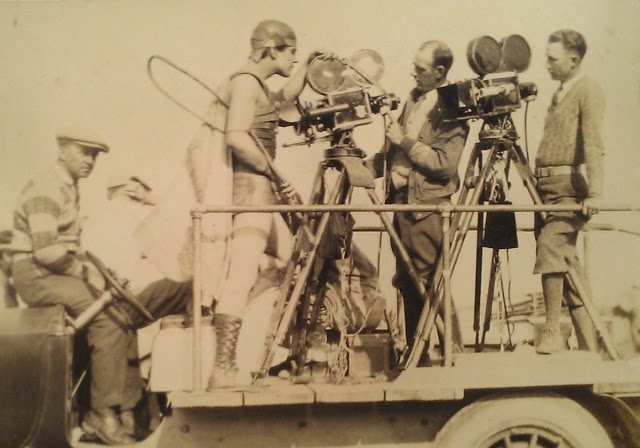
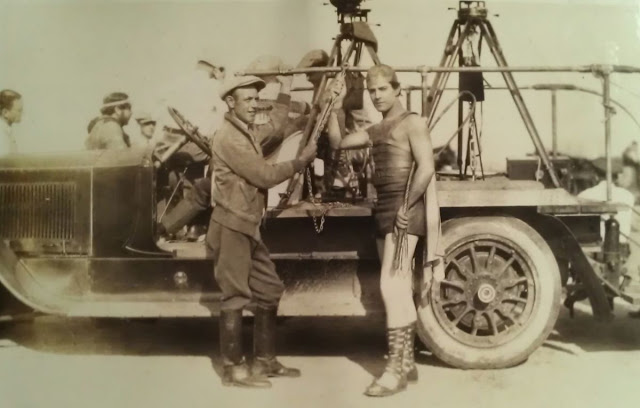
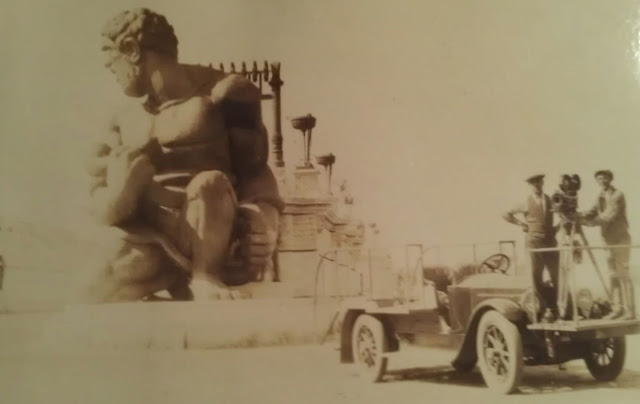
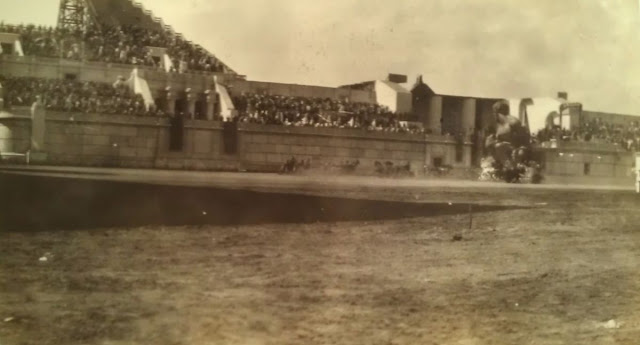
A treasure trove of behind-the-scenes photos from the 1925 silent epic “Ben-Hur: A Tale of the Christ” has been unearthed thanks to Jill Bergstrom, the granddaughter of the great silent movie-era and B-Western cinematographer George B. Meehan Jr.
At almost four million dollars, the 1925 version of Lew Wallace’s Ben-Hur is widely considered the most expensive silent movie ever made. Expenses for the movie began in 1919 with the initial negotiations with Henry Wallace and with Abraham Erlanger, producer of the successful stage play. Erlanger eventually concluded a deal with MGM for generous profit participation and total control over the production. Cost escalation accelerated in 1923 when filming of the movie began in Italy. There were accidents, changes in directors, corporate mergers, and changes in cast, including the hiring of Ramon Navarro as Ben-Hur replacing George Walsh. Walsh had been hired to play the title role and went to Italy, but he felt he was being treated shabbily and went home in a huff.
As the MGM publicity machine continued its promotion emphasizing the quality of the production, actors wearing heavy costumes who jumped overboard to escape burning ships during the sea battle had to be rescued from drowning and horses were being maimed and killed with alarming regularity because of the punishing demands placed on them. Even the building of the elaborate sets by Italian craftsmen was delayed by Italy’s new leader, Benito Mussolini. In a bold move, Irving Thalberg, MGM’s head of production, closed the Italian operation and moved the entire effort to Hollywood to contain costs. This was an early instance where the “business side” of show business significantly curtailed the “show side.” Because of the cost overruns in Italy, for decades after Ben-Hur, most movies were mounted on Hollywood’s back lots so that the businessmen could keep an eye on the productions and their bottom lines.
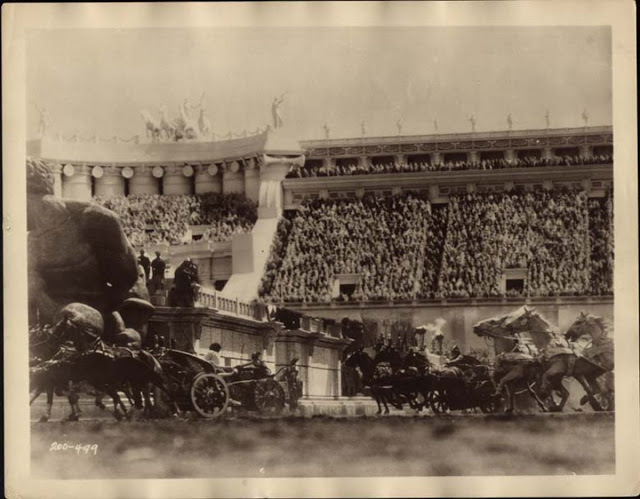
Filming ran from October 1923 through August 1925—almost two full years. This lengthy filming and final editing of the movie also added to the expenses. For instance, 42 cameras were used and over 200,000 feet of film was shot for the chariot race—in the final cut of the movie only 750 feet of the filmed race was used. Also, sections of the movie boasted an early 2 tone version of Technicolor using red and green filters. While not the first movie to boast color sequences, it was an early use of this technology raising its production value and audience interest.
The enormous chariot race arena was constructed at what is now the intersection of La Cienega and San Vicente Boulevards in Los Angeles. The chariot race sequence was filmed in one day and MGM made the most of it. They made the day of filming a holiday for the studio which gave the day a circus-like feel. With the exception of the leading men, Ramon Navarro and Francis X. Bushman, the other titled characters from the movie are today largely unknown. However, because of the holiday, established stars such as John and Lionel Barrymore, Joan Crawford, Marion Davies, Douglas Fairbanks, John Gilbert, Dorothy and Lillian Gish, Harold Lloyd, and even America’s sweetheart—Mary Pickford made special appearances in the crowd scenes. While they weren’t matinee idols, Samuel Goldwyn and Sid Grauman (of the Chinese Theater) also showed up on screen rooting for Ben-Hur.
Although the movie made over nine million dollars in its original run, it was not considered to have made any money for the studio because of the production and promotion costs and because of the deal struck by Mr. Erlanger. In subsequent releases, it continued to make money for the studio, but more importantly, it cemented MGM’s reputation as the quality studio in Hollywood. This reputation helped Thalberg and his associates leverage other successful projects and for the next three decades allowed MGM to attract more stars than there were in the heavens.
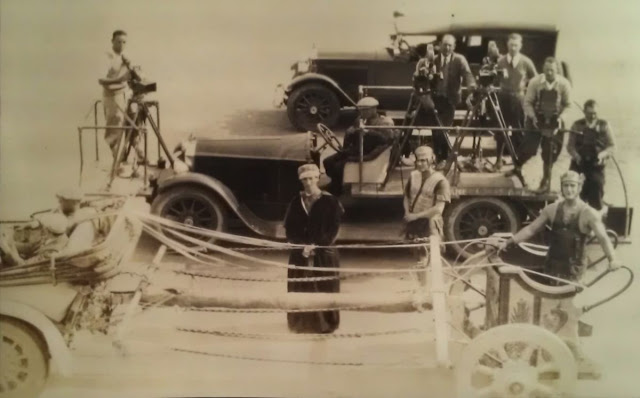
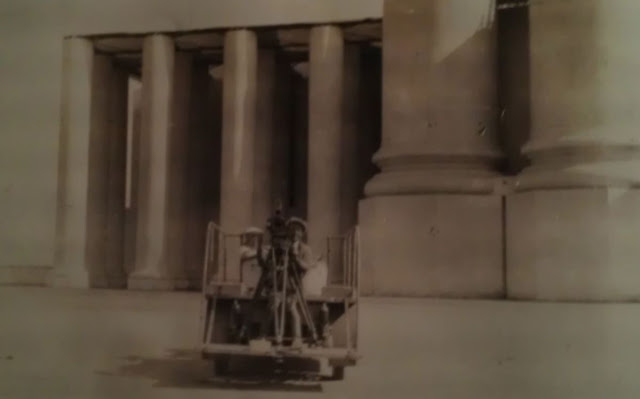
In this shot from Meehan’s personal collection, Francis X. Bushman, one of the biggest stars of the silent era, poses grandly on his chariot during a break from shooting the climactic chariot race sequence for “Ben-Hur: A Tale of the Christ.” Relaxing on the wheel of the chariot is George Meehan, who was a part of the camera crew for the movie.This interesting shot from the George Meehan collection reveals one of the production techniques used to create the chariot race footage. The “chariot” in which Francis X. Bushman is standing, at bottom right, is not pulled by horses for this part of the shoot, but is in fact attached to a car. Meanwhile, a camera truck is in position to catch all the action from beside the unusual rig, with five cameras and five cameramen on board.In this encounter on the camera truck, Meehan, standing between the two cameras, appears to be showing the film’s star, Ramon Novarro, how the camera works. Novarro played the title role of Ben-Hur.Meehan and Novarro continue to hang out during a break from filming, posing for a “candid” photo next to the camera truck. Meehan would go on to become one of the most accomplished cinematographers of the B-Western era, working for years for Columbia shooting cowboy heroes including Bill Elliott and Charles Starrett — and doing some of his best work on the Iverson Movie Ranch.This shot from the set of the chariot race gives some idea of the massive scale of the set pieces used during the sequence, with the cameramen at right dwarfed by a large statue in the background. The race is said to have been filmed in a sprawling arena built for the movie near the intersection of La Cienega and San Vicente in Los Angeles, although it has sometimes been reported in error that the sequence was shot at Iverson.A wide swath of open space where the chariot race was filmed can be seen in this shot. The sequence was one of the most ambitious undertakings up to that time for a still relatively young movie industry — a large-scale shoot that encompassed a wide arena and featured enormous sets. The movie, which took almost two years to film, is often cited as the most expensive silent movie ever made, coming in at about $4 million.Here’s a closer look at some of those sets, filled with hundreds of extras. A number of the stars of the era reportedly had uncredited roles as race spectators — a list of names including John and Lionel Barrymore, Marion Davies, Douglas Fairbanks, Dorothy and Lillian Gish, Harold Lloyd, Mary Pickford, Joan Crawford and even Samuel Goldwyn and Sid Grauman. Future B-Western hero Bill Elliott is also on that list.A promotional still for the movie provides a better look at the packed stands during the chariot race.Another shot taken during a timeout from filming has Bushman waving from his chariot — still rigged up to the tow car — Meehan nearby with hand on hip and other members of the crew standing by.This shot of George Meehan in his “office” on the back of the camera car again provides a sense of the large scale of some of the sets.