


















Bringing You the Wonder of Yesterday – Today
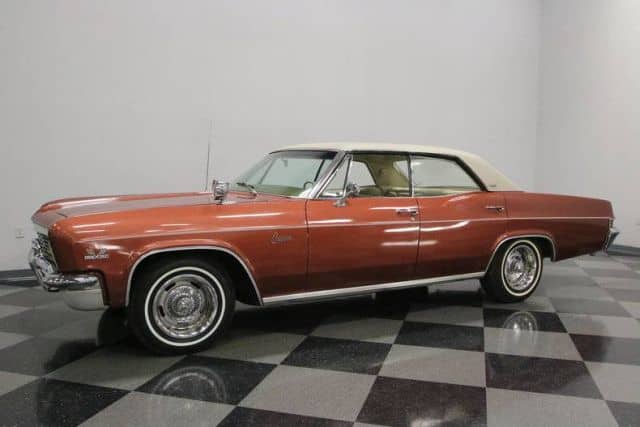
Before those big SUVs, luxury trucks, minivans and muscle cars, the symbol of the American car industry were full-size sedans. For decades four-door sedans or hardtops were the most popular cars in America. In fact, every car manufacturer produced models in this category. Even today, four-doors are popular on the market despite the SUV invasion.
Here, Motor Junkie picked up the lineup of 20 best American sedans and hard tops from the 1960s. This decade was one of the most interesting in the American car industry since it marked the evolution of the car as an object. There was a significant change in the design, style and introduction of powerful engines and new technologies. Of course, the most important new class that appeared in the ’60s were muscle cars, but car manufacturers excelled in producing four-door sedans.
1960 Chrysler

Chrysler had a great year in 1957 with successful designs and powerful engines. But, after that, the sales were declining mostly because of reports of poor quality and questionable styling. So, for 1960, the Chrysler engineers and designers tried to offer one of the best, most elegant sedans on the market. They offered it in three trim levels, the Saratoga, the Windsor and the New Yorker. The 1960 Chrysler featured a new engineering achievement they called unibody construction.
Back in the day, most new cars featured a classic body on frame construction. It was rugged but heavy and had a limited development potential. Chrysler was one of the first companies to introduce innovative solutions that became the industry standard. The prices started just above $3,000 and topped at $4,500 for the top of the line New Yorker models. Customers could get V8 engines with the power between 305 and 350 HP.
1961 Lincoln Continental

Back in the late ’50s, Ford’s luxury division Lincoln was way behind Cadillac in sales numbers, popularity and style. Despite building big luxury cruisers with powerful engines, those late ’50s Lincolns just weren’t as nice looking as the Cadillac. Ford decided that had to change, so the 1961 Lincoln Continental was born. When Lincoln showed the new model, the automotive public was stunned.
The beautiful styling elegance, the conservative use of chrome, straight lines and futuristic design transformed the four-door luxury model into a work of modern art. All of a sudden, sales doubled and the new Continental became the official car of the White House because of its stately appearance and restrained elegance.
The best exterior feature was the suicide doors with the rear doors opening towards the traffic. This wasn’t the best solution, but it only added to the charm of the Continental. Interestingly, Lincoln offered a cool-looking four-door convertible model which proved to be popular and unique on the market.
1961 Pontiac Tempest

In the early ’60s, all major U.S. car makes introduced compact models. Chevrolet had the Corvair, Ford had the Falcon, Plymouth had the Valiant and Pontiac presented the Tempest. In most cases, those compact models were just smaller versions of bigger cars, sharing design cues and mechanicals. But Pontiac went a different route and presented one of the most advanced, most interesting American cars of the era.
The new Tempest had an independent suspension all around in a time when all cars used a live rear axle. It also featured an economical four-cylinder engine that was a cut down V8 when all competitors had six cylinders. The most interesting thing is the Tempest used a rear mounted gearbox in the transaxle design, which is something unheard of at the time.
Also, the Tempest didn’t have a conventional driveshaft that connected the engine in the front with the transmission in the back. Instead, it used a torque tube with the cable inside. This layout gave the little Tempest the ideal weight distribution and handling. It also had enough room for six passengers since there wasn’t any transmission tunnel in the cabin. Compared to the rest of the compact car field, the 1961 Pontiac Tempest was from another planet.
During its lifespan, Pontiac sold over 200,000 Tempests, making this model a solid success. But in 1964, the company introduced a bigger, more conventional Tempest. Despite its revolutionary mechanics, perfect driving dynamics and some motorsport success, the first-generation Tempest is only remembered by diehard Pontiac fans today. Car fans rarely see it in car shows and the parts are scarce.
1962 to 1964 Chevrolet Impala
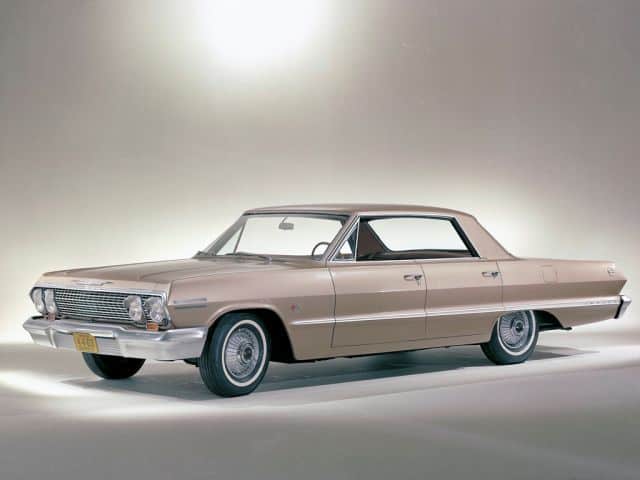
Chevrolet has always battled Ford in the full-size sedan market. So, in 1962 they took a gamble by introducing an elegant generation of the Impala, parting from the design standards of the day. Like the 1961 Lincoln Continental, the 1962 to 64 Impala had a restrained, elegant styling with straight lines. It also had its signature six tail lights in the back and four headlights in the front.
Chevrolet wanted to dominate the extremely lucrative full-size sedan market, so they equipped the Impala with everything they had. The new model featured five body styles and six engines, including six and eight-cylinder motors. Customers had three transmission choices and a long list of optional equipment. There was also one influential and innovative version: the Impala SS, although available only in two-door and convertible form.
Chevy first introduced it in 1961 and the Impala SS returned in 1962 in a new body style. It also had the same engine: the mighty 409 V8 with up to 409 HP. The car and the engine itself proved to be so iconic, the Beach Boys even had a hit single with the song, 409.
Today, the 1962 to 64 Impala is a popular car since Chevy produced them in large quantities. Car fans consider it to be one of the best generations of the Impala ever. During its three-year span, the design endured subtle changes without affecting the elegance and classic proportions of this timeless model.
1963 Mercury Monterey Breezeway
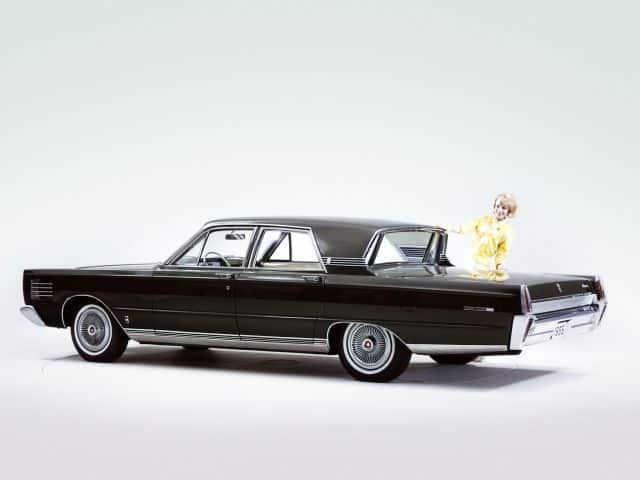
Although Mercury is now gone, for decades it was Ford’s affordable luxury division. They placed Mercury between their inexpensive Ford products and high-class Lincolns. During the 60’s, this brand offered class and style for reasonable prices, making it a formidable opponent to Oldsmobile, Buick and Chrysler. Learning from the Continental, Mercury decided to offer something new to customers, hoping to raise the sales numbers.
So, in 1963, they introduced the innovative, interesting Breezeway option as their top model. Mercury used a reverse C pillar design for the concave profile of the car and a retractable tilted rear glass window. It was an innovative solution resulting in more space in the interior and a cool design.
However, it proved to be somewhat of an impractical feature since the passengers could smell the exhaust fumes at low speeds. Mercury kept the Breezeway option for selected models up to the 1968 model year when they retired it. Despite being not so popular or influential, the Breezeway still is one of the coolest U.S. sedans of the 60’s.
1965 Ford Galaxie
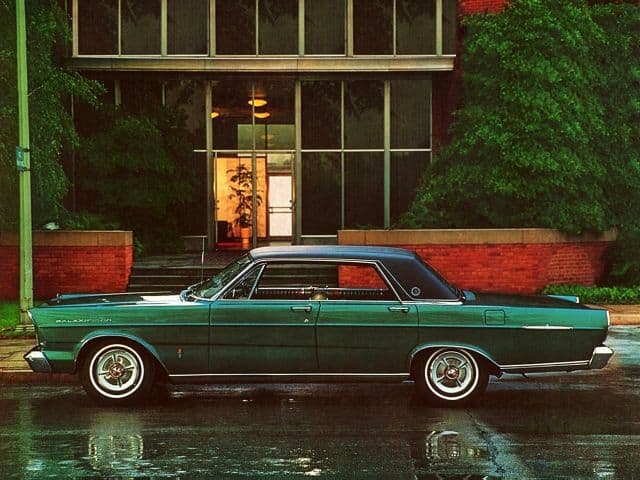
Like the Chevrolet Impala, the Ford Galaxie was the Blue Oval’s most important series. It featured high production numbers, lots of versions and a wide appeal. However, Ford seemed to be on the back of the design trend. They still offered heavily-chromed models with late 50’s styling cues in 1964.
So, for the 1965 model year, they introduced the all-new Galaxie with stacked headlights, fresh sheet metal, and more versions and options than ever. The most popular Galaxies were the base trim models like the Custom, but Ford also offered the Galaxie 500 LTD.
It was a luxury version featuring a vinyl roof and a selection of upscale details and creature comforts. For 1966 and 1967, Ford went one step further, transforming the Galaxie two-door into a muscle car with the high-powered 7-Litre model.
1966 Pontiac Bonneville
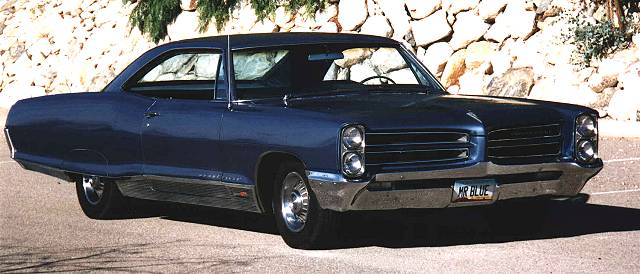
The success of the GTO affected the whole Pontiac range. Suddenly, Pontiacs became sportier and more powerful and aggressive. Even the four-door sedans became performance machines. The biggest, most luxurious Bonneville is the best example. Pontiac restyled the Bonneville for 1965, but in 1966 the design matured.
The Bonneville evolved into an elegant, low, sleek form, which was perfect for this performance sedan. Bonneville came as a hardtop with Pontiac’s signature wide-track design, split grille and nine bolt wheels. Customers could get lots of optional equipment and powerful engines, too. The 389 V8 with 325 HP was standard, but you could also get a mighty 421 V8 with the famed Tri-Power option delivering 360 HP.
1967 Ford Thunderbird

You’re probably wondering why the Ford Thunderbird is on this list of the best ’60s sedans. The T-Bird is a two-door coupe, but for a few years starting in 1967, Ford offered it as a four-door sedan. It came with Lincoln-style suicide rear doors. The success of the Mustang forced the Thunderbird to move upscale as a luxury car rather than a sporty coupe.
This change meant Ford had to attract a whole new sector of buyers looking for comfort. So, to do that, Ford had to offer a four-door alternative. They gave the Thunderbird the interesting four-door coupe variant.
Under the hood, the standard engine was 390 V8 but the buyers could opt for the mighty 428 V8. This 428 was a standard engine and not to be confused with 428 Cobra Jet which was reserved for Mustang and other muscle cars.
1968 Imperial
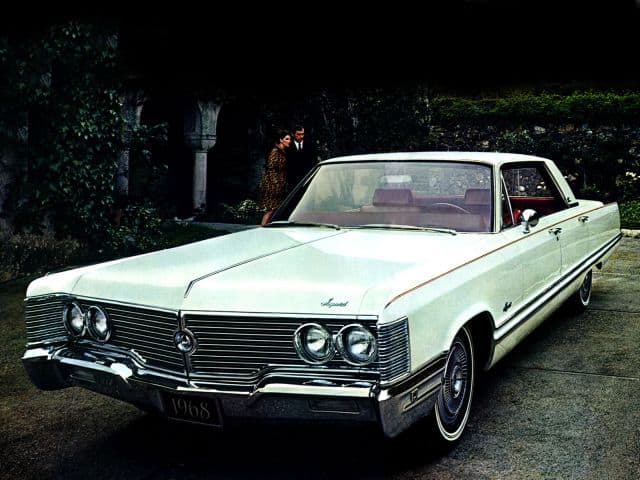
Chrysler’s luxury division Imperial always offered a quality alternative to the Cadillac and Lincoln models. With powerful engines, plush interiors and upscale styling, Imperials were a good choice if you were looking for an exclusive sedan or a two-door coupe. However, by the late 60’s, it looked like the Imperial was losing the race against its competitors.
So, 1968 was the last year this brand featured a significantly different design than the rest of Chrysler’s lineup with its unique interior styling and appointments. In 1967, Imperial switched to the unibody construction in a cost-cutting measure from Chrysler. This didn’t affect the comfort, but it saved some money during production.
So for 1968, they made some slight changes to the Imperial, but no major changes to its mechanics. The 440 V8 was standard and delivered 350 HP. After 1968, Imperial continued to be the top of Chrysler’s model lineup, but it lost its exclusivity and uniqueness.
1968 Cadillac DeVille
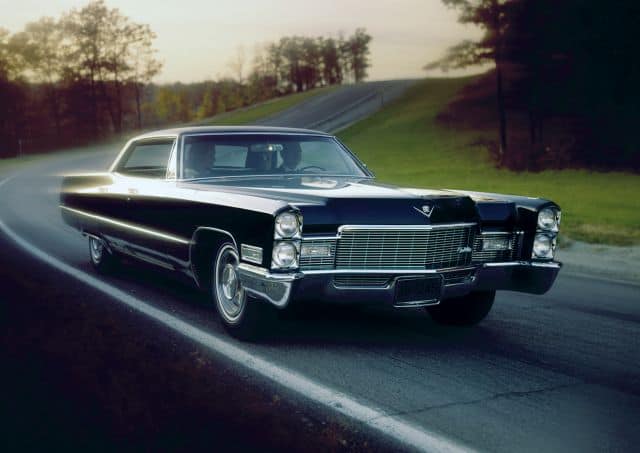
Back in the late ’60s, Cadillac was on top of its game. Their sales figures were high and their model lineup was full of interesting, luxurious cars. They had the new front wheel drive Eldorado, and their reputation was second to none. However, Cadillac was always improving its products.
So, in 1968 they introduced one of their best engines as the standard for all of their models. The new 472 V8 was the final piece of the puzzle. The Cadillac DeVille was the best luxury sedan of the late ’60s.
It had 375 HP under the hood and unmatched style and presence. Cadillac also improved the design they first introduced in 1965, adding stacked headlights and a big grille. Along with the new 472 V8, the 1967 Cadillac DeVille was the perfect luxury car.
1968 Oldsmobile 98
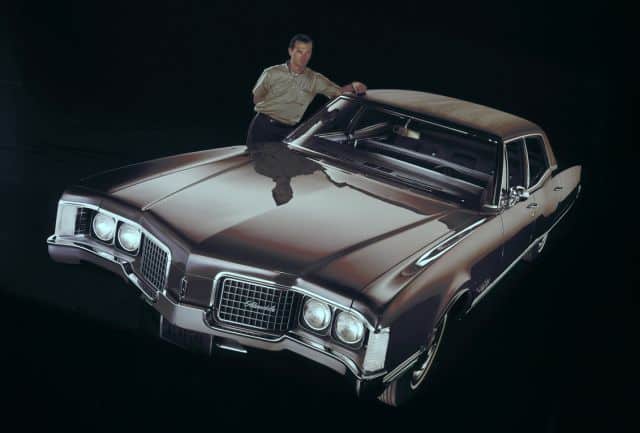
Most car fans tend to forget how good and respected the Oldsmobile models were back in the day. This company, which is now unfortunately long gone, was one of General Motors most valuable brands in the ’60s. Oldsmobile models were always conservative in luxury but came at a reasonable price with high quality and powerful engines.
So, it is natural Oldsmobile had many good sedans, and the 98 was the top of the range. The Oldsmobile 98 was always the most popular Olds available. They had the power, style and luxury to rival even the Cadillacs.
But the 1968 Oldsmobile 98 was the best year since it featured a new design, numerous creature comforts and a big 455 Rocket engine. The power output of this big block was 365 HP, which guaranteed an impressive performance.
1969 AMC Ambassador
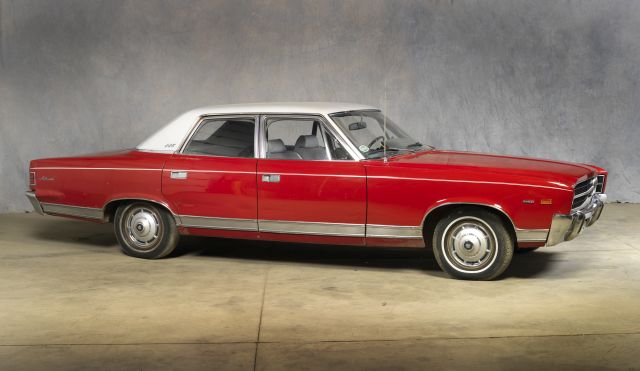
AMC was an economy car manufacturer that produced inexpensive yet dull models. They also constantly flirted with bankruptcy. In the late ’60s, AMC was in one of their better periods with solid sales and a relatively big market share in the economy class. They offered some interesting, exciting cars like the Javelin and AMX.
So they decided to enter the full-size sedan market with a new for Ambassador for 1969. The new AMC Ambassador was one of AMCs better attempts to attract car consumer’s attention in 1969. It had new, improved styling, comfort and space.
It also had an air condition system as standard, which was a new, impressive feature by the standards of the day. The engine lineup started with the modest 283 straight six unit, but it went all the way up to the powerful 401 V8.
1969 Dodge Polara

The full-size Chrysler models got a fantastic new styling for 1969 that affected all brands, from Dodge to Imperial. Dodge called the new design the “Fuselage Design.” It featured rounded sides, a longer, wider body and a more modern look. So, they redesigned the Dodge Polara for 1969, making it better than ever.
Under the hood, the engine lineup started with the venerable 225 slant six unit and it ended up with the well-known 440 V8 engine. Since they introduced the new Polara in the height of the muscle car popularity, the 440 V8 with 375 HP was a common choice.
Interestingly, a variety of law enforcement agencies bought the 440-powered Polaras for their ruggedness and power. In fact, there are still some retired officers who claim the 1969 Polara with the 440 engine was the best patrol car Detroit ever built.
1969 Buick Wildcat
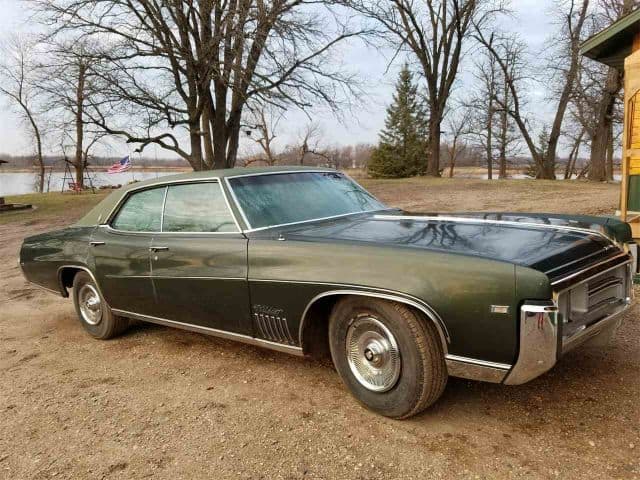
The Buick Wildcat is one of the most interesting yet almost forgotten models popular back in the day. Buick introduced the Wildcat back in 1963. The Wildcat was something between a personal luxury model and a muscle car. It featured restrained and elegant styling like the rest of Buick’s lineup.
But it also had powerful engines, a sporty trim and an impressive performance. In 1967, Buick offered the Wildcat as a four-door, boosting its appeal and improving sales numbers. For 1969, the Wildcat got a new look and a powerful new 455 V8 with 370 HP. This helped transform the Wildcat into a hidden performance car with room for six adults.
1960 Cadillac Eldorado Brougham
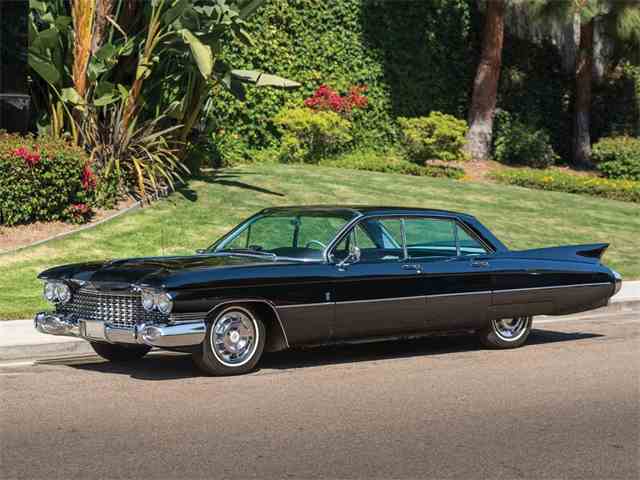
Even though most enthusiasts recognize the 1957 to 58 Eldorado Broughams, Cadillac made some exclusive 1959 to 60 models car fans consider the finest Cadillacs they ever built. The production wasn’t performed by Cadillac at all, but by Italy’s famous Pininfarina coachbuilder.
But the price was three times the price of a standard Cadillac. So in its two-year production run, they only built 200 cars. The 1959 to 60 Eldorado Brougham featured updated equipment, an air suspension and a 389 V8 engine. It had styling similar to the regular Cadillacs, but with some different details.
1965 Chevrolet Caprice
When Chevrolet introduced the Caprice model in late 1965 and early 1966, nobody expected it would be so successful. In fact, it spanned five generations and millions of cars. They designed the Caprice as a luxury version of the Impala with more powerful engines, luxury and a few distinctive external differences.
For example, in the 1966 model, the base engine was a V8, and not the standard straight six. Also, all models had a vinyl roof as standard. For performance lovers, Chevrolet offered their 396 and 400 V8 models in the Caprice four-door hardtop.
1965 Dodge Coronet
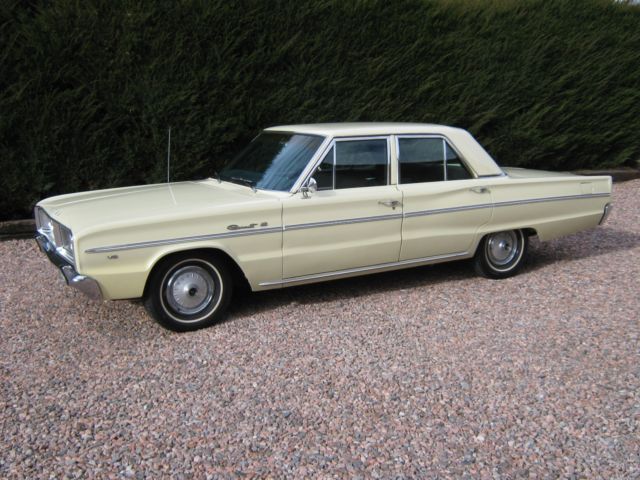
They presented the fifth generation of the Dodge Coronet intermediate model in 1965. It immediately became one of the best mid-size sedans on the U.S. market. The Coronet was available in six body styles and several trim levels.
Interestingly, Dodge offered its mighty 440 V8 engine with 375 HP as an option on all Coronets. And they built several Coronet sedans with the 426 Hemi engine. This made them the fastest American sedans of the ’60s and ’70s.
1969 Chrysler New Yorker

Chrysler ended the ’60s on a high note with the brand new and influential “Fuselage” styling. The rounded sides and lower, sleeker profile looked modern in comparison to other models. In fact, they used “Fuselage” styling throughout the Chrysler range. So all new full-size Mopars, including Dodge, Plymouth and Imperial had this look.
The mechanics on the 1969 to 71 New Yorker weren’t exactly new. But they improved the suspension, chassis and drivetrain. The biggest engine you could get was the 440 V8, which moved this big sedan down the road with authority.
1967 Mercury Park Lane Brougham
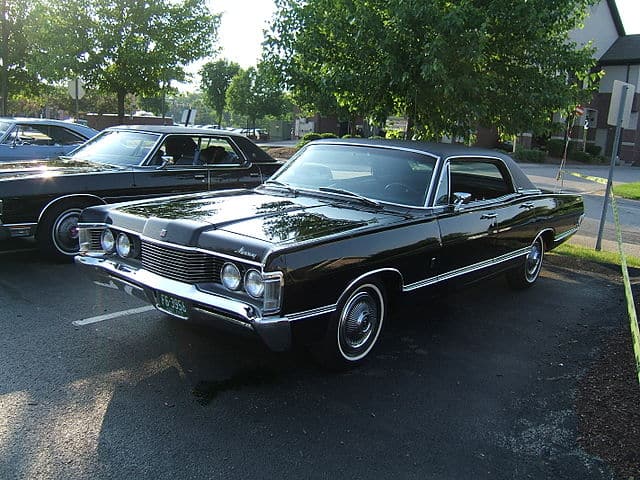
As a luxury division of Ford Motor Company, Mercury offered upscale features, elegant designs and powerful engines. But the Park Lane Brougham was the most luxurious Mercury. In fact, it was close to Lincoln in terms of prestige and elegance.
They introduced it in 1967 and sold it through 1968. The Park Lane Brougham had a plush interior and vinyl roof. It also came with leather seats along with a special list of optional extras.
Checker Marathon

One of the most characteristic American sedans of the ’60s is the legendary Checker Marathon, famously known as the New York Taxi. They introduced the Marathon in 1960 and sold it through 1982. It was available with a straight six or V8 engine from Chevrolet. They designed and built the Marathon to be a dependable, tough machine.
And that is why it was the definitive taxi vehicle for decades in New York and in many other cities, as well. The Marathon was available as a sedan and wagon. But it also came in the form of the interesting, rare 12-seater Aerowagon.
These are the 20 best classic American sedans from the 1960s. They stood out due to their innovative designs and powerful engines. Most car fans appreciate their contributions to automotive history.

Even in a pinny and pigtails, Brigitte Bardot knew how to work a camera angle. These shots of Bardot at 18 years old were taken at her grandmother’s home in Louveciennes, 12 miles from Paris in the spring of 1952 by Italian-French photographer Walter Carone.
Brigitte Anne-Marie Bardot (born 28 September 1934), often referred to by her initials B.B., is a French animal rights activist and former actress, singer and model. Famous for portraying sexually emancipated personae with hedonistic lifestyles, she was one of the best known sex symbols of the late 1950s and 1960s. Although she withdrew from the entertainment industry in 1973, she remains a major popular culture icon.
Born and raised in Paris, Bardot was an aspiring ballerina in her early life. She started her acting career in 1952. She achieved international recognition in 1957 for her role in And God Created Woman (1956), and also caught the attention of French intellectuals. She was the subject of Simone de Beauvoir’s 1959 essay The Lolita Syndrome, which described her as a “locomotive of women’s history” and built upon existentialist themes to declare her the first and most liberated woman of post-war France. She won a 1961 David di Donatello Best Foreign Actress Award for her work in The Truth. Bardot later starred in Jean-Luc Godard’s film Le Mépris (1963). For her role in Louis Malle’s film Viva Maria! (1965) she was nominated for the BAFTA Award for Best Foreign Actress.
Bardot retired from the entertainment industry in 1973. She had acted in 47 films, performed in several musicals, and recorded more than 60 songs. She was awarded the Legion of Honour in 1985. After retiring, she became an animal rights activist and created the Brigitte Bardot Foundation. Bardot is known for her strong personality, outspokenness, and speeches on animal defense; she has been fined twice for public insults. She has also been a controversial political figure, having been fined five times for inciting racial hatred when she criticised immigration and Islam in France. She is married to Bernard d’Ormale, a former adviser to Jean-Marie Le Pen, a French far-right politician. Bardot is a member of the Global 500 Roll of Honour of the United Nations Environment Programme and has received awards from UNESCO and PETA. Los Angeles Times Magazine ranked her second on the “50 Most Beautiful Women In Film”. (Wikipedia)




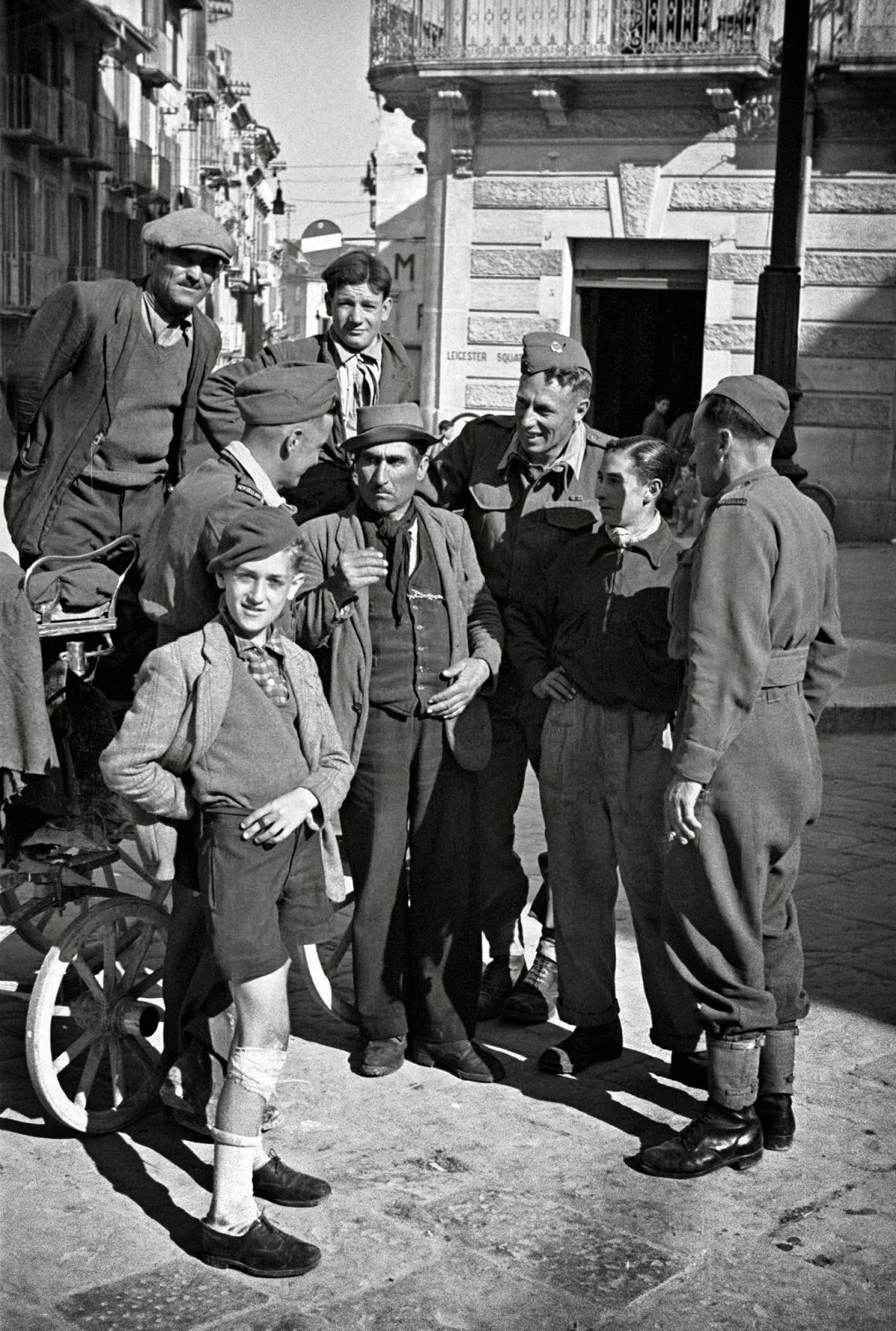
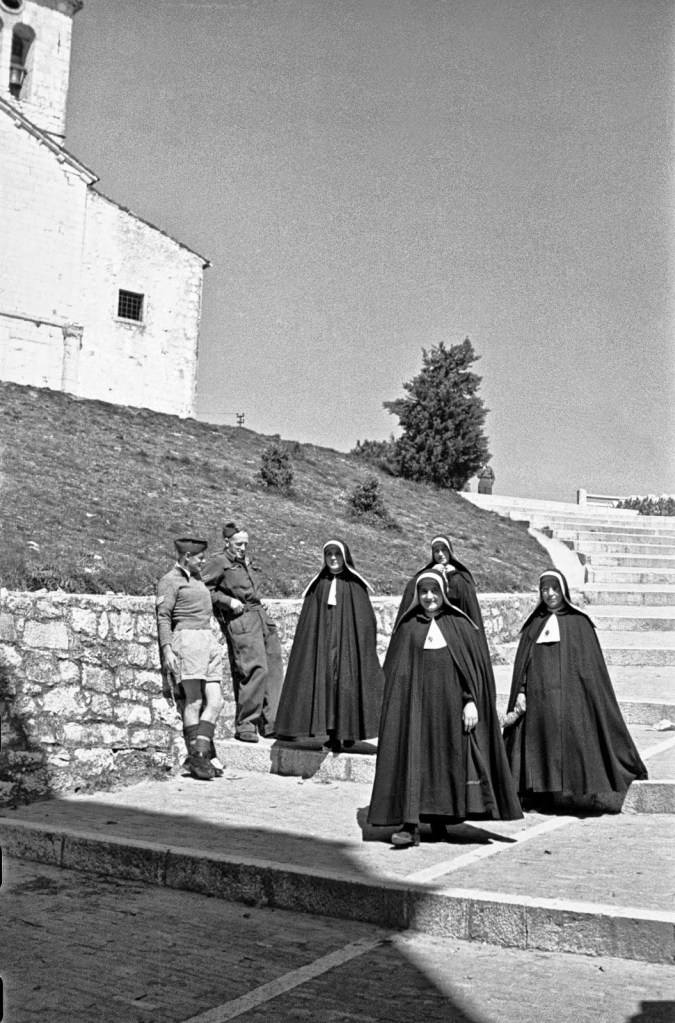
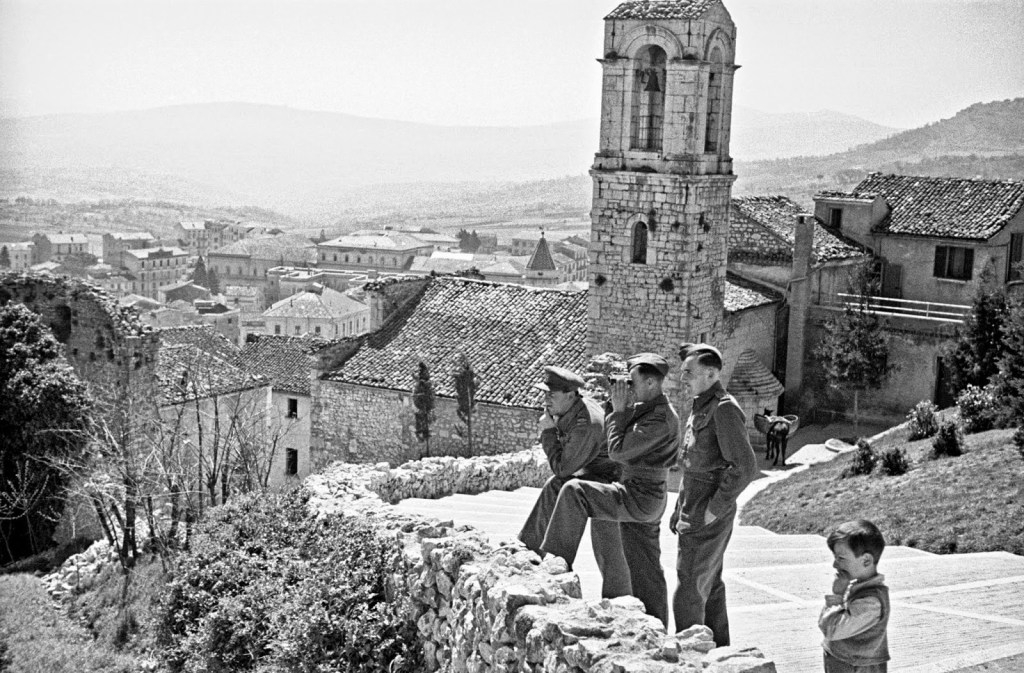
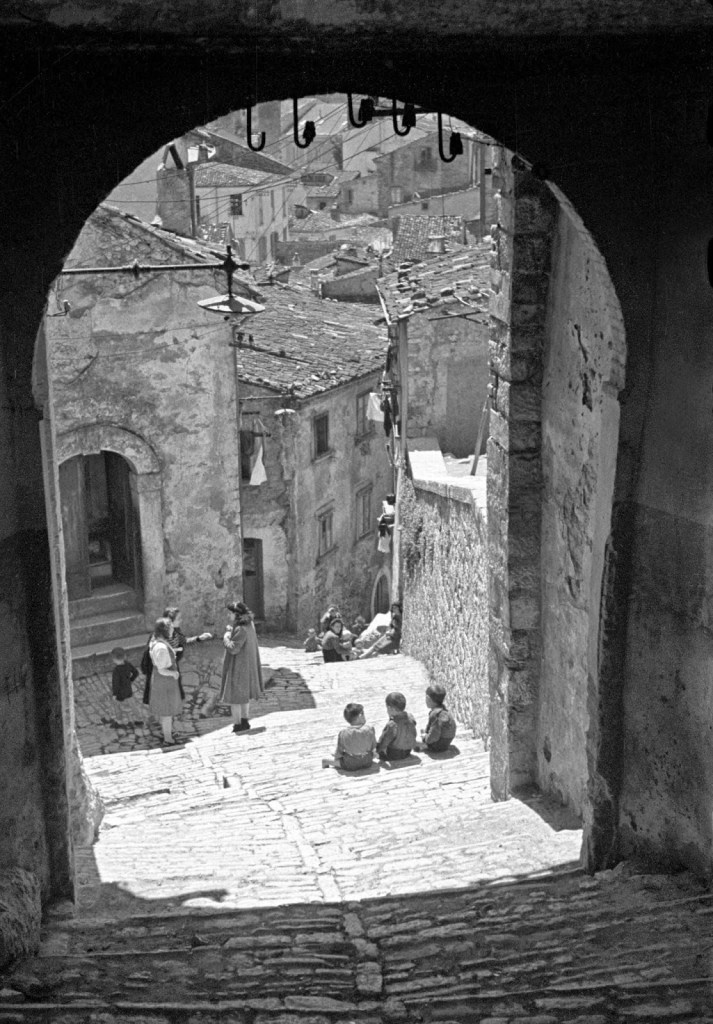
Campobasso, Italy was the scene of heavy fighting during the Second World War. In the months of October and November 1943 a battle between the German and the Canadian troops for possession of the city caused the destruction of many public buildings, including the City Hall and the archives held there.
Thirty eight civilians were killed in the action, including the bishop of the diocese, Bishop Secondo Bologna, and an unknown number of people were injured in the intensive bombardment. These black and white photos of Campobasso were taken after the fighting there was over, in May 1944.



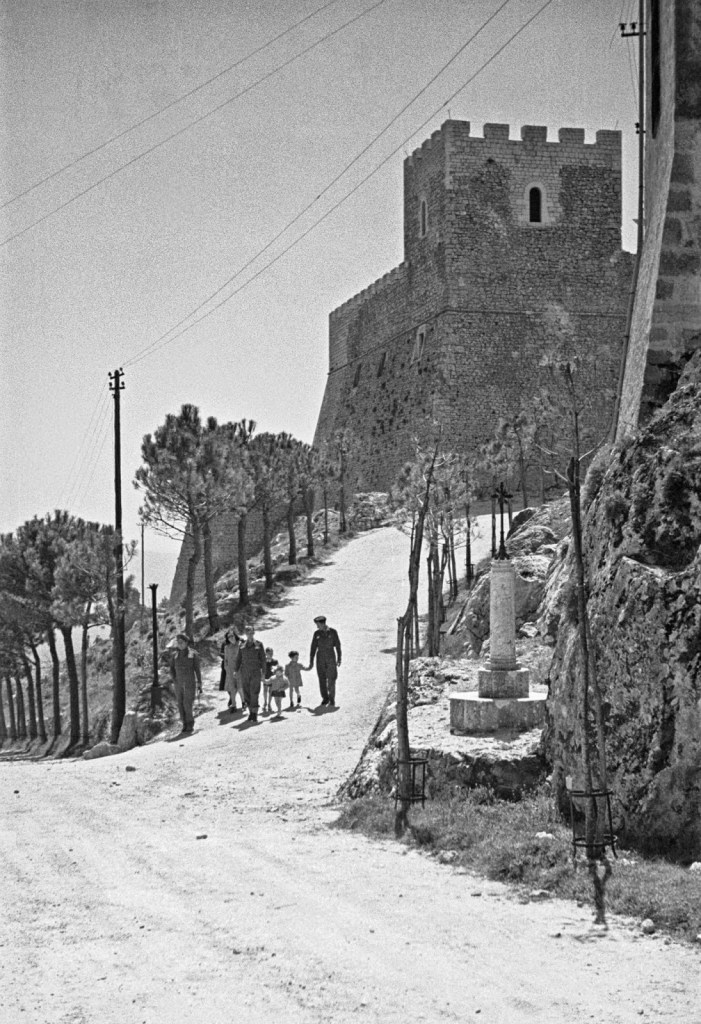
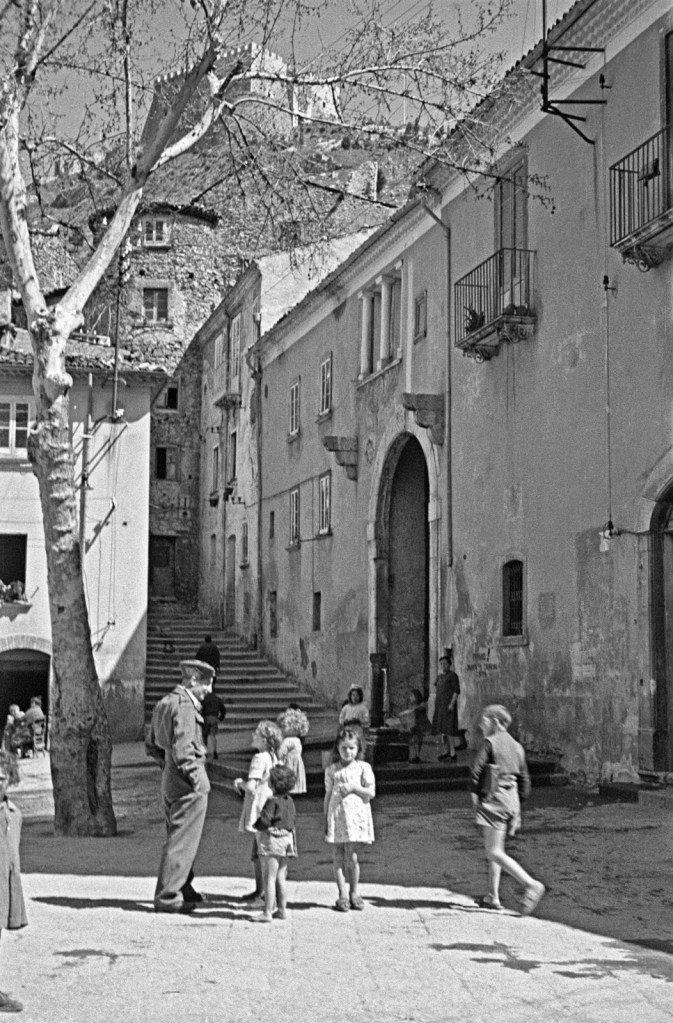
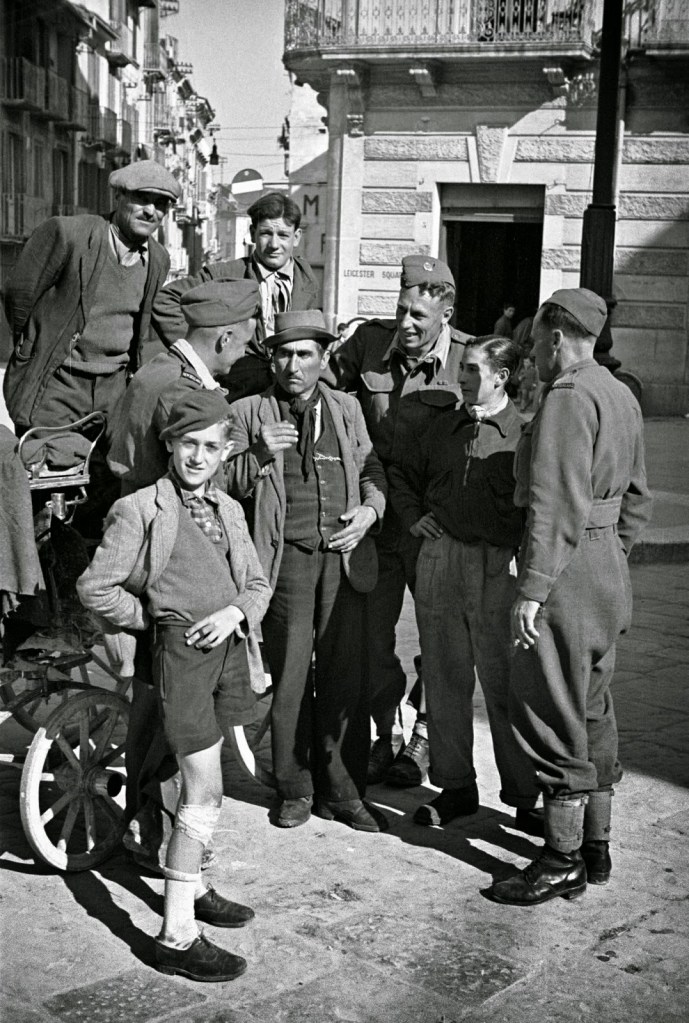

“Excuse me I am Chinese, not Japanese!”
At the onset of the 20th century, the United States was not the most welcoming country to Chinese immigrants. From the Chinese Exclusion Act to blatant racism, Chinese Americans were unable to find jobs, had to establish Chinatowns where their families could live peacefully, and – of course – still had to always pledge their unwavering patriotism to the United States, lest they risk further social ridicule.
However, this all changed on December 7, 1941, when the Japanese launched their surprise attack on Pearl Harbor, killing 2,000 American soldiers and injuring 1,000 others, spurring the United States’s involvement in World War II. Yet, for Chinese Americans, this suddenly meant that they were no longer viewed as the enemy. Rather, the US and Chinese immigrants now shared a common enemy: Japan.
In order to further establish their loyalty to the United States – as well as to protect themselves from the brutal surge in racist violence and forced internment that Japanese Americans to which were suddenly being subjected – Chinese Americans began to wear signs, pins, and flags declaring their Chinese descent and even became active participants in the racist culture that had erupted in the US since the Japanese attack.
As soon as Chinese families began immigrating to the United States during the California Gold Rush in 1848, social tensions began to run high. Racism and discrimination against people of Chinese descent became the norm as they were viewed as intruders who came to the US to take jobs from other American citizens. They faced joblessness, exclusion, political and legal discrimination, and violence.
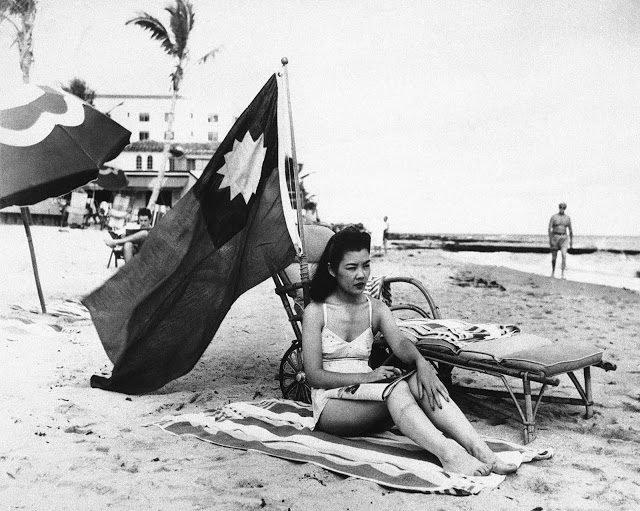
So, once the Japanese began to draw the focus of US ridicule after the attack on Pearl Harbor, Chinese Americans finally had a chance to begin to pull themselves out from under the oppression of racism. With China becoming a new ally to the US war efforts in WWII (and with Japan being a common enemy), Chinese-American pride began to expand. In an effort to further deflect harassment, Chinese Americans began to wear signs and pins, and carry flags with them to clearly display their Chinese heritage and avoid being mistaken as Japanese.
As the US entered into WWII and tensions with Japan continued to rise, Chinese Americans and even Chinese newspapers “adopted the inflammatory anti-Japanese rhetoric and racial epithets used by the mainstream press.” This led many Chinese Americans to become passive to the prosecution endured by their Japanese neighbors on US soil, and in many cases they even took over the jobs and shops that had been forcibly abandoned by the Japanese once the latter had been interned.
Just as the stage was being set in Europe for the rise of the Nazi Party and the eventual conflict that would become World War II, China was continuing on in its own battle with its neighbor, Japan. Conflicts between China and Japan go back for generations; however, at the beginning of the 1930s, these historic tensions began to take a turn for the worse as Japan sought to assert its control over Chinese territories. By 1937, the two countries were in at war with one another, with China launching a full-scale resistance against Japan, known as the Second Sino-Japanese War.


This resistance quickly fell into a lull as the Chinese struggled to regain their territories from Japanese control. Yet, when Japan set its sights on Pearl Harbor, they not only made an enemy of the United States, they also pushed the western superpower into a political alliance with China. This meant that the United States would begin providing aid to China to help defeat their now common enemy – and meant that Chinese sentiments in the US were, for the first time, on an huge upswing.

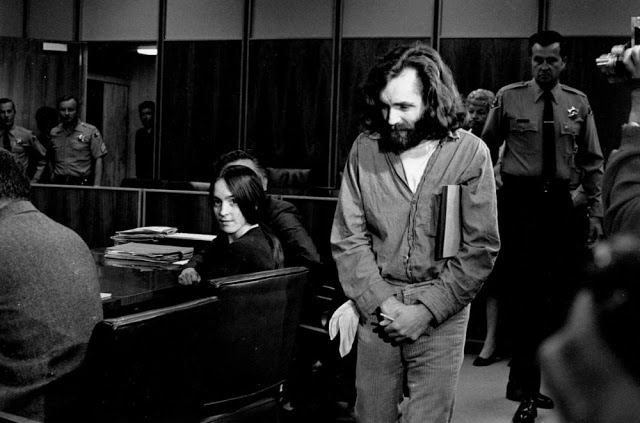
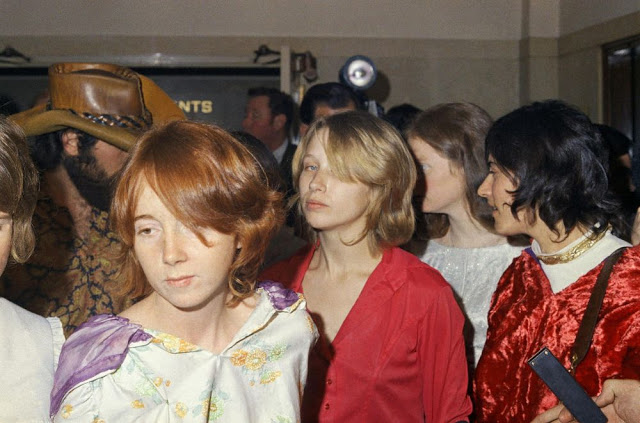
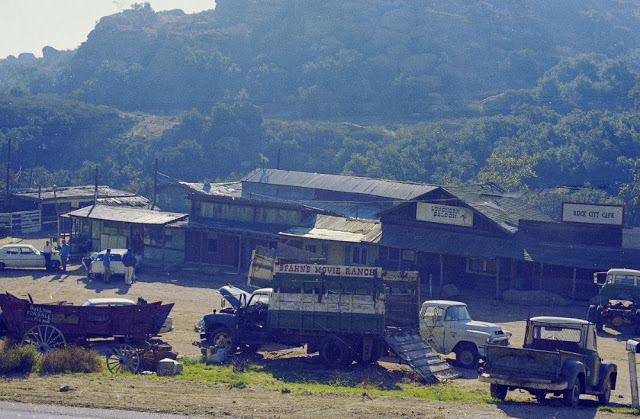
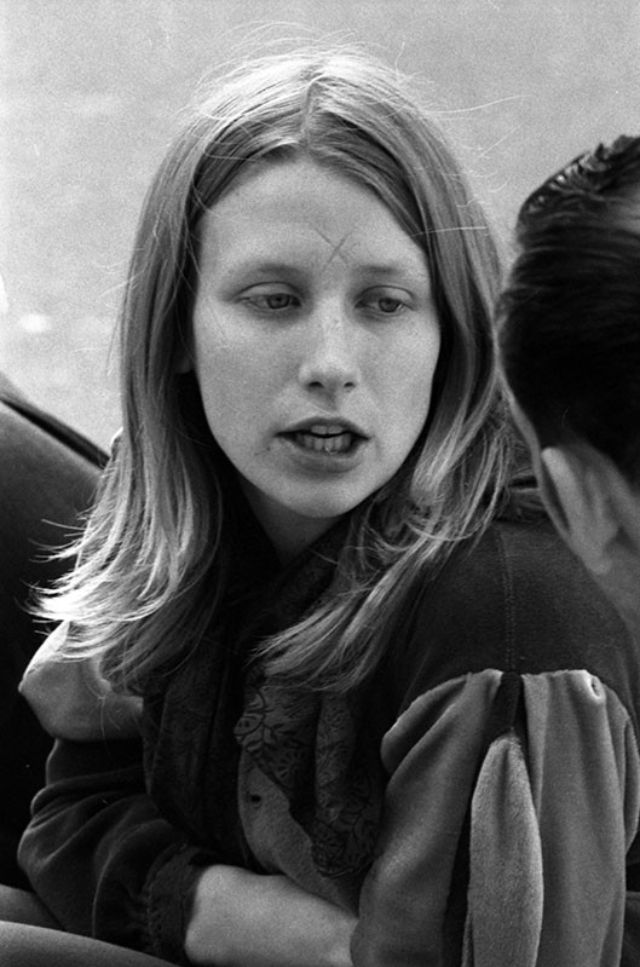
Charles Milles Manson (né Maddox; November 12, 1934 – November 19, 2017) was an American criminal who led the Manson Family, a cult based in California, in the late 1960s. Some of the members committed a series of nine murders at four locations in July and August 1969. In 1971, Manson was convicted of first-degree murder and conspiracy to commit murder for the deaths of seven people, including the film actress Sharon Tate. The prosecution contended that, while Manson never directly ordered the murders, his ideology constituted an overt act of conspiracy.
Before the murders, Manson had spent more than half of his life in correctional institutions. While gathering his cult following, Manson was a singer-songwriter on the fringe of the Los Angeles music industry, chiefly through a chance association with Dennis Wilson of the Beach Boys, who introduced Manson to record producer Terry Melcher. In 1968, the Beach Boys recorded Manson’s song “Cease to Exist”, renamed “Never Learn Not to Love” as a single B-side, but without a credit to Manson. Afterward, Manson attempted to secure a record contract through Melcher, but was unsuccessful.
Manson would often talk about the Beatles, including their 1968 self-titled album. According to Los Angeles County District Attorney, Vincent Bugliosi, Manson felt guided by his interpretation of the Beatles’ lyrics and adopted the term “Helter Skelter” to describe an impending apocalyptic race war. During his trial, Bugliosi argued that Manson had intended to start a race war, although Manson and others disputed this. Contemporary interviews and trial witness testimony insisted that the Tate–LaBianca murders were copycat crimes intended to exonerate Manson’s friend Bobby Beausoleil. Manson himself denied having instructed anyone to murder anyone.
Manson’s notoriety as an emblem of insanity, violence, and the macabre influenced pop culture. Recordings of songs written and performed by Manson were released commercially, starting with Lie: The Love and Terror Cult (1970). Since his incarceration, various musicians have covered some of his songs. Although originally sentenced to death in 1971, his sentence was commuted to life with the possibility of parole after the California Supreme Court invalidated the state’s death penalty statute in 1972. He served his life sentence at the California State Prison, Corcoran, and died at age 83 in late 2017. (Wikipedia)









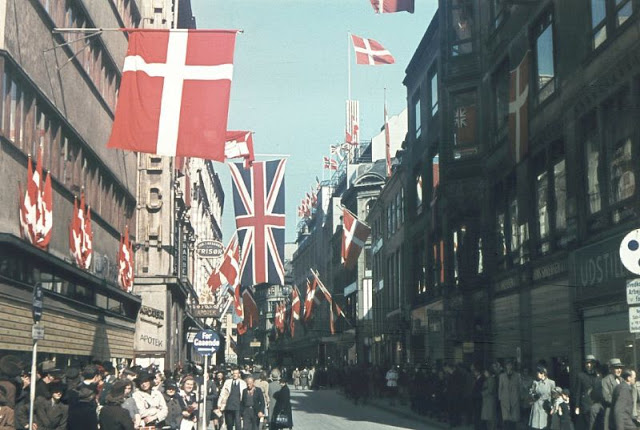
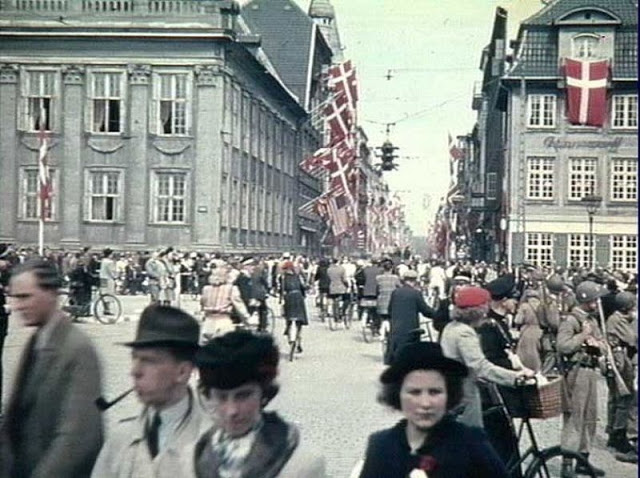
During most of World War II, Denmark was first a protectorate, then an occupied territory under Germany. The decision to invade Denmark was taken in Berlin on 17 December 1939. On 9 April 1940, Germany invaded Denmark in Operation Weserübung and established a de facto protectorate over the country. On 29 August 1943 Germany placed Denmark under direct military occupation, which lasted until the Allied victory on 5 May 1945.
Contrary to the situation in other countries under German occupation, most Danish institutions continued to function relatively normally until 1945. Both the Danish government and king remained in the country in an uneasy relationship between a democratic and a totalitarian system until the Danish government stepped down in a protest against the German demands to institute the death penalty for sabotage.
Over 3,000 Danes died as a direct result of the occupation. An effective resistance movement developed by the end of the war, and most Danish Jews were rescued in 1943 when German authorities ordered their internment as part of the Holocaust.
The occupation of Denmark ended on 5 May 1945.
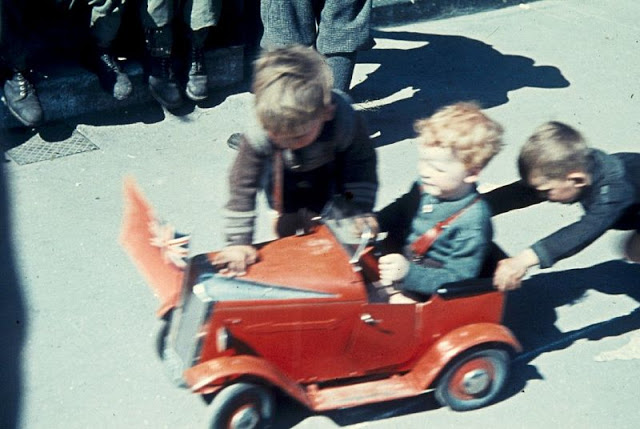
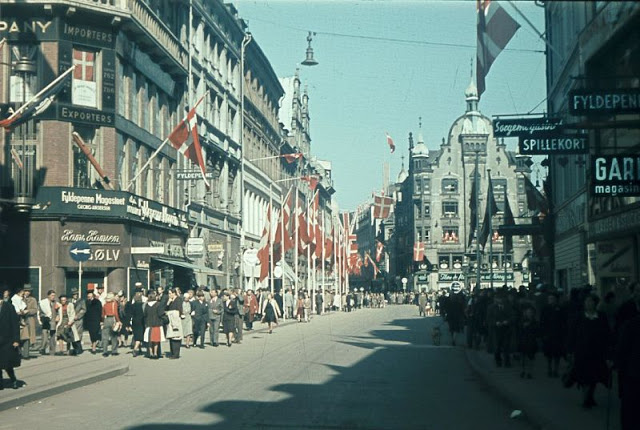
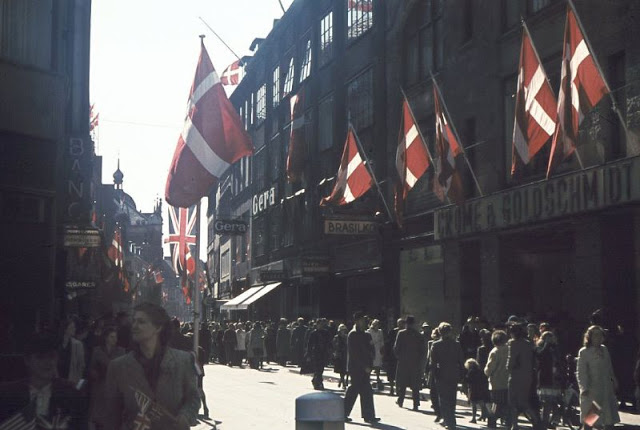
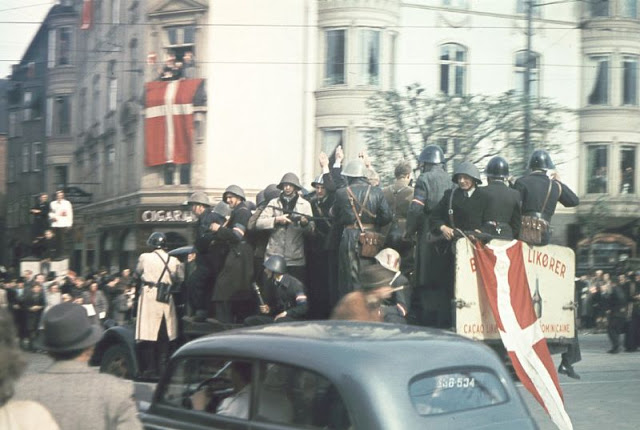
These rare color pictures from The National Museum that captured street scenes of Copenhagen from the days around the liberation.




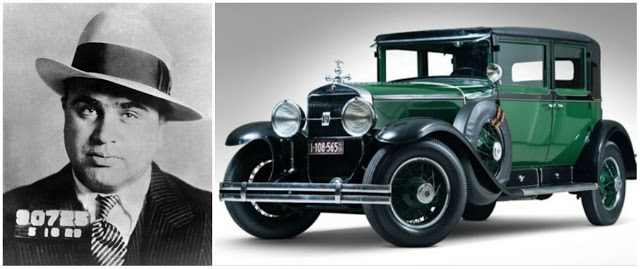
Everybody needs a car to get around in, including career criminals. Take a look back at the stories of five of the world’s most infamous criminals and their cars.
Bonnie and Clyde’s 1934 Ford V8 B-400 Sedan
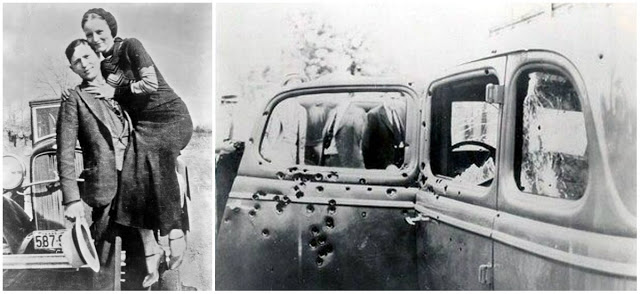
Not afraid to shoot at anyone who got in the road of their robbing, kidnapping and murdering sprees, loved-up couple Bonnie and Clyde had a 1934 Ford V8 B-400 convertible that, ironically, would end up riddled with bullet holes – 130 or so, in fact.
The machine they were using to speed away from yet another, but this time only attempted, escape when the law caught up with them has been put on display in various places across the States. It is now a feature of Whiskey Pete’s Casino in Primm, Nevada.
Al Capone’s 1928 killer Cadillac sedan
There’s a long-standing rumor that Al Capone’s Cadillac, laden with impressive armor and bulletproof glass, ended up in the hands of FDR – that’s the 32nd US president, Franklin D Roosevelt – after Capone’s empire fell and his property was seized. This myth has since been busted, but its believability paints a picture of how much Capone – bootlegging, prostitution-running and illegal-gambling dude that he was – was feared and respected.
Al had clout and cash, that’s for sure. His riches, which peaked when he was 33 years old and headed for the penitentiary, would have made him a billionaire today.
The Great Train Robber’s Lotus Cortina
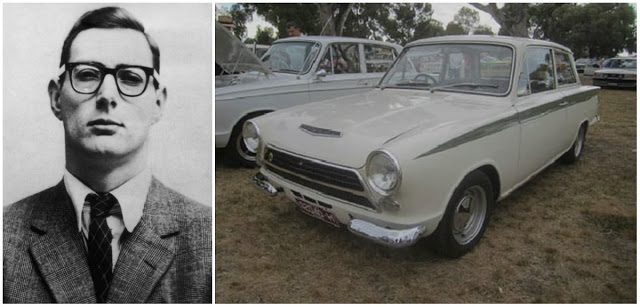
Bruce Reynolds, using money from his productive criminal career, picked up a beautiful and zippy brand-new Lotus Cortina in 1963. In that same year, he led a 15-strong gang – including the more famous Ronnie Biggs, who lived in exile for 36 years after escaping prison – on a heist for the history books: the Great Train Robbery.
Using information plied from informants, Bruce and his crew meticulously planned the moonlight interception and robbery of the London to Glasgow mail train. Together, they scored £3 million in bank notes. The Cortina, impounded for over 20 years, was eventually sold in 2009 to a collector for a six-figure sum.
OJ Simpson’s slow-speed 1993 Ford Bronco
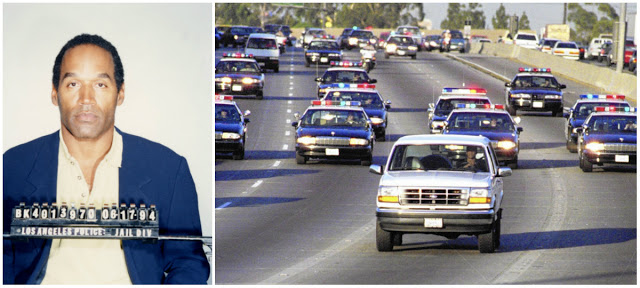
It was the slow-speed chase that captured America’s attention: tens of LAPD cars in slow pursuit of ‘The Juice’ driving serenely along the freeways of Los Angeles. Some 95 million people from across the country and around the world tuned in to watch live as OJ – after being asked to surrender to police for the awful murder of his wife, Nicole Brown Simpson – went rogue in slow-motion. After the subdued chase, OJ was eventually arrested at his home.
For a time, the white Ford Bronco was available for hire as a kind of messed-up party decoration, but today it’s housed in the Alcatraz East Crime Museum in the humble town of Pigeon Forge, Tennessee.
Suge Knight’s 1996 BMW 750iL
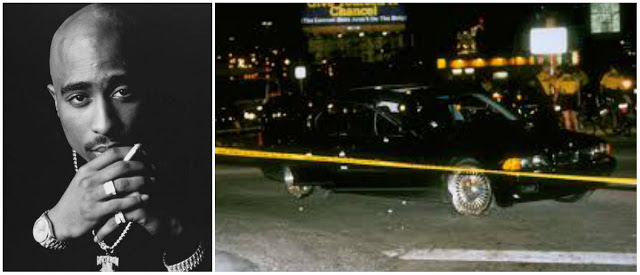
After a lovely night out at the Mike Tyson boxing bout, big-time rapper Tupac Shakur was in record producer Suge Knight’s BMW, stopped at a red light at the intersection of East Flamingo Road and Koval Lane in Las Vegas, when bullets from a Glock blasted through the panels and windows. Six days later, Tupac Shakur died from his injuries. The culprits have never been charged, though theories abound – as described in the film Biggie & Tupac and numerous pieces of investigative journalism.
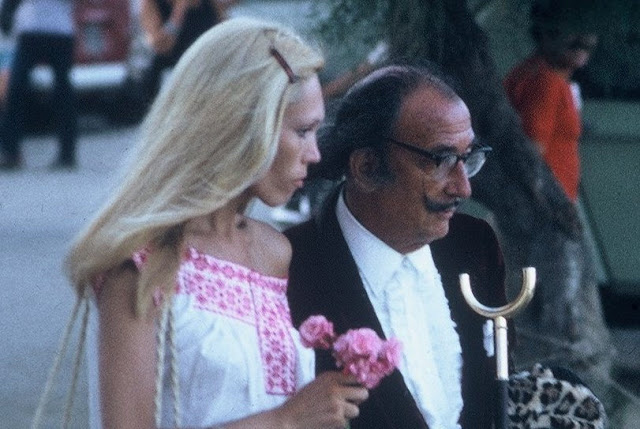
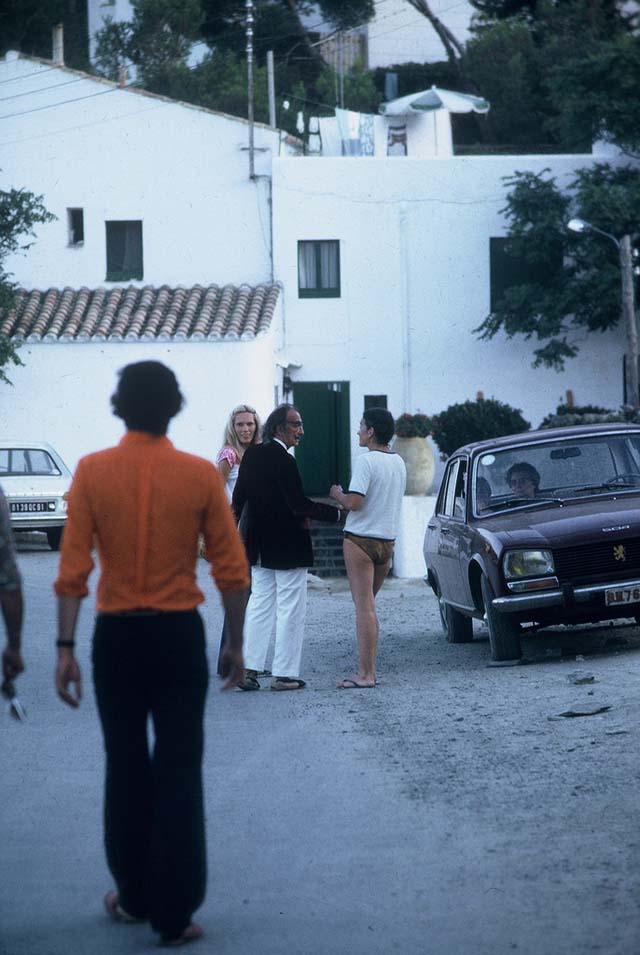
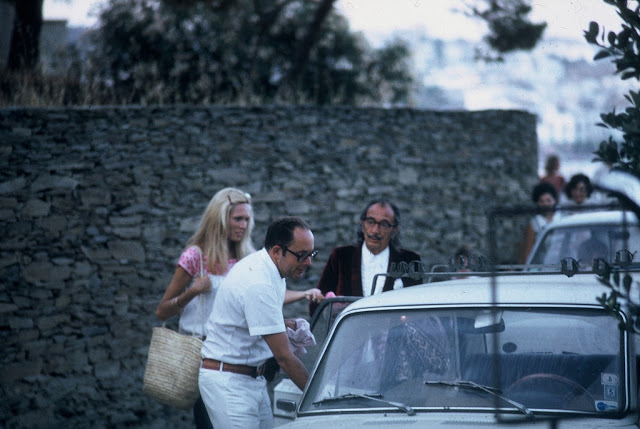
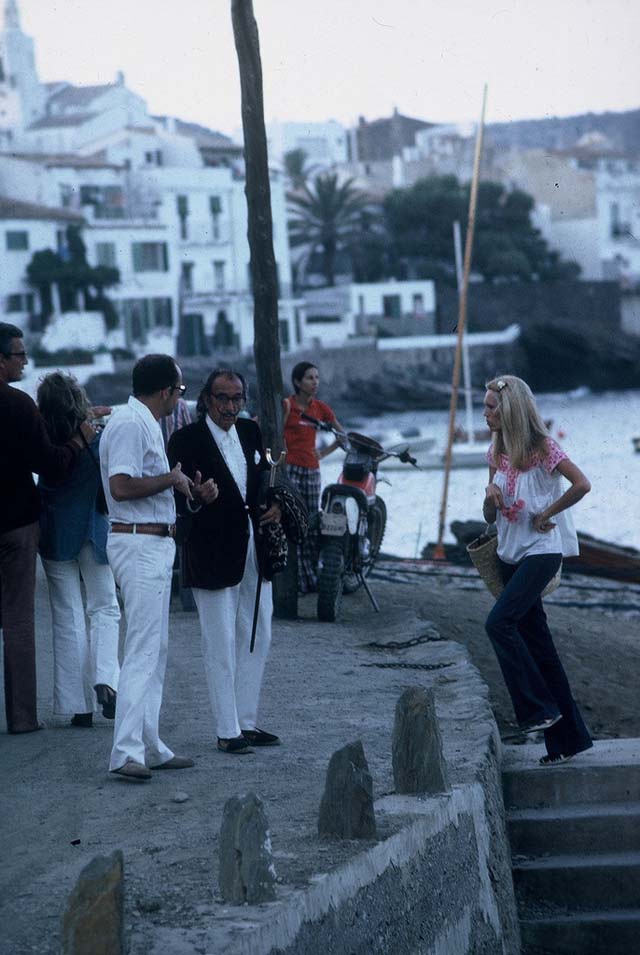
Amanda Lear’s first meeting with Salvador Dalí took place around autumn 1965 in Le Castel, a famous Parisian restaurant and nightclub, and gave the beginning to an over-15-year-long friendship. Lear has since been the painter’s muse and closest friend, although, as she herself repeatedly marked, their relationship never was intimate.
In “My Life with Dalí” – the title of French singer’s autobiography, first released in 1984, she also told about her relationship with this Spanish surrealist painter. The book, which had Dalí’s full approval, gave detailed insights into the lives of both the artist and his muse.
These rare photos of Salvador Dalí and Amanda Lear were taken by Stockholm-based amateur photographer Sten-Åke Stenberg when he met them in Cadaqués, Spain in August 1972.
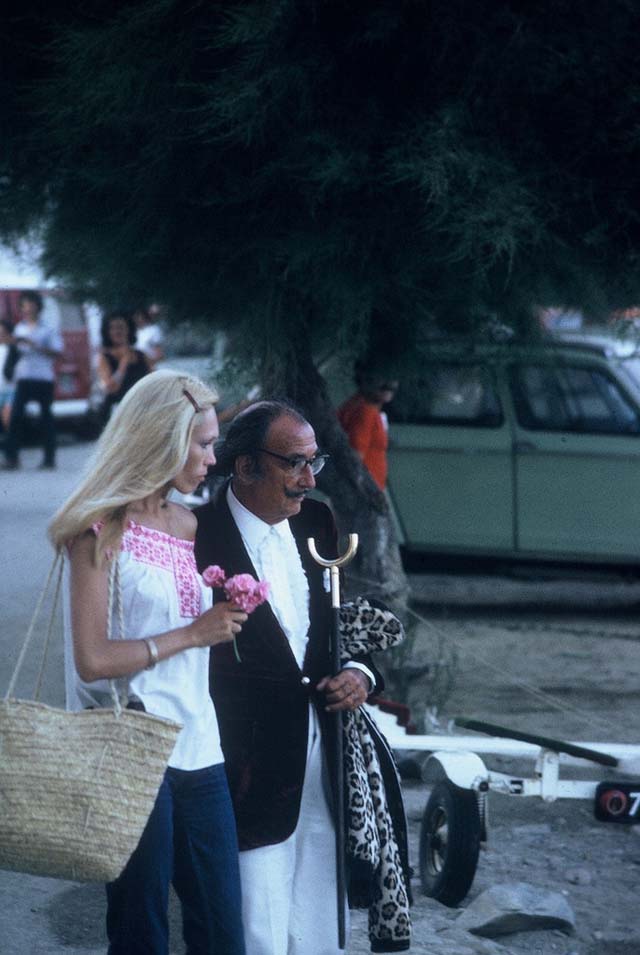




(Photos by Sten-Åke Stenberg)

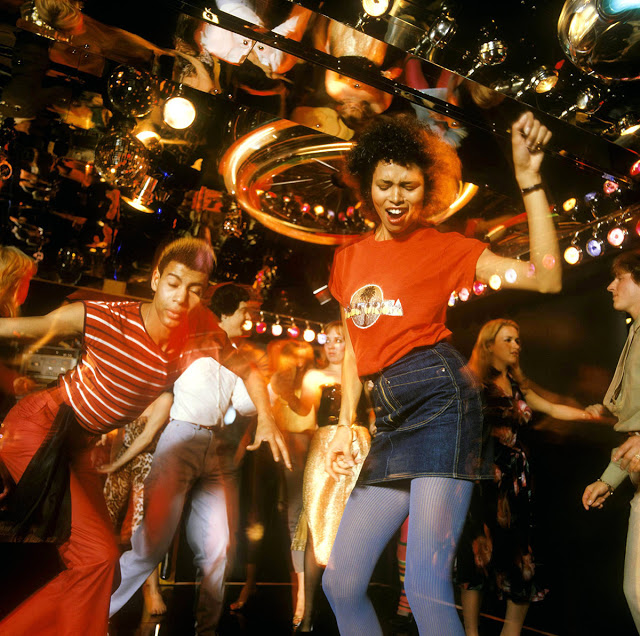
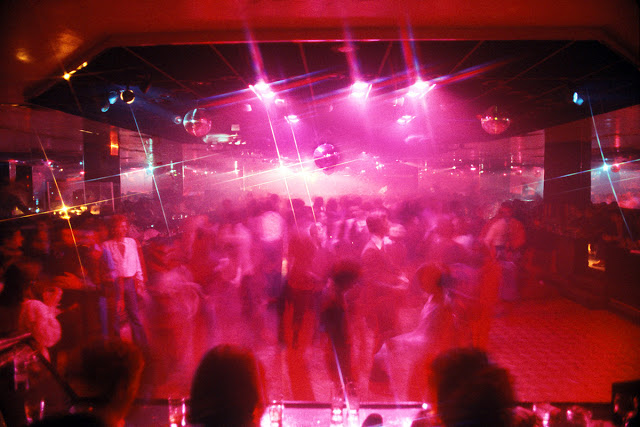
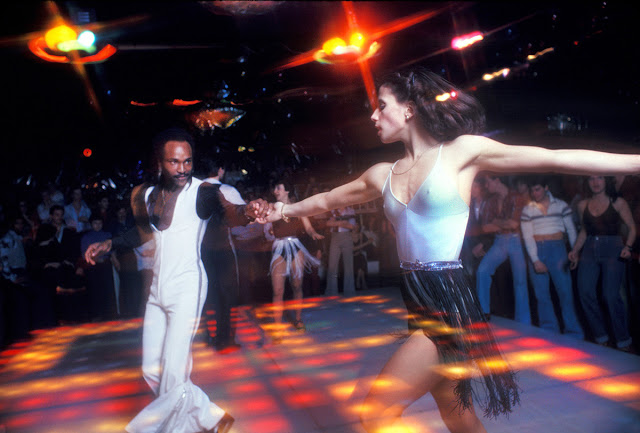
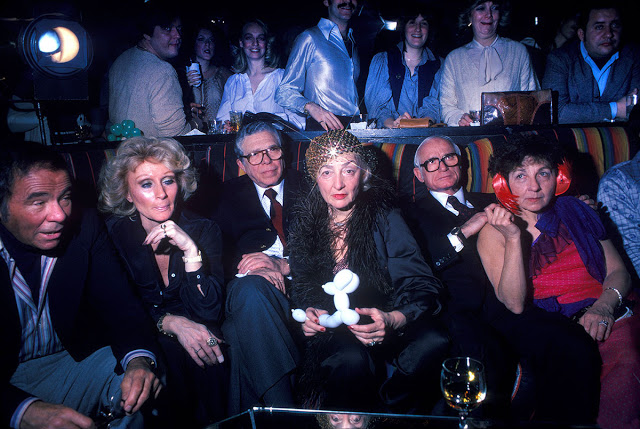
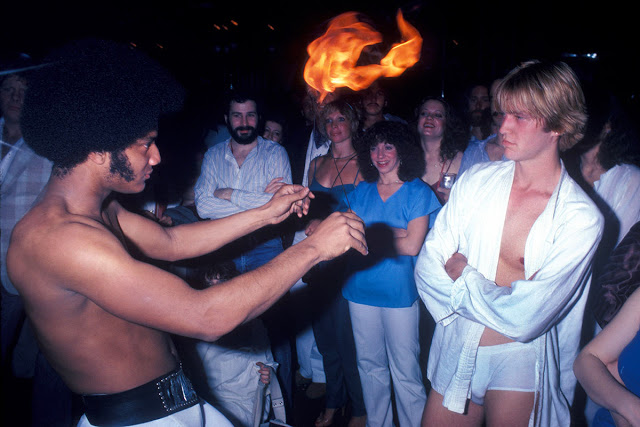
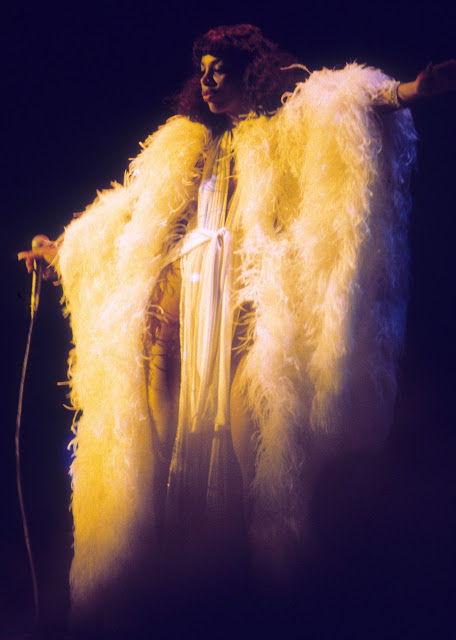
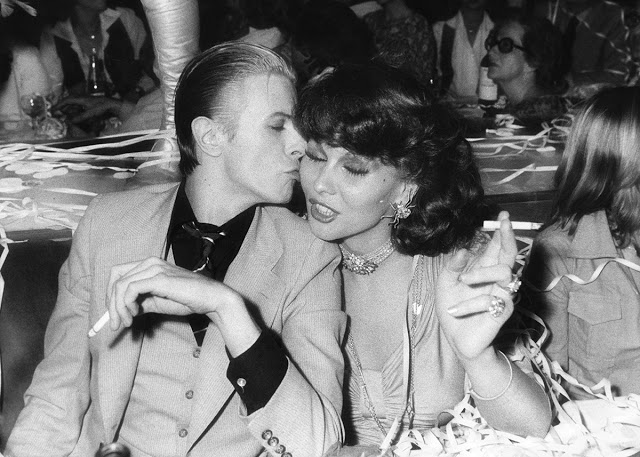
The heyday of disco fashion blossomed from the music played at gay underground New York clubs such as the Loft, Tenth Floor, and 12 West in the early 1970s. Other clubs such as Infinity, Flamingo, the Paradise Garage, Le Jardin, and the Saint launched a disco culture that brought with it an anything-goes attitude and all-night dancing.
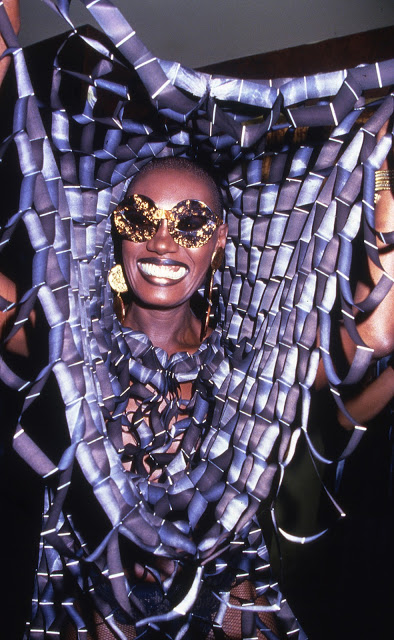
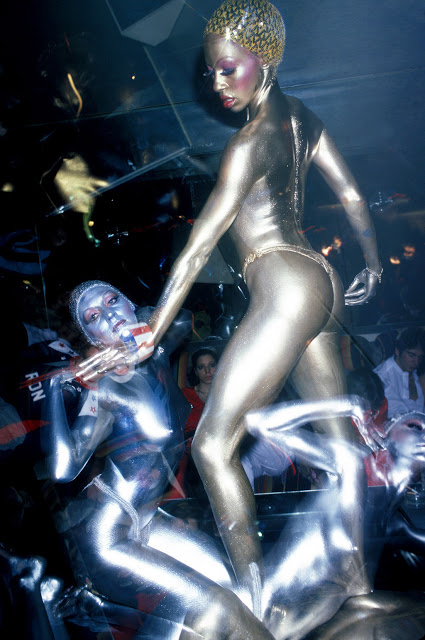
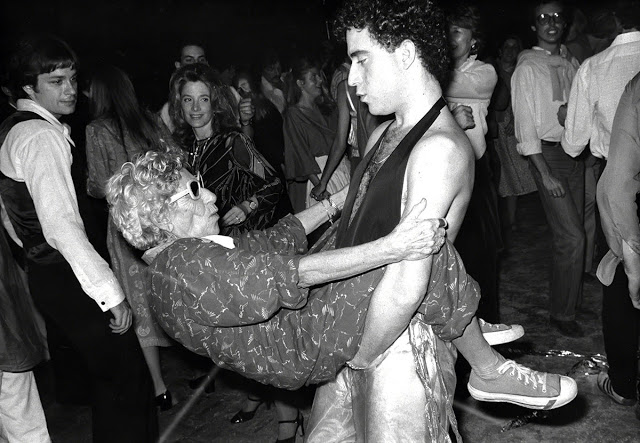
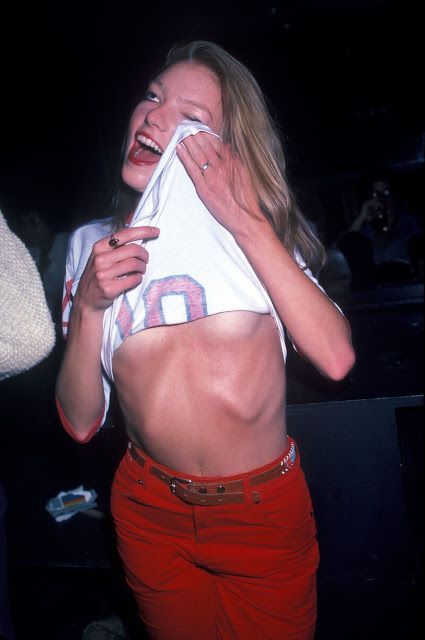
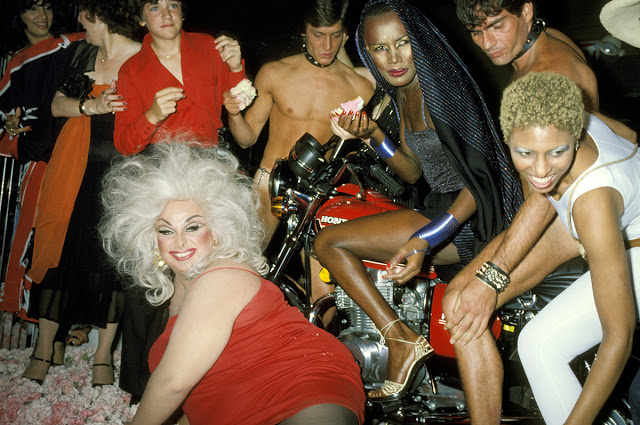
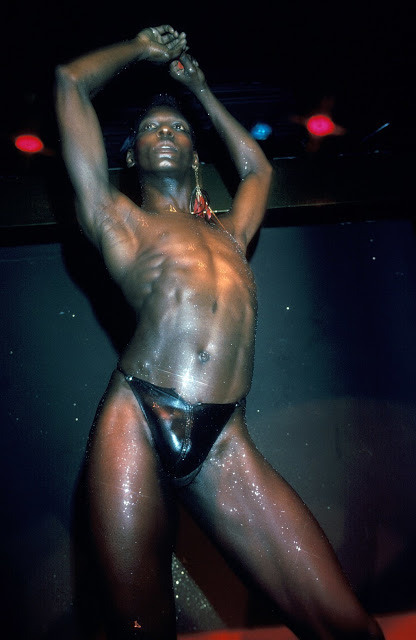
Studio 54 became the place to be seen in disco clothing such as boob-tubes, platform shoes, flared trousers and body-conscious shapes dressed in lurex, glitter and crazy patterns or colours. Studio 54 played an essential role creating the nightclub scene that is still with us today – a place where people dress to be noticed and in the latest fashion.
The successful movie Saturday Night Fever (1977) ensured that disco hung around for a few years before becoming very unfashionable when Punk Rock and New Wave became the new anti-fashion fashion. Below are 30 vintage photographs that show just how crazy 1970s disco really was…