Marilyn Monroe (born Norma Jeane Mortenson; June 1, 1926 – August 4, 1962) was an American actress, model and singer. Famous for playing comedic “blonde bombshell” characters, she became one of the most popular sex symbols of the 1950s and early 1960s and was emblematic of the era’s sexual revolution. She was a top-billed actress for a decade, and her films grossed $200 million (equivalent to $2 billion in 2020) by the time of her death in 1962. Long after her death, Monroe remains a major icon of pop culture. In 1999, the American Film Institute ranked her sixth on their list of the greatest female screen legends from the Golden Age of Hollywood.
Born and raised in Los Angeles, Monroe spent most of her childhood in foster homes and an orphanage; she married at age sixteen. She was working in a factory during World War II when she met a photographer from the First Motion Picture Unit and began a successful pin-up modeling career, which led to short-lived film contracts with 20th Century Fox and Columbia Pictures. After a series of minor film roles, she signed a new contract with Fox in late 1950. Over the next two years, she became a popular actress with roles in several comedies, including As Young as You Feel and Monkey Business, and in the dramas Clash by Night and Don’t Bother to Knock. She faced a scandal when it was revealed that she had posed for nude photographs prior to becoming a star, but the story did not damage her career and instead resulted in increased interest in her films.
By 1953, Monroe was one of the most marketable Hollywood stars; she had leading roles in the film noir Niagara, which overtly relied on her sex appeal, and the comedies Gentlemen Prefer Blondes and How to Marry a Millionaire, which established her star image as a “dumb blonde”. The same year, her nude images were used as the centerfold and on the cover of the first issue of Playboy. She played a significant role in the creation and management of her public image throughout her career, but she was disappointed when she was typecast and underpaid by the studio. She was briefly suspended in early 1954 for refusing a film project but returned to star in The Seven Year Itch (1955), one of the biggest box office successes of her career.
When the studio was still reluctant to change Monroe’s contract, she founded her own film production company in 1954. She dedicated 1955 to building the company and began studying method acting under Lee Strasberg at the Actors Studio. Later that year, Fox awarded her a new contract, which gave her more control and a larger salary. Her subsequent roles included a critically acclaimed performance in Bus Stop (1956) and her first independent production in The Prince and the Showgirl (1957). She won a Golden Globe for Best Actress for her role in Some Like It Hot (1959), a critical and commercial success. Her last completed film was the drama The Misfits (1961).
Monroe’s troubled private life received much attention. She struggled with addiction and mood disorders. Her marriages to retired baseball star Joe DiMaggio and to playwright Arthur Miller were highly publicized, and both ended in divorce. On August 4, 1962, she died at age 36 from an overdose of barbiturates at her Los Angeles home. Her death was ruled a probable suicide. (Wikipedia)
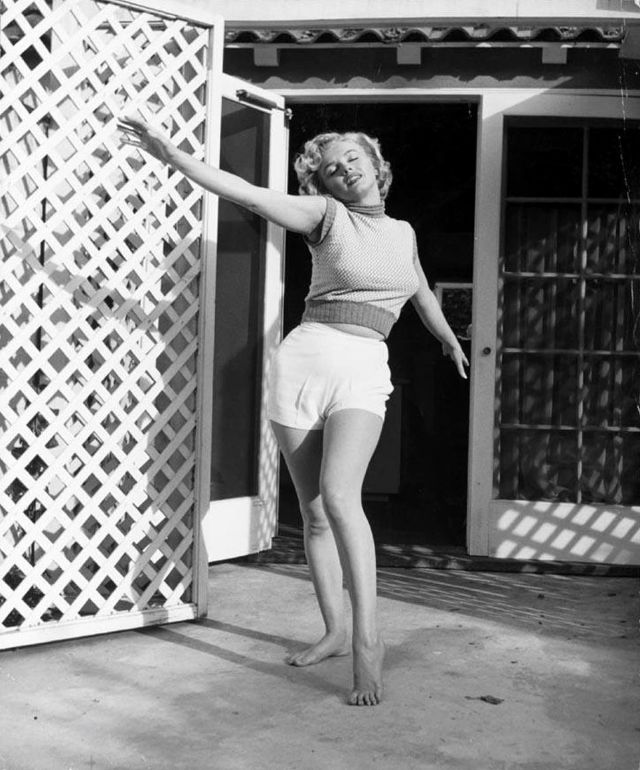
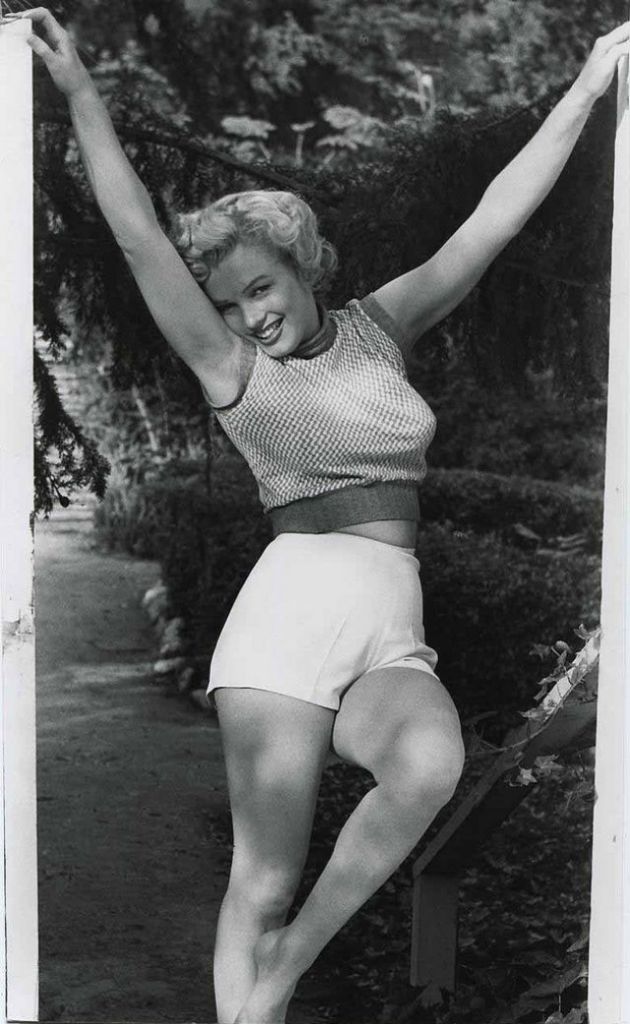
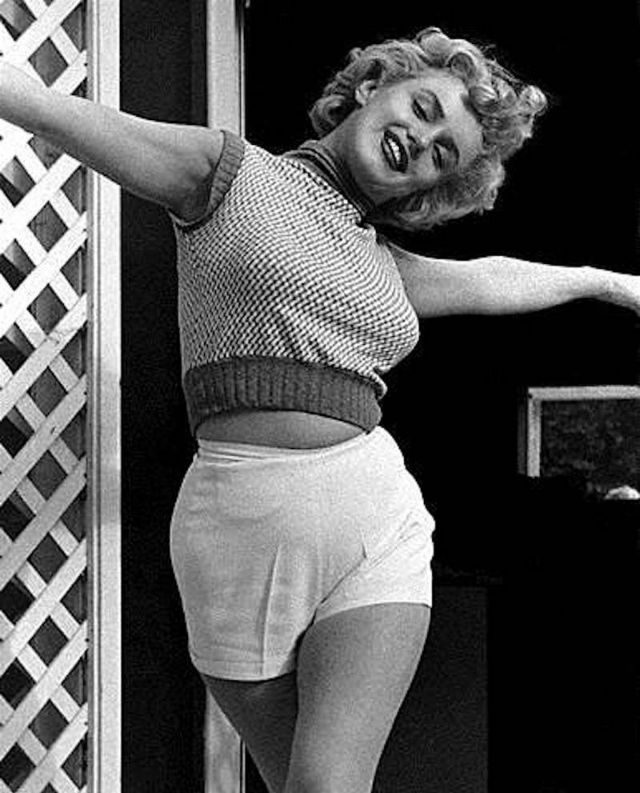
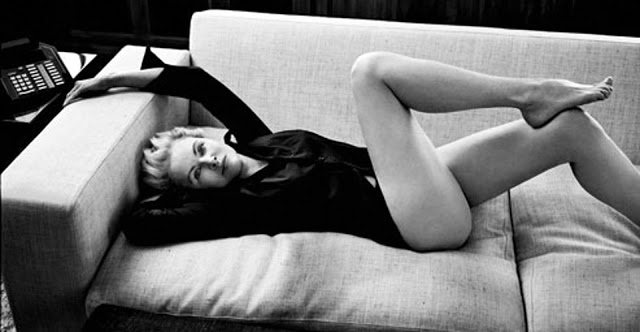
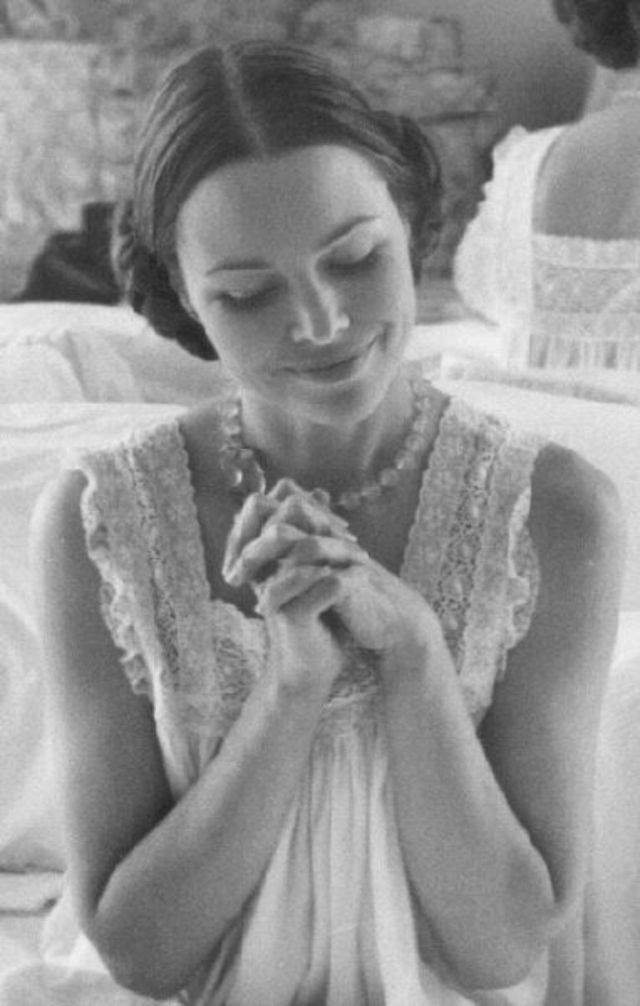
Andre de Dienes (1913–1985) was a Romanian-American photographer, noted for his work with Marilyn Monroe and his nude photography. Here’s a collection of some fascinating black and white portraits of Marilyn Monroe at home, taken by Andre de Dienes in 1953.
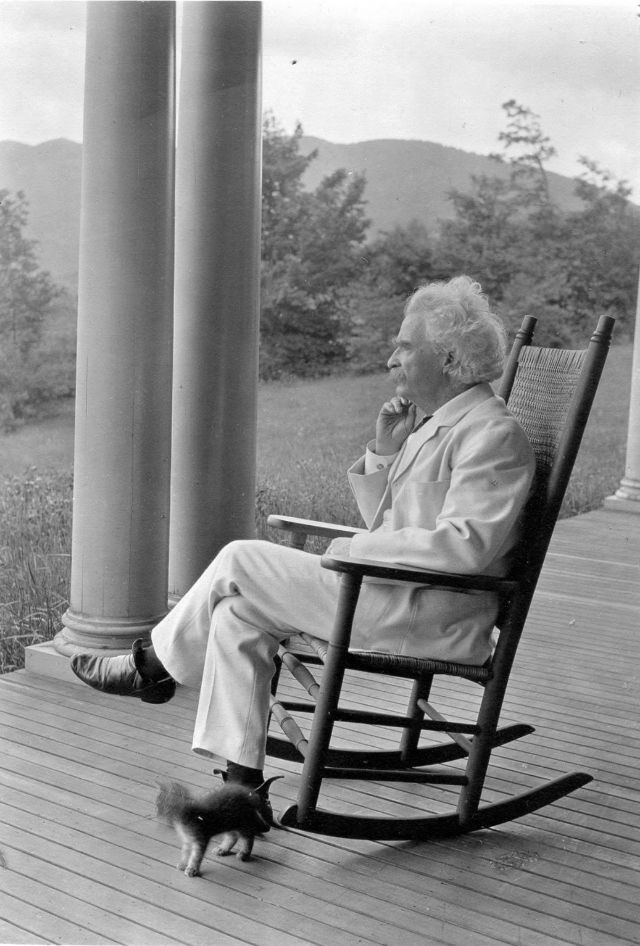
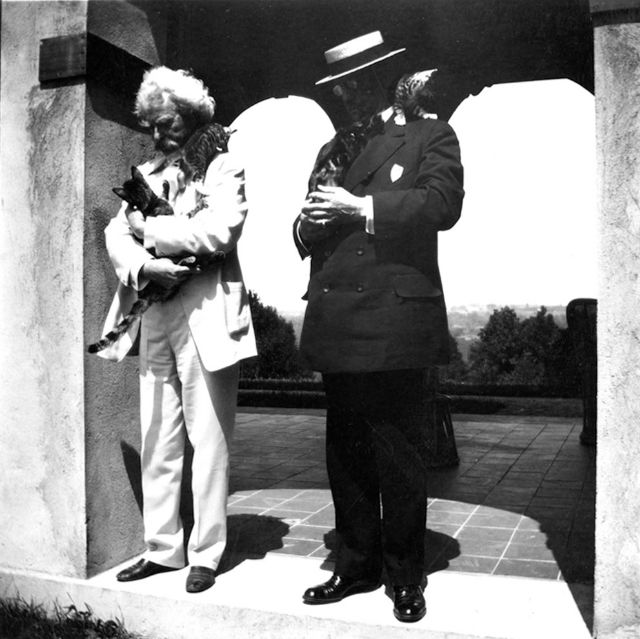
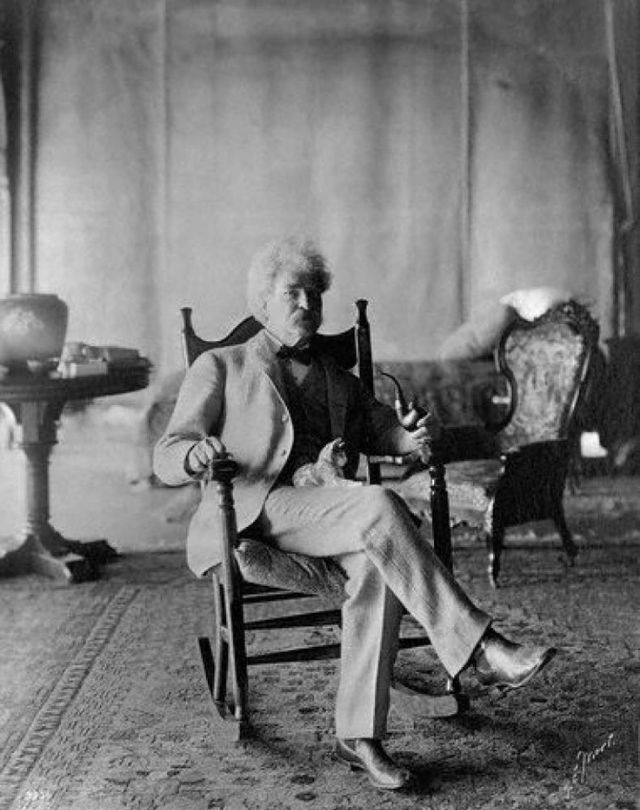
Samuel Clemens, better known as Mark Twain, is referenced in libraries across the world, and, while ranking his best works may keep literary critics busy, his preference in pets is unmistakably cut-and-dry.
Mark Twain liked cats more than he liked people.
“If man could be crossed with the cat,” he wrote, “it would improve man, but it would deteriorate the cat.”
Twain had, count them, at least 32 cats, whose names were perhaps even more impressive than their master’s wit. Apollinaris, Beelzebub, Blatherskite, Buffalo Bill, Satan, Sin, Sour Mash, Tammany, Zoroaster, Soapy Sal and Pestilence. He loved them more than most humans and was confounded by humans who didn’t love them back.
“When a man loves cats, I am his friend and comrade, without further introduction.”
The Spanish Civil War was a civil war in Spain fought from 1936 to 1939. Republicans loyal to the left-leaning Popular Front government of the unstable Second Spanish Republic, in alliance with both communist and syndicalist anarchists, fought against an insurrection by the Nationalists, an alliance of Falangists, monarchists, conservatives and traditionalists, led by a military junta among whom General Francisco Franco quickly achieved a preponderant role. Due to the international political climate at the time, the war had many facets and was variously viewed as class struggle, a religious struggle, a struggle between dictatorship and republican democracy, between revolution and counterrevolution, and between fascism and communism. According to Claude Bowers, U.S. ambassador to Spain during the war, it was the “dress rehearsal” for World War II. The Nationalists won the war, which ended in early 1939, and ruled Spain until Franco’s death in November 1975.
The war began after a pronunciamiento (a declaration of military opposition, of revolt) against the Republican government by a group of generals of the Spanish Republican Armed Forces, with General Emilio Mola as the primary planner and leader and having General José Sanjurjo as a figurehead. The government at the time was a coalition of Republicans, supported in the Cortes by communist and socialist parties, under the leadership of centre-left President Manuel Azaña. The Nationalist group was supported by a number of conservative groups, including CEDA, monarchists, including both the opposing Alfonsists and the religious conservative Carlists, and the Falange Española de las JONS, a fascist political party. After the deaths of Sanjurjo, Emilio Mola and Manuel Goded Llopis, Franco emerged as the remaining leader of the Nationalist side.
The coup was supported by military units in Morocco, Pamplona, Burgos, Zaragoza, Valladolid, Cádiz, Córdoba, and Seville. However, rebelling units in almost all important cities—such as Madrid, Barcelona, Valencia, Bilbao, and Málaga—did not gain control, and those cities remained under the control of the government. This left Spain militarily and politically divided. The Nationalists and the Republican government fought for control of the country. The Nationalist forces received munitions, soldiers, and air support from Fascist Italy and Nazi Germany, while the Republican side received support from the Soviet Union and Mexico. Other countries, such as the United Kingdom, the French Third Republic, and the United States, continued to recognise the Republican government but followed an official policy of non-intervention. Despite this policy, tens of thousands of citizens from non-interventionist countries directly participated in the conflict. They fought mostly in the pro-Republican International Brigades, which also included several thousand exiles from pro-Nationalist regimes.
The Nationalists advanced from their strongholds in the south and west, capturing most of Spain’s northern coastline in 1937. They also besieged Madrid and the area to its south and west for much of the war. After much of Catalonia was captured in 1938 and 1939, and Madrid cut off from Barcelona, the Republican military position became hopeless. Following the fall without resistance of Barcelona in January 1939, the Francoist regime was recognised by France and the United Kingdom in February 1939. On 5 March 1939, Colonel Segismundo Casado led a military coup against the Republican government. Following internal conflict between Republican factions in Madrid in the same month, Franco entered the capital and declared victory on 1 April 1939. Hundreds of thousands of Spaniards fled to refugee camps in southern France. Those associated with the losing Republicans who stayed were persecuted by the victorious Nationalists. Franco established a dictatorship in which all right-wing parties were fused into the structure of the Franco regime.
The war became notable for the passion and political division it inspired and for the many atrocities that occurred, on both sides. Organised purges occurred in territory captured by Franco’s forces so they could consolidate their future regime. Mass executions on a lesser scale also took place in areas controlled by the Republicans, with the participation of local authorities varying from location to location. (Wikipedia)
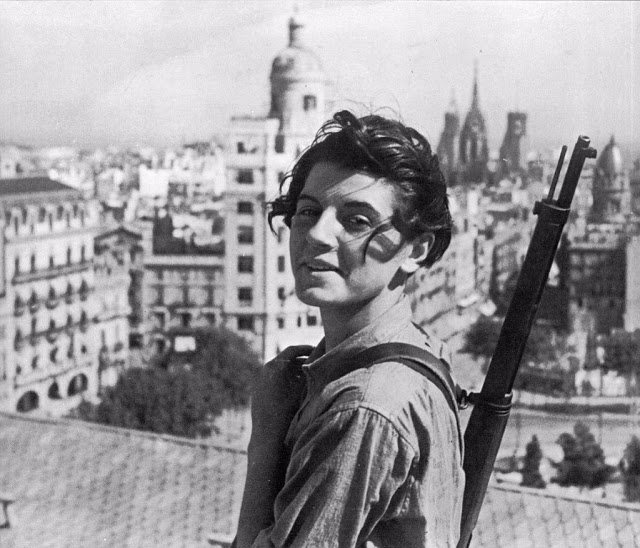
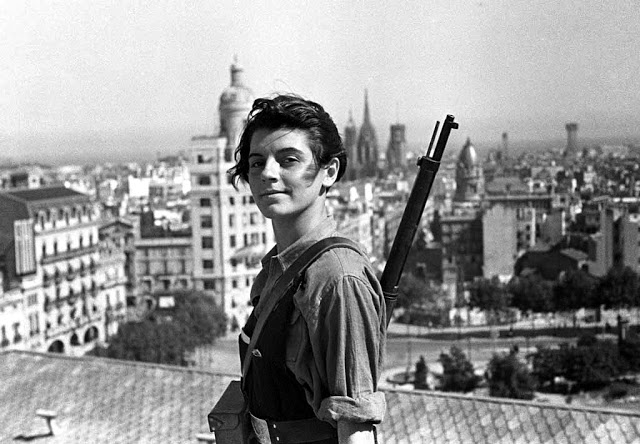
Iconic photo of Marina Ginestà i Coloma by Juan Guzmán on top of the Hotel Colón in Barcelona.
Marina Ginestà became famous due to the photo taken by Juan Guzmán on the rooftop of Hotel Colón, Barcelona during the July 1936 military uprising in Barcelona. As she was a reporter, it was the only time Ginestà was carrying a gun. The rifle she is carrying is M1916 Spanish Mauser, manufactured at famous Oviedo factory in Spain for the Spanish Army.
Marina was a member of Juventudes Socialistas Unificadas (Socialist Youth), the youth organization mainly directed by Partido Comunista de España (PCE, Communist Party of Spain). As the war broke out, she served as a reporter and a translator assisting Mikhail Koltsov, a correspondent of the Soviet newspaper Pravda.
Despite her initial involvement she quickly grew disillusioned with the path that the Stalinists were taking. Marina remained a militant throughout the rest of the war and was drawn to other groups at that time such as the anti-Stalinist P.O.U.M (which the famous writer George Orwell was a member of) and the Anarchist C.N.T. Before the end of the war, Ginestà was wounded and evacuated to Montpellier.
Marina Ginesta and her brother, 1936.
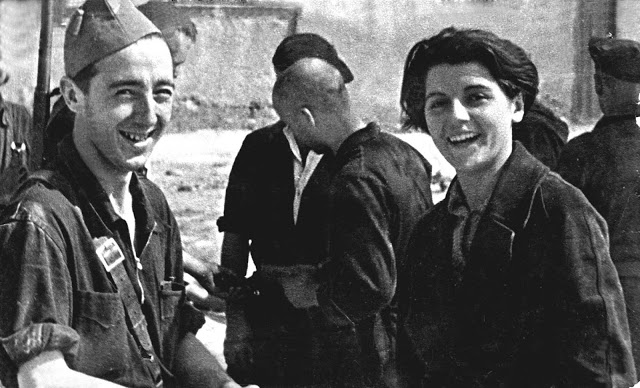
Marina did not knew about the photo until 2006, although the iconic image was printed and circulated everywhere, serving as cover for the book “Thirteen Red Roses” by Carlos Fonseca, and was also along with dozens of other photographs in the book “Unpublished images of the Civil War” (2002). She was identified by Garcia Bilbao who read the memoirs of Soviet correspondent of Pravda Mikhail Koltsov, with whom the young girl appears in another photo. Garcia Bilbao found that Jinesta Marina, with J, which was identified by Guzman in the caption was actually Marina Ginesta, an exile who lived in Paris translating French texts.
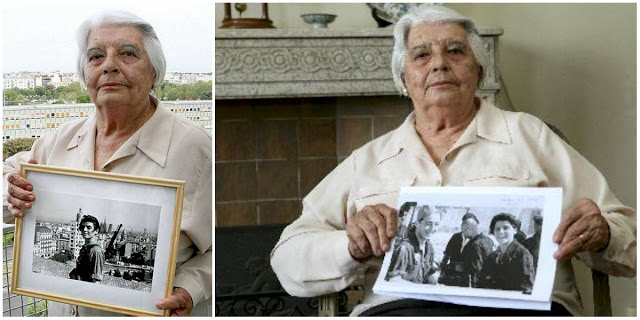
Marina Ginesta in 2008 with two copies of the photographs of her taken during the Spanish Civil War.
Marina Ginesta, the iconic girl of the Spanish Civil War, died January 6, 2014 in Paris, aged 94.
The Confederates were sure former slave-turned-Union spy Mary Bowser wouldn’t be able to read the sensitive documents they left out around her — they were wrong.
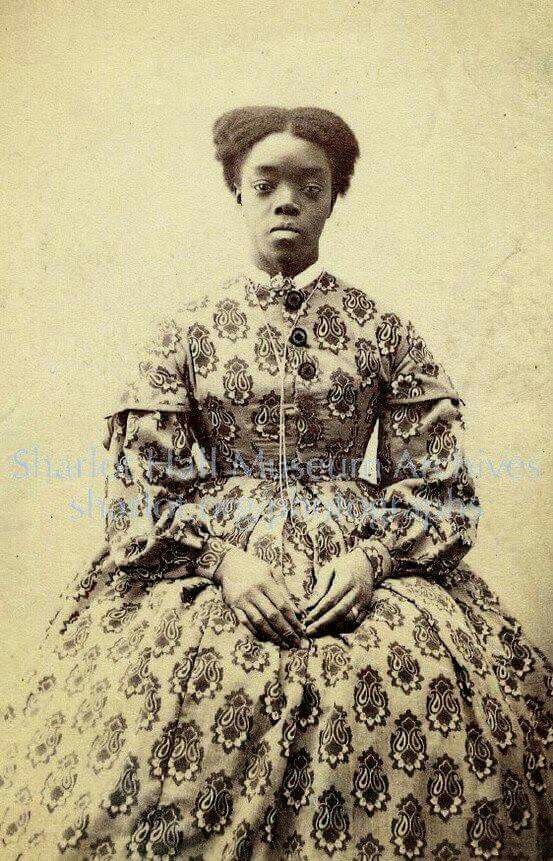
Mary Bowser. Slave, teacher, Union spy, hero. 1860s.The Confederate White House in Richmond, where Mary Bowser was planted as a Union spy.
Oftentimes, the outcome of a war is determined not out on the open battlefields, but in the shadows. Espionage has played an important role in virtually every great military conflict in history and the American Civil War was no exception. As the Union forces desperately fought to give their forces an edge, they found help in some of the unlikeliest of places.
Mary Bowser was born a slave in Virginia and worked on the Richmond plantation of a hardware merchant named John Van Lew. As is the case with many slaves, not very much else is known about her early life.
What we do know is that when Van Lew died, his daughter Elizabeth (who was a Quaker and staunch opponent to slavery) freed all of the slaves she had inherited and, in a further act of generosity, used her entire cash inheritance to purchase and free the other family members of her father’s former slaves.
Bowser remained a servant in her former mistress’ household and when Van Lew realized how intelligent she was, she sent Bowser to be educated at the Quaker School for Negroes in Philadelphia.
Van Lew herself had been educated by Quakers in the North and although she was a member of Richmond’s elite, she harbored fiercely abolitionist views. When the Civil War broke out, she began to think about how she could use her unique position to help the cause she so fervently believed in.
Elizabeth Van Lew
Van Lew started small, volunteering as a nurse at prison camps for Union soldiers and smuggling in food, books, and medicine with the help of her mother. This did not endear her to her fellow Southerners; as an article in The Richmond Enquirer disgustedly reported, “Two ladies, a mother and a daughter, living on Church Hill, have lately attracted public notice by their assiduous attentions to the Yankee prisoners… these two women have been expending their opulent means in aiding and giving comfort to the miscreants who have invaded our sacred soil.”
Two soldiers who escaped the prison with Van Lew’s help eventually told a Union general about her and he was so impressed that he recruited her as a spy. Protected by her family’s position (although the wealthy of Richmond had long looked upon her abolitionist views with distaste), she managed to set up a spy ring right in the heart of the Virginia capital, aided and abetted by her former servant, Mary Bowser.
With Van Lew’s assistance, Bowser was planted in the Confederate White House, the headquarters of the President of the Confederacy himself: Jefferson Davis. Due to the prejudices of the time, black servants such as Bowser were viewed more as furniture than employees, which meant people would largely ignore their presence.
However, Bowser was clever enough to play on these prejudices, and exaggerated her role as a stupid servant, pretending to be much slower than she actually was.
As a result, guests took no care to mind what they said in front of her, nor did anyone imagine that Bowser was actually literate and could read confidential documents left out in the open
According to Thomas McNiven, a local baker who made deliveries to the Confederate White House while also acting as Bowser’s point of contact, Bowser also had a photographic memory and could repeat documents “word for word” when she relayed information to him.
The espionage system executed by McNiven and Bowser operated extremely well until eventually Bowser somehow became a target of suspicion (it’s not known why) and was forced to flee the capital in the last days of the war. As her last act, she tried to burn down the Confederate White House, but didn’t quite succeed.
General Ulysses S. Grant later told Van Lew, “You have sent me the most valuable information received from Richmond during the war.”
The intelligence Bowser provided from the heart of the Confederacy had reportedly directly contributed to a Northern victory (even though little is known about precisely what information Bowser relayed). Finally, in 1995, the U.S. government posthumously inducted Mary Bowser into the Military Intelligence Corps Hall of Fame.
Van Lew and Bower had been able to hide in plain sight by playing up their roles as a sheltered society woman and an ignorant servant — and they fooled everyone for a long time.
After Van Lew’s role as a spy did become public knowledge, she was largely shunned by her fellow Virginians, who viewed her as a traitor. As for Mary Bowser, committed to the tremendous value of a good education, she went on to open a school for former slaves and teach them all herself.
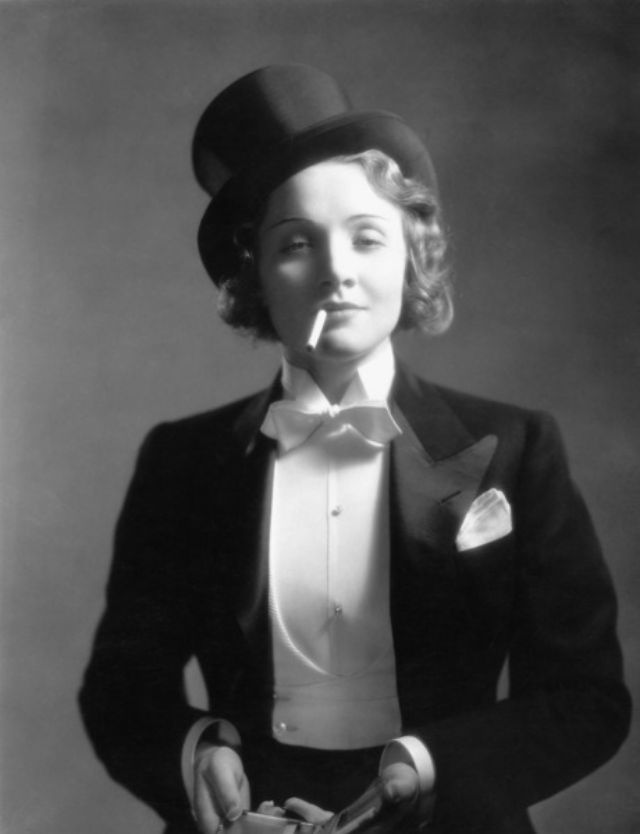
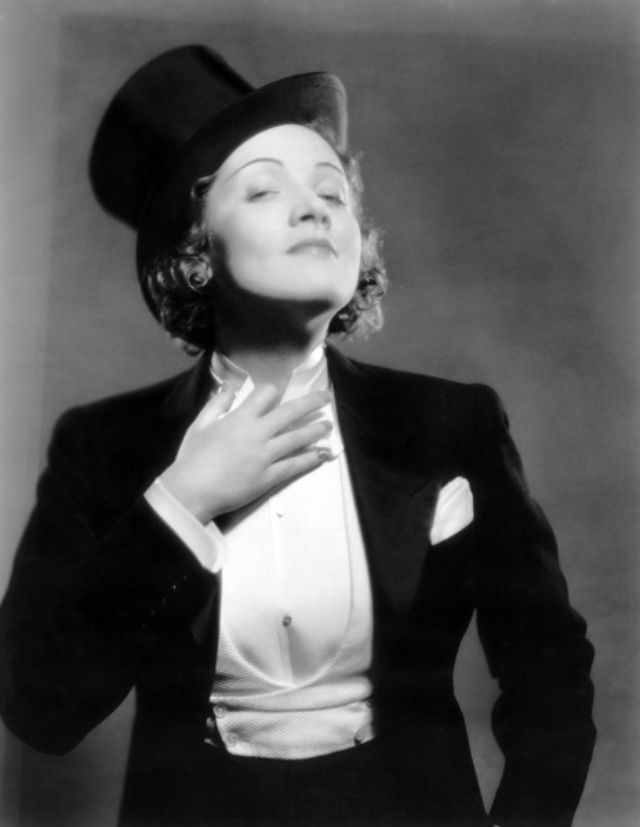
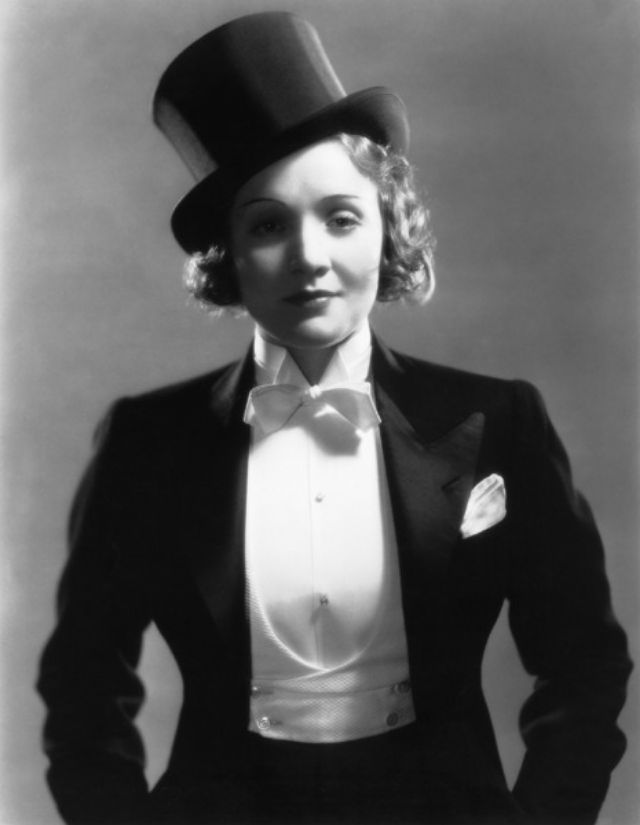
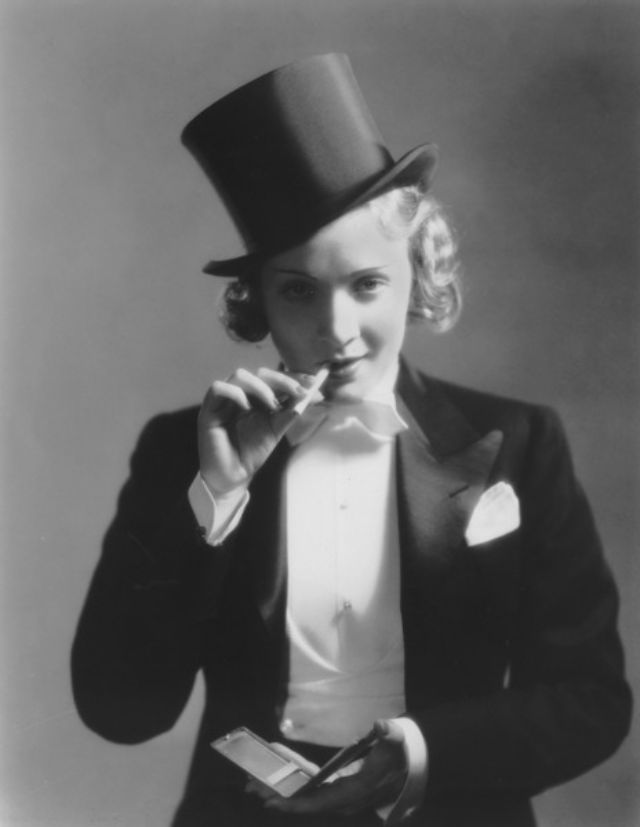
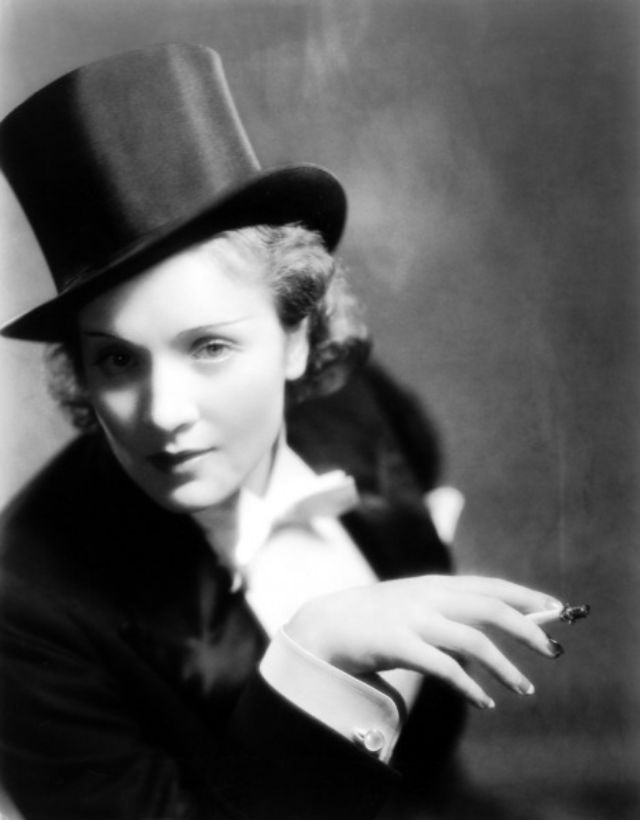
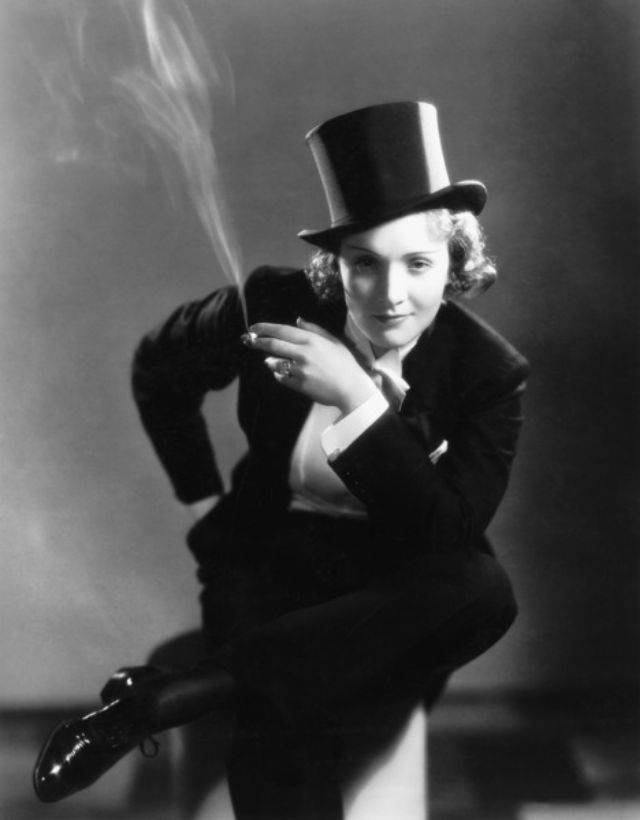
Marie Magdalene “Marlene” Dietrich (27 December 1901 – 6 May 1992) was a German-born American actress and singer. Her career spanned from the 1910s to the 1980s.
In 1920s Berlin, Dietrich performed on the stage and in silent films. Her performance as Lola-Lola in Josef von Sternberg’s The Blue Angel (1930) brought her international acclaim and a contract with Paramount Pictures. Dietrich starred in many Hollywood films including six iconic roles directed by Sternberg —Morocco (1930) (her only Academy Award nomination), Dishonored (1931), Shanghai Express and Blonde Venus (both 1932), The Scarlet Empress (1934) and The Devil Is a Woman (1935)— plus Desire (1936) and Destry Rides Again (1939). She successfully traded on her glamorous persona and “exotic” looks, and became one of the highest-paid actresses of the era. Throughout World War II she was a high-profile entertainer in the United States. Although she delivered notable performances in several post-war films including Alfred Hitchcock’s Stage Fright (1950), Billy Wilder’s Witness for the Prosecution (1957), Orson Welles’s Touch of Evil (1958) and Stanley Kramer’s Judgment at Nuremberg (1961), Dietrich spent most of the 1950s to the 1970s touring the world as a marquee live-show performer.
Dietrich was known for her humanitarian efforts during World War II, housing German and French exiles, providing financial support and even advocating their American citizenship. For her work on improving morale on the front lines during the war, she received several honors from the United States, France, Belgium and Israel. In 1999 the American Film Institute named Dietrich the ninth greatest female screen legend of classic Hollywood cinema. (Wikipedia)
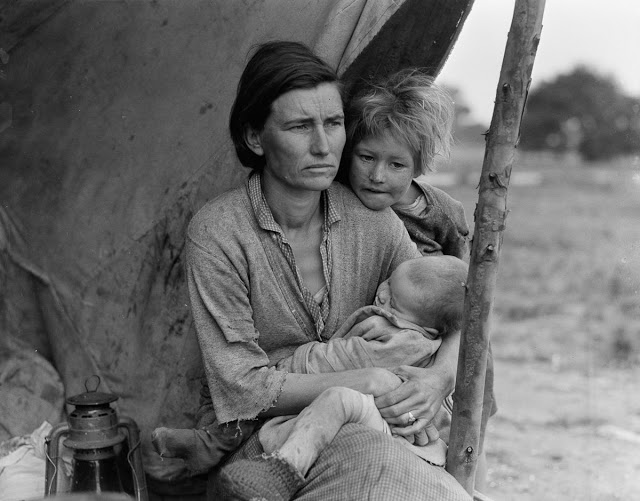
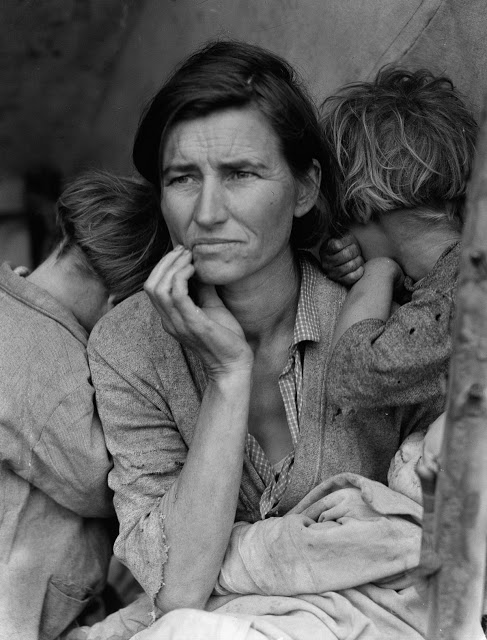
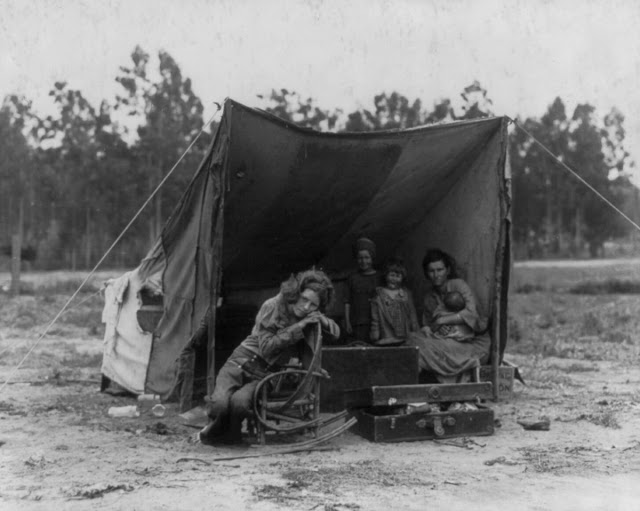
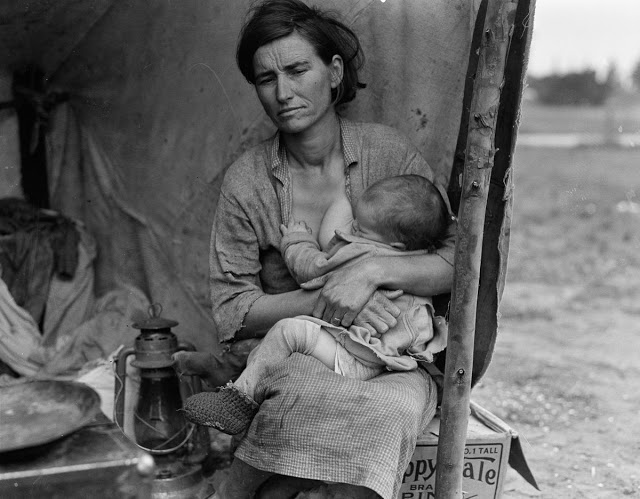
The photograph that has become known as “Migrant Mother” is one of a series of photographs that Dorothea Lange made of Florence Owens Thompson and her children in February or March of 1936 in Nipomo, California. Lange was concluding a month’s trip photographing migratory farm labor around the state for what was then the Resettlement Administration.
“I saw and approached the hungry and desperate mother, as if drawn by a magnet. I do not remember how I explained my presence or my camera to her, but I do remember she asked me no questions. I made five exposures, working closer and closer from the same direction. I did not ask her name or her history.” – Dorothea Lange
Lange took five pictures. The images were made using a Graflex camera. The original negatives are 4×5″ film. One of them, “Migrant Mother”, became the iconic photo of the Depression, and one of the most familiar images of the 20th century. With her children cowering behind her for protection, hiding their faces, the Migrant Mother gazes distractedly into the distance. At the time, the dust-blown interior of the United States was full of families like hers, whom poverty had forced off their land and into a life of wandering. Their poverty was total; they had nothing. Where is her husband, the children’s father? She is on her own. There is no help, no protection, and nothing over the horizon but work, want and more wandering. Her worried, vacant expression seems to communicate what we, at our end of history, already know: Things were not going to get better for a long, long time.
Florence Owens Thompson with daughters Ruby and Norma. (Dorothea Lange/library of Congress)
There are few images as deeply ingrained in the national consciousness as “Migrant Mother”. Yet for decades, no one knew what had become of this woman and her family. No one even knew her name: Lange never asked, and by the time the photo appeared in a local newspaper, the woman and her family had moved on to the next town. “I did not ask her name or her history. She told me her age, that she was thirty-two. She said that they had been living on frozen vegetables from the surrounding fields, and birds that the children killed. She had just sold the tires from her car to buy food. There she sat in that lean- to tent with her children huddled around her, and seemed to know that my pictures might help her, and so she helped me. There was a sort of equality about it.” – Dorothea Lange
Finally, in 1978, a reporter from the Modesto Bee found the Migrant Mother, tracking her down to a trailer park outside Modesto, California. Her name was Florence Owens Thompson; she was 75 years old. Lange had promised Thompson that her name would never be published — Thompson wanted to spare her children the embarrassment — but once she was discovered, she revealed her name and told her story.
Thompson was born Florence Leona Christie, a Cherokee, in a teepee in Indian Territory, Oklahoma, in 1903. She married at 17, then moved to California for farm- and millwork. When she was 28 years old and pregnant with her sixth child, her husband died of tuberculosis. Thereafter Thompson worked odd jobs of all kinds to keep her children fed. For most of the 1930s, she was an itinerant farmhand, picking whatever was in season.
From left to right, Viola, 14, Ruby, 5, Katherine, 4, Florence, 32, and Norma, 1. (Dorothea Lange/library of Congress)
During cotton harvests, as she described in interviews, she would put her babies in bags and carry them along with her as she worked down the rows. She earned 50 cents per hundred pounds picked and says she “generally picked around 450, 500 [pounds a day]. I didn’t even weigh a hundred pounds.” For a while, she and her children lived under a bridge. “When Steinbeck wrote in The Grapes of Wrath about those people living under the bridge at Bakersfield — at one time we lived under that bridge. It was the same story. Didn’t even have a tent then, just a ratty old quilt.”
One day in 1936, while driving from Los Angeles to Watsonville, Thompson’s car broke down. She managed to get the car towed into the Nipomo pea-pickers camp, had it repaired, and was just about to leave when Dorothea Lange appeared. Thompson was not eager to have her family photographed and exhibited as specimens of poverty, but there were people starving in that camp, one of Thompson’s daughters later recalled, and Lange convinced her that the image would educate the public about the plight of hardworking but poor people like herself. Within days, the photo was being published in papers across the country — an instant classic of American photography. In the years to follow, the Thompson family kept their identities to themselves, but the photograph was a continual subject of conversation. “It always stayed with her,” said Katherine Thompson McIntosh of her mother. “She always wanted a better life, you know.”
Thompson moved to Modesto in 1945 and went to work in a hospital there. She had one of the most famous faces in the United States, yet, to keep her family together, she had to work 16 hours a day, seven days a week. “I worked in hospitals,” Thompson told NBC in 1979, “I tended bar, I worked in the field, so I done a little bit of everything to make a living for my kids.” Thompson profited nothing from “Migrant Mother”. “I can’t get a penny out of it,” she once said, but she wasn’t exactly bitter. She had posed for the photo to help others, not herself, yet the disparity between her high profile and low status couldn’t help but bother her.
Meanwhile, “Migrant Mother” made Dorothea Lange’s reputation, helped earn her a Guggenheim fellowship, and conferred fame and a permanent place in the canon of American photographers. Lange certainly deserved her success; she had an eye, talent, training, and drive. Yet it seems unjust that Migrant Mother, one of the most successful photographs in American history, should have helped so many, but done nothing for the woman whose face and body were able to express so much. Thompson was a model; she was posing, and she knew why. She was to represent the very Figure of Poverty. So she organized her posture and set her expression just so for Lange’s camera. And that is a talent, too. Thompson and Lange, for an instant in 1936, were collaborators. Yet the gulf between their fortunes, already colossal, would only grow wider as years passed.
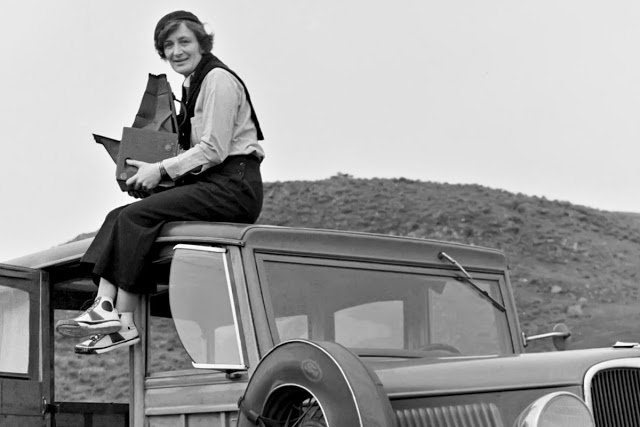
Dorothea Lange sitting on top of a car with her camera, 1936.
The Thompson clan, which eventually grew to 10 children, worked their way into the middle class, but Florence Thompson never felt comfortable in a conventional home. Even after her children bought her a house, she chose to live in a trailer. “I need to have wheels under me,” she said.
In 1983, Thompson had a stroke. Her children, unable to pay the hospital, used her identity as the “Migrant Mother” to raise $15,000 in donations. The money helped to defray Thompson’s medical bills, but Thompson herself gained nothing. She died soon after her stroke.
A few years earlier, a reporter had asked Thompson about the life she eked out for her family. She spoke plainly, with no sentimentality. “We just existed,” she said. “Anyway, we lived. We survived, let’s put it that way.” During the Great Depression, that was never a guarantee. “We never had a lot,” said McIntosh, her daughter, “but she always made sure we had something. She didn’t eat sometimes, but she made sure us children ate.”
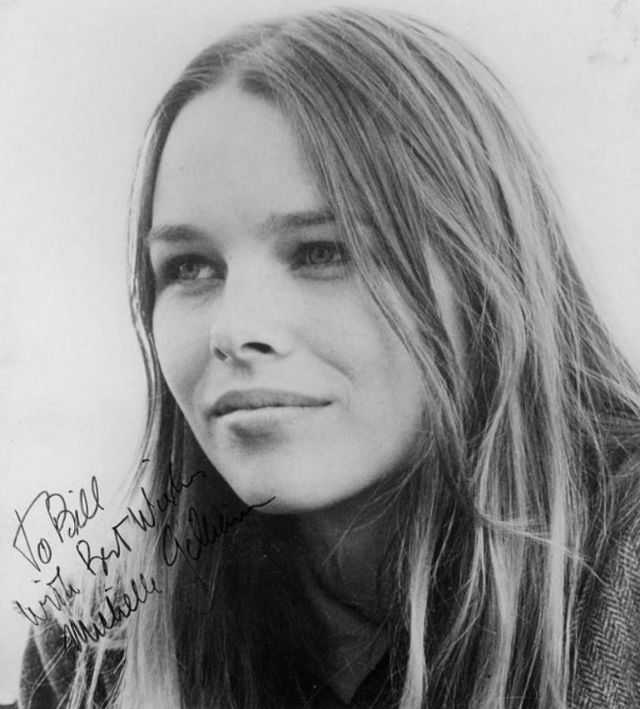
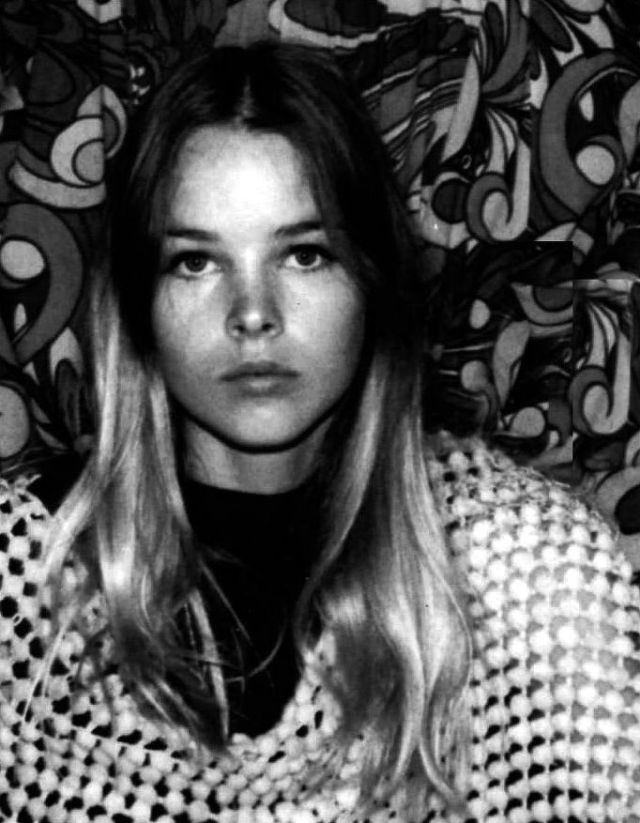
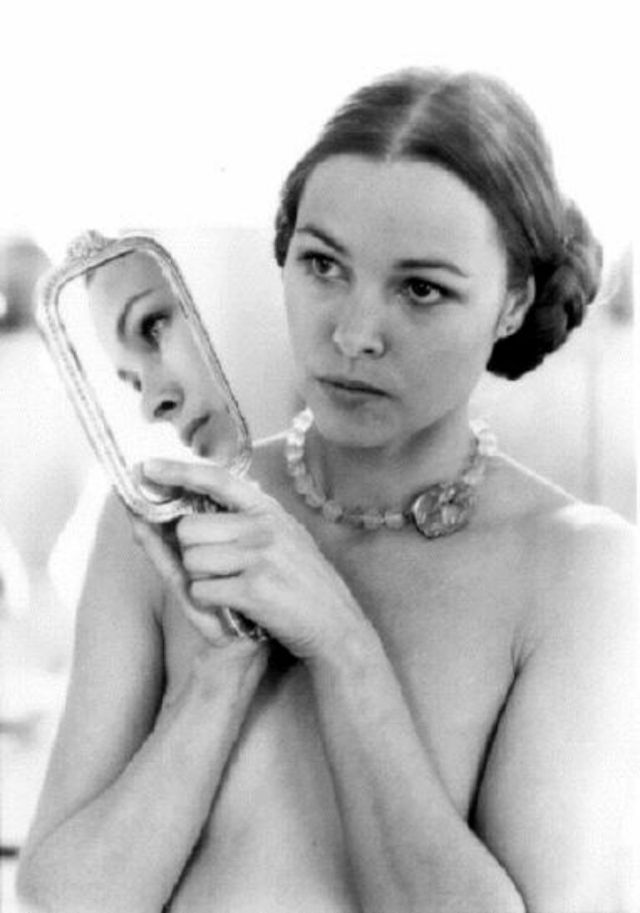
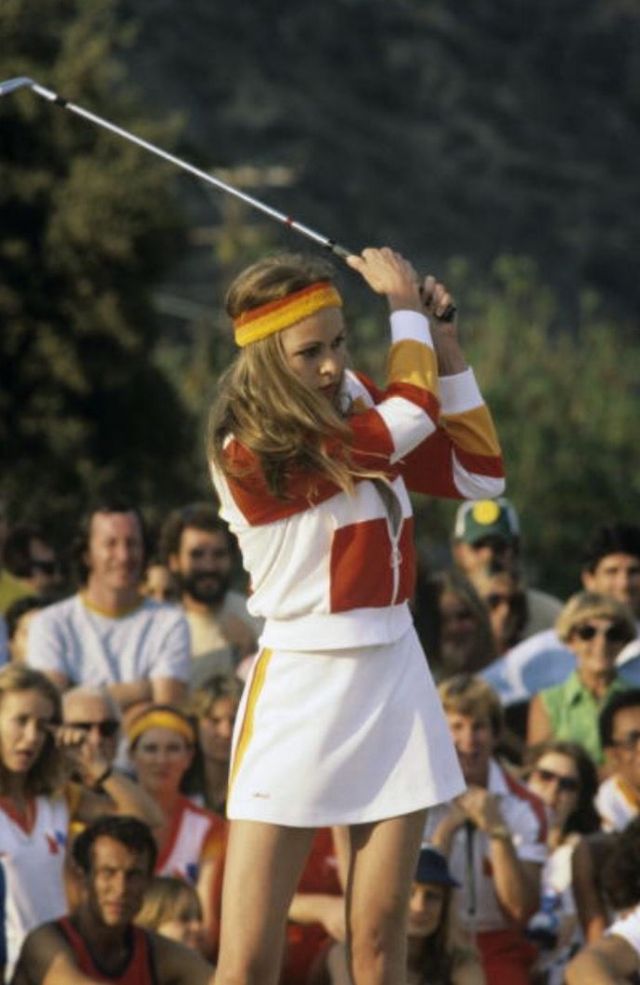
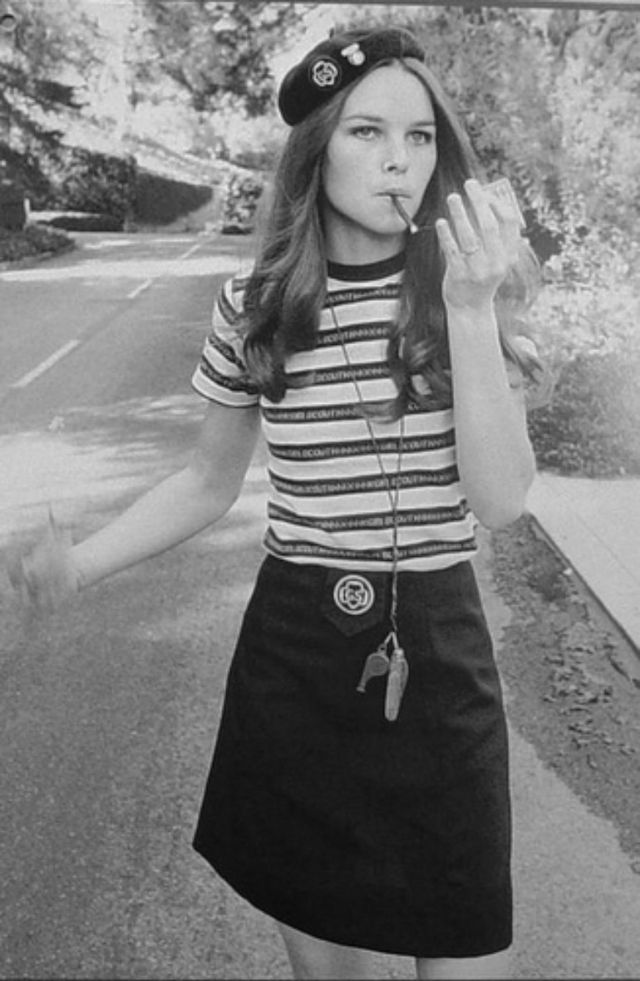
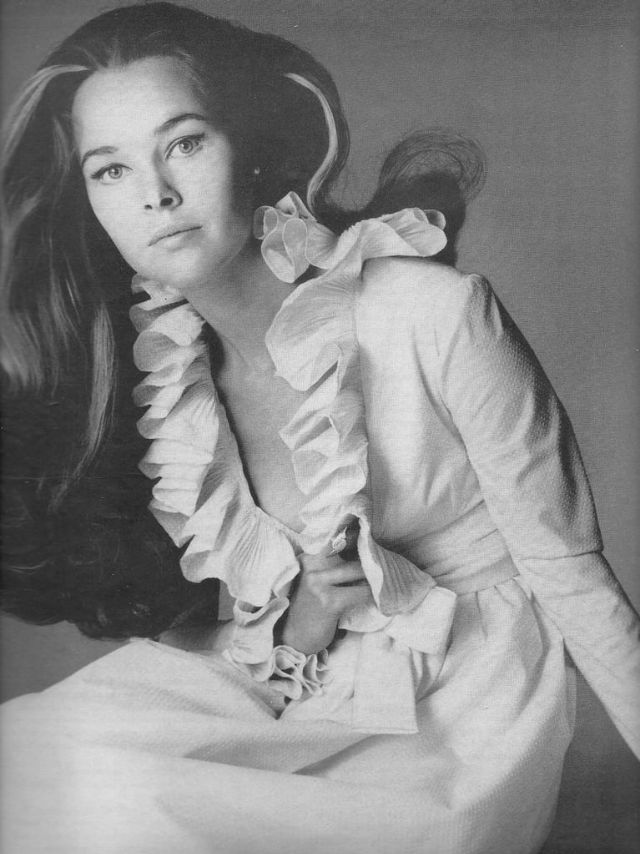
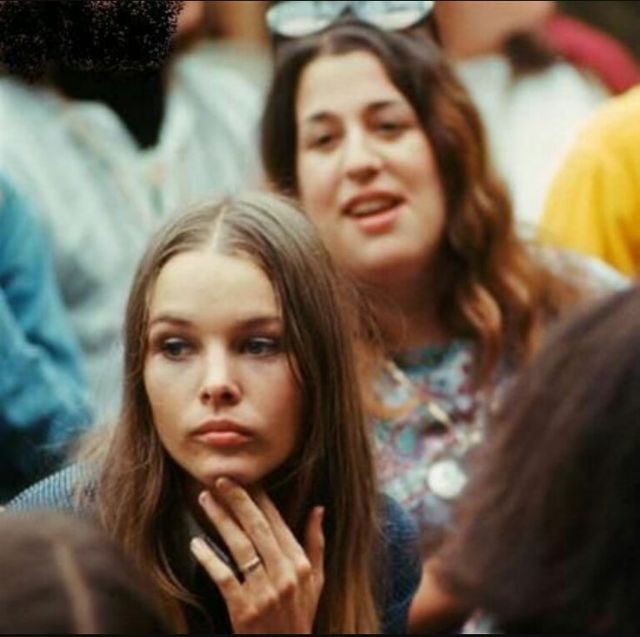
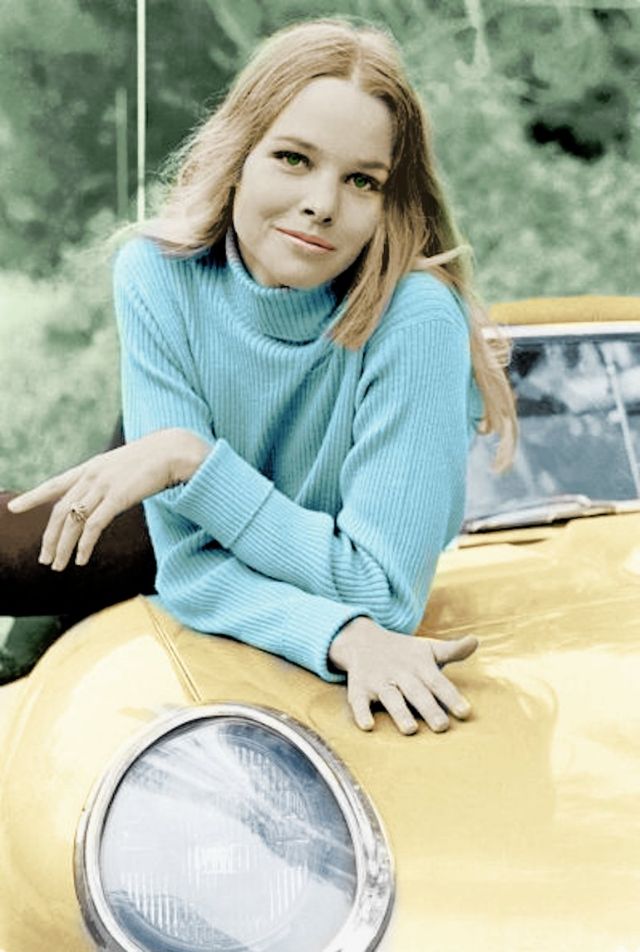
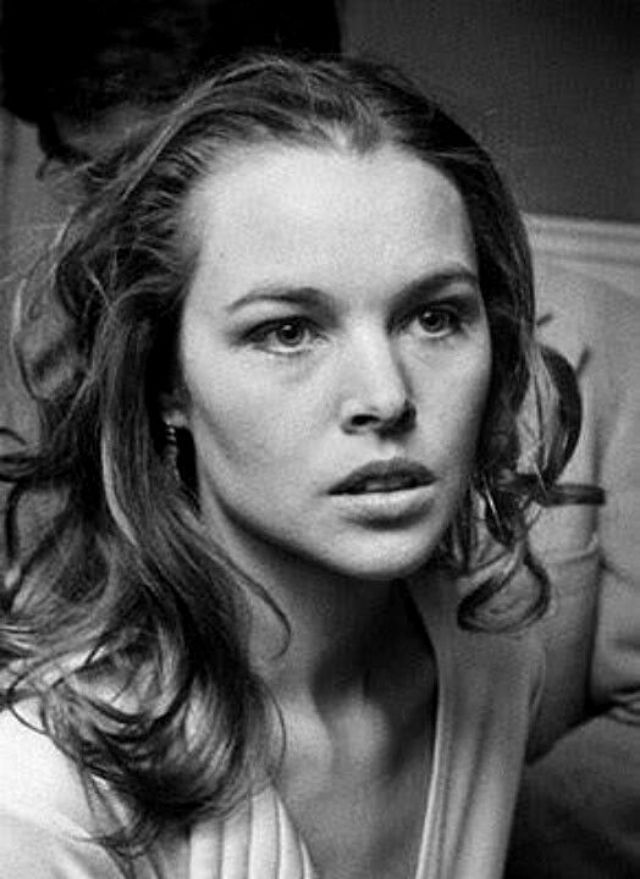
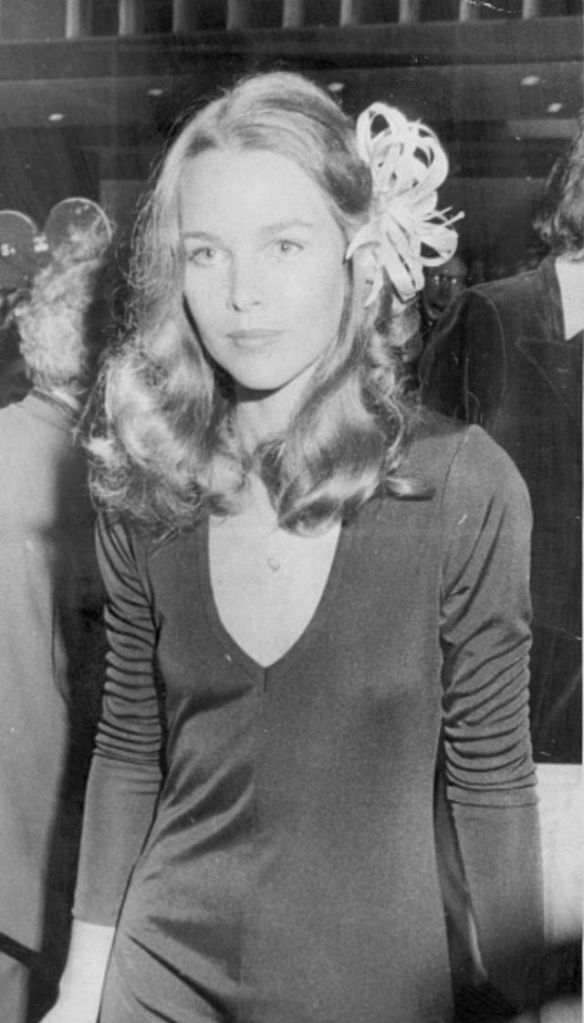
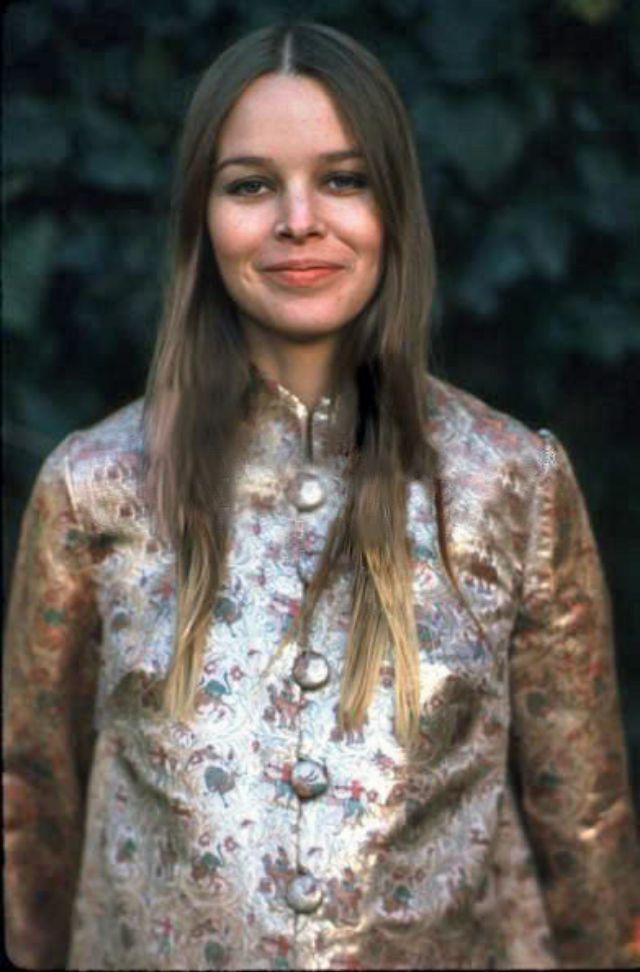
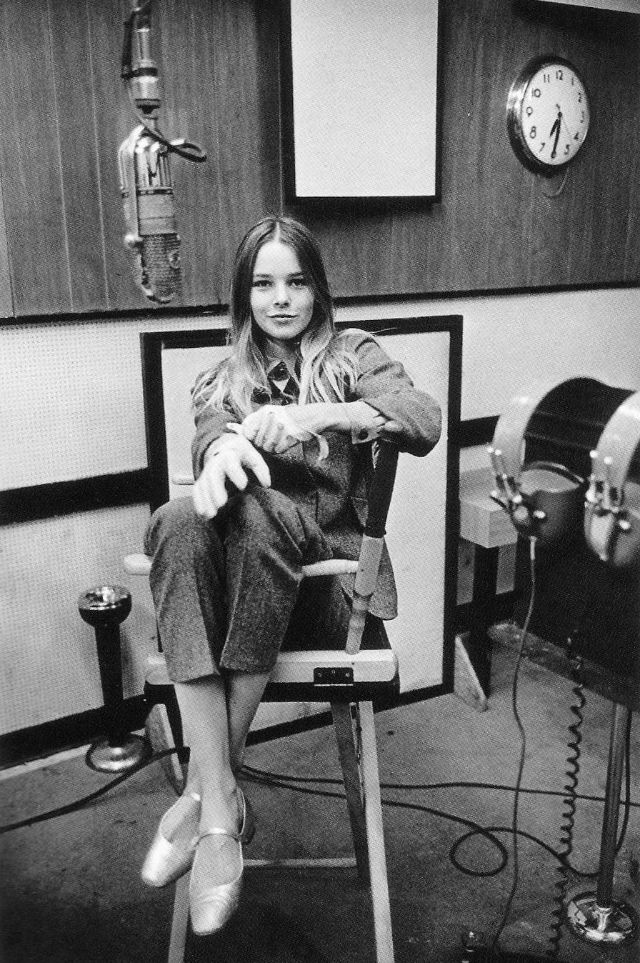
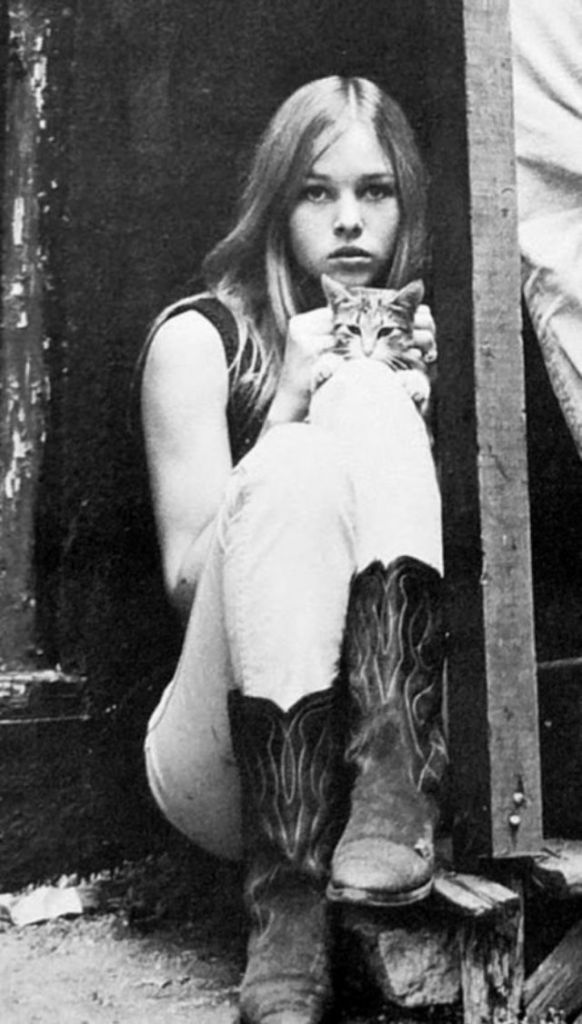
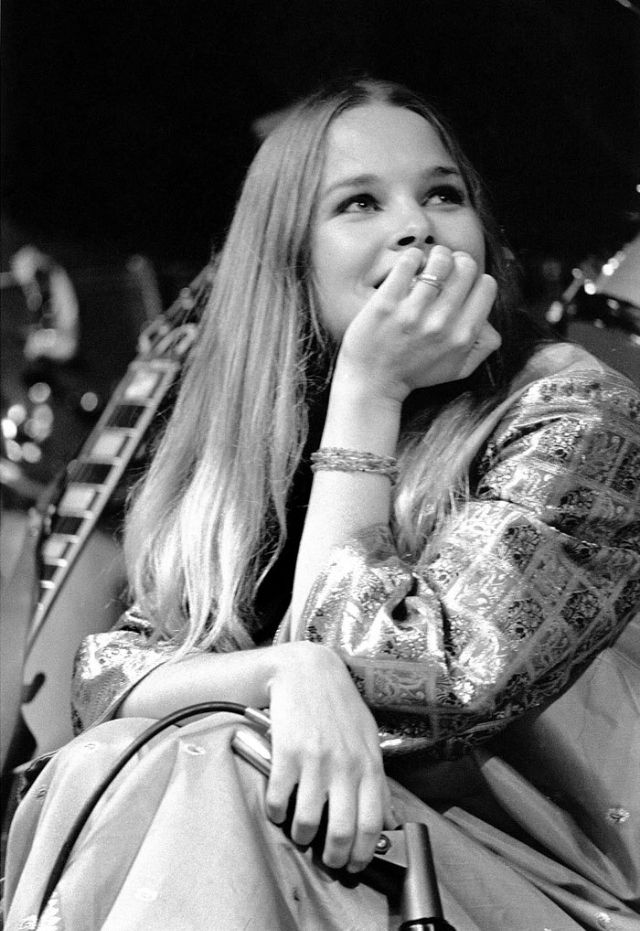
Michelle Gilliam Phillips (born Holly Michelle Gilliam; June 4, 1944) is an American singer, songwriter, actress, and model. She rose to fame as a vocalist in the musical quartet the Mamas and the Papas in the mid-1960s. Her voice was described by Time magazine as the “purest soprano in pop music.” She later established a successful career as an actress in film and television in the 1970s.
A native of Long Beach, California, she spent her early life in Los Angeles and Mexico City, raised by her widowed father. While working as a model in San Francisco, she met and married John Phillips in 1962 and went on to co-found the vocal group the Mamas and the Papas in 1965. The band rose to fame with their popular singles “California Dreamin'” and “Creeque Alley,” both of which she co-wrote. They released five studio albums before their dissolution in 1970. With John Phillips, she gave birth to a daughter, singer Chynna Phillips.
After the breakup of the Mamas and the Papas and her divorce from John Phillips, she transitioned into acting, appearing in a supporting part in The Last Movie (1971) before being cast as Billie Frechette in the critically acclaimed crime biopic Dillinger (1973), for which she was nominated for a Golden Globe Award for Most Promising Newcomer. In 1974, she had lead roles in two television films: the crime feature The Death Squad, and the teen drama The California Kid, in the latter of which she starred opposite Martin Sheen. She went on to appear in a number of films throughout the remainder of the 1970s, including Ken Russell’s Valentino (1977), playing Natacha Rambova, and the thriller Bloodline (1979). She released her only solo album, Victim of Romance, in 1977.
Phillips’s first film of the 1980s was the comedy The Man with Bogart’s Face (1980). The next year she co-starred with Tom Skerritt in the nature-themed horror Savage Harvest (1981), followed by the television films Secrets of a Married Man (1984) and The Covenant (1985). In 1987, she joined the series Knots Landing, portraying Anne Matheson, the mother of Paige Matheson (portrayed by Nicollette Sheridan) until the series’ 1993 conclusion.
She later had supporting roles in the comedy film Let It Ride (1989) and the psychological thriller Scissors (1991). Phillips appeared in independent films in the 2000s, with supporting parts in Jane White is Sick and Twisted (2002) and Kids in America (2005) and had recurring guest roles in the television series That’s Life (2001–2002) and 7th Heaven (2001–2004). She criticised the Bush administration in the mid-2000s and has also advocated the legalization of recreational cannabis. (Wikipedia)
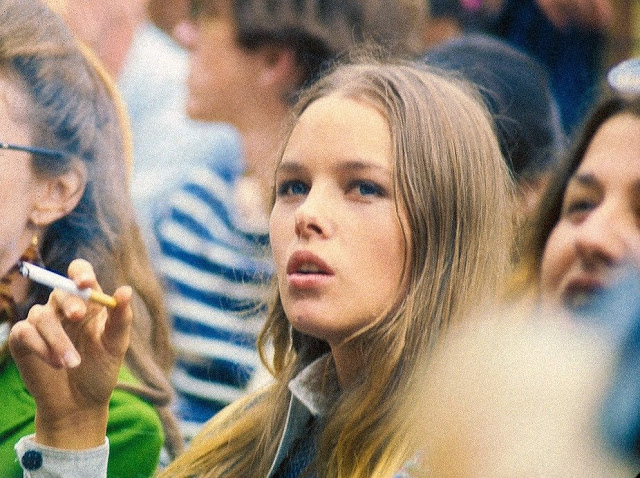
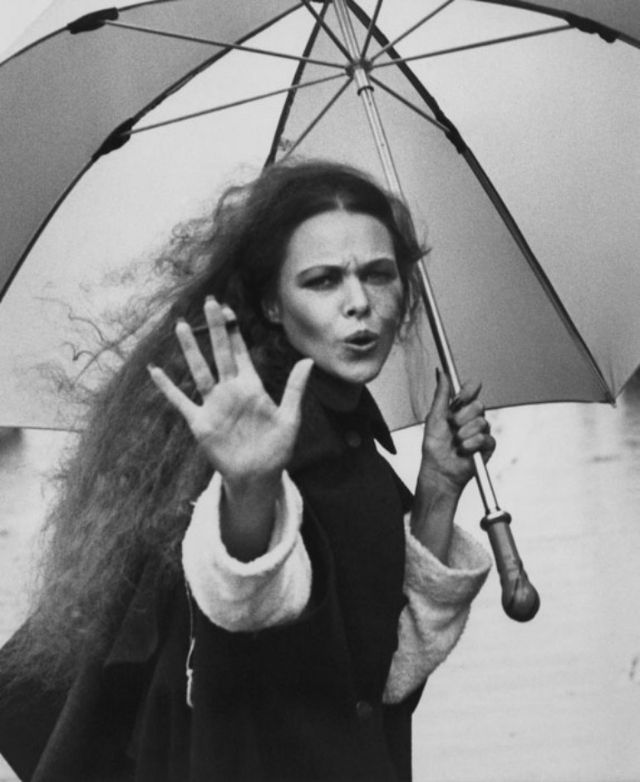
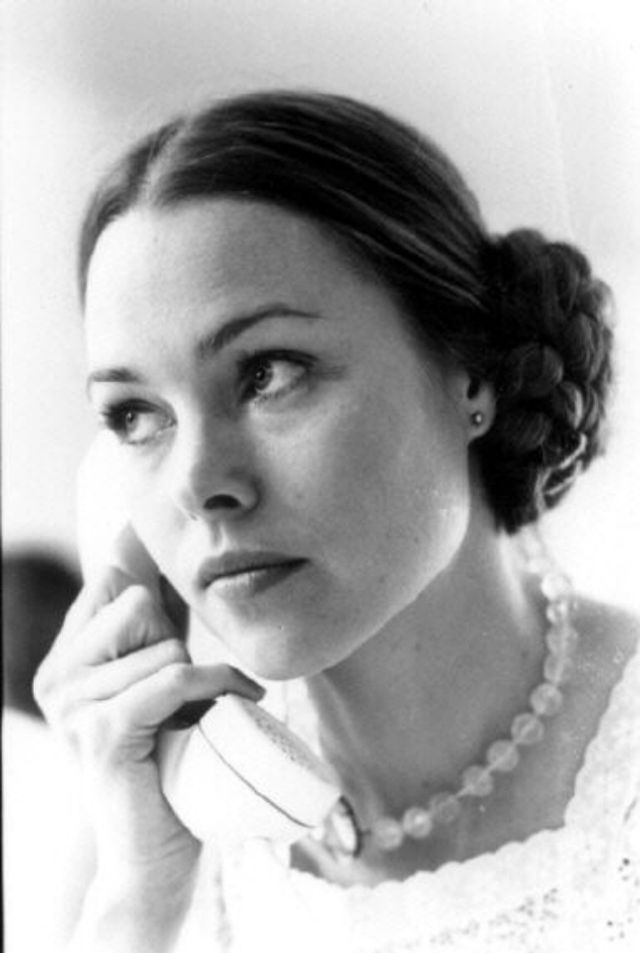
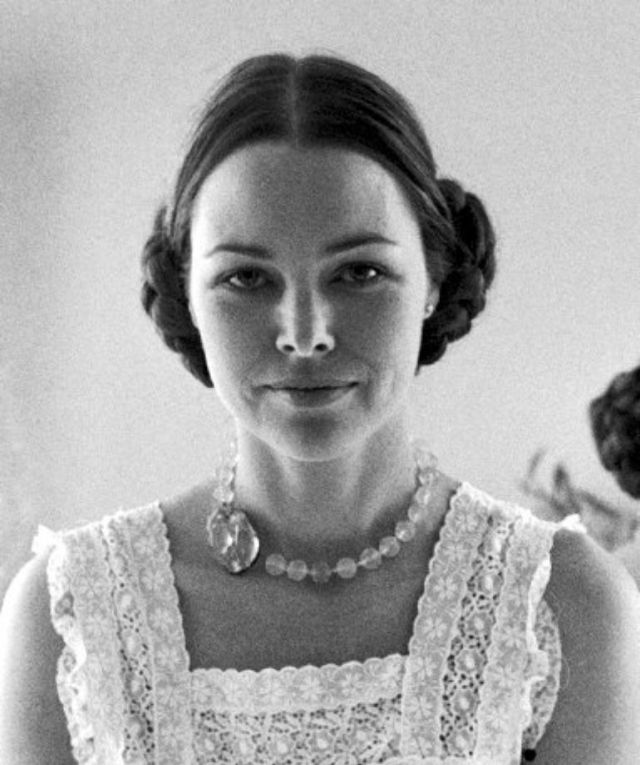
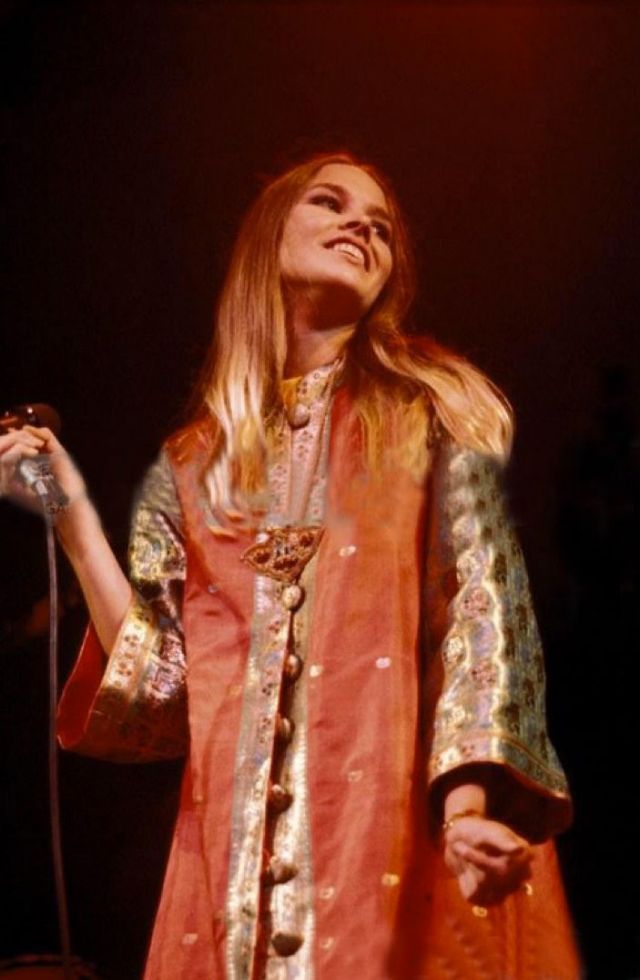
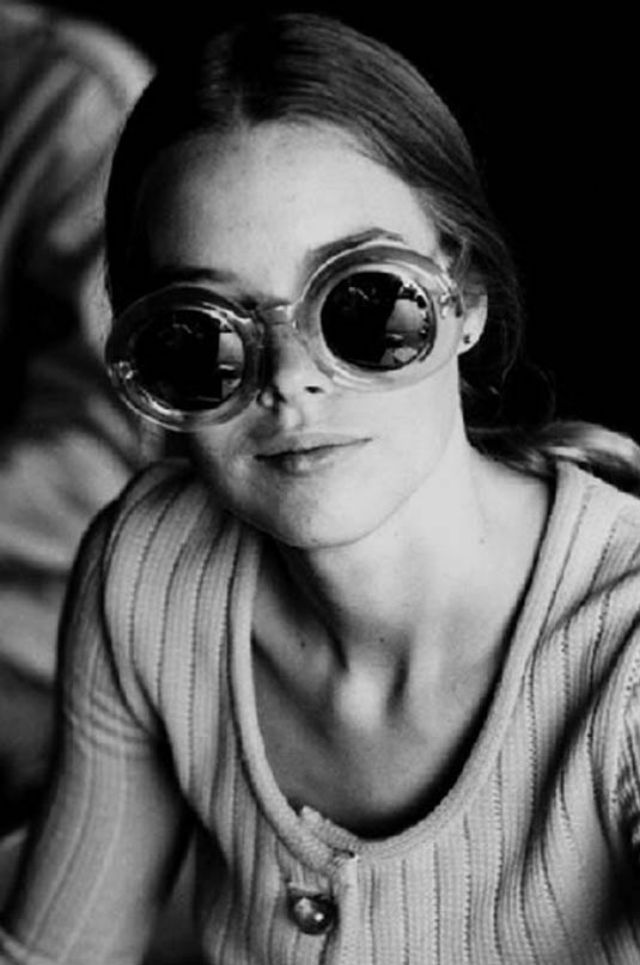
Here’s a collection of 30 fascinating vintage photos of a young and hot Michelle Phillips from between the late 1960s and 1970s.
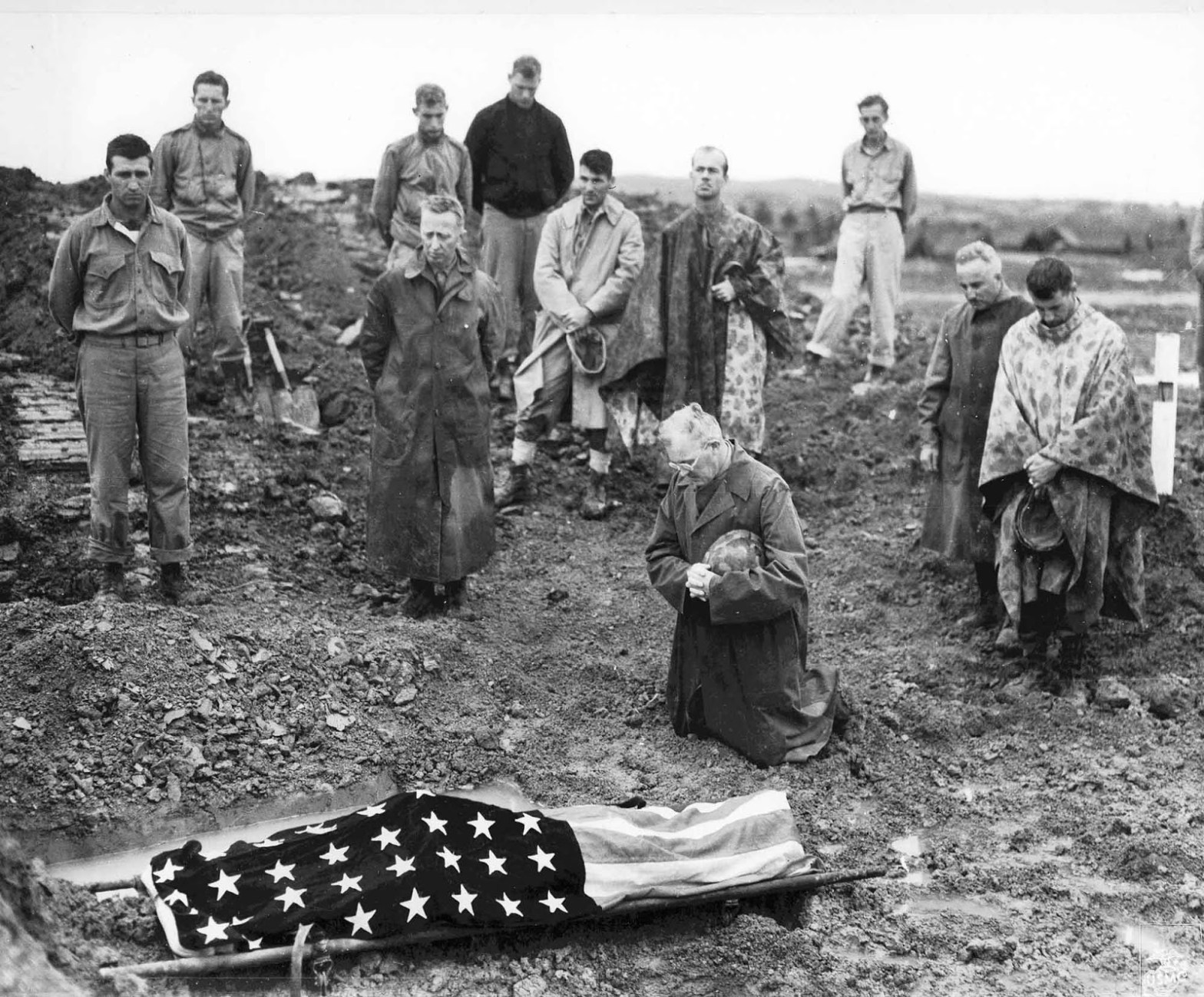
US Marine Colonel Francis Fenton conducting the funeral of his son Private First Class Mike Fenton, near Shuri, Okinawa, May 1945.
This picture depicts one of the most heart wrenching moments to occur on Okinawa involved a family with a proud Marine heritage. Colonel (later Brigadier General) Francis I. Fenton enlisted in the Marine Corps in August 1917. He gradually rose through the ranks until he became division engineer officer of the 1st Marine Division in July 1944. With this unit, Fenton won a Bronze Star for duty at Peleliu before landing on Okinawa.
While Colonel Fenton advanced to higher command, his younger son, Michael, enlisted in the Marine Corps on August 17, 1943, and joined B Company, 1st Battalion, 5th Marine Regiment, 1st Marine Division – the same division in which his father commanded the engineers. Reportedly turning down a commission so he could fight at the front, Michael served as a scout-sniper (on) Okinawa.
Father and son met once during the fighting when their paths crossed at a partially destroyed Okinawan farmhouse. After exchanging news from home, including information on Michael’s older brother, Francis, Jr., who had been commissioned a Marine officer in 1941, the two family members returned to their work.
They would never talk again. On May 7, 1945, while beating back a Japanese counterattack not far from Sugar Loaf, 19-year-old Pfc. Michael Fenton was killed. When his father received the bitter news, he traveled to the site of his son’s death and knelt down to pray over the flagdraped body, a scene that produced one of the Pacific war’s most touching photographs. Upon arising, Colonel Fenton stared at the bodies of other Marine dead and said: ‘Those poor souls. They didn’t have their fathers here’.
After the burial, Colonel Fenton returned to his headquarters and wrote a brief note to his wife, Mary, in San Diego. The soldier then resurfaced. Fenton fixed his attention on a large map hanging in his headquarters, studied it closely for a time, then said to his subordinate, “We’d better double the guard around No. 5 bridge. The Nips may try to blow it”. The war was back on.
Mary Fenton learned of her son’s death before receiving her husband’s letter. In fact, she experienced a bittersweet two days when, on Wednesday, a telegram arrived from the Marine Corps Commandant informing her of Michael’s death. The very next day came news that her husband had been awarded a second Bronze Star.
Mrs. Fenton told reporters she was proud that Michael had done his duty as a Marine. She quoted a recent letter from him in which the youth wrote that he ‘dedicated my life to my country’ and that he was ‘prepared to die”. Both Colonel Fenton and his older son survived the war. Mike’s body was later exhumed from his temporary grave and is now resting in the National Memorial Cemetery of the Pacific in Honolulu, Hawaii.
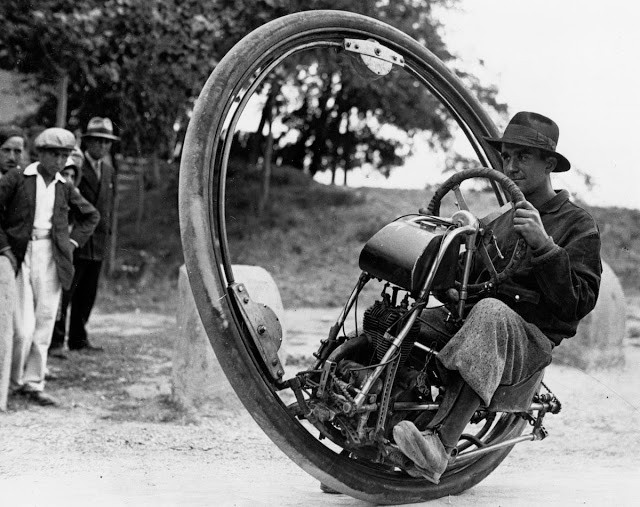
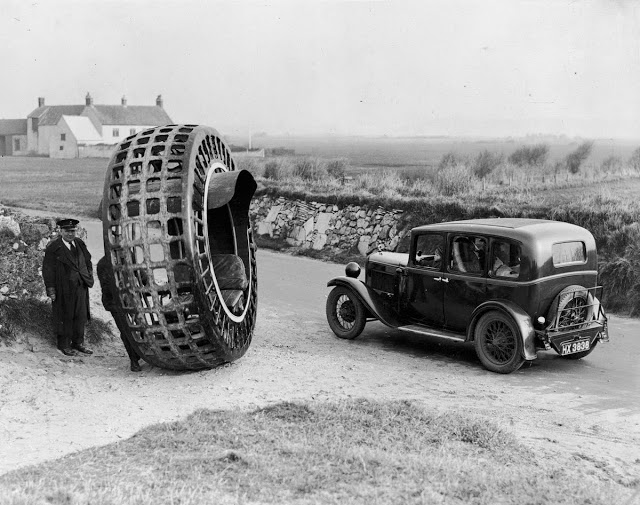
The monowheel is one crazy idea from the past that has always inspired and enthralled us from its first appearance in France in 1869.
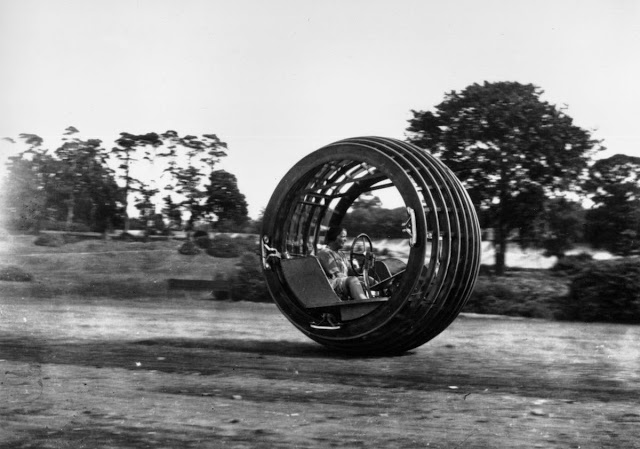
Arguably the most well-known iteration of the strange type of vehicle is the one above, created in 1932 by Dr. J.H. Purves. The motorized monster was called the Dynasphere, and it is believed to have reached speeds of up to 25 or 30 MPH.
After the various manual versions of the 19th century and the various motored versions made up through the 1930s, interest in monowheels seems to have deflated. Maybe they were too unsafe, or maybe the bicycle — which had worked out just fine for at least a couple centuries — finally revealed itself as the obviously better choice. Whatever the reason, it seems to have been forgotten.
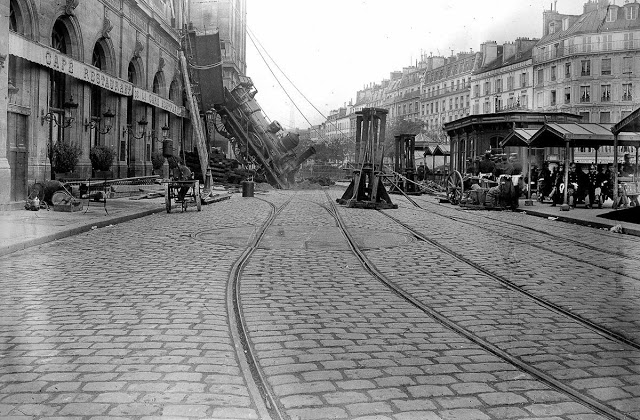
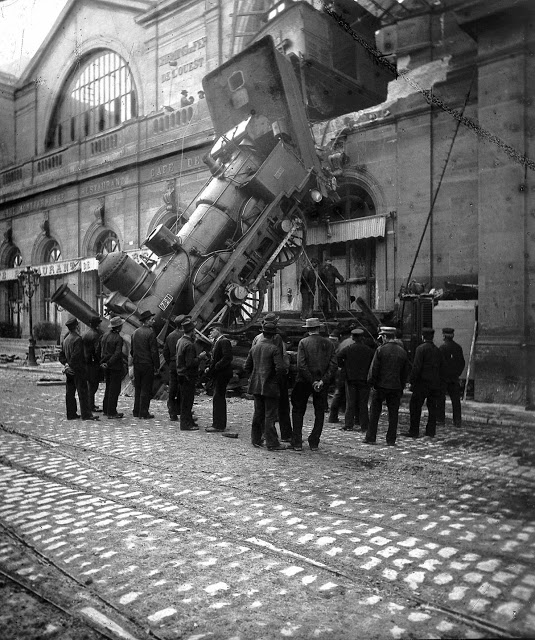
These incredible photos of the wreck at Gare Montparnasse in Paris shows a very dramatic scene of a train that has crashed through the wall and partially tumbled to the street. The cause? Both mechanical failure and human error. The train was late, so the driver had it pull into the station at a high speed. It had two different types of braking systems: handbrakes and an air brake known as a Westinghouse brake. The conductor realized that the train was going too fast and applied the Westinghouse brake, however it didn’t work. Read on for the story behind the incredible images.
At first glance, the photos look like stills from an old disaster movie or a spectacular example of theme park scenery welcoming visitors to some wild new ride. However, these extraordinary images are actually testament to a real-life tragedy, the derailment of the Granville-Paris Express that on October 22, 1895 tore through the façade of the Gare Montparnasse, injuring a number of its conductors as well as a handful of passengers and claiming the life of a particularly unlucky mother of two.
Guillaume-Marie Pellerin had spent much of his life working the railroads. With 19 years of engineering experience behind him, the Express was in safe hands. As he fired up the engines that fateful Tuesday morning and the train pulled out of Granville station on time, there was nothing to suggest that the journey would result in one of the most infamous and instantly recognizable disasters in transportation history.
The route was a relatively simple one, roughly 400km from the seaside resort of Granville on the Lower Normandy coastline to the terminal at Paris Montparnasse. The train comprised a steam locomotive, three baggage cars, a postal car, and six passenger carriages. These days, the same journey takes around three hours, but back in 1895 it required closer to seven; despite a punctual start, Pellerin and his crew eventually realized that they were running a couple of minutes behind schedule. Keen to keep good time, the engineer made the momentous decision to approach Montparnasse at cruising speed, stoking the coals until the train was flat out at close to 60km/h.
With the station in sight, Pellerin applied the Westinghouse air brake which, unfortunately for all involved, chose that particular moment to fail. Conductor Albert Mariette, whose duty it was to apply the locomotive’s emergency handbrake, found himself temporarily indisposed, buried beneath a mountain of overdue paperwork. Failing to gauge the urgency of the situation until it was already too late, Mariette slammed on the brakes just a few feet short of the buffer and could only look on in horror as the train mounted the platform, skidded 100 feet across the station concourse before ploughing through the station facade and plummeting a final 30 feet to the Place de Rennes below.
Despite the damage to the station, the locomotive itself remained largely intact and all six passenger carriages stopped short of the obliterated façade, mercifully resulting in only a few minor injuries, a couple of squashed suitcases and some top hats knocked askew. Sadly, the sole casualty of the incident would usually have been nowhere near the scene. Marie-Augustine Aguilard, standing in for her newspaper vendor husband, was crushed by falling masonry as she stood awaiting his return.
An inquest into the disaster led to Pellerin, the engineer, being charged 50 francs for his reckless speeding while Mariette, the conductor who failed to apply brakes in a timely fashion, was also slapped with a hefty 25-franc fine. The train remained exactly where it had come to rest for two days while the investigation into its derailment was underway. An initial attempt to move it using a team of fourteen horses proved fruitless, ten men and a 250-ton winch eventually being required to lower the errant locomotive to the ground, where it was carted off for repair and found to have suffered remarkably little damage.