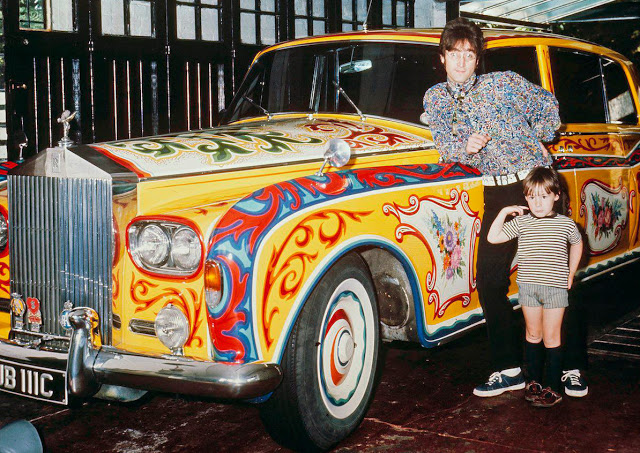
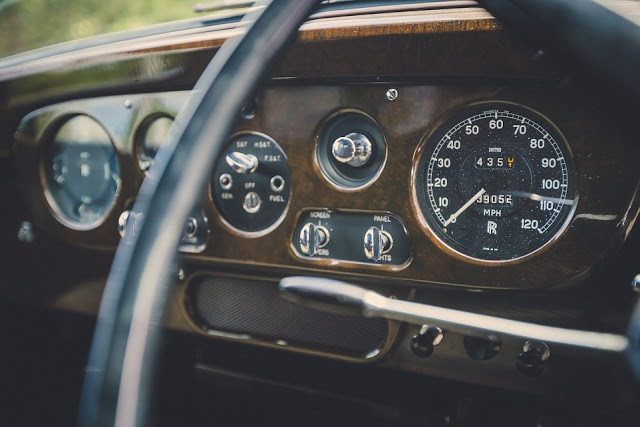
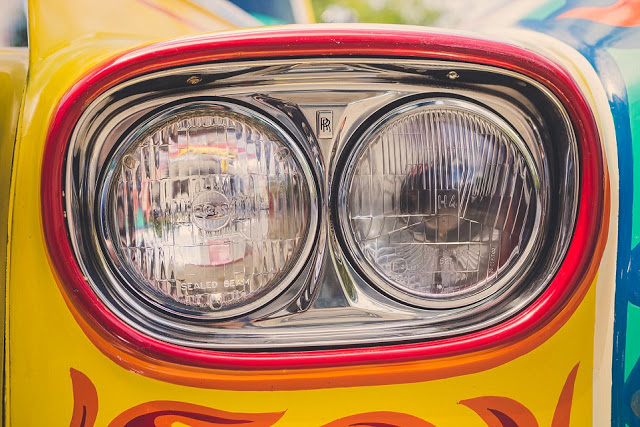
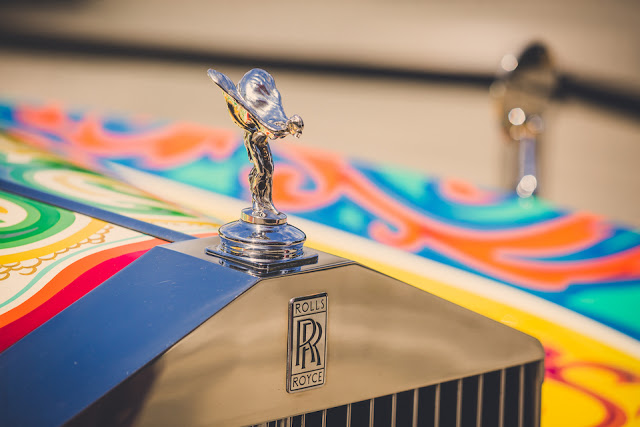
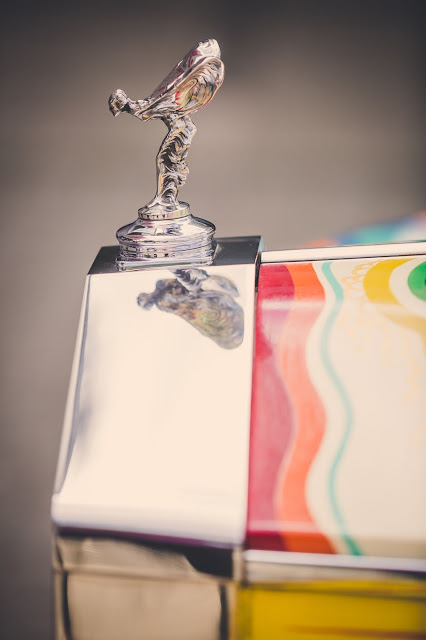
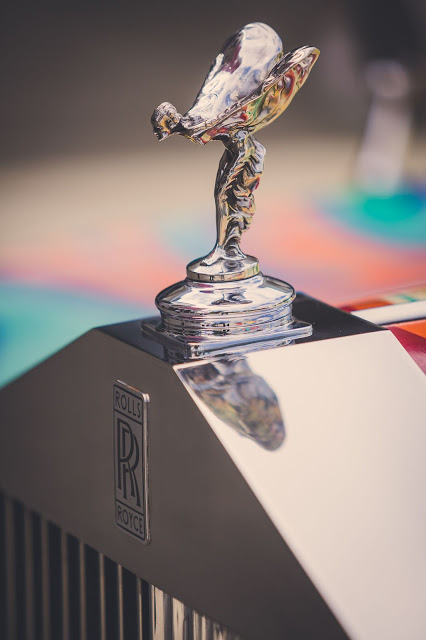
Only 517 Rolls-Royce Phantom Vs were manufactured. It was an ultra-exclusive car, weighing 2.5 tonnes with a 3.6-metre wheelbase and the same 6.2L V8 engine as the Rolls-Royce Silver Cloud II. The British Crown owned two of them, ridden by Queen Elizabeth II and the Queen Mother. However, even they are outshone by the car’s most famous owner: John Lennon of the Beatles.
John Lennon bought a 1964 Mulliner Park Ward Phantom V, finished in Valentines black. Everything was black except for the radiator, even the wheels. Lennon asked for the radiator to be black as well but Rolls Royce refused.
Originally the car was customized from Park Ward with black leather upholstery, cocktail cabinet with fine wood trim, writing table, reading lamps, a seven-piece his-and-hers black-hide luggage set, and a Perdio portable television. A refrigeration system was put in the trunk and it was one of the first cars in England to have tinted windows. He probably paid 11,000 pounds (nearly $240,000 in today’s value). Lennon didn’t know how to drive and didn’t get his driver licence until 1965 at age 24. He sometimes used a six-foot-four Welsh guardsman named Les Anthony.
In December 1965, Lennon made a seven-page list of changes that cost more than 1900 pounds. The backseat could change into a double bed. A Philips Auto-Mignon AG2101 “floating” record player that prevented the needle from jumping as well as a Radio Telephone and a cassette tape deck. Speakers were mounted in the front wheel wells so that occupants could talk outside via microphone.
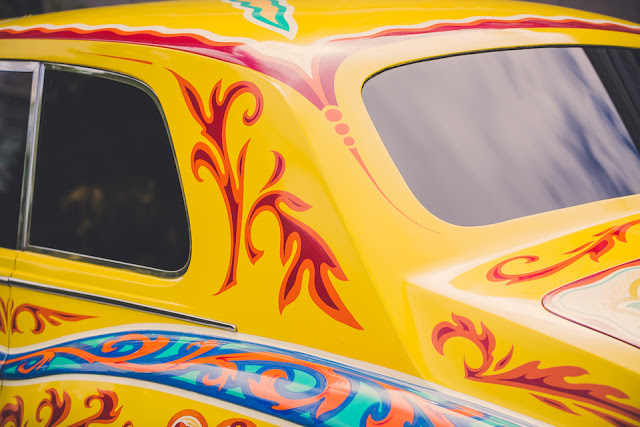
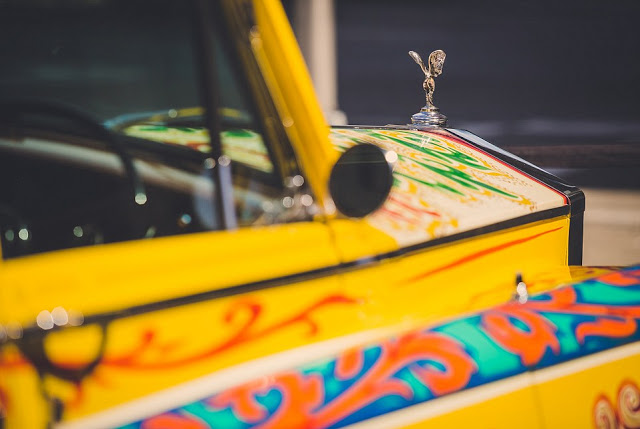
The car needed a new paint job after Lennon used it in Spain during his filming in Richard Lester’s How I Won the War. Lennon commissioned a custom paint job from private coach makers J.P. Fallon Ltd. in the style of a Romany gypsy wagon. Artist Steve Weaver painted the red, orange, green and blue swirls, floral side panels and a Libra on the roof. Lennon was in a 60s mood and wanted to make a statement to the English establishment. He loved telling a story about an elderly woman who hit the car with her umbrella.
The Phantom V was used regularly by Lennon until 1969 (who also owned an all-white Phantom V to match his later White Album period). The car was shipped to the USA in 1970 when Lennon moved there and was loaned out to other rock stars around such as The Rolling Stones, Bob Dylan and The Moody Blues.
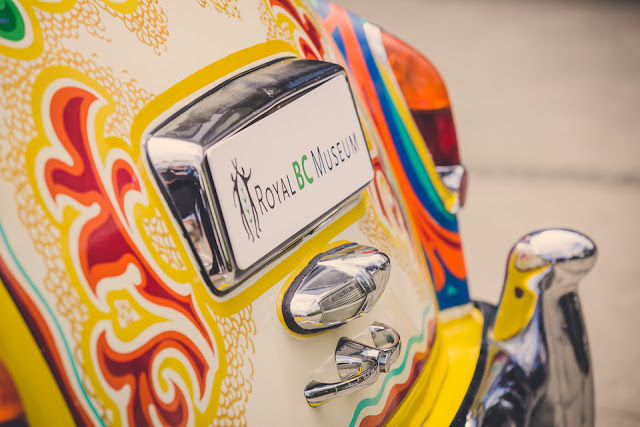
In 1977 Lennon donated the Phantom V to the Cooper-Hewitt Museum at the Smithsonian Institute to cover an IRS problem. The Cooper-Hewitt sold the car in 1985 for $2,299,000 to a Canadian businessman and since 1993 it has been in the Royal British Columbia Museum in Canada.
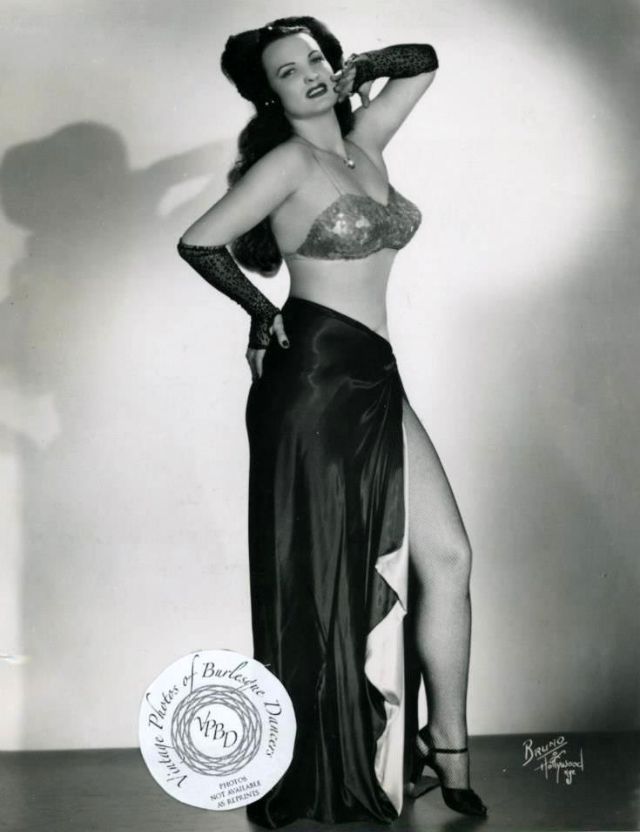
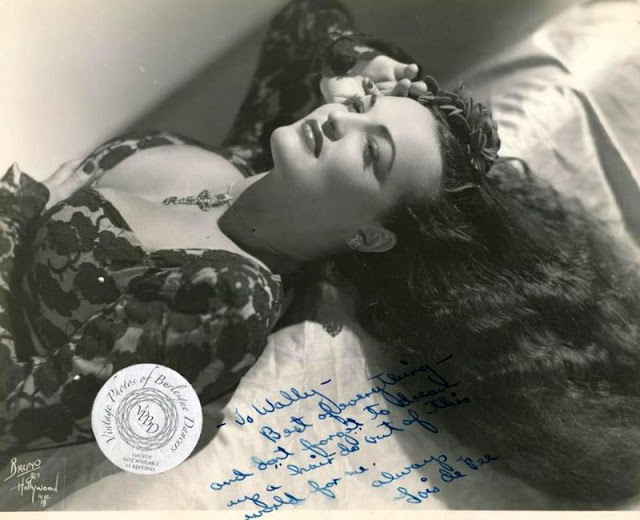
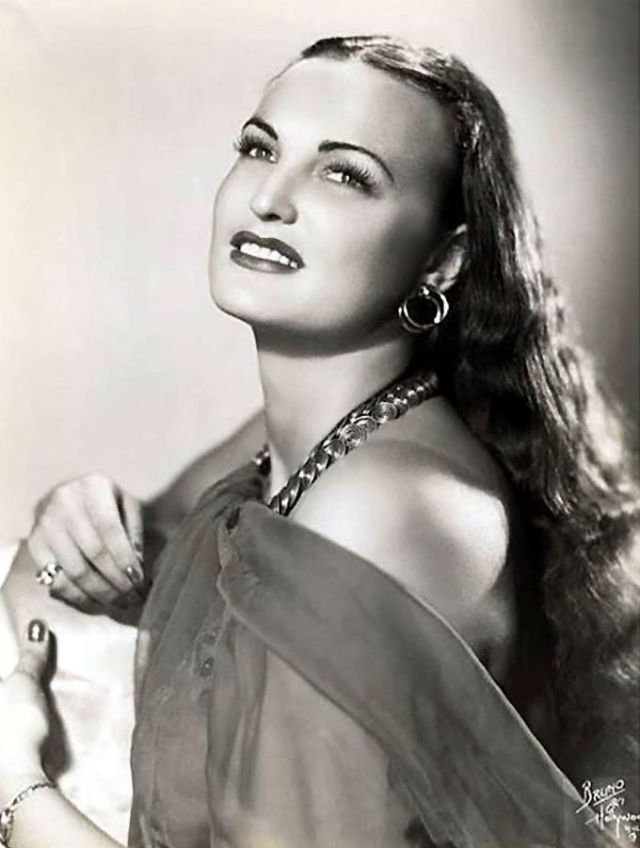
Born 1918 in a small town in Texas, Lois DeFee lost her parents early and was raised in Texas by an aunt (her father’s sister) and uncle. It was not a happy situation, and Lois began trying to run away at the age of four. At the age of 13 Lois ran away from her Texas home to pursue a career in entertainment.
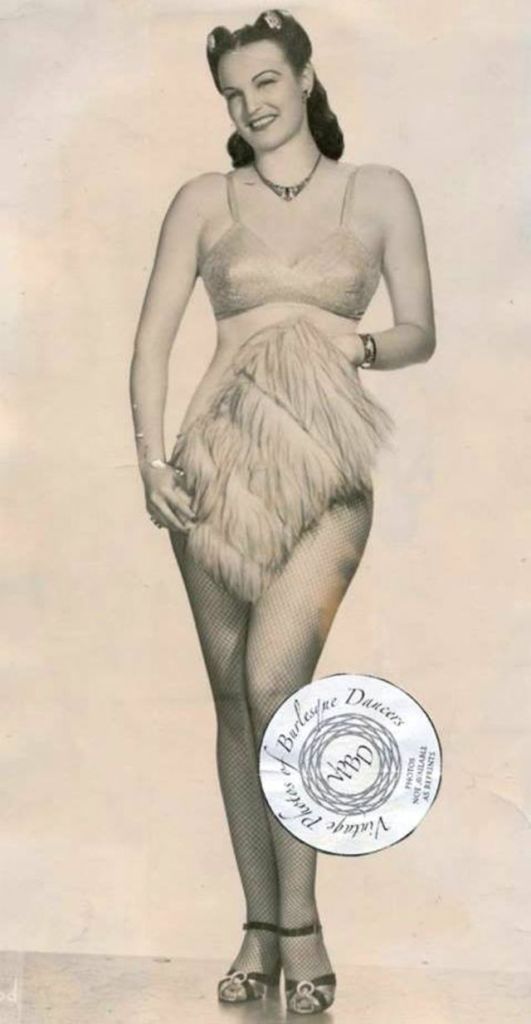
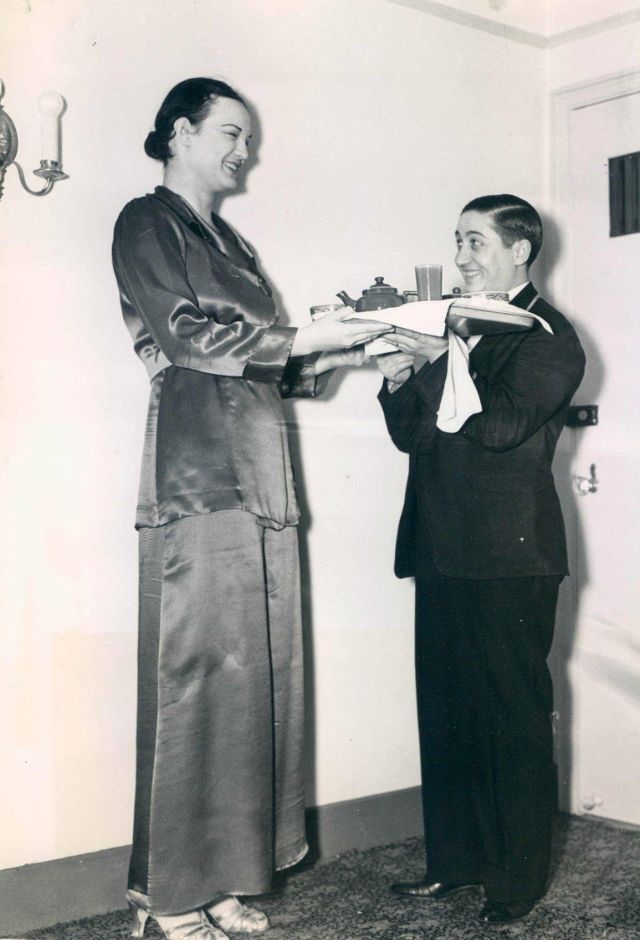
In her early attempts she headed west; this time she went south, and ended up in Miami. One club owner was recruiting showgirls for a stint in Cuba. Lois recalls: “Brass monkey me. I walked right in and got the job.” But she was tall and probably did not appear to be barely a teenager. She would advertise her height in her heyday as a burlesque queen at 6 foot 4 inches, or thereabouts. She was a bit shorter in stocking feet, but not much.
The show played in Cuba for several months. The producer discovered Lois’ lack of dancing talent, so they had her stand as a nude statue in the back of the line or parade slowly across the stage – elements that apparently became part of her later performance style.
When the show left Cuba, it was to open in Miami. Lois missed the train stop and continued to New York. She contacted a friend of another acquaintance from Cuba, and he gave her a job as bouncer at The Dizzy Club. The job grabbed attention, including that of Walter Winchell, who also would become a friend. It was Winchell who later dubbed Lois the “Eiffel Eyeful.”
In 1933, Lois moved to Leon & Eddie’s club on 52nd, also as a bouncer. She later recalled that she never really “bounced” anyone, but served more as a hostess and occasionally calmed potential problems probably just by being a distraction. If she came up to talk to you, you probably forgot what you were going to fight about.
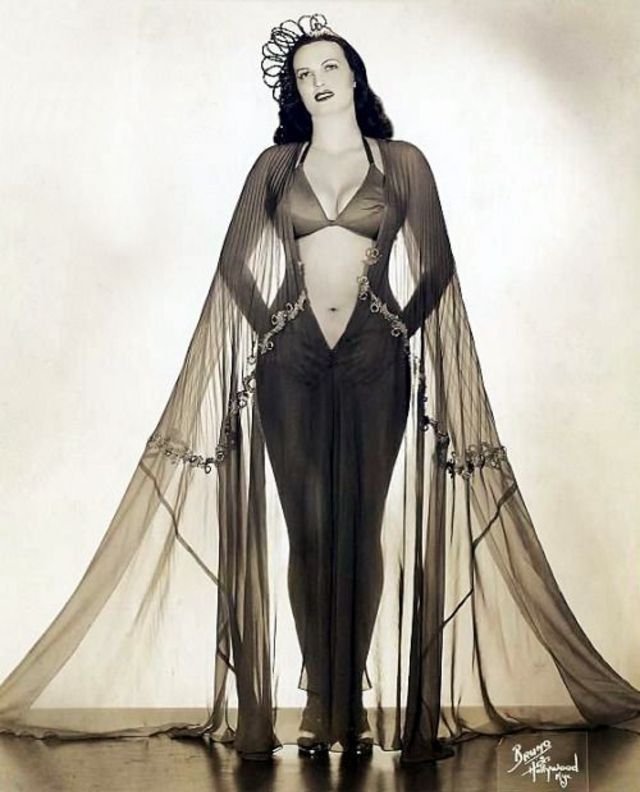
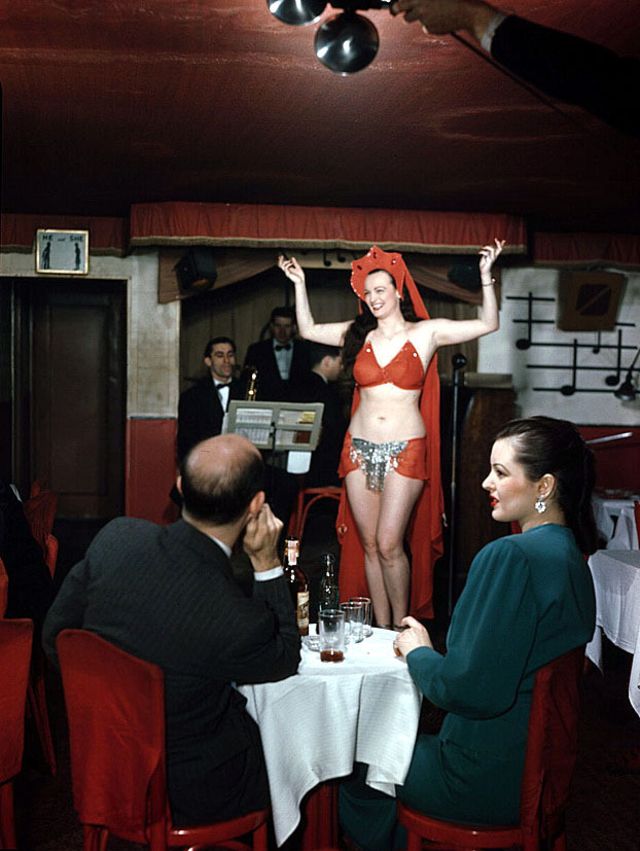
In 1939, she got a job at the New York World’s Fair in the Amazon exhibit as “Queen of the Amazons.” The title stuck, and occasionally was modified to “Queen of the Glamazons.” It was here that Al Minsky recruited her for a featured act in one of his venues. The only catch was that she would be doing a striptease. She confessed later that she had no idea how to do one, but went to the clubs and watched over a dozen in a week.
Lois was smart and a quick study, and for $400 a week, she went on to be a top-grossing headliner throughout the 1940s and into the 1950s. She would develop her own style and performance. Her style was so sophisticated and stately that she had a large following of women as well as men.
Lois was married a number of times. She died in 2012 at the age of 83.
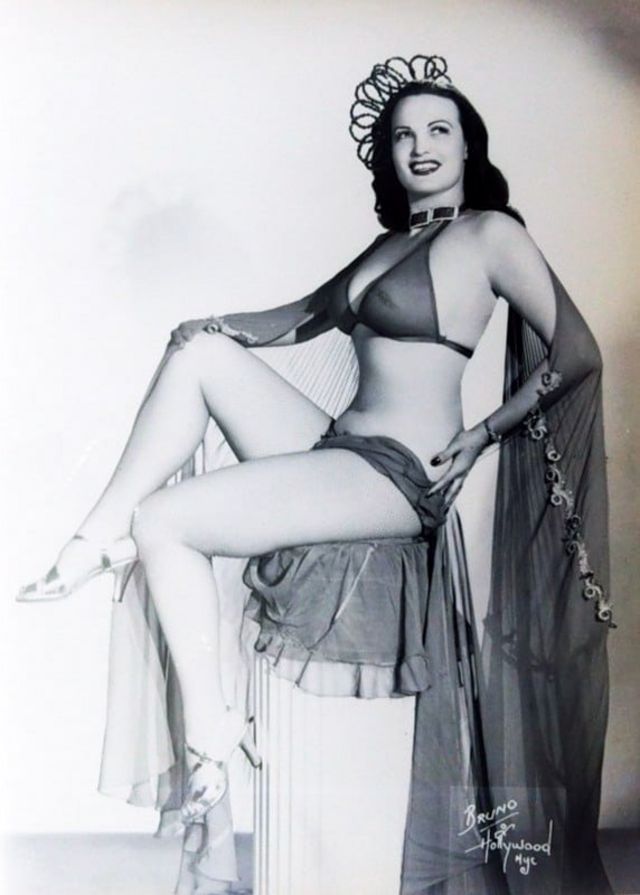
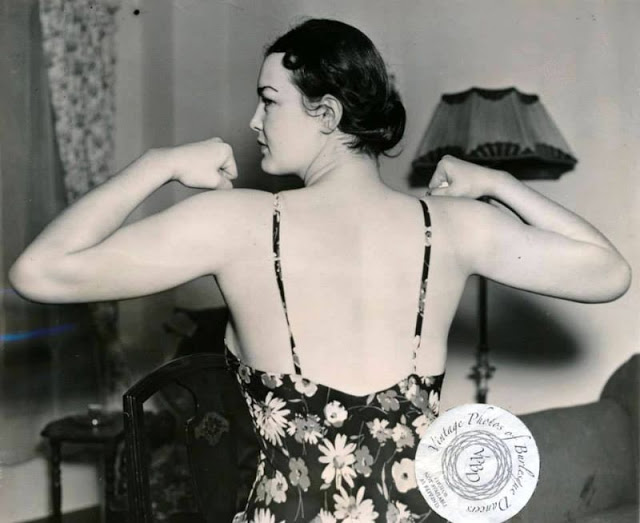
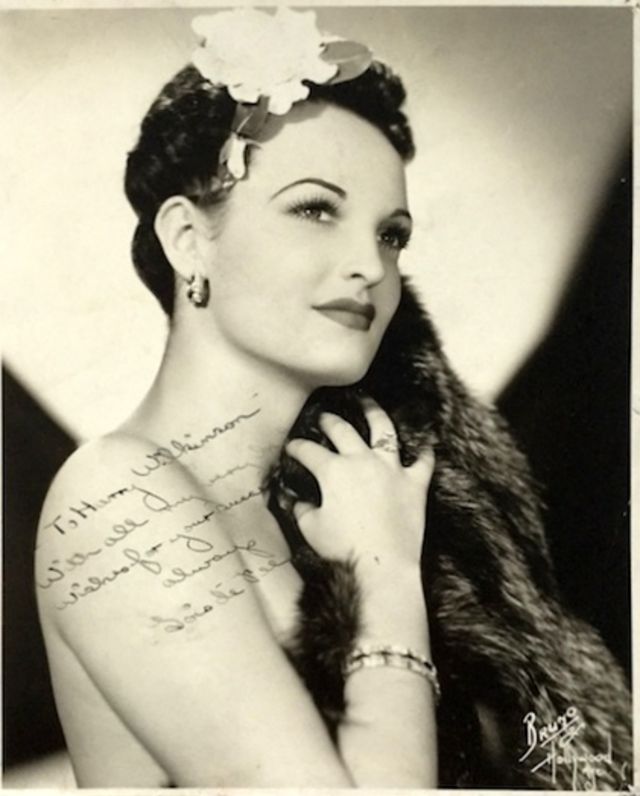
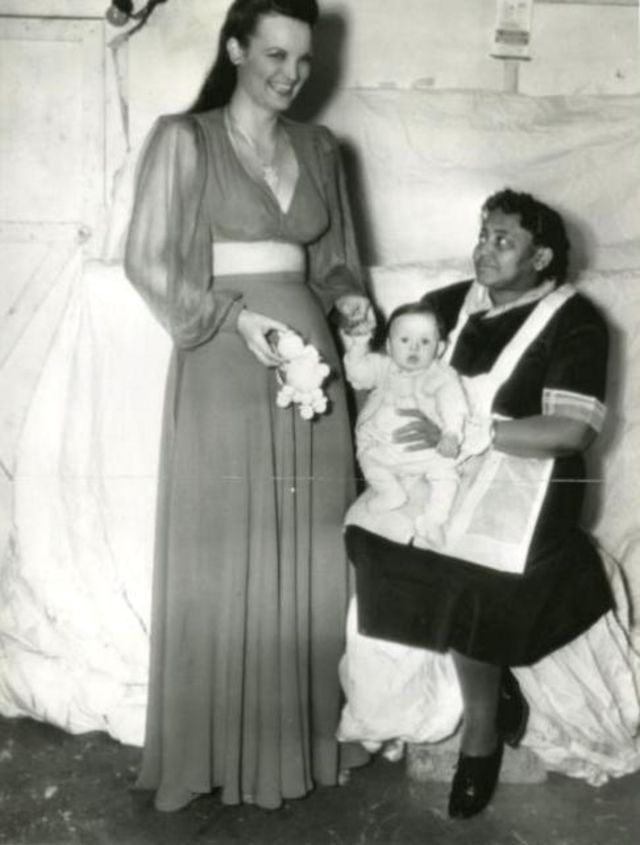
These fabulous photos that captured portrait of young Lois DeFee in the 1930s and 1940s
London is the capital and largest city of England and the United Kingdom. It stands on the River Thames in south-east England at the head of a 50-mile (80 km) estuary down to the North Sea, and has been a major settlement for two millennia. The City of London, its ancient core and financial centre, was founded by the Romans as Londinium and retains boundaries close to its medieval ones. Since the 19th century, “London” has also referred to the metropolis around this core, historically split between the counties of Middlesex, Essex, Surrey, Kent, and Hertfordshire, which largely comprises Greater London, governed by the Greater London Authority. The City of Westminster, to the west of the City of London, has for centuries held the national government and parliament.
London, as one of the world’s global cities, exerts strong influence on its arts, commerce, education, entertainment, fashion, finance, health care, media, tourism, and communications, and therefore has sometimes been called the capital of the world. Its GDP (€801.66 billion in 2017) makes it the biggest urban economy in Europe, and it is one of the major financial centres in the world. In 2019 it had the second-highest number of ultra high-net-worth individuals in Europe after Paris and the second-highest number of billionaires of any city in Europe after Moscow. With Europe’s largest concentration of higher education institutions, it includes Imperial College London in natural and applied sciences, the London School of Economics in social sciences, and the comprehensive University College London. The city is home to the most 5-star hotels of any city in the world. In 2012, London became the first city to host three Summer Olympic Games.
London’s diverse cultures mean over 300 languages are spoken. The mid-2018 population of Greater London of about 9 million[5] made it Europe’s third-most populous city. It accounts for 13.4 per cent of the UK population. Greater London Built-up Area is the fourth-most populous in Europe, after Istanbul, Moscow and Paris, with 9,787,426 inhabitants at the 2011 census. The London metropolitan area is the third-most populous in Europe after Istanbul’s and Moscow’s, with 14,040,163 inhabitants in 2016.
London has four World Heritage Sites: the Tower of London; Kew Gardens; the combined Palace of Westminster, Westminster Abbey, and St Margaret’s Church; and also the historic settlement in Greenwich, where the Royal Observatory, Greenwich defines the Prime Meridian (0° longitude) and Greenwich Mean Time. Other landmarks include Buckingham Palace, the London Eye, Piccadilly Circus, St Paul’s Cathedral, Tower Bridge and Trafalgar Square. It has numerous museums, galleries, libraries and sporting venues, including the British Museum, National Gallery, Natural History Museum, Tate Modern, British Library and West End theatres. The London Underground is the oldest rapid transit system in the world. (Wikipedia)
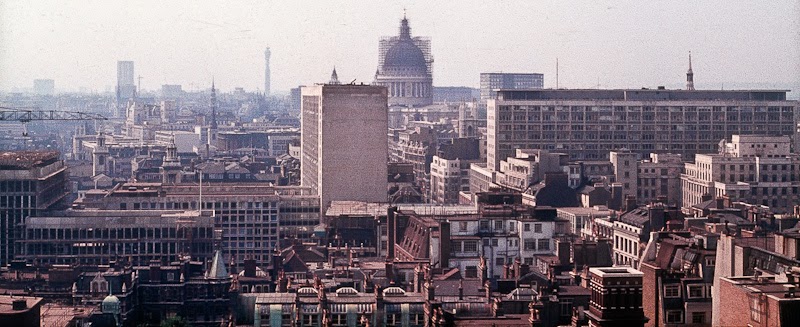
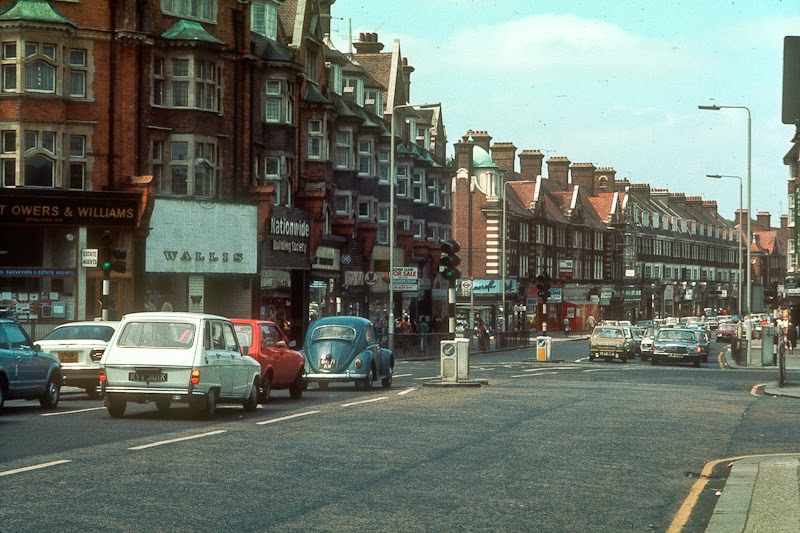
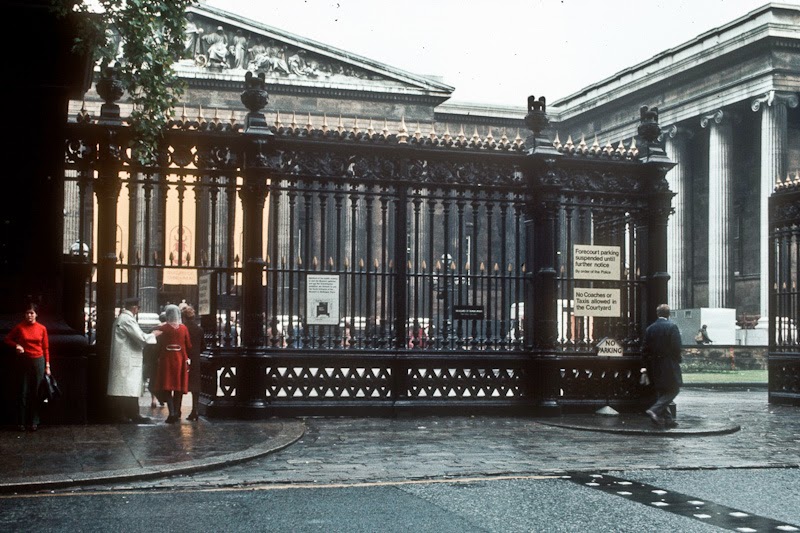
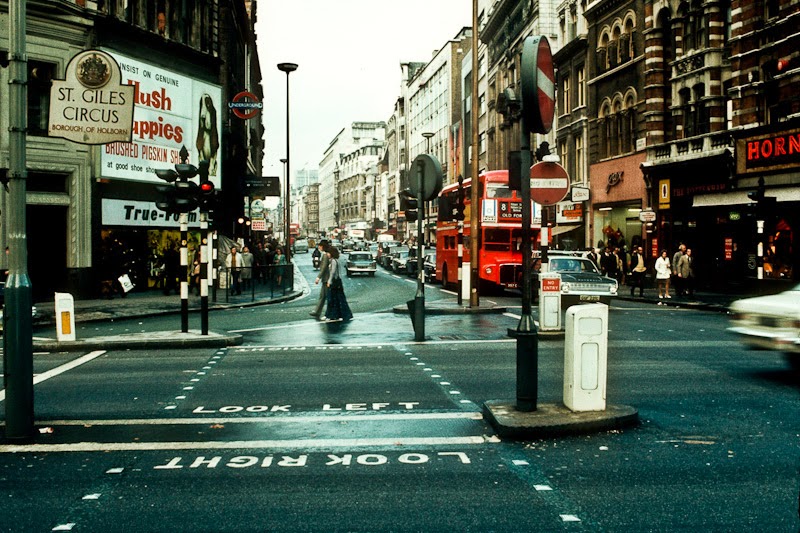
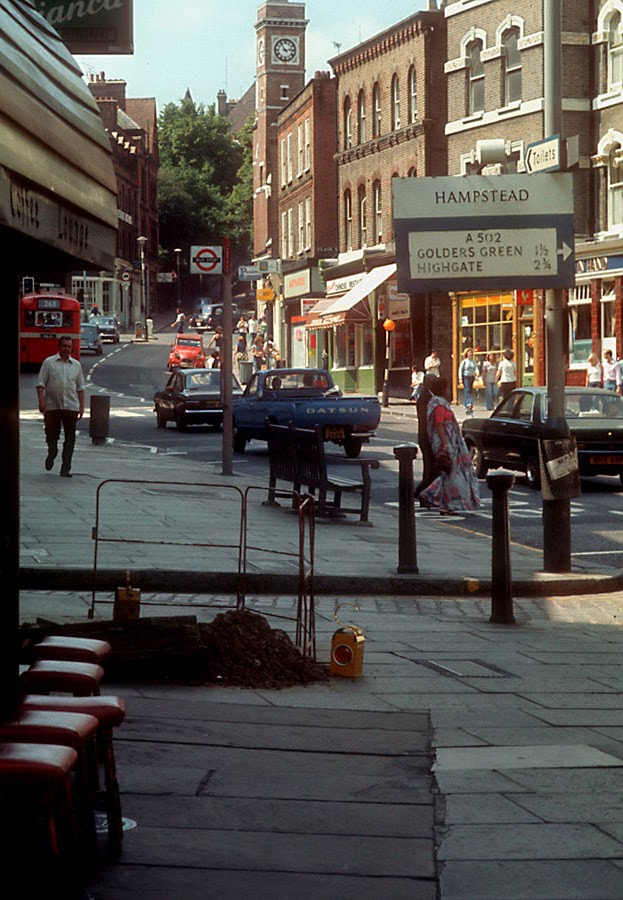
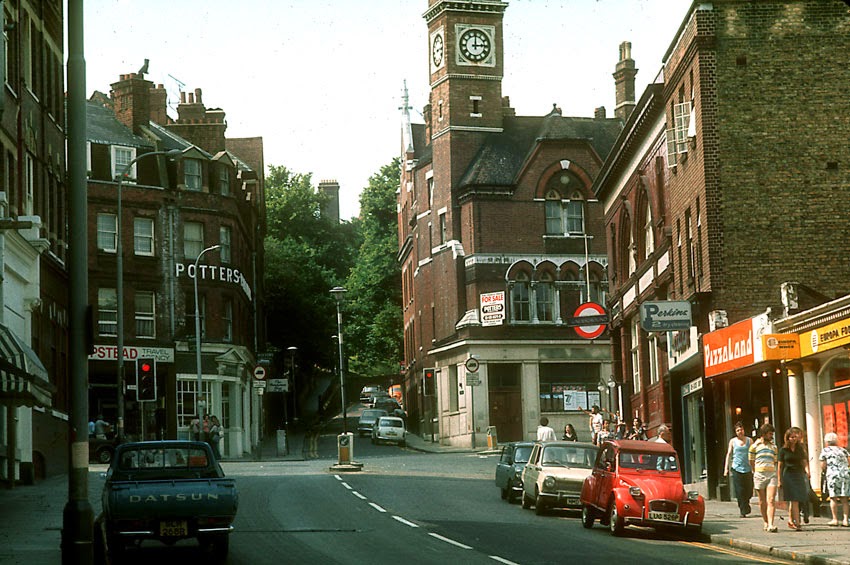
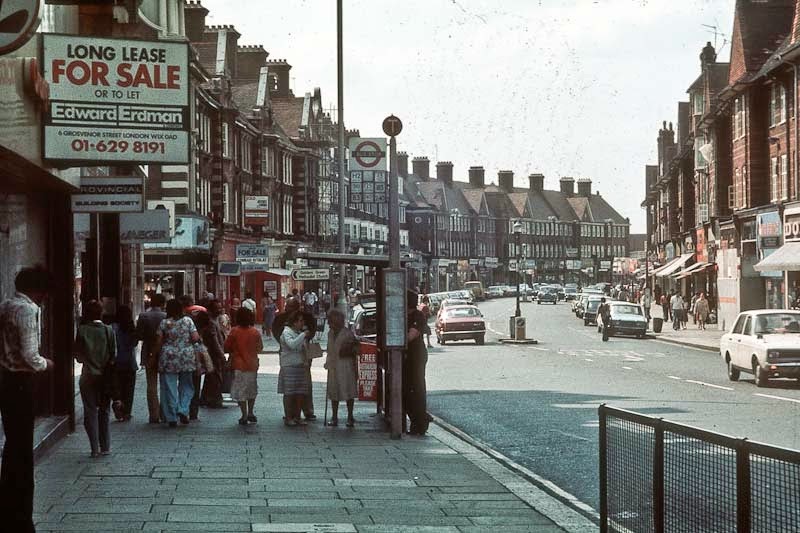
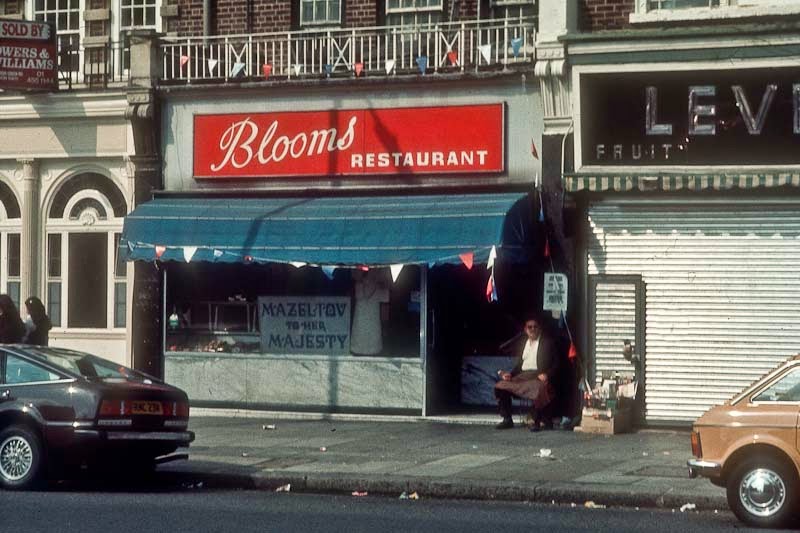
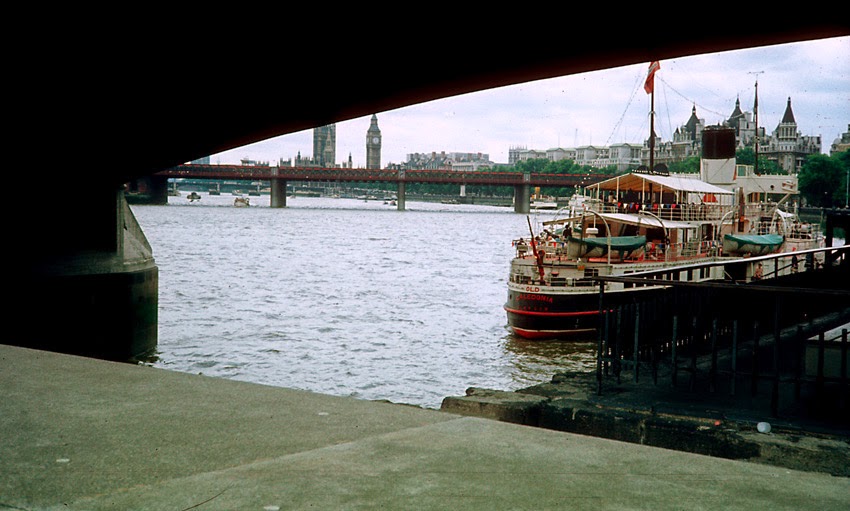
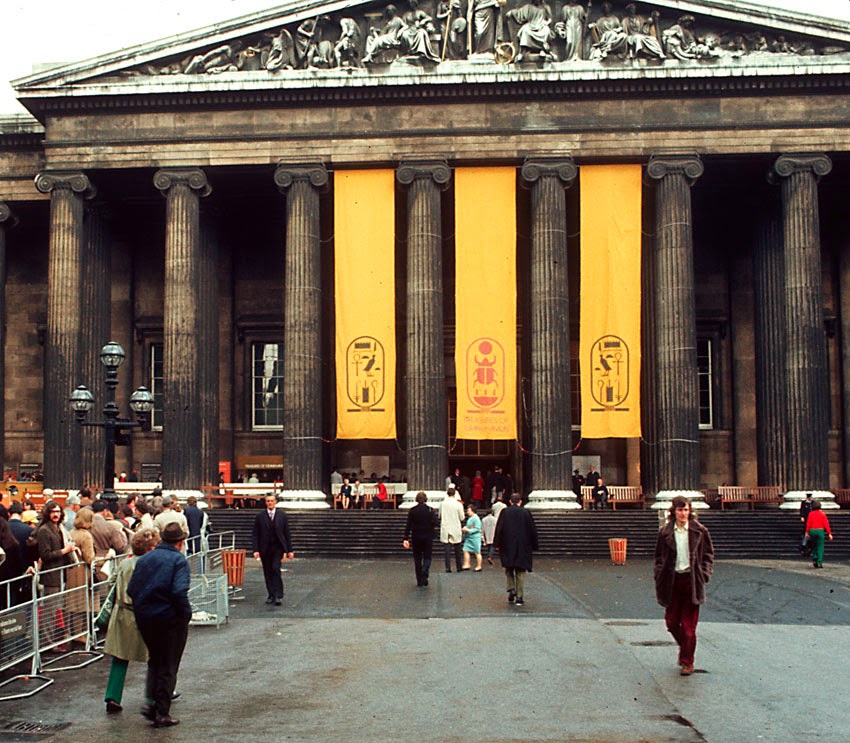
Golders Green RoadThe Freemasons, Hampstead HeathHampstead High StGt Russell StGates of the British MuseumHampstead Heath ExtensionMuseum TavernSt Giles CircusBetter Books – Charing Cross RdLiverpool St StationCompendium BookshopThe Good MixerHampstead HeathLondon, HampsteadSt. James Park, LondonStreet scene of LondonCharing Cross StationHampstead High Street, Hampstead, LondonSouth End Green, Hampstead Heath, LondonHampstead HeathPunctual DeparturesWestern AveWestern AveGolders Green RoadBloom’sLondonBritish MuseumThe City
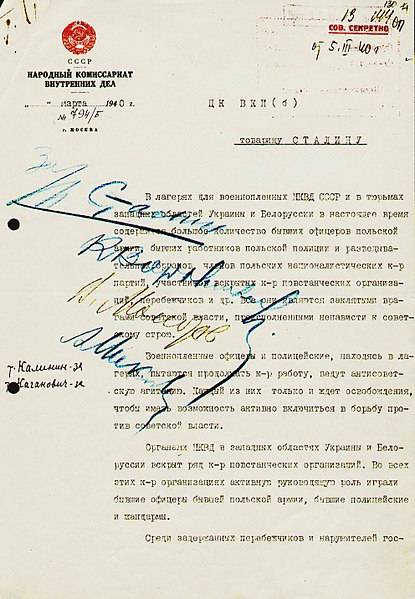
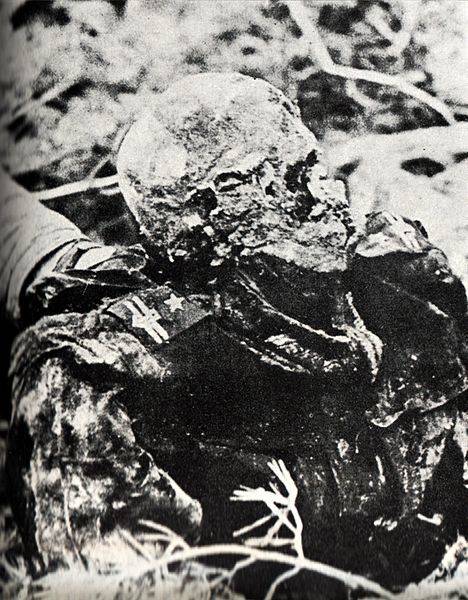
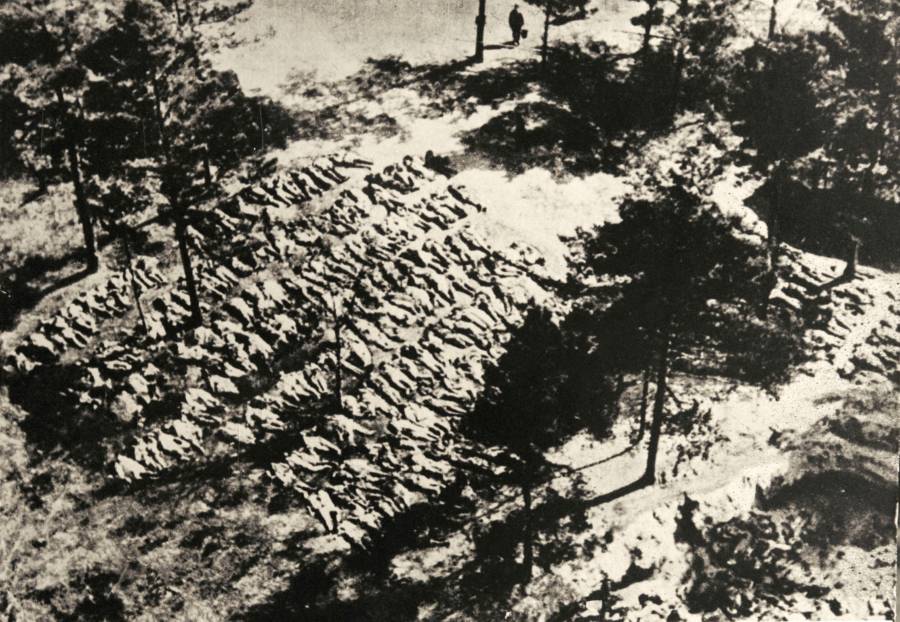
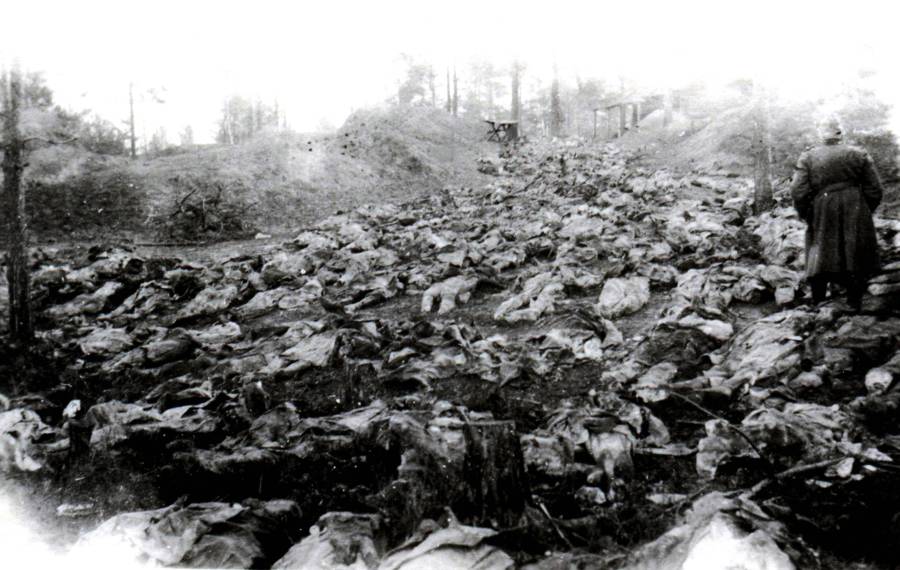
The Katyn massacre[a] was a series of mass executions of nearly 22,000 Polish military officers and intelligentsia carried out by the Soviet Union, specifically the NKVD (“People’s Commissariat for Internal Affairs”, the Soviet secret police) in April and May 1940. Though the killings also occurred in the Kalinin and Kharkiv prisons and elsewhere, the massacre is named after the Katyn Forest, where some of the mass graves were first discovered by Nazi forces.
The massacre was initiated in NKVD chief Lavrentiy Beria’s proposal to Joseph Stalin to execute all captive members of the Polish officer corps, which was approved by the Soviet Politburo led by Stalin. Of the total killed, about 8,000 were officers imprisoned during the 1939 Soviet invasion of Poland, another 6,000 were police officers, and the remaining 8,000 were Polish intelligentsia the Soviets deemed to be “intelligence agents, gendarmes, landowners, saboteurs, factory owners, lawyers, officials, and priests”. The Polish Army officer class was representative of the multi-ethnic Polish state; the murdered included ethnic Poles, Ukrainians, Belarusians, and Jews including the chief Rabbi of the Polish Army, Baruch Steinberg.
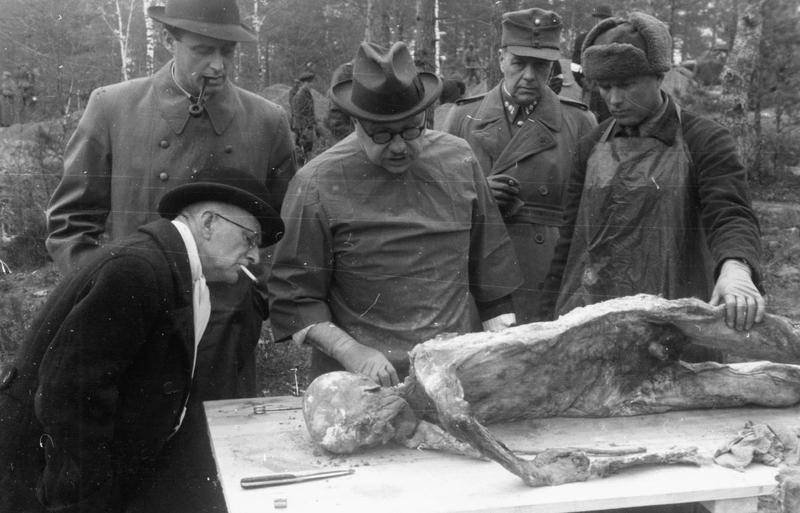
The government of Nazi Germany announced the discovery of mass graves in the Katyn Forest in April 1943. Stalin severed diplomatic relations with the London-based Polish government-in-exile when it asked for an investigation by the International Committee of the Red Cross. The USSR claimed the Nazis had killed the victims, and it continued to deny responsibility for the massacres until 1990, when it officially acknowledged and condemned the killings by the NKVD, as well as the subsequent cover-up by the Soviet government.
An investigation conducted by the office of the prosecutors general of the Soviet Union (1990–1991) and the Russian Federation (1991–2004) confirmed Soviet responsibility for the massacres, but refused to classify this action as a war crime or as an act of mass murder. The investigation was closed on the grounds that the perpetrators were dead, and since the Russian government would not classify the dead as victims of the Great Purge, formal posthumous rehabilitation was deemed inapplicable. In November 2010, the Russian State Duma approved a declaration blaming Stalin and other Soviet officials for ordering the massacre.
The falsified Soviet version of the events has become known as the “Katyn lie”, a term coined in reference to the “Auschwitz lie”. (Wikipedia)
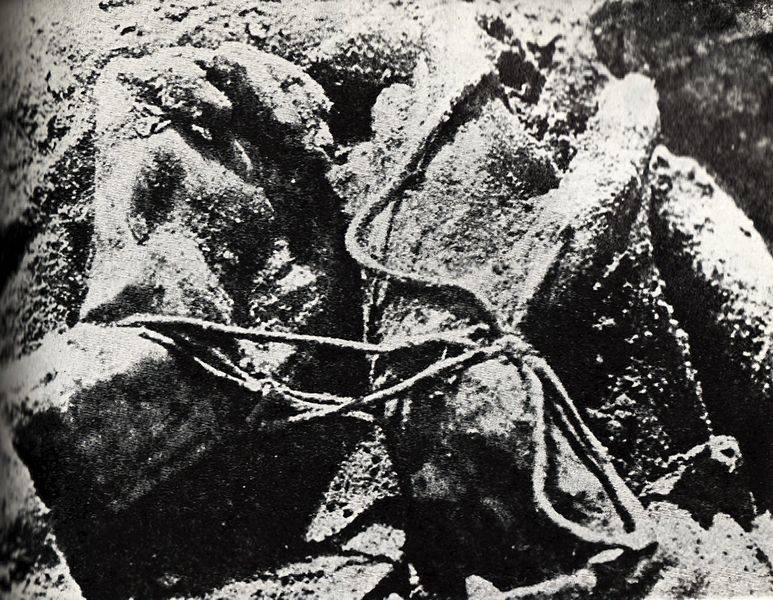
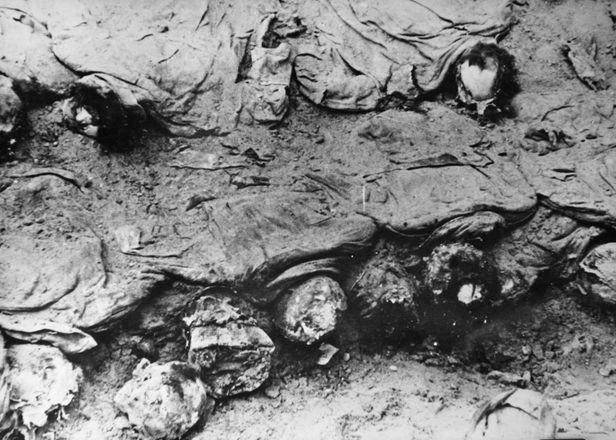
Officials examine the exhumed remains of the Katyn massacre. 1943.The paper ordering the Katyn Massacre.Exhuming the victims of the massacre.A skull exhumed during investigation into the Katyn massacre.The mummified skull of an officer killed during the Katyn massacre.An examination of exhumed soldiers in 1943.The bodies of the Polish officers in mass graves. All were shot in the back of the head execution-style.Photo from the 1943 exhumation of a mass grave of polish officers.The true story of the Katyn Massacre was hidden for decades.Victims of the Katyn massacre.
Mounted on my favorite horse, my … lariat near my hand, and my trusty guns in my belt … I felt I could defy the world.
— Nat Love in The Life and Adventures of Nat Love, 1907
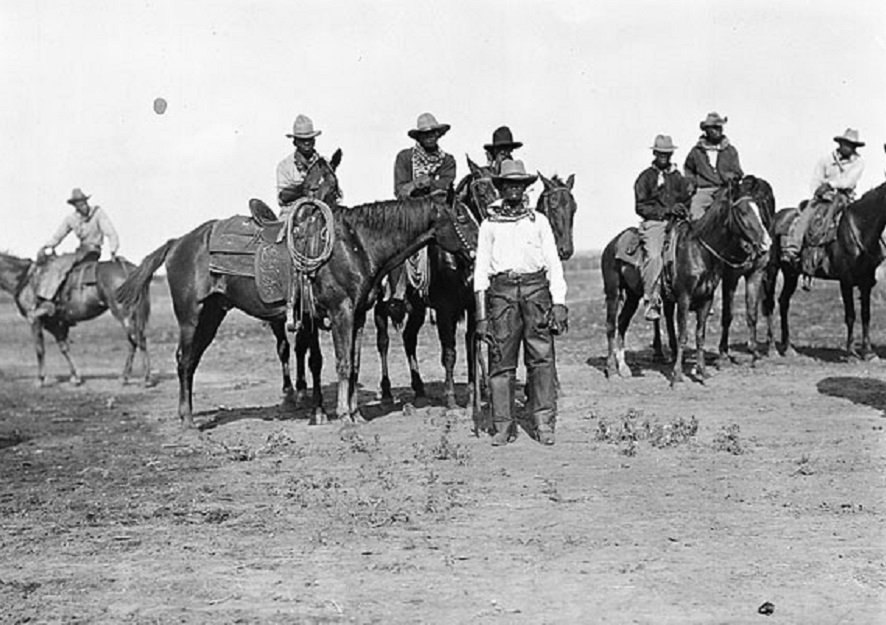
Thousands of black cowboys drove cattle up the Chisholm Trail after the Civil War, but only Nat (pronounced Nate) Love wrote about his experiences. Due to this, Love’s exploits would make him one of the most famous black cowboys in post-Civil War America.
Nat Love was born in June 1854 as a slave on Robert Love’s plantation in Davidson County, Tennessee. His father was a slave foreman on the plantation’s fields, and his mother the head of its kitchen. He was looked after primarily by an older sister when he was young, but she, like her mother, worked in the kitchen so Nat basically looked after himself. Despite the fact that black literacy was banned by law, Nat learned to read and write as a child with the help of his father, Sampson.
When slavery ended, Love’s parents stayed on the Love plantation as sharecroppers, attempting to raise tobacco and corn on about 20 acres, but Sampson died shortly after the second crop was planted. In order to keep the farm going for his family, young Nat took another job on a neighboring farms to help out. During this time he developed a keen skill for breaking horses which would soon come in handy to him. After a period of working extra odd jobs in the area Nat won a horse in a raffle, and then promptly sold the beast back to its original owner for $50. He would use this money to leave town and, at the age of 16, after leaving his family in an uncle’s care, he headed West.
Nat’s first stop was Dodge City, Kansas where he came across the crew of the Texas Duval Ranch (located on the Palo Duro River in the Texas Panhandle). Having just brought a herd to the Kansas railhead, the Cowboys were having a leisurely breakfast when Nat decided to join them. In the range-cattle industry 25 percent of cowboys were black. Usually former slaves many black men had gained experience in cattle handling and horse-breaking. While discrimination was still prevalent, it was not as bad as other industries and a black man was able to generally be treated equal to white men in terms of pay and responsibilities. So it was a not un-toward of Nat to present himself to the trail boss asking for a job. The trail boss agreed to give the young man a job if he was able to break a tough horse called “Good Eye”. The wildest horse in the outfit, Nat would later say it was the toughest ride he’d ever had. But ride the horse he did and was given the job with the Duval Ranch at $30 a month.
According to his autobiography, Love fought cattle rustlers and endured inclement weather. He trained himself to become an expert marksman and cowboy, for which he earned from his co-workers the moniker “Red River Dick.” He soon became known as one of the best all-around cowboys in the Duval outfit. Eventually he became a buyer and their chief brand reader. In this capacity, he was sent to Mexico on several occasion and soon learned to speak Spanish fluently.
By 1872, After three years with the Duval Ranch, Love decided to head off to Arizona, where he went to work for the Gallinger Ranch on the Gila River. There he traveled many of the the major western trails, sometimes working in dangerous situations in Indian battles and fighting off rustlers and bandits. He wrote in his autobiography that while working the cattle drives in Arizona he met Pat Garrett, Bat Masterson, Billy the Kid, and others as well as seeing a soon-after view of the Custer battlefield in 1876.
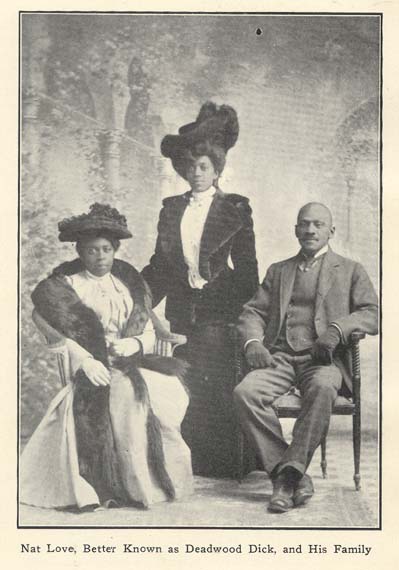
In the spring of 1876, the Gallinger outfit were given a herd of three thousand steers to deliver to Deadwood, South Dakota. When they arrived there on July 3rd, the locals were busy preparing for a 4th of July celebrations. One of the many organized events included a “cowboy” contest with a $200 cash prize to the winner. Love entered the contest and he subsequently won the rope, throw, tie, bridle, saddle, and bronco riding contests, thus taking with him the grand prize. It was at this rodeo that he claims friends and fans gave him the nickname “Deadwood Dick.” He became known as DD all over the West, “entering into dime novels as a mysteriously dark and heroic presence”, says his autobiography.
Love writes that in October 1877 he was captured by a band of Pima Indians while rounding up stray cattle near the Gila River in Arizona. He claimed in his autobiography: “I carry the marks of fourteen bullet wounds on different parts of my body, most any one of which would be sufficient to kill an ordinary man, but I am not even crippled.” Several of the aforementioned bullet wounds were received in his fight with the Native Americans while trying to avoid capture. Love wrote that his life was spared because the Indians respected his heritage, a large portion of the band themselves being of mixed blood. The Pima nursed him back to health, wishing to adopt him into the tribe. In spite of the warmth shown to him, Love writes, he stole a pony and escaped into west Texas.
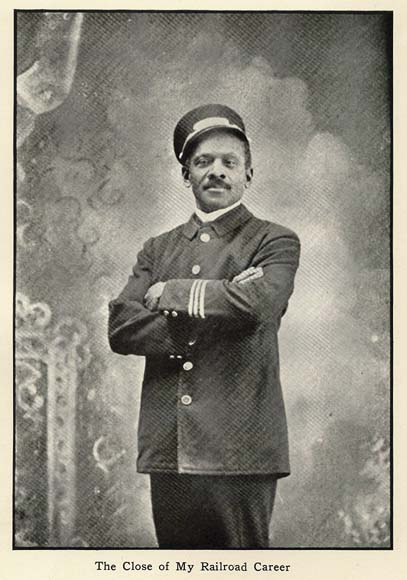
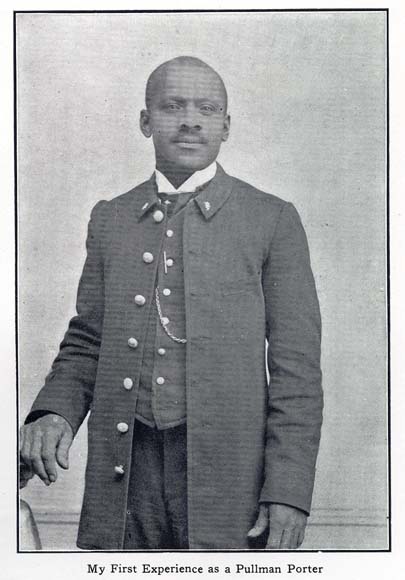
By 1889 Nat had decided to leave the cowboy life and settle down and get married. The next year he took a job in Denver, Colorado as a Pullman porter on the Denver and Rio Grande Railroad. As such, he worked on the routes west of Denver and moved his family several times to Wyoming, Utah, and Nevada before finally settling down in southern California.
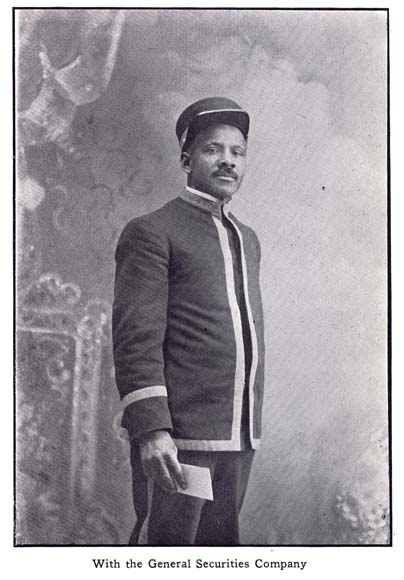
In 1907, Nat Love published his autobiography, The Life and Adventures of Nat Love, Better Known in the Cattle Country as “Deadwood Dick.” “Written with an air of braggadocio, Love’s story is, in places, of questionable veracity. Nevertheless, it is a charming first-hand account of the life of one cowboy that emphasizes the necessity of cooperation and camaraderie in the performance of work on the trails, ranges, and ranches of the cattle kingdom,” writes American Black History. Love spent the last part of his life as a courier and guard for a Los Angeles securities company.
Nat Love, America’s most famous black cowboy, passed away at age 67 in 1921 in Los Angeles, California.
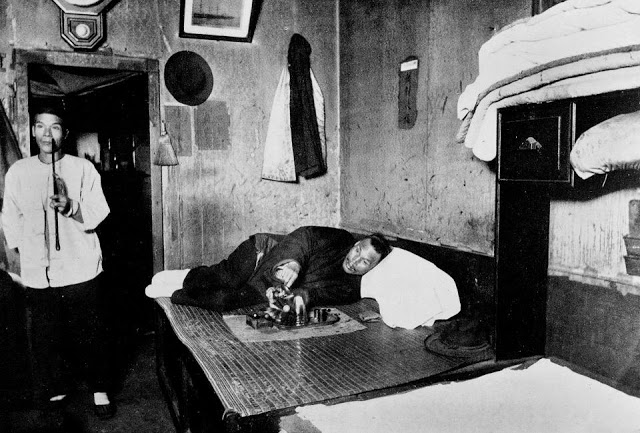
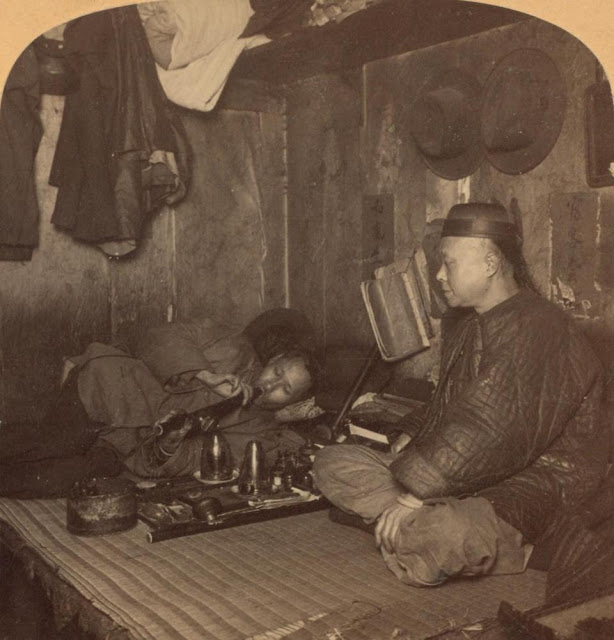
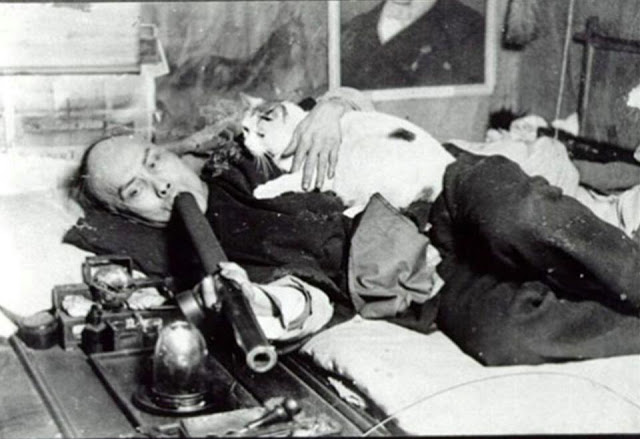
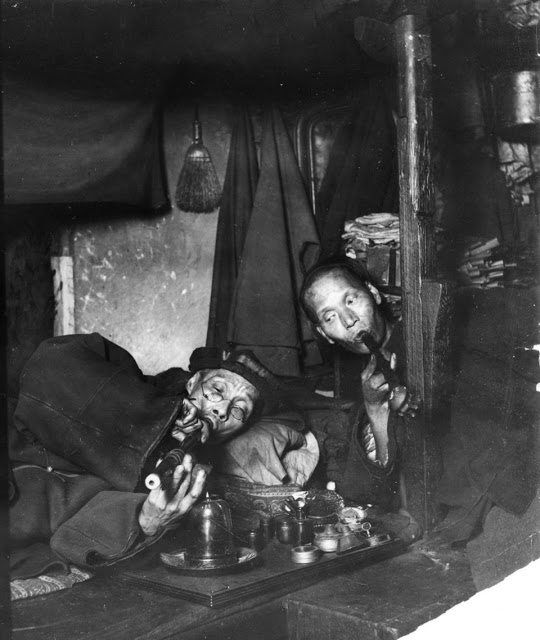
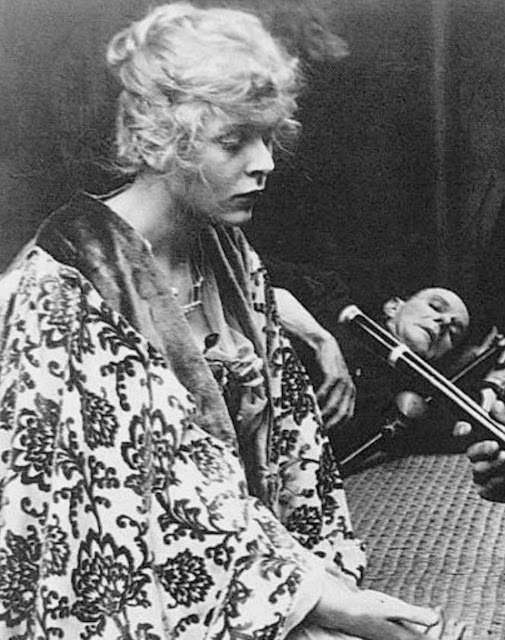
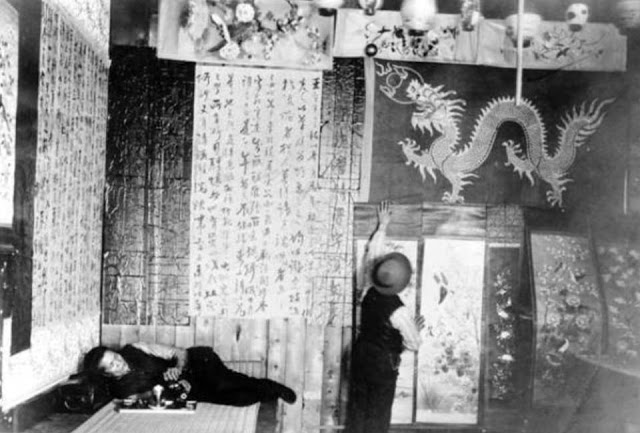
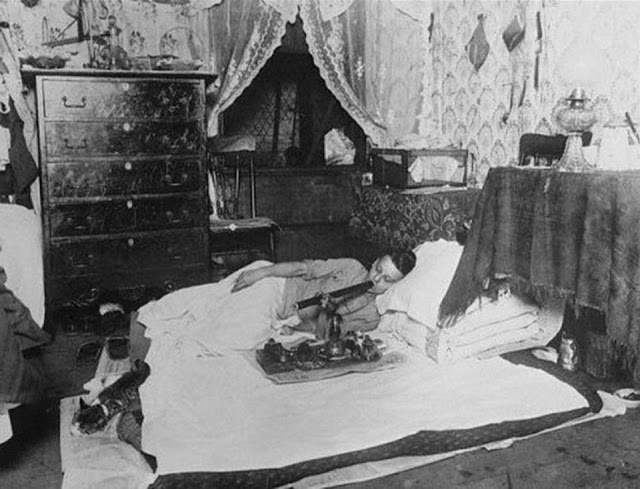
Reclining on bunk beds while sucking on opium pipes, these haunting photos provide a rare glimpse into life in America’s 19th century opium dens that prompted the country’s first crackdown on drugs.
Established by the Chinese and arriving in the US via ships, the first opium dens sprung up in San Francisco’s Chinatown during the 1840s and 1850s, and were soon being used by people from all walks of society.
The opium rush was at its most prevalent during the 1880s and 1890s, which coincided with the rise of the temperance movement.
Its popularity eventually resulted in a string of legislative measures being introduced to try and stamp out the addictive craze, including the Pure Food and Drug Act in 1906 and Smoking Opium Exclusion Act in 1909.
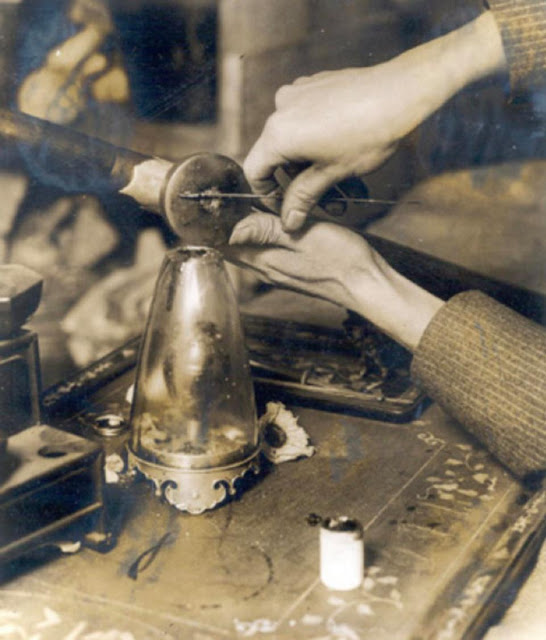
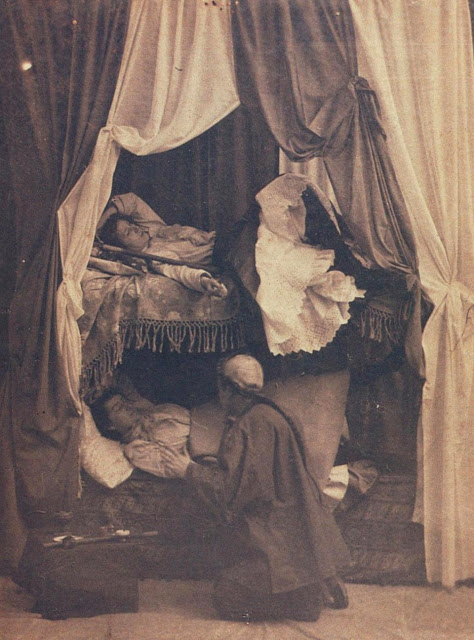
Two women and a man smoking in an opium den in Chinatown, San Francisco, circa 1890.Chinese migrants smoke opium at a boarding house in San Francisco in the late 19th century.An opium den in San Francisco circa 1890, one of many such establishments that opened in the city’s Chinatown.A rare photo showing a close-up of a user preparing a ‘pill’ of opium for the pipe.An adolescent smokes opium in San Francisco’s Chinatown in the 1880s, one of thousands of addicts in the USA at the time.Opium smoking was brought to America by the rush of migrants during the California Gold Rush. These two men were pictured in San Francisco in 1898.Two women are tended to as they lie in beds in one of the more upmarket dens in New York in around 1899.A Chinese immigrant puffs on a pipe while holding a cat in a 1900 image that became a best-selling tourist postcard in San Francisco.A pair of Chinese men pose for the camera while smoking opium in New York in 1909.A forlorn-looking white woman stares at an opium pipe in New York in around 1910.A Chinese-American man hangs an elaborate scroll with Chinese characters on a wall in a den in Hop Alley in Denver, Colorado, in around 1912.The craze swept the nation in the late 19th and early 20th centuries, This woman smokes opium in her own home in San Francisco circa 1920.Western men and women of upper and middle class means began to frequent dens like this one in New York in 1923.Smartly dressed opium smokers lounge around in an opium den in New York in 1925 as the drug craze swept the country.Four well-to-do white women lie around a Chinese man, all clearly intoxicated, in New York in 1926.
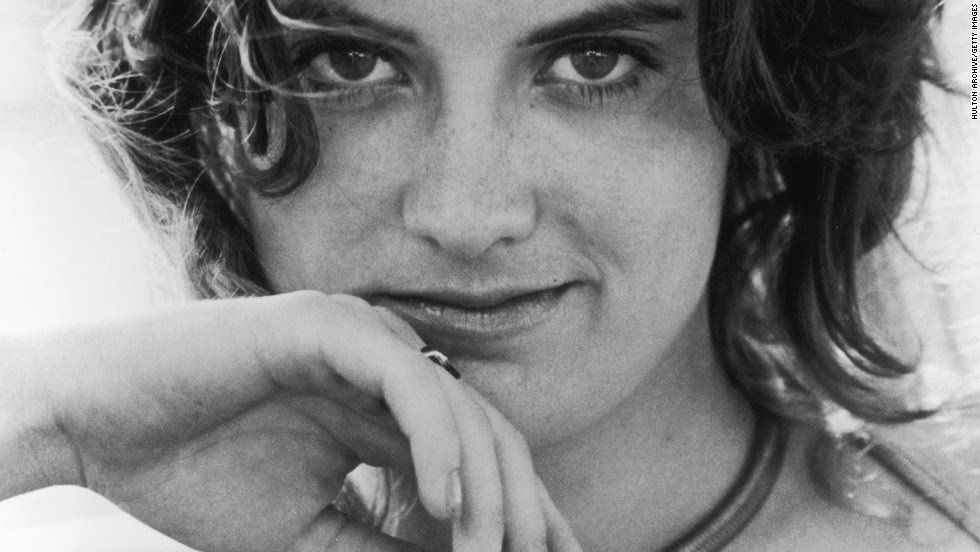
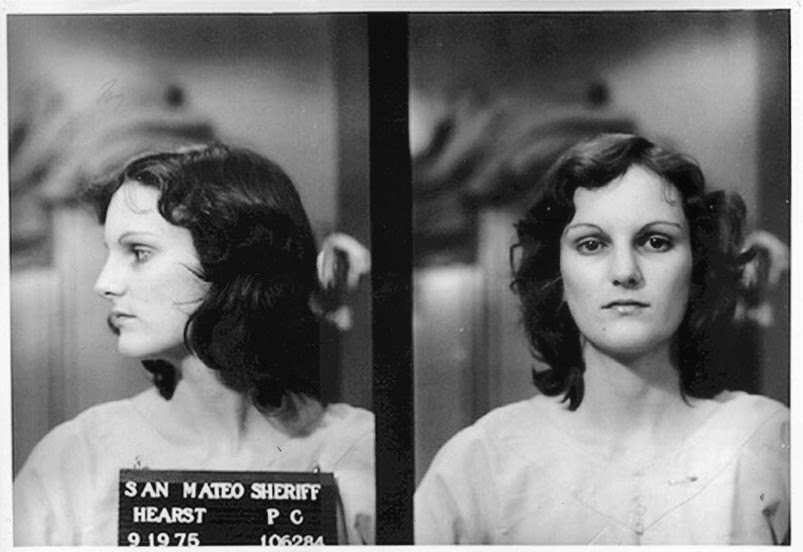
Patricia Campbell Hearst (born February 20, 1954) is an American author and actress, and granddaughter of American publishing magnate William Randolph Hearst. She first became known for the events following her 1974 kidnapping by the Symbionese Liberation Army. She was found and arrested 19 months after being abducted, by which time she was a fugitive wanted for serious crimes committed with members of the group. She was held in custody, and there was speculation before trial that her family’s resources would enable her to avoid time in prison.
At her trial, the prosecution suggested that Hearst had joined the Symbionese Liberation Army of her own volition. However, she testified that she had been raped and threatened with death while held captive. In 1976, she was convicted for the crime of bank robbery and sentenced to 35 years in prison, later reduced to 7 years. Her sentence was commuted by President Jimmy Carter, and she was later pardoned by President Bill Clinton. (Wikipedia)
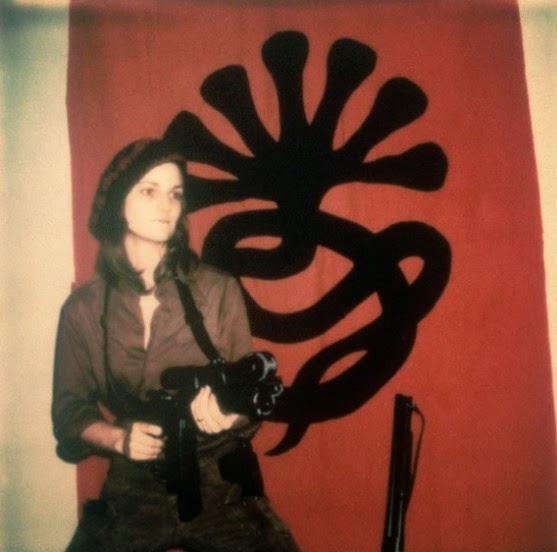
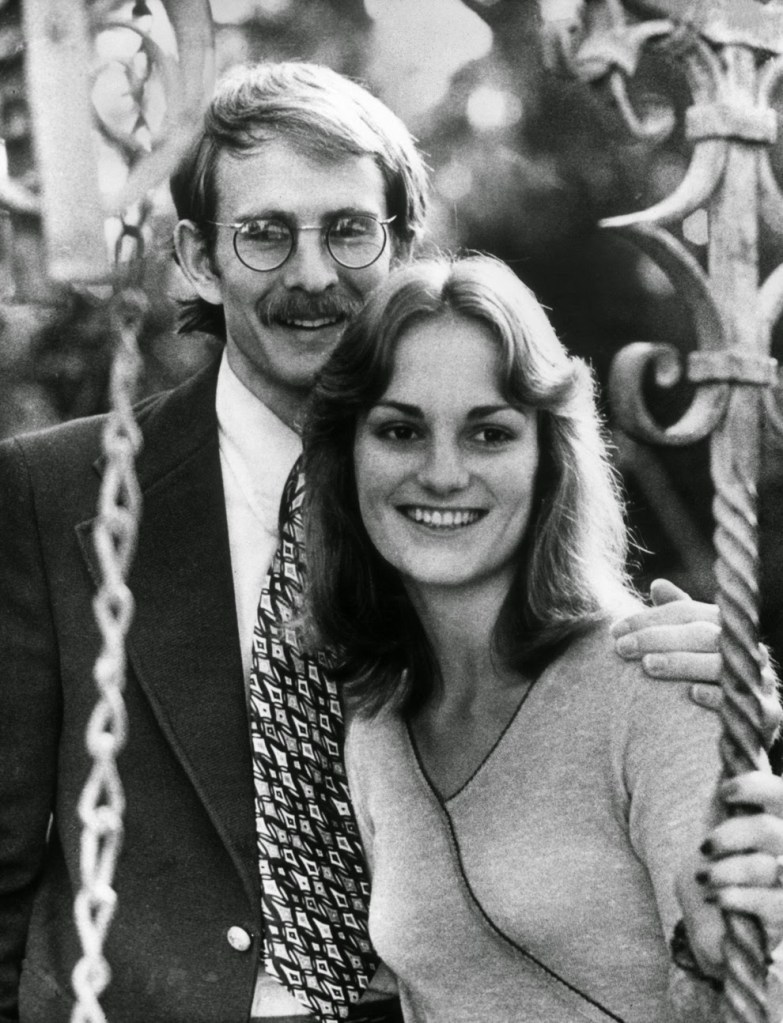
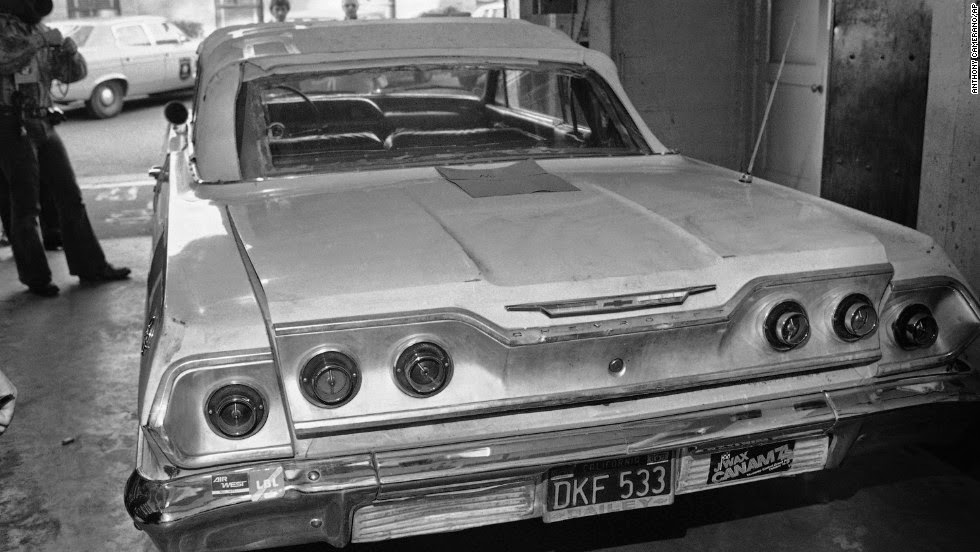
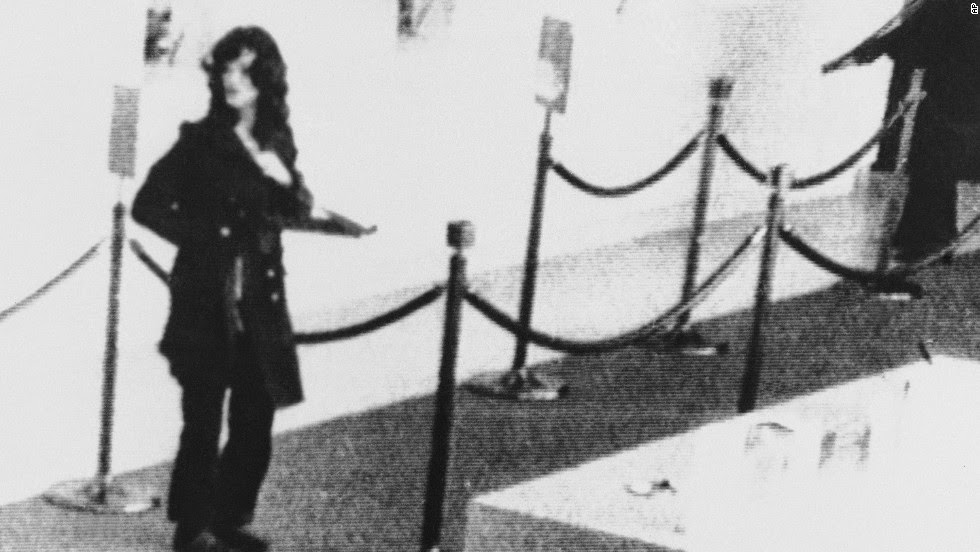
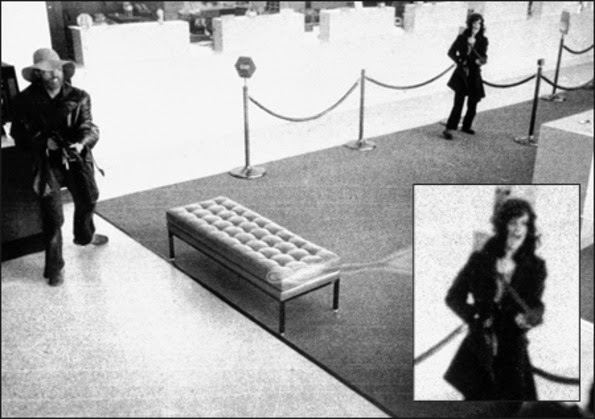
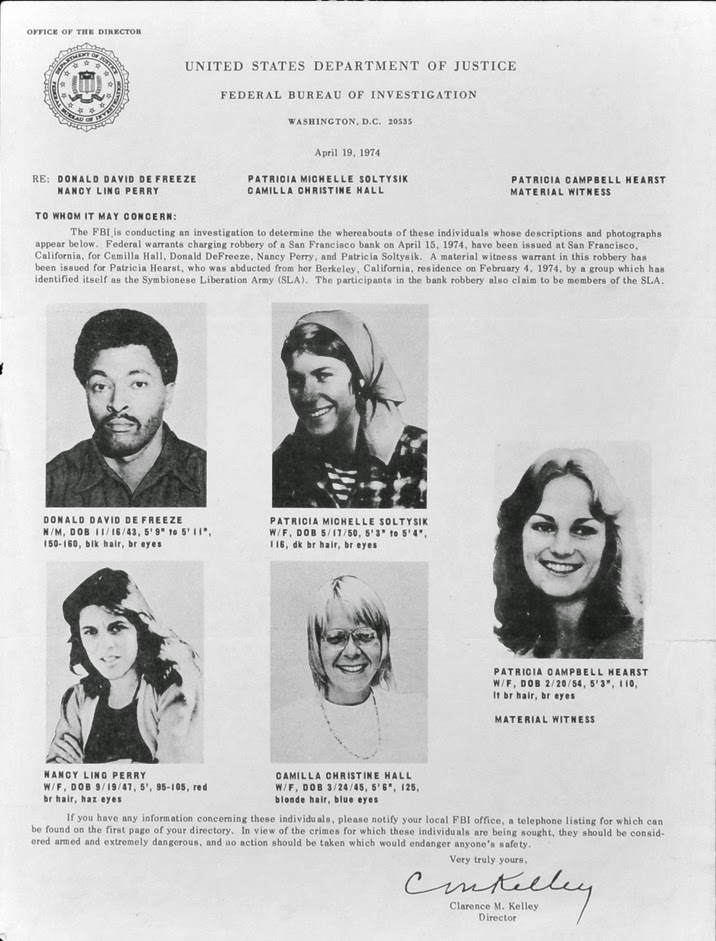
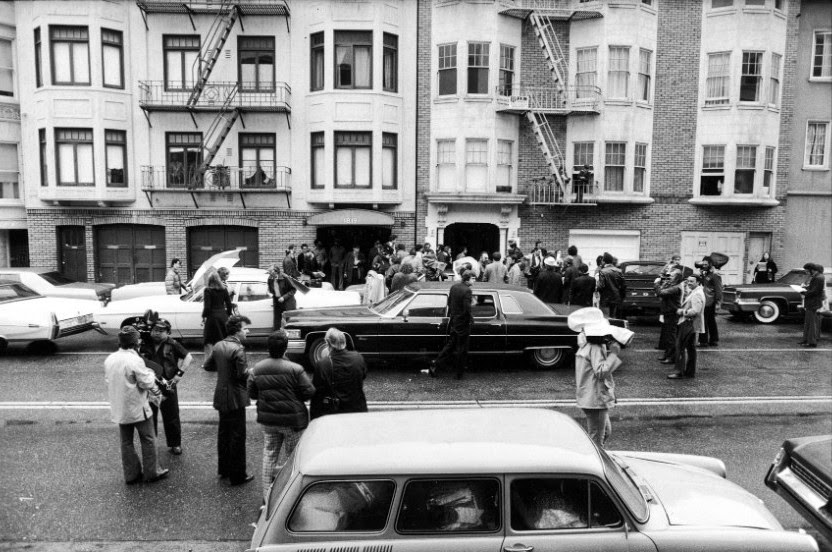
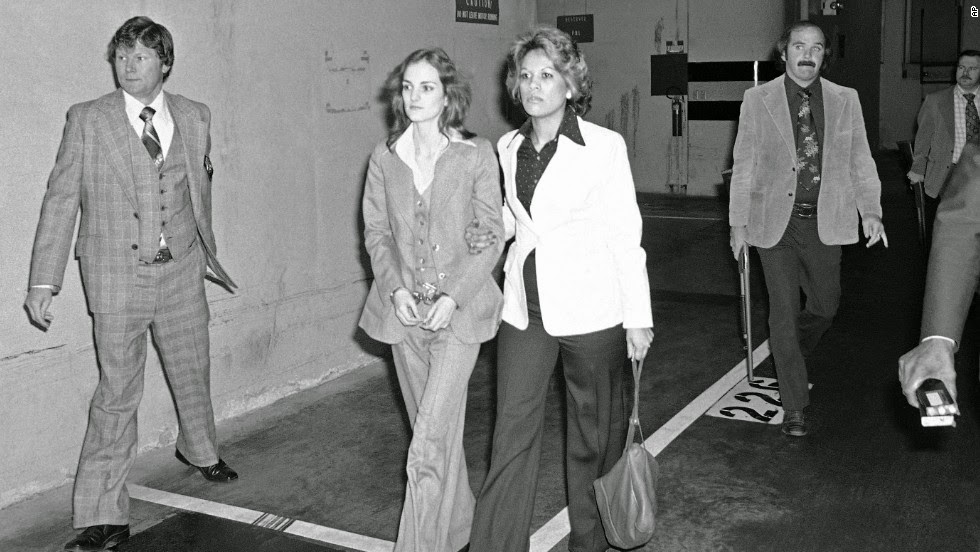
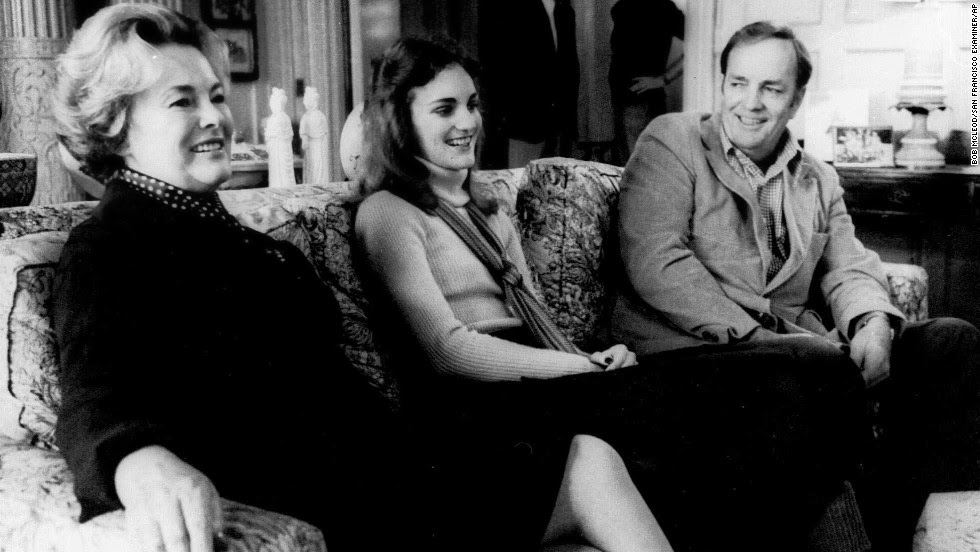
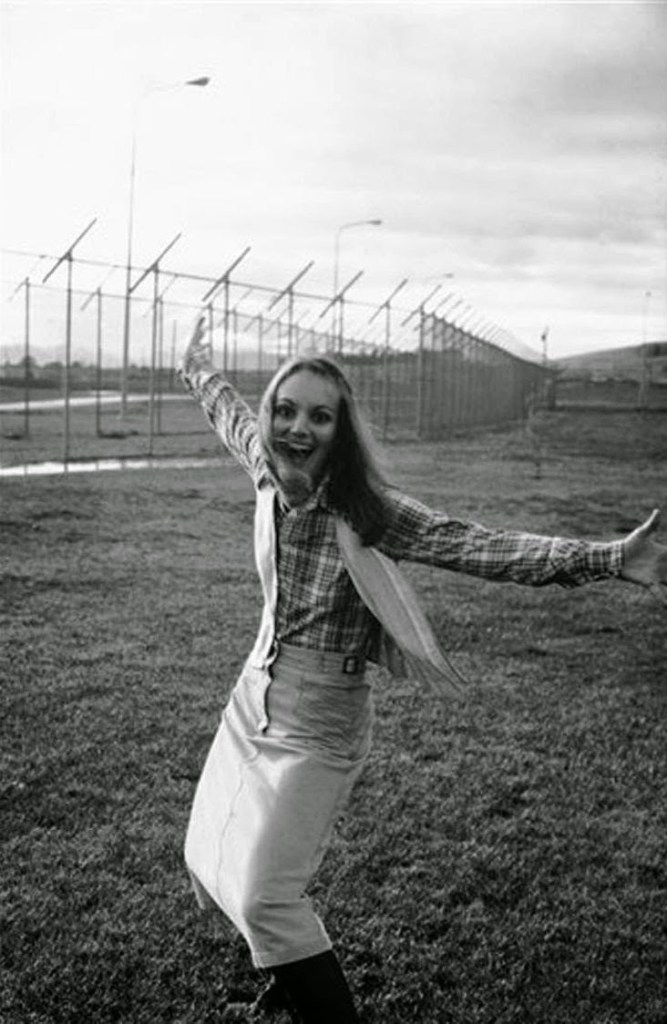
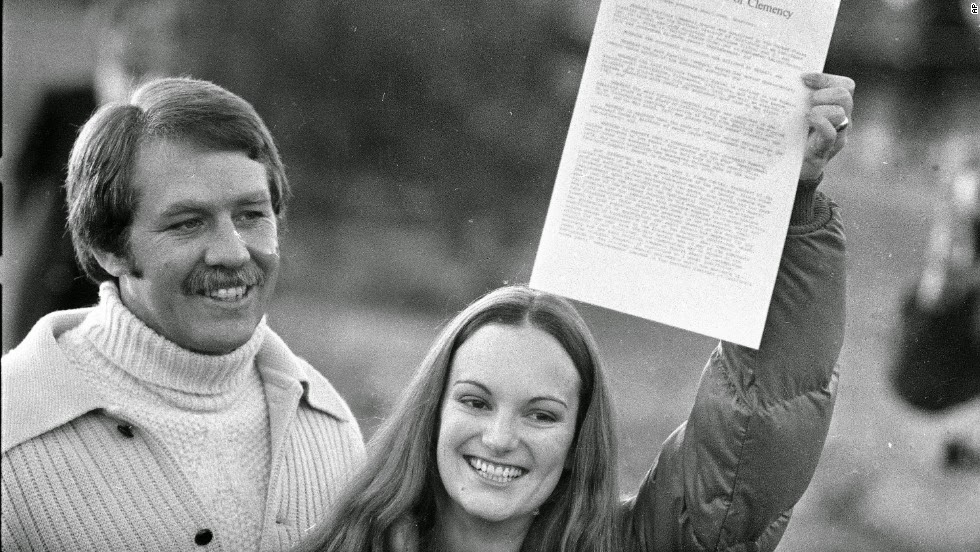
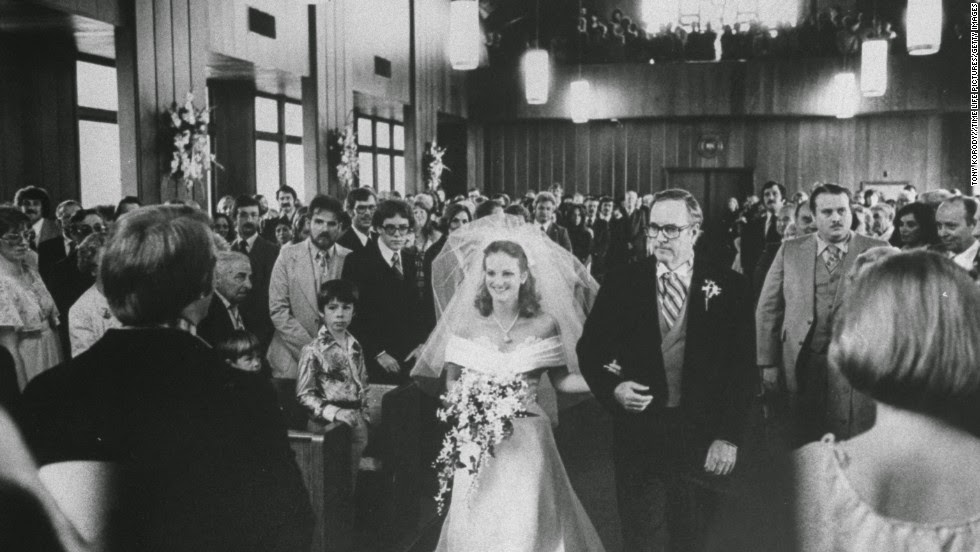
Patty Hearst was kidnapped on February 4, 1974. Hearst grew up in wealth and privilege as the daughter of Randolph A. Hearst, chairman of media conglomerate Hearst Corp., and Catherine Hearst, a University of California regent. Hearst’s grandfather was famed publisher William Randolph Hearst.Hearst was abducted at gunpoint from the apartment she shared in Berkeley with her fiance, Steven Weed, pictured with Hearst. A radical group called the Symbionese Liberation Army, or SLA, took credit.A car at the Berkeley Police Department on February 5, 1974. Police said Hearst was blindfolded and thrown into the trunk of the car.Hearst’s autobiography details her abuse at the hands of the SLA. In it she says she was kept locked in a closet for 57 days, as well as subjected to radical rantings, physical abuse and rape. Eventually she was offered the choice of joining the SLA or being killed. The SLA released a tape announcing Hearst’s alignment with the SLA, including taking the name Tania. A photo of her holding a gun in front of the SLA’s seven-headed cobra emblem was also released.On April 15, 1974, the SLA robbed a Hibernia Bank branch in San Francisco. Security cameras captured this image of Hearst in the robbery.Assault rifle in hand, Hearst joins DeFreeze in robbing a San Francisco bank on April 15, 1974. It was her first crime as a professed SLA member.Four days after the robbery, the FBI released this wanted poster, featuring Hearst, far right, as a material witness, and SLA members suspected of taking part in the heist. Leader Donald DeFreeze is at top left.Hearst was arrested in San Francisco on September 18, 1975, 18 months after the kidnapping.The exterior of the Symbionese Liberation Army house, at 1827 Golden Gate, where Hearst was held in the closet is seen on February 16, 1976.At her trial for bank robbery, Hearst said she had been brainwashed by the group and feared for her life, but a jury found her guilty. She was sentenced to seven years in prison.Hearst was released on bail on November 19, 1976, while her attorneys appealed her case. Here, she is reunited with her parents, Catherine and Randolph Hearst in their San Francisco home on November 20, 1976. The appeal was denied and Hearst returned to prison.After Hearst served nearly two years in prison, President Jimmy Carter commuted her sentence in early 1979. Here, she mugs for the camera at the Federal Correctional Institute at Pleasanton, California, on January 31, 1979.Hearst holds up the executive grant of clemency as she leaves prison on February 1, 1979. With her is her fiance and former bodyguard, Bernard Shaw.Hearst is walked down the aisle by her father, Randolph Hearst, at the Navy chapel at her wedding to Bernard Shaw in April 1979.
They were known as the Seven Dwarfs of Auschwitz and subjected to sick genetic experiments by Nazi doctor Josef Mengele. But, miraculously, all seven members of the Jewish Ovitz family survived their horrifying ordeal at Hitler’s infamous death camp.
The Ovitz siblings
The Ovitz family was a family of Romanian Jewish actors/traveling musicians who survived imprisonment at the Auschwitz concentration camp during World War II. Most of them were dwarfs. They were the largest family of dwarfs ever recorded and were the largest family (twelve family members from a 15-month-old baby to a 58-year-old woman) to enter Auschwitz and to survive intact.
The Ovitz family, from the village of Rozavlea in Transylvania, was the largest recorded family of dwarves: a dwarf father who sired 10 children, seven of them dwarves. Perla, born in 1921, was the youngest. In that remote part of Romania in the early 20th century, it was difficult for anyone to eke a living from the land and livestock, and impossible for someone standing less than 3ft tall.
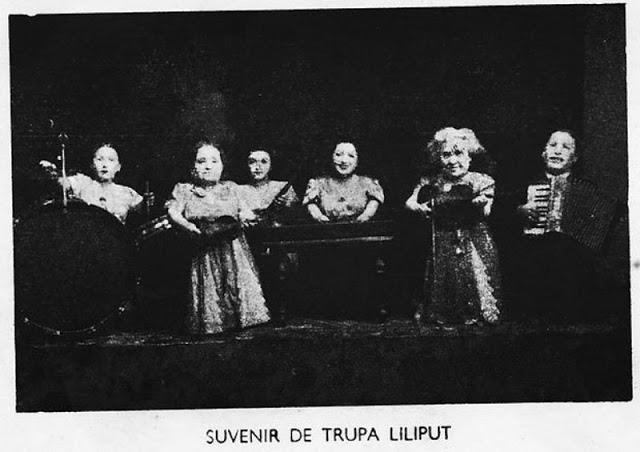
The Ovitzs (from left): Elizabeth, Perla, Rozika, Frieda, Franziska and Avram.
Throughout history, dwarves had been entertainers, often part of a circus or vaudeville show. But the Ovitzs wanted the stage all to themselves. They appropriately named their musical ensemble the Lilliput Troupe, and for 15 years had a flourishing career in central Europe. Their two-hour show consisted of popular hits of the day, skits and music. Perla had a tiny, four-string pink guitar that looked like a toy, her sisters Rozika and Franziska played on quarter-sized violins, Frieda struck on the cimbalom, Micki played both a half-sized cello and accordion, while the energetic Elizabeth took on the drums. Their elder brother Avram was the scriptwriter, actor and general manager.
The Ovitzs lived a communal life in one big house in the village. When any one of them got married, the spouse moved in and joined the enterprise. While the dwarves basked in the limelight, the average-height family members worked behind the curtains as stagehands and wardrobe mistresses. It was the only all-dwarf ensemble with a full show of their own in the history of entertainment.
When the Nazis came to power, the Ovitzs were doubly doomed: under the Aktion T-4 euthanasia programme, the Germans set out to kill people who were physically or mentally disabled, whose lives were considered “unworthy of living”, “a burden on society”; and, as Jews, the Ovitzs were the target of the Final Solution.
Though the Ovitzes were observant Jews, they obtained papers which omitted the fact that they were Jewish and continued going on their tours until 1944. In May , 1944 all twelve family members were deported to Auschwitz.
The Ovitzs leaving Auschwitz-Birkenau in May 1944.
On 19 May 1944, they were brought to the Auschwitz-Birkenau death camp because they were Jews. But, by a twist of fate, their disability played for them. It was rare that one person from an entire family survived the camp, let alone two, but all 12 members of the Ovitz family – the youngest a baby boy just 18 months old, the oldest his 58-year-old dwarf aunt – emerged alive.
Hoping to please Mengele by finding him oddities among the incoming prisoners, the Auschwitz guards immediately woke the sleeping doctor when they discovered the Ovitz family on the inbound train.
Dwarf Elizabeth as ChaplinPerla (right) and Elizabeth Ovitz: as the five sisters and two brothers were all good-looking and musically gifted, the stage seemed the perfect career.
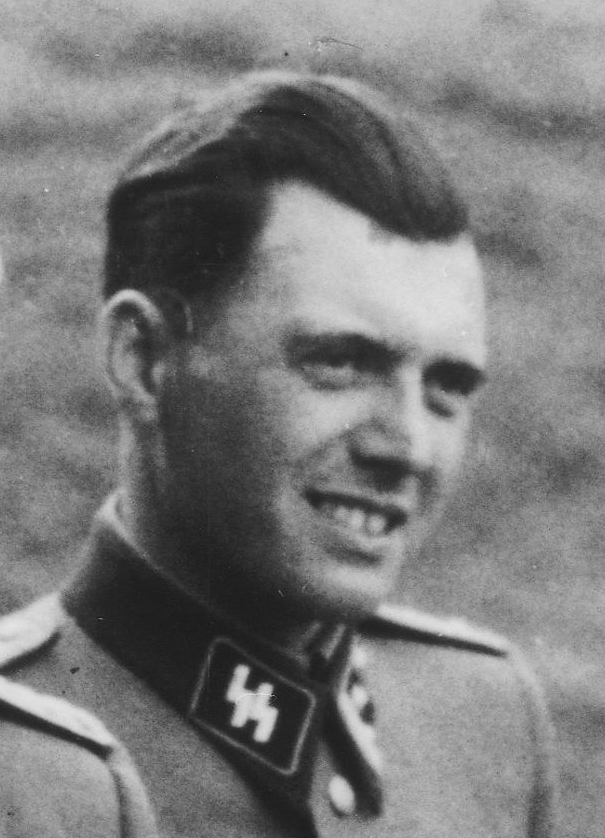
Dr. Josef Mengele was on a twisted quest to study human genetics. Several doctors stationed at Nazi concentration camps were pursuing similar research, utilizing the horrifyingly endless stream of soon-to-be executed prisoners as test subjects.
Of these doctors, Mengele was the absolute worst and his experiments on humans were arguably the most nightmarish incidents in World War II’s annals.
Nazi Josef Mengele, the notorious Angel of Death.
Mengele particularly wanted to prove that Germans were genetically superior to the groups being killed at the concentration camps. His “proof” stemmed from collecting “evidence” that Jews, gypsies, and other ethnic groups possessed degenerative DNA and its subsequent physiological traits. He considered dwarfism one of these indicative traits and had been collecting the single dwarfs that were occasionally shipped to his camp on the Nazi death trains.
The Jewish Ovitz family of dwarfs quickly became his pet project. He saved all of its members (and several of their Romanian neighbors who claimed to be relatives) from the gas chambers. But only to force them to endure a series of horrific and humiliating experiments.
Wanting to spare the group of dwarfs (because they were harder to find than other kinds of test subjects, such as twins), Mengele arranged to have special living quarters built for them, so they could be monitored. To keep them healthy for his human experimentation, he arranged for them to have more hygienic living conditions, better food and their own bedclothes. Mengele even allowed them to keep their own clothes, and forced the taller members of the group to carry the dwarfs to the experimentation sites.
Not only were they allowed to keep their own clothes, but Mengele preferred that they dress up for their “appointments” with him, stage make-up and all. To the regular prisoners of the camps, the costumed dwarfs being escorted around the blood-soaked facilities seemed like hallucinations.
Over the course of their time at Auschwitz, all of the members of the family (short and tall, blood-related, related by marriage, and fake related) were subjected to almost daily blood tests, bone marrow sampling, blinding chemical tests, constant teeth and hair pulling, ear drip torture, and repeated showcases where they were stripped in front of audiences and researchers during lectures and analysis.
Things were even worse for the women and children of the family. They were subjected to additional gynecological and developmental inventorying.
Eighteen-month-old Shimshon Ovitz was put through the worst ordeals because he had taller parents and was prematurely born; Mengele drew blood from the veins behind his ears and from his fingers. The Ovitzes also witnessed two newcomer dwarfs being killed and boiled so their bones could be exhibited in a museum. Mengele also filmed them; this film was not found after the war, and it is possible that he kept it when he fled.
They expected to be killed after Mengele had finished his experiments, but they lived to see the liberation of Auschwitz on January 27, 1945. The Red Army took them to the Soviet Union where they lived in a refugee camp for some time before they were released.
The Ovitzes traveled on foot for seven months to their home village. They found their home looted, moved first to the town of Sighet and later to Belgium. In May 1949, they immigrated to Israel, settled in Haifa, and began their tours again, being quite successful and packing large concert halls. In 1955, they retired and bought a cinema hall.
Descendants of the dwarf men of the family were born taller; the women did not become pregnant due to their small pelvises. The firstborn of the dwarfs, Rozika Ovitz, died in 1984 at the age of 98. The last adult dwarf survivor of the family, Perla Ovitz, died in 2001.
The last survivor in the family, Perla Ovitz, died in 2001.Until the end, she kept recounting her family’s tale, encapsulating all the helplessness and painful absurdity of this experience, which she could not possibly explain to herself and to the world, in a single sentence: “I was saved by the grace of the devil.“
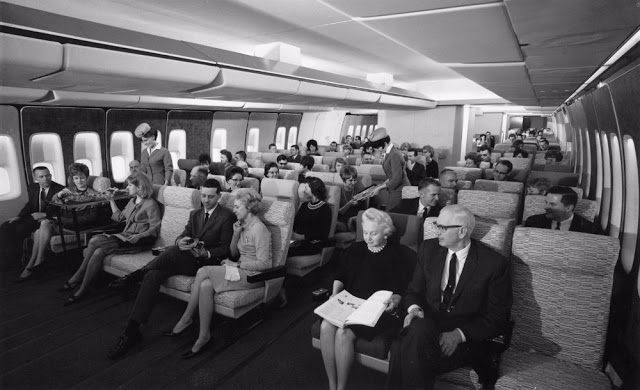
Pan American World Airways, commonly known as Pan Am, was the largest international air carrier based in the U.S. from 1927 until 1991. The airline has always had a place in popular culture as a kind of standard bearer for luxury and excellence.
If you’ve ever seen a photo gallery of “what flying was like back in the 1950s/60s/70s” your initial reaction is either awe (if you weren’t jetting around the country back then) or incredulity, since you were jetting around the country back then and know that most of those photos have little relation to reality.
Flying back in the era before the Airline Deregulation Act of 1978 — in coach — wasn’t a whole lot different than today. Sure, the seats were a bit wider, you had some more leg room, meals were gratis, but then again the air in the cabin was a toxic stew of cigarette smoke. Flying in first class – even domestically – was a different matter.
Today domestic first class means free drinks, free (perhaps edible) food, and a seat that might not leave you with a chronic back condition. While deregulation played a large role in driving down quality and prices, this ‘golden age’ of luxe airborne lounging was largely brought to an end by the Arab embargo induced oil crises of the 1970s. In an ironic twist, if you’re looking to have a drink in a 1970s style airborne lounge today, the Middle Eastern carriers Etihad and Emirates are your best options.
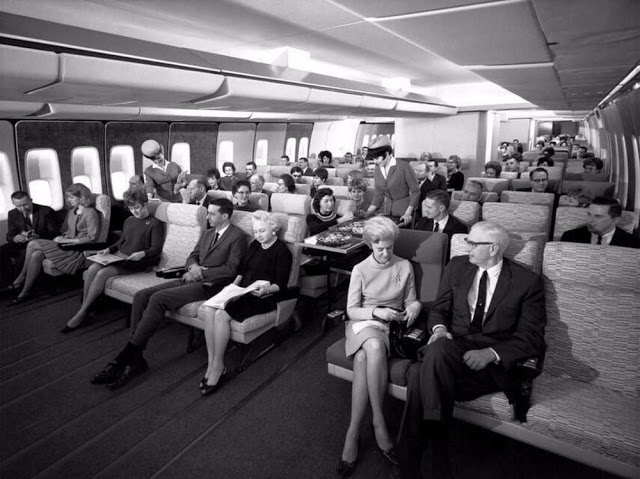
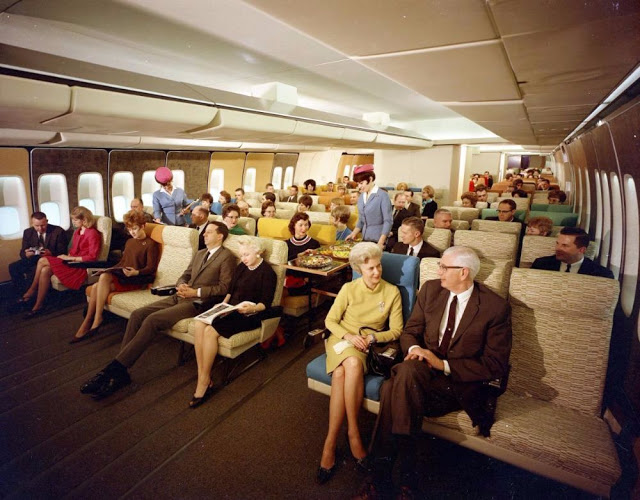
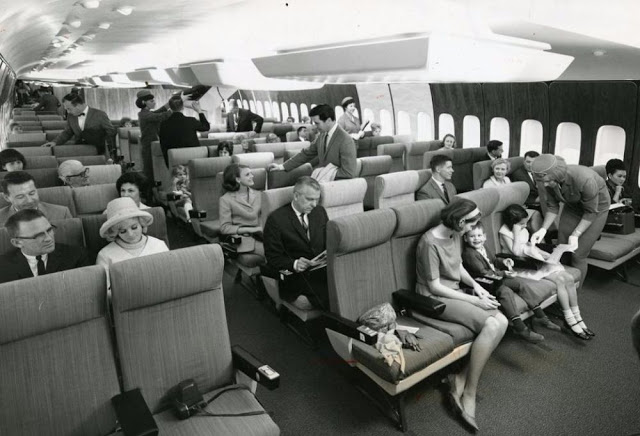
Back in the early 1970s it wasn’t just absolutely over-the-top Middle Eastern carriers who offered this sort of lounge experience (with all the smoke in the air, showers no doubt would have been appreciated). When the first Boeing 747 took to the skies in 1970, its iconic upper deck presented airlines with an interesting conundrum: initially the space wasn’t certified by the FAA to carry passengers during takeoff and landing. While certification came quickly enough, in this era, competing for passengers meant providing unique amenities. Therefore many airlines decided to convert the space into lounges, typically, but not always for premium fare passengers. Here are some photos of the glamorous flying lounges from between the late 1960s and early 1970s.