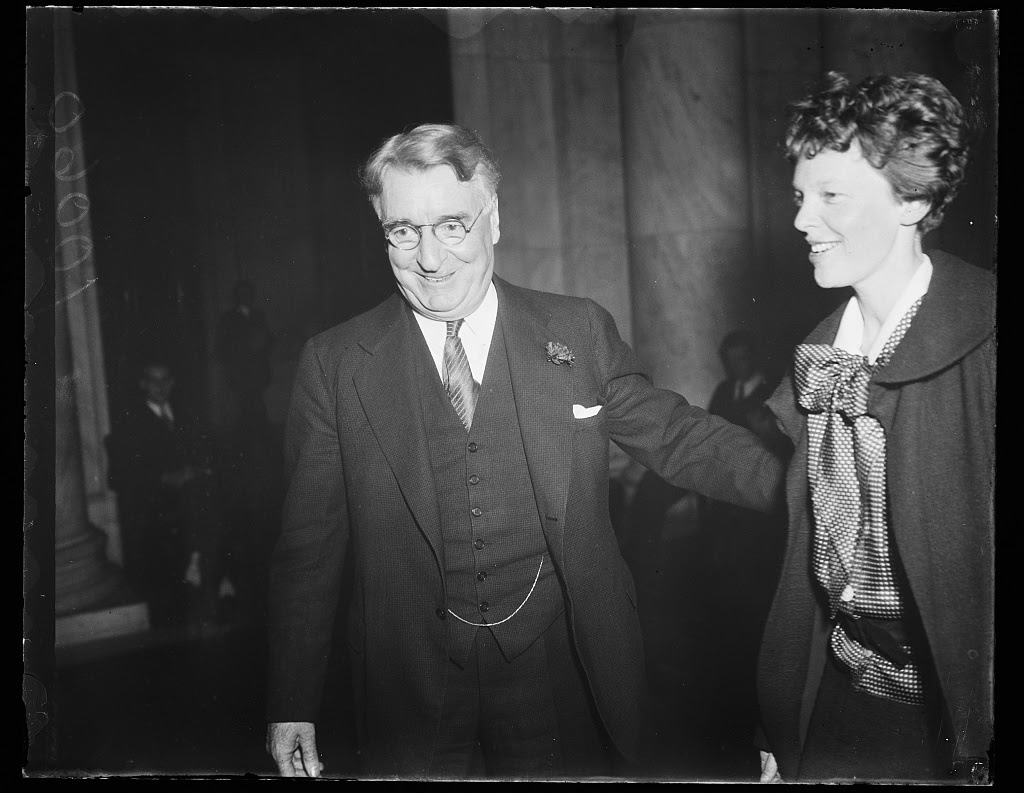
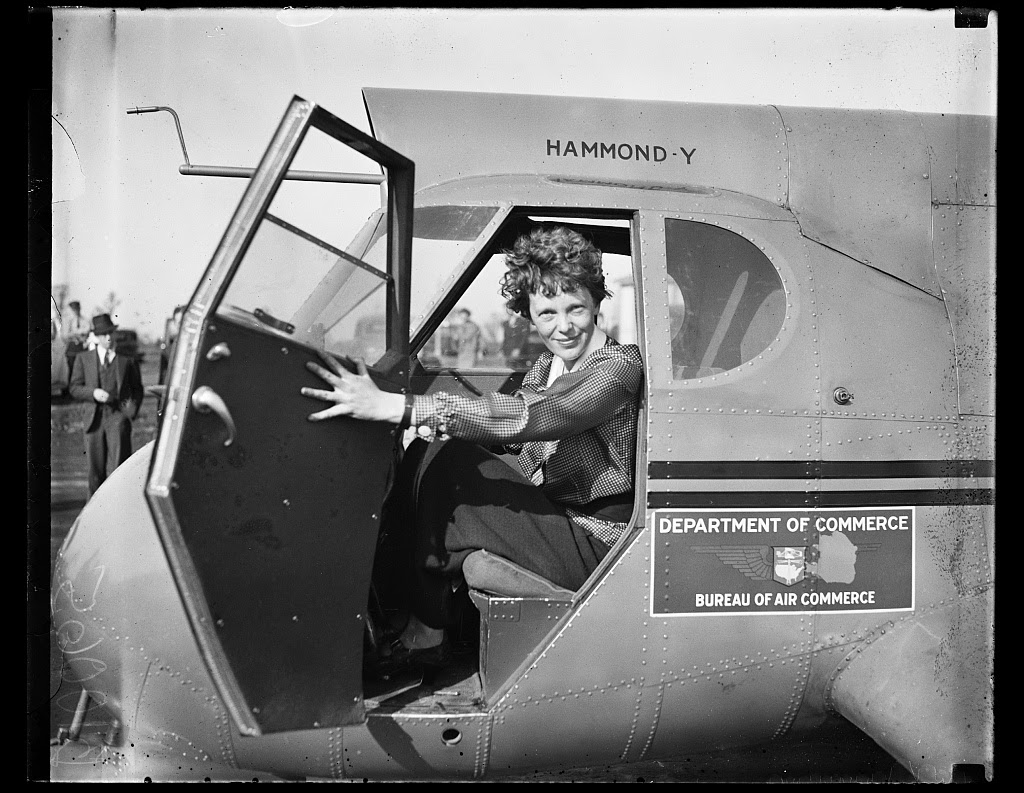
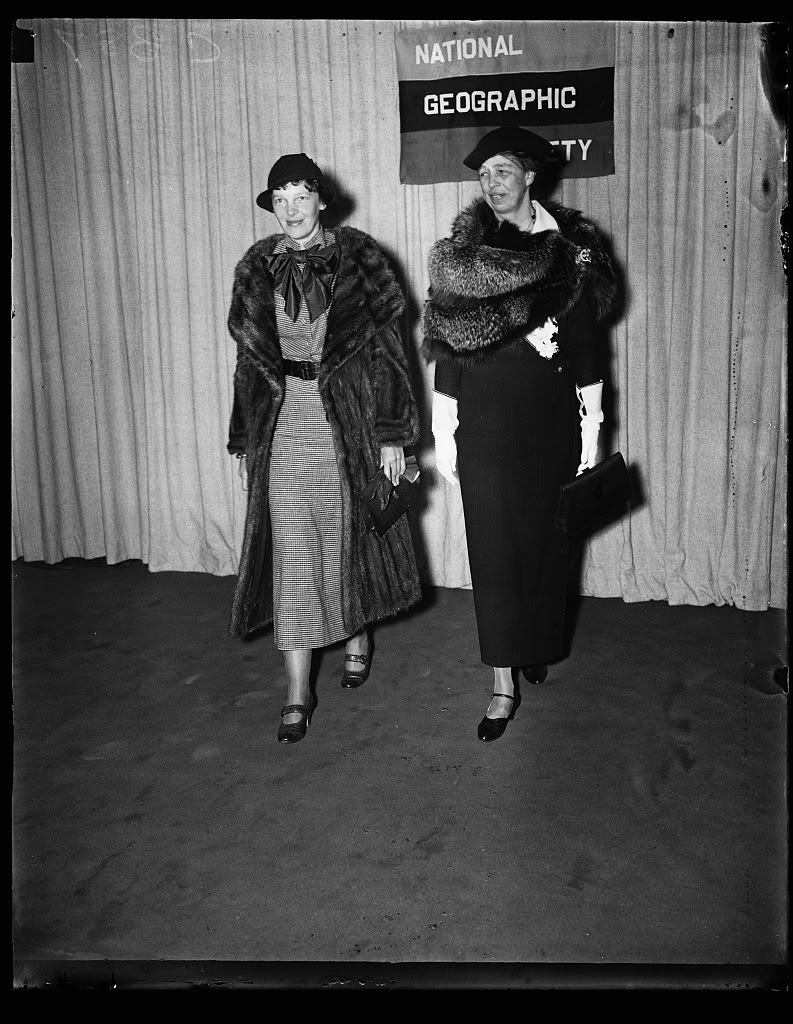
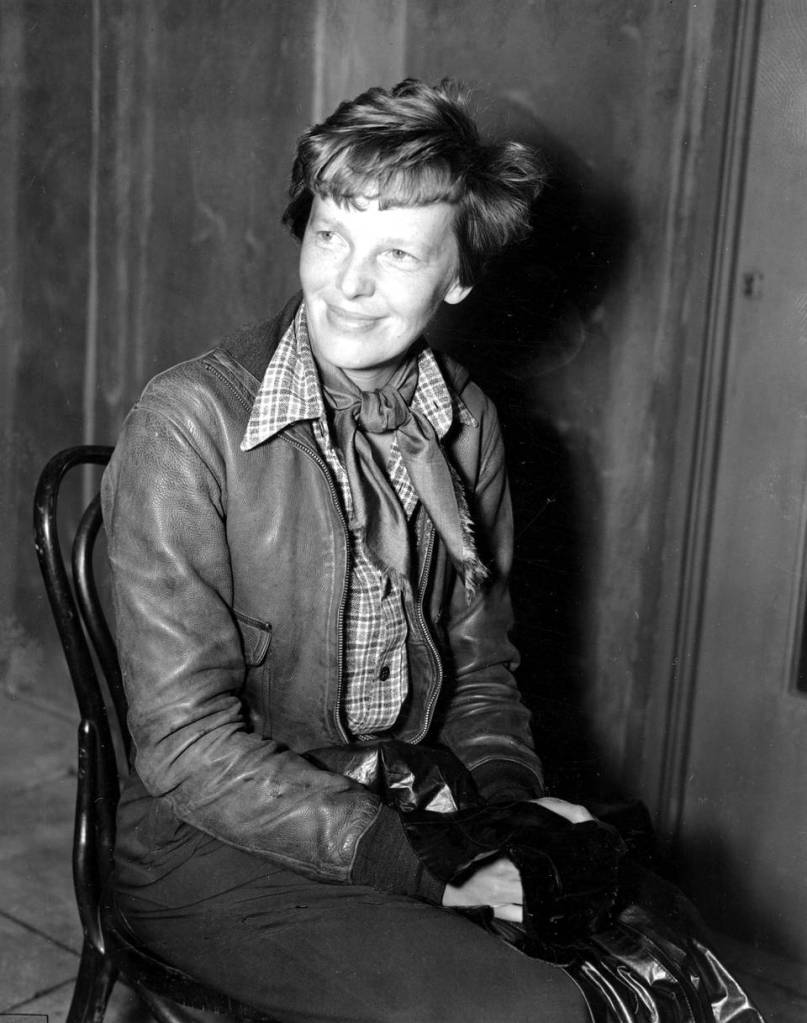
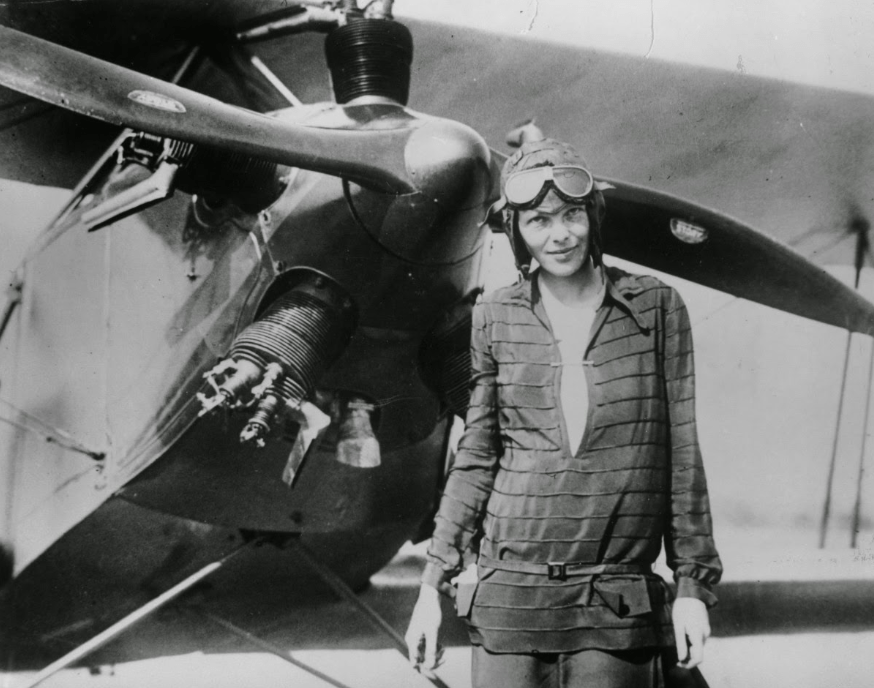
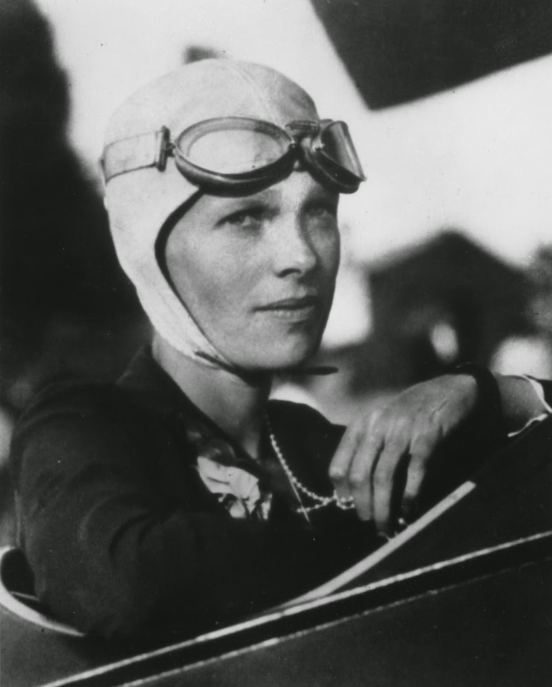
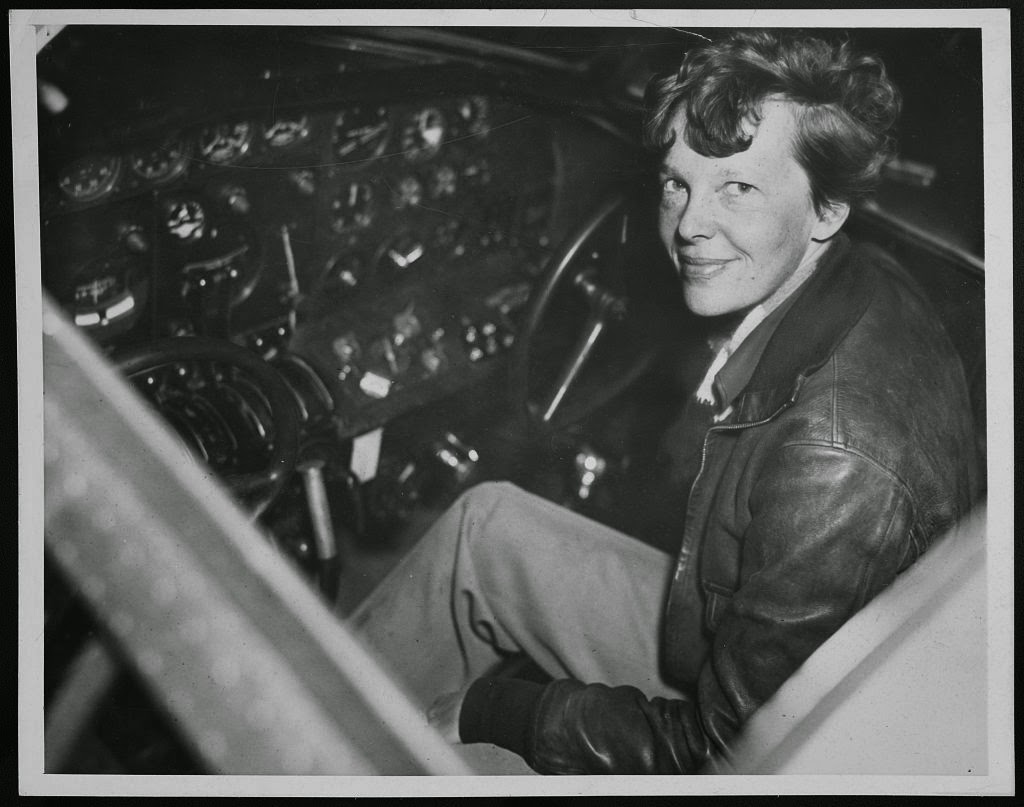
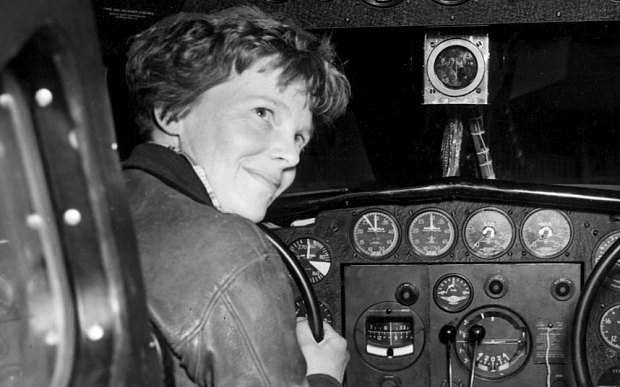
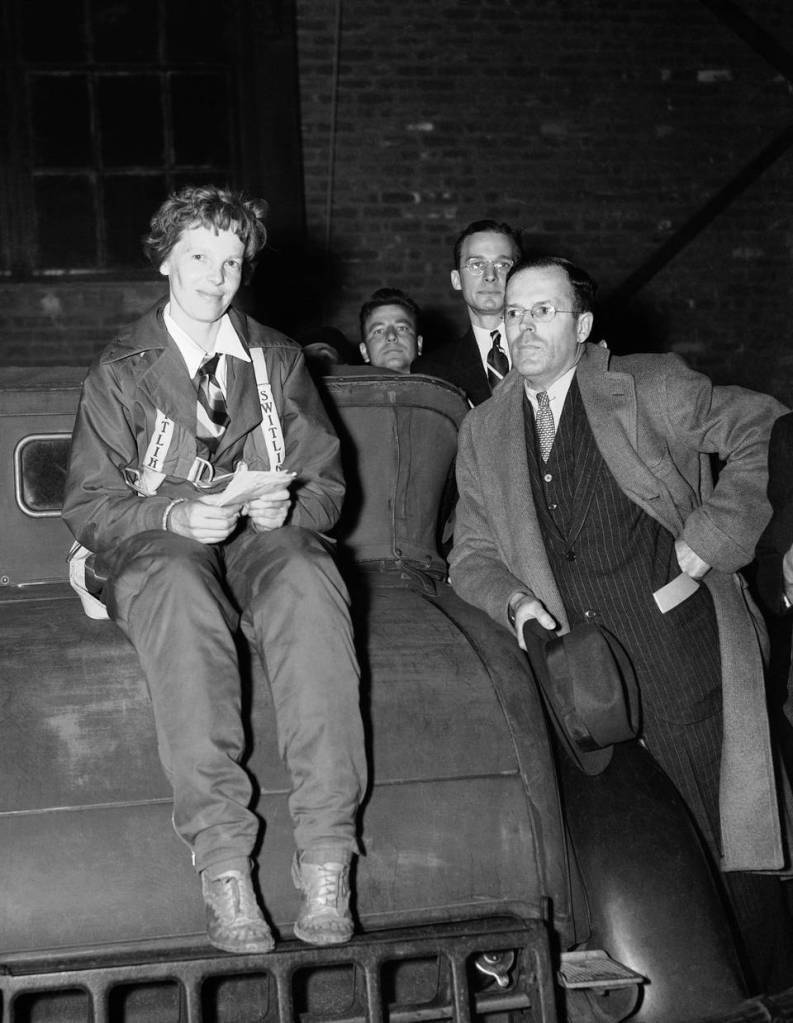
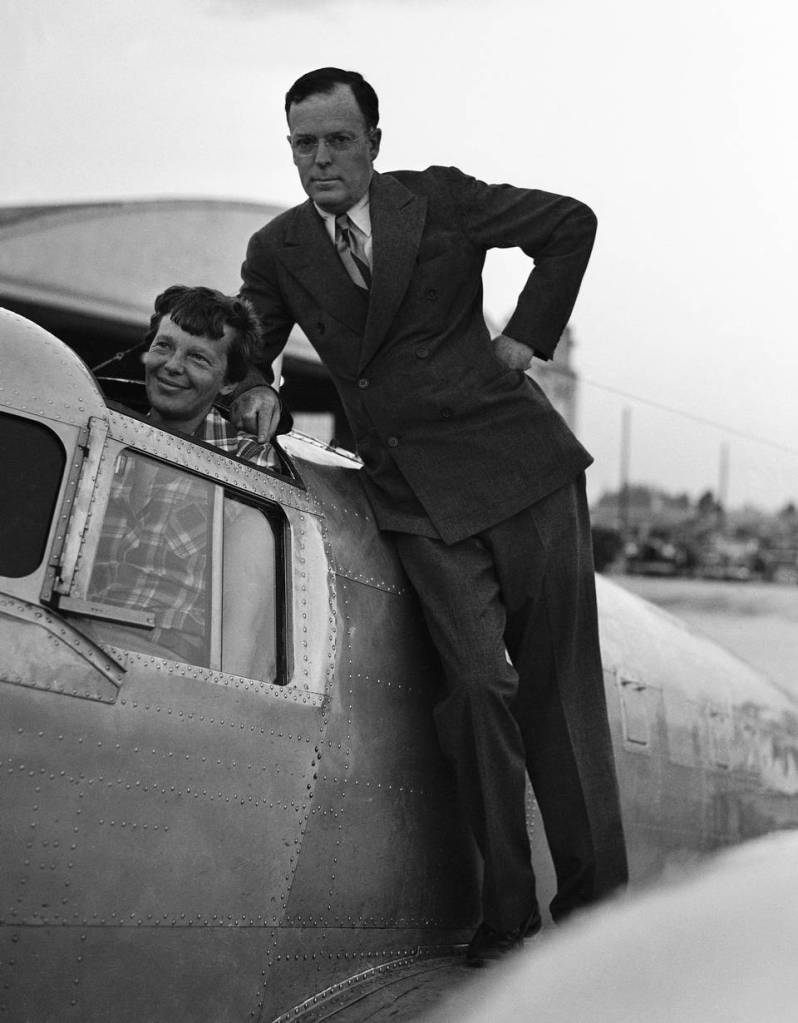
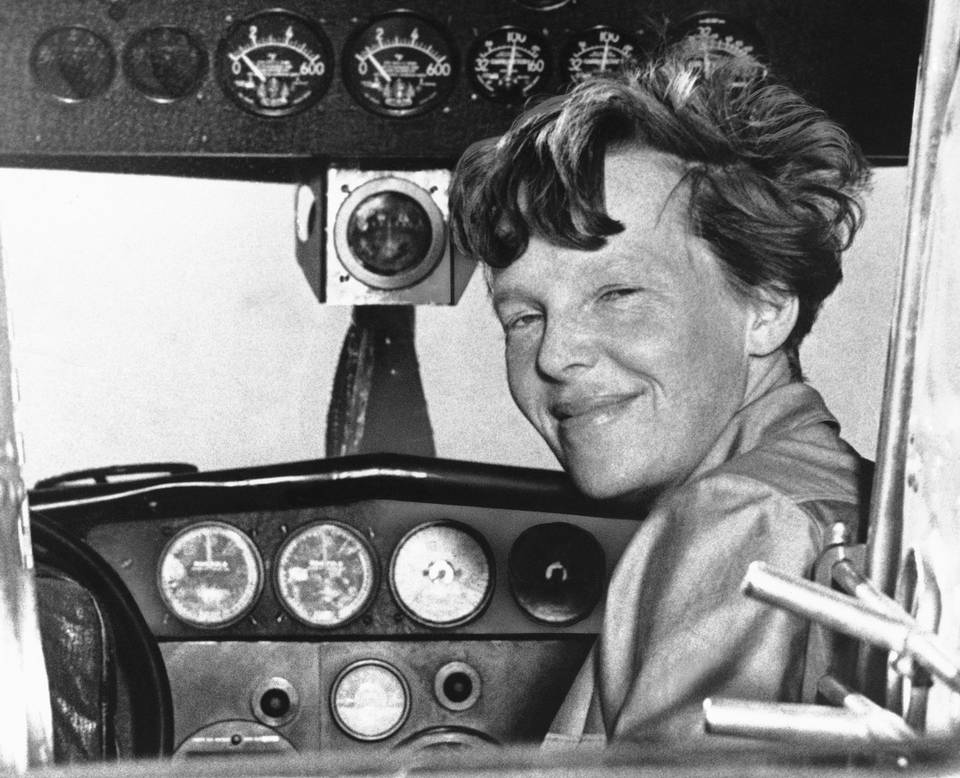
Amelia Mary Earhart (born July 24, 1897 – disappeared July 2, 1937, declared dead January 5, 1939) was an American aviation pioneer and author. Earhart was the first female aviator to fly solo across the Atlantic Ocean. She set many other records, was one of the first aviators to promote commercial air travel, wrote best-selling books about her flying experiences, and was instrumental in the formation of The Ninety-Nines, an organization for female pilots.
Born and raised in Atchison, Kansas, and later in Des Moines, Iowa, Earhart developed a passion for adventure at a young age, steadily gaining flying experience from her twenties. In 1928, Earhart became the first female passenger to cross the Atlantic by airplane (accompanying pilot Wilmer Stultz), for which she achieved celebrity status. In 1932, piloting a Lockheed Vega 5B, Earhart made a nonstop solo transatlantic flight, becoming the first woman to achieve such a feat. She received the United States Distinguished Flying Cross for this accomplishment. In 1935, Earhart became a visiting faculty member at Purdue University as an advisor to aeronautical engineering and a career counselor to women students. She was also a member of the National Woman’s Party and an early supporter of the Equal Rights Amendment. Known as one of the most inspirational American figures in aviation from the late 1920s throughout the 1930s, Earhart’s legacy is often compared to the early aeronautical career of pioneer aviator Charles Lindbergh, as well as to figures like First Lady Eleanor Roosevelt for their close friendship and lasting impact on the issue of women’s causes from that period.
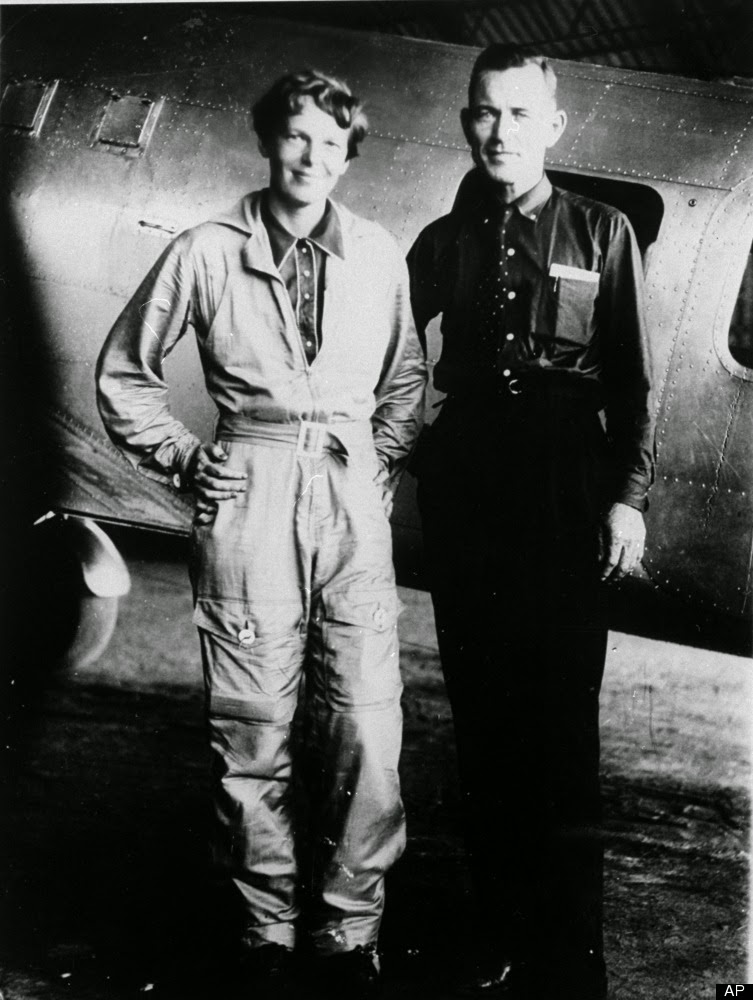
During an attempt at becoming the first female to complete a circumnavigational flight of the globe in 1937 in a Purdue-funded Lockheed Model 10-E Electra, Earhart and navigator Fred Noonan disappeared over the central Pacific Ocean near Howland Island. The two were last seen in Lae, New Guinea, on July 2, 1937, on the last land stop before Howland Island and one of their final legs of the flight. She presumably lost her life in the Pacific during the circumnavigation, just three weeks prior to her fortieth birthday. Nearly one year and six months after she and Noonan disappeared, Earhart was officially declared dead. Investigations and significant public interest in their disappearance still continue over 80 years later.
Decades after her presumed death, Earhart was inducted into the National Aviation Hall of Fame in 1968 and the National Women’s Hall of Fame in 1973. She now has several commemorative memorials named in her honor around the United States, including an urban park, an airport, a residence hall, a museum, a research foundation, a bridge, a cargo ship, an earth-fill dam, four schools, a hotel, a playhouse, a library, multiple roads, and more. She also has a minor planet, planetary corona and newly-discovered lunar crater named after her. She is ranked ninth on Flying’s list of the 51 Heroes of Aviation. (Wikipedia)
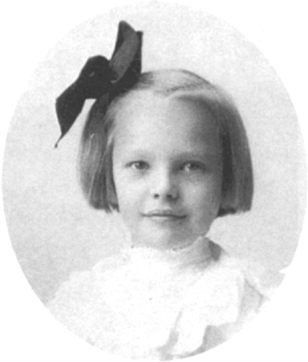
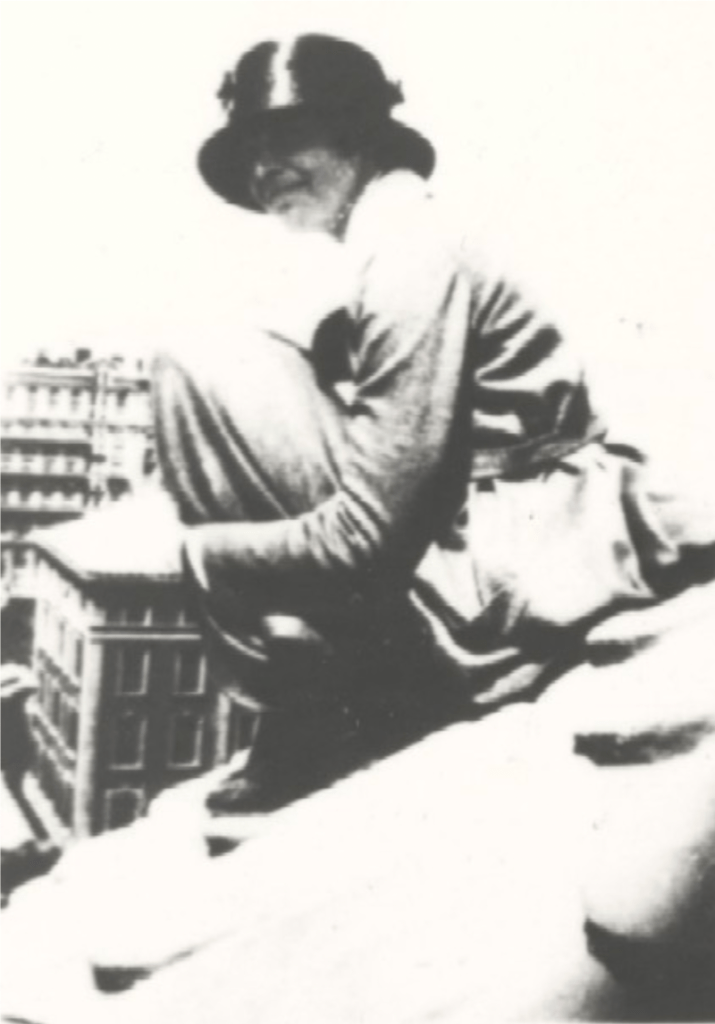
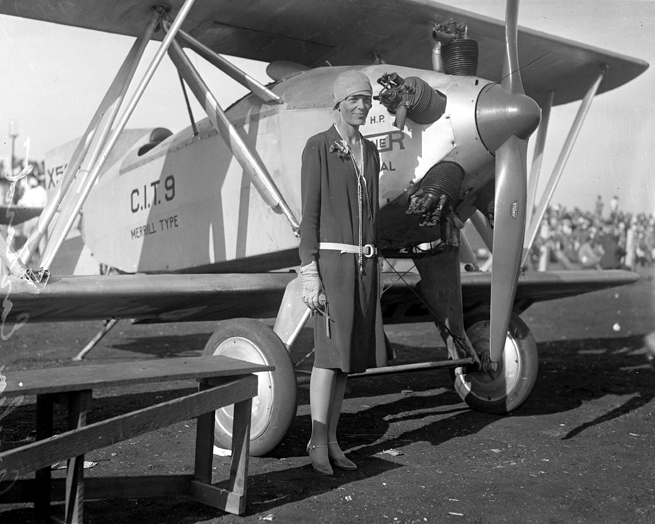
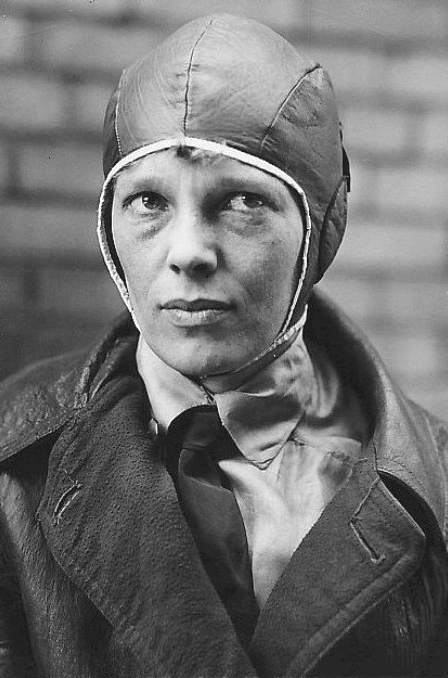
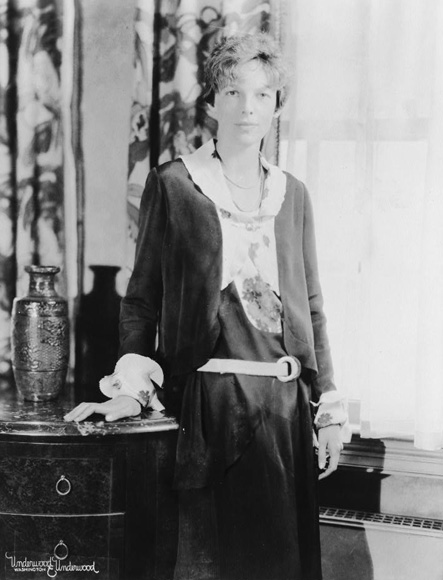
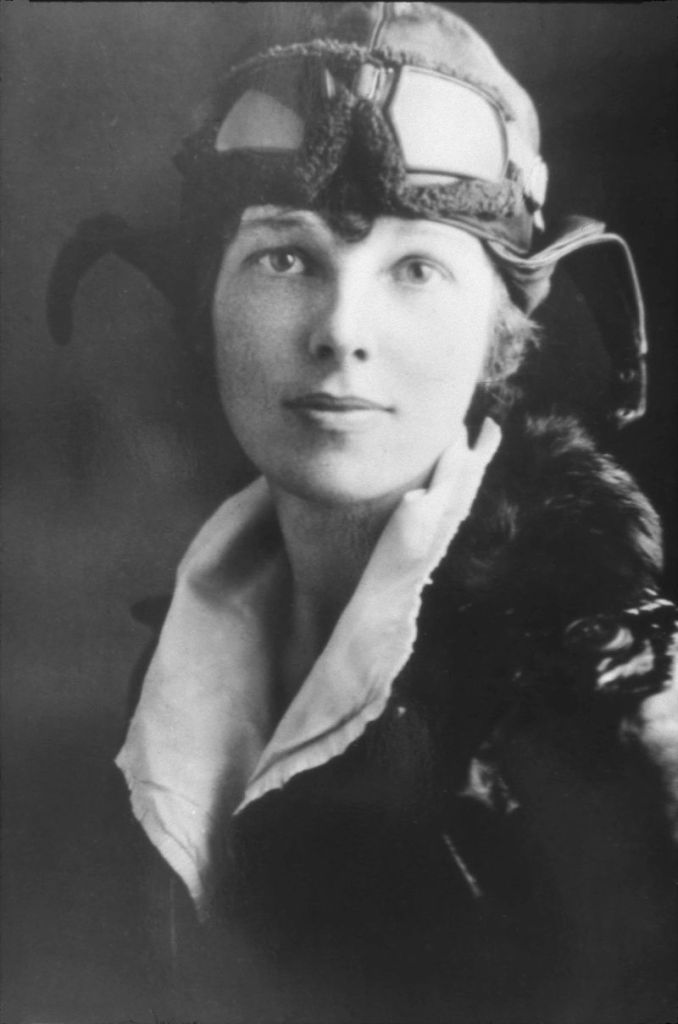
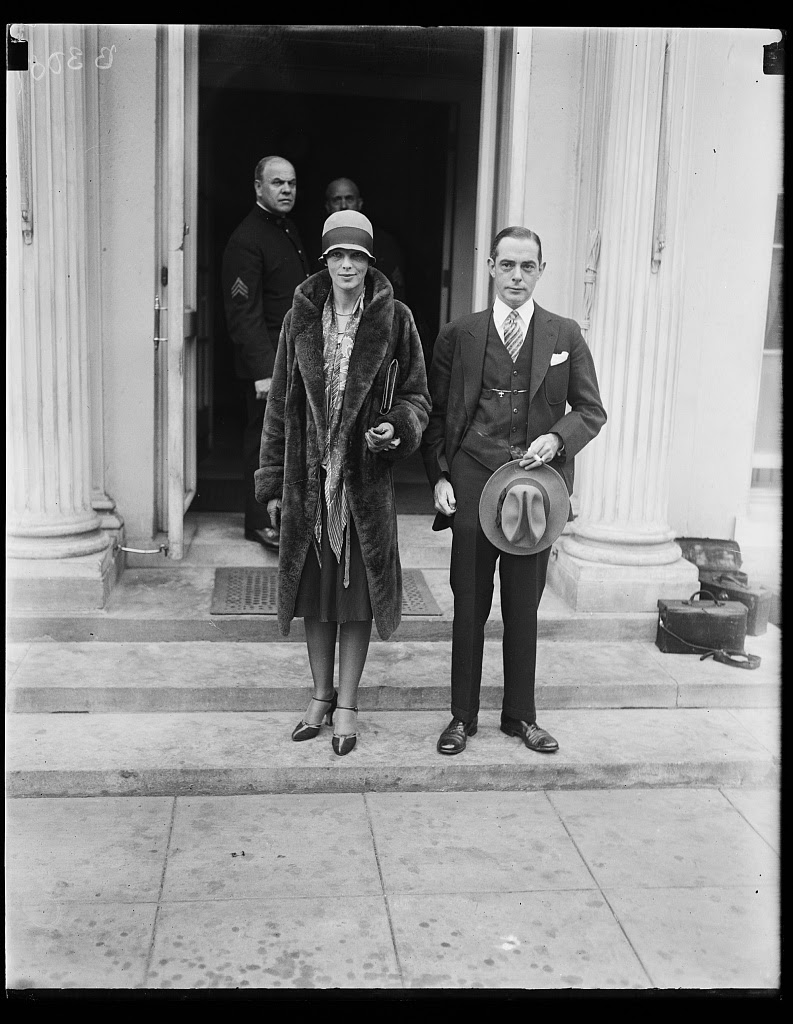
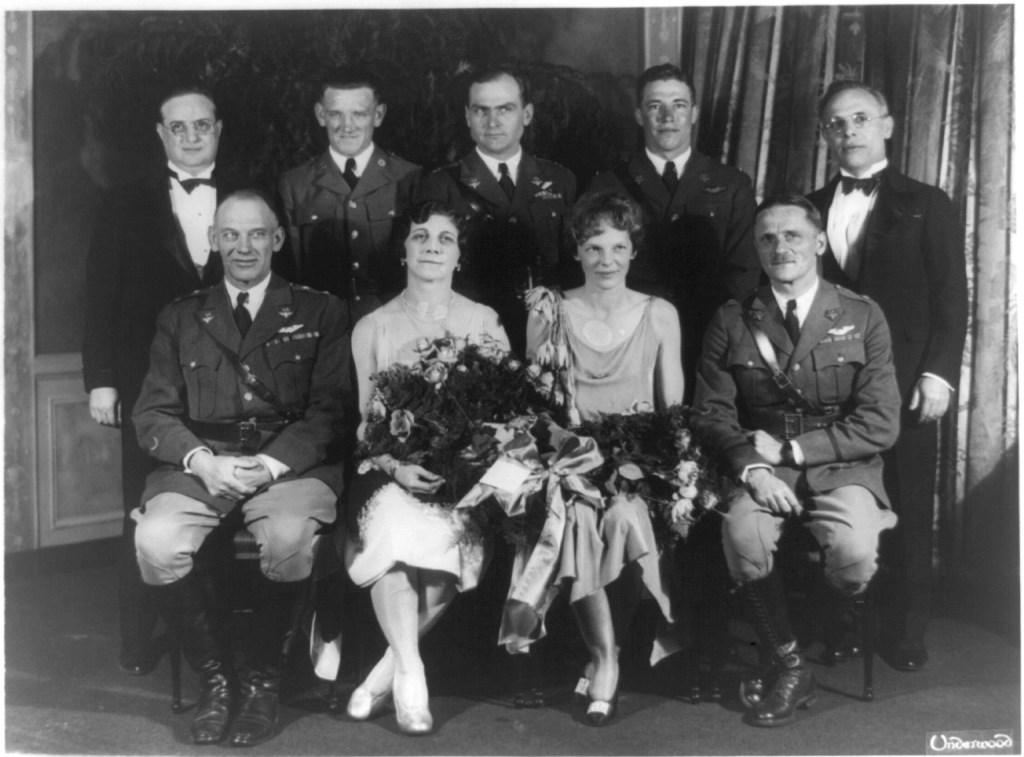
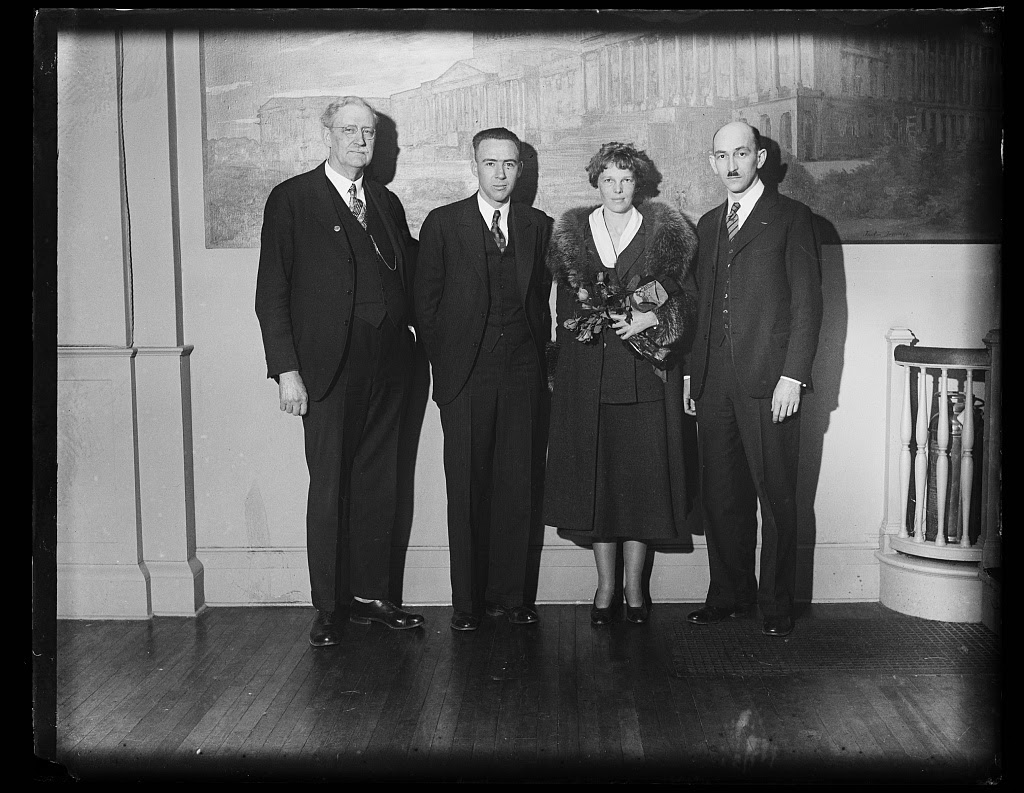
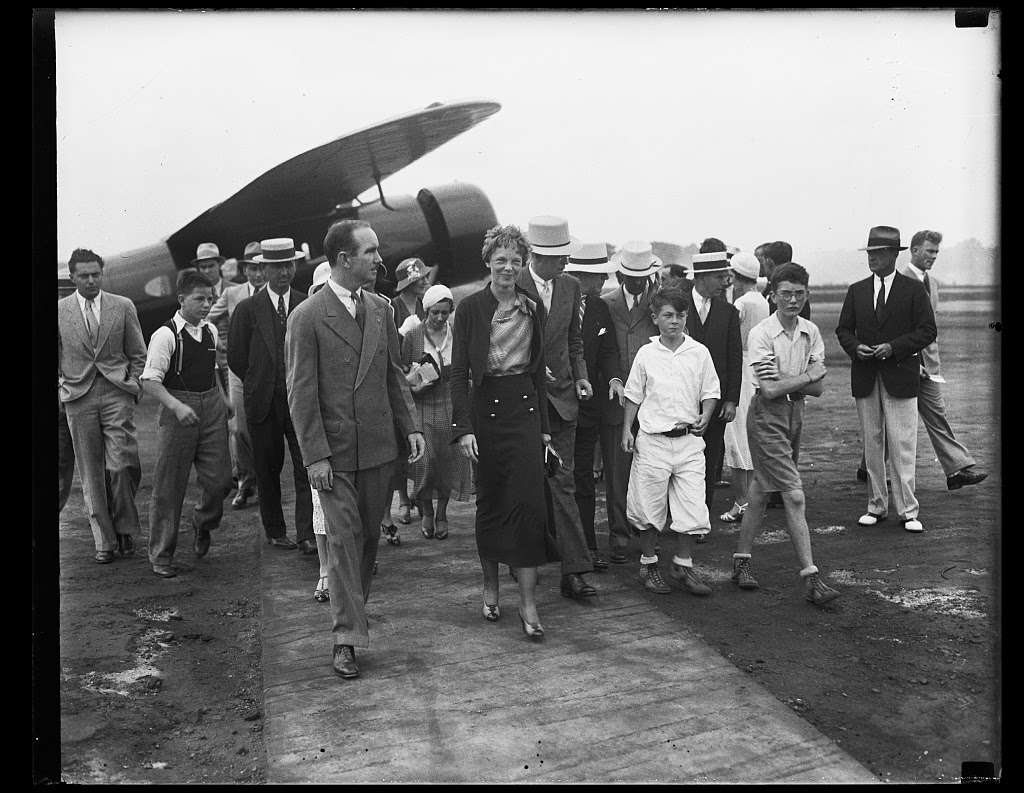
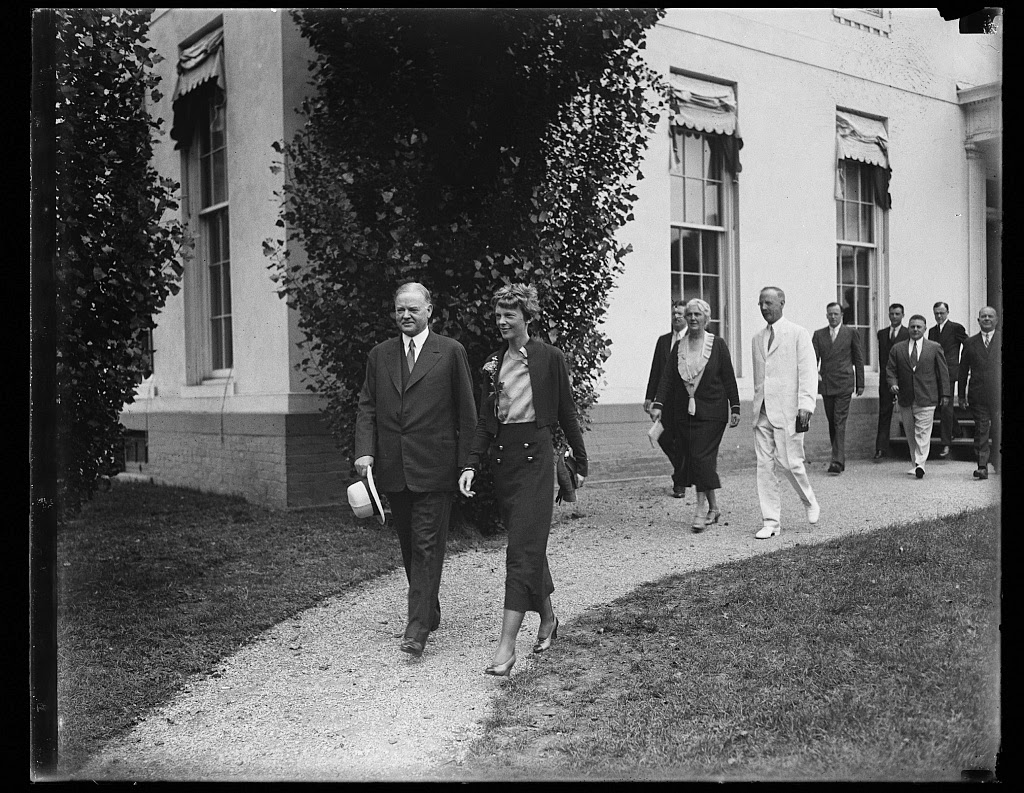
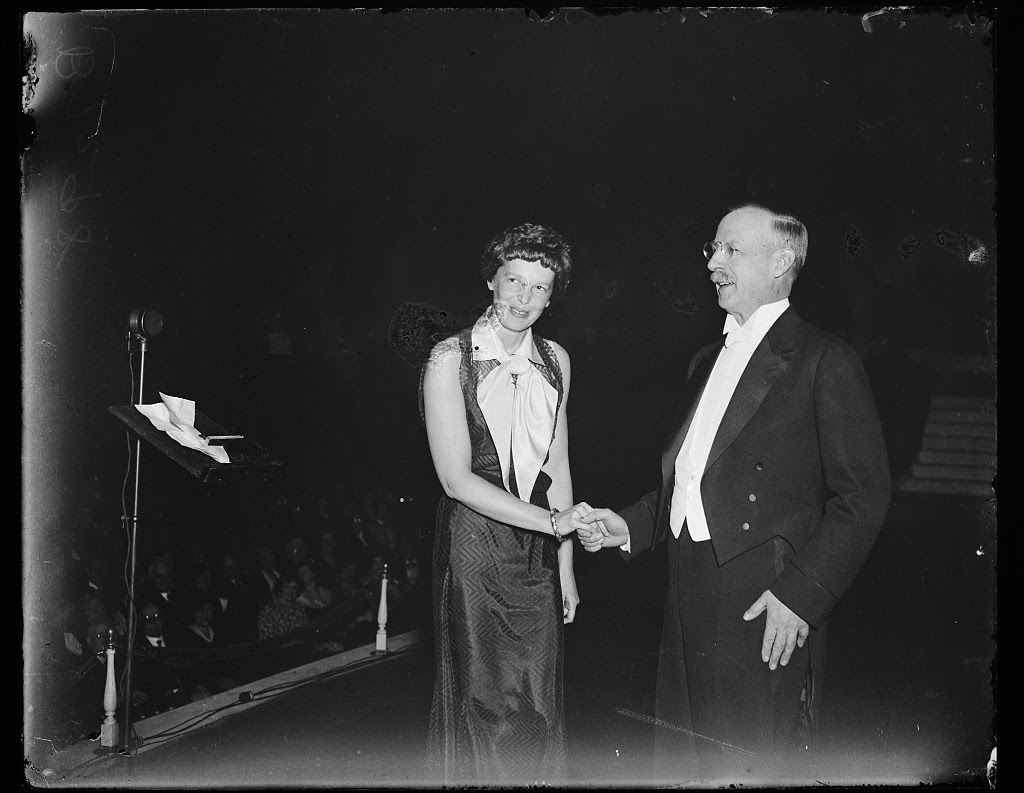
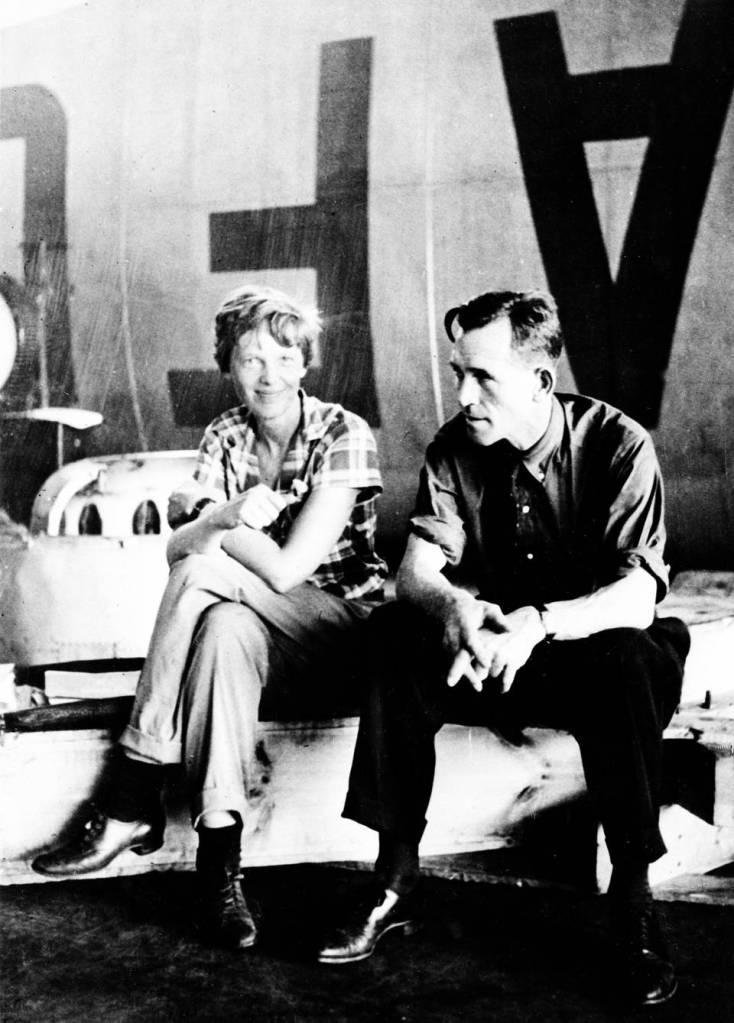
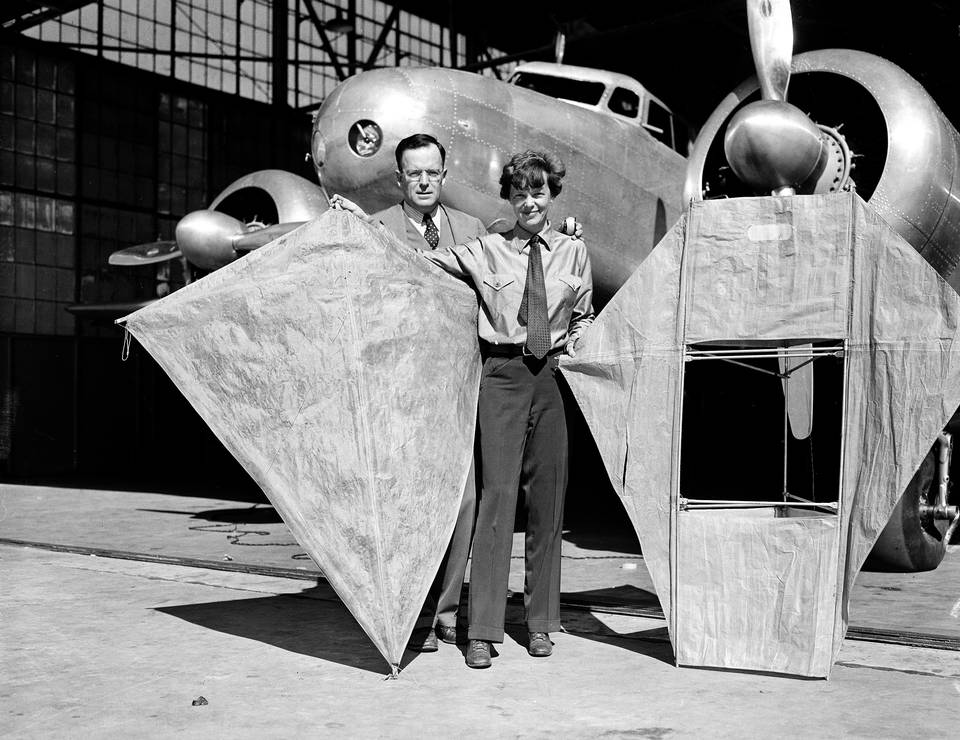
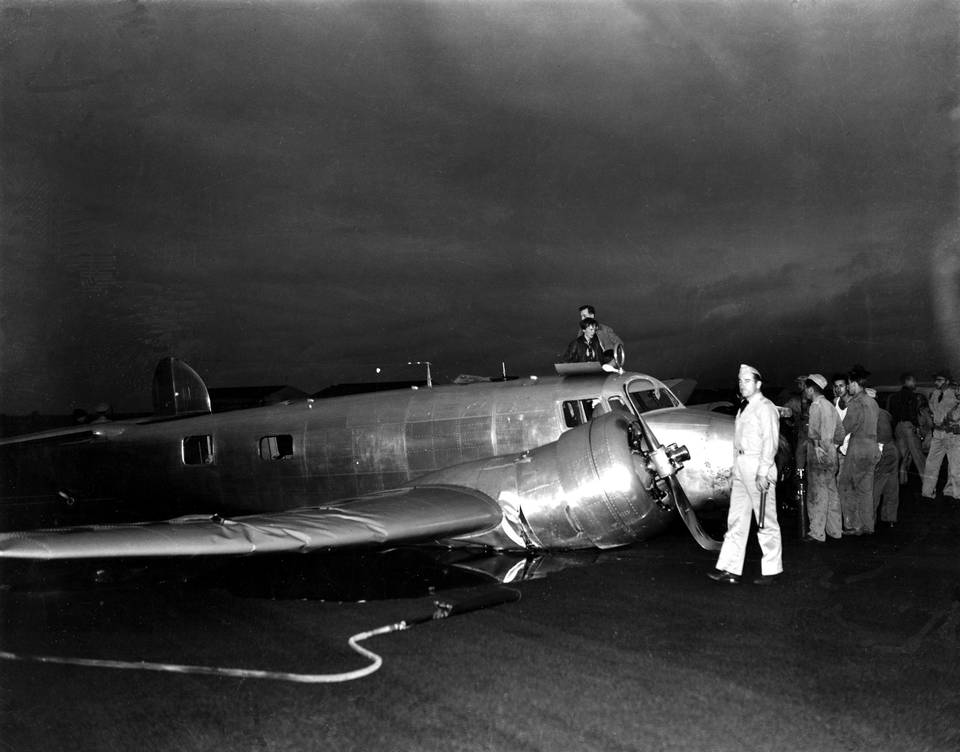
American aviatrix Amelia Earhart arrives in Southampton, England, after her transatlantic flight on the “Friendship” from Burry Point, Wales, on June 26, 1928.Amelia Earhart, 1932.Earhart as a childAmelia Earhart in evening clothes.Earhart perched atop the dome of Low Memorial Library at Columbia in 1920. Earhart recalled in a 1933 interview, that “The first adventure I had at Columbia was in the air. I climbed to the top of the Library and then I descended into the intricate tunnels.”Neta Snook and Amelia Earhart in front of Earhart’s Kinner Airster, c.1921.Amelia Earhart — wearing a dress, standing beside a Merrill CIT-9 Safety Plane, circa 1928.Photo of Amelia Earhart prior to her transatlantic crossing of June 17, 1928Studio portrait of Amelia Earhart, c. 1932. Putnam specifically instructed Earhart to disguise a “gap-toothed” smile by keeping her mouth closed in formal photographs.Photo of Amelia Earhart and her husband, George Putnam. 1931.Amelia Earhart talking to Charles T.P. Ulm at Oakland Airport, California, USA, just prior to attempted trans-Pacific flight in Stella Australis, 1934Earhart and Noonan by the Lockheed L10 Electra at Darwin, Australia on June 28, 1937Earhart’s pilot license #6017 photoAmelia Earhart the first woman to pilot a plane solo across the Atlantic, is shown with her husband, George Putnam, aboard the city boat Riverside as they return to New York City on June 20, 1932.Amelia Earhart, June 30, 1932.Amelia Earhart is shown climbing out of the cockpit after piloting her plane from Los Angeles to Oakland, Calif., on March 10, 1937.Amelia Earhart with her Lockheed Vega surrounded by a crowd after she became the first woman to fly solo from Hawaii to California in 1935.Amelia Earhart climbs out of her plane at Oakland Airport after completing her 18-hour, 2,400-mile flight from Honolulu on Jan. 14, 1935.Amelia Earhart, with her husband, George Putnam, after completing her nonstop flight from Mexico City, a 2,100-mile journey, in 14 hours and 20 minutes, May 8, 1935, Newark, N.J.Amelia Earhart and her husband George Putnam, talk over plans for Earhart’s second attempt to fly around the world. May 29, 1937.George Putnam, right, bids his wife, Amelia Earhart, “Happy Landings” as she started her 28,000-mile aerial jaunt around the globe, June 1, 1937, in Miami, Fla.Amelia Earhart and her navigator, Fred Noonan, pose in front of their twin-engine Lockheed Electra in Los Angeles at the end of May 1937, prior to their historic flight to circle the globe.Amelia EarhartPreparation of the Lockheed Electra plane, used for the around-the-world flight by Amelia Earhart, is shown in 1937 in Oakland, Calif.Amelia Earhart waves from the Electra before taking off from Los Angeles on March 10, 1937. Earhart is flying to Oakland, Calif., where she and her crew will begin their around-the-world flight on March 18.Amelia Earhart and her navigator, Fred Noonan, are seen shortly after their landing in the Dutch East Indies, on June 21, 1937. It was one of the last happy landings on their attempted around-the-world flight before they disappeared on July 2, somewhere over the Pacific Ocean.Amelia Earhart inspects the twin-engine Lockheed Electra monoplane being built for her use in long-distance flights at the plant, on May 26, 1936, in Burbank, Calif.The only known picture of Earhart’s Lockheed Electra taking off from Lae, New Guinea on July 1, 1937, for the 2,550-mile flight to Howland Island.Amelia Earhart and her husband, George Putnam, on March 6, 1937, in Oakland, Calif.Amelia Earhart, navigator Frederick Noonan, behind her, and Capt. Harry Manning emerge from the Electra after it crashed on takeoff from Luke Field, near Pearl Harbor, Hawaii, on March 20, 1937.Amelia Earhart is shown in this undated photo.Amelia Earhart and her navigator, Fred Noonan, 10 days before their disappearance in the Pacific
Sir Alfred Joseph Hitchcock KBE (13 August 1899 – 29 April 1980) was an English filmmaker who was one of the most influential figures in the history of cinema. In a career spanning six decades, he directed over 50 feature films, many of which are still widely watched and studied today. Known as the “Master of Suspense”, he became as well known as any of his actors thanks to his many interviews, his cameo roles in most of his films, and his hosting and producing the television anthology Alfred Hitchcock Presents (1955–65). His films garnered 46 Academy Award nominations, including six wins, although he never won the award for Best Director despite five nominations.
Hitchcock initially trained as a technical clerk and copy writer before entering the film industry in 1919 as a title card designer. His directorial debut was the British-German silent film The Pleasure Garden (1925). His first successful film, The Lodger: A Story of the London Fog (1927), helped to shape the thriller genre, and Blackmail (1929) was the first British “talkie”. His thrillers The 39 Steps (1935) and The Lady Vanishes (1938) are ranked among the greatest British films of the 20th century. By 1939, he had international recognition and producer David O. Selznick persuaded him to move to Hollywood. A string of successful films followed, including Rebecca (1940), Foreign Correspondent (1940), Suspicion (1941), Shadow of a Doubt (1943), and Notorious (1946). Rebecca won the Academy Award for Best Picture, with Hitchcock nominated as Best Director; he was also nominated for Lifeboat (1944) and Spellbound (1945). After a brief commercial lull, he returned to form with Strangers on a Train (1951) and Dial M for Murder (1954); he then went on to direct four films often ranked among the greatest of all time: Rear Window (1954), Vertigo (1958), North by Northwest (1959) and Psycho (1960), the first and last of these garnering him Best Director nominations. The Birds (1963) and Marnie (1964) were also financially successful and are highly regarded by film historians.
The “Hitchcockian” style includes the use of camera movement to mimic a person’s gaze, thereby turning viewers into voyeurs, and framing shots to maximise anxiety and fear. The film critic Robin Wood wrote that the meaning of a Hitchcock film “is there in the method, in the progression from shot to shot. A Hitchcock film is an organism, with the whole implied in every detail and every detail related to the whole.” Hitchcock made multiple films with some of the biggest stars in Hollywood, including four with Cary Grant in the 1940s and 1950s, three with Ingrid Bergman in the last half of the 1940s, four with James Stewart over a ten-year span commencing in 1948, and three with Grace Kelly in the mid-1950s. Hitchcock became an American citizen in 1955.
In 2012, Hitchcock’s psychological thriller Vertigo, starring Stewart, displaced Orson Welles’ Citizen Kane (1941) as the British Film Institute’s greatest film ever made based on its world-wide poll of hundreds of film critics. As of 2021, nine of his films had been selected for preservation in the United States National Film Registry, including his personal favourite, Shadow of a Doubt (1943). He received the BAFTA Fellowship in 1971, the AFI Life Achievement Award in 1979 and was knighted in December that year, four months before his death on 29 April 1980. (Wikipedia)
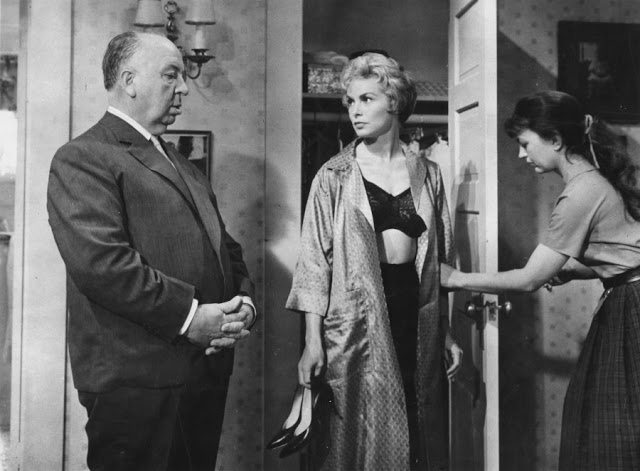
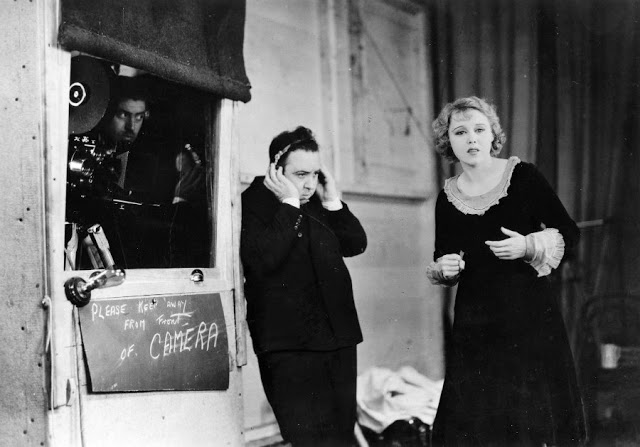
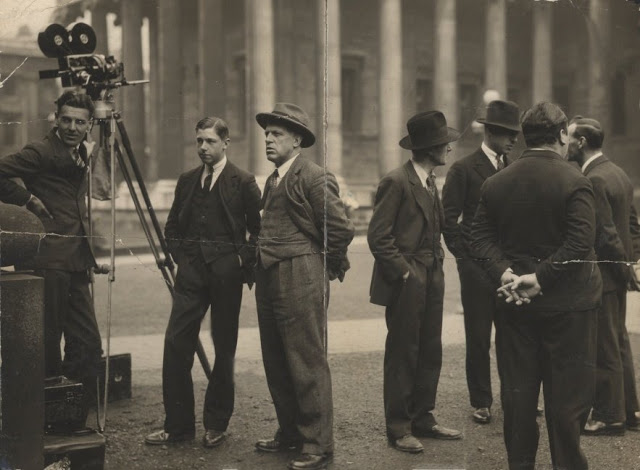
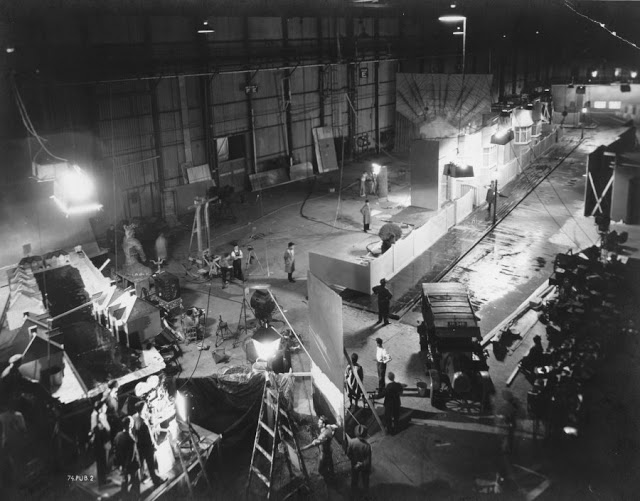
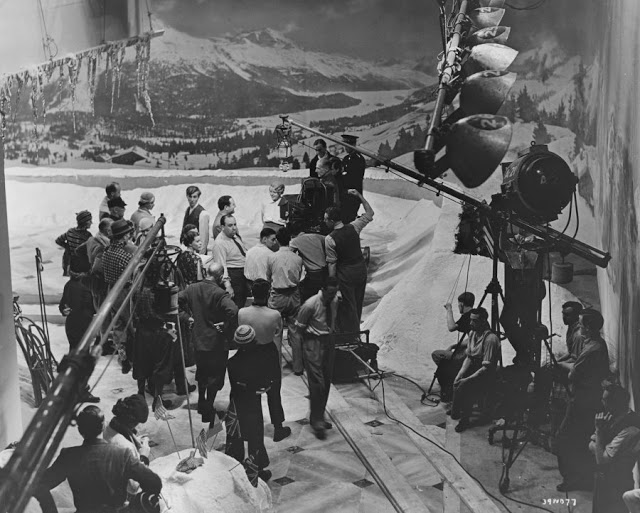
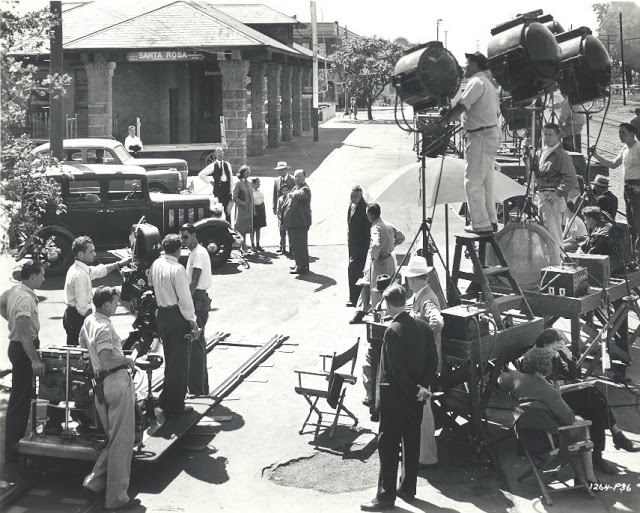
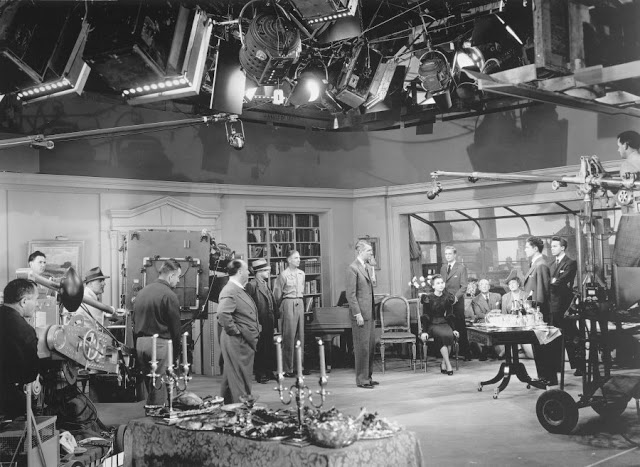
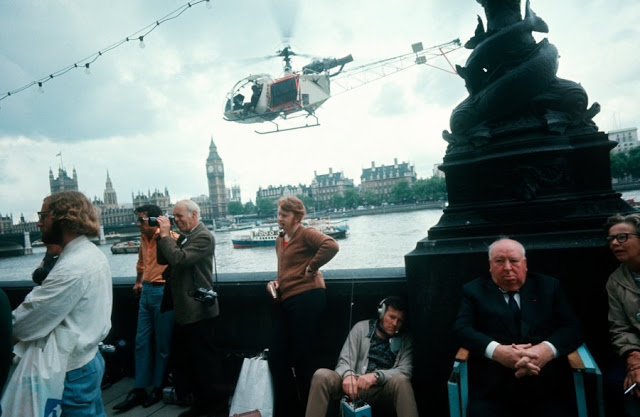
Hitchcock on the set of Blackmail (1929) with the film’s star Anny Ondra. Blackmail was started as a silent in spring 1929, before the decision was taken to make it a full talkie. The only problem with this was the Czech star Ondra’s heavy accent, which was unsuited to her role as a West London shopkeeper’s daughter. Hitchcock is pictured here conducting a sound test. He came up with the novel solution of using English actor Joan Barry to stand off camera and speak Ondra’s lines.This is a rare picture of Hitchcock on location at the British Museum with cameraman Jack Cox, shot outside as blackmailer Tracy (Donald Calthrop) tries to evade the police by running into the museum. Hitchcock didn’t have permission to film inside the museum so reconstructed it with special effects. Although he has his back to the camera, the director is clearly recognisable.This is the large street set for the opening scenes of Rich and Strange (1931), in which the character of Fred (Henry Kendall) is seen leaving his humdrum job and returning to his suburban home. Spot the tiny but again unmistakable figure of Hitchcock with his hands on his hips surveying the set in the centre of the image.On the St Moritz set of The Man Who Knew Too Much (1934). The film opens in St Moritz, Switzerland (where Hitchcock and his wife Alma Reville honeymooned), recreated here in the studios of Lime Grove, London. Edna Best plays a competitive sharpshooter (Doris Day took the role in Hitchcock’s own 1955 remake and becomes a semi-retired singer instead). St Moritz didn’t feature in the remake, where the opening scenes are shifted to Morocco (Hitchcock shot much of this on location in North Africa).Scouting for an ideal smalltown American location led Hitchcock to Santa Rosa, California for Shadow of a Doubt (1943). Unfortunately, the residents were so pleased that their town was picked to feature in the director’s film that they repainted all the houses, which the film crew duly had to re-age to make the town look authentic again.The elaborate setup of Rope (1948), the story of two student killers who host a party in the apartment where the body of their victim is concealed. For Hitchcock’s experiment in long, unbroken takes, the walls and furniture of the apartment set had to be moved by out-of-shot prop men to accommodate the roaming camera.On set with Janet Leigh for Psycho (1960). In contrast to the glossy production values of his previous film, North by Northwest (1959), Hitchcock shot Psycho cheaply in only 30 days, in black and white, and using the television crew from his series Alfred Hitchcock Presents (1955-62). Unusually for a film at the time, but standard practice for television, Hitchcock used two cameras for many scenes, enabling him to edit together shots from different angles without interrupting the flow of his actors’ performances.On location for The Birds (1963). Originally set in Cornwall, Hitchcock changed the setting of Daphne du Maurier’s short story to Bodega Bay in Northern California. For his earlier du Maurier adaptation, Rebecca (1940), he also used California (the rugged coastline of Catalina) but this time to pose as the Cornish landscape around Manderley.By the River Thames for the filming of Frenzy (1972), Hitchcock’s first film to be shot in Britain since portions of the second Man Who Knew Too Much (1955). In the trailer a dummy of his corpse is seen floating down the river, while Hitchcock’s traditional cameo appearance comes at the beginning of the film as a crowd gather outside London’s County Hall.
Fractured by internal conflict and foreign intervention for centuries, Afghanistan made several tentative steps toward modernization in the mid-20th century. In the 1950s and 1960s, some of the biggest strides were made toward a more liberal and westernized lifestyle, while trying to maintain a respect for more conservative factions. Though officially a neutral nation, Afghanistan was courted and influenced by the U.S. and Soviet Union during the Cold War, accepting Soviet machinery and weapons, and U.S. financial aid. This time was a brief, relatively peaceful era, when modern buildings were constructed in Kabul alongside older traditional mud structures, when burqas became optional for a time, and the country appeared to be on a path toward a more open, prosperous society.
Afghanistan, officially the Islamic Emirate of Afghanistan, is a landlocked country located at the crossroads of Central and South Asia. It is bordered by Pakistan to the east and south, Iran to the west, Turkmenistan and Uzbekistan to the north, and Tajikistan and China to the northeast. Occupying 652,864 square kilometers (252,072 sq mi) of land, the country is predominately mountainous with plains in the north and the southwest that are separated by the Hindu Kush mountain range. As of 2021, its population is 40.2 million, composed mostly of ethnic Pashtuns, Tajiks, Hazaras, and Uzbeks. Kabul is the country’s largest city and serves as its capital.
Human habitation in Afghanistan dates back to the Middle Paleolithic era, and the country’s strategic location along the historic Silk Road connected it to the cultures of other parts of Asia as well as Europe, leaving behind a mosaic of ethnolinguistic and religious groups that has influenced the modern Afghan nation. The land has historically been home to various peoples and has witnessed numerous military campaigns, including those by Alexander the Great, the Maurya Empire, Muslim Arabs, the Mongols, the British, the Soviet Union, and most recently by an American-led coalition. Afghanistan also served as the source from which the Greco-Bactrians and the Mughals, among others, rose to form major empires. The various conquests and periods in both the Indian and Persian cultural spheres made the area a center for Buddhism, Zoroastrianism, Hinduism, and later Islam throughout history.
The modern state of Afghanistan began with the Durrani dynasty in the 18th century, the empire at its peak ruling an area from eastern Iran to northern India. Following its decline, and the death of Timur Shah, it was divided into the smaller independent kingdoms of Herat, Kandahar and Kabul, before being reunited in the 19th century after wars of unification led by Dost Mohammad Khan. During this time, Afghanistan became a buffer state in the “Great Game” between British India and the Russian Empire; the British in India attempted to subjugate the country but were repelled in the First Anglo-Afghan War; in the second war it successfully established a British protected state over Afghanistan. Following a third war in 1919, the country became free of foreign dominance, and eventually emerged as the independent Kingdom of Afghanistan in June 1926 under Amanullah Khan. This kingdom lasted almost 50 years, until Zahir Shah was overthrown in 1973, following which a republic was established. Afghanistan’s history since the late 1970s has been dominated by coups, revolutions, invasions, insurgencies and civil wars. The country is currently under the control of the Taliban, which came back to power after a 20-year long war.
The country has high levels of terrorism, poverty, and child malnutrition. Afghanistan’s economy is the world’s 96th-largest, with a gross domestic product (GDP) of $72.9 billion by purchasing power parity; the country fares much worse in terms of per-capita GDP (PPP), ranking 169th out of 186 countries as of 2018. (Wikipedia)
Keep in mind, when looking at these images, that the average life expectancy for Afghans born in 1960 was 31, so the vast majority of those pictured have likely passed on since.
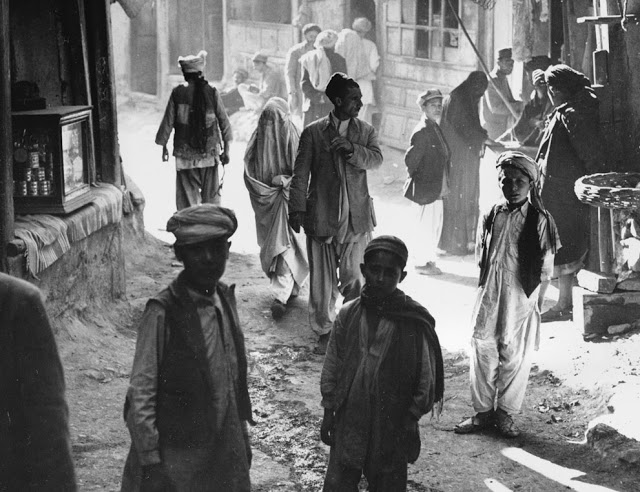
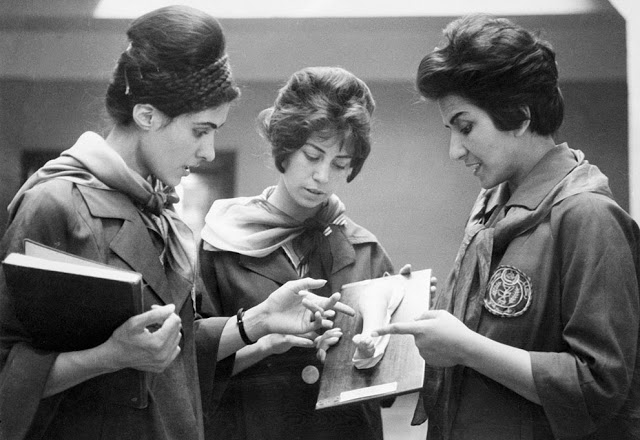
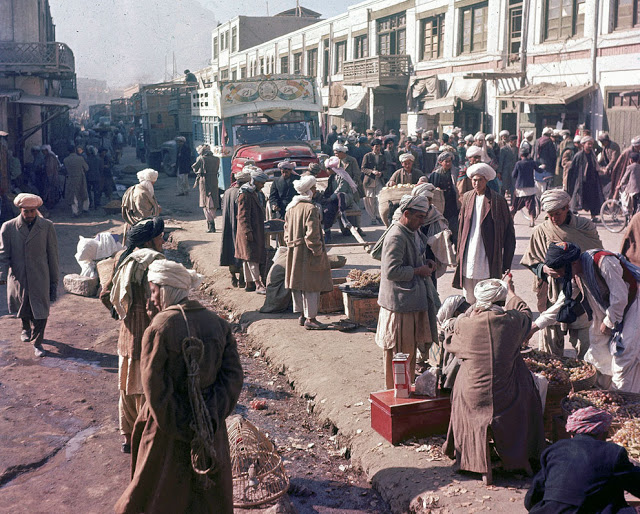
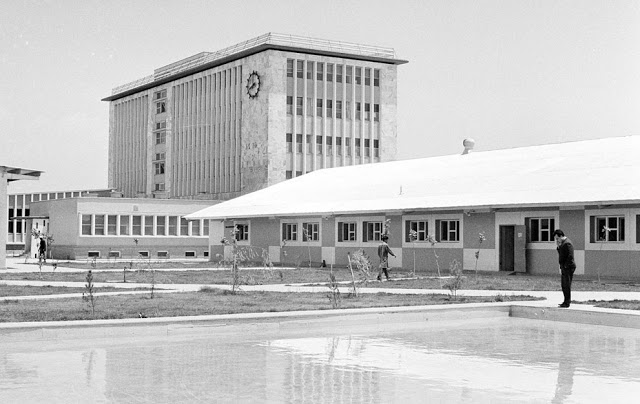
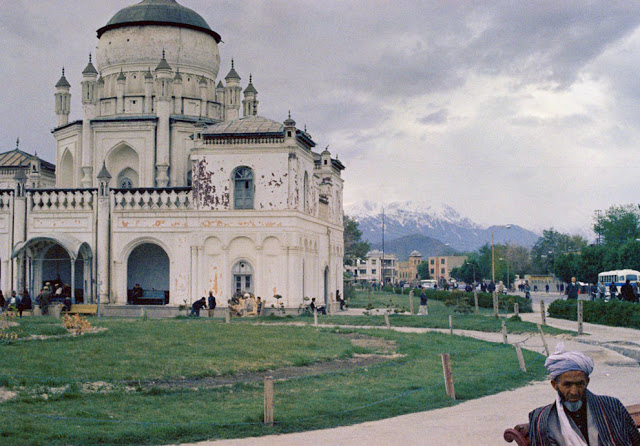
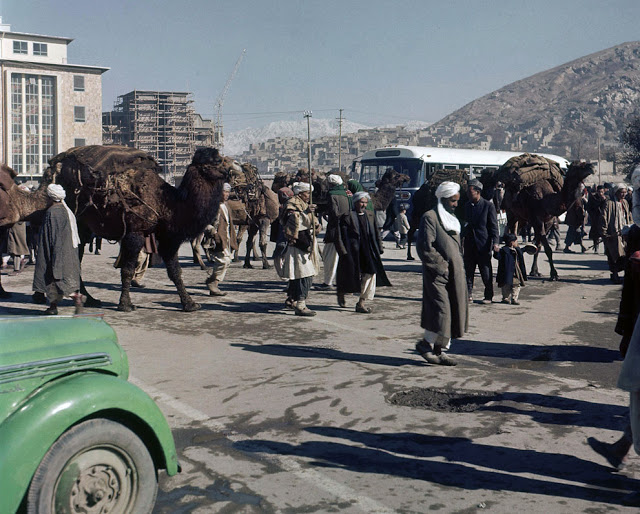
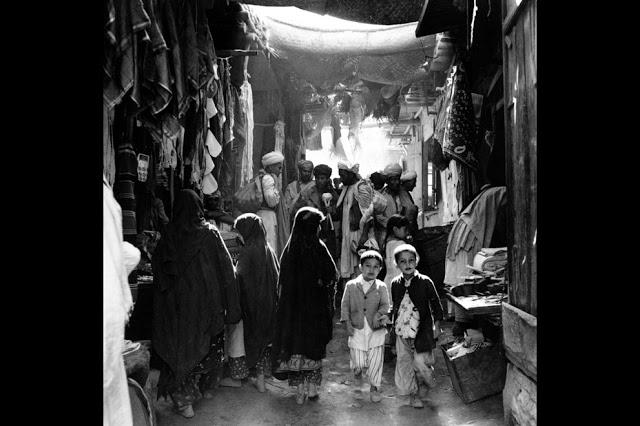
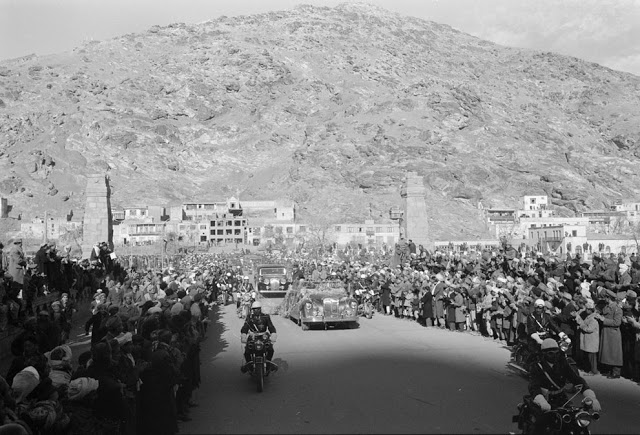
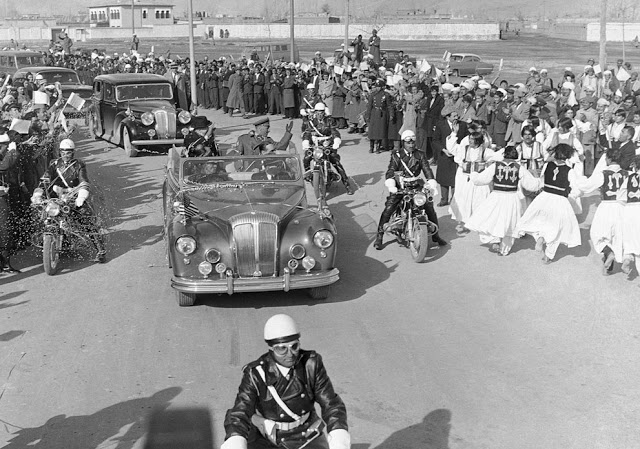
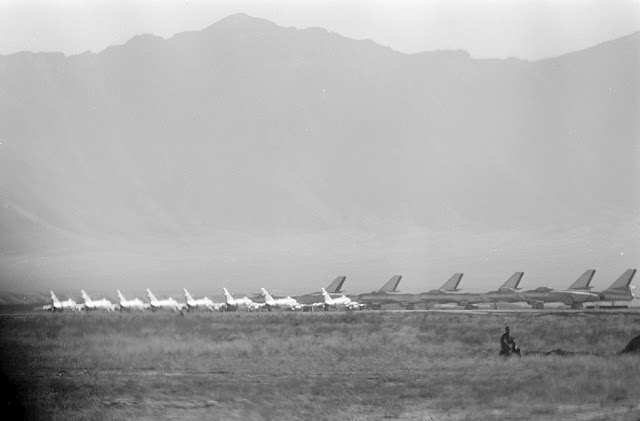
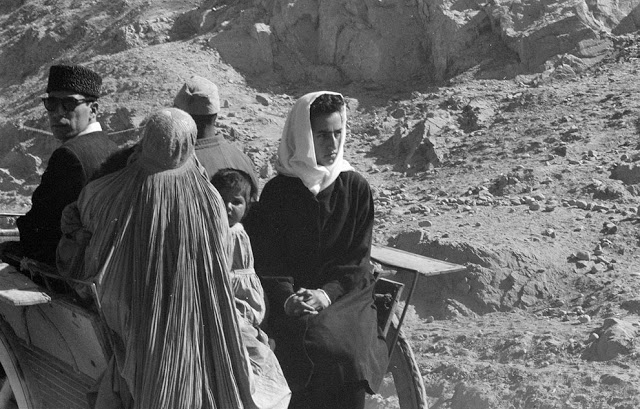
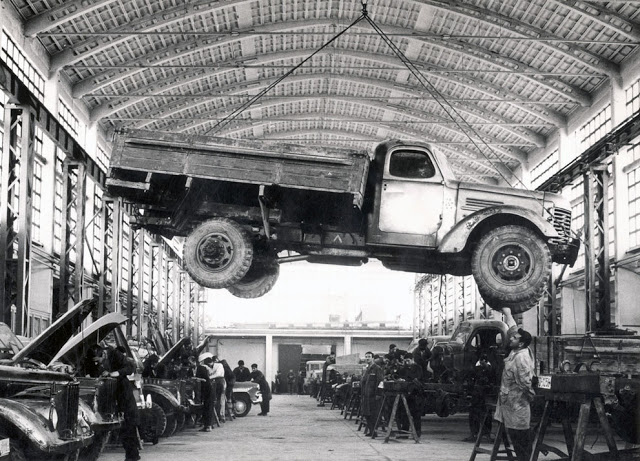
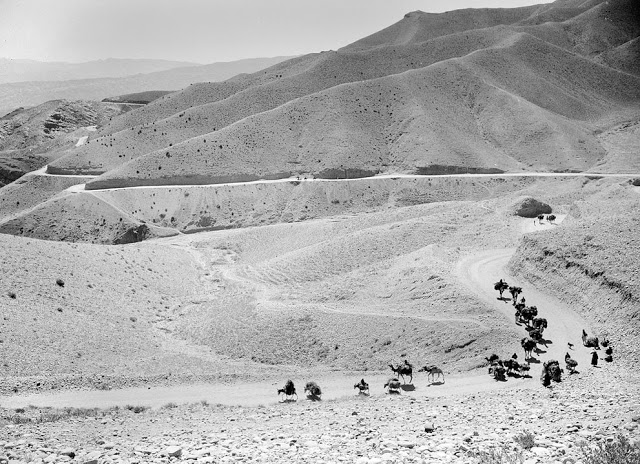
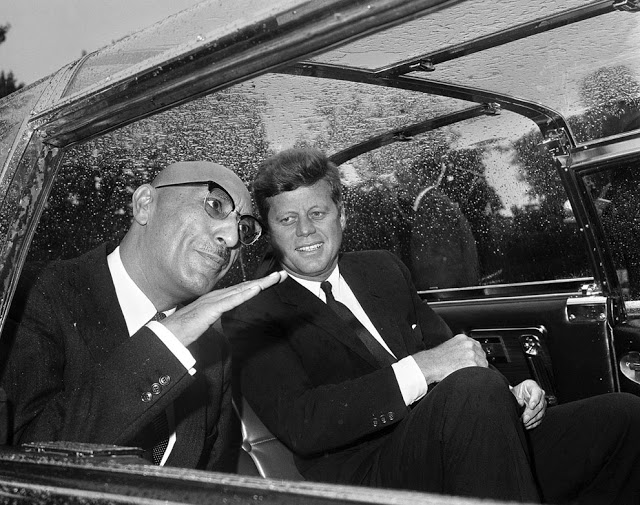
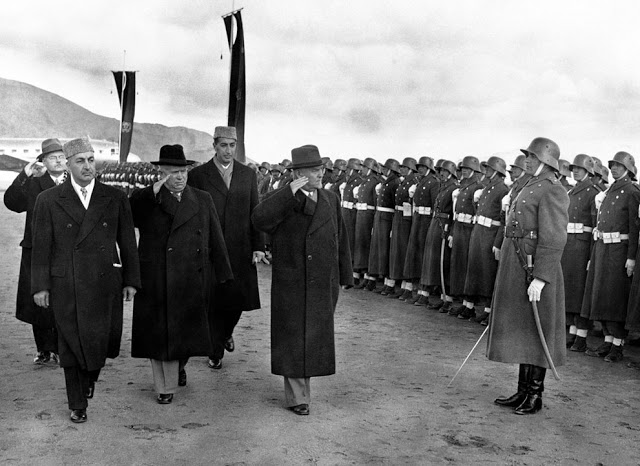
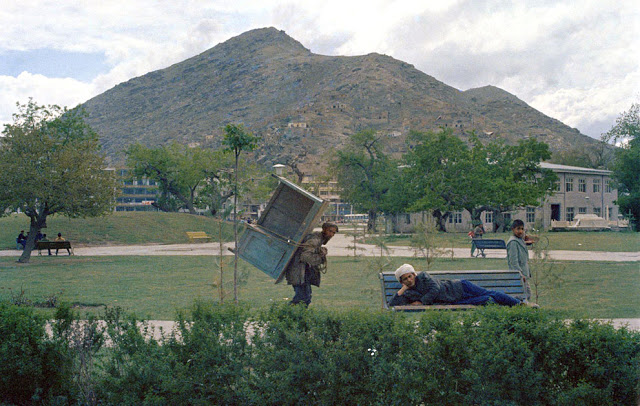
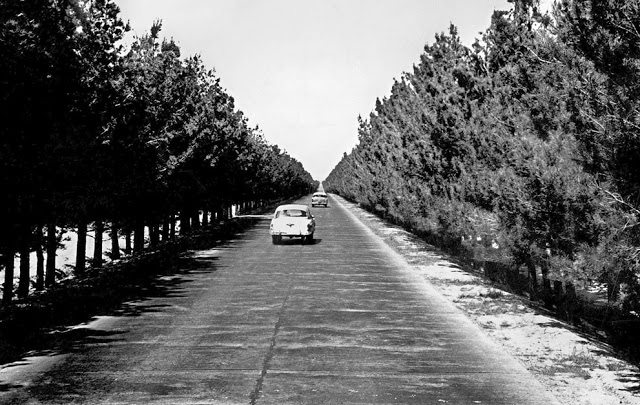
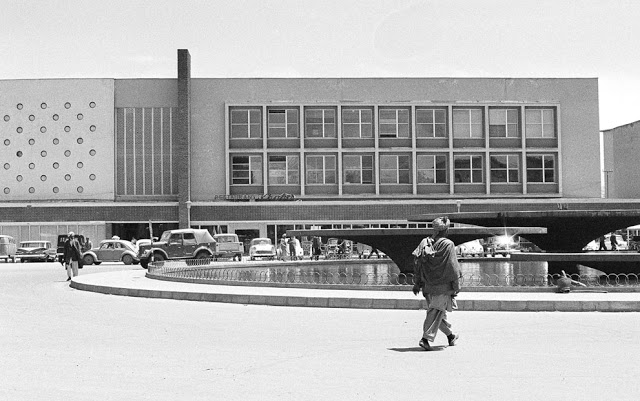
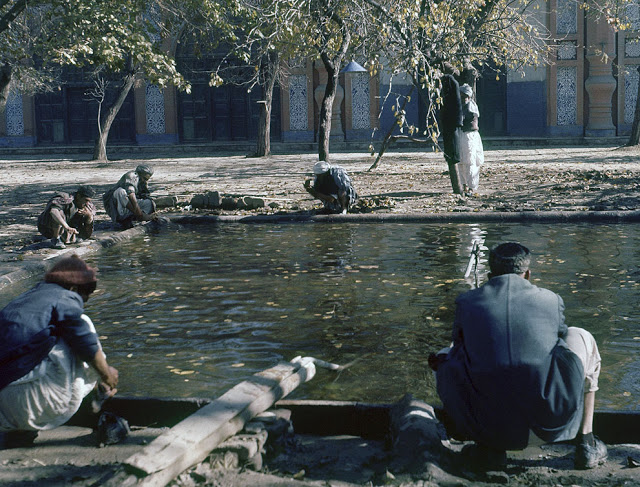
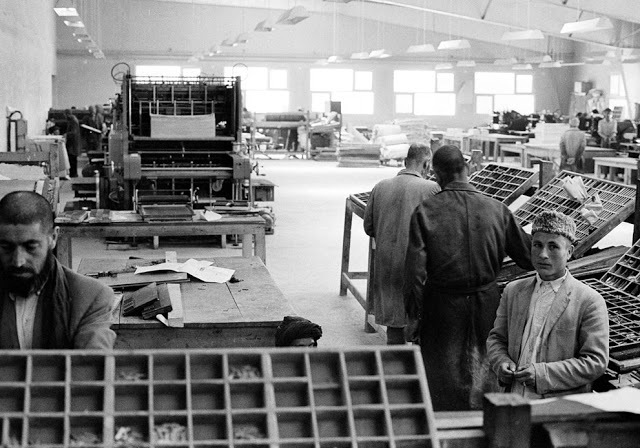
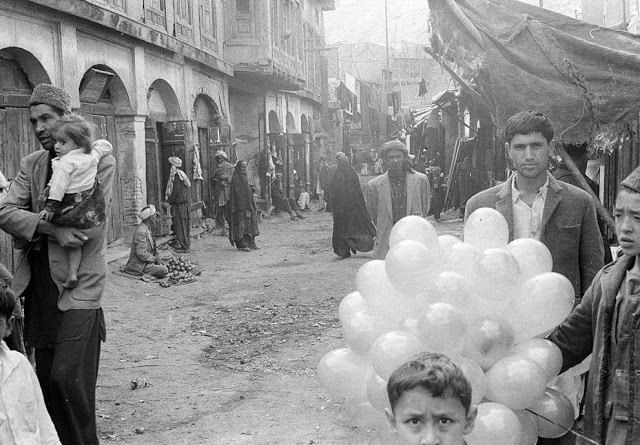
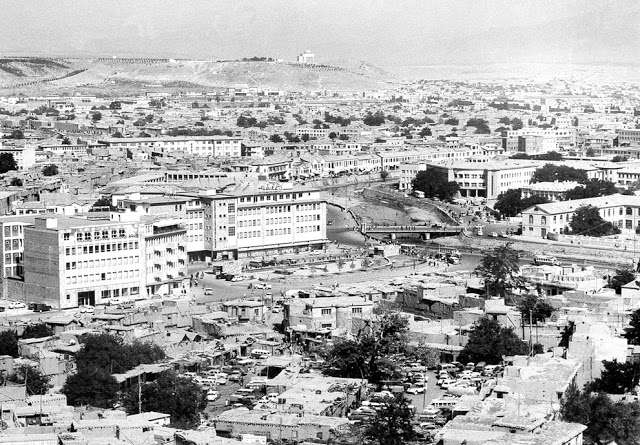
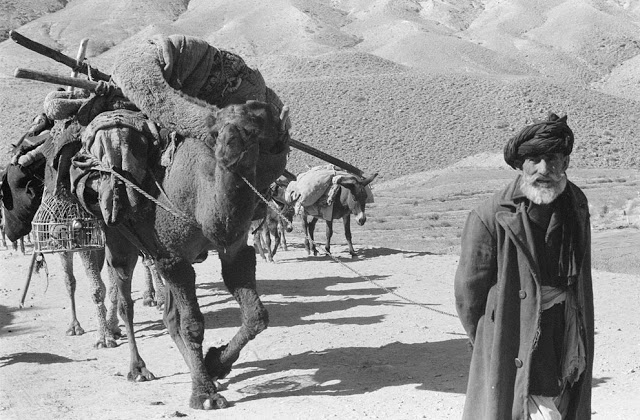
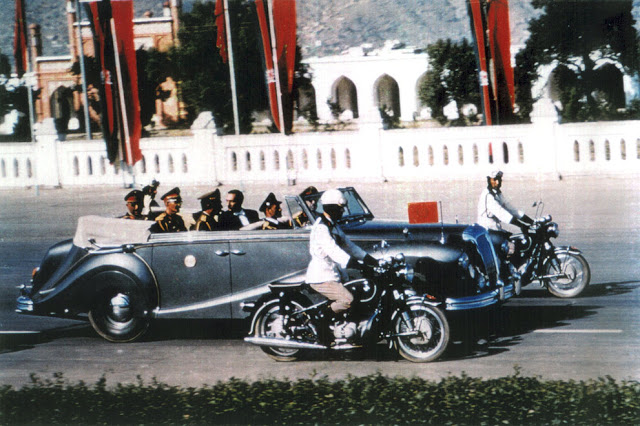
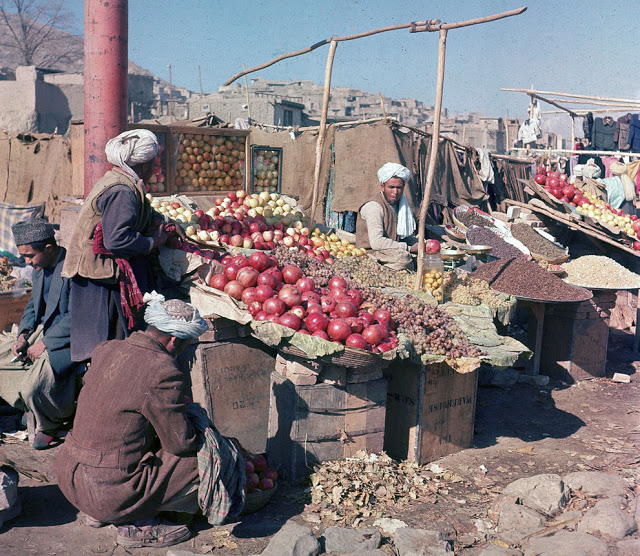
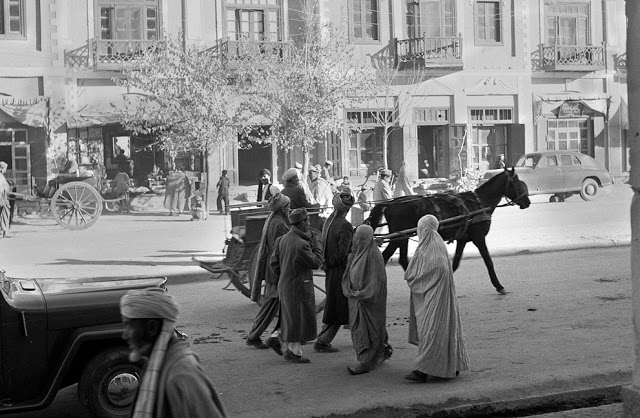
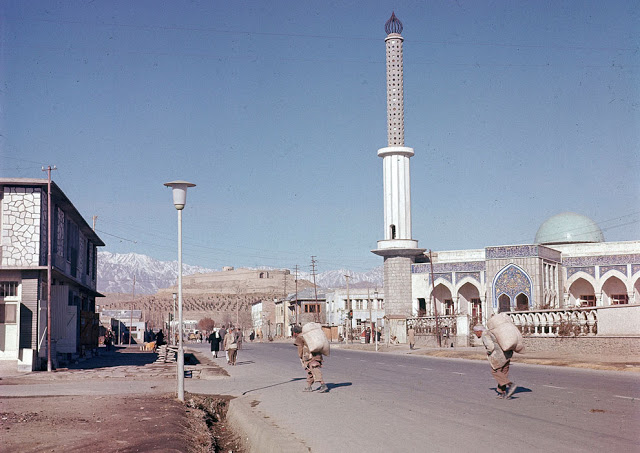
Picture taken in 1962 at the Faculty of Medicine in Kabul of two Afghan medicine students listening to their professor (at right) as they examine a plaster cast showing a part of a human body.Men stroll past roadside vendors as a painted truck makes its way through the busy street in Kabul, Afghanistan, November, 1961.The modern new (completed 1966) government printing plant in Kabul, on June 9, 1966, which houses Kabul Times. Most of its machinery was furnished by West Germany.Architecture in Kabul, Afghanistan, seen on May 28, 1968.Street scene in Kabul, Afghanistan in November, 1961.Afghan boys, men, and women, some in bare feet, shop at a marketplace in Kabul, Afghanistan, in May of 1964.Motorcade for President Eisenhower’s visit to Kabul, Afghanistan, on December 9, 1959. Eisenhower met briefly with the 45-year-old Afghan king, Mohammad Zahir Shah, to discuss Soviet influence in the region and increased U.S. aid to Afghanistan.Residents of Afghanistan line the route of U.S. President Dwight Eisenhower’s tour in Kabul, Afghanistan, on December 9, 1959.Dancers perform in street of Kabul, Afghanistan, December 9, 1959 following President Eisenhower’s arrival from Karachi. After a five hour stay in Kabul, Ike flew on to New Delhi.Afghan Air Force Mikoyan-Gurevich MiG-15 fighters and Ilyushin Il-28 bombers in Kabul, Afghanistan, during the visit of the U.S. president Dwight D. Eisenhower, in December of 1959.A shopfront display of fruits and nuts in Kabul, in November of 1961.Children in a Kabul street, November, 1961.A modern traffic light stands incongruously amid burqa-clad women sitting on a Kabul street corner with their backs to their men on May 25, 1964.Afghan women, men, and child in traditional dress ride in a cart through an arid, rocky landscape, November, 1959.An Afghan worker checks a Russian-made truck in the Kabul Janagalak factory in an unspecified date. The factory situated in the center of the city as the only firm for making vehicle’s chassis was plundered, like other public properties in the Afghan capital, during the Afghan mujahedin rule from 1992 to 1996.The entrance to the Karkar coal mine around 12 kilometers northeast of Pulikhumri, the provincial town of the Northern province of Baghlan. The Karkar coal deposit at one time met the needs of Kabul city.A caravan of mules and camels cross the high, winding trails of the Lataband Pass in Afghanistan on the way to Kabul, on October 8, 1949.In Washington, D.C., Afghan King Mohammad Zahir Shah talks with US President John F. Kennedy in the car that took them to the White House on September 8, 1963.Soviet leader Nikita Khrushchev (black hat), and Marshal Nikolai Bulganin review an Afghan honor guard wearing old German uniforms, on their arrival in Kabul, Afghanistan, on December 15, 1955. At left is the Afghan Prime Minister Sardar Mohammed Daud Khan, and behind, in cap, the foreign minister, Prince Naim.Street scene in Kabul, in November of 1966.Activity in a city park in Kabul, on May 28, 1968.This photo shows the now-destroyed Kabul-Herat highway, that linked the Afghan capital to the Iranian border city of Mashad. Built in the early second half of the 20th century, the highway has been virtually destroyed through decades of warfare.Modern new Finance Ministry building in Kabul, on June 9, 1966, with a public, western-style cafeteria and sidewalk restaurant, facing a water fountain which is illuminated in color at night.Kabul, Afghanistan, November 1961.Scene inside the modern new government printing plant in Kabul on June 9, 1966, which houses Kabul Times.Tajbeg (Queen’s) Palace, the Palace of Amanullah Khan in Kabul, photographed on October 8, 1949. Amanullah Khan, King of Afghanistan in the early 20th century, attempted to modernize his country and make many reforms to eliminate many age-old customs and habits. His ambitious plans and ideas were based on what he had seen during a visit to Europe. Click here to see a present-day view of the palace, now an abandoned wreck.A quiet scene in a street through the bazaar of Kabul, on December 31, 1969.A panoramic view showing the old and new buildings in Kabul, in August of 1969. The Kabul River flows through the city, center right. In the background on the hilltop is the mausoleum of late King Mohammad Nadir Shah.Afghan man leading laden camels and donkeys through an arid, rocky landscape, in November, 1959.The King of Afghanistan, Mohammad Zahir Shah rides in his limousine on Kabul’s central road Idga Wat in this 1968 photo. Zahir Shah, the last of King of Afghanistan lived in exile in Rome since a 1973 coup, returning to Afghanistan in 2002, after the removal of the Taliban. He passed away in Kabul in 2007, at the age of 92.Afghan boys play with kites as men walk past, in November of 1959.Vendors sell various fuits and nuts at an outdoor market in Kabul, in November of 1961.Women, wearing traditional burqas and Persian slippers, walk alongside men, cars and horse carts, in a street in Kabul, in 1951. At the time, this street was one of only three paved streets in the capital city.A view of one of the new mosques erected in the suburb of Kabul, in November of 1961.Afghan boys, men, and a woman walk through a street in Kabul, Afghanistan, on March 26, 1954.
Adolf Hitler (20 April 1889 – 30 April 1945) was an Austrian-born German politician who was the dictator of Germany from 1933 until his death in 1945. He rose to power as the leader of the Nazi Party, becoming the chancellor in 1933 and then assuming the title of Führer und Reichskanzler in 1934. During his dictatorship, he initiated World War II in Europe by invading Poland on 1 September 1939. He was closely involved in military operations throughout the war and was central to the perpetration of the Holocaust, the genocide of about six million Jews and millions of other victims.
Hitler was born in Austria-Hungary and was raised near Linz. He lived in Vienna later in the first decade of the 1900s and moved to Germany in 1913. He was decorated during his service in the German Army in World War I. In 1919, he joined the German Workers’ Party (DAP), the precursor of the Nazi Party, and was appointed leader of the Nazi Party in 1921. In 1923, he attempted to seize governmental power in a failed coup in Munich and was imprisoned with a sentence of five years. In jail, he dictated the first volume of his autobiography and political manifesto Mein Kampf (“My Struggle”). After his early release in 1924, Hitler gained popular support by attacking the Treaty of Versailles and promoting pan-Germanism, anti-Semitism and anti-communism with charismatic oratory and Nazi propaganda. He frequently denounced international capitalism and communism as part of a Jewish conspiracy.
By November 1932, the Nazi Party held the most seats in the German Reichstag, but did not have a majority. As a result, no party was able to form a majority parliamentary coalition in support of a candidate for chancellor. Former chancellor Franz von Papen and other conservative leaders persuaded President Paul von Hindenburg to appoint Hitler as chancellor on 30 January 1933. Shortly after, the Reichstag passed the Enabling Act of 1933 which began the process of transforming the Weimar Republic into Nazi Germany, a one-party dictatorship based on the totalitarian and autocratic ideology of Nazism. Hitler aimed to eliminate Jews from Germany and establish a New Order to counter what he saw as the injustice of the post-World War I international order dominated by Britain and France. His first six years in power resulted in rapid economic recovery from the Great Depression, the abrogation of restrictions imposed on Germany after World War I, and the annexation of territories inhabited by millions of ethnic Germans, which gave him significant popular support.
Hitler sought Lebensraum (lit. ‘living space’) for the German people in Eastern Europe, and his aggressive foreign policy is considered the primary cause of World War II in Europe. He directed large-scale rearmament and, on 1 September 1939, invaded Poland, resulting in Britain and France declaring war on Germany. In June 1941, Hitler ordered an invasion of the Soviet Union. By the end of 1941, German forces and the European Axis powers occupied most of Europe and North Africa. These gains were gradually reversed after 1941, and in 1945 the Allied armies defeated the German army. On 29 April 1945, he married his longtime lover Eva Braun in the Führerbunker in Berlin. Less than two days later, the couple committed suicide to avoid capture by the Soviet Red Army. Their corpses were burned.
Historian and biographer Ian Kershaw describes Hitler as “the embodiment of modern political evil”. Under Hitler’s leadership and racially motivated ideology, the Nazi regime was responsible for the genocide of about six million Jews and millions of other victims whom he and his followers deemed Untermenschen (subhumans) or socially undesirable. Hitler and the Nazi regime were also responsible for the killing of an estimated 19.3 million civilians and prisoners of war. In addition, 28.7 million soldiers and civilians died as a result of military action in the European theatre. The number of civilians killed during World War II was unprecedented in warfare, and the casualties constitute the deadliest conflict in history. (Wikipedia)
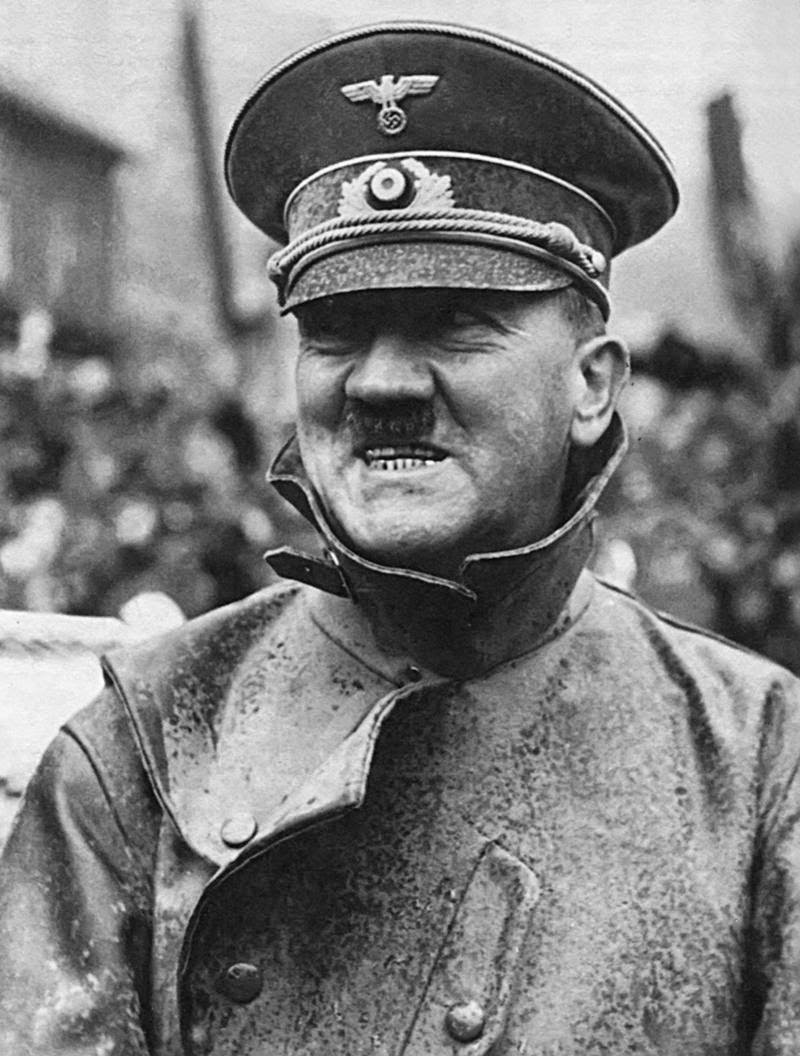
Everybody who spent a little time in history class, knows this evil man. But you might not know his personal life. Here’s a collection of 50 rare photographs of Adolf Hitler from his birth to his suicide at the end of World War II.
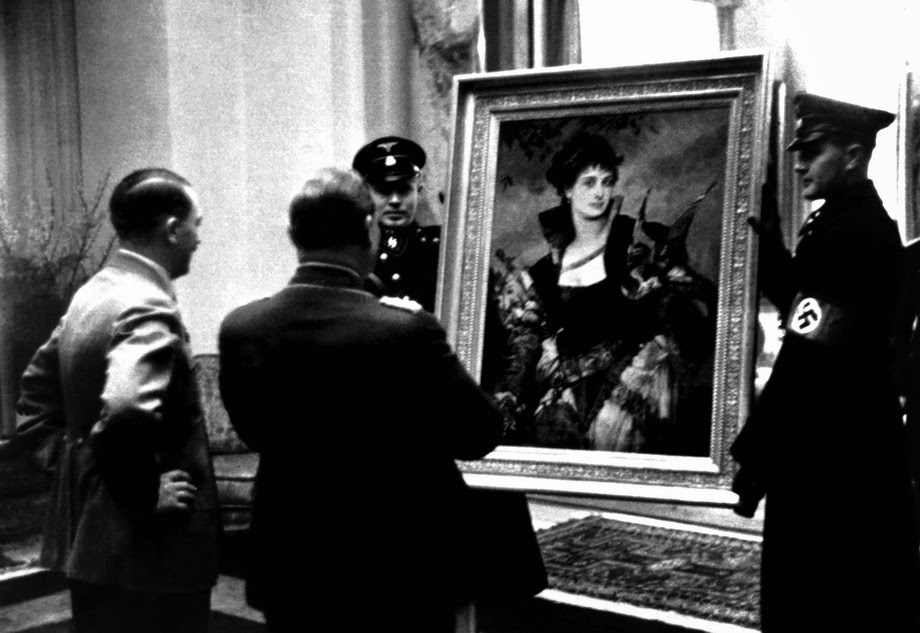
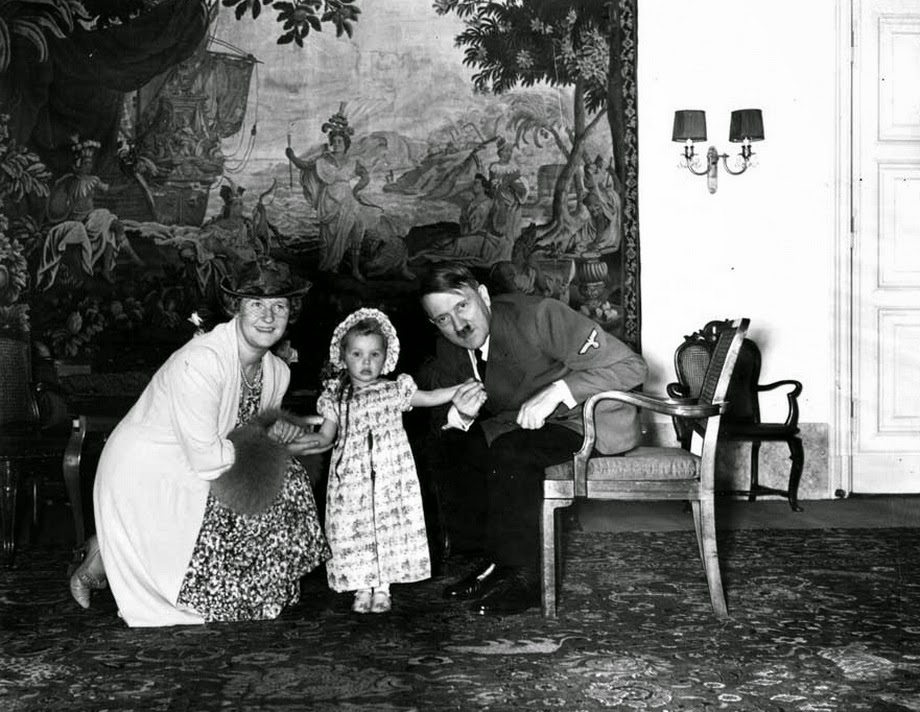
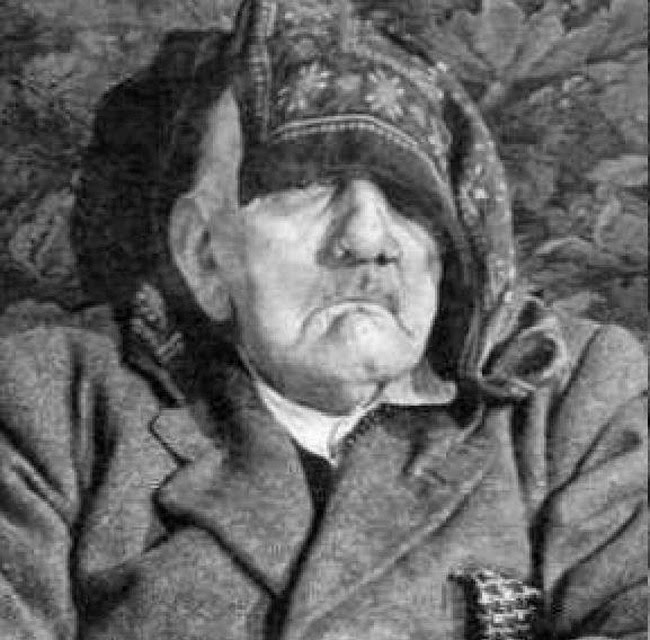
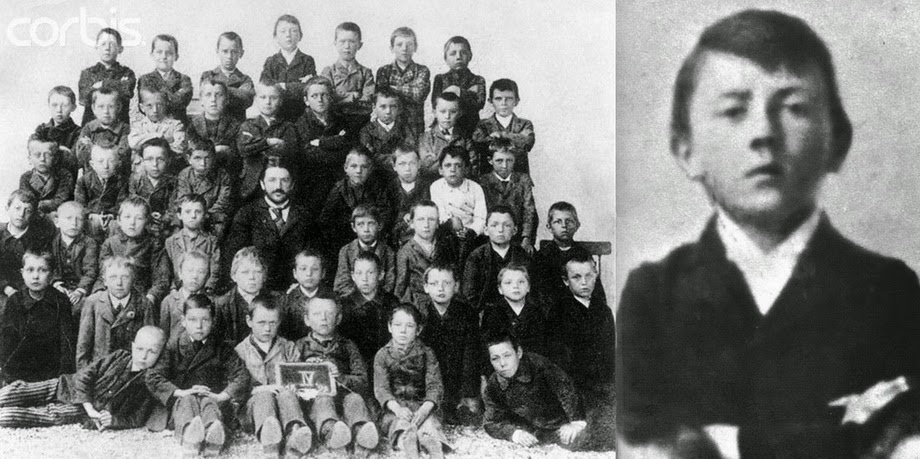
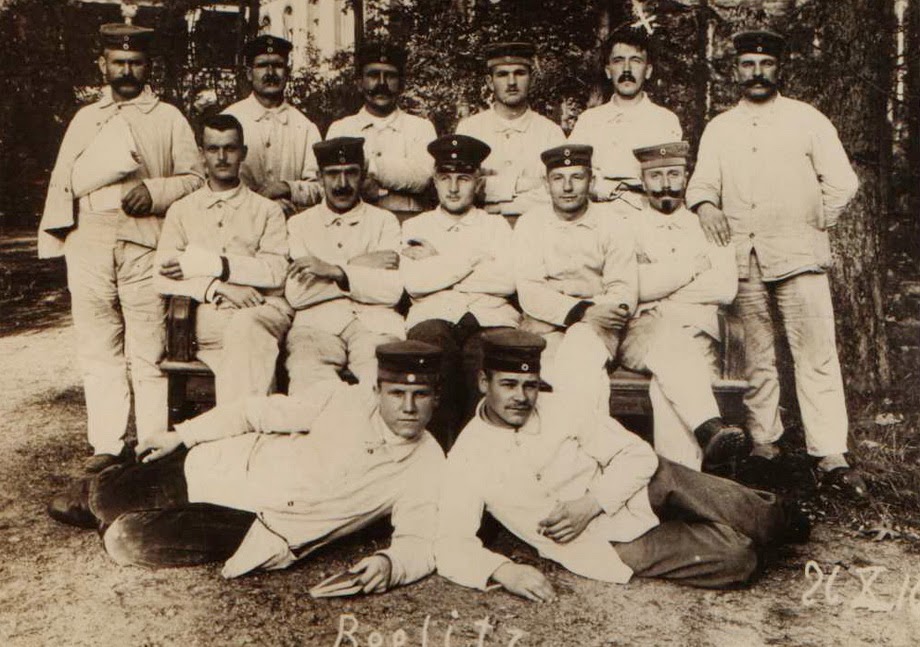
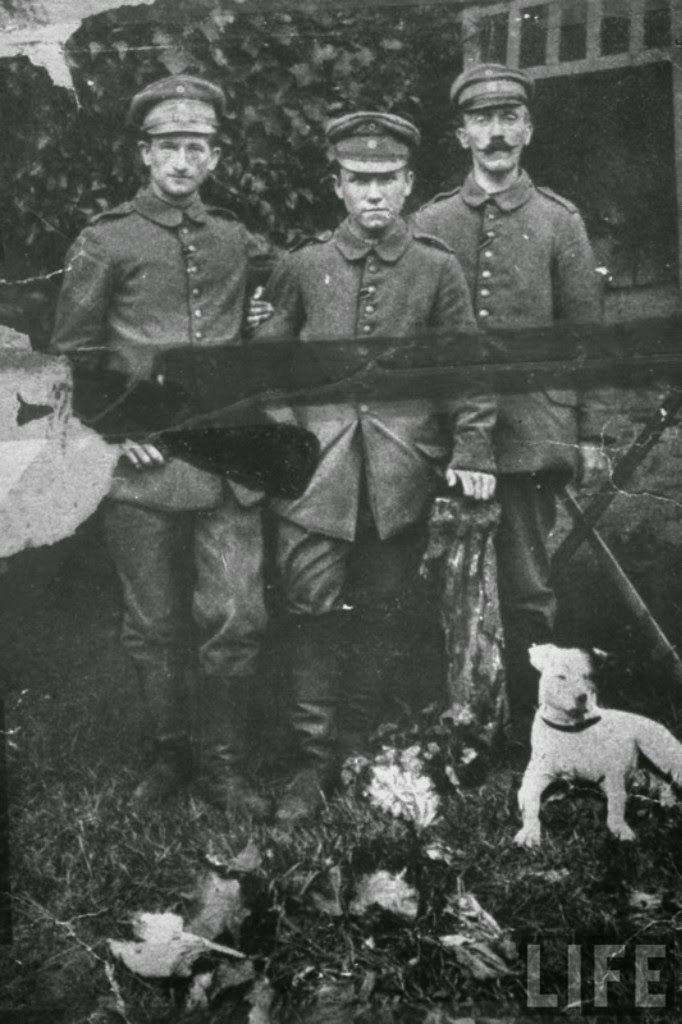
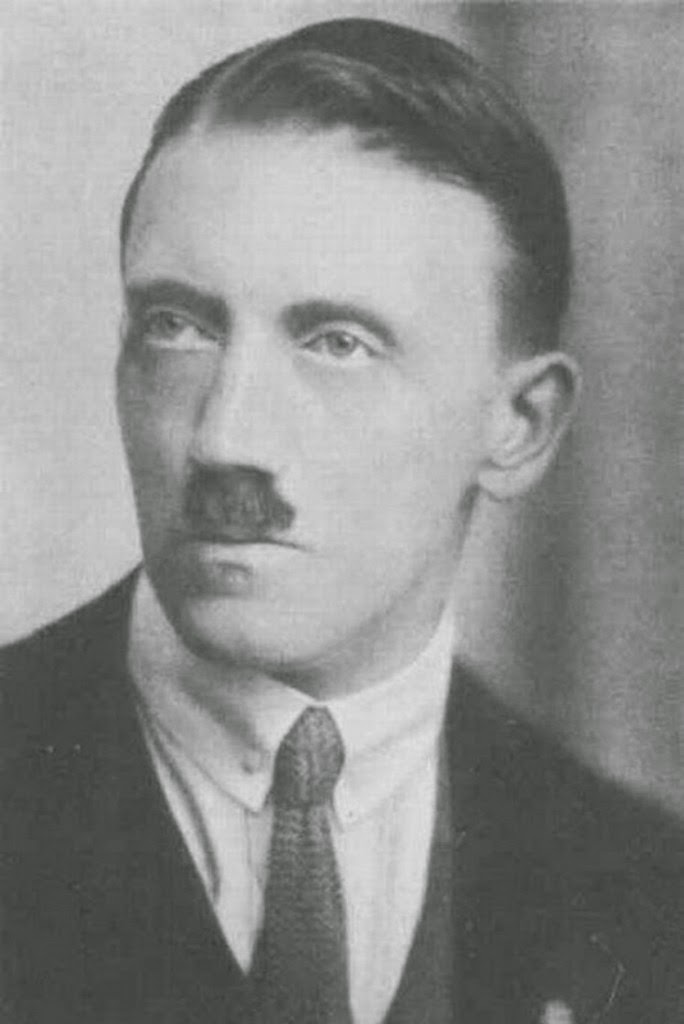
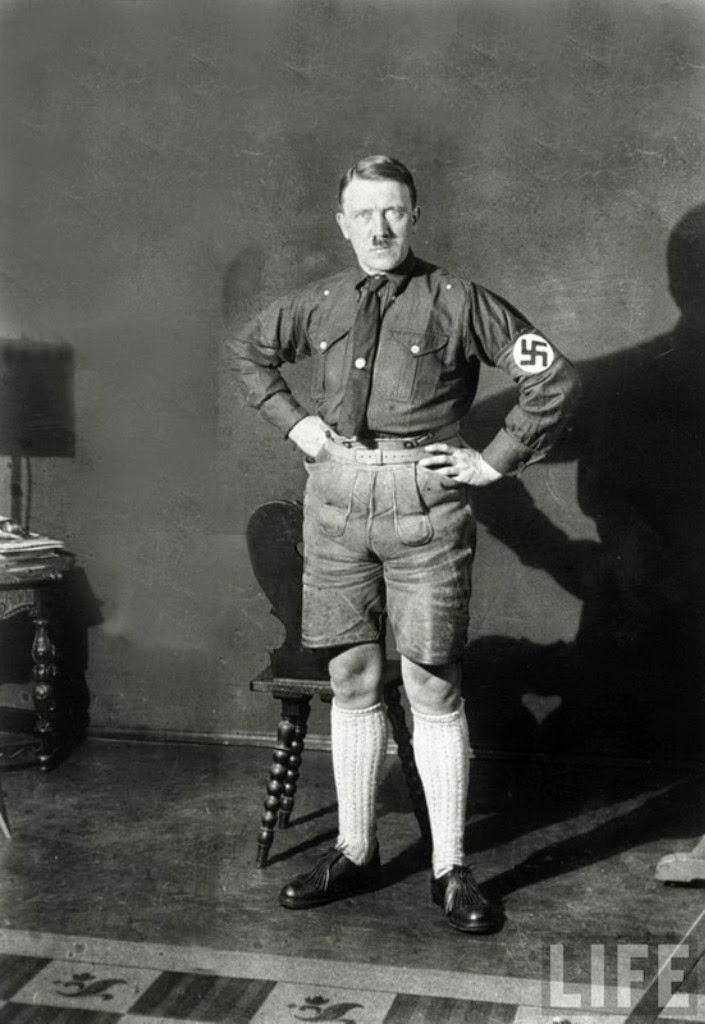
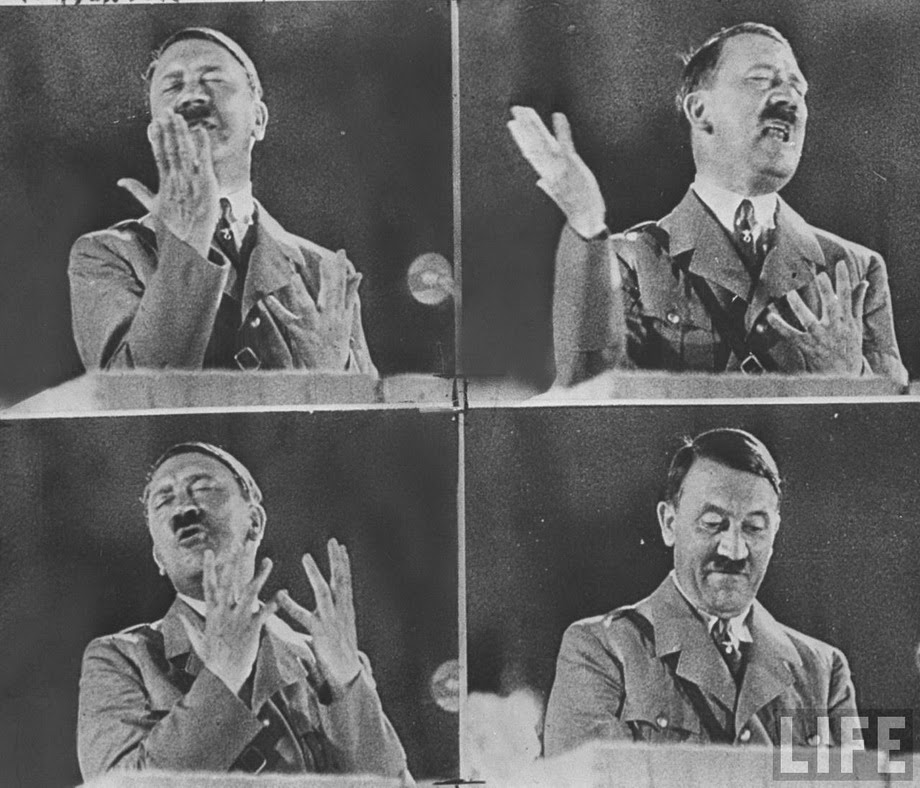
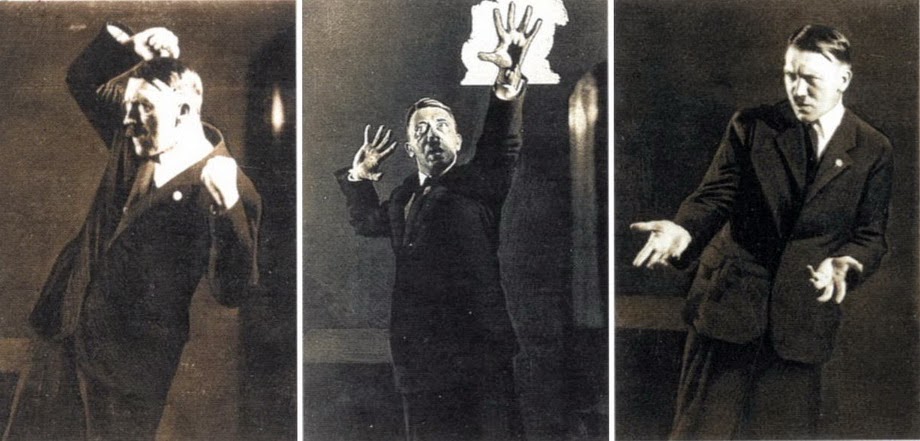
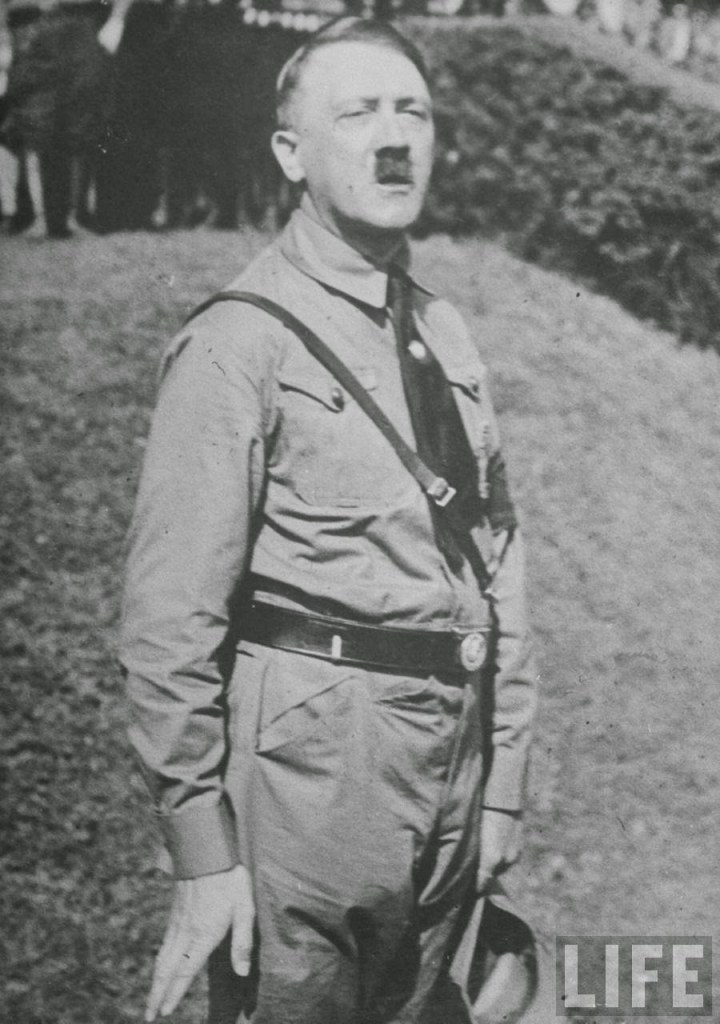
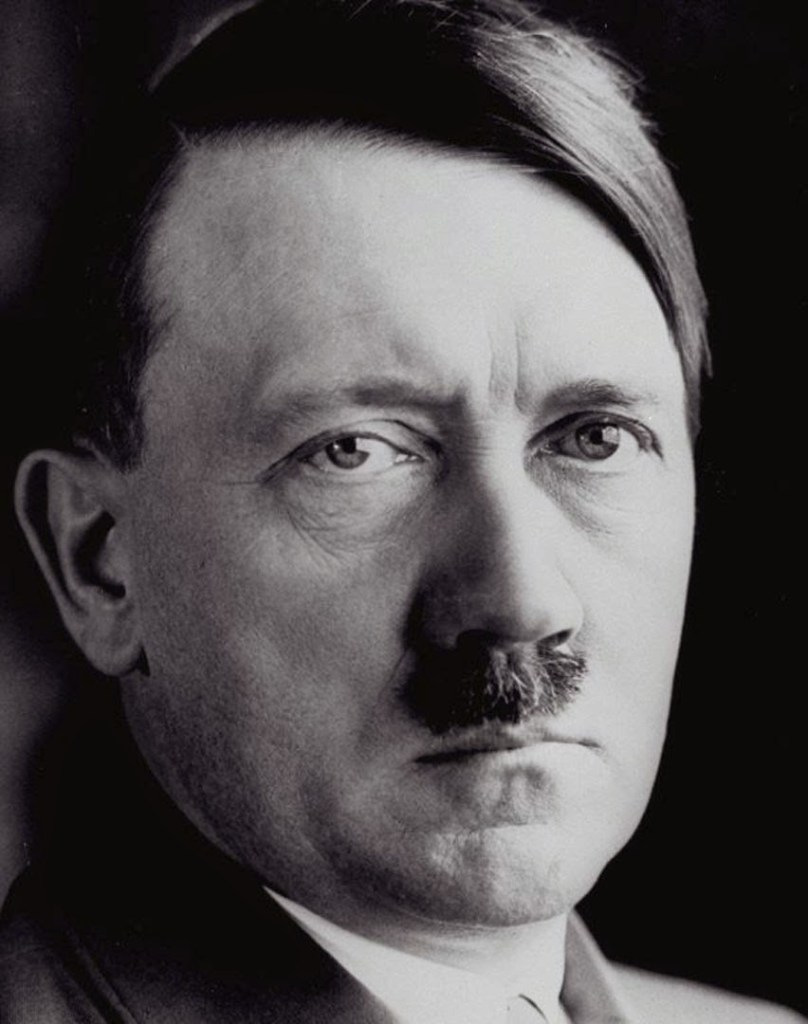
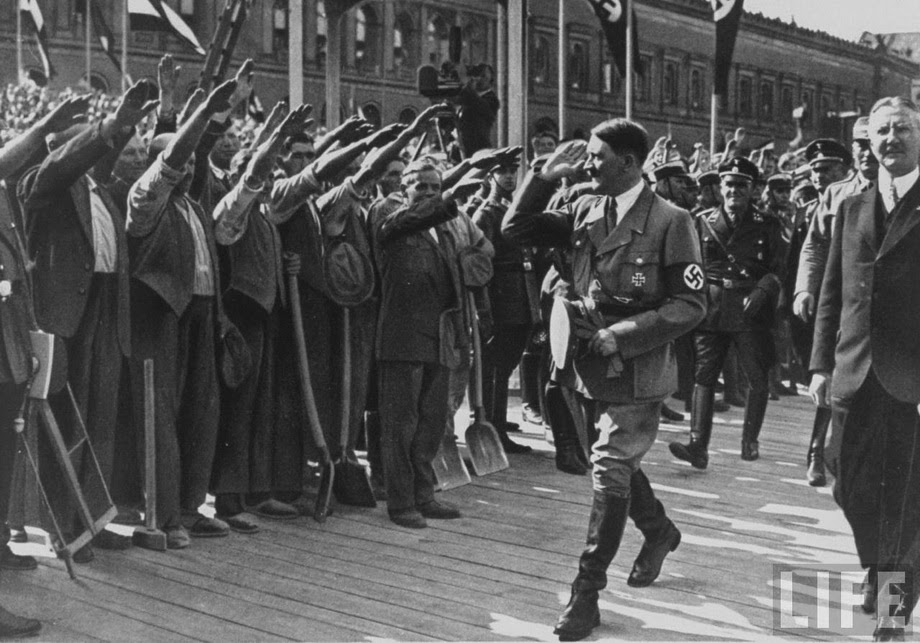
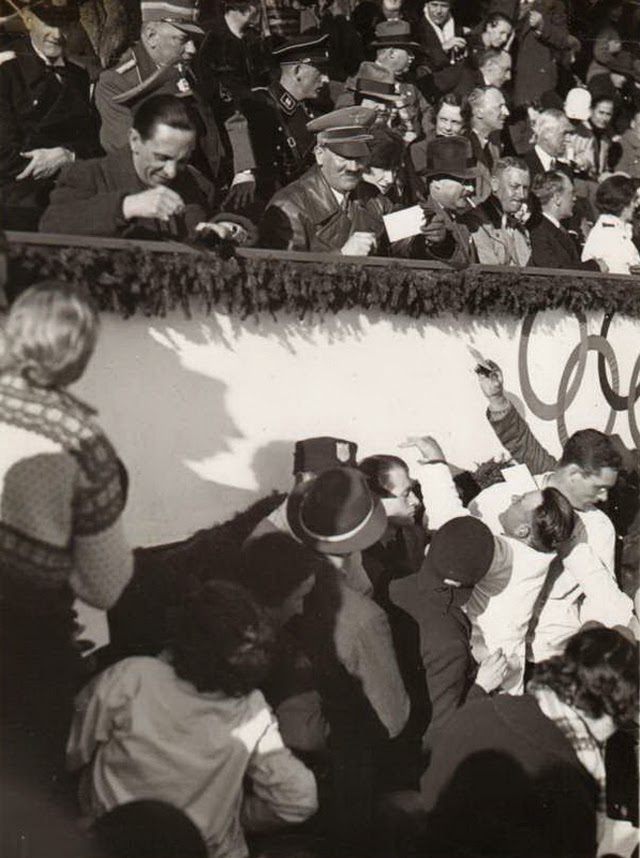
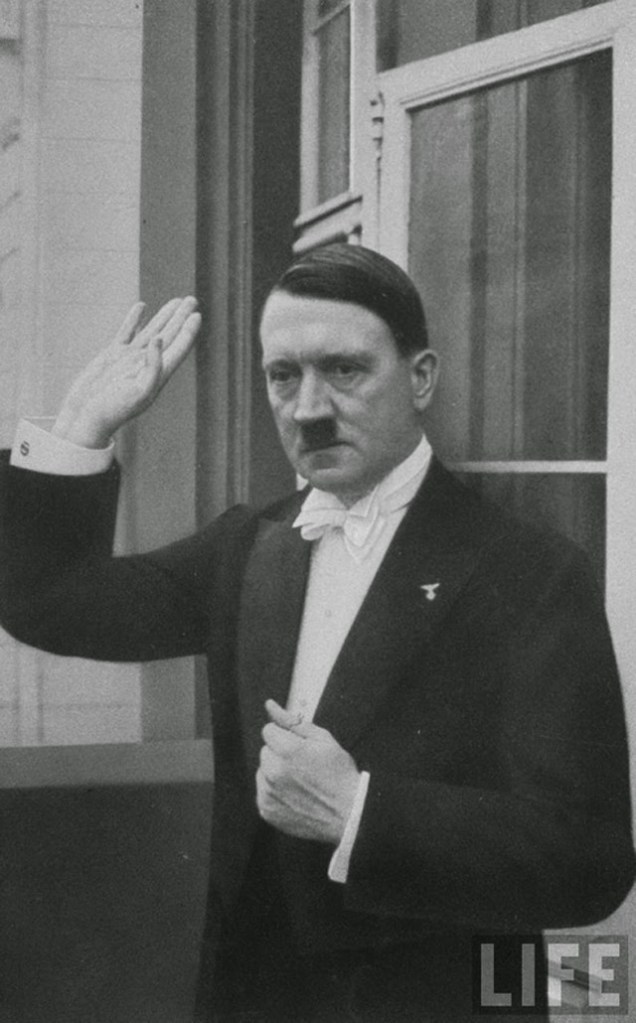
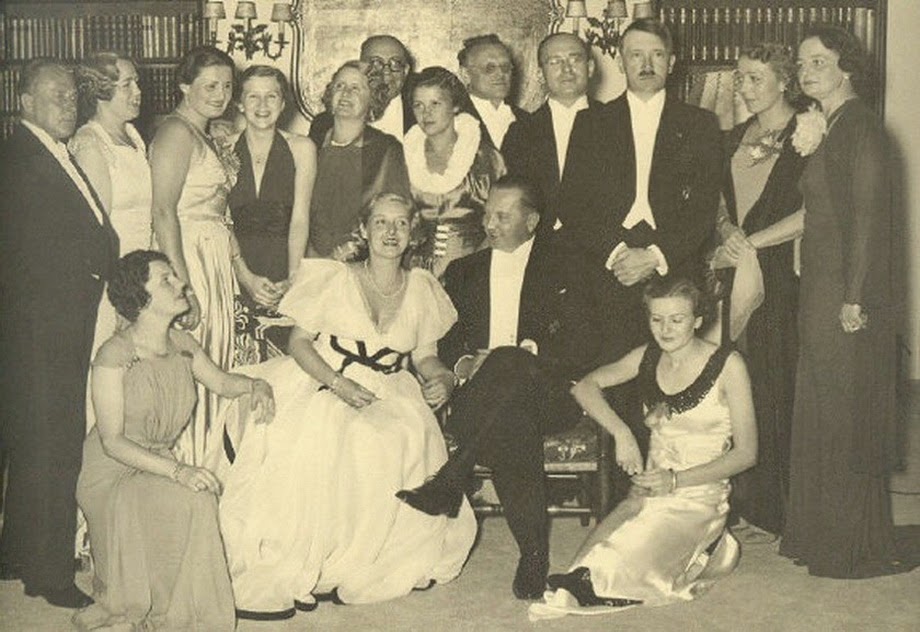
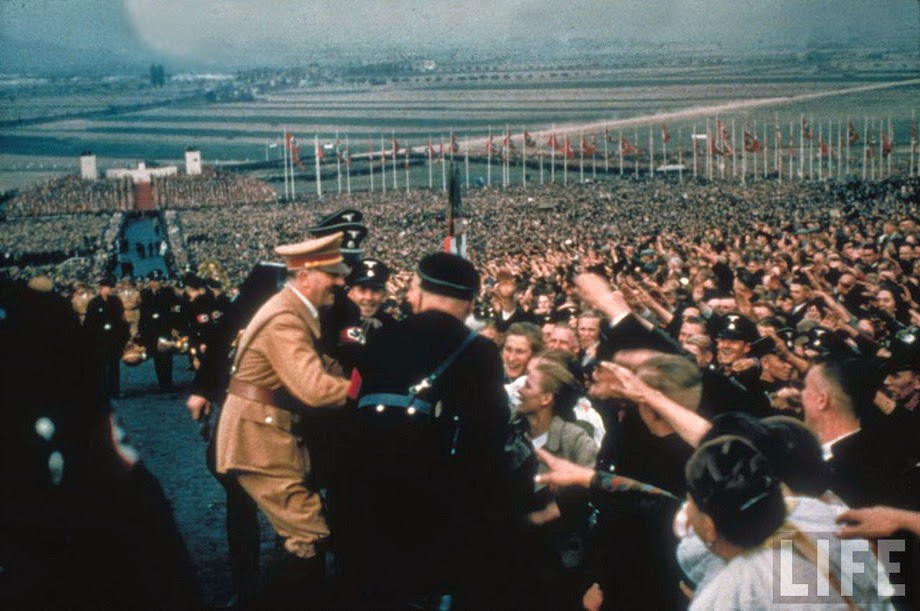
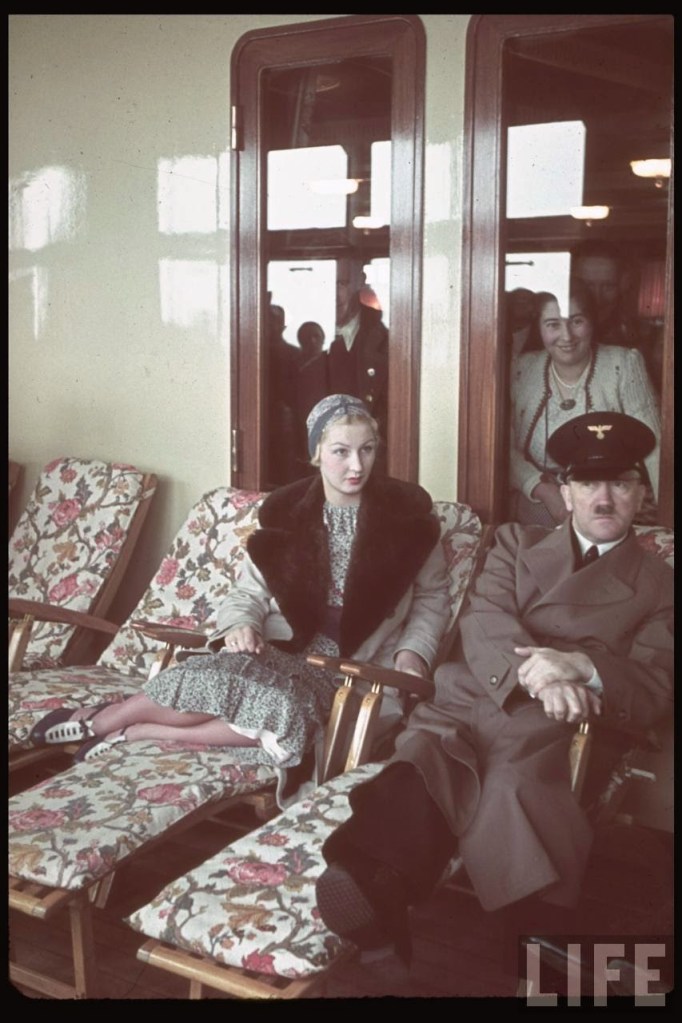
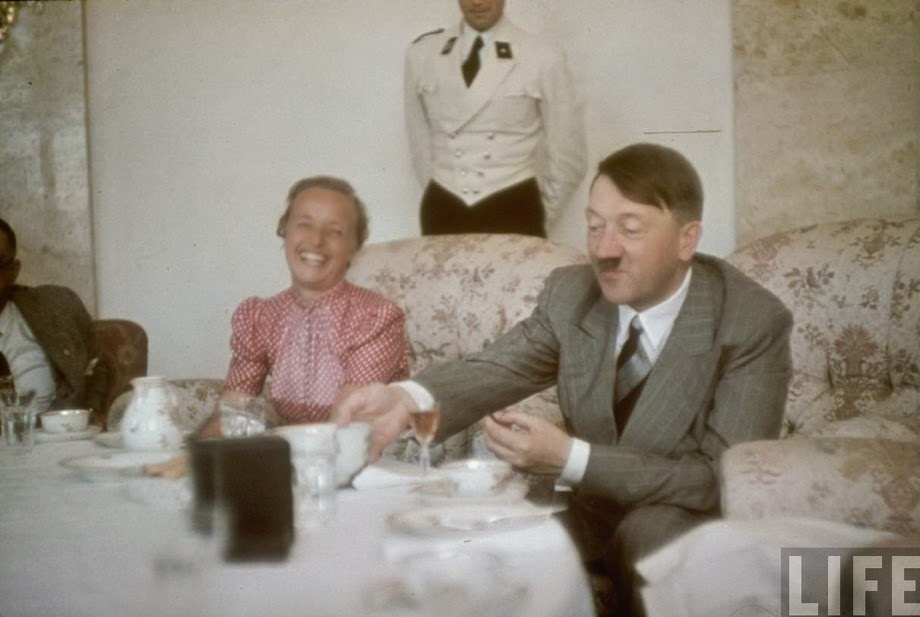
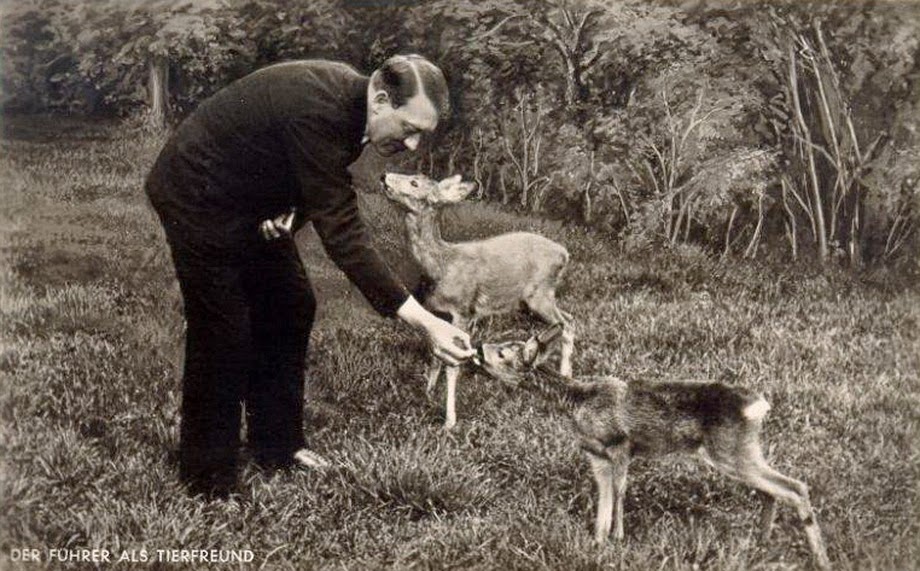
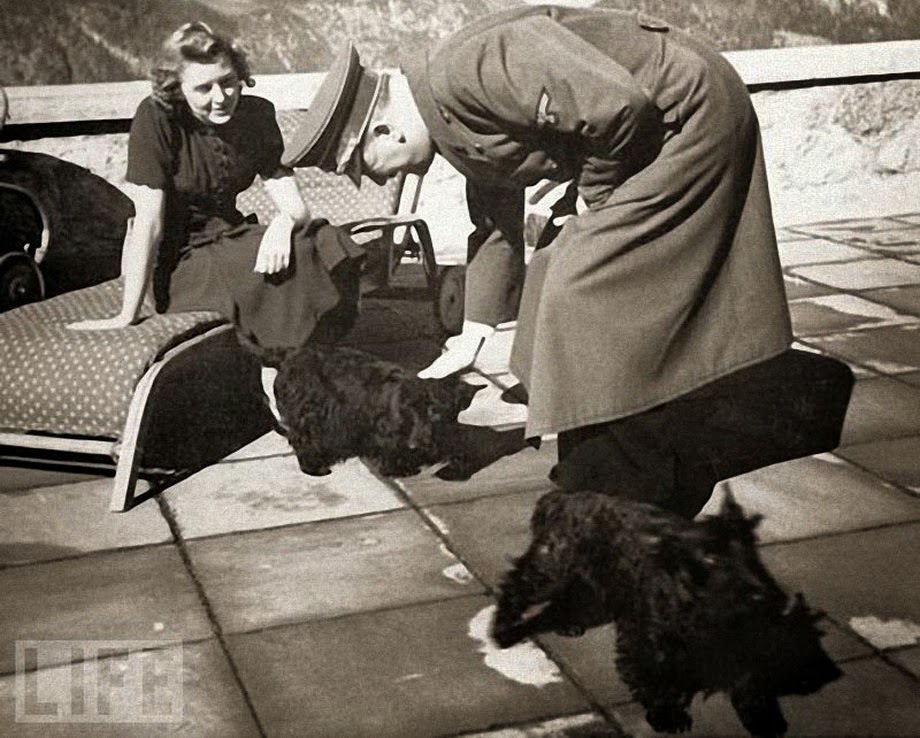
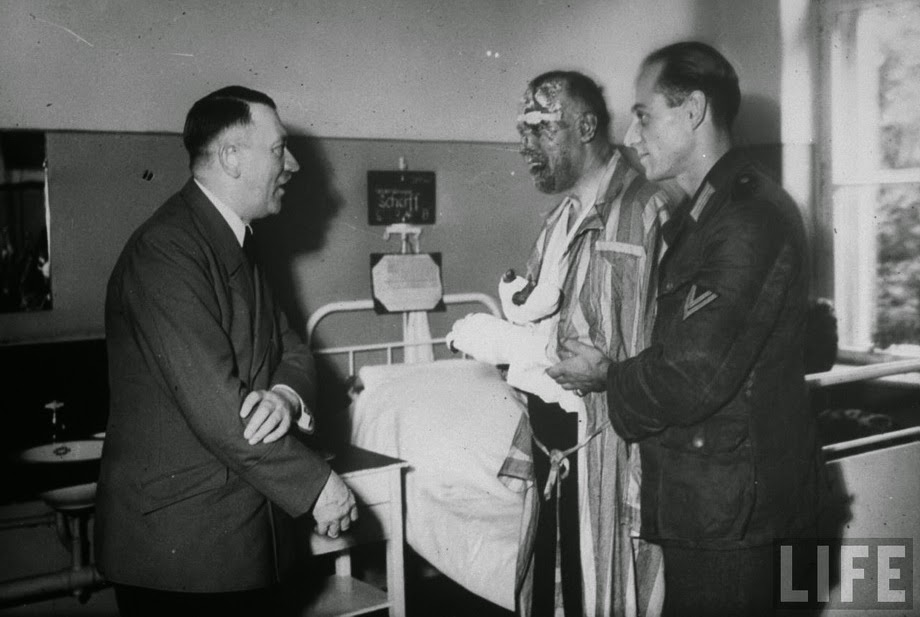
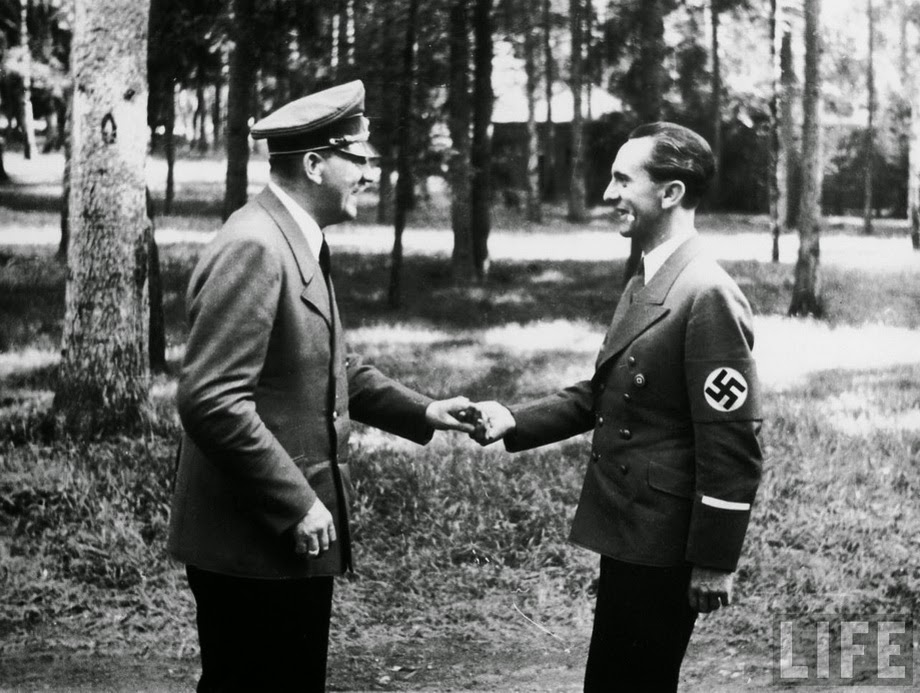
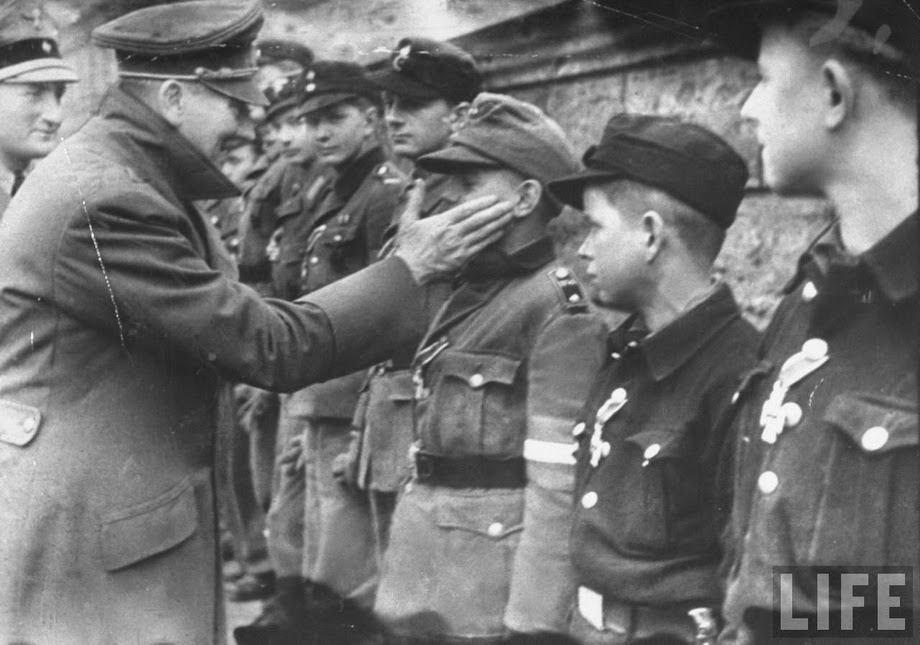
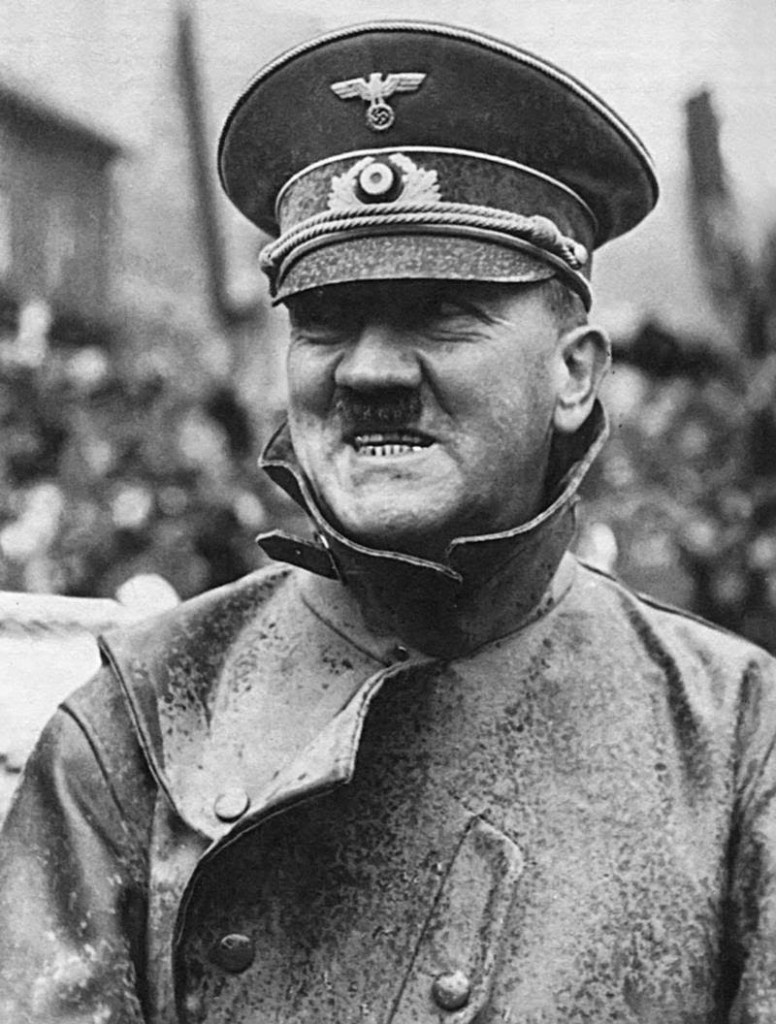
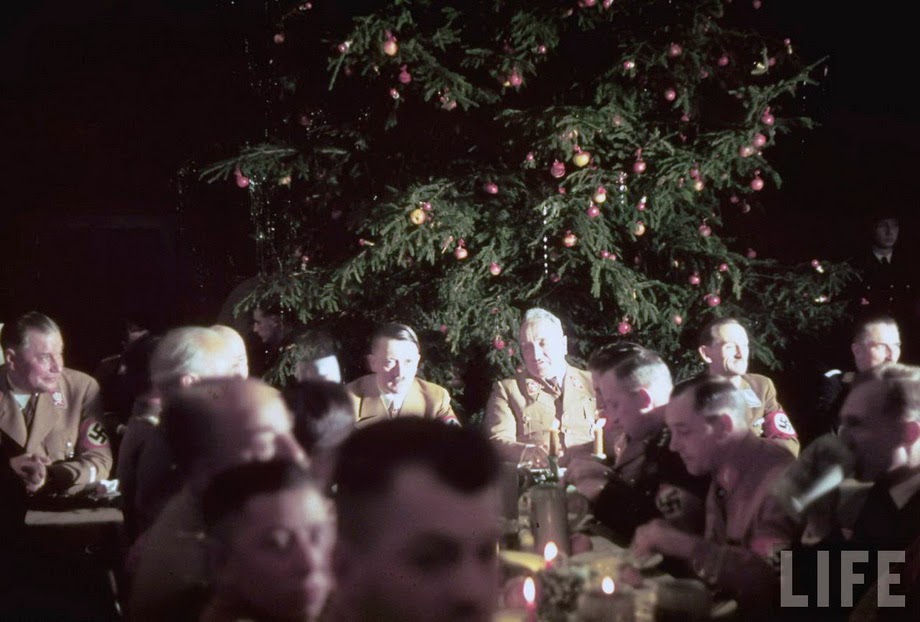
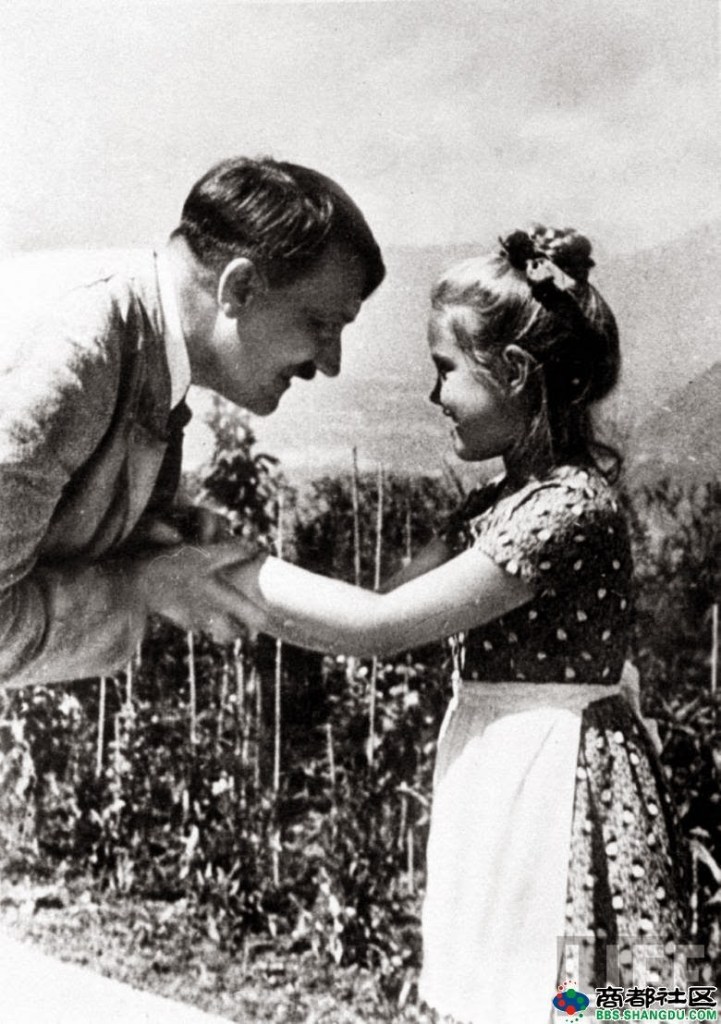
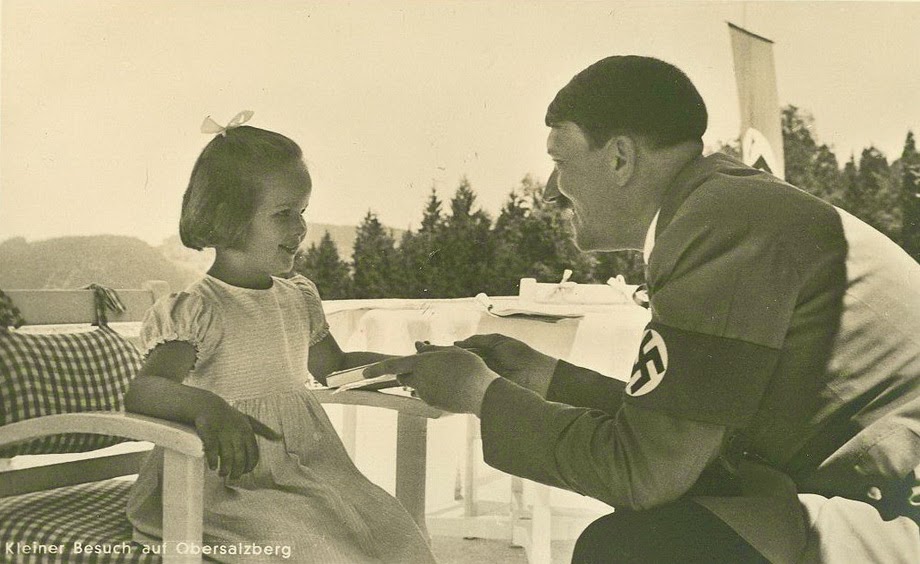
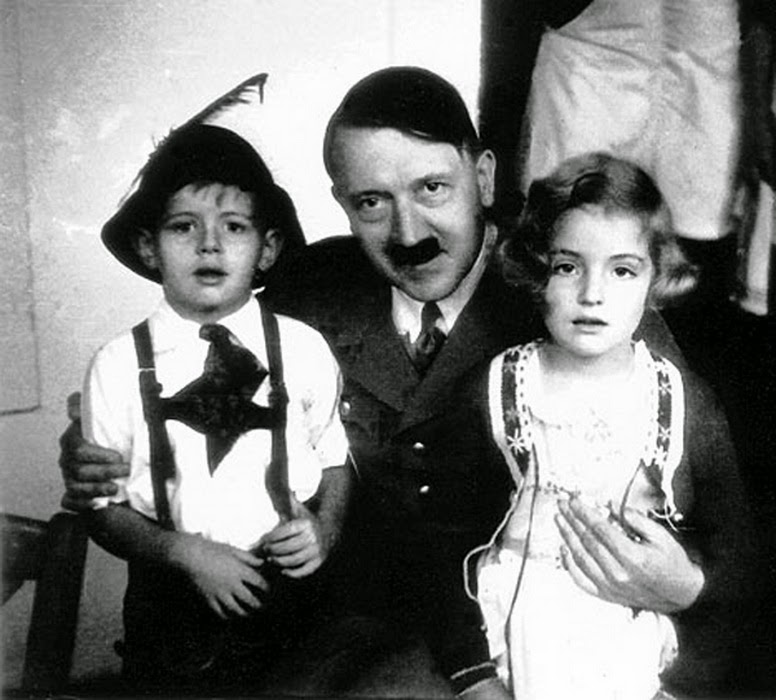
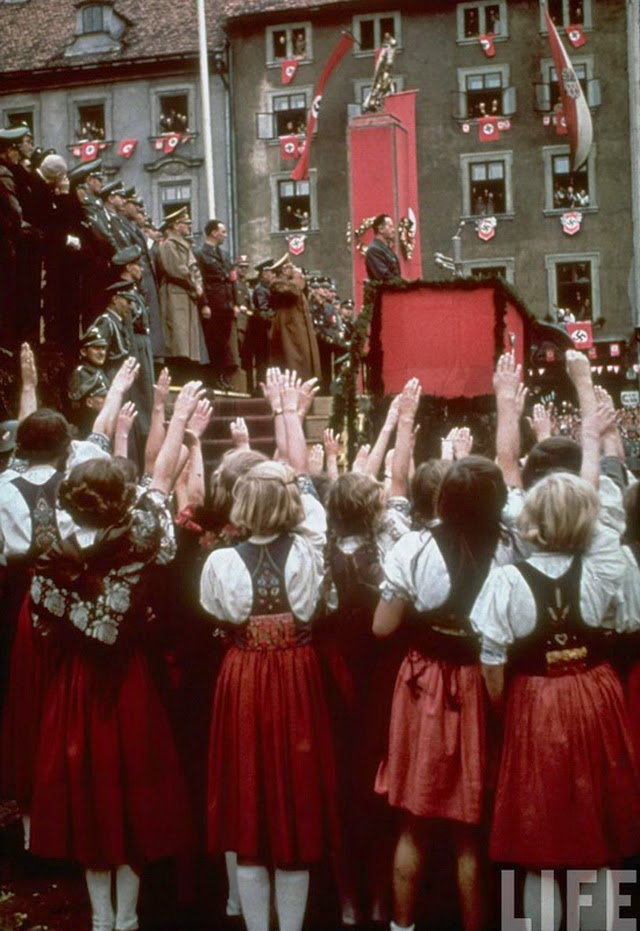
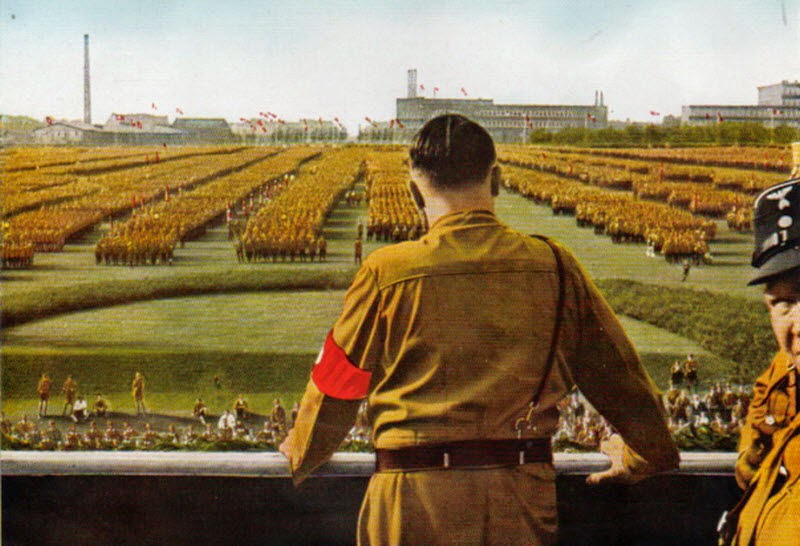
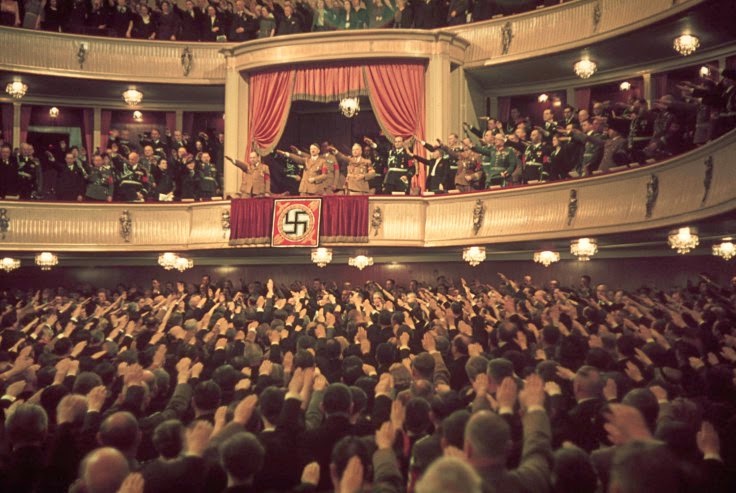
Hitler and Goering were passionate collectors of art.Hitler with Emmy and Edda Goering, 1940. Emmy Göring was a German actress, the second wife of Hermann Göring.Hitler during imprisonment at Landsberg Prison. He was visited by fellow party members, 1924.There are a number of conspiracy theories claiming that Hitler didn’t commit suicide and fled. This photo allegedly captured 75-year-old Hitler on his deathbed.FBI montage made in 1945 in the event that Hitler tries to hide by changing the appearance.Hitler’s birth certificate.Little Hitler (third from the left on the bottom row) with classmates. Fischlham, Austria-Hungary, 1895.School Photo, 1901.Another school photo, 1904.Hitler in a military hospital (back row, second from right), 1918.Volunteer Hitler (right) as part of the 2nd Bavarian Infantry Regiment of Bavarian Army during the World War I, 1916.Hitler as a young politician, 1921.Hitler during the election campaign in 1923. Photo taken by Heinrich Hoffmann, who was Hitler’s personal photographer.Hitler in shorts, 1924. Photo taken by Heinrich Hoffmann.Hitler during his speech.Staged photoset “Apocalyptic, visionary, persuasive”, Heinrich Hoffmann, 1925.Hitler at the orchestra rehearsal at Leopoldhall in Munich, 1938.Hitler at a construction site of a new autobahn (highway).Hitler in brown Nazi uniform during the outdoor speech in Austria. 1938.Hitler in 1932.In front of new Reichsbank building, May 1932.Adolf Hitler and Joseph Goebbels signing autographs at the 1936 Olympics.Hitler in 1934 during a visit at Landsberg Prison, where he wrote “Mein Kampf” during his imprisonment in 1924.Hitler says goodbye at a New Year’s banquet. Berlin, 1936.Hitler at someone’s wedding.On Thanksgiving Day in Bückeburg, 1937.With Austrian fans, 1939.On board the ship Robert Ley, which was released on its maiden voyage. The ship was christened Robert Ley, after the leader of the DAF in Germany.During lunch on the front line, 1940.Hitler with guests at the table at his residence in Obersalzberg, 1939.Hitler with animals.Hitler reading a morning pressHitler and Eva Braun, 1943.Hitler, Göring and Heinz Guderian discuss the Ardennes operation. October 1944.Hitler comes to visit one of the injured officers, after a failed assassination attempt on Hitler, July 20, 1944.Hitler and Goebbels, the propaganda minister. Poland, July 25, 1944.One of the last photos of Hitler. The Fuhrer in the garden of the Reich Chancellery awards the young members of the Hitlerjugend (Hitler Youth) brigade mobilized to defend Berlin.During a visit in occupied Graslitz, 1938.On Christmas feast with the German generals, 1941.With children.At a Nazi rally in Eger, Czechoslovakia, 1938.At a Nazi rally.In the theater, Charlottenburg, May 1939.In Paris, 1940.
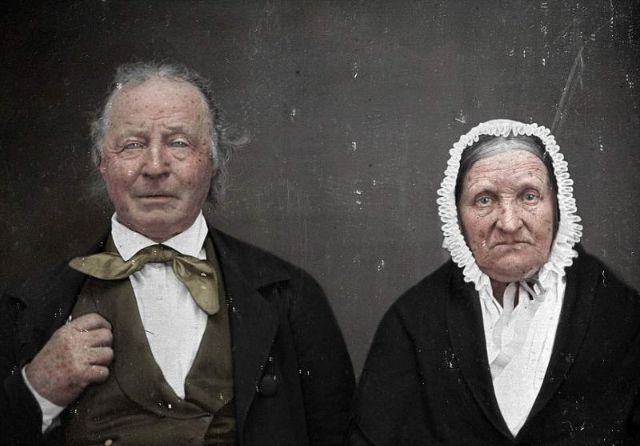
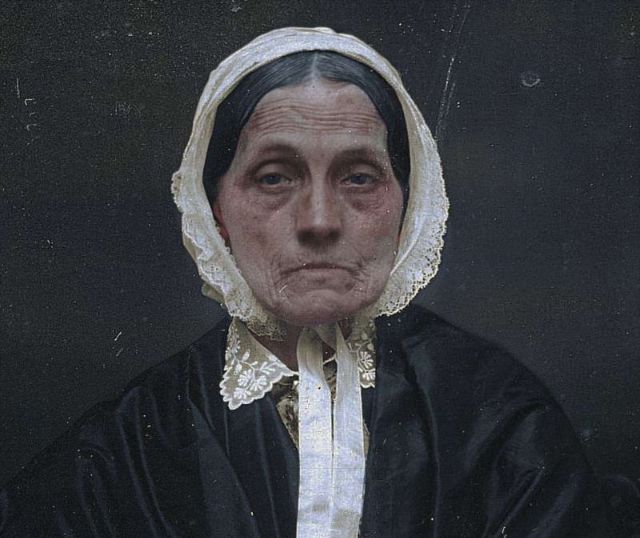
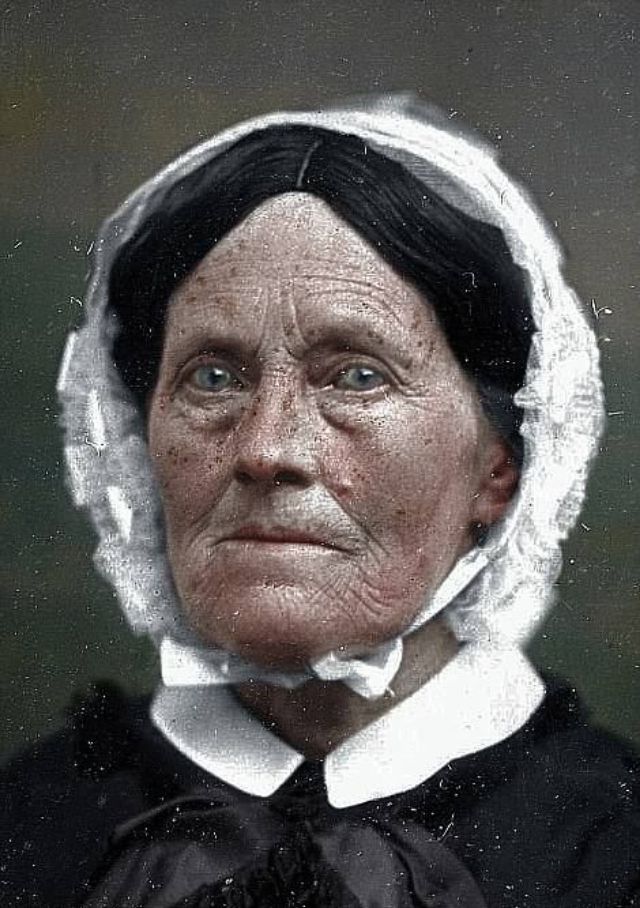
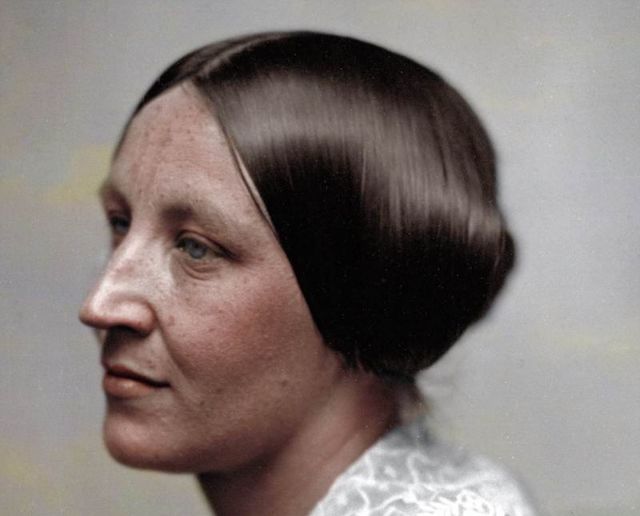
These amazing photographs were all taken in the 1840s using the daguerreotype which had just been invented. Images show various people from 1840s New York and bring to life how people looked and dressed in that era. They believed to have been taken by legendary early American photographer Matthew Brady, show a selection of 11 portraits taken as daguerreotype images.
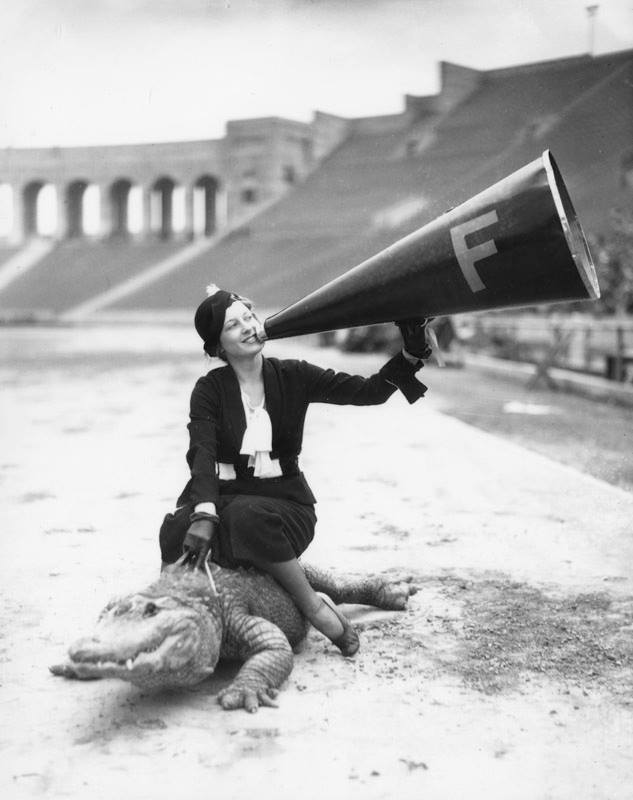
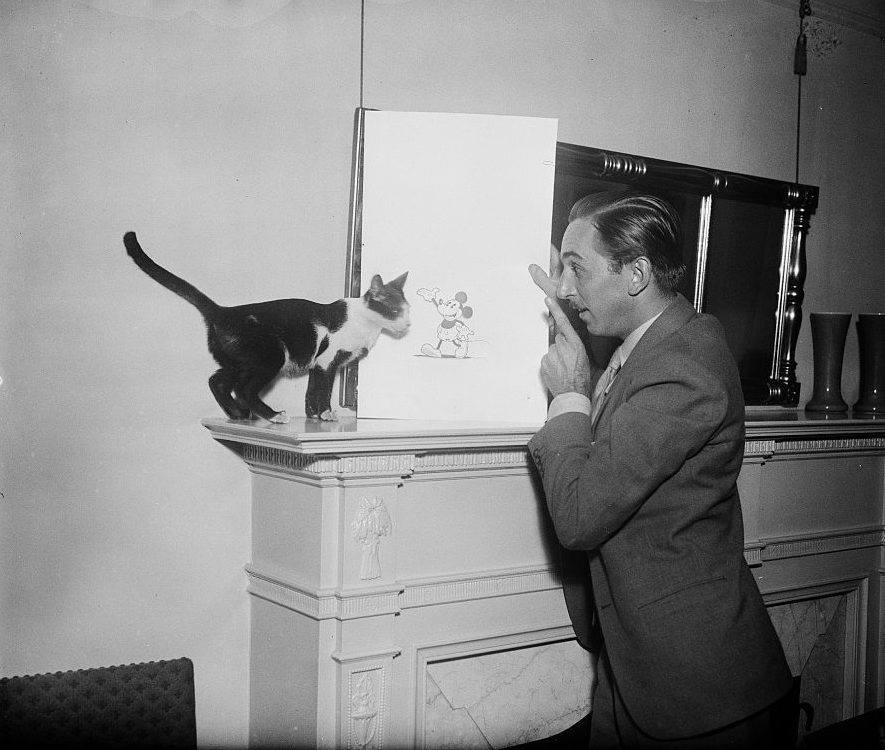
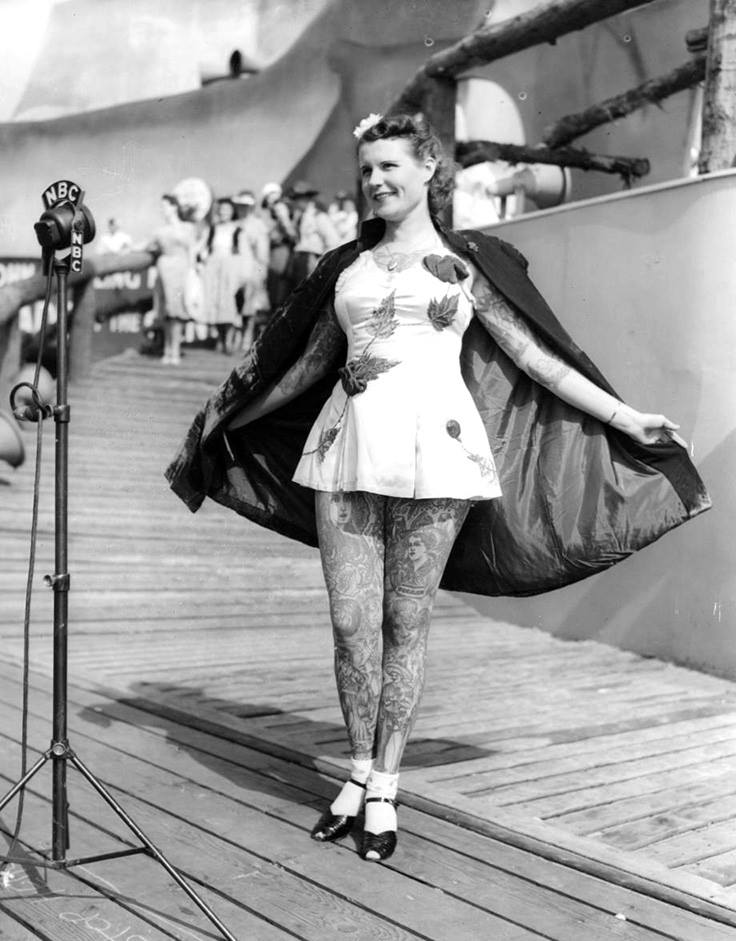
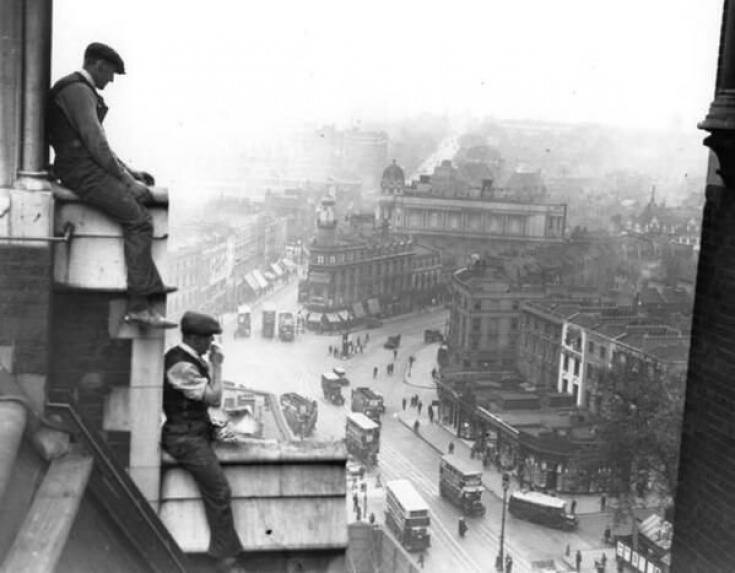
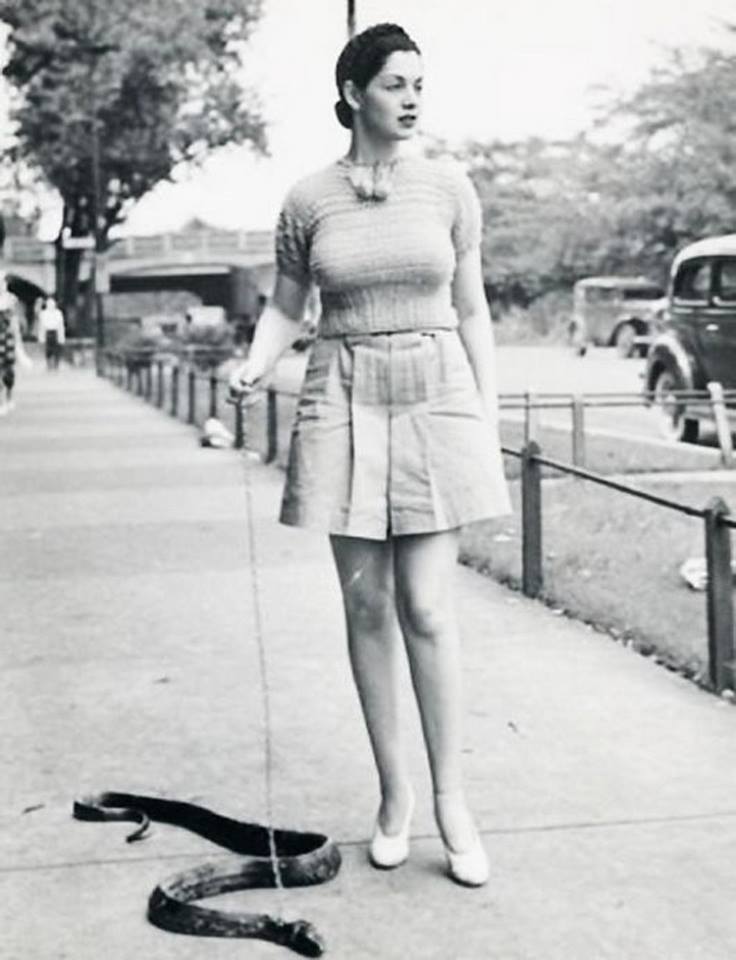
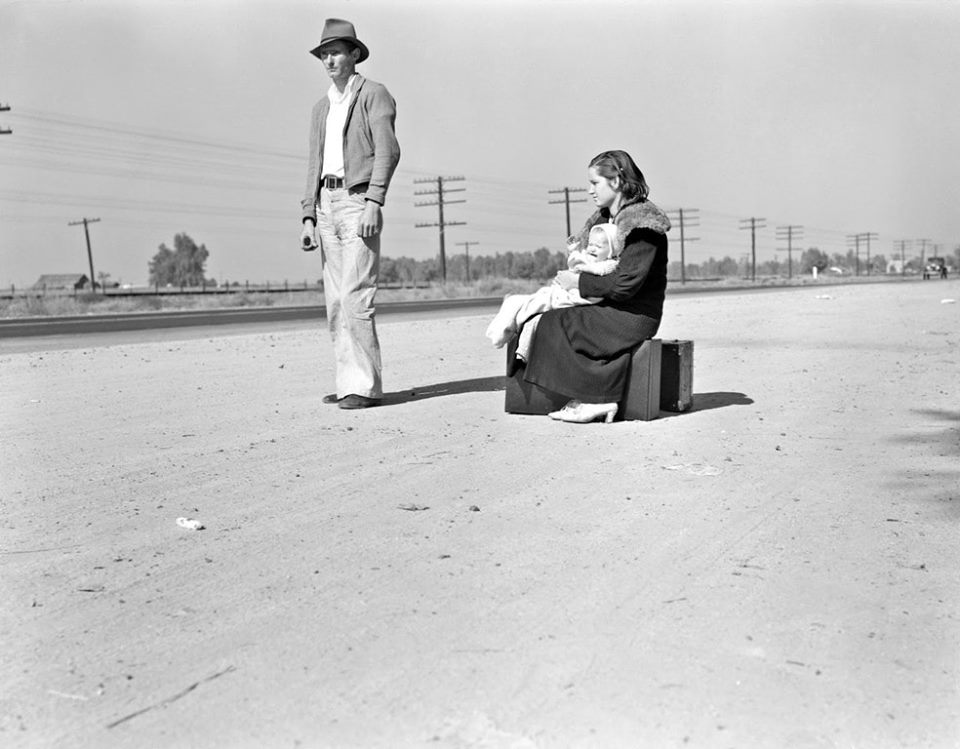
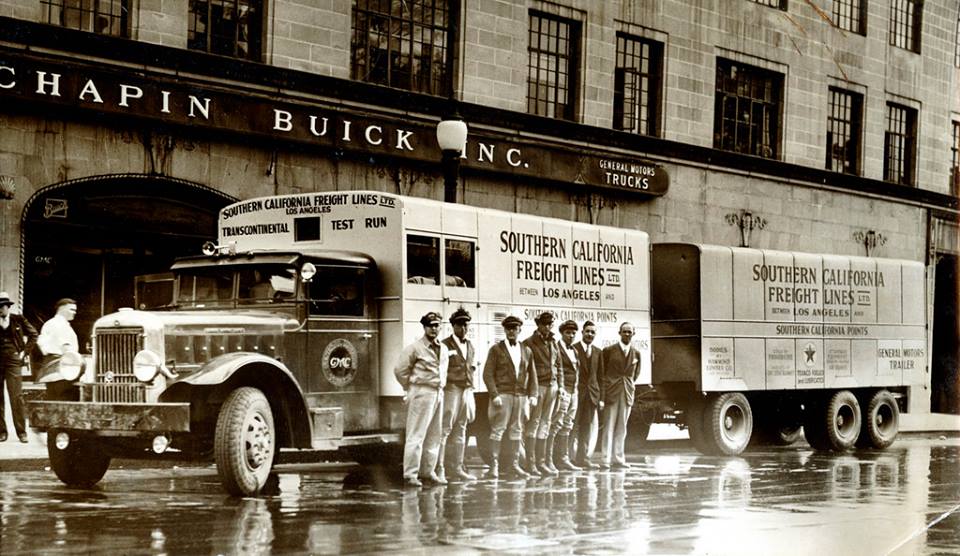
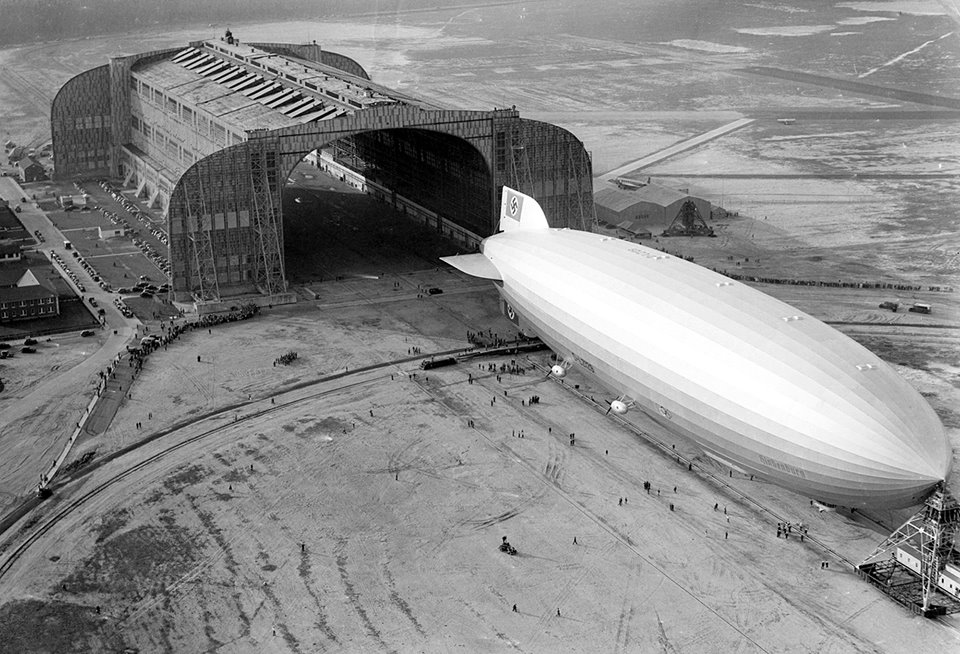
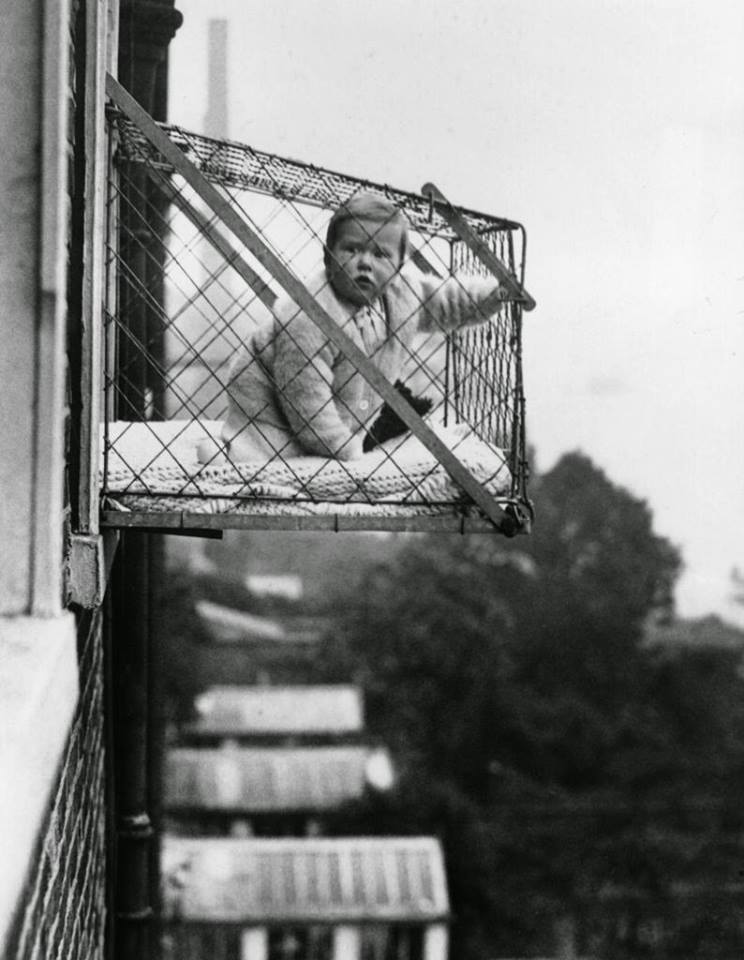
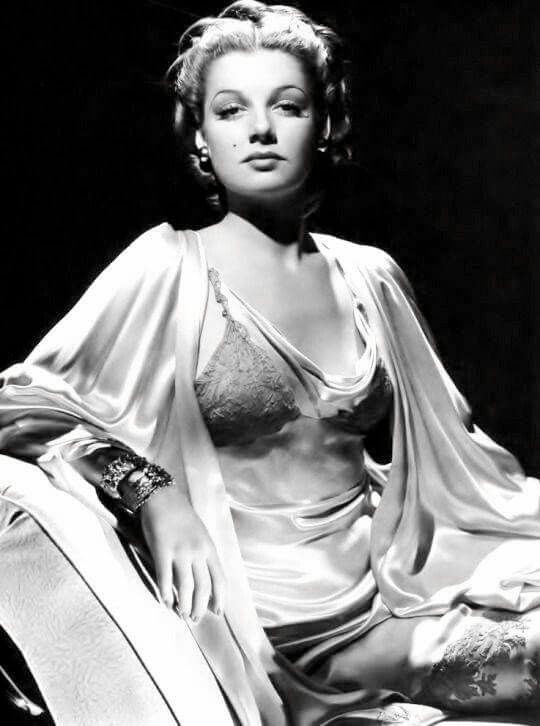
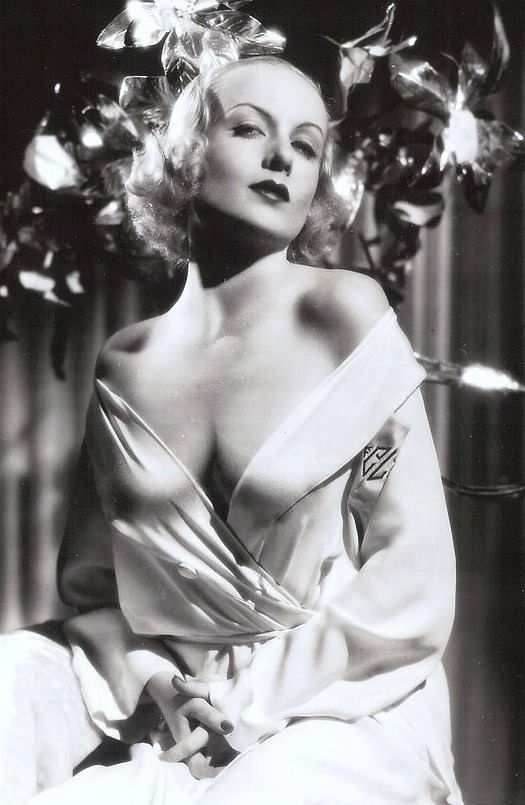
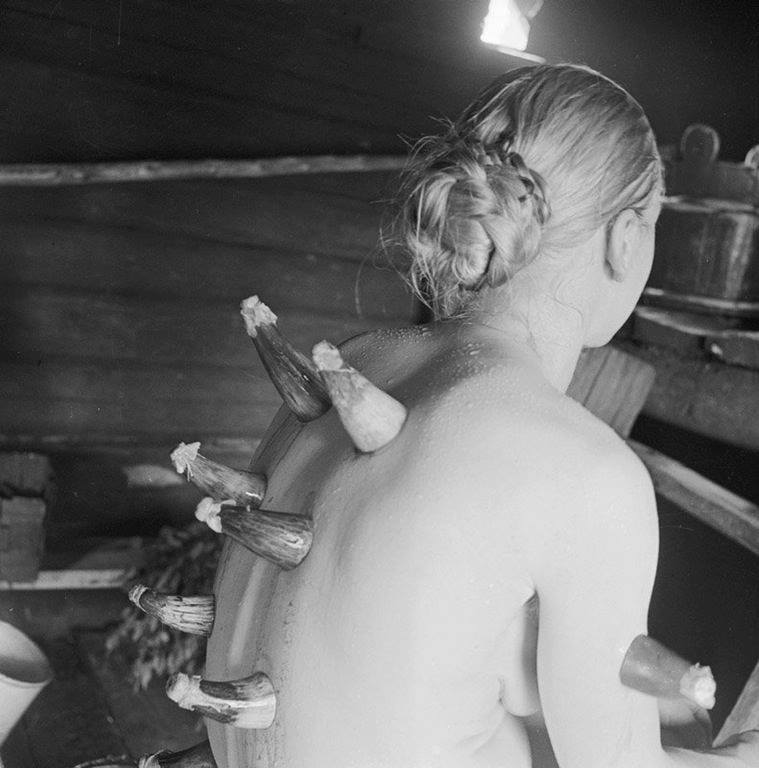
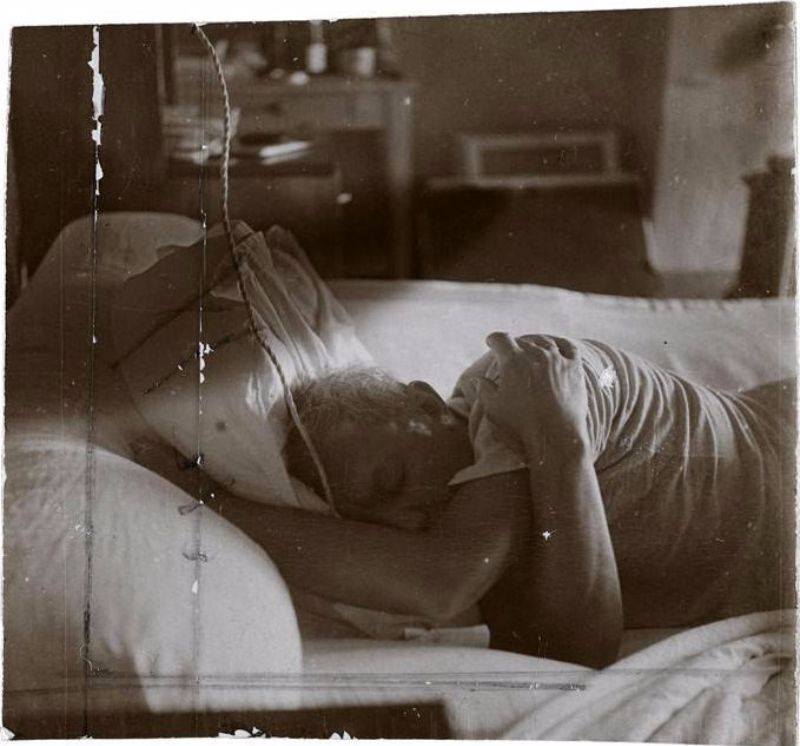
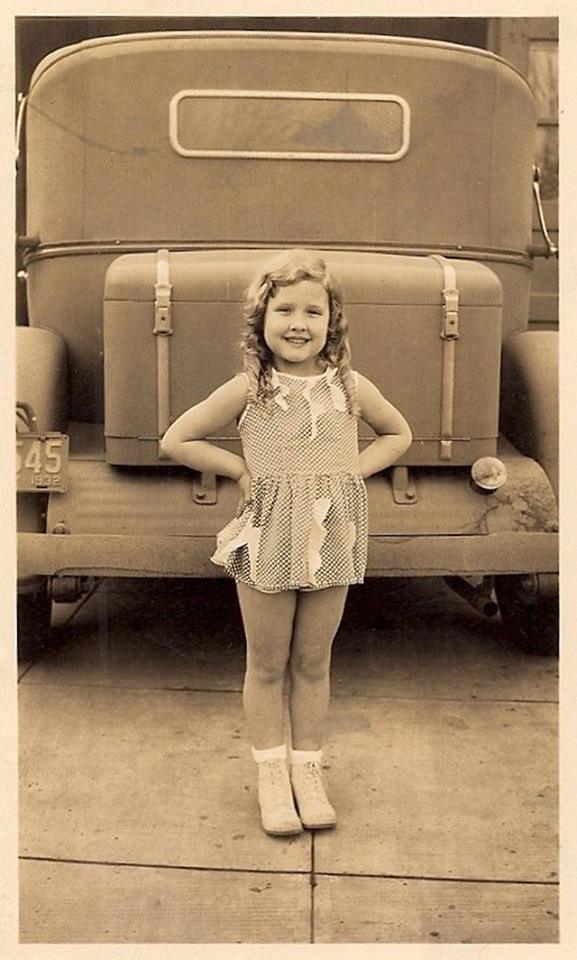
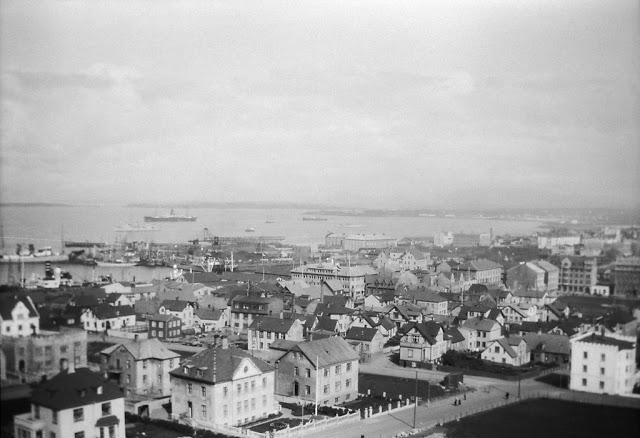
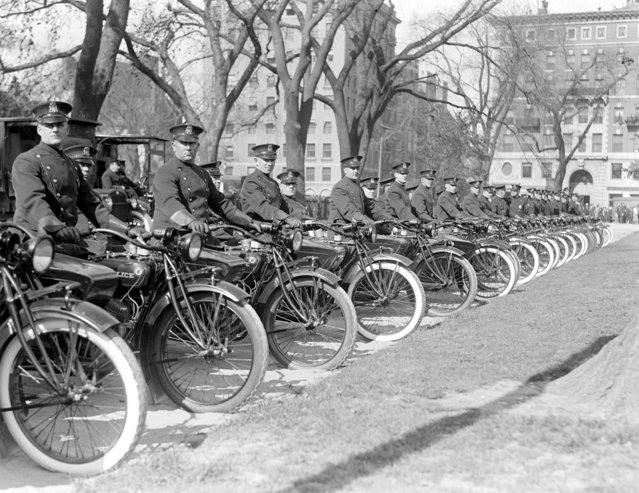
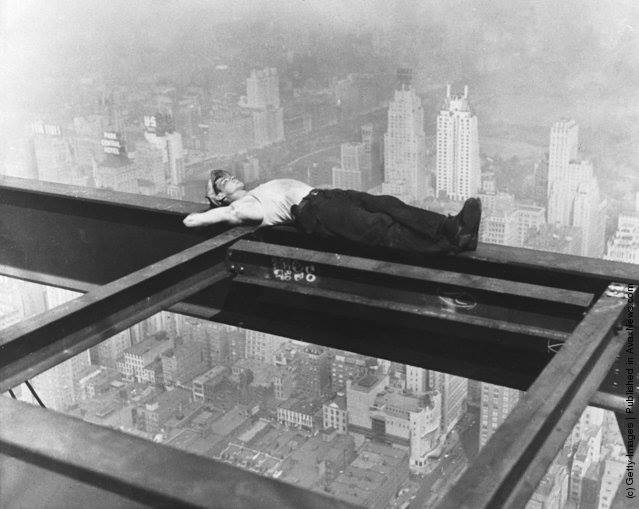
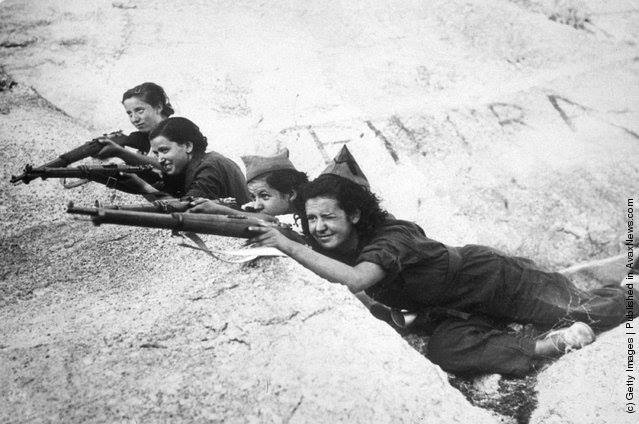
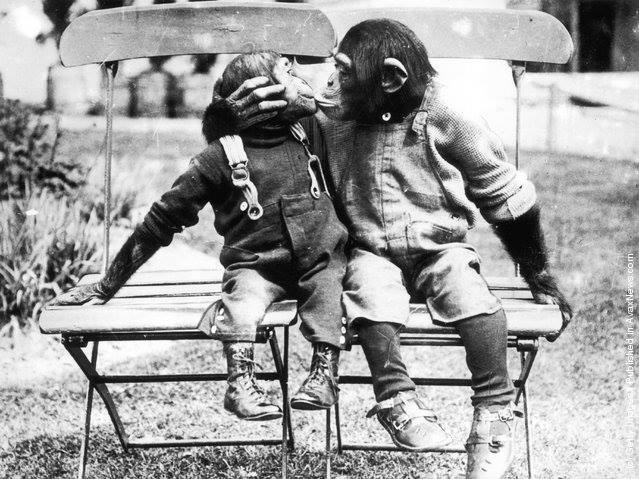
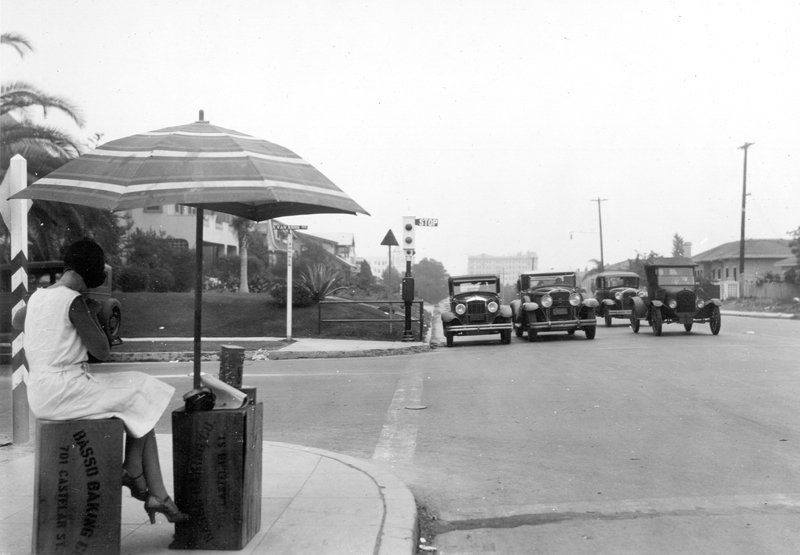
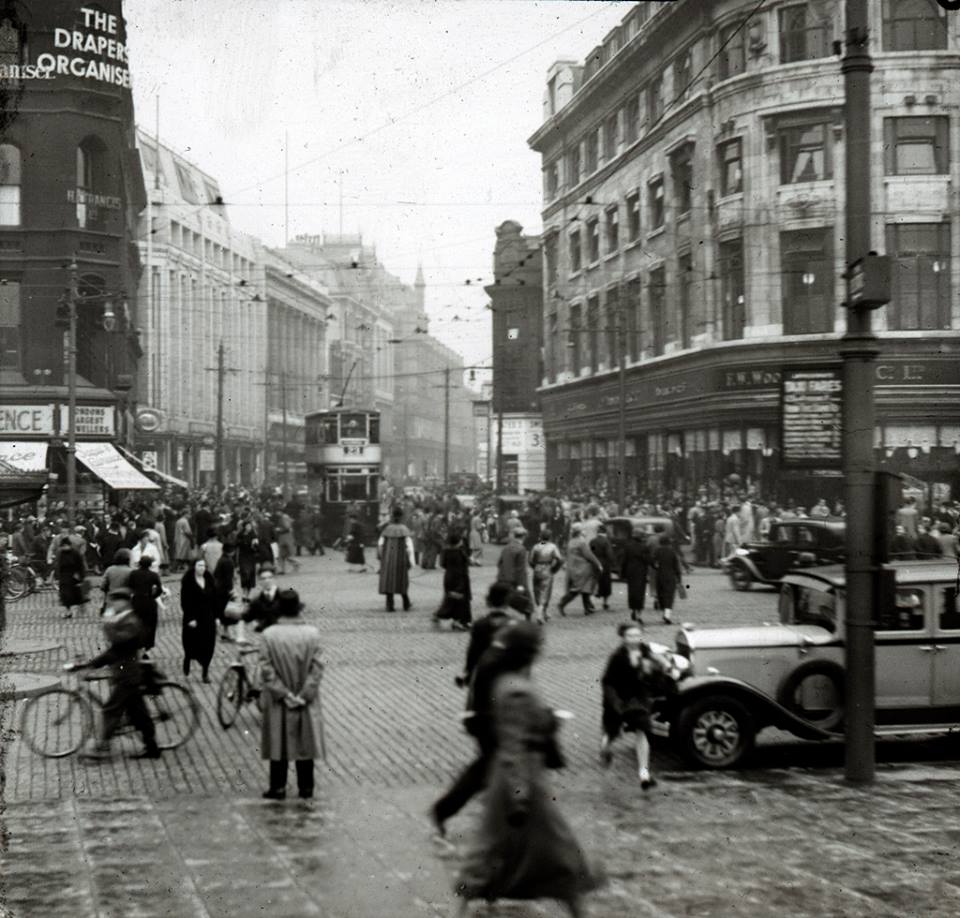
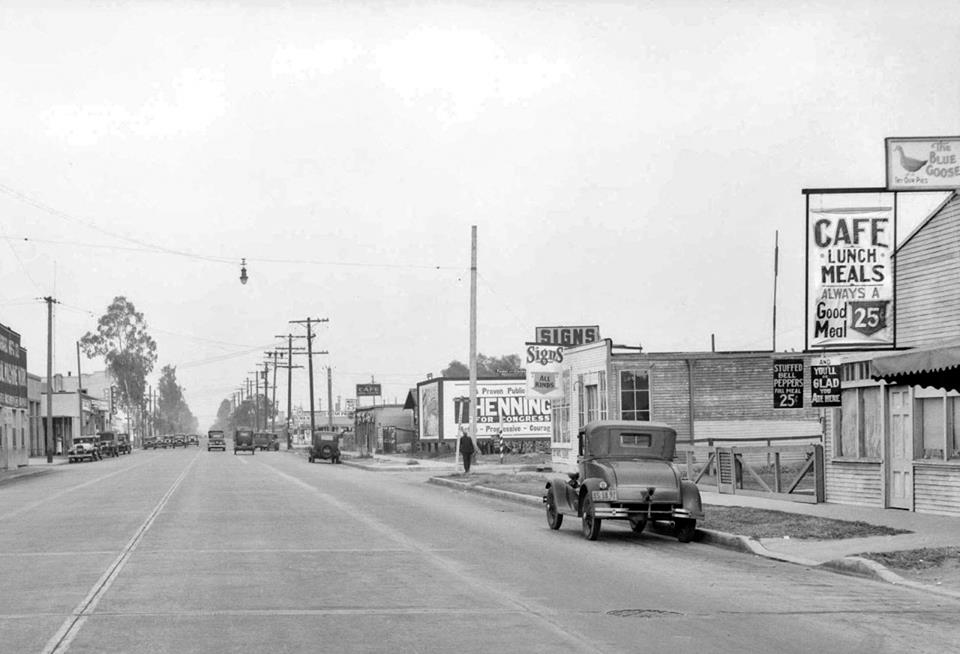
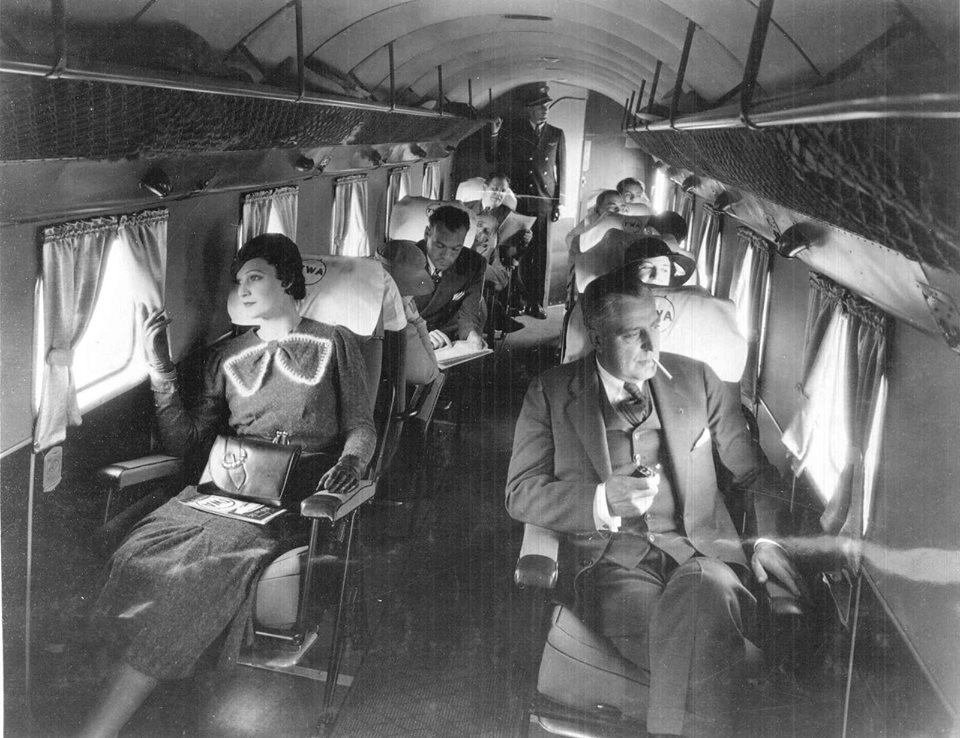
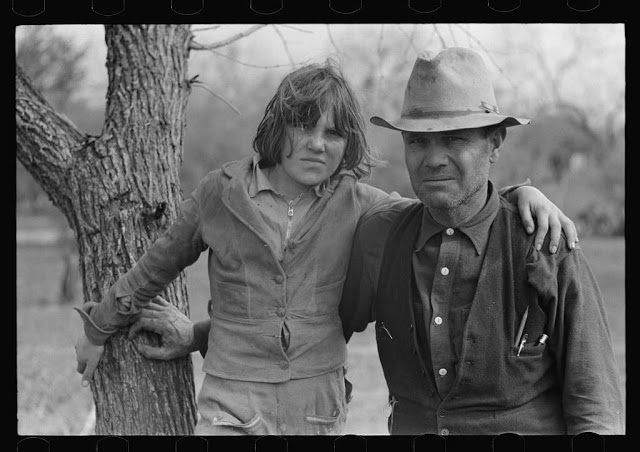
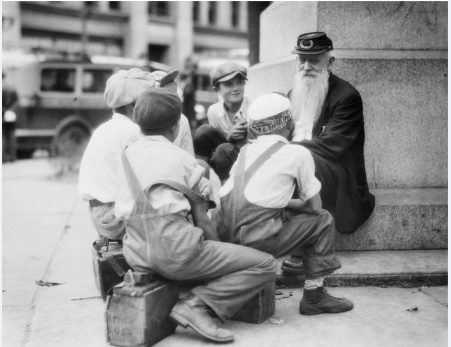
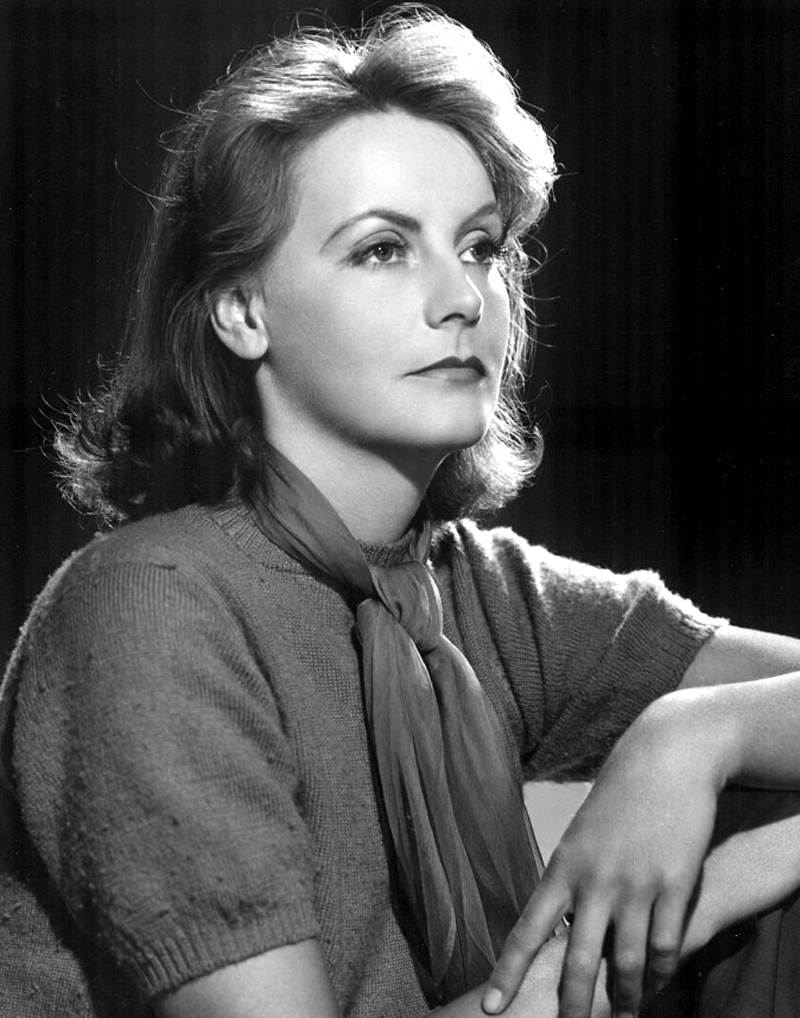
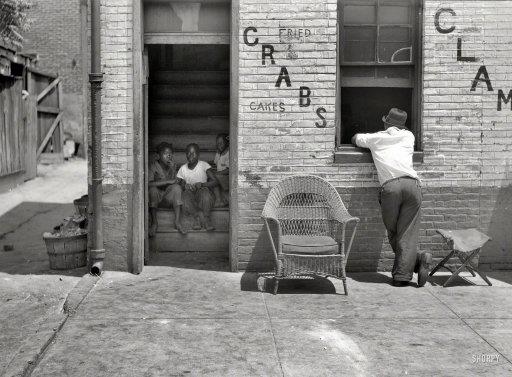
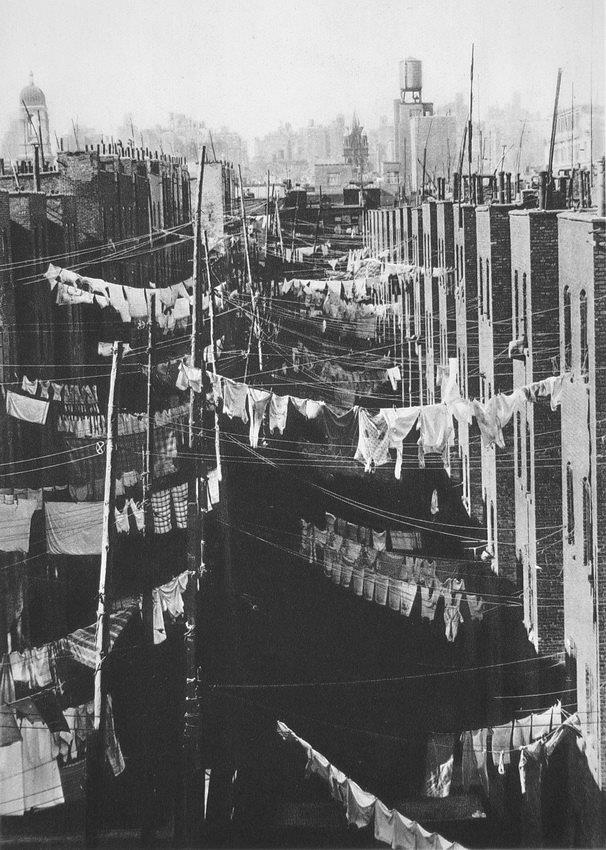
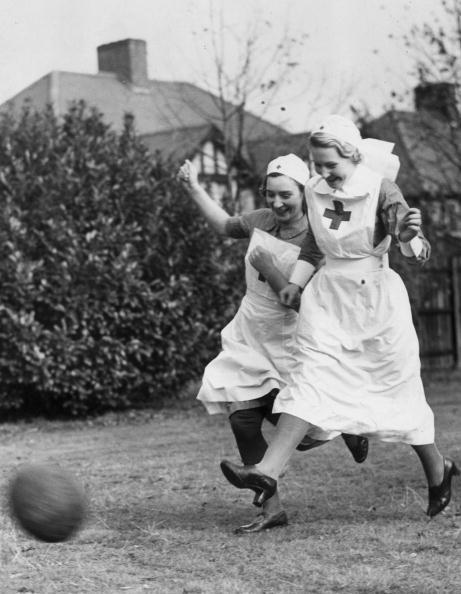
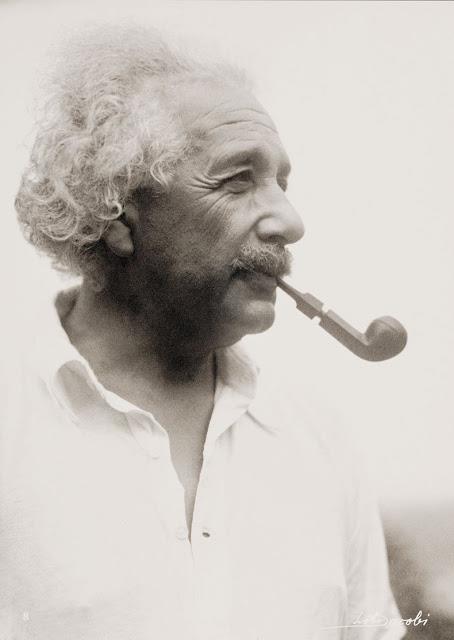
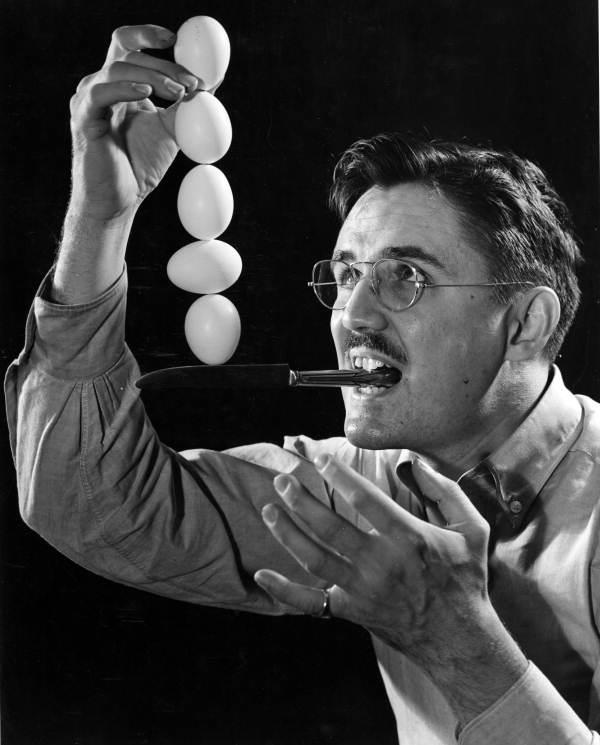
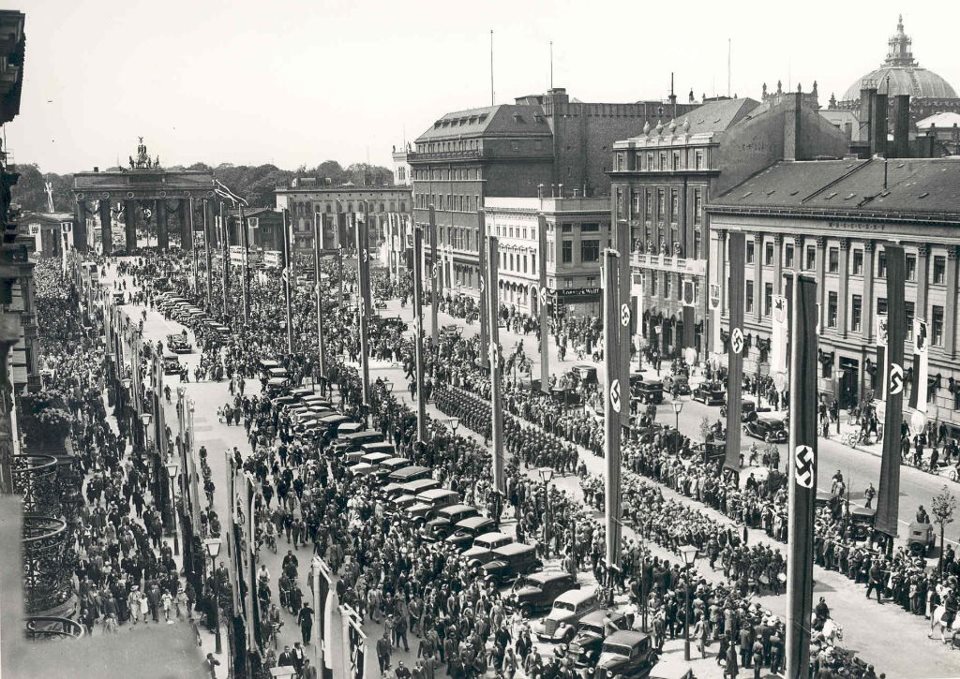
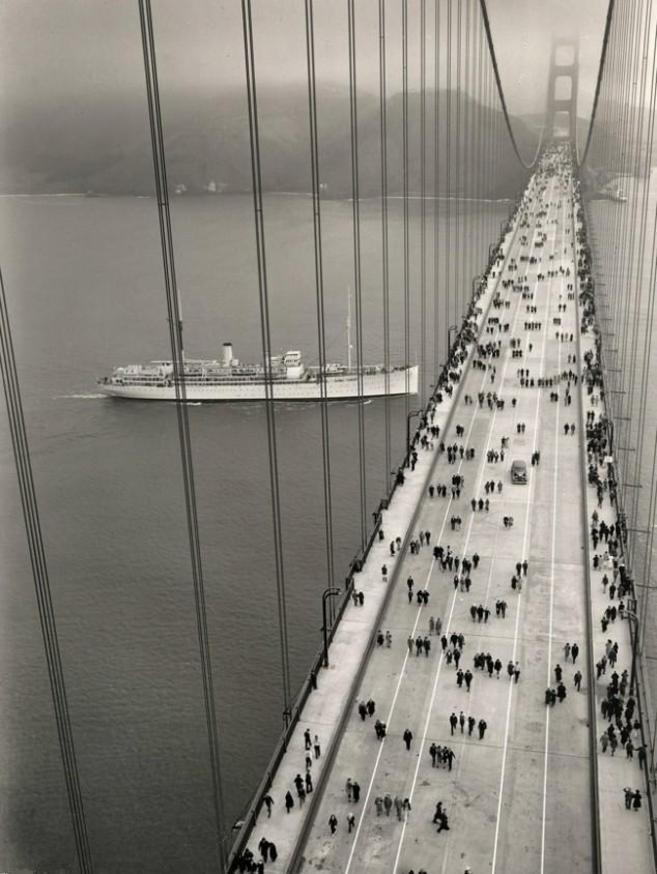
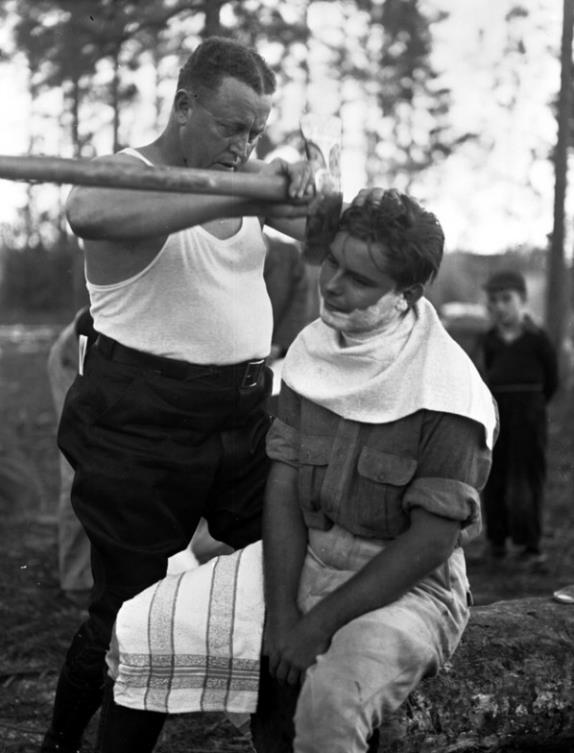
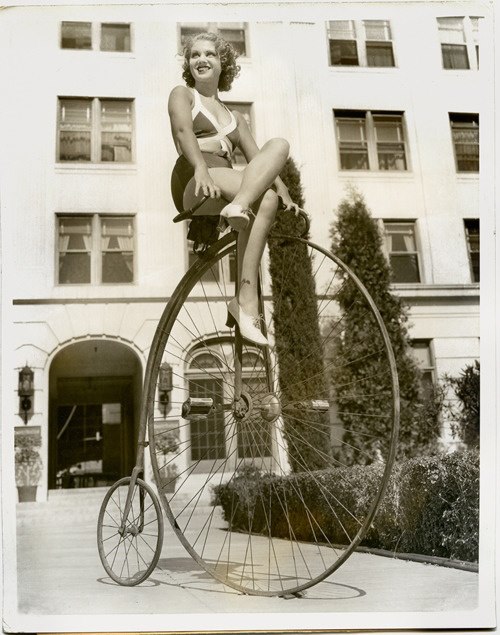
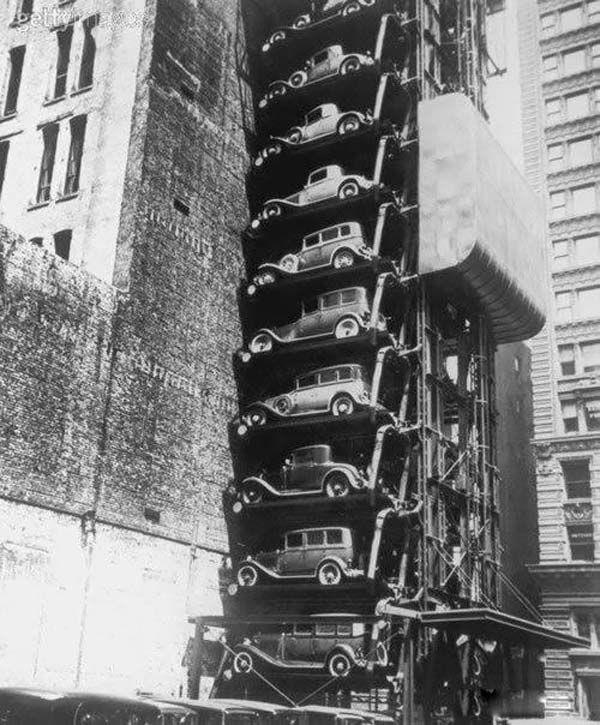
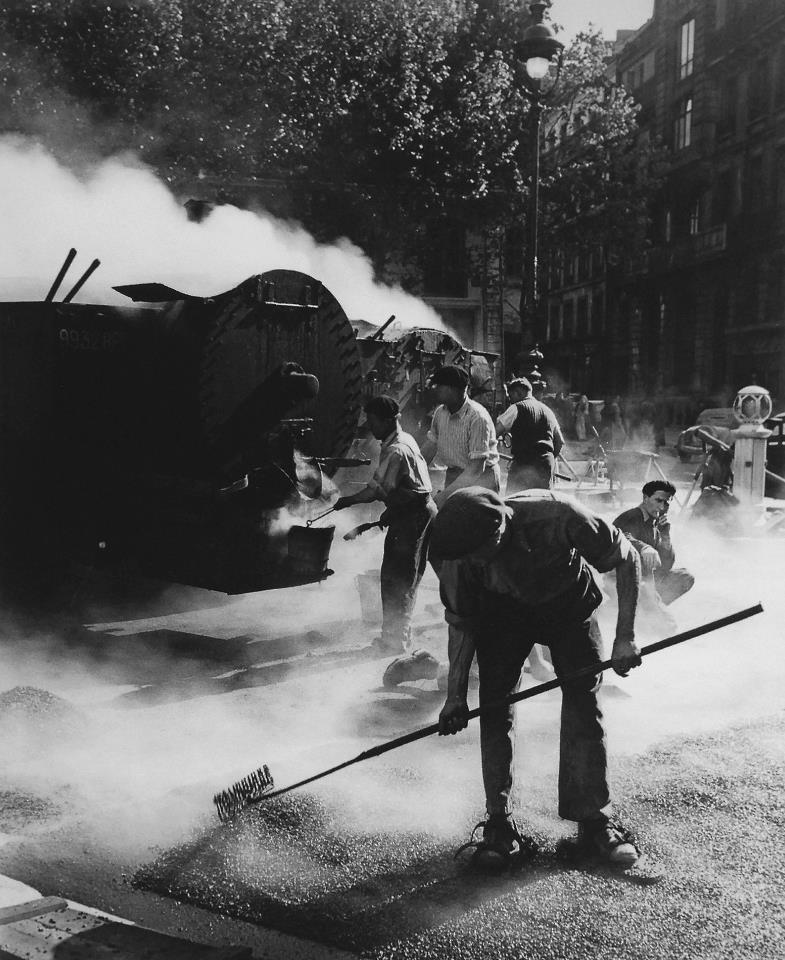
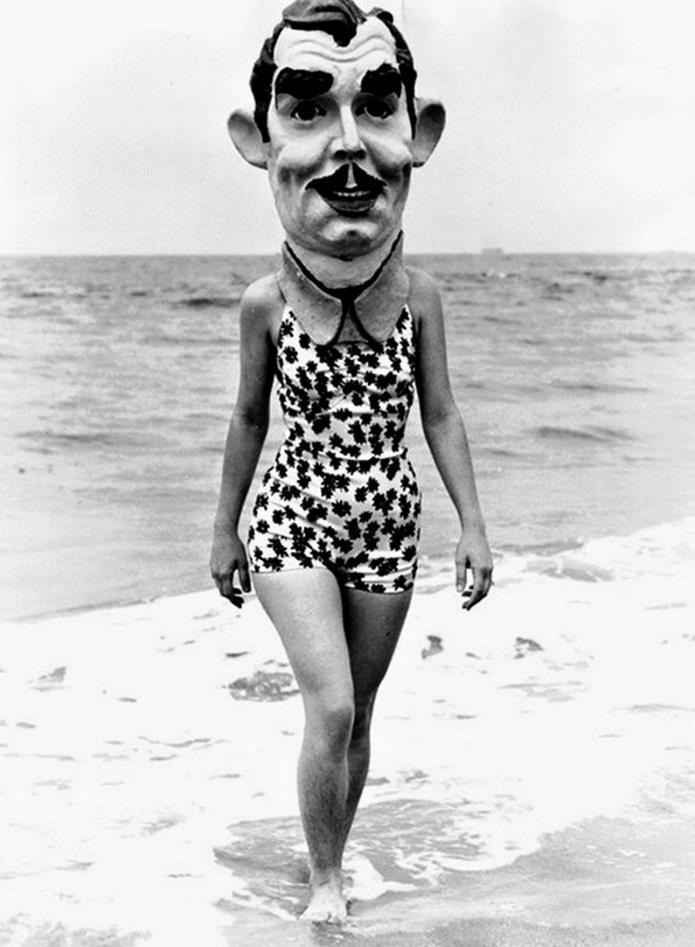
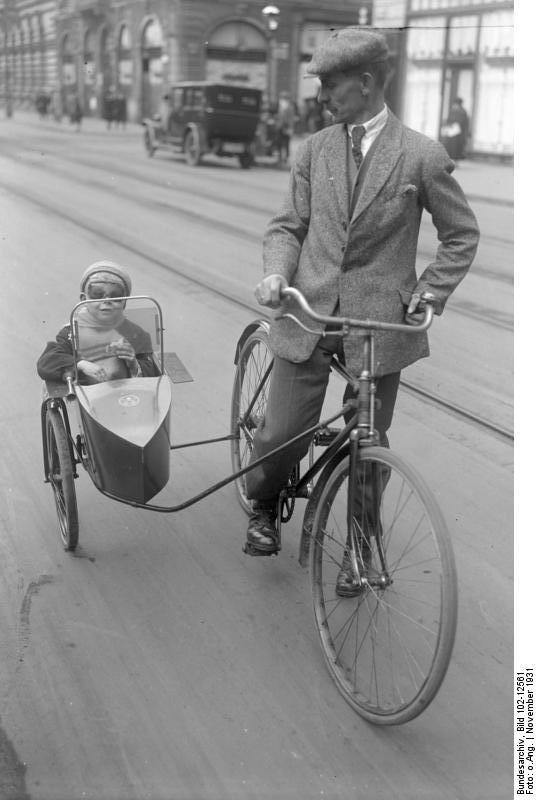
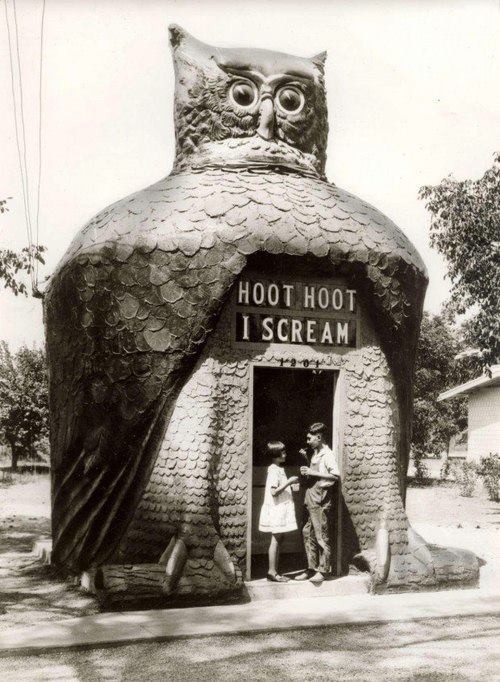
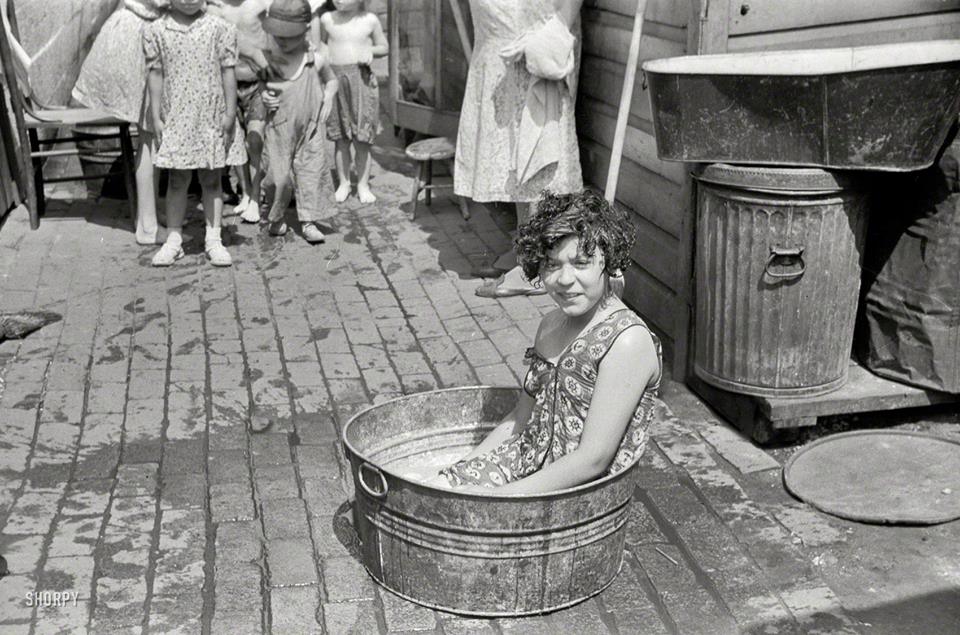
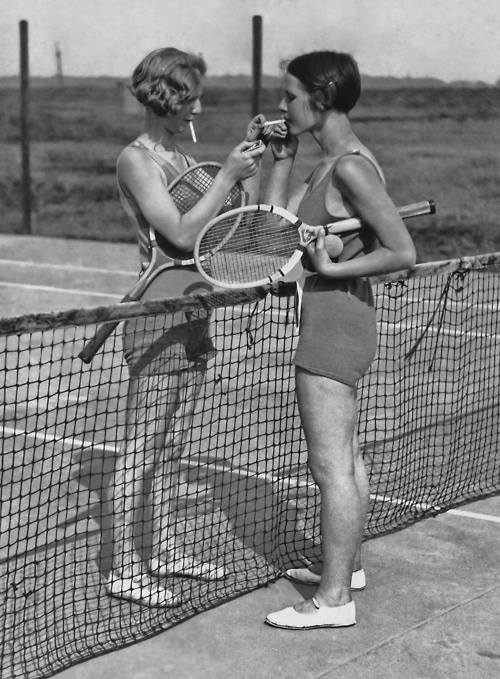
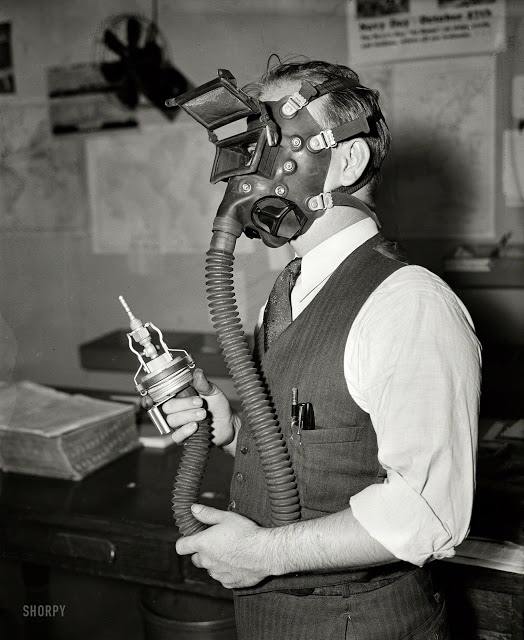
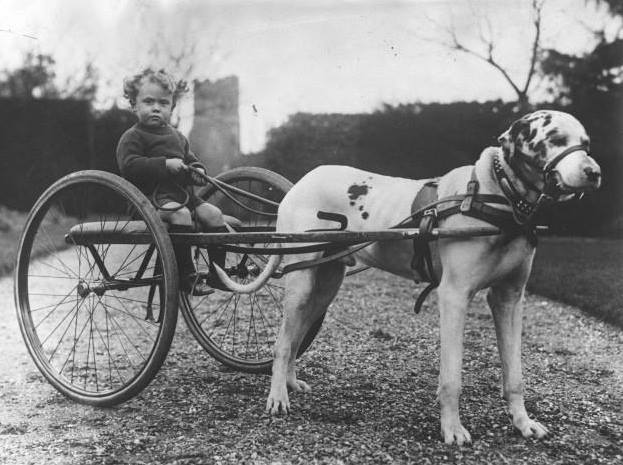
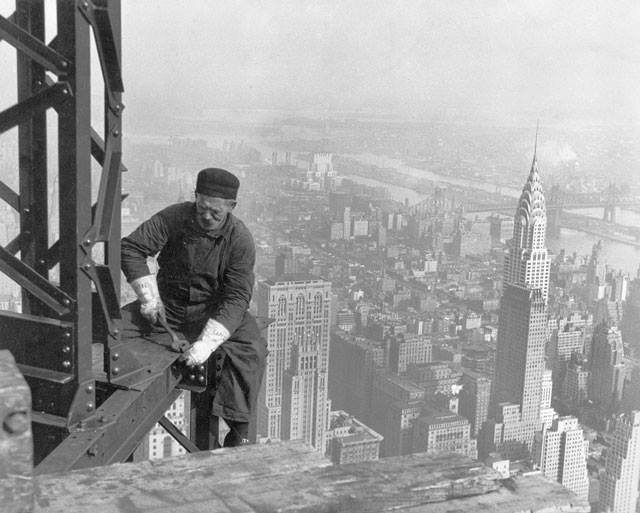
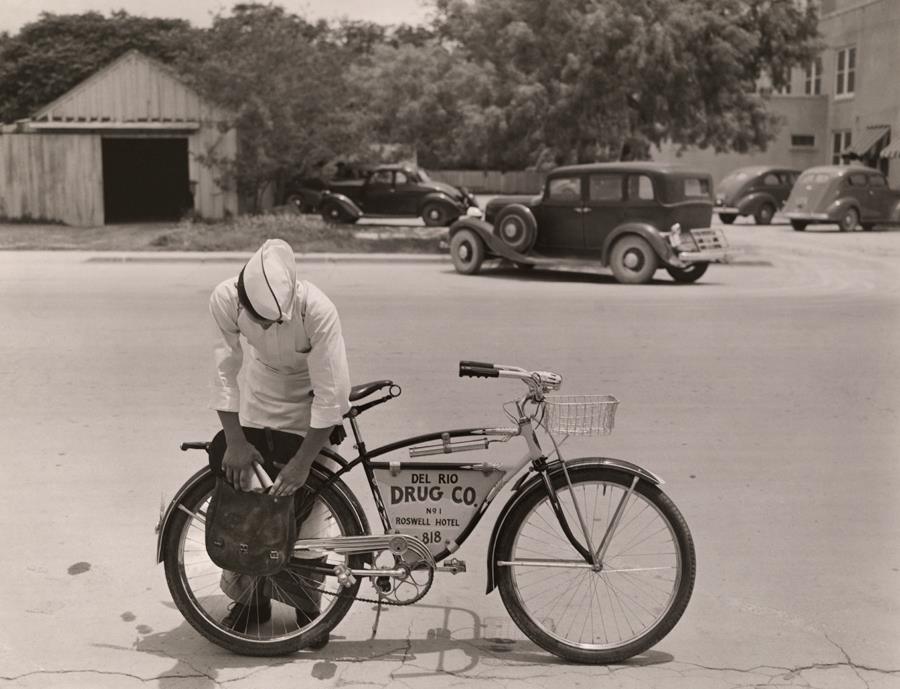
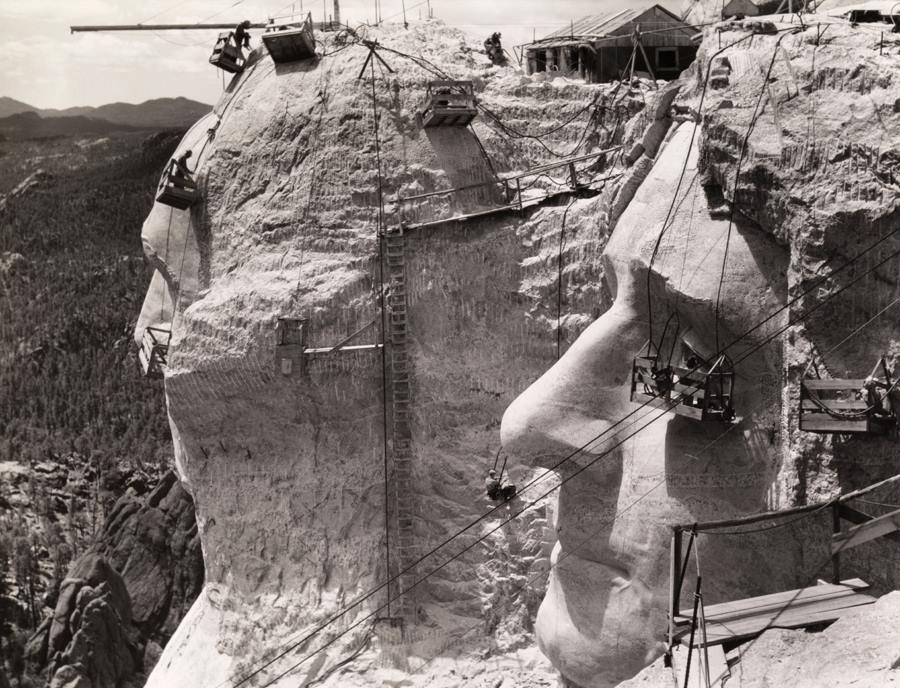
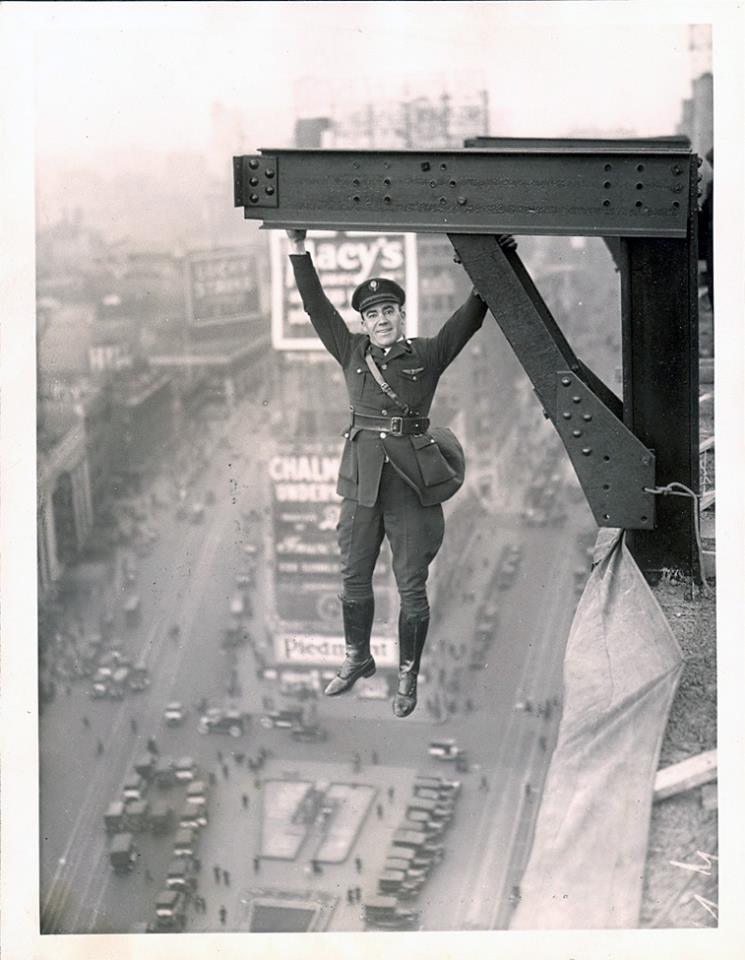
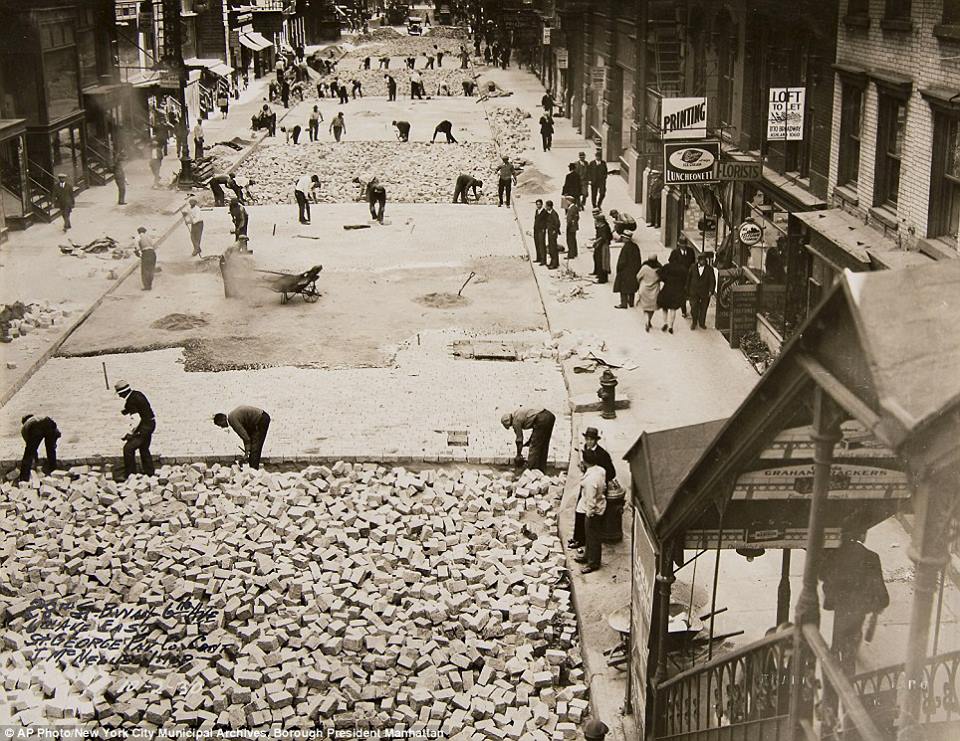
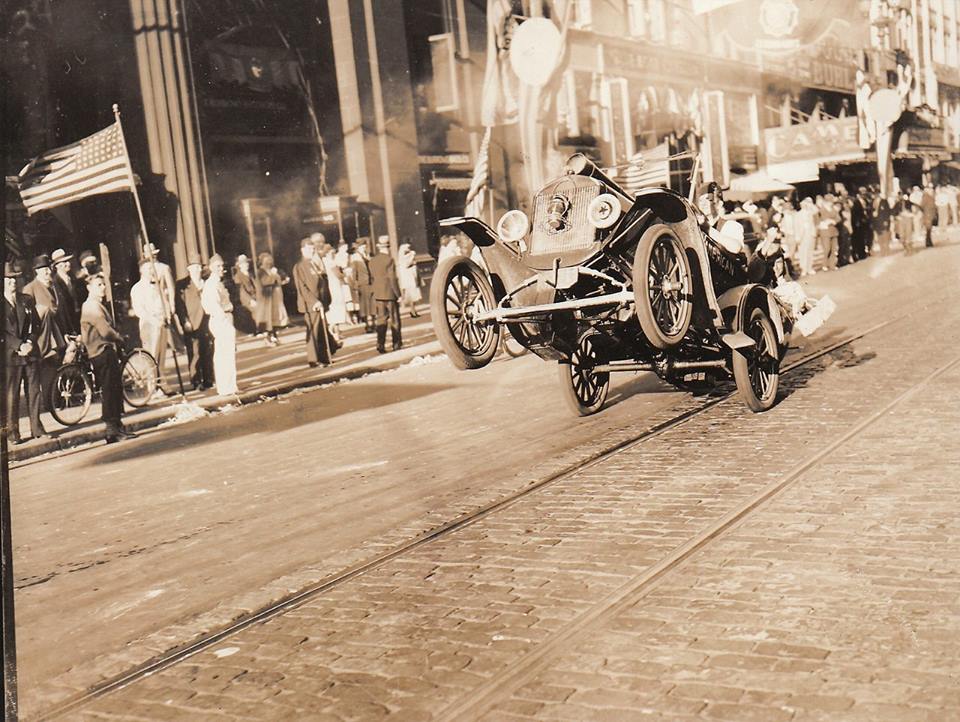
Walt Disney showing a cat his Mickey Mouse drawing in 1931.Tattooed lady at the 1939 New York World’s Fair.Kings Cross, London, 1931American burlesque dancer Zorita walks with her pet snake, late 1930s.Young family, penniless, hitchhiking on U.S. Highway 99, California. November, 1936.GMC truck in 1931.Hindenburg at the U.S. Navy hangar, Lakehurst, New Jersey, 1936.A baby cage hanging outside London apartment window in the 1930s.Actress Ann Sheridan, 1939Actress Carole Lombard, 1930sA form of folk medicine called Cupping Therapy being performed in a sauna in Finland, 1935.Picasso asleep, 1936Innocent beauty, 1932.View of Reykjavik, Iceland, 1930sMotorcycle cops, Boston, Massachusetts, 1930A workman takes a siesta on a girder during the building of Radio City, the city of New York spread out below. 1933.Female snipers, fighting for the government, during the Spanish Civil War. 1936.Fully dressed chimpanzees sit on chairs and kiss, 1930.Girl waiting for bus on Beverly Boulevard, interesection at Van Ness, Los Angeles, 1931.Piccadilly in the rush hour, London, 1930s.The Blue Goose Cafe, East 87th & South Main, Los Angeles, 1932.TWA, 1933.Migrant father and daughter near Harlingen, Texas, February 1939.A Group Of Bootblacks Gather Around An Old Civil War Veteran In Pennsylvania, 1935Greta Garbo, 1939Maryland Crab House, 1938Laundry, New York 1934Red cross nurses playing soccer, 1939Albert Einstein, 1938Doing An Egg Balancing Act on The Edge of A Knife, 1939Berlin on the eve of the Nazi Olympics, 1936Traffic on the Golden Gate Bridge soon after it opened in 1937Shaving With An Axe, 1930s.Actress Grace Bradley rides a bike, 1933Chicago Car Elevator, 1936Road workers in Paris, 1934Clark Gable Mask, Venice Beach, 1937German bicycle sidecar, 1931Hoot Hoot Ice Cream, 1935Hot Tub, 1938Tennis Players, 1930sProtection Mask, 1936.Dog chariot, 1930sStructural worker, Empire State Building, 1930A “drugstore cowboy” preparing to deliver orders on his bicycle in Texas, 1938.Thomas Jefferson at Mount Rushmore under construction, 1939.A man hanging around in what appears to be a NYPD Aerial Police uniform, 1930sWorkers lay bricks to pave 28th Street in Manhattan on October 2, 1930A woman riding an alligator in the Los Angeles Memorial Coliseum, 1930sThe World’s First Wheelie Ever Photographed, 1936
The Holocaust, also known as the Shoah, was the genocide of European Jews during World War II. Between 1941 and 1945, Nazi Germany and its collaborators systematically murdered some six million Jews across German-occupied Europe, around two-thirds of Europe’s Jewish population. The murders were carried out in pogroms and mass shootings; by a policy of extermination through labor in concentration camps; and in gas chambers and gas vans in German extermination camps, chiefly Auschwitz-Birkenau, Belzec, Chelmno, Majdanek, Sobibór, and Treblinka in occupied Poland.
Germany implemented the persecution in stages. Following Adolf Hitler’s appointment as chancellor on 30 January 1933, the regime built a network of concentration camps in Germany for political opponents and those deemed “undesirable”, starting with Dachau on 22 March 1933. After the passing of the Enabling Act on 24 March, which gave Hitler dictatorial plenary powers, the government began isolating Jews from civil society; this included boycotting Jewish businesses in April 1933 and enacting the Nuremberg Laws in September 1935. On 9–10 November 1938, eight months after Germany annexed Austria, Jewish businesses and other buildings were ransacked or set on fire throughout Germany and Austria on what became known as Kristallnacht (the “Night of Broken Glass”). After Germany invaded Poland in September 1939, triggering World War II, the regime set up ghettos to segregate Jews. Eventually, thousands of camps and other detention sites were established across German-occupied Europe.
The segregation of Jews in ghettos culminated in the policy of extermination the Nazis called the Final Solution to the Jewish Question, discussed by senior government officials at the Wannsee Conference in Berlin in January 1942. As German forces captured territories in the East, all anti-Jewish measures were radicalized. Under the coordination of the SS, with directions from the highest leadership of the Nazi Party, killings were committed within Germany itself, throughout occupied Europe, and within territories controlled by Germany’s allies. Paramilitary death squads called Einsatzgruppen, in cooperation with the German Army and local collaborators, murdered around 1.3 million Jews in mass shootings and pogroms from the summer of 1941. By mid-1942, victims were being deported from ghettos across Europe in sealed freight trains to extermination camps where, if they survived the journey, they were gassed, worked or beaten to death, or killed by disease, medical experiments, or during death marches. The killing continued until the end of World War II in Europe in May 1945.
The European Jews were targeted for extermination as part of a larger event during the Holocaust era (1933–1945), in which Germany and its collaborators persecuted and murdered millions of others, including ethnic Poles, Soviet civilians and prisoners of war, the Roma, the disabled, political and religious dissidents, and gay men. (Wikipedia)
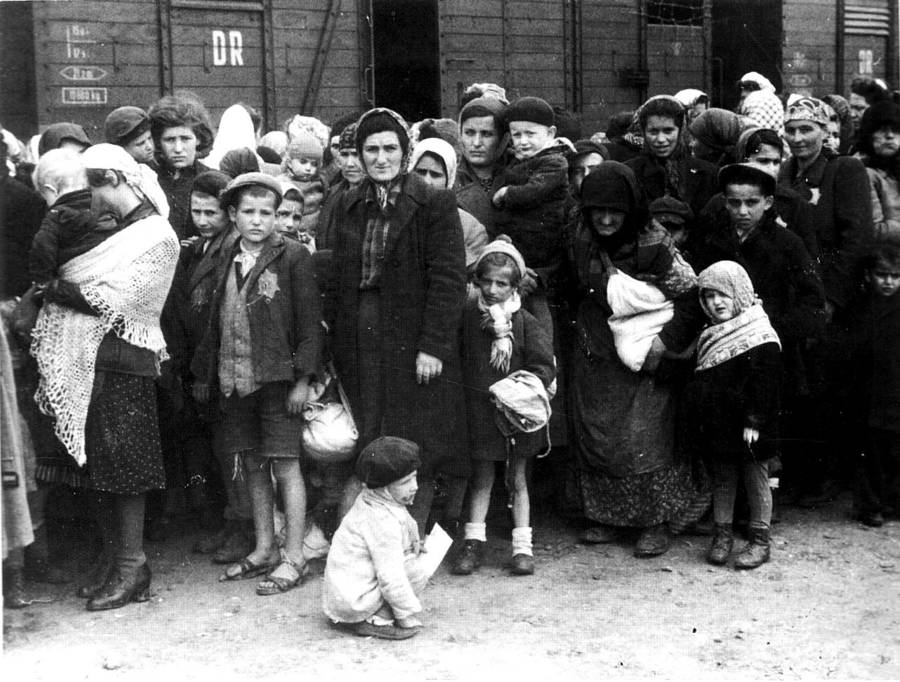
Jewish prisoners arrive at the Auschwitz concentration camp, mid-1944.
Subscribe to continue reading
Become a paid subscriber to get access to the rest of this post and other exclusive content.
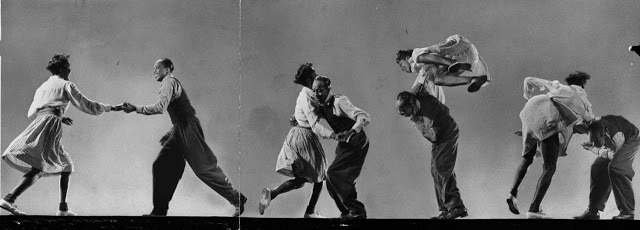
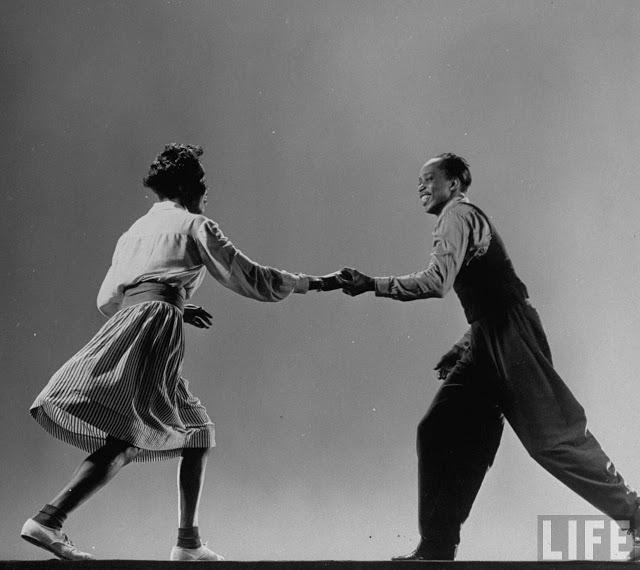
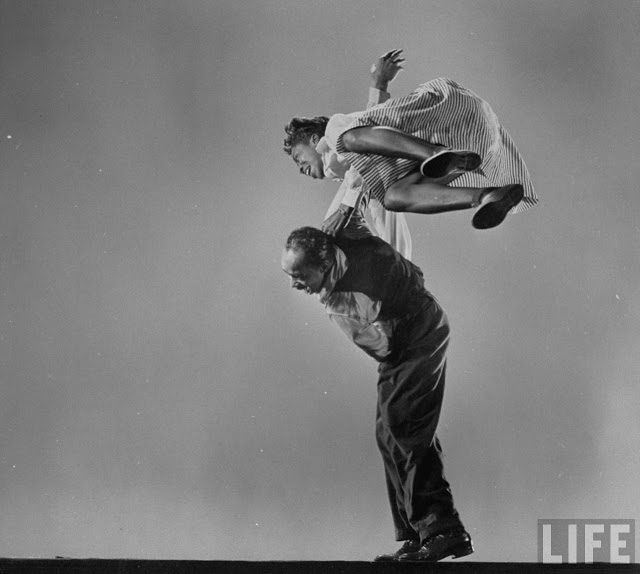
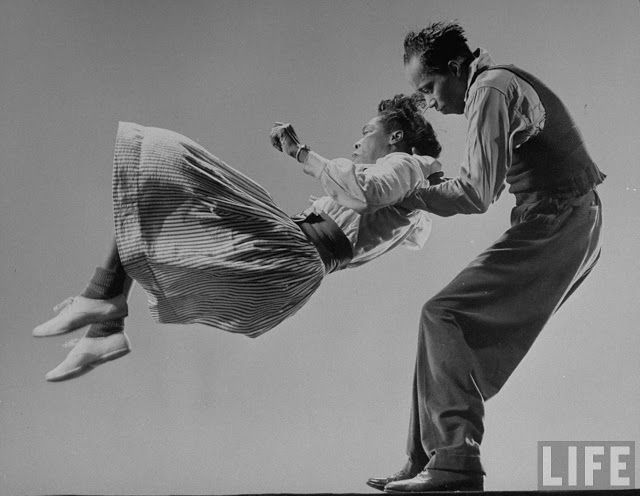
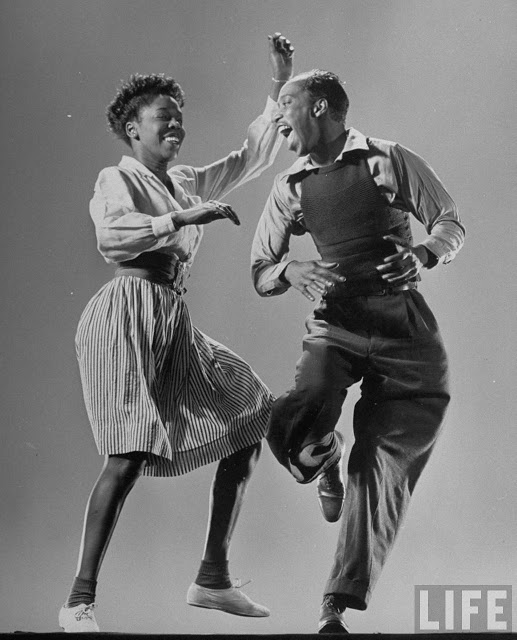
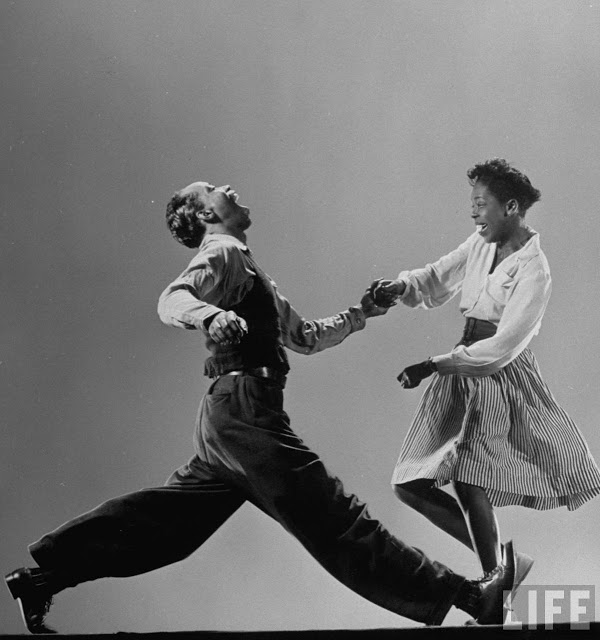
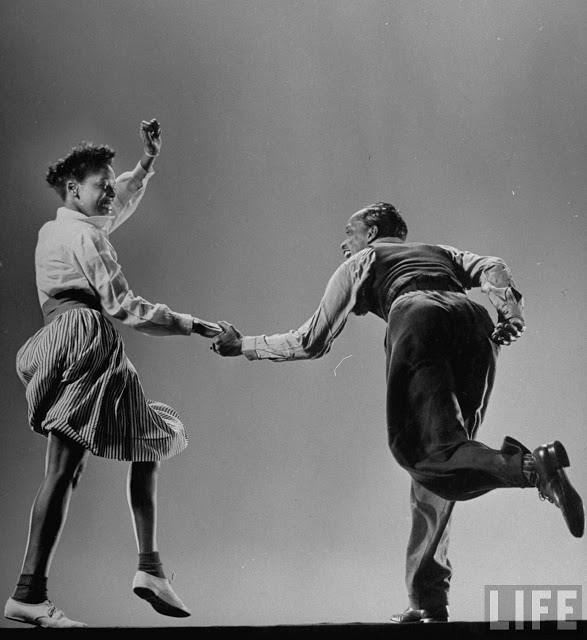
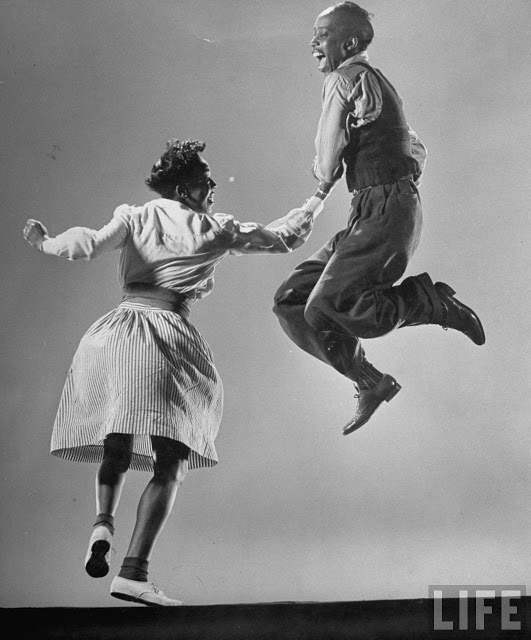
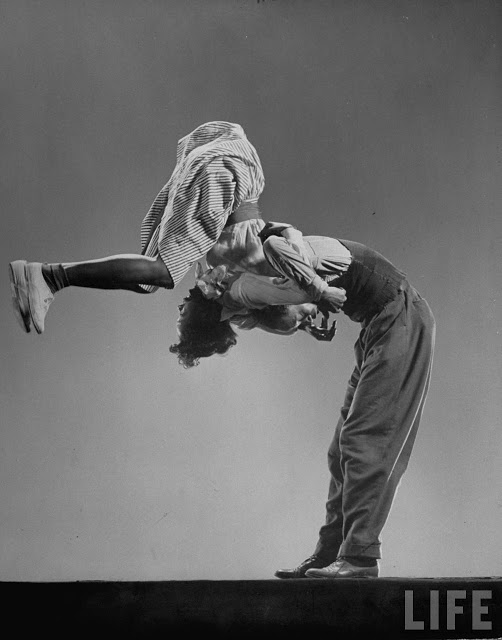
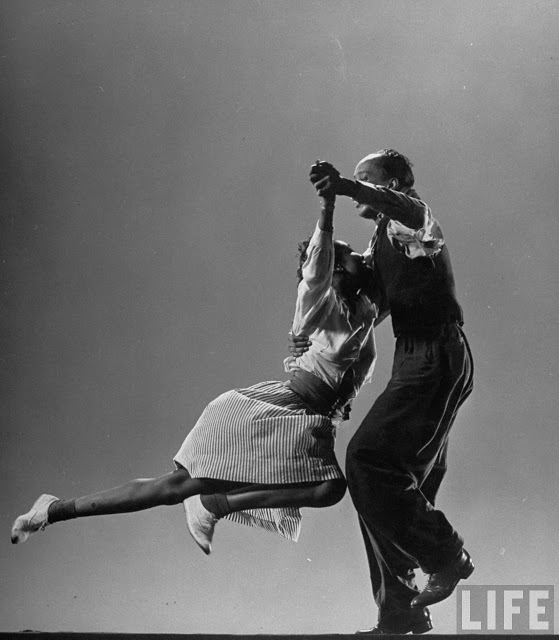
Willa Mae Ricker was one of Whitey’s Lindy Hoppers, featured in the famous 1943 LIFE Magazine story on the Lindy Hop with Leon James, along with the white Broadway dancers, Stanley Catron and Kaye Pop whose picture appears on the cover. The photographs of individual dance steps by Gjon Mili are sensational. Especially notable is a full page photograph on a black background of Willa Mae and Leon both exuberantly jumping in mid-air.
Frankie Manning says of his longtime friend Willa Mae Ricker, “She was one of the greats of Lindy Hop… She was the soul and heart of the dance”. He specifically notes her skill in doing all of the aerials, and her physical strength “to hold men up so they could shine”.
Although Willa Mae and her husband Lindy Hopper Billy Ricker were high school sweethearts and enjoyed a long and healthy marriage, they rarely danced together professionally. She partnered Leon James, Al Minns, Frankie Manning, Russell Williams and others. She won the first Harvest Moon Ball with Leon James in 1935.
When Willa Mae died of cancer in the sixties, the romance had still not left her marriage to Billy, she never stopped dancing, and never lost the sweet disposition that made her the most beloved of the Lindy Hoppers.
(Photo by Gjon Mili/The LIFE Picture Collection/Getty Images)
I Dream of Jeannie is an American fantasy sitcom starring Barbara Eden as a 2,000-year-old genie and Larry Hagman as an astronaut who becomes her master, with whom she falls in love and eventually marries. Produced by Screen Gems, the show originally aired from September 18, 1965 to May 26, 1970 with new episodes, and through September 1970 with season repeats, on NBC. The show ran for five seasons and produced 139 episodes.
The series was created and produced by Sidney Sheldon in response to the great success of rival network ABC’s Bewitched series, which had debuted in 1964 as the second-most watched program in the United States. Sheldon, inspired by the movie The Brass Bottle, which had starred Tony Randall, Barbara Eden, and Burl Ives as the jinn Fakrash, conceived of the idea for a beautiful female genie.
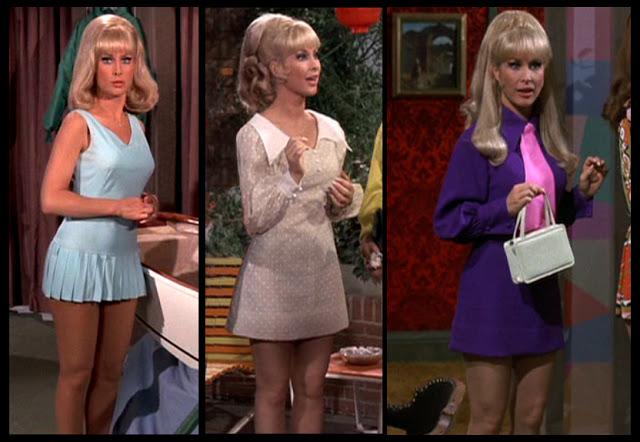
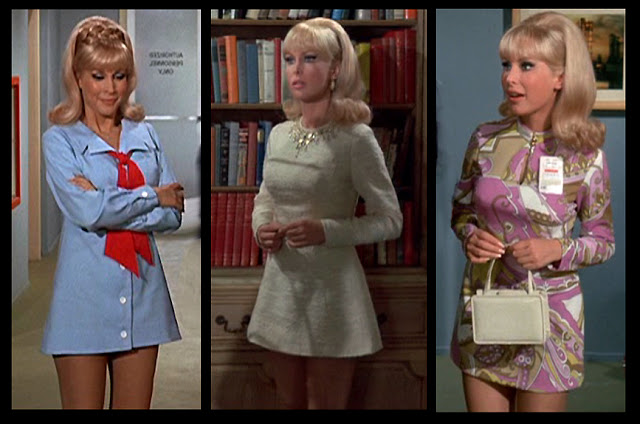
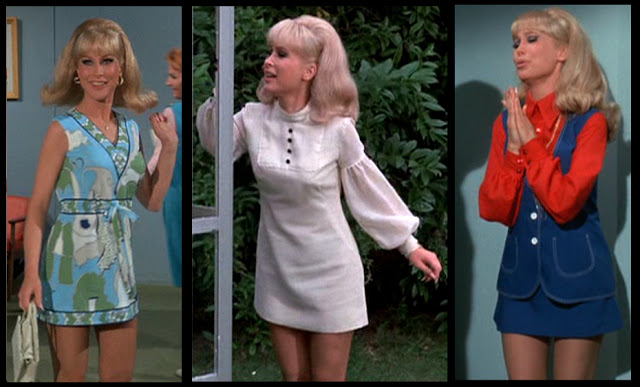
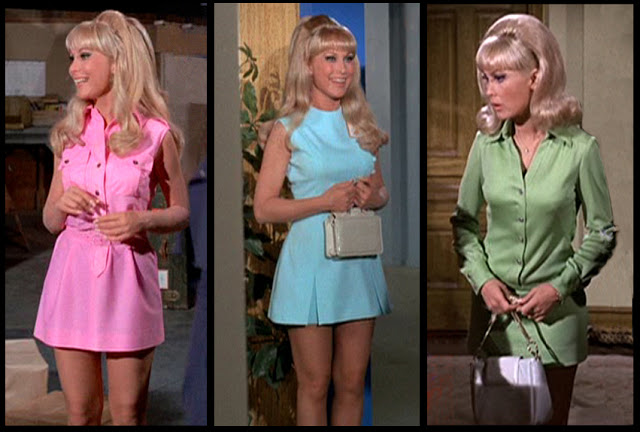
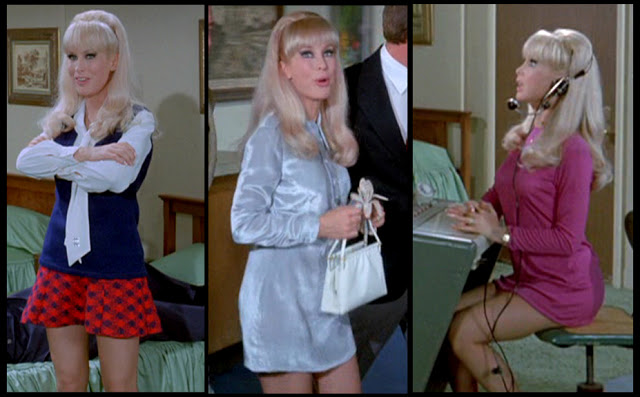
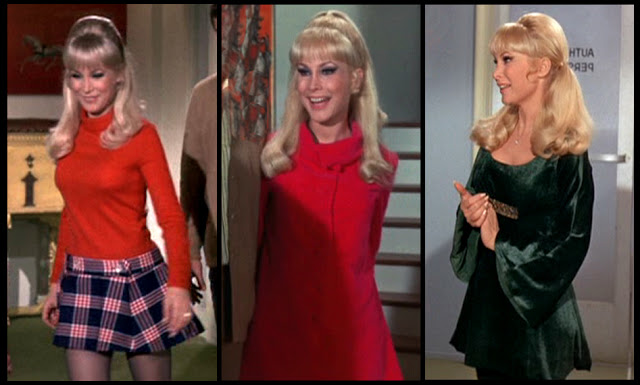
The first few years of I Dream of Jeannie saw plenty of miniskirts; however, none were on Jeannie. Then, around 1968, that all changed. Barbara Eden started sporting a mini in every episode – perhaps wearing it more often than the iconic pink genie outfit!