









































Bringing You the Wonder of Yesterday – Today
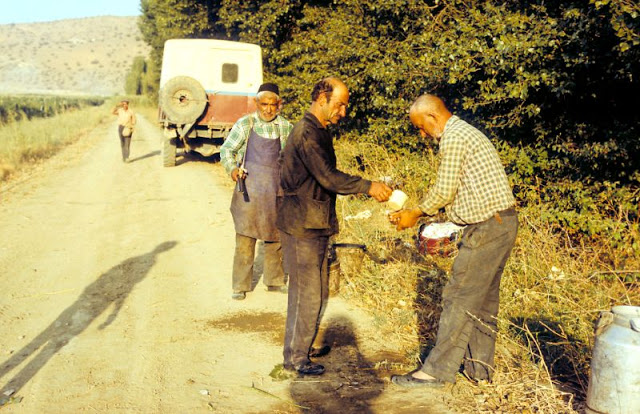
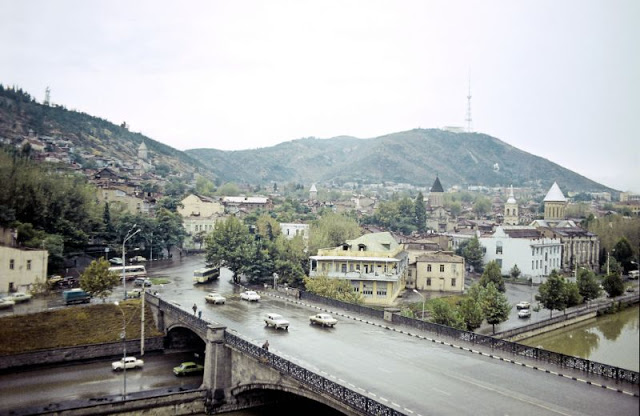
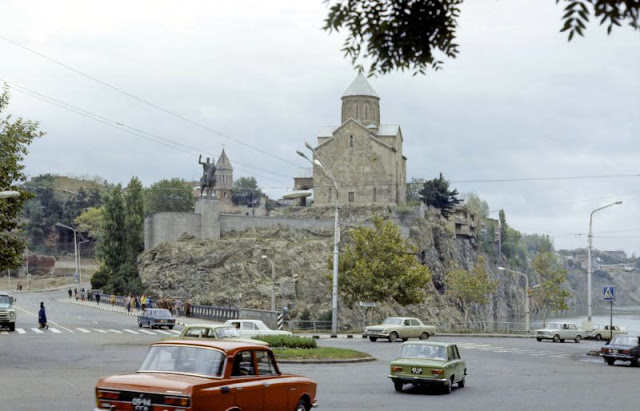
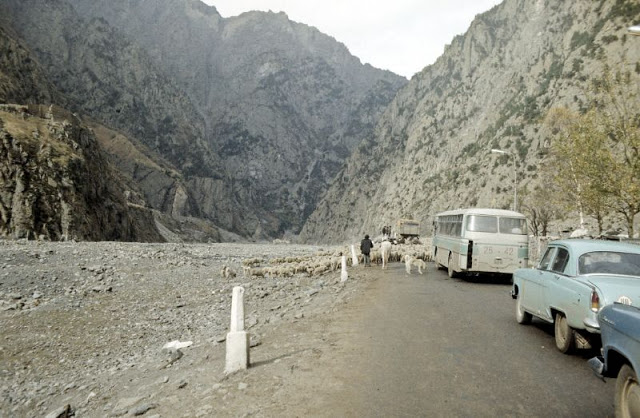
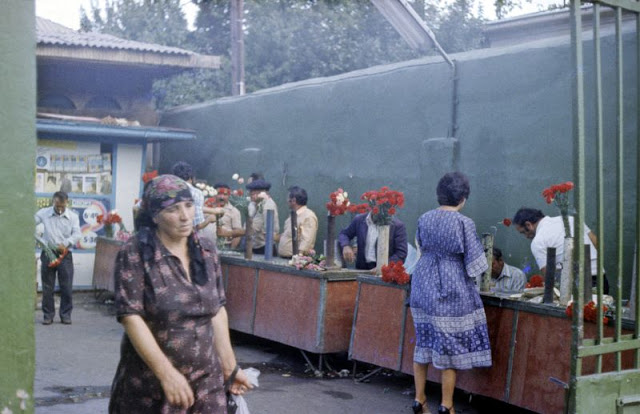
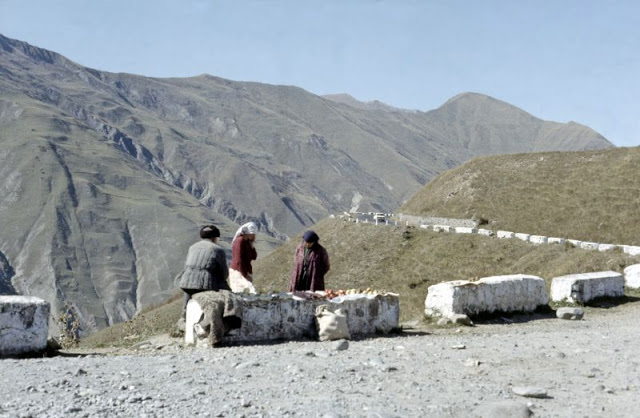
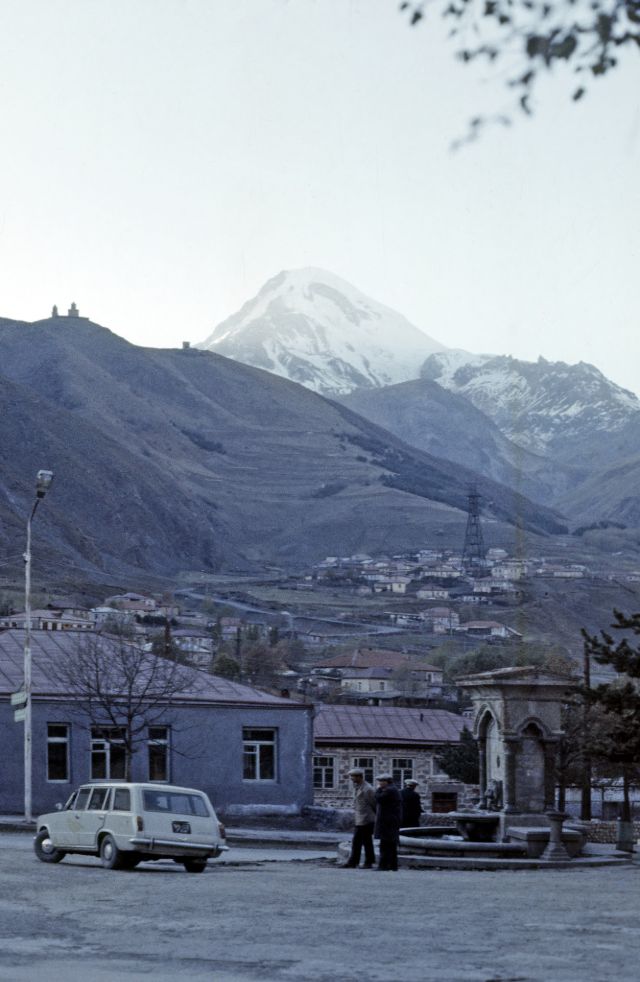
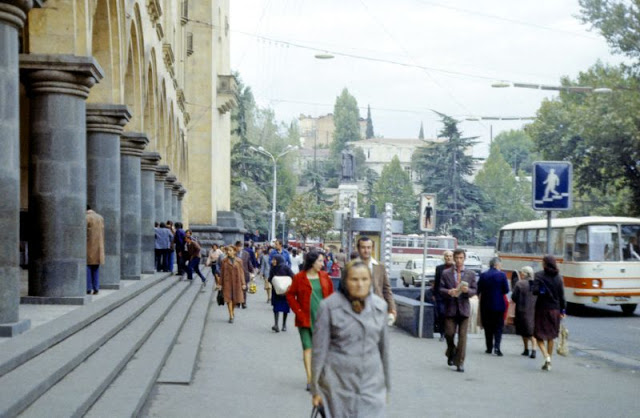
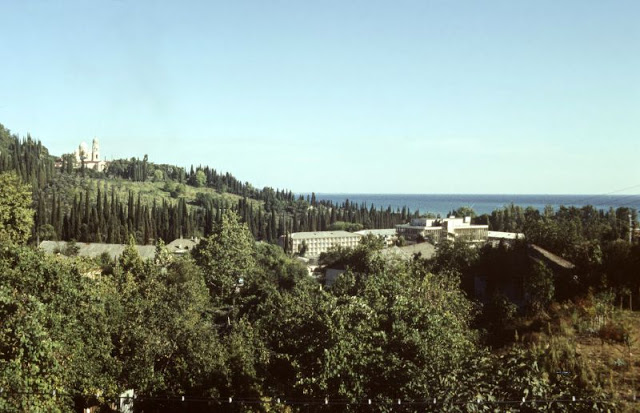
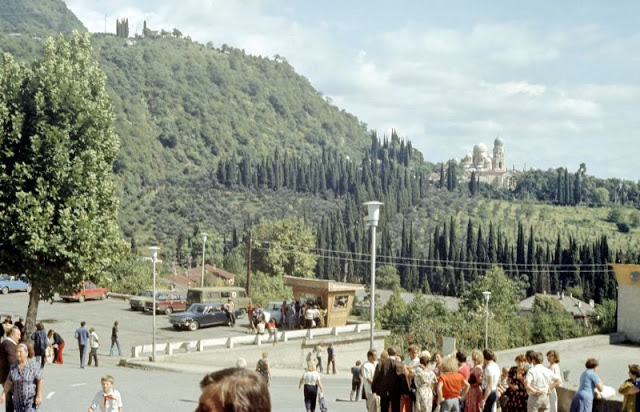
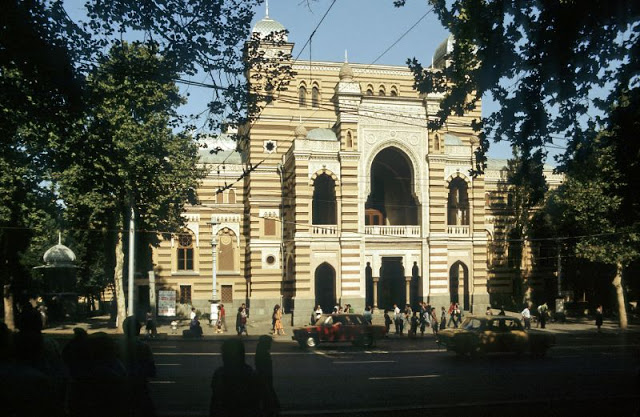
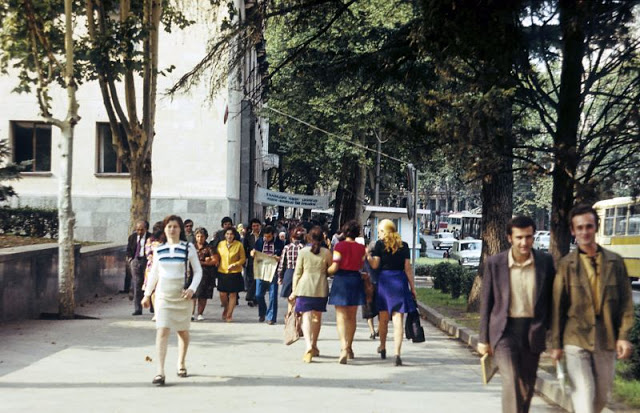
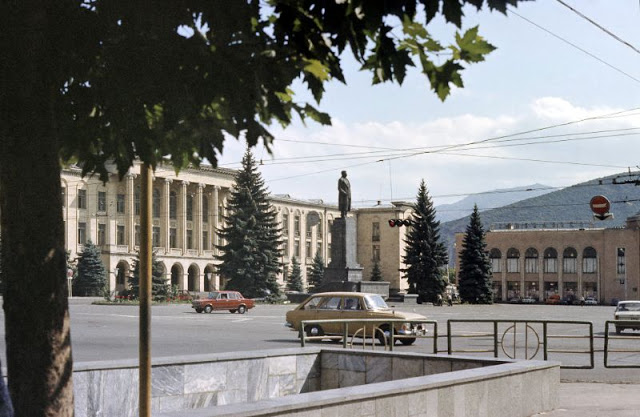
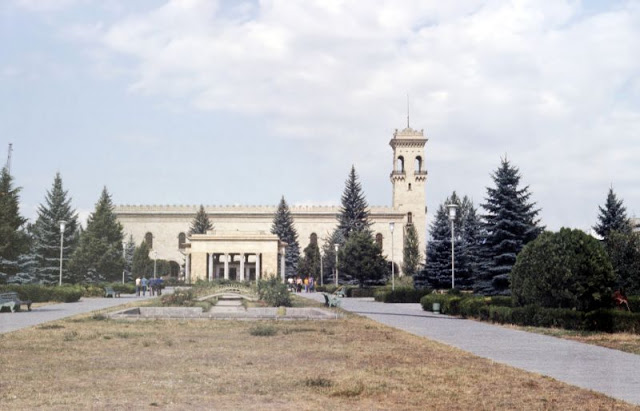
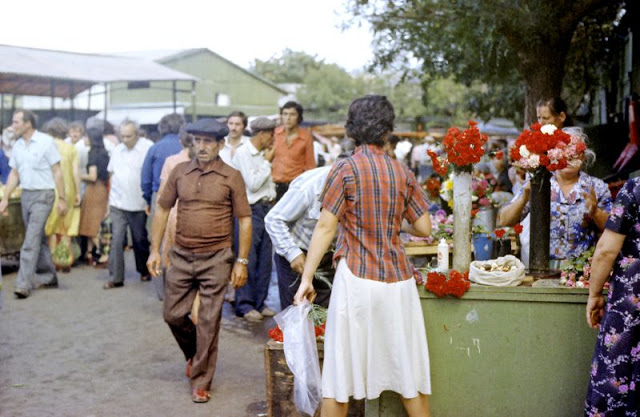
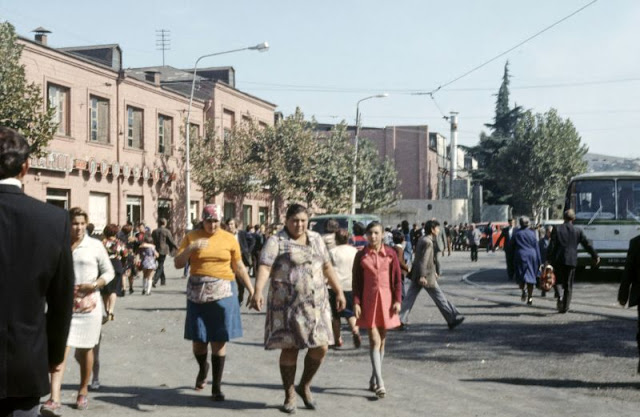
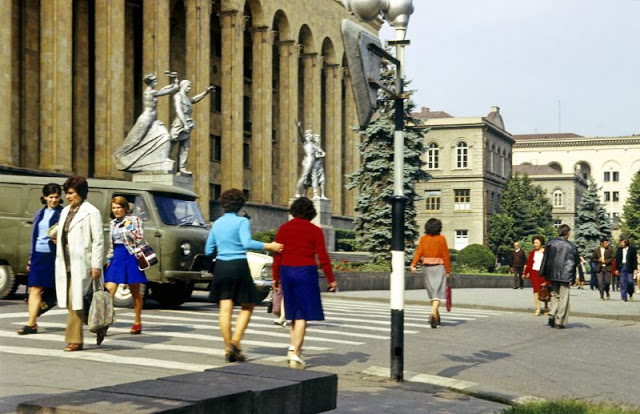
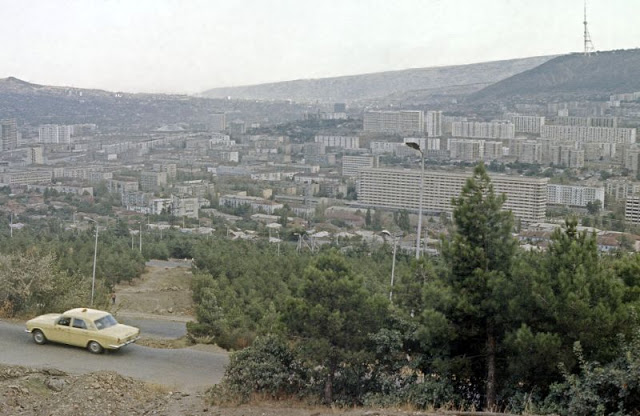
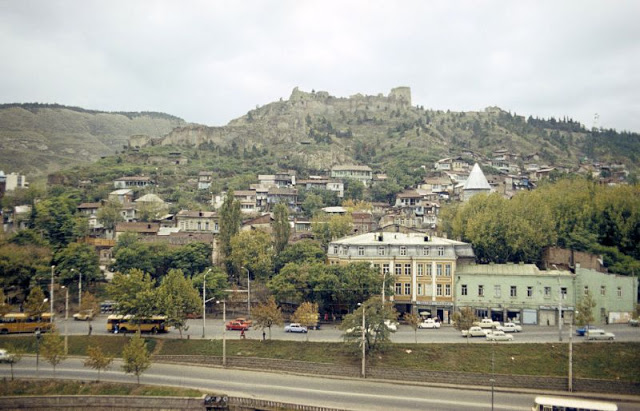
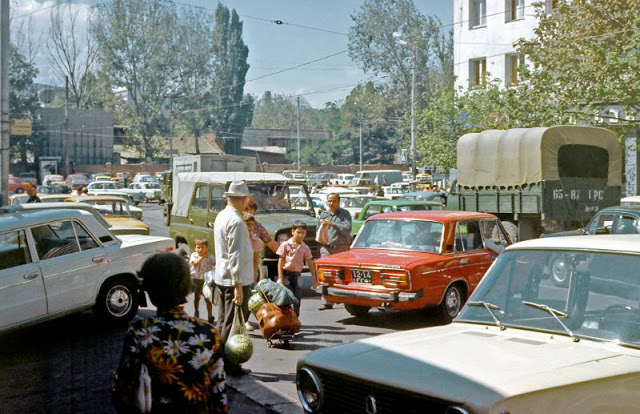
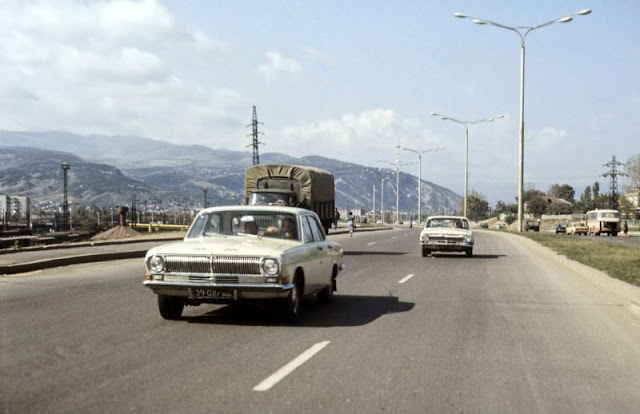
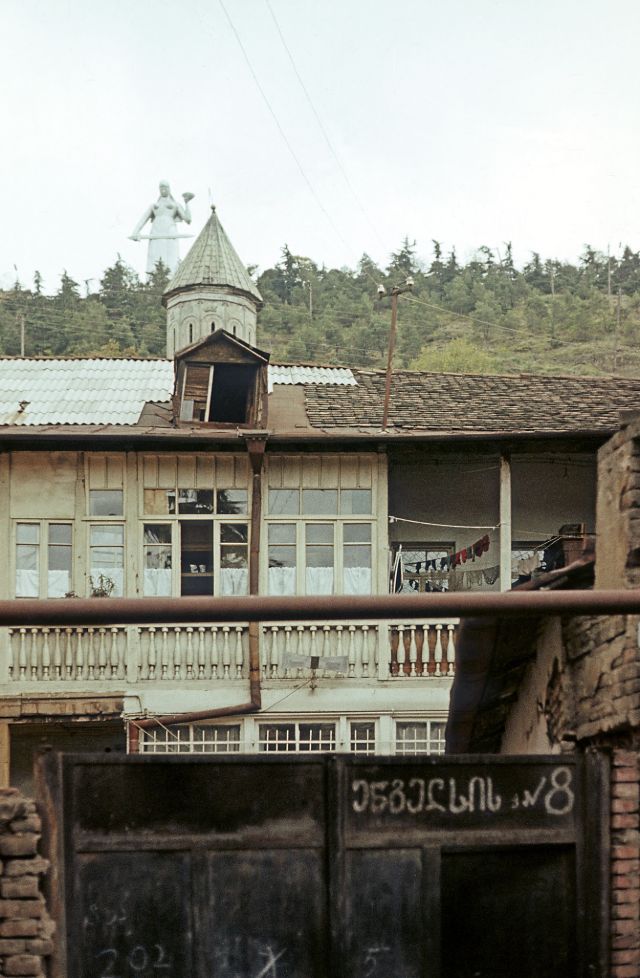
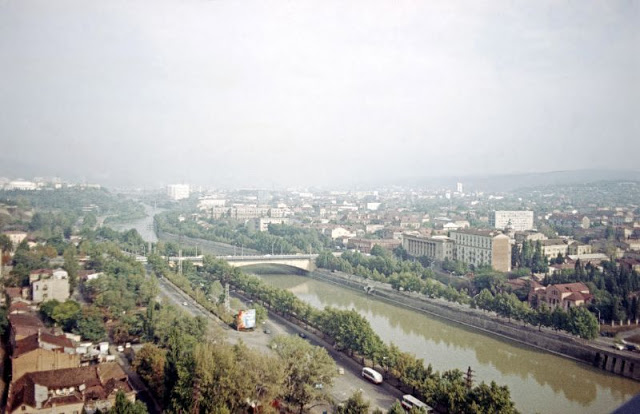
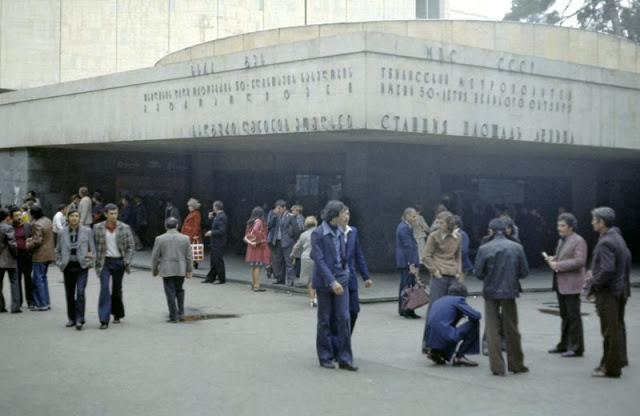
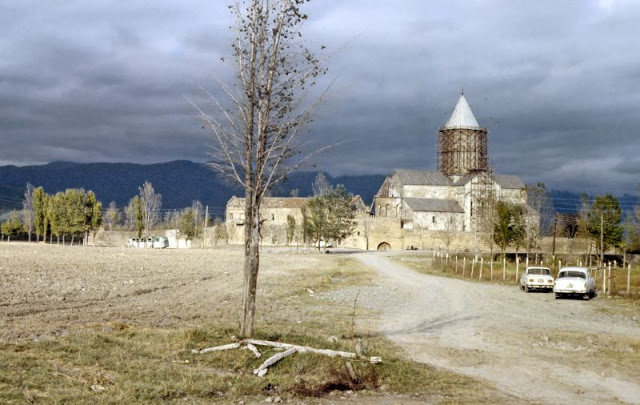
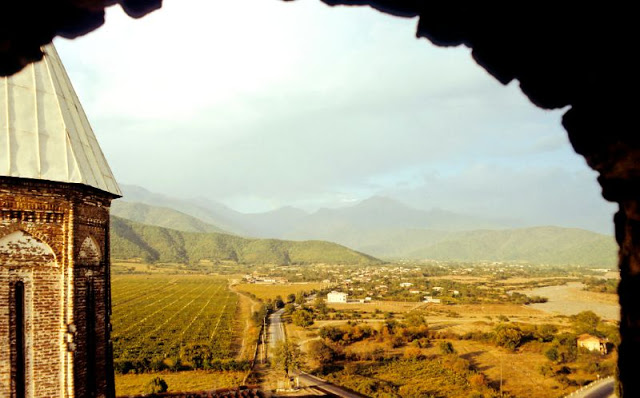
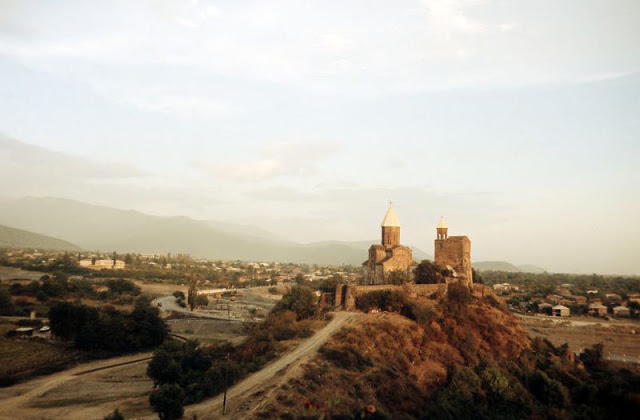
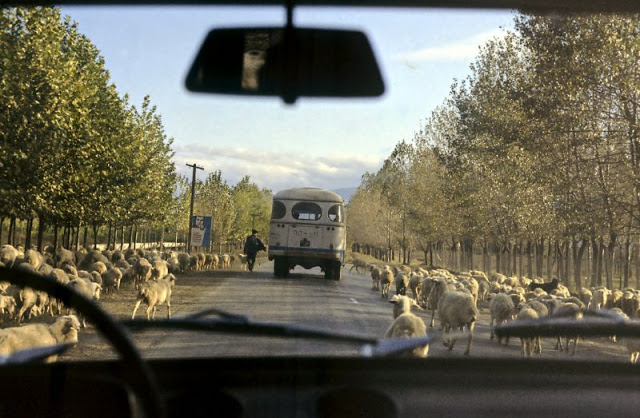
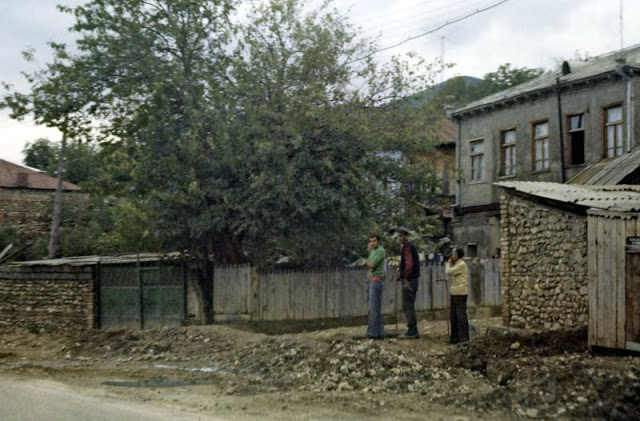
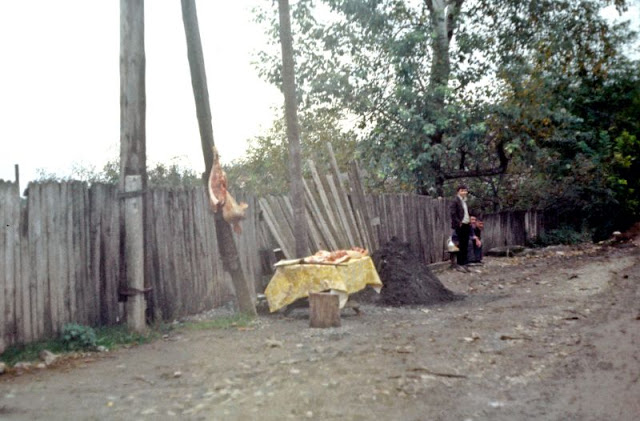
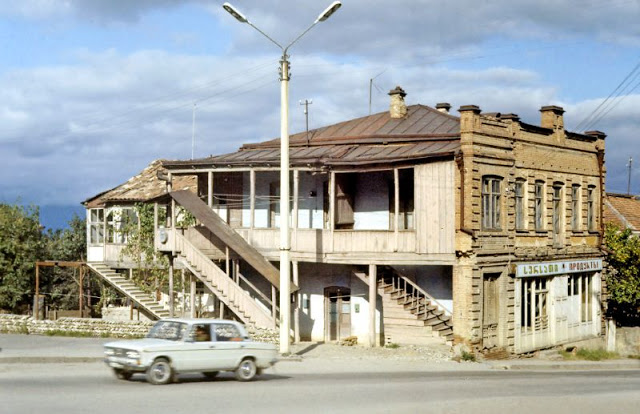
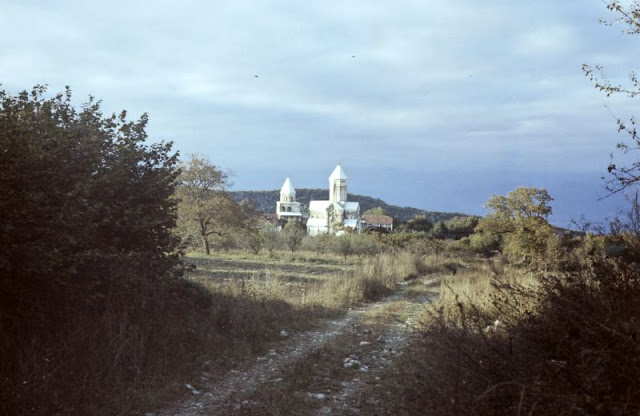
Georgia is a country located in the Caucasus, at the intersection of Eastern Europe and Western Asia. Georgia is bounded to the west by the Black Sea, to the north and east by Russia, to the south by Turkey and Armenia, and to the southeast by Azerbaijan. It covers 69,700 square kilometres (26,911 sq mi), and has a population of 3.7 million excluding the occupied territories. Georgia is a representative democracy governed as a unitary parliamentary republic. Tbilisi is the capital and largest city, home to roughly a quarter of the population.
During the classical era, several independent kingdoms became established in what is now Georgia, such as Colchis and Iberia. Georgians officially adopted Christianity in the early fourth century, which contributed to the spiritual and political unification of early Georgian states. In the Middle Ages, the unified Kingdom of Georgia emerged and reached its Golden Age during the reign of King David the Builder and Queen Tamar the Great in the 12th and early 13th centuries. Thereafter, the kingdom declined and eventually disintegrated under the hegemony of various regional powers, including the Mongols, the Ottoman Empire and successive dynasties of Persia. In 1783, one of the Georgian kingdoms entered an alliance with the Russian Empire, which proceeded to annex the territory of modern Georgia in a piecemeal fashion throughout the 19th century.
After the Russian Revolution in 1917, Georgia emerged as an independent republic under German protection. Following World War I, Georgia was forcibly annexed by the Soviet Union in 1922, becoming one of its fifteen constituent republics. By the 1980s, an independence movement emerged and grew quickly, leading to Georgia’s secession from the Soviet Union in April 1991. For most of the subsequent decade, post-Soviet Georgia suffered from economic crisis, political instability, ethnic conflict, and secessionist wars in Abkhazia and South Ossetia. Following the bloodless Rose Revolution in 2003, Georgia strongly pursued a pro-Western foreign policy; it introduced a series of democratic and economic reforms aimed at integration into the European Union and NATO. The country’s Western orientation soon led to worsening relations with Russia, at one point even resulting in a brief war in 2008.
Georgia is a developing country, classified as “very high” on the Human Development Index. Economic reforms since independence have led to higher levels of economic freedom and ease of doing business, as well as reductions in corruption indicators, poverty, and unemployment. It is one of the first countries in the world to legalize cannabis, becoming the only former-communist state in the world to do so. The country is a member of international organizations across both Europe and Asia, such as Council of Europe, Organization of the Black Sea Economic Cooperation, Organization for Security and Co-operation in Europe, Eurocontrol, European Bank for Reconstruction and Development, and GUAM Organization for Democracy and Economic Development. (Wikipedia)
















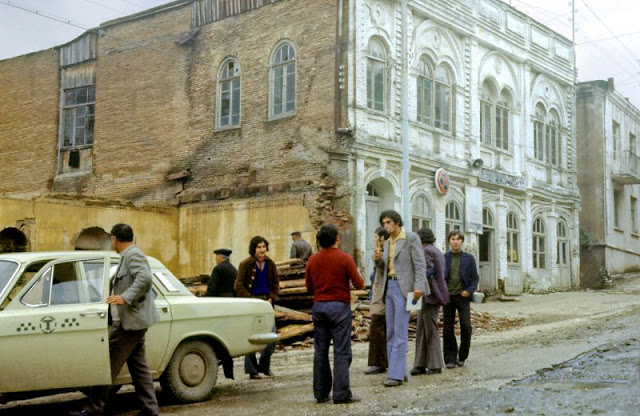


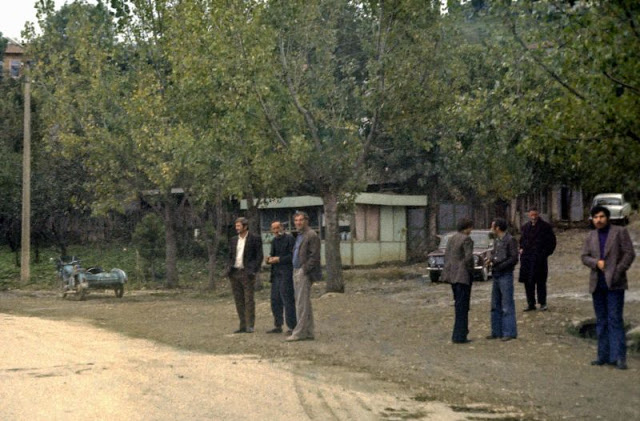

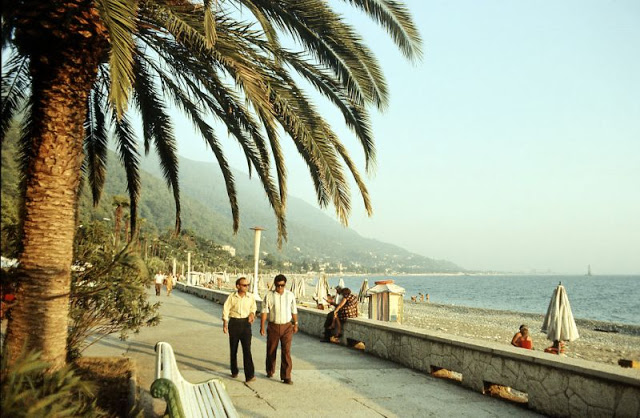



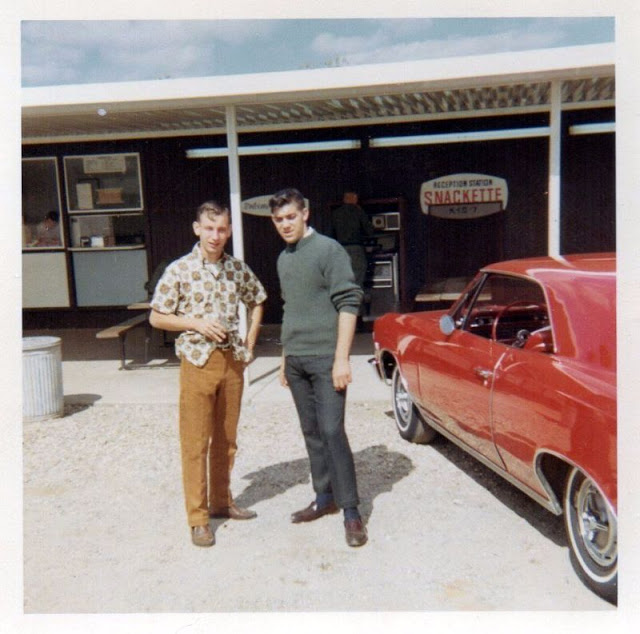
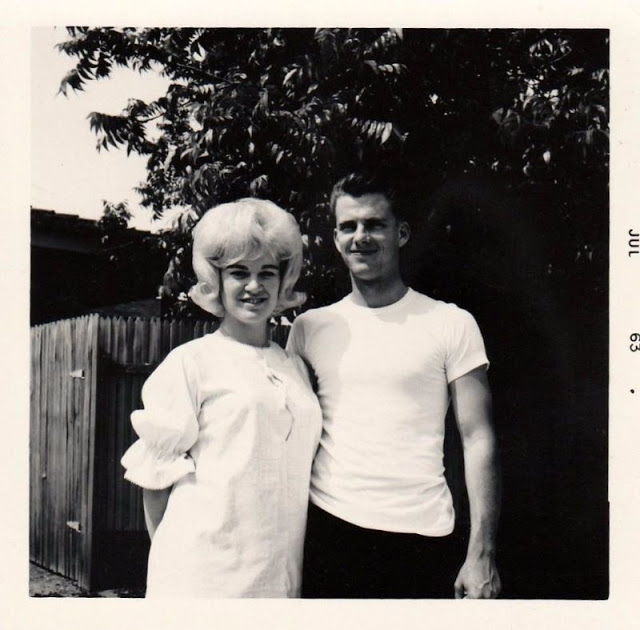
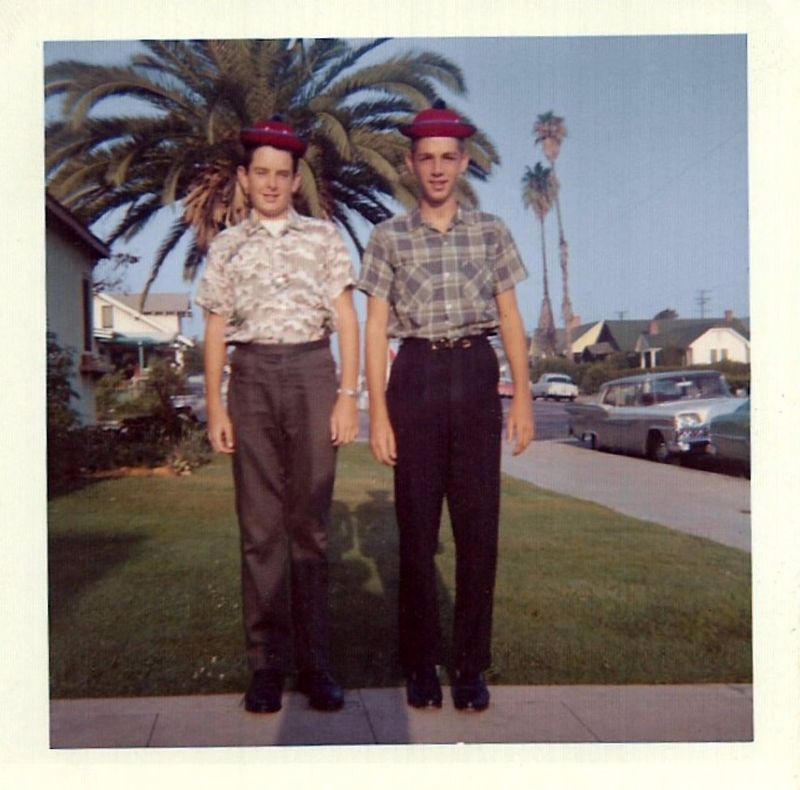
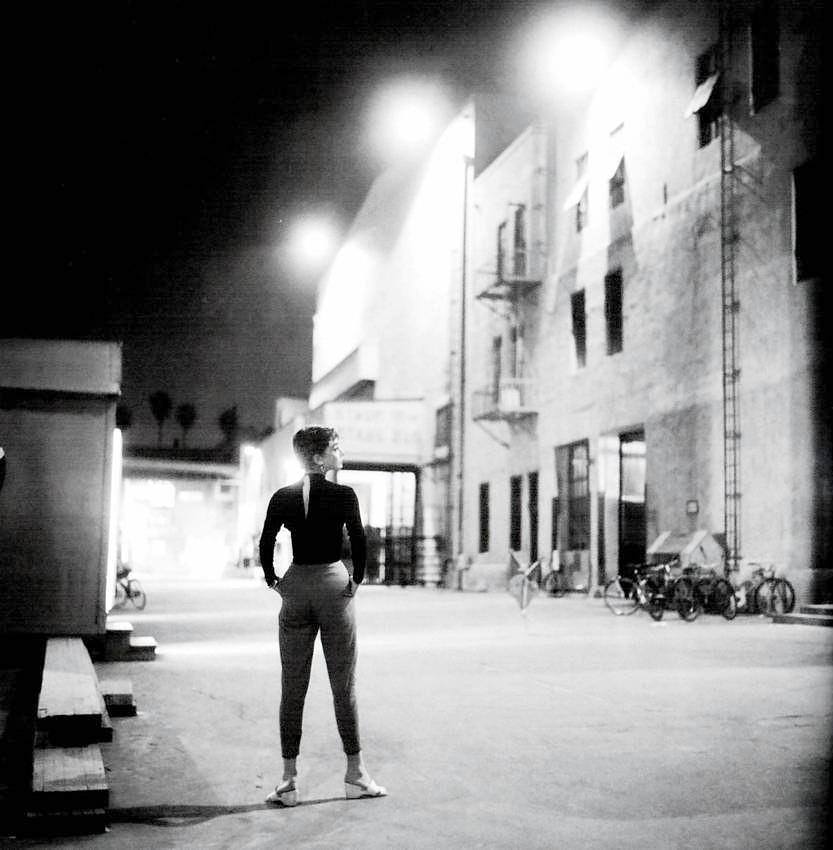
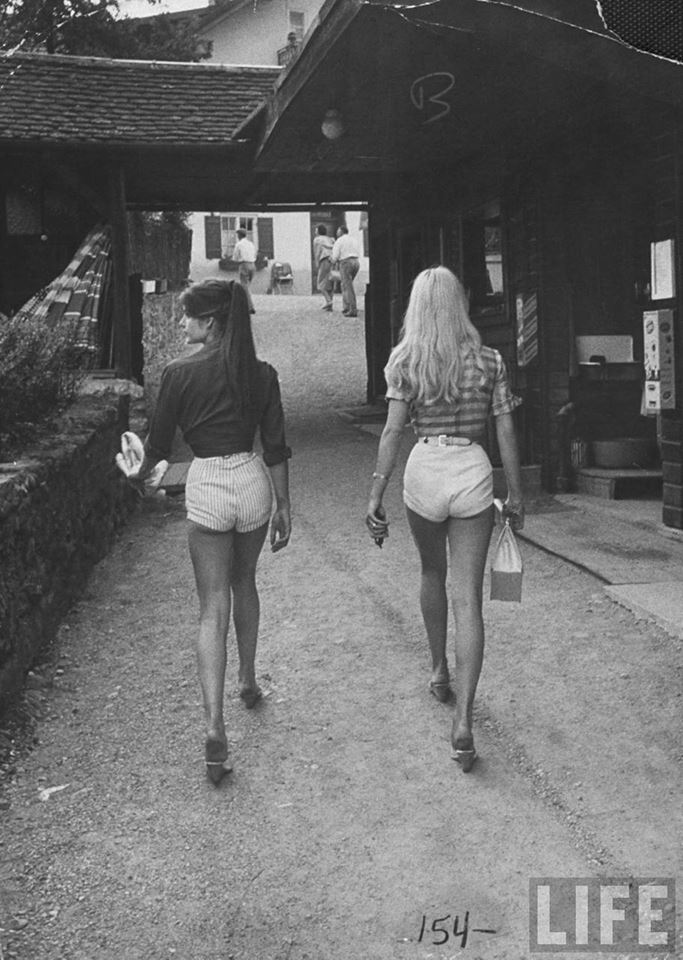
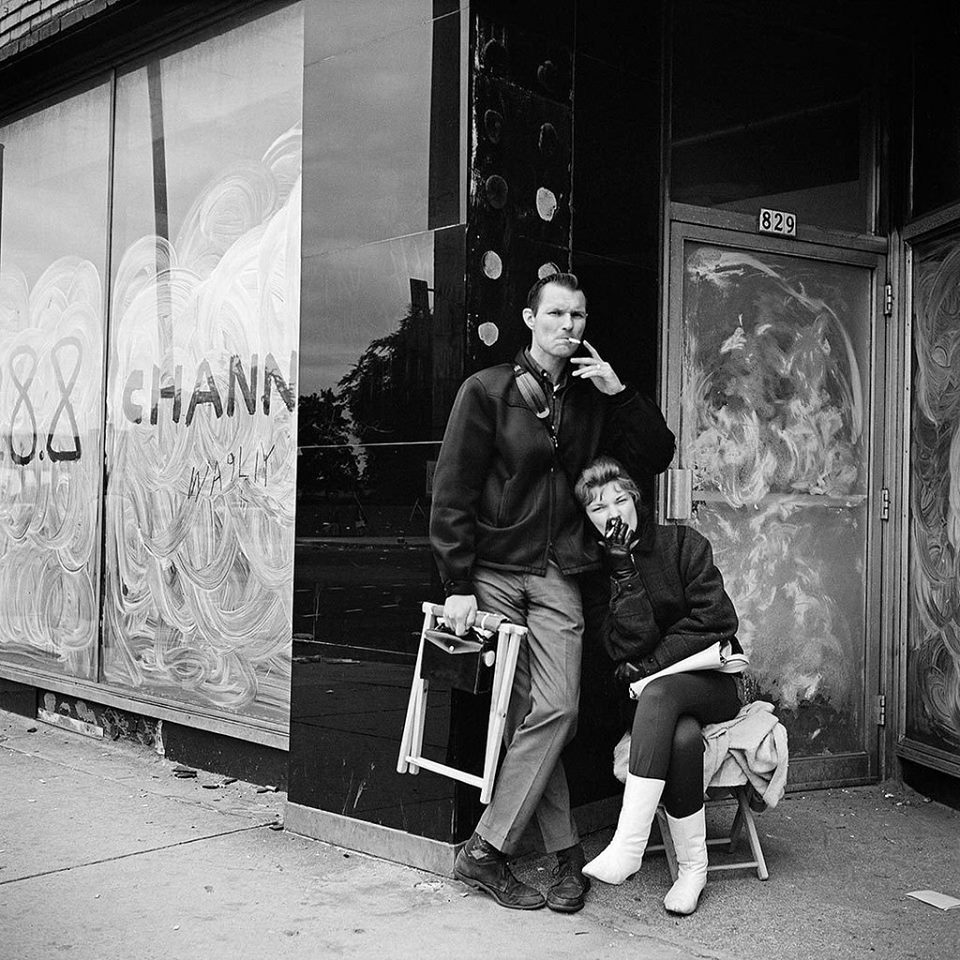
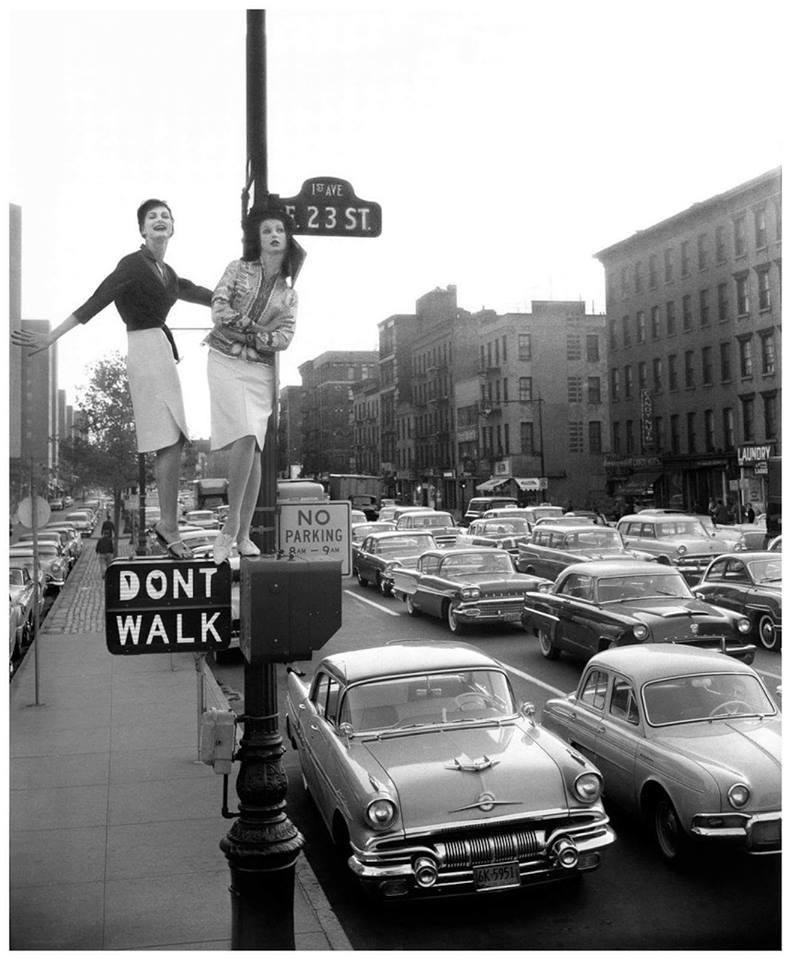
1960s fashion for men was not as revolutionary as it was for women but there was a lot of change. Ties, belts and lapels got wider, collars got longer and wider and a modified version of the bell bottom called “flared” became popular.
Check out these snapshots to see how young men’s fashion looked like in the 1960s.

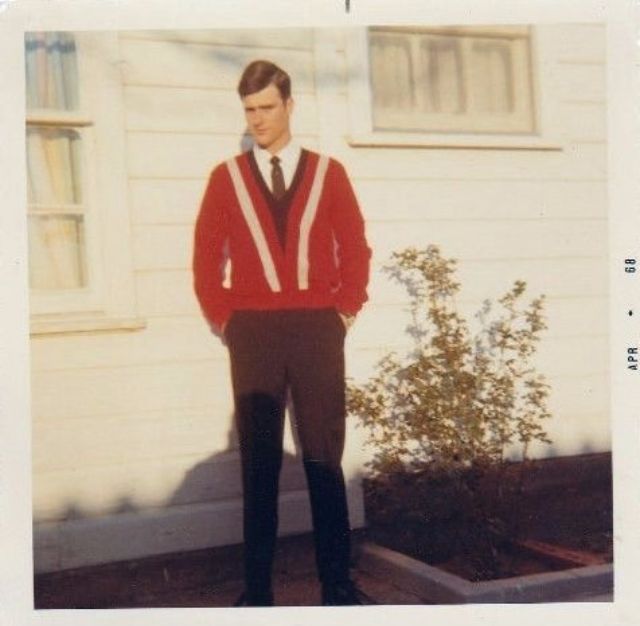
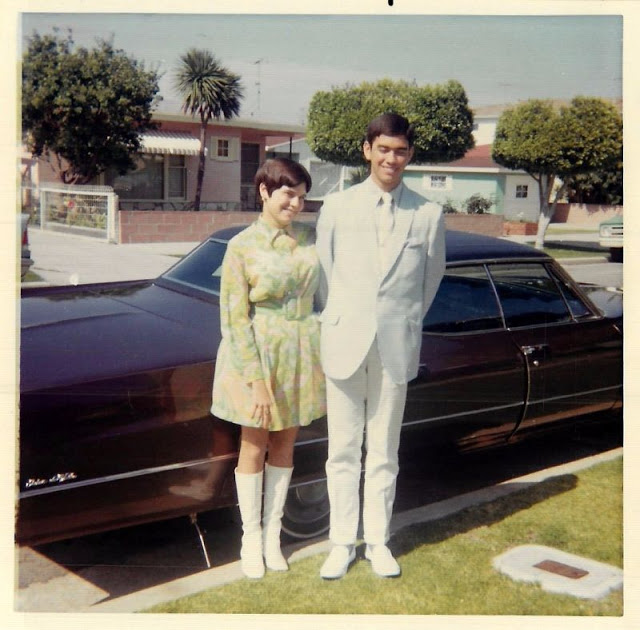










































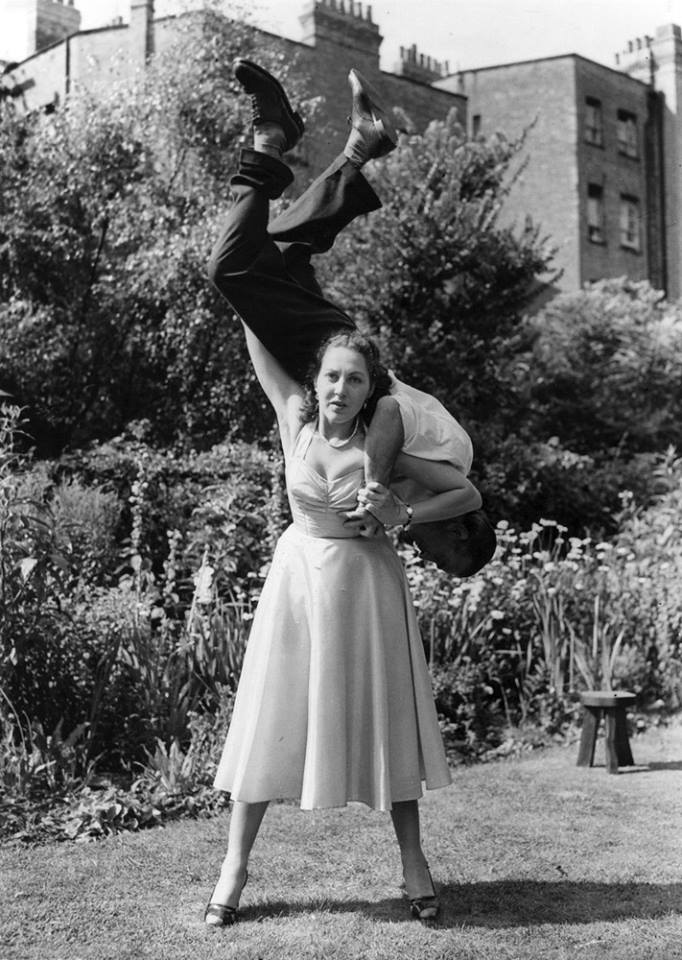
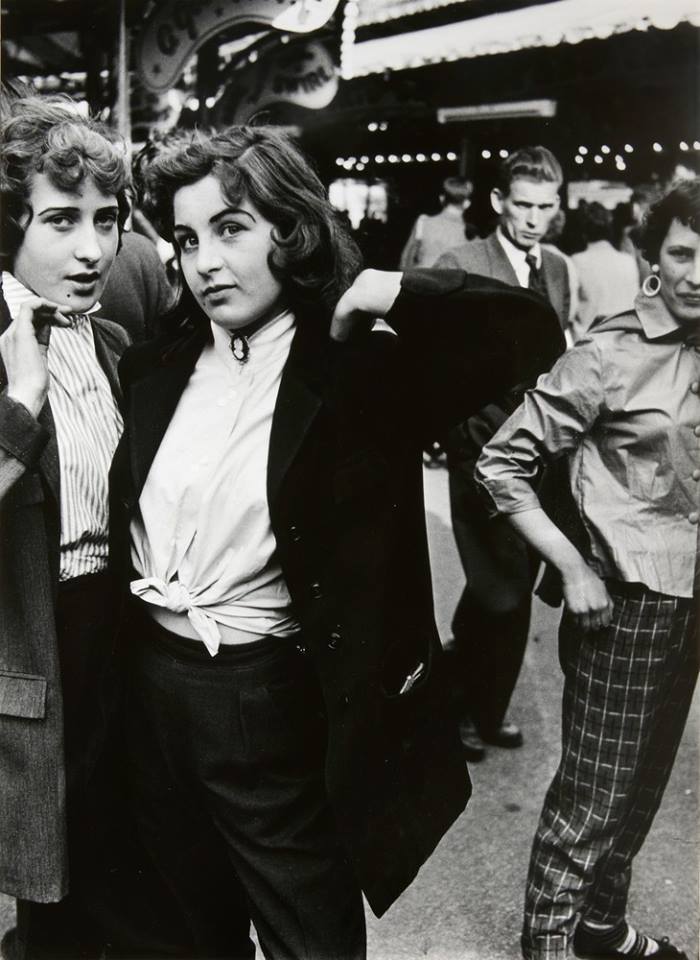
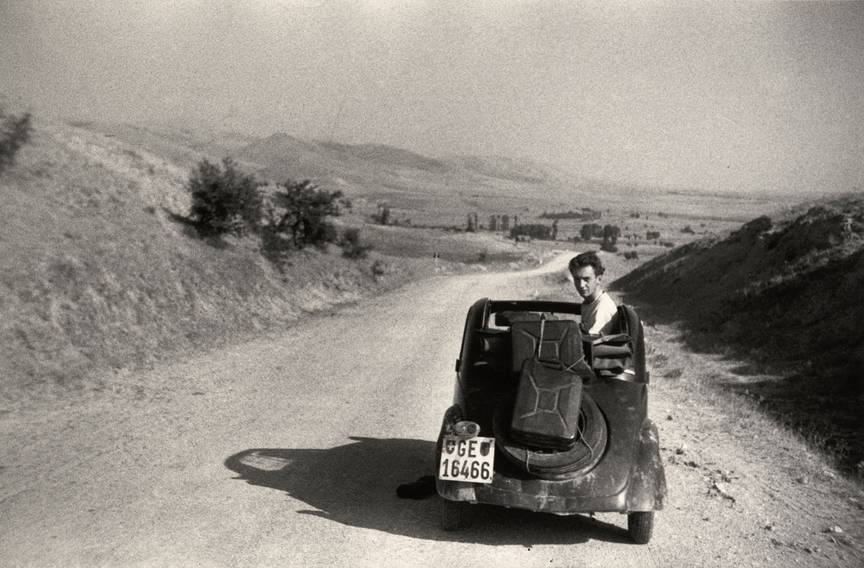
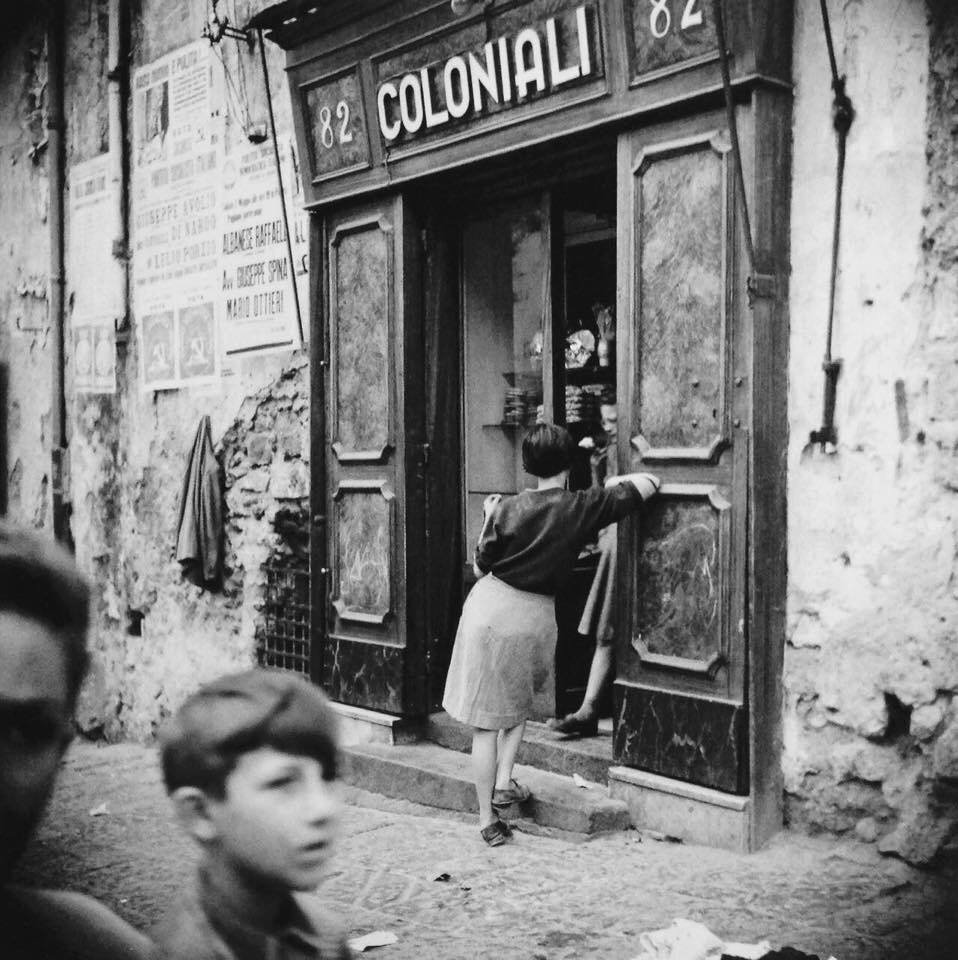










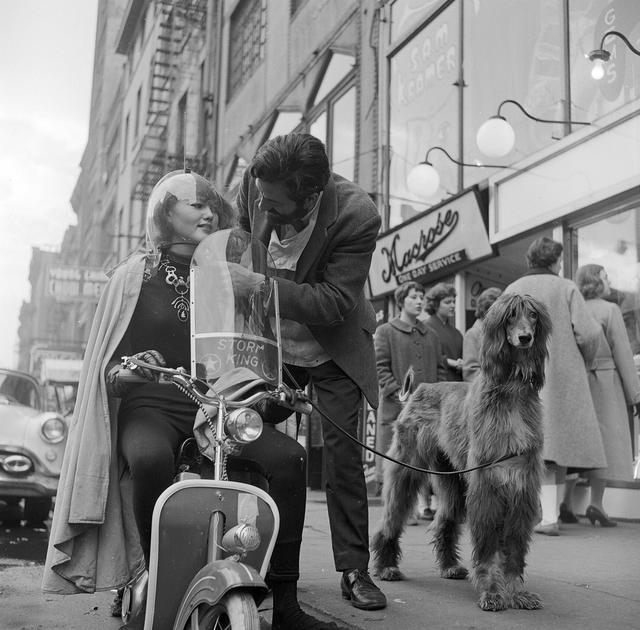
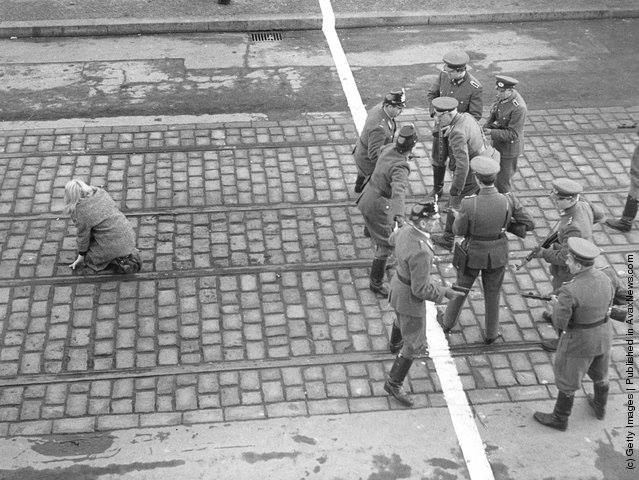
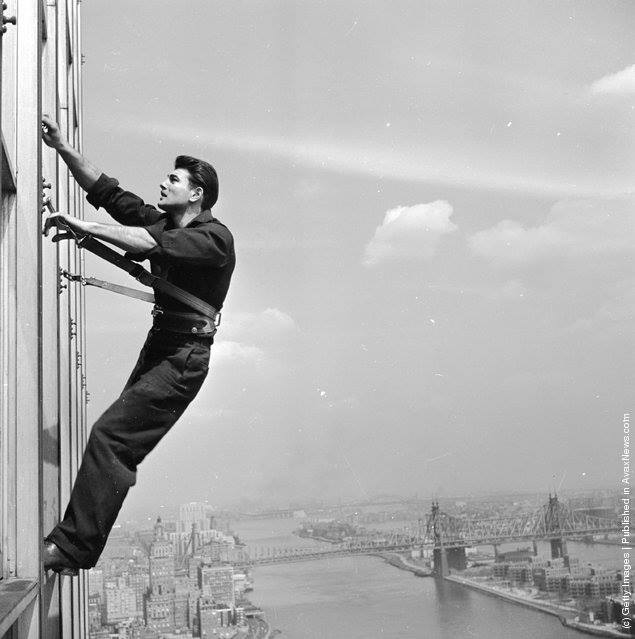





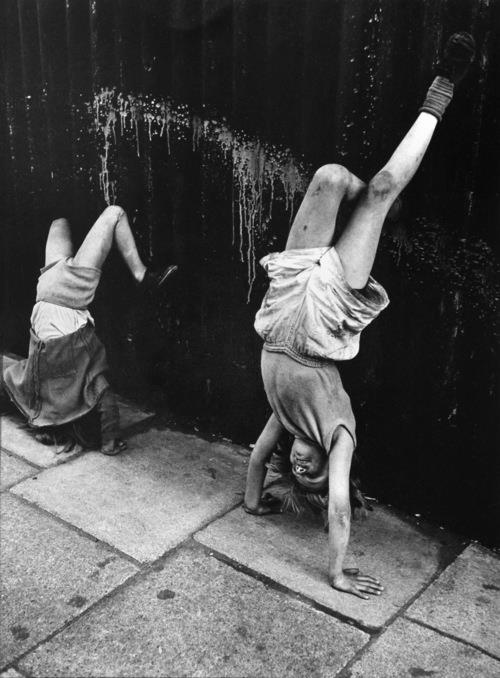

Manel Armengol was in New York in 1977 and 1978. A year earlier he’d been in Barcelona, where he’d witnessed the hated ‘Grises’ attacking people protesting for ‘Libertat, Amnesty, Estatut d’Autonomia’ (Freedom, Amnesty, Autonomy). New York had its own problems. This was ‘Fear City‘. The Council for Public Safety advised visitors never to leave mid-Town, stay in after 6pm, carry your keys between your fingers and be ready for fight or flight. In The Ungovernable City by Vincent J Cannato, New York was profiled:
Stabbings, robberies, muggings, graffiti, arson and rape began to strike a wider and wider portion of the population. Burglaries made people feel vulnerable, even in their once-safe homes and apartments. It wasn’t just the reality of crime and sense of broadening disorder that hurt. It was the raw fear and perception of vulnerability that seeped into every interaction of daily life…



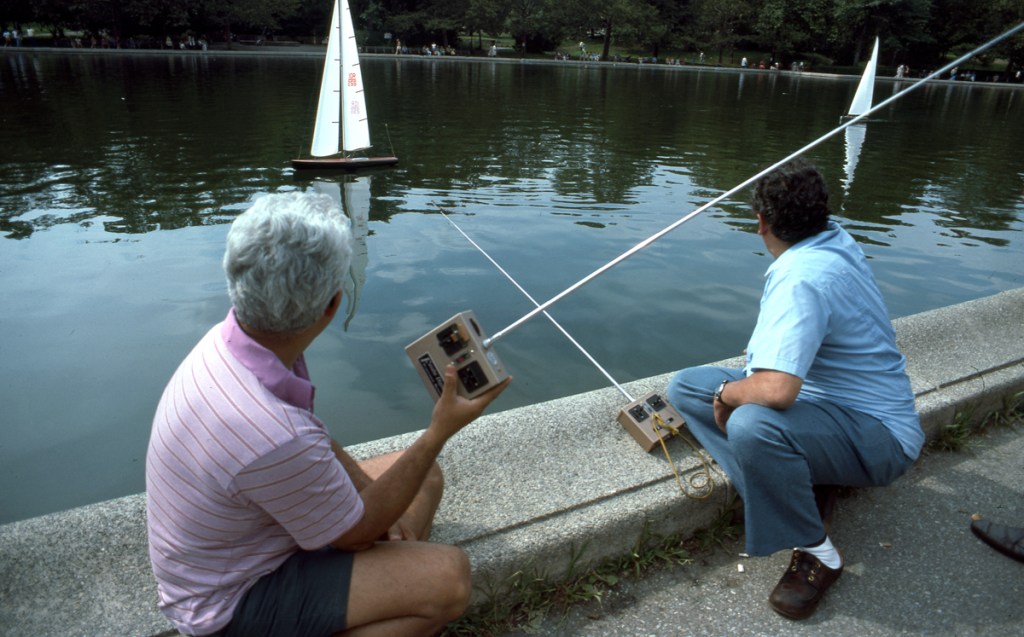

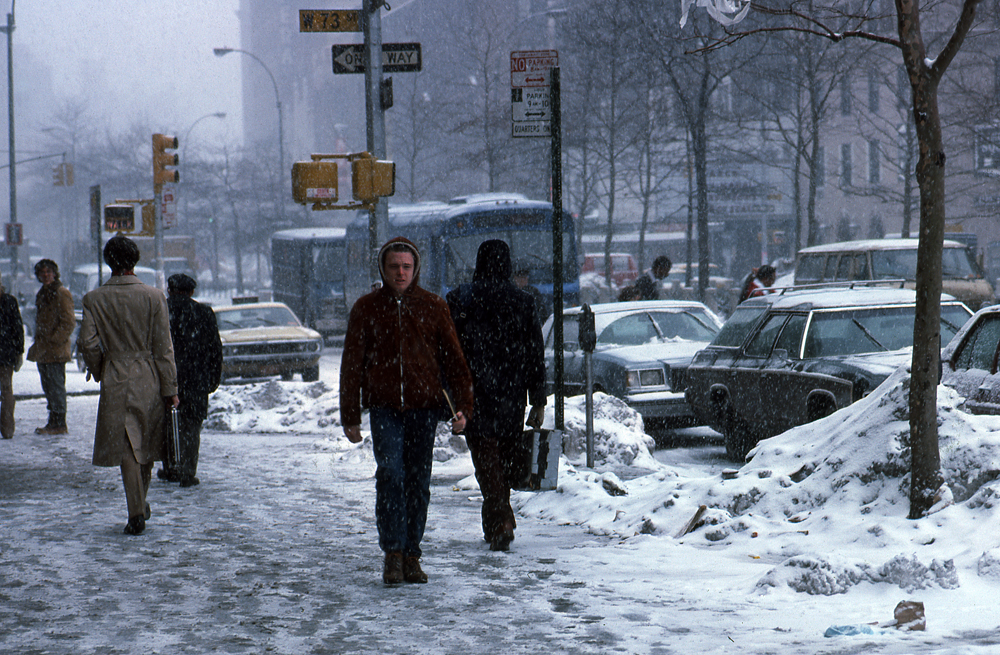
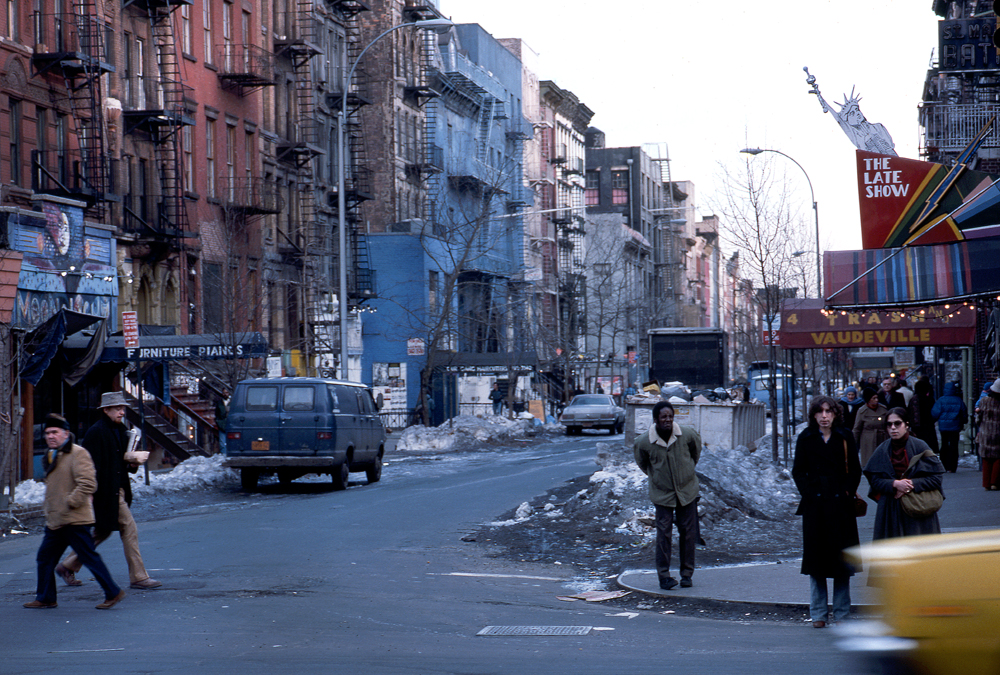


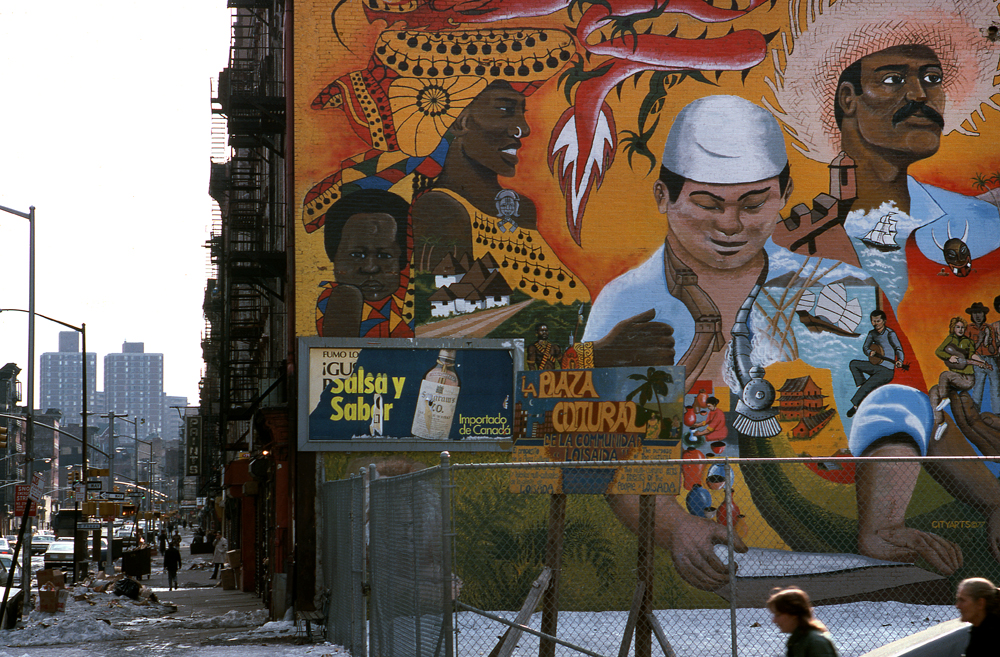

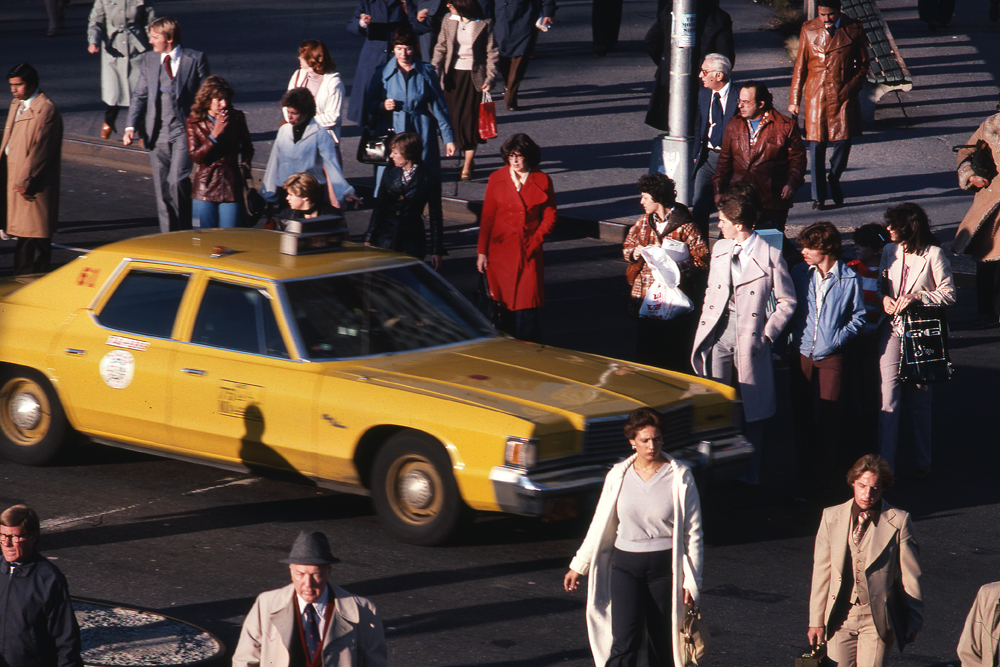








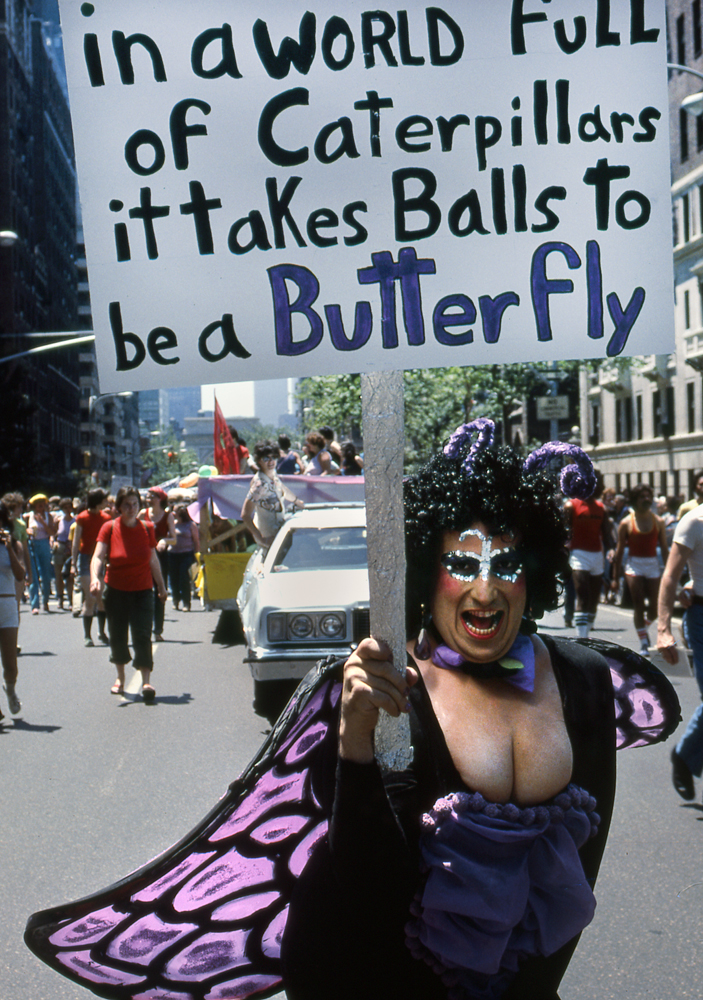

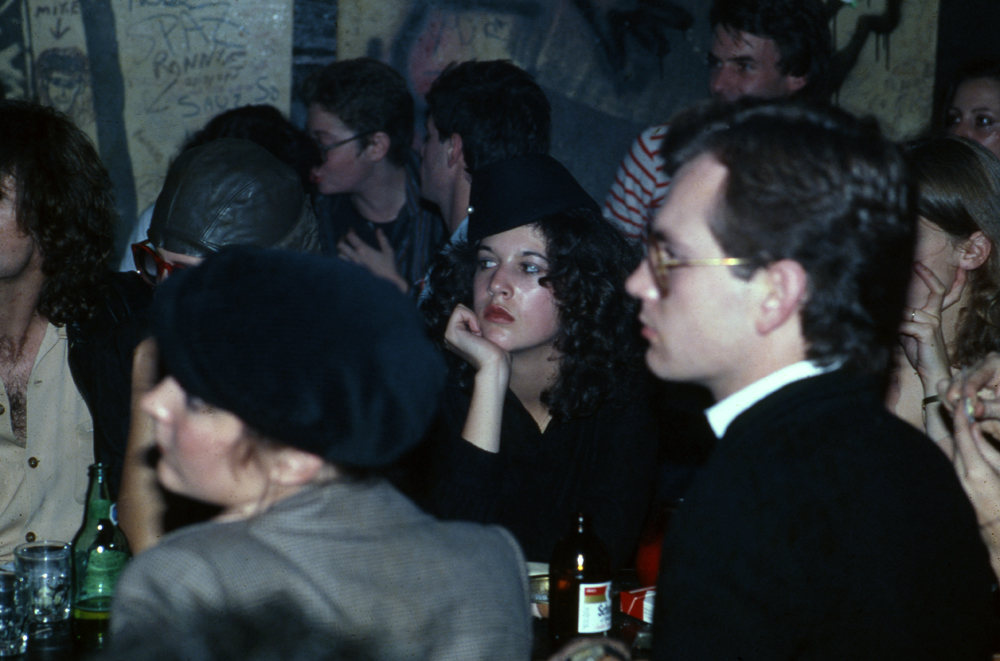

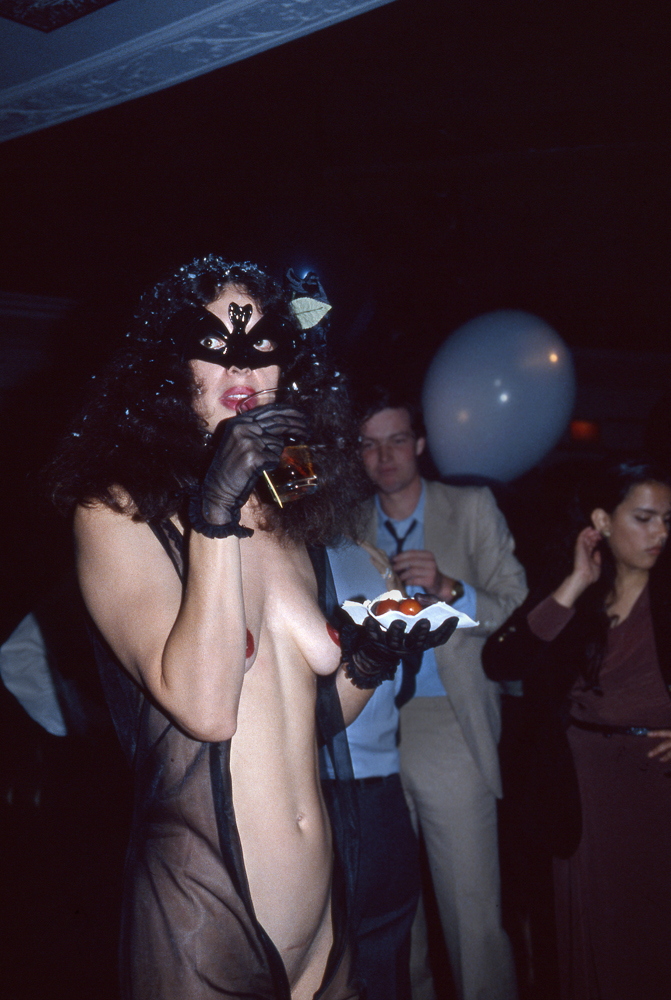

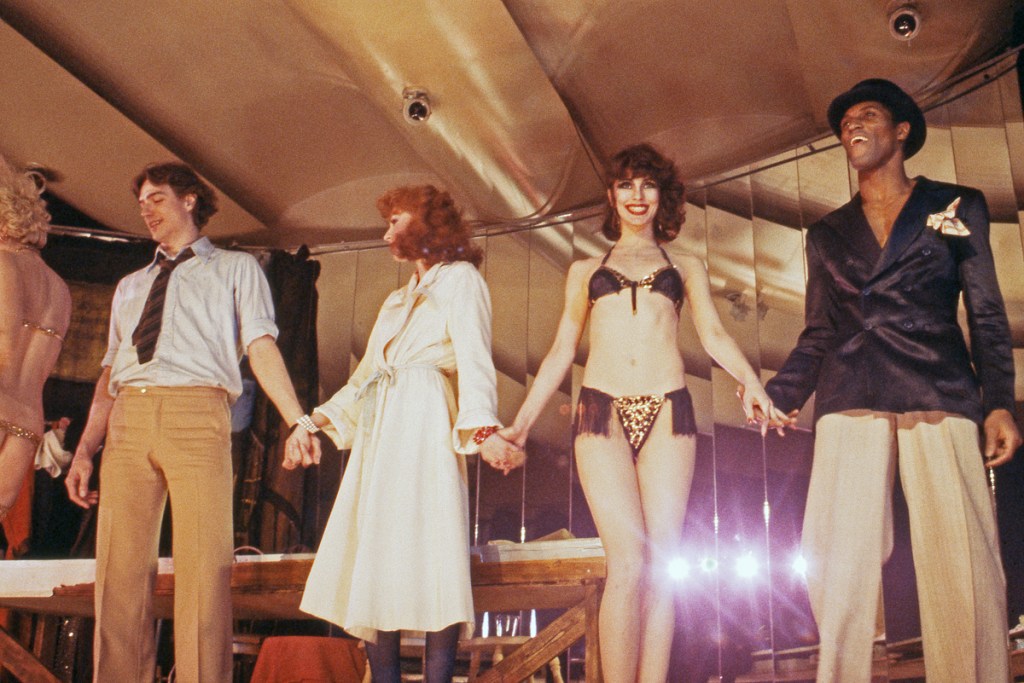
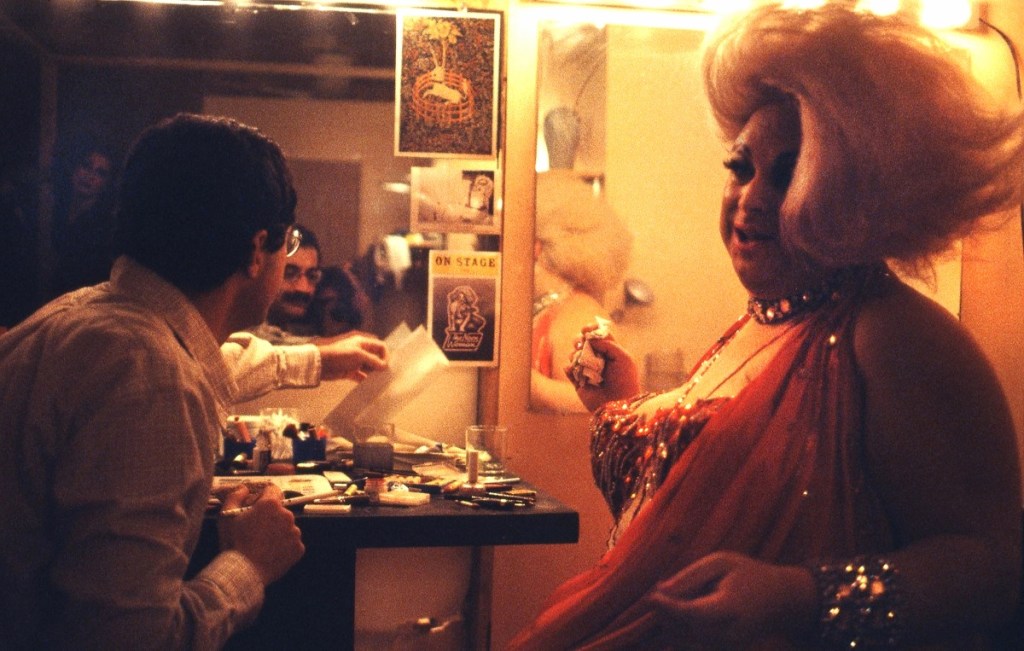



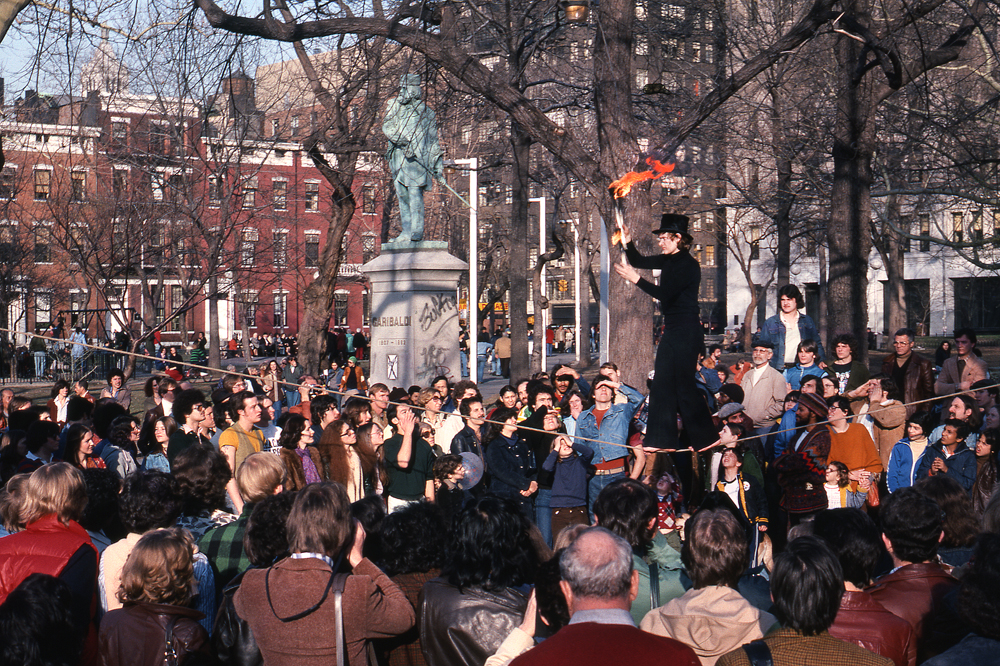
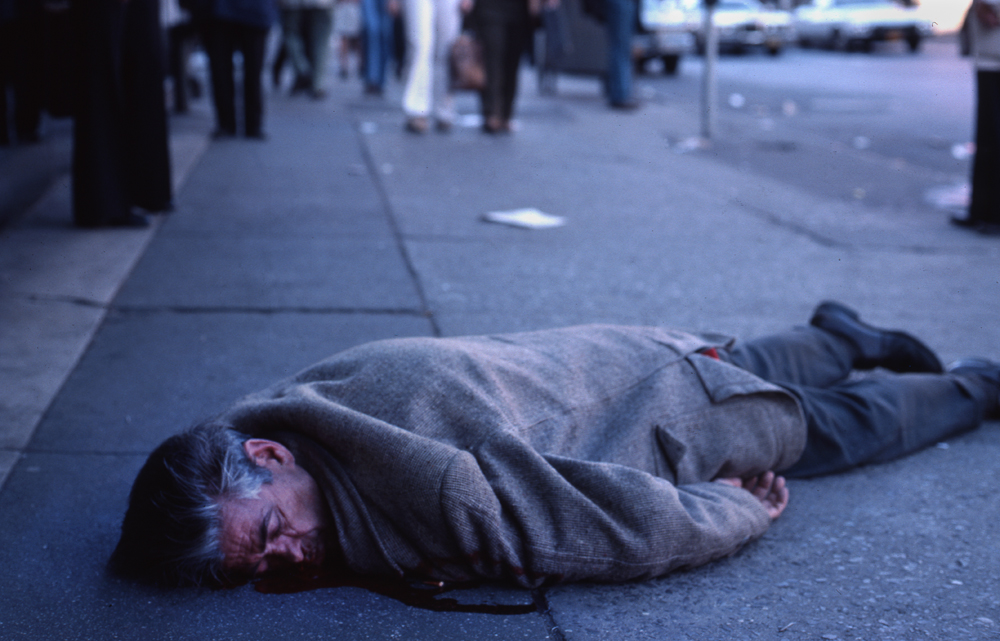
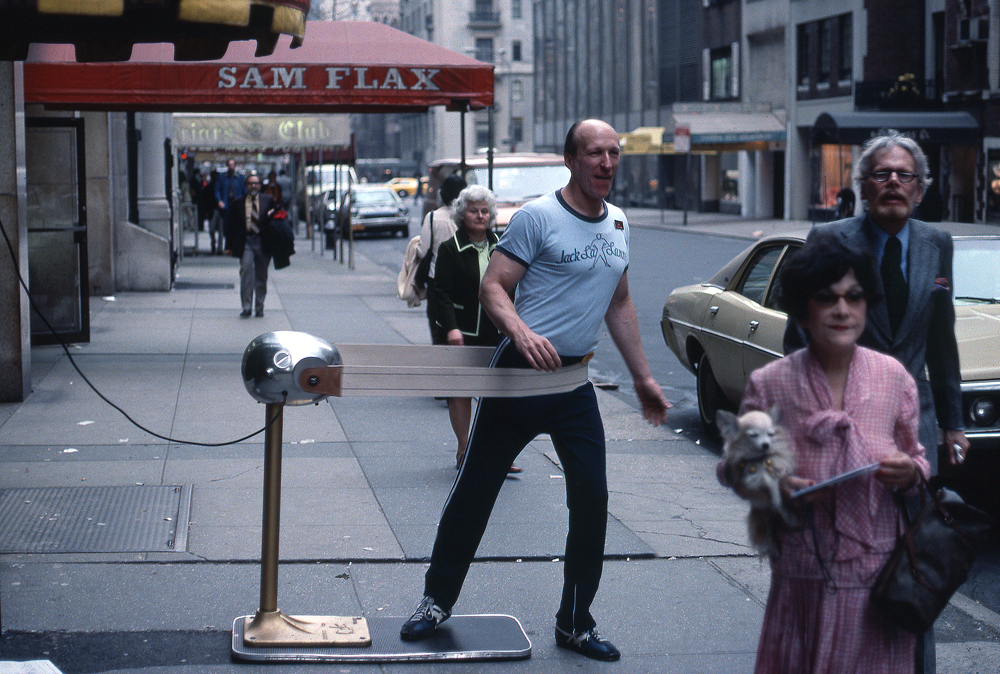
(Photos by Manel Armengol)

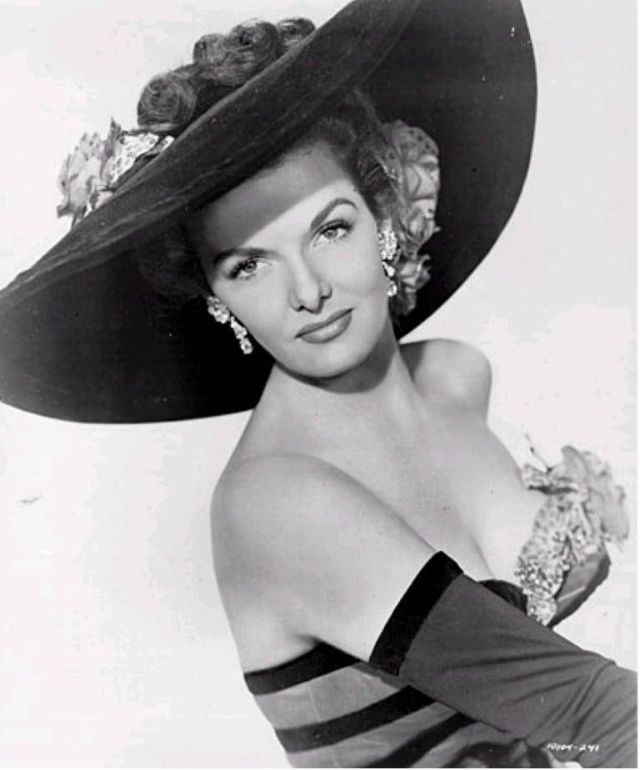
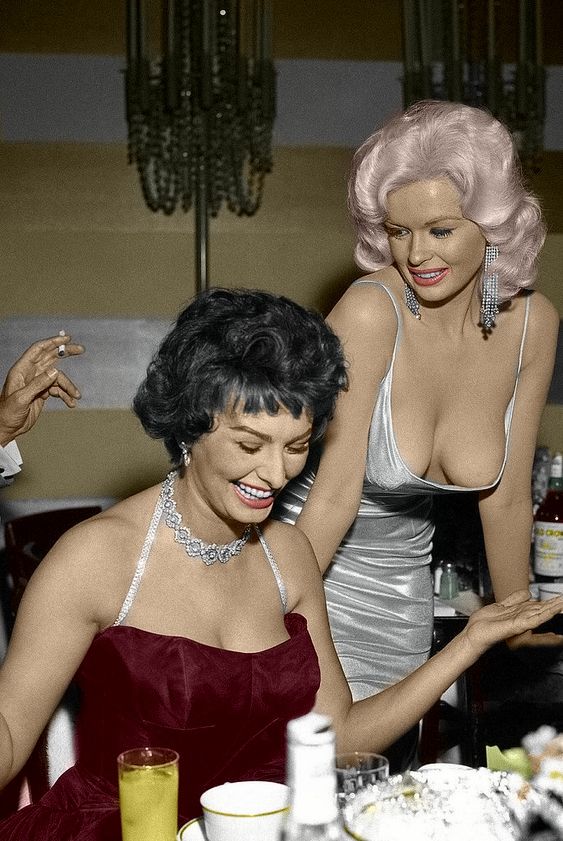
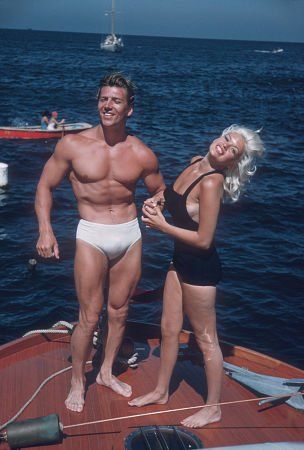
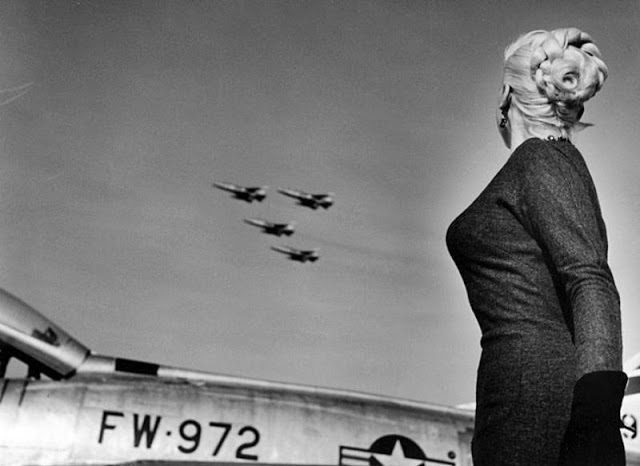
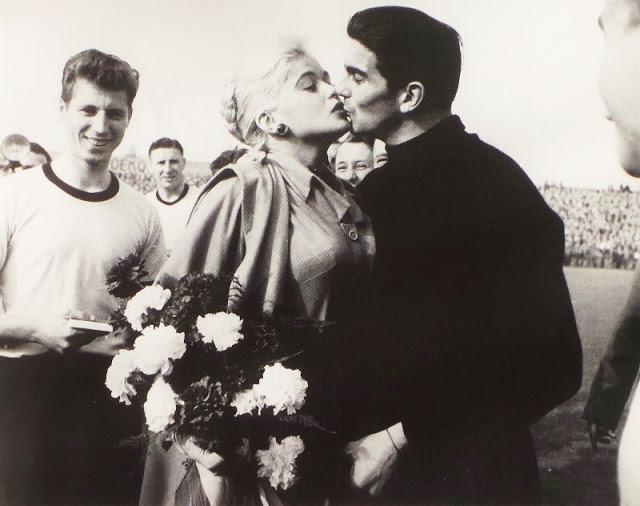
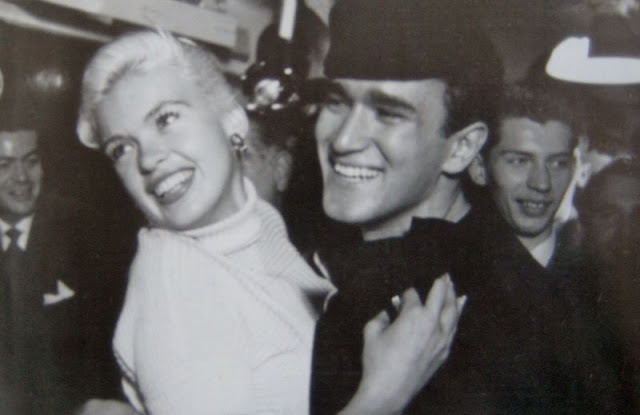
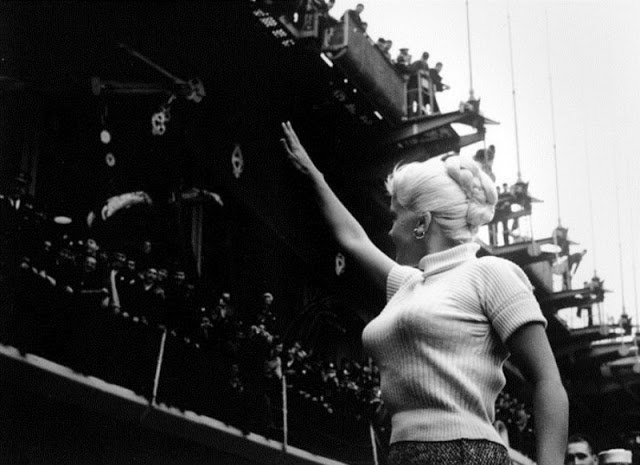
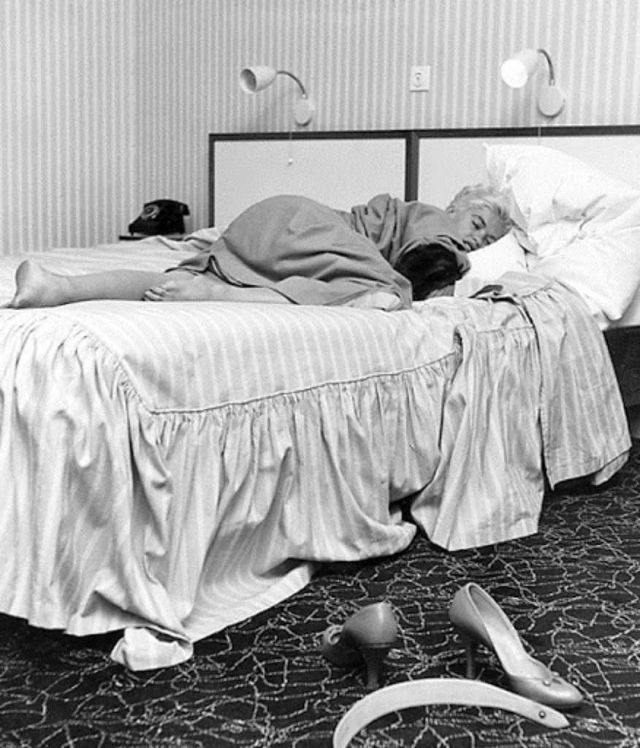
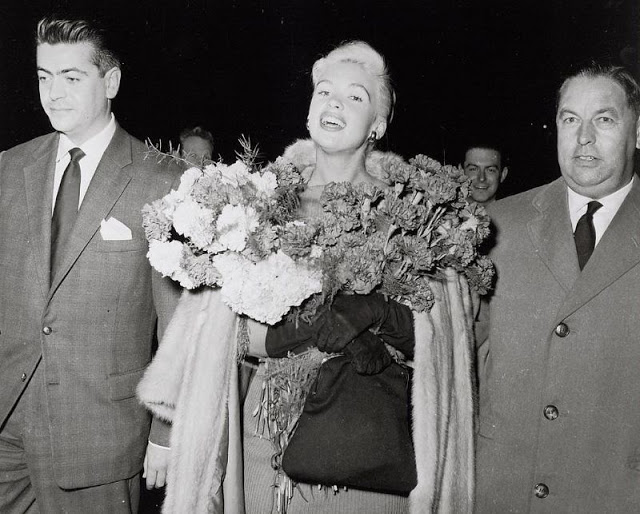
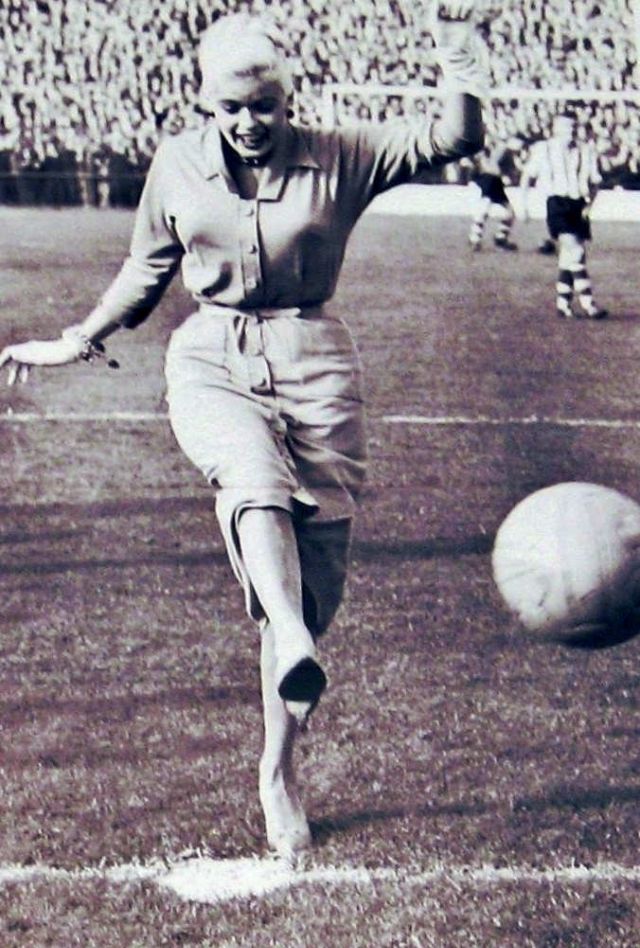
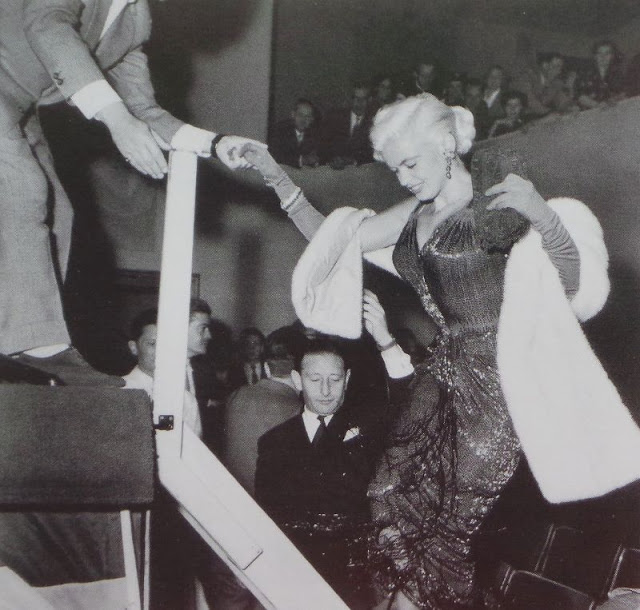
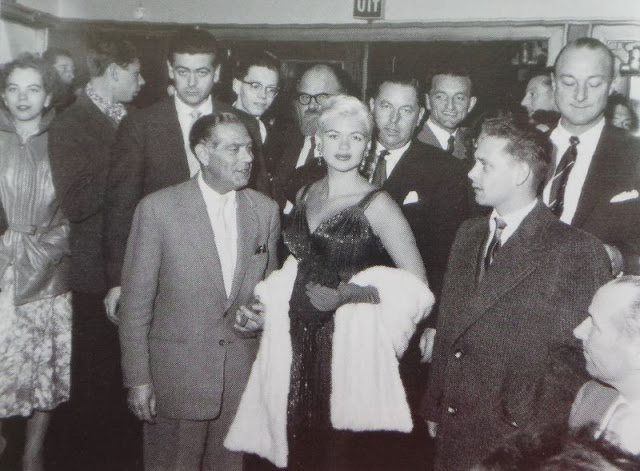
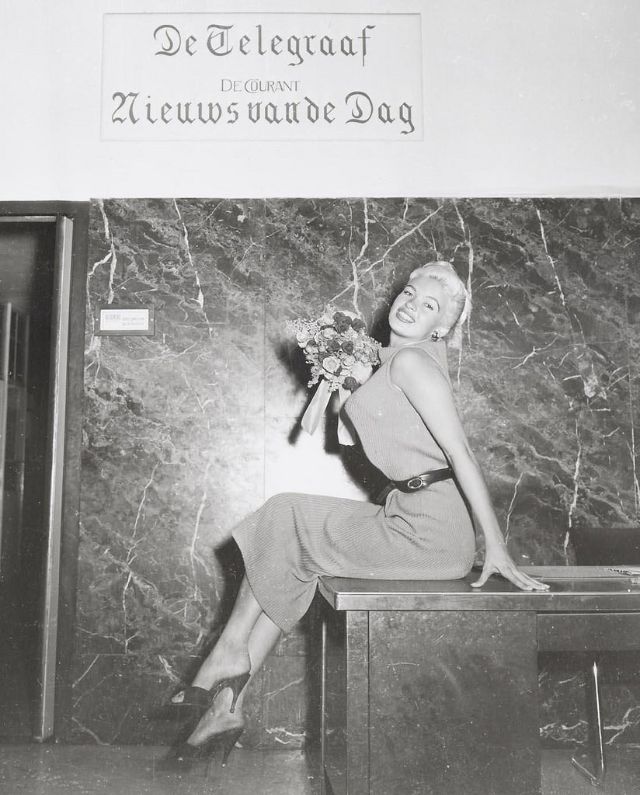
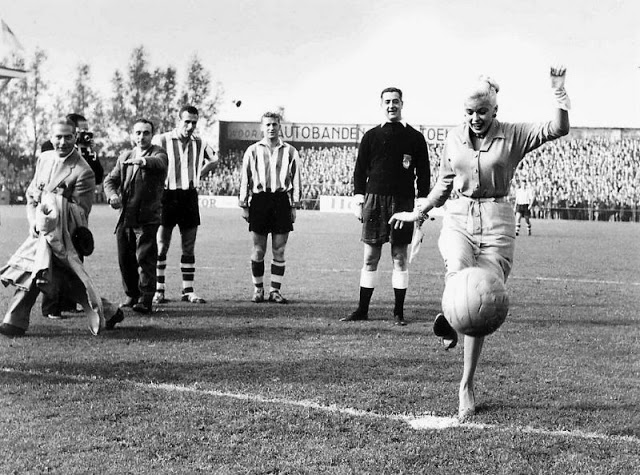
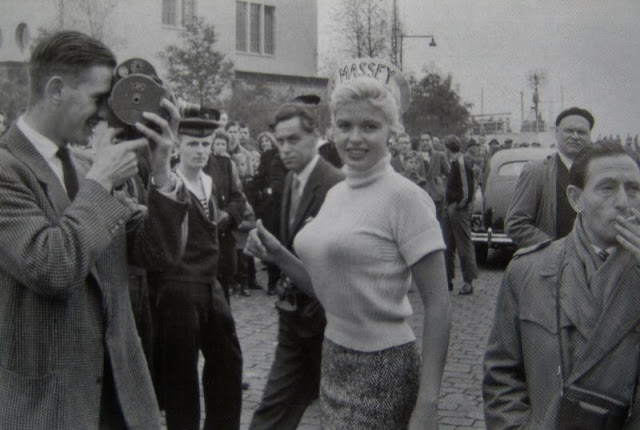
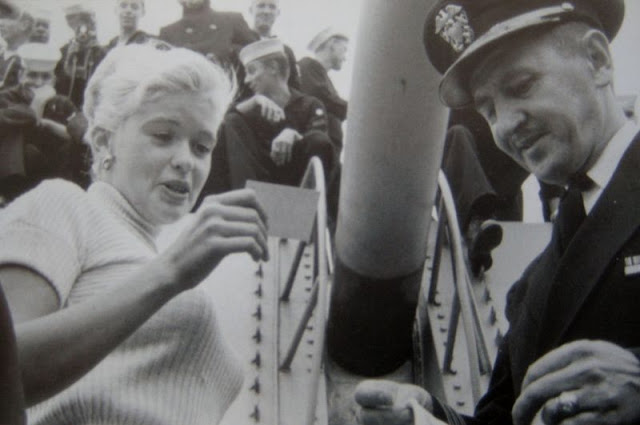
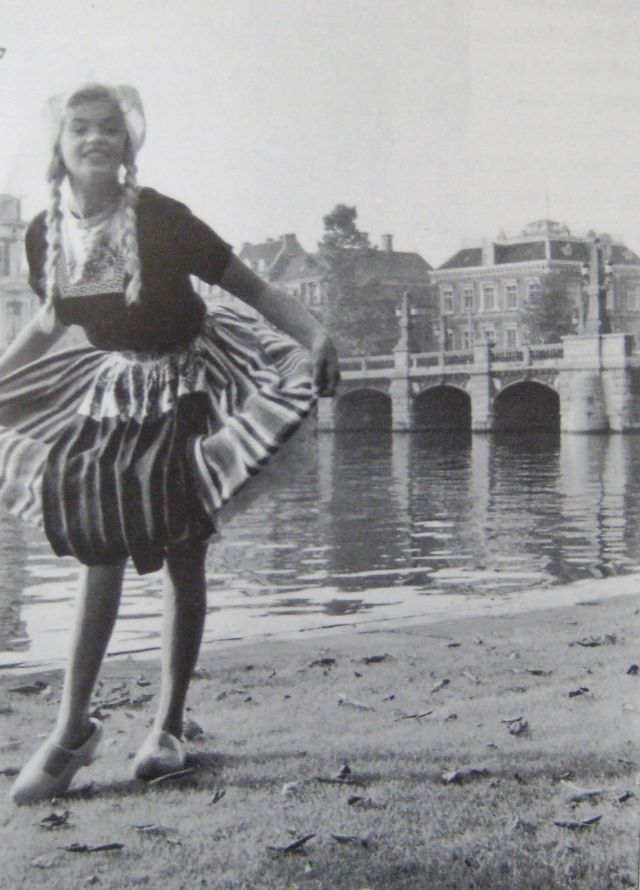
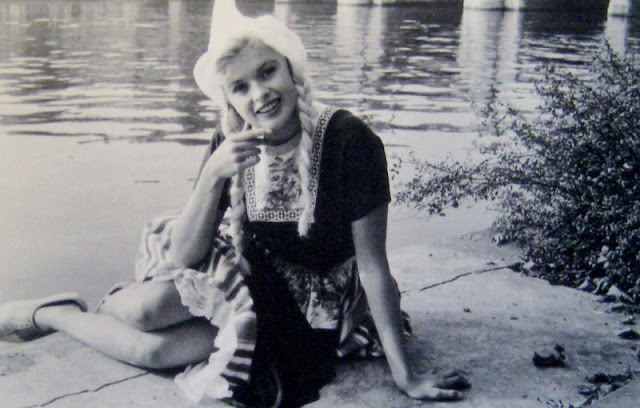
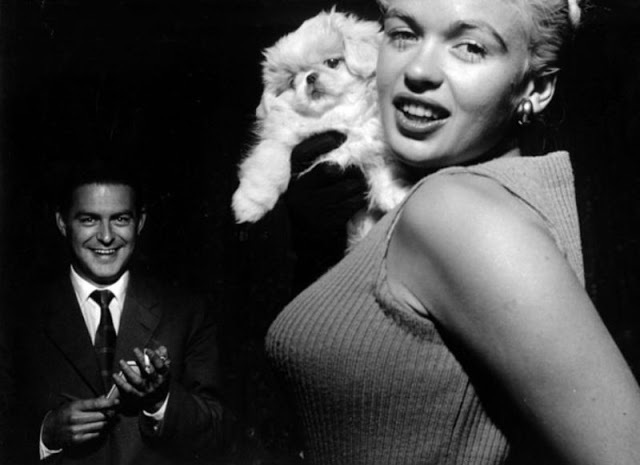
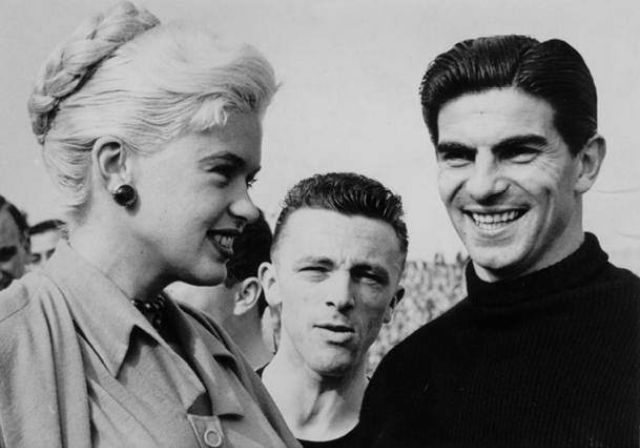
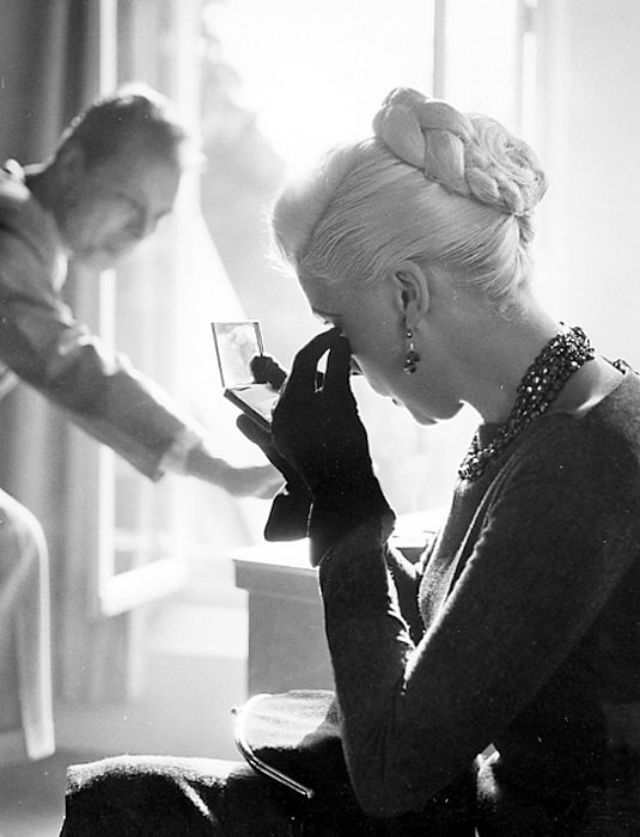
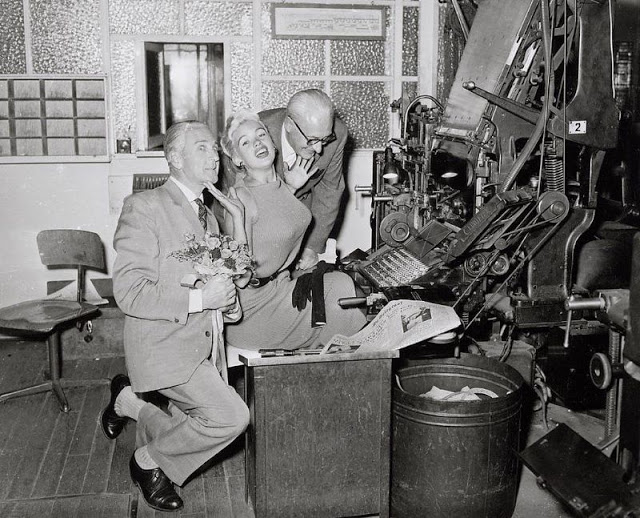
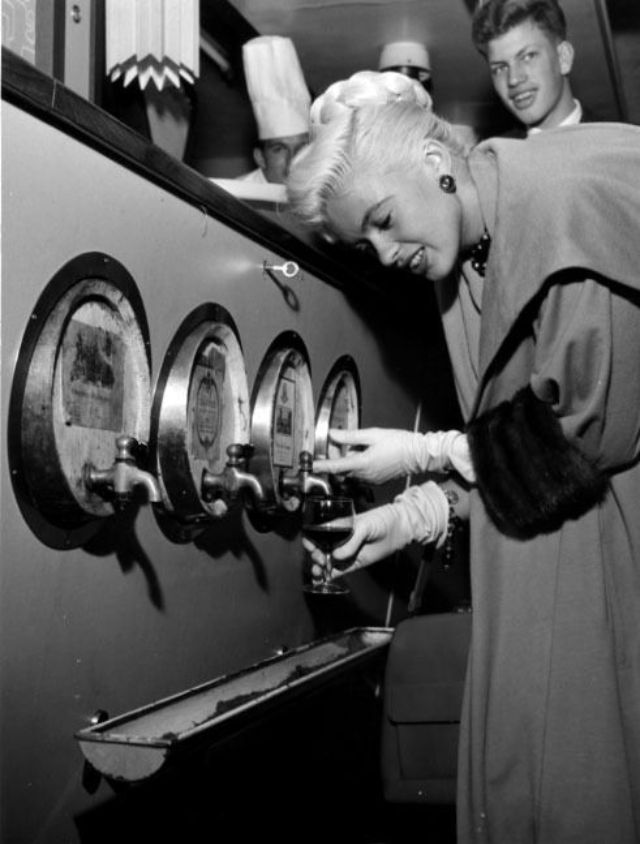
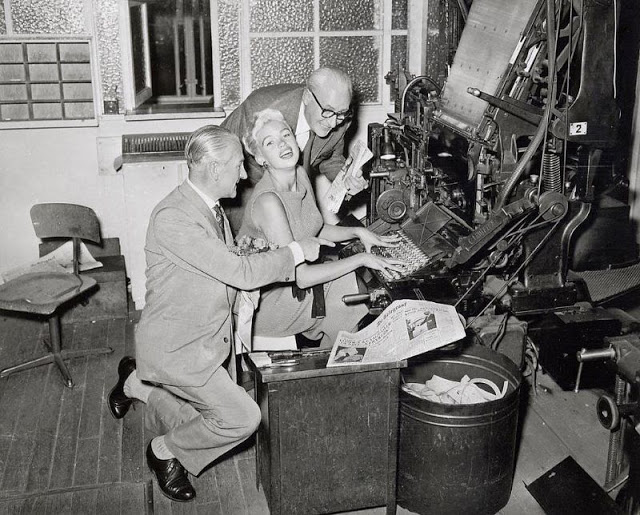
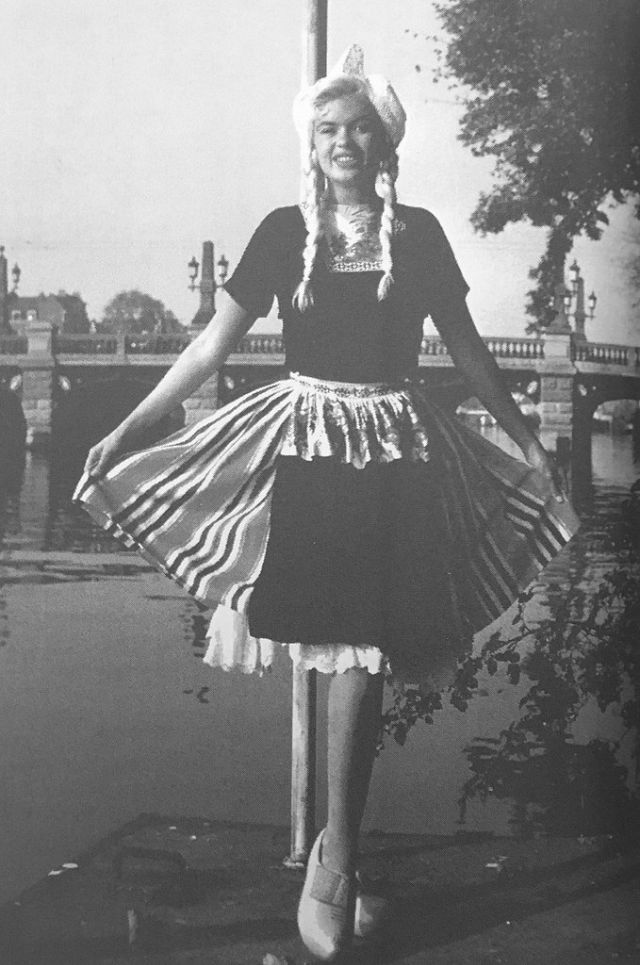
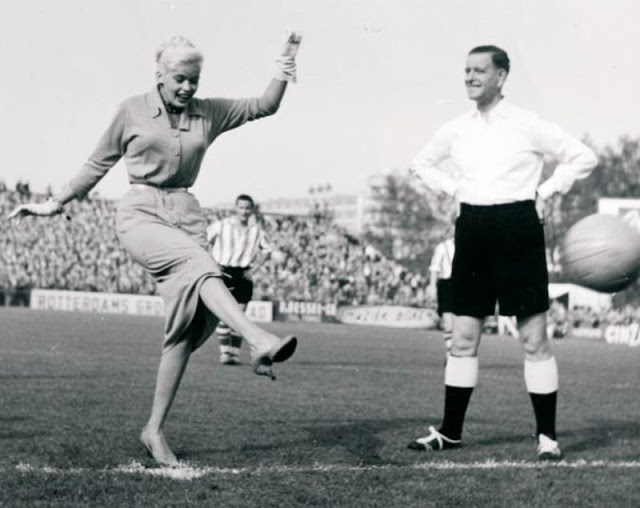
Jayne Mansfield (born Vera Jayne Palmer; April 19, 1933 – June 29, 1967) was an American actress, singer, nightclub entertainer, and Playboy Playmate. A sex symbol of the 1950s and early 1960s while under contract at 20th Century Fox, Mansfield was known for her well-publicized personal life and publicity stunts. Her film career was short-lived, but she had several box-office successes and won a Theatre World Award and a Golden Globe Award.
Mansfield enjoyed success in the role of fictional actress Rita Marlowe in the Broadway play Will Success Spoil Rock Hunter? (1955–1956), which she reprised in the film adaptation of the same name (1957). Her other film roles include the musical comedy The Girl Can’t Help It (1956), the drama The Wayward Bus (1957), the neo-noir Too Hot to Handle (1960), and the sex comedy Promises! Promises! (1963); the latter established Mansfield as the first major American actress to perform in a nude scene in a post-silent era film.
Mansfield took her professional name from her first husband, public relations professional Paul Mansfield. She married three times, all of which ended in divorce, and had five children. She was allegedly intimately involved with numerous men, including Robert and John F. Kennedy, her attorney Samuel S. Brody, and Las Vegas entertainer Nelson Sardelli. On June 29, 1967, she died in an automobile accident in Eastern New Orleans at the age of 34. (Wikipedia)

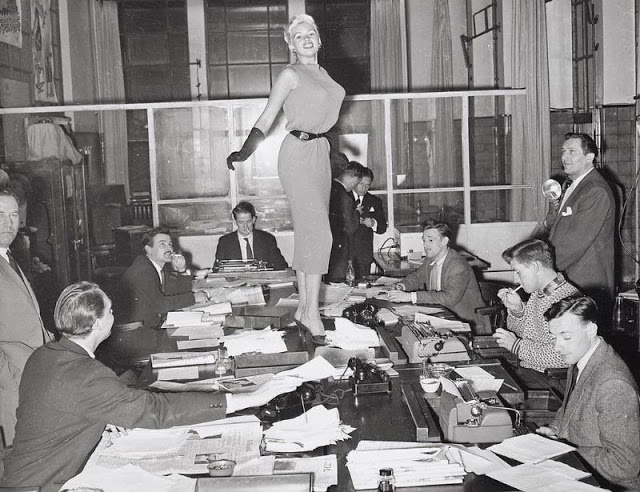






















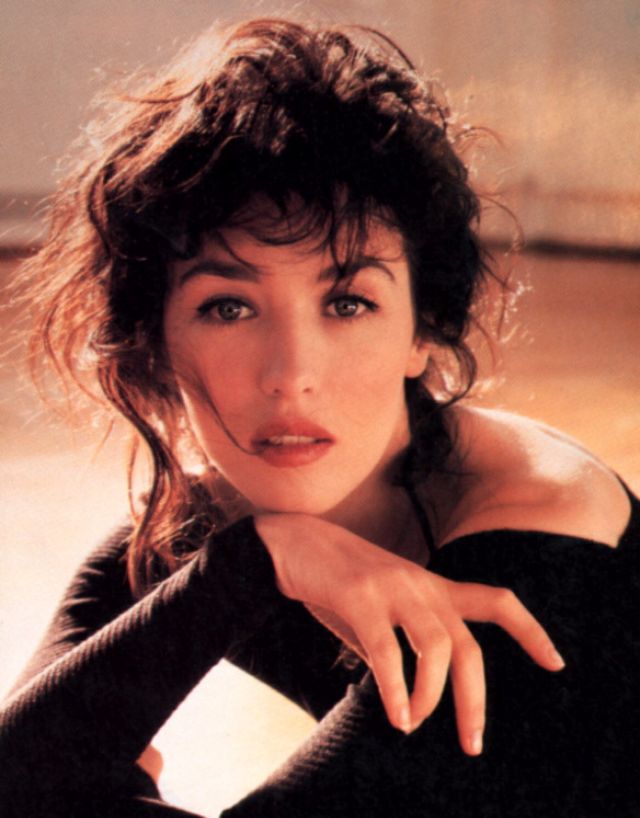
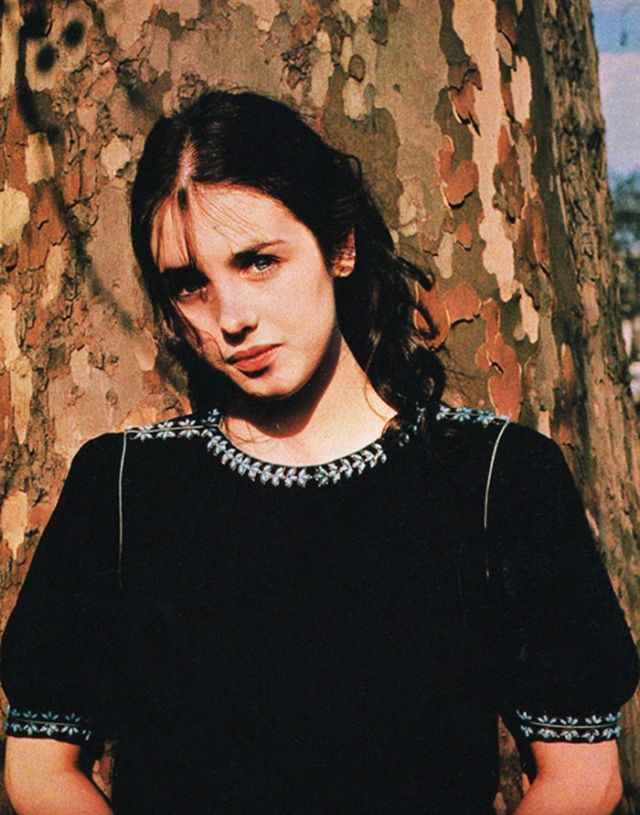
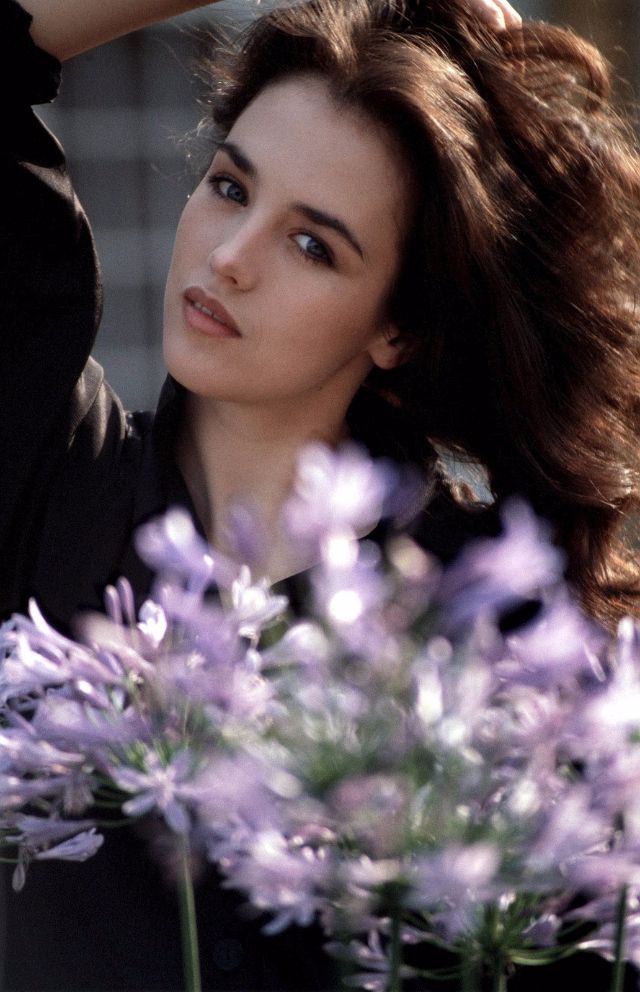
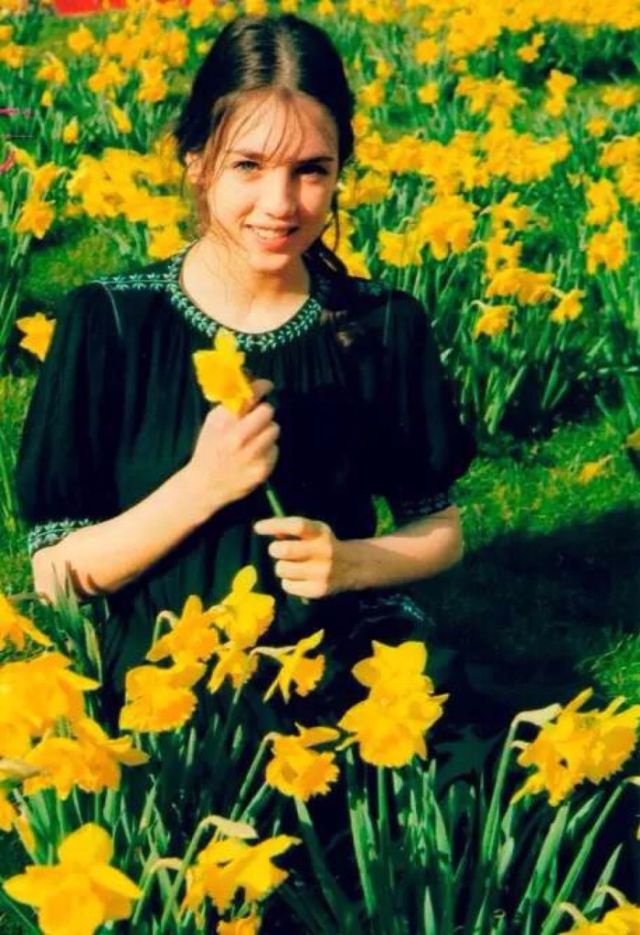
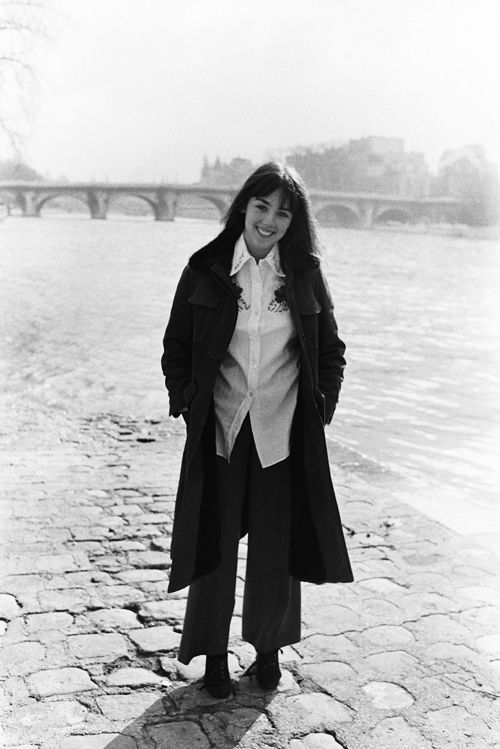
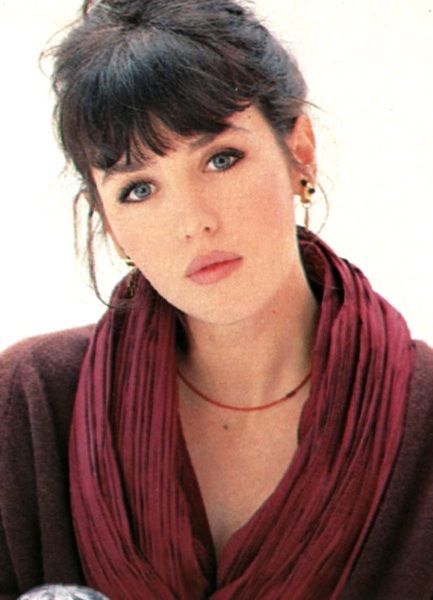
Isabelle Yasmina Adjani LdH (born 27 June 1955) is a French actress and singer. She is the only person in history to win five César Awards; she won the Best Actress award for Possession (1981), One Deadly Summer (1983), Camille Claudel (1988), La Reine Margot (1994) and Skirt Day (2009). She was made a Chevalier of the Legion of Honour in 2010 and a Commander of the Order of Arts and Letters in 2014.
Her performance as Adèle Hugo in the 1975 film The Story of Adèle H., earned 20-year-old Adjani her first nomination for the Academy Award for Best Actress in a Leading Role, making her the youngest Best Actress nominee at the time. Her second nomination—for Camille Claudel–made her the first French actress to receive two nominations for foreign-language films. She won the Best Actress award at the 1981 Cannes Film Festival for her performances in Possession and Quartet, and, later, she won the Silver Bear for Best Actress at the 1989 Berlin Film Festival for Camille Claudel. Her other notable film performances include The Tenant (1976), Nosferatu the Vampyre (1979), Subway (1985), Diabolique (1996) and French Women (2014). (Wikipedia)
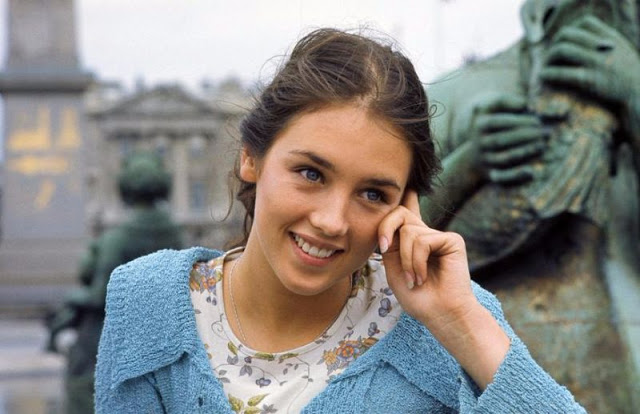
Take a look to see the natural beauty of young Isabelle Adjani in the 1970s.





























































Read more of this content when you subscribe today.


Become a paid subscriber to get access to the rest of this post and other exclusive content.
