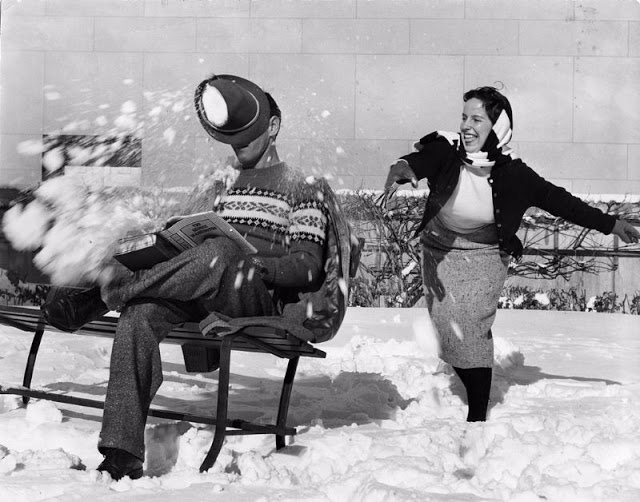
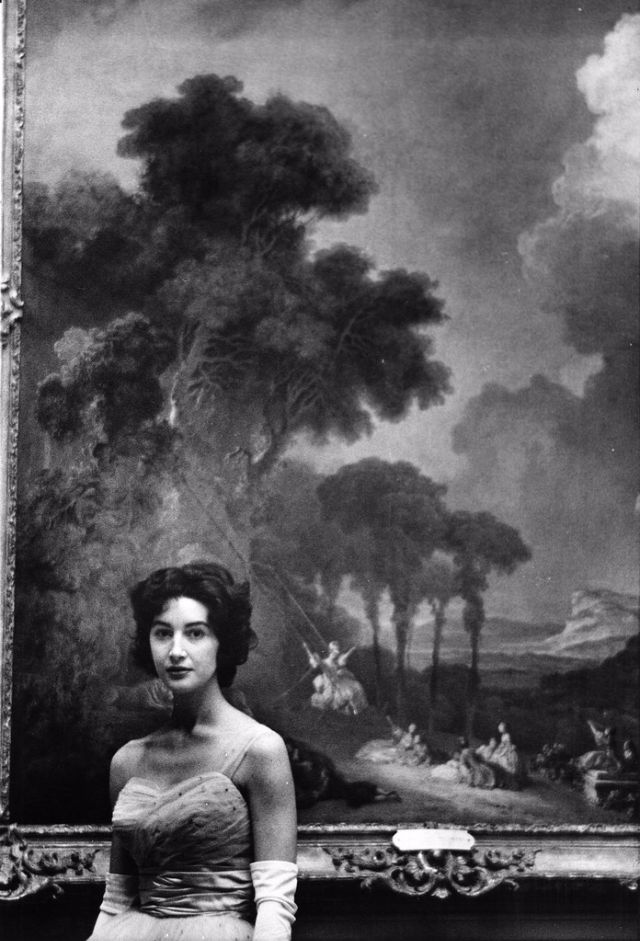
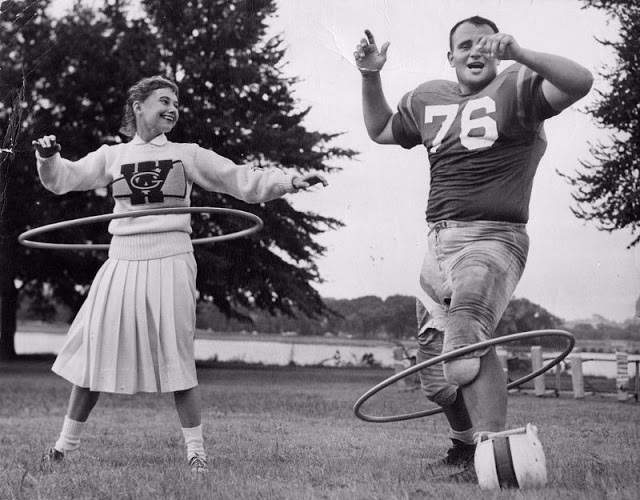
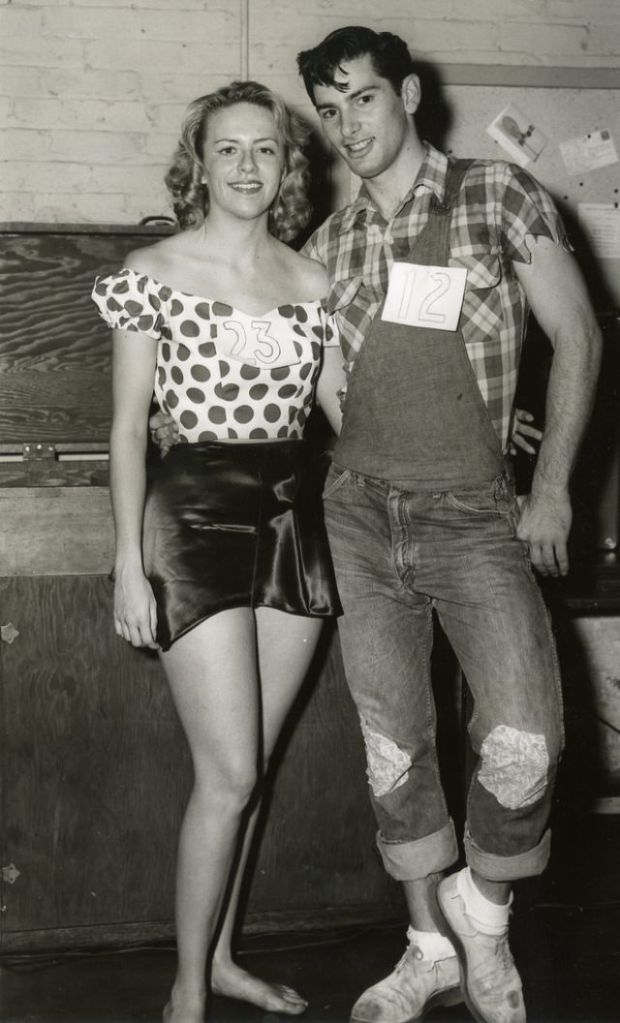
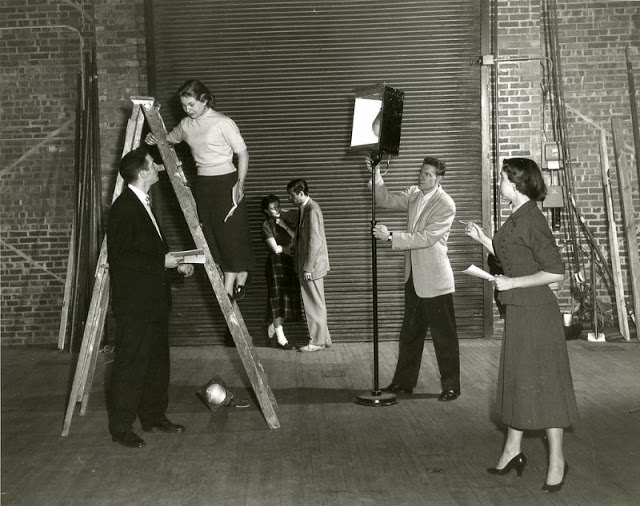
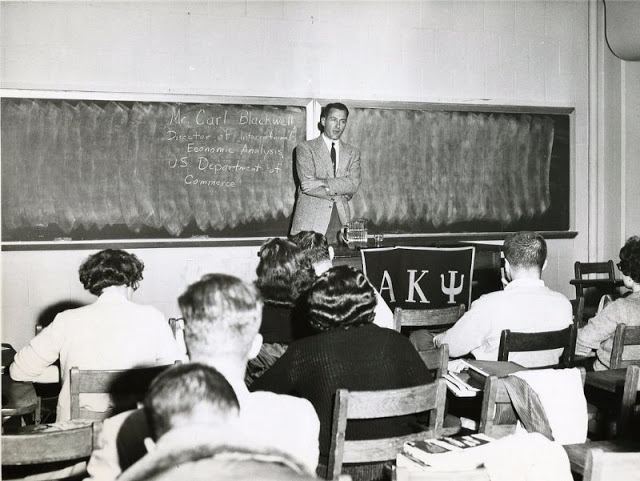
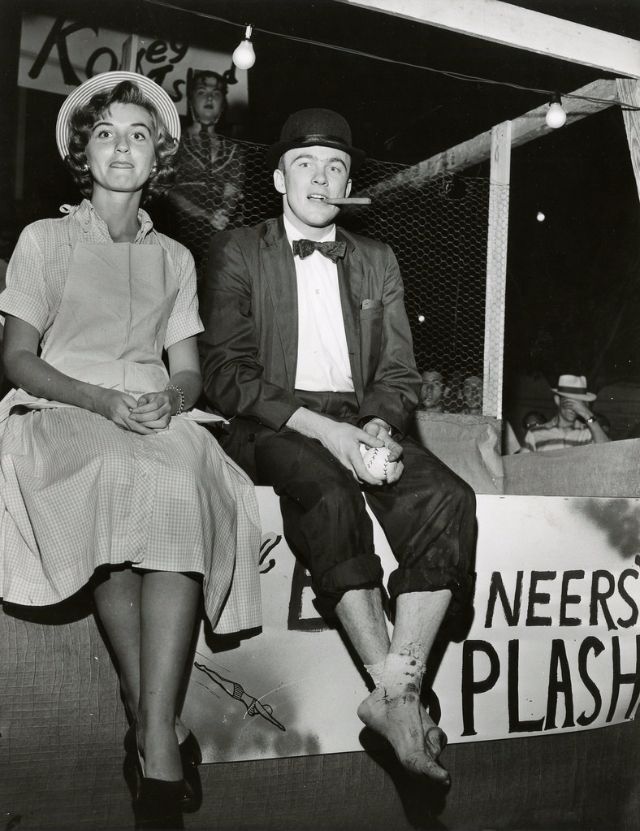
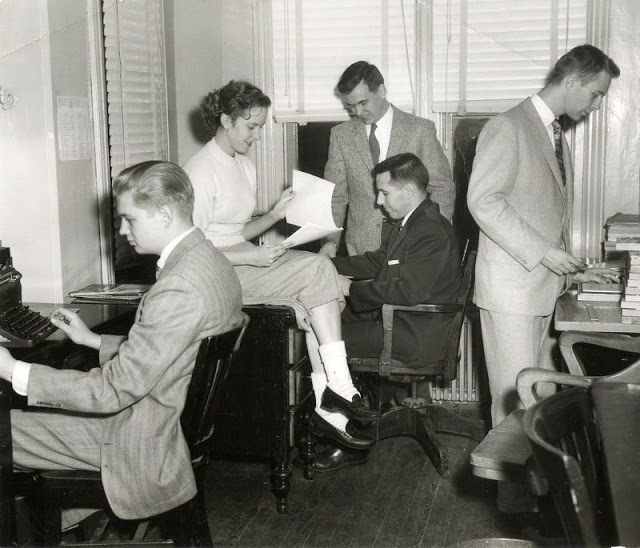
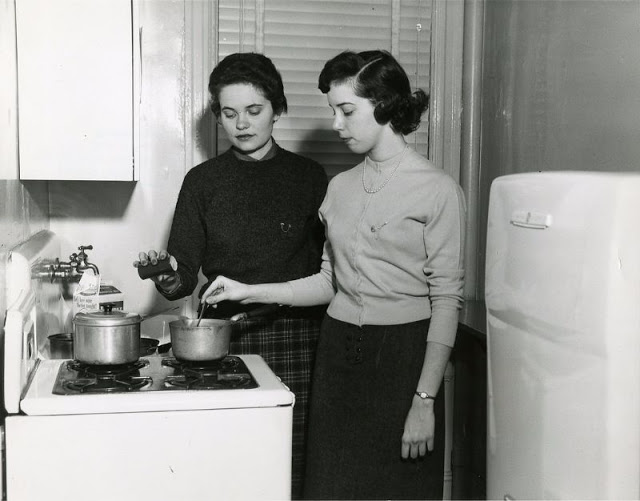
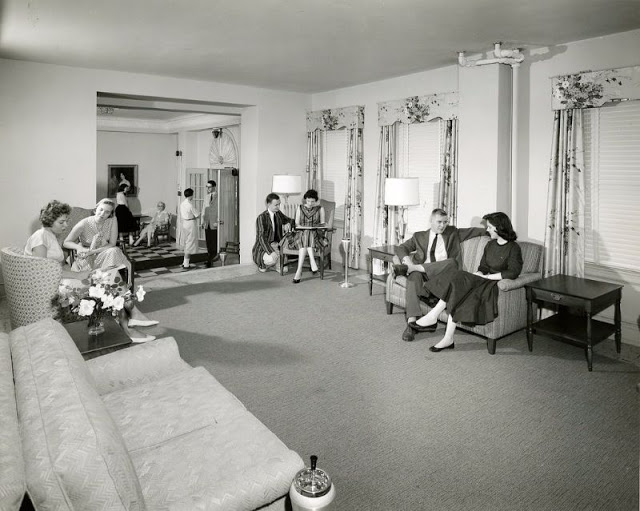
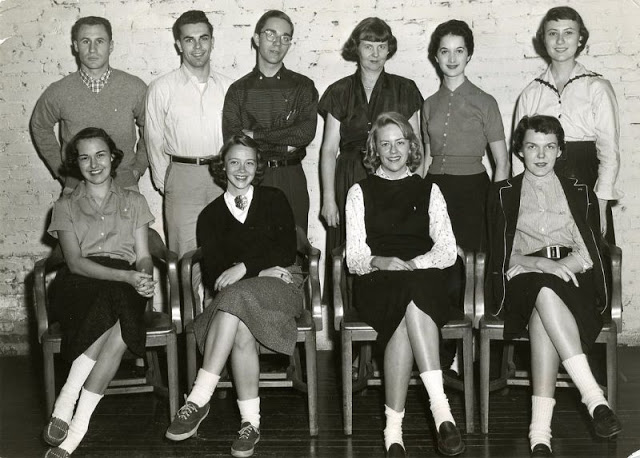
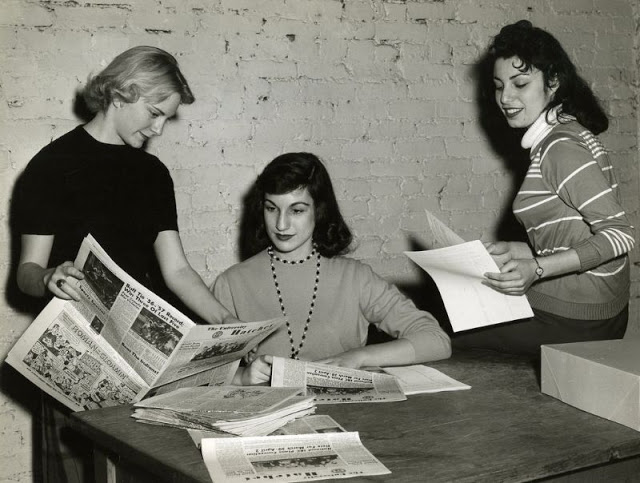
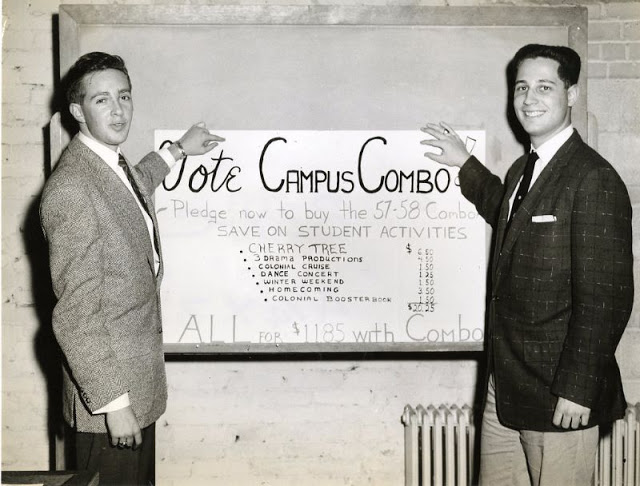
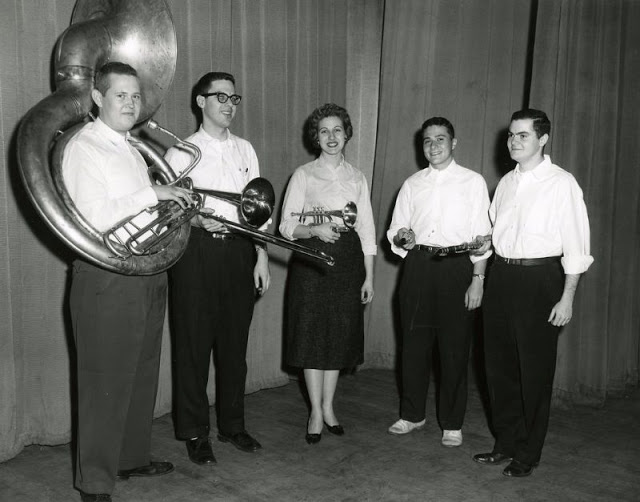
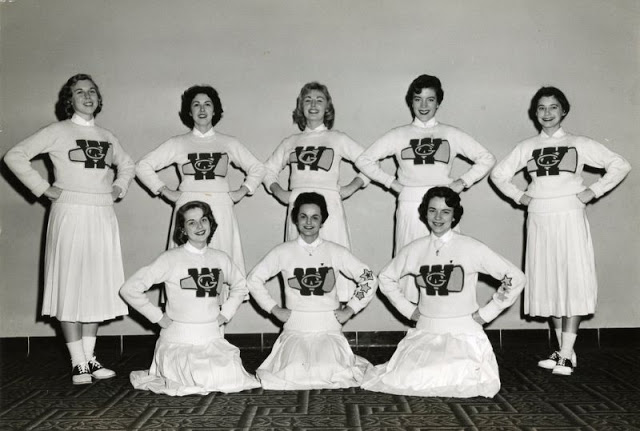
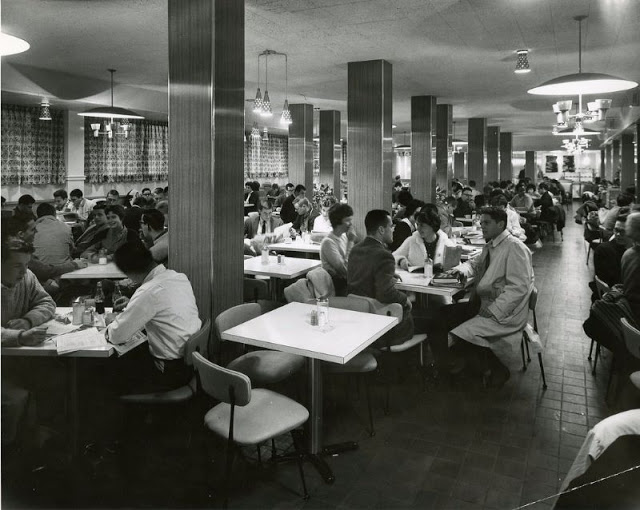
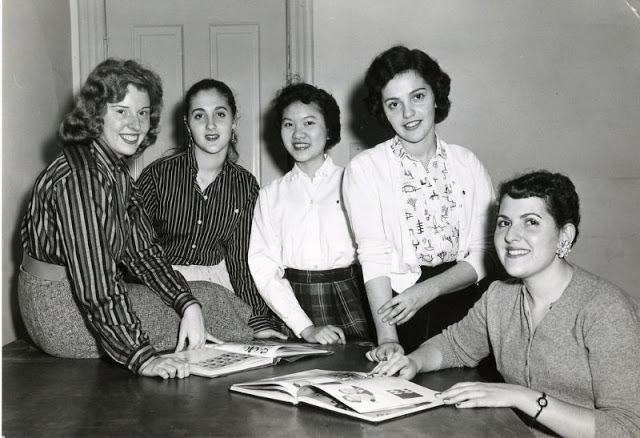
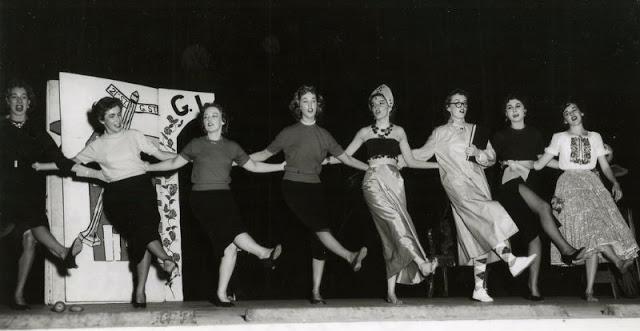
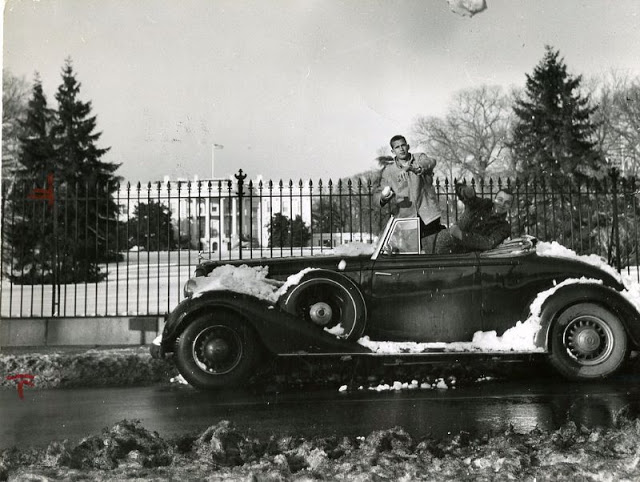
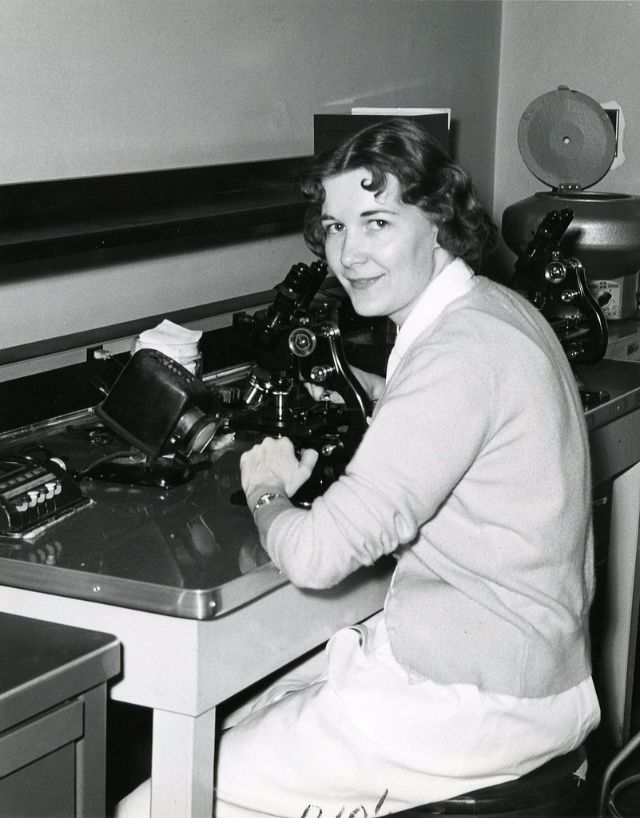
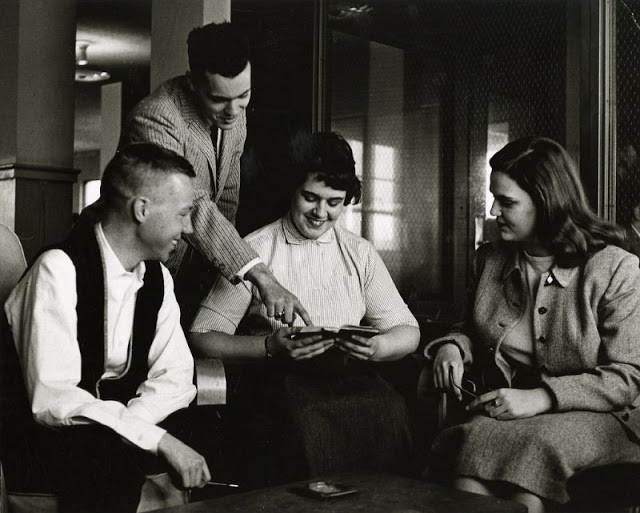
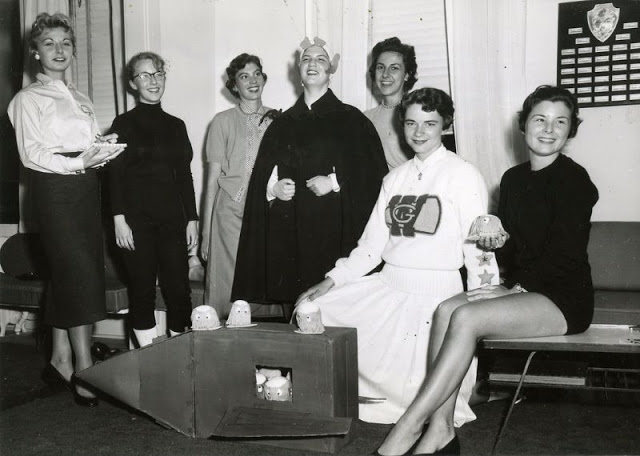
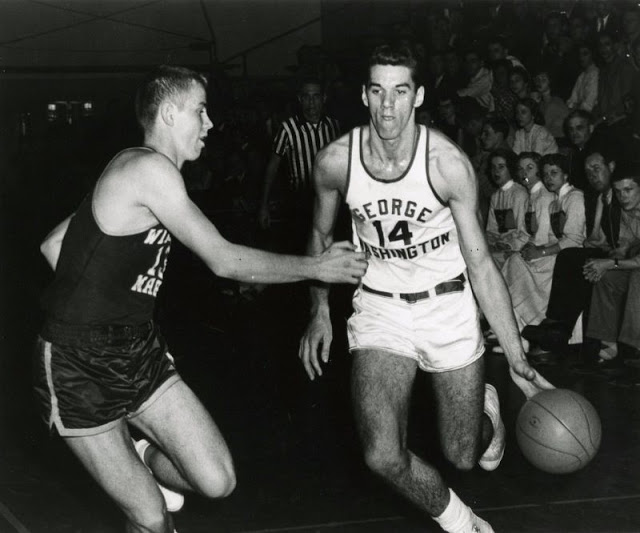
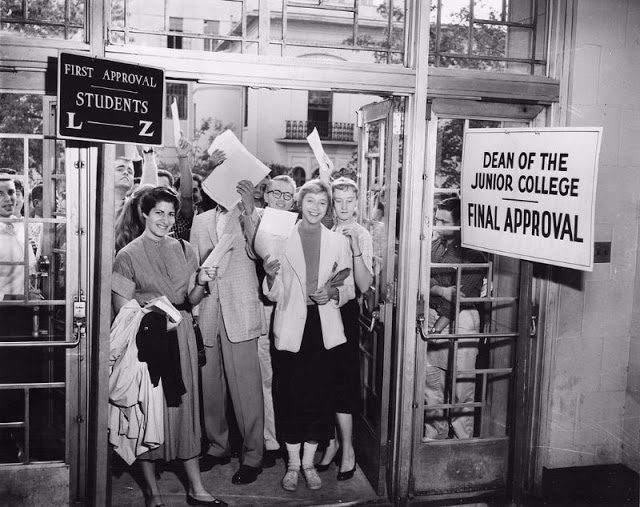
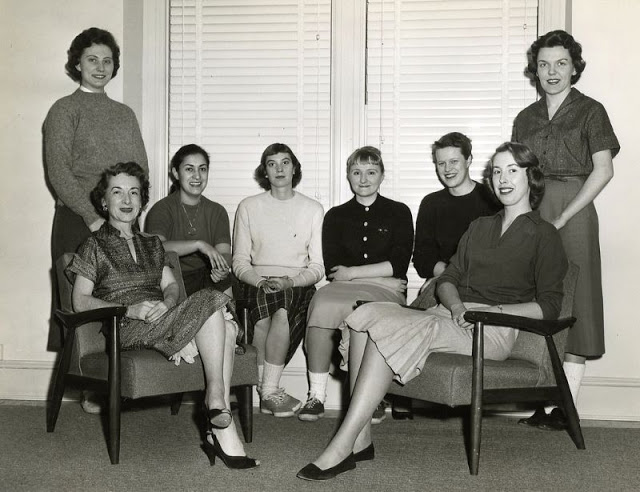
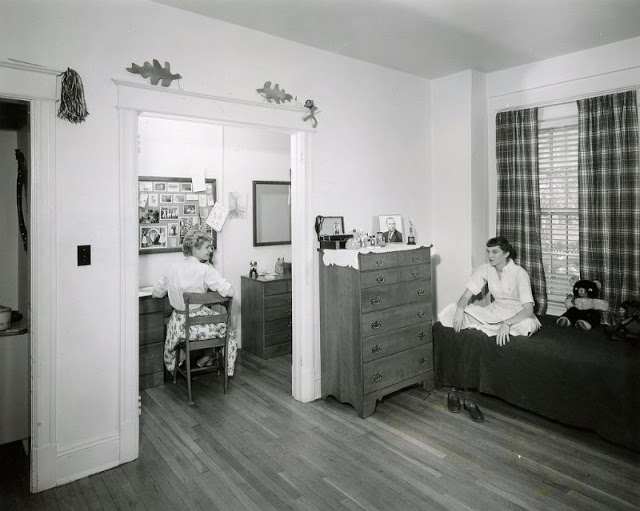
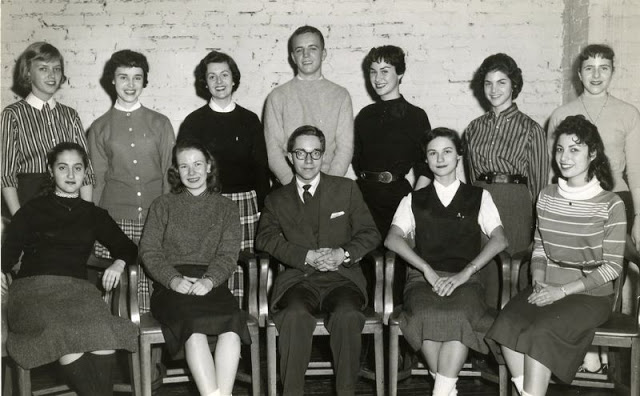
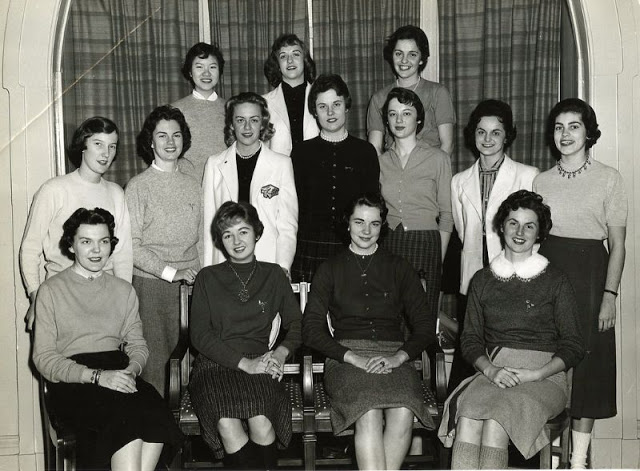
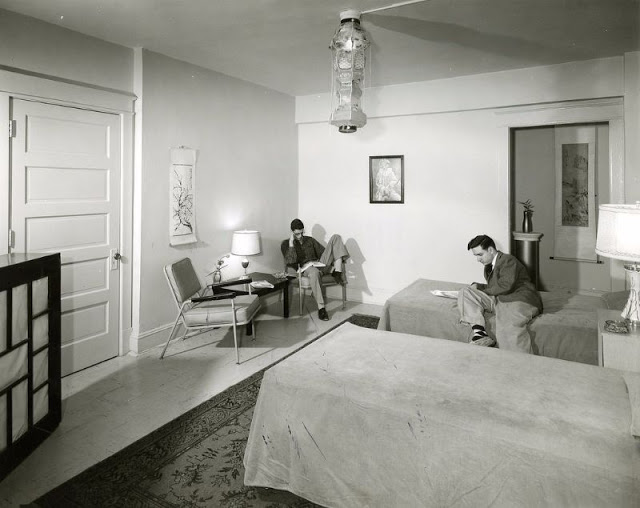
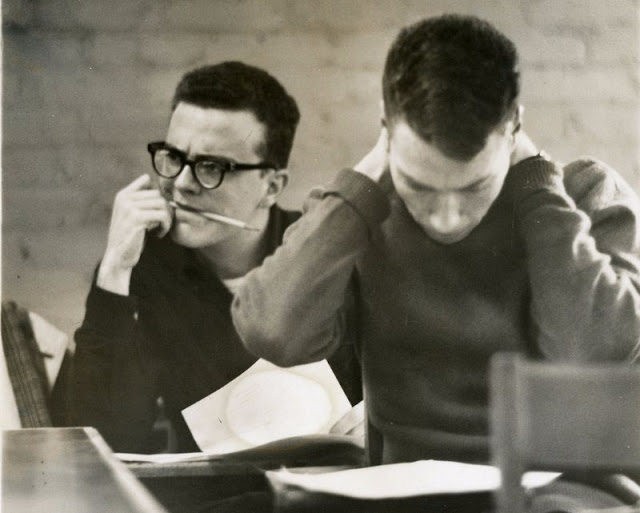
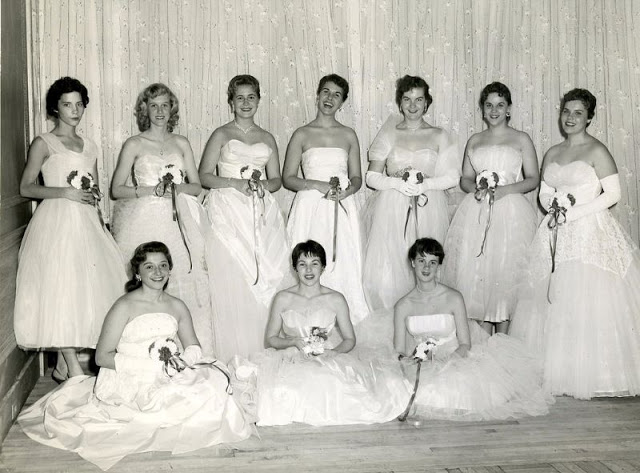
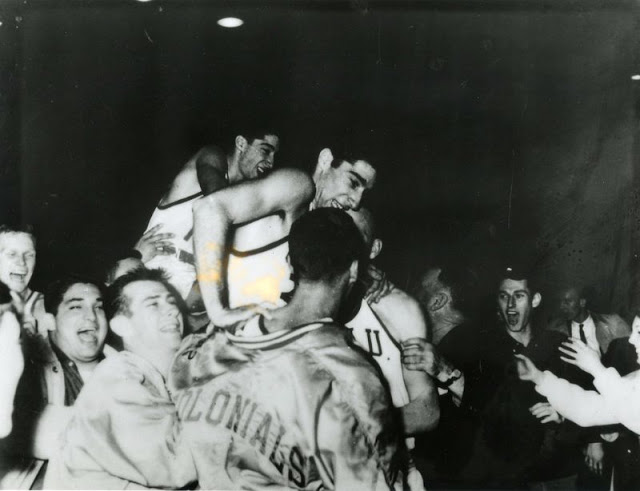
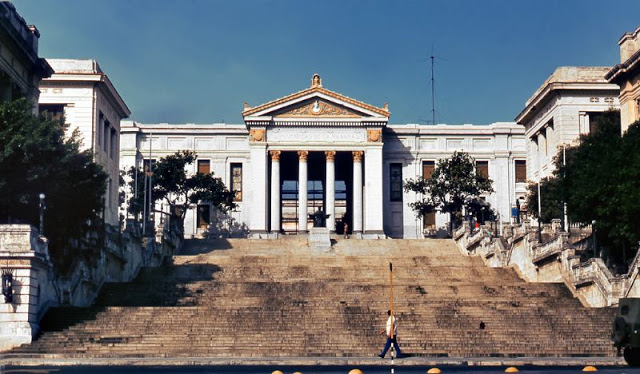
The George Washington University is a private research university in Washington, D.C., the capital of the United States. It was founded in 1821 as Columbian College, and has since grown to comprise fourteen undergraduate and graduate colleges and schools, including the School of Media and Public Affairs, Elliott School of International Affairs, Law School, and School of Public Health.
George Washington’s main campus is located in the Foggy Bottom neighborhood with two satellite campuses located in the Foxhall neighborhood of Washington, D.C. and in Ashburn, Virginia. It is the second oldest and the largest institution of higher education in the District of Columbia.
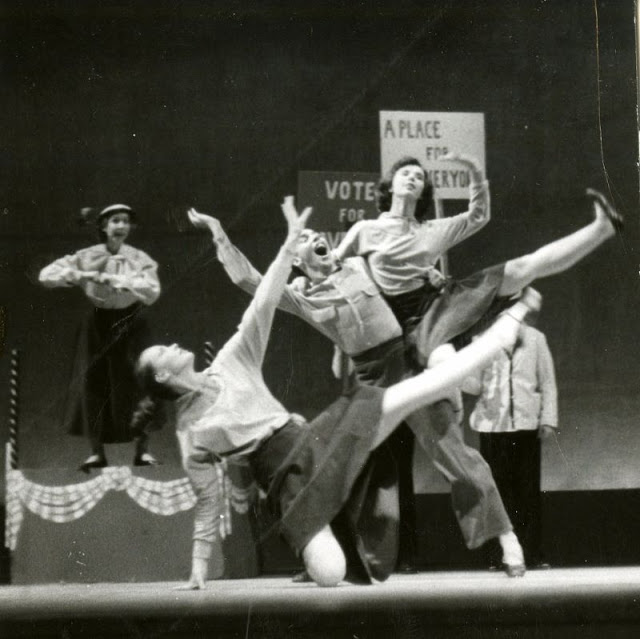
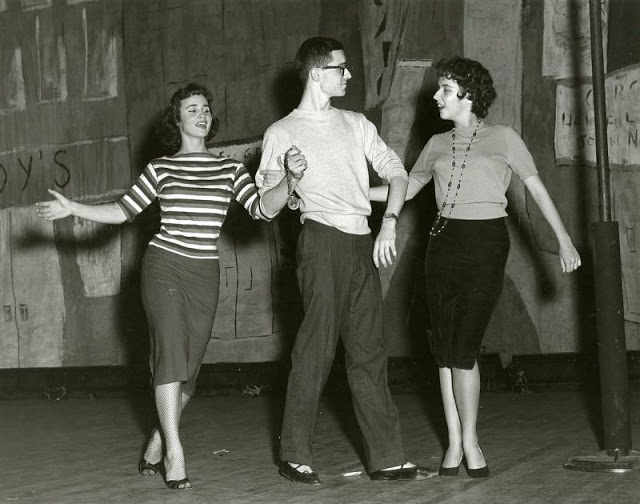
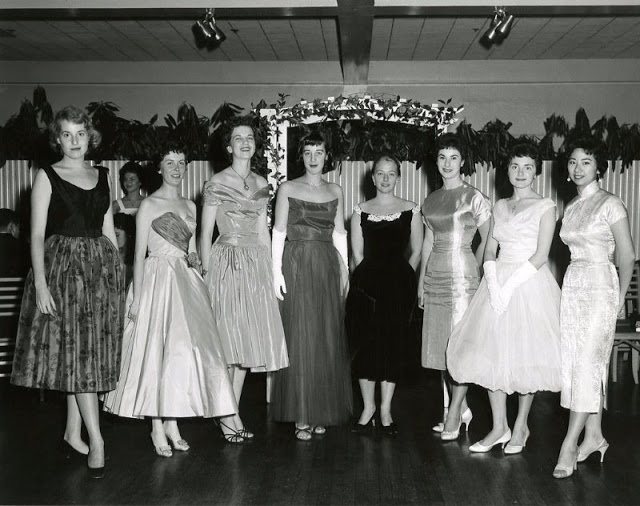
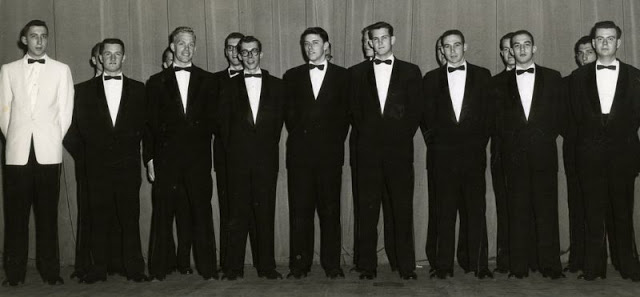
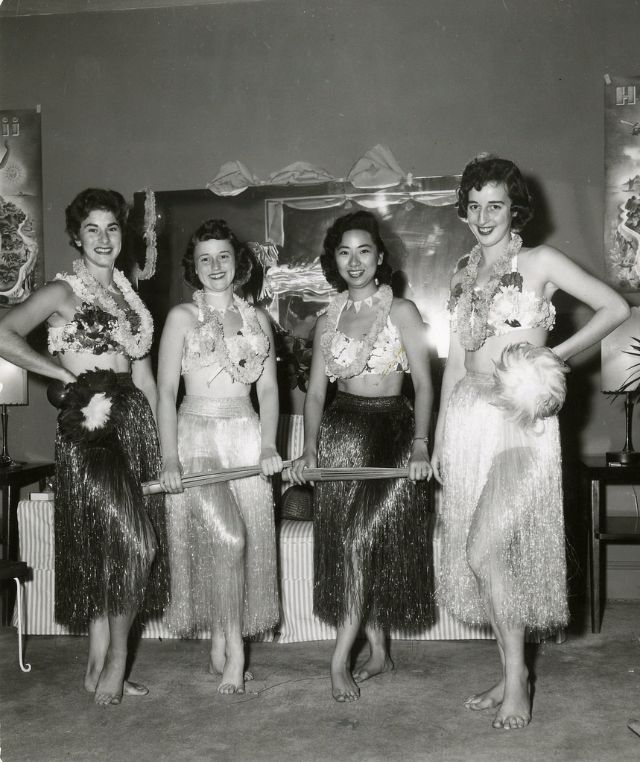
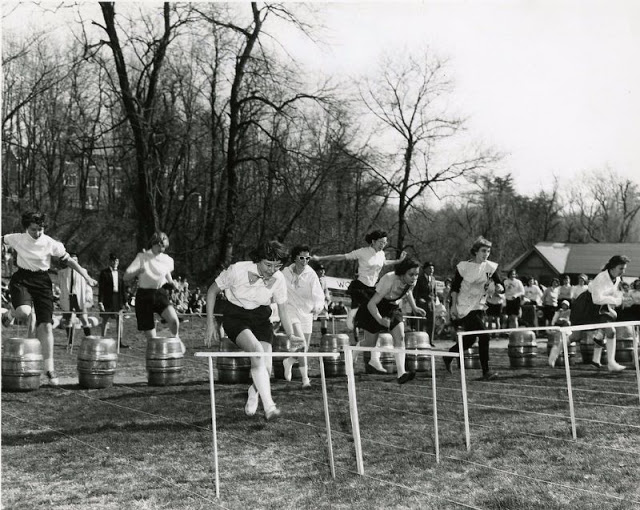
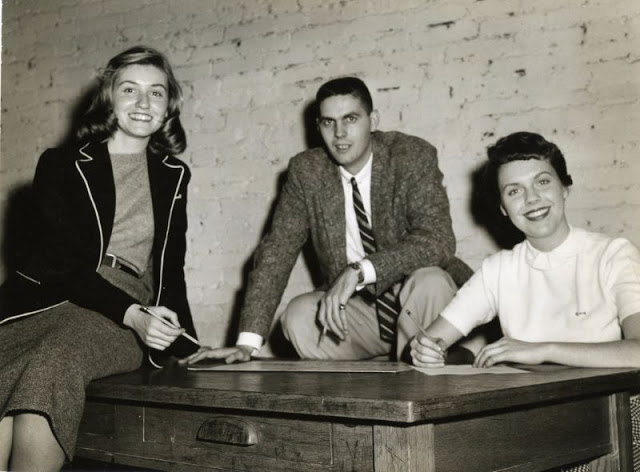
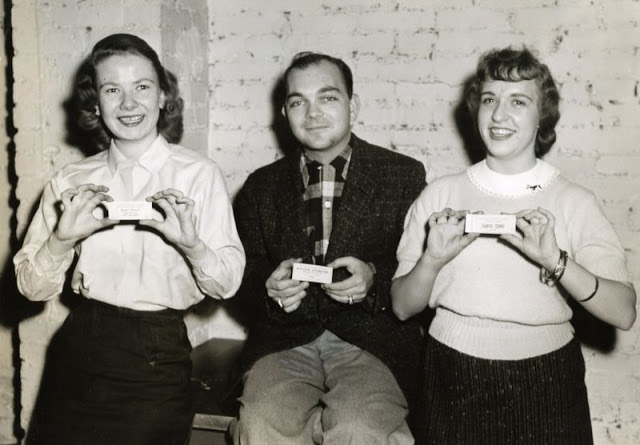
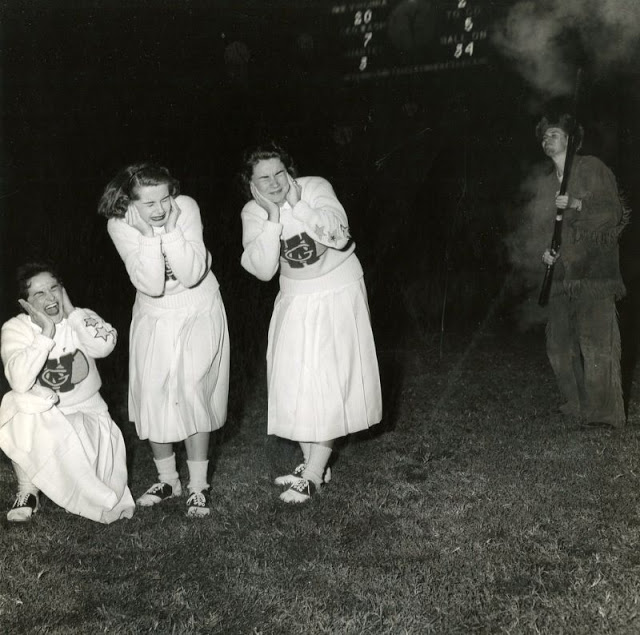
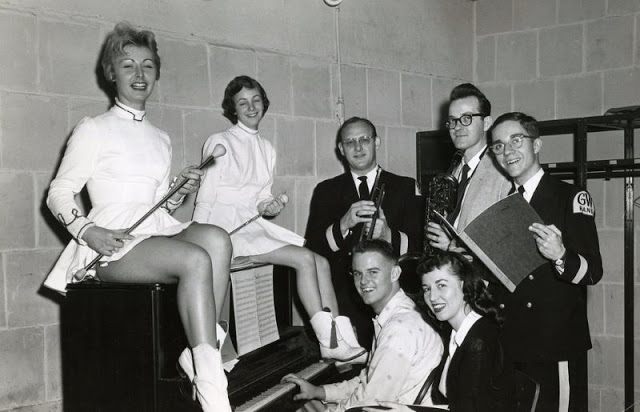
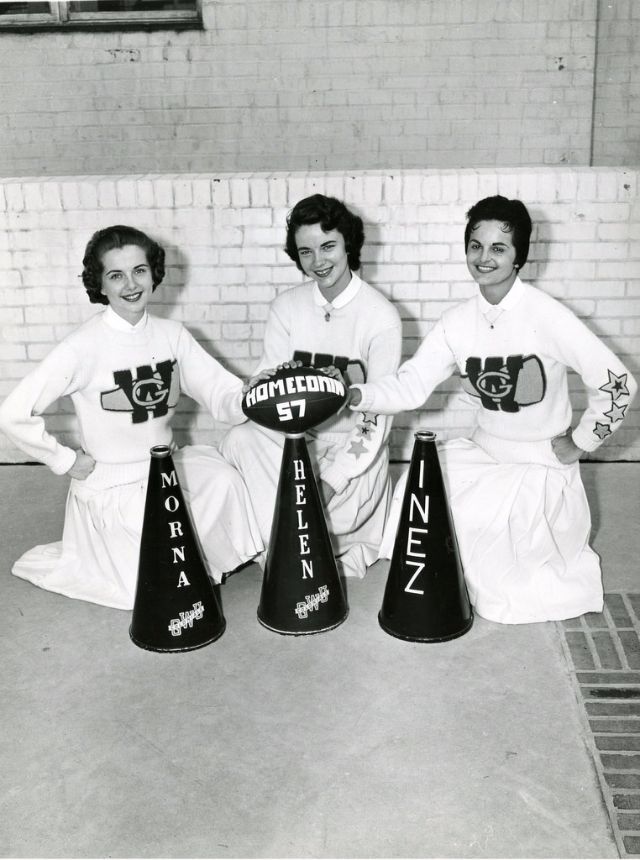
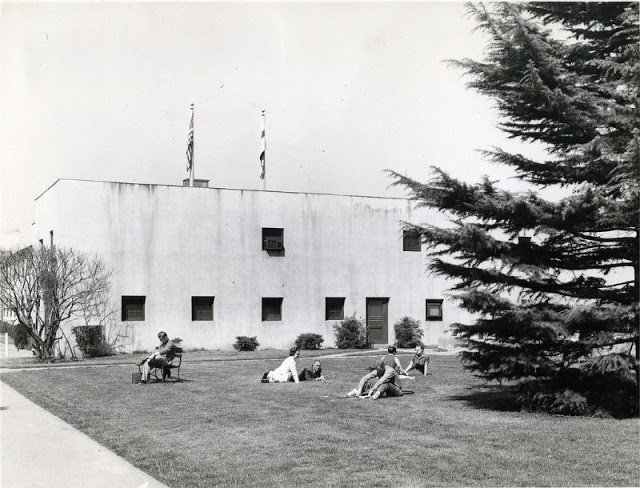
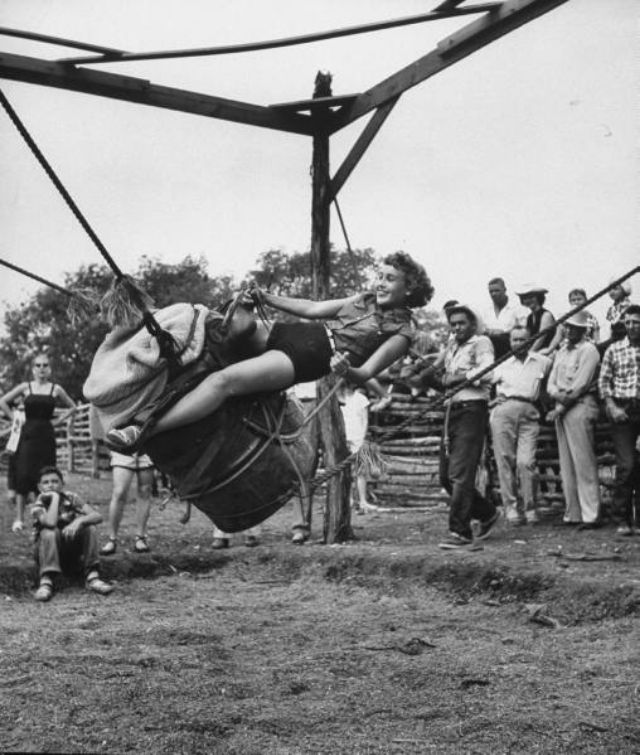
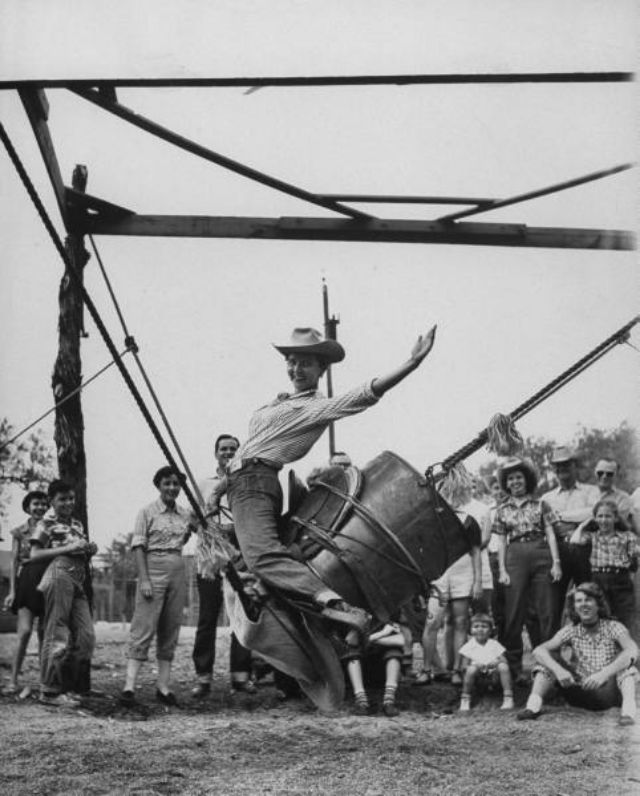
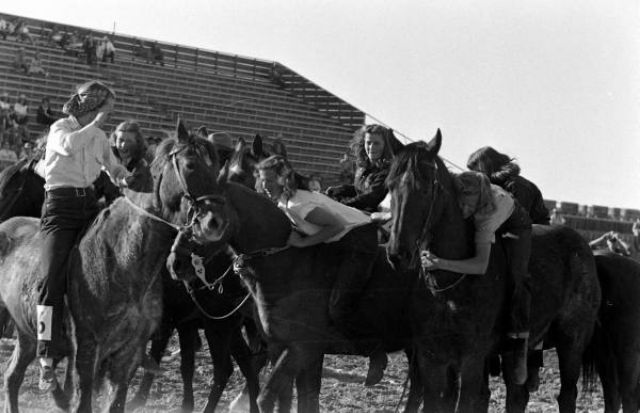
The following photographs are from the University Archives, and were taken from the late 1950s when the GW football team were Sun Bowl champions and the price of a cup of coffee in Cleaves cafeteria was a mere eight cents.
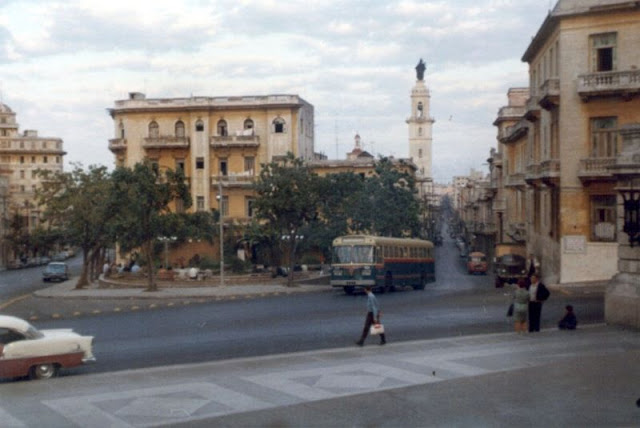
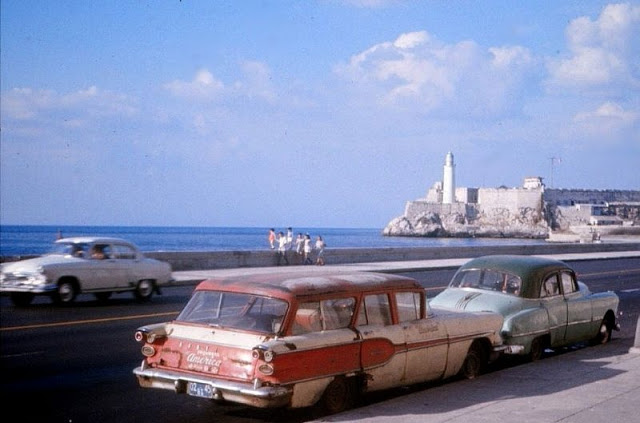
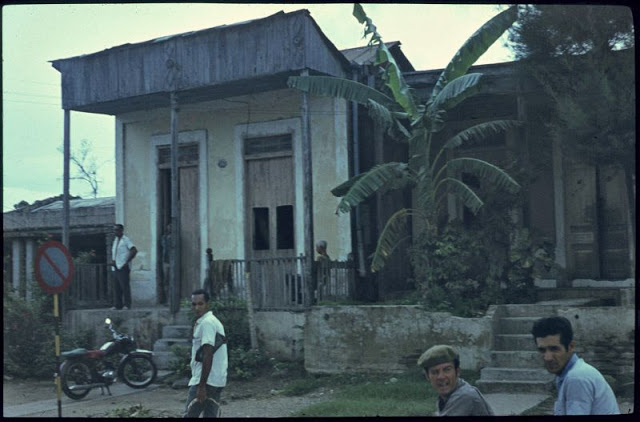
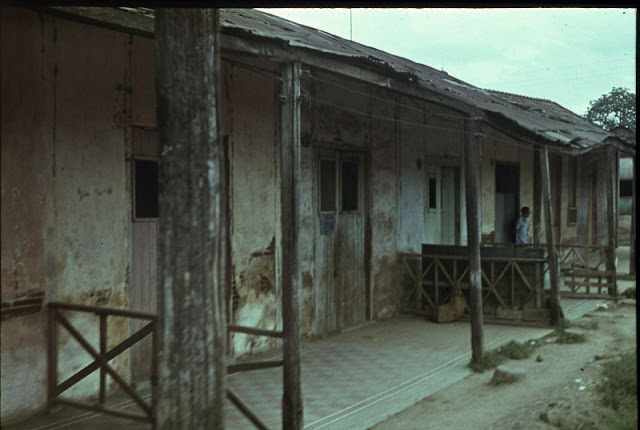
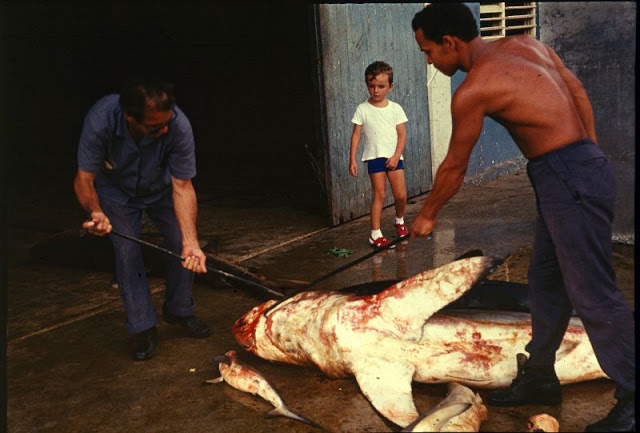
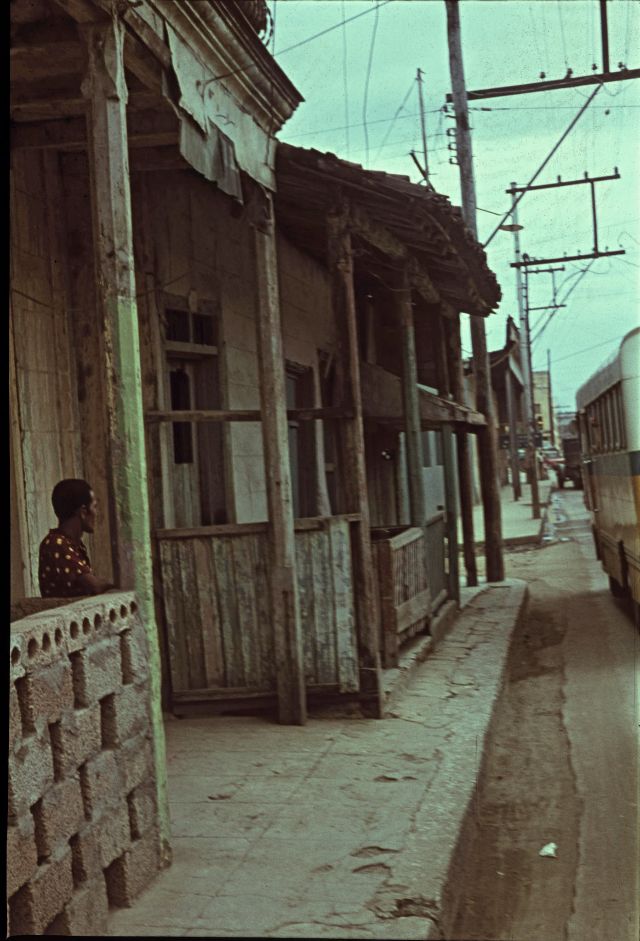
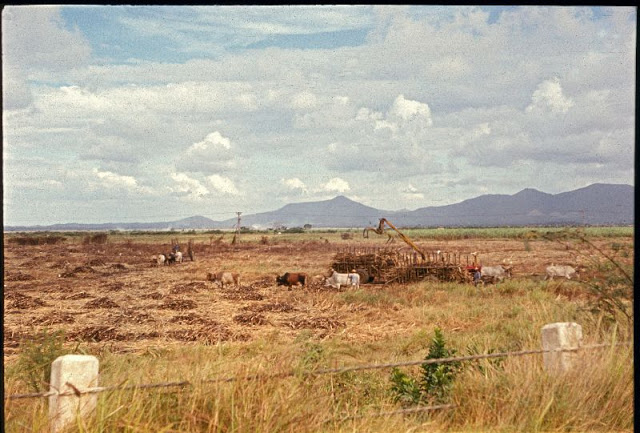
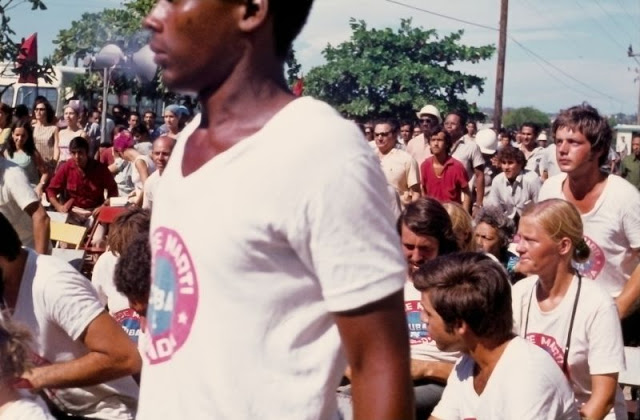
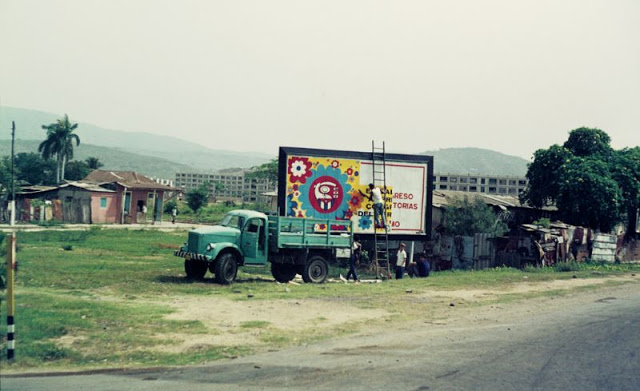
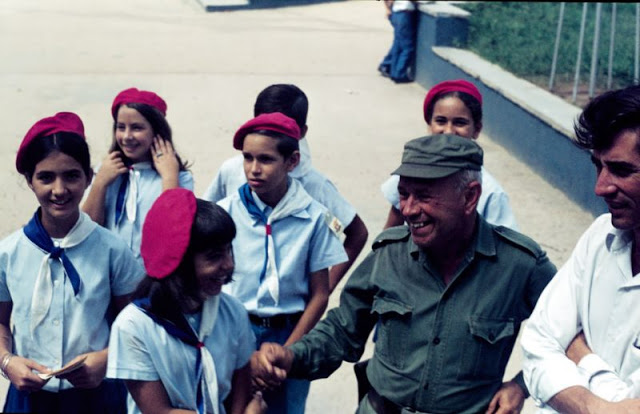
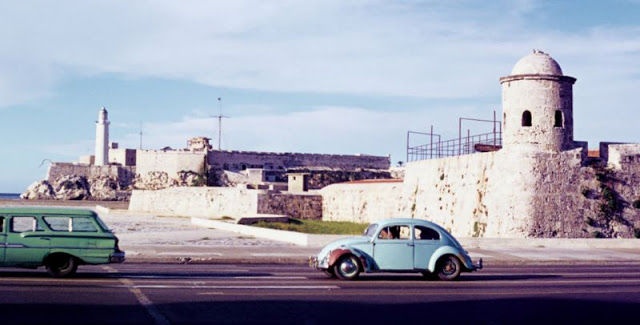
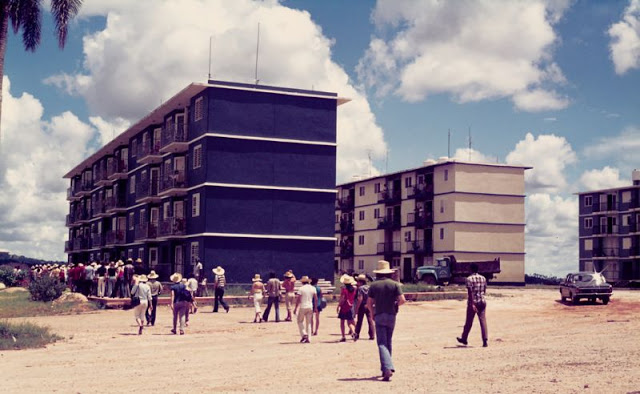
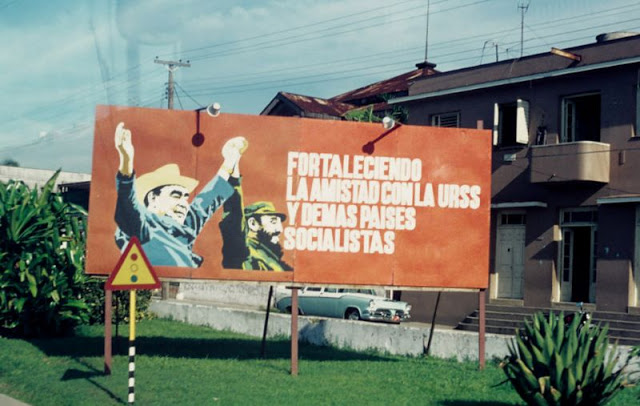
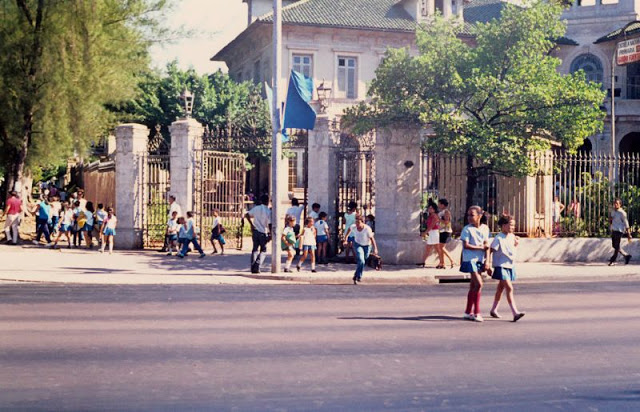
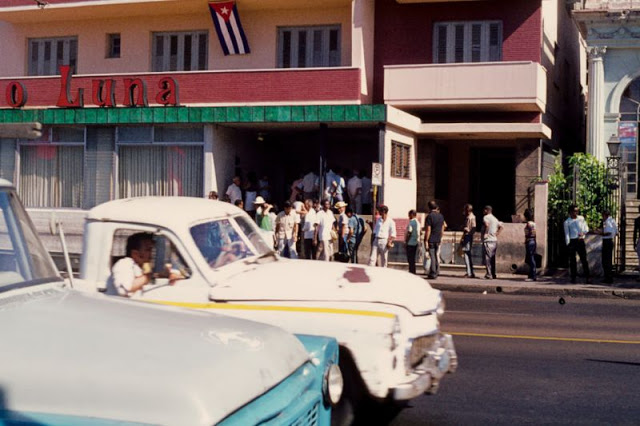
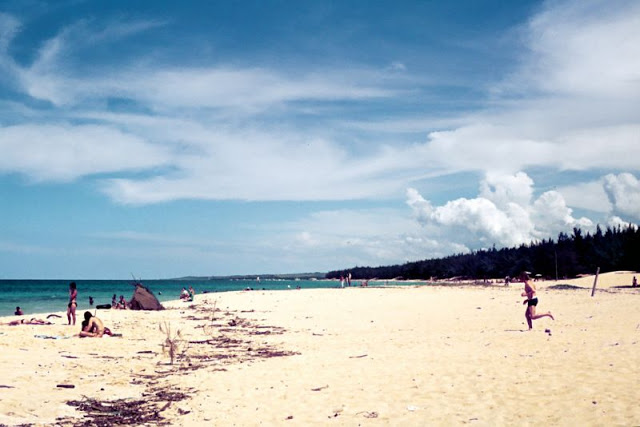
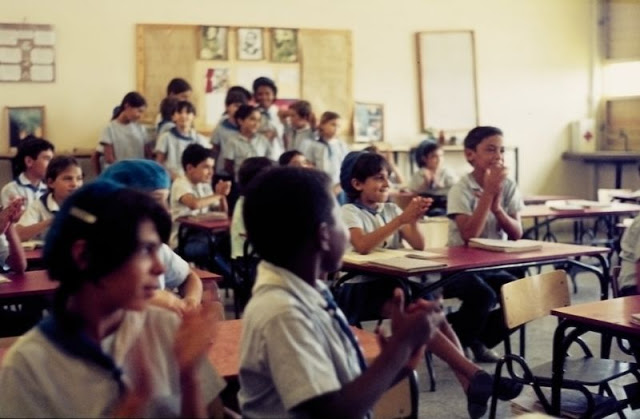
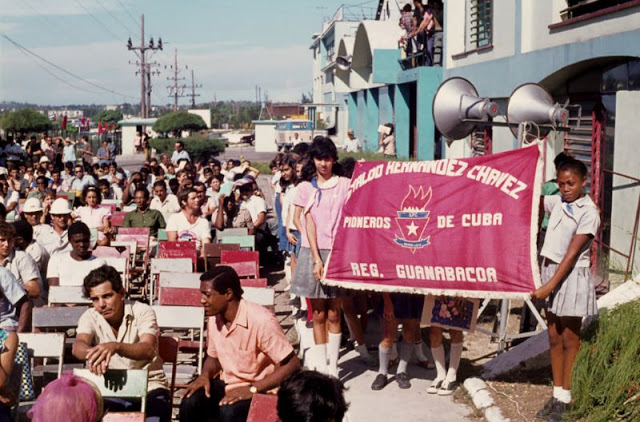
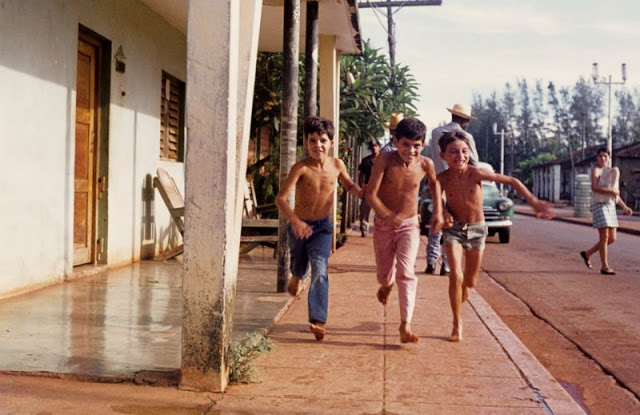
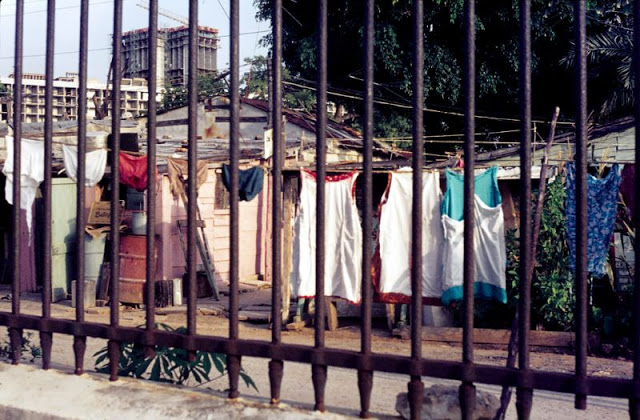
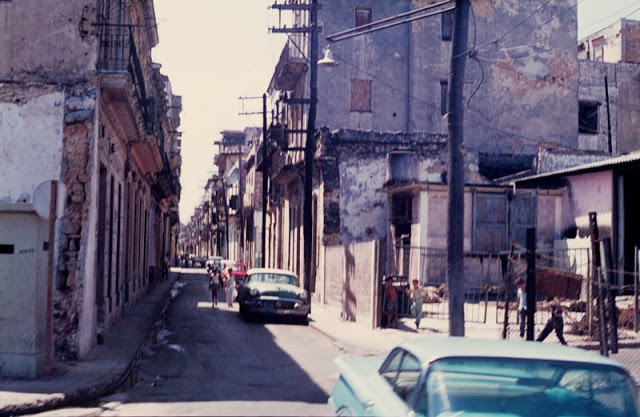
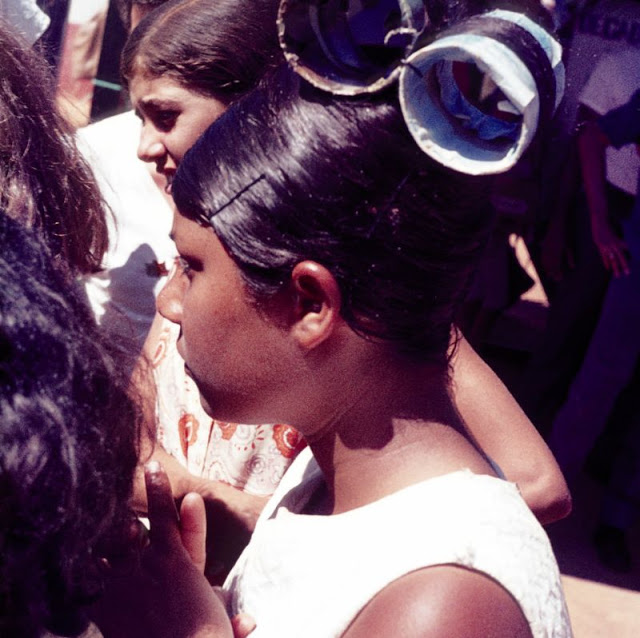
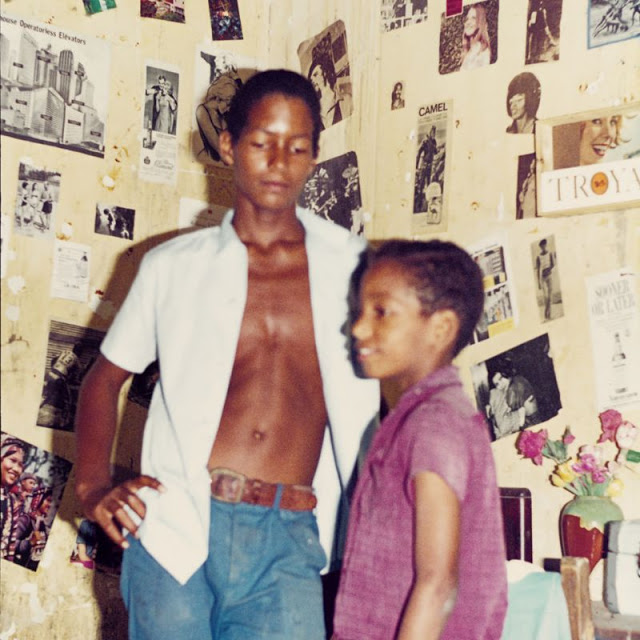
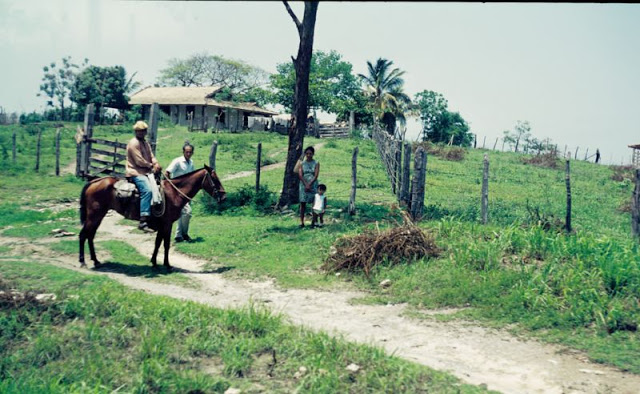
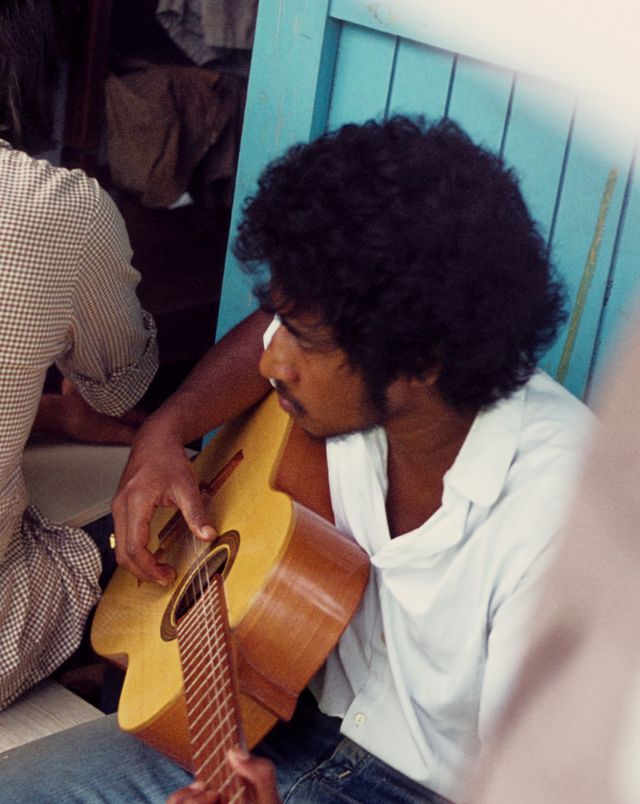
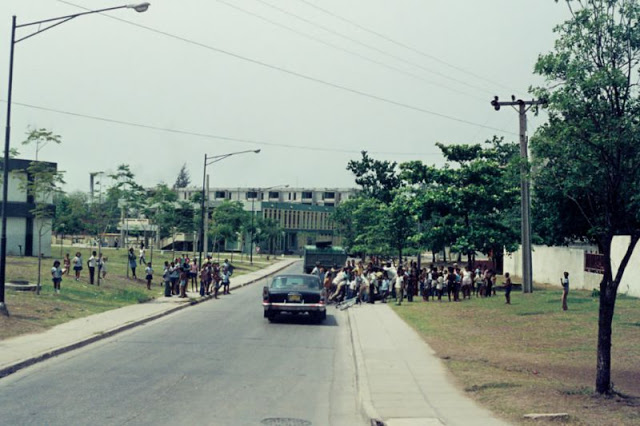
Cuba, officially the Republic of Cuba, is a country comprising the island of Cuba, as well as Isla de la Juventud and several minor archipelagos. Cuba is located where the northern Caribbean Sea, Gulf of Mexico, and Atlantic Ocean meet. Cuba is located at the east of the Yucatán Peninsula (Mexico), south of both the American state of Florida and the Bahamas, west of Hispaniola (Haiti/Dominican Republic), and north of both Jamaica and the Cayman Islands. Havana is the largest city and capital; other major cities include Santiago de Cuba and Camagüey. The official area of the Republic of Cuba is 109,884 km2 (42,426 sq mi) (without the territorial waters). The main island of Cuba is the largest island in Cuba and in the Caribbean, with an area of 104,556 km2 (40,369 sq mi). Cuba is the second-most populous country in the Caribbean after Haiti, with over 11 million inhabitants.
The territory that is now Cuba was inhabited by the Ciboney Taíno people from the 4th millennium BC until Spanish colonization in the 15th century. From the 15th century, it was a colony of Spain until the Spanish–American War of 1898, when Cuba was occupied by the United States and gained nominal independence as a de facto United States protectorate in 1902. As a fragile republic, in 1940 Cuba attempted to strengthen its democratic system, but mounting political radicalization and social strife culminated in a coup and subsequent dictatorship under Fulgencio Batista in 1952. Open corruption and oppression under Batista’s rule led to his ousting in January 1959 by the 26th of July Movement, which afterwards established communist rule under the leadership of Fidel Castro. Since 1965, the state has been governed by the Communist Party of Cuba. The country was a point of contention during the Cold War between the Soviet Union and the United States, and a nuclear war nearly broke out during the Cuban Missile Crisis of 1962. Cuba is one of a few extant Marxist–Leninist socialist states, where the role of the vanguard Communist Party is enshrined in the Constitution. Under Castro, Cuba was involved in a broad range of military and humanitarian activities throughout both Africa and Asia.
Culturally, Cuba is considered part of Latin America. It is a multiethnic country whose people, culture and customs derive from diverse origins, including the Taíno Ciboney peoples, the long period of Spanish colonialism, the introduction of enslaved Africans and a close relationship with the Soviet Union in the Cold War.
Cuba is a founding member of the United Nations, the G77, the Non-Aligned Movement, the Organisation of African, Caribbean and Pacific States, ALBA and the Organization of American States. It has currently one of the world’s only planned economies, and its economy is dominated by the tourism industry and the exports of skilled labor, sugar, tobacco, and coffee. Cuba has historically – both before and during Communist rule – performed better than other countries in the region on several socioeconomic indicators, such as literacy, infant mortality and life expectancy.
Cuba has a single-party authoritarian regime where political opposition is not permitted. There are elections in Cuba, but they are not considered democratic. Censorship of information (including limits to internet access) is extensive, and independent journalism is repressed in Cuba; Reporters Without Borders has characterized Cuba as one of the worst countries in the world for press freedom. (Wikipedia)
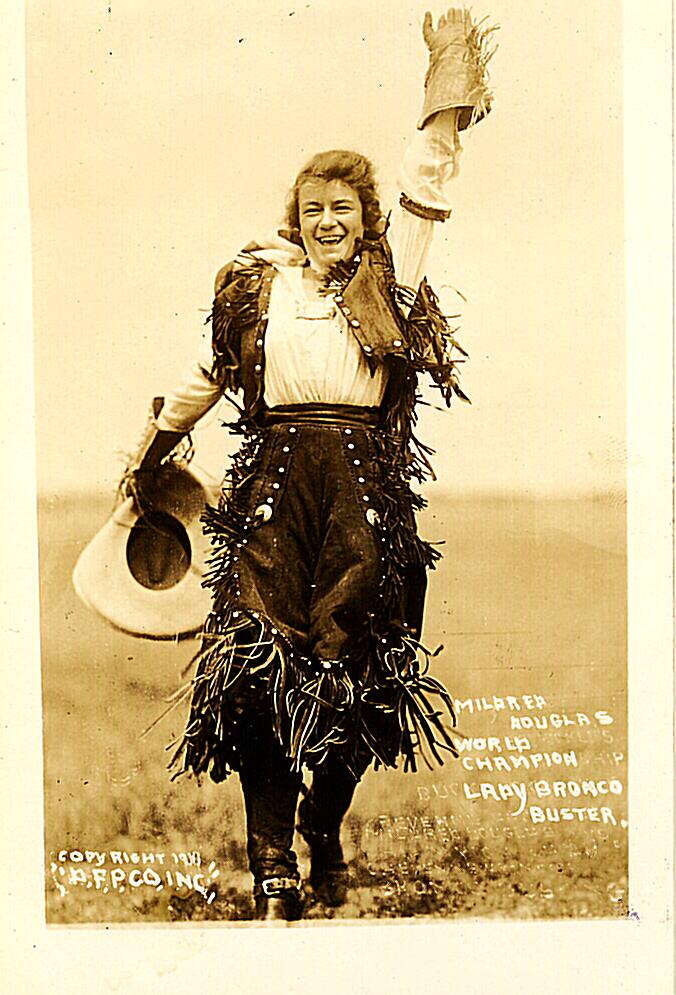
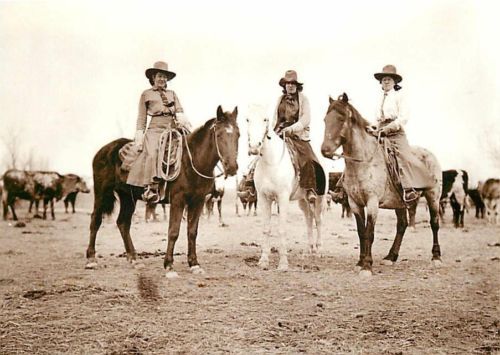
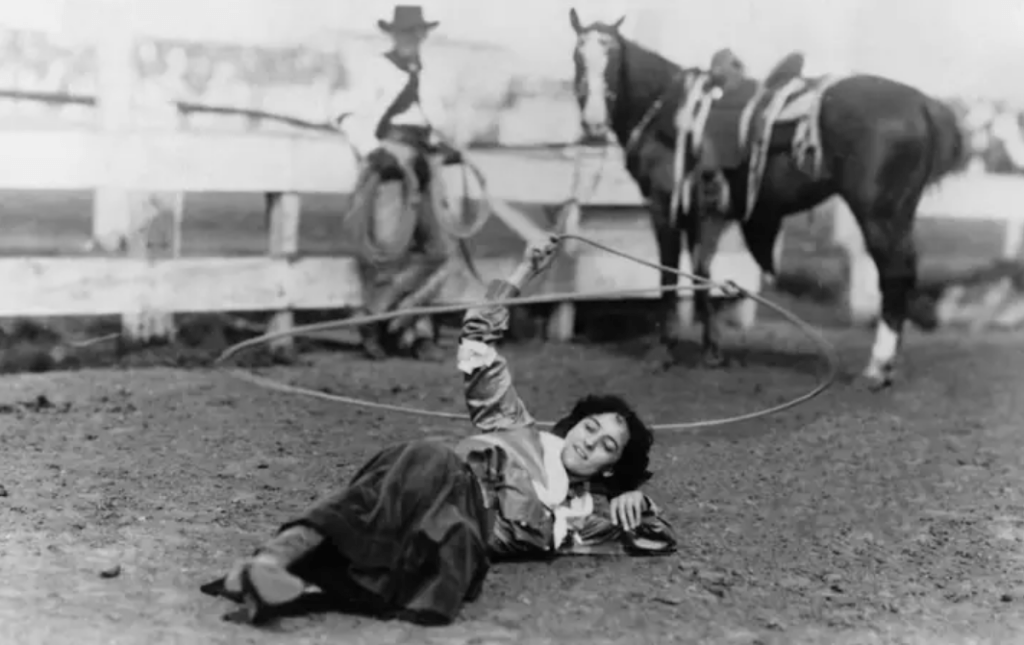
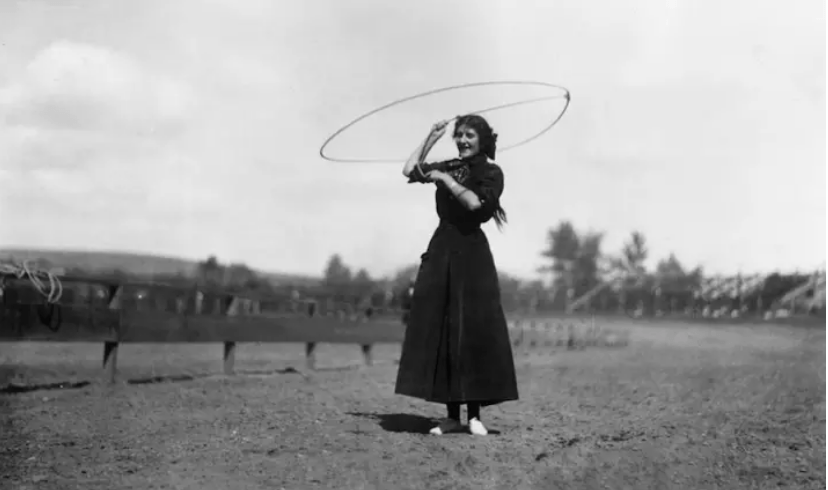
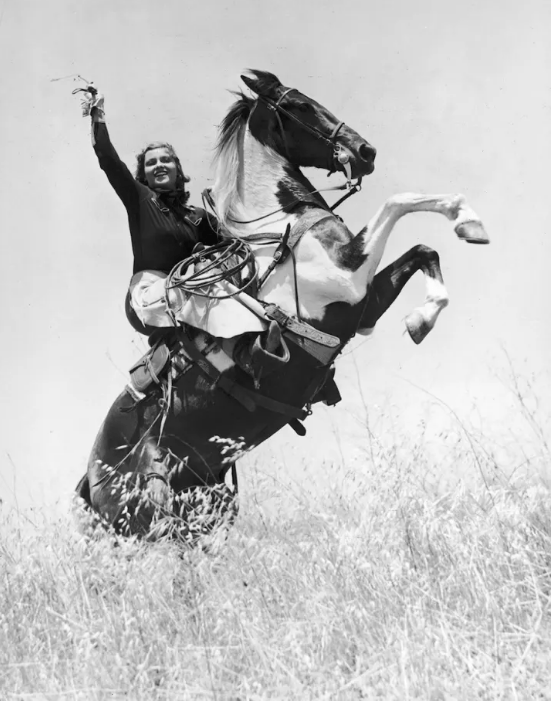
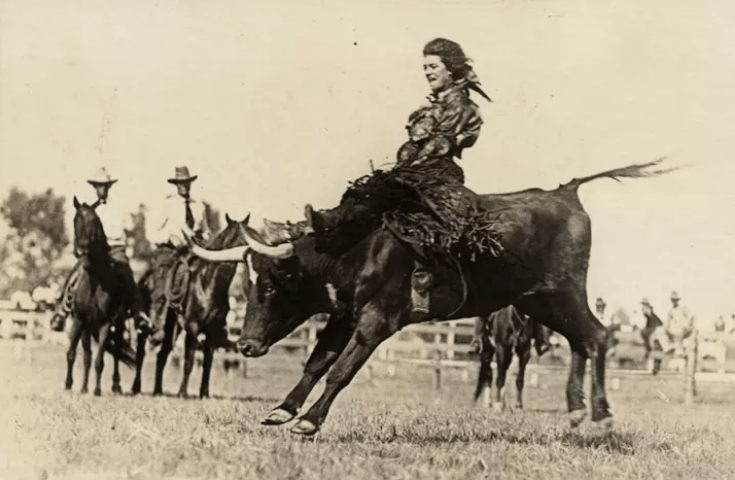
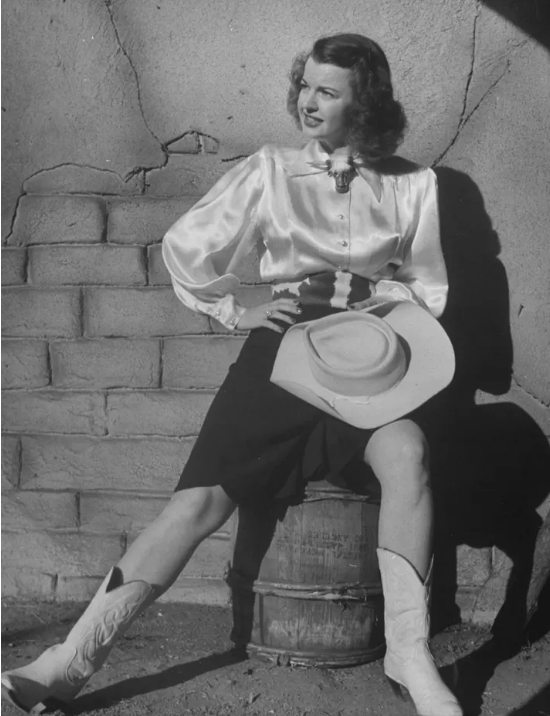
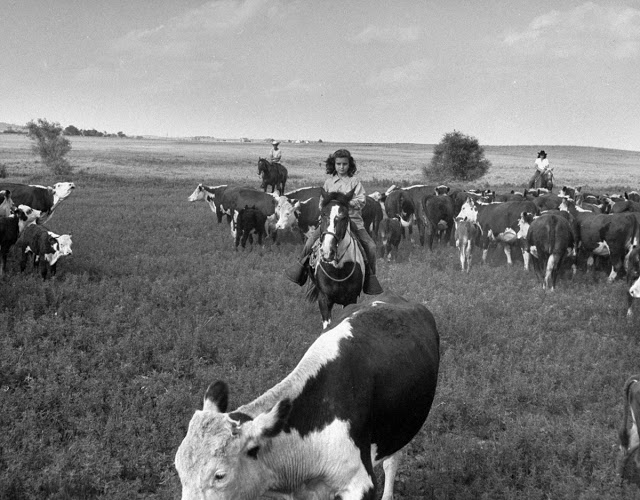
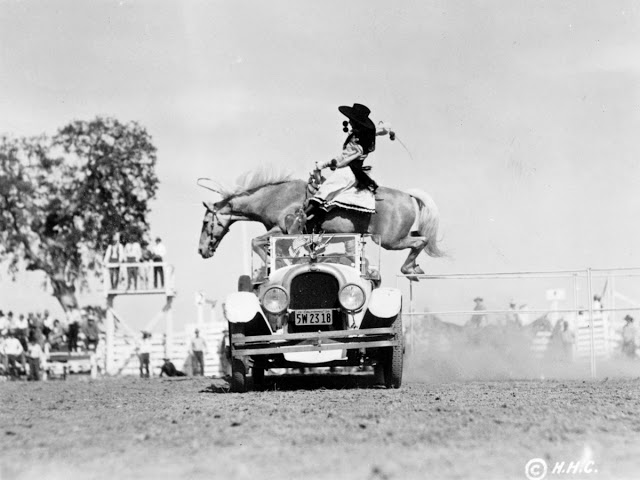
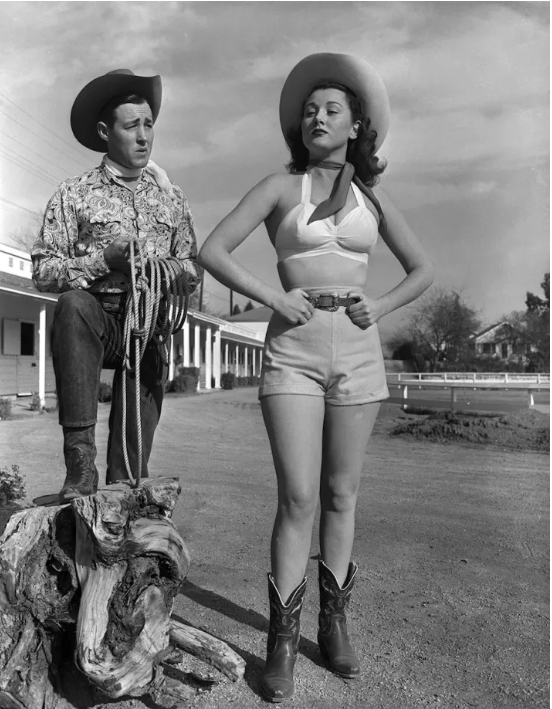
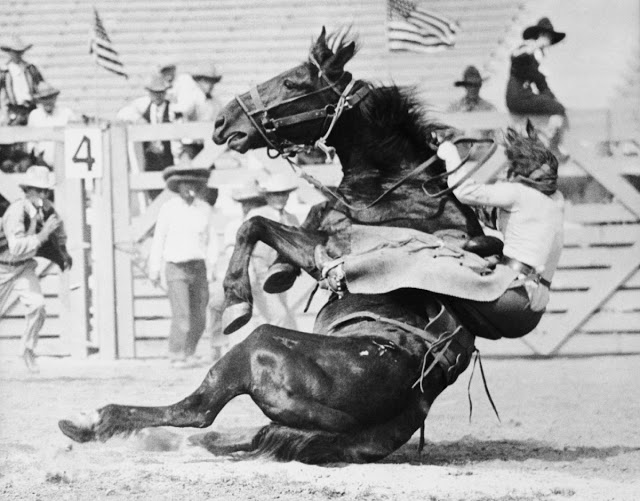
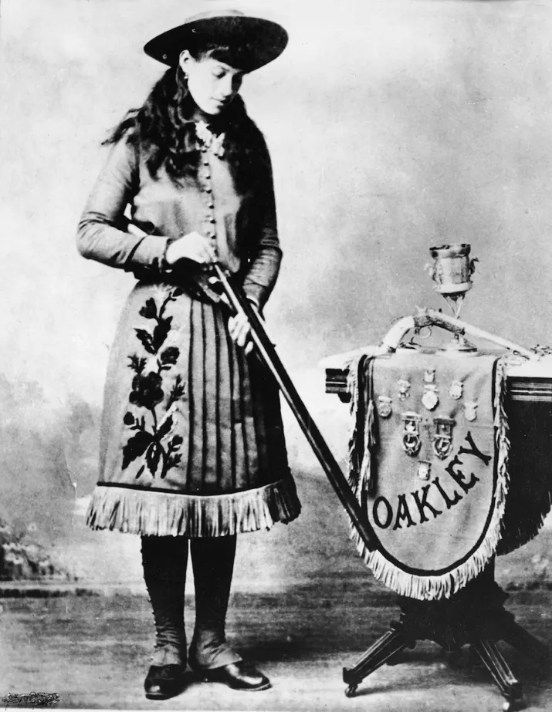
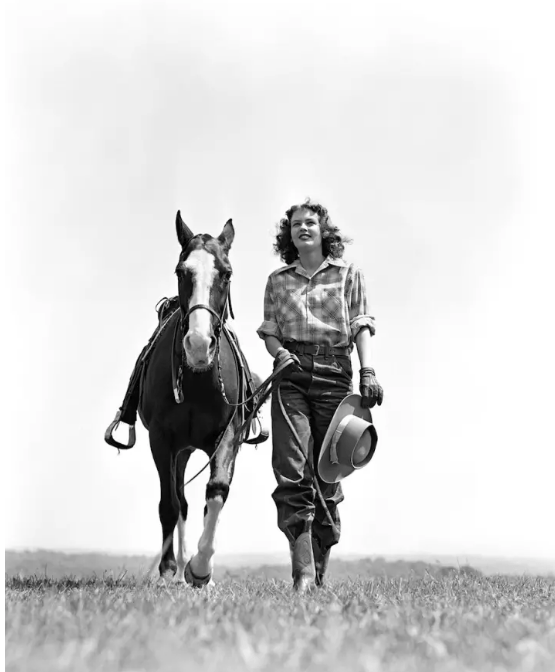
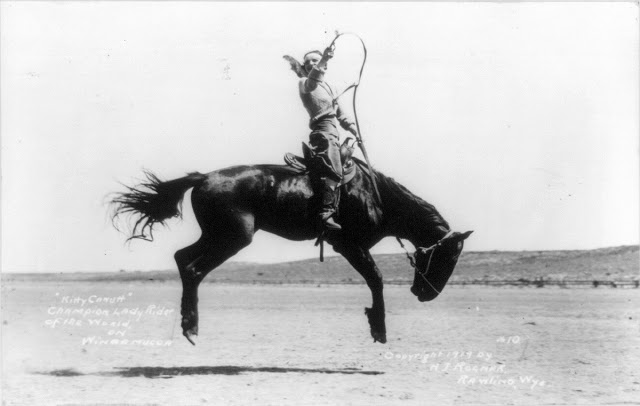
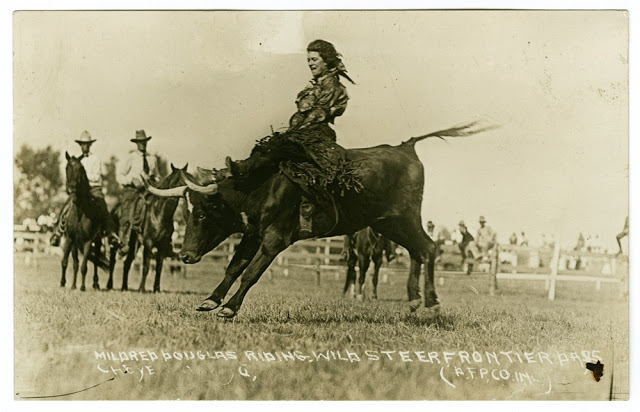
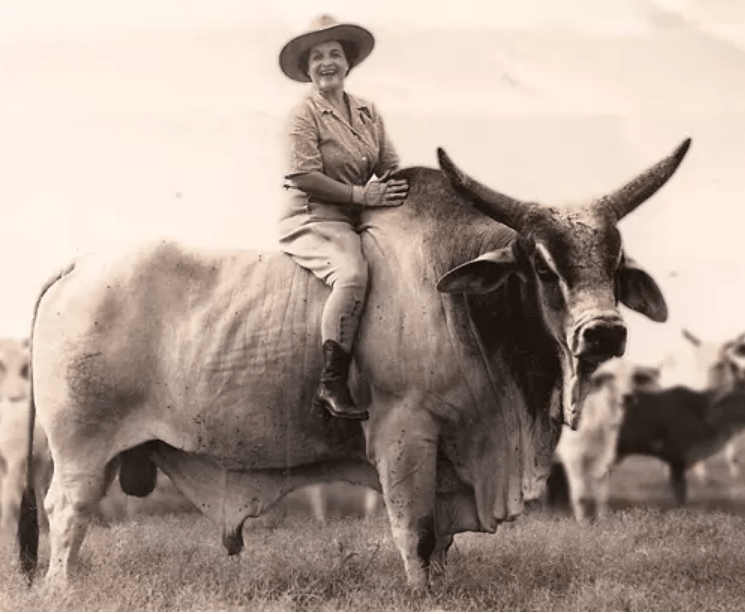
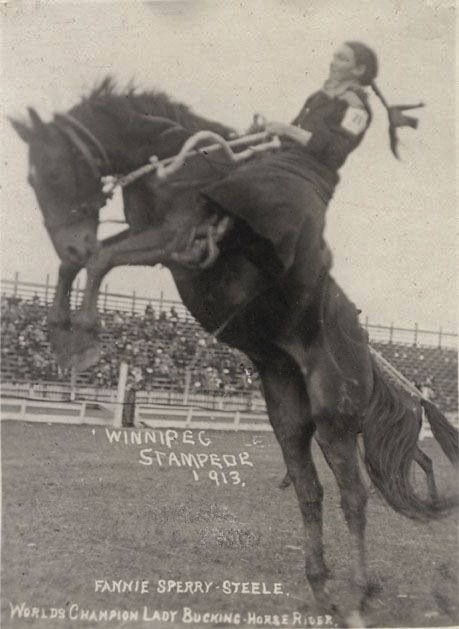
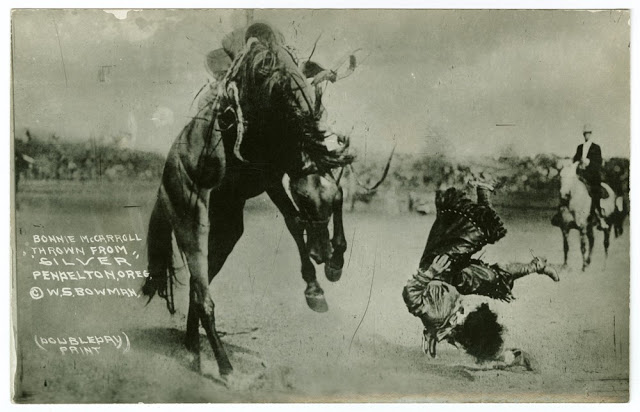
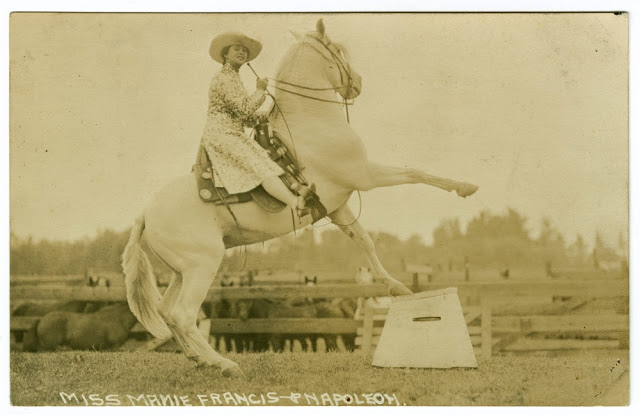
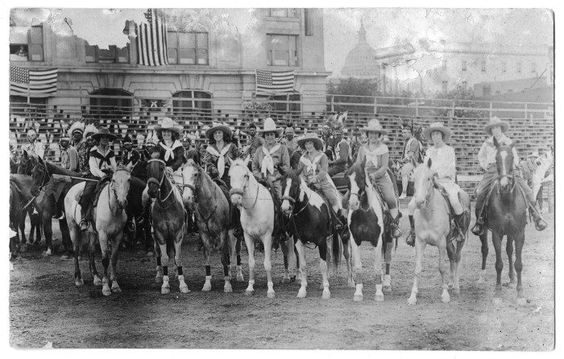
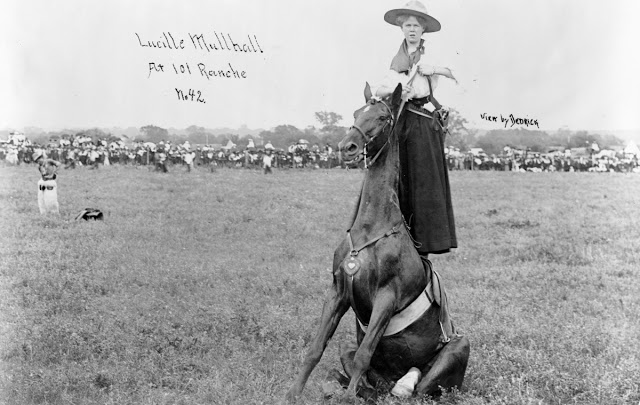
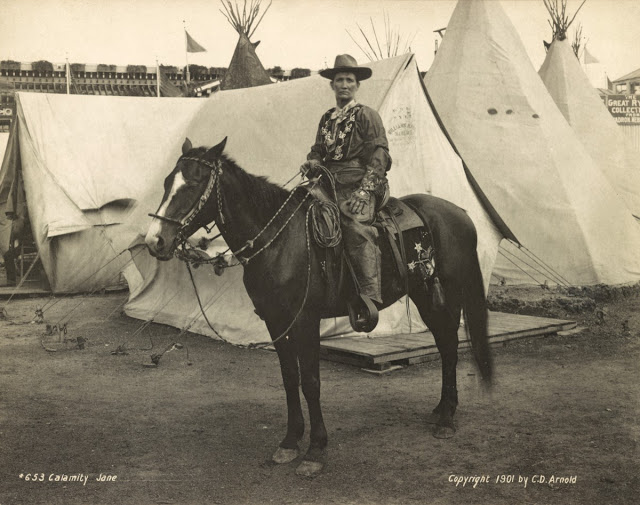
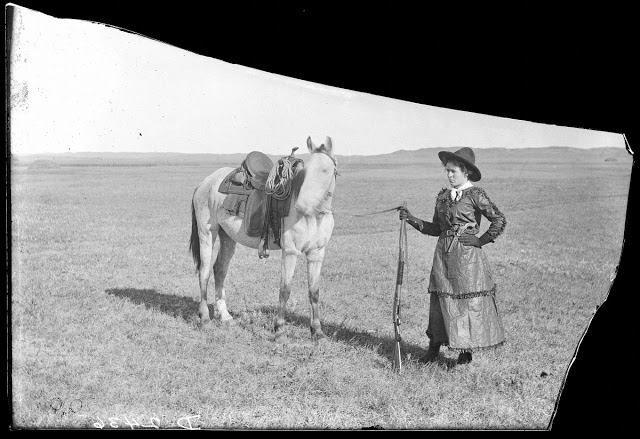
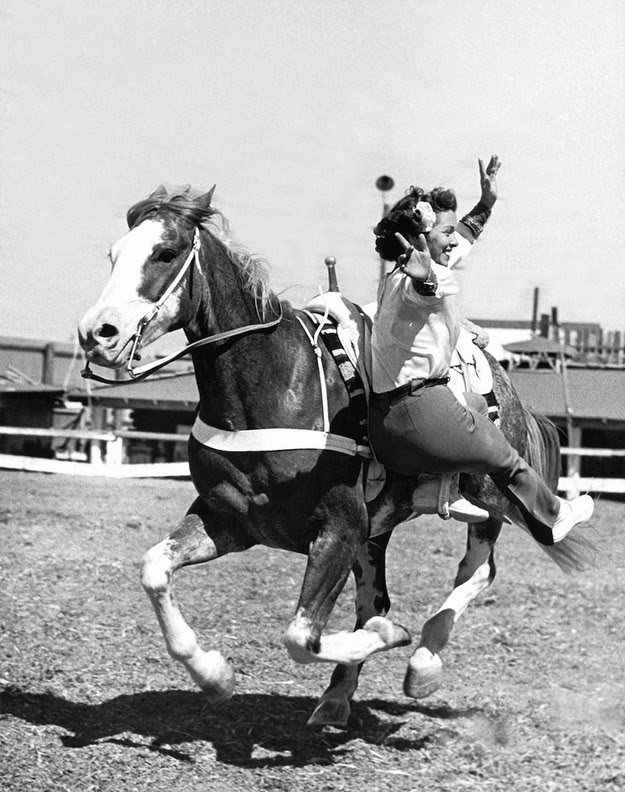
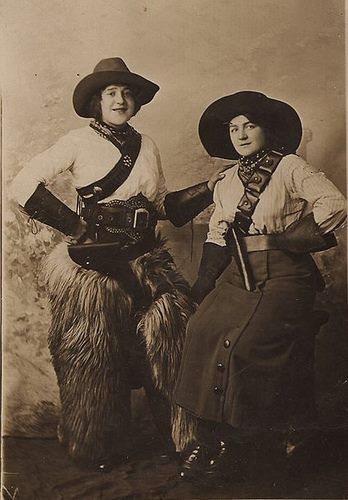
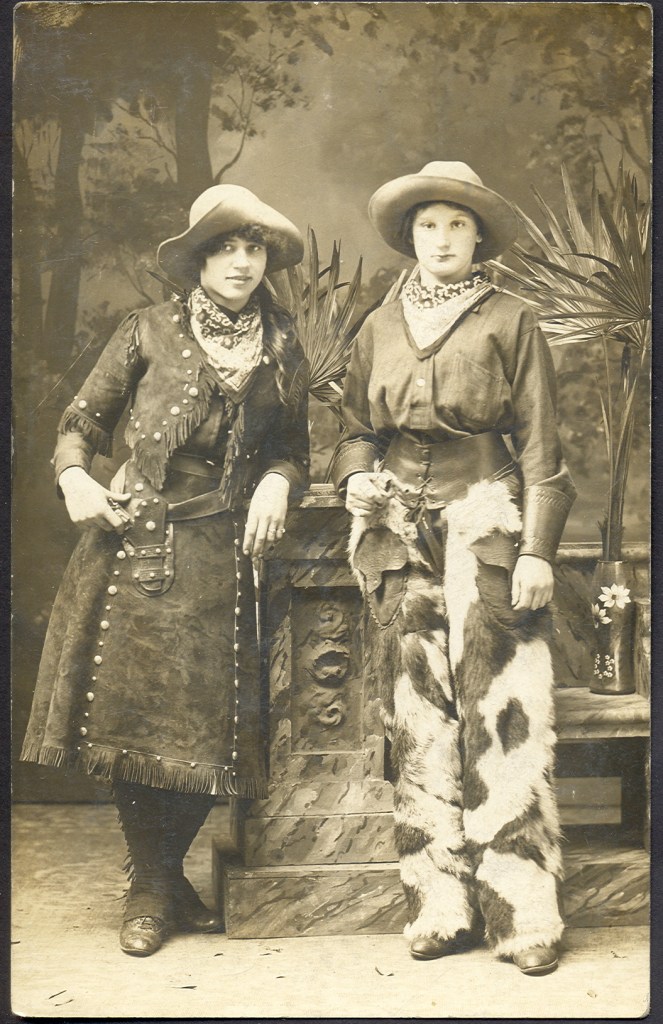
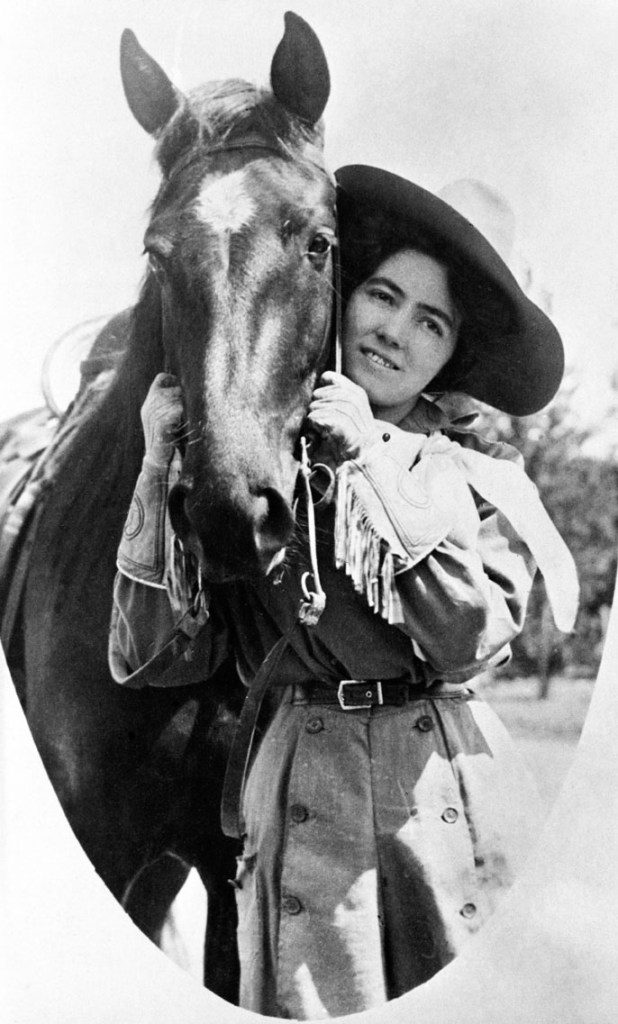
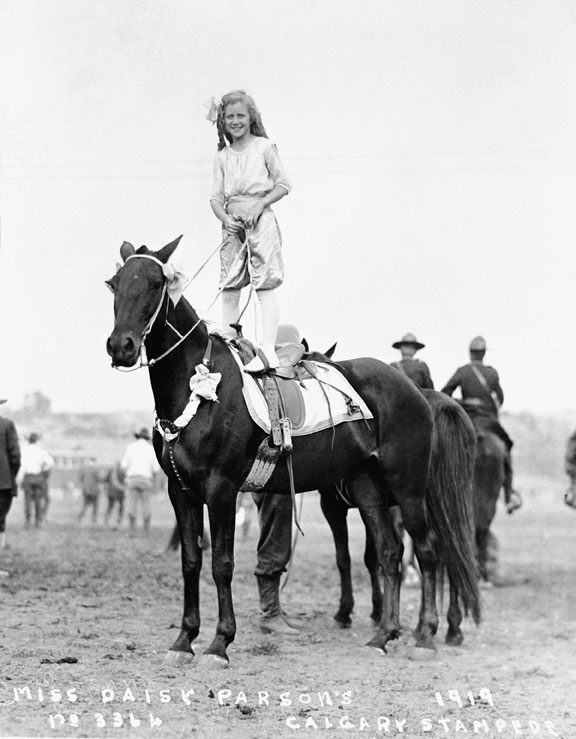
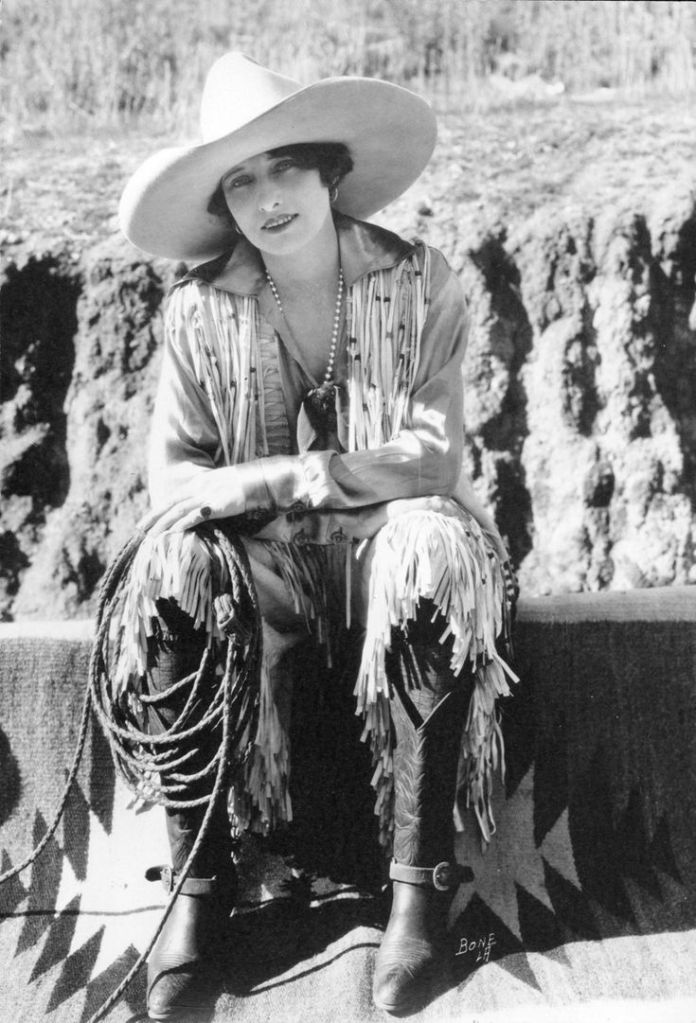
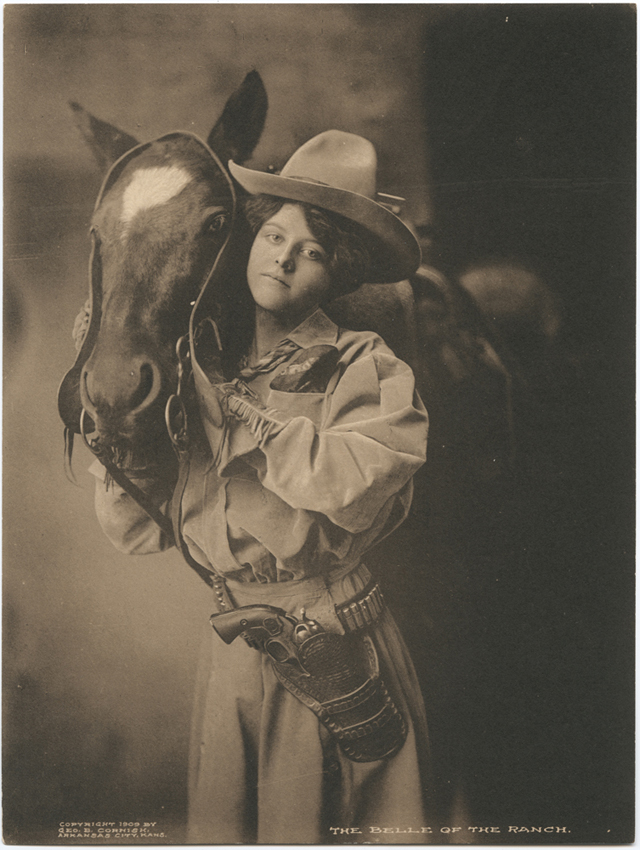
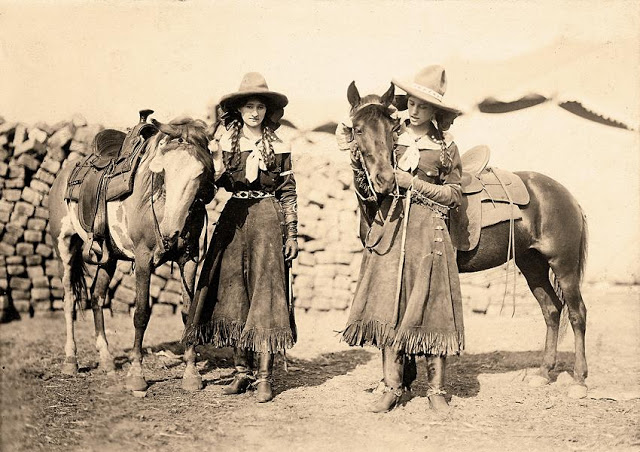
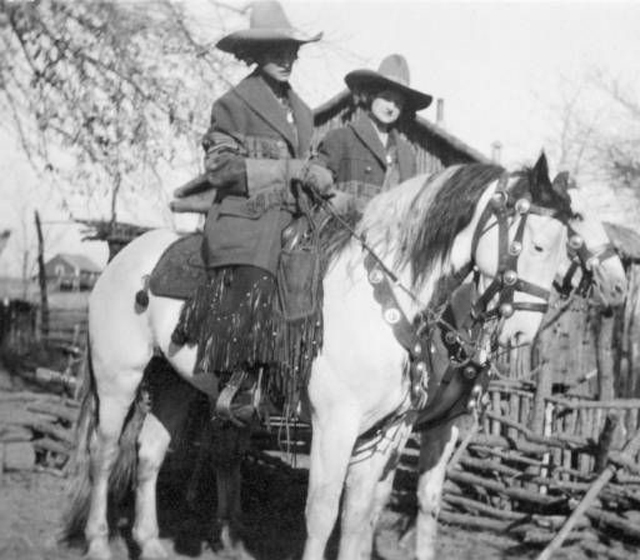
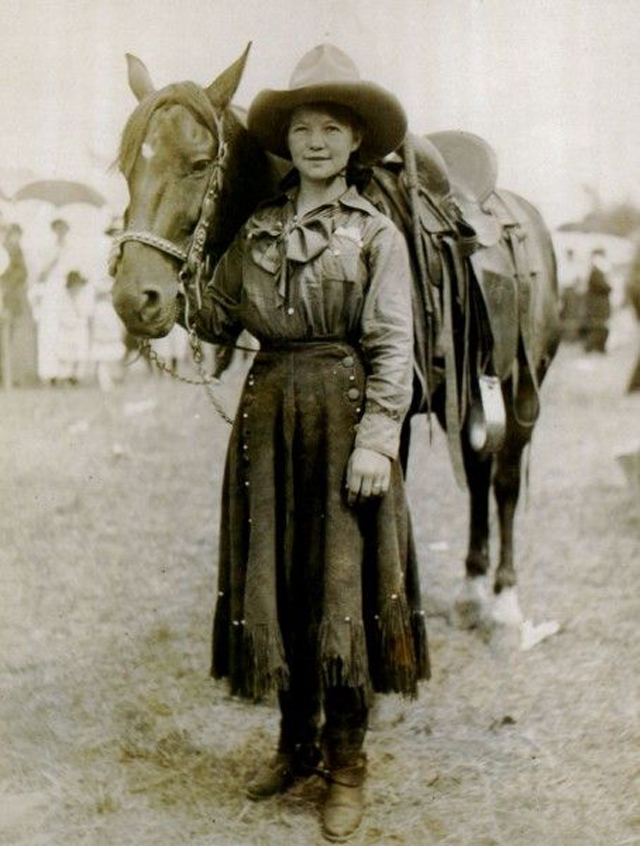
Mildred Douglas, world champion lady bronco buster, 1918Cowgirls on HorsebackA shot captured in 1912 shows Florence LaDue and her fancy lasso skills.Ethelyn Dectreaux, a rodeo rider, in 1935.Actress and rodeo champ Betty Miles poses for an epic pic. 1945Mildred Douglas Chrisman, an early cowgirl and stunt woman, rides a bull in 1930.Famed rodeo horsewoman Mabel Strickland in 1925.1930s rodeo gals.1920s Hollywood gave the American cowgirl a slightly more glam look as seen on actress Dale Evans.Cowgirl Kathleen Hudson, a member of the Junior Riding and Roping Club of Tulsa Mounted Troops, rounding up Herefords on the Oklahoma range in 1948.A woman and her horse hurdle a convertible at a California rodeo, 1934.In 1949, actors Wayne Burson and Wendy Waldron pose on set.Judy Garland embodying a cowgirlFox Hastings, a cowgirl and trick rider, being thrown by Undertow, one of the meanest horses at the first annual Los Angeles Rodeo, 1920s.“Ladies in Chaps”, 1920.An 1890 publicity photo for one of America’s greatest cowgirls, Annie Oakley.Woman’s best friend in 1940.Kitty Canutt, “champion lady rider of the world on Winnemucca,” on a bucking bronco, in 1919.Mildred Douglas riding wild steer, Cheyenne, Wyoming, 1917.Anna Perry-Fiske, Hawaii’s First Lady of Ranching was a real cowgirl, 1940s.Queeda Mantle on her way to the “Ride and Tie” rodeo in Craig, Colorado, in 1949.World champion female bronc rider Fannie Sperry Steele (1887-1983) at the 1913 Winnipeg Stampede.Bonnie McCarroll thrown from Silver, Pendleton, Oregon, September 1915.Miss Mamie Francis & Napoleon, 1910s.Margie Greenough On Bronc – 1943Alice Greenough on bronco, 1938Cowgirl, Prairie Rose Henderson, 1880-1939, champion bronc rider and fierce relay racer.Cowgirls on display in Washington, DC, 1923.Lucille Mullhall at 101 Ranch, Oklahoma, in 1909.‘A True Girl of the West’, Del Rio, Texas, 1906.Calamity Jane at the Pan-American Exposition in Buffalo, New York, circa 1901.Sadie Austin in Cherry County, Nebraska, in 1900.Harriet, Elizabeth, Lucie, and Ruth Chrisman at their sod house in Custer County, Nebraska, 1886.Look, ma! No hands.CowgirlsBuffalo Bill Wild West Show, 1907.CowgirlsCowgirl at Calgary Exhibition and Stampede, Alberta, 1912Miss Lucille Mulhall at the Calgary Exhibition and Stampede, Alberta, 1912Daisy Parsons at Calgary Exhibition and Stampede, Alberta, 1919Flores La Due performing fancy rope trick at the Calgary Exhibition and Stampede. 1912Vera Mcginnis was one of the first female riders to appear in trousers rather than a split skirt.“The Belle of the Ranch”, 19091906191119091909
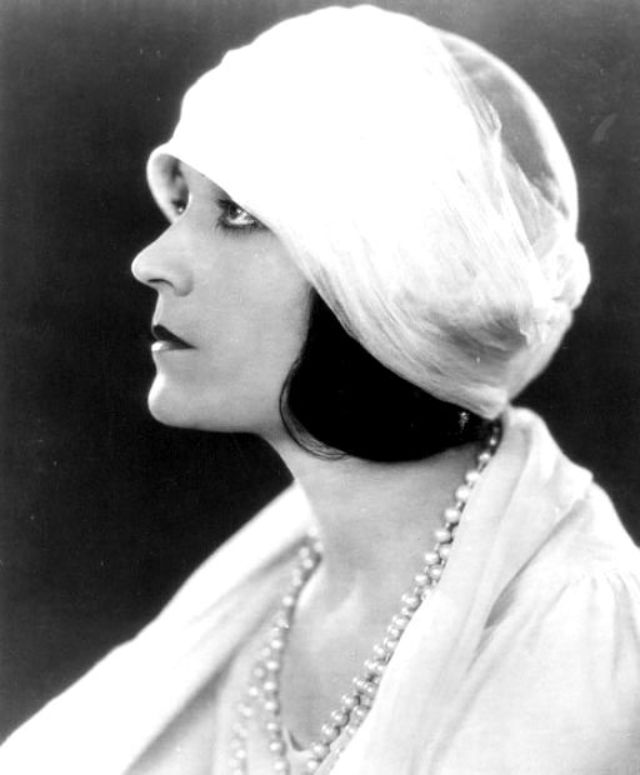
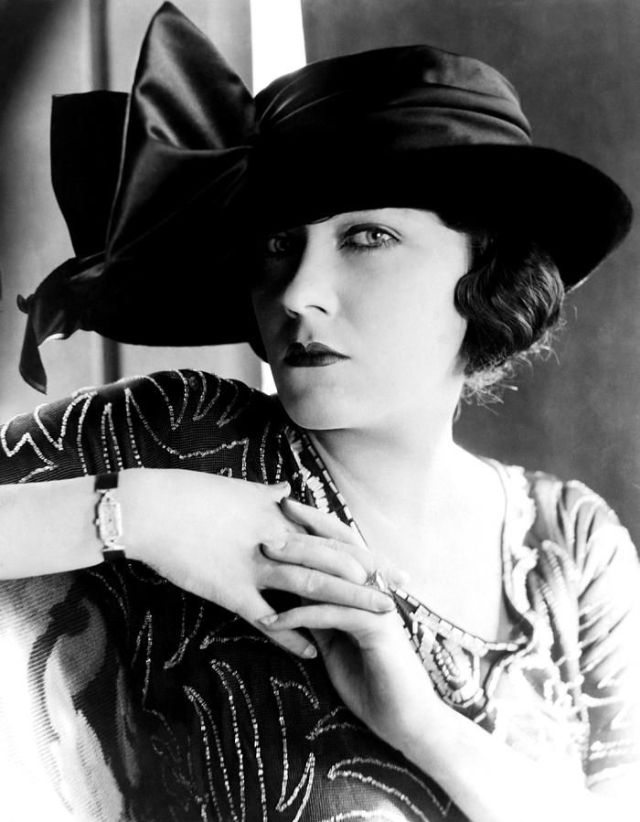
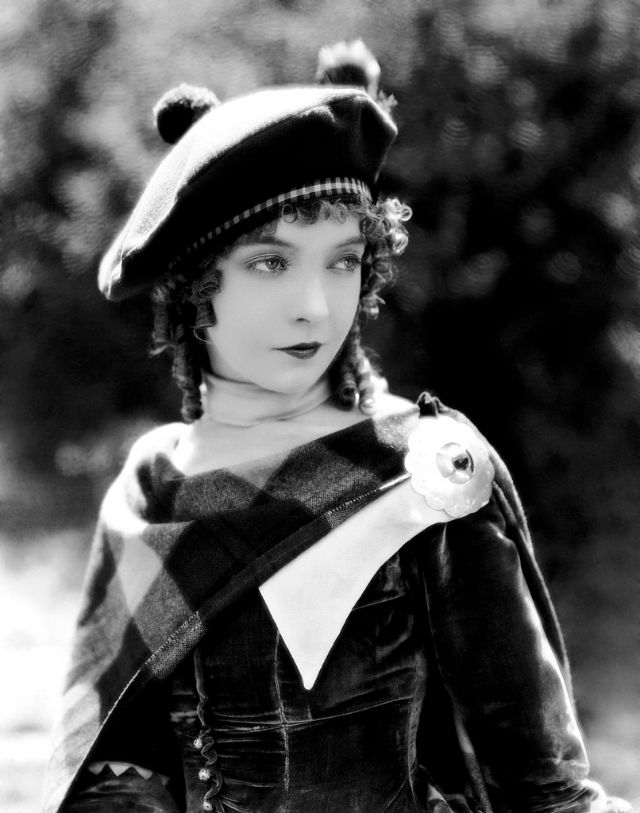
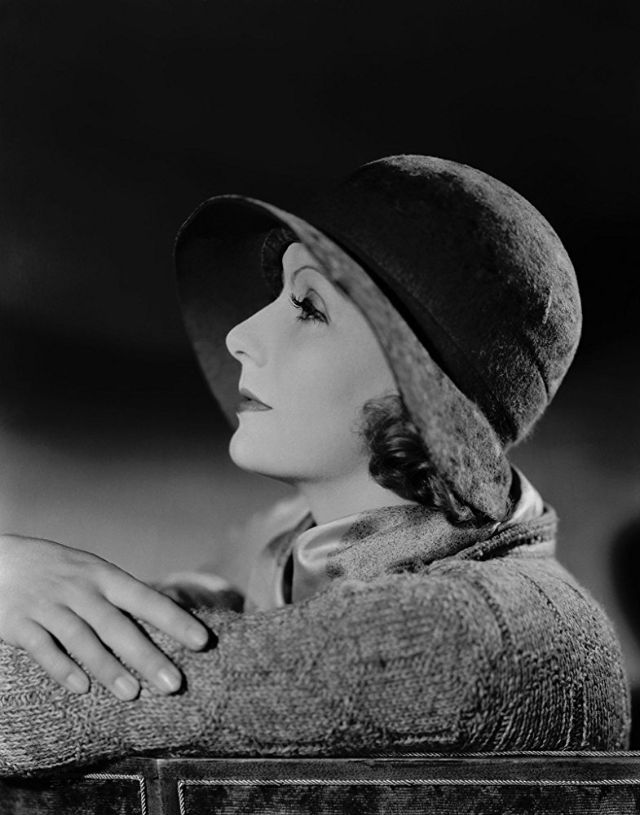
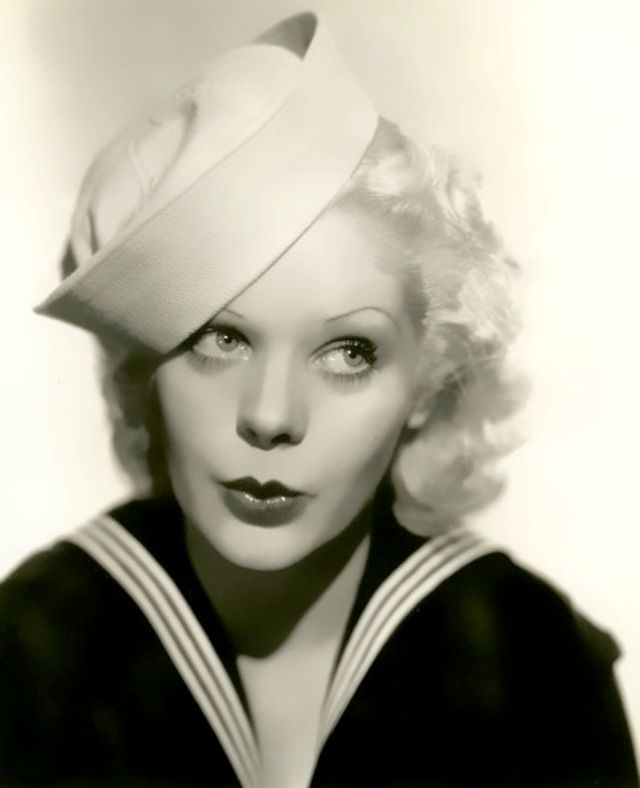
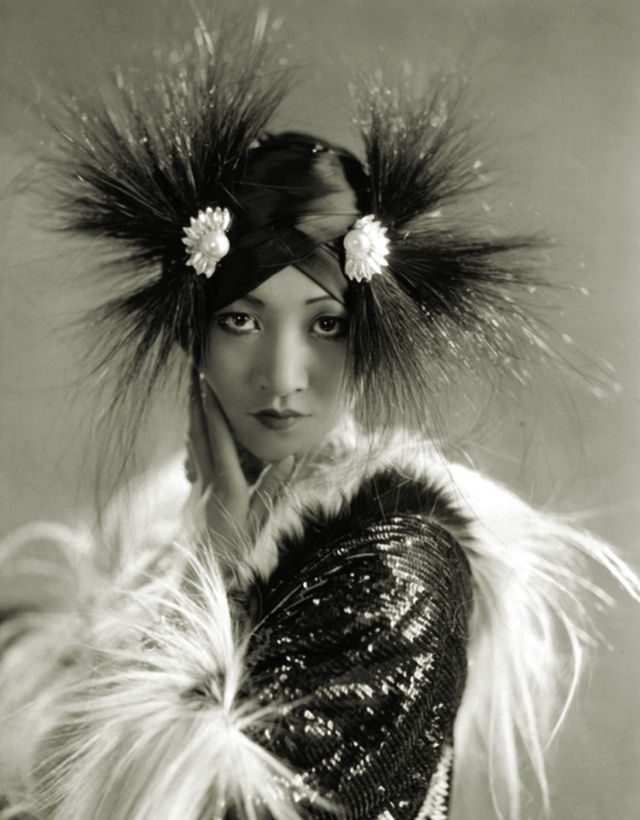
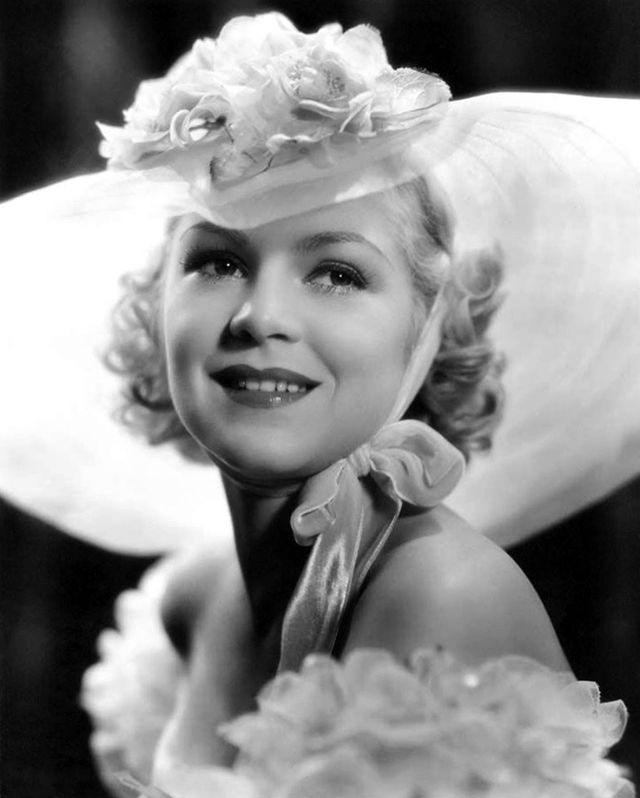
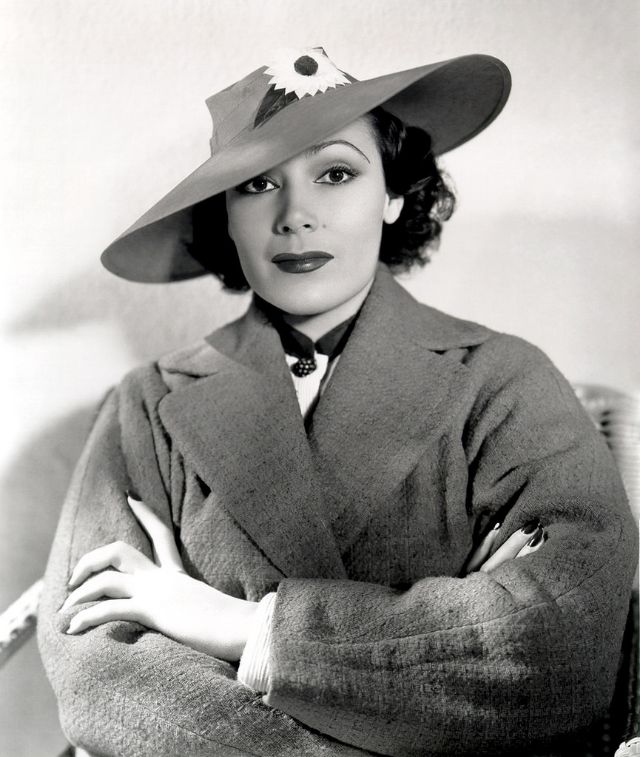
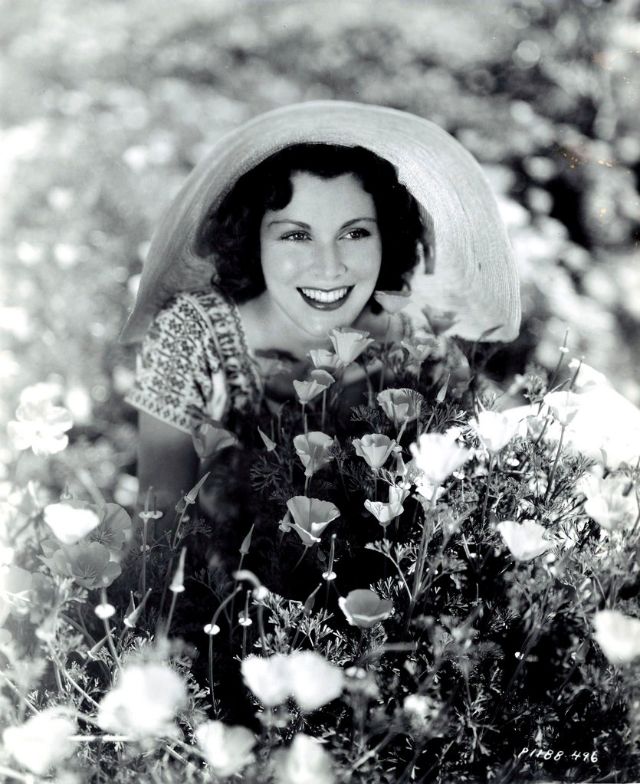
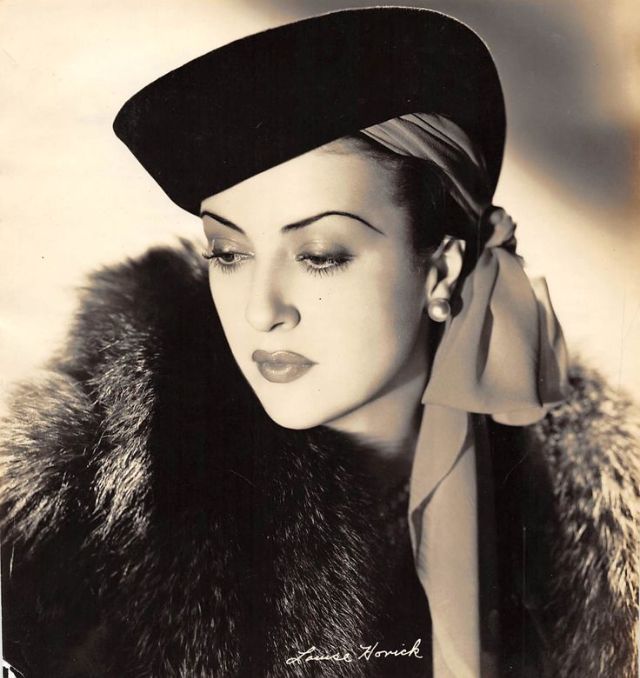
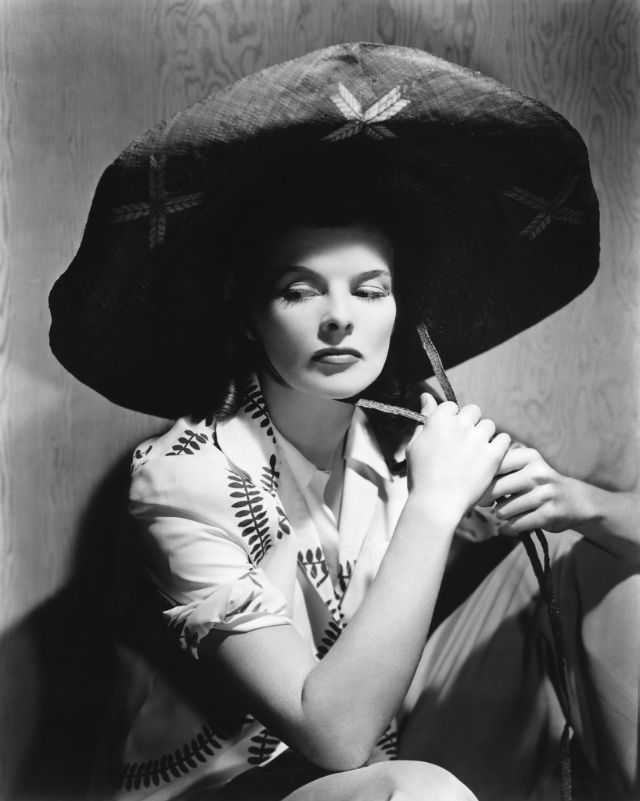
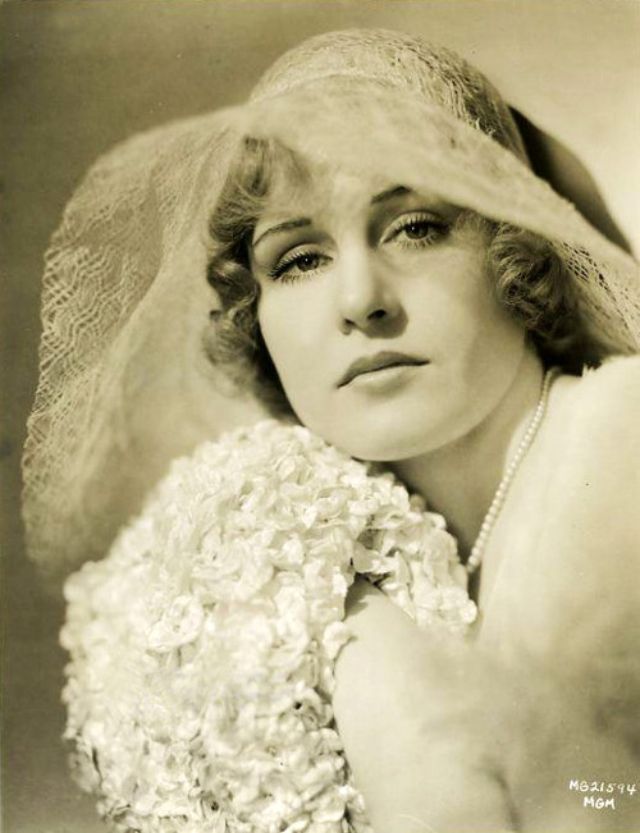
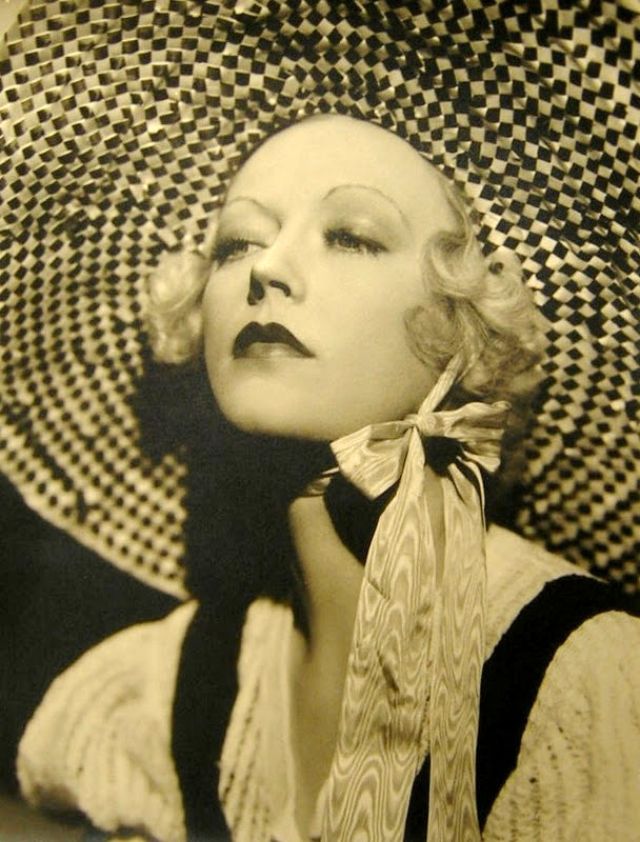
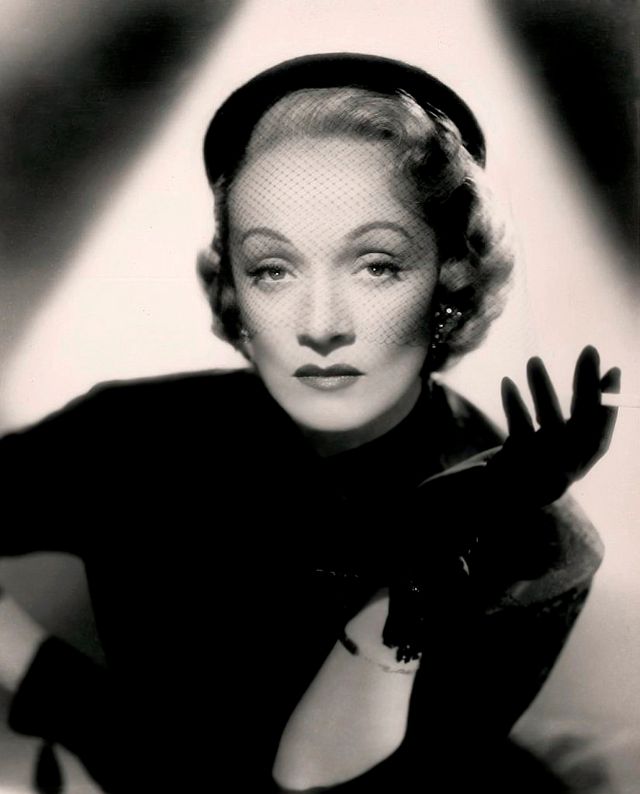
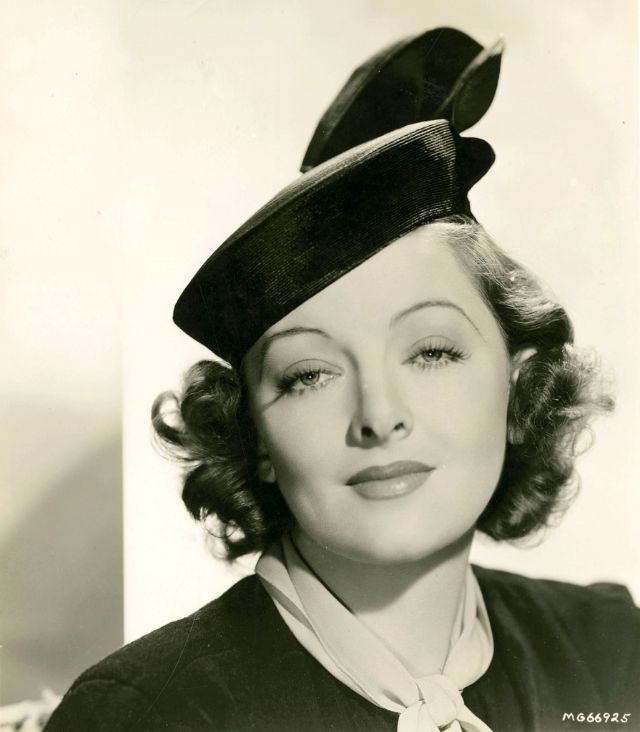
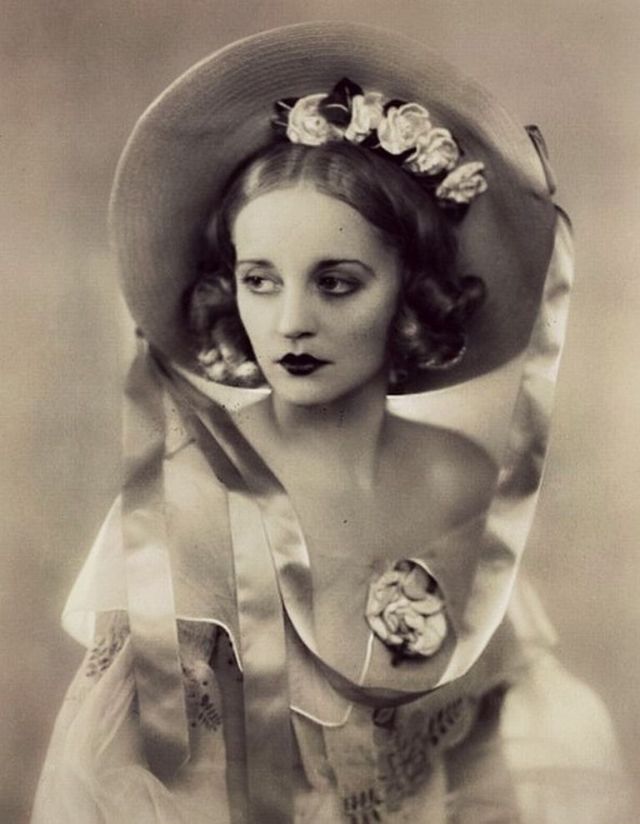
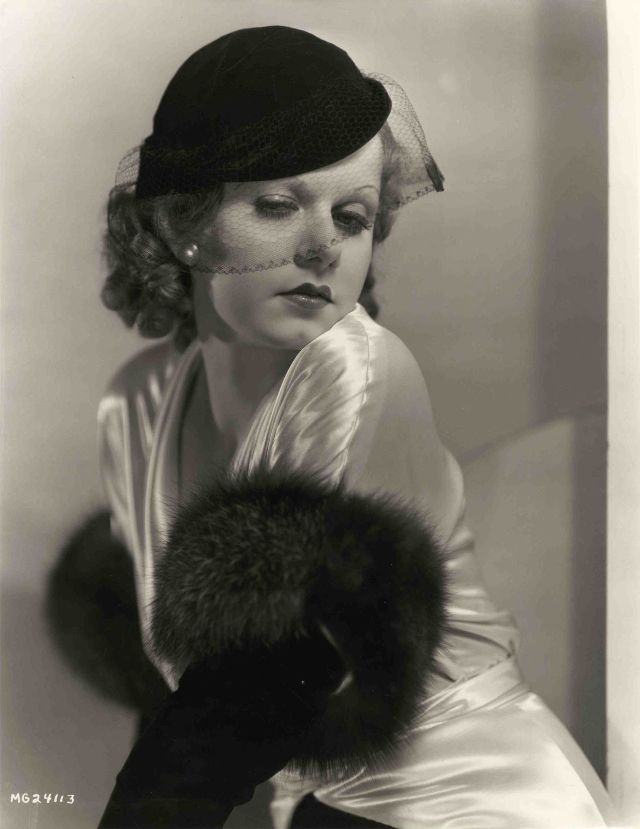
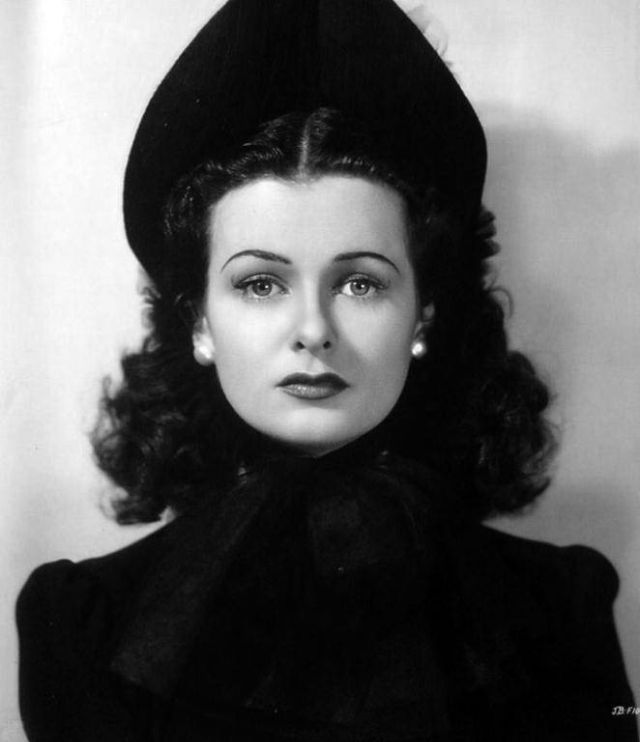
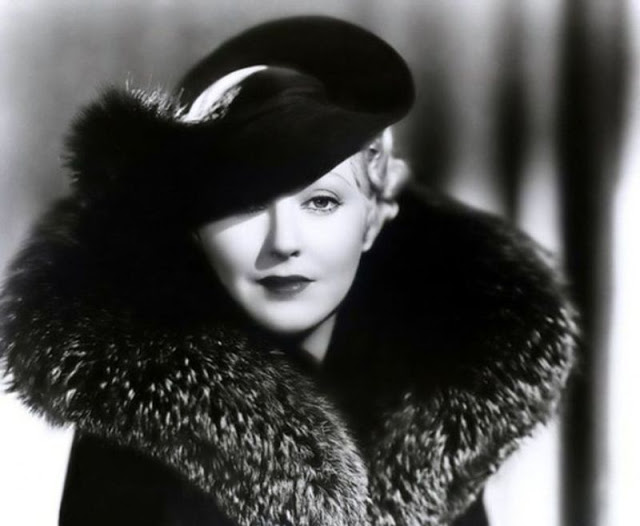
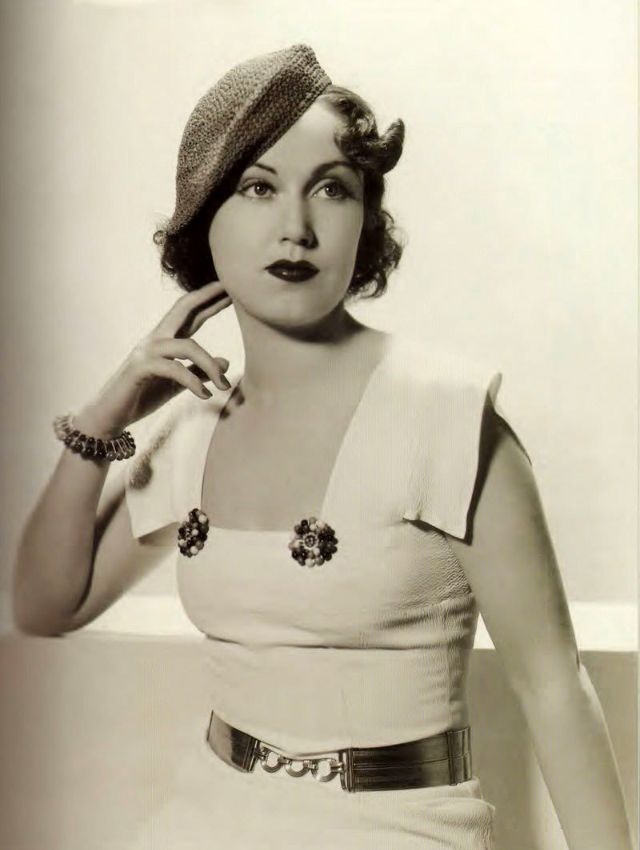
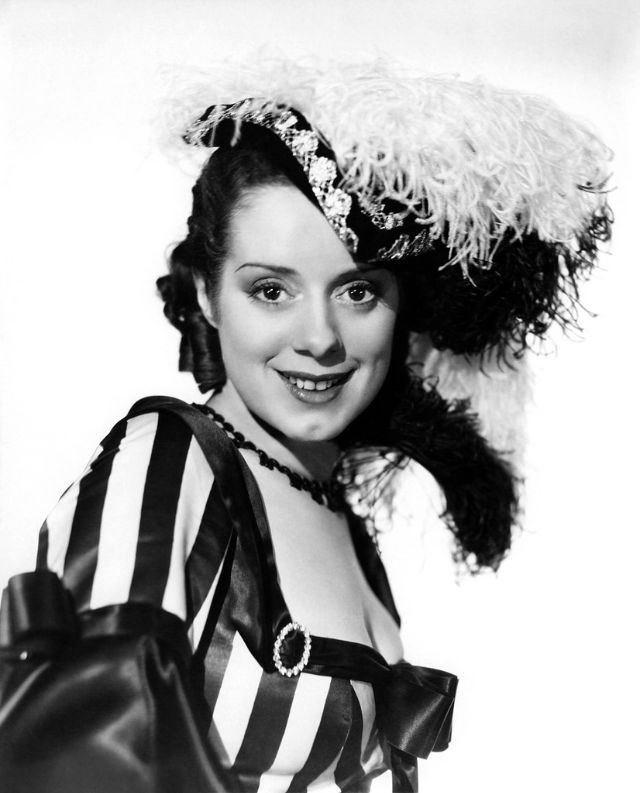
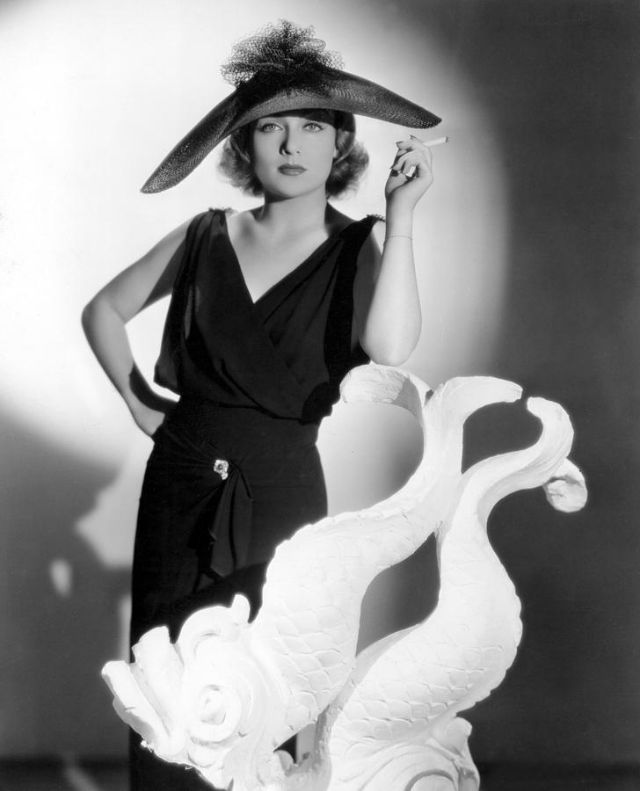
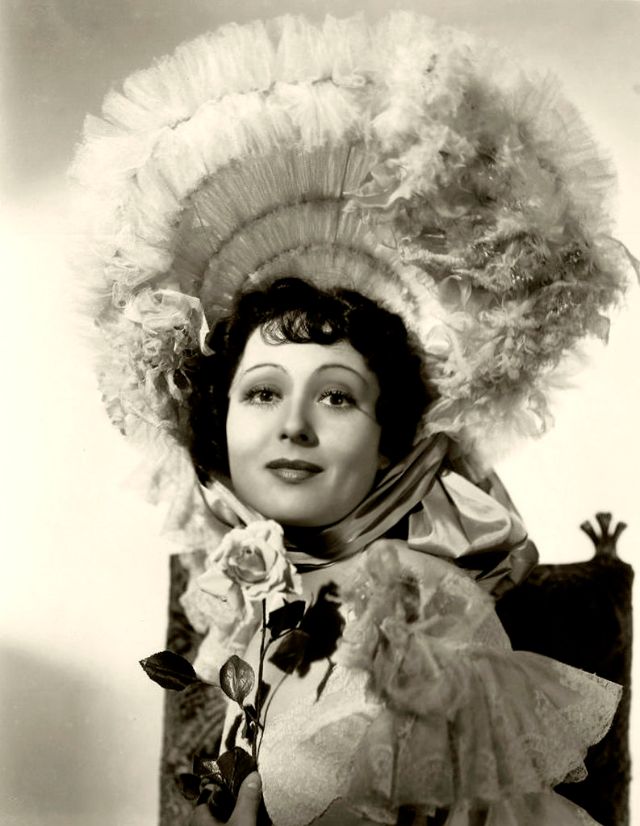
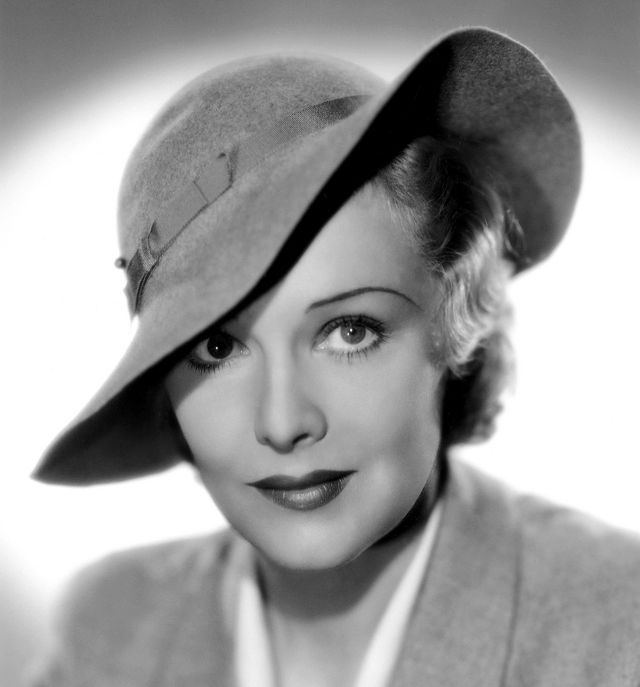
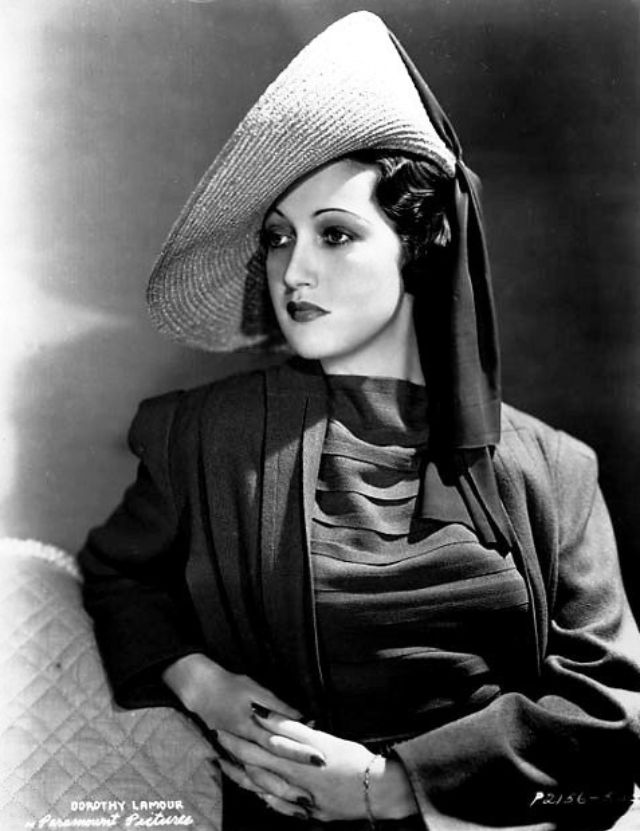
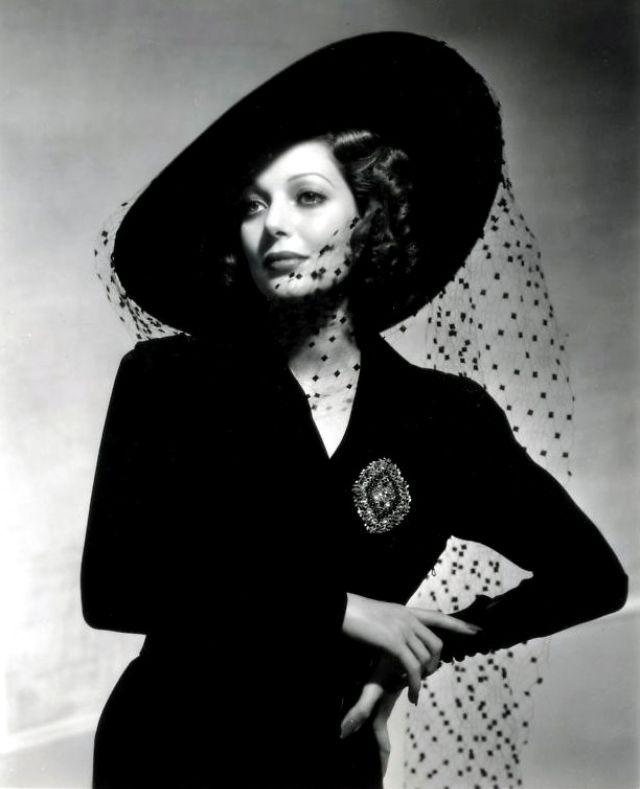
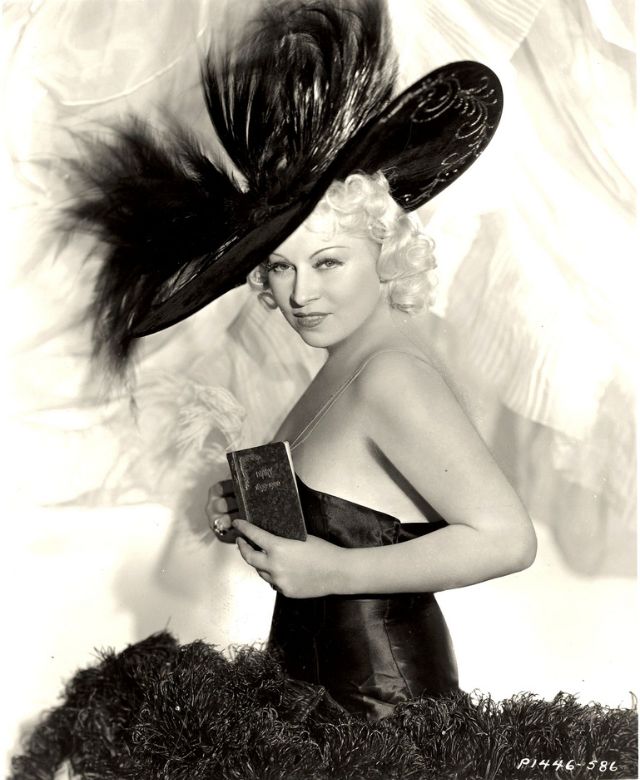
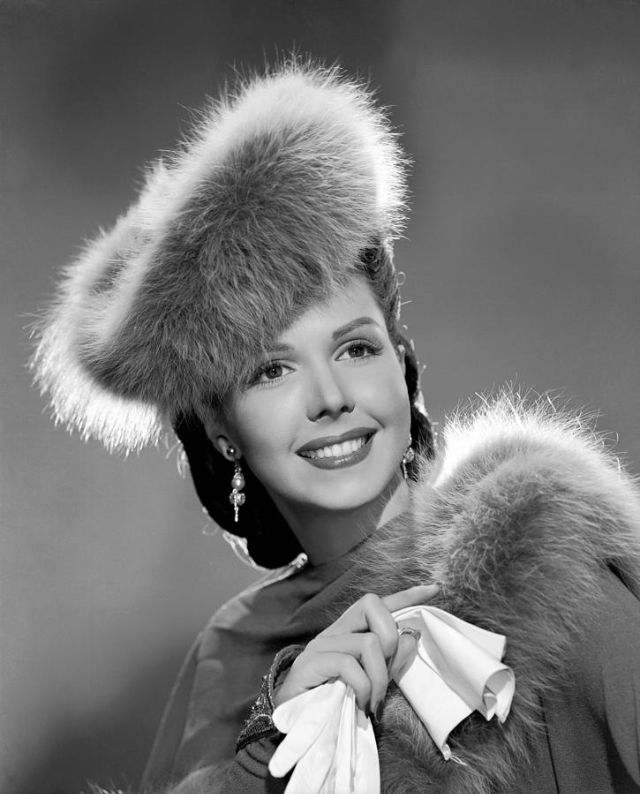
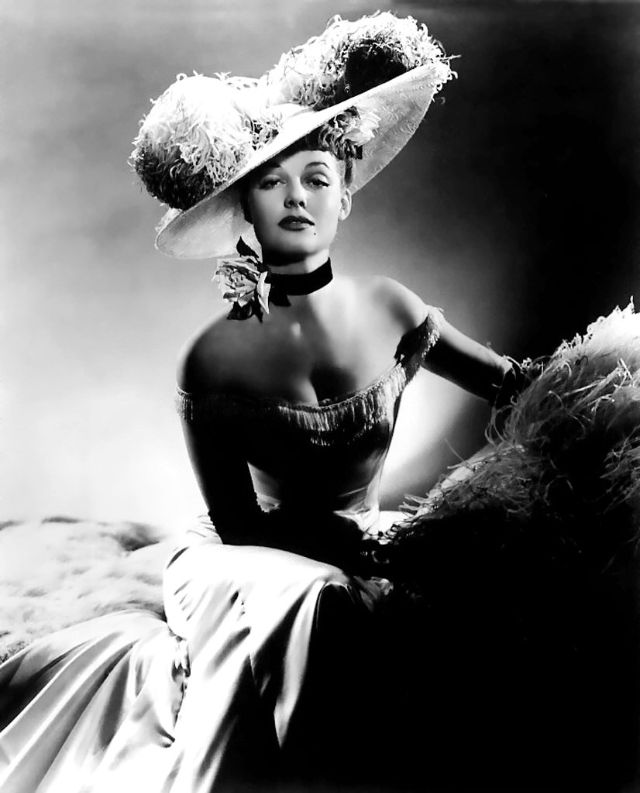
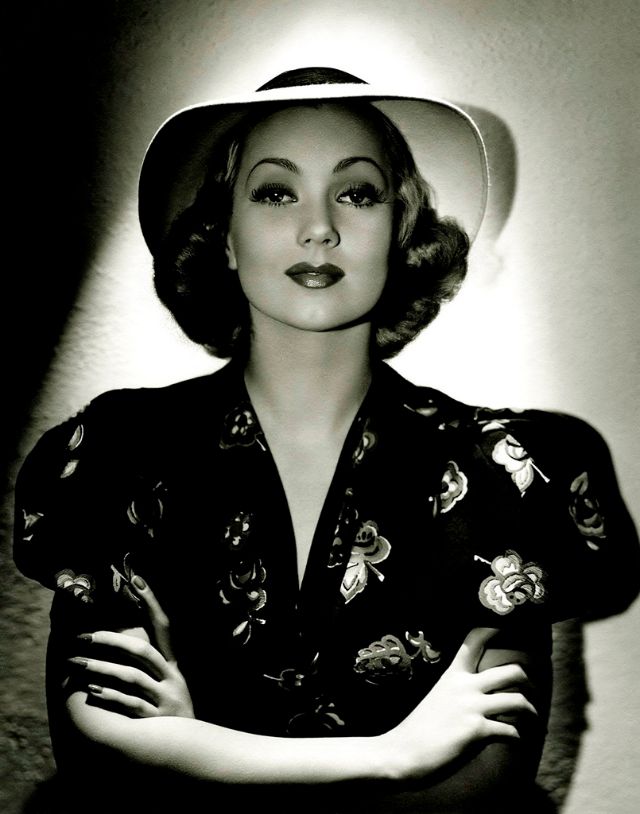
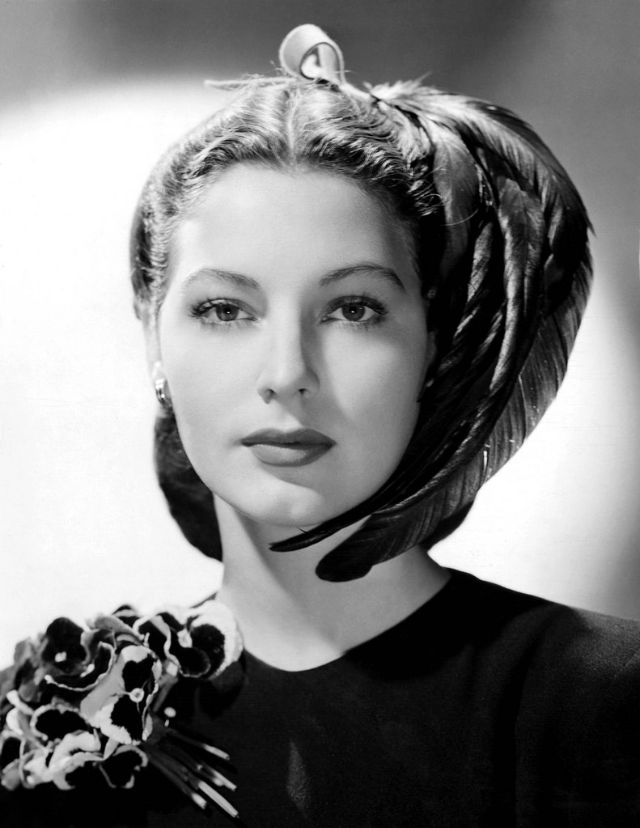
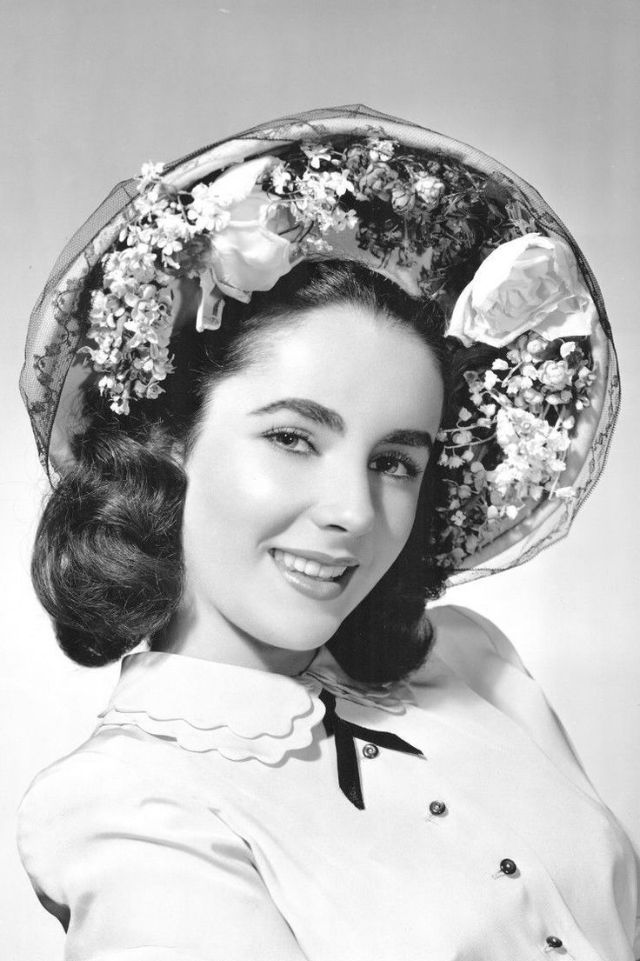
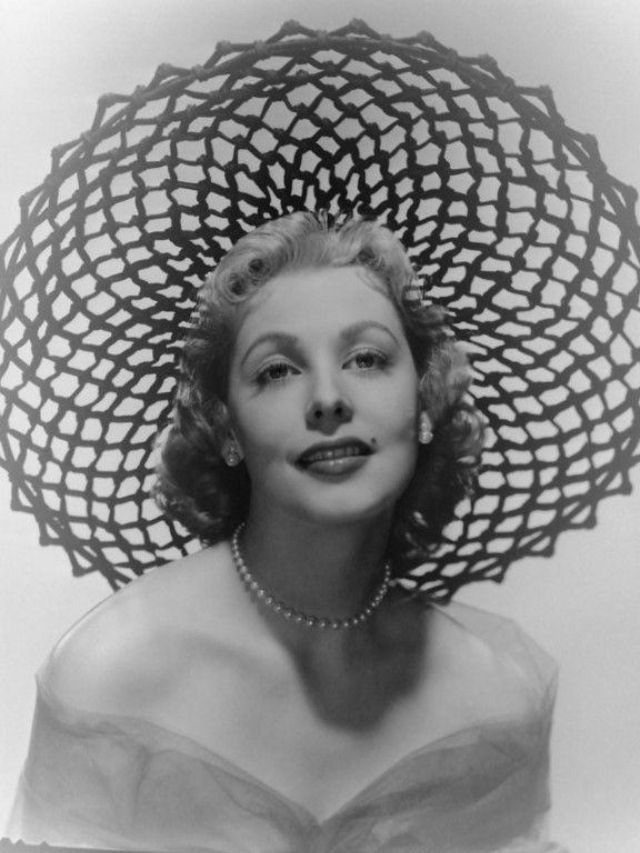
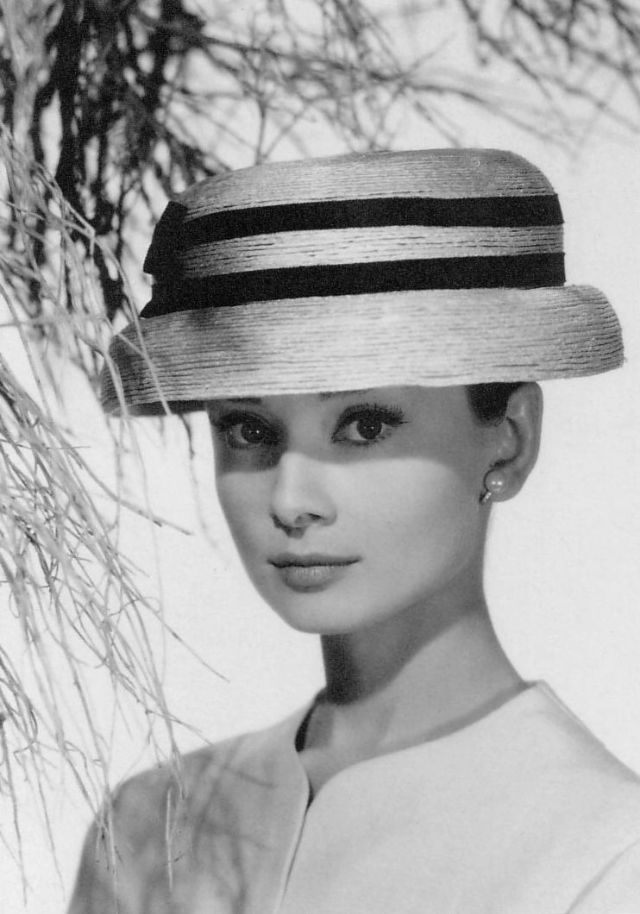
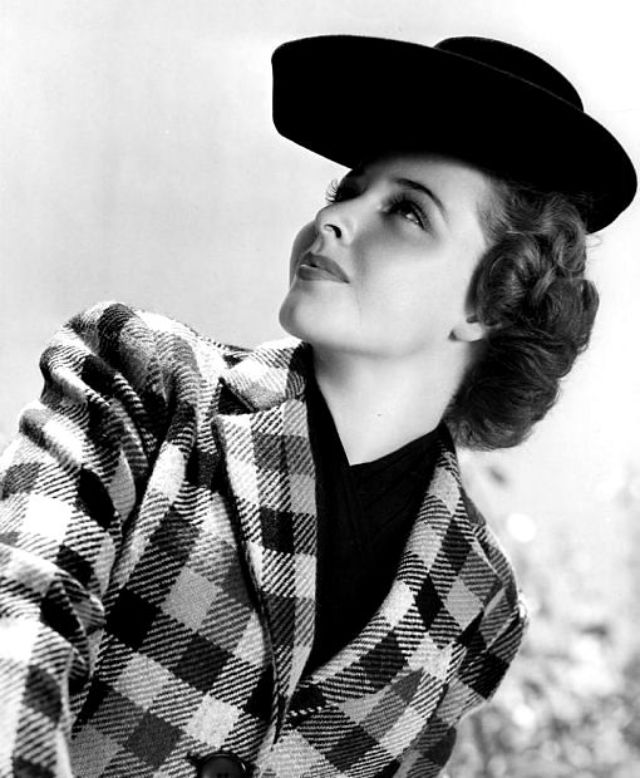
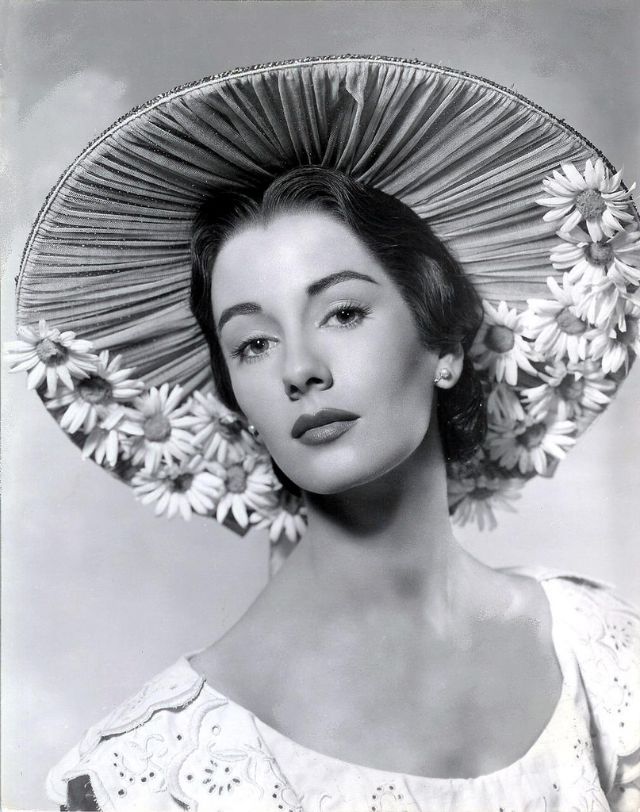
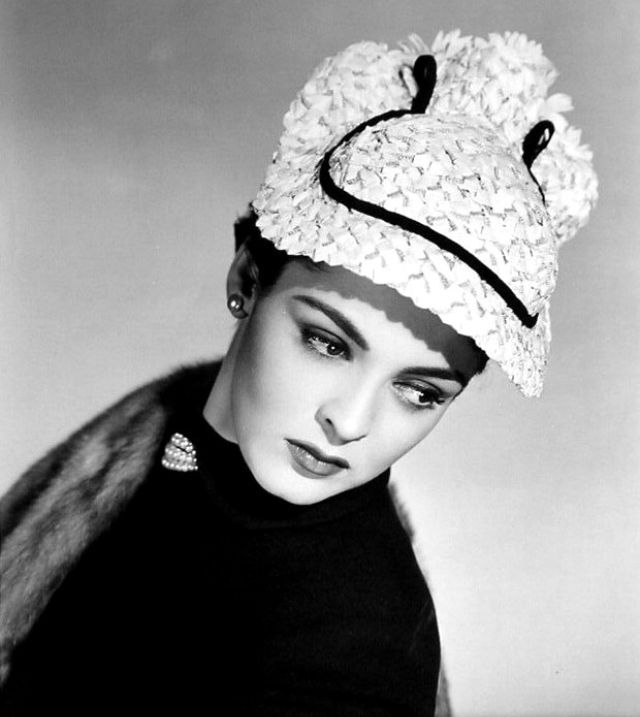
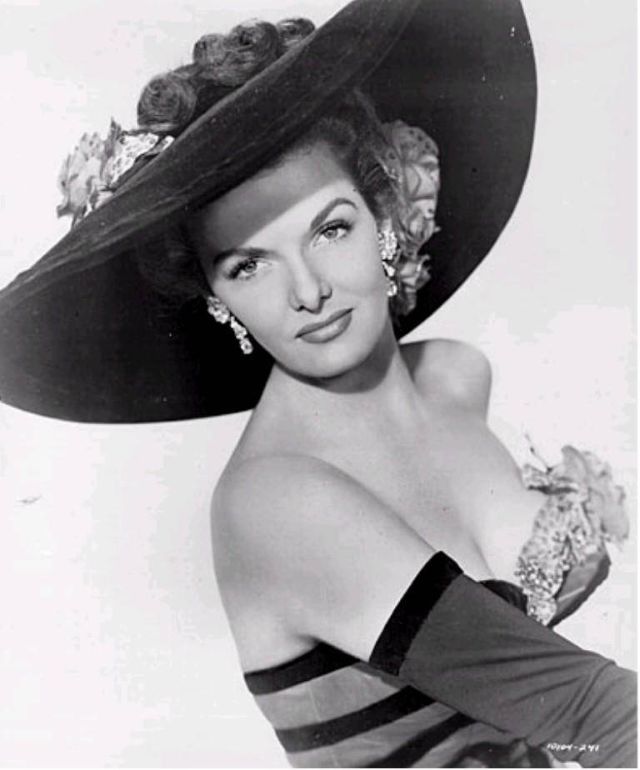
Greta Nissen, 1920sKay Francis, circa 1920sMartha Mansfield, circa early 1920sPola Negri, circa 1920sGloria Swanson, 1921Lillian Gish, 1926Greta Garbo, 1928Alice Faye, 1930sAnna May Wong, circa 1930sClaire Trevor, circa 1930sDolores del Rio, circa 1930sFrances Dee, circa 1930sGypsy Rose Lee, circa 1930sKatharine Hepburn, circa 1930sMadge Evans, circa 1930sMarion Davies, 1930Marlene Dietrich, circa 1930sMyrna Loy, circa 1930sTallulah Bankhead, circa 1930sJean Harlow, circa 1932Joan Bennett, 1933Thelma Todd, circa 1933Fay Wray, 1934Elsa Lanchester, 1935Carole Lombard, 1936Luise Rainer, 1936Madeleine Carroll, 1936Dorothy Lamour, 1937Loretta Young, 1937Mae West, 1937Ann Miller, circa 1940sAnn Sheridan, 1940Ann Sothern, circa 1940sAva Gardner, circa, 1940sBarbara Hale, circa 1940sBetty Grable, circa early 1940sChili Williams, circa 1940sDolores Moran, circa 1940sHedy Lamarr, circa early 1940sJoan Crawford, early 1940sLaraine Day, circa 1940sLupe Velez, 1940Maria Montez, circa 1940sPatricia Morrison, circa 1940sRita Hayworth, circa 1940sCarole Landis, 1941Lana Turner, 1941Maureen O’Hara, 1941Eleanor Parker, 1945Janis Paige, circa 1945Eve Arden, 1947Linda Darnell, 1947Liz Taylor, 1948Arlene Dahl, circa 1950sAudrey Hepburn, circa 1950sLaraine Day, circa 1950sMaggie McNamara, circa 1950sMarilyn Monroe, circa 1950sSuzan Ball, circa 1950sJane Russell, 1952
Wales is a country that is part of the United Kingdom. It is bordered by England to the east, the Irish Sea to the north and west, and the Bristol Channel to the south. It had a population in 2011 of 3,063,456 and has a total area of 20,779 km2 (8,023 sq mi). Wales has over 1,680 miles (2,700 km) of coastline and is largely mountainous with its higher peaks in the north and central areas, including Snowdon (Yr Wyddfa), its highest summit. The country lies within the north temperate zone and has a changeable, maritime climate.
Welsh national identity emerged among the Britons after the Roman withdrawal from Britain in the 5th century, and Wales is regarded as one of the modern Celtic nations. Llywelyn ap Gruffudd’s death in 1282 marked the completion of Edward I of England’s conquest of Wales, though Owain Glyndwr briefly restored independence to Wales in the early 15th century. The whole of Wales was annexed by England and incorporated within the English legal system under the Laws in Wales Acts 1535 and 1542. Distinctive Welsh politics developed in the 19th century. Welsh Liberalism, exemplified in the early 20th century by David Lloyd George, was displaced by the growth of socialism and the Labour Party. Welsh national feeling grew over the century; a nationalist party, Plaid Cymru was formed in 1925, and the Welsh Language Society in 1962. Established under the Government of Wales Act 1998, the Senedd (the Welsh Parliament, formerly known as the National Assembly for Wales) is responsible for a range of devolved policy matters.
At the dawn of the Industrial Revolution, development of the mining and metallurgical industries transformed the country from an agricultural society into an industrial nation; the South Wales Coalfield’s exploitation caused a rapid expansion of Wales’ population. Two-thirds of the population live in South Wales, including the capital Cardiff along with Swansea, Newport and the nearby valleys. The eastern region of North Wales has about a sixth of the overall population with Wrexham being the largest northern town. The remaining parts of Wales are sparsely populated. Now that the country’s traditional extractive and heavy industries have gone or are in decline, the economy is based on the public sector, light and service industries, and tourism. In livestock farming, including dairy farming, Wales is a net exporter, contributing towards national agricultural self-sufficiency.
Wales closely shares its political and social history with the rest of Great Britain, and a majority of the population in most areas speaks English as a first language, but the country has retained a distinct cultural identity. Both Welsh and English are official languages; over 560,000 Welsh-speakers live in Wales, and the language is spoken by a majority of the population in parts of the north and west. From the late 19th century onwards, Wales acquired its popular image as the “land of song”, in part due to the eisteddfod tradition. At many international sporting events, such as the FIFA World Cup, Rugby World Cup and the Commonwealth Games, Wales has its own national team. At the Olympic Games, Welsh athletes compete for the UK as part of a Great Britain team. Rugby union is seen as a symbol of Welsh identity and an expression of national consciousness. (Wikipedia)
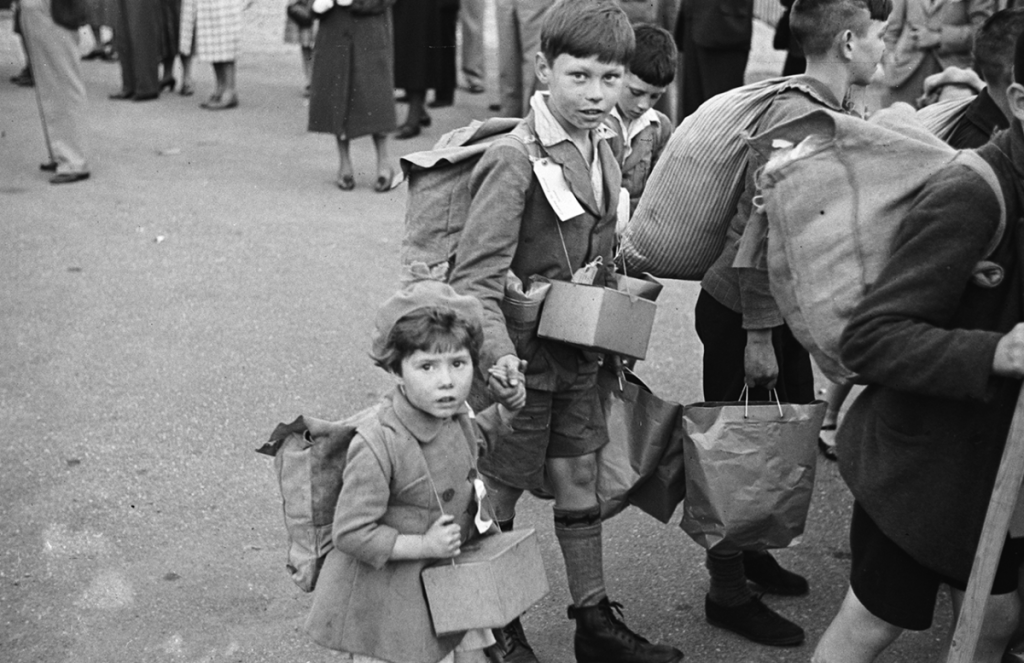
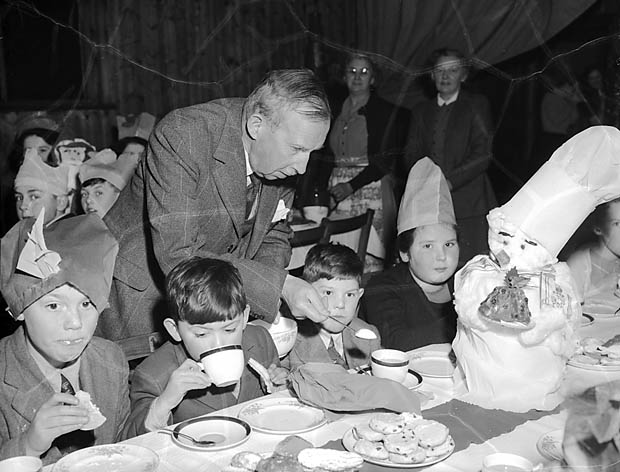
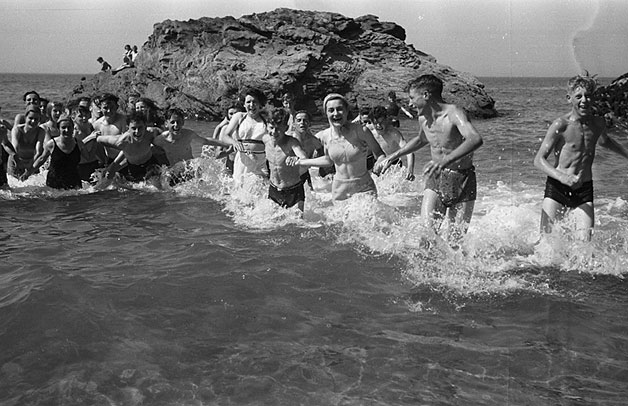
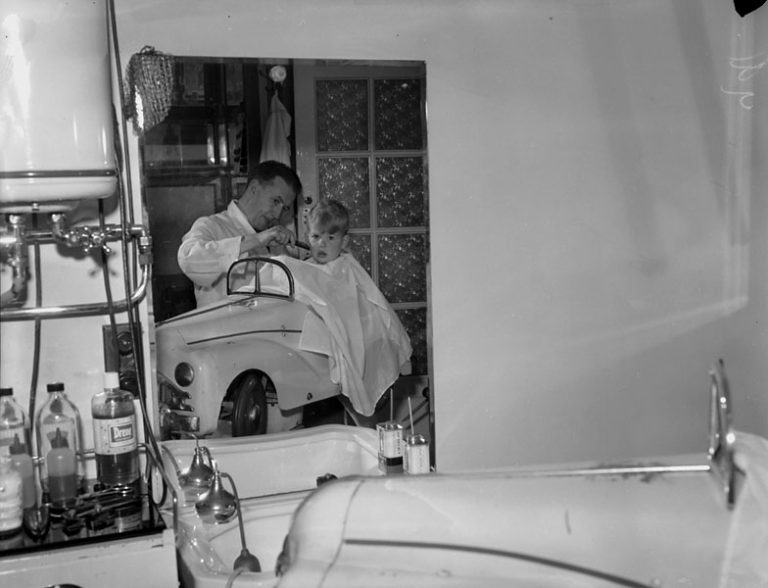
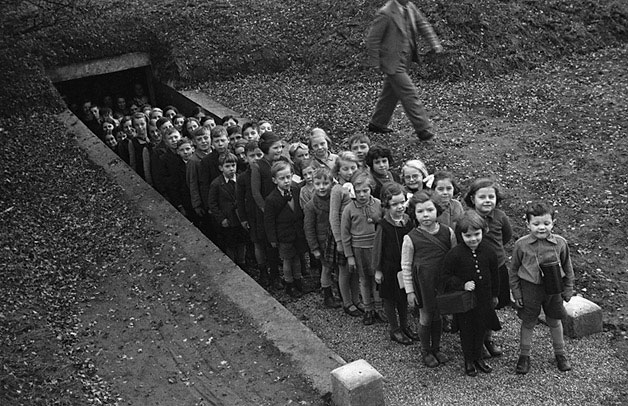
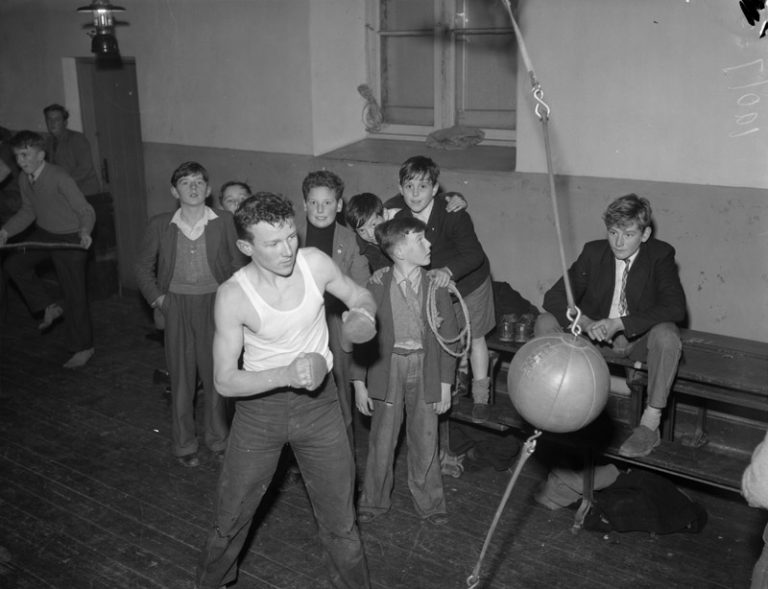
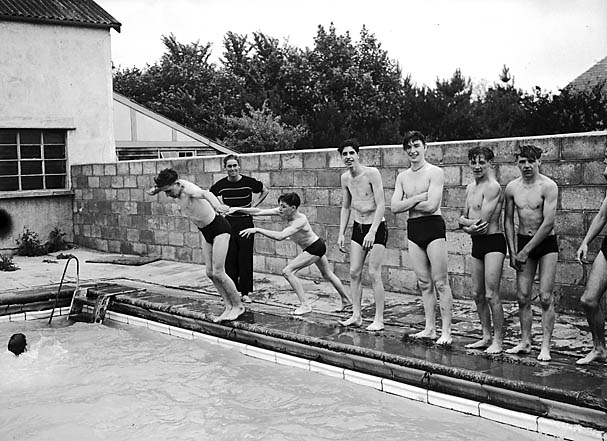
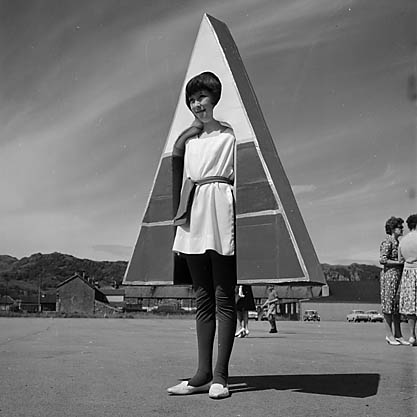
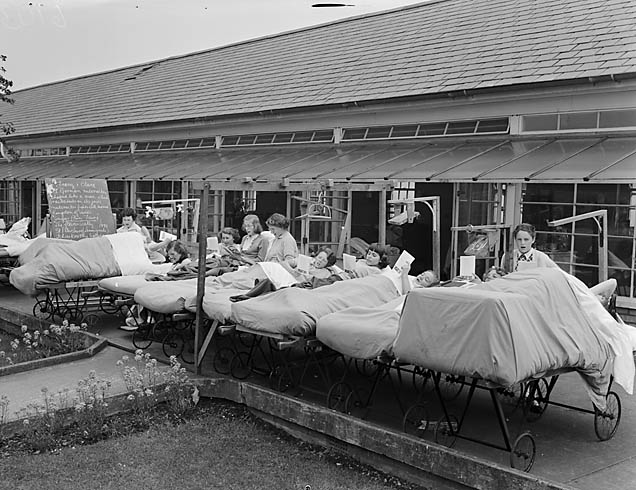
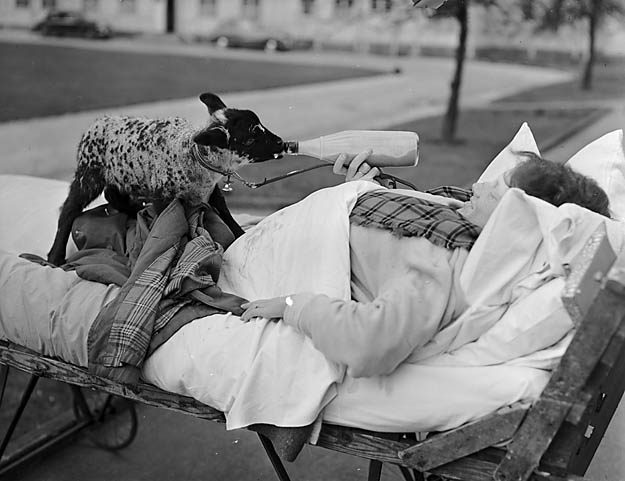
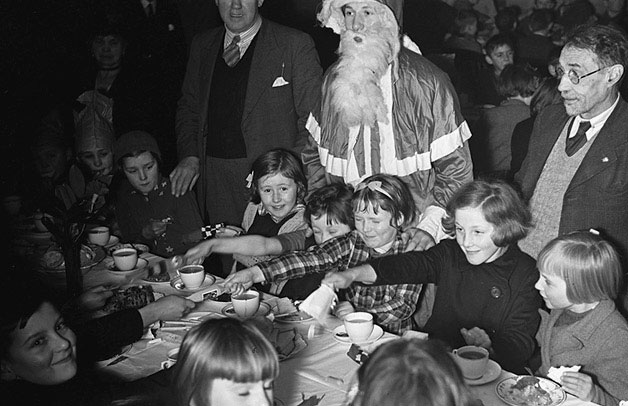
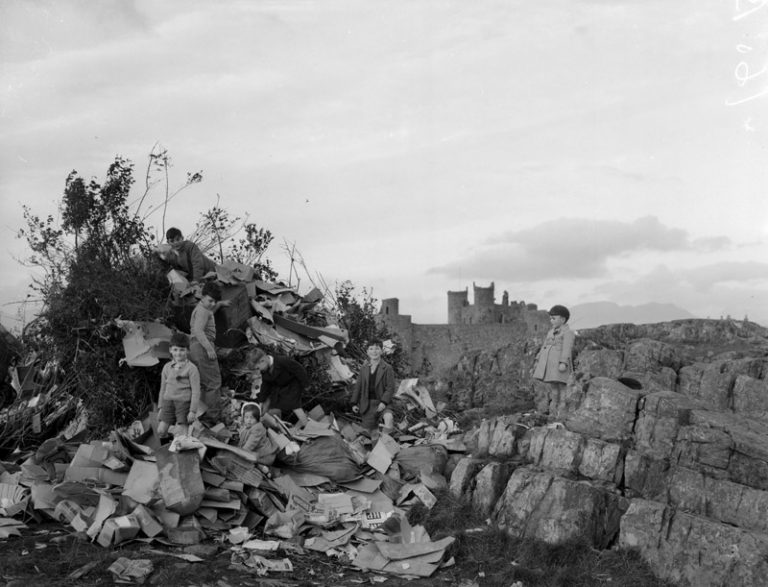
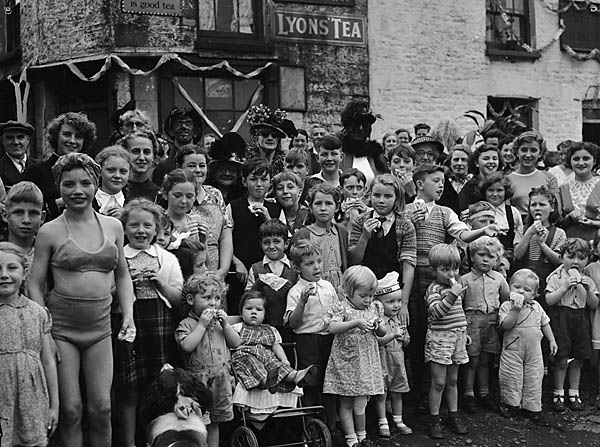
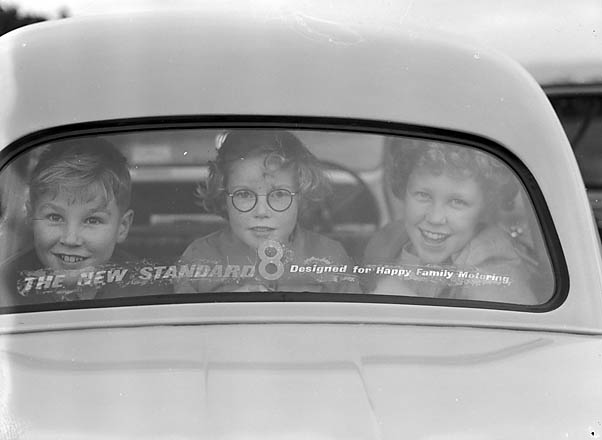
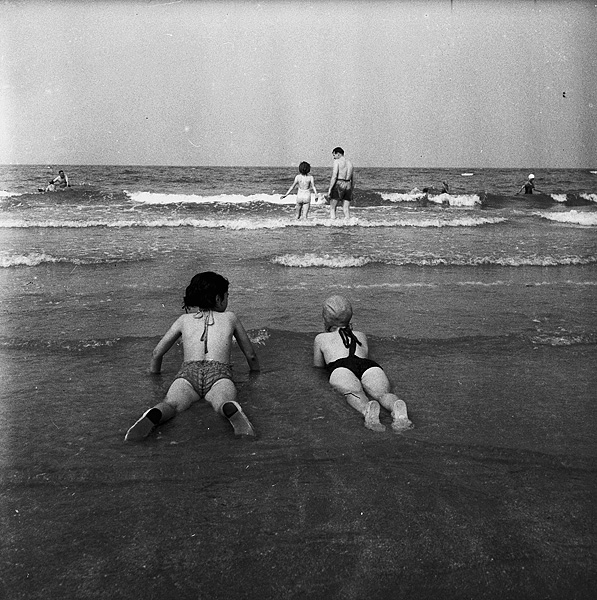
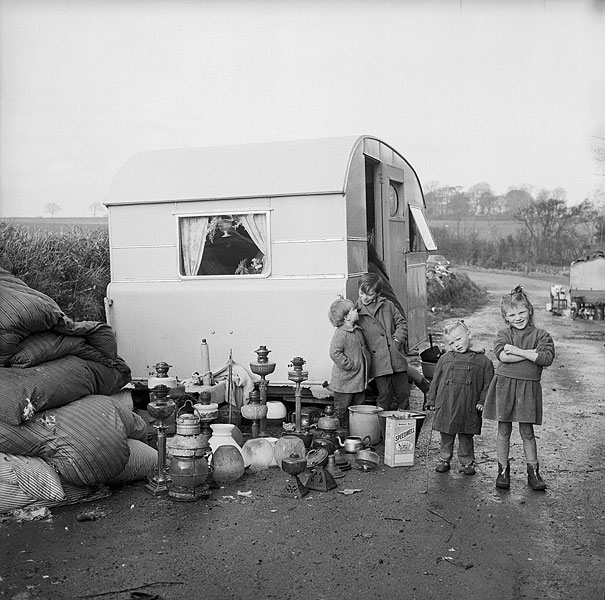
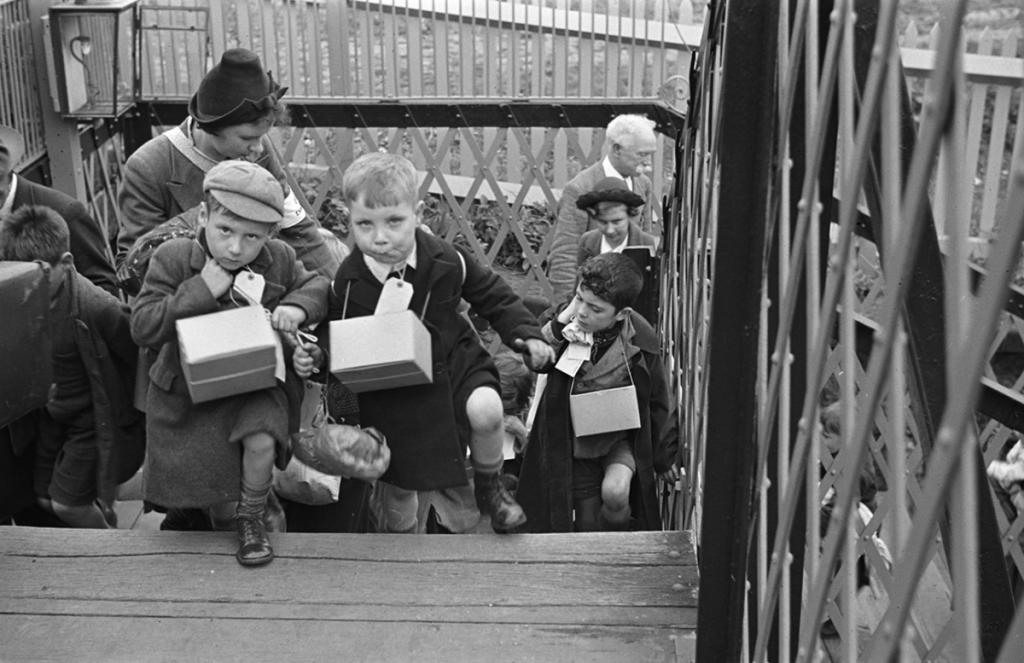
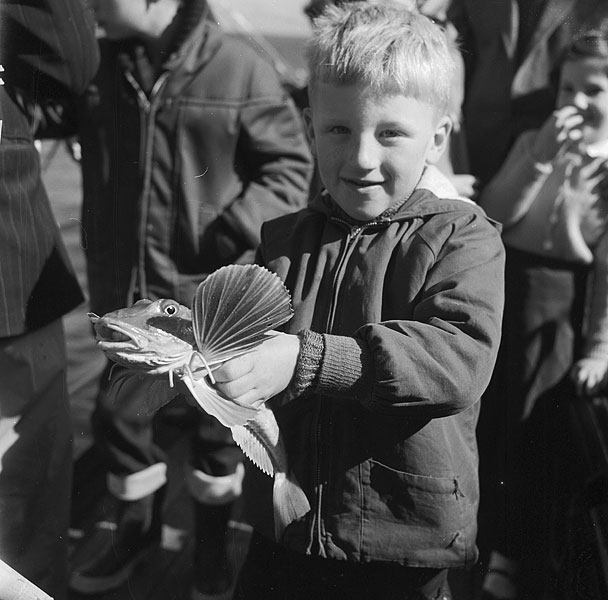
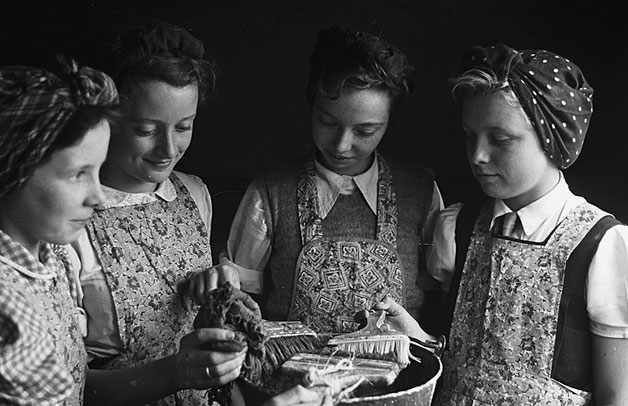
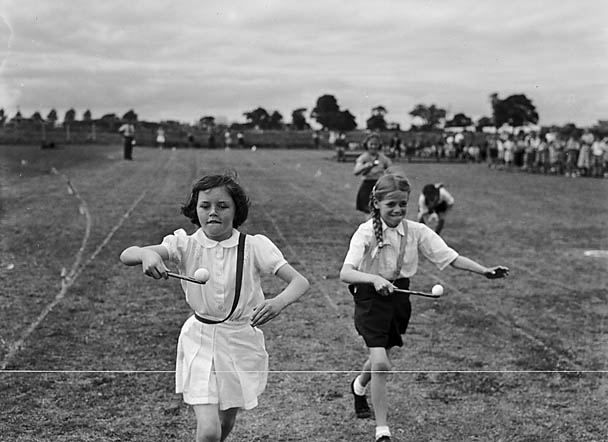
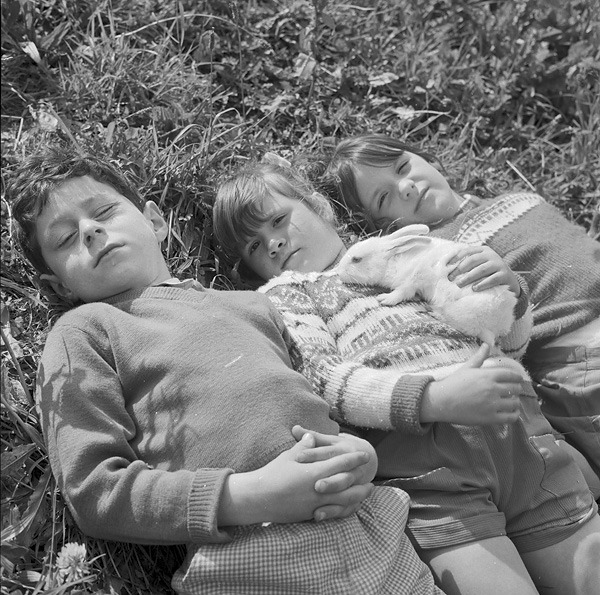
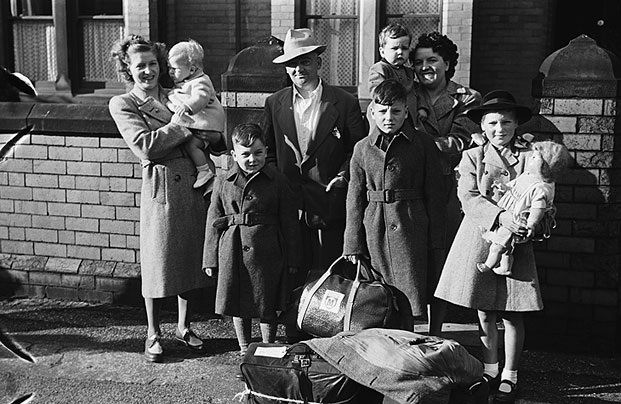
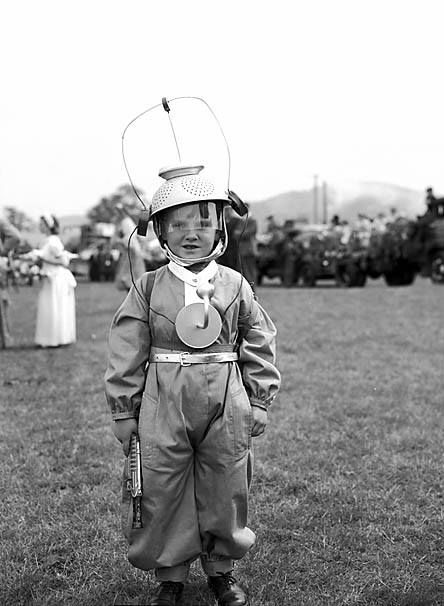
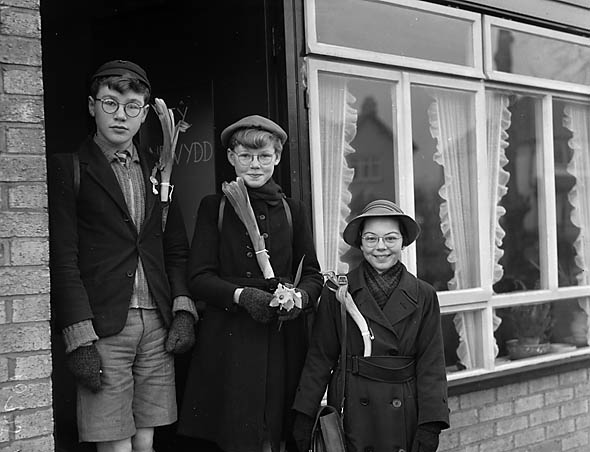
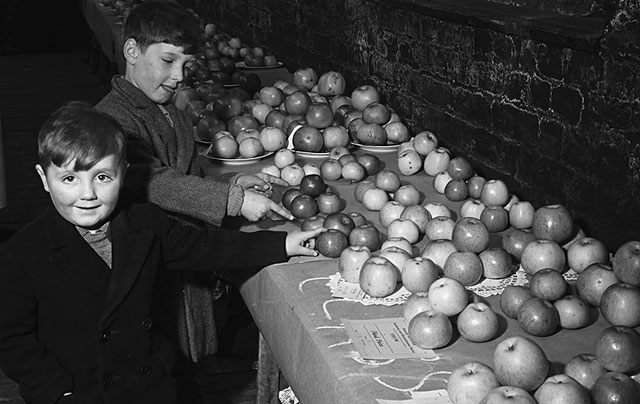
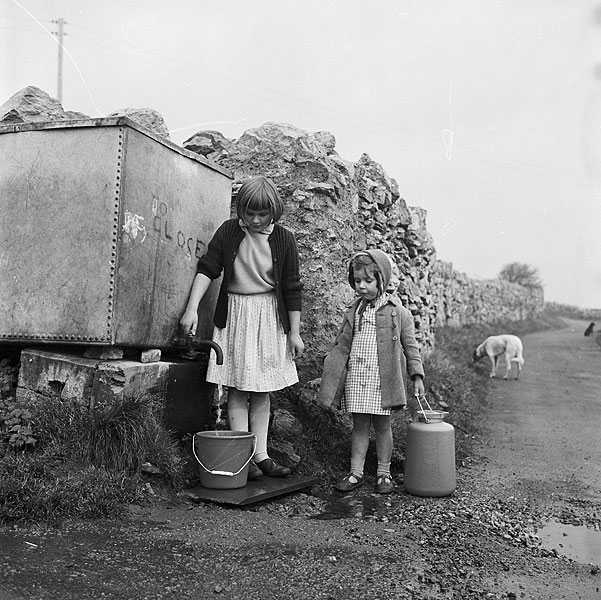
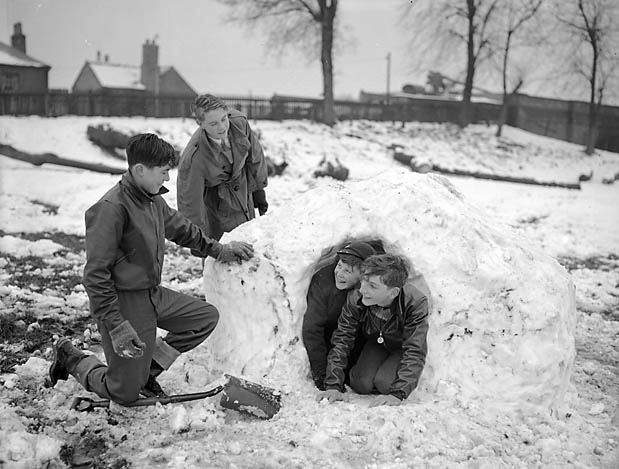
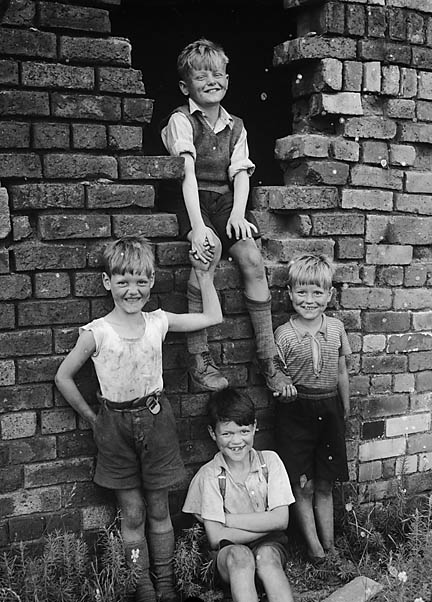
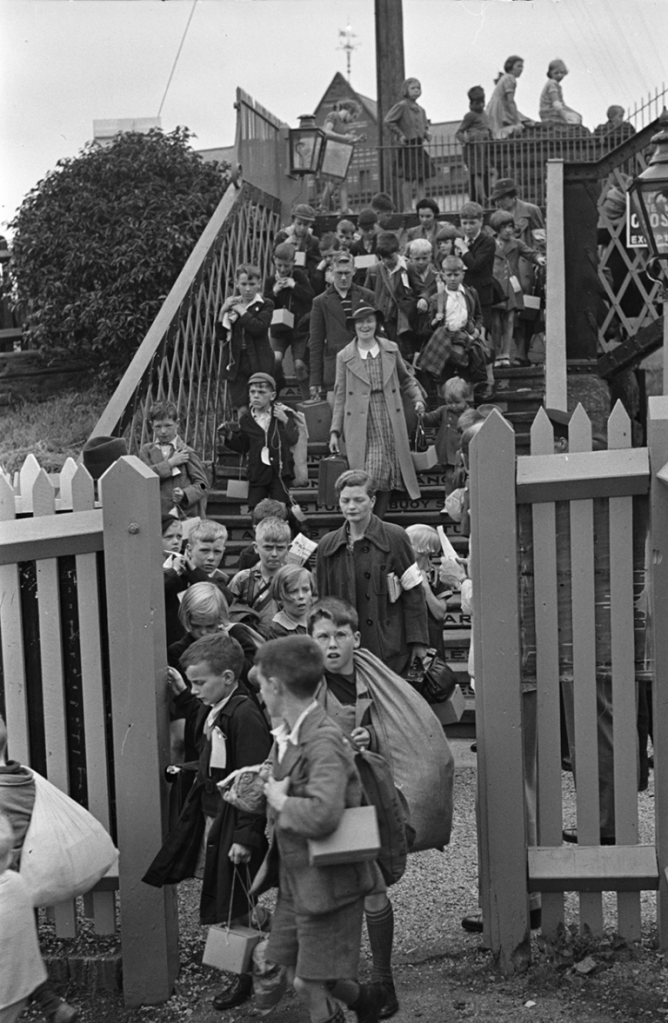
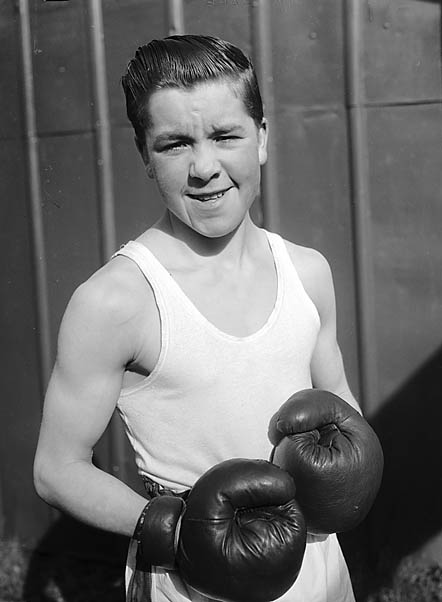
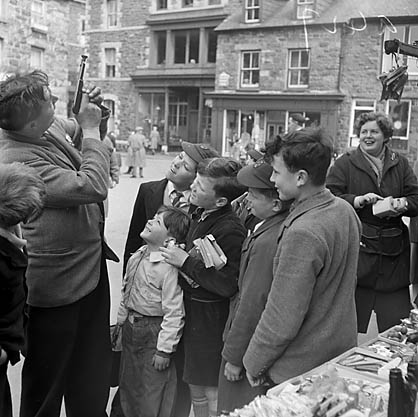
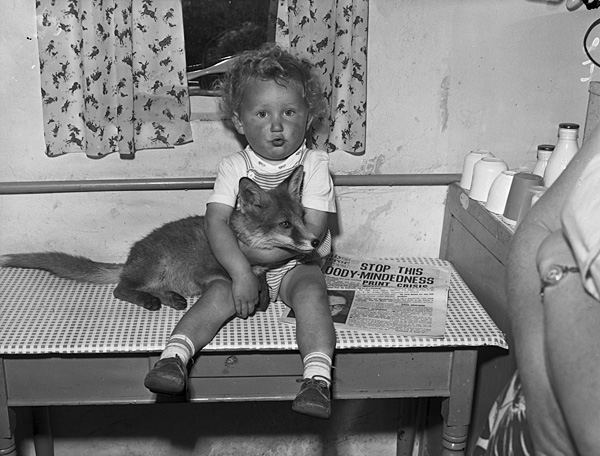
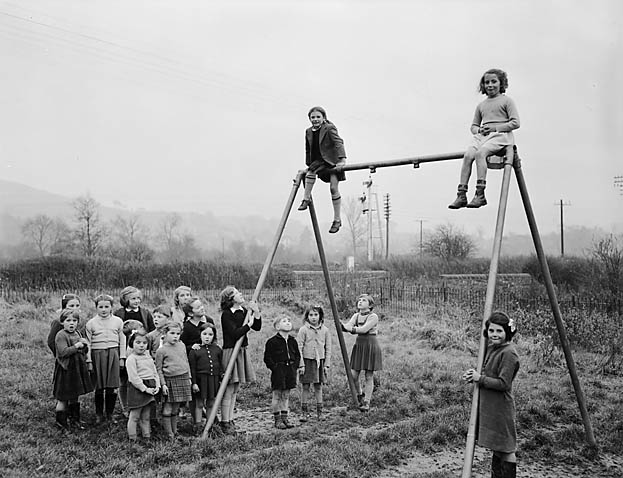
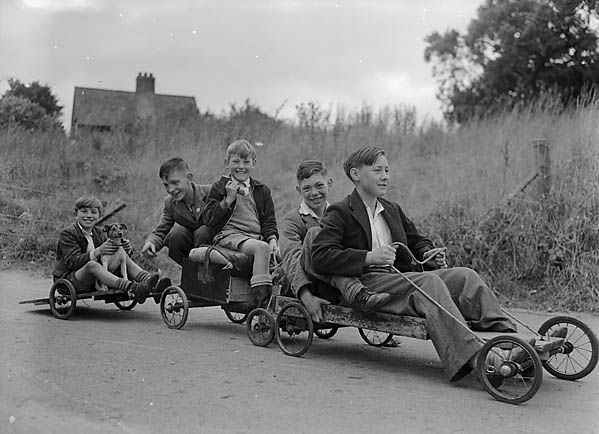
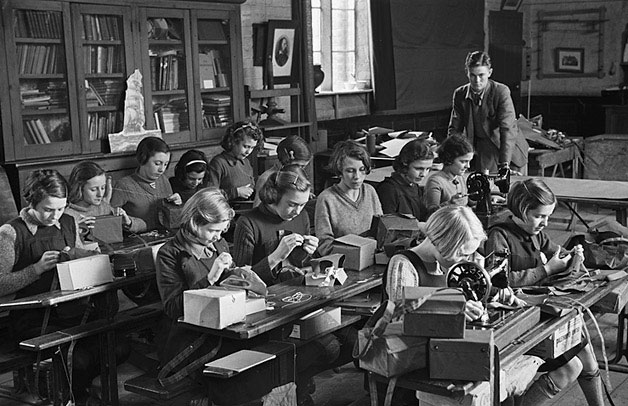
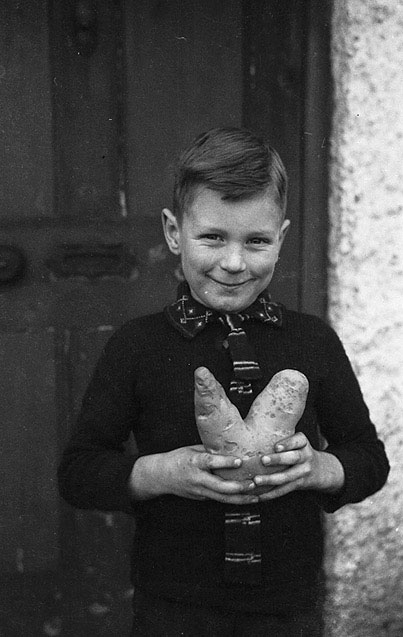
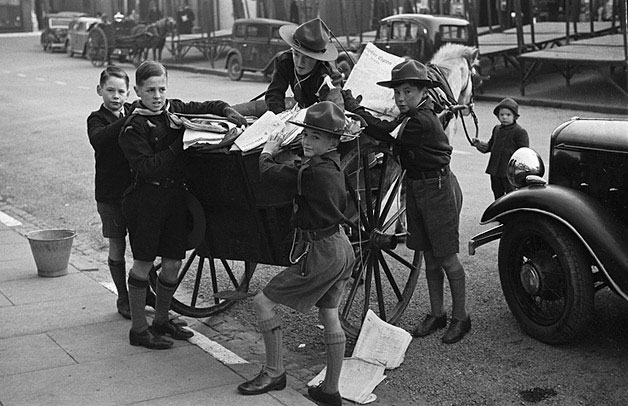
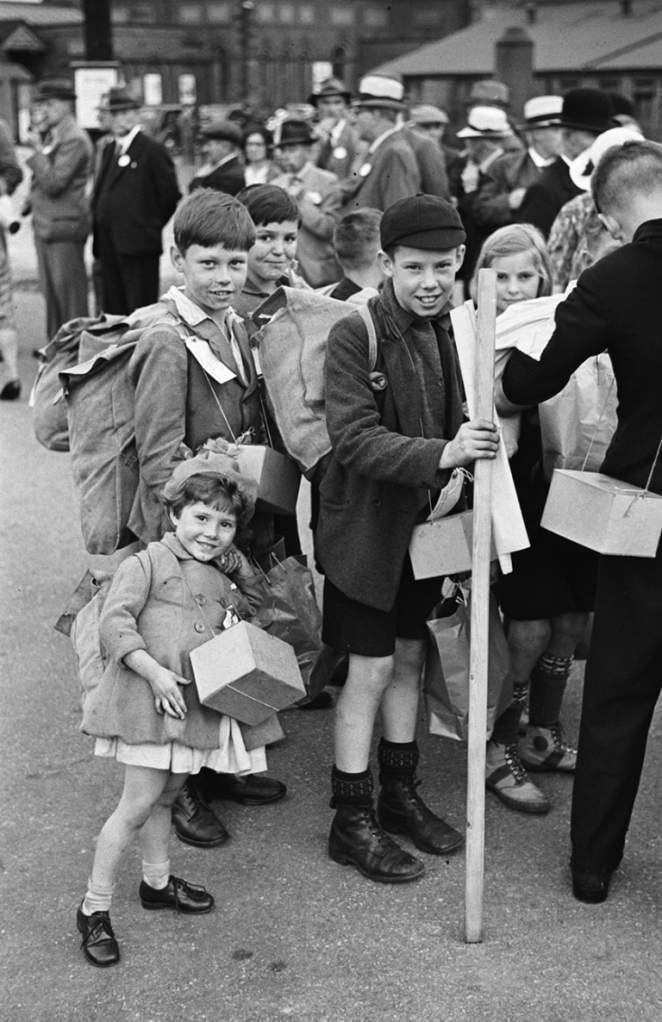
A New Year party for the children of Brithdir near Dolgellau, 1955The Urdd camp, Llangranog. 1947.Barber’s chair at Menai Bridge in the shape of a small car. 1958Children outside air raid shelter, Gresford. 1939A boxing school established in Llanarmon by W G Buchanan, an ex-air force boxing champion, and the Rev T D Williams. 1958Colliery boys holiday camp, St Athan’s. 1951Proclamation of the Urdd National Eisteddfod 1964 at Porthmadog, June 1963Singing class at Gobowen Orthopaedic Hospital. 1954Girl patient at Gobowen Orthopaedic Hospital with pet lamb. 1954Christmas party for evacuees and children in Llanidloes. 1939Evacuees arrive, 1939.Cwmbach Street Party, 1951.Standard Eight road test, 1953.Sea-side views from around the North Wales coast for a pictorial supplement. 1959Irish gypsies in Anglesey. 1963Evacuees, 1939.Llandudno Sea Fishing Society competition, 1962.Wem schoolchildren learning domestic skills and gardening. 1947Harlescott [Junior] School Sports, 1952.Llangefni children enjoying the sun with their pet rabbit, 1964.The McGrath Family emigrating to Canada from Wrexham, 1948.British Legion carnival in Llanrhaeadr-ym-Mochnant. 1956Geoff Charles’ children wearing their St David’s Day leeks. 1957Whitchurch [War Memorial] Hall Chrysanthemum Show. 1949Girls carrying water, Anglesey. 1962Children building an igloo in the snow. 1955Children of Moss Valley, near Wrexham. 1953Derek Hopley, winner of the Midland Area final of the National Association of Boys Clubs flyweight championship. 1952Dolgellau Fair. 1956A tame fox cub at home with Mr and Mrs Gordon Jones, Talysarn. 1959Llanelwedd School activities. 1953Longden Bay Go-cart Racers. 1953Craftwork at Newtown Church School. 1939Ian Williams of Trewern, Welshpool who dug up a “V-shaped” for victory potato, 1941.Boys of the Newtown Scout troop collecting waste paper, 1939.Evacuees in Montgomeryshire, 1939.
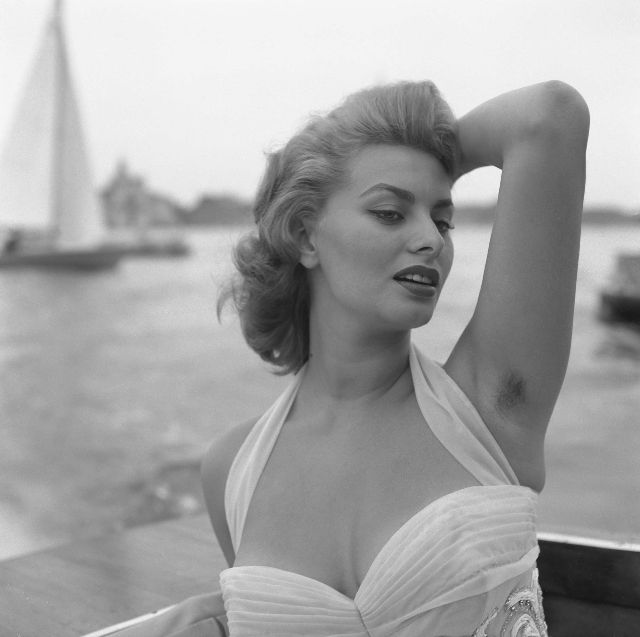
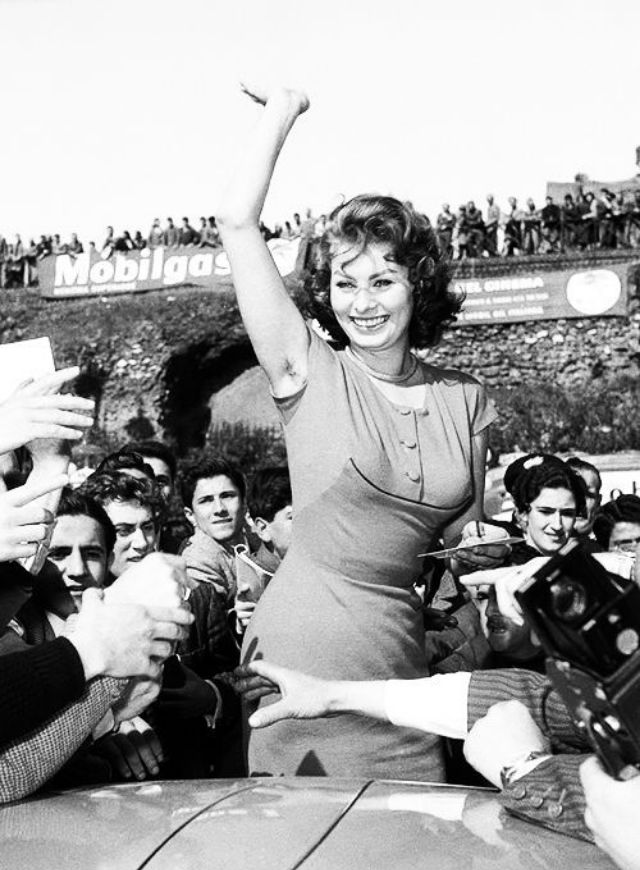
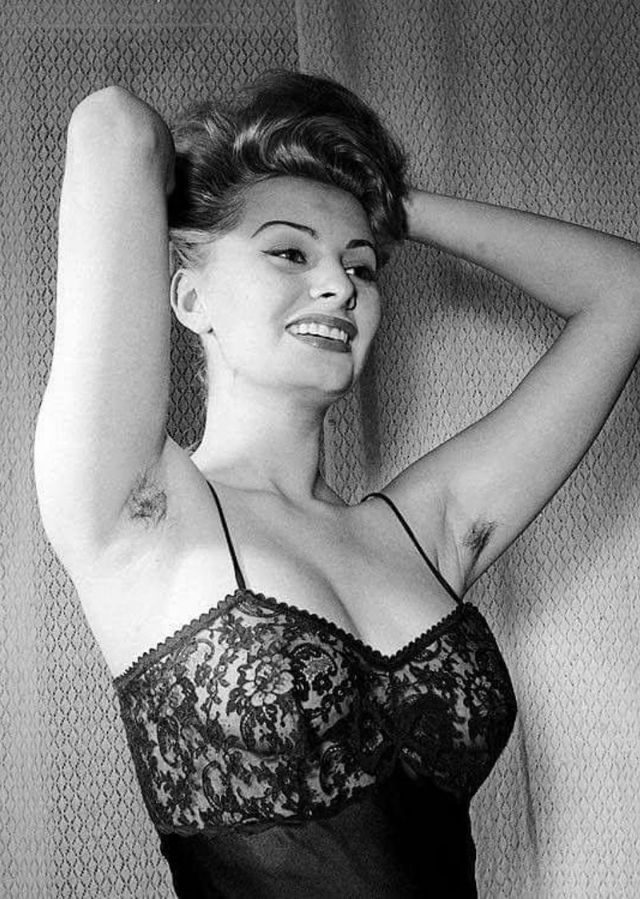
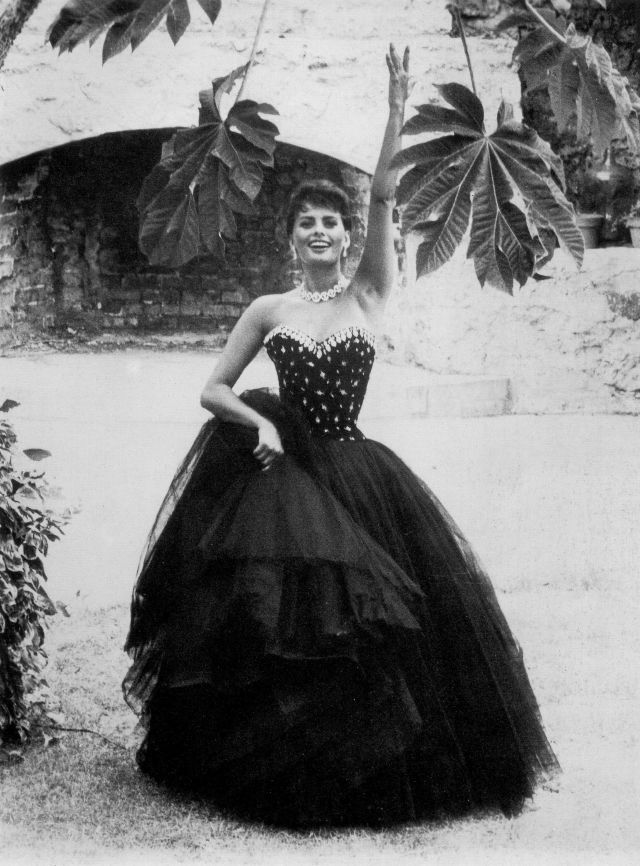
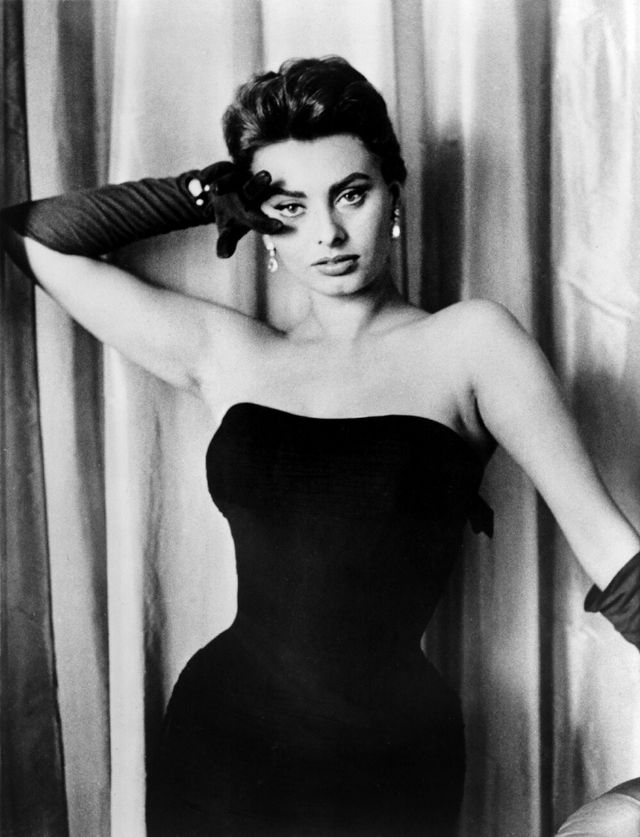
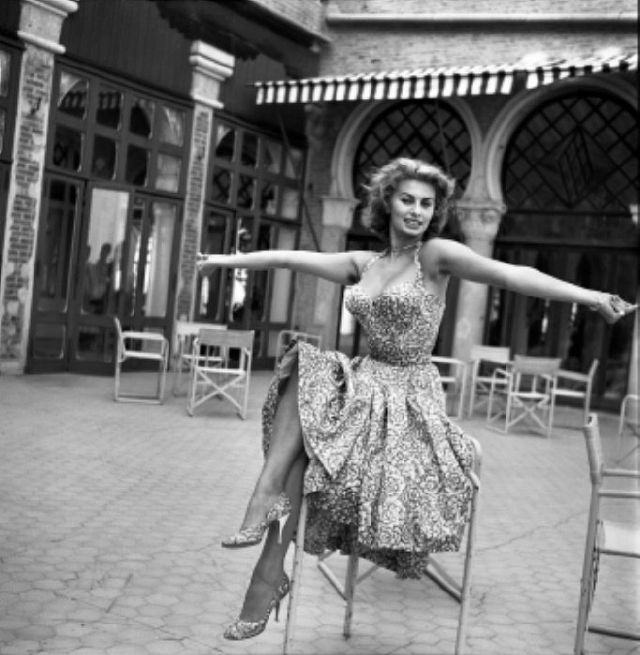
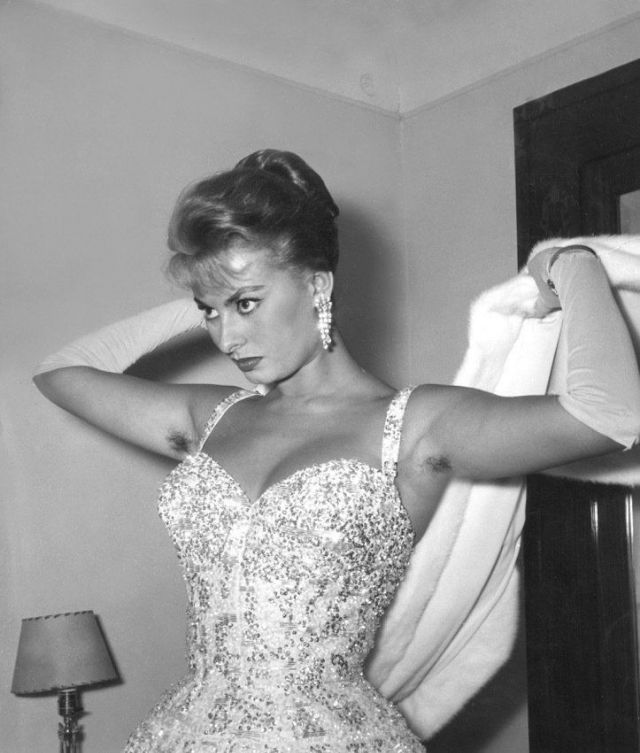
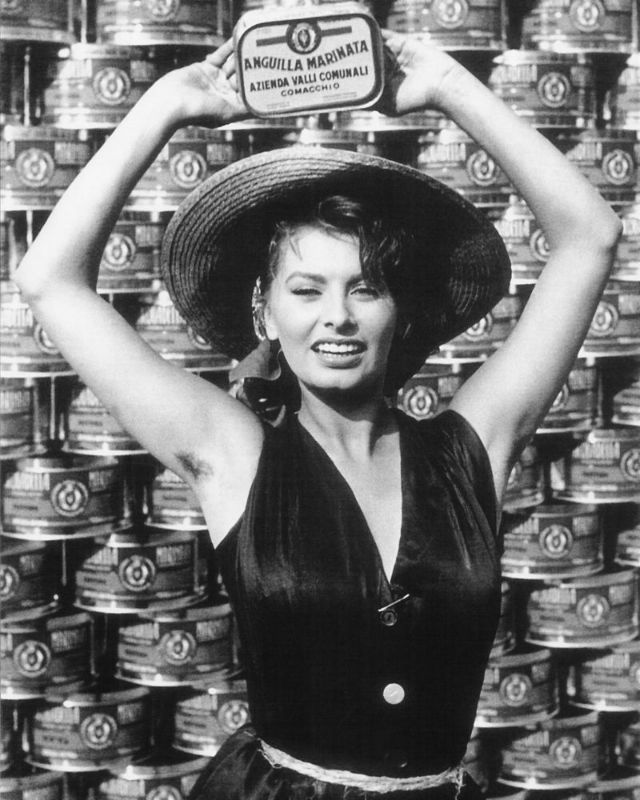
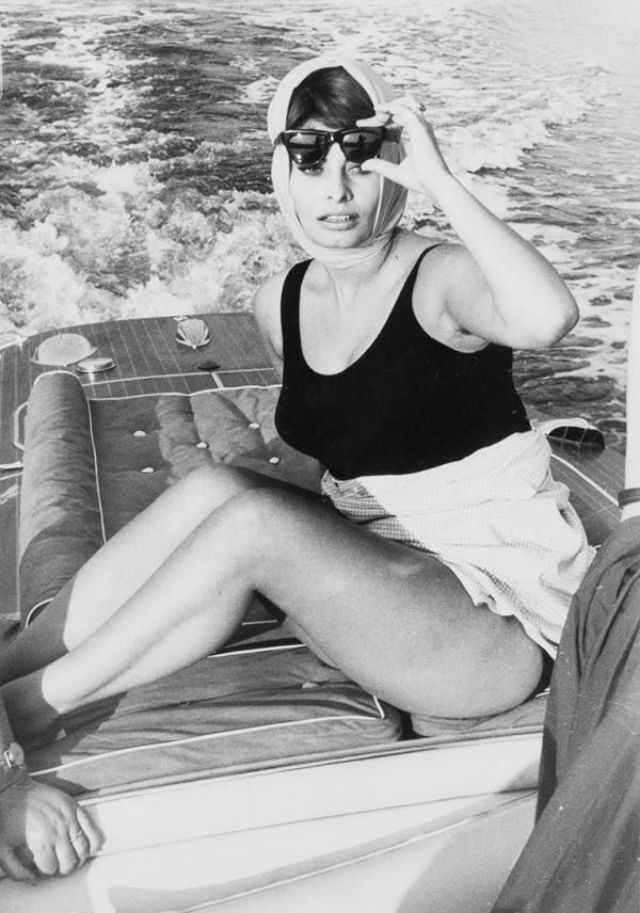
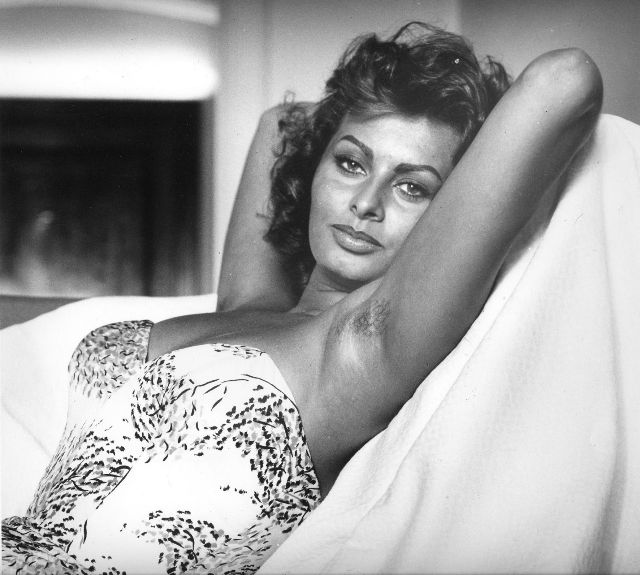
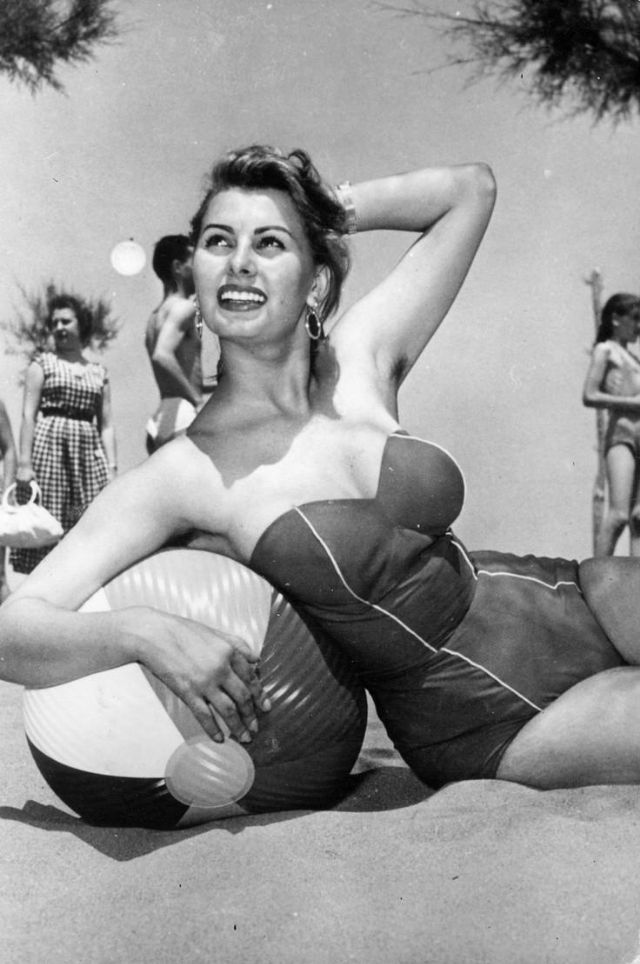
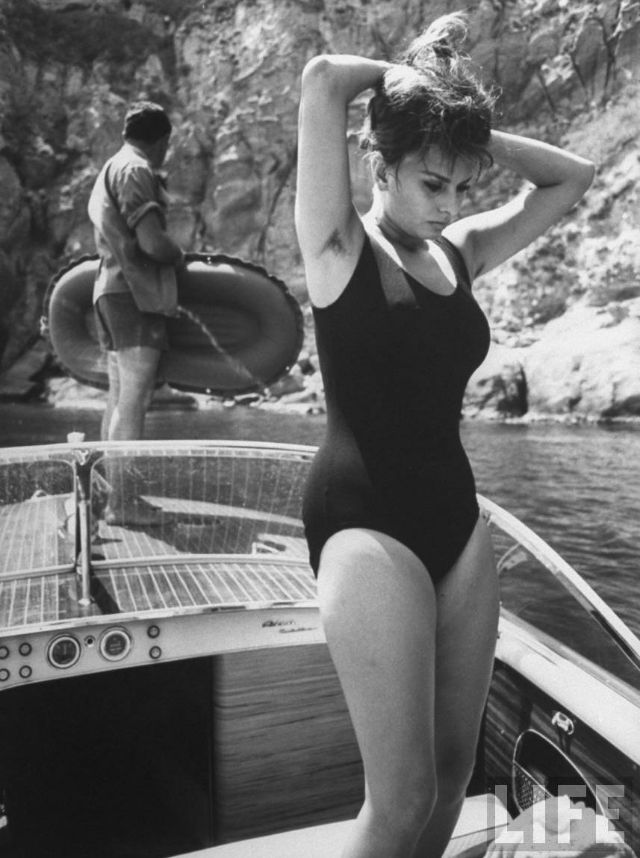
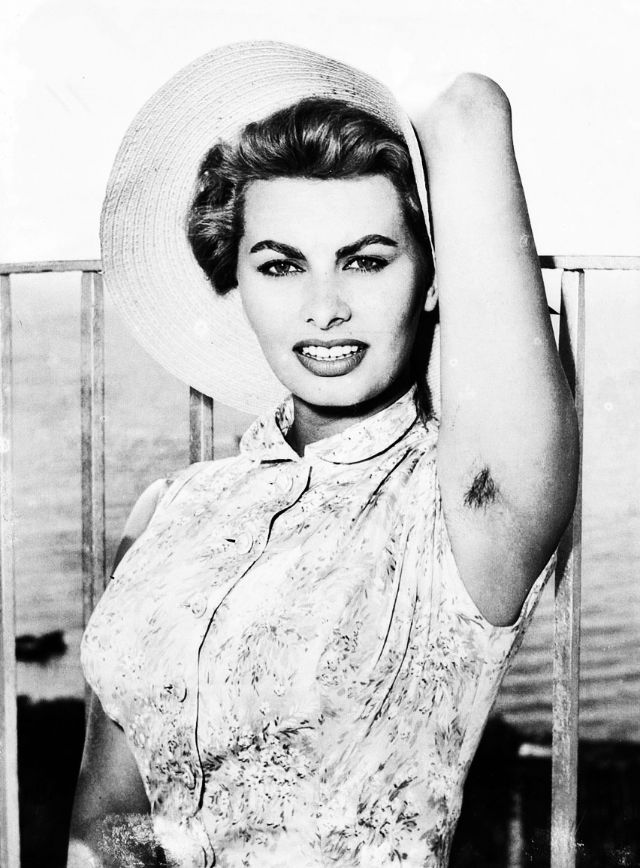
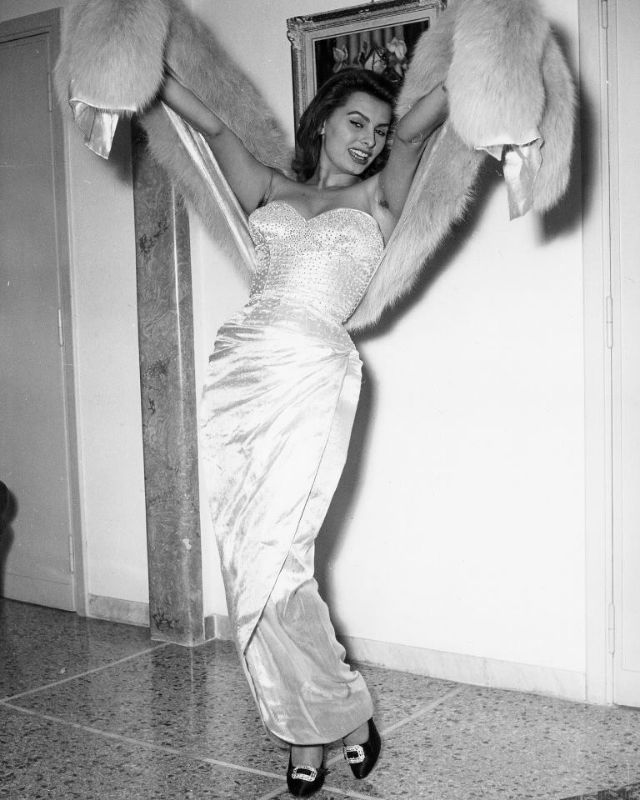
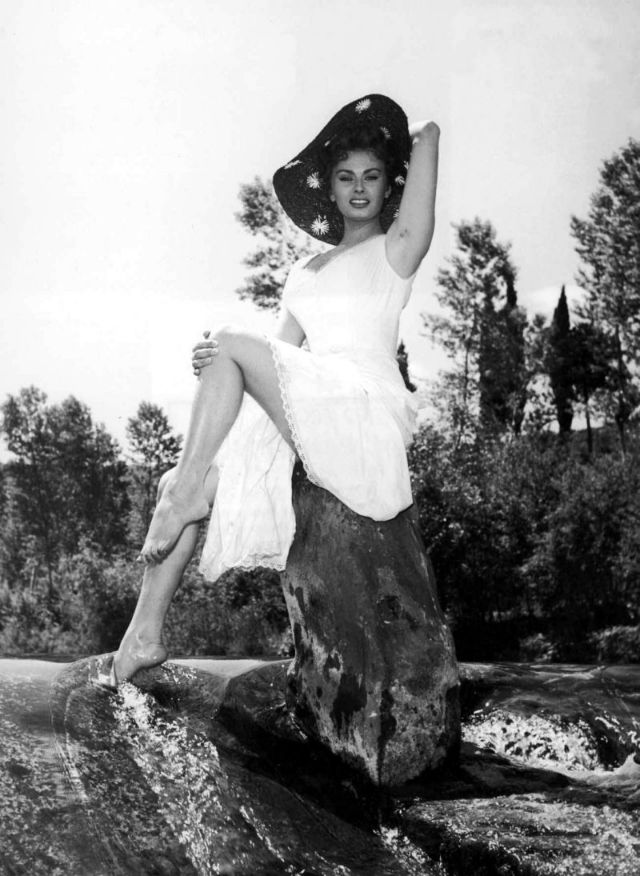
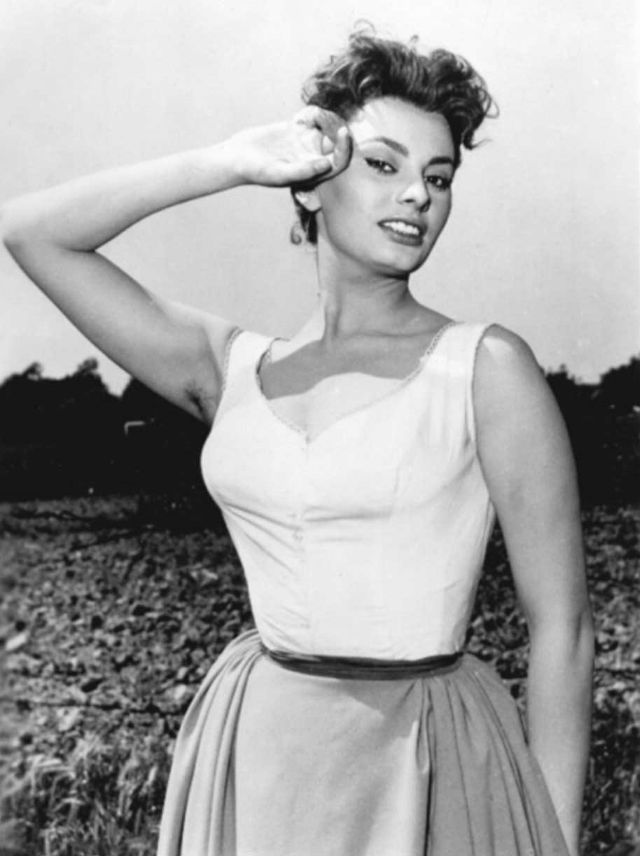
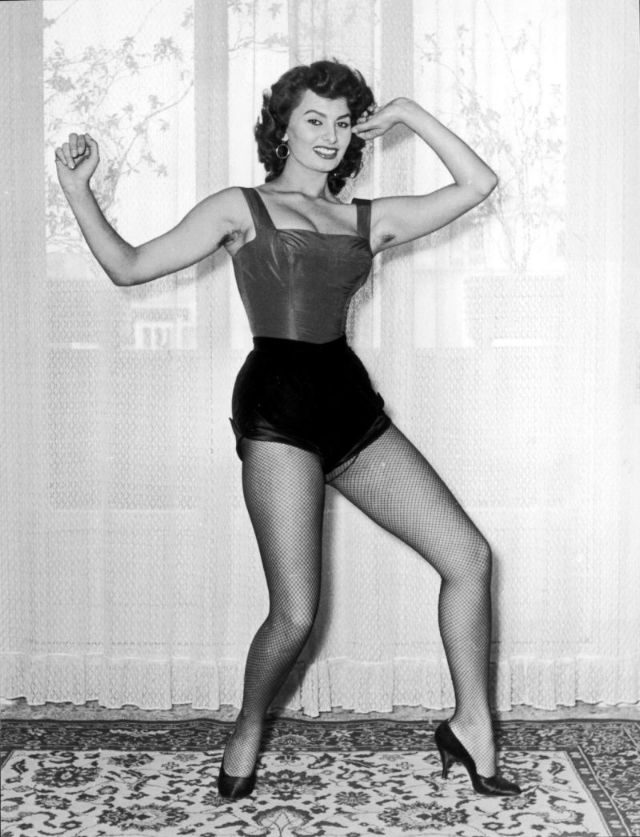
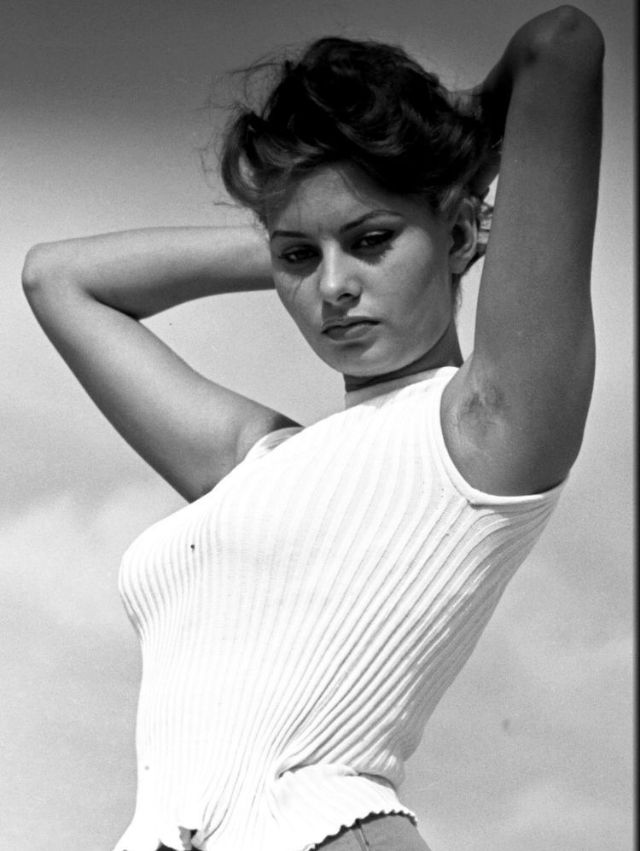
Sofia Costanza Brigida Villani Scicolone Dame Grand Cross OMRI (born 20 September 1934), known professionally as Sophia Loren, is an Italian actress. She was named by the American Film Institute as one of the greatest female stars of Classical Hollywood cinema.[2] As of 2022, Loren is the last surviving major-star from the Golden Age of Hollywood cinema and the only living person on AFI’s list.
Encouraged to enroll in acting lessons after entering a beauty pageant, Loren began her film career at age sixteen in 1950. She appeared in several bit parts and minor roles in the early part of the decade, until her five-picture contract with Paramount in 1956 launched her international career. Her film appearances around this time include The Pride and the Passion, Houseboat, and It Started in Naples. During the 1950s, she starred in films as a sexually emancipated personae and was one of the best known sex symbols of the time.
Loren’s performance as Cesira in the film Two Women (1961) directed by Vittorio De Sica won her the Academy Award for Best Actress, making her the first actor to win an Oscar for a non-English-language performance. She holds the record for having earned seven David di Donatello Awards for Best Actress: Two Women; Yesterday, Today and Tomorrow (1963); Marriage Italian Style (1964, for which she was nominated for a second Oscar); Sunflower (1970); The Voyage (1974); A Special Day (1977) and The Life Ahead (2020). She has won five special Golden Globes (including the Cecil B. DeMille Award), a BAFTA Award, a Laurel Award, a Grammy Award, the Volpi Cup for Best Actress at the Venice Film Festival and the Best Actress Award at the Cannes Film Festival. In 1991, she received the Academy Honorary Award for lifetime achievements.
Beginning at the start of the 1980s, Loren chose to make rarer film appearances. Since then, she has appeared in films such as Prêt-à-porter (1994), Grumpier Old Men (1995), and Nine (2009).
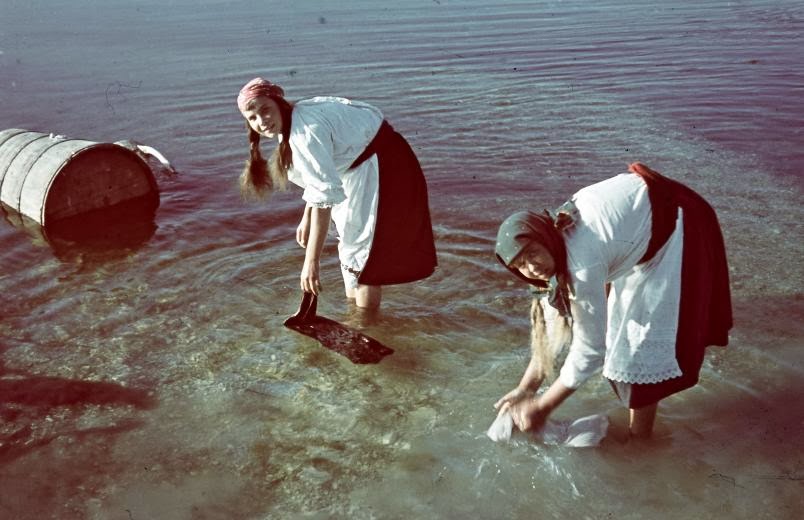
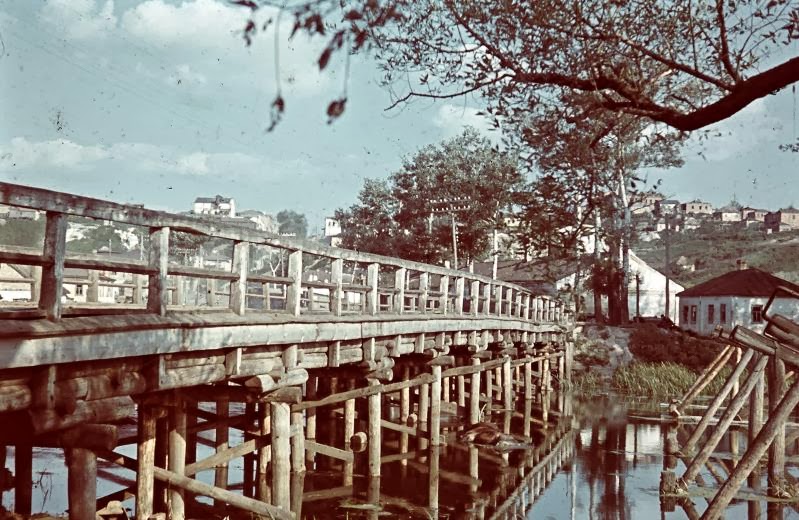
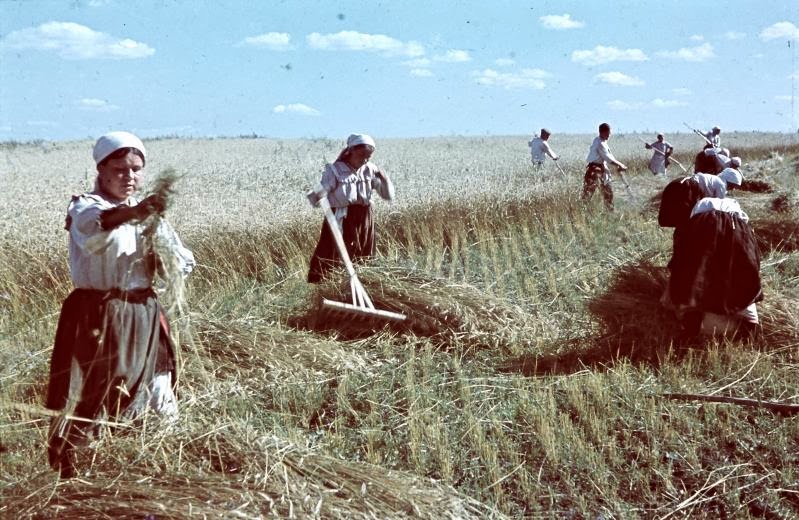
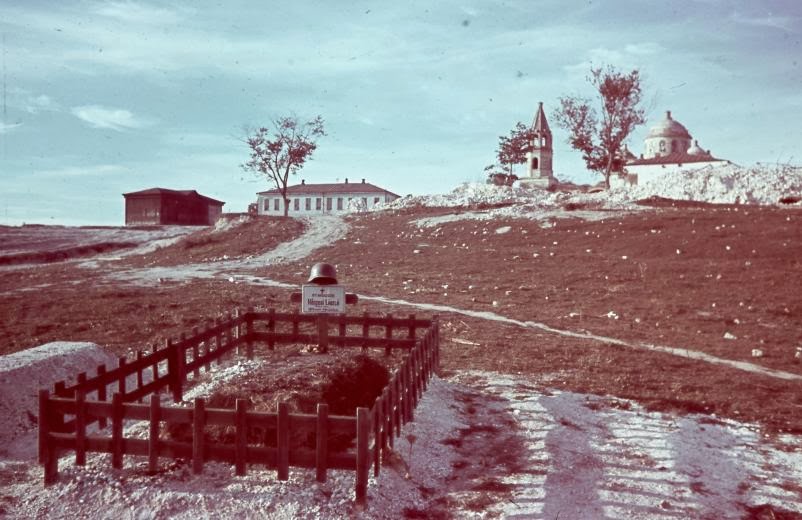
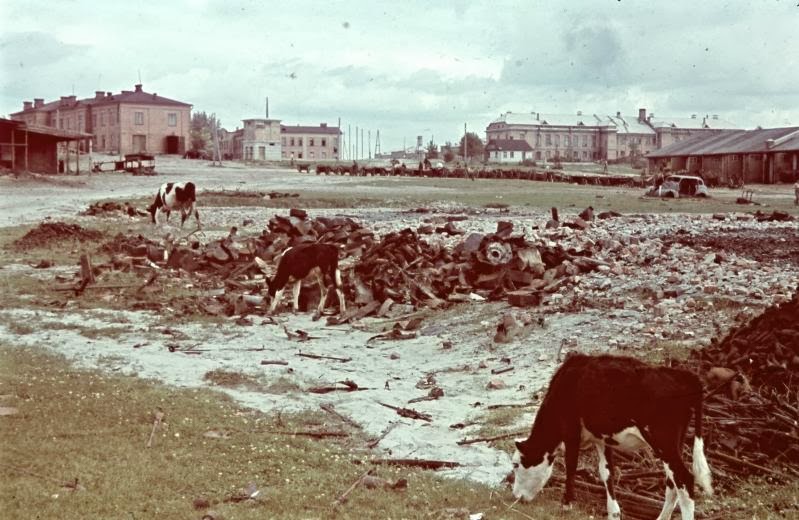
Ukraine is a country in Eastern Europe. It is the second-largest country by area in Europe after Russia, which it borders to the east and north-east. Ukraine also shares borders with Belarus to the north; Poland, Slovakia, and Hungary to the west; Romania and Moldova to the south; and has a coastline along the Sea of Azov and the Black Sea. It spans an area of 603,628 km2 (233,062 sq mi), with a population of 41.3 million, and is the eighth-most populous country in Europe. The nation’s capital and largest city is Kyiv.
The territory of modern Ukraine has been inhabited since 32,000 BC. During the Middle Ages, the area was a key centre of East Slavic culture, with the powerful state of Kievan Rus’ forming the basis of Ukrainian identity. Following its fragmentation into several principalities in the 13th century and the devastation created by the Mongol invasion, the territorial unity collapsed and the area was contested, ruled, and divided by a variety of powers, including the Polish–Lithuanian Commonwealth, Austria-Hungary, the Ottoman Empire, and Tsardom of Russia. A Cossack Hetmanate emerged and prospered during the 17th and 18th centuries, but its territory was eventually split between Poland and the Russian Empire. In the aftermath of the Russian Revolution, a Ukrainian national movement for self-determination emerged, and the internationally recognized Ukrainian People’s Republic was declared on 23 June 1917. After World War II, the western part of Ukraine merged into the Ukrainian Soviet Socialist Republic, and the whole country became a part of the Soviet Union. Ukraine gained its independence in 1991, following the dissolution of the Soviet Union.
Following its independence, Ukraine declared itself a neutral state; it formed a limited military partnership with Russia and other CIS countries while also establishing a partnership with NATO in 1994. In 2013, after the government of President Viktor Yanukovych had decided to suspend the Ukraine–European Union Association Agreement and seek closer economic ties with Russia, a several-months-long wave of demonstrations and protests known as the Euromaidan began, which later escalated into the 2014 Ukrainian revolution that led to the overthrow of Yanukovych and the establishment of a new government. These events formed the background for the annexation of Crimea by Russia in March 2014 and the War in Donbas in April 2014. On 1 January 2016, Ukraine applied for the economic component of the Deep and Comprehensive Free Trade Area with the European Union.
Ukraine is a developing country ranking 74th in the Human Development Index. It is the poorest country in Europe alongside Moldova, suffering from a very high poverty rate as well as severe corruption. However, because of its extensive fertile farmlands, Ukraine is one of the largest grain exporters in the world. It also maintains the third-largest military in Europe after Russia and France. Ukraine is a unitary republic under a semi-presidential system with separate powers: legislative, executive, and judicial branches. The country is a member of the United Nations, the Council of Europe, the OSCE, the GUAM organization, and the Lublin Triangle, and is one of the founding states of the CIS, even though it never became a member of the organization. (Wikipedia)
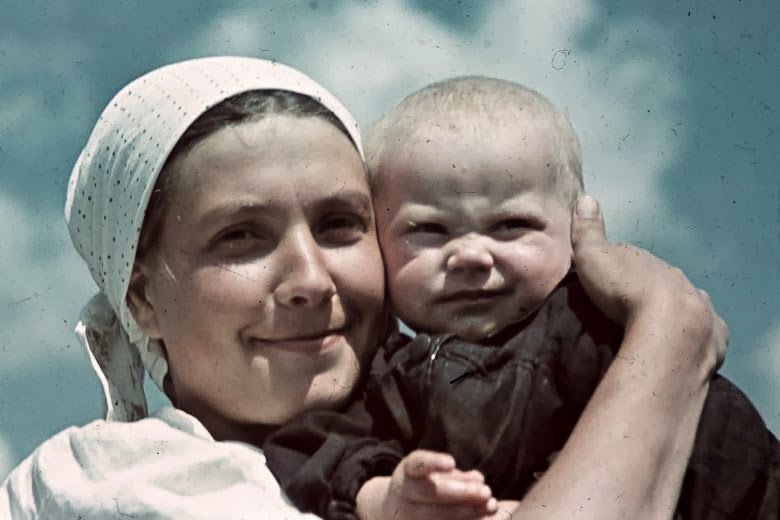
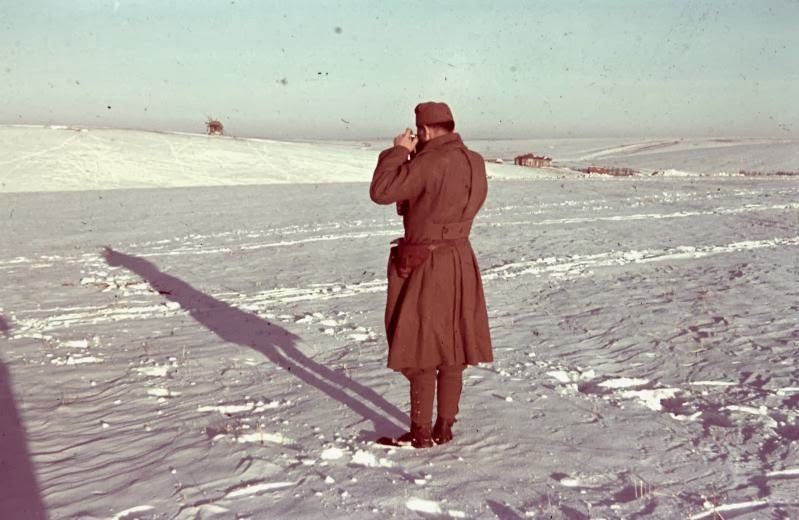
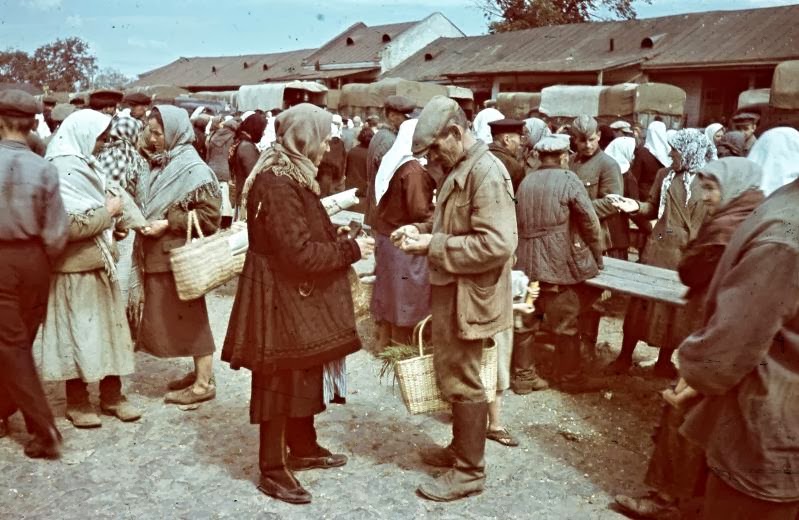
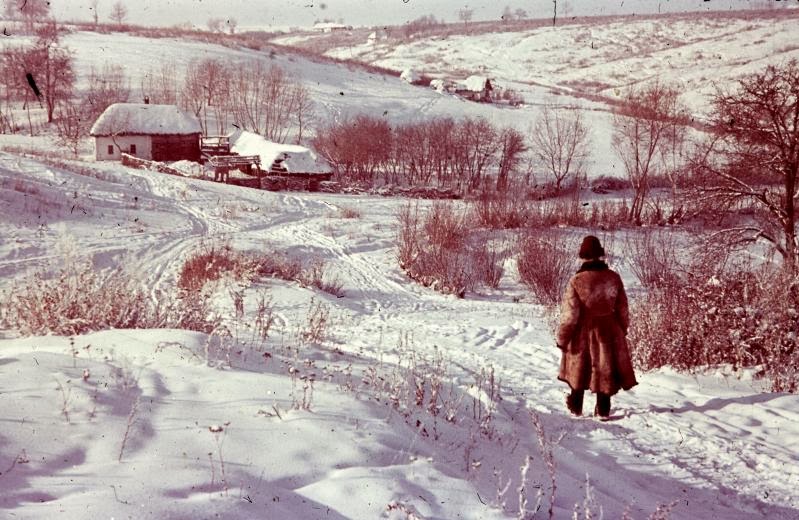
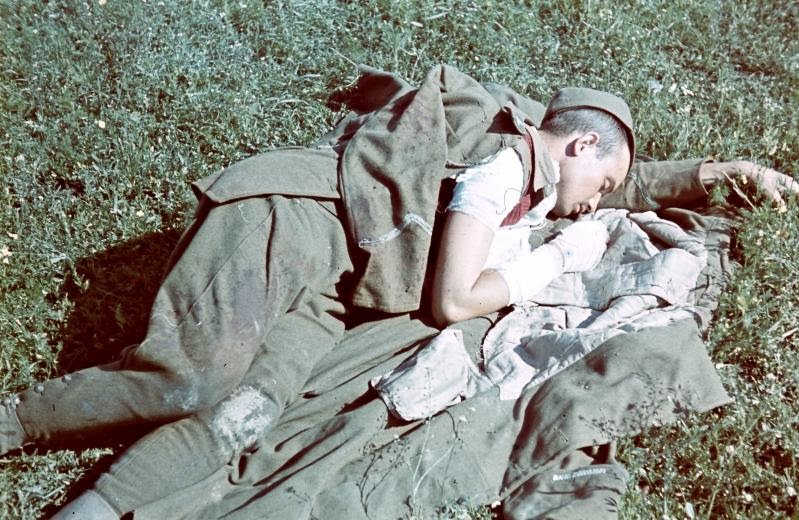
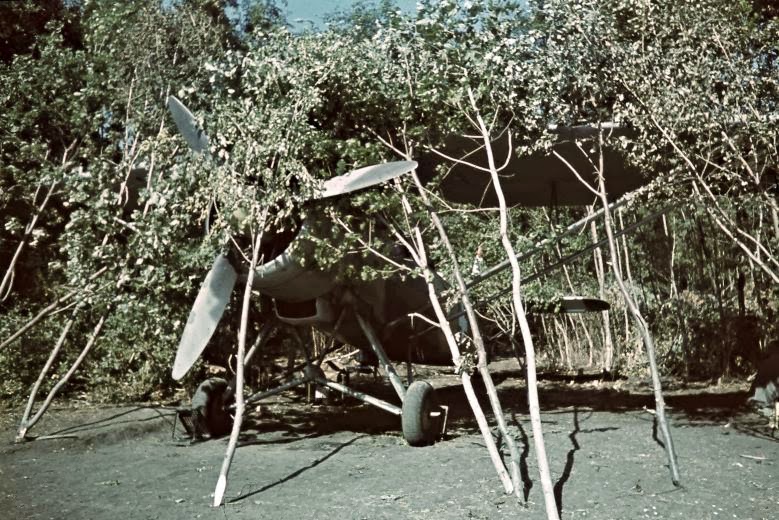
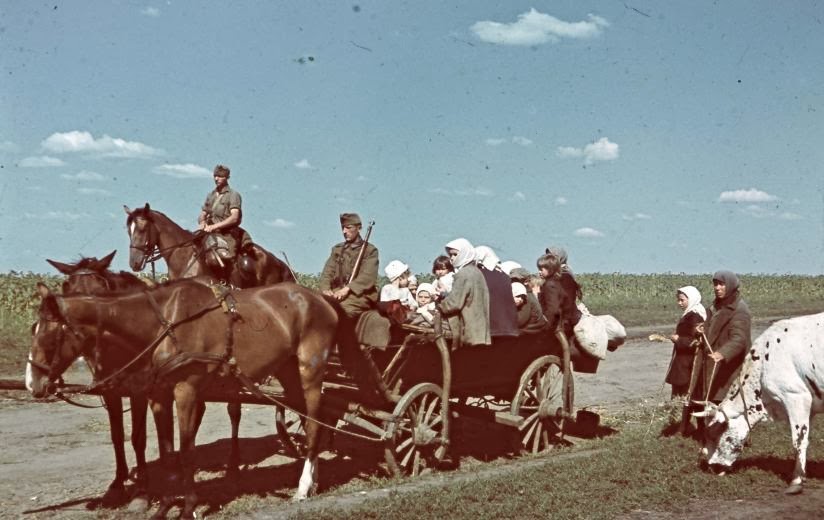
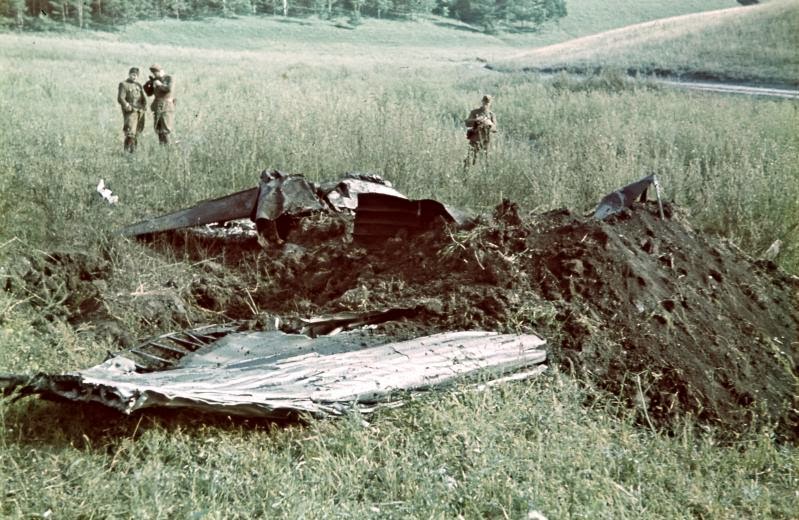
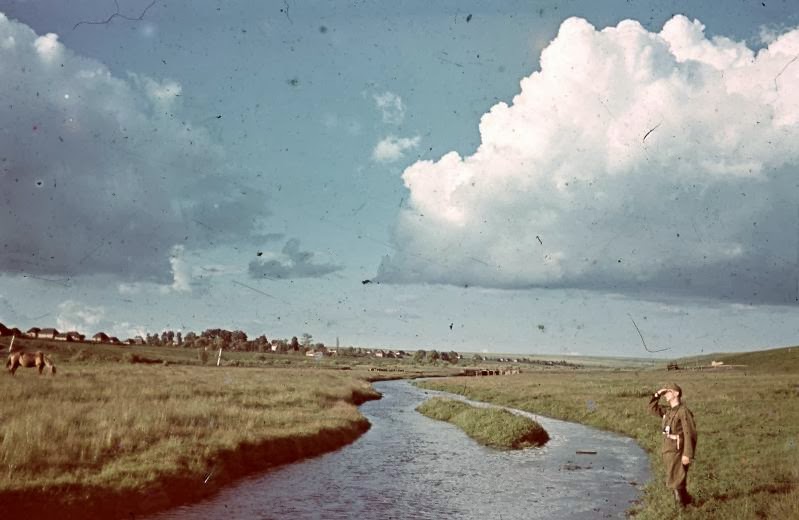
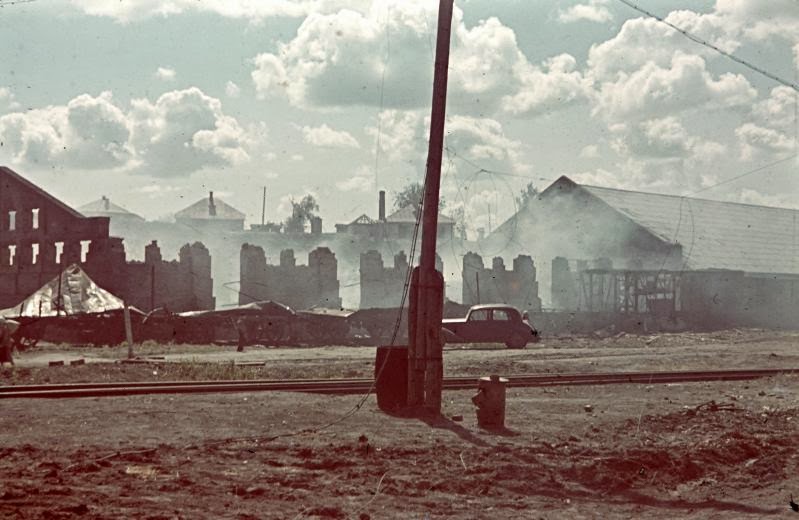
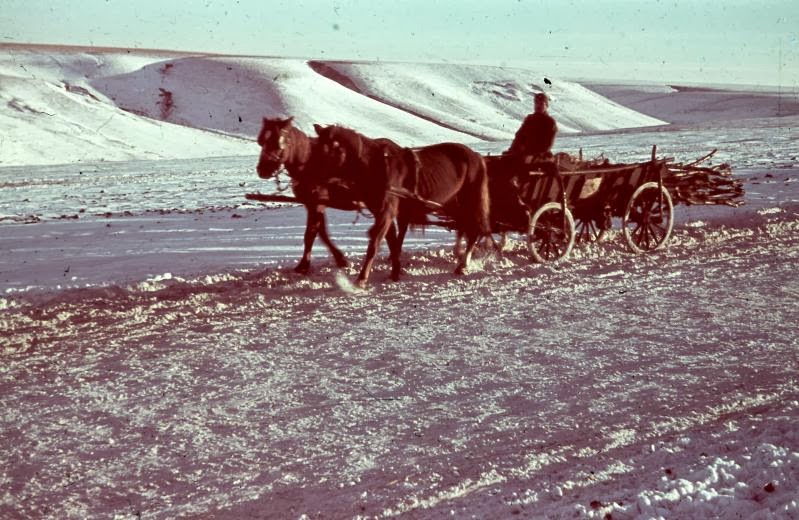
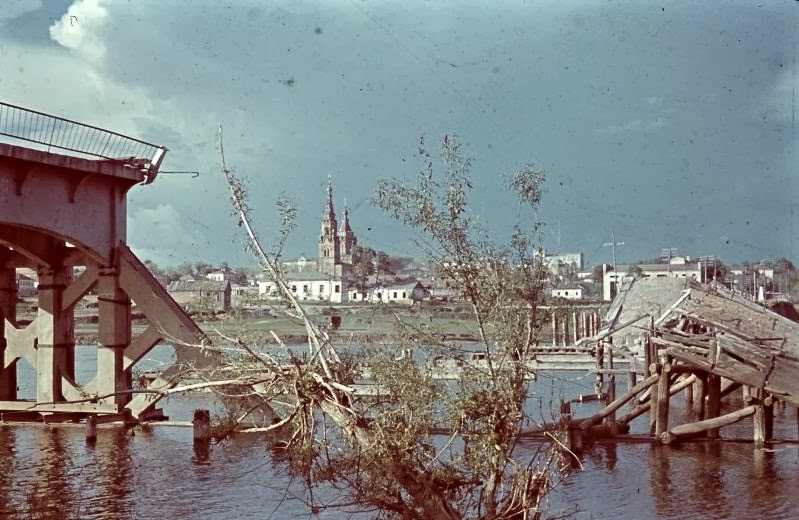
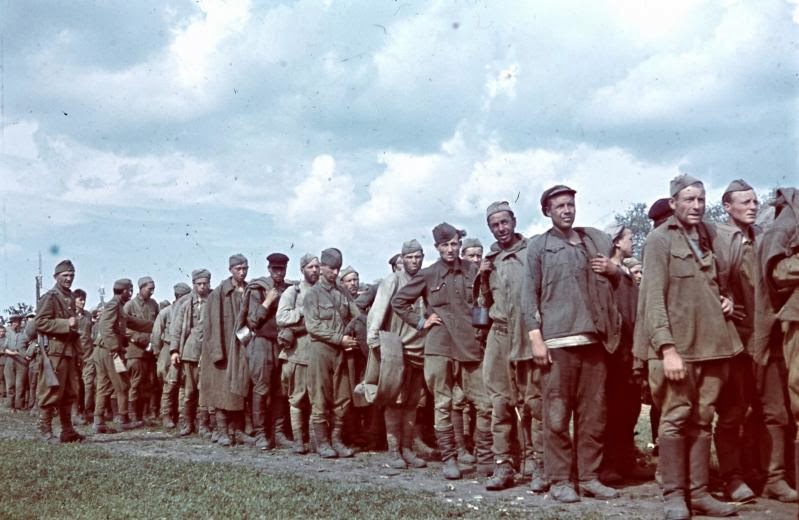
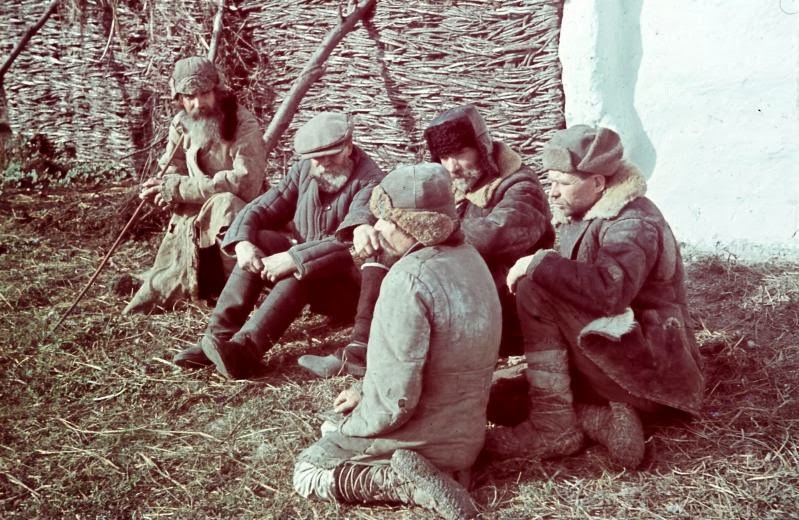
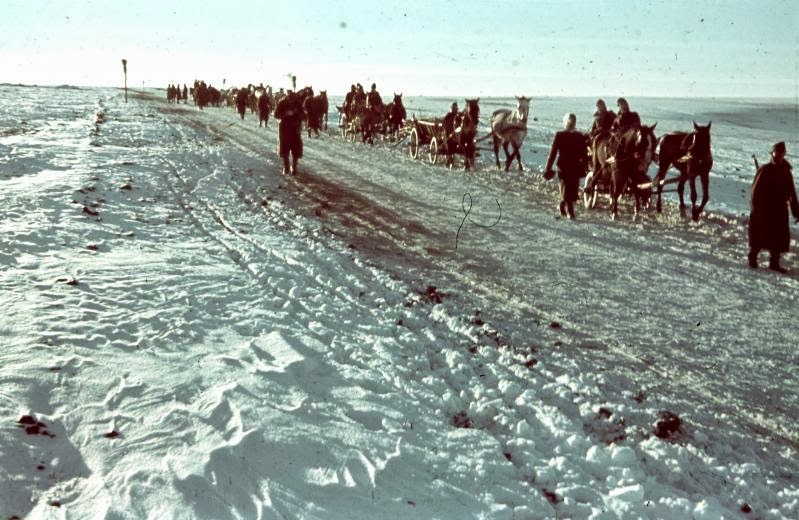
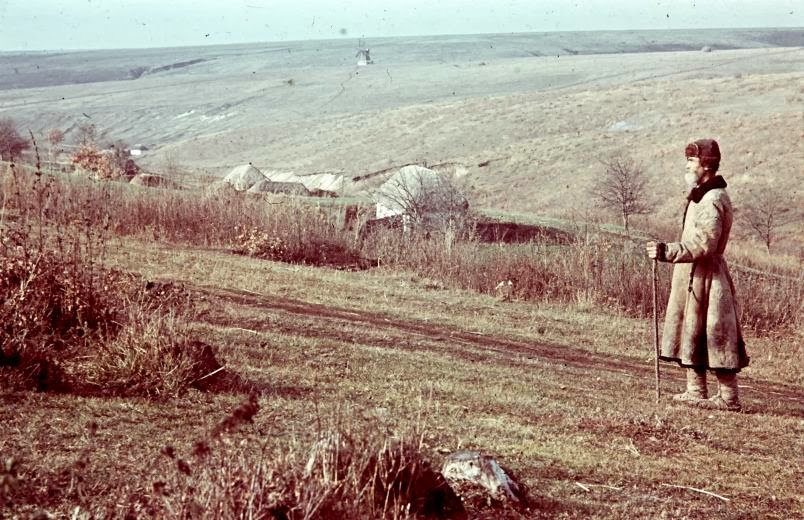
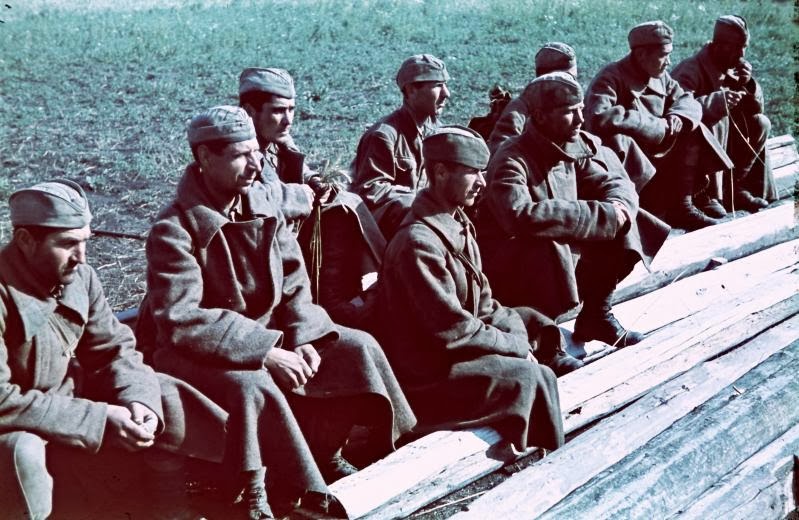
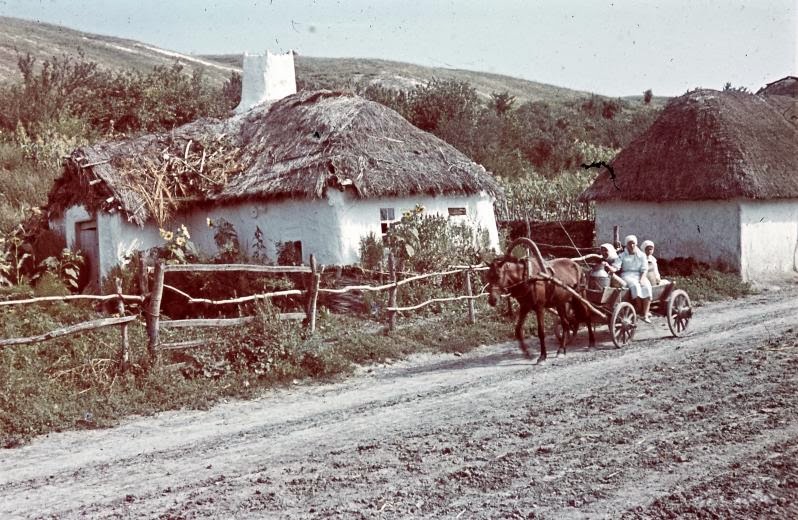
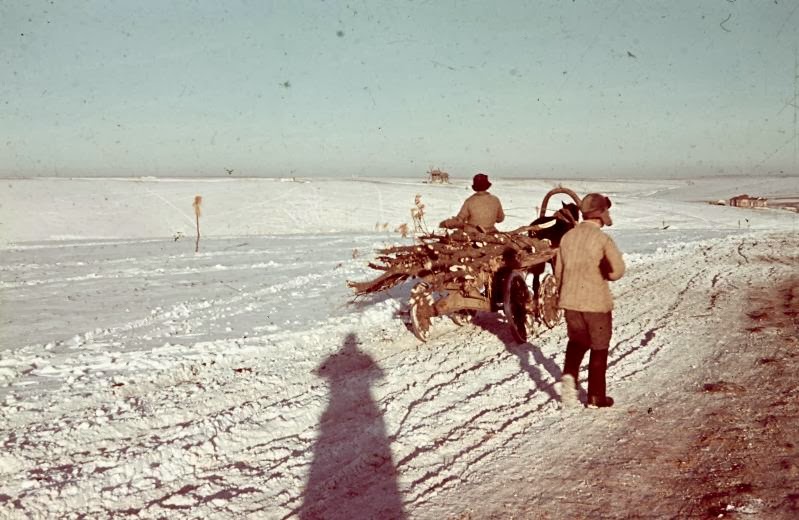
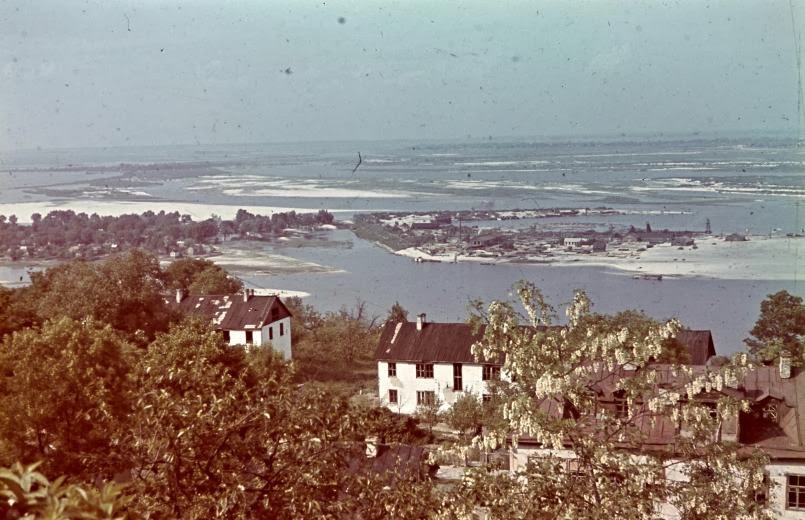
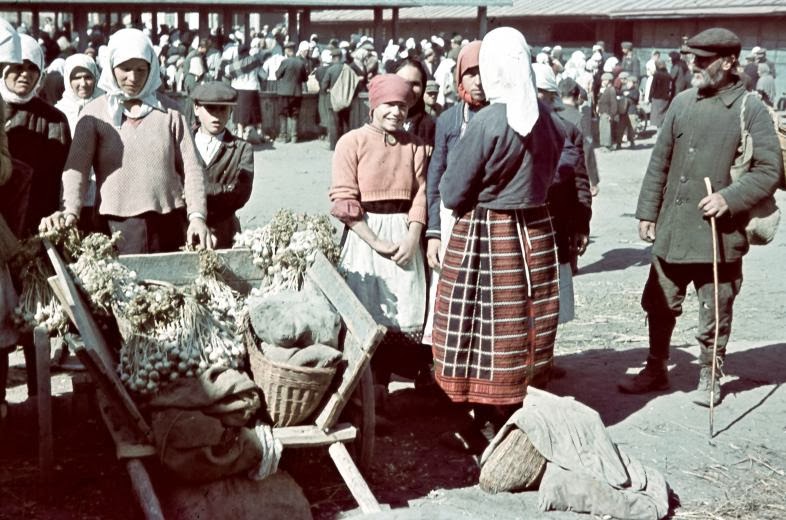
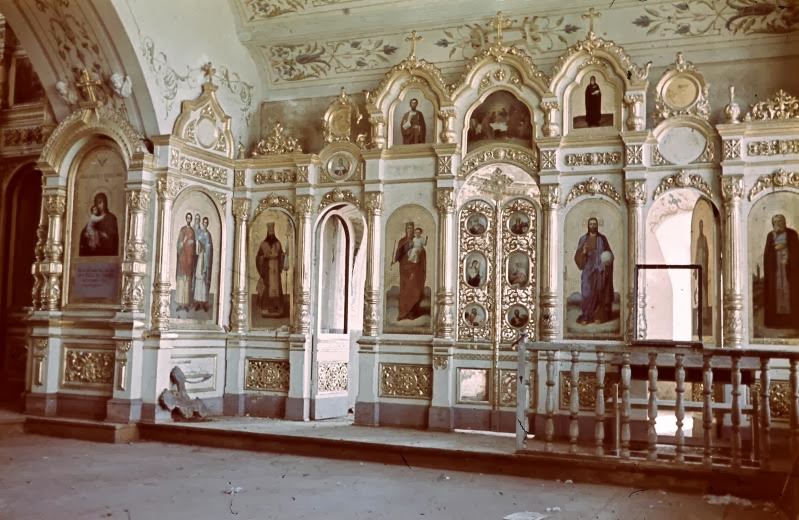
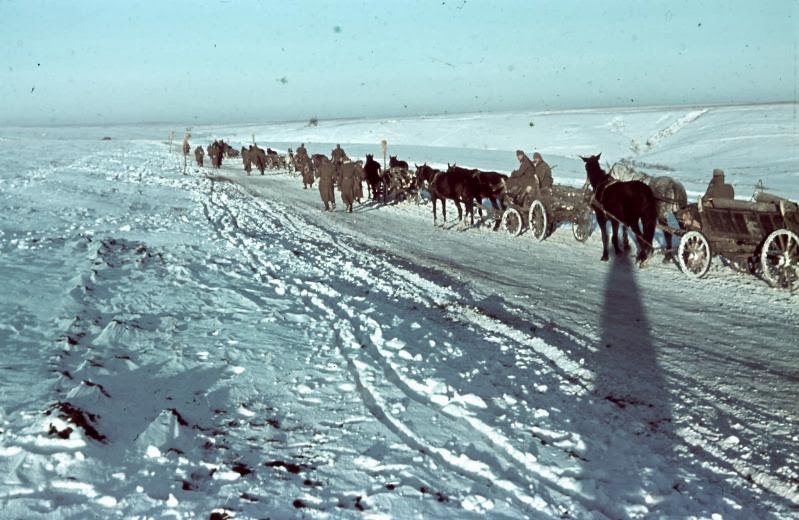
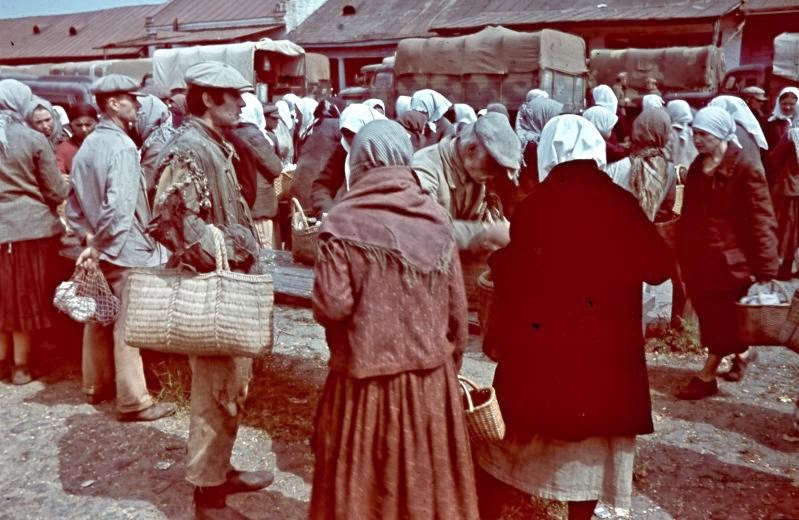
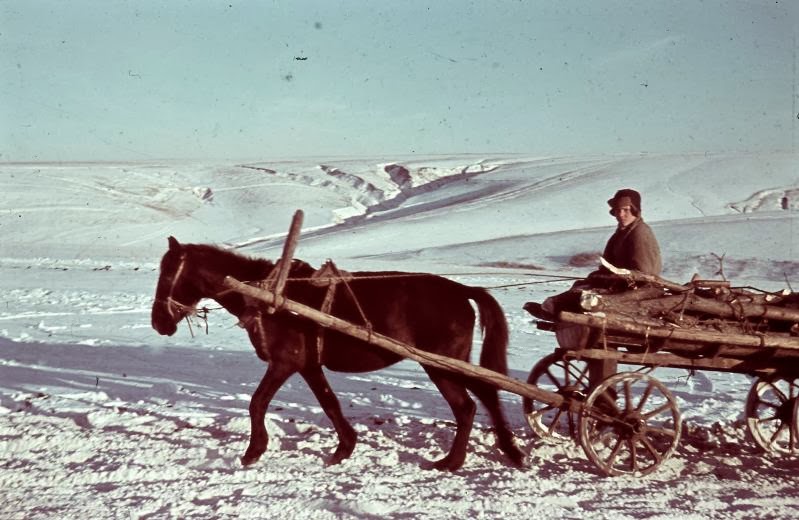
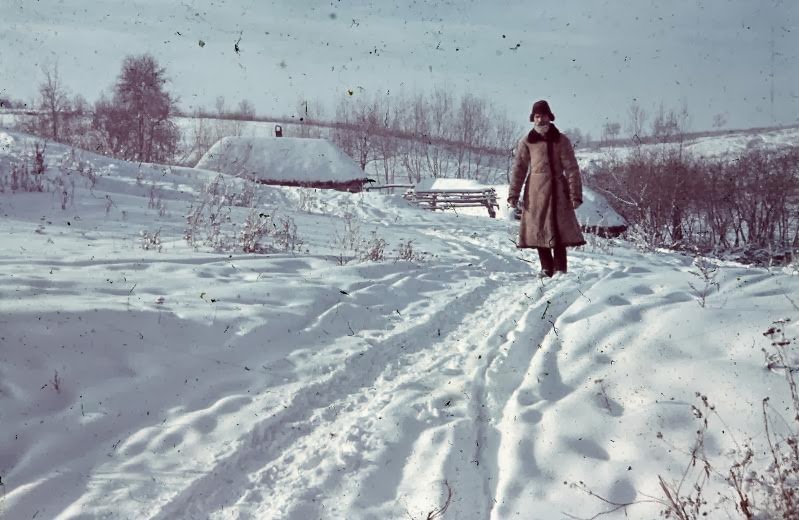
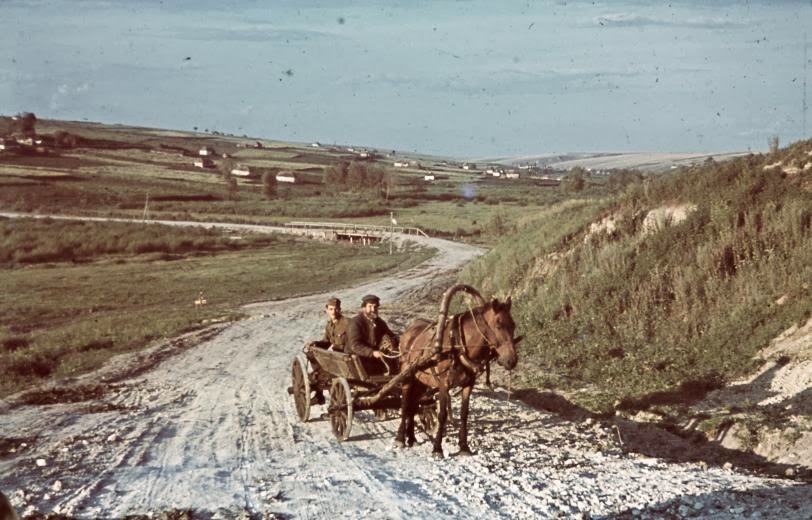
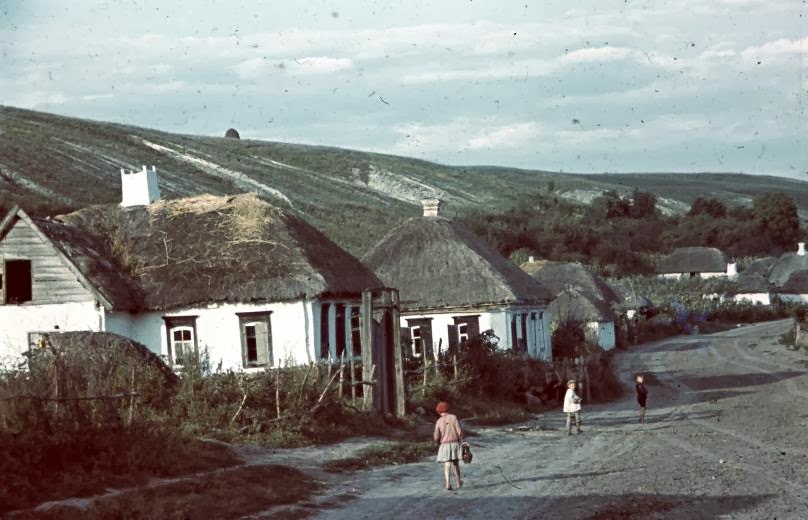
These amazing vintage color photographs were taken by Tamas Conoco Sr., captured everyday life in Ukraine in 1942.
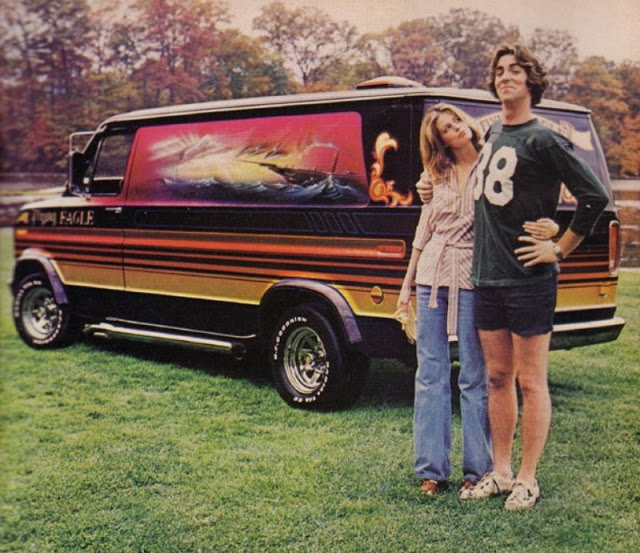
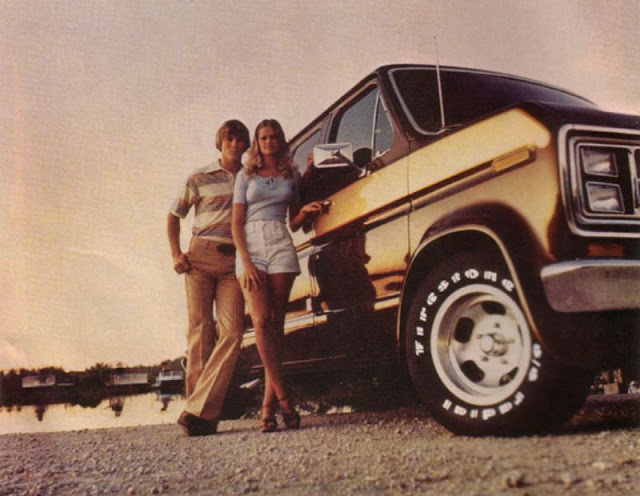
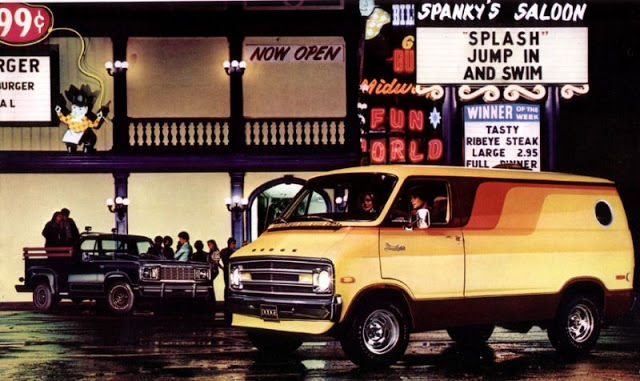
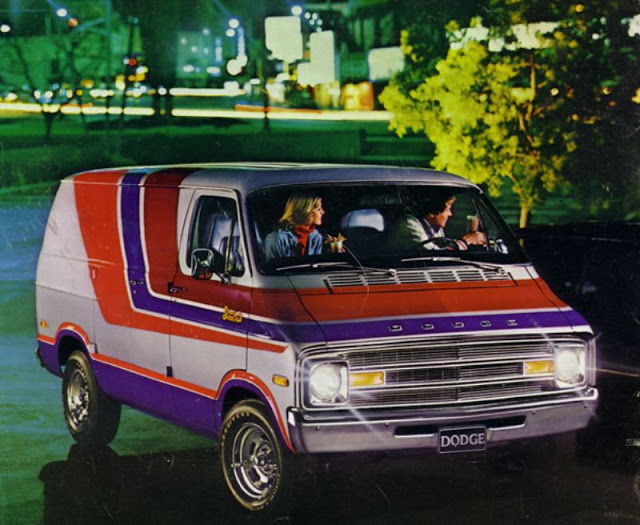
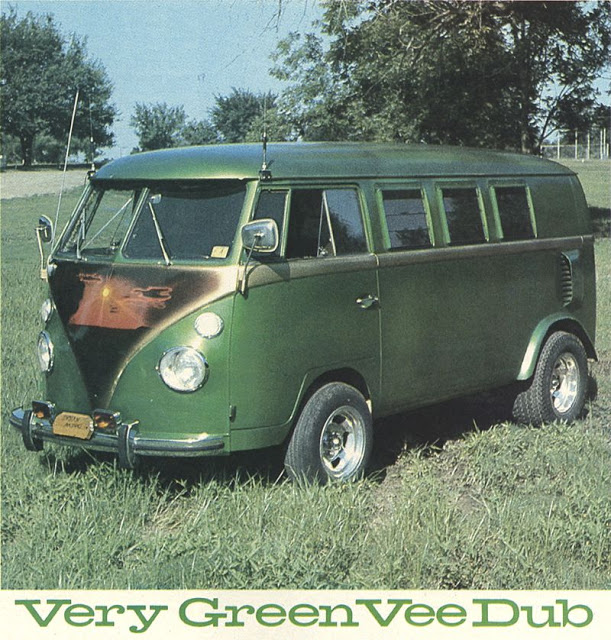
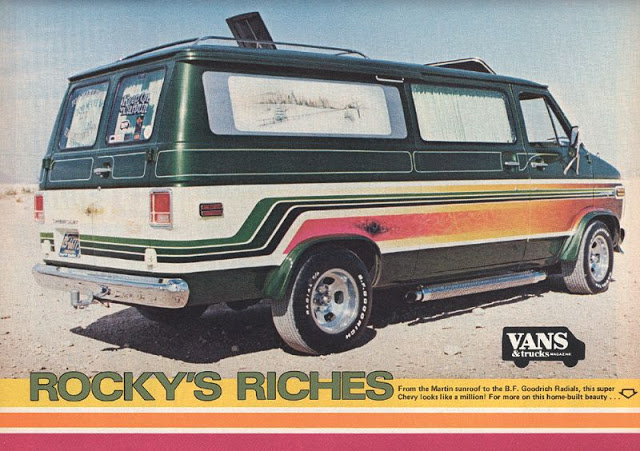
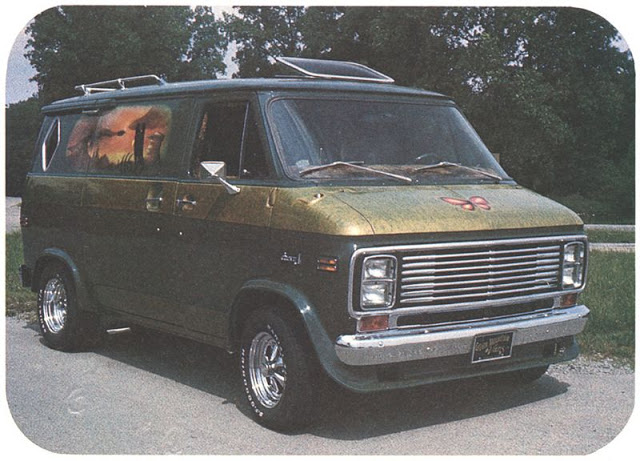
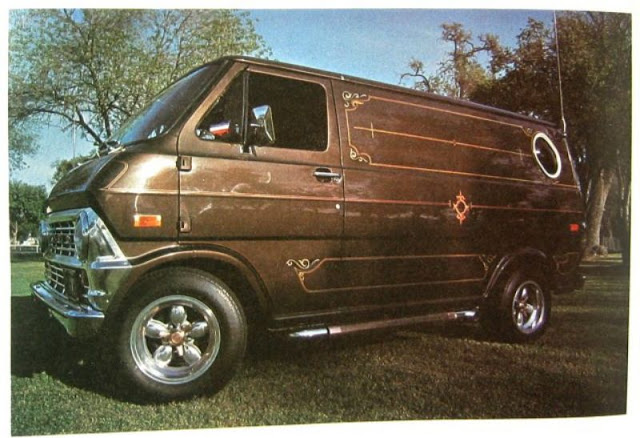
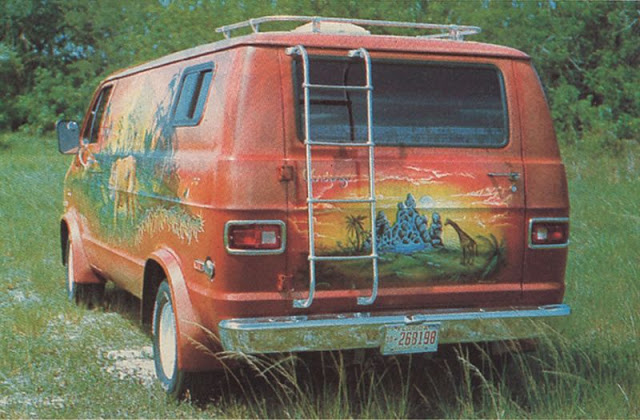
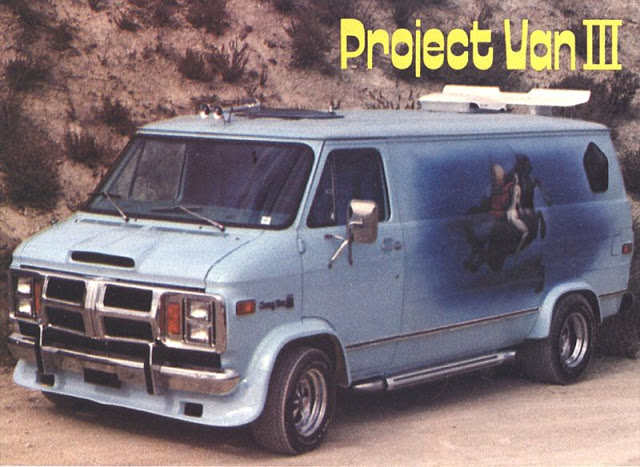
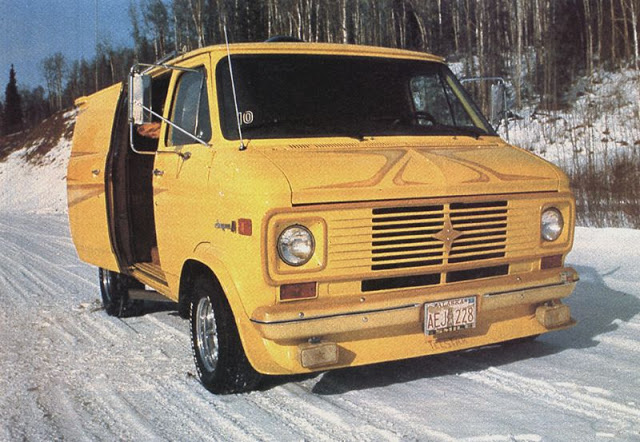
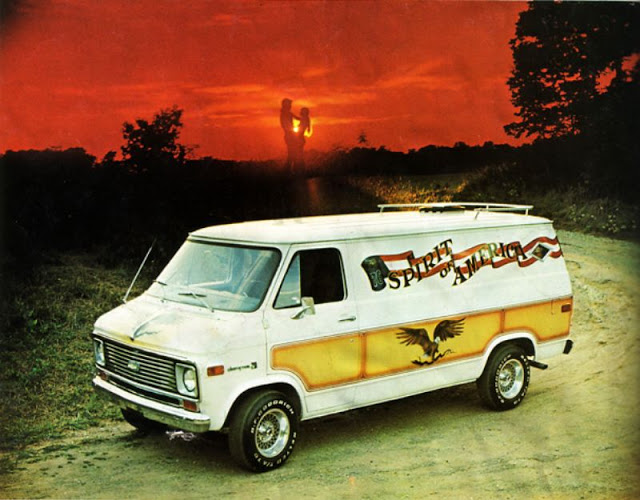
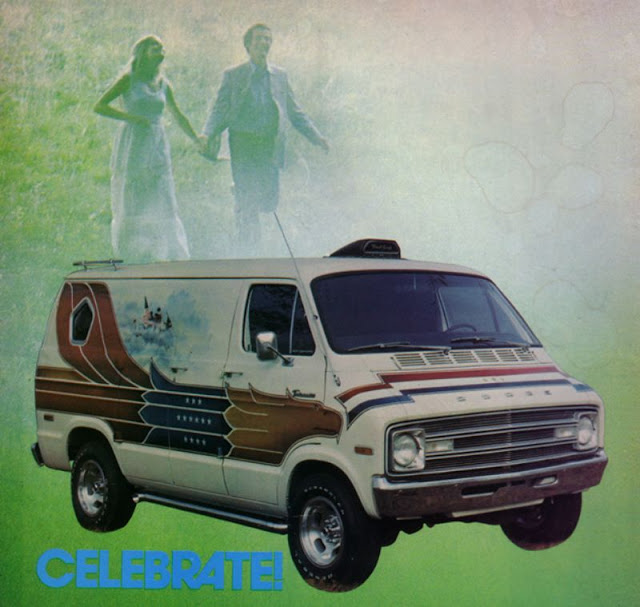
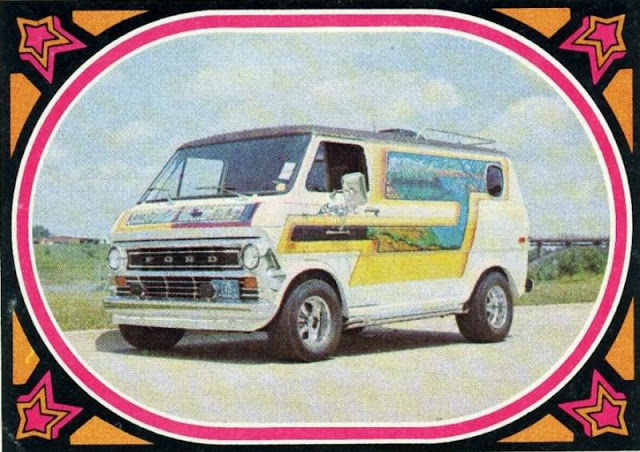
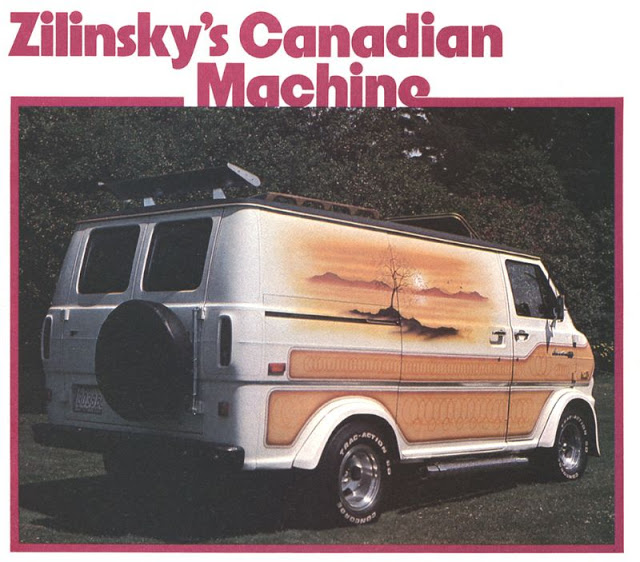
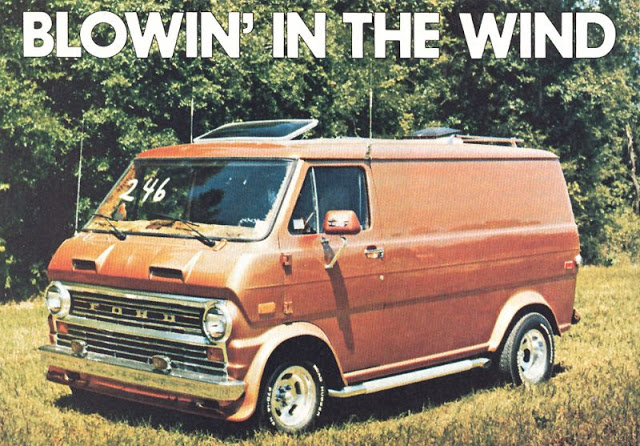
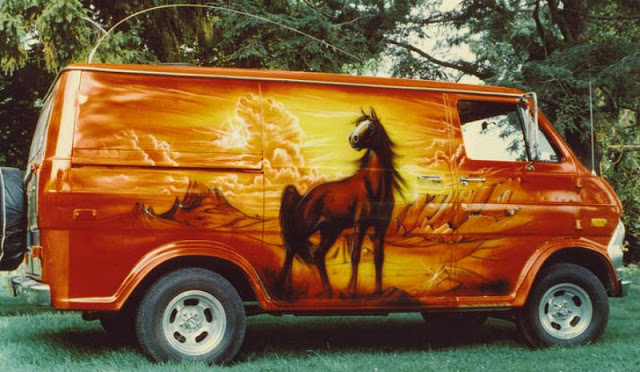
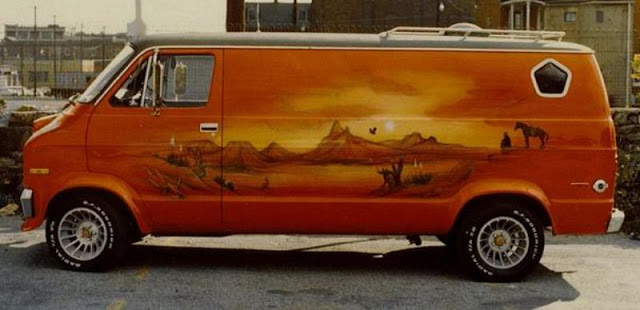
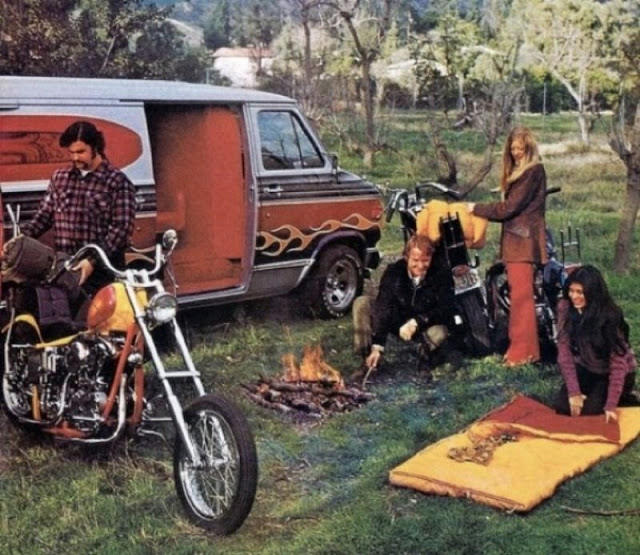
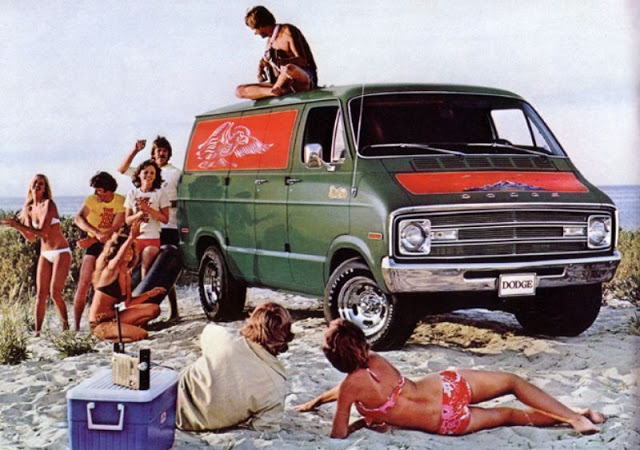
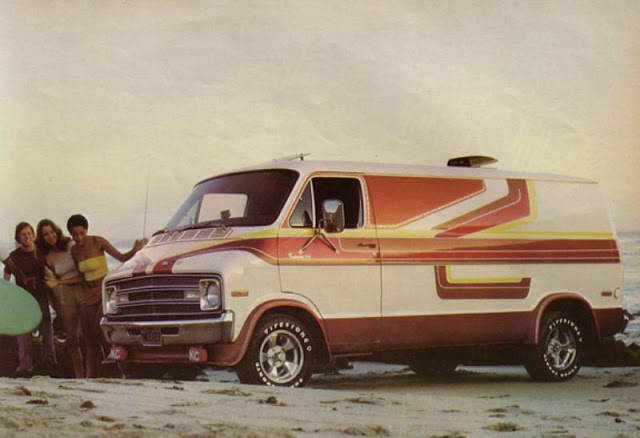
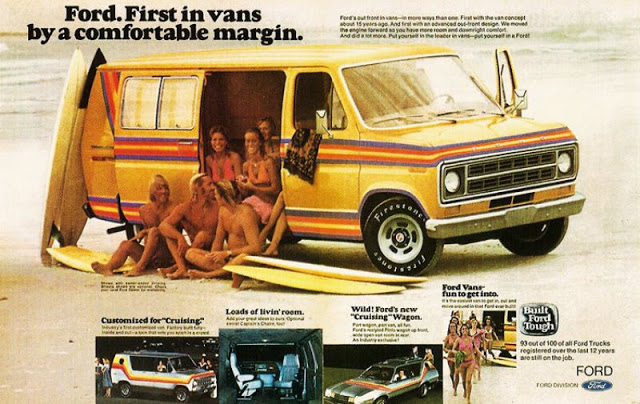
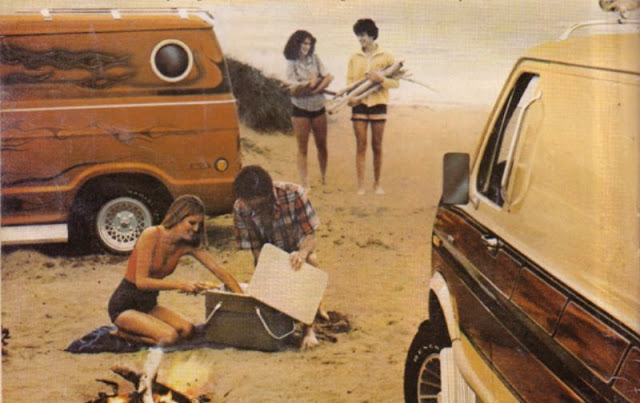
Once upon a time — or more accurately, back in the 1970s — the van reigned supreme. Riding-in right on the heels of the fading muscle car era, the custom van became the ultimate self-expression vehicle– tricked-out and personalized to show all the world just how your bad self rolled.
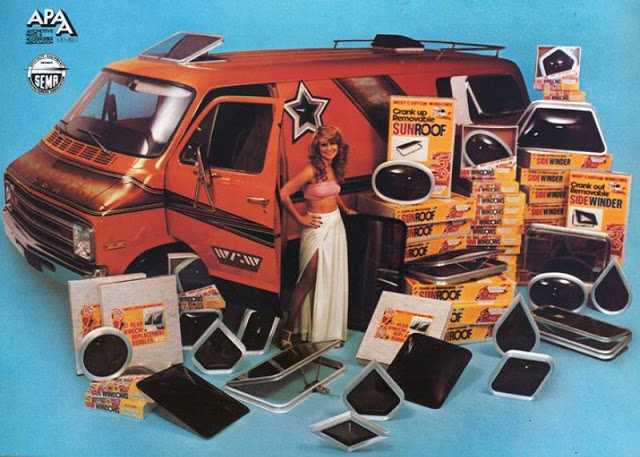
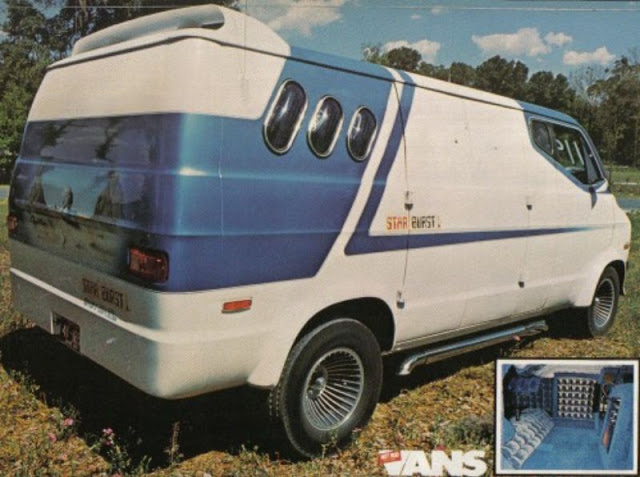
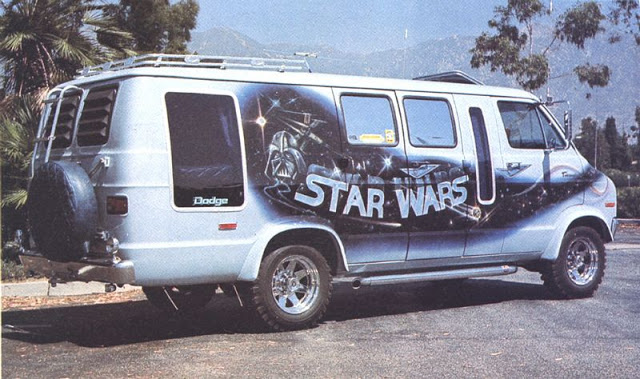
They were badass, man– a portable pampered pad that allowed you to take all your extra-curricular activities of sorts (legal or lotharious) on the road– and there were custom shops on every corner back then that would customize your ride with a kick-ass sound system, lighting, shag carpeting, Captains chairs, beds, bubble windows, louvres, spoilers, mag wheels, custom horns, CB radios– and don’t forget to top it all off with a one-off airbrushed paint job depicting your choice of Wizard, Warlock, Wave or Western scenic. It may be time for a comeback, folks– especially with the home foreclosure rate being what it is…
In 1919, just before the rise of his career, Italian actor Rudolph Valentino impulsively married actress Jean Acker. Acker became involved with Valentino in part to remove herself from the lesbian love triangle, quickly regretted the marriage, and locked Valentino out of their room on their wedding night. The couple separated soon after, and the marriage was never consummated. The couple remained legally married until 1921, when Acker sued Valentino for divorce, citing desertion.
In 1921, Valentino first met Natacha Rambova – an American silent film costume and set designer, art director, and protégée of Nazimova – on the set of Uncharted Seas. The two worked together on the Nazimova production of Camille, by which time they were romantically involved. They married on March 14, 1923 at the Lake County Court House in Crown Point, Indiana.
Many of Valentino’s friends disliked Rambova and found her controlling. During his relationship with her, he lost many friends and business associates. Towards the end of their marriage, Rambova was banned from his sets by contract. Valentino and Rambova divorced in 1925. The end of the marriage was bitter, with Valentino bequeathing Rambova one dollar in his will.
Valentino died in 1926 at the age of 31 because of Peritonitis. Considered as an early pop icon, and a sex symbol of the 1920s, who was known in Hollywood as the “Latin lover” or simply as “Valentino”. His premature death caused mass hysteria among his fans and further propelled his status as a cultural film icon.
From the time he died in 1926 until the 1960s, Valentino’s sexuality was not generally questioned in print. At least four books, including the notoriously libelous Hollywood Babylon, suggested that he may have been gay despite his marriage to Rambova. For some, the marriages to Acker and Rambova, as well as the relationship with Pola Negri, add to the suspicion that Valentino was gay and that these were “lavender marriages.”
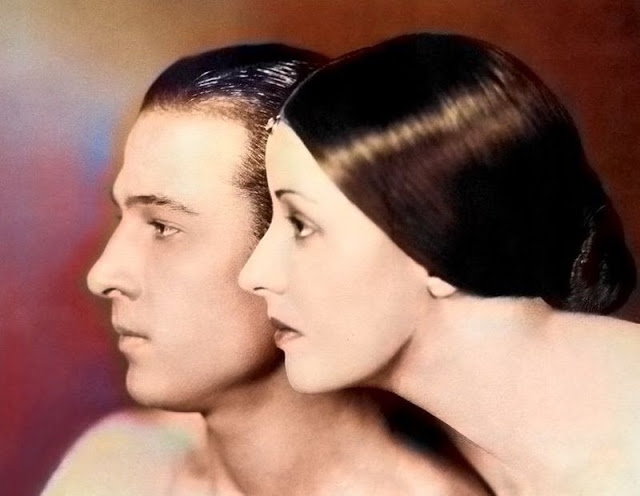
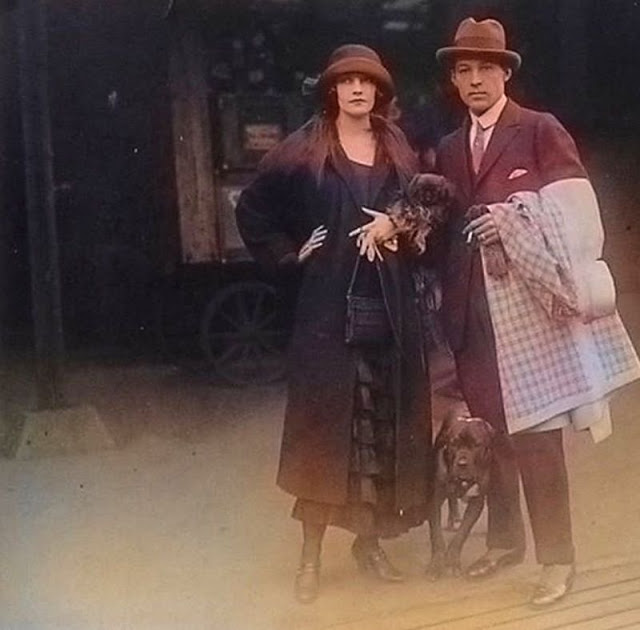
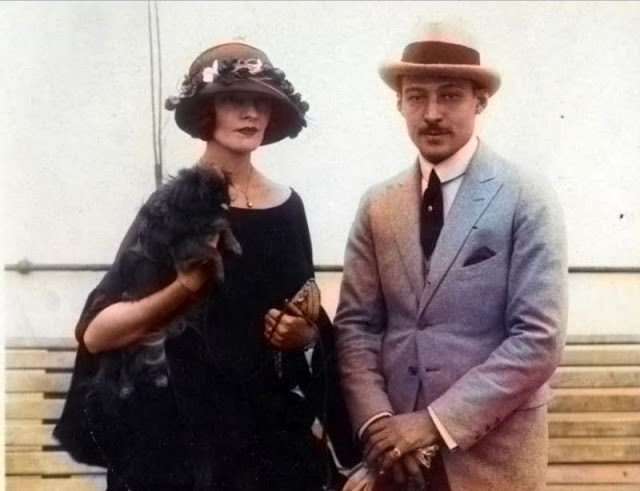
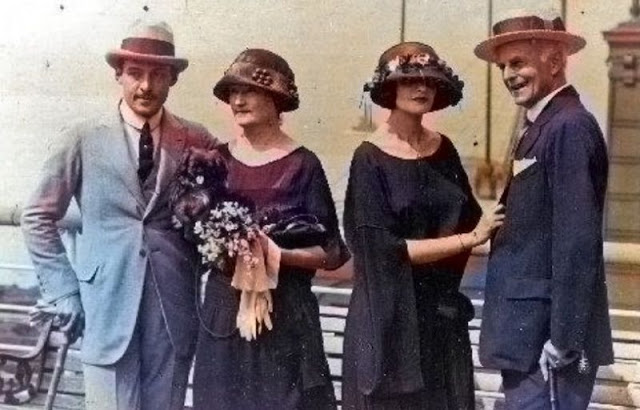
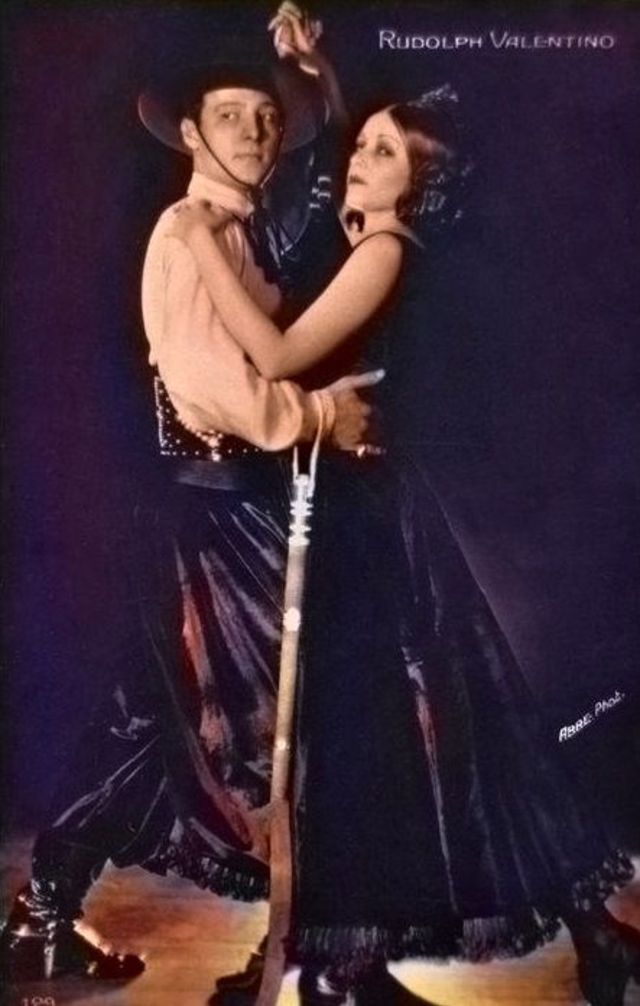
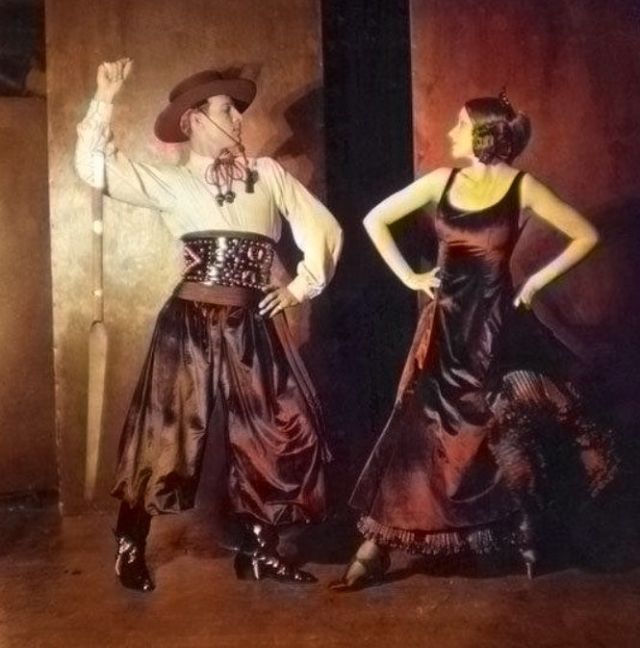
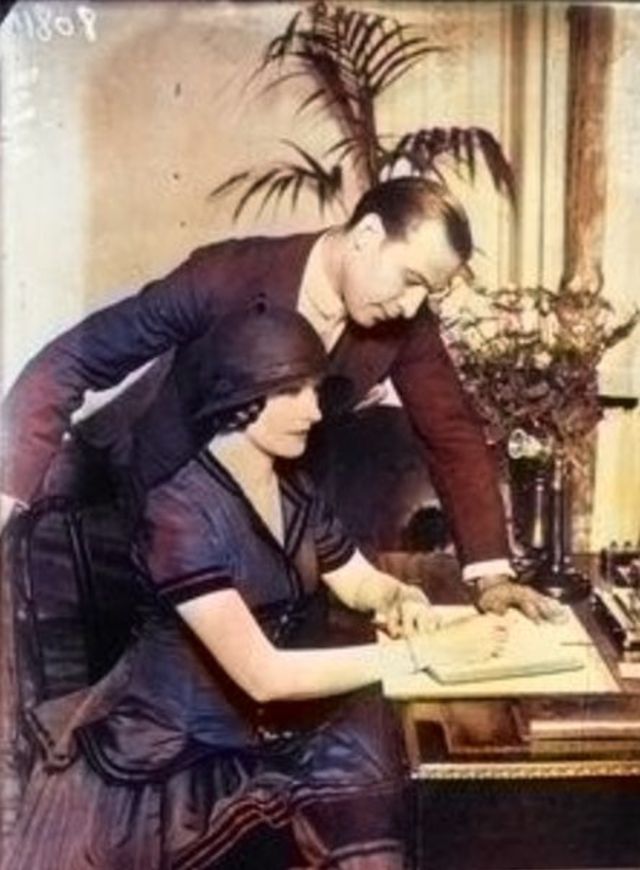
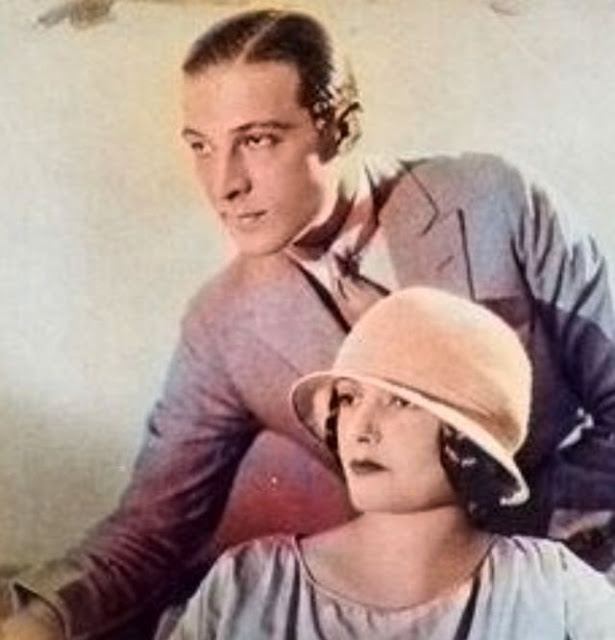
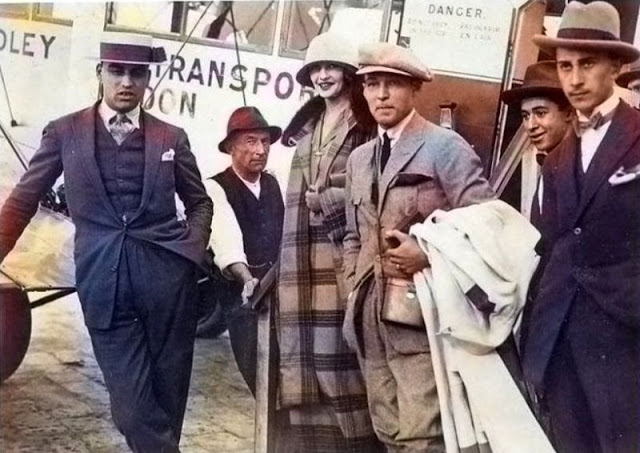
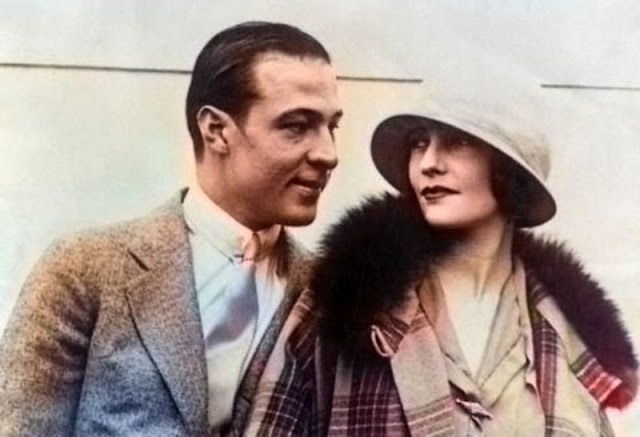
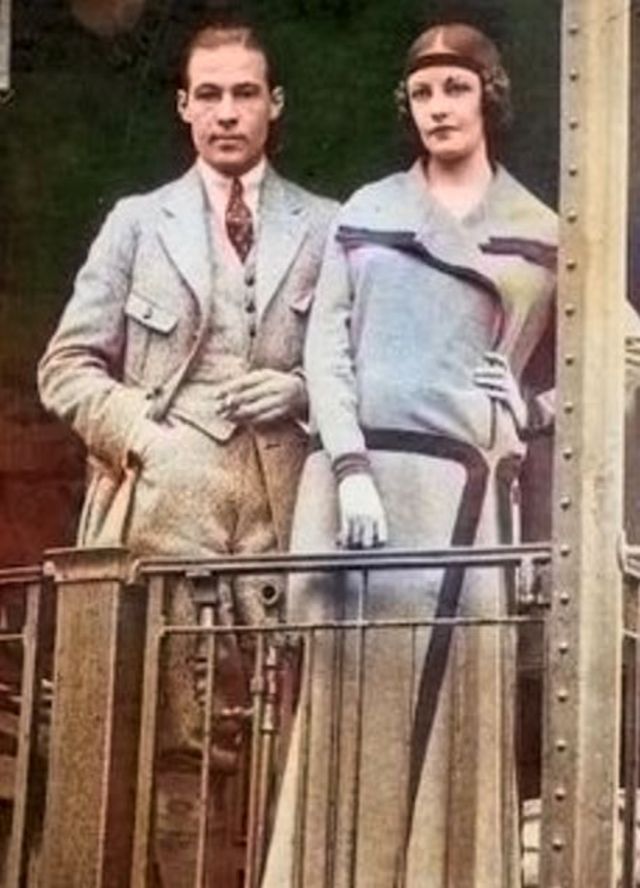
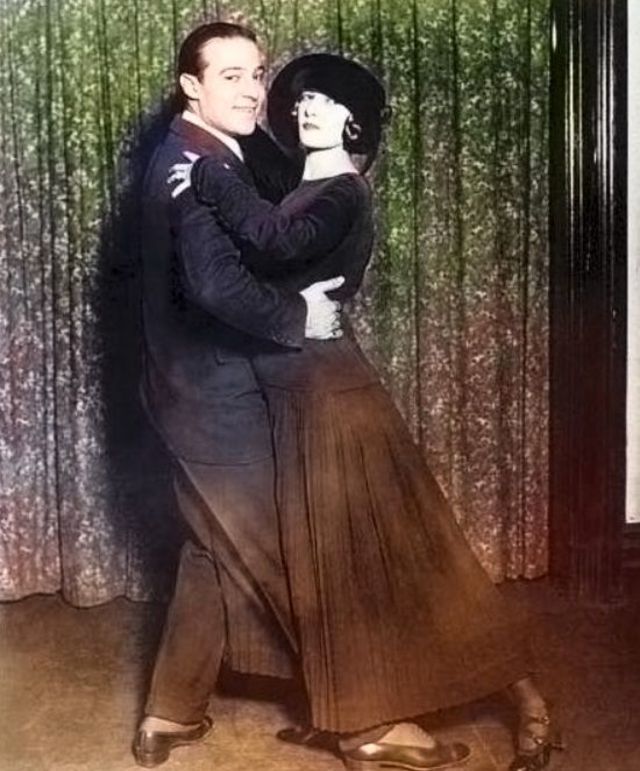
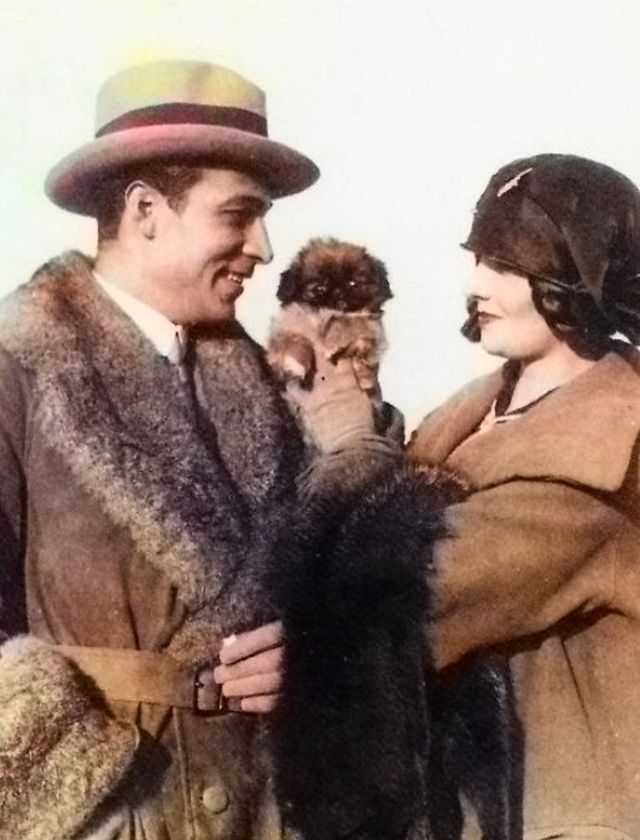
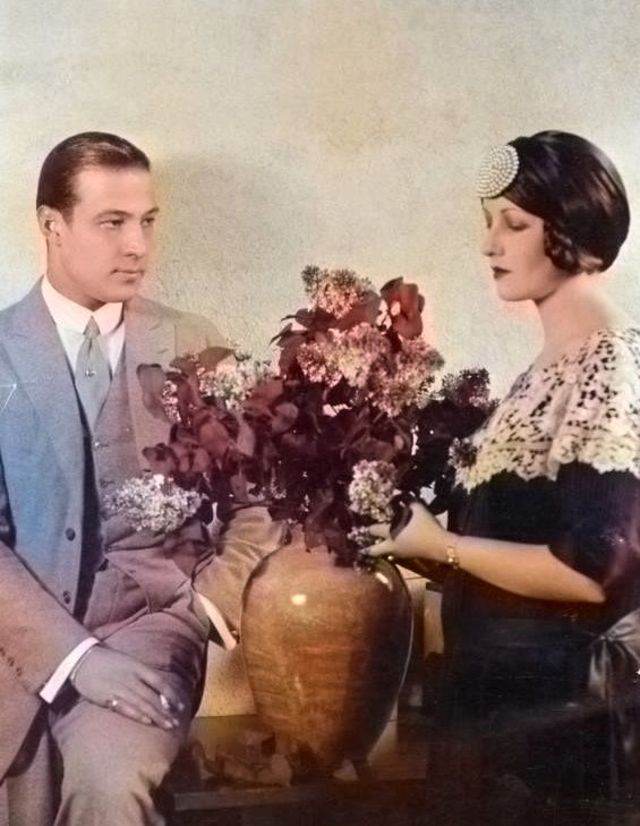
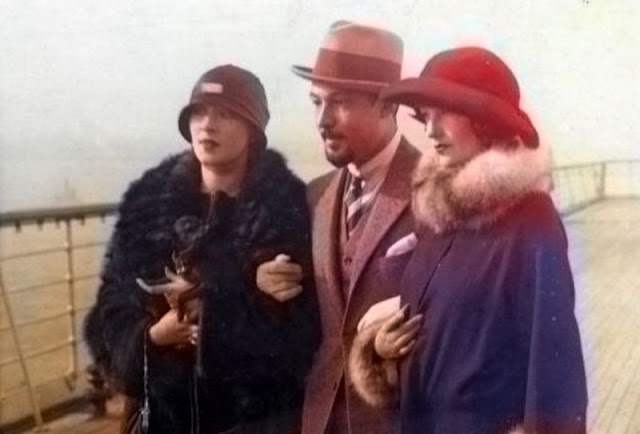
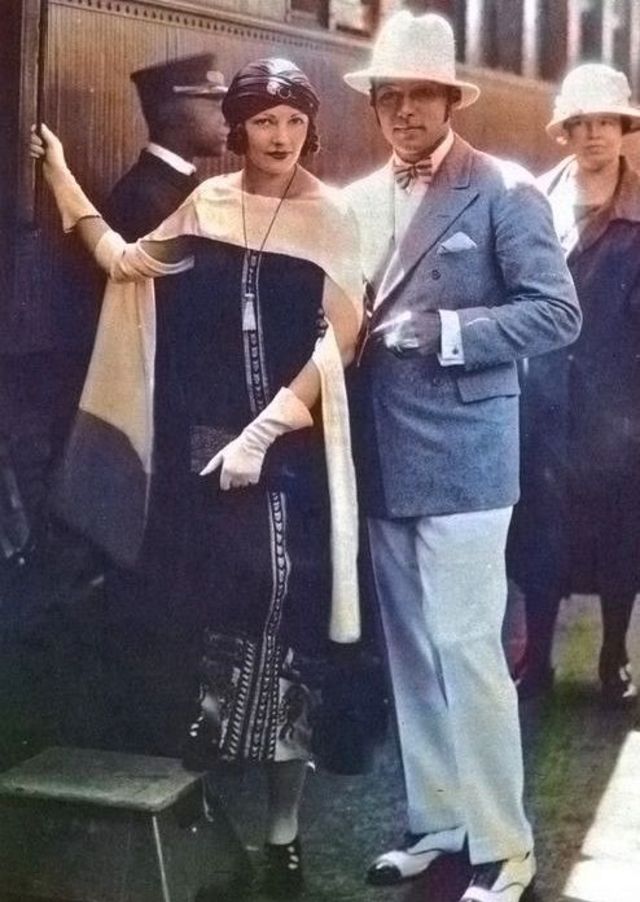
Here below is a beautiful colorized photo collection of Rudolph Valentino and Natacha Rambova during their short marriage.
Rudolph Valentino and Natacha Rambova, 1921Rudolph Valentino, Natacha Rambova and two dogs, 1922Rudy and Natacha on the deck of the RMS Olympic prior to Natacha’s departure for Europe in 1922Rudy and Natacha with her mother Winifred Kimball and step-father Richard Hudnut, on the deck of the RMS Olympic prior to Natacha’s departure for Europe in 1922Rudolph Valentino and Natacha Rambova at their Mexicali Wedding, 1922Rudolph Valentino and Natacha Rambova during their Mineralava Dance Tour in 1923Rudolph Valentino and Natacha Rambova during their Mineralava Dance Tour in 1923Rudolph Valentino and Natacha Rambova during their Mineralava Dance Tour in 1923Rudolph Valentino and Natacha Rambova photographed around 1923Rudolph Valentino and Natacha Rambova photographed circa 1923Rudolph Valentino and Natacha Rambova, circa 1923Rudolph Valentino with Natacha Rambova and their dogs, taken shortly after their marriage at their Whitley Heights home, 1923Rudy and Natacha at the Croydon Aviation Field (Boarding a flight to Paris-Le Bourget), London, August 1923Rudy and Natacha at the Croydon Aviation Field (Boarding a flight to Paris-Le Bourget), London, August 1923Rudy and Natacha at the Croydon Aviation Field (Boarding a flight to Paris-Le Bourget), London, August 1923Rudy and Natacha in 1923, during their Mineralava Dance TourRudy and Natacha in 1923, during their Mineralava Dance TourRudy and Natacha in 1923, during their Mineralava Dance TourRudy and Natacha with their puppy aboard the RMS Aquitania in 1923Natacha Rambova and Rudolph Valentino, circa 1924Rudolph Valentino and Natacha Rambova photographed at home in Hollywood Hills, circa 1924Rudolph Valentino and Natacha Rambova, 1924Rudolph Valentino and wife Natacha Rambova at their home in Hollywood Hills, circa 1924Rudolph Valentino and wife Natacha Rambova at their home in Hollywood Hills, circa 1924Rudolph Valentino and wife Natacha Rambova, circa 1924Rudy and Natacha with Nita Naldi aboard the S.S. Leviathan on November 10, 1924Rudy and Natacha with Nita Naldi aboard the S.S. Leviathan on November 10, 1924Rudy and Natacha with Nita Naldi aboard the S.S. Leviathan on November 10, 1924Rudolph Valentino and wife Natacha Rambova leave LA by train, 1925Rudolph Valentino and wife Natacha Rambova leave LA by train, 1925Rudy and Natacha at the Ambassador Hotel in June 1925
The United States of America (U.S.A. or USA), commonly known as the United States (U.S. or US) or America, is a country primarily located in North America. It consists of 50 states, a federal district, five major unincorporated territories, 326 Indian reservations, and some minor possessions. At 3.8 million square miles (9.8 million square kilometers), it is the world’s third- or fourth-largest country by geographic area. The United States shares significant land borders with Canada to the north and Mexico to the south as well as limited maritime borders with the Bahamas, Cuba, and Russia. With a population of more than 331 million people, it is the third most populous country in the world. The national capital is Washington, D.C., and the most populous city is New York City.
Paleo-Indians migrated from Siberia to the North American mainland at least 12,000 years ago, and European colonization began in the 16th century. The United States emerged from the thirteen British colonies established along the East Coast. Disputes with Great Britain over taxation and political representation led to the American Revolutionary War (1775–1783), which established the nation’s independence. In the late 18th century, the U.S. began expanding across North America, gradually obtaining new territories, sometimes through war, frequently displacing Native Americans, and admitting new states; by 1848, the United States spanned the continent. Slavery was legal in the southern United States until the second half of the 19th century, when the American Civil War led to its abolition. The Spanish–American War and World War I established the U.S. as a world power, a status confirmed by the outcome of World War II. During the Cold War, the United States fought the Korean War and the Vietnam War but avoided direct military conflict with the Soviet Union. The two superpowers competed in the Space Race, culminating in the 1969 spaceflight that first landed humans on the Moon. The Soviet Union’s dissolution in 1991 ended the Cold War, leaving the United States as the world’s sole superpower.
The United States is a federal presidential-constitutional republic with three separate branches of government, including a bicameral legislature. It is a founding member of the United Nations, World Bank, International Monetary Fund, Organization of American States, NATO, and other international organizations. It is a permanent member of the United Nations Security Council. Considered a melting pot of cultures and ethnicities, its population has been profoundly shaped by centuries of immigration. The United States ranks high in international measures of economic freedom, quality of life, education, and human rights; it has low levels of perceived corruption. However, it has been criticized for inequality related to race, wealth, and income; use of capital punishment; high incarceration rates; and lack of universal health care.
The United States is a highly developed country, accounts for approximately a quarter of global GDP, and is the world’s largest economy by GDP at market exchange rates. By value, the United States is the world’s largest importer and second-largest exporter of goods. Although its population is only 4.2% of the world’s total, it holds 29.4% of the total wealth in the world, the largest share held by any country. Making up more than a third of global military spending, it is the foremost military power in the world and internationally a leading political, cultural, and scientific force. (Wikipedia)
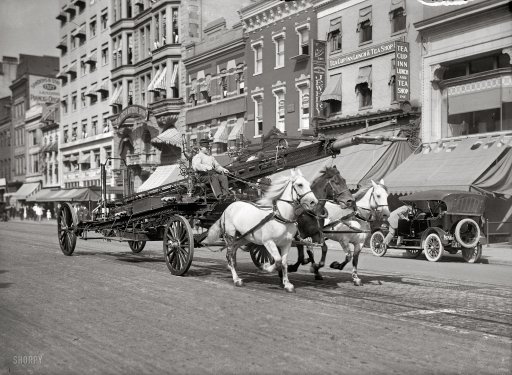
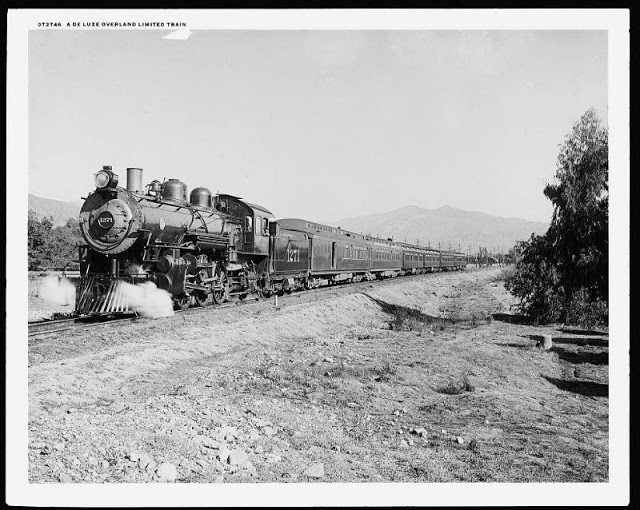
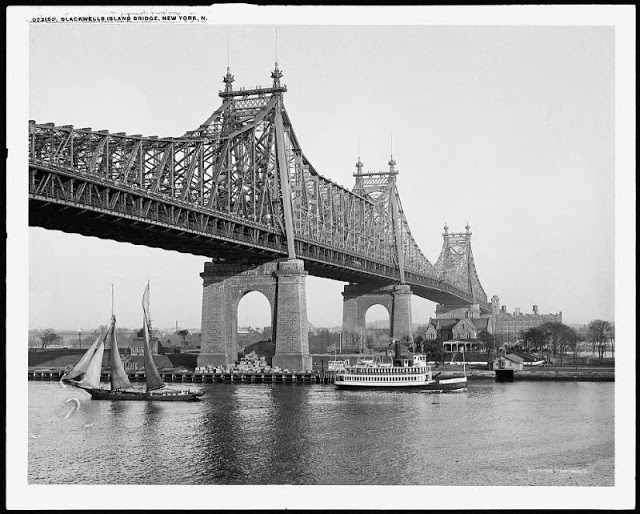
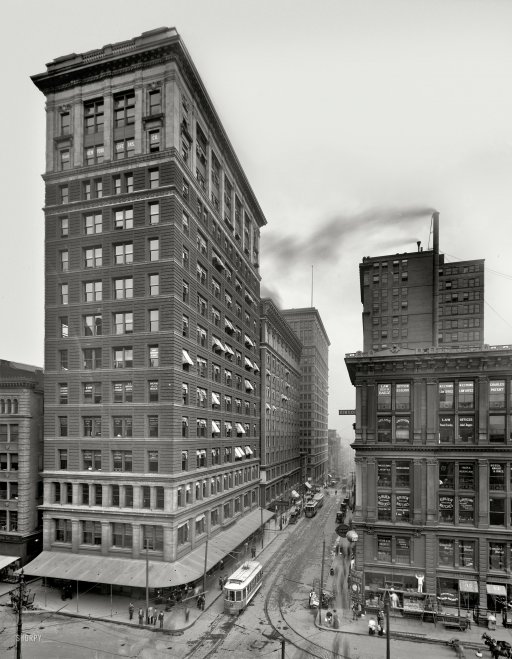
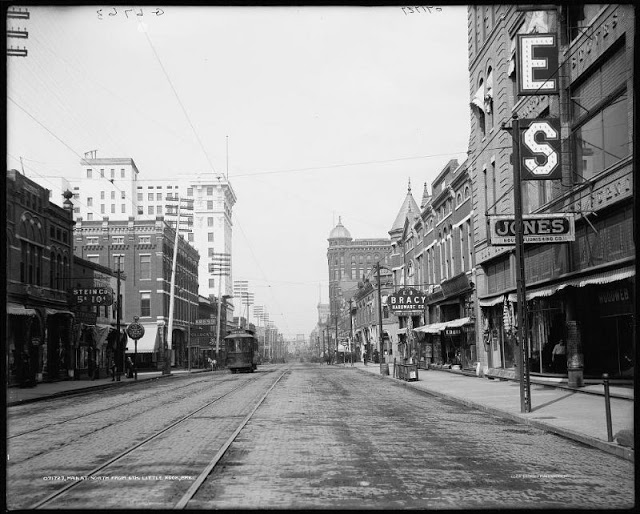
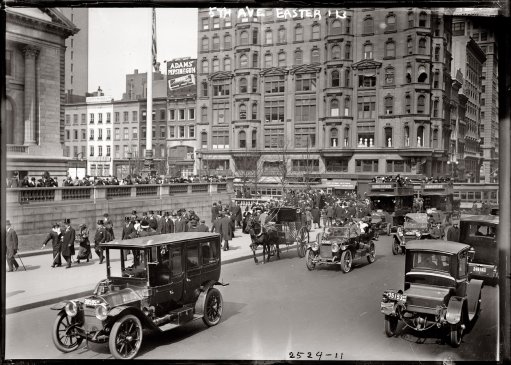
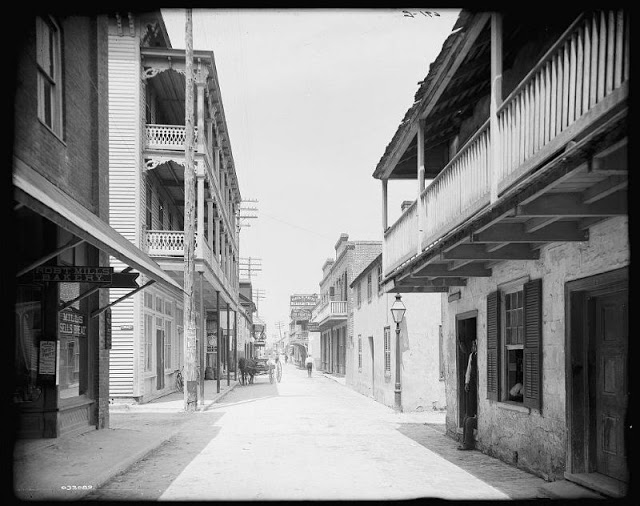
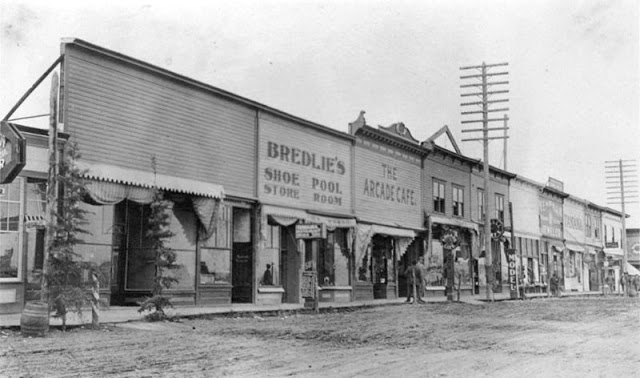
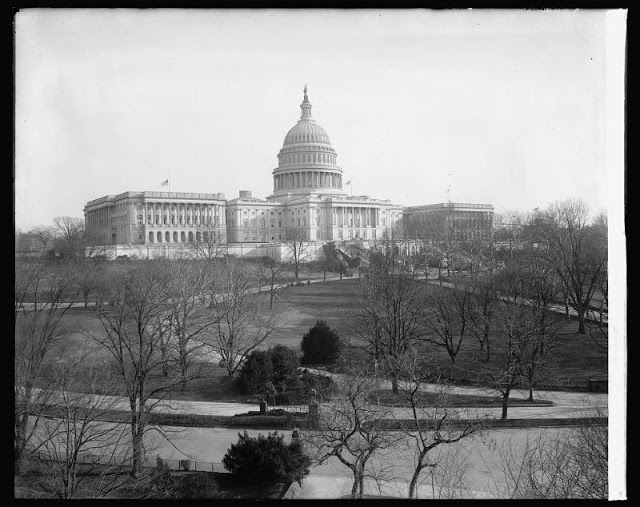
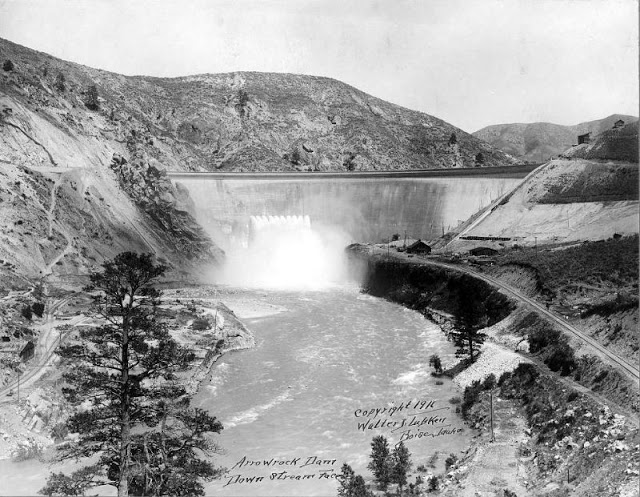
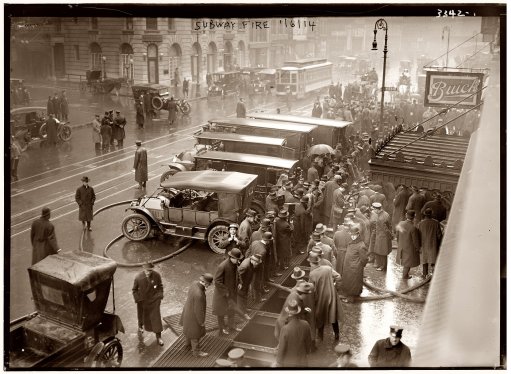
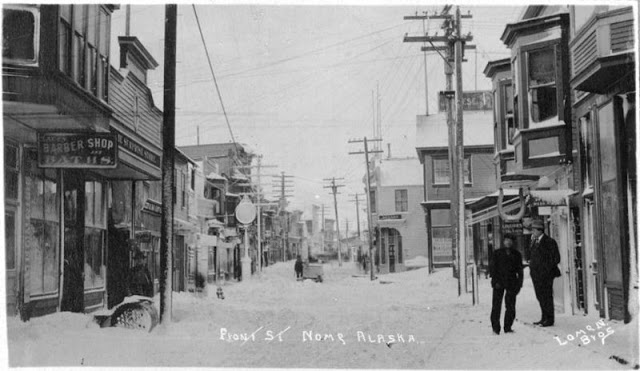
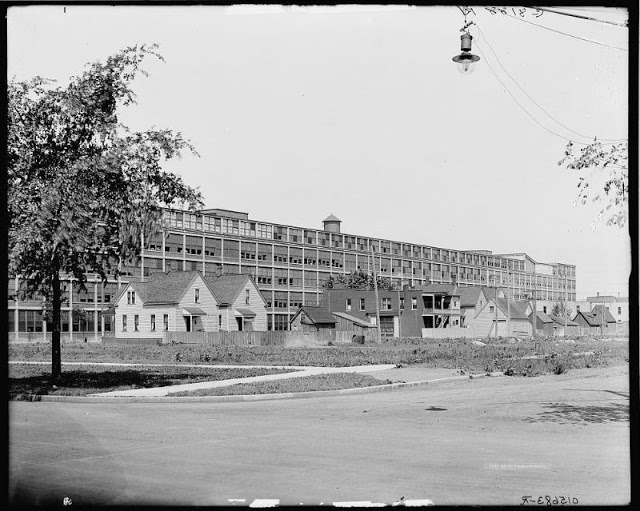
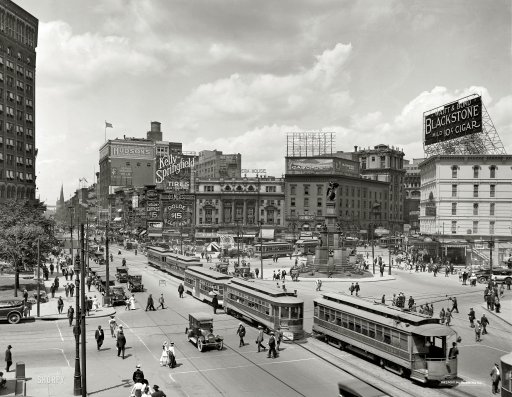
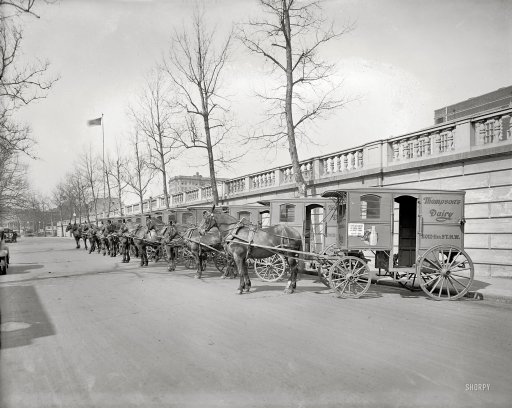
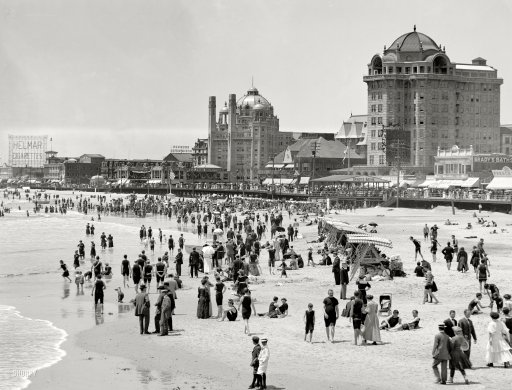
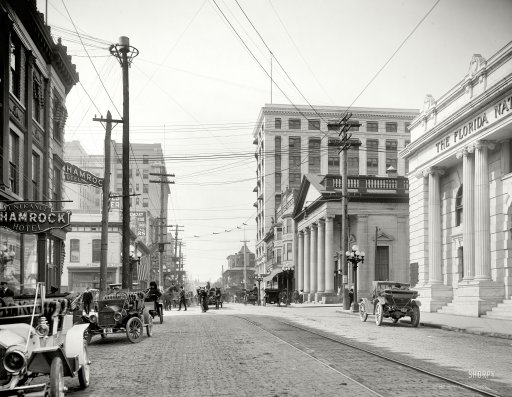
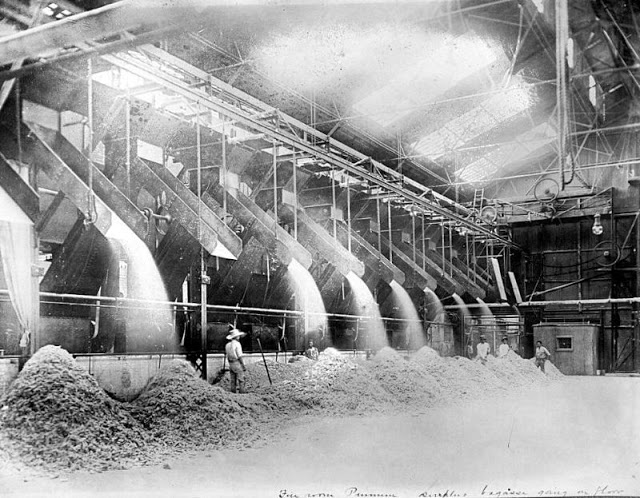
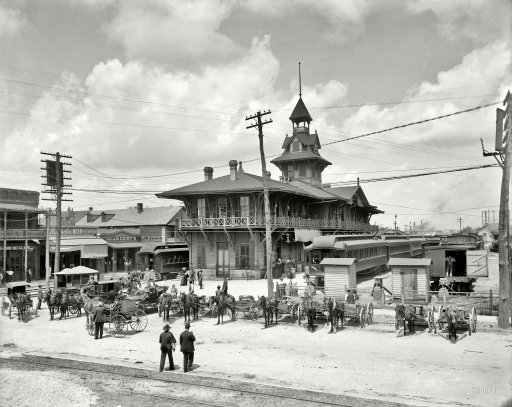
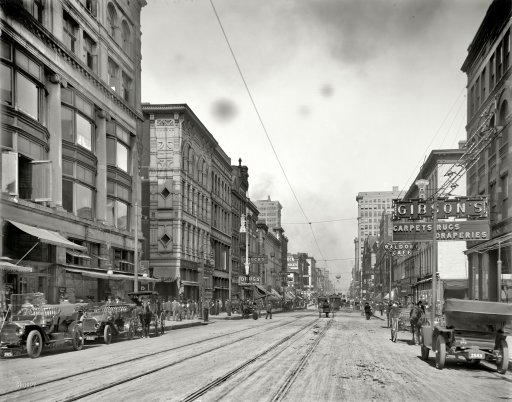
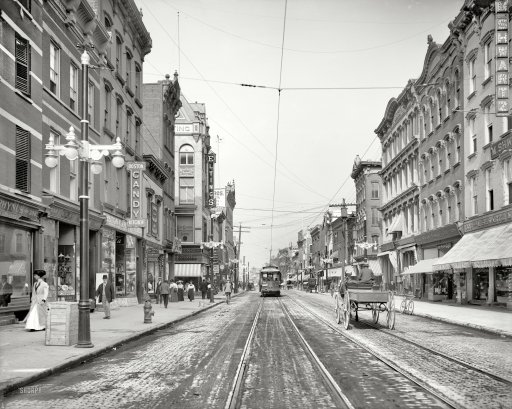
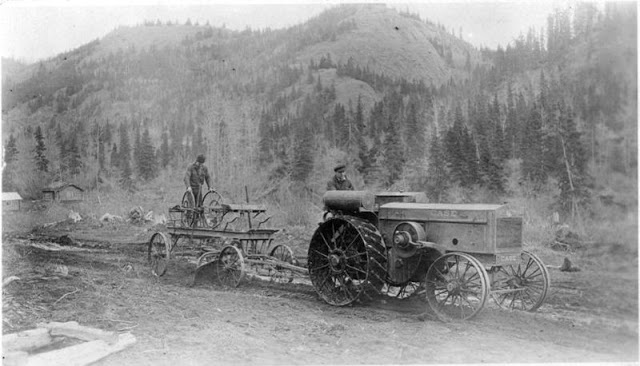
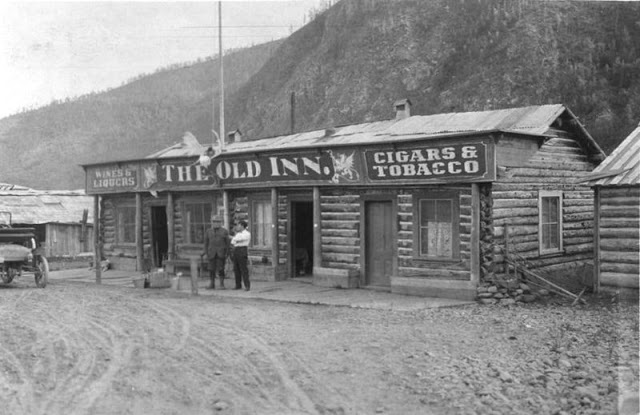
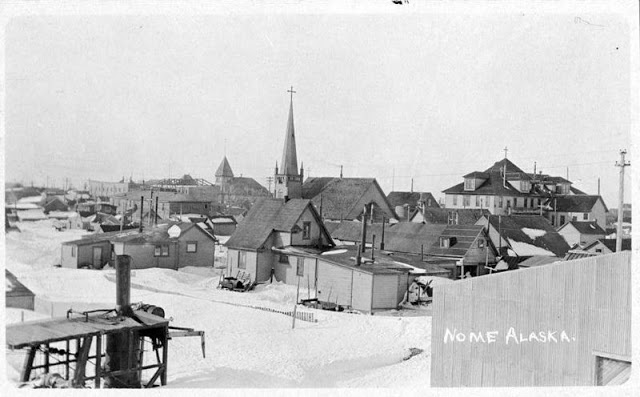
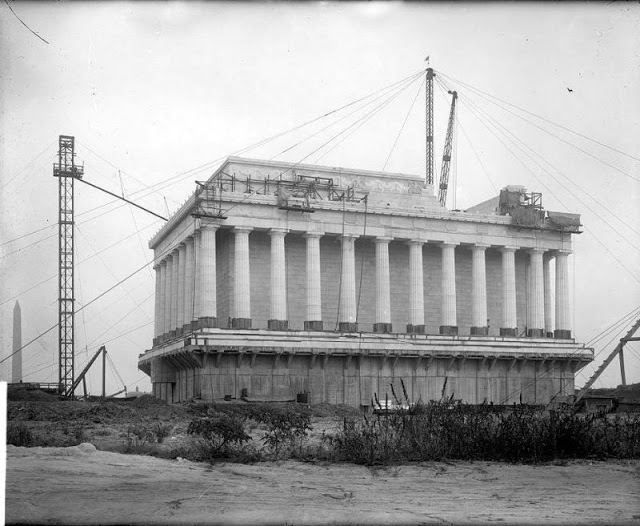
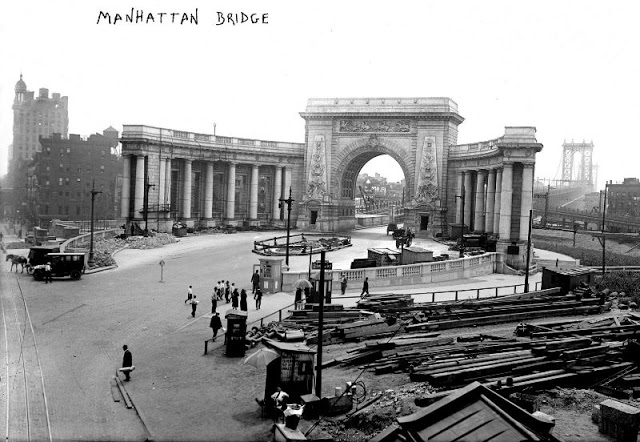
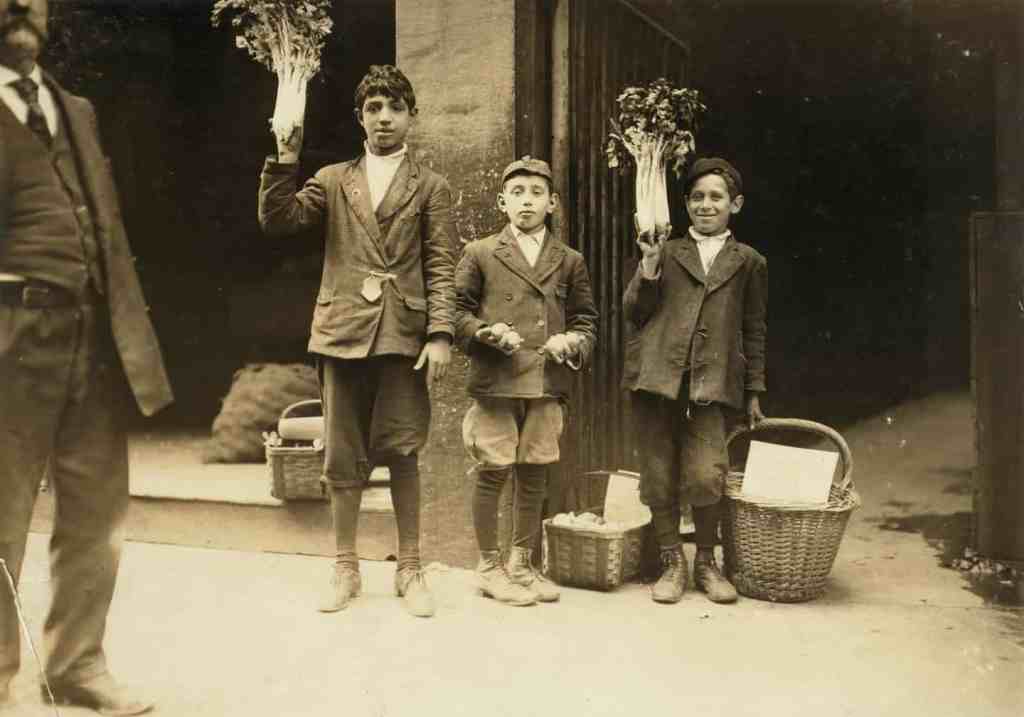
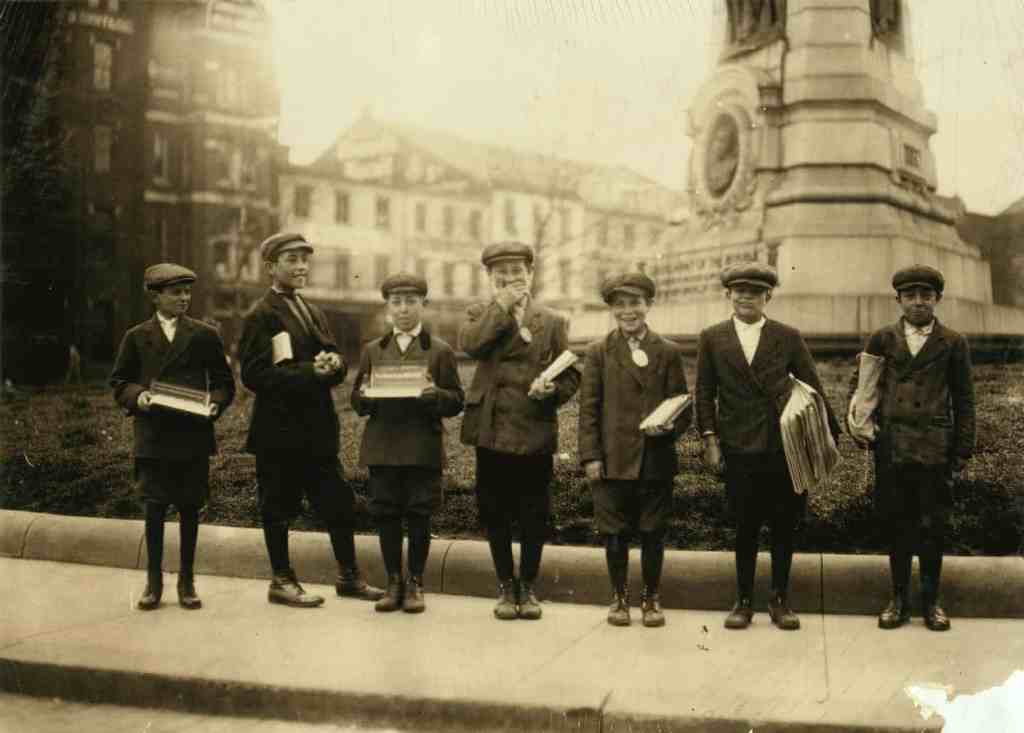
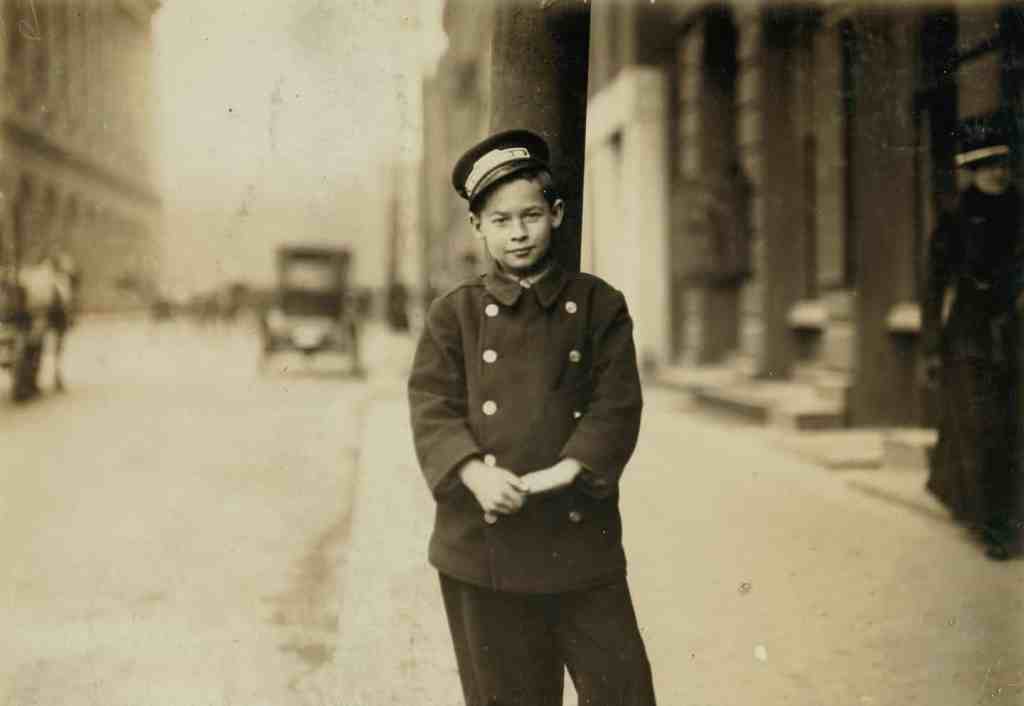
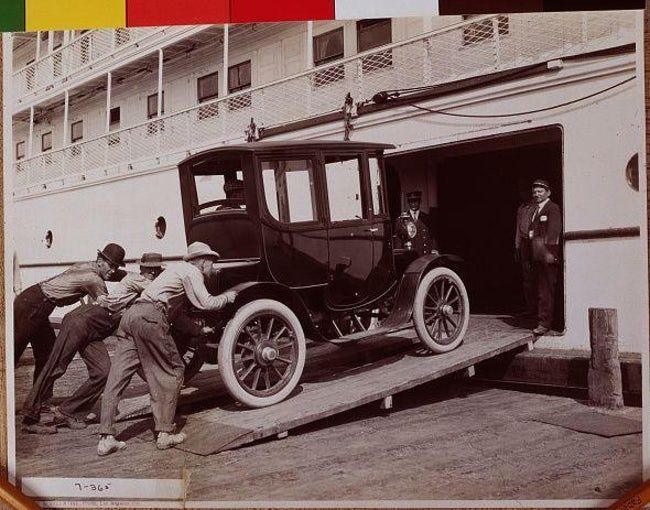
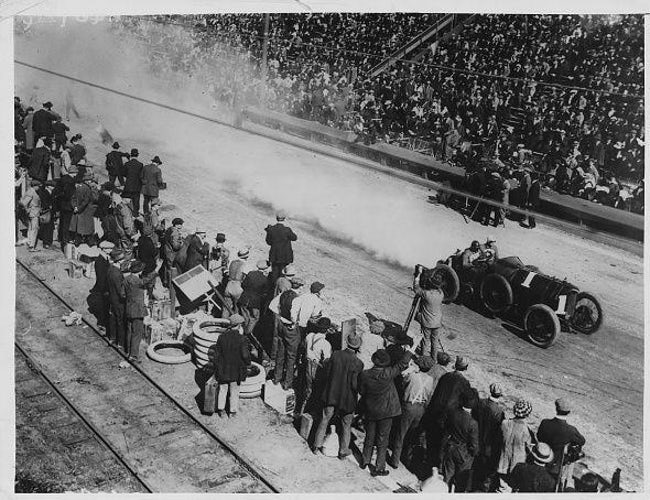
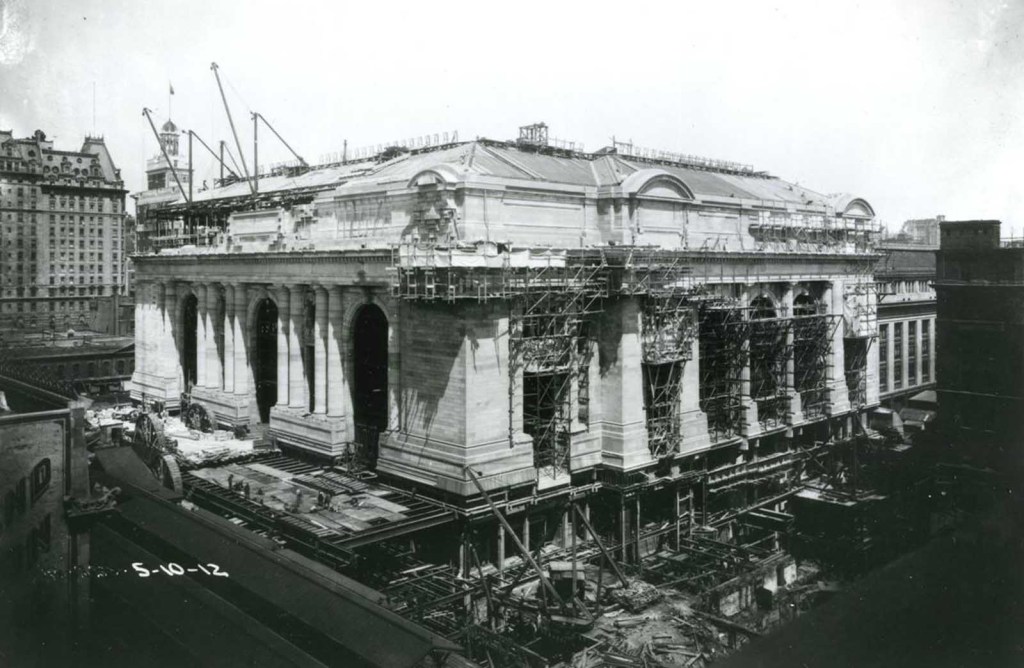
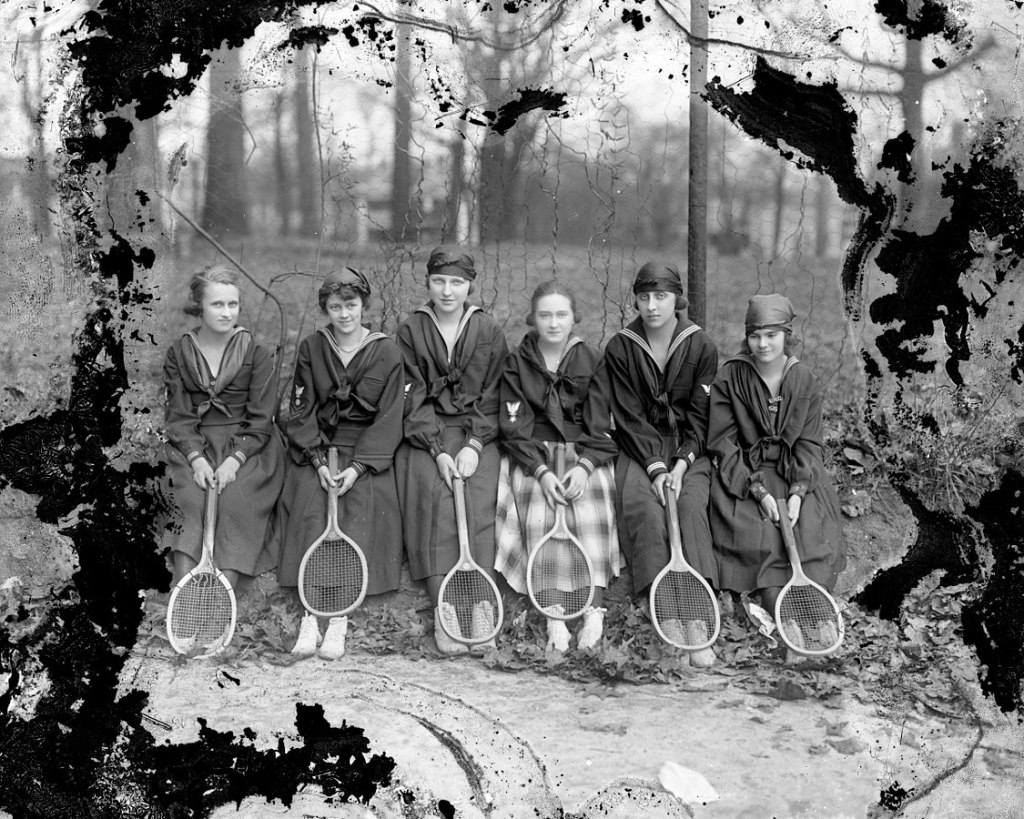
Fire truck Racing Past the Tea Cup Inn on F Street,Washington, D.C 1914Traffic Safety in Washington with the Treasury Building 1913Broadway and Times Building,New York 1915A Deluxe overland limited train, Colorado, 1910Washington 1913Blackwell’s Island Bridge in New York, 1910Library of Congress, Main Reading Room, Washington, D.C., 1910Walnut Street Cincinnati, Ohio 1910Fifth Avenue Looking North, New York 1913Main Street in Little Rock, Arkansas, 1910Packard Motor Car Company, Auto Plant in Detroit, Michigan, 1910Fifth Avenue Easter,New York 1913Panorama of New Orleans, Louisiana, 1910St. George Street in St. Augustine, Florida, 1910Street scene in Fairbanks, Alaska, 1910Wall Street 1911U.S. Capitol, Washington, D.C., 1910Arrowrock Dam in Idaho, 1914The New York Public Library,New York 1915The Lincoln Memorial construction, 1914Fifth Avenue at 51st Street,New York 1913Subway Fire at West 55th Street,Broadway, New York 1915Front Street covered with snow in Nome, Alaska, 1915Packard Motor Co. in Detroit, Michigan, 19155th Avenue and 42nd Street, New York 1910Ninth Street,Washington, D.C 1915Cadillac Square Detroit, Michigan 1916Woodward Avenue Detroit, Michigan 1917Thompson Dairy Wagons, Washington, D.C 1917Bathing in Front of the Big Hotels,Atlantic City 1915Forsyth Street, West from Main Jacksonville,Florida 1910Raw sugar mill in the Hawaiian Islands, 1915Louisville and Nashville Railway Station,Florida 1910Main Street, North from Gayoso Avenue, Memphis, Tenn., 1910The Jersey Shore,Atlantic City 1910Main Street Looking Toward Liberty,New York 1912Road construction in Tanana, Alaska, 1916The Old Inn in Ester, Alaska, 1916View of Nome, Alaska with snow on ground, 1916Lincoln Memorial, Washington, D.C., January 1917Manhattan Bridge in New York, under Construction, 1919Vegetable pedlars, Boston, Massachusetts, 1915Gum vendors and newspaper sellers, Washington DC, 1912Western Union messenger, Providence, Rhode Island, 19121910 University of Michigan football team.Stacks of lumber drying at the Seattle Cedar Lumber Manufacturing Company’s mill in Ballard, ca. 1919.Men Load A Car Onto A Ship In A Los Angeles Port, 1915A Crowd Watches The 1914 Vanderbilt Cup Race In Santa MonicaGrand Central Terminal under construction in New York City, on May 10, 1912.Girls tennis, Peace College, Raleigh, NC, 1910s.Tenement family in the kitchen, New York, 1915.