54 Amazing Vintage Photographs of America From 1900 to 1920 Volume 2

The United States of America (U.S.A. or USA), commonly known as the United States (U.S. or US) or America, is a country primarily located in North America. It consists of 50 states, a federal district, five major unincorporated territories, 326 Indian reservations, and some minor possessions. At 3.8 million square miles (9.8 million square kilometers), it is the world’s third- or fourth-most extensive country by geographic area. The United States shares significant land borders with Canada to the north and Mexico to the south as well as limited maritime borders with the Bahamas, Cuba, and Russia. With a population of more than 331 million people, it is the third most populous country in the world. The national capital is Washington, D.C., and the most populous city is New York City.

Paleo-Indians migrated from Siberia to the North American mainland at least 12,000 years ago, and European colonization began in the 16th century. The United States emerged from the thirteen British colonies established along the East Coast. Disputes with Great Britain over taxation and political representation led to the American Revolutionary War (1775–1783), which established the nation’s independence. In the late 18th century, the U.S. began expanding across North America, gradually obtaining new territories, sometimes through war, frequently displacing Native Americans, and admitting new states; by 1848, the United States spanned the continent. Slavery was legal in the southern United States until the second half of the 19th century, when the American Civil War led to its abolition. The Spanish–American War and World War I established the U.S. as a world power, a status confirmed by the outcome of World War II. During the Cold War, the United States fought the Korean War and the Vietnam War but avoided direct military conflict with the Soviet Union. The two superpowers competed in the Space Race, culminating in the 1969 spaceflight that first landed humans on the moon. The Soviet Union’s dissolution in 1991 ended the Cold War, leaving the United States as the world’s sole superpower.

The United States is a federal republic and a representative democracy with three separate branches of government, including a bicameral legislature. It is a founding member of the United Nations, World Bank, International Monetary Fund, Organization of American States, NATO, and other international organizations. It is a permanent member of the United Nations Security Council. Considered a melting pot of cultures and ethnicities, its population has been profoundly shaped by centuries of immigration. The United States ranks high in international measures of economic freedom, quality of life, education, and human rights; it has low levels of perceived corruption. However, it has been criticized for inequality related to race, wealth, and income; use of capital punishment; high incarceration rates; and lack of universal health care.

The United States is a highly developed country, accounts for approximately a quarter of global GDP, and is the world’s largest economy by GDP at market exchange rates. By value, the United States is the world’s largest importer and second-largest exporter of goods. Although its population is only 4.2% of the world’s total, it holds 29.4% of the total wealth in the world, the largest share held by any country. Making up more than a third of global military spending, it is the foremost military power in the world and internationally a leading political, cultural, and scientific force. (Wikipedia)
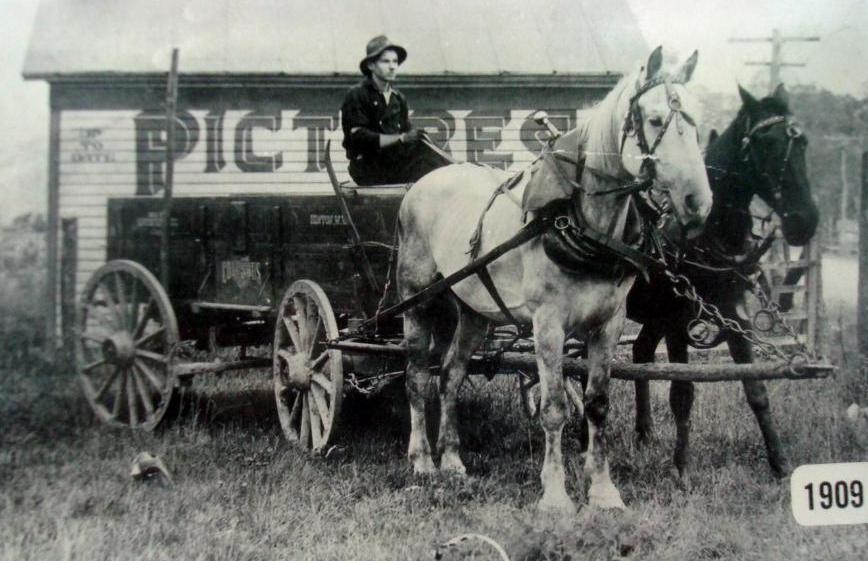
Clive Alderman with wagon and horses. Hillsboro, West Virginia, 1918
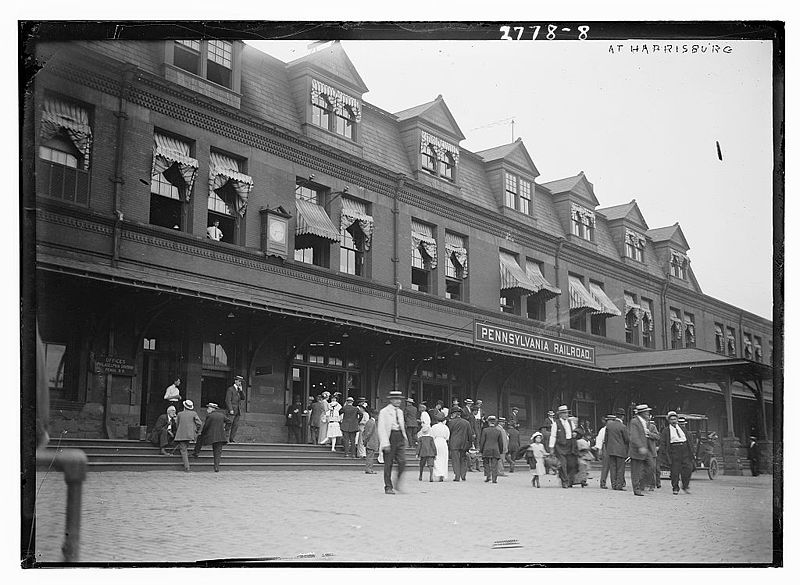
Harrisburg, Pennsylvania Railroad Station, 1910
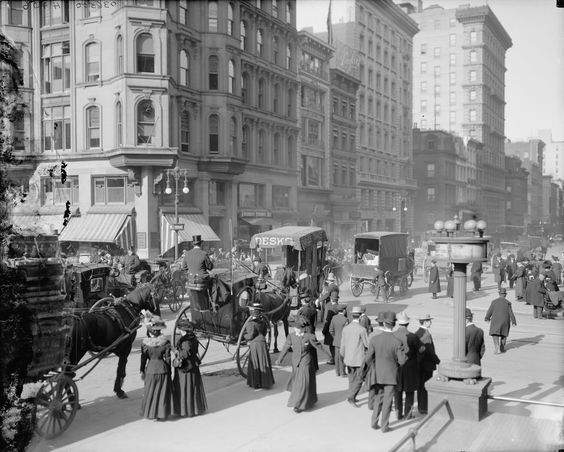
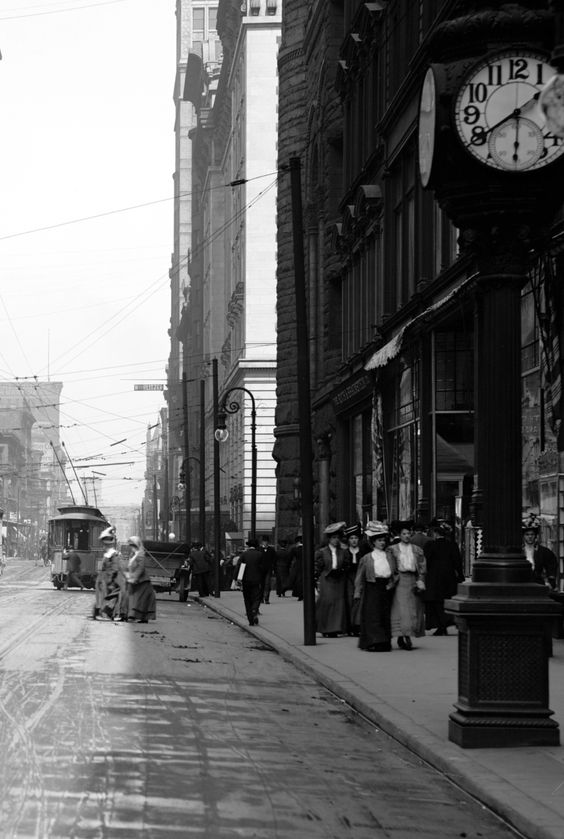
Fifth Avenue and Forty-Second Street, New York City, 1908
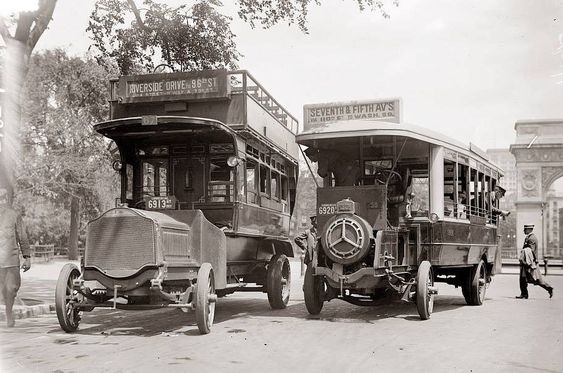
New York City’s public transportation in 1913.
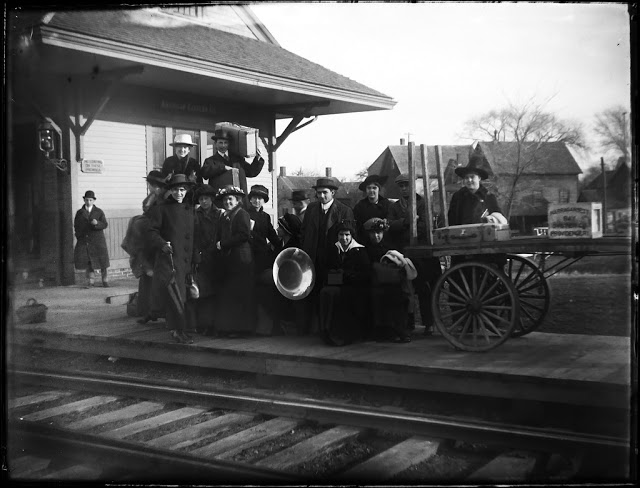
Group of people waiting for their train to arrive at Conomo Station in Essex County, Massachusetts. 1904
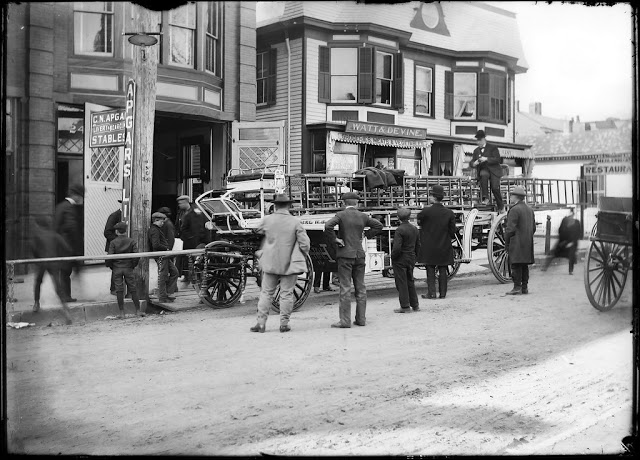
Horse drawn ladder truck, Somerville, New Jersey, 1909
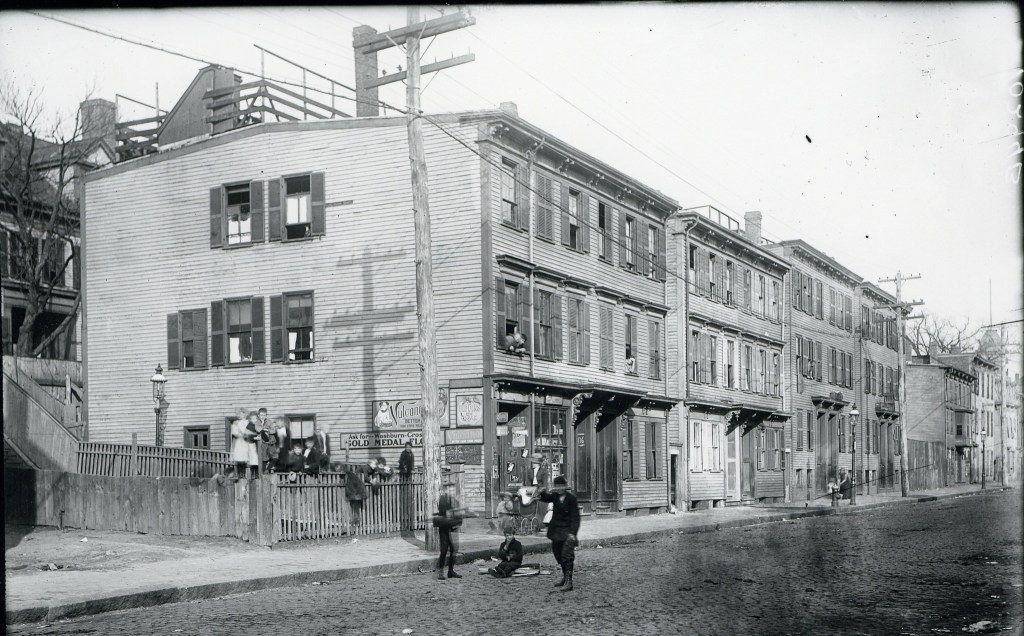
Homes of immigrant families on Marginal Street, Boston, Mass., 1909
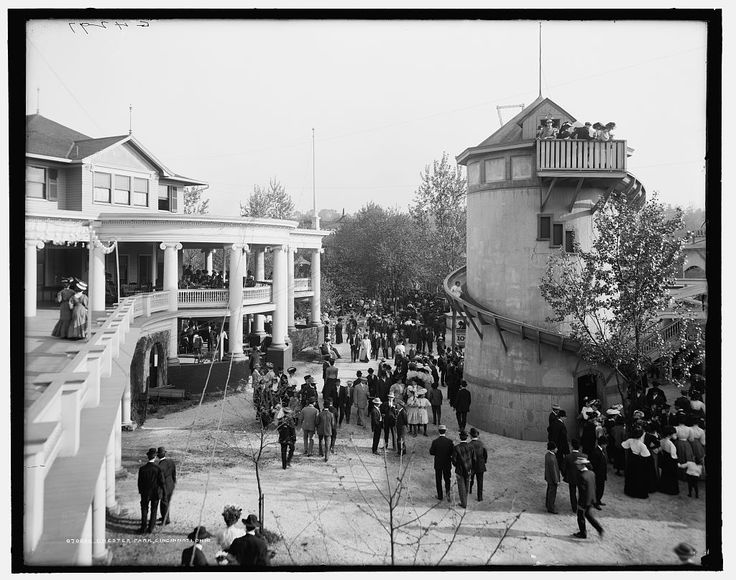
Chester Park, Cincinnati, Ohio; 1910
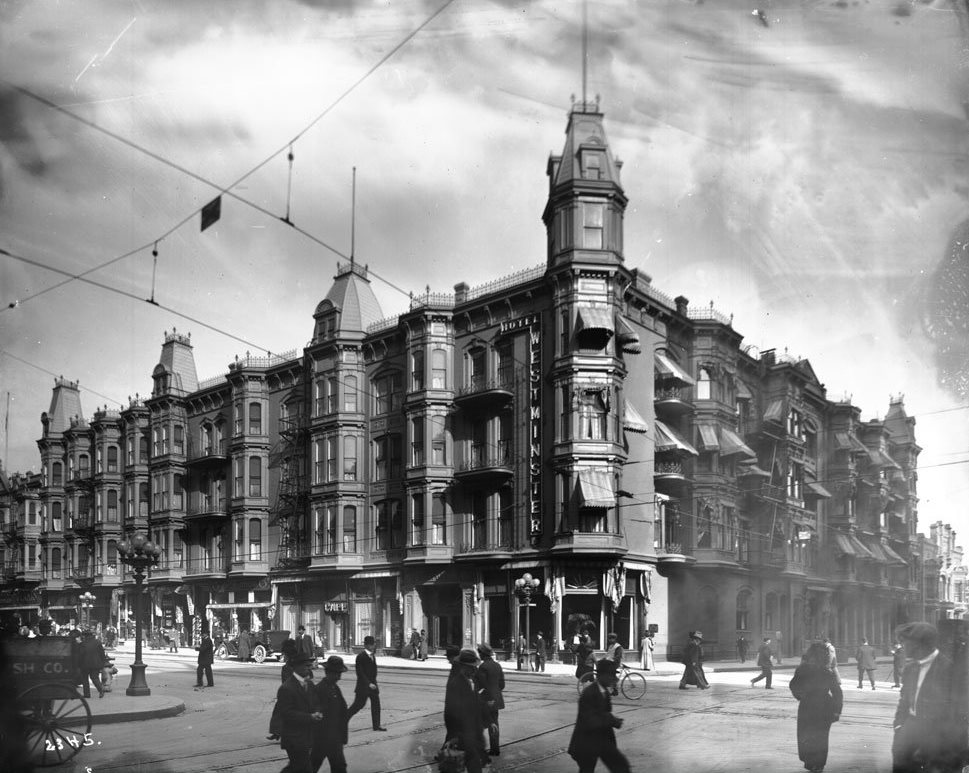
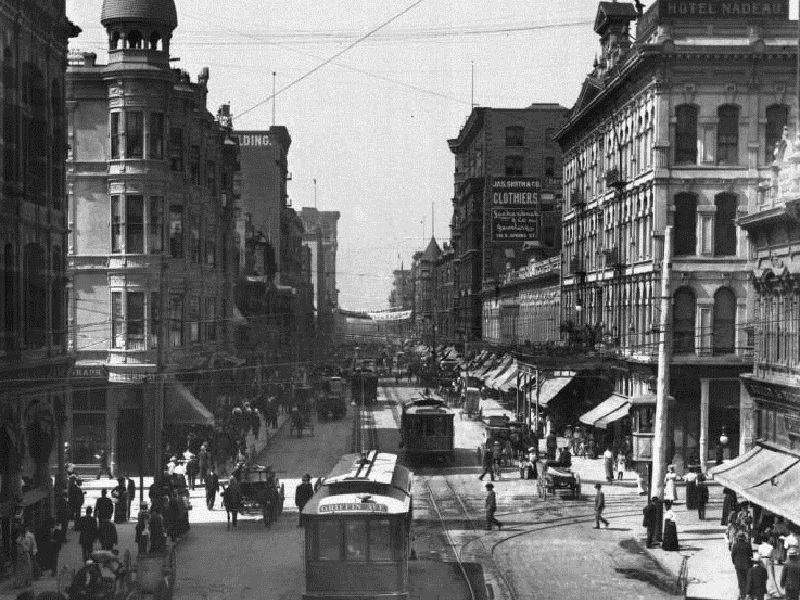
4th and Main Street, Los Angeles, California, 1900
Champaign, Illinois, 1915
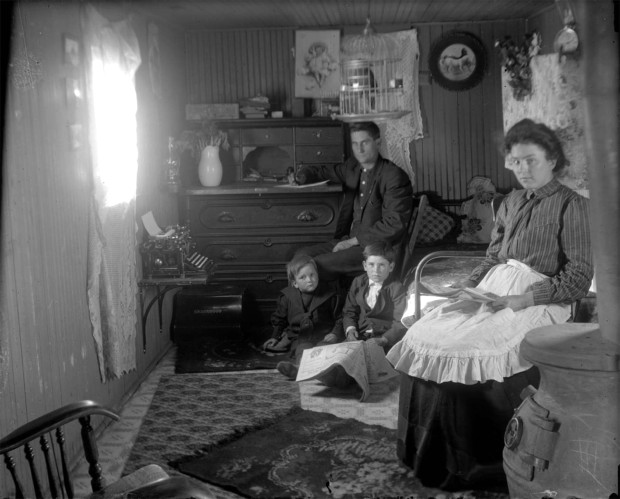
Indoor portrait of a family in Denver, Colorado between 1904 and 1915. One boy holds a page from the Denver Post on his lap. An Underwood typewriter, bureau with fold-out desk, a bed, and a potbelly stove are in the room.
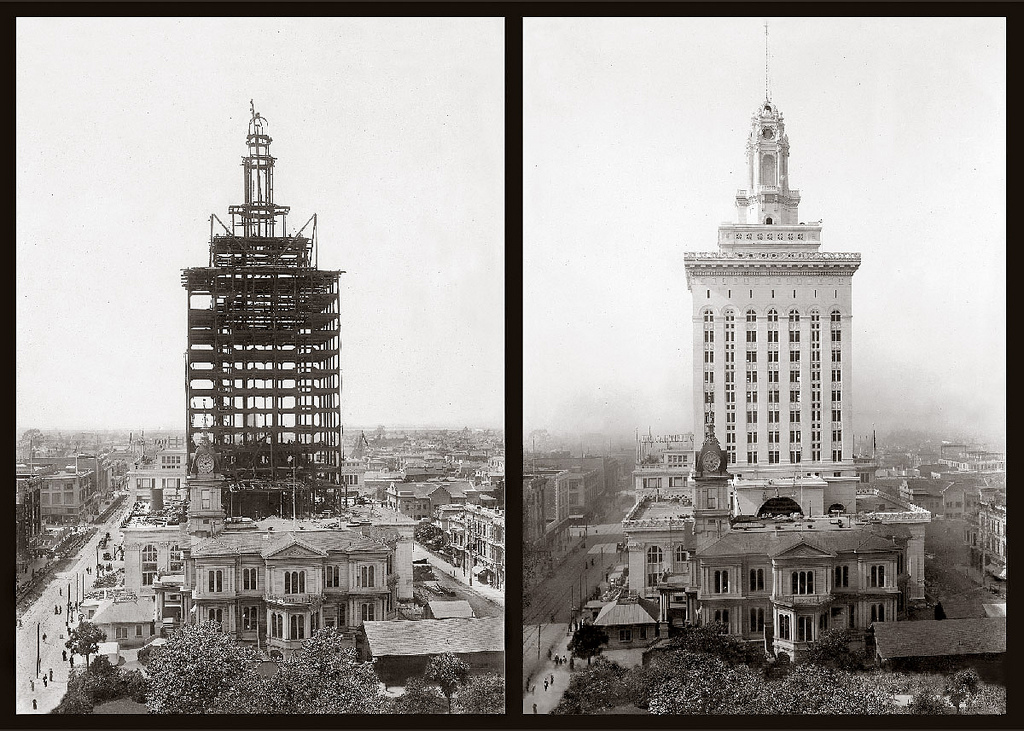
City Hall construction 1912-13, Oakland, California
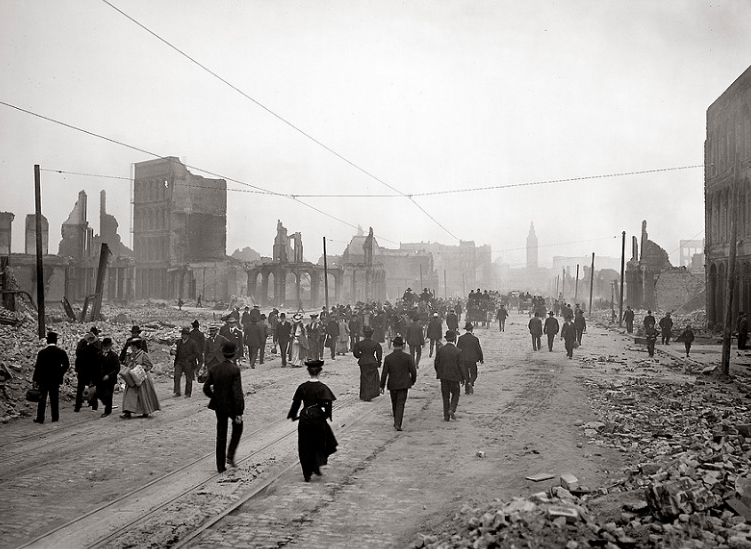
Market Street toward ferry, San Francisco, Calif., April 1906
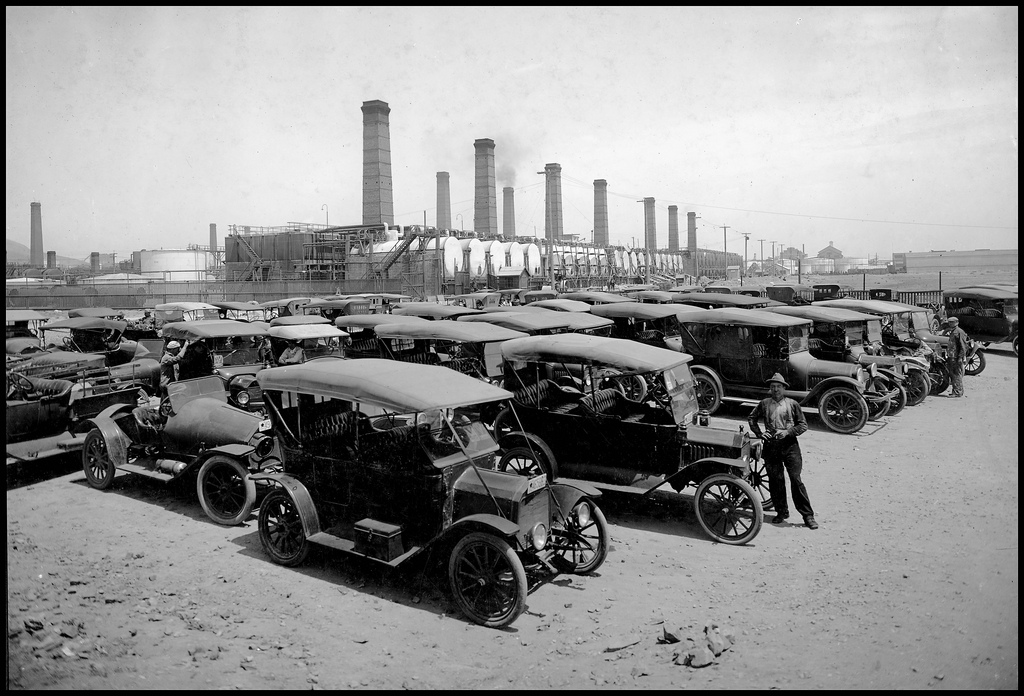
Employee Parking lot at Standard Oil, Richmond Calif., 1915
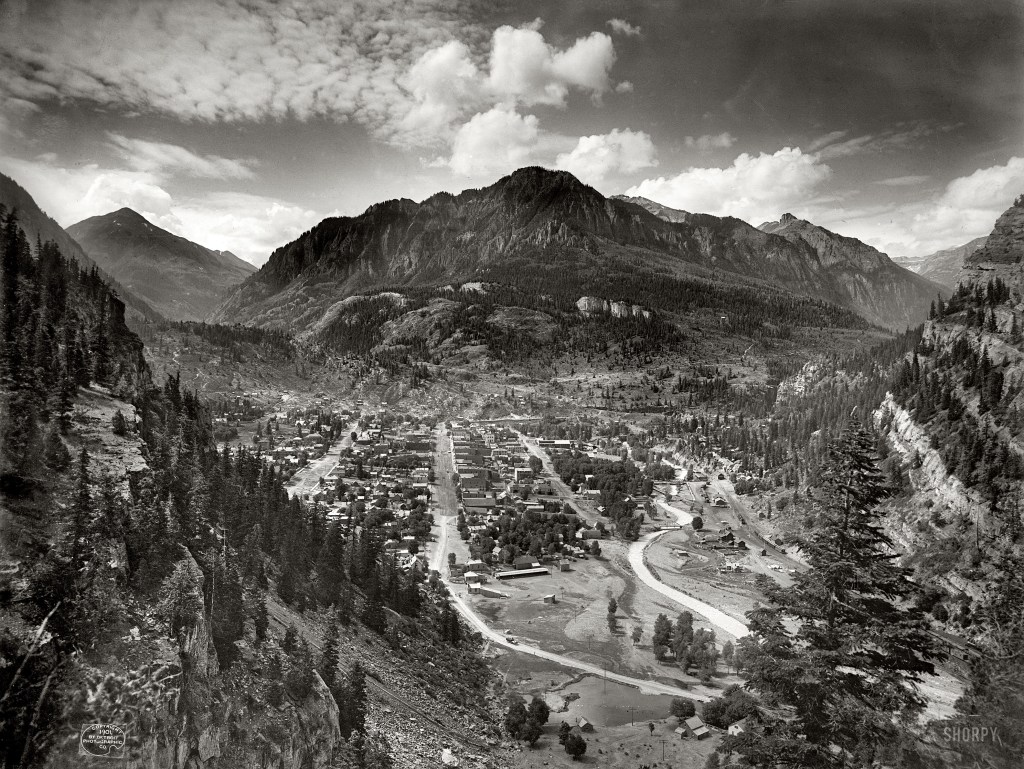
Ouray from Blow-out Canyon, Colorado, 1901
Salt Lake City, Utah, 1909
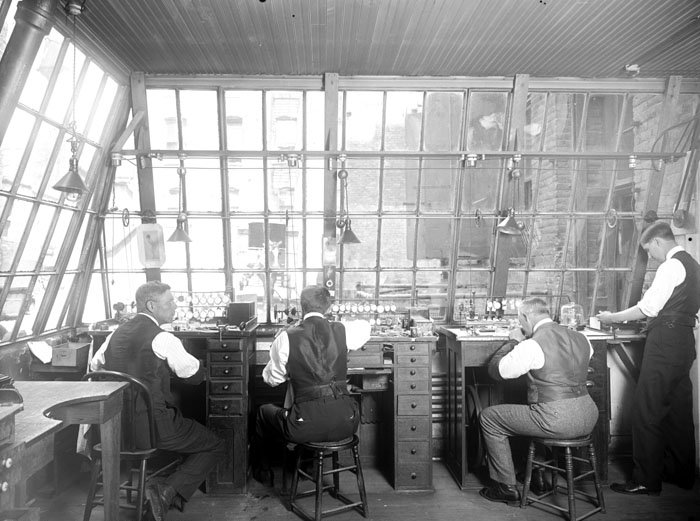
Boyd Park Jewelers Watch Repair Department, Salt Lake City, Utah, 1914
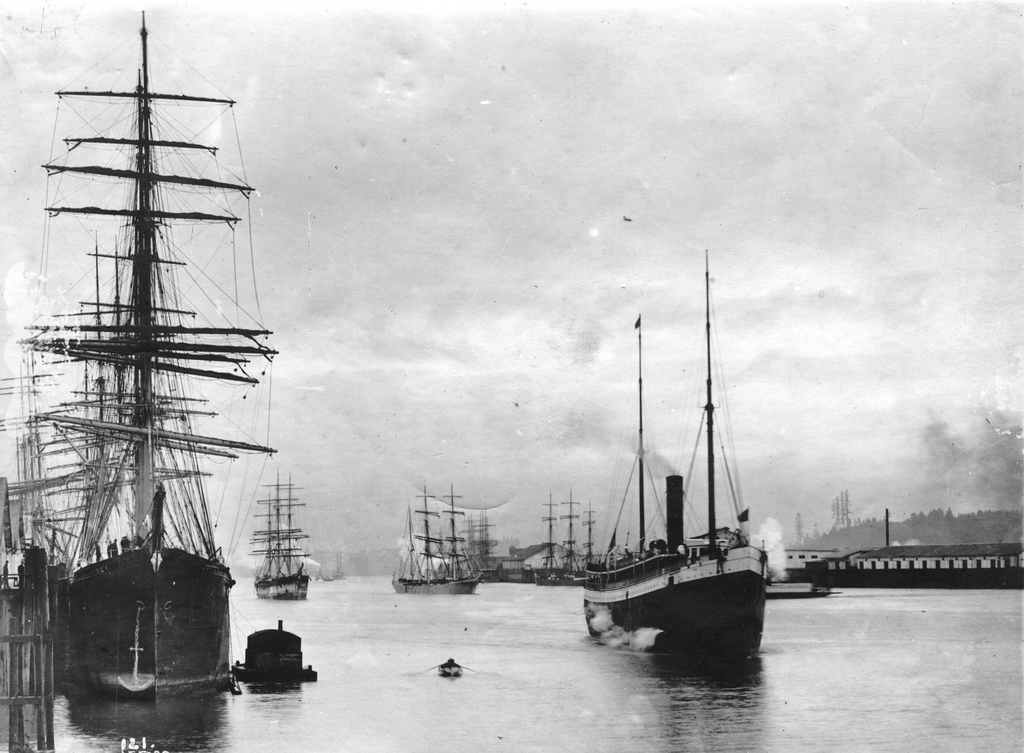
Steamers and sailing ships in harbor at Portland, Oregon, 1910
Fourth St., Cincinnati, Ohio, 1906
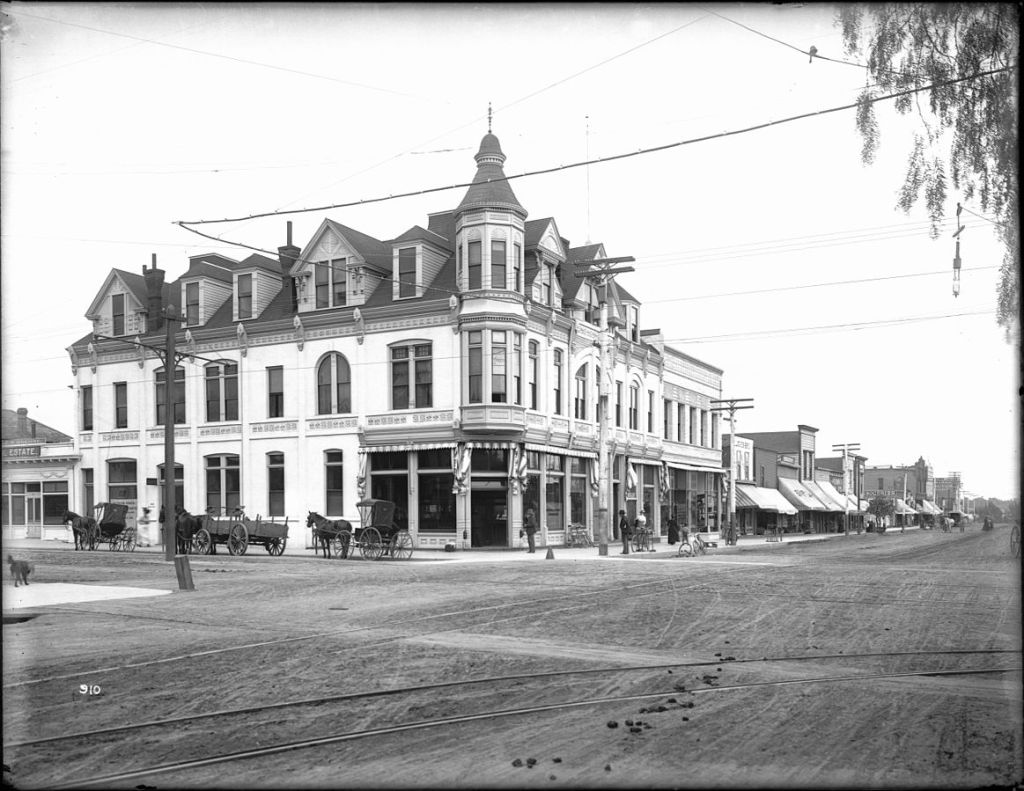
Bank Building at the SE corner of Third Street and Broadway, Santa Monica, California, 1900
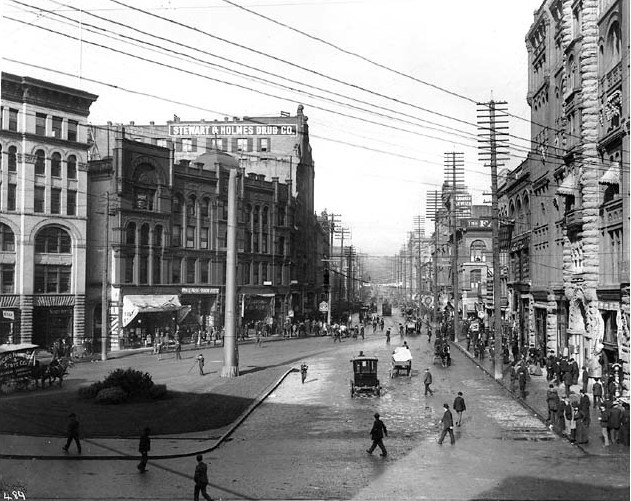
Looking up 1st Ave. from Pioneer Square, Seattle, Washington, 1900
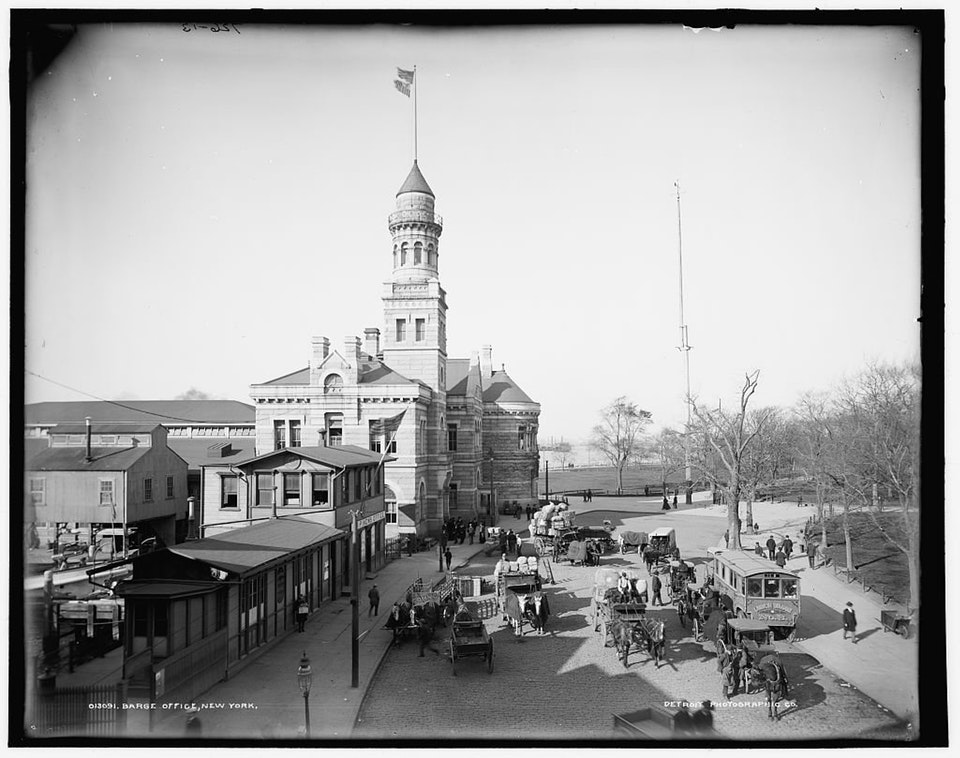
The Barge Office adjacent to Battery Park near the present-day site of Staten Island Ferry in lower Manhattan, 1900.
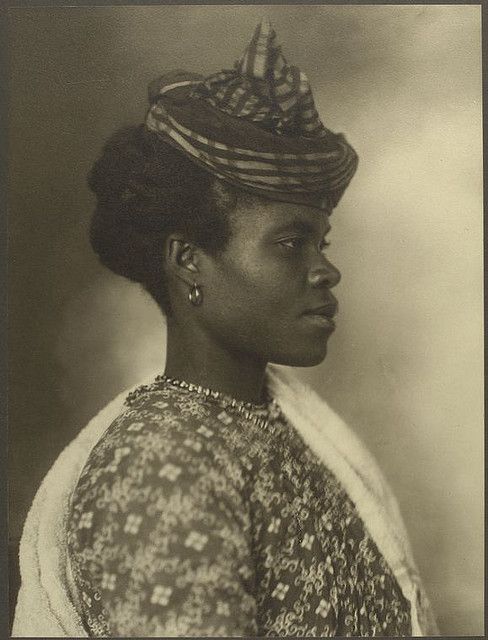
Guadeloupean woman at Ellis Island, 1911
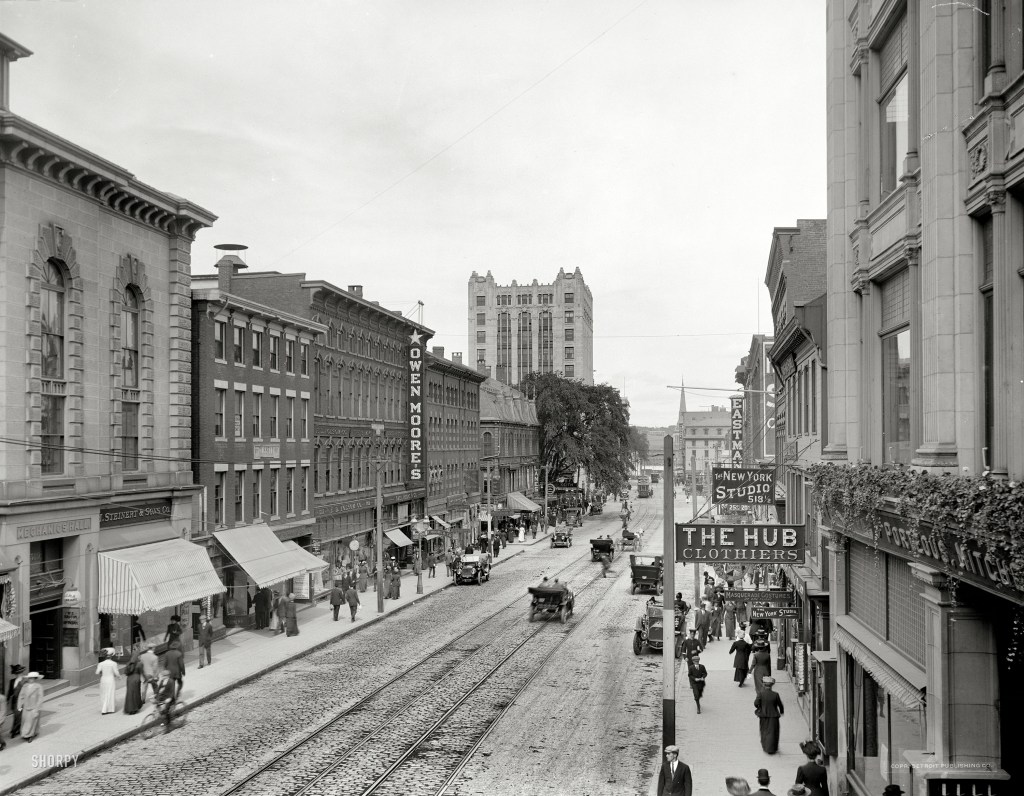
Congress Street, looking north. Portland, Maine, circa 1910.
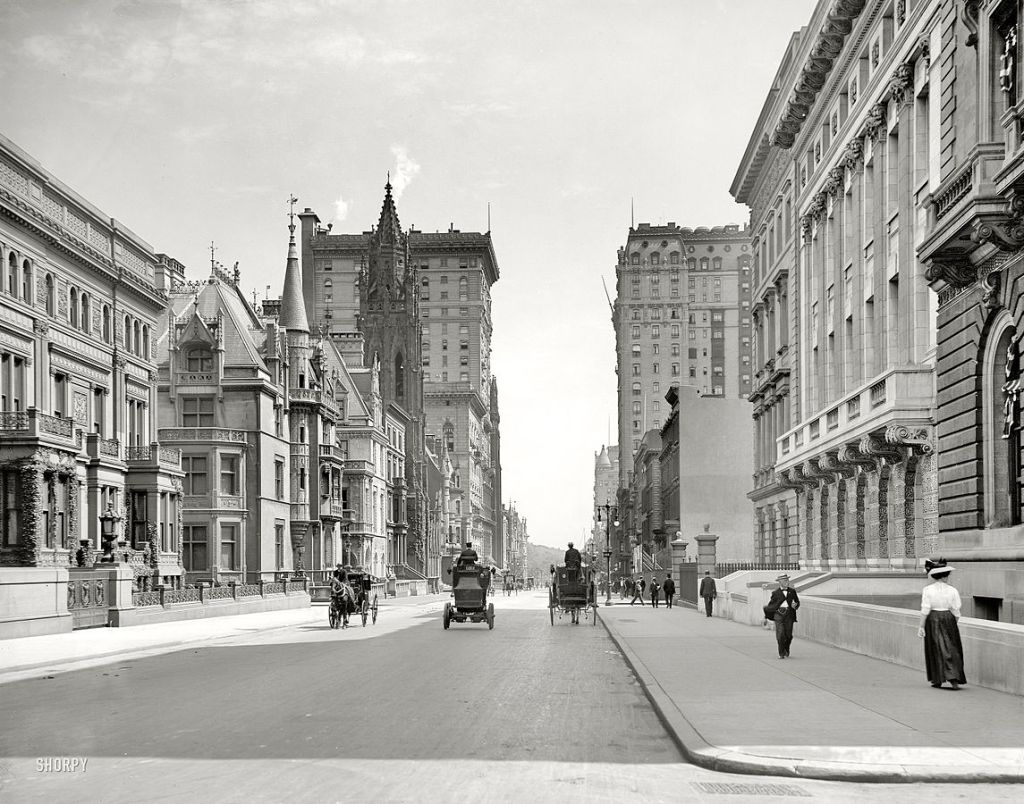
Fifth Avenue, New York 1908
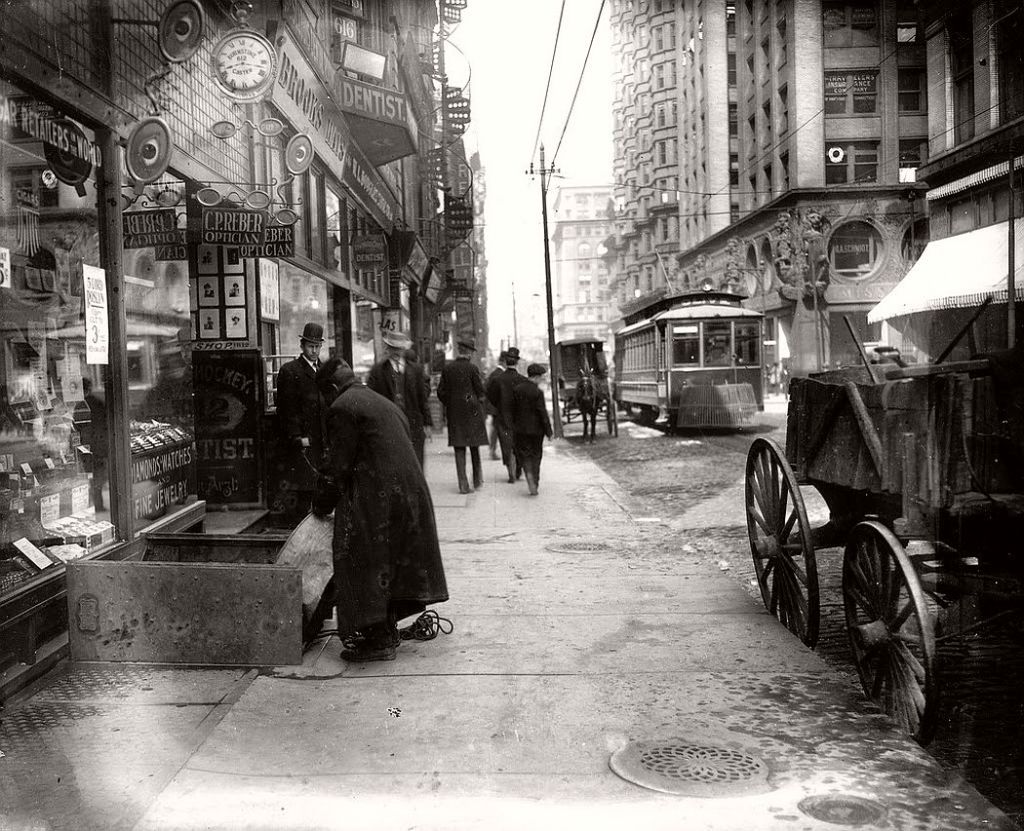
Sidewalk on Olive Street looking west from Seventh Street. St. Louis, Missouri, 1900
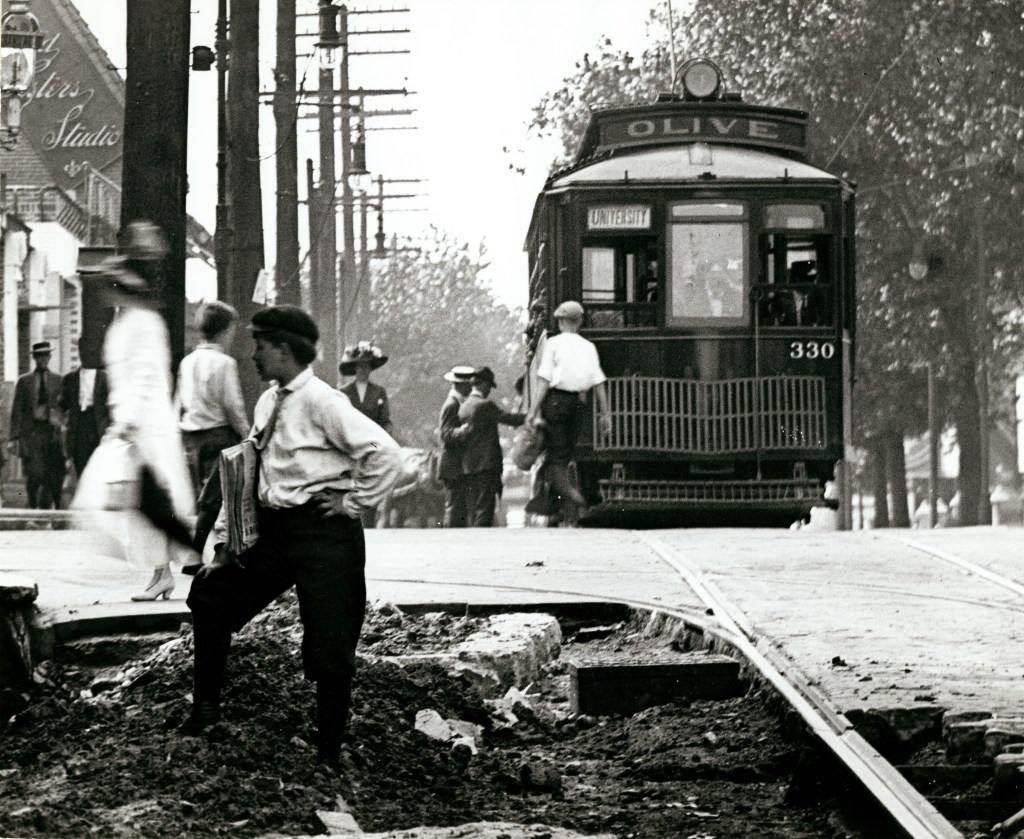
A newsboy stands in the rubble of street repair work on Olive Boulevard looking west toward Grand Avenue, St. Louis, Missouri, ca. 1907.
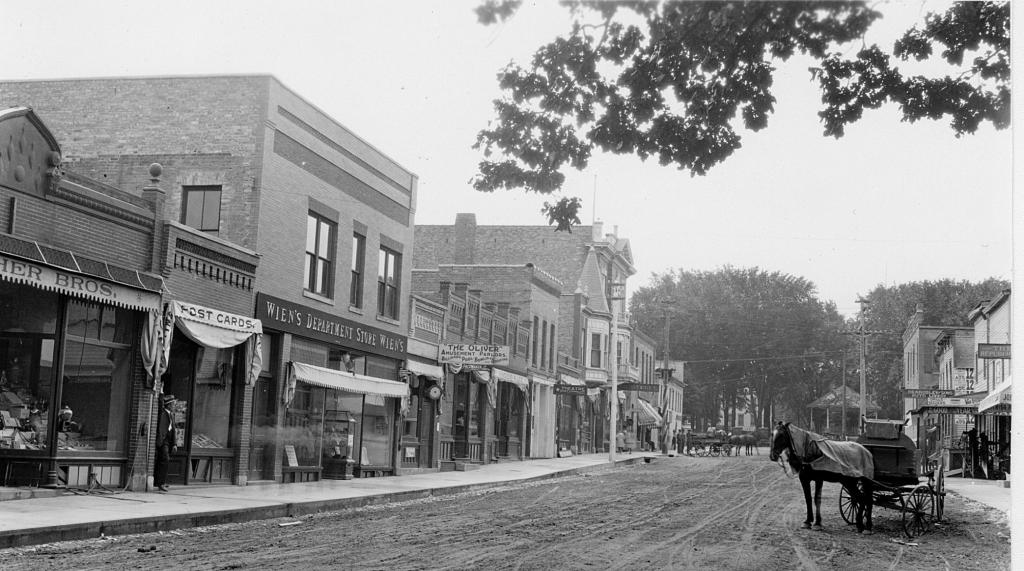
Main Street, Woodstock Illinois circa 1910
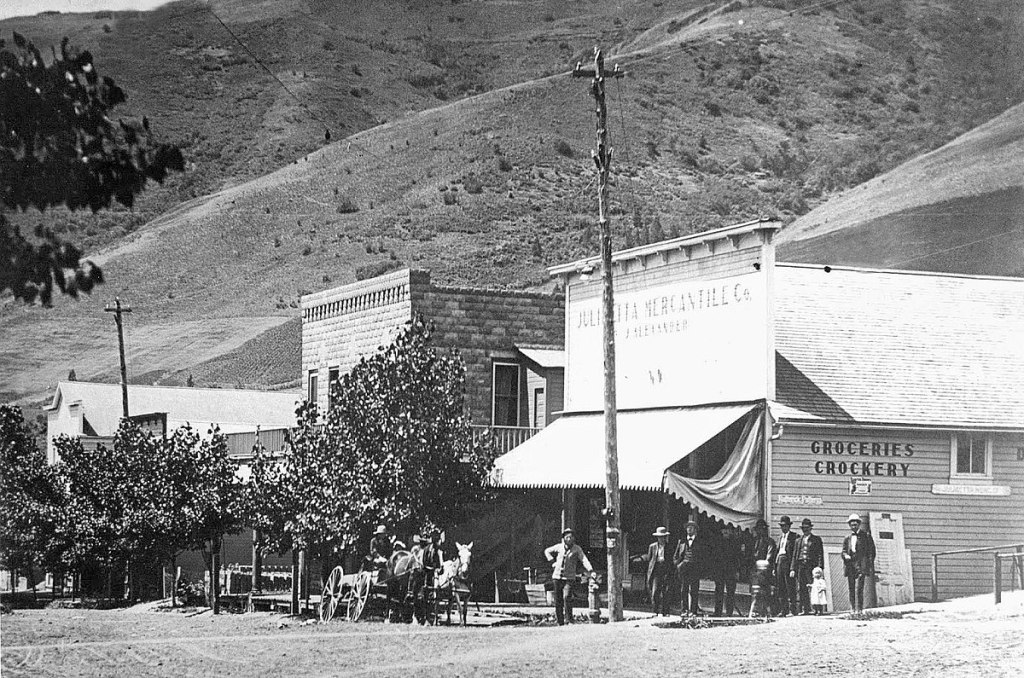
Main Street in Juliaetta, Idaho. 1910
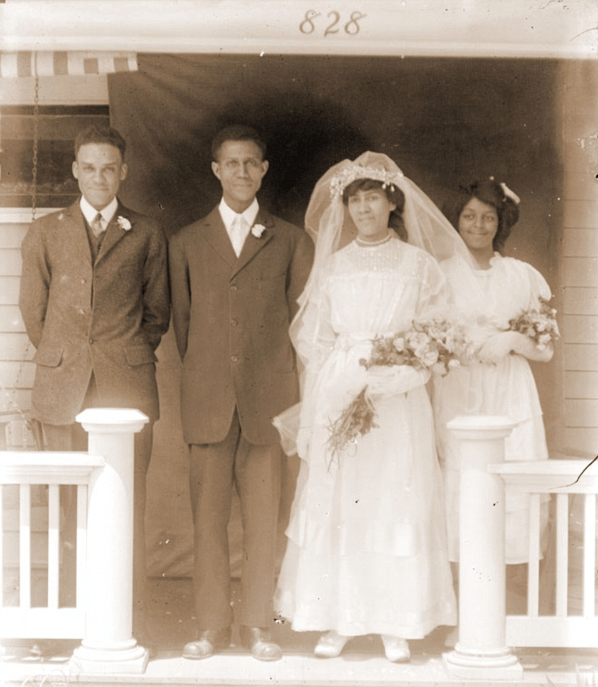
Luther and Ida Allen, center, on their wedding day in 1912. Lincoln, Nebraska.
Indiana, 1908
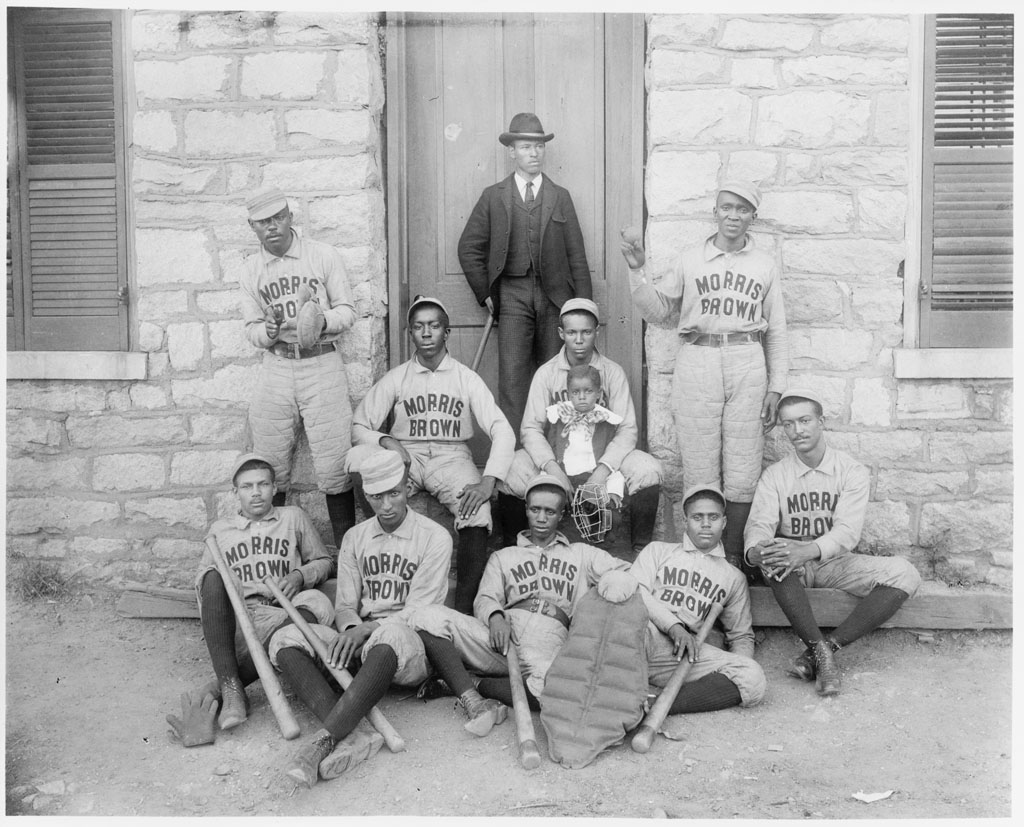
Morris Brown College, Atlanta, Georgia, 1900
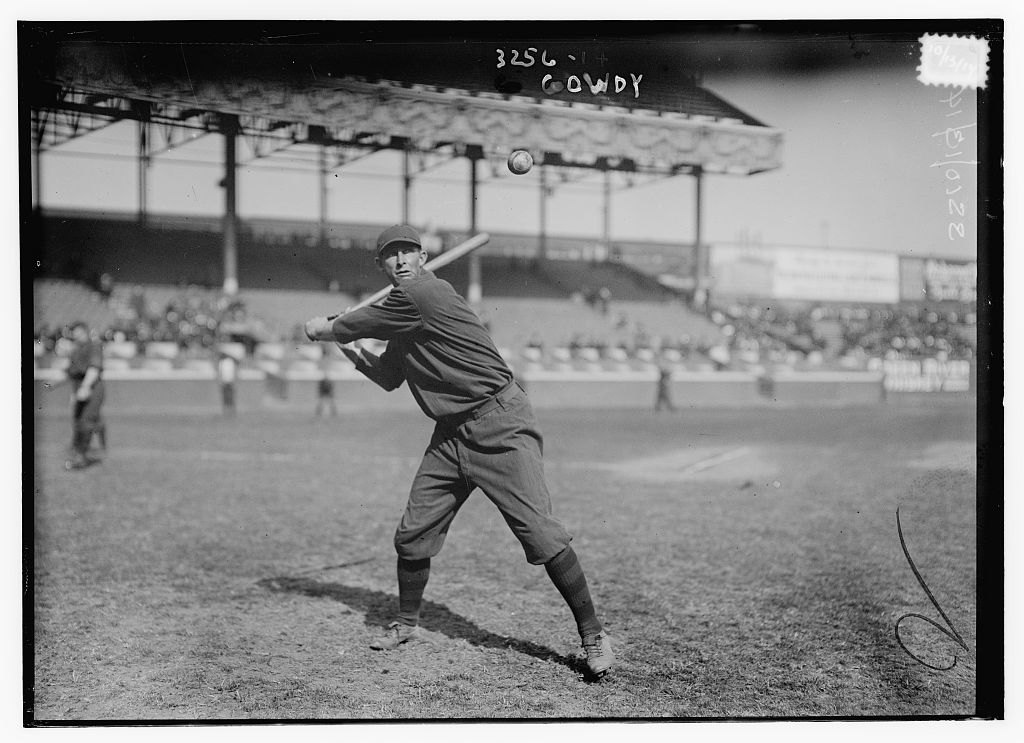
Boston Braves Stadium, 1914, Hank Gowdy batting.
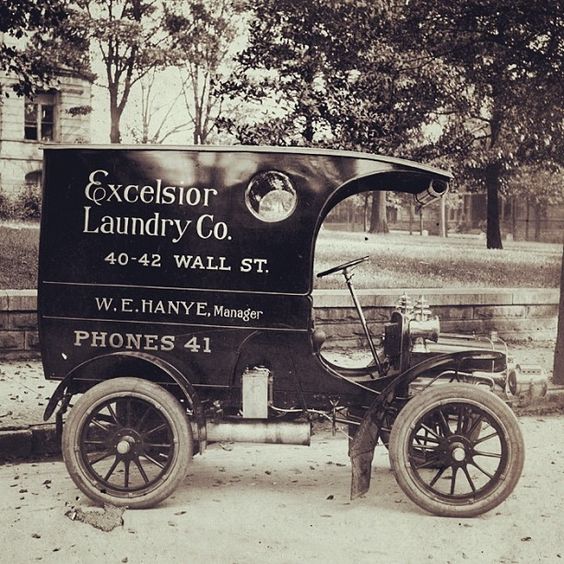
Atlanta’s first motorized delivery truck was a Cadillac used by Excelsior Laundry Company in 1906.
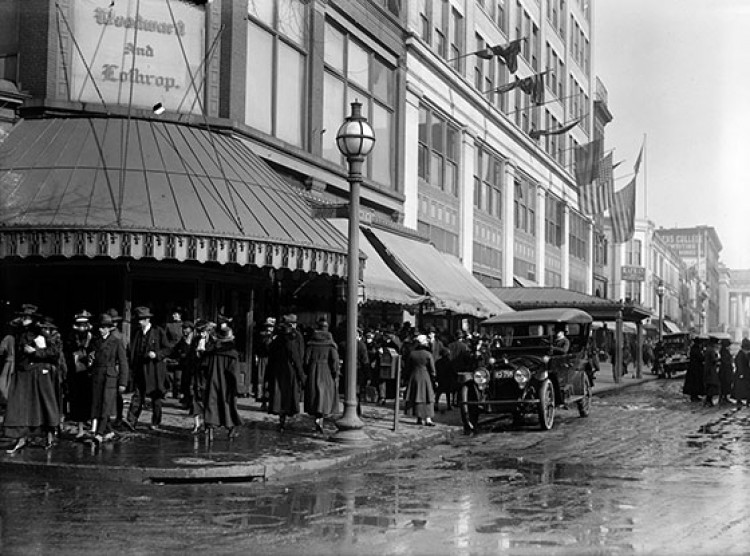
Washington DC, 1914
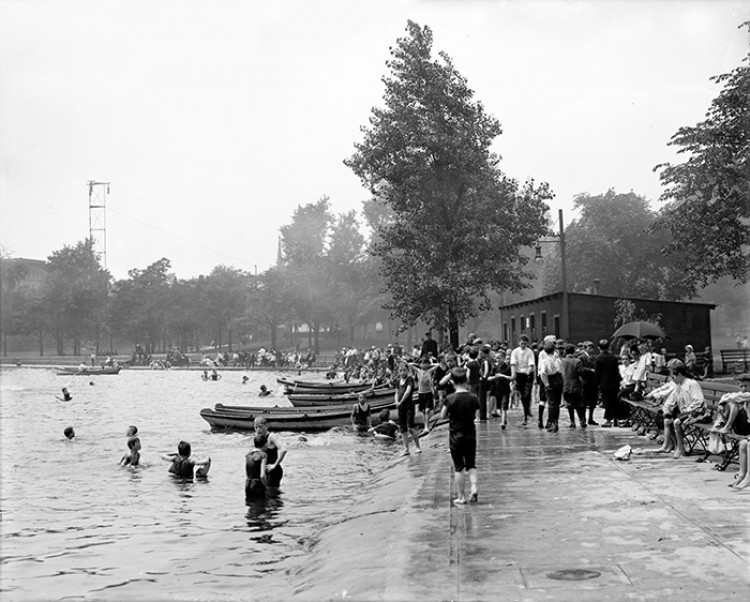
Kids Swimming in Lake Elizabeth, Pittsburgh, early 1900s.
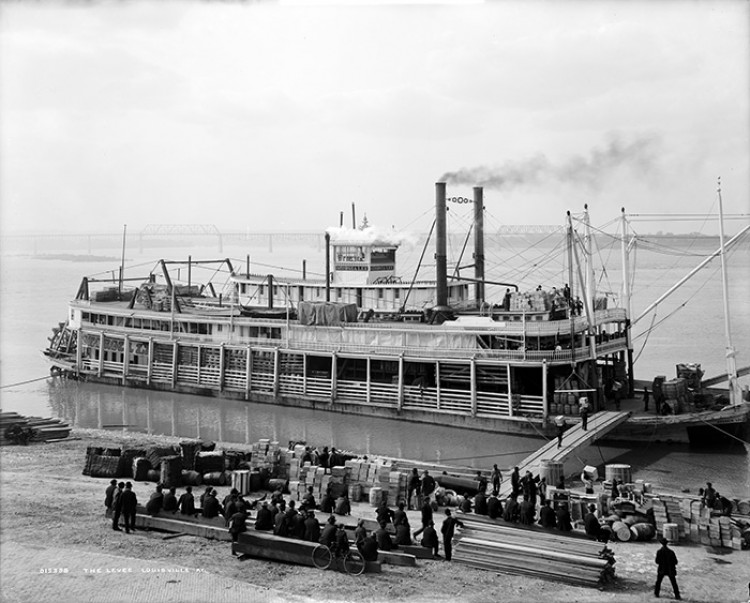
Lousville, Kentucky Steamboat at Dock, 1906
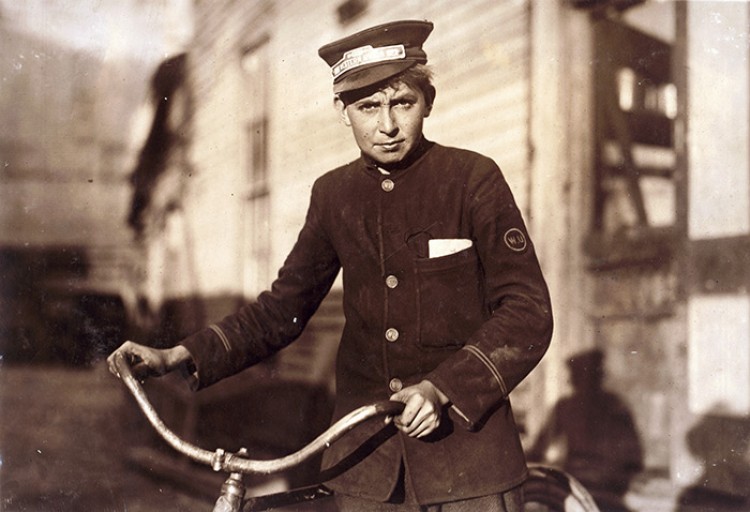
Young Western Union Messenger, Houston, Texas, 1917
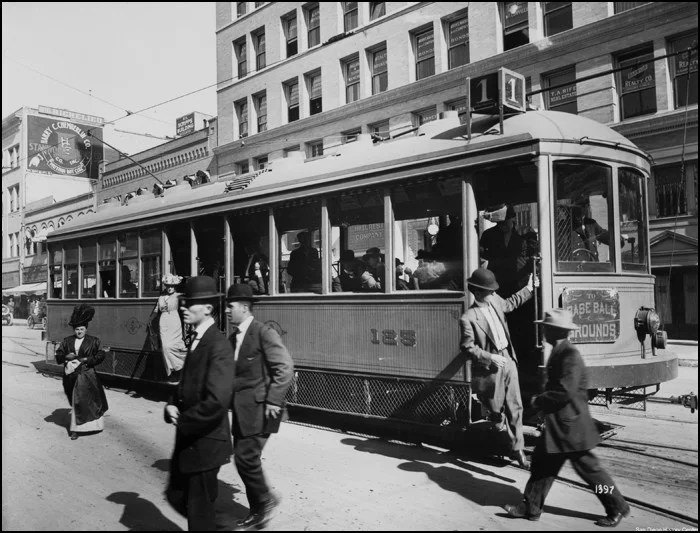
A streetcar in San Diego in 1915 on 5th and Broadway.
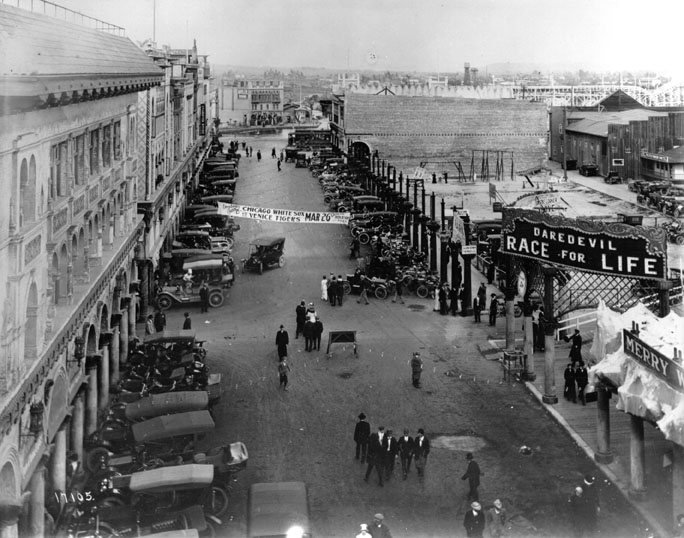
Venice, CA in 1913 on Windward Avenue. The banner is announcing a game between the Chicago White Sox and Venice Tigers.
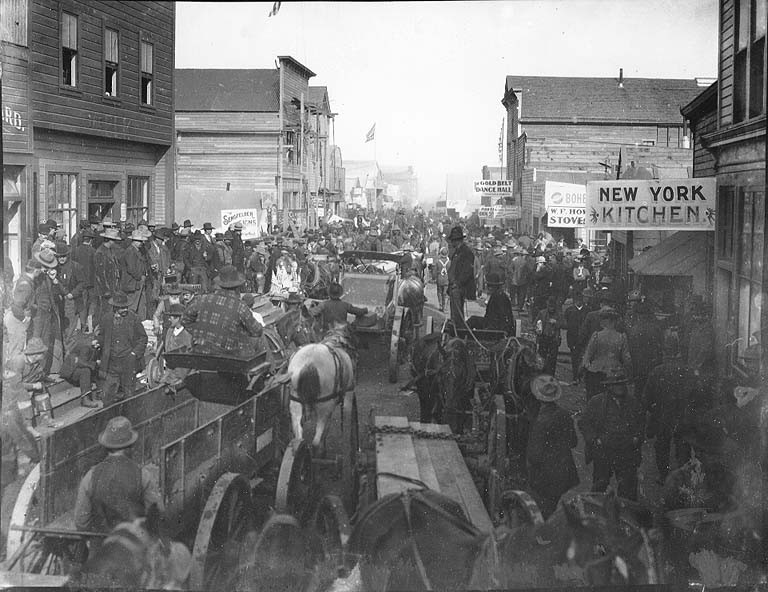
Blockade of people on Front St., Nome, Alaska, July 1, 1900.
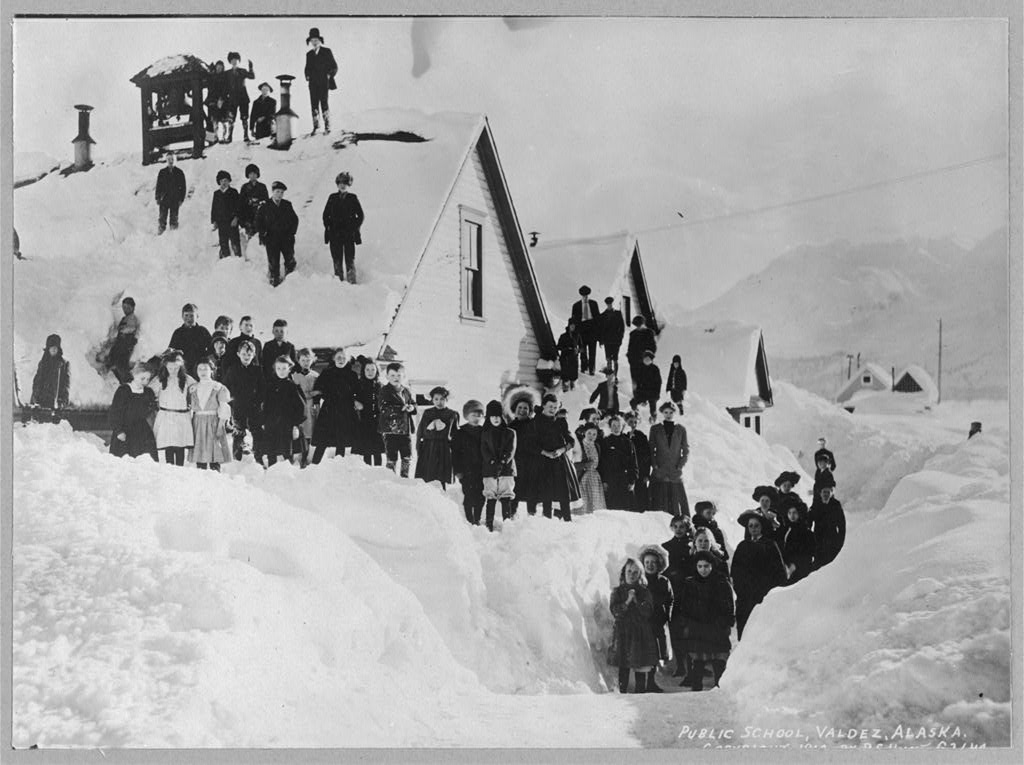
Snowed-in public school, Valdez, Alaska, 1910.
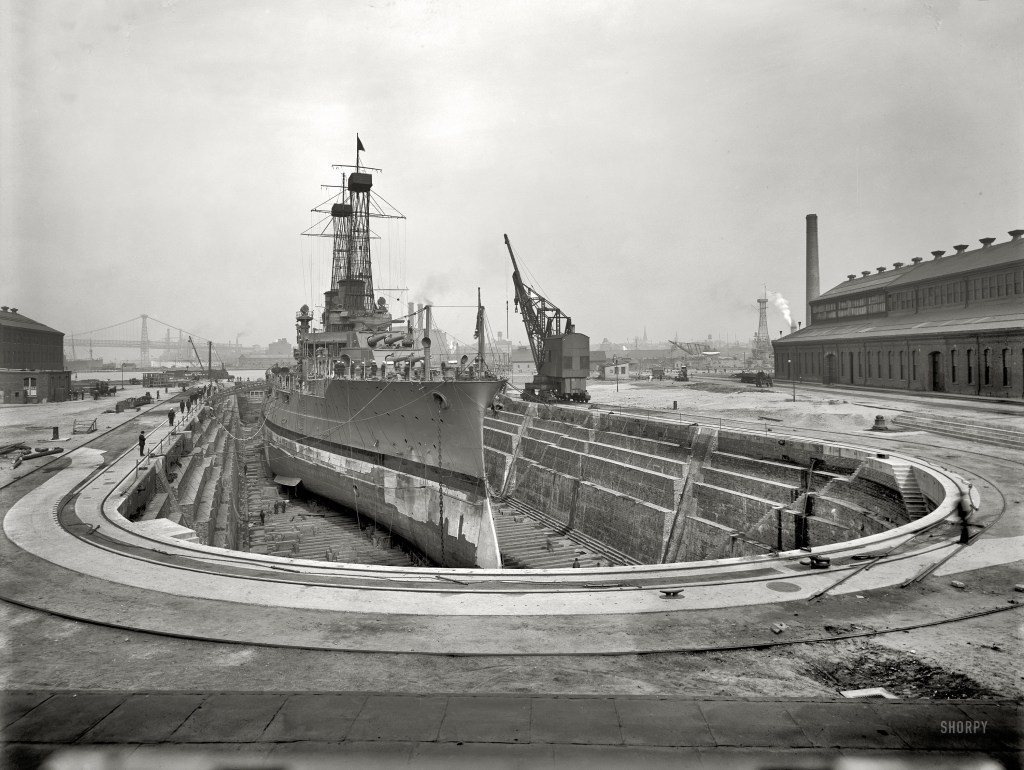
Brooklyn Navy Yard, dry dock No. 4. Circa 1910.
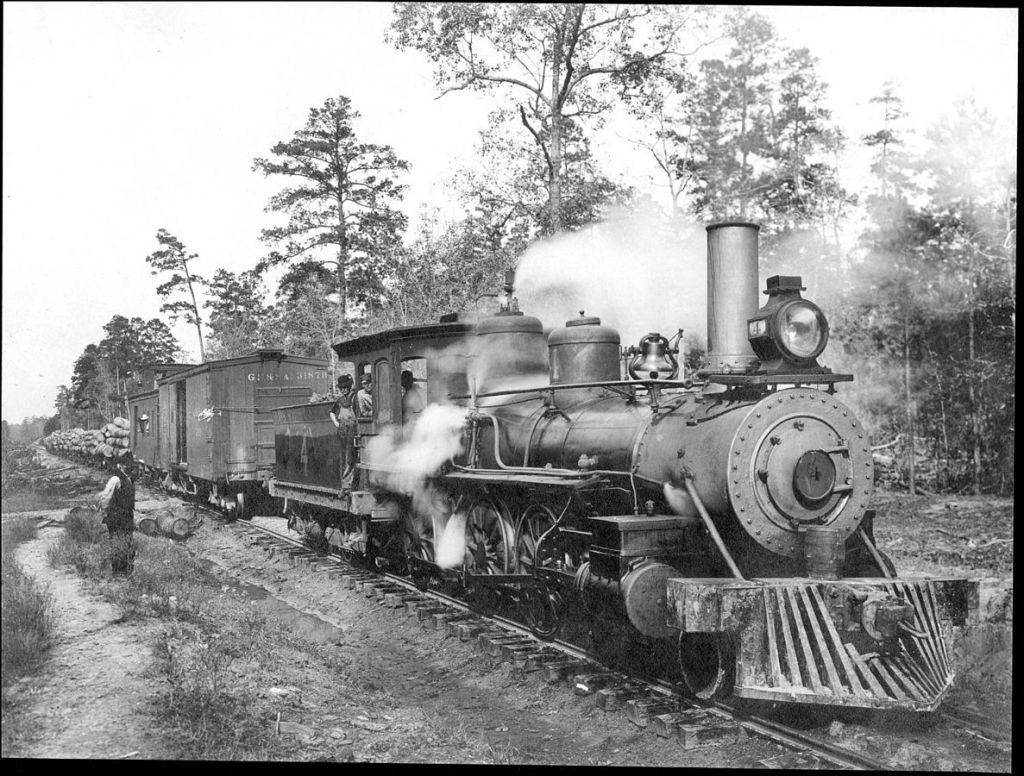
Texas South-Eastern Railroad Engine, 1906
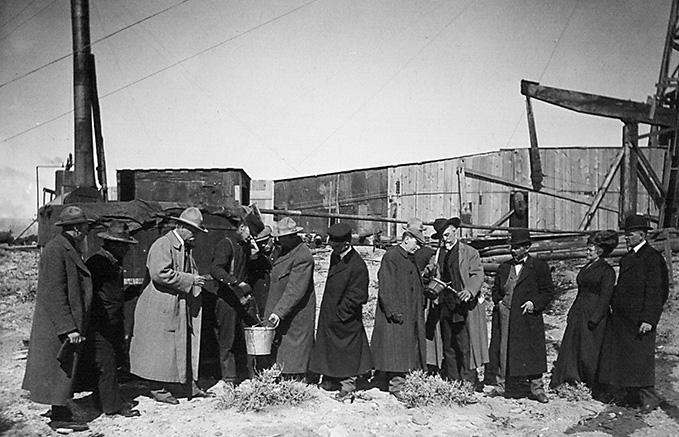
W.F. “Buffalo Bill” Cody, right of center in black hat, and other investors at an oilfield on the Shoshone Anticline near Cody, Wyoming, around 1910.
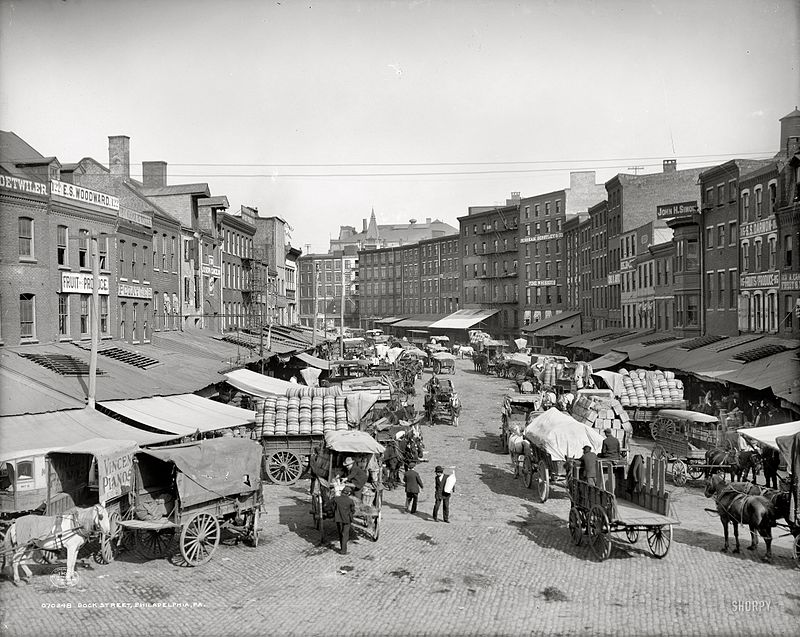
Dock Street Market looking north from the 100 block of Spruce Street in Society Hill, Philadelphia, Pennsylvania. 1910
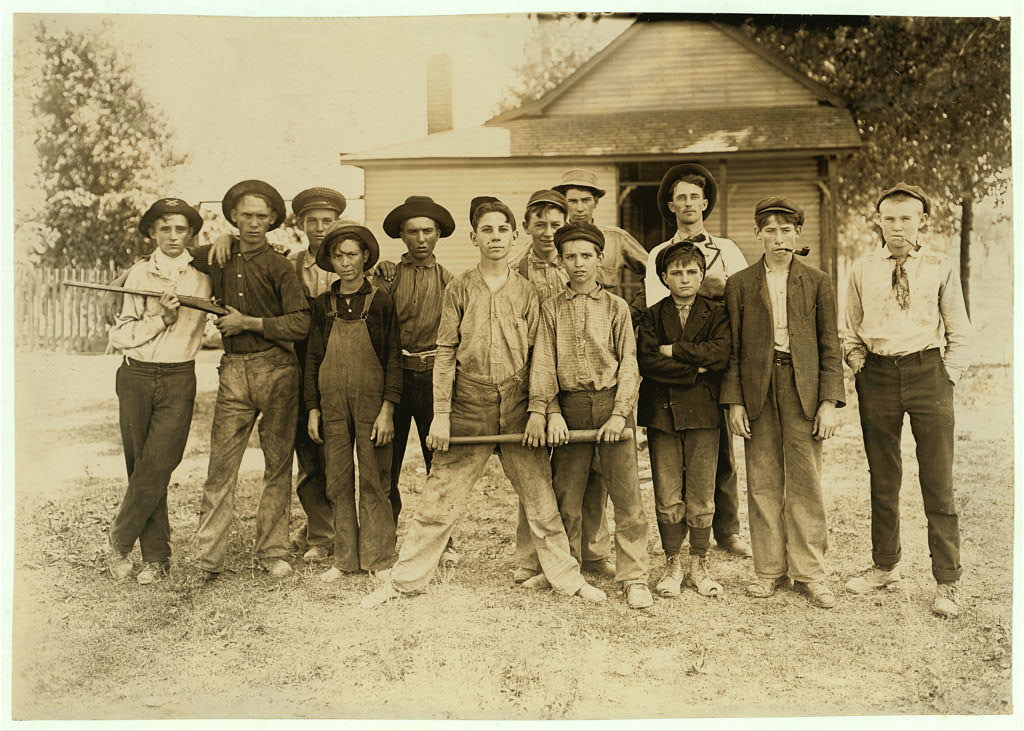
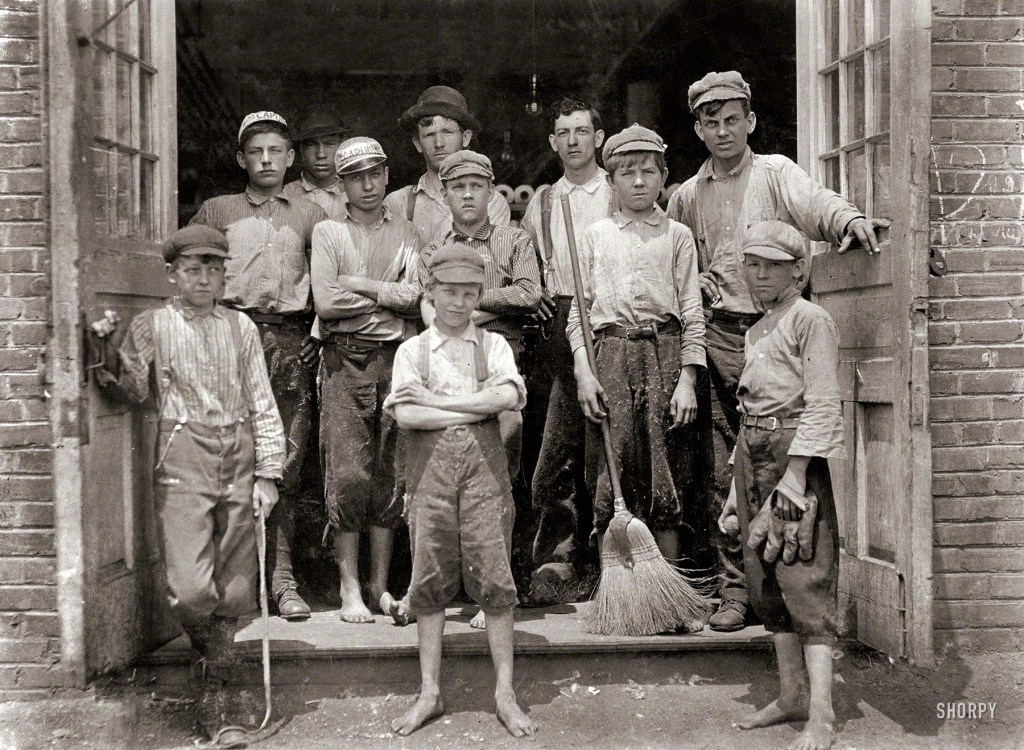
Some of the boys working in the Saxon Mill. Spartanburg, South Carolina. May 1912.
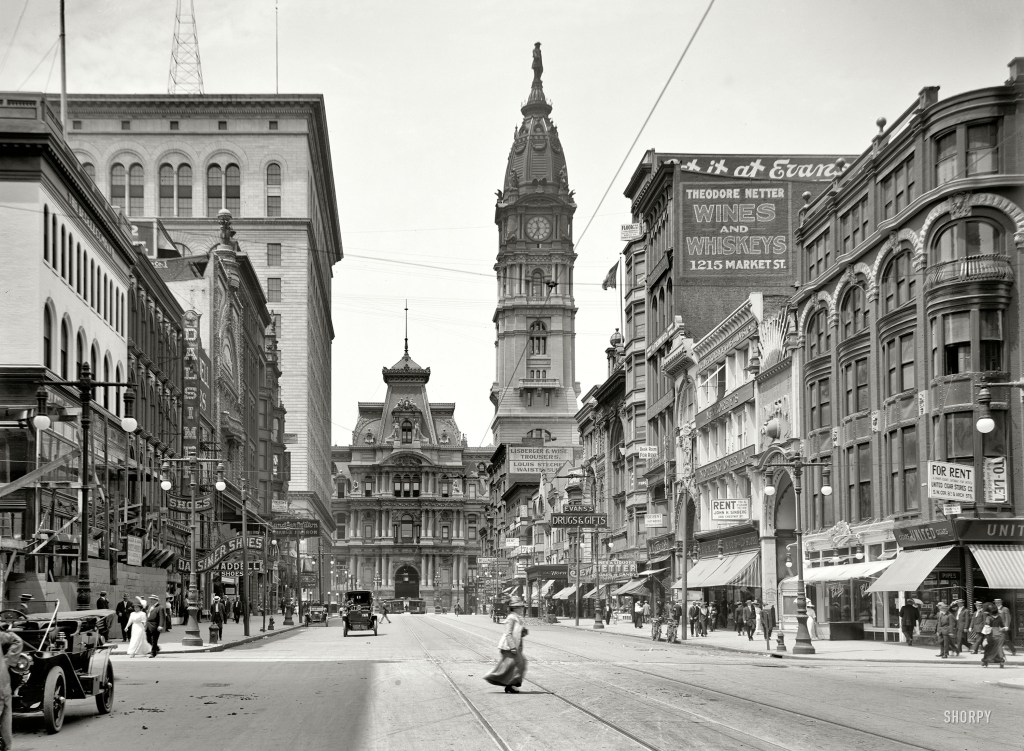
Philadelphia City Hall ca. 1910
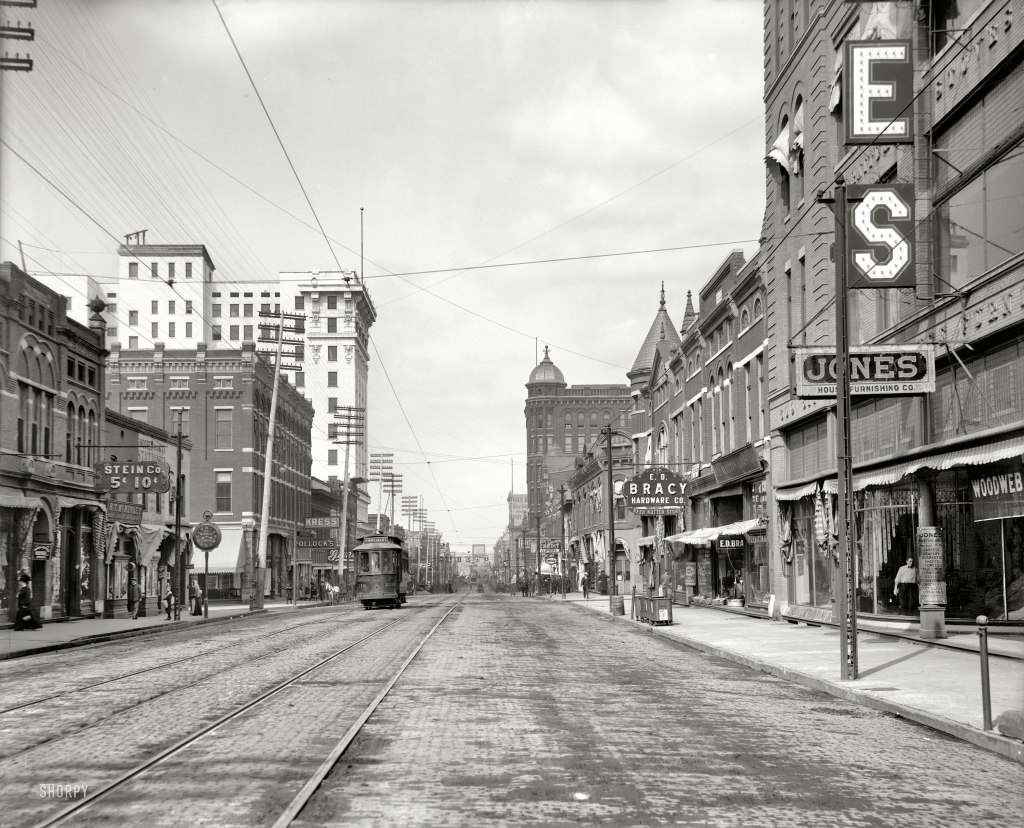
Main Street, Little Rock, Arkansas, circa 1910.
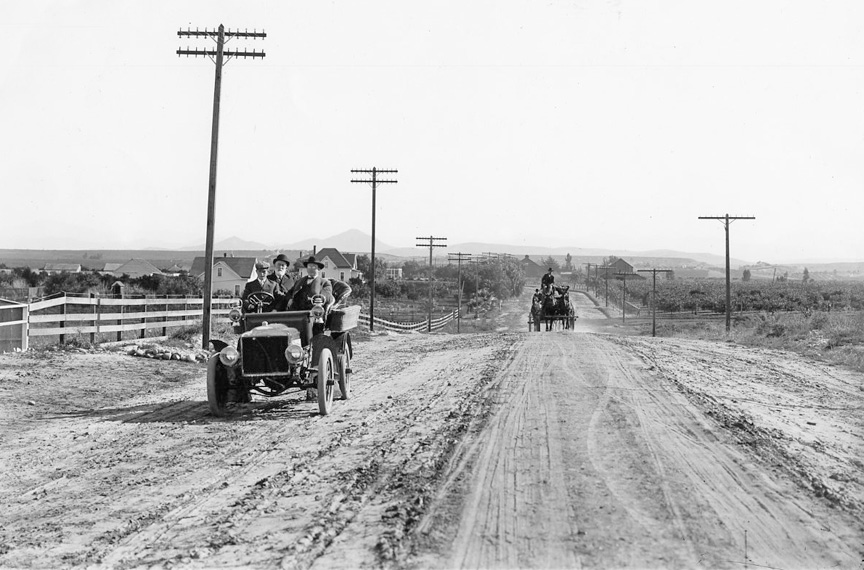
El Cajon Boulevard, near San Diego, California, 1910
Los Angeles Times Building 1910
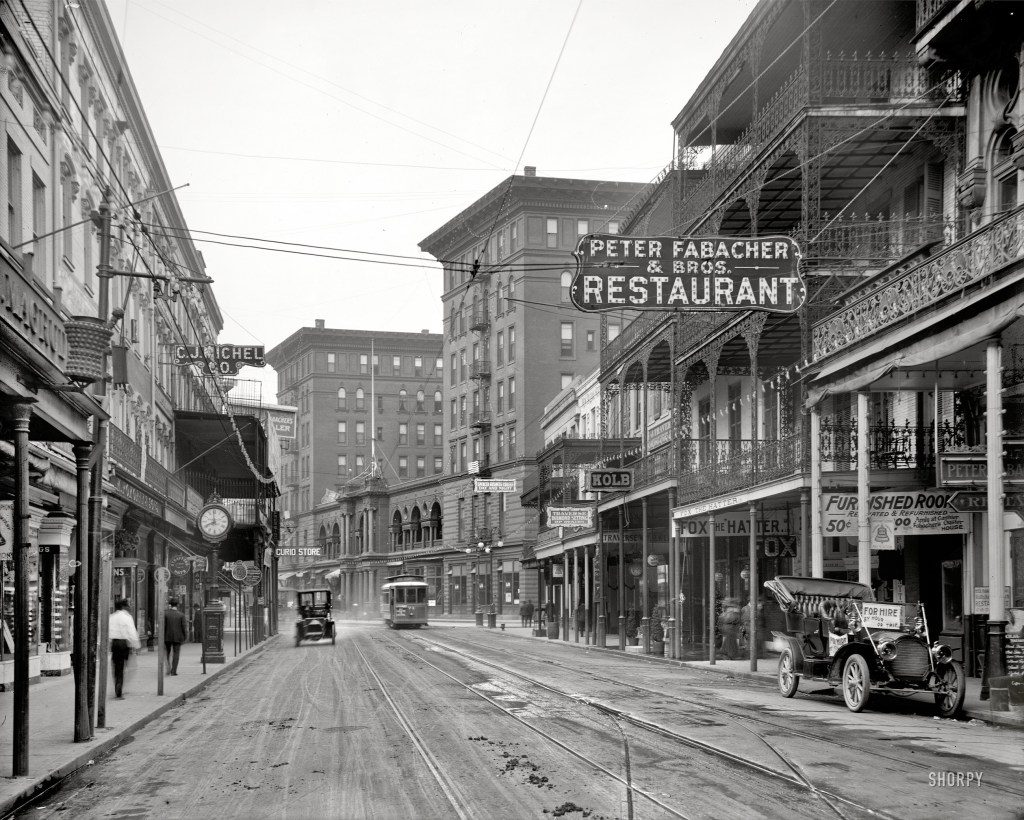
St. Charles Avenue from Canal Street. New Orleans 1910.
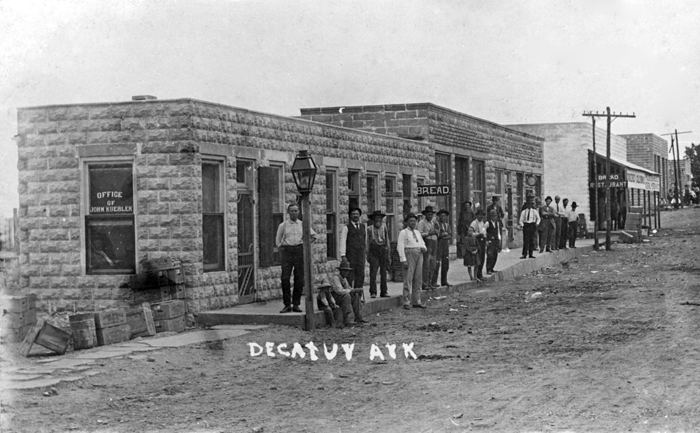
Decatur, Arkansas, 1910
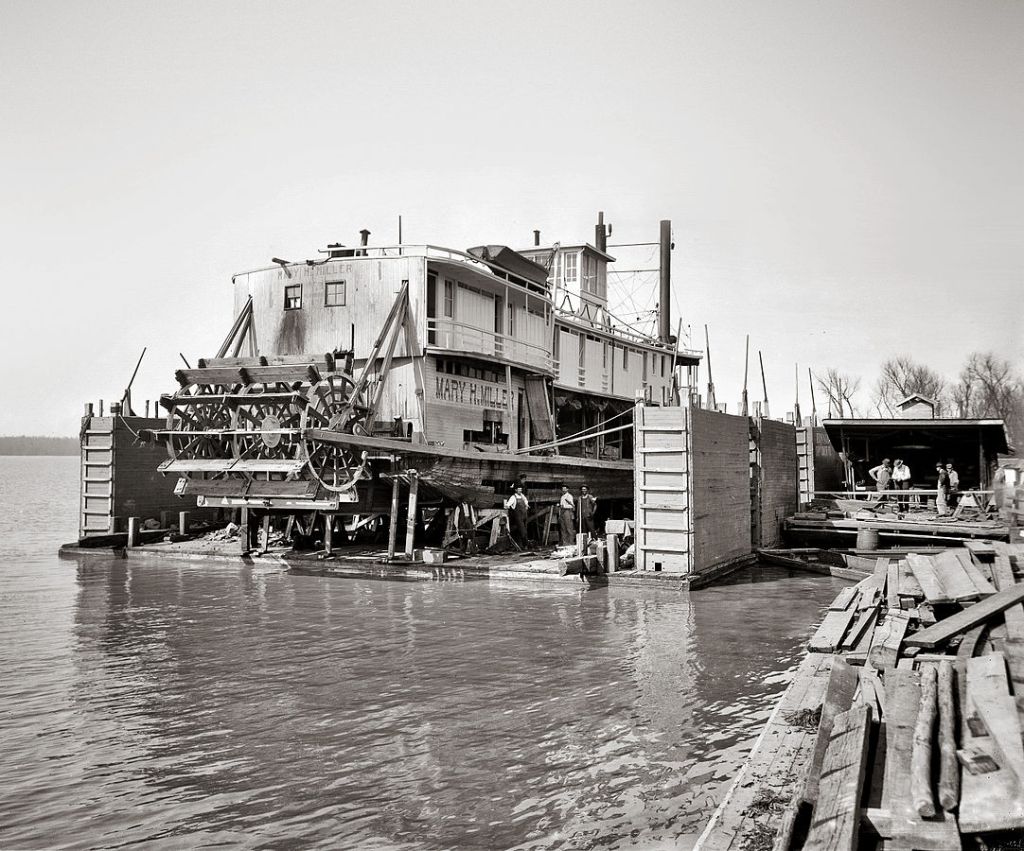
Mary H. Miller on a floating dry dock in Vicksburg, Mississippi.

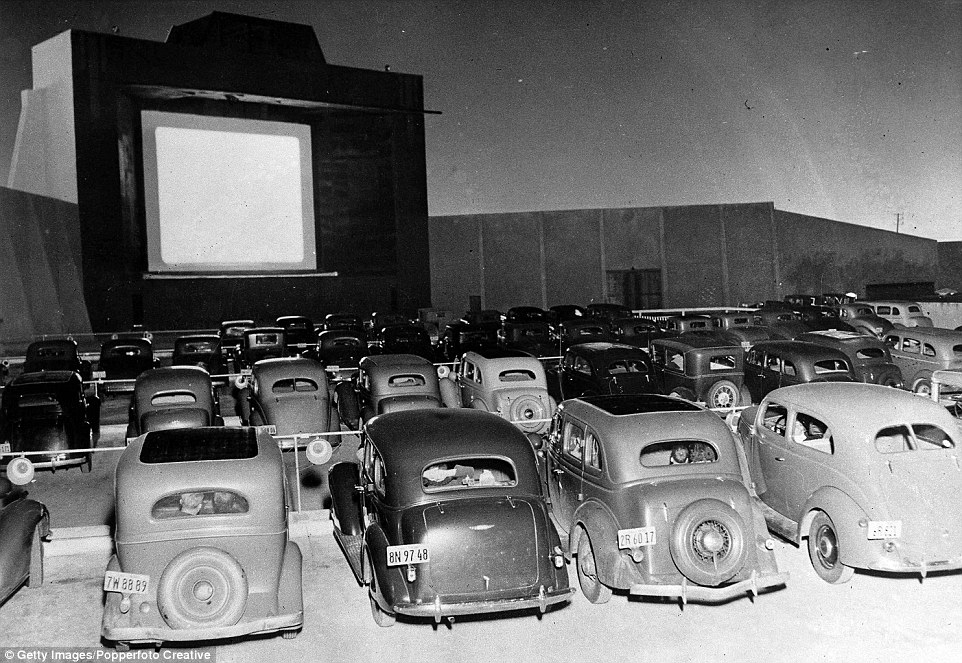
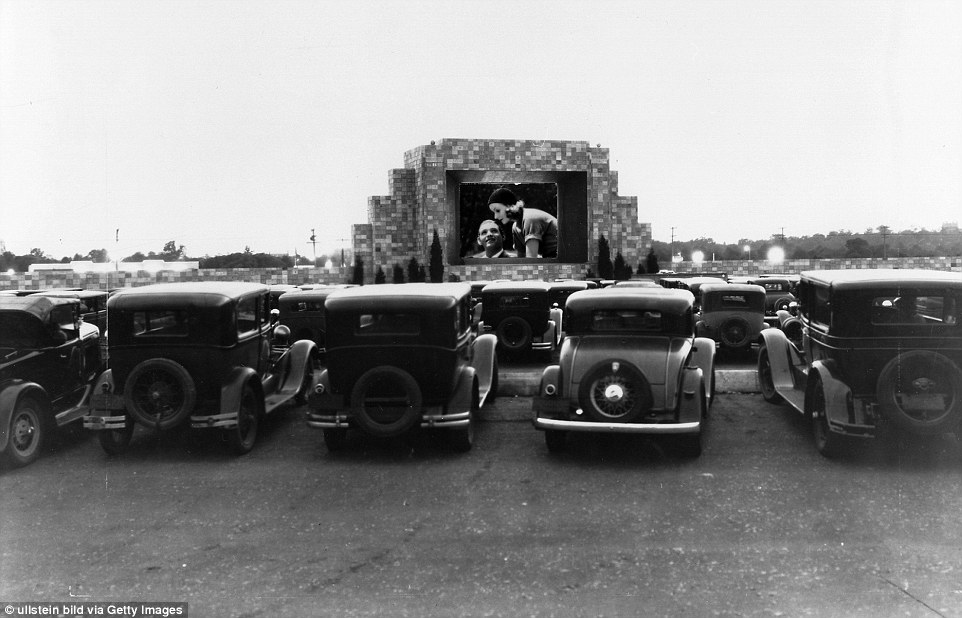
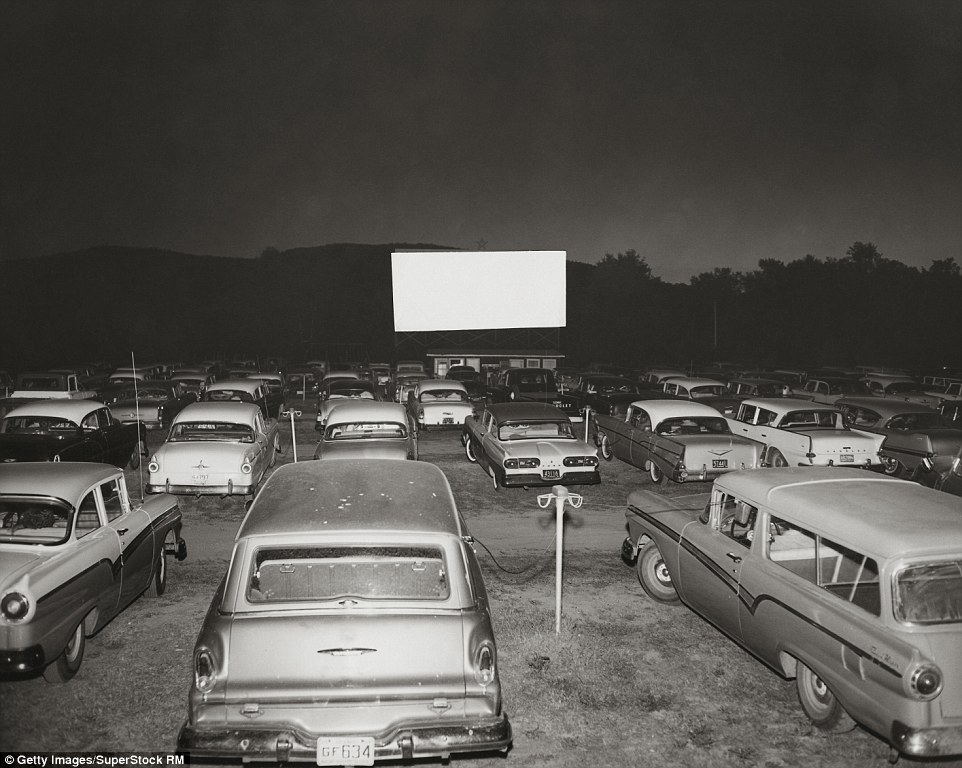
35 Vintage Photos of Drive-In Theaters from the 1930s to the 1960s

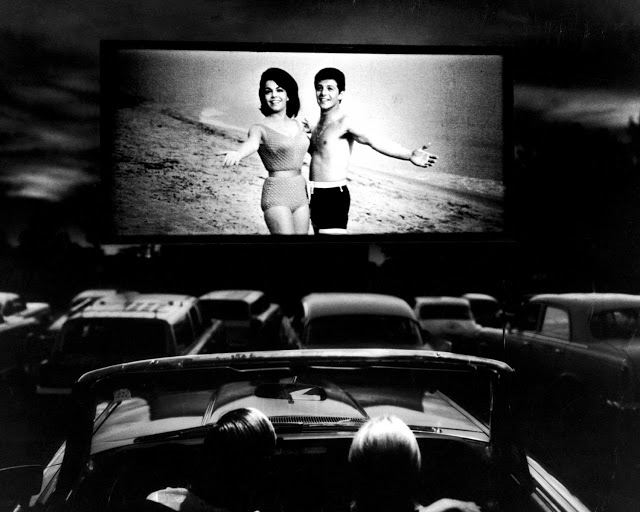
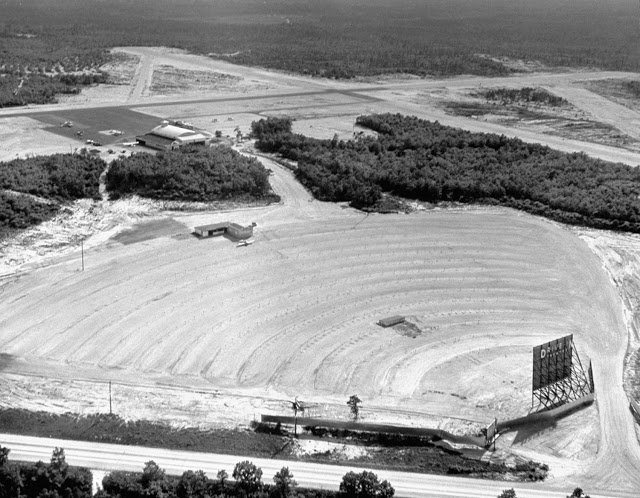
Drive-in theater, Florida, 1965
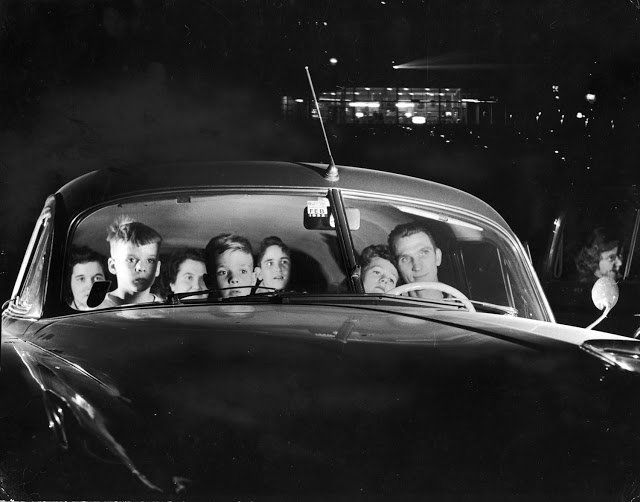
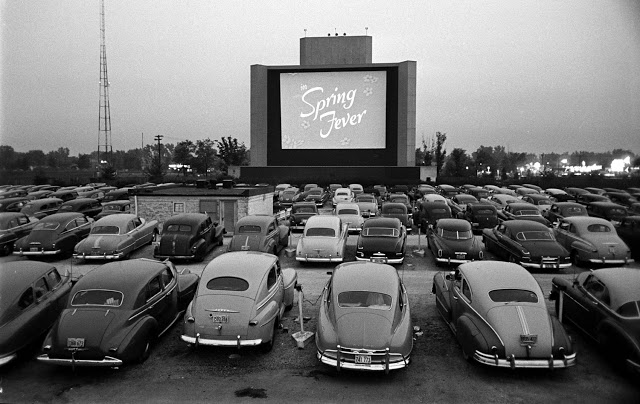
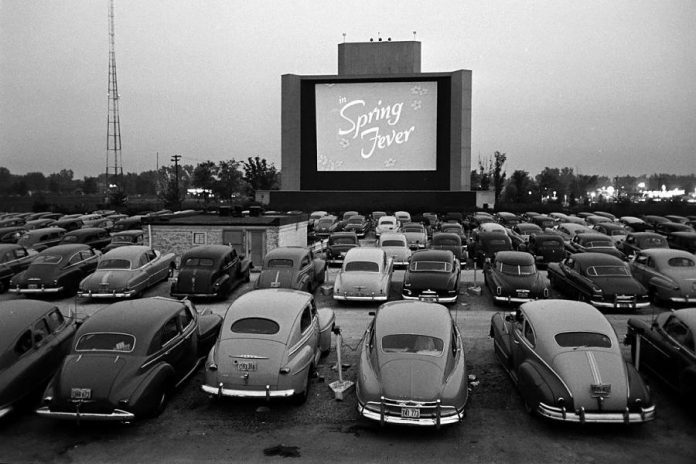
Drive-in theater, Chicago, 1951
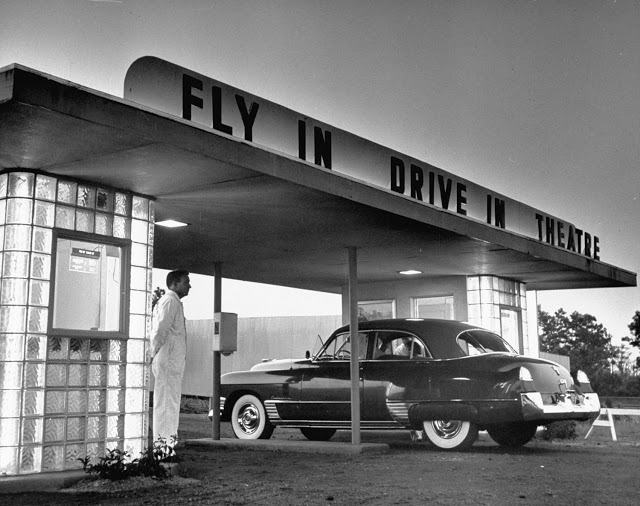
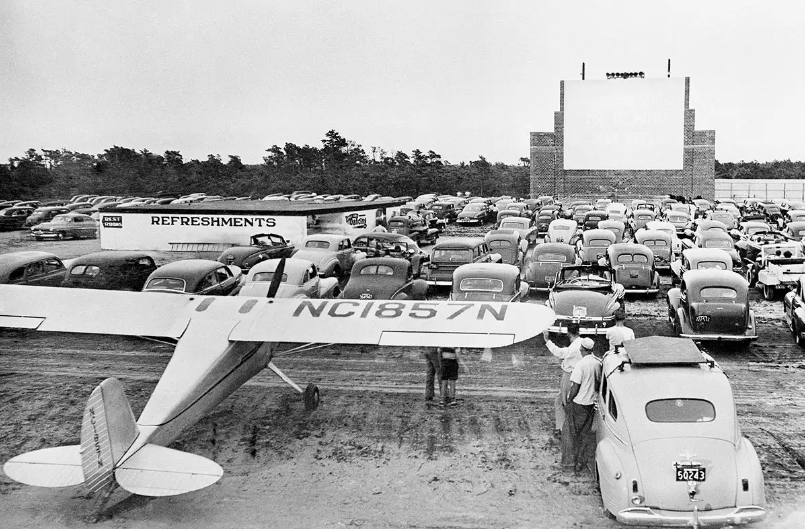
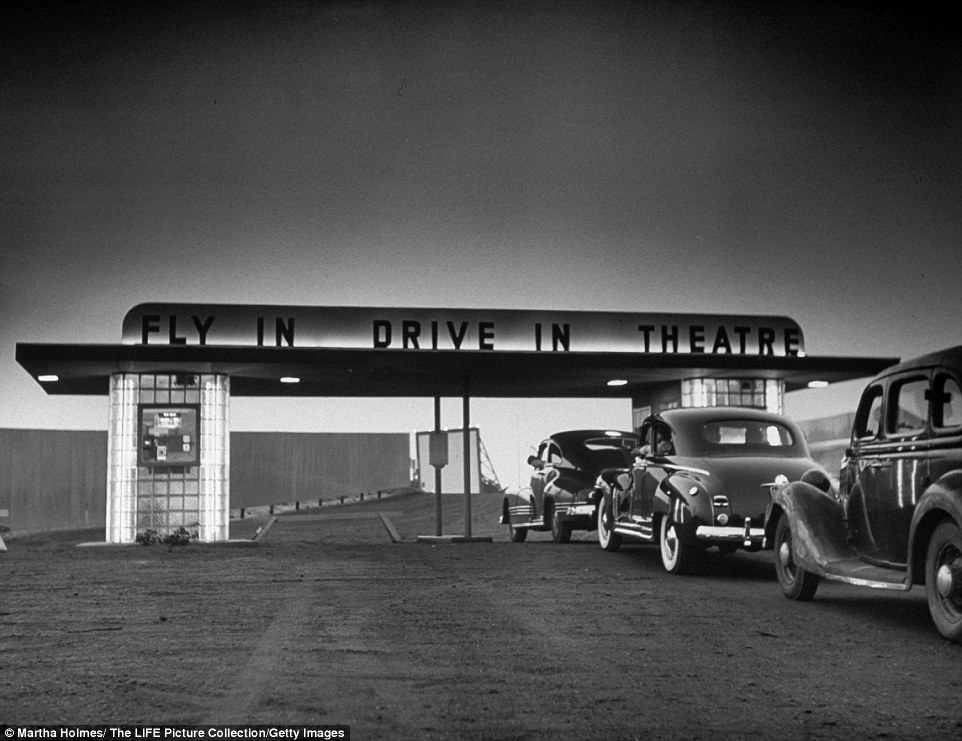
Customers arriving by car at a ‘fly-in drive-in’ theater, New Jersey, 1949
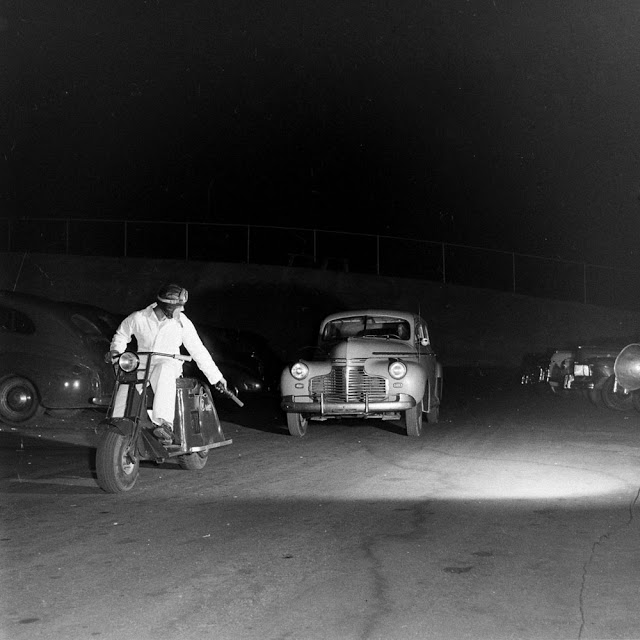
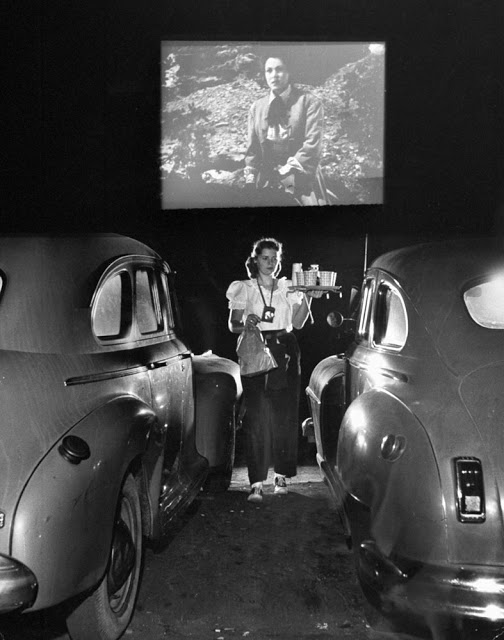
Usher, drive-in theater, San Francisco, 1948
Drive-in theater, Chicago, 1951
Drive-in theater, Los Angeles, 1949
Drive-in theater, San Francisco, 1948
Drive-in theater, Chicago, 1951
Gilmore Island, Los Angeles, 1949
Drive-in theater, Connecticut, 1955
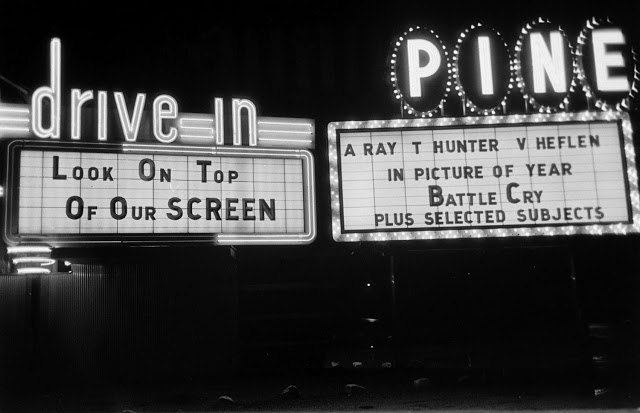
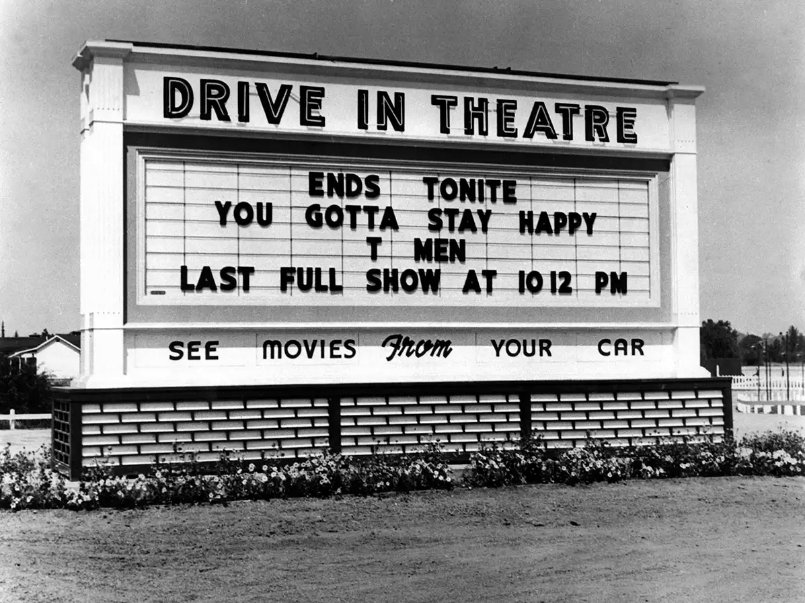
Drive in movie theatre marquee, late 1940s or early 1950s
Whitestone Bridge Drive-in Movie Theater, the Bronx, New York, June 20, 1951.
As a publicity stunt Les Davis (on top of the screen) lives in a tent on top of a drive-in movie screen in 1955 Connecticut
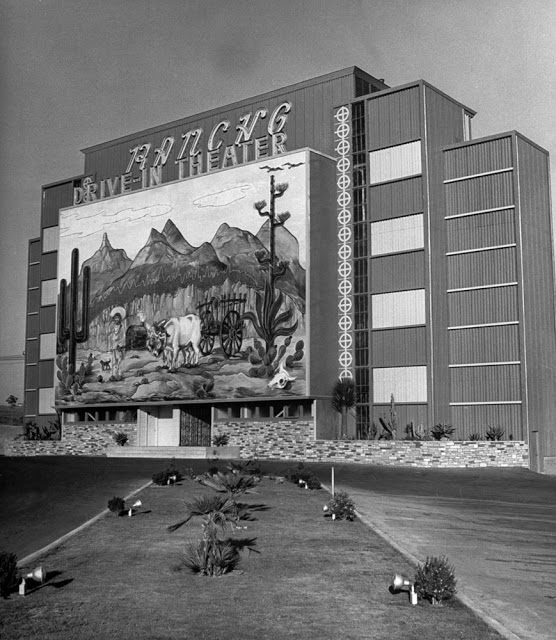
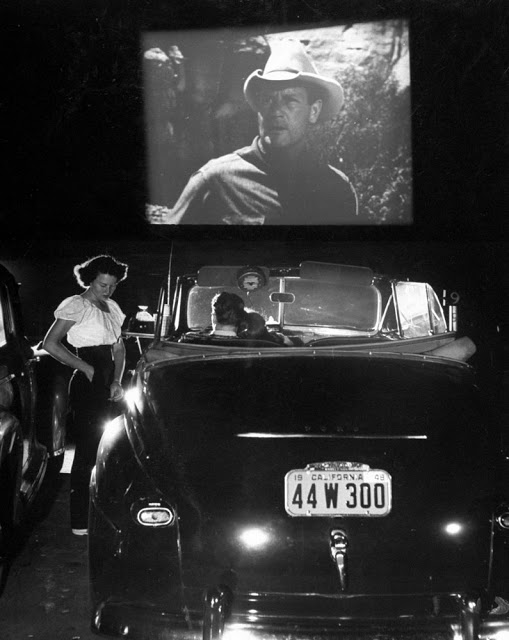
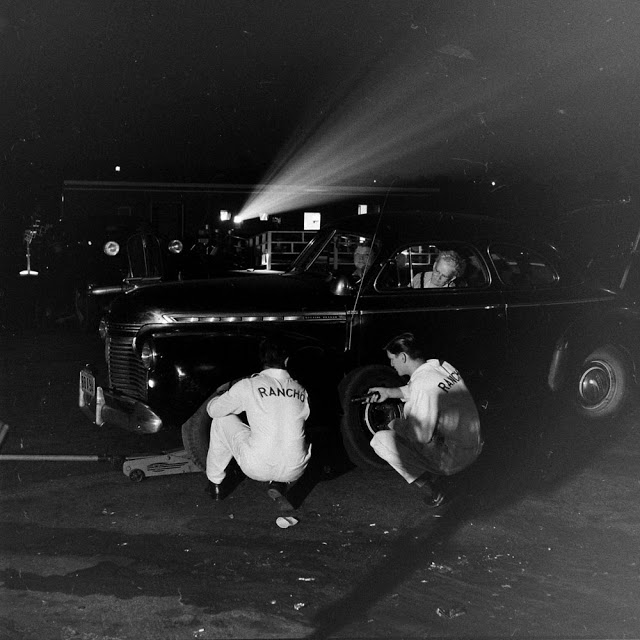
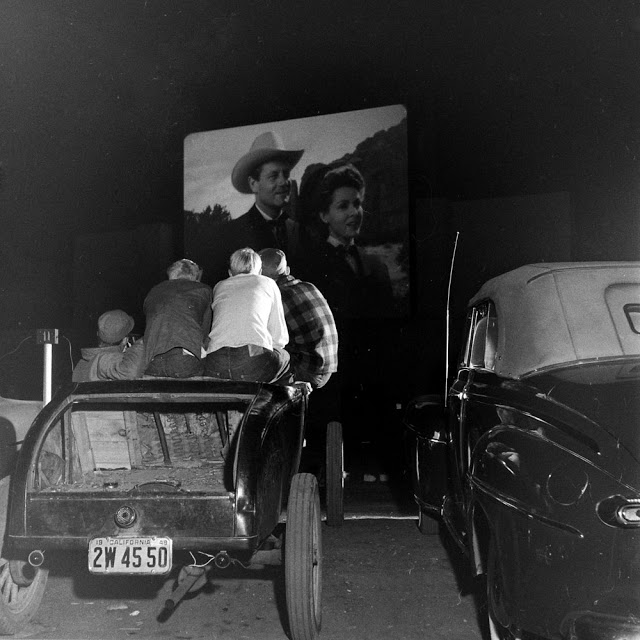
Rancho Drive-in Theater, San Francisco, 1948
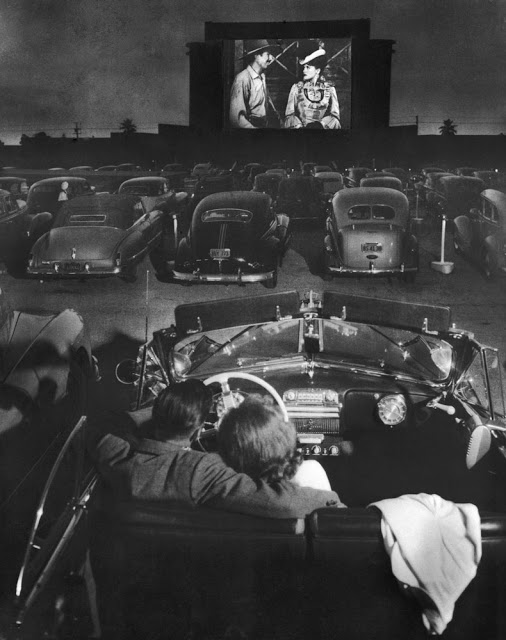
A Joel McCrea movie at the Rancho Drive-in Theater, San Francisco, 1948
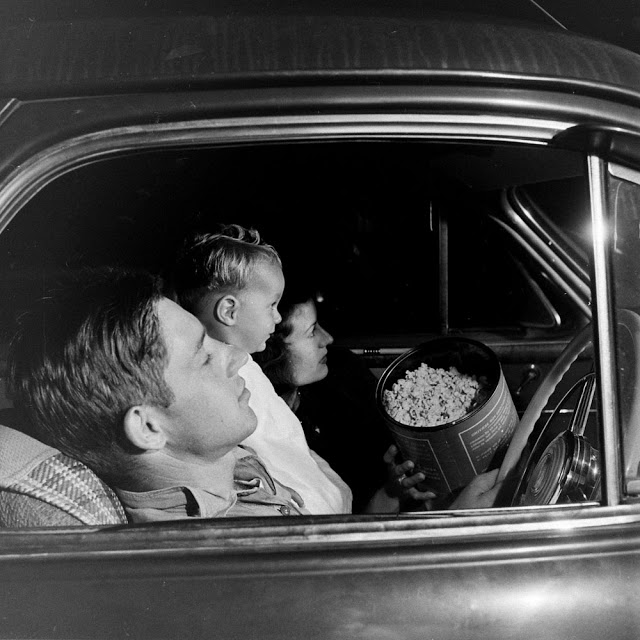
Drive-in theater, San Francisco, 1948
Kids enjoy one of the four double-seated glider swings in the mini-playground at the Rancho Drive-In Theater, San Francisco, 1948
Aerial view of a ‘fly-in drive-in theater,’ with plane in parking lot, 1949
Drive-In Fly-In Theatre, East Dennis, Mass., 1949
Whitestone Bridge Drive-in Movie Theater, the Bronx, New York, June 20, 1951.
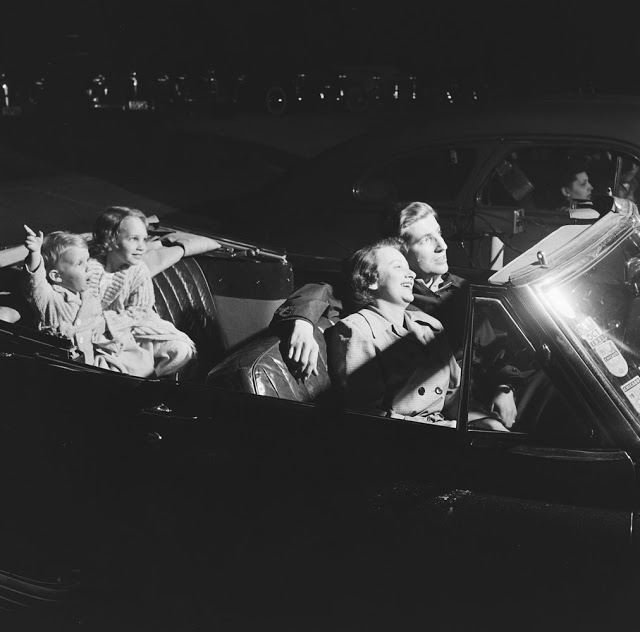
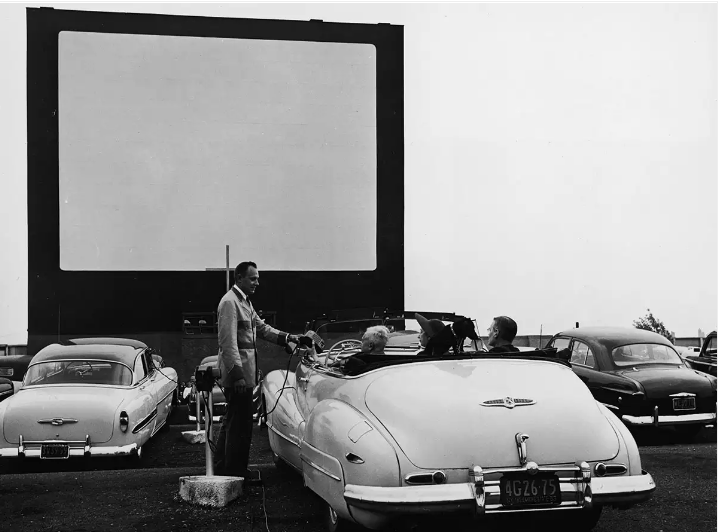
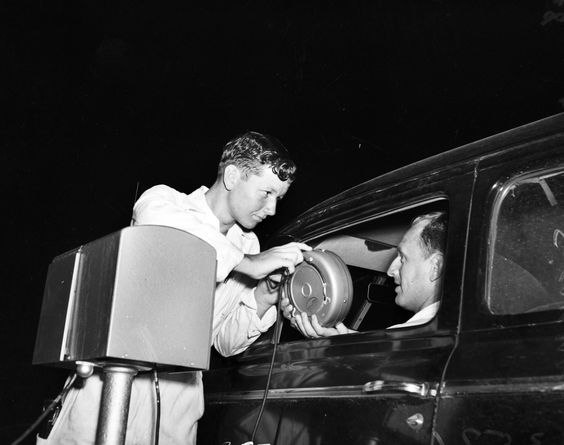
A uniformed drive-in theater attendant hands a clip-on speaker to the driver of convertible while the car’s other passengers watch, New York, early 1950s.
A drive-in theatre in Chicago, 1950
A drive-in theatre in Los Angeles, 1930s
A drive-in theatre in Camden, New Jersey, 1930s
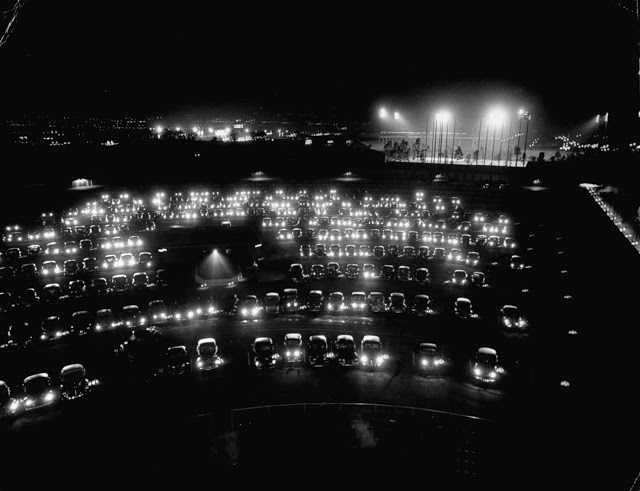
During their 50s heyday there were over 4,600 drive-in movie theatres across the States.
Uniformed lot boys sell tickets to the drivers of the cars swarming around them.
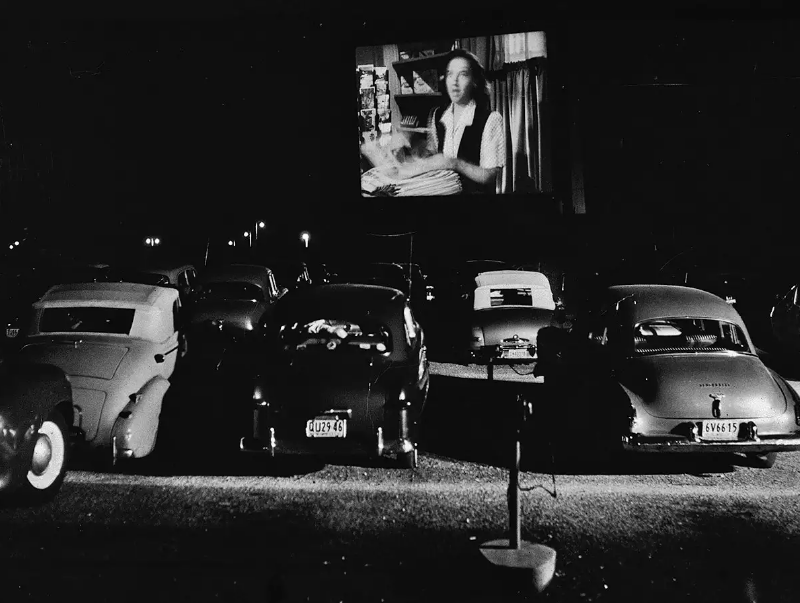
Actor Charlton Heston as Moses with arms flung wide appearing in motion picture The Ten Commandments as it is shown at a drive-in movie theatre in Utah in 1958
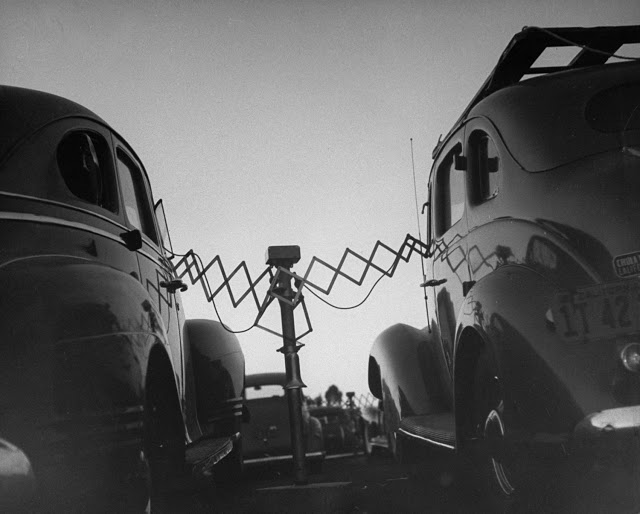
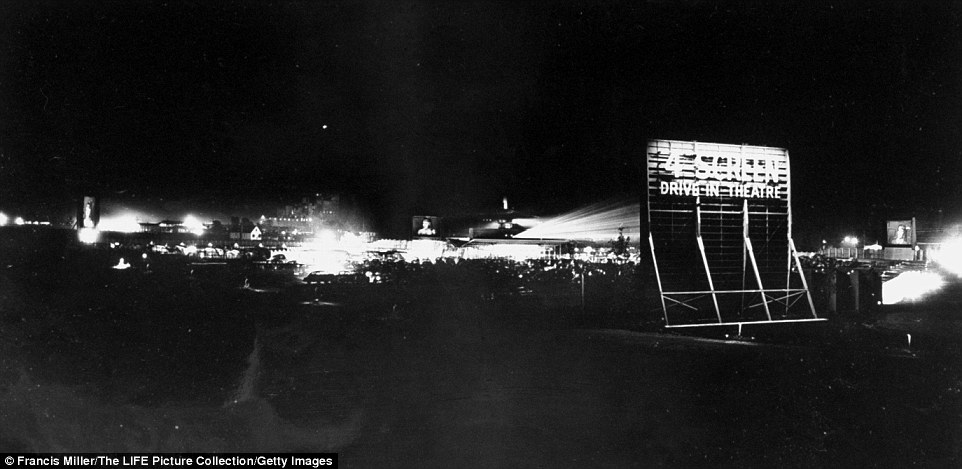
A four-screen drive-in theatre in 1953, where movies are beamed in all directions from a projector in the centre of the parking lot.
Attendant Bud Grote hands an in-car speaker to Thomas Speakman at San Pedro Outdoor Theater , May 1948

30 Vintage Photos Showing Hollywood Stars at Play Volume 1

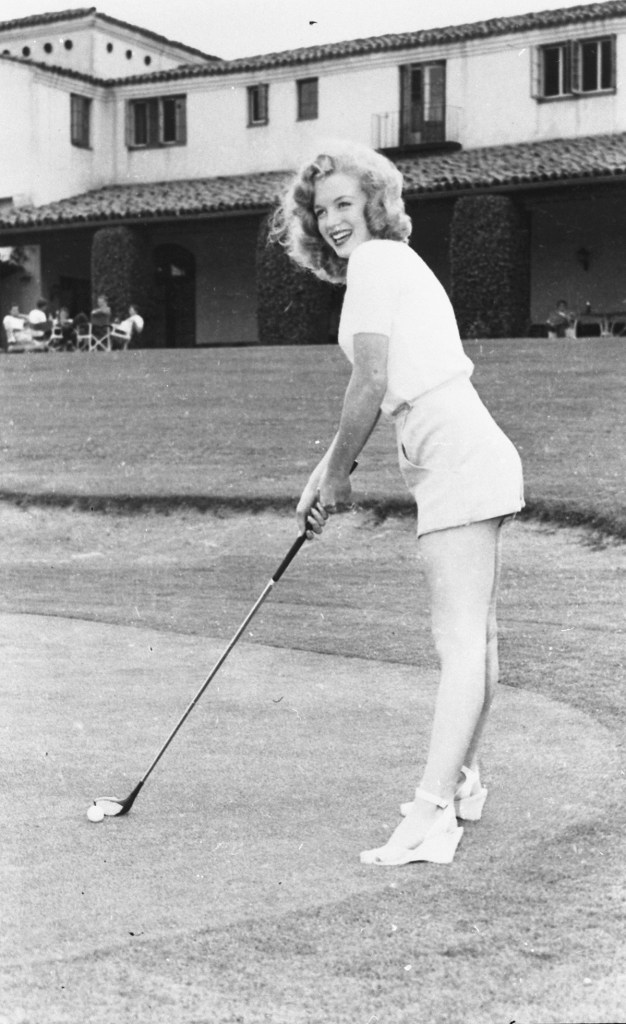
Marilyn Monroe prepares to tee off from the practice green at Riviera Golf Club in Los Angeles, early 1950s.
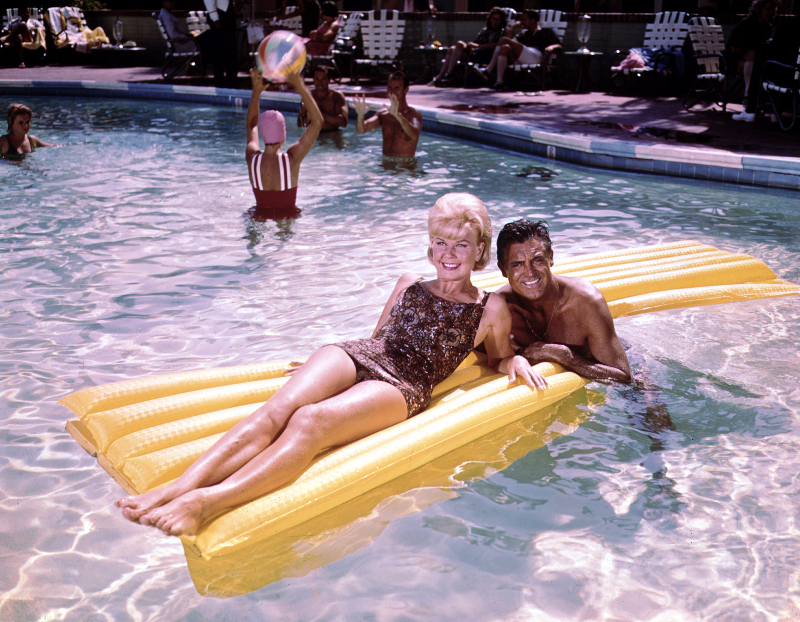
Doris Day and Cary Grant in the pool at the Fairmont Hotel in Santa Monica, 1962
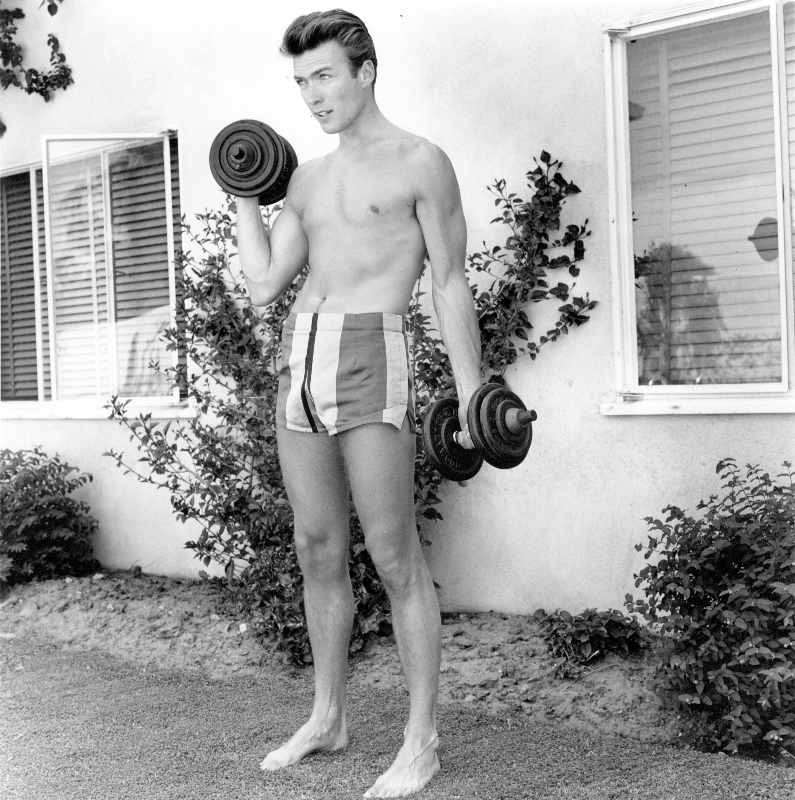
Young Clint Eastwood working out
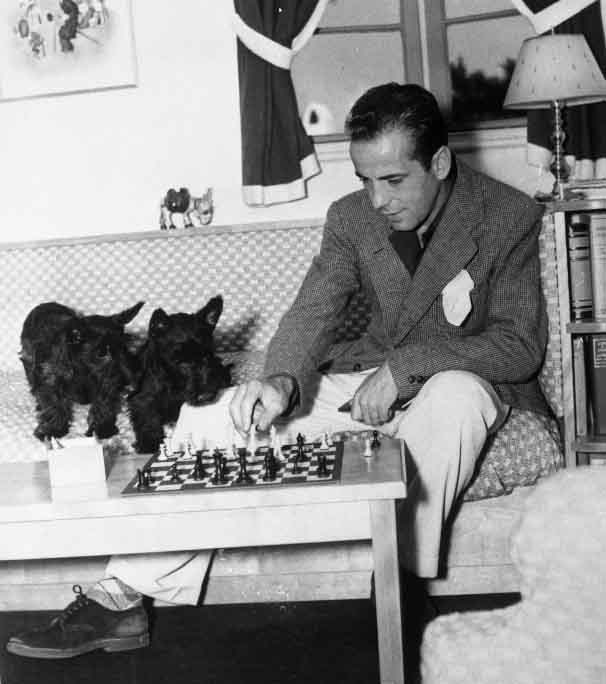
Humphrey Bogart plays chess with his two Scotty dogs in the late 1930s
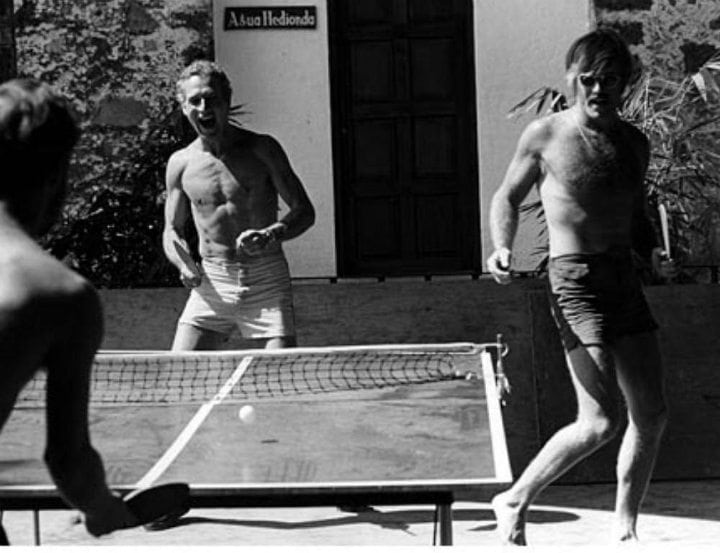
Paul Newman and Robert Redford are playing ping-pong during a break in the filming of Butch Cassidy and the Sundance Kid in Durango, Mexico. 1968
Drew Barrymore and Billy Idol Clowning Around, 1984
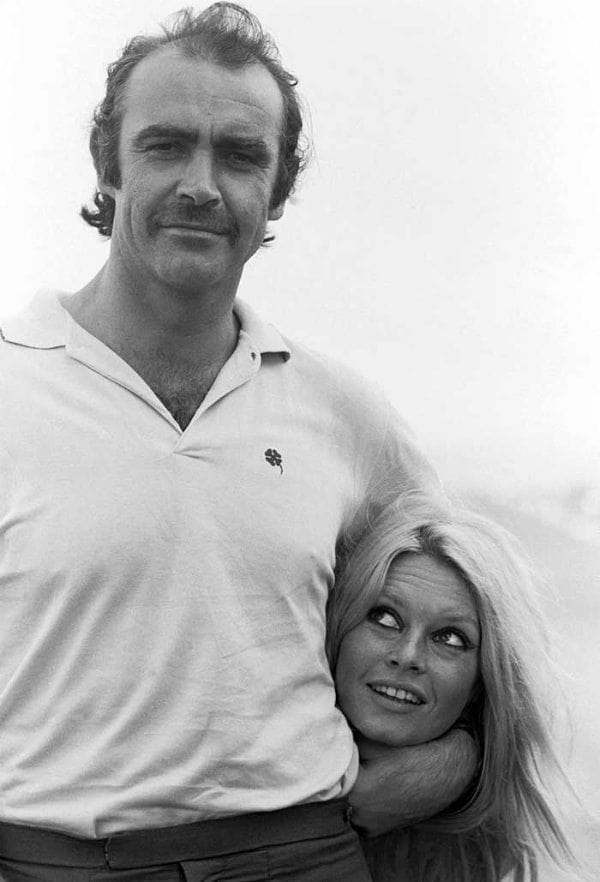
Sean Connery and Brigitte Bardot in Spain, 1968
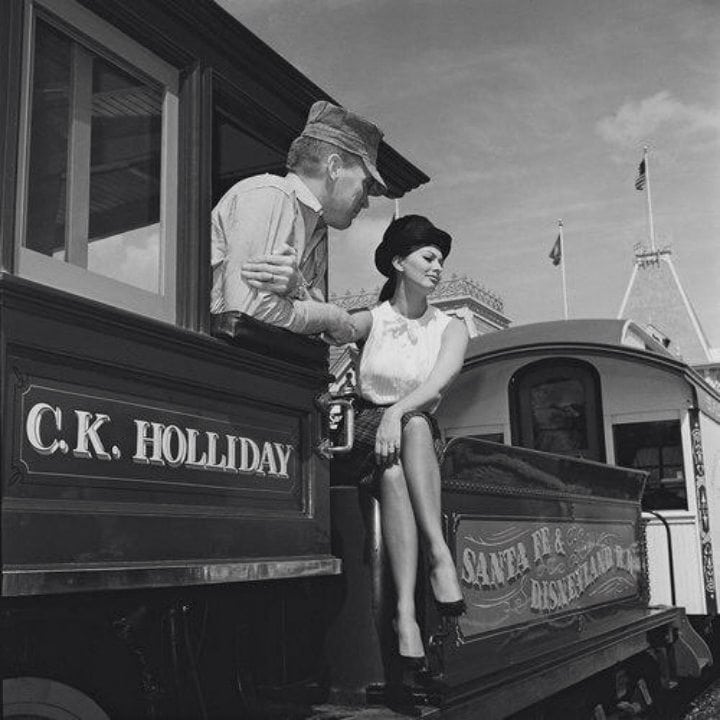
Sophia Loren at Disneyland, 1963
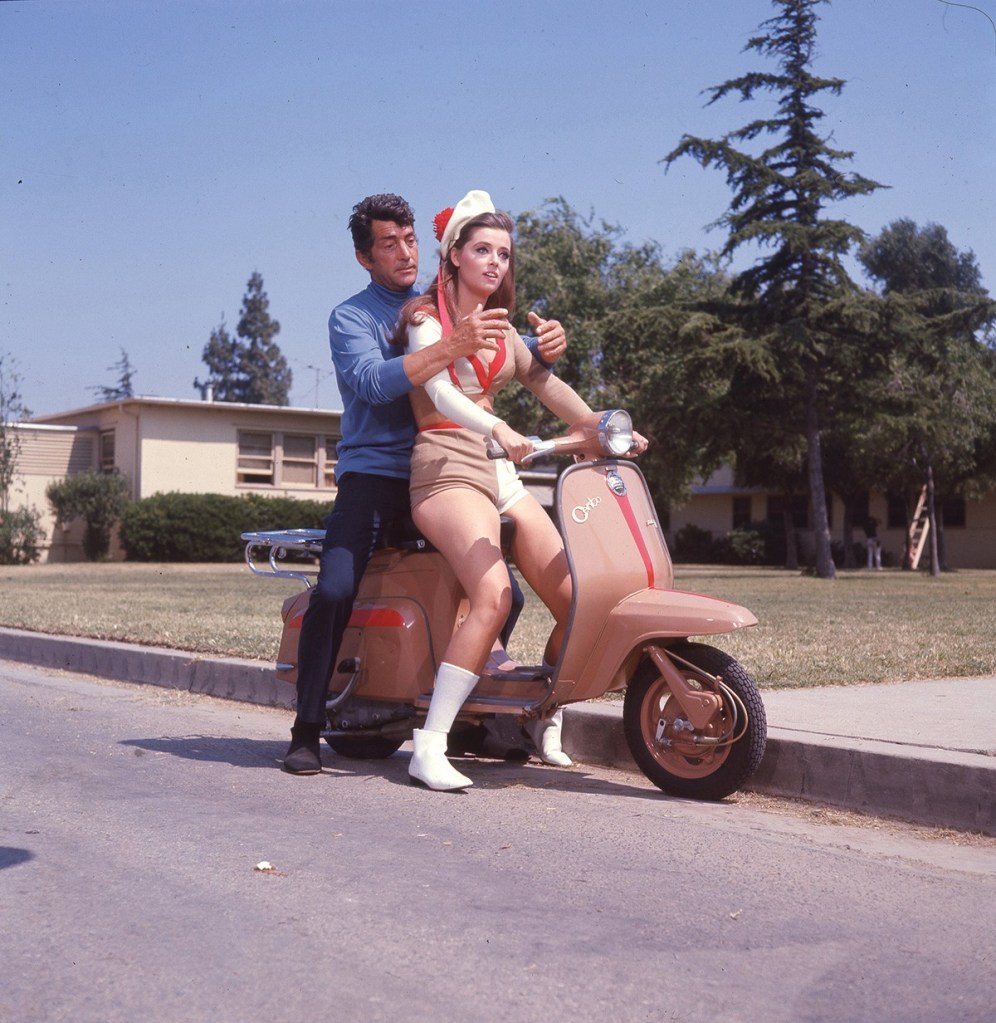
Dean Martin as Matt Helm prepares to hang on for a ride with a movie extra on a Vespa scooter on the set of The Ambushers, 1967.
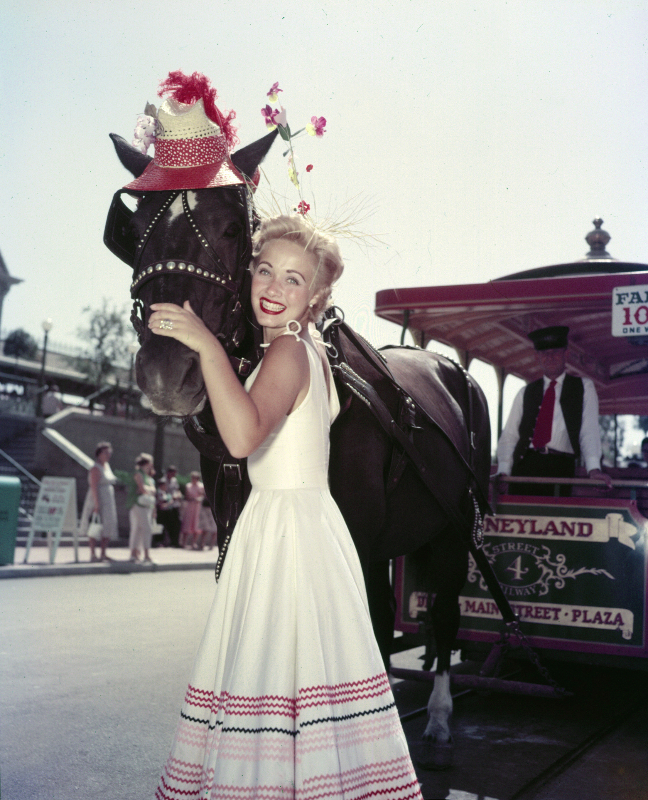
Jane Powell on Main Street U.S.A. at Disneyland
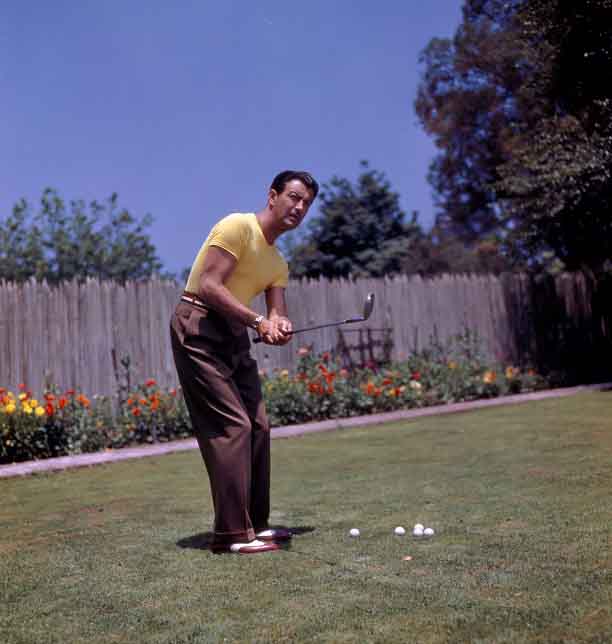
Robert Taylor practices golf in his backyard
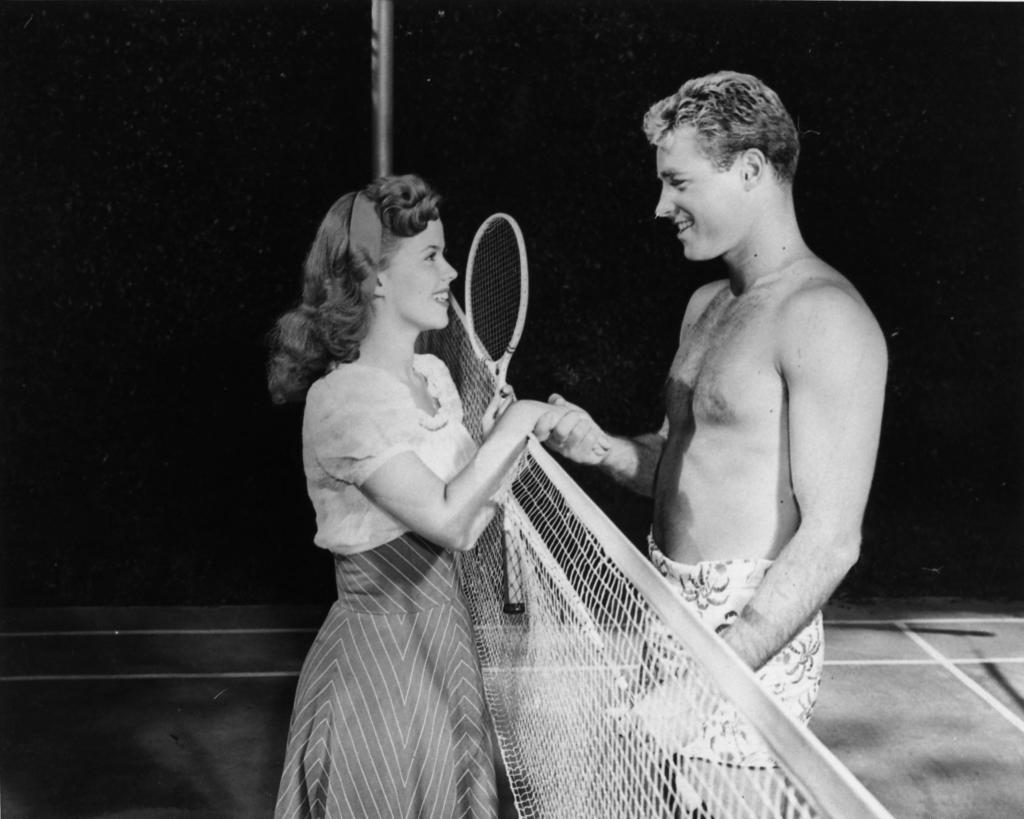
Shirley Temple and Guy Madison after a game of tennis in 1944
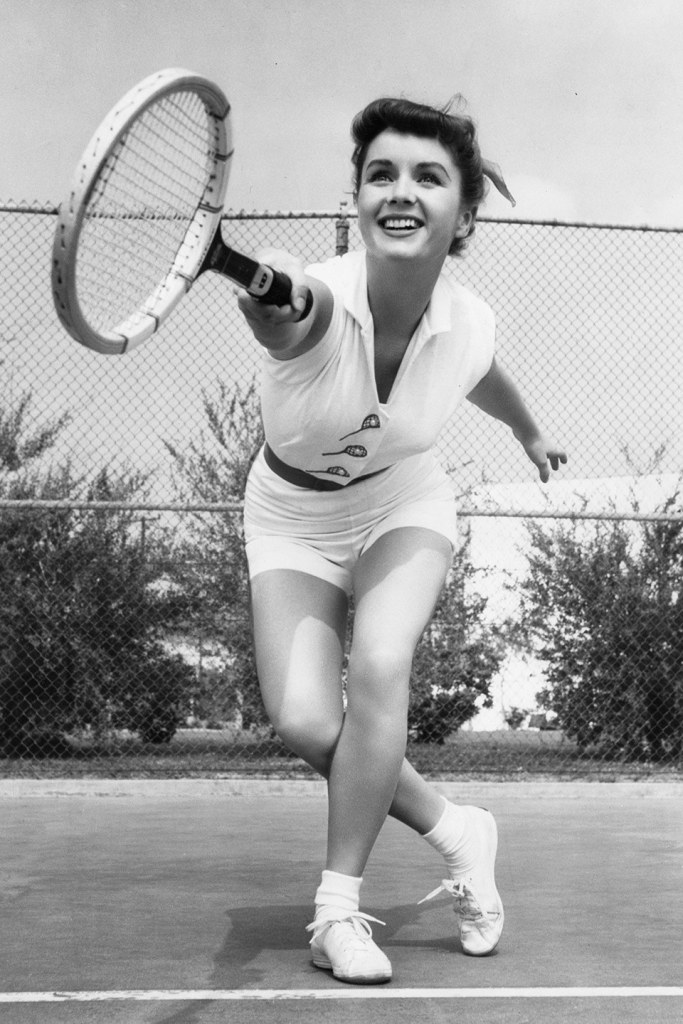
Debbie Reynolds, 1950
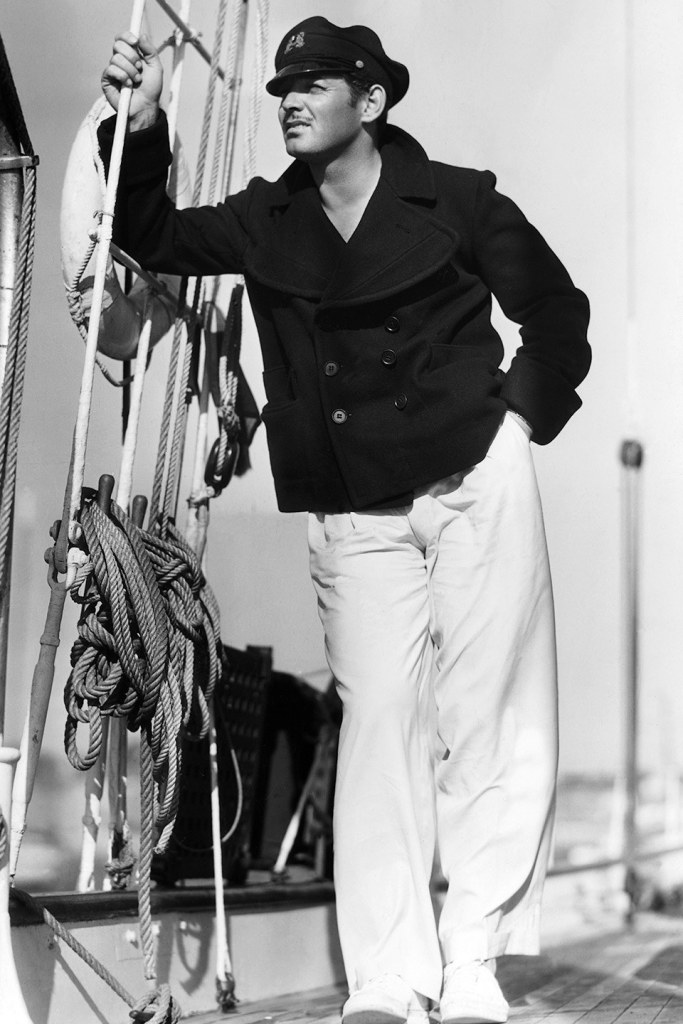
Clark Gable sailing, 1936.
Farrah Fawcett, 1978.
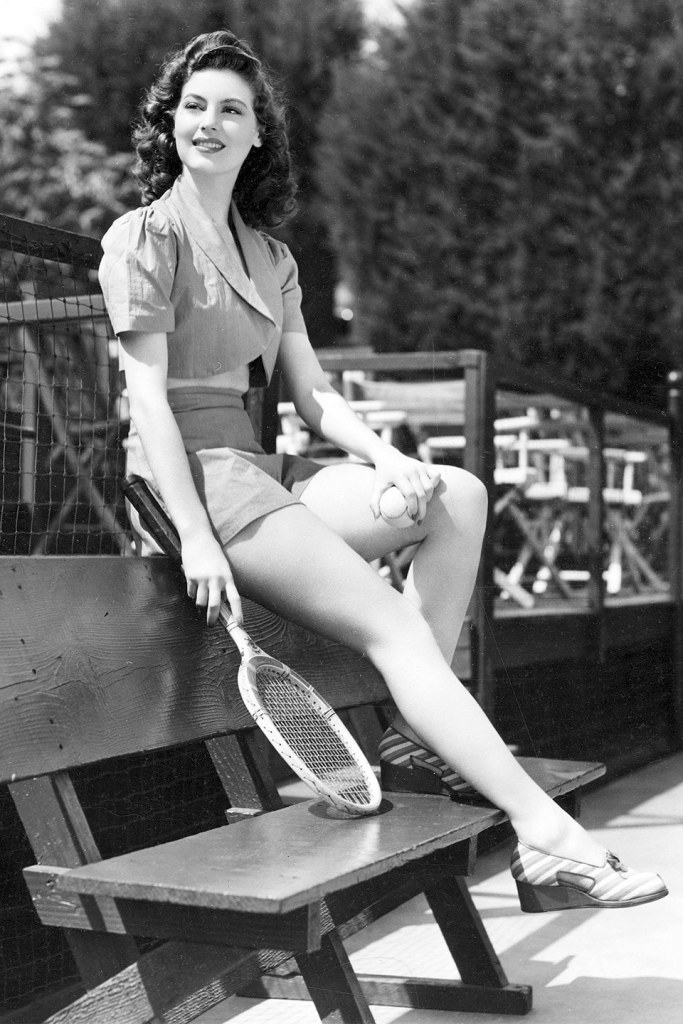
Ava Gardner, 1948
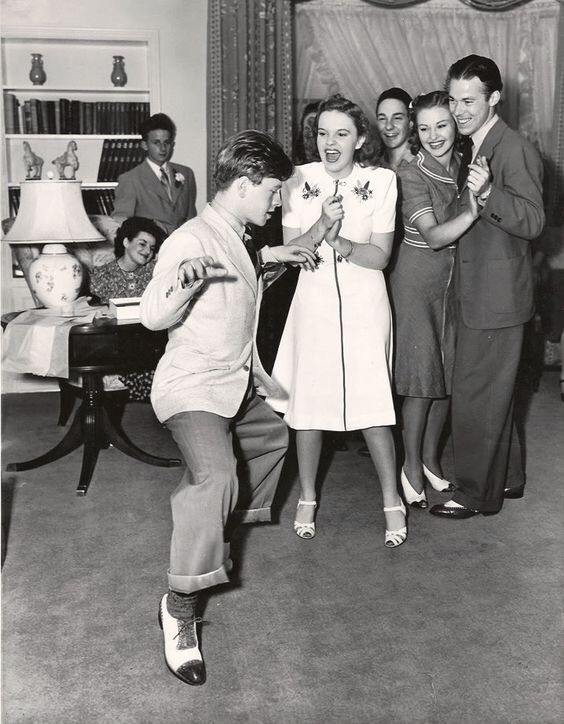
Judy Garland & Mickey Rooney Dancing, 1940s
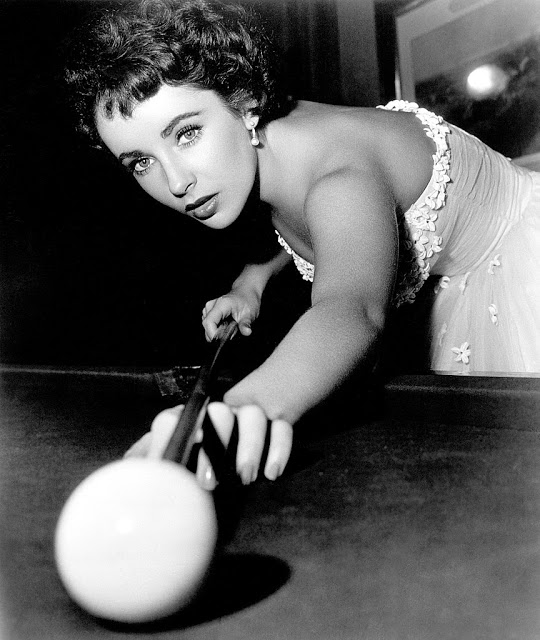
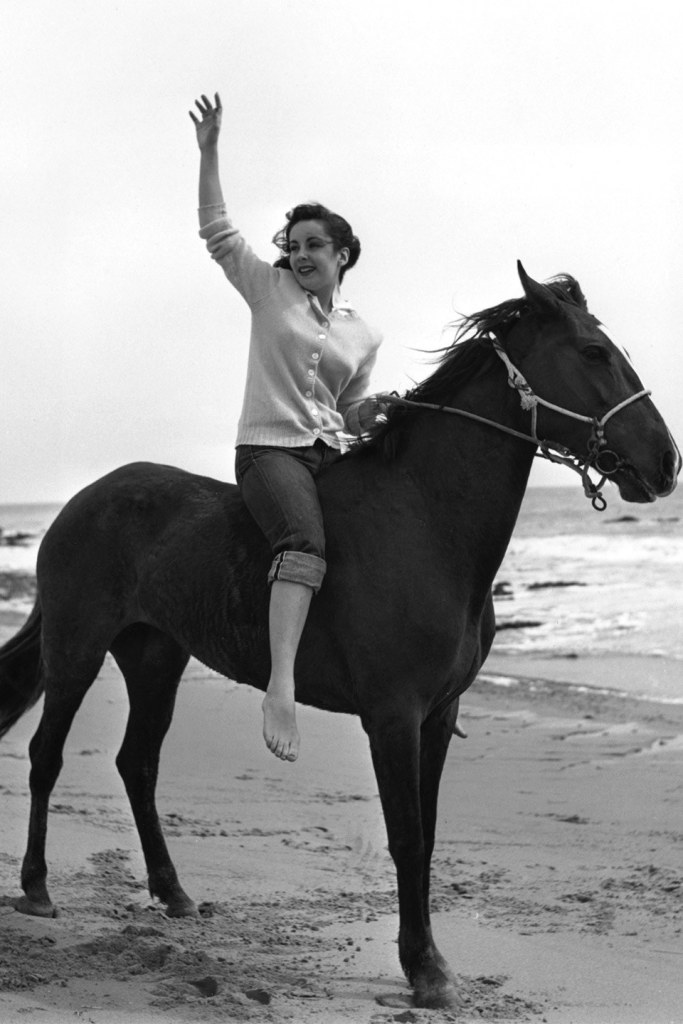
Elizabeth Taylor playing billiards. Early 1950s
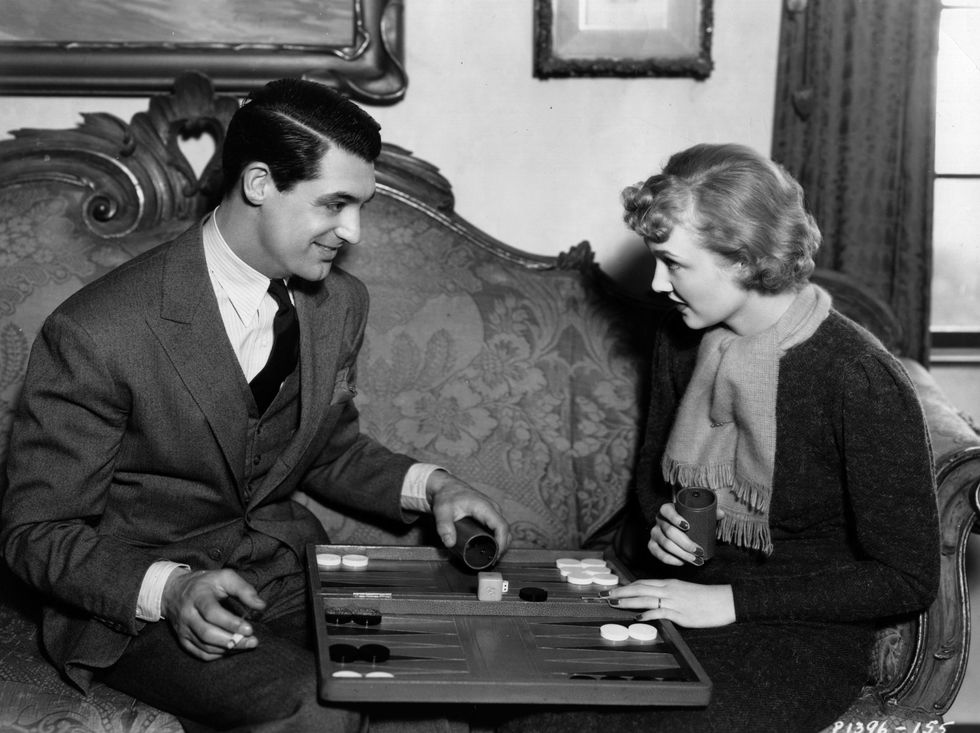
Cary Grant and his then wife Virginia Cherrill playing backgammon at home together in 1934.
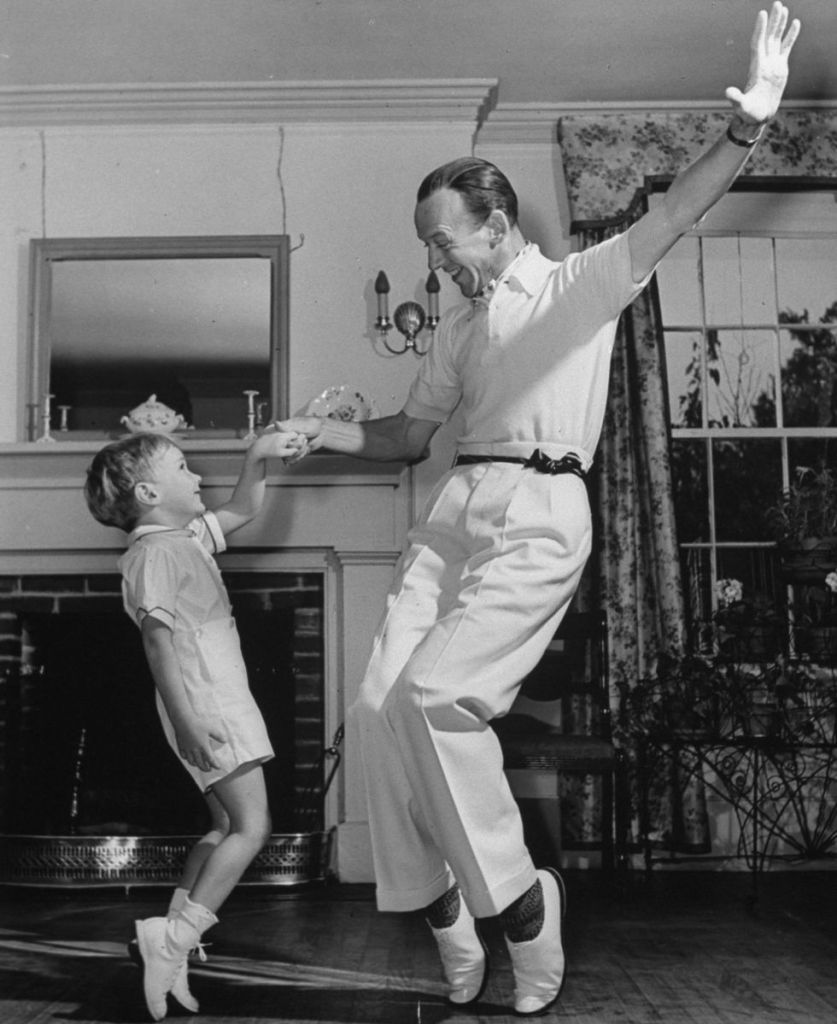
Fred Astaire teaching his son some moves at their home in 1940.
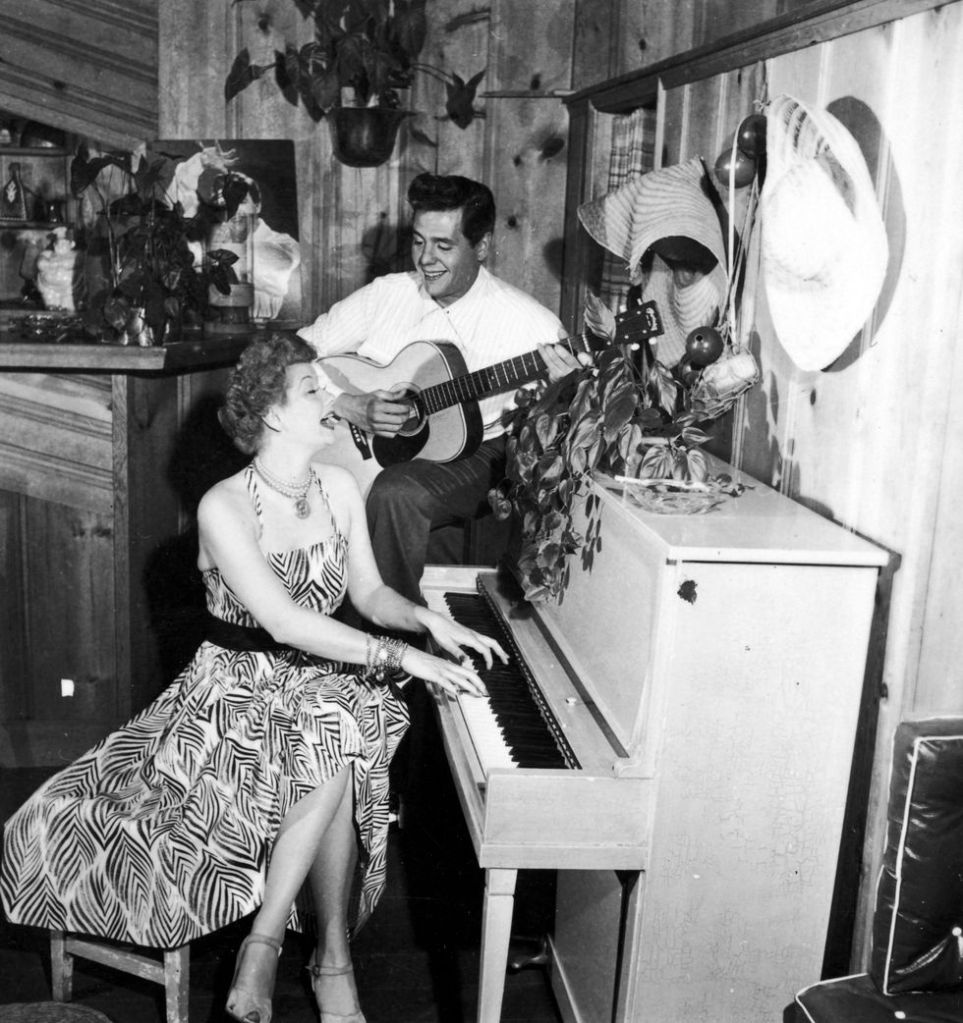
Lucille Ball & Desi Arnaz playing music together at home in 1955.
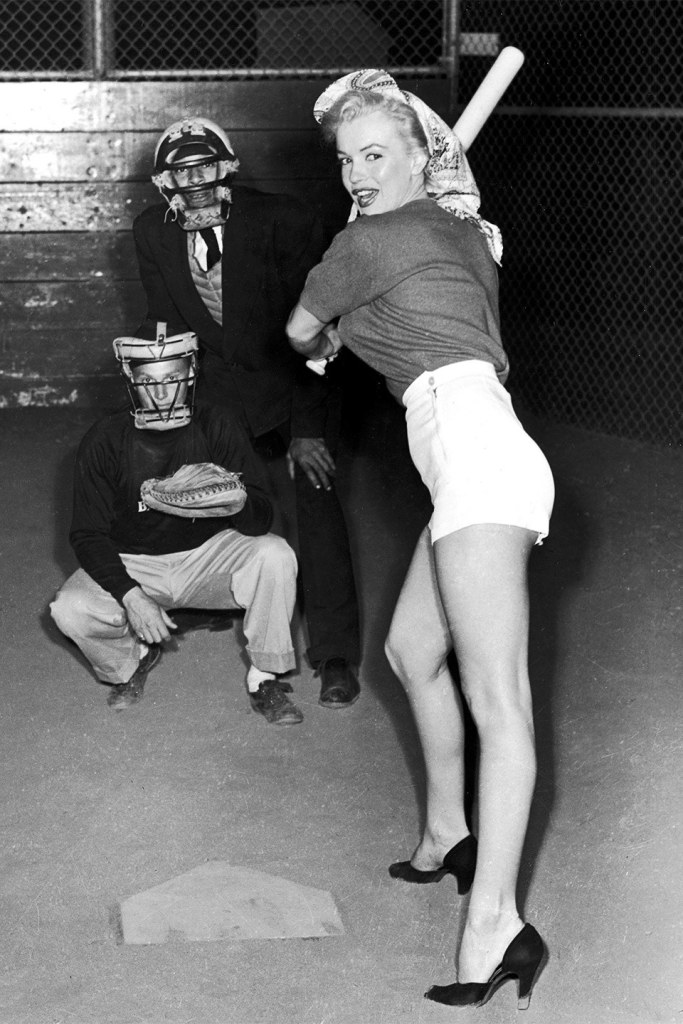
Marilyn Monroe, playing the drums at Ray Anthony’s Birthday Party, 1953
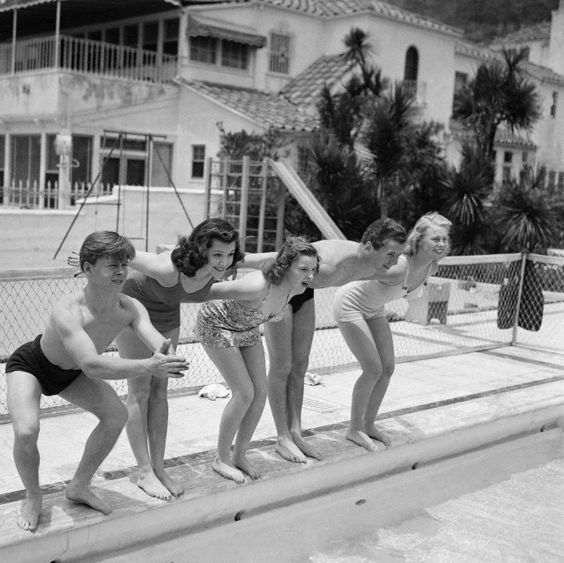
Mickey Rooney, Ann Rutherford, Judy Garland, Jackie Cooper, and Marjorie Gestring – June 1939 at Louis B Mayer’s birthday bash he tossed for Judy at his home in Santa Monica
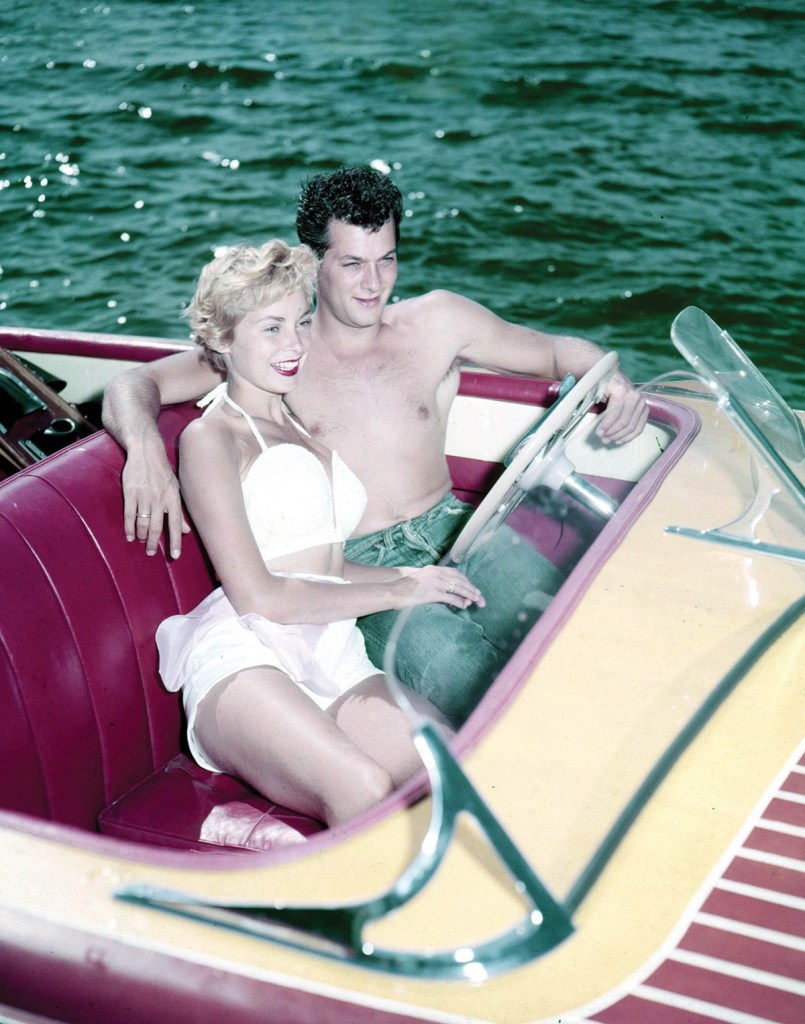
Janet Leigh and Tony Curtis enjoy a leisurely sail around the lake in a colorful speedboat, 1955
Richard Gere the Musician – 1978
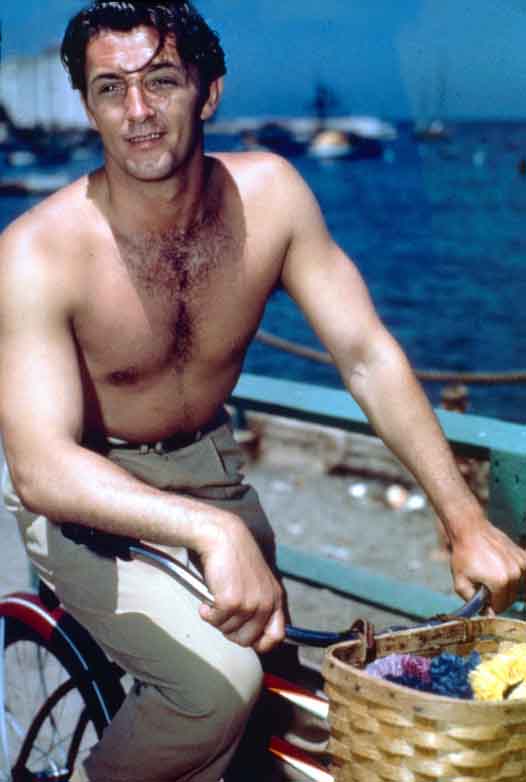
Robert Mitchum bicycling at the beach, 1948
Marilyn Monroe, 1952
Elizabeth Taylor, 1949
Sophia Loren playing pool. 1950s
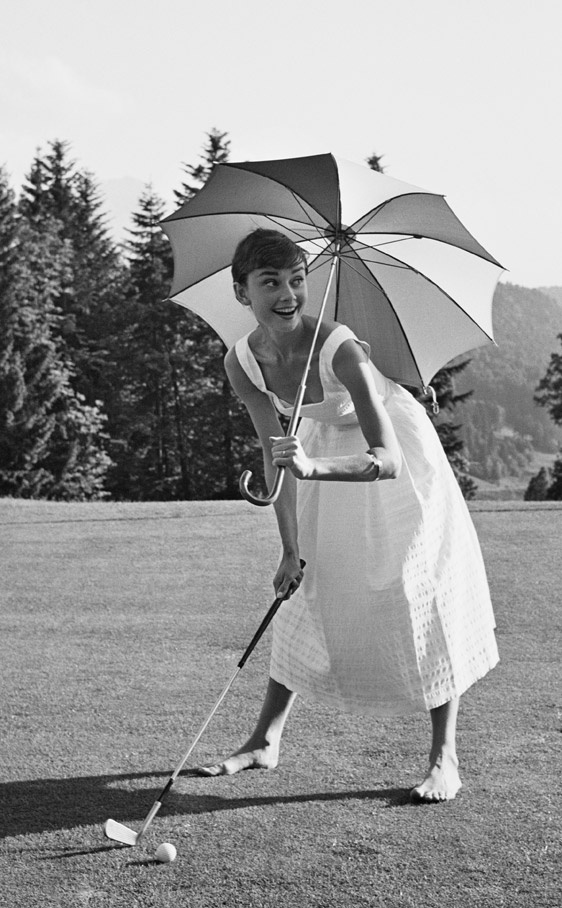
Audrey Hepburn, 1960s

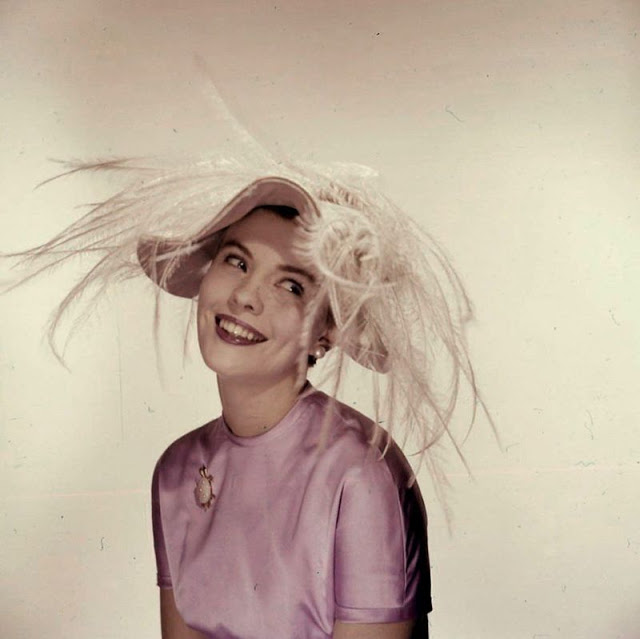
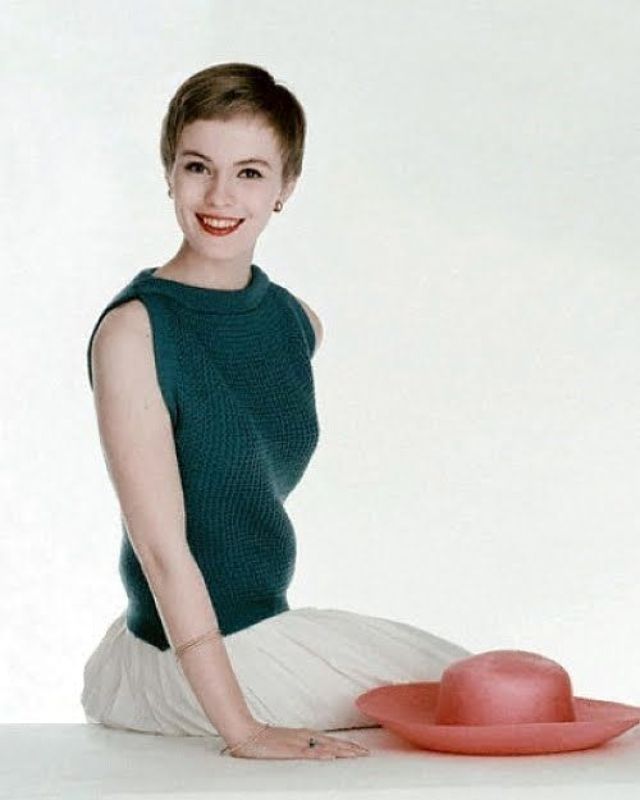
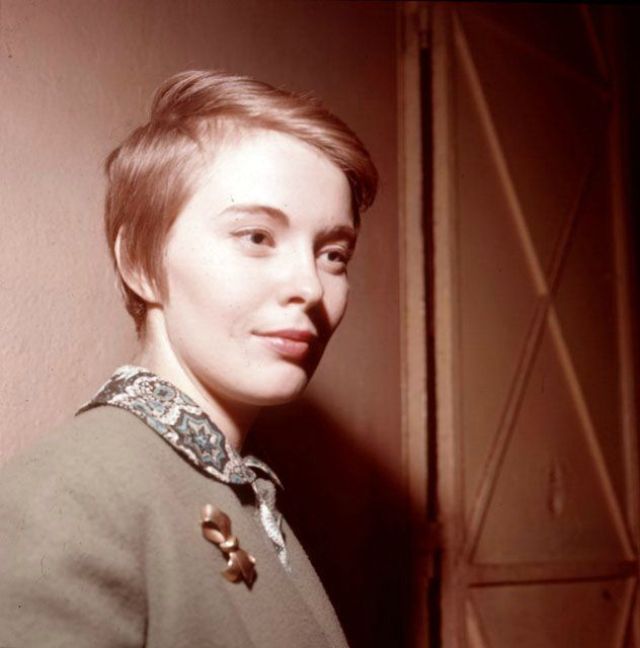
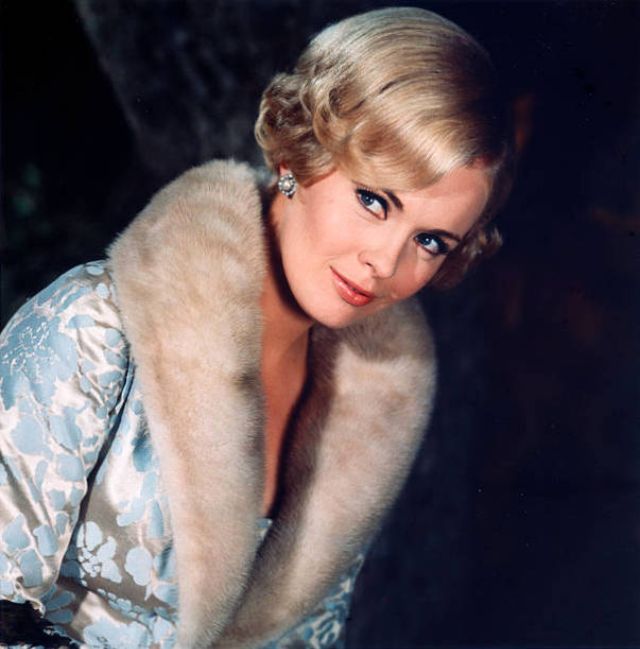
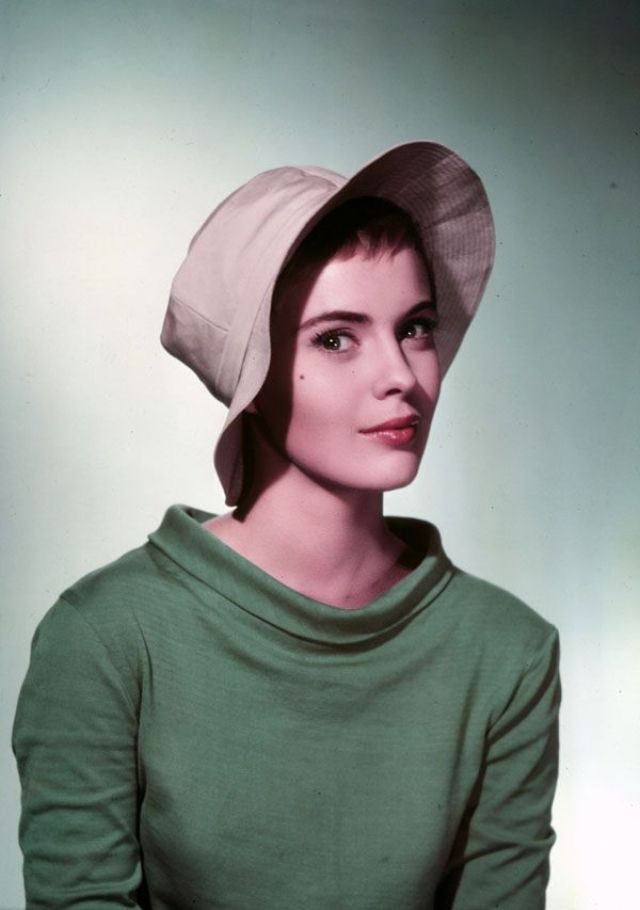
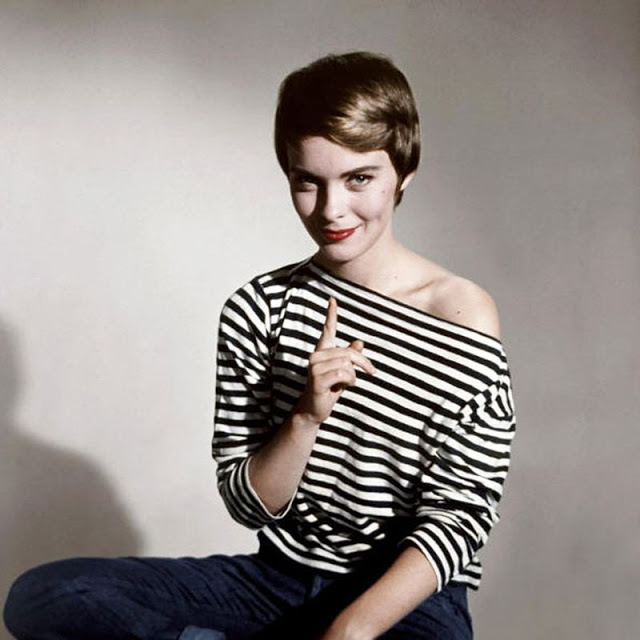
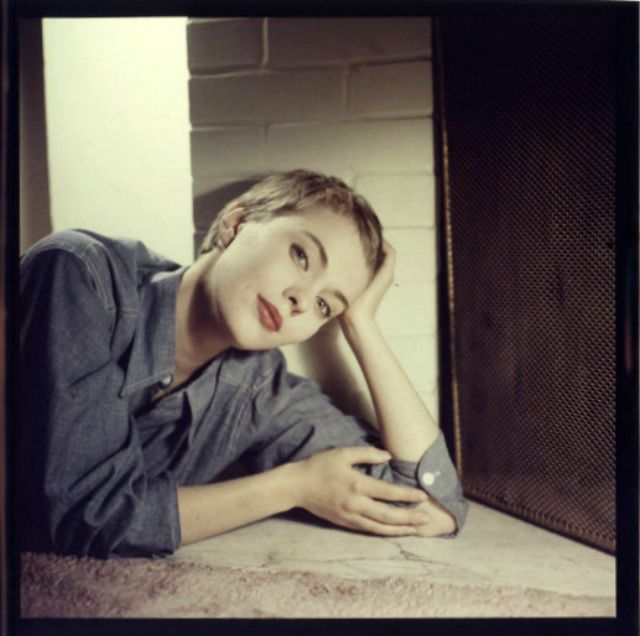
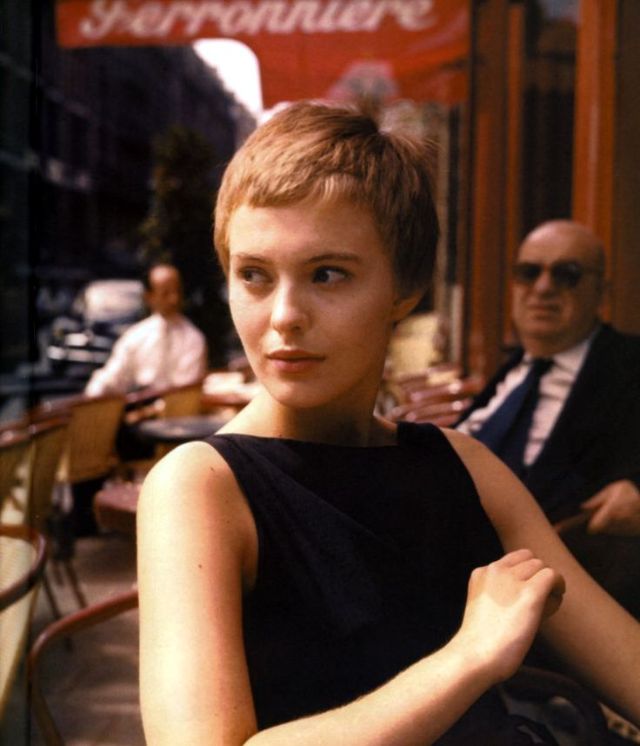
35 Stunning Photos of Actress Jean Seberg in the 1960s

Jean Dorothy Seberg (November 13, 1938 – August 30, 1979) was an American actress who lived half of her life in France. Her performance in Jean-Luc Godard’s 1960 film Breathless immortalized her as an icon of French New Wave cinema.

Seberg appeared in 34 films in Hollywood and in Europe, including Saint Joan, Bonjour Tristesse, Lilith, The Mouse That Roared, Breathless, Moment to Moment, A Fine Madness, Paint Your Wagon, Airport, Macho Callahan, and Gang War in Naples.

Seberg was among the best-known targets of the FBI COINTELPRO project. Her targeting was in retaliation for her support of the Black Panther Party, a smear directly ordered by J. Edgar Hoover.

Seberg died at the age of 40 in Paris, with police ruling her death a probable suicide. Romain Gary, Seberg’s second husband, called a press conference shortly after her death at which he blamed the FBI’s campaign against Seberg for her death. Gary noted that the FBI had planted false rumors with American media outlets claiming that her 1970 pregnancy was a Black Panther’s child, and claimed that the trauma had resulted in the child’s miscarriage. Gary stated that Seberg had attempted suicide on numerous anniversaries of the child’s death, August 25. (Wikipedia)
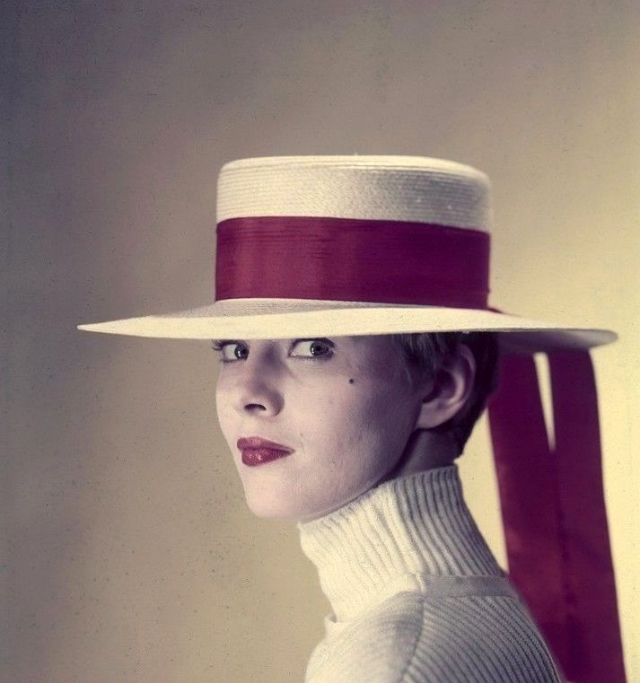
Shown is a glamorous photo collection that shows the beauty of young Jean Seberg in the 1960s.

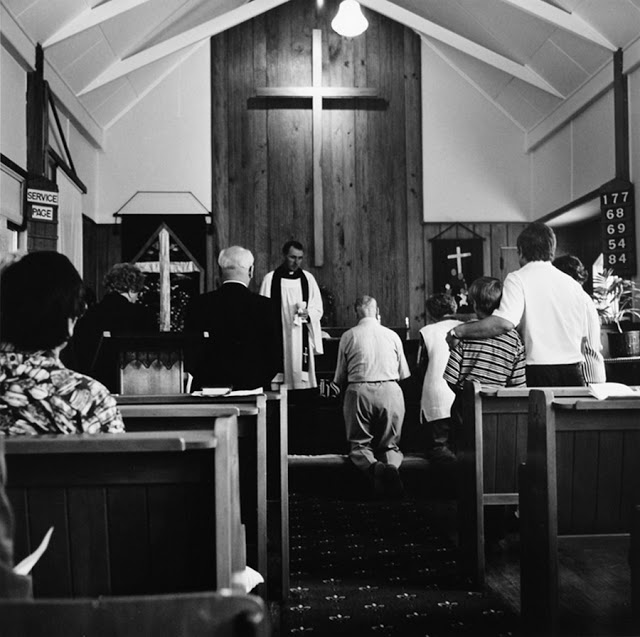
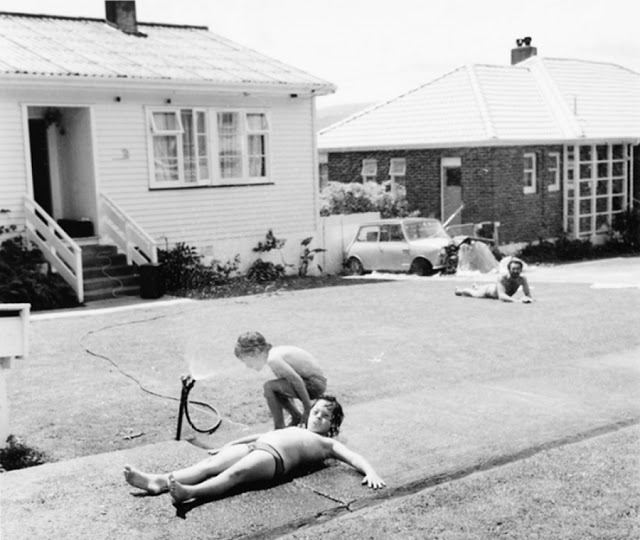
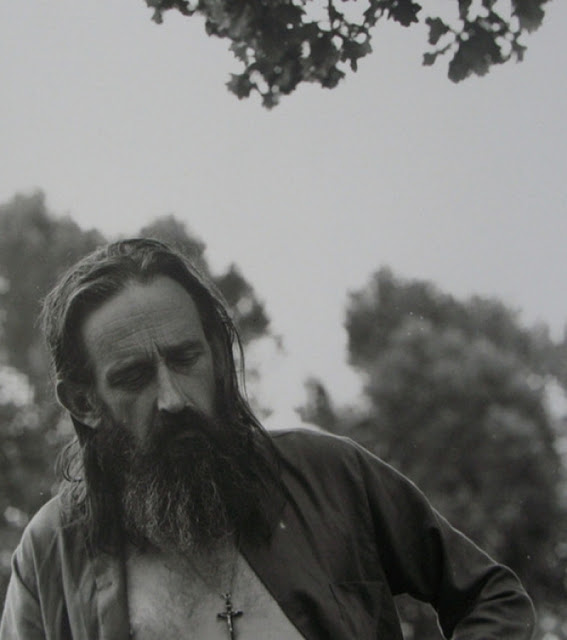
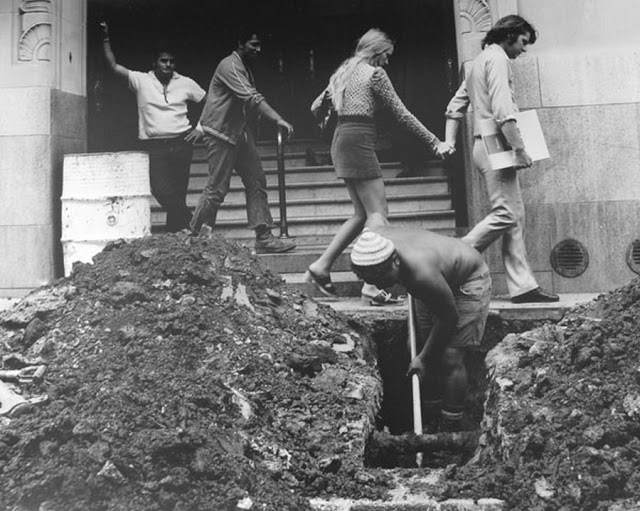
30 Fantastic Photos of Life in New Zealand from the 1960s to early 1980s

New Zealand is an island country in the southwestern Pacific Ocean. It consists of two main landmasses—the North Island (Te Ika-a-Māui) and the South Island (Te Waipounamu)—and over 700 smaller islands, covering a total area of 268,021 square kilometres (103,500 sq mi). New Zealand is about 2,000 kilometres (1,200 mi) east of Australia across the Tasman Sea and 1,000 kilometres (600 mi) south of the islands of New Caledonia, Fiji, and Tonga. The country’s varied topography and sharp mountain peaks, including the Southern Alps, owe much to tectonic uplift and volcanic eruptions. New Zealand’s capital city is Wellington, and its most populous city is Auckland.

Owing to their remoteness, the islands of New Zealand were the last large habitable landmass to be settled by humans. Between about 1280 and 1350, Polynesians began to settle in the islands and then developed a distinctive Māori culture. In 1642, the Dutch explorer Abel Tasman became the first European to sight and record New Zealand. In 1840, representatives of the United Kingdom and Māori chiefs signed the Treaty of Waitangi, which declared British sovereignty over the islands. In 1841, New Zealand became a colony within the British Empire, and in 1907 it became a dominion; it gained full statutory independence in 1947, and the British monarch remained the head of state. Today, the majority of New Zealand’s population of 5 million is of European descent; the indigenous Māori are the largest minority, followed by Asians and Pacific Islanders. Reflecting this, New Zealand’s culture is mainly derived from Māori and early British settlers, with recent broadening of culture arising from increased immigration. The official languages are Māori and New Zealand Sign Language, with English being dominant and a de facto official language.

A developed country, New Zealand ranks highly in international comparisons of national performance, such as quality of life, education, protection of civil liberties, government transparency, and economic freedom. New Zealand underwent major economic changes during the 1980s, which transformed it from a protectionist to a liberalised free-trade economy. The service sector dominates the national economy, followed by the industrial sector, and agriculture. International tourism is also a significant source of revenue. Nationally, legislative authority is vested in an elected, unicameral Parliament, while executive political power is exercised by the Cabinet, led by the prime minister, currently Jacinda Ardern. Queen Elizabeth II is the country’s monarch and is represented by the governor-general. In addition, New Zealand is organised into 11 regional councils and 67 territorial authorities for local government purposes. The Realm of New Zealand also includes Tokelau (a dependent territory); the Cook Islands and Niue (self-governing states in free association with New Zealand); and the Ross Dependency, which is New Zealand’s territorial claim in Antarctica.

New Zealand is a member of the United Nations, Commonwealth of Nations, ANZUS, OECD, ASEAN Plus Six, Asia-Pacific Economic Cooperation, the Pacific Community and the Pacific Islands Forum. (Wikipedia)
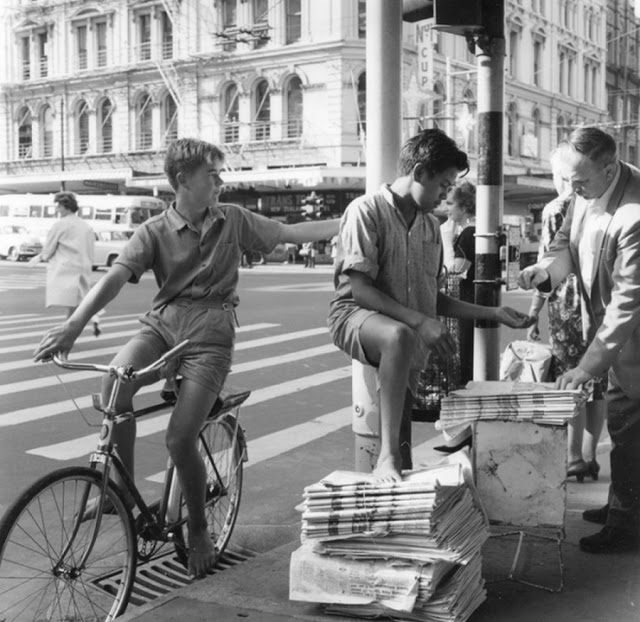
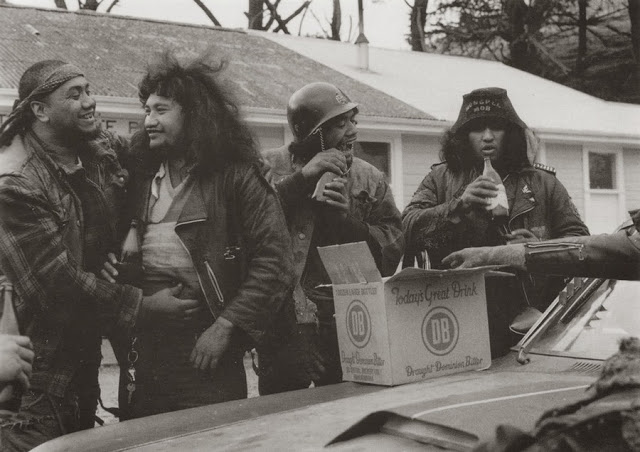
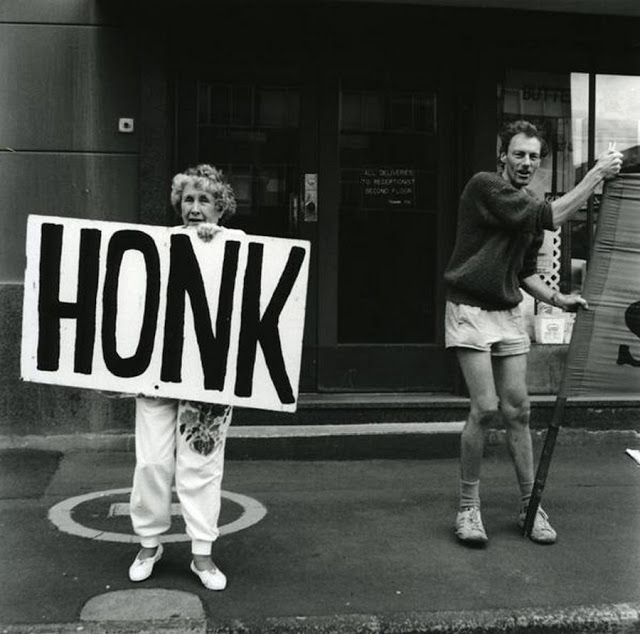
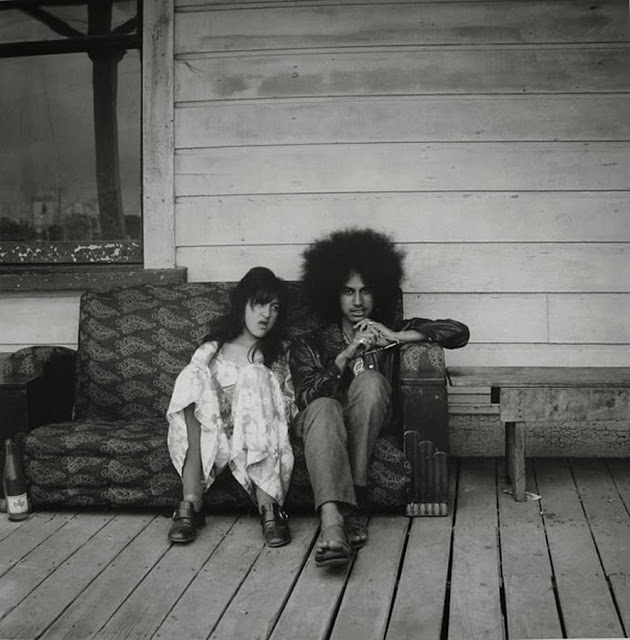
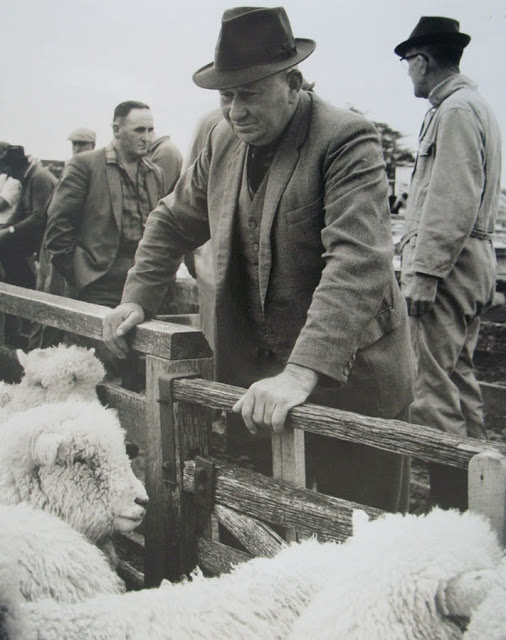
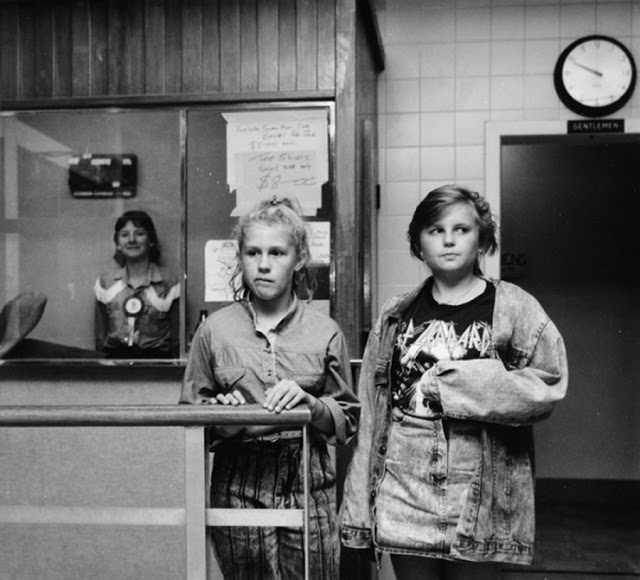
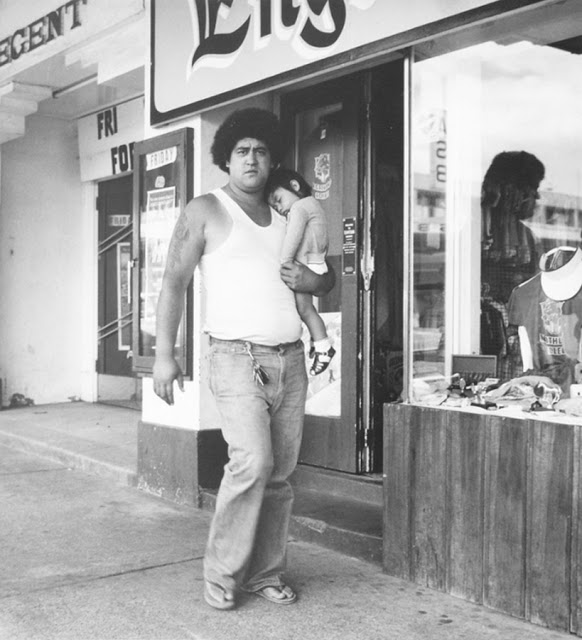
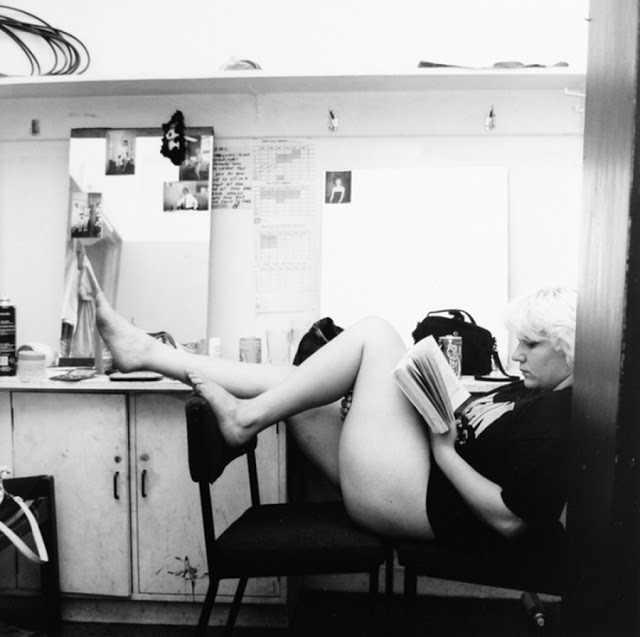
Ans Westra is responsible for the most comprehensive documentation of Maori culture over 50 years of significant political and cultural change. She immigrated to New Zealand in 1957 and began her career in 1962 as a fulltime freelance documentary photographer, working mainly for the Department of Education and Te Ao Hou, a Maori magazine published by the Government.

Here’s a collection of 30 black and white photographs taken by Ans Westra show everyday life in New Zealand from the 1960s to early 1980s.

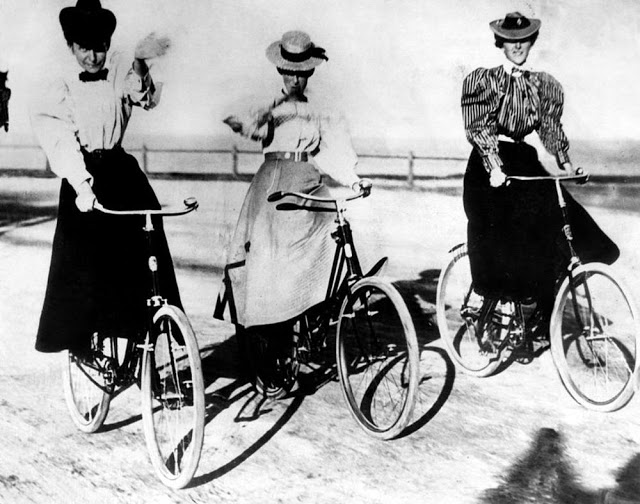
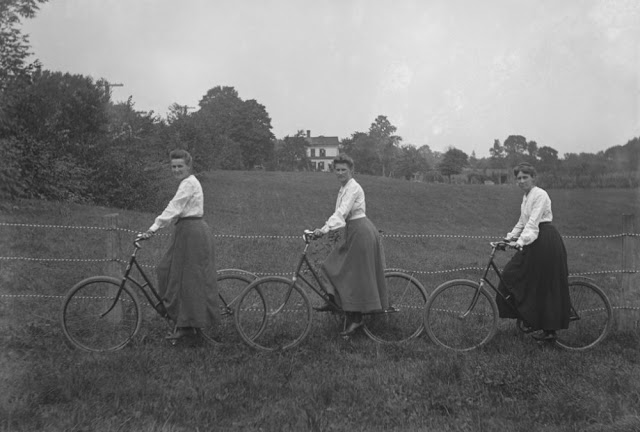
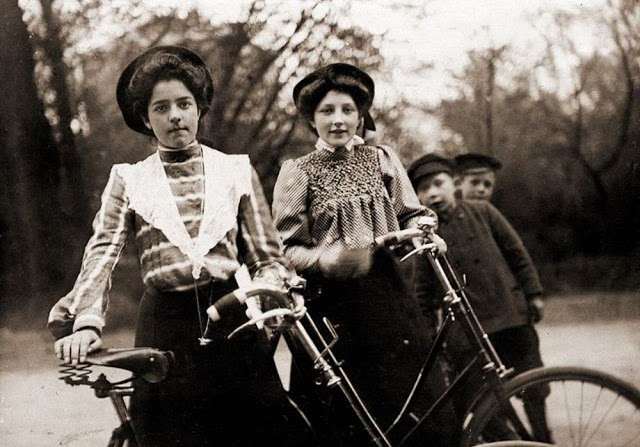
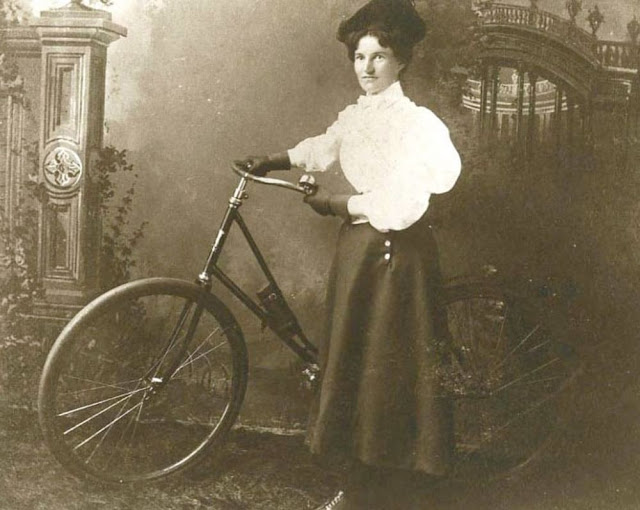
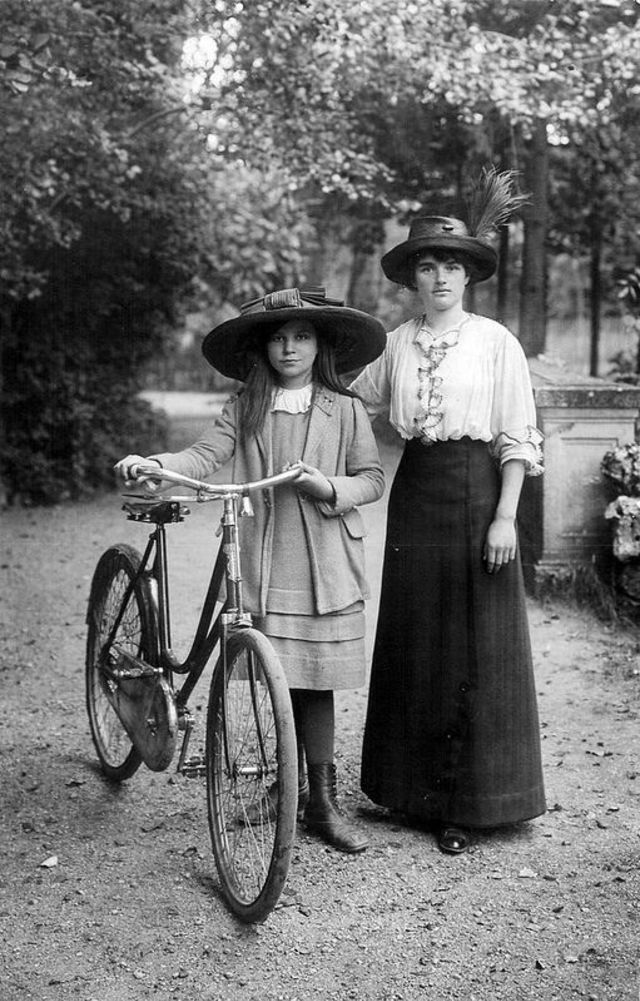
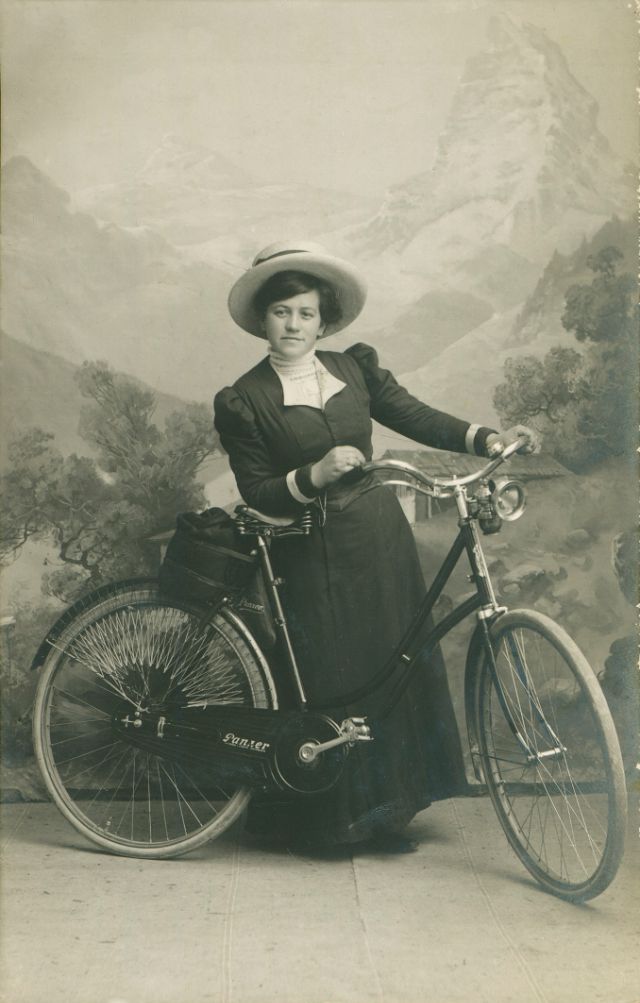
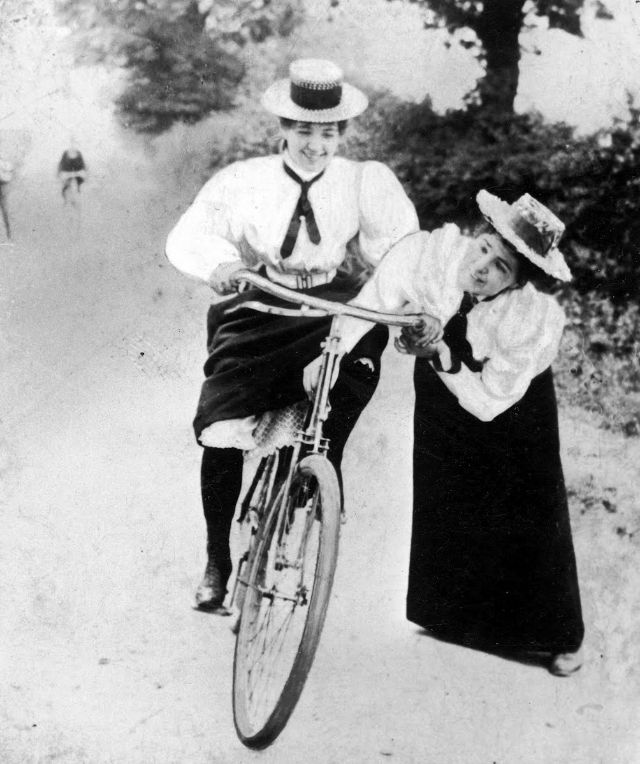
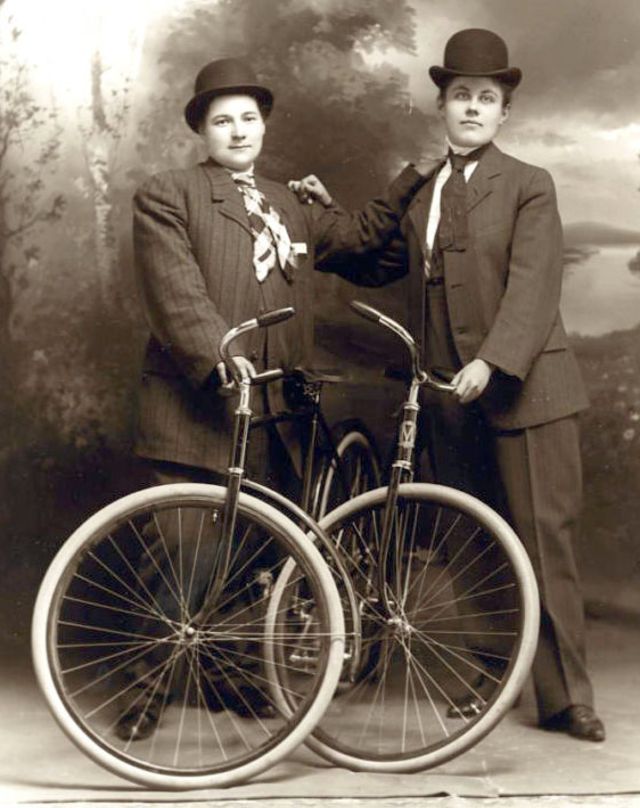
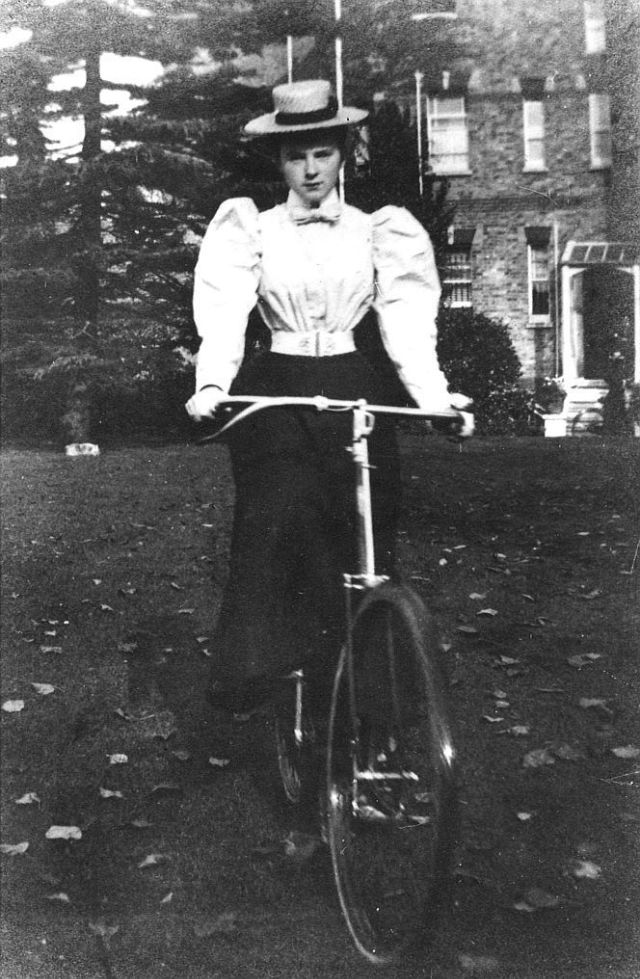
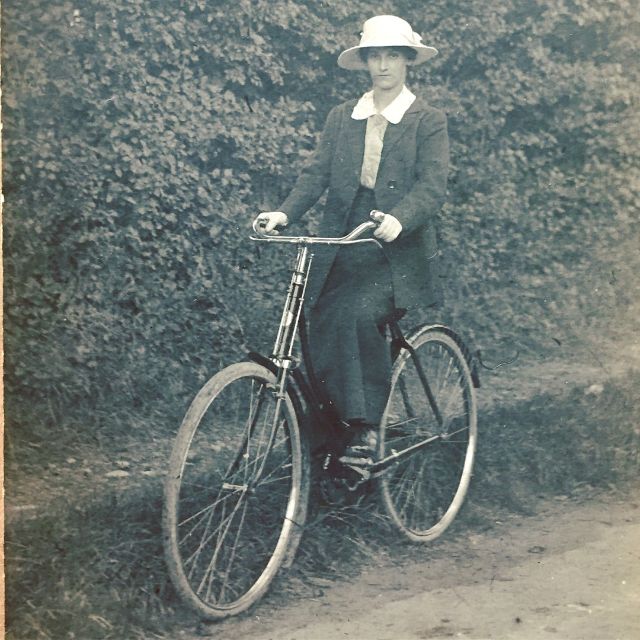
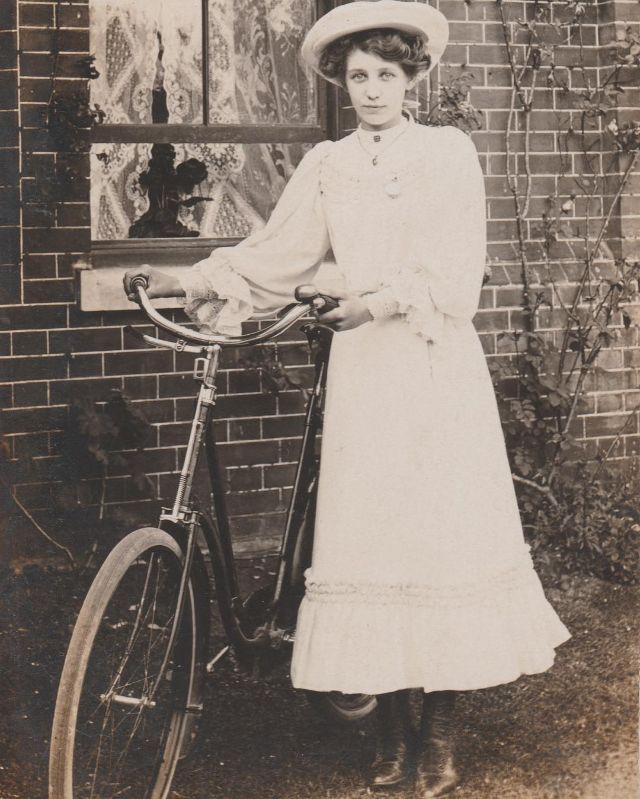
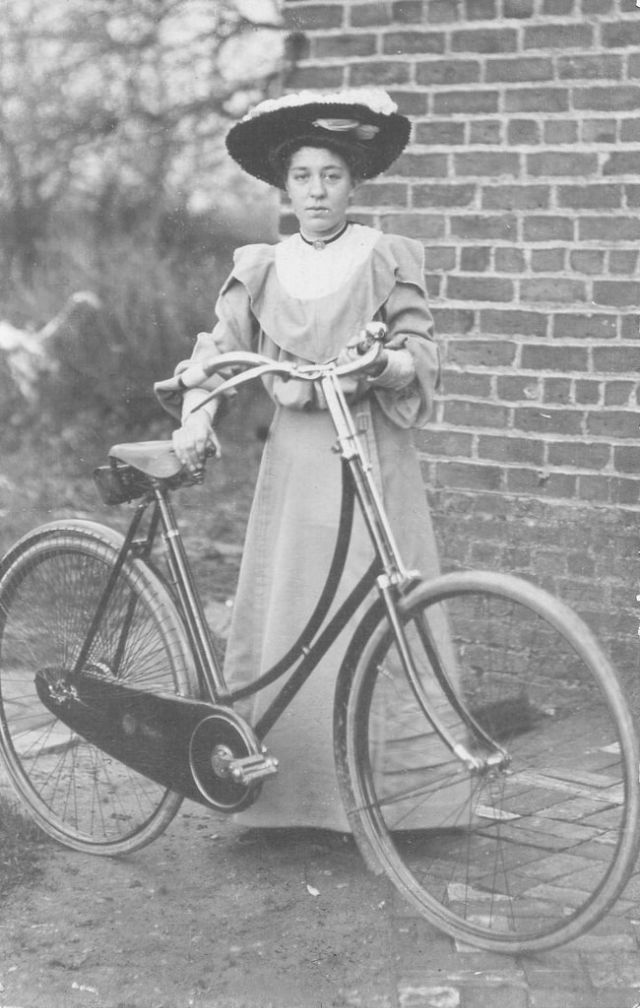
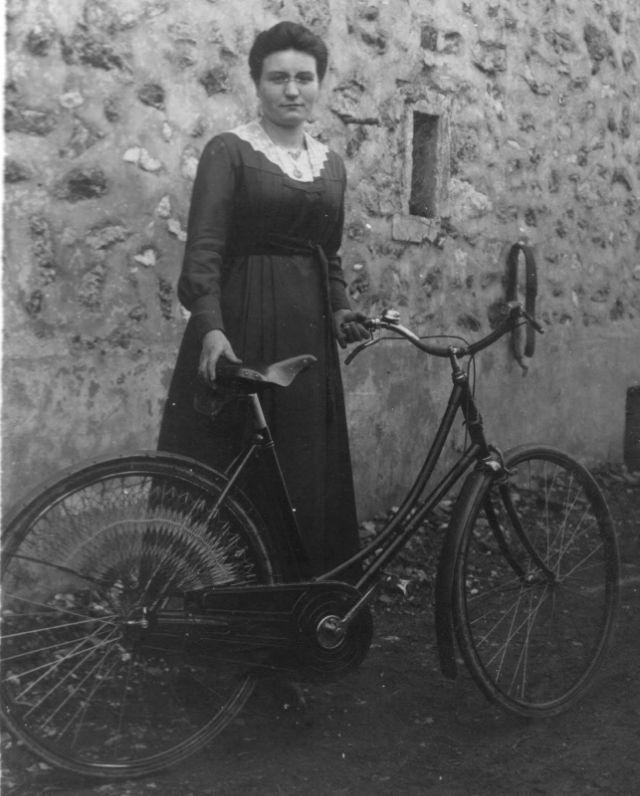
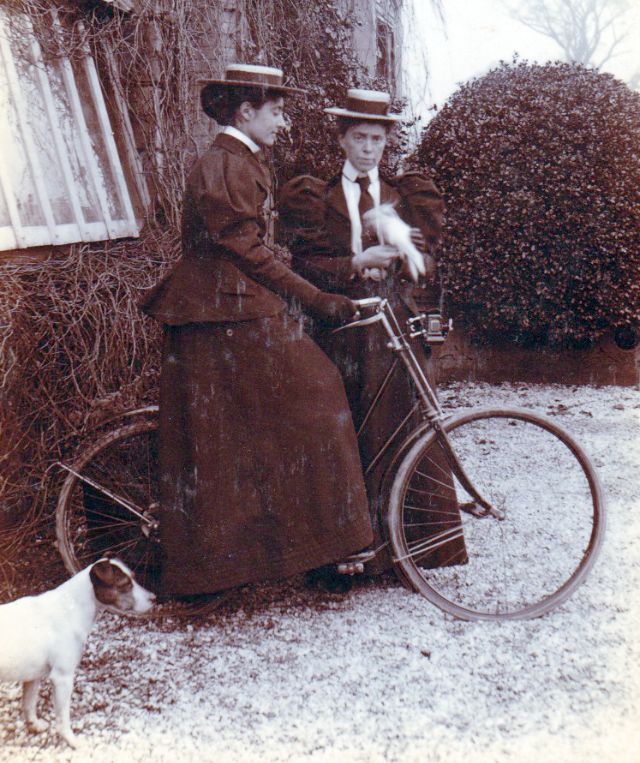
30 Wonderful Vintage Photographs of Women Posing With Bicycles From the Late 19th and Early 20th Centuries

Up until the invention of the modern “safety” bicycle in 1887, few women rode the high wheel bicycles of the previous generation. But in the 1890s, a “cycling craze” offered a new kind of mobility to many young women. In 1897 alone, more than two million bicycles were sold in the United States, about one for every 30 inhabitants.

Bikes facilitated unchaperoned dates—even elopements. Just as troubling to some moralists of the day, cycling women often wore bloomers, widely seen as indecent, that were much like men’s pants. The Women’s Rescue League of Boston even claimed that, following the closing of brothels, prostitutes were riding bikes to reach their clients.

Another charge against the cycling craze was that people were spending their Sundays—often the only work-free day of the week—on bike rides rather than at church. Already, male church attendance had been on the decline. As a sport open to both women and men, cycling threatened to leave preachers with congregations made up of only the sick and the elderly.

50 Amazing Vintage Photos From the 1920s Volume 2

Subscribe to get access

Read more of this content when you subscribe today.

Four young college men having a picnic in autumn 1927.
Time to Eat, Willimantic, Connecticut, 1926.

Subscribe to continue reading

Become a paid subscriber to get access to the rest of this post and other exclusive content.

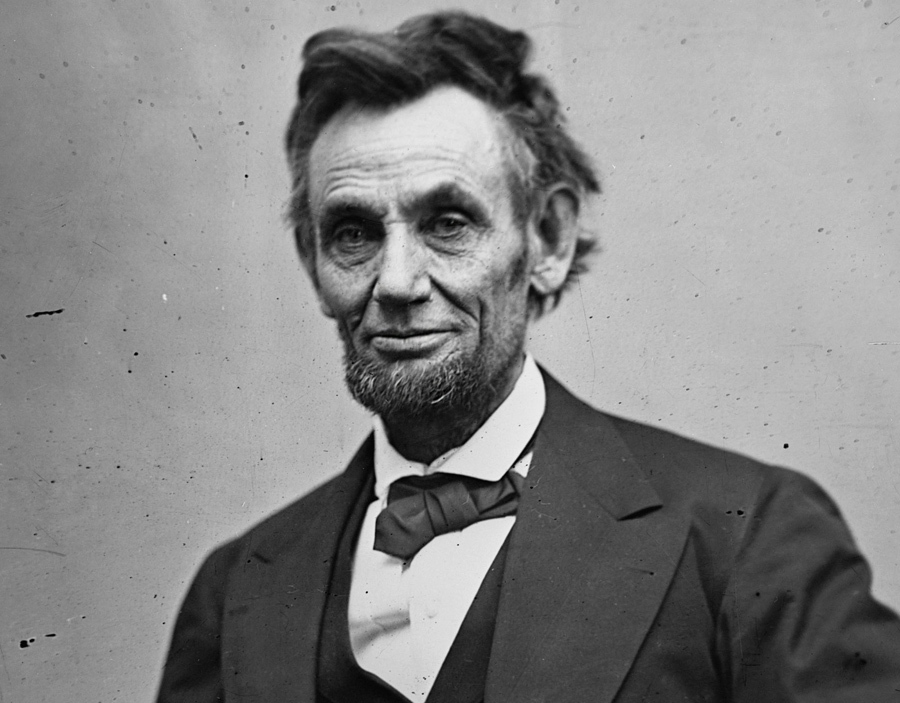
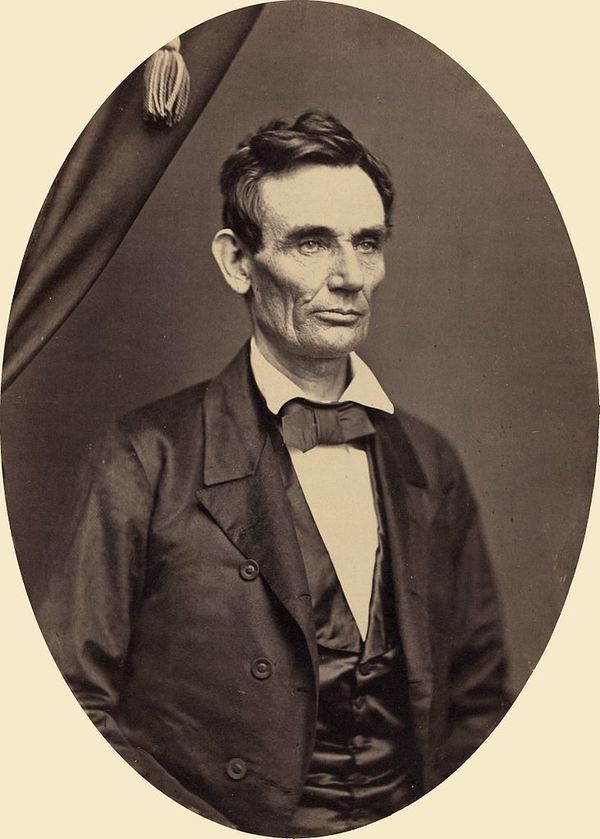
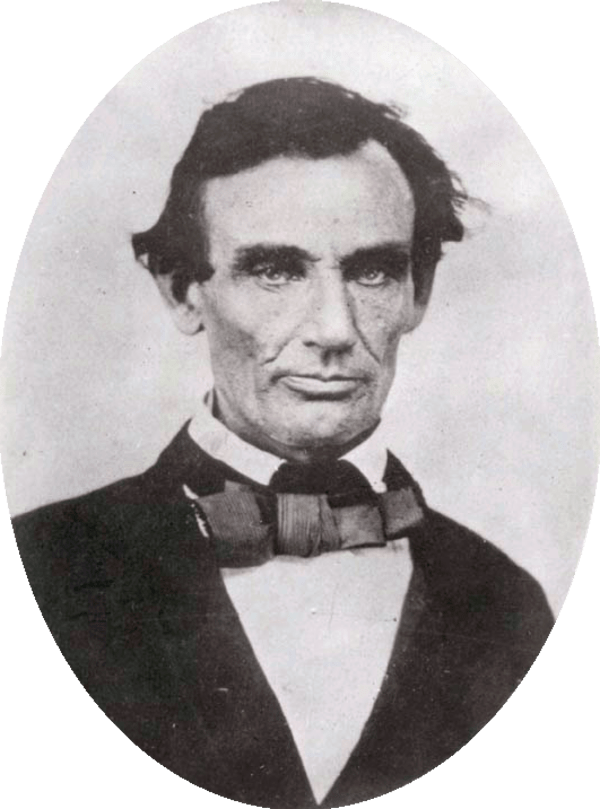
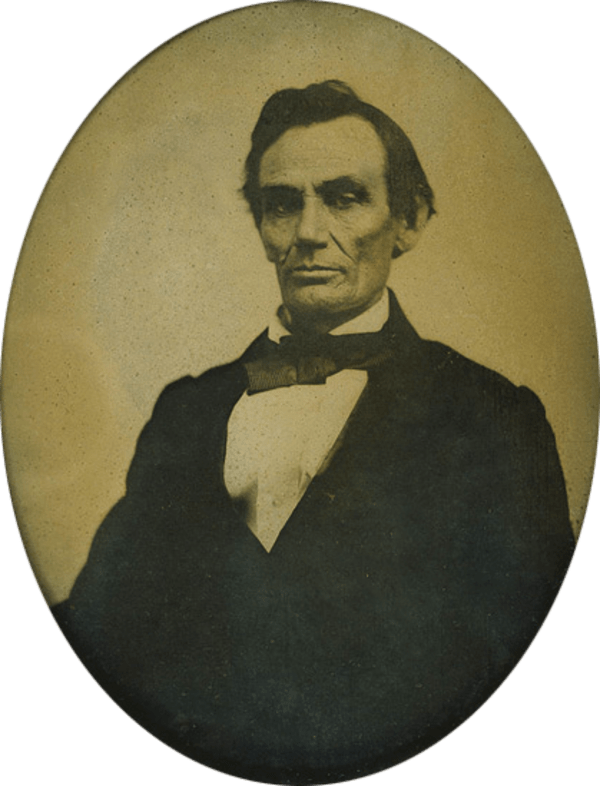
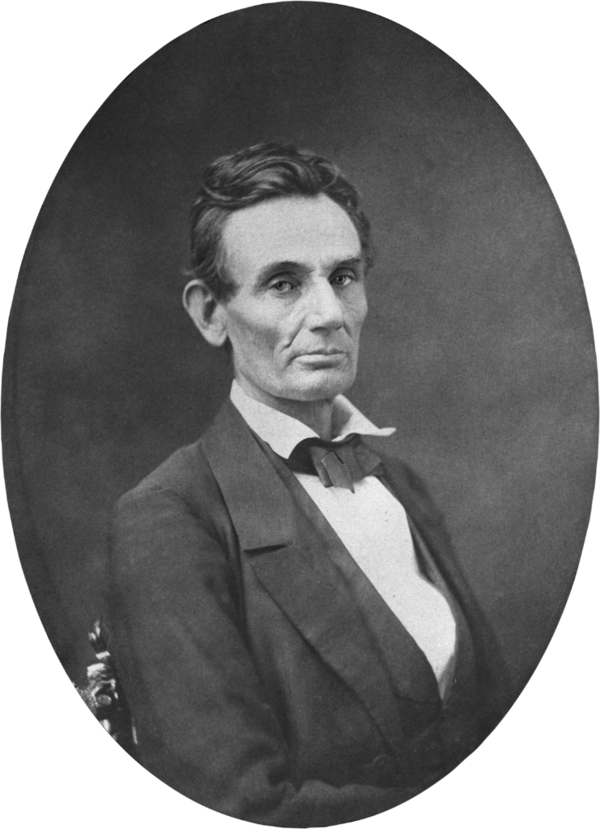
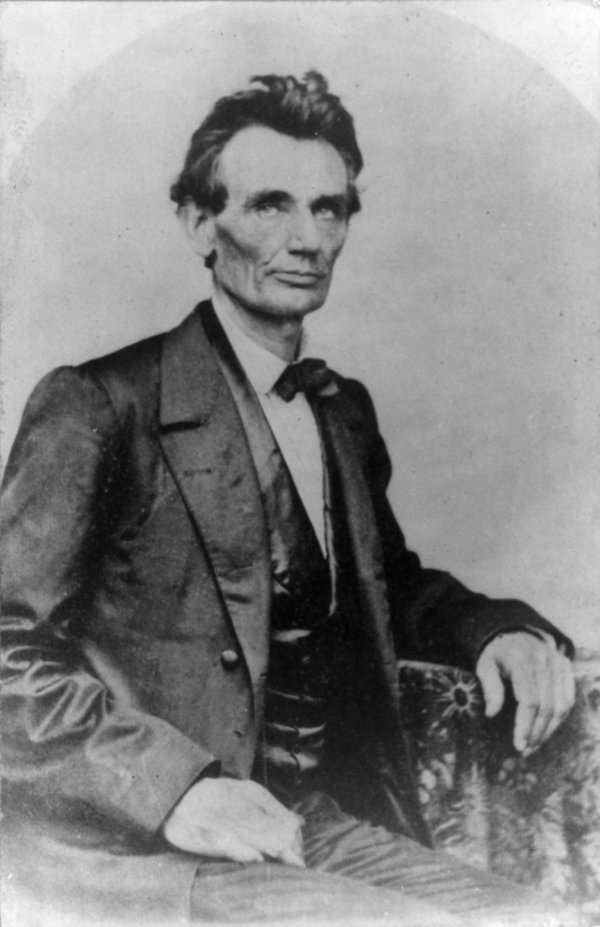
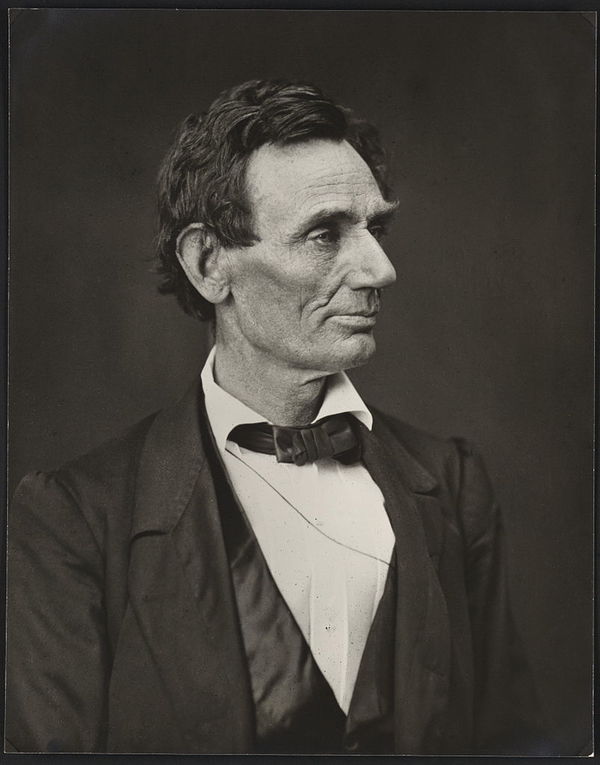
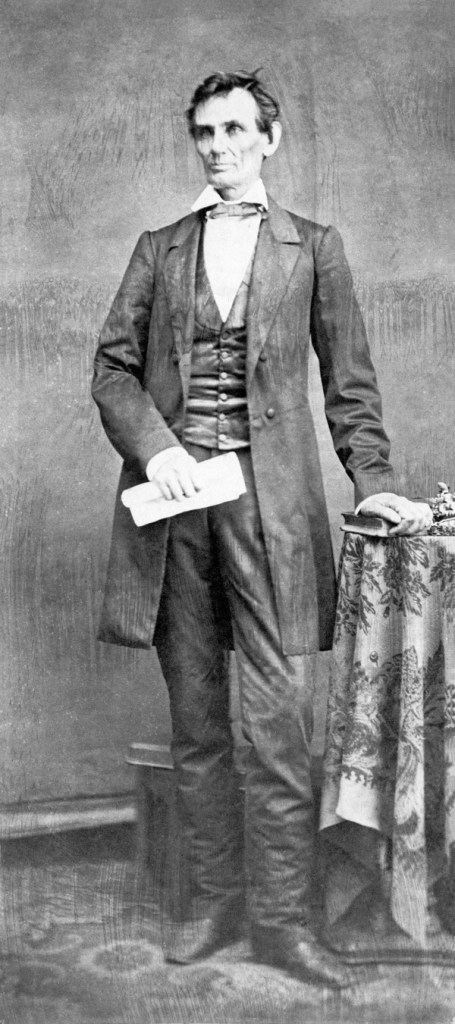
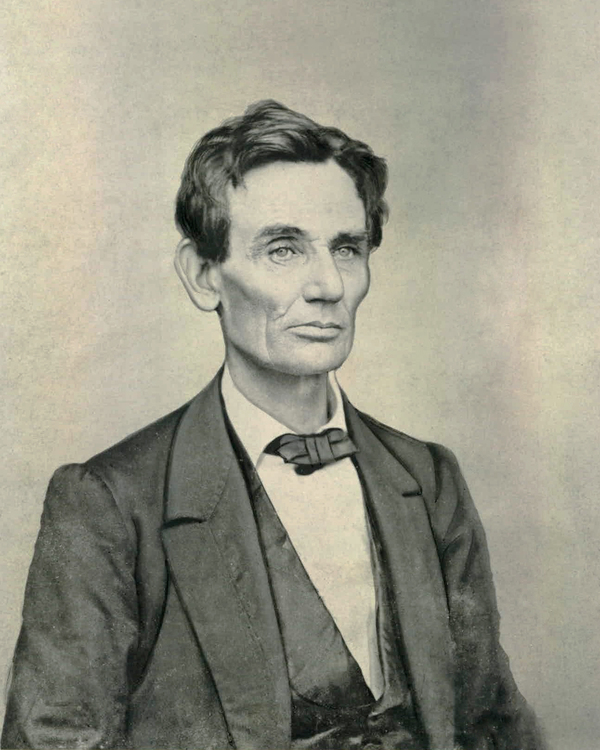
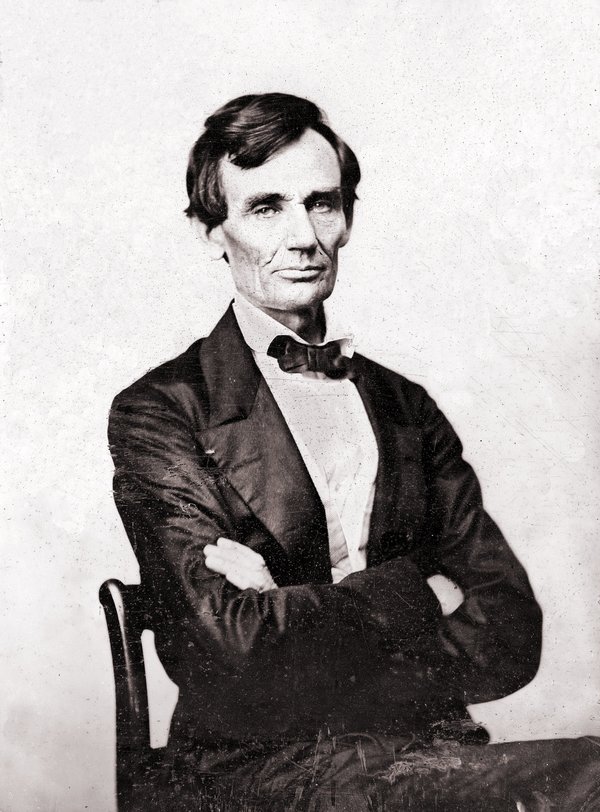
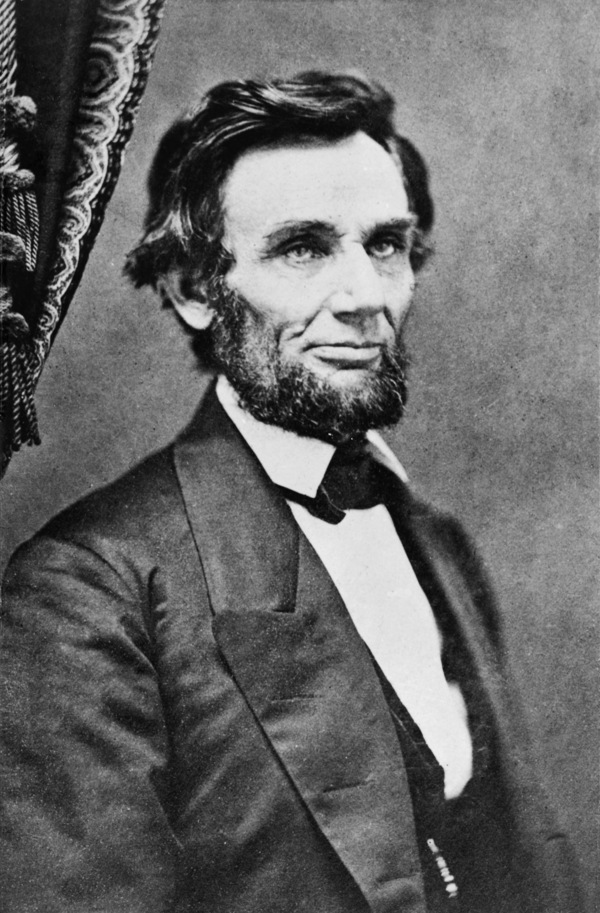
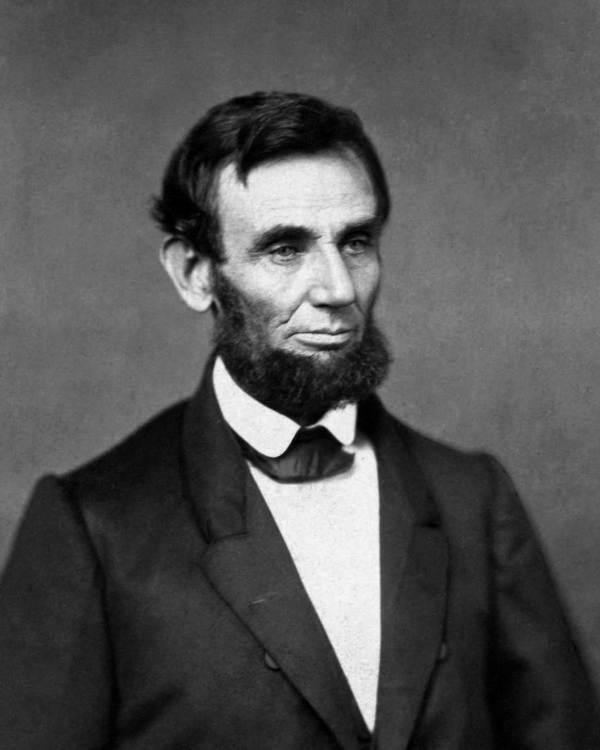
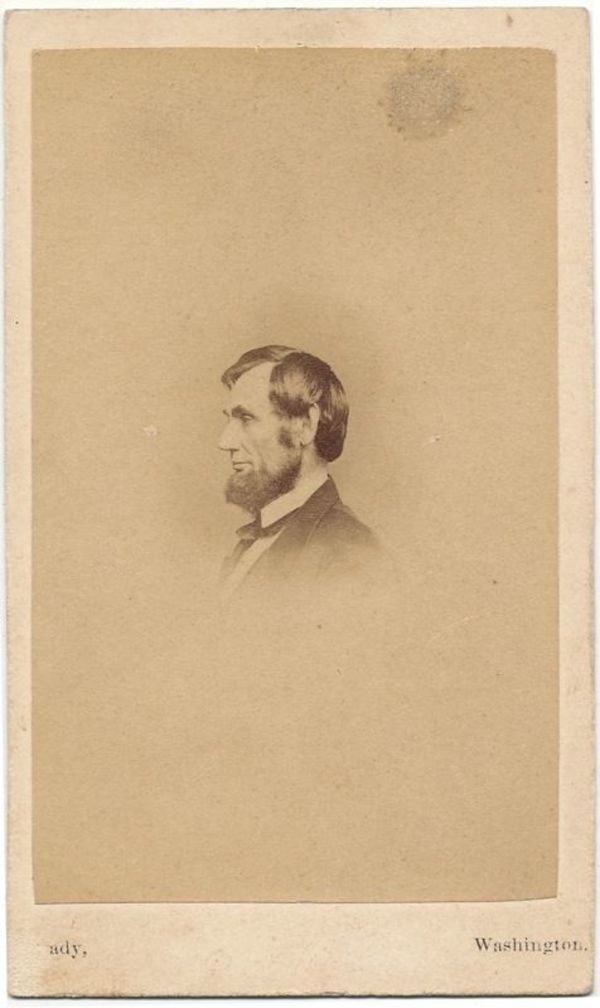
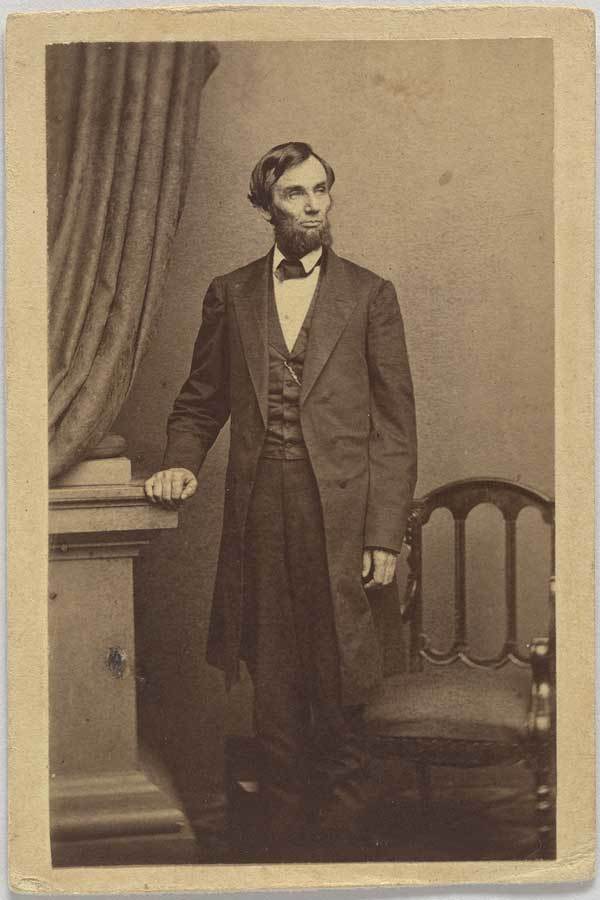
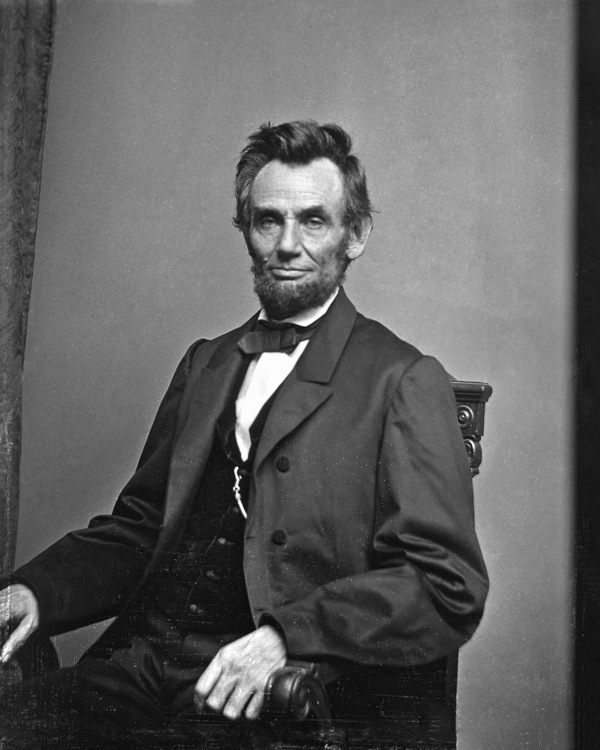
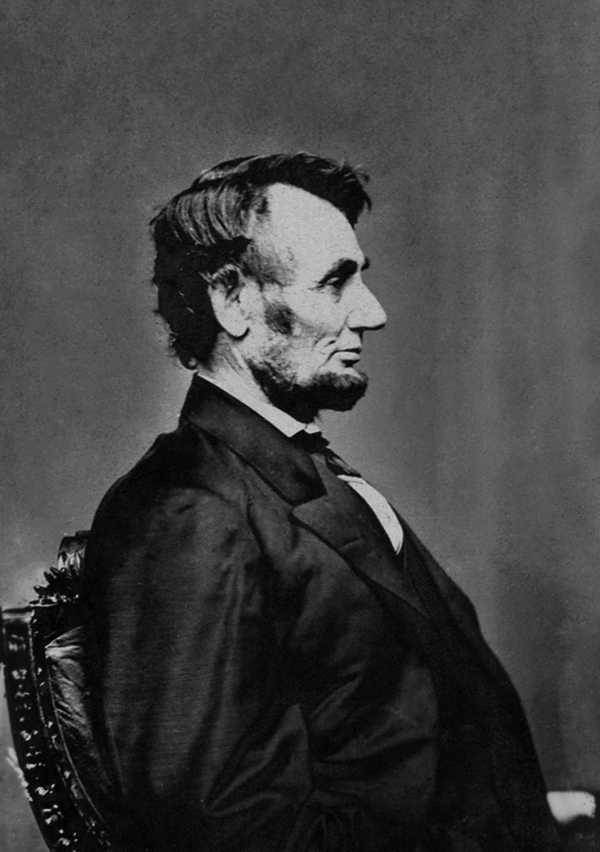
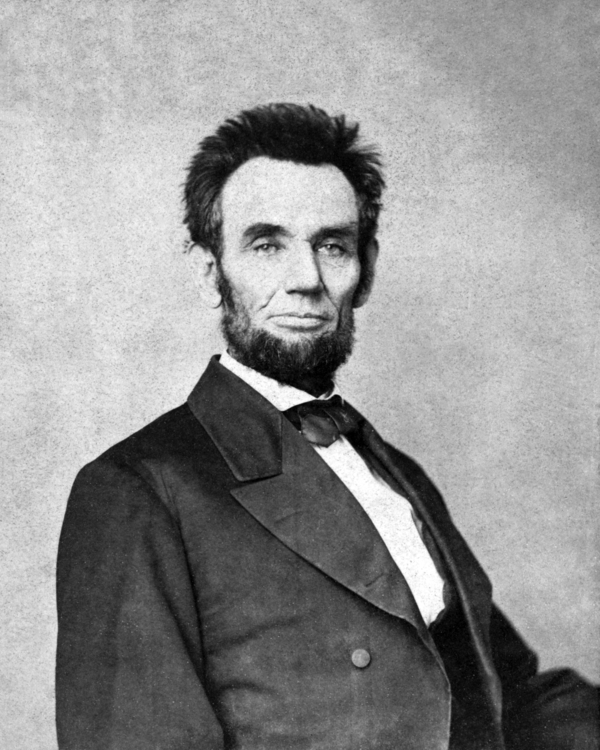
34 Portraits Of Abraham Lincoln In Chronological Order, 1846-1865

Abraham Lincoln (February 12, 1809 – April 15, 1865) was an American lawyer and statesman who served as the 16th president of the United States from 1861 until his assassination in 1865. Lincoln led the nation through the American Civil War and succeeded in preserving the Union, abolishing slavery, bolstering the federal government, and modernizing the U.S. economy.

Lincoln was born into poverty in a log cabin and was raised on the frontier primarily in Indiana. He was self-educated and became a lawyer, Whig Party leader, Illinois state legislator, and U.S. Congressman from Illinois. In 1849, he returned to his law practice but became vexed by the opening of additional lands to slavery as a result of the Kansas–Nebraska Act. He reentered politics in 1854, becoming a leader in the new Republican Party, and he reached a national audience in the 1858 debates against Stephen Douglas. Lincoln ran for President in 1860, sweeping the North in victory. Pro-slavery elements in the South equated his success with the North’s rejection of their right to practice slavery, and southern states began seceding from the Union. To secure its independence, the new Confederate States fired on Fort Sumter, a U.S. fort in the South, and Lincoln called up forces to suppress the rebellion and restore the Union.

Lincoln, a moderate Republican, had to navigate a contentious array of factions with friends and opponents from both the Democratic and Republican parties. His allies, the War Democrats and the Radical Republicans, demanded harsh treatment of the Southern Confederates. Anti-war Democrats (called “Copperheads”) despised Lincoln, and irreconcilable pro-Confederate elements plotted his assassination. He managed the factions by exploiting their mutual enmity, carefully distributing political patronage, and by appealing to the American people. His Gettysburg Address appealed to nationalistic, republican, egalitarian, libertarian, and democratic sentiments. Lincoln scrutinized the strategy and tactics in the war effort, including the selection of generals and the naval blockade of the South’s trade. He suspended habeas corpus in Maryland, and he averted British intervention by defusing the Trent Affair. He engineered the end to slavery with his Emancipation Proclamation, including his order that the Army and Navy liberate, protect, and recruit former slaves. He also encouraged border states to outlaw slavery, and promoted the Thirteenth Amendment to the United States Constitution, which outlawed slavery across the country.

Lincoln managed his own successful re-election campaign. He sought to heal the war-torn nation through reconciliation. On April 14, 1865, just days after the war’s end at Appomattox, he was attending a play at Ford’s Theatre in Washington, D.C., with his wife Mary when he was fatally shot by Confederate sympathizer John Wilkes Booth. Lincoln is remembered as a martyr and hero of the United States and is often ranked as the greatest president in American history. (Wikipedia)
1846 – This daguerreotype is the earliest confirmed photographic image of Abraham Lincoln.
October 27, 1854 – The second earliest known photograph of Lincoln.
February 28, 1857
May 27, 1857
1858
1858
May 7, 1858
May 25, 1858
August 26, 1858
September 26, 1858
October 1, 1858
October 11, 1858
October 4, 1859
February 27, 1860 – Mathew Brady’s first photograph of Lincoln
May 20, 1860 – Presidential candidate Abraham Lincoln in Springfield, Illinois, two days after he won his party’s nomination
May 20, 1860
June 3, 1860
June 3, 1860
1860
1860
Summer, 1860
August 13, 1860
February 9, 1861 – This photograph was taken two days before he left Springfield en route to Washington, DC, for his inauguration
February 24, 1861 – Taken during President-elect Lincoln’s first sitting in Washington, D.C., the day after his arrival by train
Spring, 1861 – The first photographic image of the new president.
February 1862 – Taken soon after the death of Lincoln’s son Willie.
April 17, 1863
August 9, 1863
November 8, 1863 – This famous image of Lincoln was photographed by Alexander Gardner on November 8, 1863, just weeks before he would deliver the Gettysburg Address.
January 8, 1864
February 9, 1864
February 1865
February 5, 1865 – This is from the last formal portrait session of Abraham Lincoln before his assassination.

50 Amazing Vintage Photos of Airplanes of World War 2 Volume 2

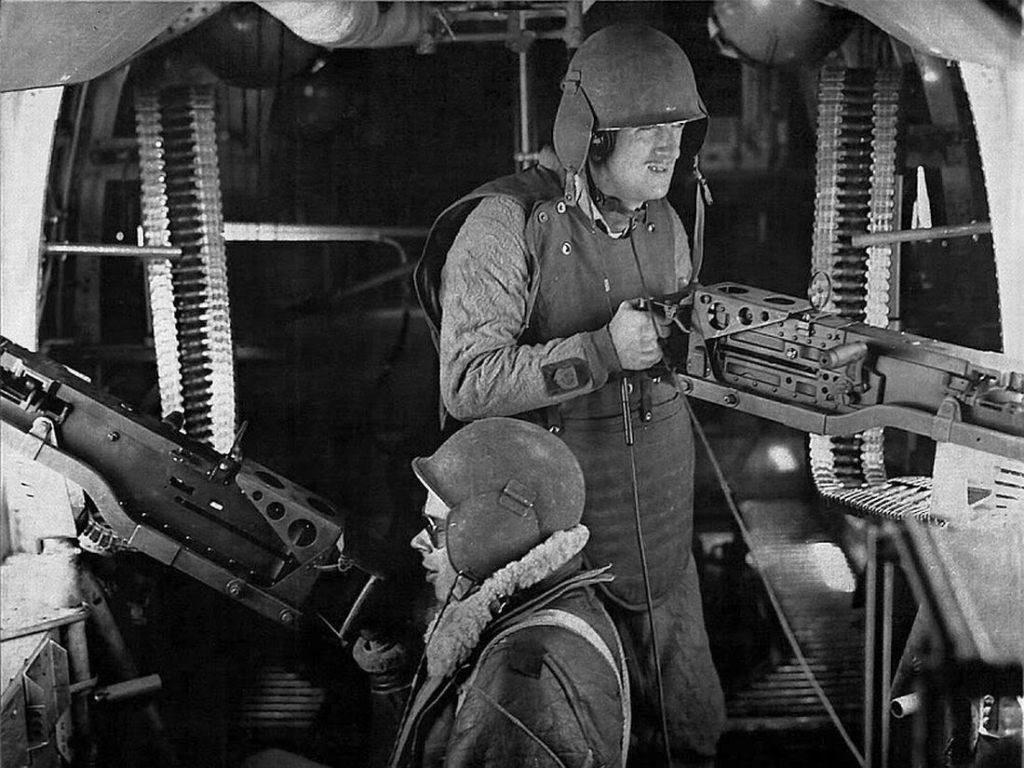
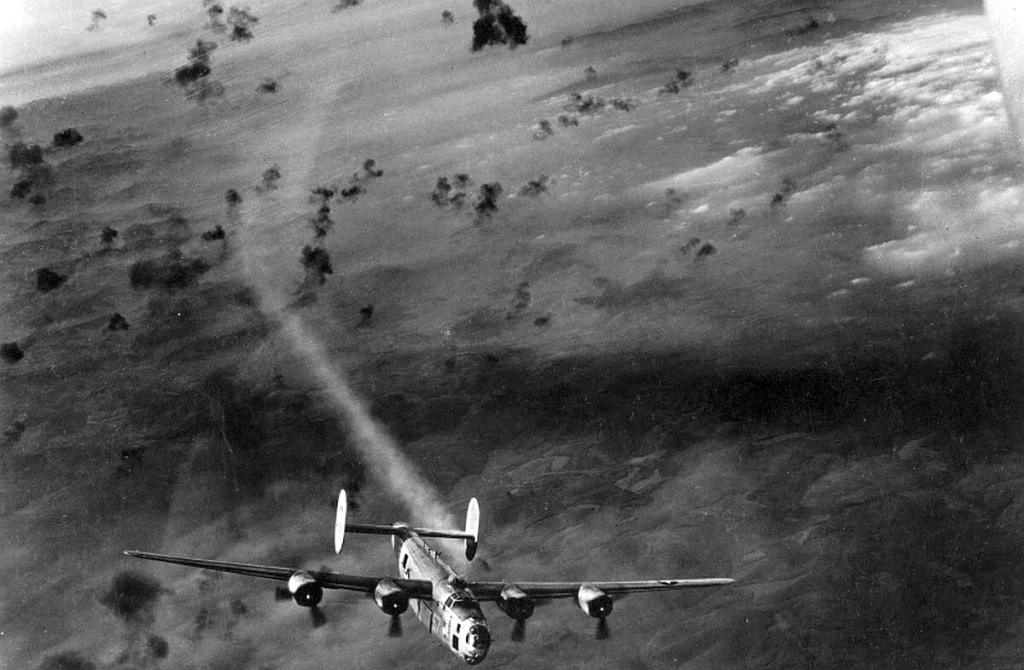
B-24 waist gunners
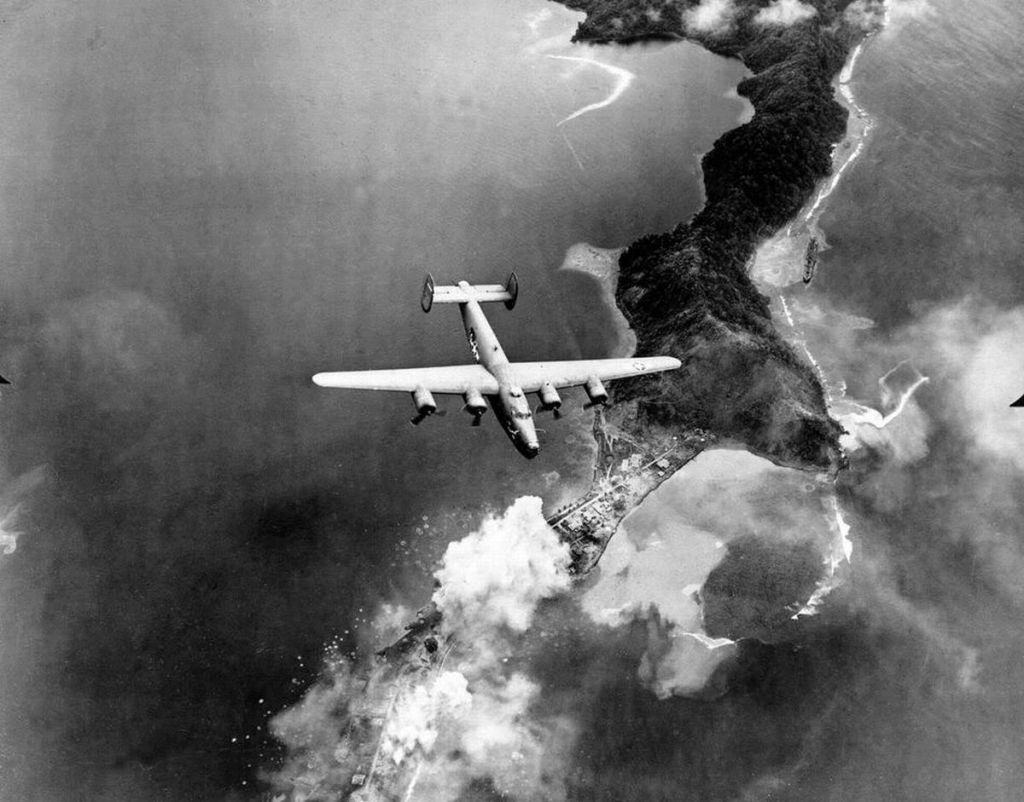
B-24
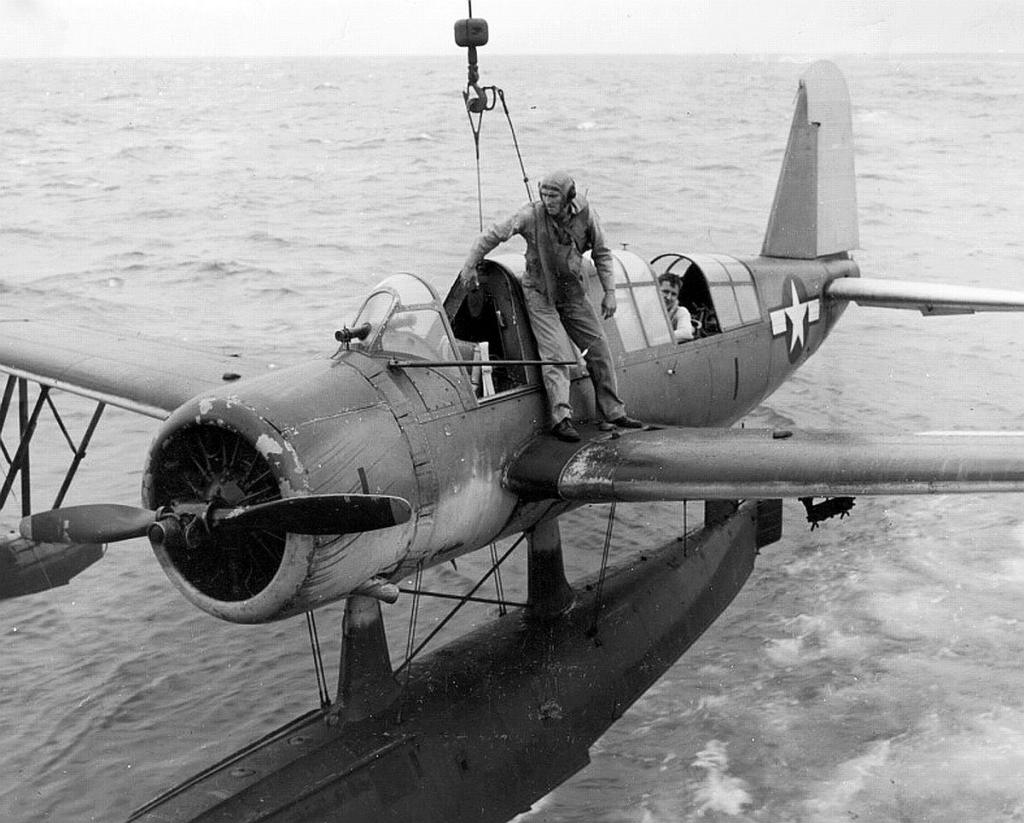
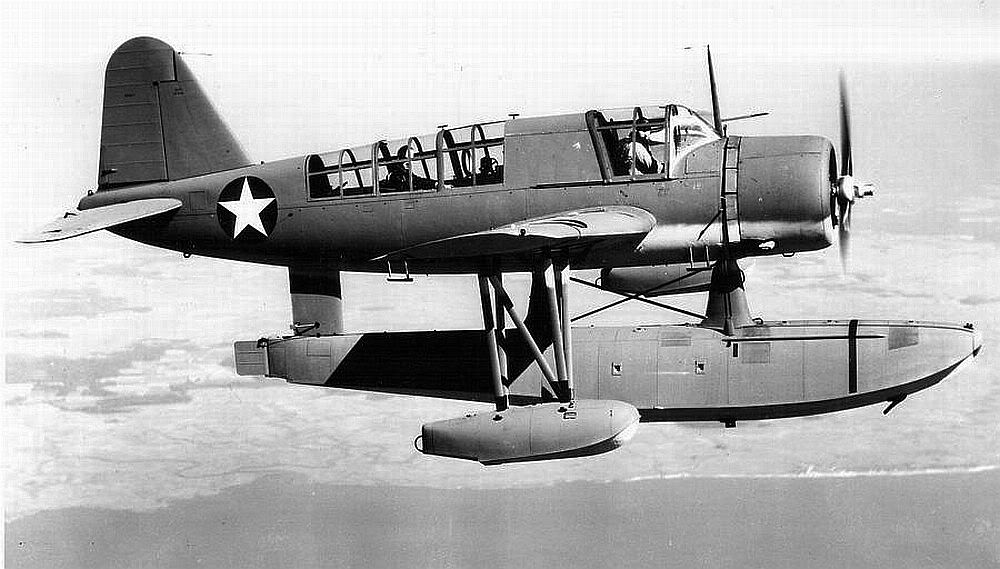
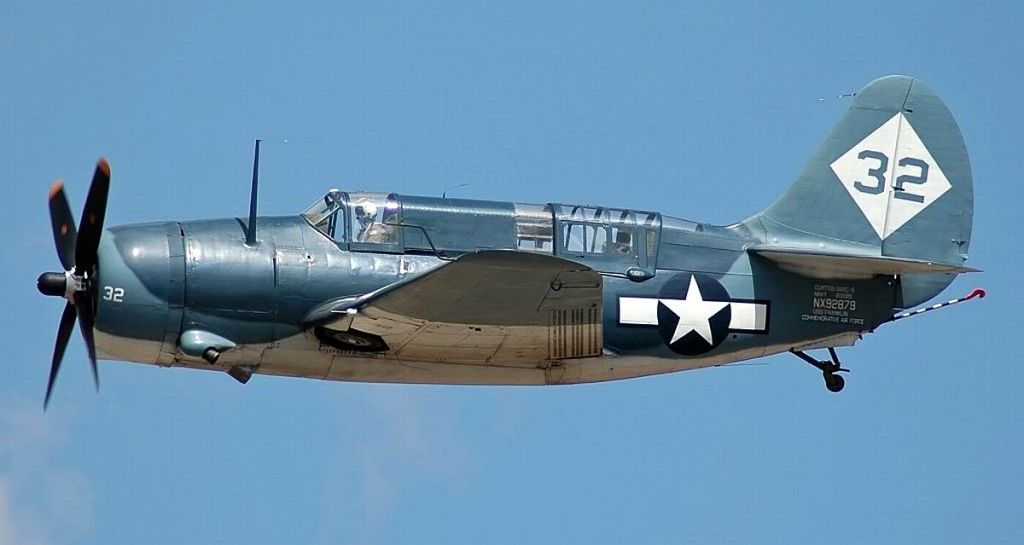
Kingfisher
North American O-47
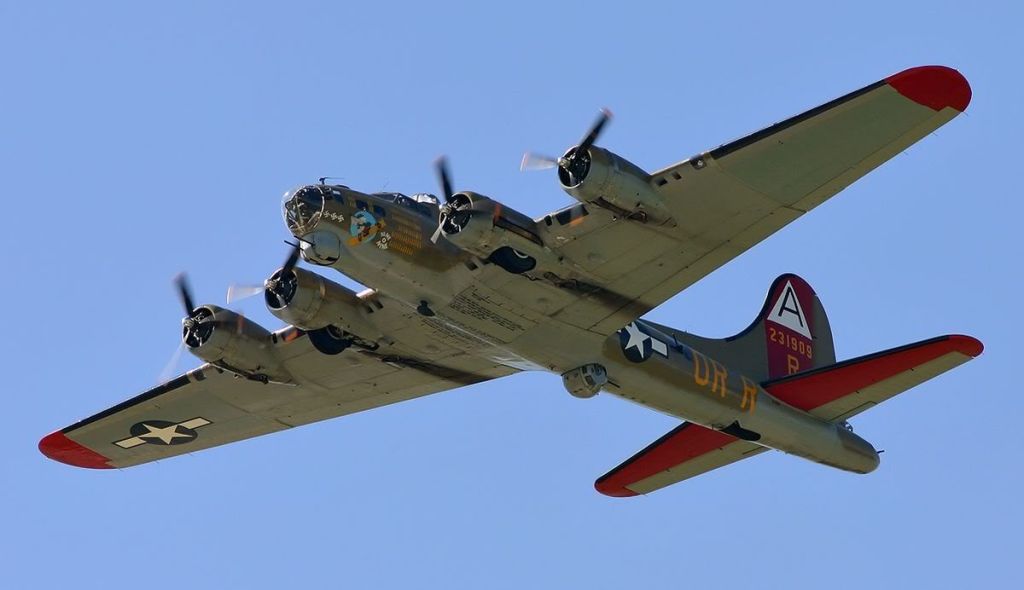
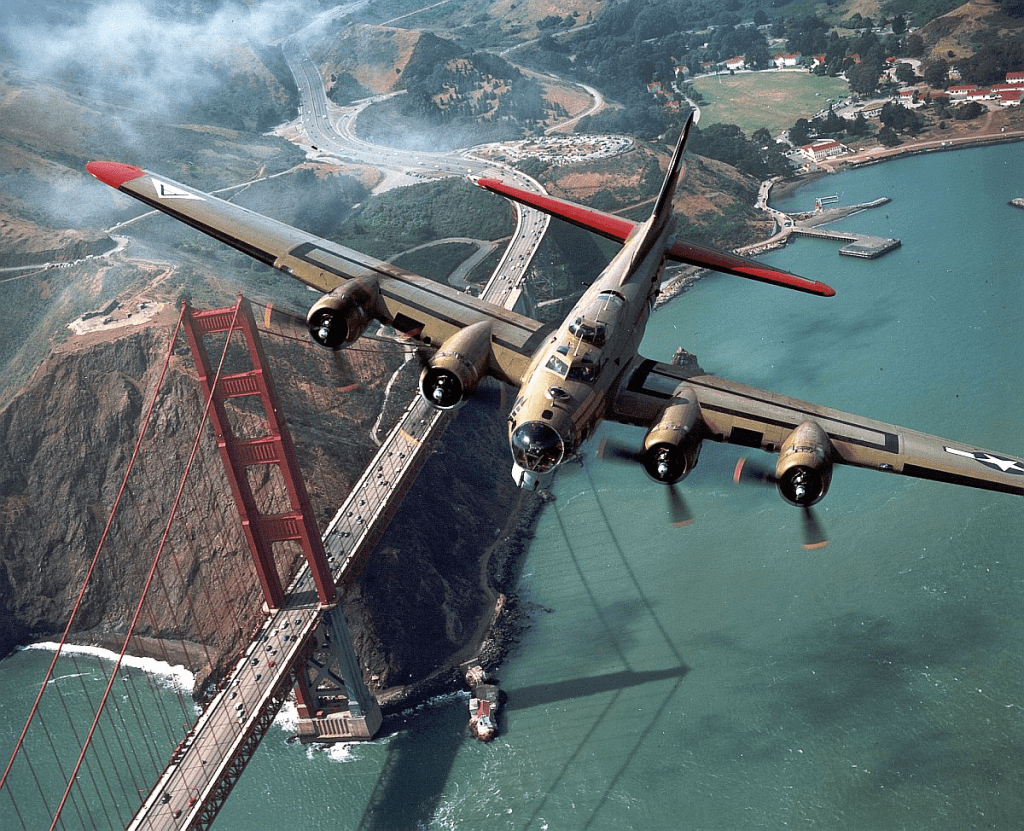
B-17
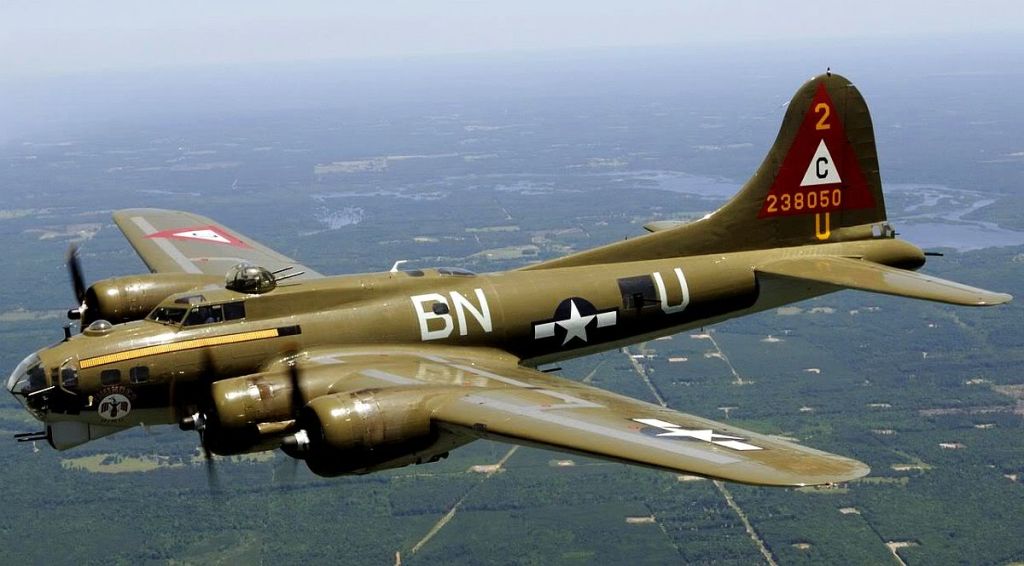
B-17
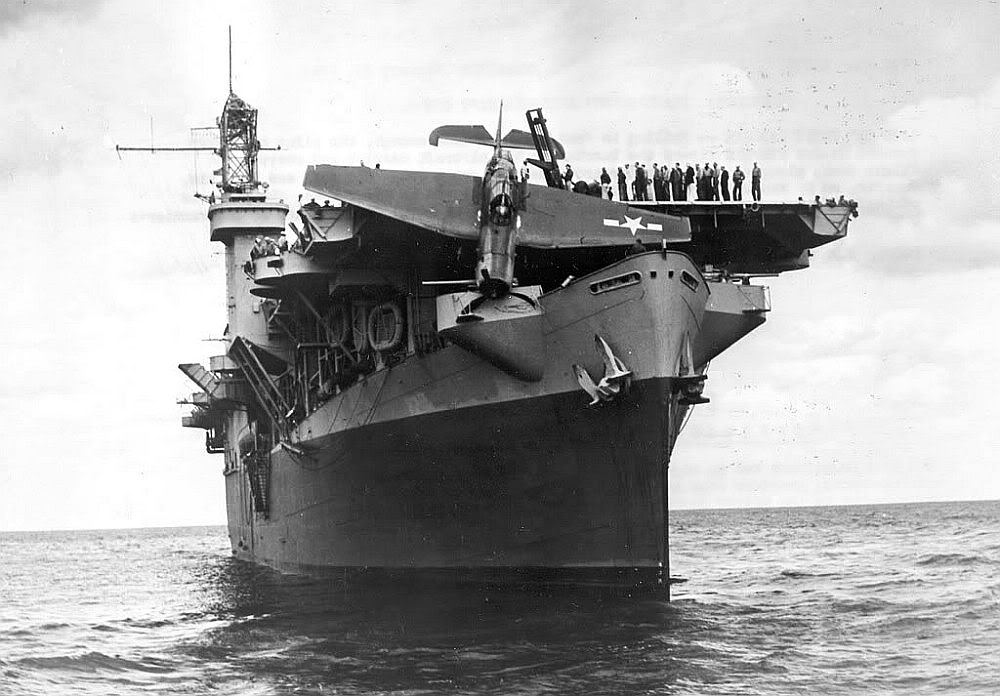
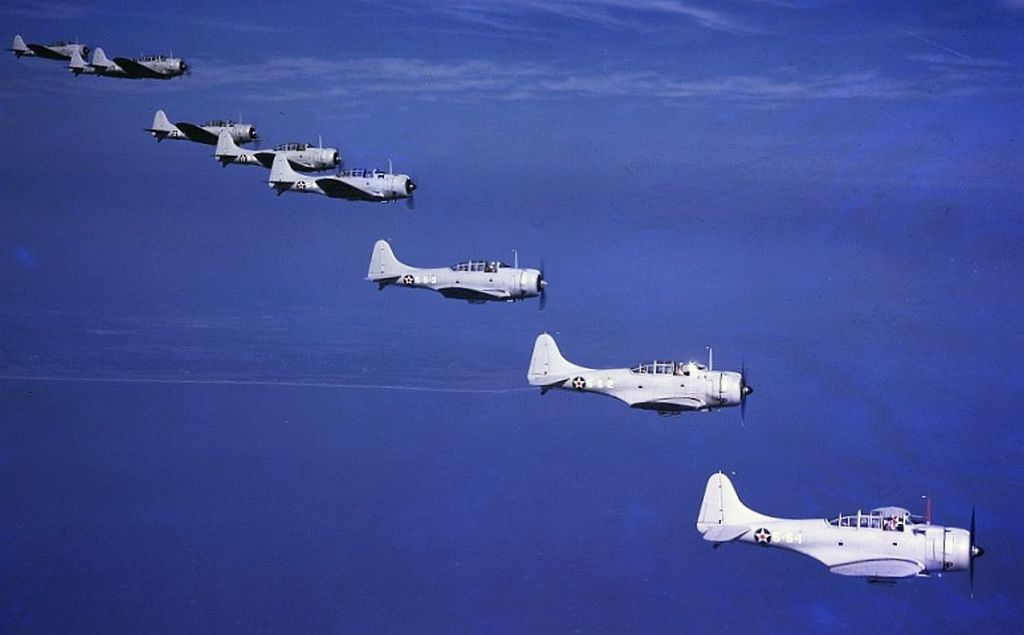
Helldivers
B-17
B-17 waist gunner with his 50cal. machine gun, 1943.
B-24 v Salamua, New Guinea
B-25 Doolitle raider taking off
P-40 Flying Tigers
B-26
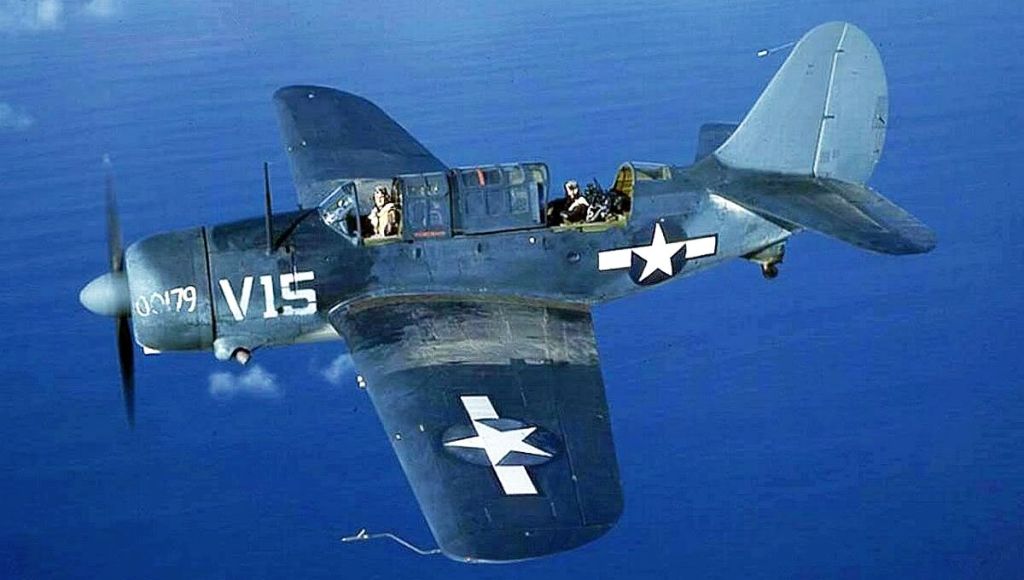
Helldiver
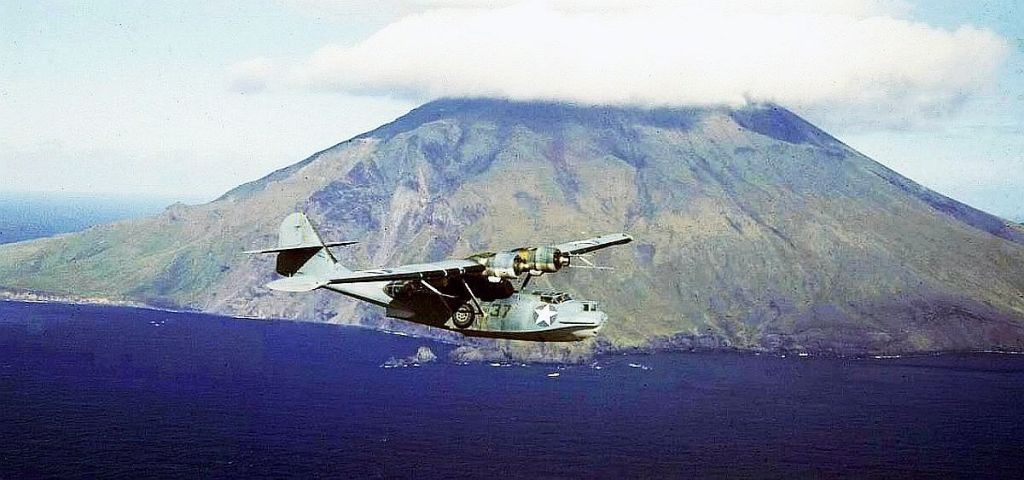
Consolidated PBY Catalina, Aleutians 1944
F4F Wildcat
Avengers, Jan 45
F6F Hellcat
Hellcat on Yorktown 1943
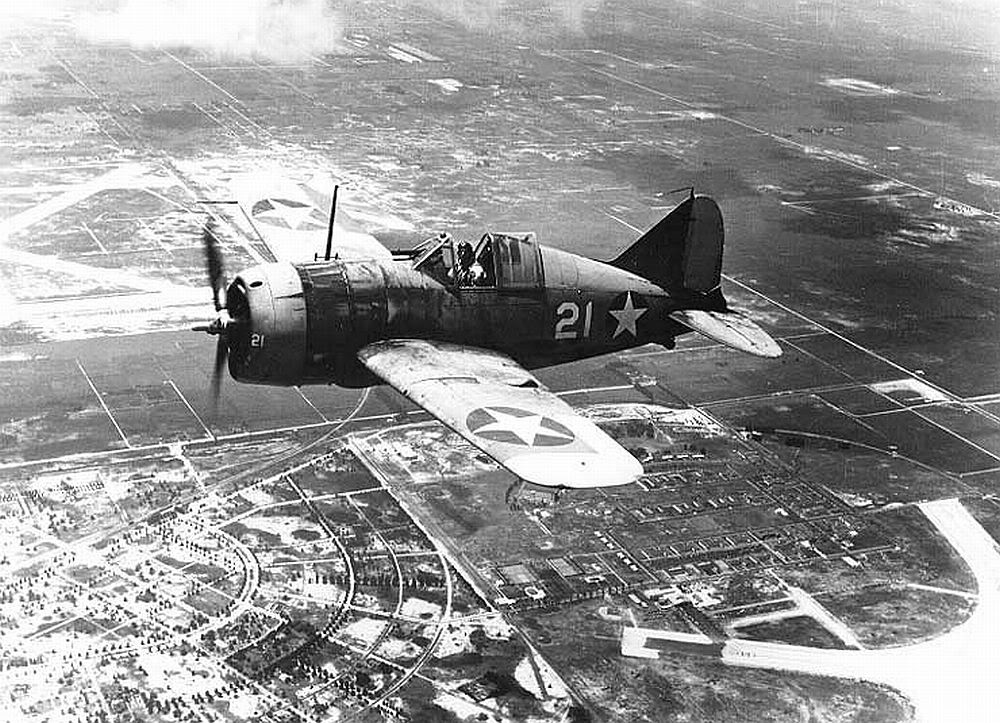
Brewster Buffalo
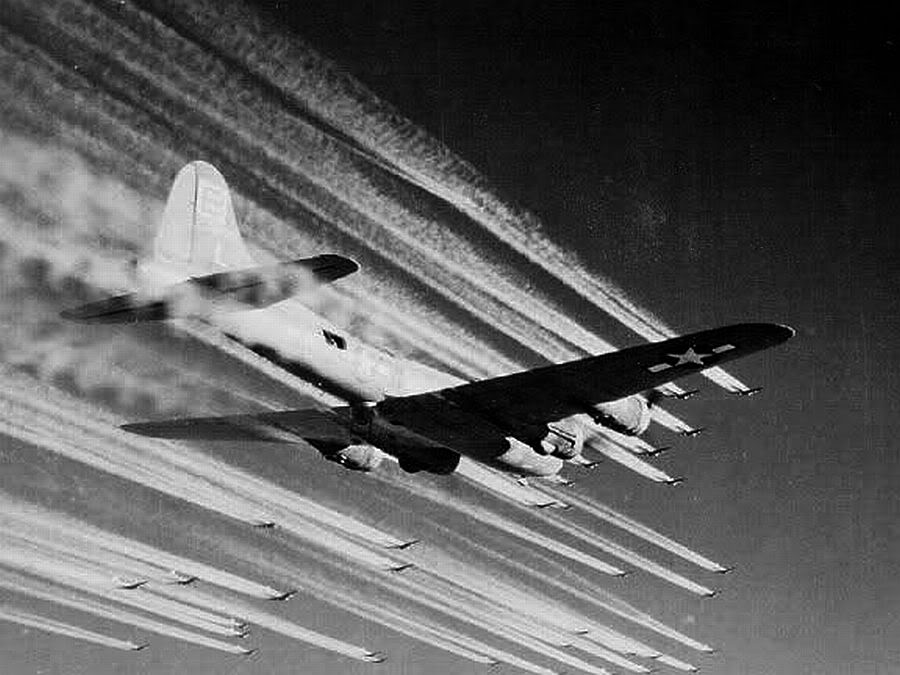
B-17s
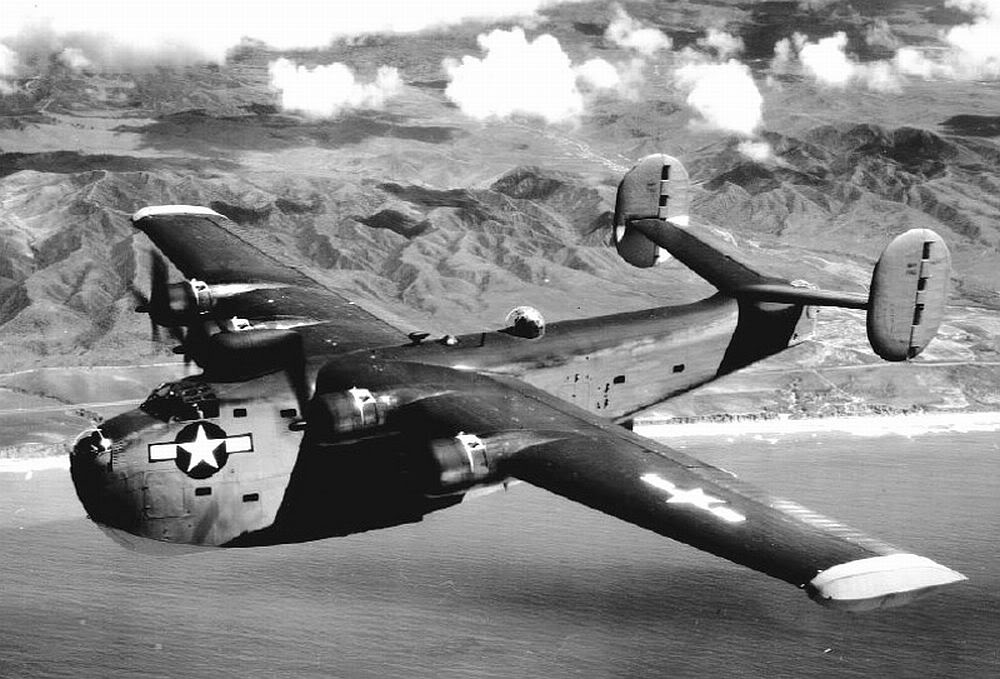
Consolidated PB2Y Coronado
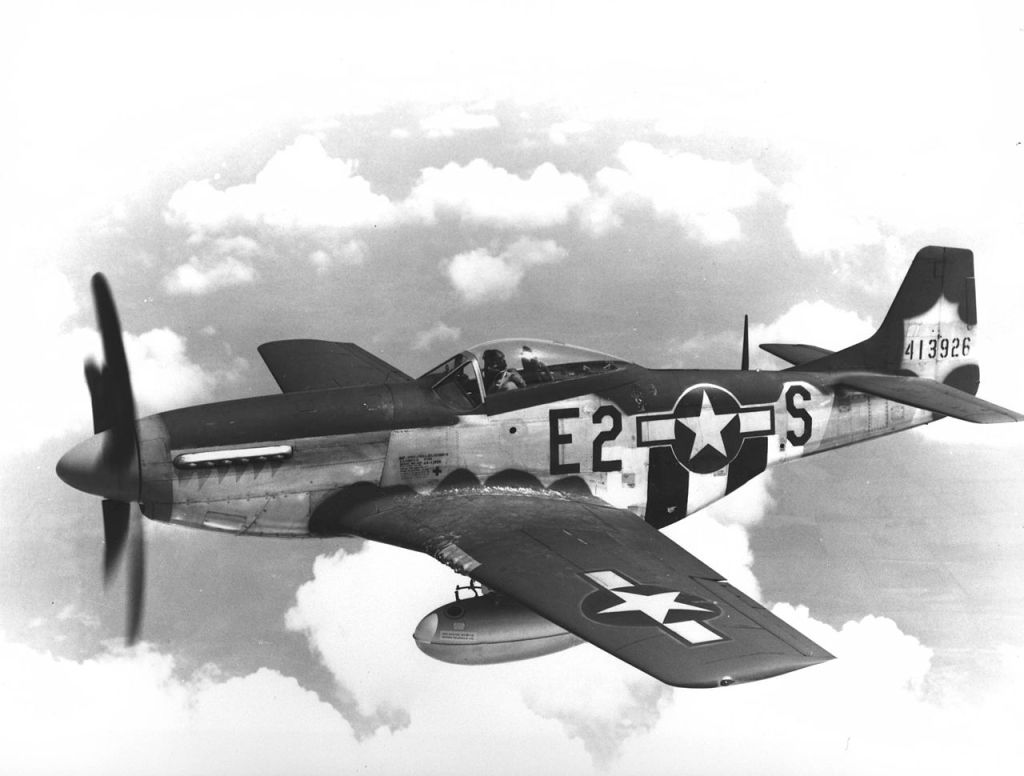
P-51 Mustang
P-51D Mustang
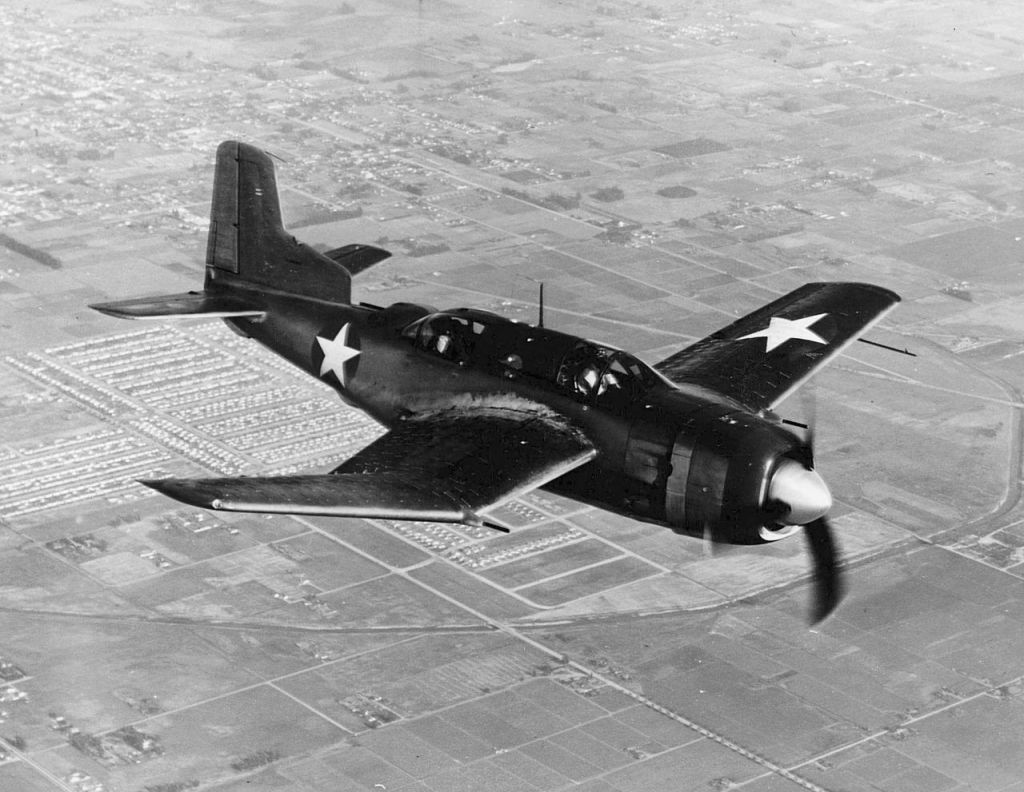
Douglas XSB2D-1 Destroyer
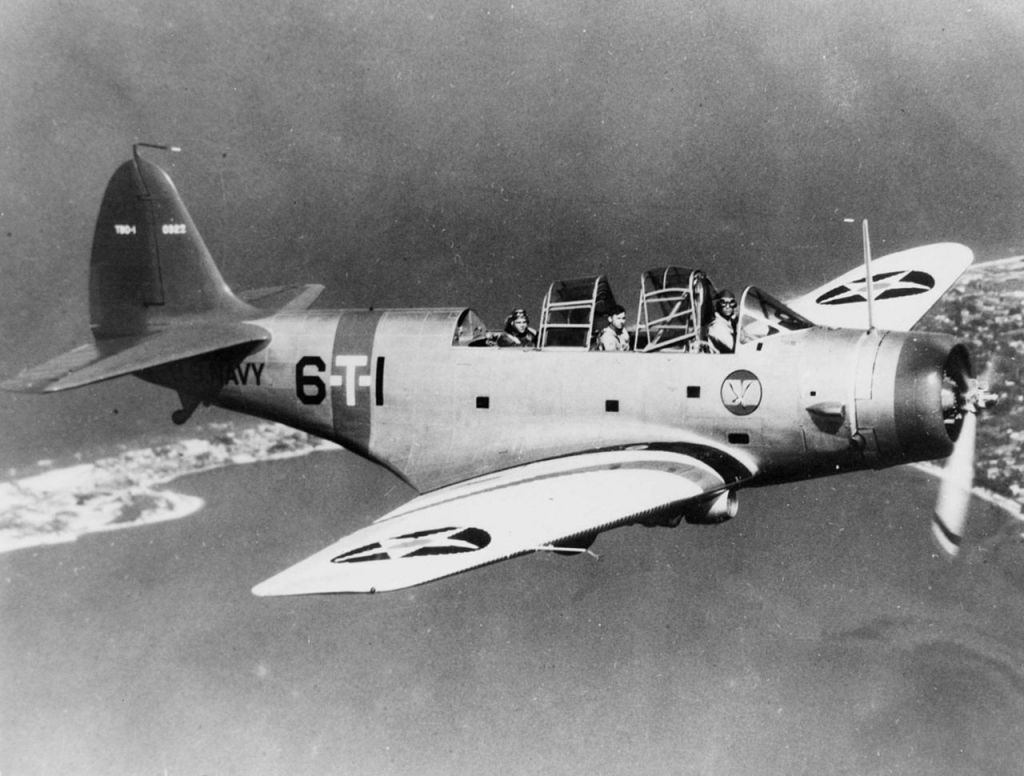
Douglas TBD Devastator
P-51
Helldivers over USS Bunker Hill 1945
B-25C Mitchell
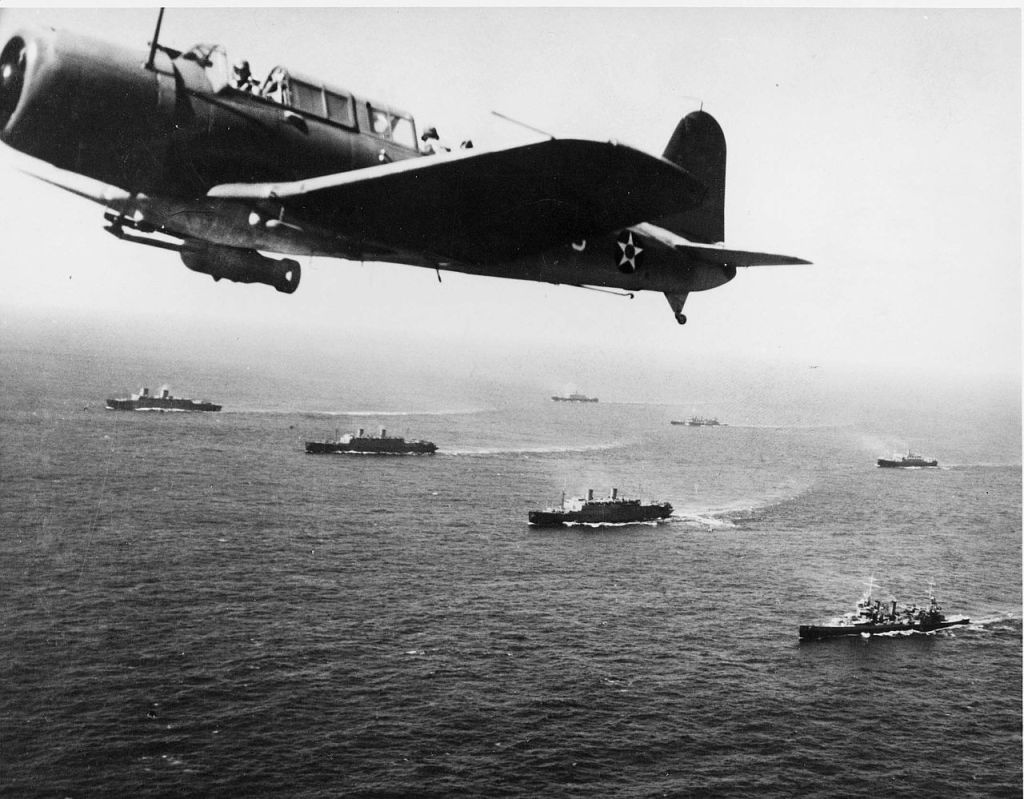
Vought SB2U Vindicator
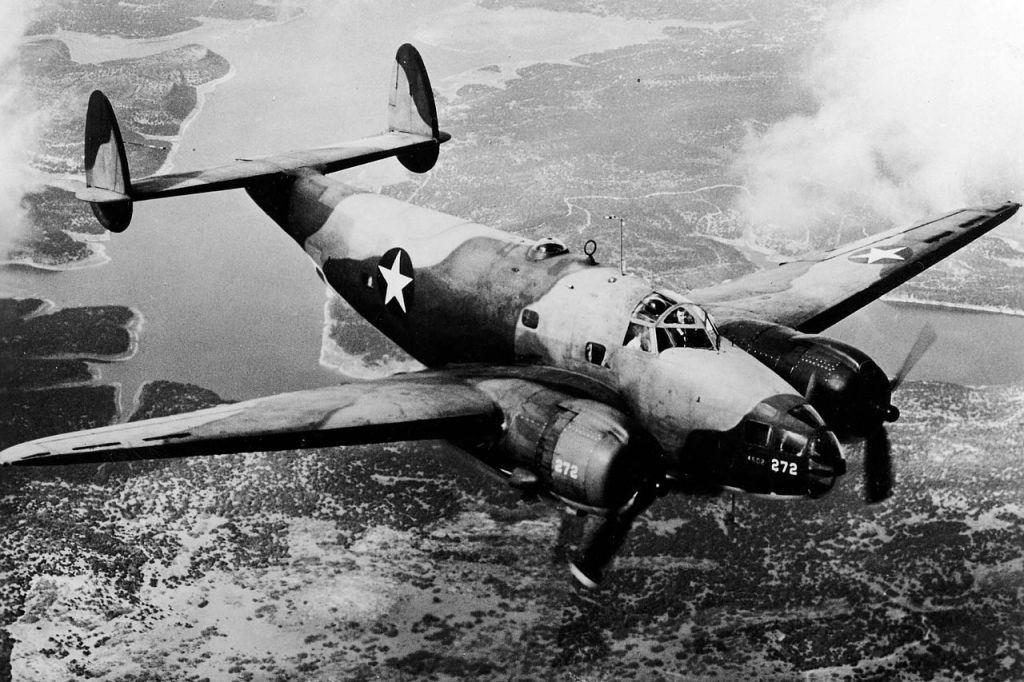
lockheed b-34
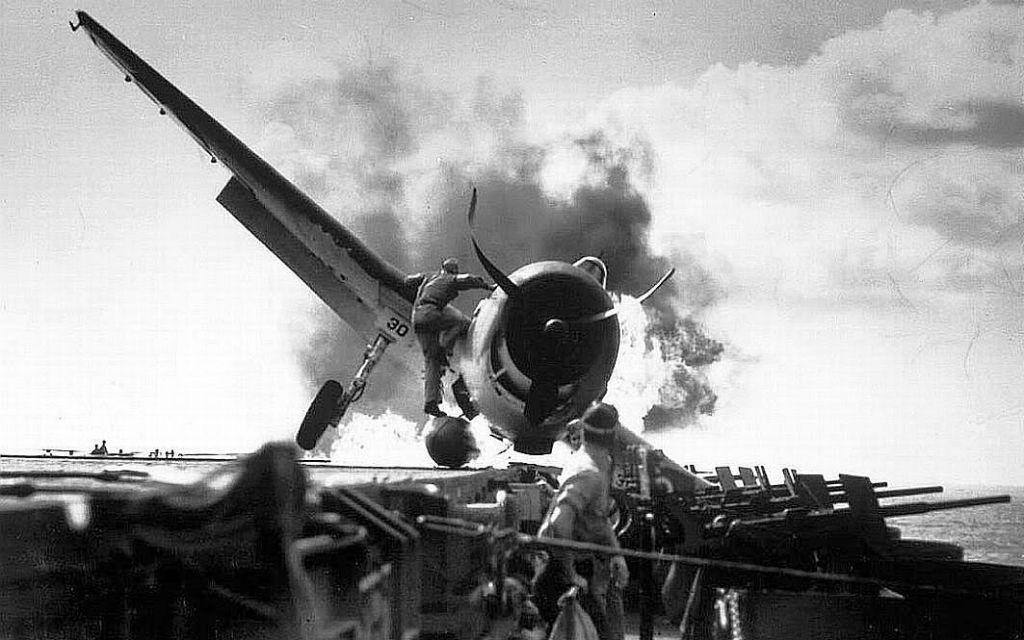
Avenger mishap
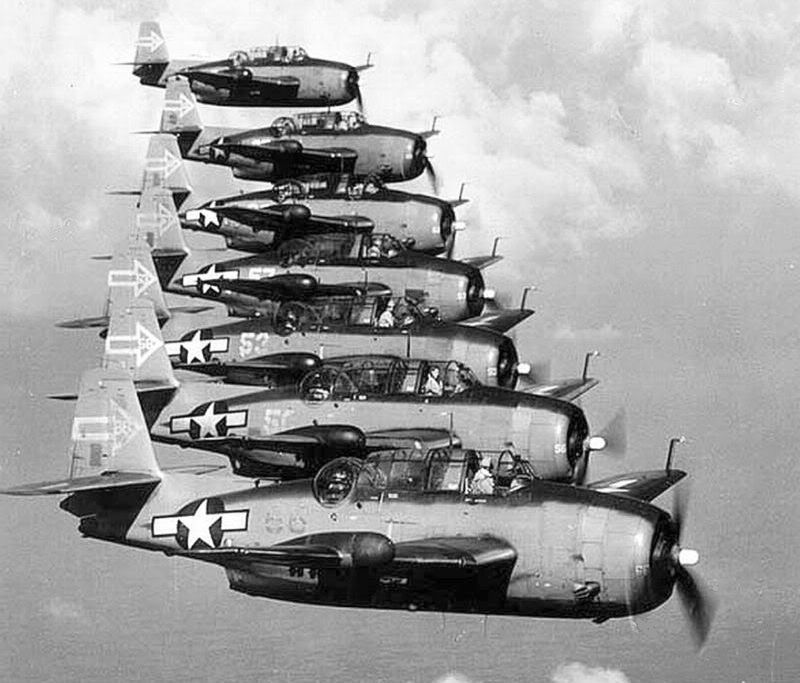
Avenger
B-25s
A-20 Havoc
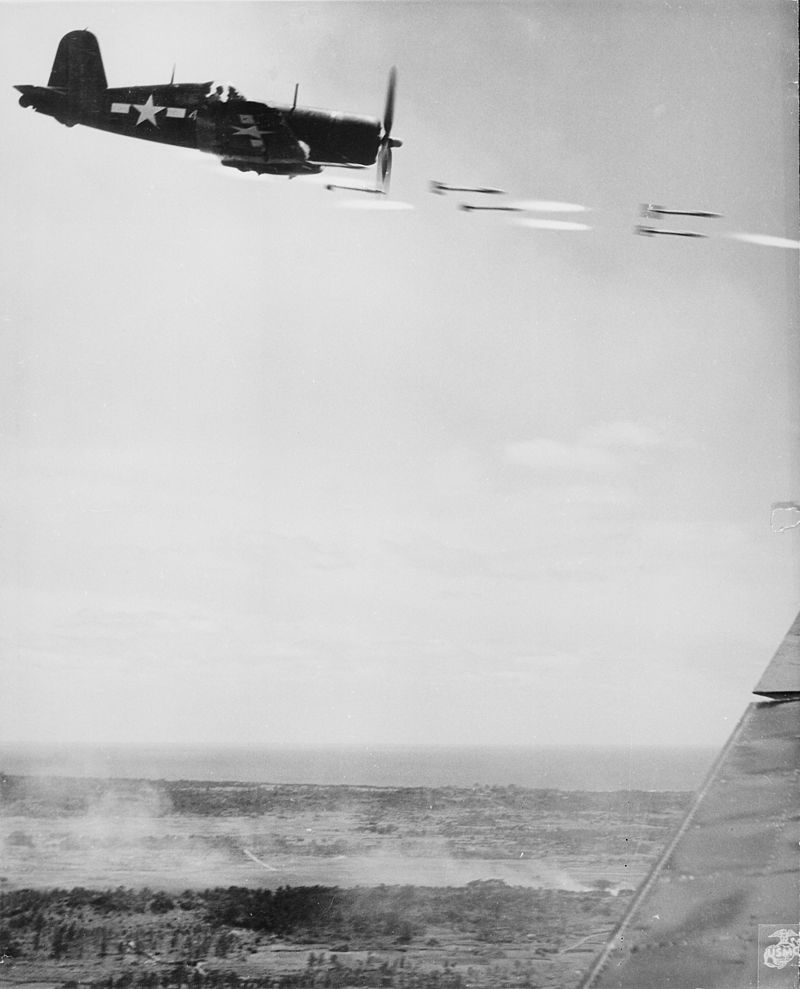
Corsair fires its rockets at a Japanese stronghold on Okinawa 1945
USS Timbalier and Martin Mariners
F4U-1A Corsairs
Kingfisher
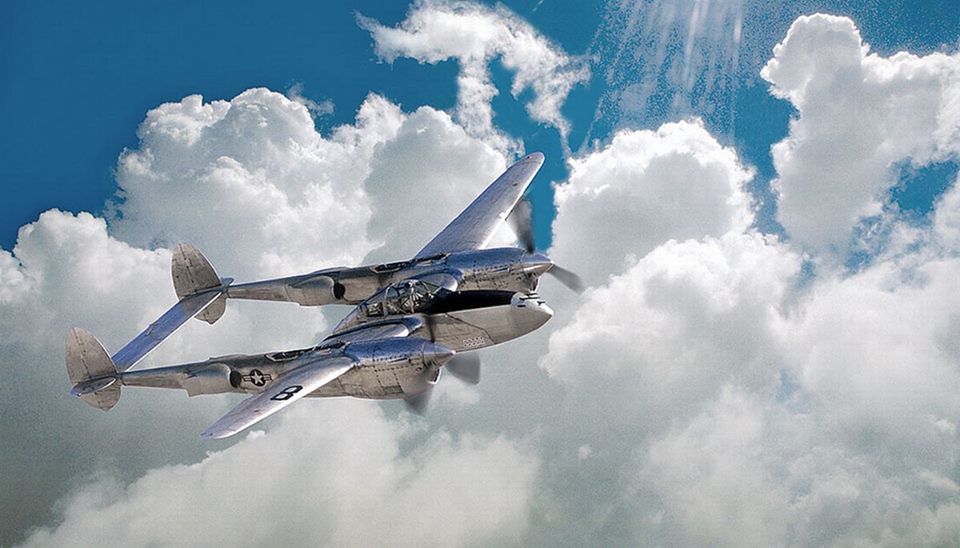
P-38
Dauntlesses from USS Yorktown
B-26 flak damage France, no casualties
Helldiver
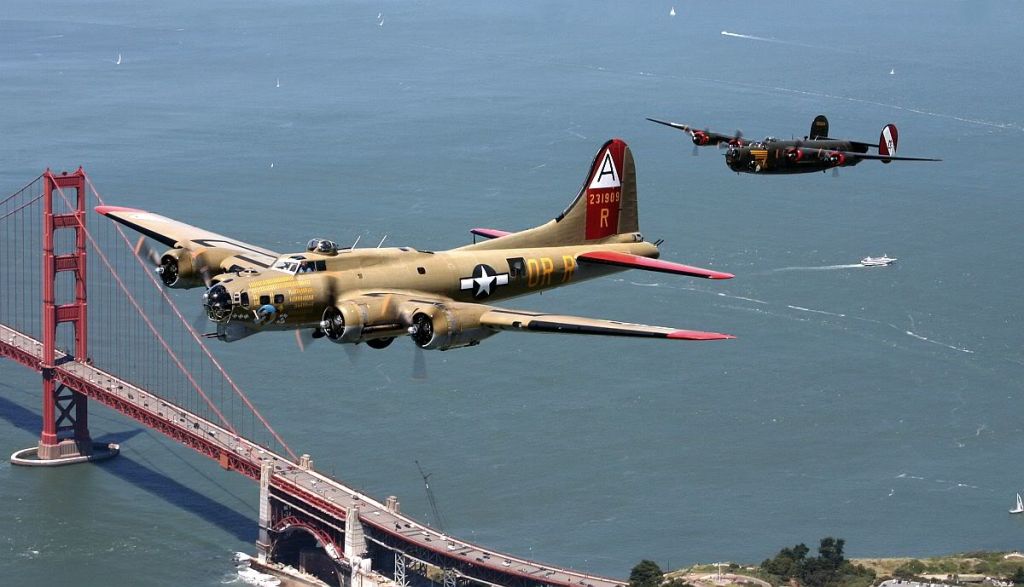
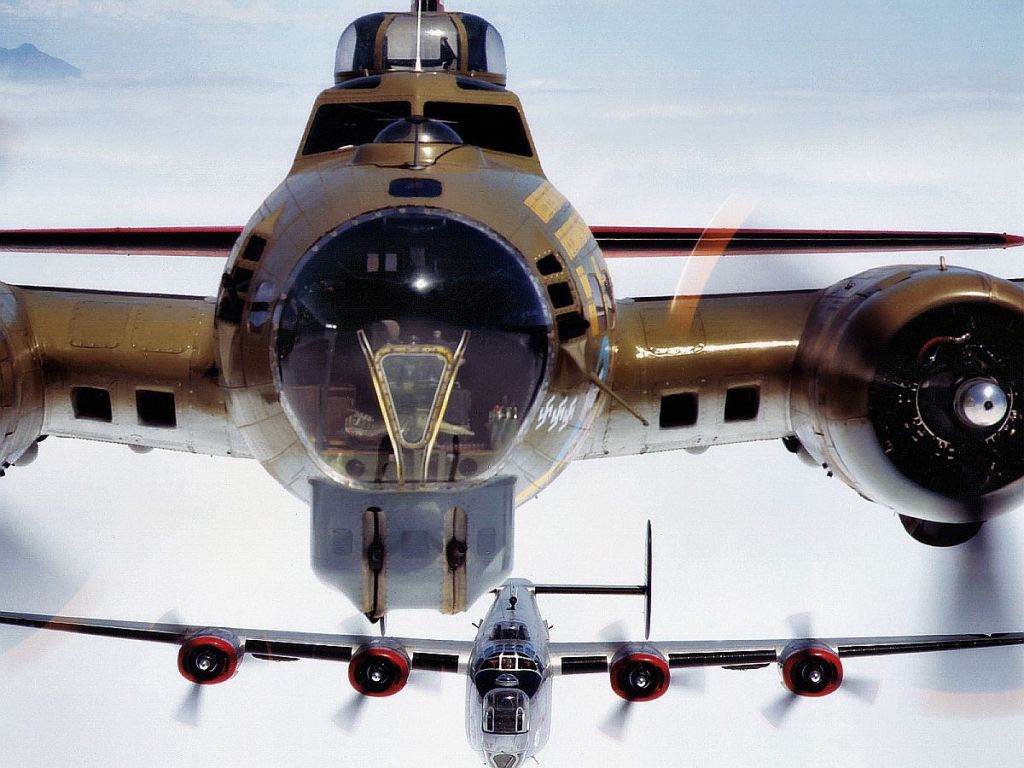
B-17 and B-24
B-17 and B-24
B-17
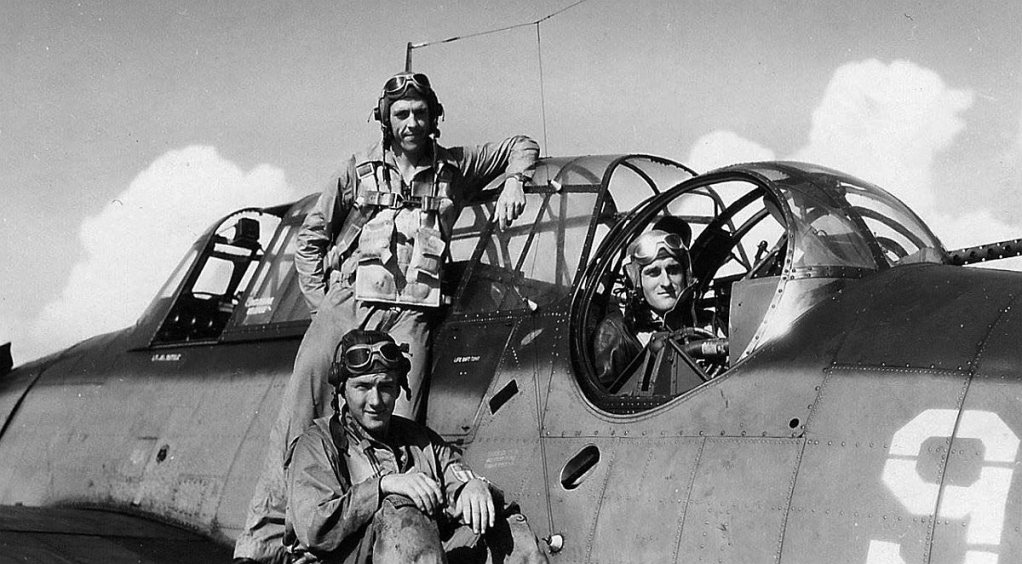
Avenger crew 1945
P-38 ‘Glacier Girl’
B-17G and B-24
Helldiver

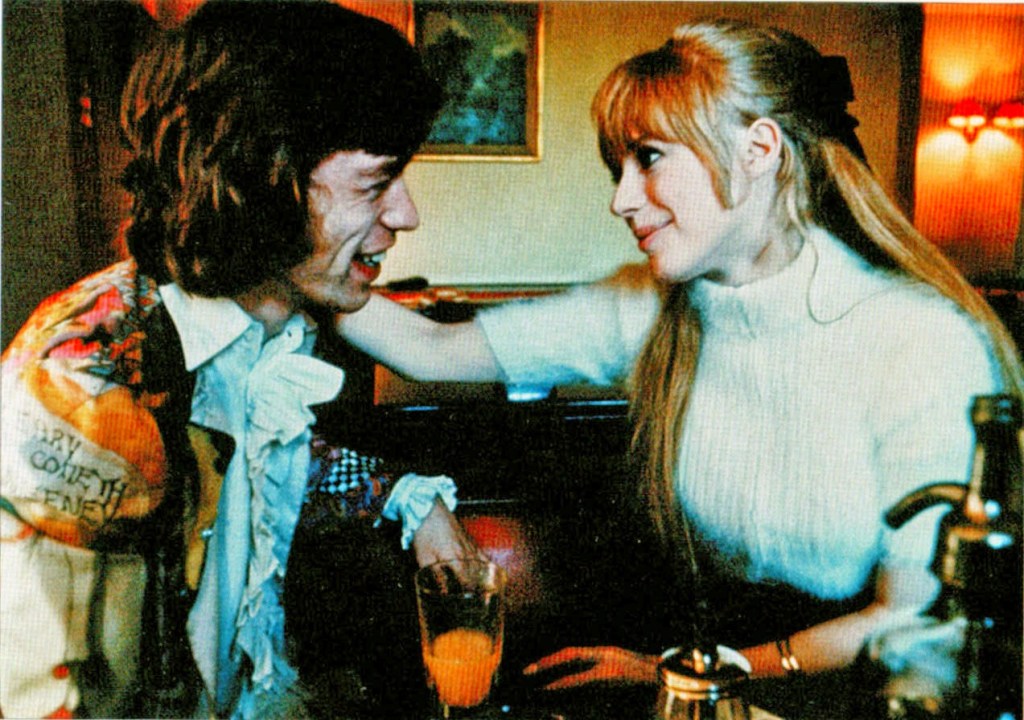
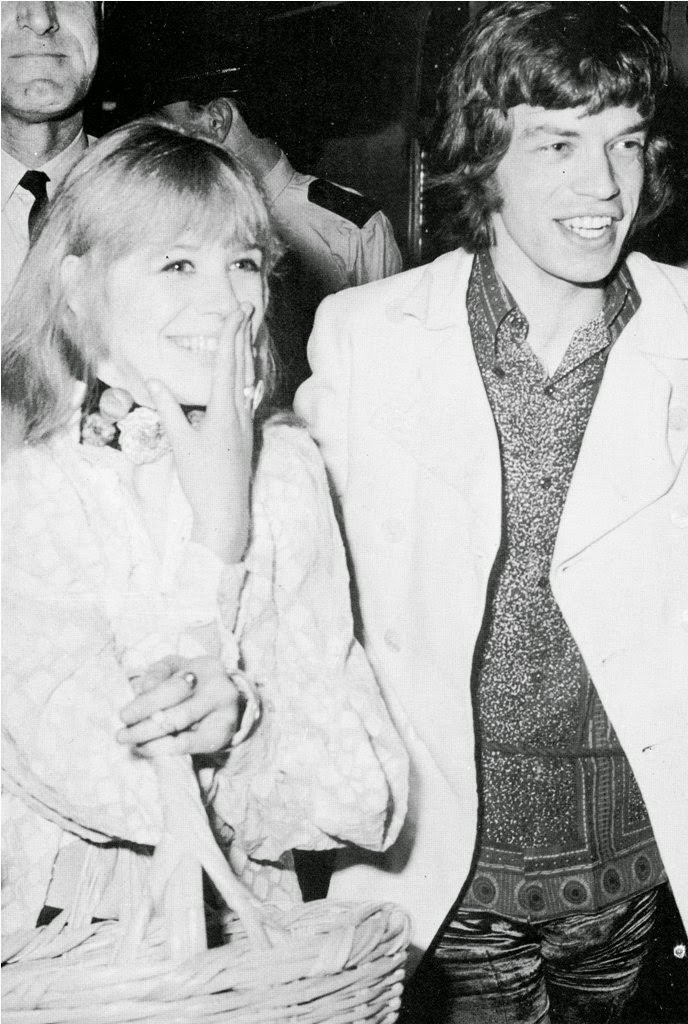
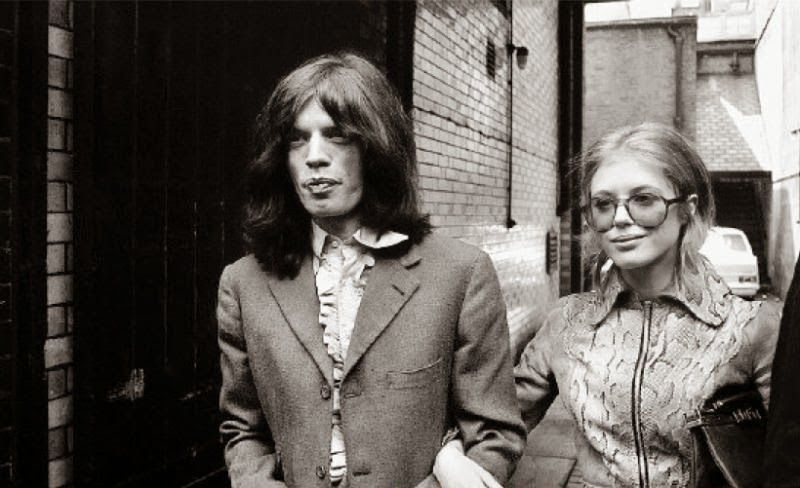
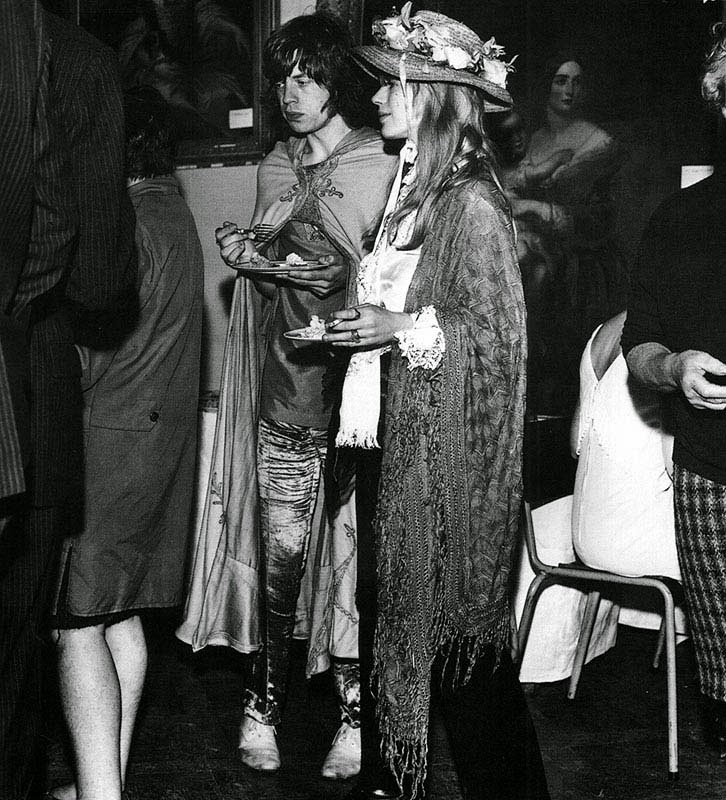
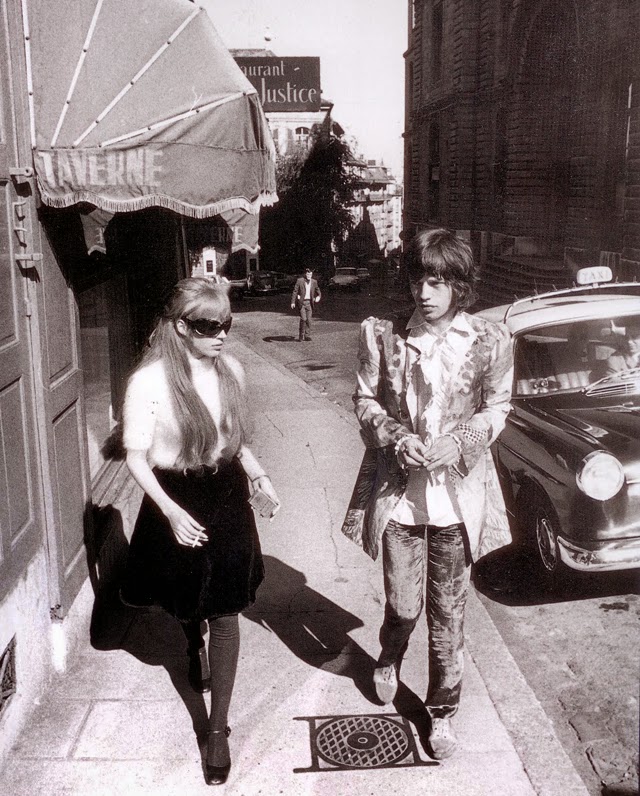
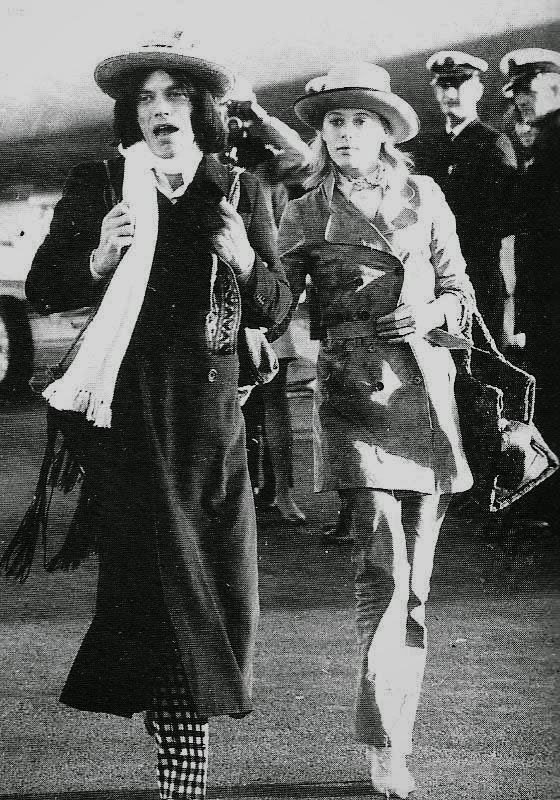
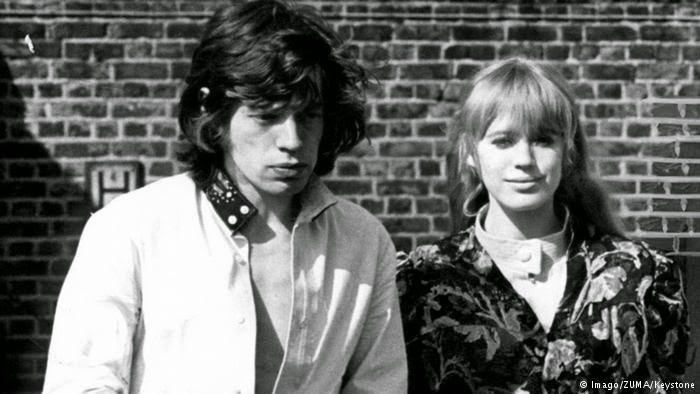
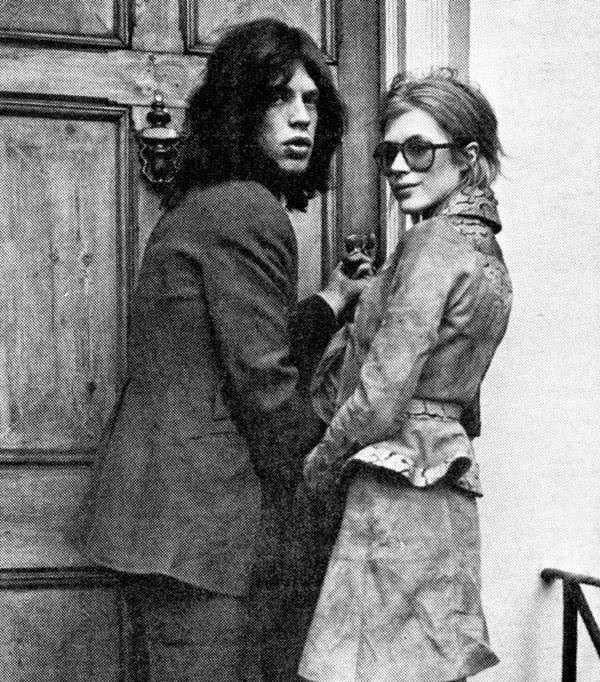
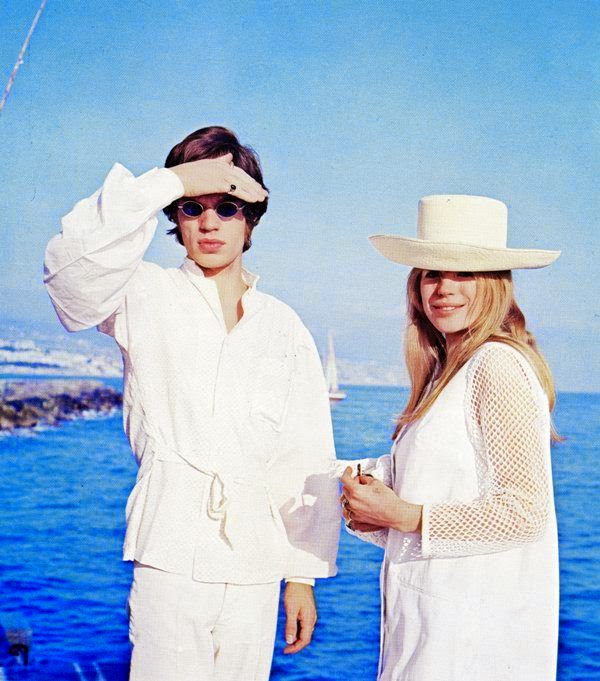
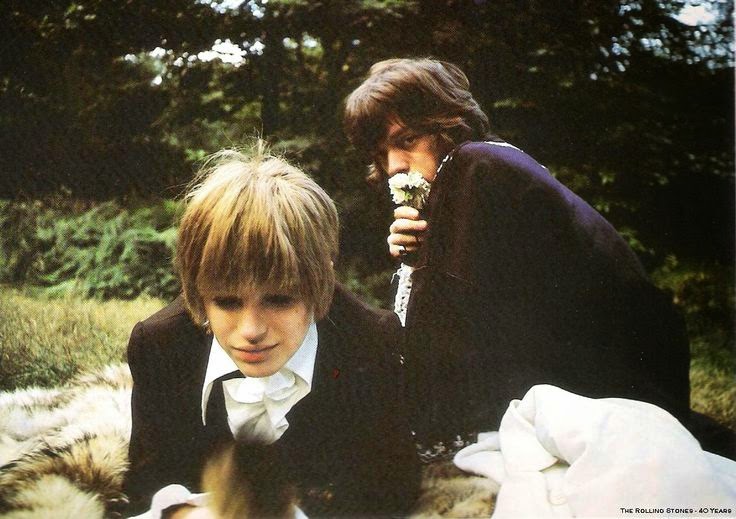
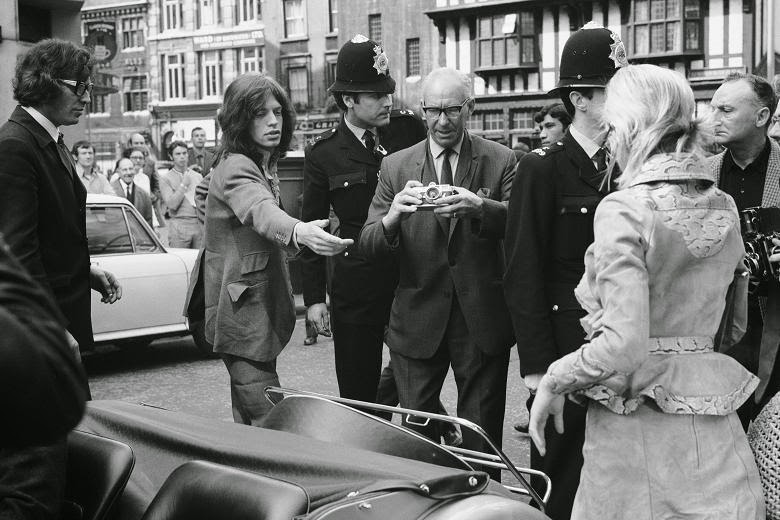
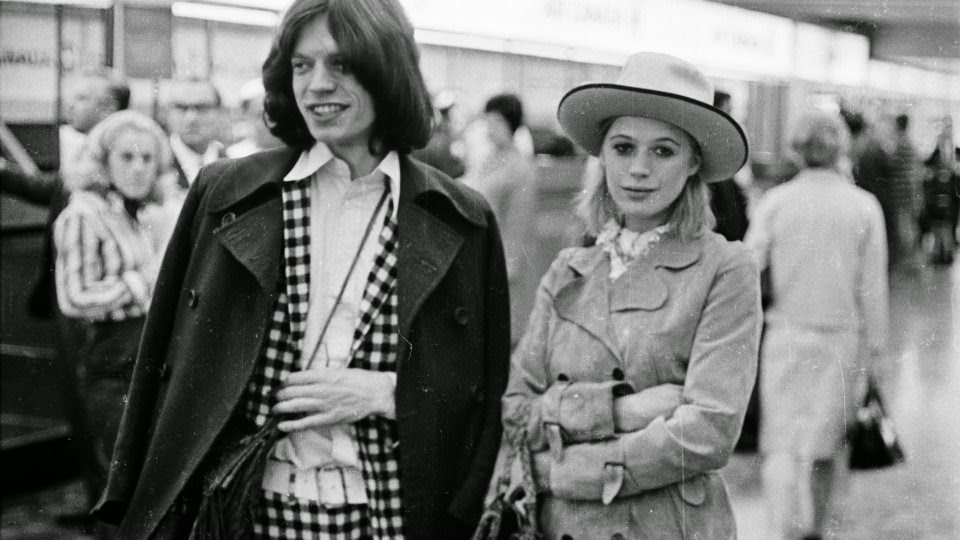
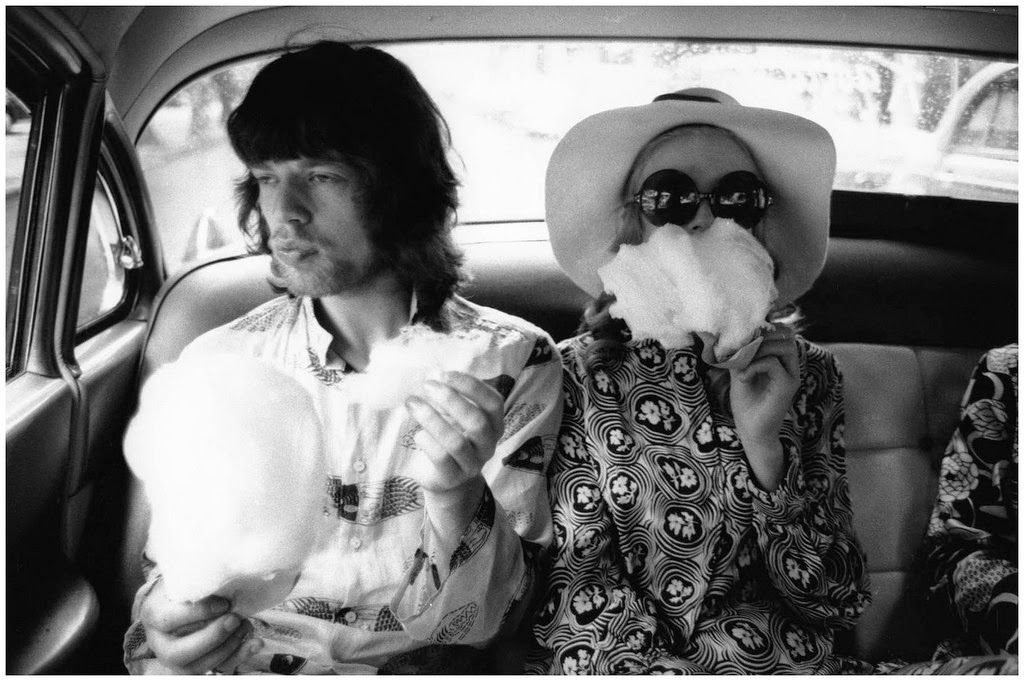
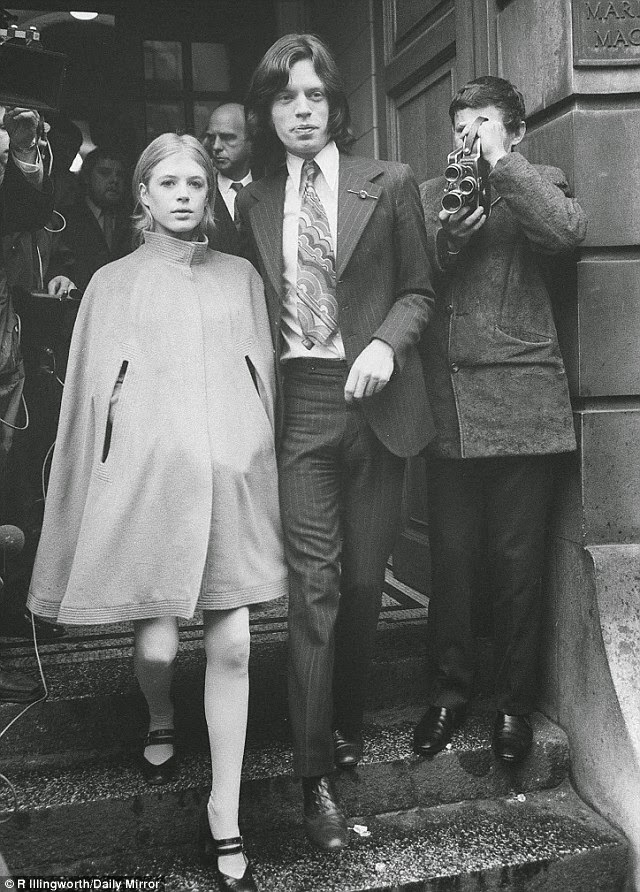
Marianne Faithfull and Mick Jagger: 37 Vintage Pictures of the Grooviest Couple of the 1960s

Love, sex and the best of rock & roll. Mick Jagger and Marianne Faithfull were the most cool, stylish and creative couple of the sex revolution era. Their groovy style and famous careers made them one of the most popular couples of the late 1960s.

Besides being beautiful and the inspiration for a number of the Rolling Stones songs, Faithfull was herself the author of one of their best, “Sister Morphine.”

Enjoy a collection of 37 vintage pictures of the 1960s music power couple.

Yesterday Today

Bringing You the Wonder of Yesterday - Today

Skip to content ↓