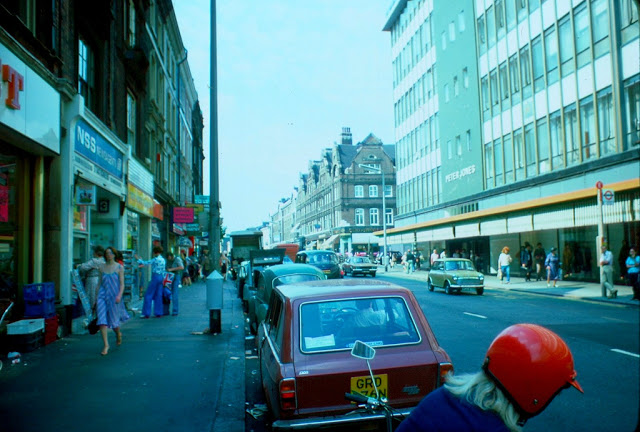
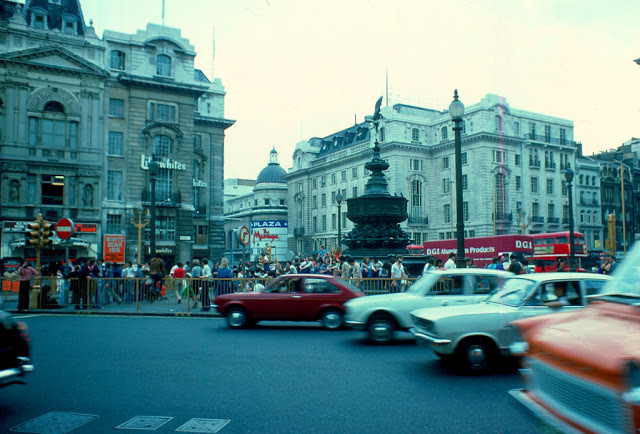
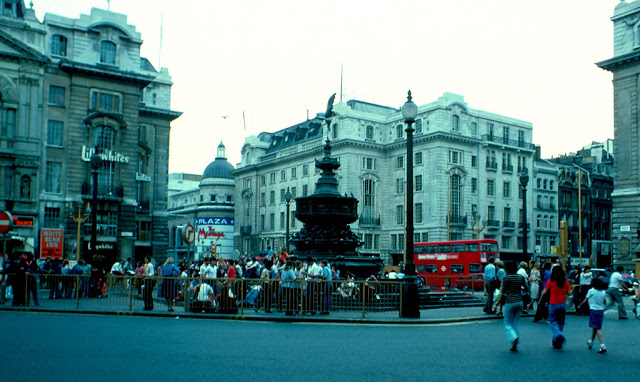
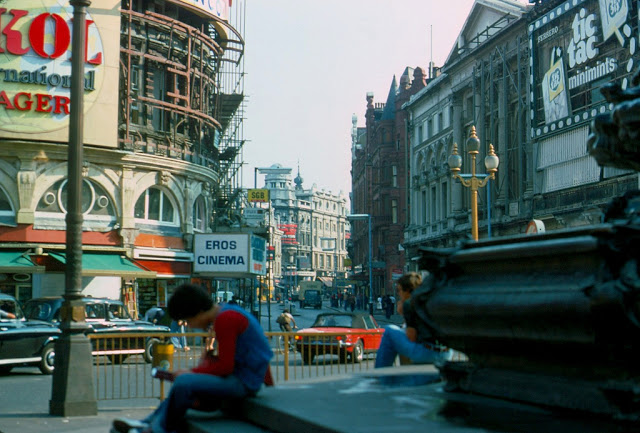
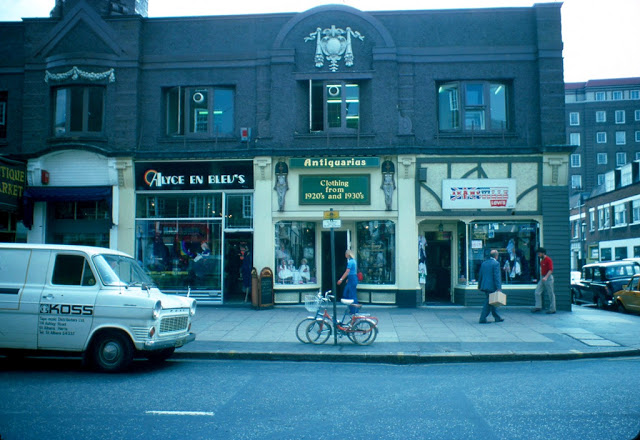
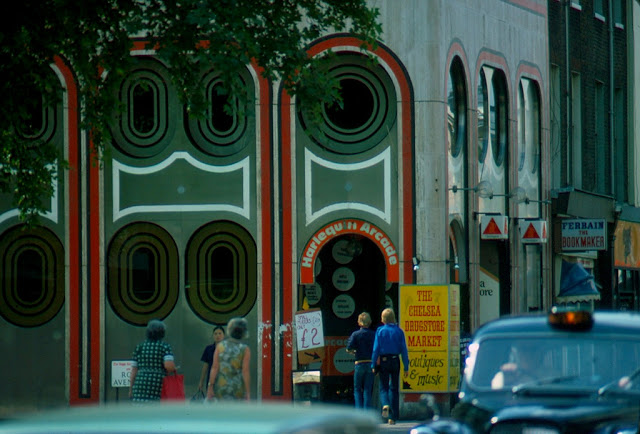
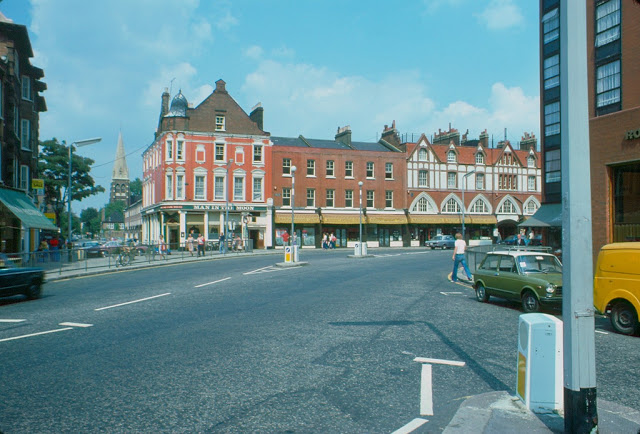
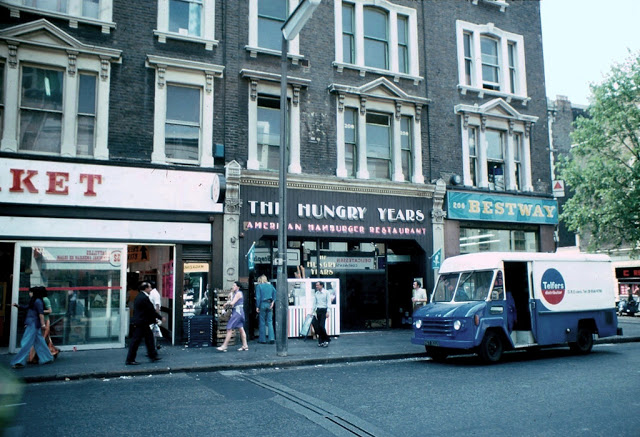
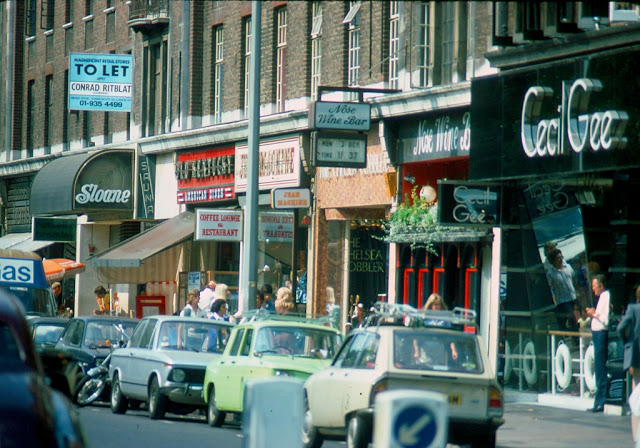
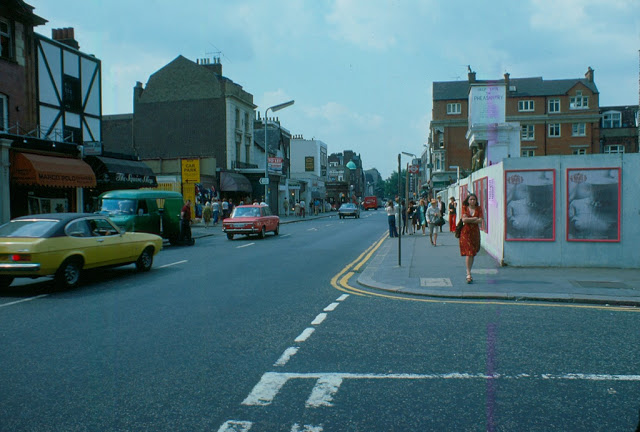
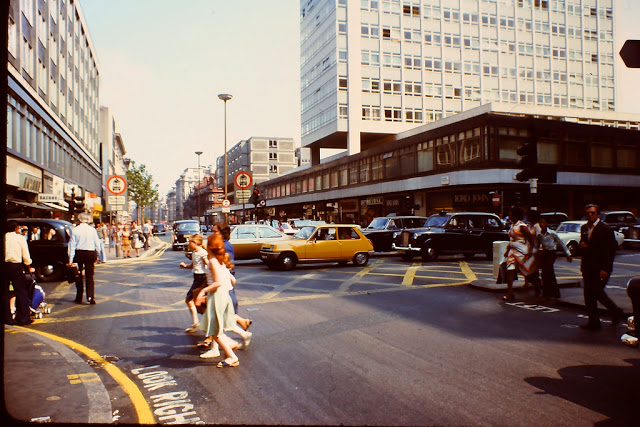
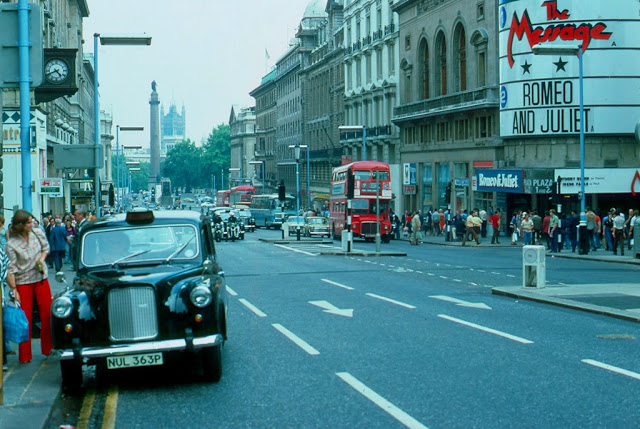
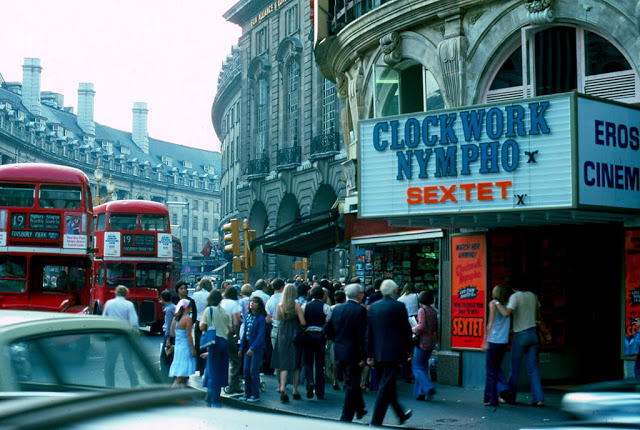
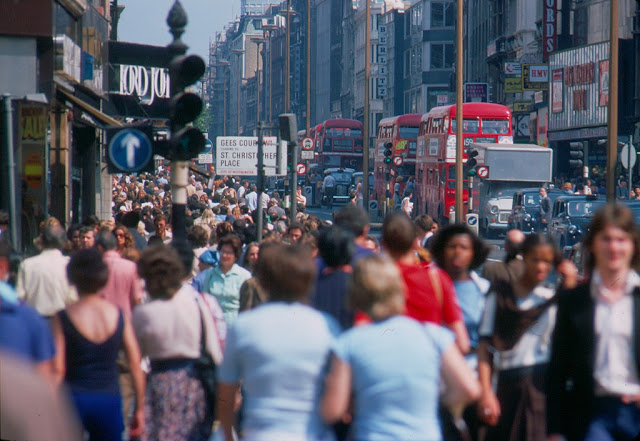
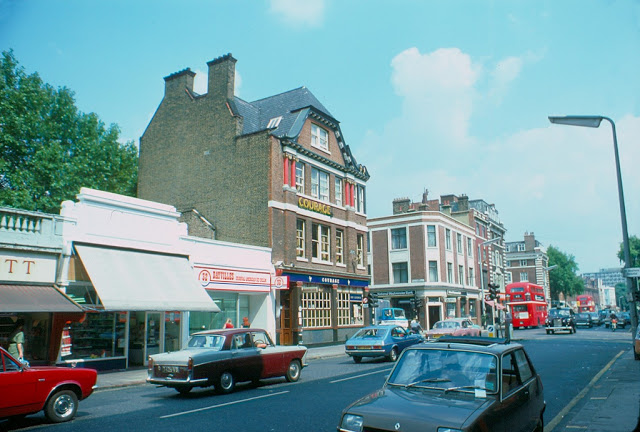
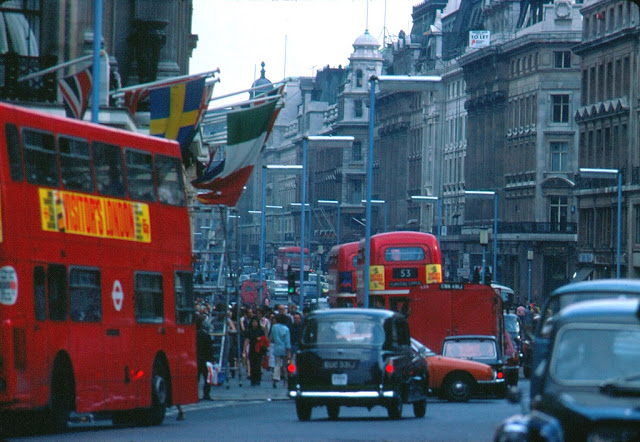
40 Color Photographs of London Street Scenes in 1976

London is the capital and largest city of England and the United Kingdom. It stands on the River Thames in south-east England at the head of a 50-mile (80 km) estuary down to the North Sea, and has been a major settlement for two millennia. The City of London, its ancient core and financial centre, was founded by the Romans as Londinium and retains boundaries close to its medieval ones. Since the 19th century, “London” has also referred to the metropolis around this core, historically split between the counties of Middlesex, Essex, Surrey, Kent, and Hertfordshire, which largely comprises Greater London, governed by the Greater London Authority. The City of Westminster, to the west of the City of London, has for centuries held the national government and parliament.

London, as one of the world’s global cities, exerts strong influence on its arts, commerce, education, entertainment, fashion, finance, health care, media, tourism, and communications. Its GDP (€801.66 billion in 2017) makes it the biggest urban economy in Europe and one of the major financial centres in the world. In 2019 it had the second highest number of ultra high-net-worth individuals in Europe after Paris and the second-highest number of billionaires of any city in Europe after Moscow. With Europe’s largest concentration of higher education institutions, it includes Imperial College London in natural and applied sciences, the London School of Economics in social sciences, and the comprehensive University College London. The city is home to the most 5-star hotels of any city in the world. In 2012, London became the first city to host three Summer Olympic Games.

London’s diverse cultures mean over 300 languages are spoken. The mid-2018 population of Greater London of about 9 million, made it Europe’s third-most populous city. It accounts for 13.4 per cent of the UK population. Greater London Built-up Area is the fourth-most populous in Europe, after Istanbul, Moscow and Paris, with 9,787,426 inhabitants at the 2011 census. The London metropolitan area is the third-most populous in Europe after Istanbul’s and Moscow’s, with 14,040,163 inhabitants in 2016.

London has four World Heritage Sites: the Tower of London; Kew Gardens; the Palace of Westminster, along with Westminster Abbey, and St Margaret’s Church; and the historic settlement in Greenwich, where the Royal Observatory, Greenwich defines the Prime Meridian (0° longitude) and Greenwich Mean Time. Other landmarks include Buckingham Palace, the London Eye, Piccadilly Circus, St Paul’s Cathedral, Tower Bridge and Trafalgar Square. It has numerous museums, galleries, libraries and sporting venues, including the British Museum, National Gallery, Natural History Museum, Tate Modern, British Library and West End theatres. The London Underground is the oldest rapid transit system in the world. (Wikipedia)
50 Incredible Vintage Photos of Life in America during the 1950s Volume 2

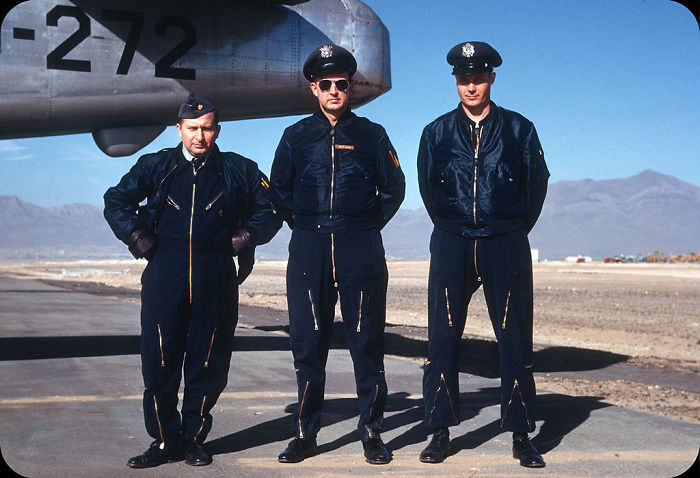
Pilots At The Air Base In El Paso, Texas, 1953
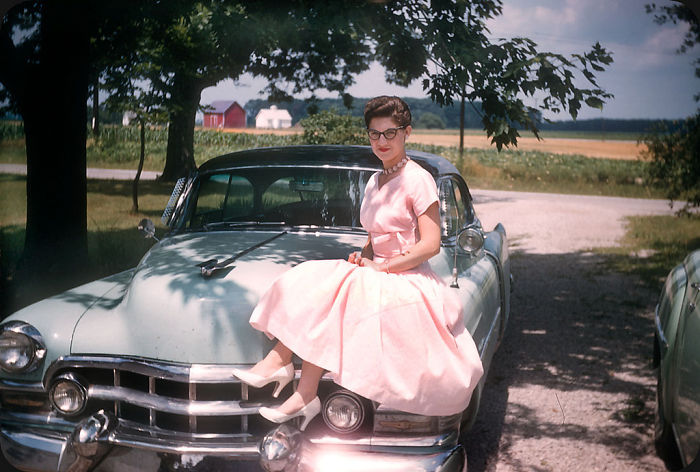
Summer Of 1958
Kids Room, 1951
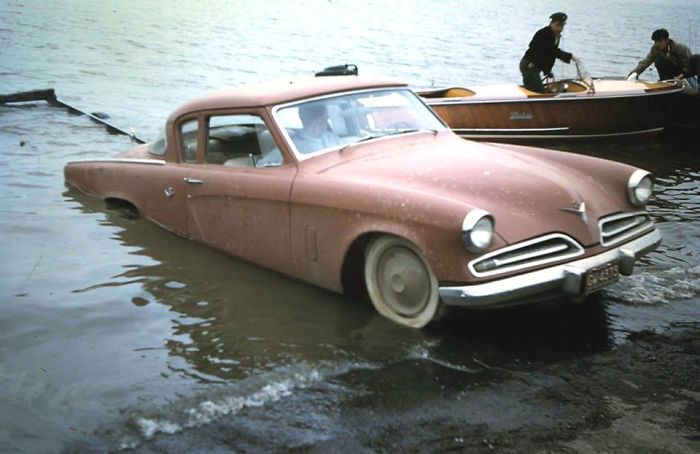
1953 Studebaker Coupe
Girls With A Scooter
Rockaway Beach, New York, 1950
Alabama, 1956
Indiana, 1955
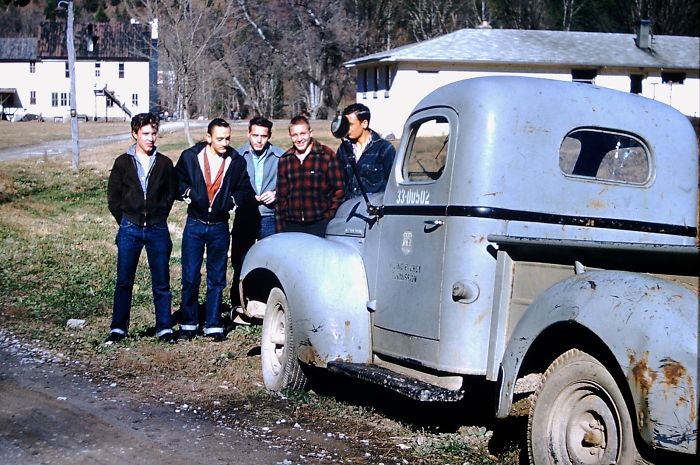
Village Guys And Pick-Up, 1959
Girls On The Beach
Los Angeles, 1951
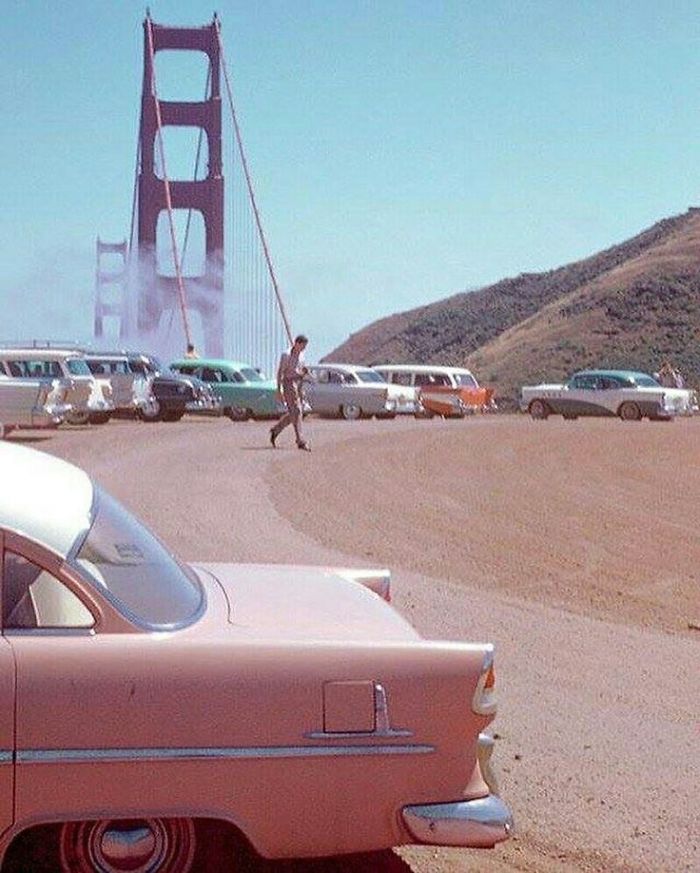
Golden Gate Bridge, San Francisco, 1950s
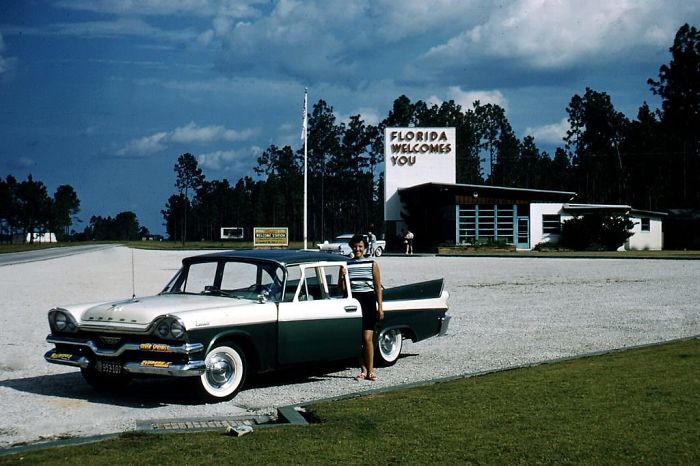
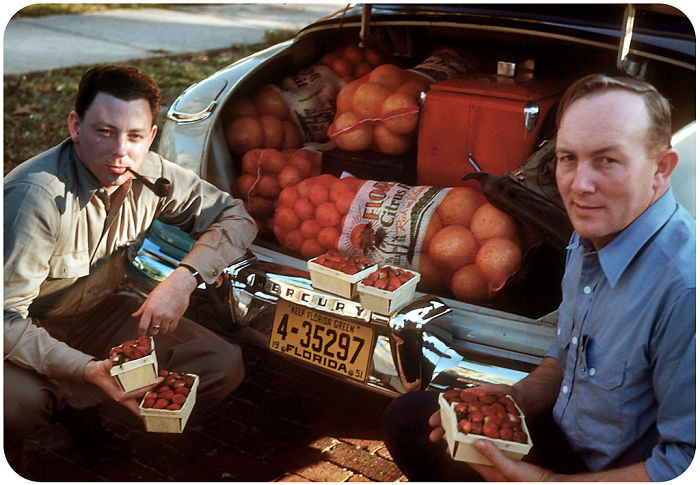
At The Entrance To Florida, 1958
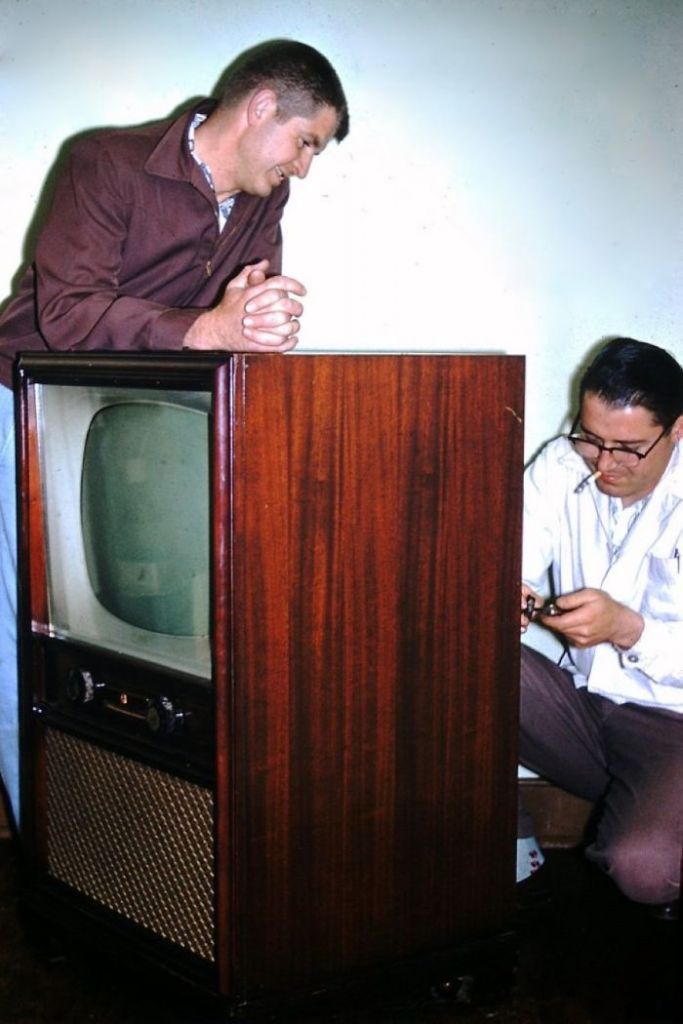
Tv Repair. 1959
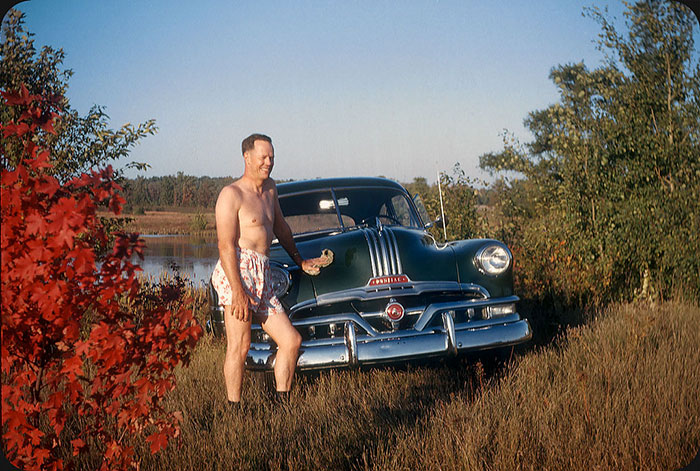
Resting Near The Lake, 1952
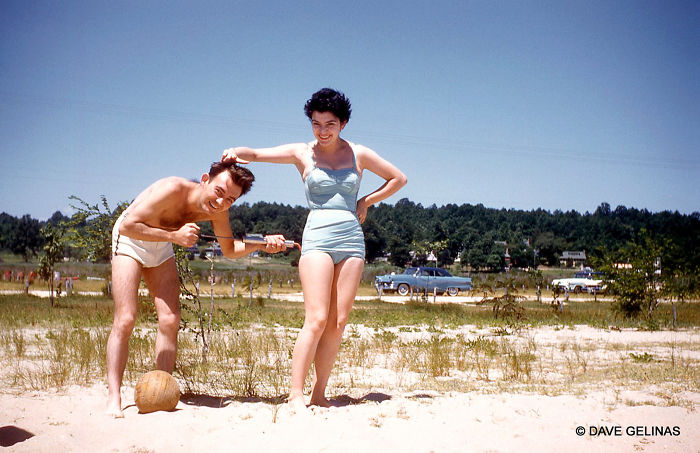
Couple Having Summer Vacation Fun, 1959
Atlanta, 1959
Ice Fishing. Early 1950s
Building Capitol Records On Vine Street. Los Angeles, 1957
Welcome To Arizona, 1956
Cooks On Wheels. 1950
1958
Aquamaids. Florida, 1952
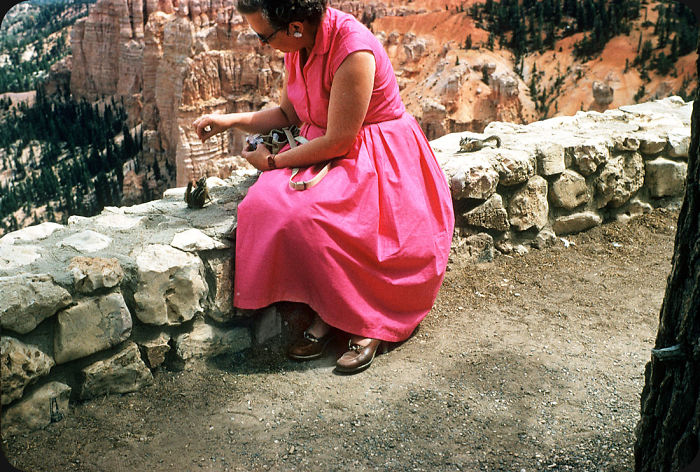
Feeding Chipmunk. Zion National Park, Utah, 1956
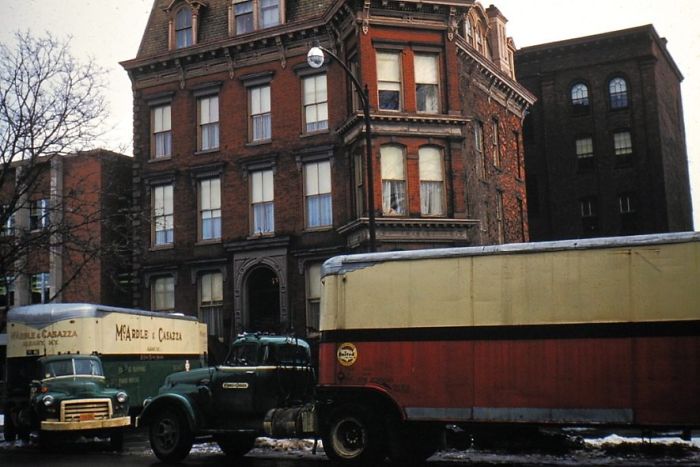
Moving. Buffalo, New York
New York City, Bus Terminal, 1953
Florida, 1951
Statue Of Liberty, New York, 1953
Party Music, 1959
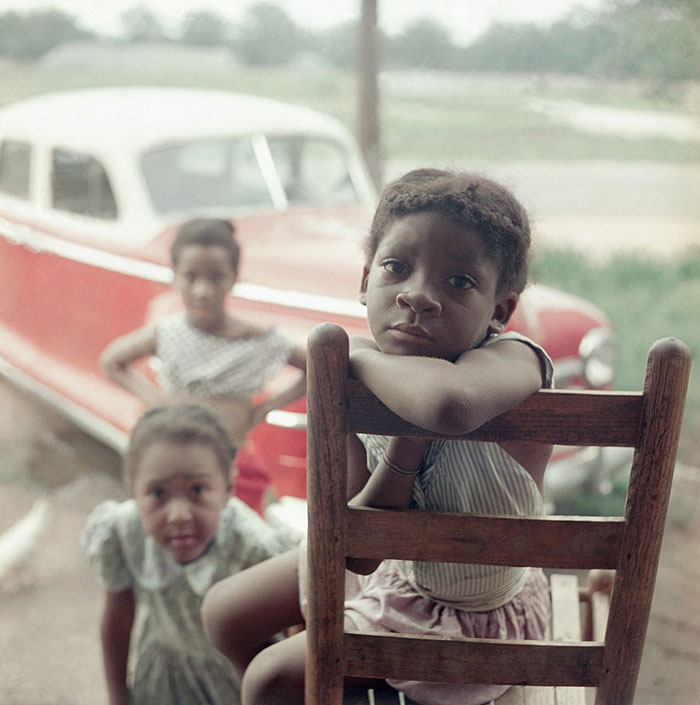
Girl Portrait. Shady Grove, Alabama, 1956
Big City Visitors, 1951
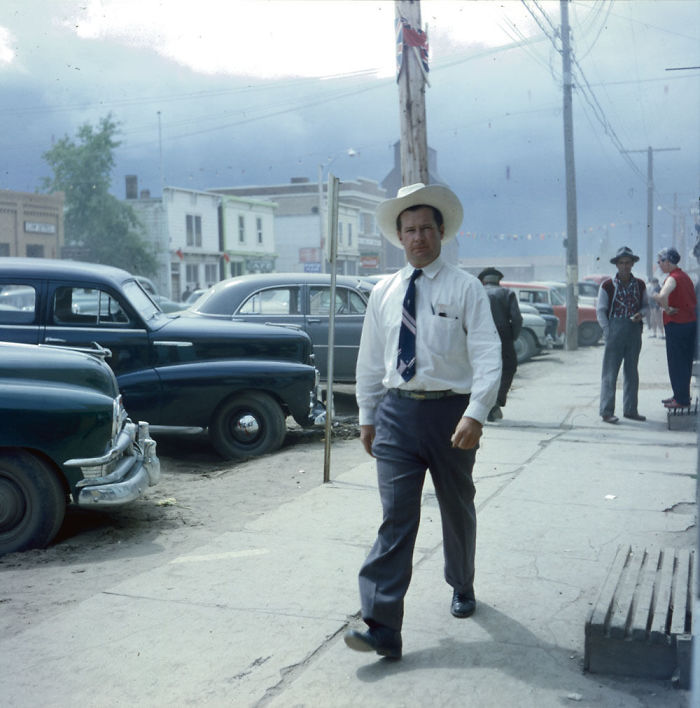
Pedestrian On The Street Of A Small Town, 1956
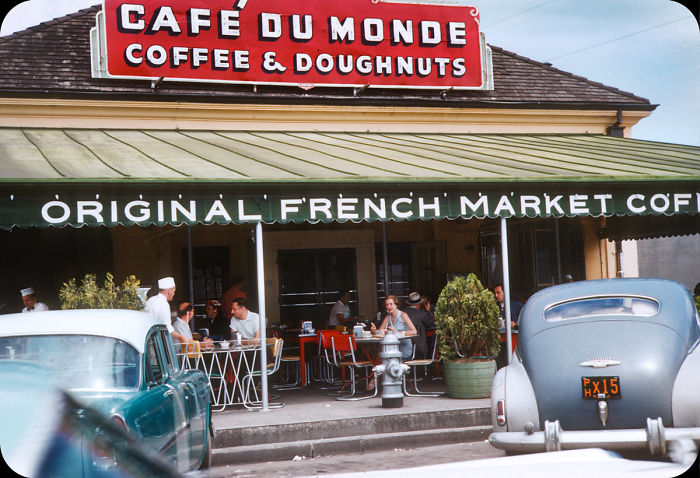
Cafe Du Monde, New Orleans, 1958
Leis On Arrival, Honolulu, Late 1950s
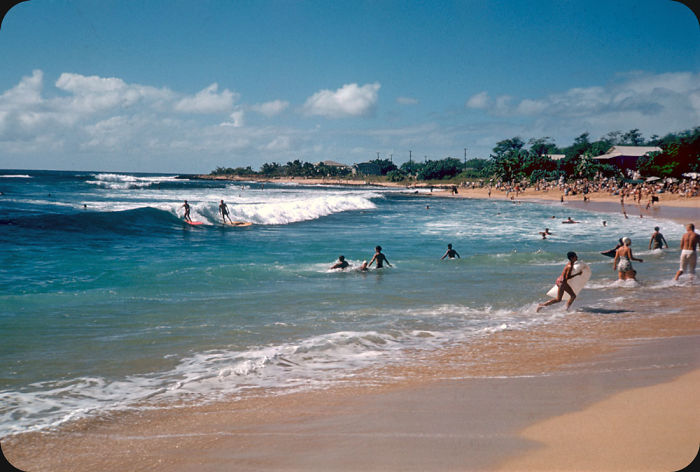
Oahu, Hawaii, 1950s
Sea Voyage, 1957
5th Avenue & 50th Street, 1956
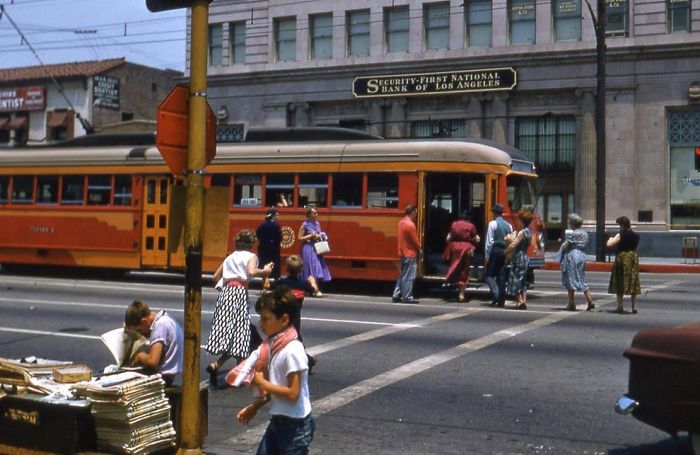
Tram Stop In Los Angeles
Aerodrome In Michigan, 1952
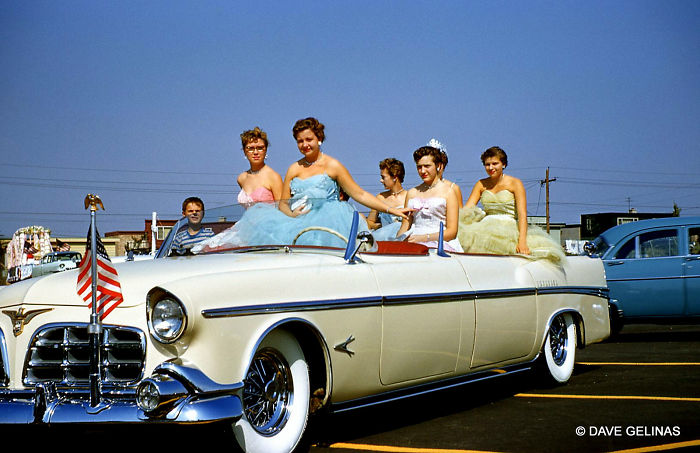
1956 Chrysler Imperial Parade Phaeton, 1956
San Francisco 1951
Shady Grove, Alabama, 1956
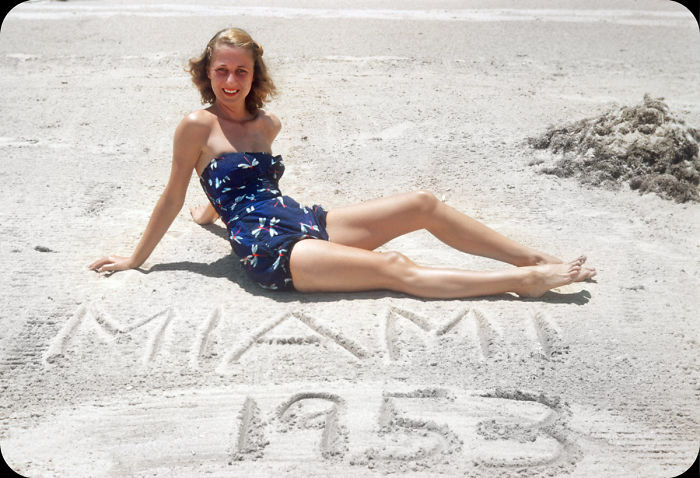
Miami Beach, 1953
New Movie Camera, 1958
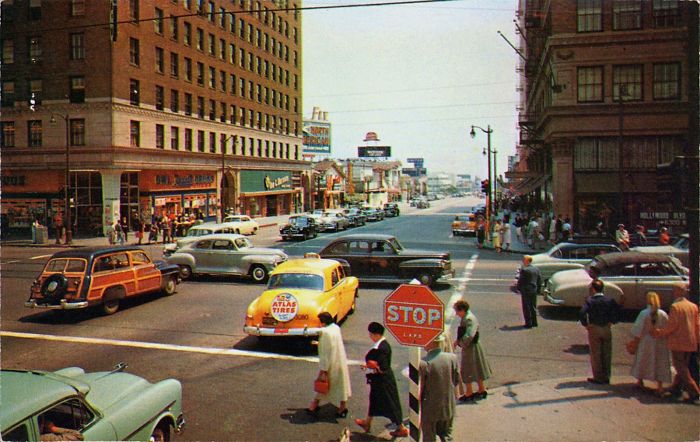
Corner Of Hollywood And Vine 1952
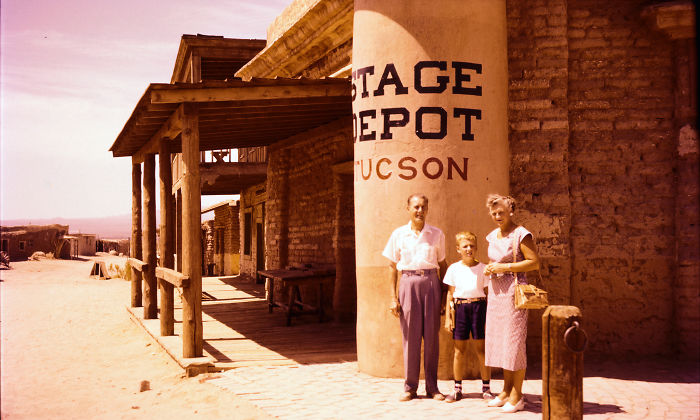
Tombstone, Outside Of Tucson, Late 1950s
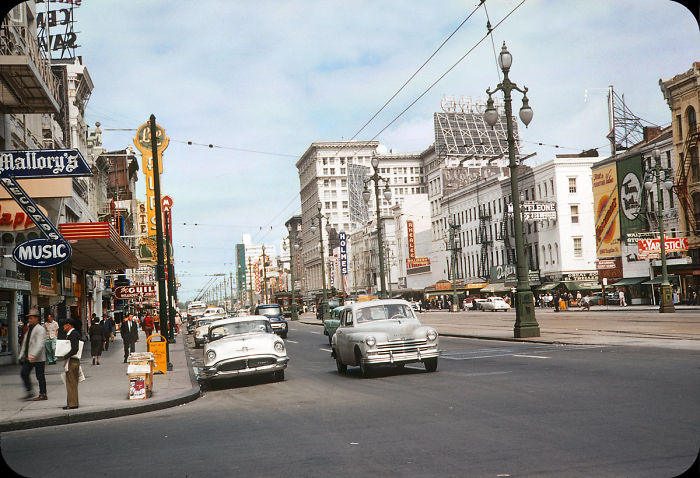
Canal Street, New Orleans, 1958
Oahu, Hawaii, 1950s
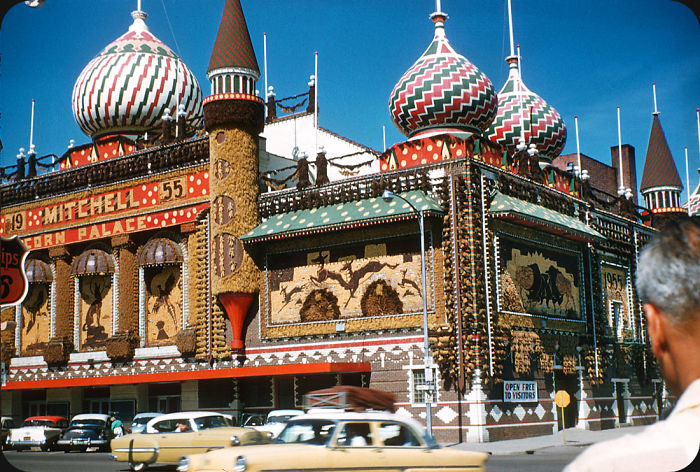
Corn Palace. Mitchell, SD, 1955
Brooklyn, 1956

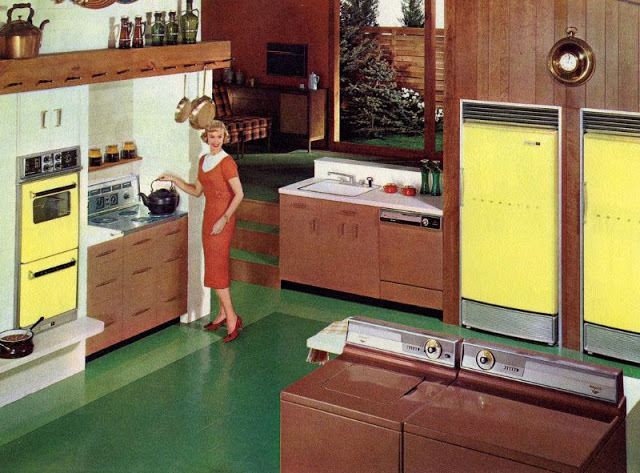
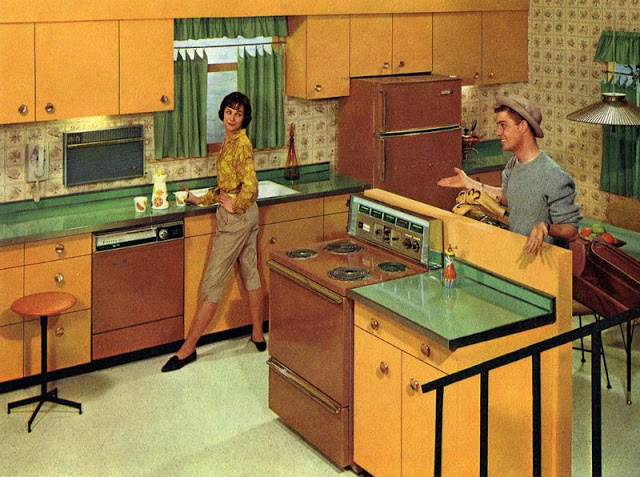
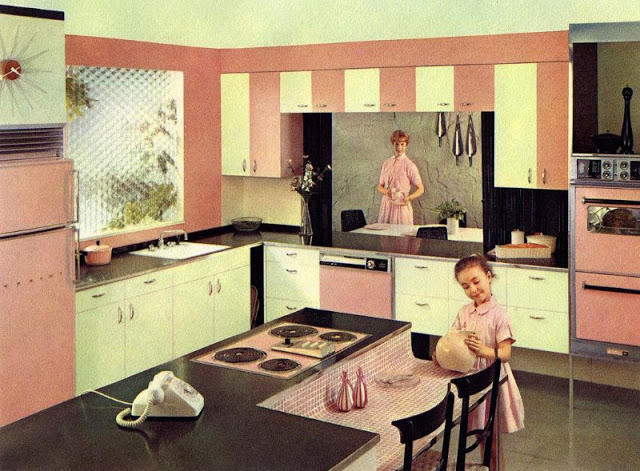
Amazing Photos That Show Interior Styles of Kitchens For Each Month of 1960

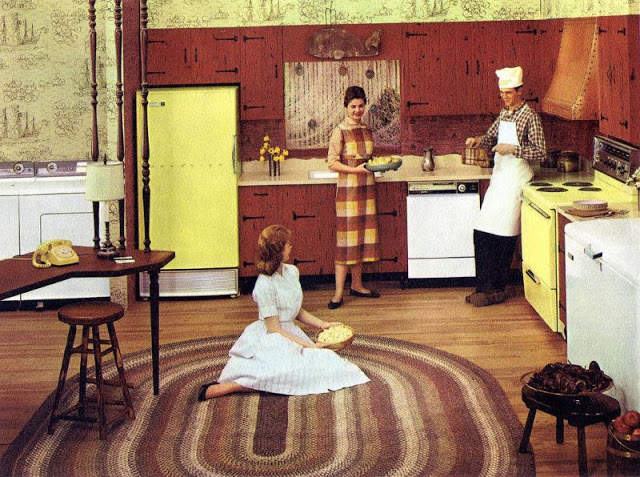
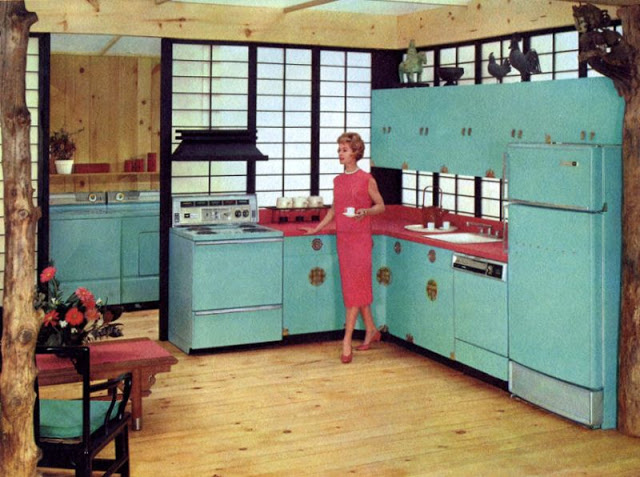
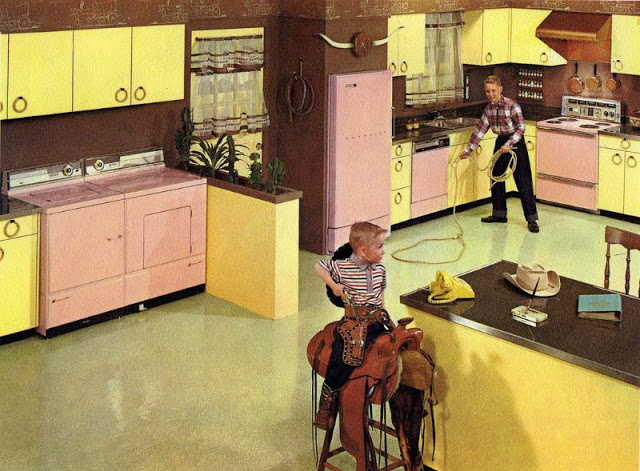
These cool pics from Hotpoint appliance 1960 calendar from Todd’s, 14240 E. 14th Street, San Leandro, California that show interior styles of kitchens for each month of 1960.

January 1960
February 1960
March 1960
April 1960
May 1960
June 1960
July 1960
August 1960
September 1960
October 1960
November 1960
December 1960

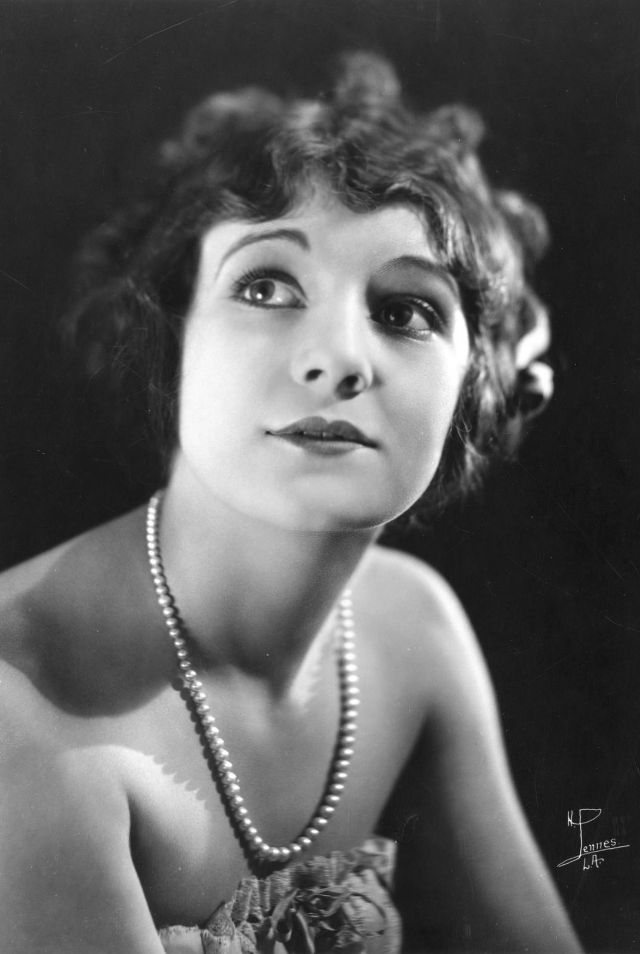
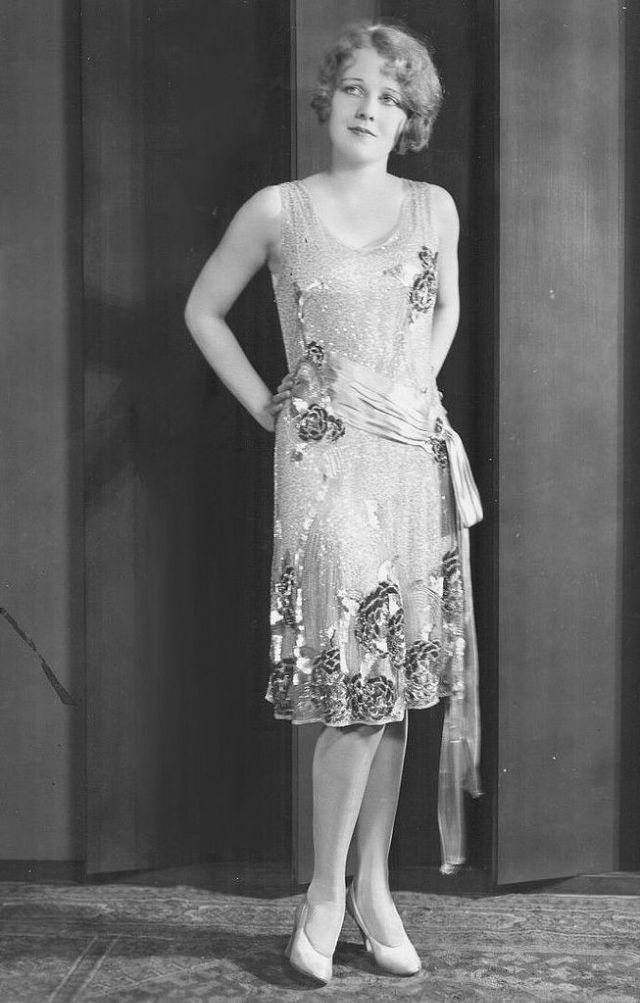
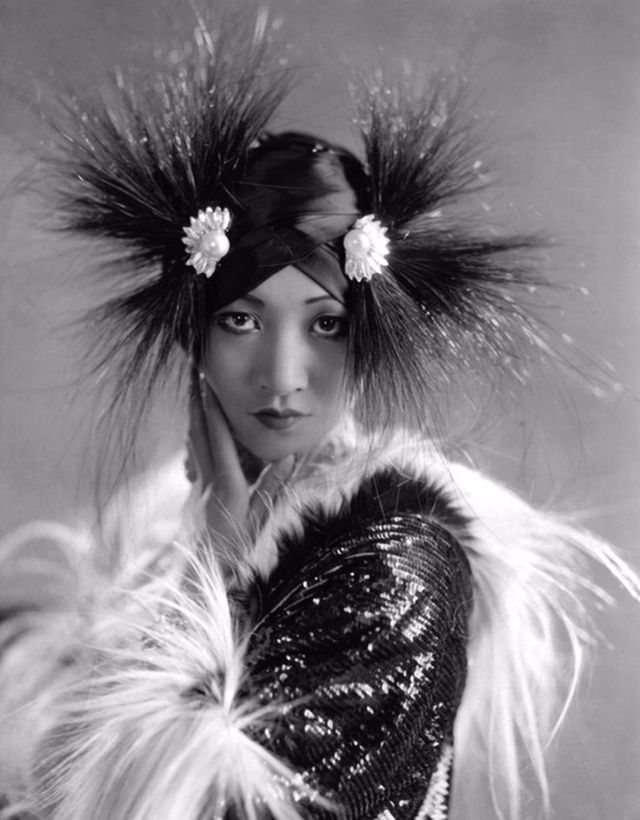
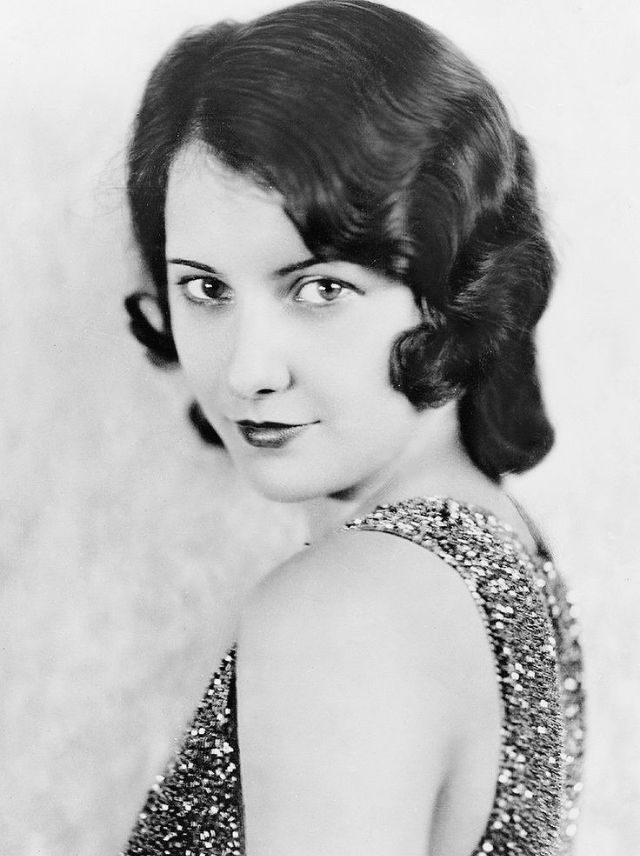
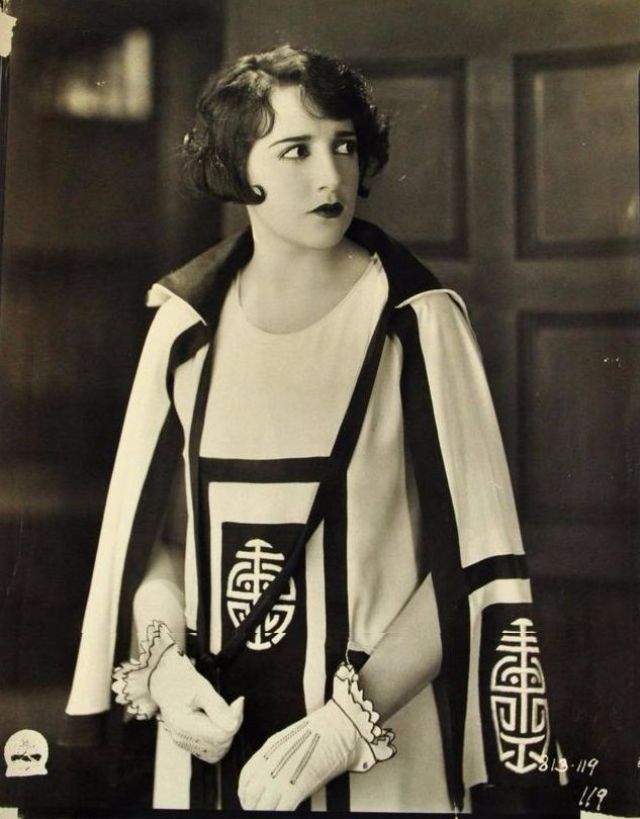
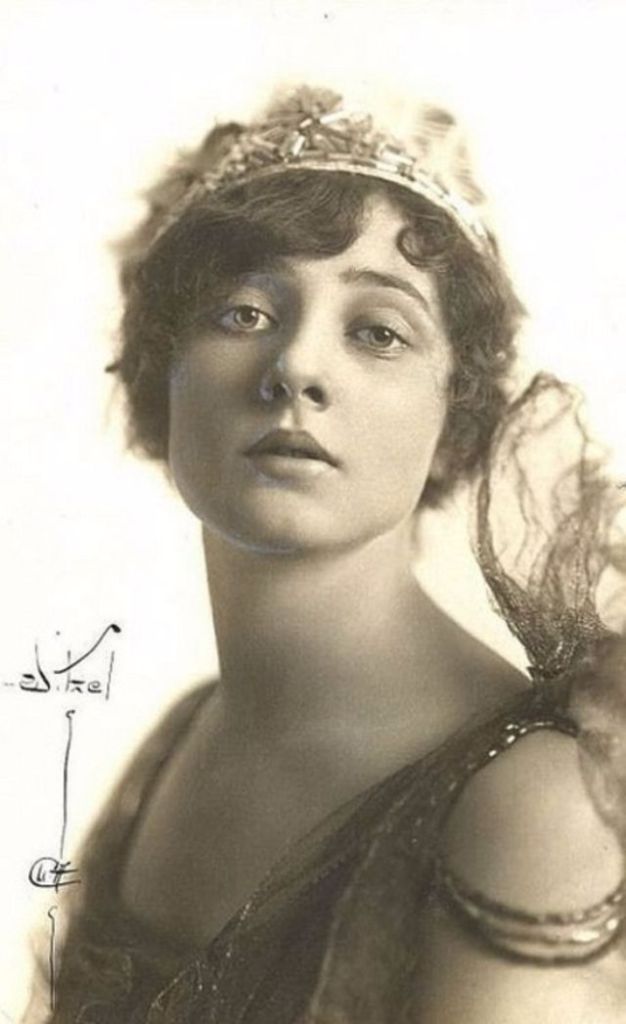
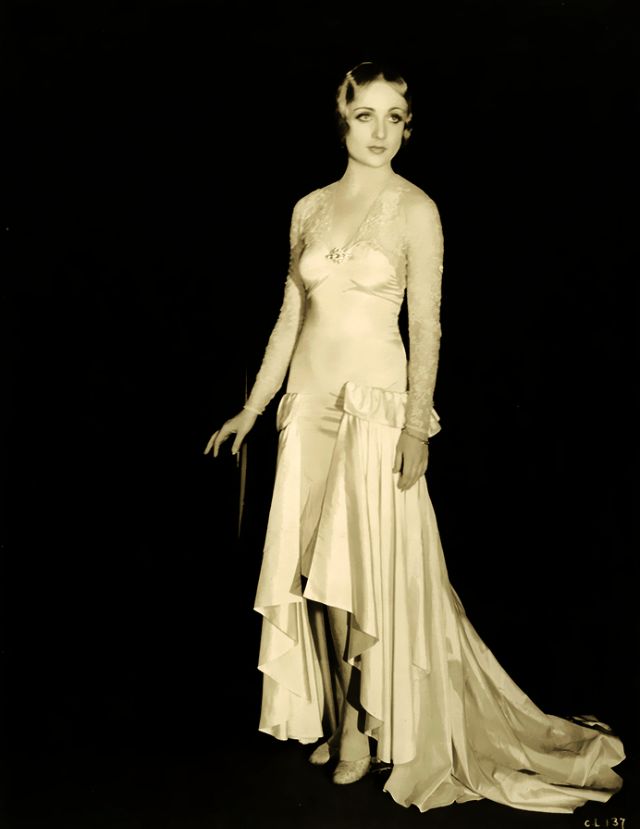
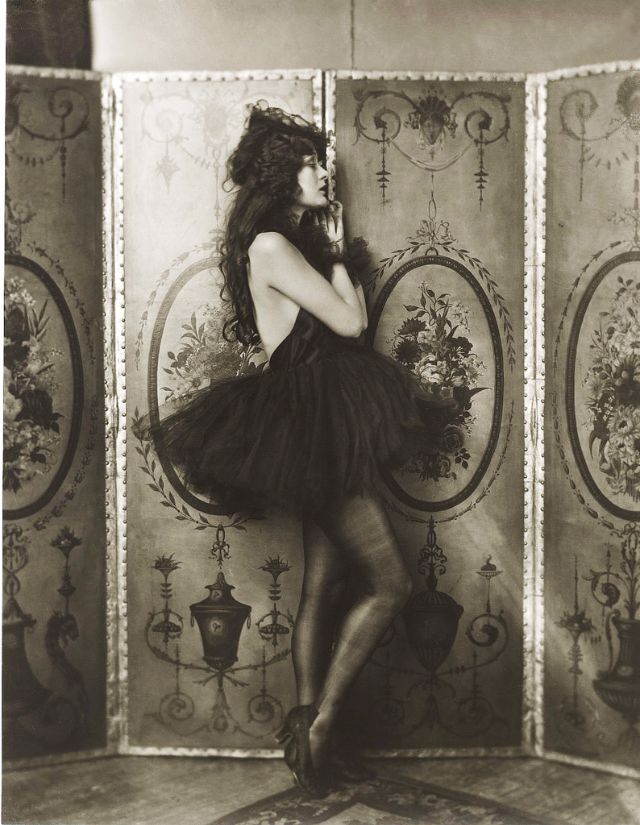
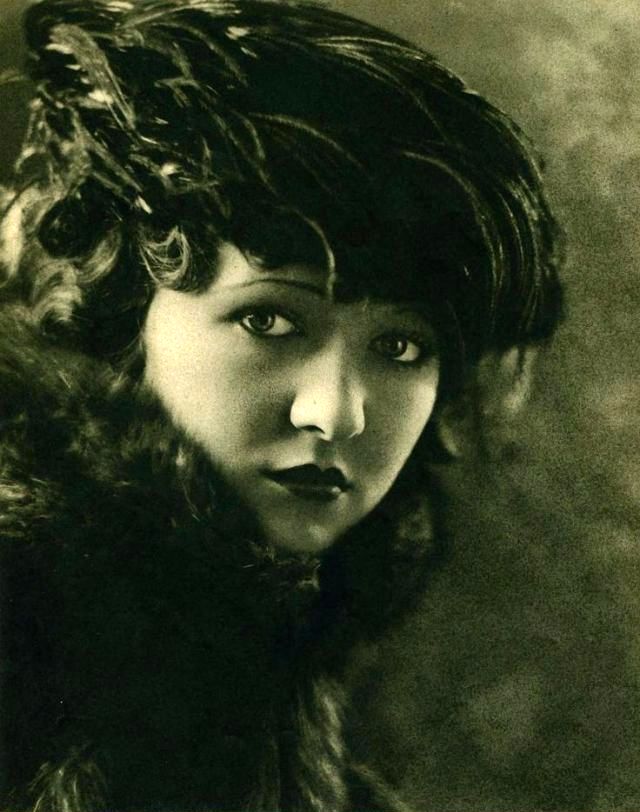
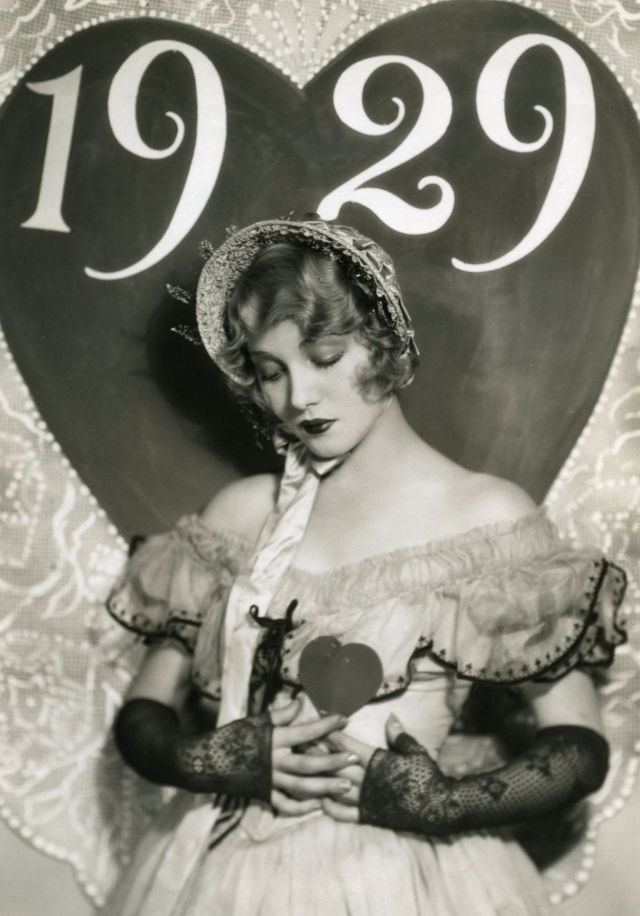
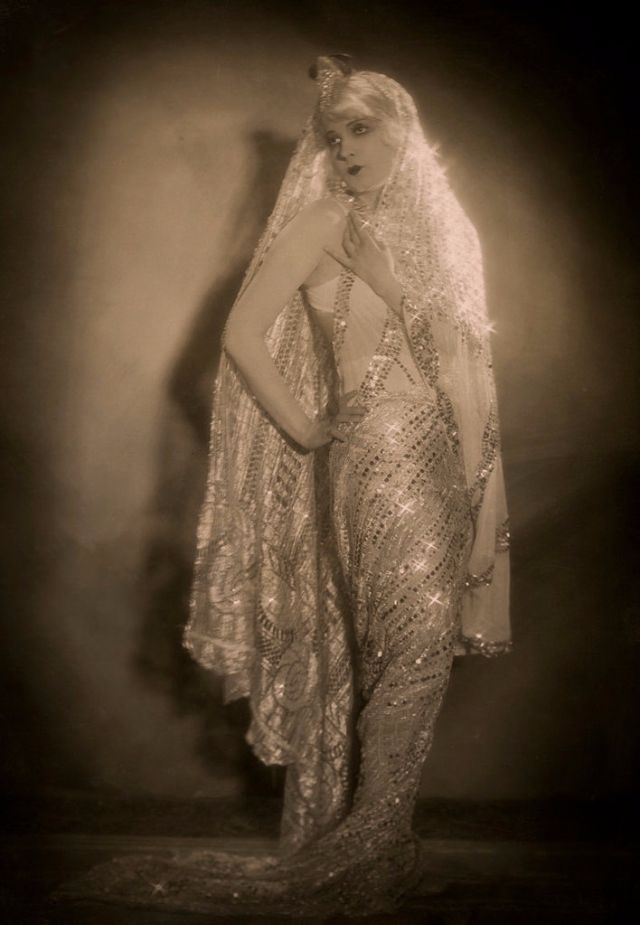
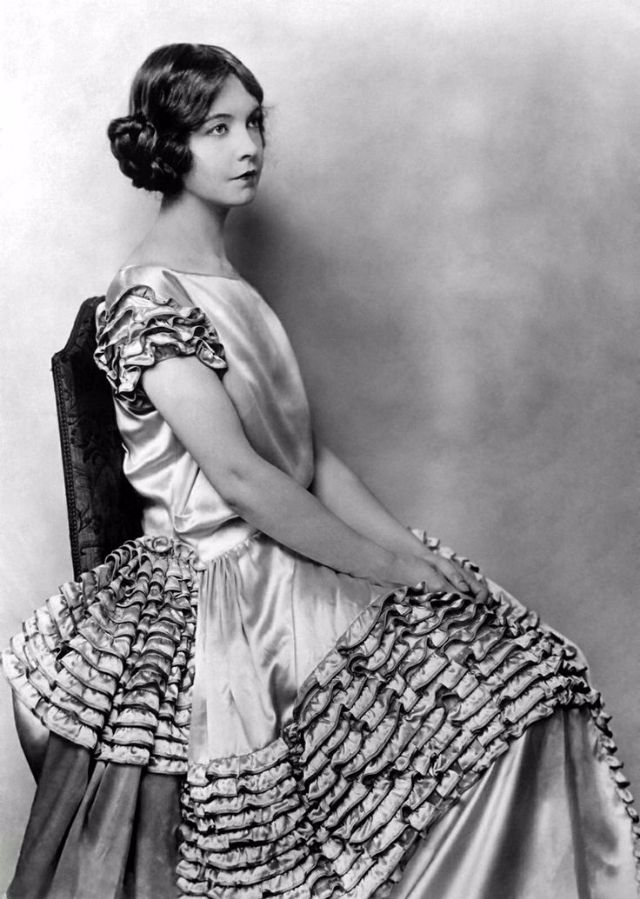
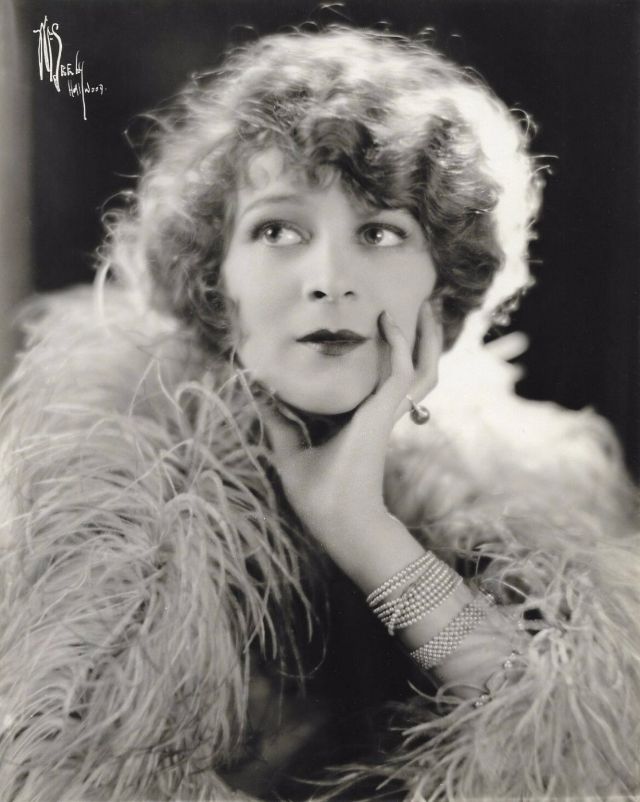
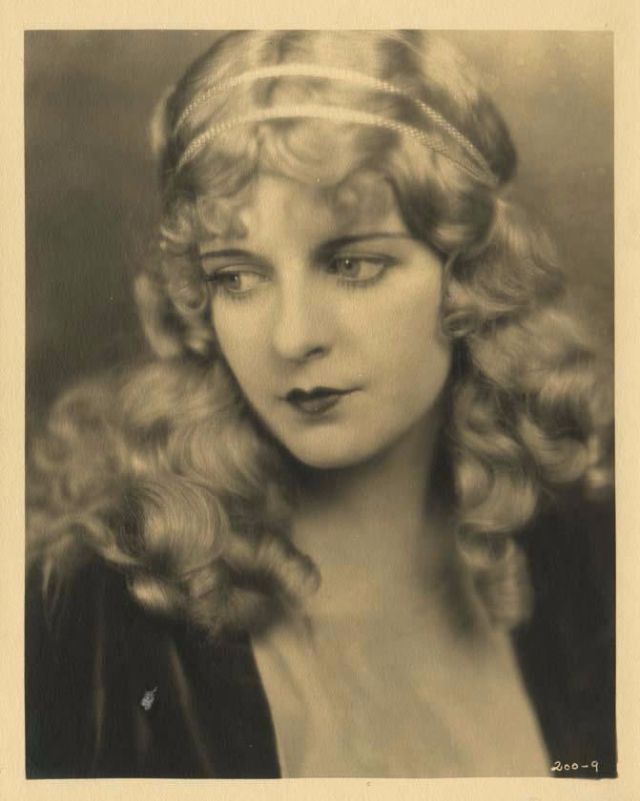
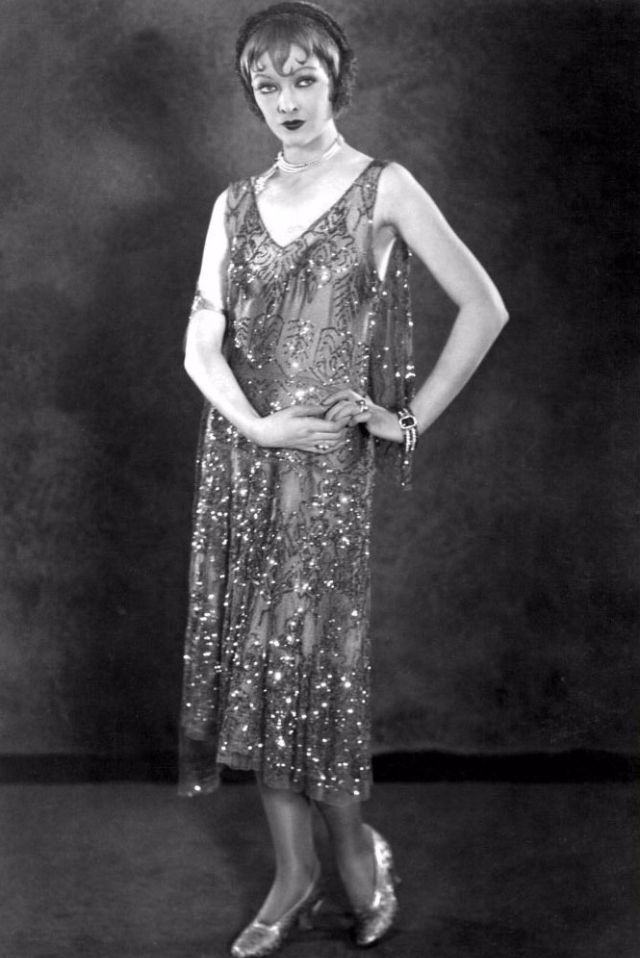
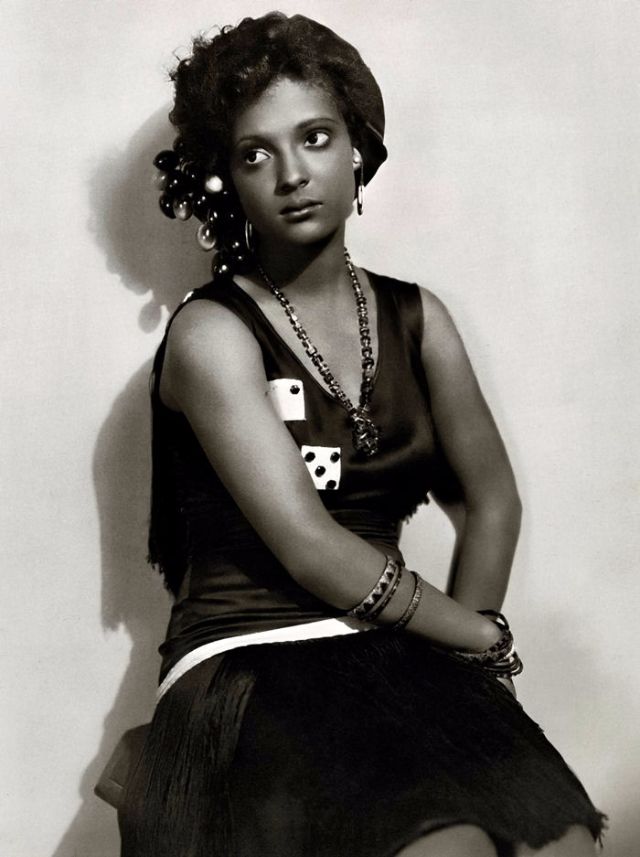
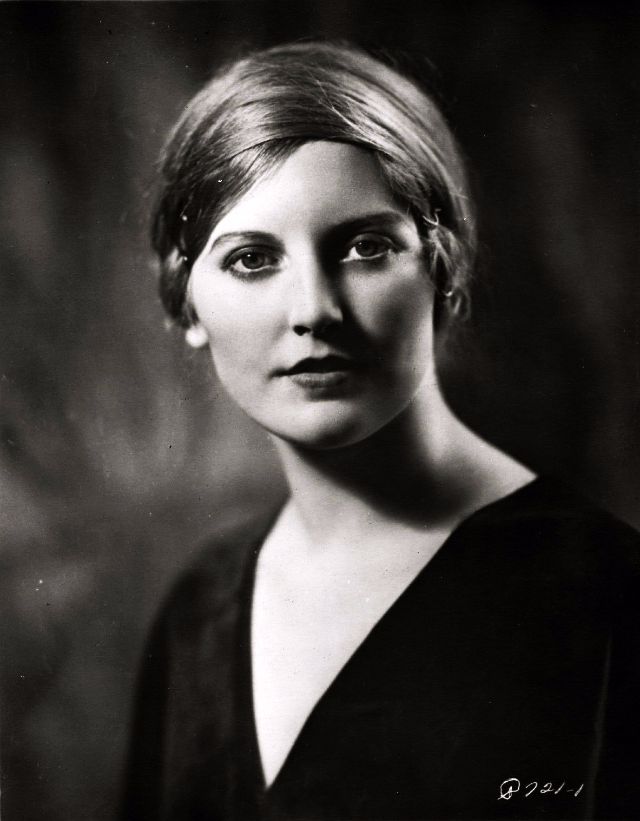
38 Stunning Photos of American Movie Stars From the 1920s

Alice Day, 1924
Anita Page, 1929
Anna May Wong, 1928
Barbara Stanwyck, 1928
Bebe Daniels, 1925
Bessie Love, 1927
Betty Blythe, 1921
Billie Dove, 1927
Carole Lombard, 1929
Clara Bow, 1927
Dolores Costello, 1928
Evelyn Brent, 1927
Fay Wray, 1928
Gladys Leslie, 1921
Gloria Swanson, 1922
Greta Garbo, 1928
Helene Costello, 1926
Jacqueline Logan, 1928
Jeanette Loff, 1928
Joan Crawford, 1928
Kathryn Perry, 1921
Laura La Plante, 1922
Leila Hyams, 1929
Lili Damita, 1925
Lillian Gish, 1920
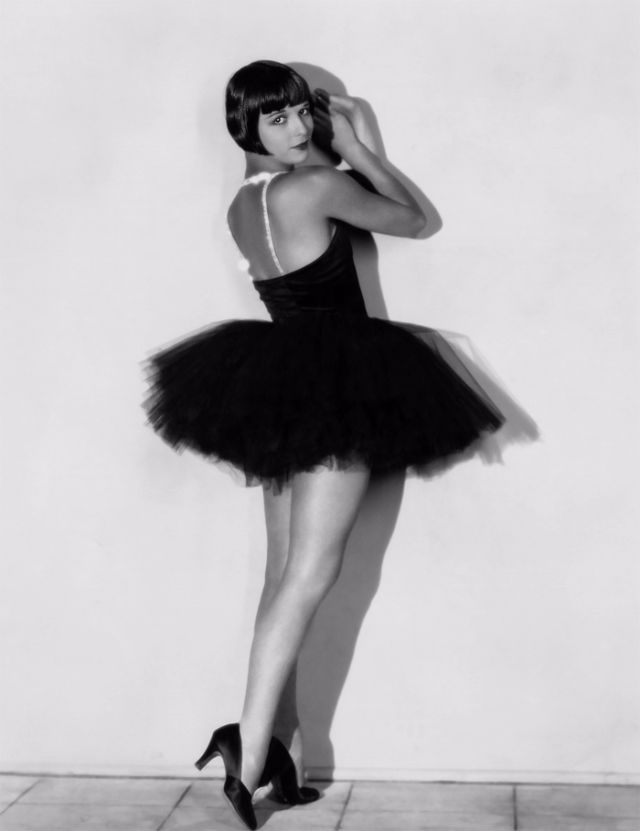
Louise Brooks, 1928
Mabel Normand, 1926
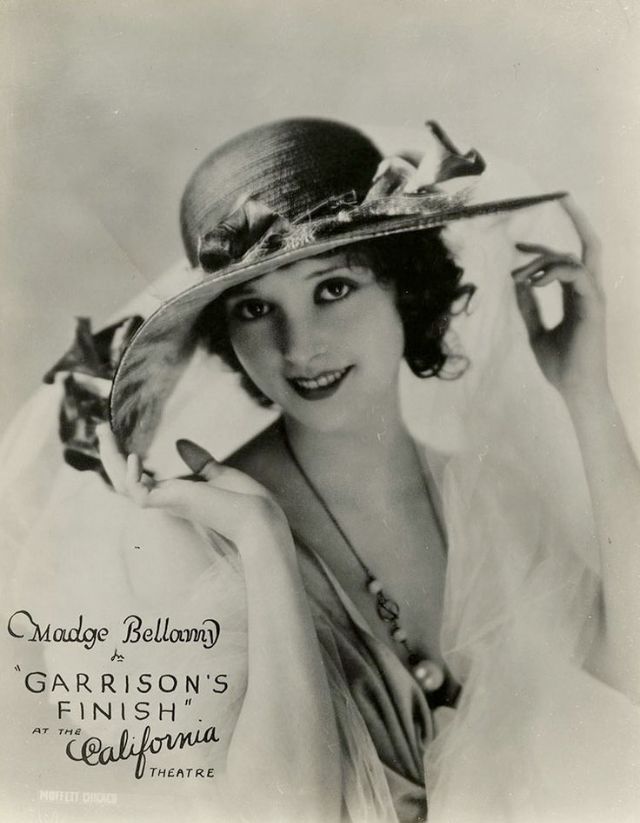
Madge Bellamy, 1923
Marguerite Churchill, 1929
Marguerite De La Motte, 1923
Marion Davies, 1927
Mary Philbin, 1928
Mary Pickford, 1920
May McAvoy, 1924
Myrna Loy, 1929
Nina Mae McKinney, 1929
Norma Shearer, 1923
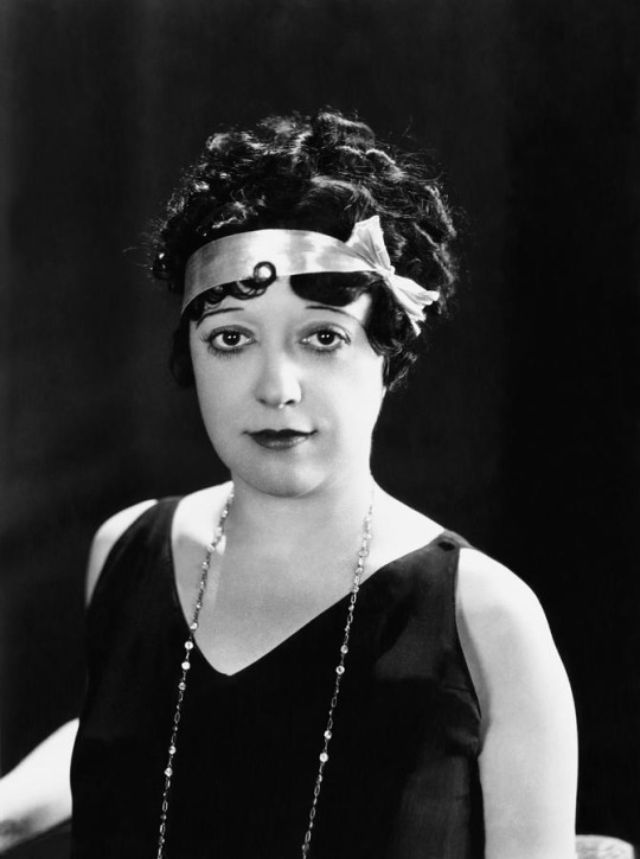
Thelma Todd, 1926

54 Amazing Vintage Photographs of America From 1900 to 1920 Volume 1

The United States of America (U.S.A. or USA), commonly known as the United States (U.S. or US) or America, is a country primarily located in North America. It consists of 50 states, a federal district, five major unincorporated territories, 326 Indian reservations, and some minor possessions. At 3.8 million square miles (9.8 million square kilometers), it is the world’s third- or fourth-most extensive country by geographic area. The United States shares significant land borders with Canada to the north and Mexico to the south as well as limited maritime borders with the Bahamas, Cuba, and Russia. With a population of more than 331 million people, it is the third most populous country in the world. The national capital is Washington, D.C., and the most populous city is New York City.

Paleo-Indians migrated from Siberia to the North American mainland at least 12,000 years ago, and European colonization began in the 16th century. The United States emerged from the thirteen British colonies established along the East Coast. Disputes with Great Britain over taxation and political representation led to the American Revolutionary War (1775–1783), which established the nation’s independence. In the late 18th century, the U.S. began expanding across North America, gradually obtaining new territories, sometimes through war, frequently displacing Native Americans, and admitting new states; by 1848, the United States spanned the continent. Slavery was legal in the southern United States until the second half of the 19th century, when the American Civil War led to its abolition. The Spanish–American War and World War I established the U.S. as a world power, a status confirmed by the outcome of World War II. During the Cold War, the United States fought the Korean War and the Vietnam War but avoided direct military conflict with the Soviet Union. The two superpowers competed in the Space Race, culminating in the 1969 spaceflight that first landed humans on the moon. The Soviet Union’s dissolution in 1991 ended the Cold War, leaving the United States as the world’s sole superpower.

The United States is a federal republic and a representative democracy with three separate branches of government, including a bicameral legislature. It is a founding member of the United Nations, World Bank, International Monetary Fund, Organization of American States, NATO, and other international organizations. It is a permanent member of the United Nations Security Council. Considered a melting pot of cultures and ethnicities, its population has been profoundly shaped by centuries of immigration. The United States ranks high in international measures of economic freedom, quality of life, education, and human rights; it has low levels of perceived corruption. However, it has been criticized for inequality related to race, wealth, and income; use of capital punishment; high incarceration rates; and lack of universal health care.

The United States is a highly developed country, accounts for approximately a quarter of global GDP, and is the world’s largest economy by GDP at market exchange rates. By value, the United States is the world’s largest importer and second-largest exporter of goods. Although its population is only 4.2% of the world’s total, it holds 29.4% of the total wealth in the world, the largest share held by any country. Making up more than a third of global military spending, it is the foremost military power in the world and internationally a leading political, cultural, and scientific force. (Wikipedia)
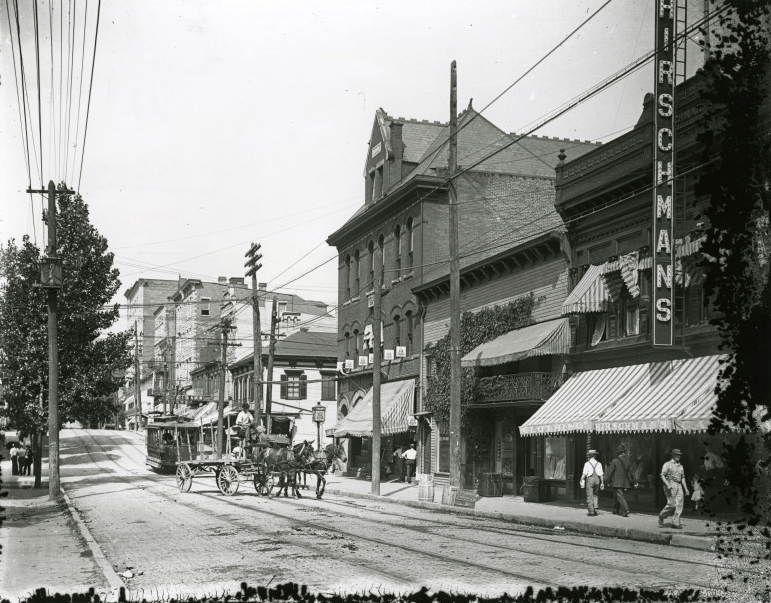
Gay Street in Knoxville, Tennessee, 1903
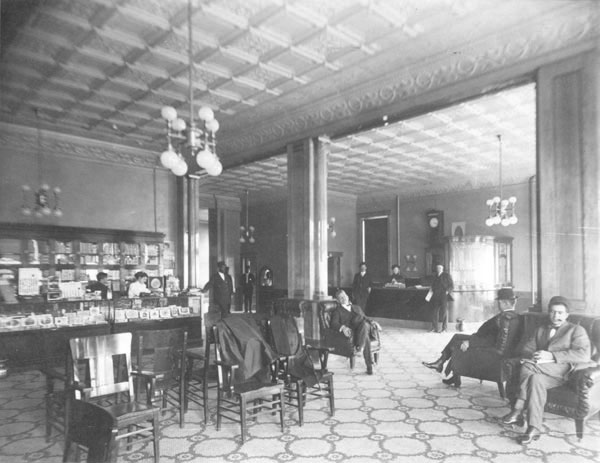
Eaton Hotel, Wichita, KS, 1900
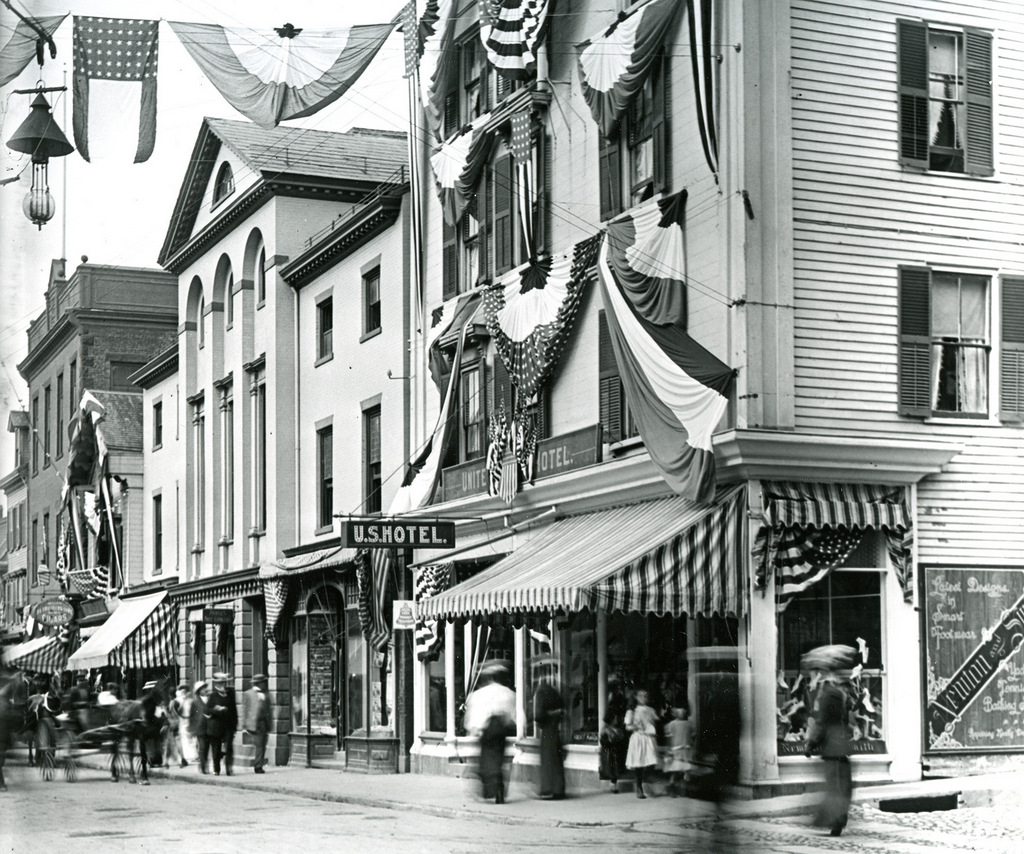
Market Street, Portsmouth, NH, 1914
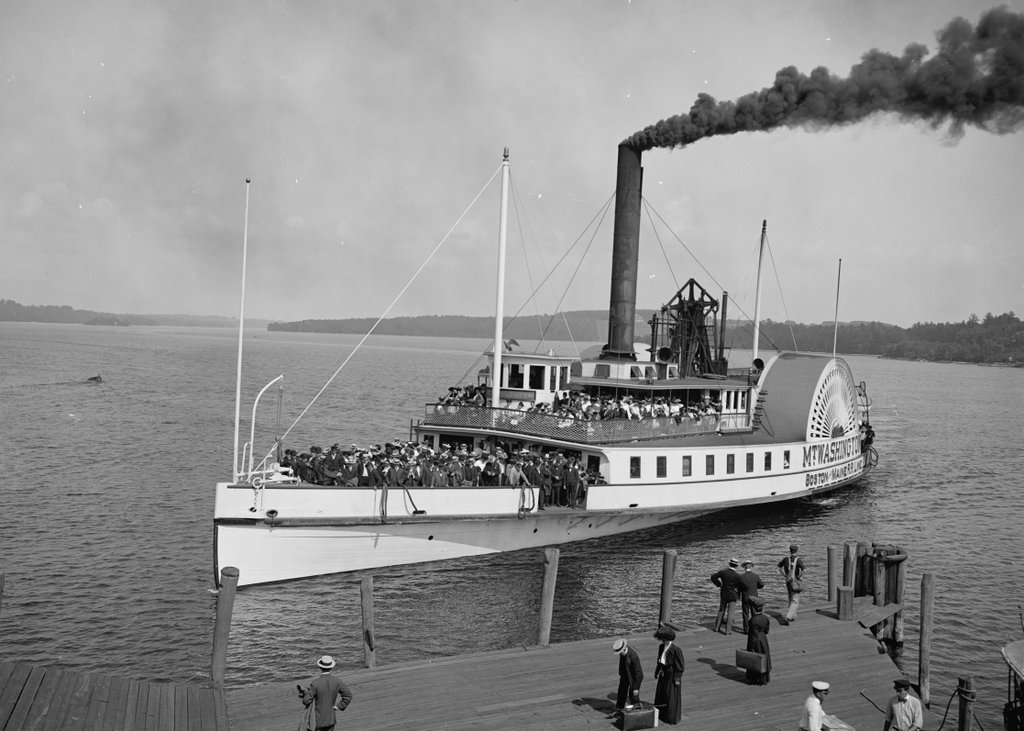
The S.S. Mount Washington on Lake Winnipesaukee in Weirs Beach, NH, 1906
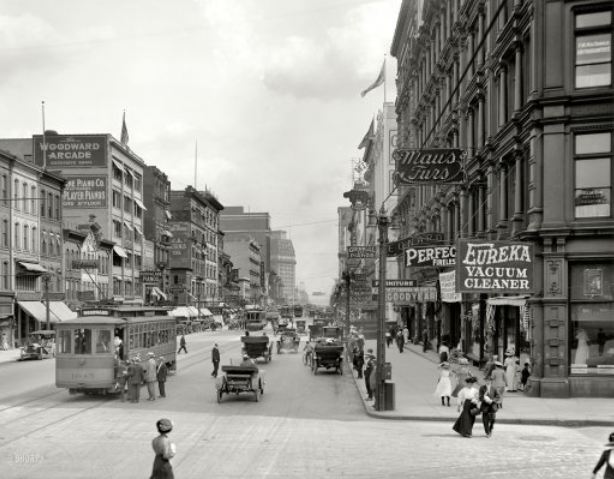
Woodward Avenue, Detroit, Michigan, 1910.
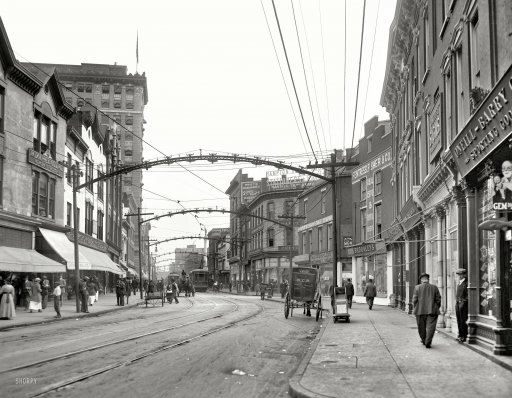
Main Street, Norfolk, Virginia, 1917
Thames and Pelham Streets, Newport, RI, 1906
Merchants Row, Rutland Vermont, 1906
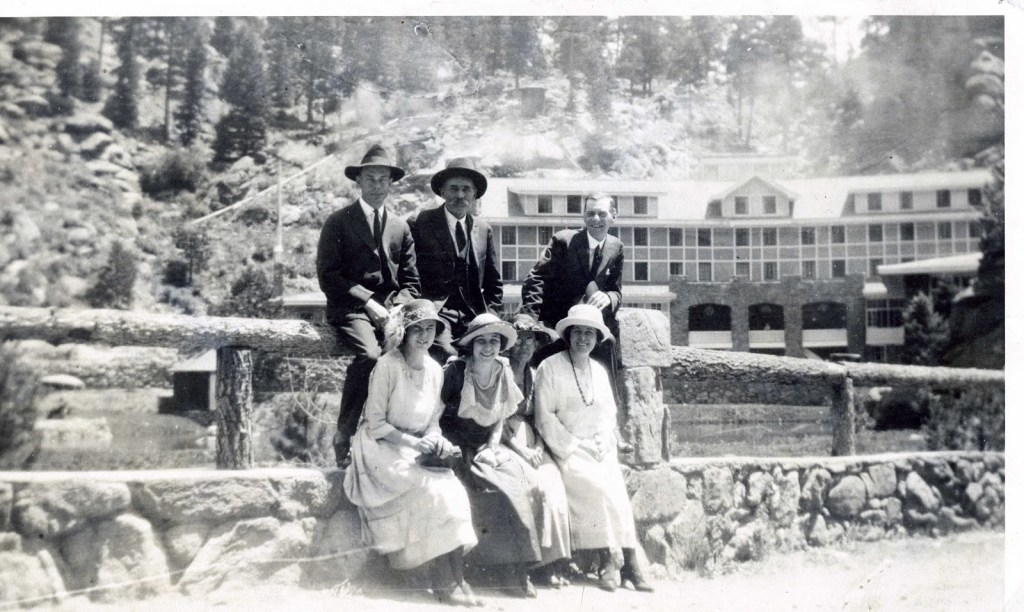
Visitors at Mountain Park,Evergreen, Colorado, 1920
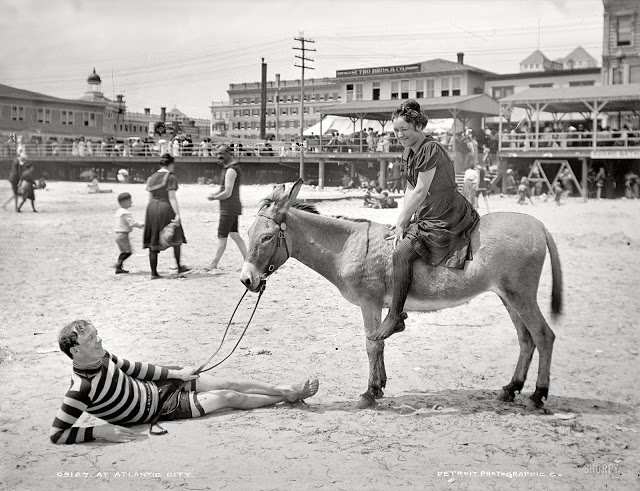
The Jersey shore, Atlantic City, NJ, 1905
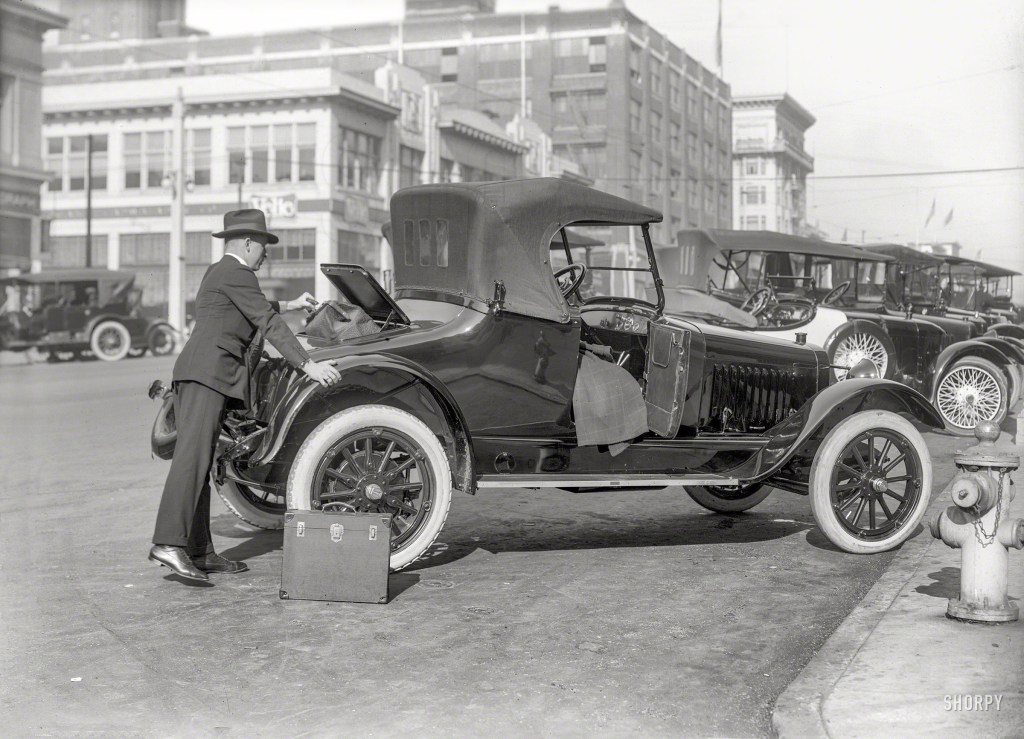
Chalmers Model 6-30 roadster facing N.W. corner Van Ness Avenue and Sutter Street. San Francisco circa 1918.
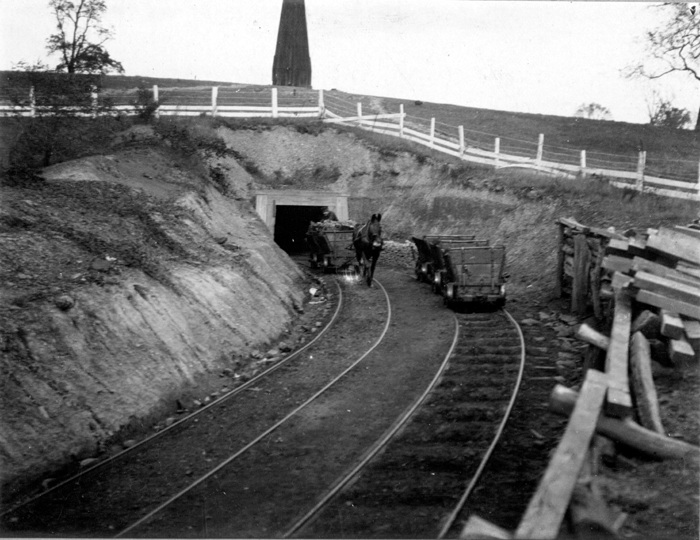
Bowman Company coal mine, Indiana County, Pennsylvania, 1904.
Breaker boys, Woodward Coal Mines, Kingston, Pennsylvania., ca. 1900
Part of the red-light district in early Salt Lake City, in 1903.
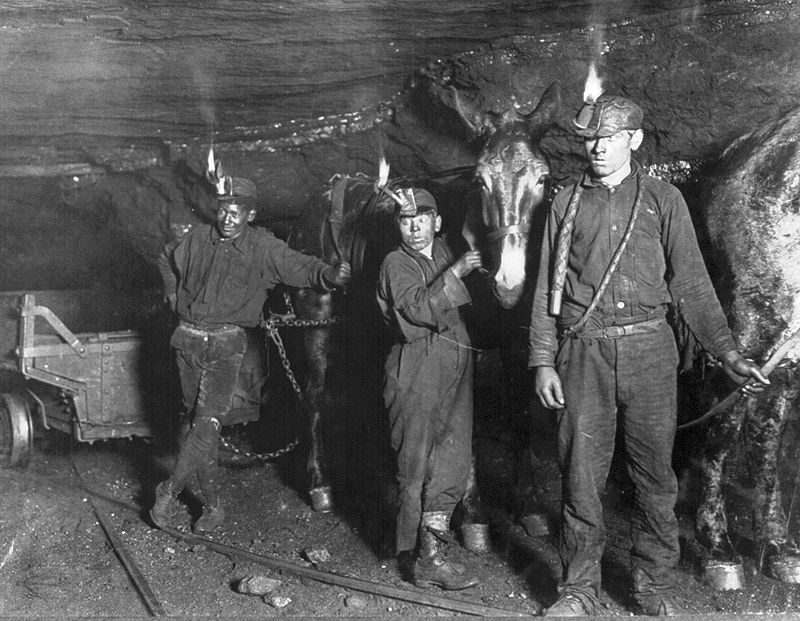
Child coal miners – drivers and mules, Gary, West Virginia, 1908
A view from the Williamsburg Bridge, looking west in Manhattan, New York City, ca. 1900s
Brooklyn Bridge Walkway, New York, 1905.
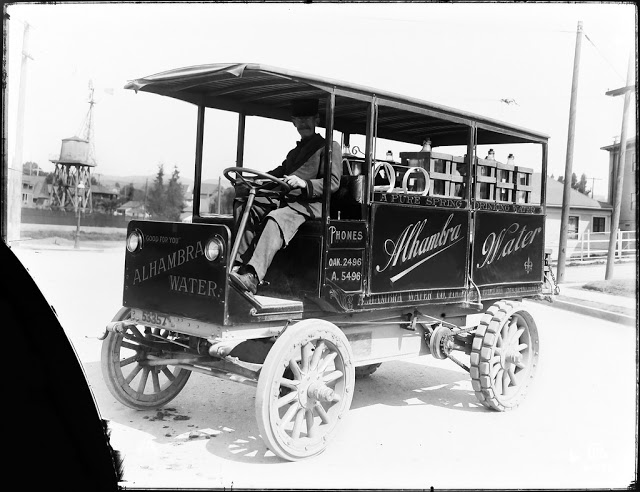
Alhambra Water Delivery truck in Oakland, California, 1910.
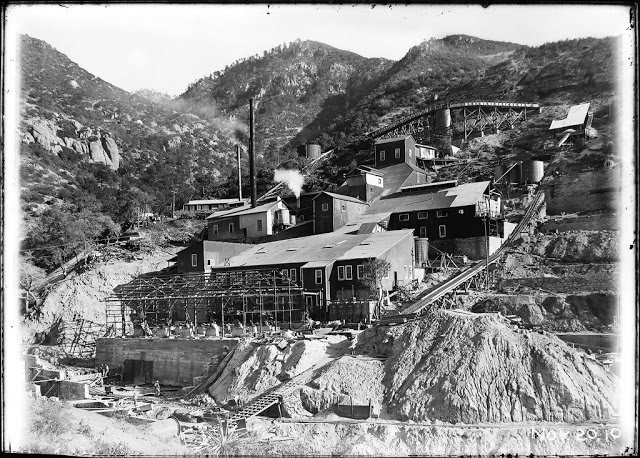
Anaconda Copper Mine in Butte, Montana, 1910
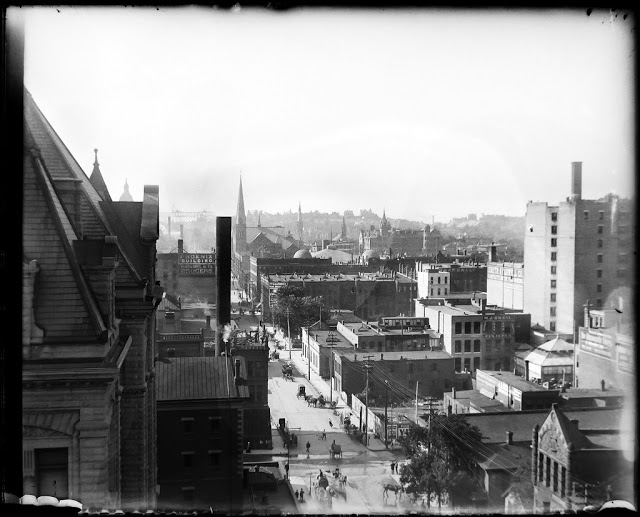
Aerial view of Minneapolis, Minnesota 1906
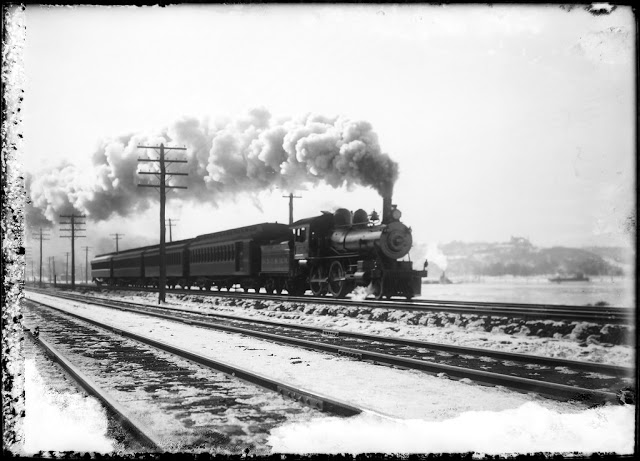
Atlantic Type Passenger of New York Central and Hudson River Railroad, 1912.
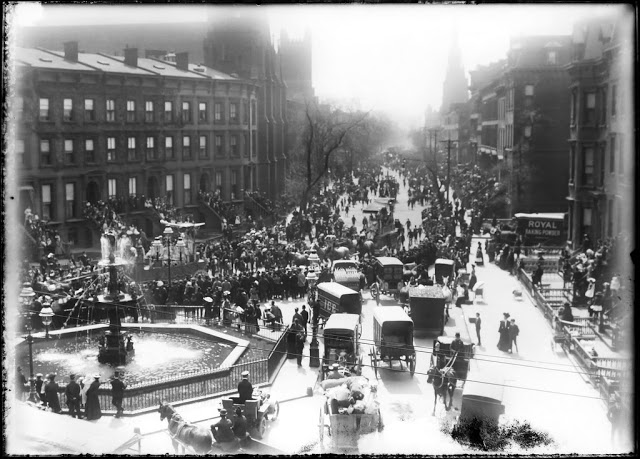
Barnum Bailey Circus from 91 Division St., New York City, 1903.
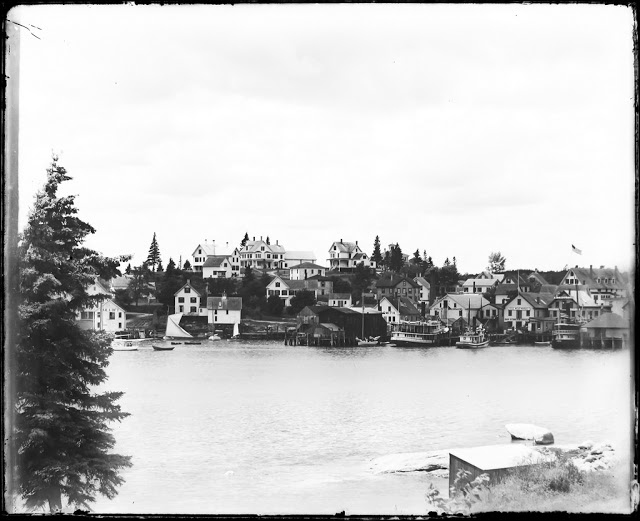
Boothbay Harbor, Maine, 1915
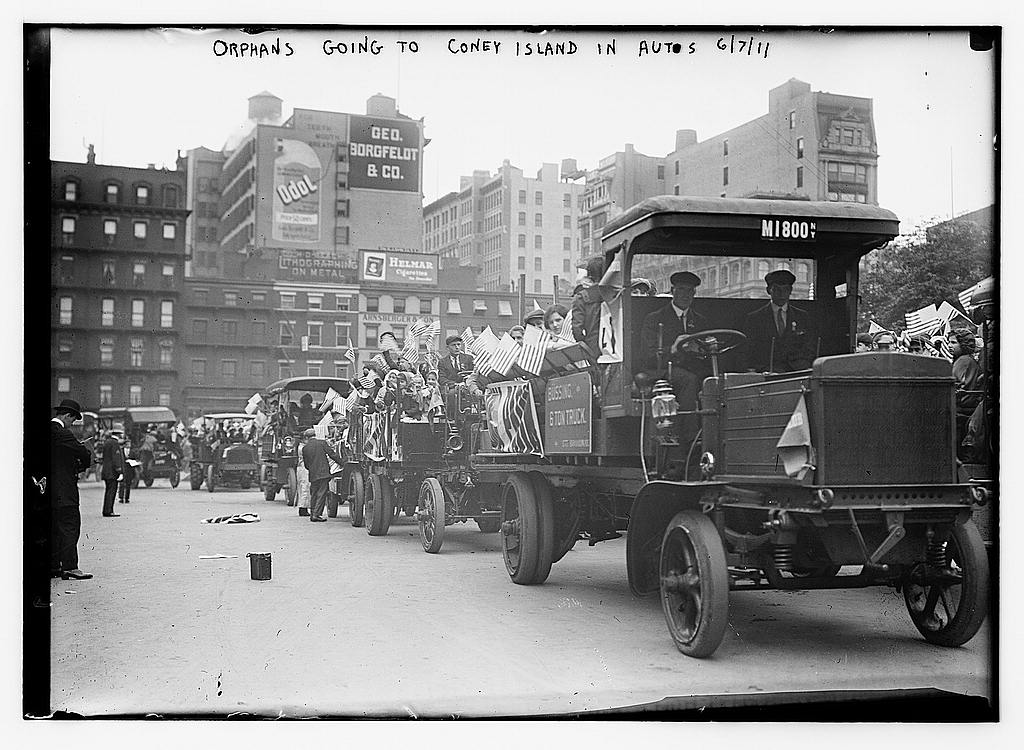
Orphans going to Coney Island in Autos, 1911
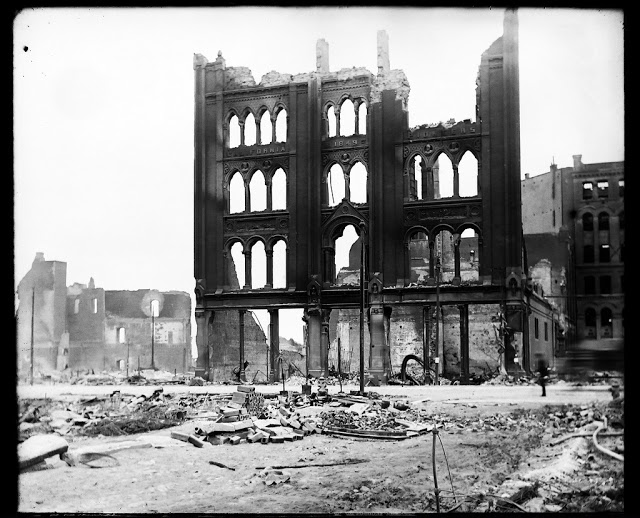
Clearing away debris, Bangor, Maine fire, 1911
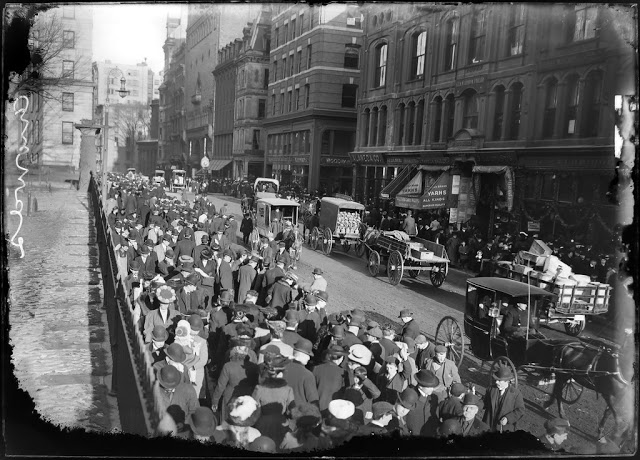
Boston Crowded Street, 1901
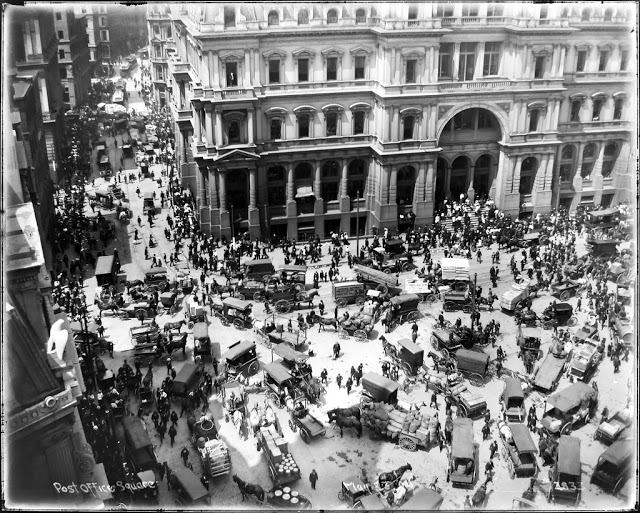
Boston’s Post Office Square, 1904
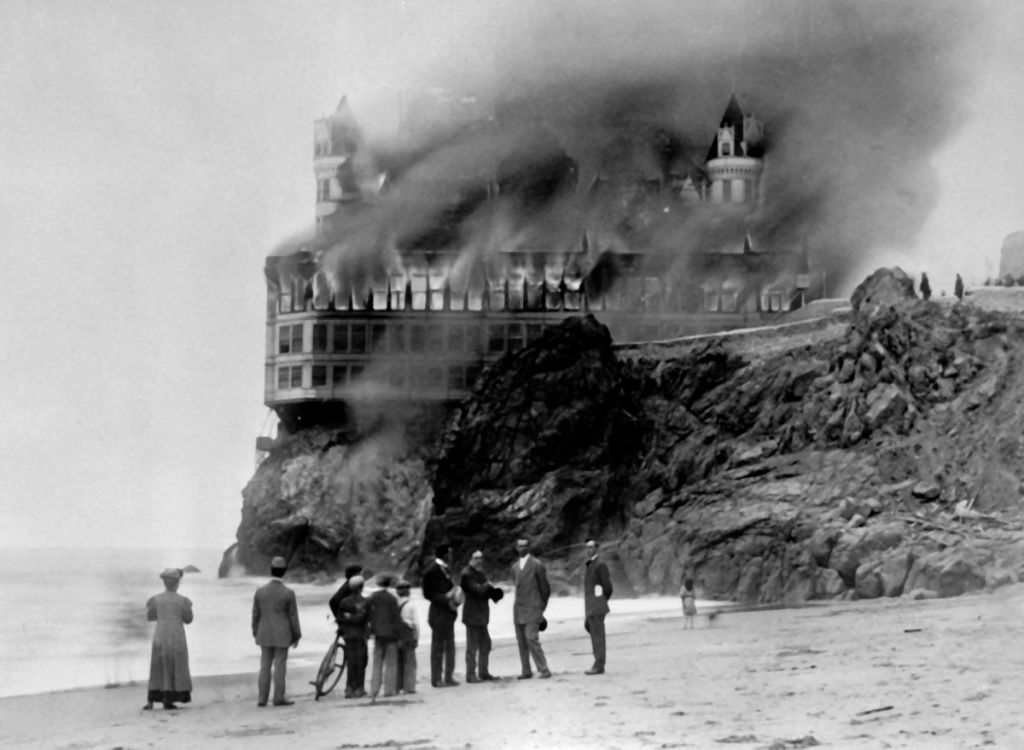
San Francisco’s Cliff House Hotel, 1900
San Francisco’s Cliff House Hotel burns, Sep 1, 1907
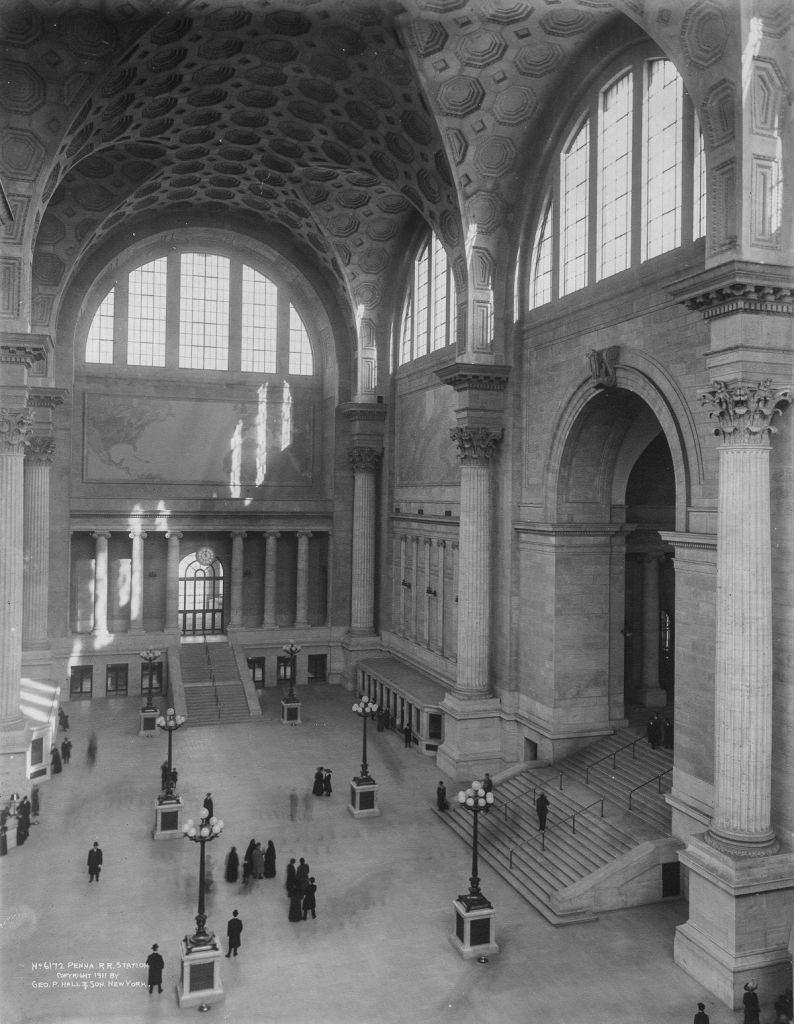
Penn Station, New York City, 1911
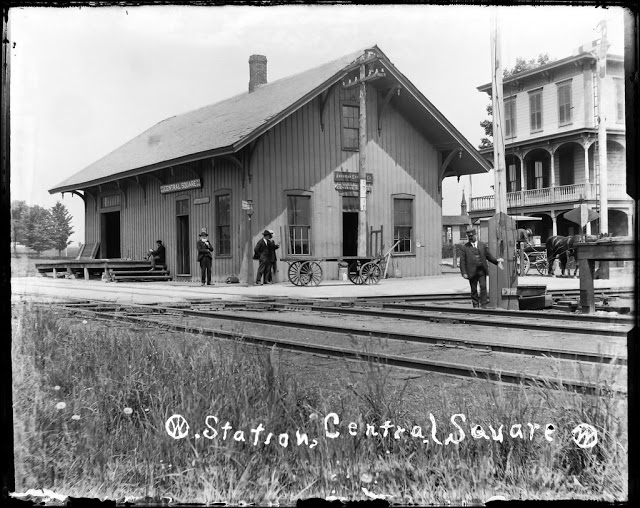
Central Square Station, New York City, 1901
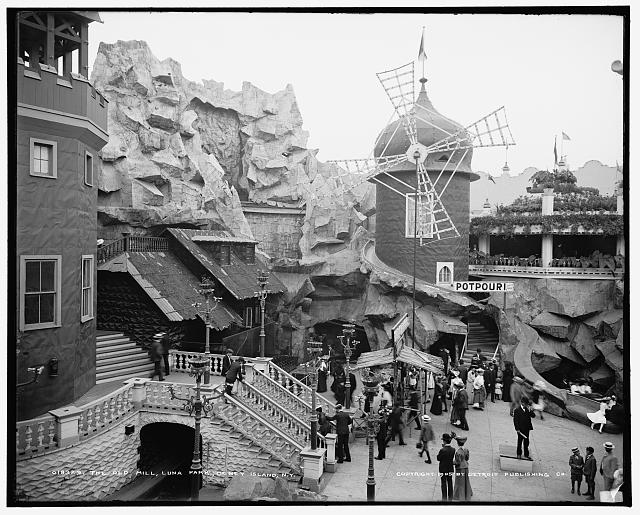
The Old mill, Luna Park, Coney Island, N.Y., 1905
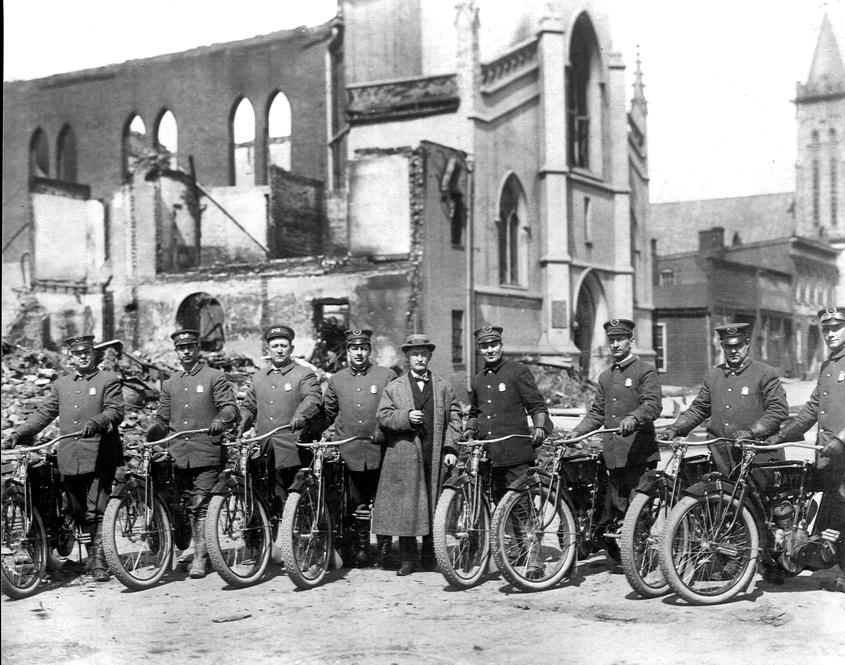
Dayton. Ohio police officers pose with their motorcycles in 1913.
Dayton Motor Bicycle, Ohio, 1914
Devastation after a 7.8 earthquake struck San Francisco, 1906
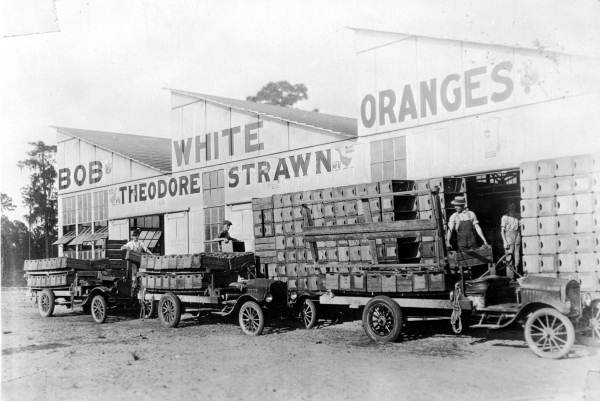
The Strawn Packing House in DeLeon Springs, Florida. 1918
Forsyth Street, Jacksonville,Florida, in 1910.
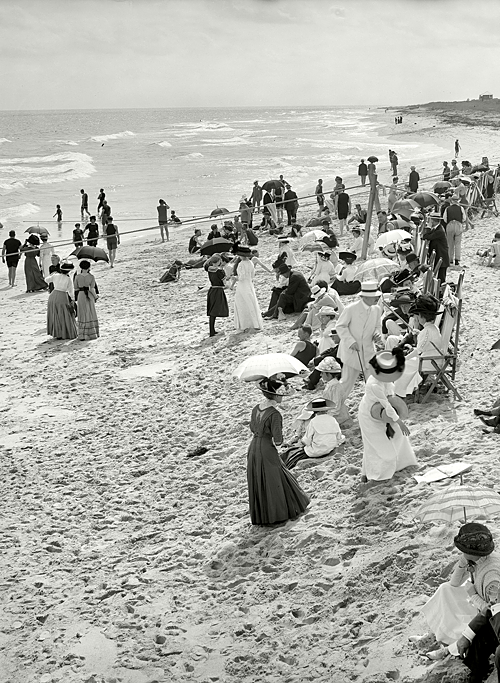
Bathing at West Palm Beach, Florida. 1910
Woodward Avenue through Grand Circus Park in downtown Detroit, Michigan, 1915
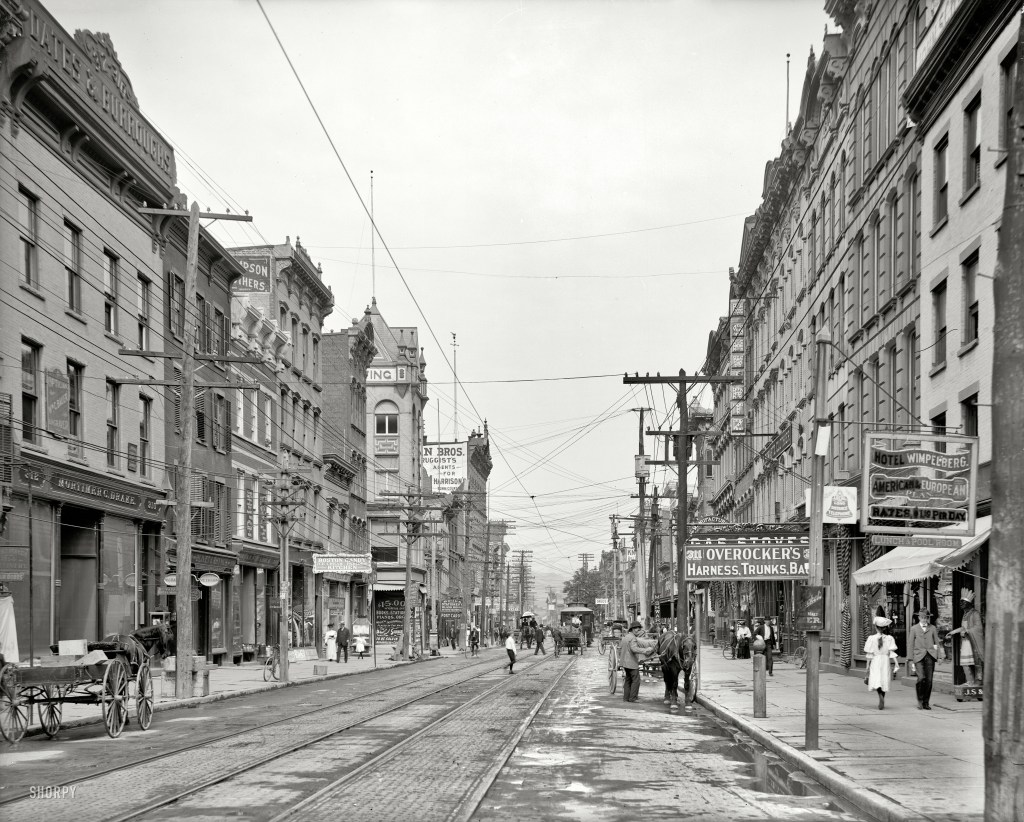
Main Street. Poughkeepsie, New York. 1906
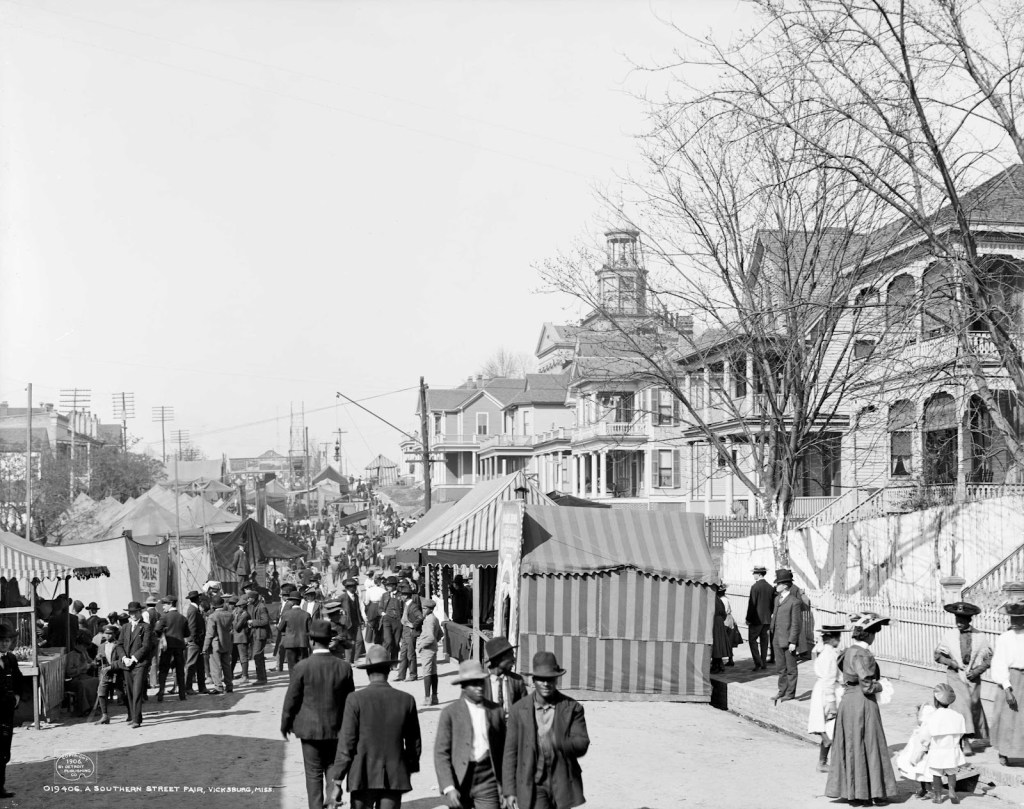
A Southern street fair, Vicksburg, Mississippi, 1906
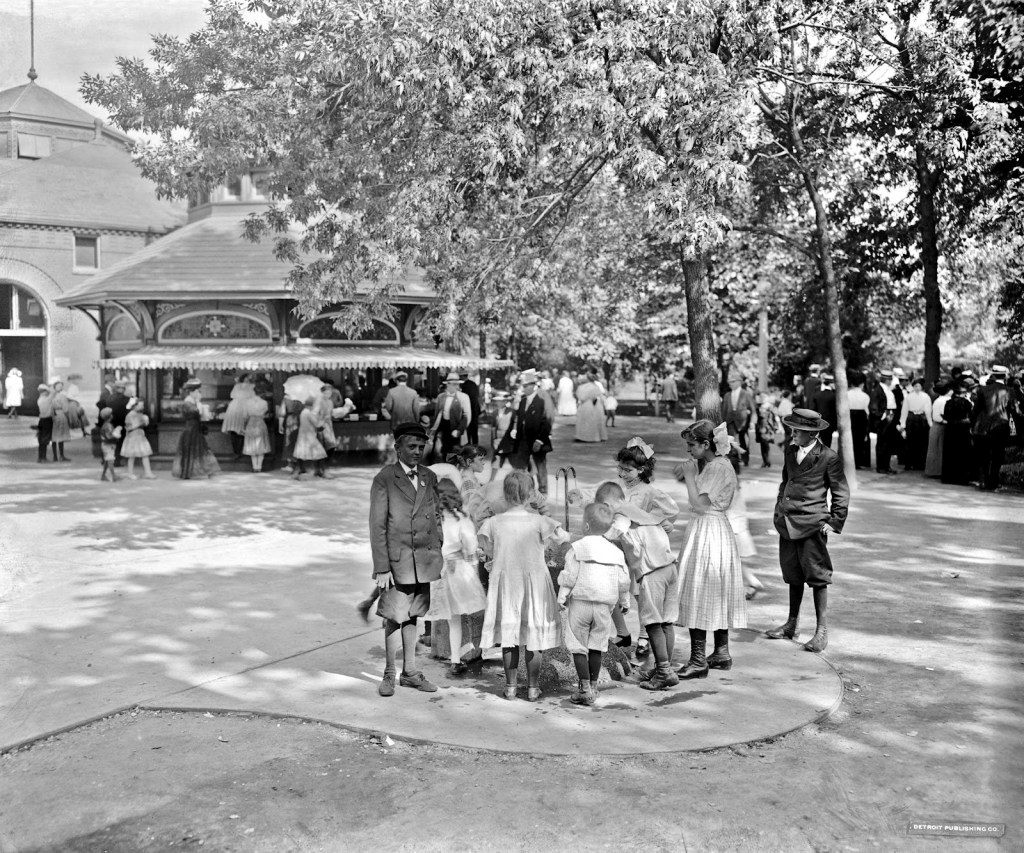
Lincoln Park, Illinois, 1914
Broad Street, Charleston, South Carolina, 1910
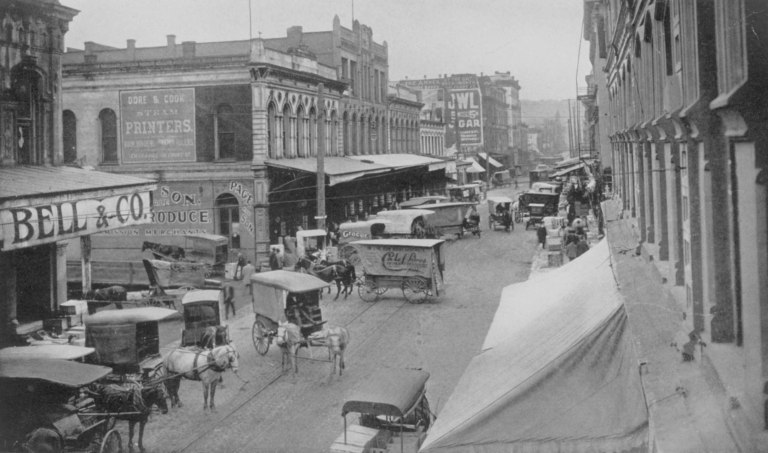
Front Street, Portland, Oregon, 1910
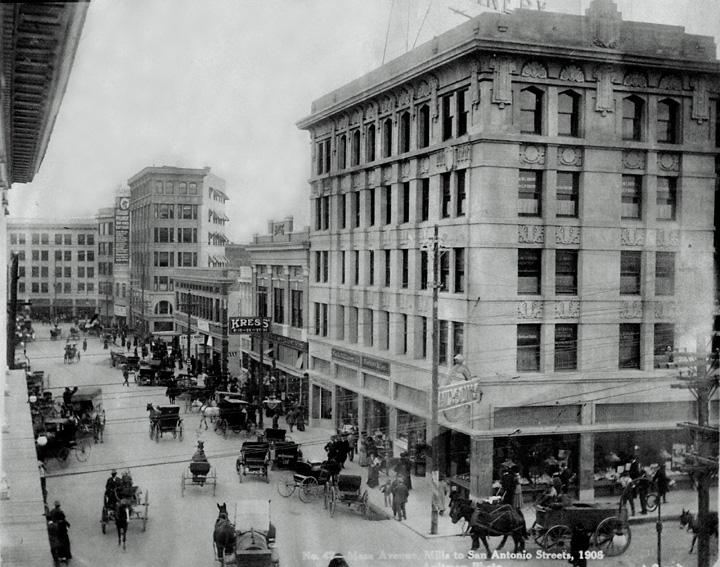
El Paso, Texas, 1908
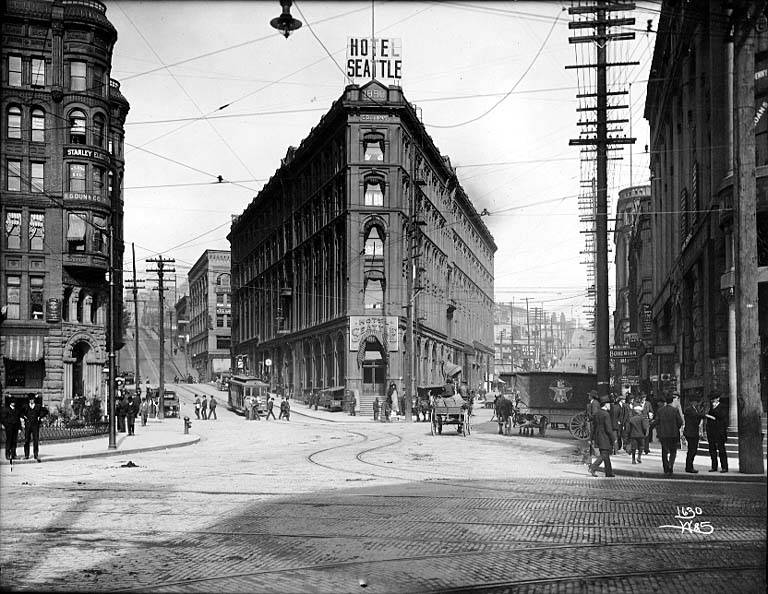
Seattle, Washington, 1912
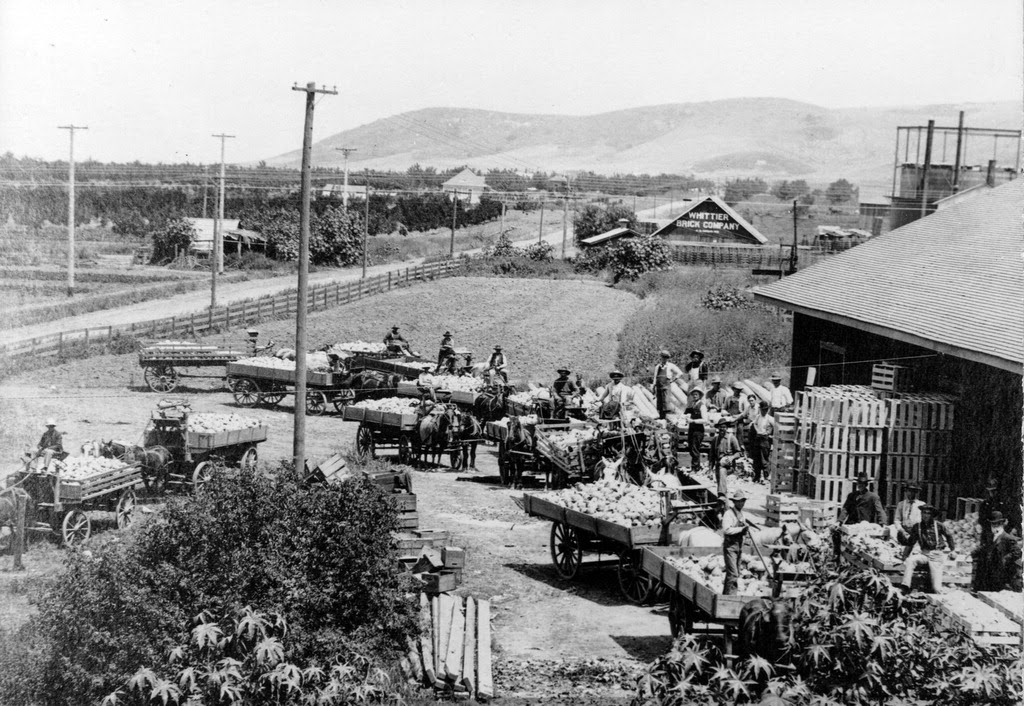
Cabbage packing industry near the Whittier Brick Company, California in 1910
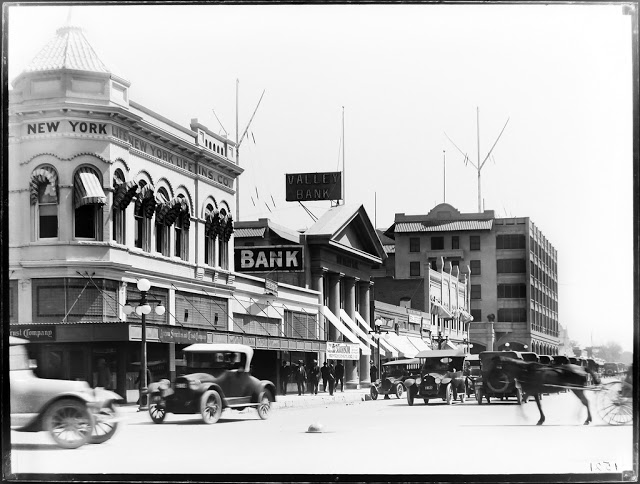
Spring Street and Sixth Street, Los Angeles, California, 1910.
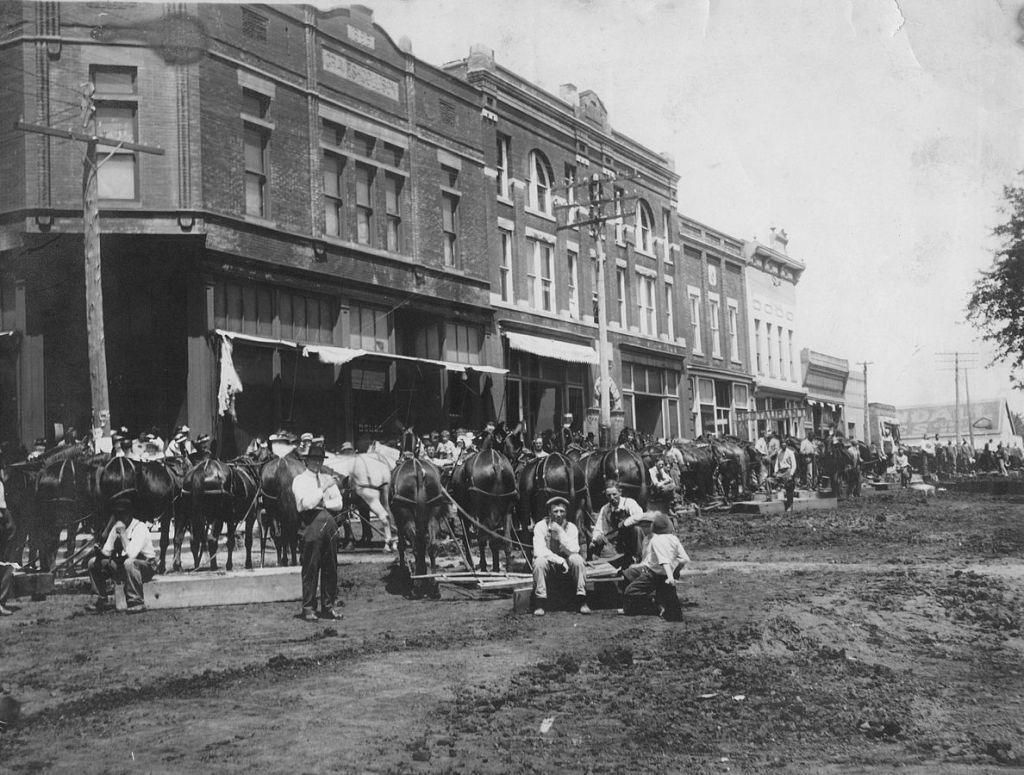
Maitland, Missouri, 1910
Downtown Phoenix, Arizona, 1916
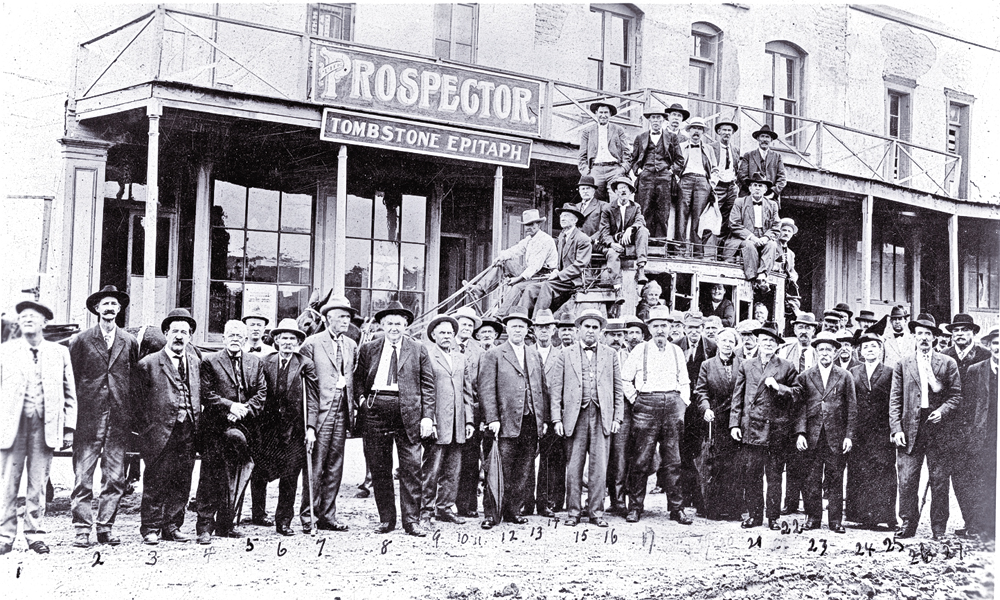
Tombstone, Arizona, 1912
Wagon Traffic on High Street, Morgantown, West Virginia. 1910

24 Amazing Photos of Japan Before 1940

Japan is an island country in East Asia. It is situated in the northwest Pacific Ocean, and is bordered on the west by the Sea of Japan, while extending from the Sea of Okhotsk in the north toward the East China Sea and Taiwan in the south. Japan is a part of the Ring of Fire, and spans an archipelago of 6852 islands covering 377,975 square kilometers (145,937 sq mi); the five main islands are Hokkaido, Honshu (the “mainland”), Shikoku, Kyushu, and Okinawa. Tokyo is the nation’s capital and largest city; other major cities include Yokohama, Osaka, Nagoya, Sapporo, Fukuoka, Kobe, and Kyoto.

Japan is the eleventh-most populous country in the world, as well as one of the most densely populated and urbanized. About three-fourths of the country’s terrain is mountainous, concentrating its population of 125.36 million on narrow coastal plains. Japan is divided into 47 administrative prefectures and eight traditional regions. The Greater Tokyo Area is the most populous metropolitan area in the world, with more than 37.4 million residents.

Japan has been inhabited since the Upper Paleolithic period (30,000 BC), though the first written mention of the archipelago appears in a Chinese chronicle (the Book of Han) finished in the 2nd century AD. Between the 4th and 9th centuries, the kingdoms of Japan became unified under an emperor and the imperial court based in Heian-kyo. Beginning in the 12th century, political power was held by a series of military dictators (shogun) and feudal lords (daimyo), and enforced by a class of warrior nobility (samurai). After a century-long period of civil war, the country was reunified in 1603 under the Tokugawa shogunate, which enacted an isolationist foreign policy. In 1854, a United States fleet forced Japan to open trade to the West, which led to the end of the shogunate and the restoration of imperial power in 1868. In the Meiji period, the Empire of Japan adopted a Western-modeled constitution and pursued a program of industrialization and modernization. In 1937, Japan invaded China; in 1941, it entered World War II as an Axis power. After suffering defeat in the Pacific War and two atomic bombings, Japan surrendered in 1945 and came under a seven-year Allied occupation, during which it adopted a new constitution. Under the 1947 constitution, Japan has maintained a unitary parliamentary constitutional monarchy with a bicameral legislature, the National Diet.

Japan is a great power and a member of numerous international organizations, including the United Nations (since 1956), the OECD, and the Group of Seven. Although it has renounced its right to declare war, the country maintains Self-Defense Forces that rank as one of the world’s strongest militaries. After World War II, Japan experienced record growth in an economic miracle, becoming the second-largest economy in the world by 1990. As of 2021, the country’s economy is the third-largest by nominal GDP and the fourth-largest by PPP. Ranked “very high” on the Human Development Index, Japan has one of the world’s highest life expectancies, though it is experiencing a decline in population. A global leader in the automotive and electronics industries, Japan has made significant contributions to science and technology. The culture of Japan is well known around the world, including its art, cuisine, music, and popular culture, which encompasses prominent comic, animation and video game industries. (Wikipedia)

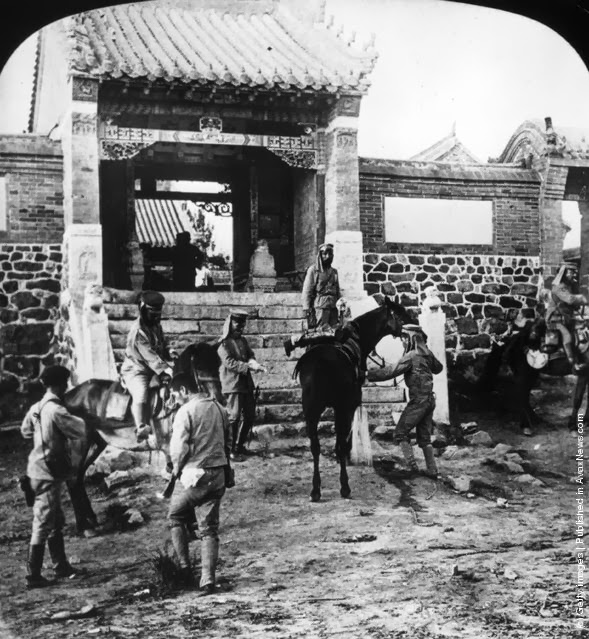
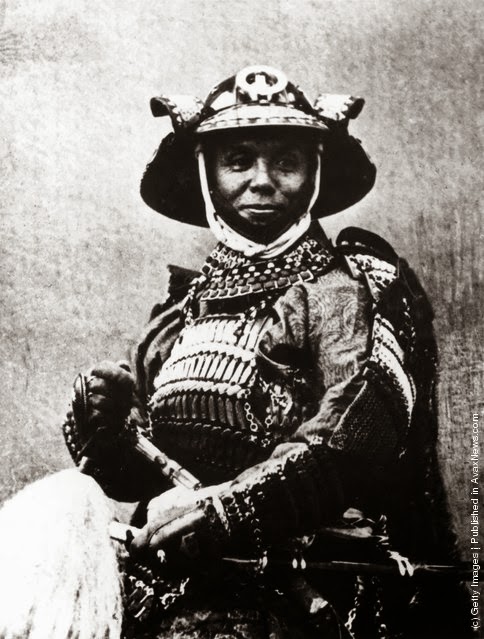
General Kuroki Tamemoto (c.1844–1923) and Prince Kuni Kuniyoshi of the Japanese army at Kwantei Temple during the Battle of Liaoyang, an engagement of the Russo-Japanese War, 1904.
Takenouchi Yasunori, the Japanese commissioner of foreign affairs who led his country’s first diplomatic delegation to Paris, 1862.
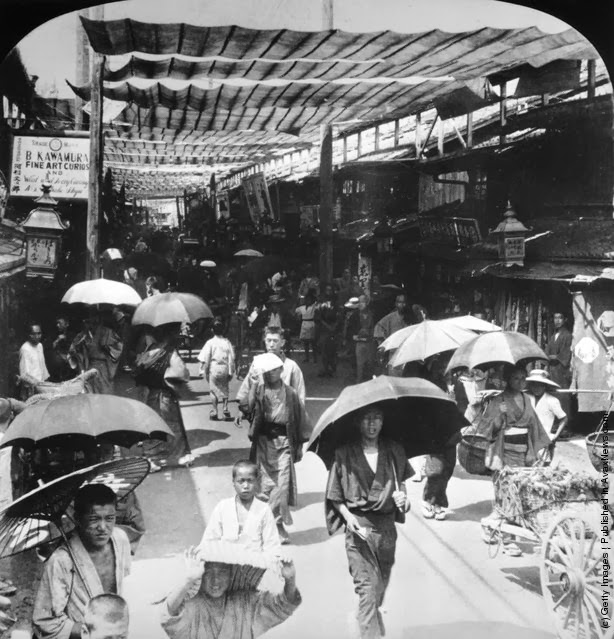
The covered shopping street Shijo-Dori (4th street) in Kyoto, Japan, 1905.
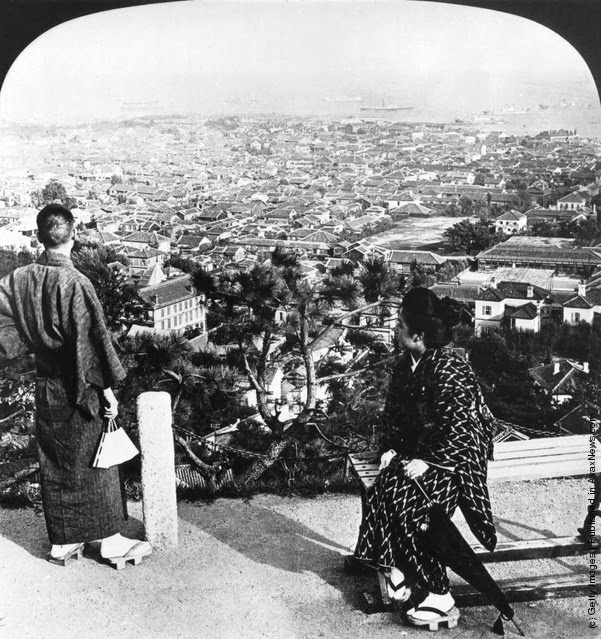
A couple in traditional dress admiring the view over the Japanese port city of Kobe from Suwayama, 1905.
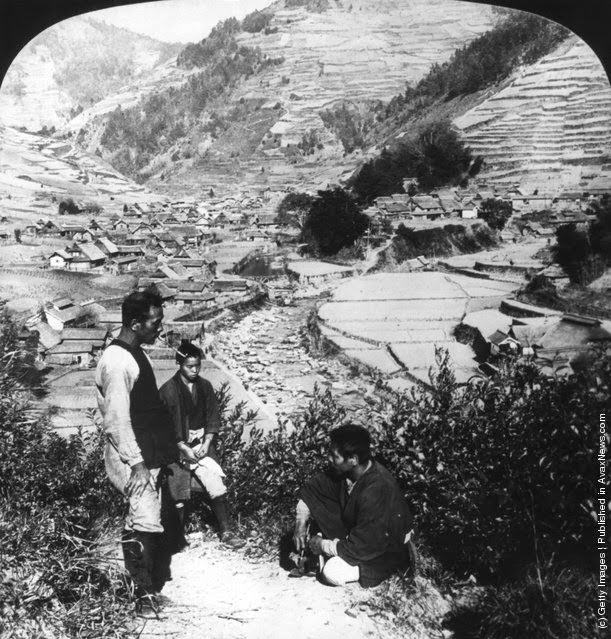
Three men in the hills above the Japanese village of Kawauchi, Fukushima, 1905.
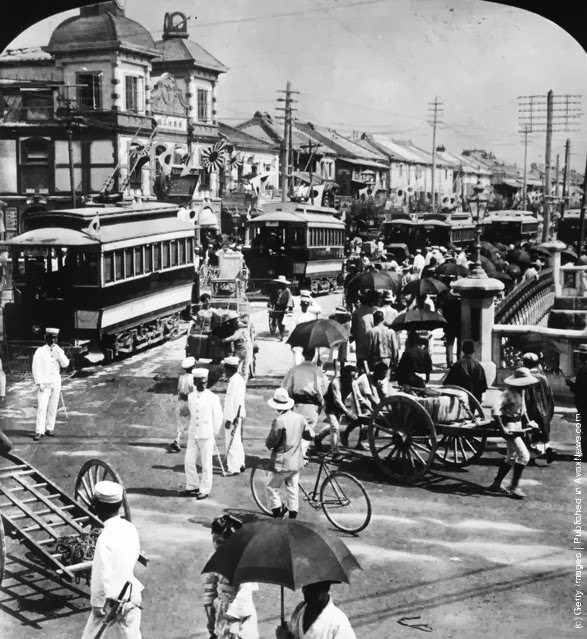
Traffic and pedestrians in one of Tokyo’s main streets, 1905.
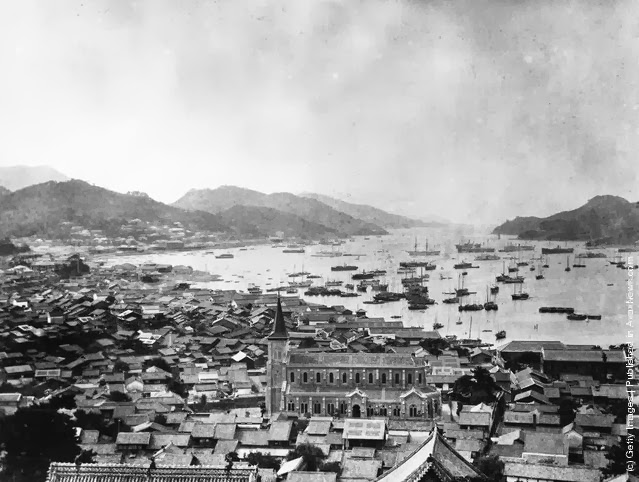
The harbour at Nagasaki, Japan, circa 1920. A Christian church can be seen in the foreground.
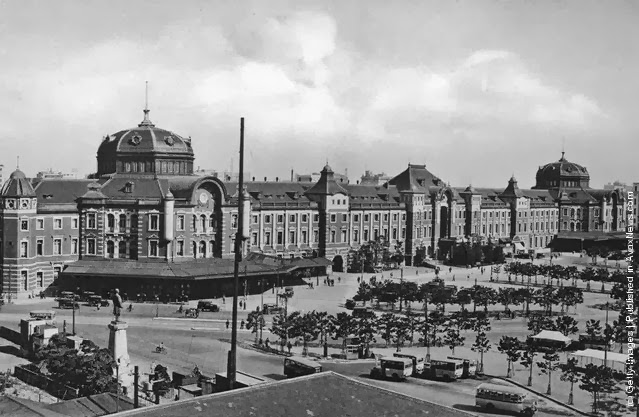
Tokyo Station in Japan, 1920. The major rail terminal was designed by architect Tatsuno Kingo
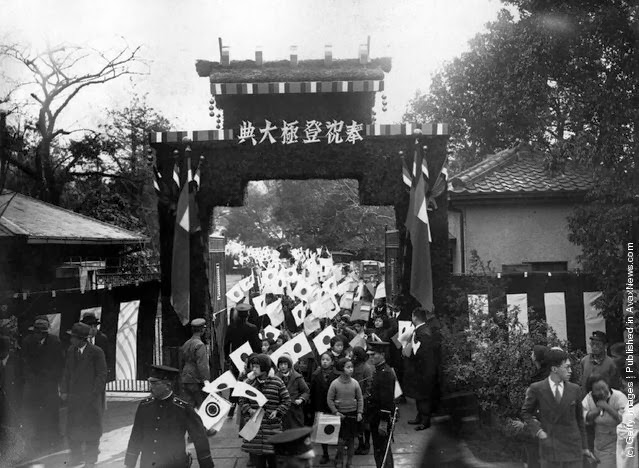
Japanese schoolchildren on parade, celebrating the enthronement of the new Emperor and the birth of a new Empire.
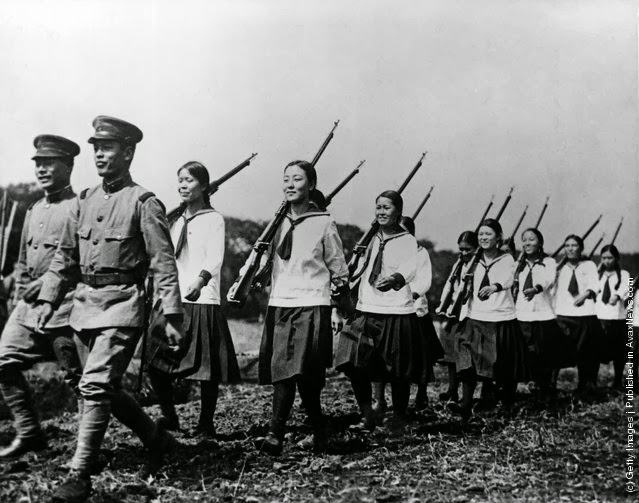
A group of Japanese schoolgirls marching in formation during a school visit to the third regiment to experience the soldier’s way of life. 1938
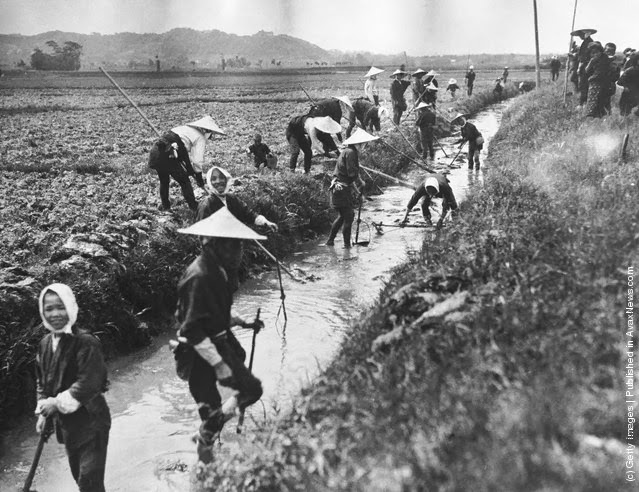
Japanese farm workers use nets to catch small fish in one of the irrigation channels of a rice field, northern Japan, 1932.
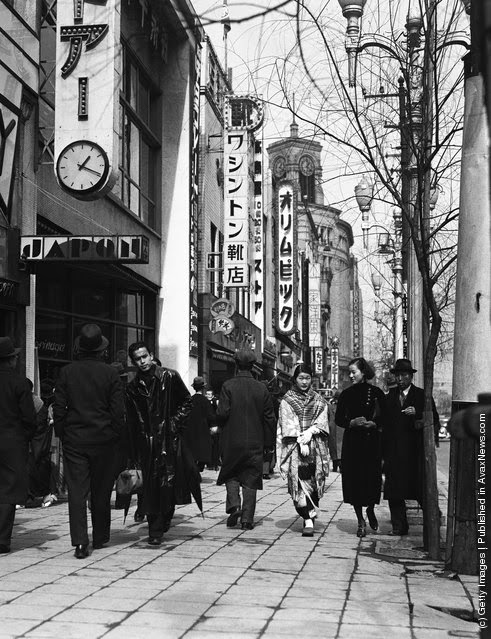
Pedestrians strolling down shopping street in Ginza district. 1930s
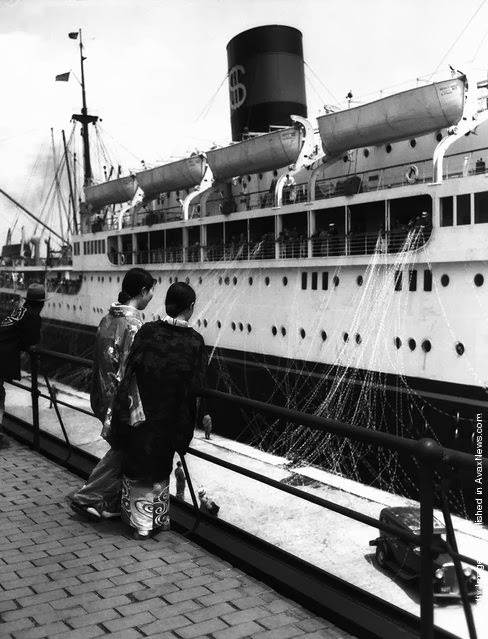
Two Japanese women wearing kimonos, bidding an American cruise ship liner bon voyage, Yokohama. 1930s
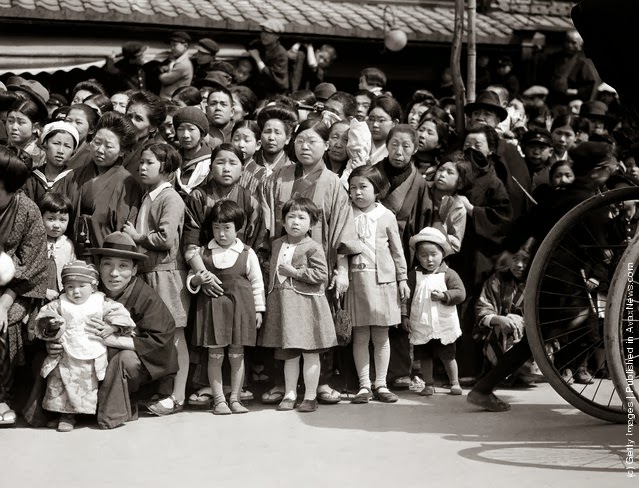
Crowd of women and children waiting for parade, Kobe. 1930s
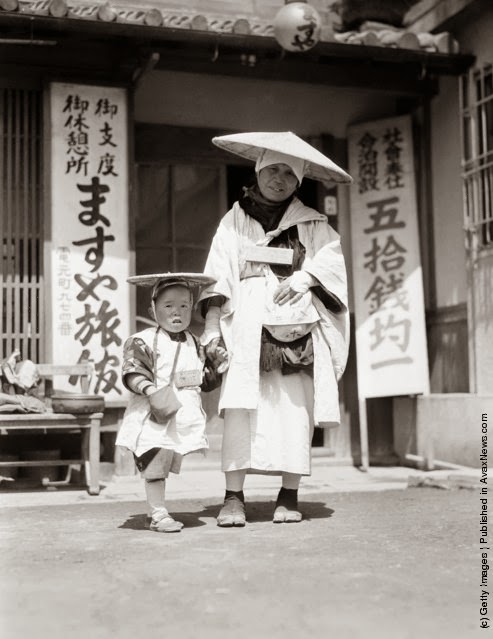
Buddhist pilgrim mother and child wearing traditional costume, begging for donations, Kobe. 1930s
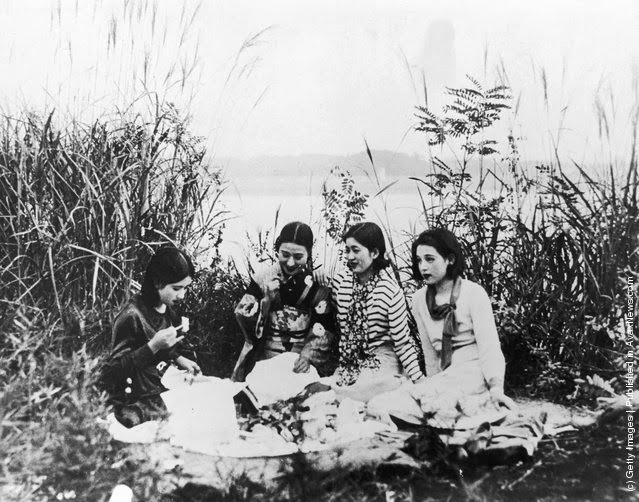
A group of young women enjoying a riverside picnic, Japan, 14th January 1933. Two are in traditional dress, while the others are wearing western fashions.
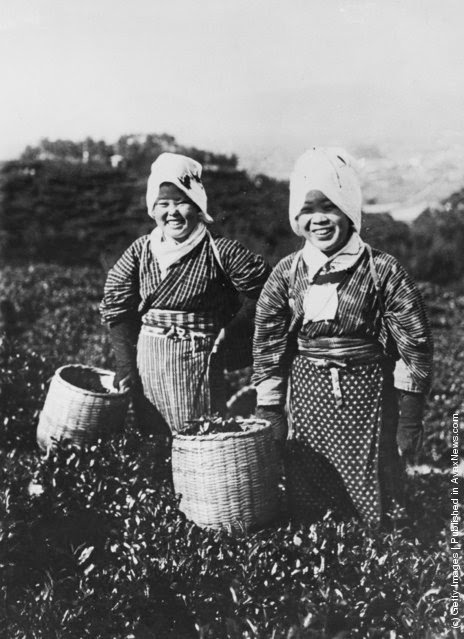
Two tea-pickers, Japan, 1930.
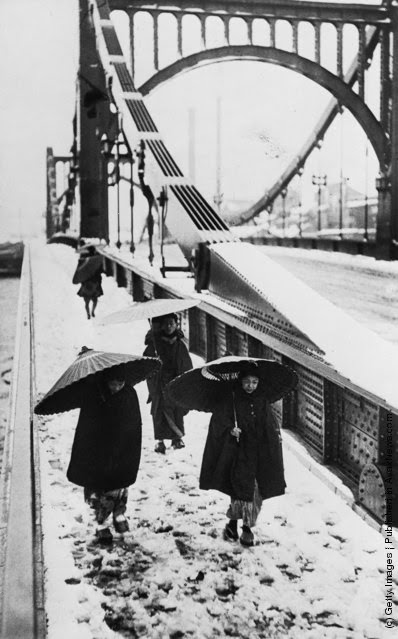
A group of women crossing the Kiyosu Bridge over the Sumida River in Tokyo, circa 1935.
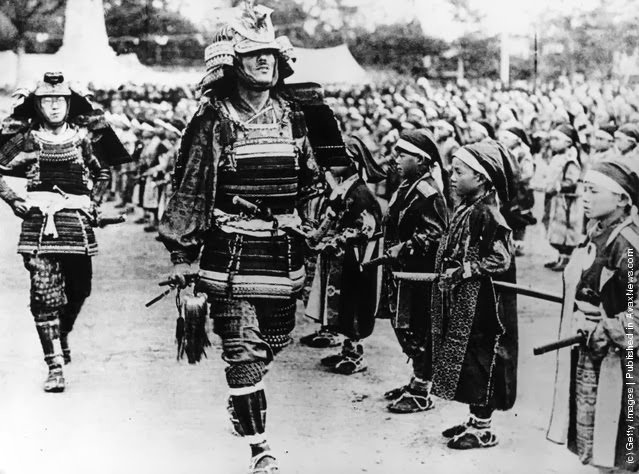
Younger and older samurais at a pageant in Japan, between the two World Wars, circa 1930.
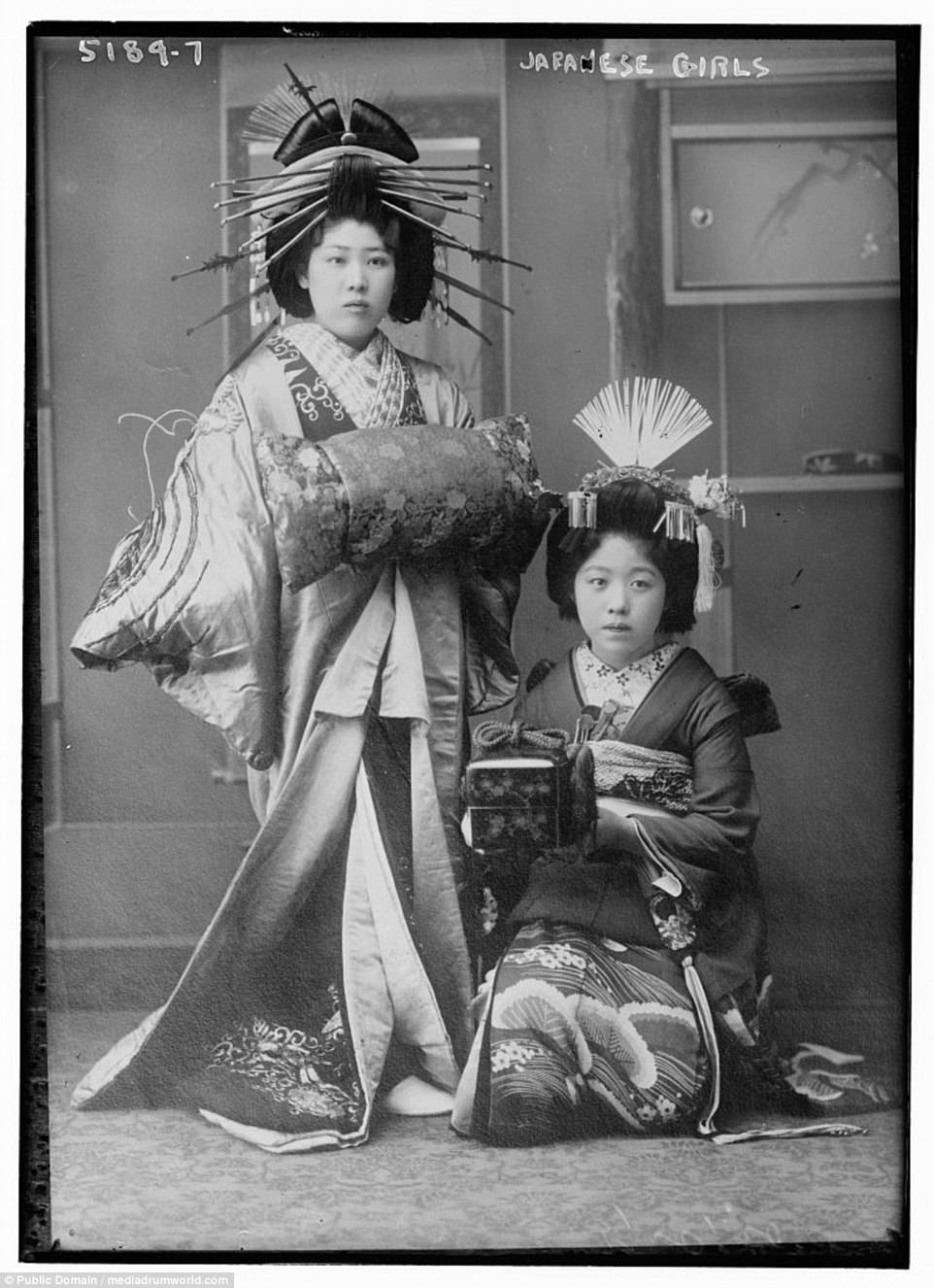
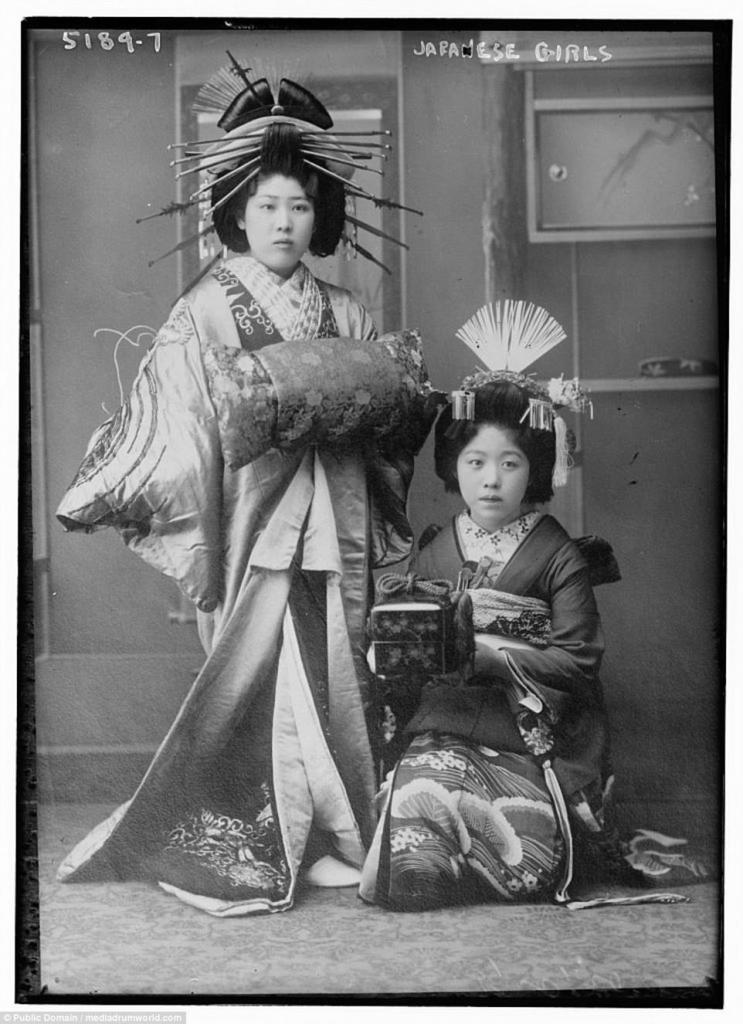
Two young women dressed in traditional clothes, 1920.
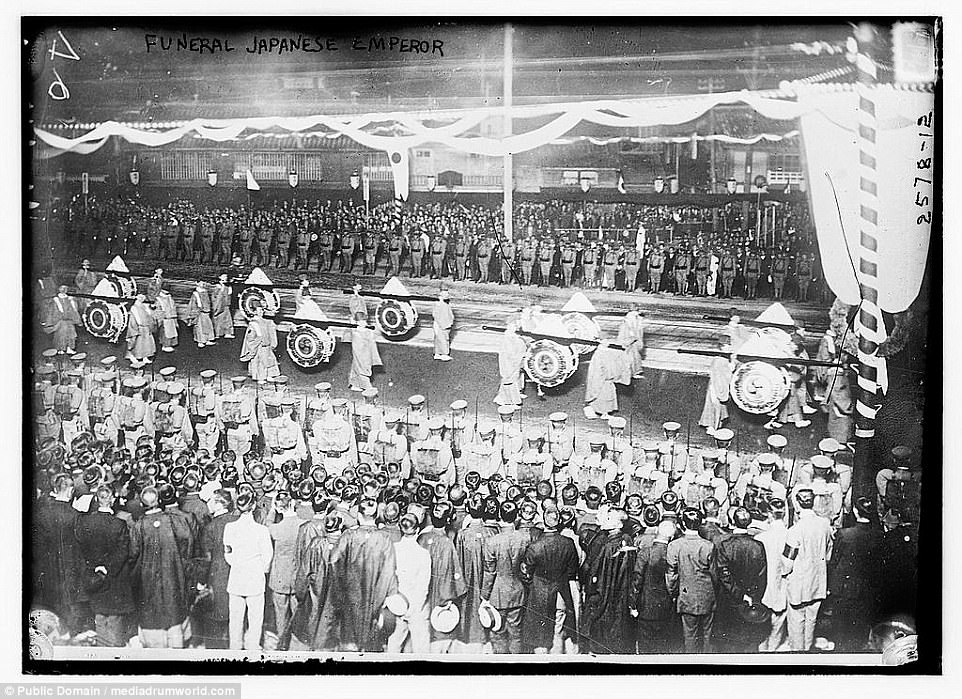
The funeral cortege of Emperor Meji – great grandfather of Japan’s current Emperor Akihito – in September 1912
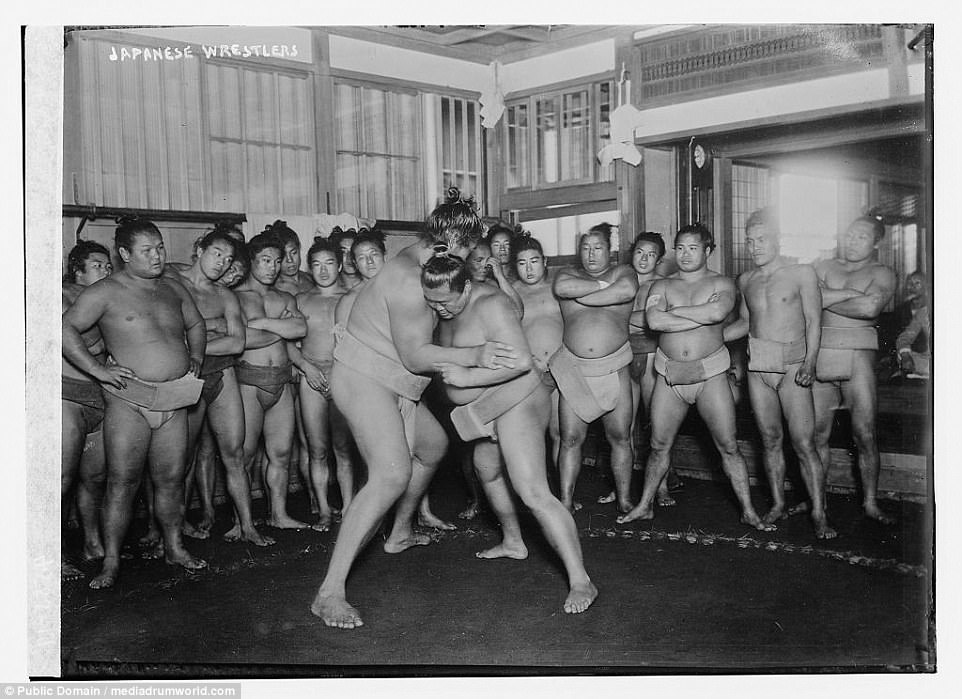
Japanese Sumo wrestlers compete at an unknown date in the early 20th century
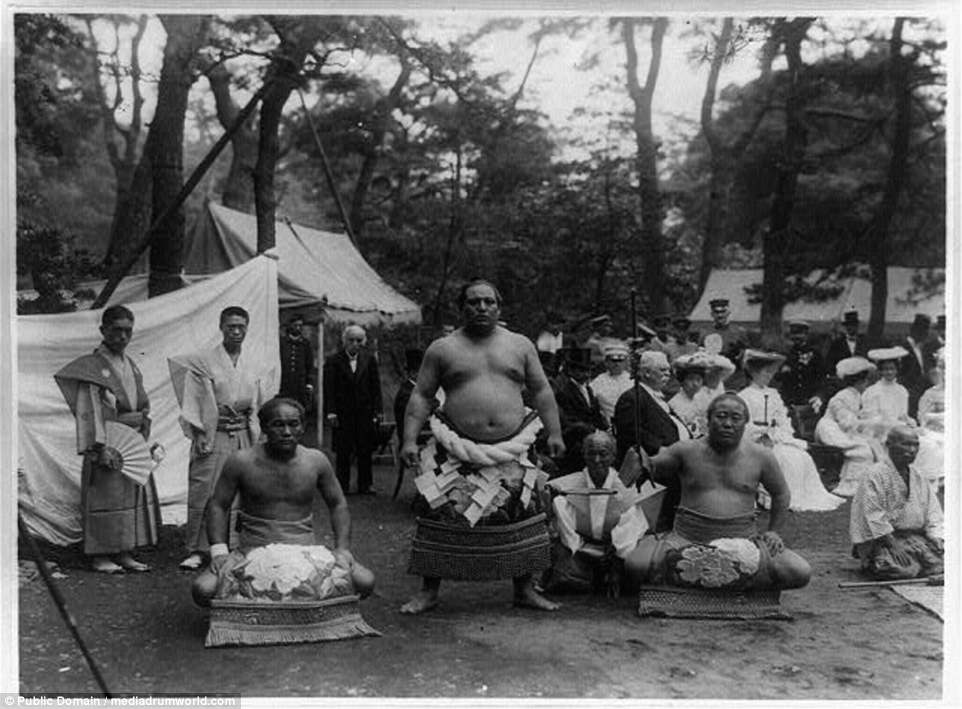
These Sumo wrestlers are named champions in this photo from 1905
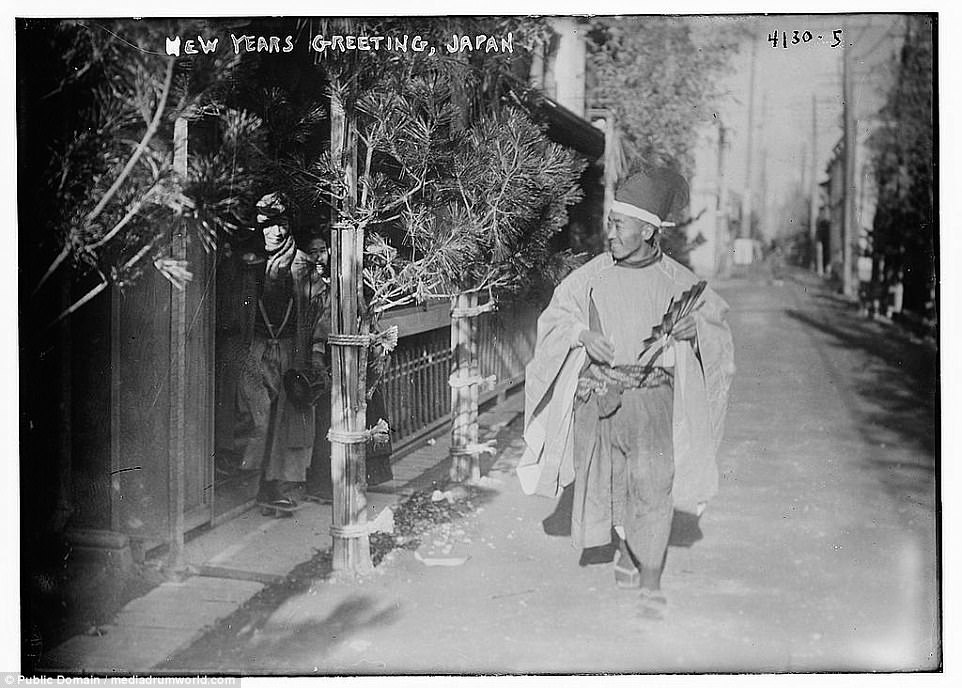
This image is captioned ‘New Year’s greeting, Japan (1915-1917)’, taken at an unknown location

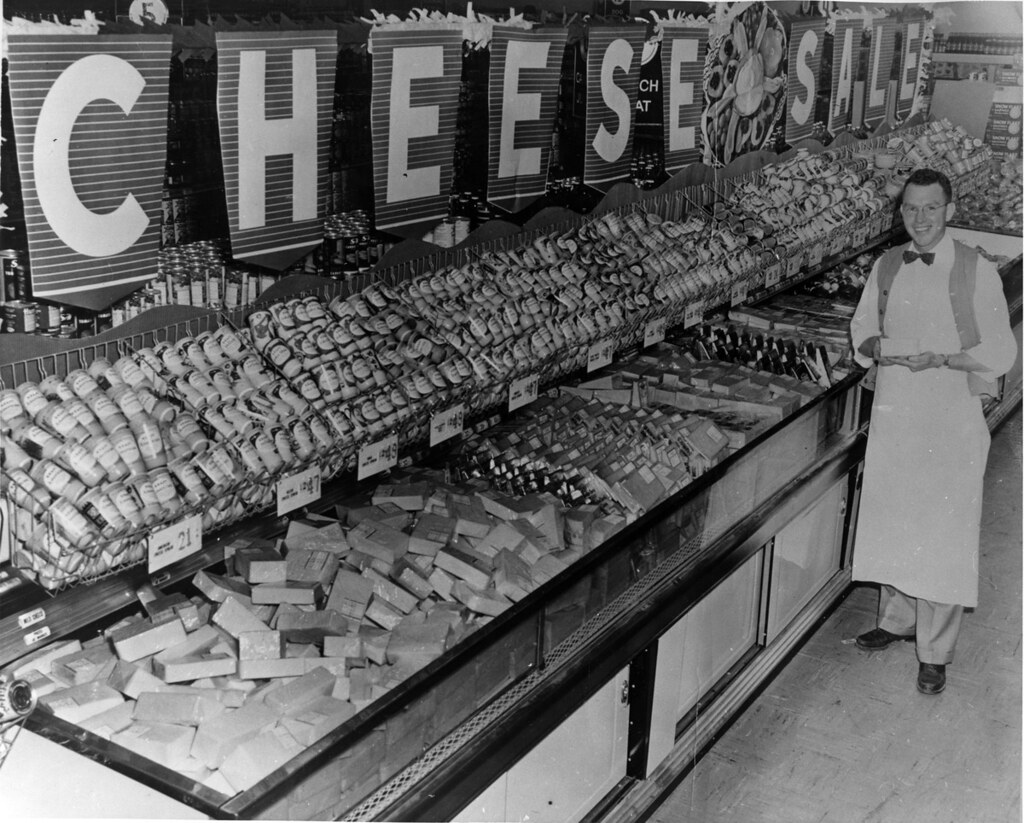
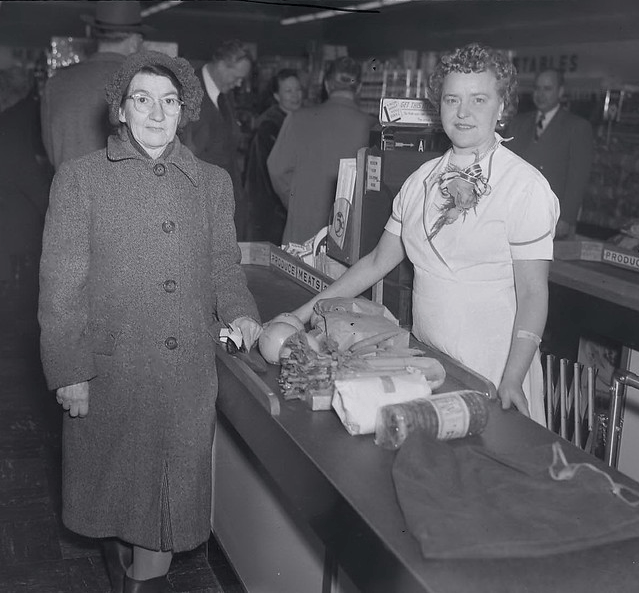
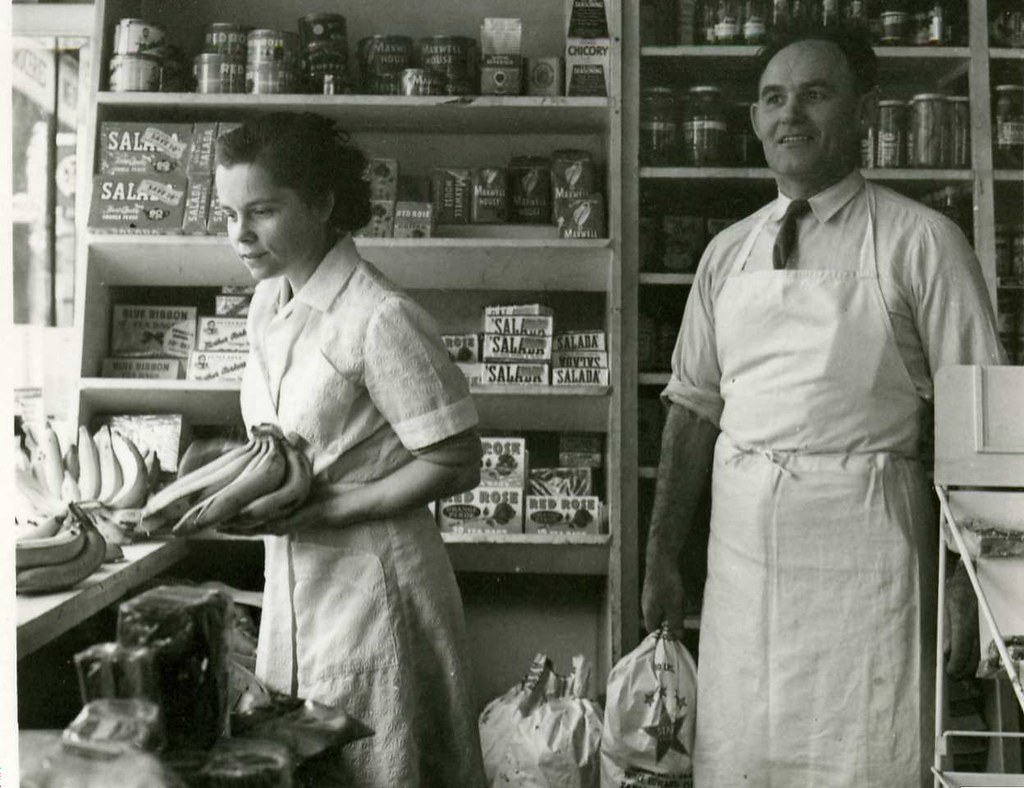
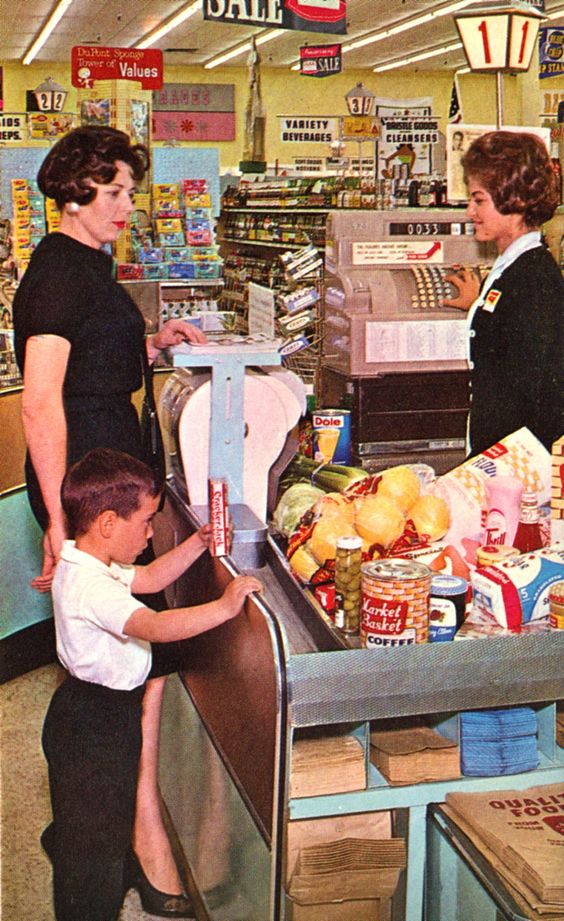
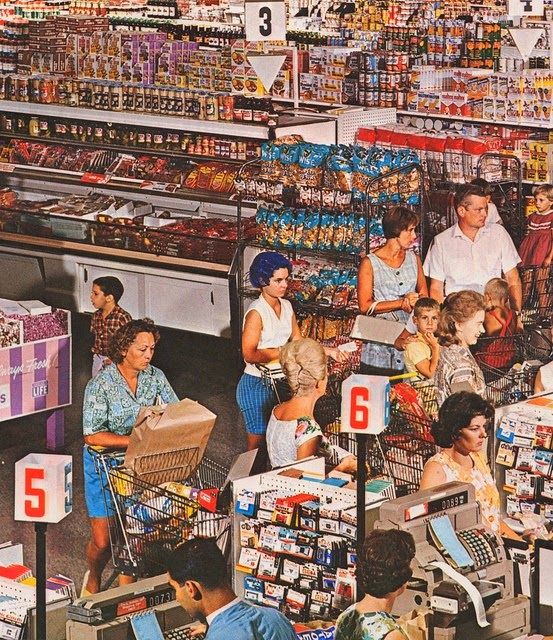
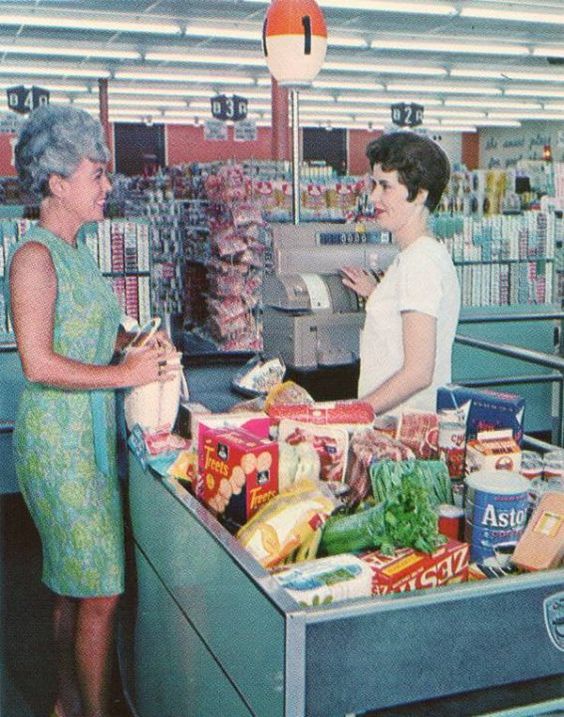
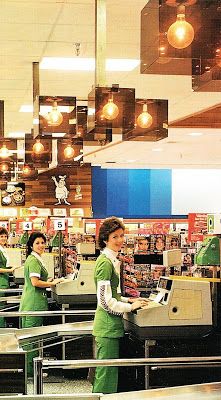
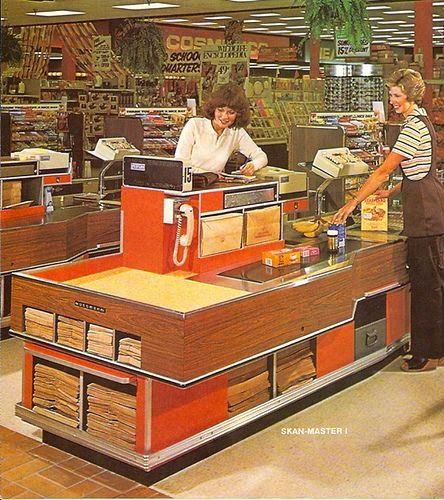
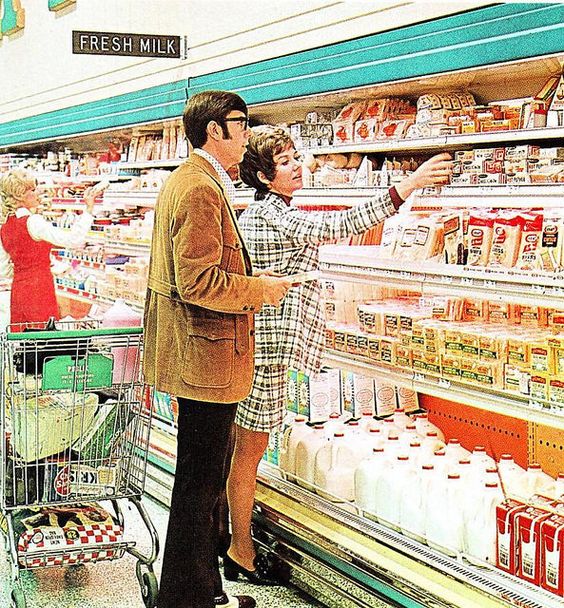
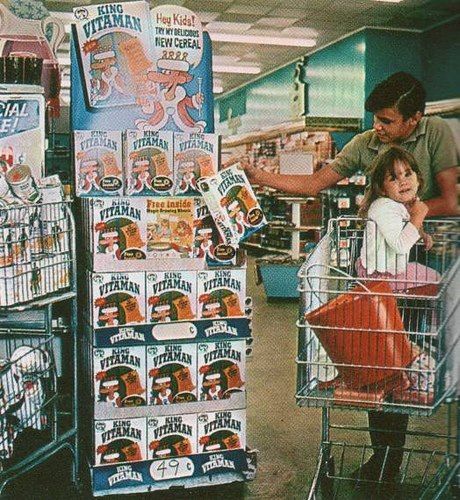
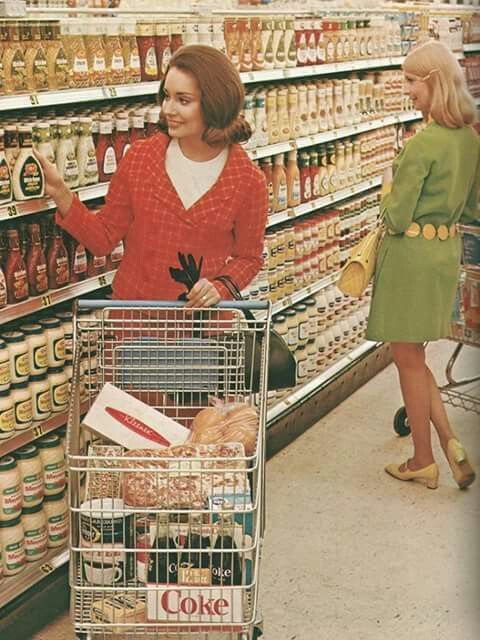
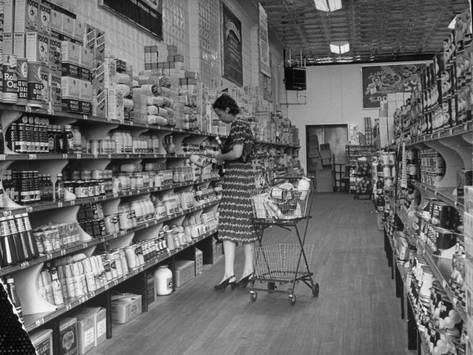
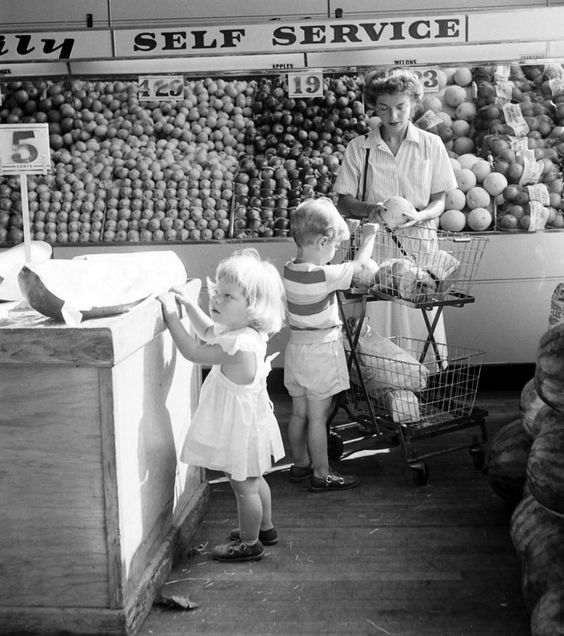
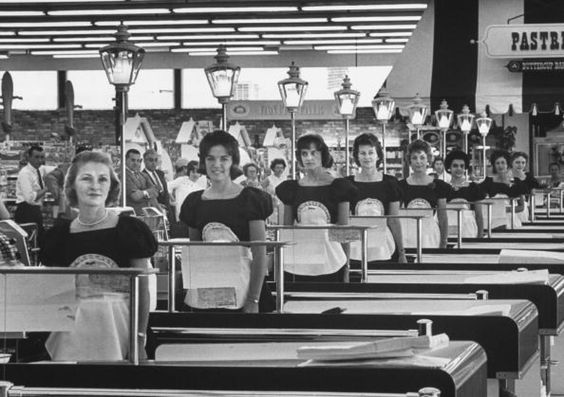
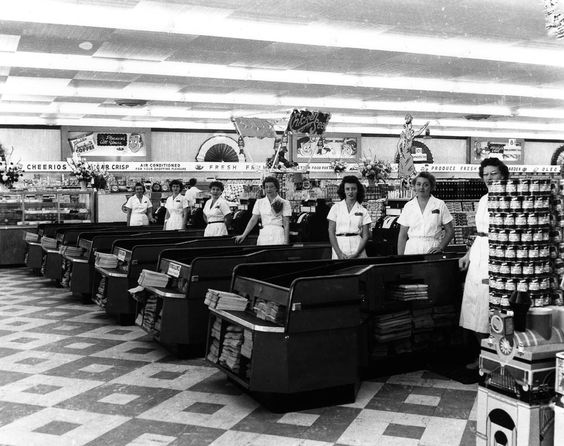
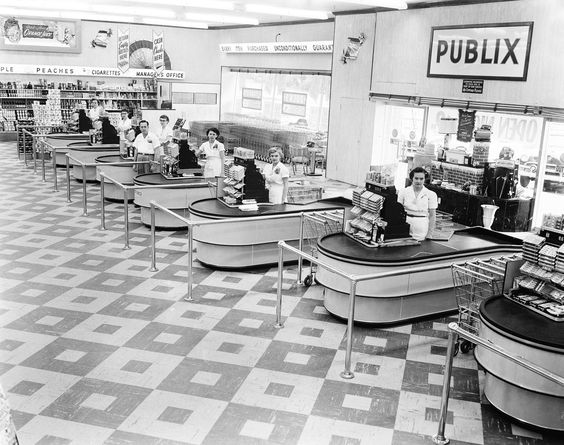
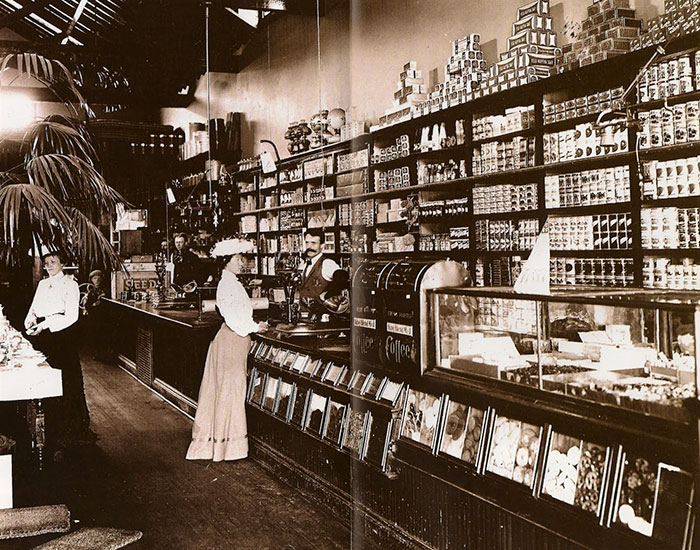
56 Incredible Vintage Photos Of Grocery Stores From Across America

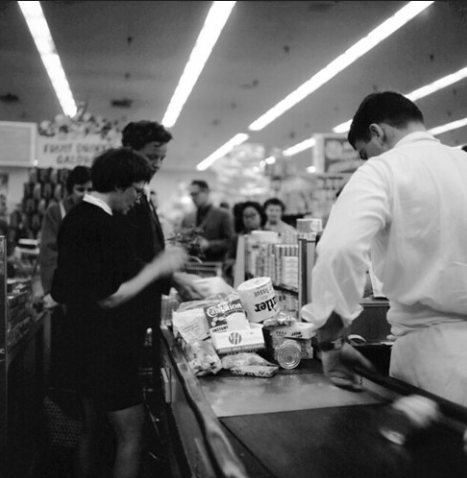
Jitney Jungle Checkout Clerk Billy Barineau In Tallahassee, 1962
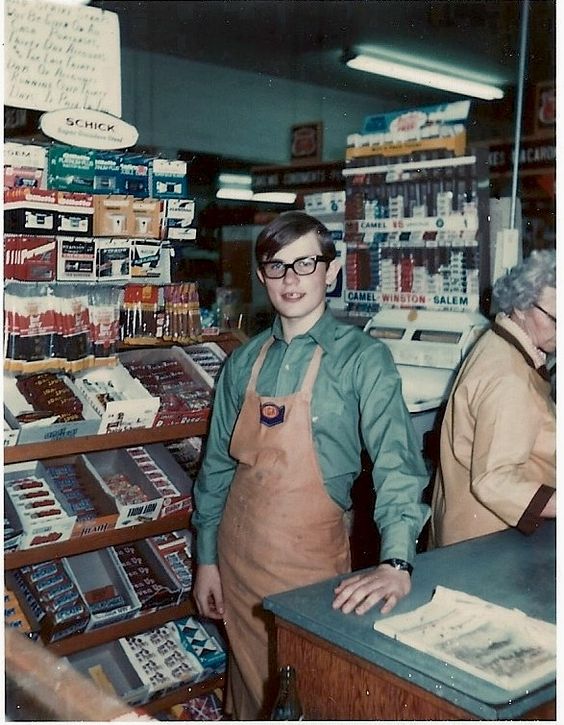
1972, Box-boy in a small rural grocery store in southeast Idaho.
1950s
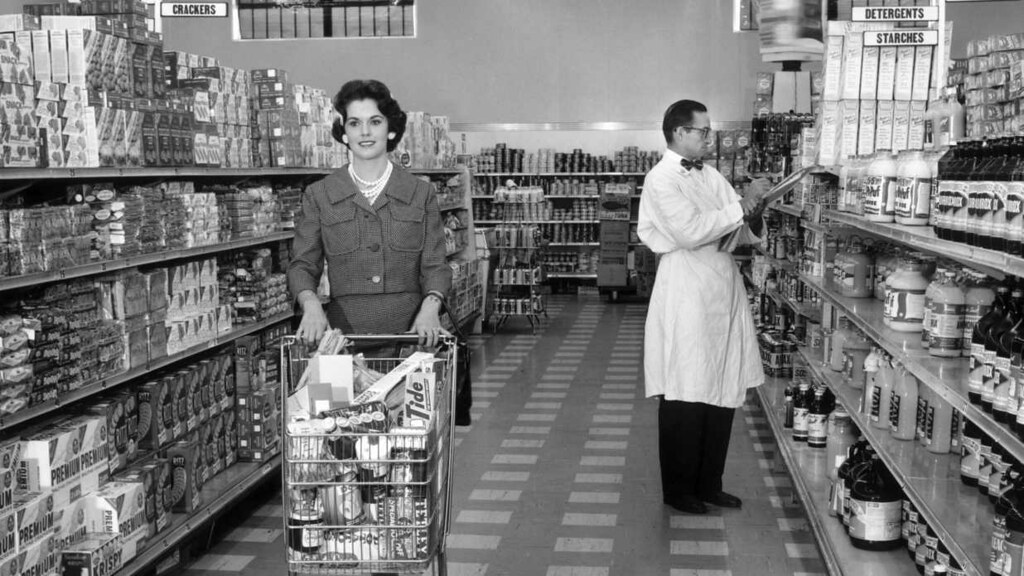
circa 1965: A woman smiles as she pushes a shopping cart full of groceries down the aisle of a supermarket. A grocer stands behind her, writing on a clipboard.
1950s
New Hampshire, 1958
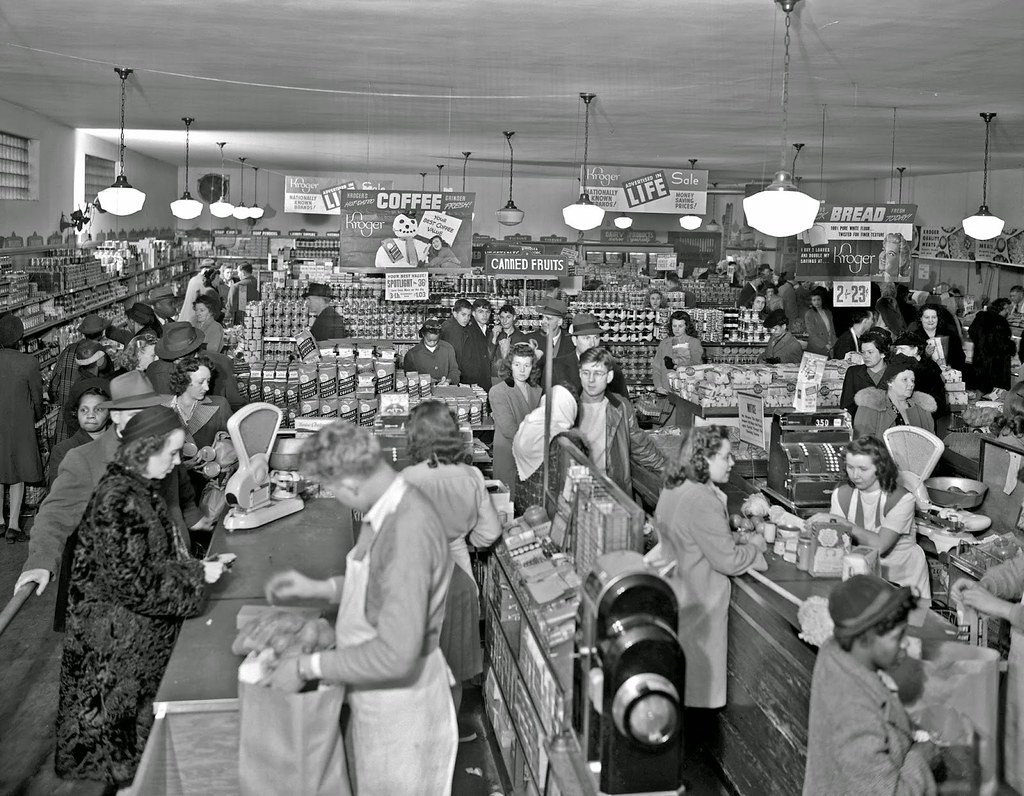
Kroger grocery store, Lexington Kentucky, 1947
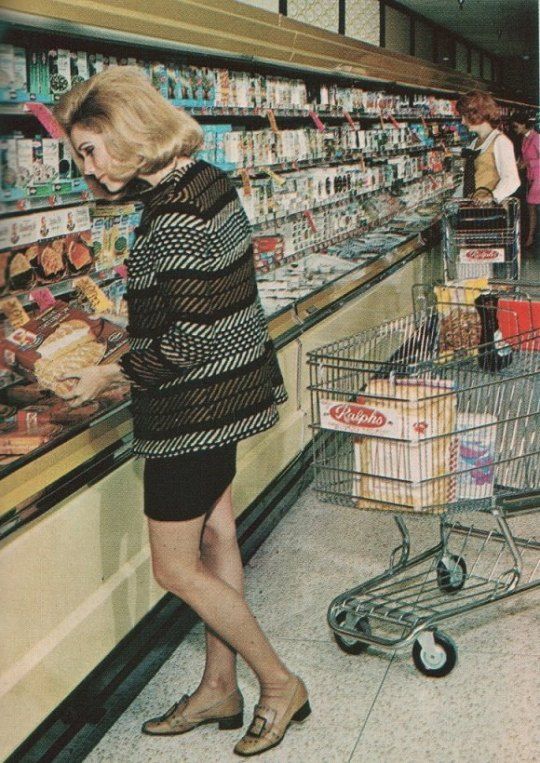
1970s Grocery Shopping
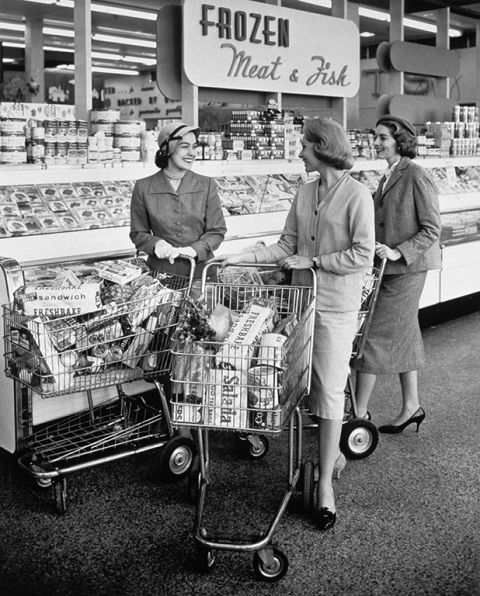
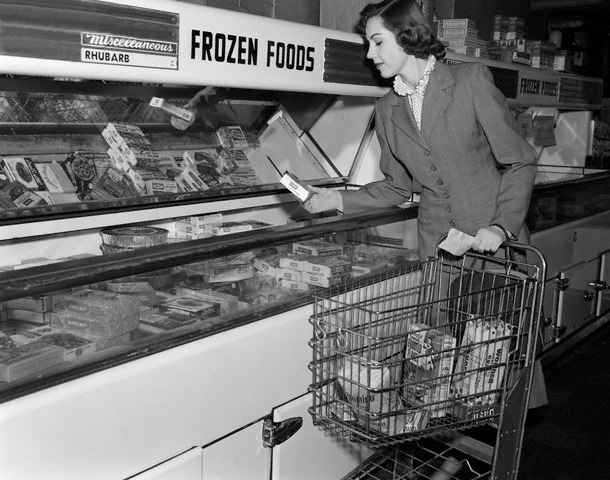
1950s Woman Shopping Frozen Food Section Of Grocery Store
This is Johnson’s Superette. A few people are shopping and one boy who looks like an employee is in the picture. This was some kind of special event for Johnson’s. The date is 6/1/1951. No names were noted.
May 1942. Greenbelt, Maryland. Father and son shopping in the cooperative store.
1940s
1940s
Shopping at a Los Alamos supermarket, 1940s
Selecting a (TEN CENT!) Angel Food Cake 1957.
A supermarket in New York City, March 1953.
May 1942. Greenbelt, Maryland. Federal housing project. Shopping in the grocery store.
July 1942. West Danville, Vermont. Guy Davenport, 11, and Maynard Clark, 14, reading the air raid instructions posted in Gilbert S. Hastings’ post office and general store.
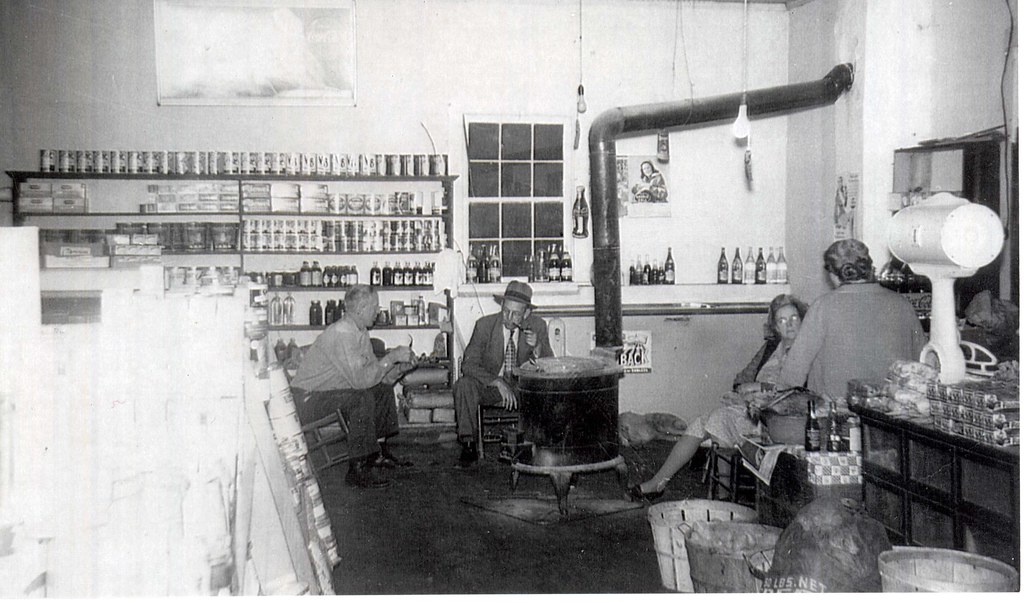
The Grocery Store Of The Late 19th Century, USA

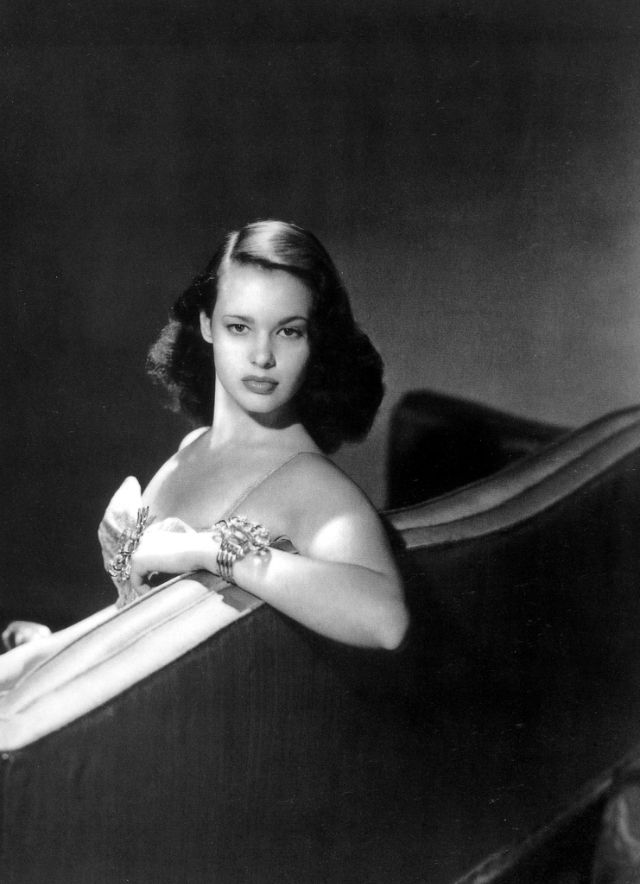
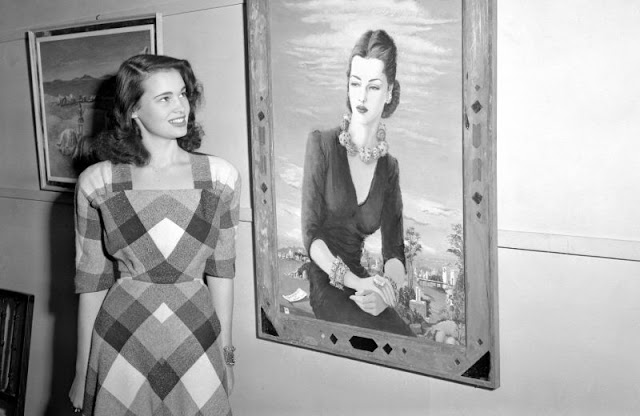
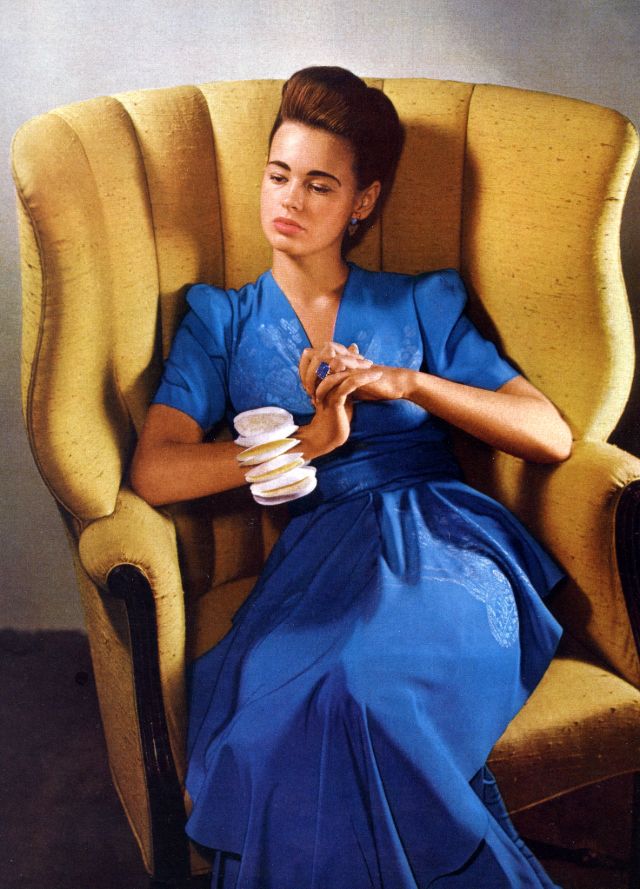
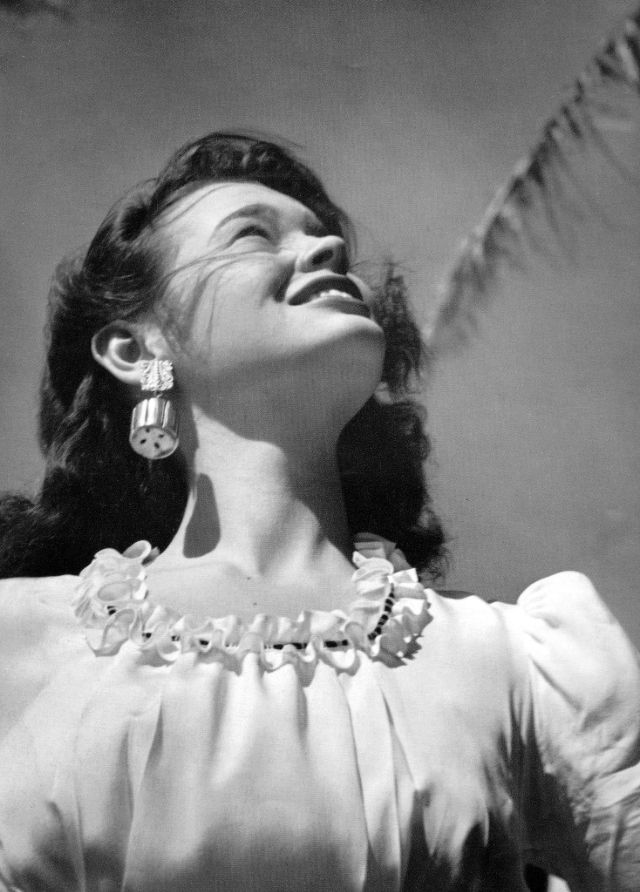
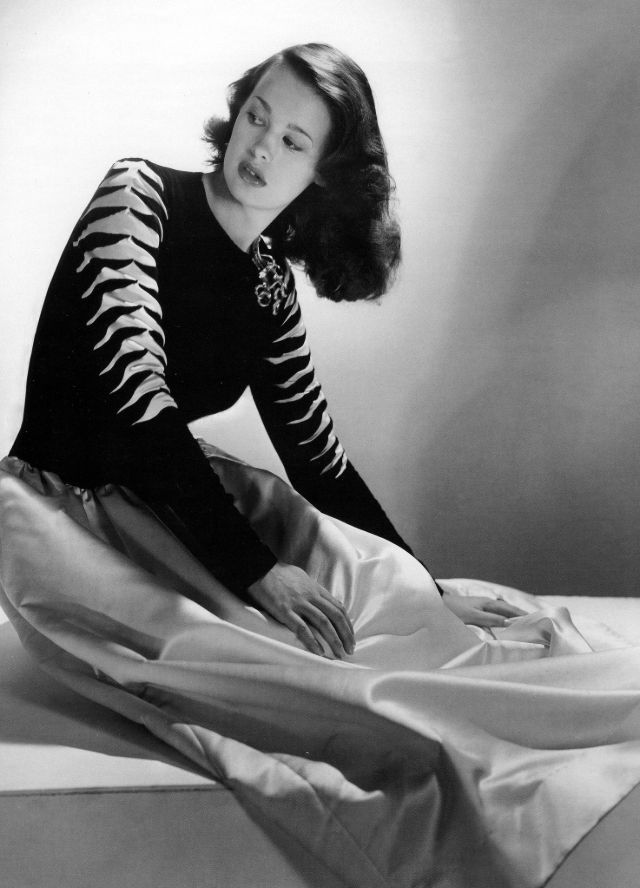
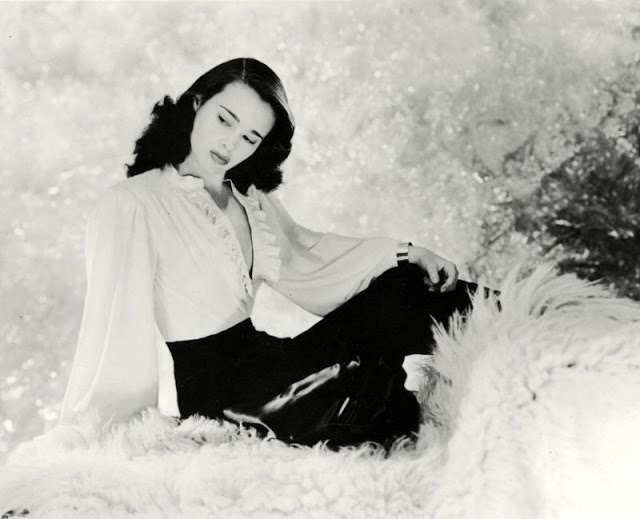
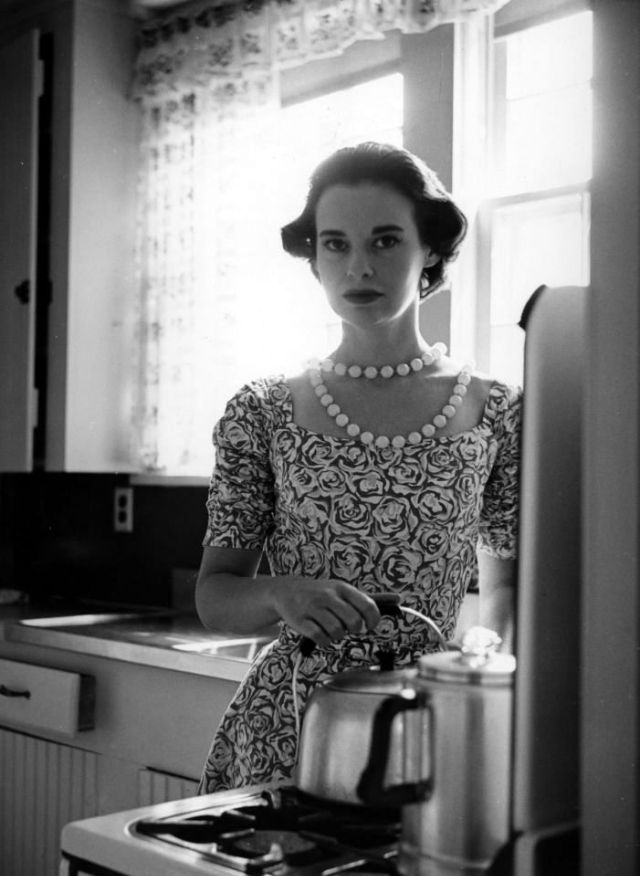
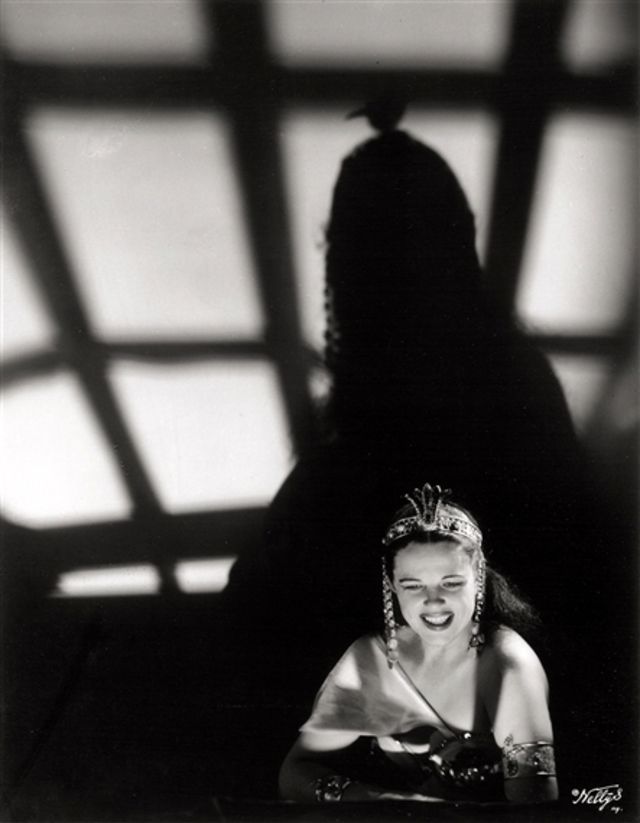
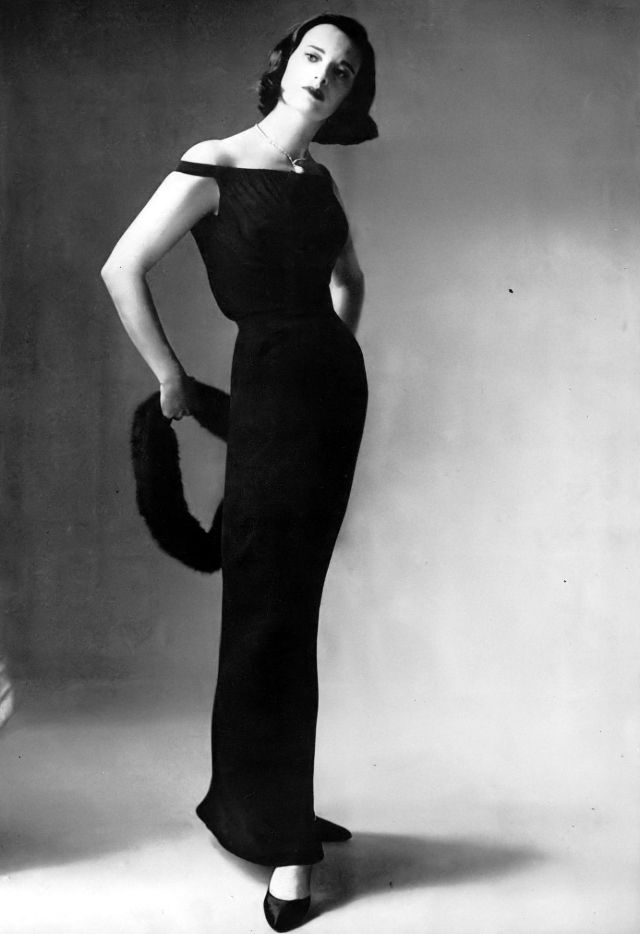
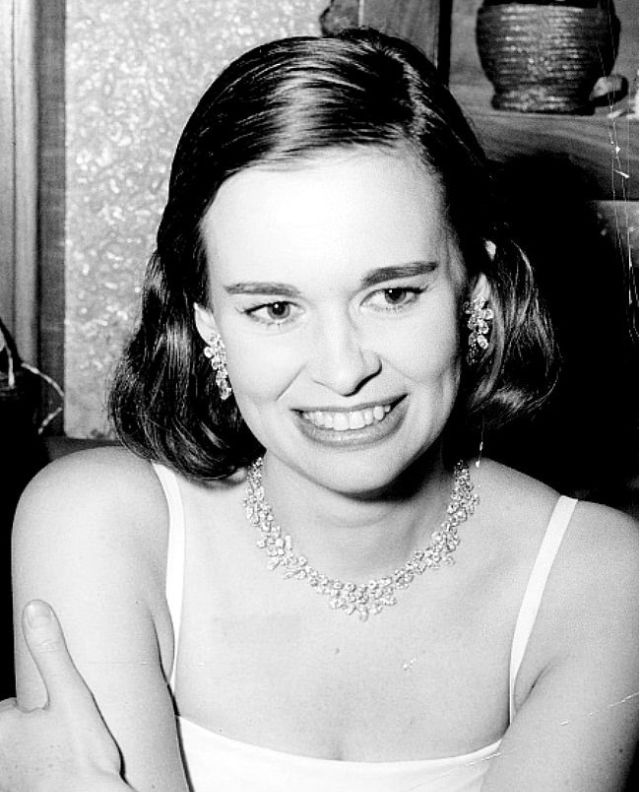
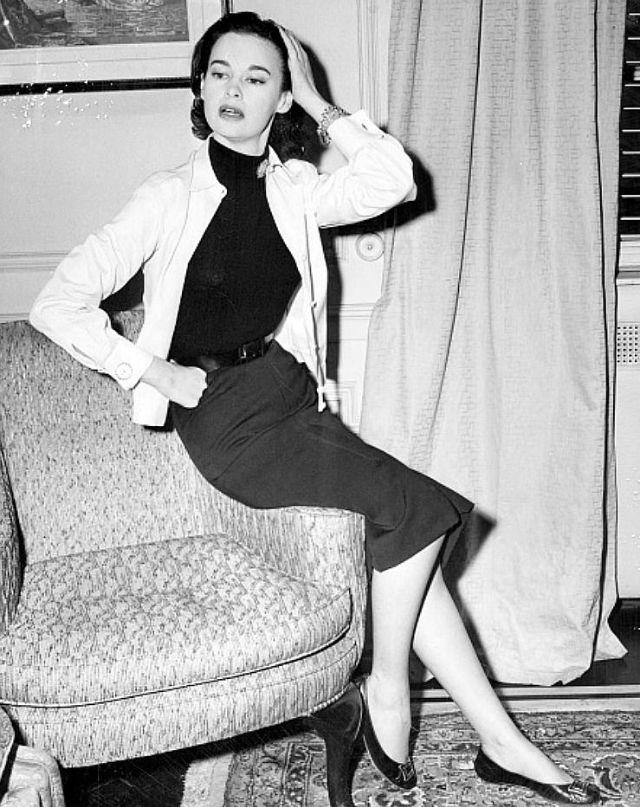
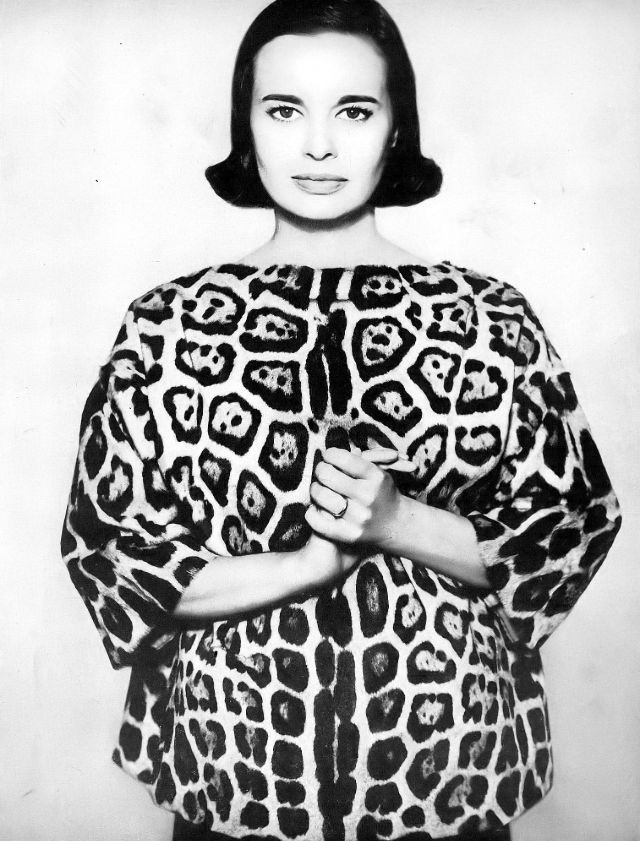
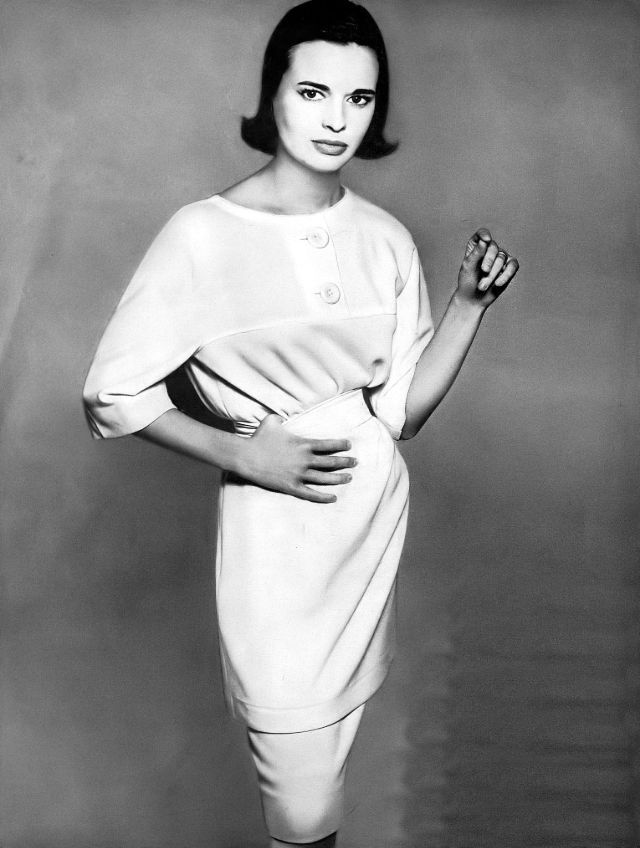
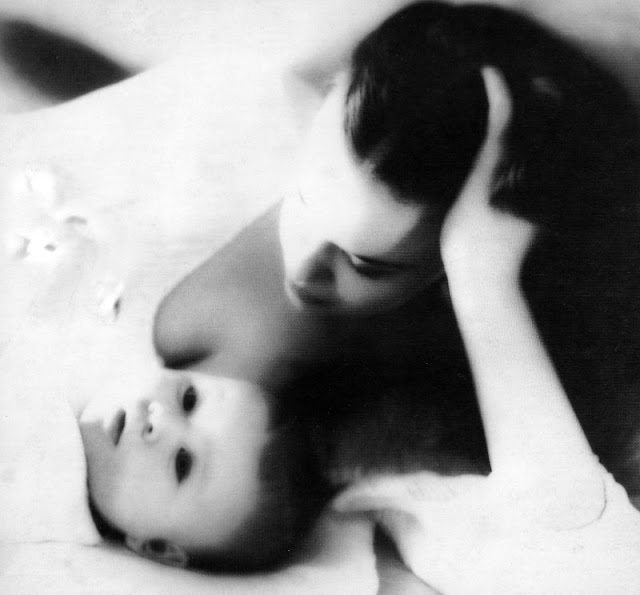
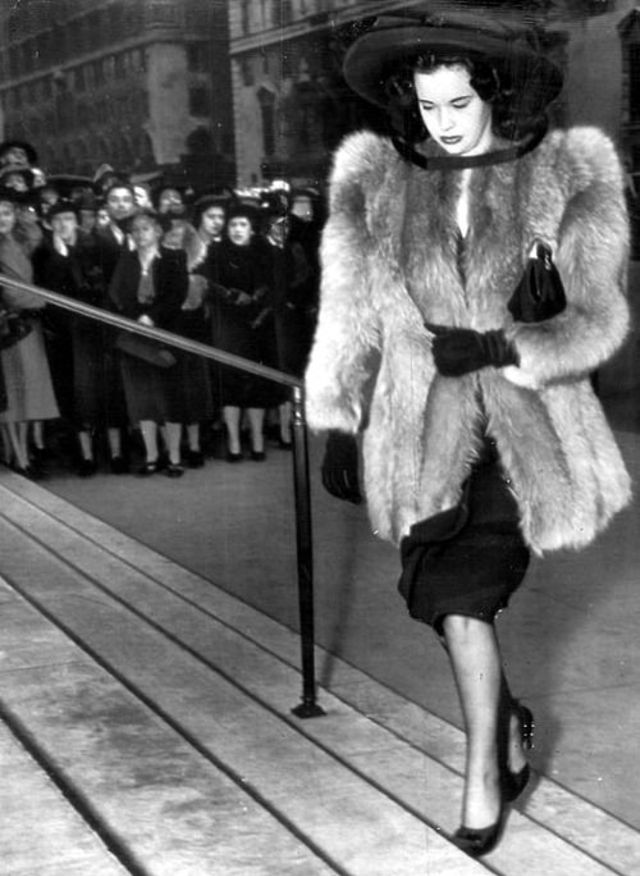
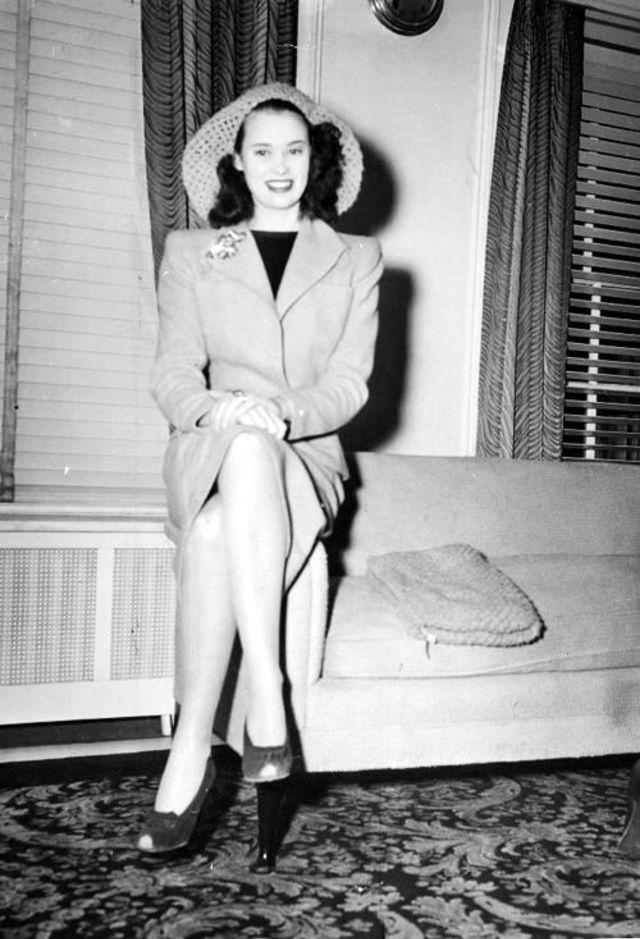
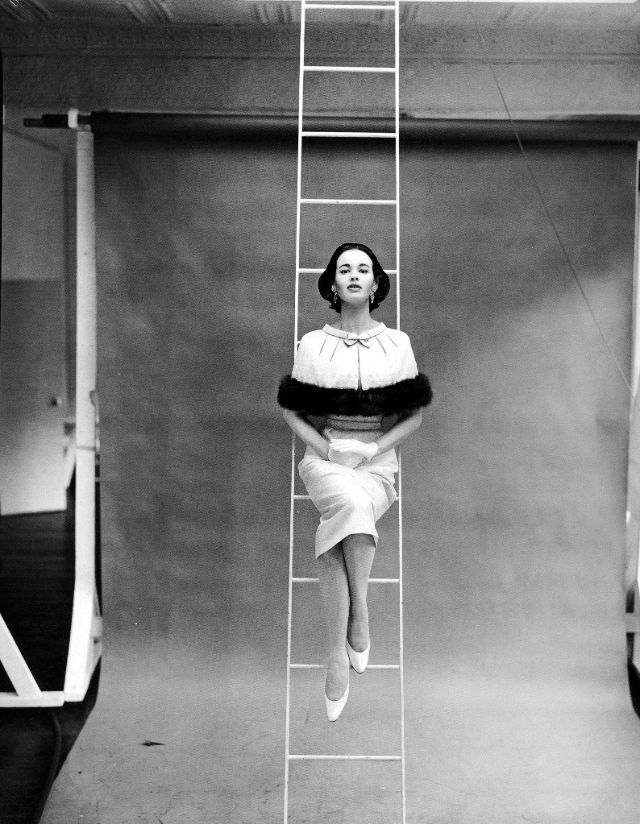
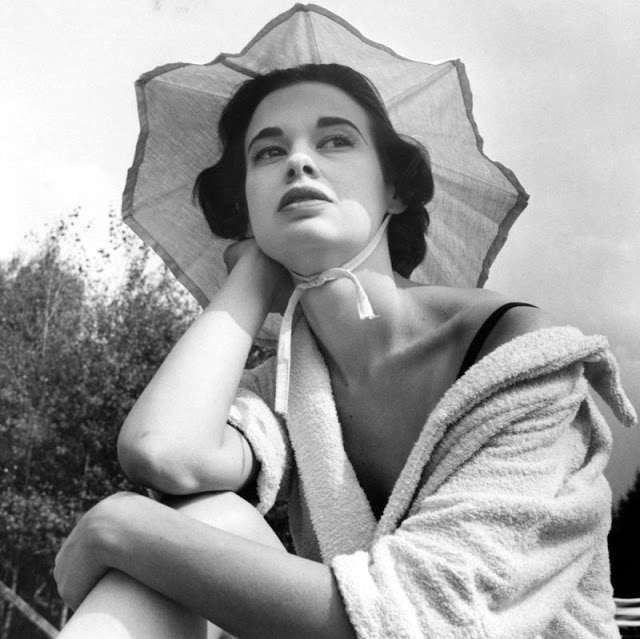
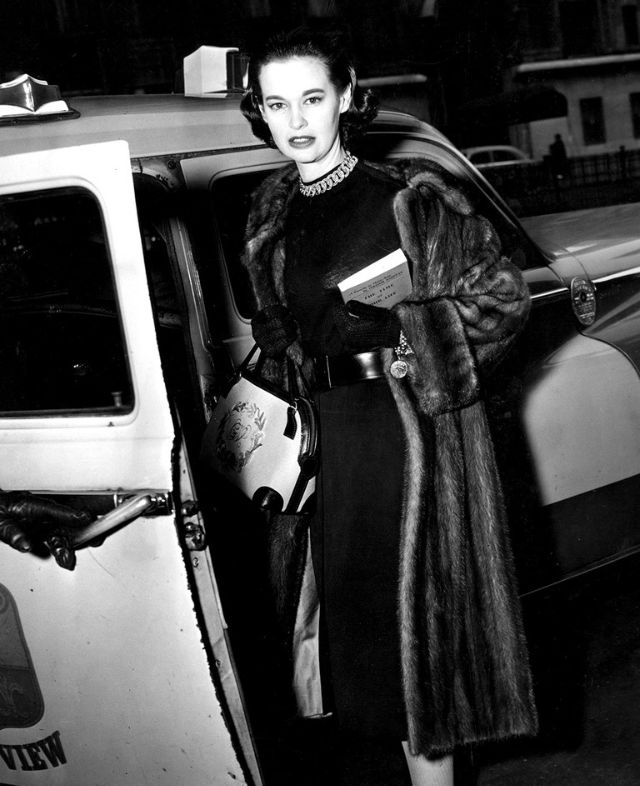
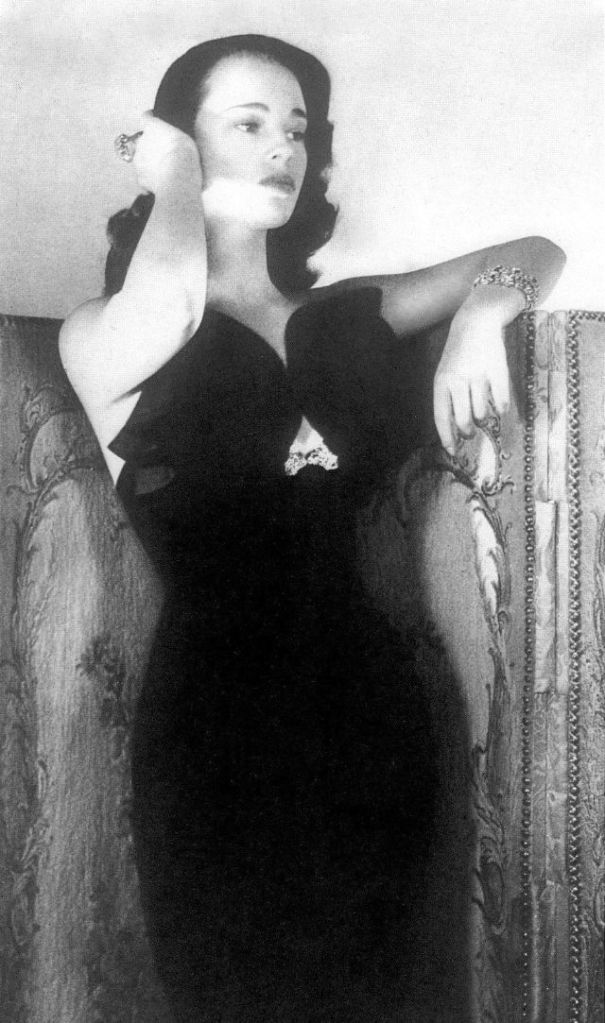
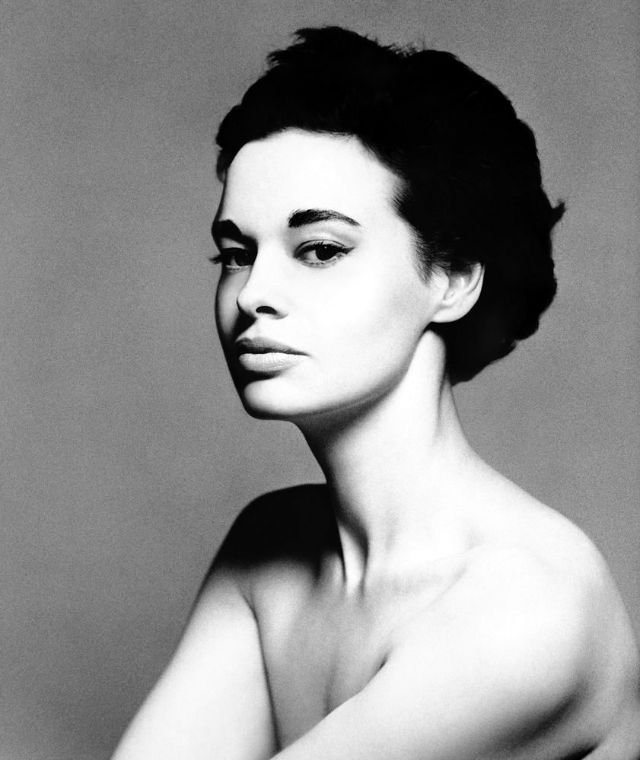
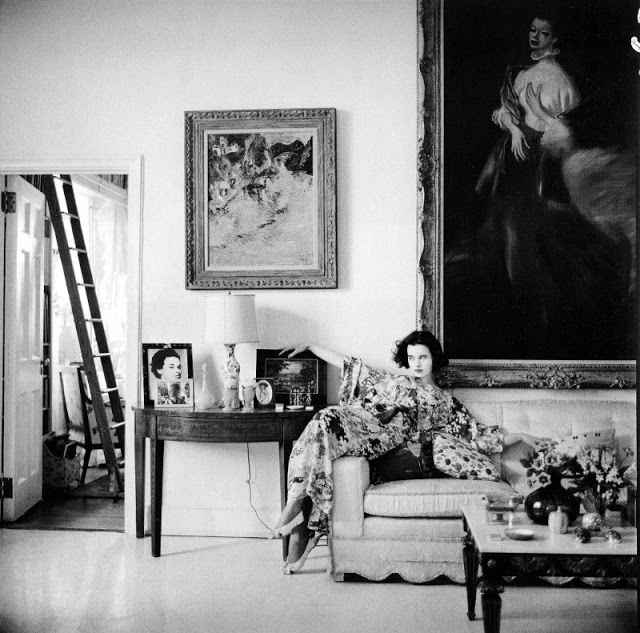
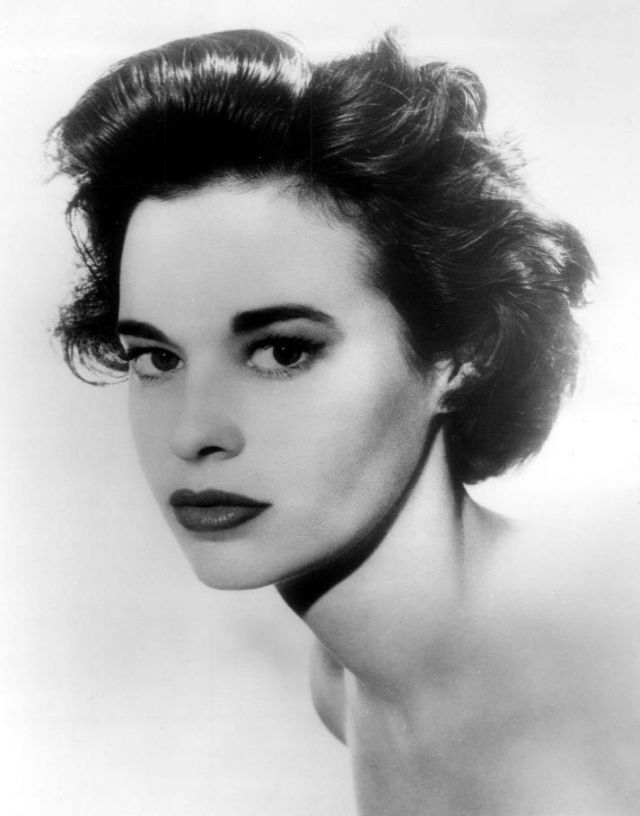
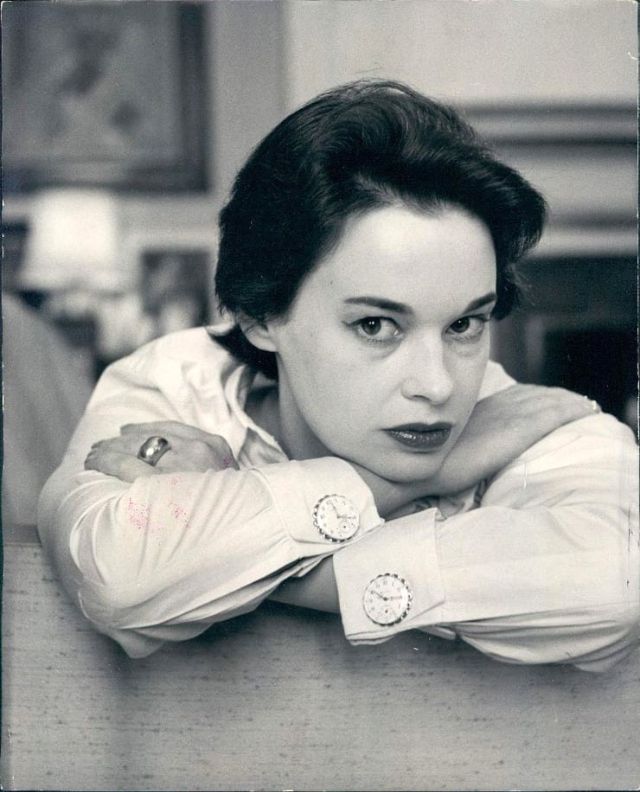
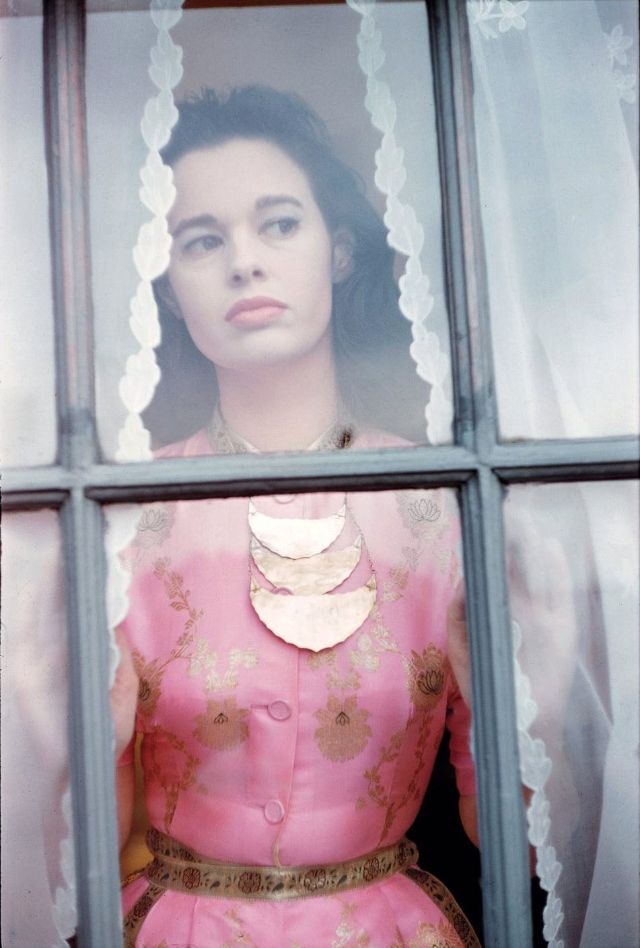
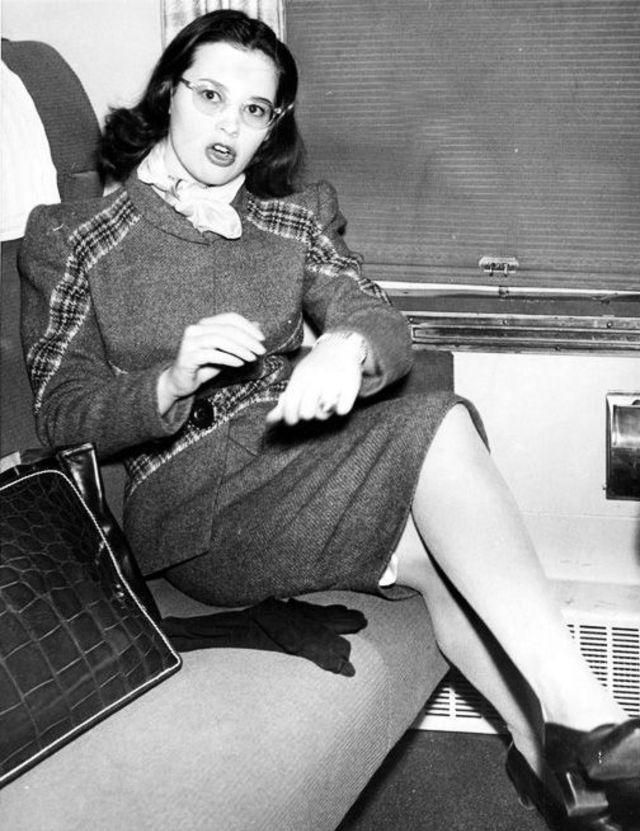
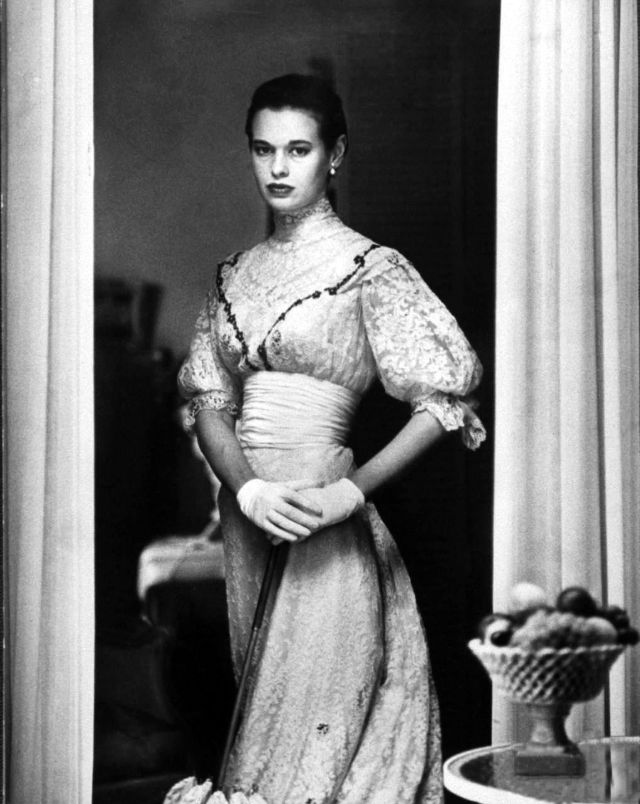
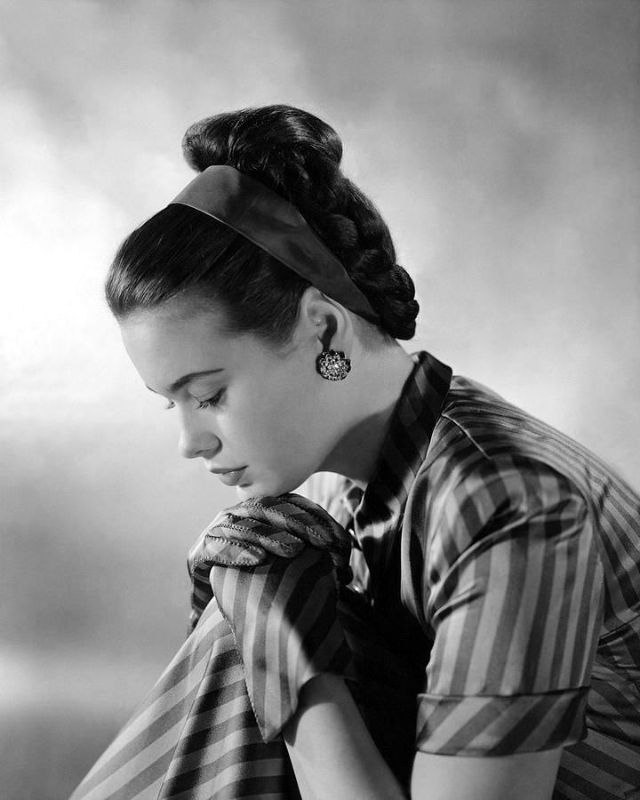
38 Beautiful Photos of Gloria Vanderbilt in the 1940s and 1950s

Gloria Laura Vanderbilt (February 20, 1924 – June 17, 2019) was an American artist, author, actress, fashion designer, heiress, and socialite. She was a member of the Vanderbilt family of New York and the mother of CNN television anchor Anderson Cooper.

During the 1930s, she was the subject of a high-profile child custody trial in which her mother, Gloria Morgan Vanderbilt, and her paternal aunt, Gertrude Vanderbilt Whitney, each sought custody of her and control over her trust fund. Called the “trial of the century” by the press, the court proceedings were the subject of wide and sensational press coverage due to the wealth and prominence of the involved parties, and the scandalous evidence presented to support Whitney’s claim that Gloria Morgan Vanderbilt was an unfit parent.[1]

As an adult in the 1970s, Vanderbilt launched a line of fashions, perfumes, and household goods bearing her name. She was particularly noted as an early developer of designer blue jeans.

These beautiful photos that captured portraits of young Gloria Vanderbilt in the 1940s and 1950s. (Wikipedia)
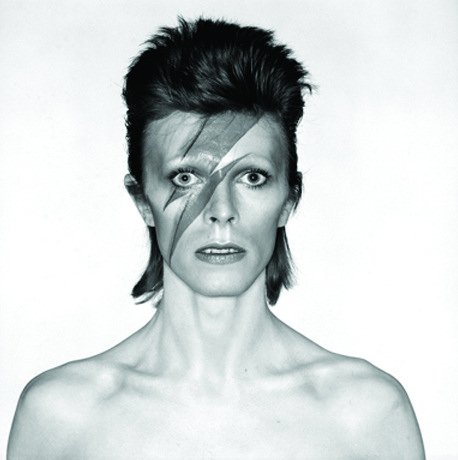
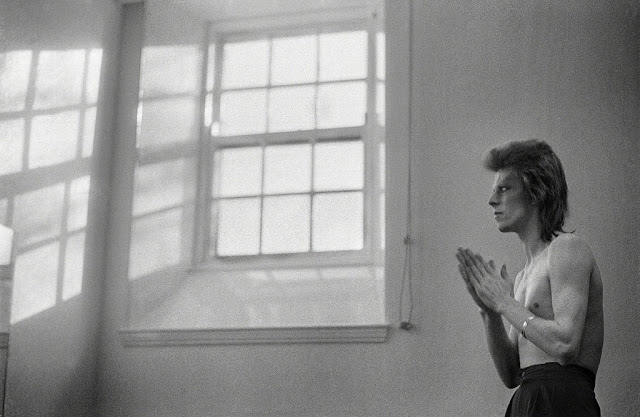
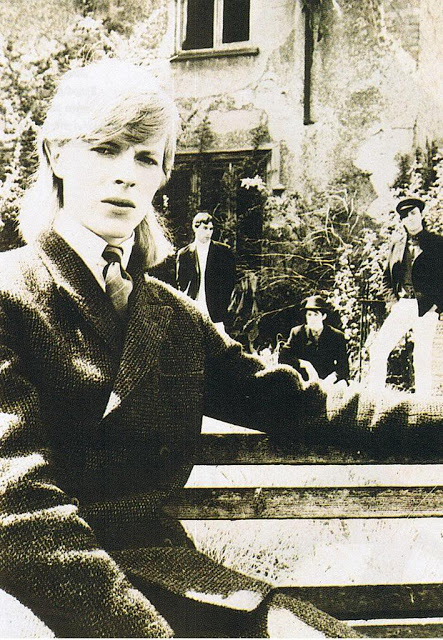
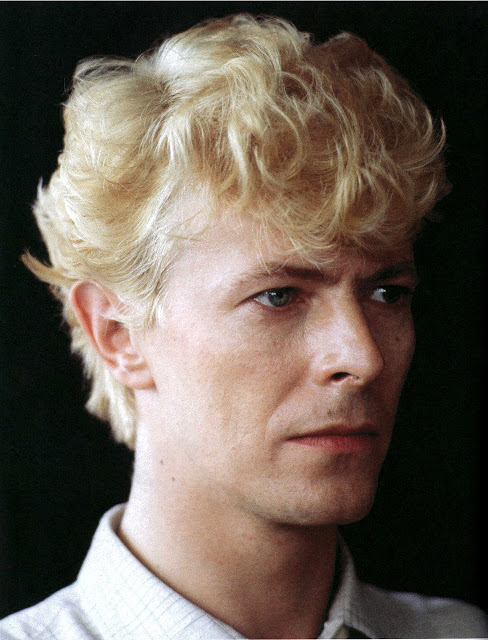
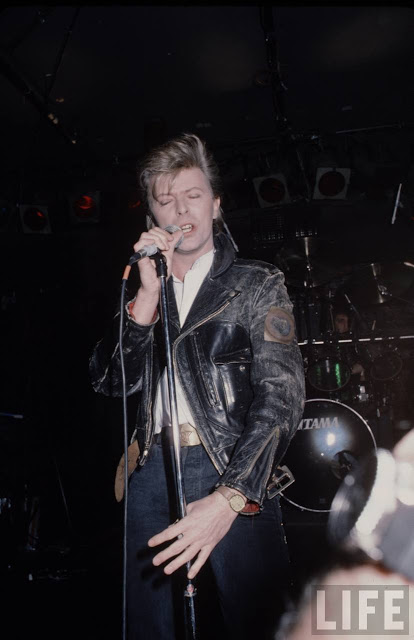
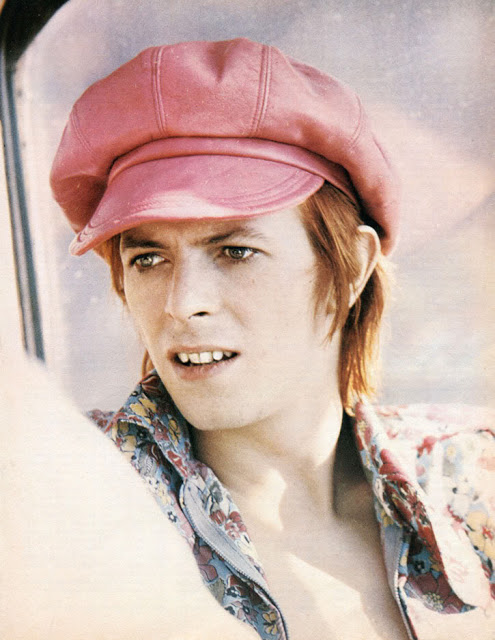
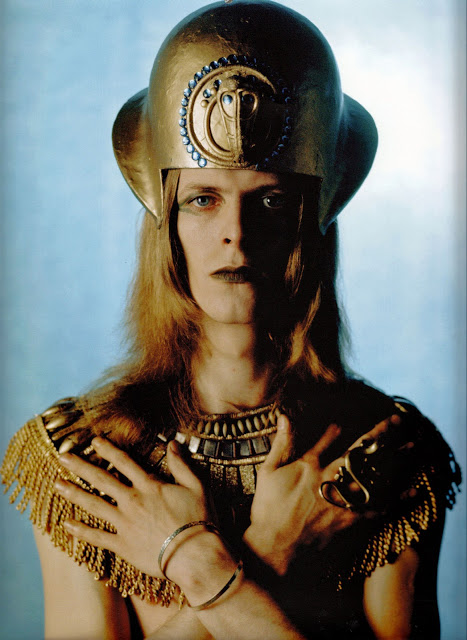
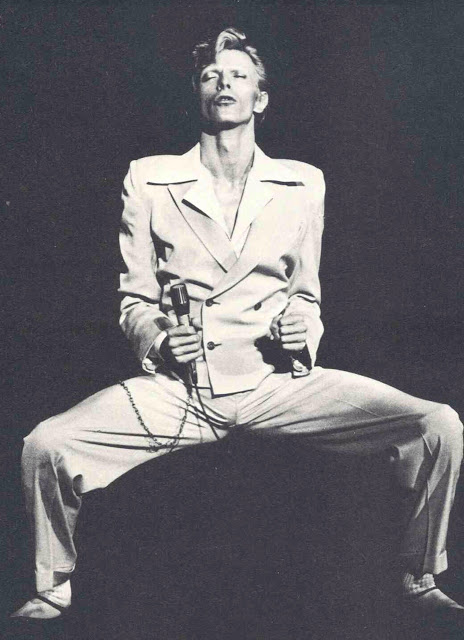
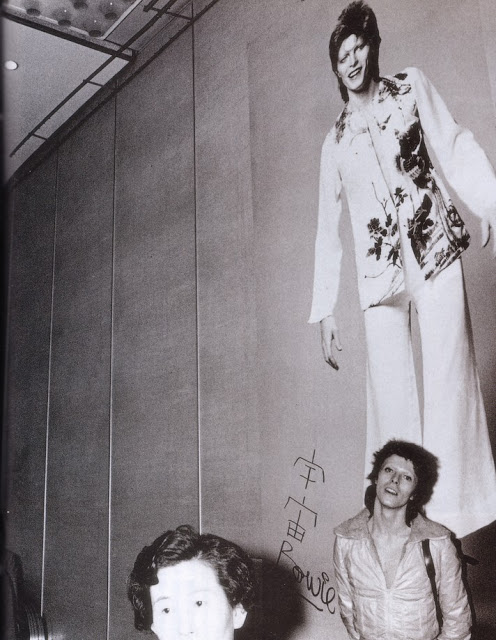
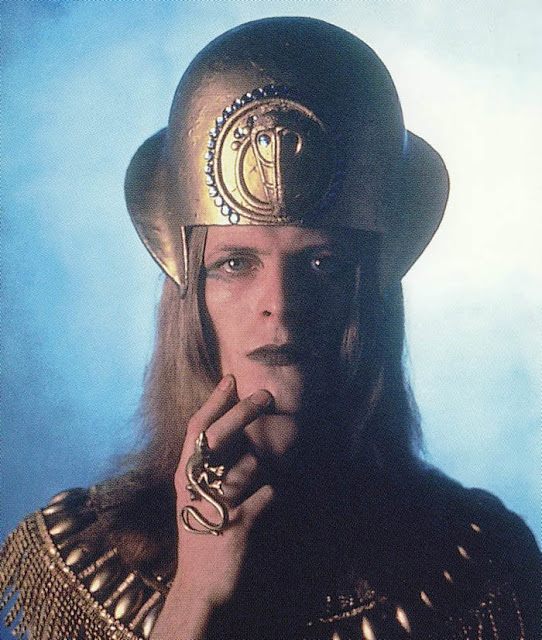
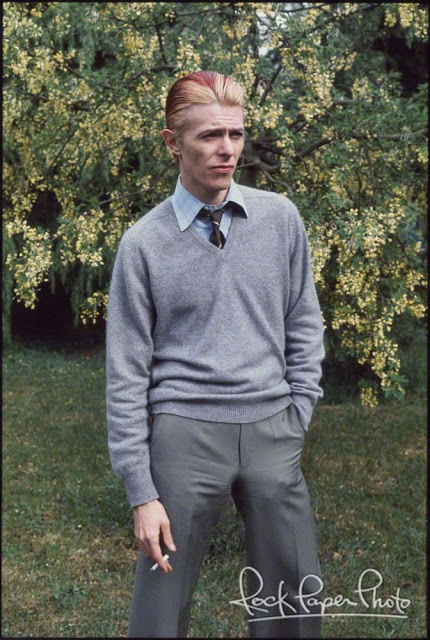
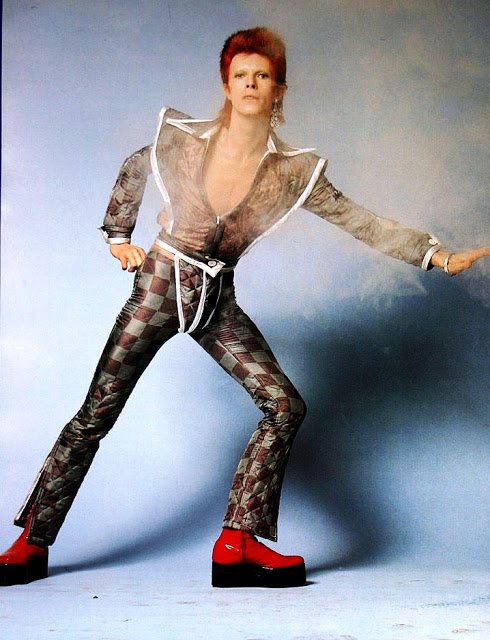
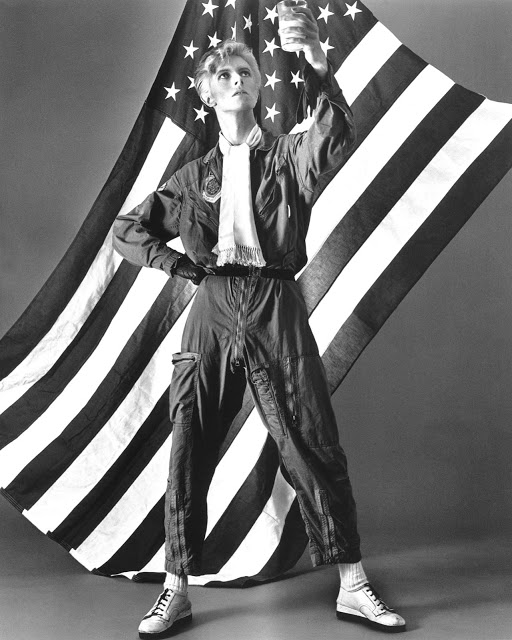
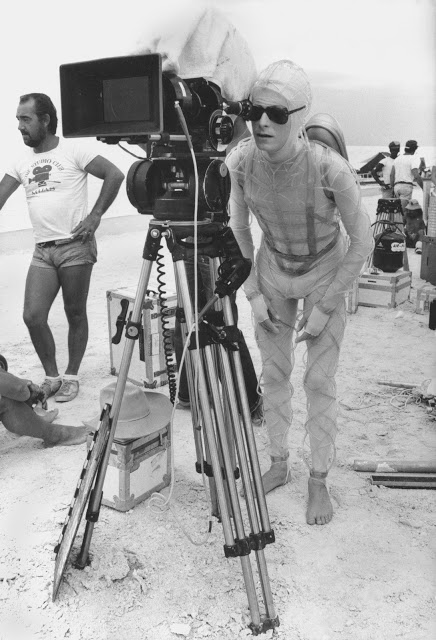
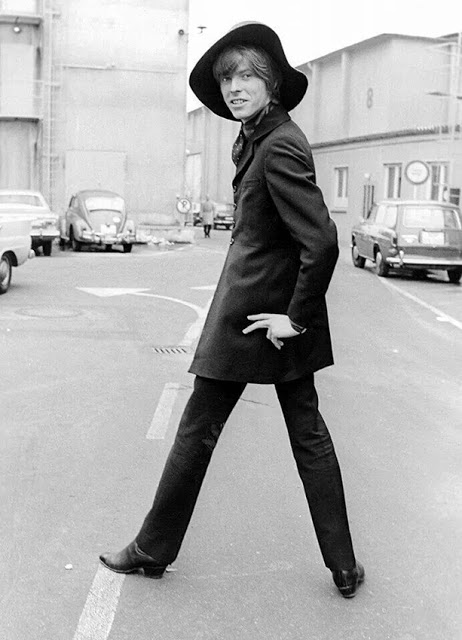
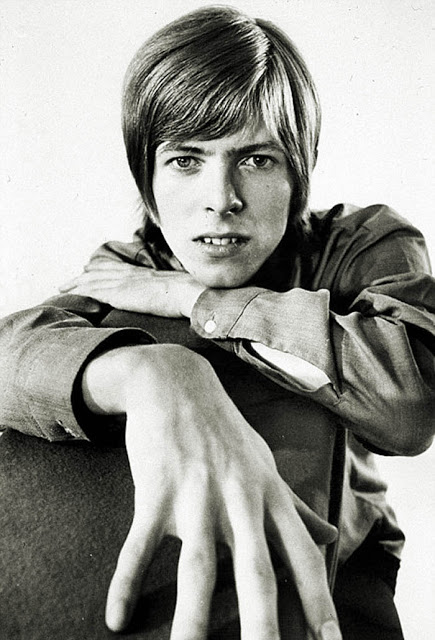
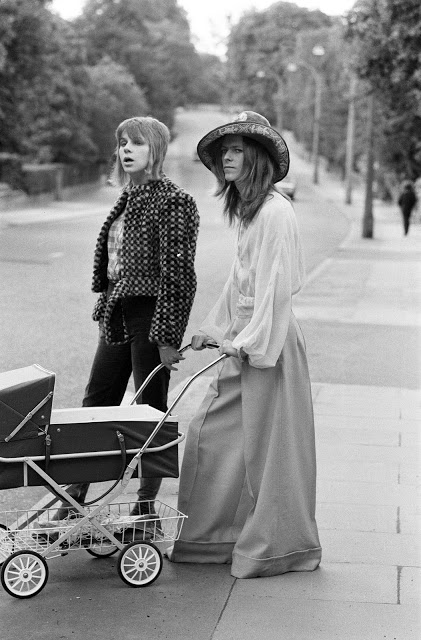
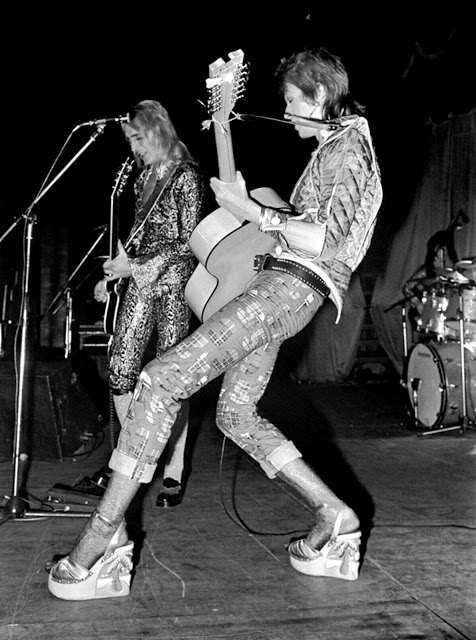
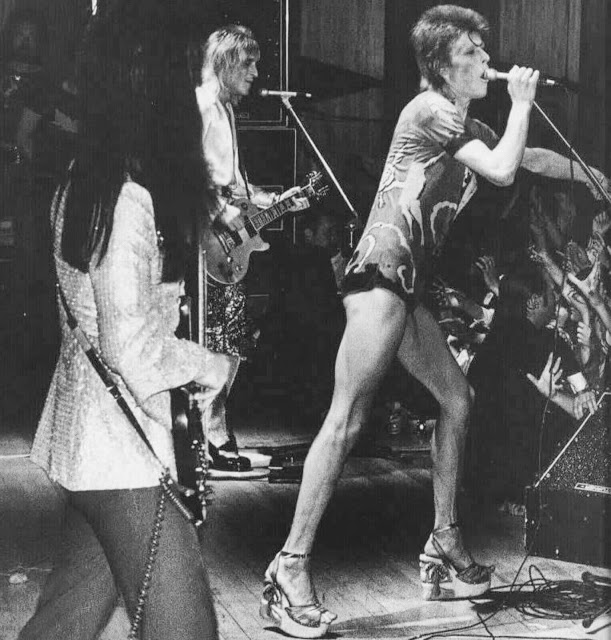
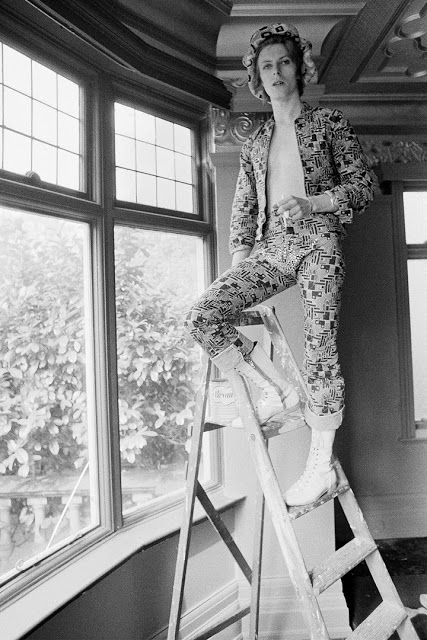
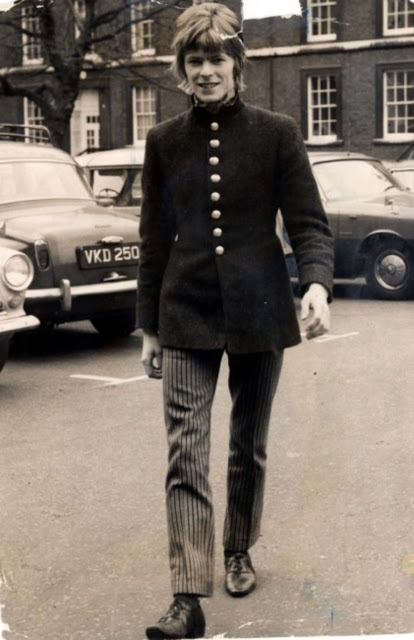
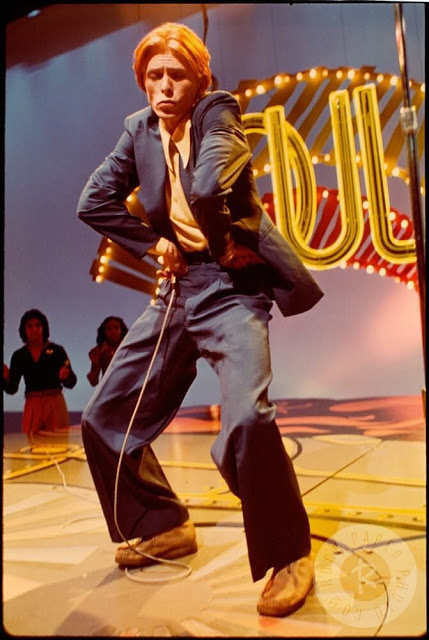
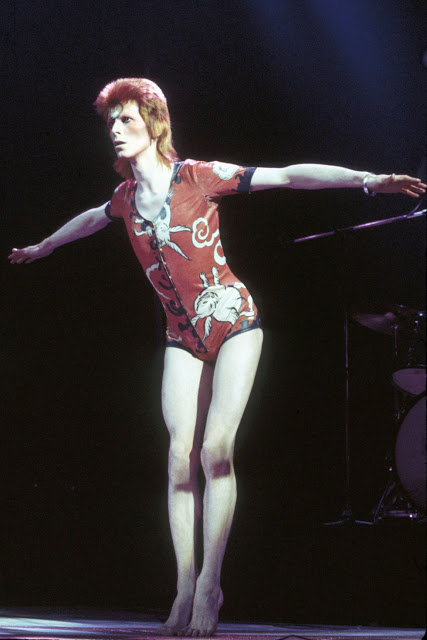
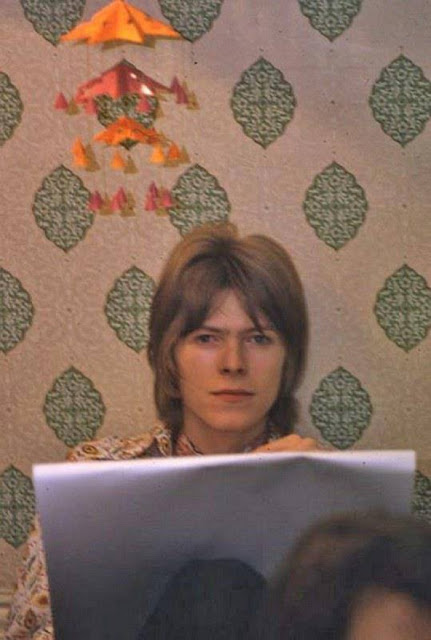
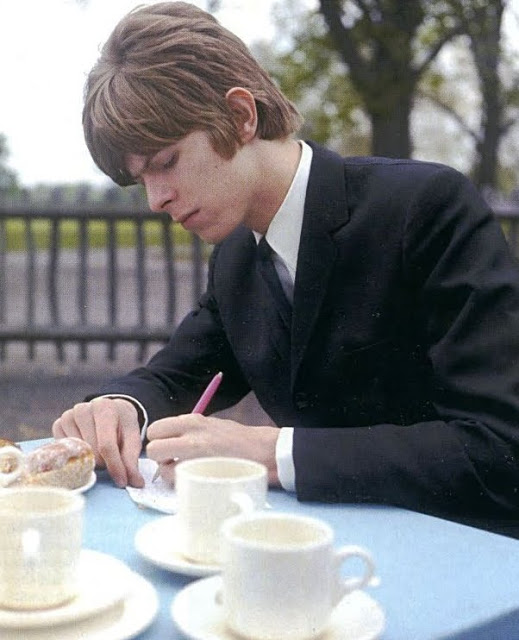
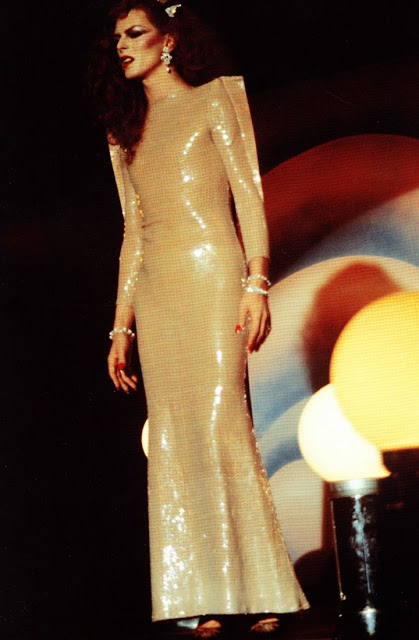
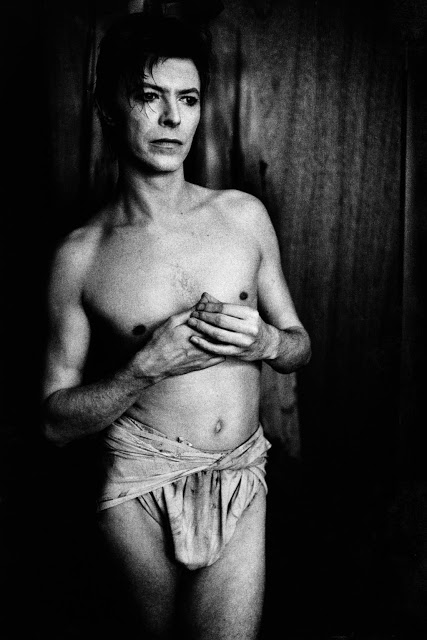
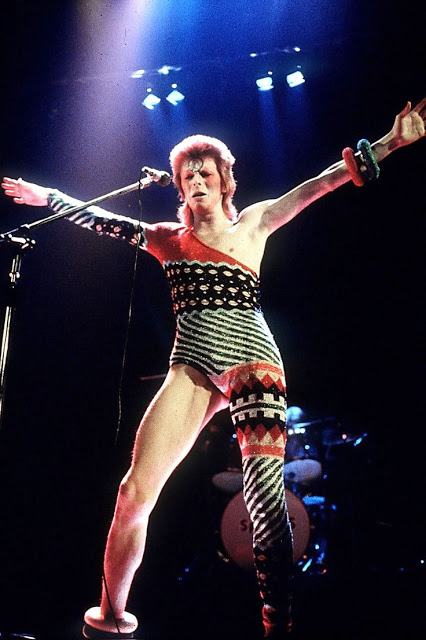
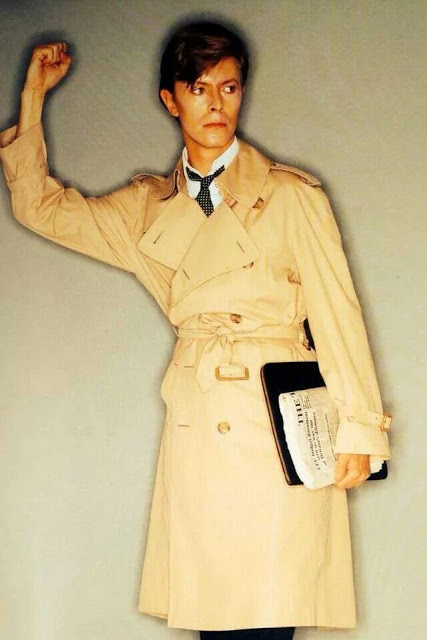
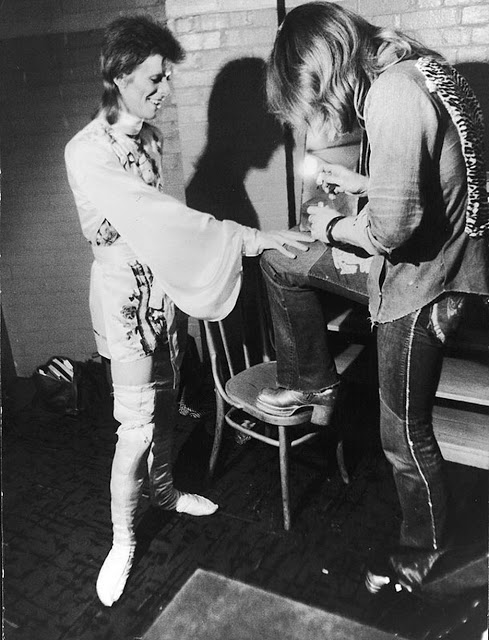
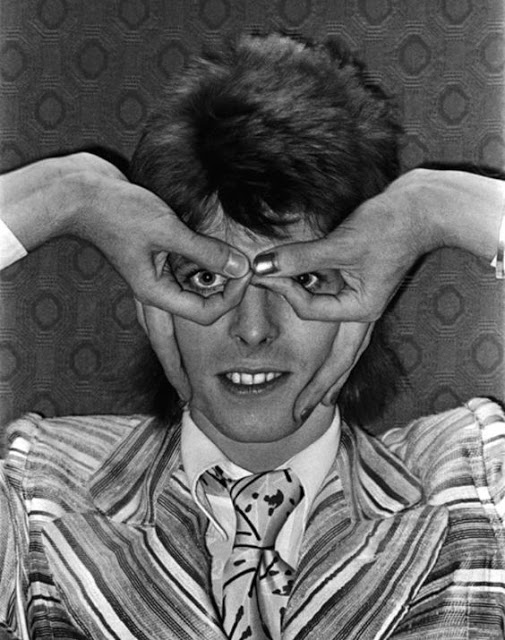
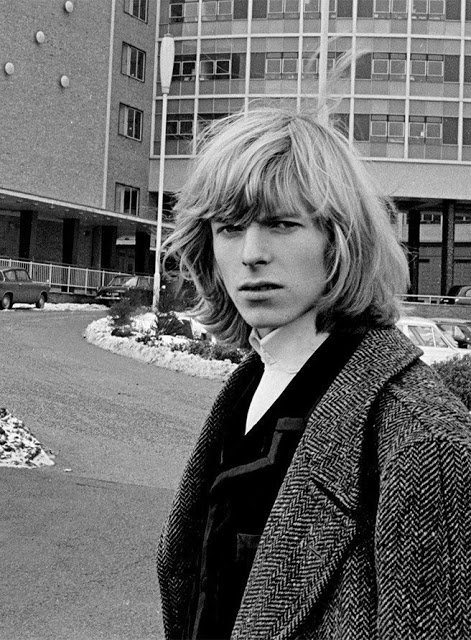
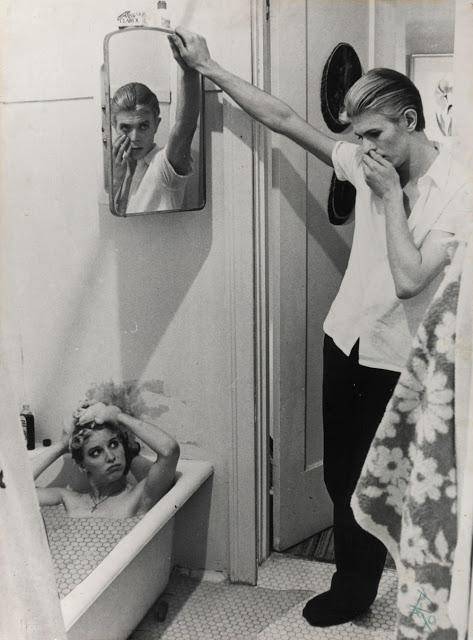
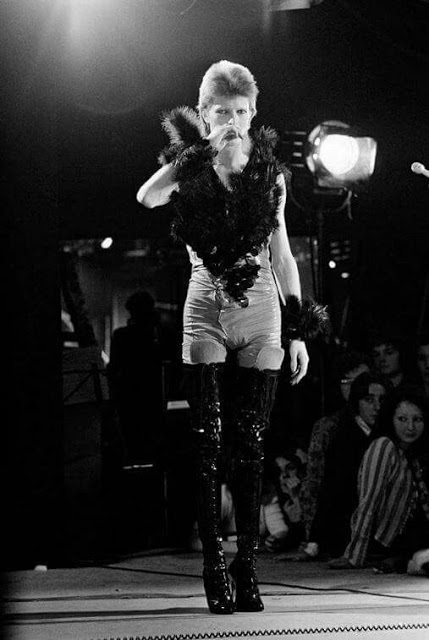
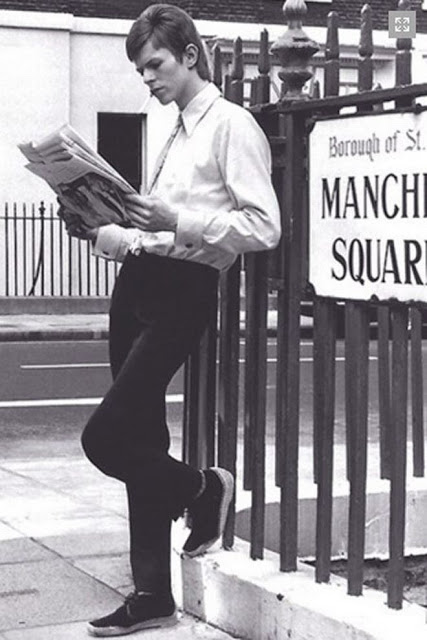
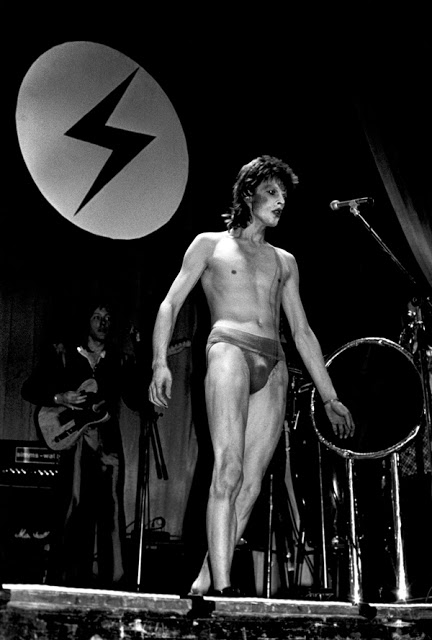
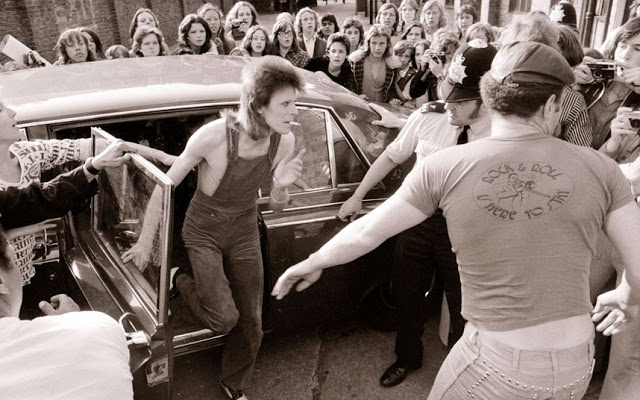
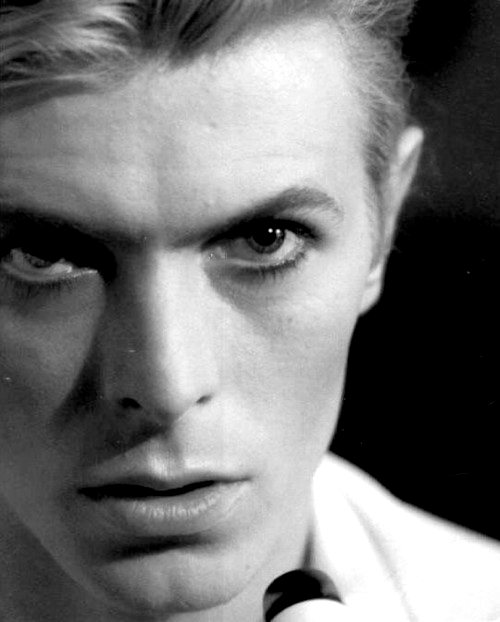
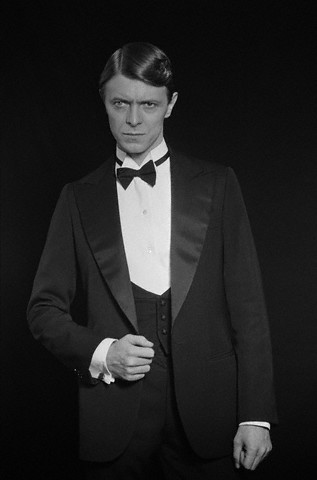
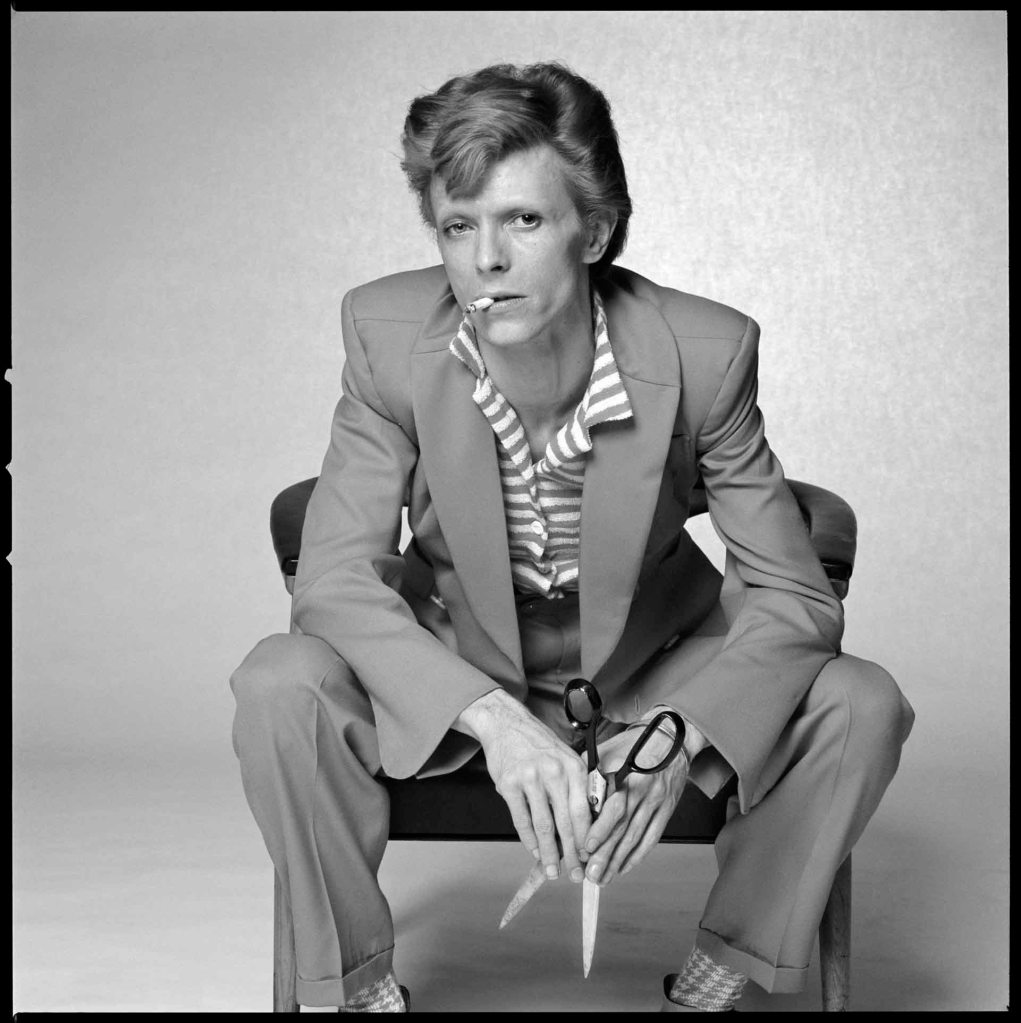
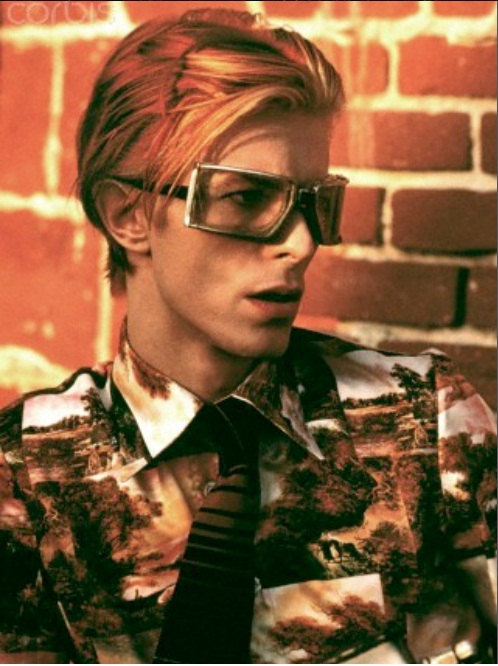
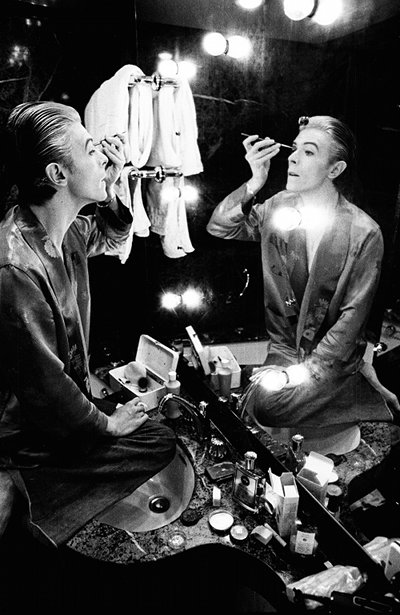
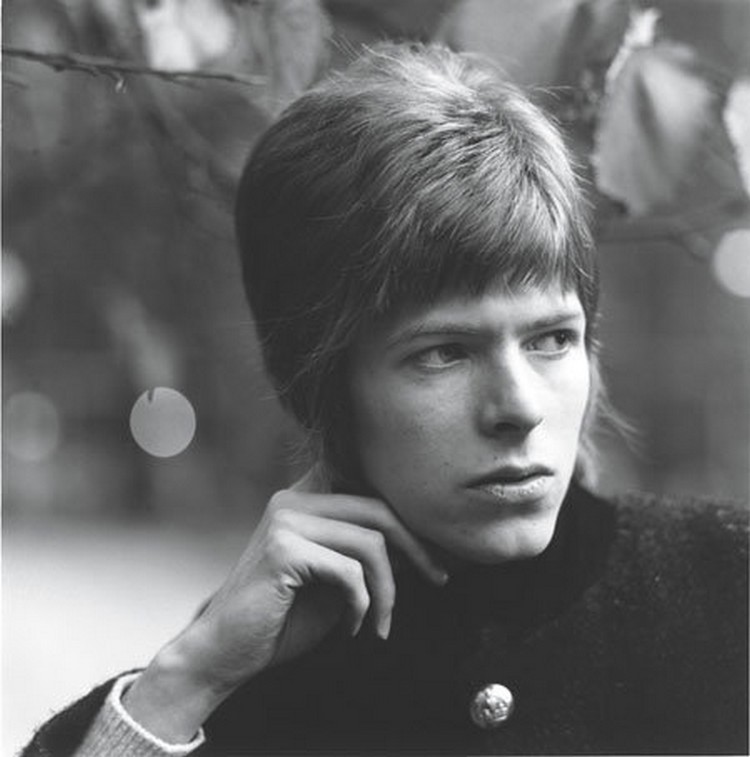
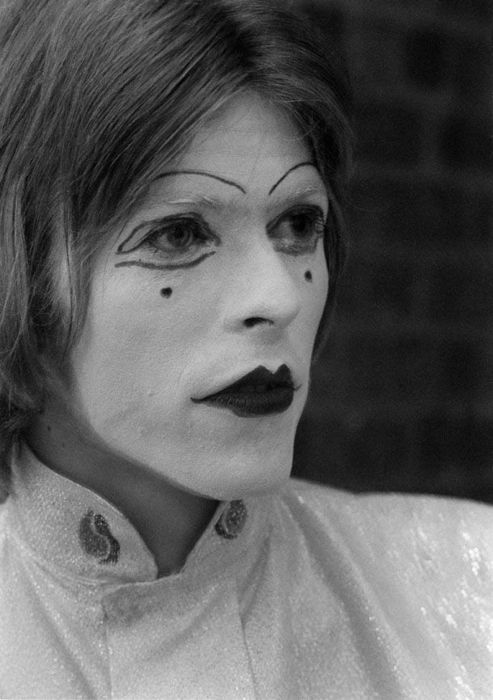
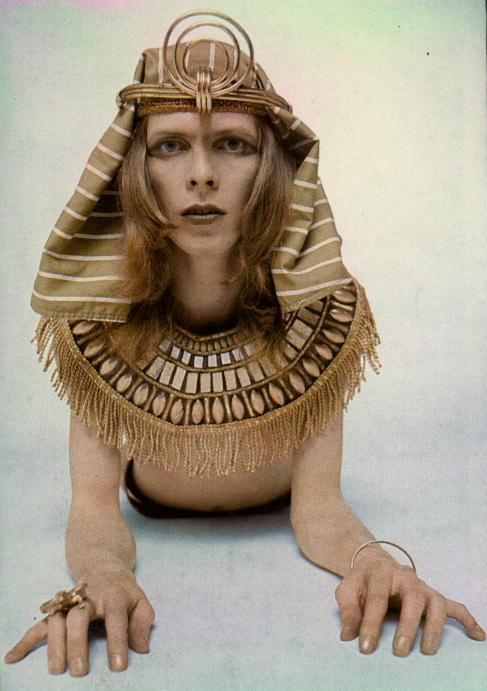
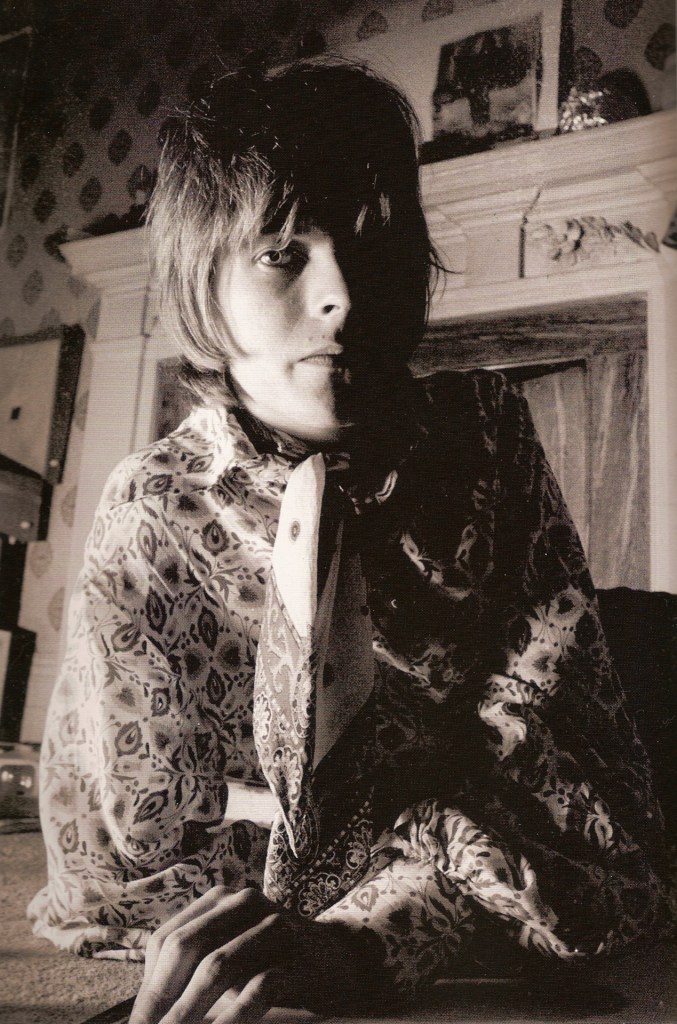
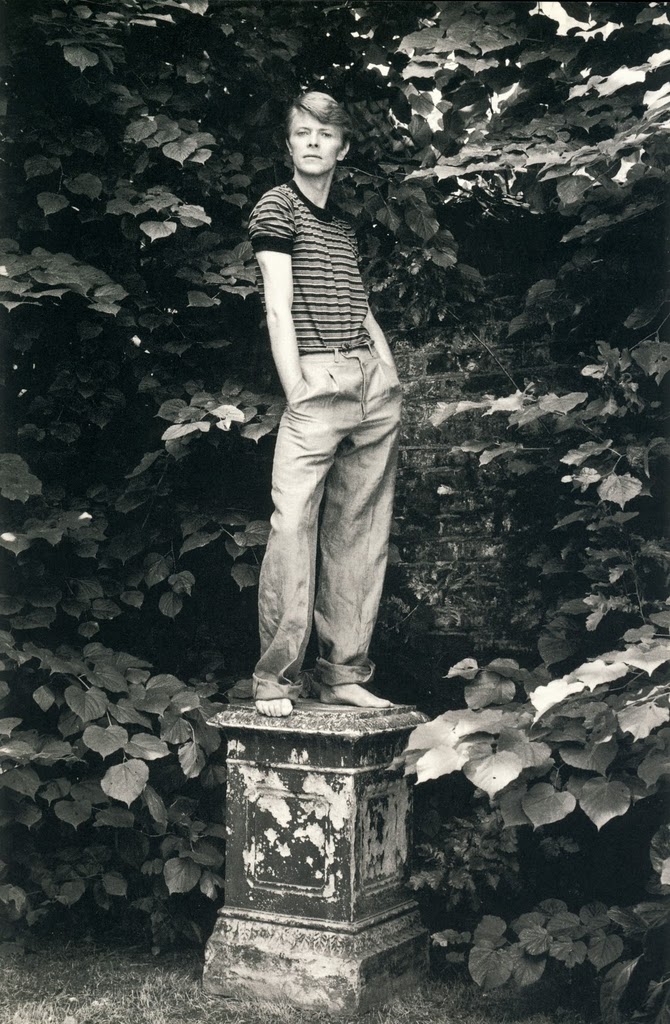
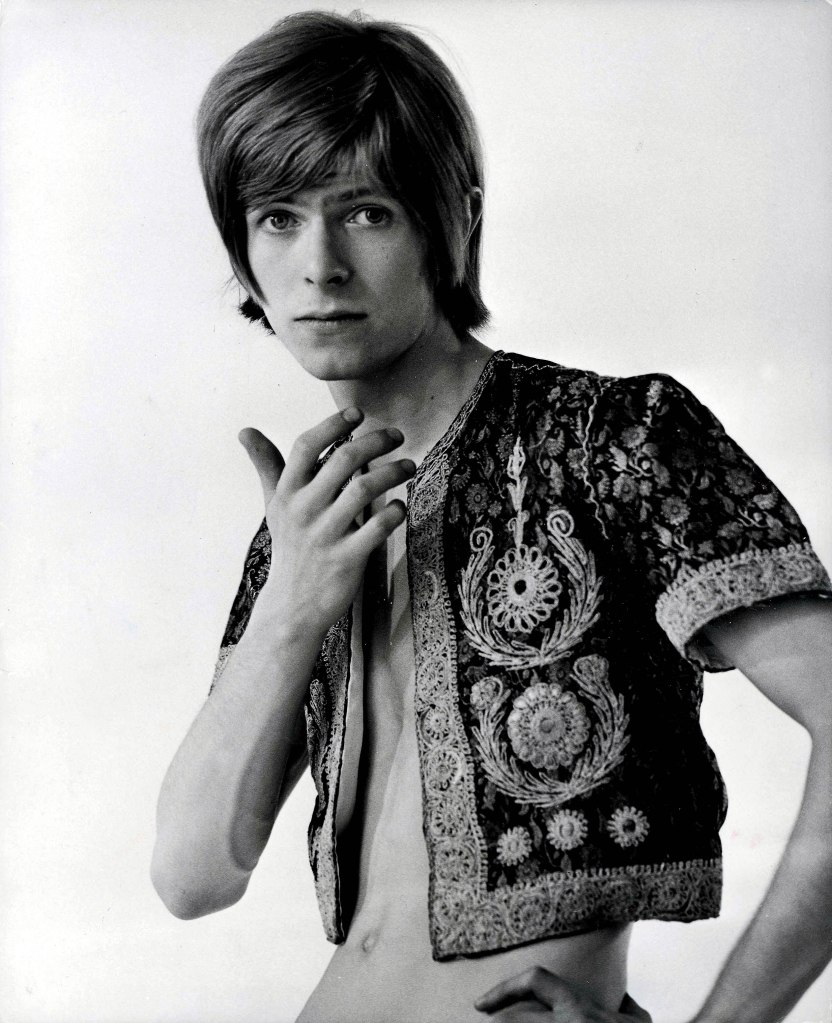
68 Amazing Photos of David Bowie during the 1960s & 1970s

David Robert Jones OAL (8 January 1947 – 10 January 2016), known professionally as David Bowie, was an English singer-songwriter and actor. A leading figure in the music industry, Bowie is regarded as one of the most influential musicians of the 20th century. He was acclaimed by critics and musicians, particularly for his innovative work during the 1970s. His career was marked by reinvention and visual presentation, and his music and stagecraft had a significant impact on popular music.

Bowie developed an interest in music as a child. He studied art, music and design before embarking on a professional career as a musician in 1963. “Space Oddity”, released in 1969, was his first top-five entry on the UK Singles Chart. After a period of experimentation, he re-emerged in 1972 during the glam rock era with his flamboyant and androgynous alter ego Ziggy Stardust. The character was spearheaded by the success of Bowie’s single “Starman” and album The Rise and Fall of Ziggy Stardust and the Spiders from Mars, which won him widespread popularity. In 1975, Bowie’s style shifted towards a sound he characterised as “plastic soul”, initially alienating many of his UK fans but garnering him his first major US crossover success with the number-one single “Fame” and the album Young Americans. In 1976, Bowie starred in the cult film The Man Who Fell to Earth and released Station to Station. In 1977, he further confounded expectations with the electronic-inflected album Low, the first of three collaborations with Brian Eno that came to be known as the “Berlin Trilogy”. “Heroes” (1977) and Lodger (1979) followed; each album reached the UK top five and received lasting critical praise.

After uneven commercial success in the late 1970s, Bowie had three number-one hits: the 1980 single “Ashes to Ashes”, its album Scary Monsters (and Super Creeps), and “Under Pressure” (a 1981 collaboration with Queen). He reached his peak commercial success in 1983 with Let’s Dance: its title track topped both the UK and US charts. Throughout the 1990s and 2000s, Bowie continued to experiment with musical styles, including industrial and jungle. He also continued acting: his roles included Major Jack Celliers in Merry Christmas, Mr. Lawrence (1983), Jareth the Goblin King in Labyrinth (1986), Pontius Pilate in The Last Temptation of Christ (1988), and Nikola Tesla in The Prestige (2006), among other film and television appearances and cameos. He stopped touring after 2004 and his last live performance was at a charity event in 2006. In 2013, Bowie returned from a decade-long recording hiatus with The Next Day. He remained musically active until his death from liver cancer at his home in New York City. He died two days after both his 69th birthday and the release of his final album, Blackstar (2016).

During his lifetime, his record sales, estimated at over 100 million records worldwide, made him one of the best-selling music artists of all time. In the UK, he was awarded ten platinum, eleven gold and eight silver album certifications, and released 11 number-one albums. In the US, he received five platinum and nine gold certifications. He was inducted into the Rock and Roll Hall of Fame in 1996. Rolling Stone named him among the greatest artists in history and – after his death – the “greatest rock star ever”. (Wikipedia)
Middle Earth, 19 May 1968

Yesterday Today

Bringing You the Wonder of Yesterday - Today

Skip to content ↓