











Bringing You the Wonder of Yesterday – Today









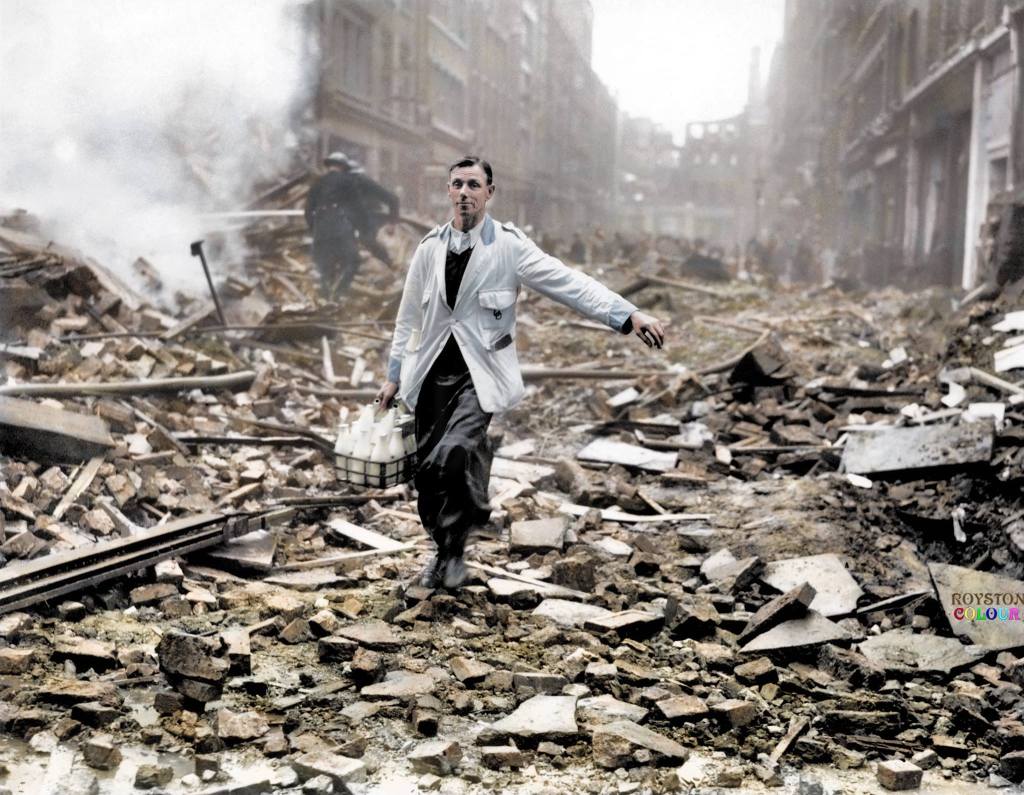
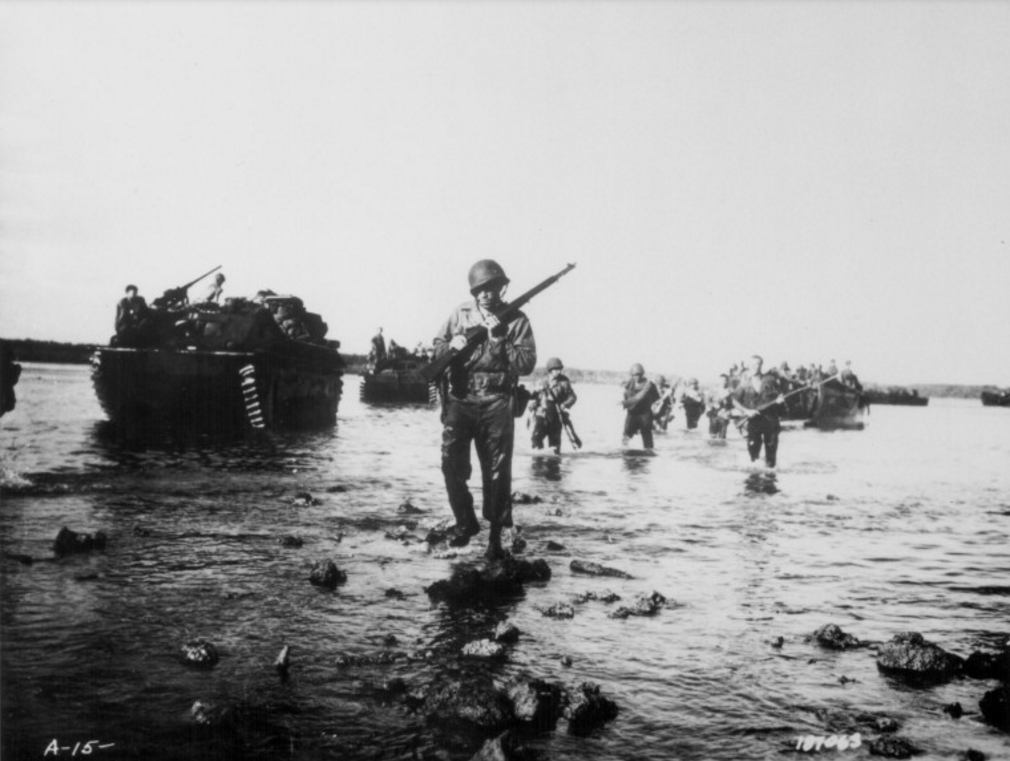
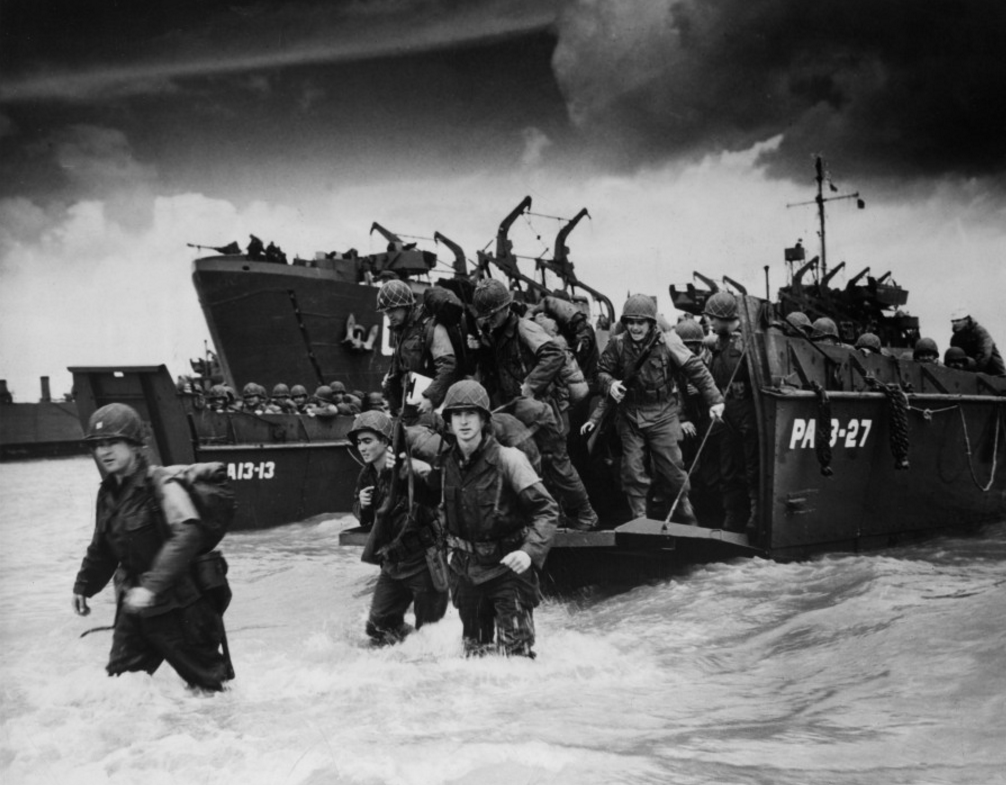
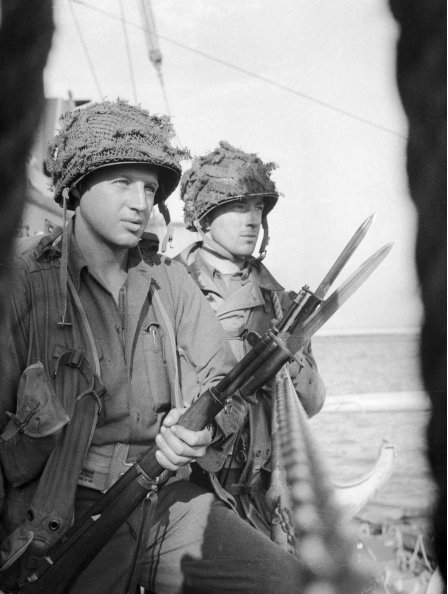
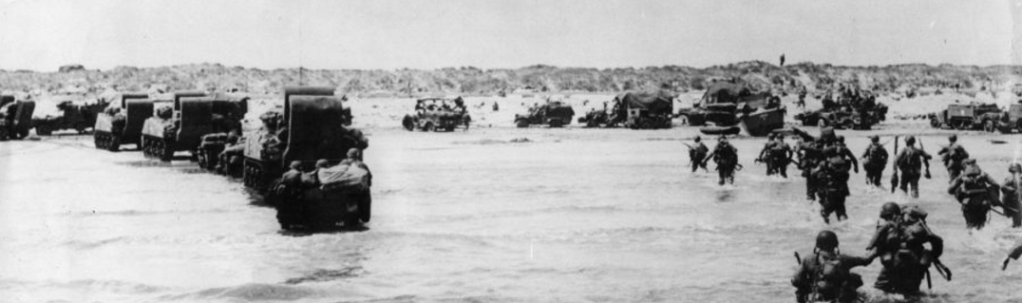
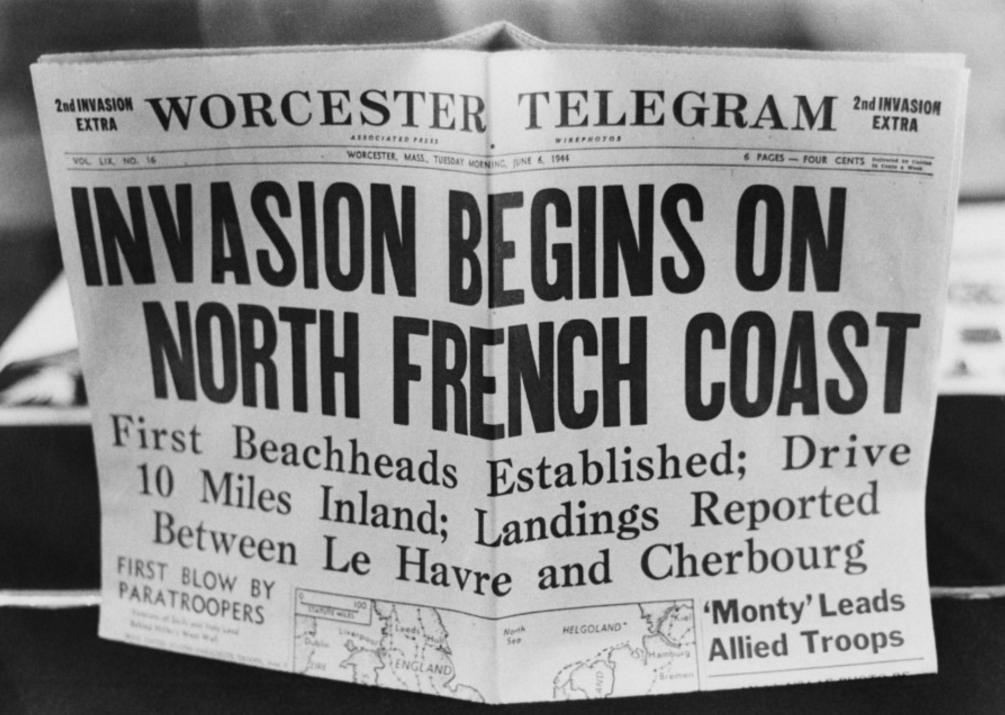
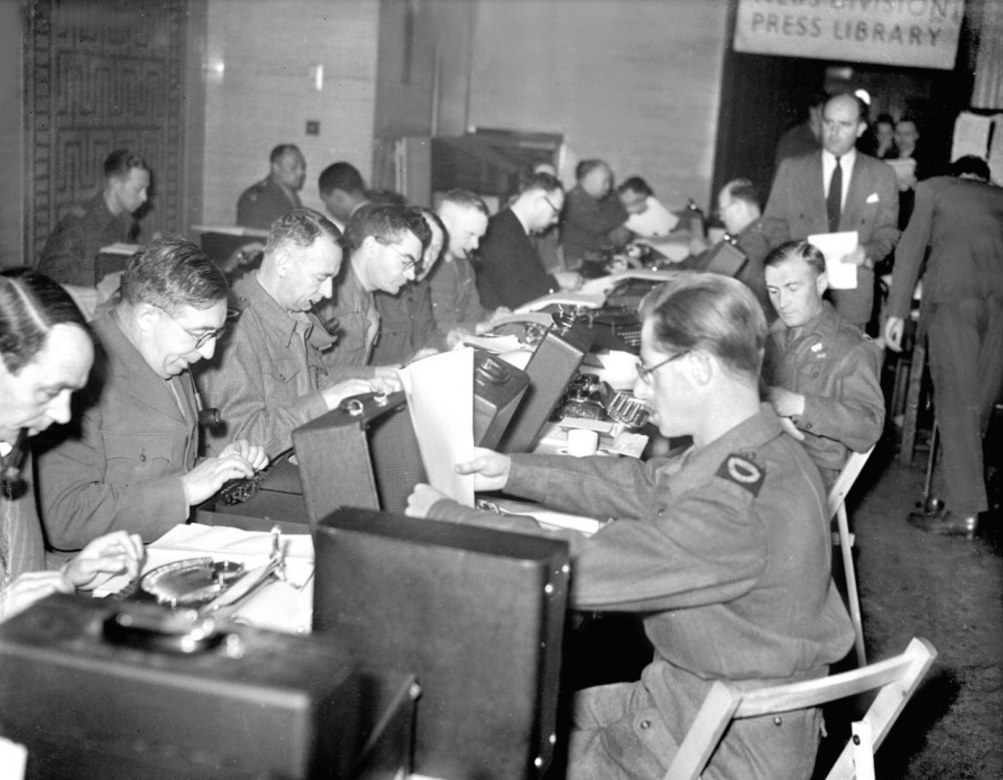
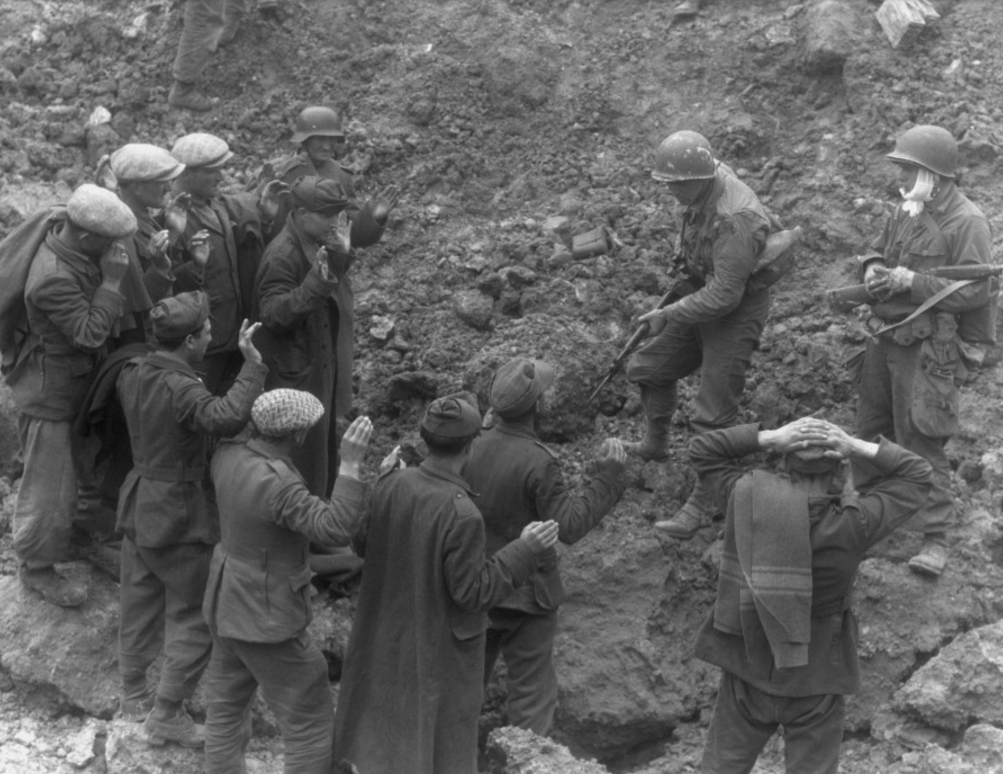
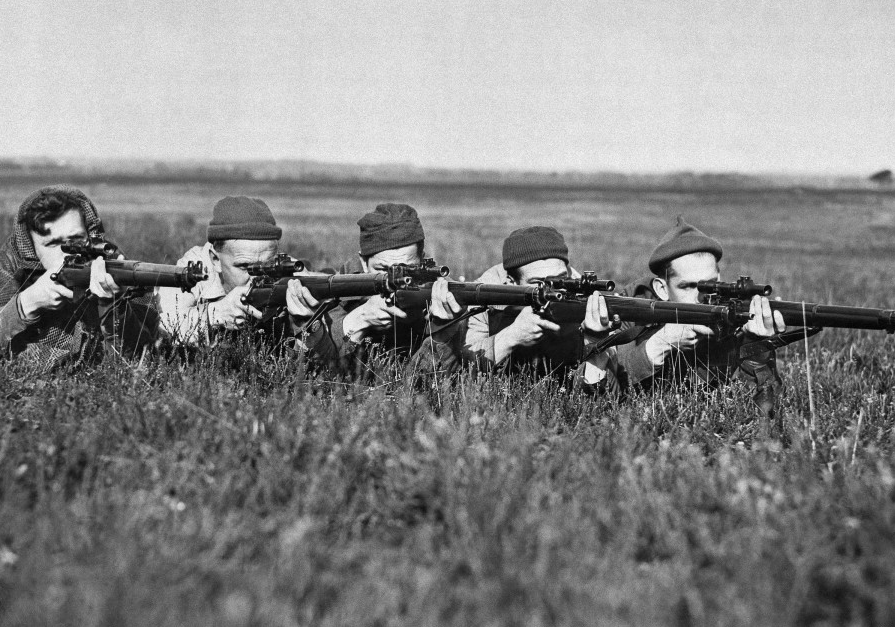
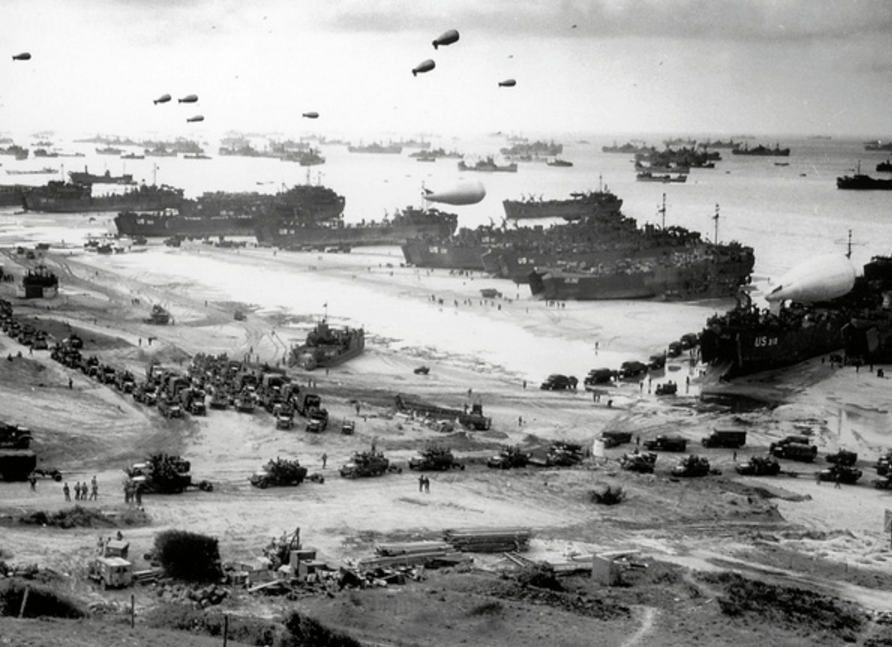
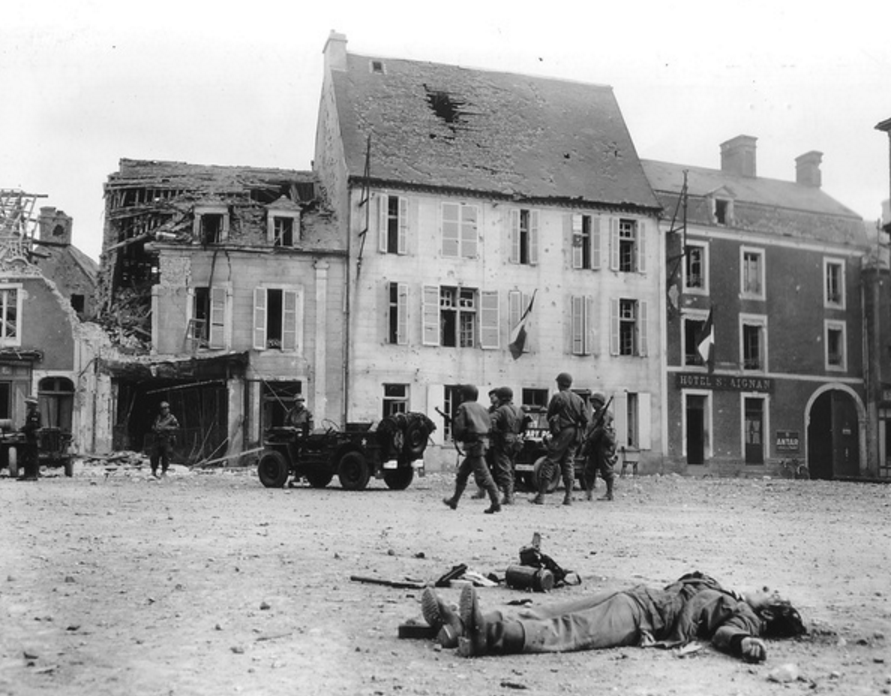
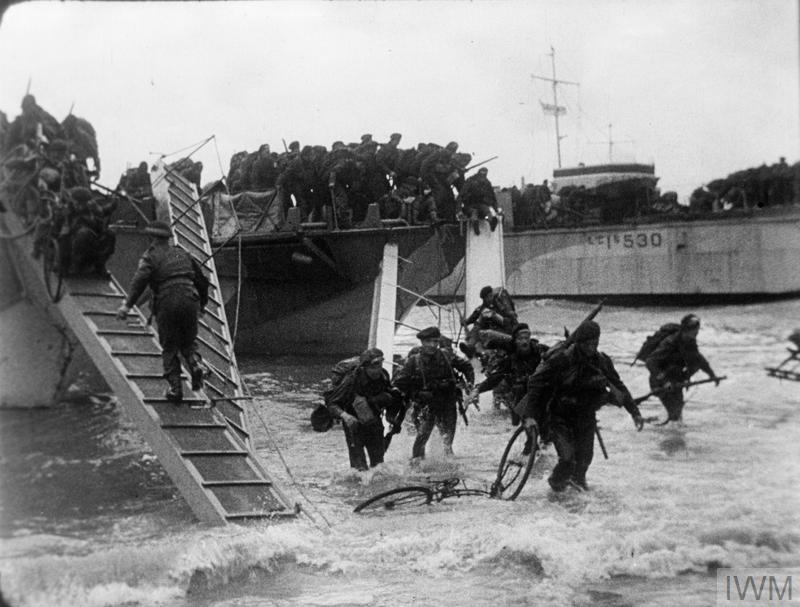
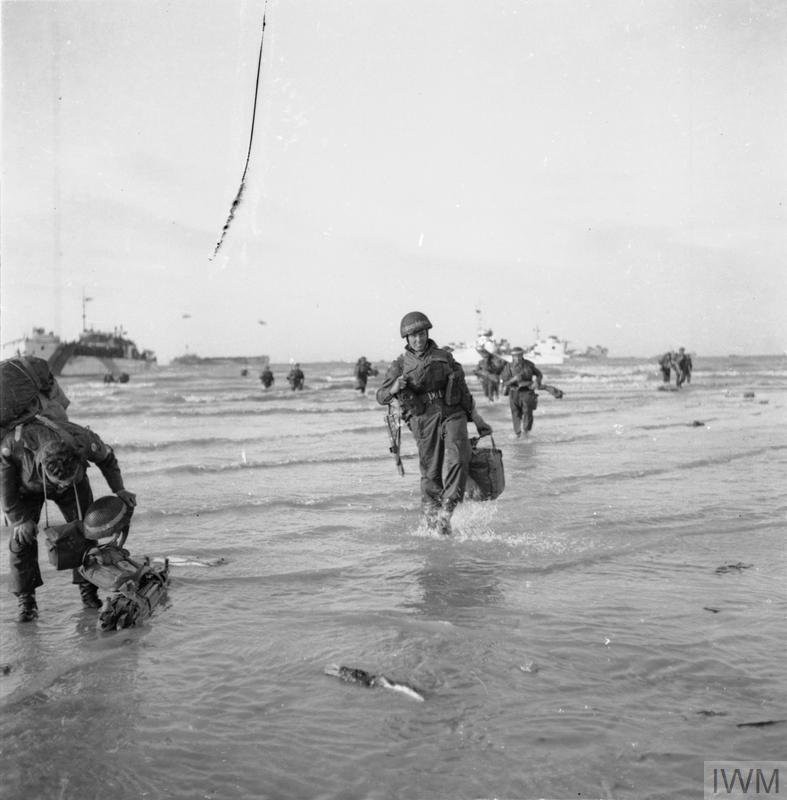
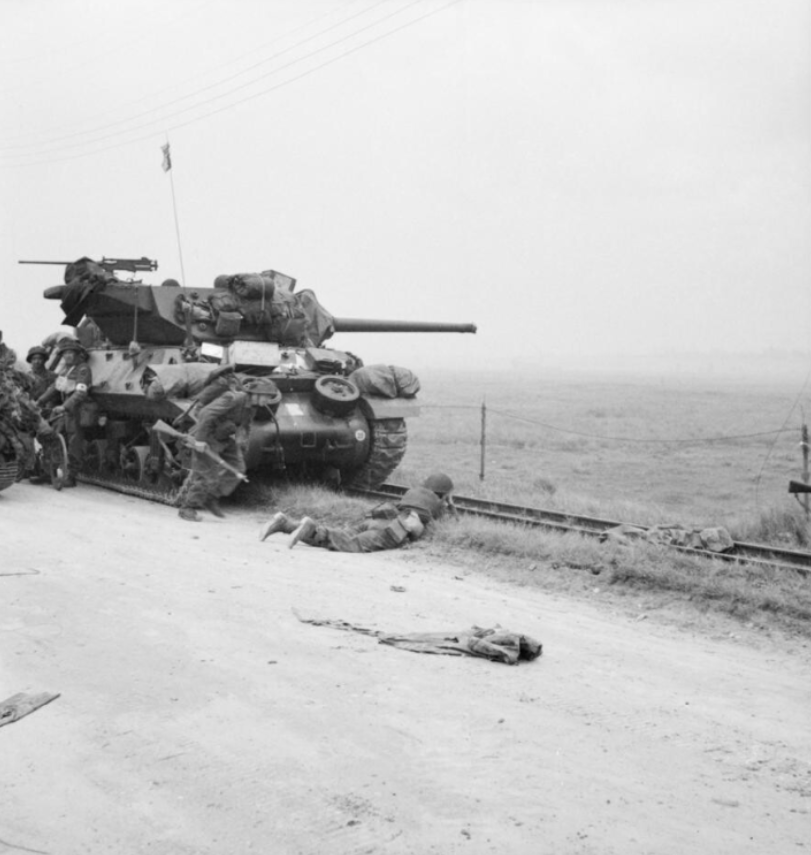
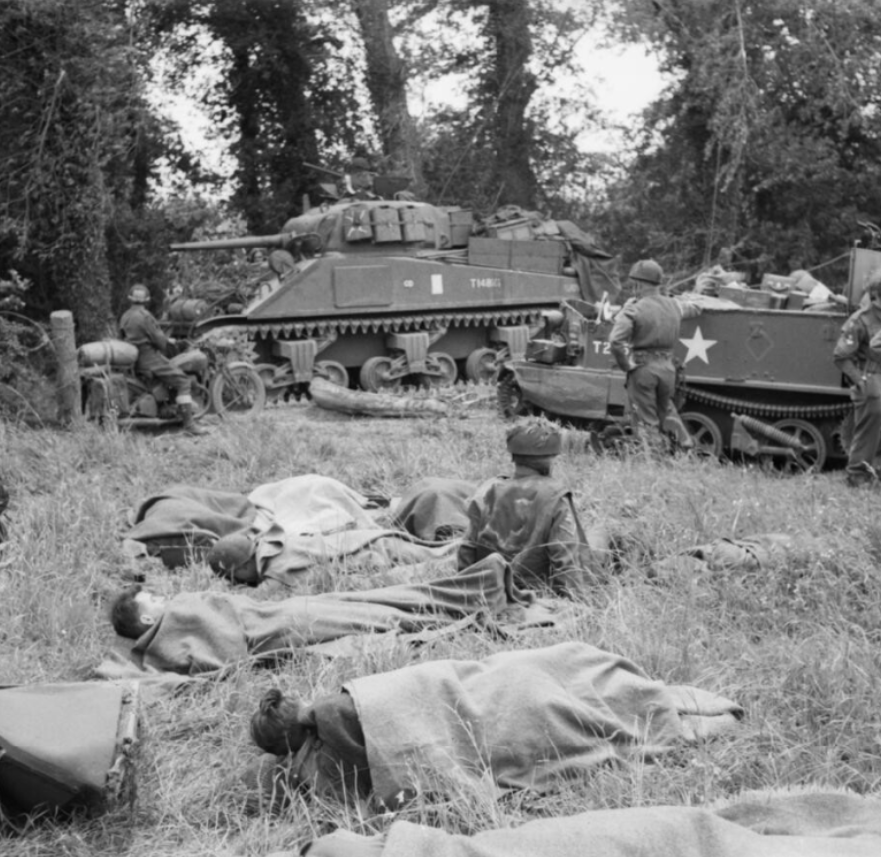
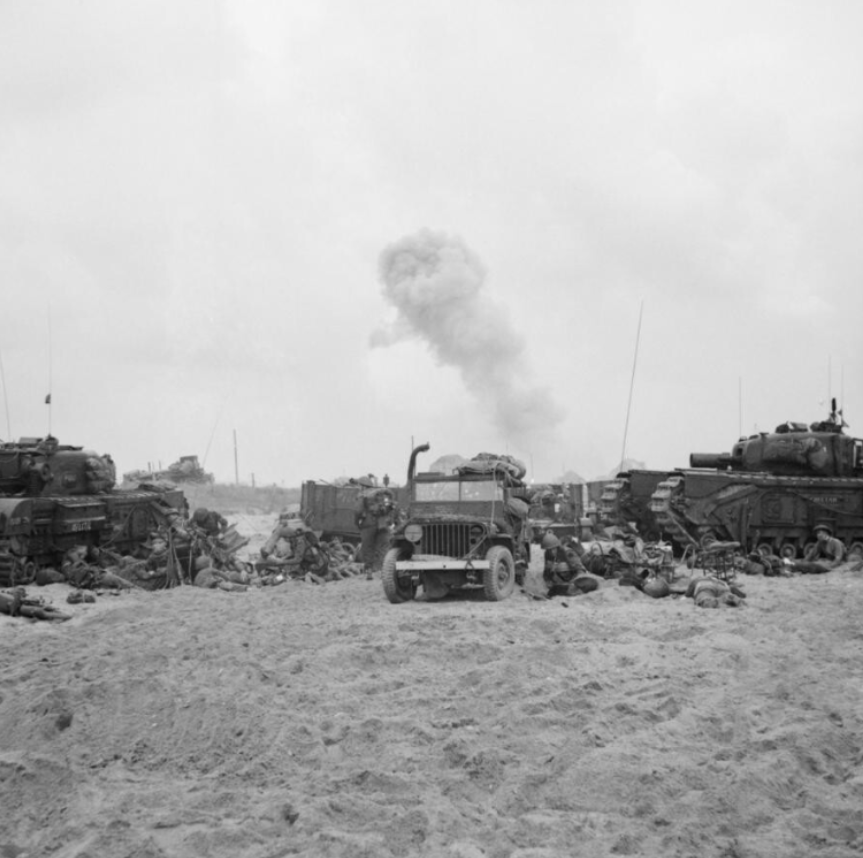
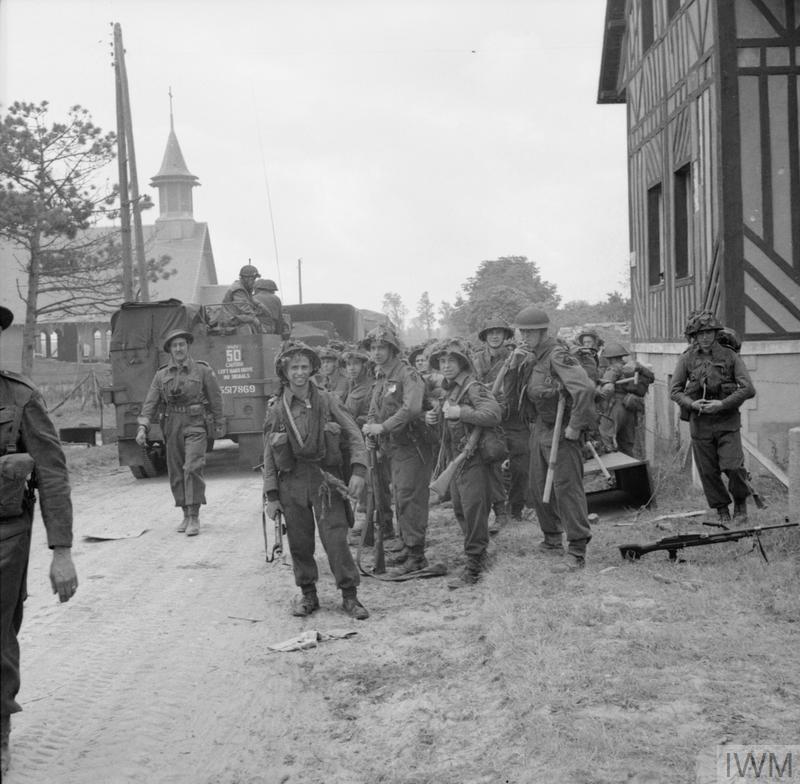
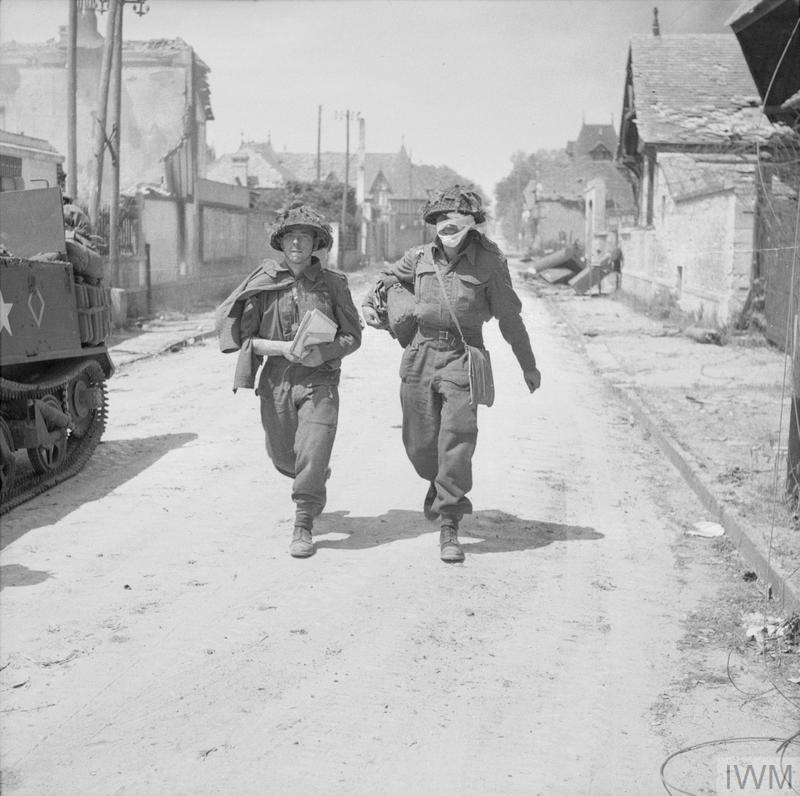
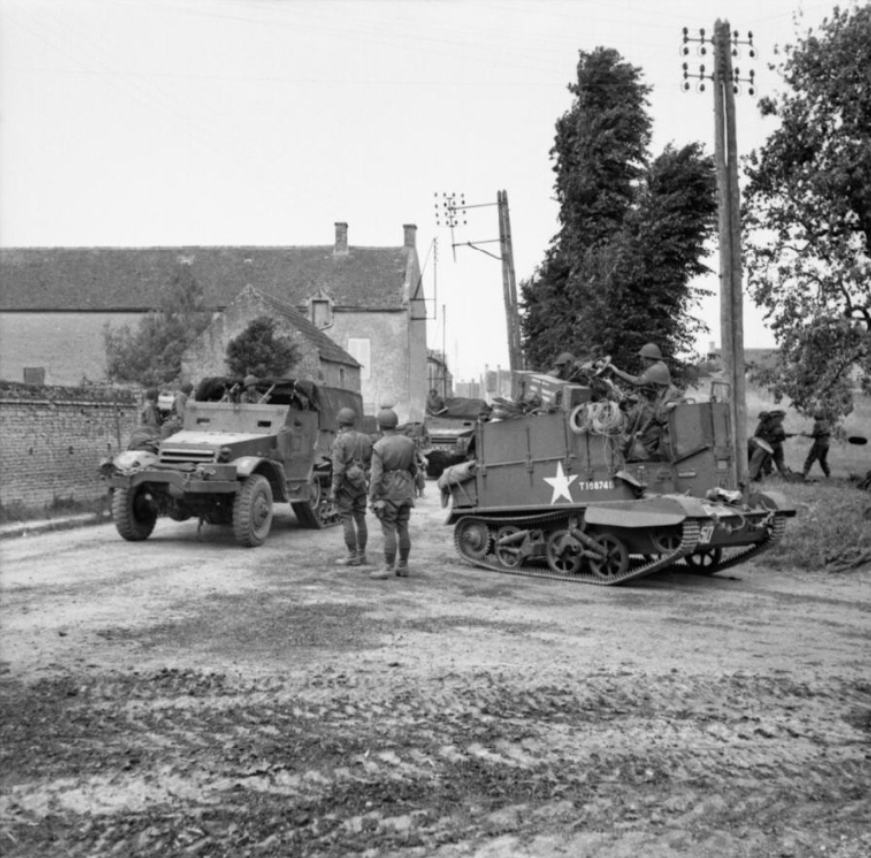
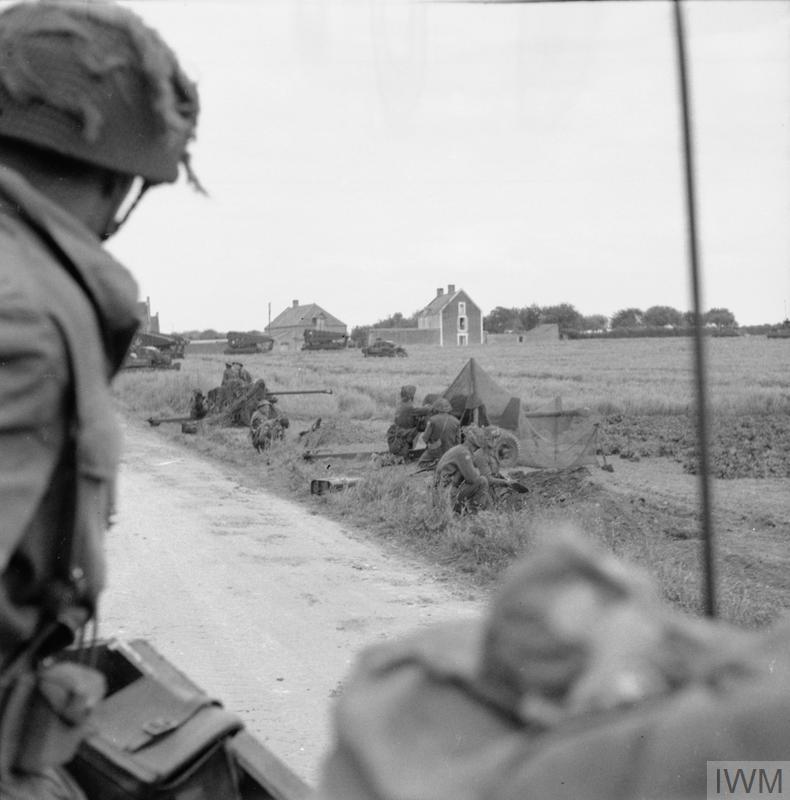
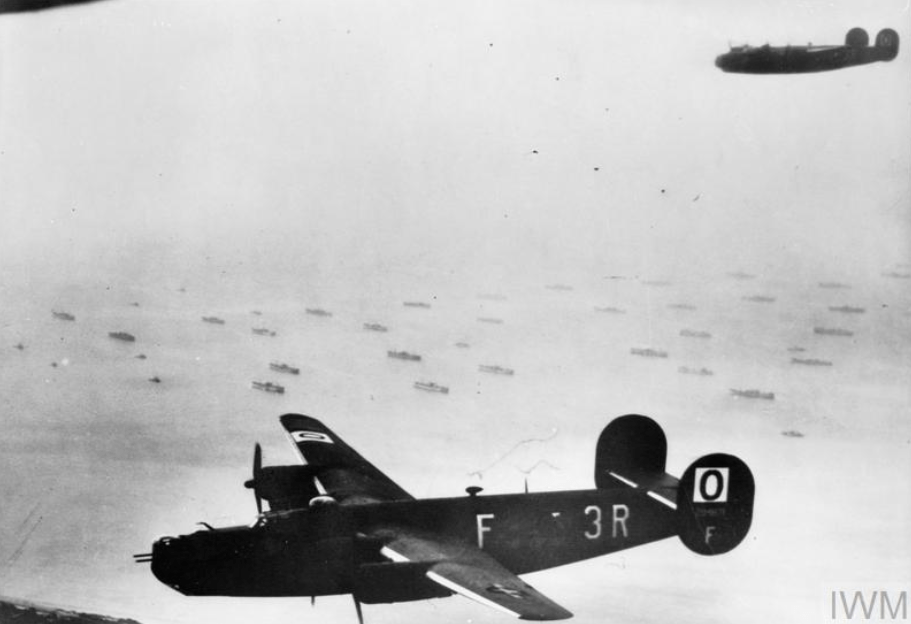
The Normandy landings were the landing operations and associated airborne operations on Tuesday, 6 June 1944 of the Allied invasion of Normandy in Operation Overlord during World War II. Codenamed Operation Neptune and often referred to as D-Day, it was the largest seaborne invasion in history. The operation began the liberation of France (and later western Europe) and laid the foundations of the Allied victory on the Western Front.
Planning for the operation began in 1943. In the months leading up to the invasion, the Allies conducted a substantial military deception, codenamed Operation Bodyguard, to mislead the Germans as to the date and location of the main Allied landings. The weather on D-Day was far from ideal, and the operation had to be delayed 24 hours; a further postponement would have meant a delay of at least two weeks, as the invasion planners had requirements for the phase of the moon, the tides, and the time of day that meant only a few days each month were deemed suitable. Adolf Hitler placed Field Marshal Erwin Rommel in command of German forces and of developing fortifications along the Atlantic Wall in anticipation of an Allied invasion. U.S. President Franklin D. Roosevelt placed Major General Dwight D. Eisenhower in command of Allied forces.
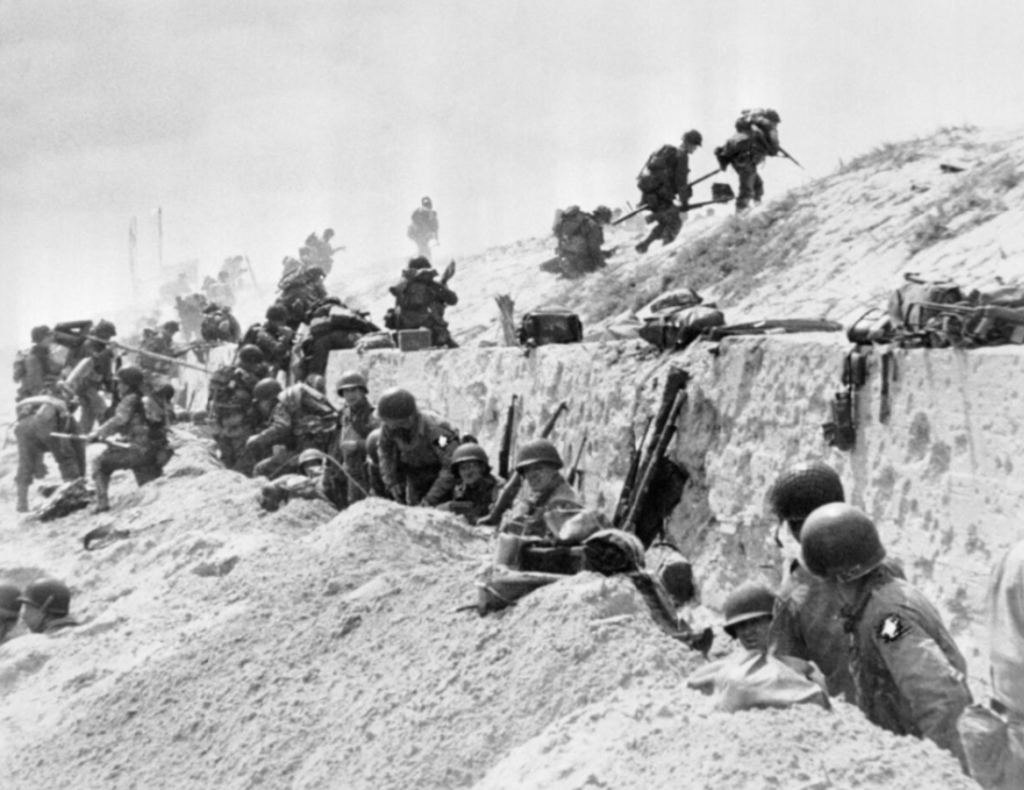
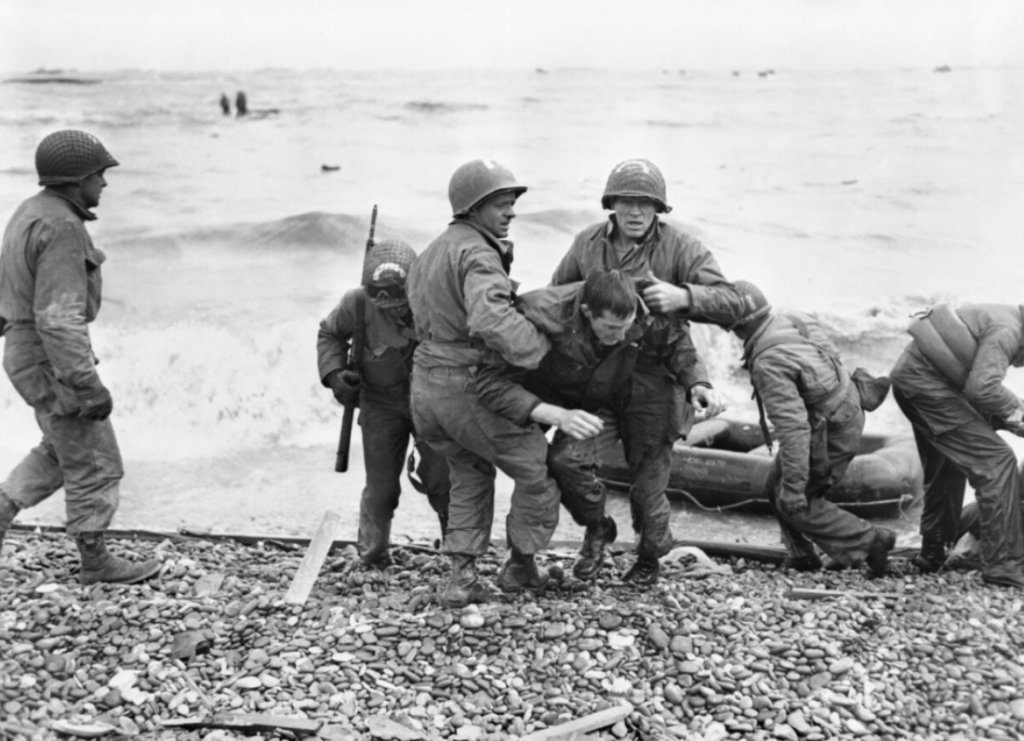
The amphibious landings were preceded by extensive aerial and naval bombardment and an airborne assault—the landing of 24,000 American, British, and Canadian airborne troops shortly after midnight. Allied infantry and armoured divisions began landing on the coast of France at 06:30. The target 50-mile (80 km) stretch of the Normandy coast was divided into five sectors: Utah, Omaha, Gold, Juno, and Sword. Strong winds blew the landing craft east of their intended positions, particularly at Utah and Omaha. The men landed under heavy fire from gun emplacements overlooking the beaches, and the shore was mined and covered with obstacles such as wooden stakes, metal tripods, and barbed wire, making the work of the beach-clearing teams difficult and dangerous. Casualties were heaviest at Omaha, with its high cliffs. At Gold, Juno, and Sword, several fortified towns were cleared in house-to-house fighting, and two major gun emplacements at Gold were disabled using specialised tanks.
The Allies failed to achieve any of their goals on the first day. Carentan, Saint-Lô, and Bayeux remained in German hands, and Caen, a major objective, was not captured until 21 July. Only two of the beaches (Juno and Gold) were linked on the first day, and all five beachheads were not connected until 12 June; however, the operation gained a foothold that the Allies gradually expanded over the coming months. German casualties on D-Day have been estimated at 4,000 to 9,000 men. Allied casualties were documented for at least 10,000, with 4,414 confirmed dead. Museums, memorials, and war cemeteries in the area now host many visitors each year. (Wikipedia)
























Dame Agatha Mary Clarissa Christie, Lady Mallowan, DBE (née Miller; 15 September 1890 – 12 January 1976) was an English writer known for her 66 detective novels and 14 short story collections, particularly those revolving around fictional detectives Hercule Poirot and Miss Marple. She also wrote the world’s longest-running play, The Mousetrap, which was performed in the West End from 1952 to 2020, as well as six novels under the pseudonym Mary Westmacott. In 1971, she was made a Dame (DBE) for her contributions to literature. Guinness World Records lists Christie as the best-selling fiction writer of all time, her novels having sold more than two billion copies.
Christie was born into a wealthy upper-middle-class family in Torquay, Devon, and was largely home-schooled. She was initially an unsuccessful writer with six consecutive rejections, but this changed in 1920 when The Mysterious Affair at Styles, featuring detective Hercule Poirot, was published. Her first husband was Archibald Christie; they married in 1914 and had one child before divorcing in 1928. During both World Wars, she served in hospital dispensaries, acquiring a thorough knowledge of the poisons which featured in many of her novels, short stories, and plays. Following her marriage to archaeologist Max Mallowan in 1930, she spent several months each year on digs in the Middle East and used her first-hand knowledge of his profession in her fiction.
According to Index Translationum, she remains the most-translated individual author. Her novel And Then There Were None is one of the top-selling books of all time, with approximately 100 million copies sold. Christie’s stage play The Mousetrap holds the world record for the longest initial run. It opened at the Ambassadors Theatre in the West End of London on 25 November 1952, and by September 2018 there had been more than 27,500 performances. The play was closed down in March 2020 because of the coronavirus pandemic.
In 1955, Christie was the first recipient of the Mystery Writers of America’s Grand Master Award. Later that year, Witness for the Prosecution received an Edgar Award for best play. In 2013, she was voted the best crime writer and The Murder of Roger Ackroyd the best crime novel ever by 600 professional novelists of the Crime Writers’ Association. In September 2015, And Then There Were None was named the “World’s Favourite Christie” in a vote sponsored by the author’s estate. Most of Christie’s books and short stories have been adapted for television, radio, video games, and graphic novels. More than 30 feature films are based on her work. (Wikipedia)
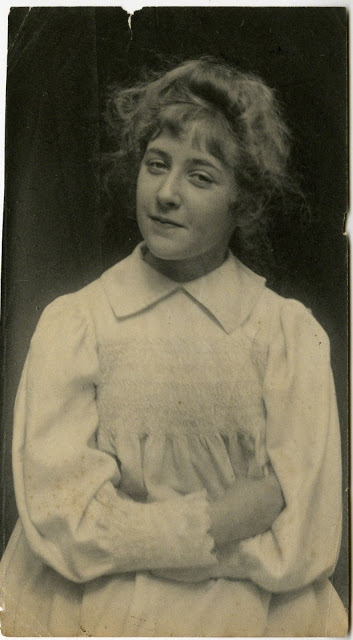

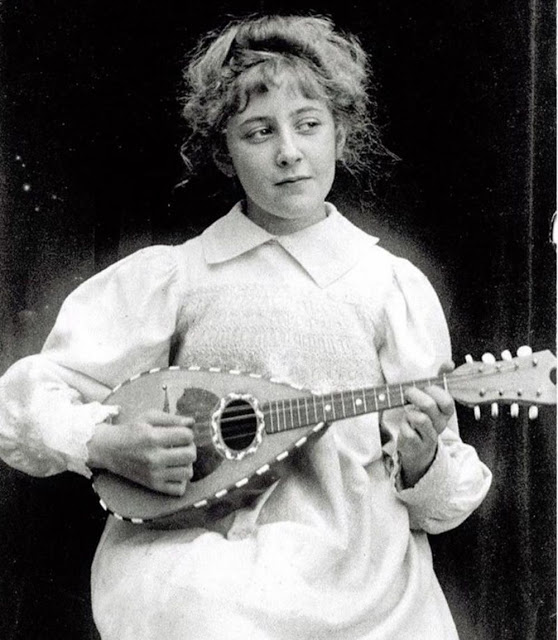
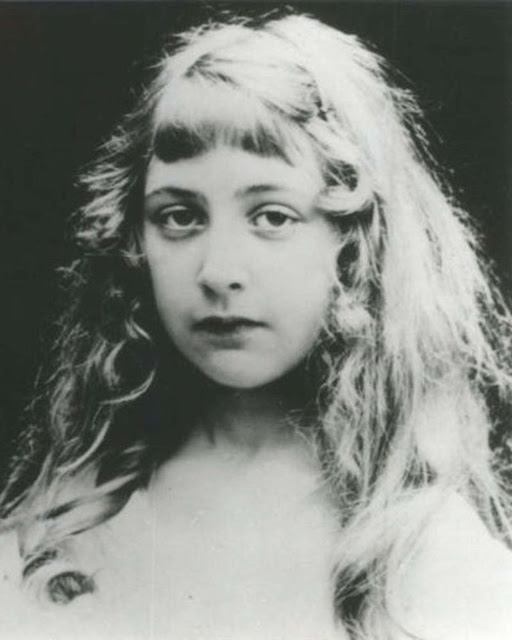
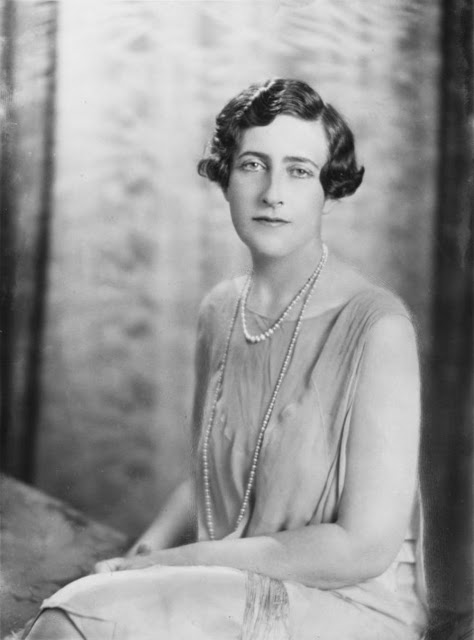

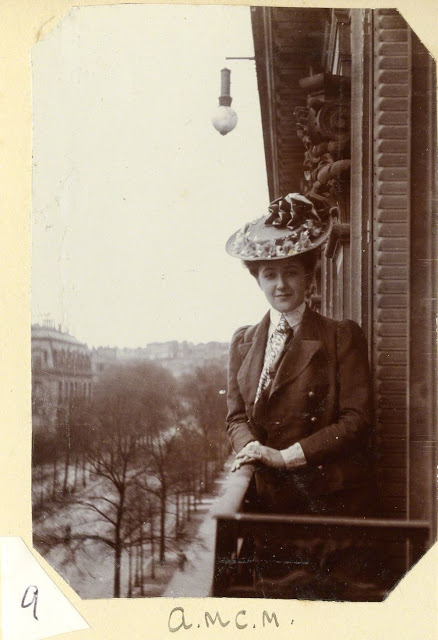
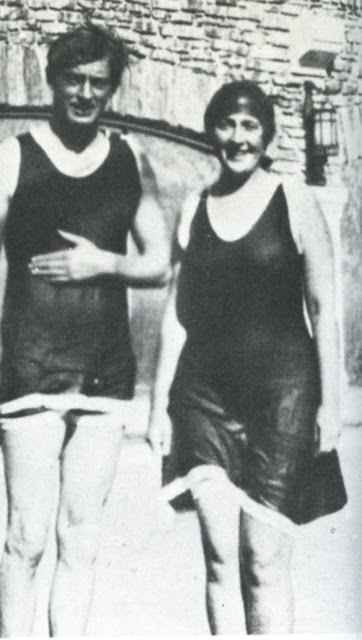
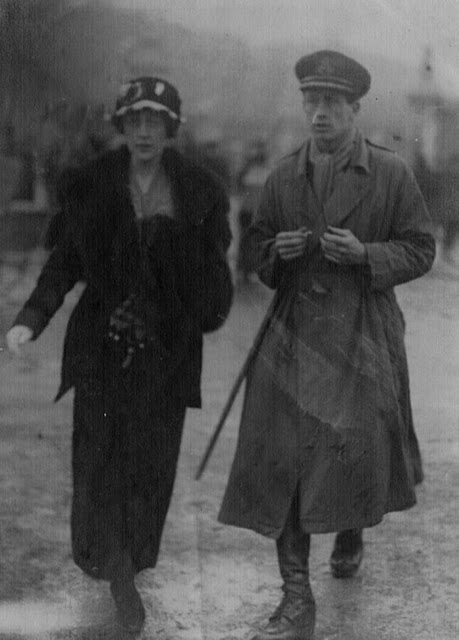
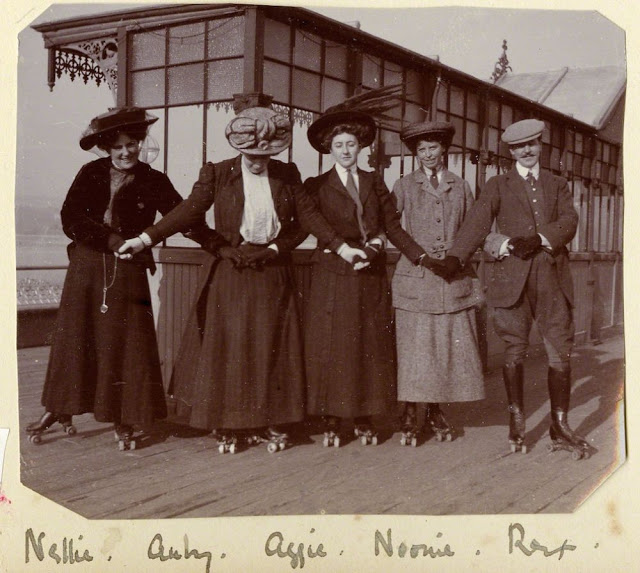
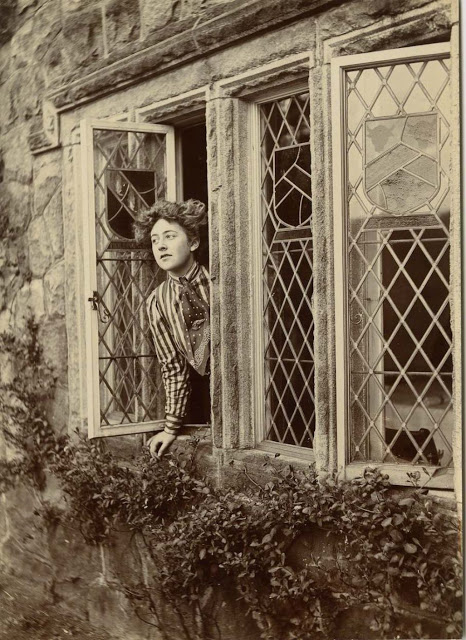
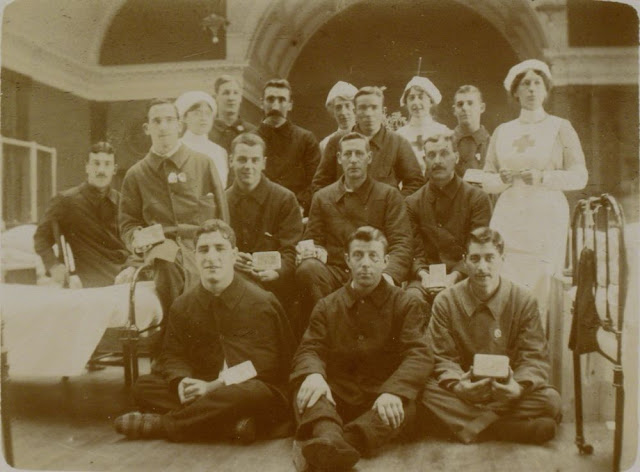
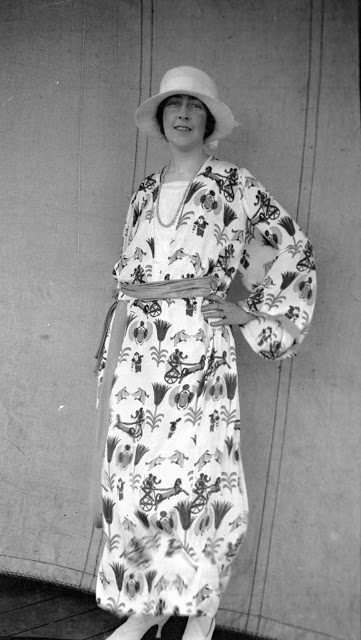
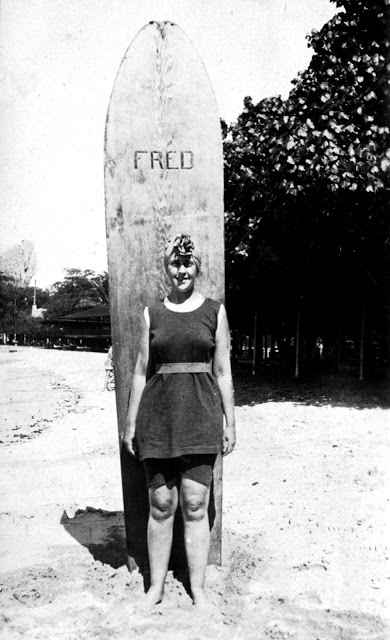
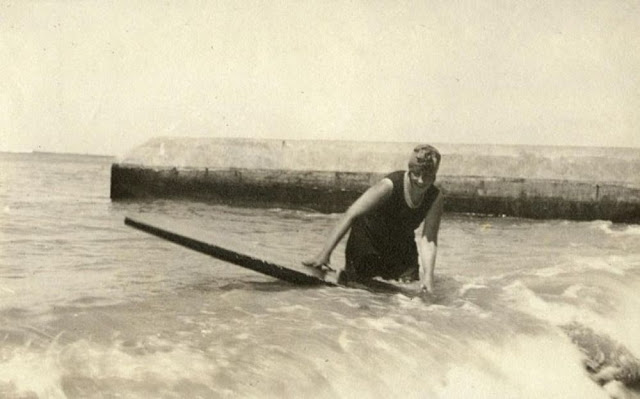
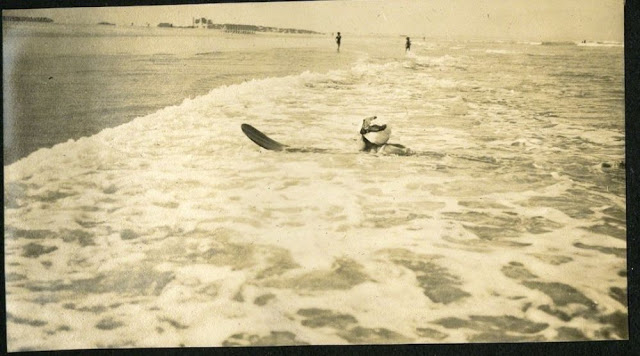
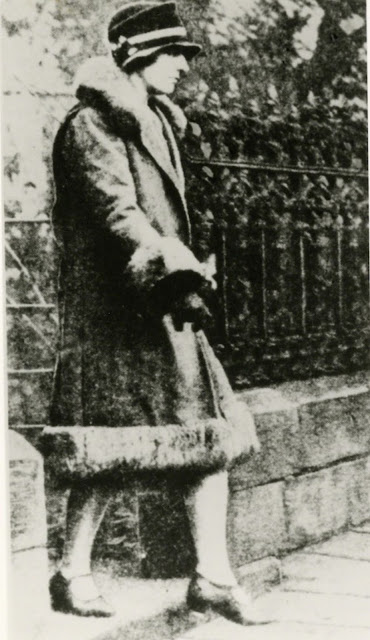
(Photos courtesy of the Christie Archive)






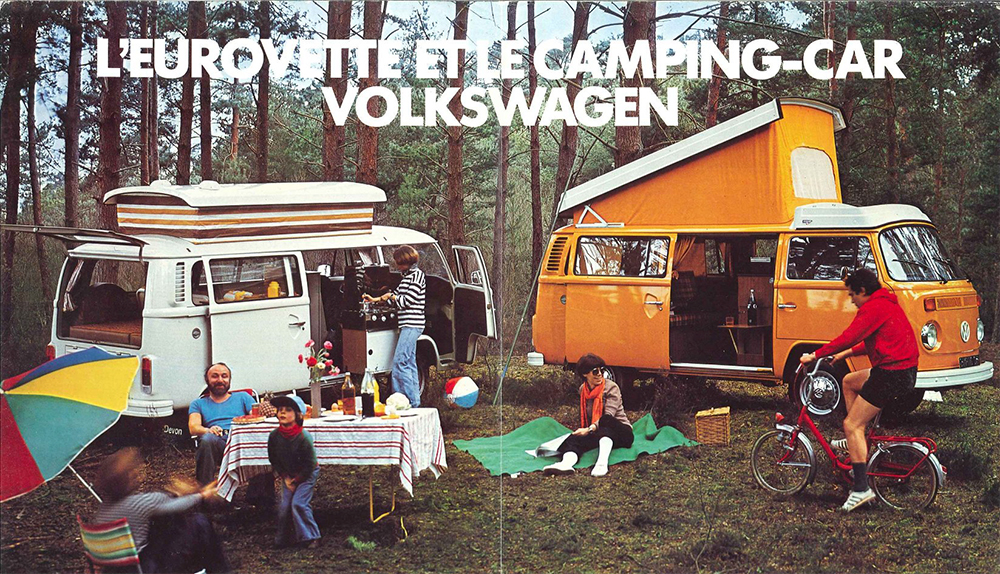
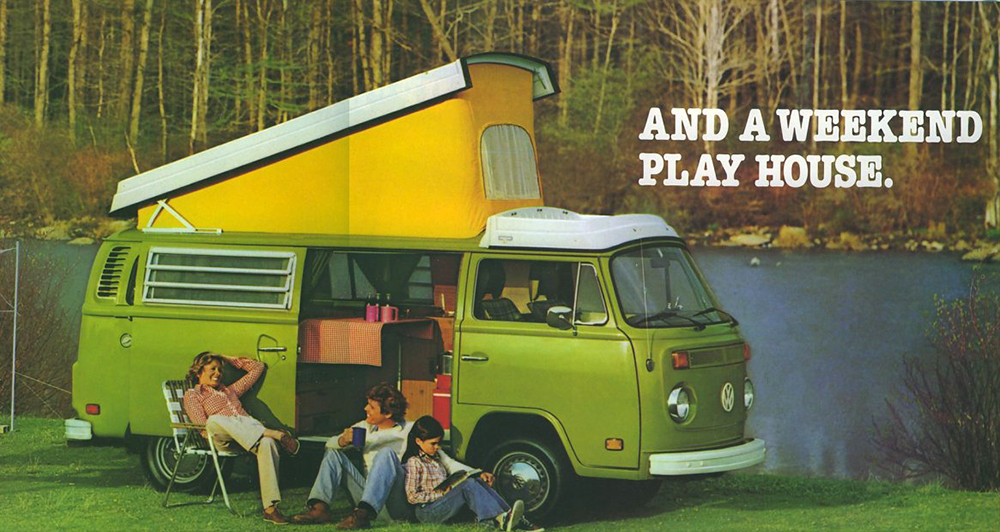
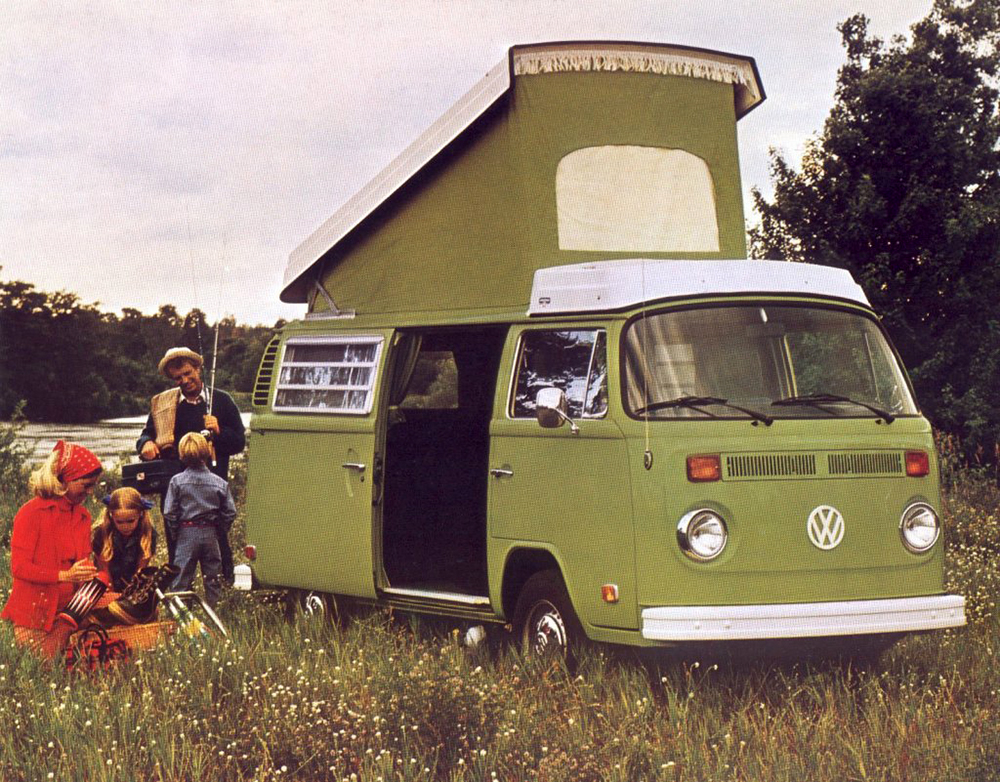
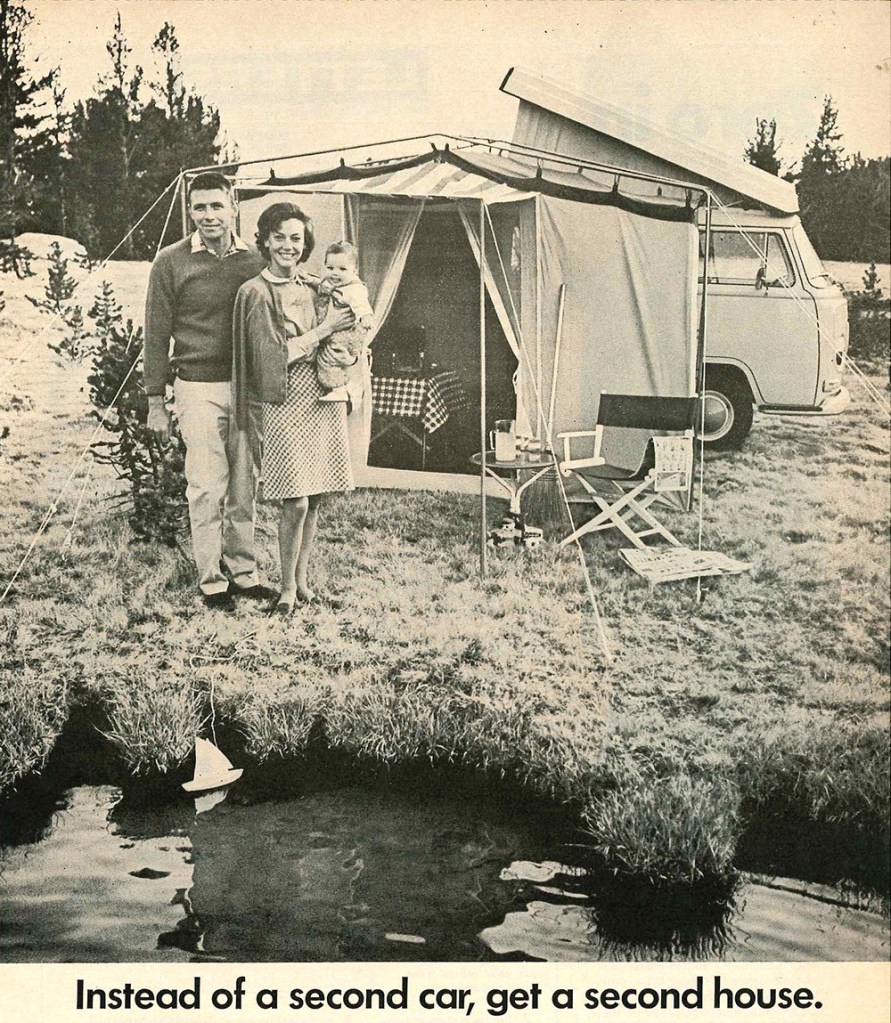
The Volkswagen Type 2, known officially (depending on body type) as the Transporter, Kombi or Microbus, or, informally, as the Bus (US), Camper (UK) or Bulli (Germany), is a forward control light commercial vehicle introduced in 1950 by the German automaker Volkswagen as its second car model. Following – and initially deriving from – Volkswagen’s first model, the Type 1 (Beetle), it was given the factory designation Type 2.
As one of the forerunners of the modern cargo and passenger vans, the Type 2 gave rise to forward control competitors in the United States in the 1960s, including the Ford Econoline, the Dodge A100, and the Chevrolet Corvair 95 Corvan, the latter adapting the rear-engine configuration of the Corvair car in the same manner in which the VW Type 2 adapted the Type 1 layout.
European competition included the 1947–1981 Citroën H Van, the 1959–1980 Renault Estafette (both FF layout), and the 1953–1965 FR layout Ford Transit.
Japanese manufacturers also introduced similar vehicles, such as the Nissan Caravan, Toyota LiteAce and Subaru Sambar.
Like the Beetle, the van has received numerous nicknames worldwide, including the “microbus”, “minibus”, and, because of its popularity during the counterculture movement of the 1960s, “Hippie van/bus”.
Brazil contained the last factory in the world that produced the T2 series of Type 2, which ceased production on 31 December 2013, due to the introduction of more stringent safety regulations in the country. This (after the 2002 termination of its T3 successor in South Africa) marked the end of the era of rear-engine Volkswagens, which originated in 1935 with their Type 1 prototypes. (Wikipedia)
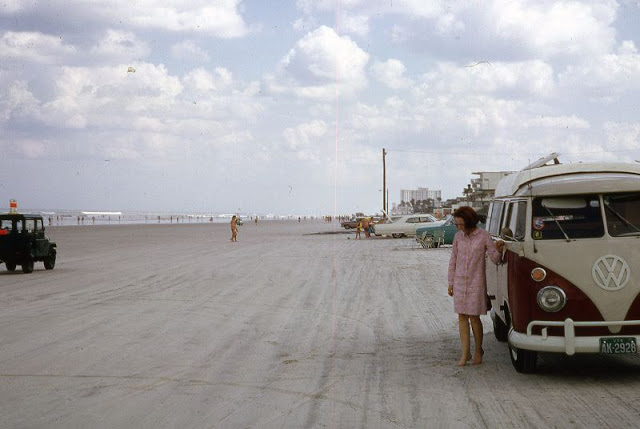
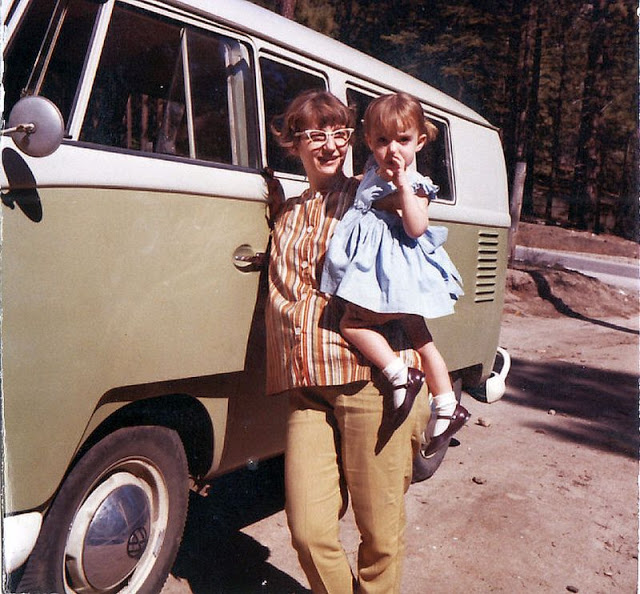
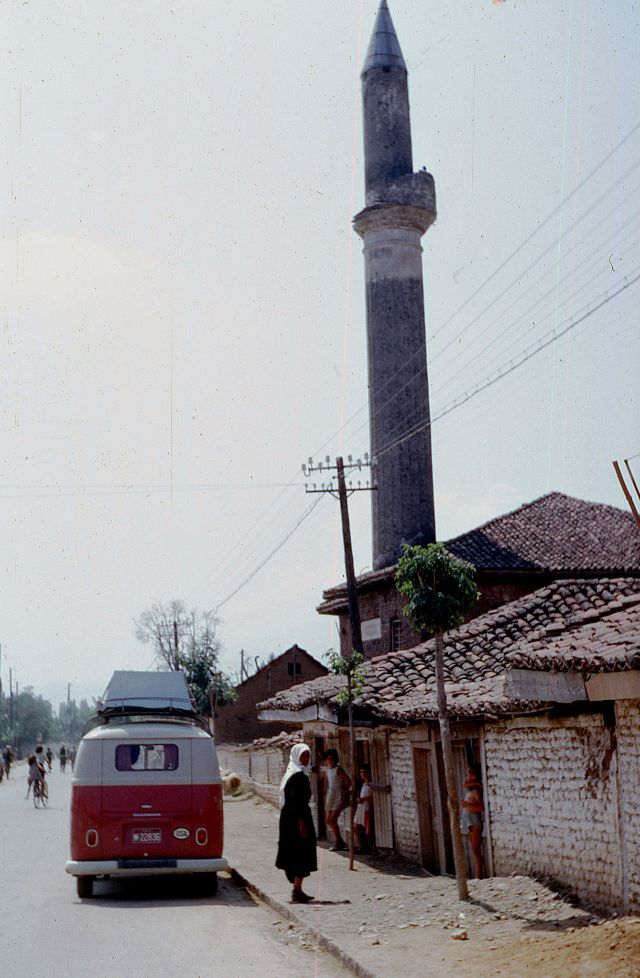
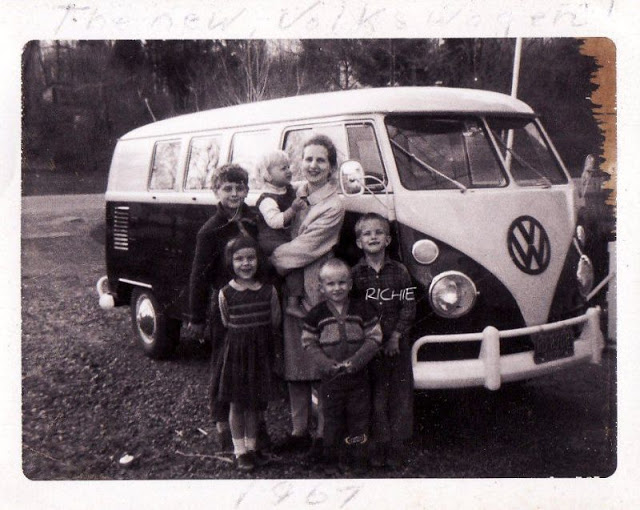
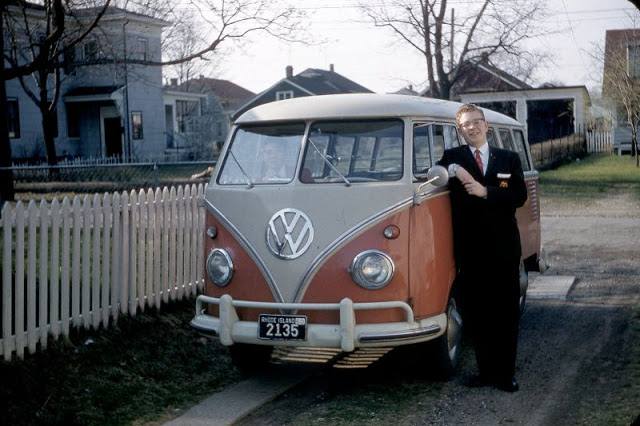
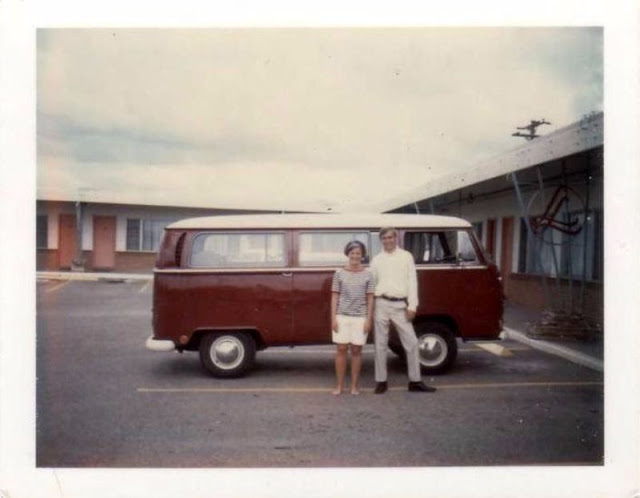
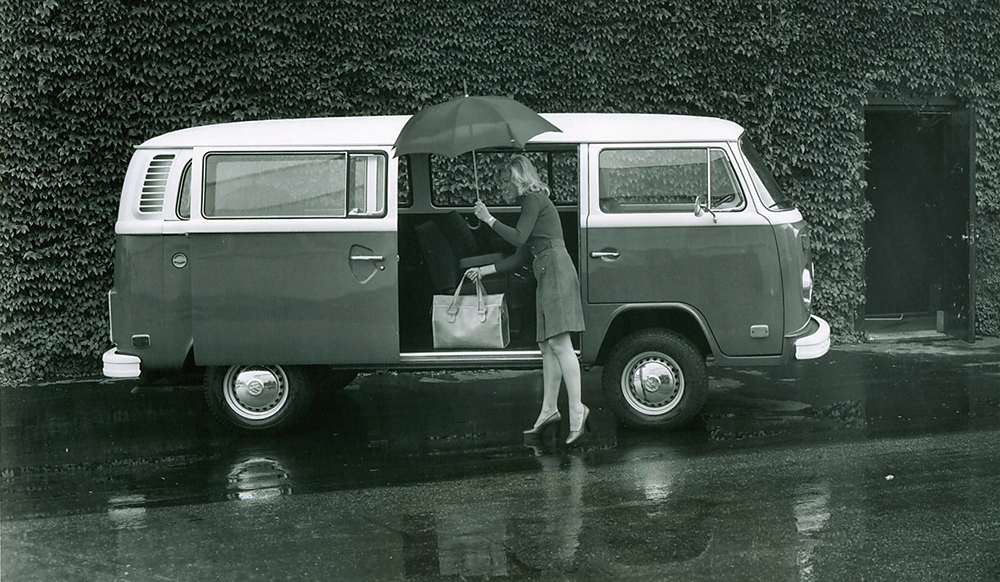
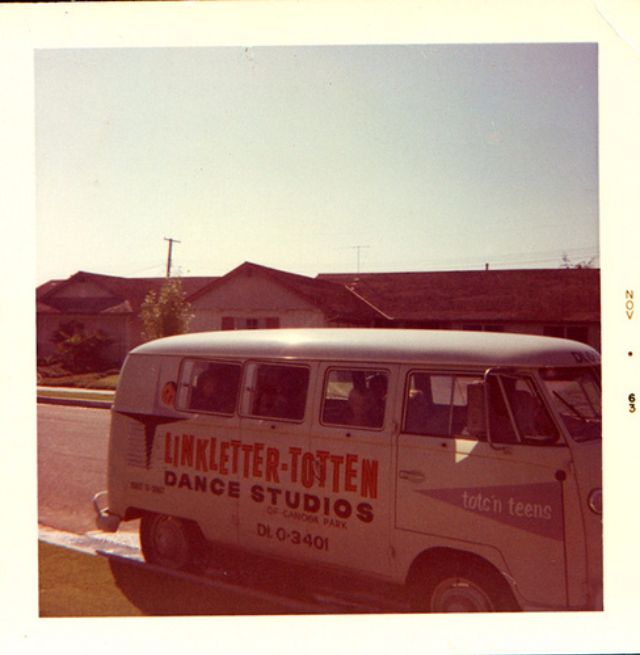
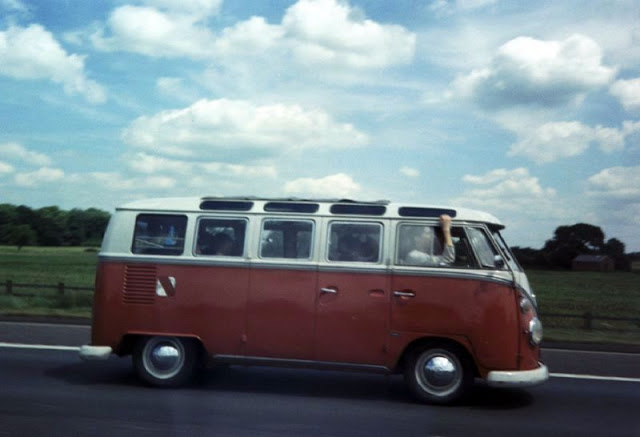
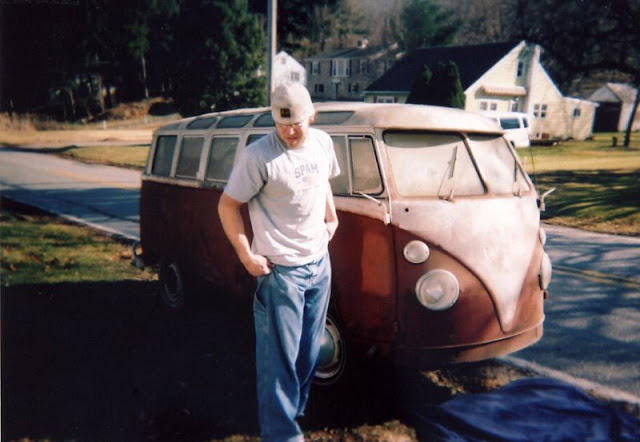
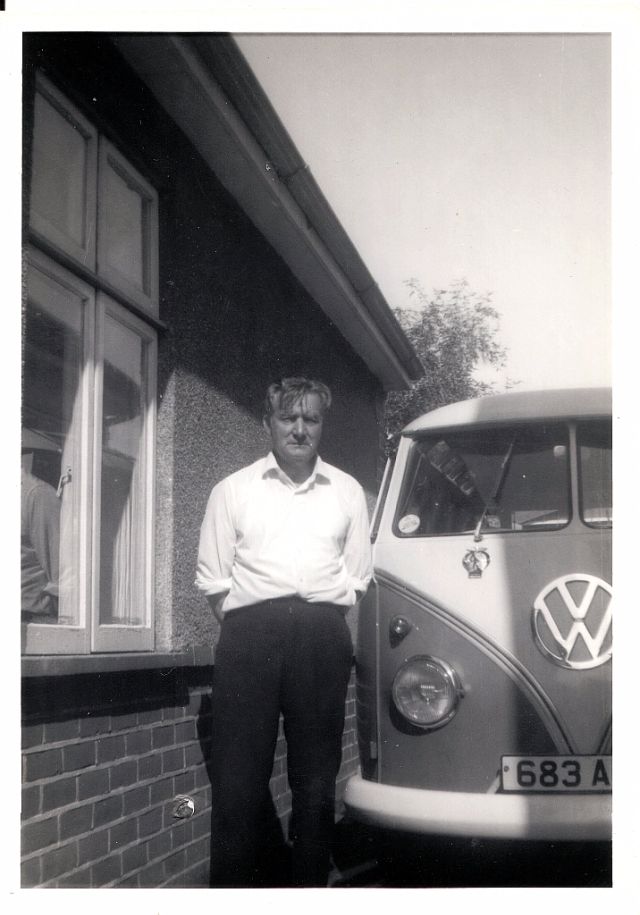
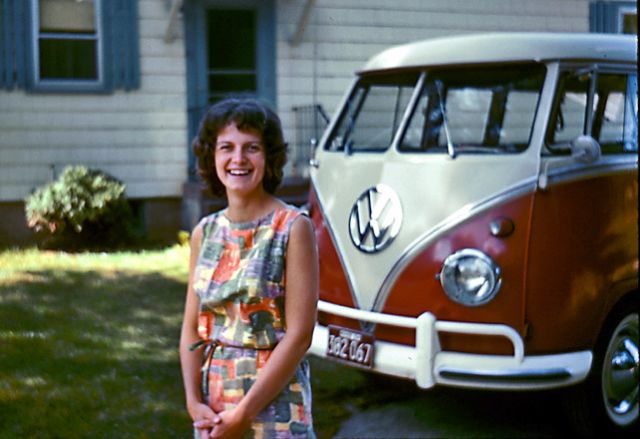
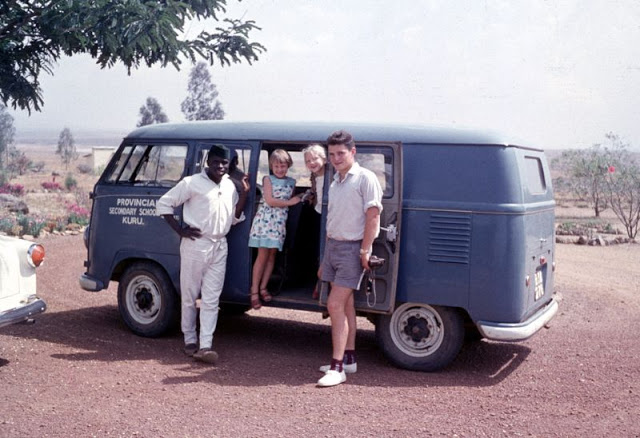
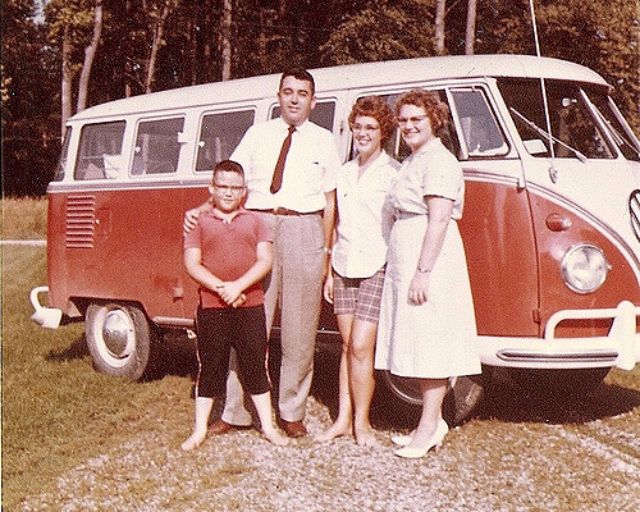
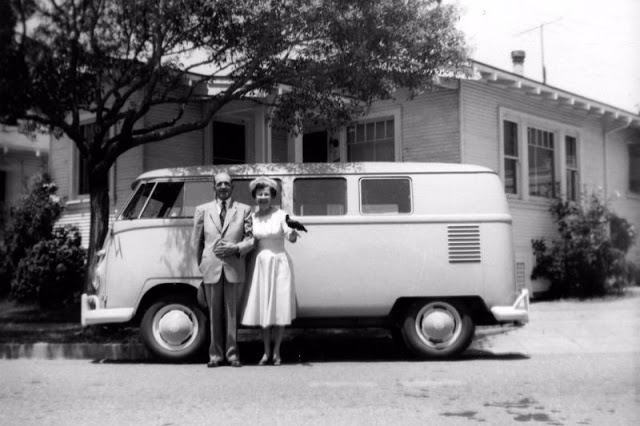
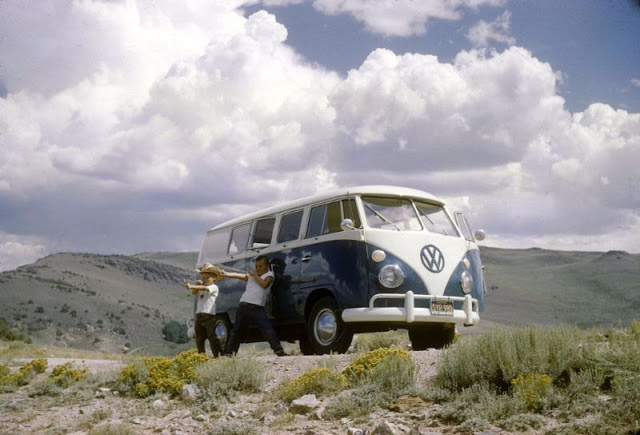
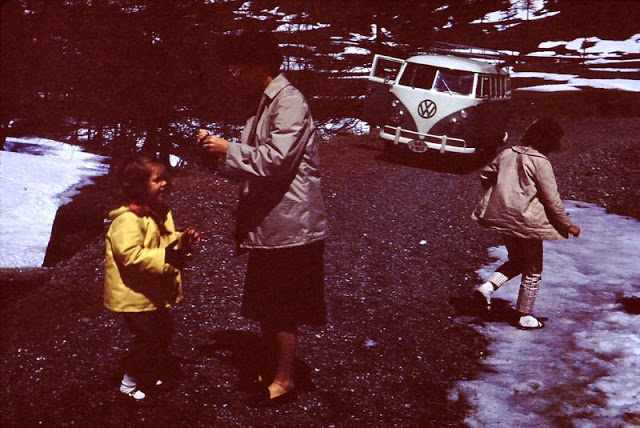
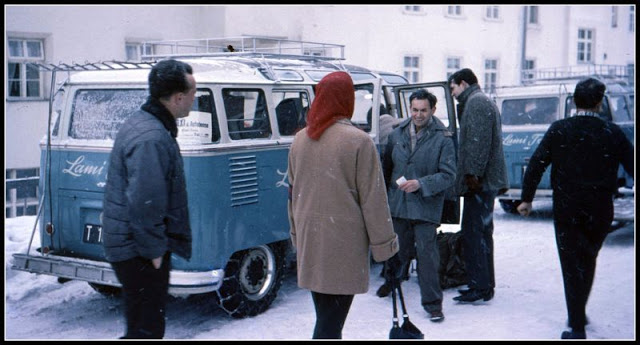
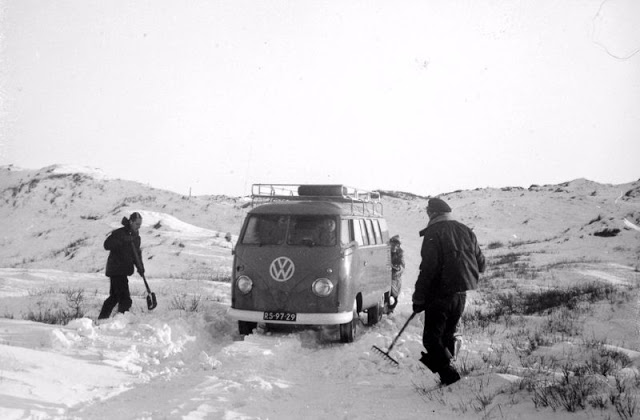
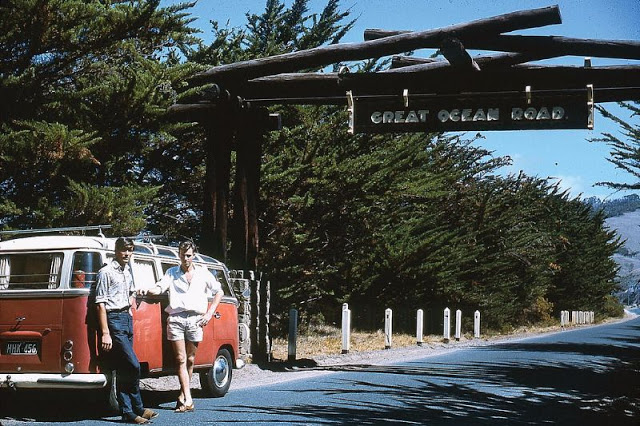
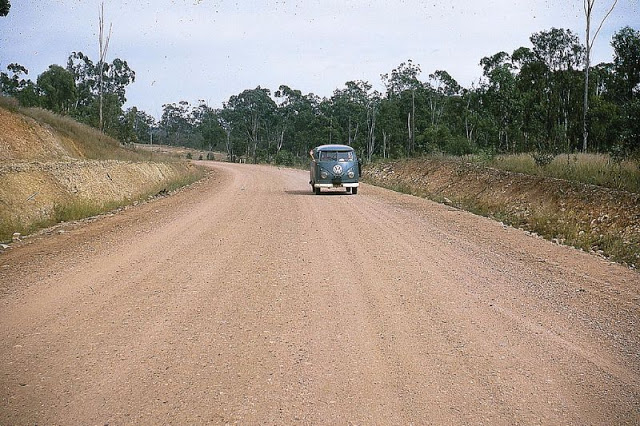
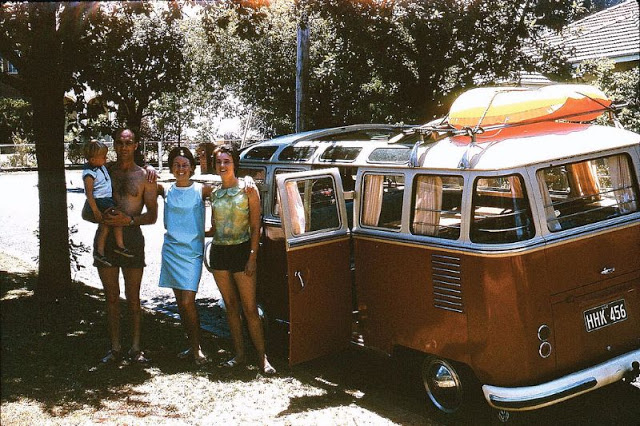
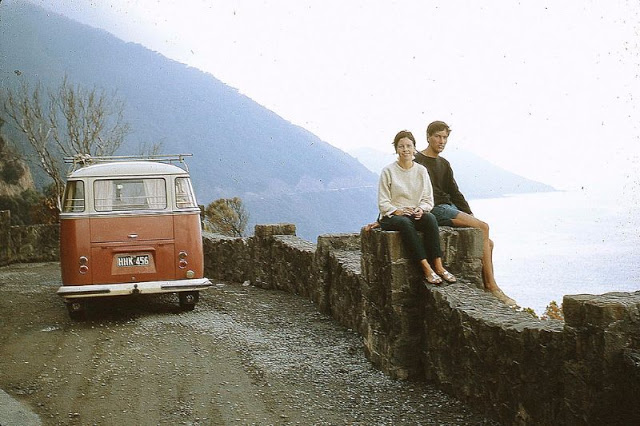
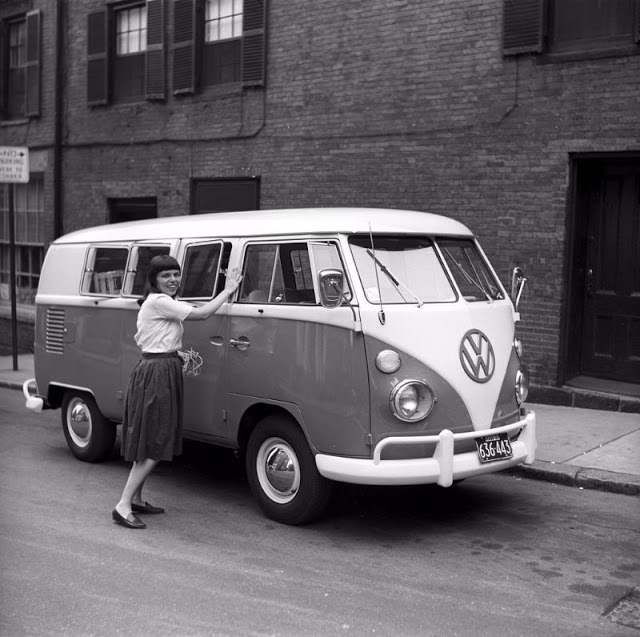
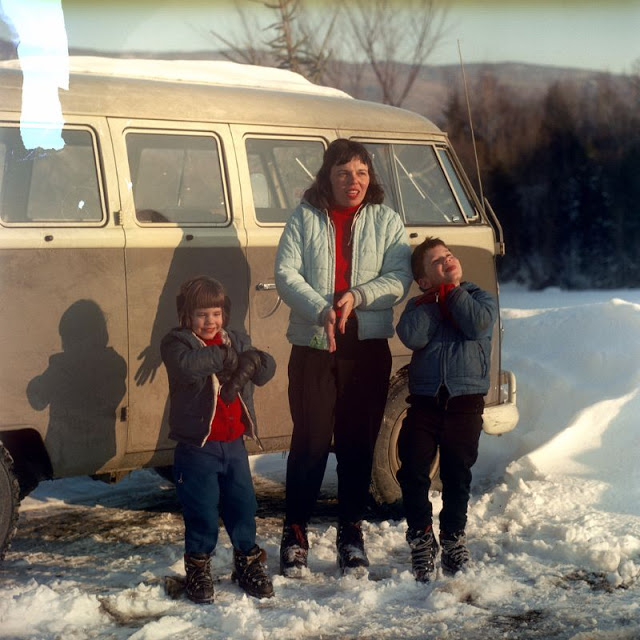
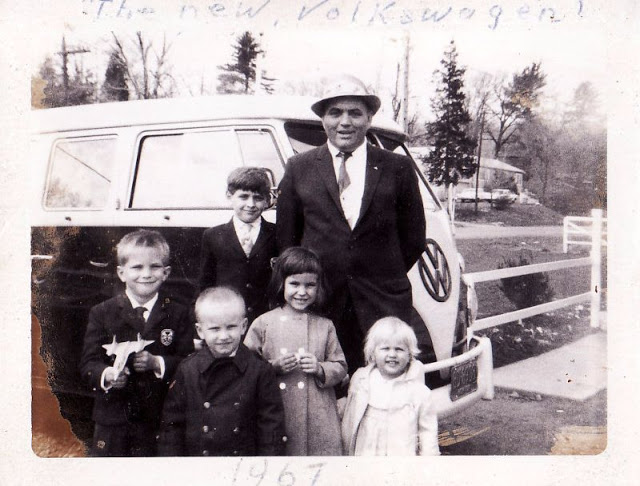
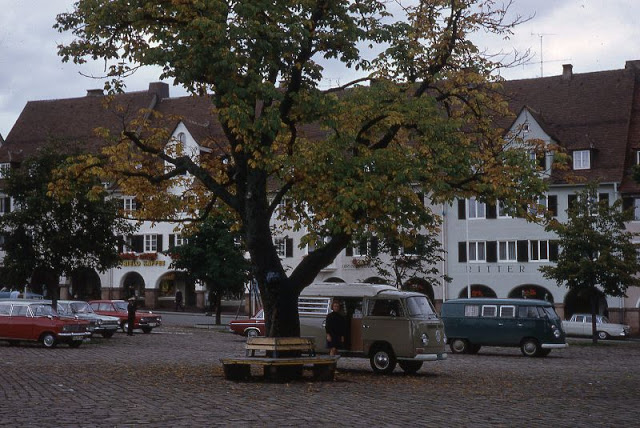
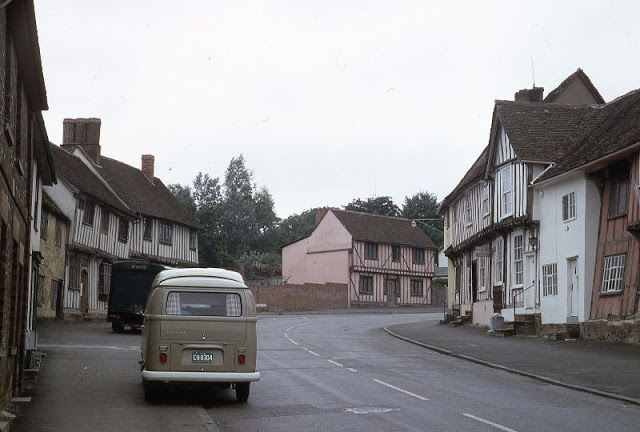
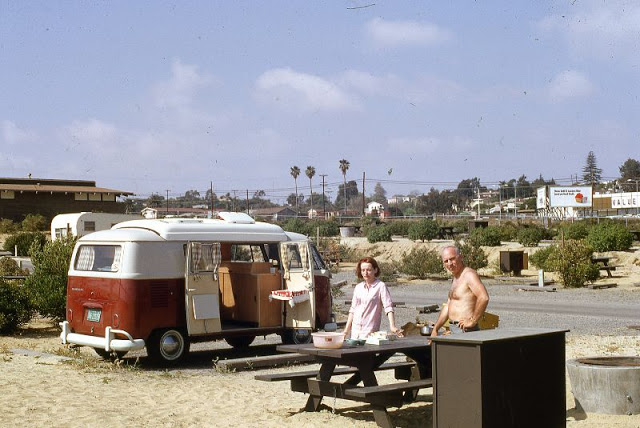
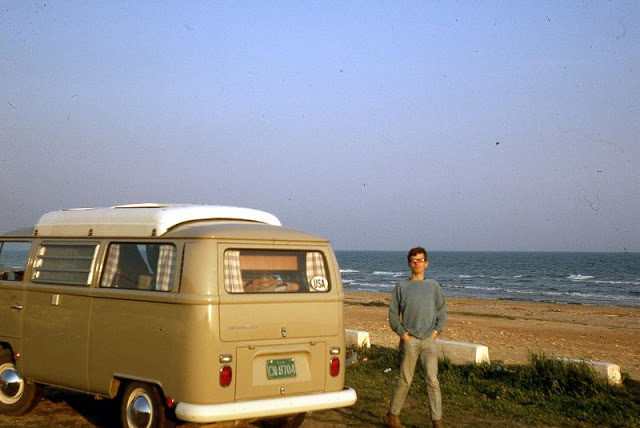
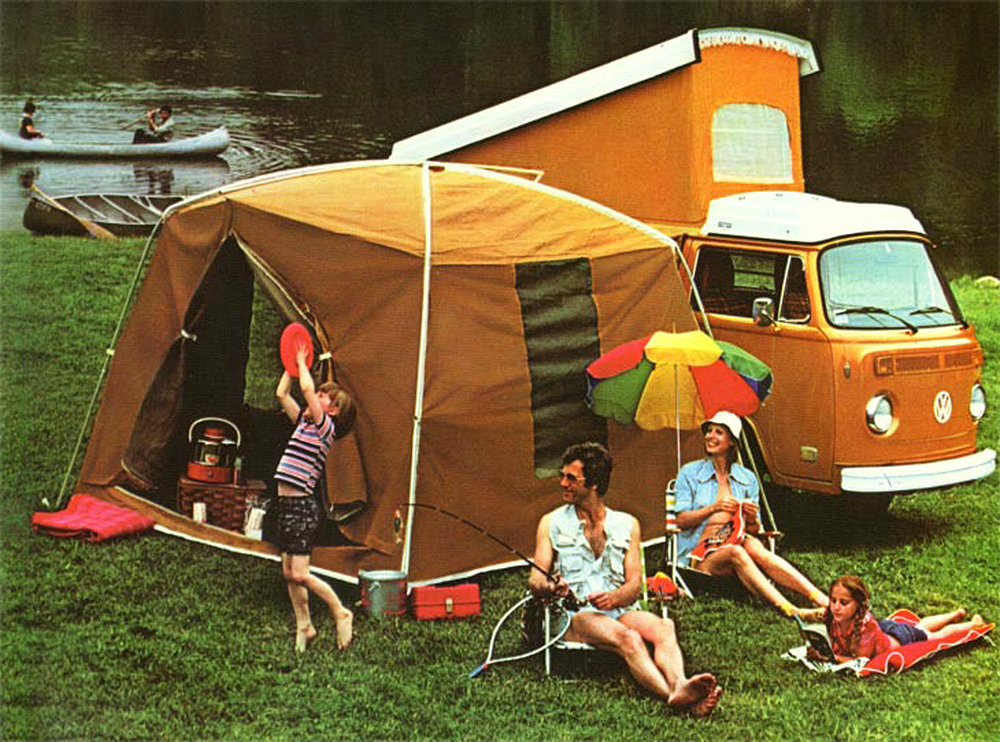
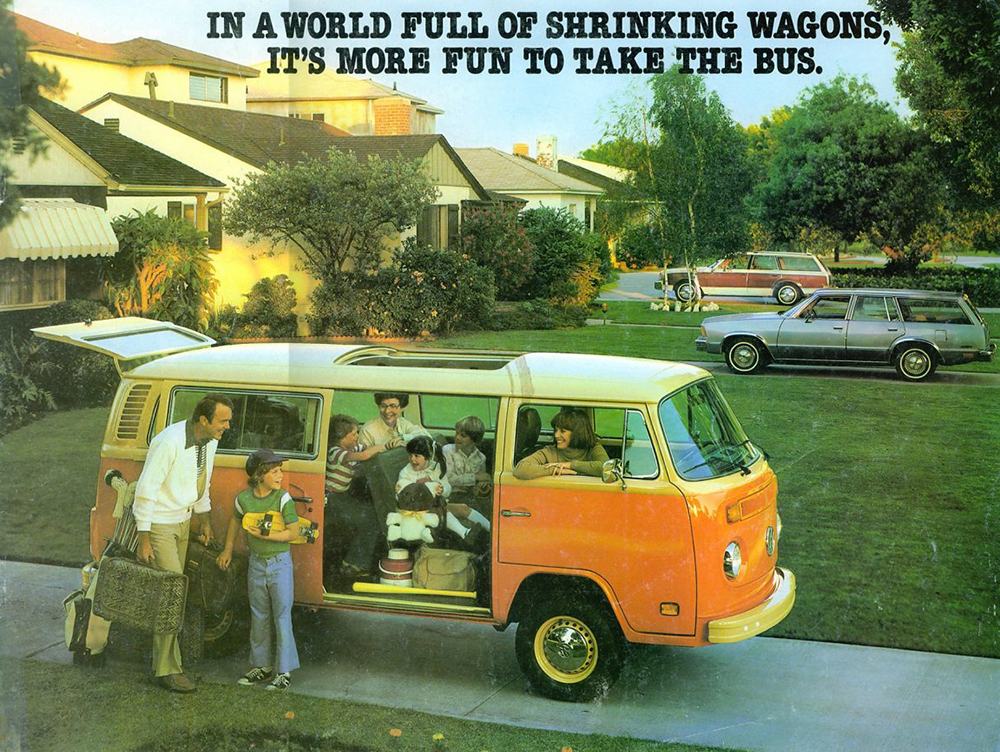
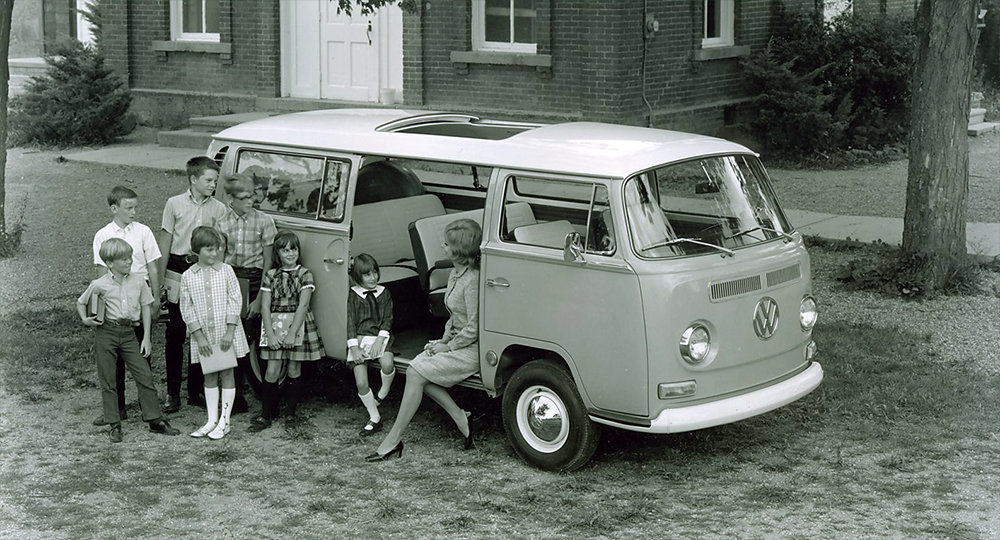
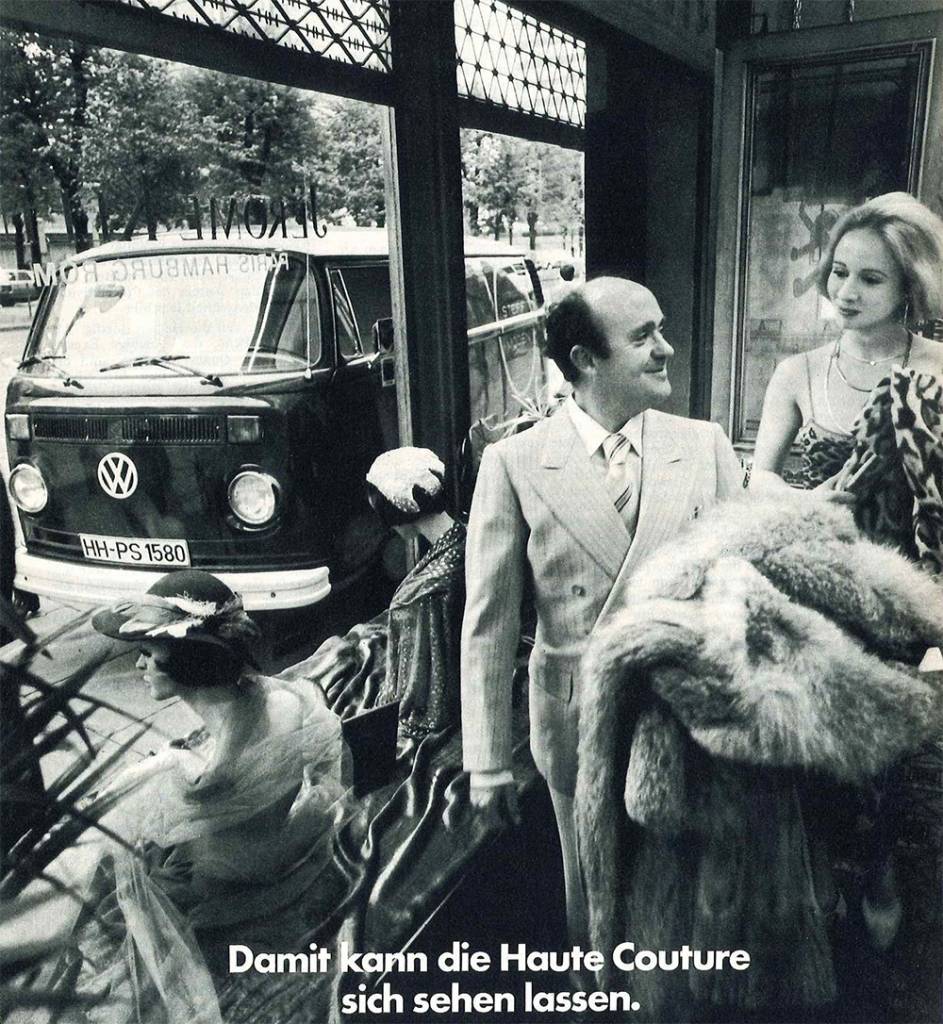
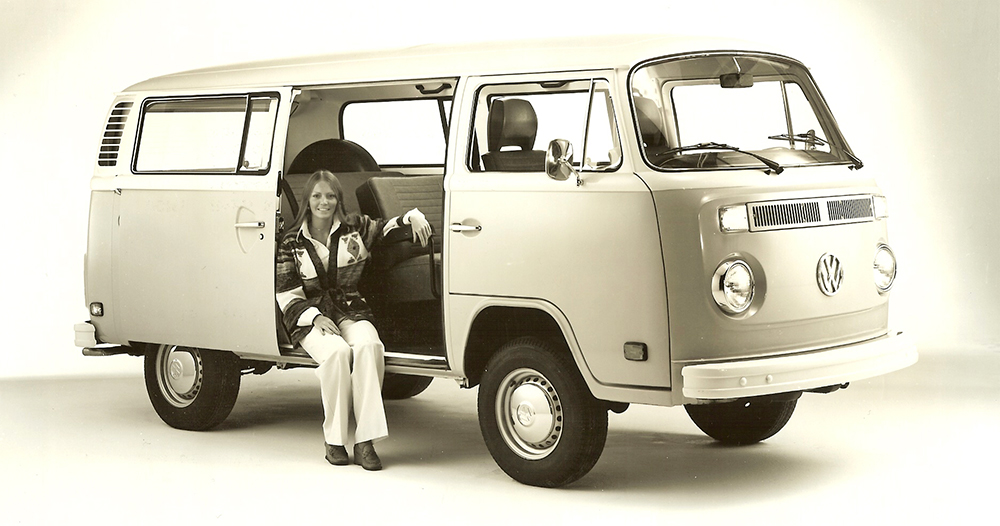
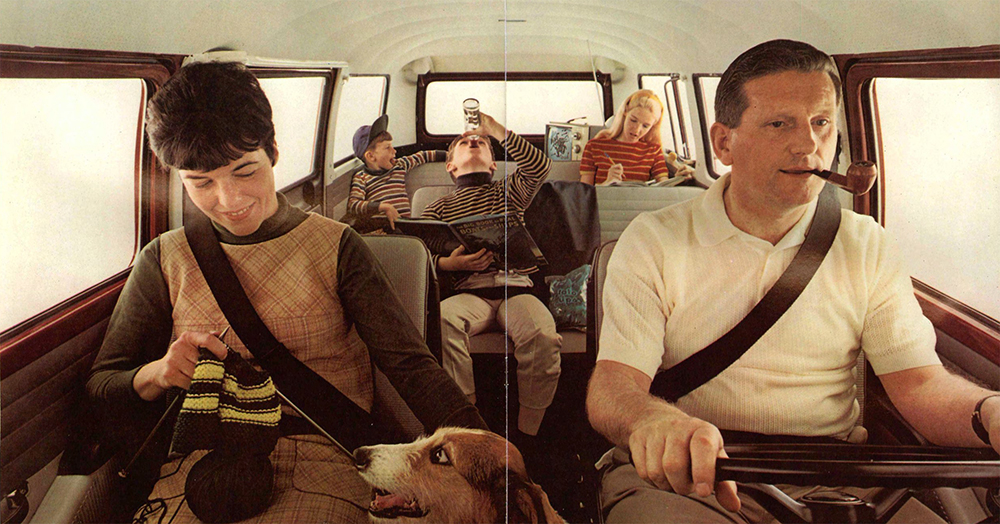
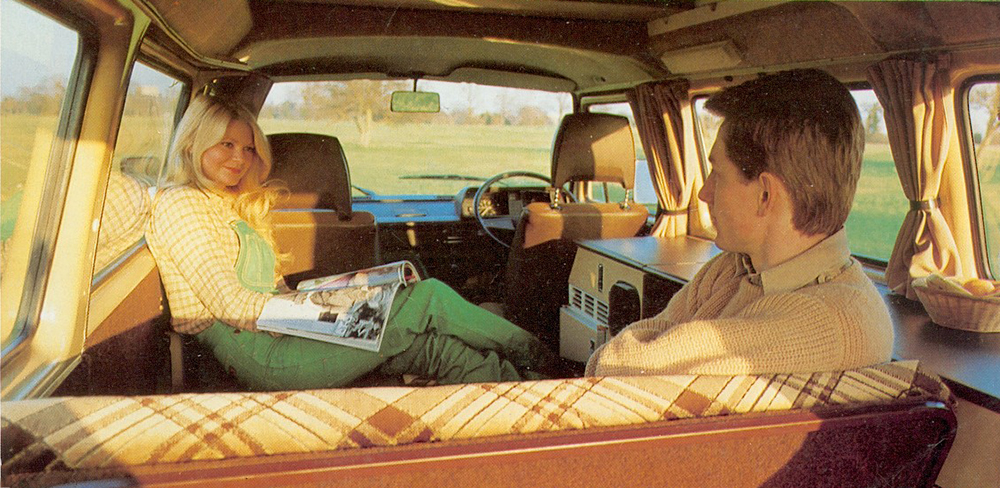
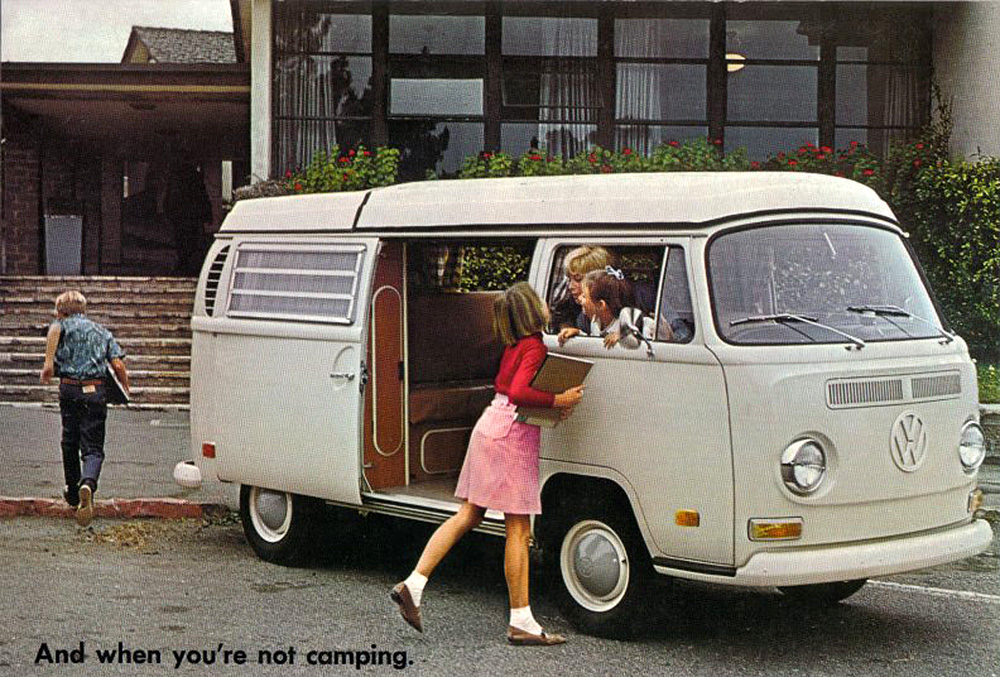
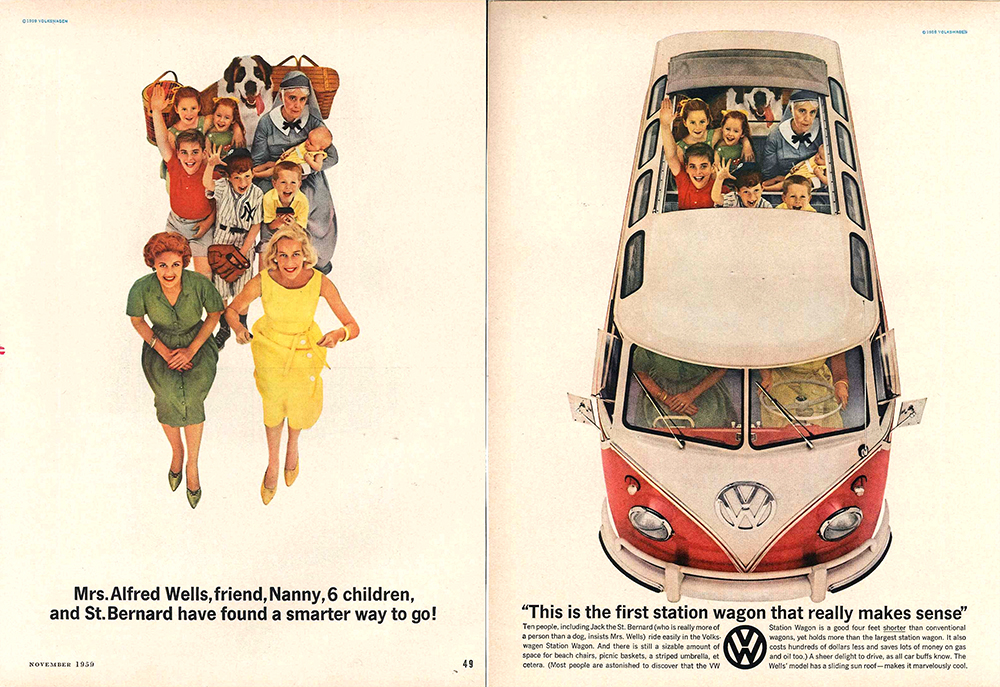
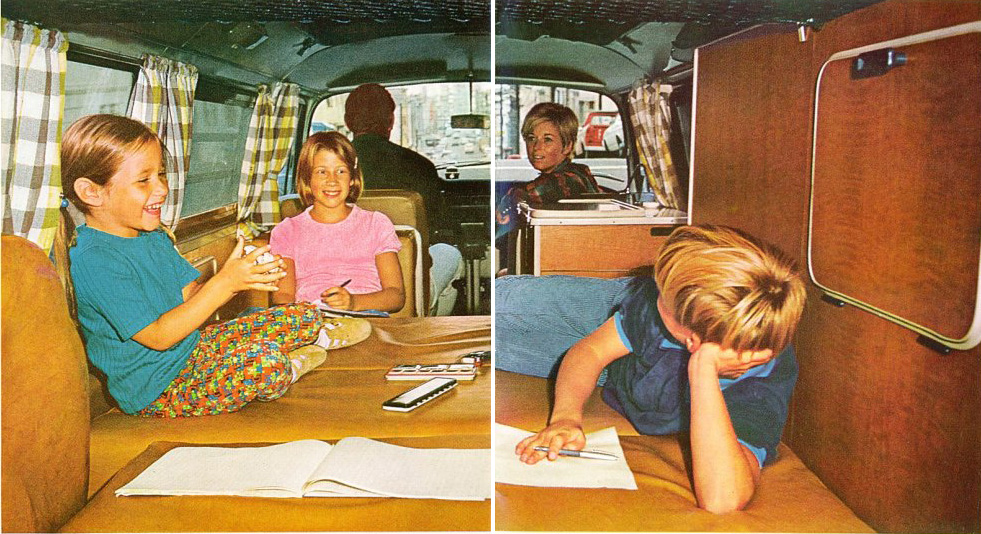
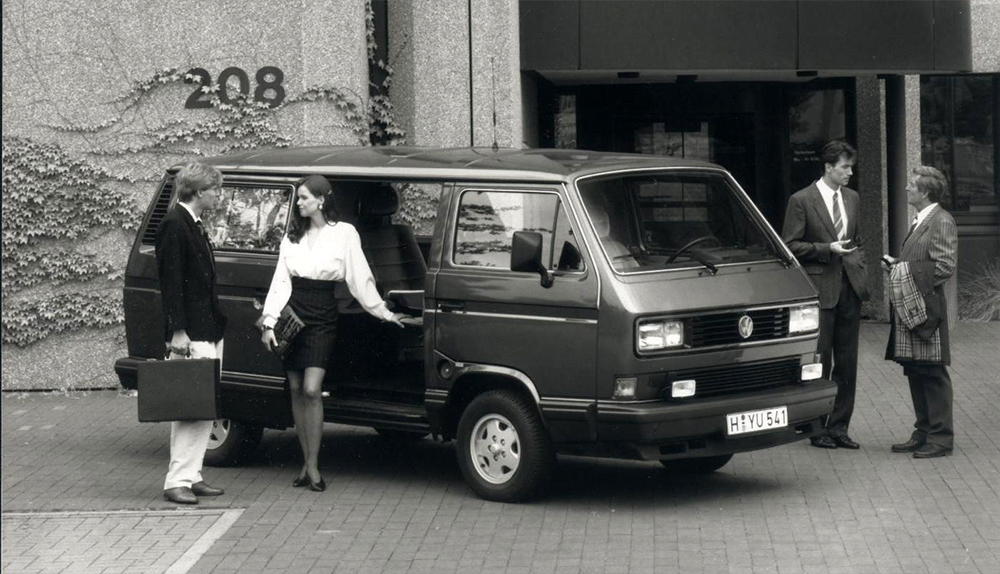
Check out these amazing photos to see people with their VW buses from the 1960s.










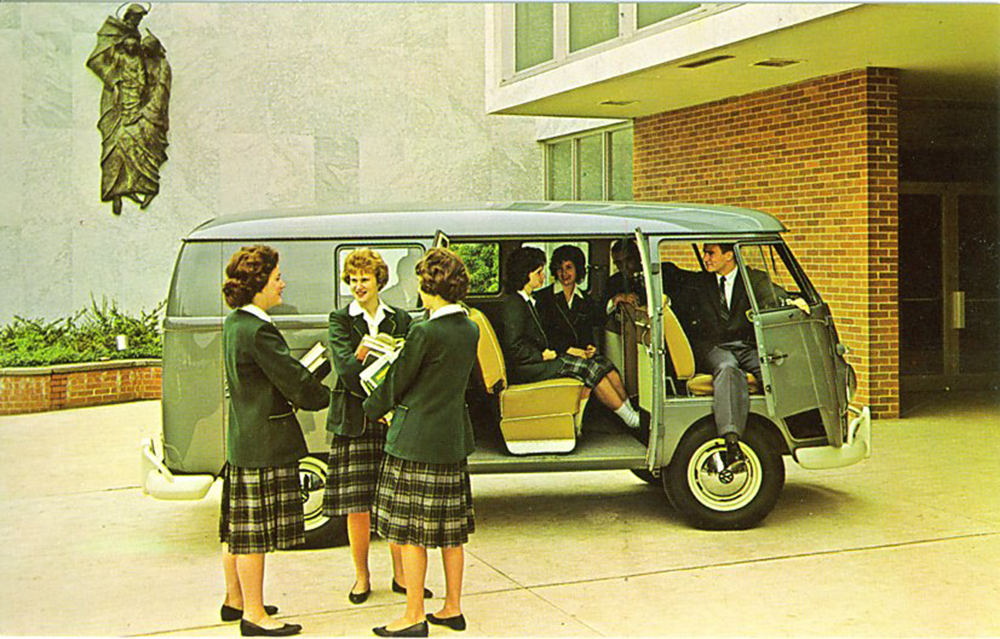
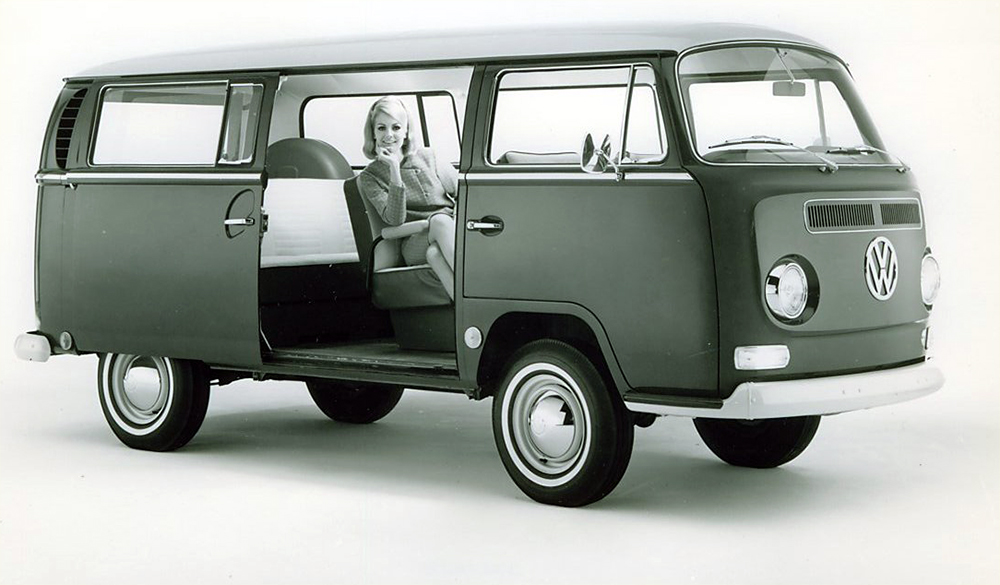
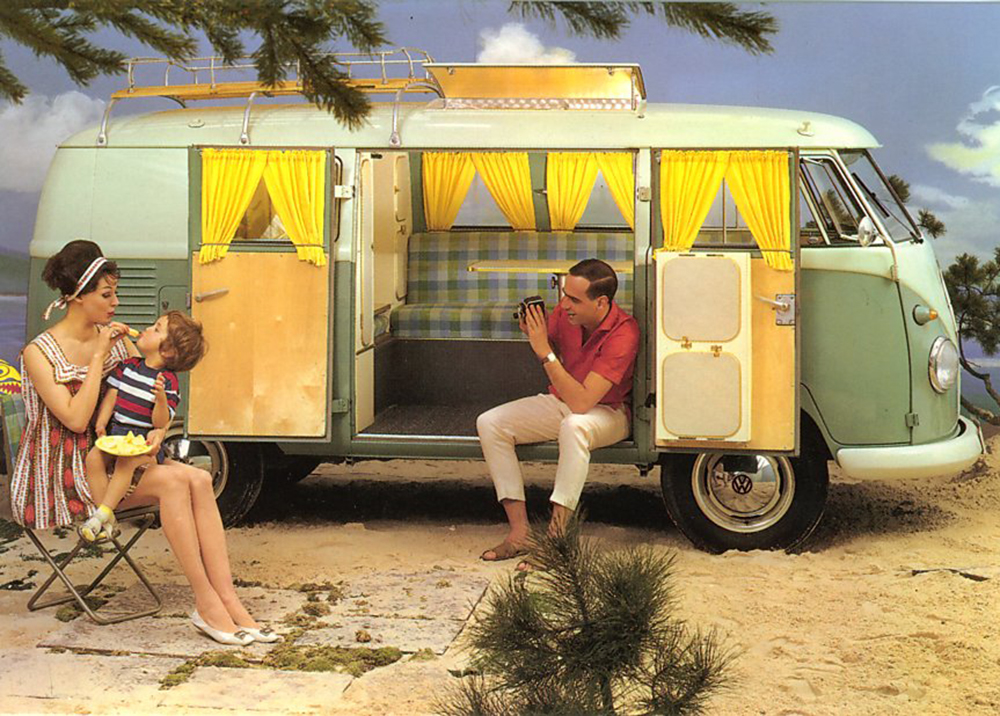
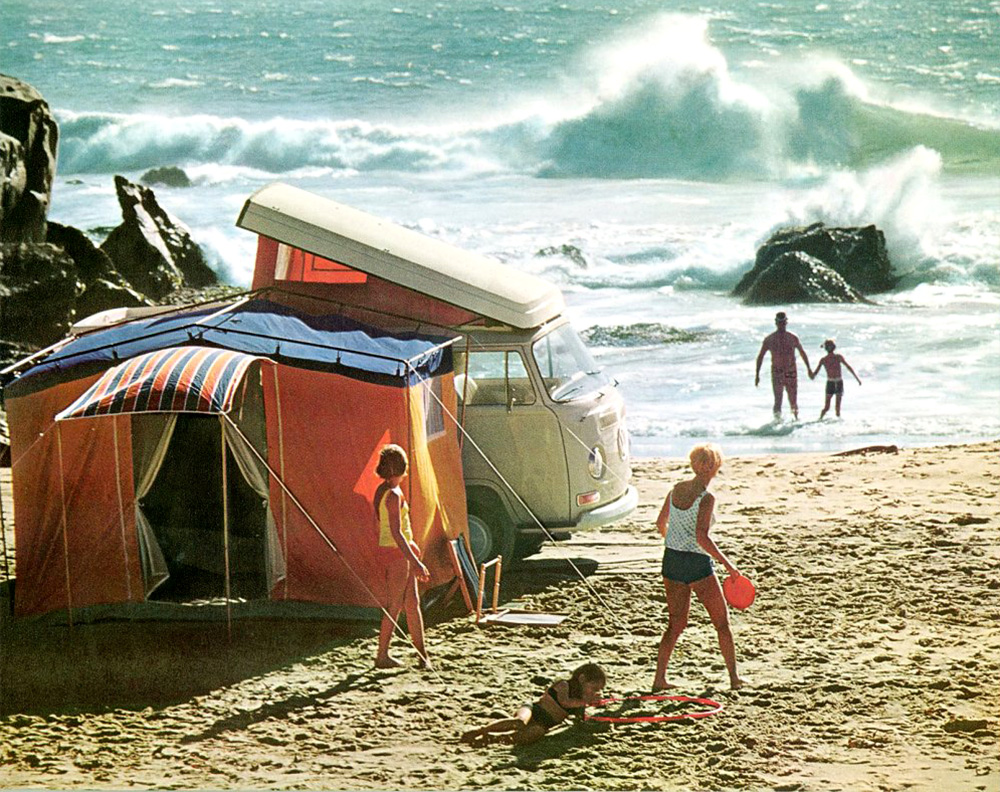



Read more of this content when you subscribe today.


Become a paid subscriber to get access to the rest of this post and other exclusive content.
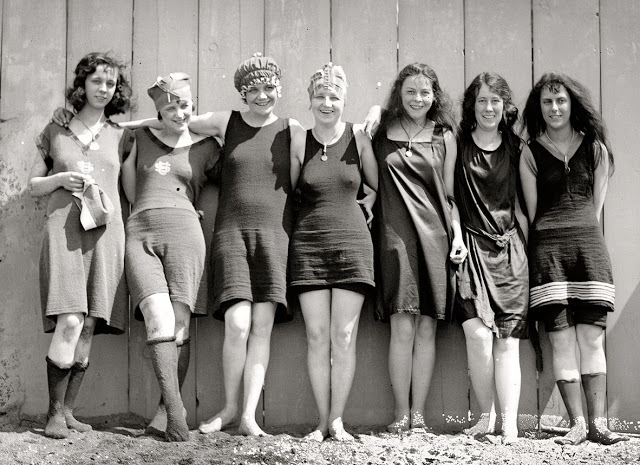
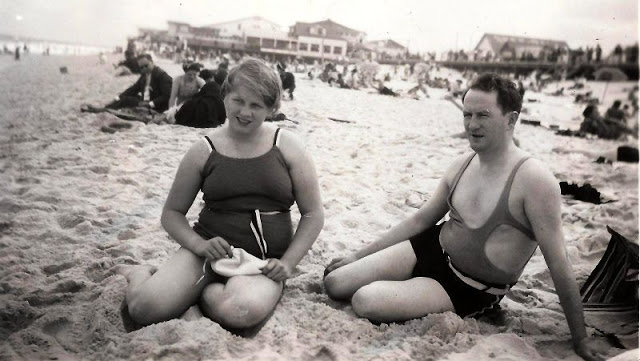
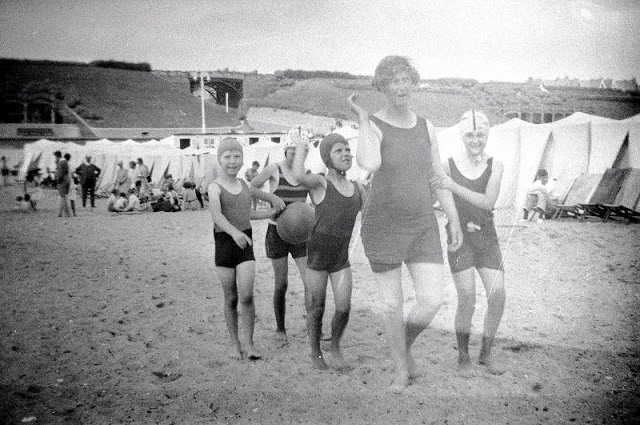


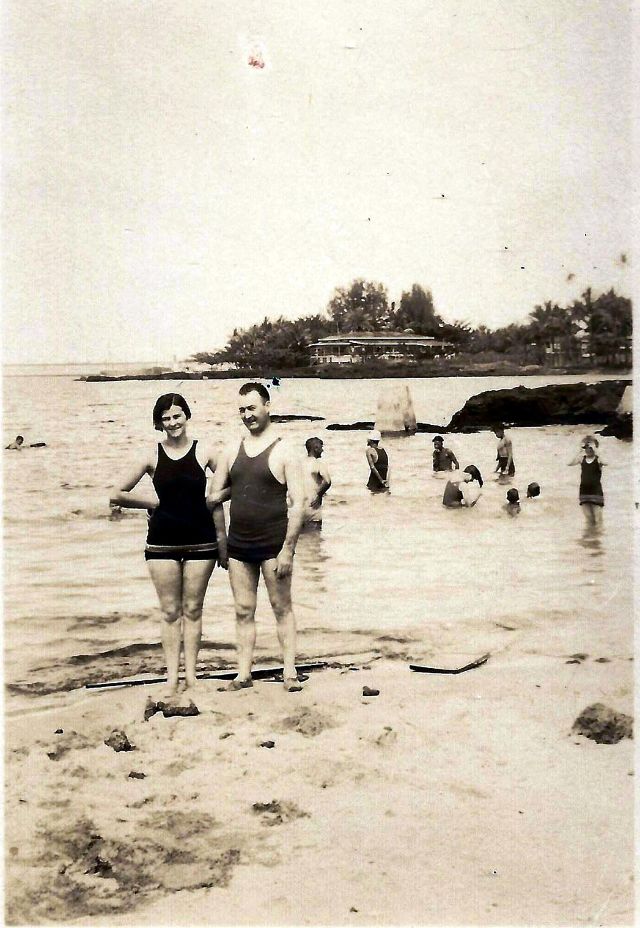
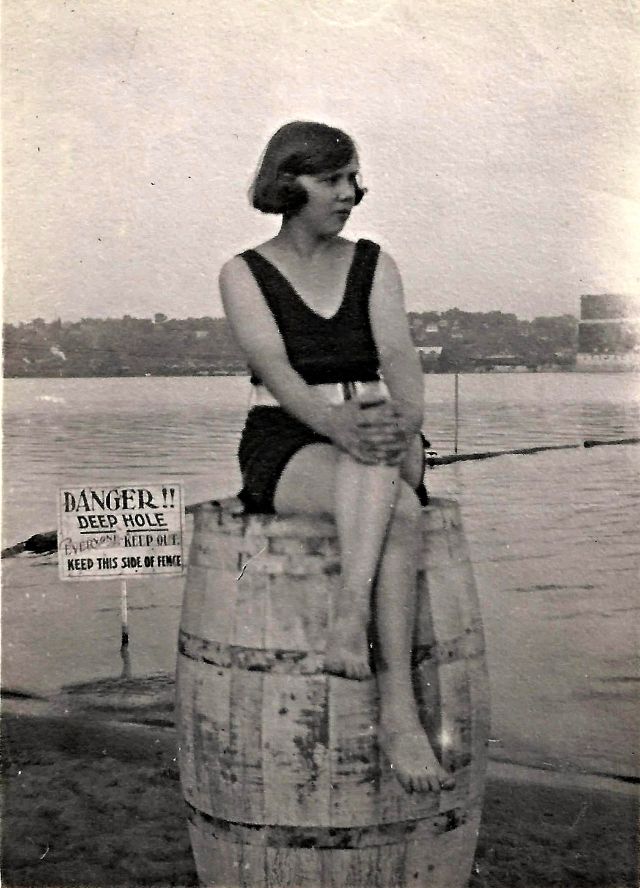
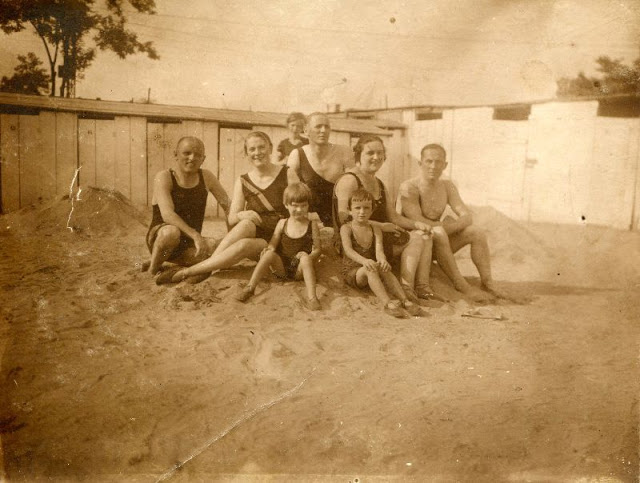

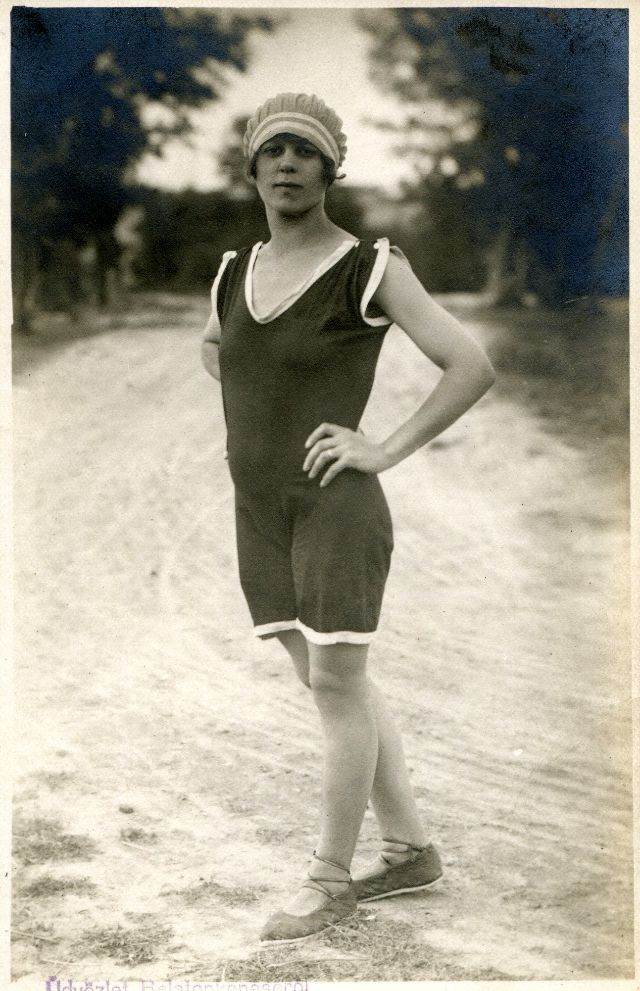

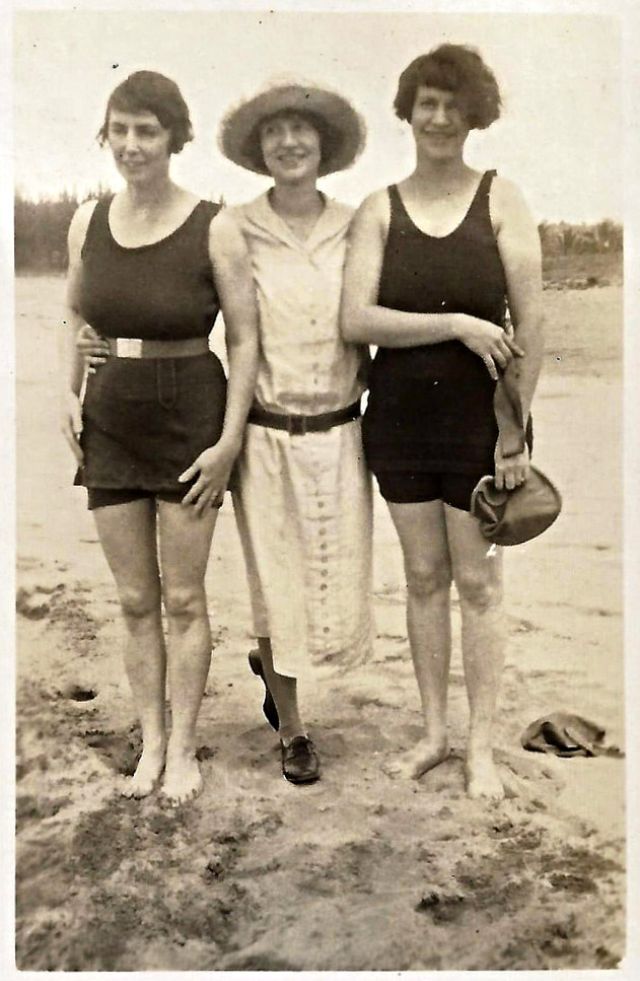
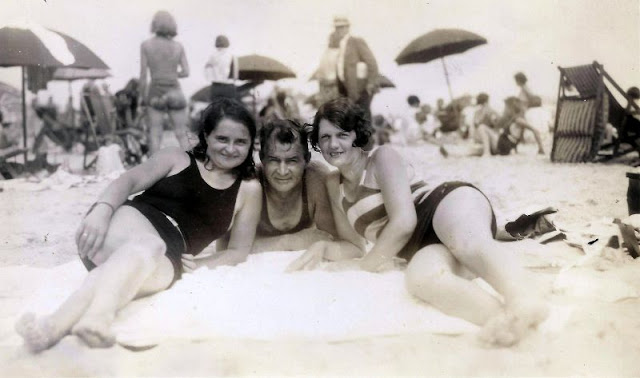
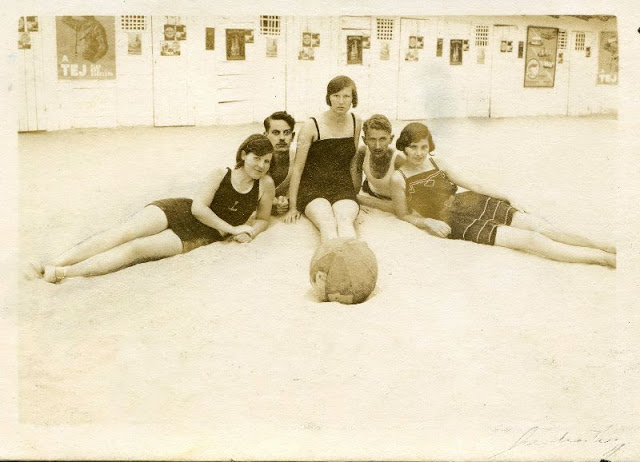
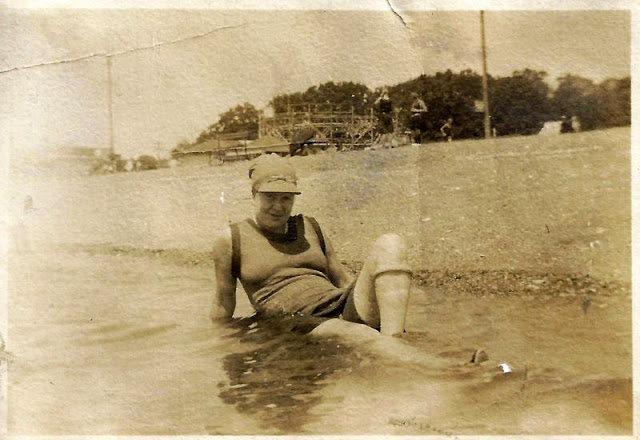
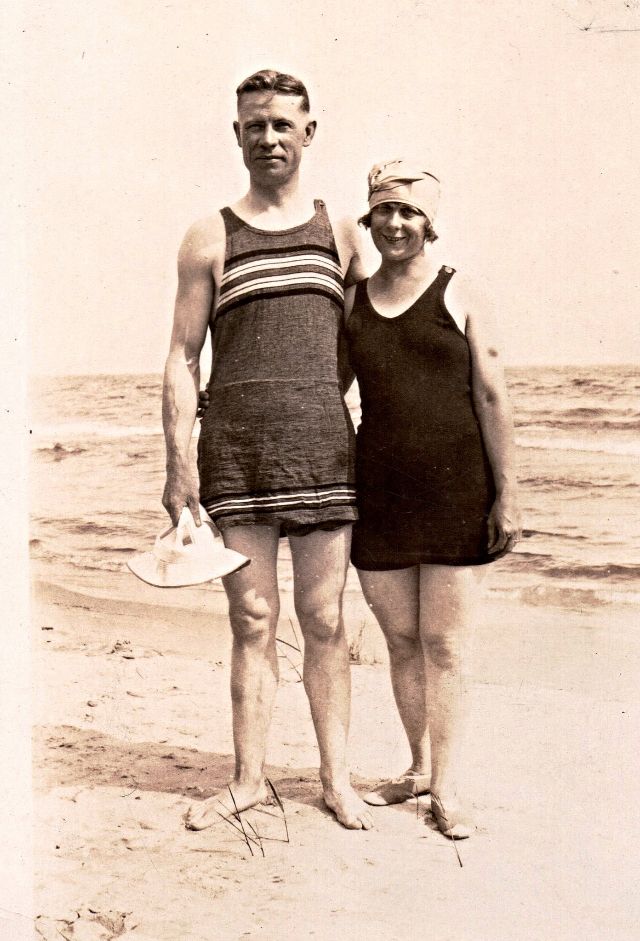
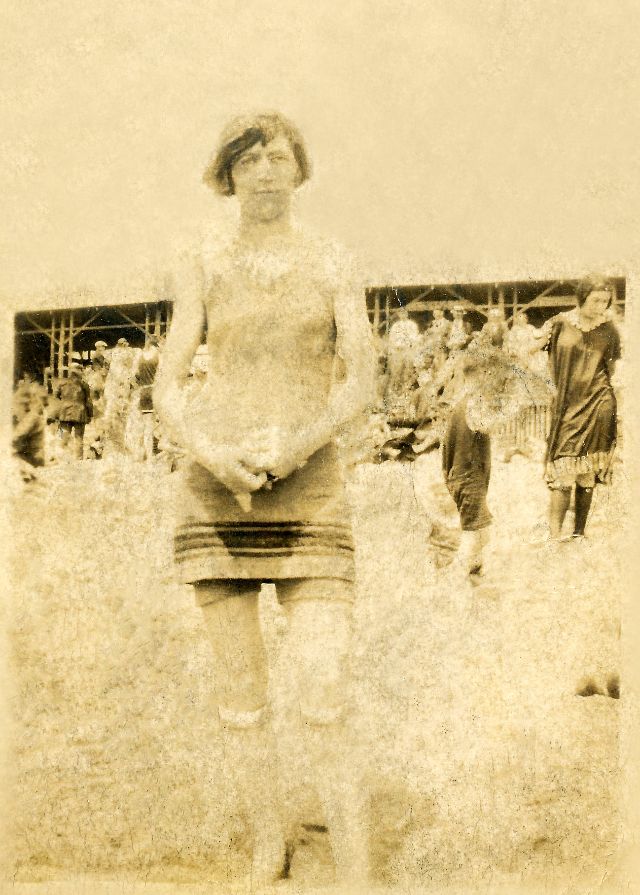
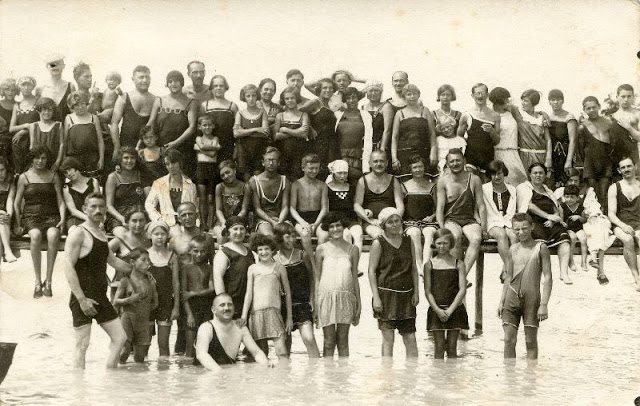
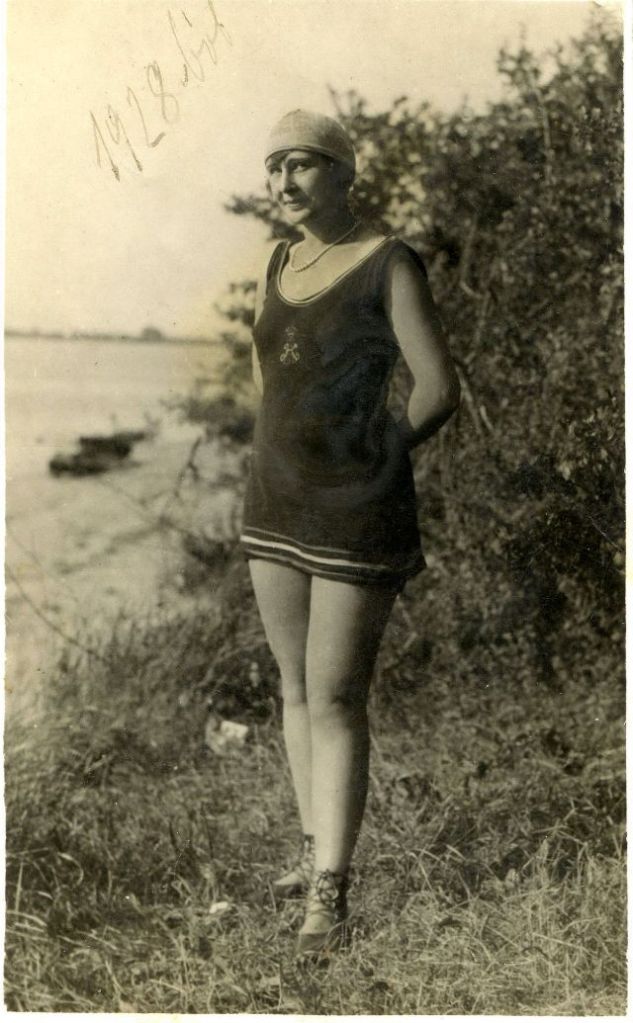




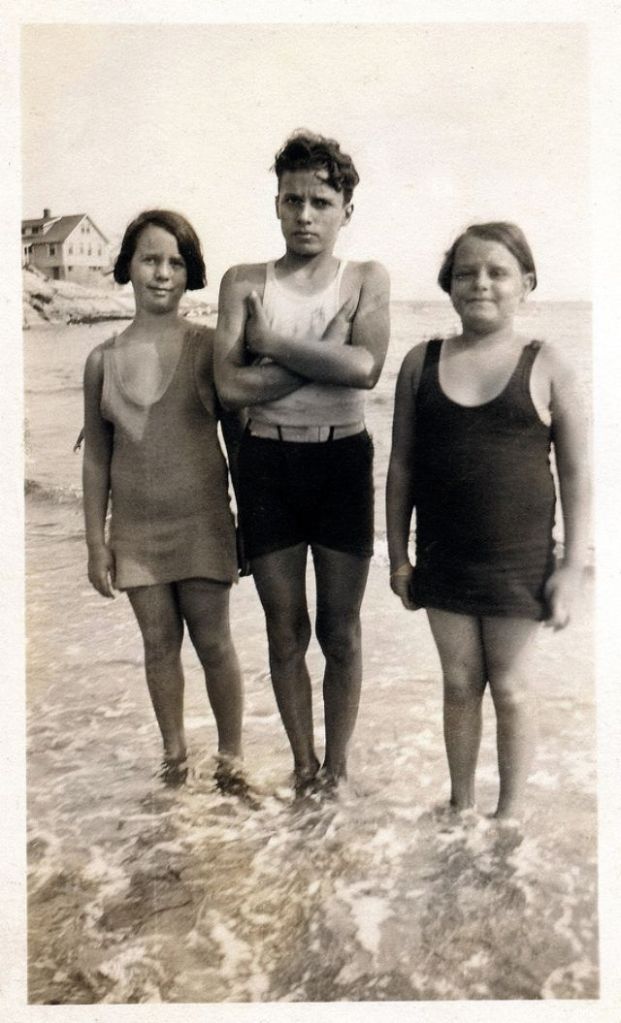
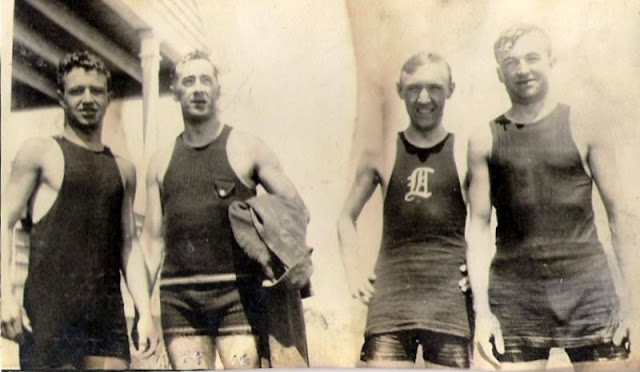
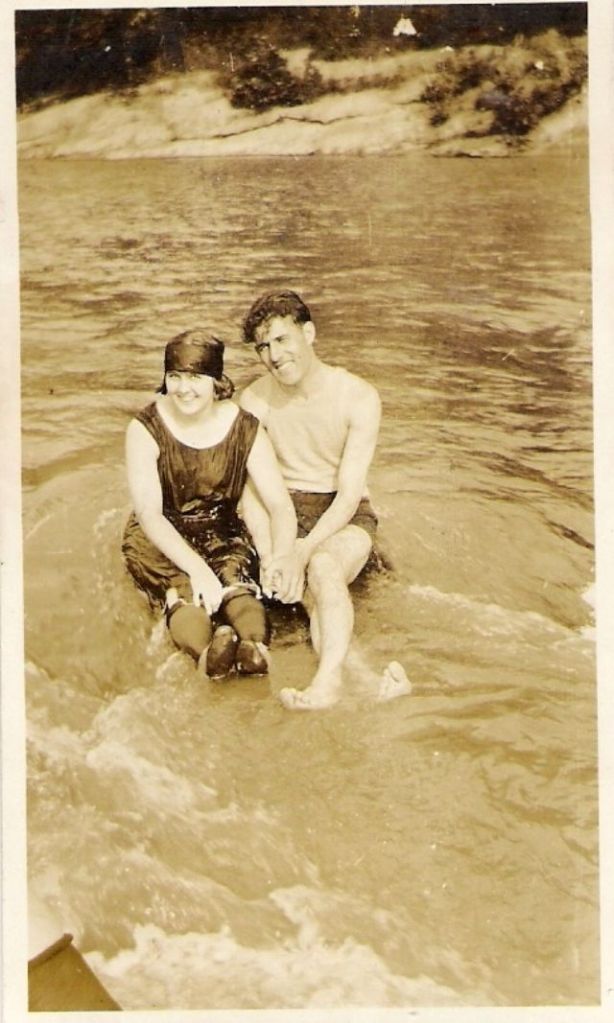
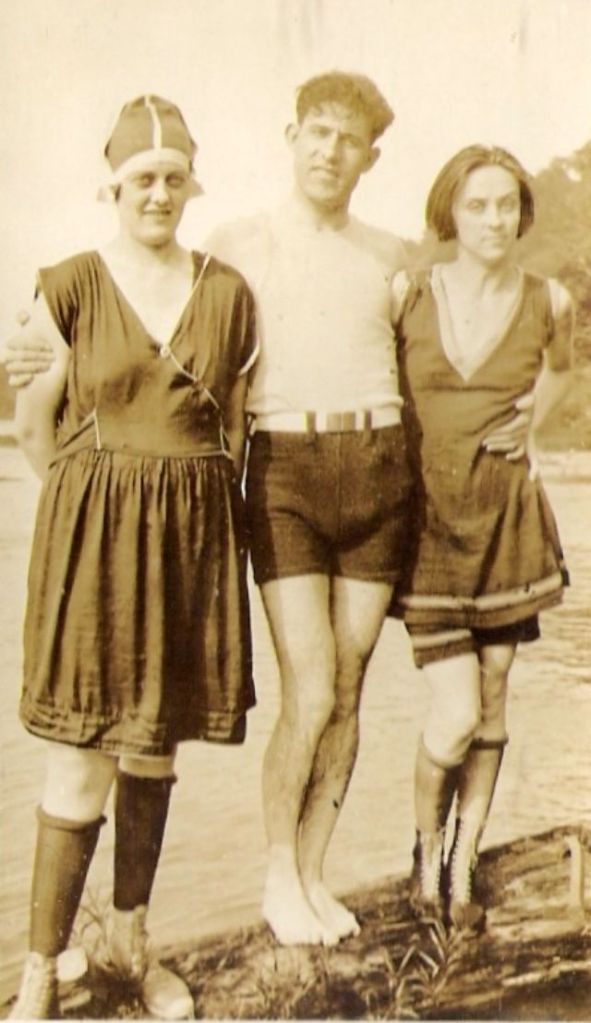
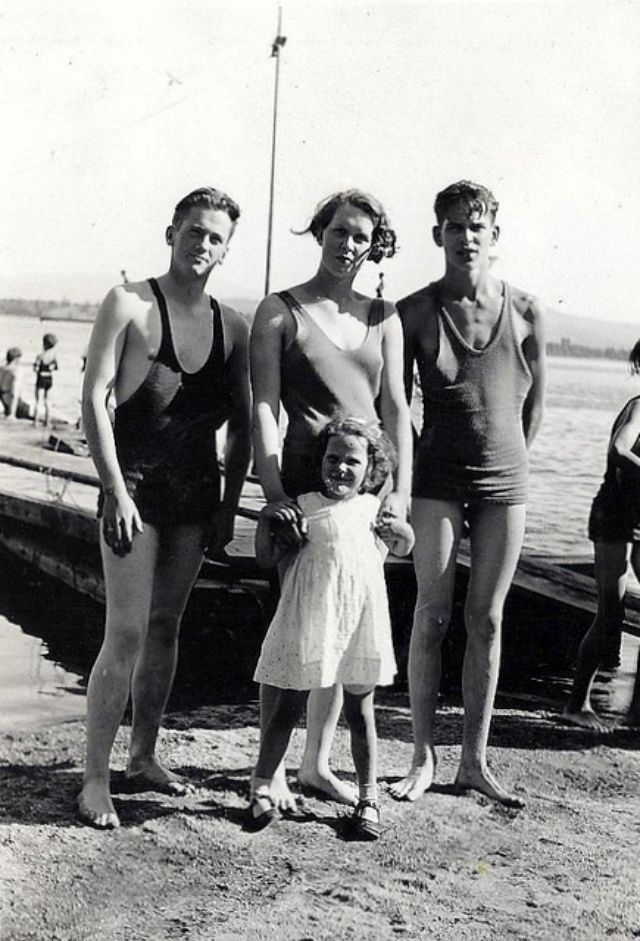

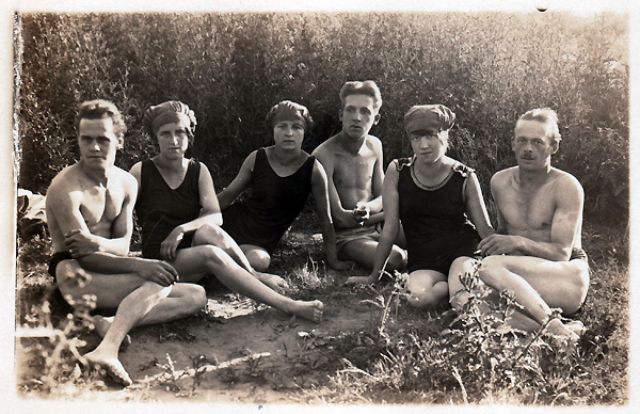
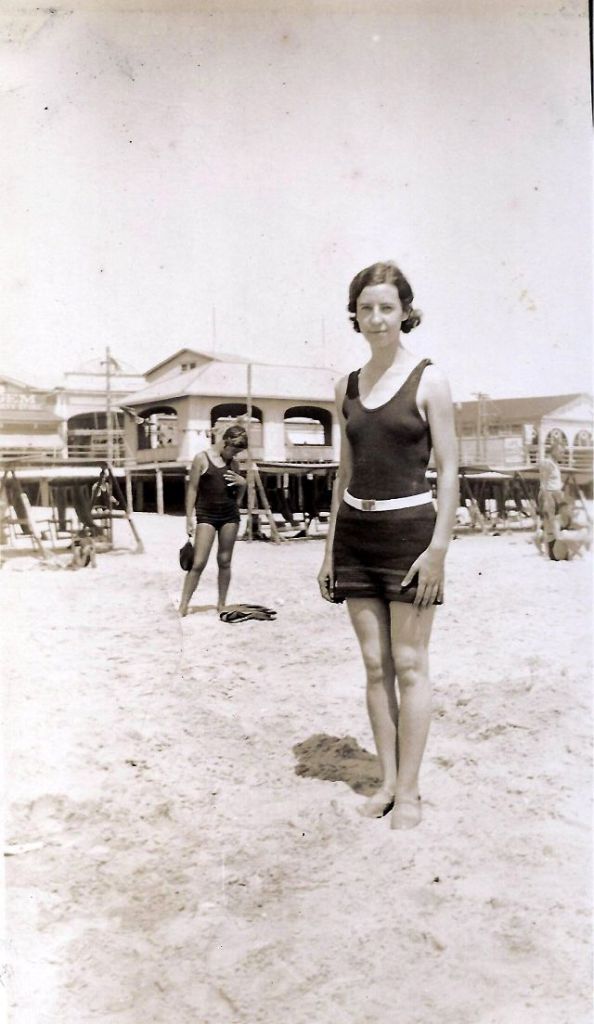
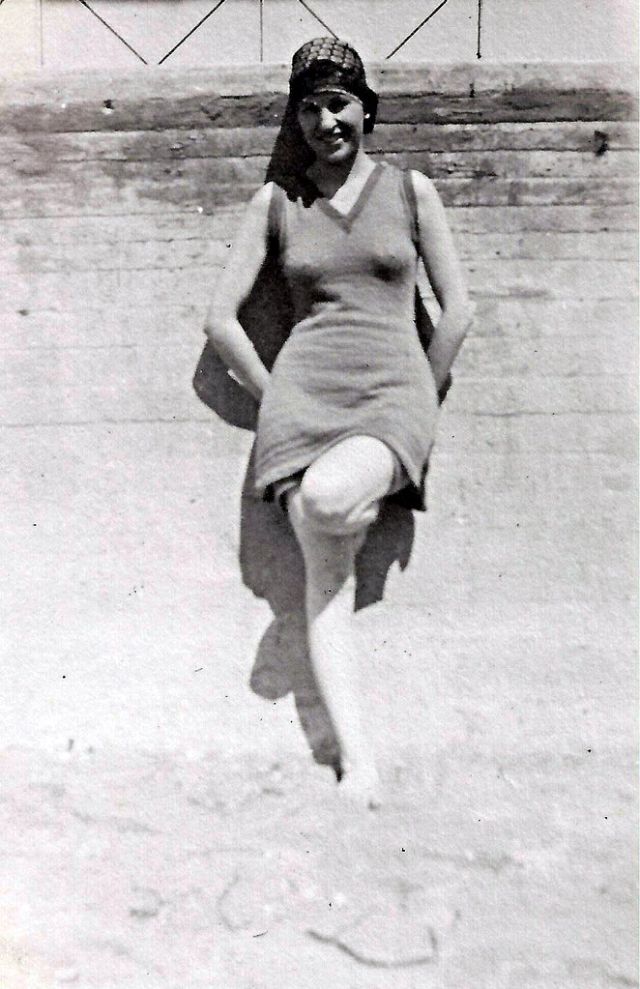





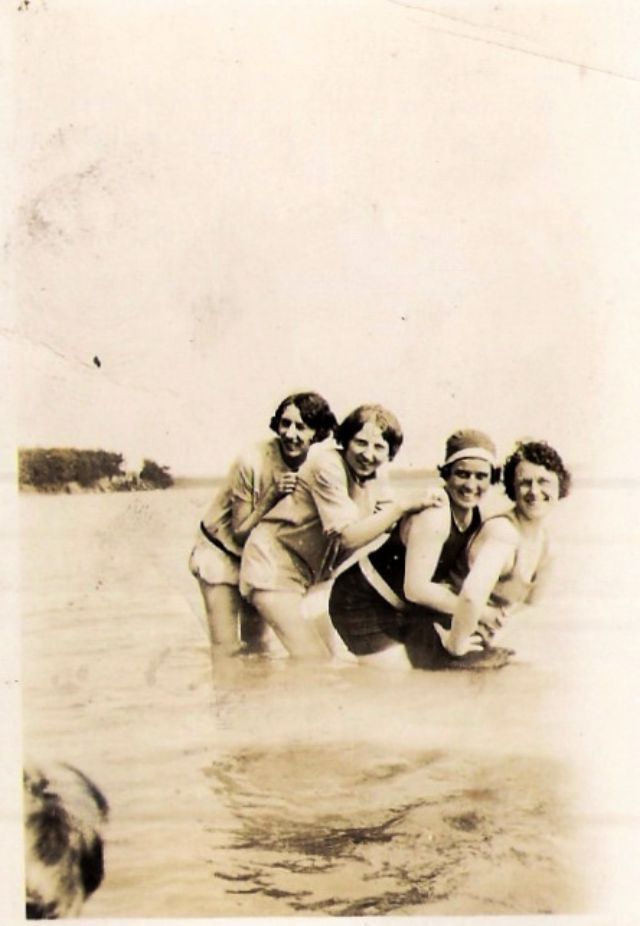
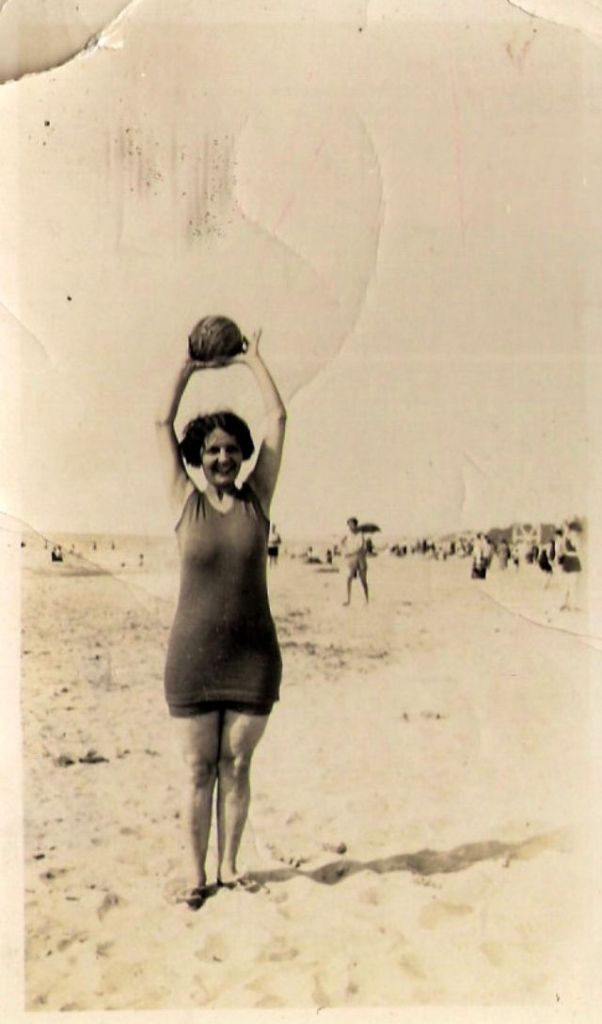

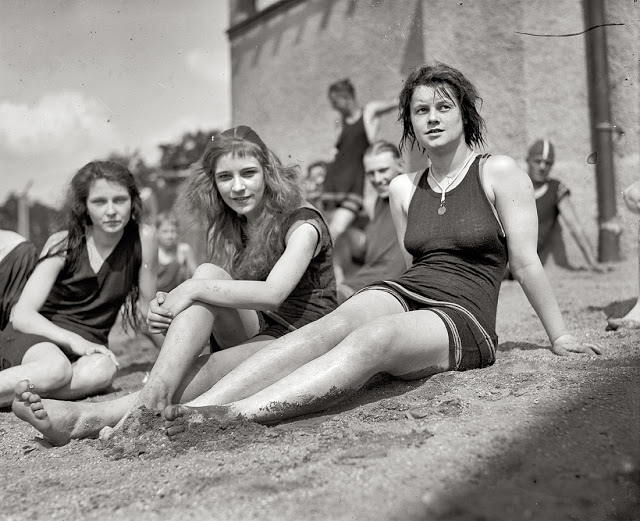
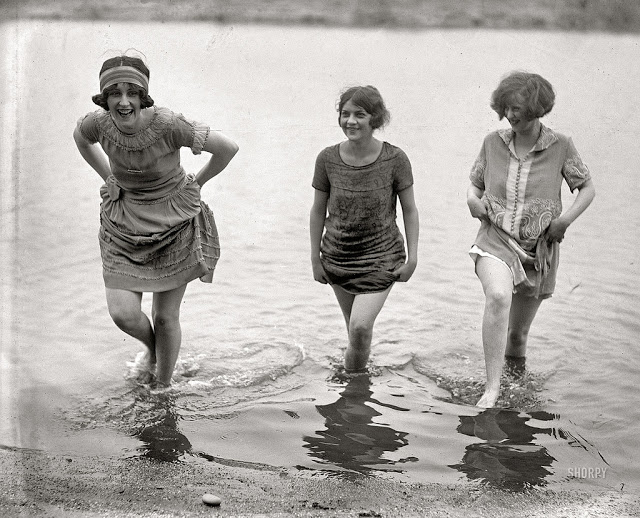

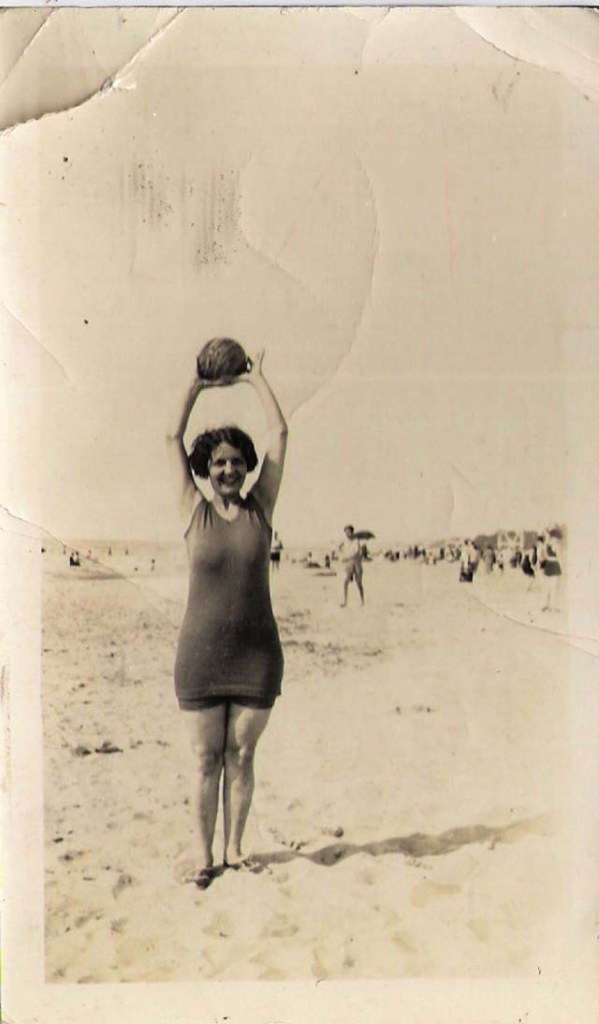
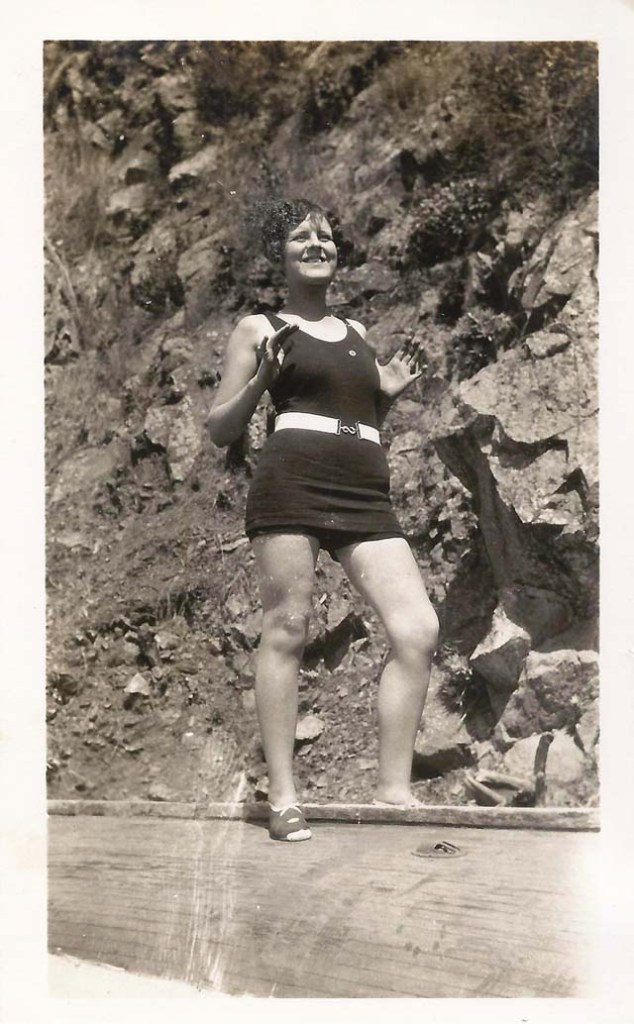
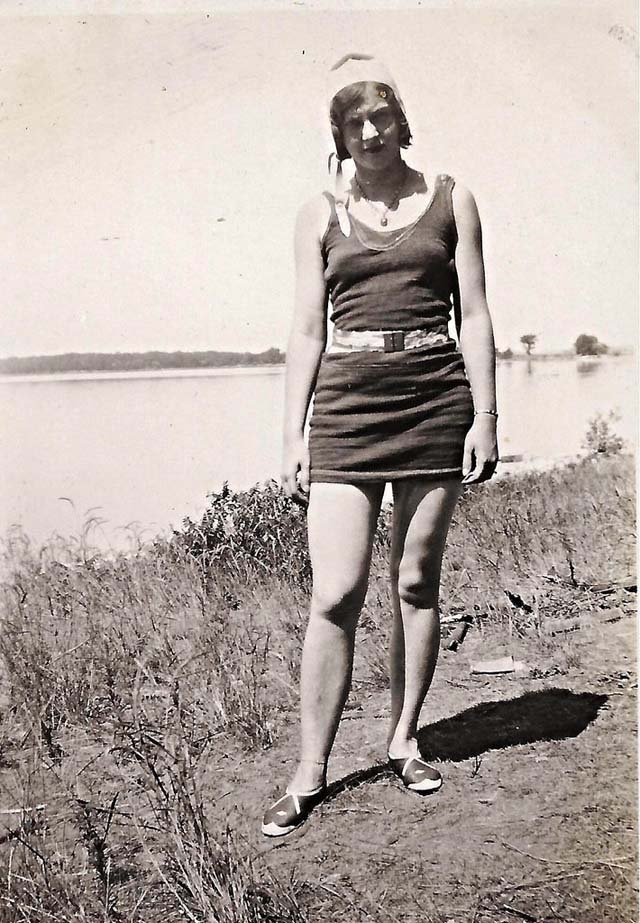
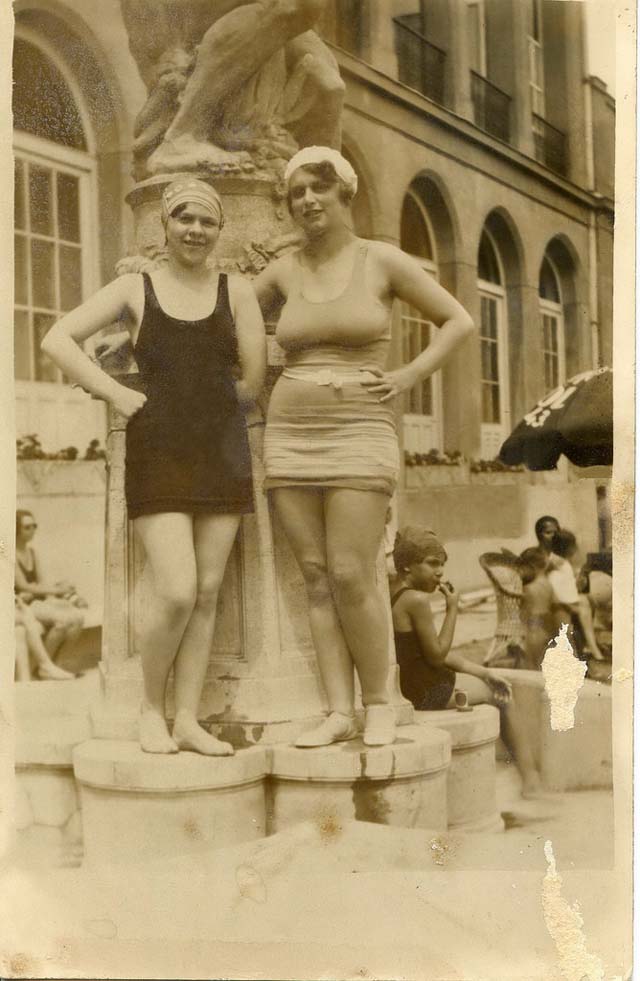
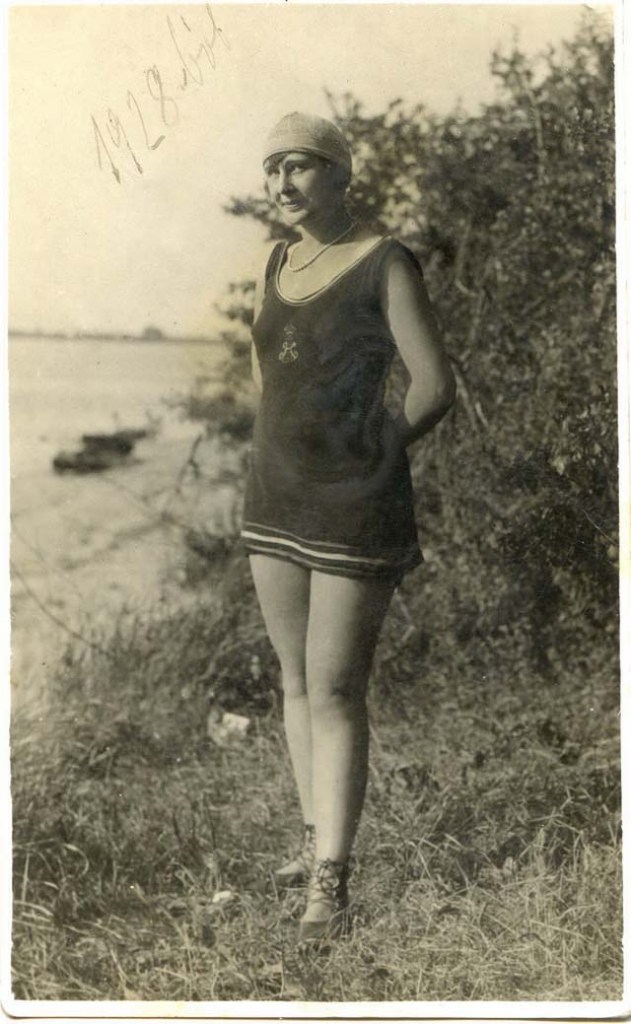
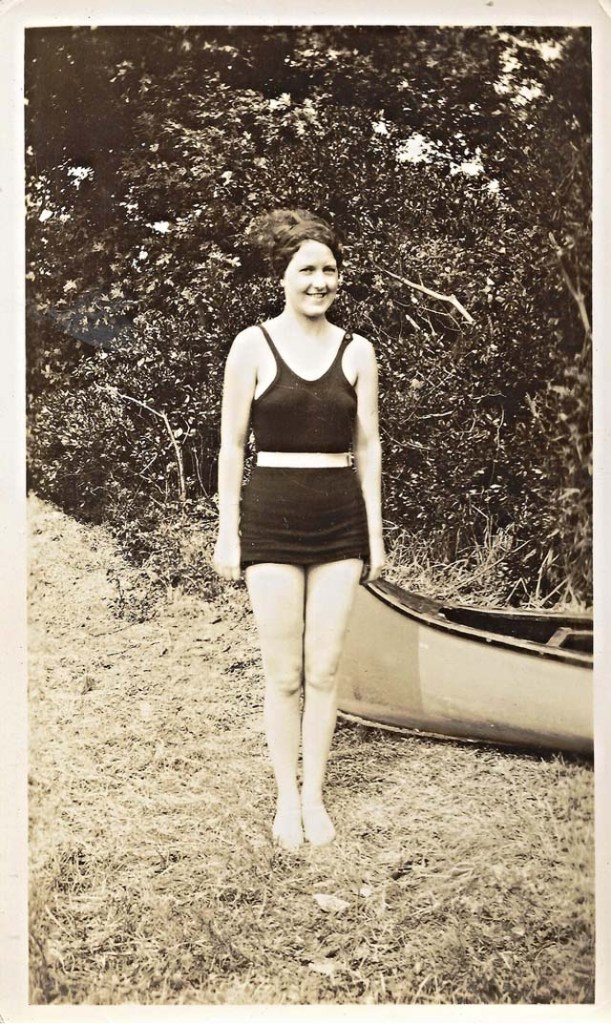
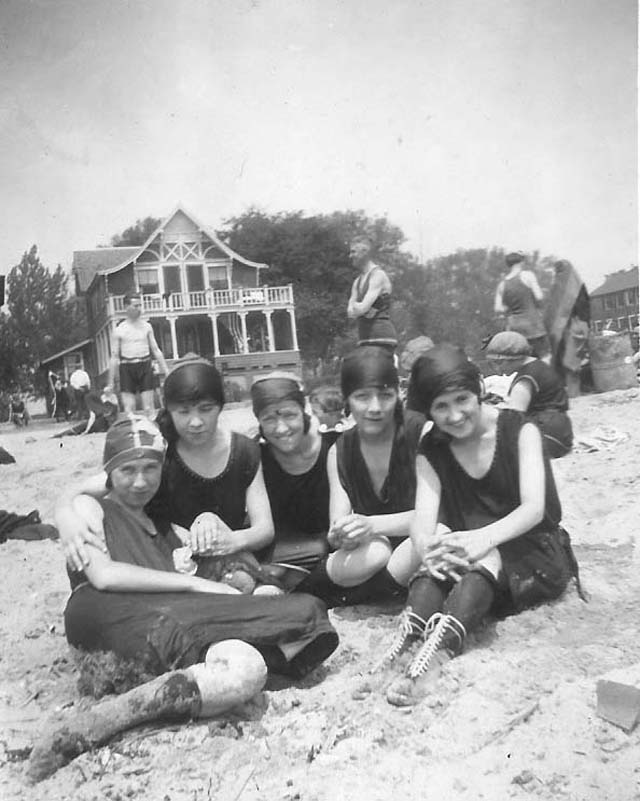
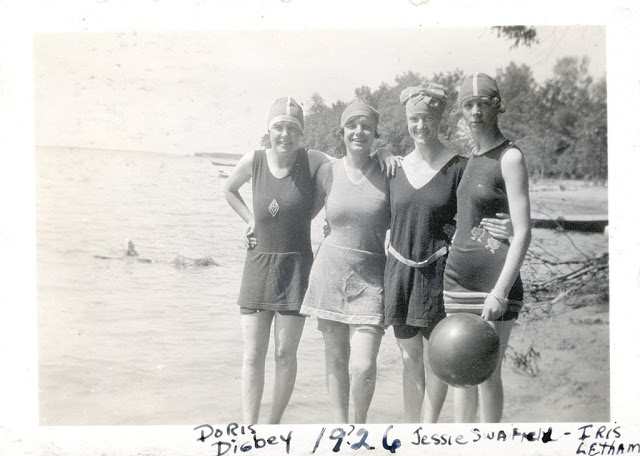

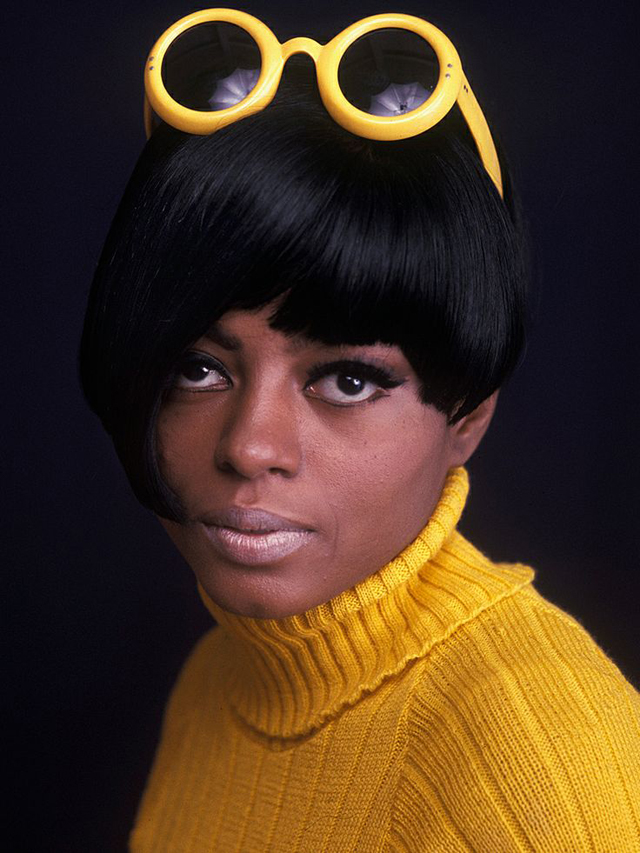
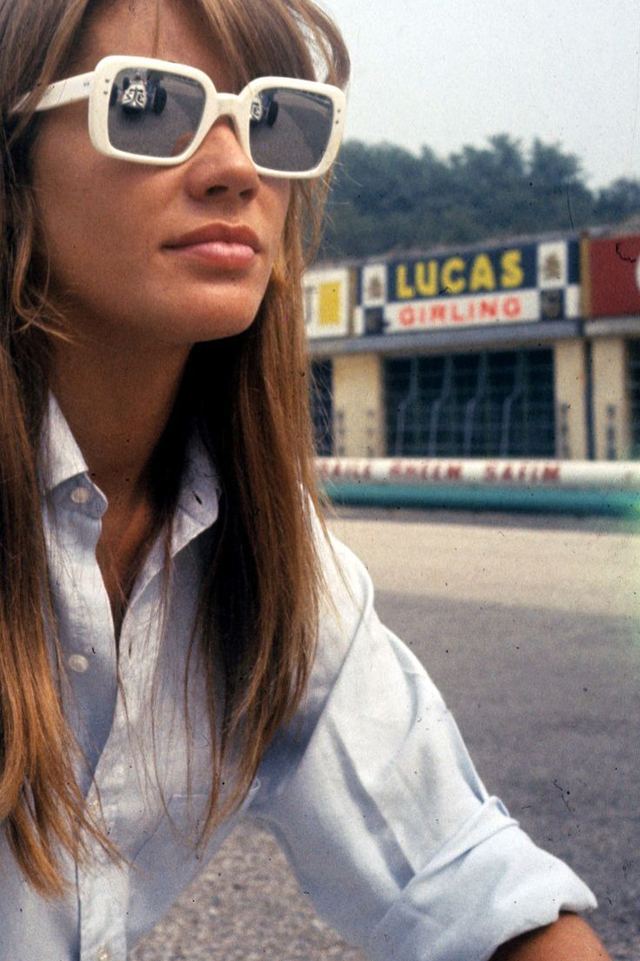
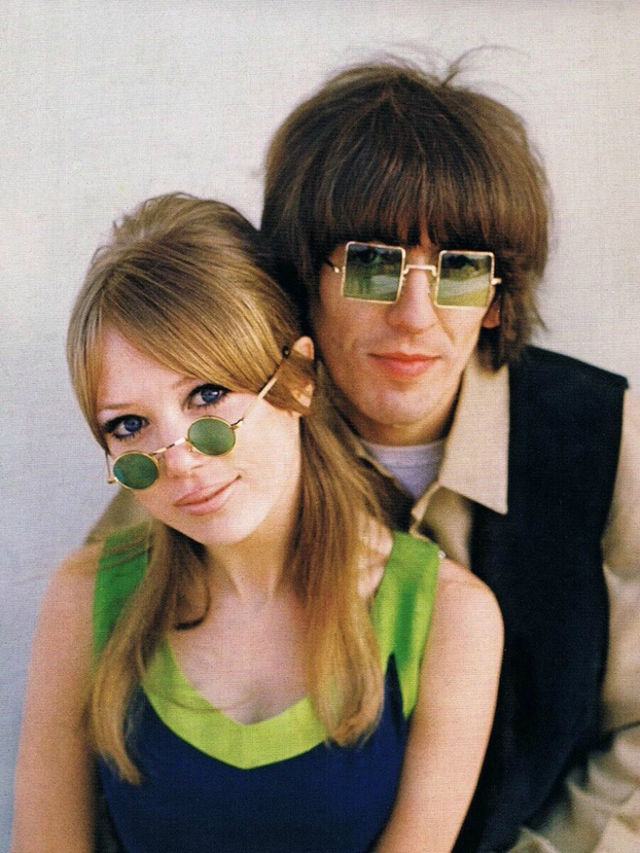

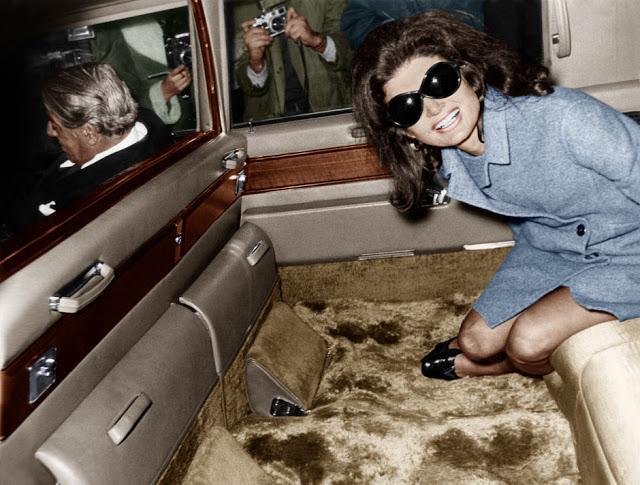

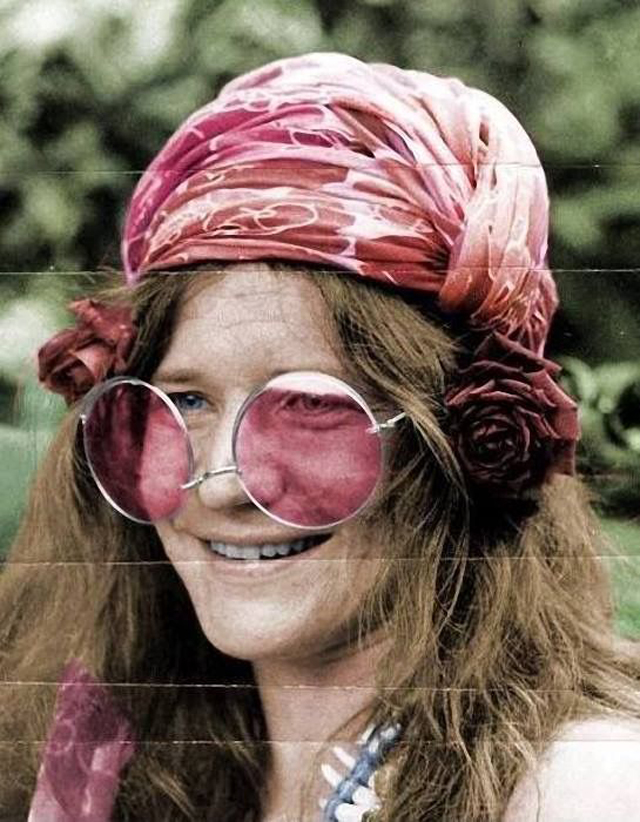
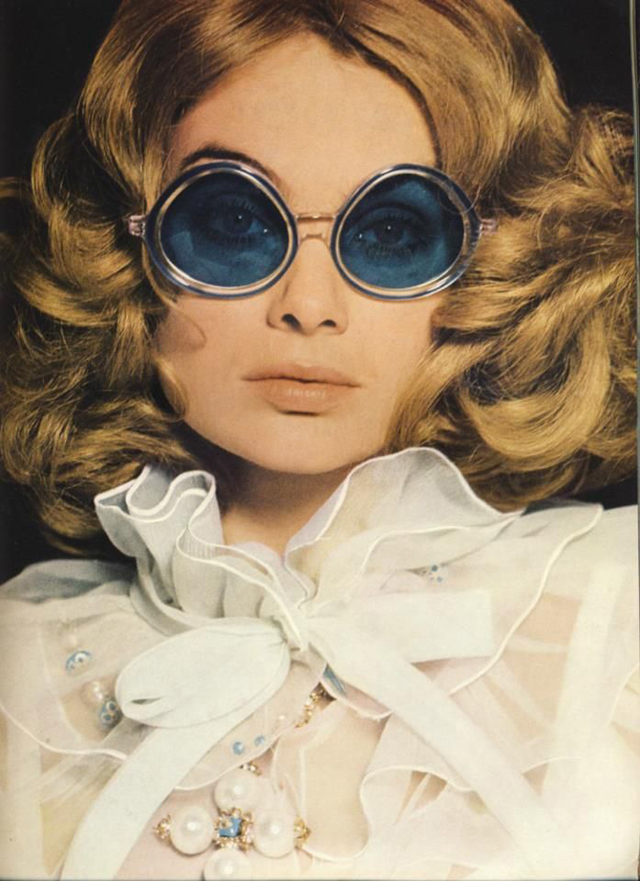


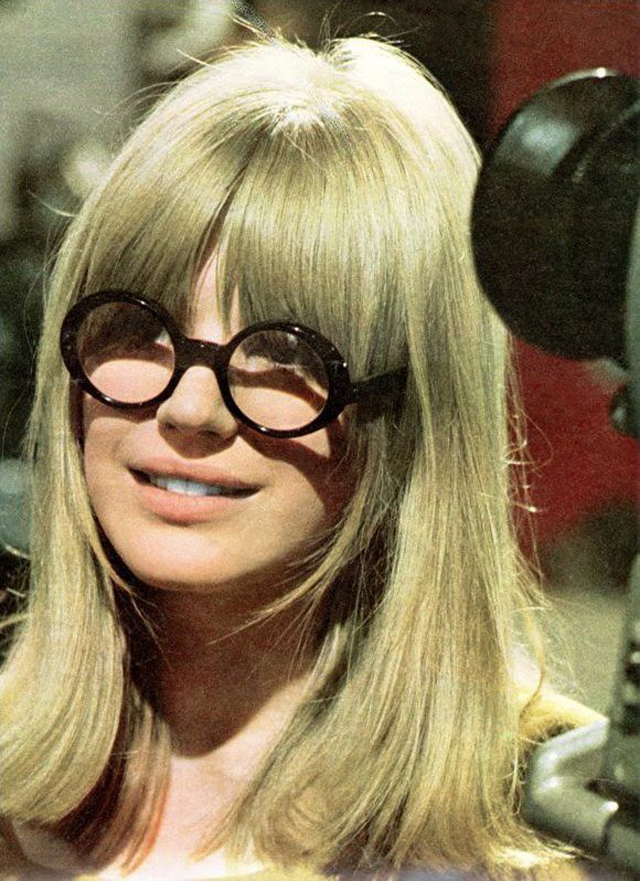
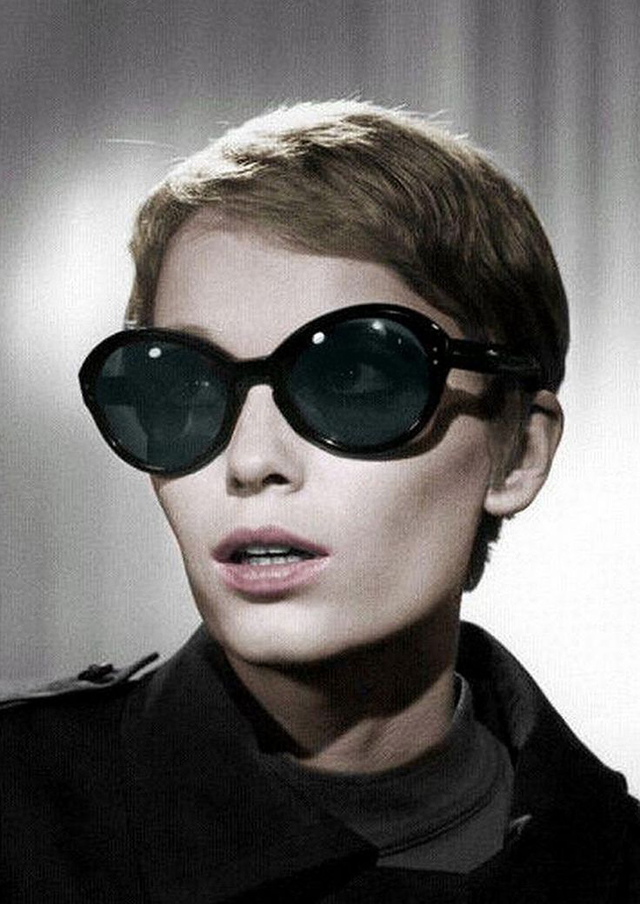



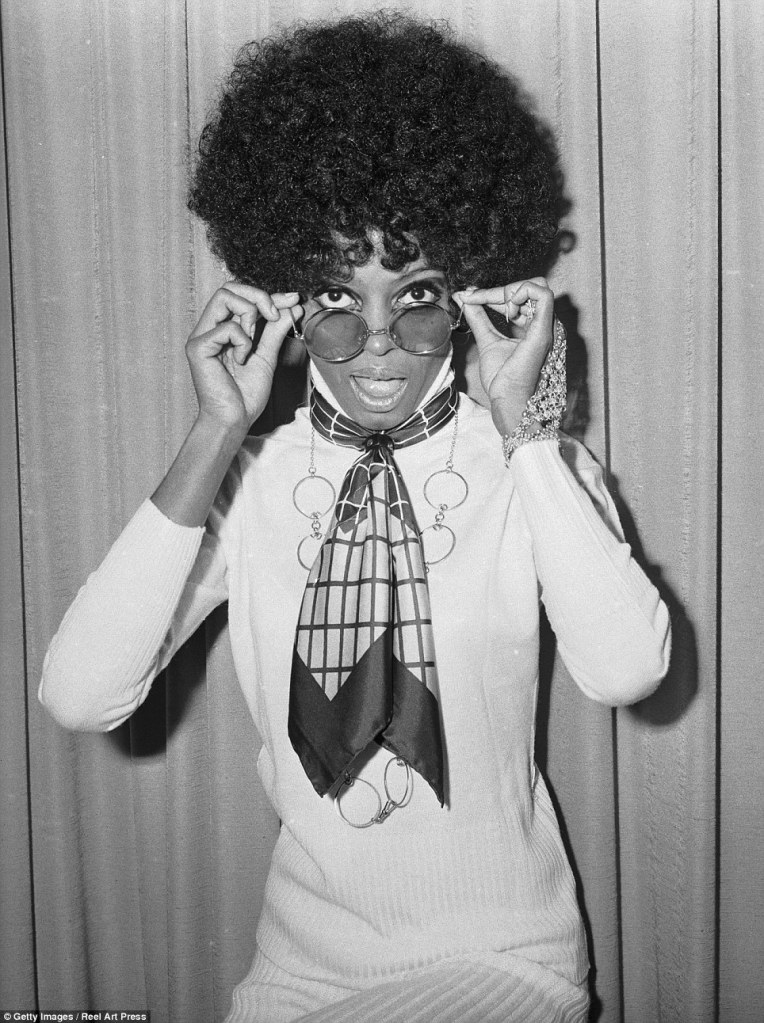
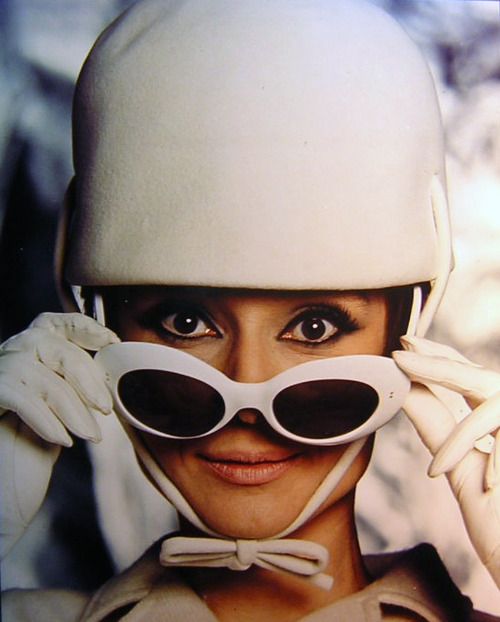
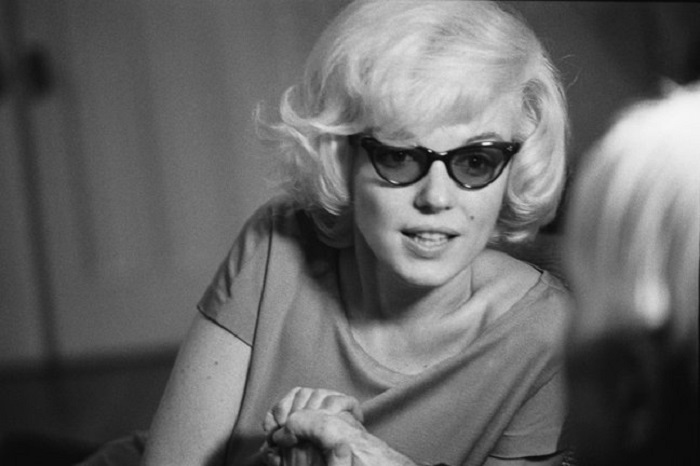
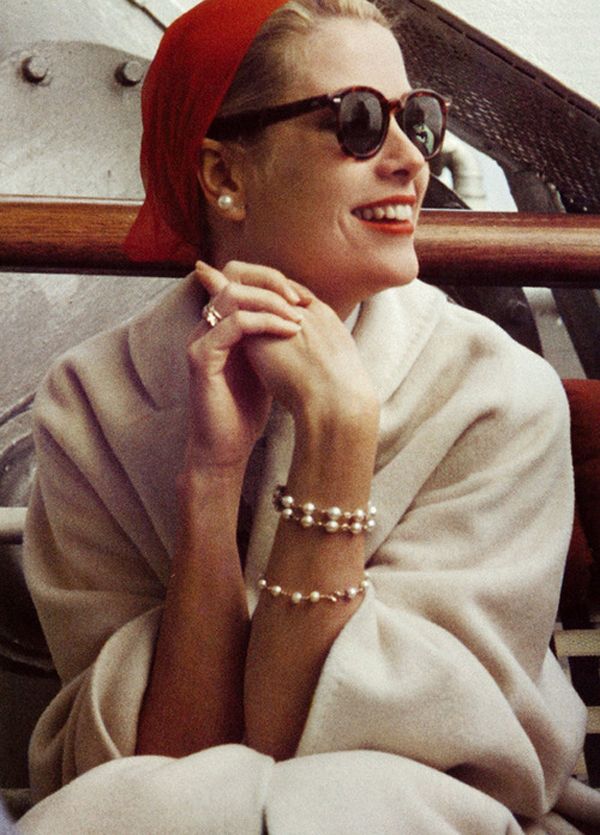
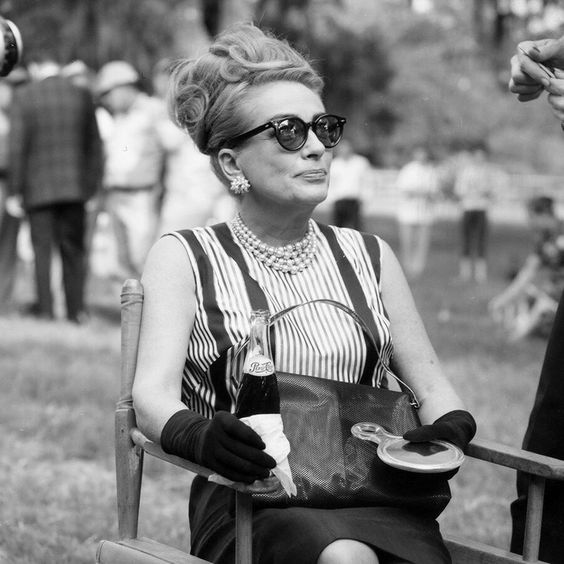
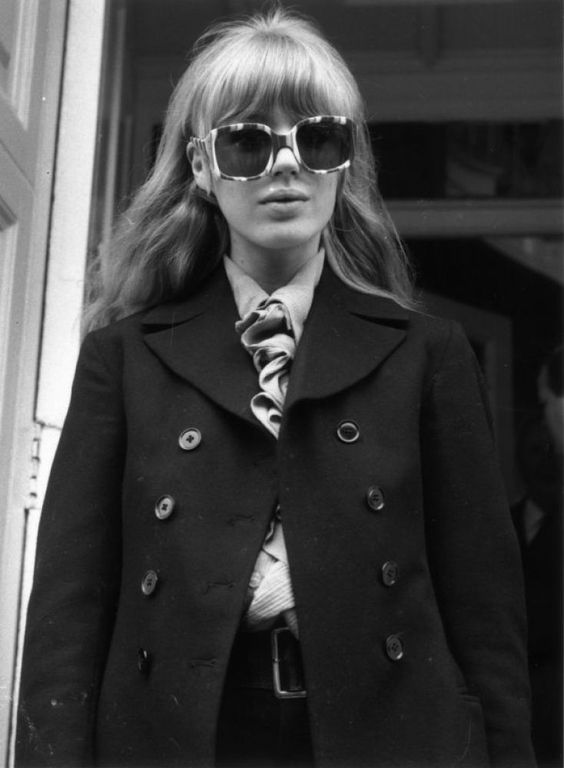

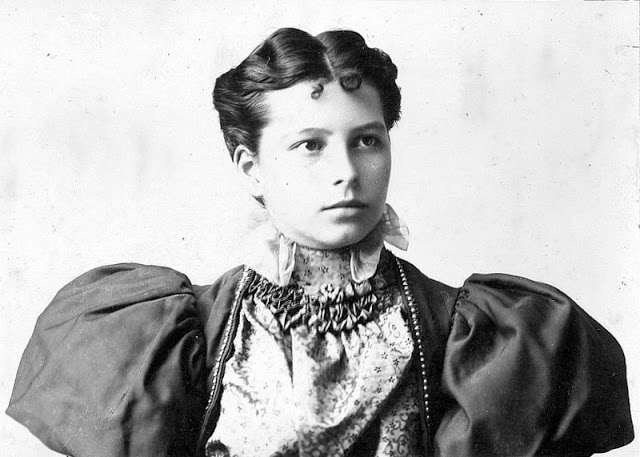
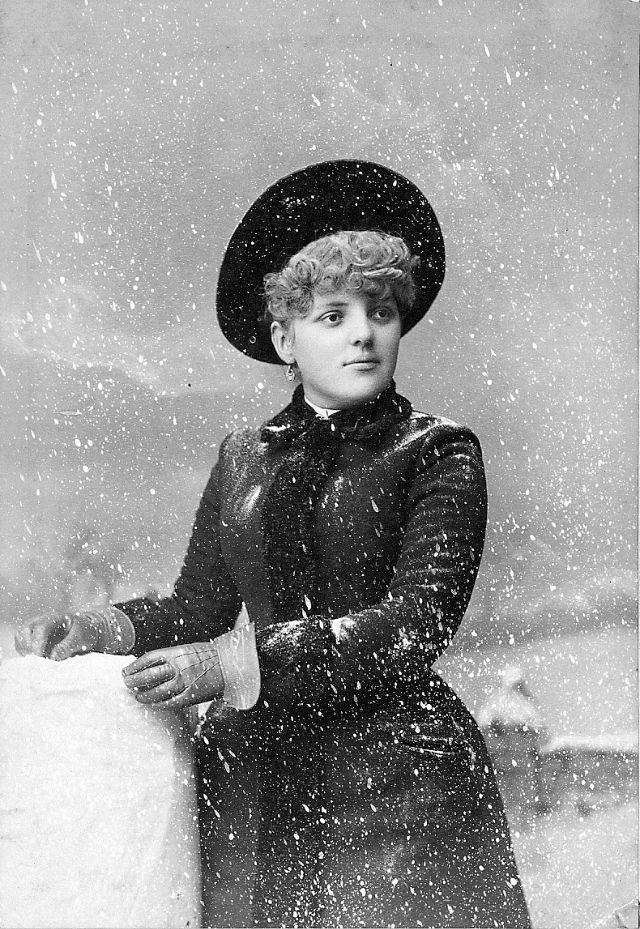
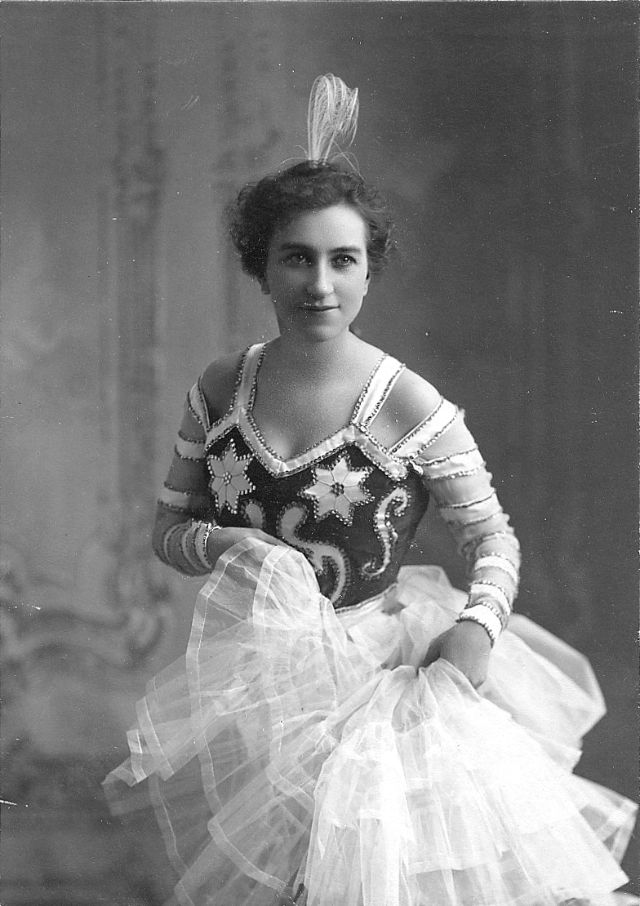
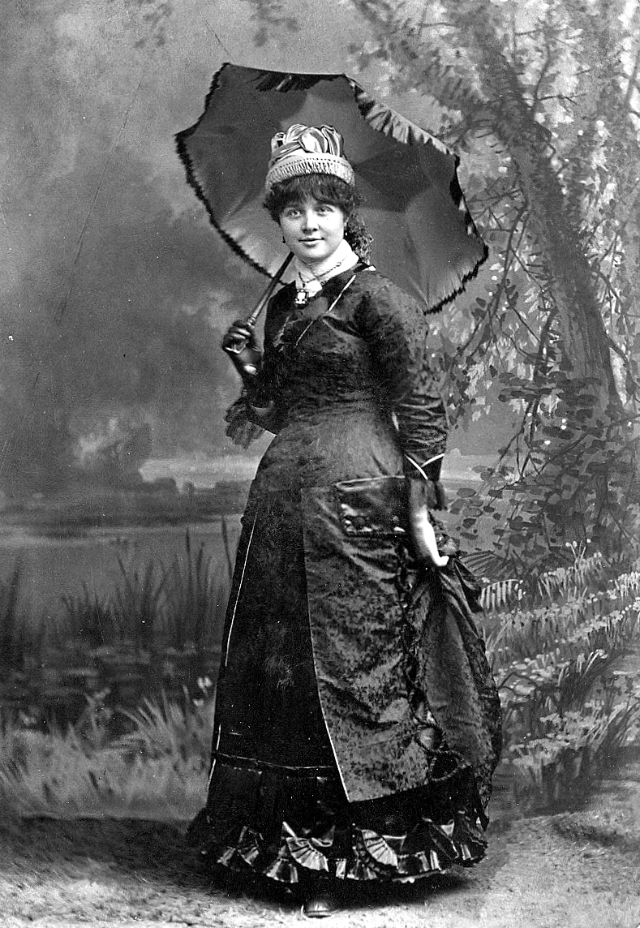
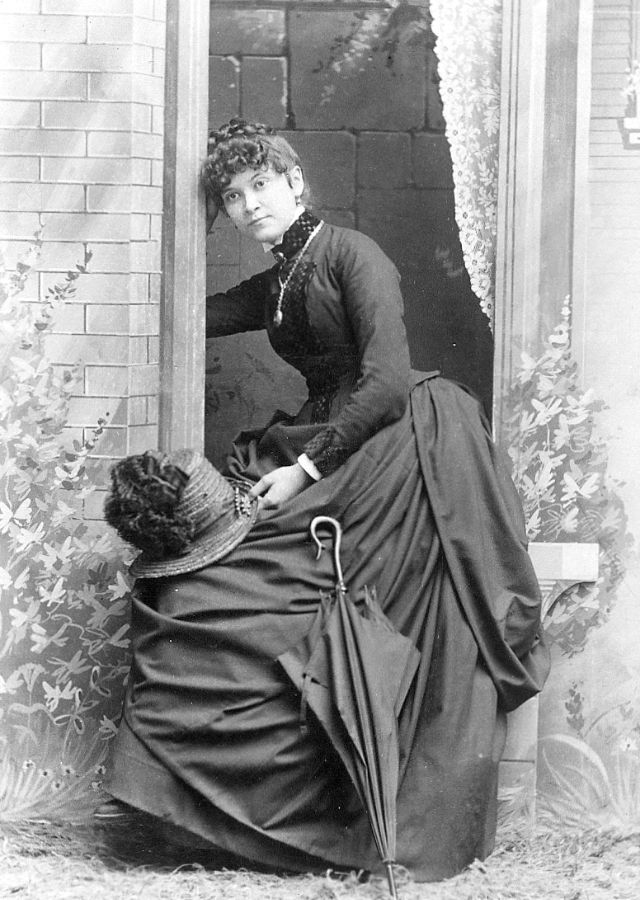
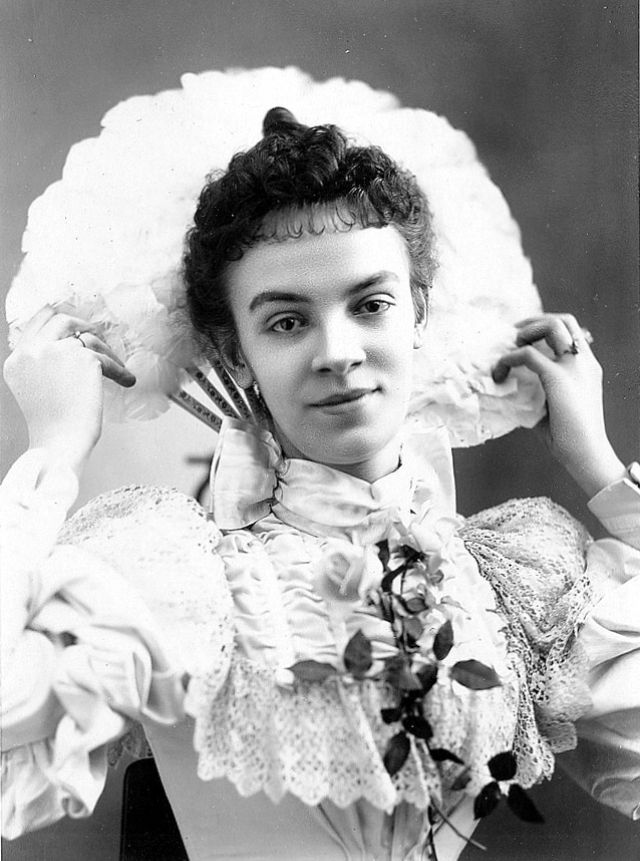
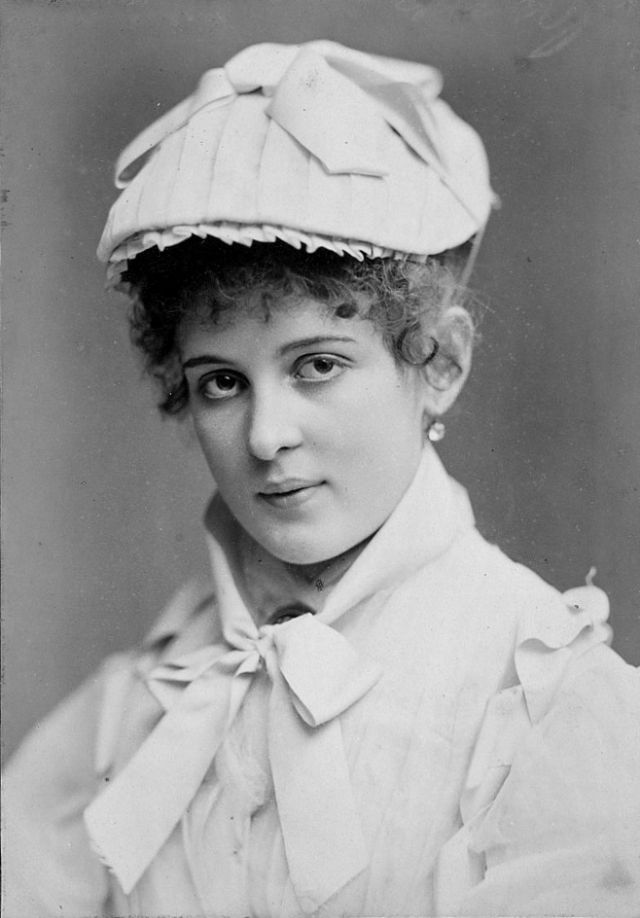
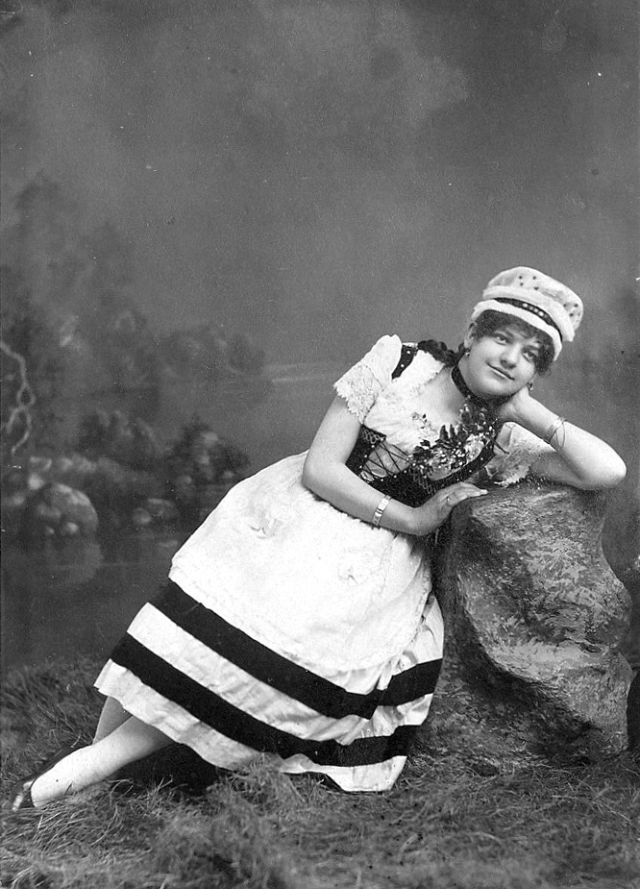
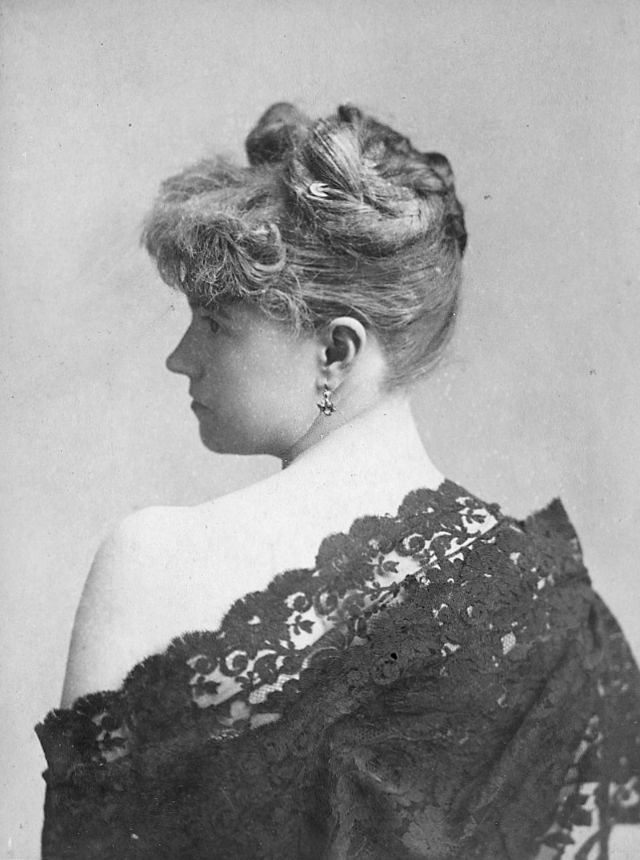
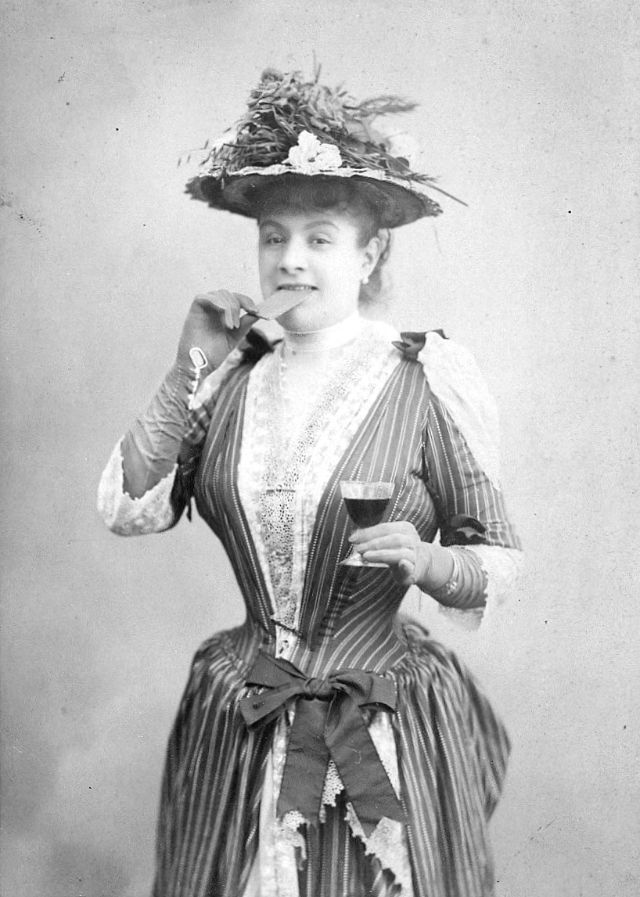
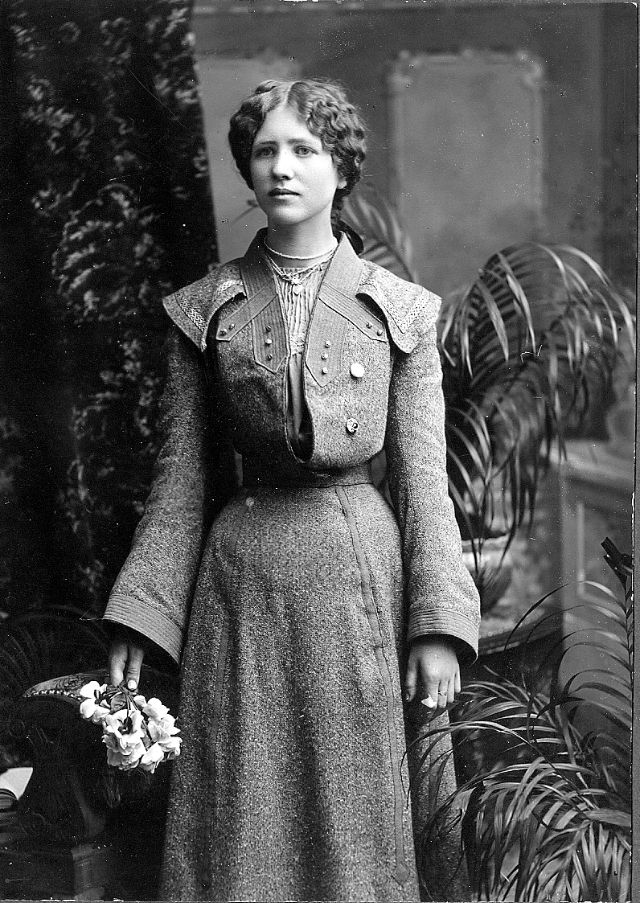
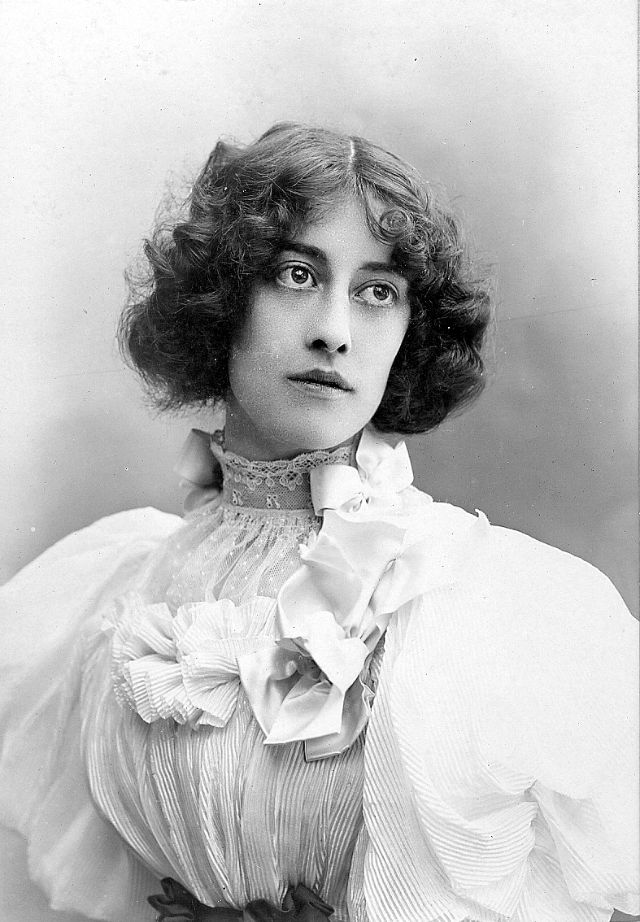
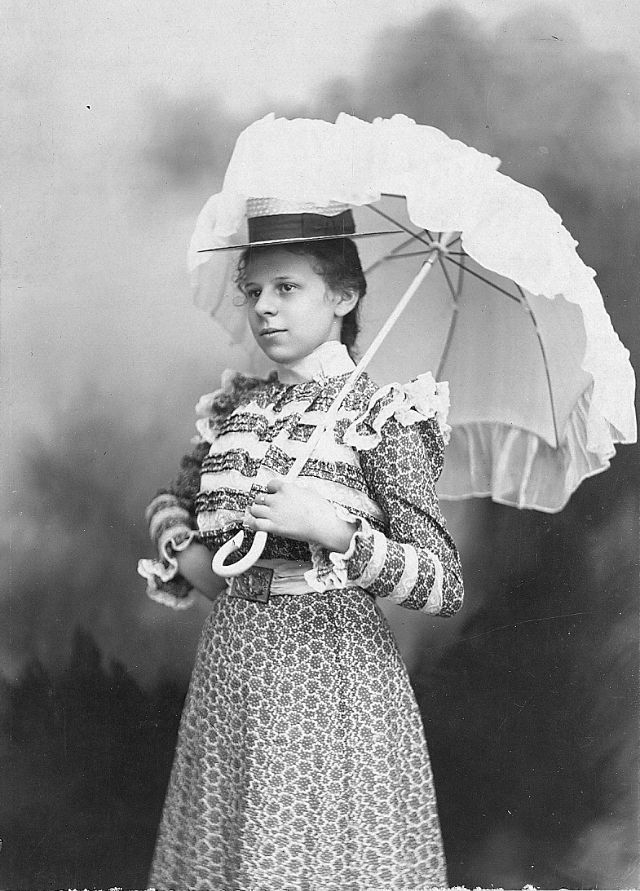
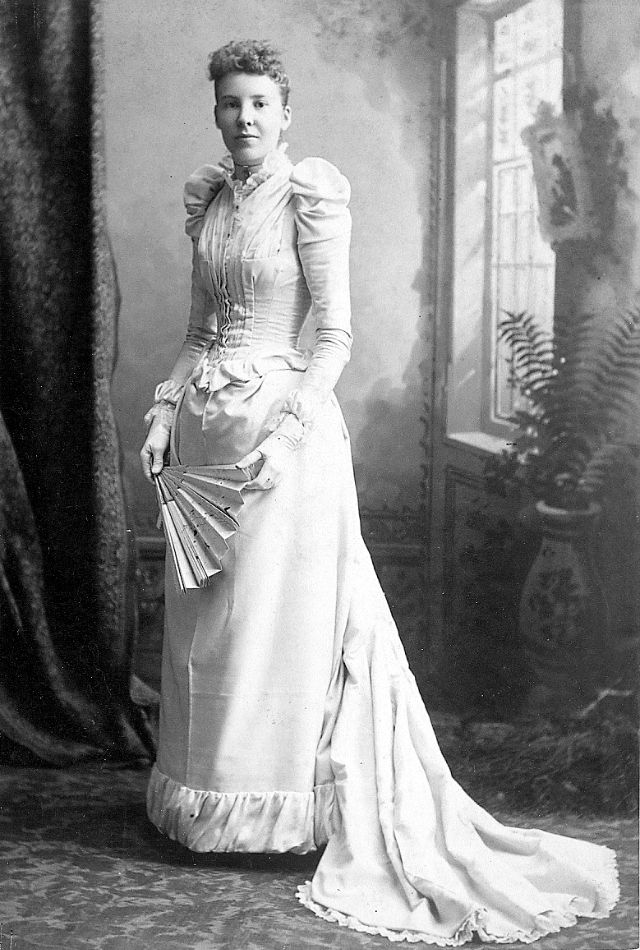
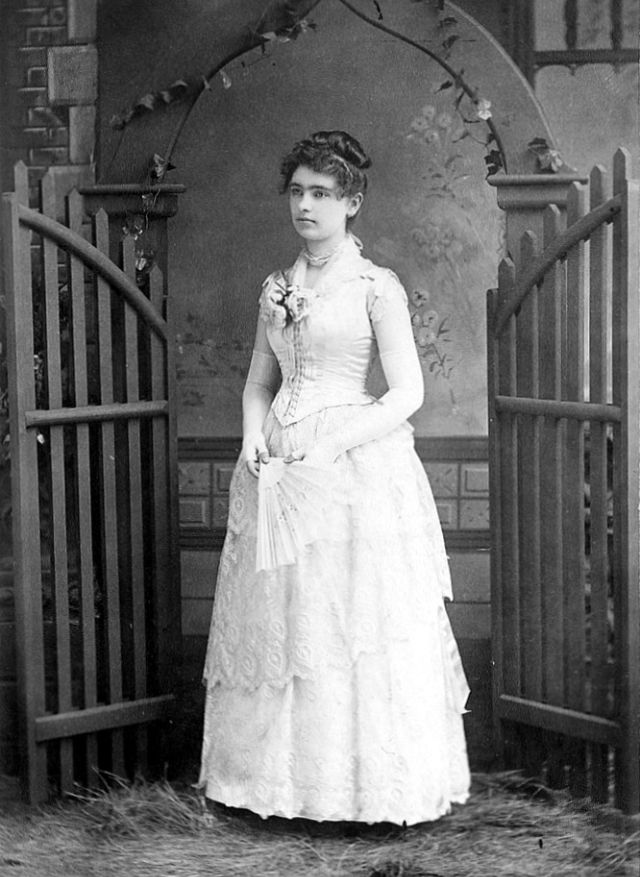
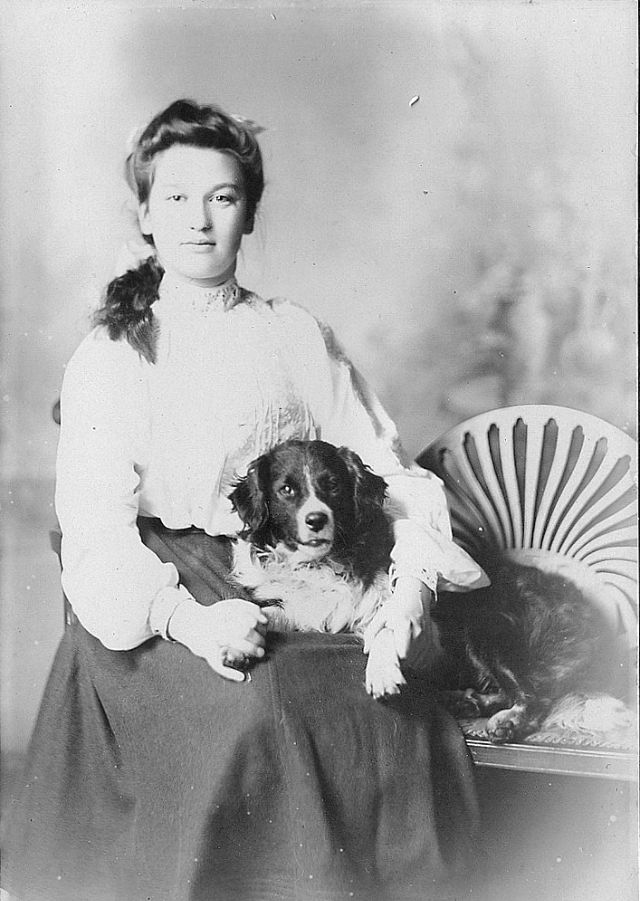
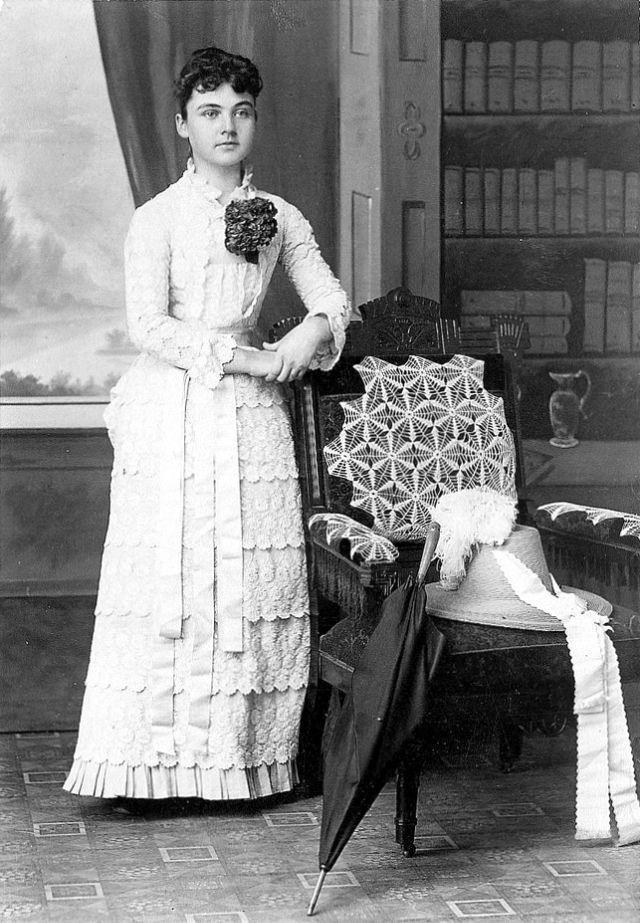
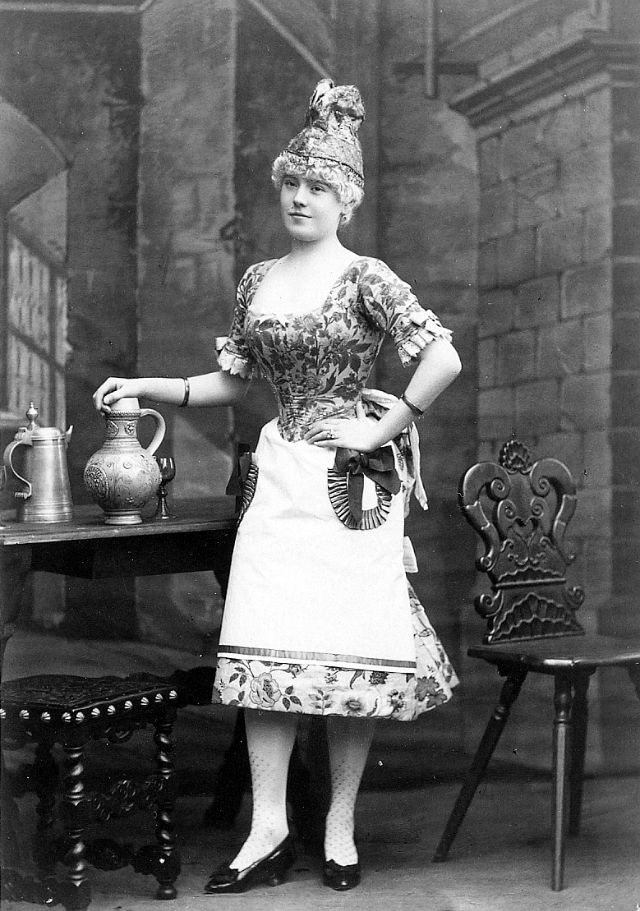
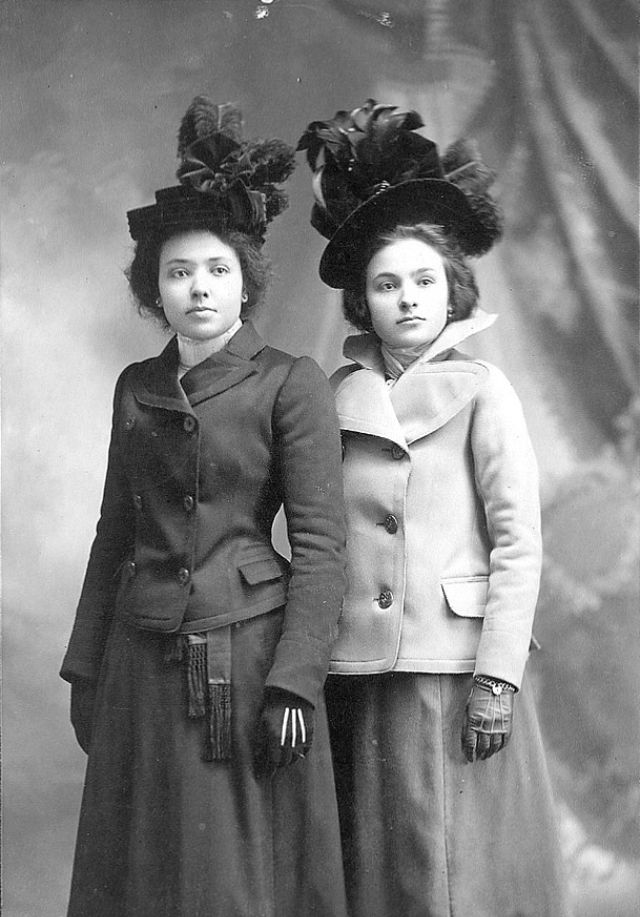
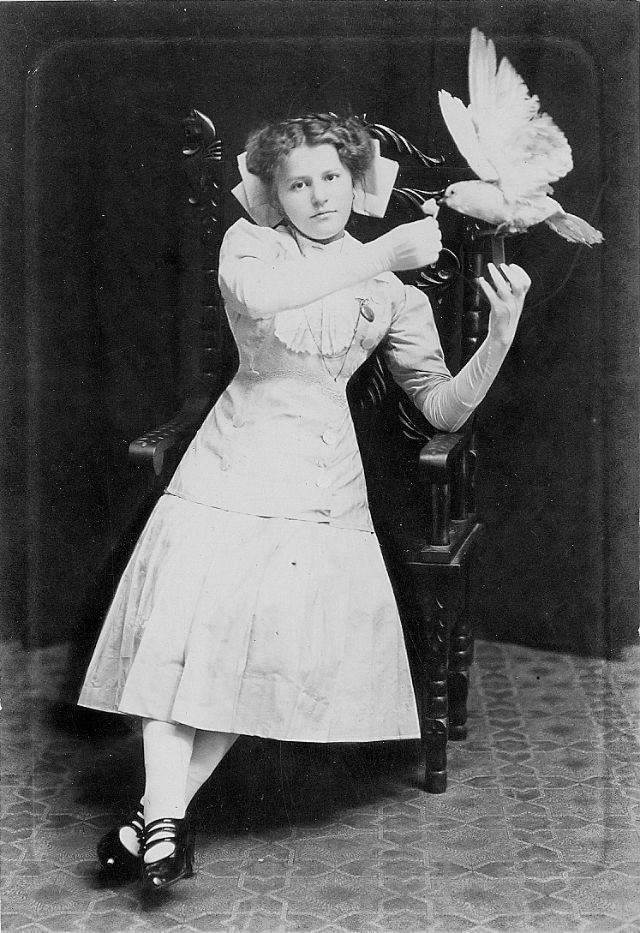
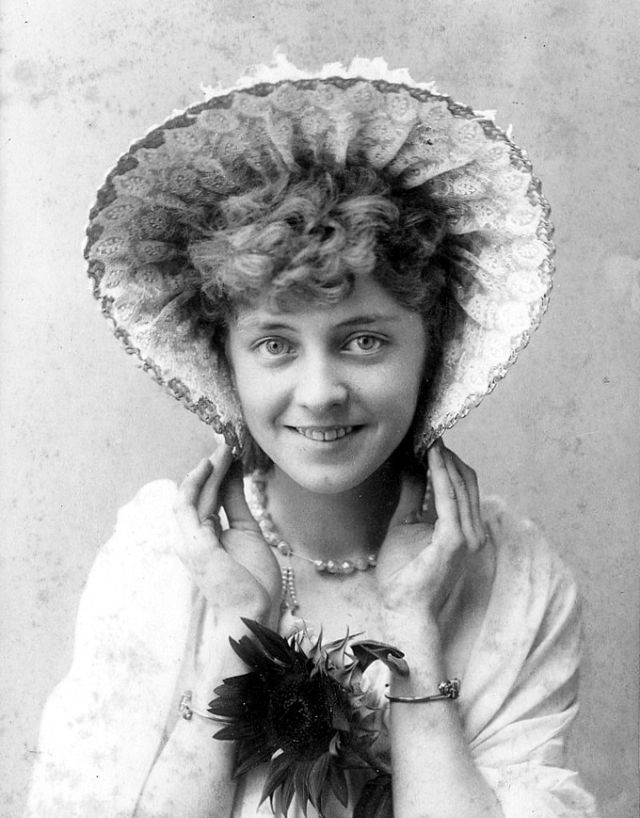
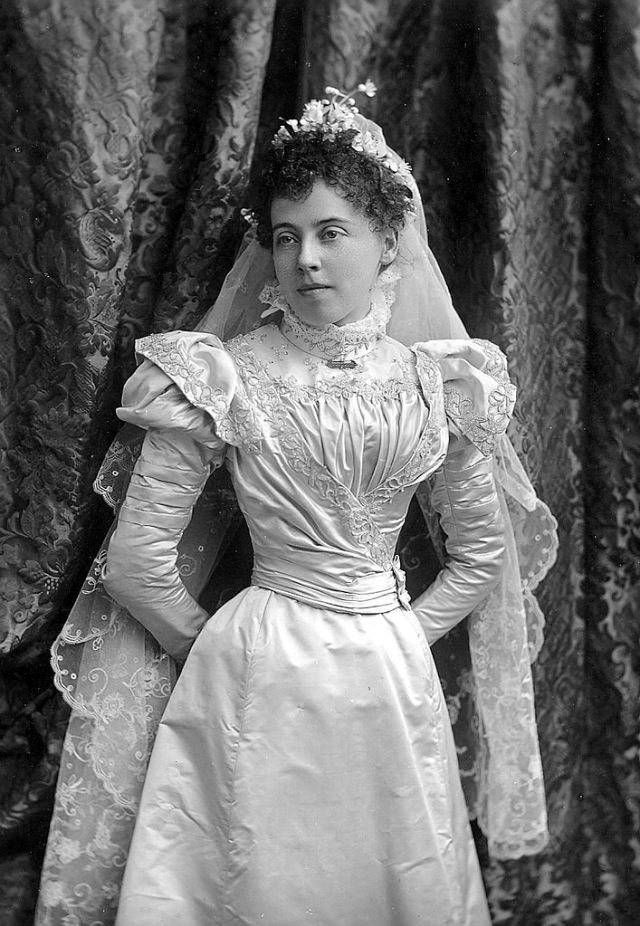
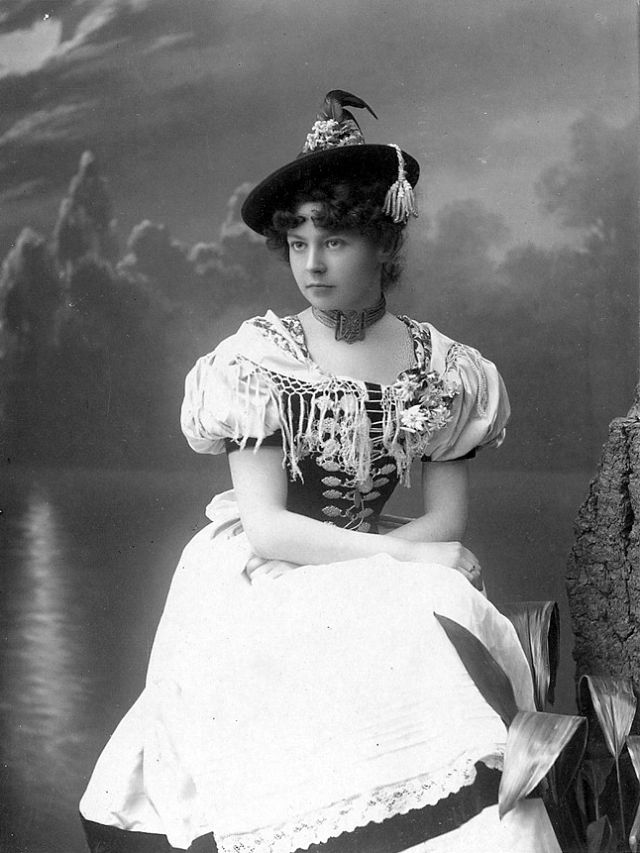
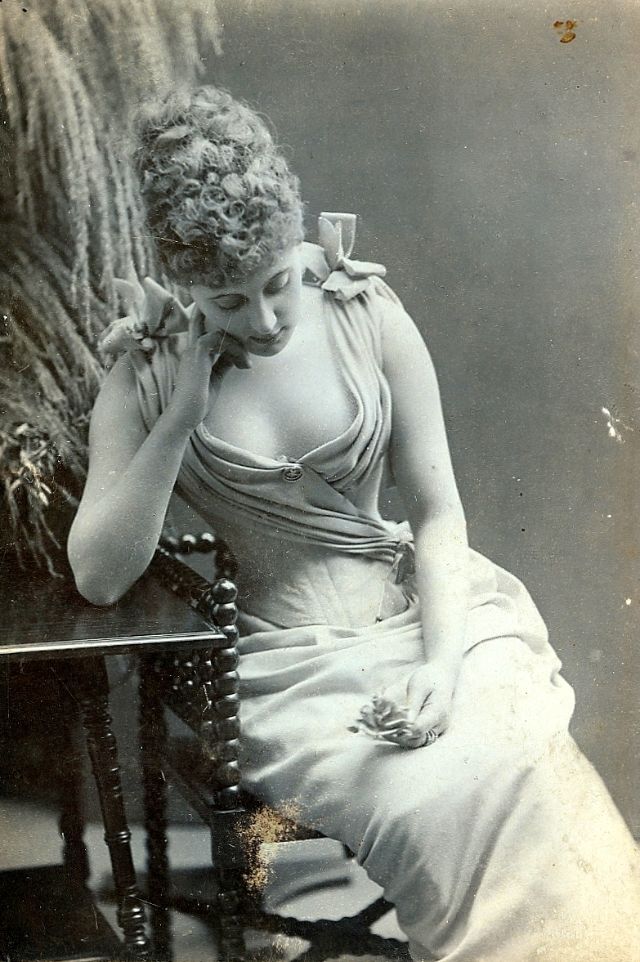
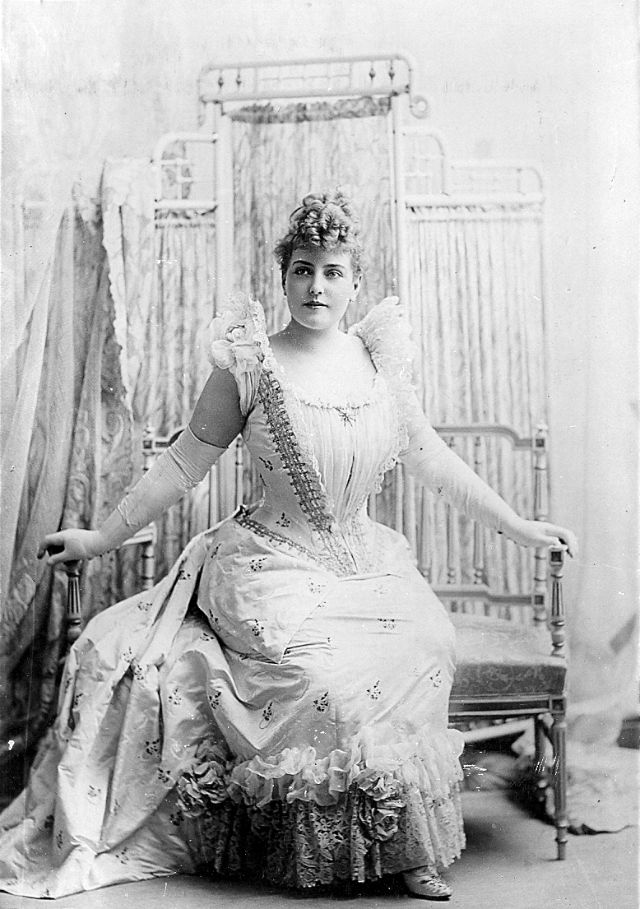
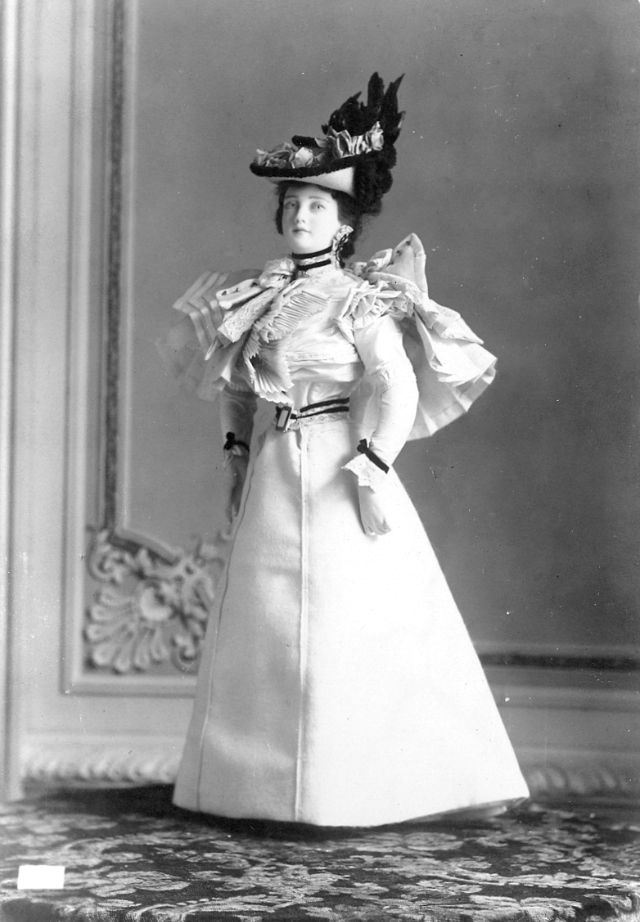
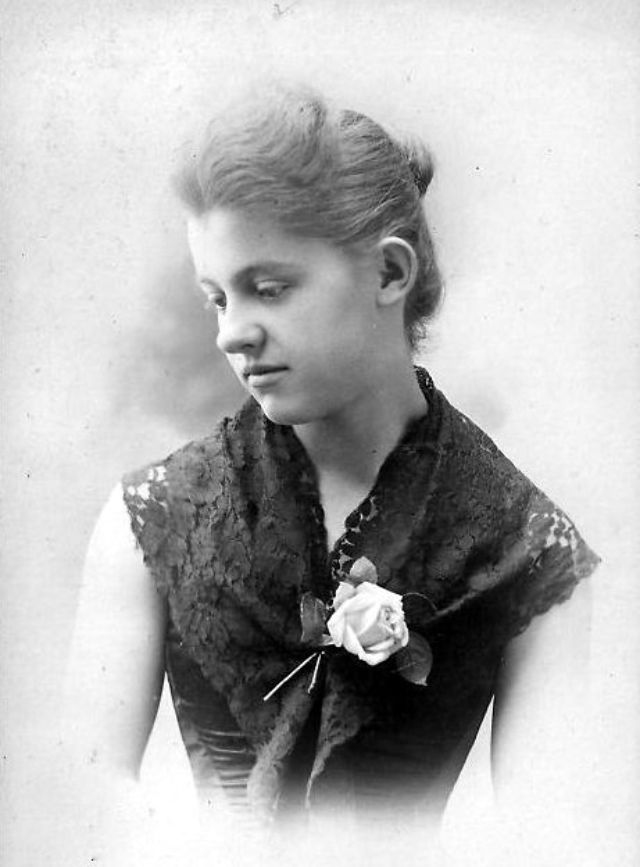
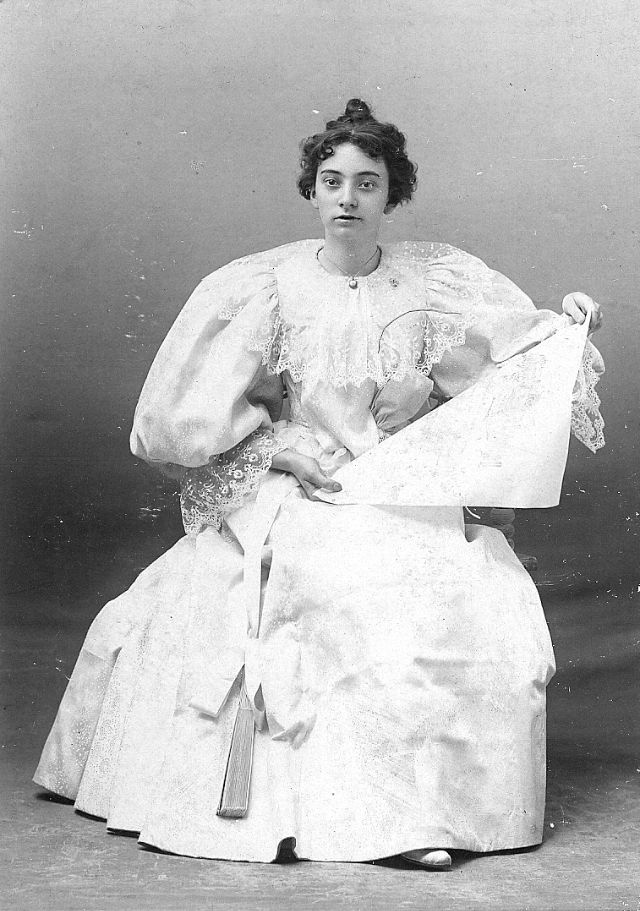
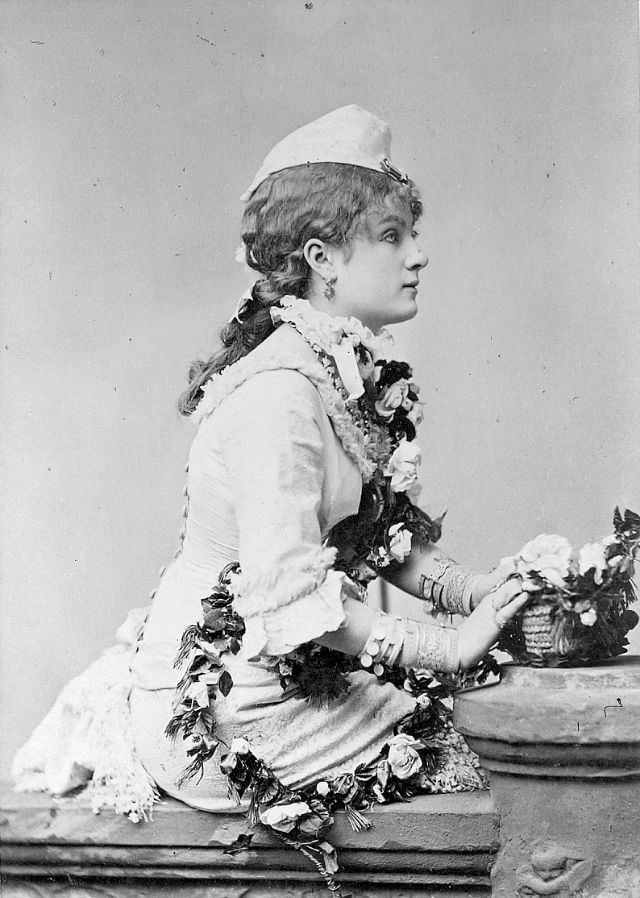
Women’s fashion of the 19th century is renowned for its corsets, bonnets, top hats, bustles and petticoats. It was largely dominated by full skirts, which gradually moved to the back of the silhouette.
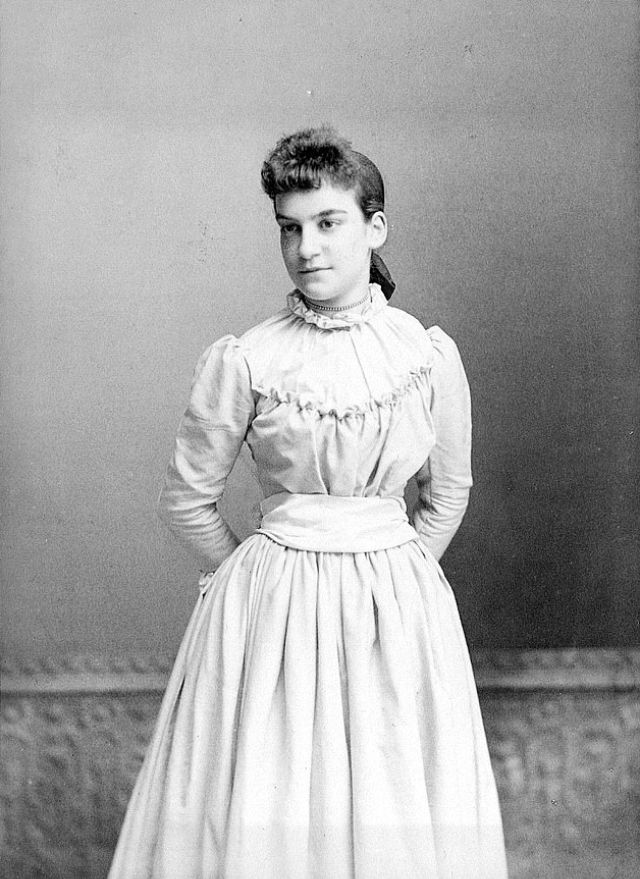
However, towards the end of the period, there were significant changes in design to make these dresses became more compact, and more elegant.
Here is a stunning photo collection of stylish girls from the late 19th century.