World War I, often abbreviated as WWI or WW1, also known as the First World War or the Great War, was a global war that began on 28 July 1914 and ended on 11 November 1918. It involved much of Europe, as well as Russia, the United States and Turkey, and was also fought in the Middle East, Africa and parts of Asia. One of the deadliest conflicts in history, an estimated 9 million were killed in combat, while over 5 million civilians died from occupation, bombardment, hunger or disease. The genocides perpetrated by the Ottomans and the 1918 Spanish flu pandemic spread by the movement of combatants during the war caused many millions of additional deaths worldwide.
In 1914, the Great Powers were divided into two opposing alliances, the Triple Entente, consisting of France, Russia, and Britain, and the Triple Alliance, made up of Germany, Austria-Hungary, and Italy. Tensions in the Balkans came to a head on 28 June 1914 following the assassination of Archduke Franz Ferdinand, the Austro-Hungarian heir, by Gavrilo Princip, a Bosnian Serb. Austria-Hungary blamed Serbia and the interlocking alliances involved the Powers in a series of diplomatic exchanges known as the July Crisis. On 28 July, Austria-Hungary declared war on Serbia; Russia came to Serbia’s defence and by 4 August, the conflict had expanded to include Germany, France and Britain, along with their respective colonial empires. In November, the Ottoman Empire, Germany and Austria formed the Central Powers, while in April 1915, Italy joined Britain, France, Russia and Serbia as the Allied Powers.
Facing a war on two fronts, German strategy in 1914 was to defeat France, then shift its forces to the East and knock out Russia, commonly known as the Schlieffen Plan. This failed when their advance into France was halted at the Marne; by the end of 1914, the two sides faced each other along the Western Front, a continuous series of trench lines stretching from the Channel to Switzerland that changed little until 1917. By contrast, the Eastern Front was far more fluid, with Austria-Hungary and Russia gaining, then losing large swathes of territory. Other significant theatres included the Middle East, the Alpine Front and the Balkans, bringing Bulgaria, Romania and Greece into the war.
Shortages caused by the Allied naval blockade led Germany to initiate unrestricted submarine warfare in early 1917, bringing the previously neutral United States into the war on 6 April 1917. In Russia, the Bolsheviks seized power in the 1917 October Revolution and made peace in the March 1918 Treaty of Brest-Litovsk, freeing up large numbers of German troops. By transferring these to the Western Front, the German General Staff hoped to win a decisive victory before American reinforcements could impact the war, and launched the March 1918 German spring offensive. Despite initial success, it was soon halted by heavy casualties and ferocious defence; in August, the Allies launched the Hundred Days Offensive and although the German army continued to fight hard, it could no longer halt their advance.
The Central Powers began to collapse; Bulgaria signed an Armistice on 29 September, followed by the Ottomans on 31 October, then Austria-Hungary on 3 November. Isolated, facing revolution at home and an army on the verge of mutiny, Kaiser Wilhelm abdicated on 9 November and the new German government signed the Armistice of 11 November 1918, bringing the fighting to a close. The 1919 Paris Peace Conference imposed various settlements on the defeated powers, the best known being the Treaty of Versailles. The dissolution of the Russian, German, Ottoman and Austro-Hungarian empires led to numerous uprisings and the creation of independent states, including Poland, Czechoslovakia and Yugoslavia. For reasons that are still debated, failure to manage the instability that resulted from this upheaval during the interwar period ended with the outbreak of World War II in 1939. (Wikipedia)
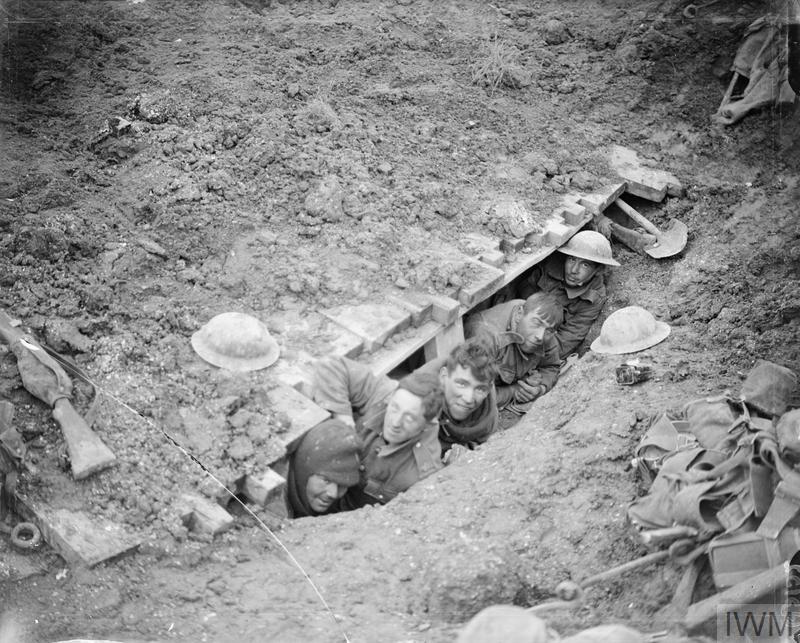
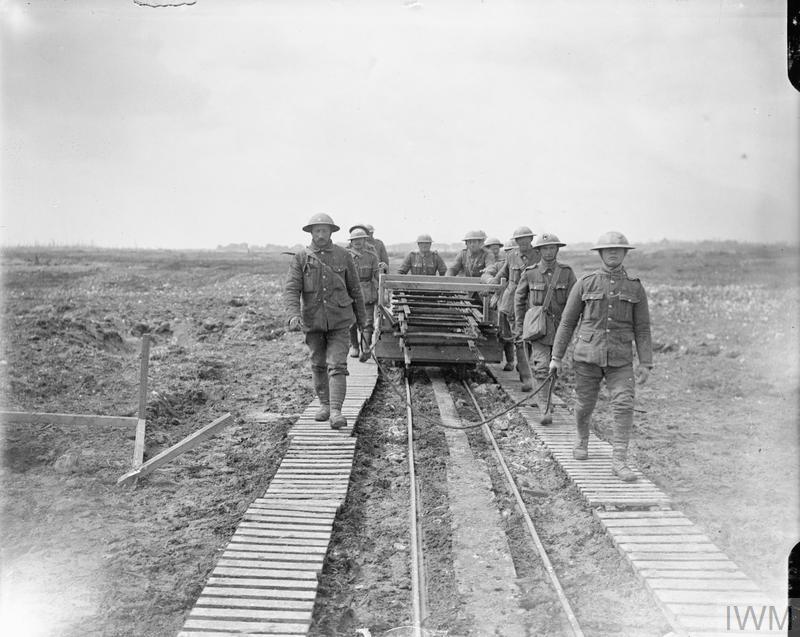
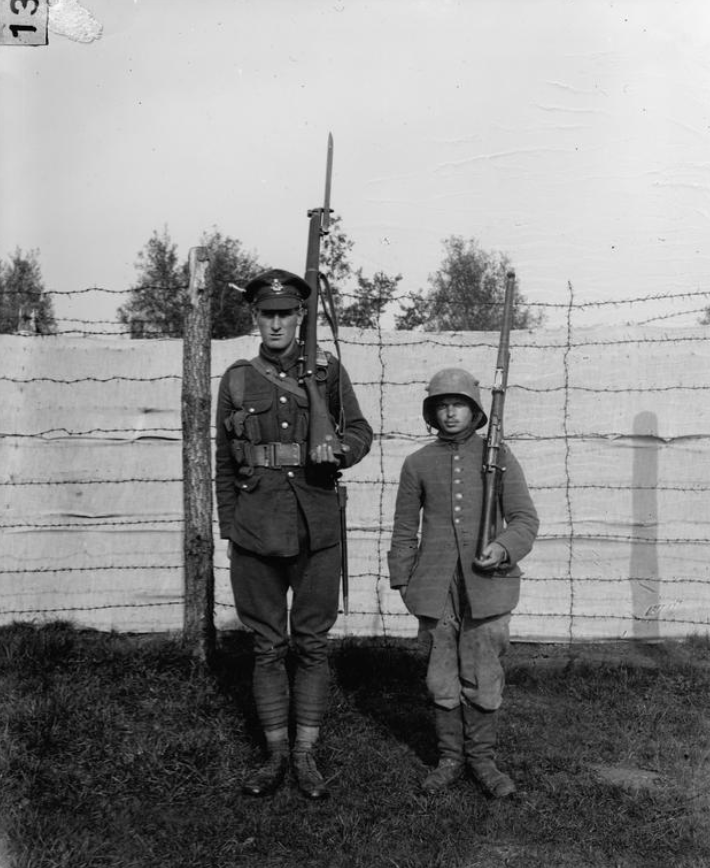
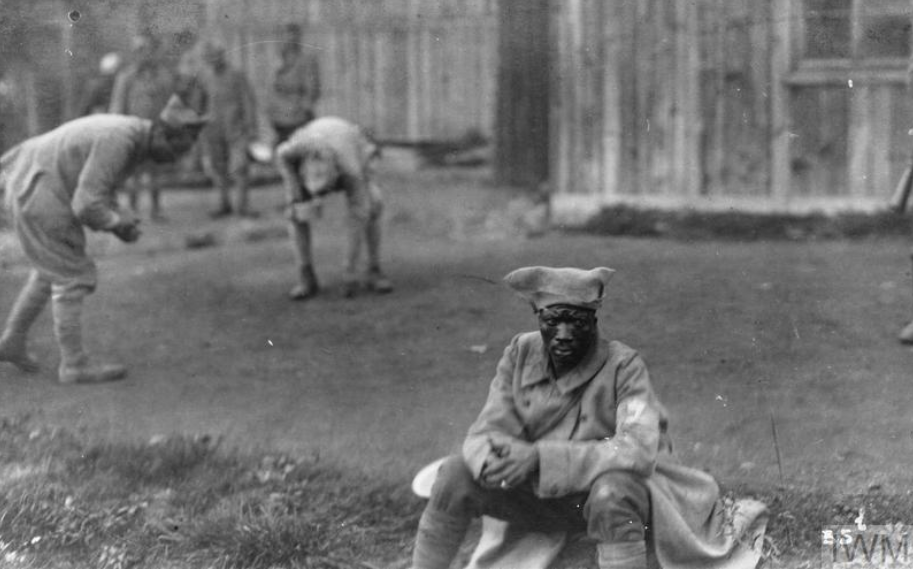
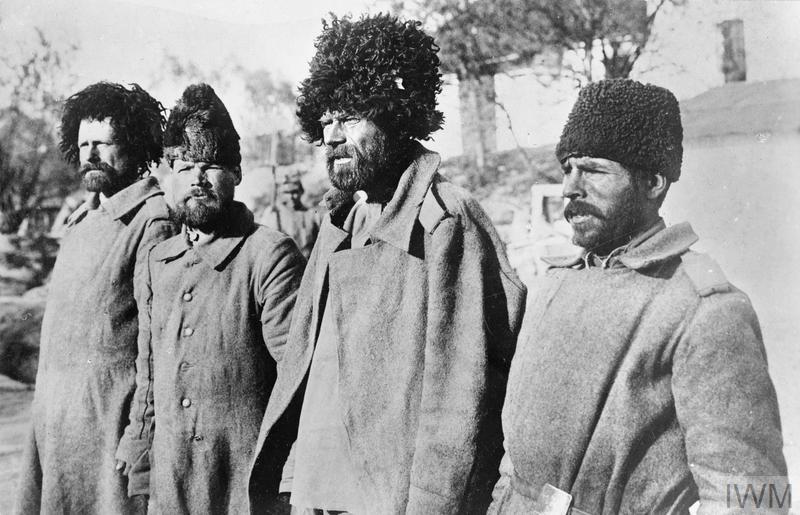
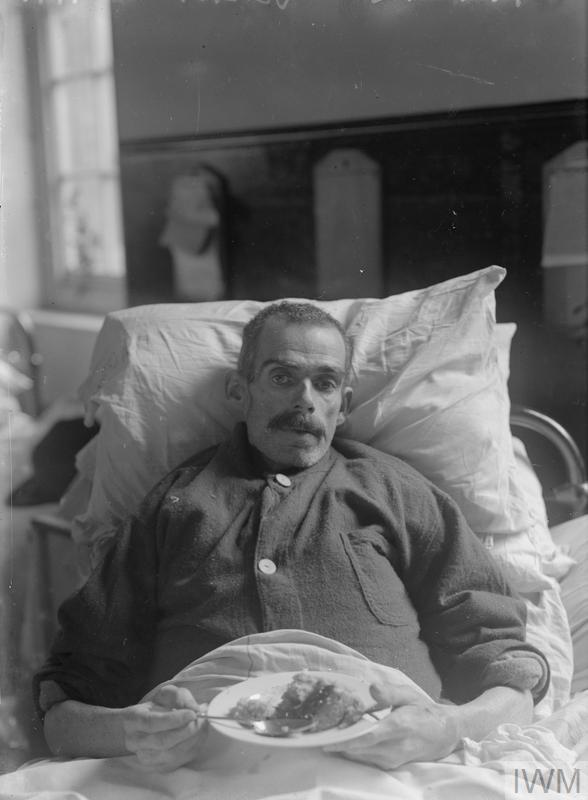
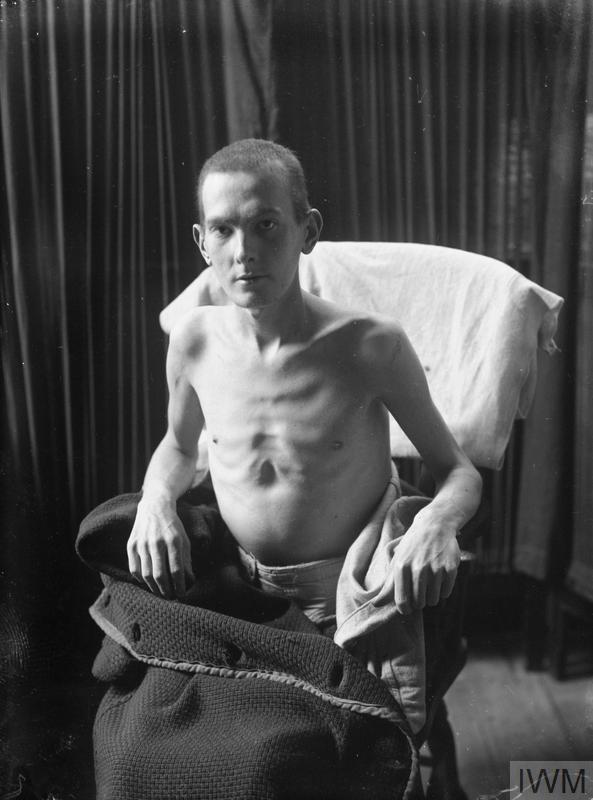
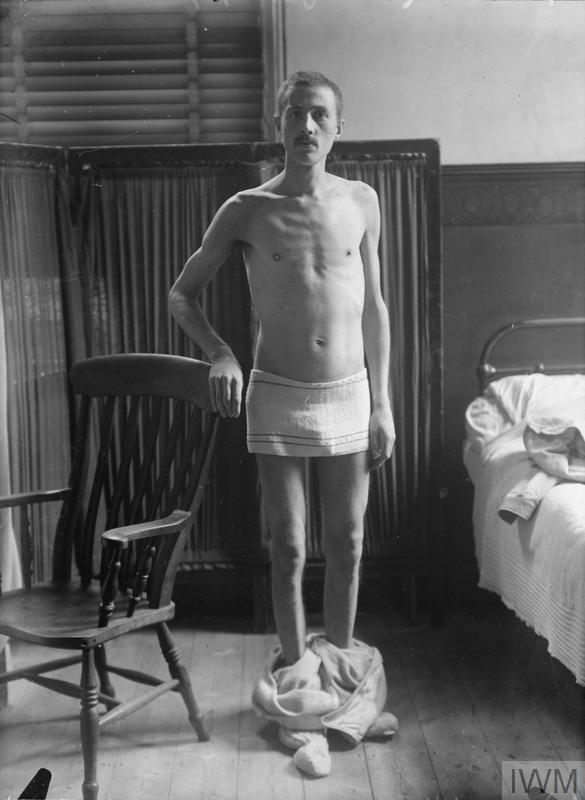
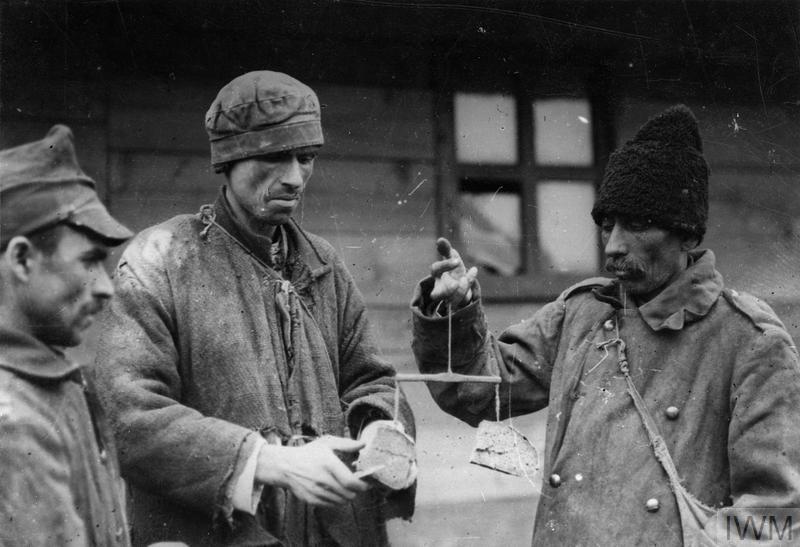
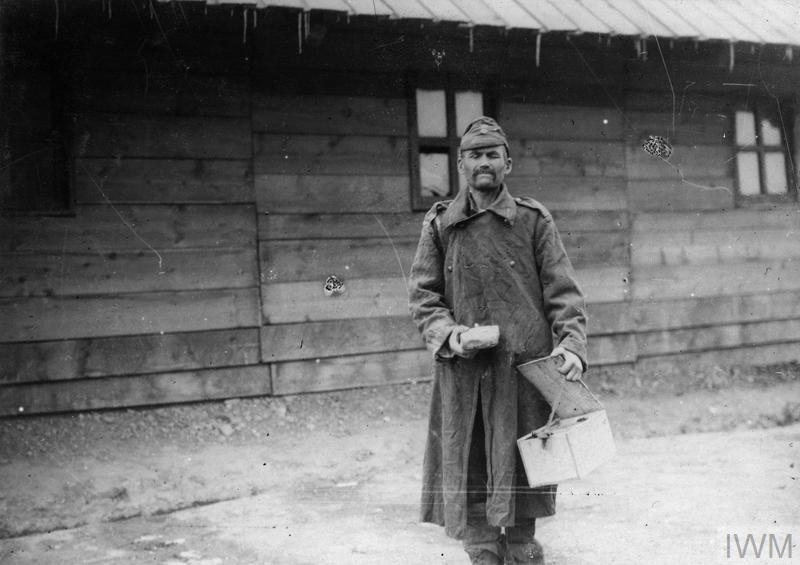
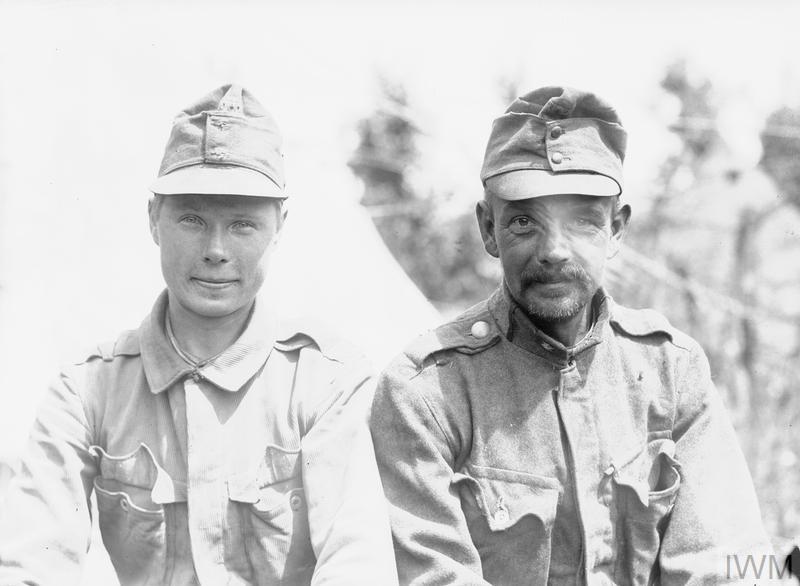
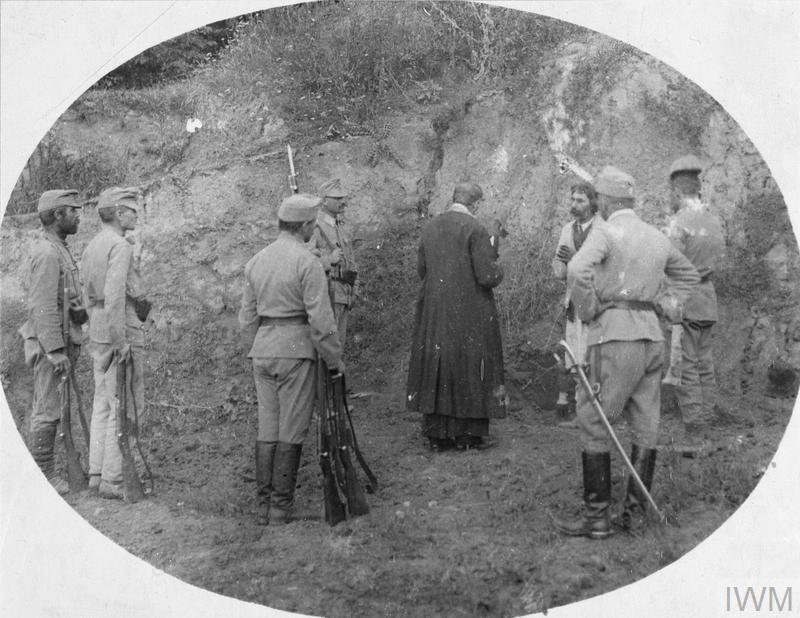
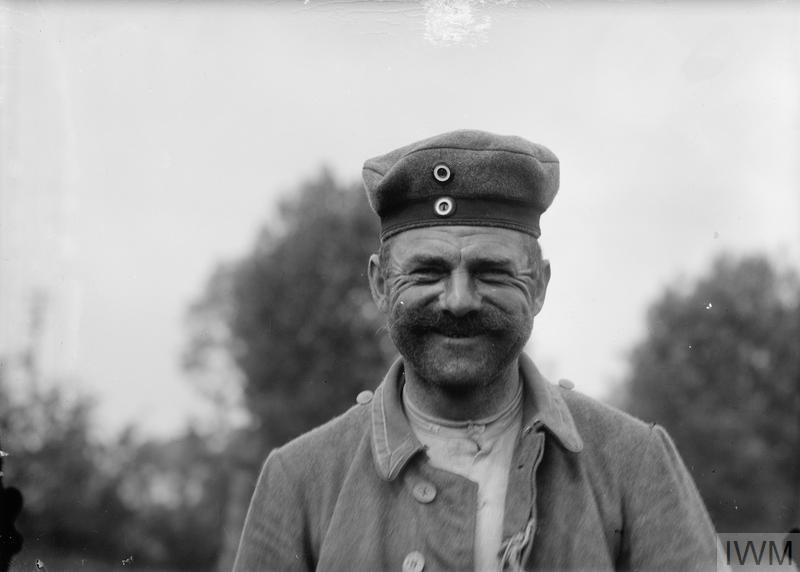
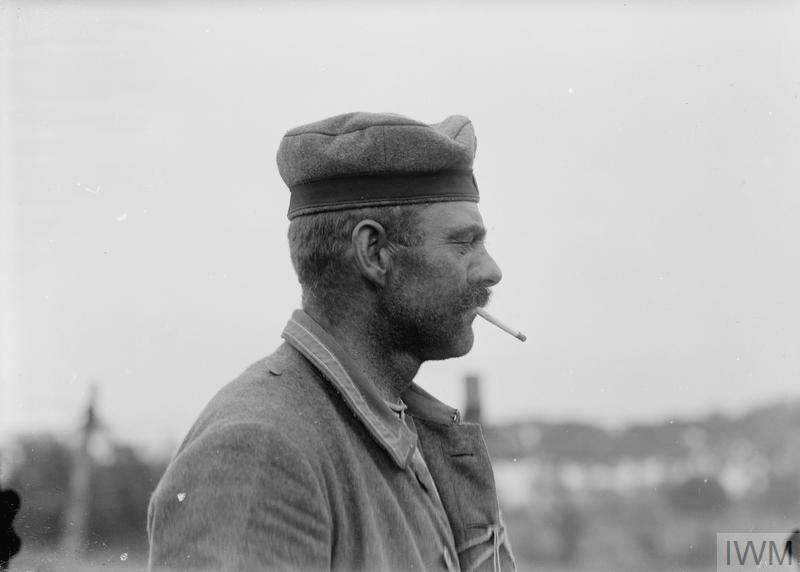
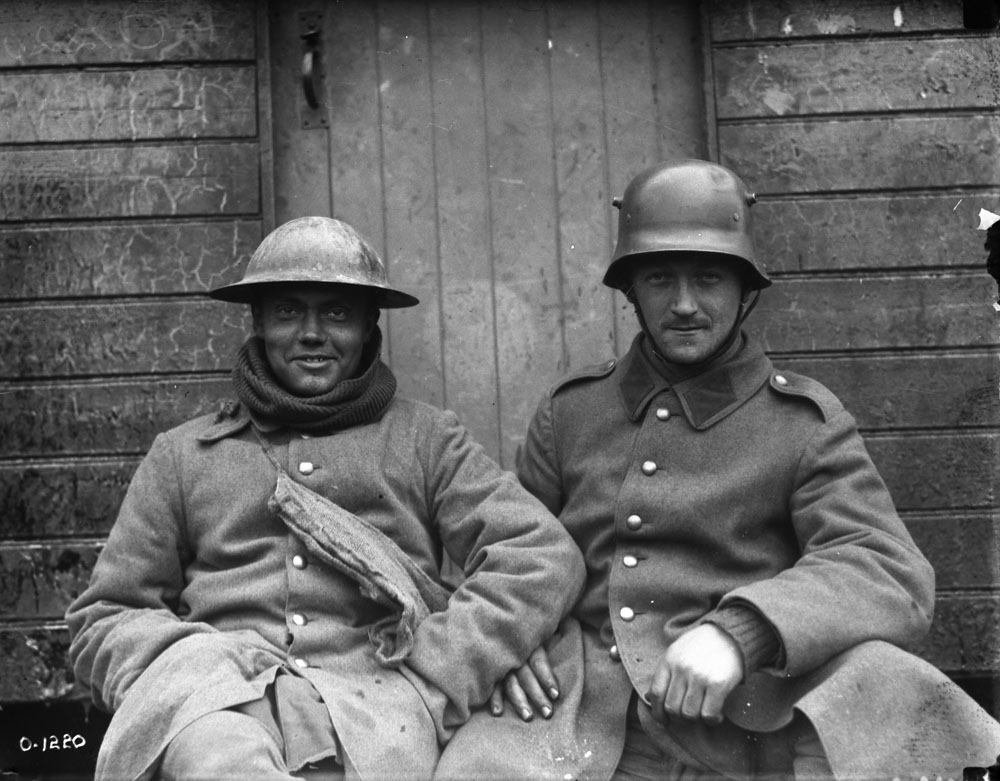
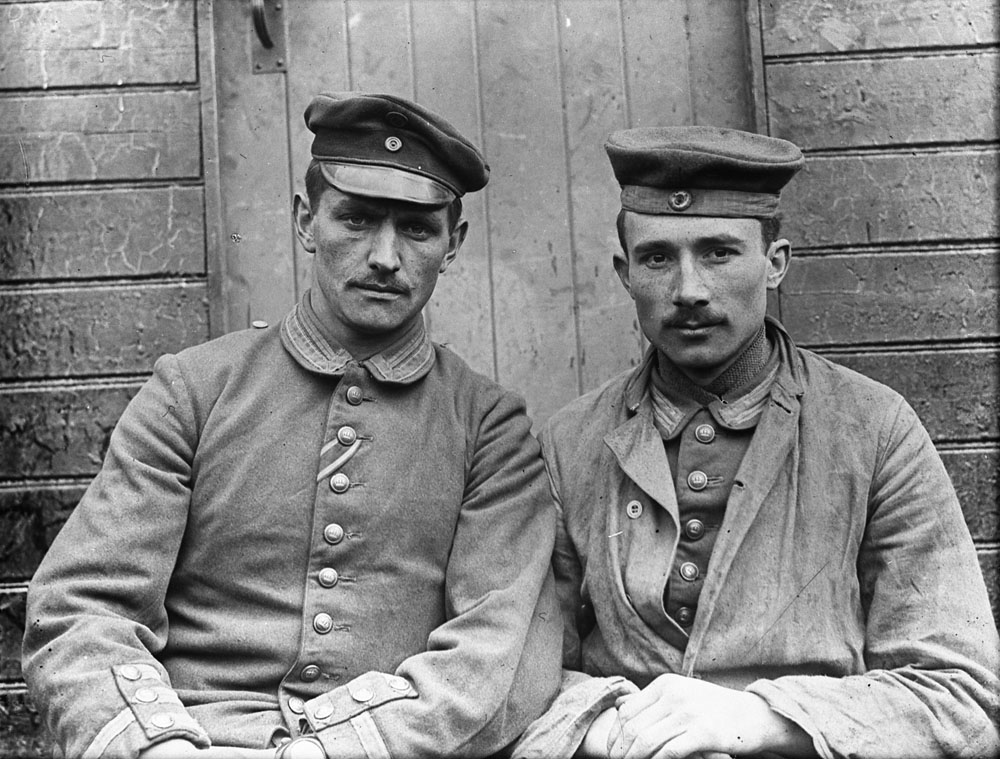
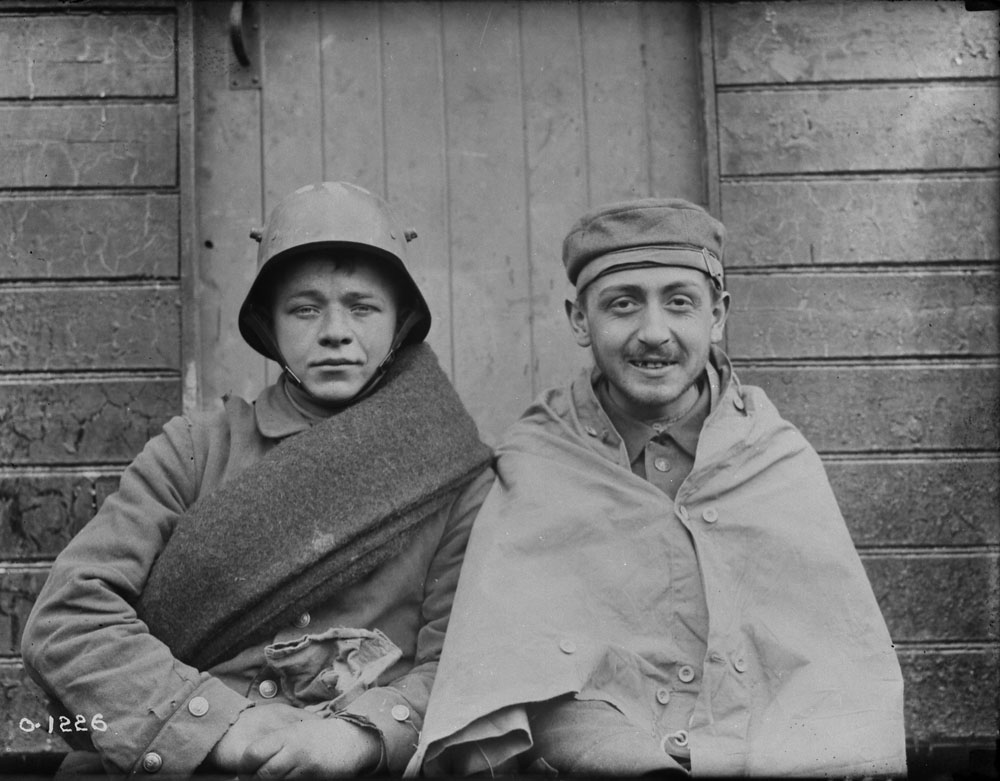
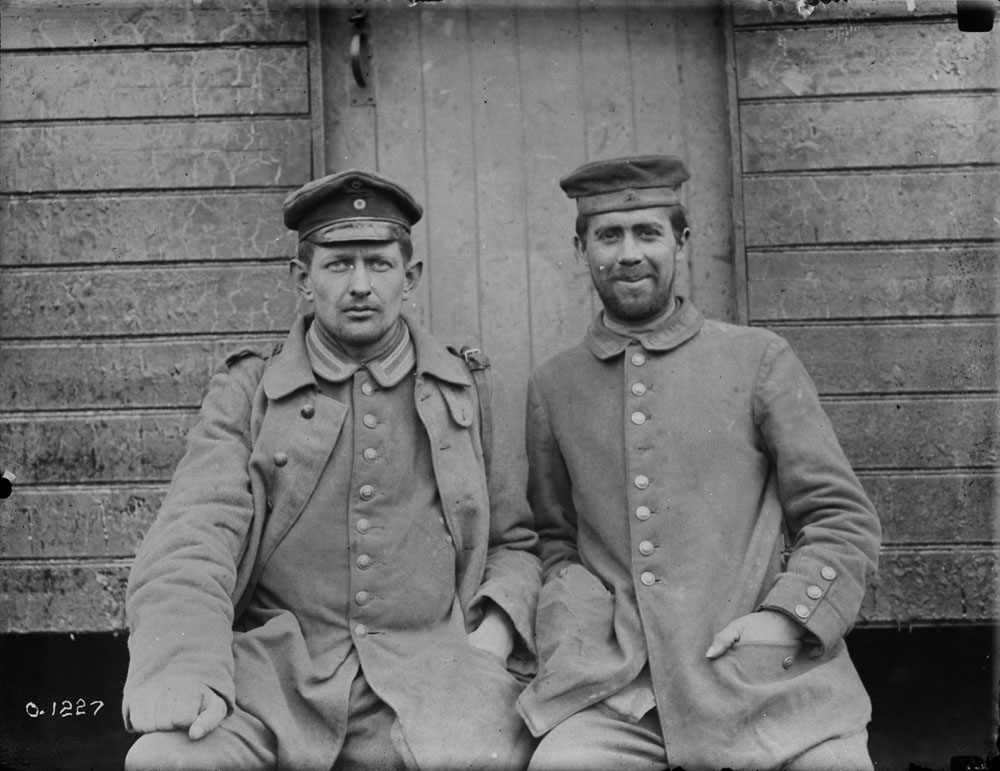
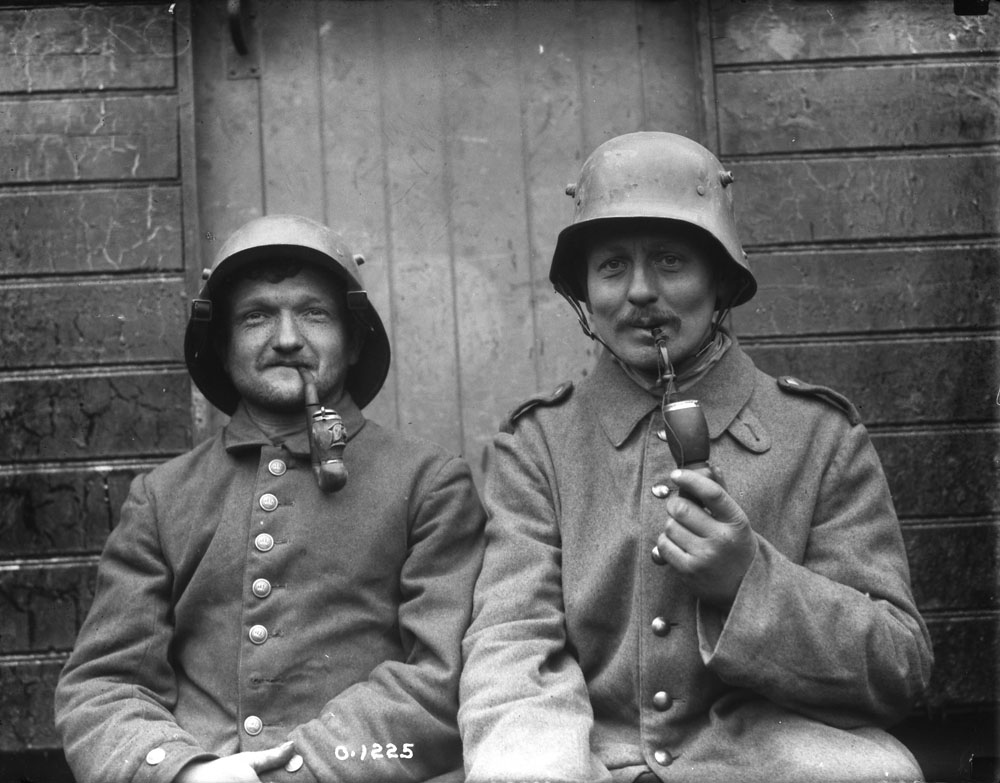
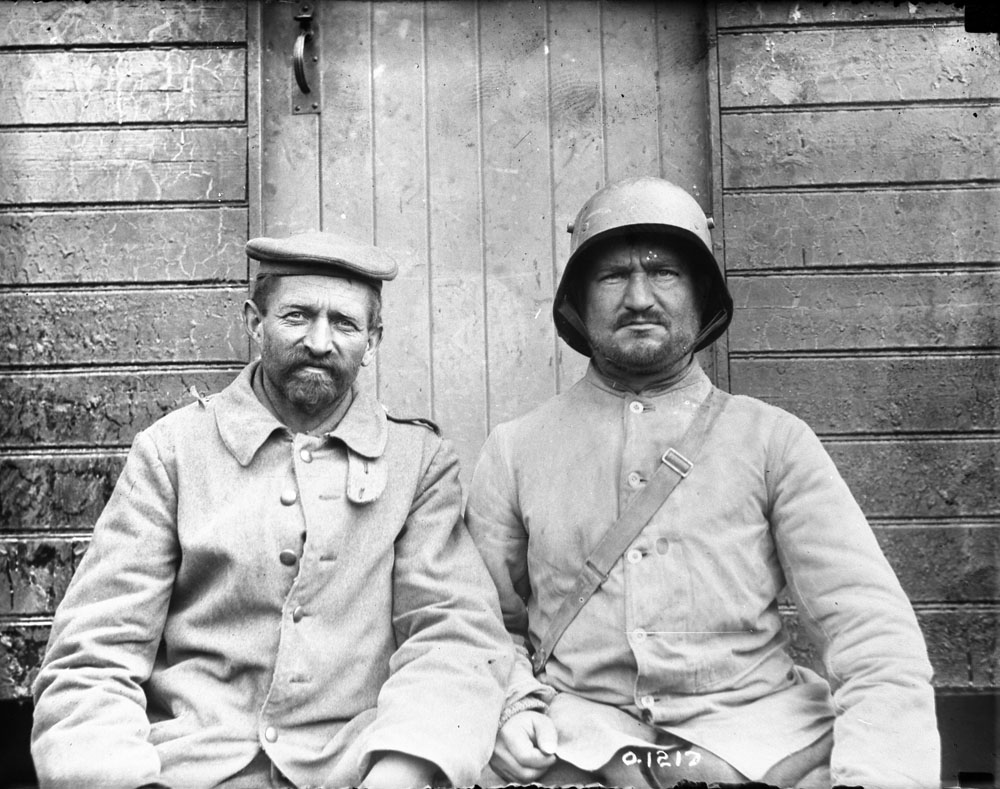
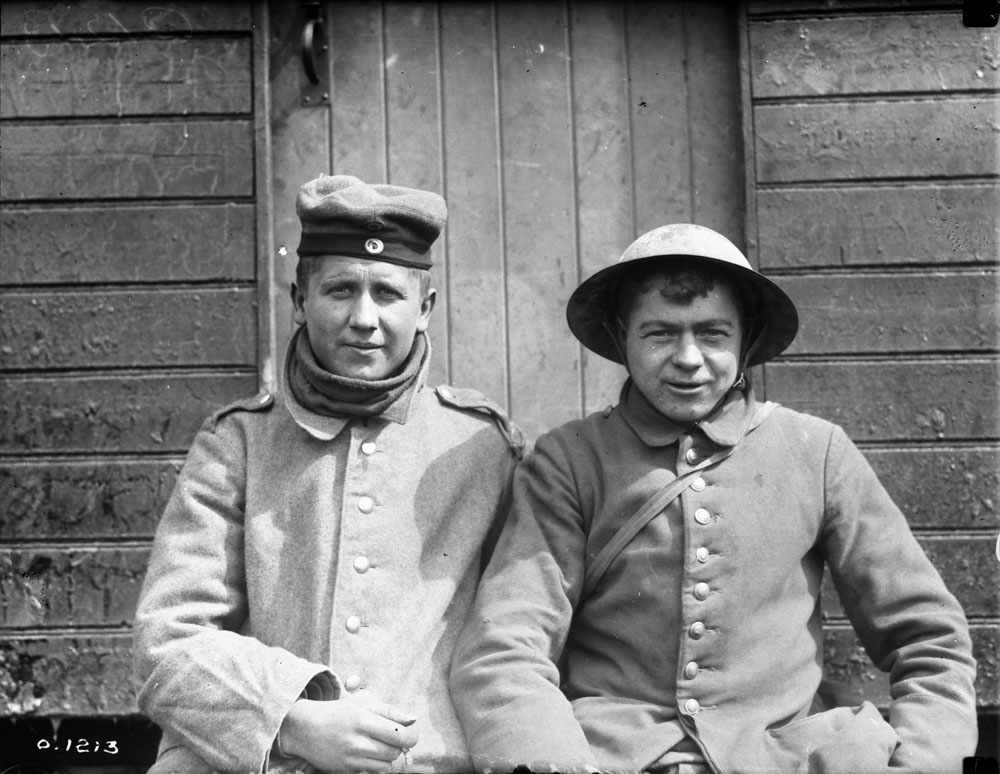
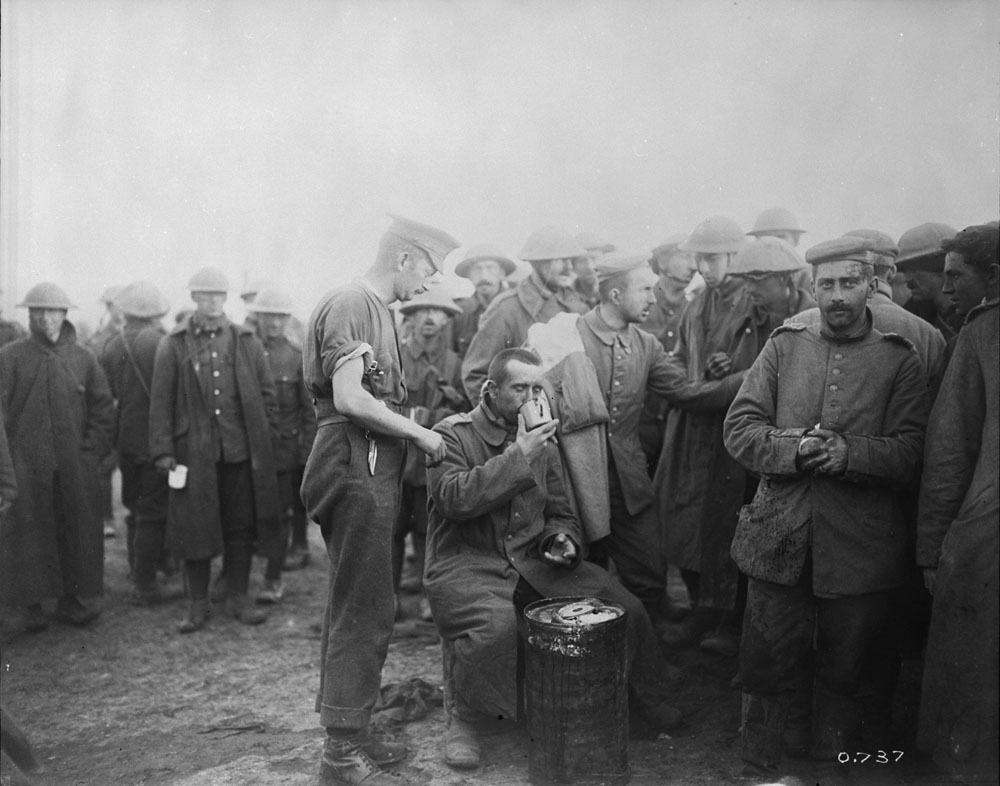
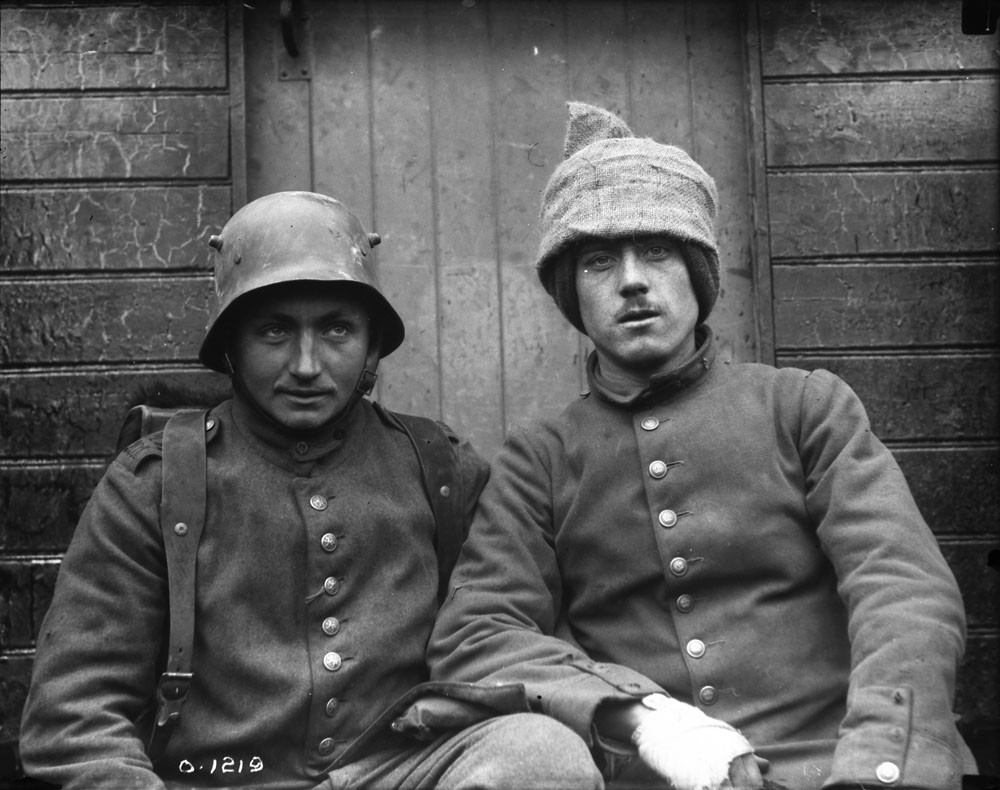
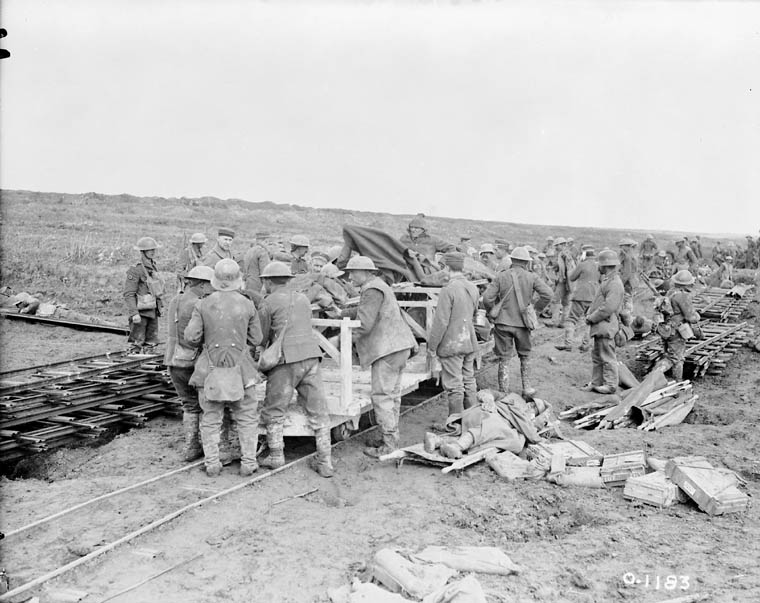
A Canadian Post in front of Mons meets a German wagon containing four escaped German soldiers, who are being taken to Mons, so that they can give information regarding the retreating enemy. November, 1918.Washing day on the bank of the Scarpe. Feuchy, 5 June 1917.Troops of the 10th Battalion, Royal Fusiliers in a captured dug-out at Feuchy cross roads. Feuchy was captured by the 9th Division, 9 April 1917.Royal Engineers laying a light railway over captured ground near Feuchy, April 1917.Major Jacob Epstein. 38th Battalion, Royal Fusiliers.Two Gurkha riflemen at Scheidemuhl prisoner of war camp near Posen.A German prisoner. September 1918.German Prisoners, September 1918A German Prisoner. September 1918.Cassel Prisoners of War Camp. A black French prisonerRussian prisoners captured during the siege of Przemysl before disinfection and cleaning, June 1915.Private D. W. Finch of the 9th Battalion, Loyal North Lancashire Regiment, a POW returned from Germany. The private was taken prisoner on the 27th May 1918, and then sent to work on railway buildings behind the German lines until rendered too sick to continue work. Sapper E. Higgins of the Royal Engineers, a POW returned from Germany. The private was taken prisoner on the 27th May 1918, and then sent to work on railway buildings behind the German lines until rendered too sick to continue work.Sapper J. G. Munro of the 50th Signal Company, Royal Engineers, a POW returned from Germany. The private was taken prisoner on the 27th May 1918, and then sent to work on railway buildings behind the German lines until rendered too sick to continue work.Private Thomas Conley of the 6th Battalion, Durham Light Infantry, a POW returned from Germany. The private was taken prisoner on the 27th May 1918, and then sent to work on railway buildings behind the German lines until rendered too sick to continue work.Private J. Rawson of the 4th Battalion, East Yorkshire Regiment, a POW returned from Germany. The private was taken prisoner on the 27th May 1918, and then sent to work on railway buildings behind the German lines until rendered too sick to continue work.Private J. Brett of the 1st Battalion, Wiltshire Regiment, a POW returned from Germany. The private was taken prisoner on the 27th May 1918, and then sent to work on railway buildings behind the German lines until rendered too sick to continue work.Group of Italian prisoners captured by the Germans during the Battle of Caporetto, November 1917.Group of Italian prisoners captured by the Germans during the Battle of Caporetto, November 1917.Romanian prisoners of war using scales to weigh out bread rations.Prisoner of war with a piece of bread.Three Romanian prisoners of war carrying soup bowls.An Austro-Hungarian prisoner taken by the British army on the Italian Front.Cheerful Austro-Hungarian prisoner, captured by the British, in a POW camp, July 1918.Austro-Hungarian prisoners, father and son, captured by the British in a POW camp, July 1918.Austro-Hungarian prisoners, captured by the British, in a POW camp, July 1918Austro-Hungarian prisoner, captured by the British, in a POW camp, July 1918.Austro-Hungarian prisoner, captured by the British, in a POW camp, July 1918.Austro-Hungarian prisoner, captured by the British, in a POW camp, July 1918.Austro-Hungarian prisoner, captured by the British, in a POW camp, July 1918.Austro-Hungarian prisoner, captured by the British, in a POW camp, July 1918.Priest speaking to a Romanian prisoner as a firing squad waits to execute him.Firing squad executing a prisoner.A smiling German prisoner captured in the Battle of Messines, 8th June 1917.German prisoners sleeping after being captured in the Battle of Messines, 8th June 1917.A German prisoner captured in the Battle of Messines, 8th June 1917.German prisoners sleeping after being captured in the Battle of Messines, 8th June 1917.Prisoners captured by Canadians at the Battle of Vimy Ridge, April 1917.Prisoners captured by Canadians at the Battle of Vimy Ridge, April 1917.Prisoners captured by Canadians at the Battle of Vimy Ridge, April 1917.Prisoners captured by Canadians at the Battle of Vimy Ridge, April 1917.Prisoners captured by Canadians at the Battle of Vimy Ridge, April 1917.Prisoners captured by Canadians at the Battle of Vimy Ridge, April 1917.Prisoners captured by Canadians at the Battle of Vimy Ridge, April 1917.Prisoners captured by Canadians at the Battle of Vimy Ridge, April 1917.Prisoners captured by Canadians at the Battle of Vimy Ridge, April 1917.Prisoners captured by Canadians at the Battle of Vimy Ridge, April 1917.Prisoners captured by Canadians at the Battle of Vimy Ridge, April 1917.Prisoners captured by Canadians at the Battle of Vimy Ridge, April 1917.Prisoners captured by Canadians at the Battle of Vimy Ridge, April 1917.Prisoners captured by Canadians at the Battle of Vimy Ridge, April 1917.Prisoners captured by Canadians at the Battle of Vimy Ridge, April 1917.Prisoners captured by Canadians at the Battle of Vimy Ridge, April 1917.Prisoners captured by Canadians at the Battle of Vimy Ridge, April 1917.Canadians tending to wants of nerve-stricken prisoners. September, 1916Prisoners captured by Canadians at the Battle of Vimy Ridge, April 1917.Prisoners captured by Canadians. Battle of Amiens. August, 1918.German prisoners and Canadian Red Cross men assist in the despatching of wounded on a light railway. Vimy Ridge. April, 1917German prisoners bringing in wounded. Advance East of Arras. October, 1918Prisoners captured by Canadians. Battle of Amiens. August, 1918
Many people know who Stephen Hawking is today, he was a theoretical physicist, a cosmologist, and an author. This British genius was responsible for a large number of theorems and even has a type of radiation named after him, the radiation emitted by a black hole.
What many people don’t know about Stephen Hawking though is his childhood. What led up to Stephen Hawking being the genius he became?
Stephen Hawking was born on the 8th of January 1942 to his parents, Frank and Isabel Hawking. Both of Hawking’s parents had college degrees which was rare back then and is still not too common today.
His parents believed in being educated and managed to just scrape enough money to get through university. In 1950 the Hawking family moved to St Albans, Hertfordshire, England for his father’s medical work and the family was known as being highly intelligent yet a tad eccentric. Many different geniuses throughout the years though have been known as eccentric of some kind.
With four kids, the family’s money was a little bit stretched and they traveled in a converted taxi. His father was often absent on trips around the world.
Hawking’s first primary school practiced progressive methods and he didn’t learn to read in school. For a while he was moved to a high school for girls that allowed younger boys in some of their classes.
Without the ability to make friends with boys this may have impacted him as a child but his family sent him to St Albans with a collection of kids that he became close friends with. These kids would do all of the regular childhood activities such as playing board games and building model airplanes and boats. They also built fireworks and discussed complex matters such as Christianity and extrasensory perception.
People at school referred to Hawking as Einstein because he was able to work with teachers to build things like computers from basic parts but his grades were not as high as they should have been with an intelligence level that high.
As time went on though he began to show more and more academic prowess towards matters of science. Despite these setbacks though he was committed to learning and when his father wanted him to go to University College, Oxford, where his dad learned he set out for a scholarship despite being told to wait. With his knowledge of science he was able to receive a scholarship and started school in March of 1959.
The story of Stephen Hawking’s early life is quite motivational and can be used to inspire kids and young adults around the world. Maybe even more inspiring is Hawking’s battle with Lou Gehrig’s disease that left him in a wheel chair.
When diagnosed in 1963 Hawking was only given two years to live. He lived many years later, lecturing, writing and being viewed as one of the most intelligent men that the world has ever seen, not a man with a disease. He died at the age of 76 at his home in Cambridge on March 14, 2018. His life was truly remarkable.
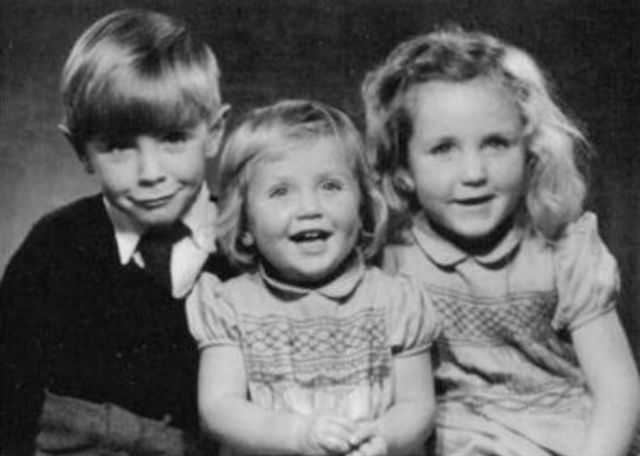
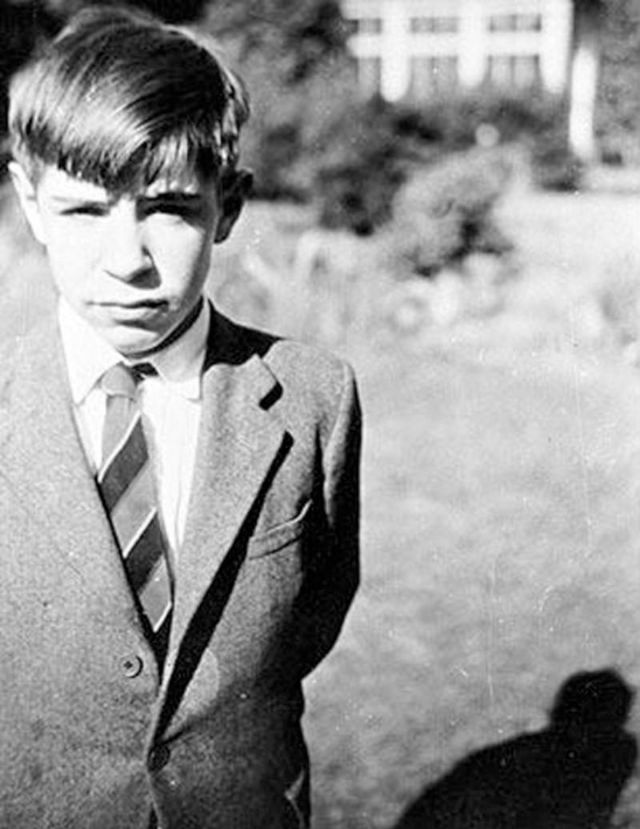
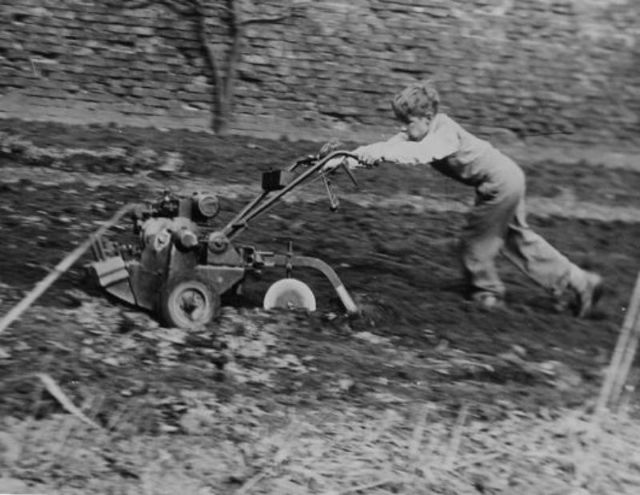
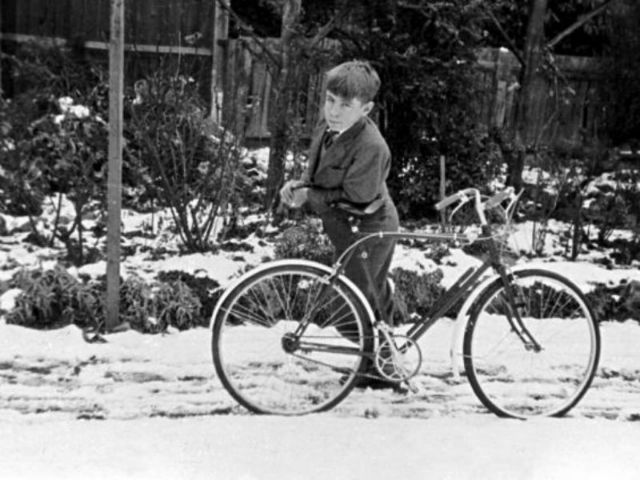
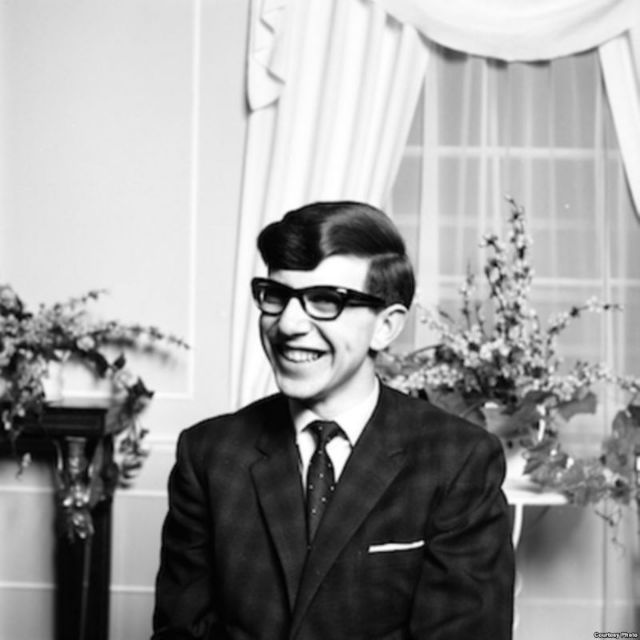
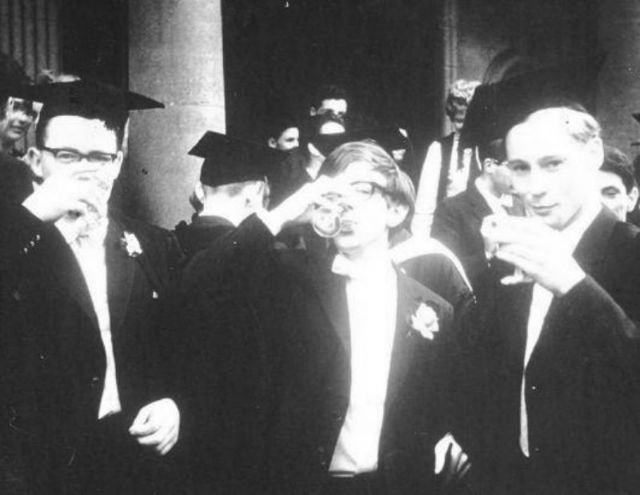
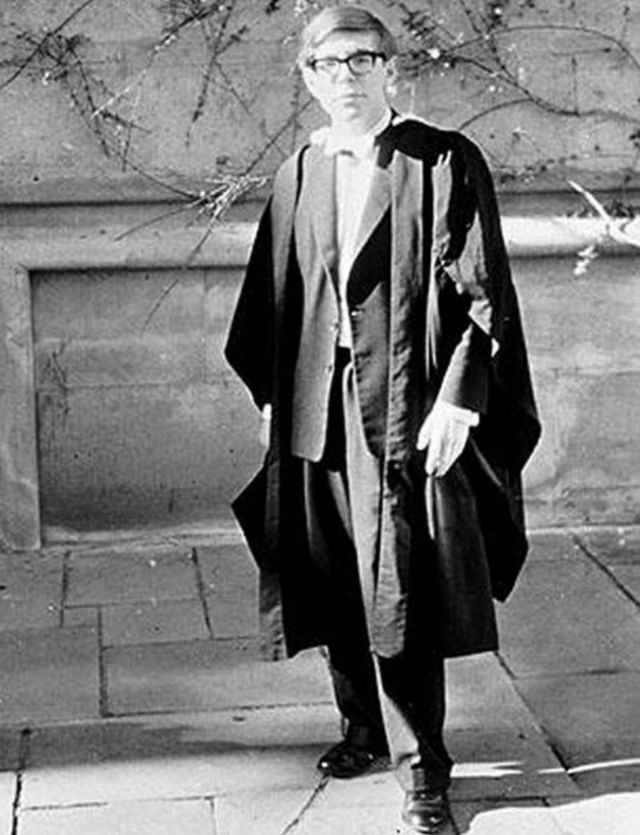
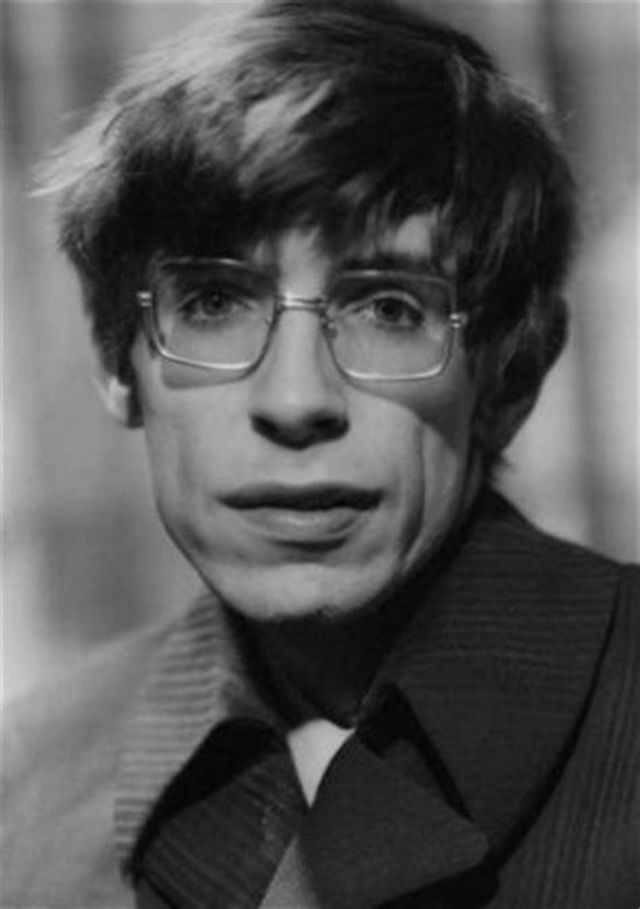
Stephen Hawking was born Jan. 8, 1942 to Frank and Isobel Hawking.Stephen Hawking (left) as a young child, with his sister Mary.Hawking and his two sisters, Philippa and Mary.Hawking and his two sisters, Philippa and Mary.Stephen Hawking (mouth open) is pictured to the right of the boy with glasses at St Albans School.Stephen Hawking (left) and William Graves in Cannelun, Robert Graves’ house in Deià, in 1951.A young Stephen Hawking fishing on a boat.Stephen Hawking aged 12 in the garden of his St Alban’s home.Hawking plows a field as a boy.Young Hawking on horseback.Stephen Hawking in his garden in St Albans aged 12 with his bicycle (Rex).Young Stephen Hawking at Oxford in 1963.Stephen Hawking attended the University of Oxford, where he studied physics and chemistry.Young Stephen Hawking (holding the handkerchief) with Oxford Boat Club, early 1960s.Stephen Hawking (right) coxing the University College Men’s 2nd VIII in 1964.Graduation party of Stephen Hawking.Stephen Hawking at his Oxford graduation in 1962.After gaining his Ph.D. from Cambridge, Hawking became first a research fellow and later a professorial fellow at Gonville and Caius College.
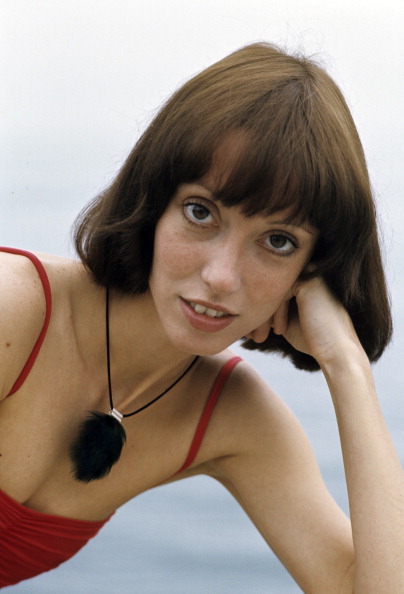
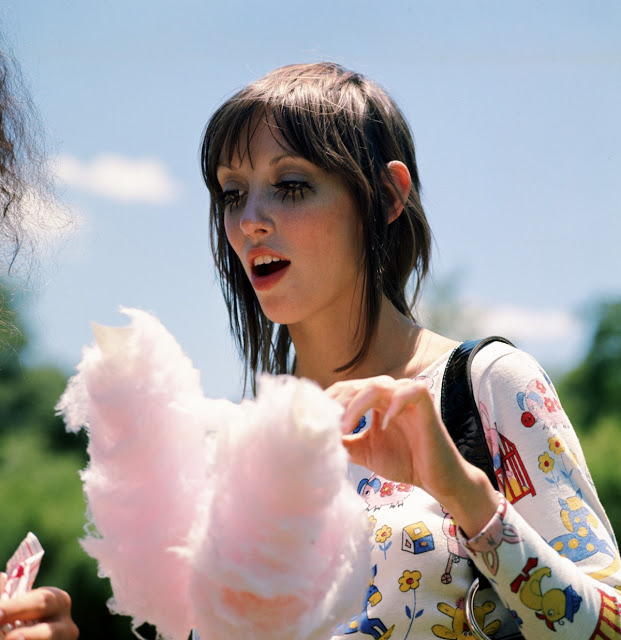
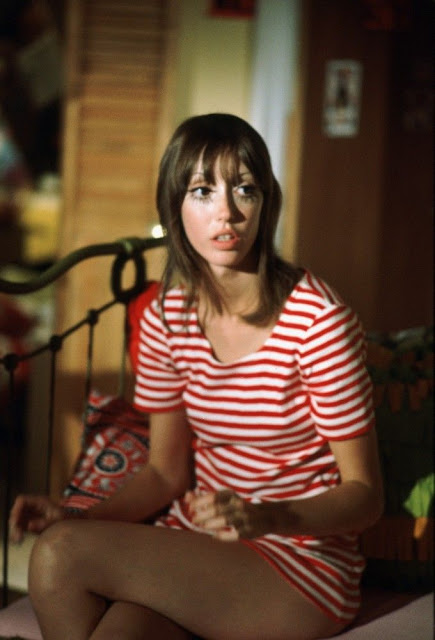
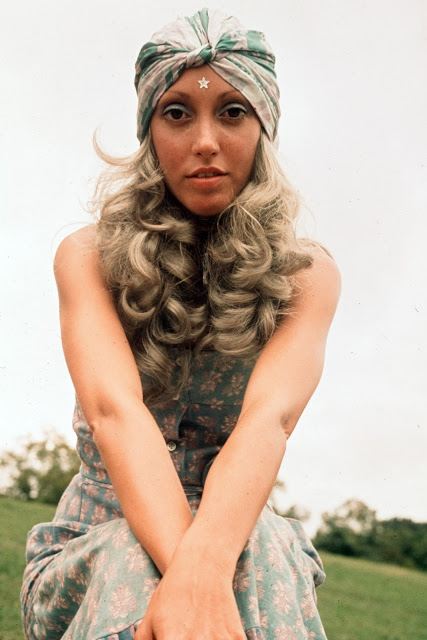
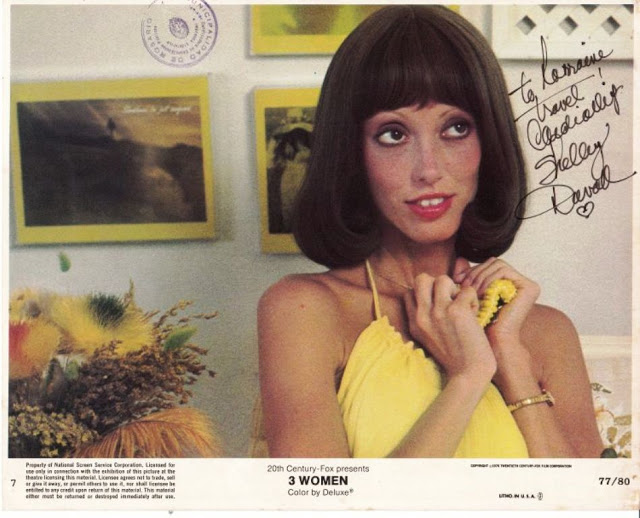
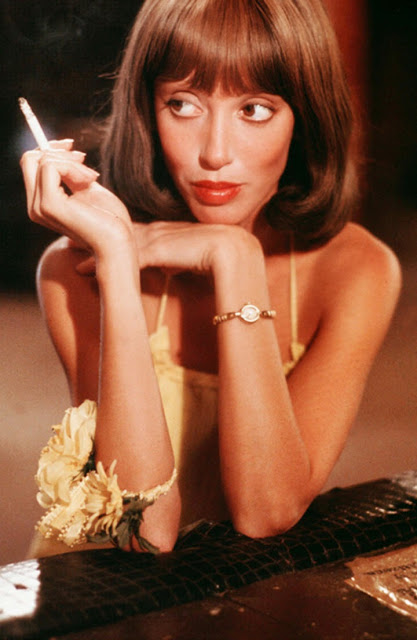
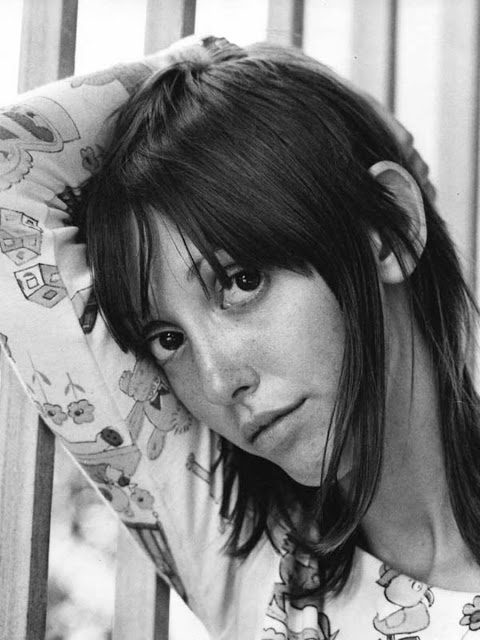
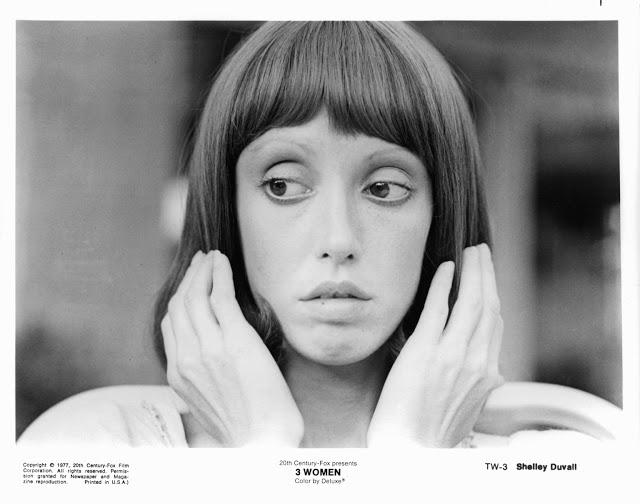
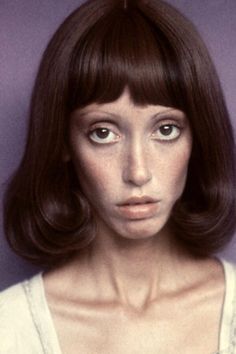
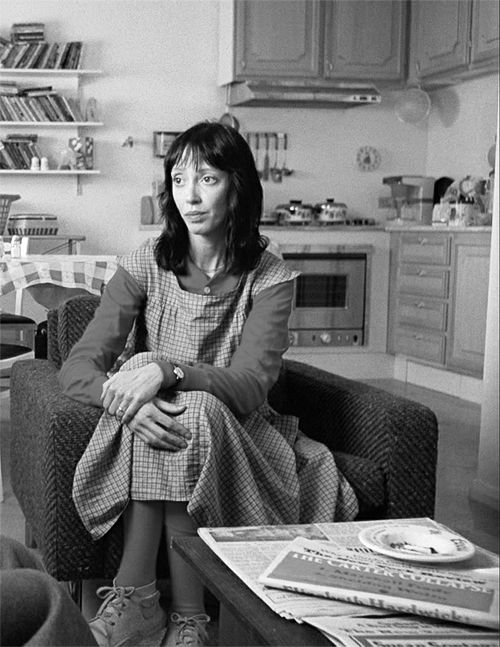
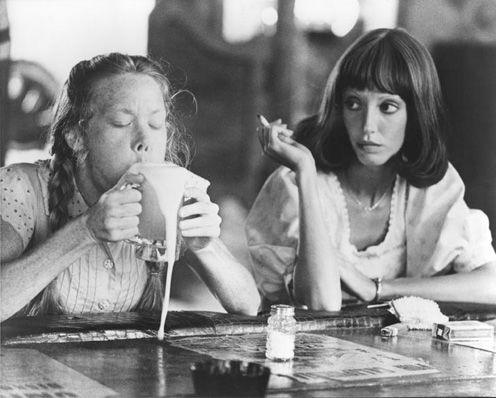
Shelley Alexis Duvall (born July 7, 1949) is an American retired actress and television producer, known for her portrayals of distinct, eccentric characters. Born in Texas, she began acting after being discovered by director Robert Altman, who was impressed with her upbeat presence, and cast her in the black comedy film Brewster McCloud (1970). Despite her hesitance towards becoming an actress, she continued to work with Altman, appearing in McCabe & Mrs. Miller (1971) and Thieves Like Us (1974). Her breakthrough came with Altman’s cult film Nashville (1975), and she earned widespread acclaim with the thriller 3 Women (1977), also directed by Altman, for which she won the Cannes Film Festival Award for Best Actress and earned a nomination for the BAFTA Award for Best Actress in a Leading Role.
Duvall played a supporting role in the comedy Annie Hall (1977), and went on to star in several lead roles, which include appearing as Olive Oyl in Altman’s Popeye (1980) and Wendy Torrance in Stanley Kubrick’s horror film The Shining (1980), the latter of which is considered to be her signature performance, polarizing critics and audiences. She subsequently appeared in Terry Gilliam’s fantasy film Time Bandits (1981), the short comedy horror film Frankenweenie (1984) and the comedy Roxanne (1987). She ventured into producing television programming aimed at children and youth; she created, hosted and appeared in Faerie Tale Theatre (1982–1987) and Tall Tales & Legends (1985–1987), the latter of which earned her a Primetime Emmy Award nomination in 1988.
Following the young adult-aimed horror series Nightmare Classics (1989), which she created and produced, Duvall sporadically worked in acting, notably playing supporting roles in Steven Soderbergh’s thriller The Underneath (1995) and the Henry James adaptation The Portrait of a Lady (1996), directed by Jane Campion. Her last performance was in Manna from Heaven (2002), after which she retired from acting. Duvall has since kept out of the public media, keeping her personal life generally private, however her health issues following The Shining have earned significant media coverage. (Wikipedia)
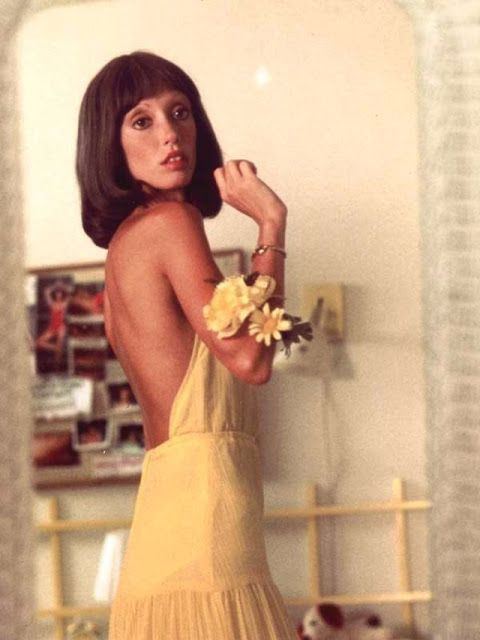
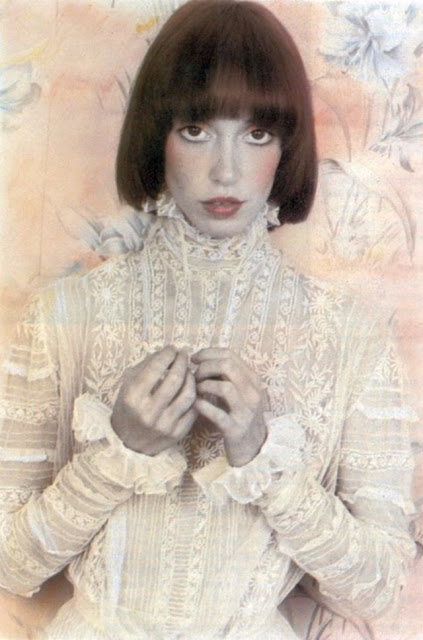
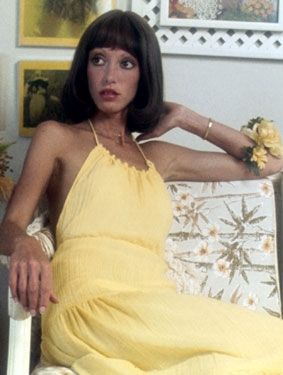
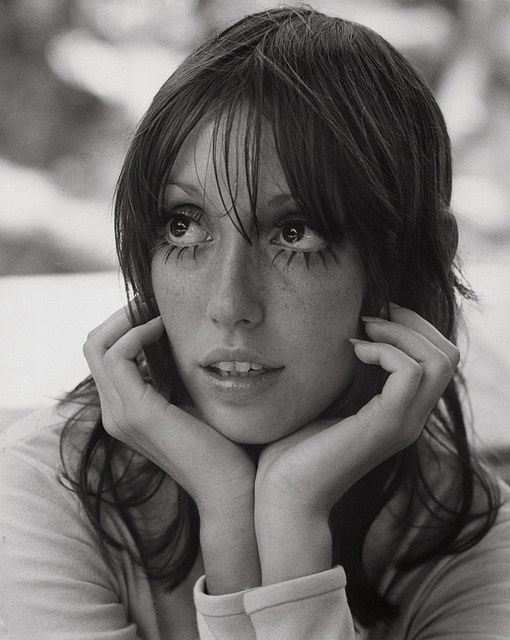
Shelley Duvall with hands to hair in a scene from the film ‘3 Women’, 1977. 30th Cannes Film Festival 1977: Shelley Duvall. Le 30?me Festival de Cannes se d?roule du 13 au 27 mai 1997 : attitude souriante de Shelley DUVALL une main sur la joue. (Photo by Jean-Claude Deutsch/Paris Match via Getty Images)
San Francisco, officially the City and County of San Francisco, is a cultural, commercial, and financial center in the U.S. state of California. Located in Northern California, San Francisco is the 17th most populous city in the United States, and the fourth most populous in California, with 873,965 residents as of 2020.[15] It covers an area of about 46.9 square miles (121 square kilometers), mostly at the north end of the San Francisco Peninsula in the San Francisco Bay Area, making it the second most densely populated large U.S. city, and the fifth most densely populated U.S. county, behind only four of the five New York City boroughs. San Francisco is the 12th-largest metropolitan statistical area in the United States with 4.7 million residents, and the fourth-largest by economic output, with a GDP of $592 billion in 2019. With San Jose, California, it forms the San Jose–San Francisco–Oakland, CA Combined Statistical Area, the fifth most populous combined statistical area in the United States, with 9.6 million residents as of 2019. Colloquial nicknames for San Francisco include SF, San Fran, The City, and Frisco.
In 2019, San Francisco was the county with the seventh-highest income in the United States, with a per capita income of $139,405. In the same year, San Francisco proper had a GDP of $203.5 billion, and a GDP per capita of $230,829. The San Jose–San Francisco–Oakland, CA Combined Statistical Area, with a GDP of $1.09 trillion as of 2019, is the country’s third-largest economy. Of the 105 primary statistical areas in the U.S. with over 500,000 residents, this CSA had the highest GDP per capita in 2019, at $112,348. San Francisco was ranked 12th in the world and second in the United States on the Global Financial Centres Index as of March 2021.
San Francisco was founded on June 29, 1776, when colonists from Spain established the Presidio of San Francisco at the Golden Gate and Mission San Francisco de Asís a few miles away, both named for Francis of Assisi. The California Gold Rush of 1849 brought rapid growth, making it the largest city on the West Coast at the time; between 1870 and 1900, approximately one quarter of California’s population resided in the city proper. In 1856, San Francisco became a consolidated city-county. After three-quarters of the city was destroyed by the 1906 earthquake and fire, it was quickly rebuilt, hosting the Panama-Pacific International Exposition nine years later. In World War II, it was a major port of embarkation for service members shipping out to the Pacific Theater. It then became the birthplace of the United Nations in 1945. After the war, the confluence of returning servicemen, significant immigration, liberalizing attitudes, the rise of the “beatnik” and “hippie” countercultures, the Sexual Revolution, the Peace Movement growing from opposition to United States involvement in the Vietnam War, and other factors led to the Summer of Love and the gay rights movement, cementing San Francisco as a center of liberal activism in the United States. Politically, the city votes strongly along liberal Democratic Party lines.
A popular tourist destination,[35] San Francisco is known for its cool summers, fog, steep rolling hills, eclectic mix of architecture, and landmarks, including the Golden Gate Bridge, cable cars, the former Alcatraz Federal Penitentiary, Fisherman’s Wharf, and its Chinatown district. San Francisco is also the headquarters of companies such as Wells Fargo, Twitter, Block, Airbnb, Levi Strauss & Co., Gap Inc., Salesforce, Dropbox, Pacific Gas and Electric Company, Uber, and Lyft. The city, and the surrounding Bay Area, is a global center of the sciences and arts and is home to a number of educational and cultural institutions, such as the University of California, San Francisco (UCSF), the University of San Francisco (USF), San Francisco State University (SFSU), the de Young Museum, the San Francisco Museum of Modern Art, the SFJAZZ Center, the San Francisco Symphony and the California Academy of Sciences. More recently, statewide droughts in California have strained the city’s water security. (Wikipedia)
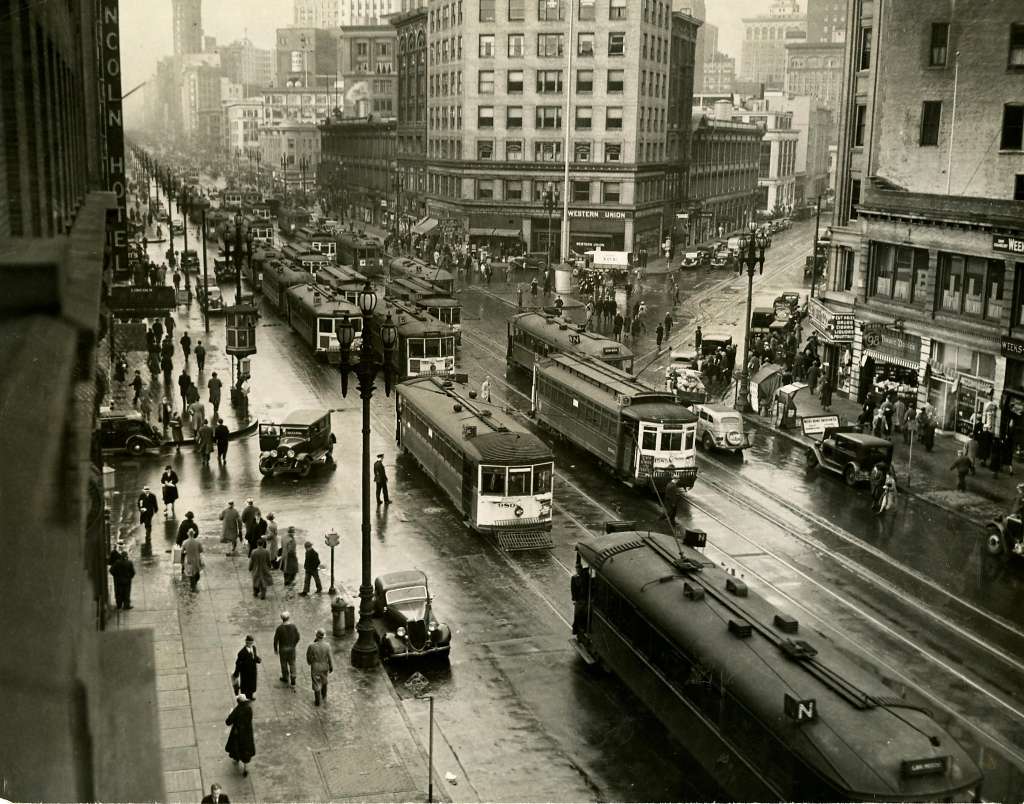
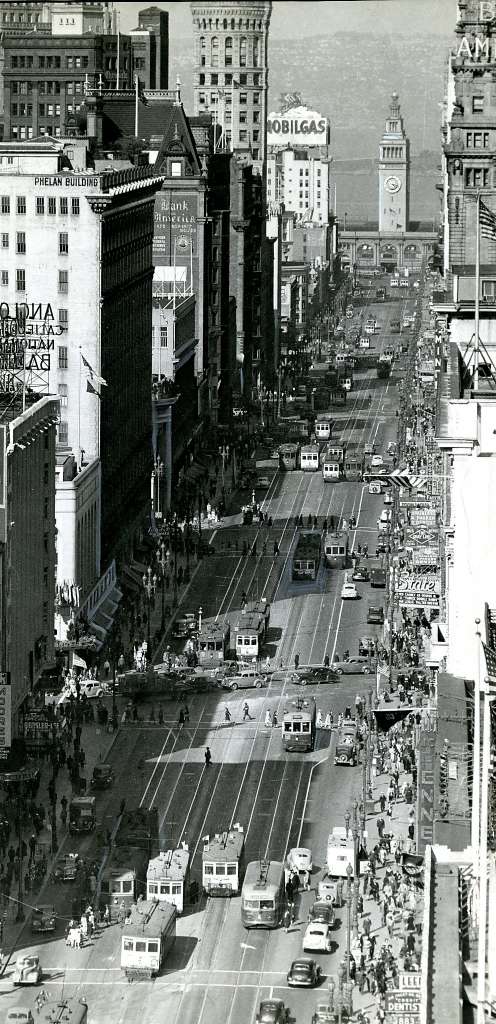
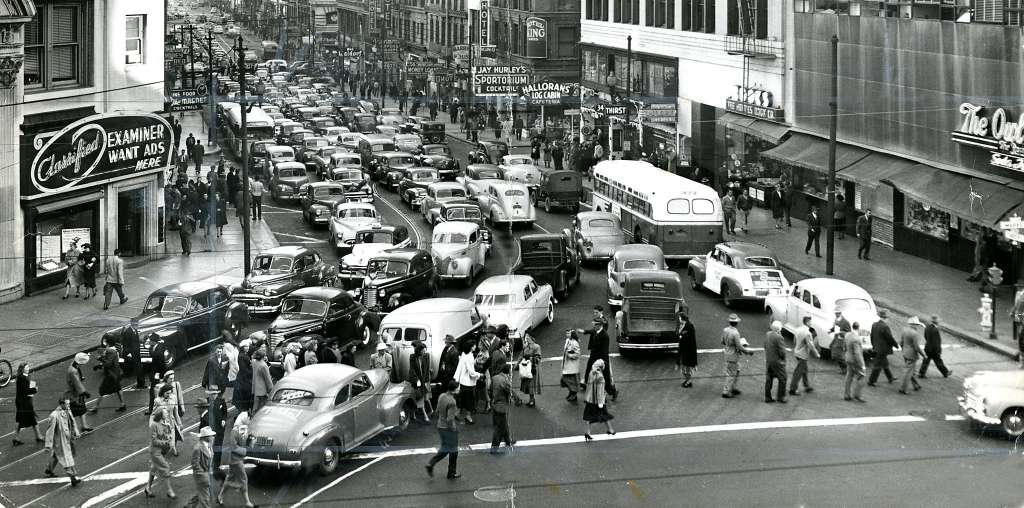
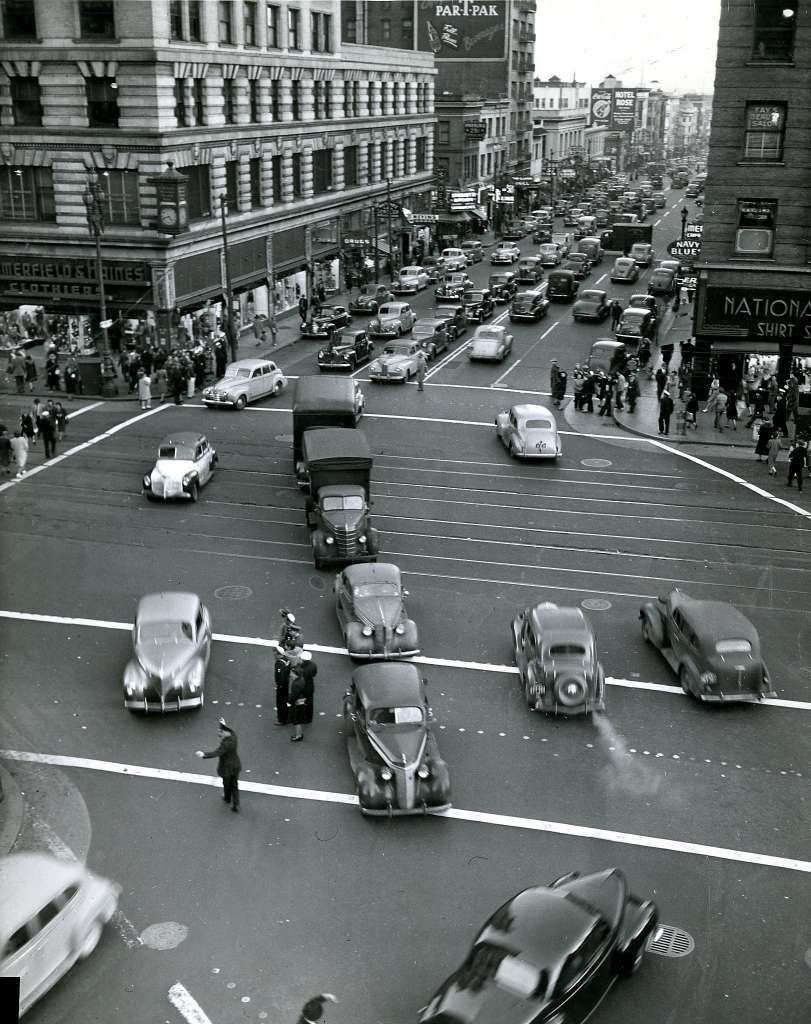
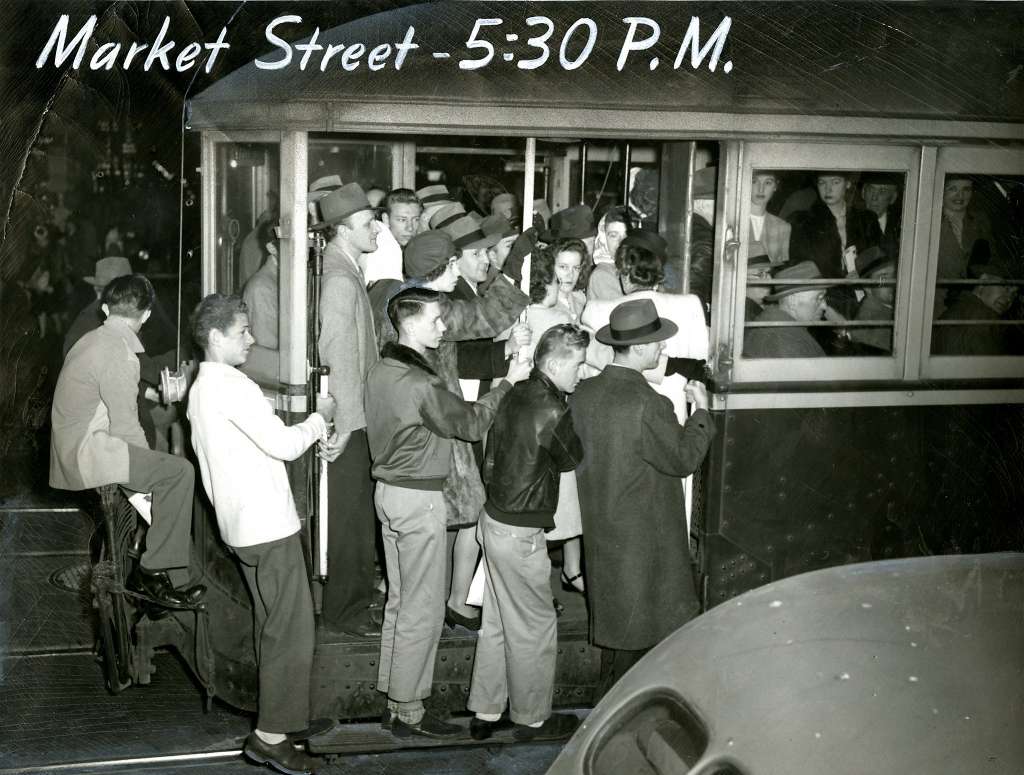
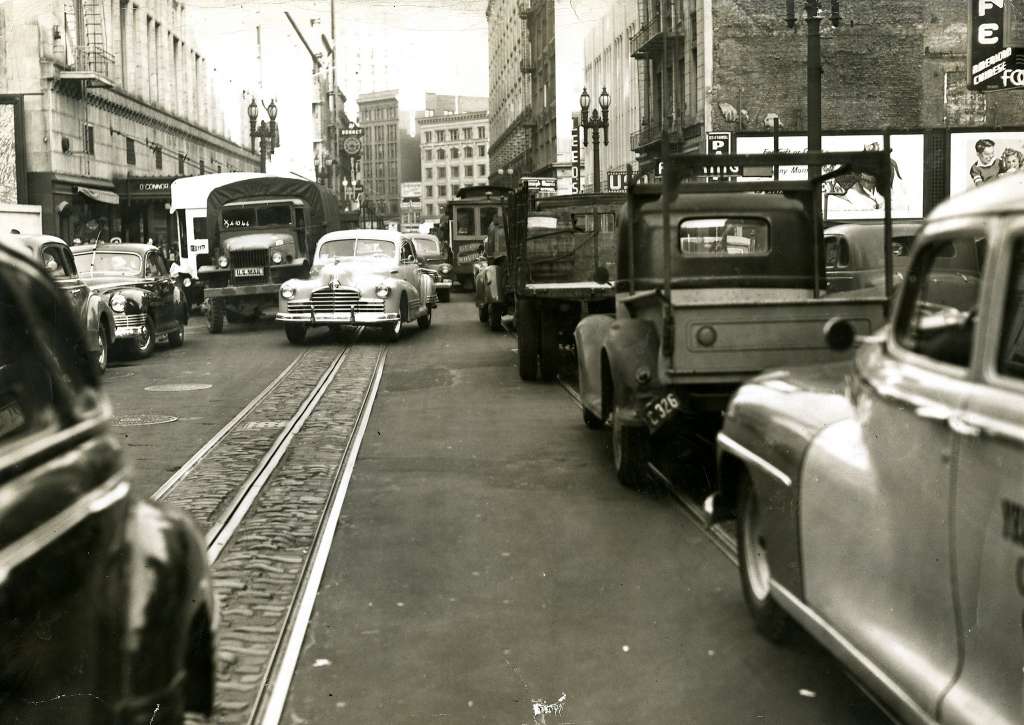
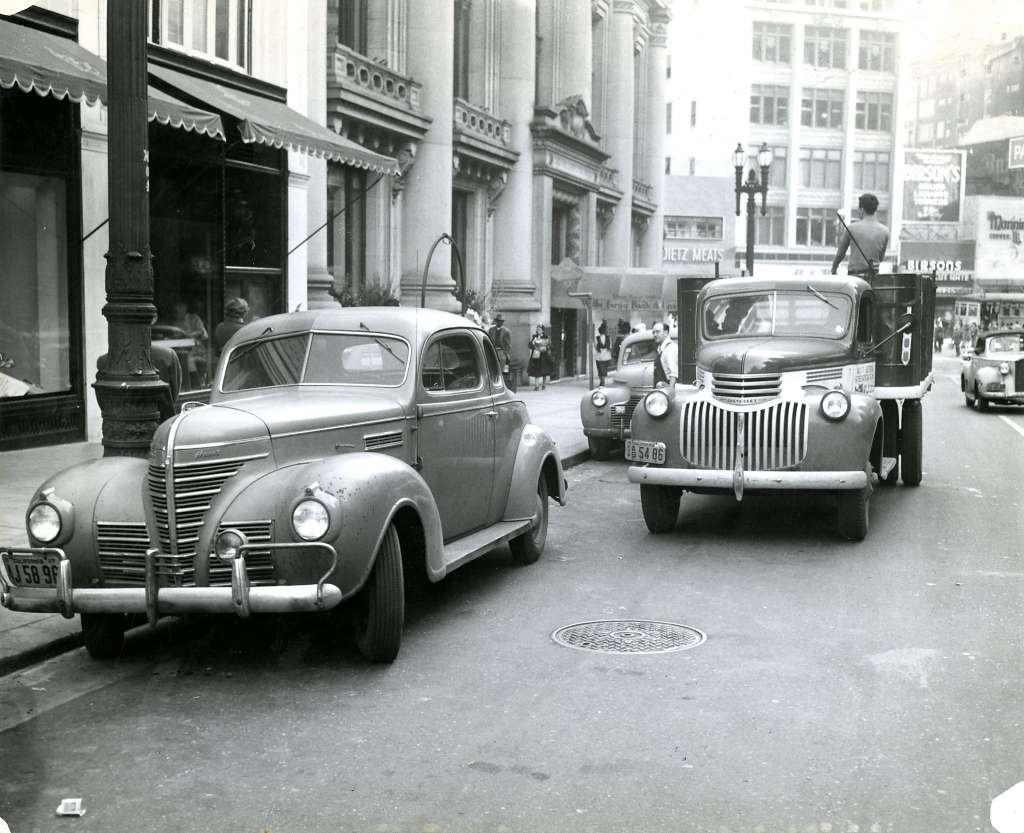
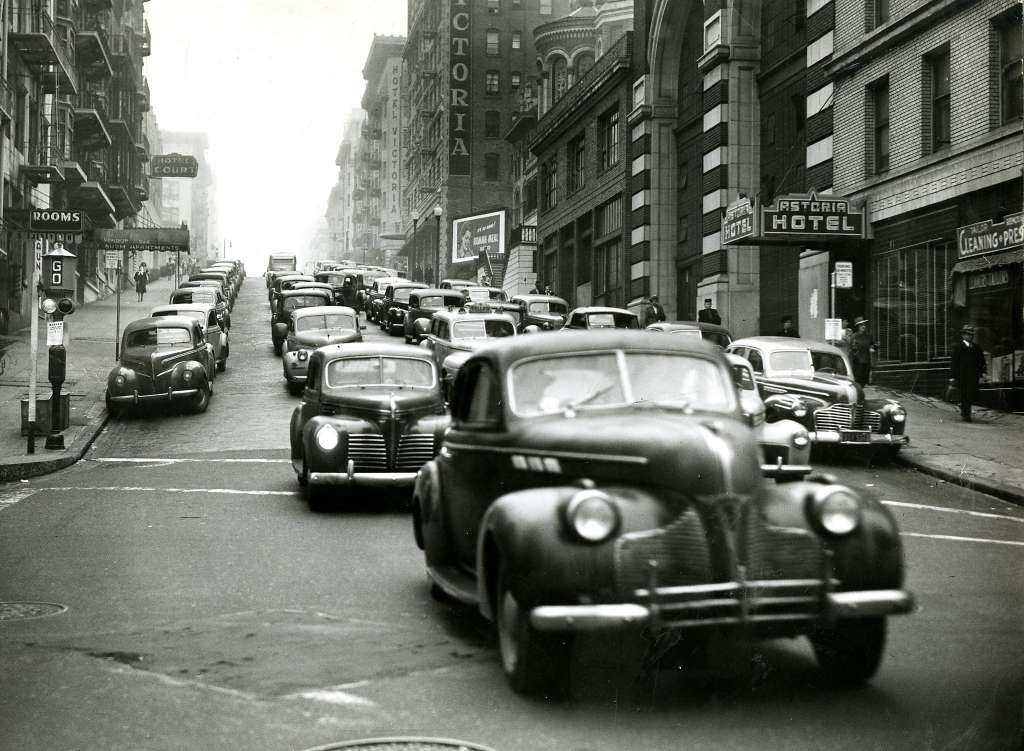
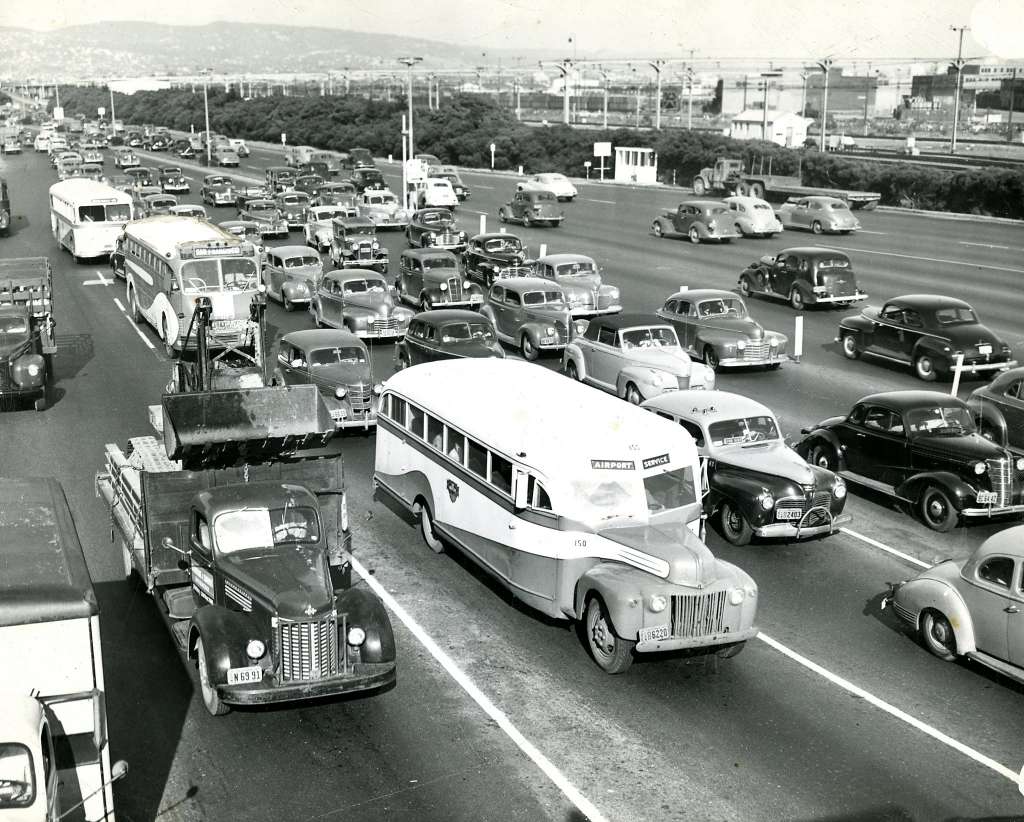
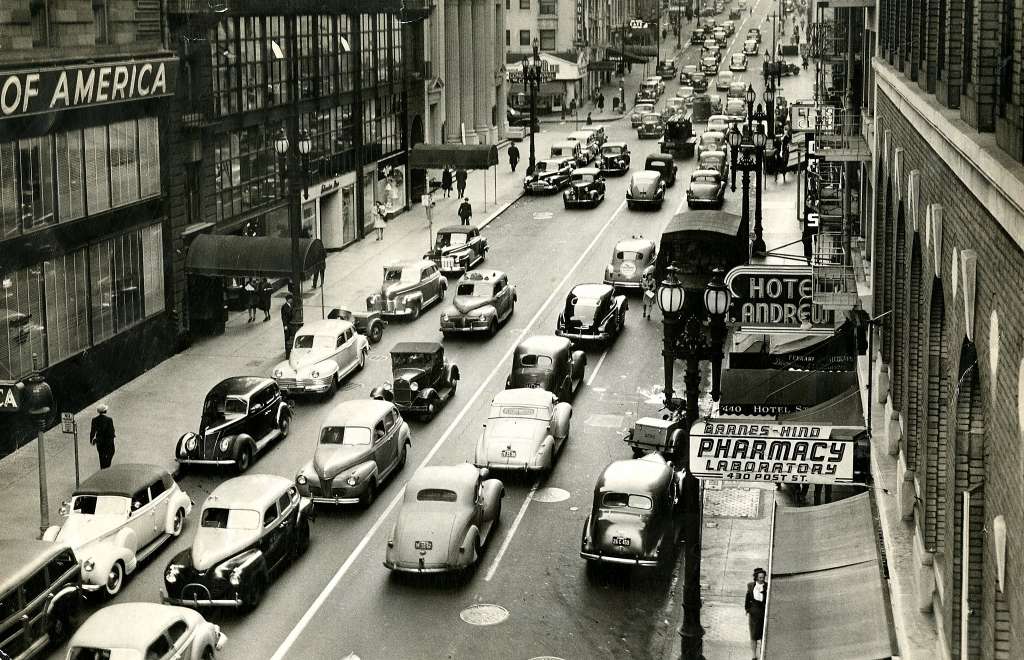
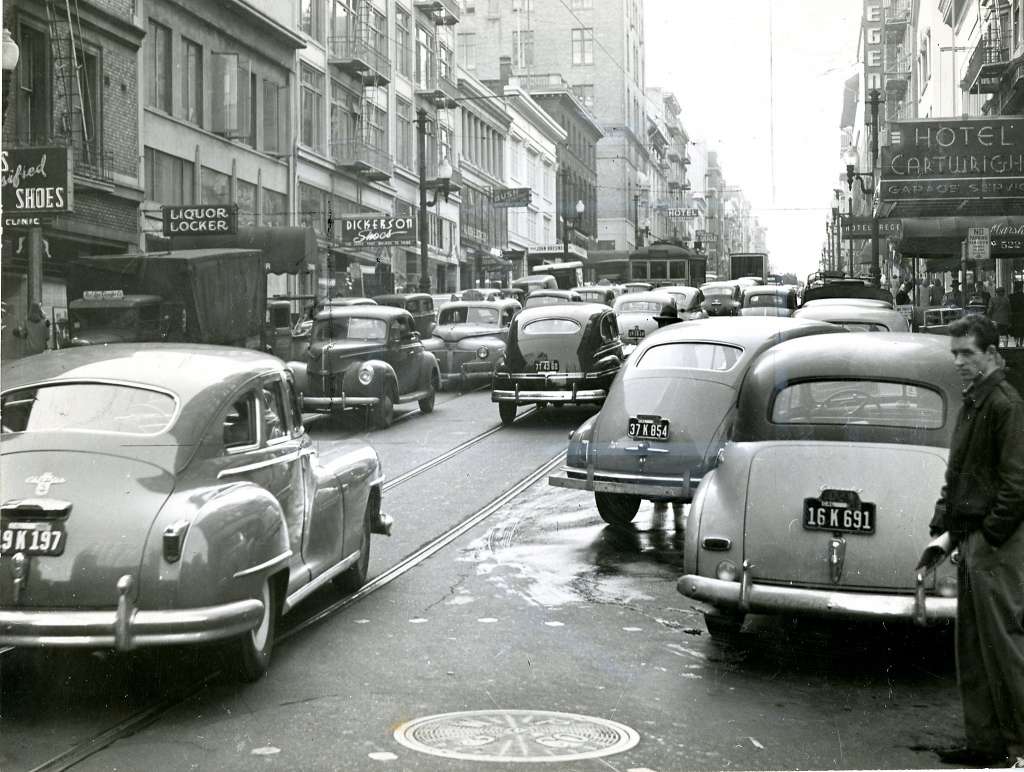
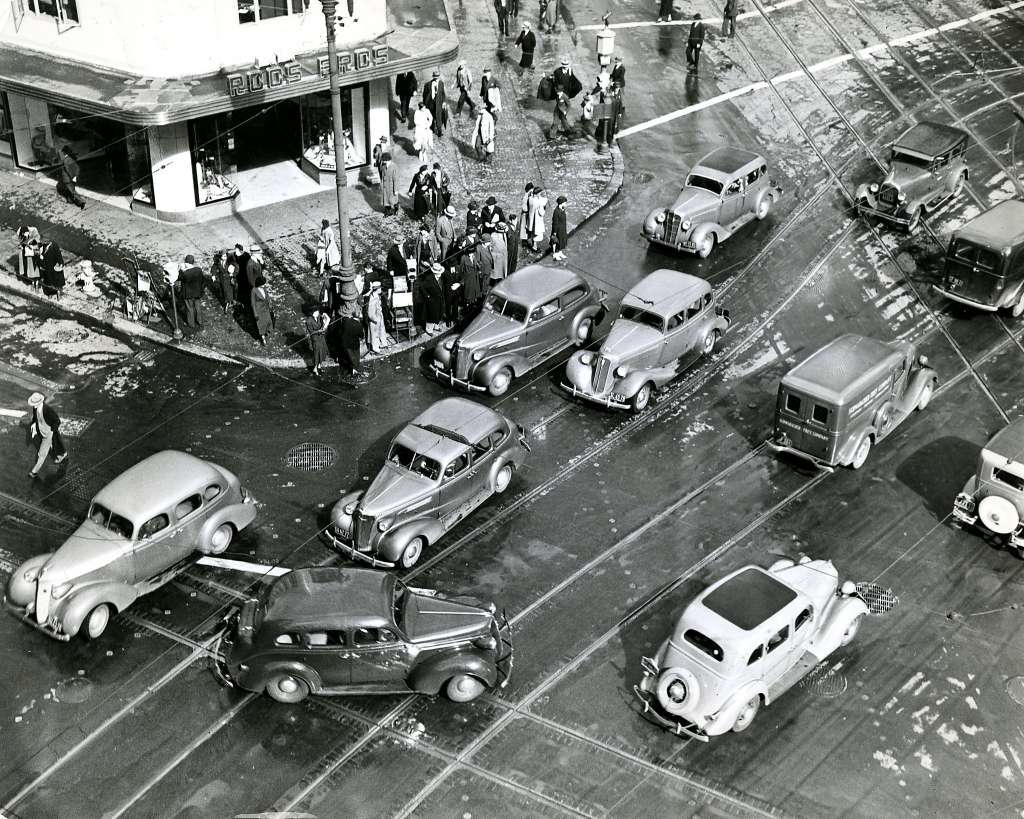
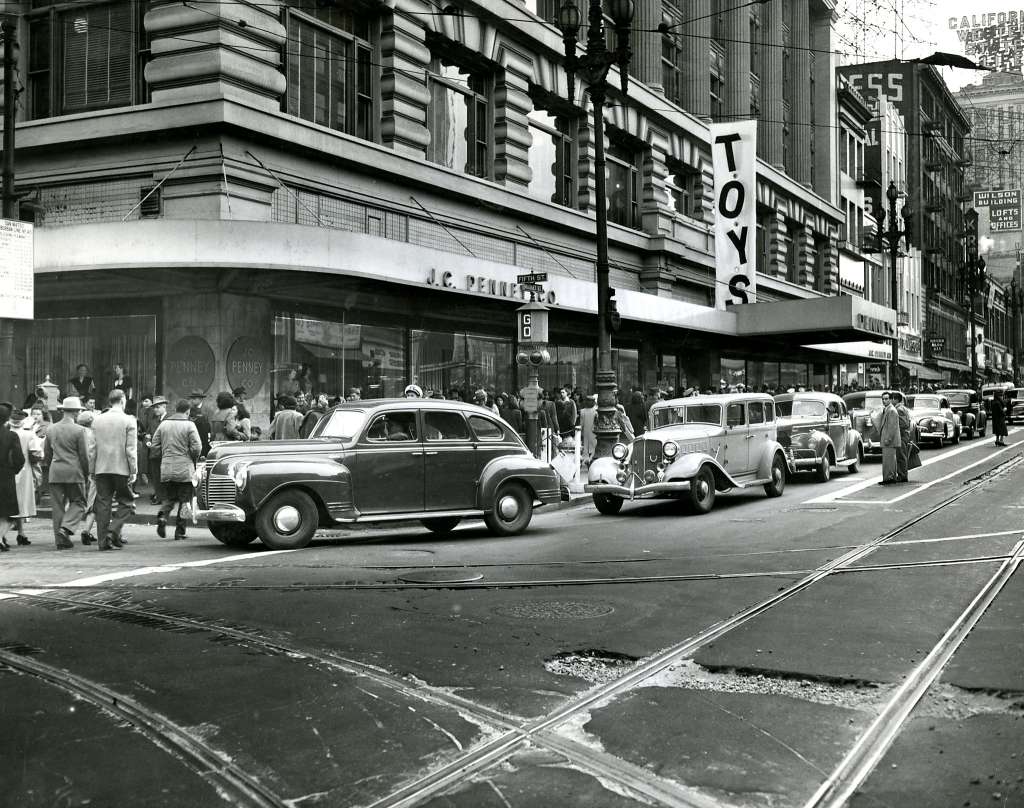
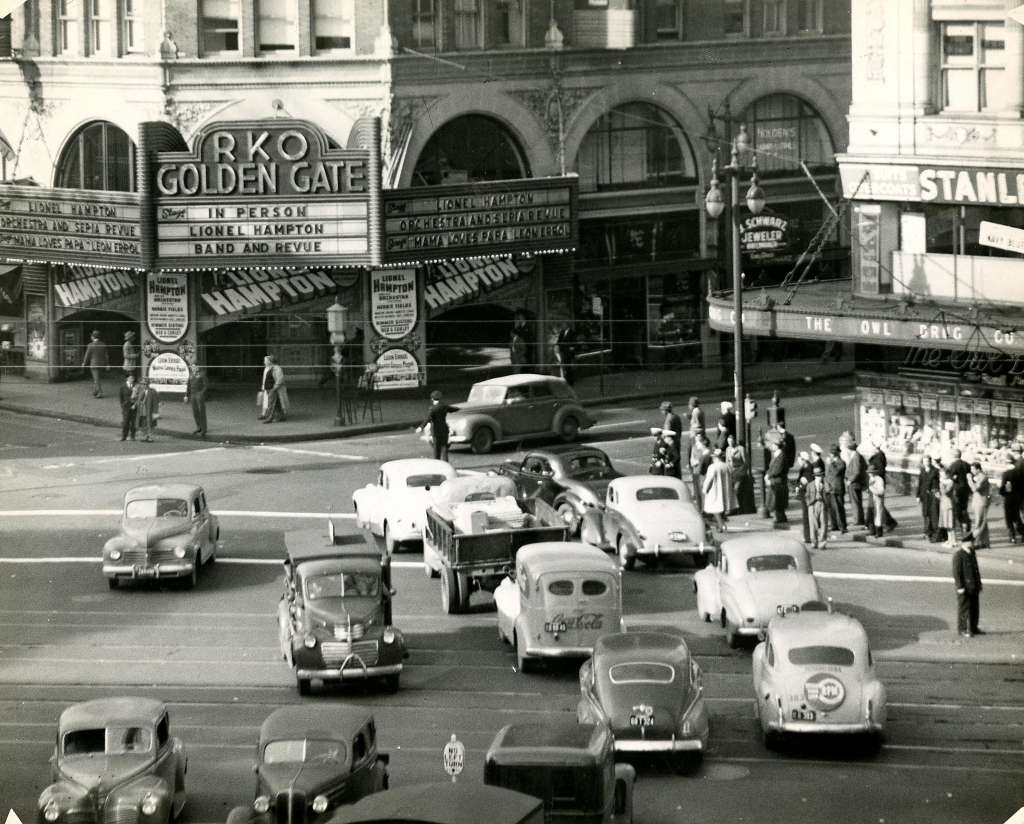
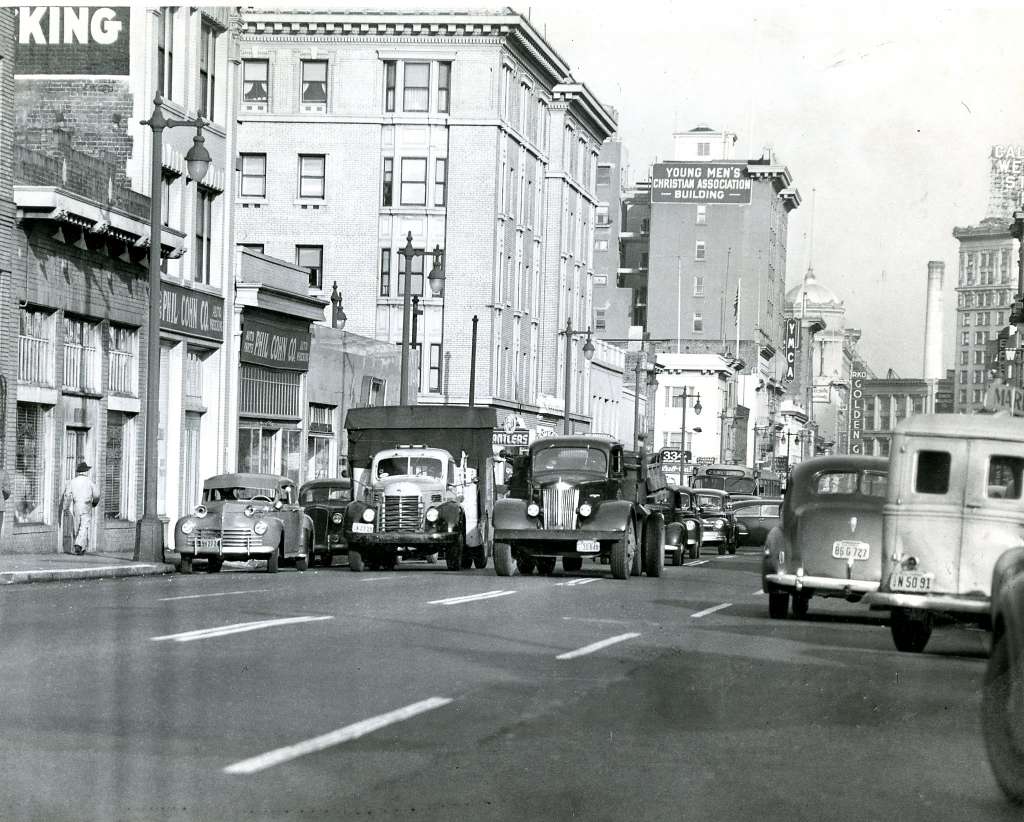
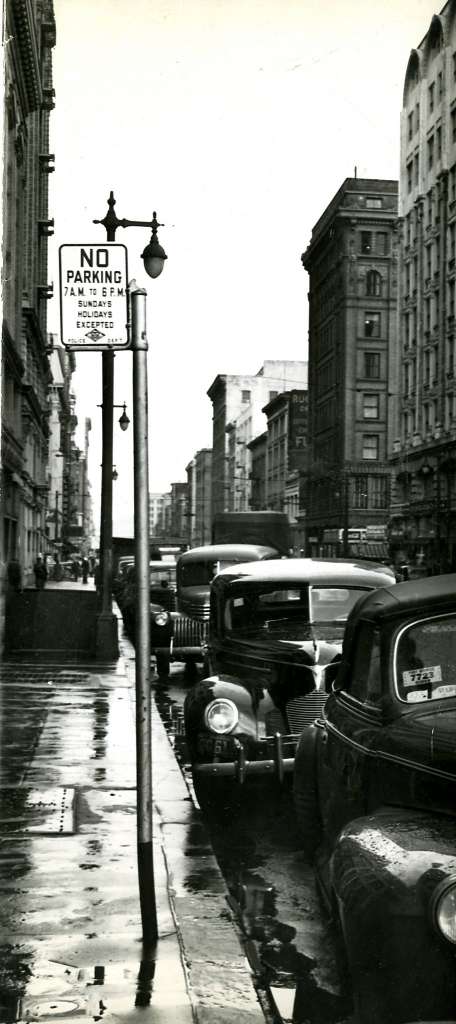
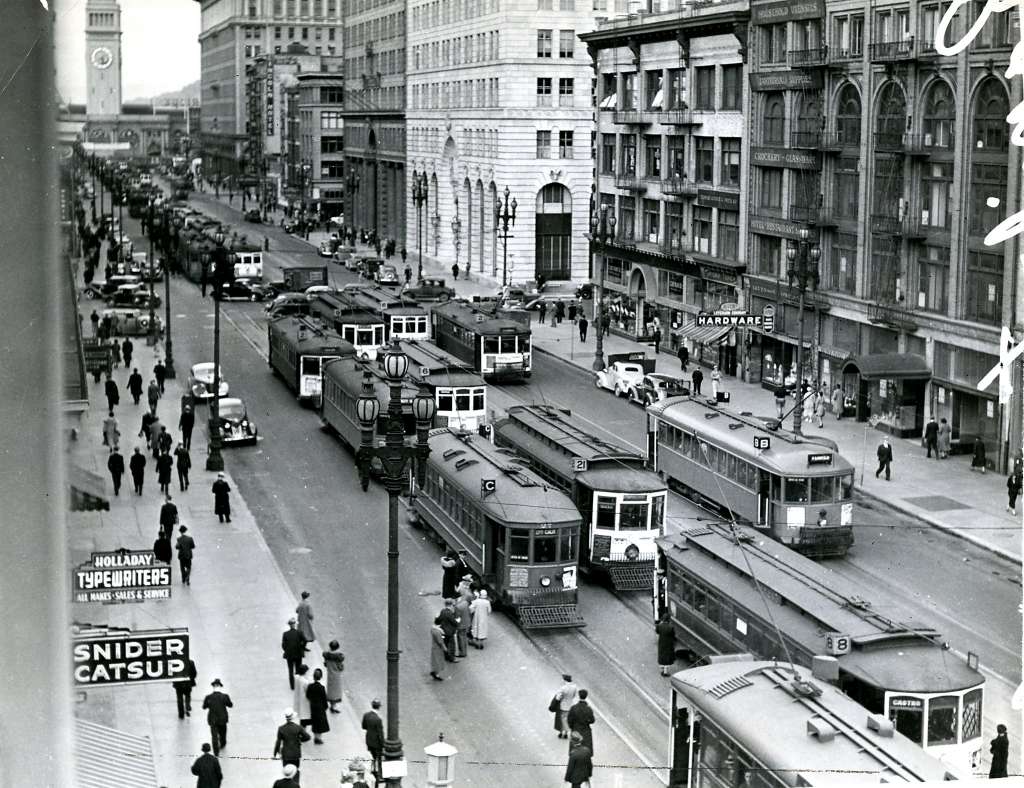
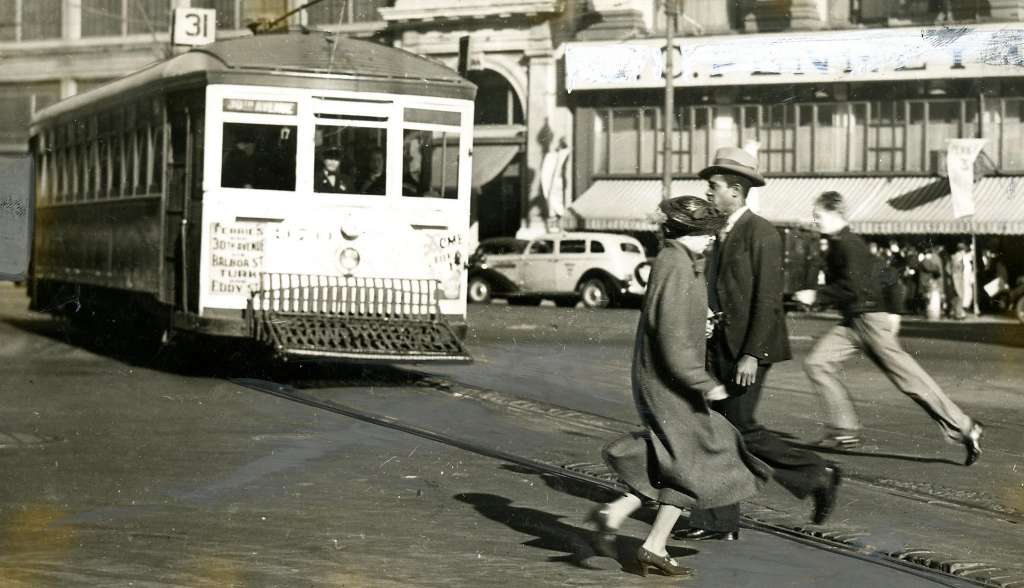
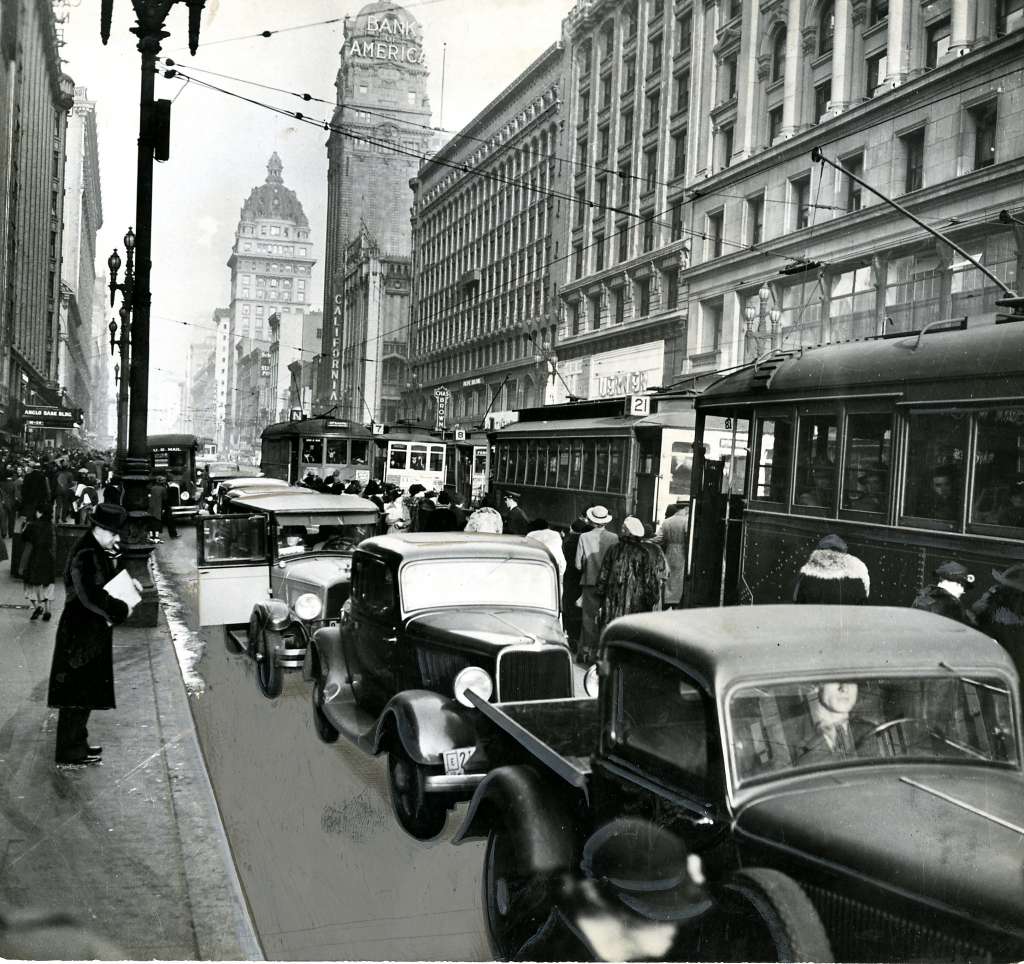
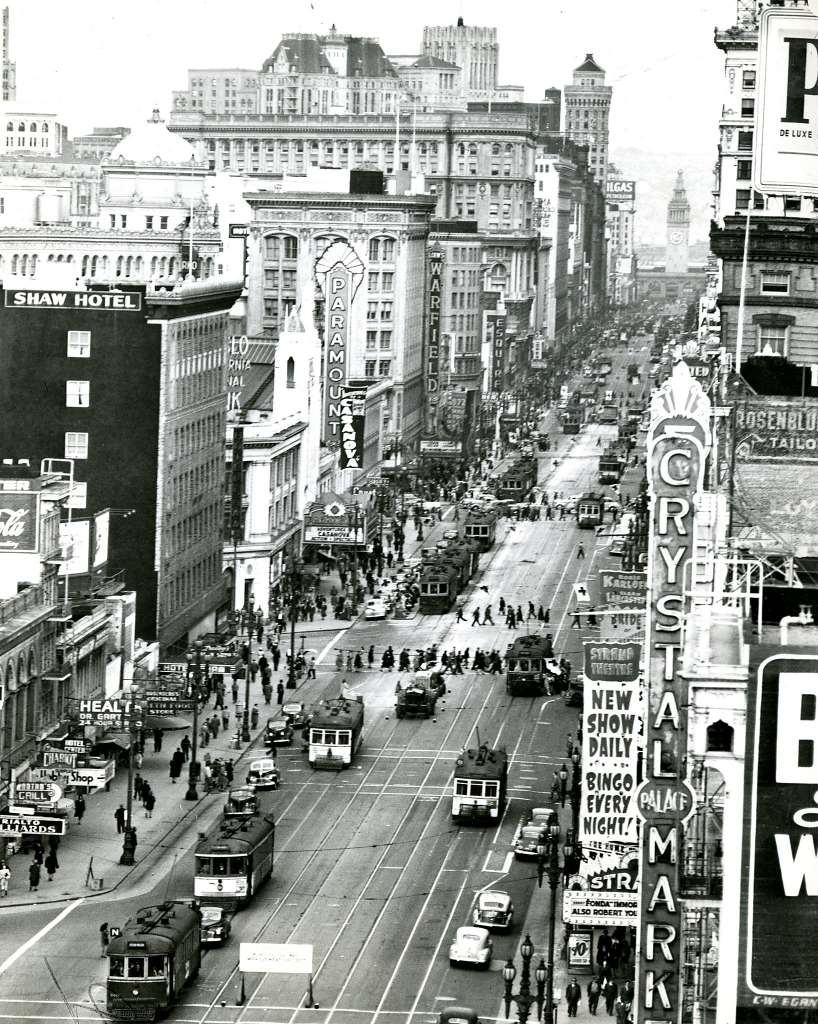
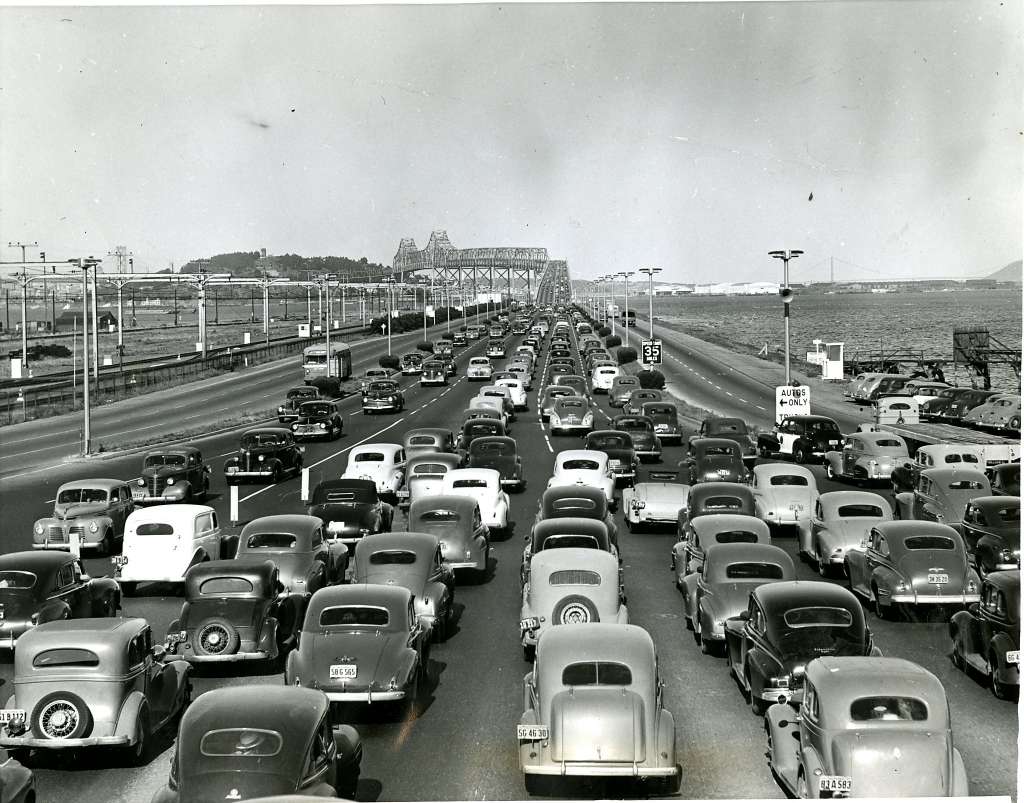
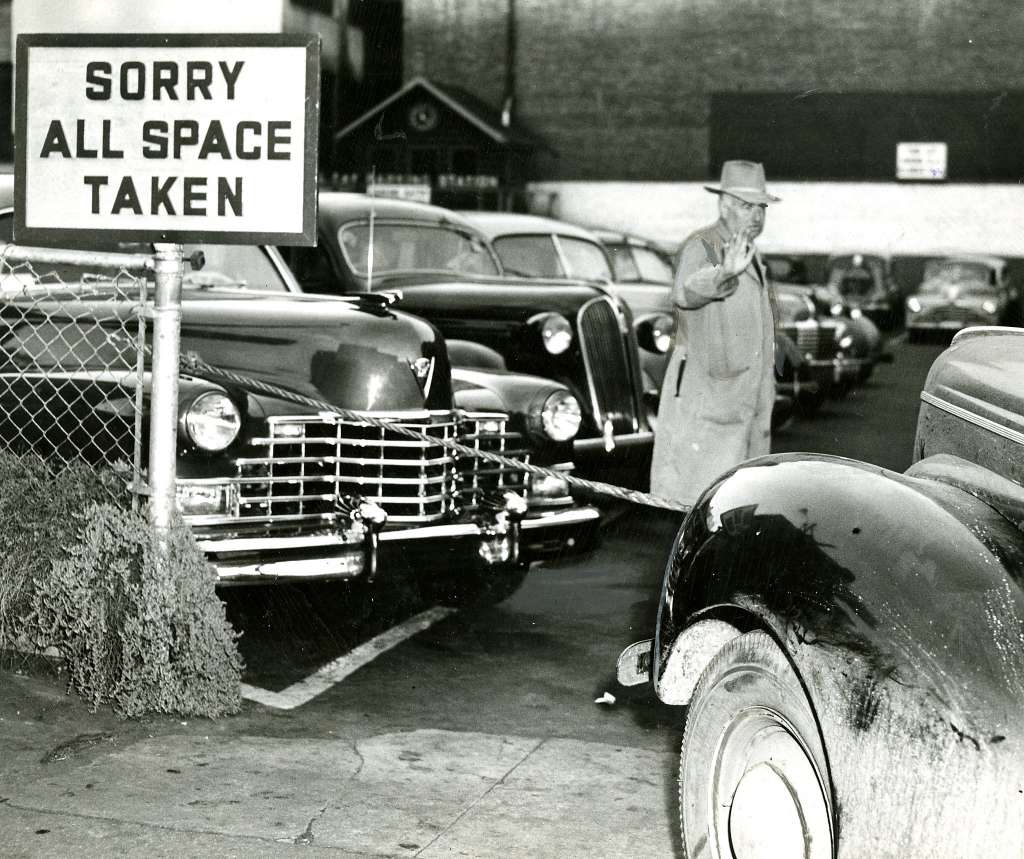
Fourth and Market. September 9, 1947.Traffic problems along First, Fremont and Market Streets. January 17, 1939.Christmas traffic at the Fourth and Market Streets intersection. December 24, 1945Market Street in San Francisco, looking toward the Ferry Building. 1940sTraffic jam on 3rd Street at Market Street in San Francisco, July 25, 1937.Traffic scene at 3rd and Market Streets in San Francisco, April 1, 1949.Truck double parked on 5th and Mission Streets, in San Francisco, causing traffic jam. February 19, 1948.Looking east on Mission Street, in San Francisco, between 4th and 5th Streets. December 9, 19466th and Market Streets, looking toward Mission Street. January 1946One way Eddy Street, looking toward Market Street. February 19, 1948.December 22, 1946Looking downtown, toward O’Farrell and Stockton Streets, in San Francisco. December 23, 1948.Grant Avenue between O’Farrell and Geary Streets, in San Francisco. February 19, 1948.Bush Street looking west from Grant Avenue in San Francisco at 8:10 a.m., showing rush hour traffic. December 10, 1946Traffic scene in San Francisco, possibly I-101 coming from the Bay Bridge in 1948San Francisco downtown traffic scene. December 17, 1946Market Street at 5th Street in San Francisco. December 6, 1945.San Francisco traffic scene, Looking up 6th Street, towards Market Street. December 5, 1945Post Street, above Powell, in San Francisco. December 17, 1946Traffic jam in downtown San Francisco, ca 1930s.Looking down Sutter from Powell Street in San Francisco in the 1940s.Looking east at Stockton, Ellis and Market Streets in San Francisco in the 1940s.J.C. Penney at 5th and Market Streets (southwest corner) in San Francisco. January 1945.San Francisco traffic scene at Stockton and Market Streets. February 1, 1947.Sir Francis Drake Hotel garage (spaces were all filled), in San Francisco. December 23, 1946Bay Bridge traffic 1940s.The RKO Golden Gate Theater can be seen in the photo, taken at Market and 6th Streets. December 6, 1945.Traffic scene on Bush Street, near Grant Avenue in San Francisco. Astoria Hotel and Hotel Victoria can be seen on the right. 1940sEllis Street, between Powell and Stockton Streets in San Francisco. February 19, 1948.Post Street at Mason Street in San Francisco. December 18, 1945Golden Gate Avenue and Larkin Street, in San Francisco, shows a double parked truck, causing a traffic jam. 1940’sMarket and Powell Streets in San Francisco. December 14, 1945Grant Avenue and Post Street in San Francisco. The Owl Drug Store can be seen in the photo. January 1946.This photo was taken in front of 740 Mission Street, looking towards 3rd Street at 3:00 p.m. December 4, 1945.Traffic scene on Market Street at Powell and 5th Streets in San Francisco, ca 1930s.Passengers sitting on a streetcar cow-catcher at Church, 14th and Market Streets in San Francisco, ca 1930s.San Francisco traffic scene on Kearny Street between Sutter and Post Streets, looking south at 8:35 a.m. on December 11, 1946The Market Street Railway, 1930s.Fire engine answering an alarm. If cars had been stopped in the second lane (as they usually were) the engines could not have gone up Stockton Street, from Ellis, in San Francisco. Ca. 1930sMarket Street, looking toward the Ferry Building in San Francisco, ca. 1930s.Looking south at Stockton, Ellis and Market Streets in San Francisco. Street cars had to slow down for the droves of pedestrians , then sandwich their way through. Ca. 1930sMarket Street Railway cars. November 1, 1937Street car jam on Market Street, near the Ferry Building in San Francisco, while people wait for transportation in the rain. October 15, 1937Jaywalkers on Market Street in San Francisco, April 26, 1937.Traffic jam at Grant Avenue and Post Street in San Francisco. 9:15 a.m. December 23, 1946Typical San Francisco traffic congestion on Market Street. The Bank of America and Call Buildings can be seen in the photo. October 15, 1937The [Bay] Bridge at 5:30 p.m. in San Francisco. Ten lanes of traffic looking west. December 3, 1946.Fifth & Market Street. 1:20 p.m. December 24, 1948.Traffic scene on Market Street and 7th Street, looking toward the Ferry Building. 5:10 p.m March 15, 19484:30 p.m. December 17, 1946December 21, 1946Market Street. October 17, 1937Motorists jam Bay Bridge in transportation strike. June 11, 1947Market Street traffic scene in San Francisco on May 20, 1937Traffic scene on Market Street in San Francisco ca. 1940s.Market Street, looking toward 5th Street in San Francisco. February 1, 1947Full parking, at lot at 4:00 p.m., on Taylor Street, near Eddy Street in San Francisco. December 23, 1946
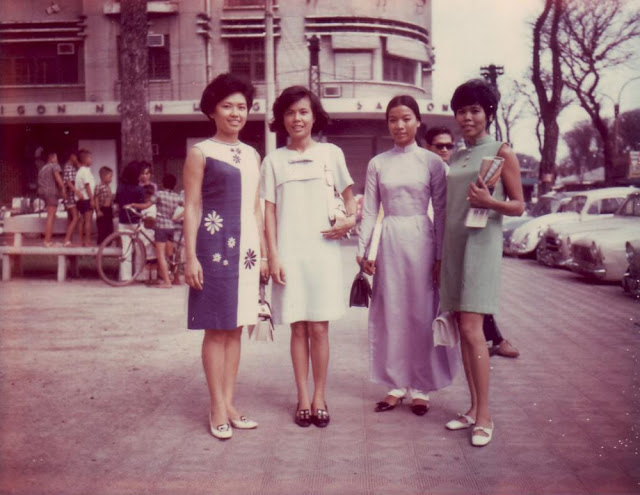
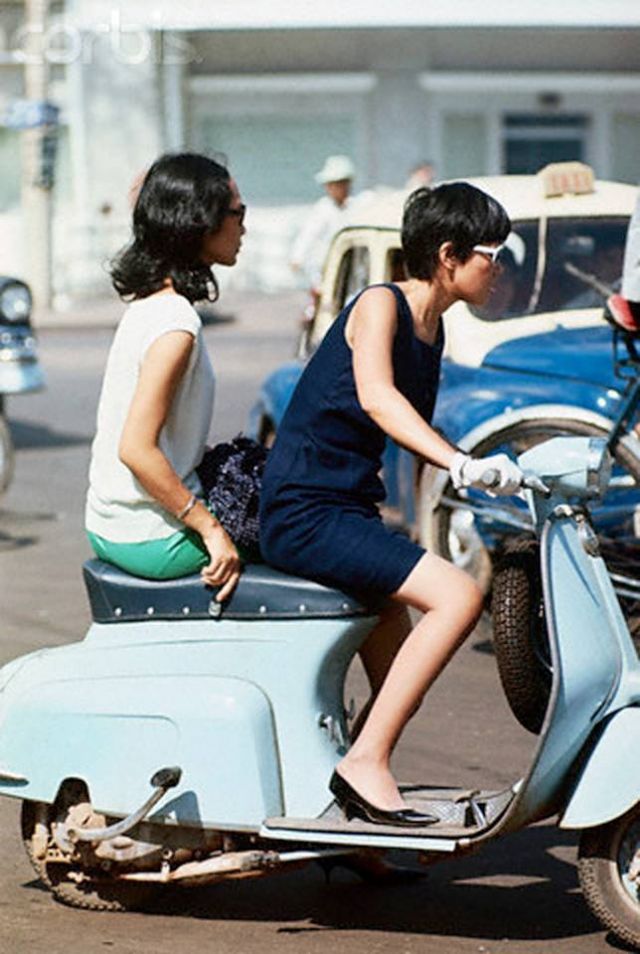
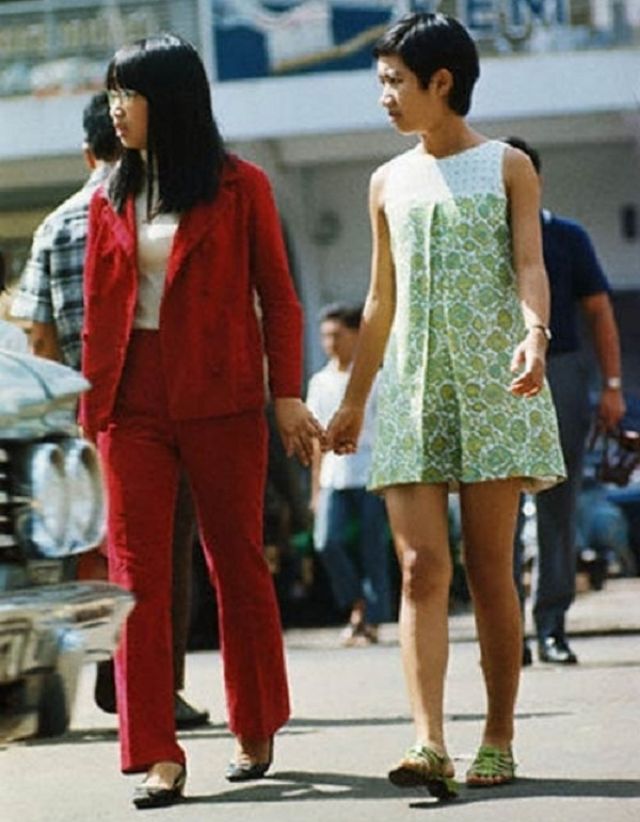
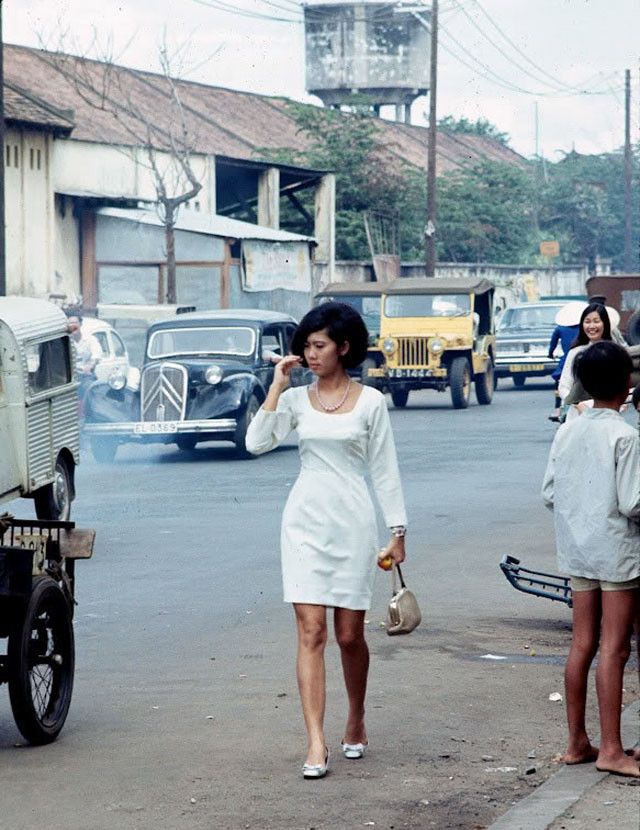
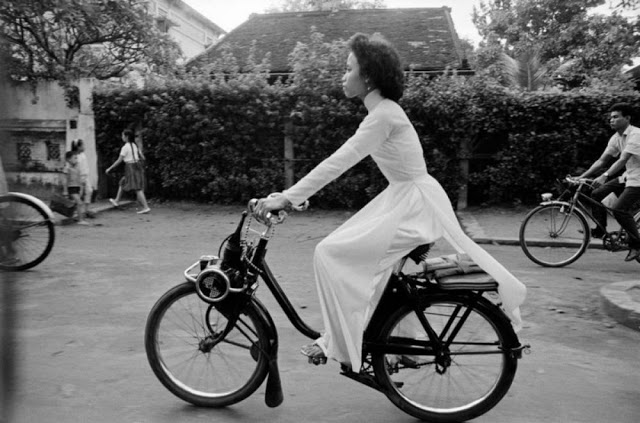
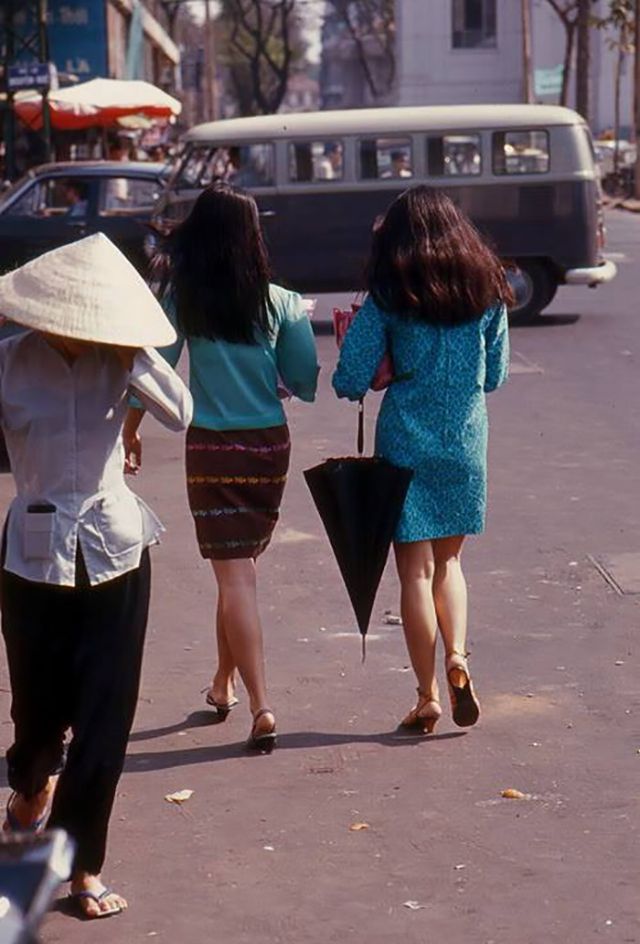
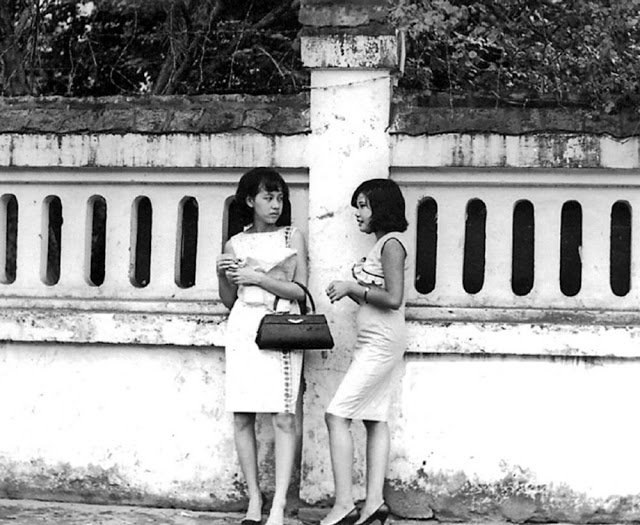
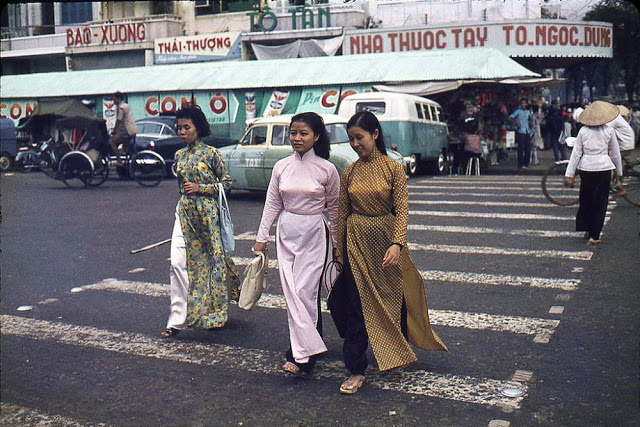
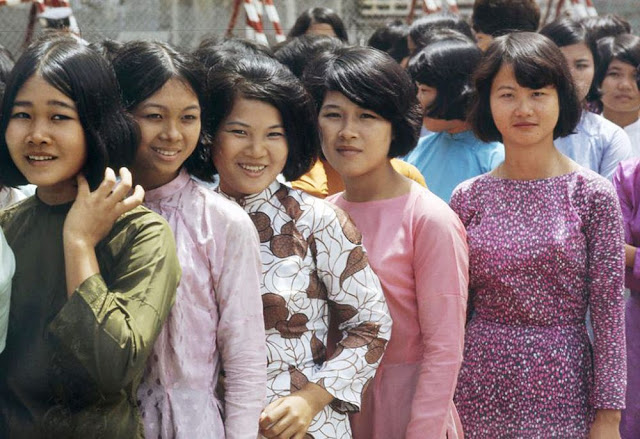
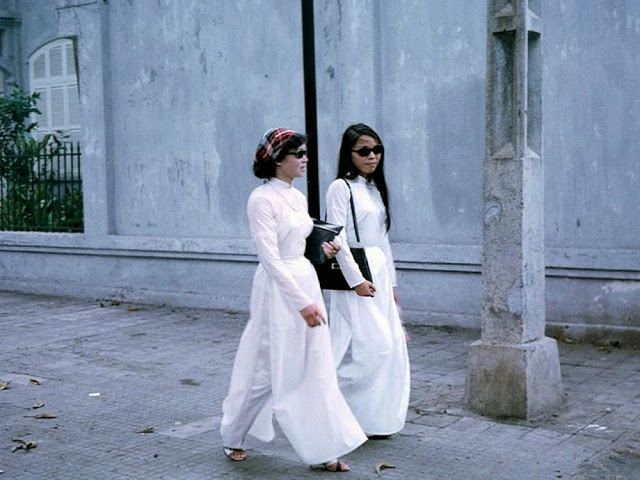
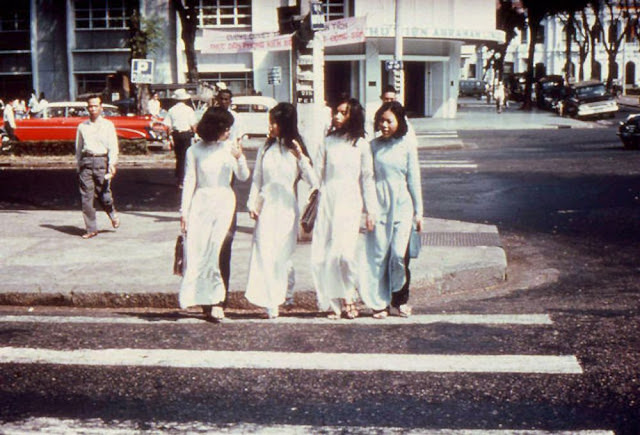
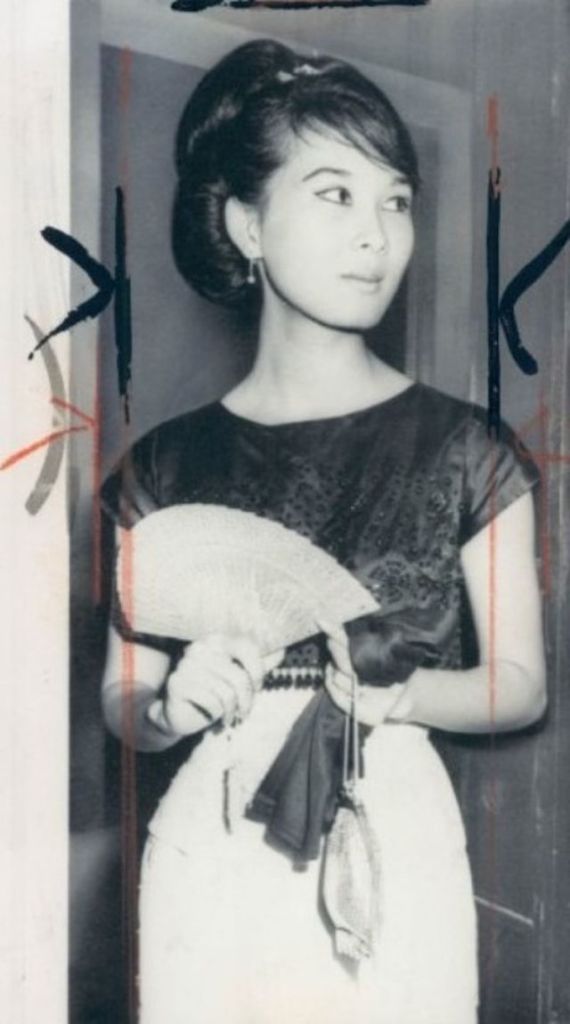
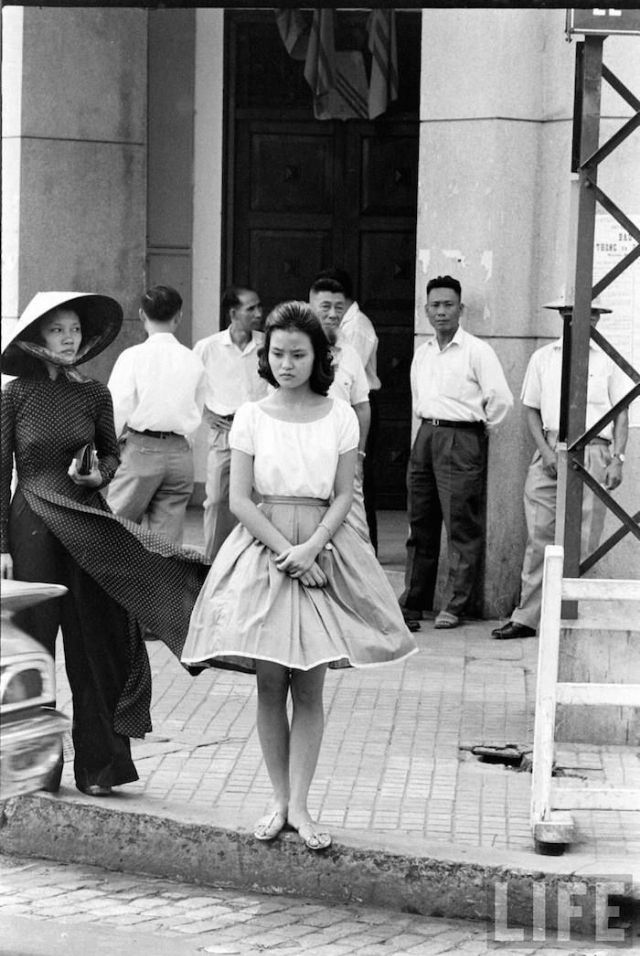
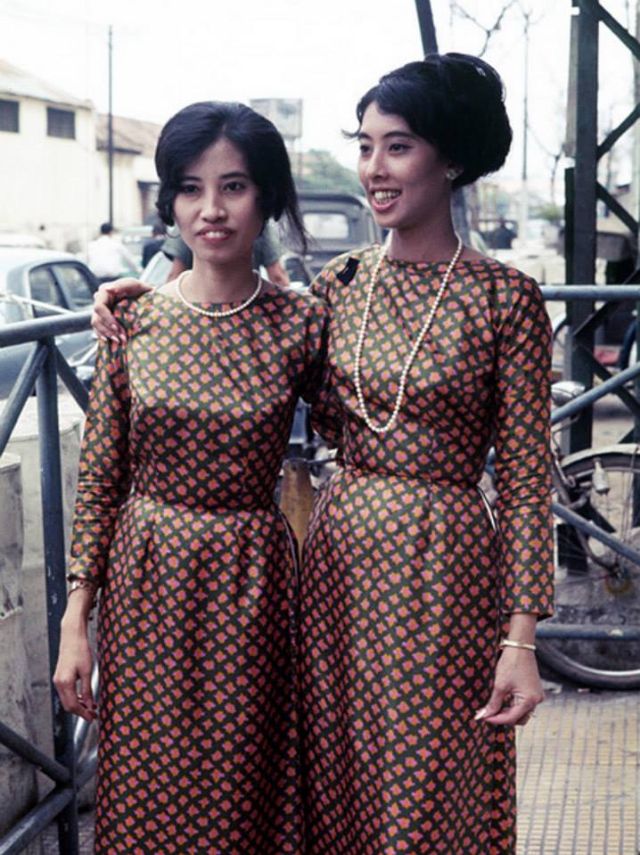
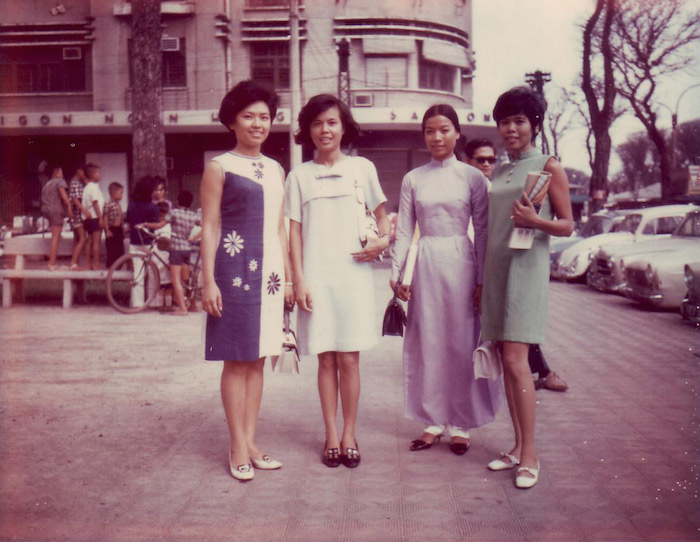
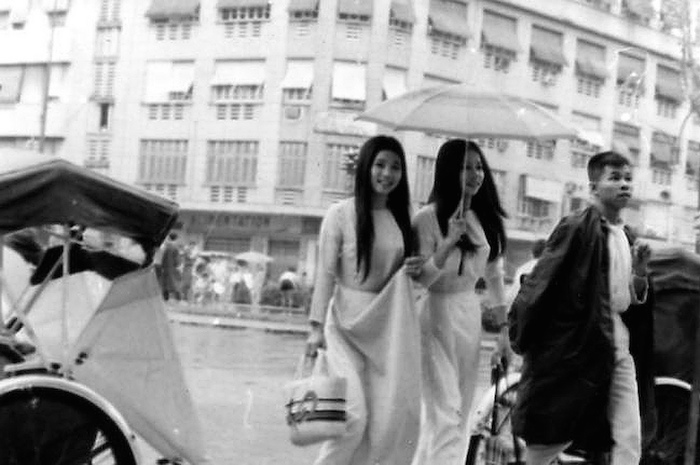
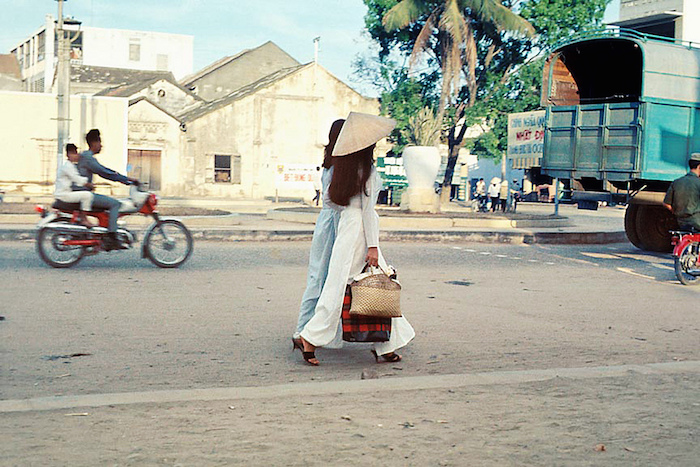
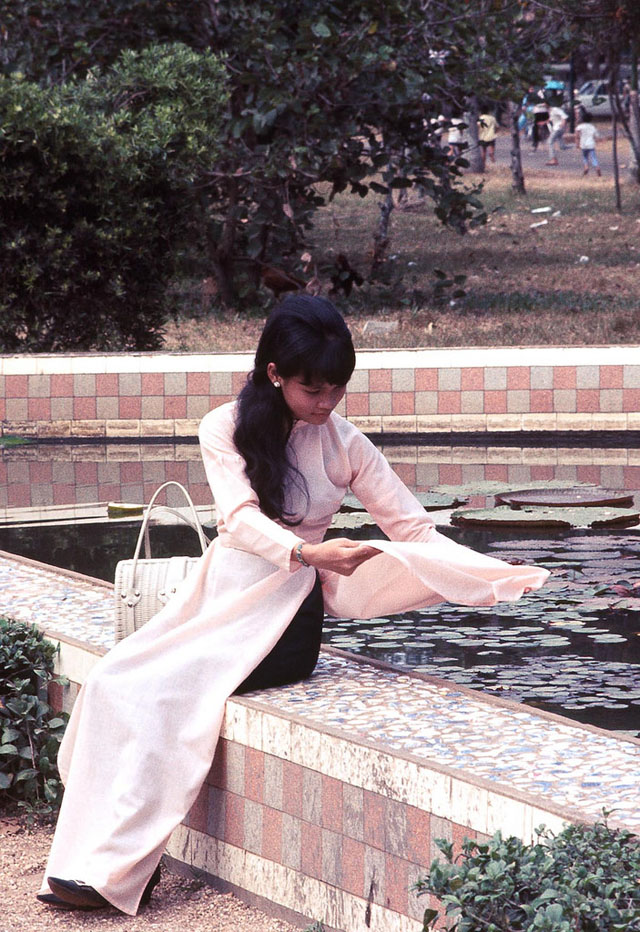
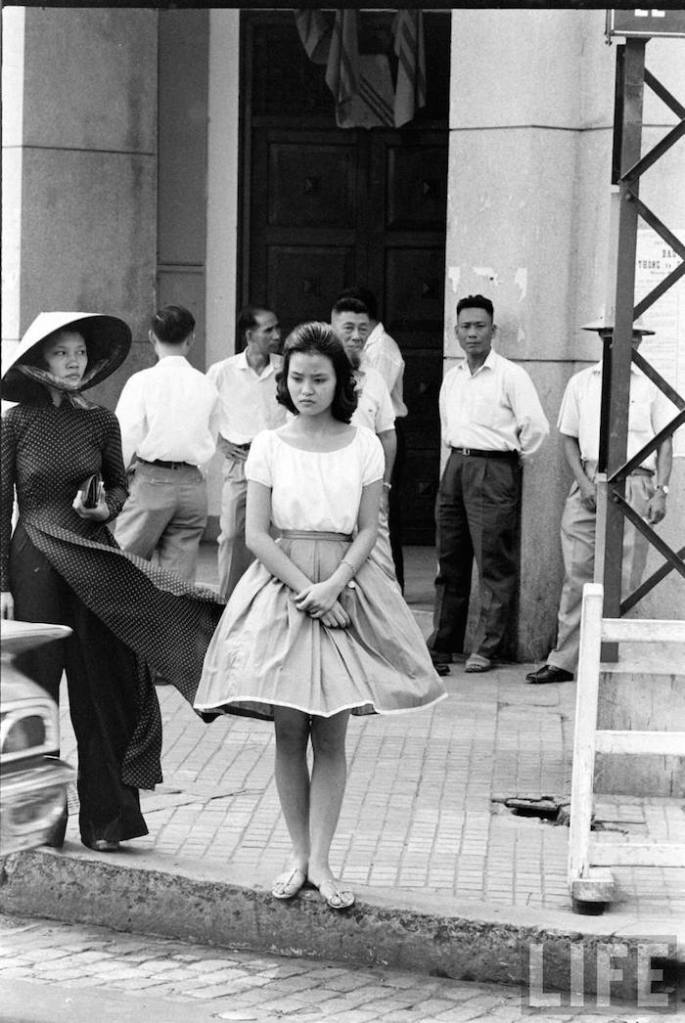
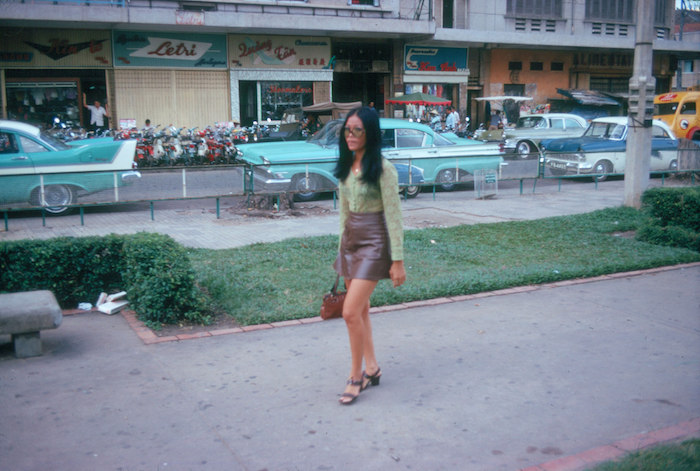
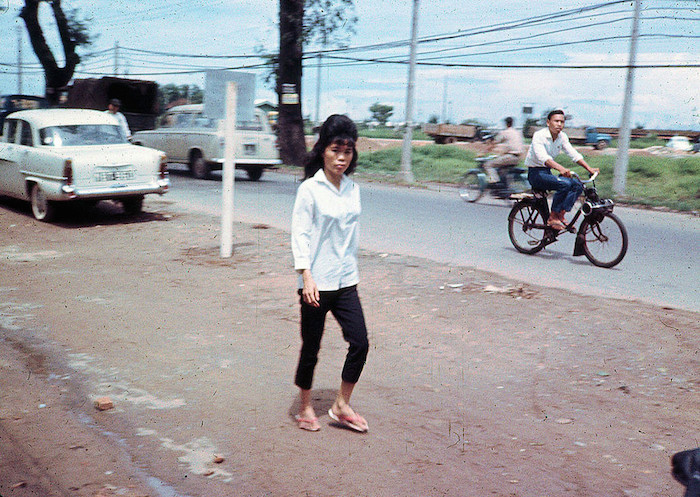
Ho Chi Minh City, commonly and formerly officially known as Saigon, is the largest city in Vietnam, situated in the south. In the southeastern region, the city surrounds the Saigon River and covers about 2,061 square kilometres (796 square miles).
Prior to Vietnamese settlement in the 17th century, the city was a scarcely populated area that had been part of historic empires of Funan, Chenla, and Cambodia. With the arrival of Vietnamese, the area became more populated and officials began establishing the city from 1623 to 1698. After it was ceded by the last Vietnamese dynasty to the French in 1862, the name Saigon was adopted and the city underwent urbanization to become a financial center in the region. The city was the capital of South Vietnam until the end of the Vietnam War with North Vietnamese victory in 1975. In 1976, the government of a unified Vietnam renamed Saigon in honor of Hồ Chí Minh.
The primary economic center of Vietnam, it is also an emerging international destination, with popular landmarks related to remnants of its history showcased through its architecture. A major transportation hub, the city hosts the Tan Son Nhat International Airport, the busiest airport in Vietnam. With increasing development, Ho Chi Minh City is also undergoing construction of educational institutions and transportation, and also serves as a major media and entertainment outlet. The name “Sài Gòn” has since entered into Vietnamese popular culture. (Wikipedia)
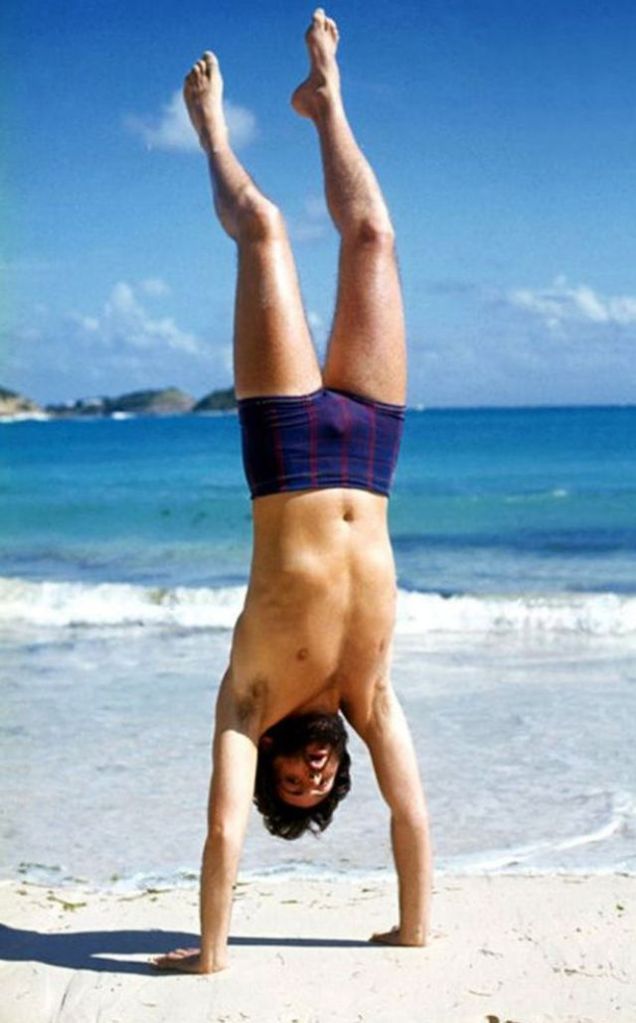
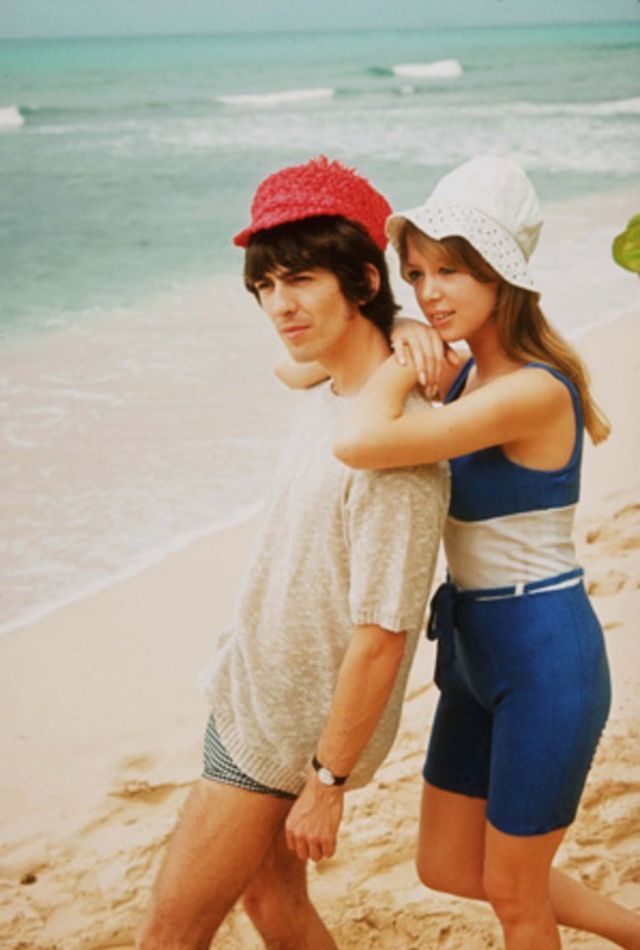
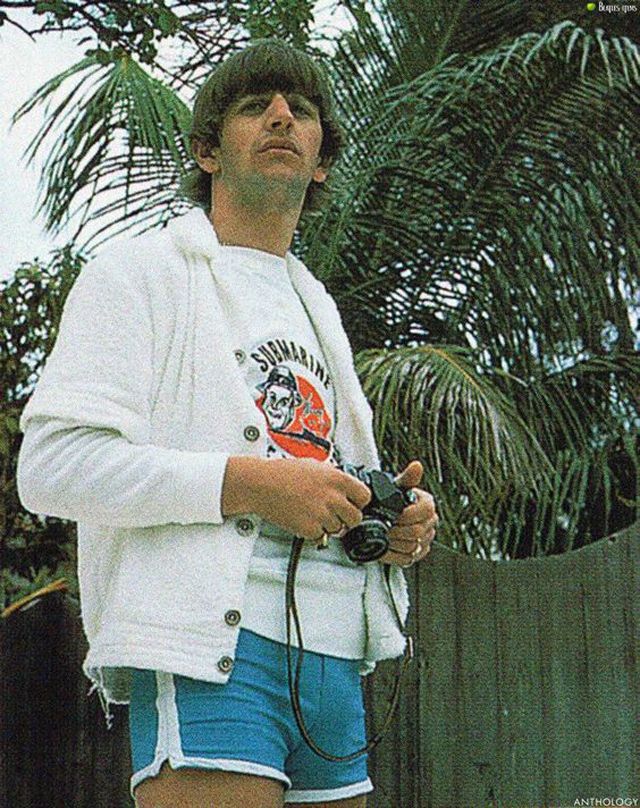
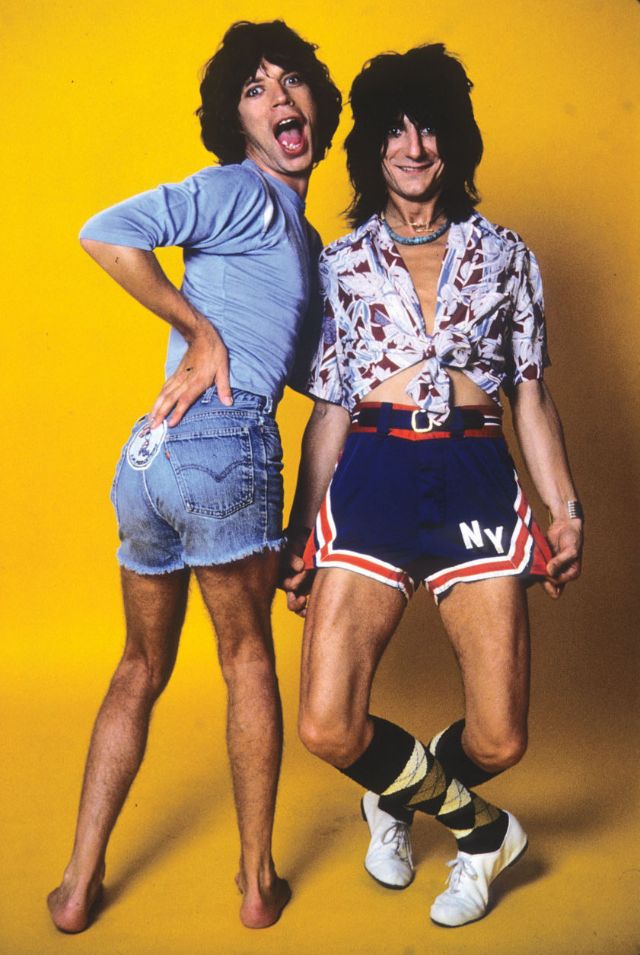
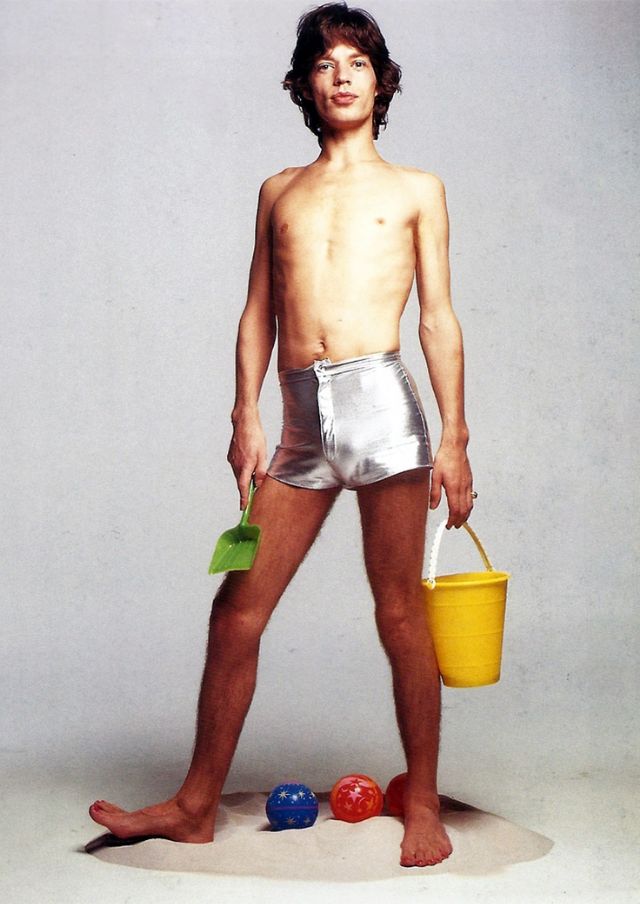
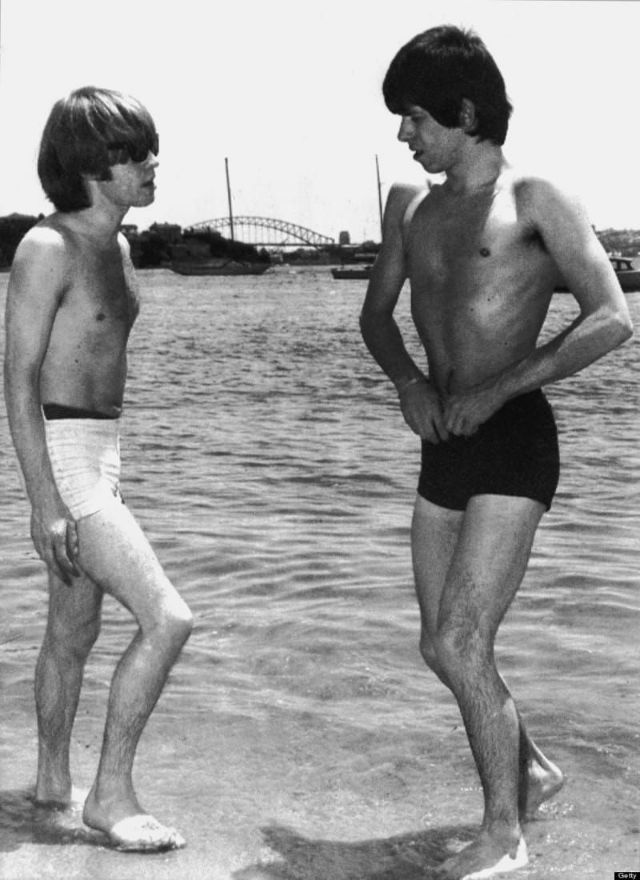
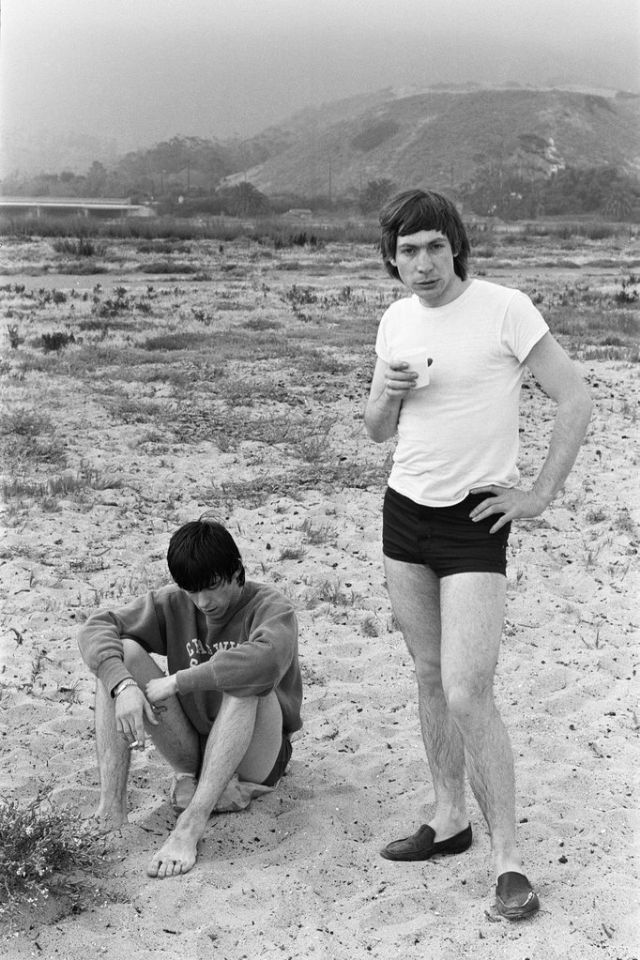
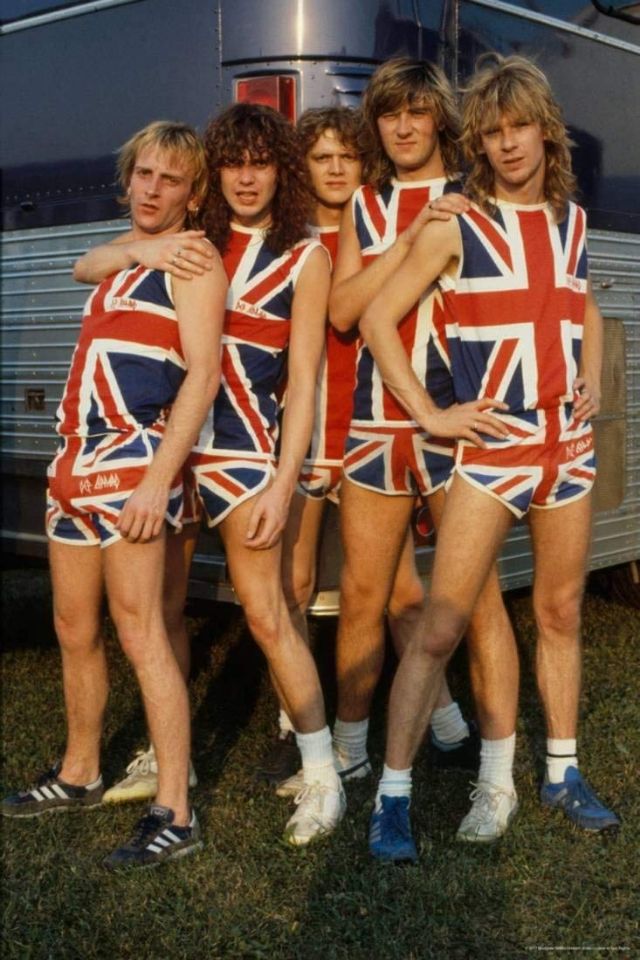
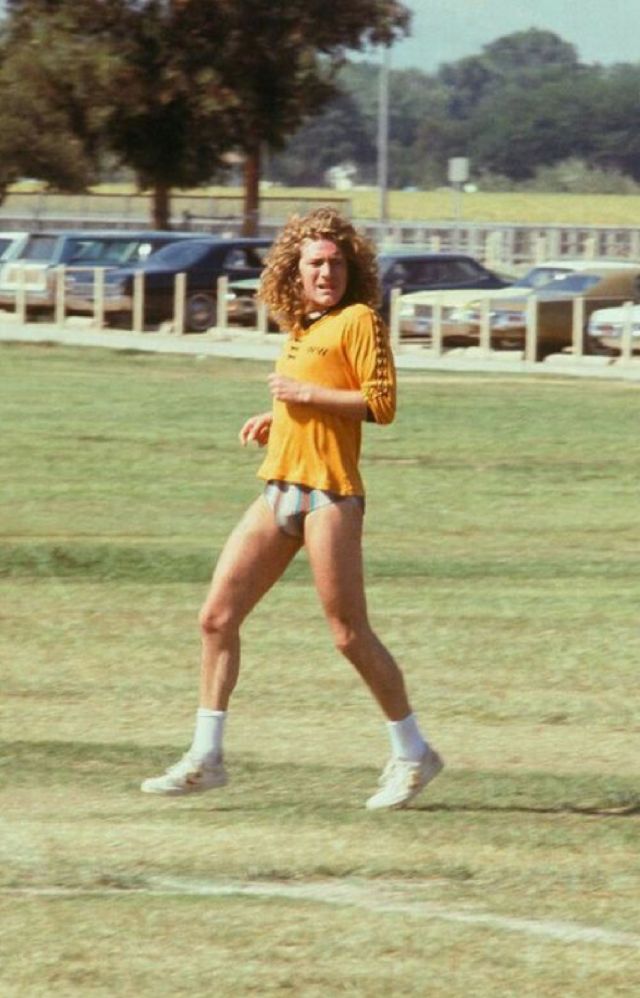
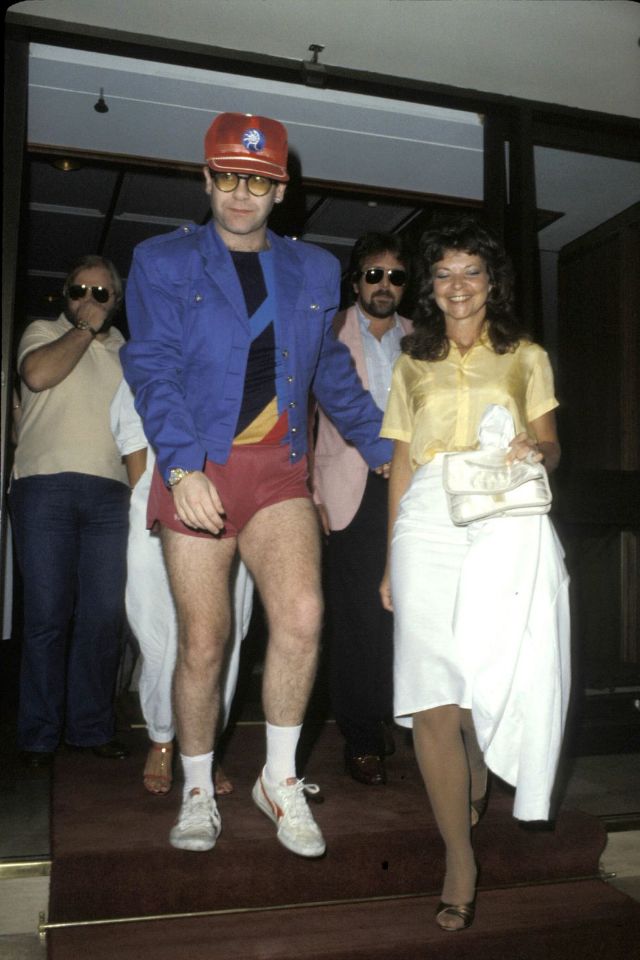
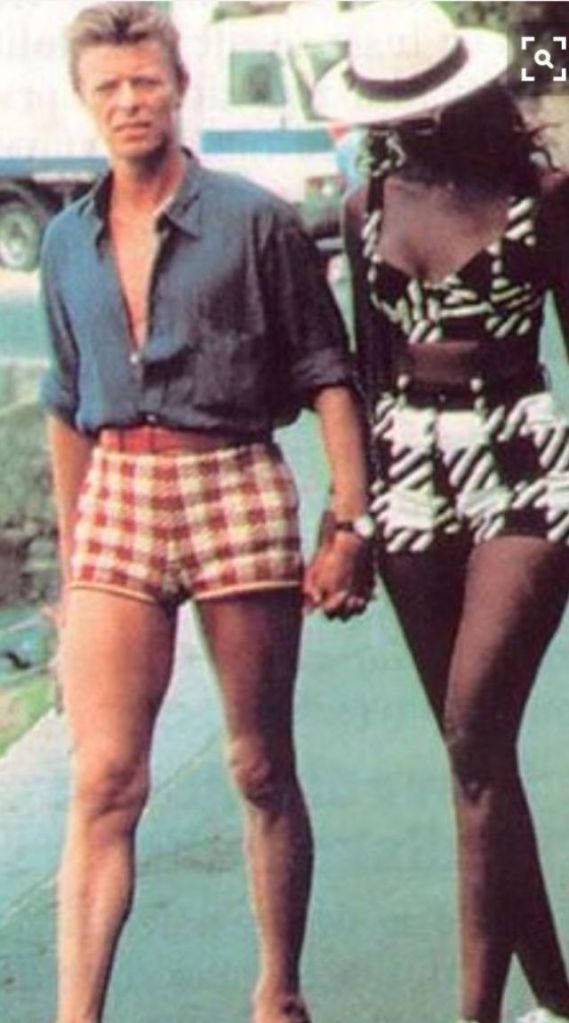
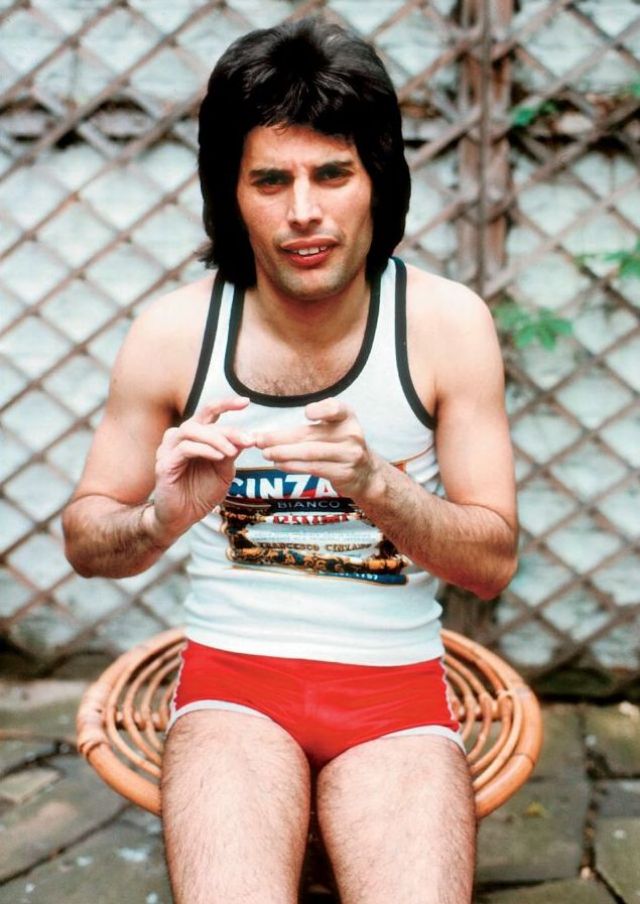
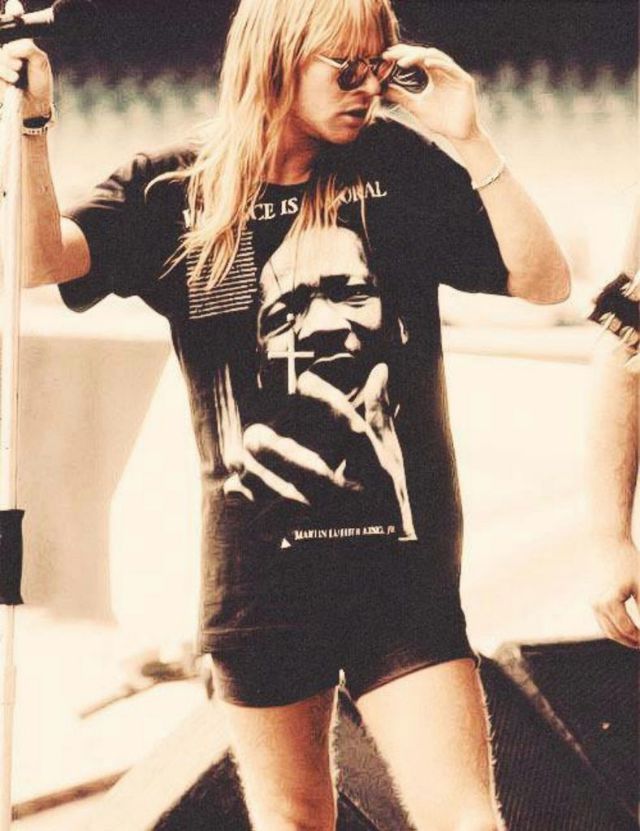
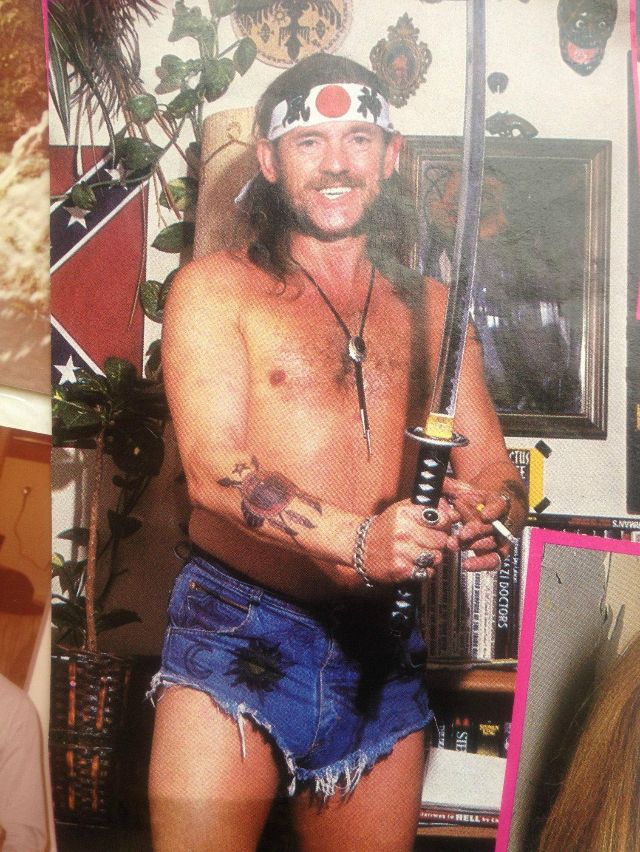
In 2015, a study that “examined 1980s heavy metal groupies, musicians, and fans at middle age” found they were “significantly happier in their youth and better adjusted currently than either middle-aged or current college-age youth comparison groups.” What was the difference between then and now? Short shorts, of course!
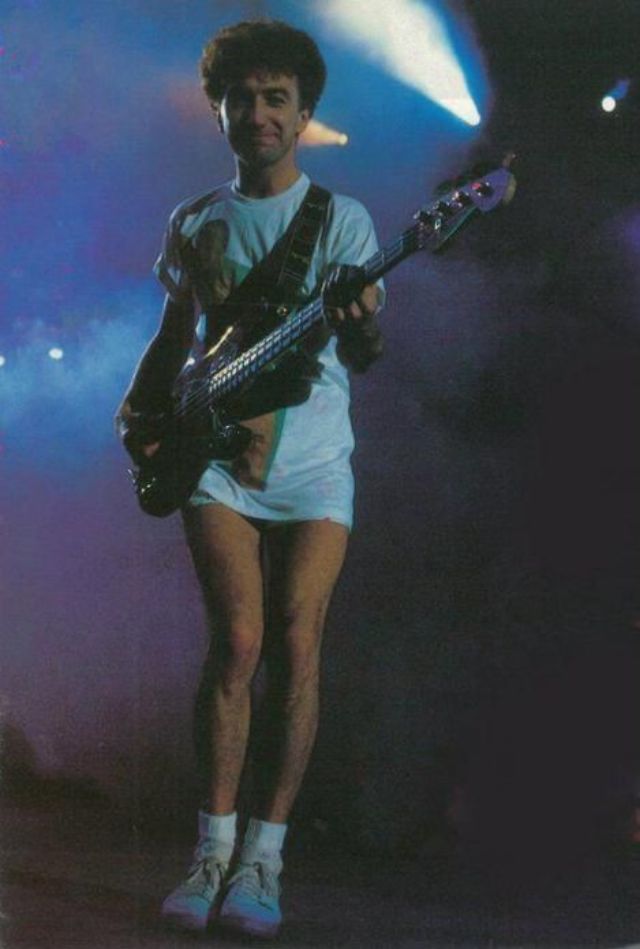
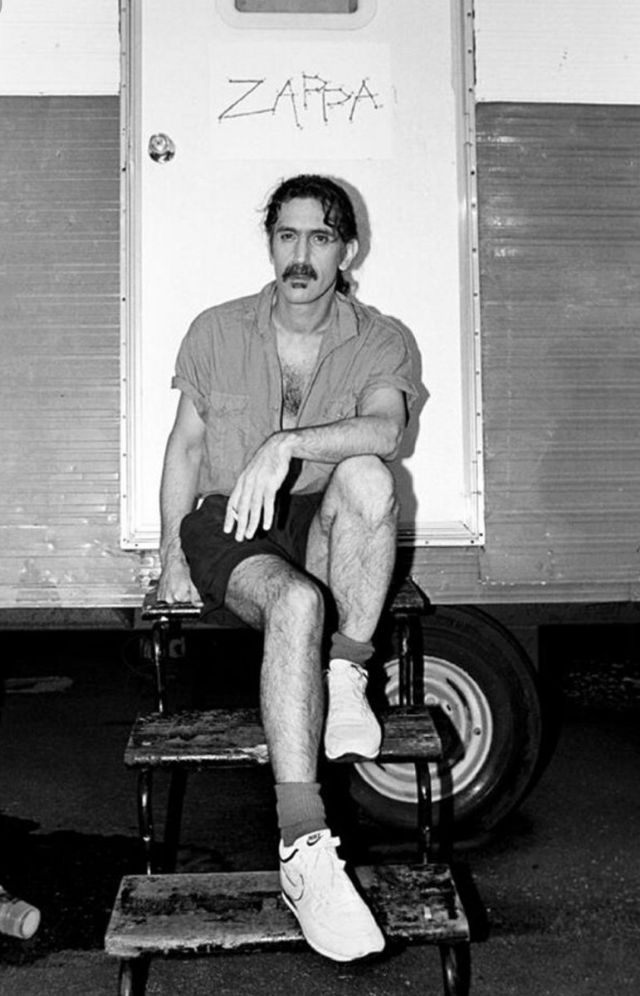
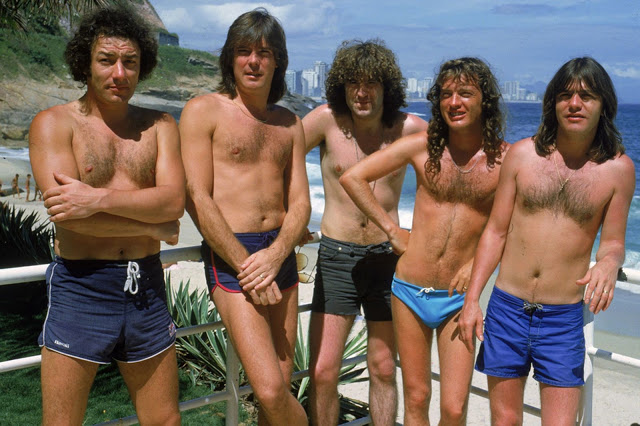
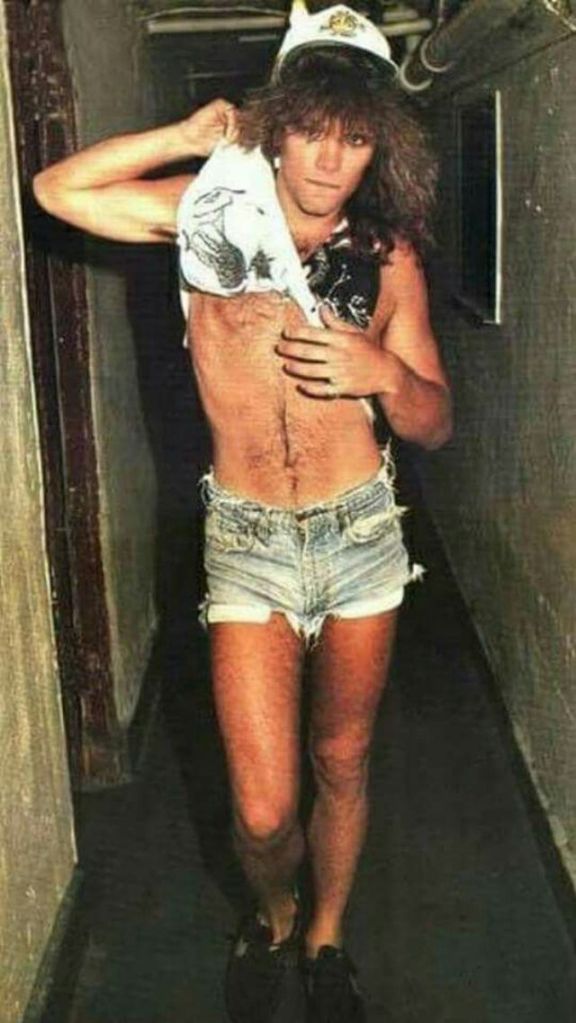
Shorts can be a divisive topic among men. Some wear them from the moment the temperature climbs above 50 until the first snow. Others wouldn’t be caught dead in shorts, even when the mercury climbs into the hundreds. Below are some amazing photographs of classic rock stars embraced shorts—mostly short shorts.
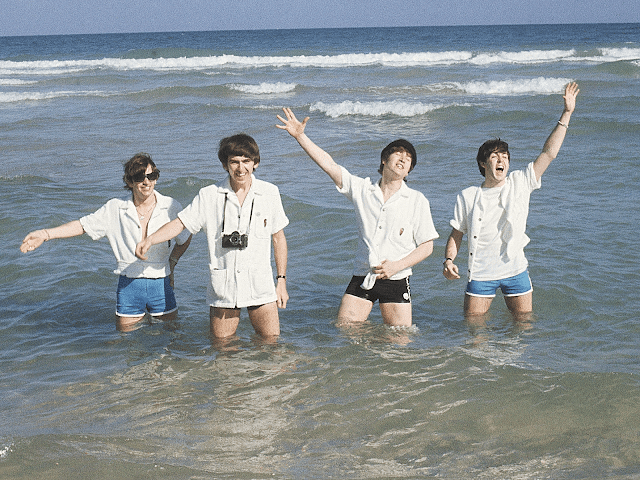
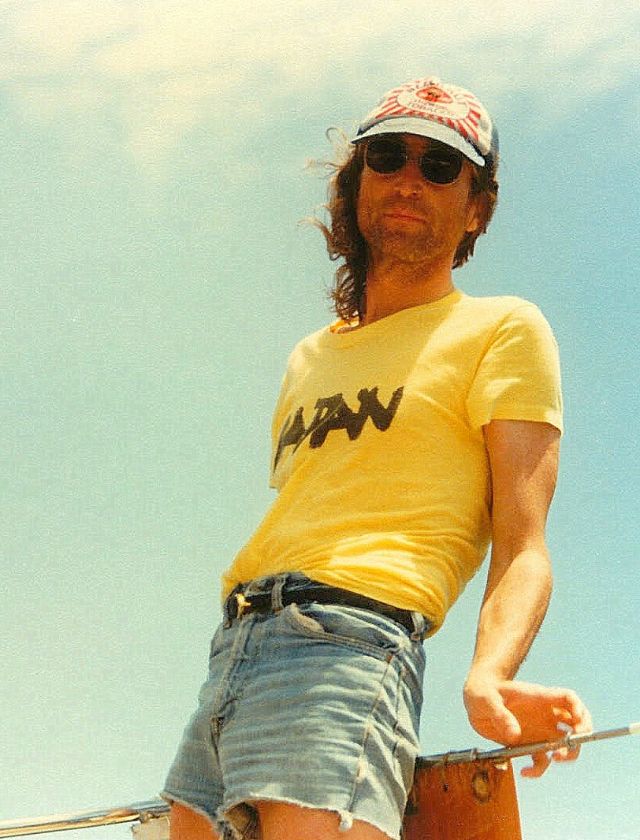
The BeatlesJohn LennonPaul McCartneyGeorge HarrisonRingo StarrMick Jagger and Ronnie WoodMick JaggerBrian Jones and Keith RichardsCharlie WattsDef LeppardRobert PlantElton JohnDavid BowieFreddie MercuryJohn DeaconBob MarleyFrank ZappaAC/DCJon Bon JoviAxl RoseLemmy
Russia, or the Russian Federation, is a country spanning Eastern Europe and Northern Asia. It is the largest country in the world, covering over 17,125,191 square kilometres (6,612,073 sq mi), and encompassing one-eighth of Earth’s inhabitable landmass. Russia extends across eleven time zones, and has the most borders of any country in the world, with sixteen sovereign nations. It has a population of 146.2 million; and is the most populous country in Europe, and the ninth-most populous country in the world. Moscow, the capital, is the largest city in Europe; while Saint Petersburg is the second-largest city and cultural centre. Russians are the largest Slavic and European nation; they speak Russian, the most spoken Slavic language, and the most spoken native language in Europe.
The East Slavs emerged as a recognisable group in Europe between the 3rd and 8th centuries AD. The medieval state of Rus’ arose in the 9th century. In 988, it adopted Orthodox Christianity from the Byzantine Empire, beginning the synthesis of Byzantine and Slavic cultures that defined Russian culture for the next millennium. Rus’ ultimately disintegrated, until it was finally reunified by the Grand Duchy of Moscow in the 15th century. By the 18th century, the nation had vastly expanded through conquest, annexation, and exploration to evolve into the Russian Empire, the third-largest empire in history.
Following the Russian Revolution, the Russian SFSR became the largest and leading constituent of the Soviet Union, the world’s first constitutionally socialist state. The Soviet Union played a decisive role in the Allied victory in World War II, and emerged as a superpower and rival to the United States during the Cold War. The Soviet era saw some of the most significant technological achievements of the 20th century, including the world’s first human-made satellite and the launching of the first human in space. Following the dissolution of the Soviet Union in 1991, the Russian SFSR reconstituted itself as the Russian Federation. In the aftermath of the constitutional crisis of 1993, a new constitution was adopted, and Russia has since been governed as a federal semi-presidential republic. Vladimir Putin has dominated Russia’s political system since 2000; during the period Russia has experienced democratic backsliding, and has shifted to an authoritarian state.
Russia is a great power, and a potential superpower. It is ranked as “very high” in the Human Development Index, with a universal healthcare system, and a free university education. Russia’s economy is the world’s eleventh-largest by nominal GDP and the sixth-largest by PPP. It is a recognized nuclear-weapons state, possessing the world’s largest stockpile of nuclear weapons; with the second-most powerful military, and the fourth-highest military expenditure. Russia’s extensive mineral and energy resources are the world’s largest, and it is among the leading producers of oil and natural gas globally. It is a permanent member of the United Nations Security Council, a member of the G20, the SCO, the Council of Europe, BRICS, the APEC, the OSCE, the IIB and the WTO, as well as the leading member of the CIS, the CSTO, and the EAEU. Russia is also home to the ninth-greatest number of UNESCO World Heritage Sites. (Wikipedia)
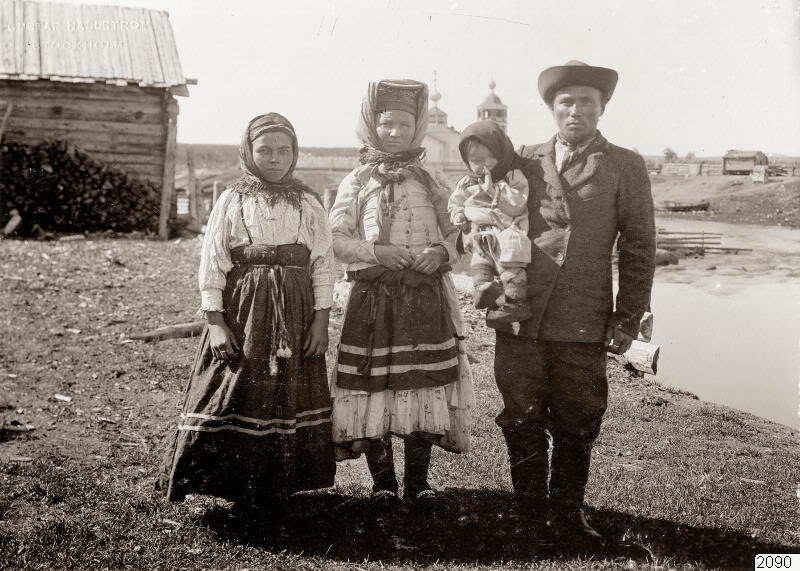
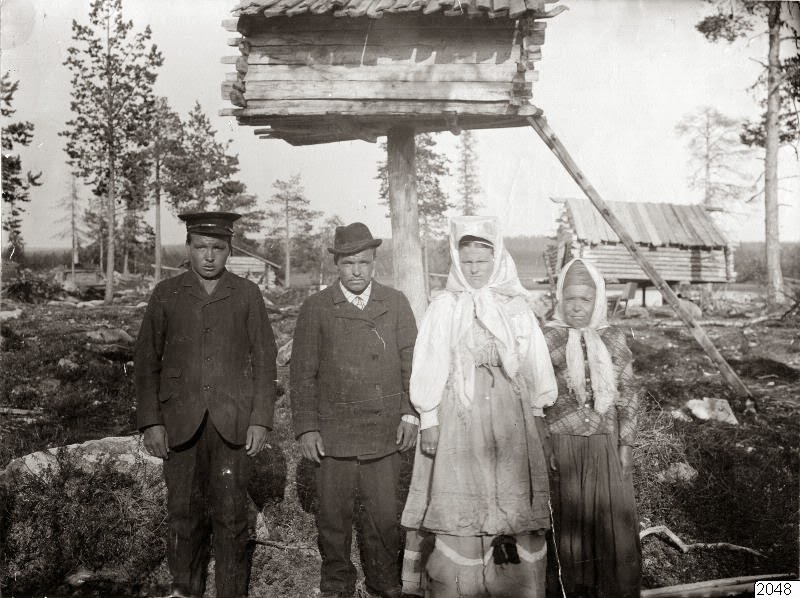
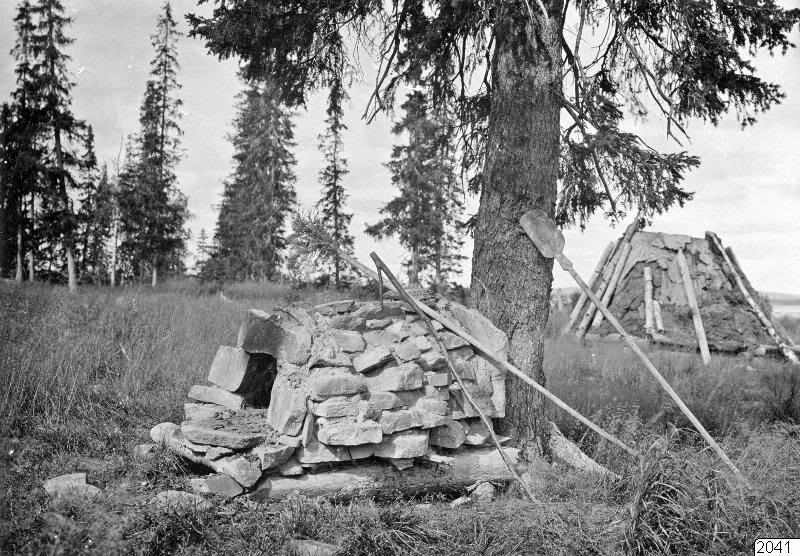
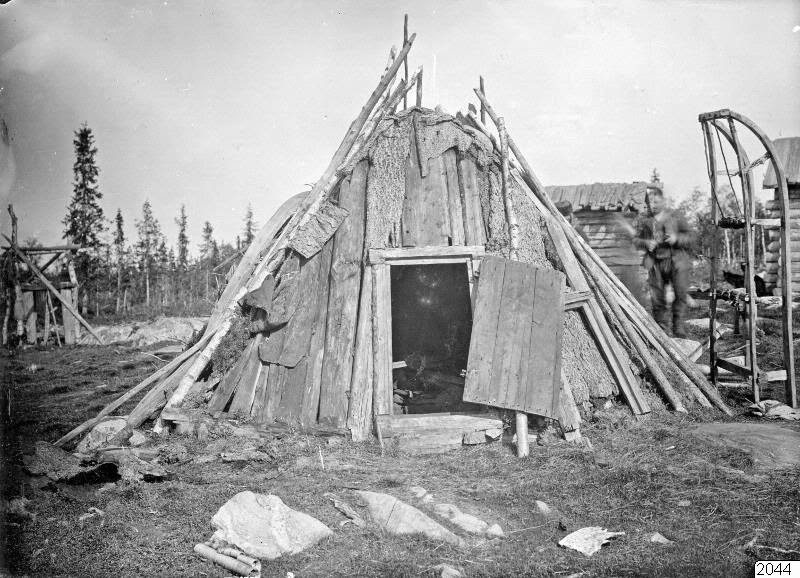
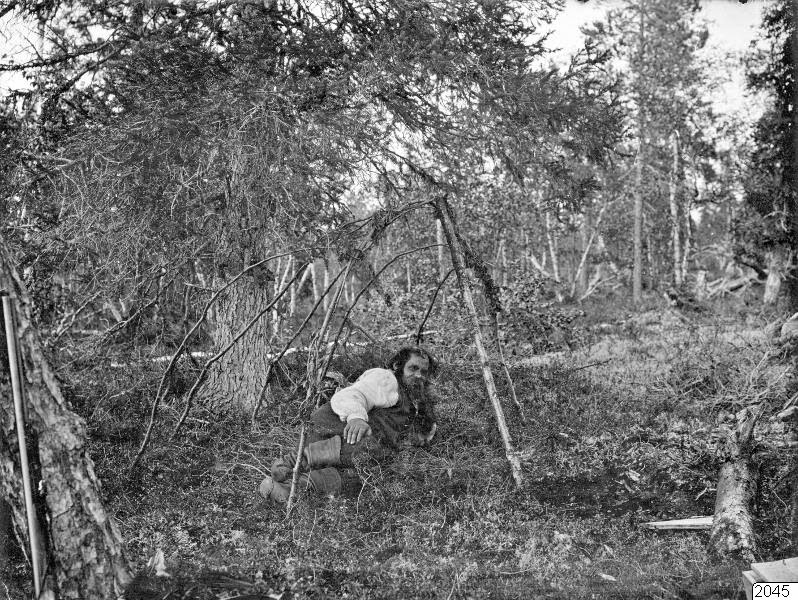
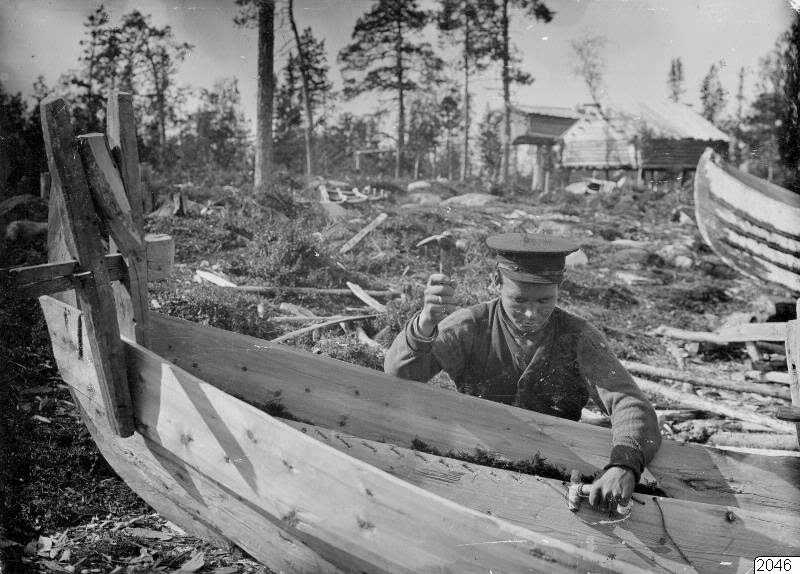
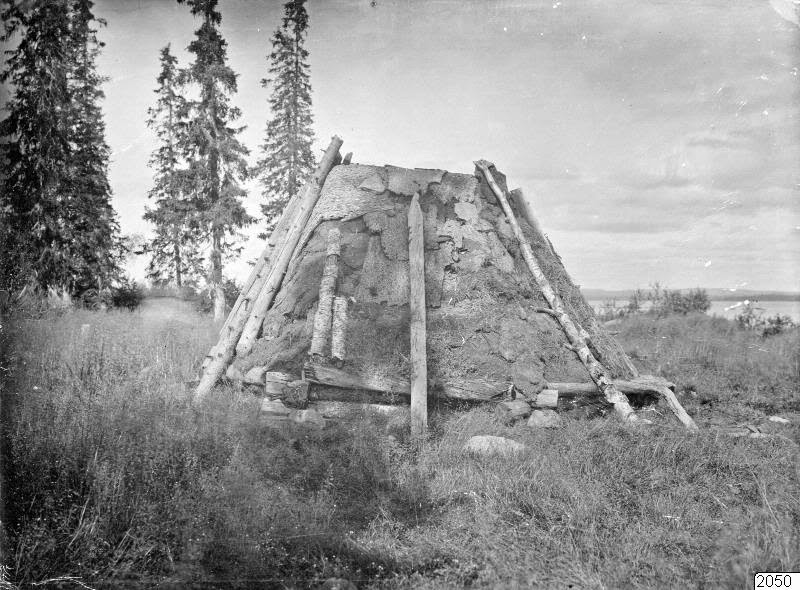
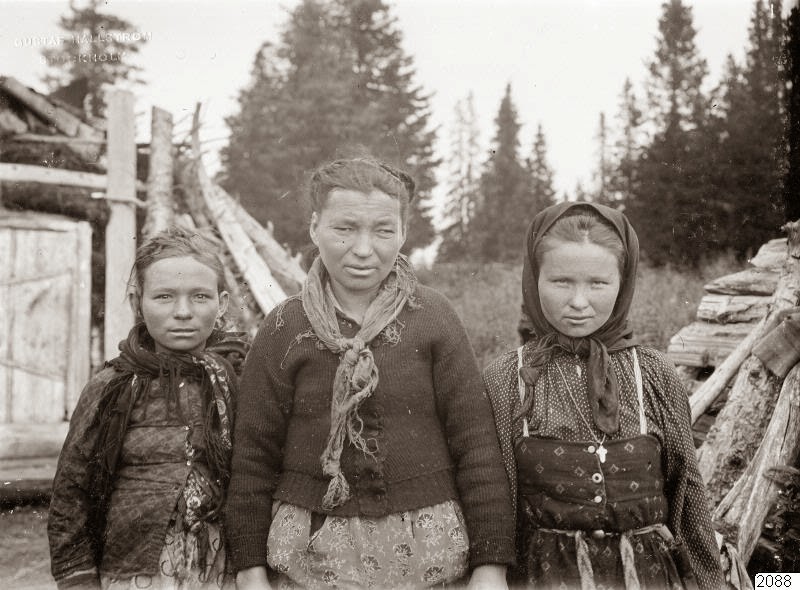
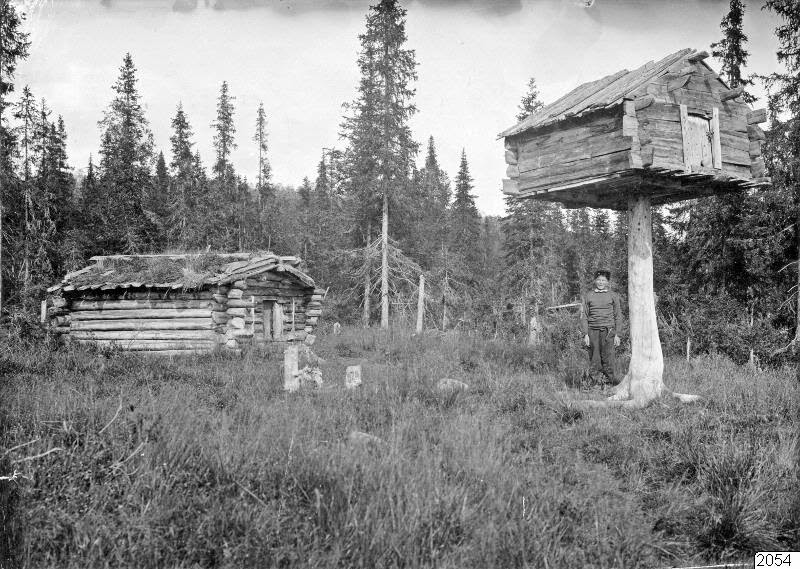
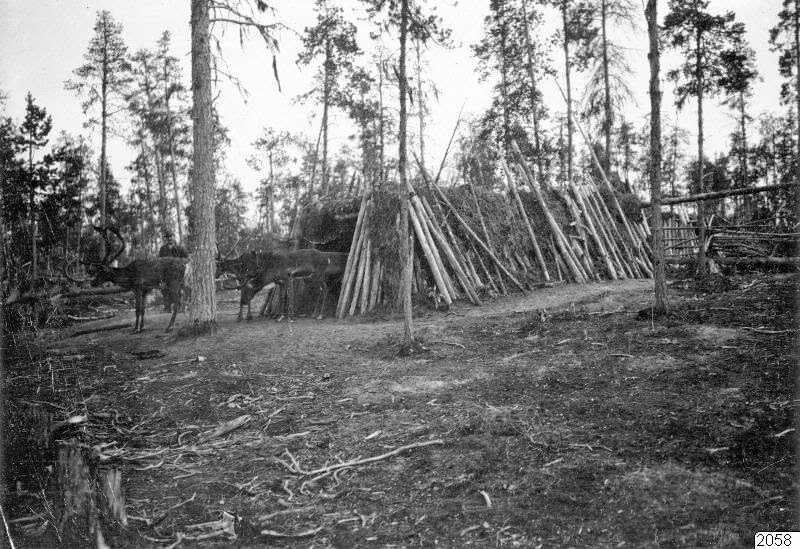
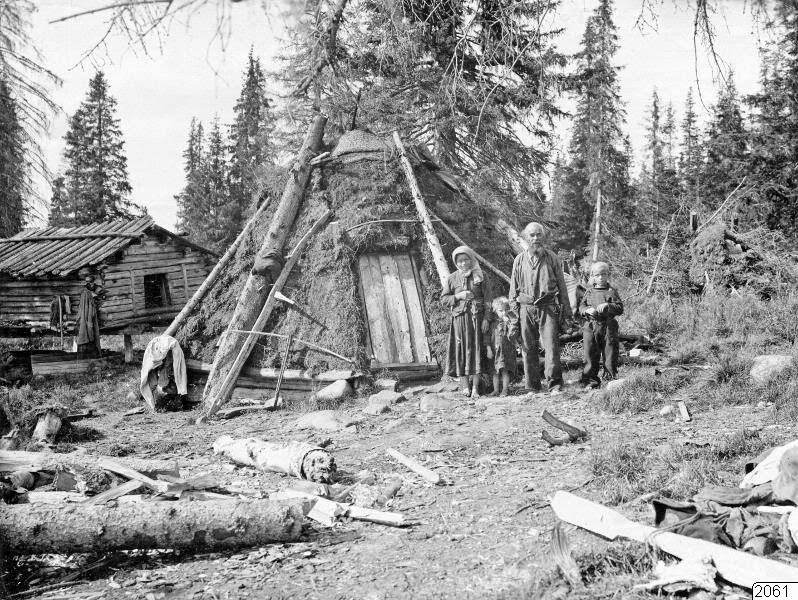
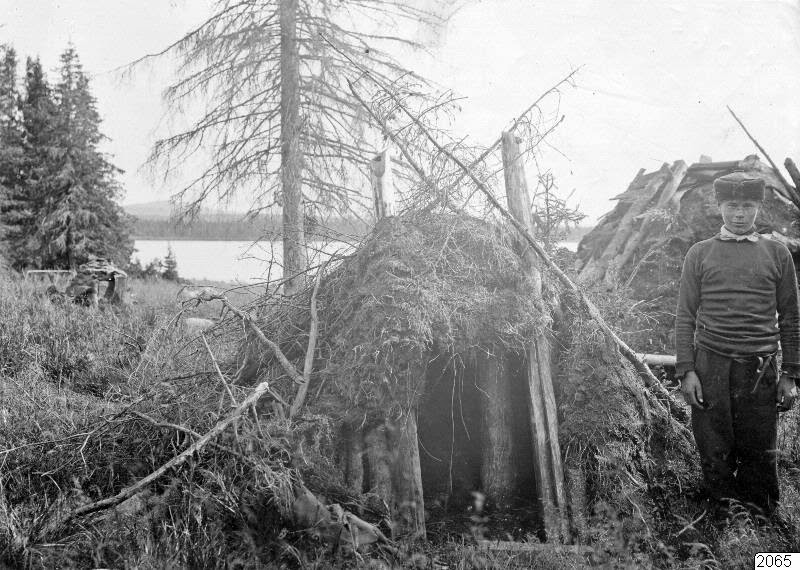
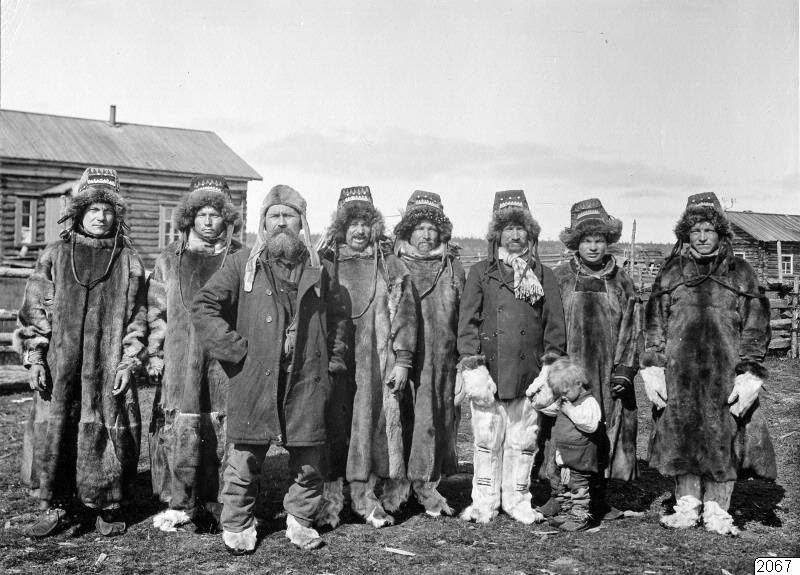
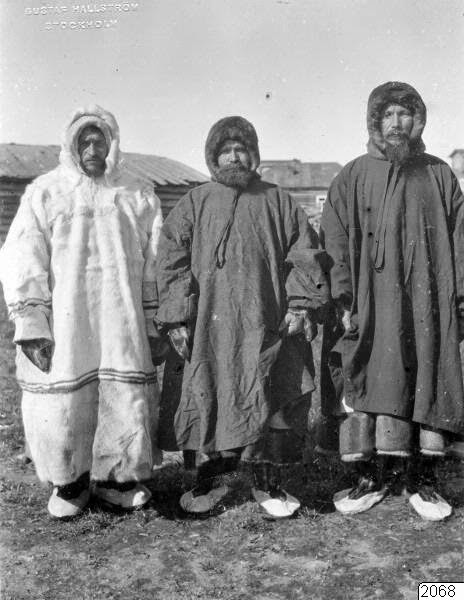
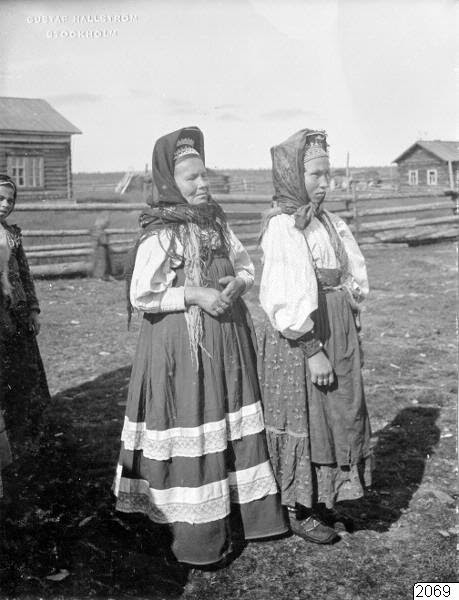
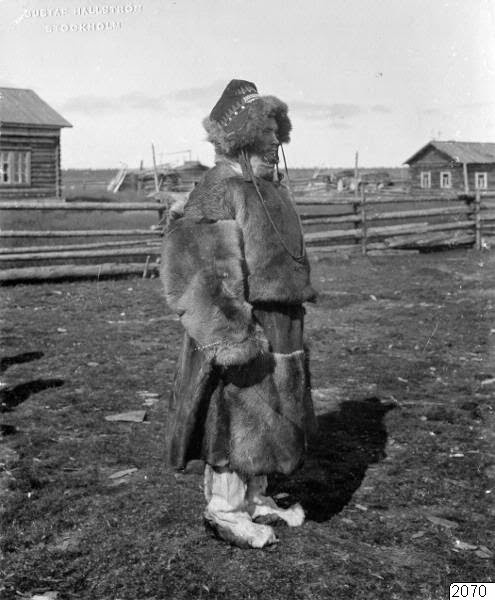
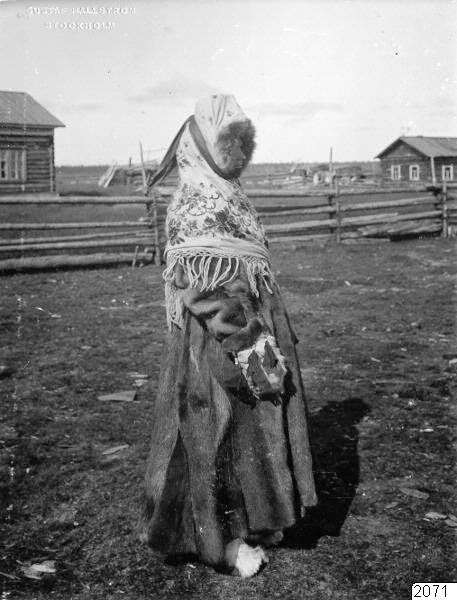
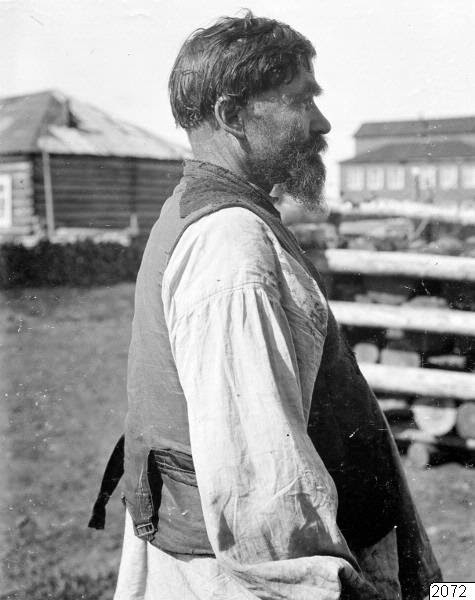
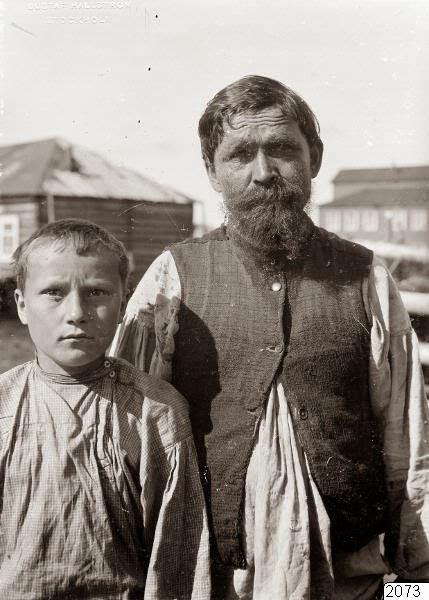
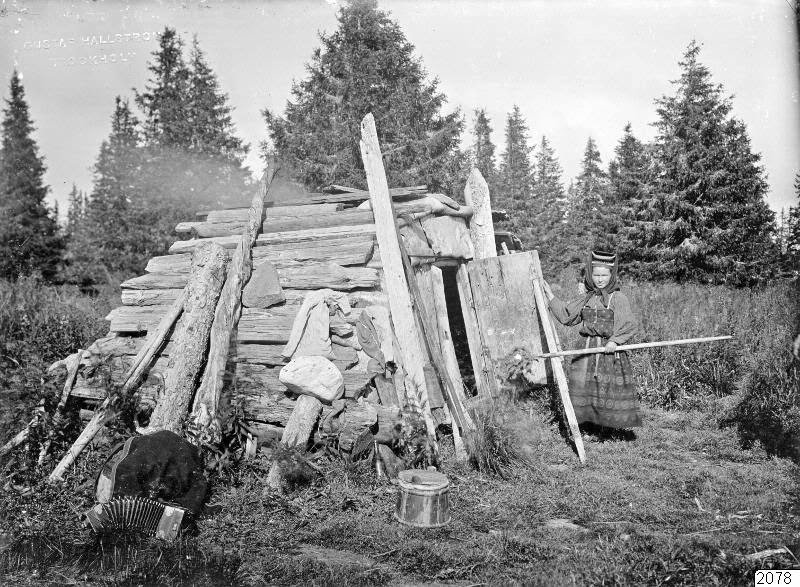
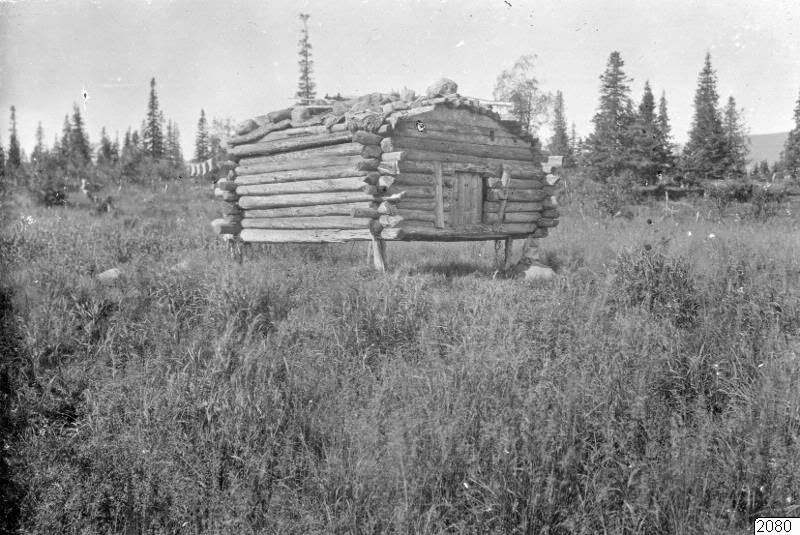
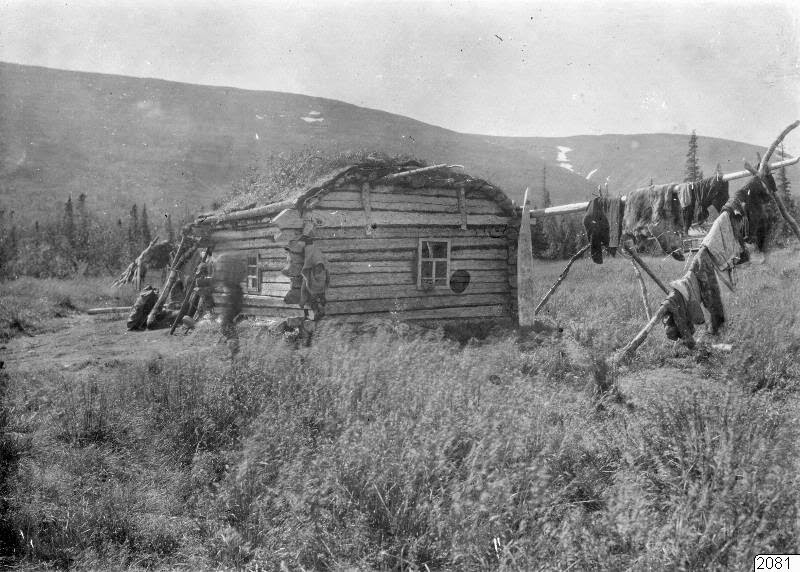
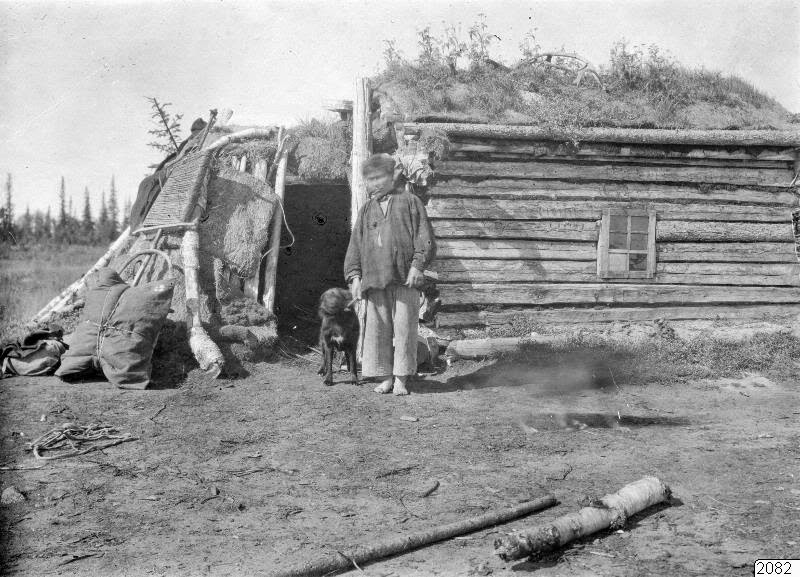
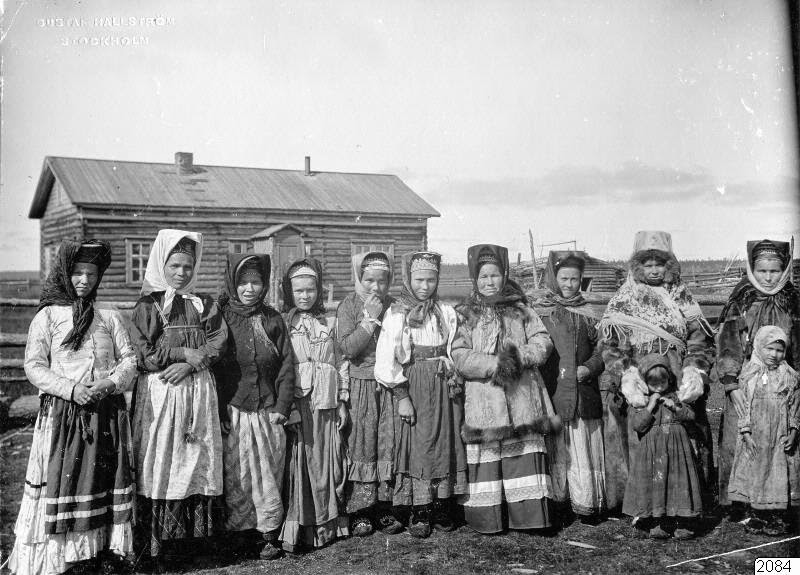
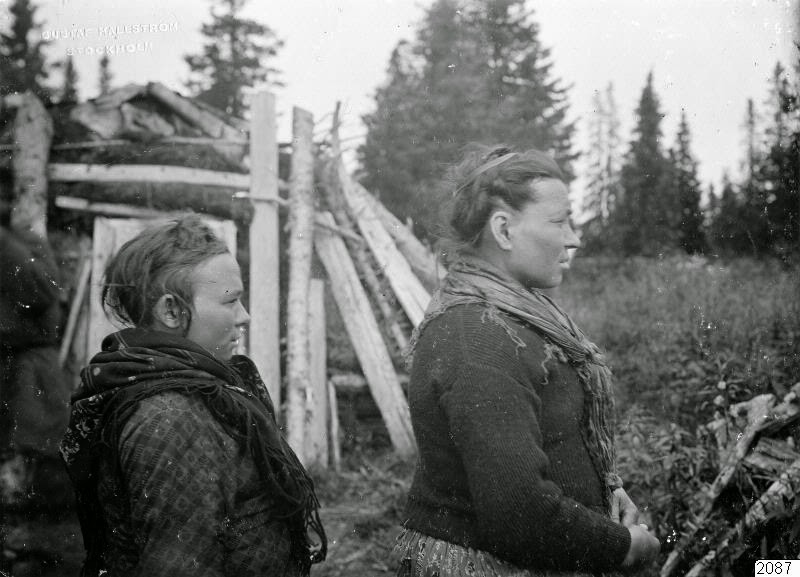
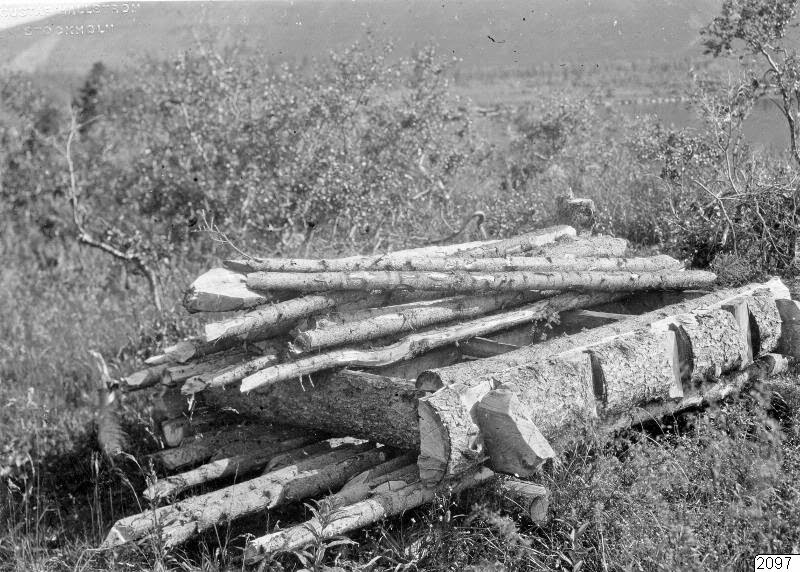
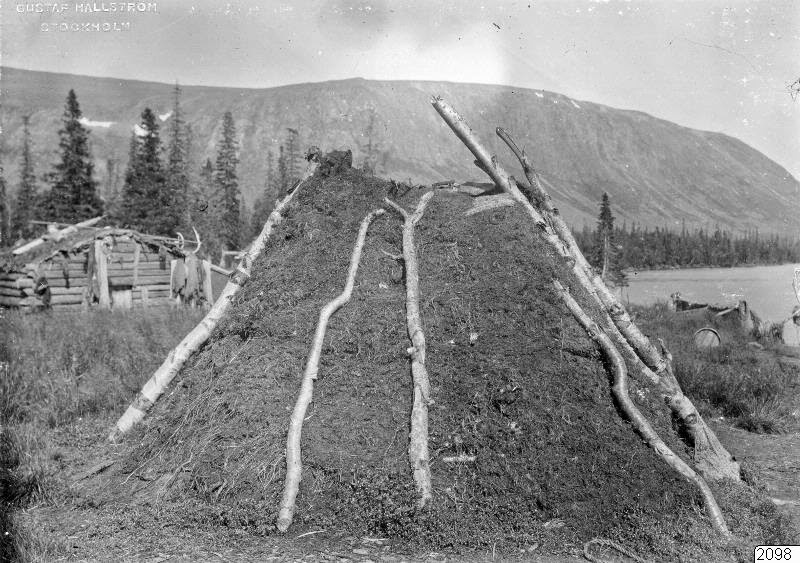
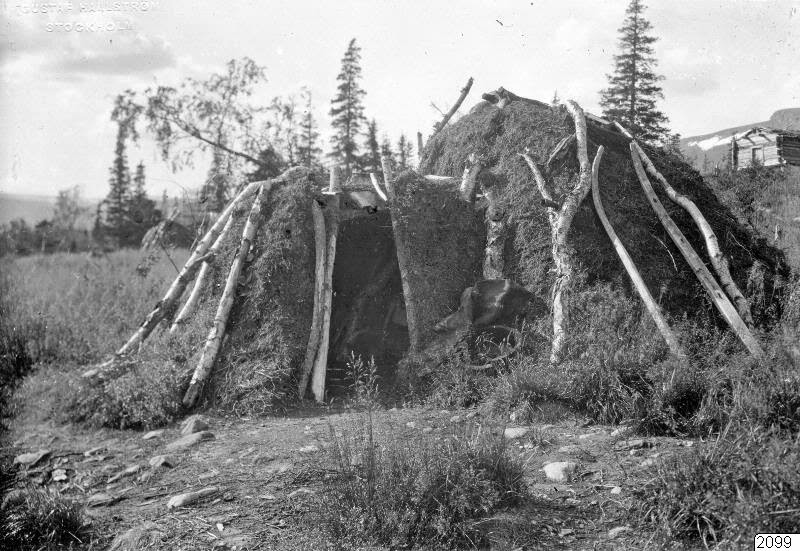
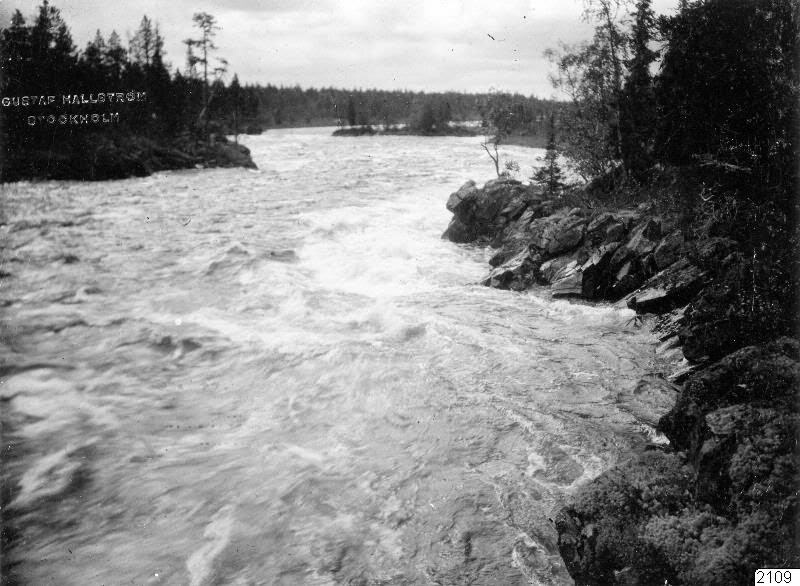
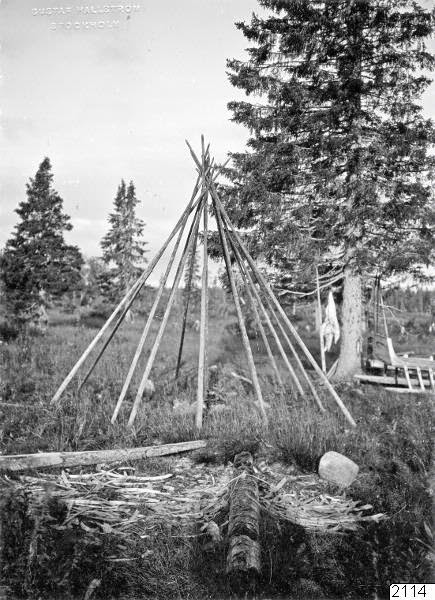
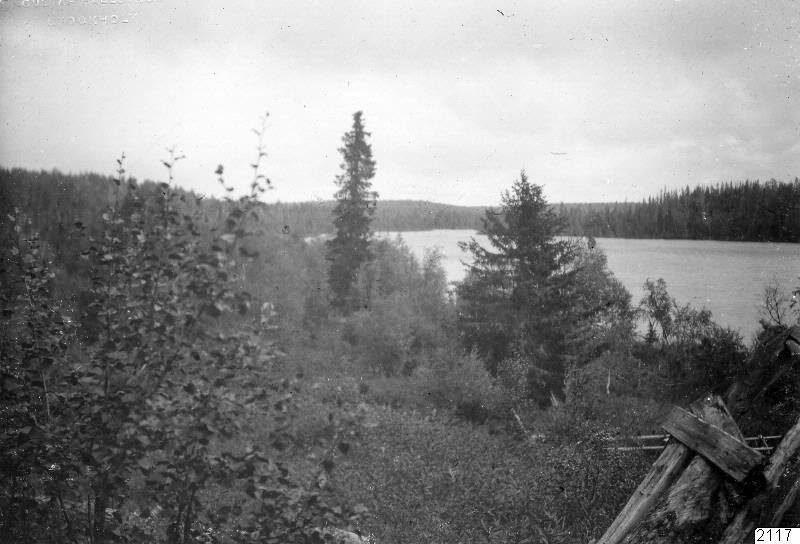
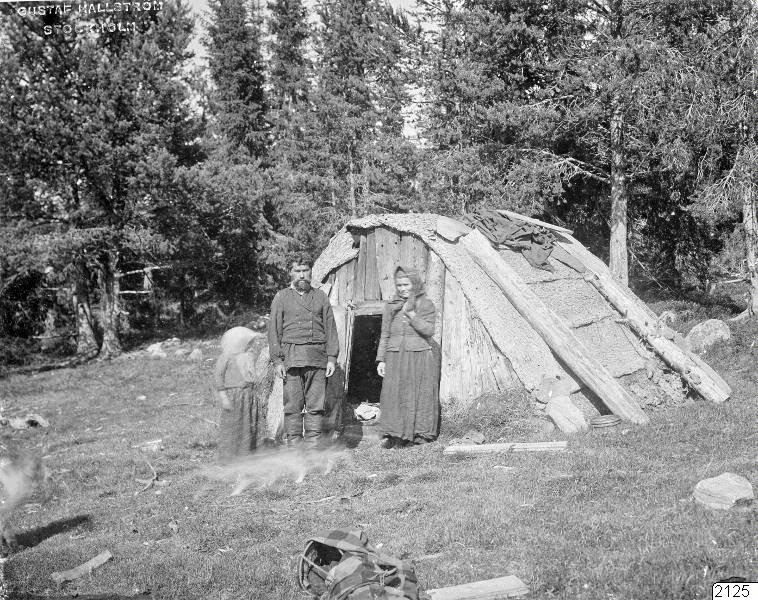
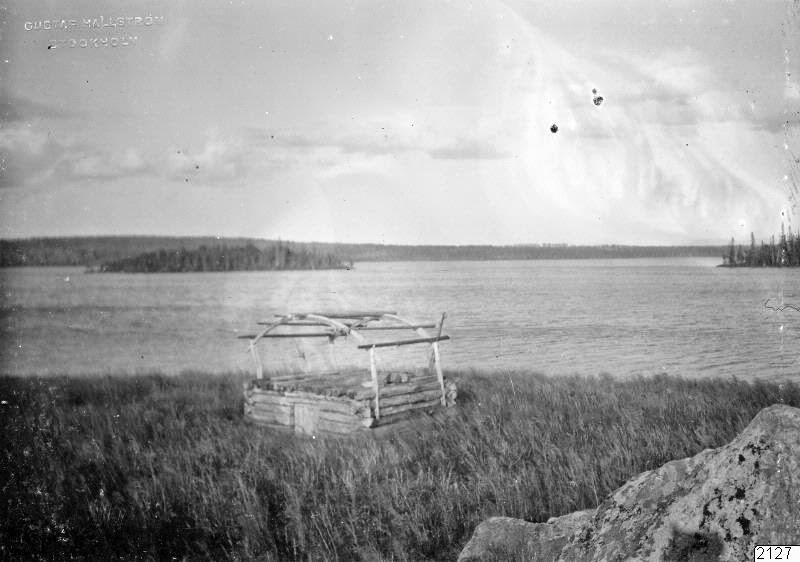
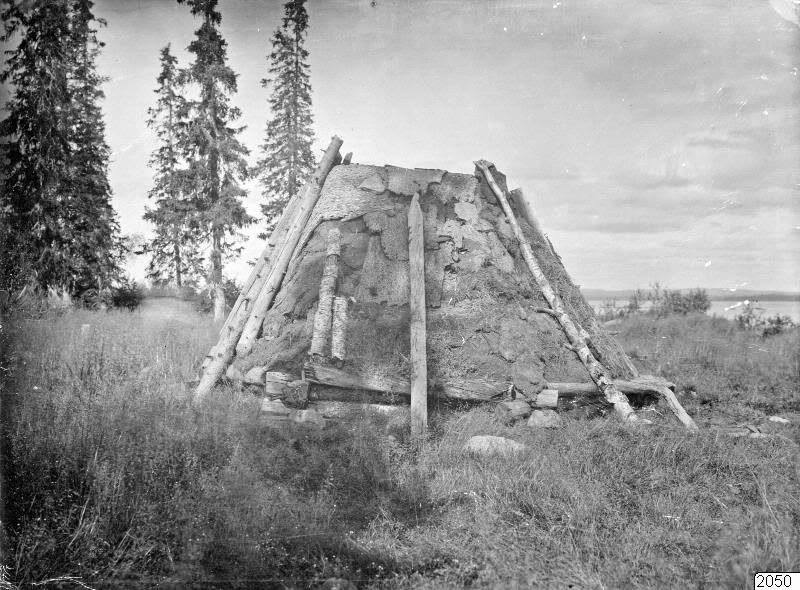
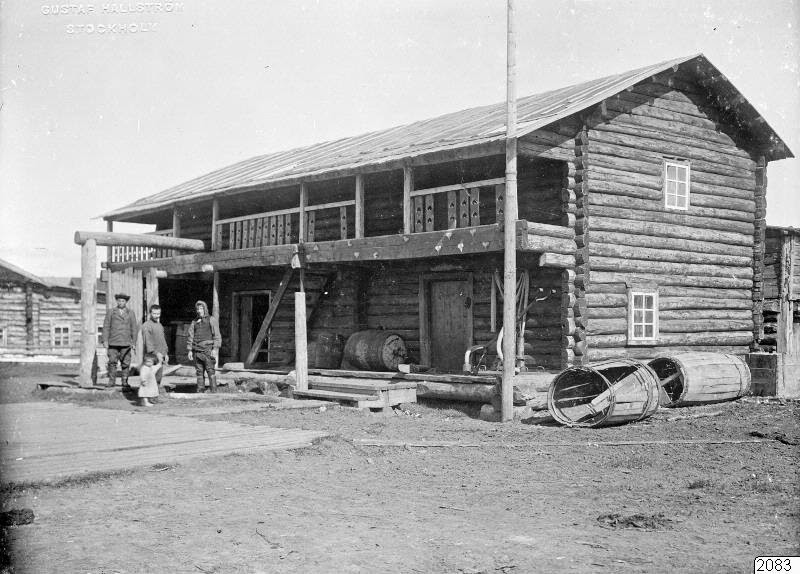
Here’s a collection of rare and interesting pictures capture everyday life in Arkhangelsk province, Russia, dated 1910.
The United States (U.S. or US), officially the United States of America (U.S.A or USA) or America, is a country primarily located in North America. It consists of 50 states, a federal district, five major unincorporated territories, 326 Indian reservations, and some minor possessions. At 3.8 million square miles (9.8 million square kilometers), it is the world’s third- or fourth-largest country by total area. The United States shares significant land borders with Canada to the north and Mexico to the south as well as limited maritime borders with the Bahamas, Cuba, and Russia. With a population of more than 331 million people, it is the third most populous country in the world. The national capital is Washington, D.C., and the most populous city is New York City.
Paleo-Indians migrated from Siberia to the North American mainland at least 12,000 years ago, and European colonization began in the 16th century. The United States emerged from the thirteen British colonies established along the East Coast. Disputes with Great Britain over taxation and political representation led to the American Revolutionary War (1775–1783), which established the nation’s independence. In the late 18th century, the U.S. began expanding across North America, gradually obtaining new territories, sometimes through war, frequently displacing Native Americans, and admitting new states; by 1848, the United States spanned the continent. Slavery was legal in the southern United States until the second half of the 19th century, when the American Civil War led to its abolition. The Spanish–American War and World War I established the U.S. as a world power, a status confirmed by the outcome of World War II. During the Cold War, the United States fought the Korean War and the Vietnam War but avoided direct military conflict with the Soviet Union. The two superpowers competed in the Space Race, culminating in the 1969 spaceflight that first landed humans on the Moon. The Soviet Union’s dissolution in 1991 ended the Cold War, leaving the United States as the world’s sole superpower.
The United States is a federal republic and a representative democracy with three separate branches of government, including a bicameral legislature. It is a founding member of the United Nations, World Bank, International Monetary Fund, Organization of American States, NATO, and other international organizations. It is a permanent member of the United Nations Security Council. Considered a melting pot of cultures and ethnicities, its population has been profoundly shaped by centuries of immigration. The United States ranks high in international measures of economic freedom, quality of life, education, and human rights; it has low levels of perceived corruption. However, the country has been criticized for inequality related to race, wealth, and income; use of capital punishment; high incarceration rates; and lack of universal health care.
The United States is a highly developed country, accounts for approximately a quarter of global GDP, and is the world’s largest economy by GDP at market exchange rates. By value, the United States is the world’s largest importer and second-largest exporter of goods. Although its population is only 4.2% of the world’s total, it holds 29.4% of the total wealth in the world, the largest share held by any country. Making up more than a third of global military spending, it is the foremost military power in the world and internationally a leading political, cultural, and scientific force. (Wikipedia)
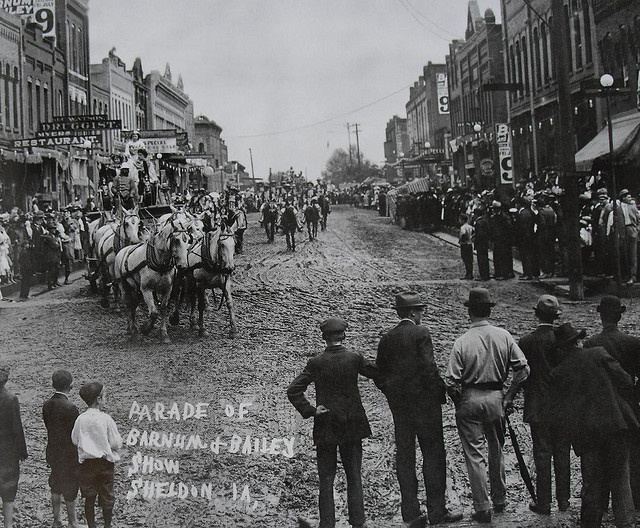
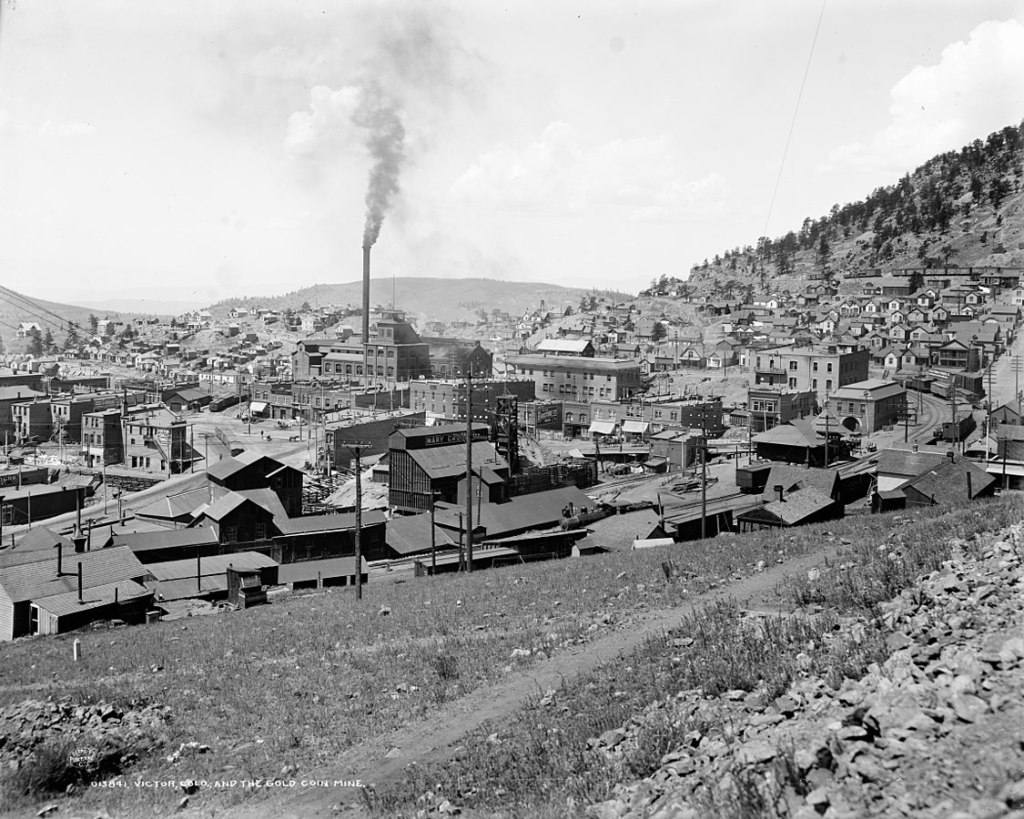
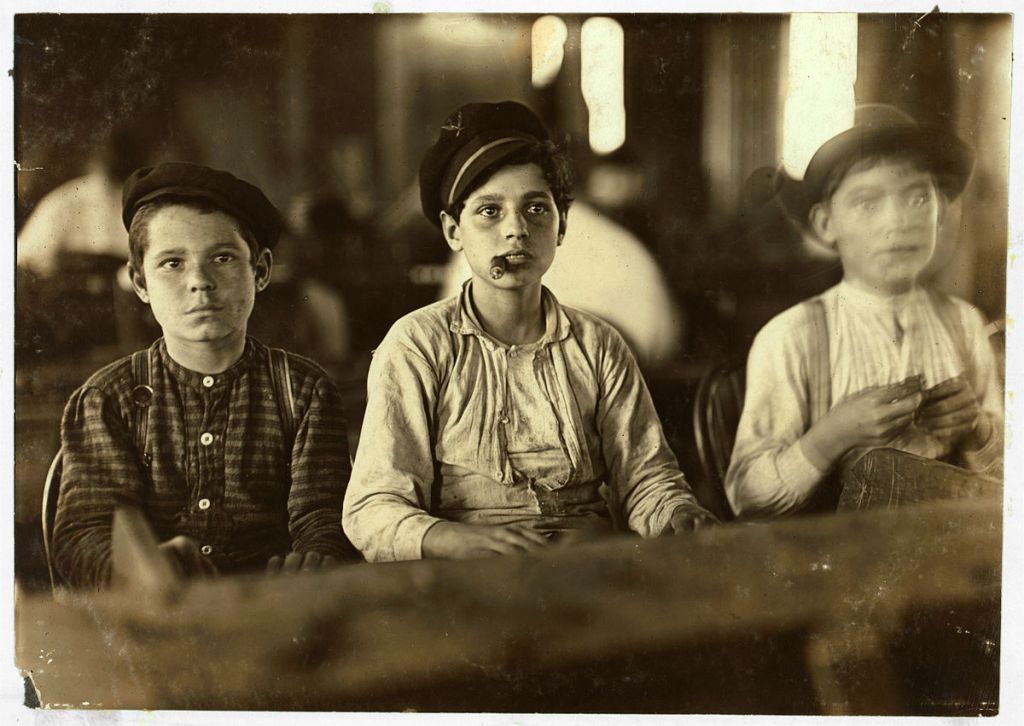
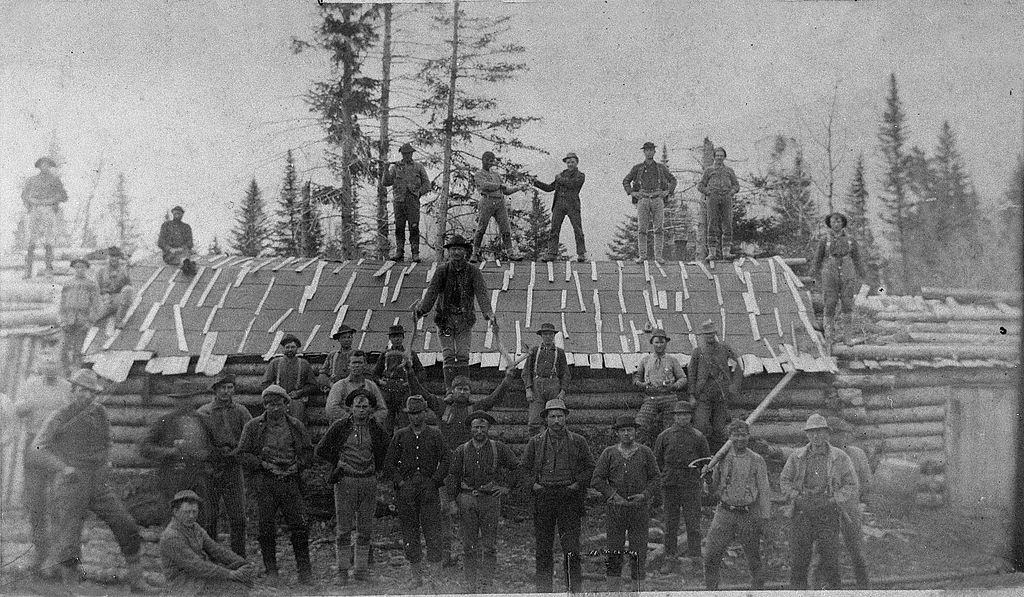
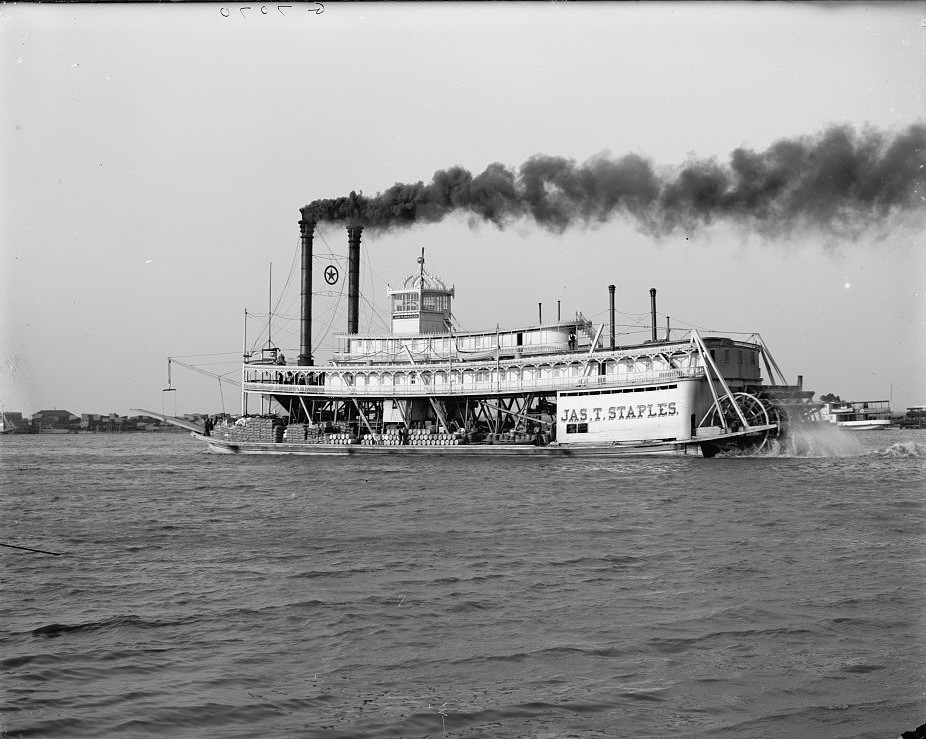
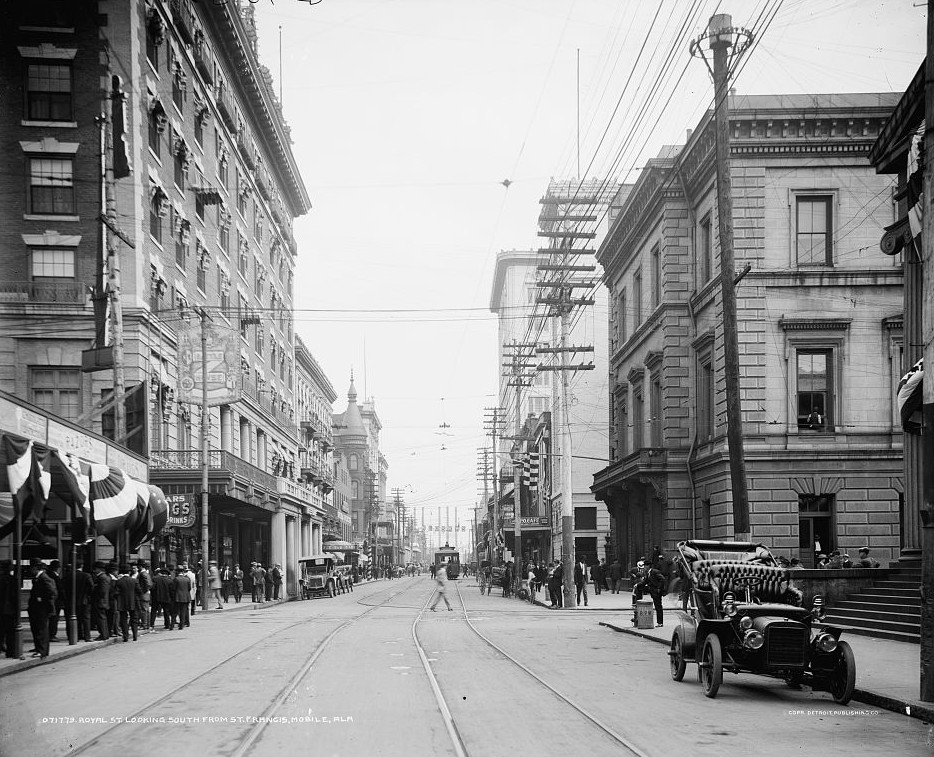
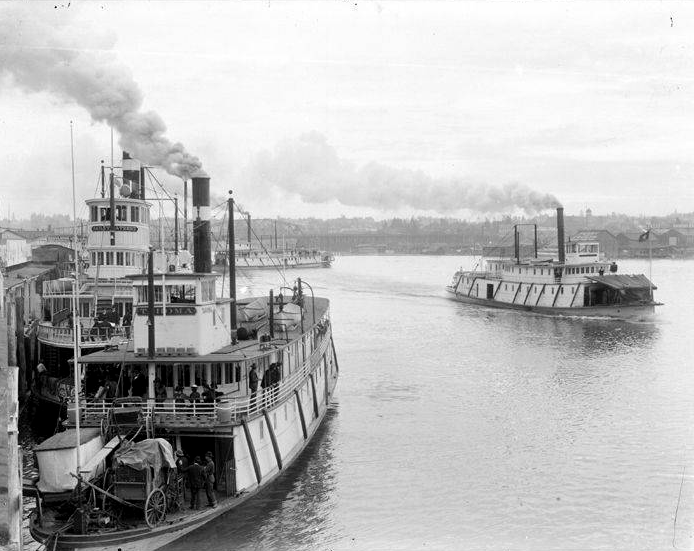
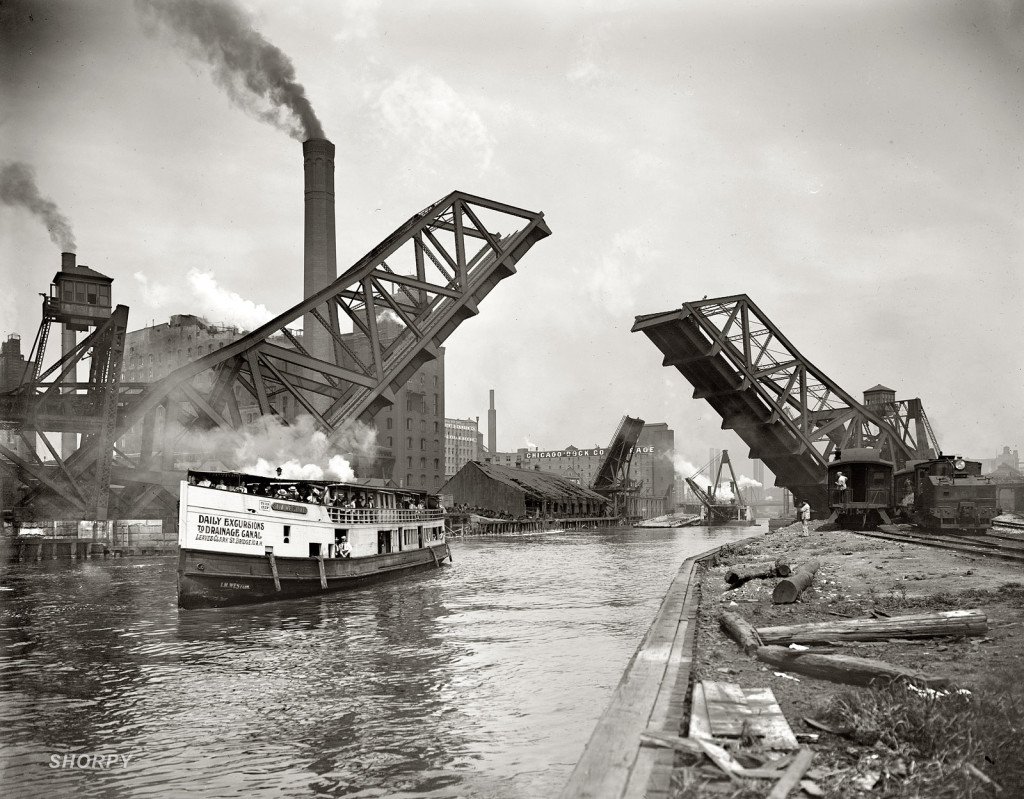
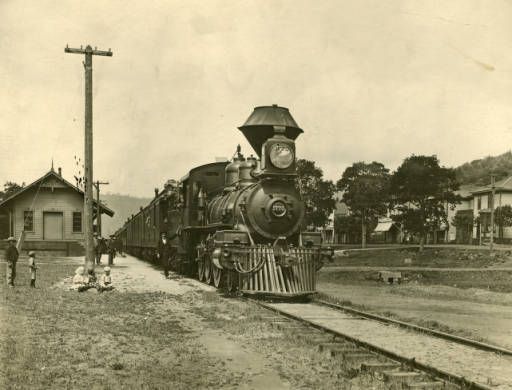
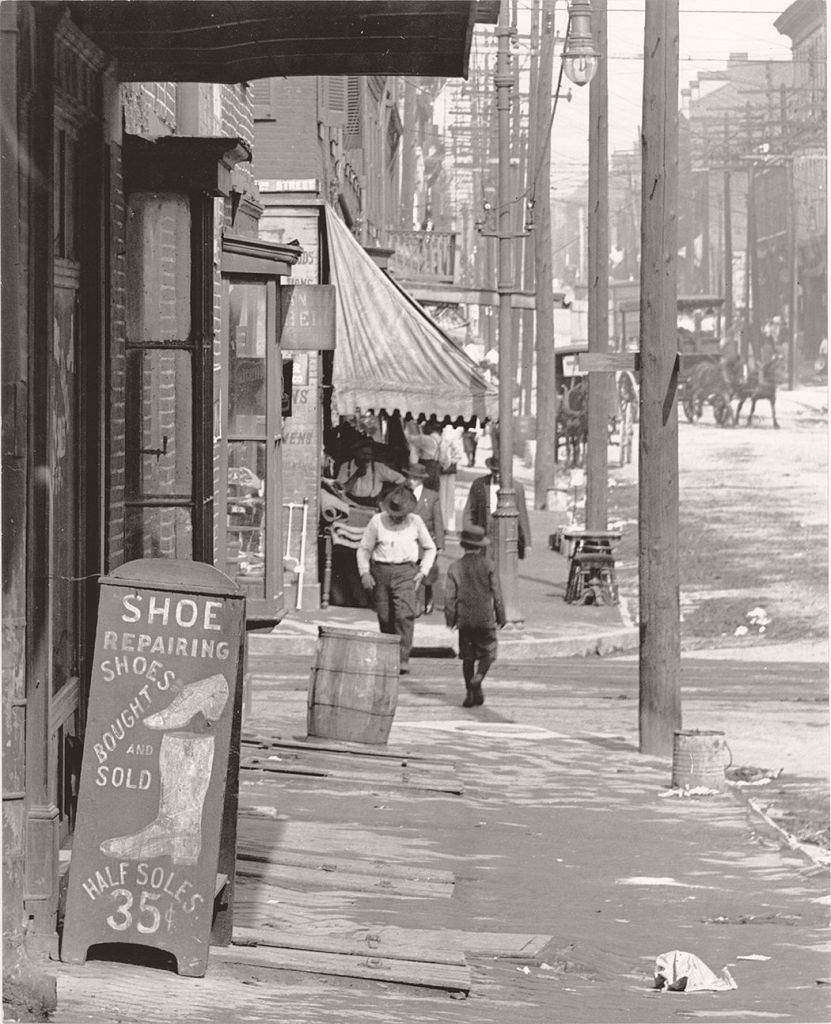
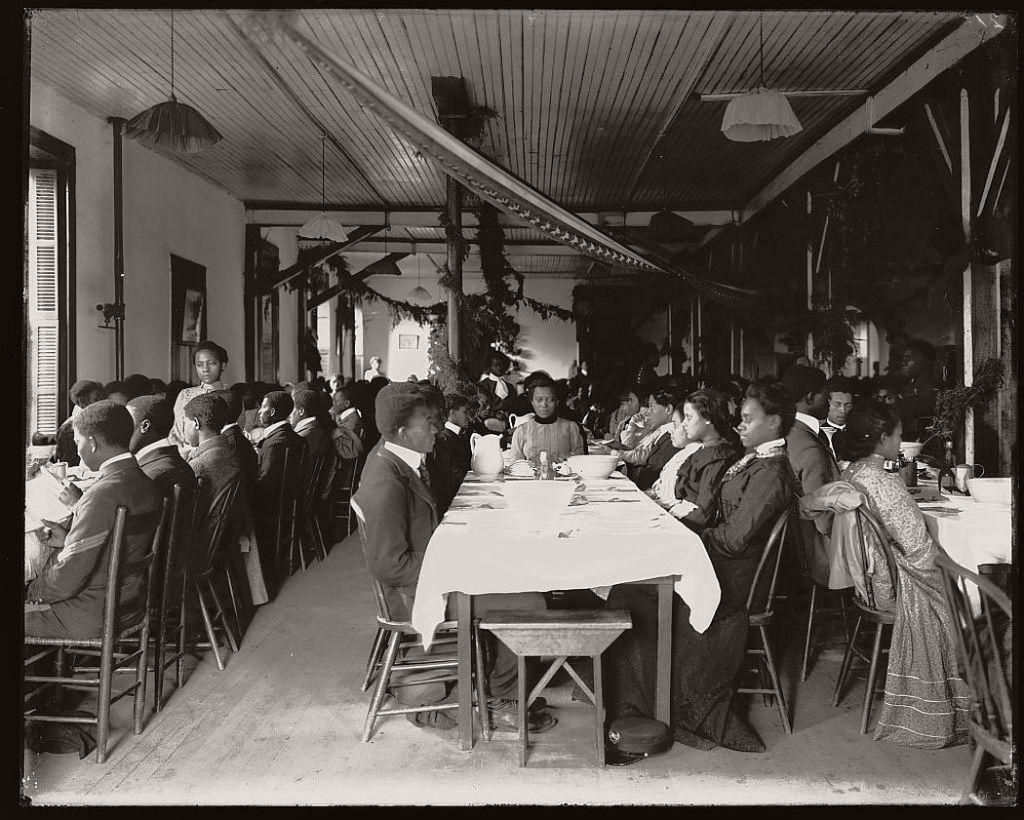
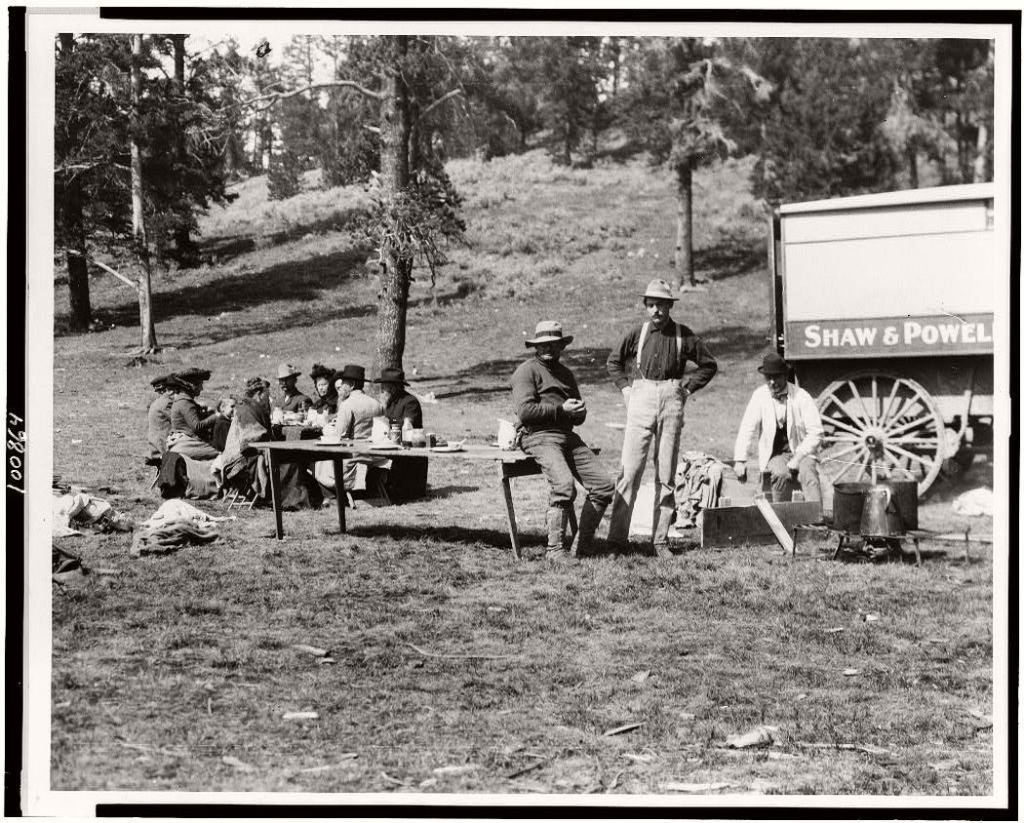
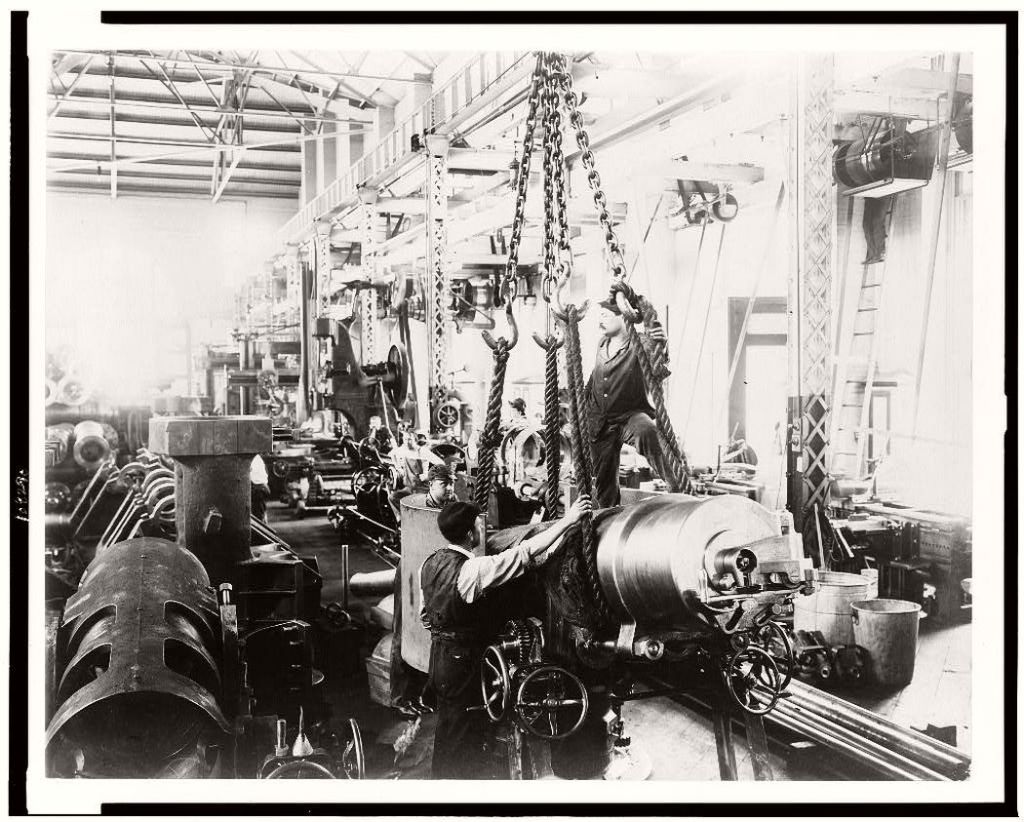
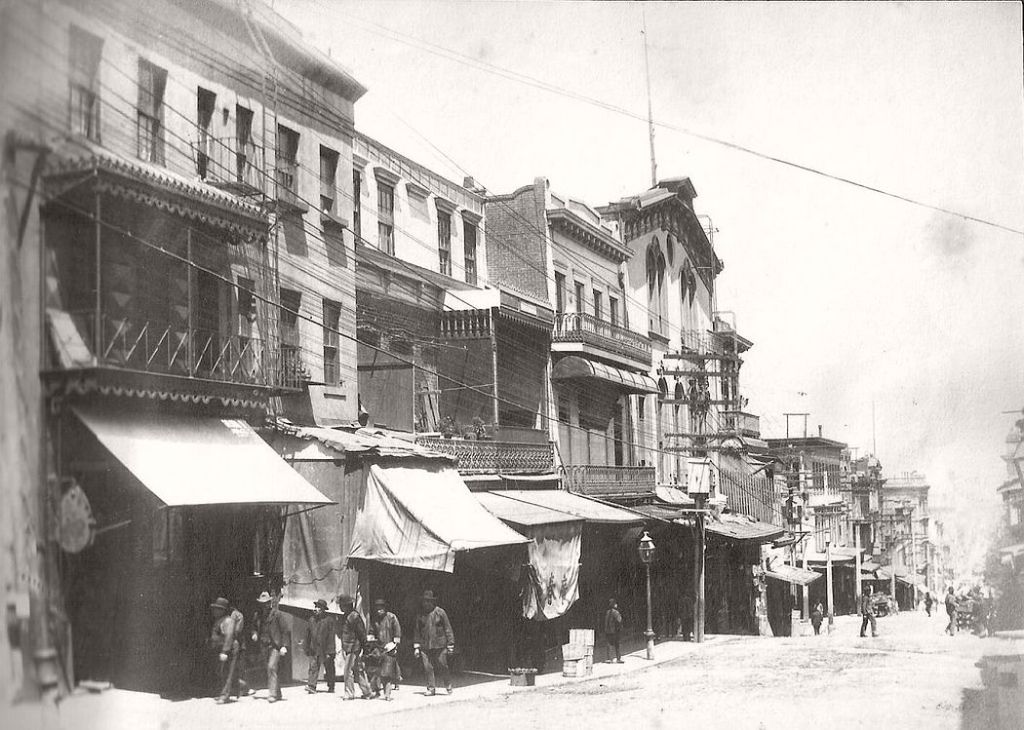
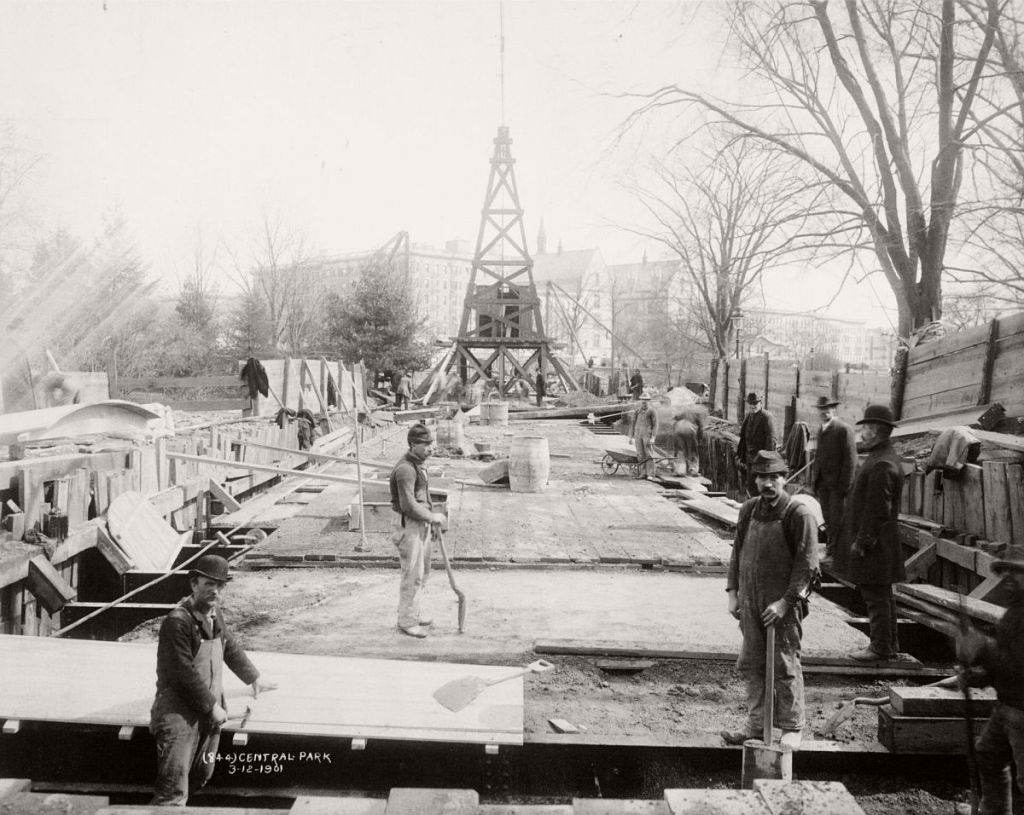
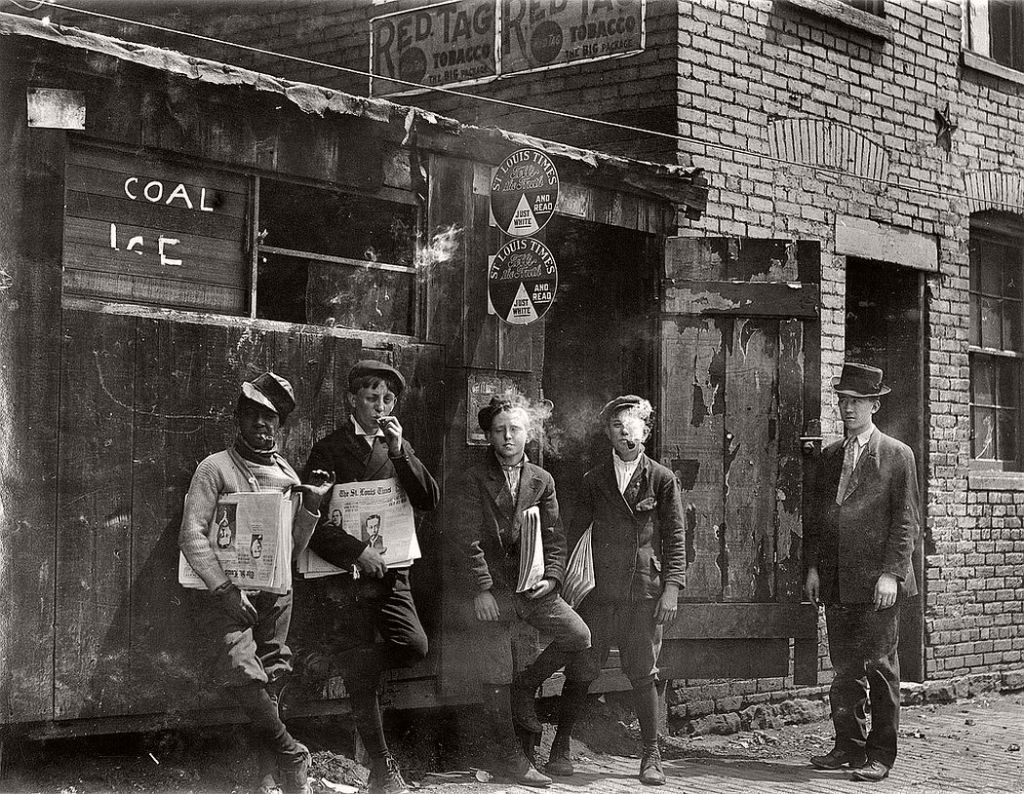
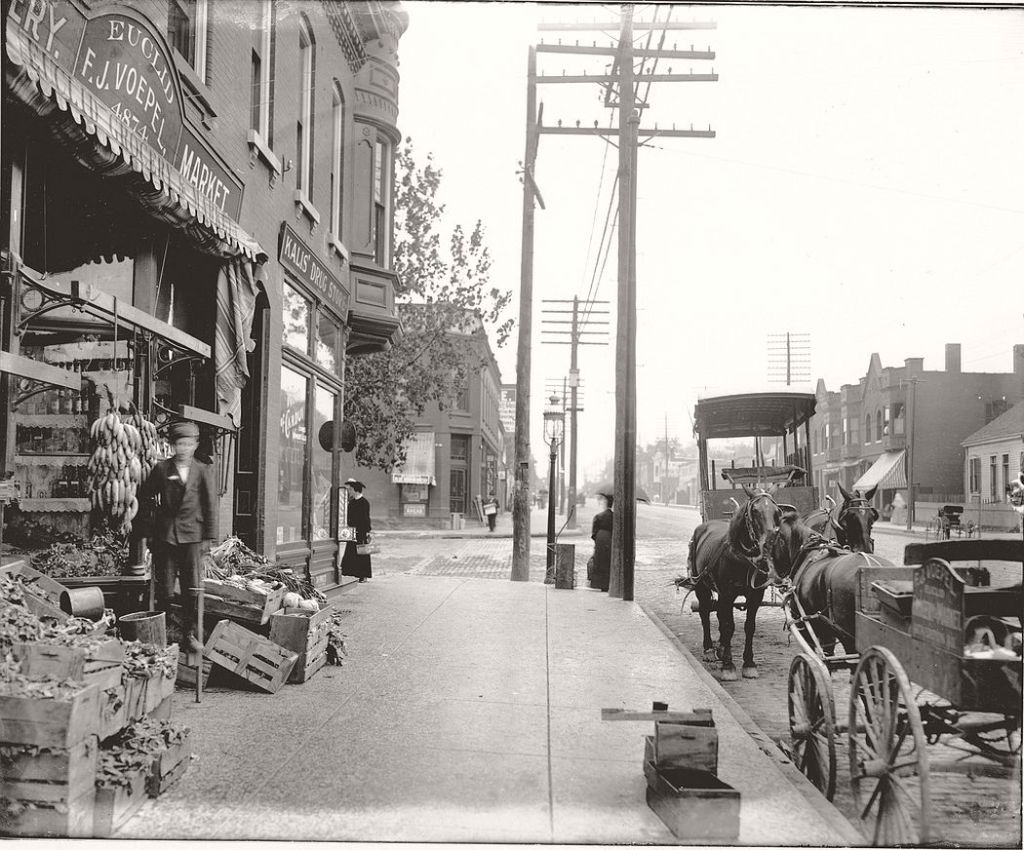
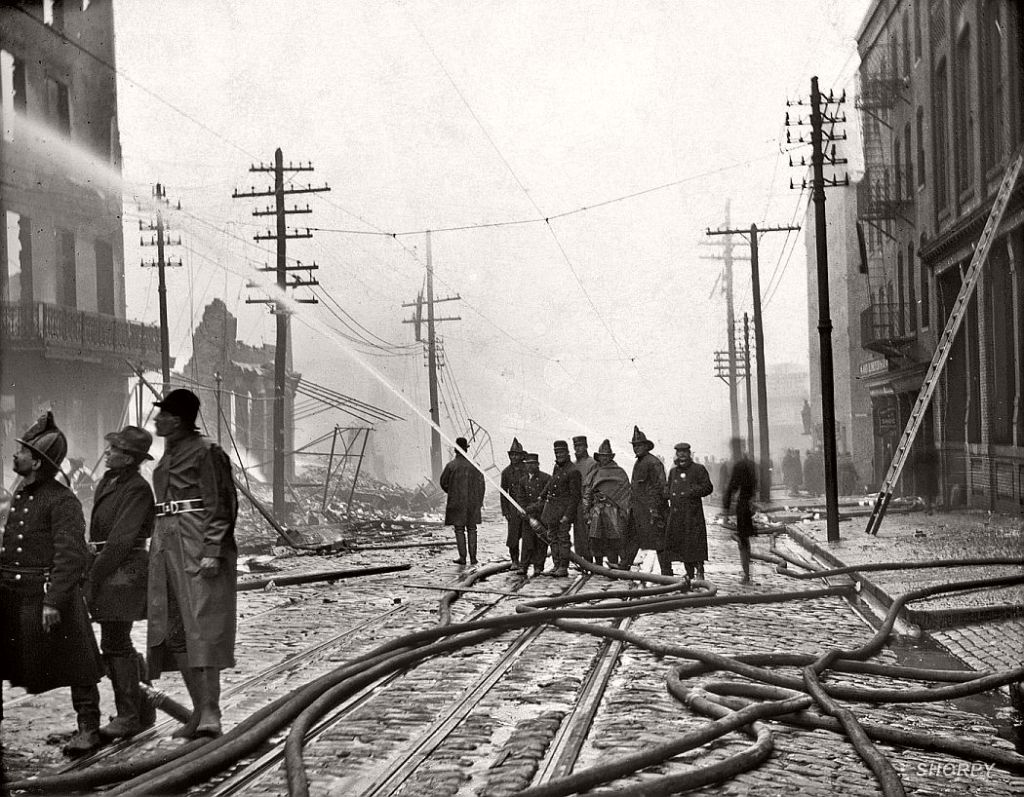
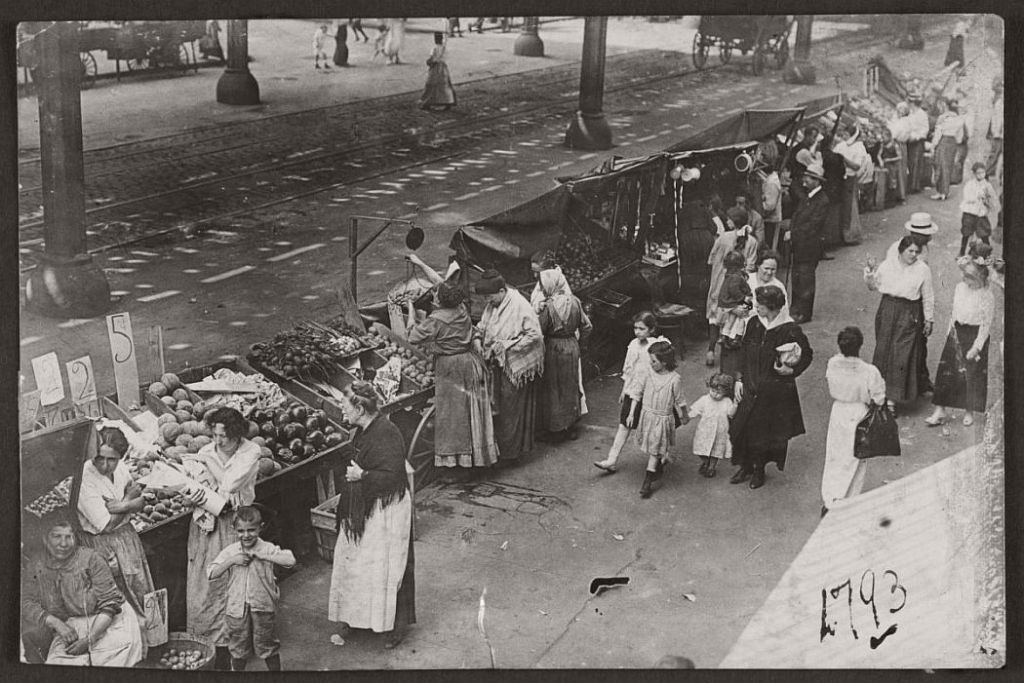
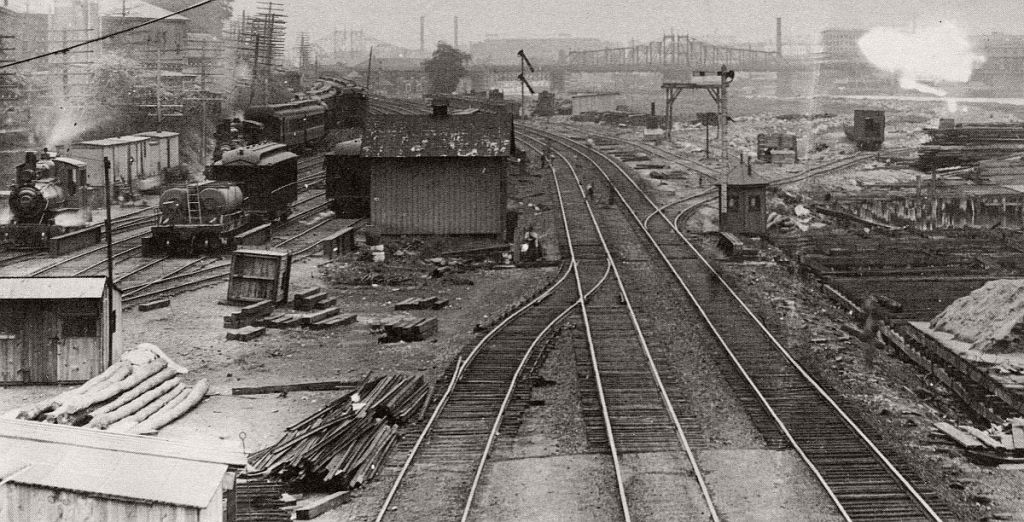
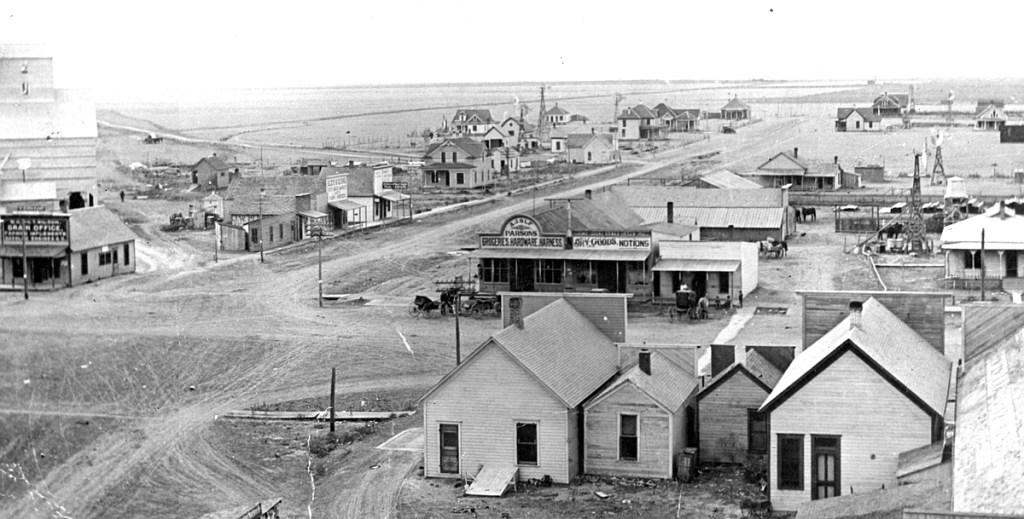
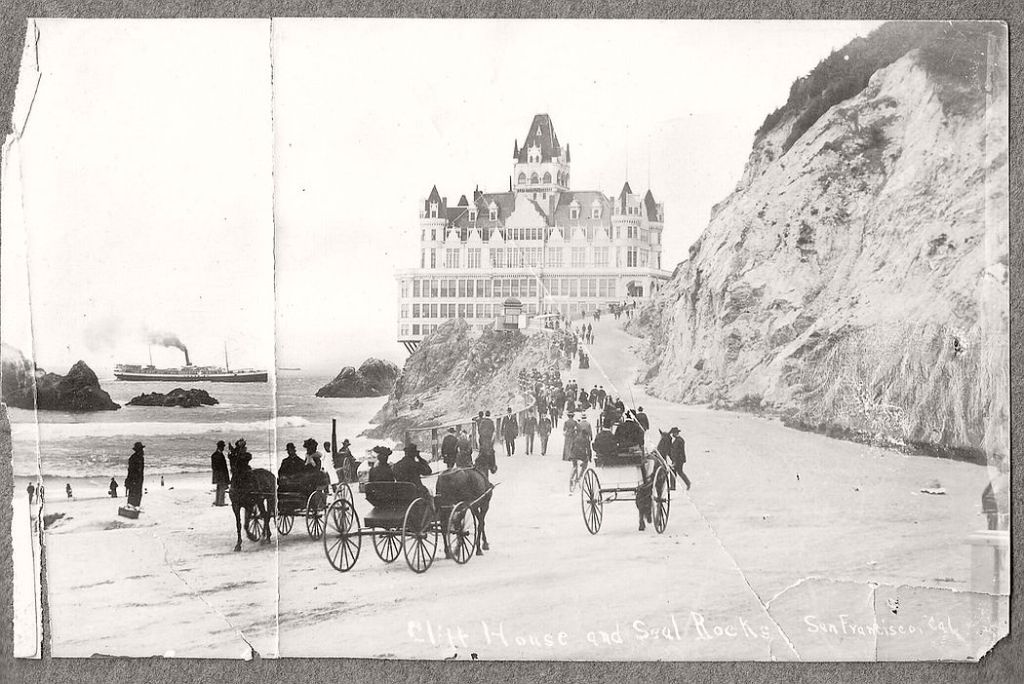
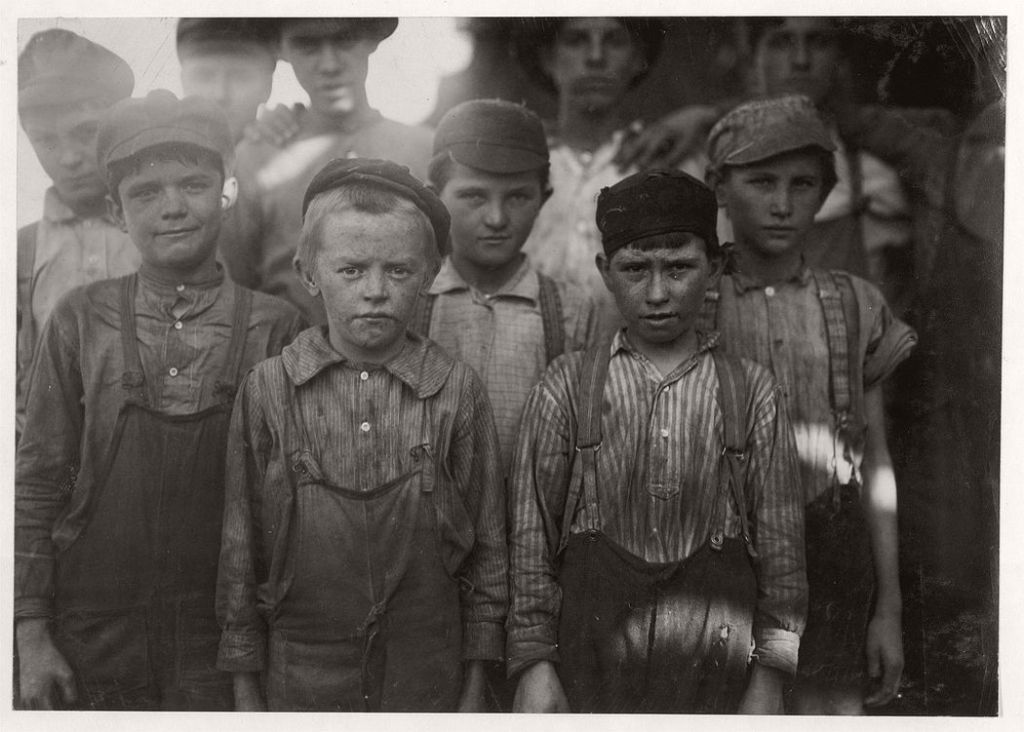
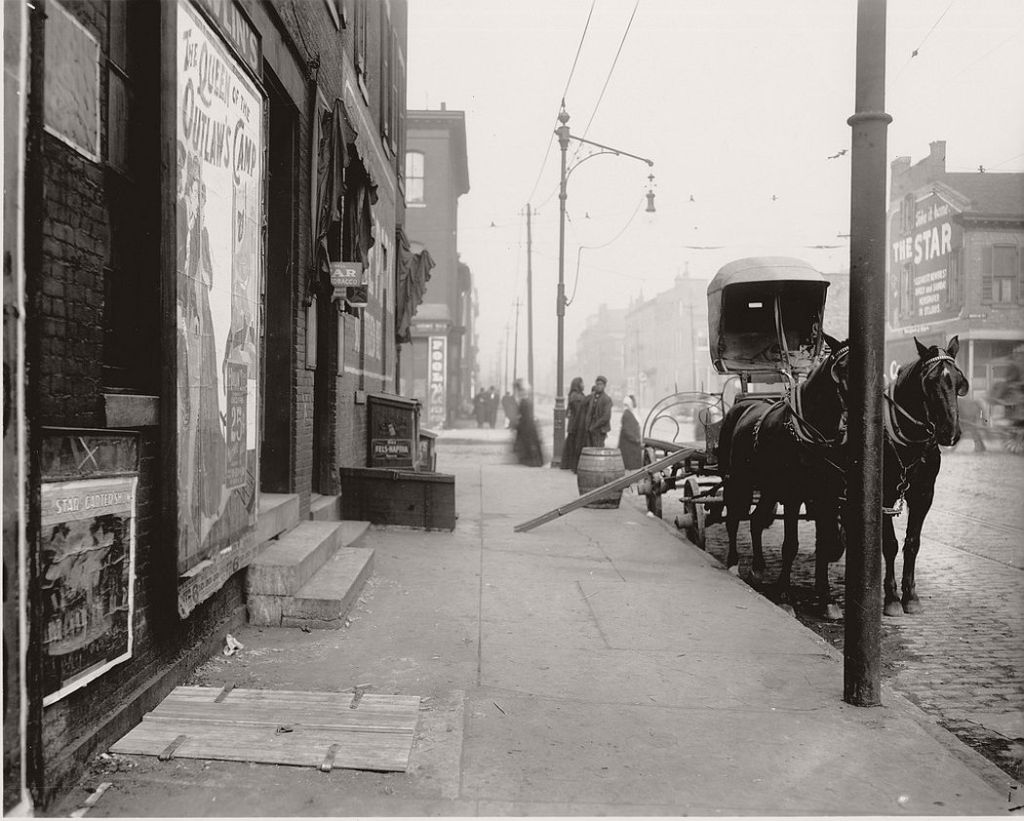
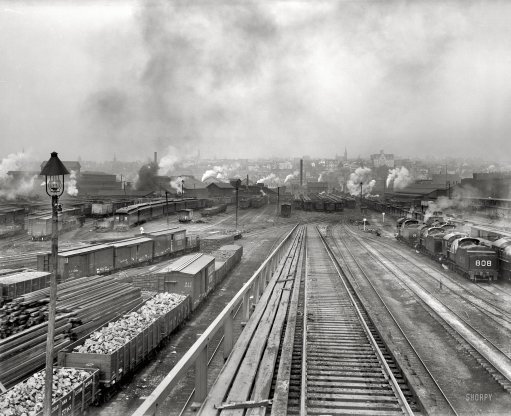
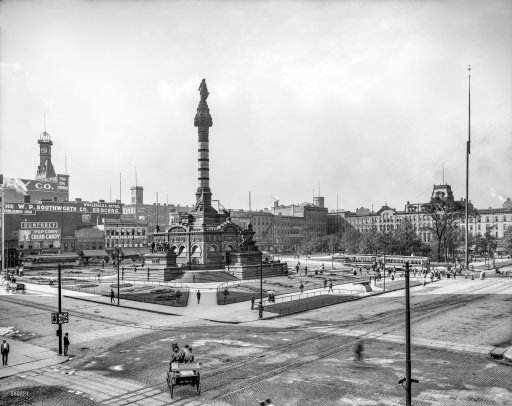
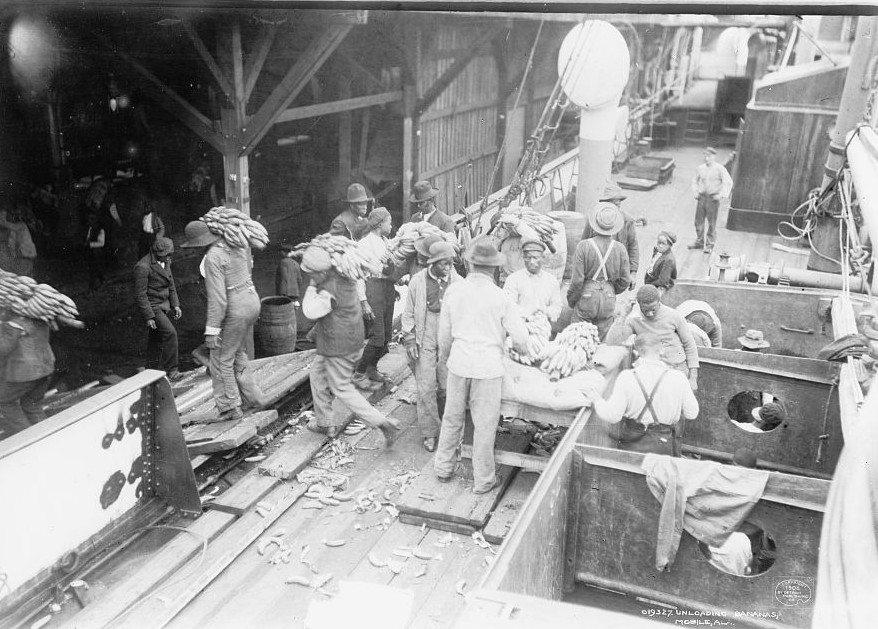
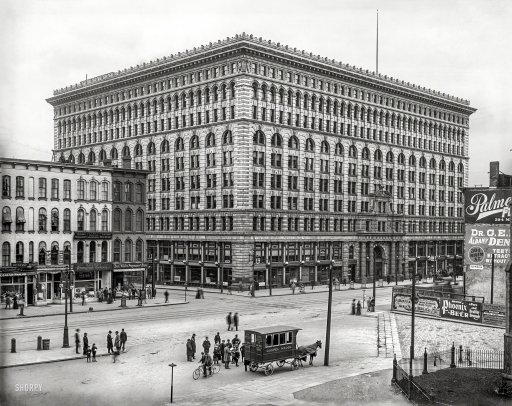
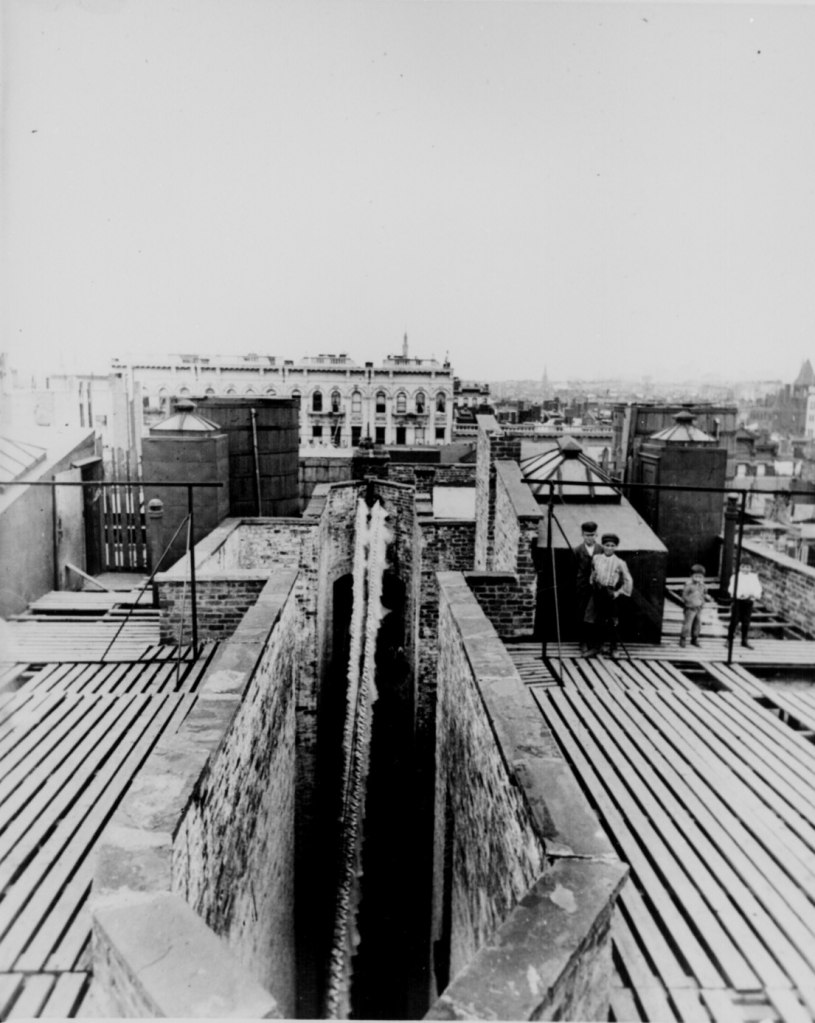
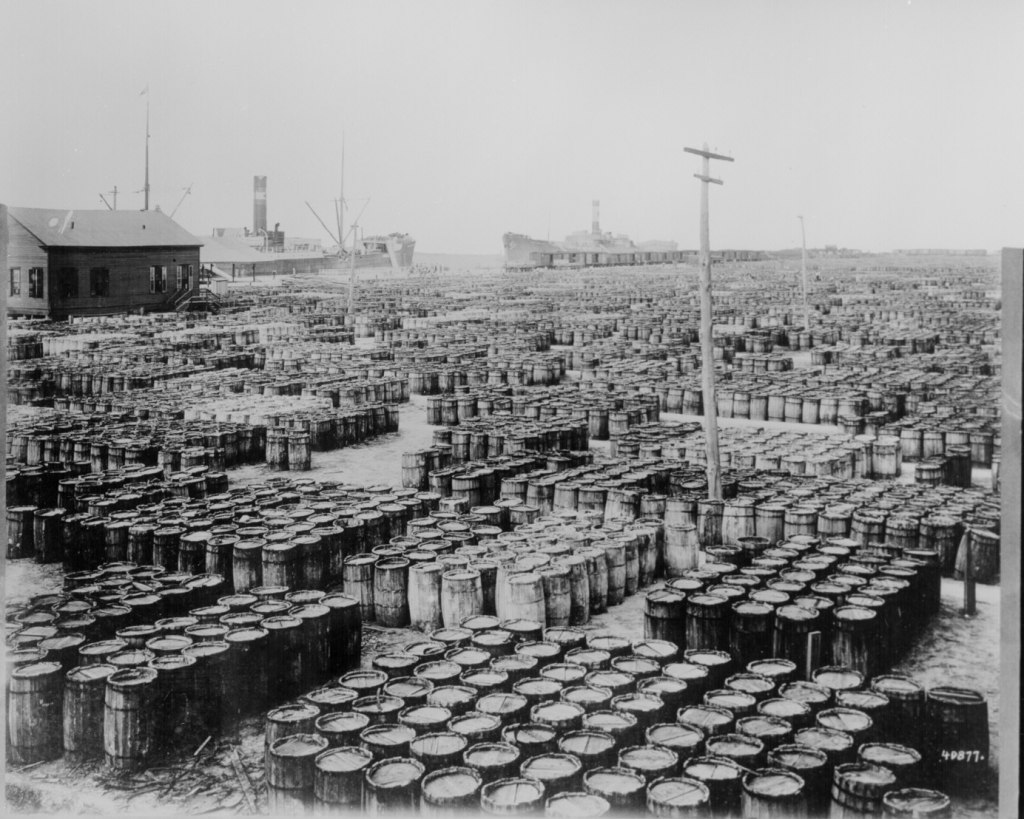
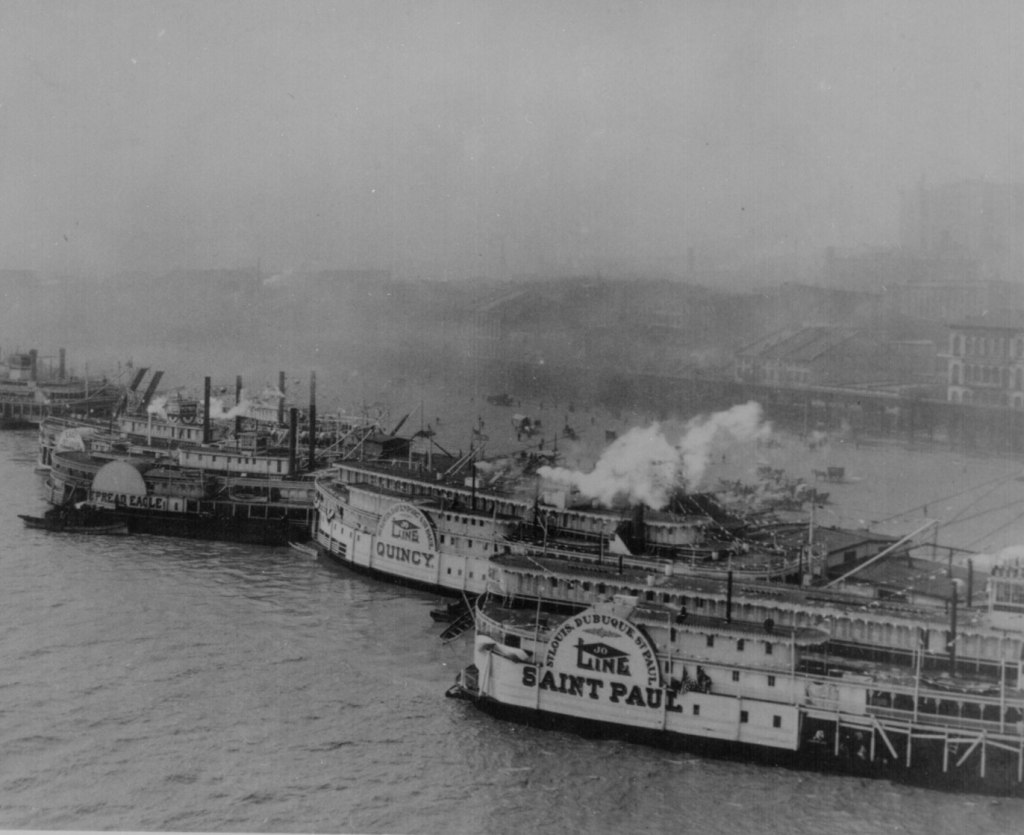
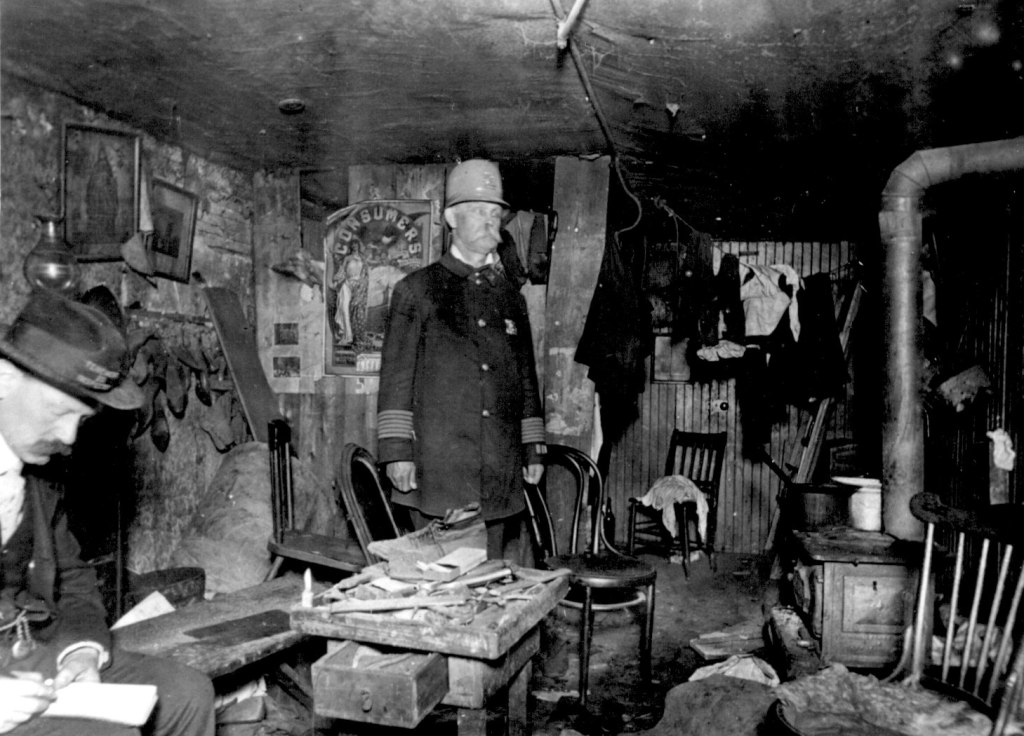
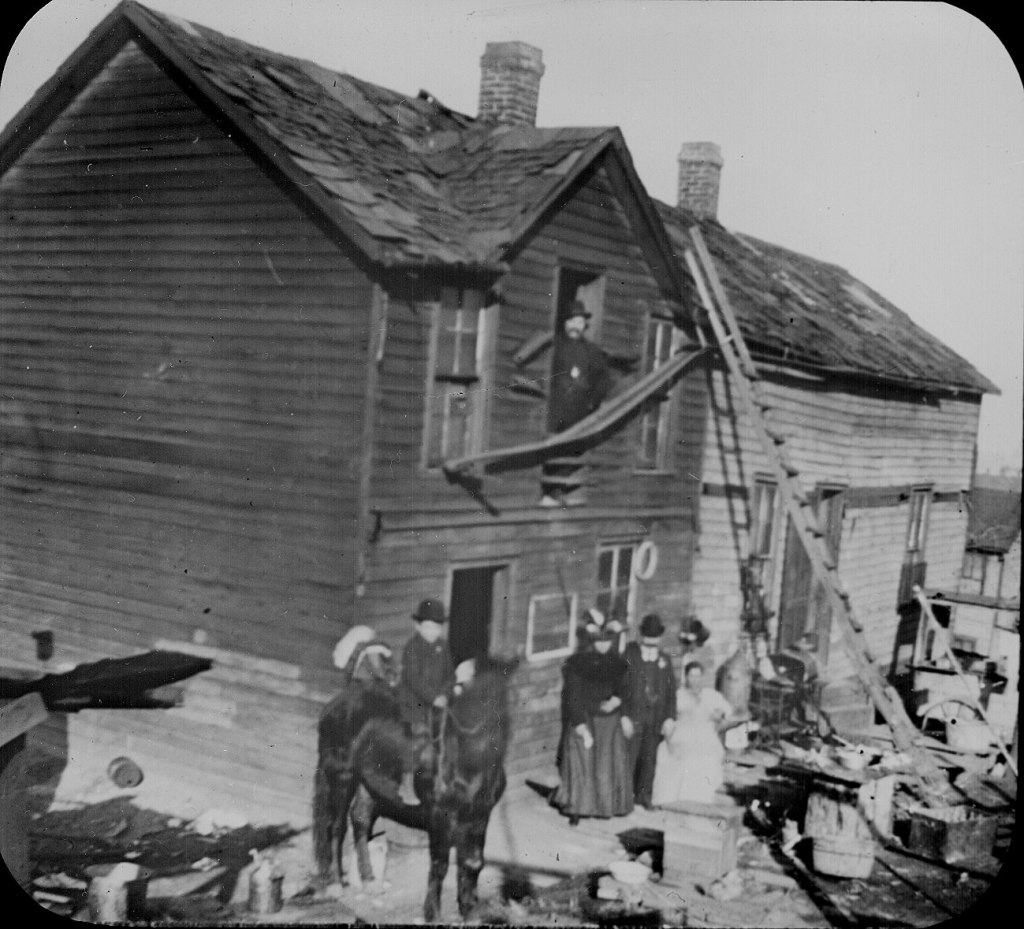
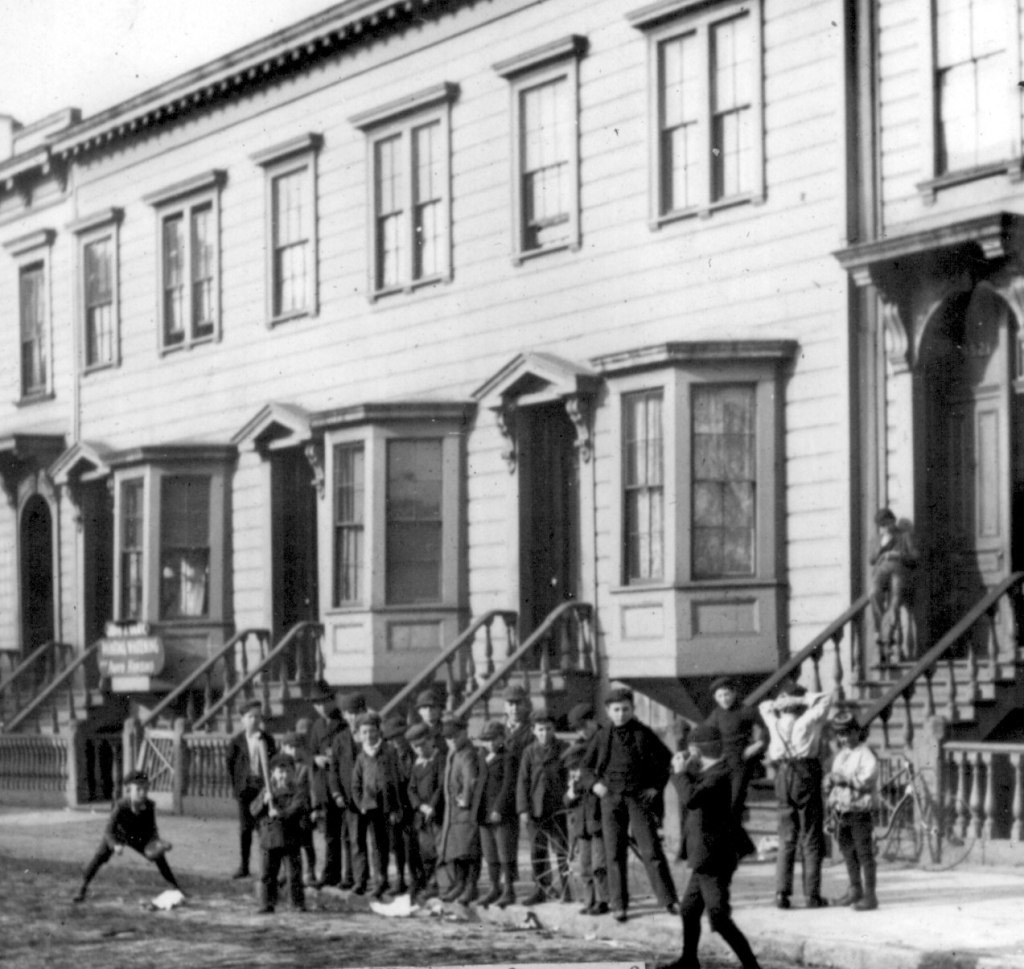
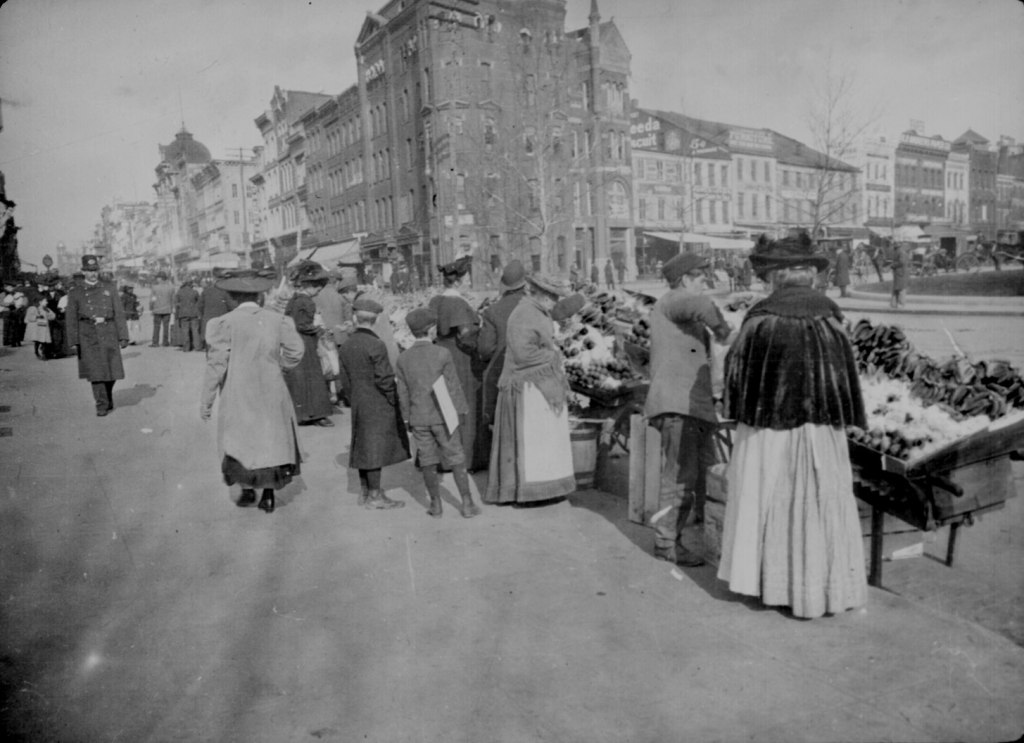
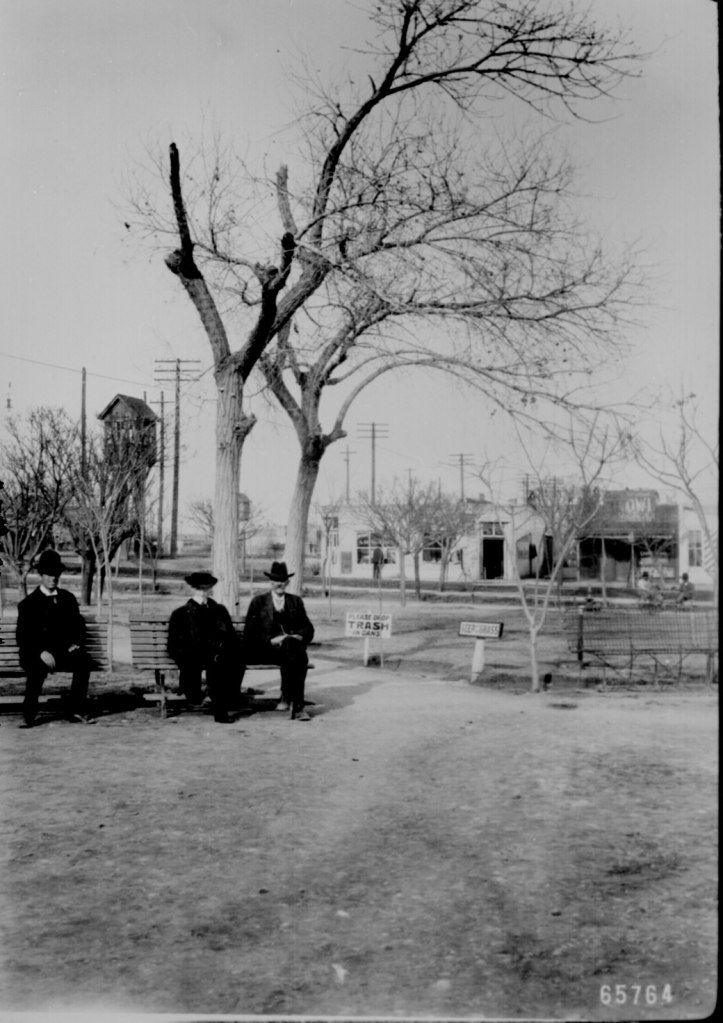
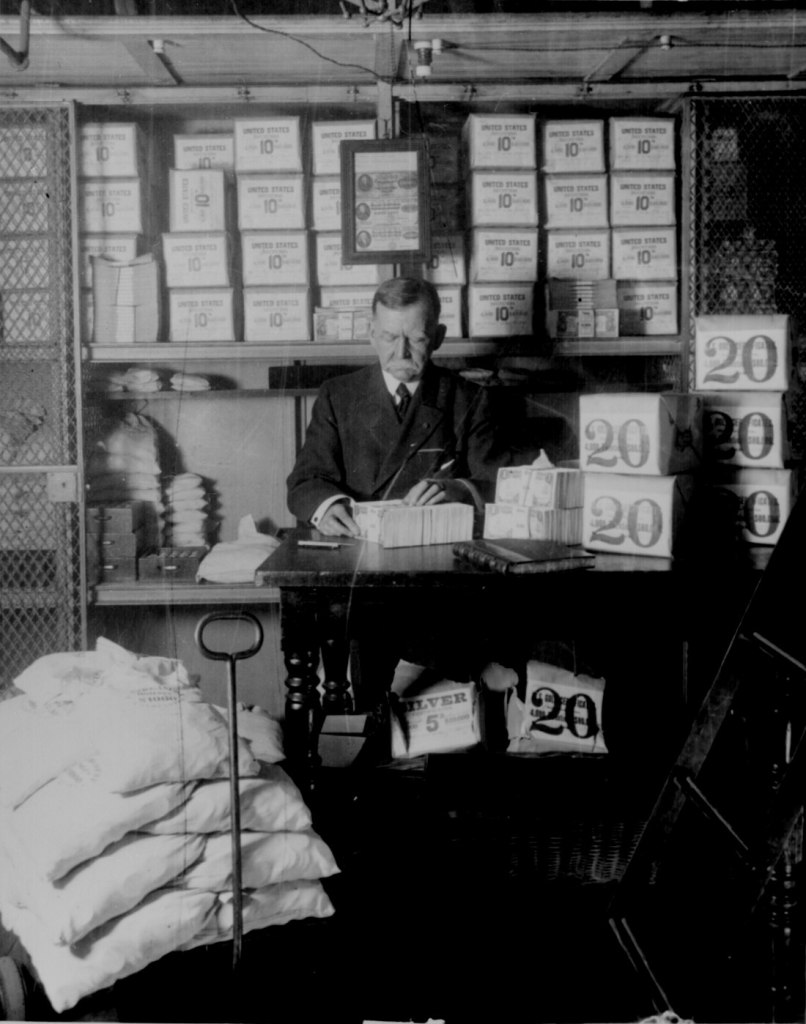
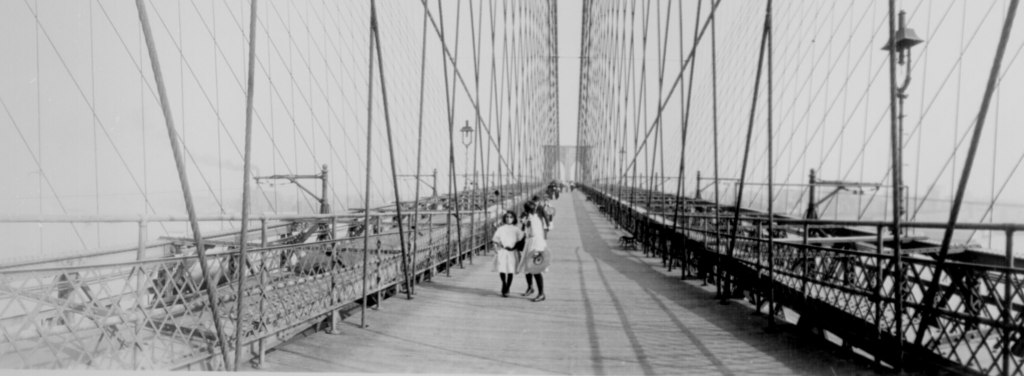
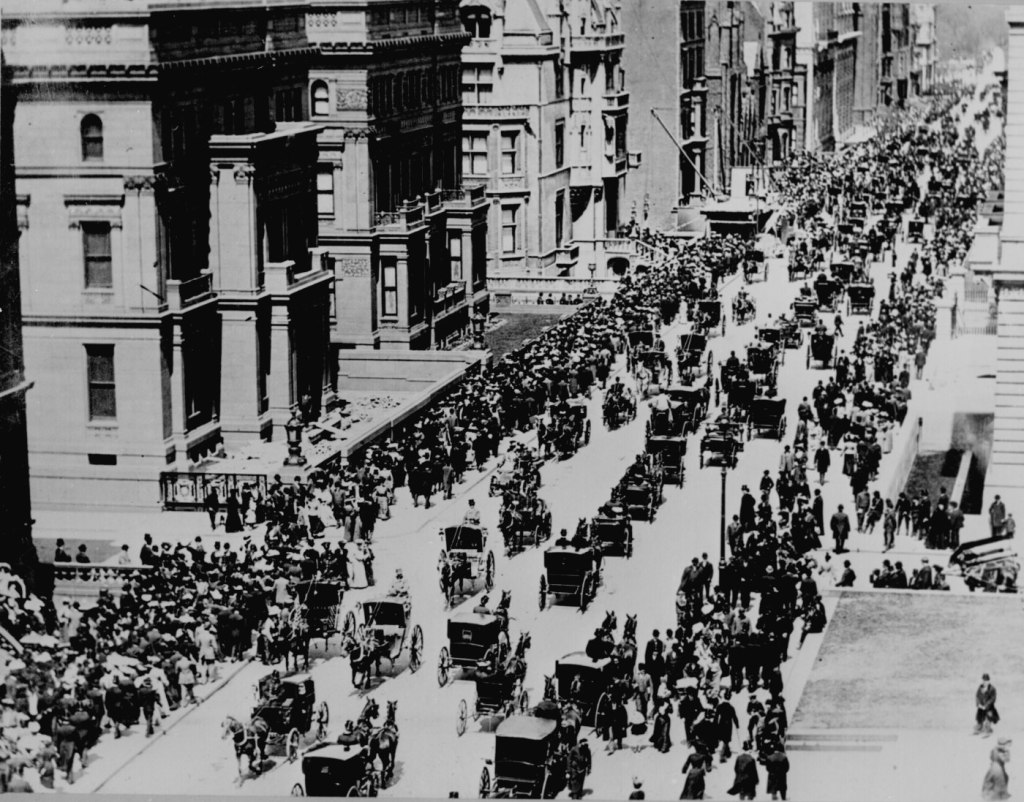
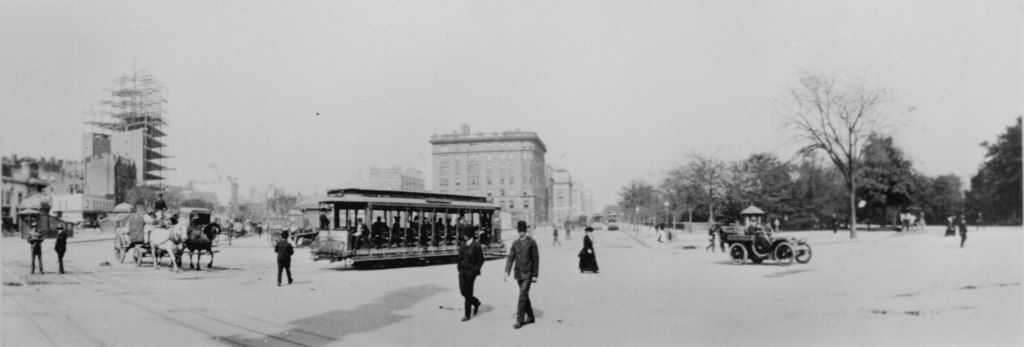
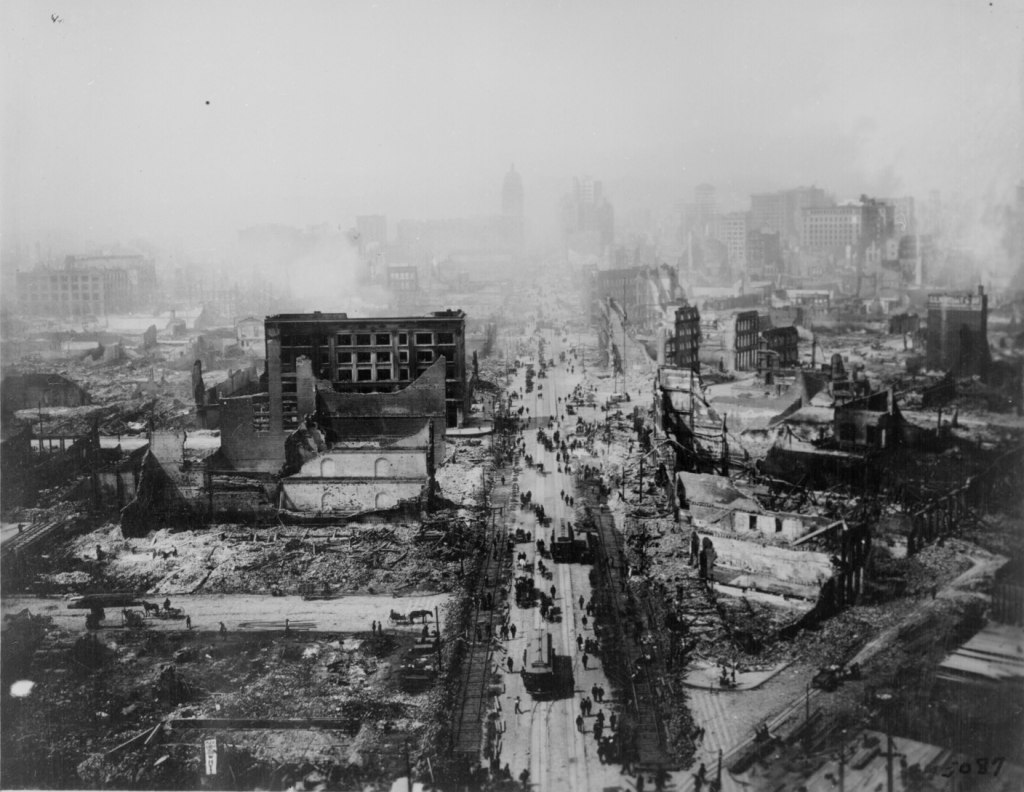
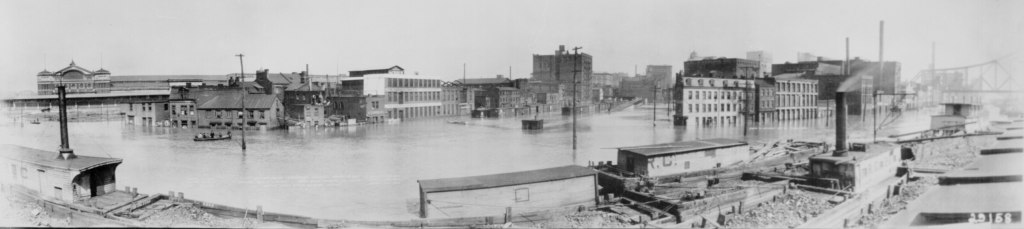
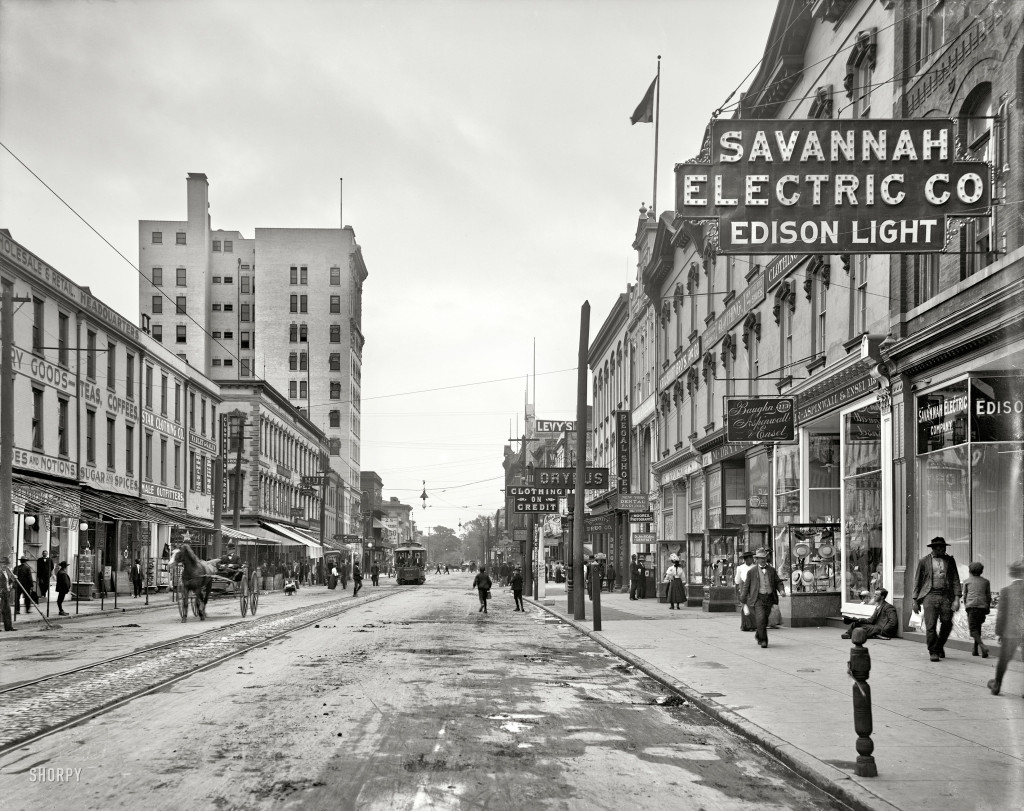
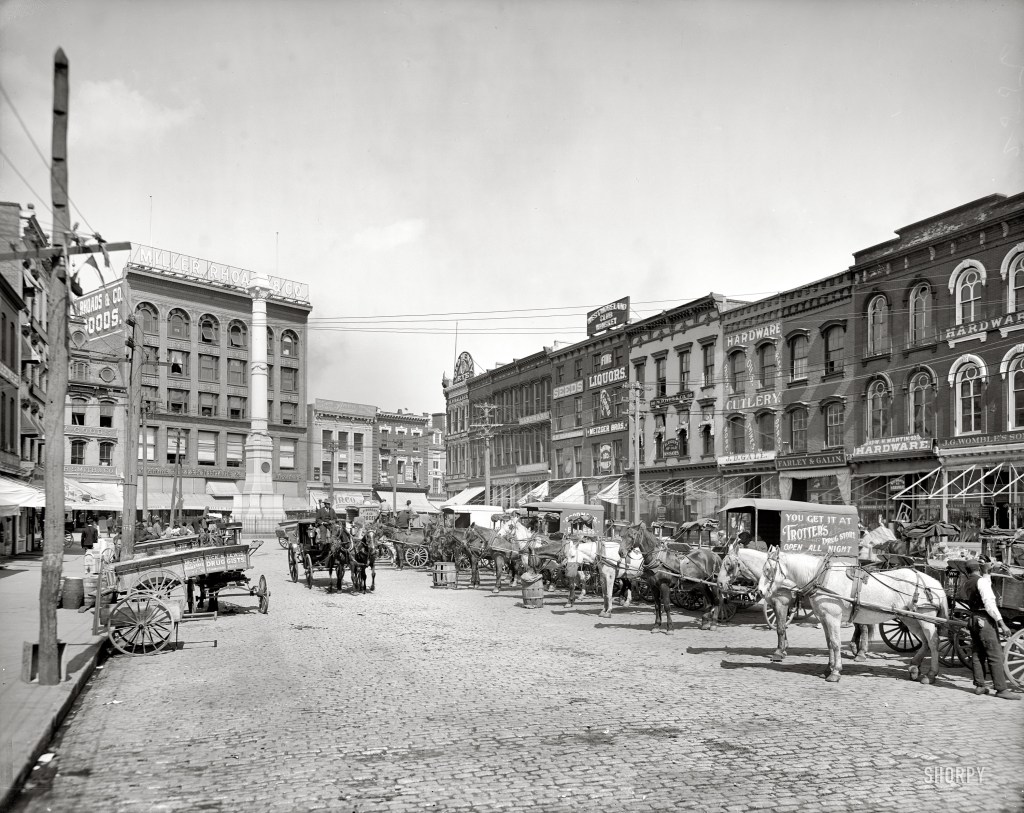
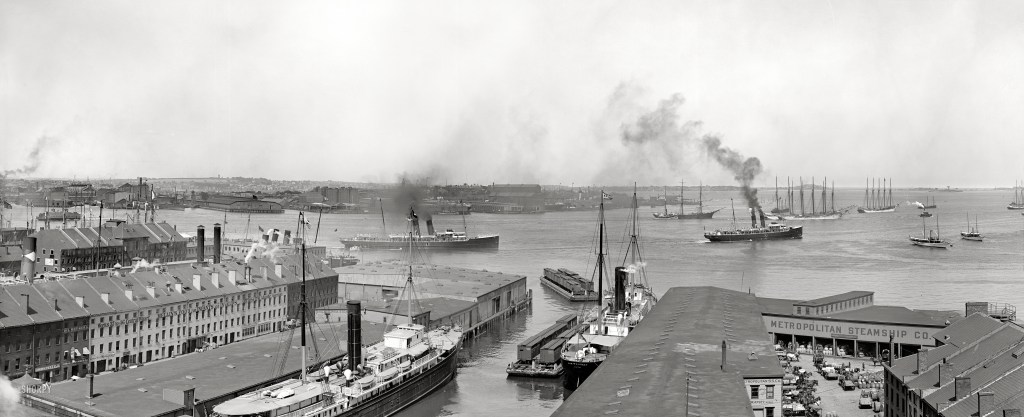
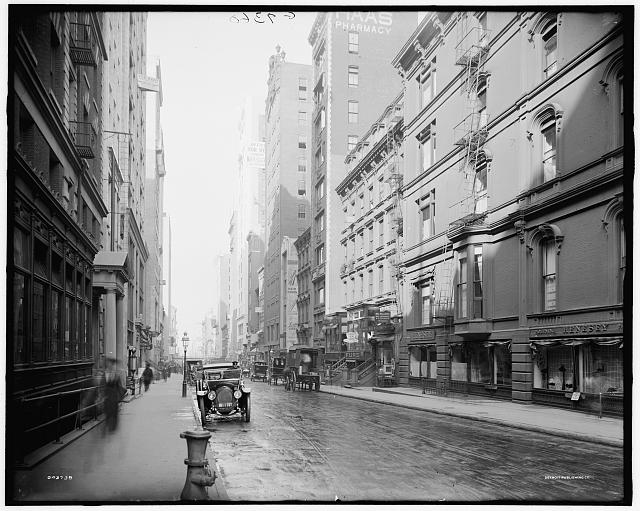
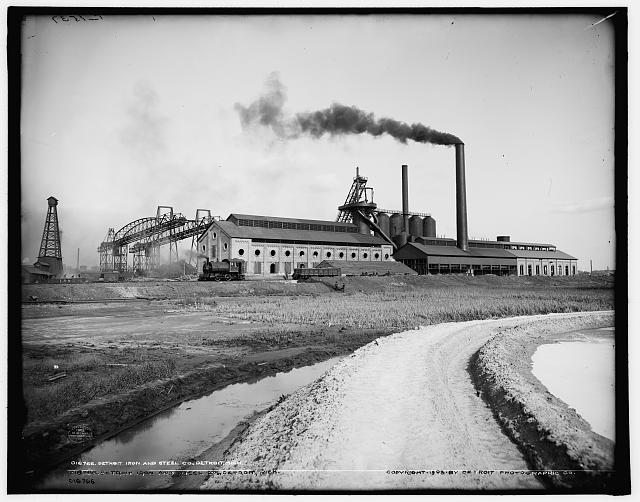
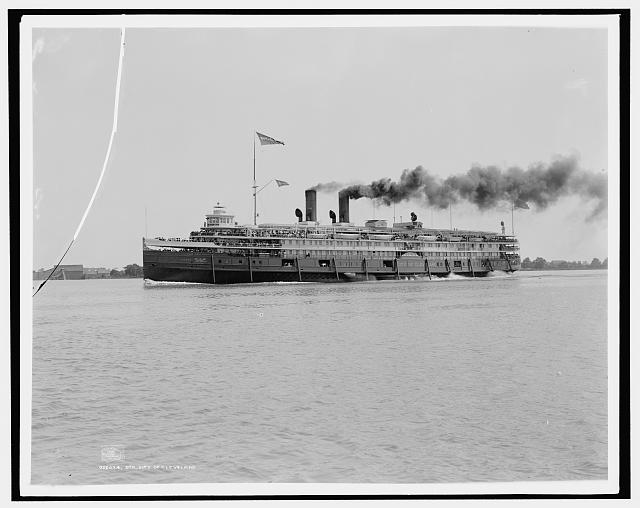
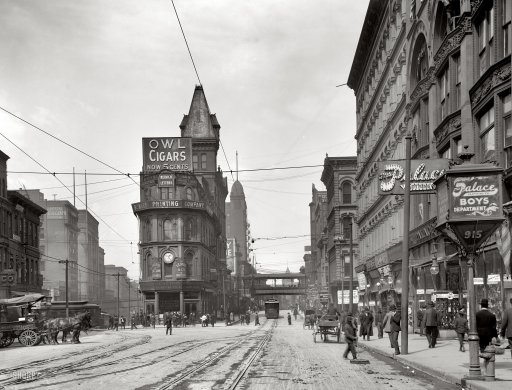
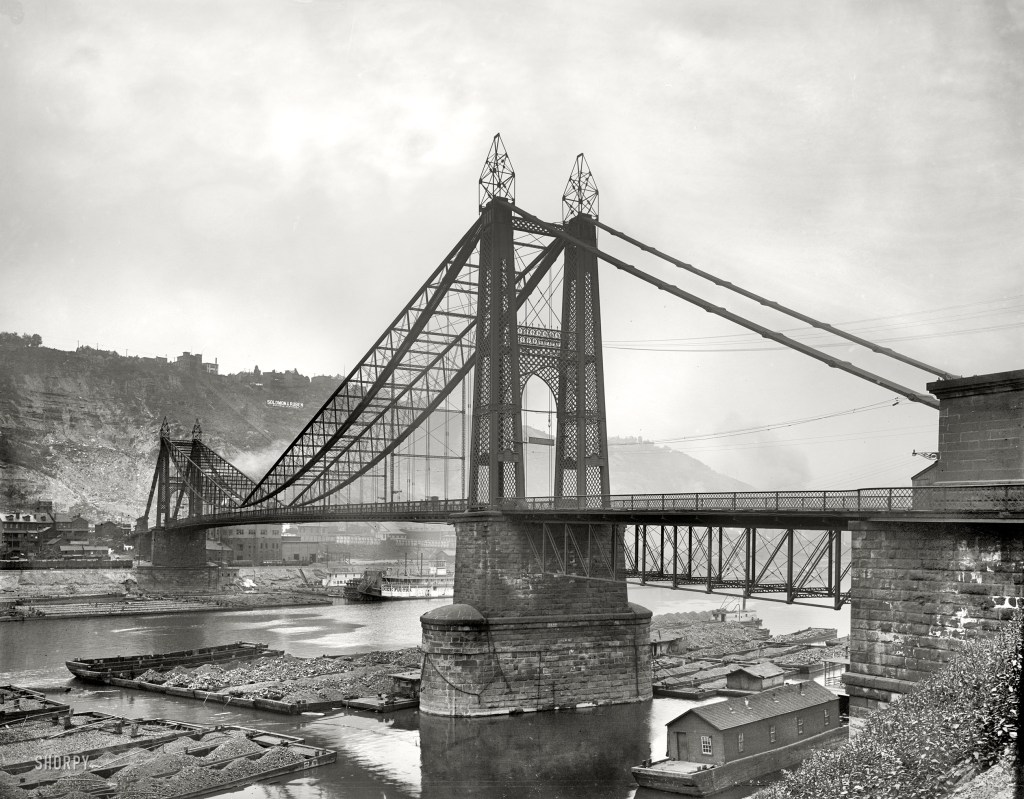
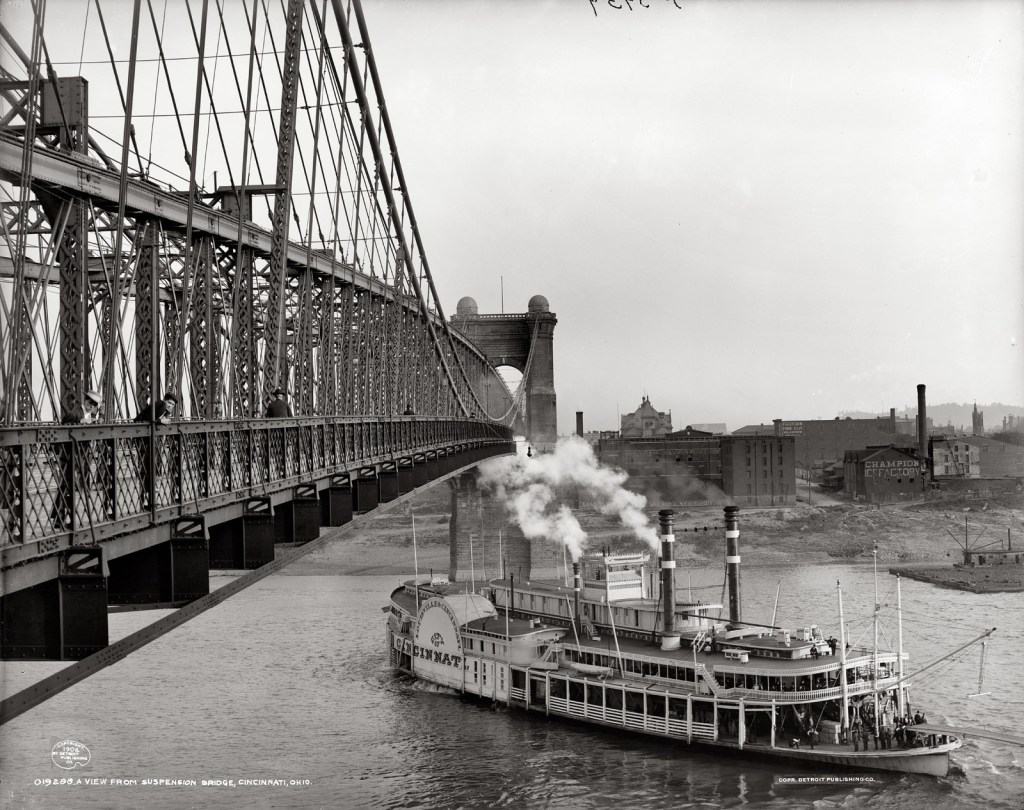
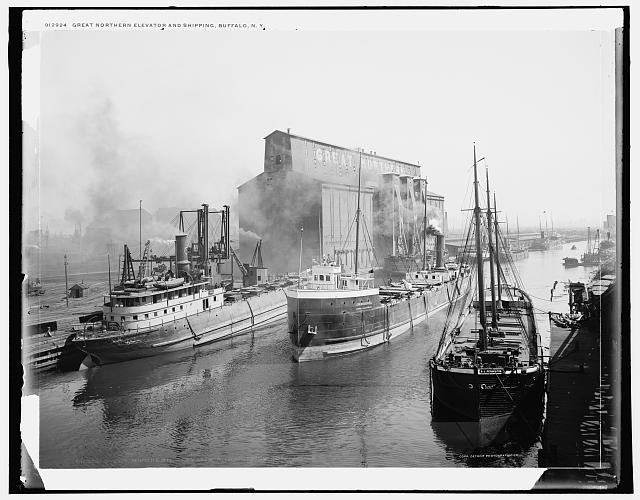
Gold Mine in Victor, Colorado around 1900.Young Cigarmakers in Englahardt & Co., Tampa, Fla. The boys looked under 14 years old. 1909.Loggers at Russell Camp, Aroostook County, Maine, ca. 1900A River packet, Mobile, Alabama ca. 1906Royal St., looking south from St. Francis St, Mobile, Ala. between 1905 – 1915Tahoma and Bailey Gatzert (sternwheelers) at the Willamette River waterfront at Portland, Oregon ca 1900.12th Street Bascule Bridge.Chicago circa 1900Railroad depot at Gold Hill – Gold Hill, Oregon – ca. 1900Sidewalk scene on a street in St. Louis, ca. 1900sInterior view of dining hall, decorated for the holidays, with students sitting at tables at the Tuskegee Institute, ca. 1902.Tourists and guides picnicking in Yellowstone Park, 1903.Getting ready to hoist a mounted gun, in Washington Navy Yard, 1903.Chinatown in San Francisco, Cal. 1900Workers building the Broadway subway line under Central Park, 1901.Newsies at Skeeter’s Branch, St. Louis, Missouri, May 9, 1910.A boy on stilts stands in front of the produce stands in front of the F.J. Voepel Market, St. Louis, Missouri, 1906The Great Baltimore Fire in 1904Pushcart market in the Italian neighborhood, New York City, early 1900’s.New York Central Railroad. Bronx, New York. 1905Barnum and Bailey Circus Parade, Sheldon, Iowa. 1909Plains, Kansas in early 1900s.The Cliff House, San Francisco, California. 1900Infants working in Avondale Mills, Birmingham, Alabama, 1910.An empty cart for distributing beer in front of a bar on a street, St. Louis, Missouri. ca. 1900sDelaware, Lackawanna, and Western Railroad yards. Scranton, Pennsylvania, circa 1900.Soldiers’ and Sailors’ Monument, Cleveland, Ohio. ca. 1900Unloading bananas Mobile, Alabama ca. 1900Ellicott Square Building. Buffalo, N.Y., circa 1900.Airshaft of a dumbbell tenement, New York City, taken from the roof, ca. 1900.Hundreds of wooden barrels covering the docks at the resin yards, Savannah, Ga., 1903.The Saint Louis, Mo., waterfront crowded with steamboats at the start of President William H. Taft’s inspection trip down the Mississippi River, Oct. 1909.Two officials of the New York City Tenement House Department inspect a cluttered basement living room, ca. 1900.Residents in front of a dilapidated frame house in Kansas City, ca. 1900.Children play ball in the street in front of typical housing with five rooms per family for $10 to $12 per month. San Francisco, ca. 1900.Shoppers at the outdoor food market, 7th Street at Pennsylvania Avenue, N.W.. Washington, D.C. ca. 1900.Three gentlemen pass the time on a park bench in San Jacinto Plaza, El Paso, Tex., 1906.Treasury Department official, surrounded by packages of newly minted currency, counting and wrapping dollar bills. Washington, D.C., 1907.Pedestrians on the upper deck promenade of Brooklyn Bridge, New York City, ca. 1910Easter morning, 1900. New York City’s Fifth Avenue bustling with horse-drawn traffic and two motor cars.The Eighth Avenue trolley, New York City, shar- ing the street with horse-drawn produce wagon and an open automobile. Downtown, looking north. 1904.The ruins of San Francisco, still smoldering after the 1906 earthquake, taken from the tower of the Union Ferry Building. Market Street between Sacramento and Third Streets.Water Street and Liberty Avenue, Pittsburgh, under 20 inches of water during the flood of March 1907.Broughton Street, looking east. Savannah, Georgia, circa 1905.Commercial Place, Norfolk, Virginia, circa 1905.Boston Harbor and waterfront. Boston, Massachusetts, circa 1906.Thirty-eighth Street West from Fifth Avenue, New York. 1900Detroit Iron and Steel Co., Detroit, Mich. 1903Steamer “City of Cleveland” 1908Junction of Main and Delaware Streets.Kansas City, Missouri, circa 1906.Point Bridge and coal barges.Pittsburgh, Pa. circa 1900.The sidewheeler Cincinnati passing under the Roebling Suspension Bridge. Cincinnati, Ohio, circa 1906.Great Northern elevator and shipping, Buffalo, N.Y. 1900
Ronald Wilson Reagan (February 6, 1911 – June 5, 2004) was an American politician who served as the 40th president of the United States from 1981 to 1989. A member of the Republican Party, he previously served as the 33rd governor of California from 1967 to 1975 after a career as a Hollywood actor and union leader.
Reagan was born in to a low-income family in Tampico, Illinois. He graduated from Eureka College in 1932 and began to work as a radio sports commentator in Iowa. In 1937, Reagan moved to California, where he found work as an actor and appeared in several major productions. From 1947 to 1952, Reagan served as president of the Screen Actors Guild, during which time he worked to root out alleged communist influence within it. In the 1950s, he moved to a career in television and became a spokesman for General Electric. From 1959 to 1960, he again served as president of the Screen Actors Guild. In 1964, his speech “A Time for Choosing”—a campaign speech on behalf of Republican presidential nominee Barry Goldwater—earned him national attention as a new conservative figure. Building a network of supporters, Reagan was elected as governor of California in 1966. During his governorship, he raised taxes, turned the state budget deficit into a surplus, challenged the protesters at UC Berkeley, and ordered in National Guard troops during a period of protest movements.
In November 1979, Reagan announced his candidacy for the Republican nomination in the 1980 presidential election. He won the nomination and the election, defeating incumbent Democratic president Jimmy Carter. At 69 years, 349 days of age at the time of his first inauguration, Reagan was the oldest person to assume the U.S. presidency. Reagan ran for reelection in the 1984 presidential election, in which he was opposed by the Democratic nominee Walter Mondale, who had previously served as vice president under Carter. Reagan defeated him in an electoral landslide, winning the most electoral votes of any U.S. president: 525 (97.6% of the 538 votes in the Electoral College). It was the one of the most lopsided presidential elections in U.S. history.
Early in his presidency, Reagan began implementing new political and economic initiatives. His supply-side economics policies—dubbed “Reaganomics”—advocated tax reduction, economic deregulation, and reduction in government spending. In his first term, he survived an assassination attempt, spurred the War on Drugs, invaded Grenada, and fought public sector labor unions. Over his two terms, the economy saw a reduction of inflation from 12.5% to 4.4% and an average real GDP annual growth of 3.6%. Reagan enacted cuts in domestic discretionary spending, cut taxes, and increased military spending, which contributed to a tripling of the federal debt. Foreign affairs dominated his second term, including the bombing of Libya, the Iran–Iraq War, the Iran–Contra affair, and the ongoing Cold War. In a speech in June 1987 at the Brandenburg Gate, four years after he publicly described the Soviet Union as an “evil empire”, Reagan challenged Soviet General Secretary Mikhail Gorbachev to open the Berlin Wall. He transitioned Cold War policy from détente to rollback by escalating an arms race with the USSR while engaging in talks with Gorbachev. The talks culminated in the INF Treaty, which shrank both countries’ nuclear arsenals.
When Reagan left office in 1989, he held an approval rating of 68%, matching those of Franklin Roosevelt and later Bill Clinton as the highest ratings for departing presidents in the modern era. Although he had planned an active post-presidency, Reagan disclosed in November 1994 that he had been diagnosed with Alzheimer’s disease earlier that year. His public appearances became more infrequent as his disease progressed. Reagan died at his home in Los Angeles on June 5, 2004. His tenure constituted a realignment toward conservative policies in the United States, and he is often considered a conservative icon. Evaluations of his presidency among historians and the general public place him among the upper tier of American presidents. (Wikipedia)
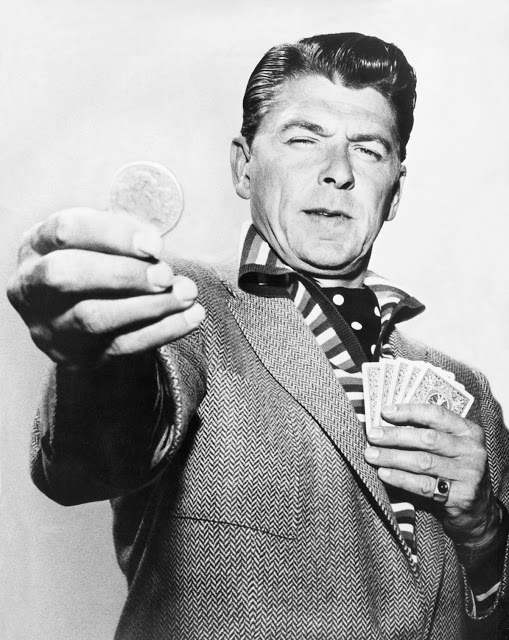
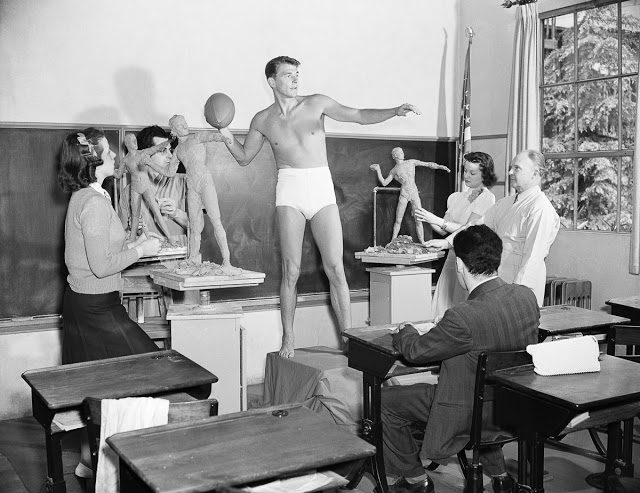
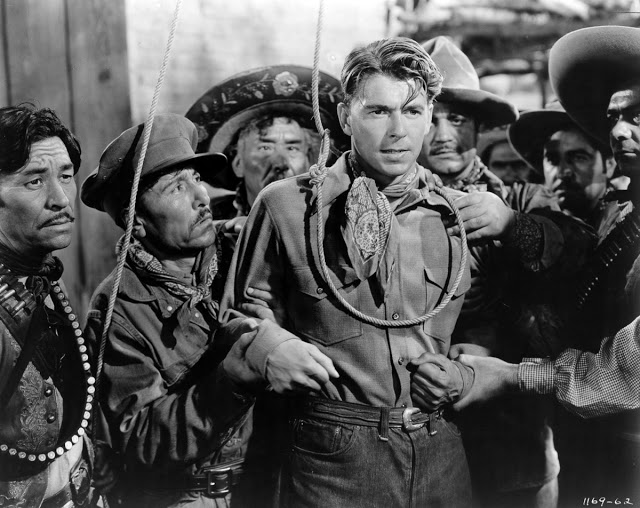
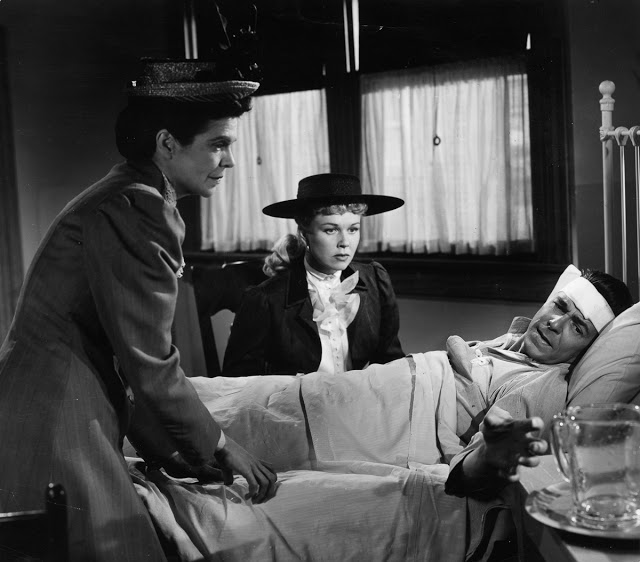
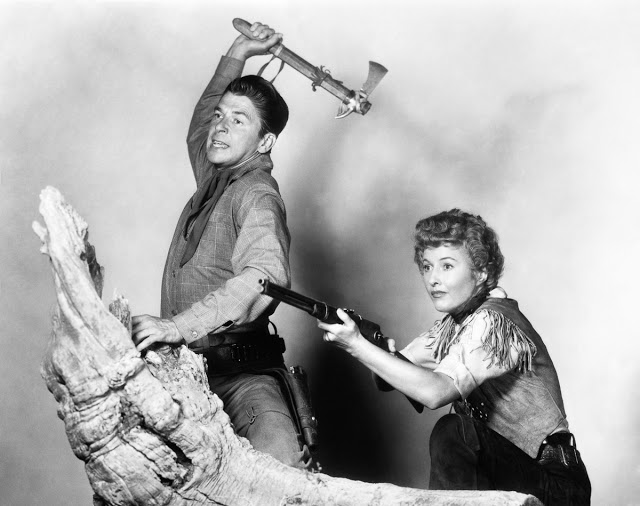
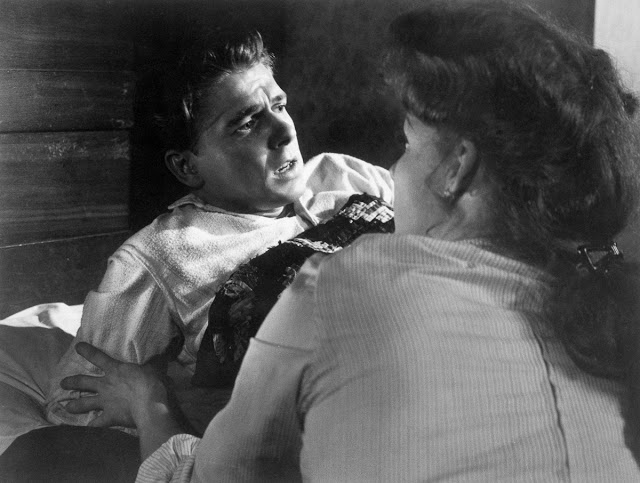
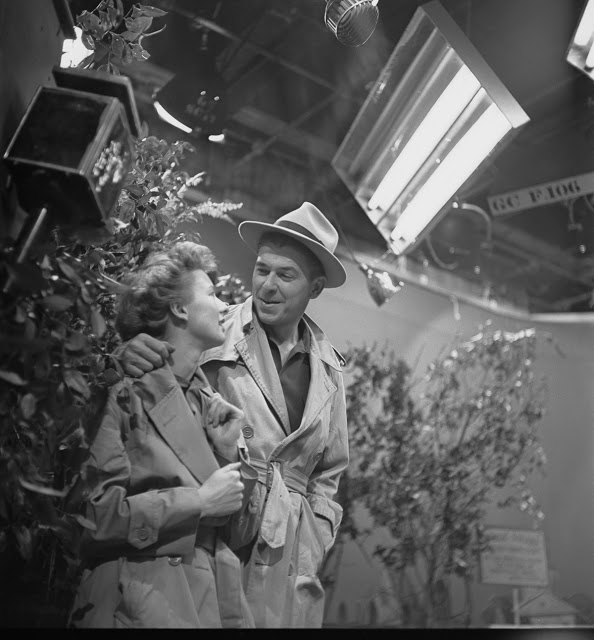
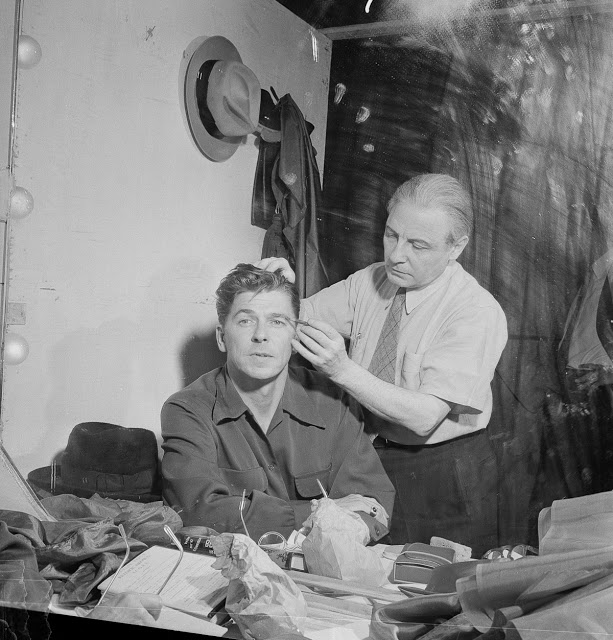
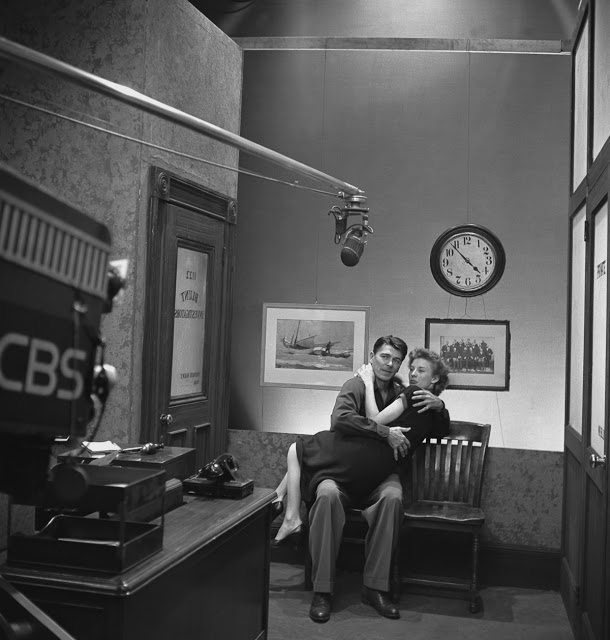
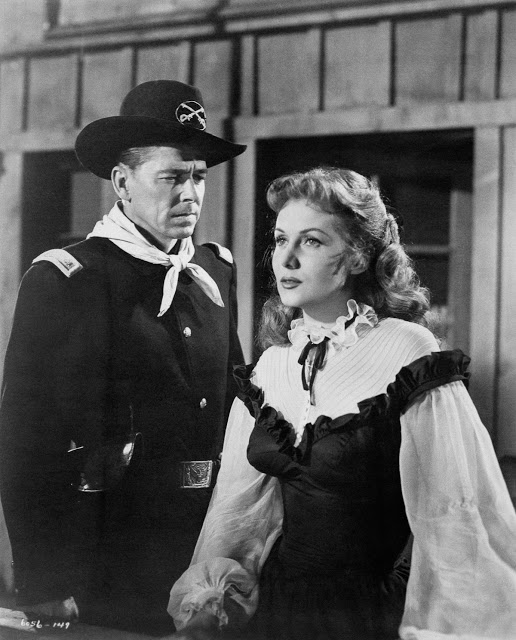
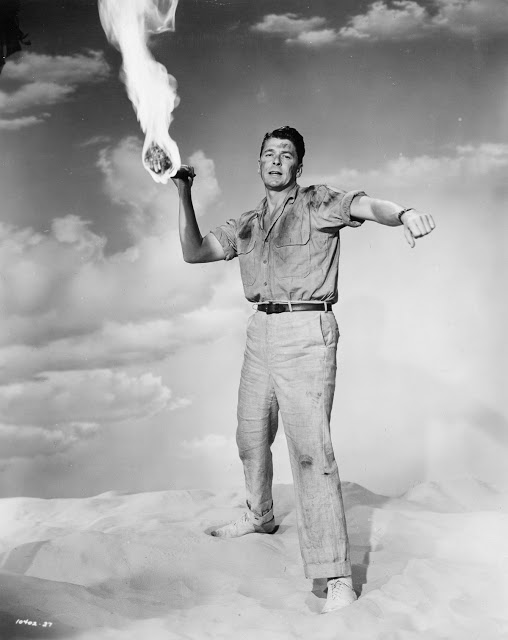
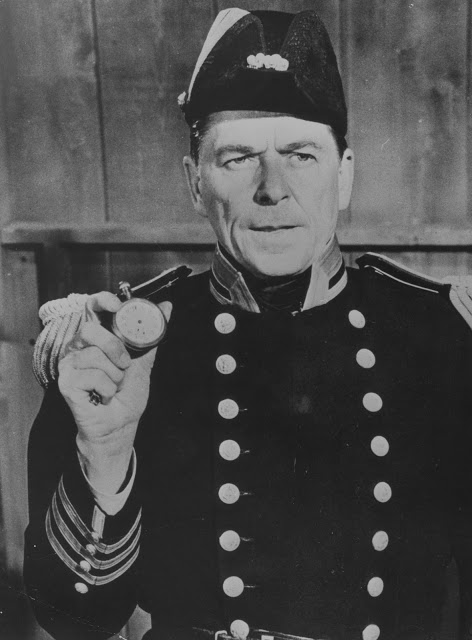
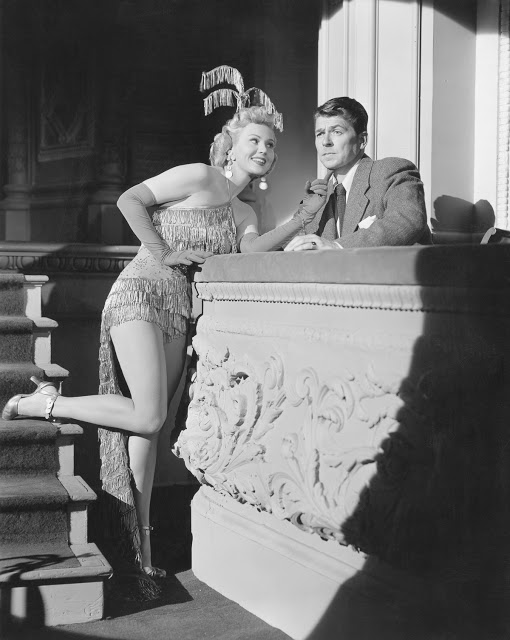
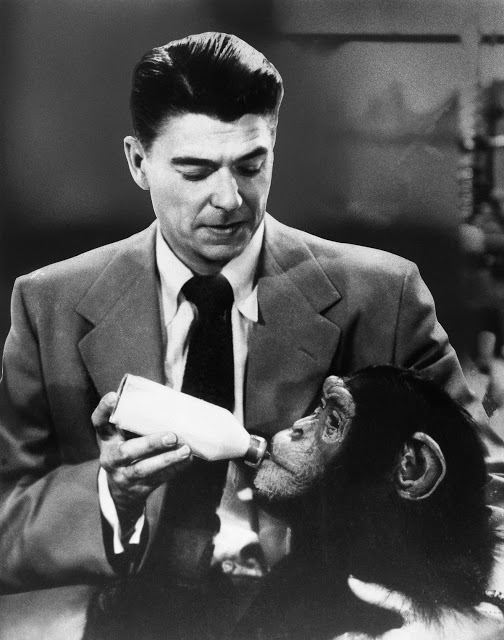
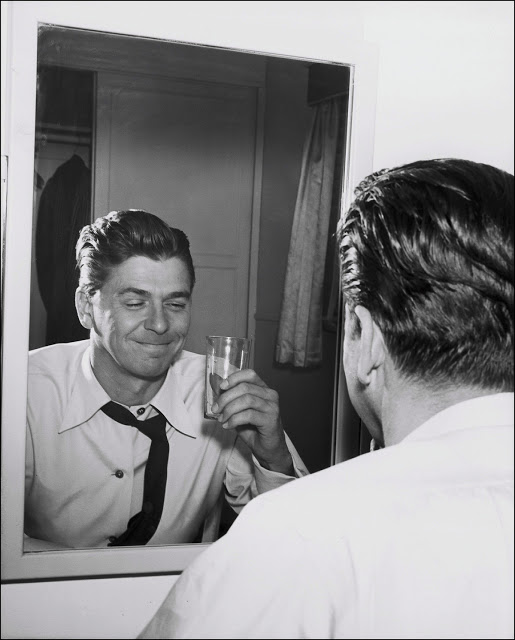
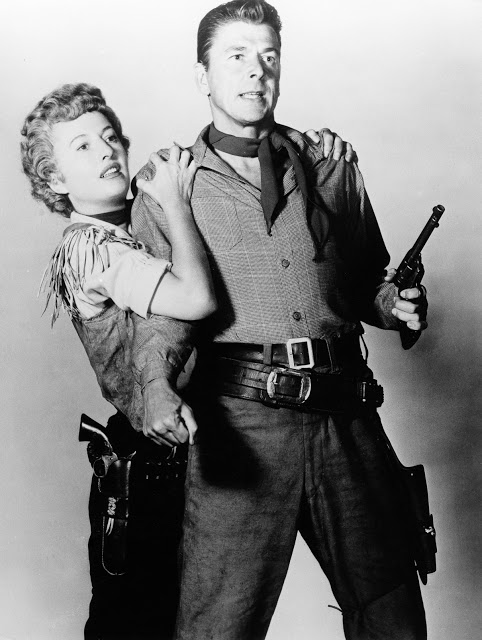
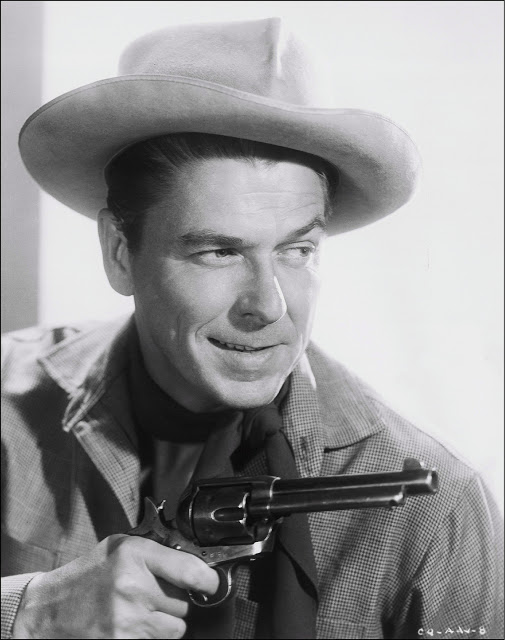
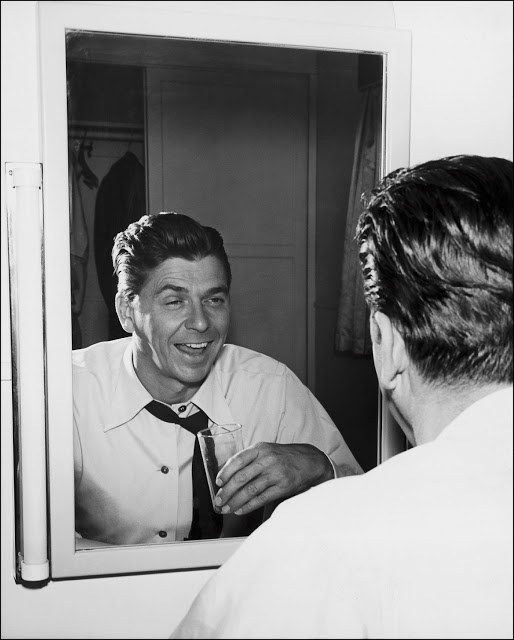
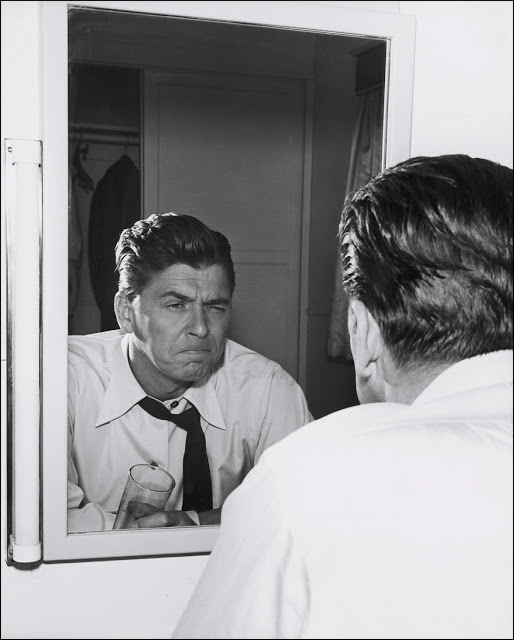
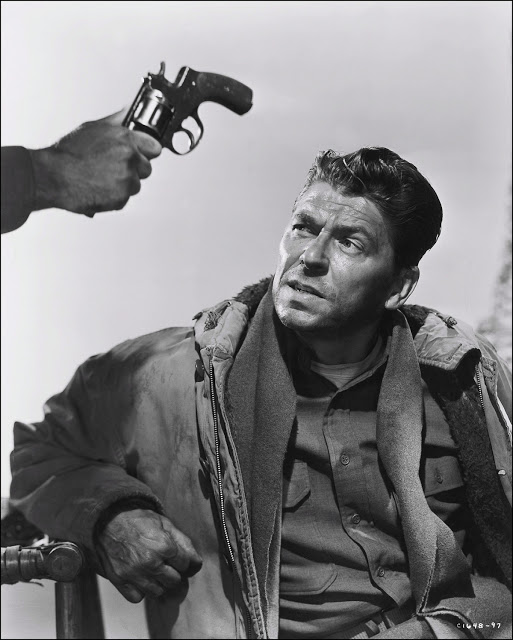
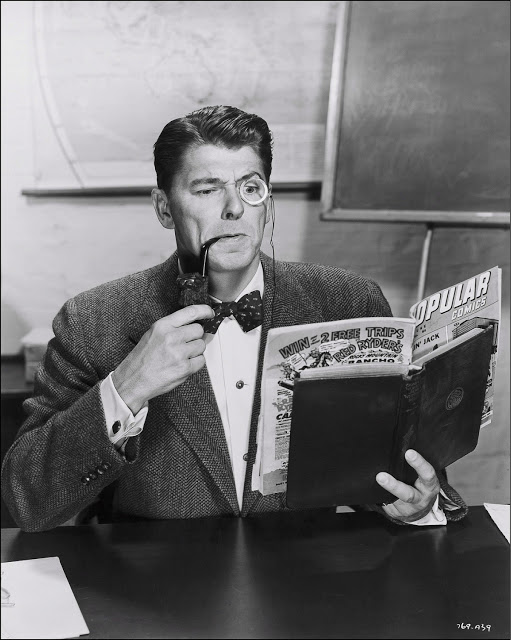
02 May 1940, Hollywood, Los Angeles, California, USA — Actor Ronald Reagan poses for a sculpture class at the University of Southern California in 1940. He was chosen as an example of the ideal male physique by the school’s fine arts departments, based on his portrayal of George Gipp. 1941: Actor and politician Ronald Reagan acts in a scene from the movie “The Bad Man” which was released in 1941. L-R: American actors Dorothy Adams (1900 – 1988), Doris Day, and Ronald Reagan (1911 – 2004) in a scene from the feature film, ‘The Winning Team,’ based on the true story of baseball player Grover Cleveland Alexander and directed by Louis Seiler, 1952. Ronald Reagan and Barbara Stanwyck in a publicity still for Cattle Queen of Montana, 1954Reagan in Kings Row, 1942.LOS ANGELES – DECEMBER 7, 1950: NASH AIRFLYTE THEATER. Ronald Reagan (center) with Cloris Leachman in the EPISODE “Case of the Missing Lady” .NEW YORK – DECEMBER 7, 1950: Nash Airflyte Theater of episode ‘The Case of the Missing Lady’ Ronald Reagan with make-up man Frederick Van Der Linden LOS ANGELES – DECEMBER 7, 1950: NASH AIRFLYTE THEATER. Ronald Reagan (center) with Cloris Leachman in the EPISODE “Case of the Missing Lady” . Reagan performs with Rhonda Fleming in The Last Outpost, 1951.1953: Full-length promotional portrait of American actor Ronald Reagan standing on sand and holding a burning torch for director Lewis R. Foster’s film, ‘Tropic Zone’. Reagan performs on the television show Death Valley Days, 1955.Reagan and Virginia Mayo perform in She’s Working Her Way Through College, 1952.Reagan feeds his simian costar in Bedtime for Bonzo, 1951.Reagan performs in the General Electric Theater CBS teleplay The Lord’s Dollar, 1958.Reagan and Barbara Stanwyck pose for a promo still for Cattle Queen of Montana, 1954.A promo still for Cattle Queen of Montana, 1954.1955.1955.1960.1960.
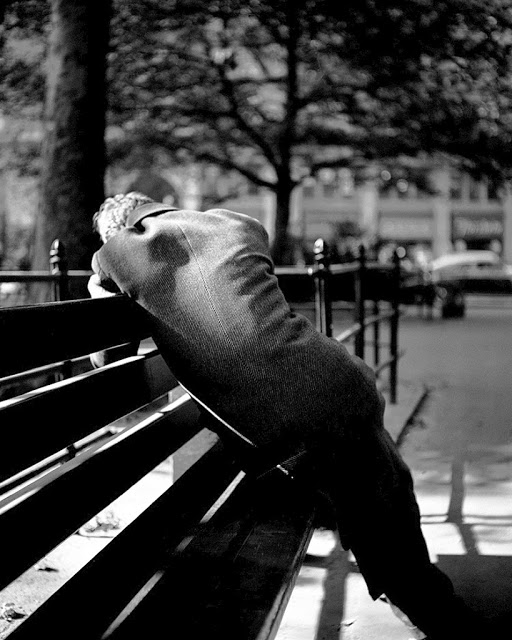
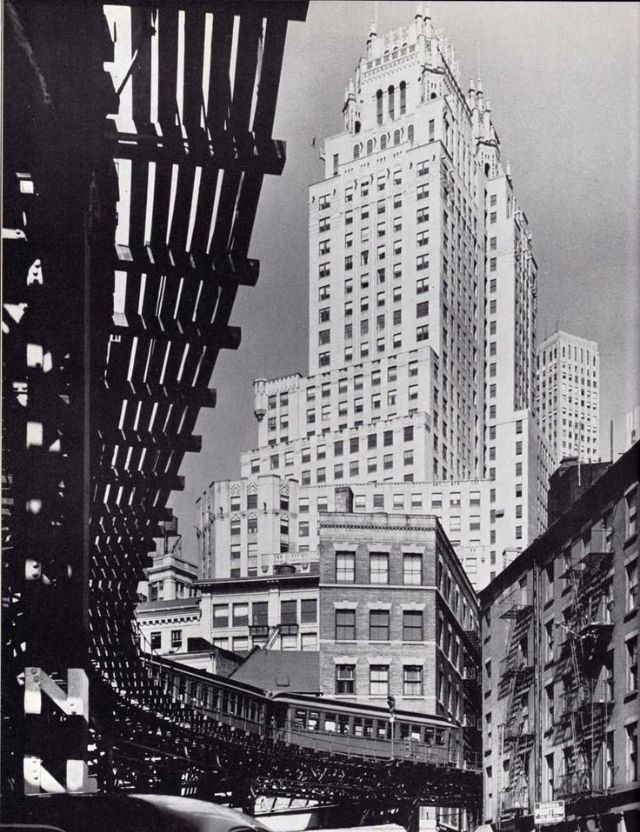
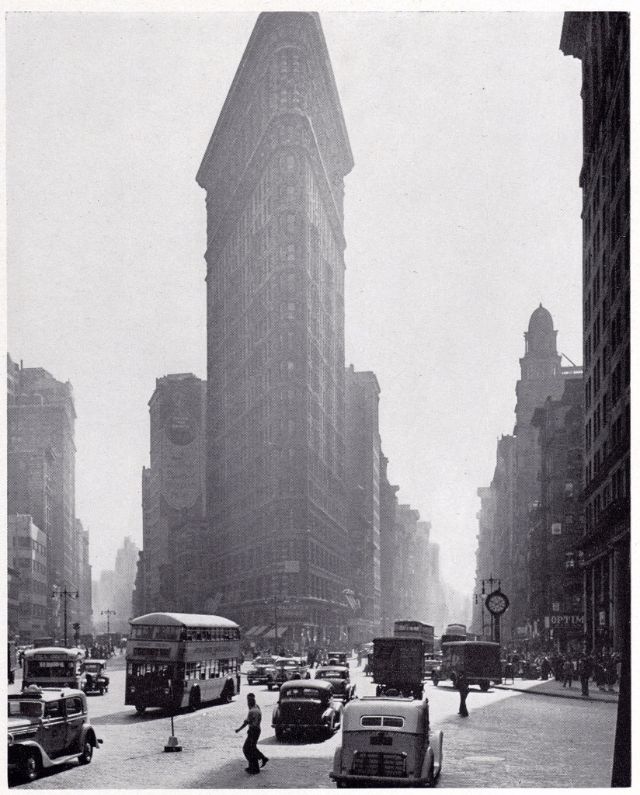
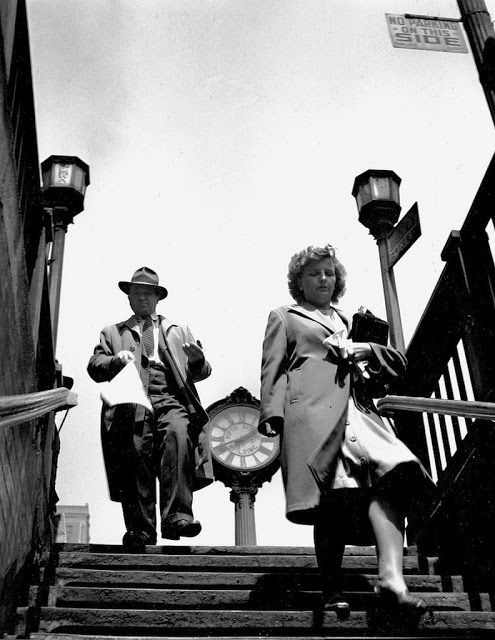
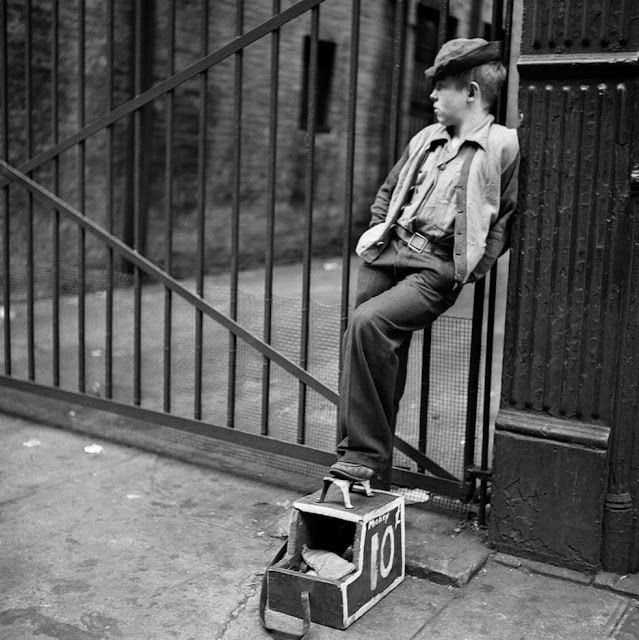
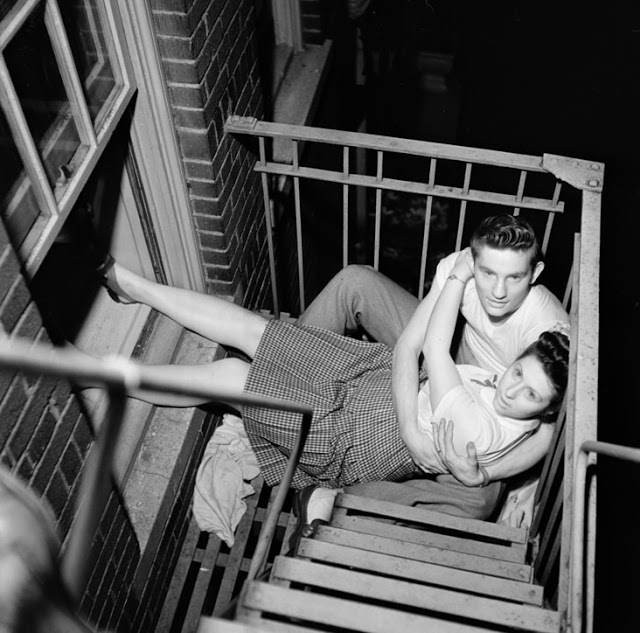
New York, often called New York City to distinguish it from New York State, or NYC for short, is the most populous city in the United States. With a 2020 population of 8,804,190 distributed over 300.46 square miles (778.2 km2), New York City is also the most densely populated major city in the United States. Located at the southern tip of the State of New York, the city is the center of the New York metropolitan area, the largest metropolitan area in the world by urban area. With over 20.1 million people in its metropolitan statistical area and 23.5 million in its combined statistical area as of 2020, New York is one of the world’s most populous megacities. New York City has been described as the cultural, financial, and media capital of the world, significantly influencing commerce, entertainment, research, technology, education, politics, tourism, dining, art, fashion, and sports, and is the most photographed city in the world. Home to the headquarters of the United Nations, New York is an important center for international diplomacy, and has sometimes been called the capital of the world.
Situated on one of the world’s largest natural harbors, New York City is composed of five boroughs, each of which is coextensive with a respective county of the State of New York. The five boroughs—Brooklyn (Kings County), Queens (Queens County), Manhattan (New York County), the Bronx (Bronx County), and Staten Island (Richmond County)—were created when local governments were consolidated into a single municipal entity in 1898. The city and its metropolitan area constitute the premier gateway for legal immigration to the United States. As many as 800 languages are spoken in New York, making it the most linguistically diverse city in the world. New York is home to more than 3.2 million residents born outside the United States, the largest foreign-born population of any city in the world as of 2016. As of 2018, the New York metropolitan area is estimated to produce a gross metropolitan product (GMP) of nearly $1.8 trillion, ranking it first in the United States. If the New York metropolitan area were a sovereign state, it would have the eighth-largest economy in the world. New York is home to the highest number of billionaires of any city in the world.
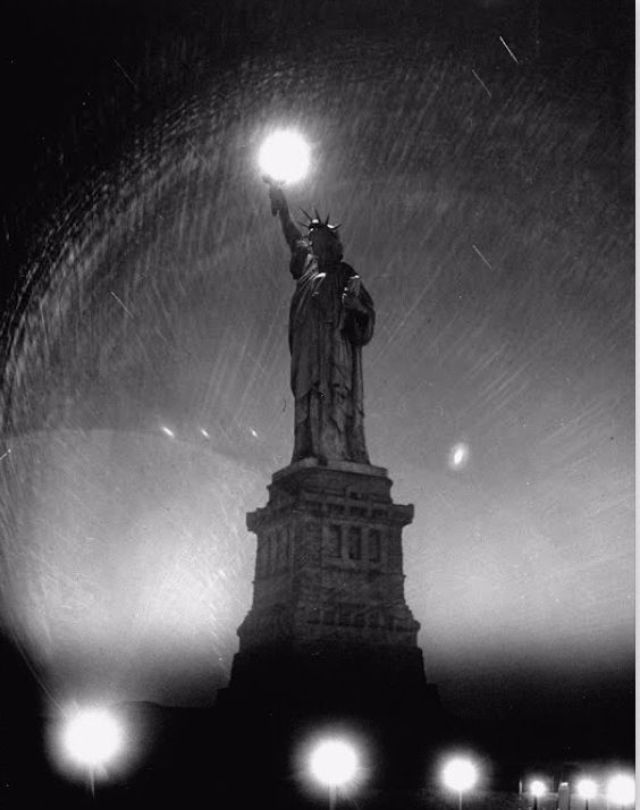
New York City traces its origins to a trading post founded on the southern tip of Manhattan Island by Dutch colonists in approximately 1624. The settlement was named New Amsterdam (Dutch: Nieuw Amsterdam) in 1626 and was chartered as a city in 1653. The city came under English control in 1664 and was renamed New York after King Charles II of England granted the lands to his brother, the Duke of York. The city was regained by the Dutch in July 1673 and was renamed New Orange for one year and three months; the city has been continuously named New York since November 1674. New York City was the capital of the United States from 1785 until 1790, and has been the largest U.S. city since 1790. The Statue of Liberty greeted millions of immigrants as they came to the U.S. by ship in the late 19th and early 20th centuries, and is a symbol of the U.S. and its ideals of liberty and peace. In the 21st century, New York has emerged as a global node of creativity, entrepreneurship, and environmental sustainability, and as a symbol of freedom and cultural diversity. In 2019, New York was voted the greatest city in the world per a survey of over 30,000 people from 48 cities worldwide, citing its cultural diversity.
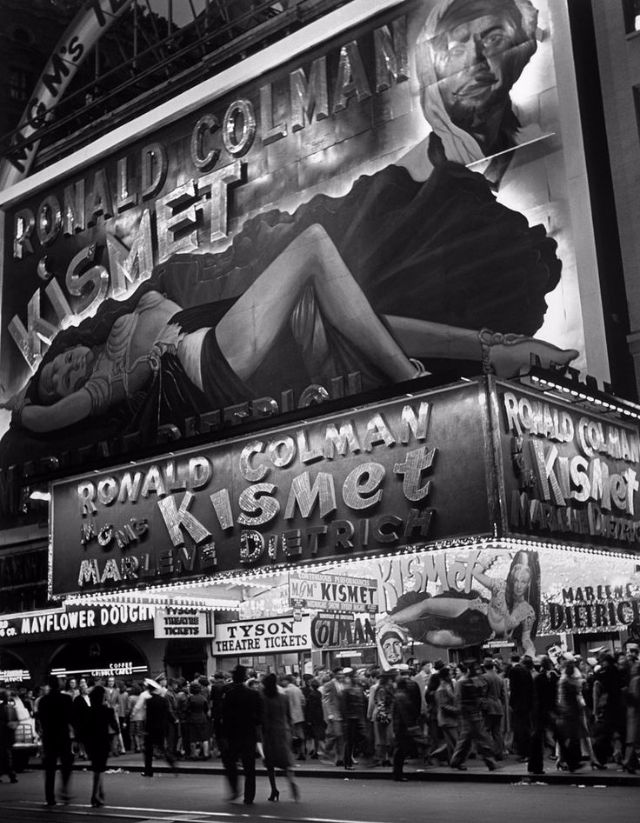
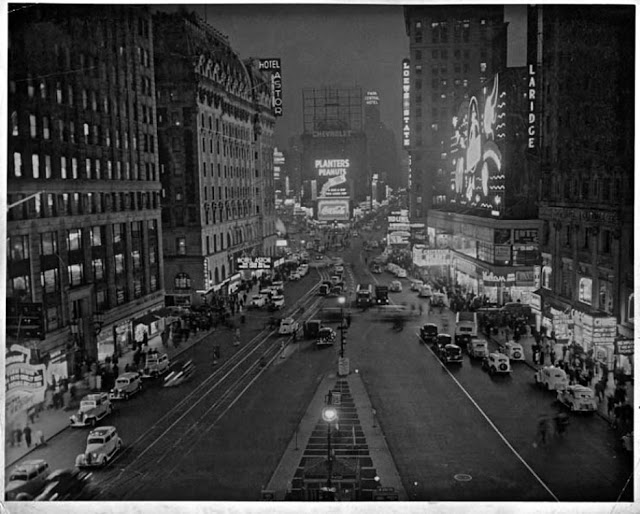
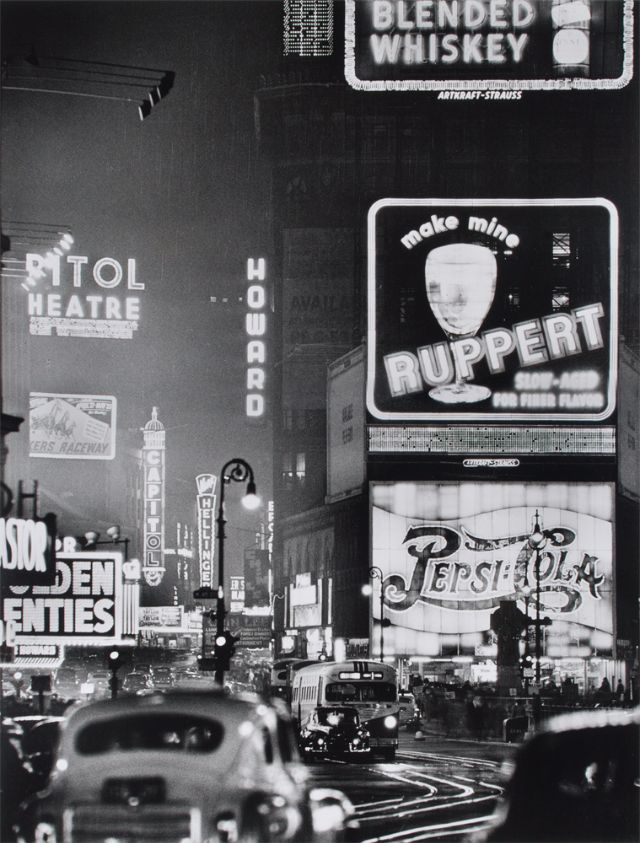
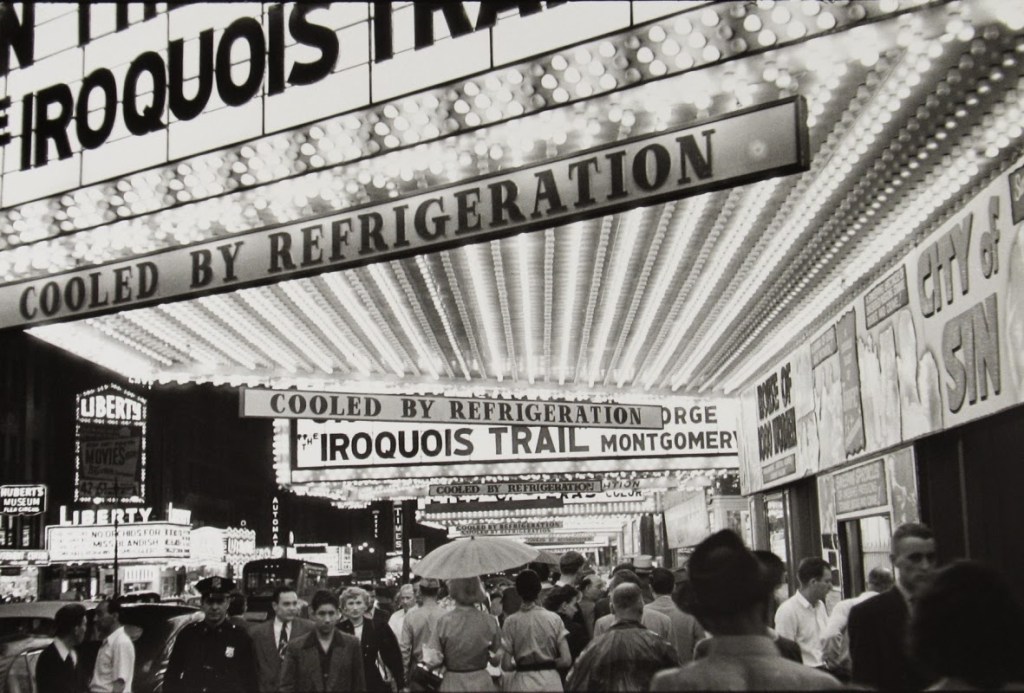
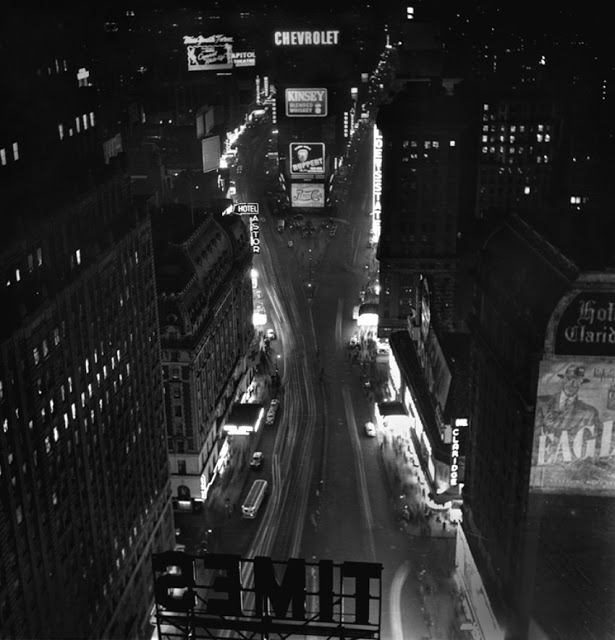
Many districts and monuments in New York City are major landmarks, including three of the world’s ten most visited tourist attractions in 2013. A record 66.6 million tourists visited New York City in 2019. Times Square is the brightly illuminated hub of the Broadway Theater District, one of the world’s busiest pedestrian intersections, and a major center of the world’s entertainment industry. Many of the city’s landmarks, skyscrapers, and parks are known around the world, as is the city’s fast pace, spawning the term New York minute. The Empire State Building has become the global standard of reference to describe the height and length of other structures. Manhattan’s real estate market is among the most expensive in the world. Providing continuous 24/7 service and contributing to the nickname The City That Never Sleeps, the New York City Subway is the largest single-operator rapid transit system worldwide, with 472 rail stations. The city has over 120 colleges and universities, including Columbia University, New York University, Rockefeller University, and the City University of New York system, which is the largest urban public university system in the United States. Anchored by Wall Street in the Financial District of Lower Manhattan, New York City has been called both the world’s leading financial center and the most financially powerful city in the world, and is home to the world’s two largest stock exchanges by total market capitalization, the New York Stock Exchange and NASDAQ. (Wikipedia)
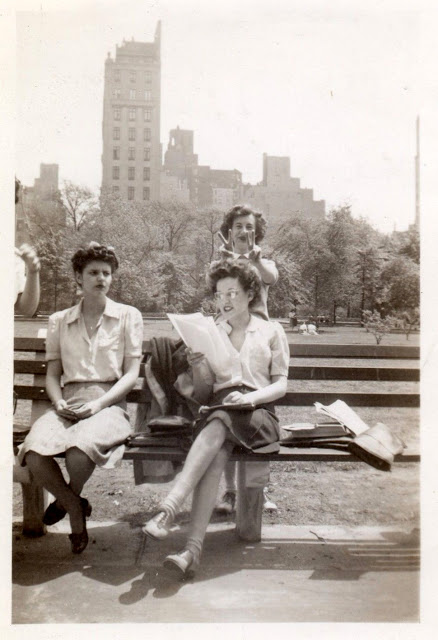
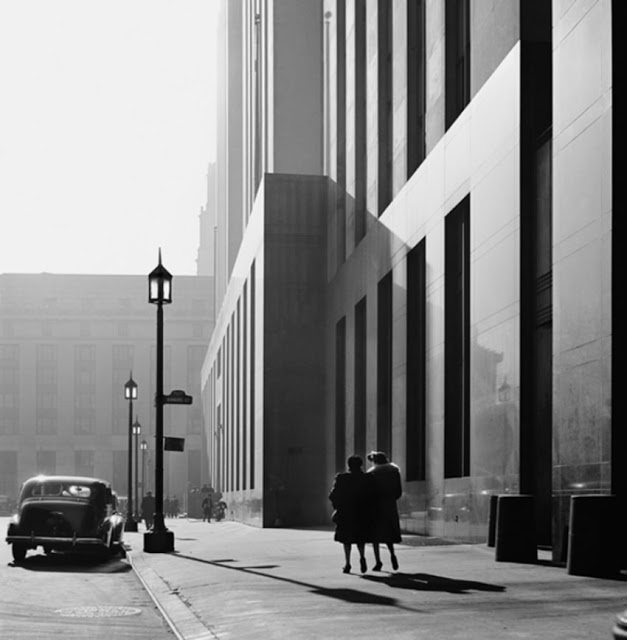
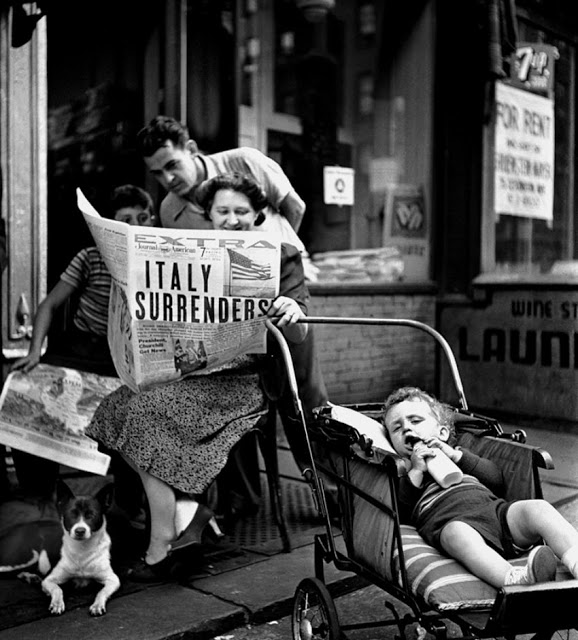
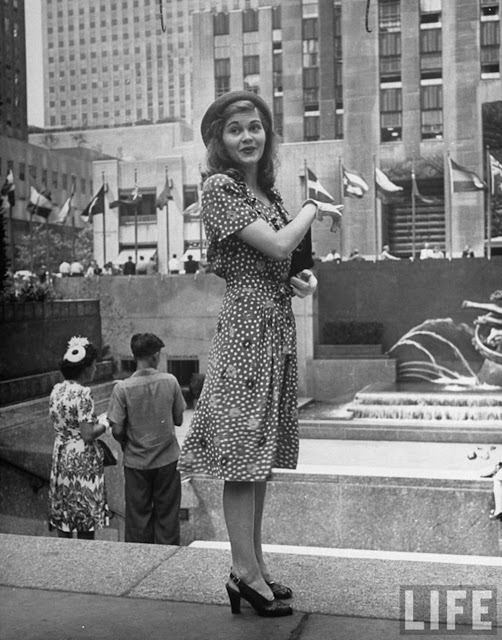
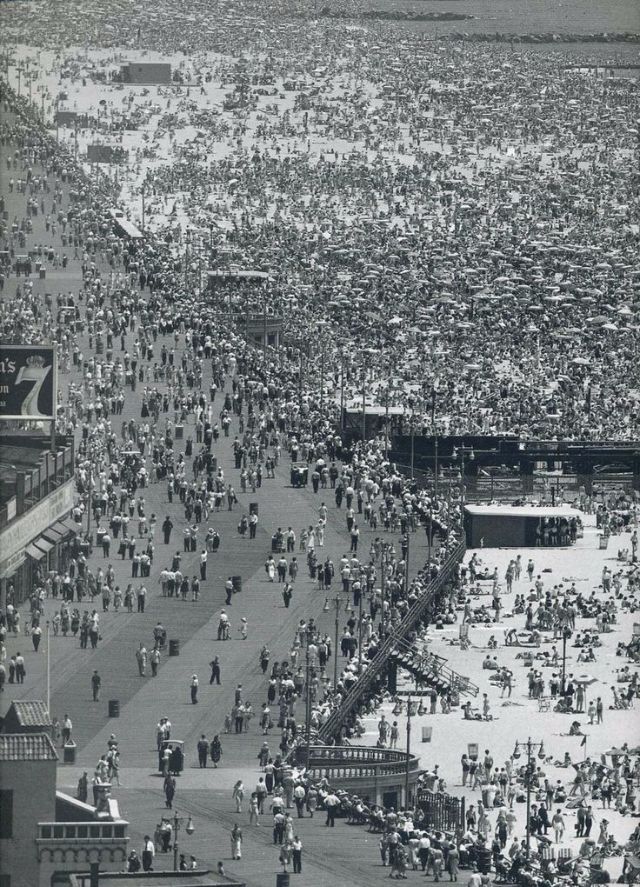
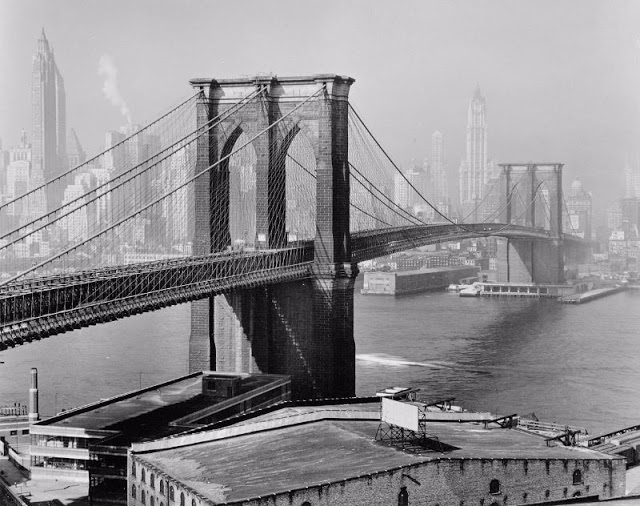
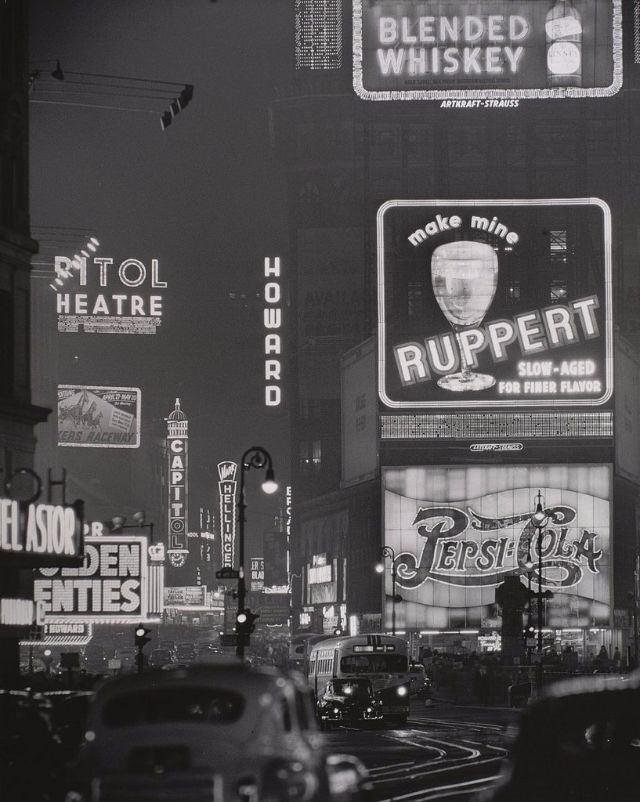
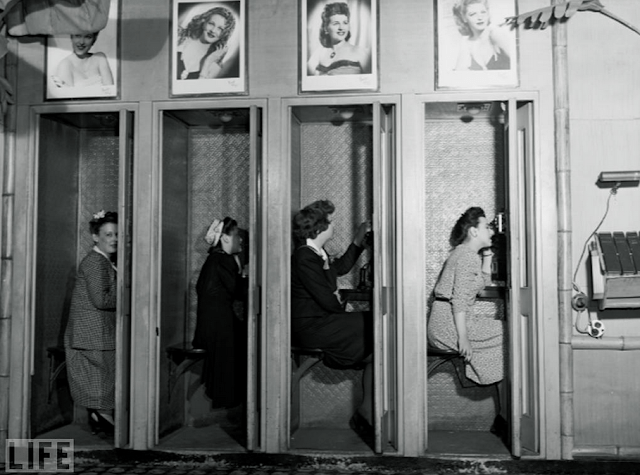
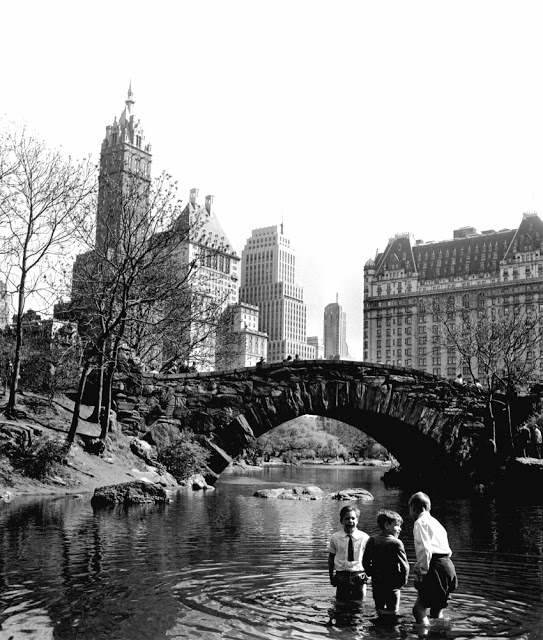
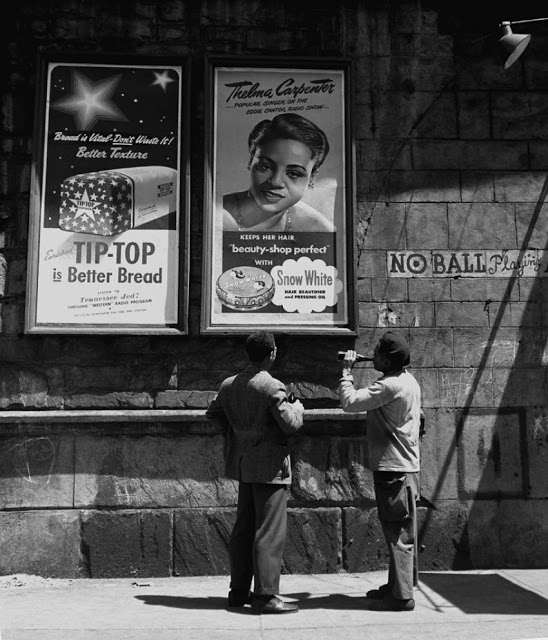
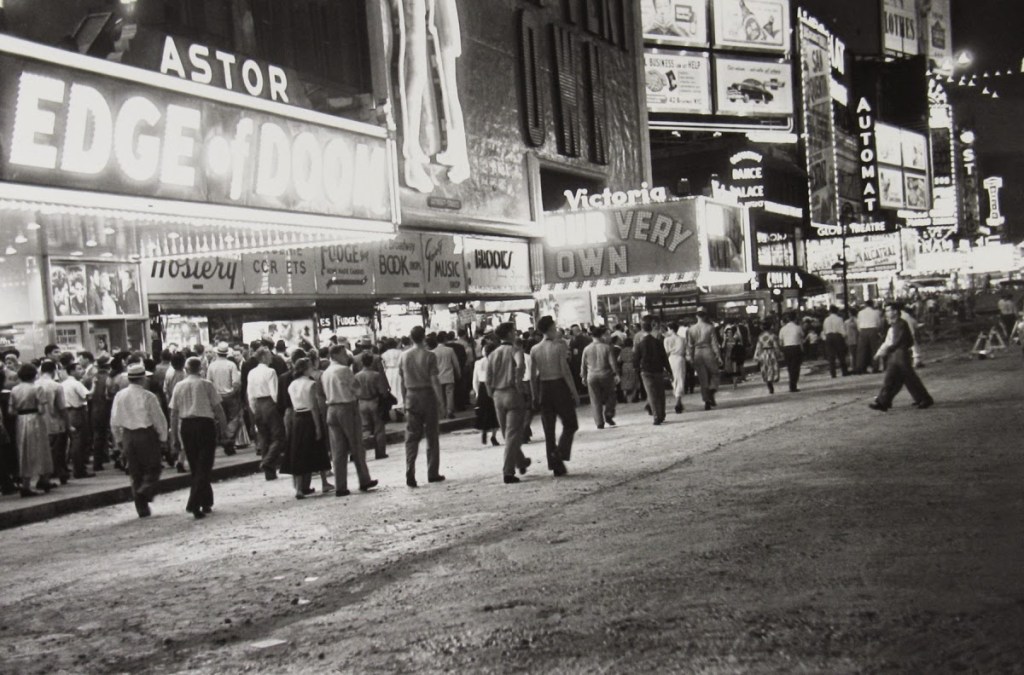
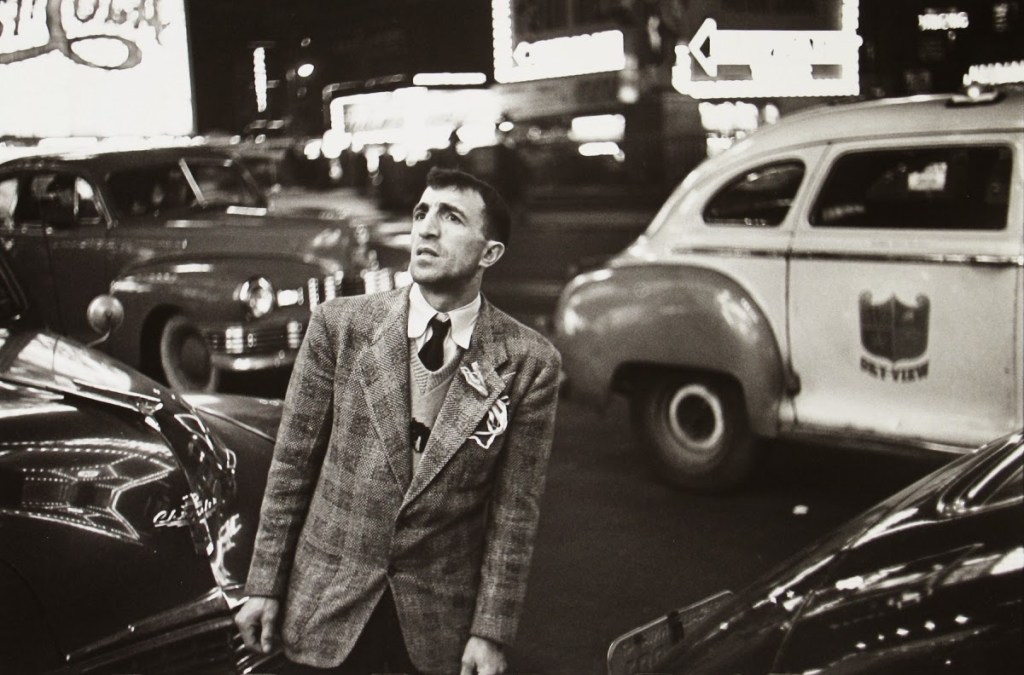
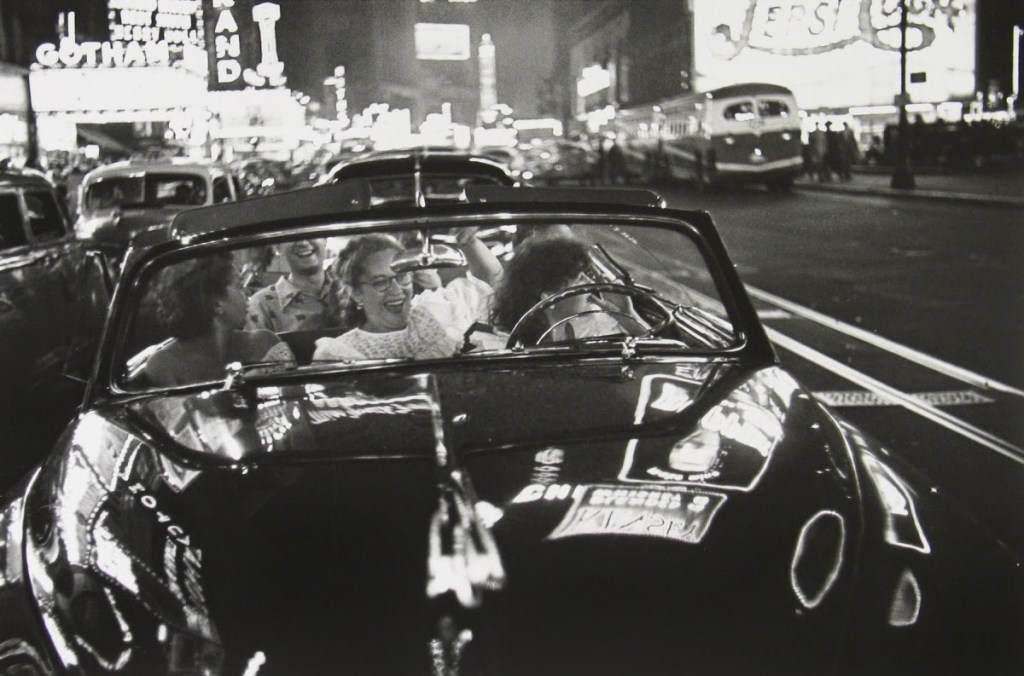
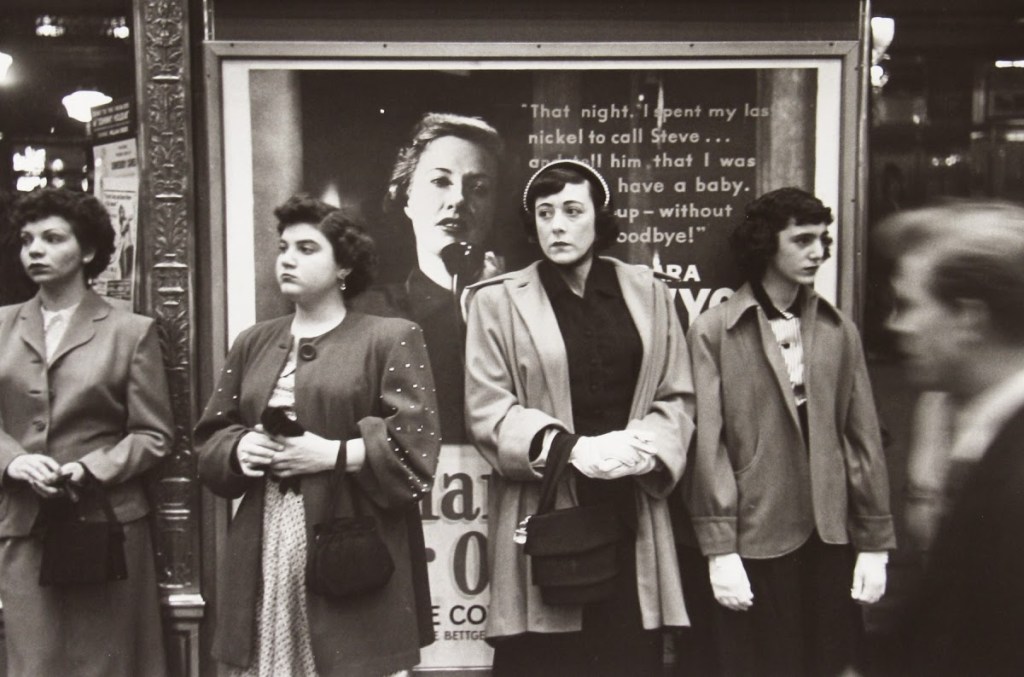
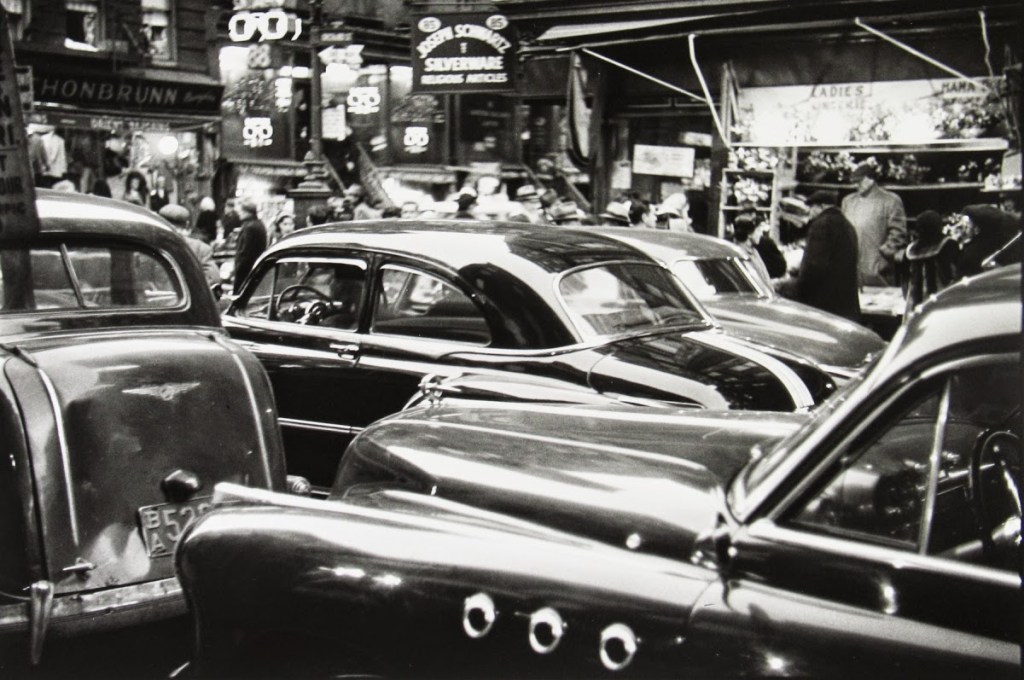
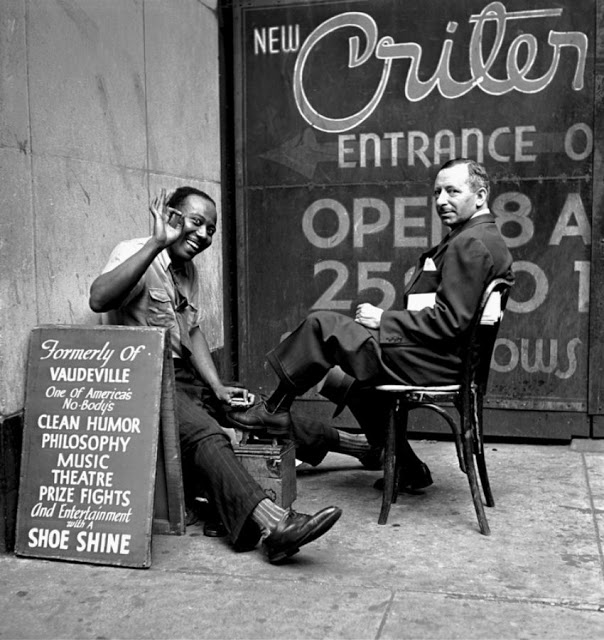
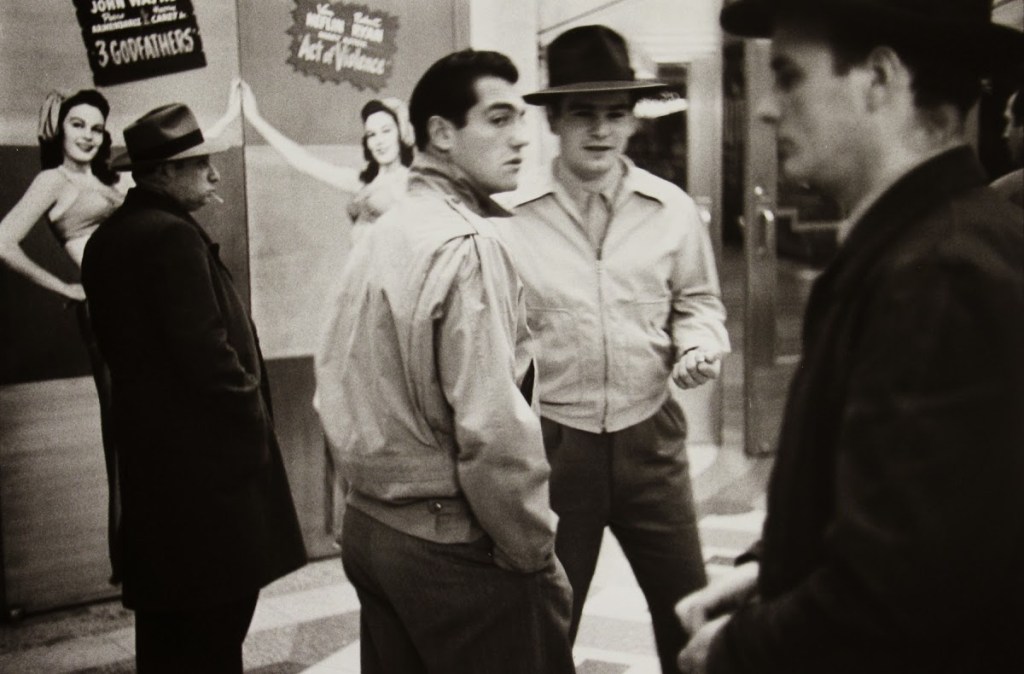
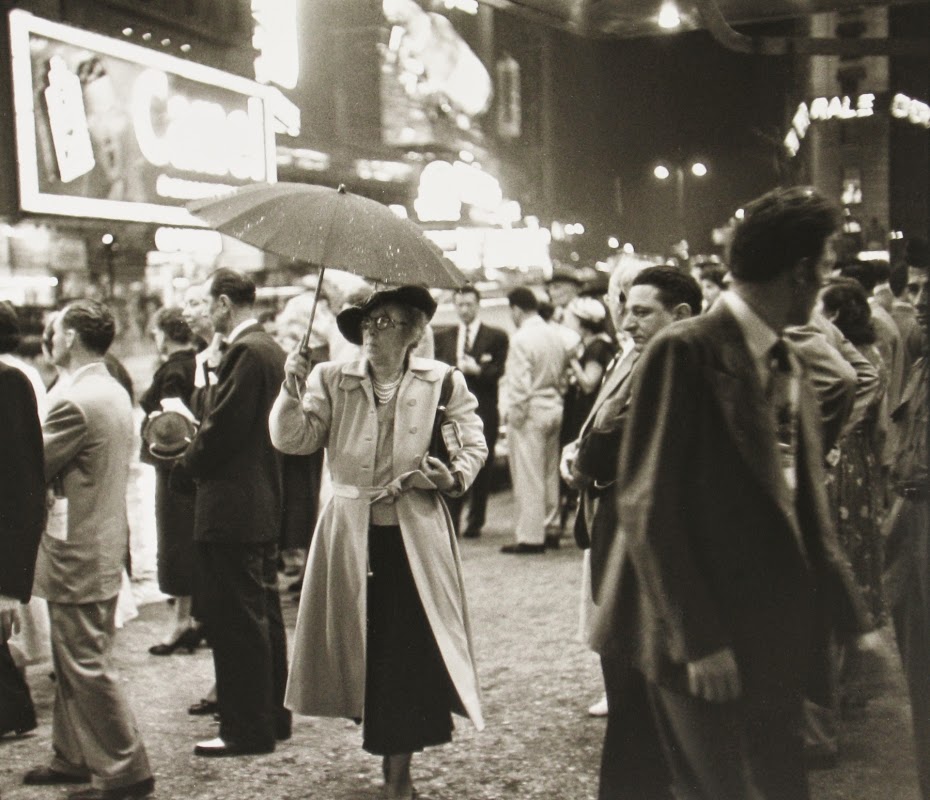
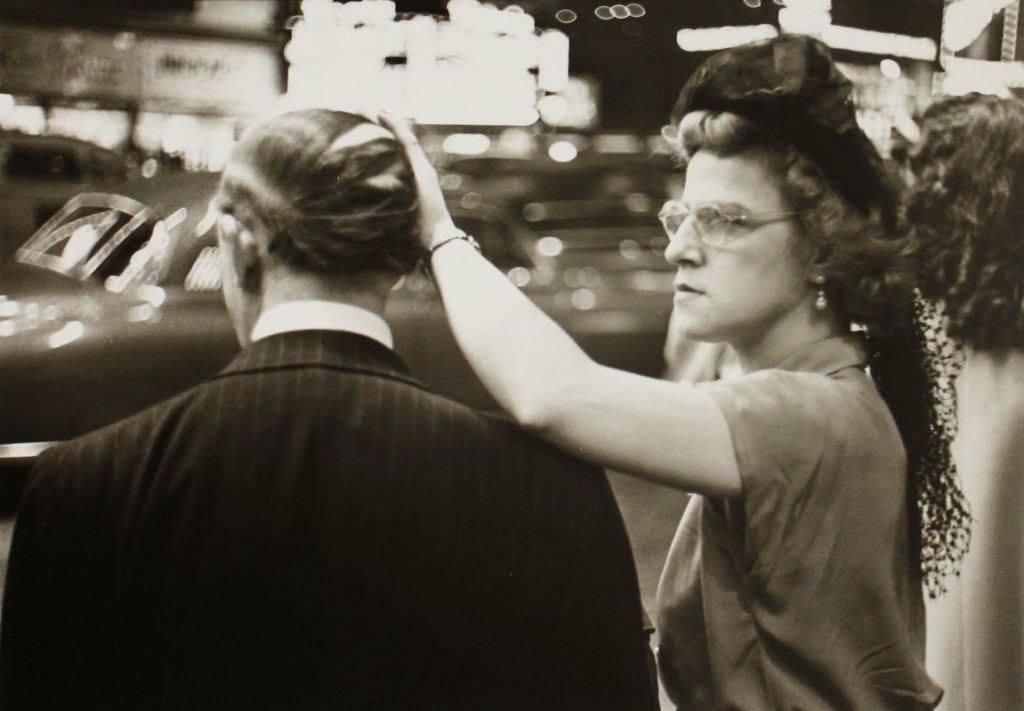
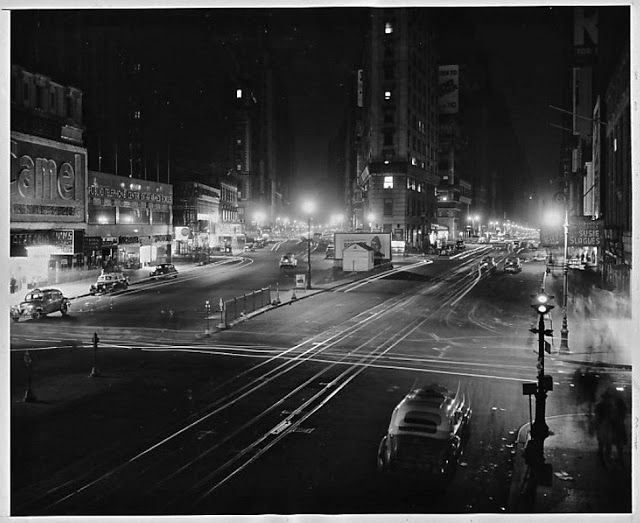
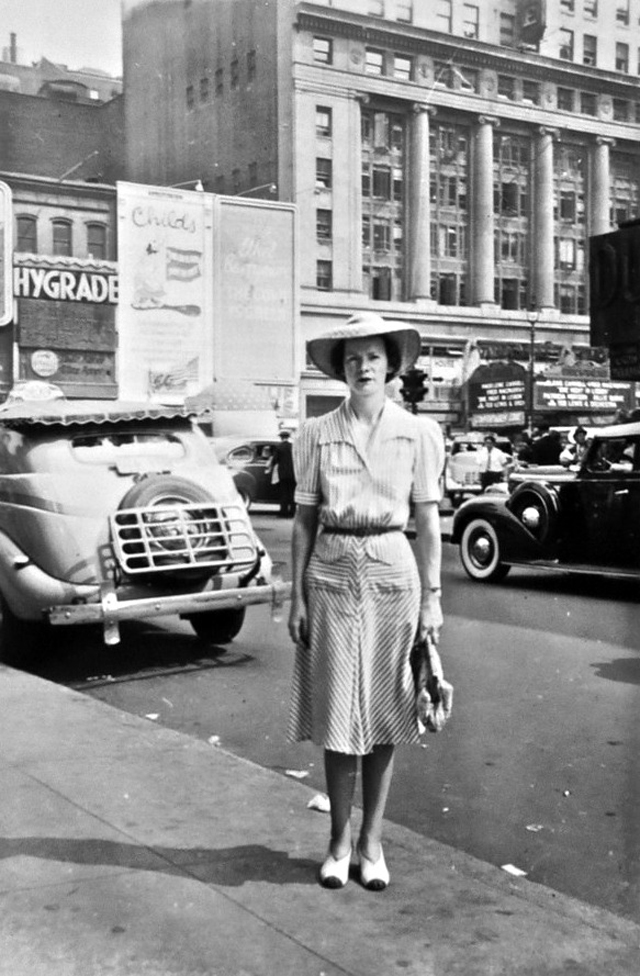
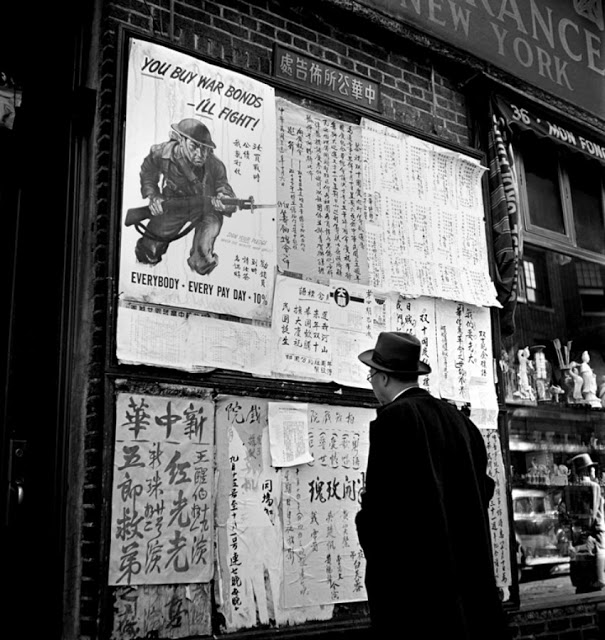
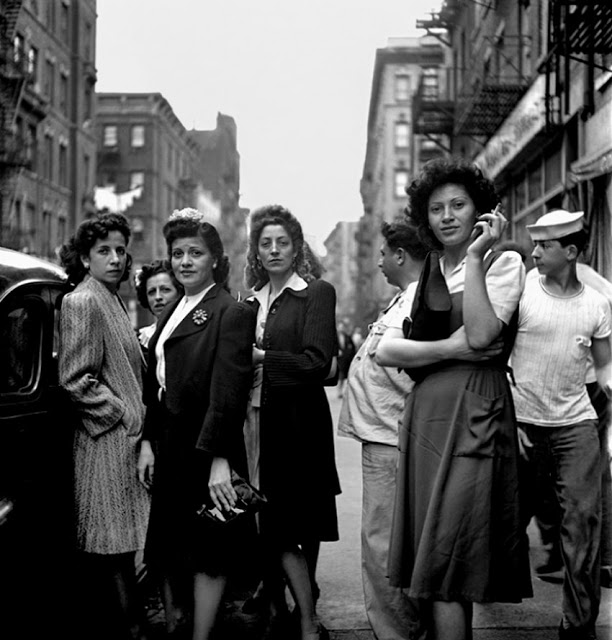
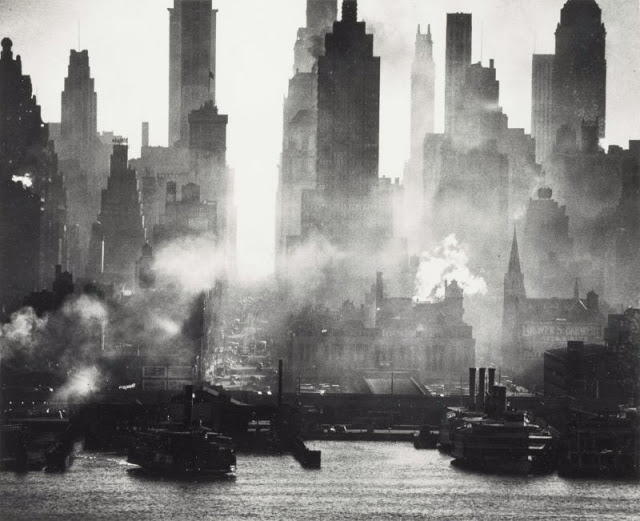
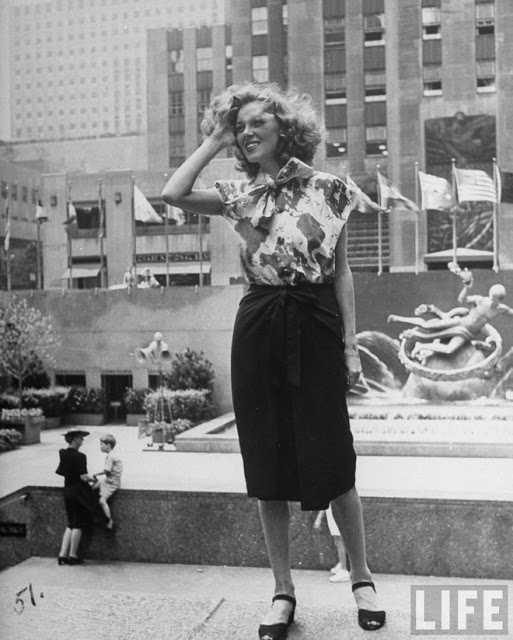
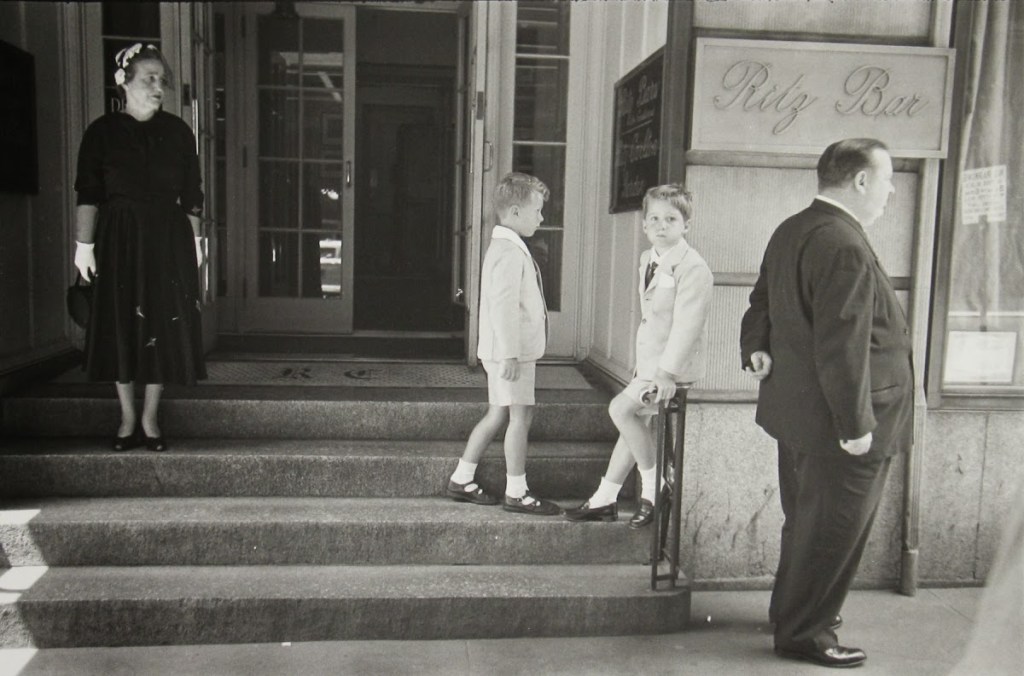
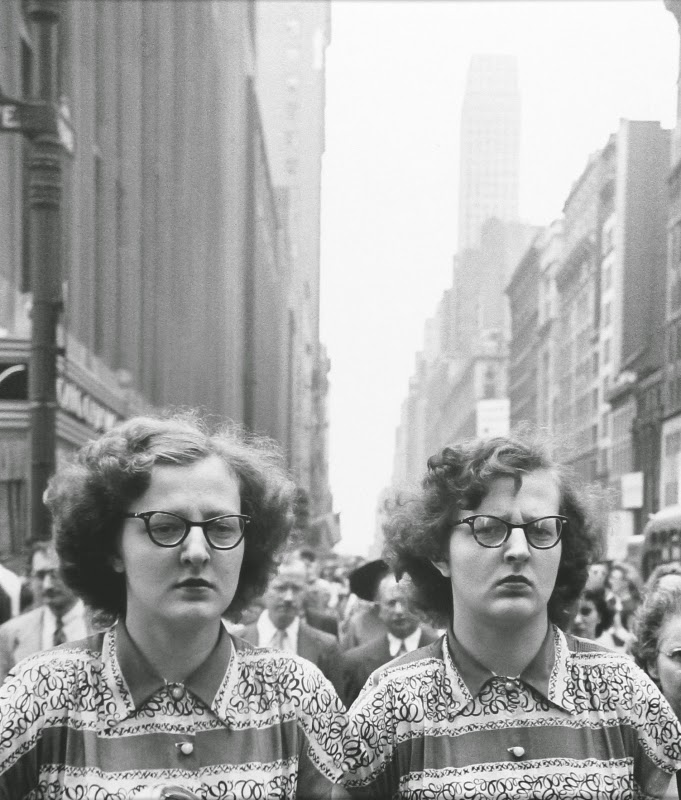
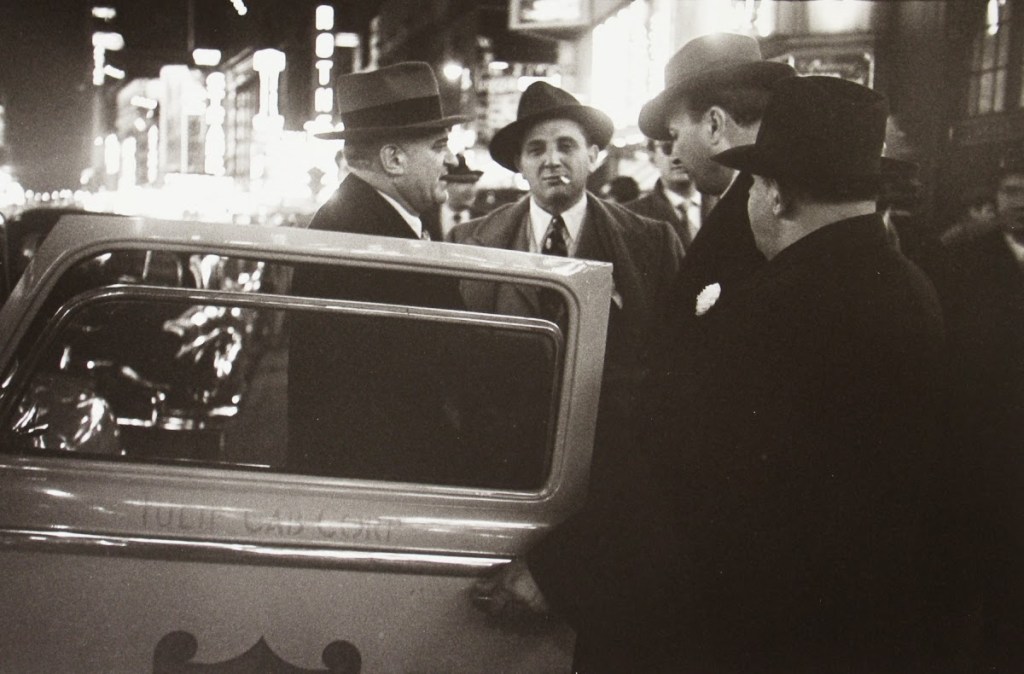
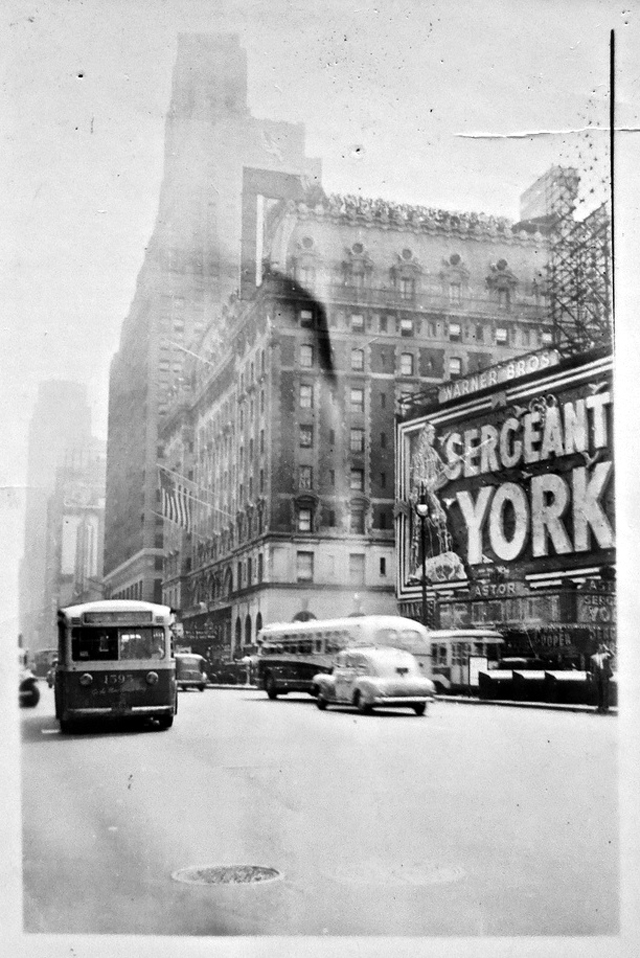
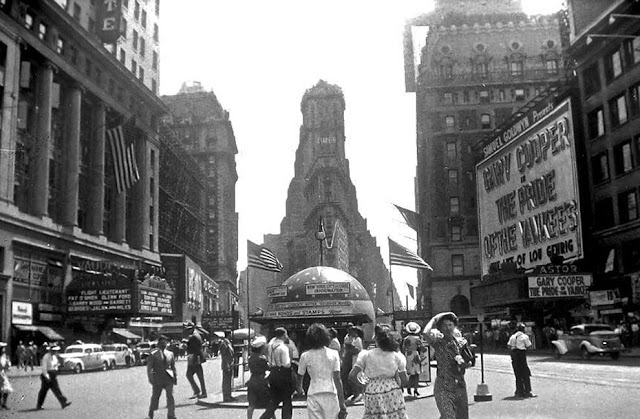
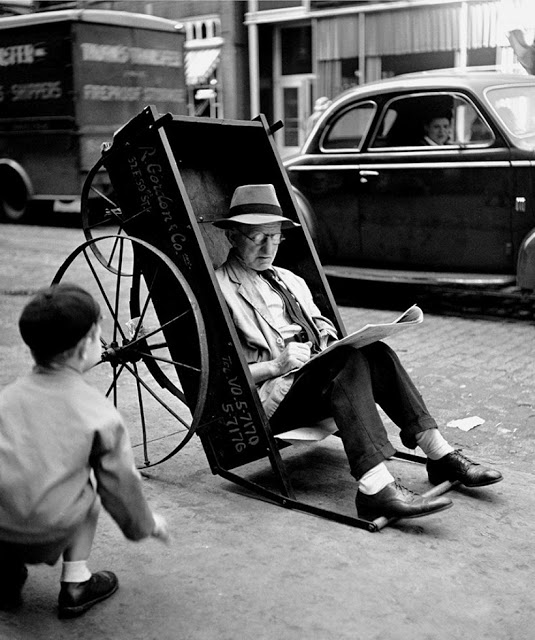
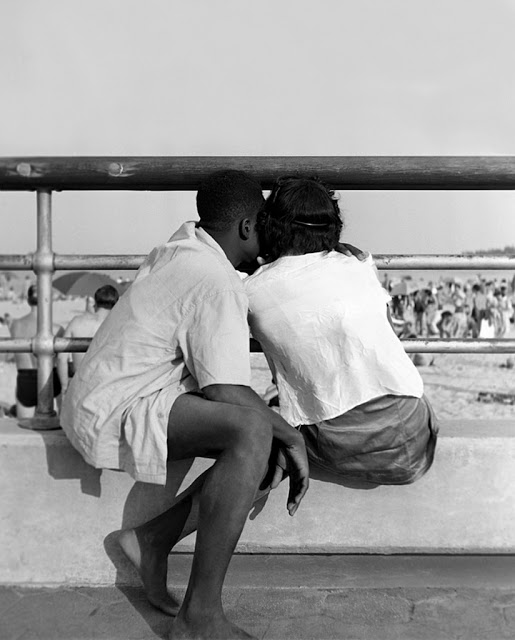
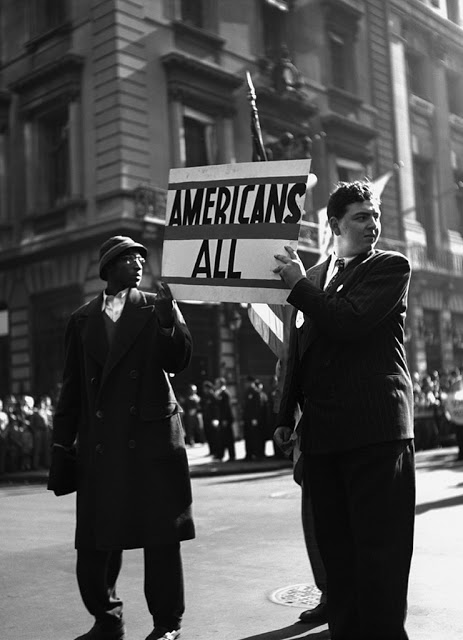
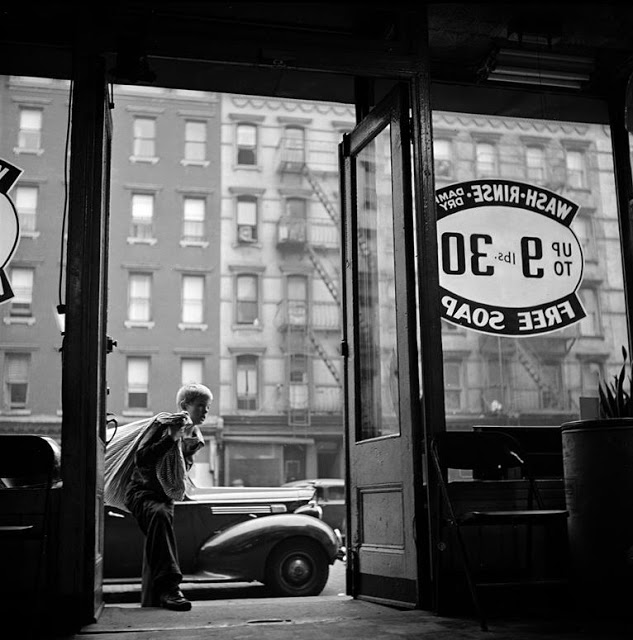
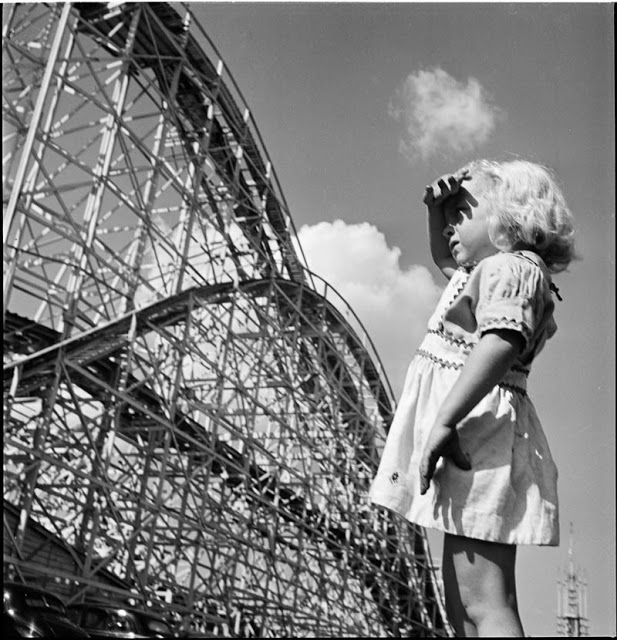
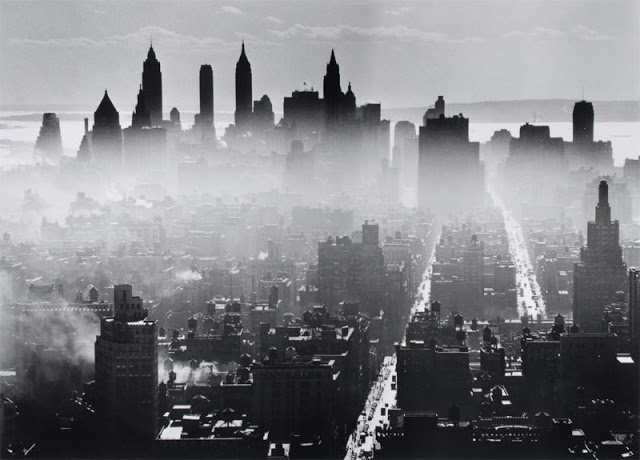
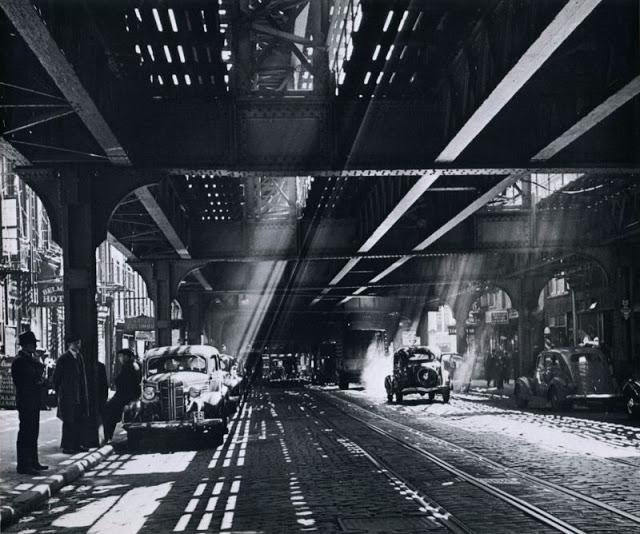
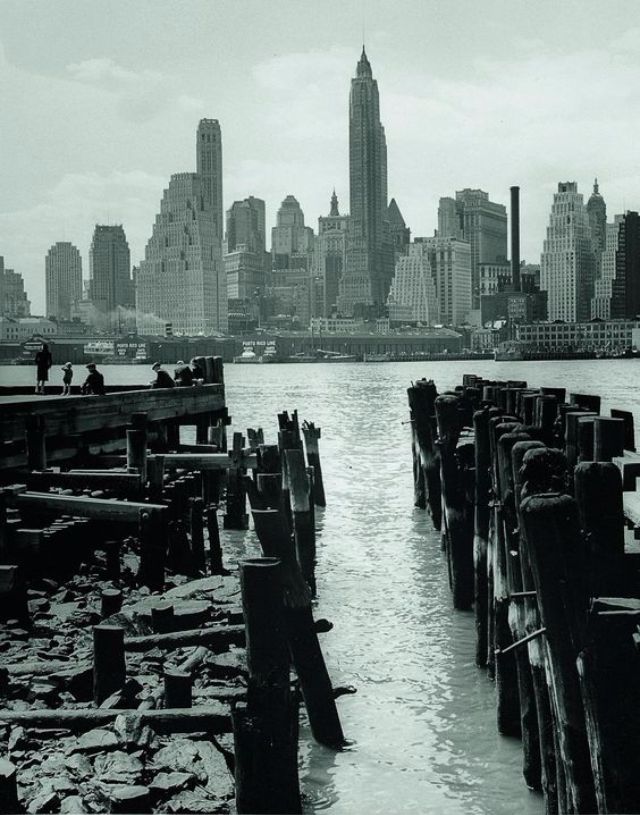
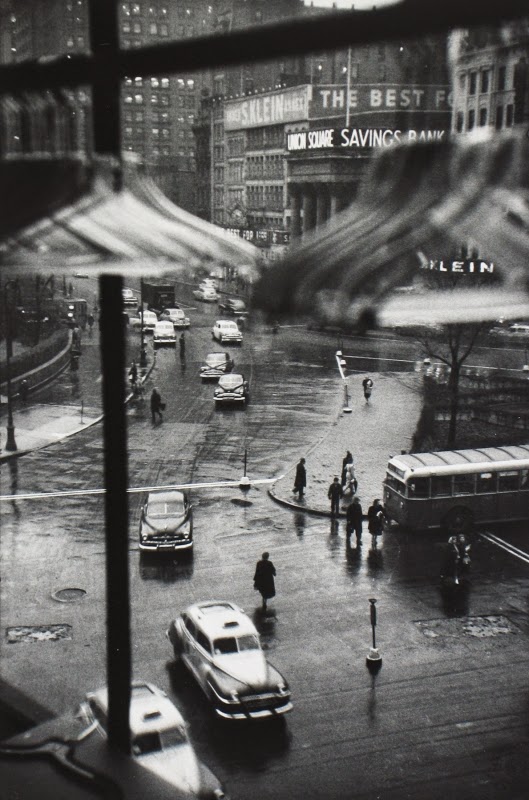
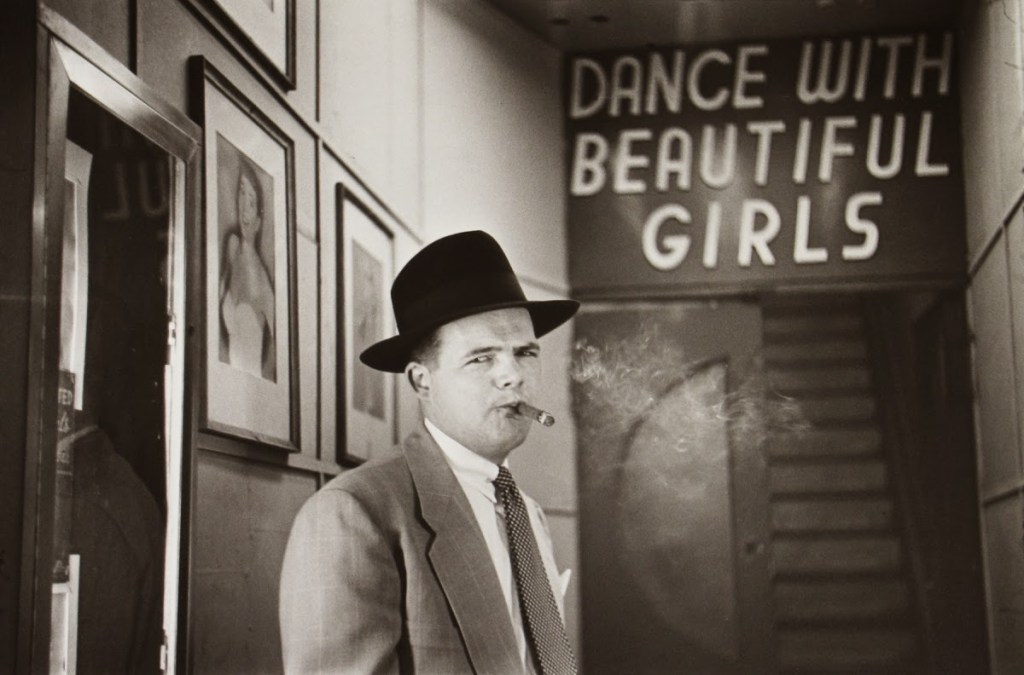
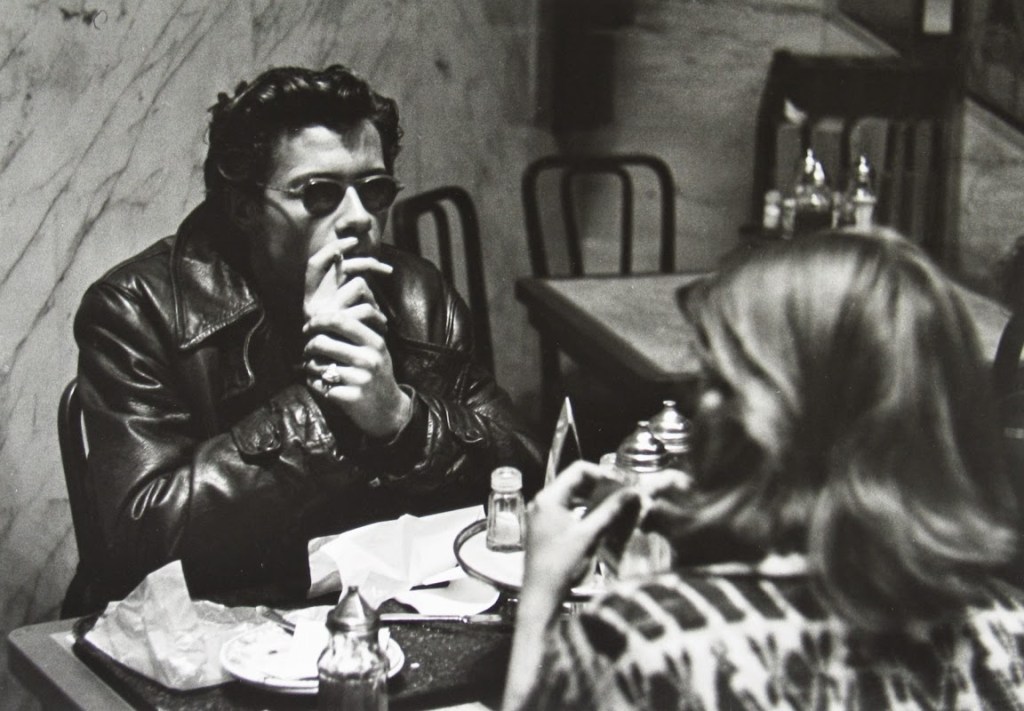
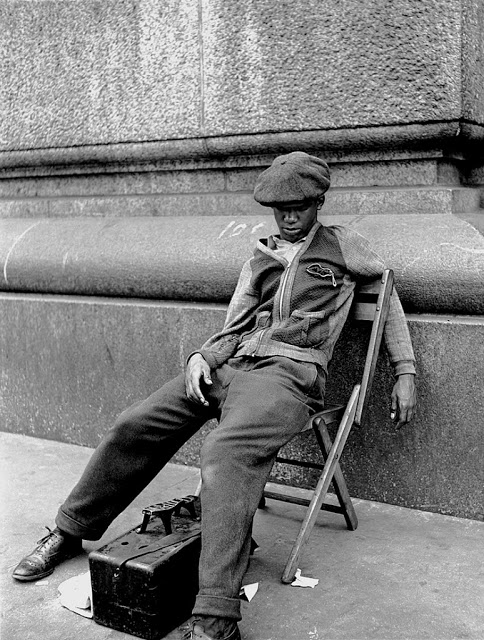
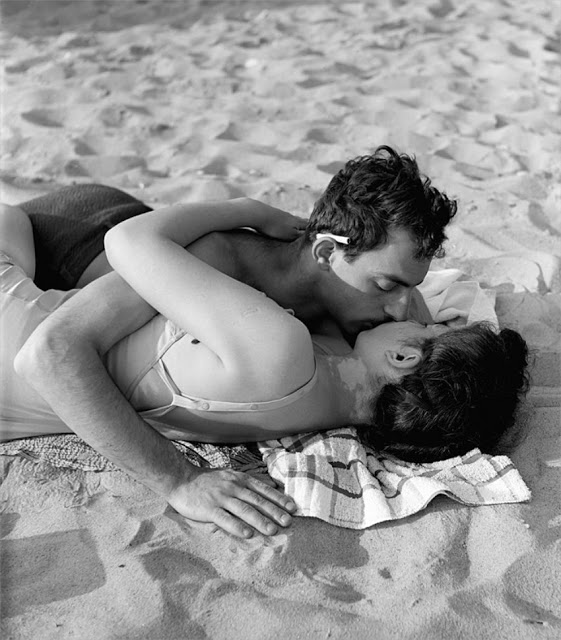
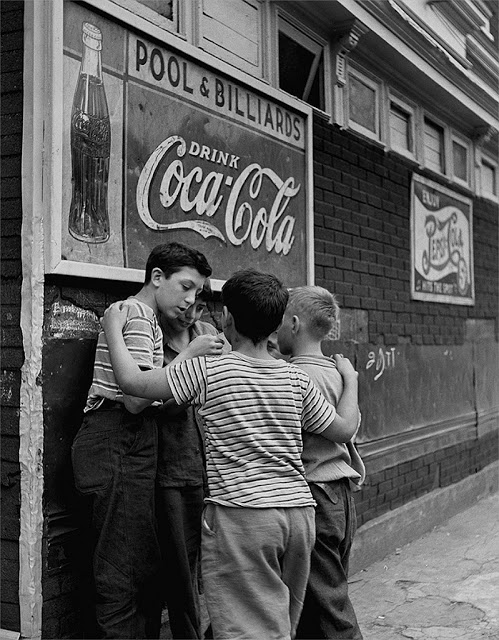
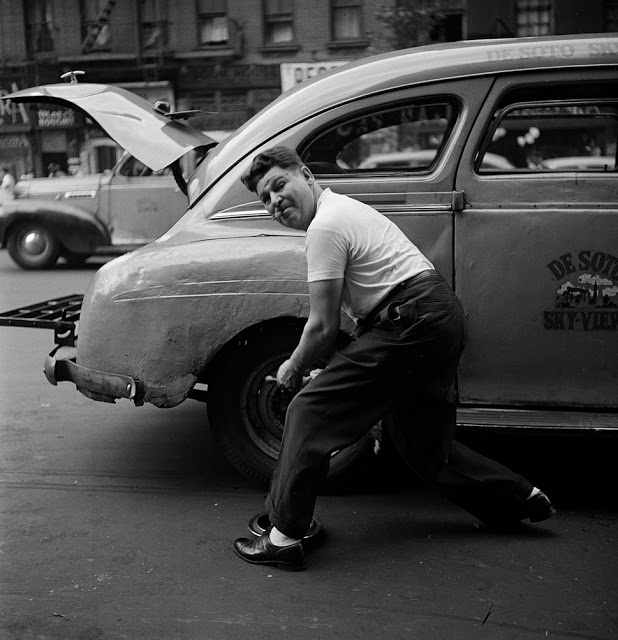
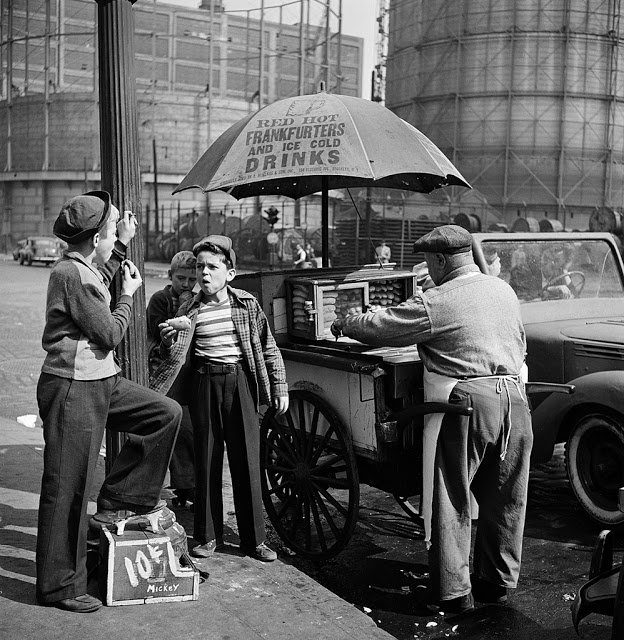
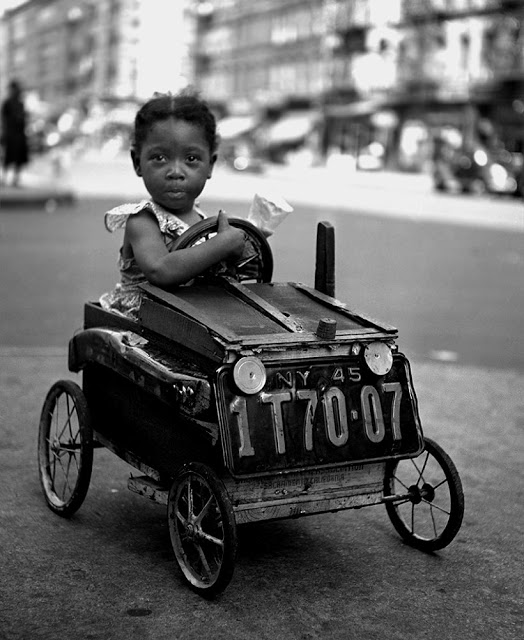
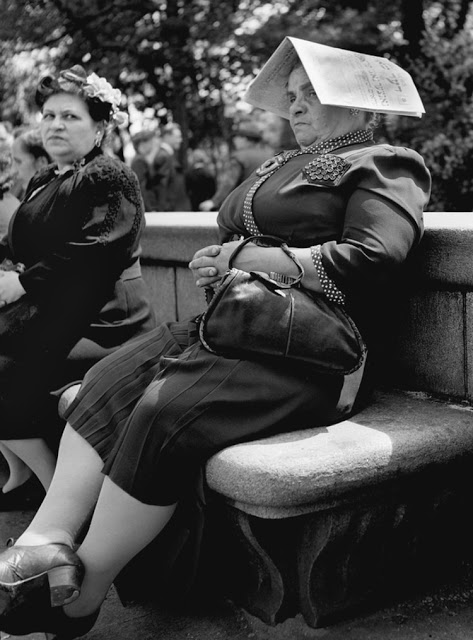
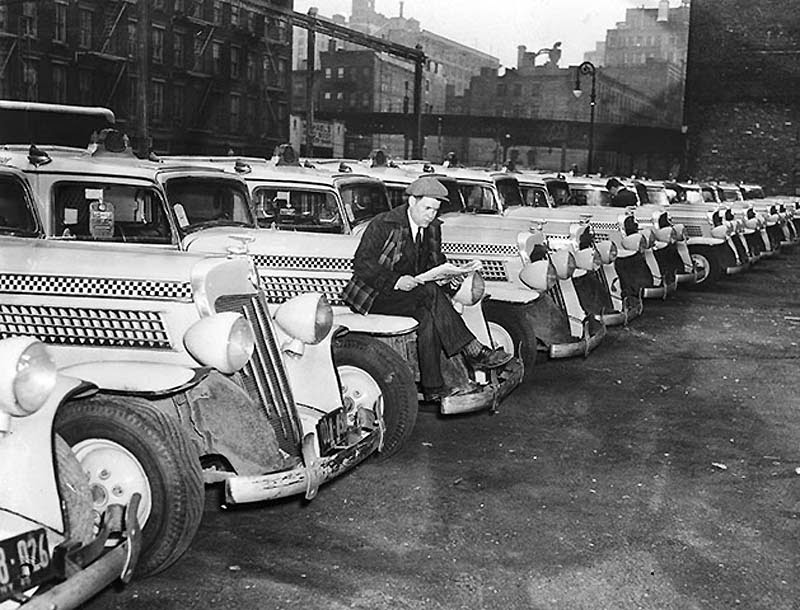
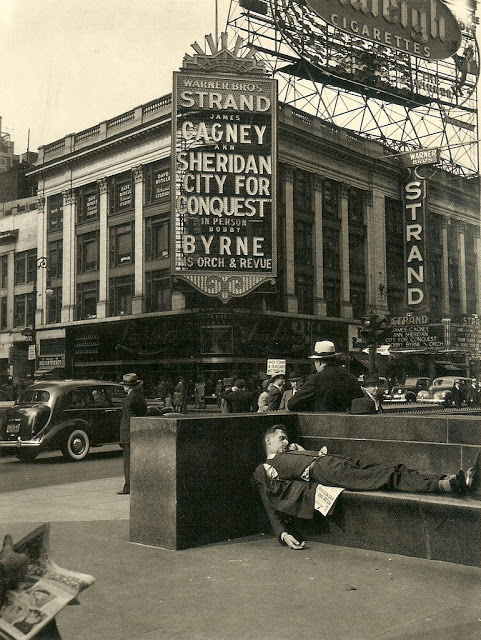
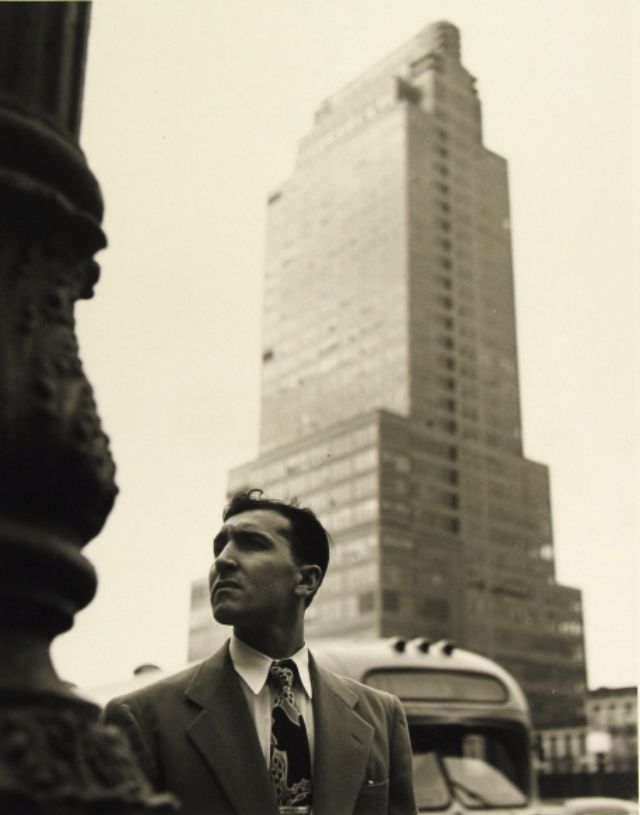
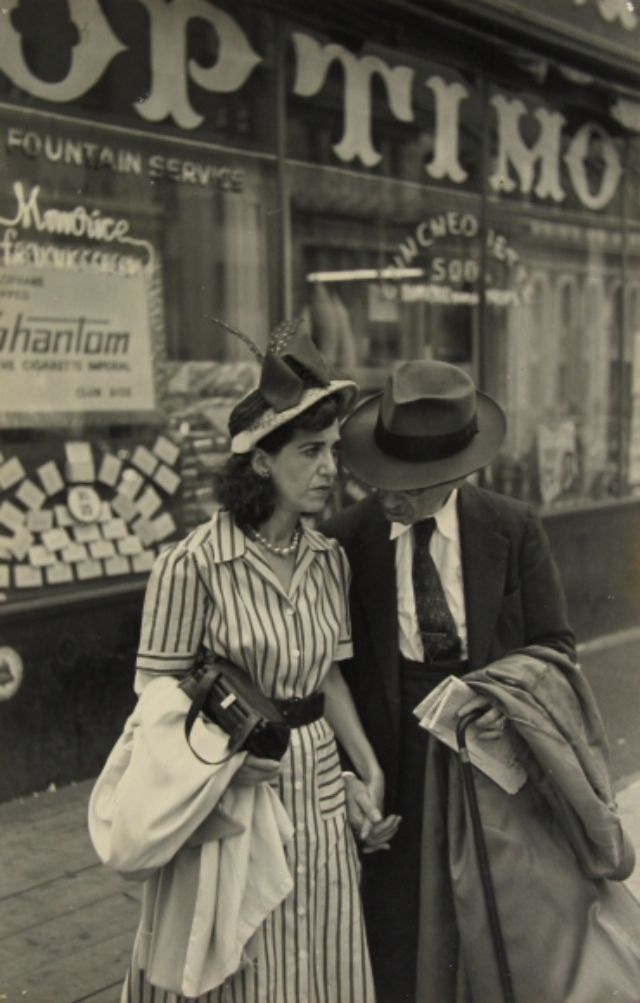
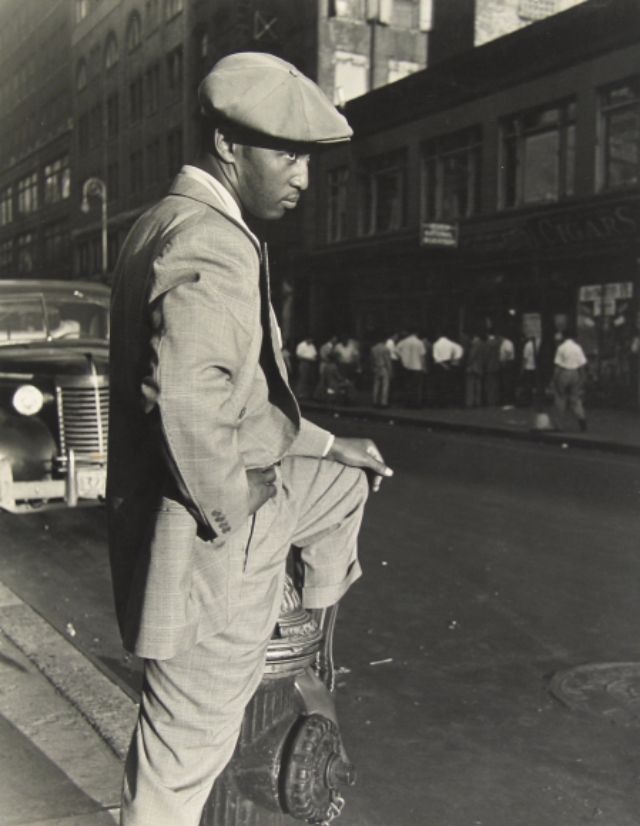
Coney Island, July 4, New York, 1949The Brooklyn Bridge arches toward Lower Manhattan, 1948Times Square at night, 1946Telephone booth inside the Hurricane Ballroom, New York, 194066cm_11294_ 102