

Bringing You the Wonder of Yesterday – Today





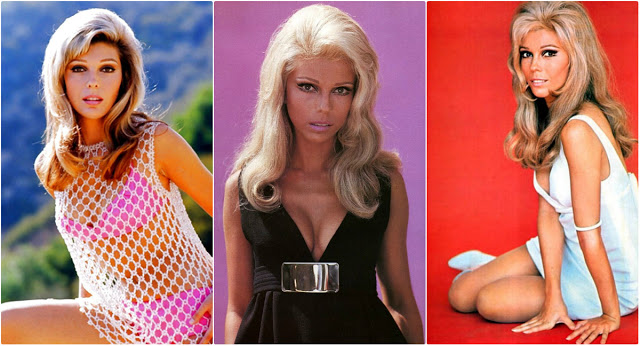
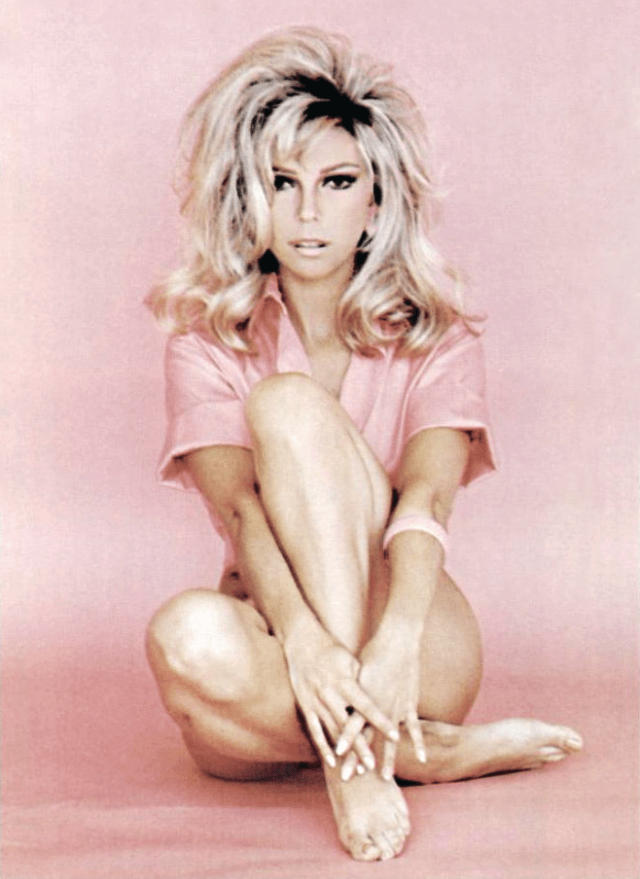
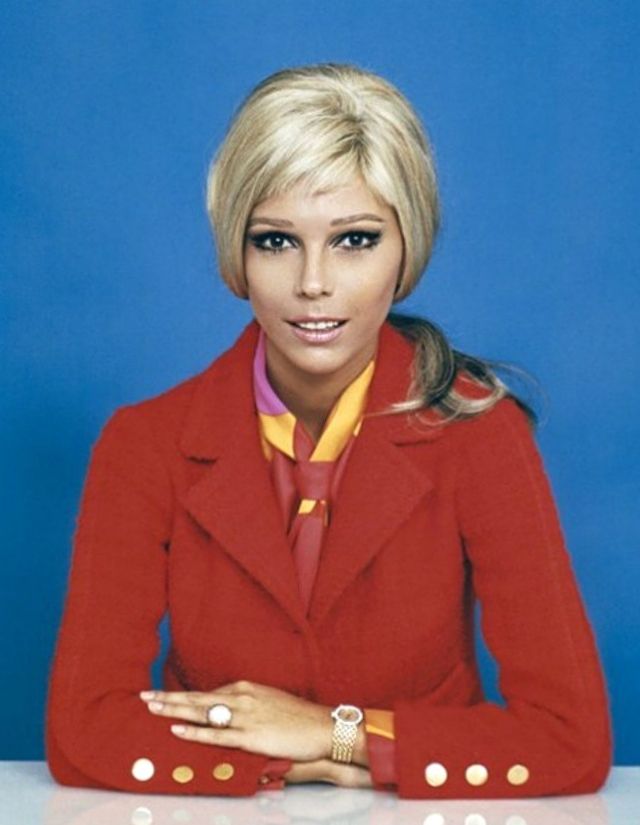
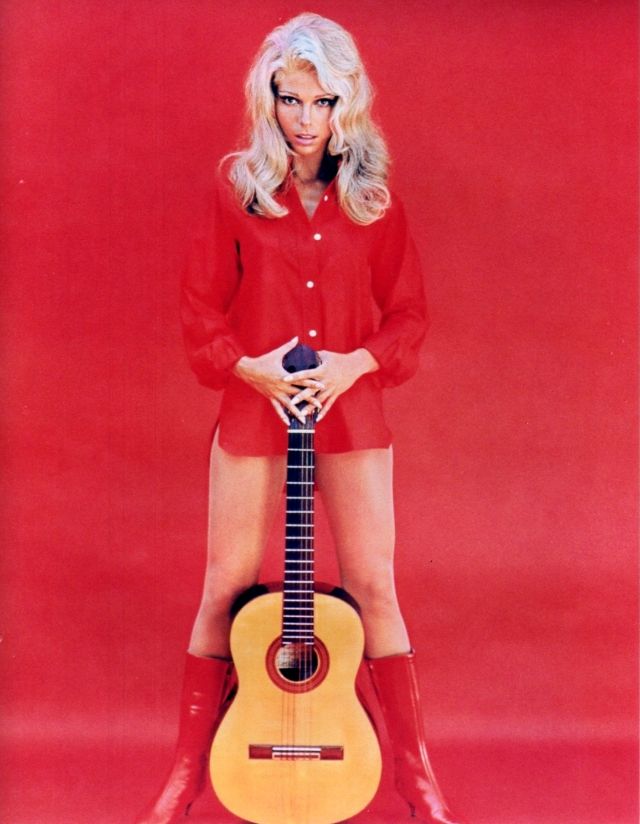
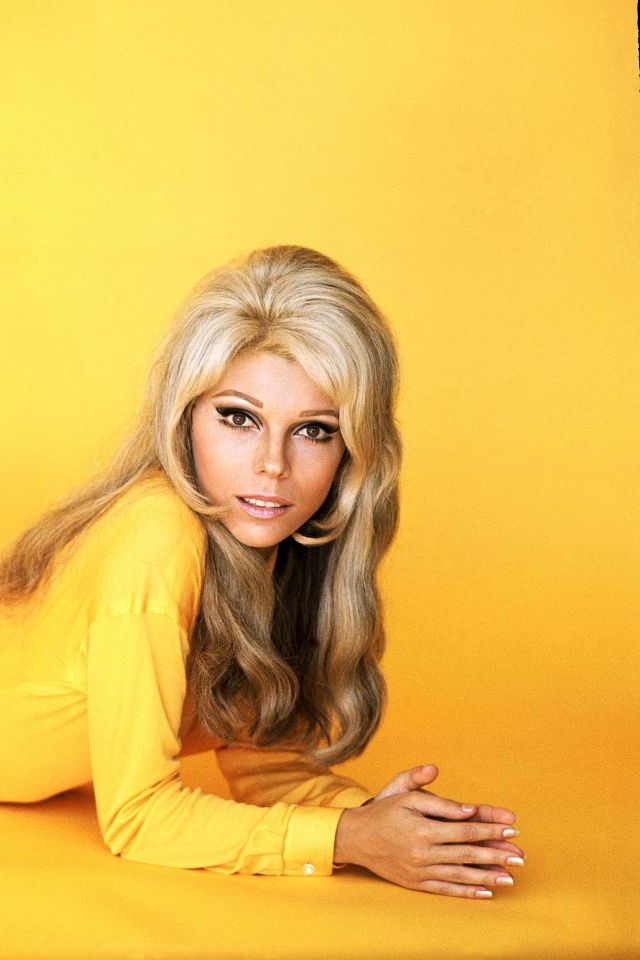
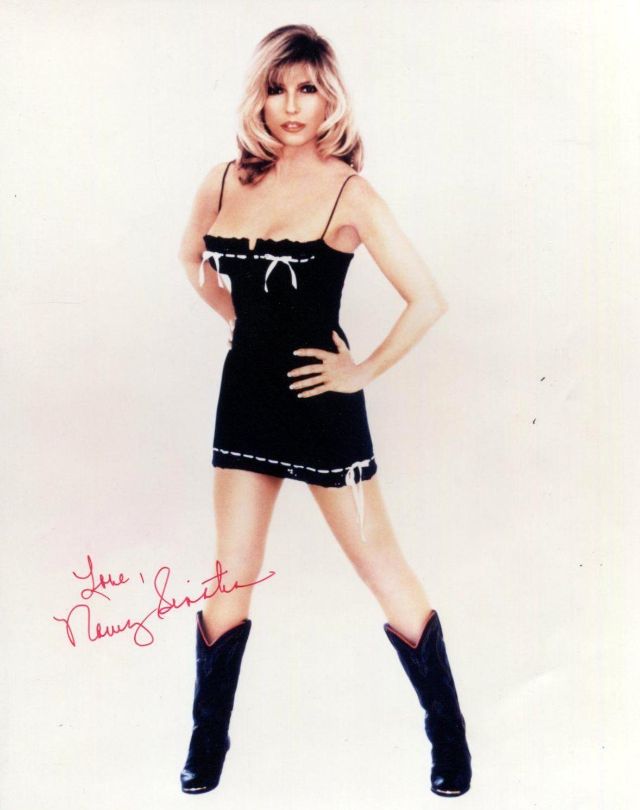
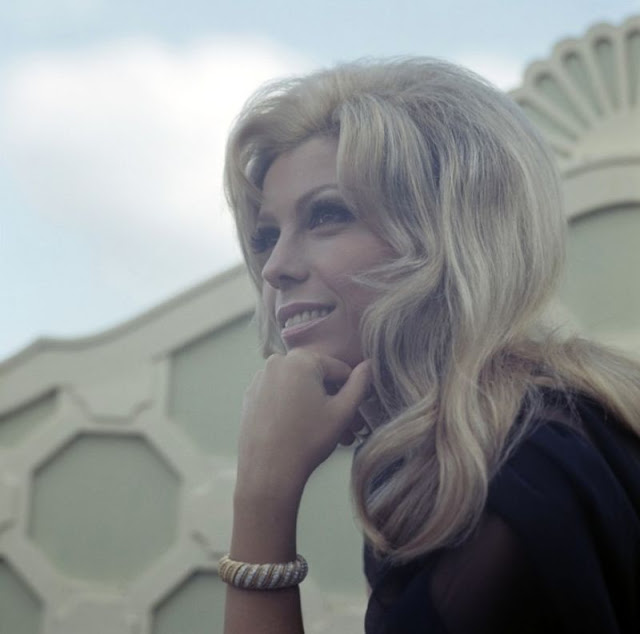
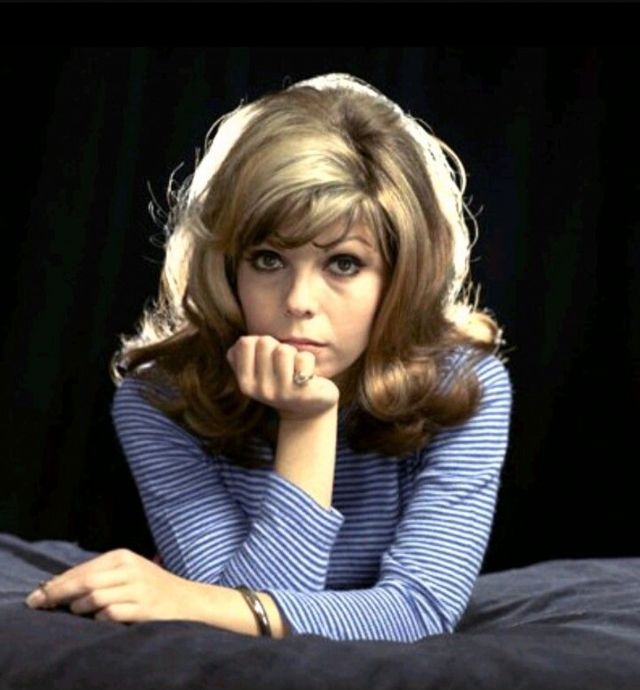
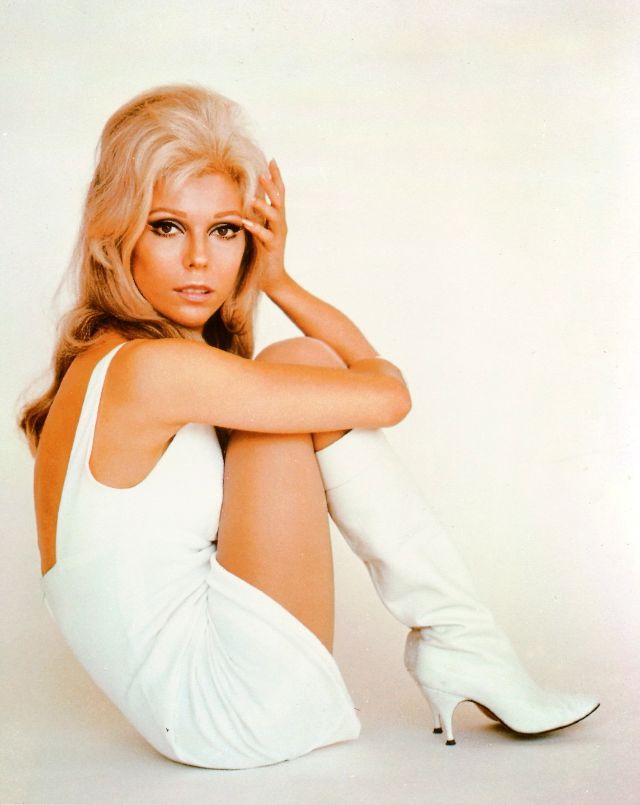
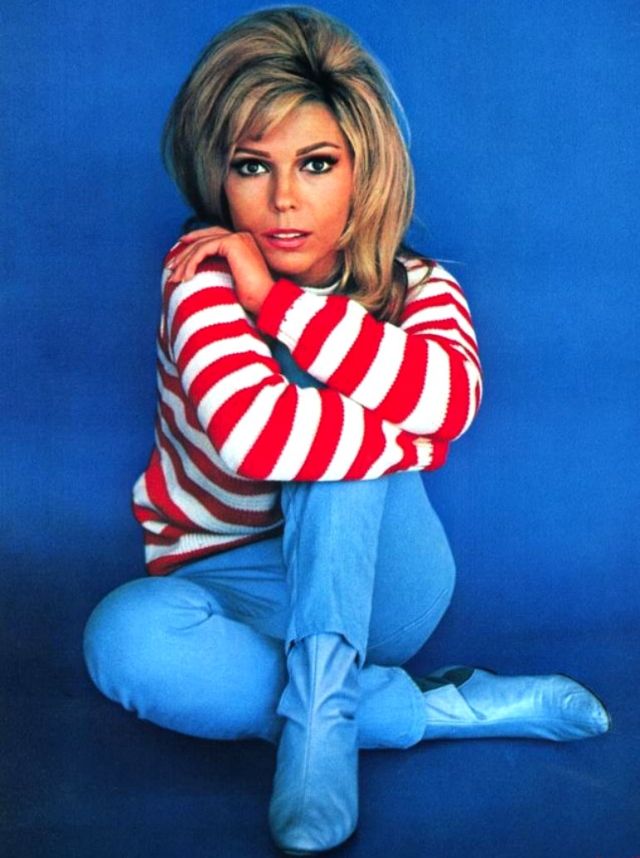
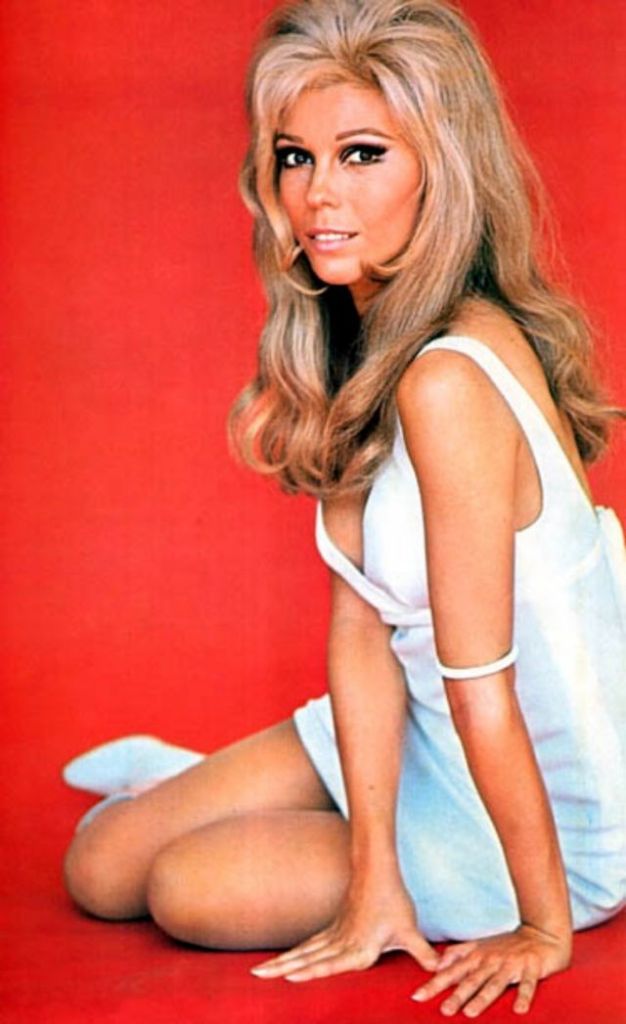
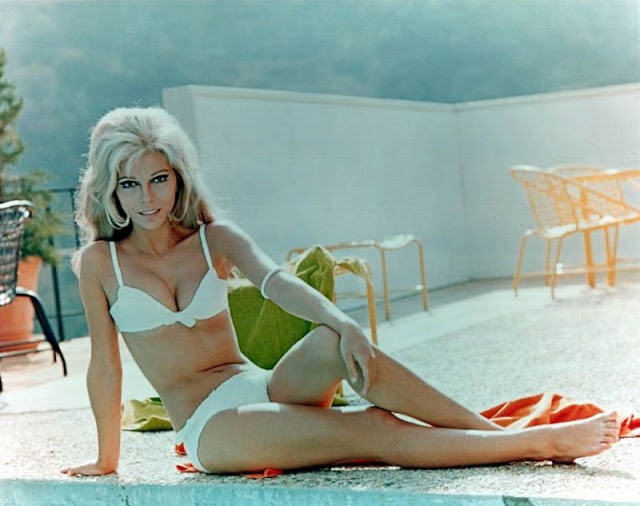
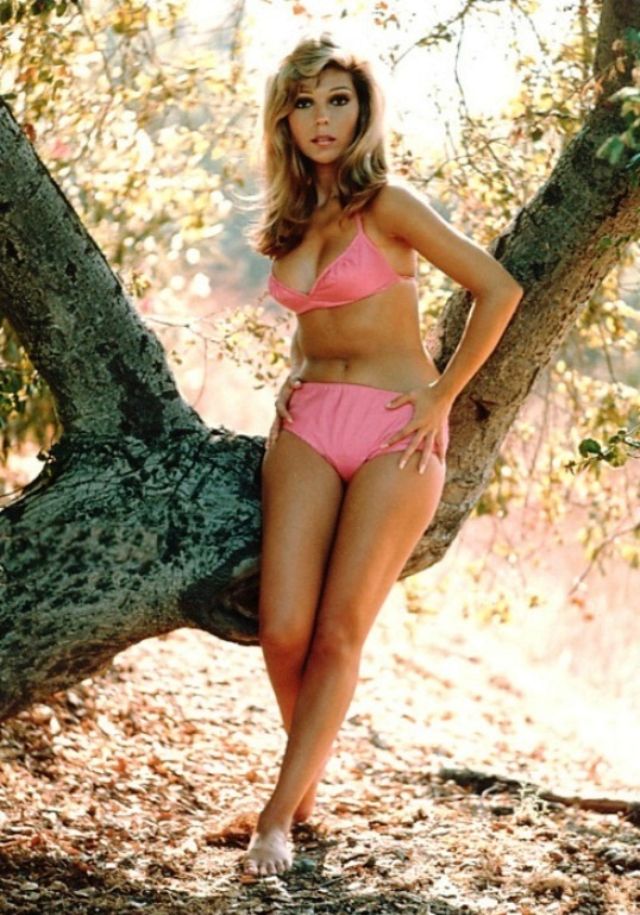
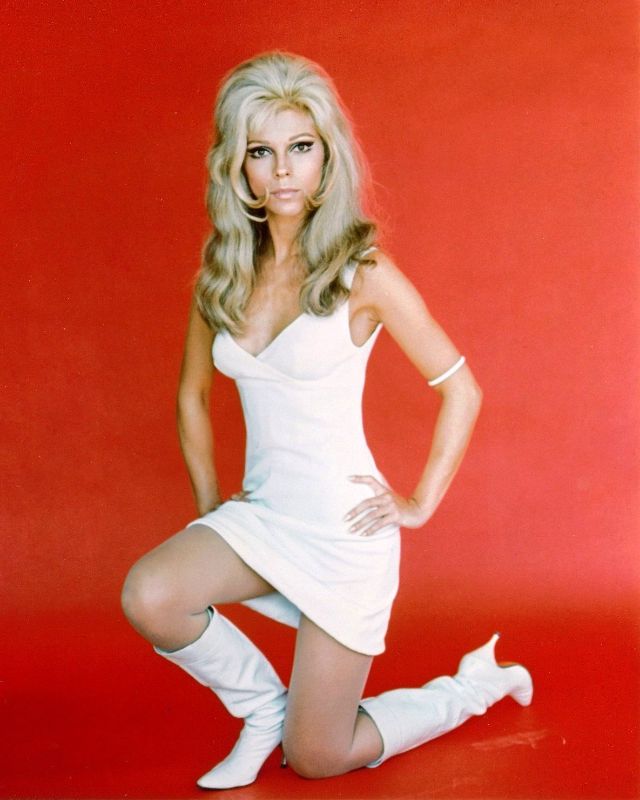
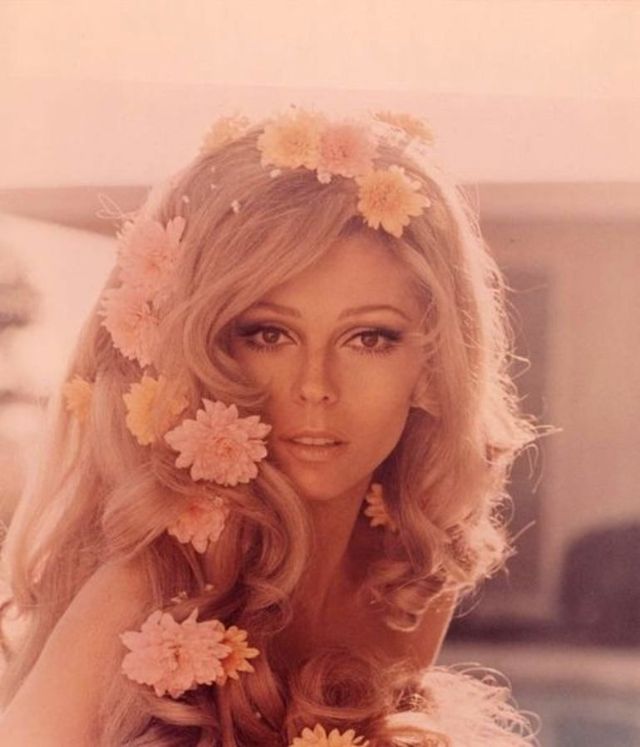
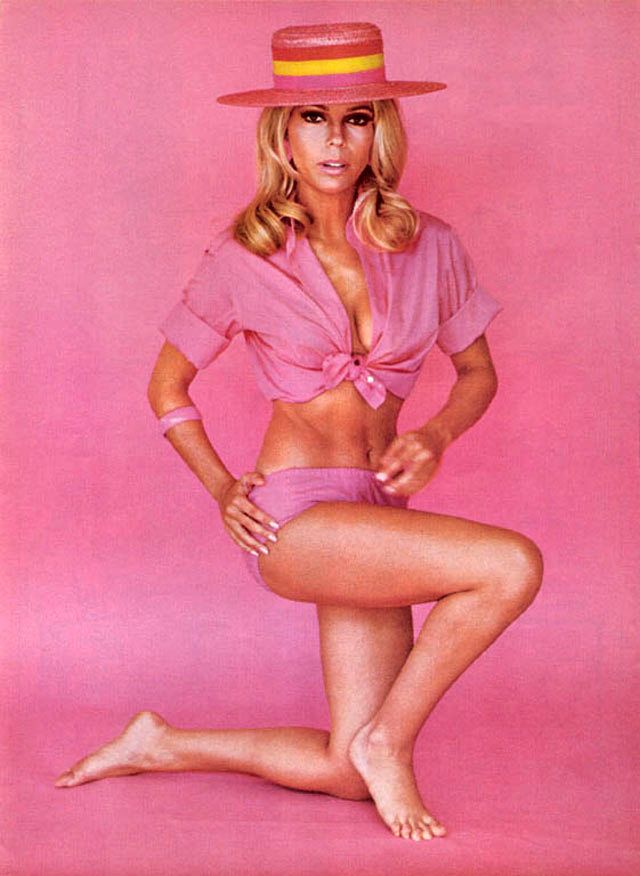
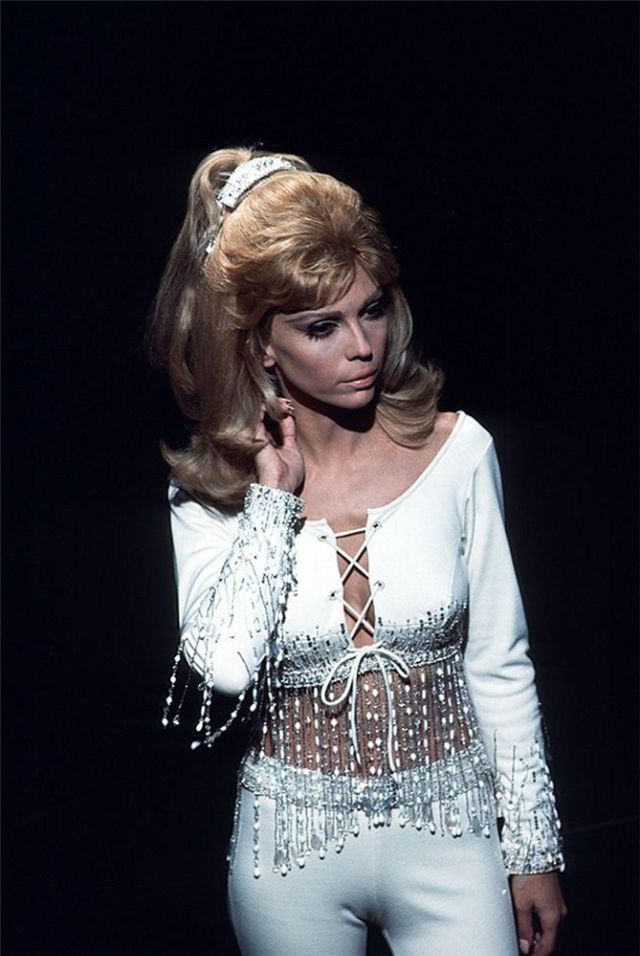
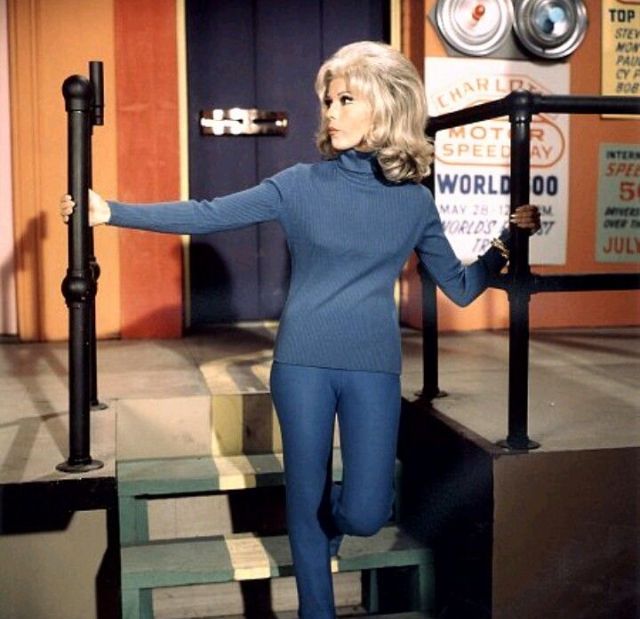
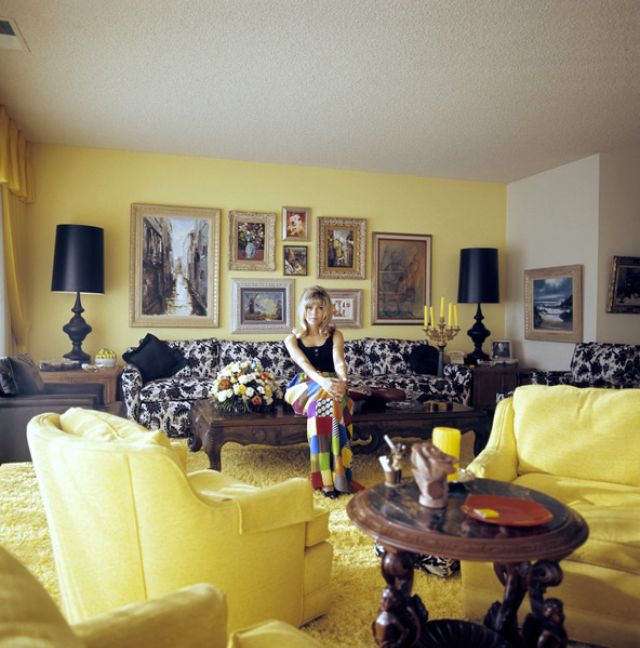
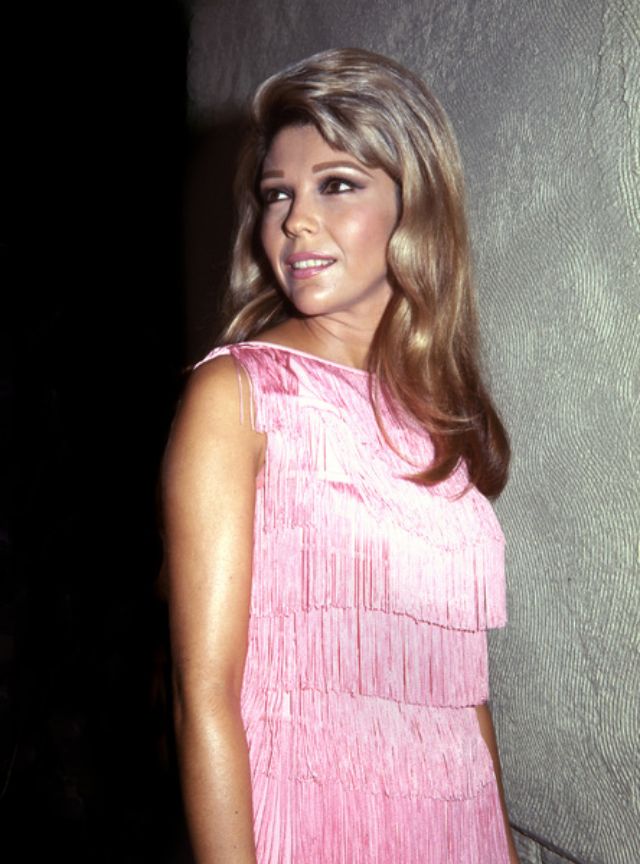
Nancy Sandra Sinatra[4] (born June 8, 1940) is an American singer and actress. She is the elder daughter of Frank Sinatra and Nancy Sinatra (née Barbato), and is best known for her 1966 signature hit “These Boots Are Made for Walkin'”.
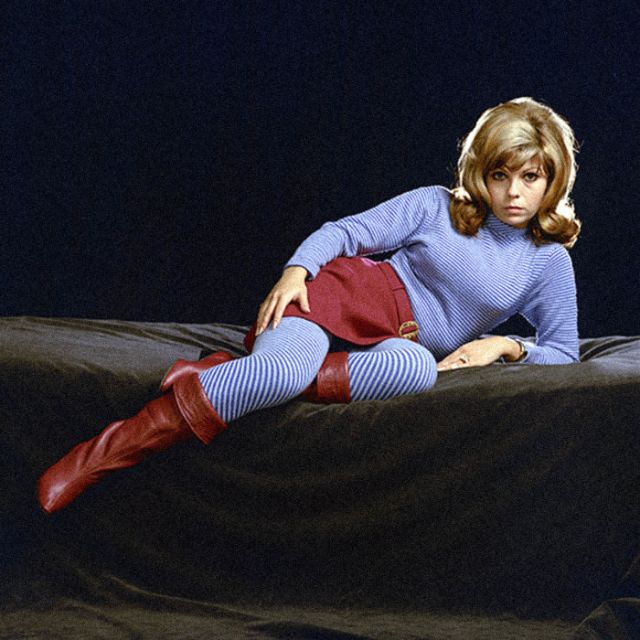
Nancy Sinatra began her career as a singer and actress in November 1957 with an appearance on her father’s ABC-TV variety series, but initially achieved success only in Europe and Japan. In early 1966 she had a transatlantic number-one hit with “These Boots Are Made for Walkin'”. A TV promo clip from the era features Sinatra in high boots, accompanied by colourfully dressed go-go dancers, in what is now considered an iconic Swinging Sixties look. The song was written by Lee Hazlewood, who wrote and produced most of her hits and sang with her on several duets. In 1966 and 1967, Sinatra charted with 13 titles, all of which featured Billy Strange as arranger and conductor.
Other defining recordings include “Sugar Town”, the transatlantic 1967 number one “Somethin’ Stupid” (a duet with her father), two versions of the title song from the James Bond film You Only Live Twice (1967), several collaborations with Lee Hazlewood – including “Summer Wine”, “Jackson”, “Some Velvet Morning” and the 1971 UK hit “Did You Ever” – and her 1966 cover of the Cher hit “Bang Bang (My Baby Shot Me Down)”, which features in the opening credits of Quentin Tarantino’s 2003 film Kill Bill Volume 1.
Between 1964 and 1968 Sinatra appeared in several feature films, co-starring with Peter Fonda in Roger Corman’s biker-gang movie The Wild Angels (1966) and alongside Elvis Presley in the musical drama Speedway (1968). Frank and Nancy Sinatra played a fictional father and daughter in the 1965 comedy Marriage on the Rocks. (Wikipedia)






























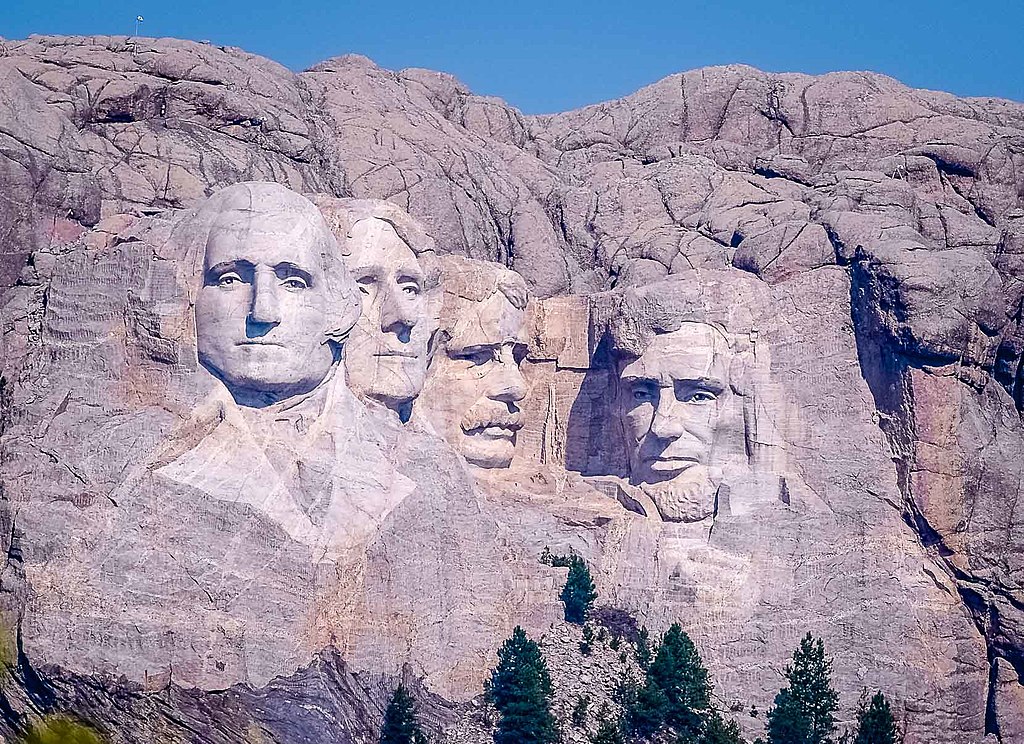
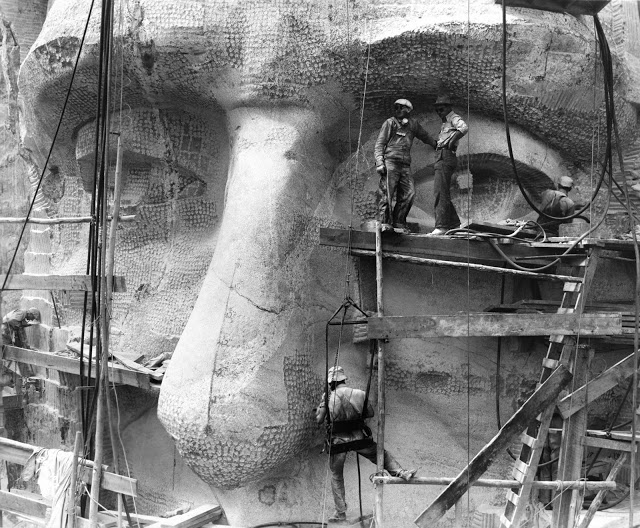
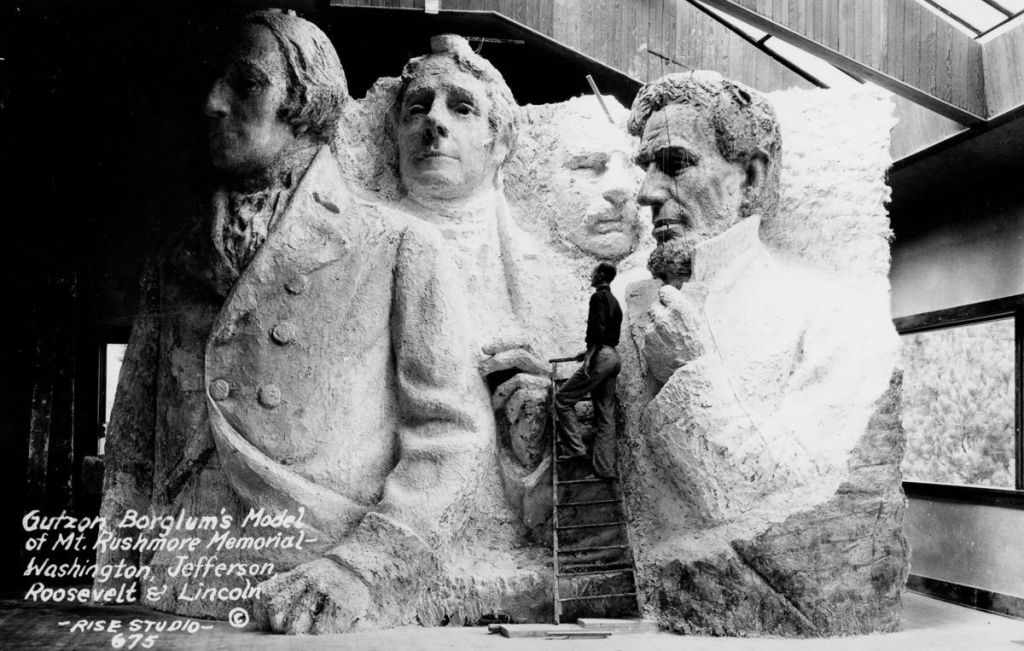
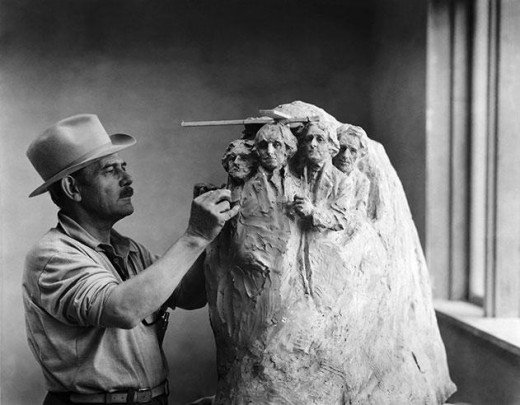
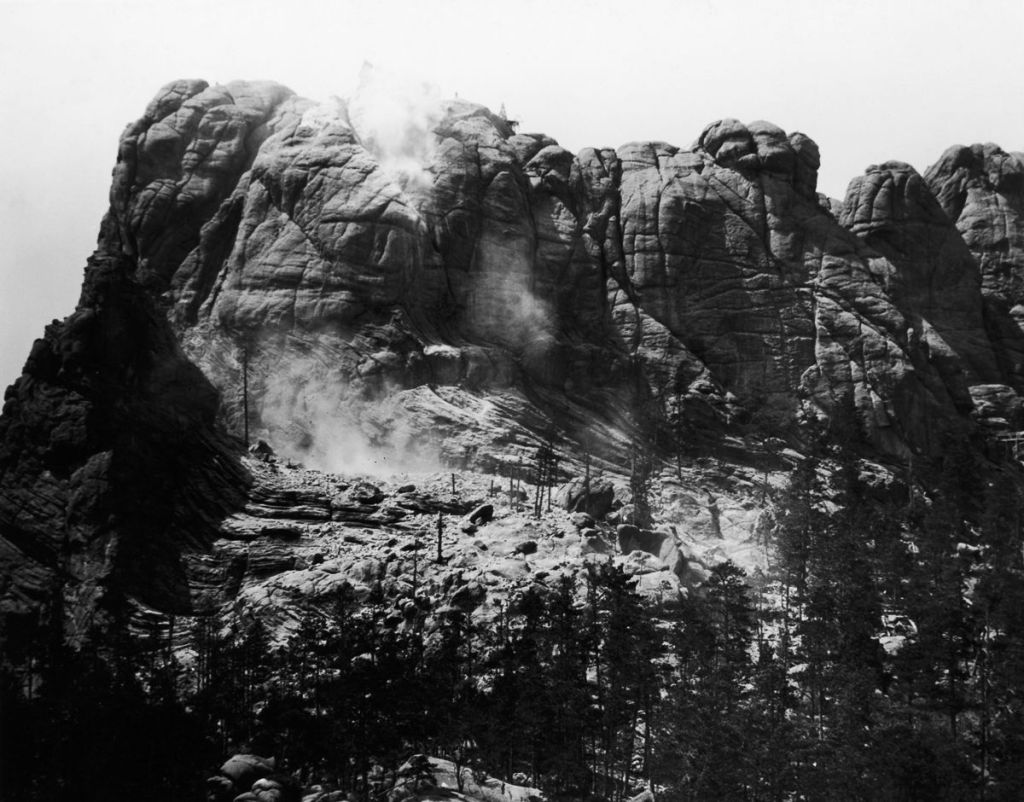
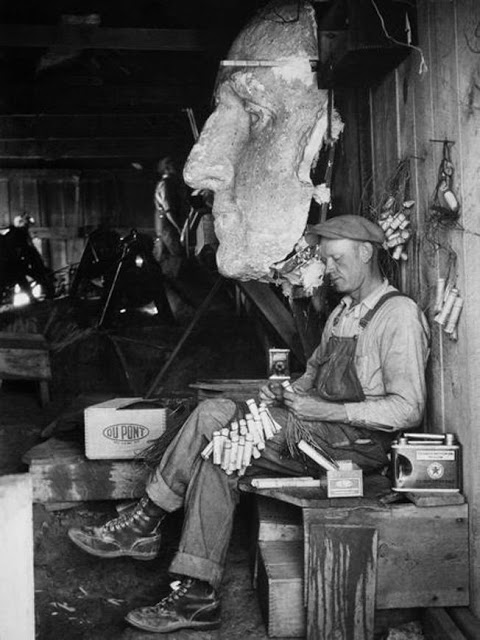
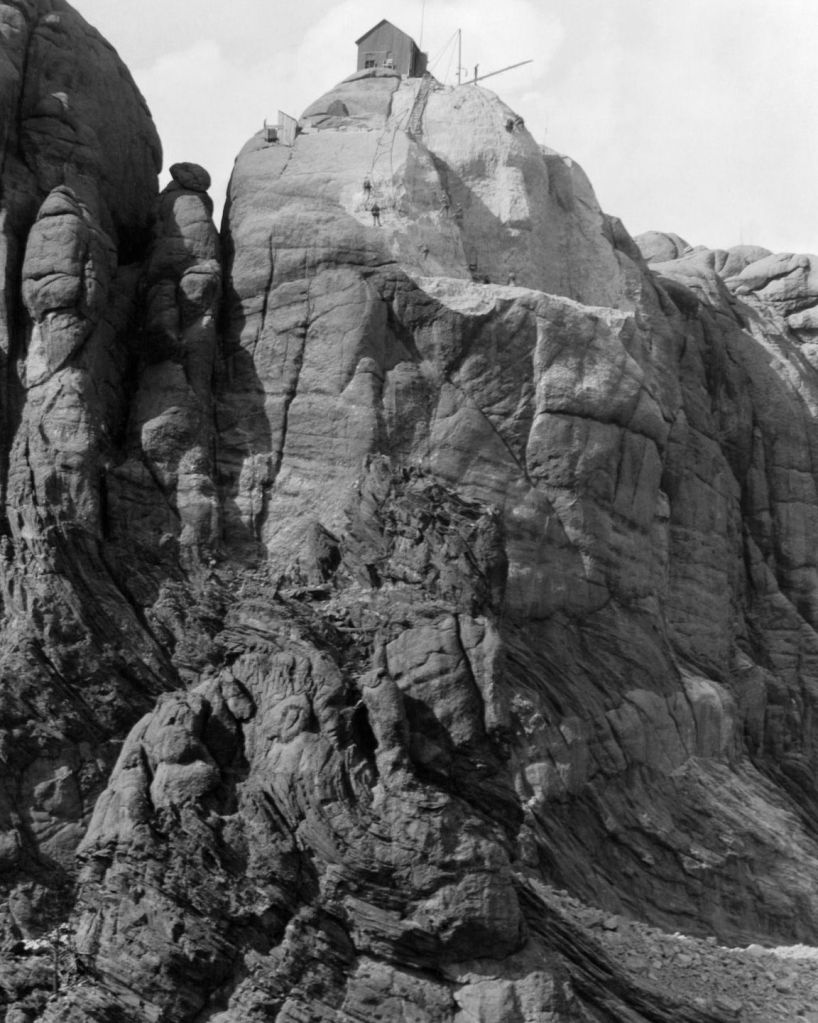
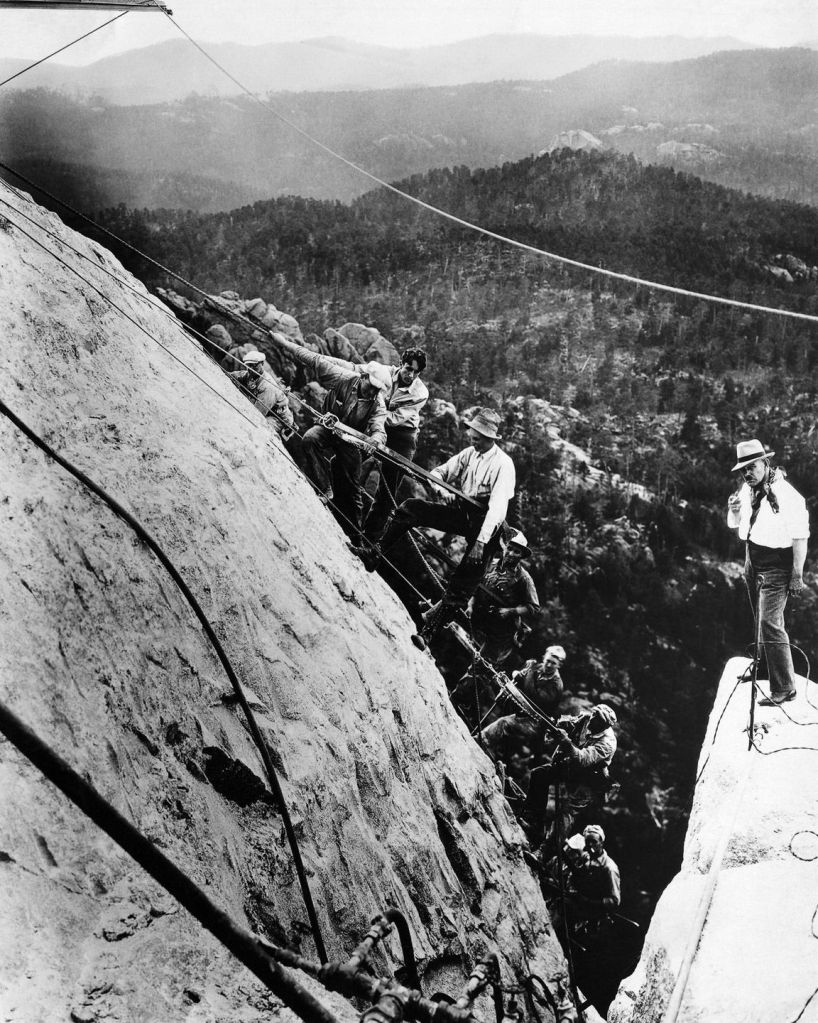
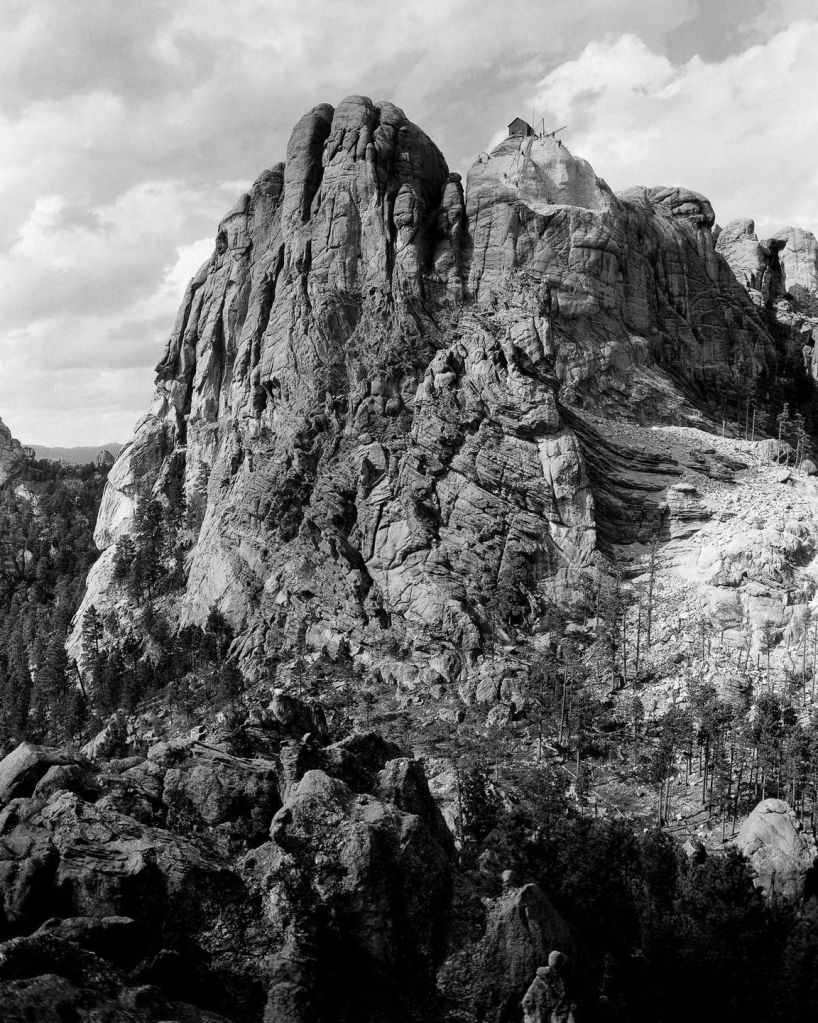
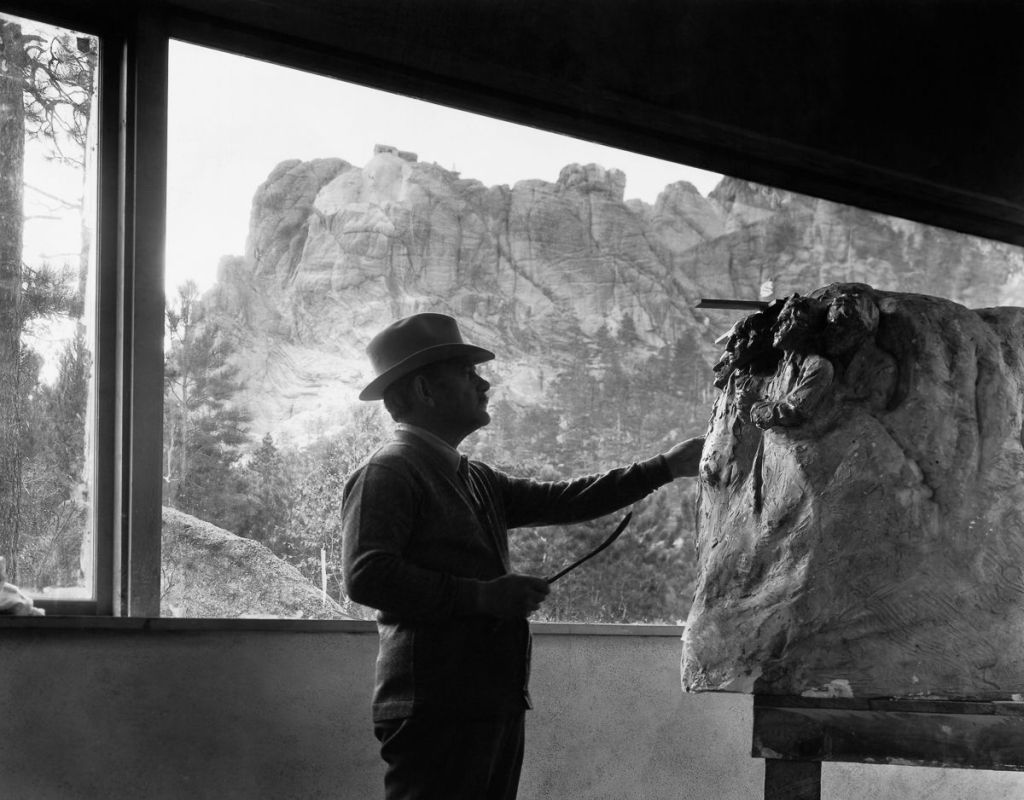
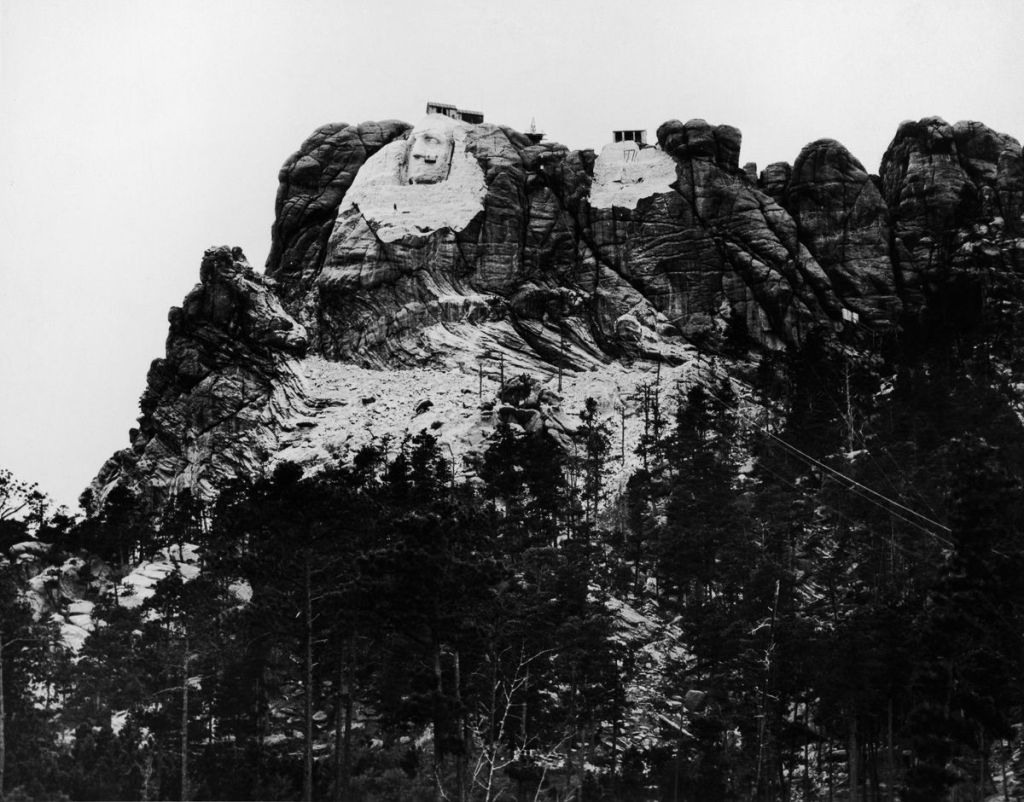
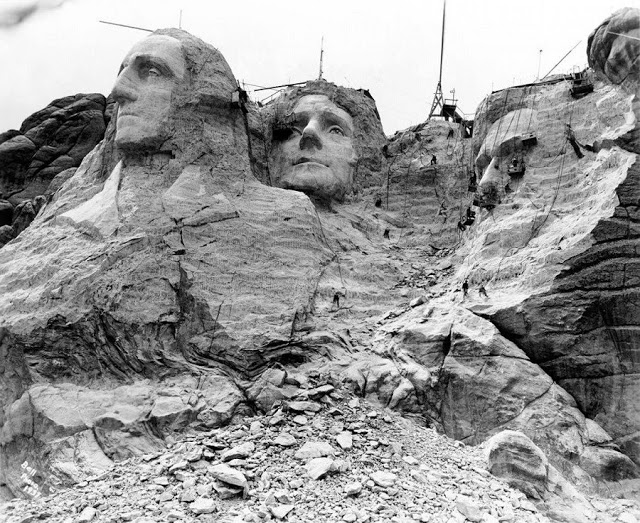
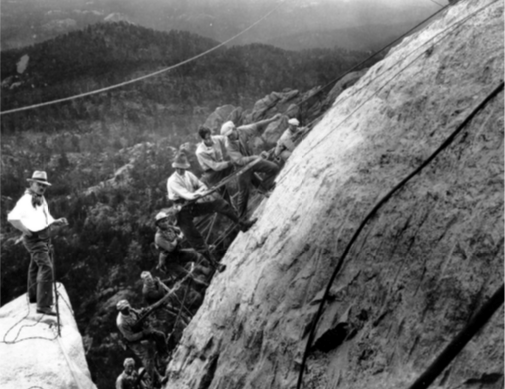
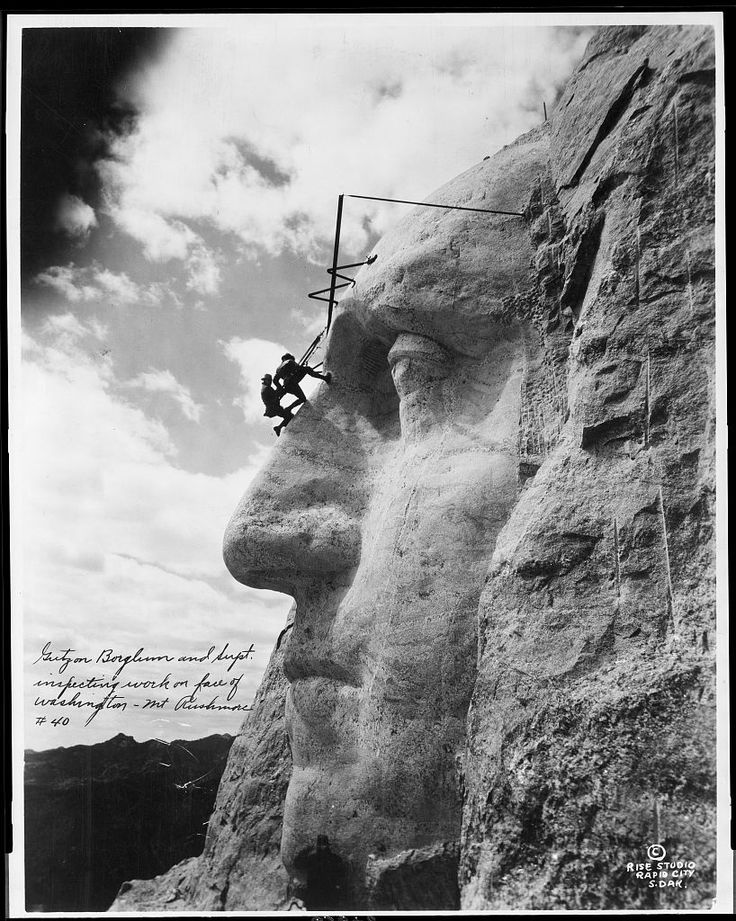
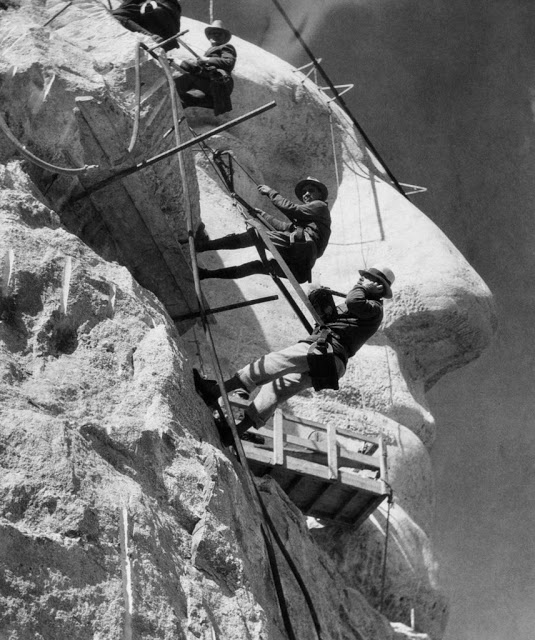
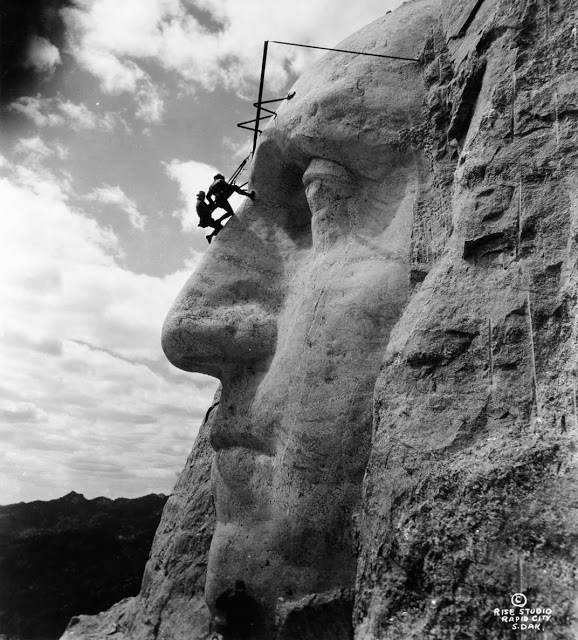
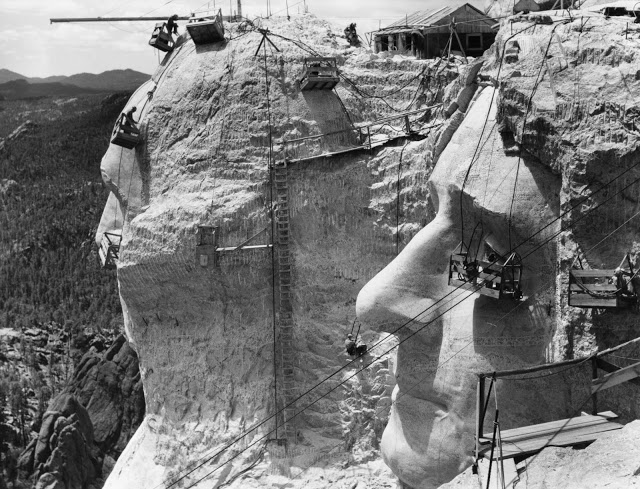
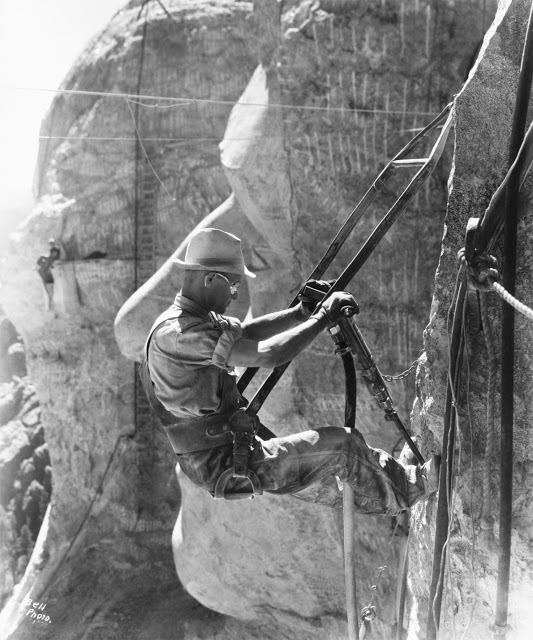
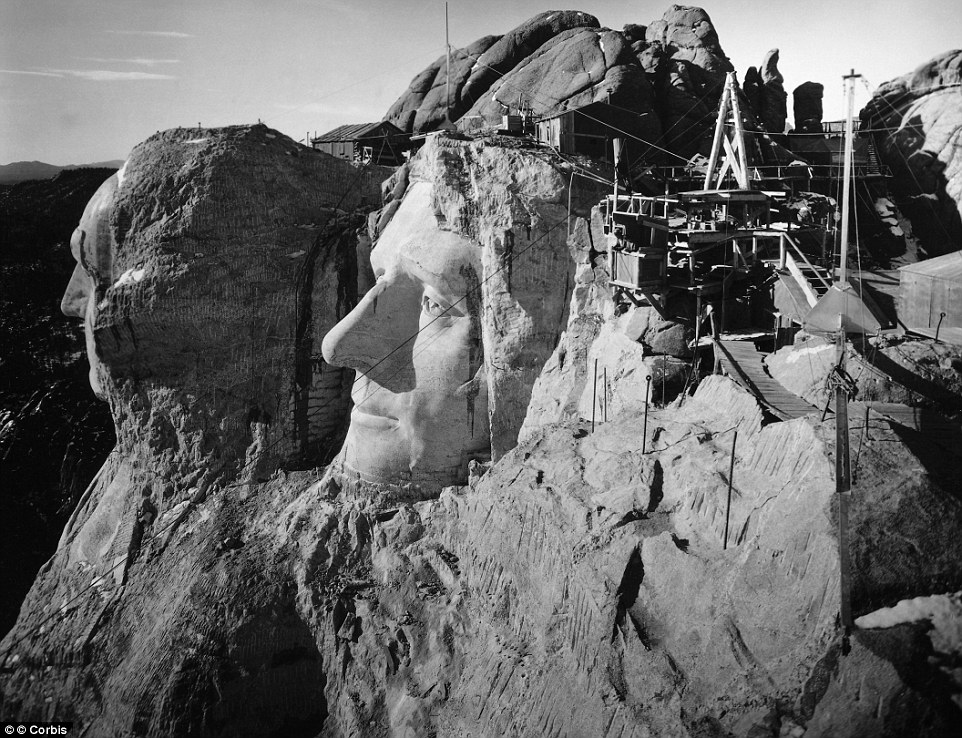
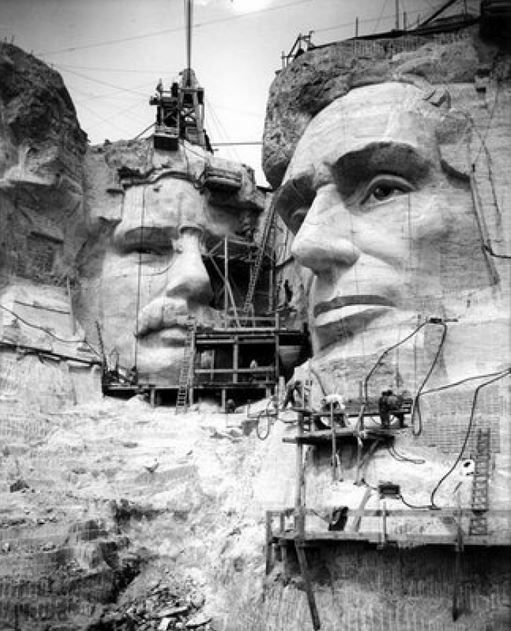
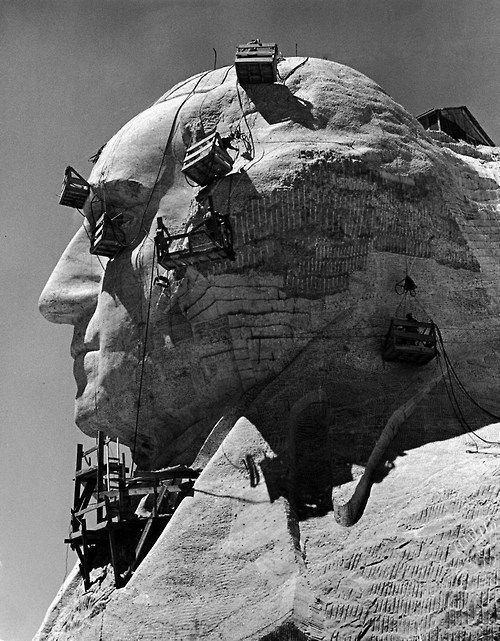
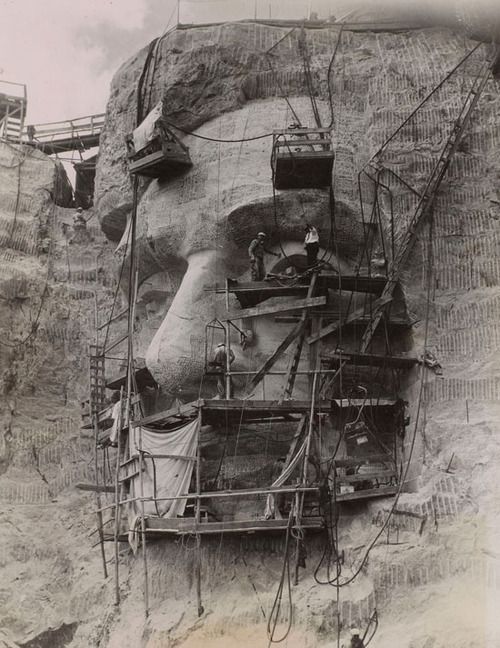
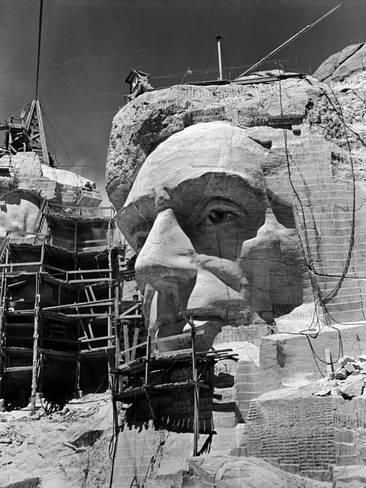
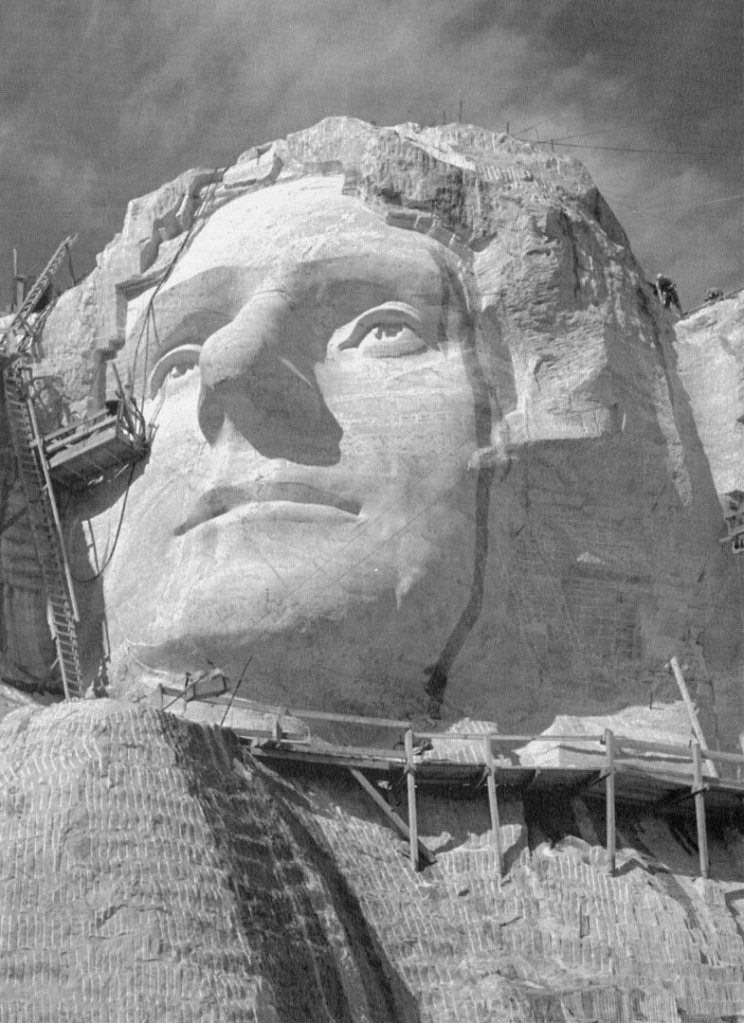
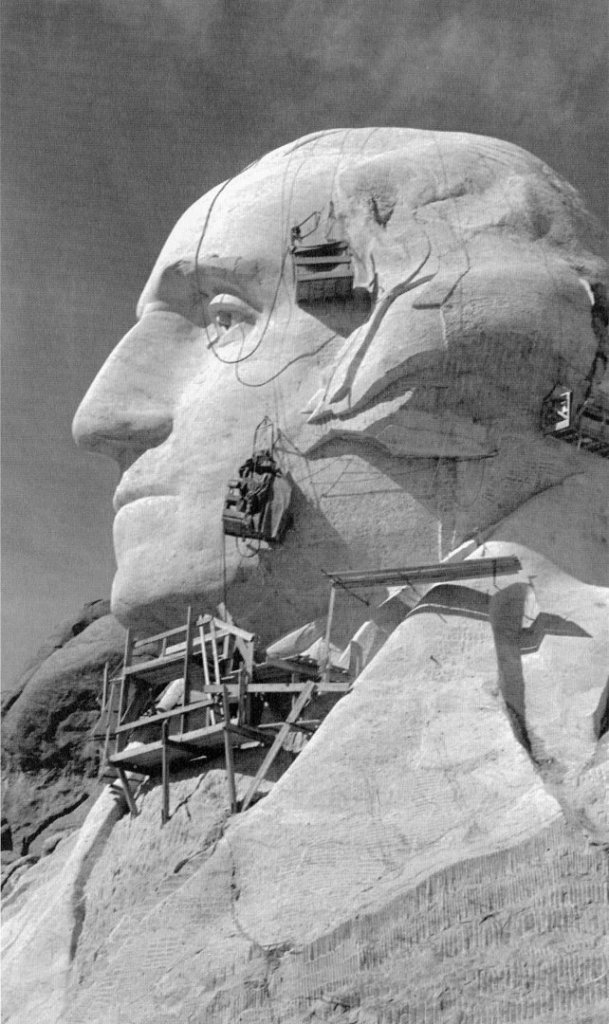
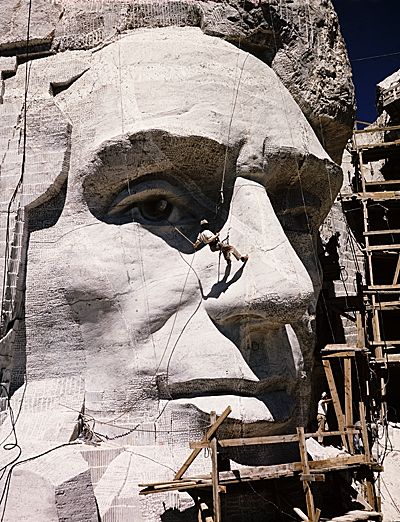
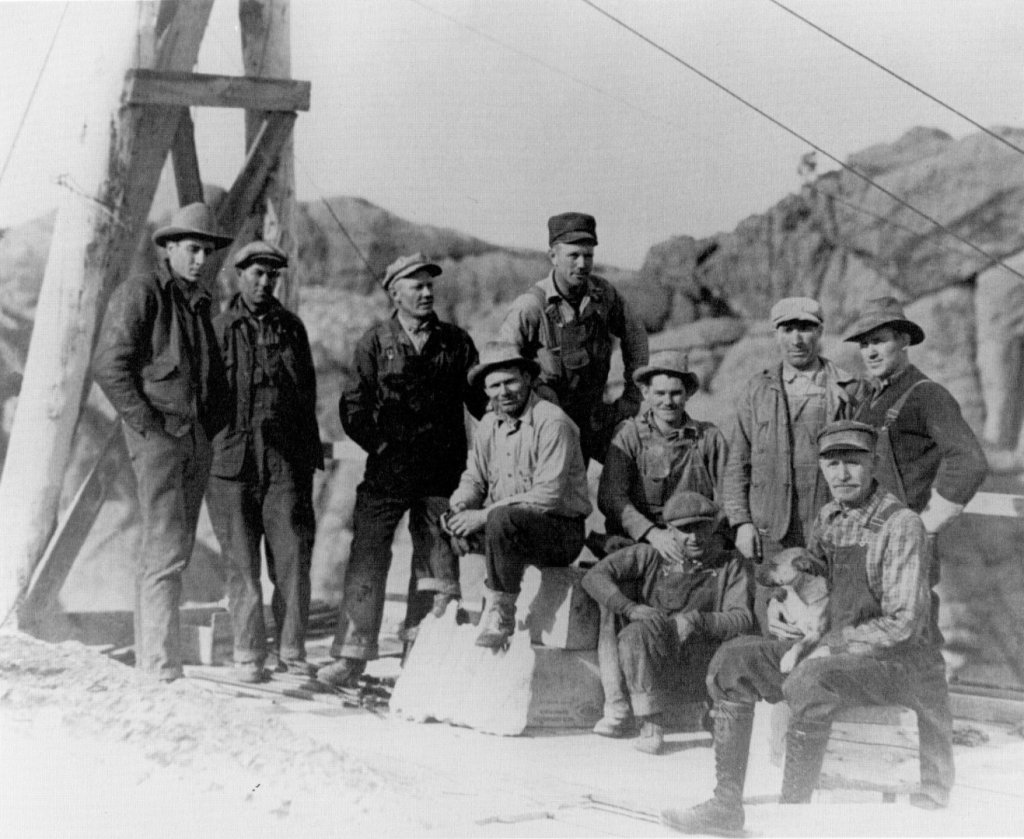
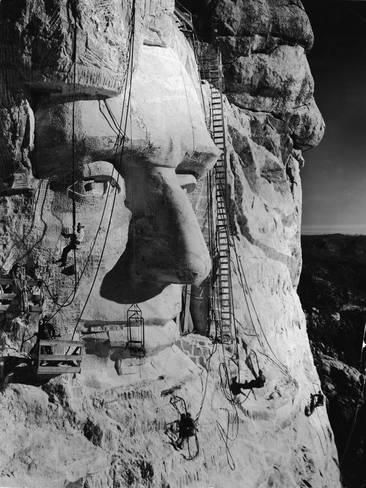
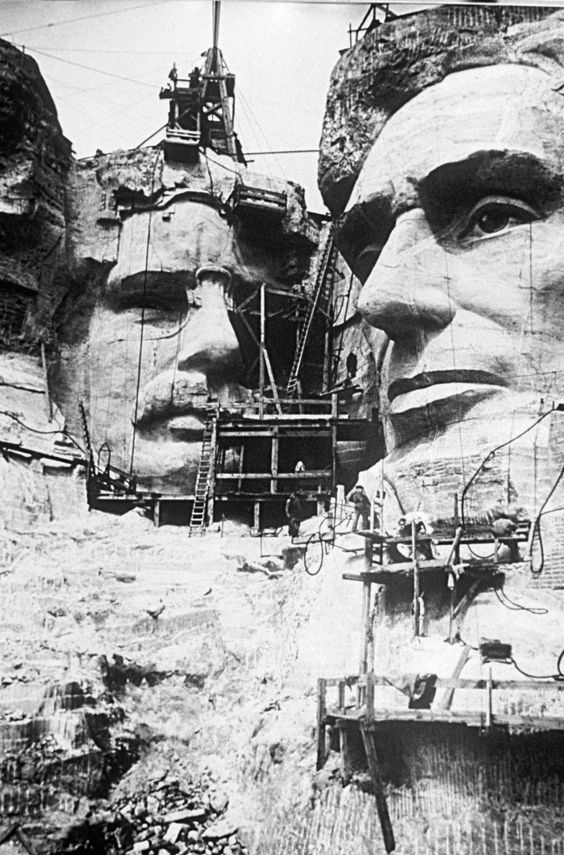
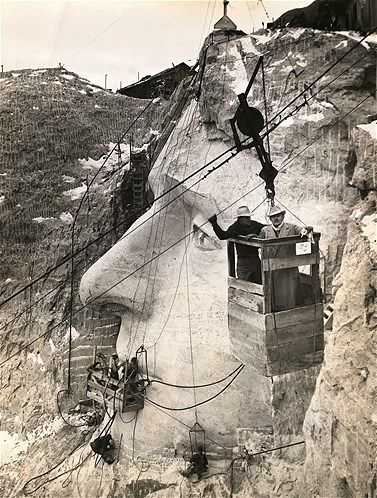
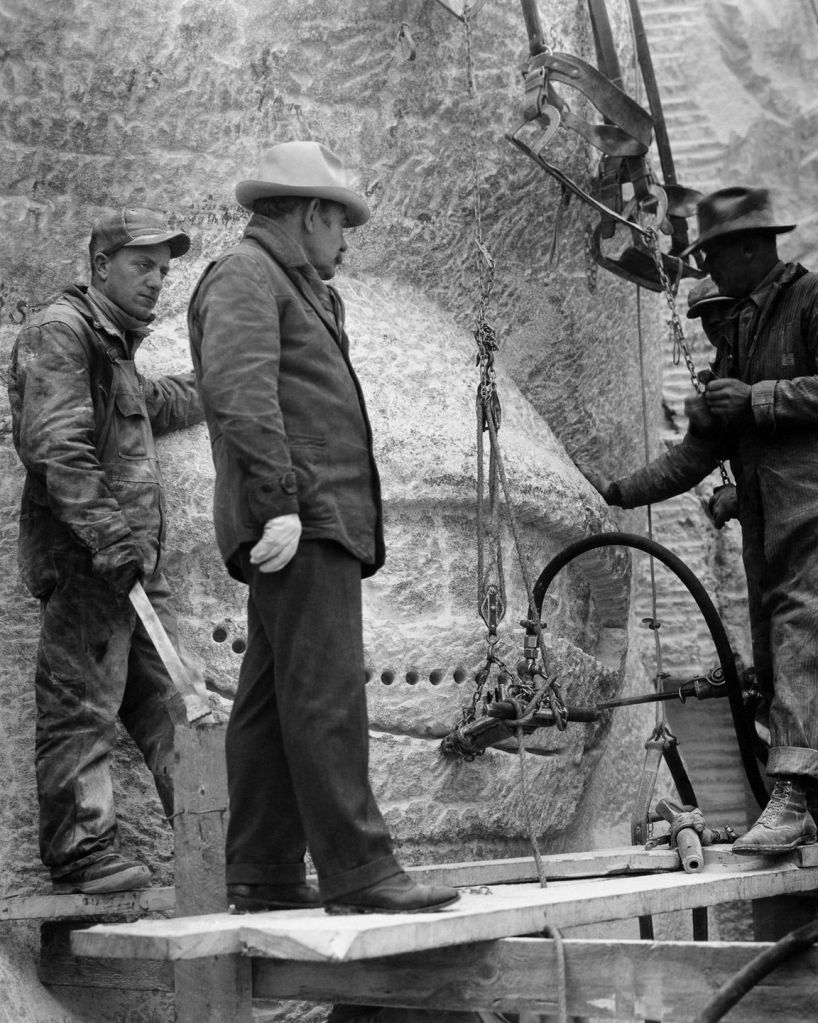
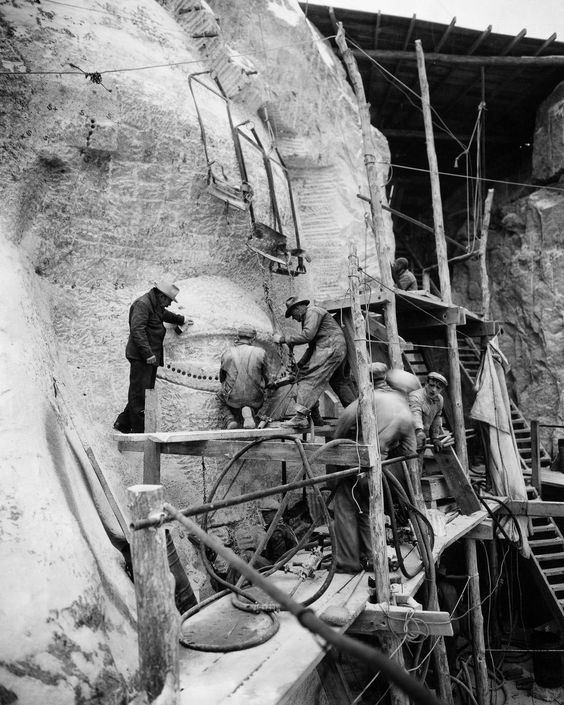
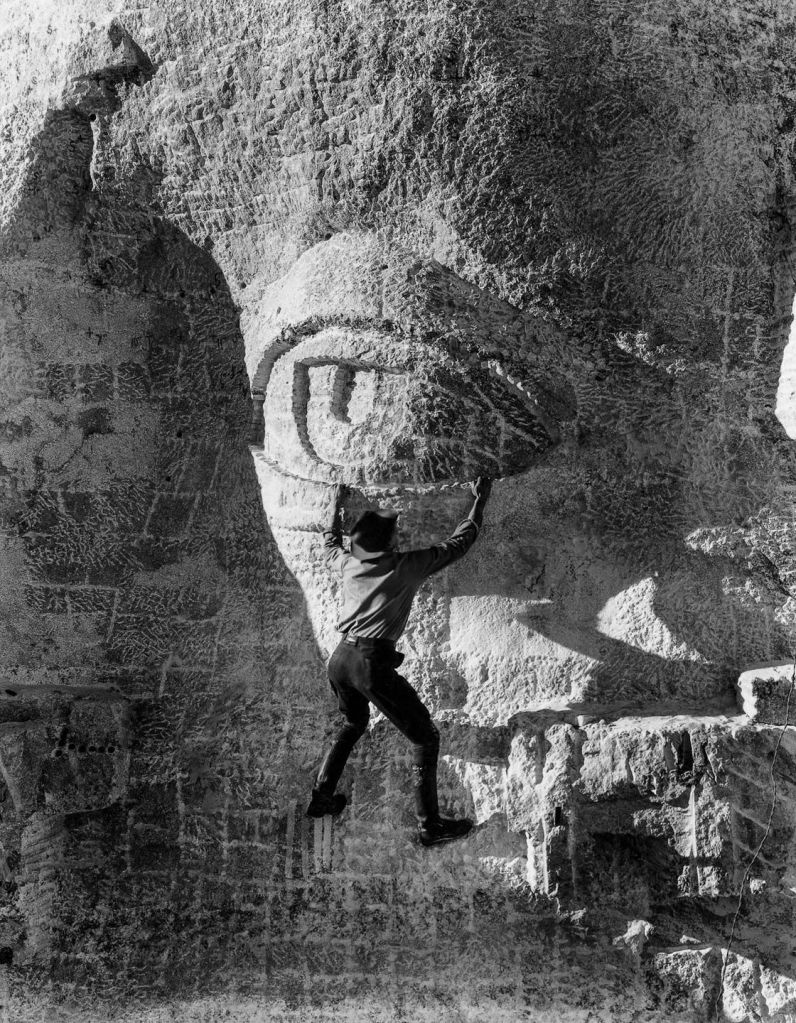
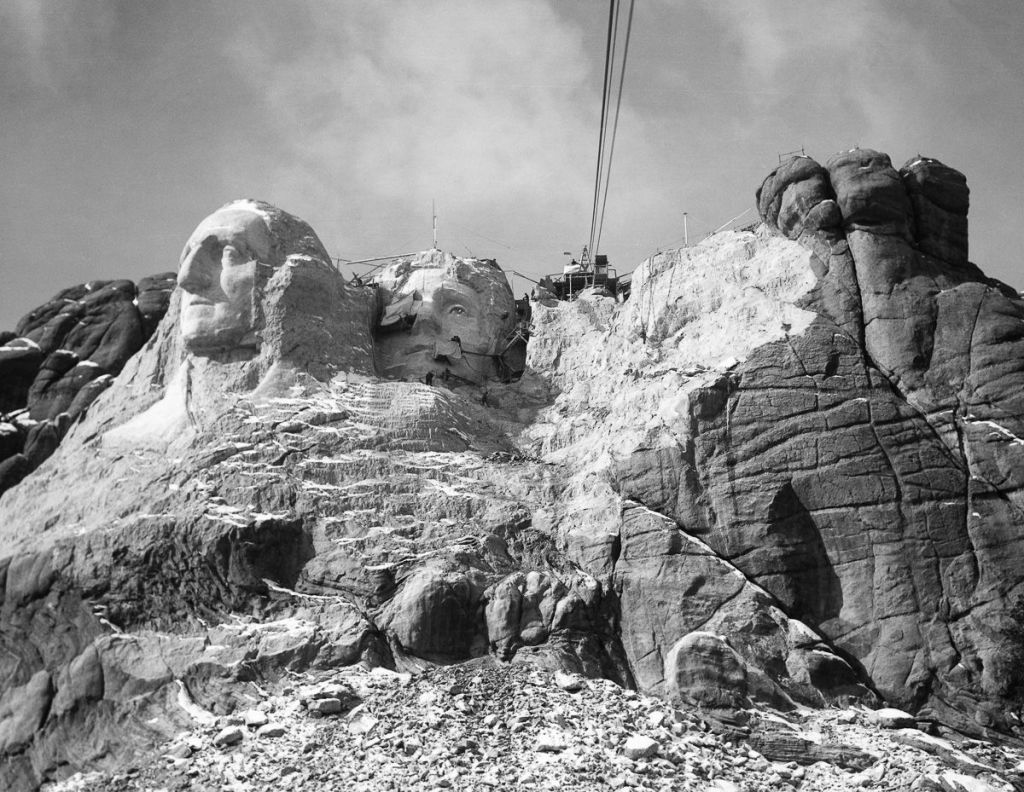
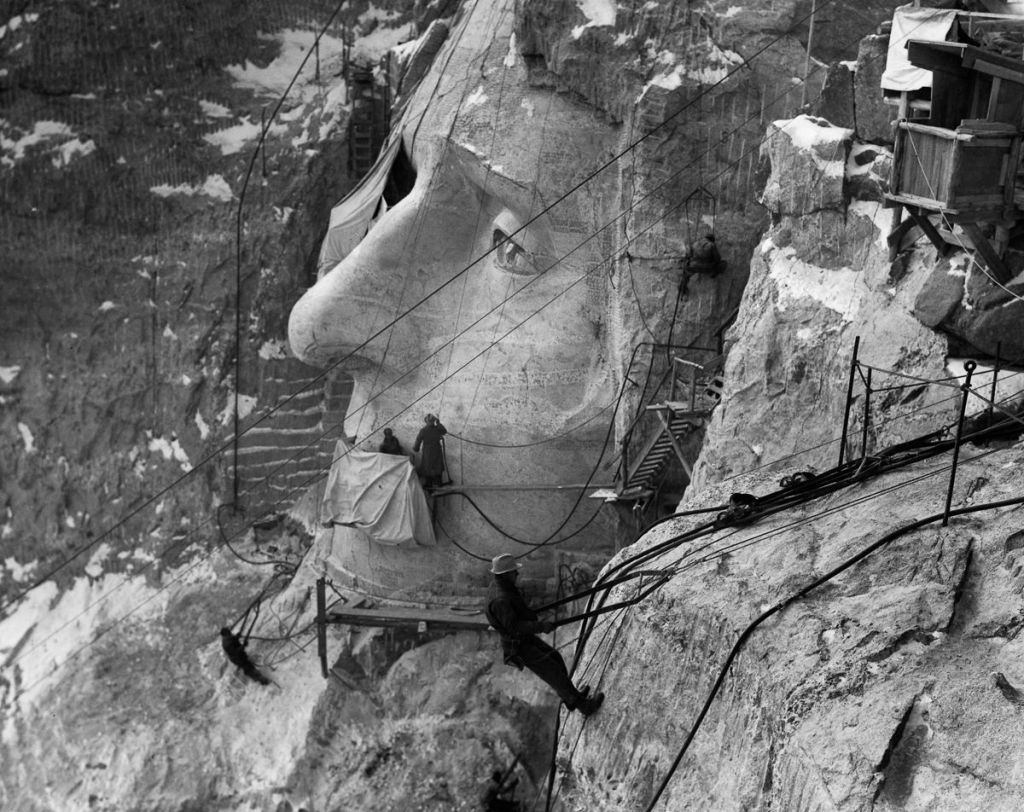
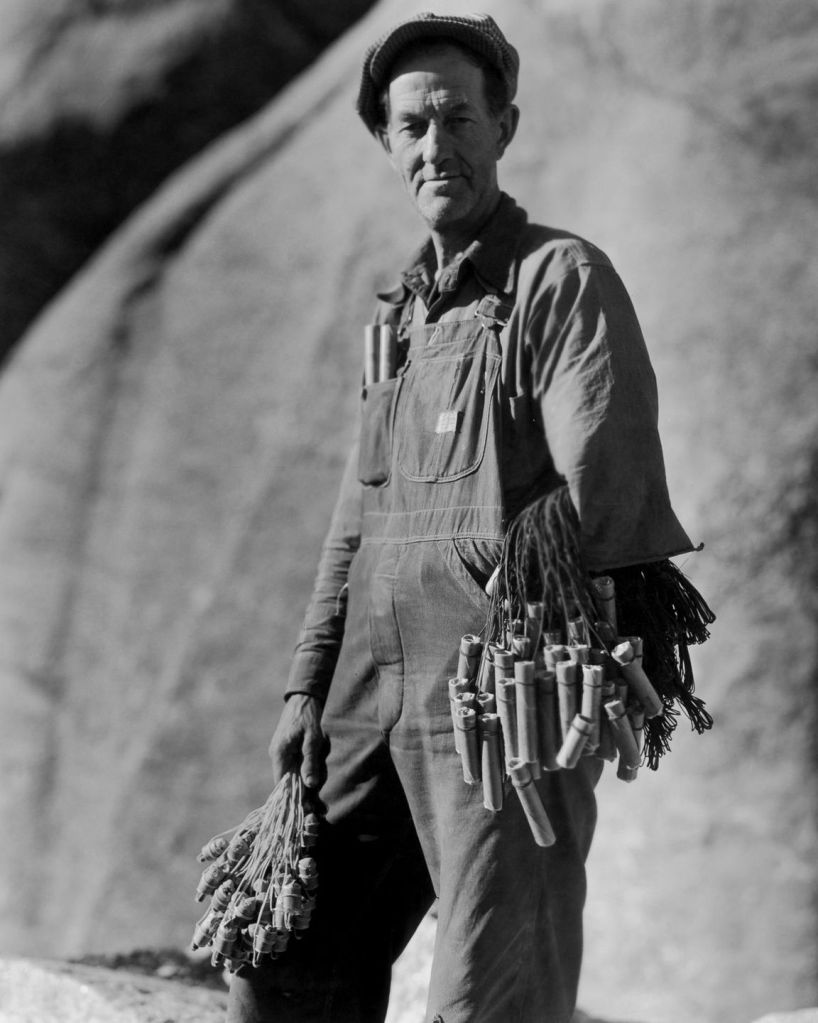
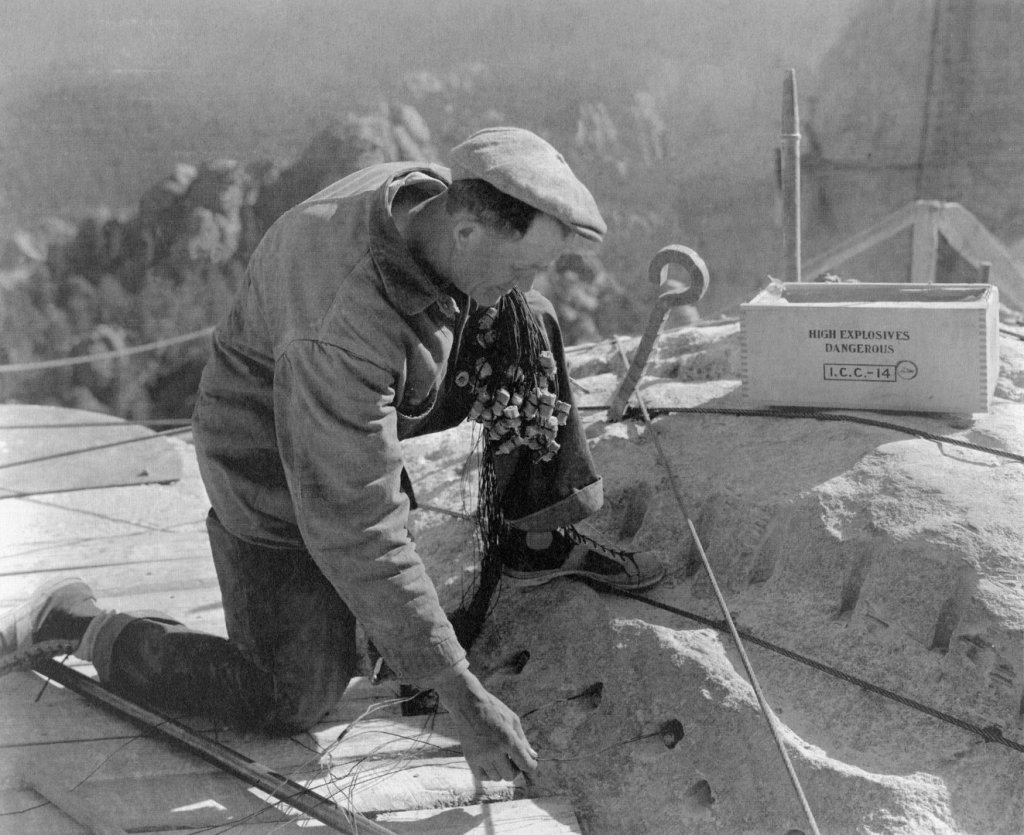
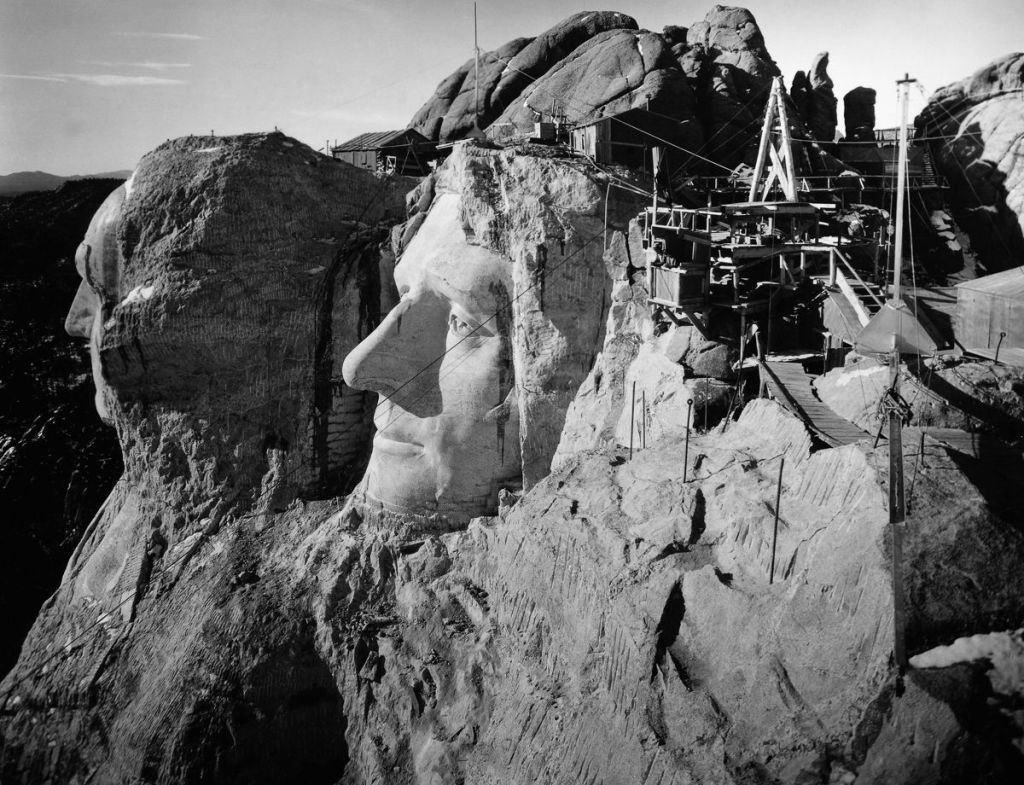
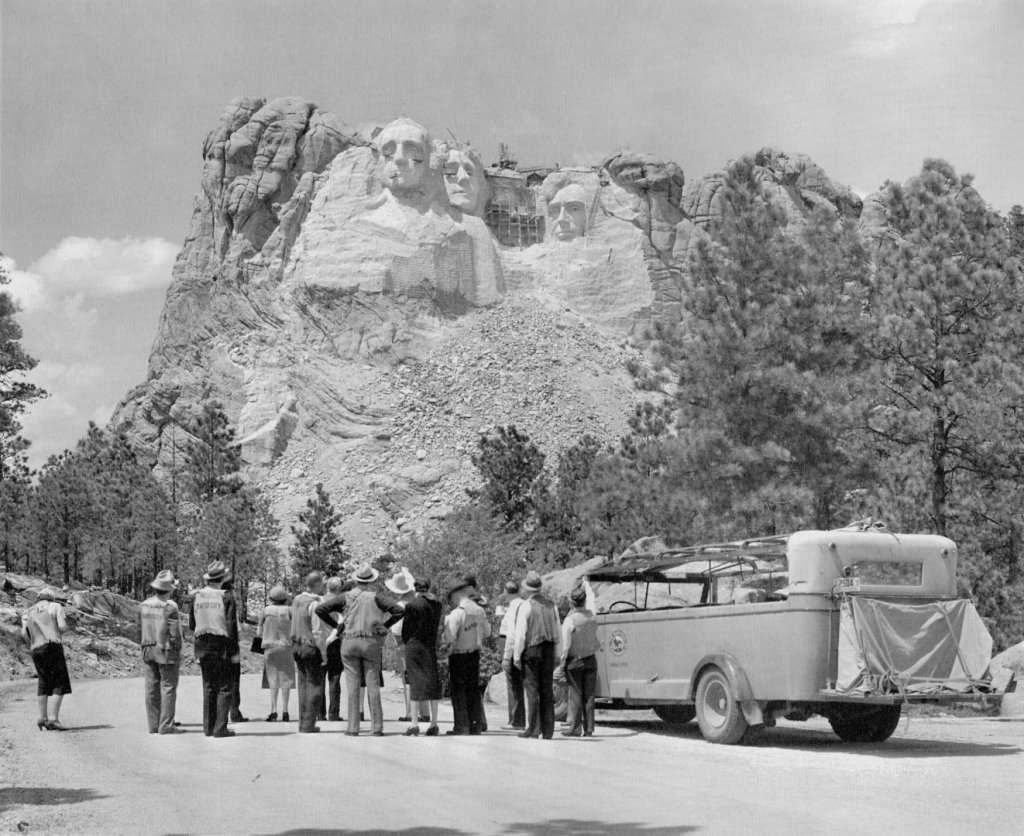
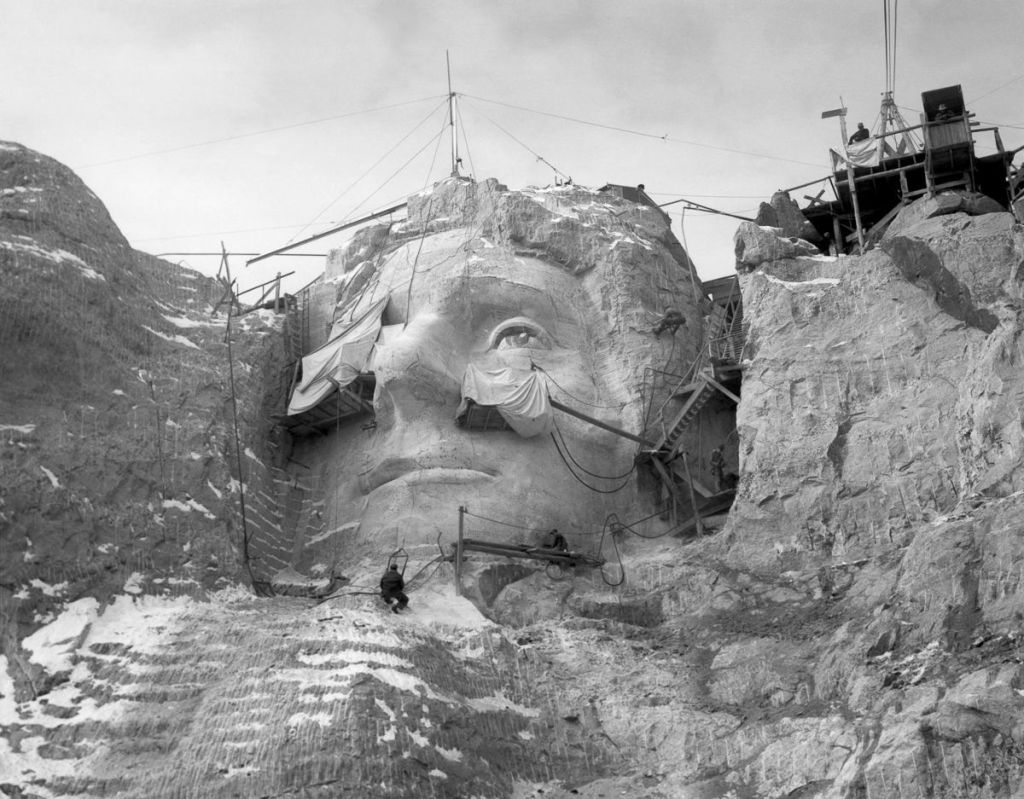
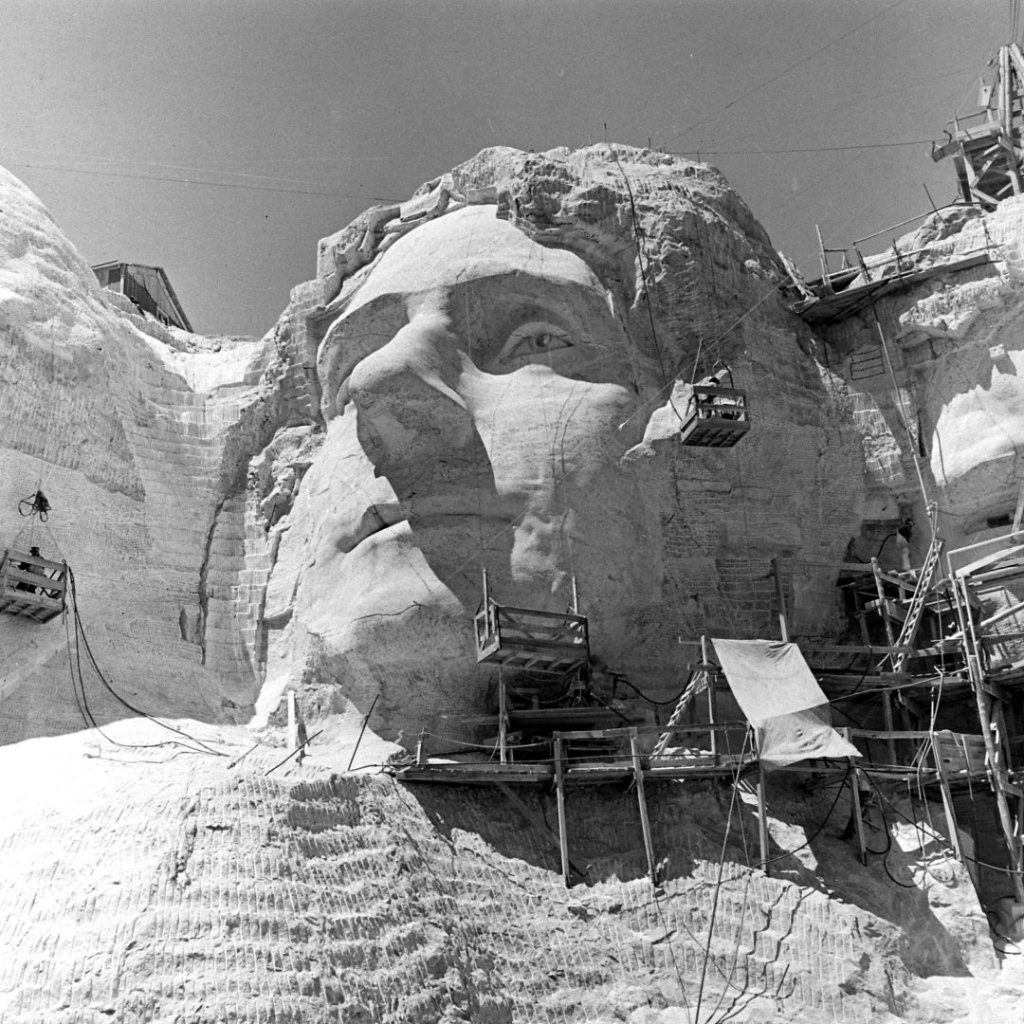
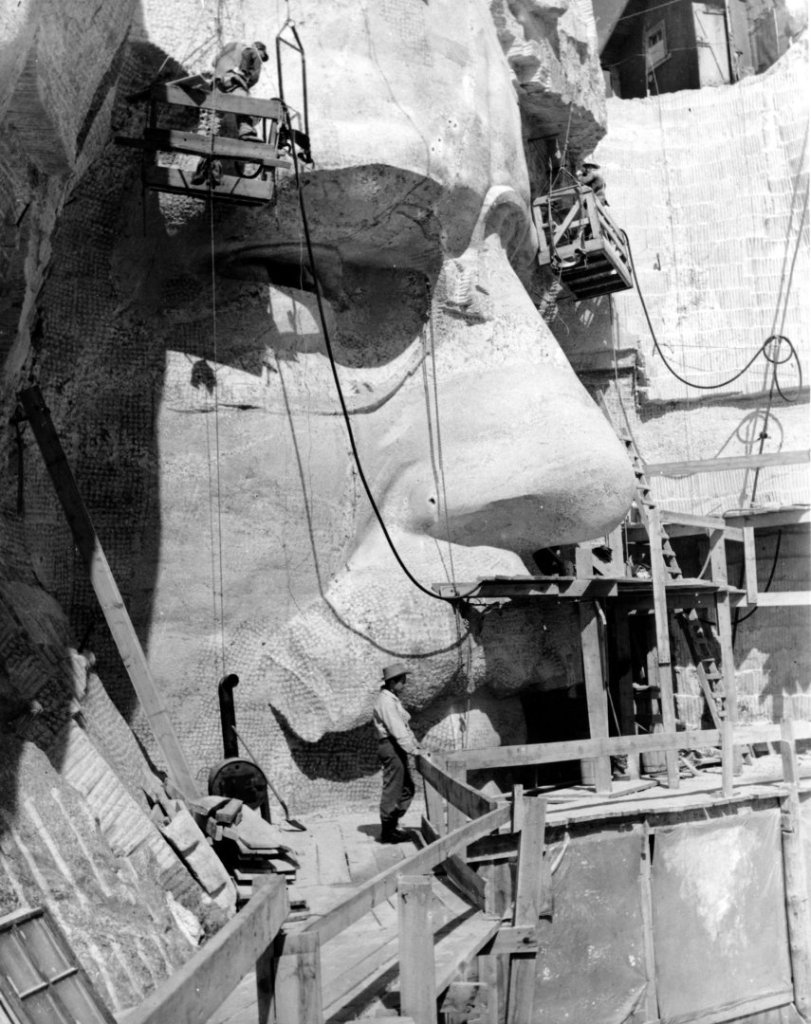
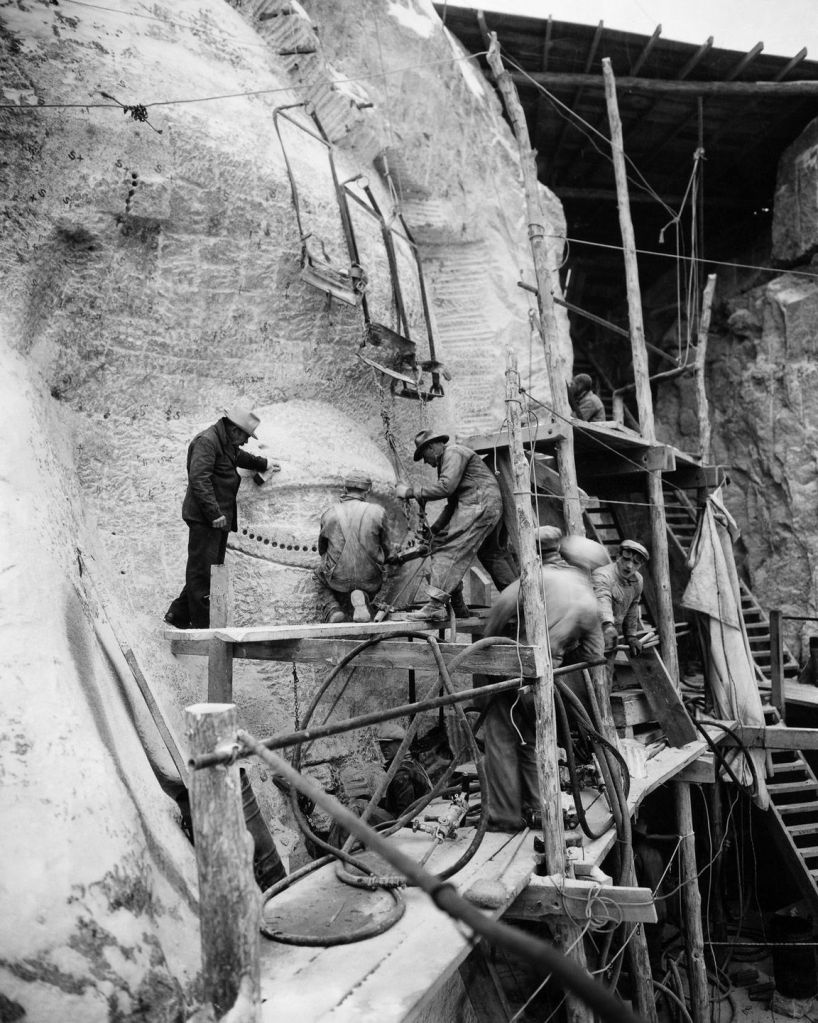
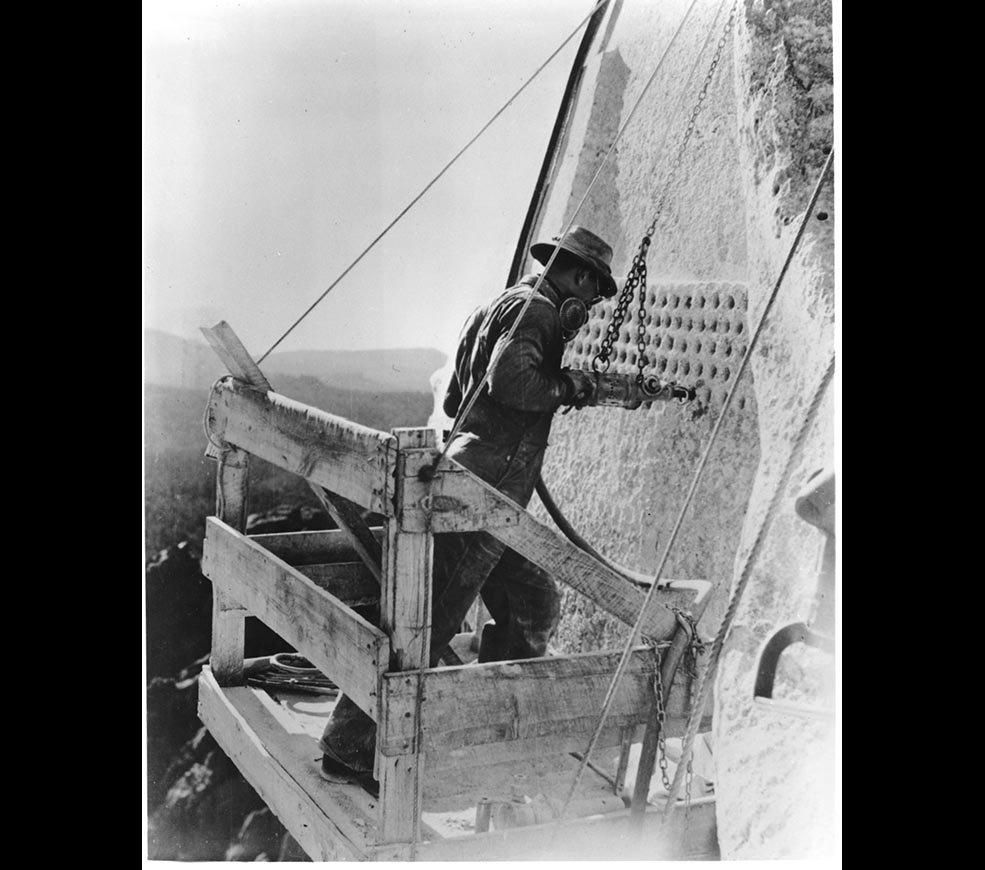
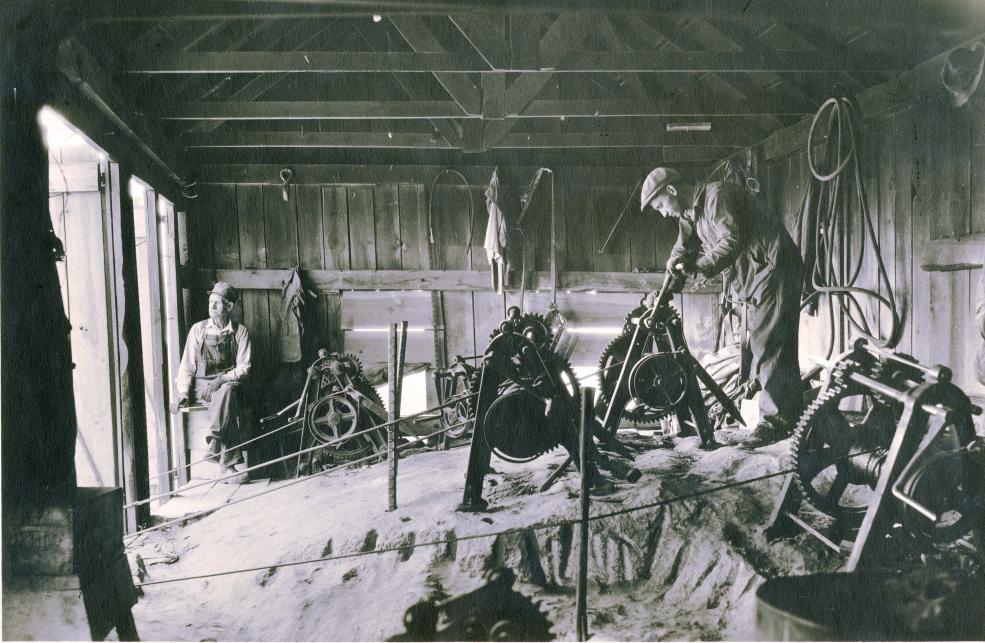
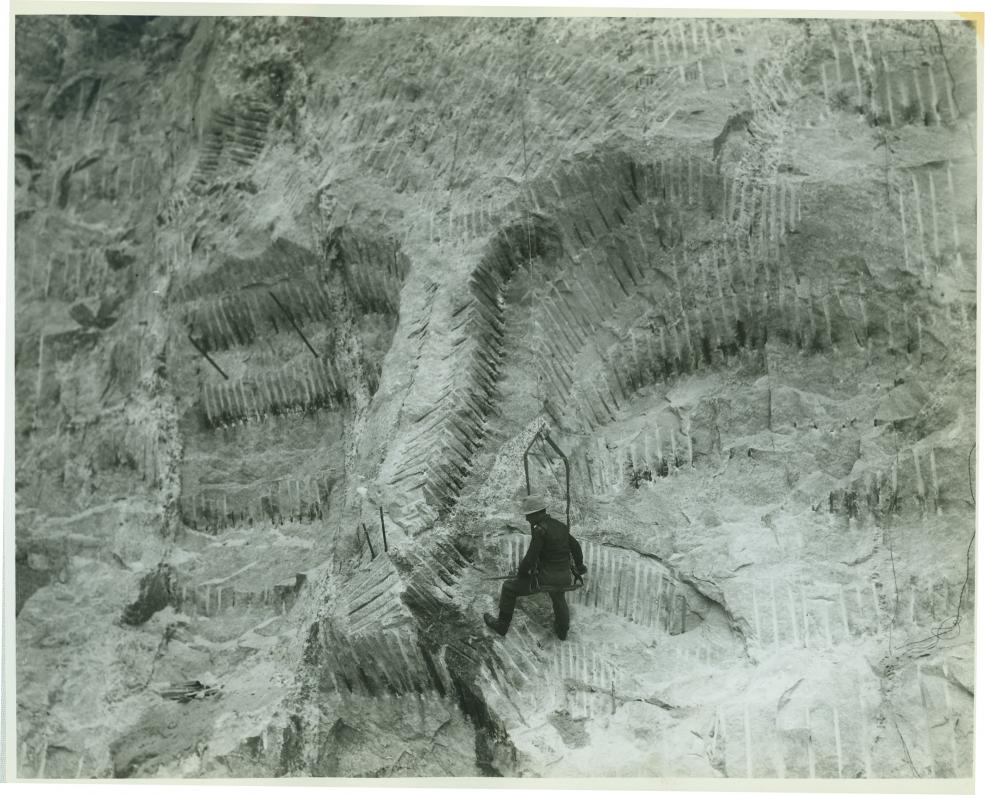
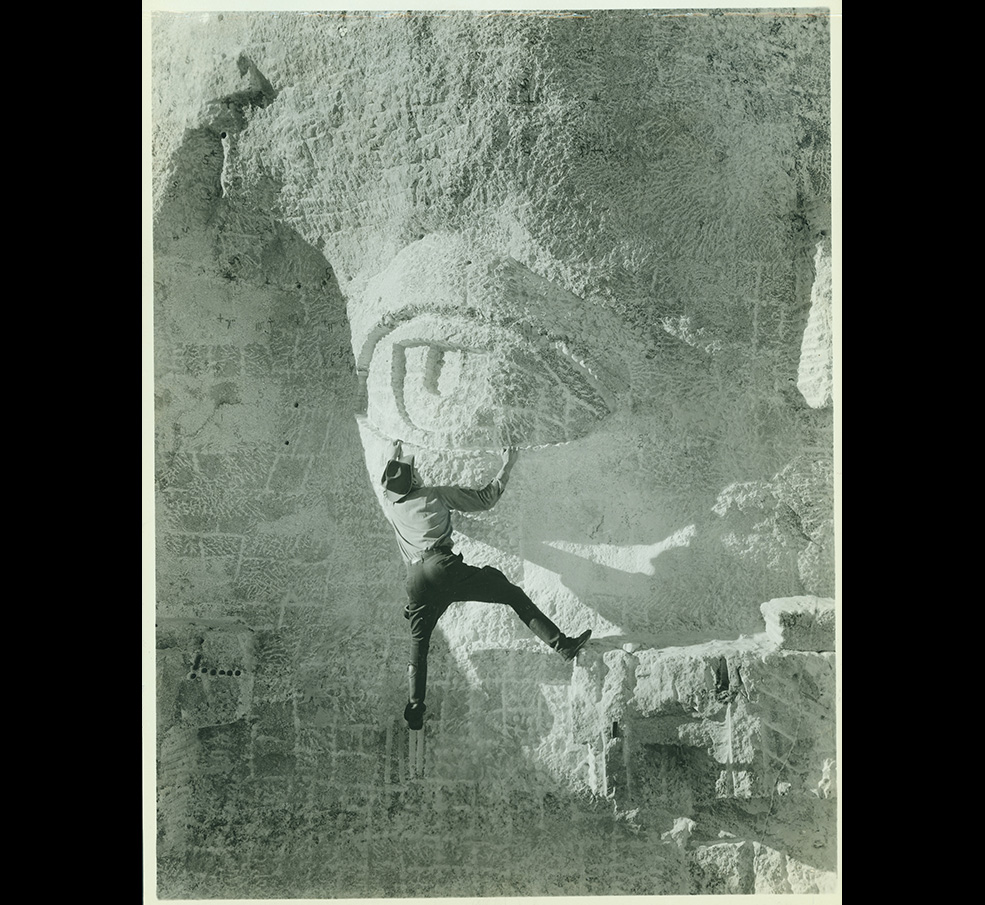
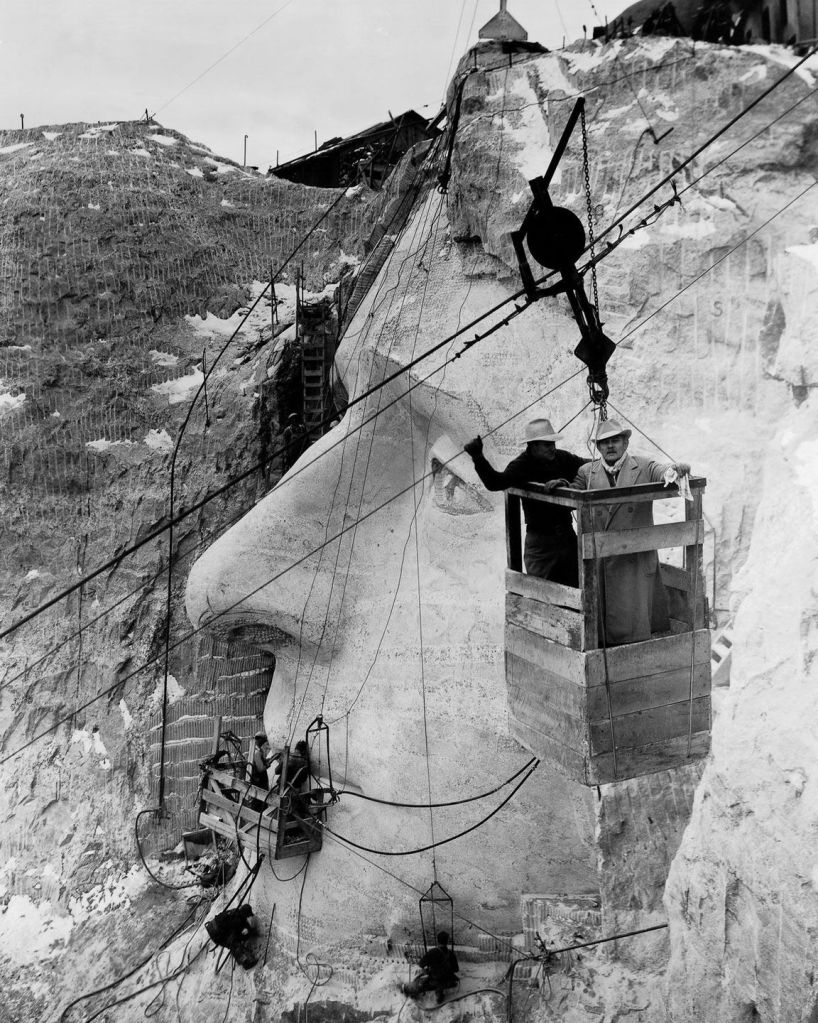
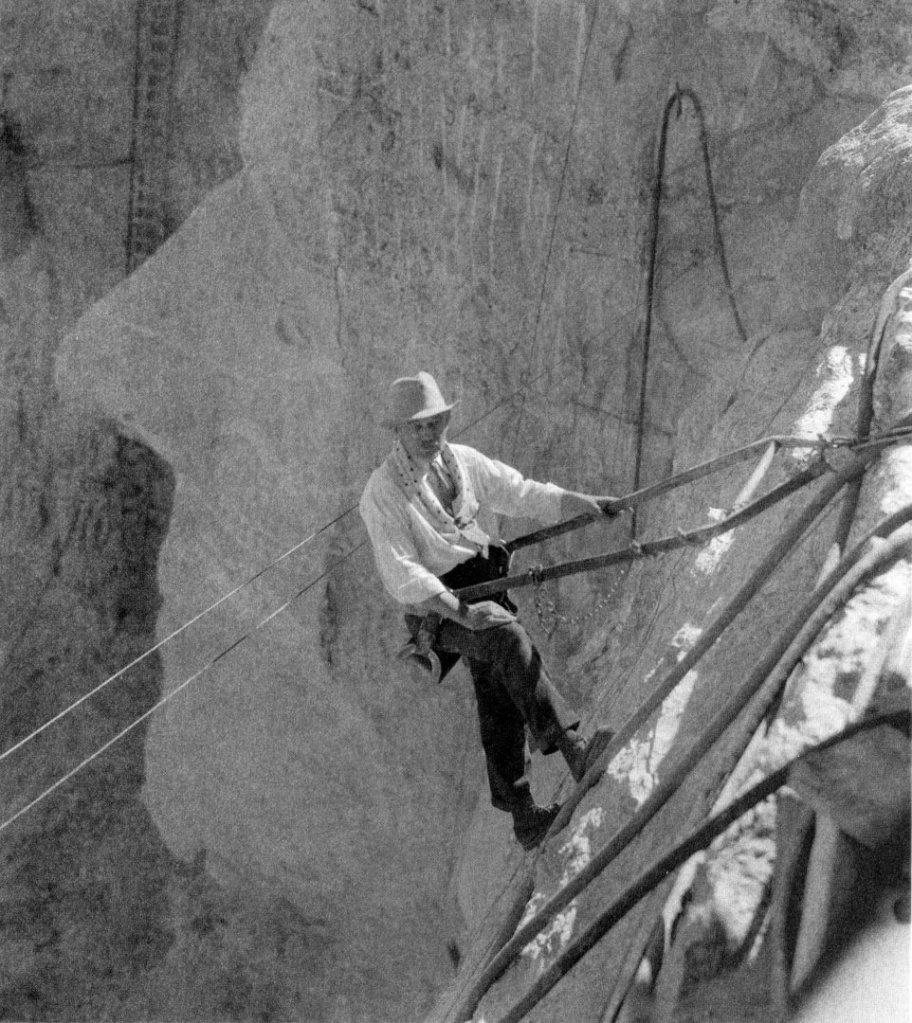
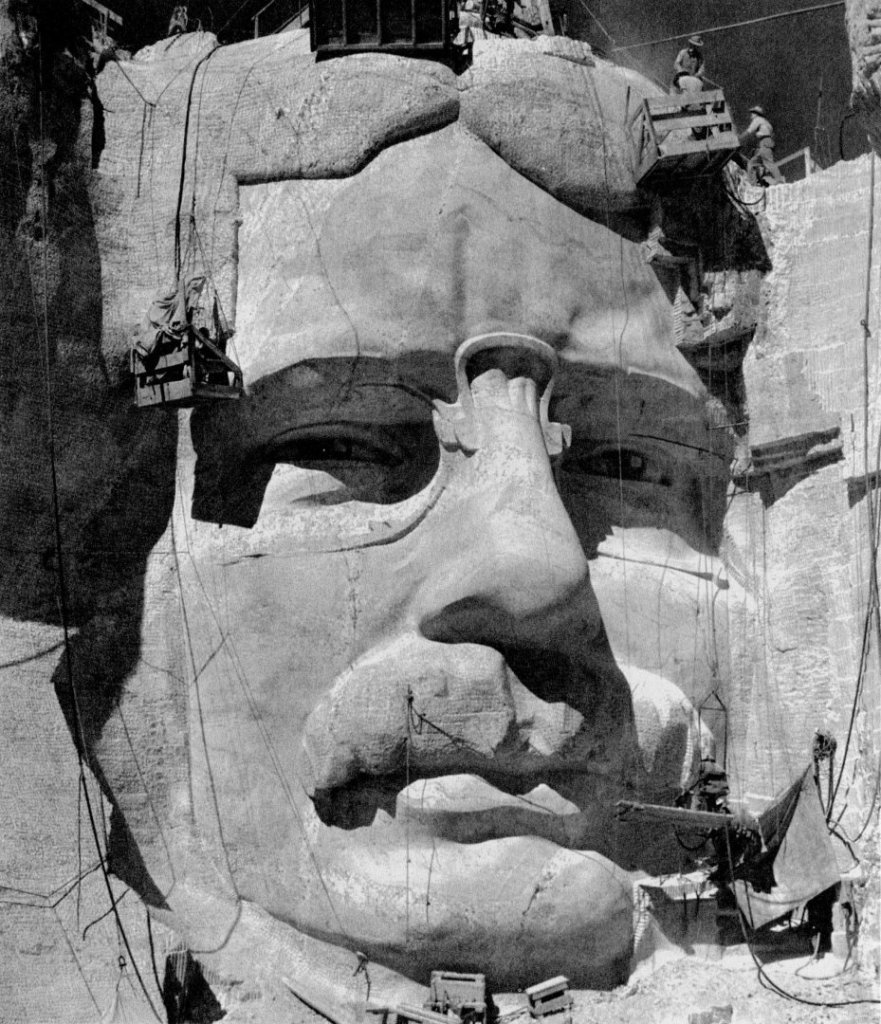
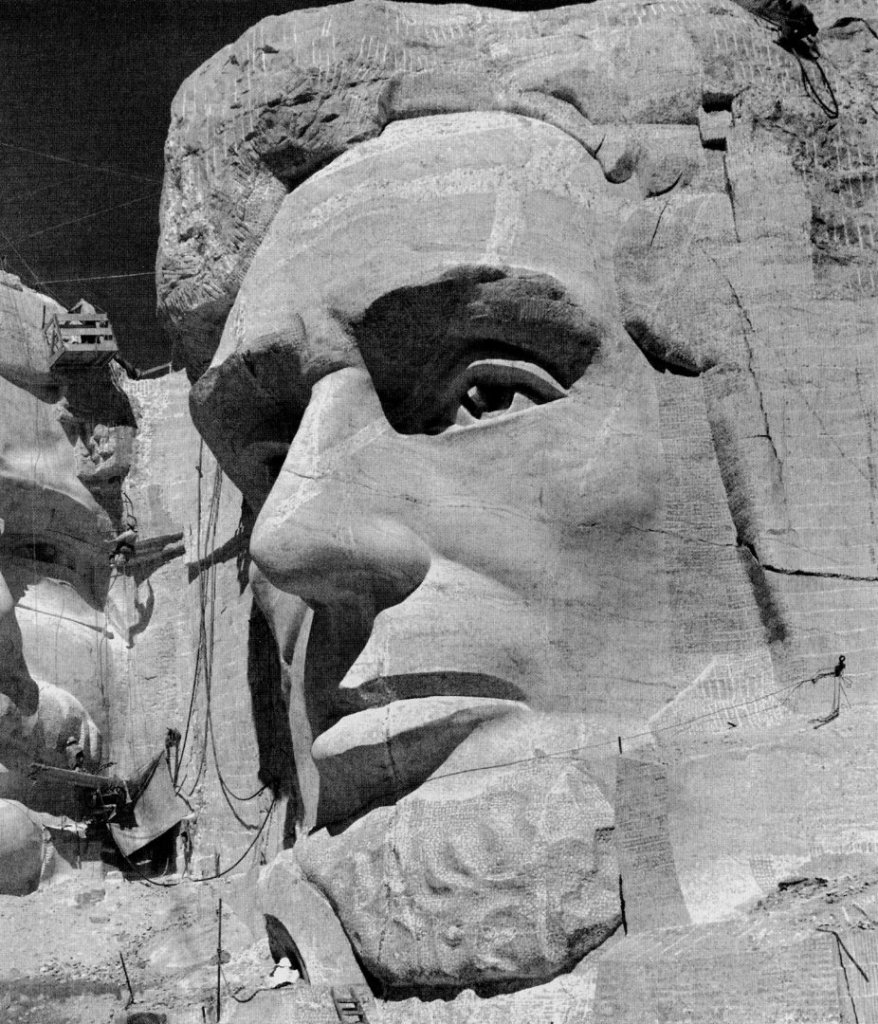
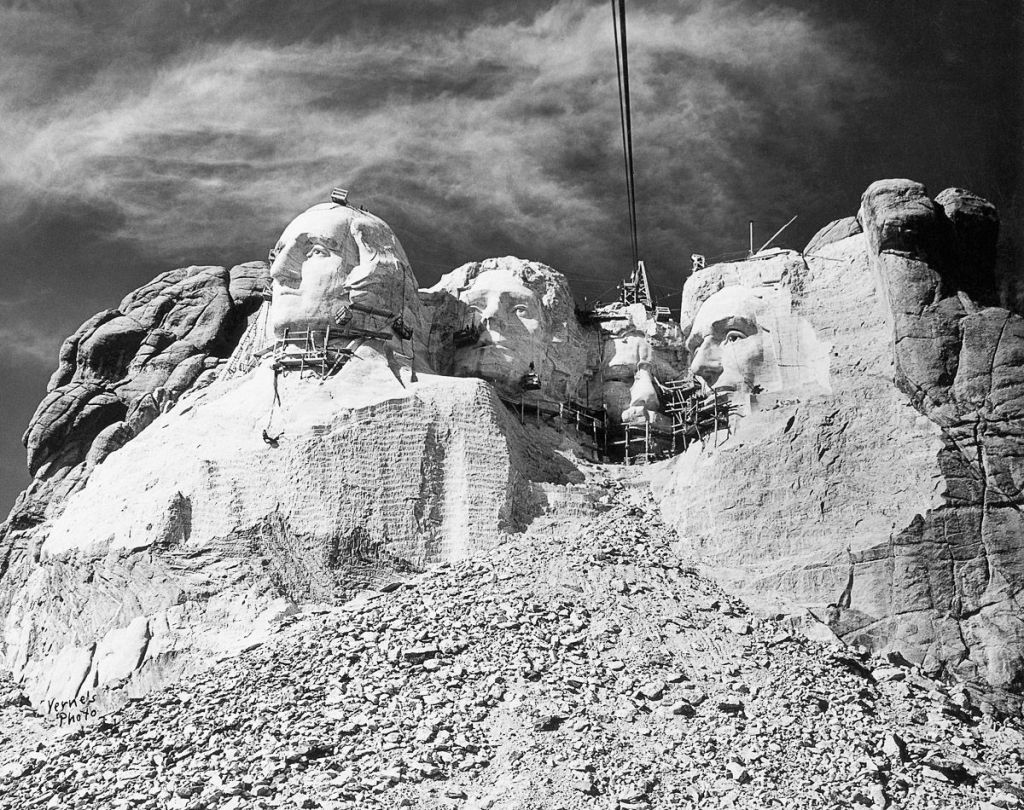
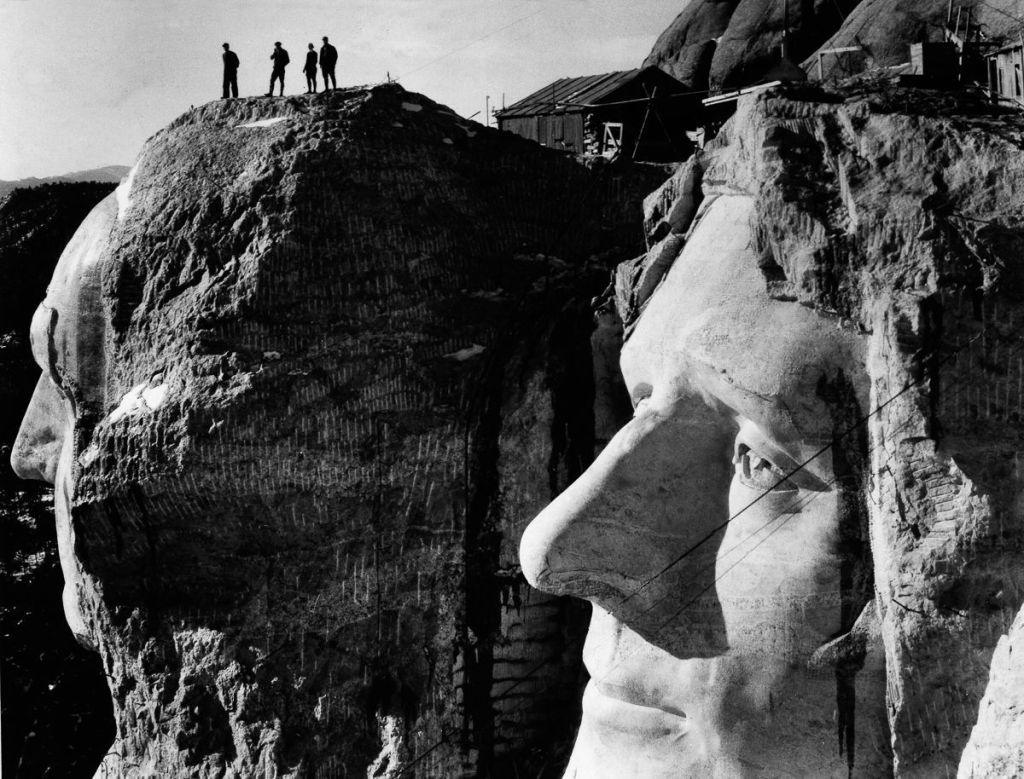
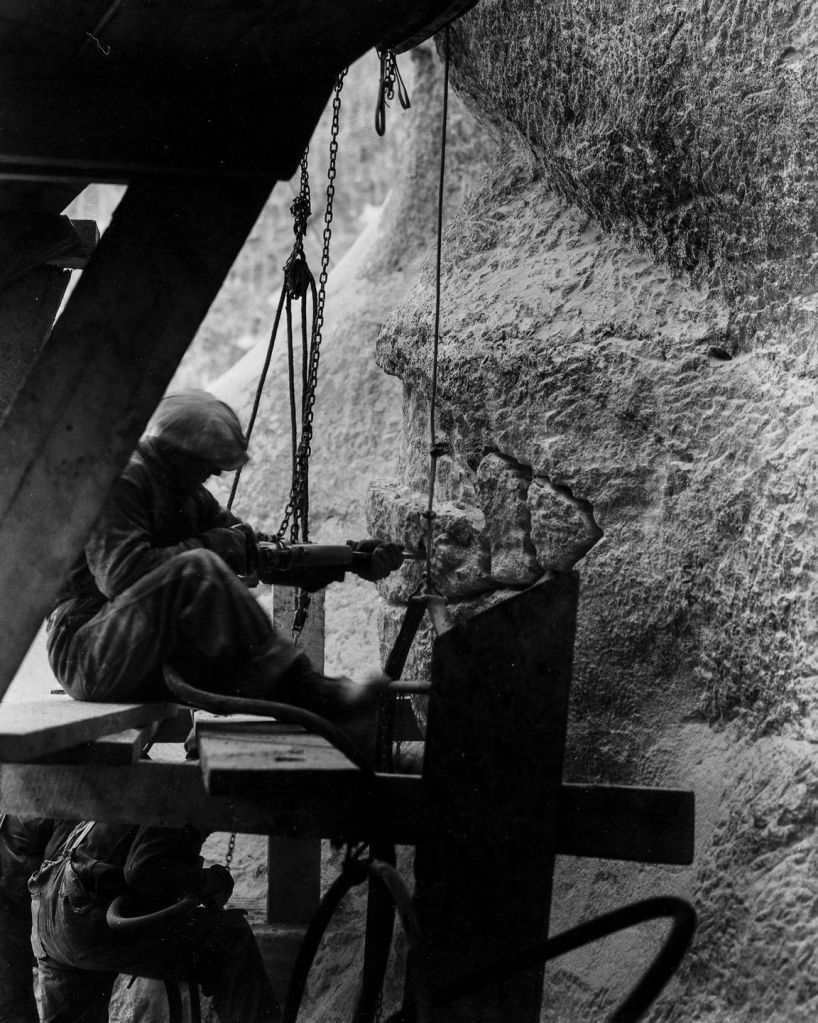
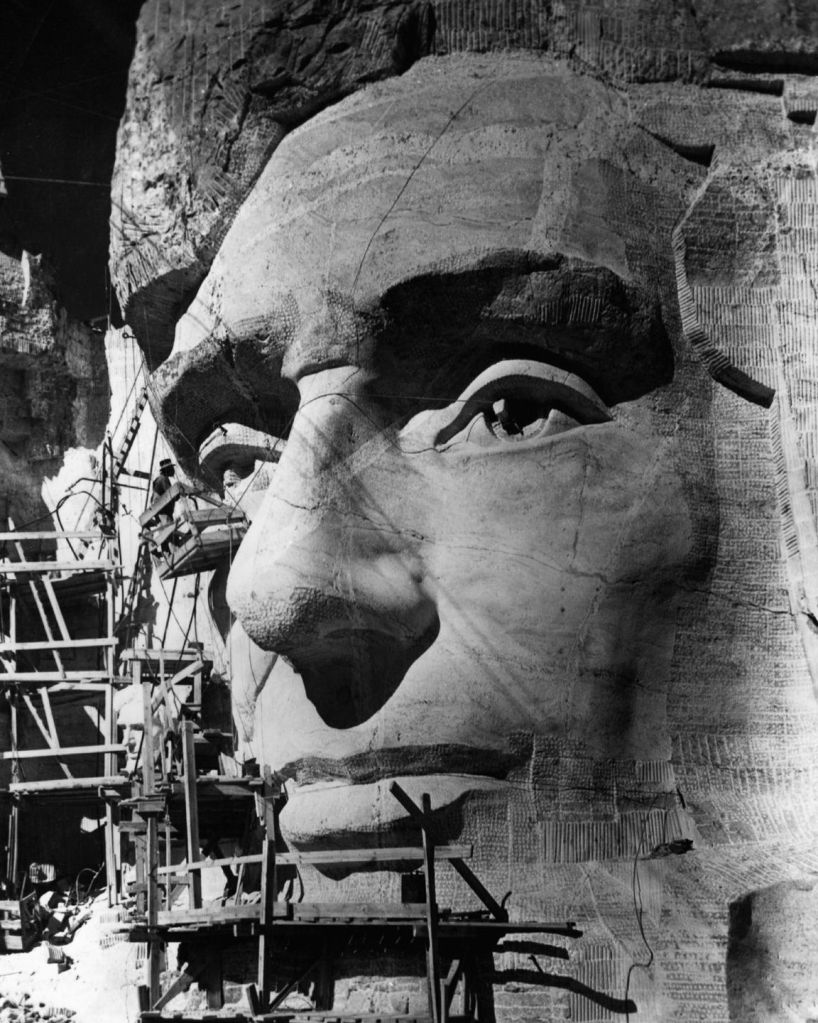
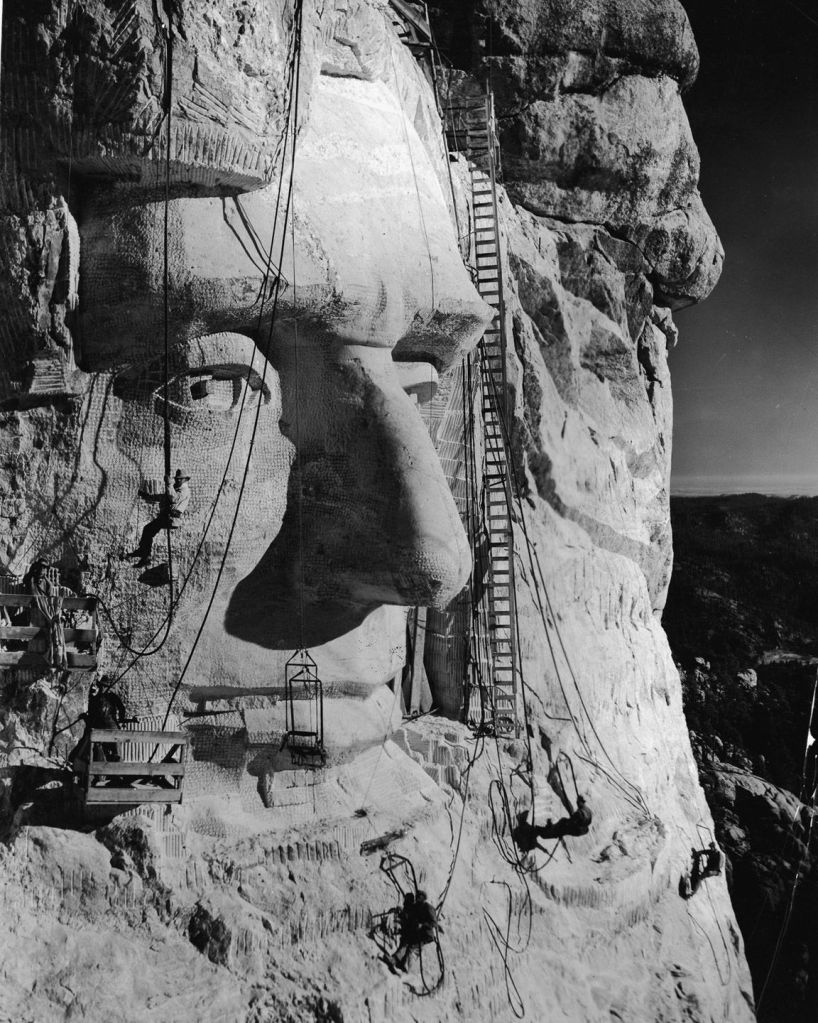
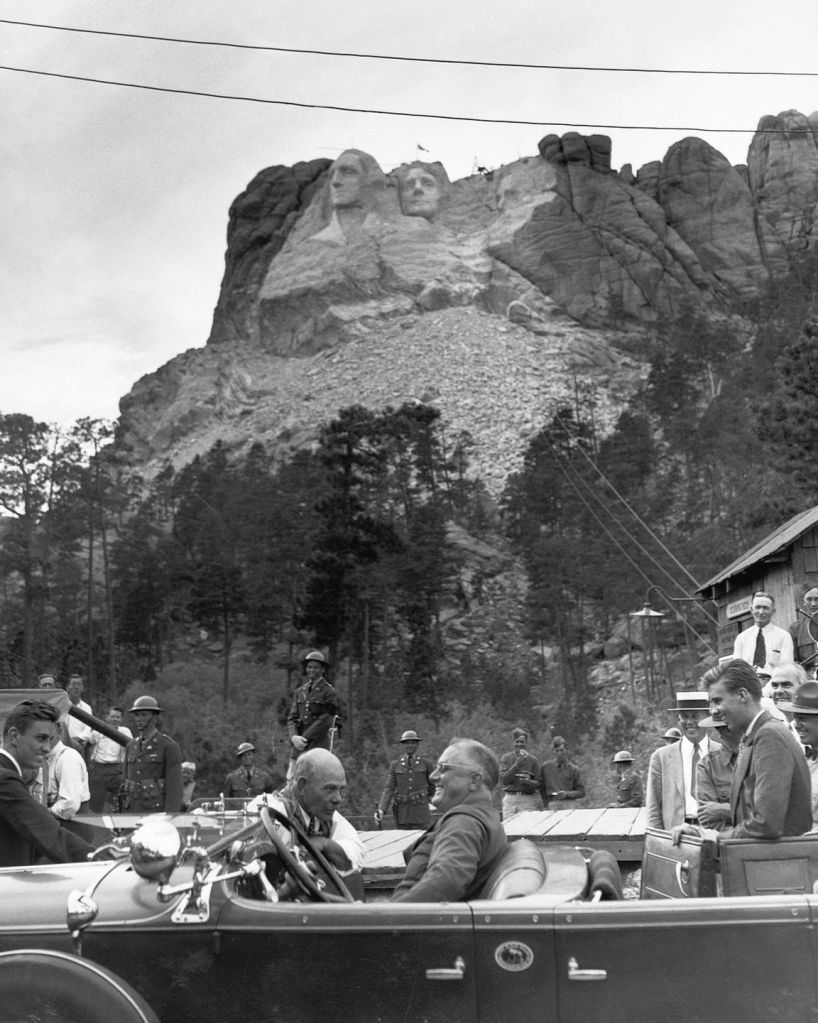
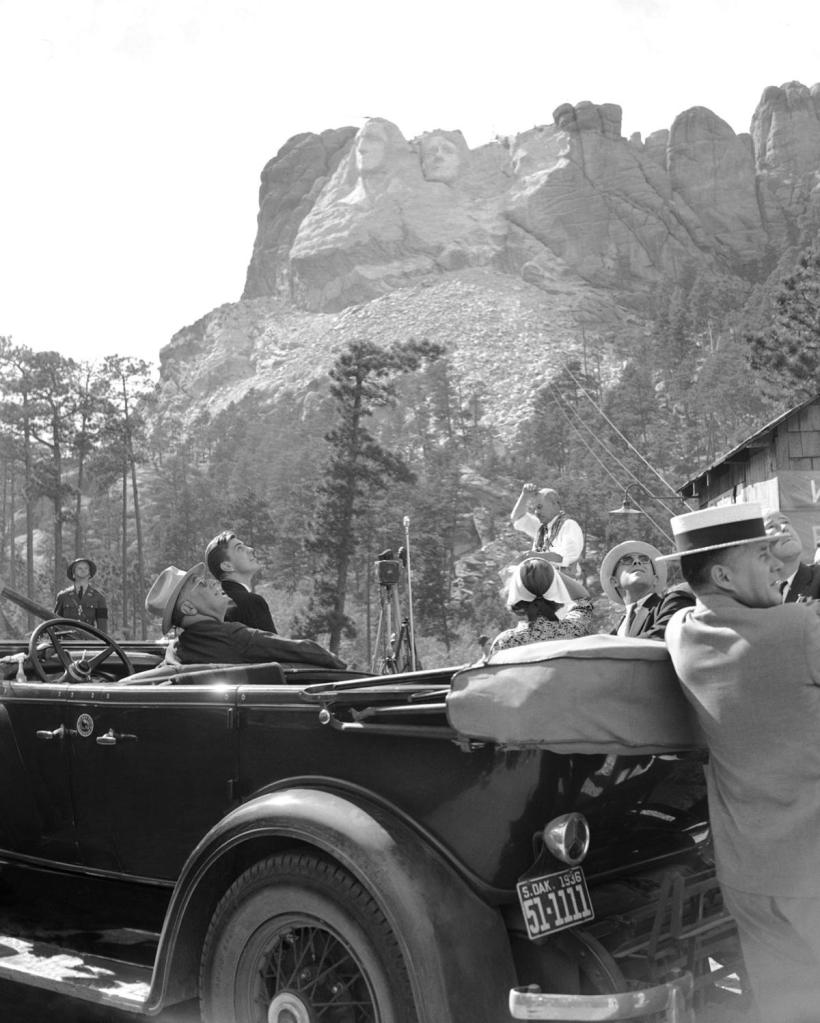
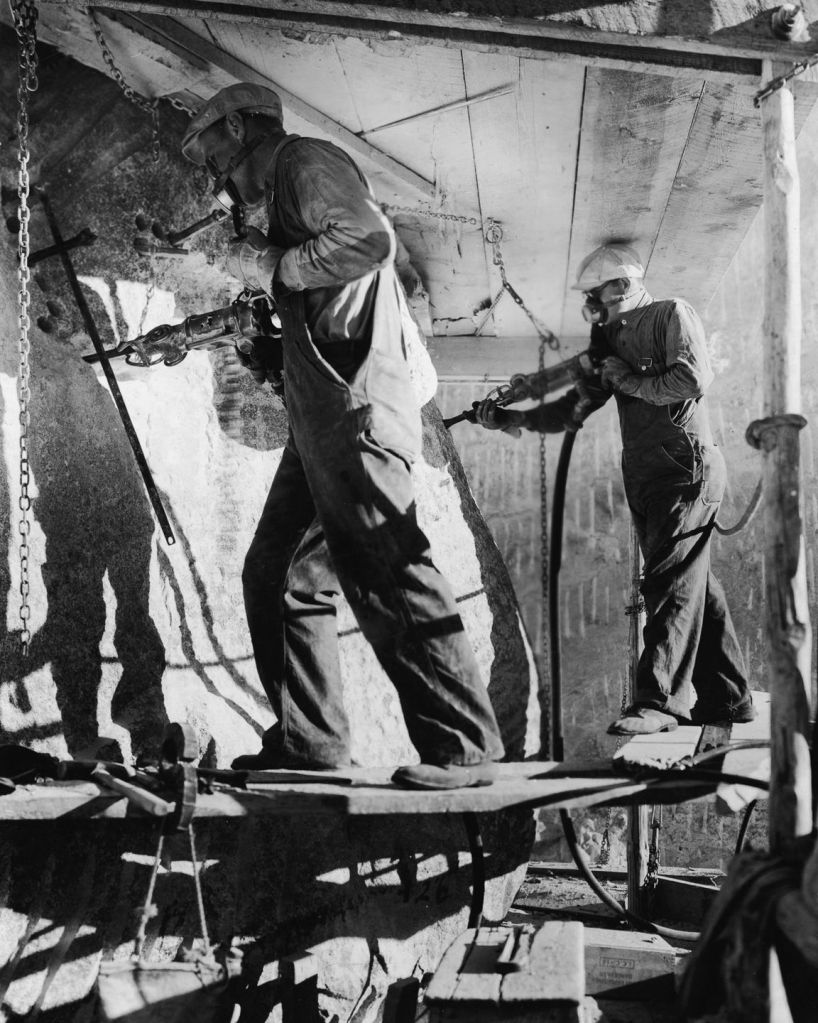
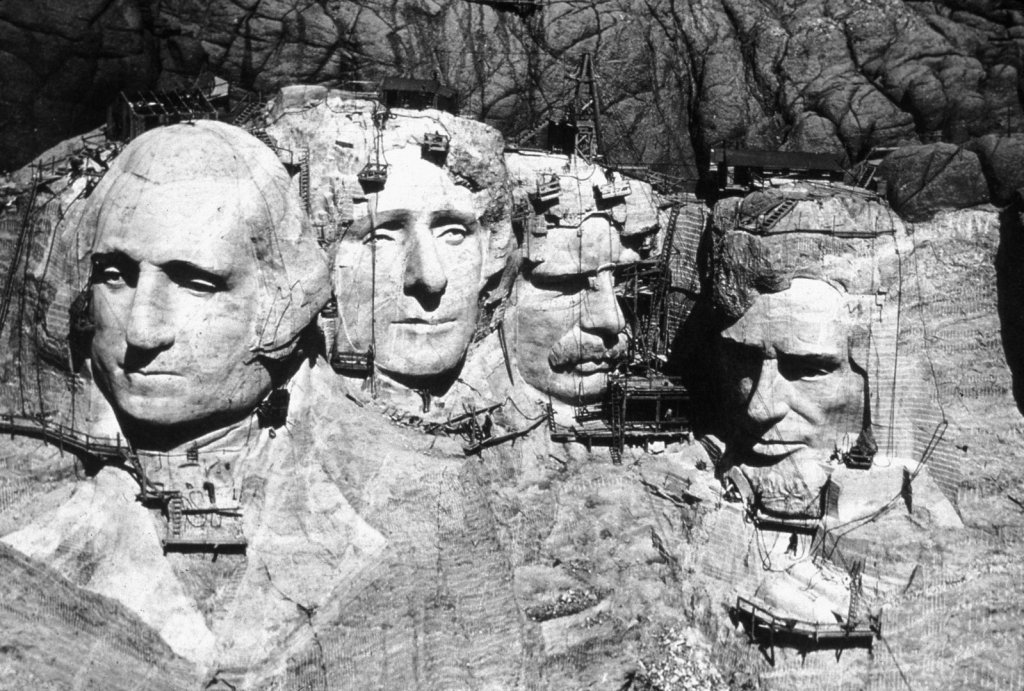
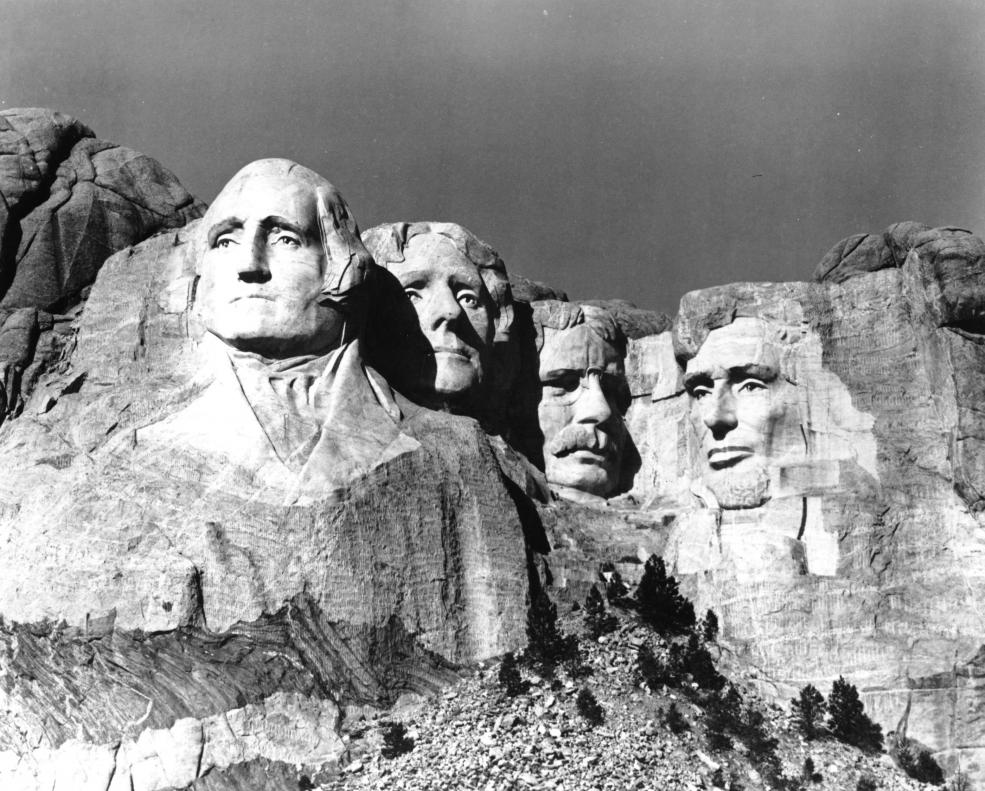
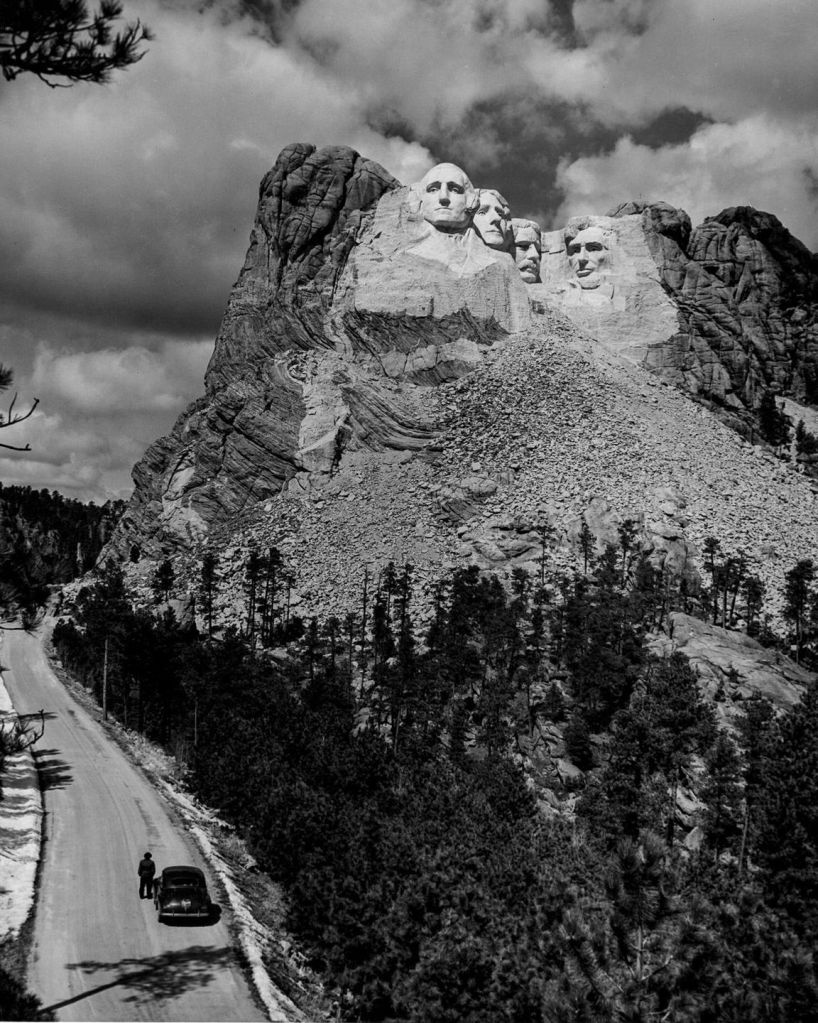
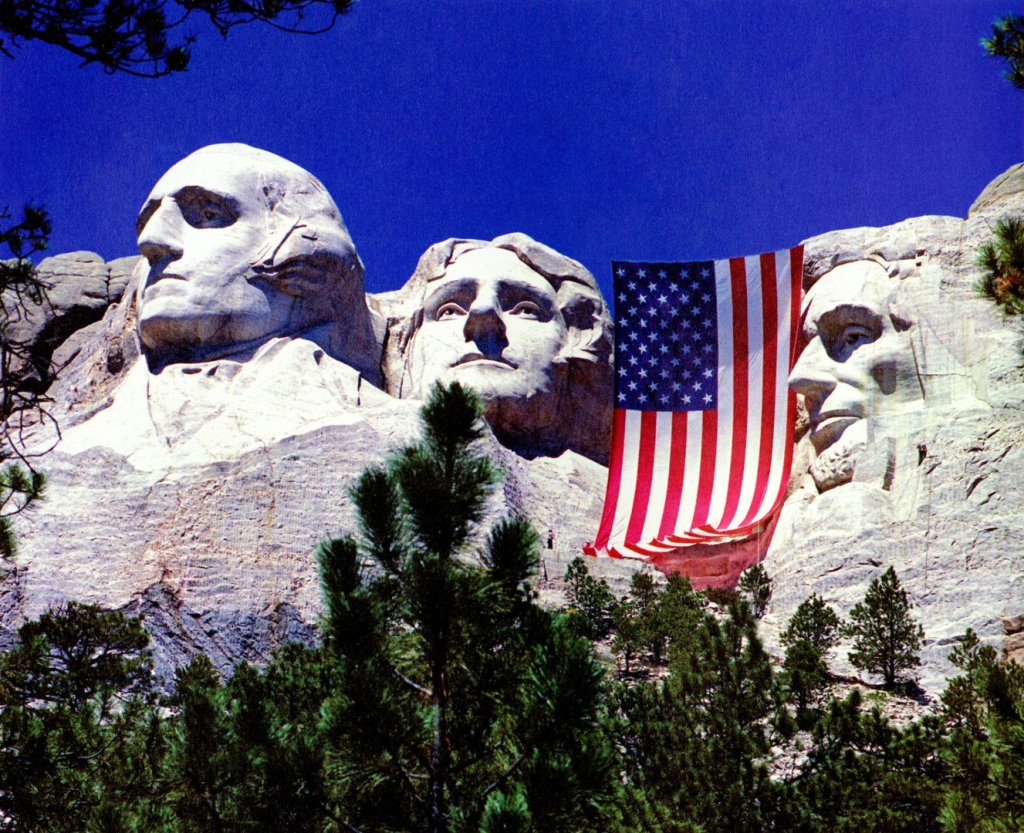
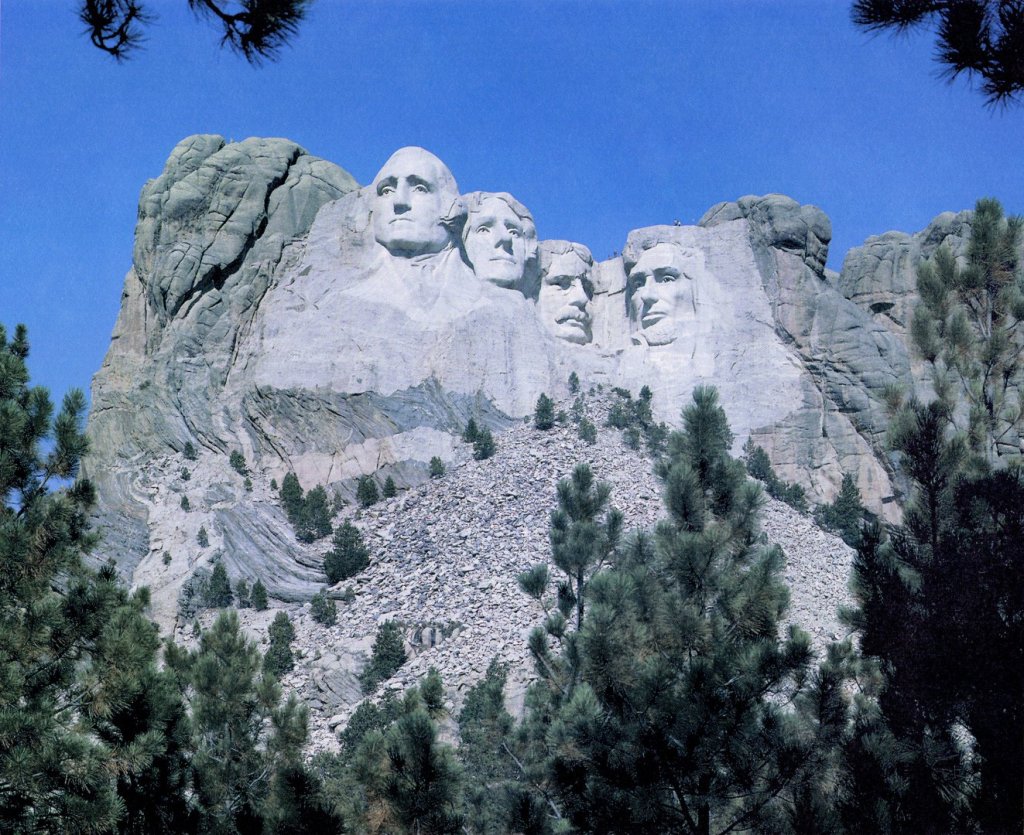
Mount Rushmore National Memorial is centered on a colossal sculpture carved into the granite face of Mount Rushmore (Lakota: Tȟuŋkášila Šákpe, or Six Grandfathers) in the Black Hills near Keystone, South Dakota. Sculptor Gutzon Borglum created the sculpture’s design and oversaw the project’s execution from 1927 to 1941 with the help of his son, Lincoln Borglum. The sculpture features the 60-foot (18 m) heads of Presidents George Washington (1732–1799), Thomas Jefferson (1743–1826), Theodore Roosevelt (1858–1919) and Abraham Lincoln (1809–1865), as recommended by Borglum. The four presidents were chosen to represent the nation’s birth, growth, development and preservation, respectively. The memorial park covers 1,278 acres (2.00 sq mi; 5.17 km2) and the actual mountain has an elevation of 5,725 feet (1,745 m) above sea level.
South Dakota historian Doane Robinson is credited with conceiving the idea of carving the likenesses of noted figures into the mountains of the Black Hills of South Dakota in order to promote tourism in the region. His initial idea was to sculpt the Needles; however, Gutzon Borglum rejected the Needles because of the poor quality of the granite and strong opposition from the Lakota (Sioux), who consider the Black Hills to be sacred ground; it was originally included in the Great Sioux Reservation. The United States broke up the territory after gold was discovered in the Black Hills.
The sculptor and tribal representatives settled on Mount Rushmore, which also has the advantage of facing southeast for maximum sun exposure. Robinson wanted it to feature American West heroes, such as Lewis and Clark, their expedition guide Sacagawea, Oglala Lakota chief Red Cloud, Buffalo Bill Cody, and Oglala Lakota chief Crazy Horse. Borglum believed that the sculpture should have broader appeal and chose the four presidents.
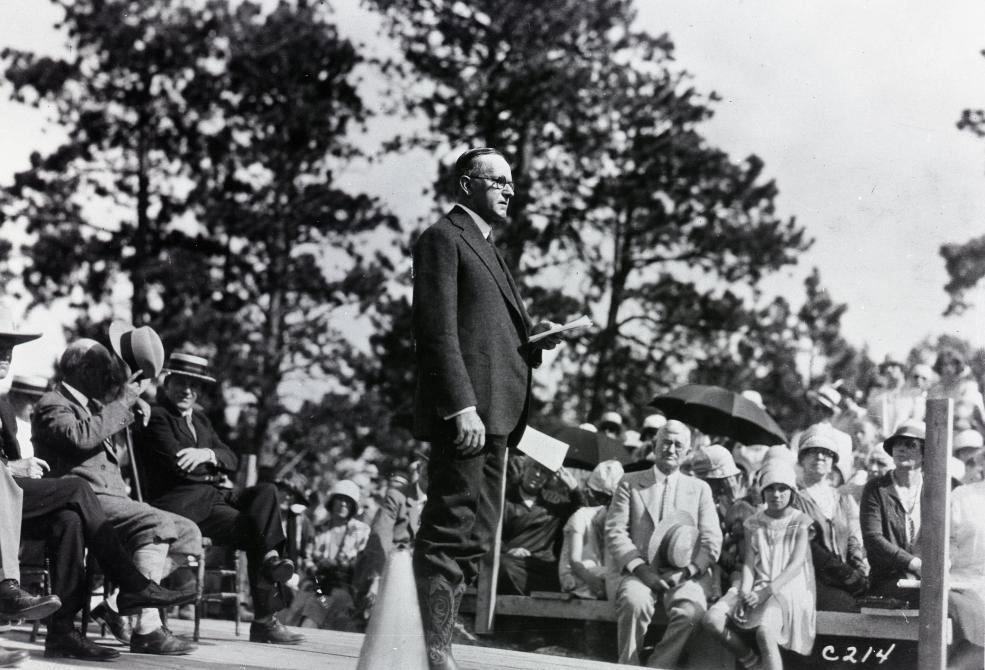
Peter Norbeck, U.S. senator from South Dakota, sponsored the project and secured federal funding. Construction began in 1927; the presidents’ faces were completed between 1934 and 1939. After Gutzon Borglum died in March 1941, his son Lincoln took over as leader of the construction project. Each president was originally to be depicted from head to waist, but lack of funding forced construction to end on October 31, 1941.
Sometimes referred to as the “Shrine of Democracy”, Mount Rushmore attracts more than two million visitors annually. (Wikipedia)
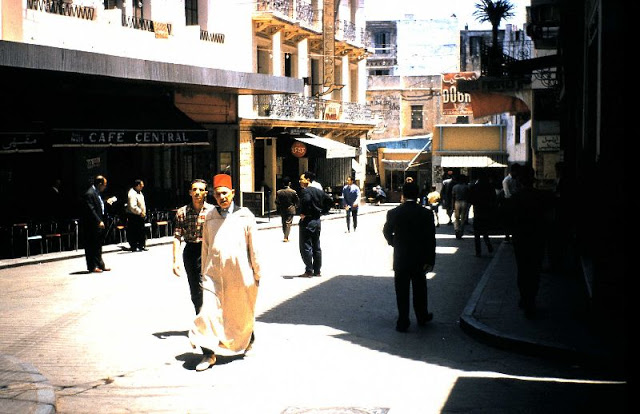
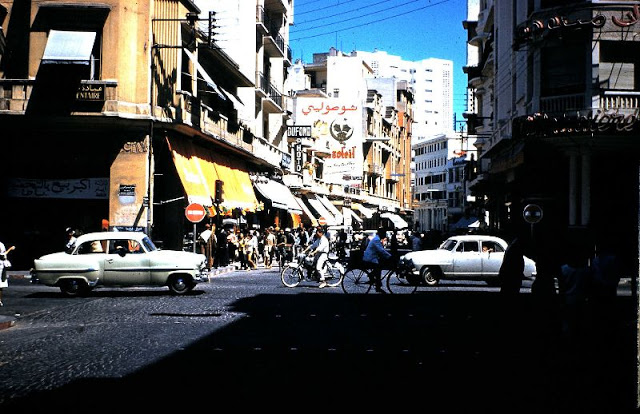
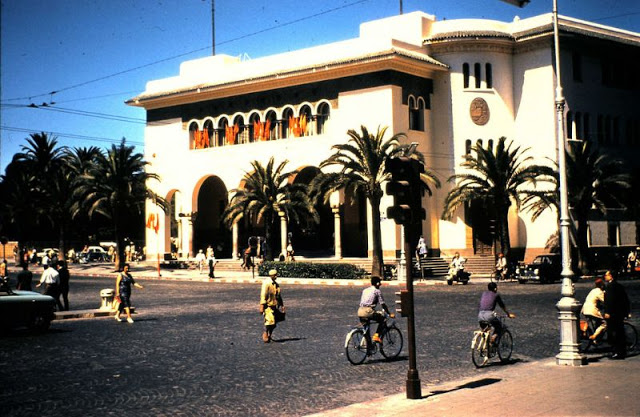
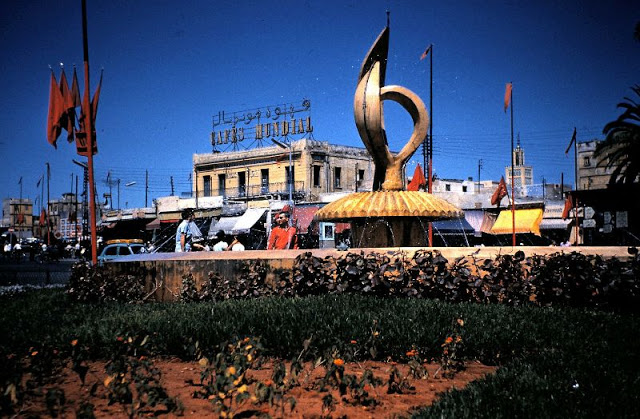
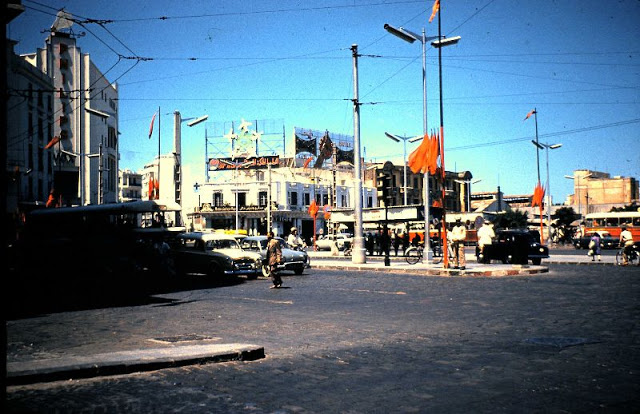
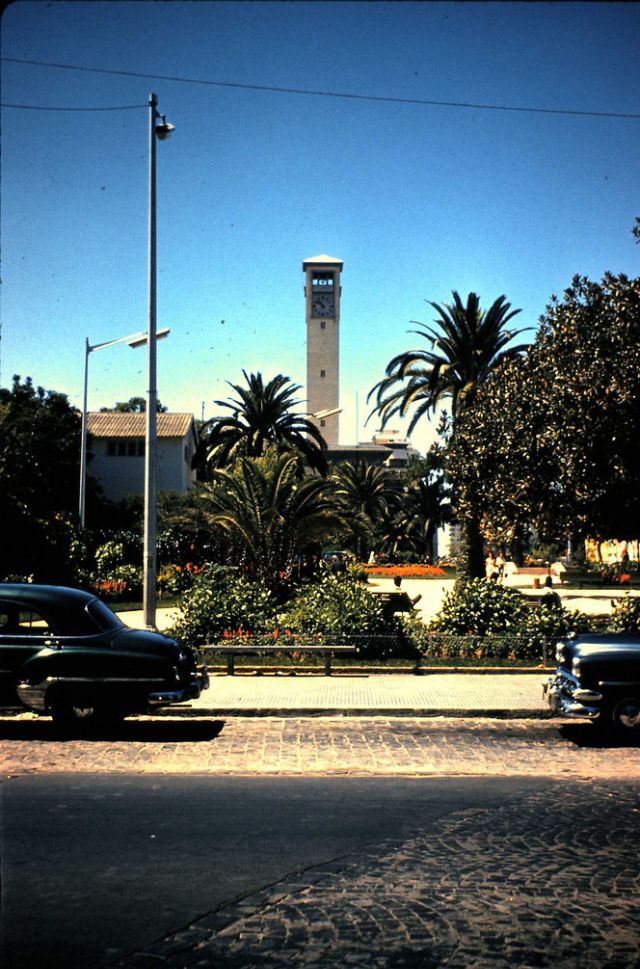
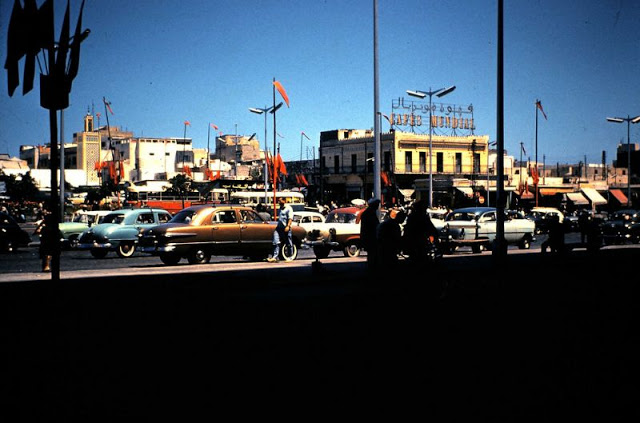
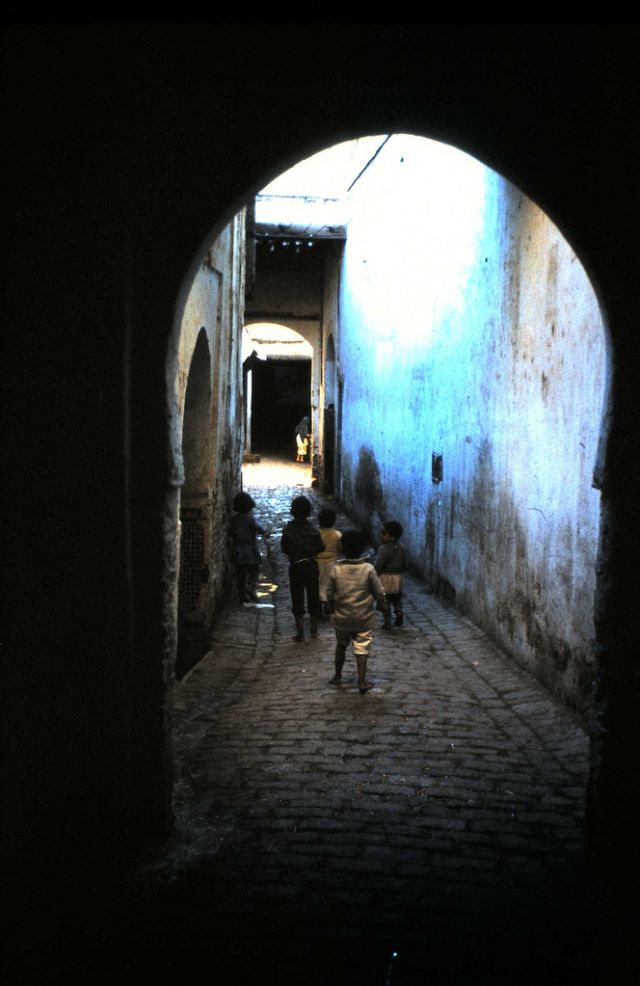
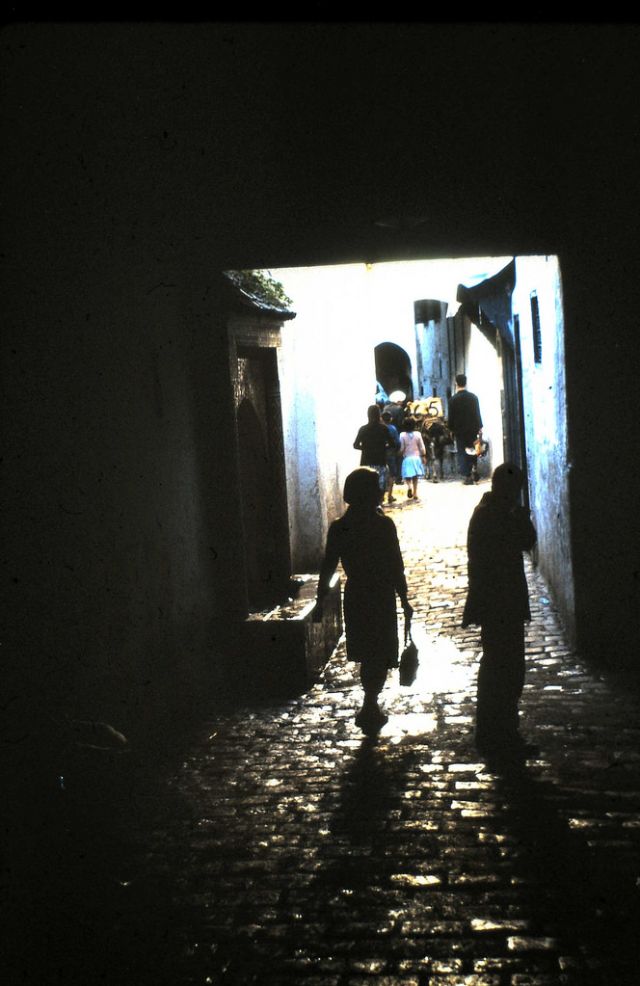
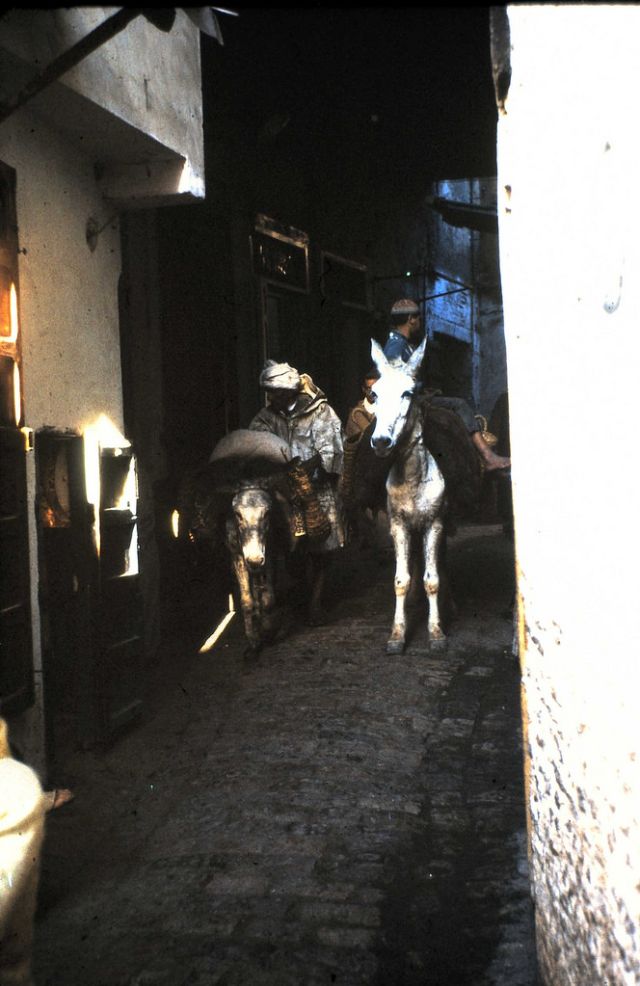
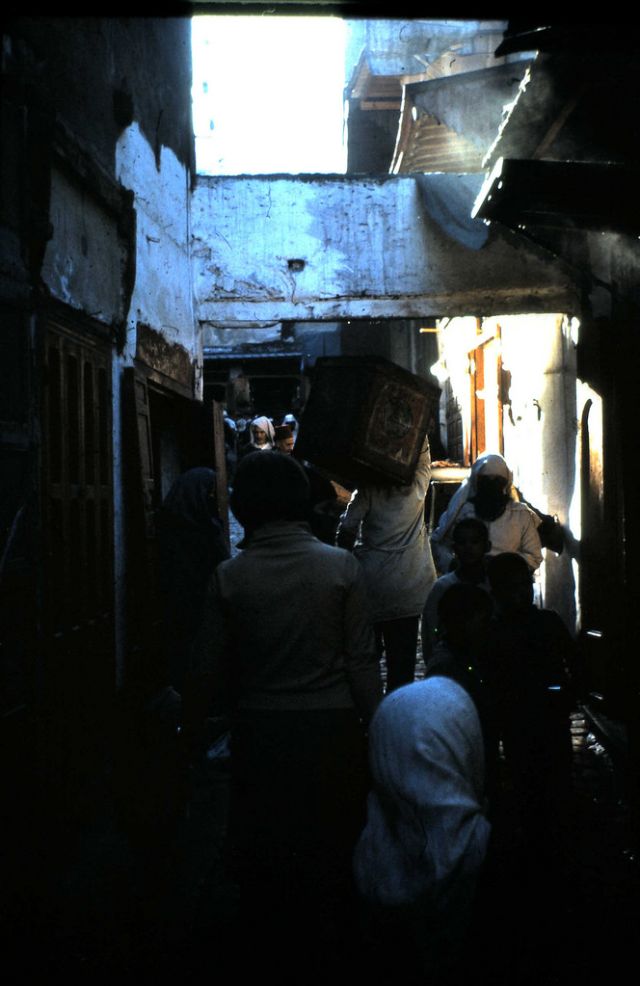
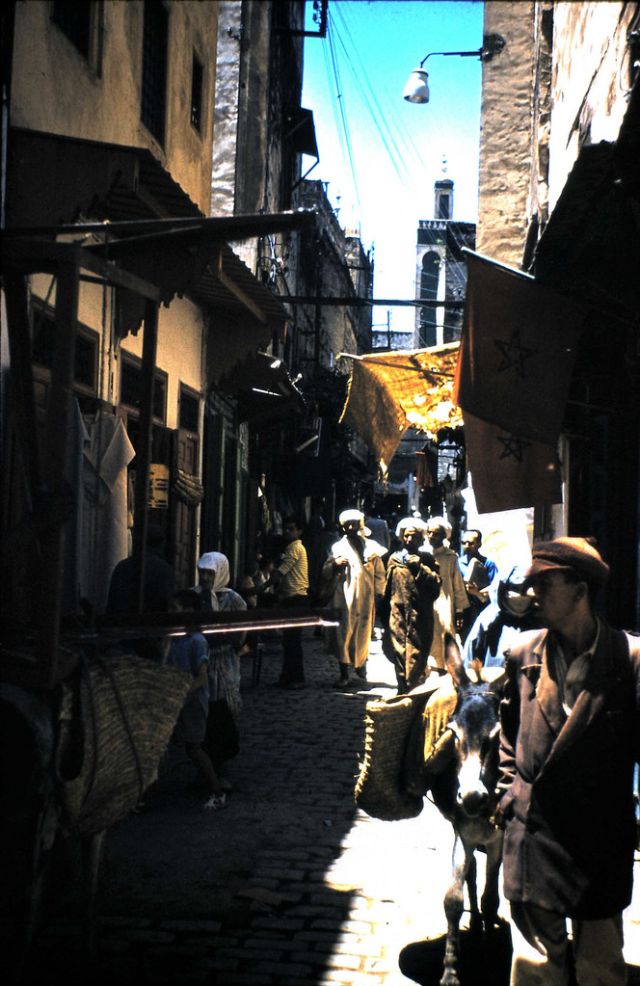
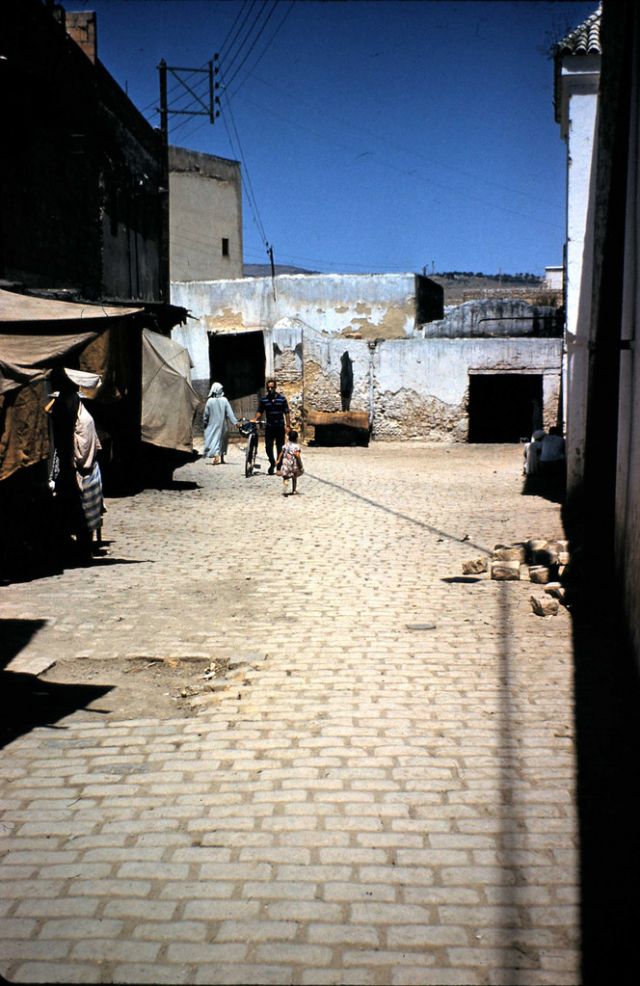
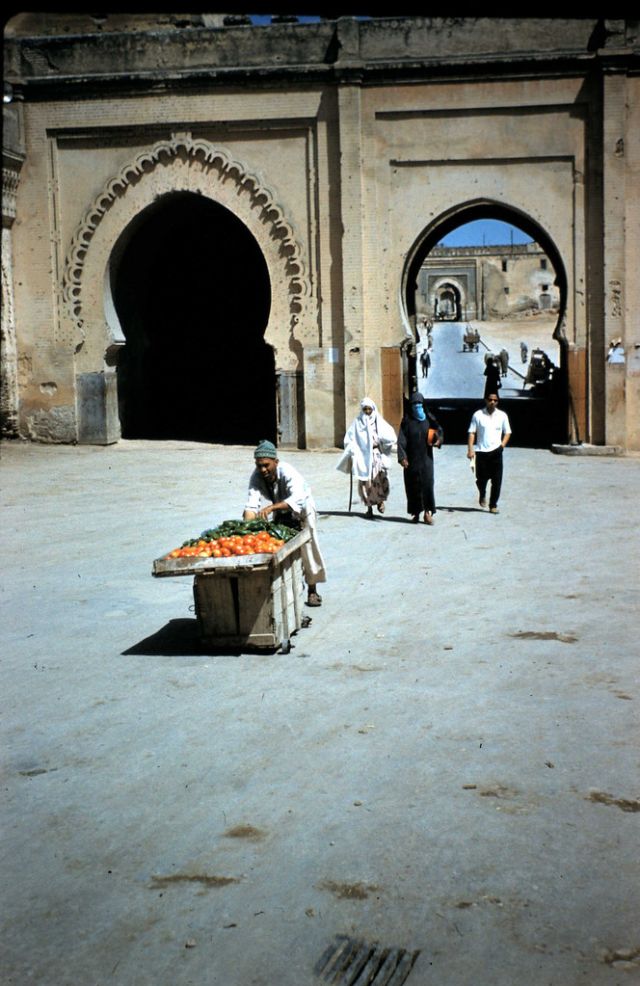
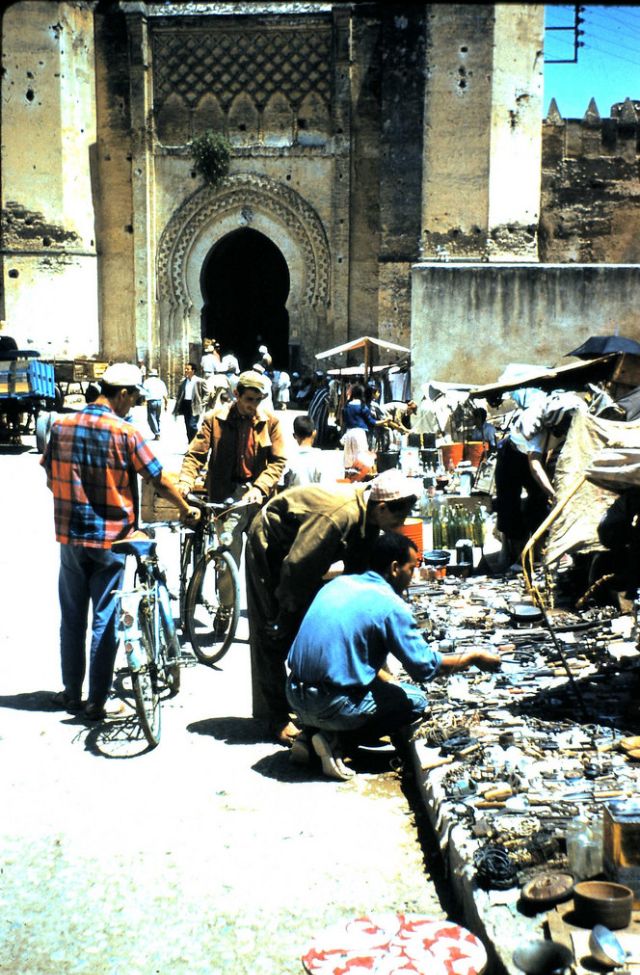
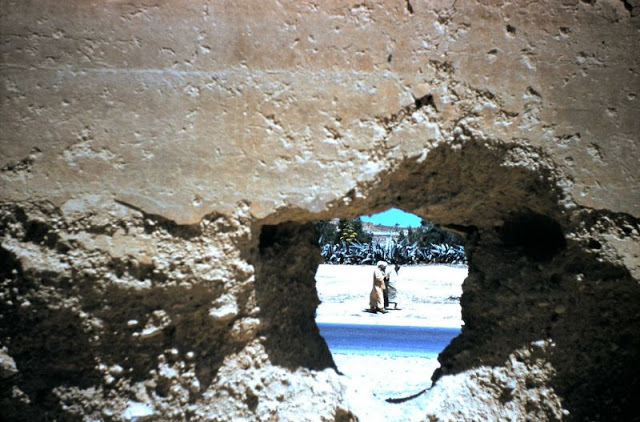
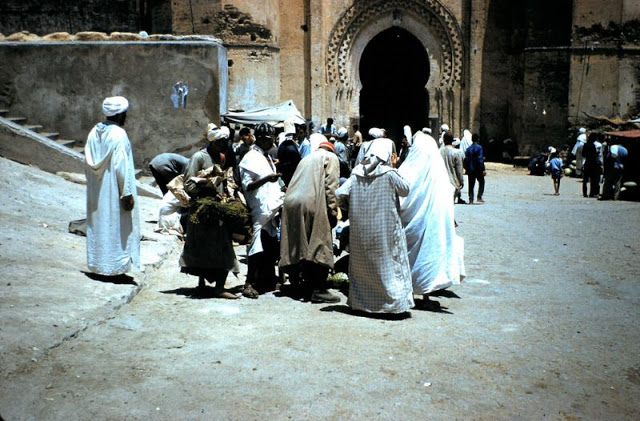
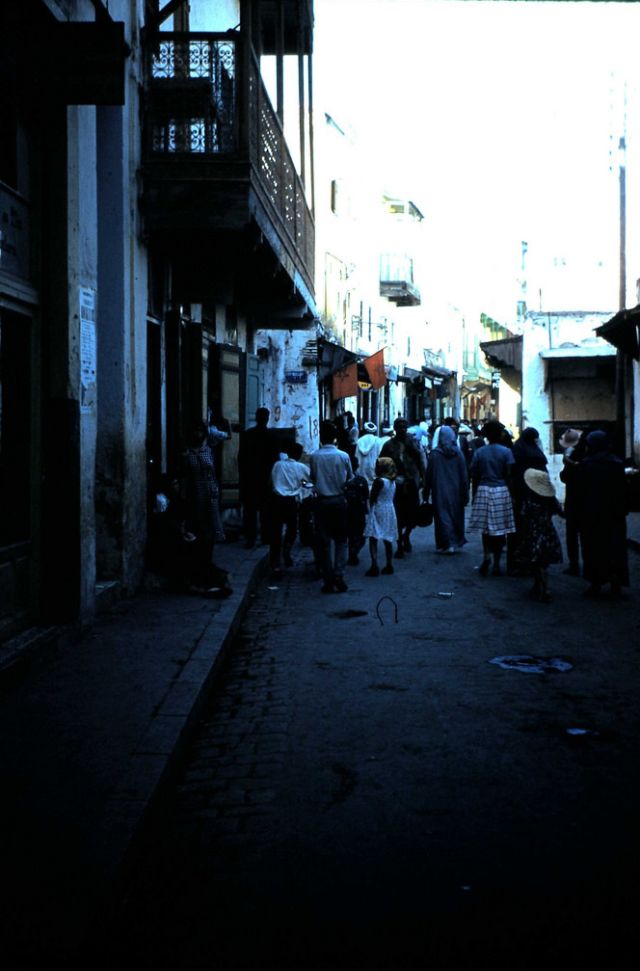
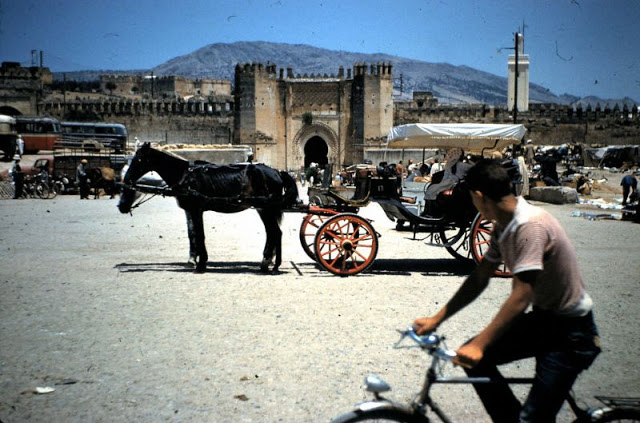
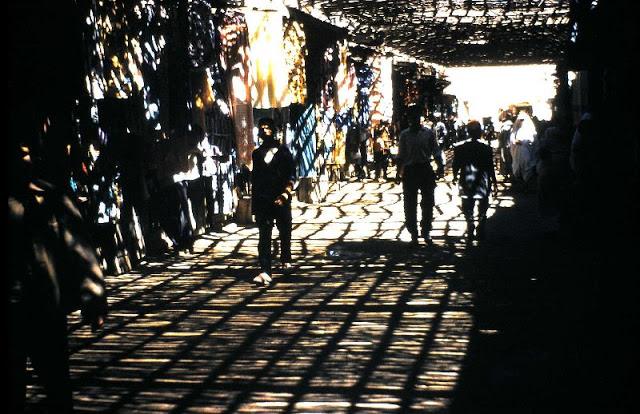
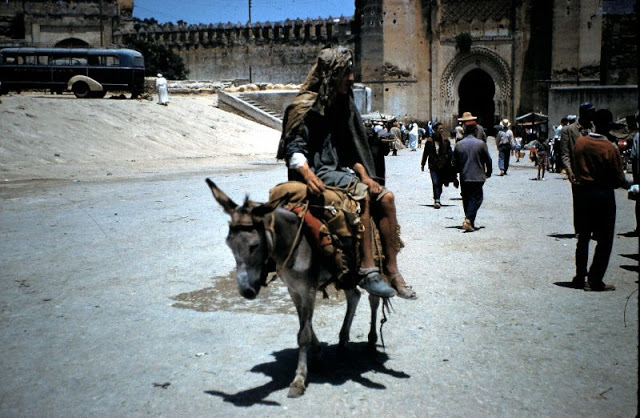
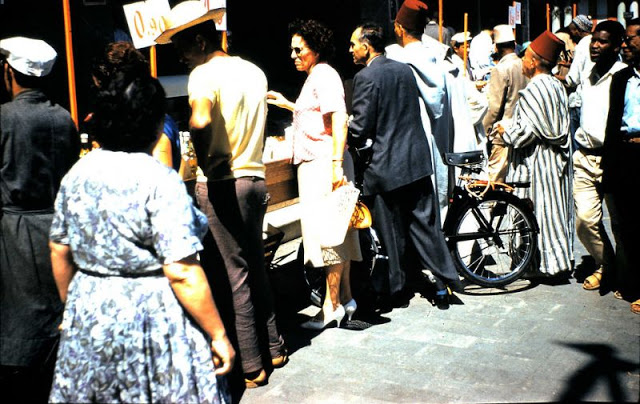
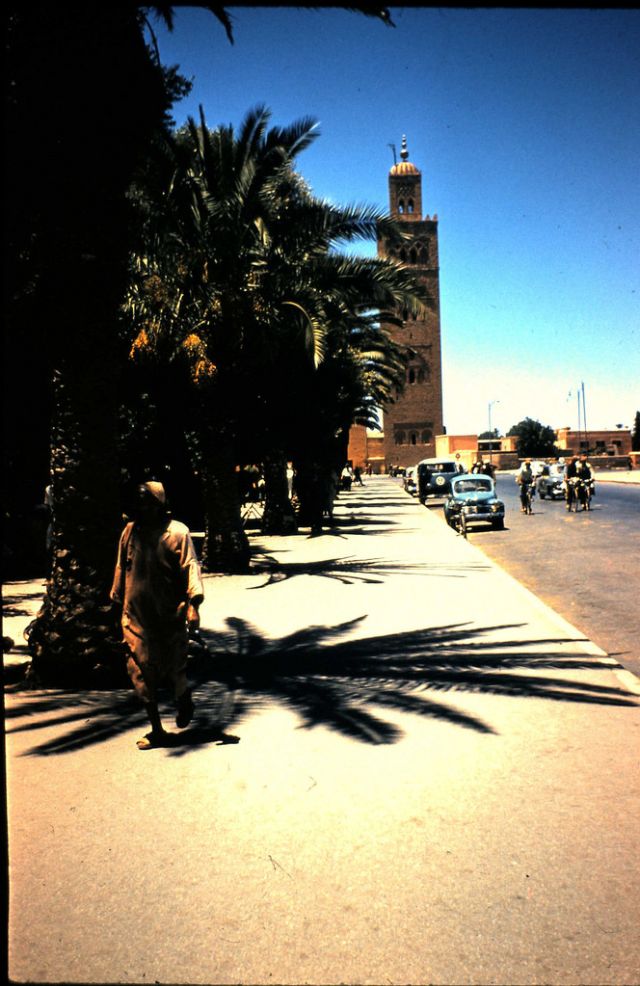
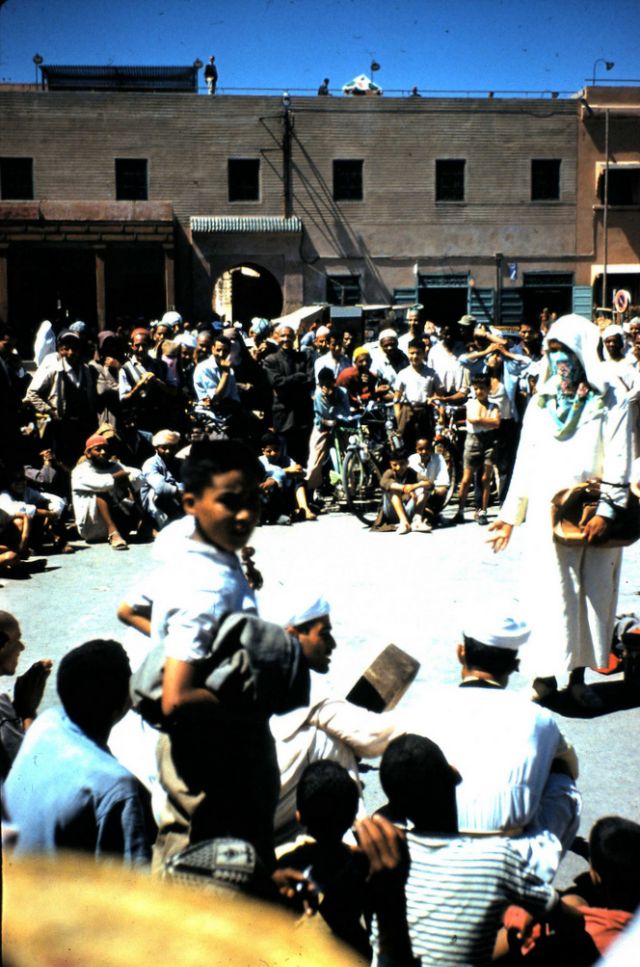
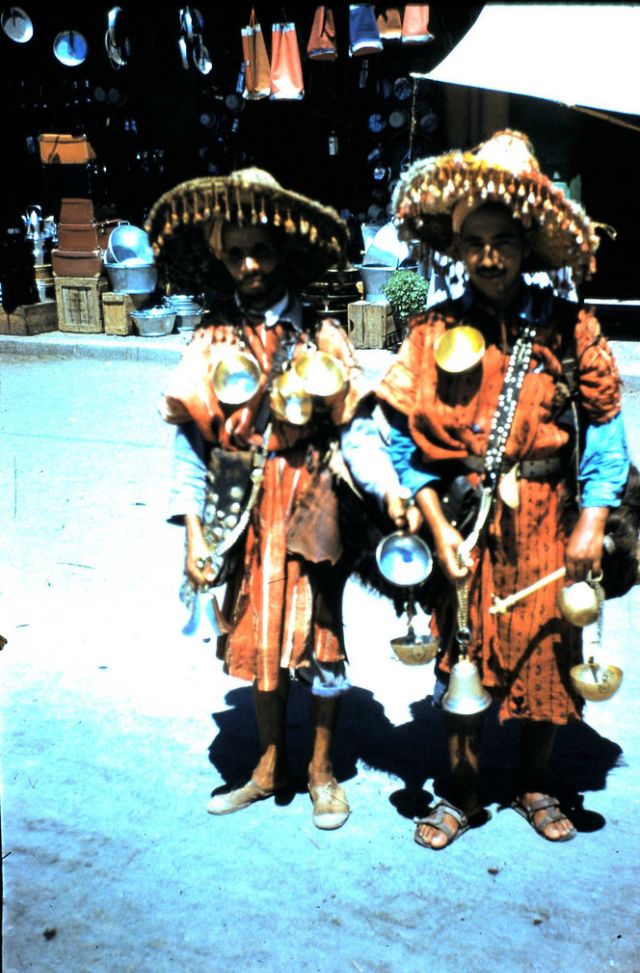
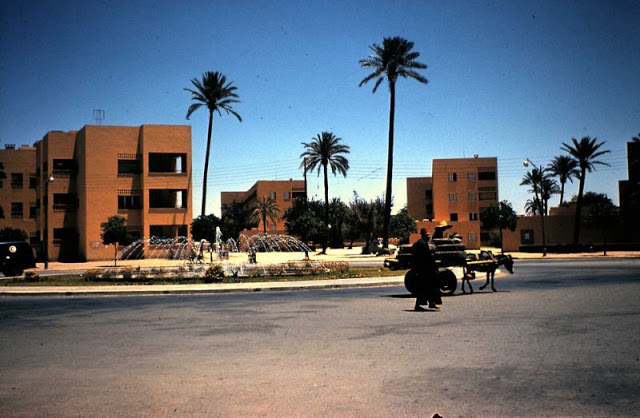
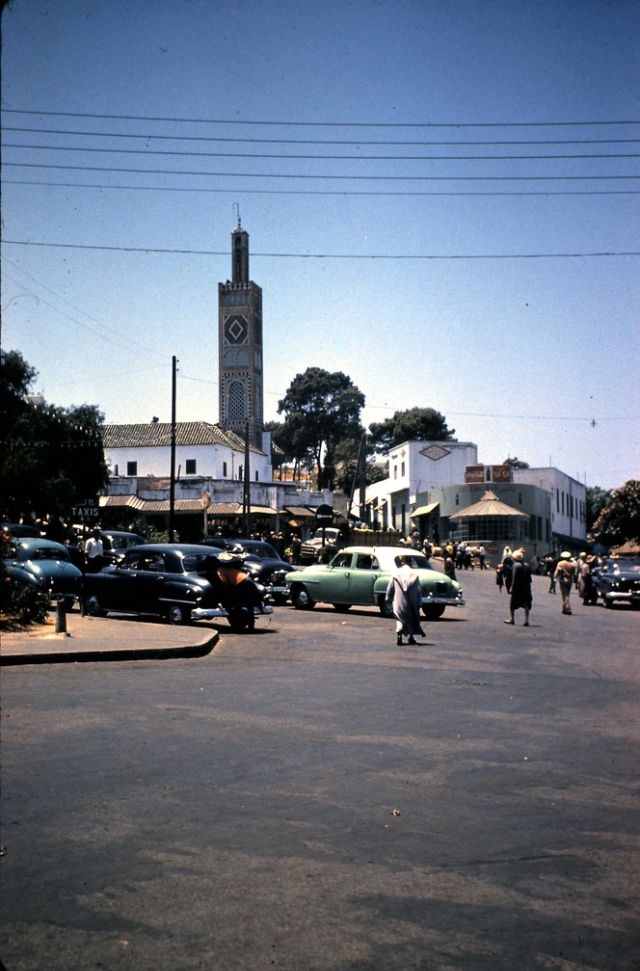
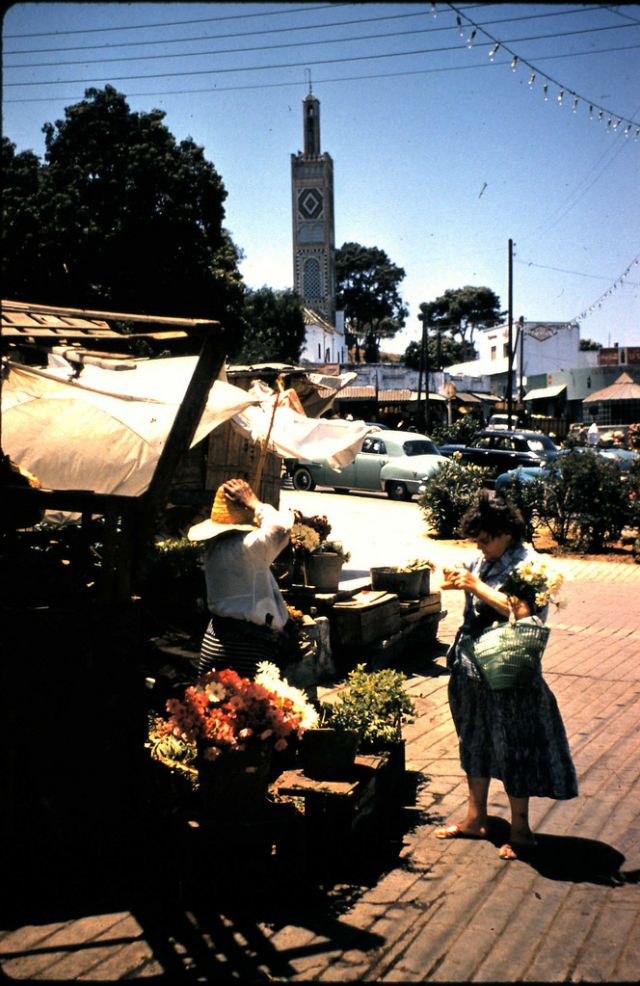
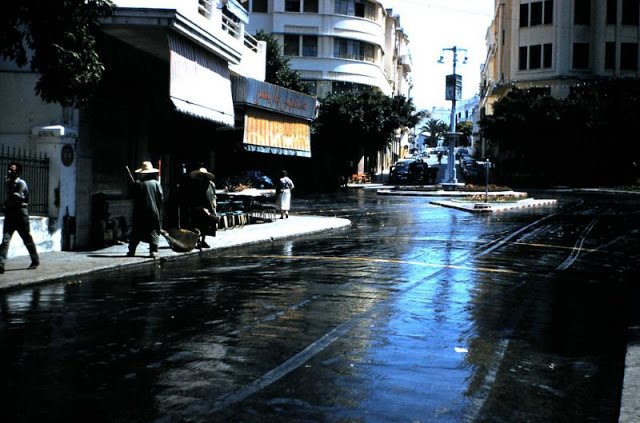
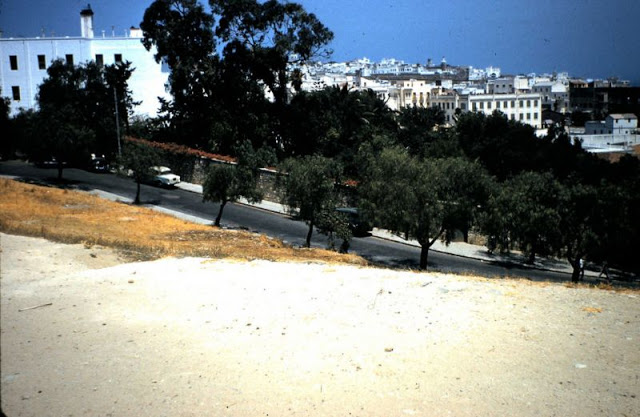
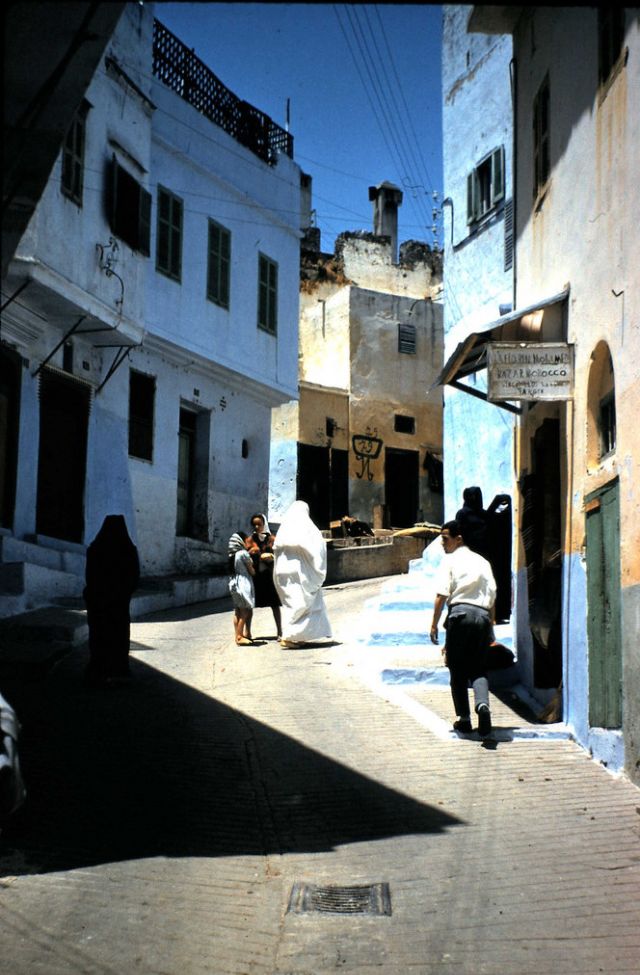
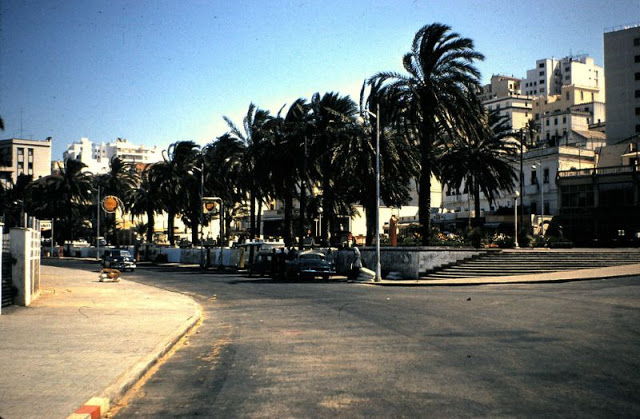
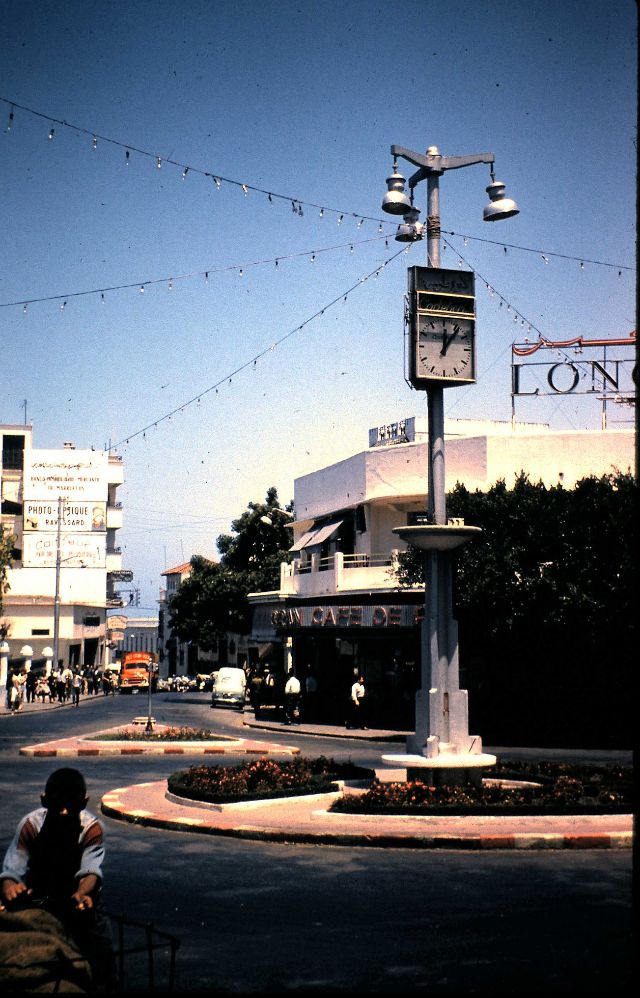
Morocco, officially the Kingdom of Morocco, is the northwesternmost country in the Maghreb region of North Africa. It overlooks the Mediterranean Sea to the north and the Atlantic Ocean to the west, and has land borders with Algeria to the east, and the disputed territory of Western Sahara to the south. Morocco also claims the Spanish exclaves of Ceuta, Melilla and Peñón de Vélez de la Gomera, and several small Spanish-controlled islands off its coast. It spans an area of 446,550 km2 (172,410 sq mi) or 710,850 km2 (274,460 sq mi), with a population of roughly 37 million. Its official and predominant religion is Islam, and the official languages are Arabic and Berber; the Moroccan dialect of Arabic and French are also widely spoken. Moroccan identity and culture is a vibrant mix of Berber, Arab, and European cultures. Its capital is Rabat, while its largest city is Casablanca.
Inhabited since the Paleolithic Era over 90,000 years ago, the first Moroccan state was established by Idris I in 788. It was subsequently ruled by a series of independent dynasties, reaching its zenith as a regional power in the 11th and 12th centuries, under the Almoravid and Almohad dynasties, when it controlled most of the Iberian Peninsula and the Maghreb. In the 15th and 16th centuries, Morocco faced external threats to its sovereignty, with Portugal seizing some territory and the Ottoman Empire encroaching from the east. The Marinid and Saadi dynasties otherwise resisted foreign domination, and Morocco was the only North African nation to escape Ottoman dominion. The Alaouite dynasty, which rules the country to this day, seized power in 1631, and over the next two centuries expanded diplomatic and commercial relations with the Western world. Morocco’s strategic location near the mouth of the Mediterranean drew renewed European interest; in 1912, France and Spain divided the country into respective protectorates, reserving an international zone in Tangier. Following intermittent riots and revolts against colonial rule, in 1956 Morocco regained its independence and reunified.
Since independence, Morocco has remained relatively stable and prosperous. It has the fifth-largest economy in Africa and wields significant influence in both Africa and the Arab world; it is considered a middle power in global affairs and holds membership in the Arab League, the Union for the Mediterranean, and the African Union. Morocco is a unitary semi-constitutional monarchy with an elected parliament. The executive branch is led by the King of Morocco and the prime minister, while legislative power is vested in the two chambers of parliament: the House of Representatives and the House of Councillors. Judicial power rests with the Constitutional Court, which may review the validity of laws, elections, and referenda. The king holds vast executive and legislative powers, especially over the military, foreign policy and religious affairs; he can issue decrees called dahirs, which have the force of law, and can also dissolve the parliament after consulting the prime minister and the president of the constitutional court.
Morocco claims ownership of the non-self-governing territory of Western Sahara, which it has designated its Southern Provinces. In 1975, after Spain agreed to decolonise the territory and cede its control to Morocco and Mauritania, a guerrilla war broke out between those powers and some of the local inhabitants. In 1979, Mauritania relinquished its claim to the area, but the war continued to rage. In 1991, a ceasefire agreement was reached, but the issue of sovereignty remained unresolved. Today, Morocco occupies two-thirds of the territory, and efforts to resolve the dispute have thus far failed to break the political deadlock. (Wikipedia)


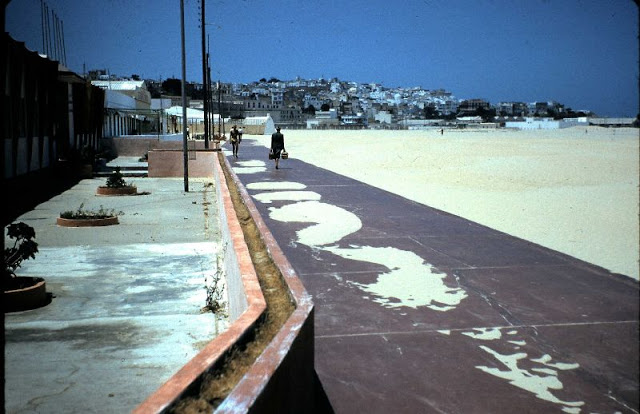

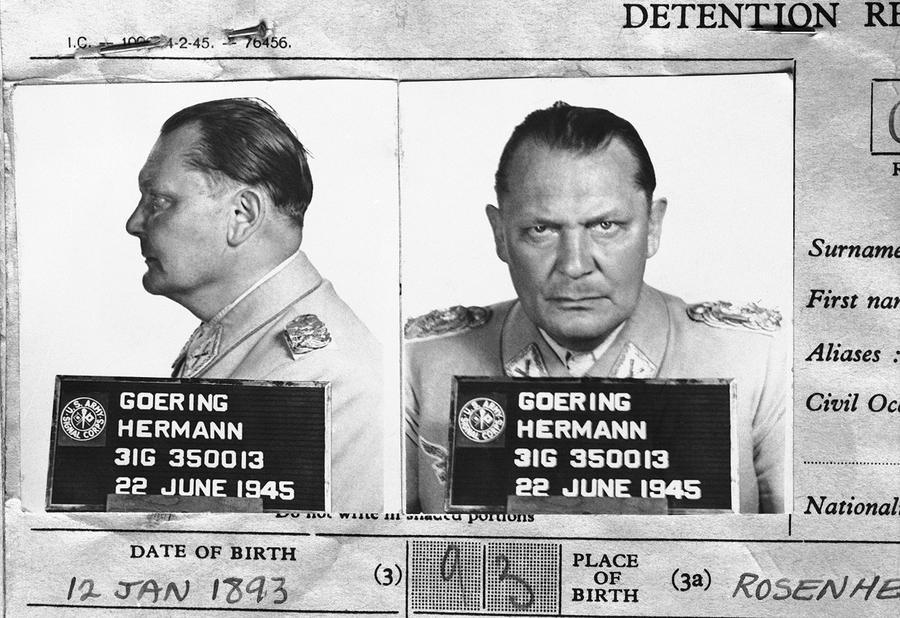
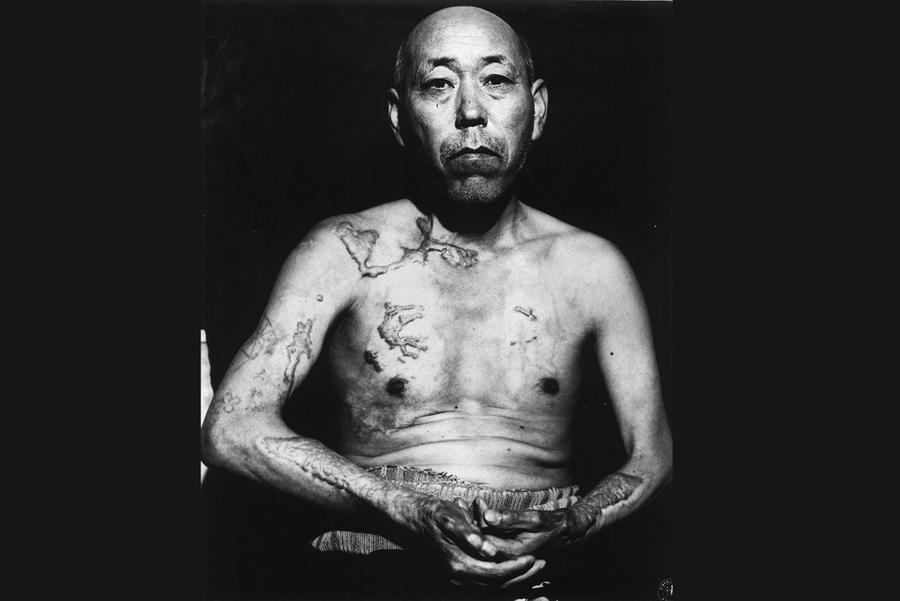
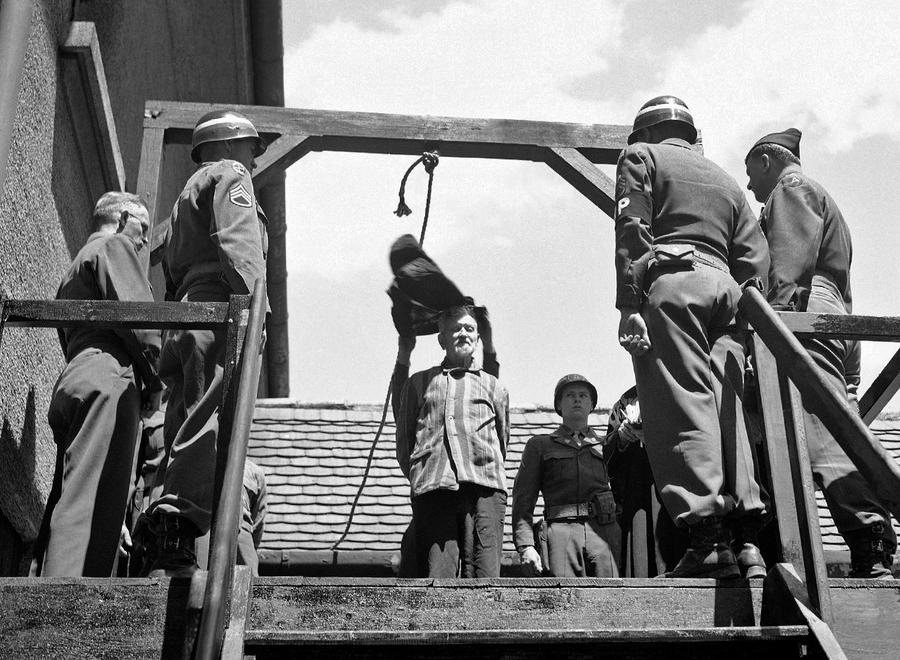
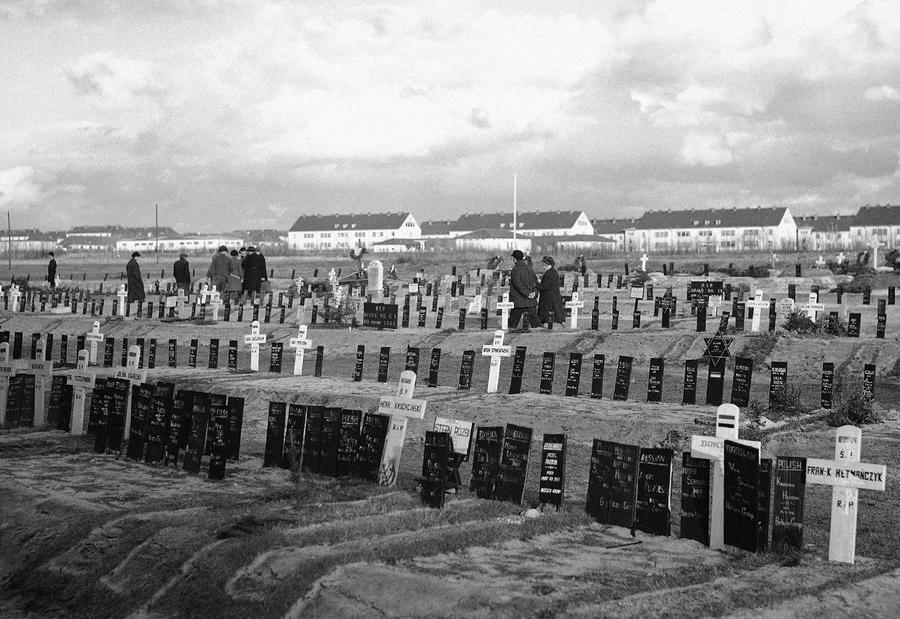
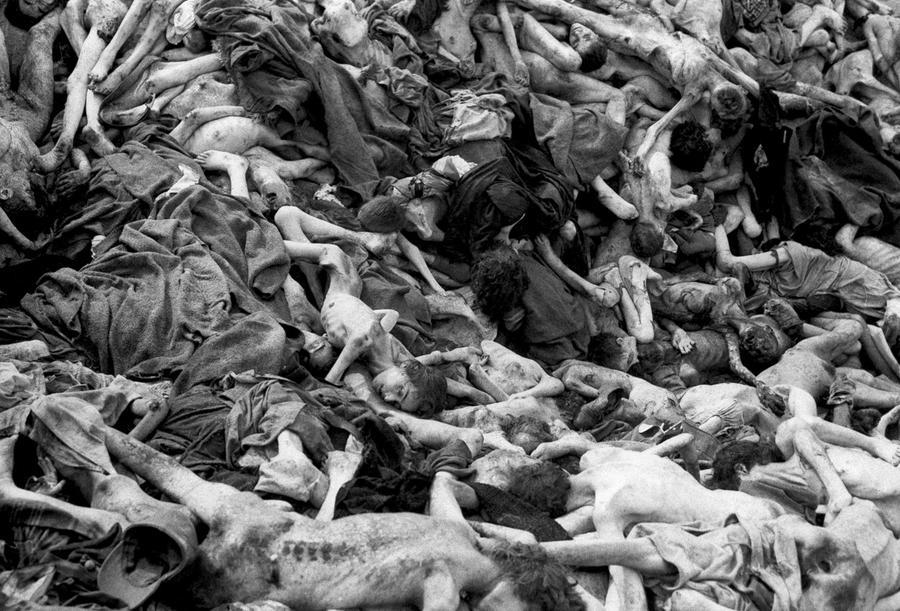
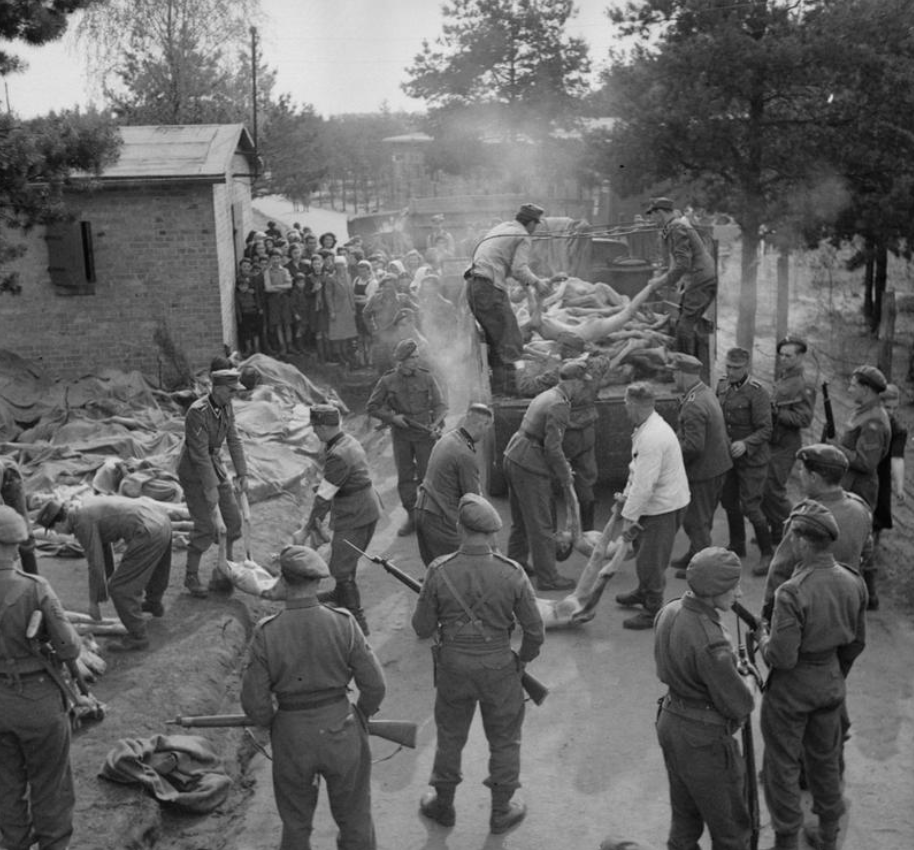
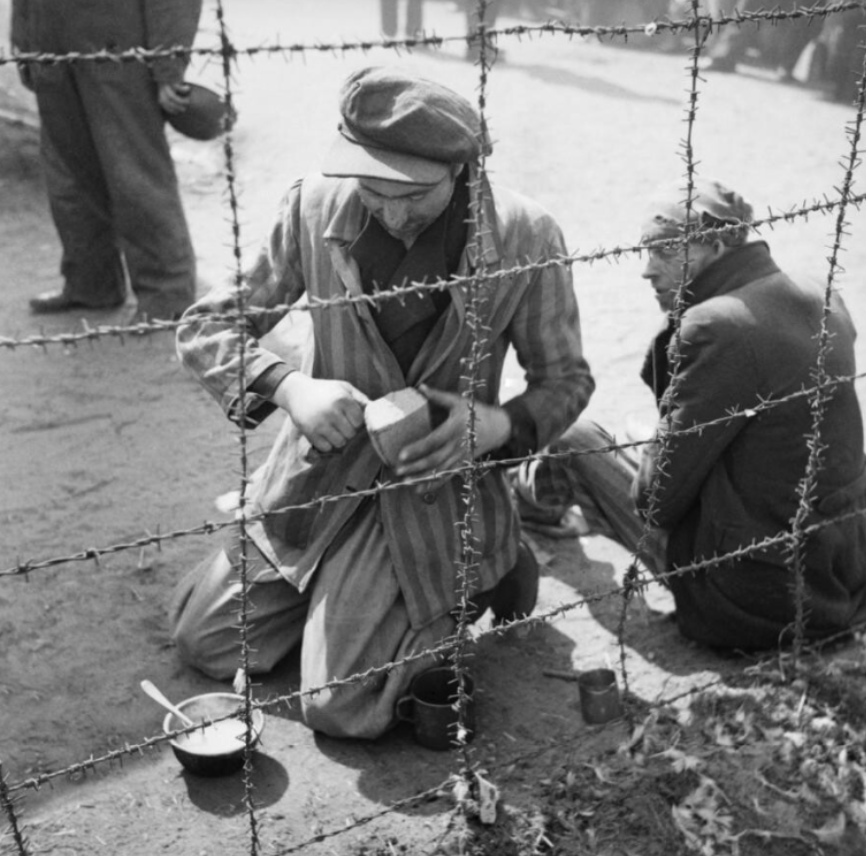
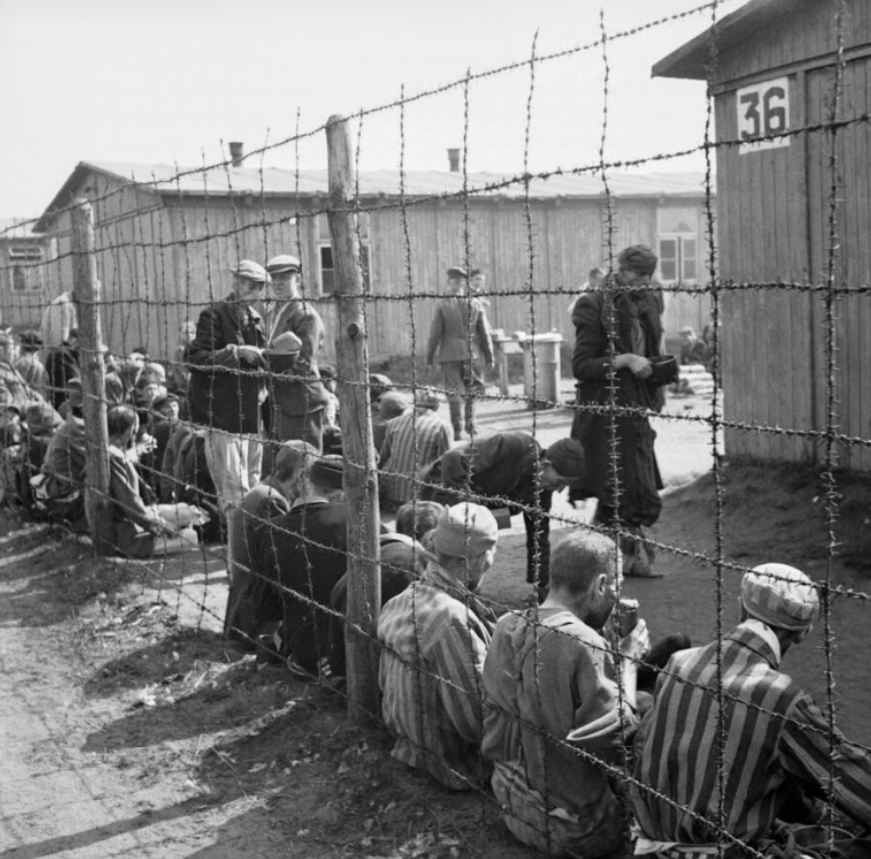
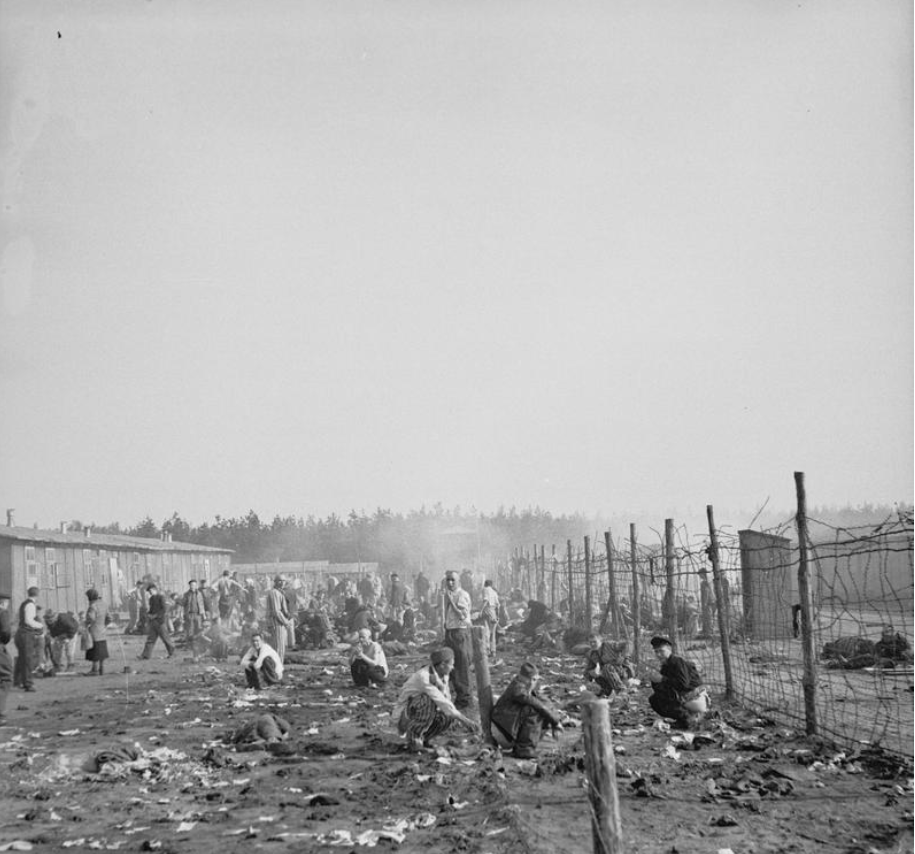
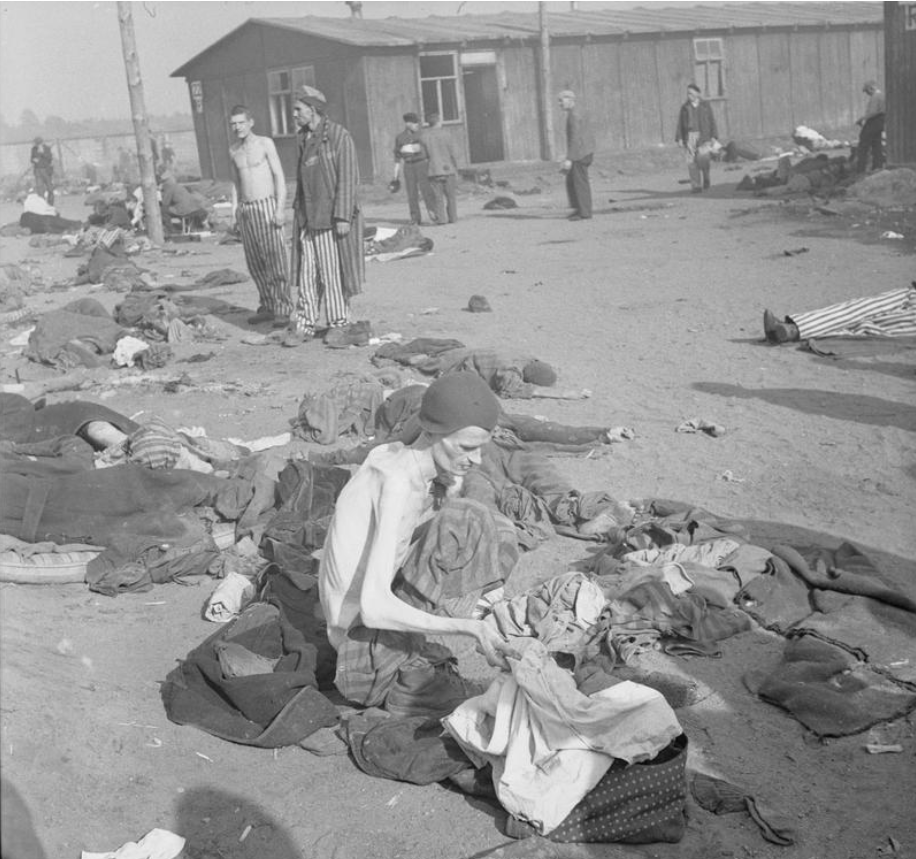
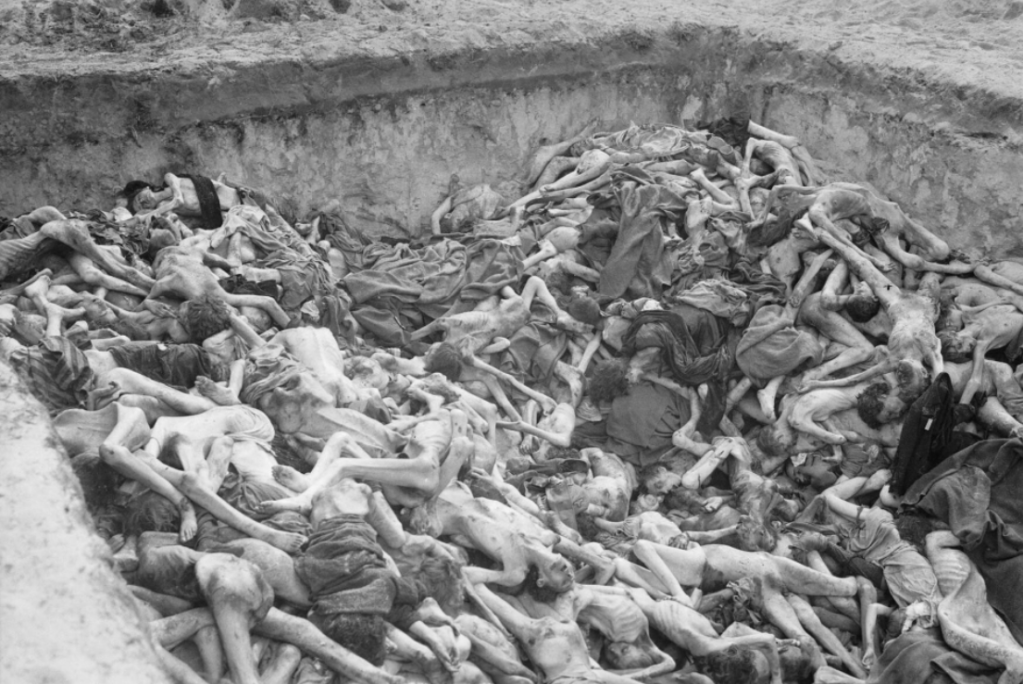
World War II or the Second World War, often abbreviated as WWII or WW2, was a global war that lasted from 1939 to 1945. It involved the vast majority of the world’s countries—including all of the great powers—forming two opposing military alliances: the Allies and the Axis powers. In a total war directly involving more than 100 million personnel from more than 30 countries, the major participants threw their entire economic, industrial, and scientific capabilities behind the war effort, blurring the distinction between civilian and military resources. Aircraft played a major role in the conflict, enabling the strategic bombing of population centres and the only two uses of nuclear weapons in war. World War II was by far the deadliest conflict in human history; it resulted in 70 to 85 million fatalities, a majority being civilians. Tens of millions of people died due to genocides (including the Holocaust), starvation, massacres, and disease. In the wake of the Axis defeat, Germany and Japan were occupied, and war crimes tribunals were conducted against German and Japanese leaders.
World War II is generally considered to have begun on 1 September 1939, when Nazi Germany, under Adolf Hitler, invaded Poland. The United Kingdom and France subsequently declared war on Germany on 3 September. Under the Molotov–Ribbentrop Pact of August 1939, Germany and the Soviet Union had partitioned Poland and marked out their “spheres of influence” across Finland, Romania and the Baltic states. From late 1939 to early 1941, in a series of campaigns and treaties, Germany conquered or controlled much of continental Europe, and formed the Axis alliance with Italy and Japan (along with other countries later on). Following the onset of campaigns in North Africa and East Africa, and the fall of France in mid-1940, the war continued primarily between the European Axis powers and the British Empire, with war in the Balkans, the aerial Battle of Britain, the Blitz of the UK, and the Battle of the Atlantic. On 22 June 1941, Germany led the European Axis powers in an invasion of the Soviet Union, opening the Eastern Front, the largest land theatre of war in history.
Japan, which aimed to dominate Asia and the Pacific, was at war with the Republic of China by 1937. In December 1941, Japan attacked American and British territories with near-simultaneous offensives against Southeast Asia and the Central Pacific, including an attack on the US fleet at Pearl Harbor which forced the US to declare war against Japan; the European Axis powers declared war on the US in solidarity. Japan soon captured much of the western Pacific, but its advances were halted in 1942 after losing the critical Battle of Midway; later, Germany and Italy were defeated in North Africa and at Stalingrad in the Soviet Union. Key setbacks in 1943—including a series of German defeats on the Eastern Front, the Allied invasions of Sicily and the Italian mainland, and Allied offensives in the Pacific—cost the Axis powers their initiative and forced it into strategic retreat on all fronts. In 1944, the Western Allies invaded German-occupied France, while the Soviet Union regained its territorial losses and turned towards Germany and its allies. During 1944 and 1945, Japan suffered reversals in mainland Asia, while the Allies crippled the Japanese Navy and captured key western Pacific islands.
The war in Europe concluded with the liberation of German-occupied territories, and the invasion of Germany by the Western Allies and the Soviet Union, culminating in the fall of Berlin to Soviet troops, Hitler’s suicide and the German unconditional surrender on 8 May 1945. Following the Potsdam Declaration by the Allies on 26 July 1945 and the refusal of Japan to surrender on its terms, the United States dropped the first atomic bombs on the Japanese cities of Hiroshima, on 6 August, and Nagasaki, on 9 August. Faced with an imminent invasion of the Japanese archipelago, the possibility of additional atomic bombings, and the Soviet entry into the war against Japan and its invasion of Manchuria, Japan announced its intention to surrender on 15 August, then signed the surrender document on 2 September 1945, cementing total victory in Asia for the Allies.
World War II changed the political alignment and social structure of the globe. The United Nations (UN) was established to foster international co-operation and prevent future conflicts, and the victorious great powers—China, France, the Soviet Union, the United Kingdom, and the United States—became the permanent members of its Security Council. The Soviet Union and the United States emerged as rival superpowers, setting the stage for the nearly half-century-long Cold War. In the wake of European devastation, the influence of its great powers waned, triggering the decolonisation of Africa and Asia. Most countries whose industries had been damaged moved towards economic recovery and expansion. Political and economic integration, especially in Europe, began as an effort to forestall future hostilities, end pre-war enmities and forge a sense of common identity. (Wikipedia)
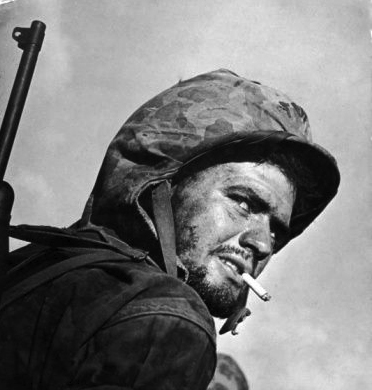
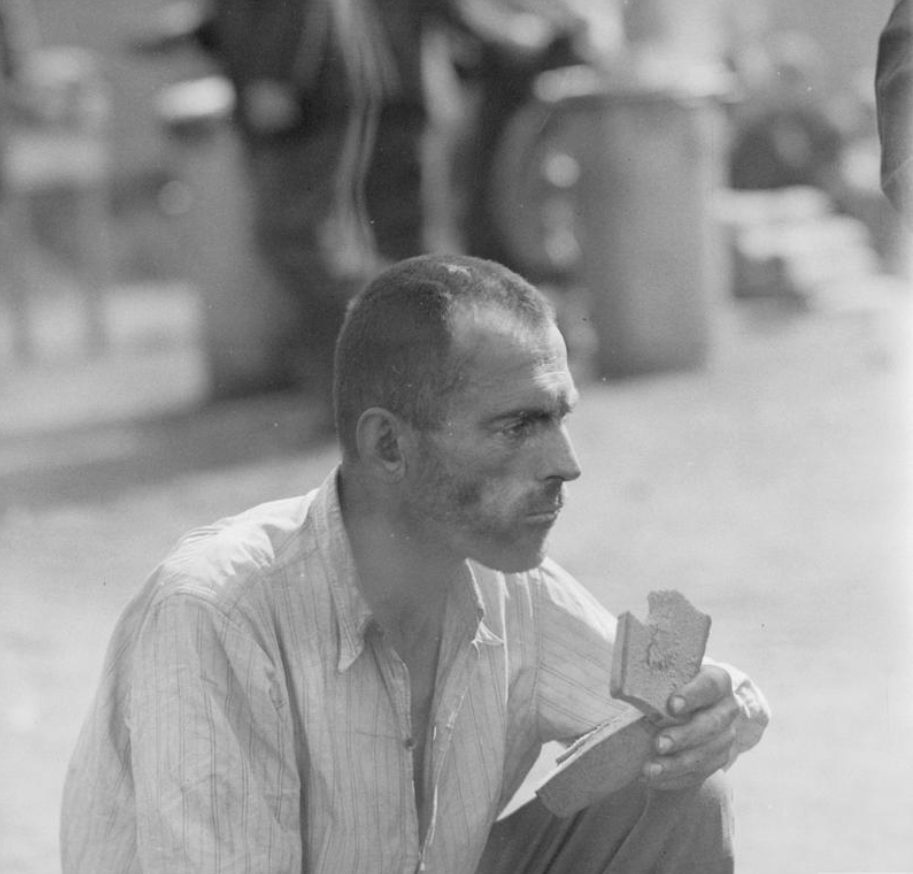

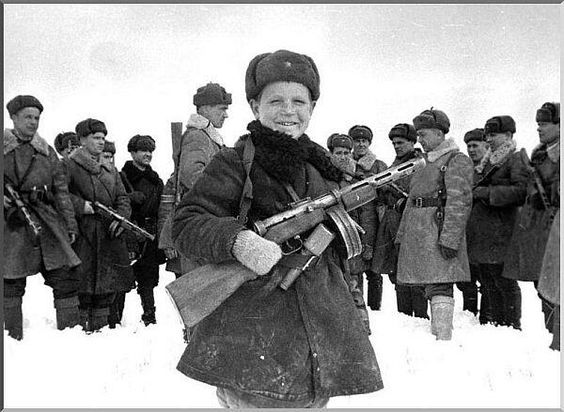
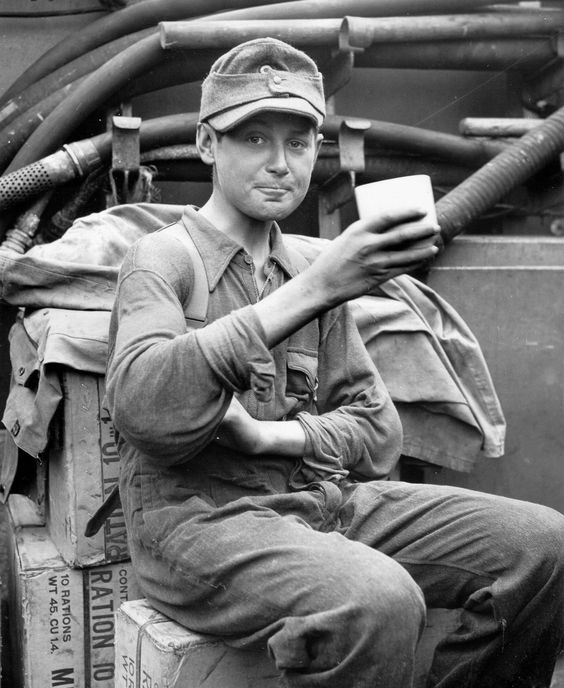
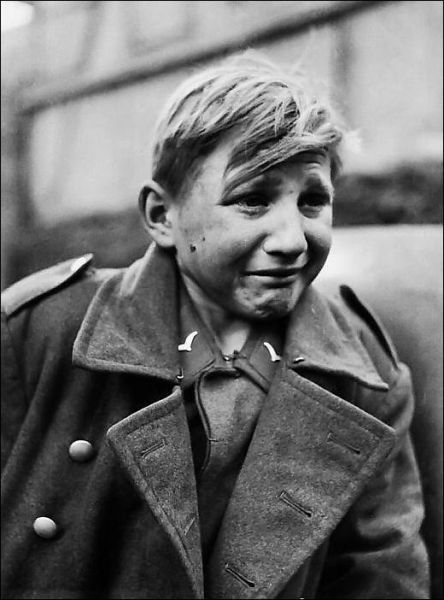
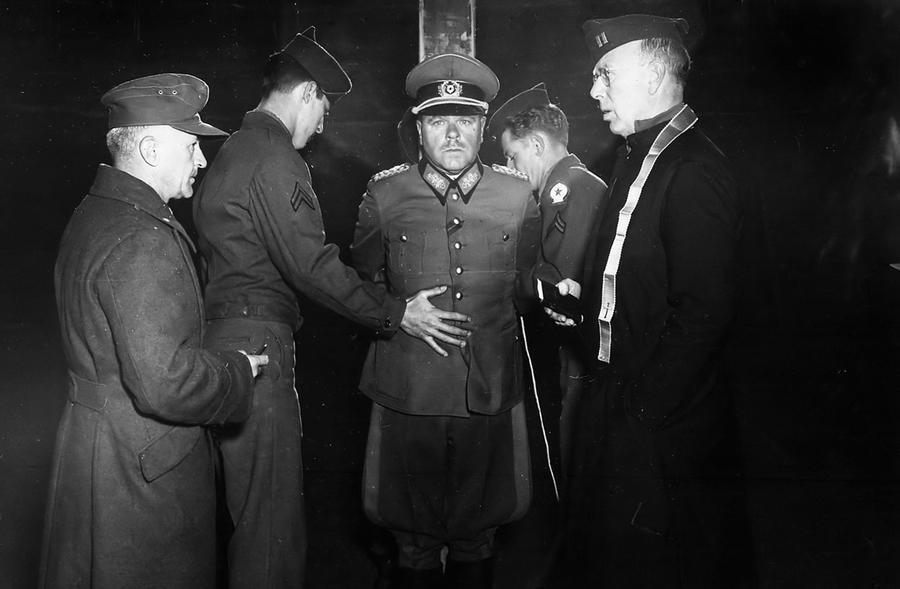
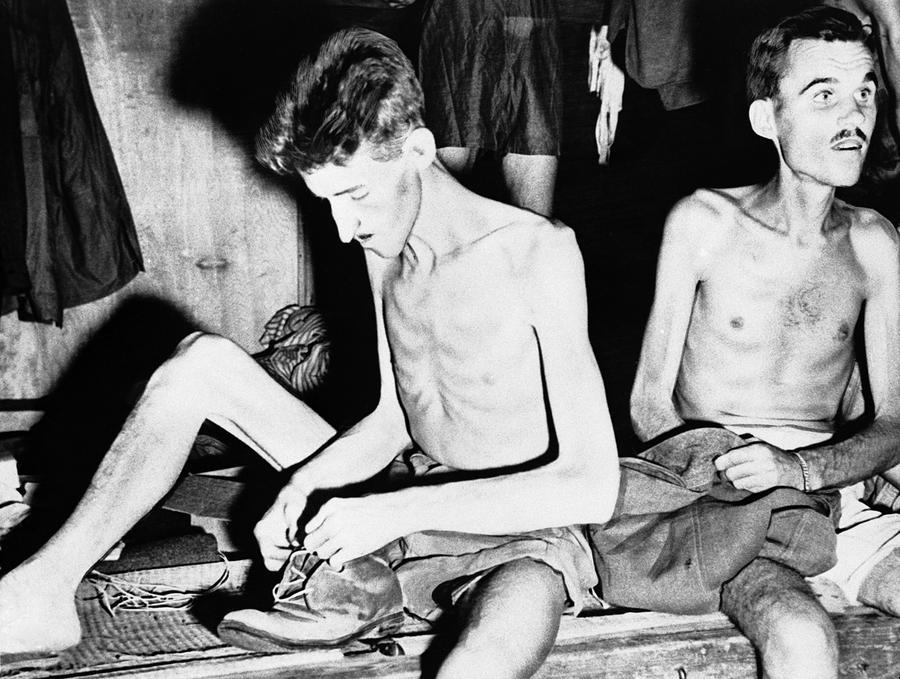
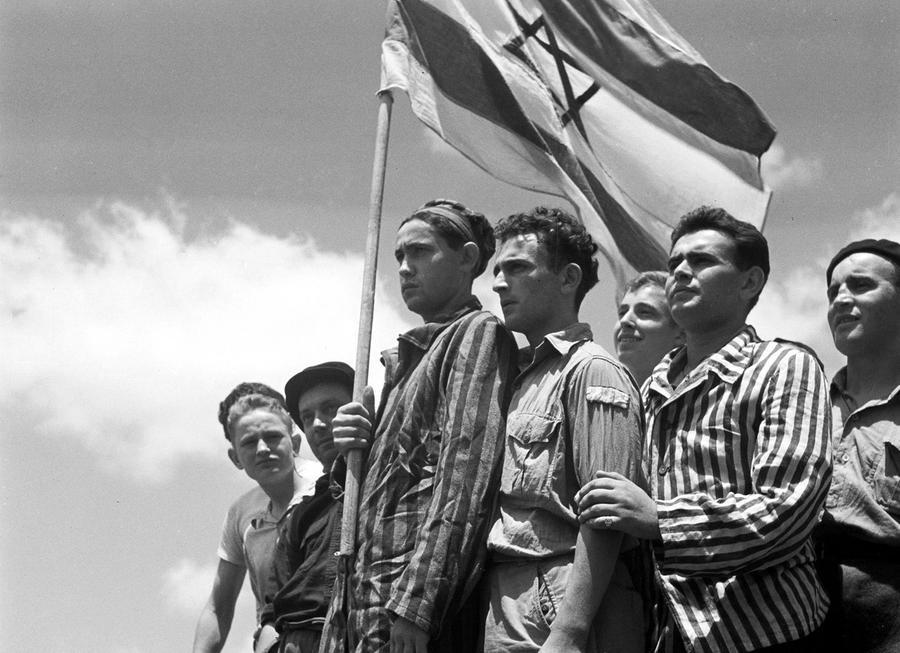
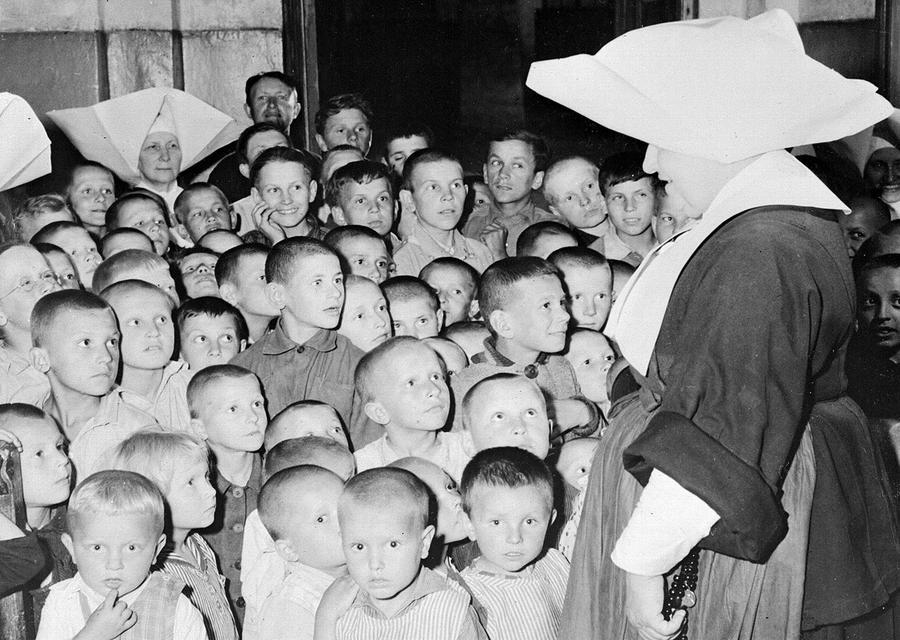
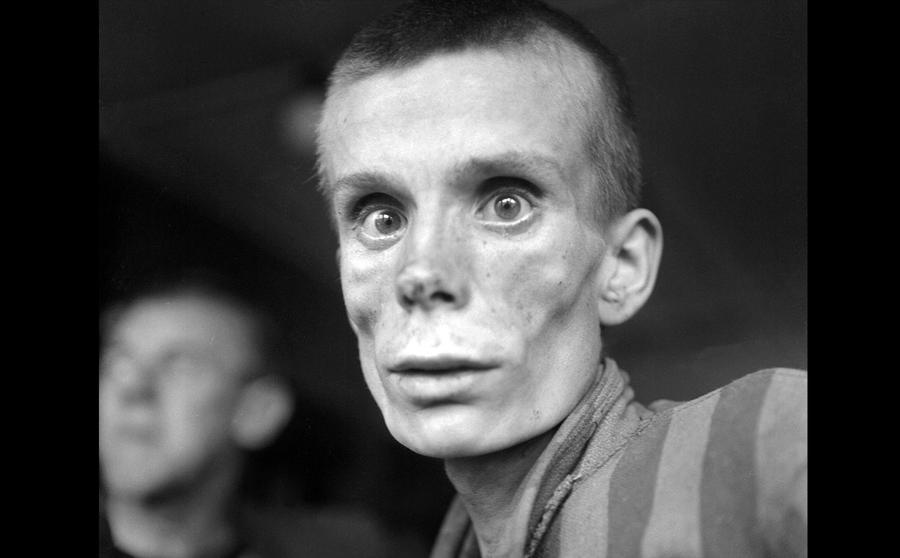
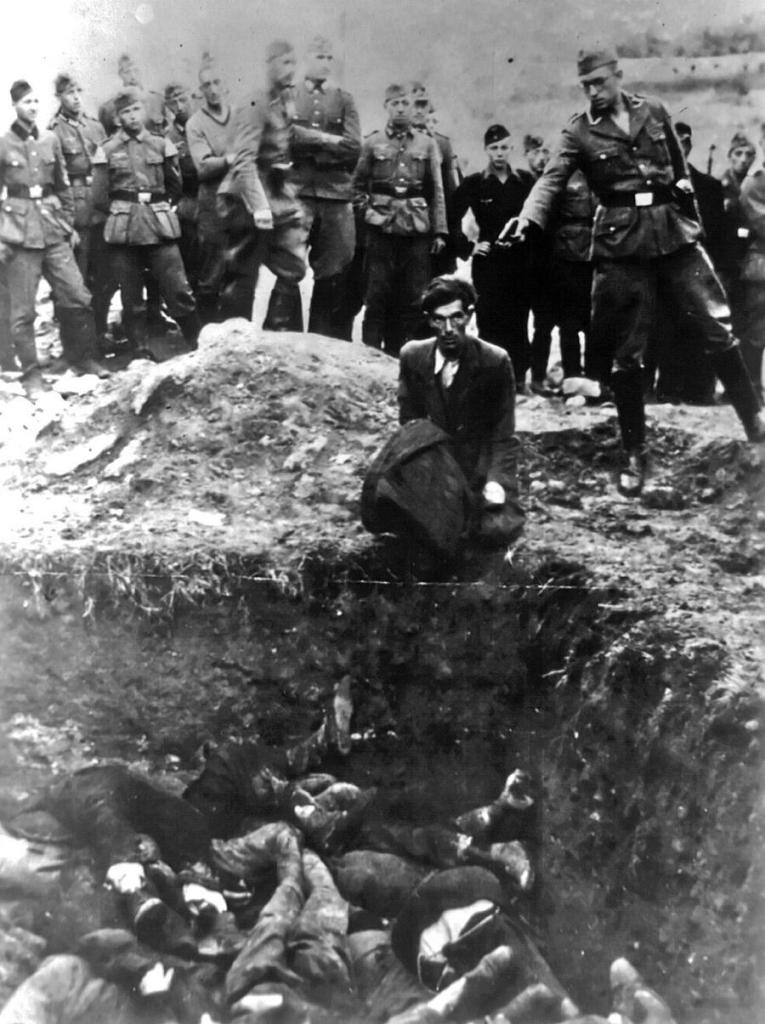
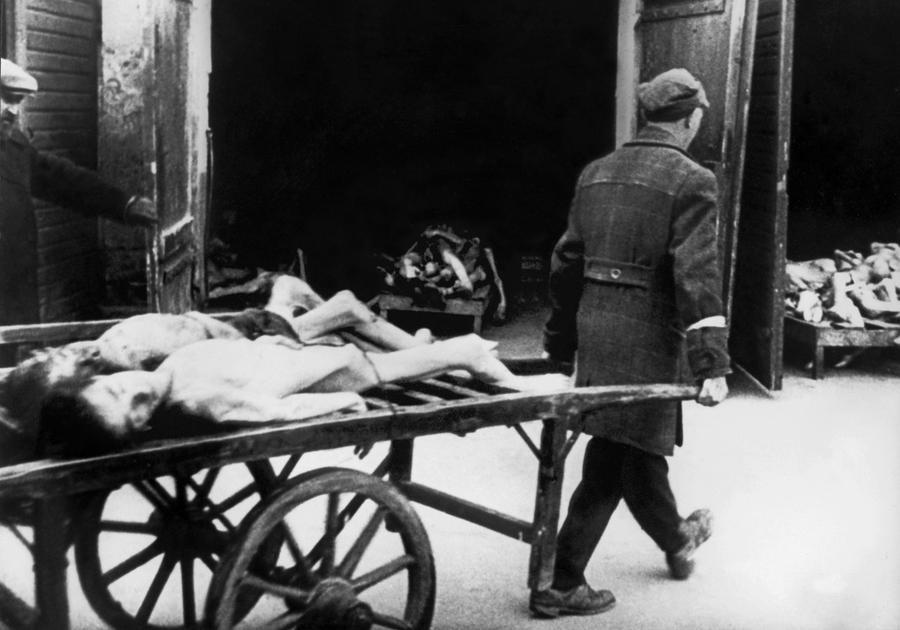
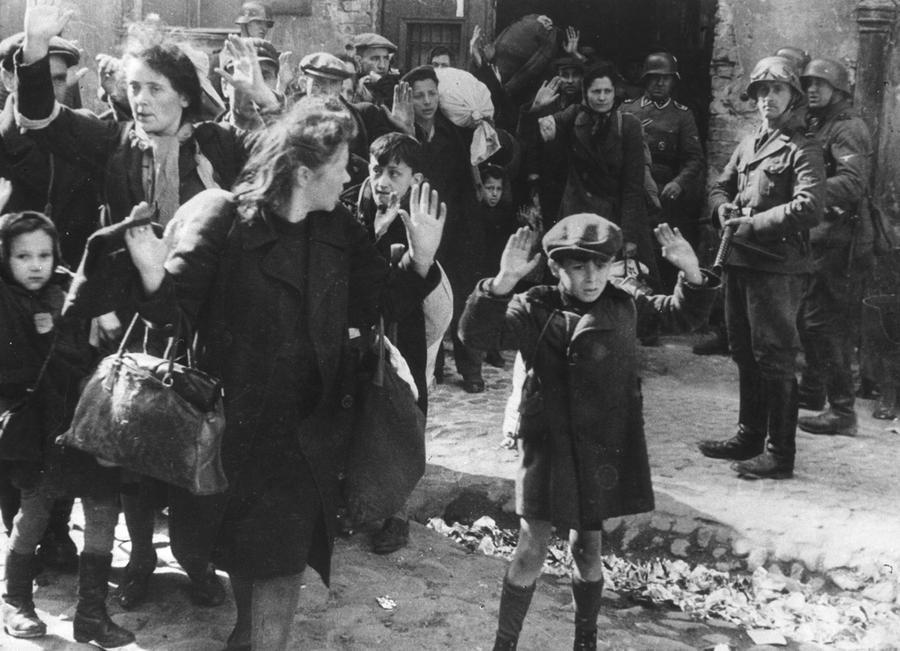
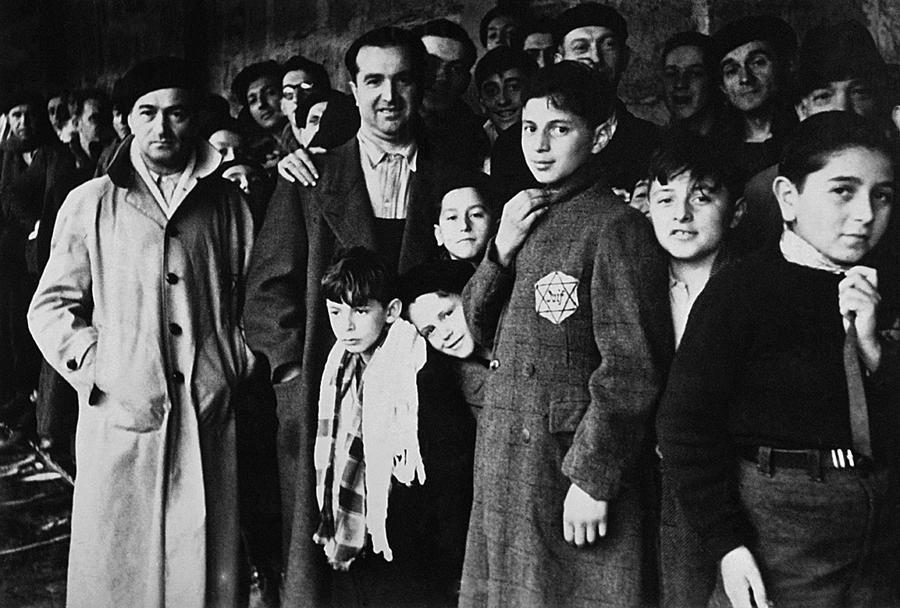
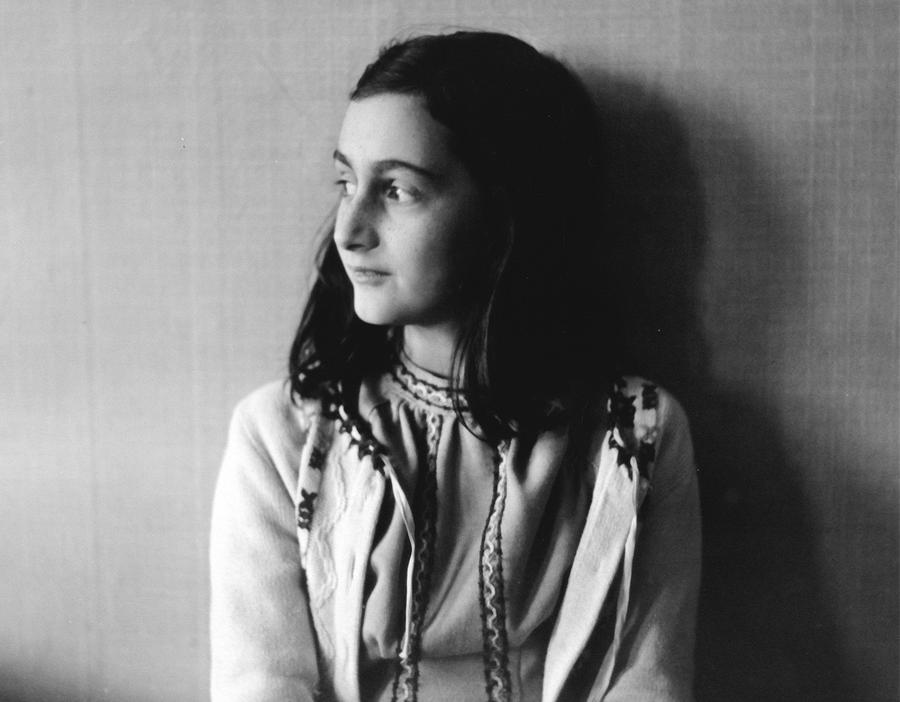
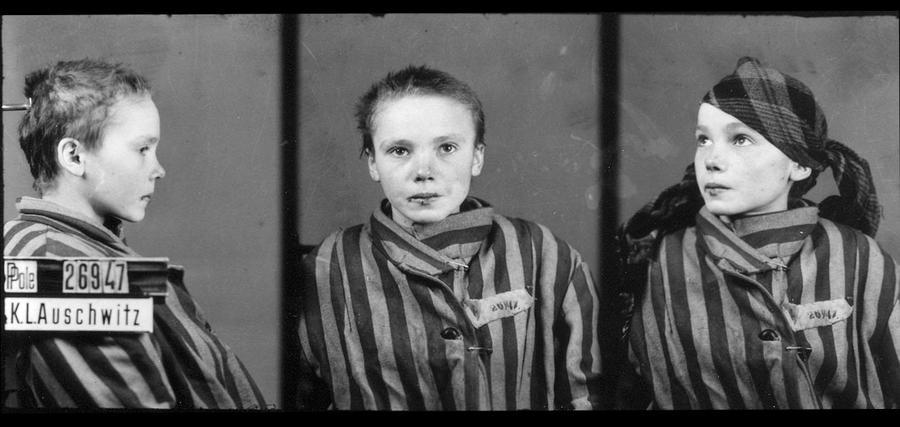
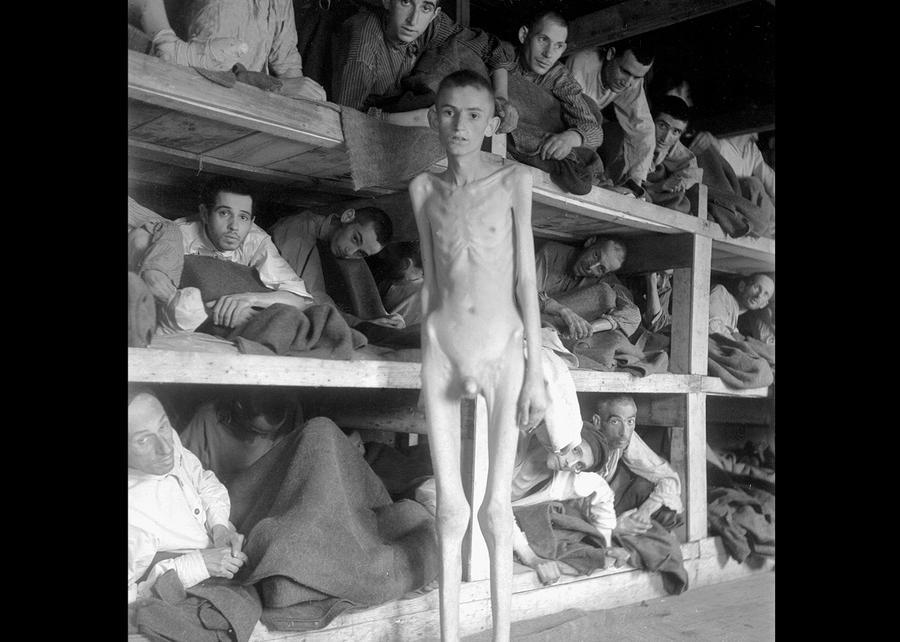
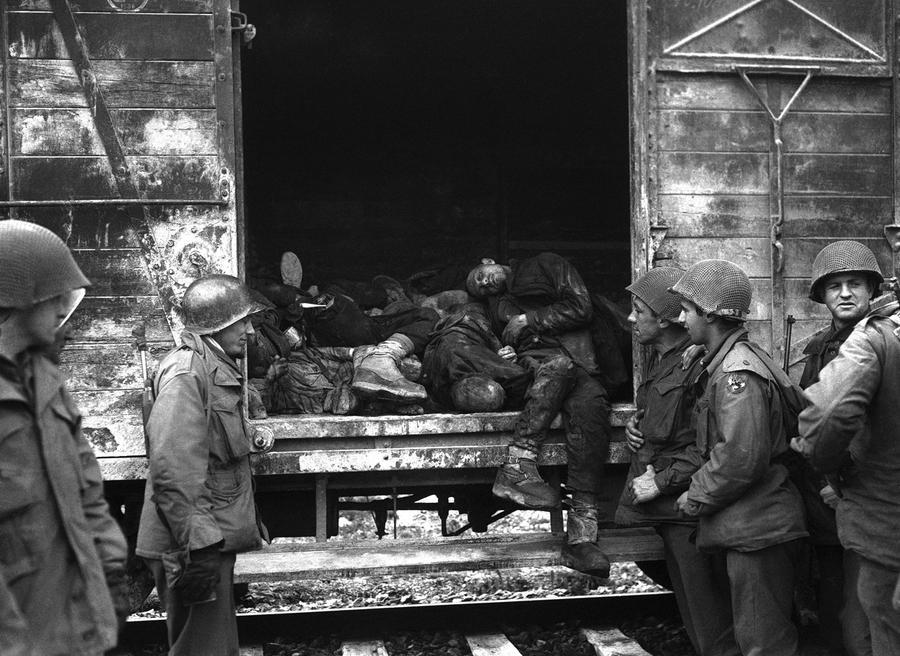
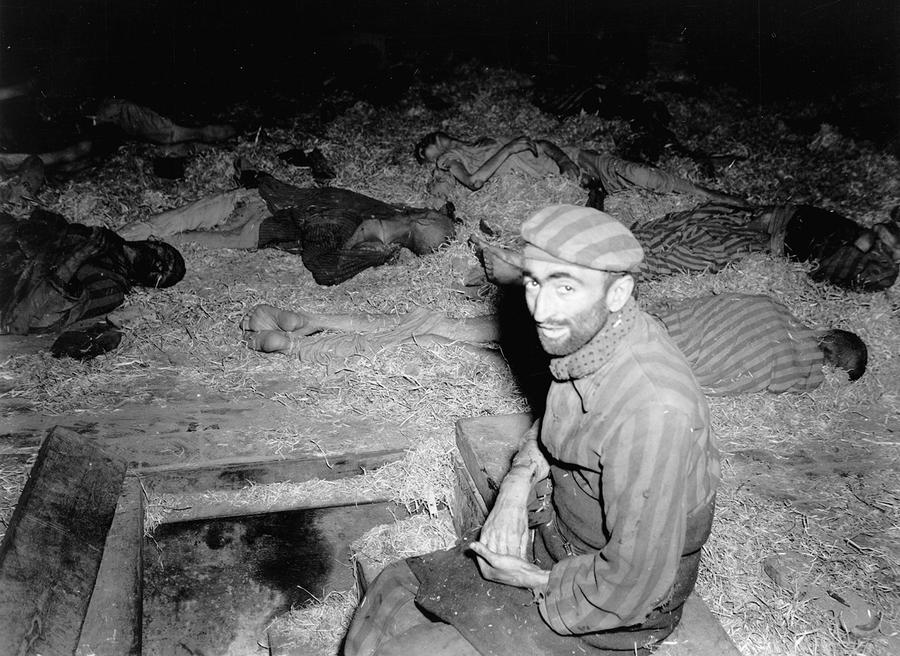
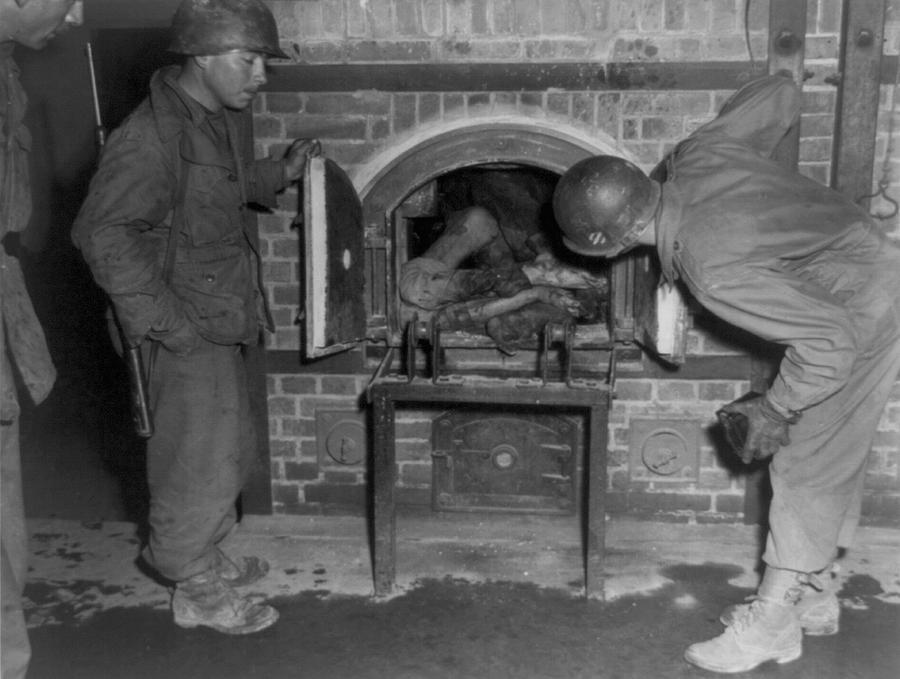

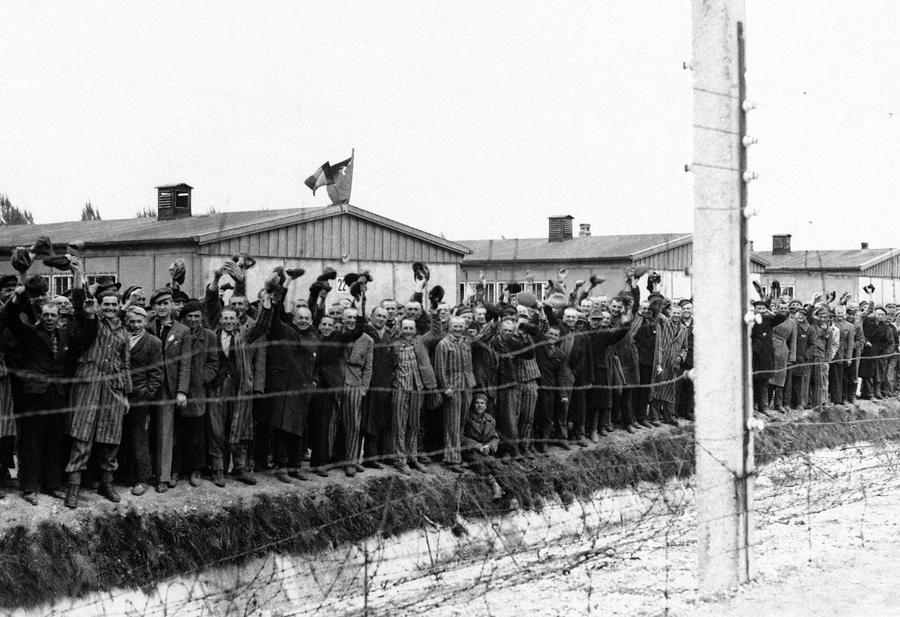
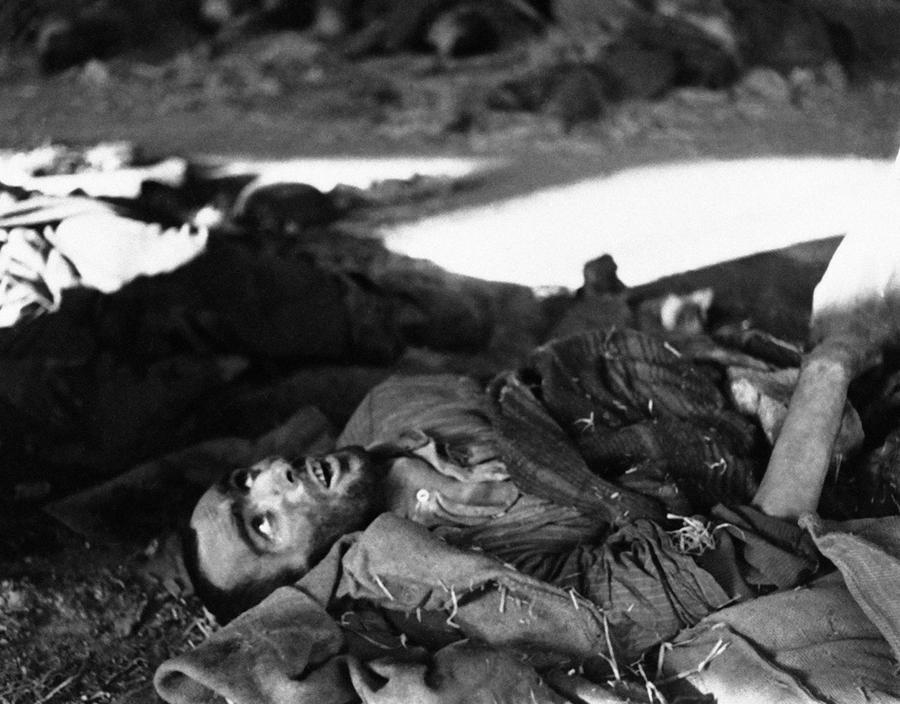
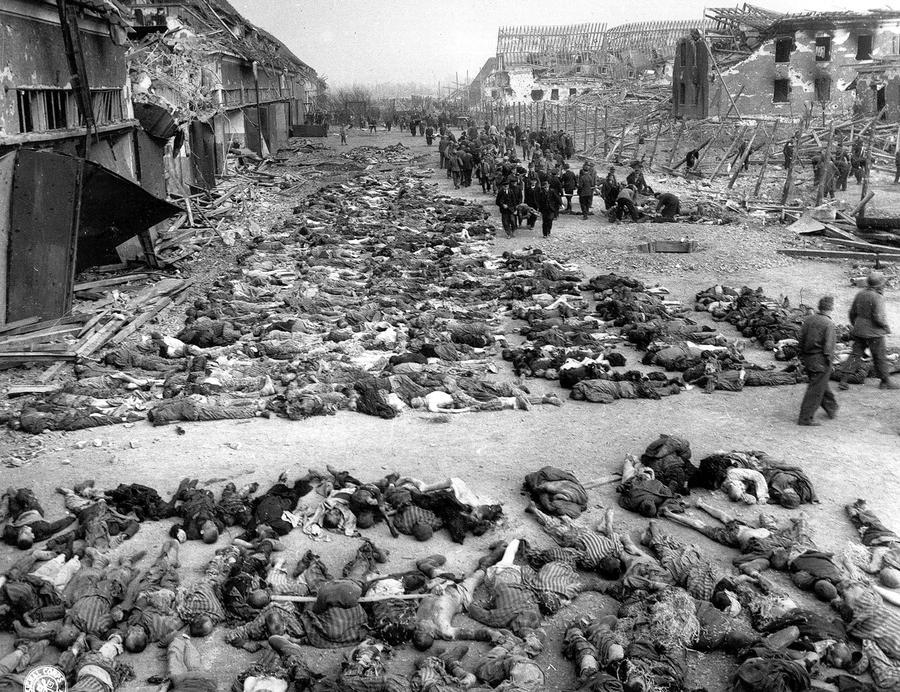
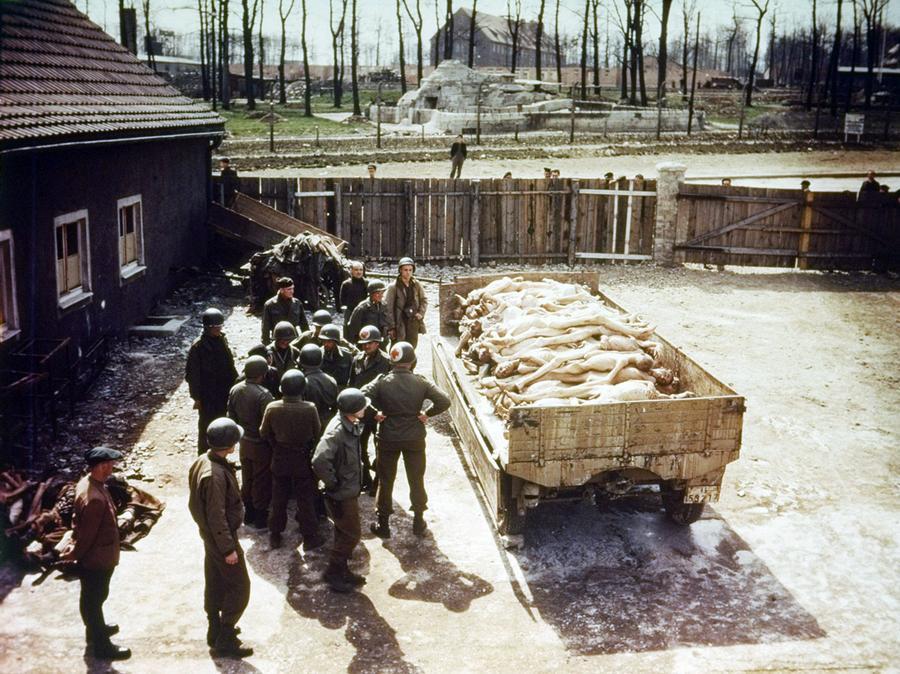
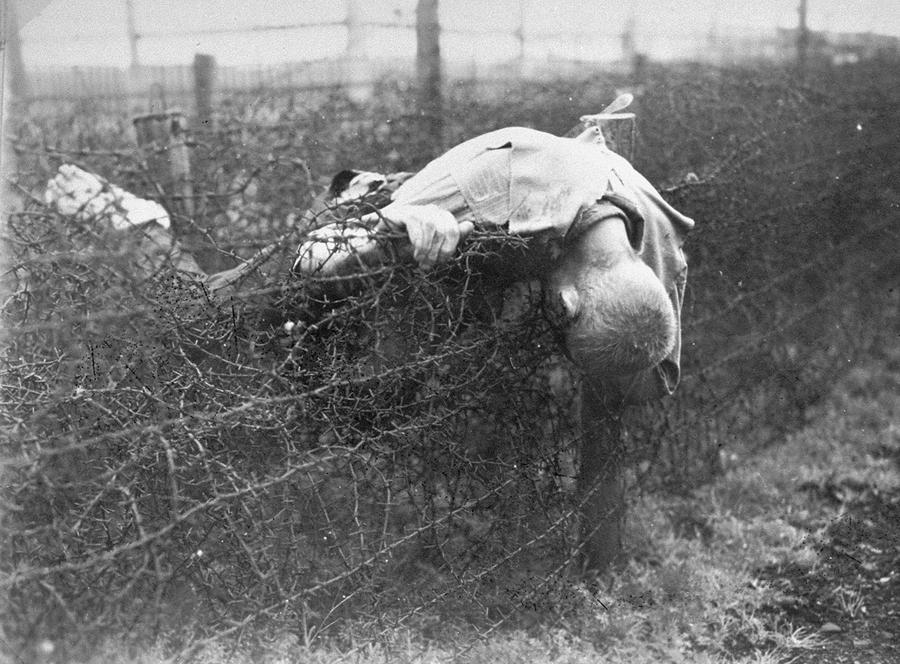
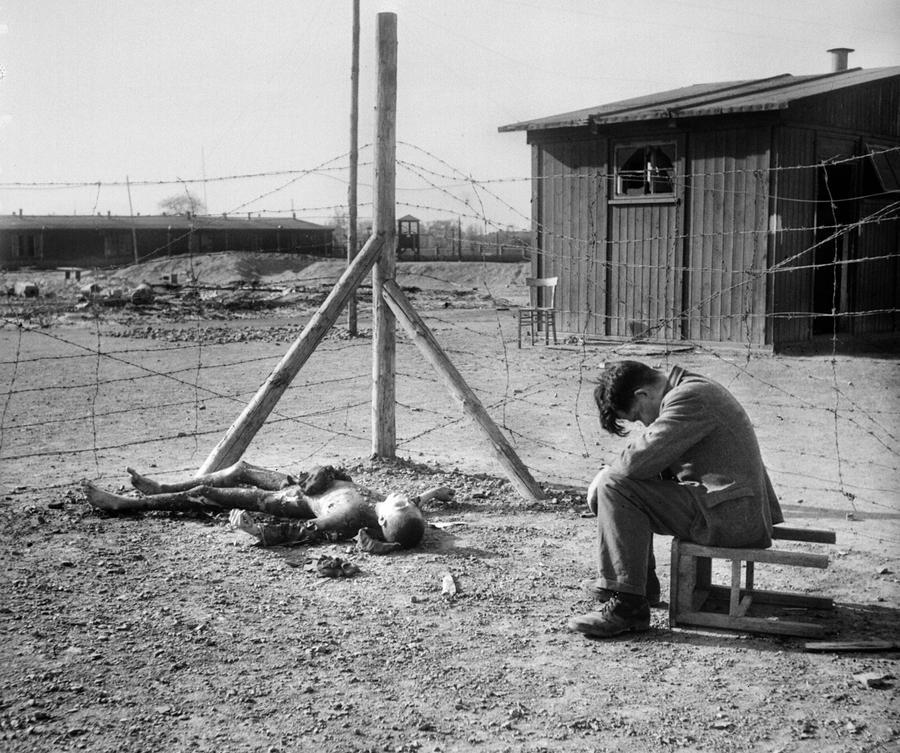
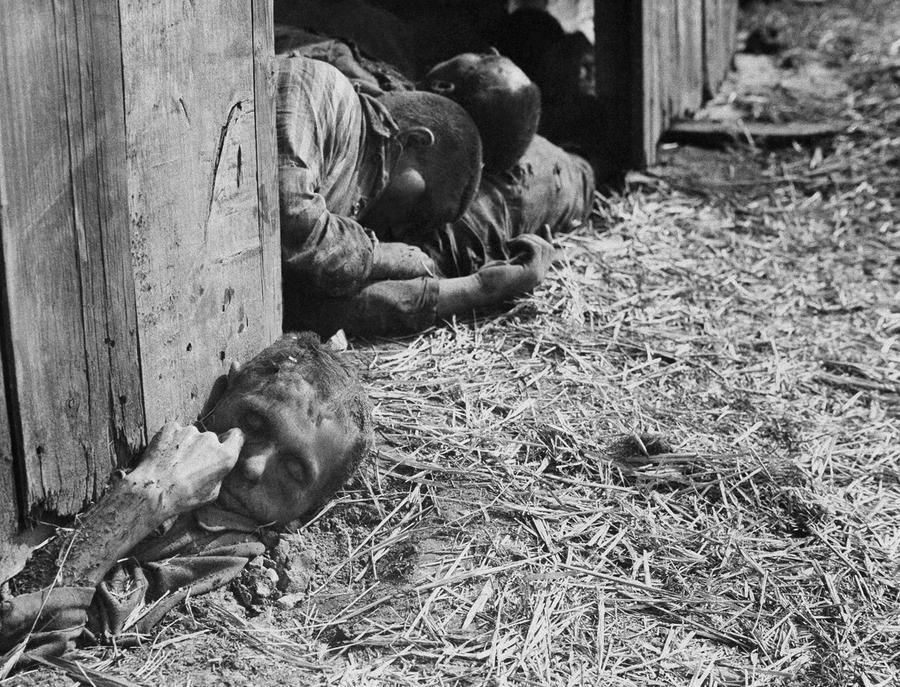
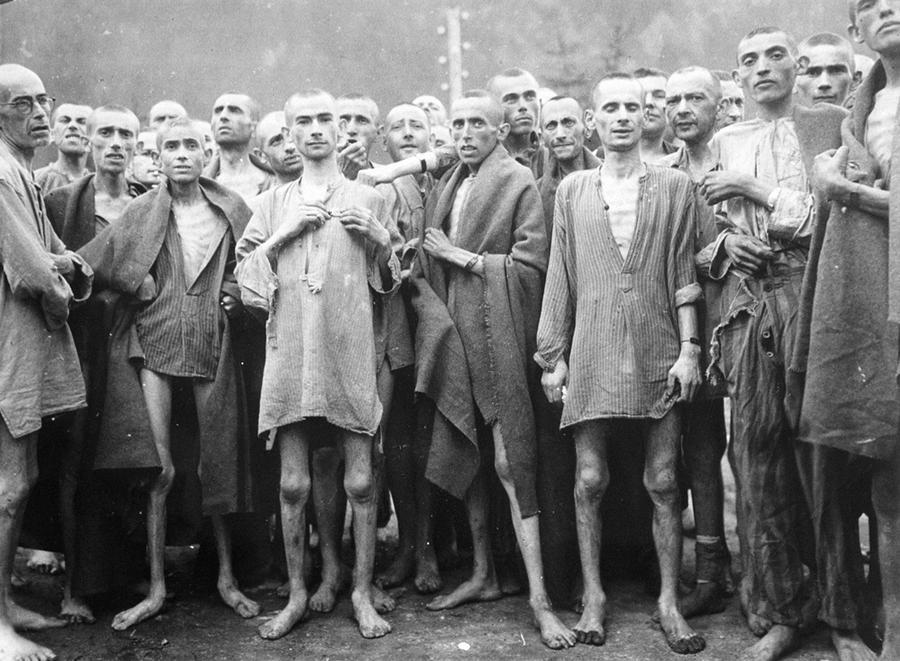
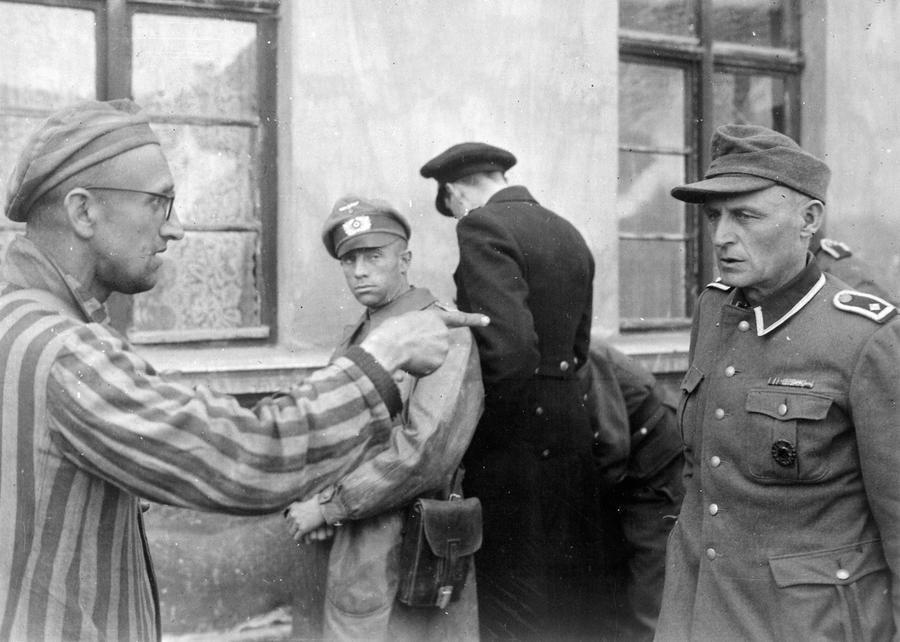
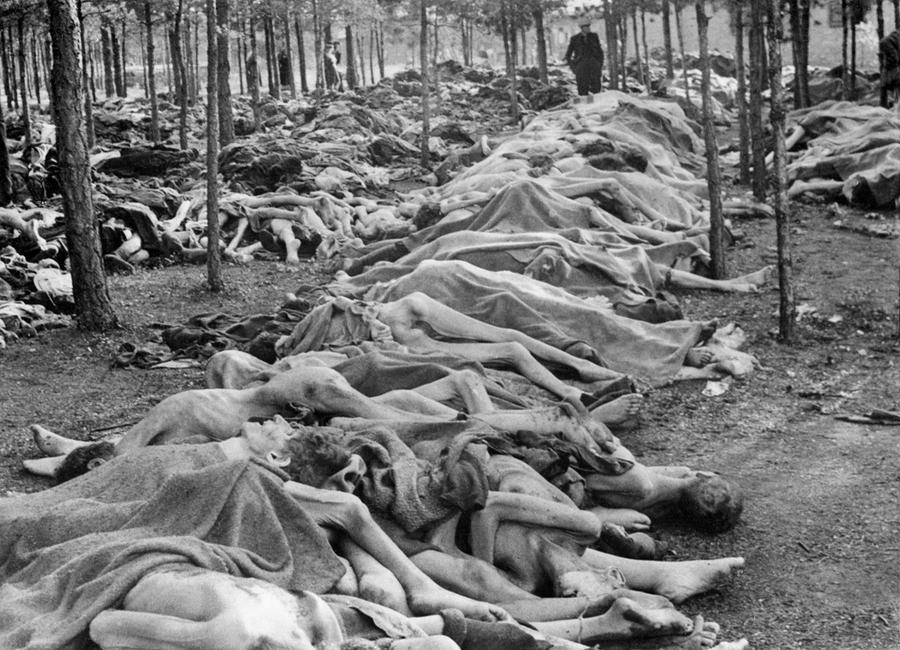
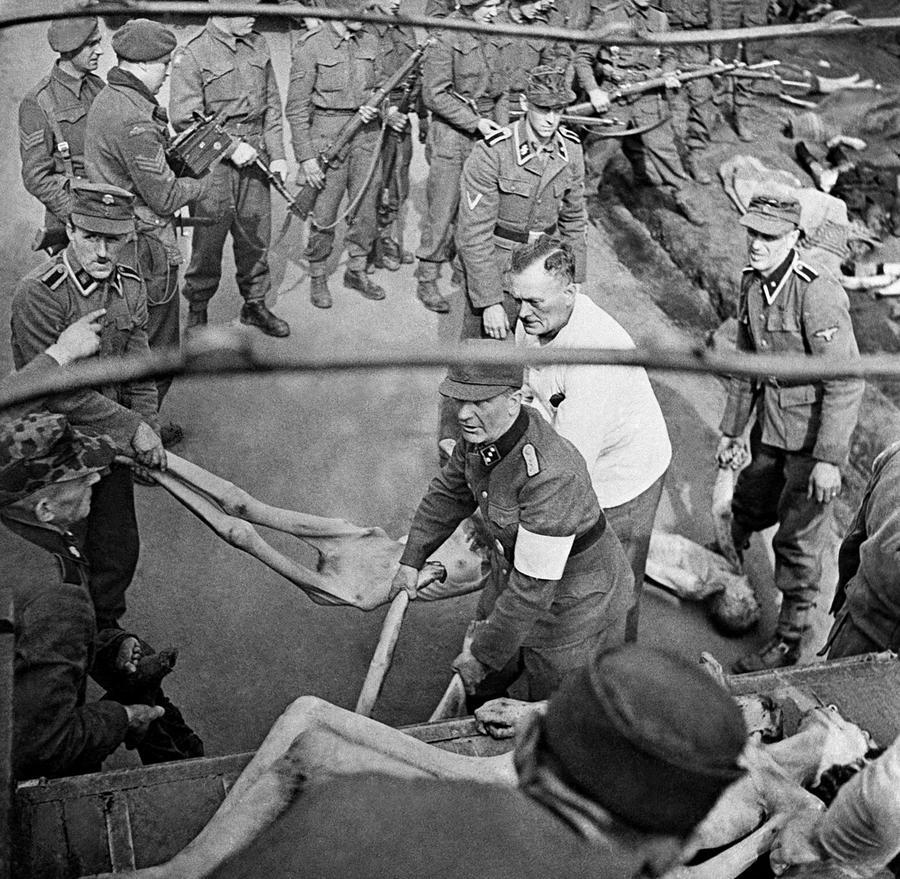
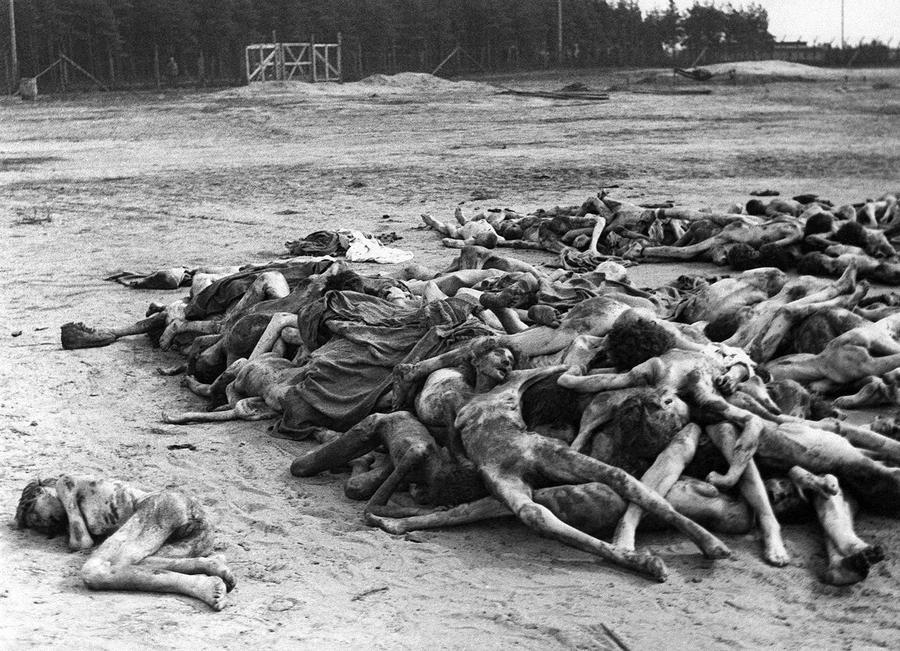
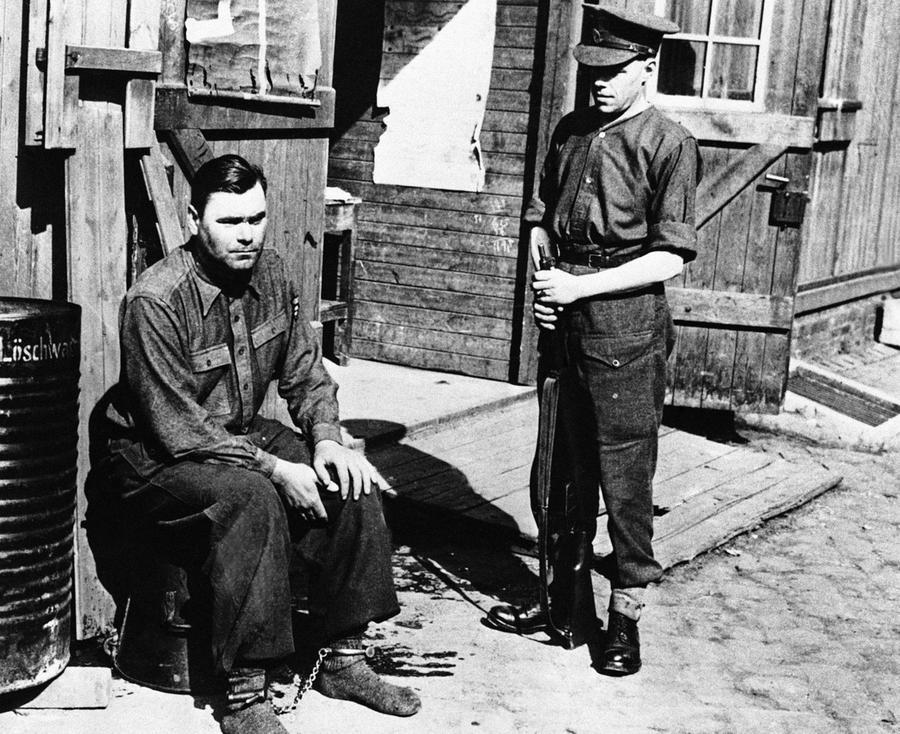
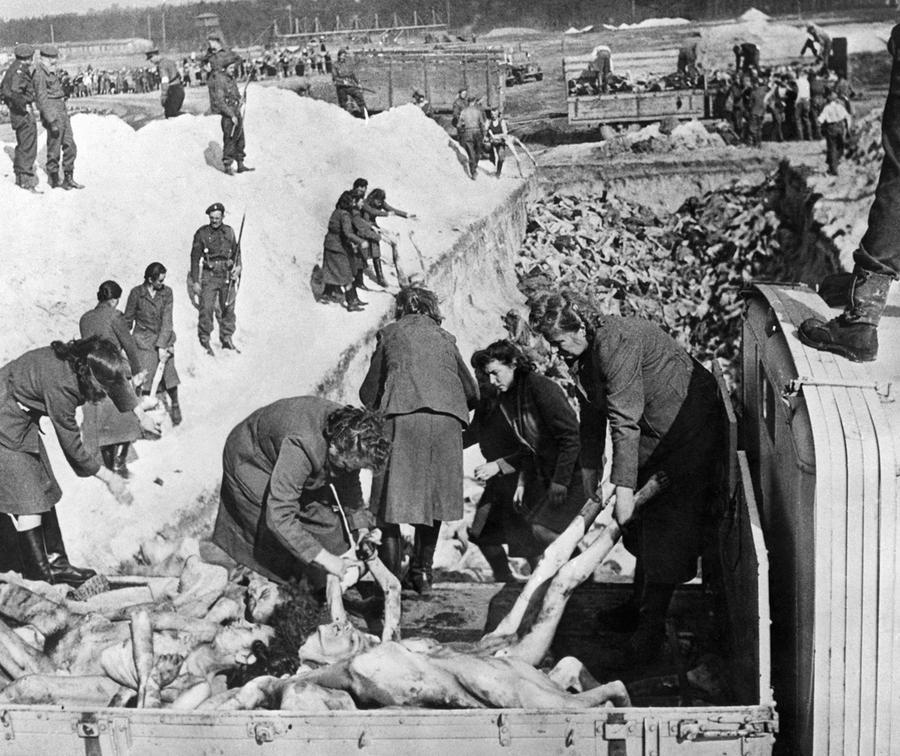
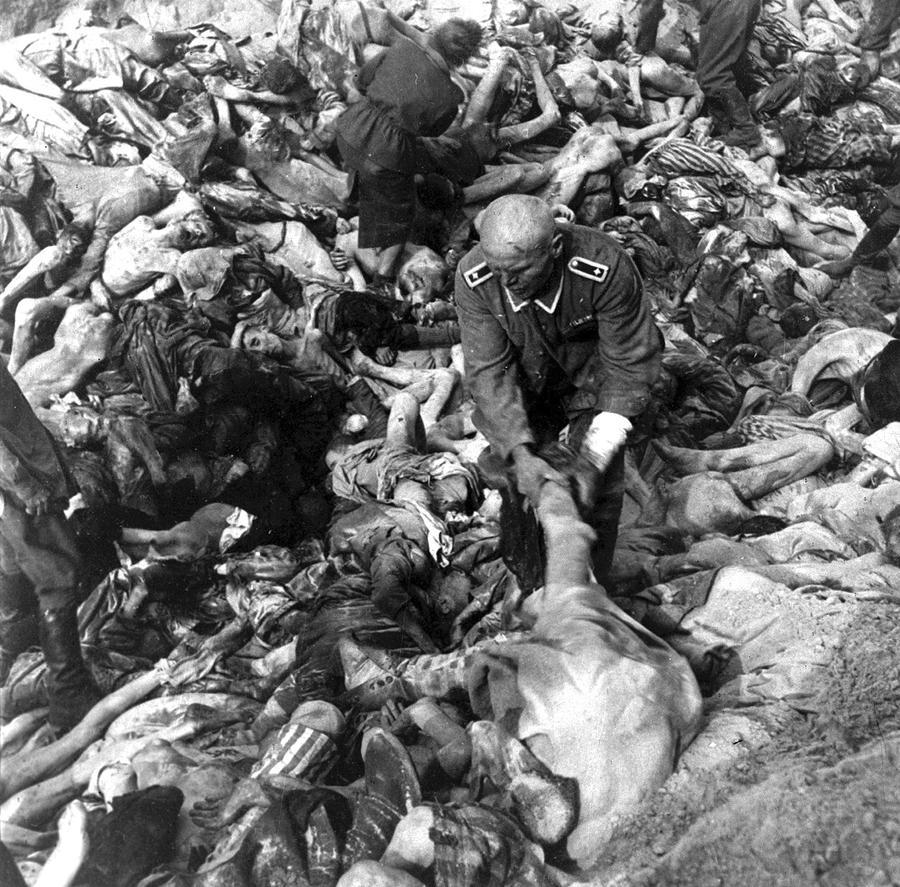
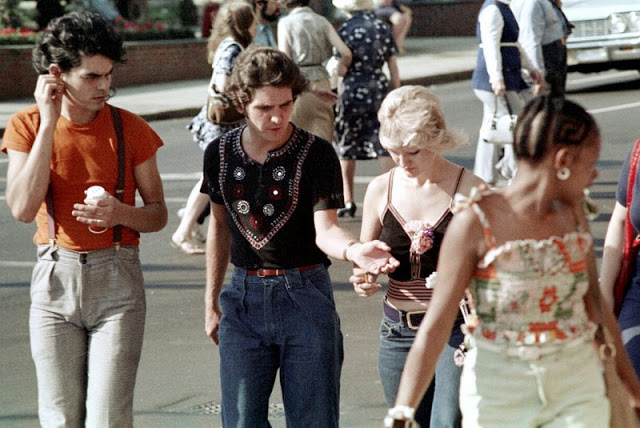
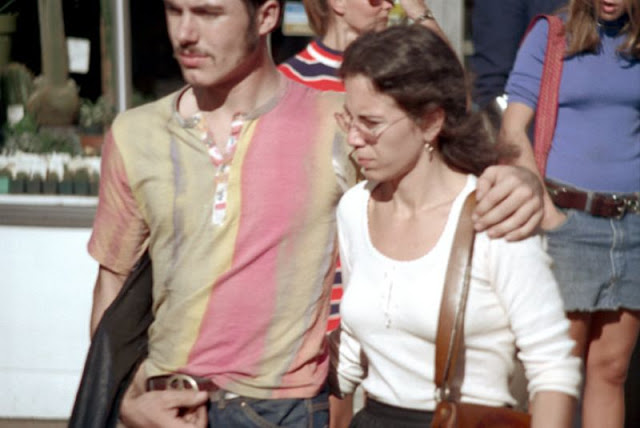
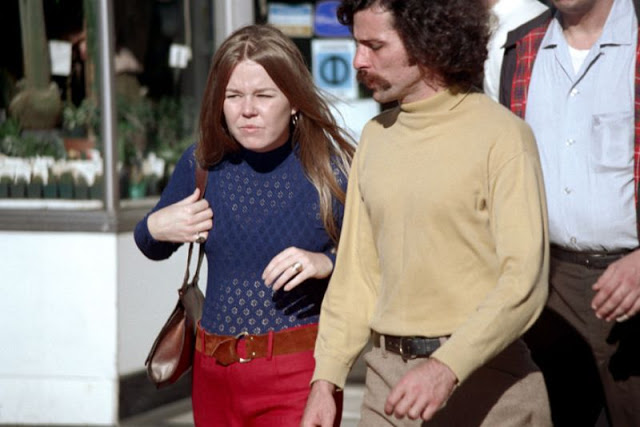
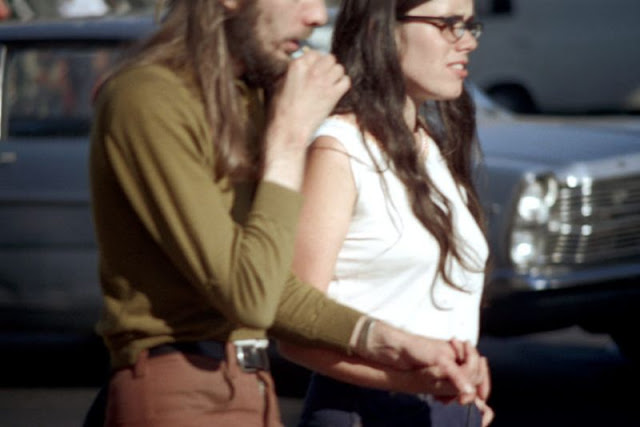
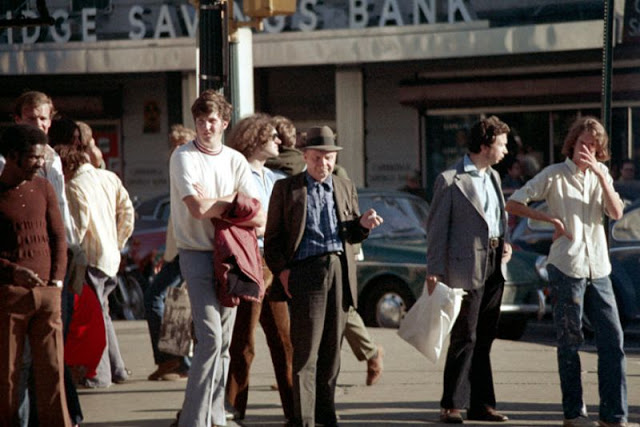
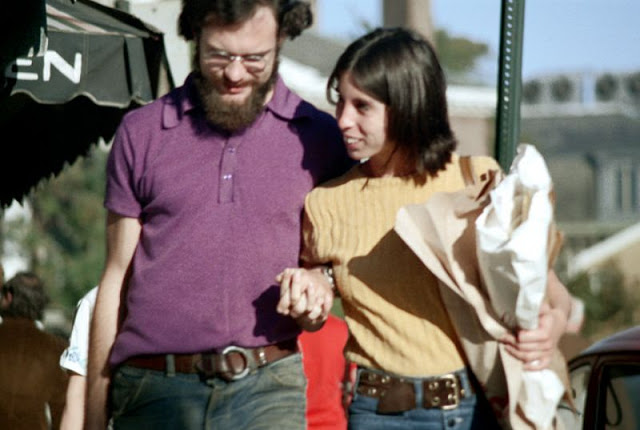
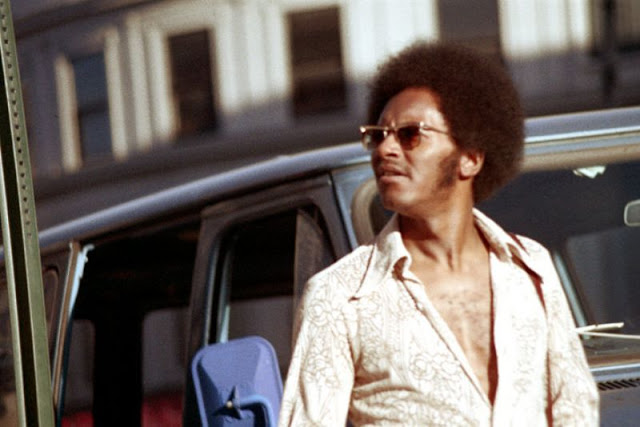
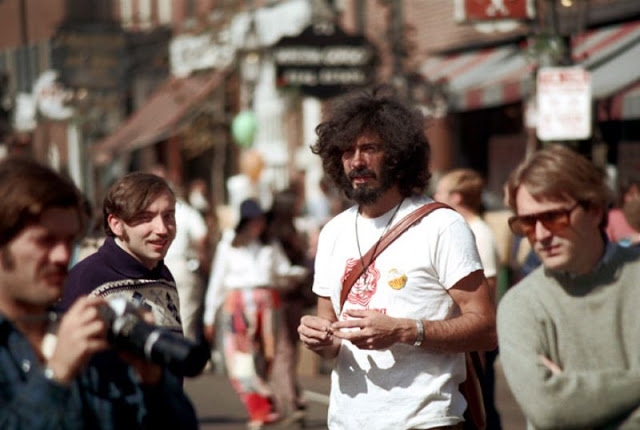
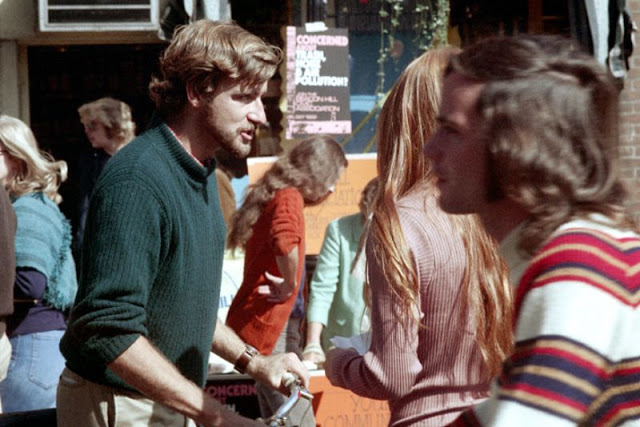
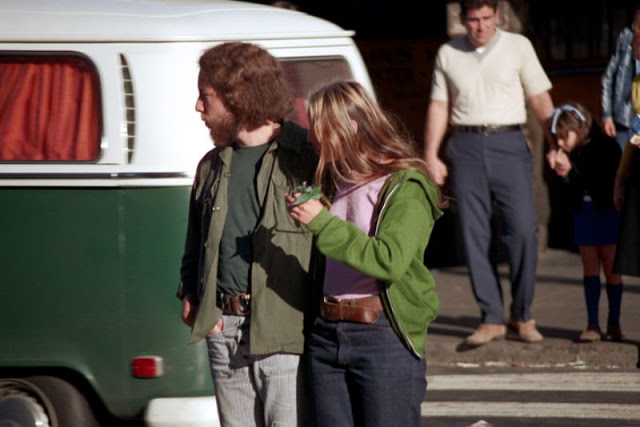
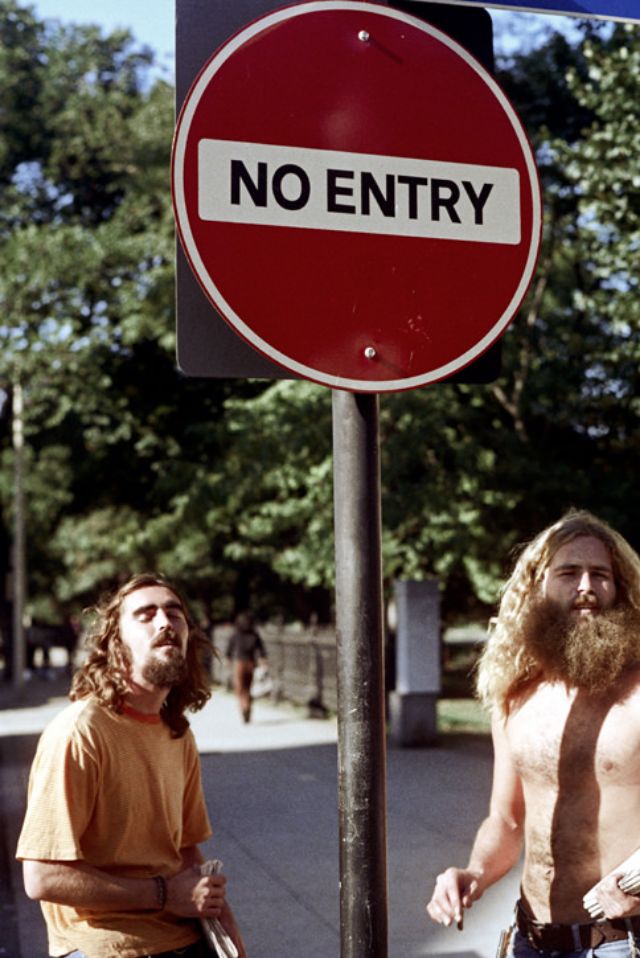
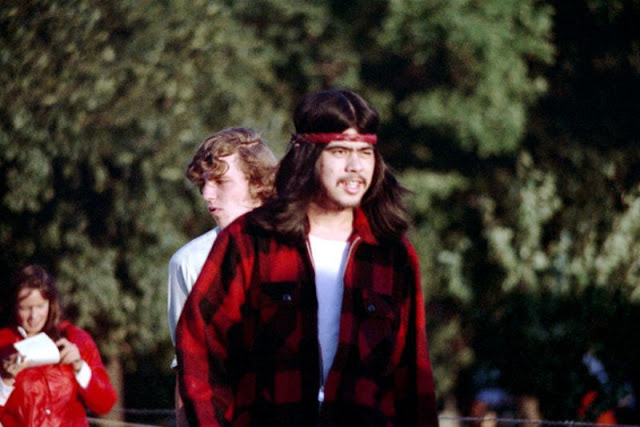
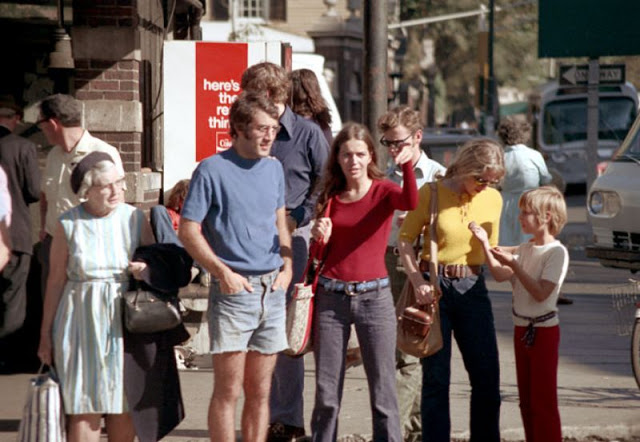
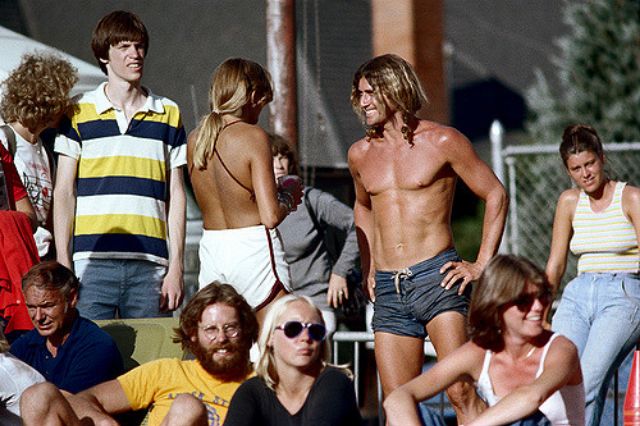
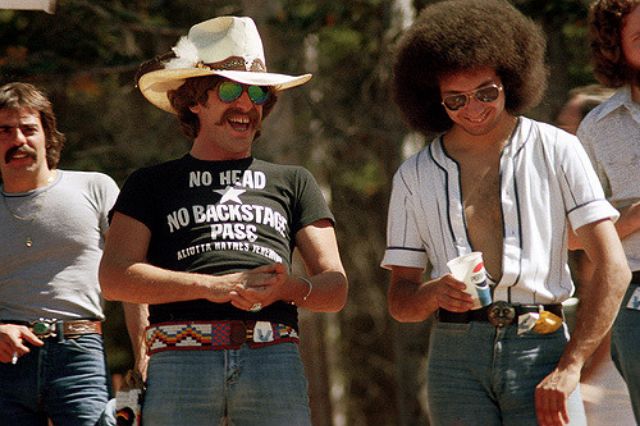
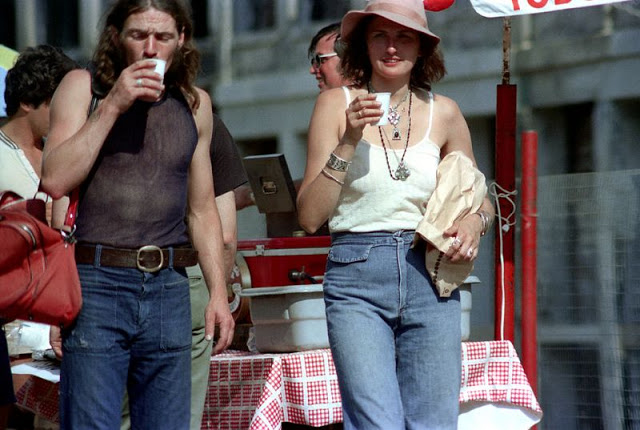
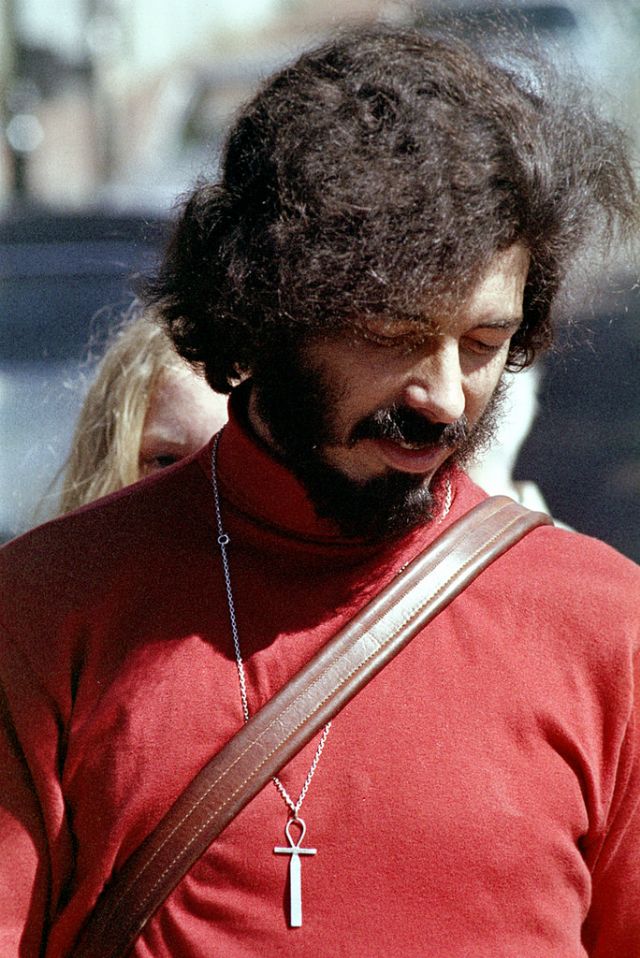
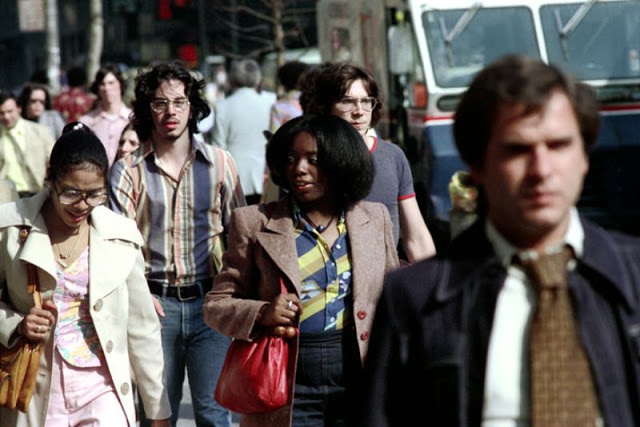
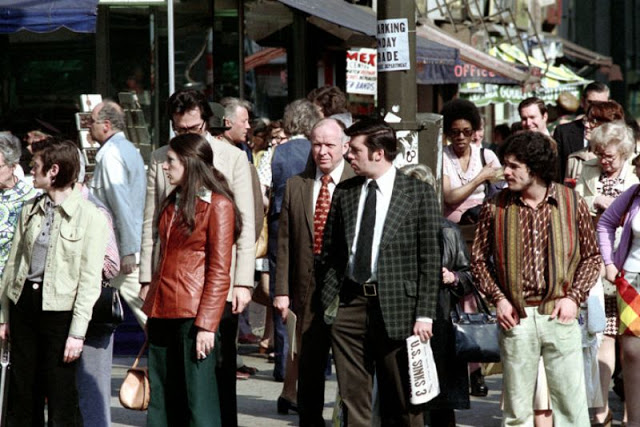
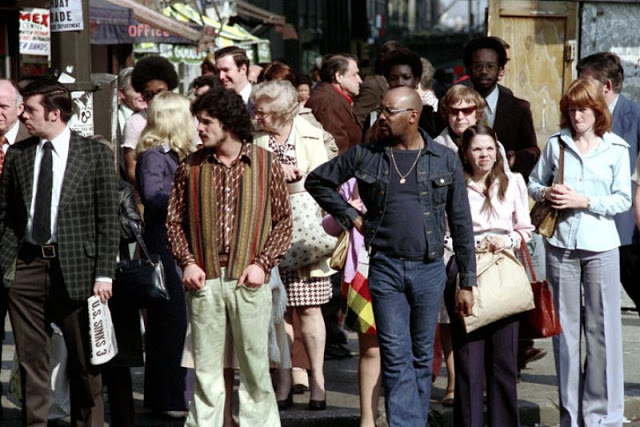



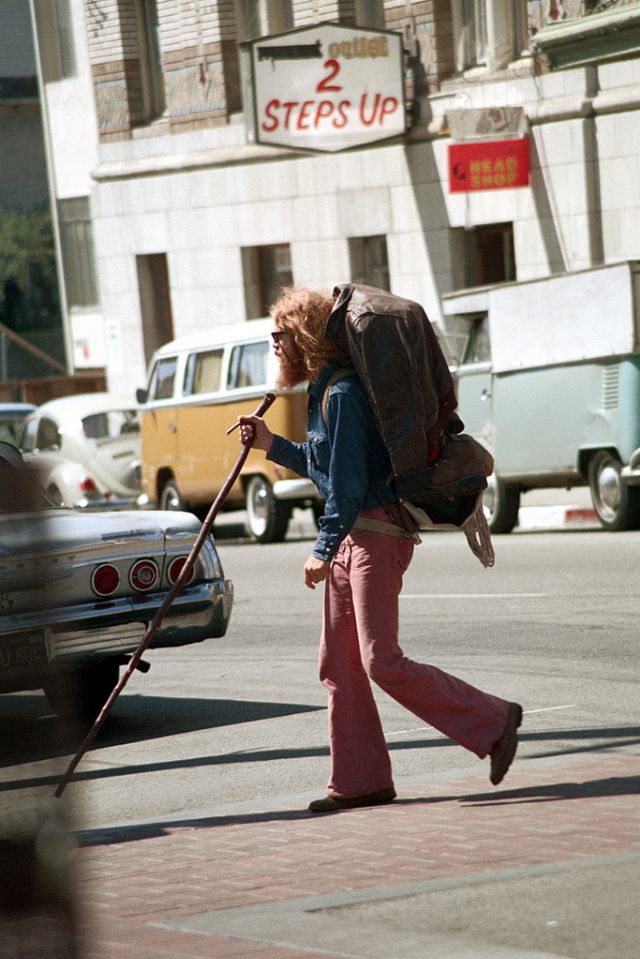
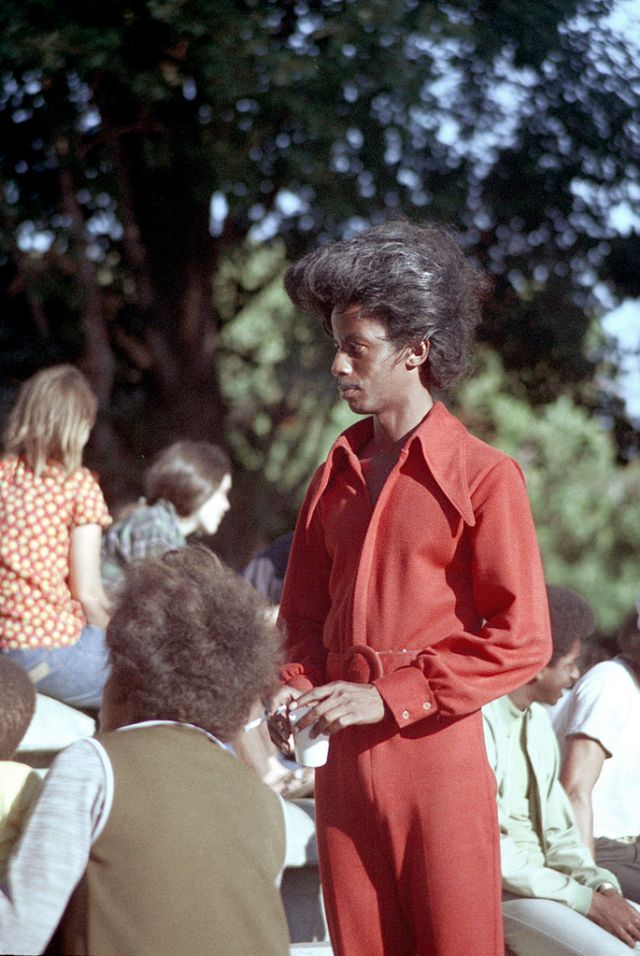
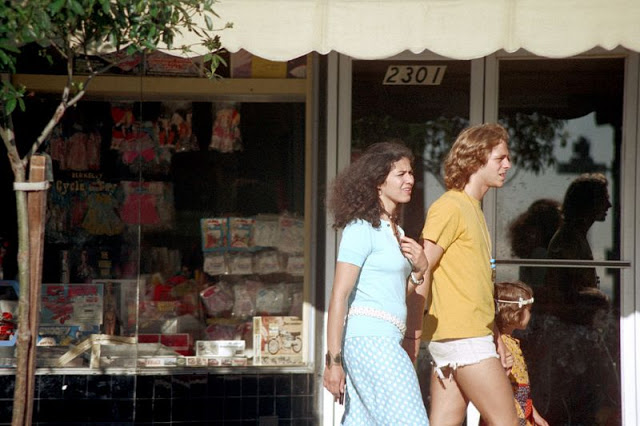
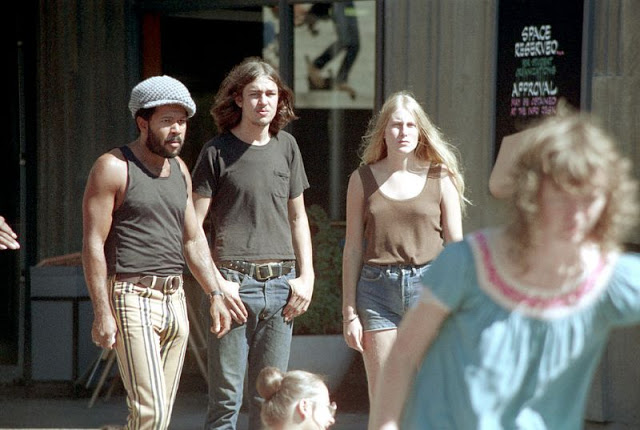
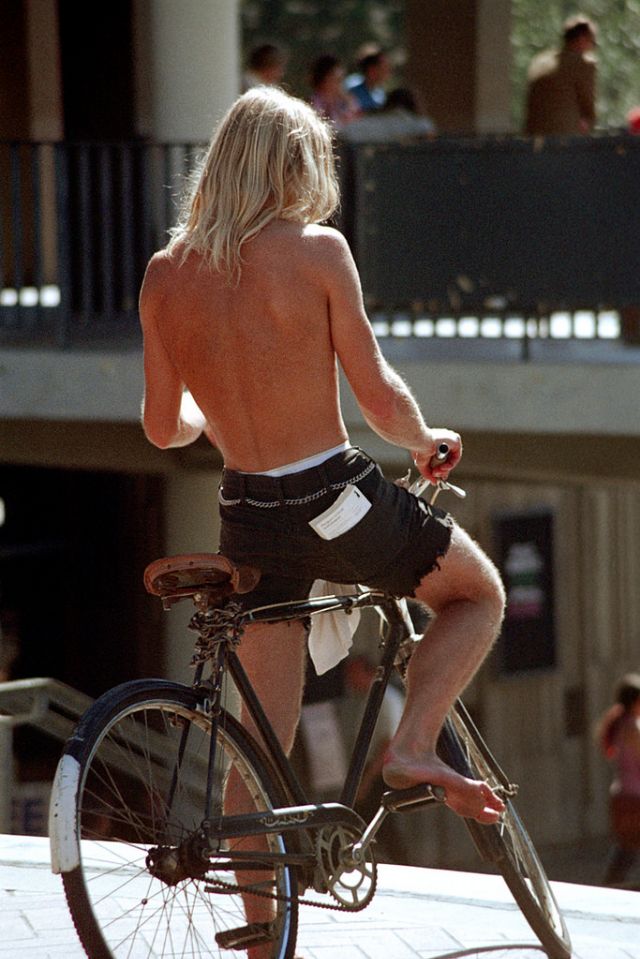
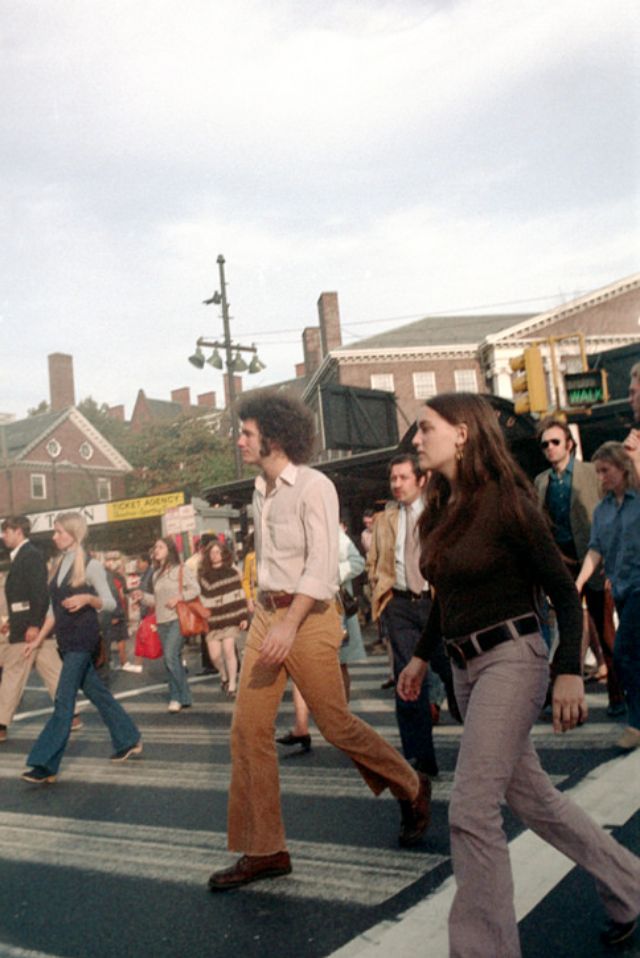
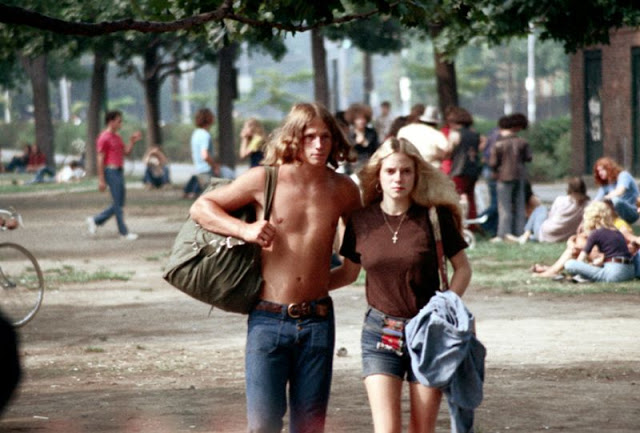
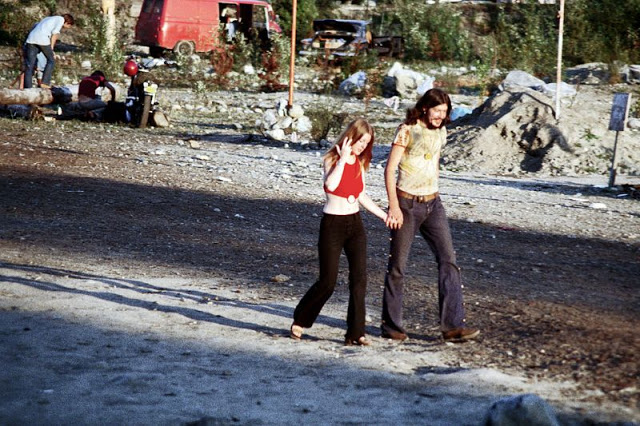

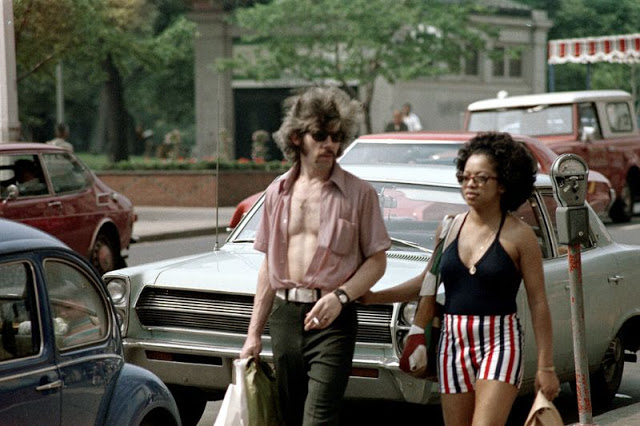
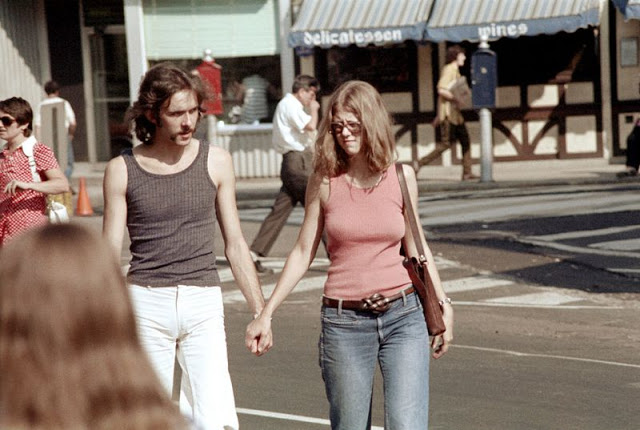
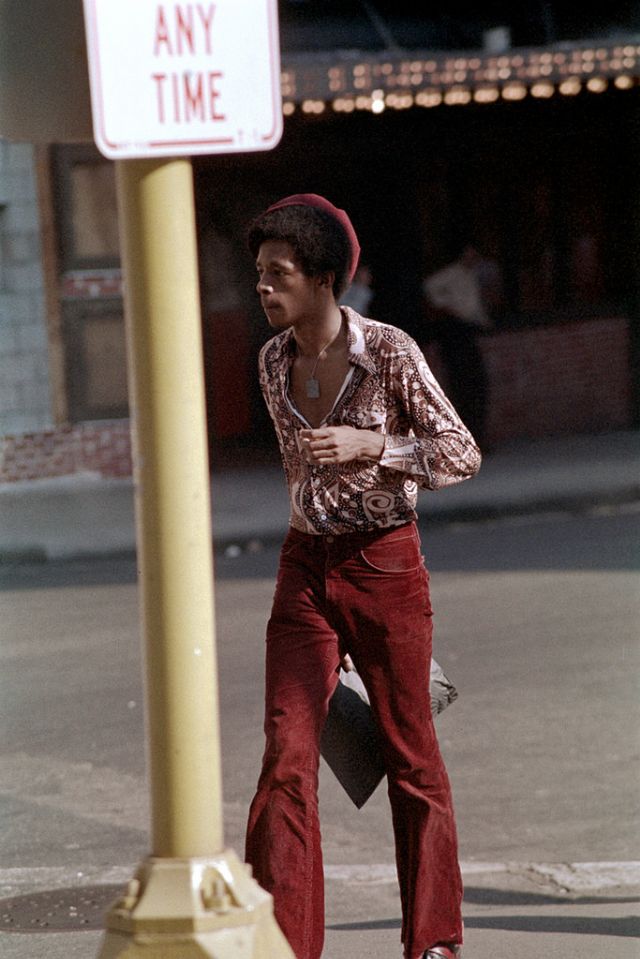

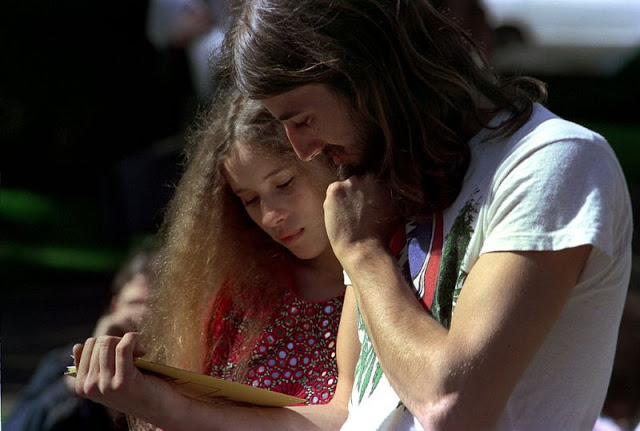
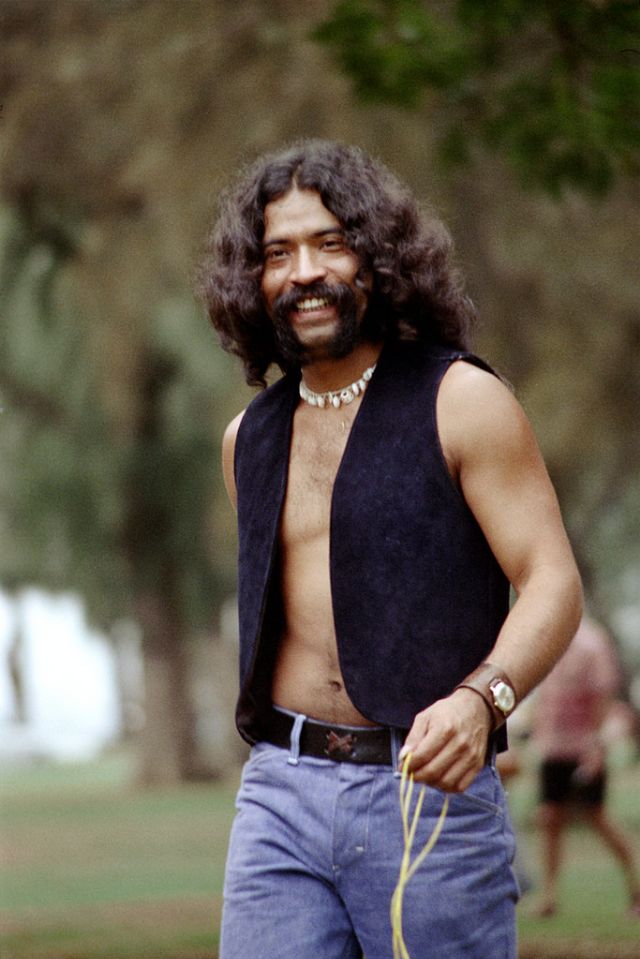
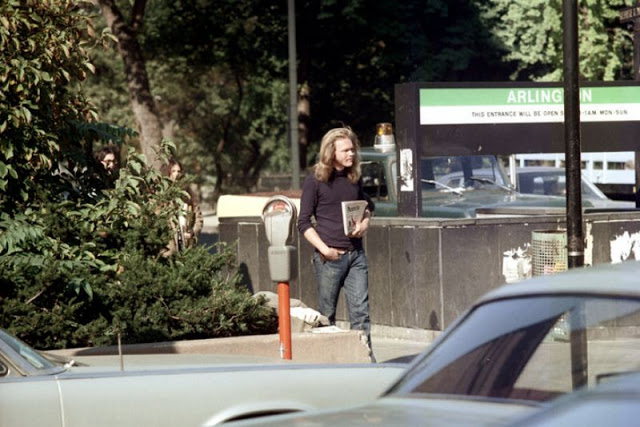
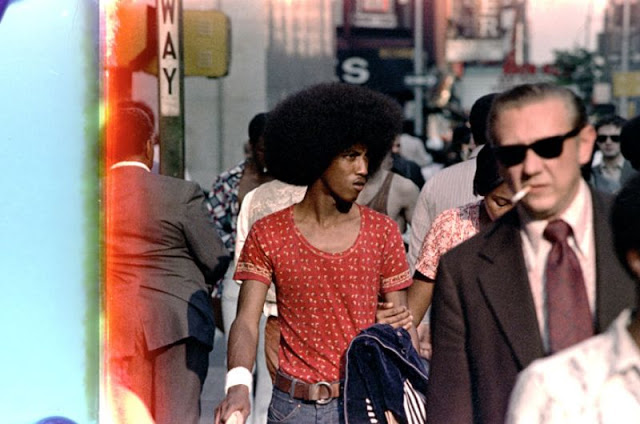
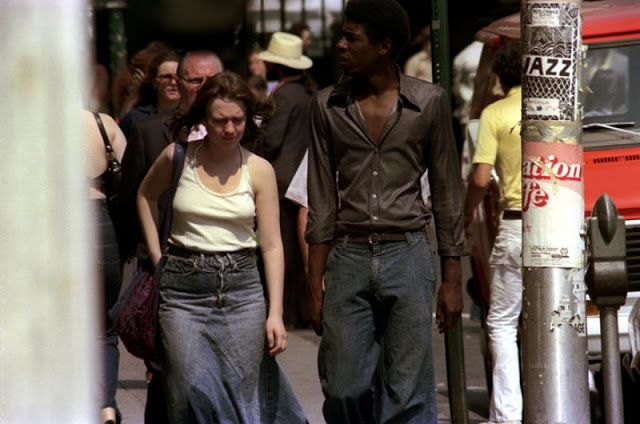
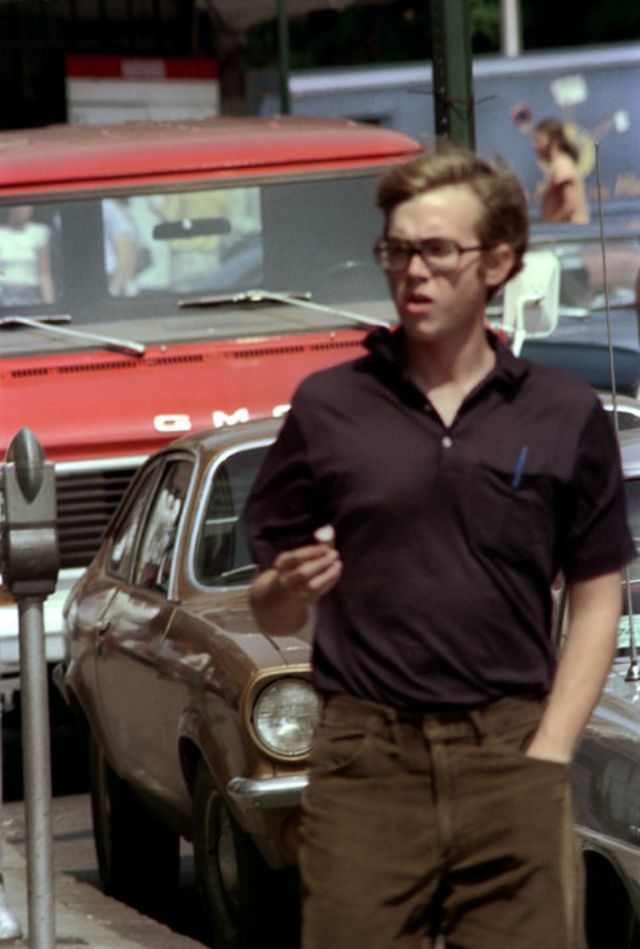

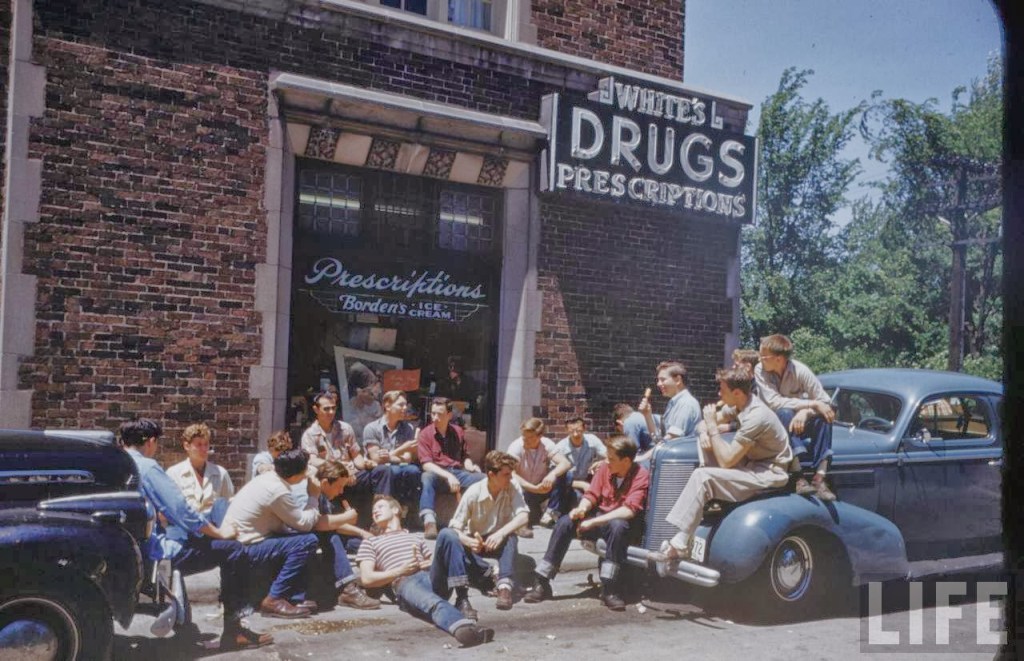
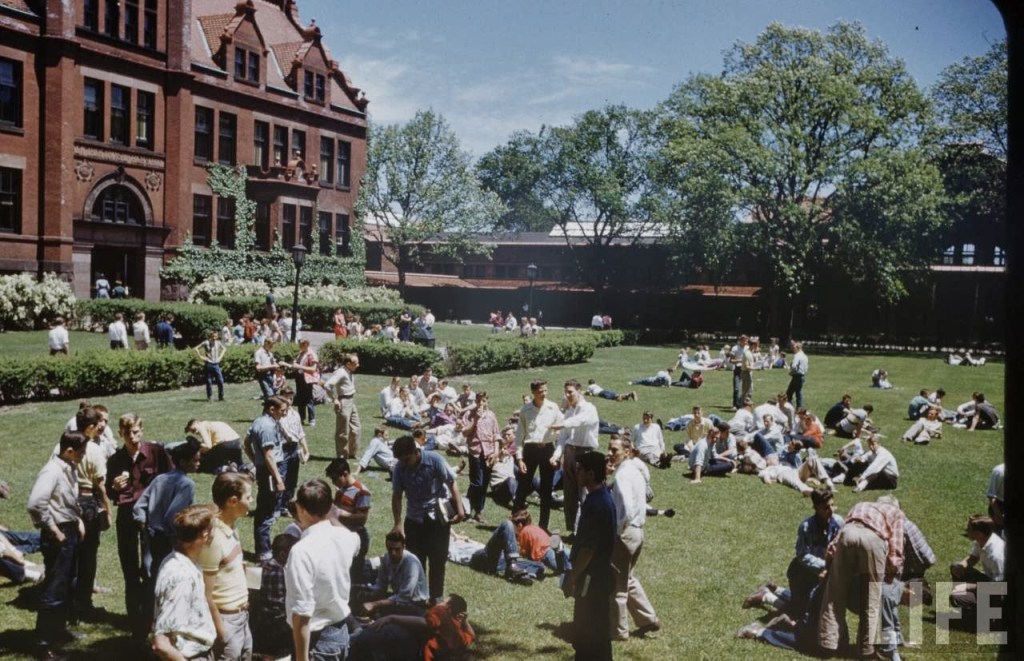
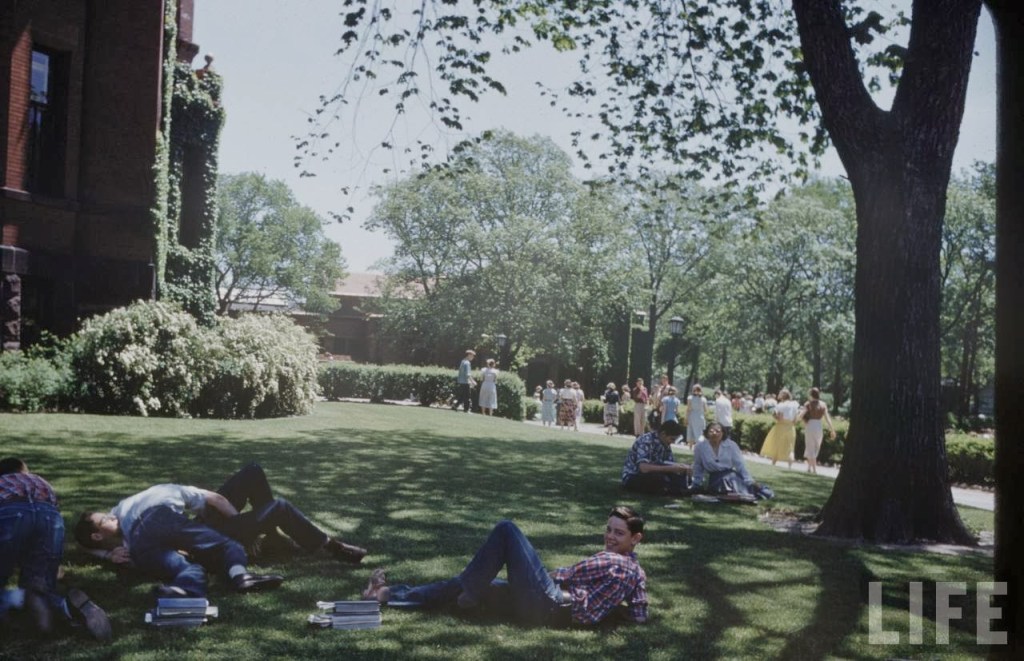
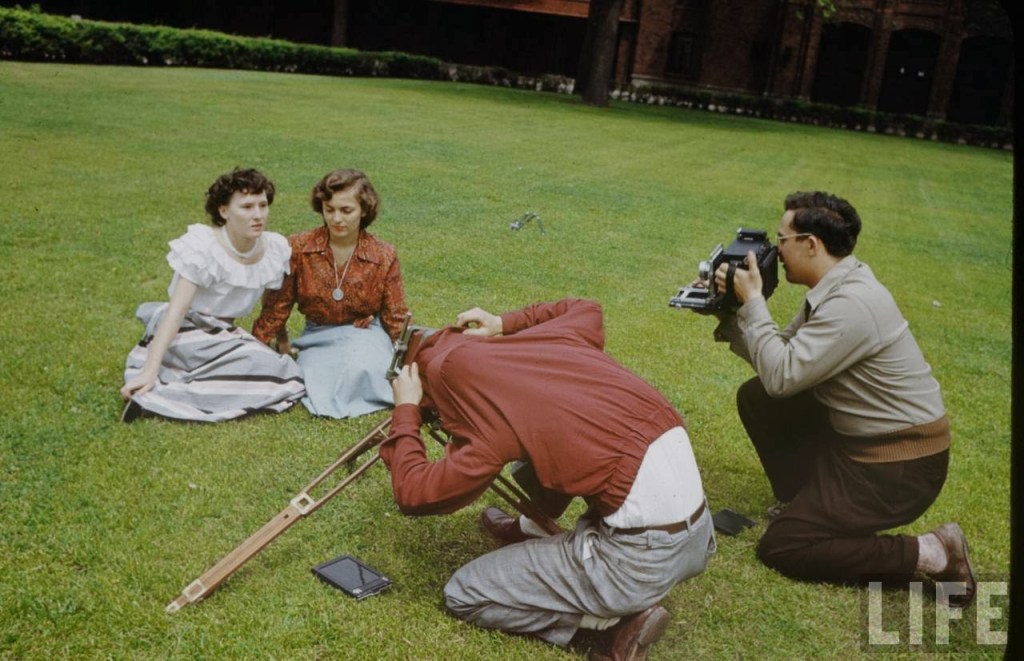
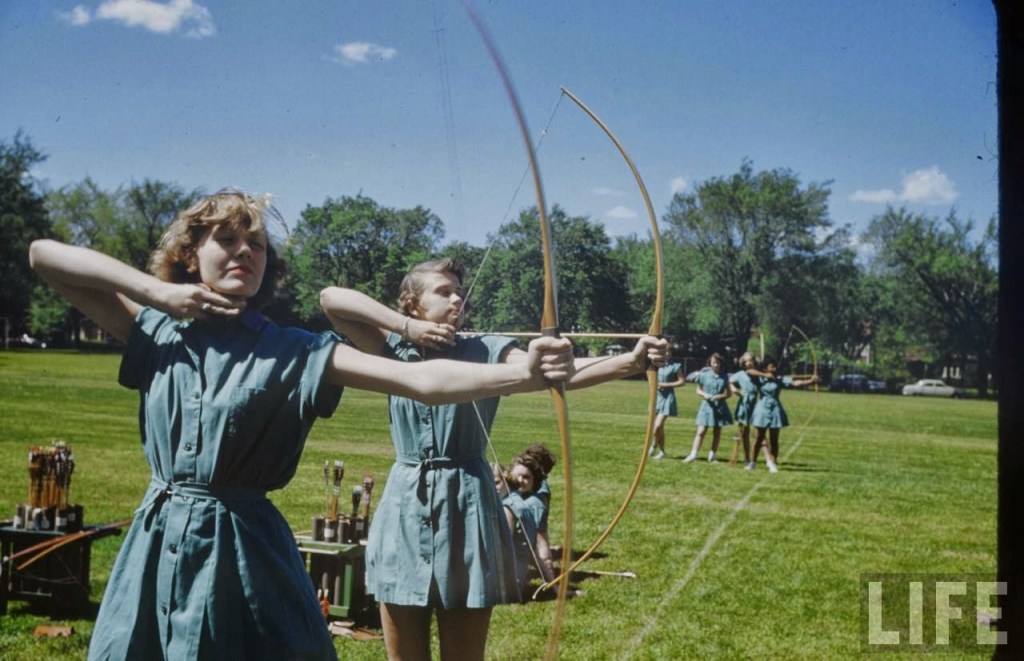
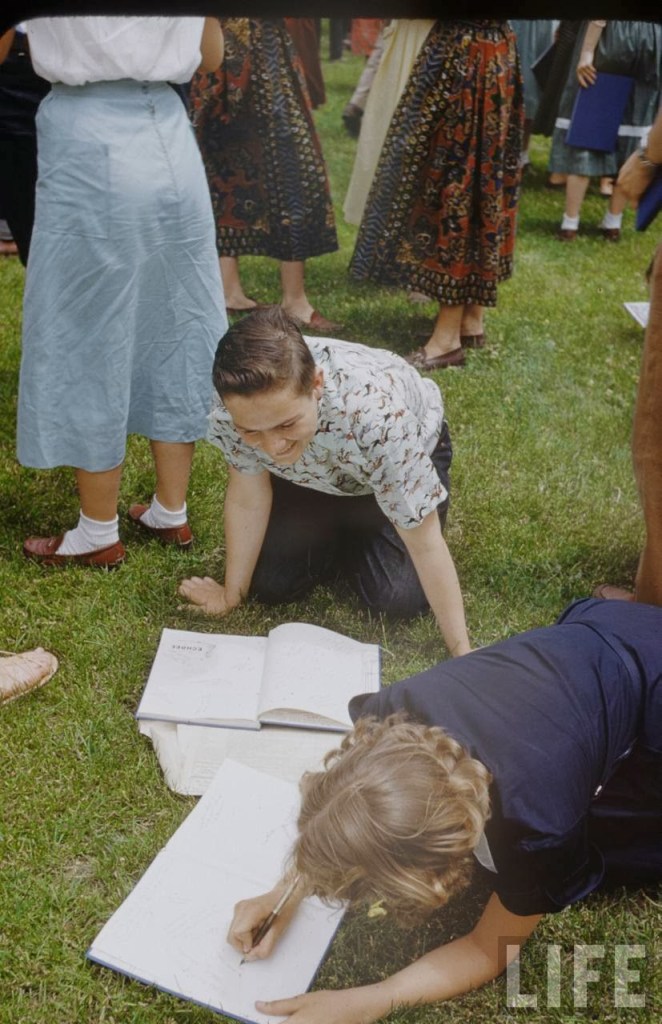
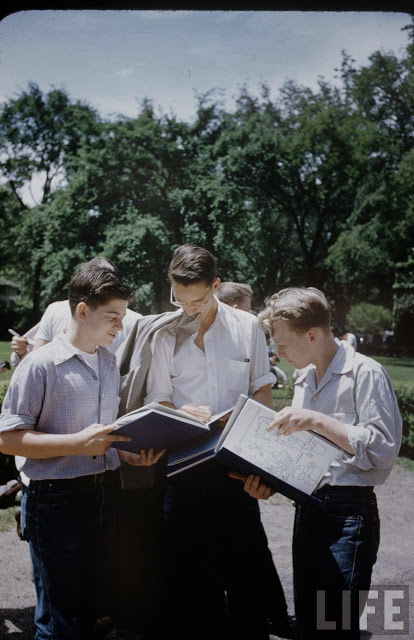
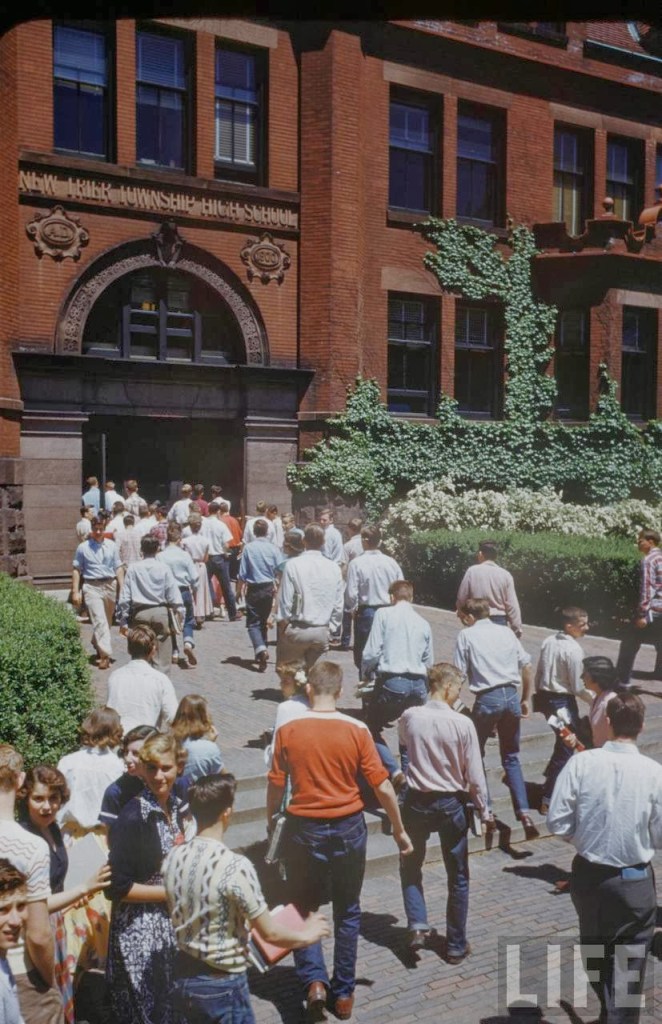
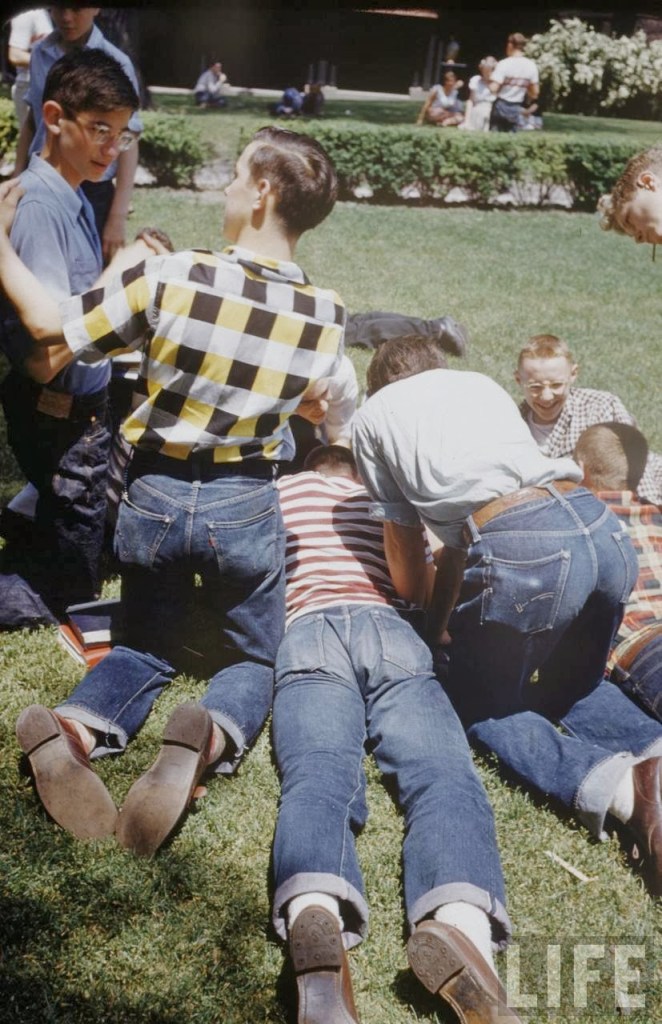
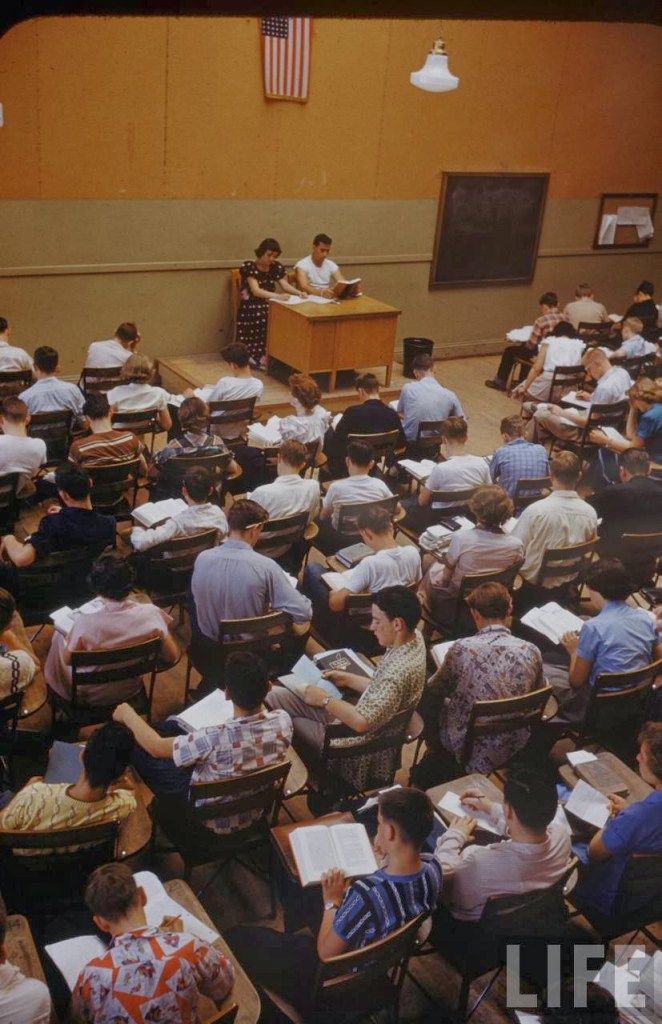
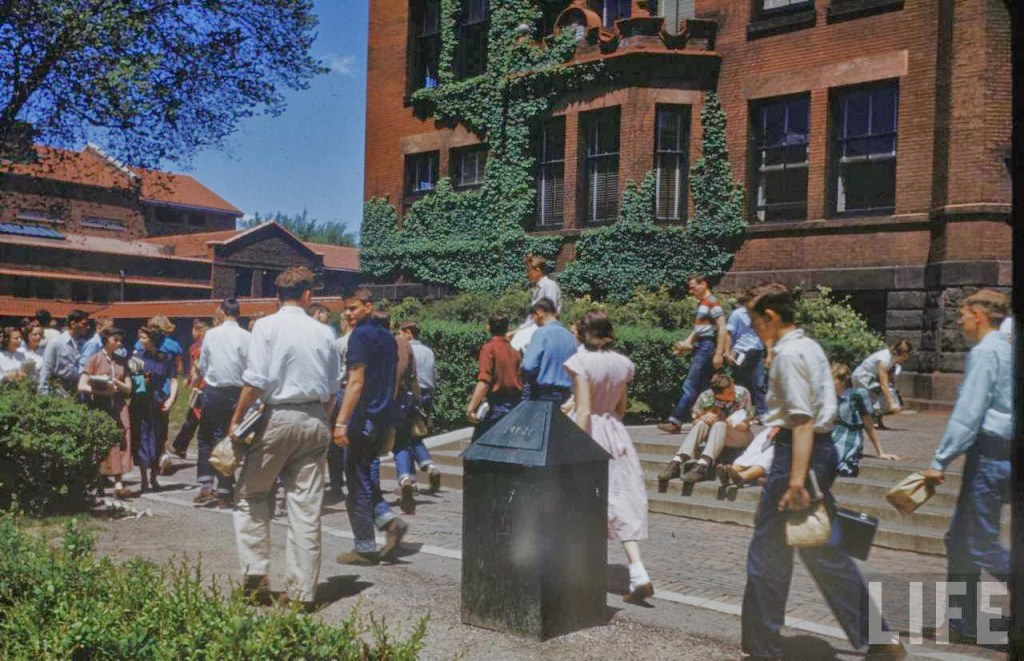
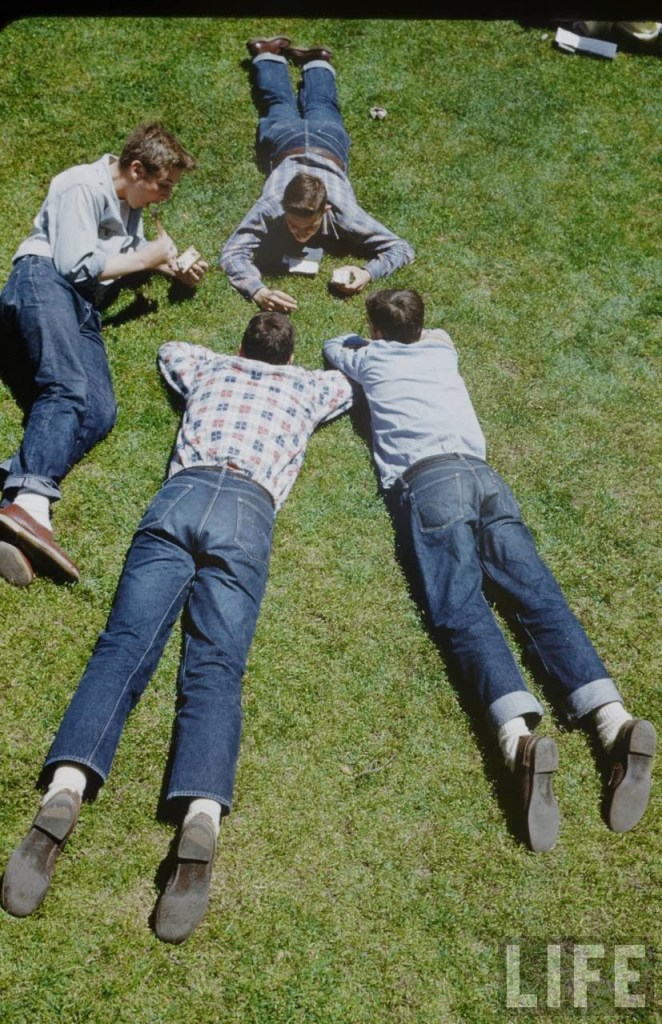
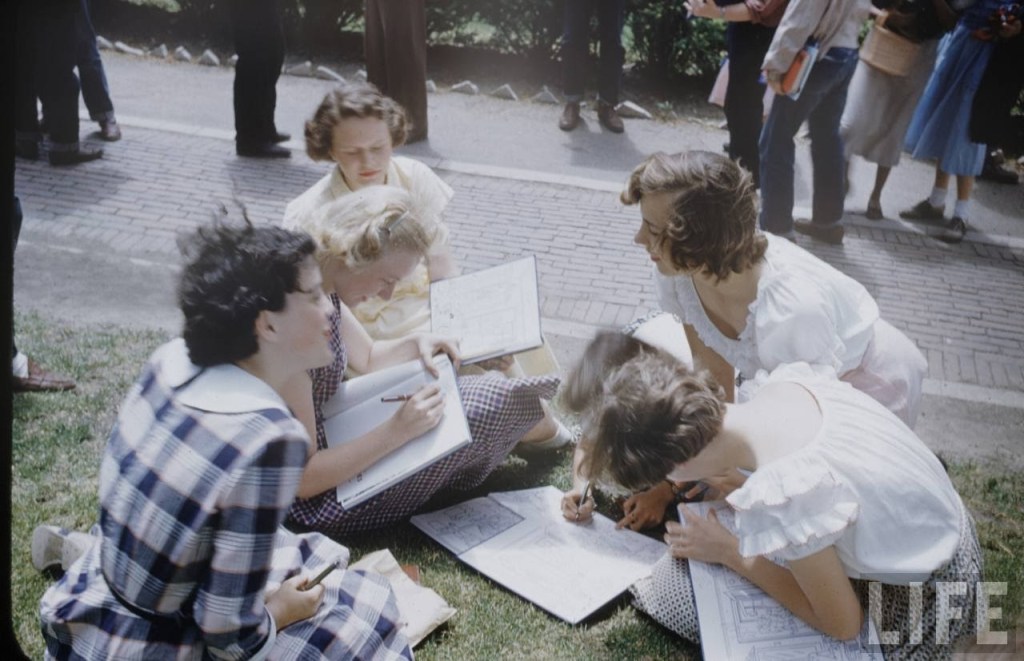
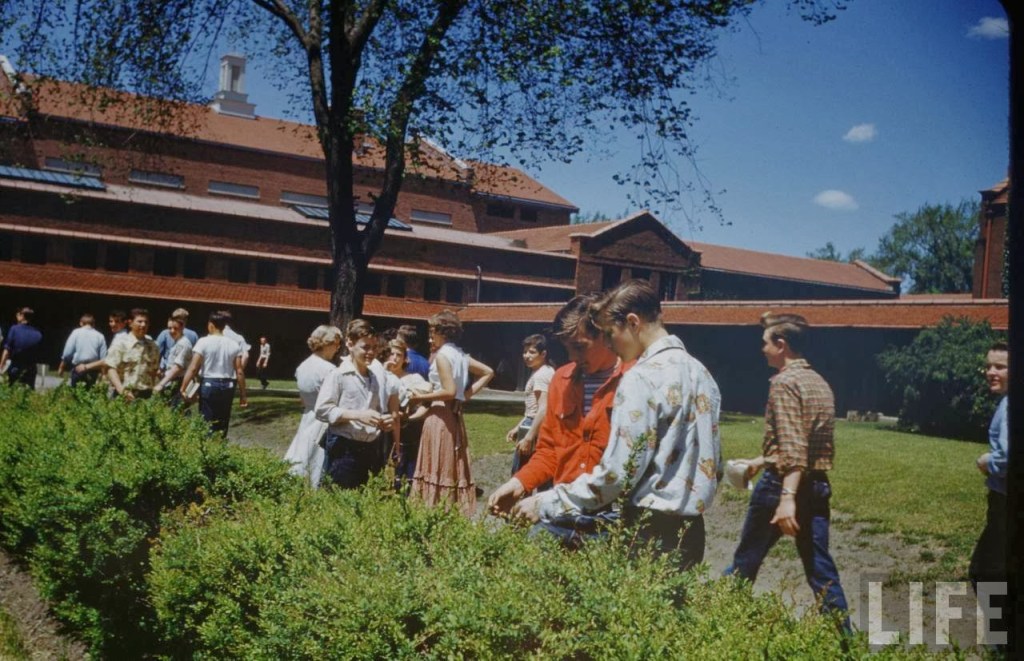
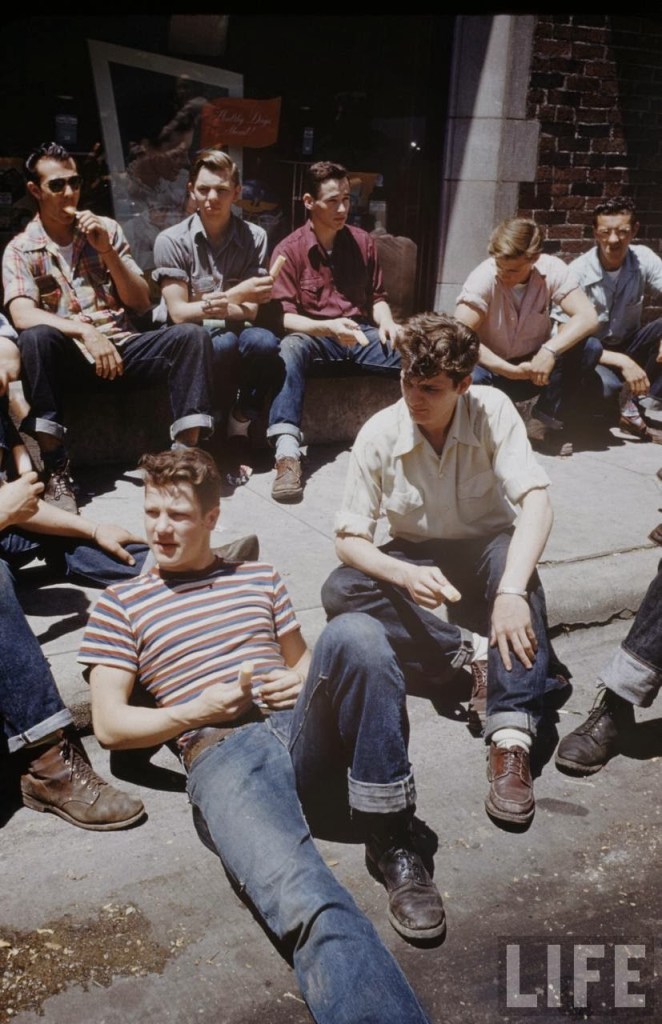
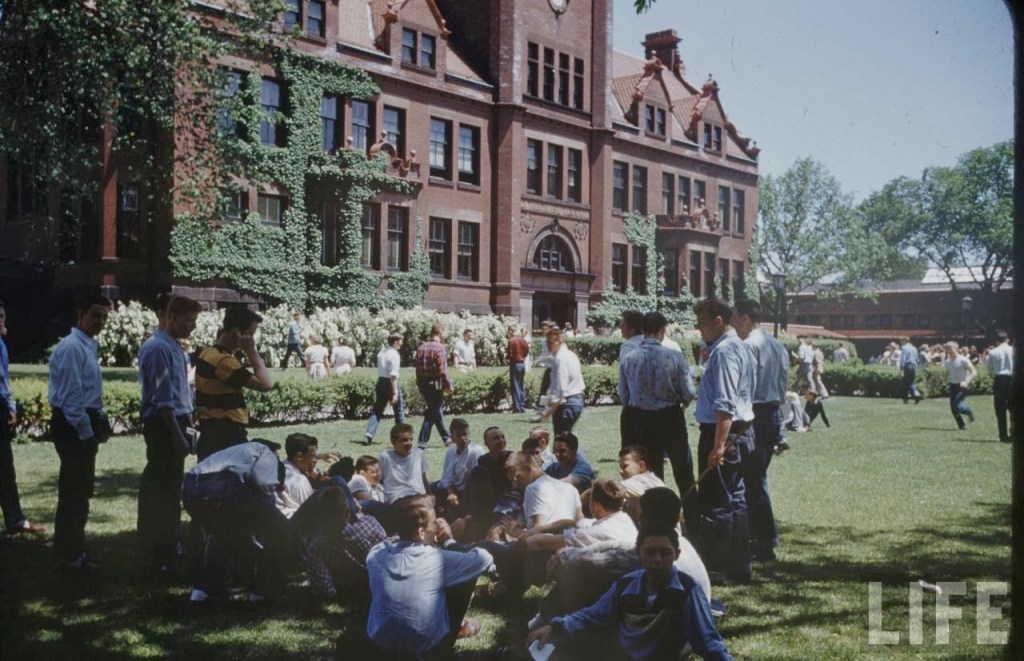
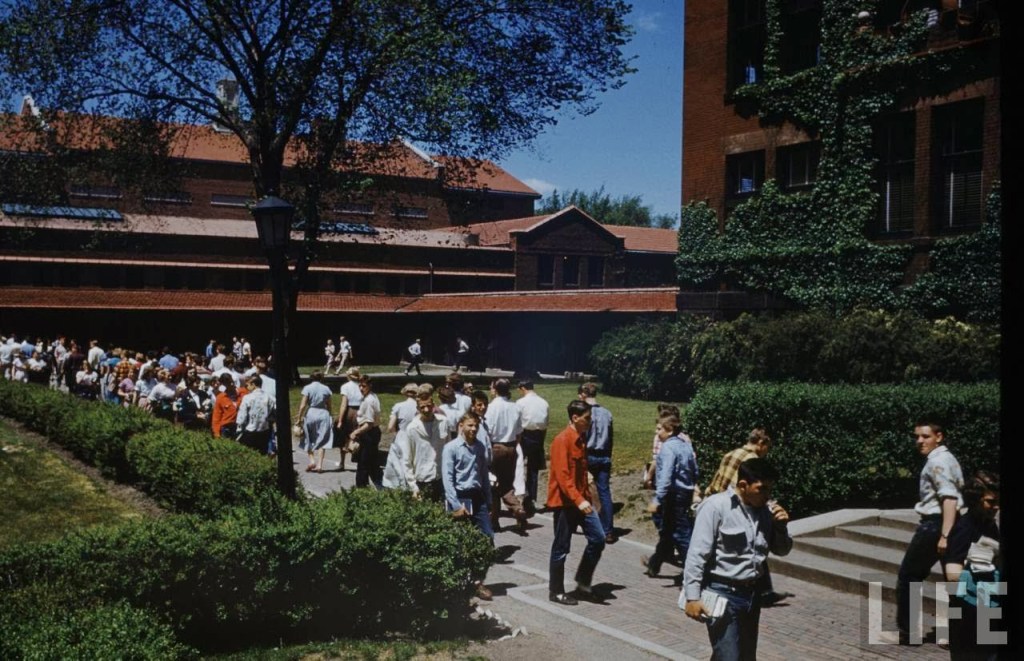
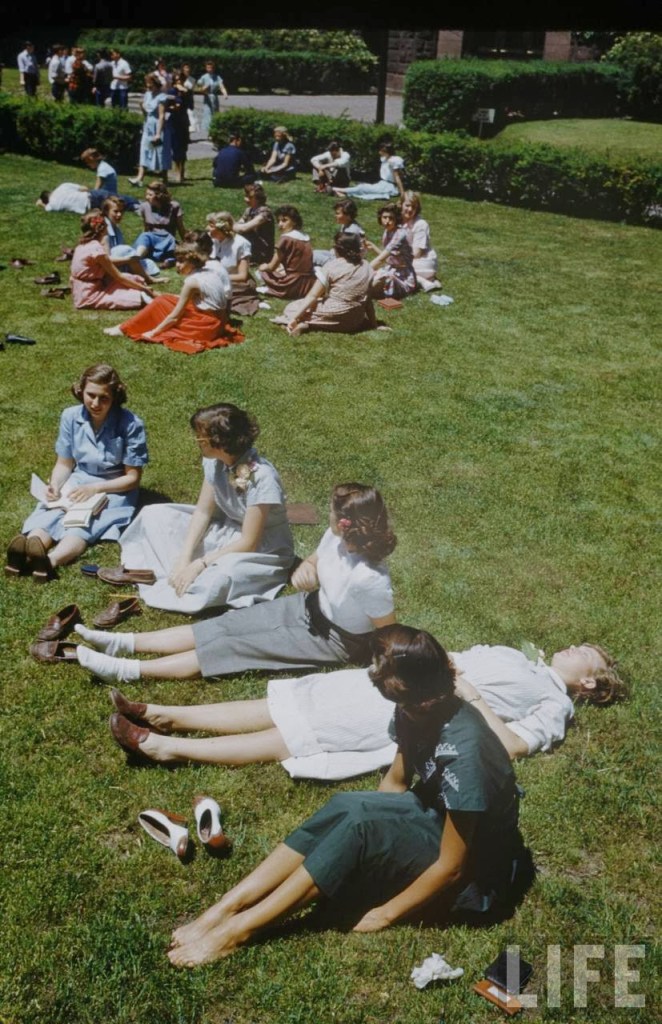
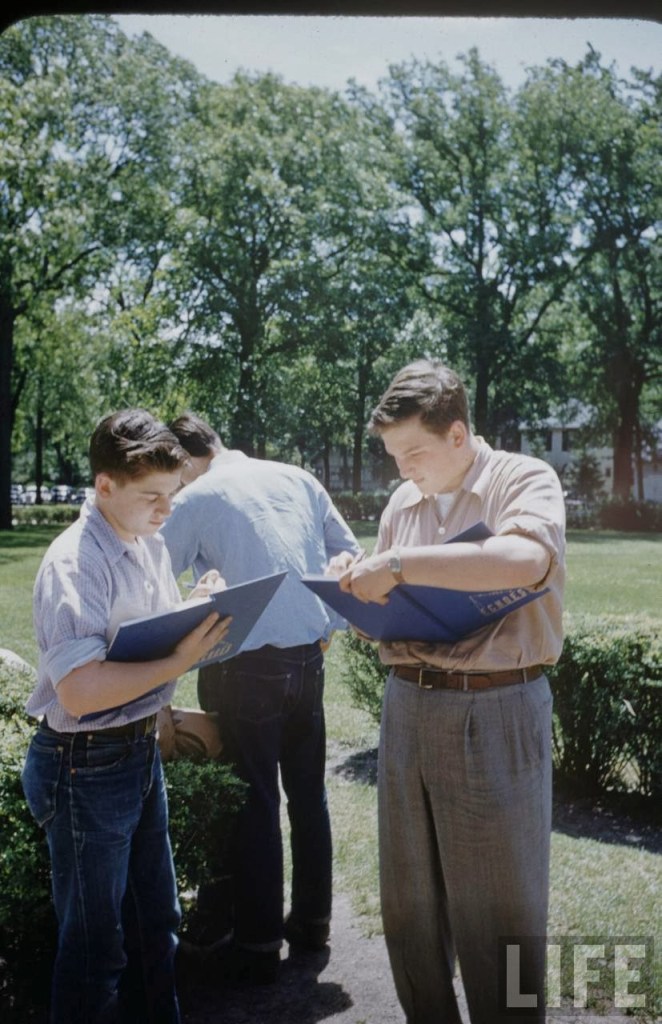
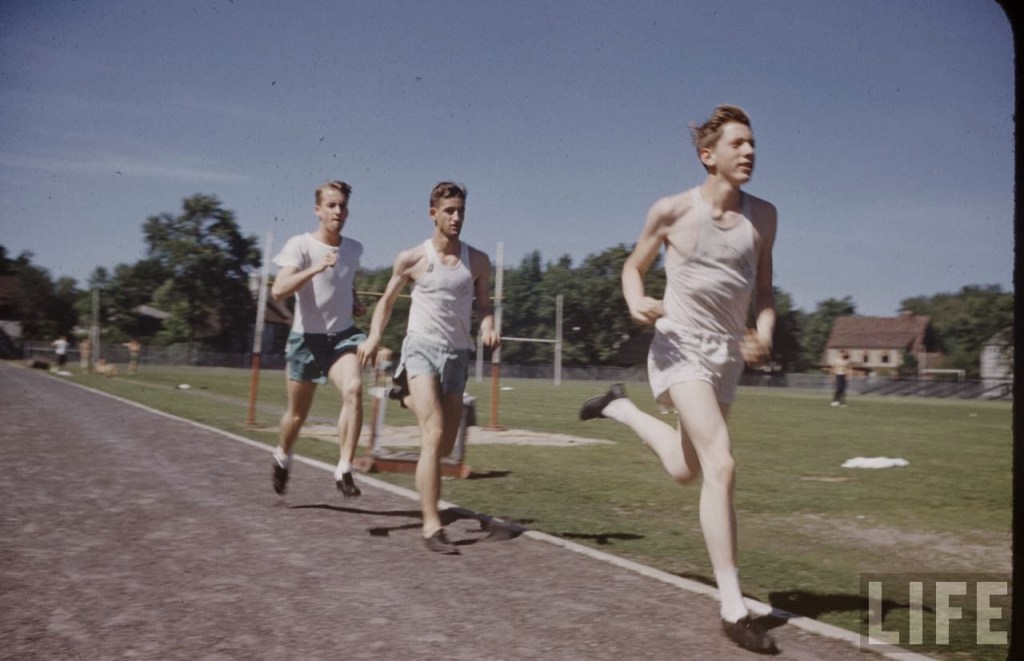
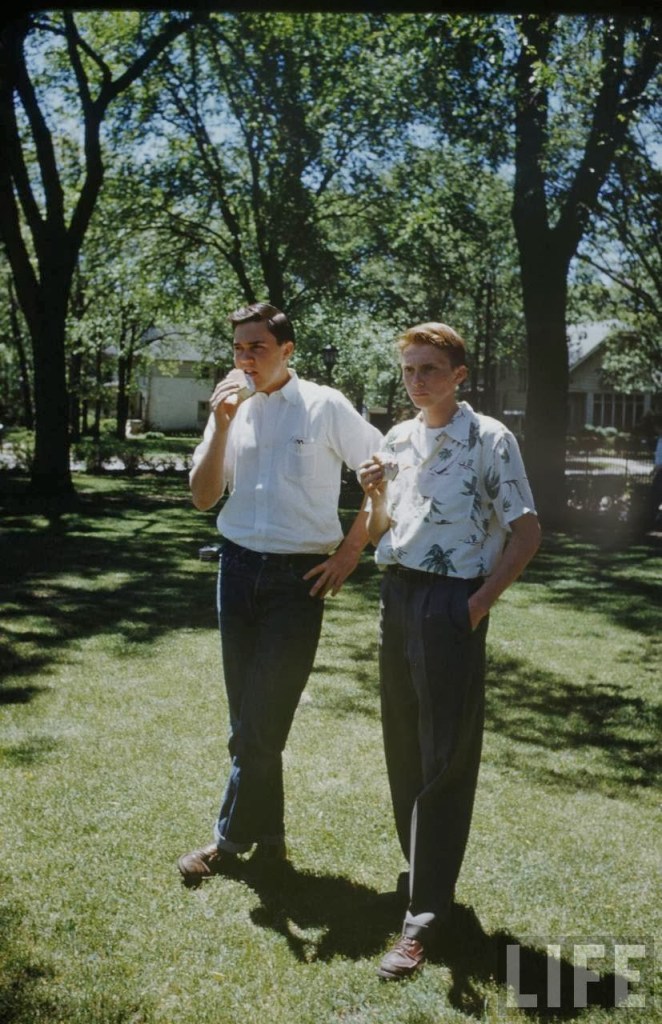
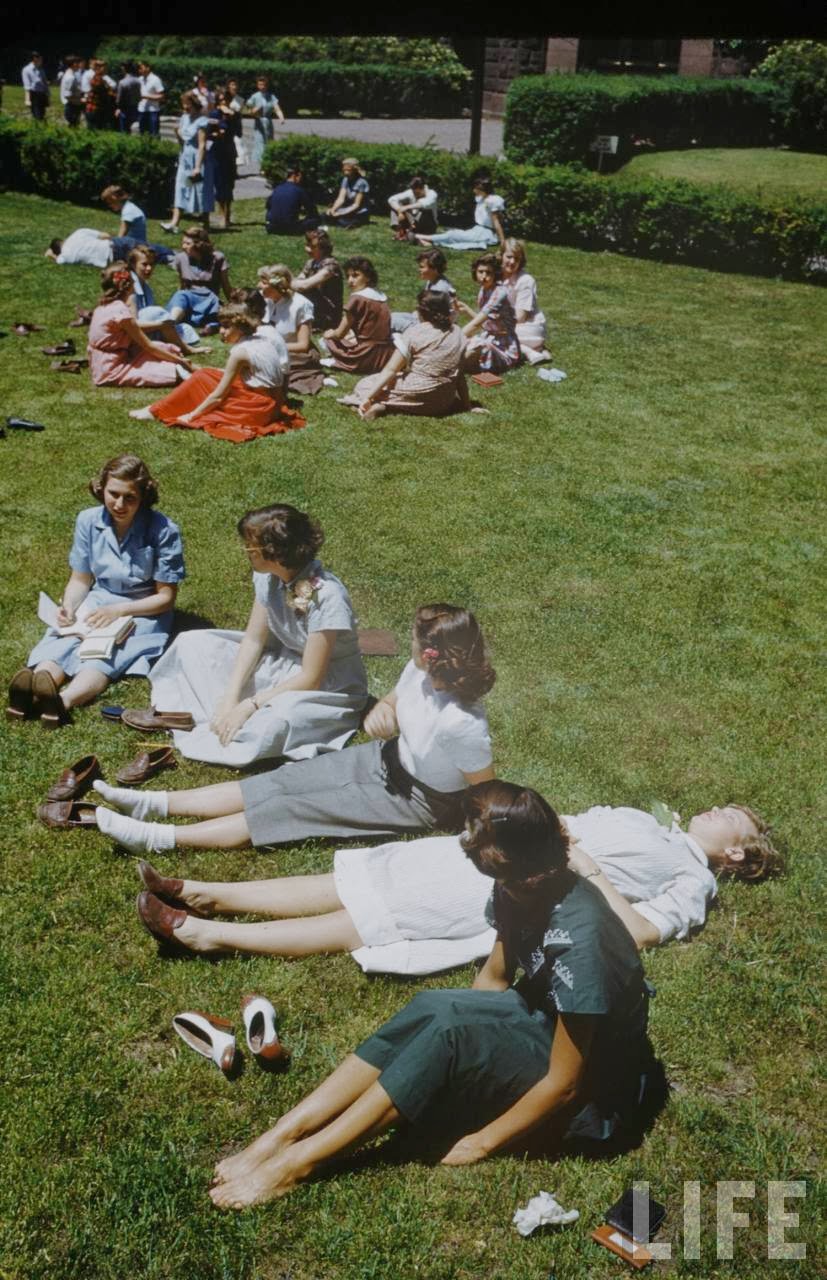
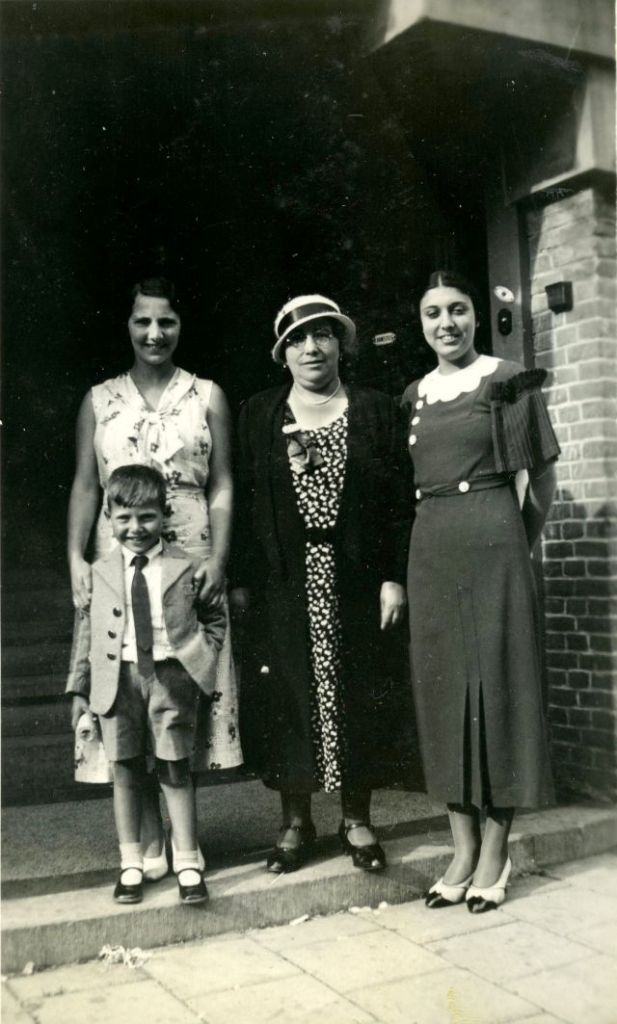
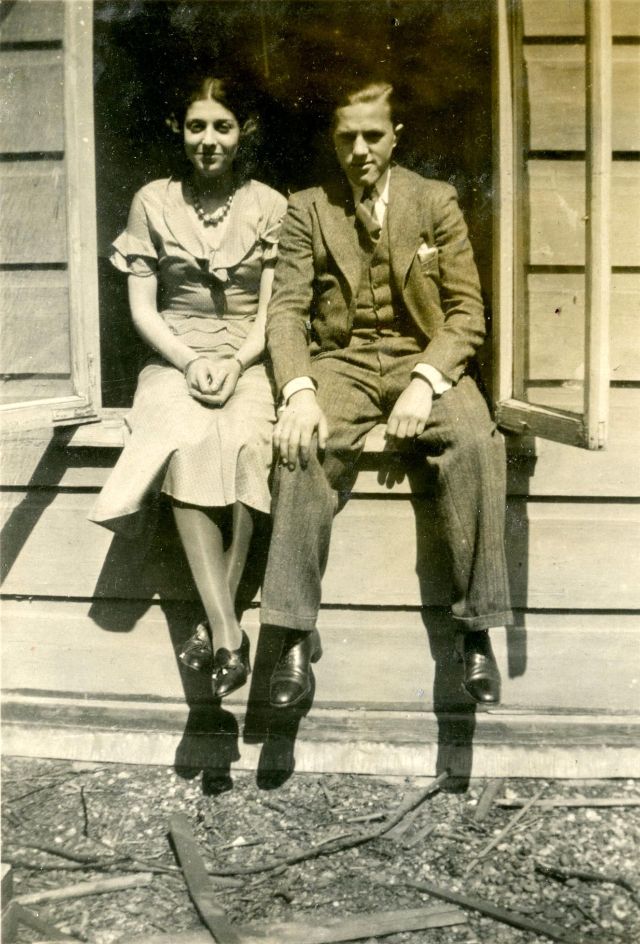
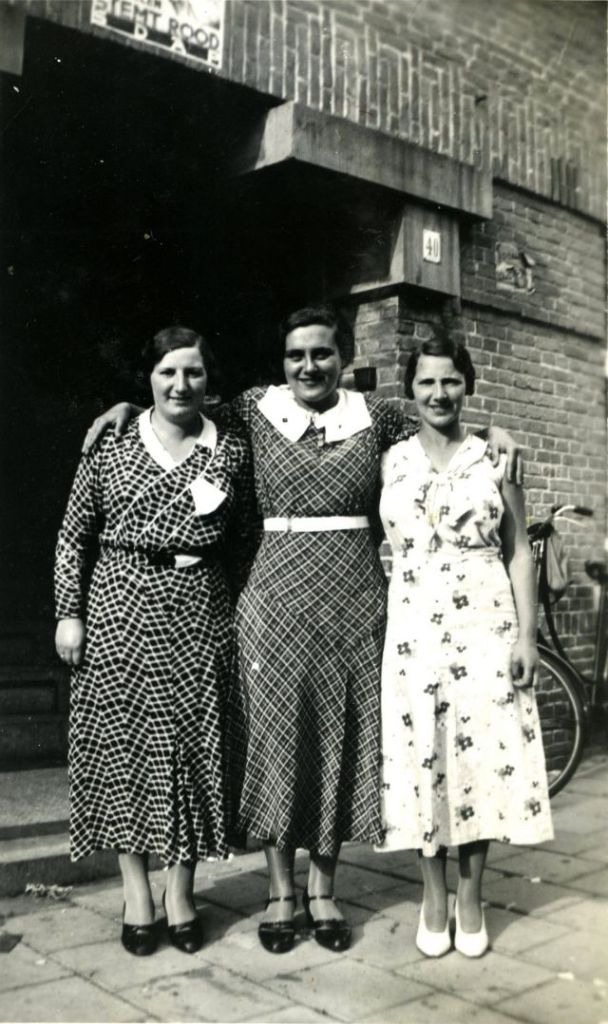
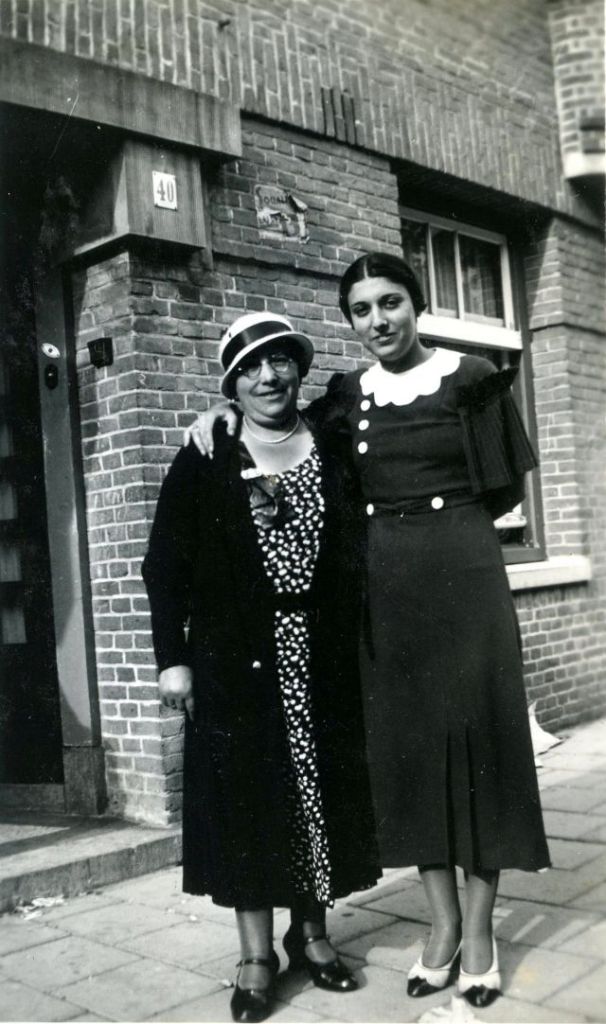
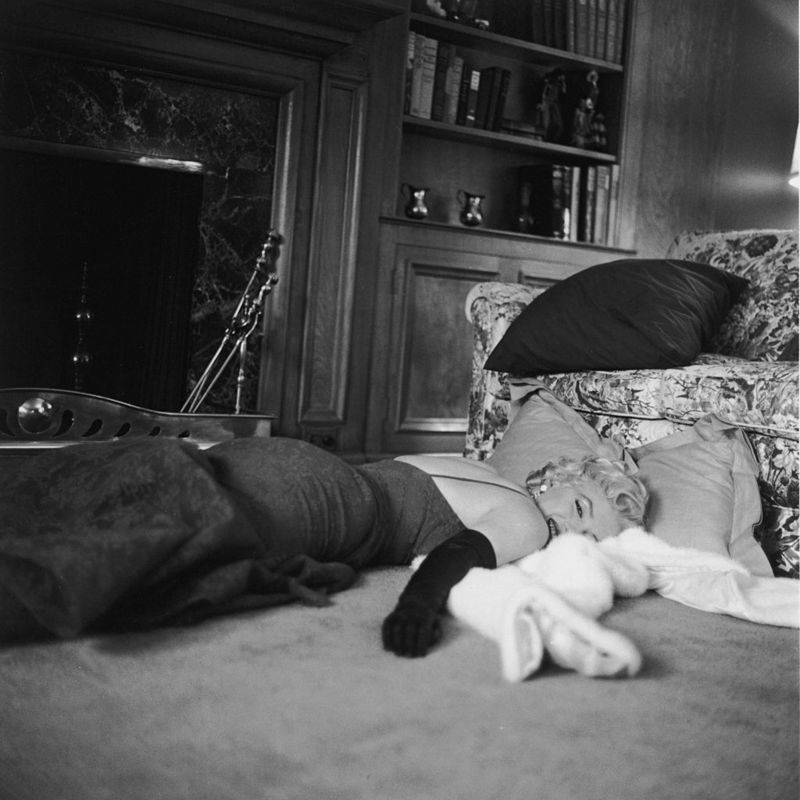
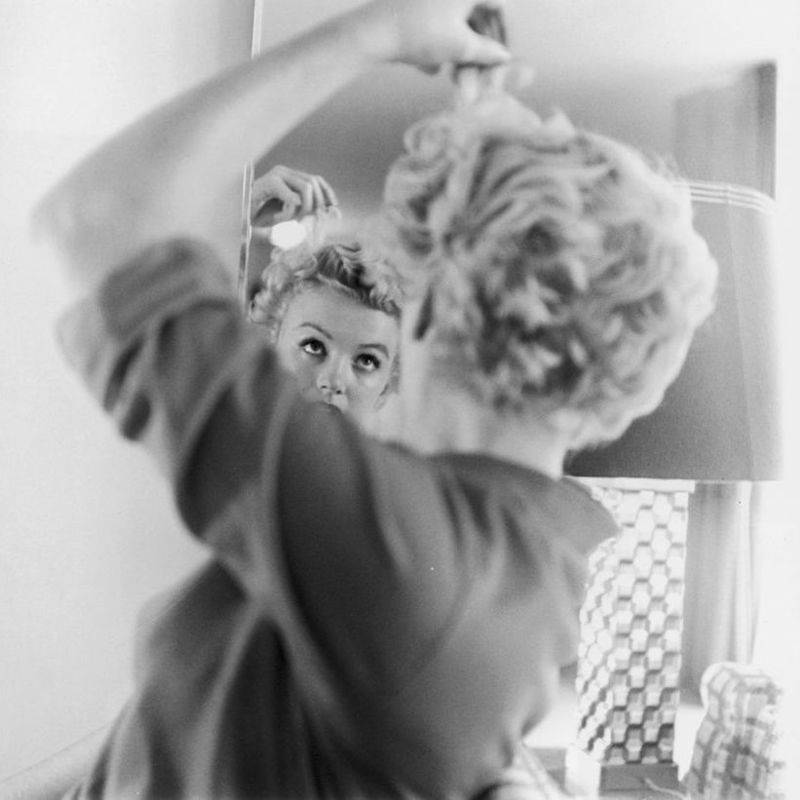
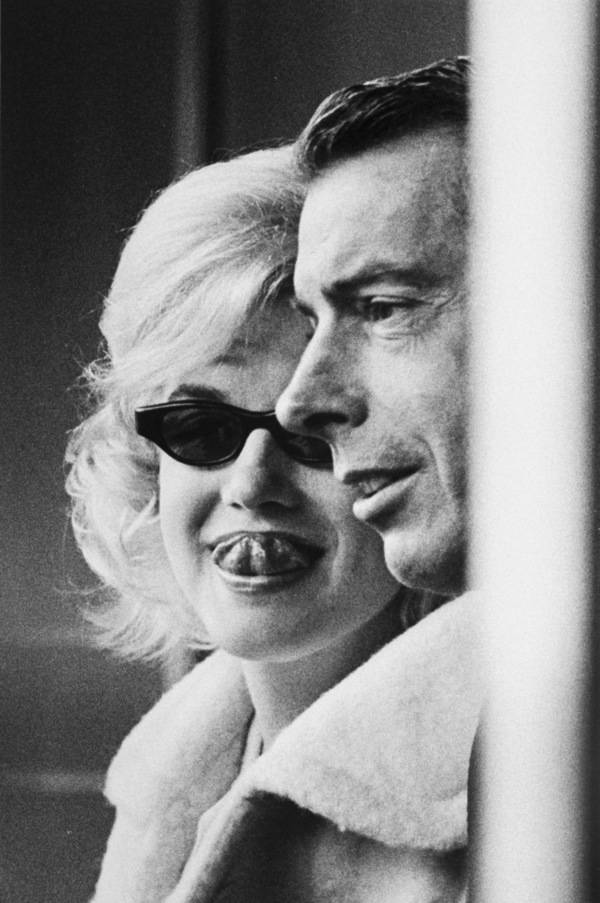
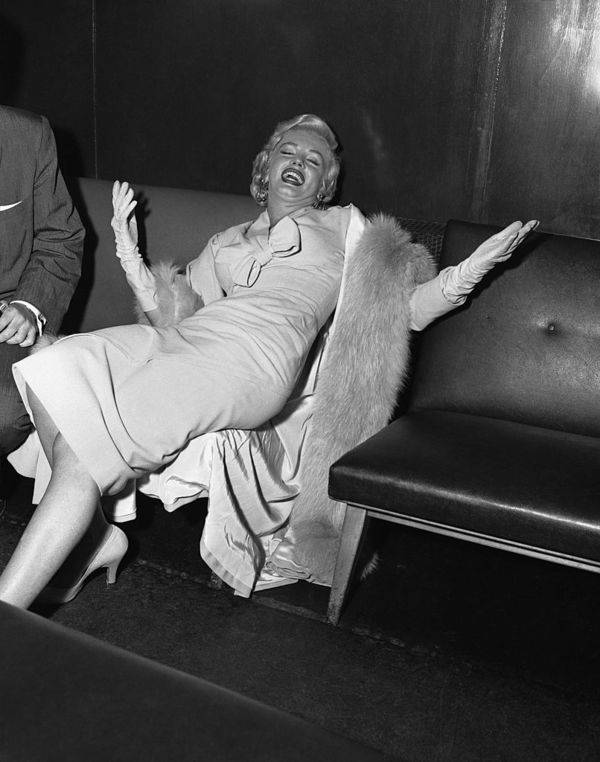
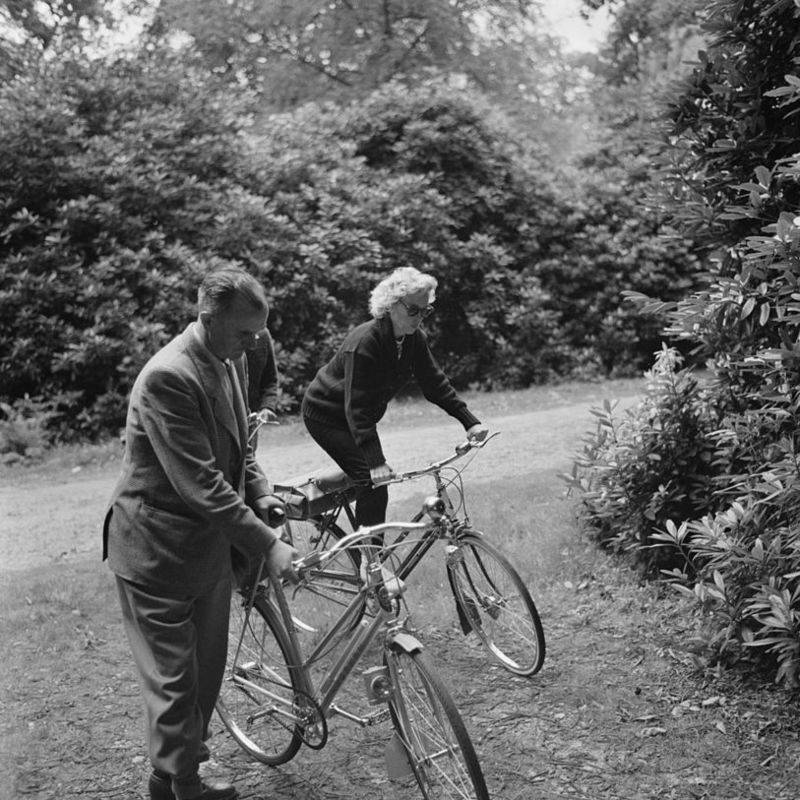
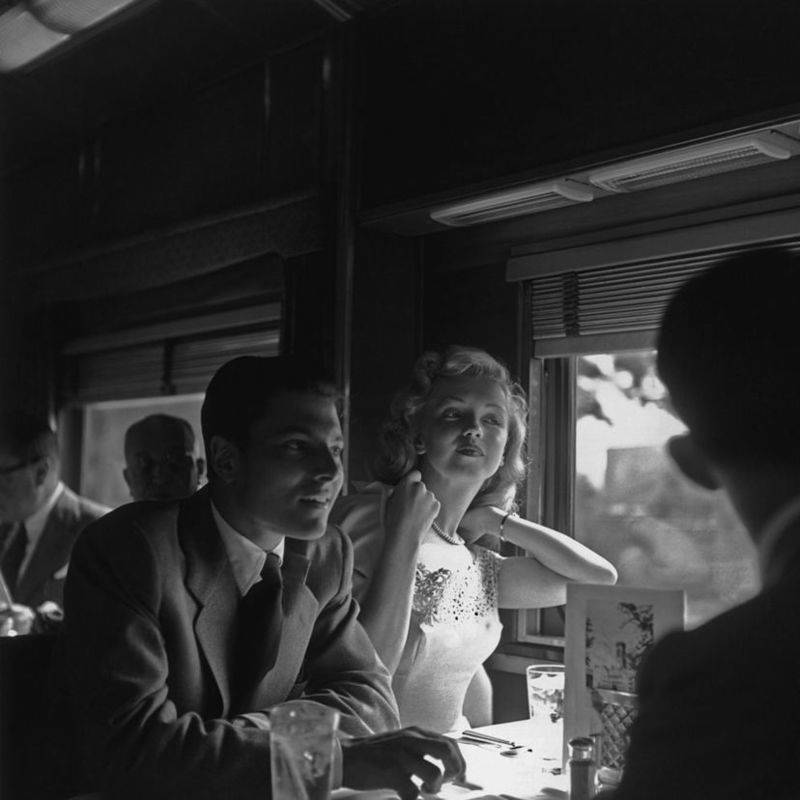
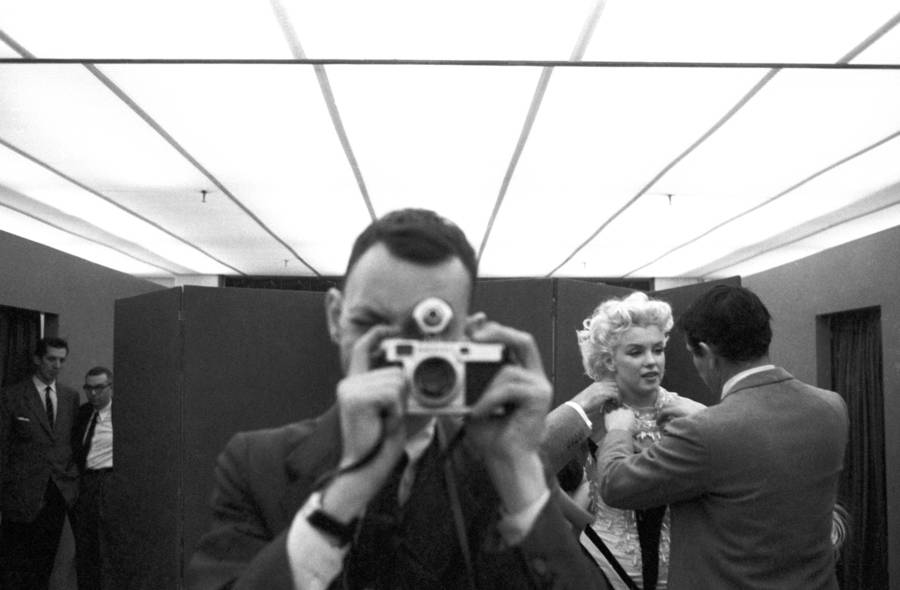
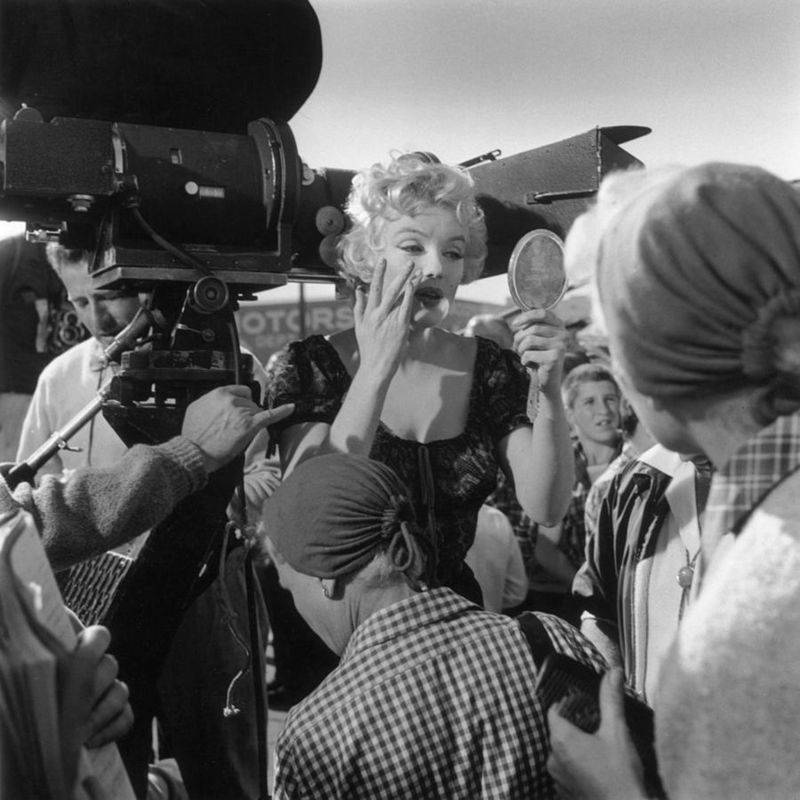
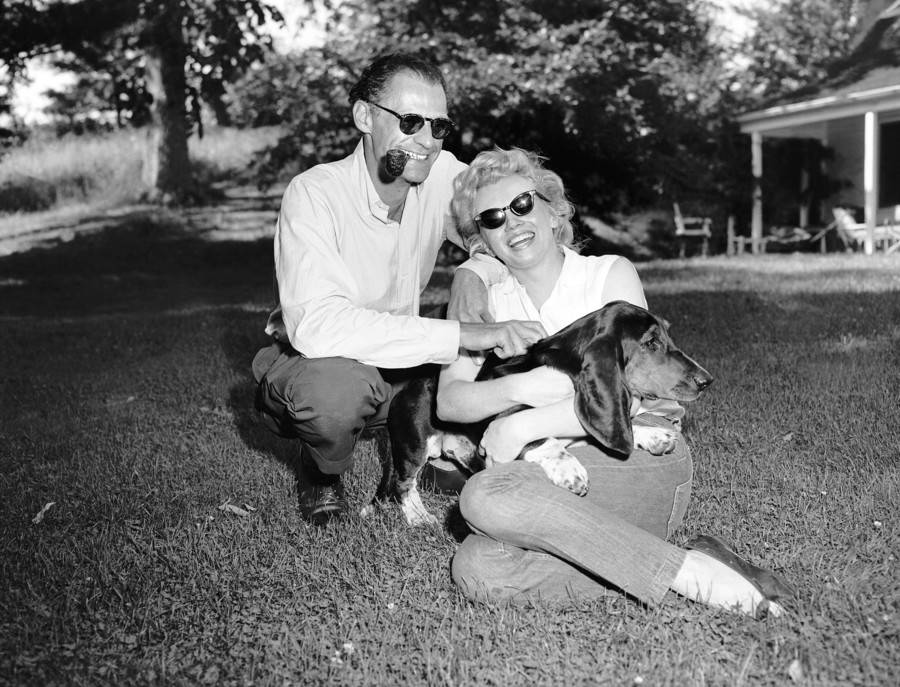
(Photos from Nick Dewolf photo archive)
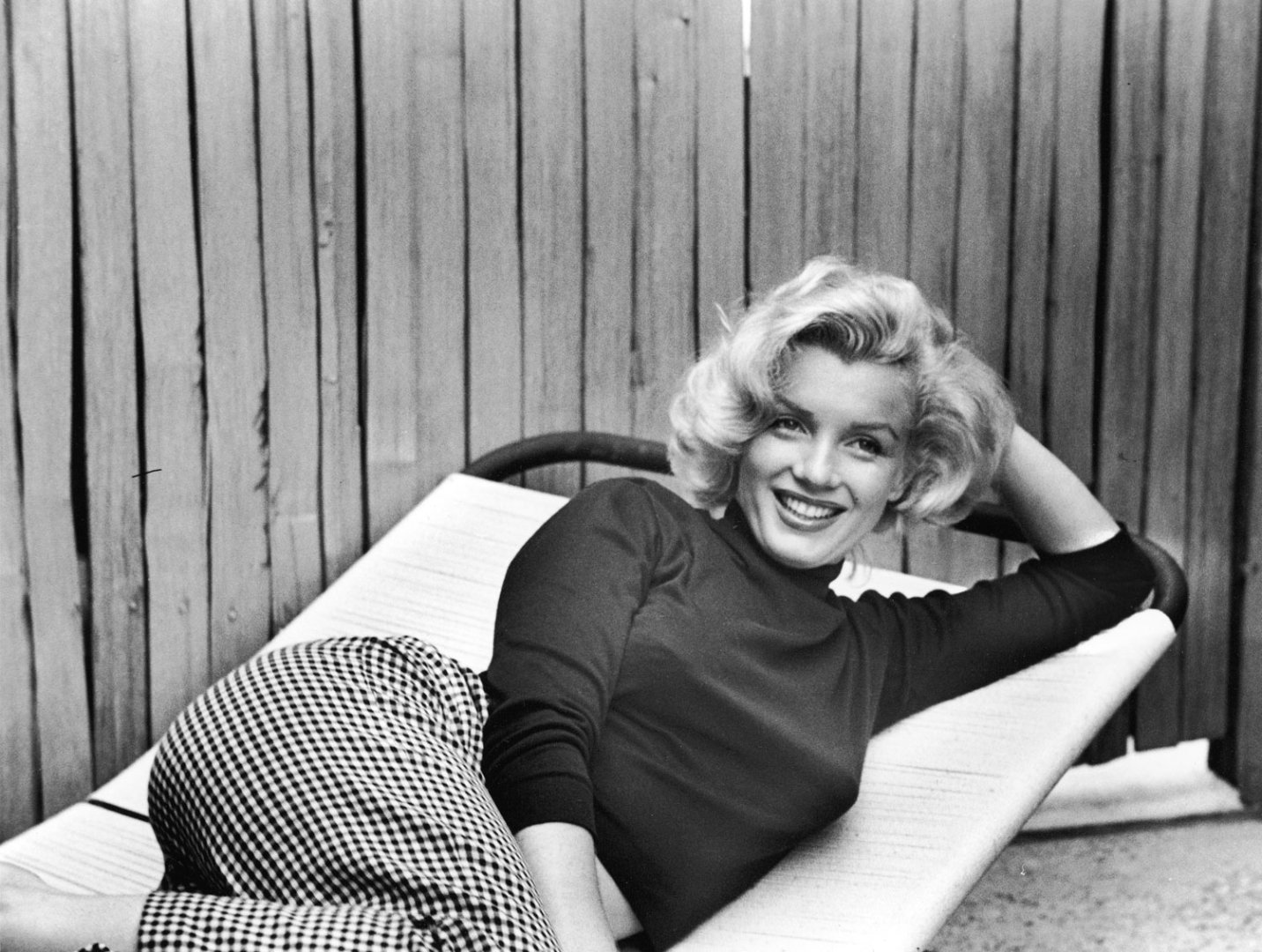
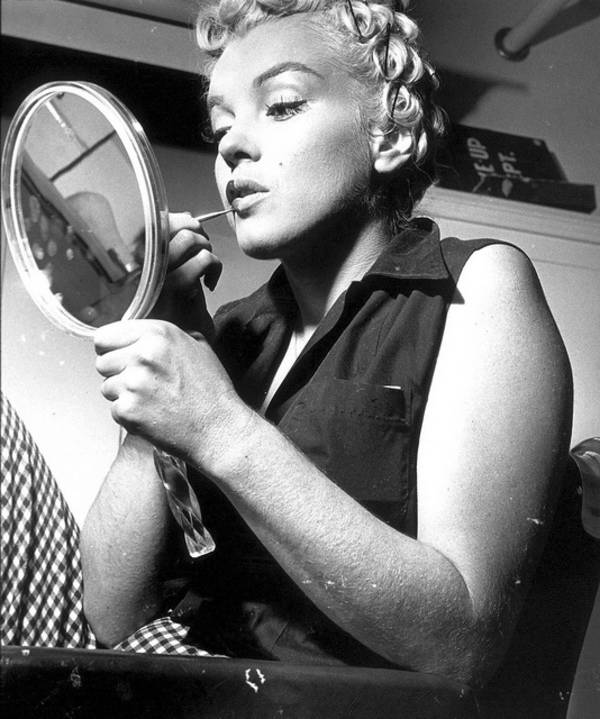
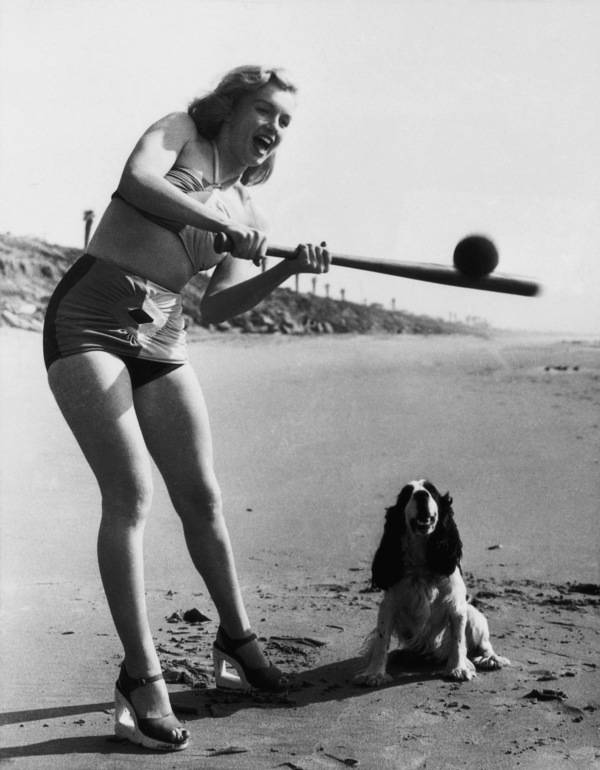
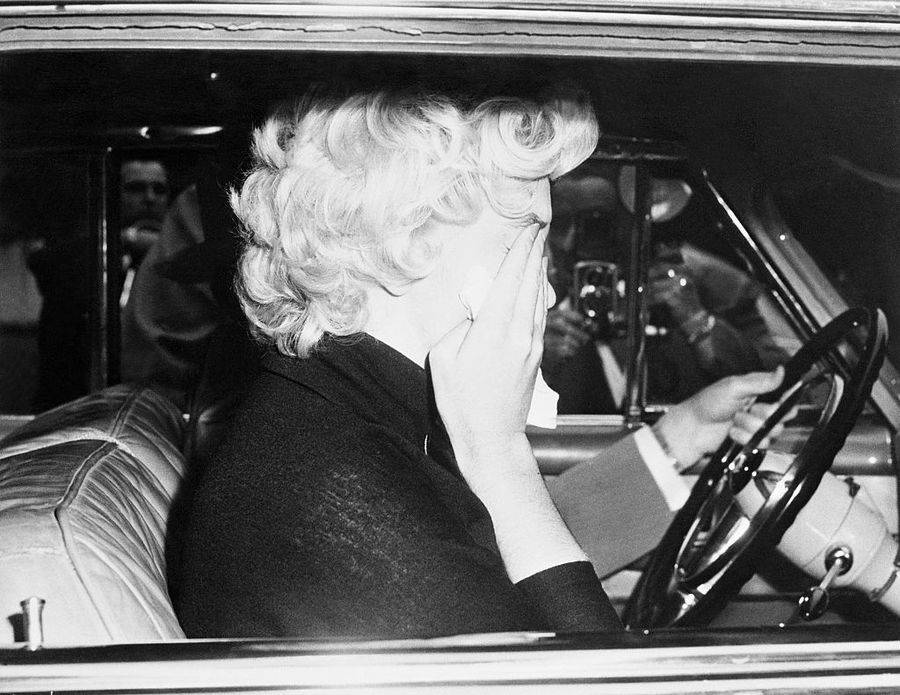
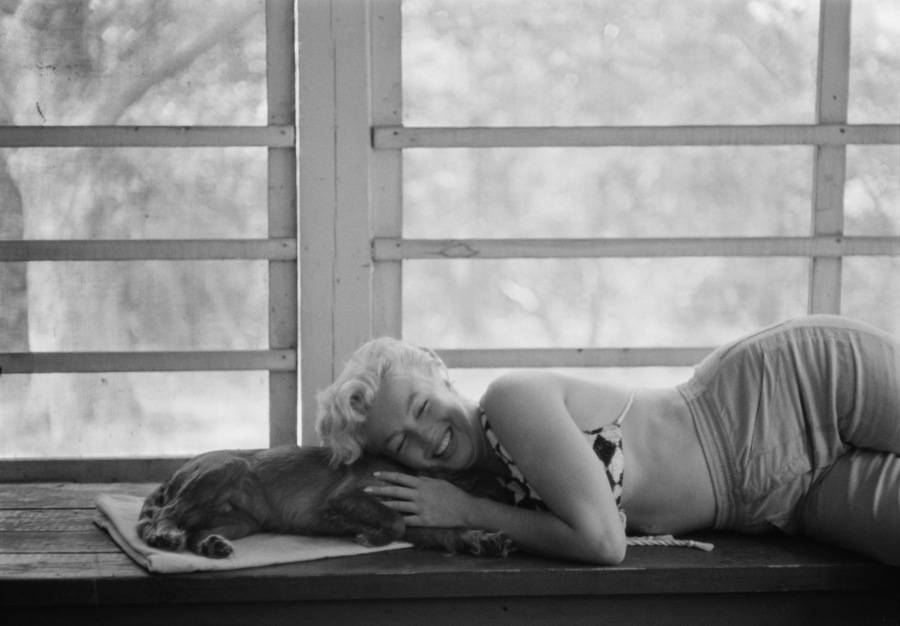
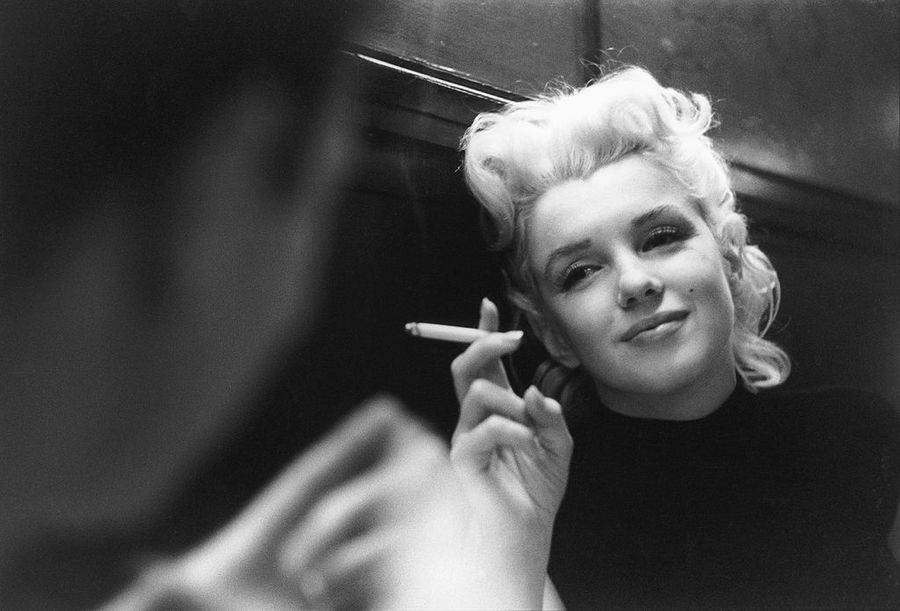
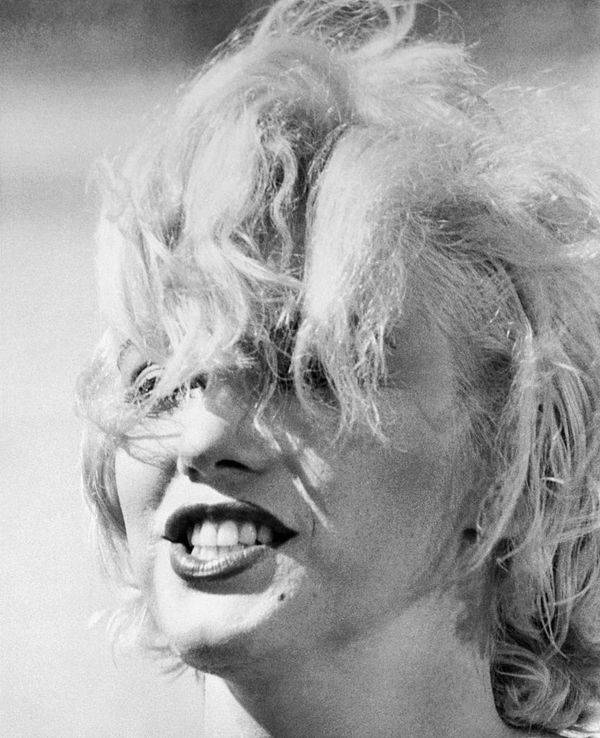
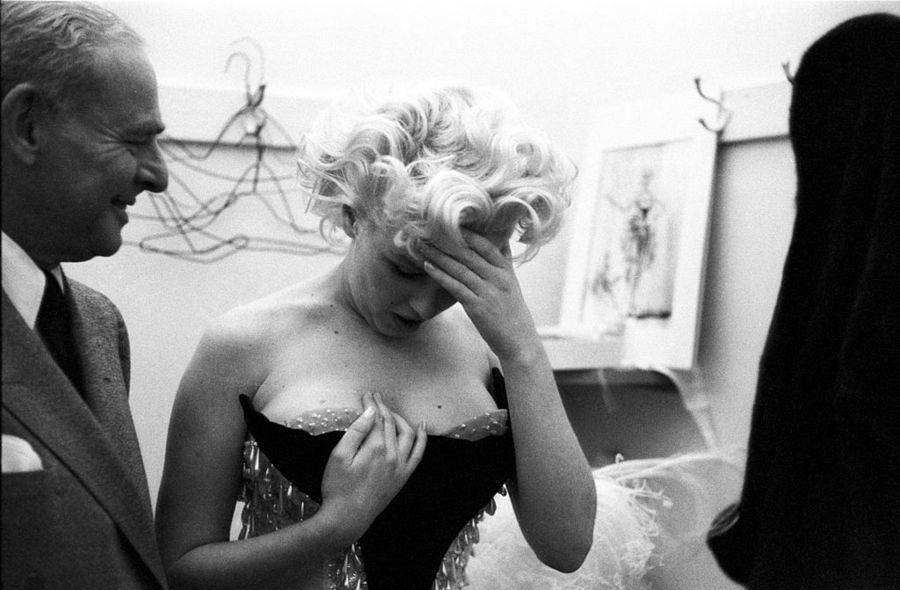
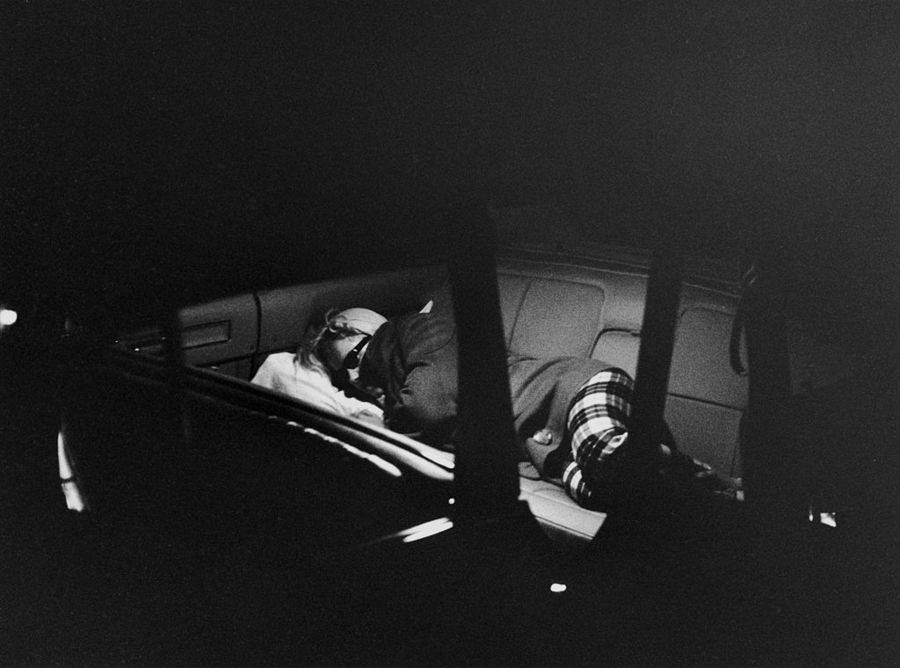
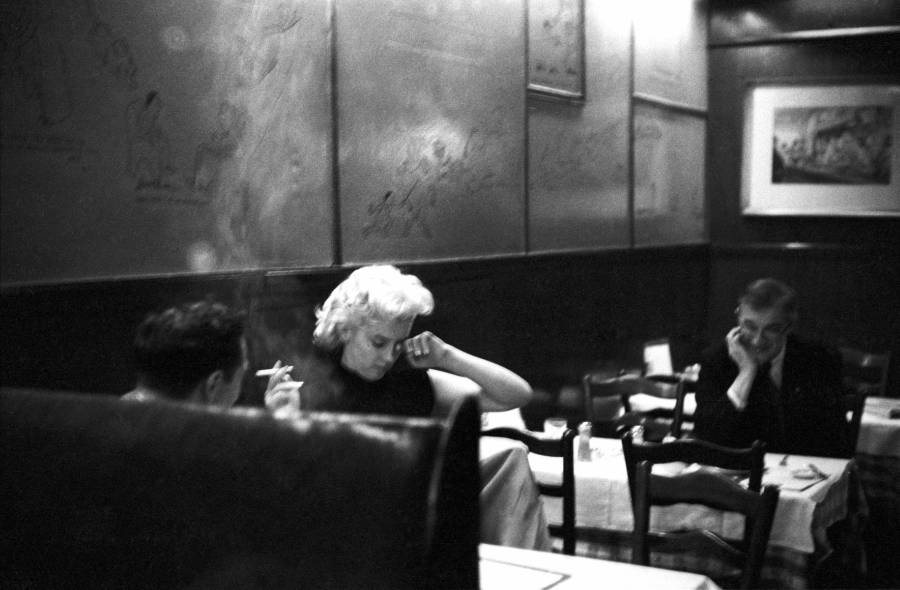
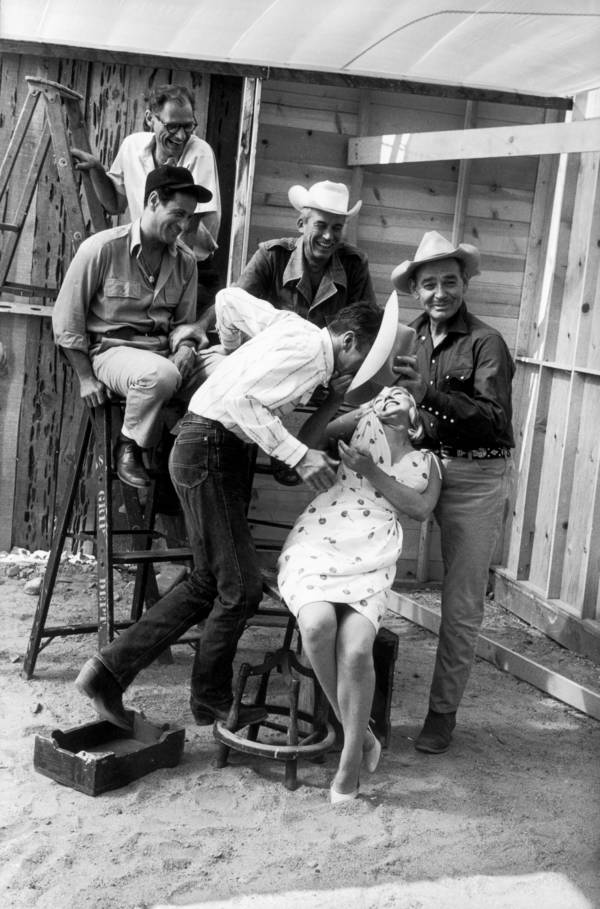
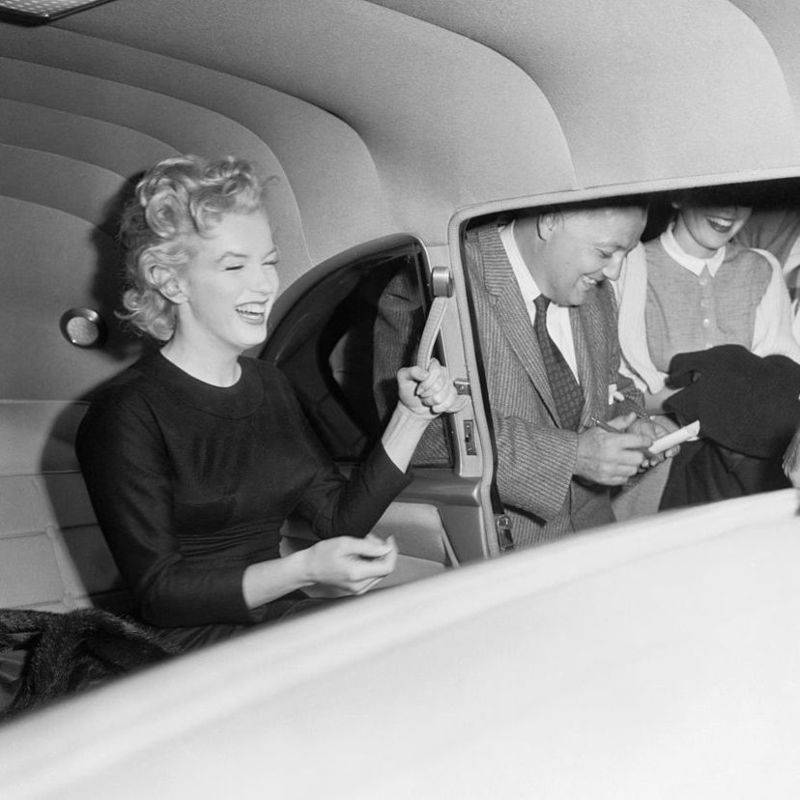
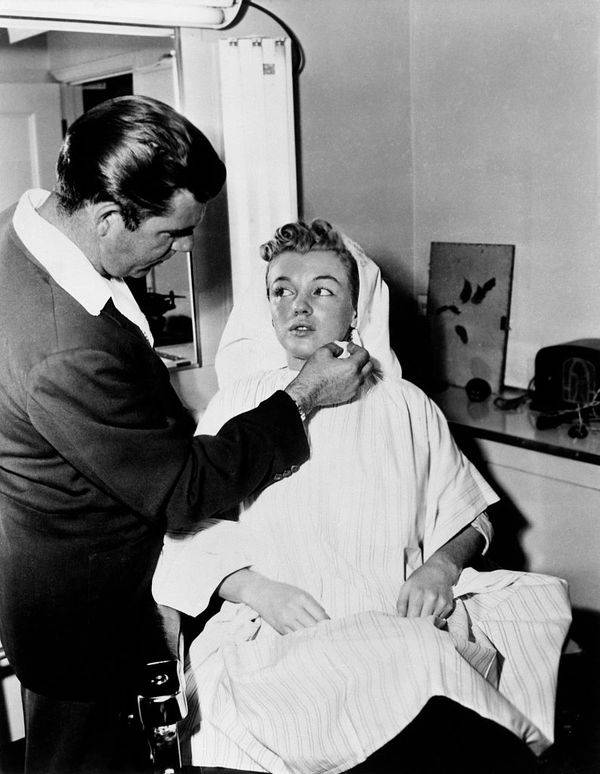
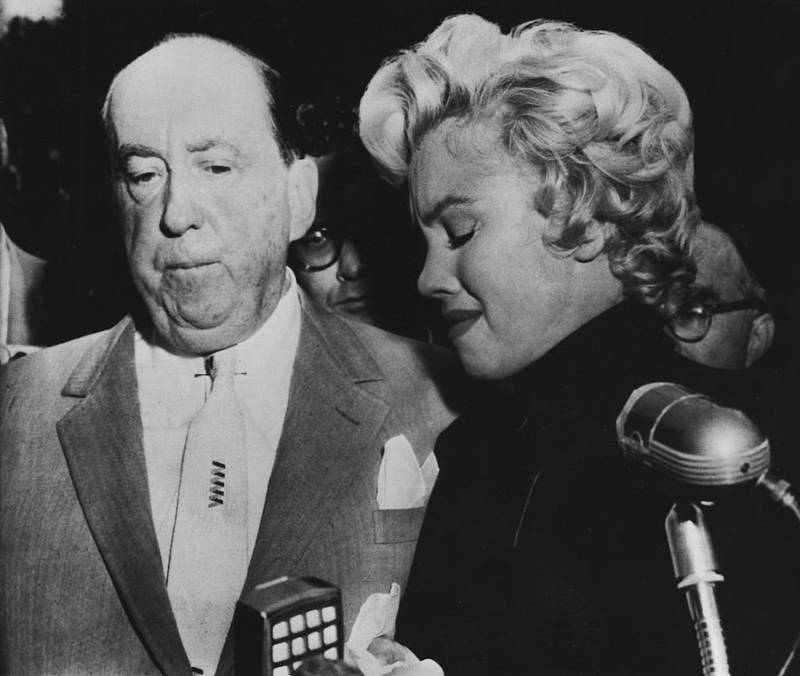
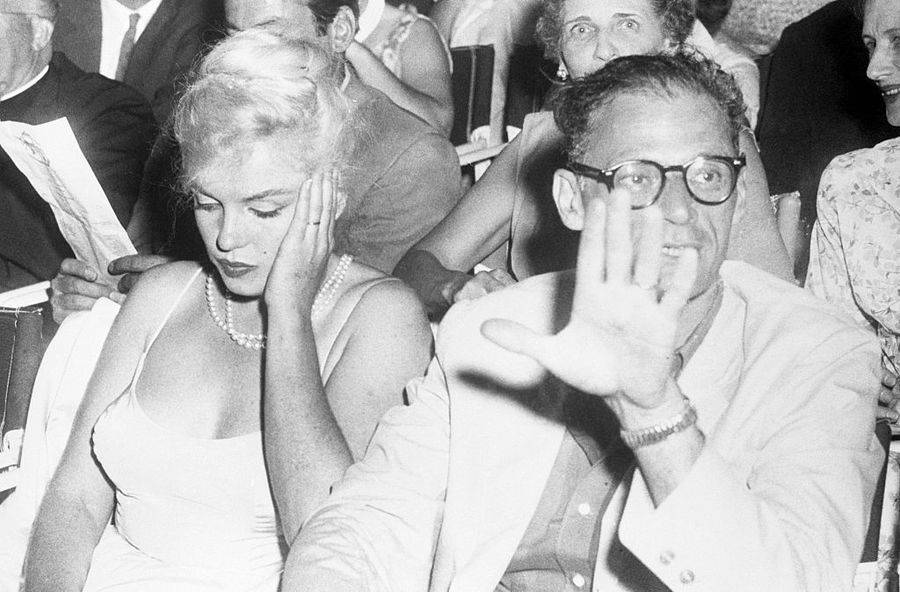
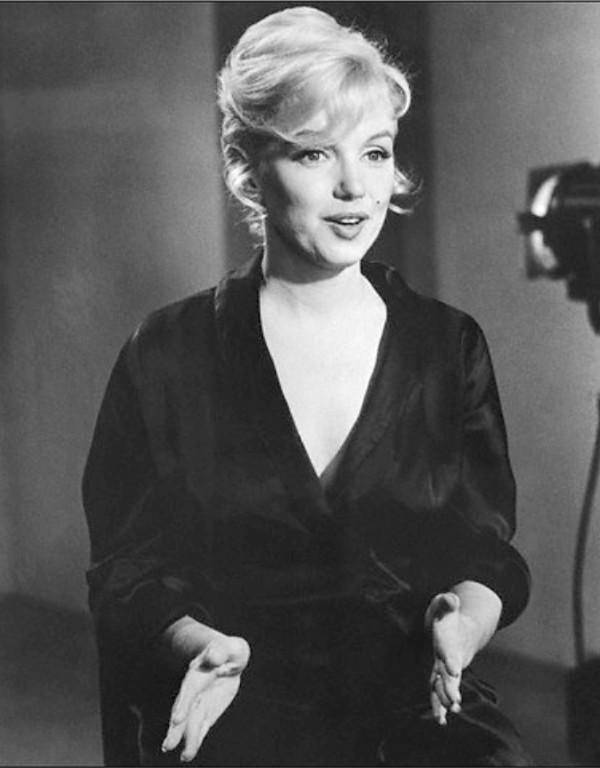
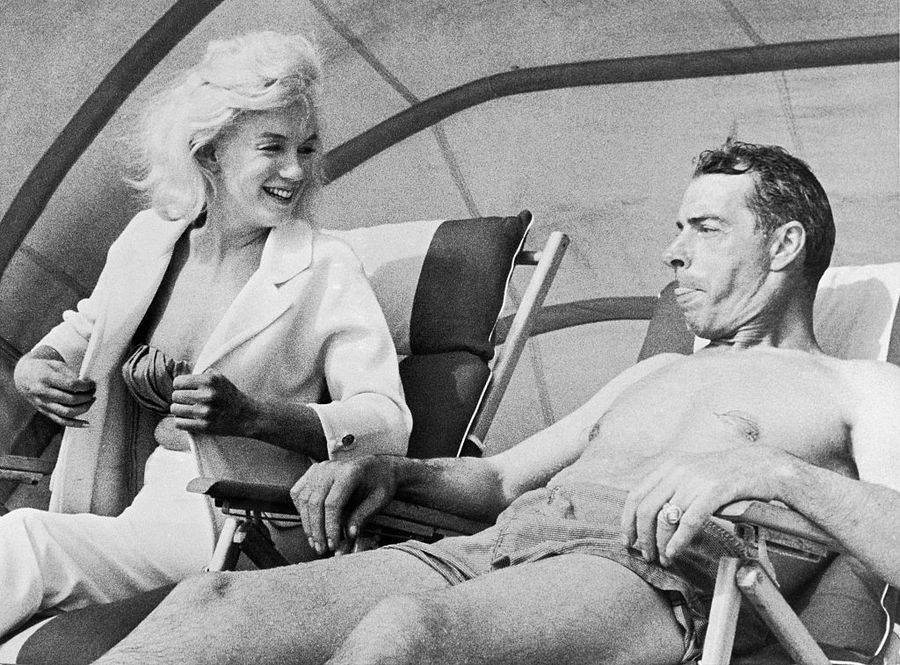
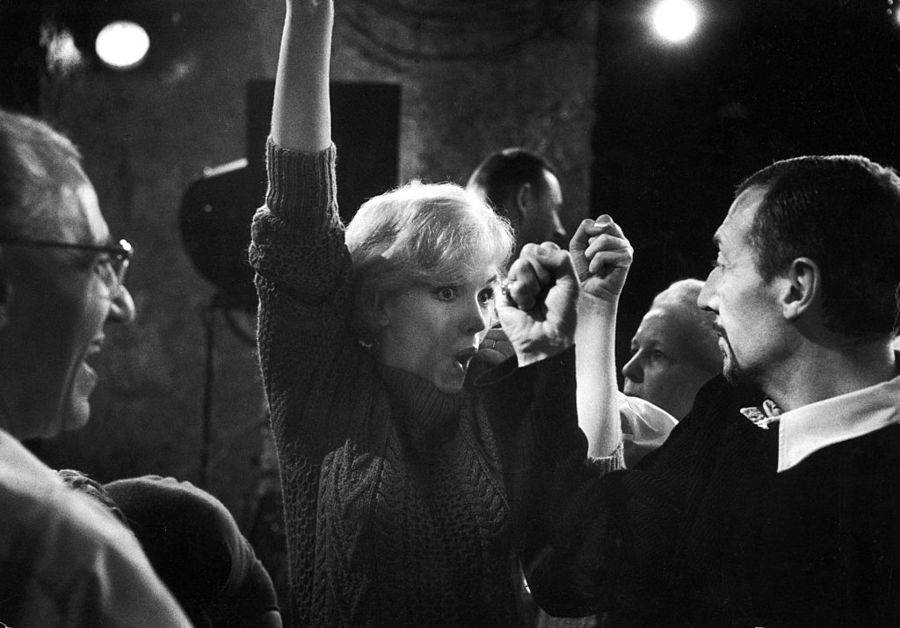
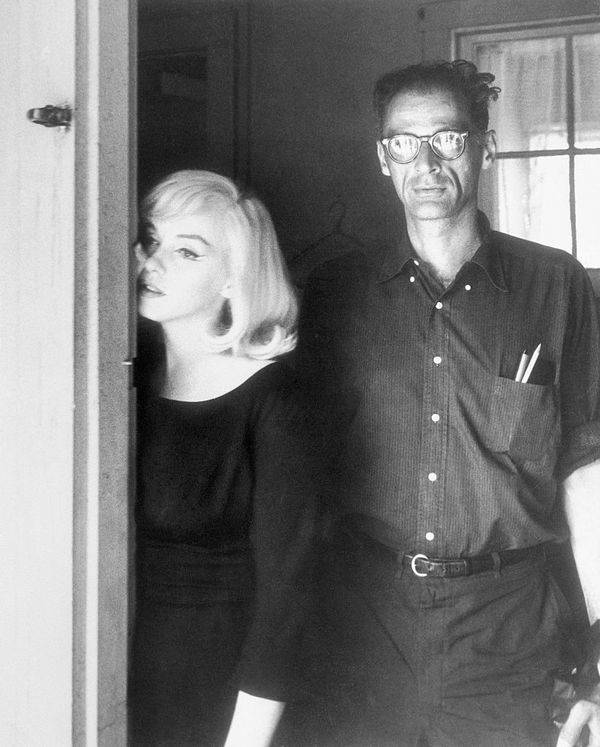
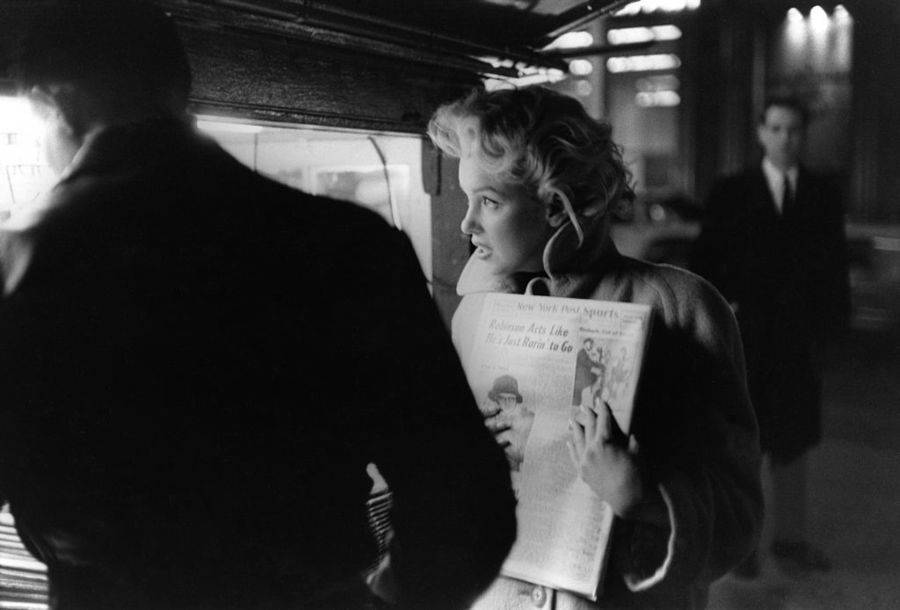
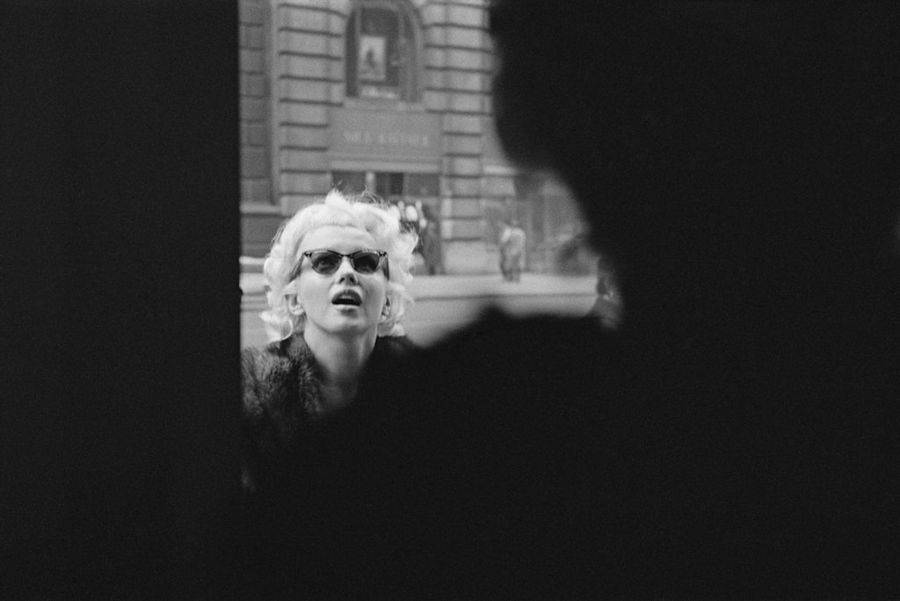
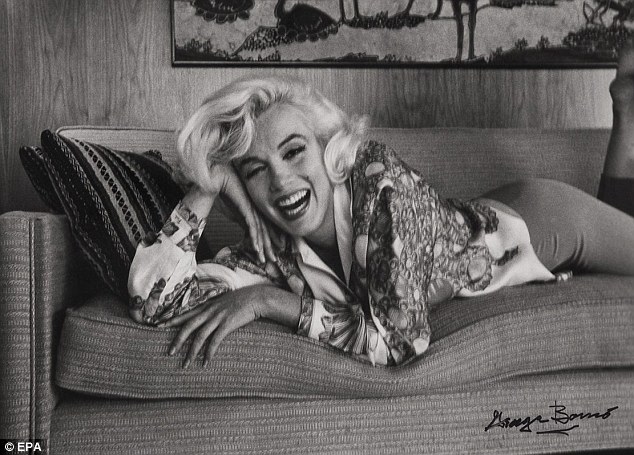
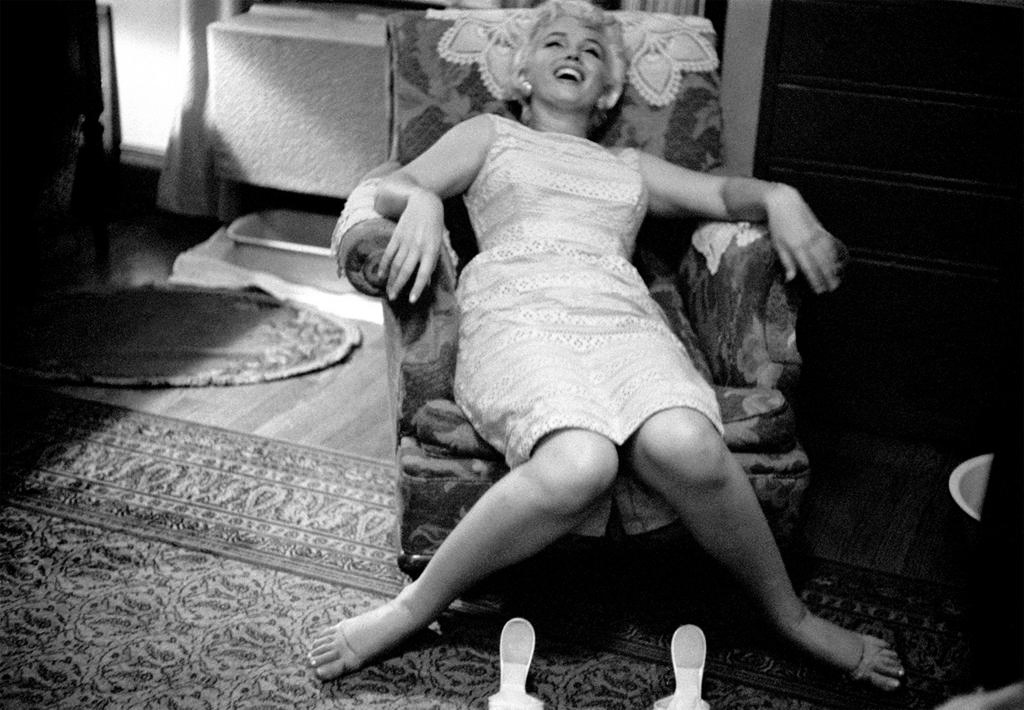
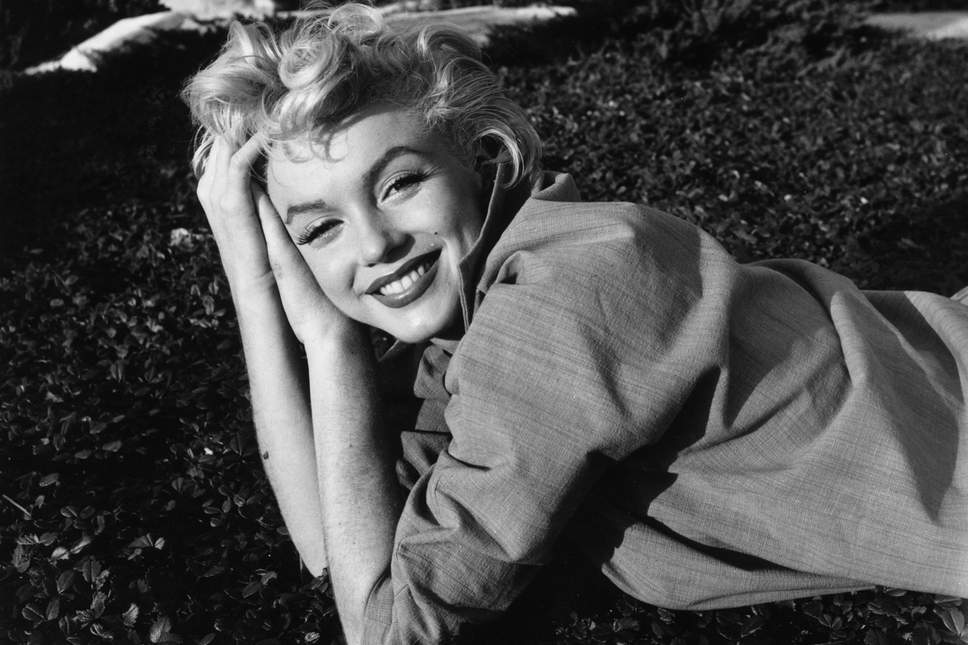
Marilyn Monroe (born Norma Jeane Mortenson; June 1, 1926 – August 4, 1962) was an American actress, model and singer. Famous for playing comedic “blonde bombshell” characters, she became one of the most popular sex symbols of the 1950s and early 1960s and was emblematic of the era’s sexual revolution. She was a top-billed actress for only a decade, but her films grossed $200 million (equivalent to $2 billion in 2020) by the time of her death in 1962. Long after her death, Monroe remains a major icon of pop culture. In 1999, the American Film Institute ranked her sixth on their list of the greatest female screen legends from the Golden Age of Hollywood.
Born and raised in Los Angeles, Monroe spent most of her childhood in foster homes and an orphanage; she married at age sixteen. She was working in a factory during World War II when she met a photographer from the First Motion Picture Unit and began a successful pin-up modeling career, which led to short-lived film contracts with 20th Century Fox and Columbia Pictures. After a series of minor film roles, she signed a new contract with Fox in late 1950. Over the next two years, she became a popular actress with roles in several comedies, including As Young as You Feel and Monkey Business, and in the dramas Clash by Night and Don’t Bother to Knock. She faced a scandal when it was revealed that she had posed for nude photographs prior to becoming a star, but the story did not damage her career and instead resulted in increased interest in her films.
By 1953, Monroe was one of the most marketable Hollywood stars; she had leading roles in the film noir Niagara, which overtly relied on her sex appeal, and the comedies Gentlemen Prefer Blondes and How to Marry a Millionaire, which established her star image as a “dumb blonde”. The same year, her nude images were used as the centerfold and on the cover of the first issue of Playboy. She played a significant role in the creation and management of her public image throughout her career, but she was disappointed when she was typecast and underpaid by the studio. She was briefly suspended in early 1954 for refusing a film project but returned to star in The Seven Year Itch (1955), one of the biggest box office successes of her career.
When the studio was still reluctant to change Monroe’s contract, she founded her own film production company in 1954. She dedicated 1955 to building the company and began studying method acting under Lee Strasberg at the Actors Studio. Later that year, Fox awarded her a new contract, which gave her more control and a larger salary. Her subsequent roles included a critically acclaimed performance in Bus Stop (1956) and her first independent production in The Prince and the Showgirl (1957). She won a Golden Globe for Best Actress for her role in Some Like It Hot (1959), a critical and commercial success. Her last completed film was the drama The Misfits (1961).
Monroe’s troubled private life received much attention. She struggled with addiction and mood disorders. Her marriages to retired baseball star Joe DiMaggio and to playwright Arthur Miller were highly publicized, and both ended in divorce. On August 4, 1962, she died at age 36 from an overdose of barbiturates at her Los Angeles home. Her death was ruled a probable suicide. (Wikipedia)
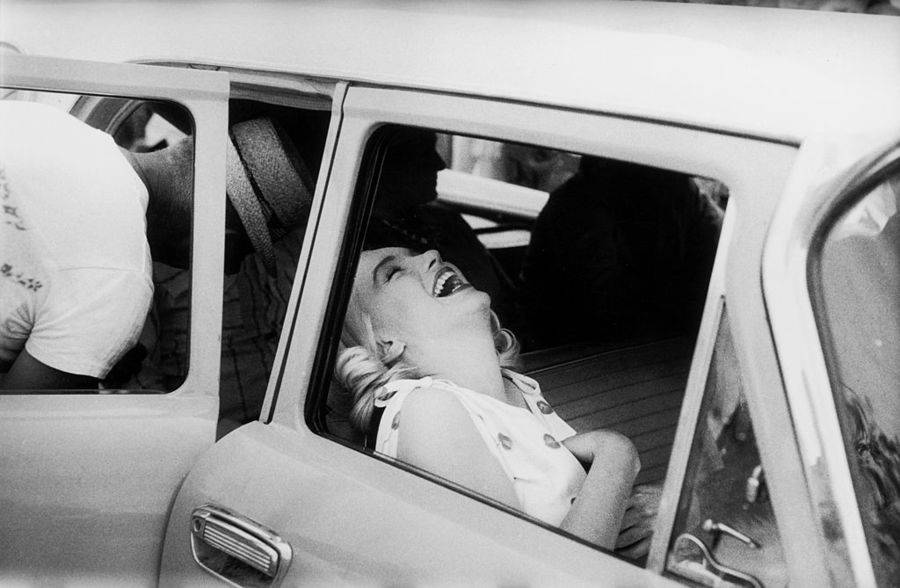
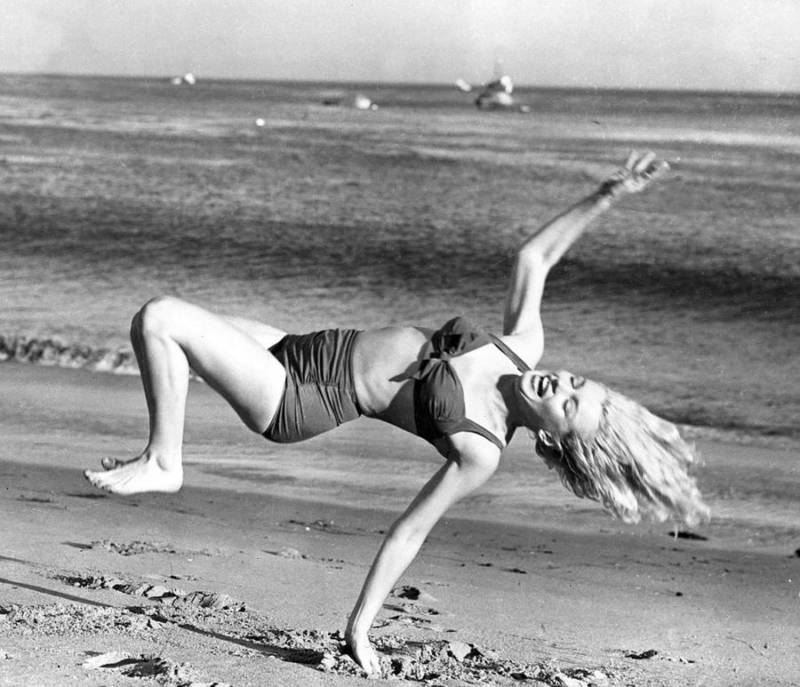



























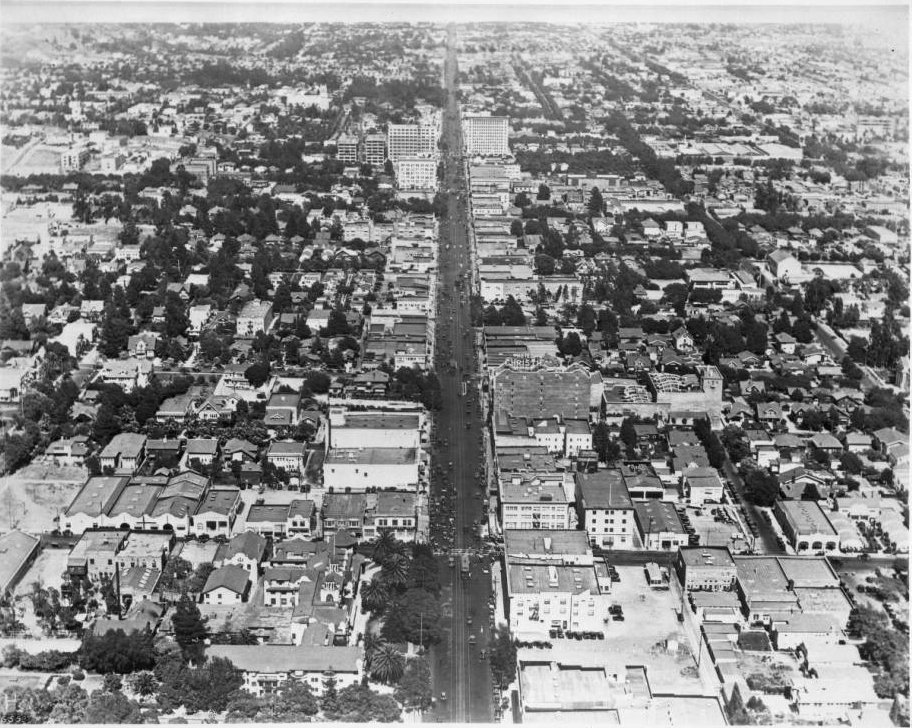
California is a state in the Western United States. California borders Oregon to the north, Nevada and Arizona to the east, and the Mexican state of Baja California to the south. With over 39.5 million residents across a total area of approximately 163,696 square miles (423,970 km2), it is the most populous and the third-largest U.S. state by area. It is also the most populated subnational entity in North America and the 34th most populous in the world. The Greater Los Angeles area and the San Francisco Bay Area are the nation’s second and fifth most populous urban regions respectively, with the former having more than 18.7 million residents and the latter having over 9.6 million. Sacramento is the state’s capital, while Los Angeles is the most populous city in the state and the second most populous city in the country (after New York City). Los Angeles County is the country’s most populous, while San Bernardino County is the largest county by area in the country. San Francisco, which is both a city and a county, is the second most densely populated major city in the country (after New York City) and the fifth most densely populated county in the country, behind four of New York City’s five boroughs.
The economy of California, with a gross state product of $3.2 trillion as of 2019, is the largest sub-national economy in the world. If it were a country, it would be the 37th most populous country and the fifth largest economy as of 2020. The Greater Los Angeles area and the San Francisco Bay Area are the nation’s second- and third-largest urban economies ($1.0 trillion and $0.5 trillion respectively as of 2020), after the New York metropolitan area ($1.8 trillion). The San Francisco Bay Area Combined Statistical Area had the nation’s highest gross domestic product per capita ($106,757) among large primary statistical areas in 2018, and is home to five of the world’s ten largest companies by market capitalization and four of the world’s ten richest people.
Prior to European colonization, California was one of the most culturally and linguistically diverse areas in pre-Columbian North America and contained the highest Native American population density north of what is now Mexico. European exploration in the 16th and 17th centuries led to the colonization of California by the Spanish Empire. In 1804, it was included in Alta California province within the Viceroyalty of New Spain. The area became a part of Mexico in 1821, following its successful war for independence, but was ceded to the United States in 1848 after the Mexican–American War. The western portion of Alta California was then organized and admitted as the 31st state on September 9, 1850, following the Compromise of 1850. The California Gold Rush started in 1848 and led to dramatic social and demographic changes, including large-scale immigration into California, a worldwide economic boom, and the California genocide of indigenous people.
Notable contributions to popular culture, for example in entertainment and sports, have their origins in California. The state also has made noteworthy contributions in the fields of communication, information, innovation, environmentalism, economics, and politics. It is the home of Hollywood, the oldest and largest film industry in the world, which has had a profound effect on global entertainment. It is considered the origin of the hippie counterculture, beach and car culture, and the personal computer, among other innovations. The San Francisco Bay Area and the Greater Los Angeles Area are widely seen as centers of the global technology and entertainment industries, respectively. California’s economy is very diverse: 58% of it is based on finance, government, real estate services, technology, and professional, scientific, and technical business services. Although it accounts for only 1.5% of the state’s economy, California’s agriculture industry has the highest output of any U.S. state. California’s ports and harbors handle about a third of all U.S. imports, most originating in Pacific Rim international trade.
The state’s extremely diverse geography ranges from the Pacific Coast and metropolitan areas in the west to the Sierra Nevada mountains in the east, and from the redwood and Douglas fir forests in the northwest to the Mojave Desert in the southeast. The Central Valley, a major agricultural area, dominates the state’s center. Although California is well known for its warm Mediterranean climate and monsoon seasonal weather, the large size of the state results in climates that vary from moist temperate rainforest in the north to arid desert in the interior, as well as snowy alpine in the mountains. All these factors lead to an enormous demand for water. Over time, droughts and wildfires have increased in frequency and become less seasonal and more year-round, further straining California’s water security. (Wikipedia)