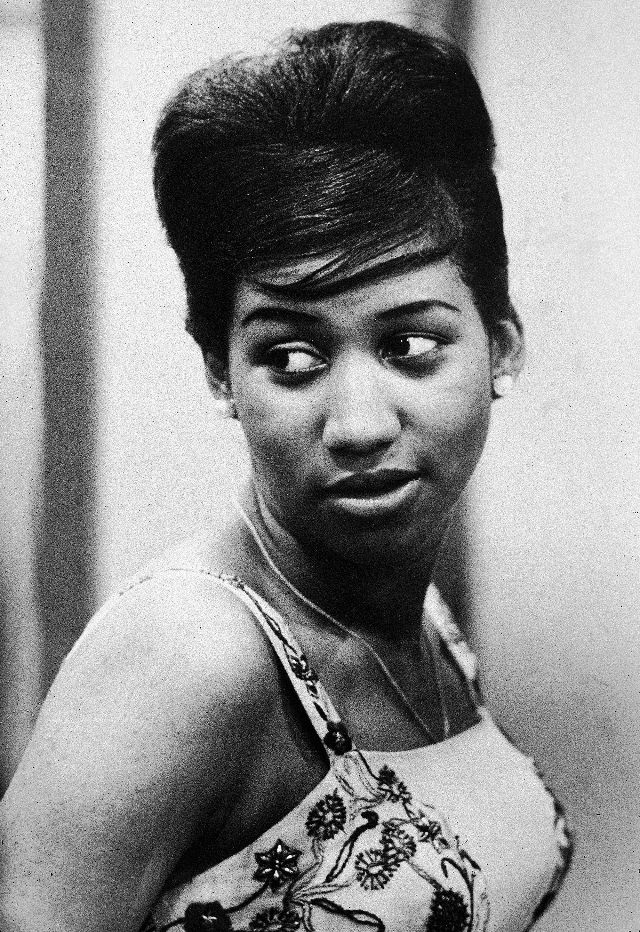
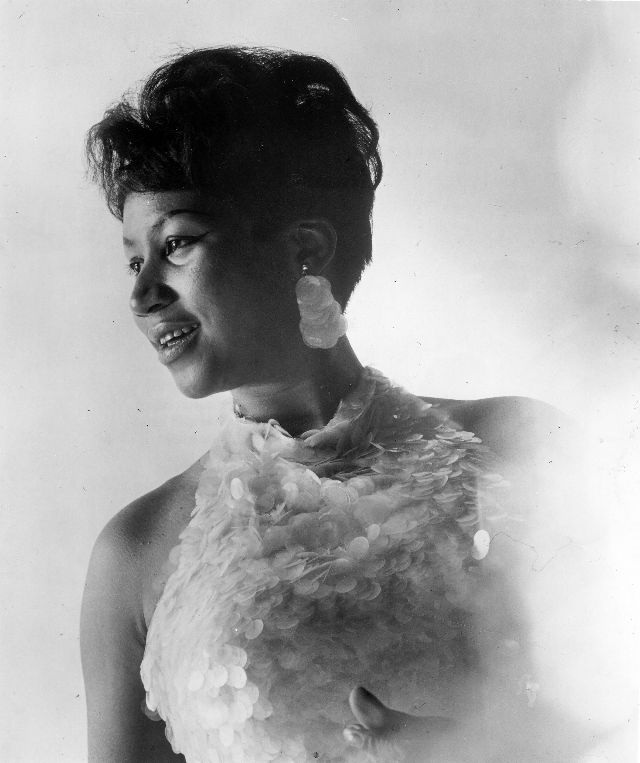
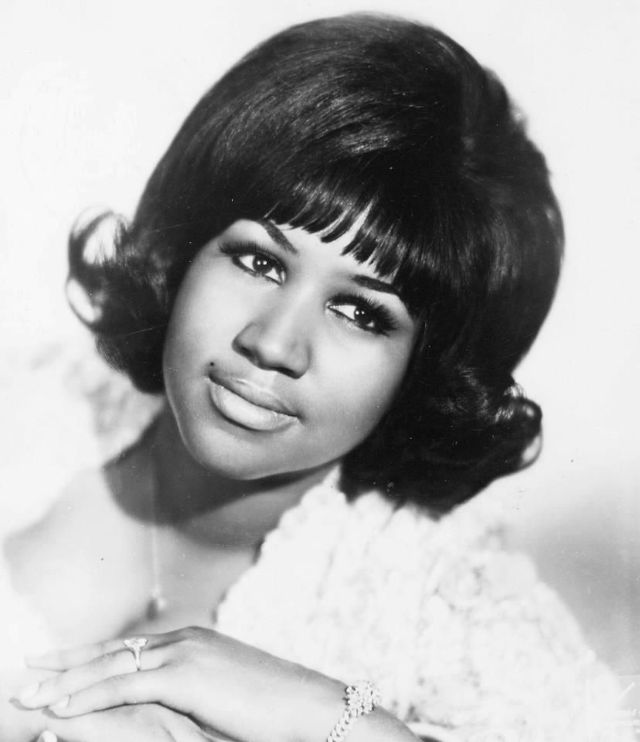
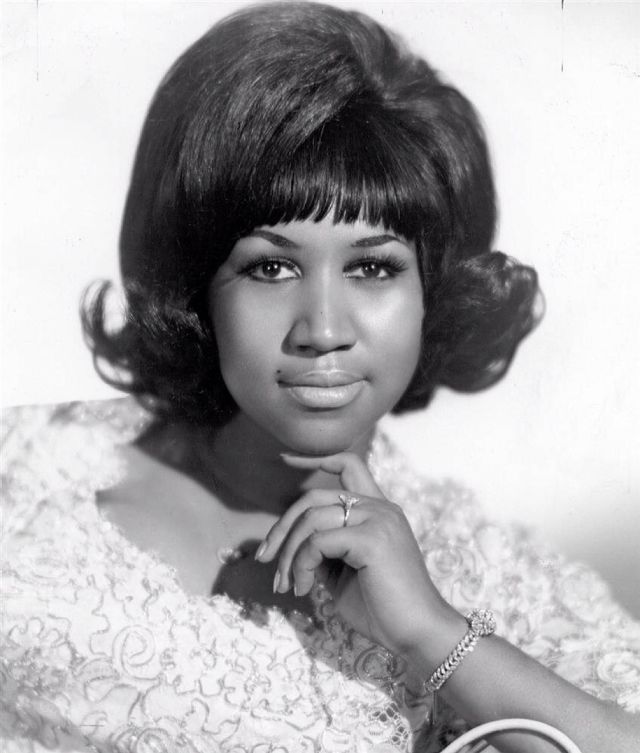
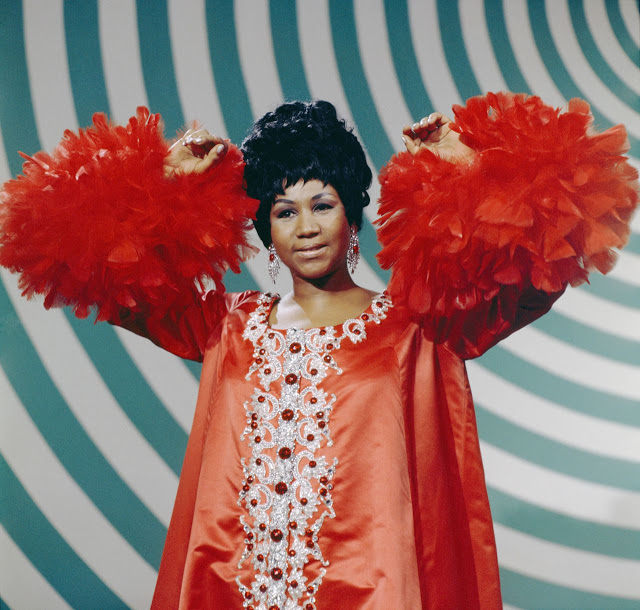
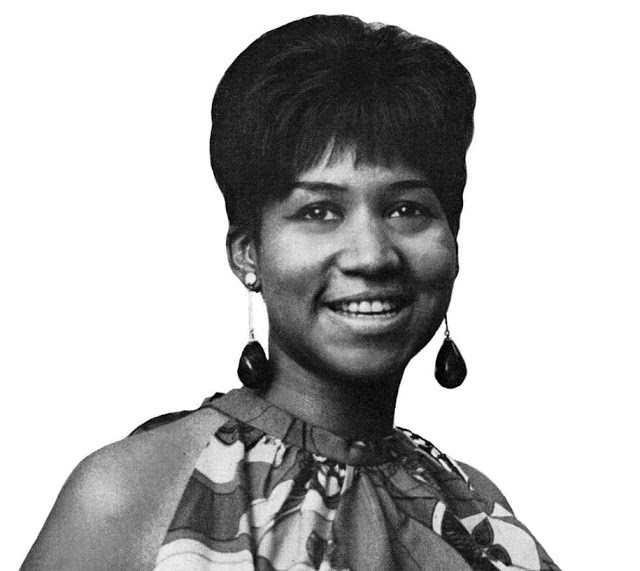
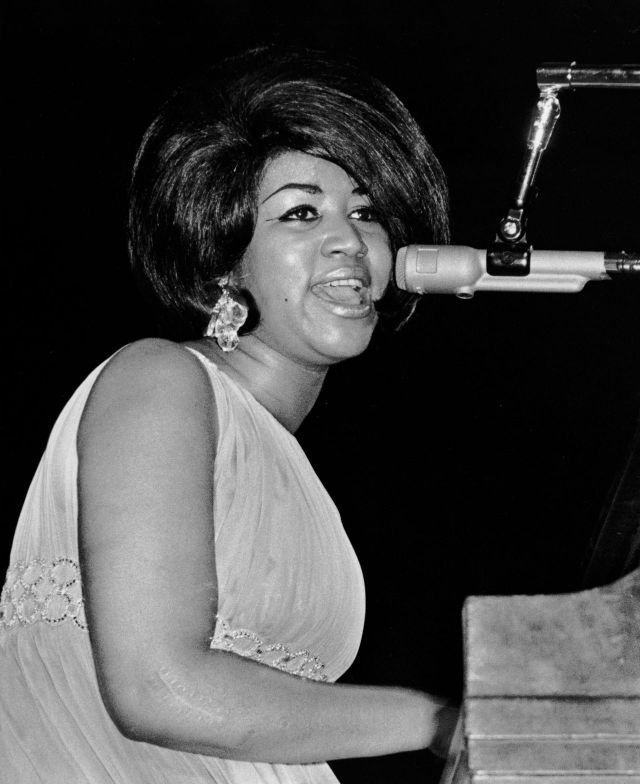
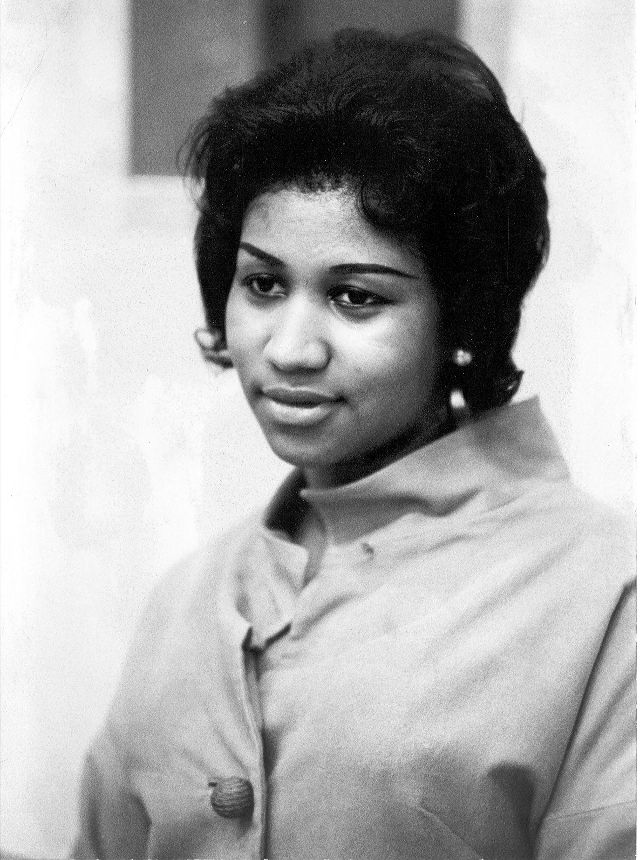
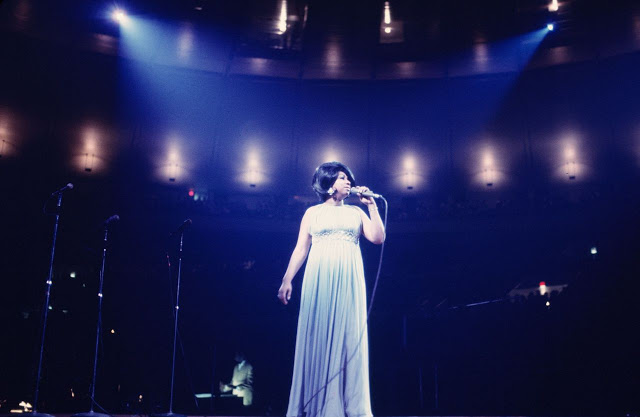
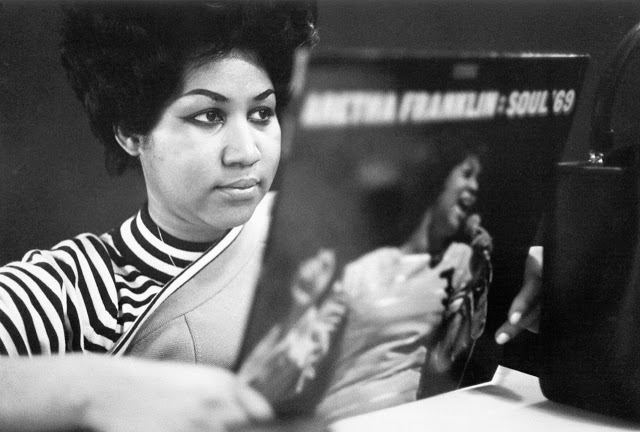
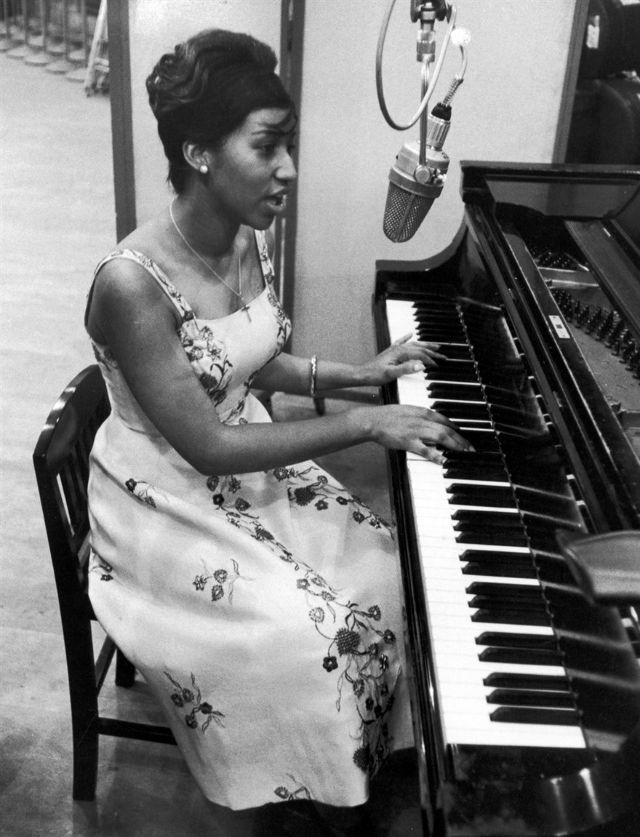
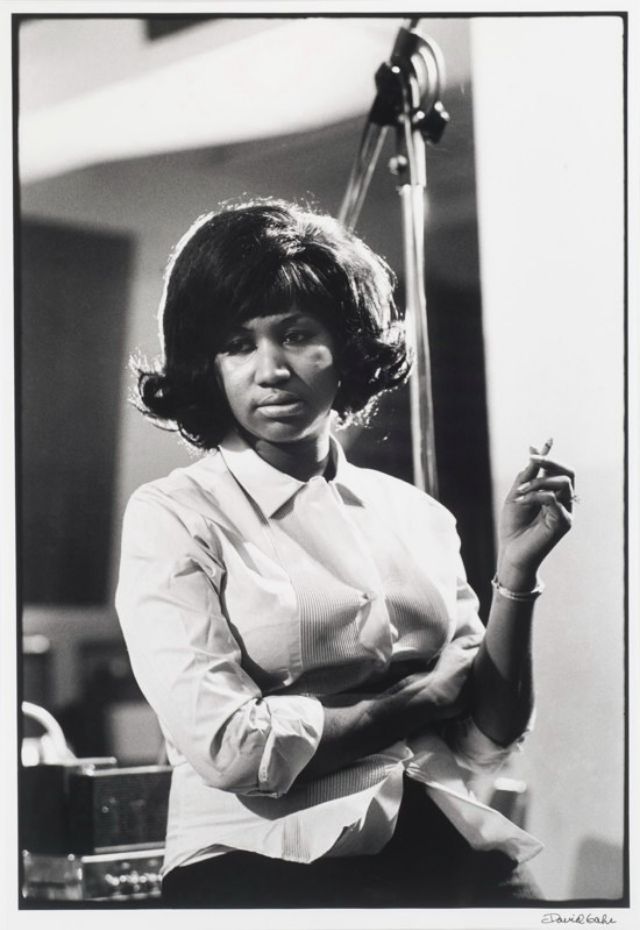
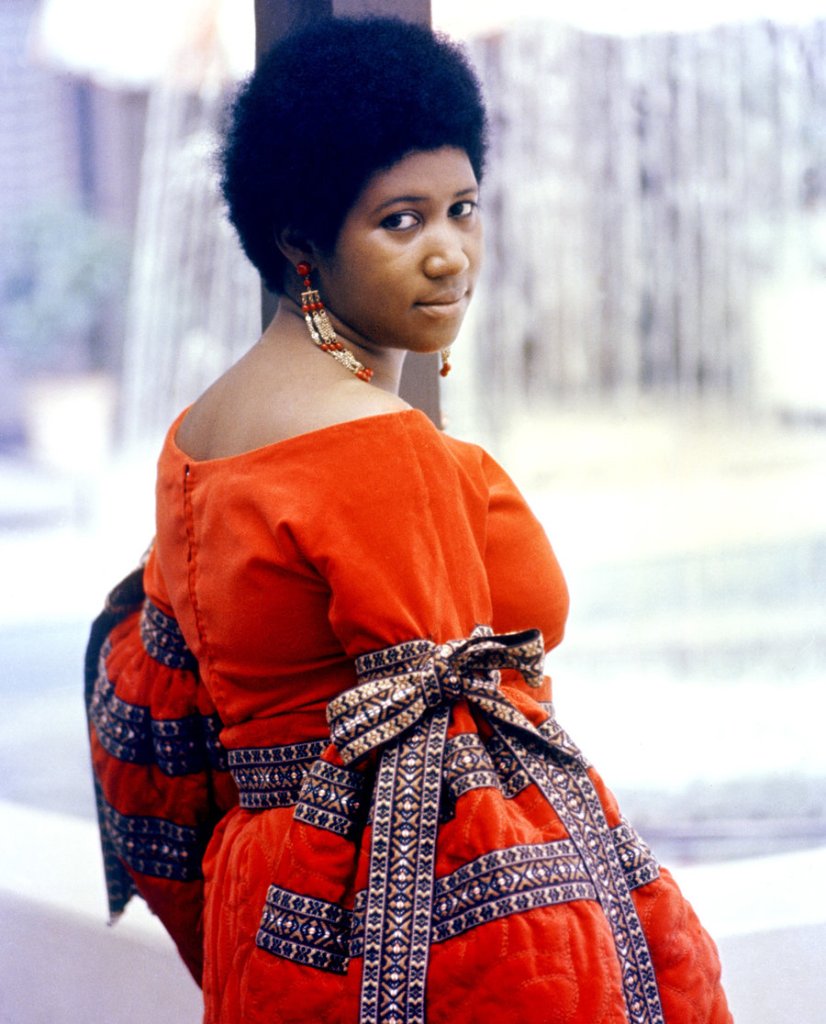
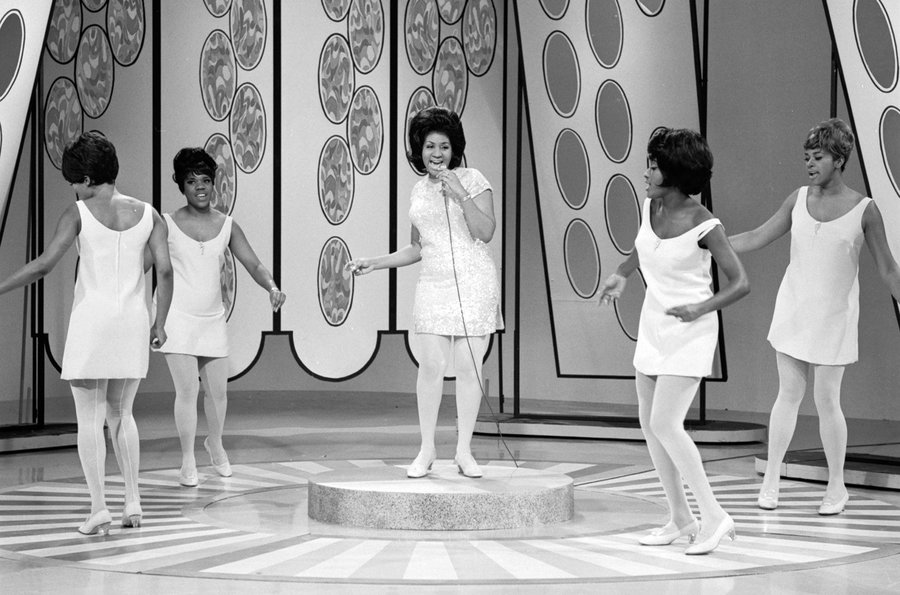
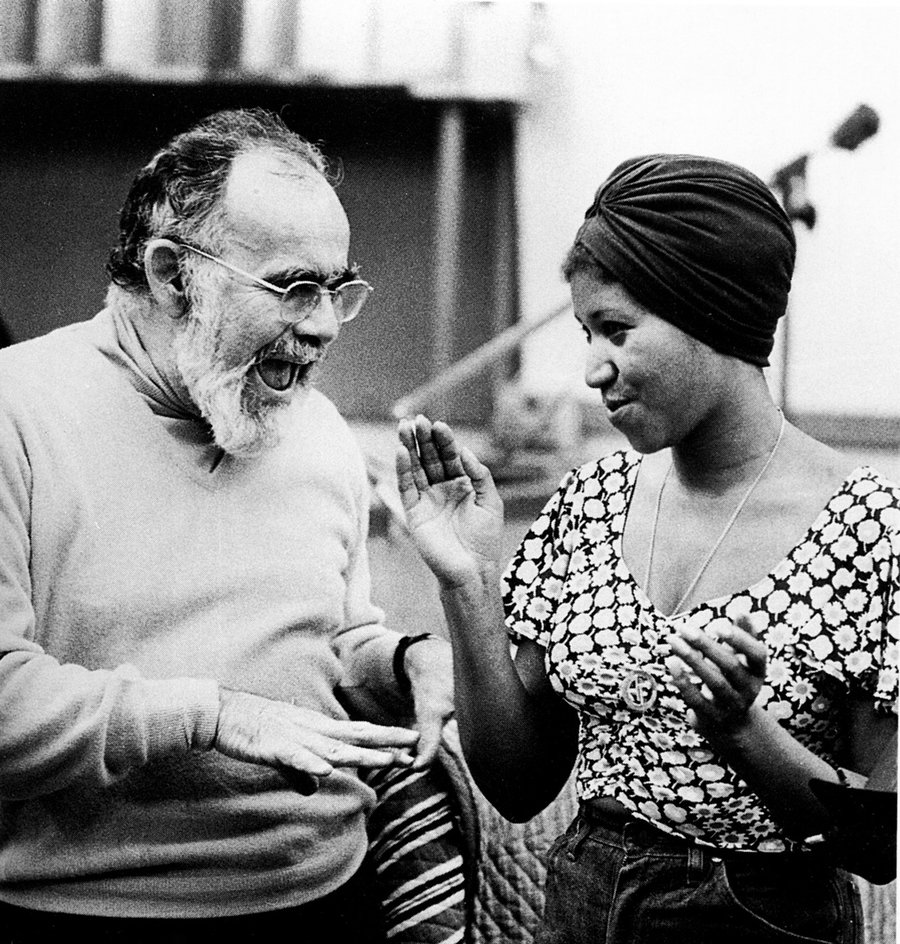
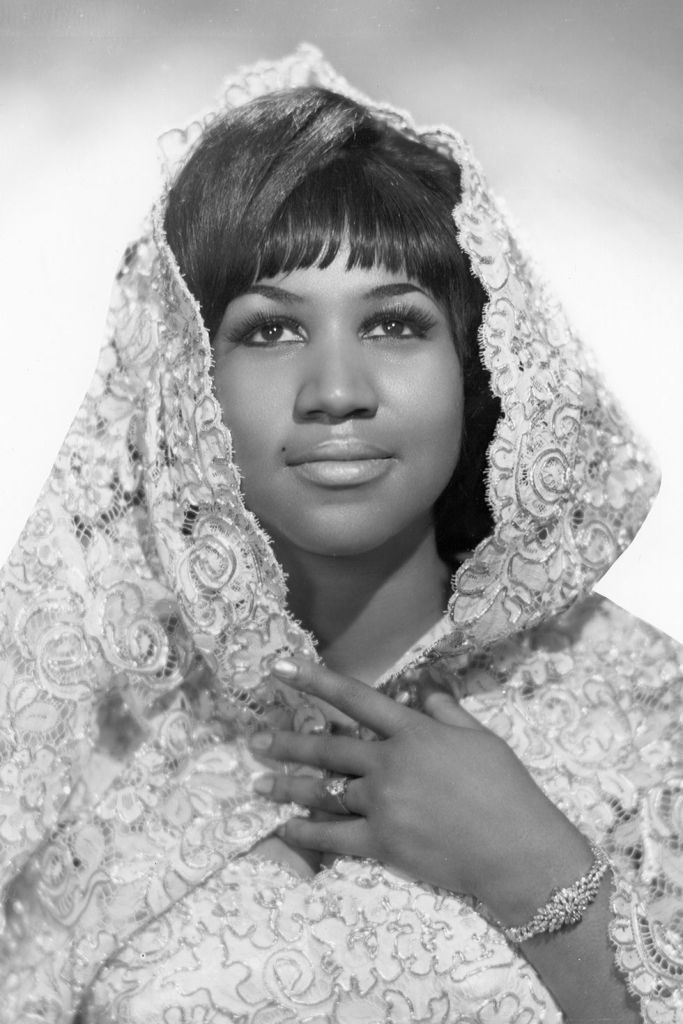
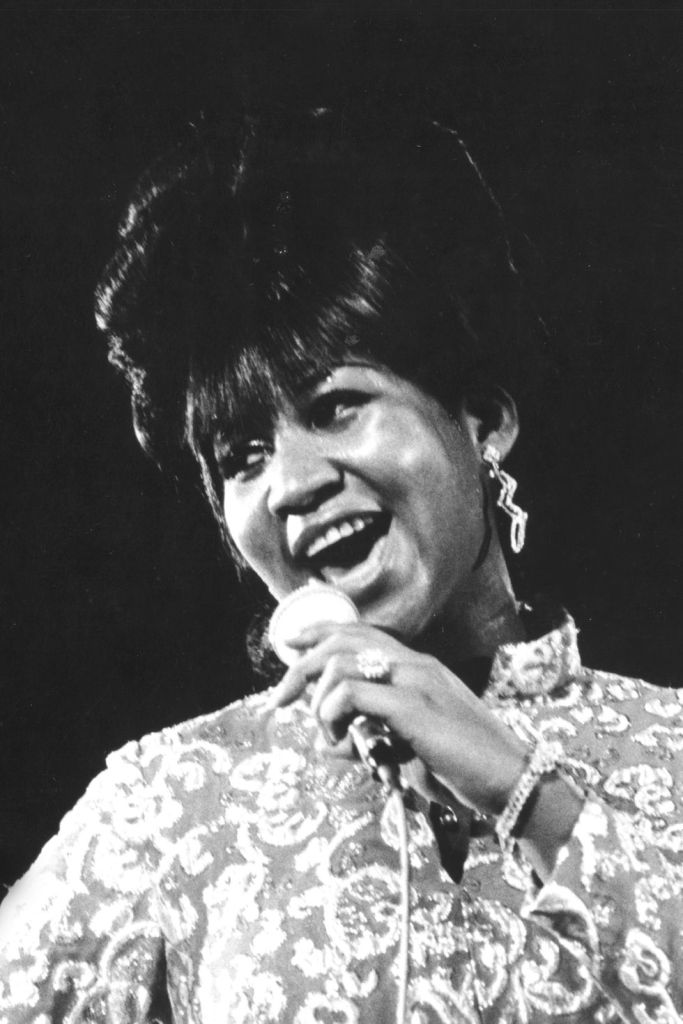
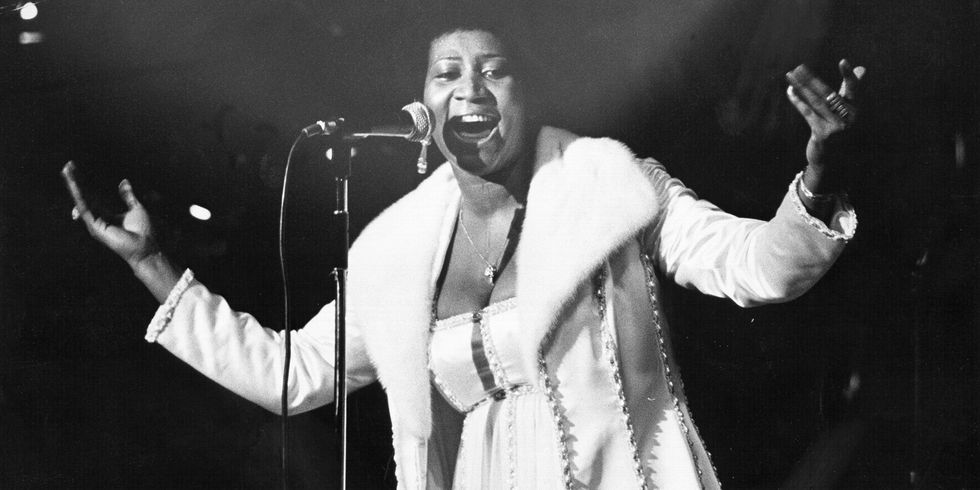
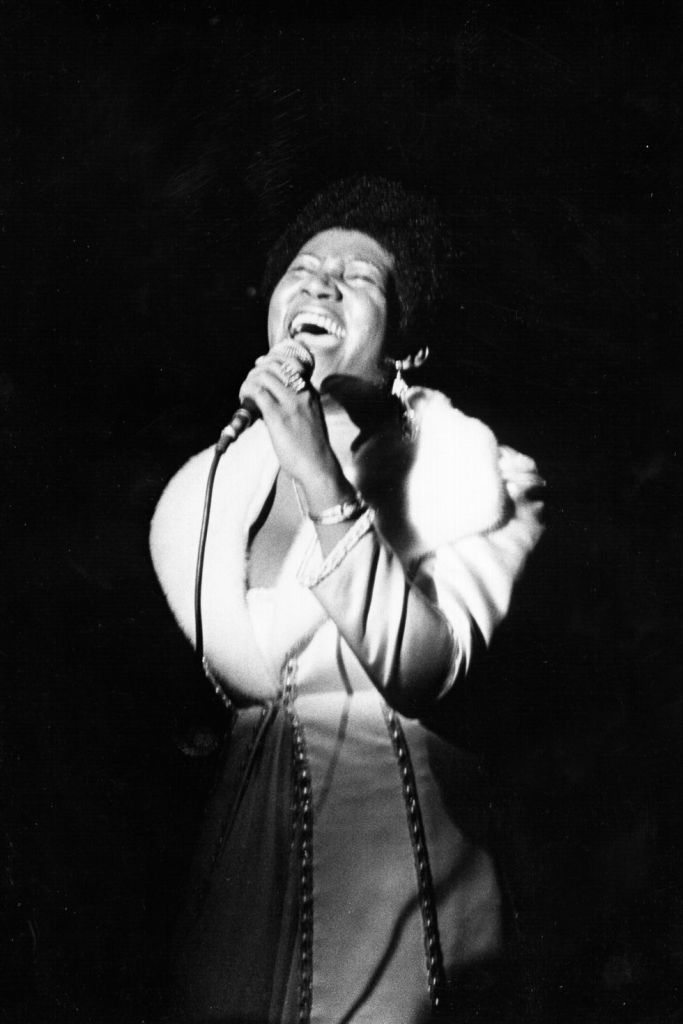
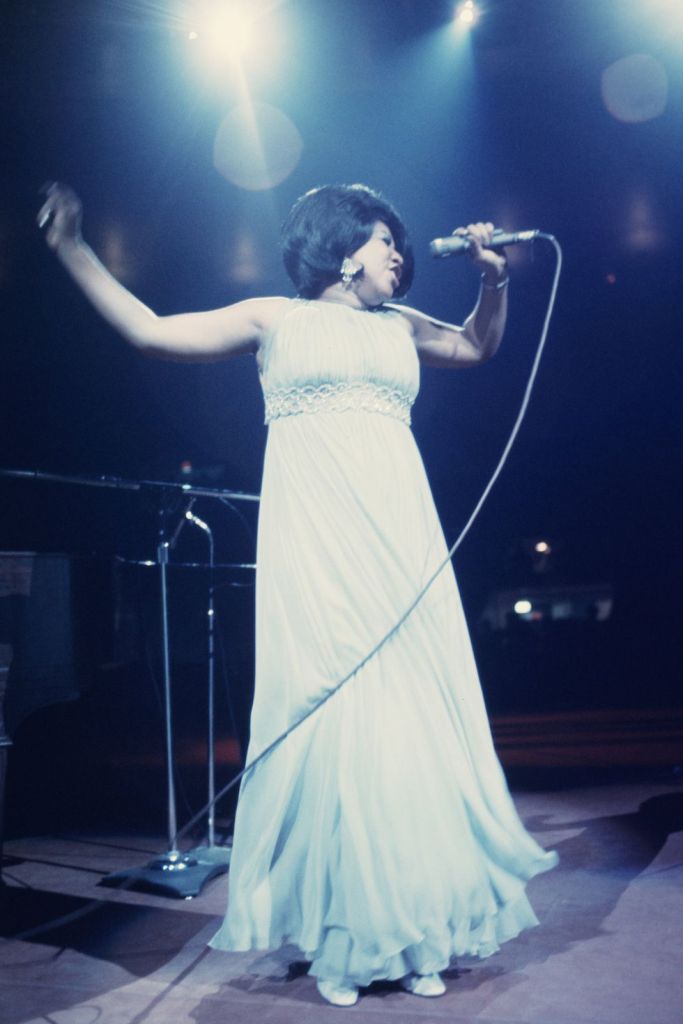
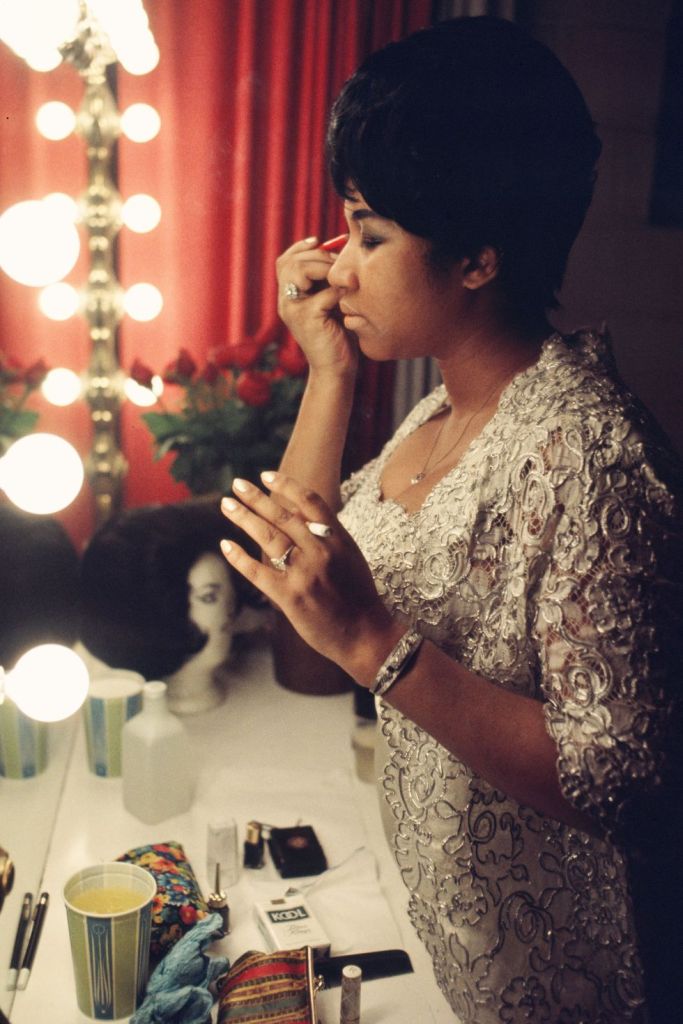
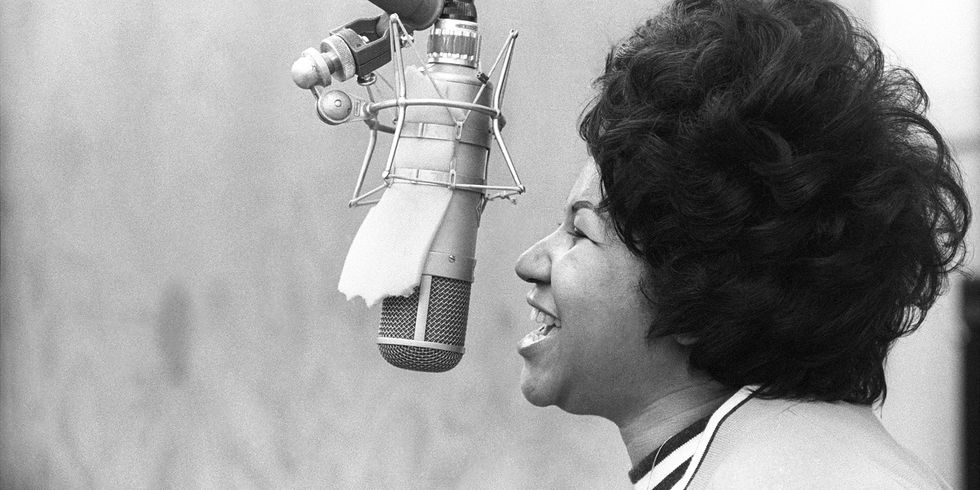
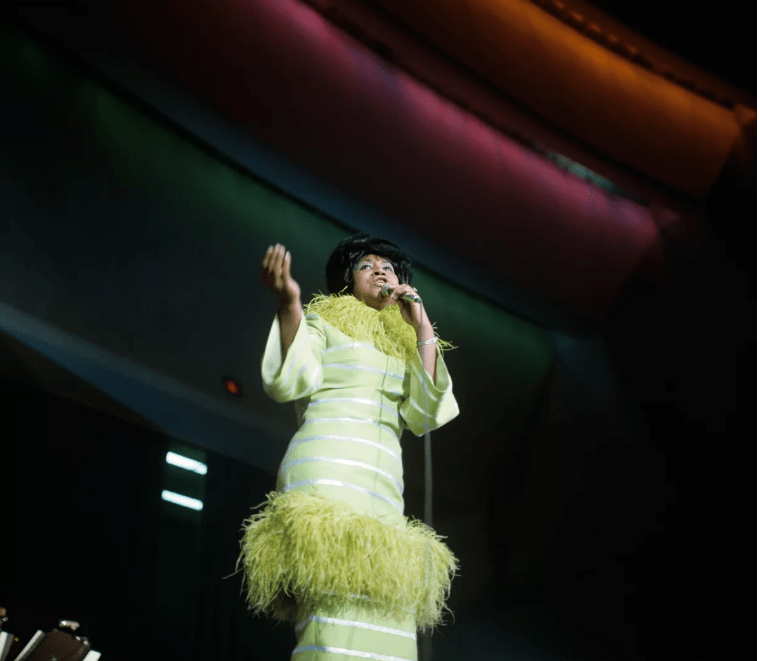
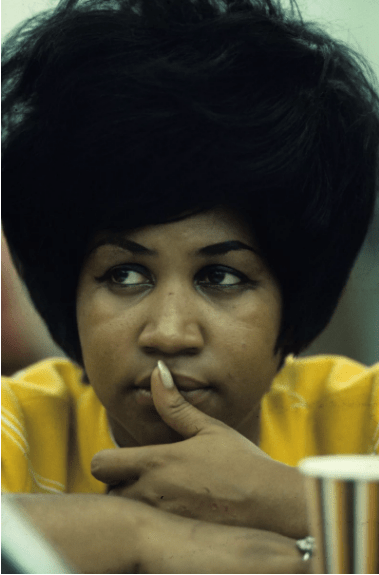
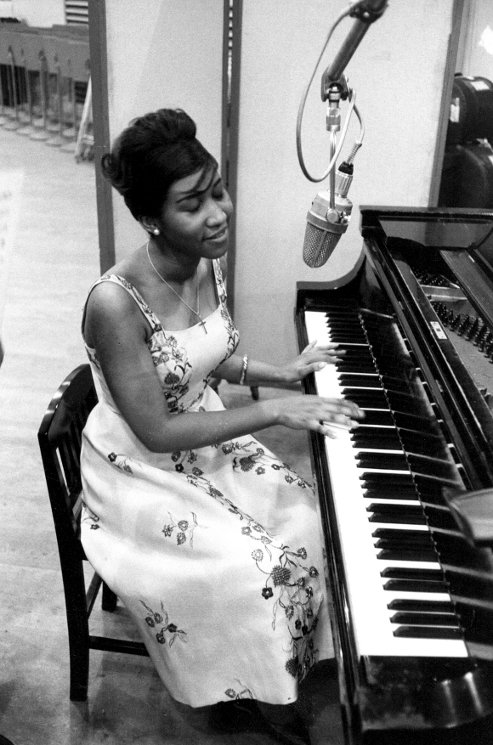
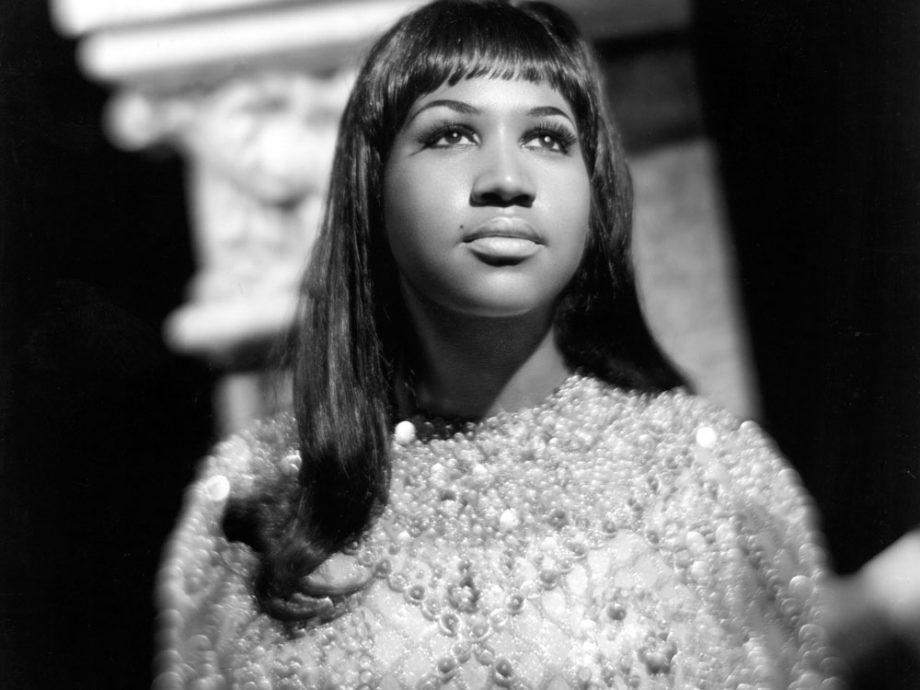
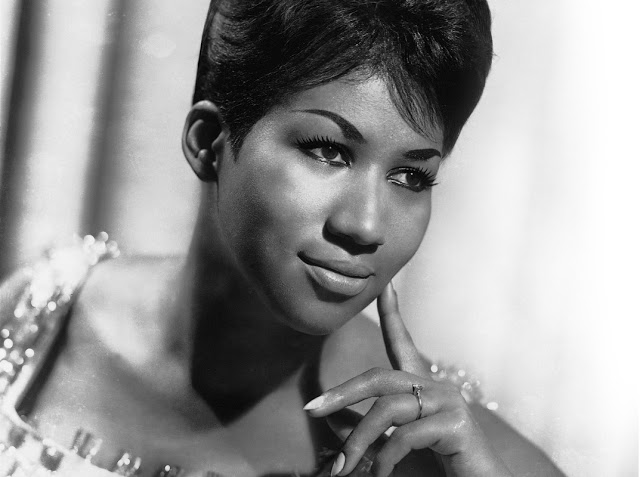
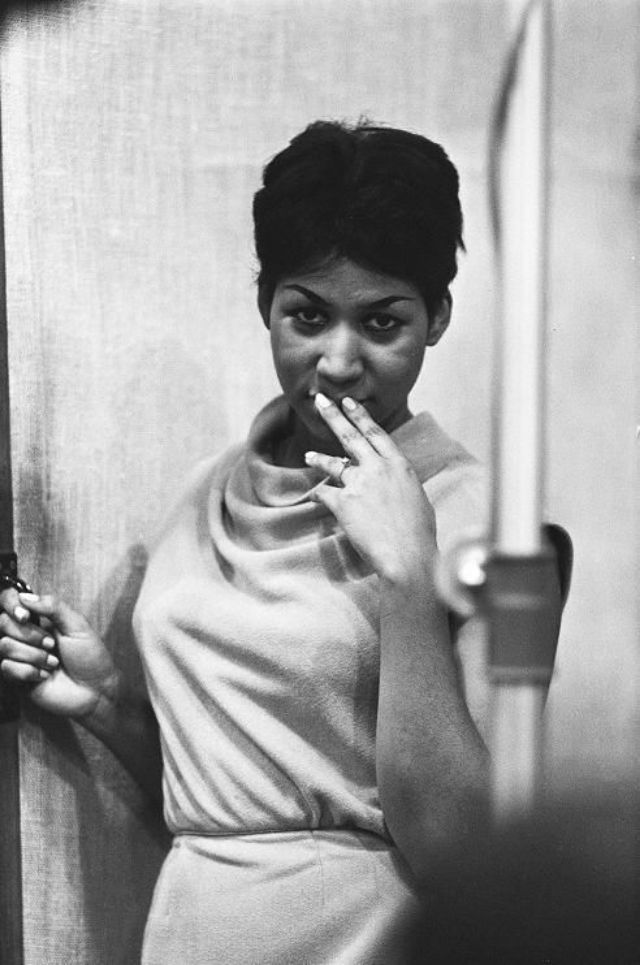
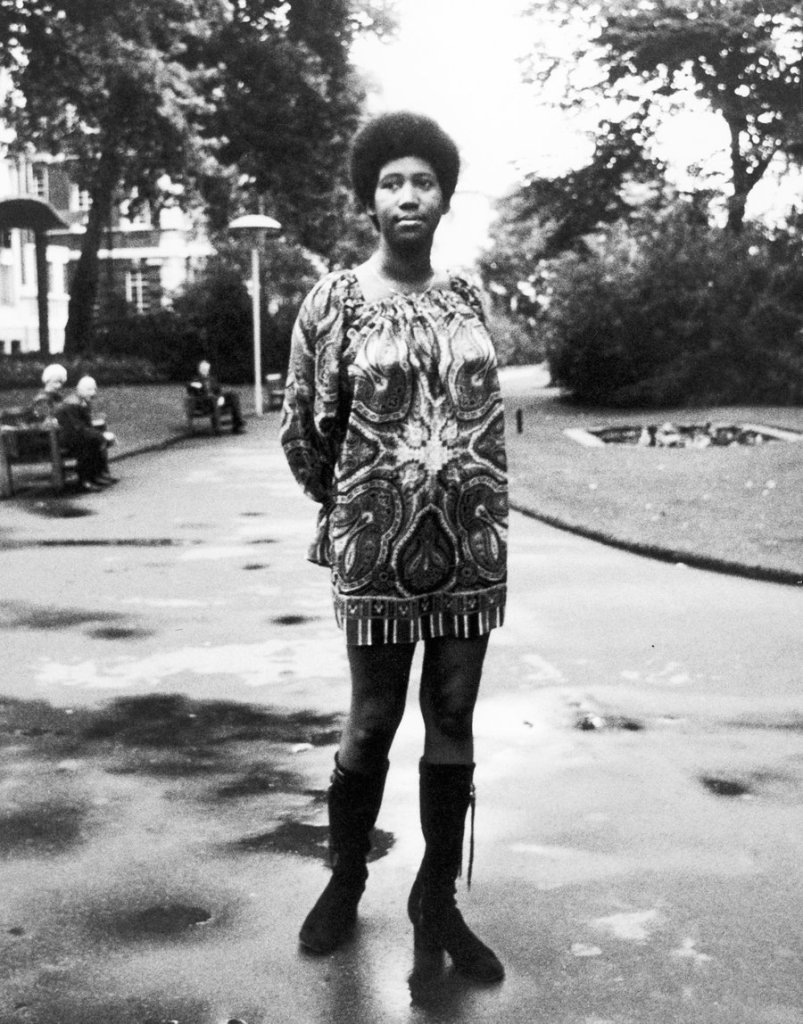
The Queen of Soul: 50 Amazing Photos of Aretha Franklin during the 1960s

Aretha Louise Franklin (March 25, 1942 – August 16, 2018) was an American singer, songwriter, and pianist. Referred to as the “Queen of Soul”, she has twice been placed 9th in Rolling Stone’s 100 Greatest Artists of All Time. Franklin began her career as a child, singing gospel at New Bethel Baptist Church in Detroit, Michigan, where her father C. L. Franklin was a minister.

At the age of 18, she embarked on a music career as a recording artist for Columbia Records. While her career did not immediately flourish, she found acclaim and commercial success once she signed with Atlantic Records in 1966. Her commercial hits such as “I Never Loved a Man (The Way I Love You)”, “Respect”, “(You Make Me Feel Like) A Natural Woman”, “Chain of Fools”, “Think” and “I Say a Little Prayer” propelled her past her musical peers.

Franklin continued to record acclaimed albums such as I Never Loved a Man the Way I Love You (1967), Lady Soul (1968), Spirit in the Dark (1970), Young, Gifted and Black (1972), Amazing Grace (1972), and Sparkle (1976), before experiencing problems with her record company. She left Atlantic in 1979 and signed with Arista Records. She appeared in the 1980 film The Blues Brothers before releasing the successful albums Jump to It (1982), Who’s Zoomin’ Who? (1985), and Aretha (1986) on the Arista label. In 1998, Franklin returned to the Top 40 with the Lauryn Hill-produced song “A Rose Is Still a Rose”; later, she released an album of the same name, which was certified gold.

Franklin recorded 112 charted singles on Billboard, including 73 Hot 100 entries, 17 top-ten pop singles, 100 R&B entries, and 20 number-one R&B singles. Besides the foregoing, Franklin’s well-known hits also include “Ain’t No Way”, “Call Me”, “Don’t Play That Song (You Lied)”, “Spanish Harlem”, “Rock Steady”, “Day Dreaming”, “Until You Come Back to Me (That’s What I’m Gonna Do)”, “Something He Can Feel”, “Jump to It”, “Freeway of Love”, “Who’s Zoomin’ Who”, and “I Knew You Were Waiting (For Me)” (a duet with George Michael). She won 18 Grammy Awards, including the first eight awards given for Best Female R&B Vocal Performance (1968–1975) and a Grammy Awards Living Legend honor and Lifetime Achievement Award. Franklin is one of the best-selling music artists of all time, having sold more than 75 million records worldwide.

Franklin received numerous honors throughout her career. She was awarded the National Medal of Arts and the Presidential Medal of Freedom. In 1987, she became the first female performer to be inducted into the Rock and Roll Hall of Fame. She also was inducted into the UK Music Hall of Fame in 2005 and into the Gospel Music Hall of Fame in 2012. In 2010, Rolling Stone magazine ranked her number one on its list of the “100 Greatest Singers of All Time” and number nine on its list of “100 Greatest Artists of All Time”. The Pulitzer Prize jury in 2019 awarded Franklin a posthumous special citation “for her indelible contribution to American music and culture for more than five decades”. In 2020, she was inducted into the National Women’s Hall of Fame. (Wikipedia)
17 Wonderful Vintage Photos of Christmas on London’s Streets in the Past

There’s so much tradition to pack into December that it’s no wonder Christmas seems to start before autumn does these days. London has always been crazy for Christmas, though – just check out the gallery below, which shows the city in festive trim from the past.

A children’s Christmas party at the Hoxton Mission, London, 18th November 1933
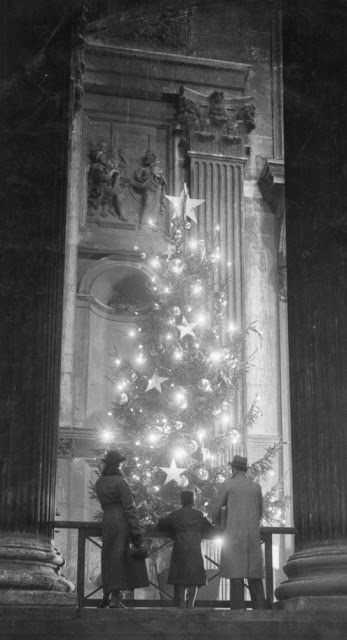
A family look at the sparkling lights on the Christmas tree at St. Paul’s Cathedral, London, 16th November 1938
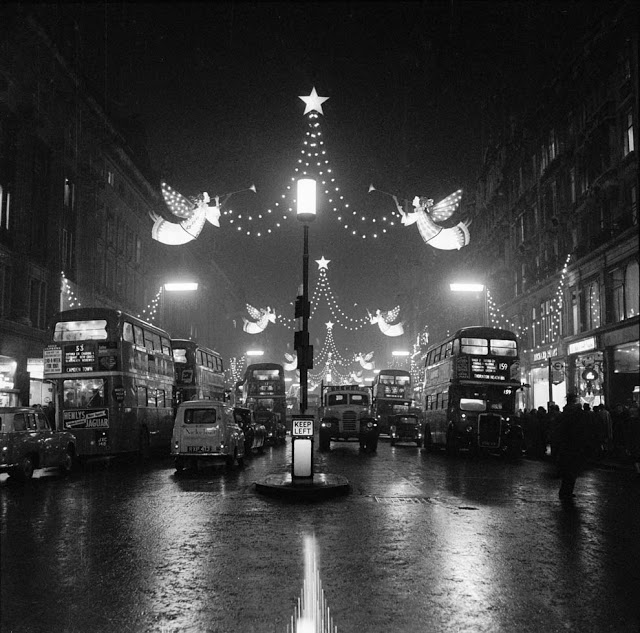
Christmas at night on Regent Street, 1960
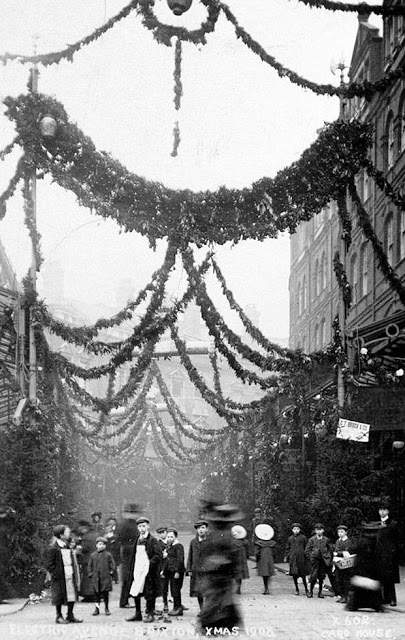
Christmas atmosphere on Electric Avenue, Brixton, London, 1908
Christmas decorations on Electric Avenue, Brixton, 1911
Christmas lights on Regent Street, 1955
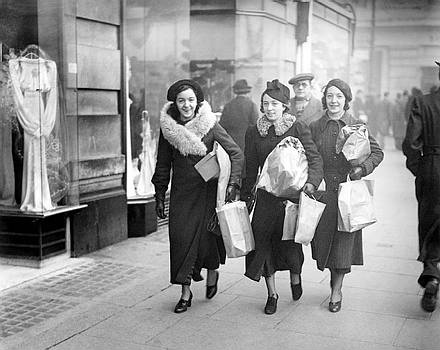
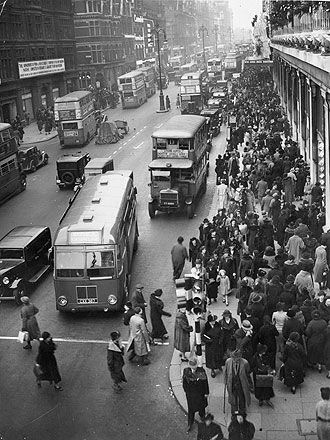
Christmas shopping on Oxford Street, London, 1937
Christmas trees in Covent Garden Market, 1952
Crowds of Christmas shoppers on Oxford Street, London, December 1936
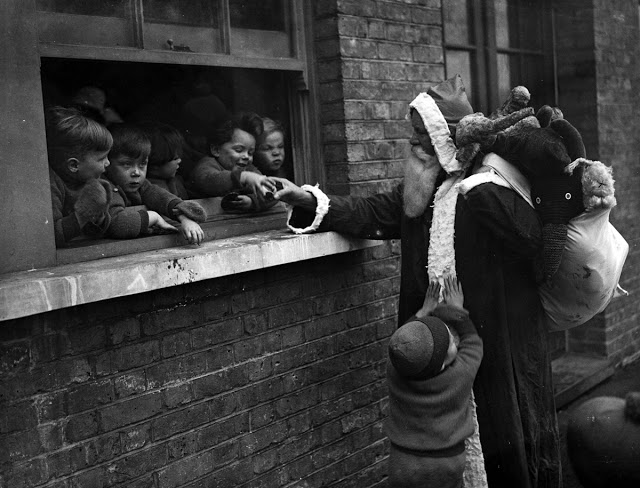
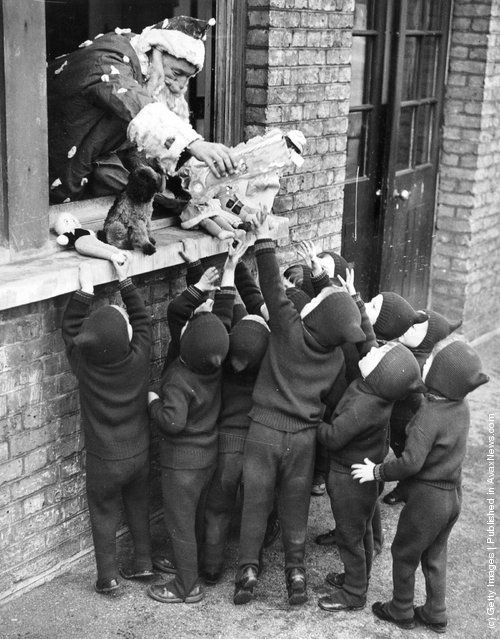
Father Christmas delivering presents to the Children’s Aid and Adoption Society at Leytonstone, 20th November 1931
Father Christmas hands out presents to children at the Aid And Adoption Society home at Leytonstone, 1938
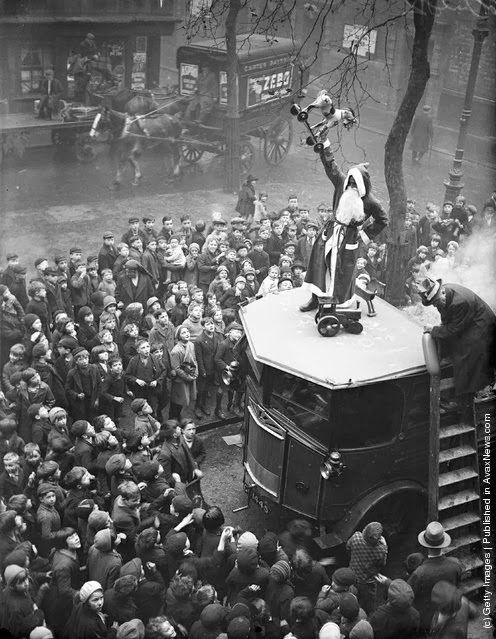
Father Christmas walks on the streets of wartime London, 23rd December 1940
Mod Christmas decorations on London’s Carnaby Street, 1967
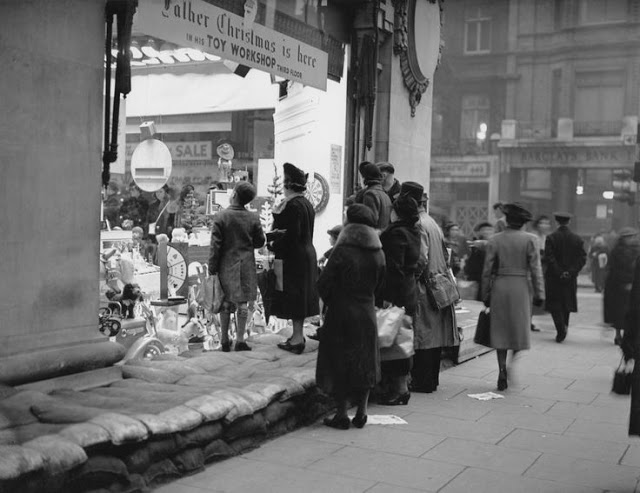
Sandbags are placed outside the shop window at Selfridges to protect it during the first Christmas of World War II, 1939
Santa Claus drives a motorcycle past a bus through Oxford Street, London using the sidecar to hold his toys, 1949
Taking the Christmas tree home, Chelsea, London, 1915
The Regent Street Christmas lights on evening, London, 1960

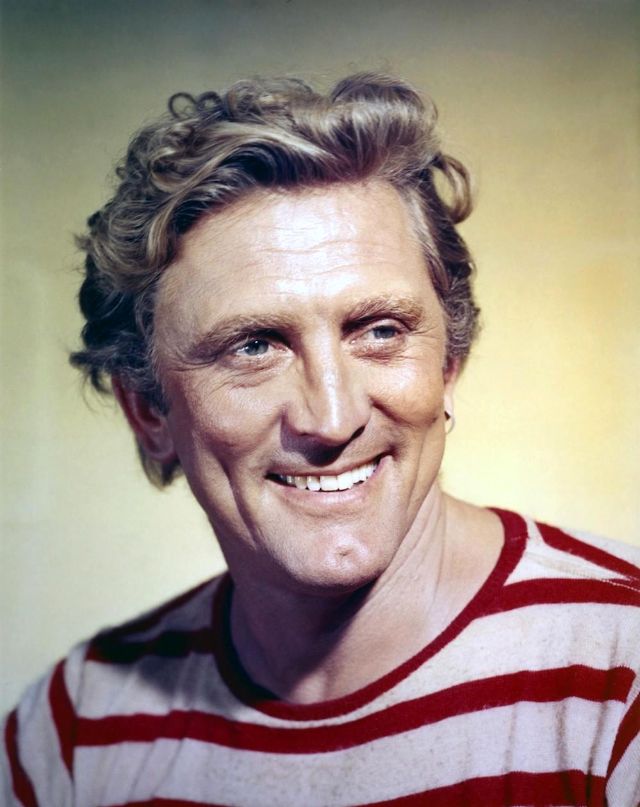
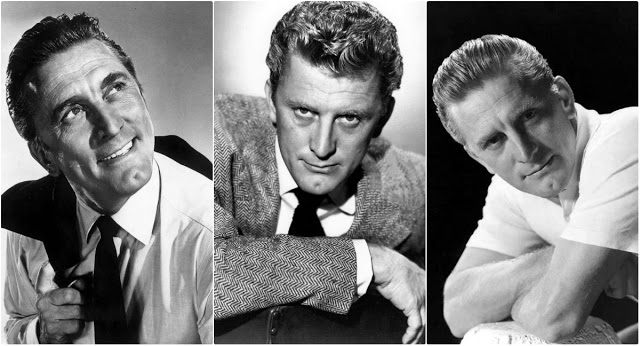
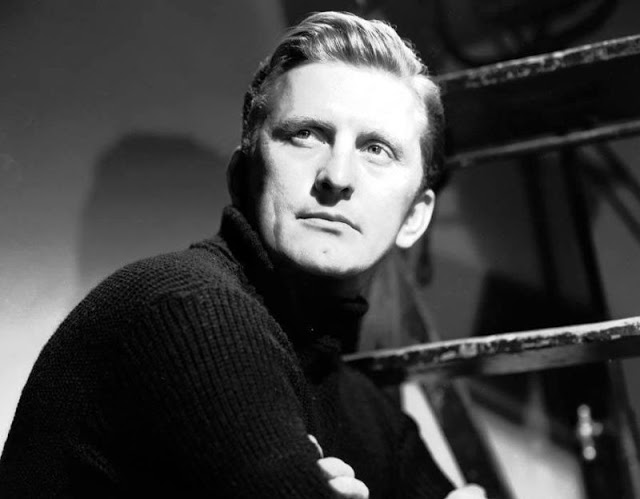
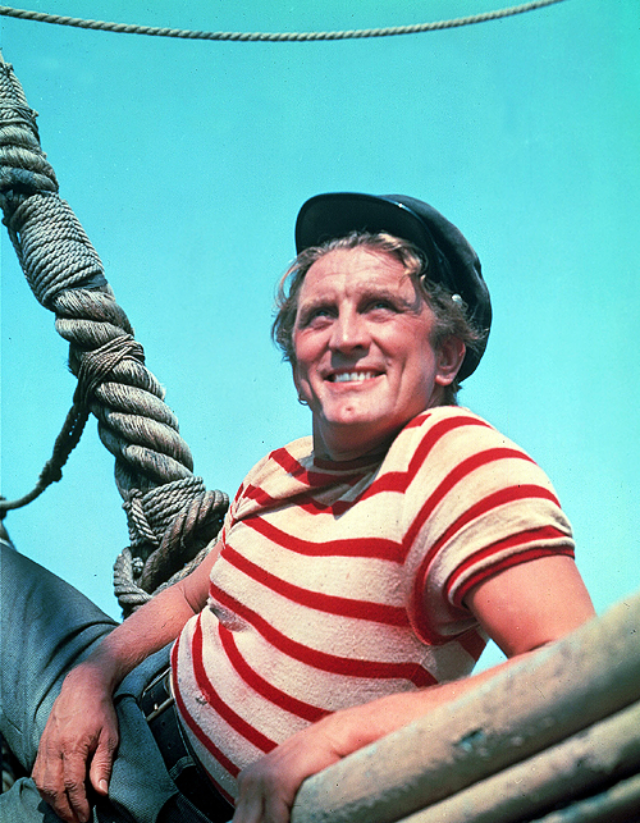
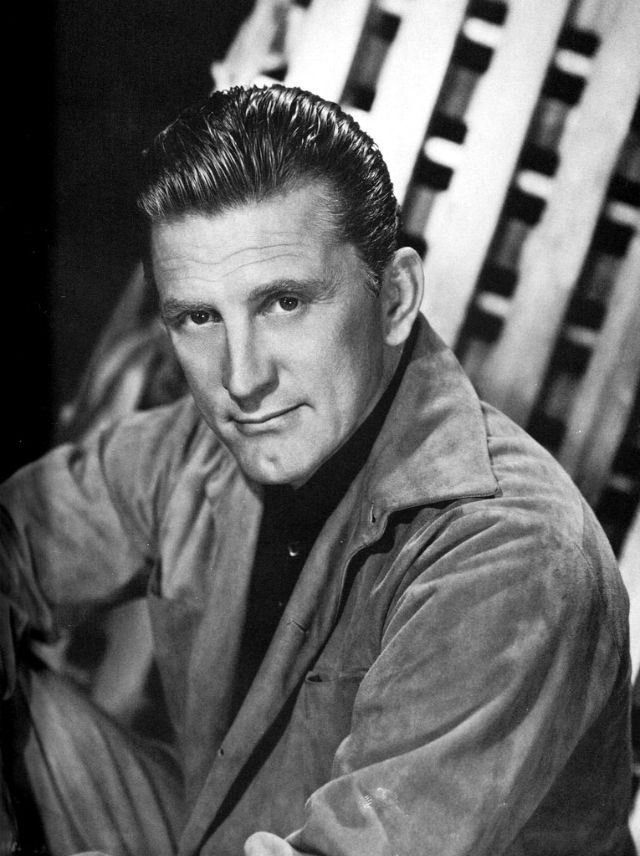
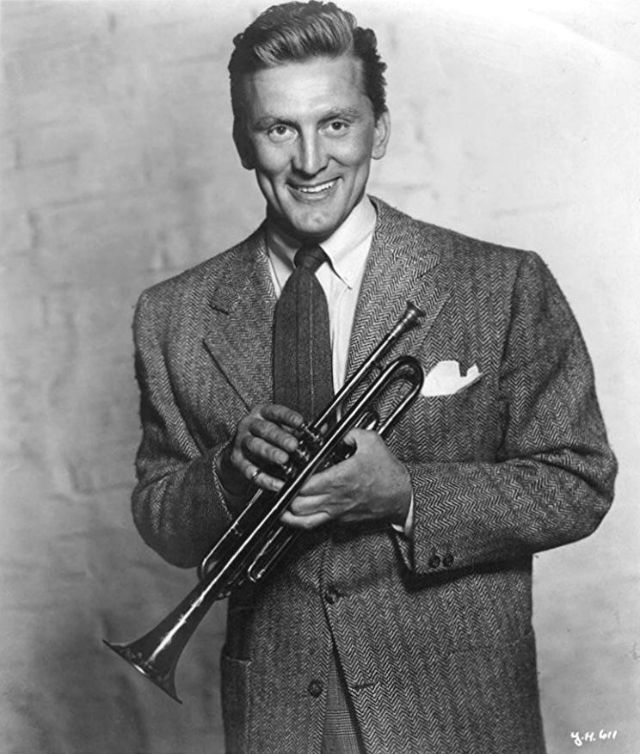
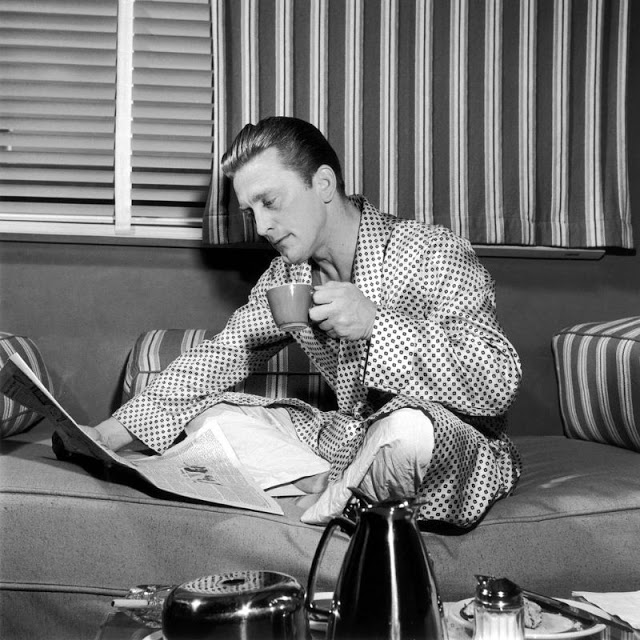
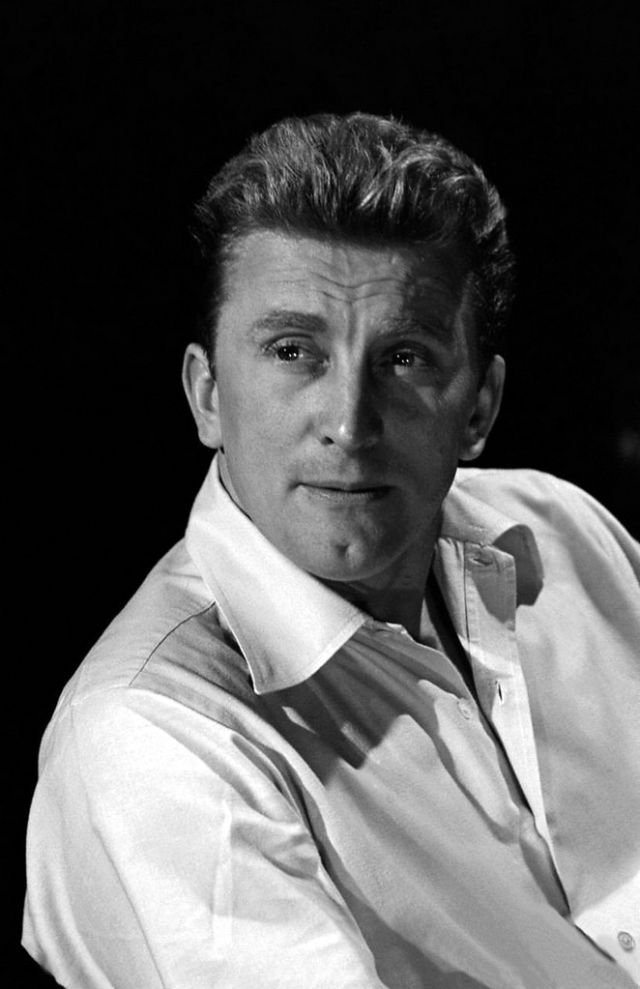
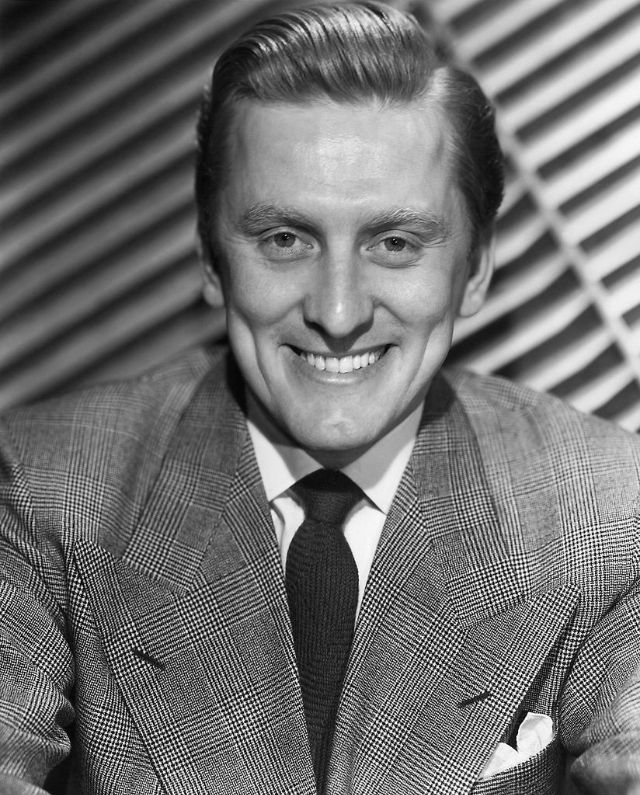
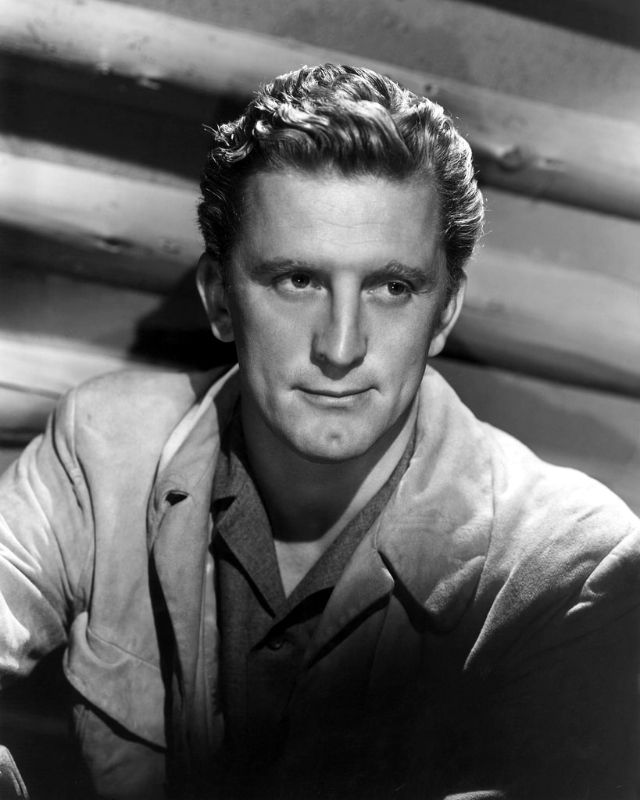
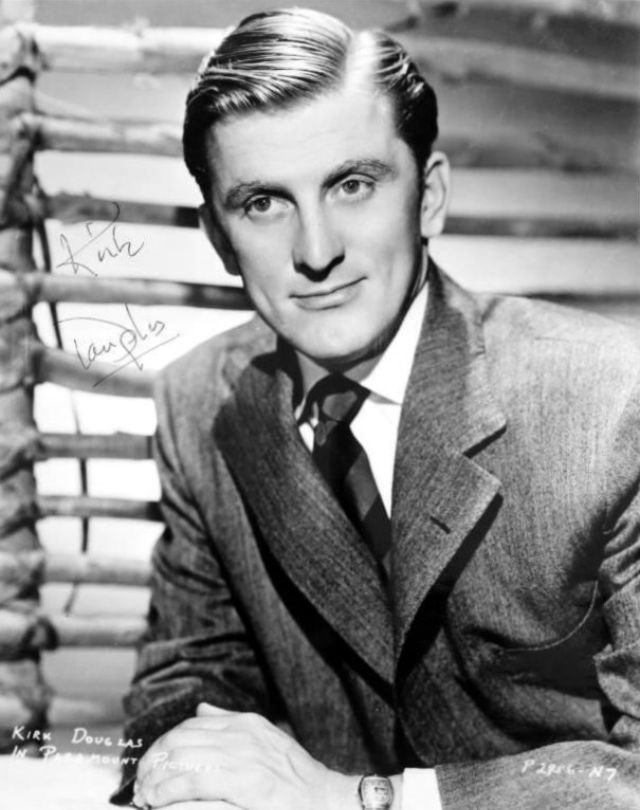
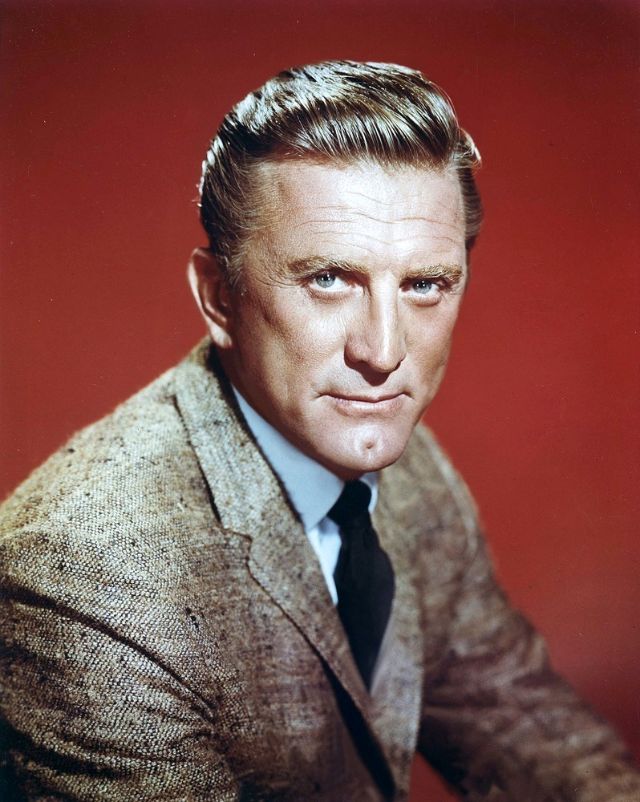
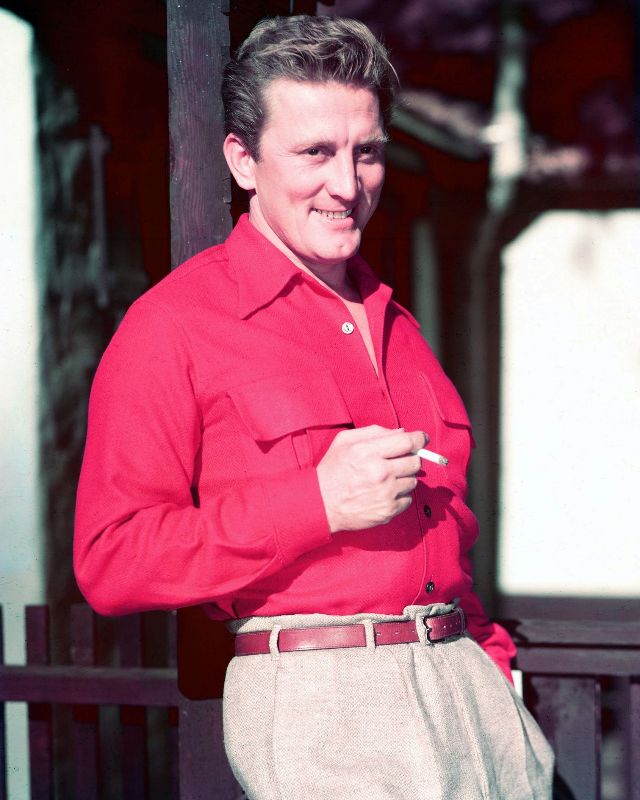
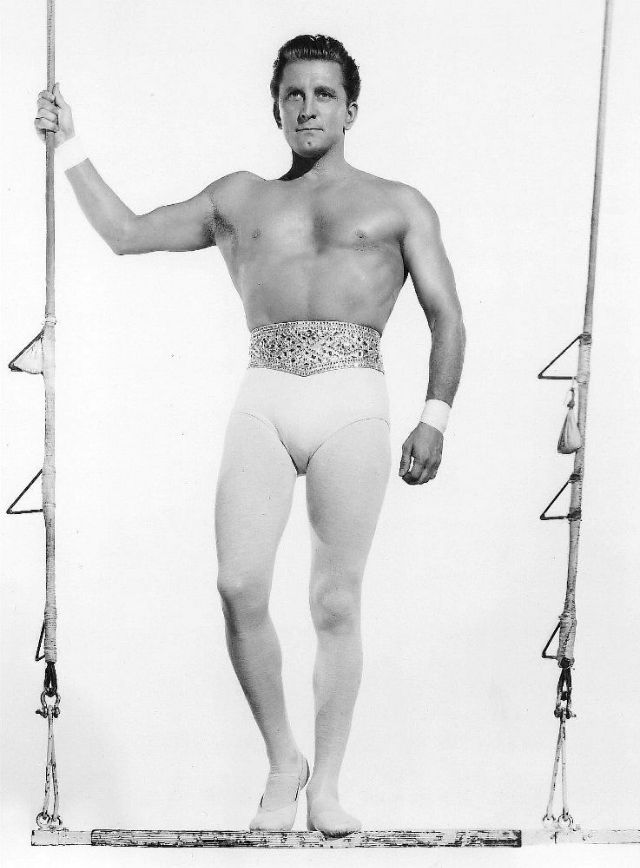
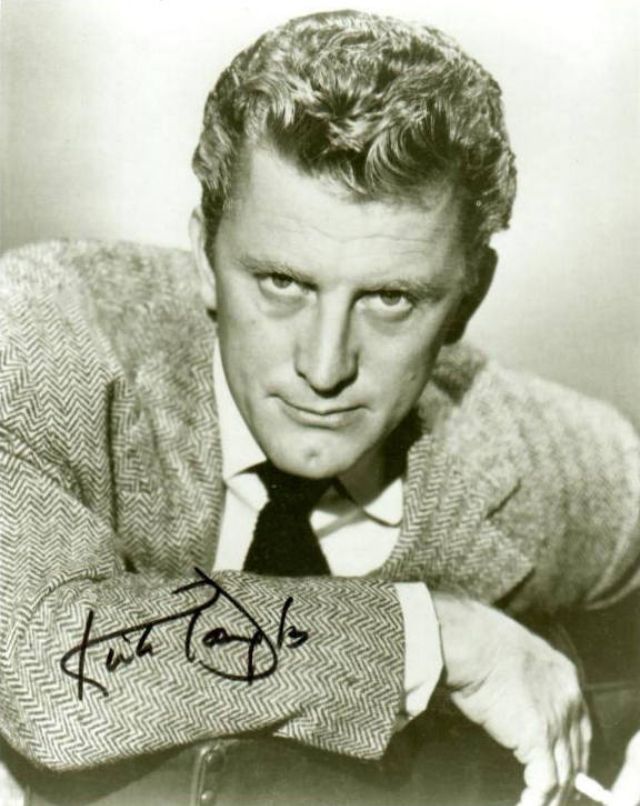
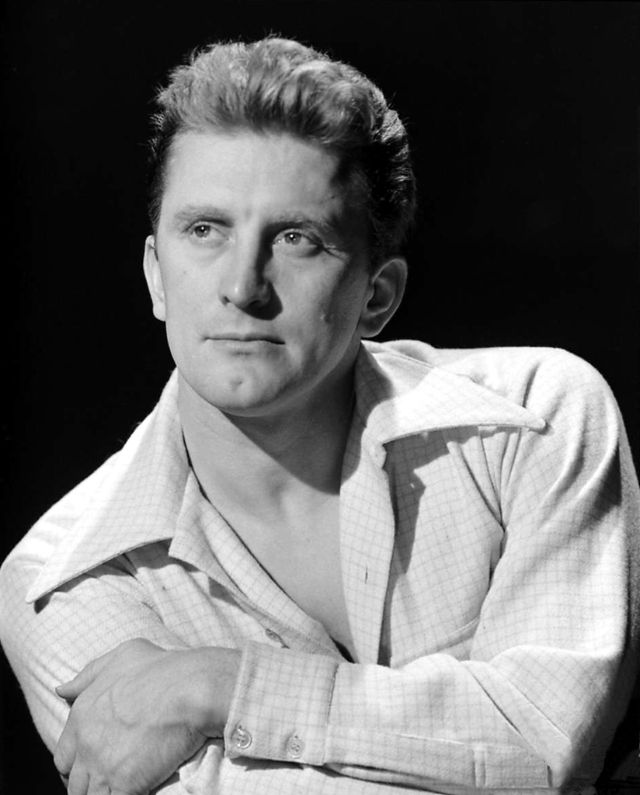
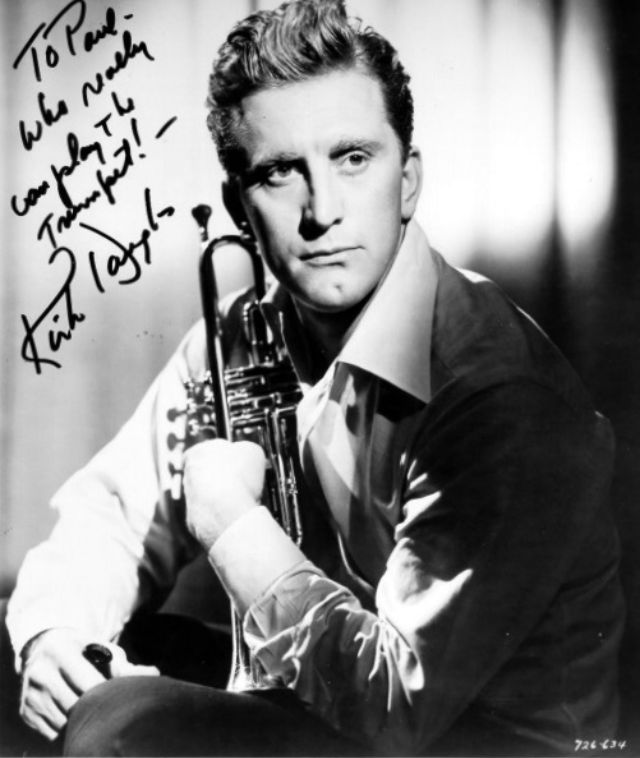
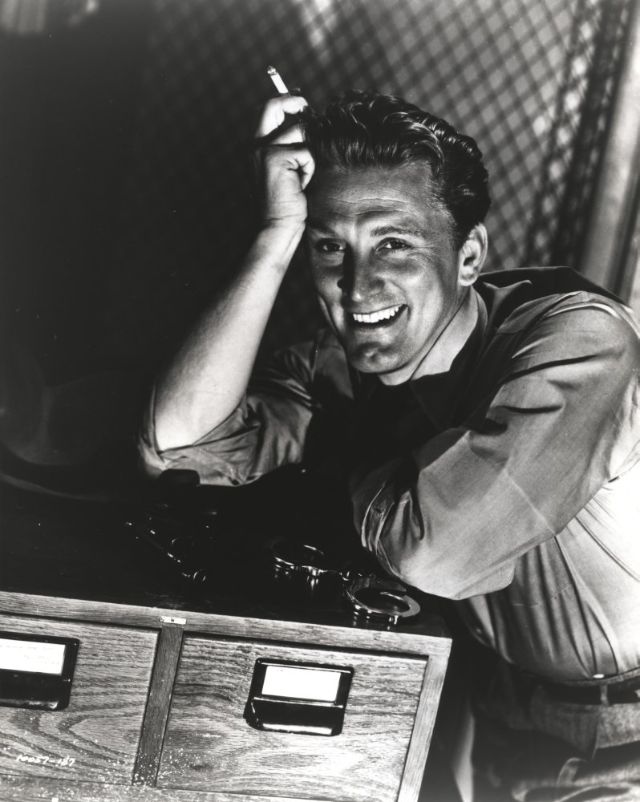
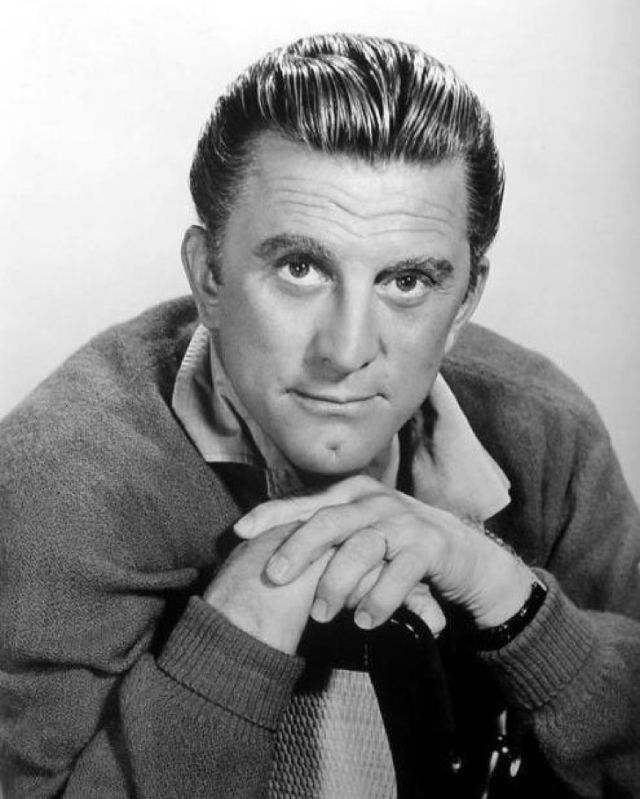
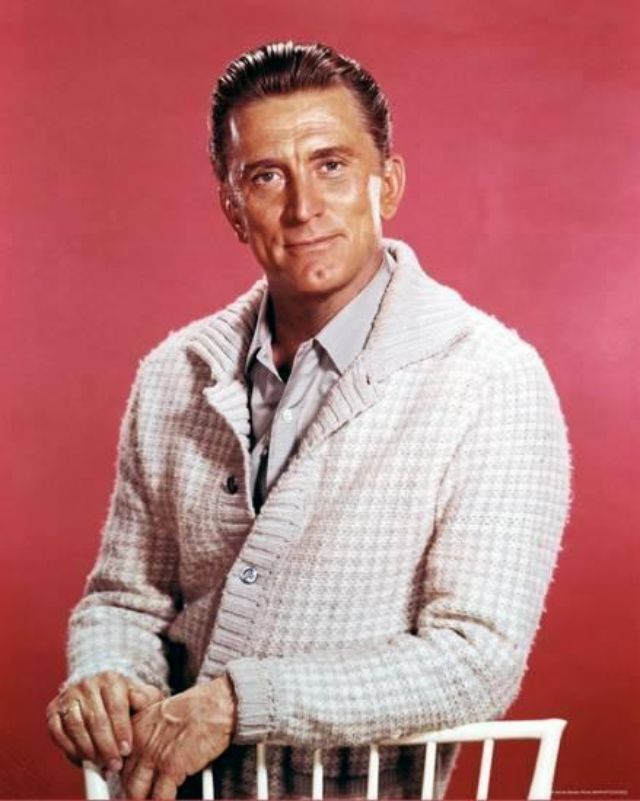
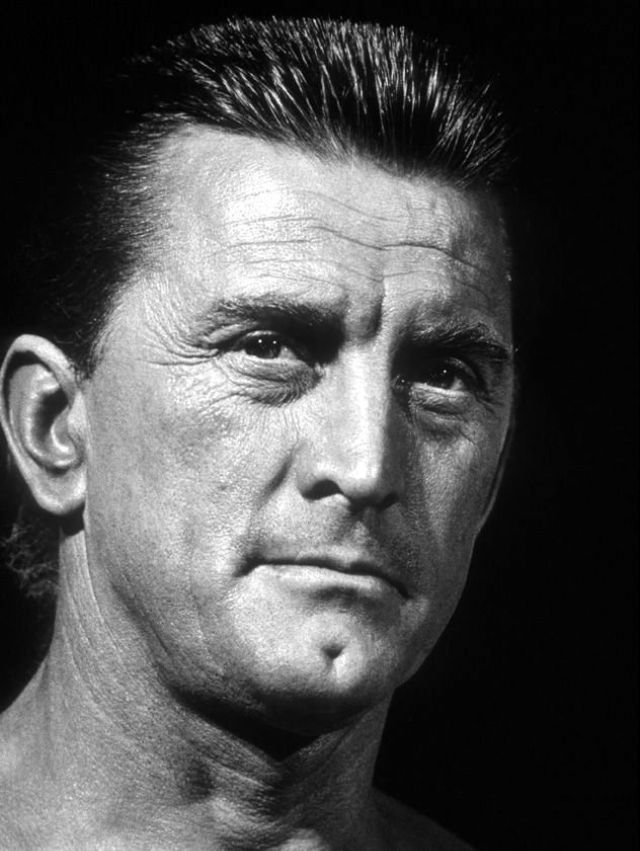
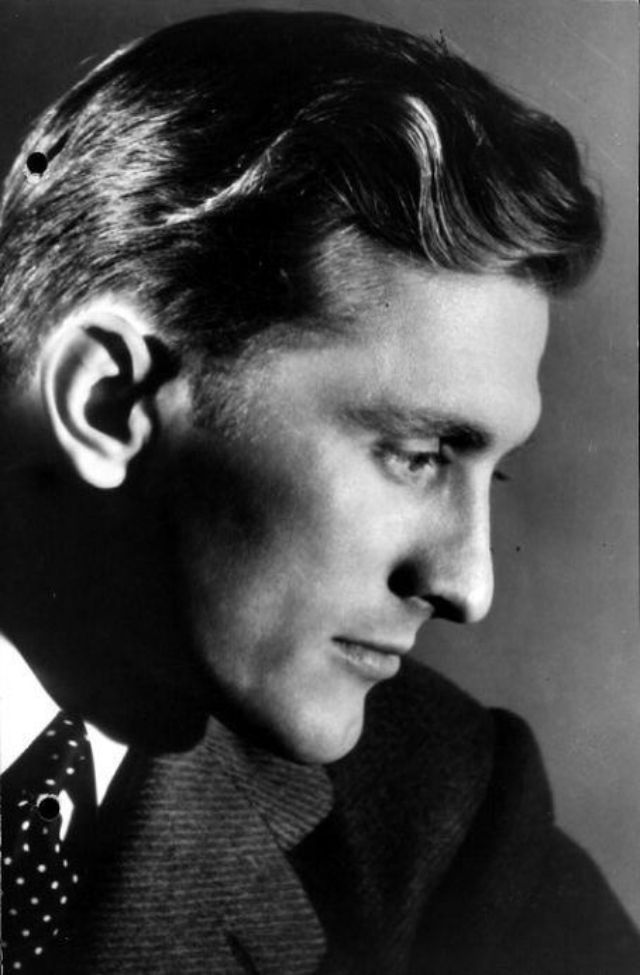
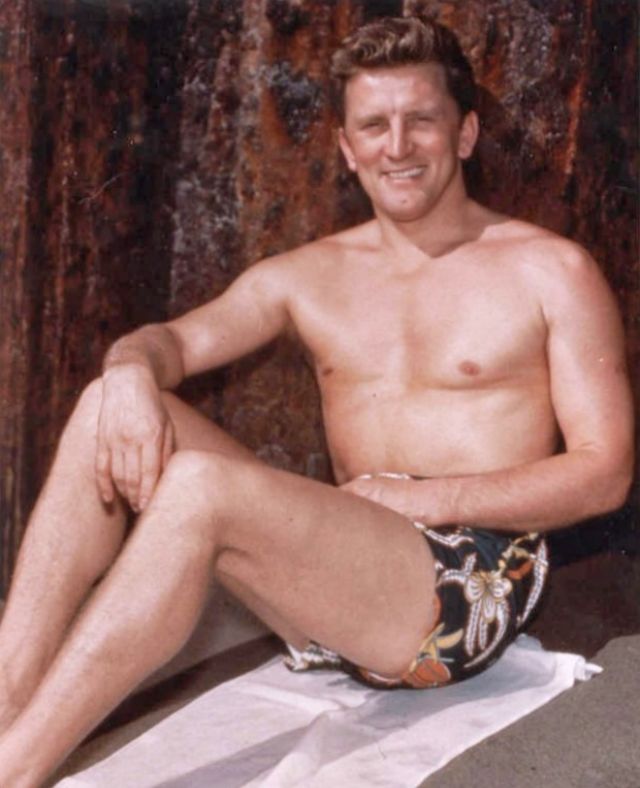
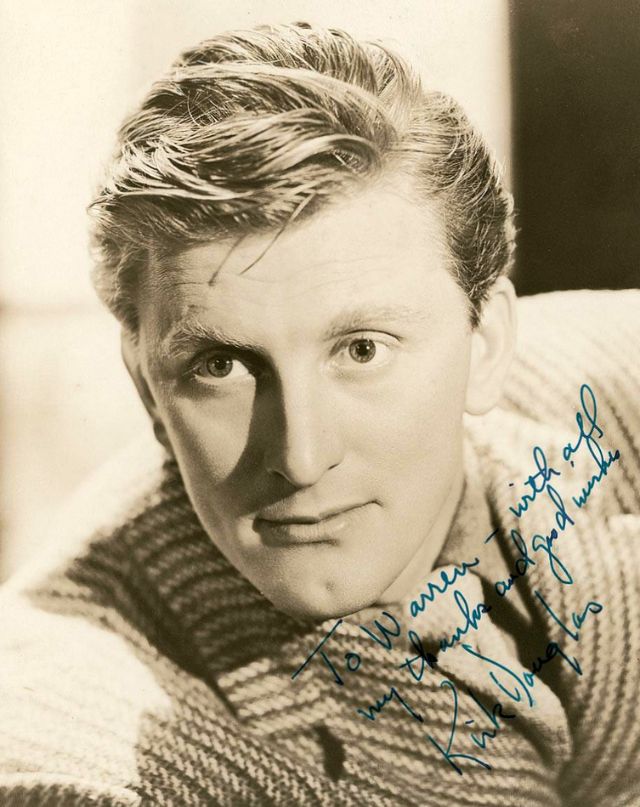
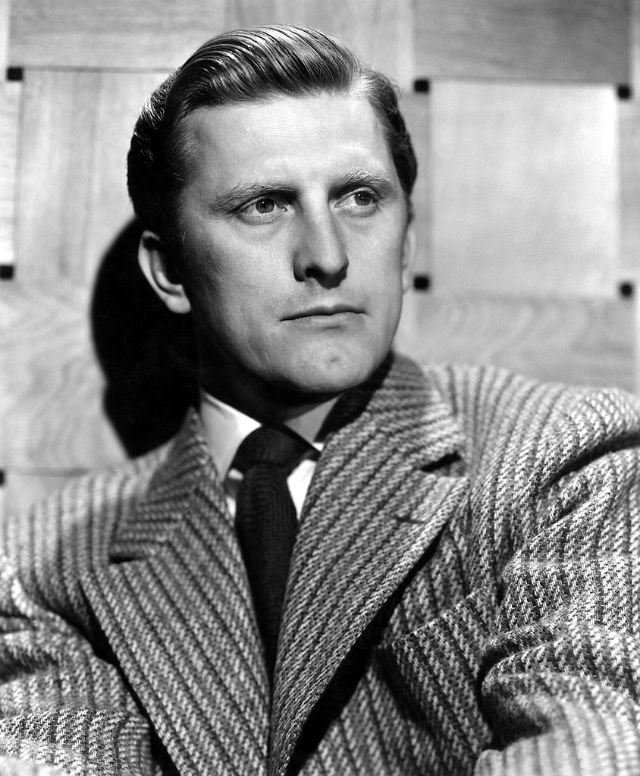
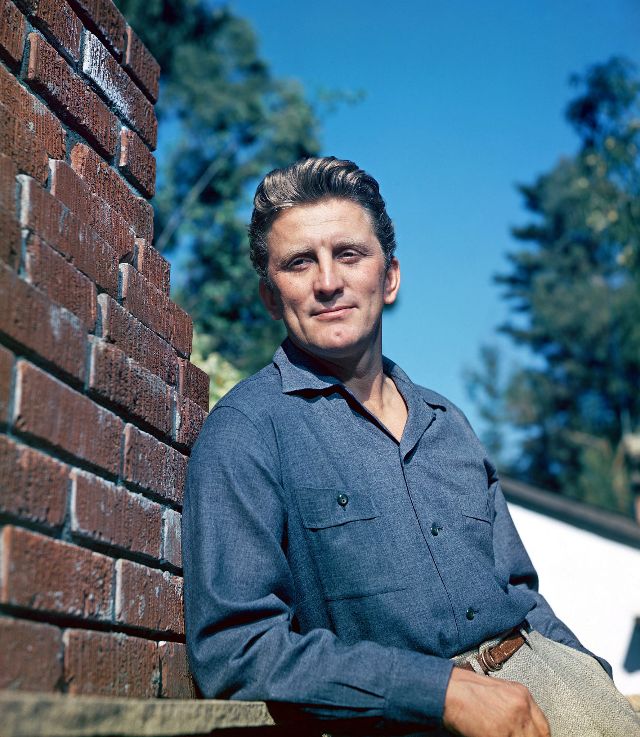
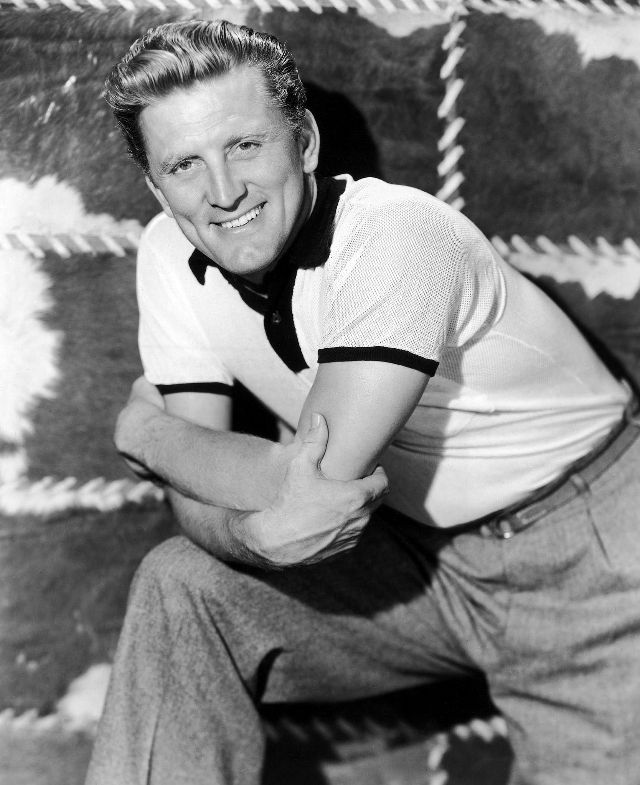
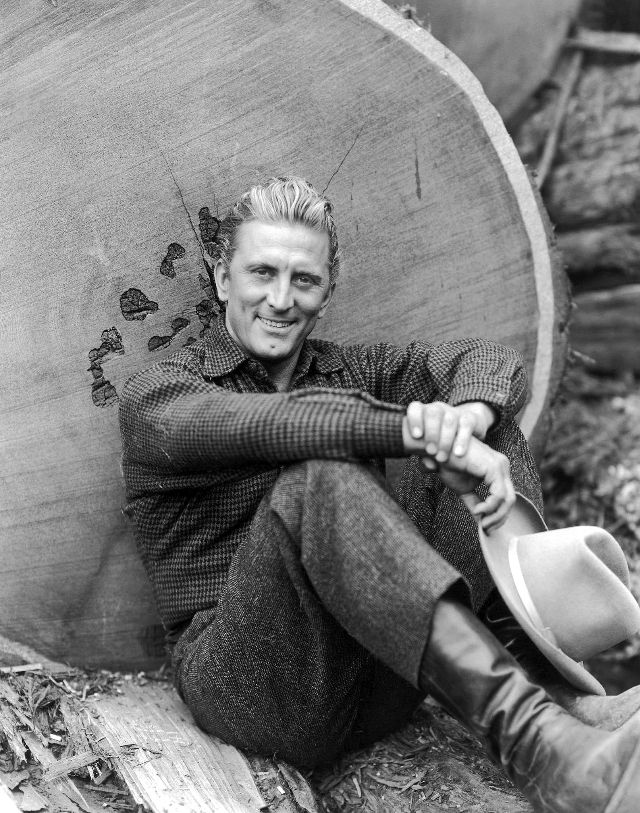
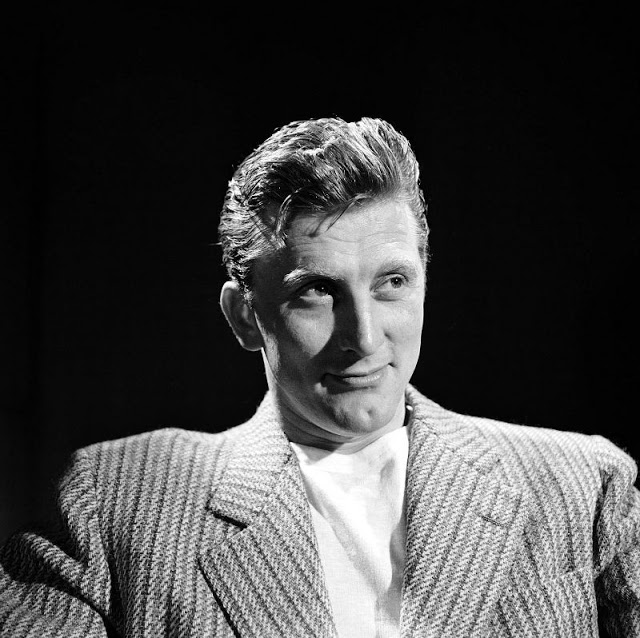
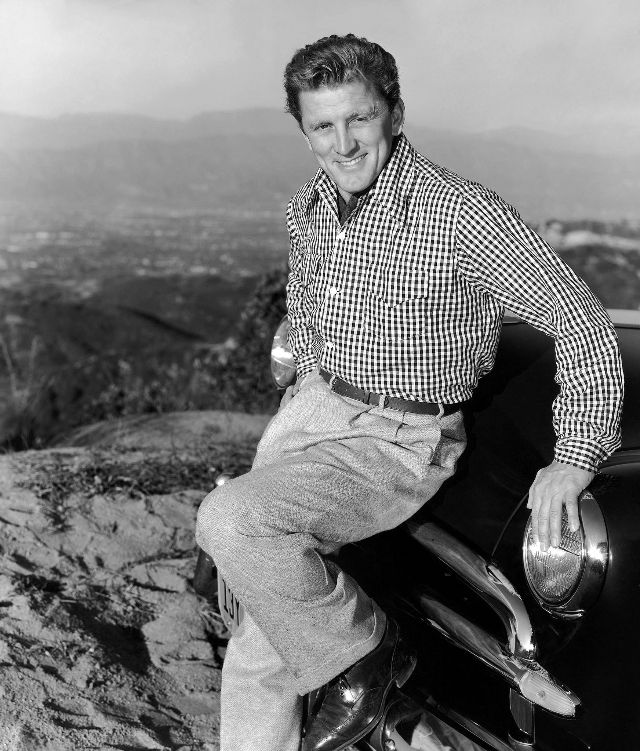
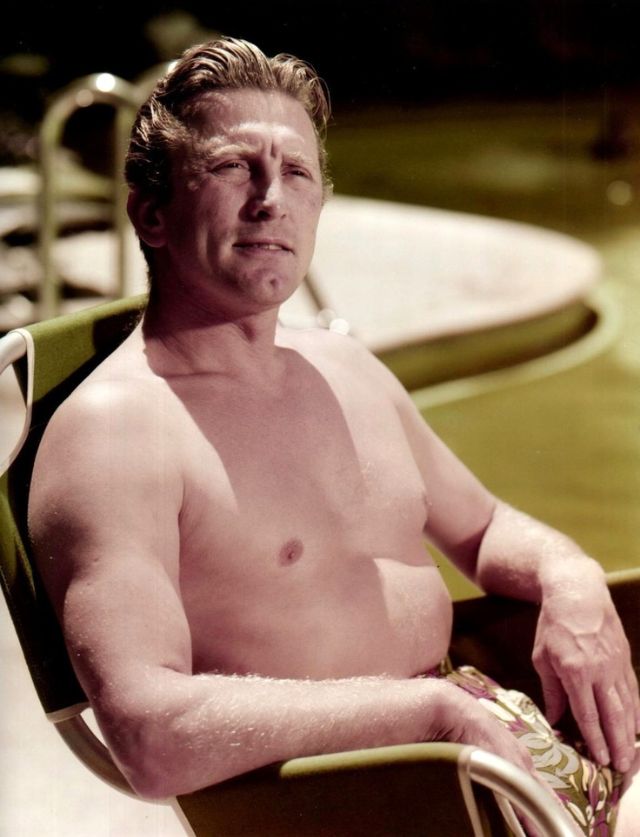
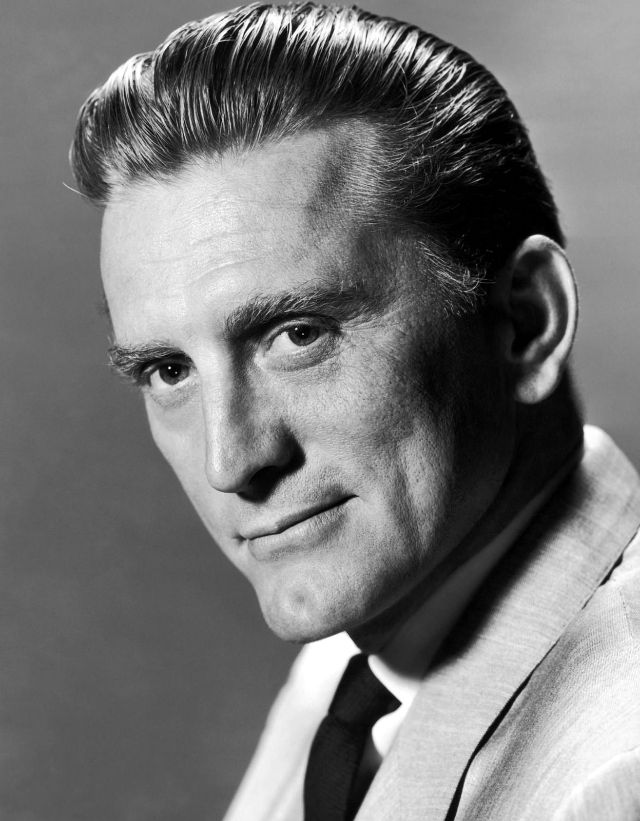
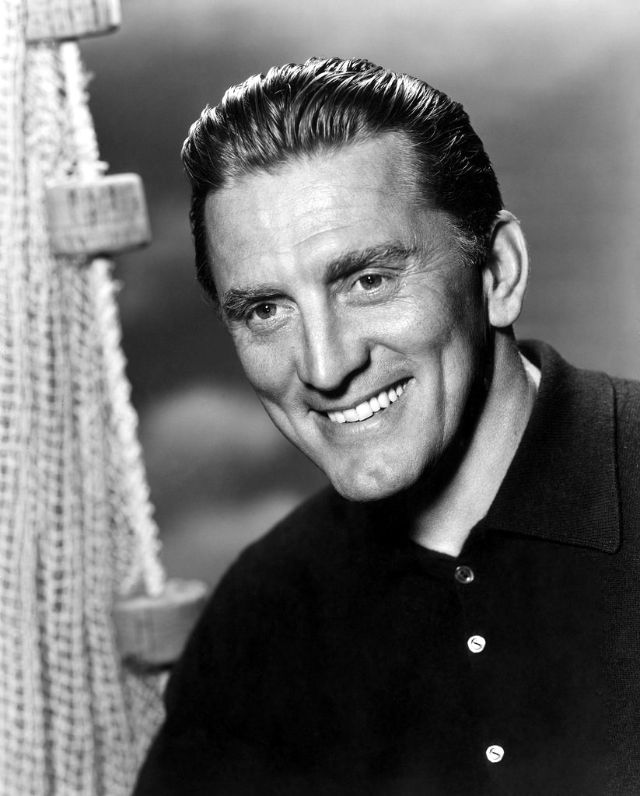
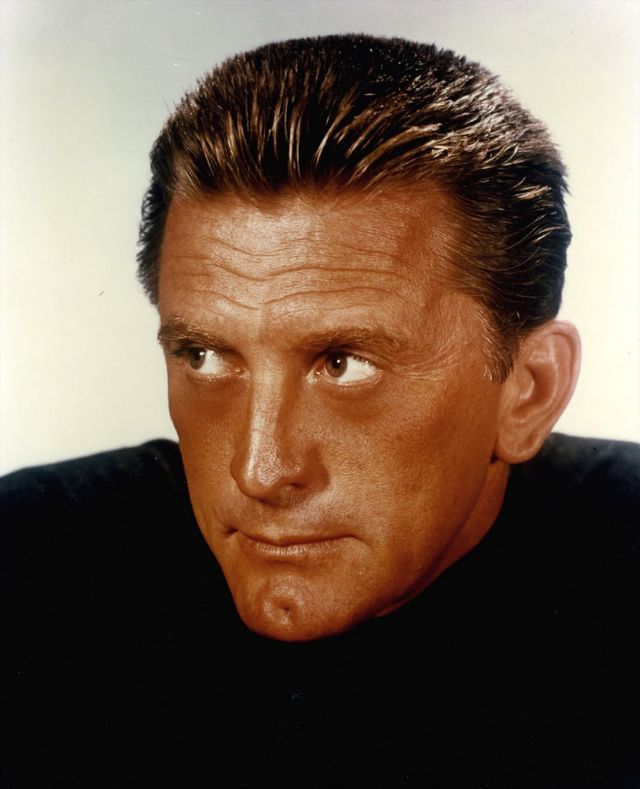
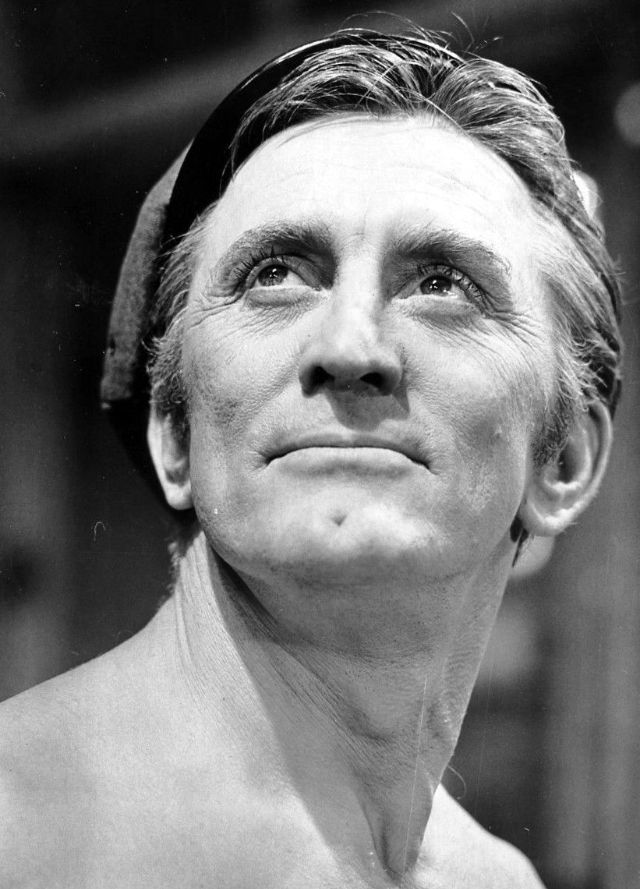
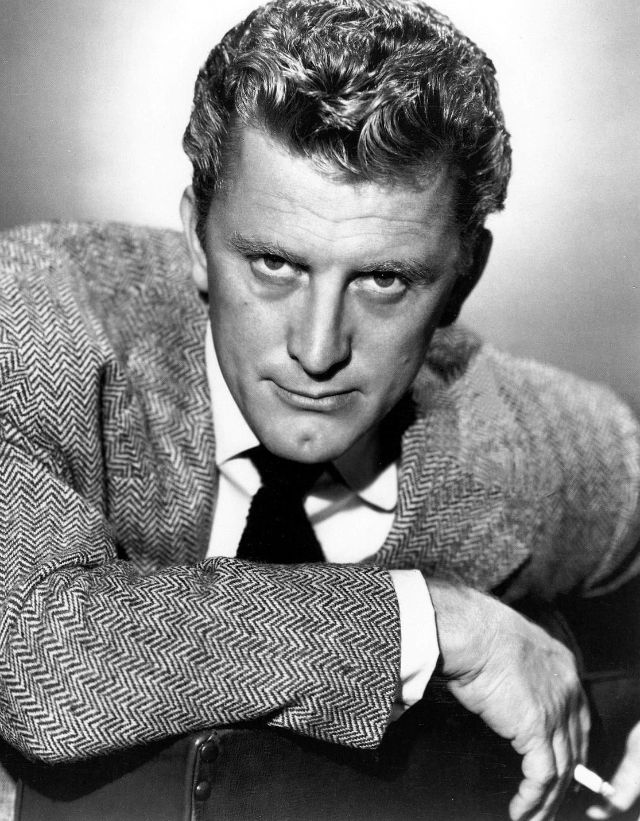
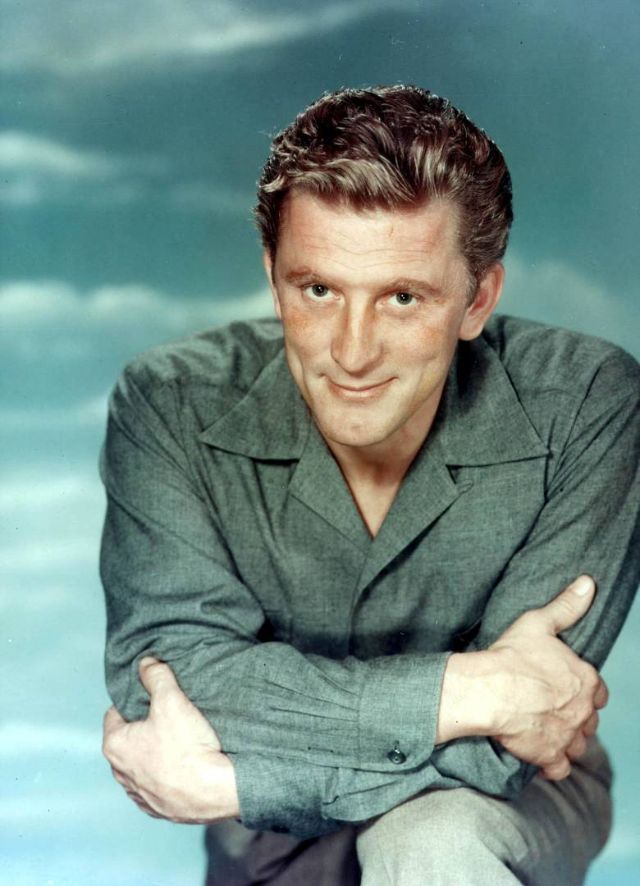
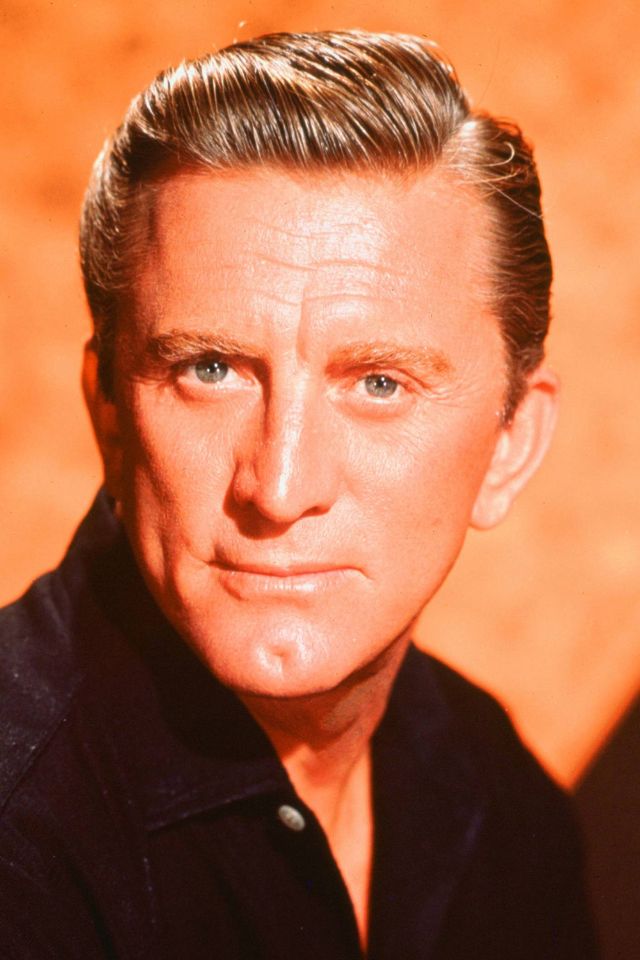
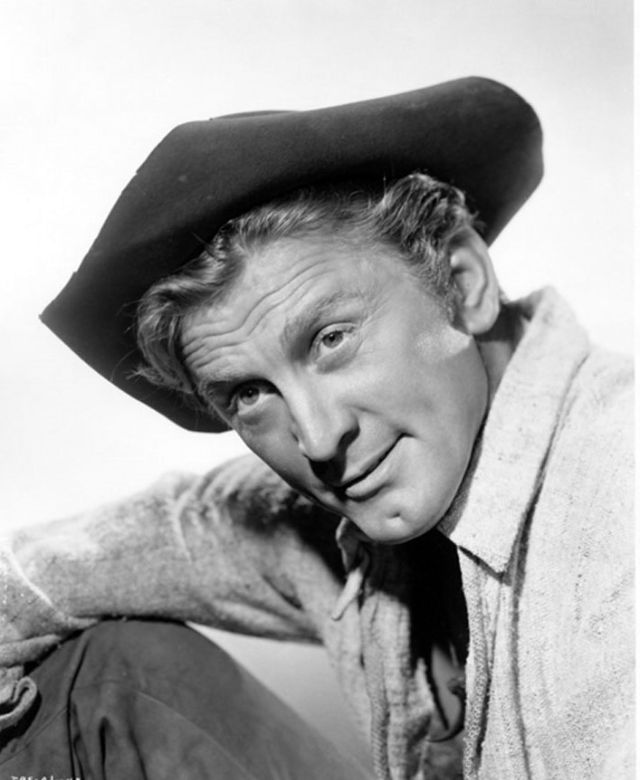
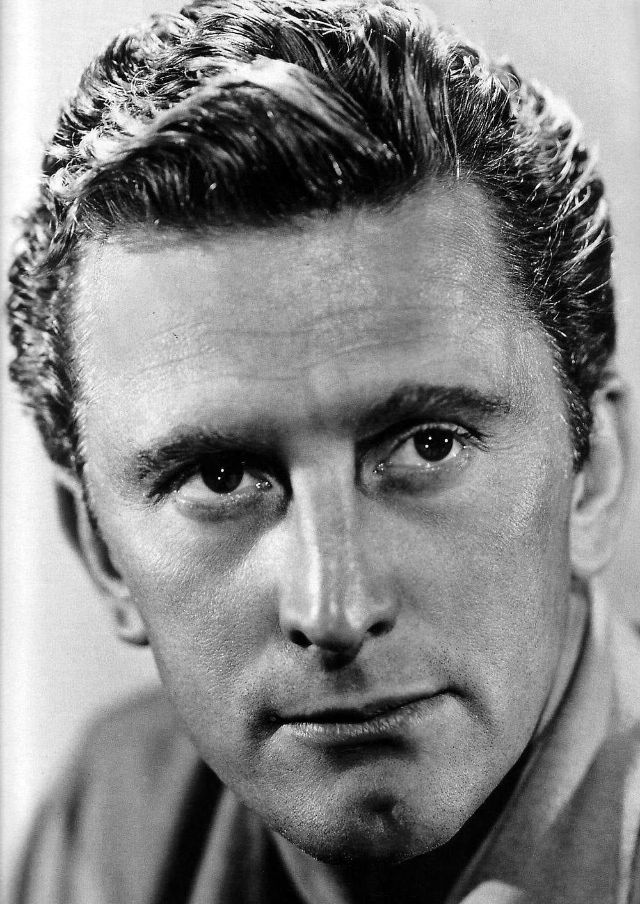
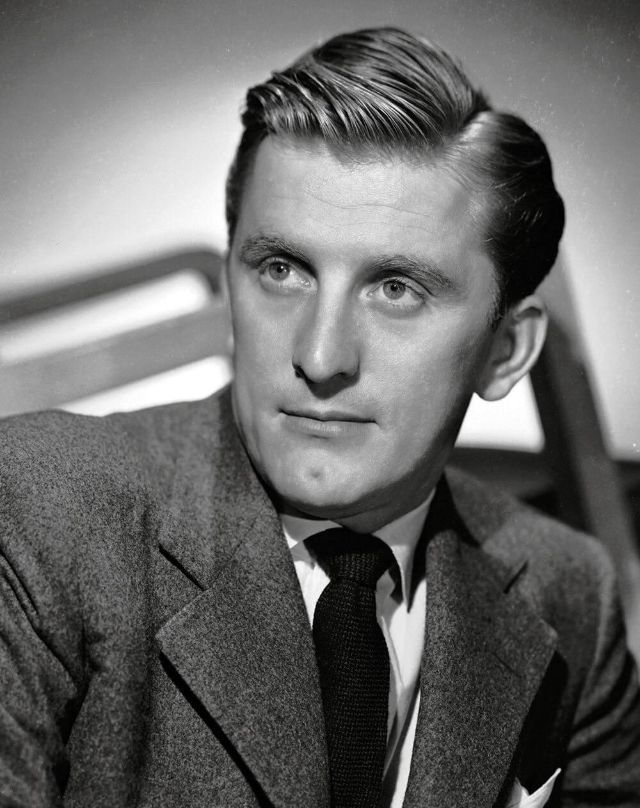
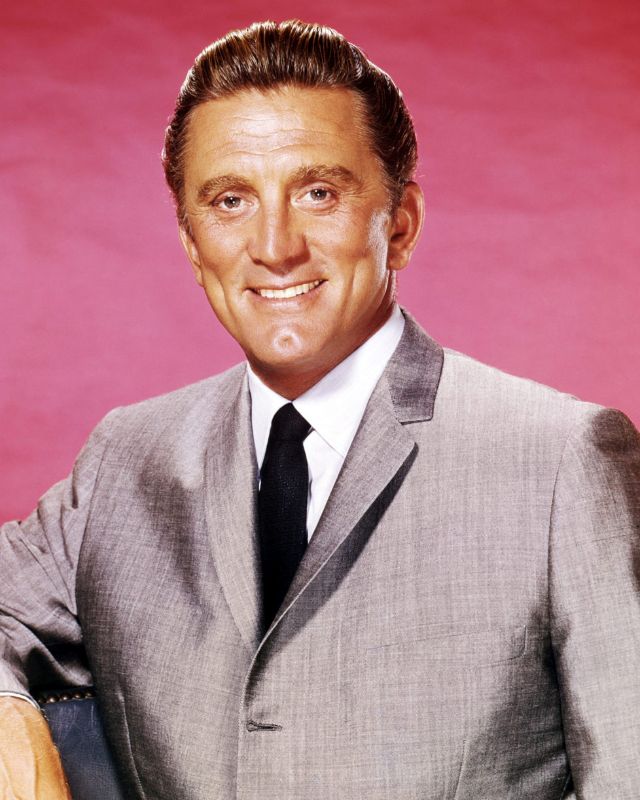
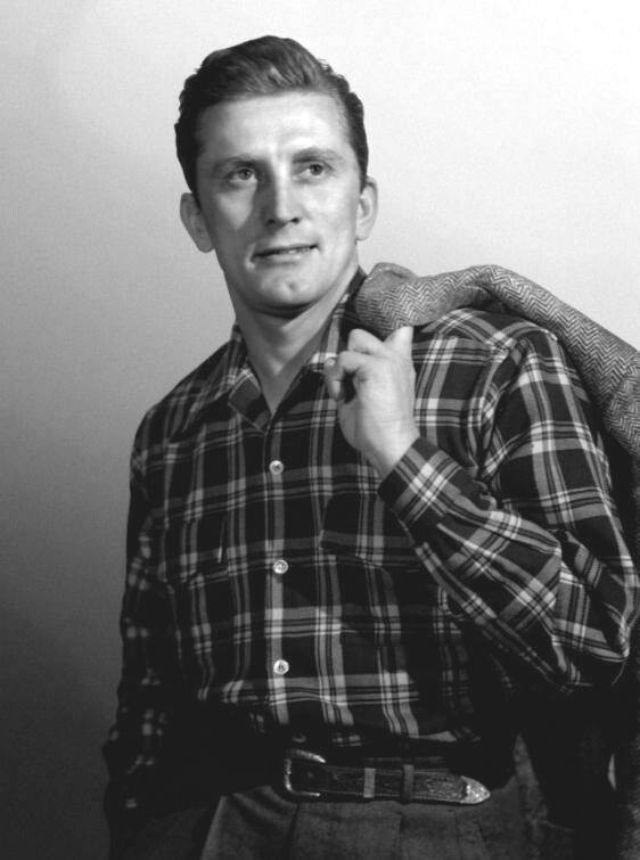
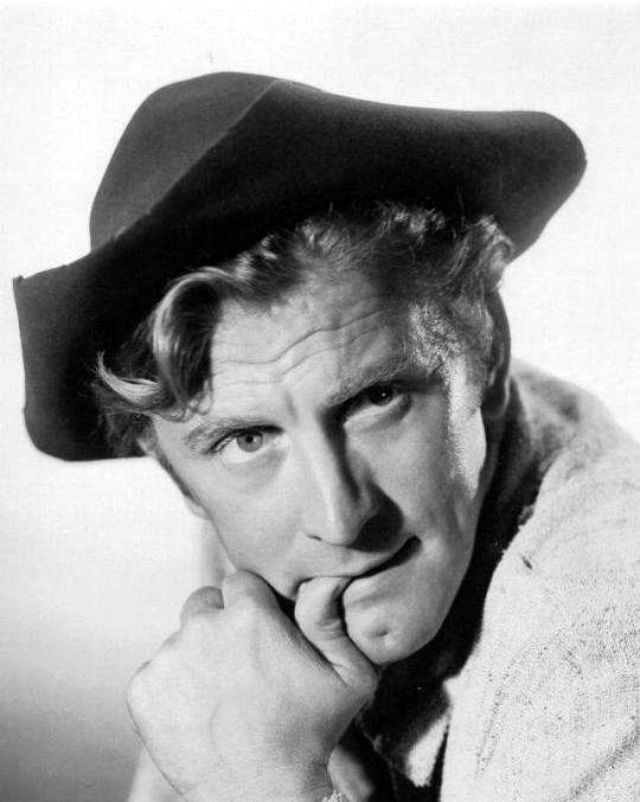
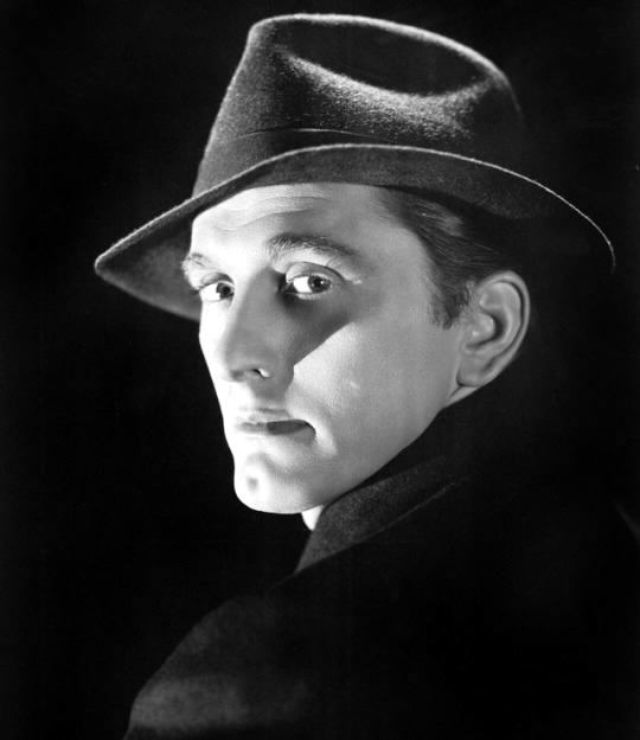
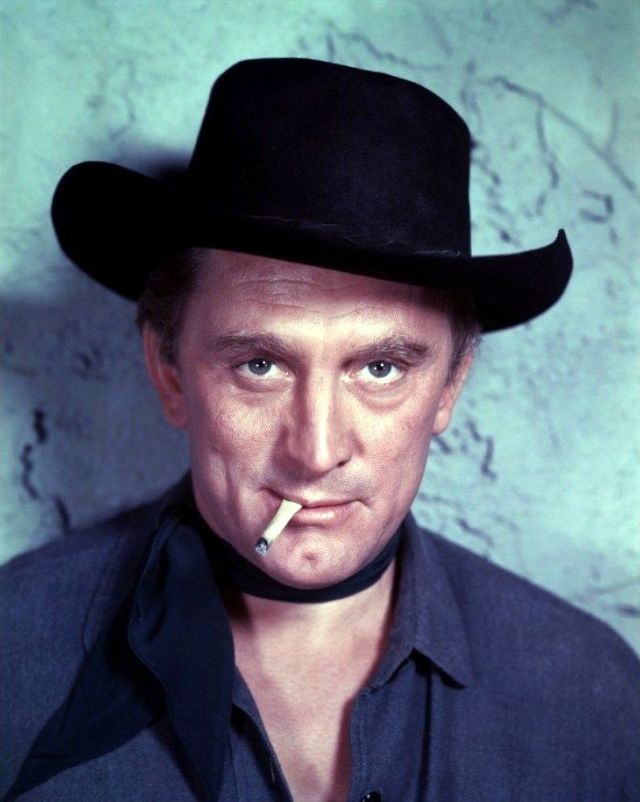
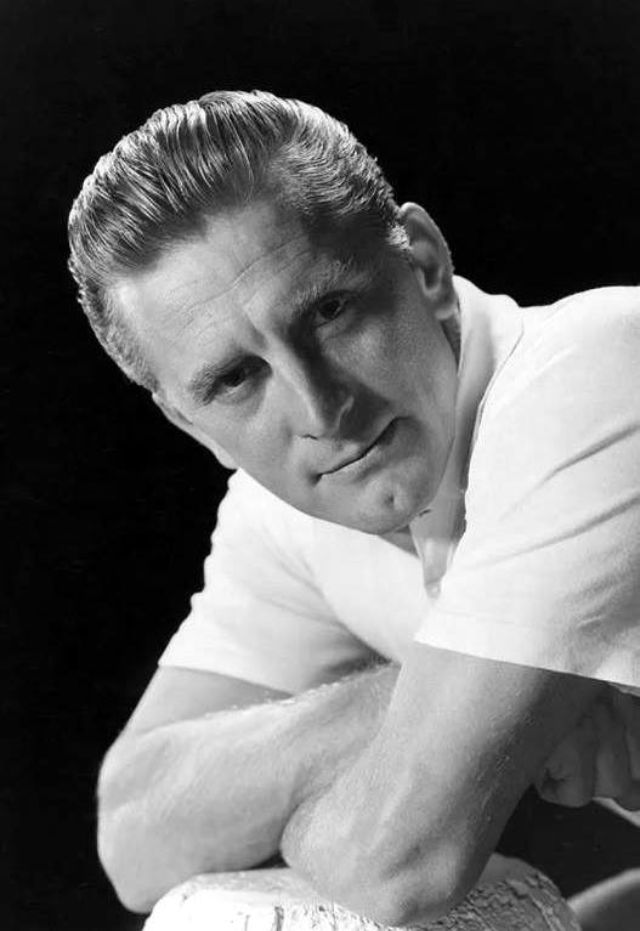
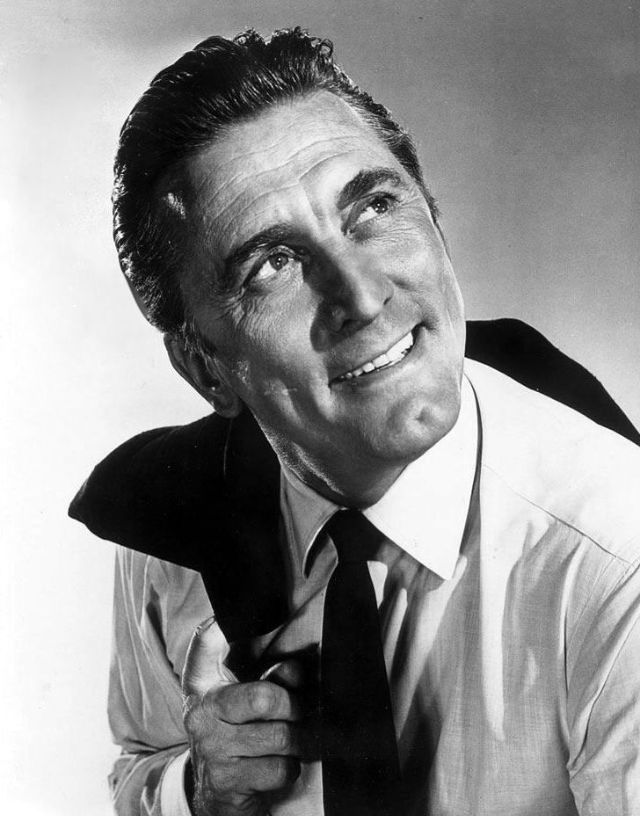
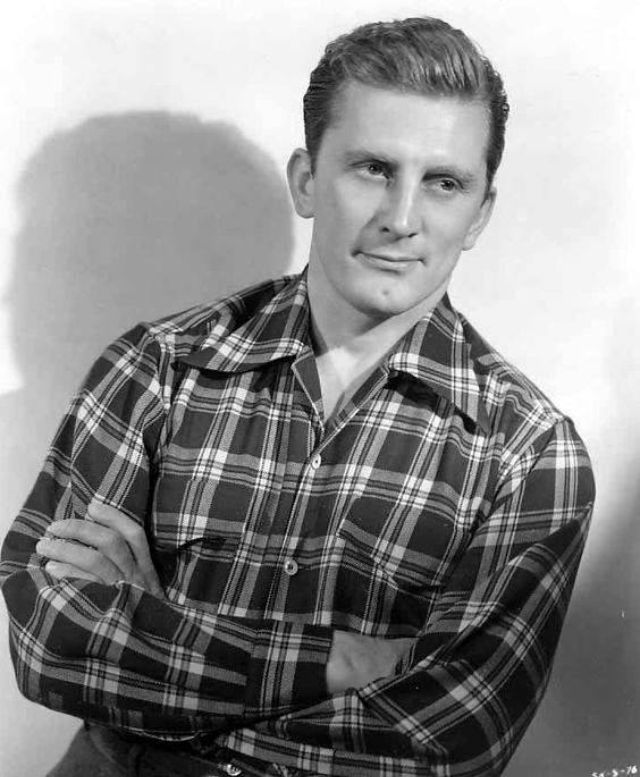
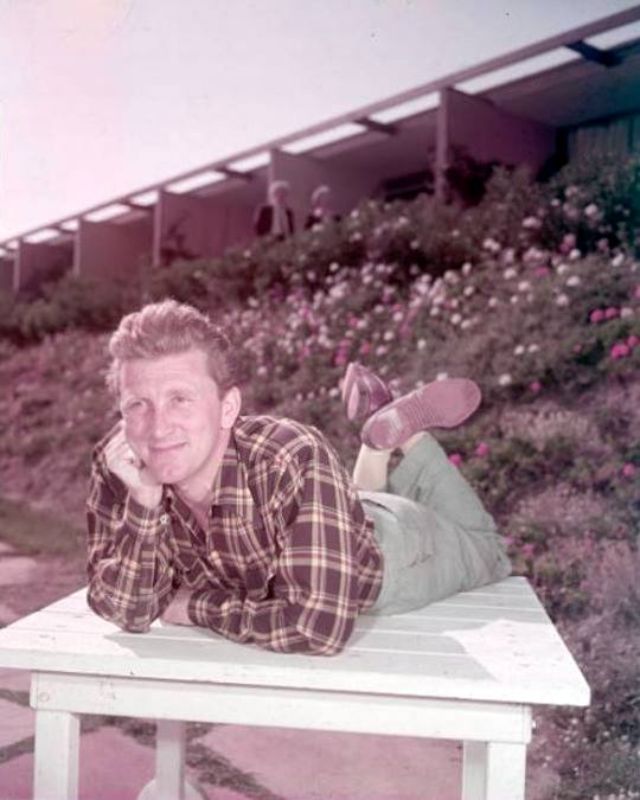
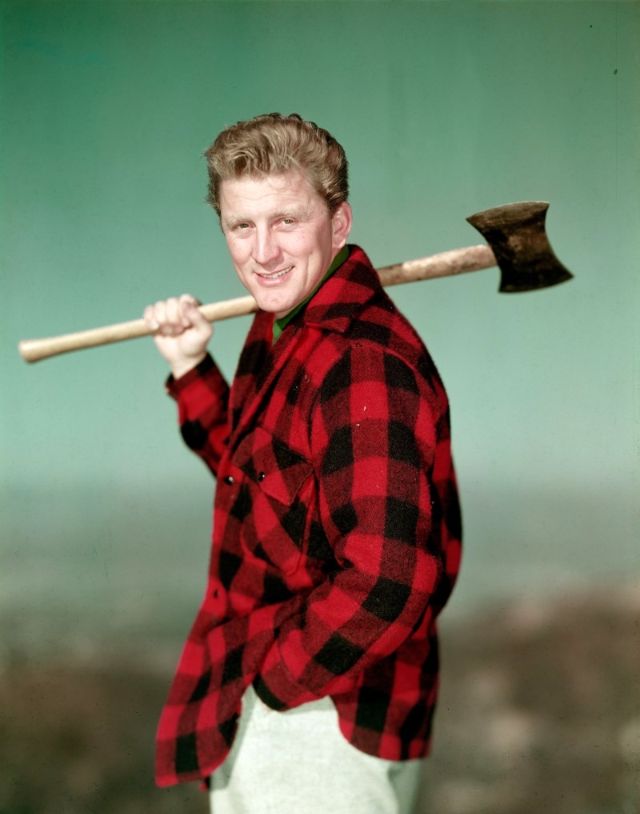
50 Wonderful Photos of Kirk Douglas in the 1940s and 1950s

Kirk Douglas (born Issur Danielovitch; December 9, 1916 – February 5, 2020) was an American actor and filmmaker. After an impoverished childhood, he made his film debut in The Strange Love of Martha Ivers (1946) with Barbara Stanwyck. Douglas soon developed into a leading box-office star throughout the 1950s, known for serious dramas, including westerns and war films. During his career, he appeared in more than 90 films and was known for his explosive acting style. He was named by the American Film Institute the 17th-greatest male star of Classic Hollywood cinema and was the highest-ranked living person on the list until his death.

Douglas became an international star for his leading role as an unscrupulous boxing hero in Champion (1949), which brought him his first nomination for the Academy Award for Best Actor. His other early films include Out of the Past (1947), Young Man with a Horn (1950), playing opposite Lauren Bacall and Doris Day, Ace in the Hole (1951), and Detective Story (1951), for which he received a Golden Globe nomination as Best Actor in a Drama. He received his second Oscar nomination for his dramatic role in The Bad and the Beautiful (1952), opposite Lana Turner, and his third for portraying Vincent van Gogh in Lust for Life (1956), a role for which he won the Golden Globe for the Best Actor in a Drama.

In September 1949, he established Bryna Productions, which began producing films as varied as Paths of Glory (1957) and Spartacus (1960). In those two films, he collaborated with the then-relatively unknown director Stanley Kubrick, taking lead roles in both films. Douglas has been praised for helping to break the Hollywood blacklist by having Dalton Trumbo write Spartacus with an official on-screen credit. He produced and starred in Lonely Are the Brave (1962) and Seven Days in May (1964), opposite Burt Lancaster, with whom he made seven films. In 1963, he starred in the Broadway play One Flew Over the Cuckoo’s Nest, a story that he purchased and later gave to his son Michael Douglas, who turned it into an Oscar-winning film. Douglas continued acting into his 80s, appearing in such films as Saturn 3 (1980), The Man from Snowy River (1980), Tough Guys (1986), a reunion with Lancaster, and in the television version of Inherit the Wind (1988) plus in an episode of Touched by an Angel in 2002, for which he received his third nomination for an Emmy Award.

As an actor and philanthropist, Douglas received an Academy Honorary Award for Lifetime Achievement and the Presidential Medal of Freedom. As an author, he wrote ten novels and memoirs. After barely surviving a helicopter crash in 1991 and then suffering a stroke in 1996, he focused on renewing his spiritual and religious life. He lived with his second wife (of 65 years), producer Anne Buydens, until his death in 2020. A centenarian, he was one of the last surviving stars of the film industry’s ‘Golden Age’. (Wikipedia)

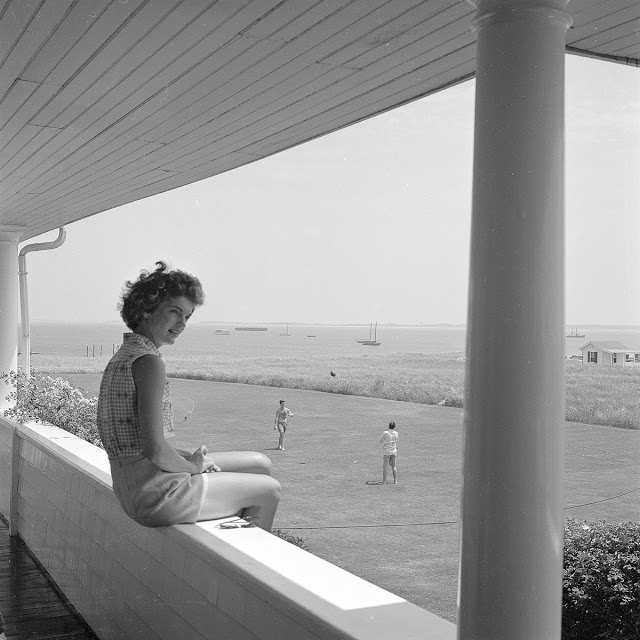
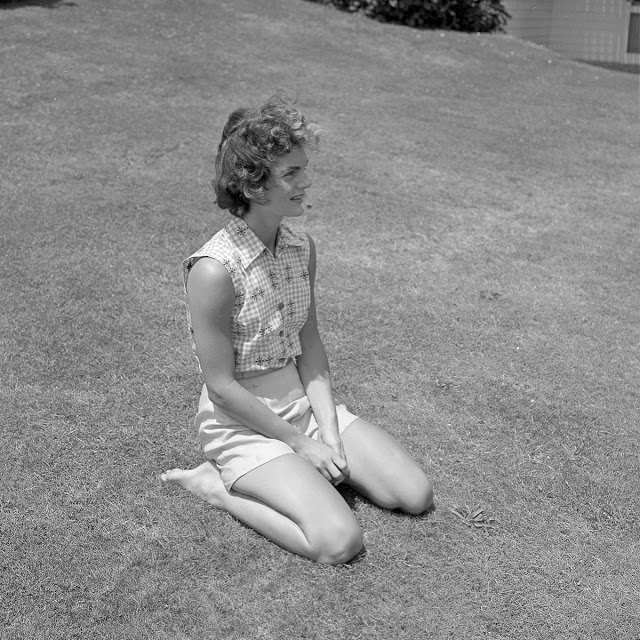
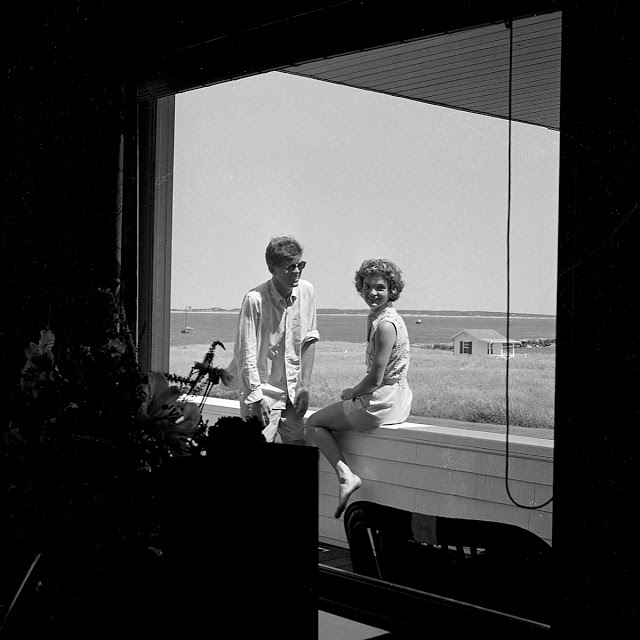
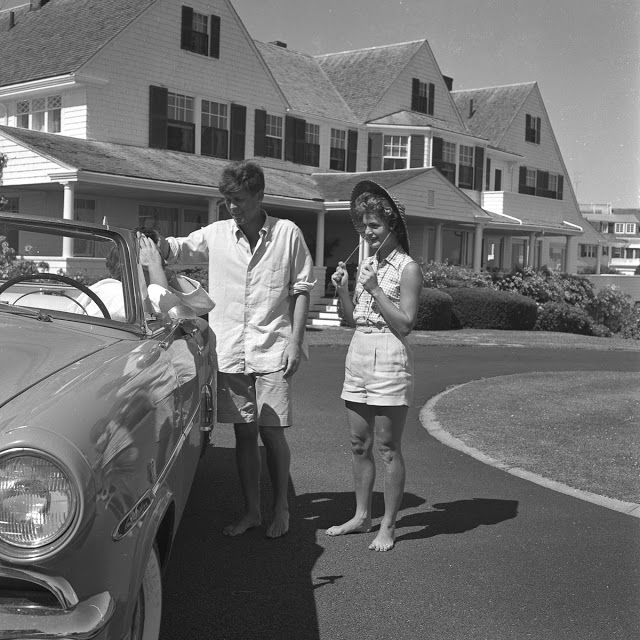
The Weekend Jackie and JFK Got Engaged: 24 Vintage Photos Showing JFK and Jackie at Hyannis Port, Massachusetts, in 1953

Jacqueline Lee Bouvier and then-U.S. Representative John Fitzgerald Kennedy belonged to the same social circle, and were formally introduced by a mutual friend, journalist Charles L. Bartlett, at a dinner party in May 1952. Bouvier was attracted to Kennedy’s physical appearance, charm, wit and wealth. The two also shared similarities in both being Catholic and writers, enjoying reading and previously having lived abroad.

Kennedy was then busy running for the US Senate but after his election in November, the relationship grew more serious and he proposed marriage to her. Bouvier took some time to accept, due to having been assigned to cover the coronation of Queen Elizabeth II in London for The Washington Times-Herald. After a month in Europe, she accepted the proposal upon her return to the United States, and resigned from her position at the newspaper. Their engagement was officially announced on June 25, 1953.

That weekend, the happy couple took a trip to the Kennedy family home in Hyannis Port on Cape Cod, Massachusetts. According to Mashable, they were accompanied by a reporter and photographer for LIFE magazine, which published an issue on July 20 with the headline “Senator Kennedy Goes a-Courting.”

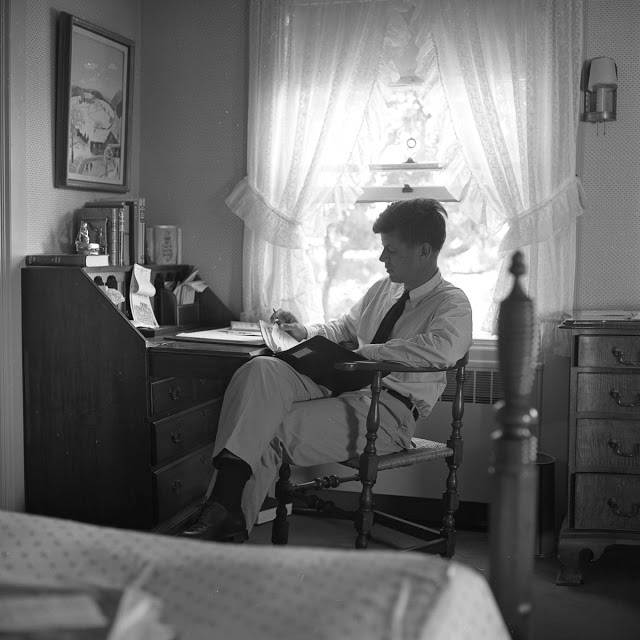
HYANNIS PORT, MA – JUNE 1953: Senator John F. Kennedy on vacation at the Kennedy compound in June 1953 in Hyannis Port, Massachusetts.
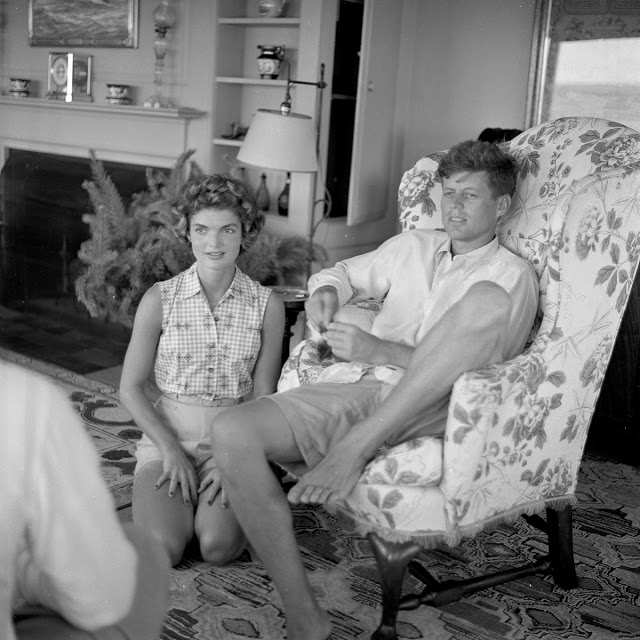
HYANNIS PORT, MA – JUNE 1953: Senator John F. Kennedy and fiance Jacqueline Bouvier are interviewed for a LIFE Magazine story while on vacation at the Kennedy compound in June 1953 in Hyannis Port, Massachusetts.
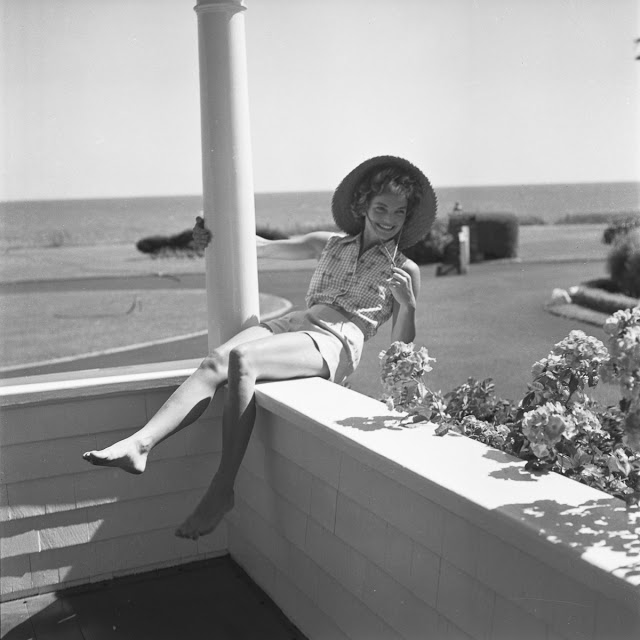
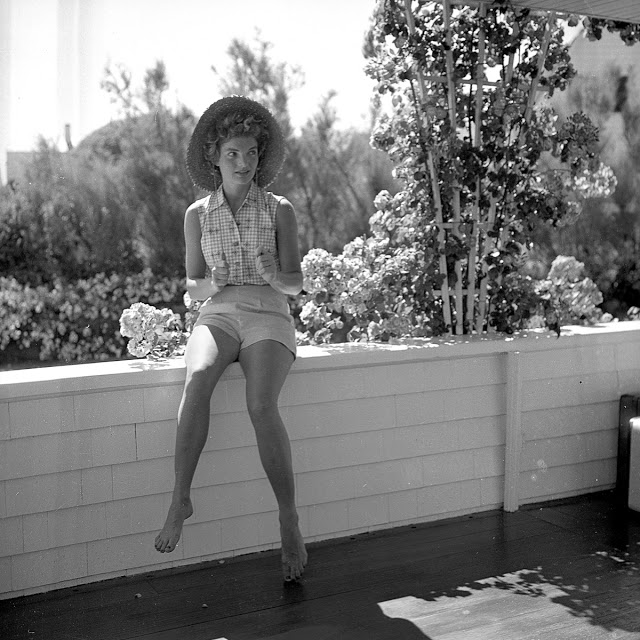
HYANNIS PORT, MA – JUNE 1953: Jacqueline Bouvier on vacation at the Kennedy compound in June 1953 in Hyannis Port, Massachusetts.
HYANNIS PORT, MA – JUNE 1953: (L-R) Jean Kennedy, Jacqueline Bouvier and Eunice Kennedy on vacation at the Kennedy compound in June 1953 in Hyannis Port, Massachusetts.
HYANNIS PORT, MA – JUNE 1953: Jacqueline Bouvier on vacation at the Kennedy compound in June 1953 in Hyannis Port, Massachusetts.
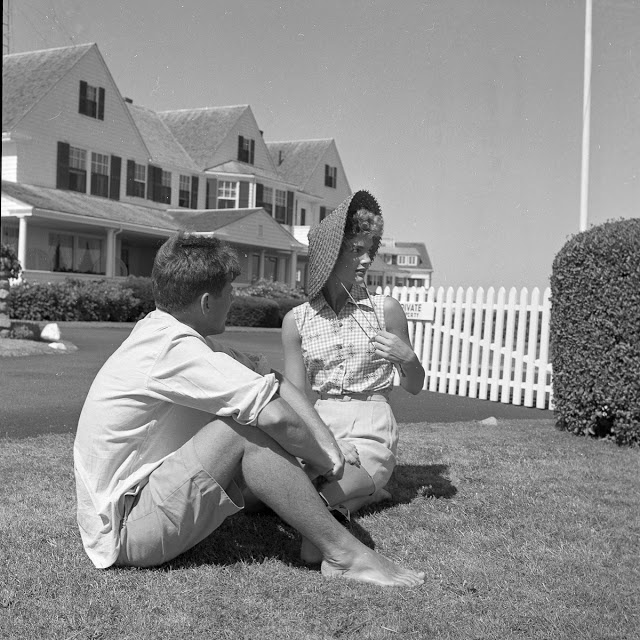
HYANNIS PORT, MA – JUNE 1953: Senator John F. Kennedy and fiance Jacqueline Bouvier on vacation at the Kennedy compound in June 1953 in Hyannis Port, Massachusetts.
HYANNIS PORT, MA – JUNE 1953: Jacqueline Bouvier is interviewed for a LIFE Magazine story while on vacation at the Kennedy compound in June 1953 in Hyannis Port, Massachusetts.
HYANNIS PORT, MA – JUNE 1953: Senator John F. Kennedy and fiance Jacqueline Bouvier chat with Patricia Kennedy (at the wheel) while on vacation at the Kennedy compound in June 1953 in Hyannis Port, Massachusetts.
HYANNIS PORT, MA – JUNE 1953: Senator John F. Kennedy and fiance Jacqueline Bouvier on vacation at the Kennedy compound in June 1953 in Hyannis Port, Massachusetts.
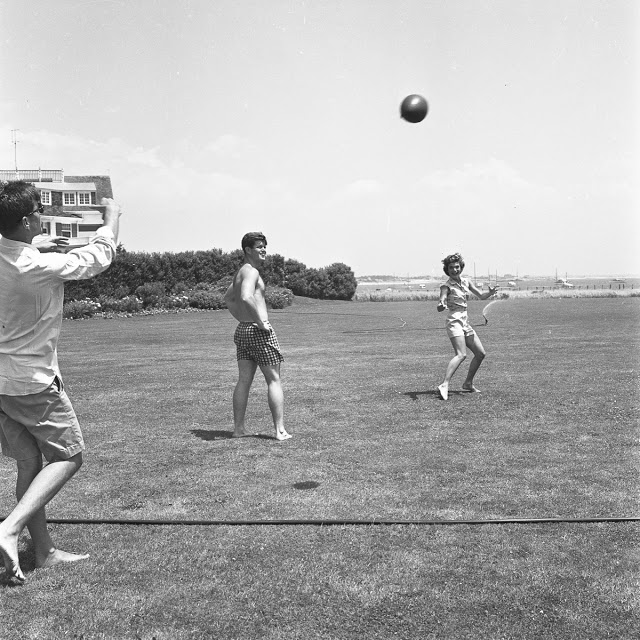
HYANNIS PORT, MA – JUNE 1953: Senator John F. Kennedy and fiance Jacqueline Bouvier play footballl with Edward Kennedy while on vacation at the Kennedy compound in June 1953 in Hyannis Port, Massachusetts.
HYANNIS PORT, MA – JUNE 1953: Senator John F. Kennedy and fiance Jacqueline Bouvier on vacation at the Kennedy compound in June 1953 in Hyannis Port, Massachusetts.
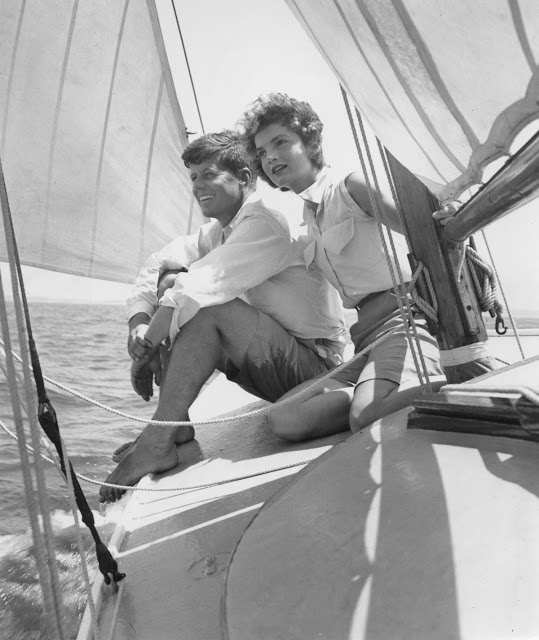
HYANNIS PORT, MA – JUNE 1953: (L-R) Eunice kennedy, Jacqueline Bouvier, Jean Kennedy, Patricia Kennedy with John F. Kennedy and Edward Kennedy (standing) go sailing while on vacation at the Kennedy compound in June 1953 in Hyannis Port, Massachusetts.
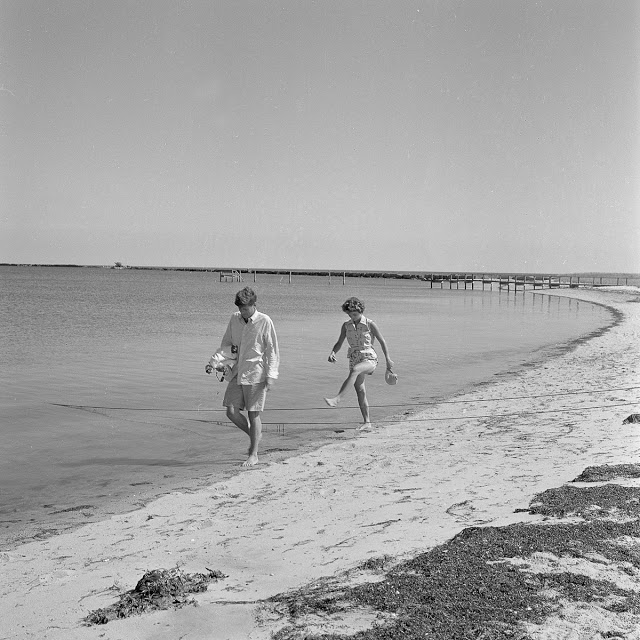
HYANNIS PORT, MA – JUNE 1953: Senator John F. Kennedy and fiance Jacqueline Bouvier on vacation at the Kennedy compound in June 1953 in Hyannis Port, Massachusetts.
HYANNIS PORT, MA – JUNE 1953: Senator John F. Kennedy and fiance Jacqueline Bouvier play baseball while on vacation at the Kennedy compound in June 1953 in Hyannis Port, Massachusetts.
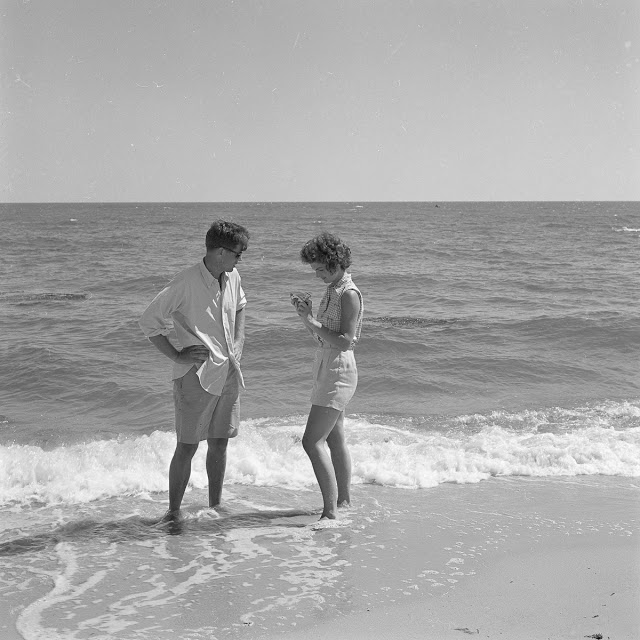
HYANNIS PORT, MA – JUNE 1953: Senator John F. Kennedy and fiance Jacqueline Bouvier on vacation at the Kennedy compound in June 1953 in Hyannis Port, Massachusetts.
HYANNIS PORT, MA – JUNE 1953: Senator John F. Kennedy and fiance Jacqueline Bouvier chat with Edward Kennedy while on vacation at the Kennedy compound in June 1953 in Hyannis Port, Massachusetts.
HYANNIS PORT, MA – JUNE 1953: Senator John F. Kennedy and fiance Jacqueline Bouvier on vacation at the Kennedy compound in June 1953 in Hyannis Port, Massachusetts.
HYANNIS PORT, MA – JUNE 1953: Senator John F. Kennedy and fiance Jacqueline Bouvier are interviewed for a LIFE Magazine story while on vacation at the Kennedy compound in June 1953 in Hyannis Port, Massachusetts.
HYANNIS PORT, MA – JUNE 1953: Senator John F. Kennedy and fiance Jacqueline Bouvier go sailing while on vacation at the Kennedy compound in June 1953 in Hyannis Port, Massachusetts.

(Photos: Hy Peskin/Getty Images)

18 Wonderful Photos That Show Kansas City in the Early 1960s

Kansas City (abbreviated KC or KCMO) is the largest city in Missouri by population and area. According to the U.S. Census Bureau, the city had a population of 508,090 in 2020, and was the 36th most-populous city in the United States as of the 2020 census. It is the most populated municipality and historic core city of the Kansas City metropolitan area, which straddles the Kansas–Missouri state line and has a population of 2,392,035. Most of the city lies within Jackson County, but portions spill into Clay, Cass, and Platte counties. Kansas City was founded in the 1830s as a Missouri River port at its confluence with the Kansas River coming in from the west. On June 1, 1850, the town of Kansas was incorporated; shortly after came the establishment of the Kansas Territory. Confusion between the two ensued, and the name Kansas City was assigned to distinguish them soon after.

Sitting on Missouri’s western boundary with Kansas, with Downtown near the confluence of the Kansas and Missouri Rivers, the city encompasses about 319.03 square miles (826.3 km2), making it the 23rd largest city by total area in the United States. It serves as one of the two county seats of Jackson County, along with the major suburb of Independence. Other major suburbs include the Missouri cities of Blue Springs and Lee’s Summit and the Kansas cities of Overland Park, Olathe, Lenexa, and Kansas City, Kansas.

The city is composed of several neighborhoods, including the River Market District in the north, the 18th and Vine District in the east, and the Country Club Plaza in the south. Celebrated cultural traditions include Kansas City jazz, theater which was the center of the Vaudevillian Orpheum circuit in the 1920s, the Chiefs and Royals sports franchises, and famous cuisine based on Kansas City-style barbecue, Kansas City strip steak, and craft breweries. The city was ranked as a gamma- global city in 2020 by GaWC. (Wikipedia)
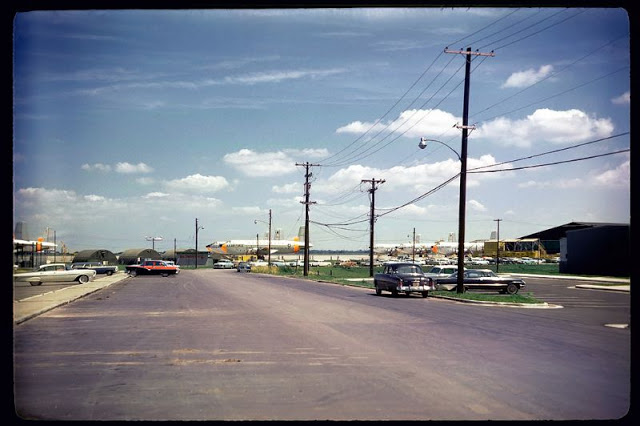
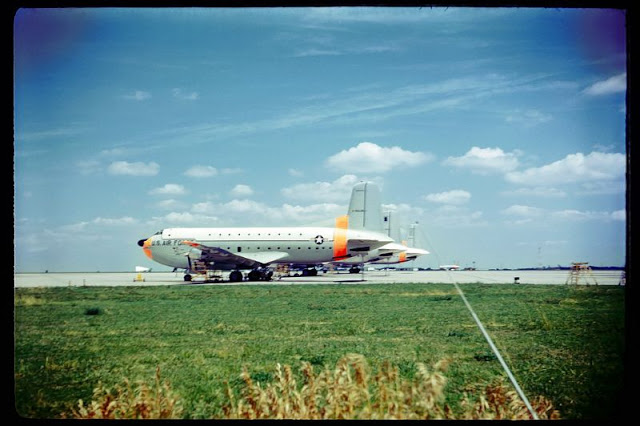
Richards Gebaur Air Force Base Kansas City showing Douglas C-124C Globemaster II Aircraft and some neat vintage cars, July 1961
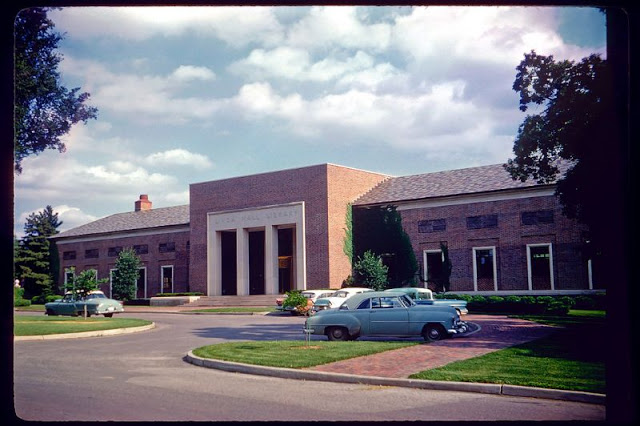
Linda Hall Library on the campus of the University of Kansas City, July 1961
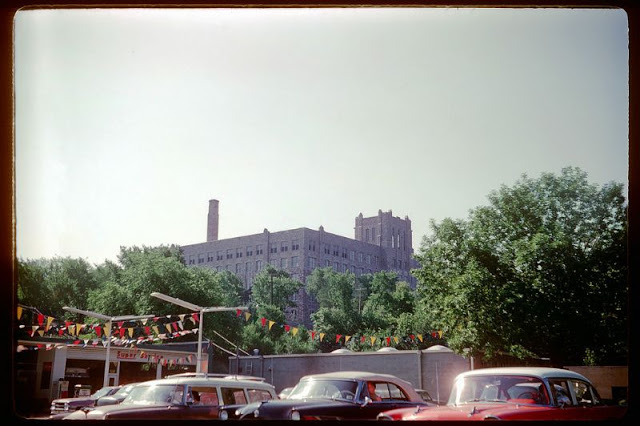
Paseo High School from Volker Blvd and The Paseo, Kansas City, July 1961
Richards Gebaur Air Force Base Kansas City showing Douglas C-124C Globemaster II Aircraft, July 1961
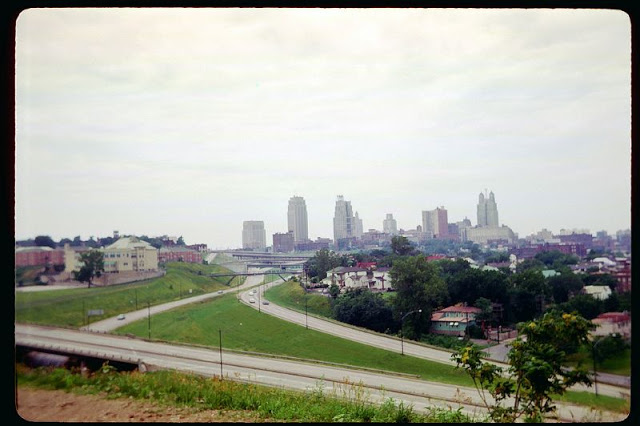
Kansas City skyline, June 1963
Kansas City trailblazers, 1963
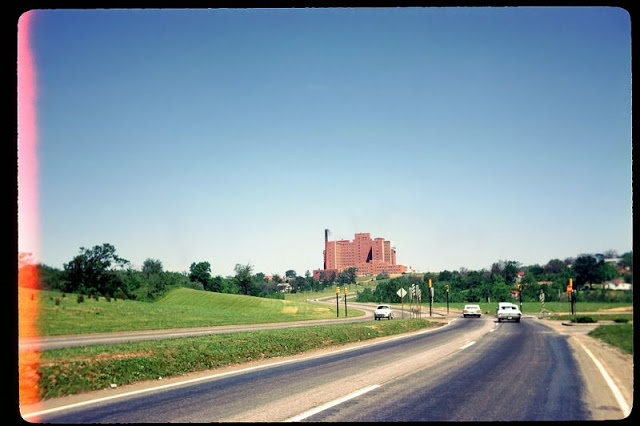
Van Brunt Extension, Kansas City, May 1963
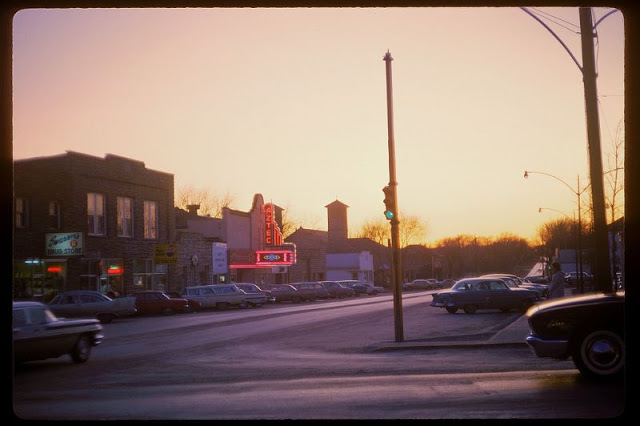
Aztec Theater in Shawnee, Kansas City, March 1964
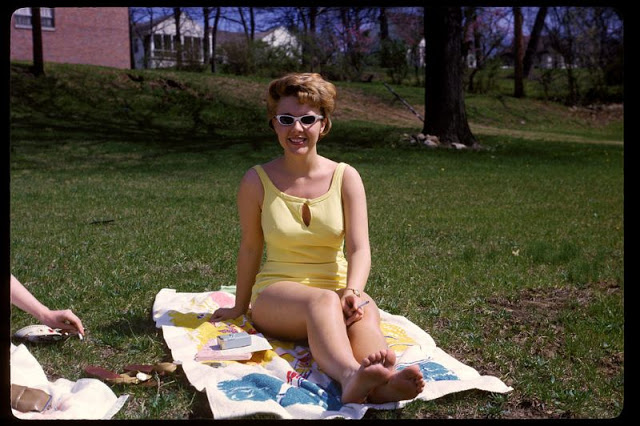
Girls catching some rays at UMKC, Kansas City, May 1964
Kansas City looking east from the Liberty Memorial, May 1964
Kansas City looking north from the Liberty Memorial, May 1964
Kansas City looking south from the Liberty Memorial, May 1964
Kansas City looking southwest from the Liberty Memorial, May 1964
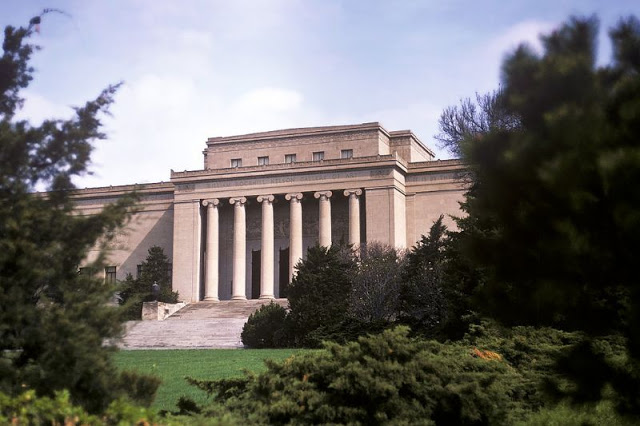
Nelson-Atkins Art Gallery in Kansas City, May 1964
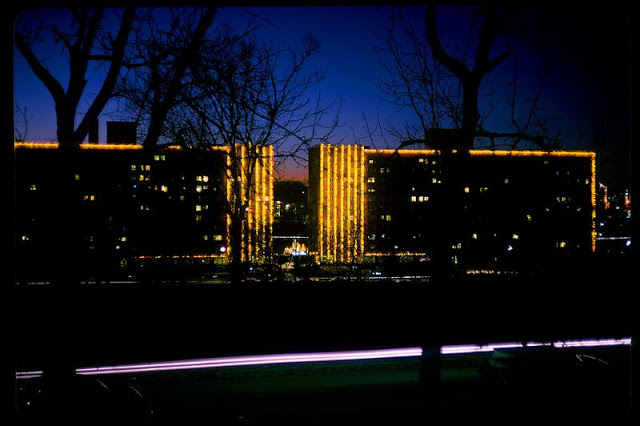
Oak Street Apartments Christmas lights from the back of the dorm at UMKC, Kansas City, December 1964

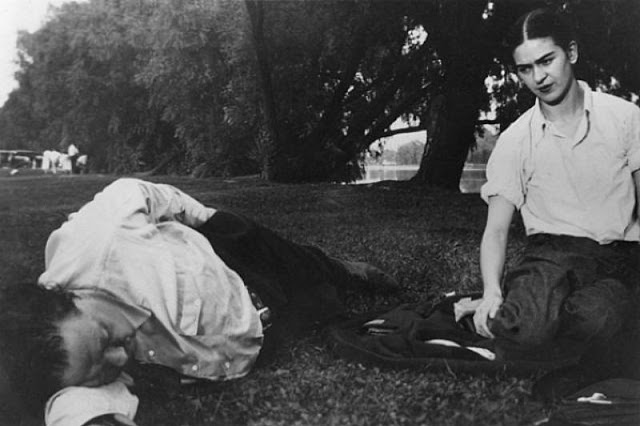
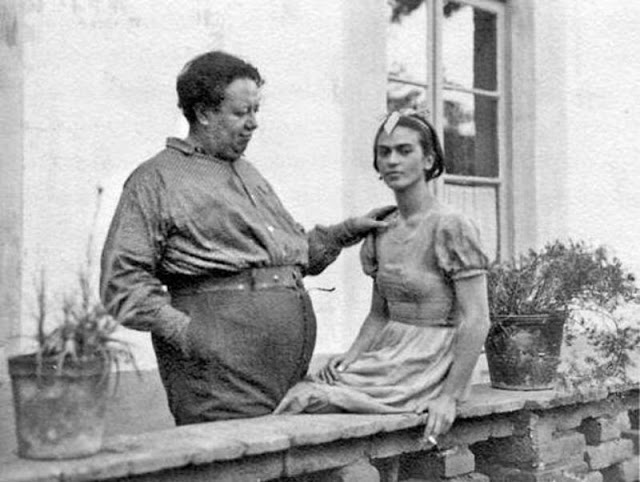
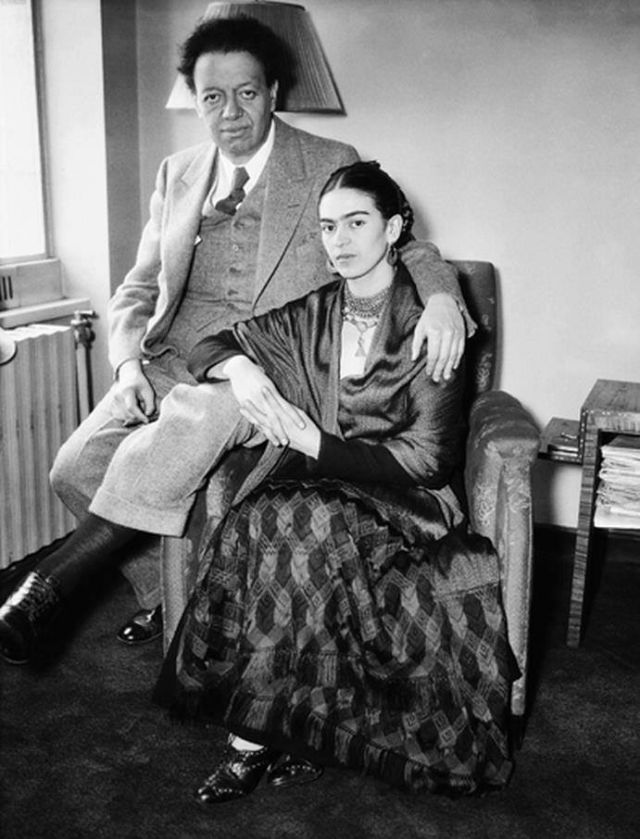
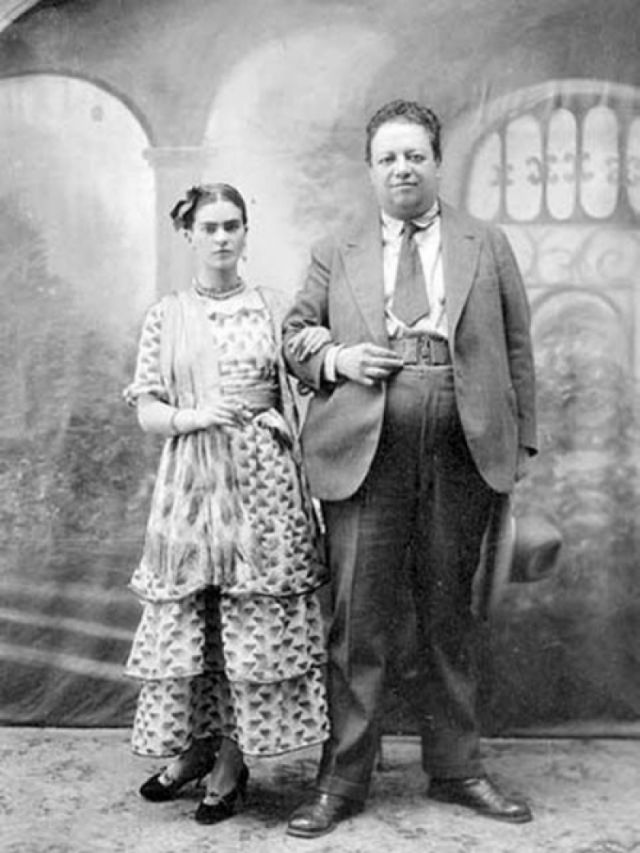
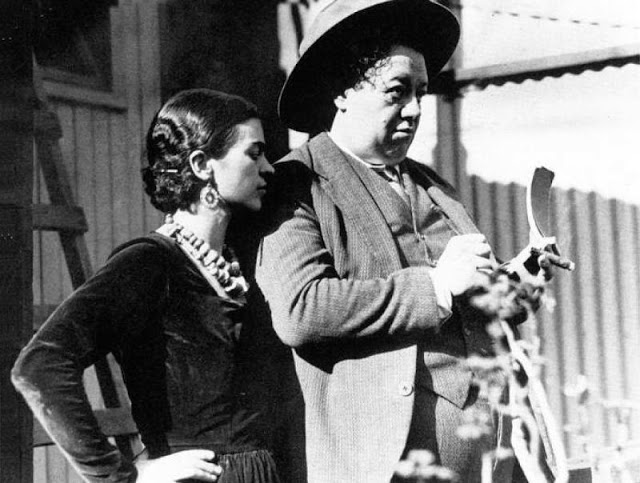
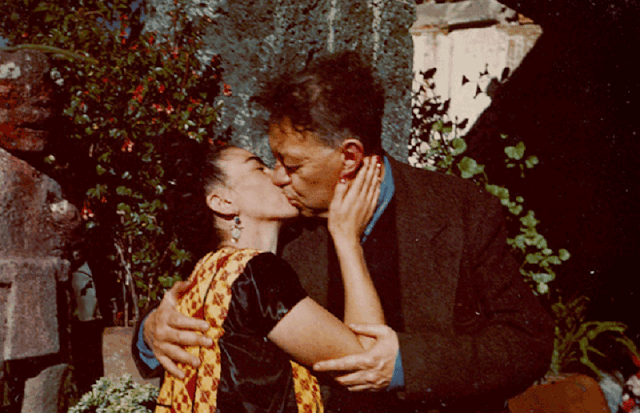
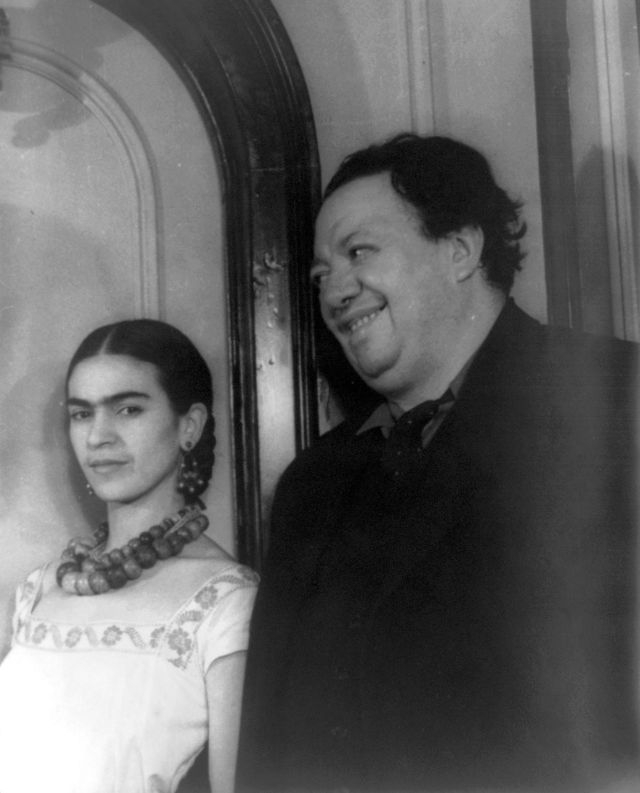
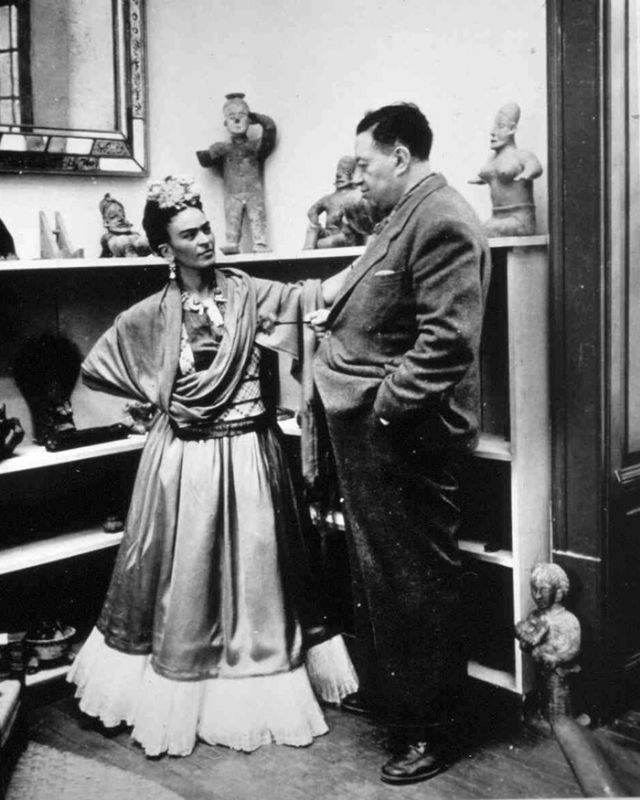
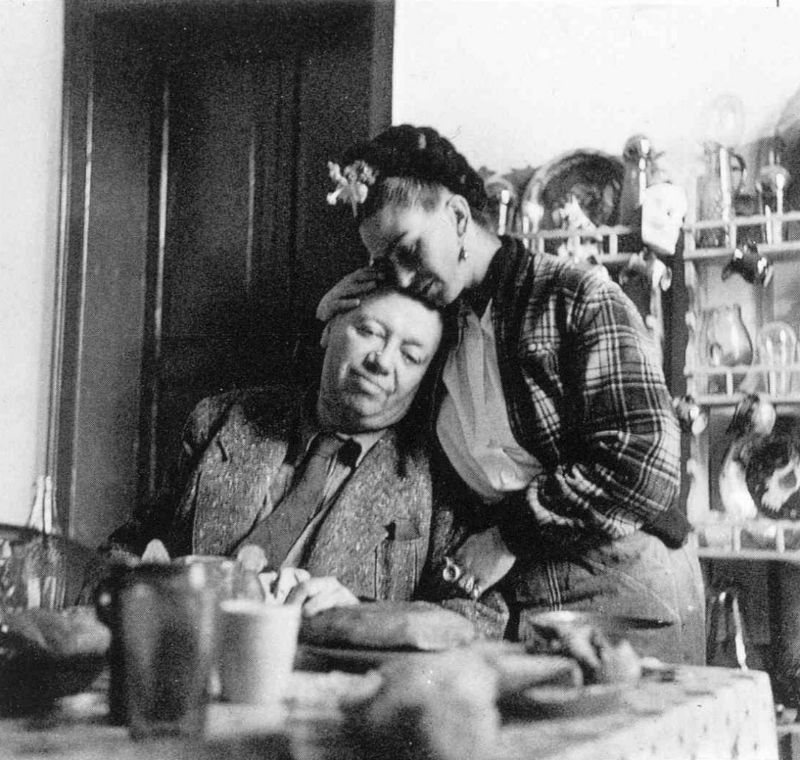
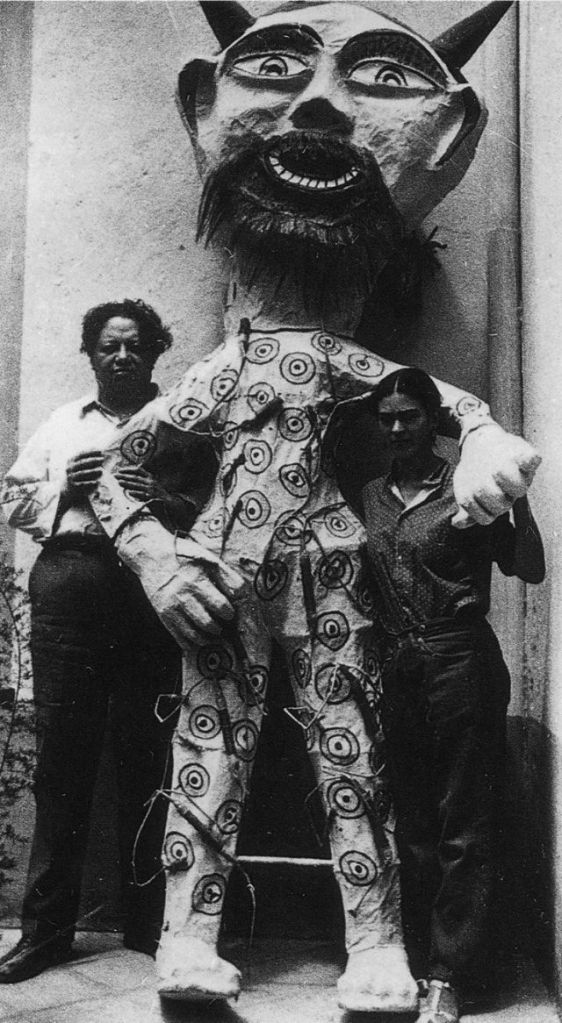
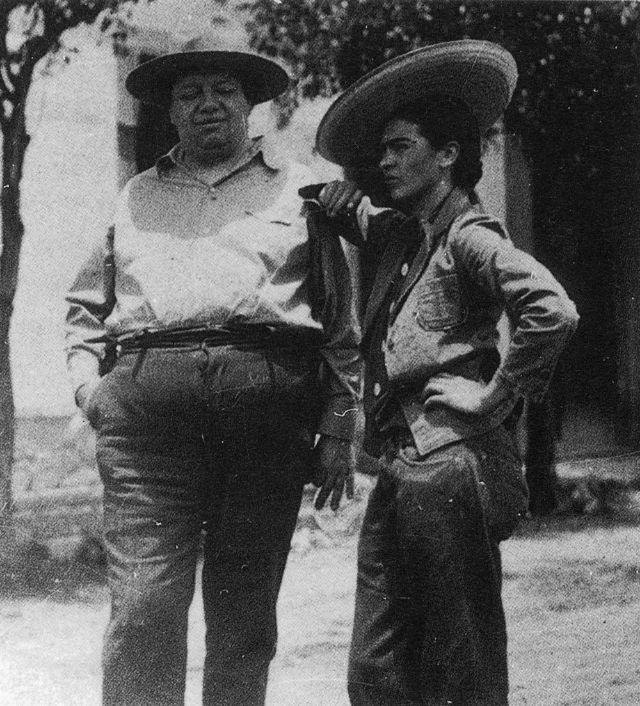
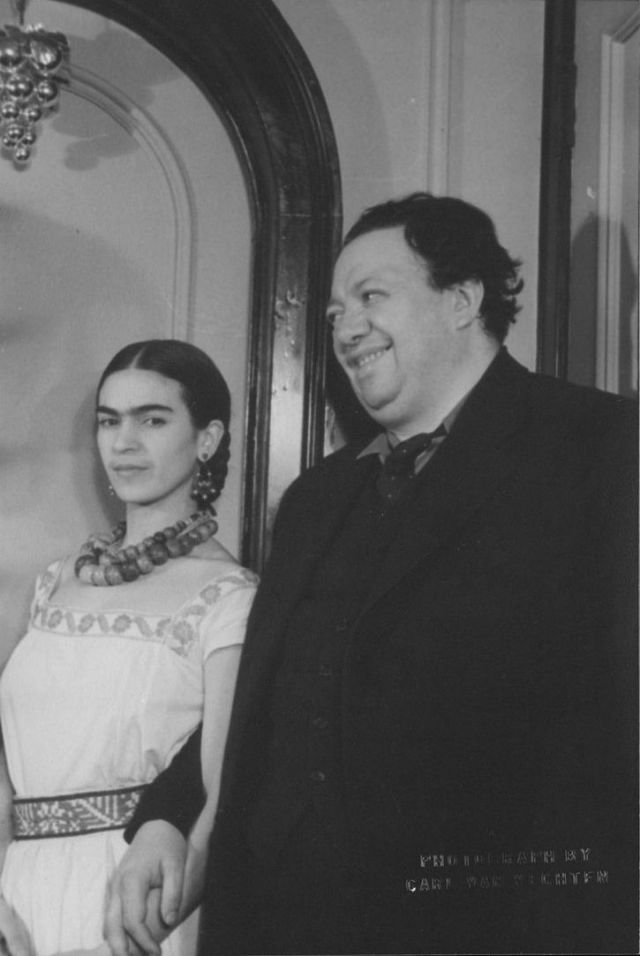
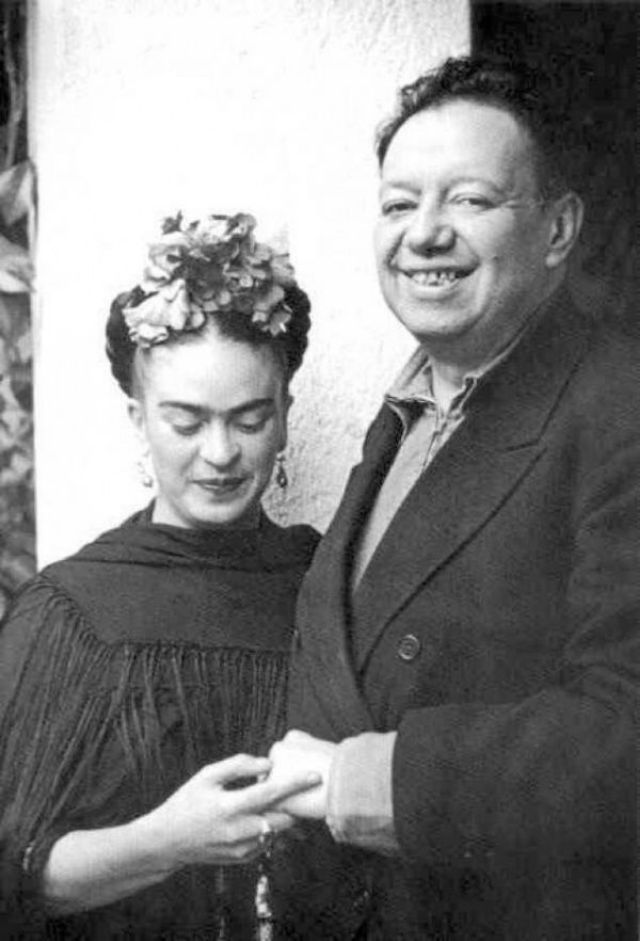
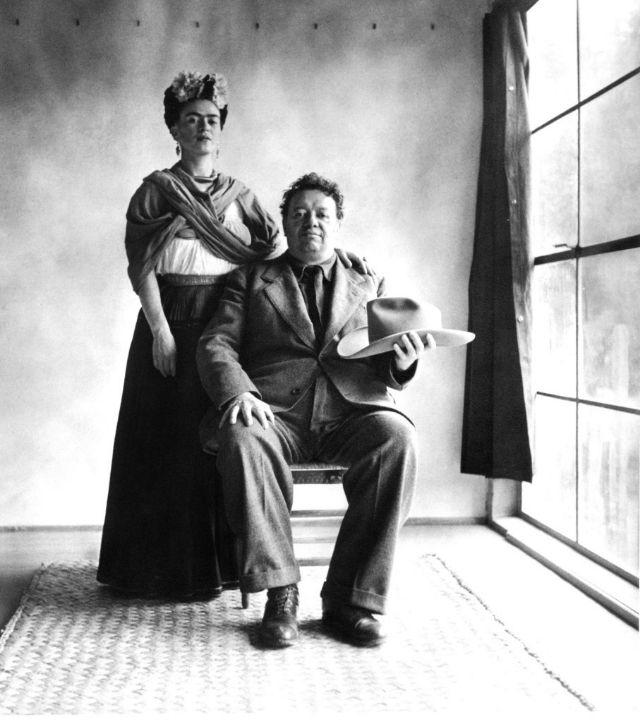
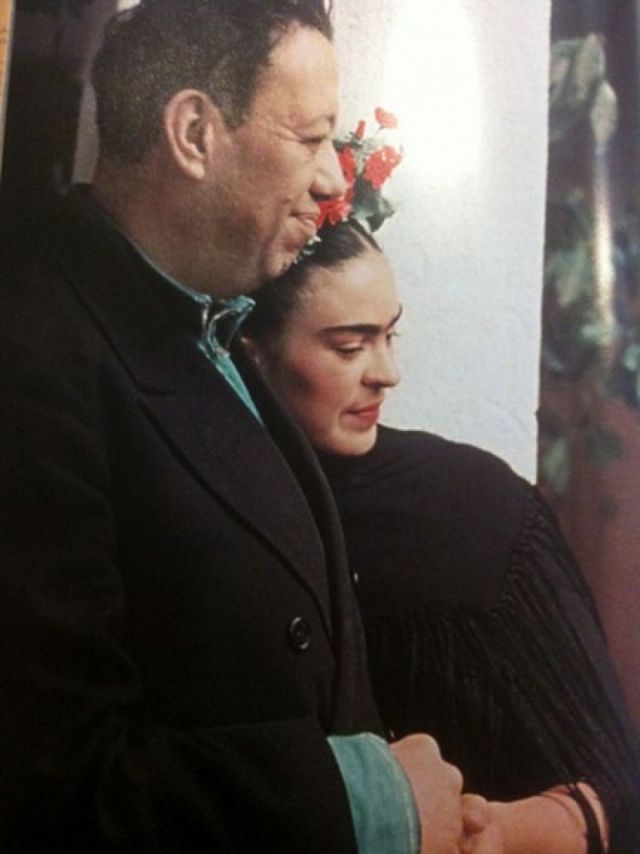
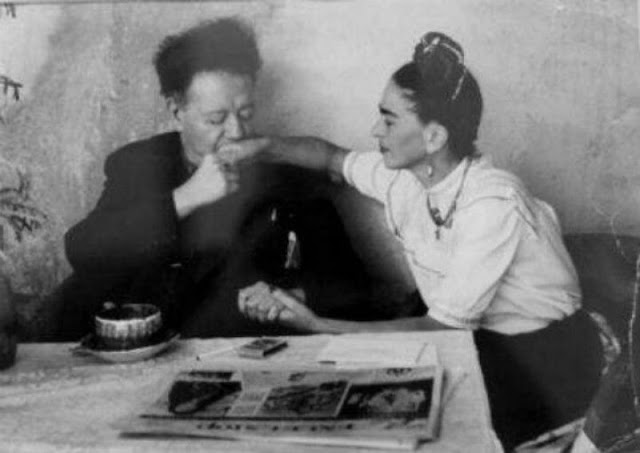
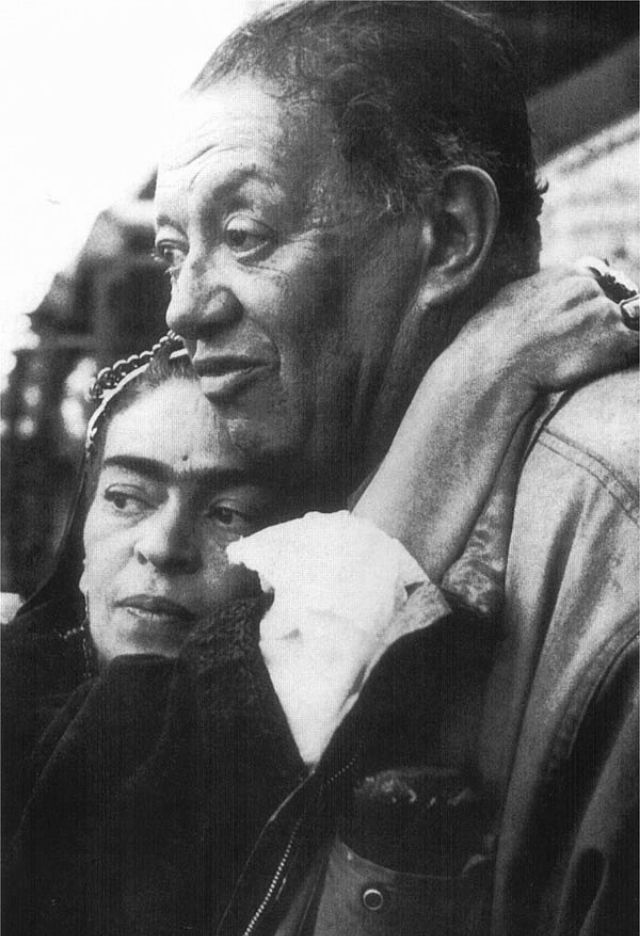
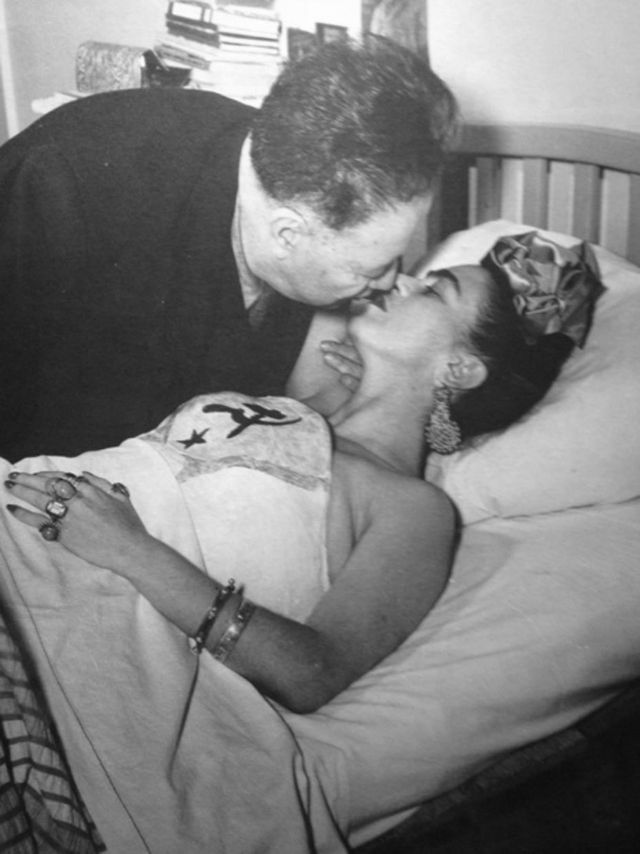
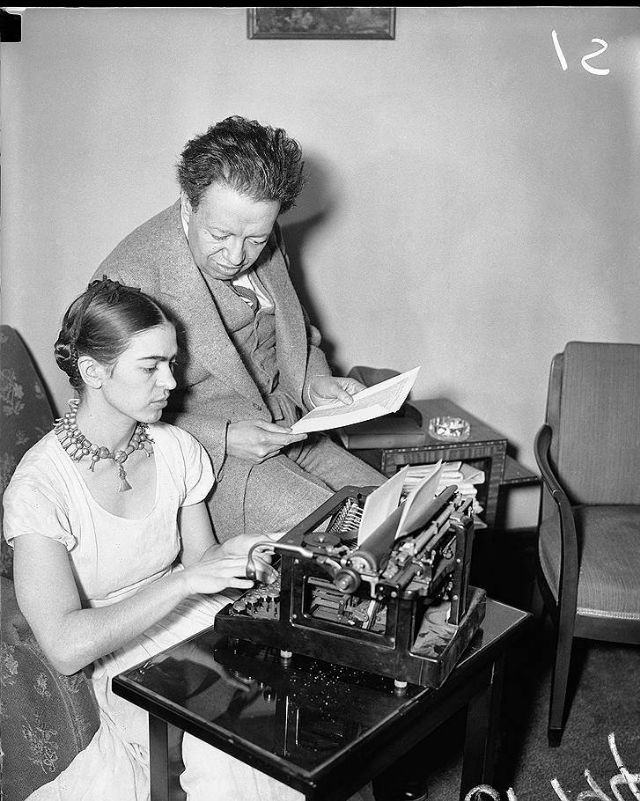
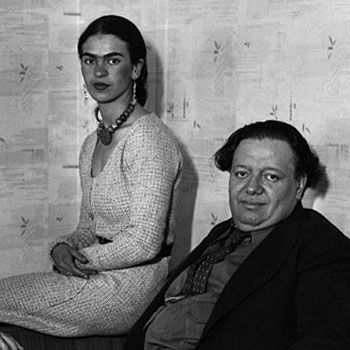
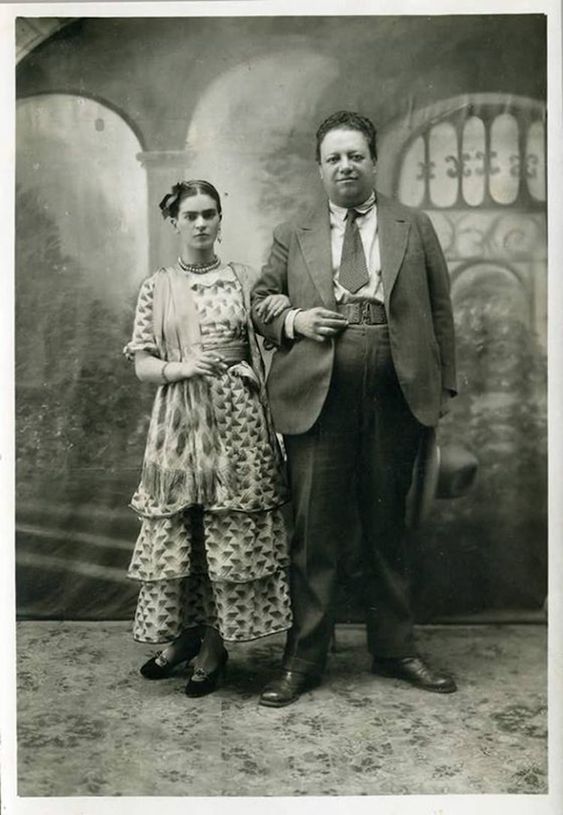
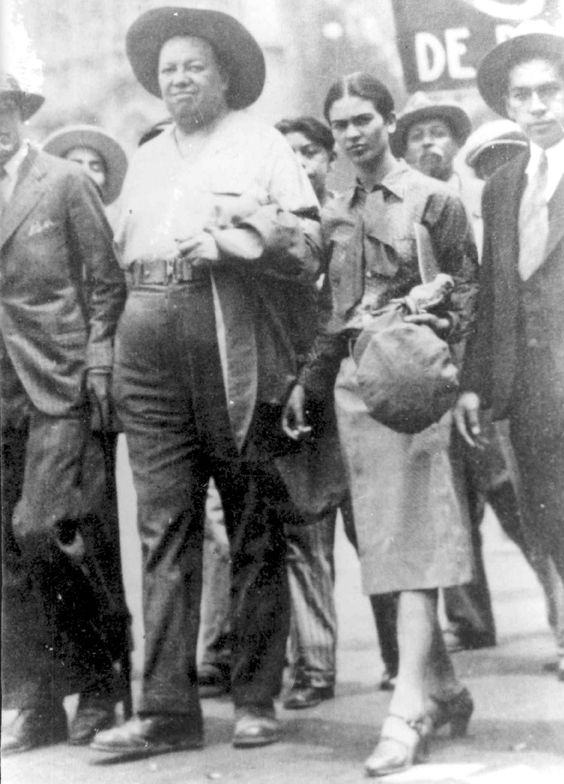
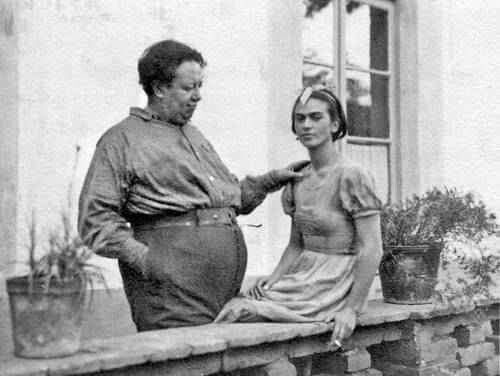
44 Vintage Photographs of Artists Frida Kahlo and Diego Rivera from the 1930s to the 1950s

Magdalena Carmen Frida Kahlo y Calderón; 6 July 1907 – 13 July 1954) was a Mexican painter known for her many portraits, self-portraits, and works inspired by the nature and artifacts of Mexico. Inspired by the country’s popular culture, she employed a naïve folk art style to explore questions of identity, postcolonialism, gender, class, and race in Mexican society. Her paintings often had strong autobiographical elements and mixed realism with fantasy. In addition to belonging to the post-revolutionary Mexicayotl movement, which sought to define a Mexican identity, Kahlo has been described as a surrealist or magical realist. She is known for painting about her experience of chronic pain.

Born to a German father and a mestiza mother, Kahlo spent most of her childhood and adult life at La Casa Azul, her family home in Coyoacán – now publicly accessible as the Frida Kahlo Museum. Although she was disabled by polio as a child, Kahlo had been a promising student headed for medical school until she suffered a bus accident at the age of 18, which caused her lifelong pain and medical problems. During her recovery, she returned to her childhood interest in art with the idea of becoming an artist.

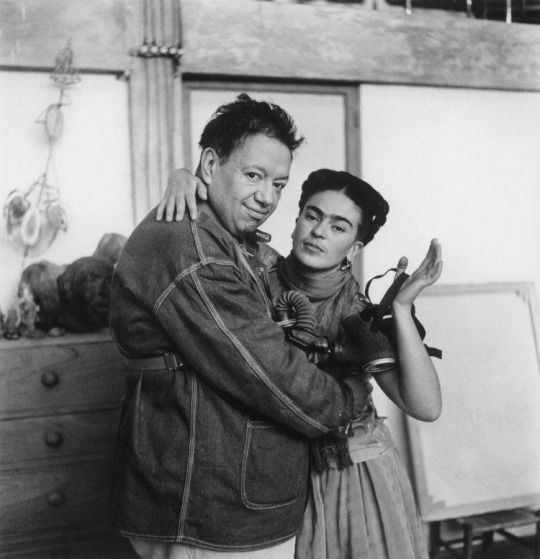
Kahlo’s interests in politics and art led her to join the Mexican Communist Party in 1927, through which she met fellow Mexican artist Diego Rivera. The couple married in 1929, and spent the late 1920s and early 1930s travelling in Mexico and the United States together. During this time, she developed her artistic style, drawing her main inspiration from Mexican folk culture, and painted mostly small self-portraits which mixed elements from pre-Columbian and Catholic beliefs. Her paintings raised the interest of Surrealist artist André Breton, who arranged for Kahlo’s first solo exhibition at the Julien Levy Gallery in New York in 1938; the exhibition was a success, and was followed by another in Paris in 1939. While the French exhibition was less successful, the Louvre purchased a painting from Kahlo, The Frame, making her the first Mexican artist to be featured in their collection. Throughout the 1940s, Kahlo participated in exhibitions in Mexico and the United States and worked as an art teacher. She taught at the Escuela Nacional de Pintura, Escultura y Grabado (“La Esmeralda”) and was a founding member of the Seminario de Cultura Mexicana. Kahlo’s always-fragile health began to decline in the same decade. She had her first solo exhibition in Mexico in 1953, shortly before her death in 1954 at the age of 47.

Kahlo’s work as an artist remained relatively unknown until the late 1970s, when her work was rediscovered by art historians and political activists. By the early 1990s, she had become not only a recognized figure in art history, but also regarded as an icon for Chicanos, the feminism movement and the LGBTQ+ movement. Kahlo’s work has been celebrated internationally as emblematic of Mexican national and indigenous traditions and by feminists for what is seen as its uncompromising depiction of the female experience and form.

Diego María de la Concepción Juan Nepomuceno Estanislao de la Rivera y Barrientos Acosta y Rodríguez, known as Diego Rivera; December 8, 1886 – November 24, 1957), was a prominent Mexican painter. His large frescoes helped establish the mural movement in Mexican and international art.

Between 1922 and 1953, Rivera painted murals in, among other places, Mexico City, Chapingo, and Cuernavaca, Mexico; and San Francisco, Detroit, and New York City, United States. In 1931, a retrospective exhibition of his works was held at the Museum of Modern Art in New York; this was before he completed his 27-mural series known as Detroit Industry Murals.

Rivera had numerous marriages and children, including at least one natural daughter. His first child and only son died at the age of two. His third wife was fellow Mexican artist Frida Kahlo, with whom he had a volatile relationship that continued until her death. He was married a fifth time, to his agent.

Due to his importance in the country’s art history, the government of Mexico declared Rivera’s works as monumentos historicos.[2] As of 2018, Rivera holds the record for highest price at auction for a work by a Latin American artist. The 1931 painting The Rivals, part of the record setting Collection of Peggy Rockefeller and David Rockefeller, sold for US$9.76 million. (Wikipedia)

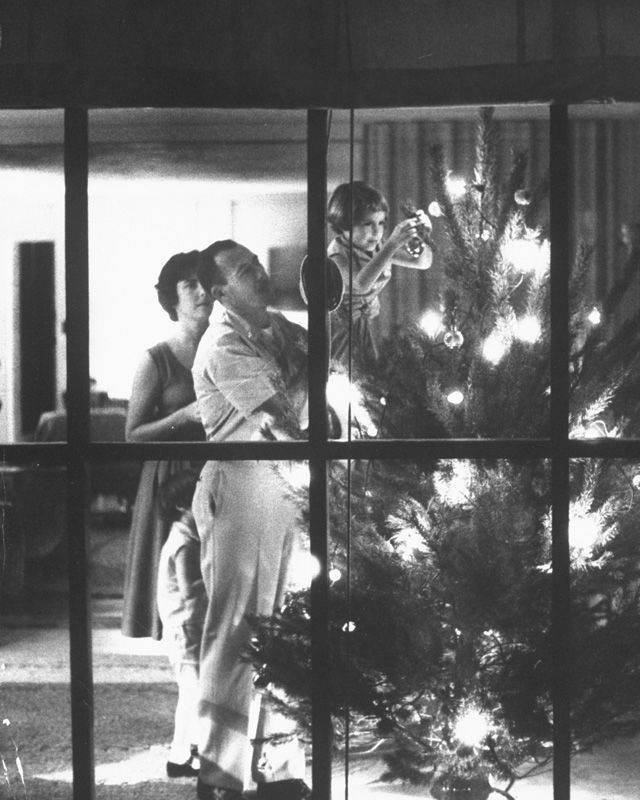
18 Vintage Christmas Photos From the 1940s and 1950s That Will Make You Nostalgic For Christmases Past

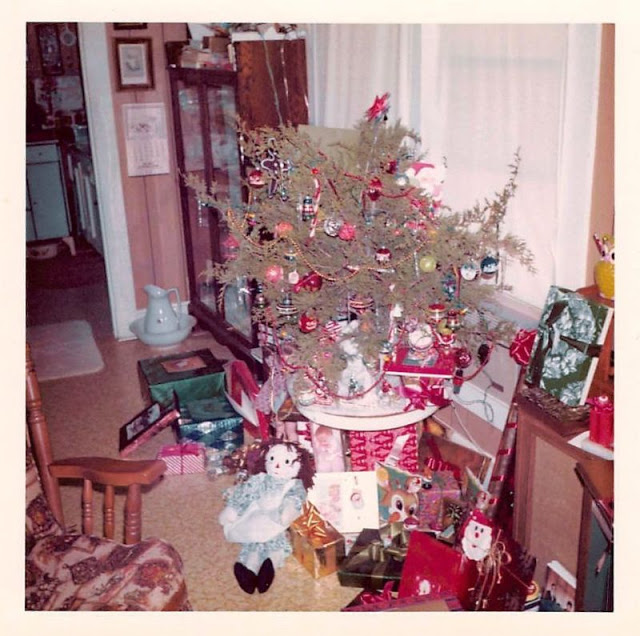
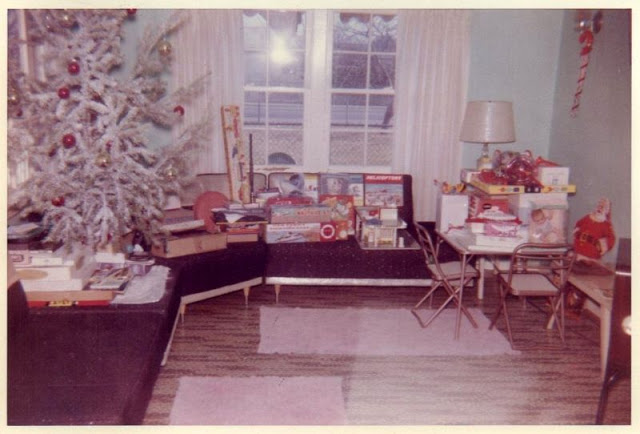
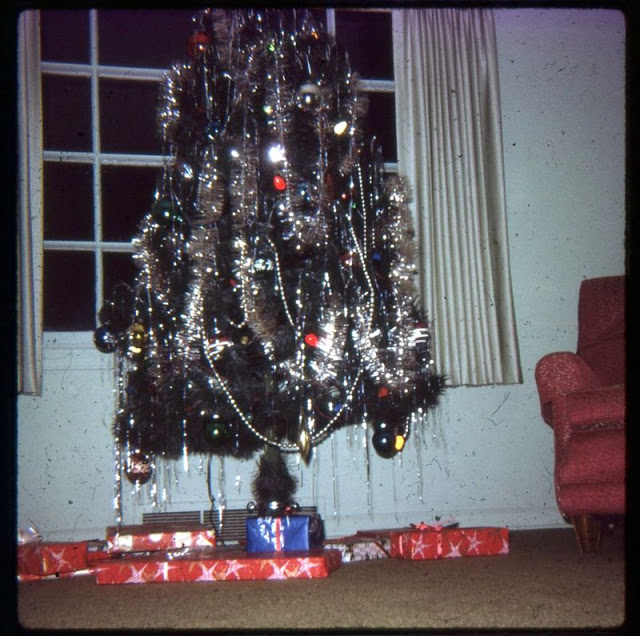
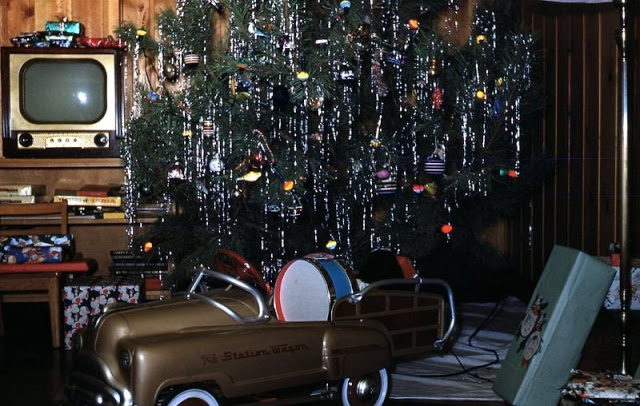
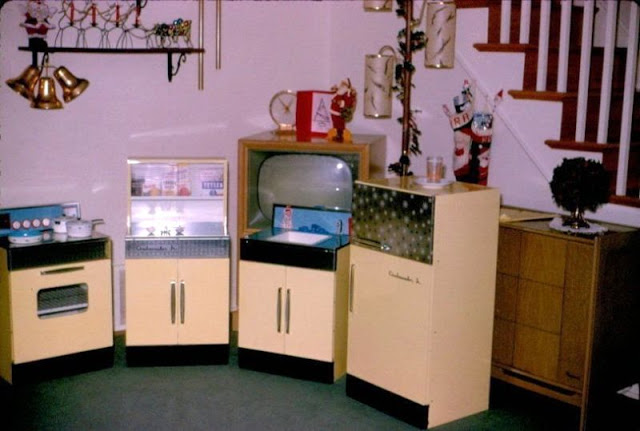
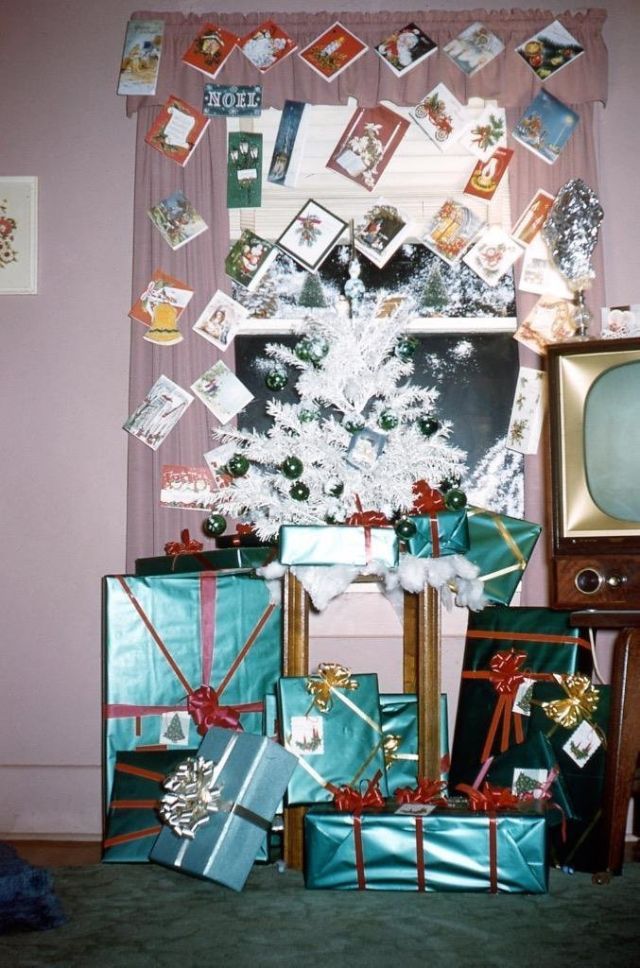
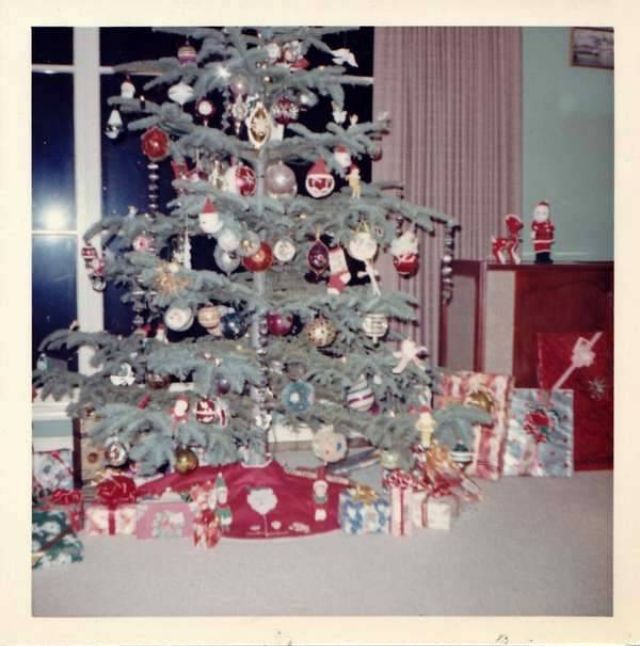
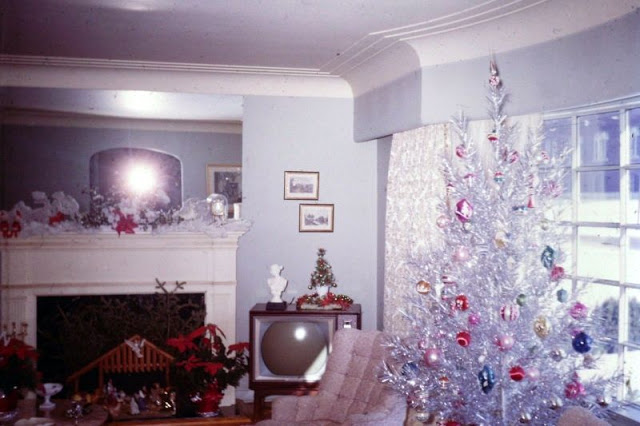
Whether it’s the tinseled trees, the heartfelt gifts, or just the general kind-hearted and simple spirit of the times, no era captured the true essence of Christmas quite like the 1940s and 1950s.

Family with two children opening gifts by Christmas tree
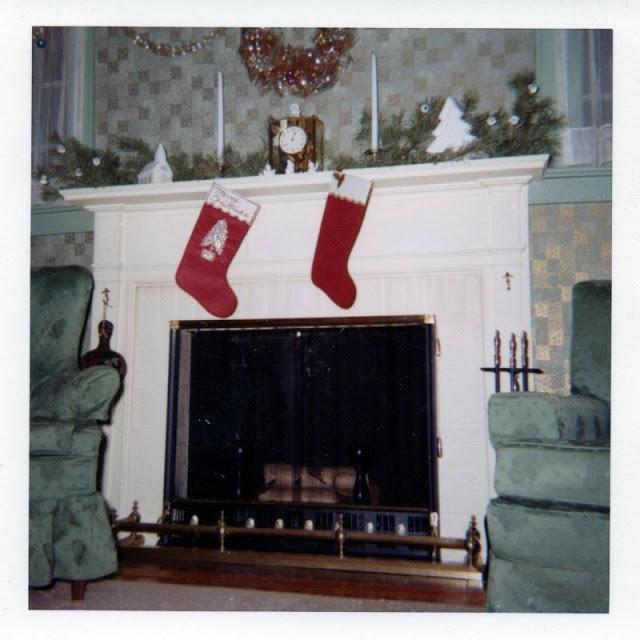
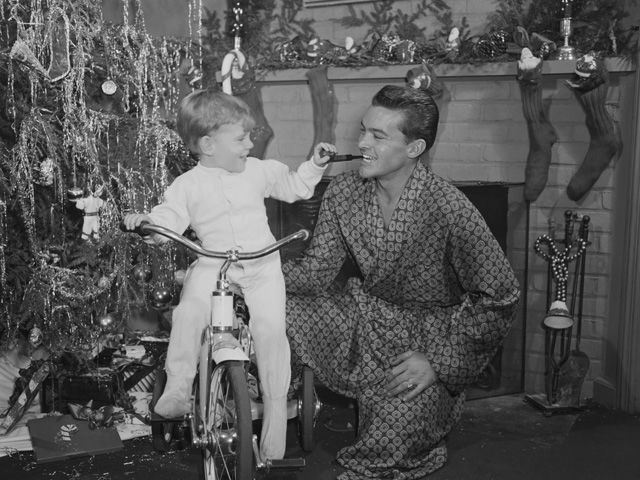
The simple stockings hanging off the mantelpiece.
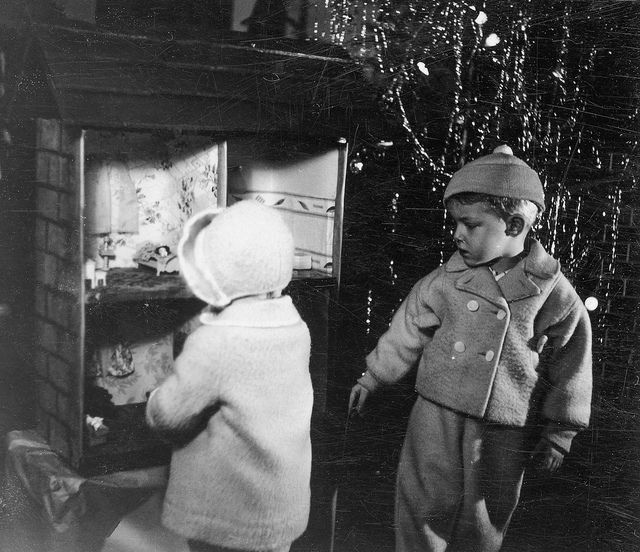
The predictable gifts. Dolls for girls…
…and bicycles for boys.
Failing that, a nice puppy will do.
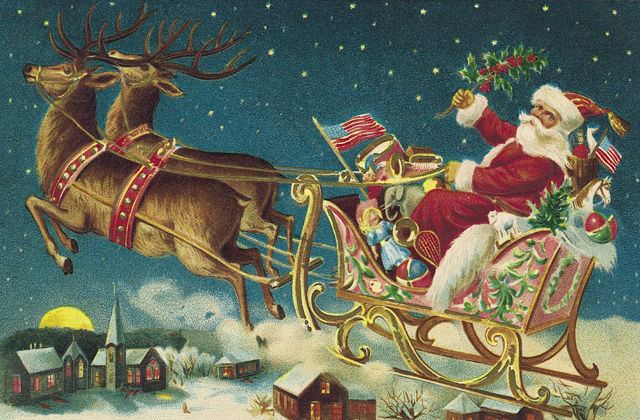
The beautifully illustrated postcards.
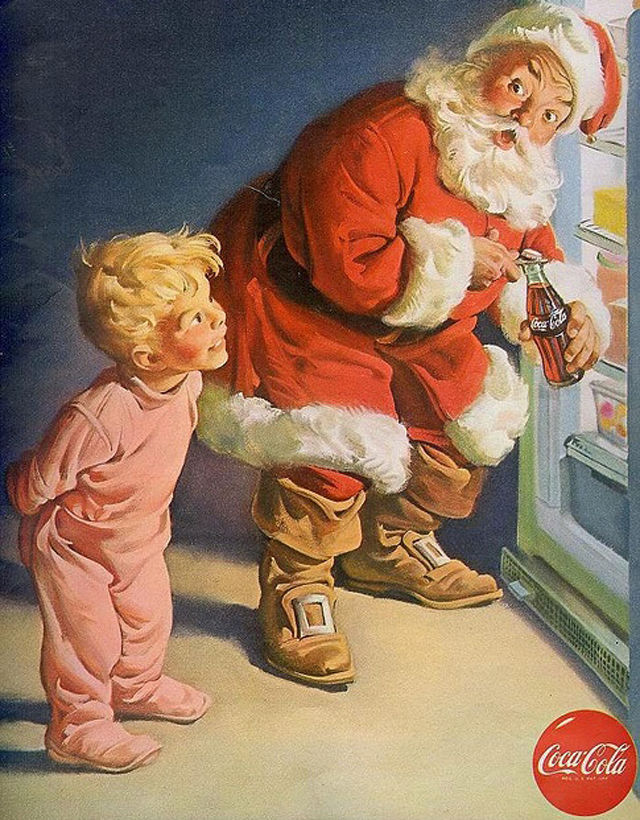
The good-natured advertisements.
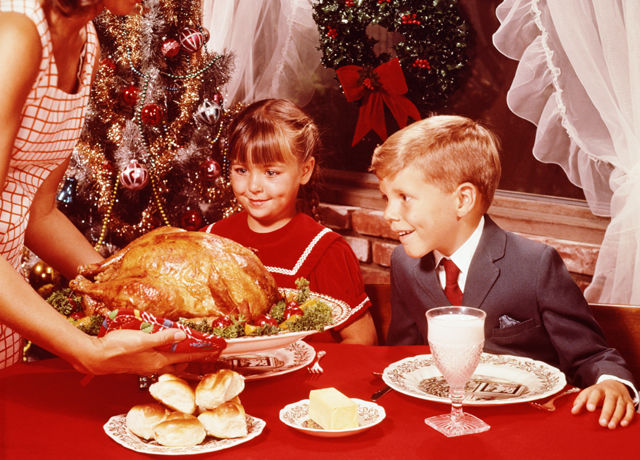
The traditional Christmas turkey.
That cozy moment when everyone gathers together to read a Christmas classic.
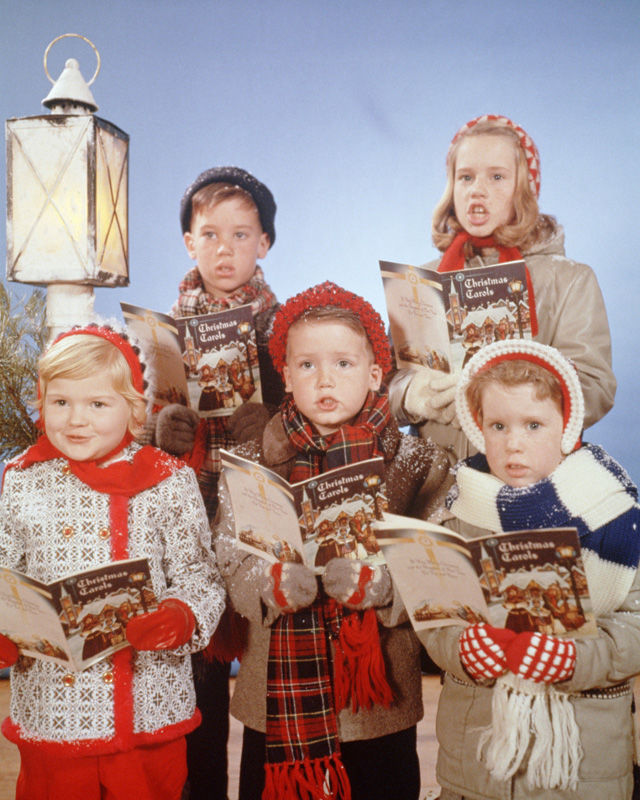
And the festive fun of caroling both indoors and out!
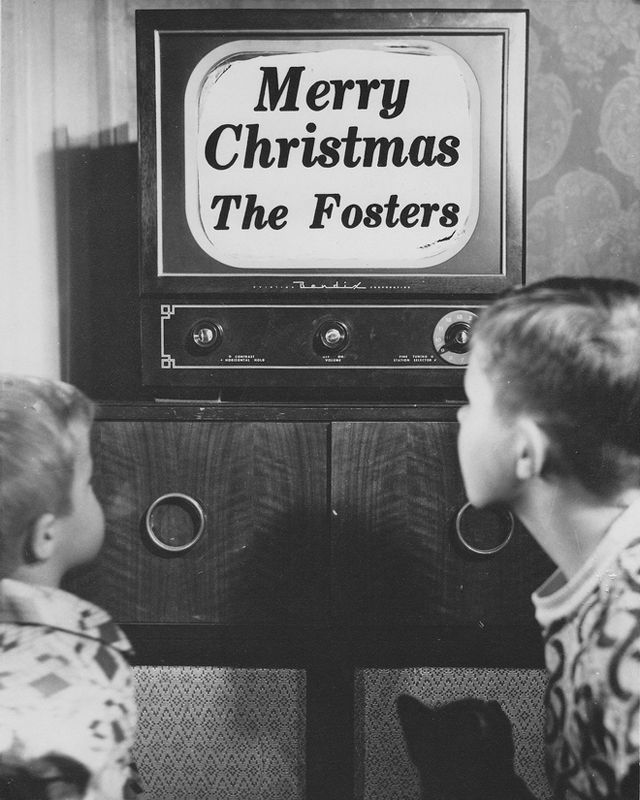
Watching the Christmas special that you’ve been looking forward to for weeks just before bed.
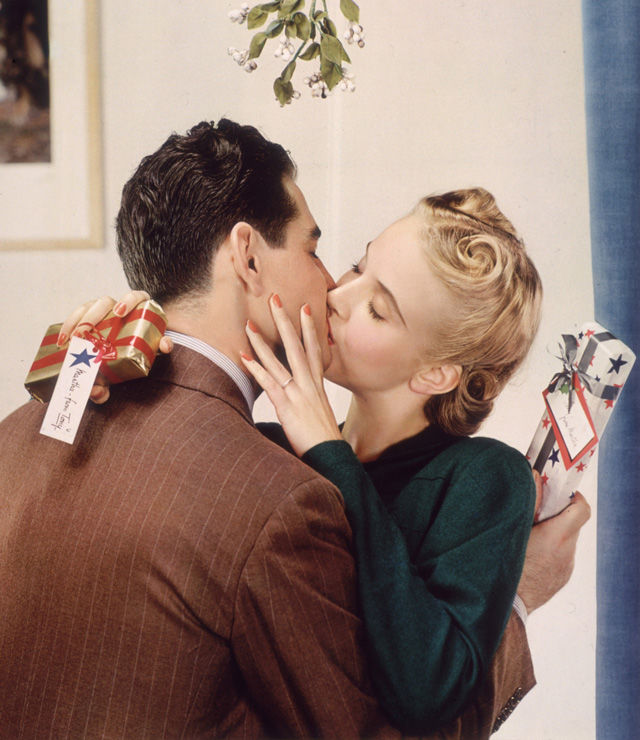
Sharing a polite peck under the mistletoe.
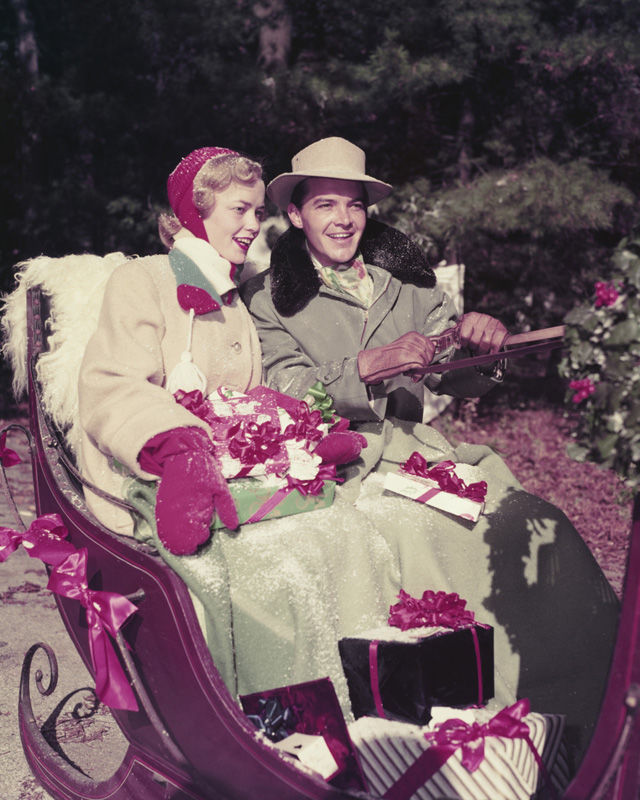
Or a romantic sleigh ride through the snow.
The joys of department store shopping.
The holy silence of an empty street buried under snow.
Getting to your neighbor’s house by sled.
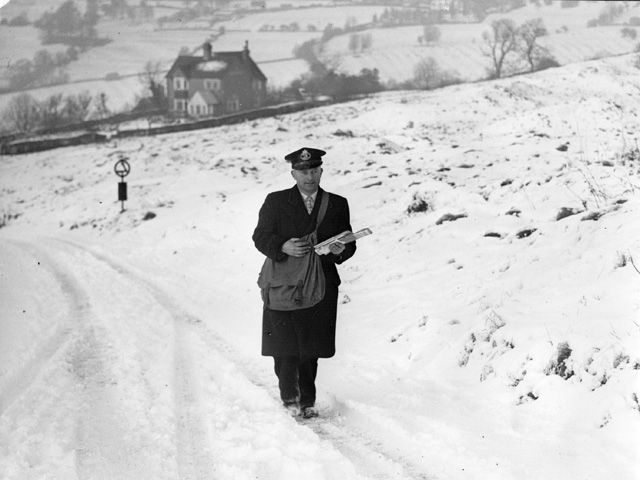
Waiting eagerly for the postman to arrive with cards and gifts from relatives.
And then, there’s the one thing that never changes: The sense of wonder the holiday brings.

Yesterday Today

Bringing You the Wonder of Yesterday - Today

Skip to content ↓