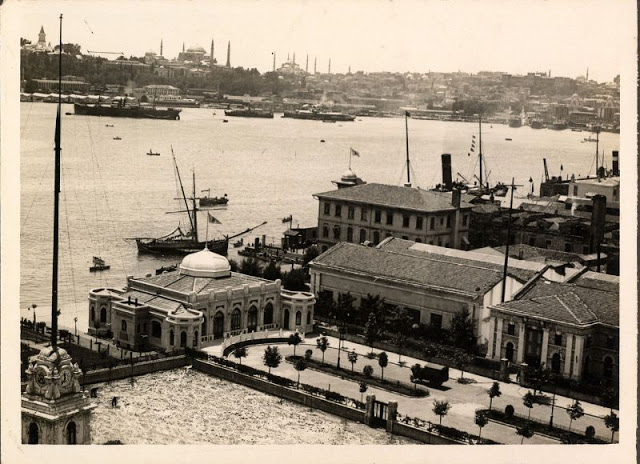
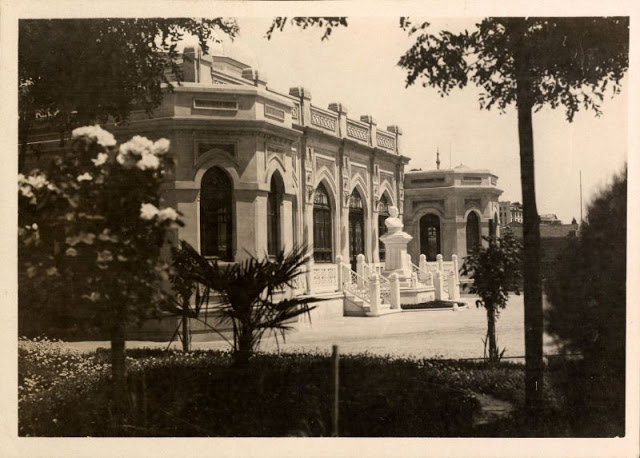
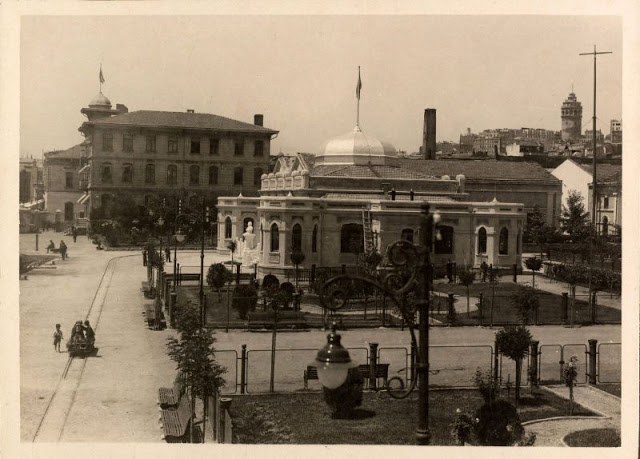
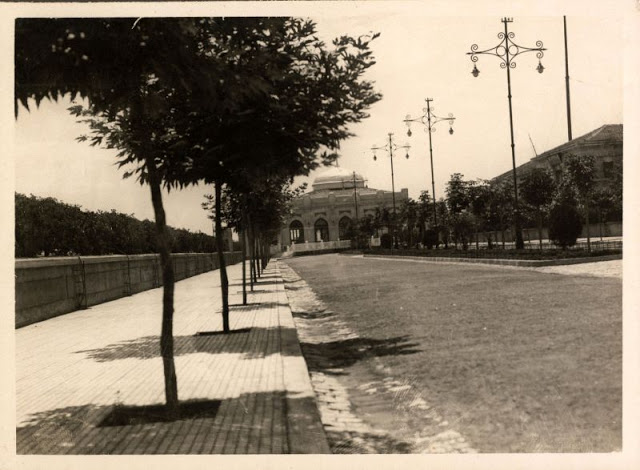
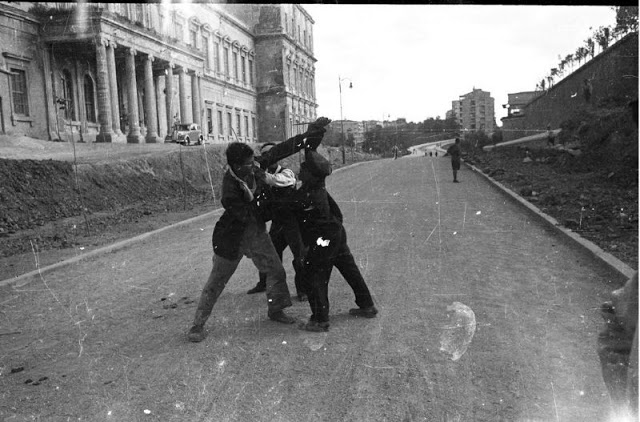
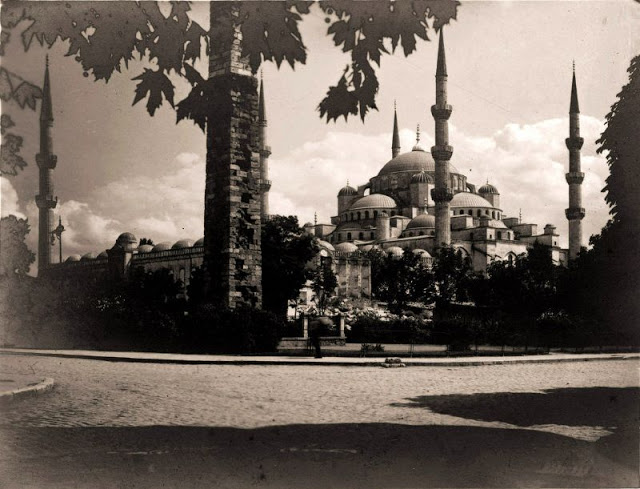
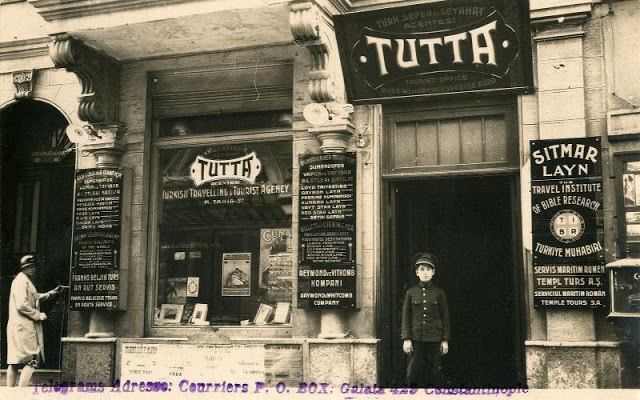
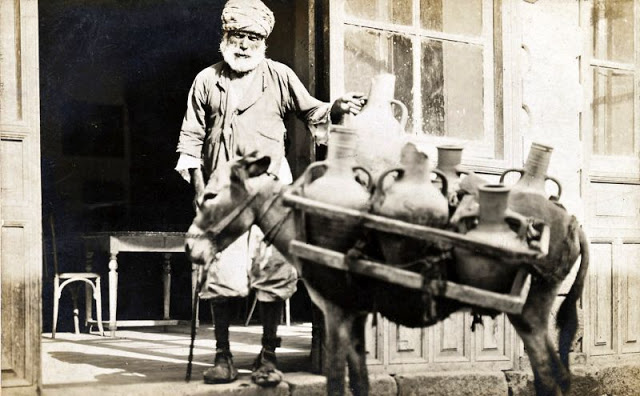
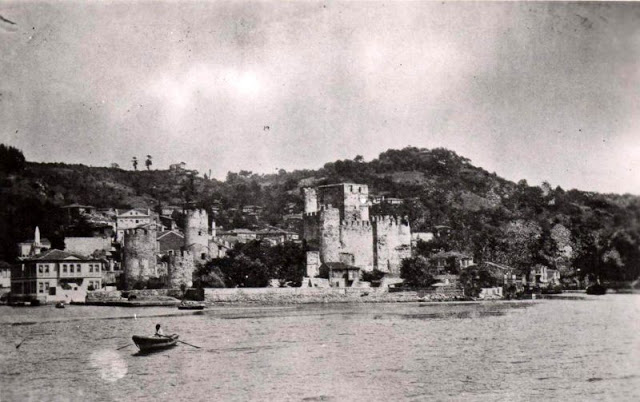
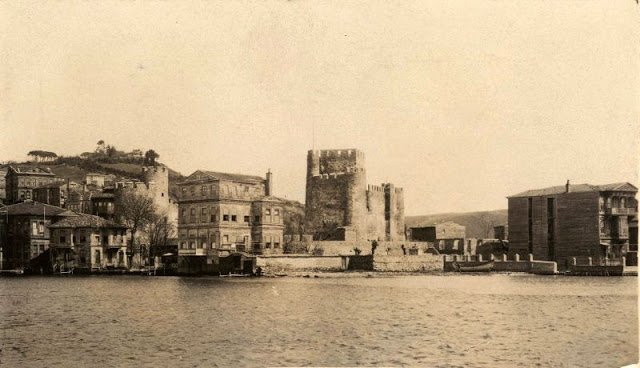
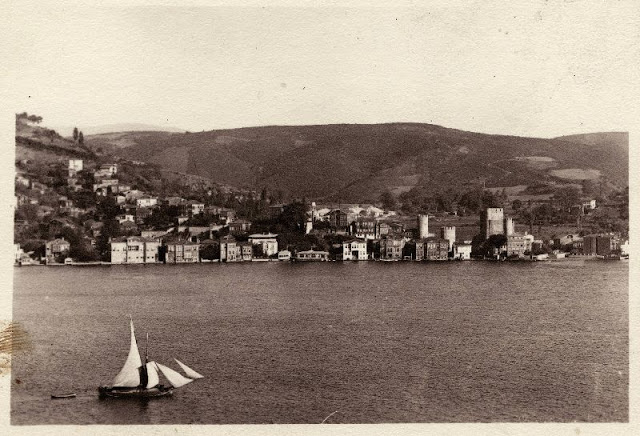
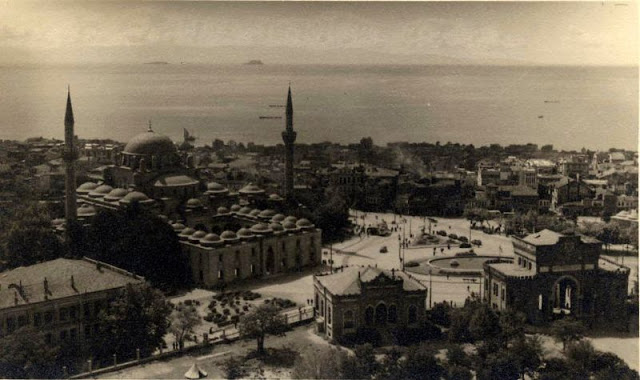
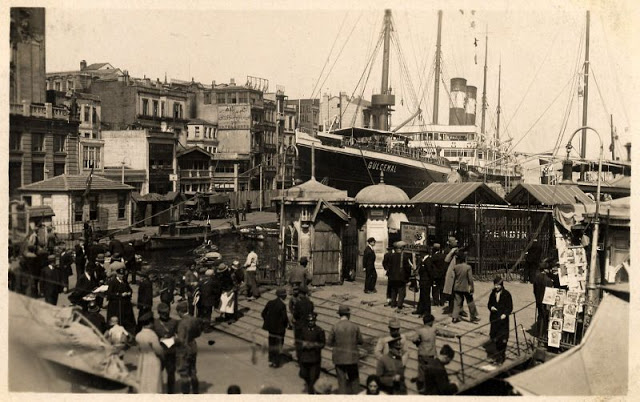
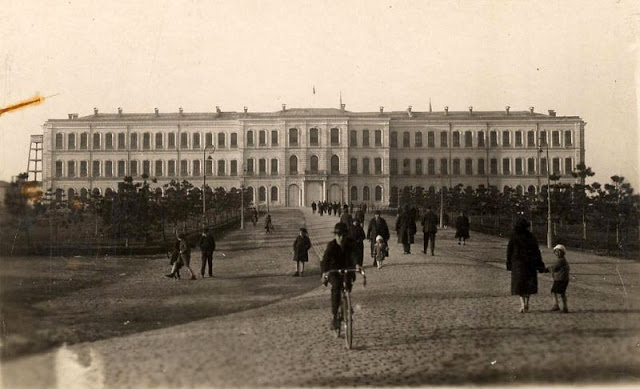
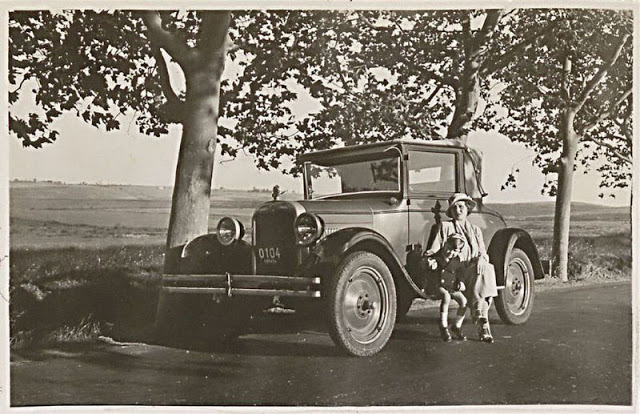
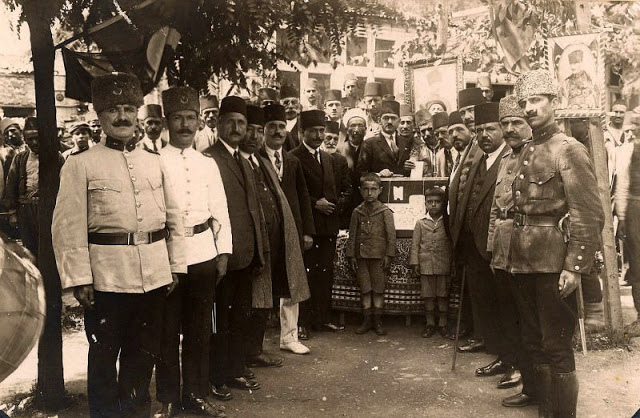
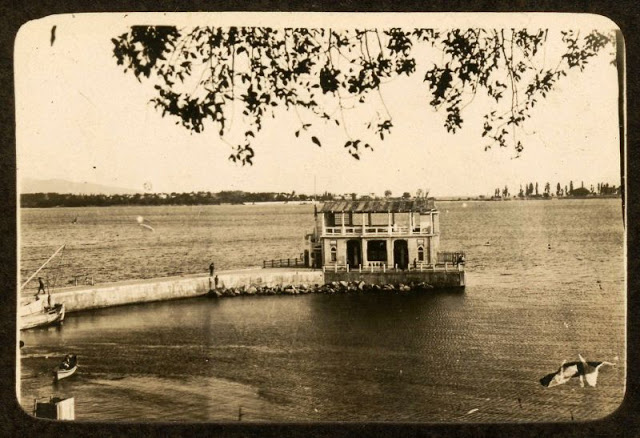
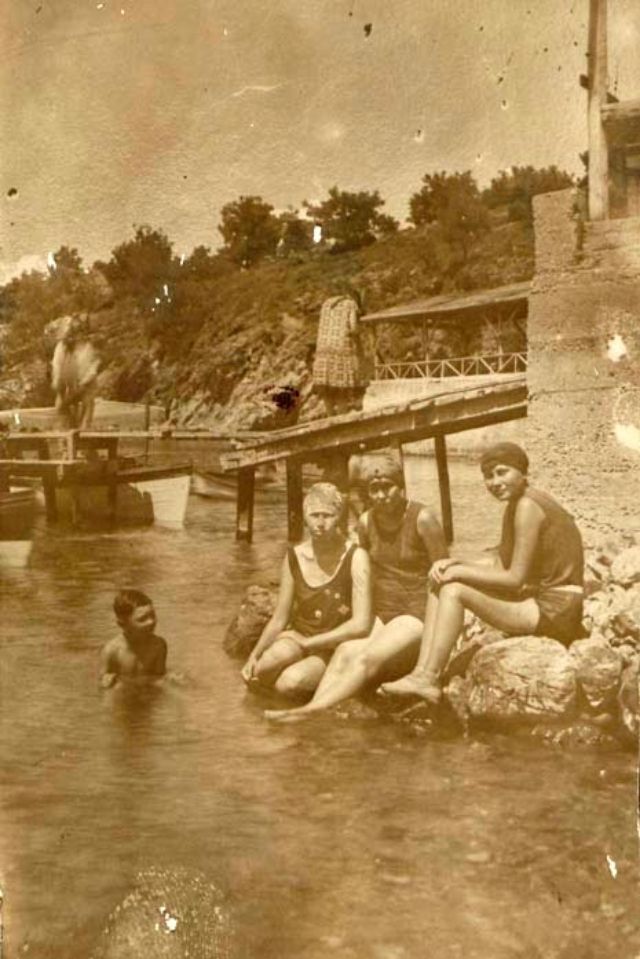
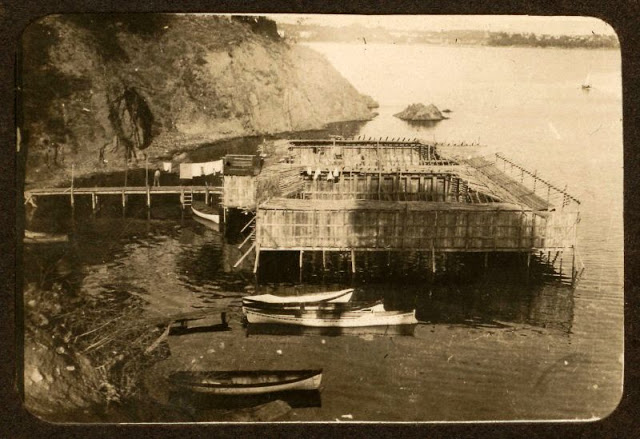
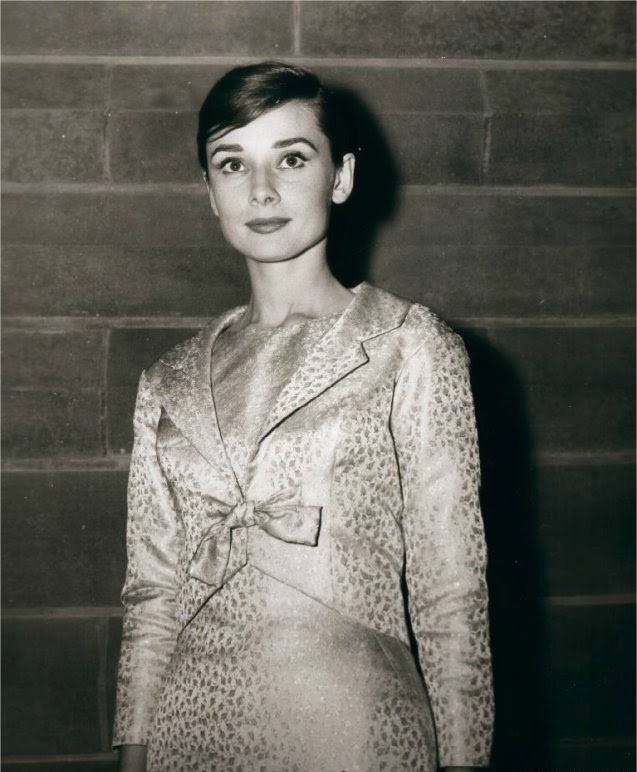
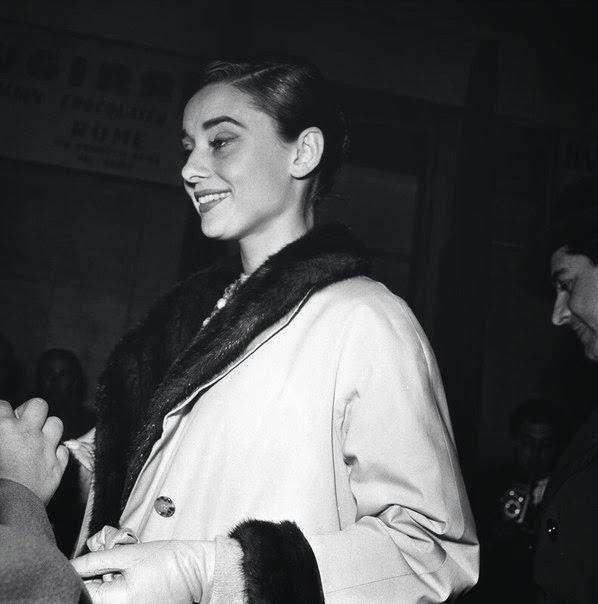
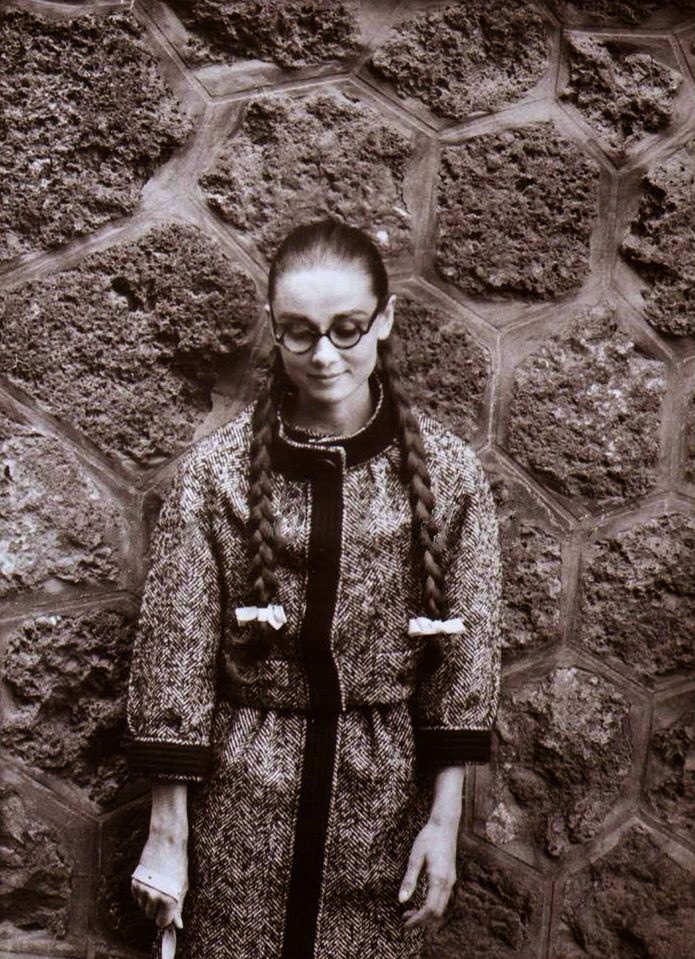
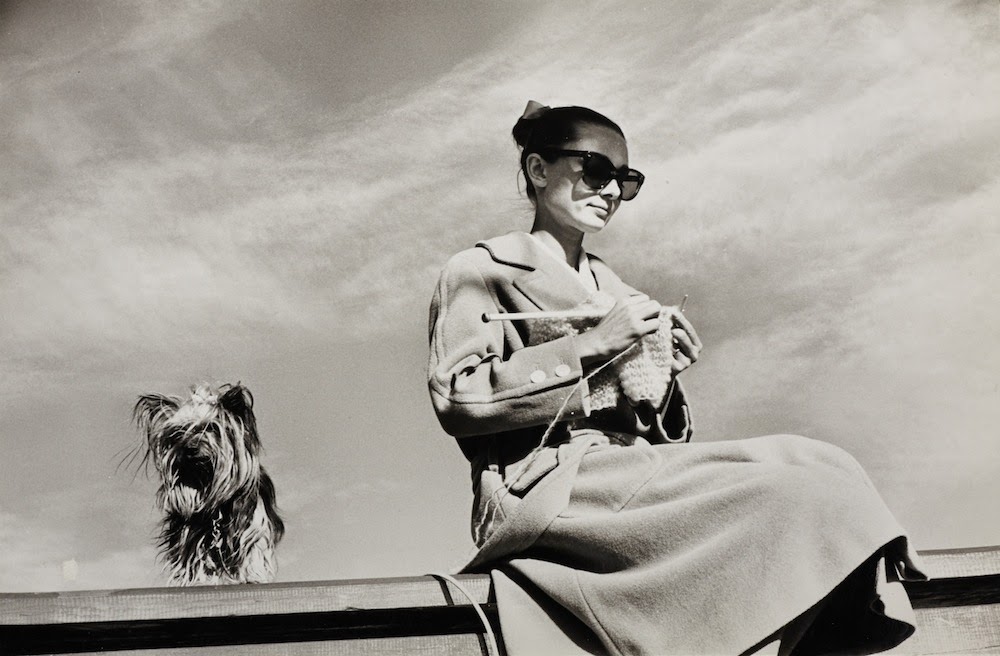
Istanbul, formerly known as Constantinople, is the largest city in Turkey and the country’s economic, cultural and historic center. The city straddles the Bosporus strait, and lies in both Europe and Asia, with a population of over 15 million residents, comprising 19% of the population of Turkey. Istanbul is the most populous city in Europe, and the world’s fifteenth-largest city.
Founded as Byzantion by Megarian colonists in the 7th century BCE, and renamed by Constantine the Great first as New Rome (Nova Roma) during the official dedication of the city as the new Roman capital in 330 CE, which he soon afterwards changed to Constantinople (Constantinopolis), the city grew in size and influence, becoming a beacon of the Silk Road and one of the most important cities in history. It served as an imperial capital for almost sixteen centuries, during the Roman/Byzantine (330–1204), Latin (1204–1261), Byzantine (1261–1453), and Ottoman (1453–1922) empires. The city was instrumental in the advancement of Christianity during Roman and Byzantine times, hosting four (including Chalcedon (Kadiköy) on the Asian side) of the first seven ecumenical councils (all of which were in present-day Turkey), before its transformation to an Islamic stronghold following the Fall of Constantinople in 1453 CE, especially after becoming the seat of the Ottoman Caliphate in 1517. In 1923, after the Turkish War of Independence, Ankara replaced the city as the capital of the newly formed Republic of Turkey. In 1930, the city’s name was officially changed to Istanbul, an appellation Greek speakers used since the eleventh century to colloquially refer to the city.
Over 13.4 million foreign visitors came to Istanbul in 2018, eight years after it was named a European Capital of Culture, making it the world’s eighth most visited city. Istanbul is home to several UNESCO World Heritage Sites, and hosts the headquarters of numerous Turkish companies, accounting for more than thirty percent of the country’s economy. (Wikipedia)
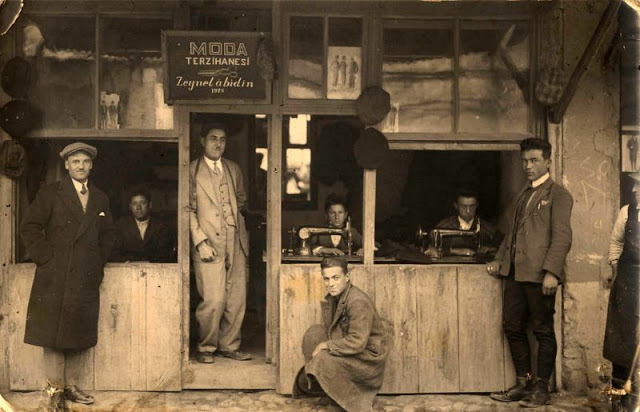
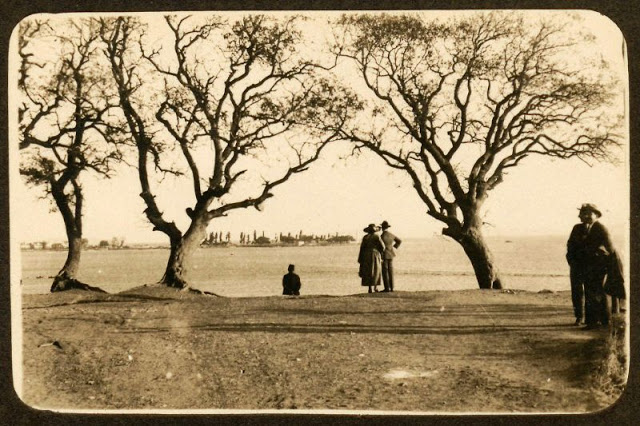
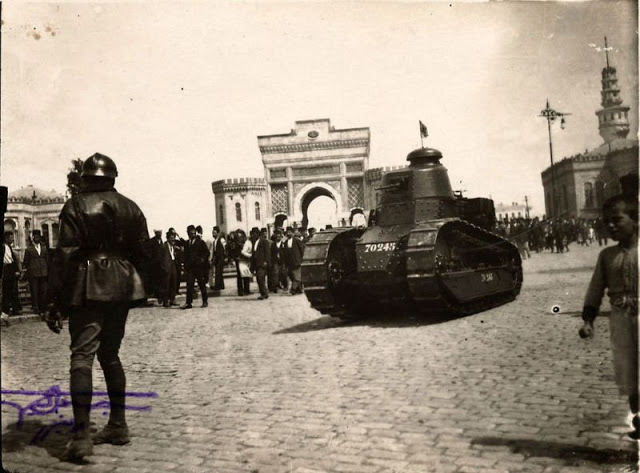
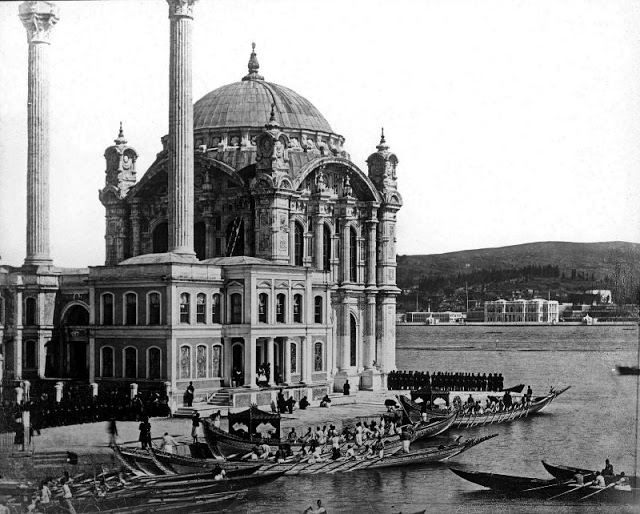
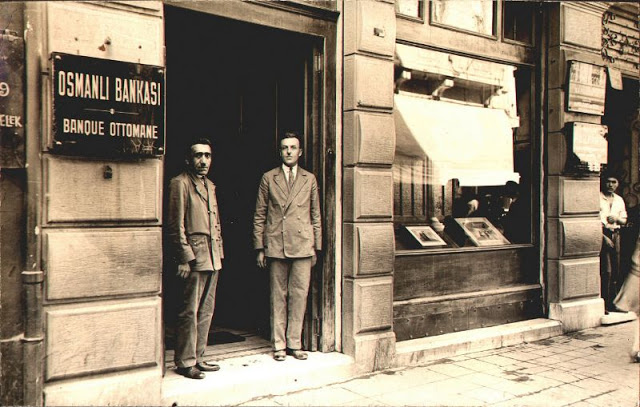
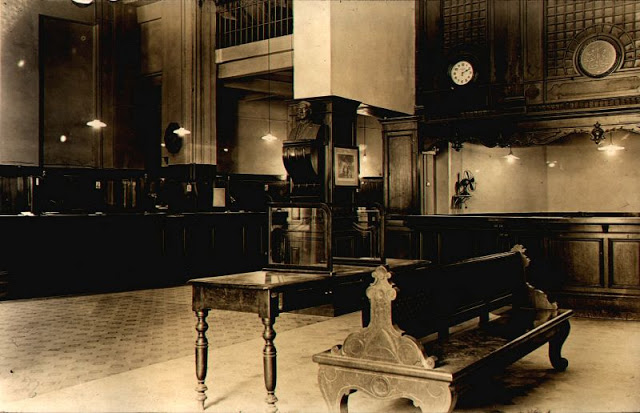
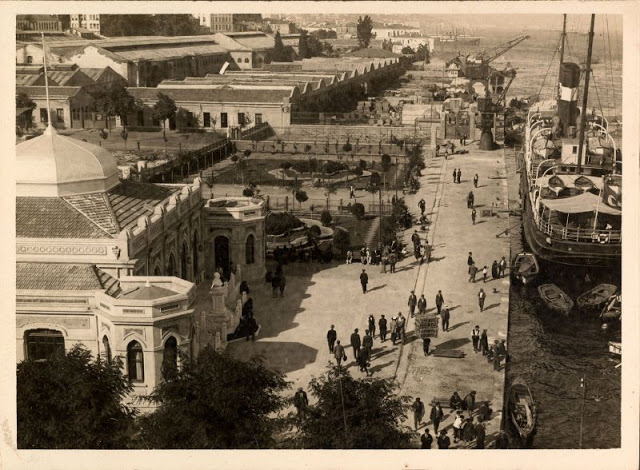
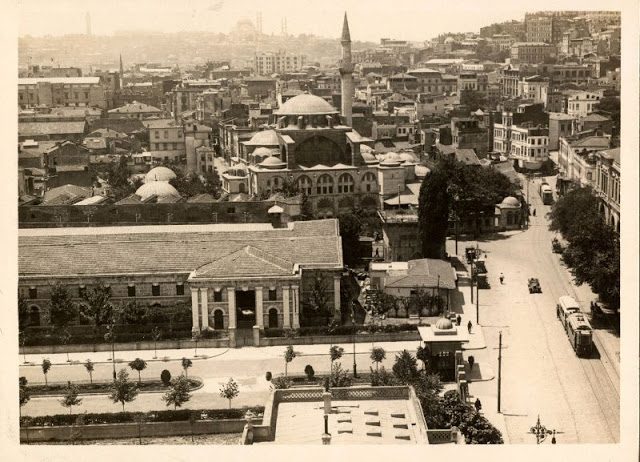
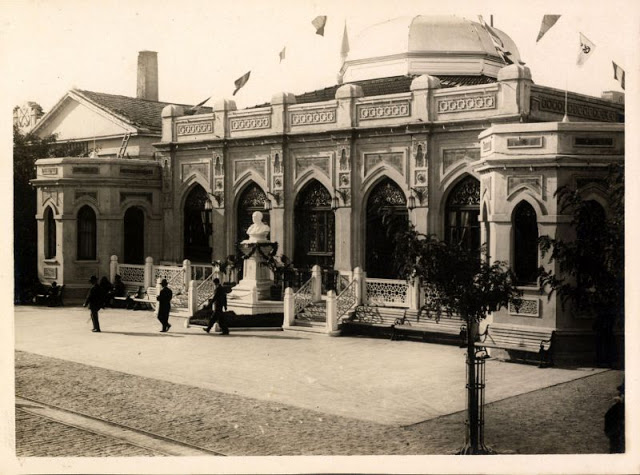
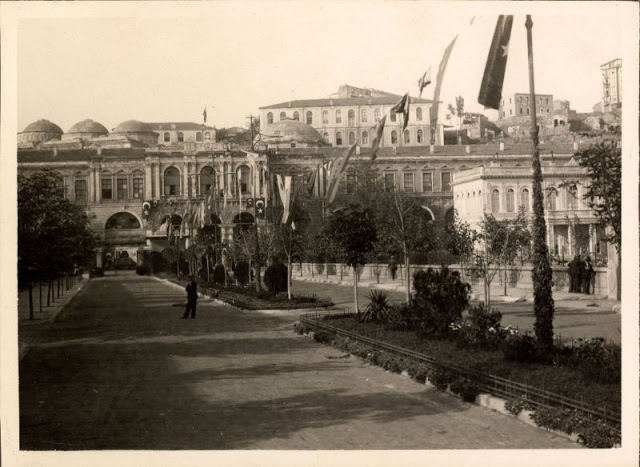
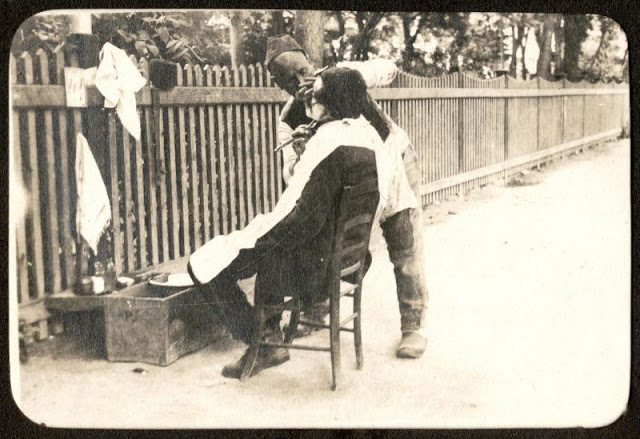
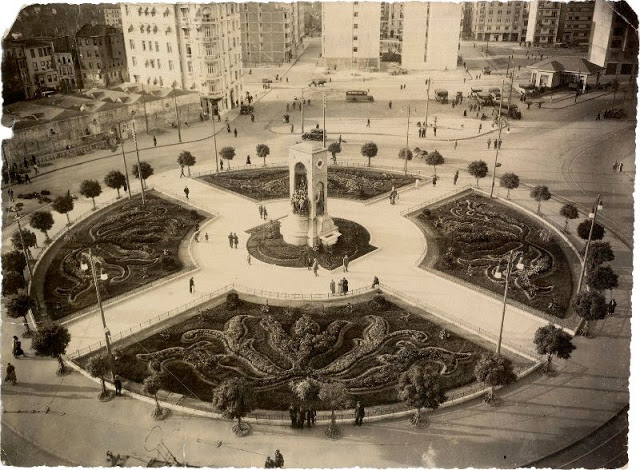
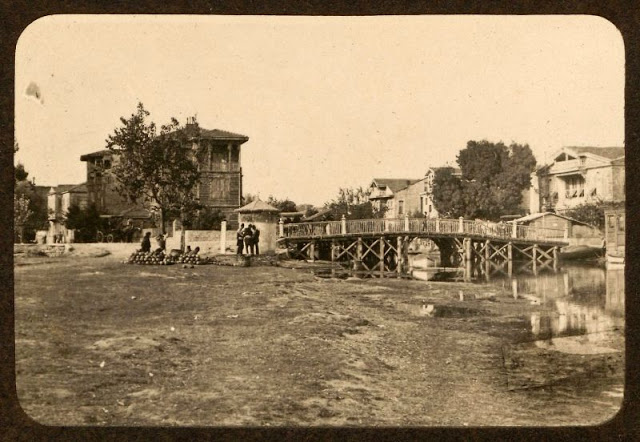
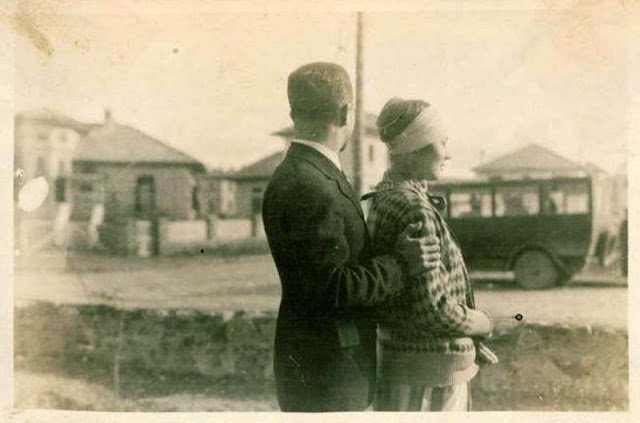
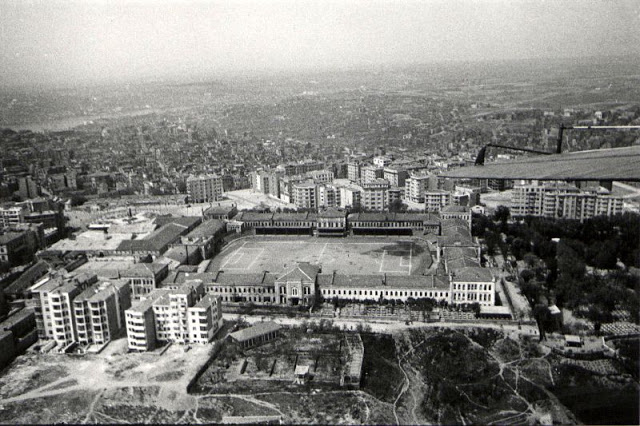
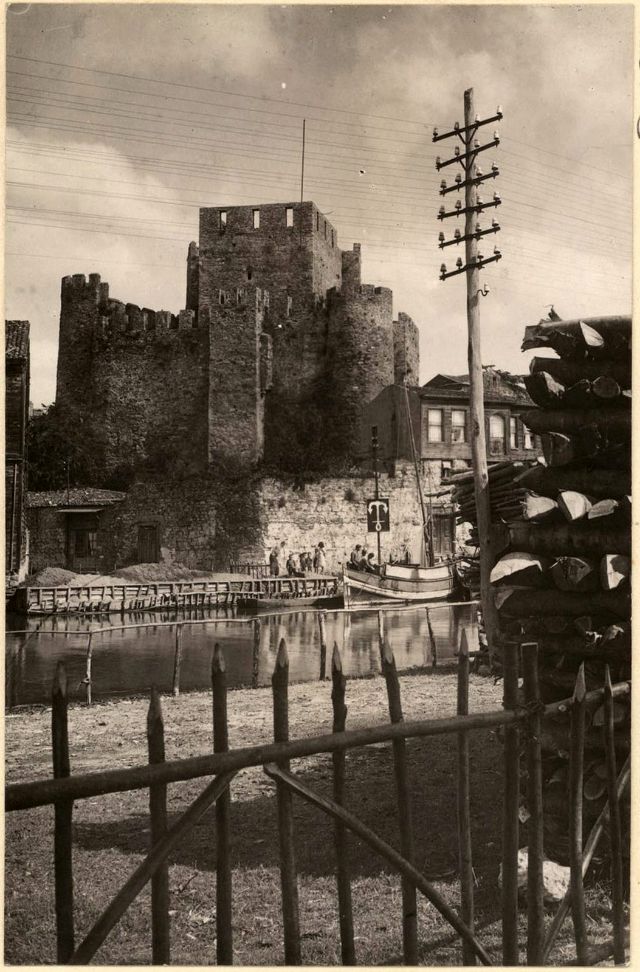
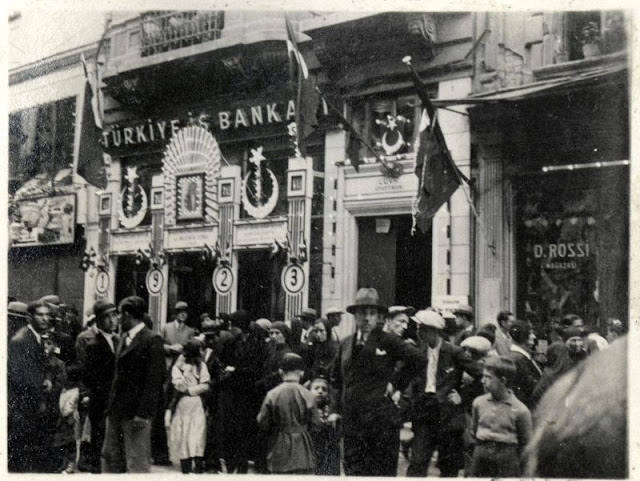
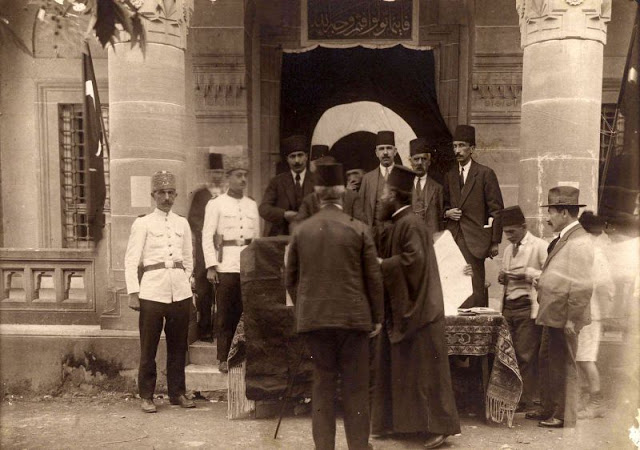
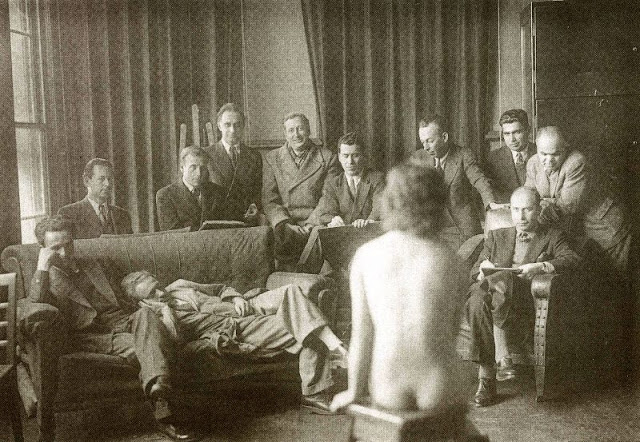
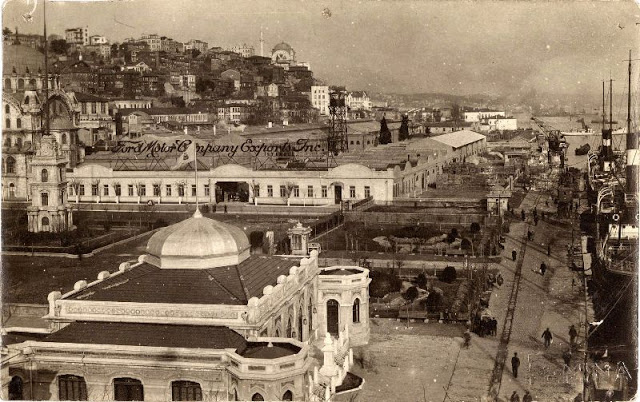
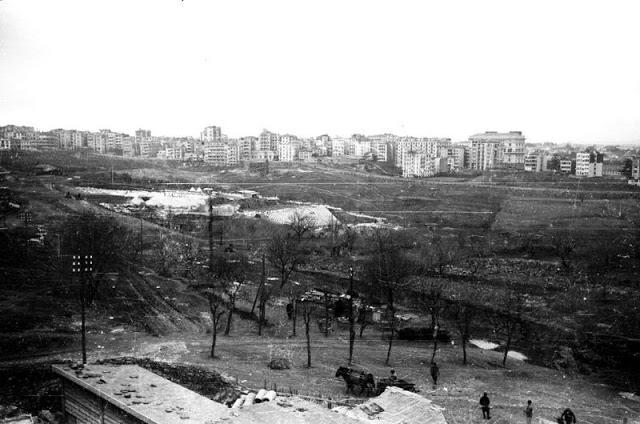
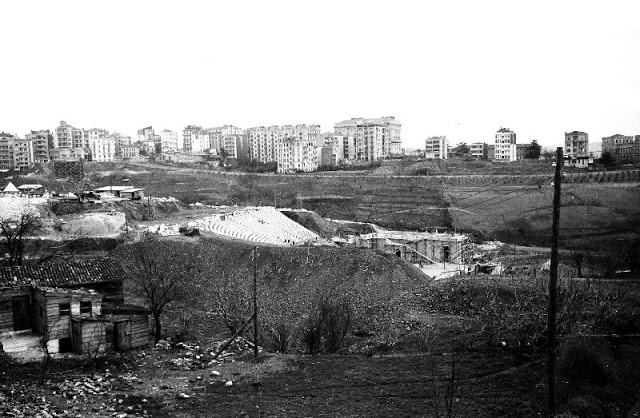
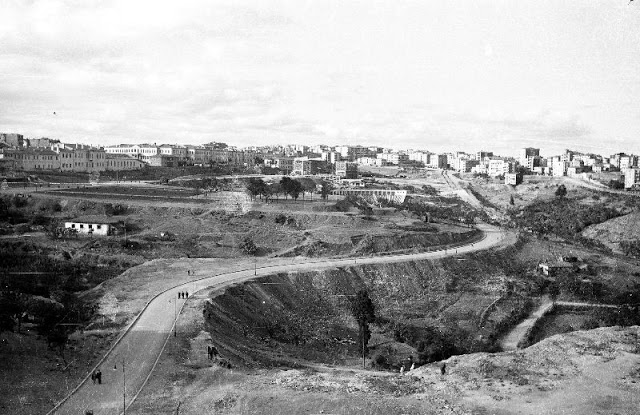
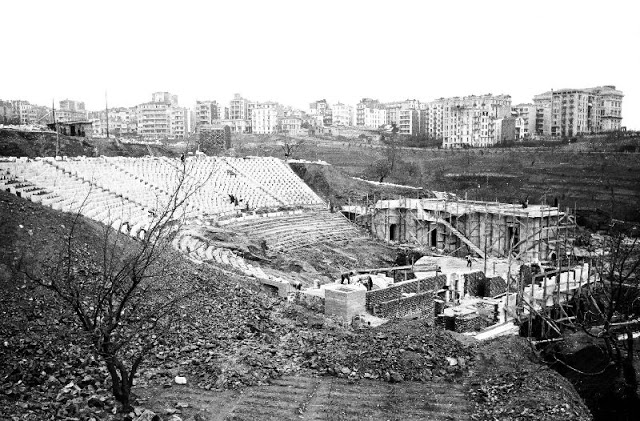
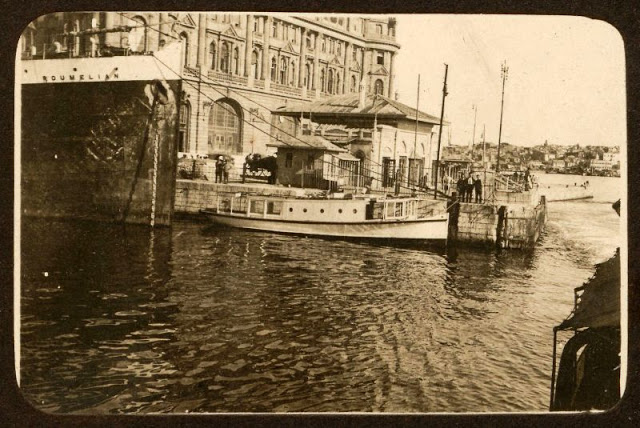
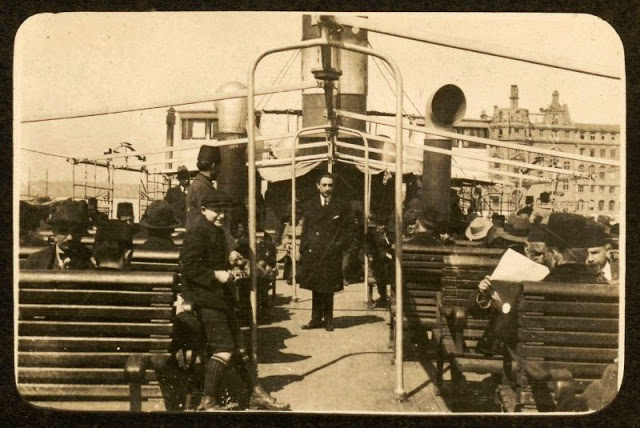
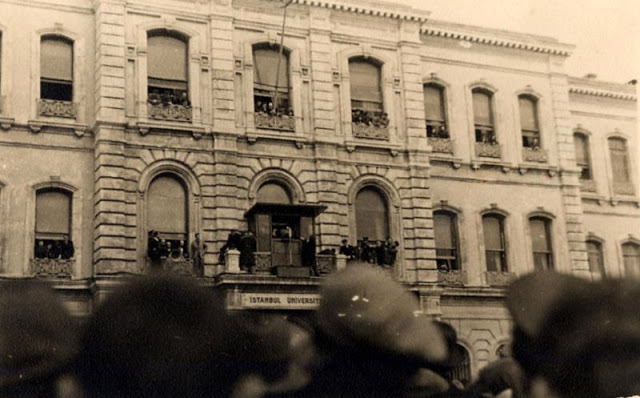
Moda Tailor Shop Zeynel AbidinModa with Feneraki in backgroundOccupation of IstanbulOrtaköy MosqueOttoman Bank Beyoglu BranchOttoman Bank, Istanbul BranchSeyr-i Sefain – New lounge for touristsSeyr-i Sefain – New lounge for touristsSeyr-i Sefain – New lounge for touristsSeyr-i Sefain – New lounge for touristsSeyr-i Sefain – New lounge for touristsSeyr-i Sefain – New lounge for touristsSeyr-i Sefain – New lounge for touristsSeyr-i Sefain – New lounge for touristsStreet barberTaksim Republic MonumentTaskisla BuildingThe Blue MosqueTUTTA, Turkish Travelling & Tourist AgencyWater sellerA bridge in ModaA young coupleAerial view of the monumental Taksim artillery barracks and the surrounding neighborhoodAnatolian CastleAnatolian CastleAnatolian CastleAnatolian CastleBeyazitCelebration of Republic DayElections in TurkeyFigure drawing with nude model in Academy of Fine ArtsFord Motor Company FactoryGülcemal – Passenger Steam ShipHarbiye Cemil Topuzlu Open-Air Theater was already underwayHarbiye Cemil Topuzlu Open-Air Theater was already underwayHarbiye Cemil Topuzlu Open-Air Theater was already underwayHarbiye Cemil Topuzlu Open-Air Theater was already underwayHaydarpasa landing stageHaydarpasa railway stationHaydarpasa TerminalIstanbul University Rectorate Building.Istanbul University Rectorate Building.Maslak RoadMinor election in Turkey, KuruçesmeModa landing stageModa seabathingModa Swimming Baths
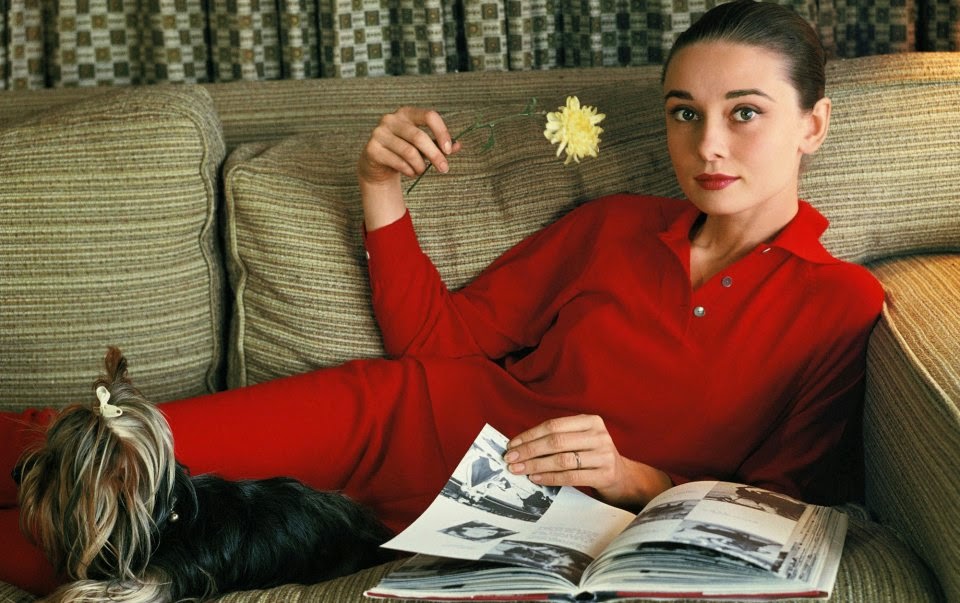
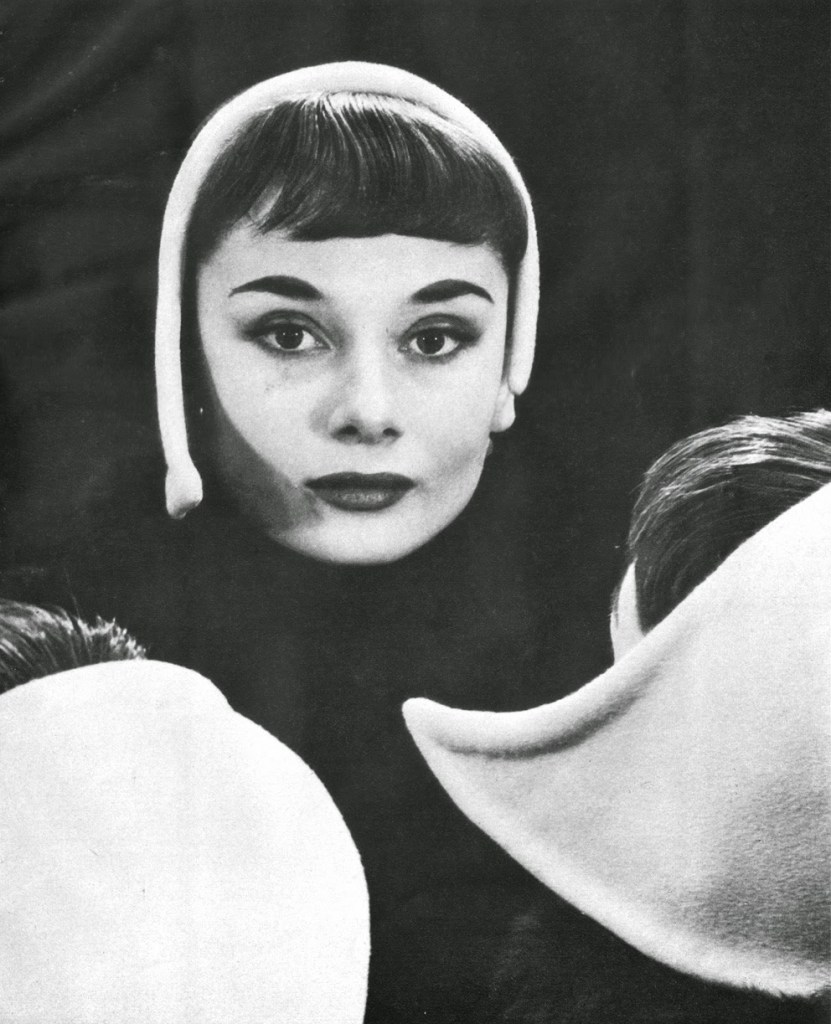
Audrey Hepburn (born Audrey Kathleen Ruston; 4 May 1929 – 20 January 1993) was a British actress and humanitarian. Recognised as both a film and fashion icon, she was ranked by the American Film Institute as the third-greatest female screen legend from the Classical Hollywood cinema and was inducted into the International Best Dressed List Hall of Fame.
Born in Ixelles, Brussels, Hepburn spent parts of her childhood in Belgium, England, and the Netherlands. She studied ballet with Sonia Gaskell in Amsterdam beginning in 1945, and with Marie Rambert in London from 1948. She began performing as a chorus girl in West End musical theatre productions and then had minor appearances in several films. She rose to stardom in the romantic comedy Roman Holiday (1953) alongside Gregory Peck, for which she was the first actress to win an Oscar, a Golden Globe Award, and a BAFTA Award for a single performance. That year, she also won a Tony Award for Best Lead Actress in a Play for her performance in Ondine.
She went on to star in a number of successful films such as Sabrina (1954), in which Humphrey Bogart and William Holden compete for her affection; Funny Face (1957), a musical where she sang her own parts; the drama The Nun’s Story (1959); the romantic comedy Breakfast at Tiffany’s (1961); the thriller-romance Charade (1963), opposite Cary Grant; and the musical My Fair Lady (1964). In 1967 she starred in the thriller Wait Until Dark, receiving Academy Award, Golden Globe, and BAFTA nominations. After that, she only occasionally appeared in films, one being Robin and Marian (1976) with Sean Connery. Her last recorded performances were in the 1990 documentary television series Gardens of the World with Audrey Hepburn.
Hepburn won three BAFTA Awards for Best British Actress in a Leading Role. In recognition of her film career, she received BAFTA’s Lifetime Achievement Award, the Golden Globe Cecil B. DeMille Award, the Screen Actors Guild Life Achievement Award, and the Special Tony Award. She remains one of only sixteen people who have won Academy, Emmy, Grammy, and Tony Awards. Later in life, Hepburn devoted much of her time to UNICEF, to which she had contributed since 1954. Between 1988 and 1992, she worked in some of the poorest communities of Africa, South America, and Asia. In December 1992, she received the Presidential Medal of Freedom in recognition of her work as a UNICEF Goodwill Ambassador. A month later, she died of appendiceal cancer at her home in Switzerland at the age of 63. (Wikipedia)
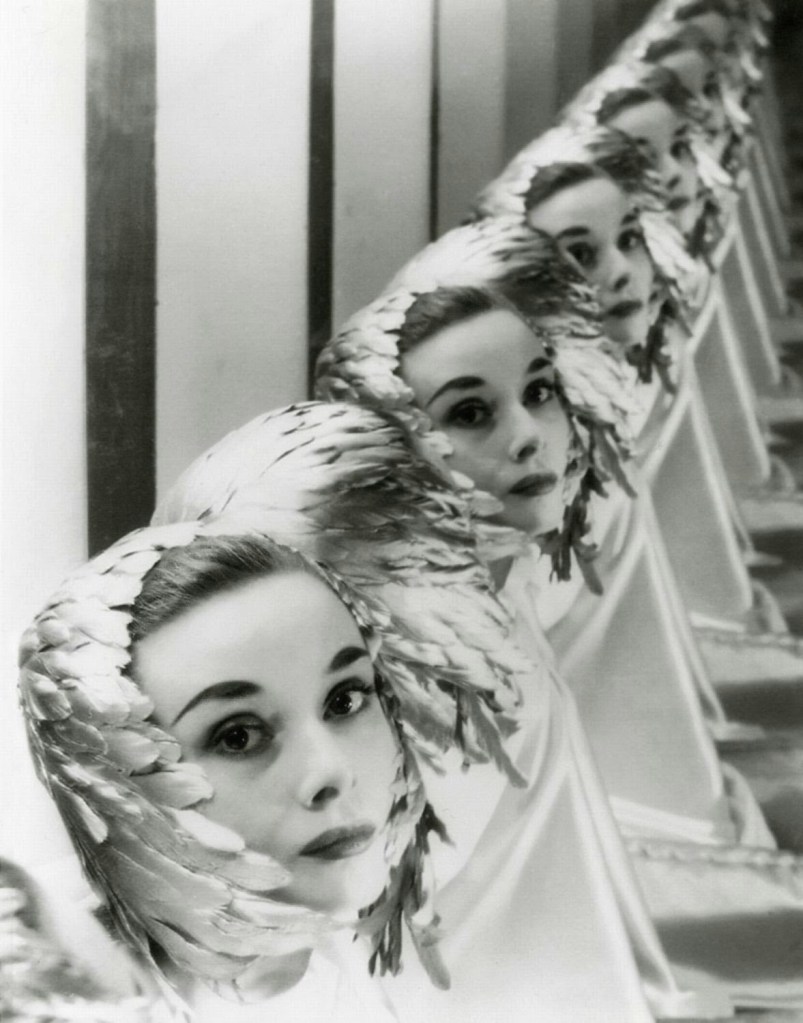
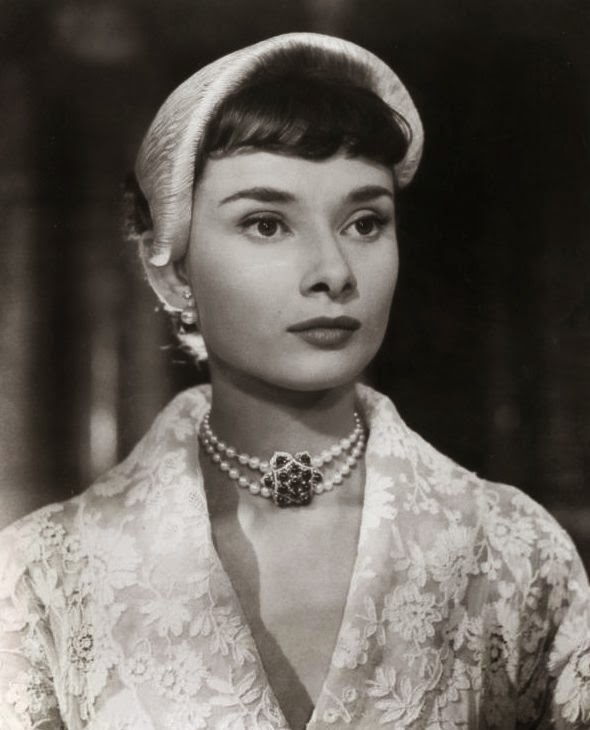
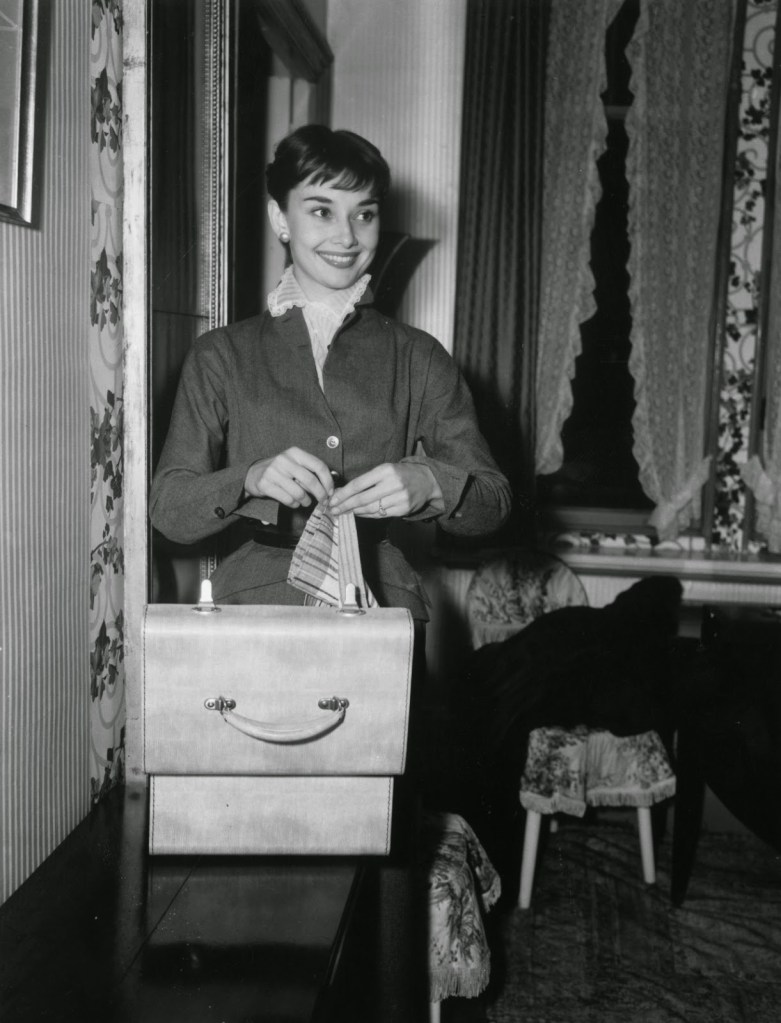
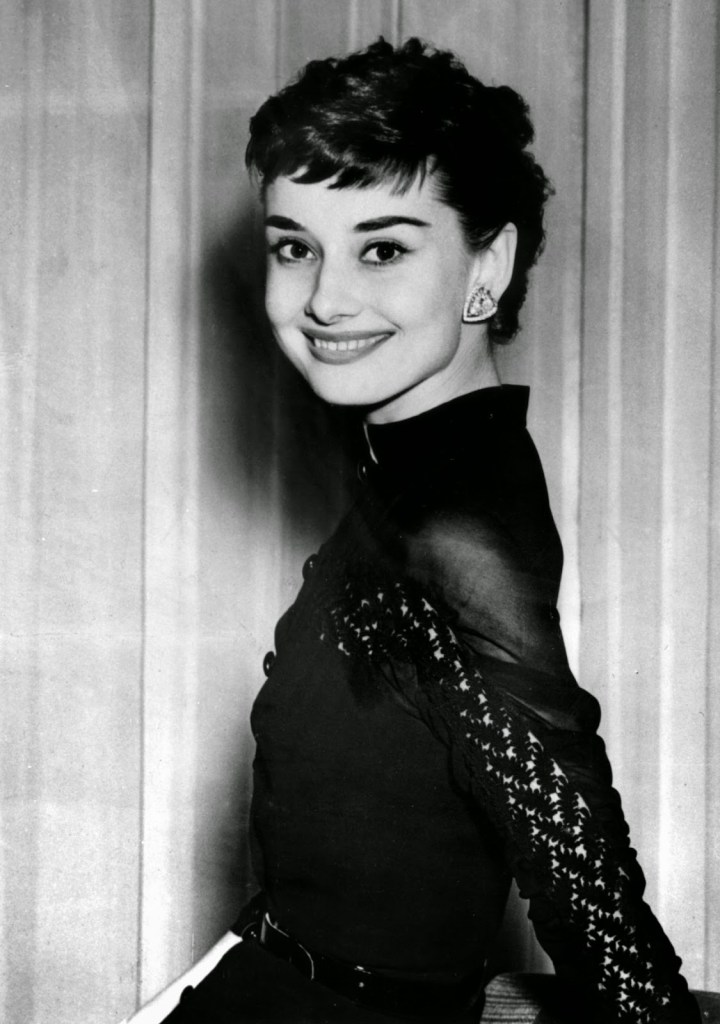
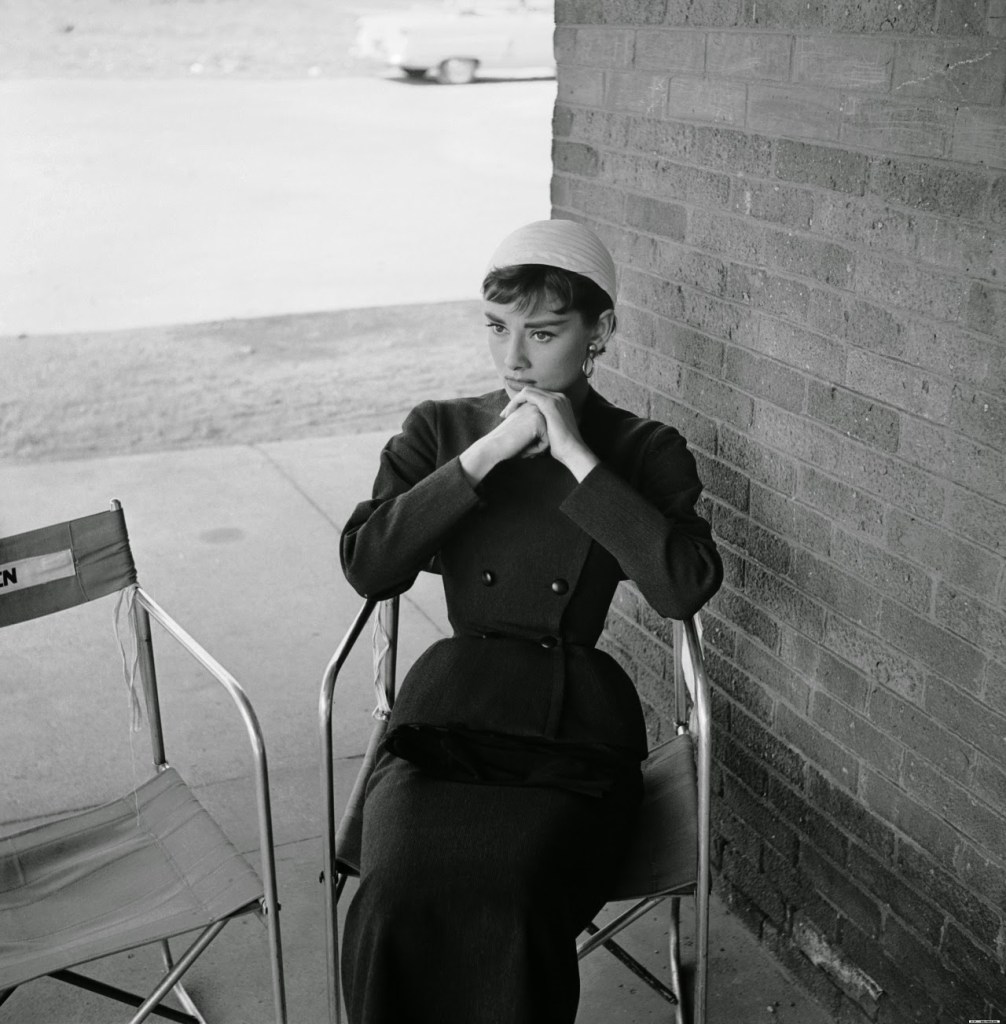
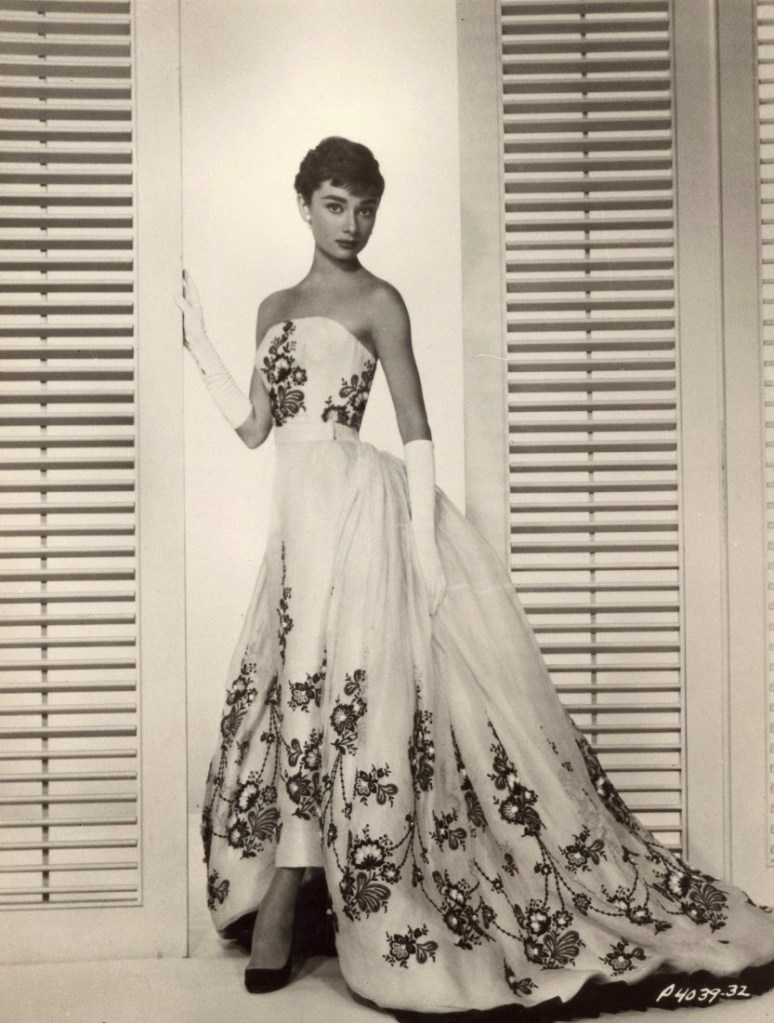
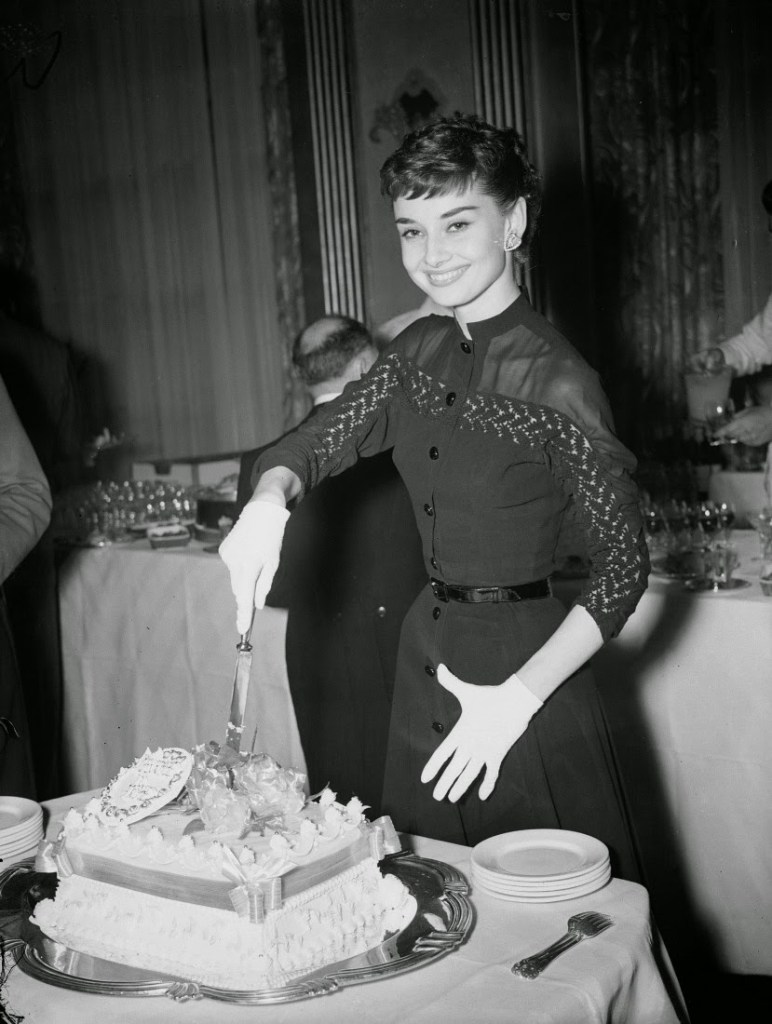
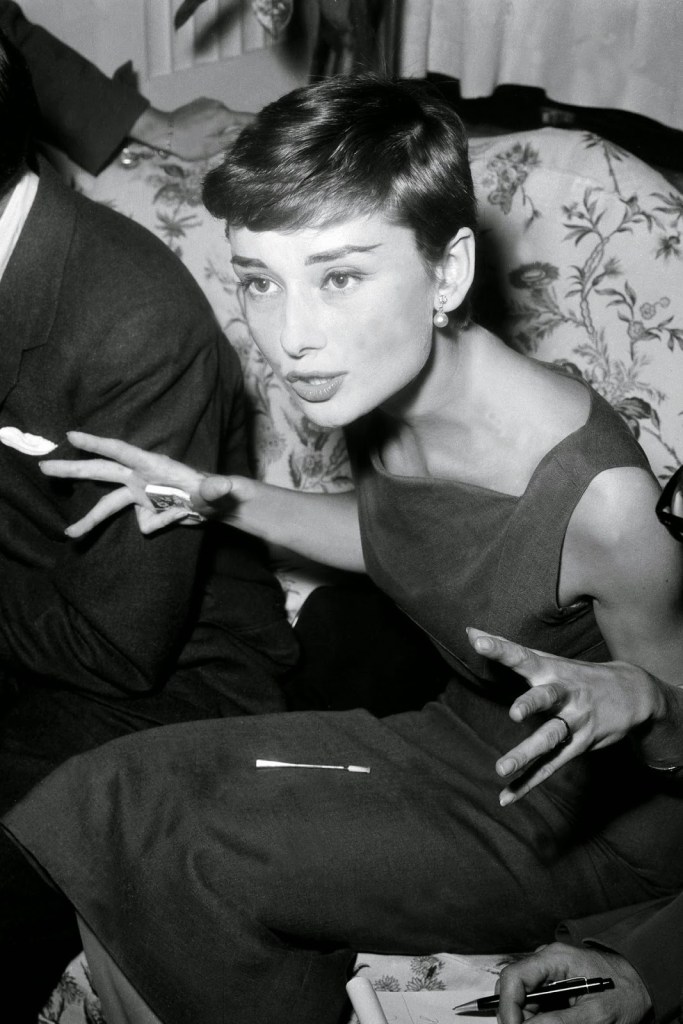
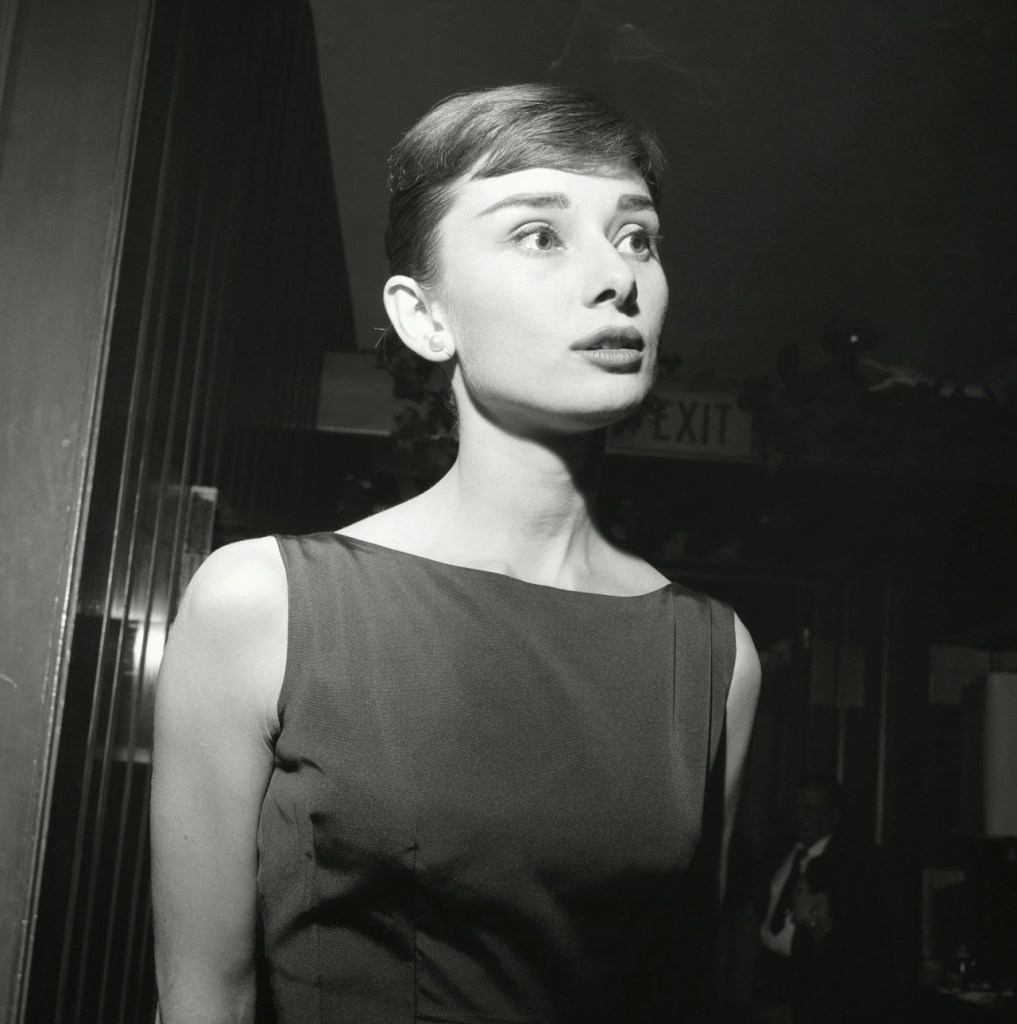
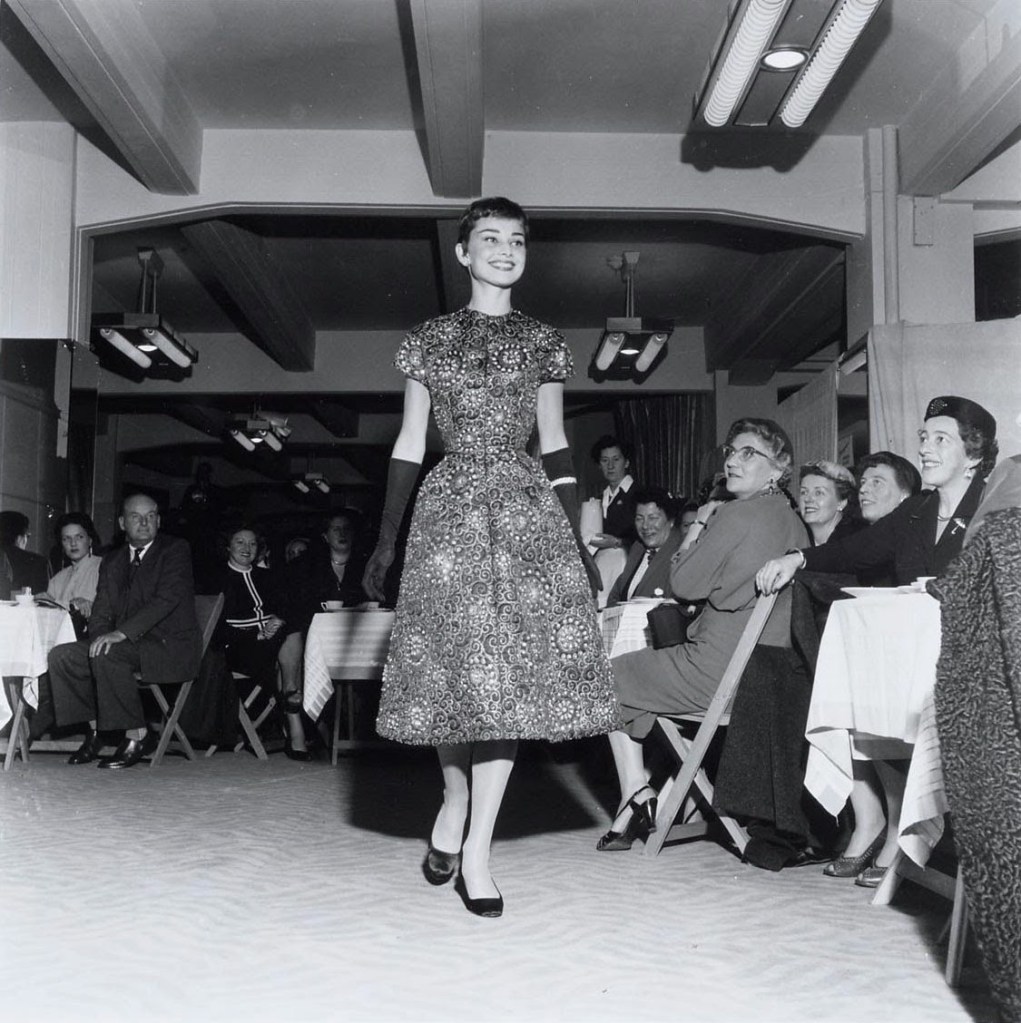
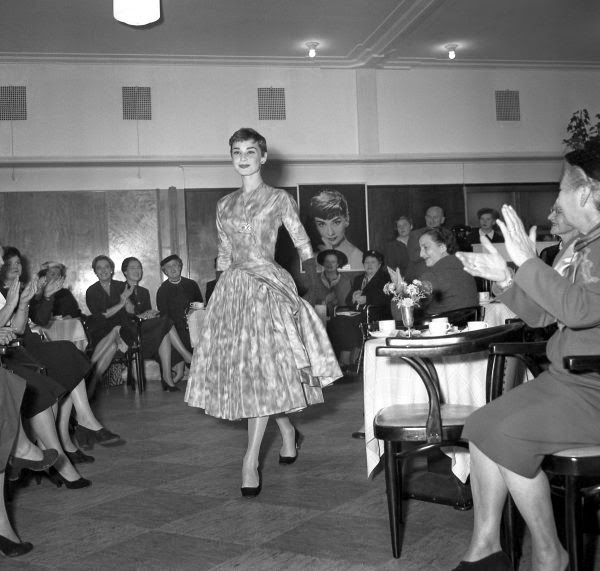
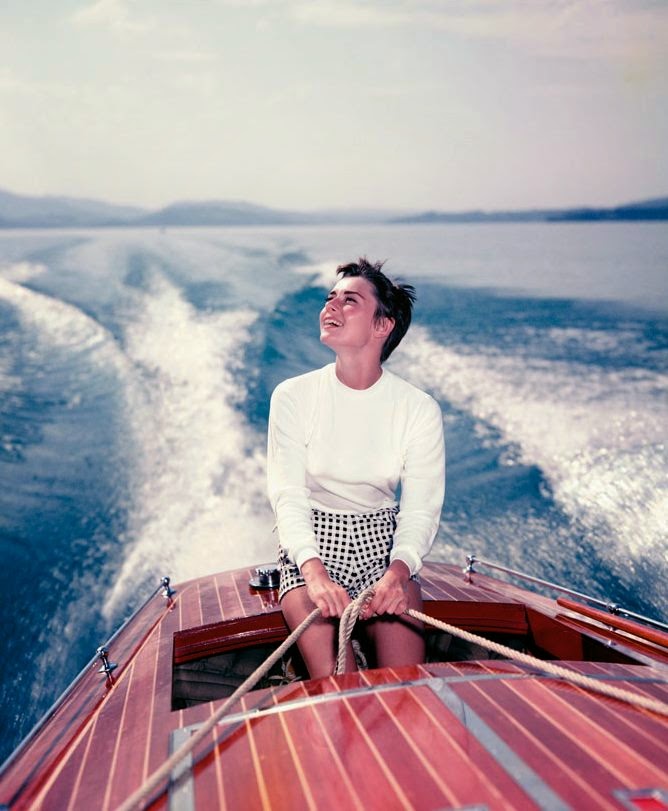
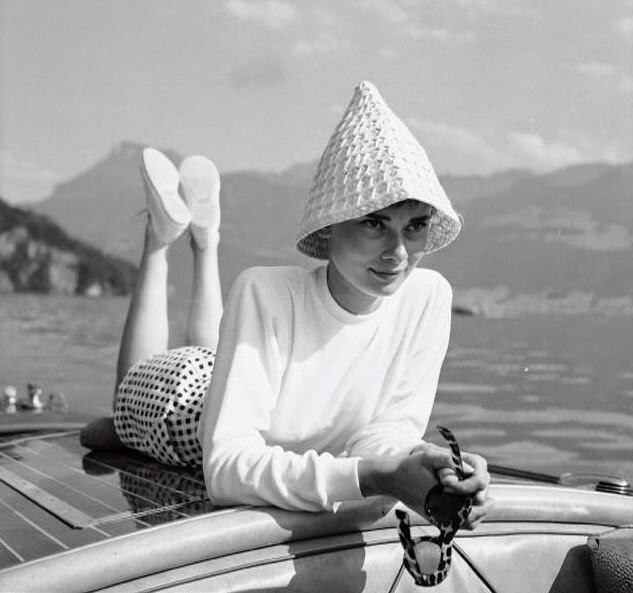
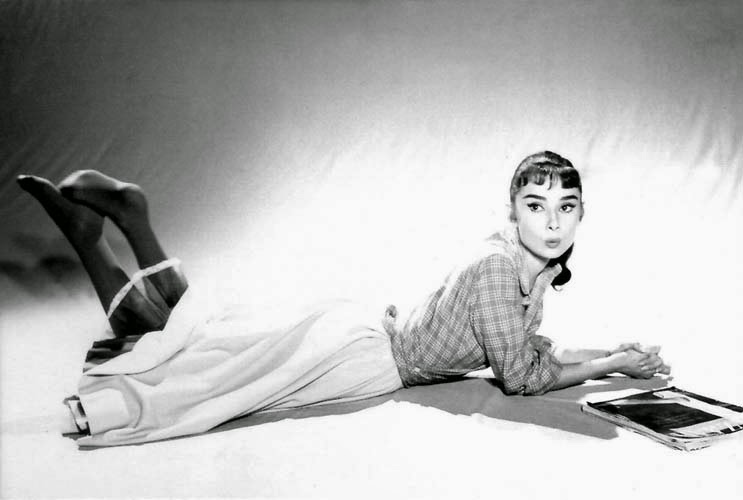
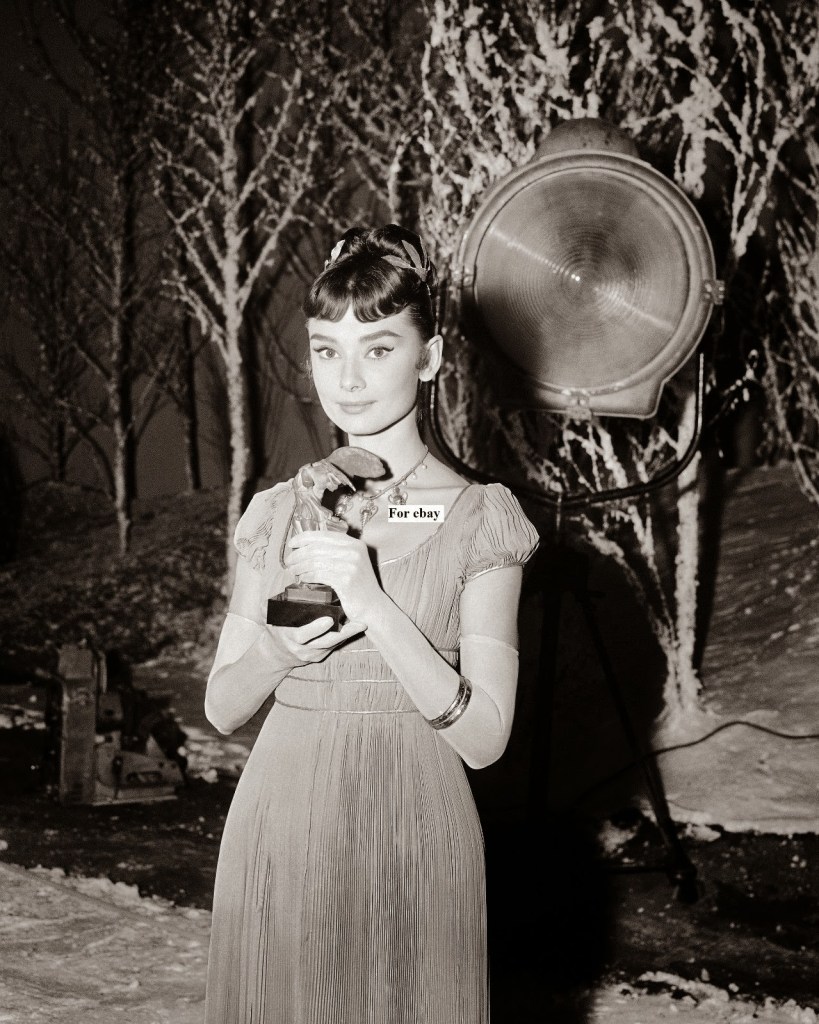
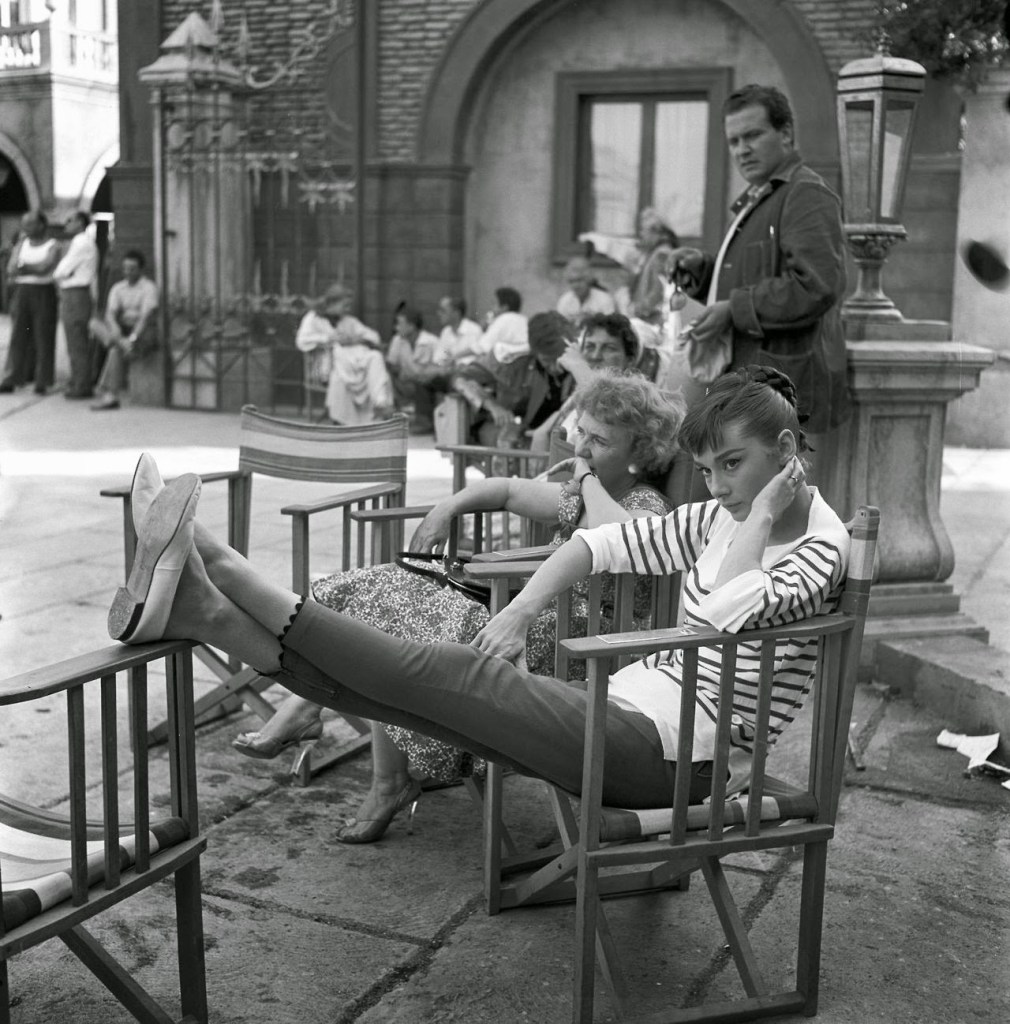
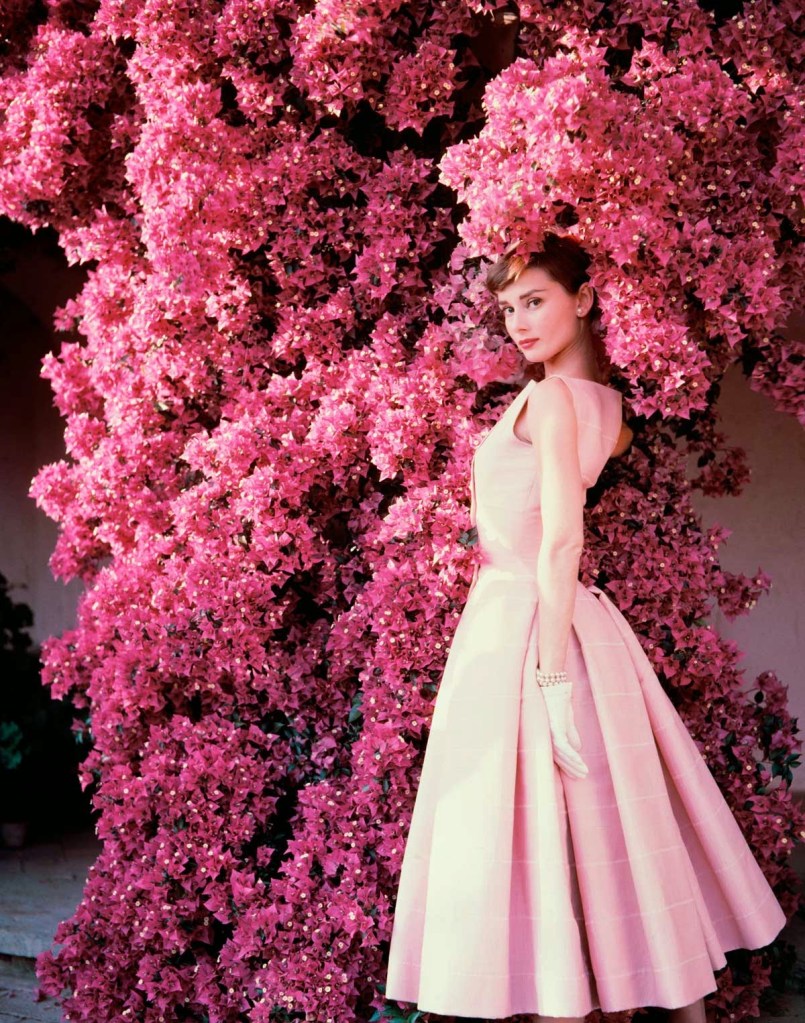
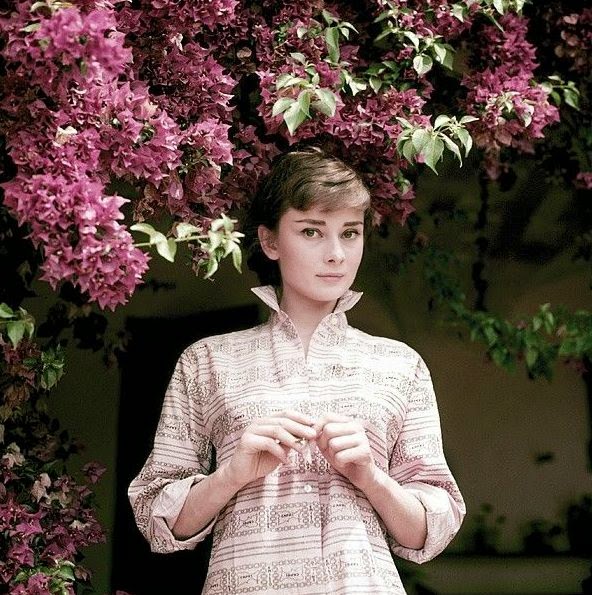
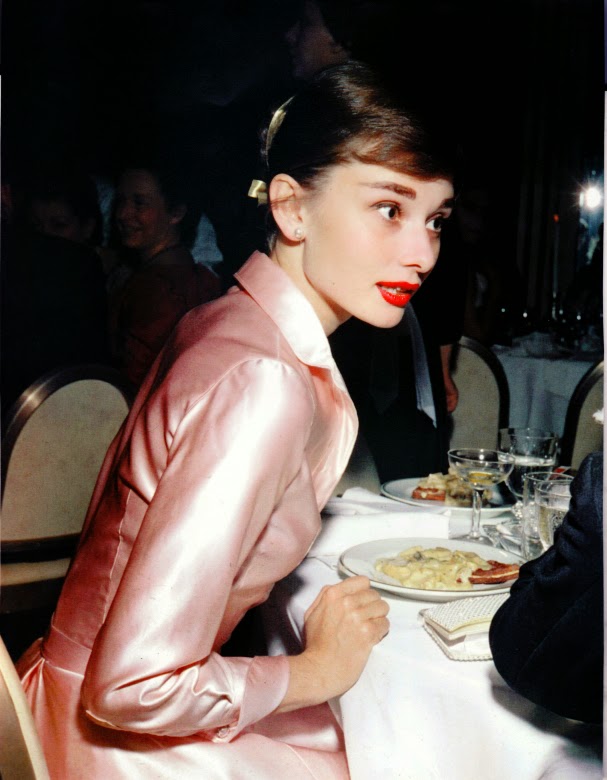
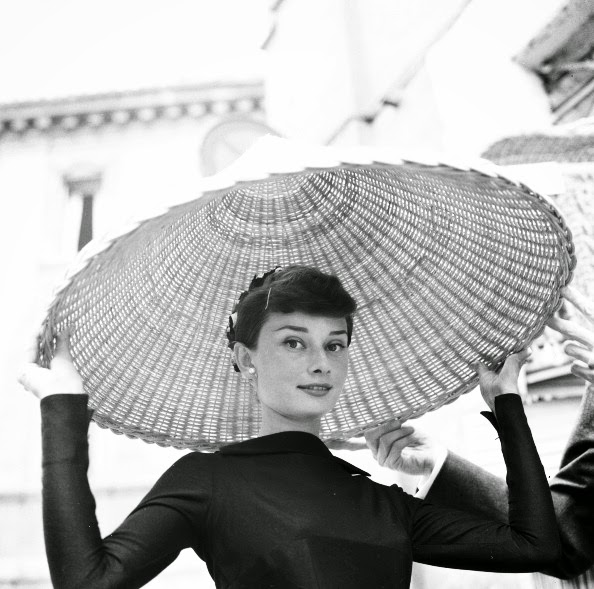
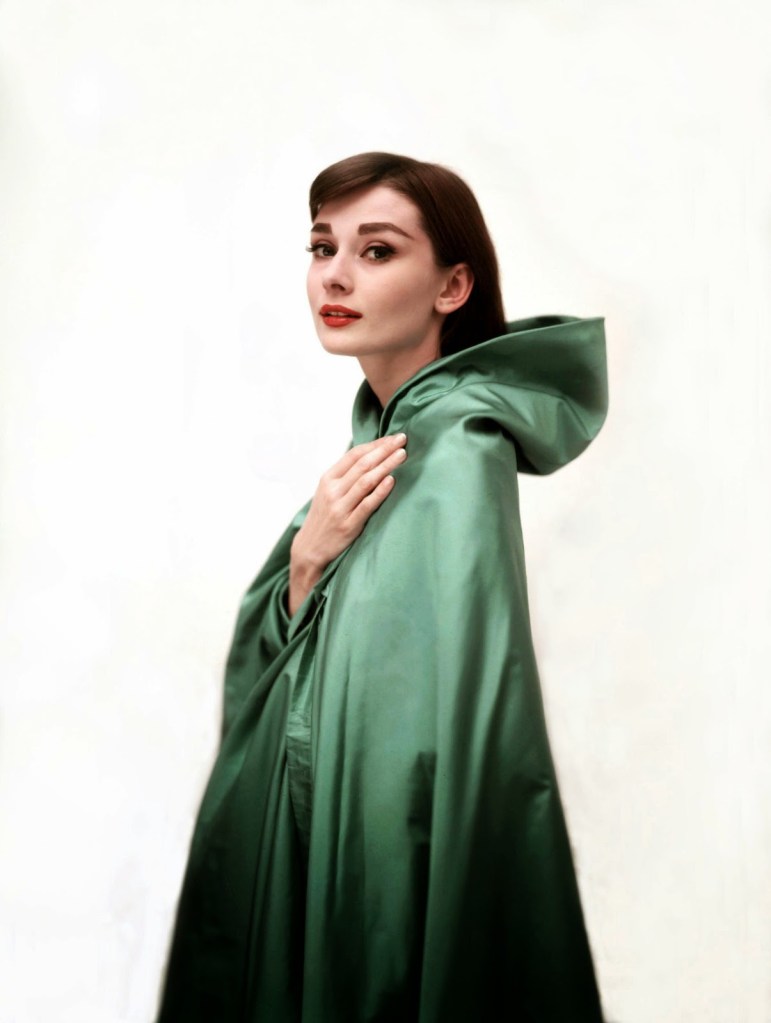
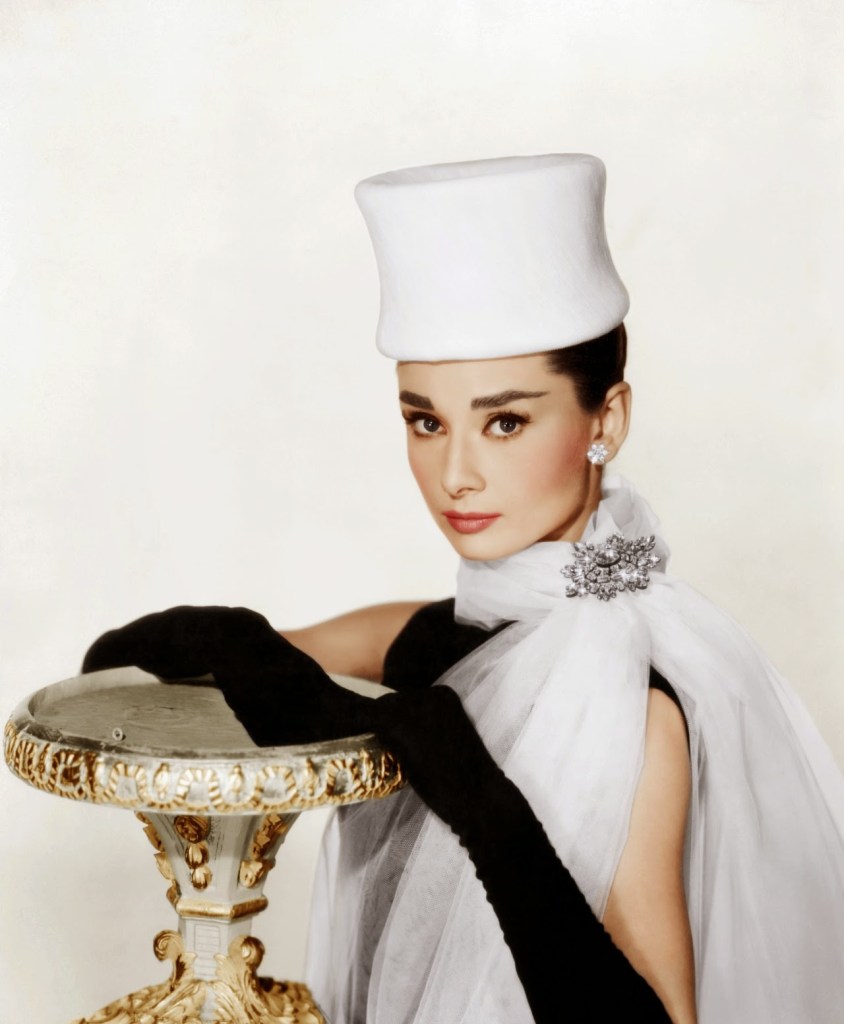
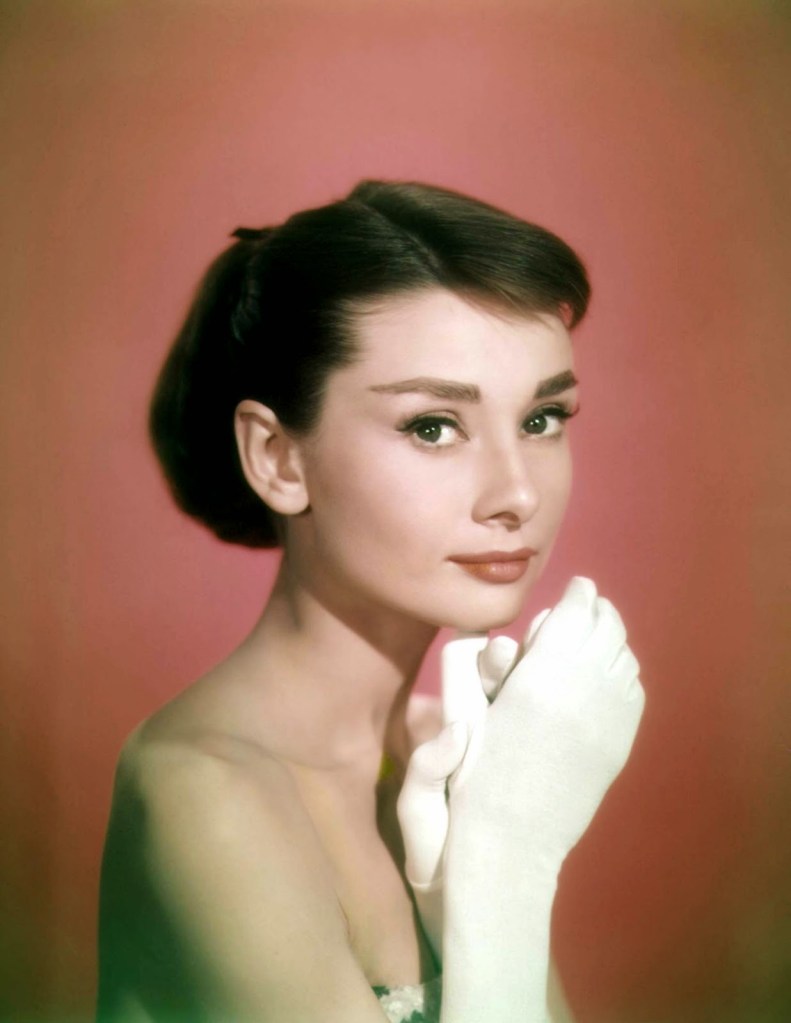
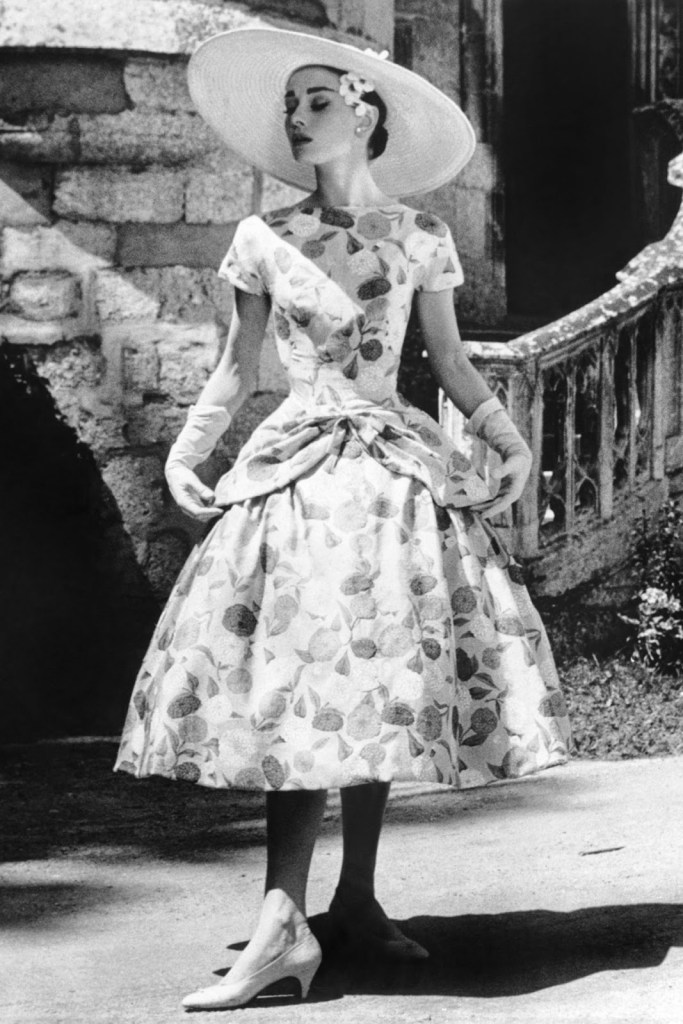
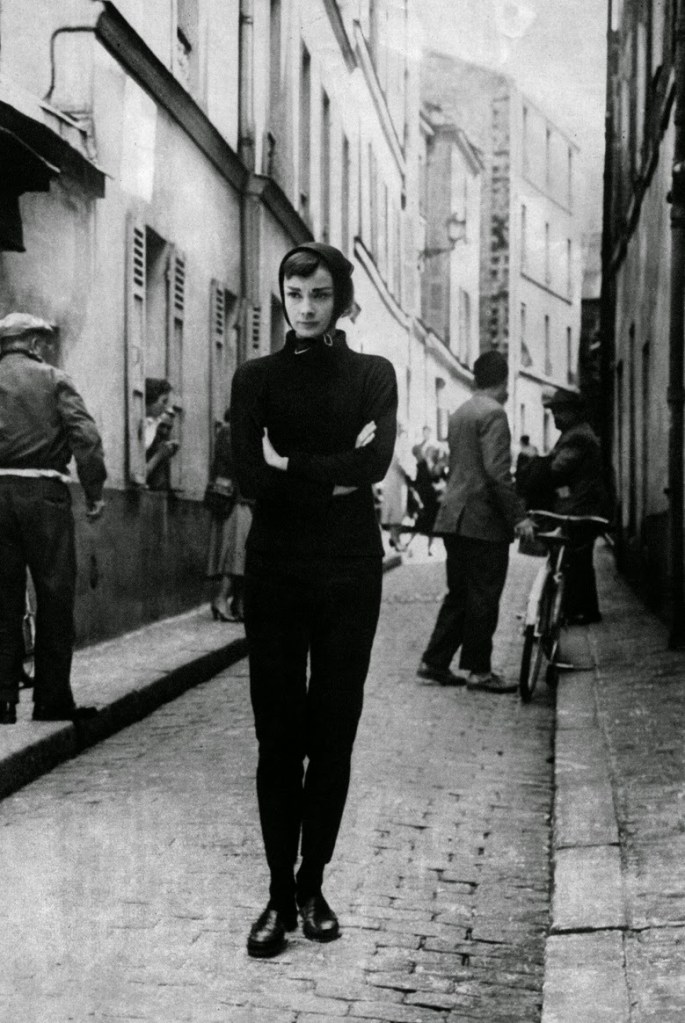
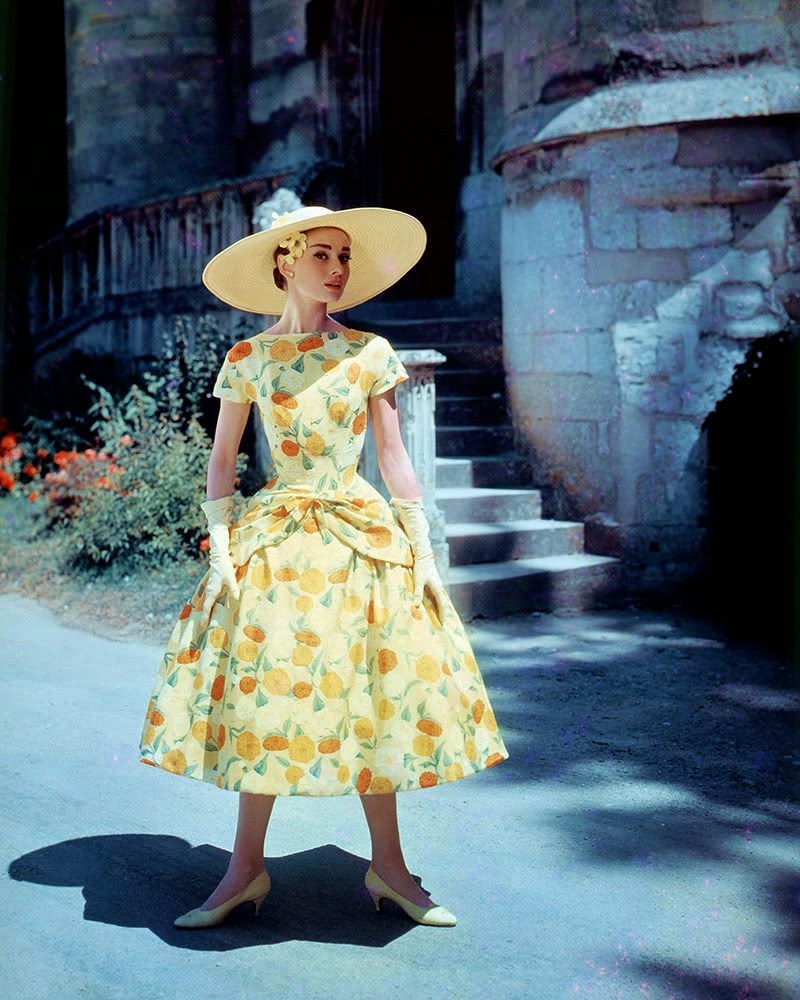
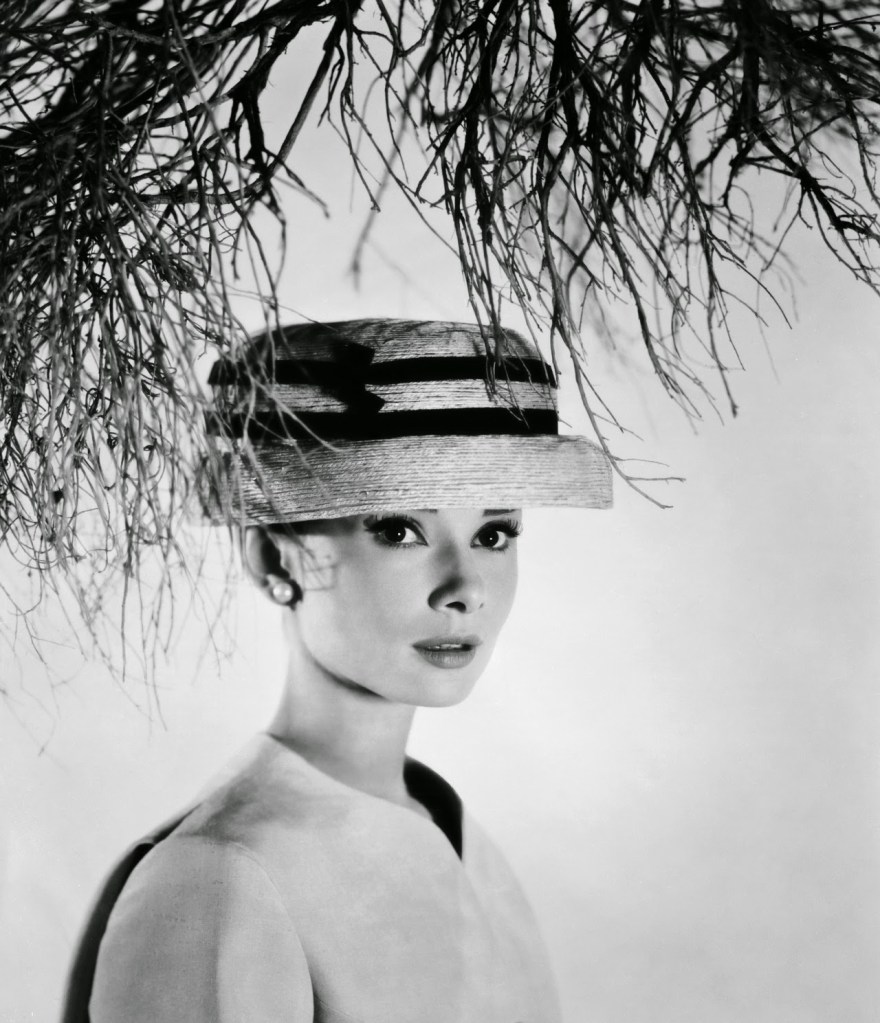
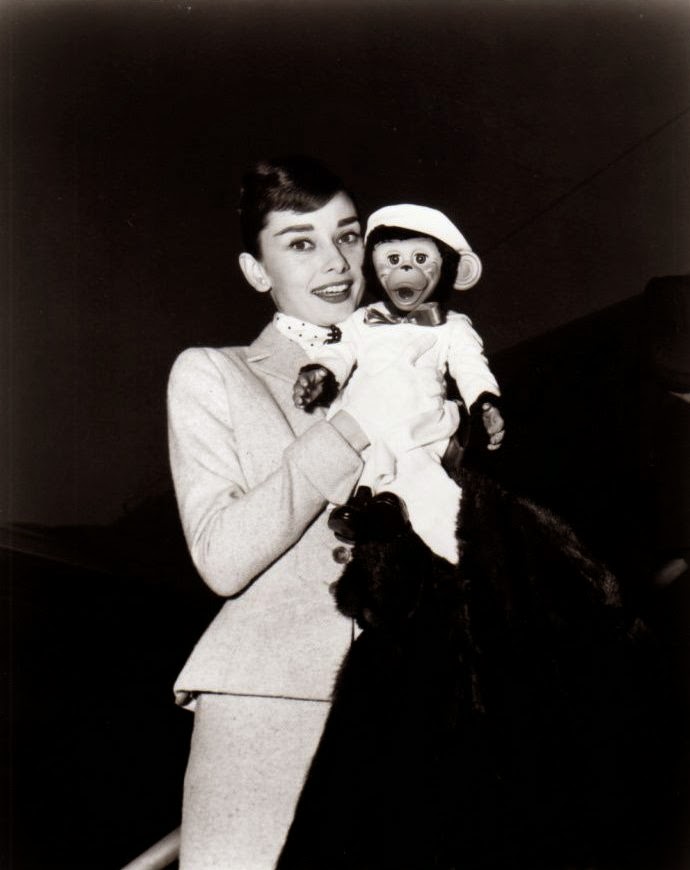
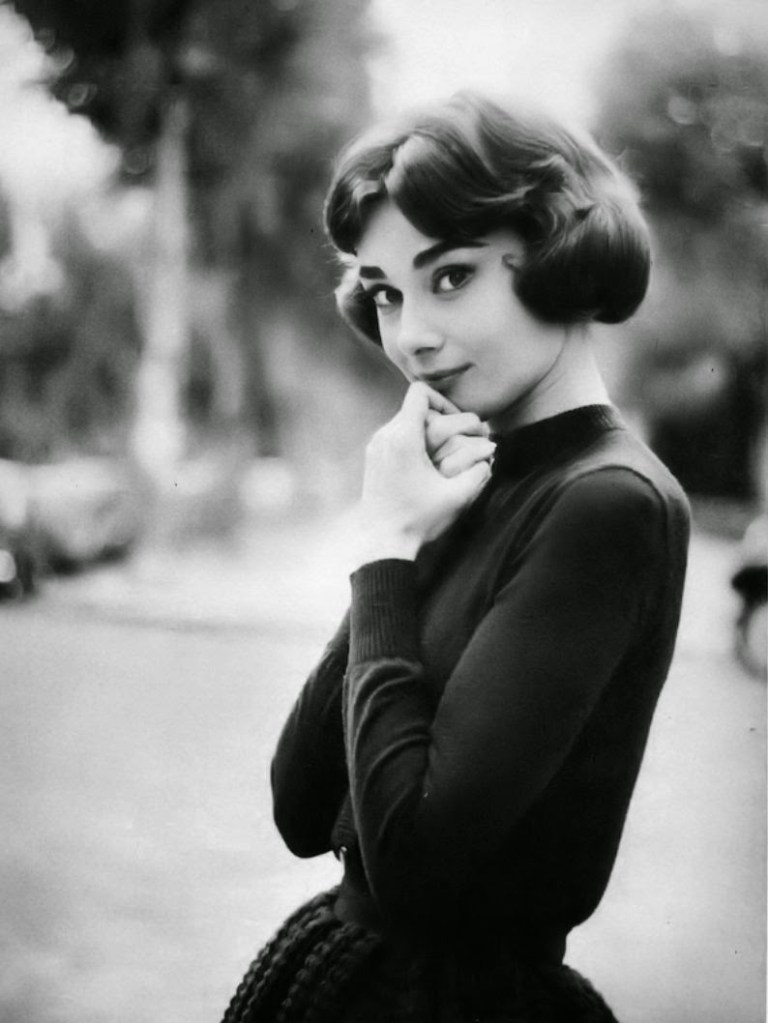
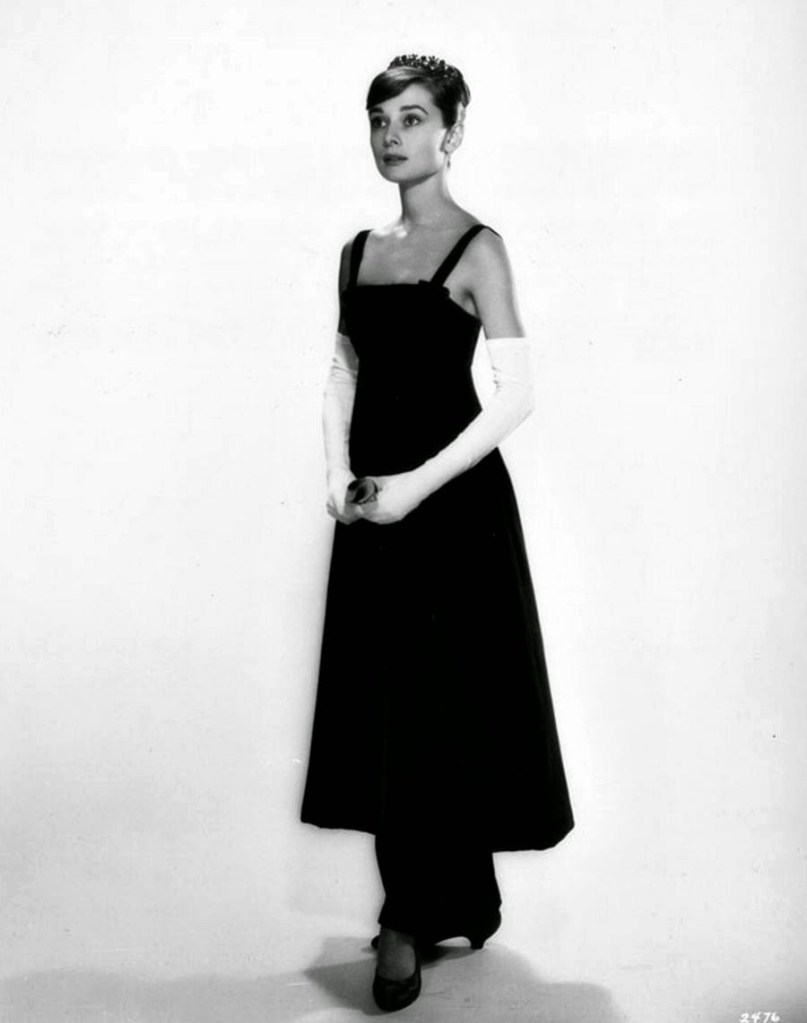
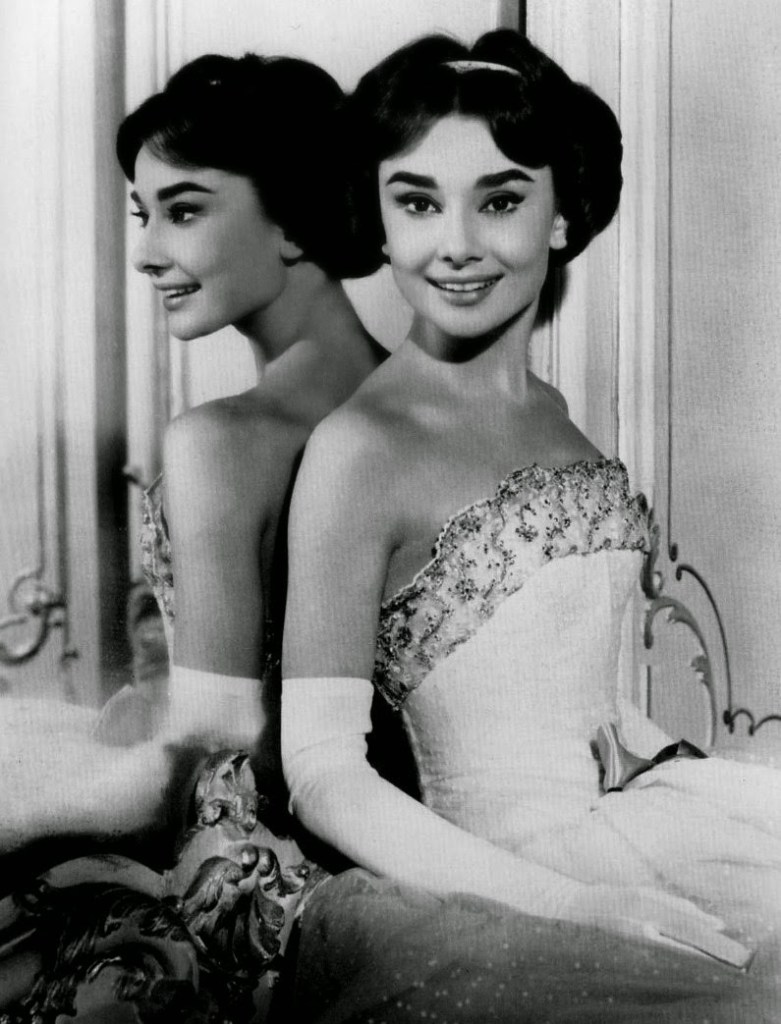
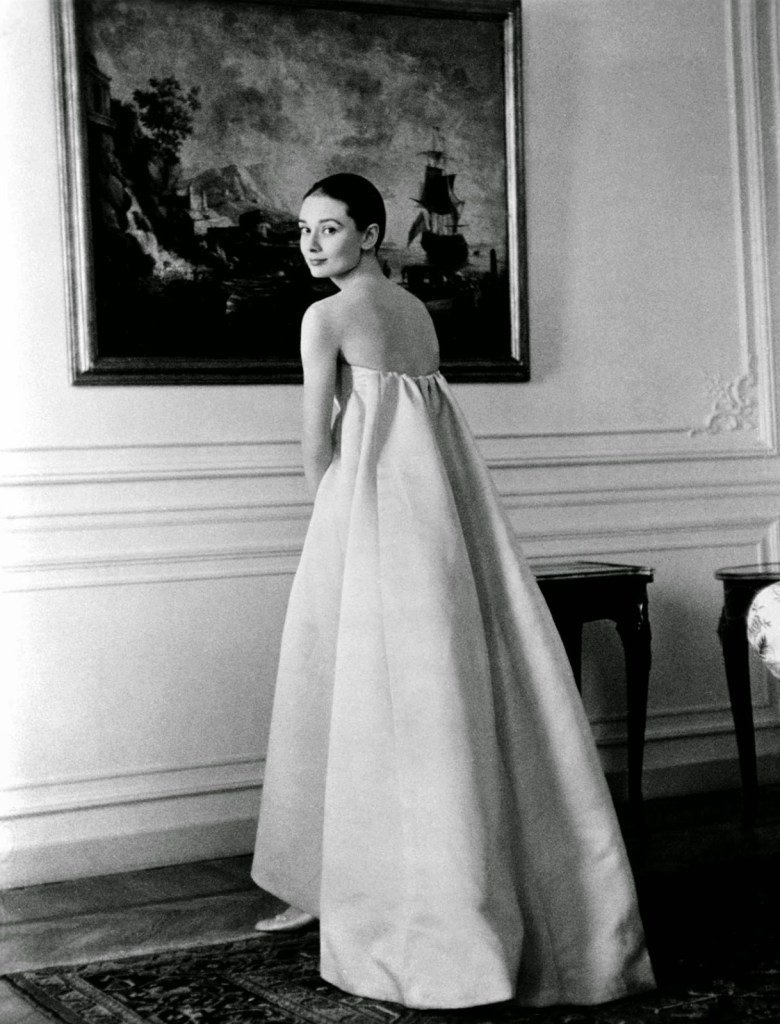
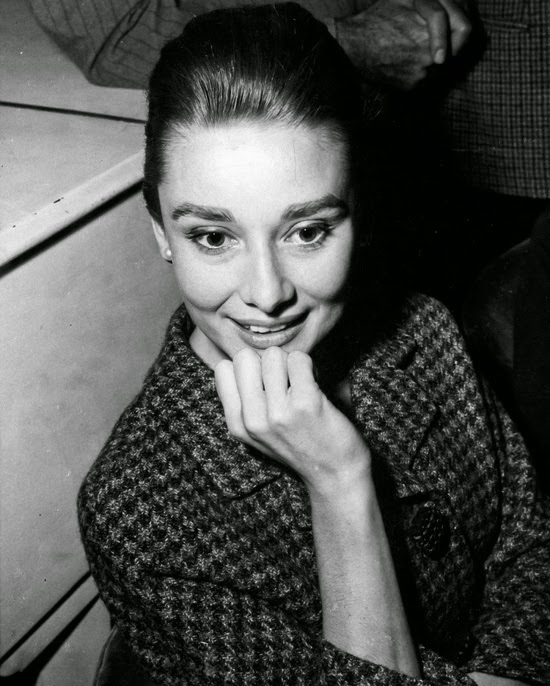
Audrey Hepburn (at that time, a fashion model and a young actress) photographed by Erwin Blumenfeld at his studio (at 222 Central Park South) in New York, in May 1952.Audrey Hepburn photographed by Erwin Blumenfeld at his studio in New York, in May 1952.Audrey Hepburn, ca. 1952.Audrey Hepburn photographed by L. Waldorf in her room at a hotel in Rome (Italy), on October 01, 1952.Audrey Hepburn photographed during a cocktail offered specially for her (after a long stay in Rome, for the filming of “Roman Holiday”) at the Claridges Hotel in London (England), on May 21, 1953.Audrey Hepburn photographed by Dennis Stock during a break in the filming of her new movie “Sabrina“ at the train station of Glen Cove (in Nassau County, on the North Shore of Long Island), New York (USA), in October 1953.Audrey Hepburn (as Sabrina Fairchild, with the Poodle called “David”) photographed during the filming of “Sabrina“ at the train station of Glen Cove (in Nassau County, on the North Shore of Long Island), New York (USA), in October 1953.Audrey Hepburn photographed by Bud Fraker at the Paramount Studios (in Hollywood), for the publicity of her new movie “Sabrina”. Los Angeles, California (USA), October 1953.Audrey Hepburn photographed by Bud Fraker at the Paramount Studios (in Hollywood), for the publicity of her new movie “Sabrina”. Los Angeles, California (USA), October 1953.Audrey Hepburn photographed (cutting her “Welcome Home” cake) during a cocktail offered specially for her (after a long stay in Rome, for the filming of “Roman Holiday”) at the Claridges Hotel in London (England), on May 21, 1953.Audrey Hepburn photographed during a press conference at The Grand Hotel in Rome (Italy), on September 29, 1954.Audrey Hepburn photographed during a press conference at The Grand Hotel in Rome (Italy), on September 29, 1954.Audrey Hepburn modeling during a fashion show in Amsterdam, on November 02, 1954.Audrey Hepburn modeling during a fashion show in Amsterdam, on November 02, 1954.Audrey Hepburn modeling during a fashion show in Amsterdam, on November 02, 1954.Audrey Hepburn photographed by Hans Gerber on a boat on a lake in Bürgenstock (Switzerland), in August 1954.Audrey Hepburn photographed by Hans Gerber on a boat on a lake in Bürgenstock (Switzerland), in August 1954.Audrey Hepburn photographed by Pierluigi Praturlon on a farm near Rome (Italy), during a training for the filming of “War and Peace”, in May 1955.Audrey Hepburn photographed by Pierluigi Praturlon at the Cinecittà Studios in Rome (Italy), during a break in the filming of “War and Peace”, in August 1955.Audrey Hepburn photographed by Pierluigi Praturlon at the Cinecittà Studios in Rome (Italy), during a break in the filming of “War and Peace”, in October 1955.Audrey Hepburn holding her “Victoire Award” (by Cinemondo, category: Best Actress of the Year, about her performance in “Sabrina”) and photographed by Pierluigi Praturlon at the Cinecittà Studios during a break in the filming of “War and Peace”. Rome (Italy), October 13, 1955.Audrey Hepburn photographed by Pierluigi Praturlon at the Cinecittà Studios during a break in the filming of “War and Peace”. Rome (Italy), August 1955.Audrey Hepburn photographed by Norman Parkinson at “La Vigna“ (a charming villa outside Rome, rented by Audrey and her husband Mel Ferrer) for the American Vogue, during a break in the filming of “War and Peace”, in August 1955.Audrey Hepburn photographed by Milton H. Greene at ”La Vigna“ (a charming villa outside Rome, rented by Audrey and her husband Mel Ferrer) especially for the American magazine “Look”, during a break in the filming of “War and Peace”, on August 08, 1955.Audrey Hepburn photographed at the “Lido” nightclub in Paris (France), on December 19, 1955.Audrey Hepburn photographed by Willy Rizzo at a store of wicker products in Rome (Italy), in May 1955.Audrey Hepburn photographed by Bud Fraker at the Paramount Studios (in Hollywood), for the publicity of her new movie “Funny Face”. Los Angeles, California (USA), April 1956.Audrey Hepburn photographed by Bud Fraker at the Paramount Studios (in Hollywood), for the publicity of her new movie “Funny Face”. Los Angeles, California (USA), April 1956.Audrey Hepburn photographed by Richard Avedon at the Paramount Studios (in Hollywood), for the publicity of her new movie “Funny Face”. Los Angeles, California (USA), April 1956.Audrey Hepburn photographed by Bud Fraker at the Paramount Studios (in Hollywood), for the publicity of her new movie “Funny Face”. Los Angeles, California (USA), April 1956.Audrey Hepburn photographed by Bud Fraker at the Château de la Reine Blanche in Coye-la-Forêt (a commune in the Oise department, in northern France), for the publicity of “Funny Face”, in May 1956.Audrey Hepburn photographed in Montmartre, the famous bohemian neighborhood of Paris (France), during a break in the filming of “Funny Face”, in May 1956.Audrey Hepburn photographed by Willy Rizzo at the Château de la Reine Blanche in Coye-la-Forêt (a commune in the Oise department, in northern France), for the publicity of “Funny Face”, in May 1956.The actress Audrey Hepburn photographed by Bud Fraker at the Paramount Studios (in Hollywood), for the publicity of “Funny Face”. Los Angeles, California (USA), April 1956.Audrey Hepburn photographed by Willy Rizzo at a grove in Chantilly, Oise (France), during a break in the filming of her new movie “Funny Face”, in June 1956.Audrey Hepburn photographed by Allan Grant for LIFE Magazine in New York (USA), on March 08, 1956.Audrey Hepburn (holding a toy monkey) photographed during her arrival at the Los Angeles International Airport in Los Angeles, California (USA), from Paris (France), on February 27, 1956.Audrey Hepburn photographed by Marc Shaw in Paris (France), during a break in the filming of “Love in the Afternoon”, in November 1956.Audrey Hepburn photographed by Richard Avedon at his studio in New York (USA), in December 1957.Audrey Hepburn photographed at the Studio de Bolougne for the publicity of “Love in the Afternoon” in Paris (France), on March 20, 1957.Audrey Hepburn, 1957.Audrey Hepburn photographed by Pierluigi Praturlon in her suite at the Hotel Hassler (on the Piazza Trinità dei Monti) in Rome (Italy), on April 26, 1958.Audrey Hepburn photographed (with Mr. Famous) by Bob Willoughby at the living oom of her house in Beverly Hills, California (USA), in November 1958.Audrey Hepburn photographed during her arrival at the Beverly Hilton Hotel for a party in prol of the American Red Cross. Beverly Hills, California (USA), February 1958.Audrey Hepburn photographed with Mr. Famous at the Hotel Hassler (on the Piazza Trinità dei Monti) in Rome (Italy), in April 1958.Audrey Hepburn photographed with Mr. Famous (her Yorkshire) by Elio Sorci in the entrance of the Hotel Hassler (on the Piazza Trinità dei Monti) in Rome (Italy), in March 1958.Audrey Hepburn photographed at the Ciampino Airport in Rome (Italy), in January 1958.Audrey Hepburn photographed by Henry Wolf (assistant of Richard Avedon. This photo was taken during a session for a fashion editorial, called “Paris Pursuit”, specially for the American fashion magazine: Harper’s Bazaar, edition of September 1959) in Paris (France), in August 1959.Audrey Hepburn photographed with Mr. Famous by Inge Morath in Durango (Mexico), during a break in the filming of “The Unforgiven”, in February 1959.Audrey Hepburn photographed after a press conference about her new film “The Nun’s Story“ at the Cinema Fiammetta in Rome (Italy), on October 07, 1959.
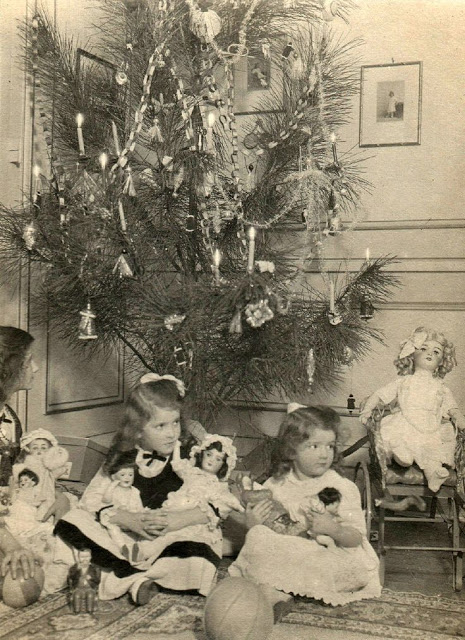
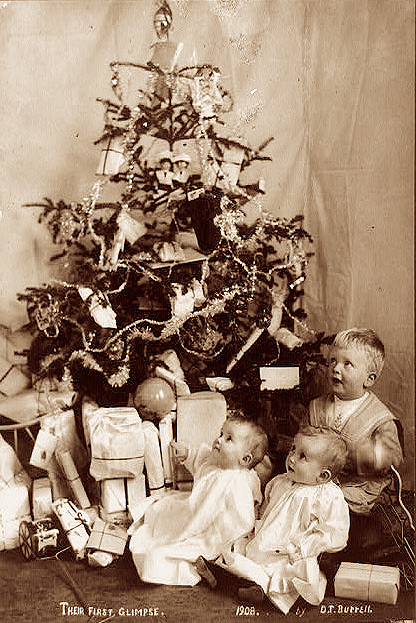
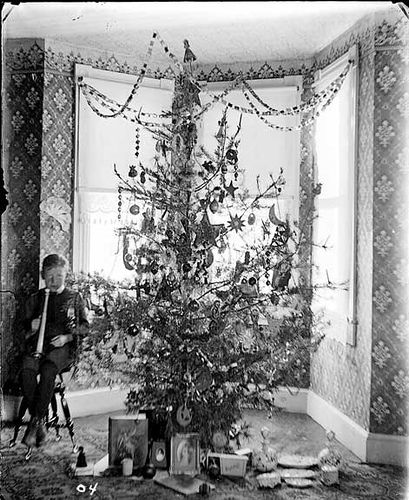
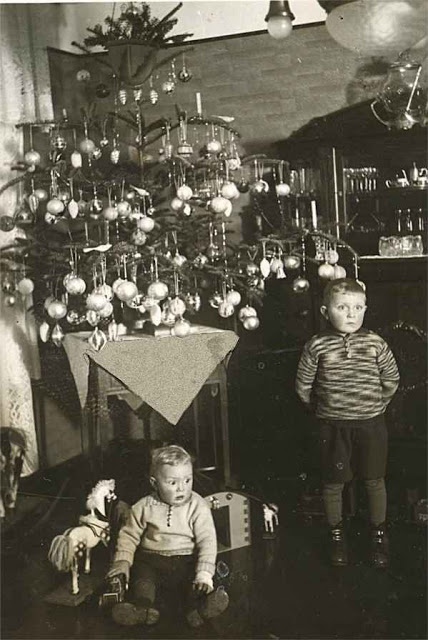
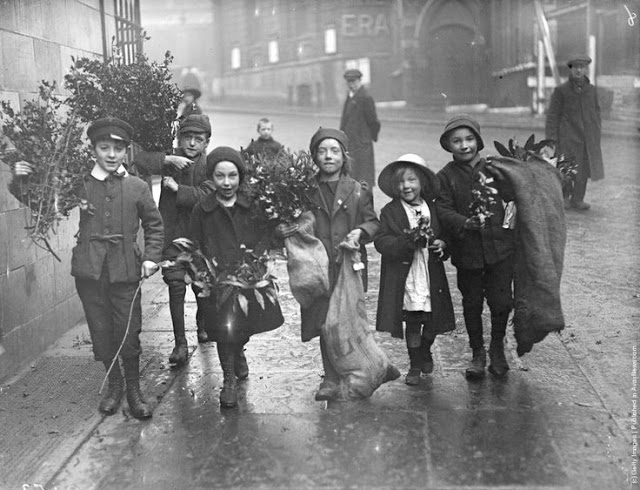
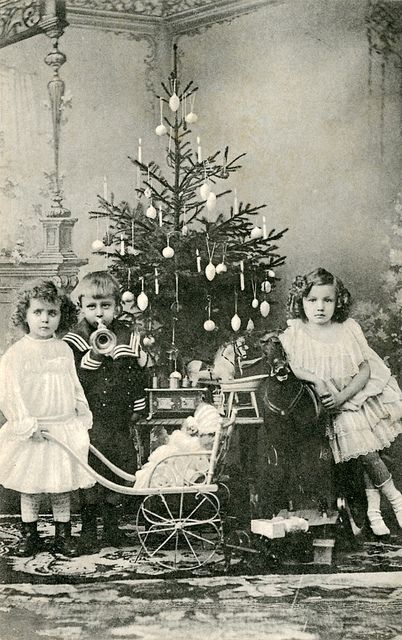
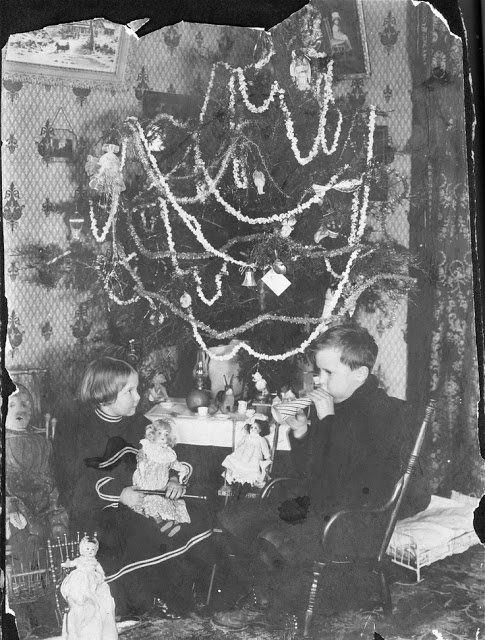
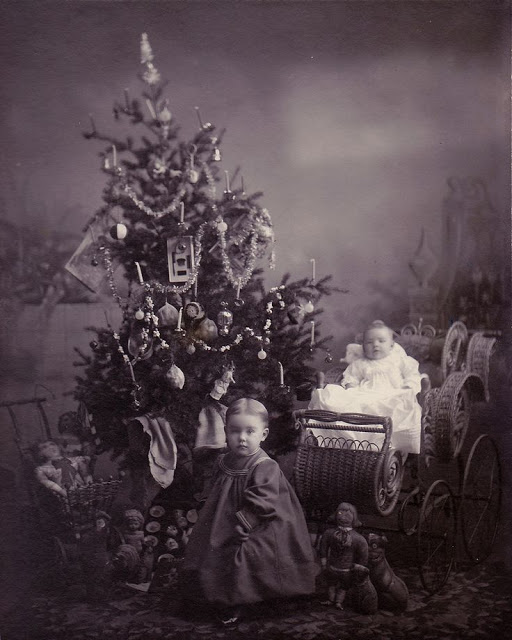
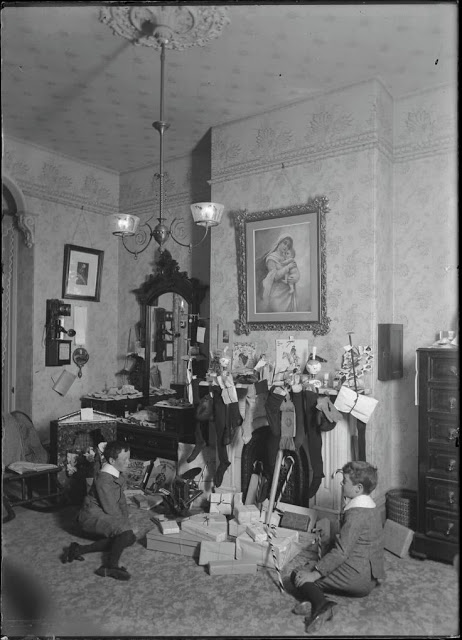
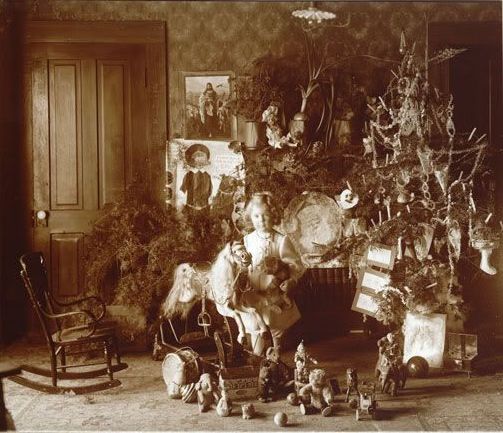
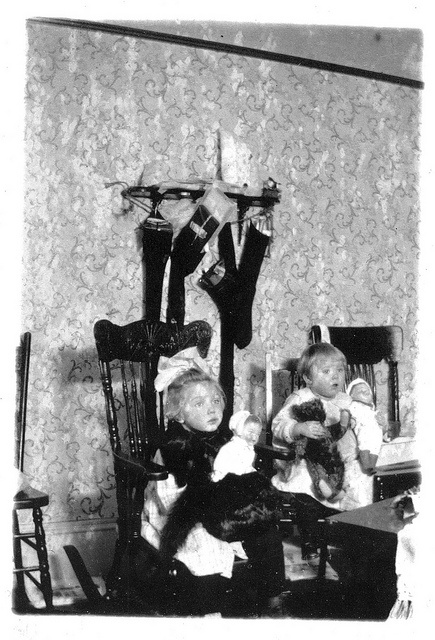
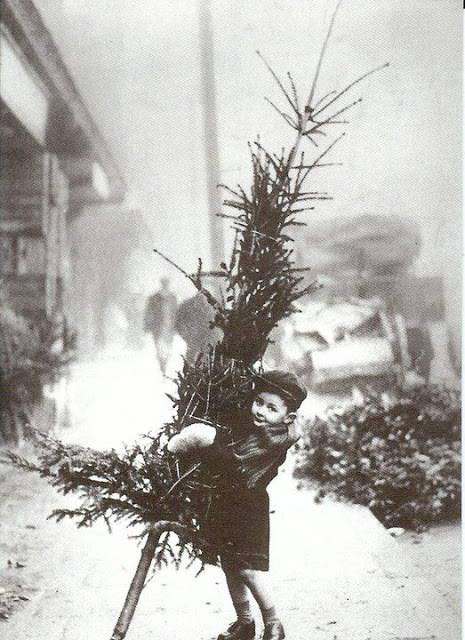
From lighting a real candle on the branch of an indoor Christmas tree, to a well-dressed family singing carols on a stairwell in the home, this lovely collection of nostalgic photos reveal how children from a bygone era celebrated the festive season.
A little girl and her Saint Bernard deliver Christmas, ca. 1910sAn American Christmas, 1900Babies on Christmas, 1908The boy and Christmas tree, 1904Boy and his sister on Christmas Morning, ca. early 1900sBrothers on Christmas, 1910Children around a Christmas tree, 1900Children carrying holly and mistletoe, London, December 1915Children on Christmas, 1900Children playing with dolls while their mother lighting the Christmas Tree, 1907Children with gifts near Christmas tree, 1900Children with their new dolls on Christmas, 1916Christmas smiles, 1912Christmas, 1904Christmas, 1909Christmas, 1910Christmas, Harney County, Oregon, 1900Kids on Christmas, 1910Little boy with a Christmas tree, 1900Little girls with their dolls in sleighs, 1909The Christmas dolls, ca. early 1900sThe Christmas haul, 1900
Ireland is an island in the North Atlantic. It is separated from Great Britain to its east by the North Channel, the Irish Sea, and St George’s Channel. Ireland is the second-largest island of the British Isles, the third-largest in Europe, and the twentieth-largest on Earth.
Geopolitically, Ireland is divided between the Republic of Ireland (officially named Ireland), which covers five-sixths of the island, and Northern Ireland, which is part of the United Kingdom. In 2011, the population of Ireland was about 6.6 million, ranking it the second-most populous island in Europe after Great Britain. As of 2016, 4.8 million lived in the Republic of Ireland, and 1.8 million in Northern Ireland.
The geography of Ireland comprises relatively low-lying mountains surrounding a central plain, with several navigable rivers extending inland. Its lush vegetation is a product of its mild but changeable climate which is free of extremes in temperature. Much of Ireland was woodland until the end of the Middle Ages. Today, woodland makes up about 10% of the island, compared with a European average of over 33%, and most of it is non-native conifer plantations. There are twenty-six extant land mammal species native to Ireland. The Irish climate is influenced by the Atlantic Ocean and thus very moderate, and winters are milder than expected for such a northerly area, although summers are cooler than those in continental Europe. Rainfall and cloud cover are abundant.
Gaelic Ireland had emerged by the 1st century AD. The island was Christianised from the 5th century onwards. Following the 12th century Anglo-Norman invasion, England claimed sovereignty. However, English rule did not extend over the whole island until the 16th–17th century Tudor conquest, which led to colonisation by settlers from Britain. In the 1690s, a system of Protestant English rule was designed to materially disadvantage the Catholic majority and Protestant dissenters, and was extended during the 18th century. With the Acts of Union in 1801, Ireland became a part of the United Kingdom. A war of independence in the early 20th century was followed by the partition of the island, thus creating the Irish Free State, which became increasingly sovereign over the following decades, and Northern Ireland, which remained a part of the United Kingdom. Northern Ireland saw much civil unrest from the late 1960s until the 1990s. This subsided following the Good Friday Agreement in 1998. In 1973, the Republic of Ireland joined the European Economic Community while the United Kingdom, and Northern Ireland, as part of it, did the same. In 2020, the United Kingdom, Northern Ireland included, left what was by then the European Union (EU).
Irish culture has had a significant influence on other cultures, especially in the field of literature. Alongside mainstream Western culture, a strong indigenous culture exists, as expressed through Gaelic games, Irish music, Irish language, and Irish dance. The island’s culture shares many features with that of Great Britain, including the English language, and sports such as association football, rugby, horse racing, golf, and boxing. (Wikipedia)
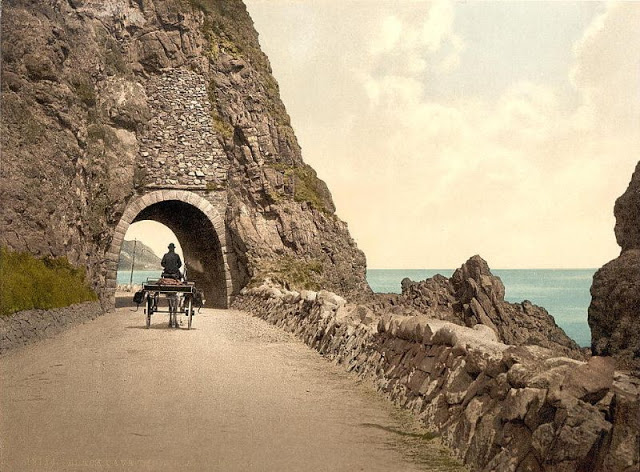
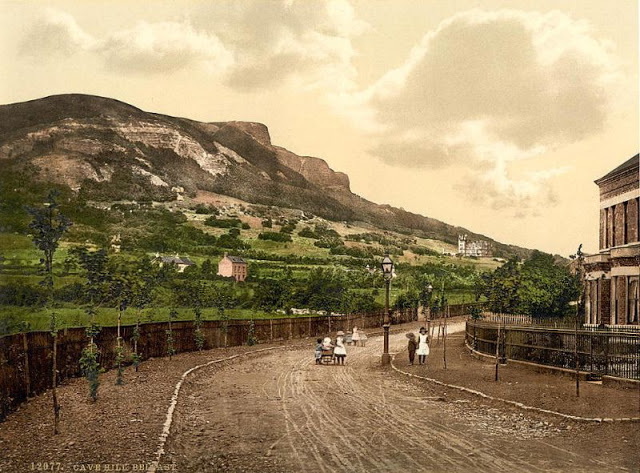
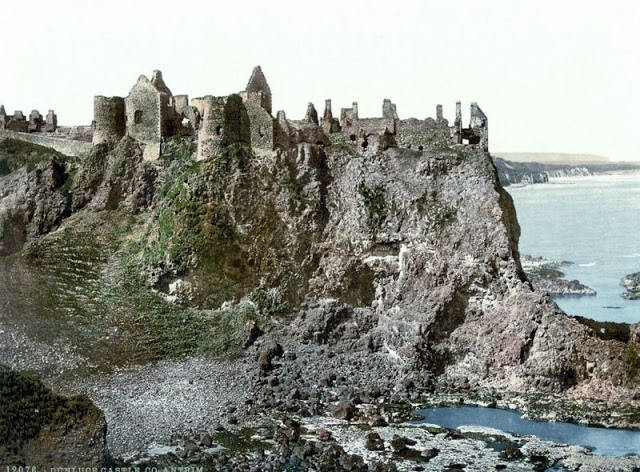
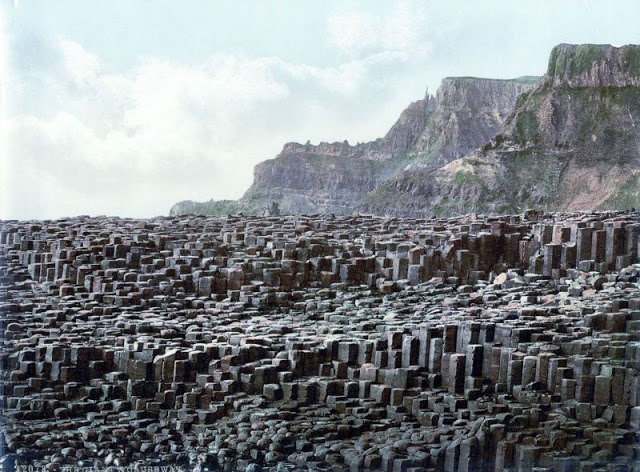
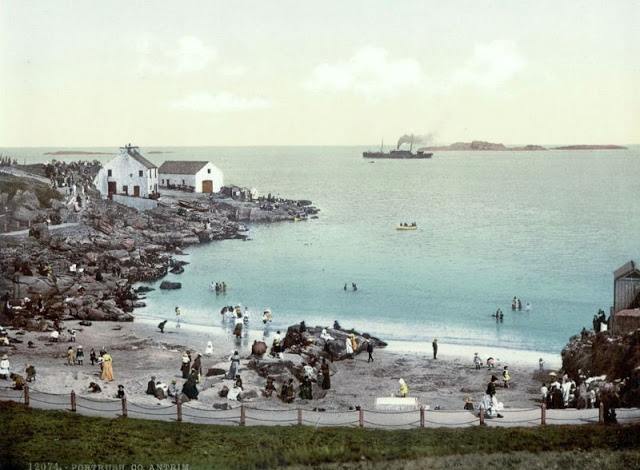
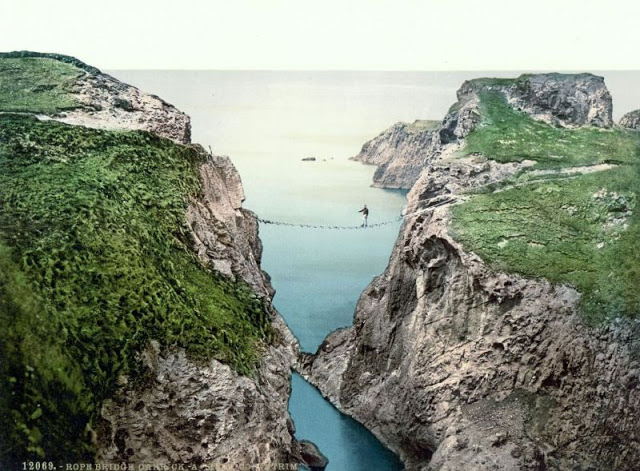
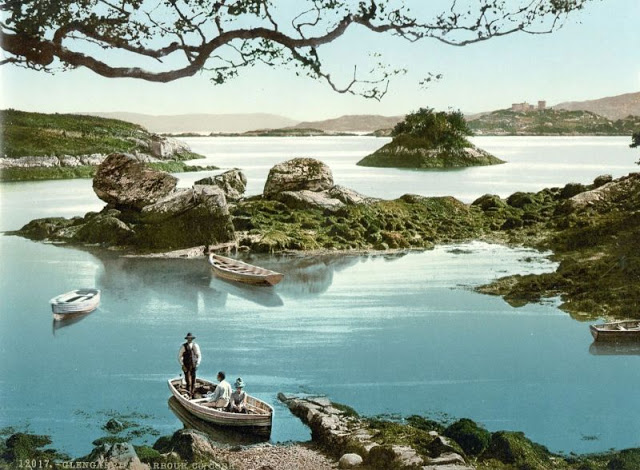
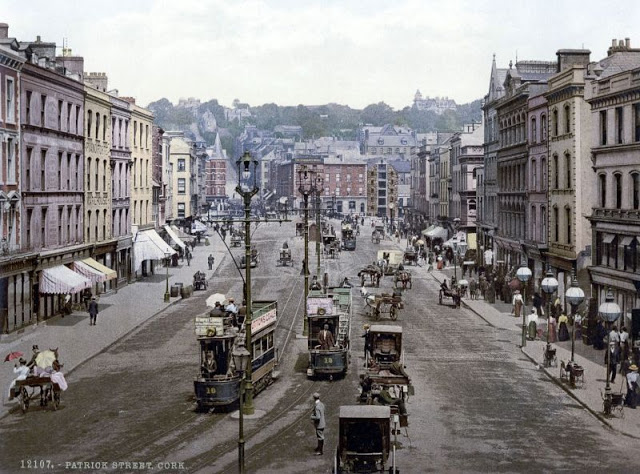
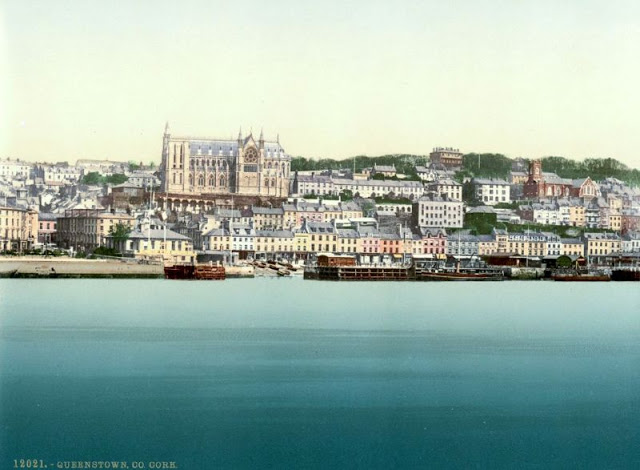
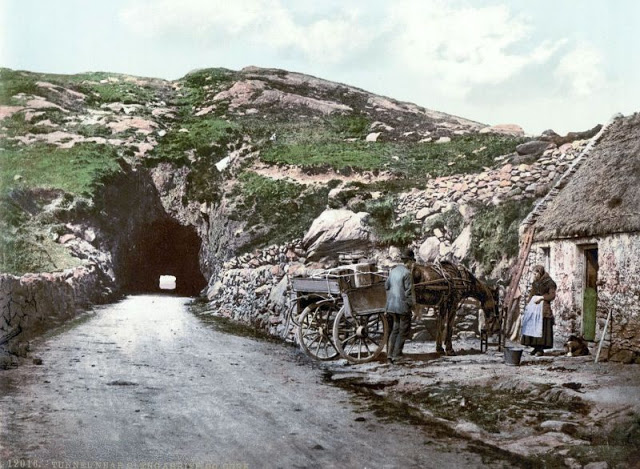
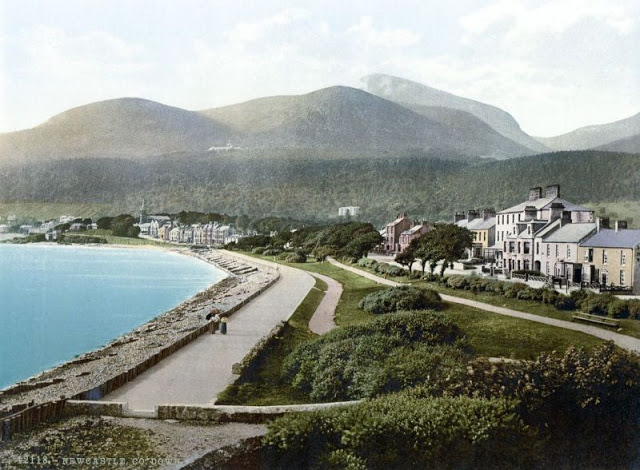
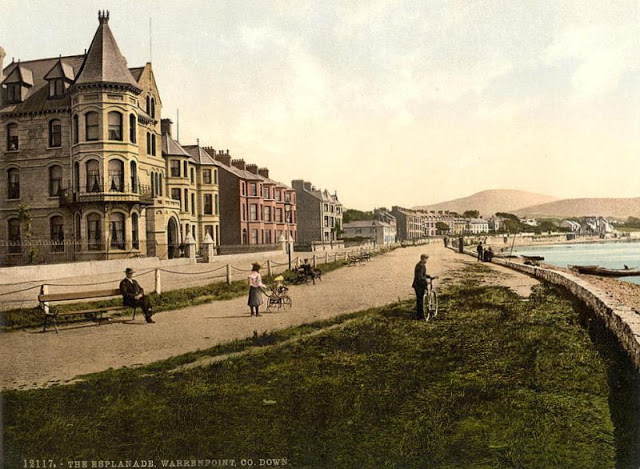
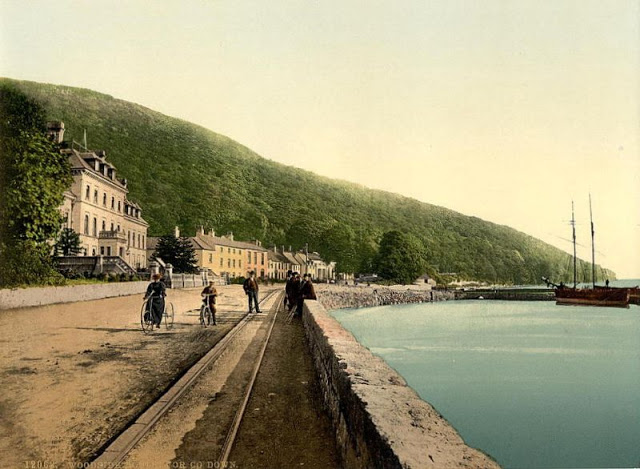
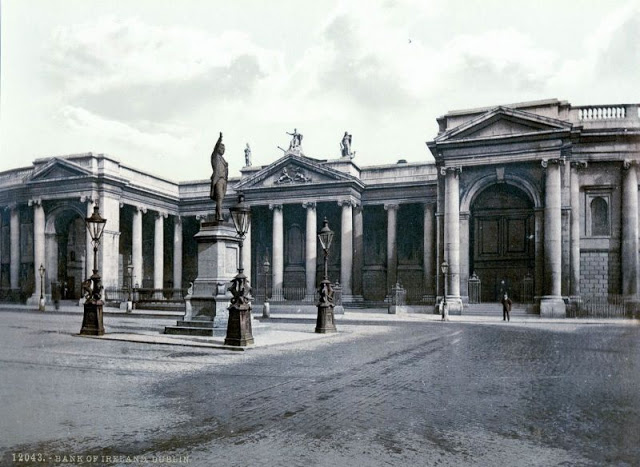
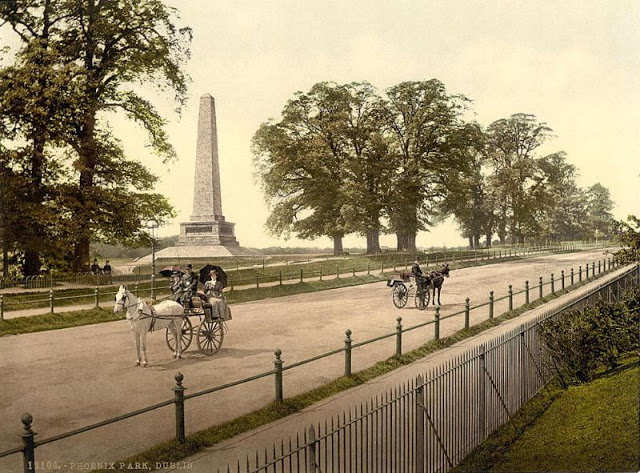
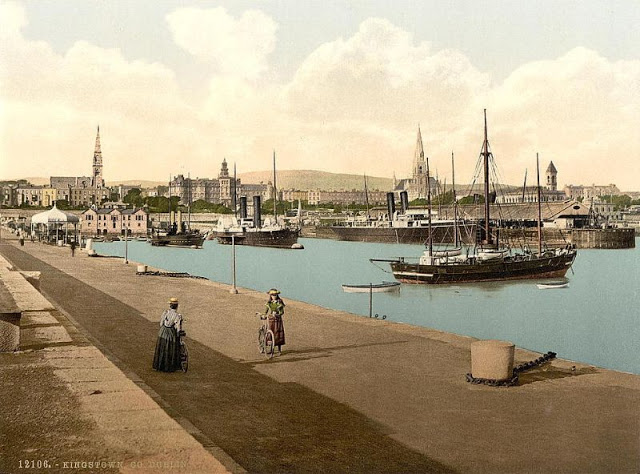
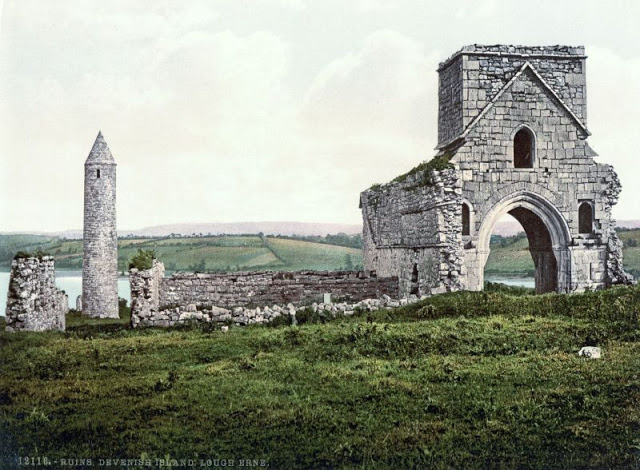
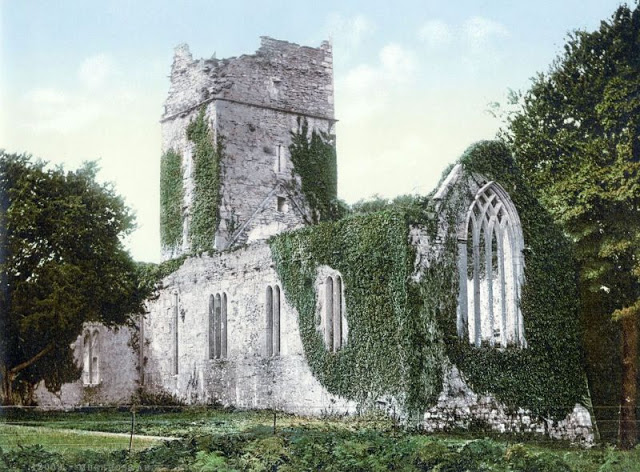
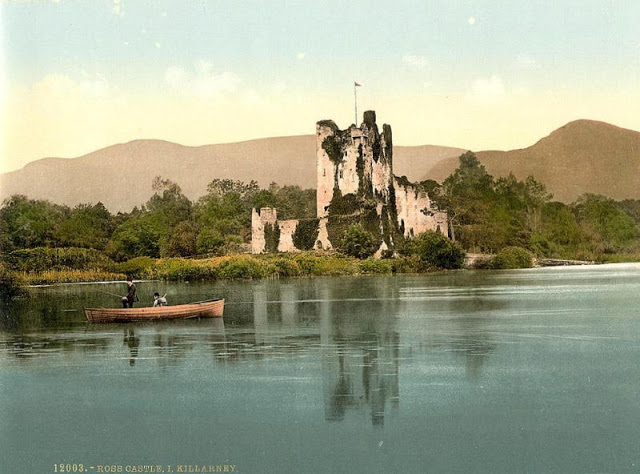
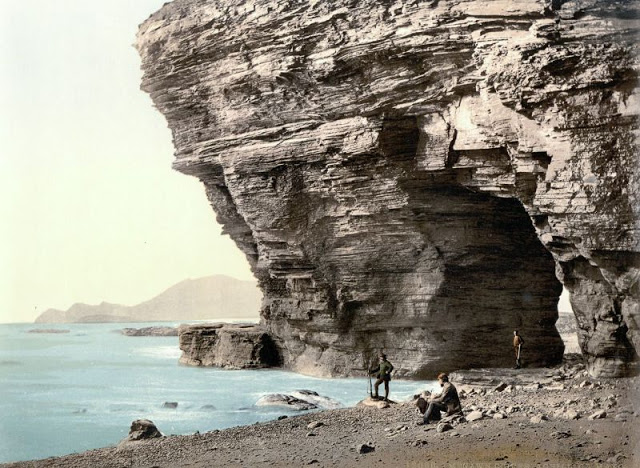
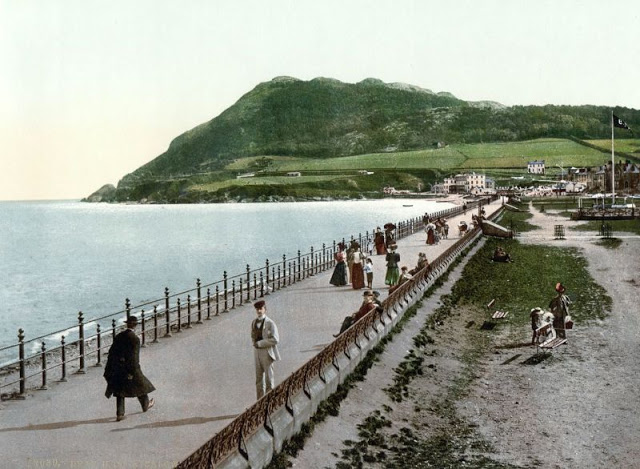
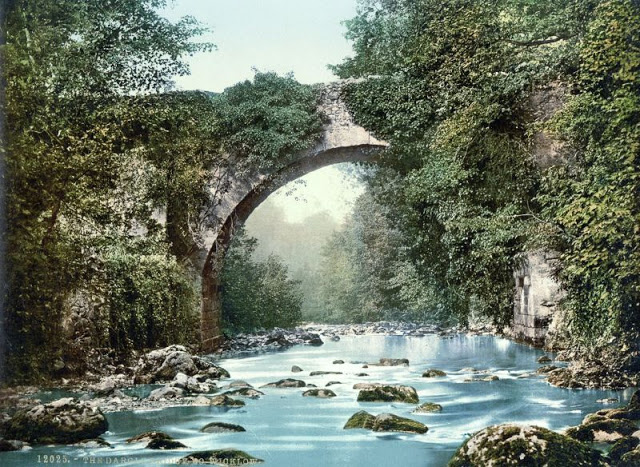
These postcards from The Library of Congress that captured landscapes and daily life of Ireland in the 1890s. They were created using the Photochrom process, a complex method of imbuing black-and-white photographs with relatively realistic color.
Though delicate and time-consuming, the Photochrom process resulted in color images of striking verisimilitude for a time when true color photography was in the earliest stages of development.
County Antrim. Royal Avenue, BelfastCounty Antrim. Glenoe VillageCounty Antrim. Black Cave TunnelCounty Antrim. Cave Hill, BelfastCounty Antrim. Dunluce CastleCounty Antrim. Giant’s CausewayCounty Antrim. GlenariffCounty Antrim. PortrushCounty Antrim. Rope bridge, Carrick-a-RedeCounty Claire. Cliffs at MoherCounty Clare. LisdoonvarnaCounty Cork. Blackrock CastleCounty Cork. Eccles Hotel, GlengarriffCounty Cork. Glengarriff HarborCounty Cork. Patrick Street, CorkCounty Cork. Queenstown HarborCounty Cork. QueenstownCounty Cork. Tunnel near GlengarriffCounty Down. NewcastleCounty Down. The Esplanade, WarrenpointCounty Down. Woodside, RostrevorCounty Dublin. Bank of Ireland, DublinCounty Dublin. Phoenix Park, DublinCounty Dublin. Sackville Street and O’Connell Bridge, DublinCounty Dublin. St. Stephen’s Green Park, DublinCounty Dublin. The Harbor, KingstownCounty Fermanagh. Ruins, Devenish Island, Lough ErneCounty Galway. Killary Bay, ConnemaraCounty Galway. Spinner and spinning wheelCounty Kerry. Muckross Abbey, KillarneyCounty Kerry. Ross Castle, KillarneyCounty Kerry. Ross Castle, KillarneyCounty Mayo. Menawn Cliffs, AchillCounty Waterford. Dungarvan Bridge and HarborCounty Waterford. Reginald Tower and Quay, WaterfordCounty Waterford. The quays, WaterfordCounty Wicklow. BrayCounty Wicklow. Dargle BridgeCounty Wicklow. Powerscourt WaterfallCounty Wicklow. Vale of Avoca
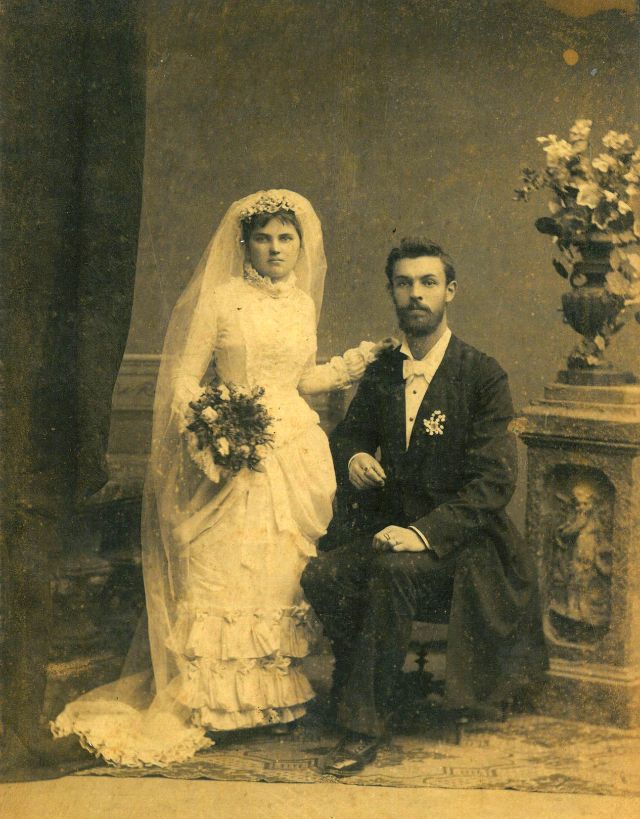
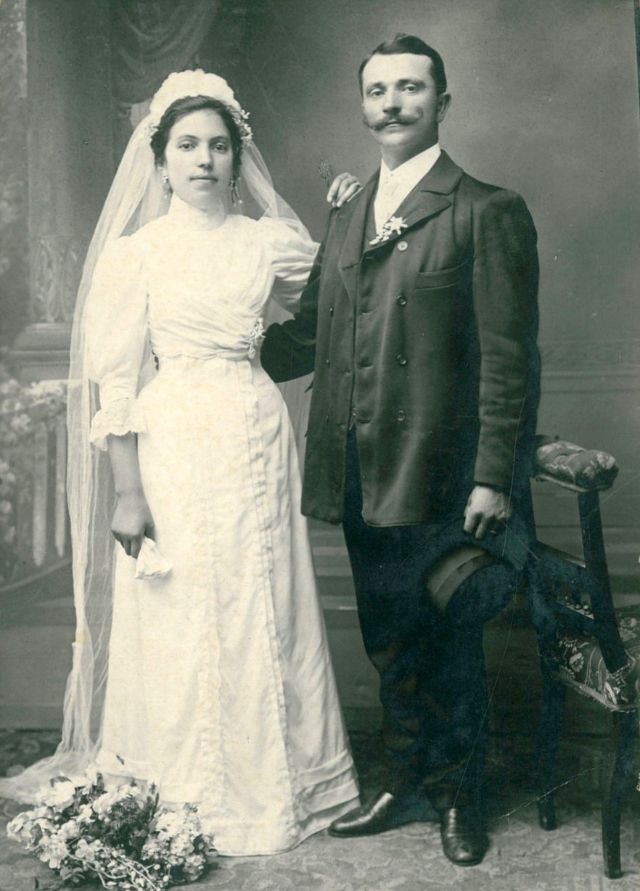
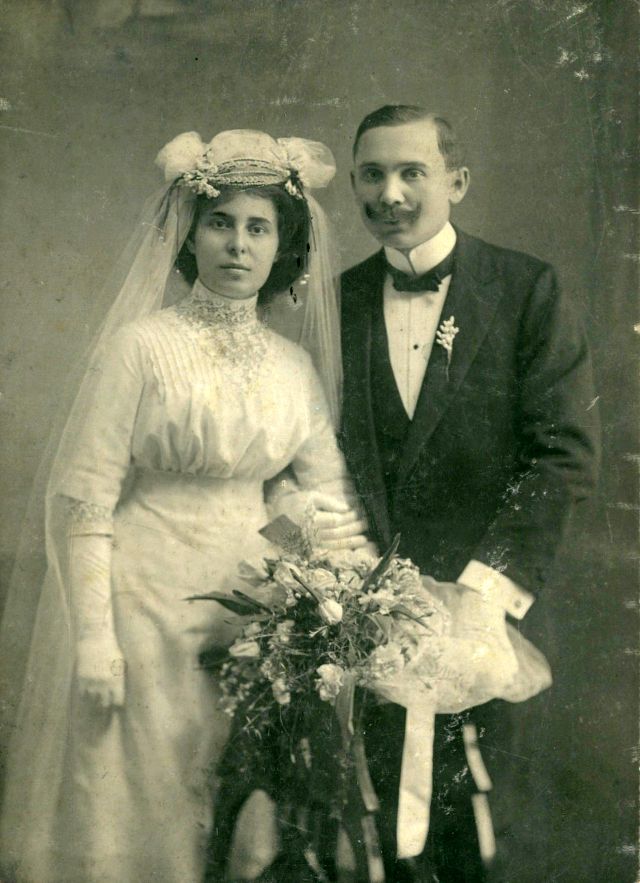
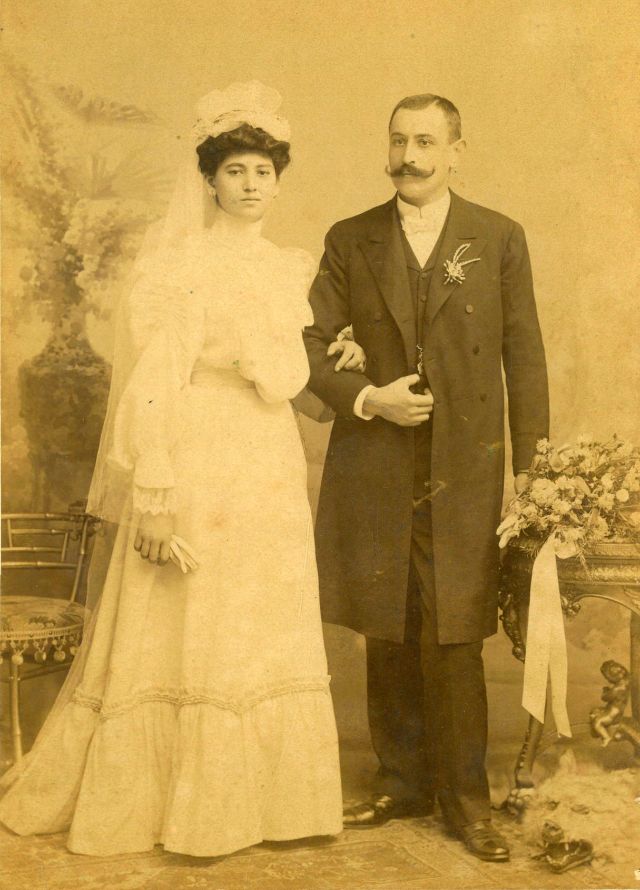
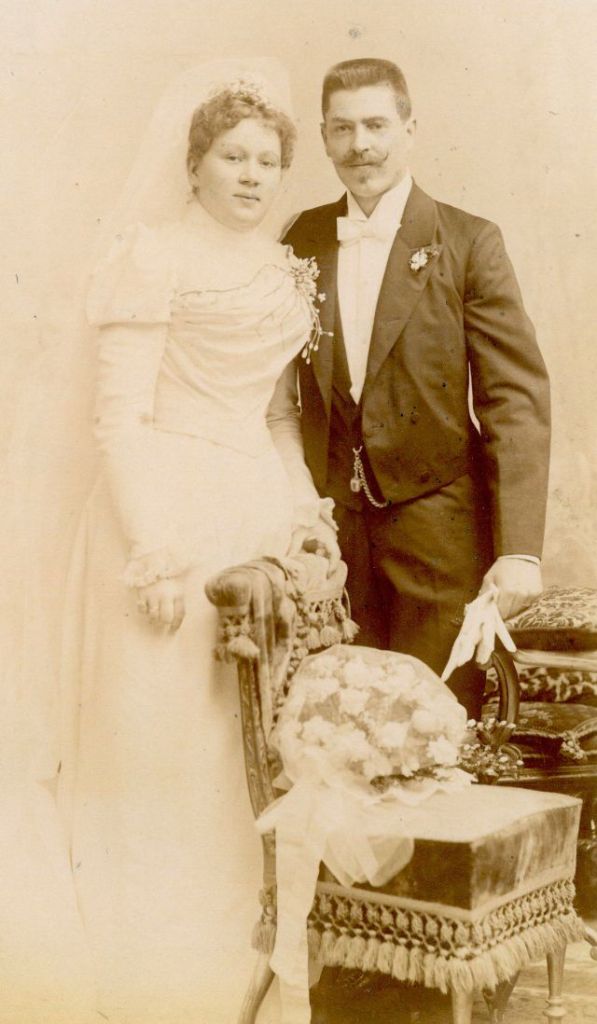
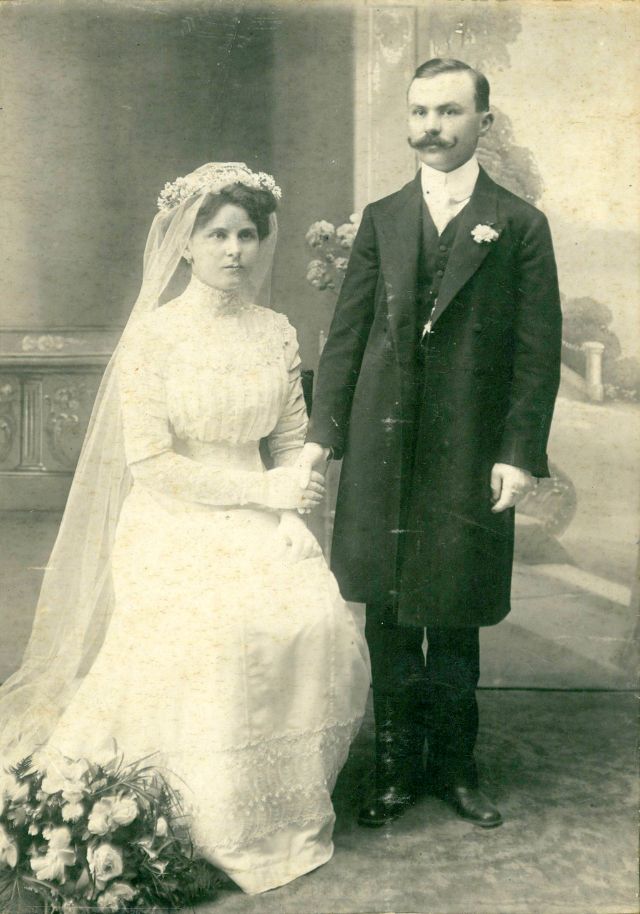
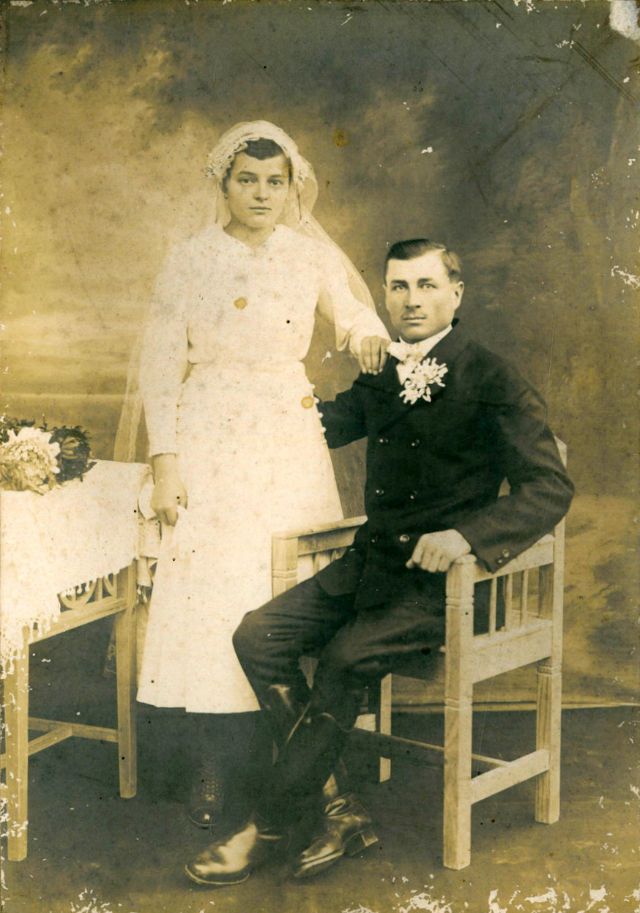
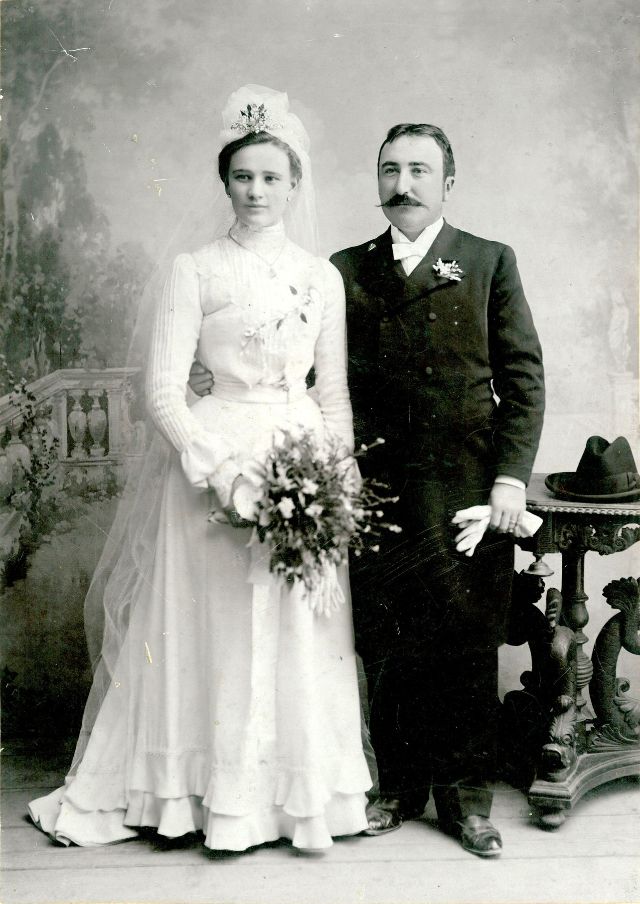
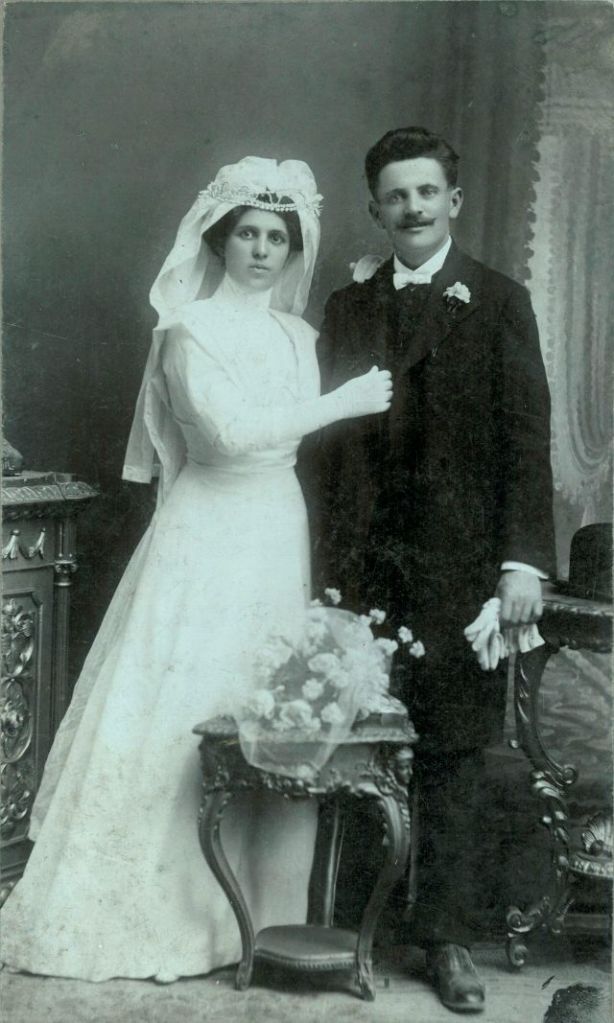
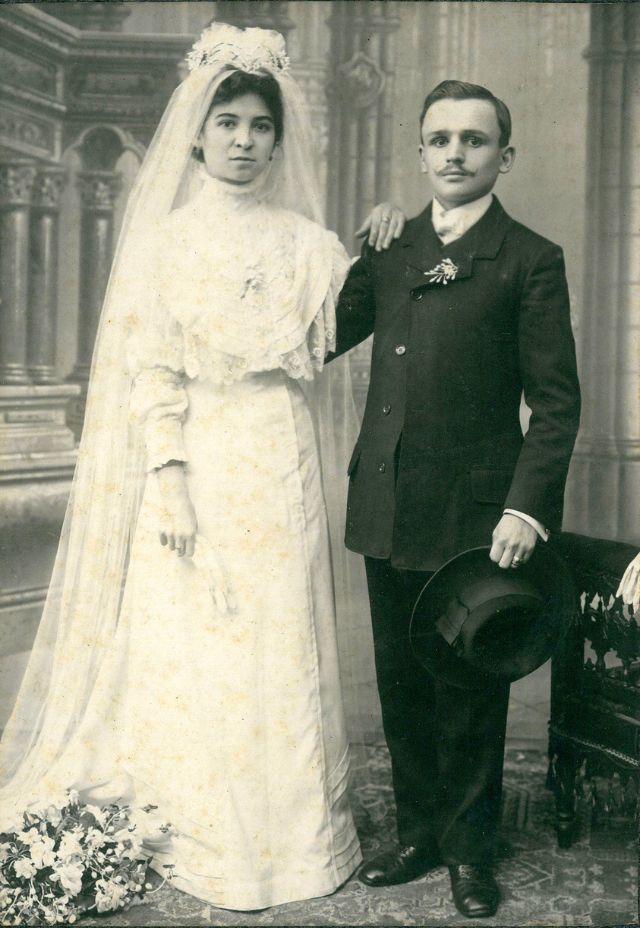
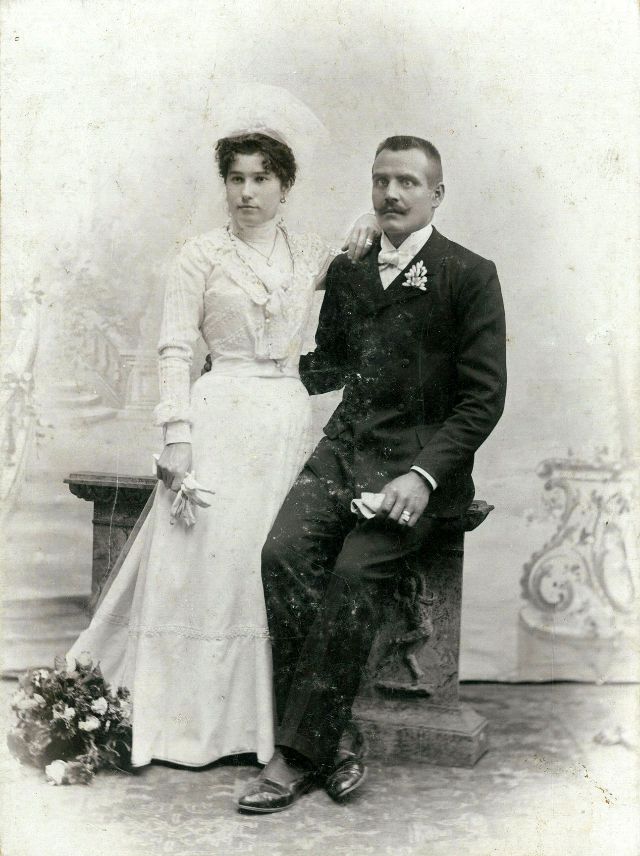
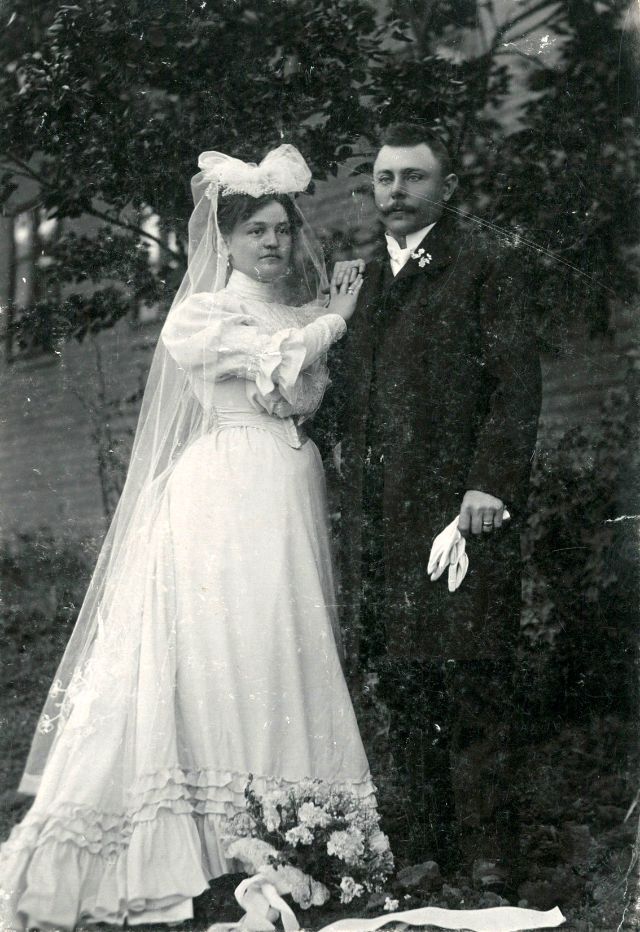
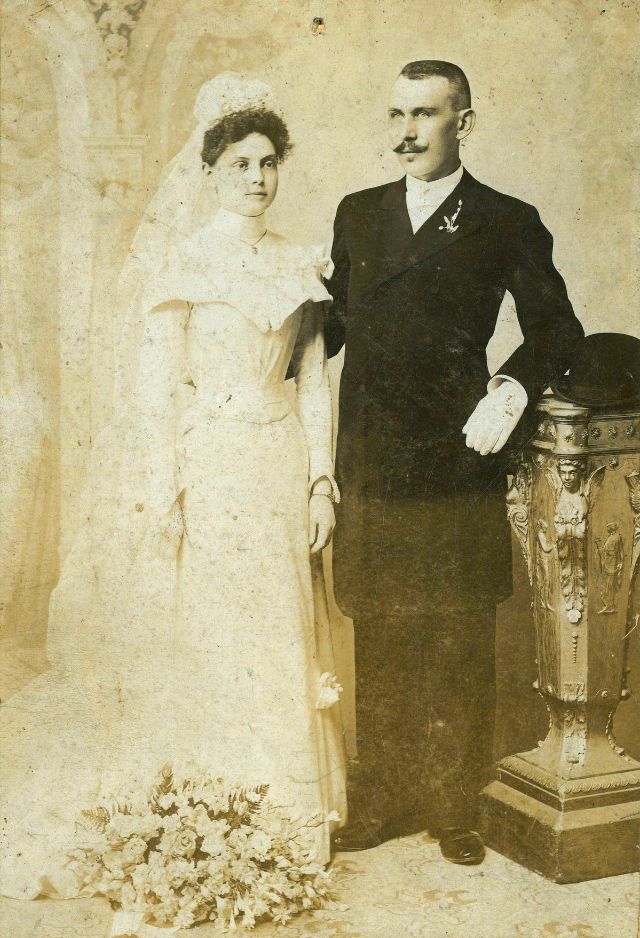
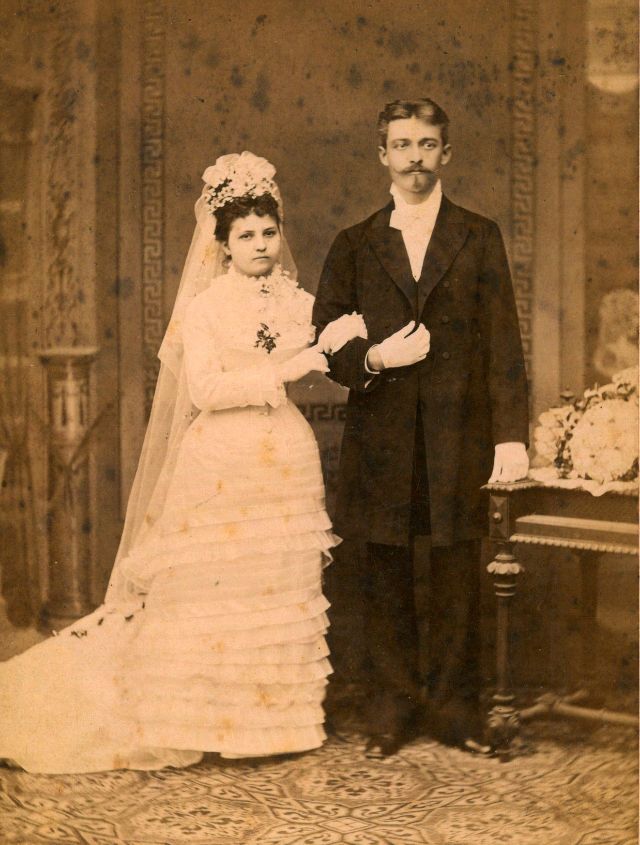
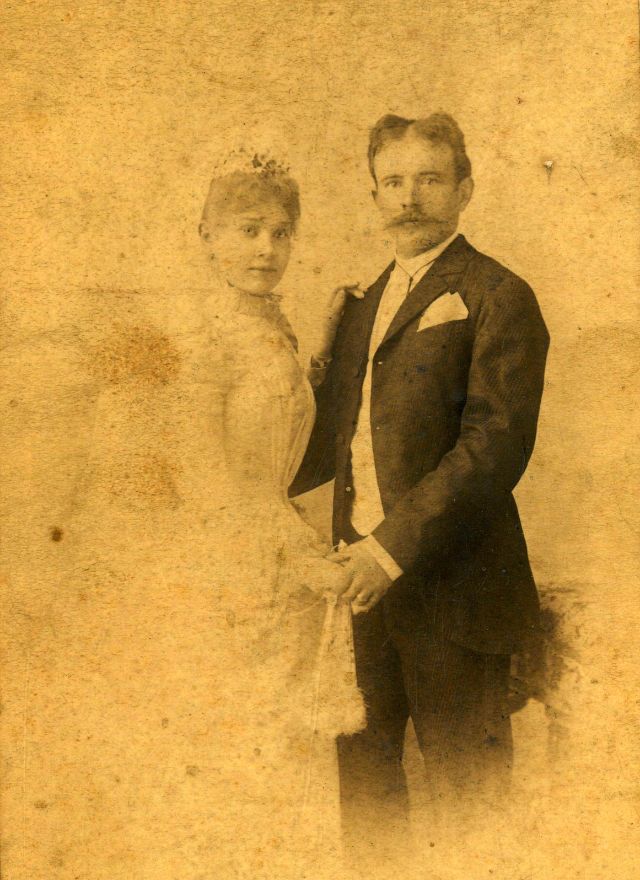
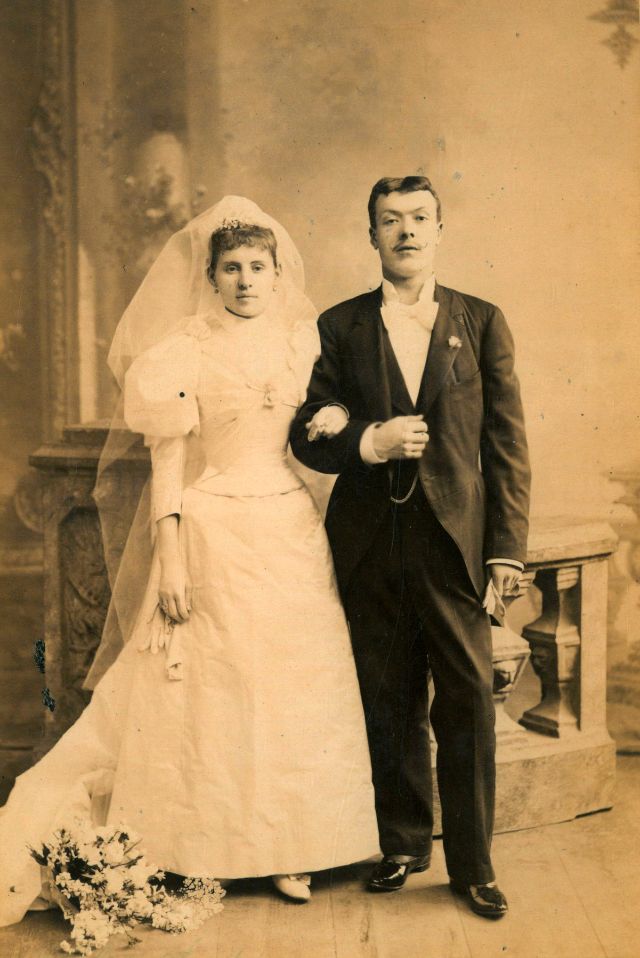
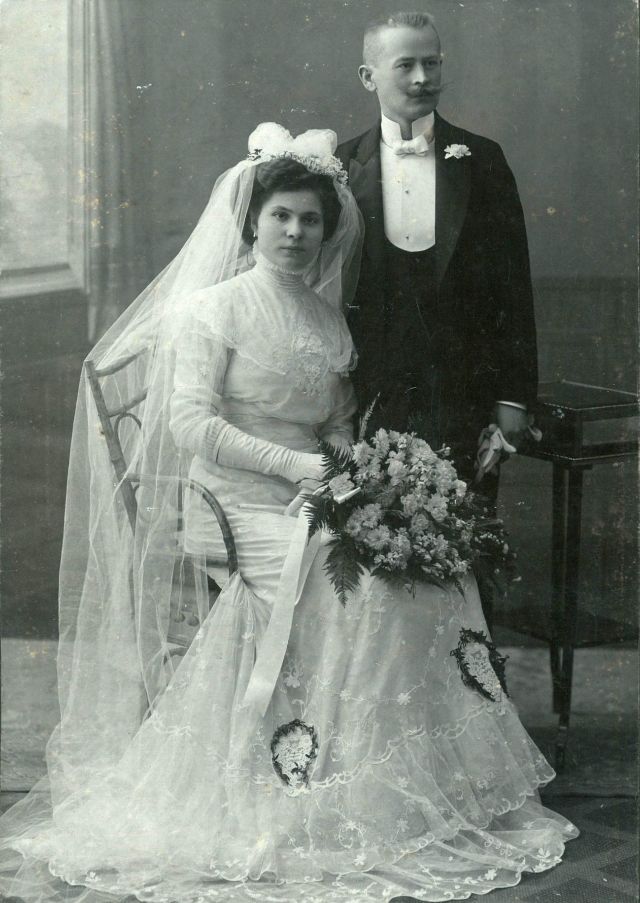
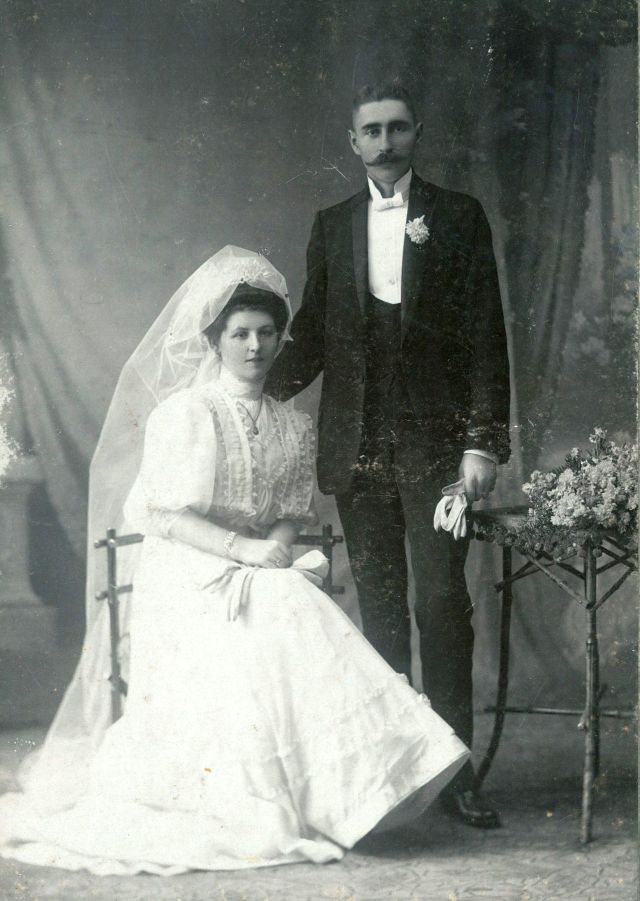
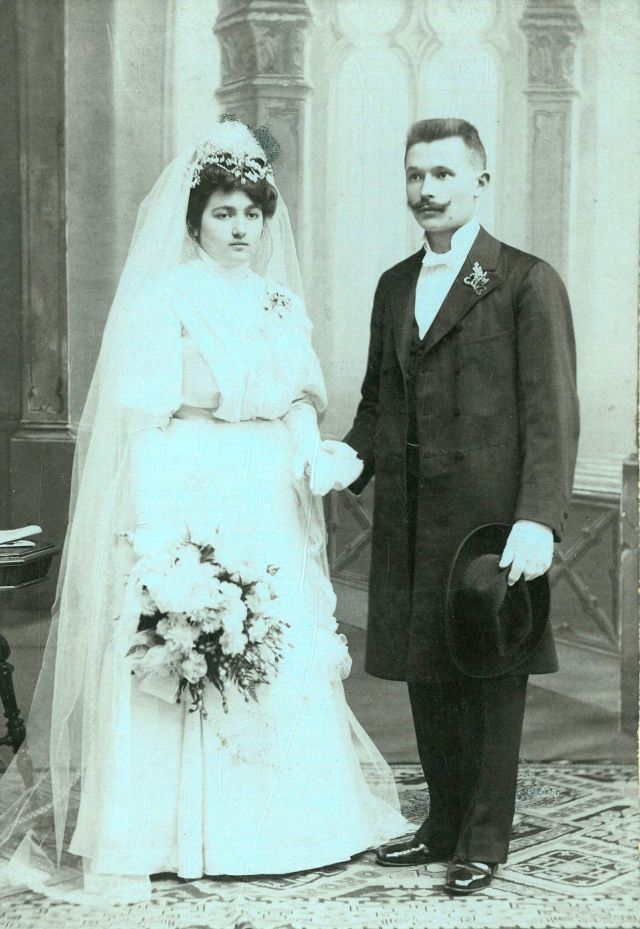
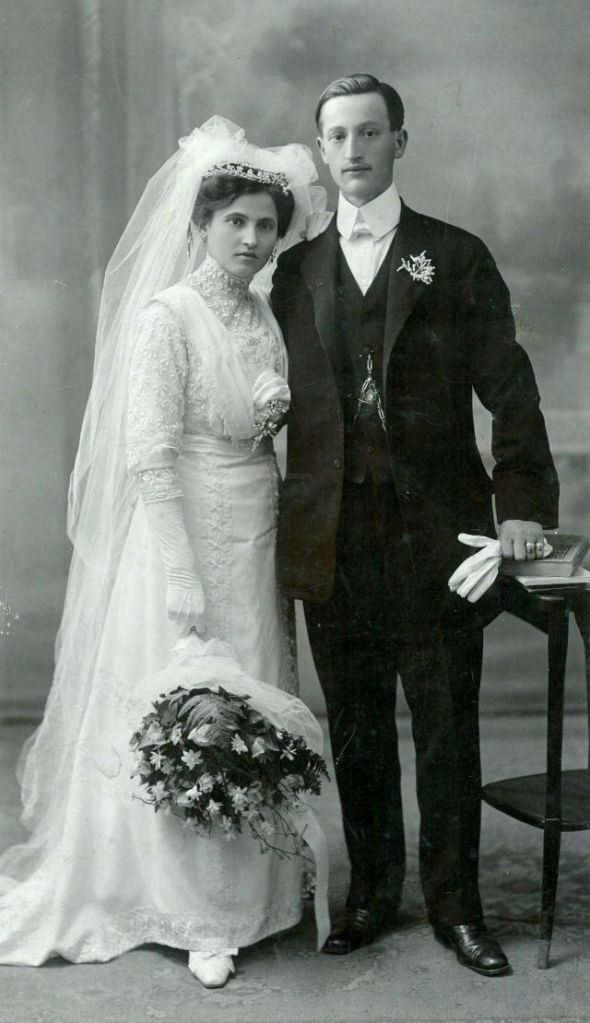
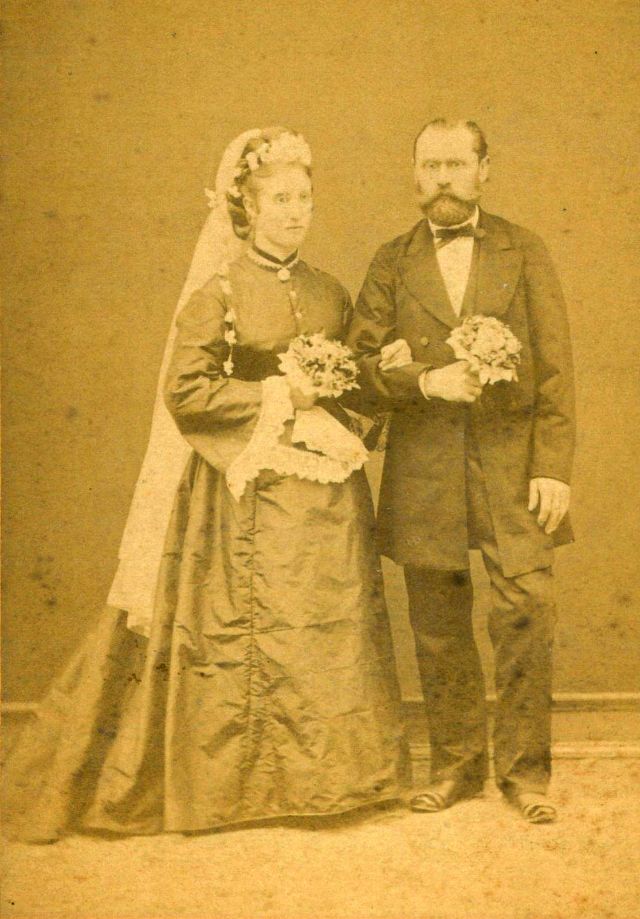
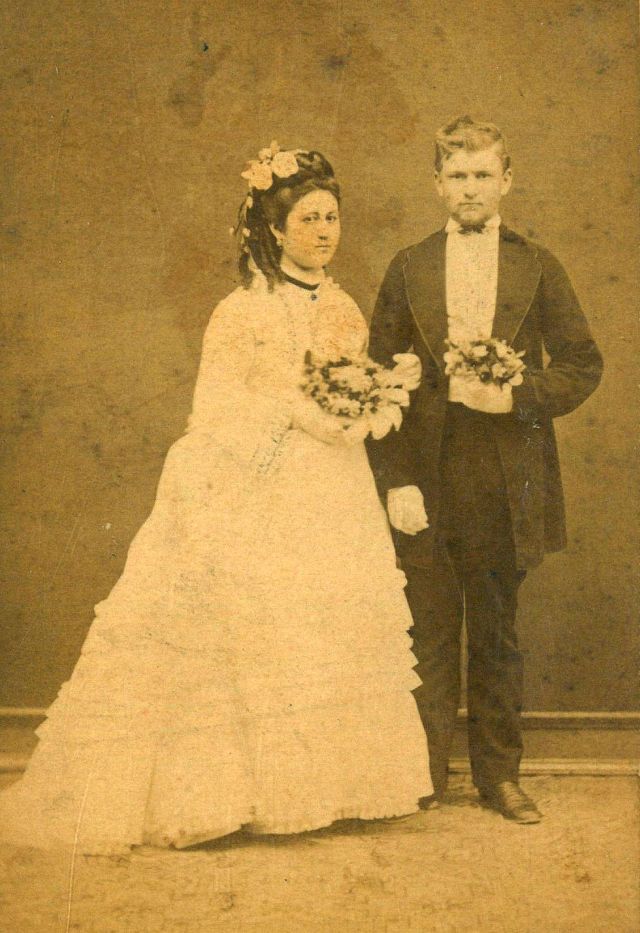
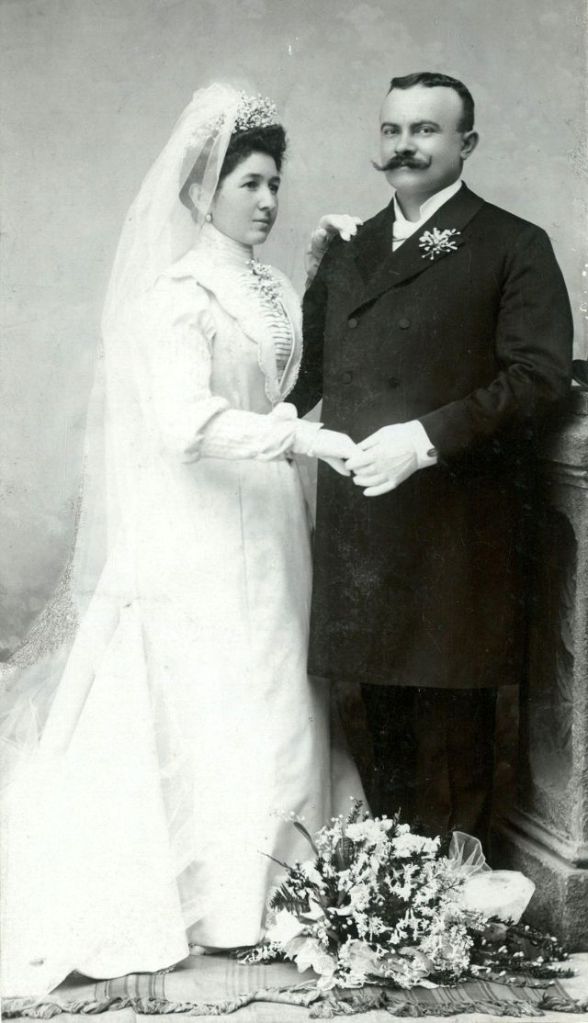
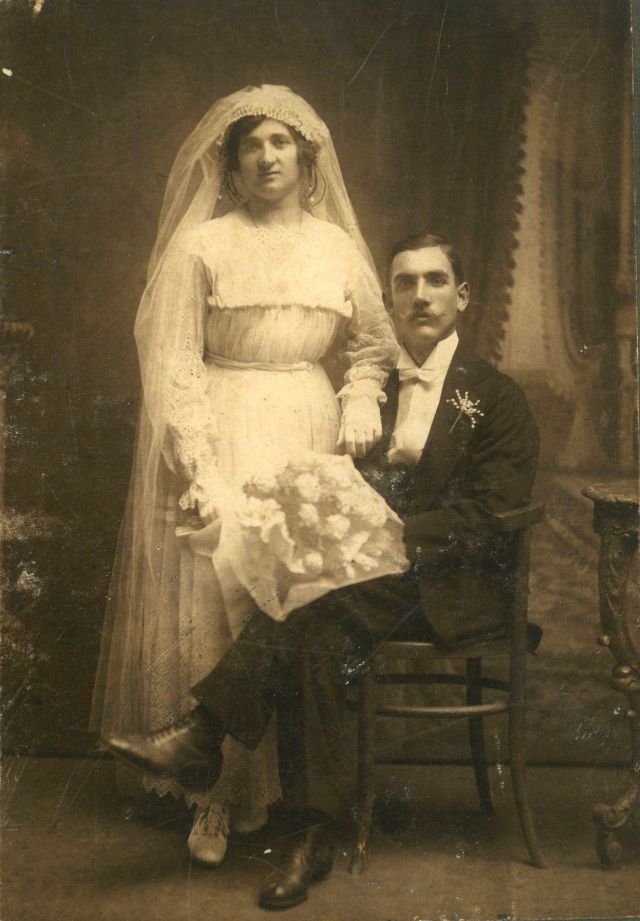
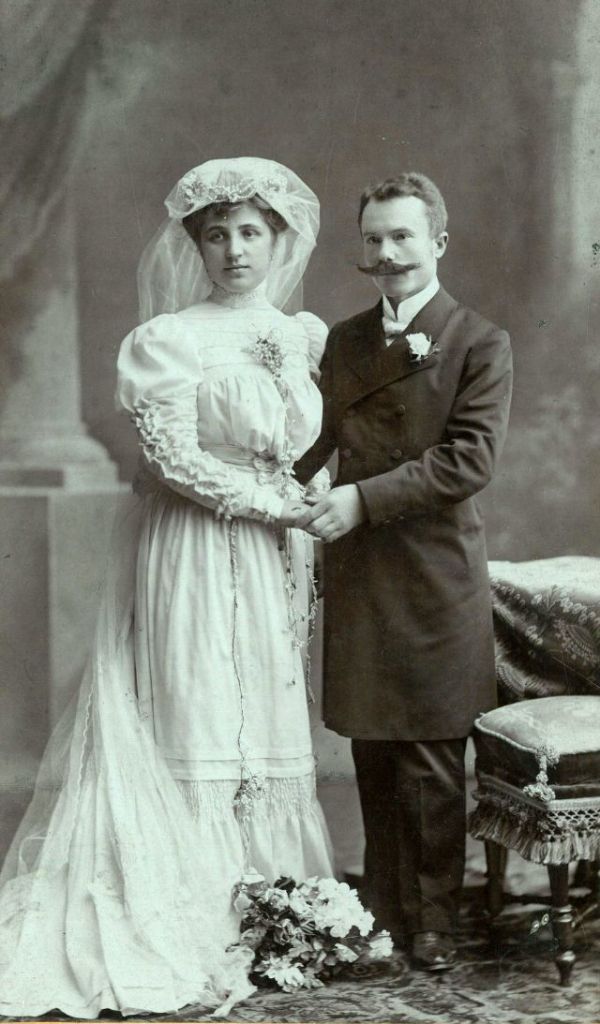
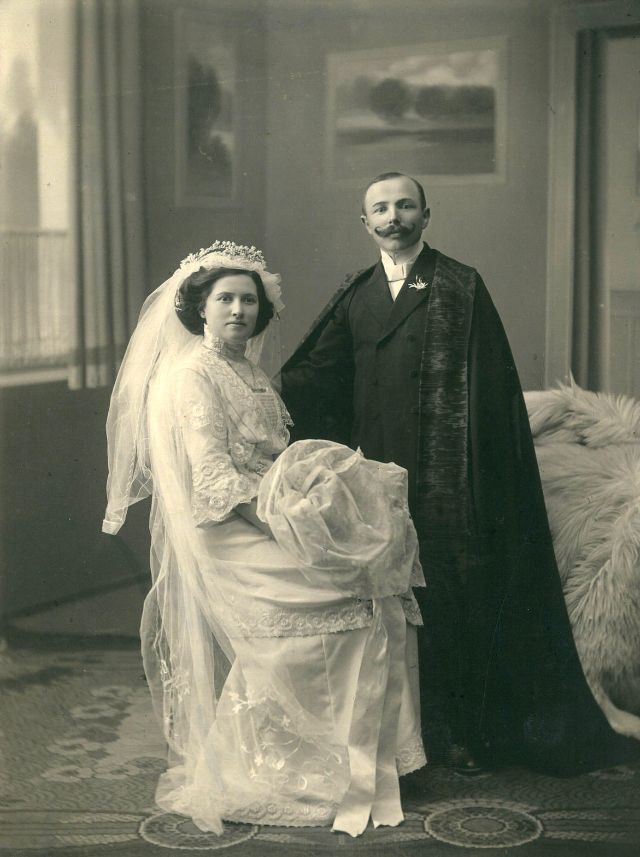
What did brides and grooms wear to their weddings in the 19th century? In most cases, not what we would think of as bridal wear, which actually is more like Victorian formal evening clothing. Instead, 19th-century couples wore their best day clothes, the clothing we would wear to church or a special daytime occasion.
A rare and amazing photo collection that shows Hungarian newlyweds from between the 1870s and 1890s.
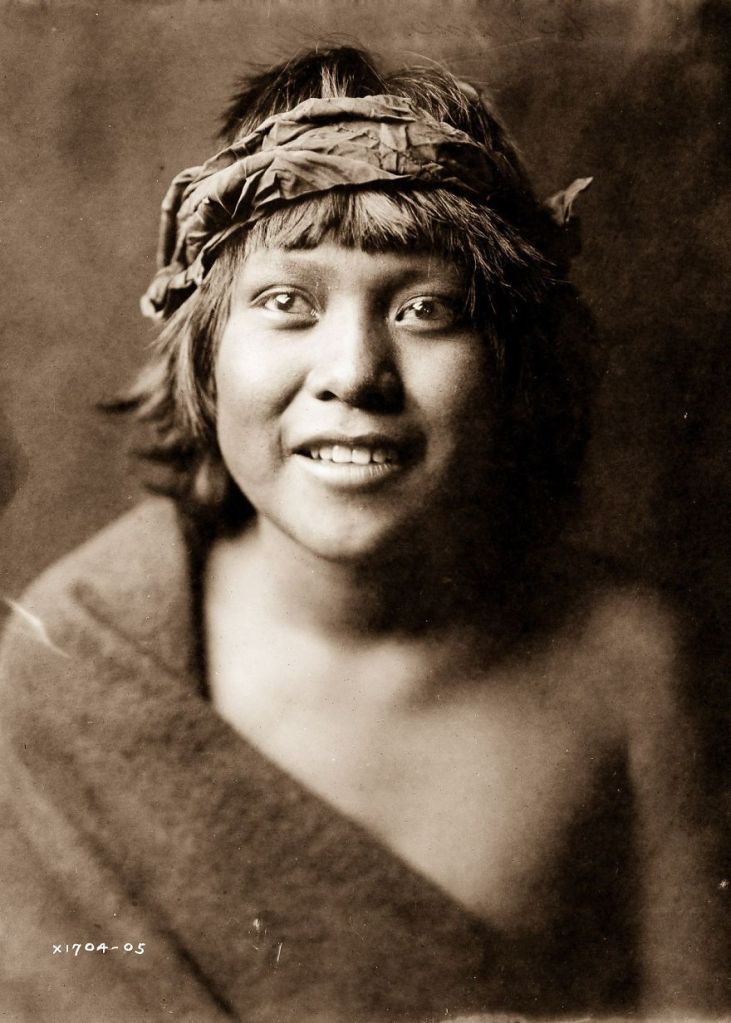
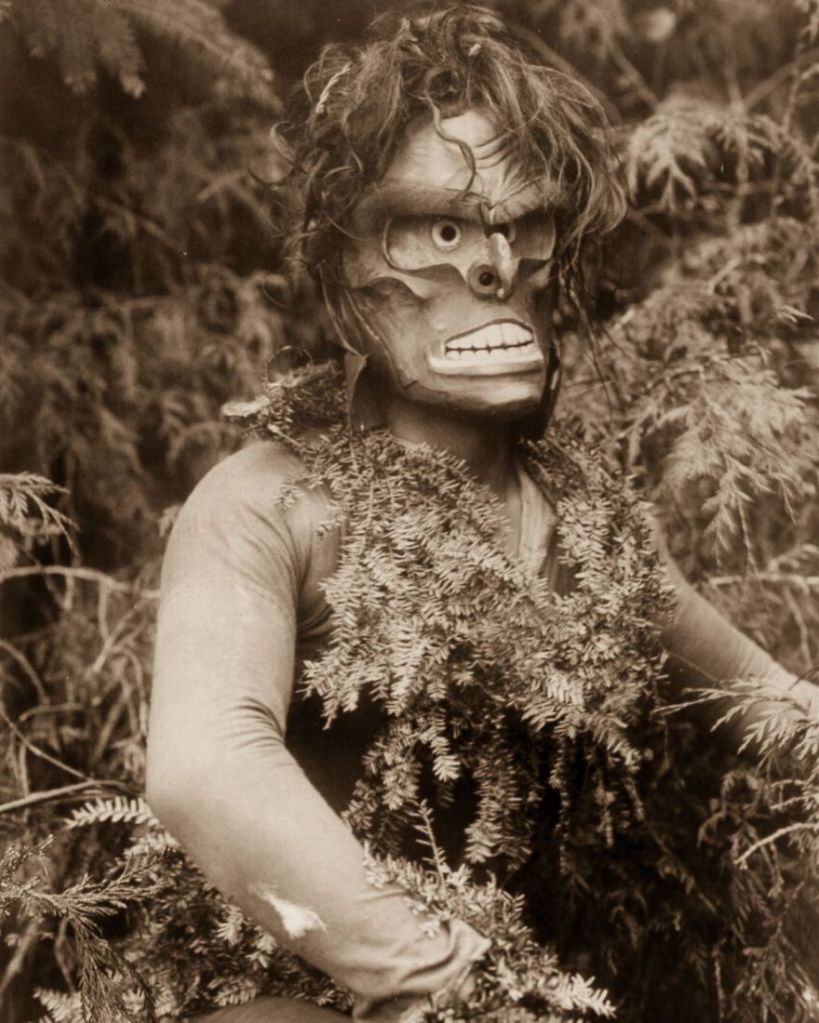
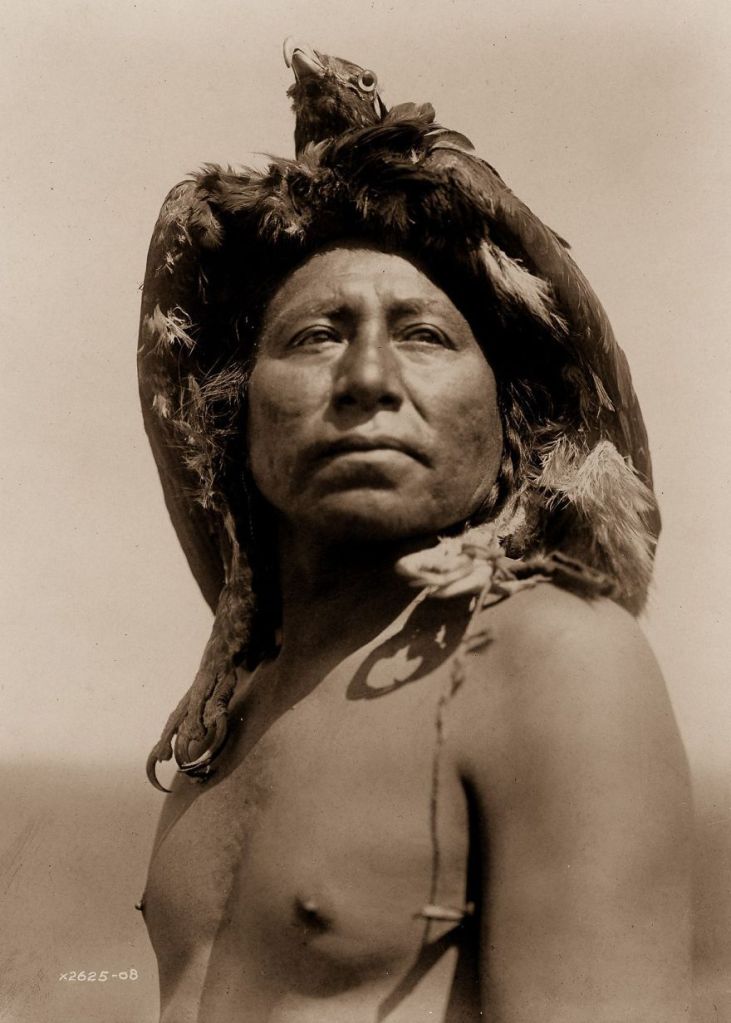
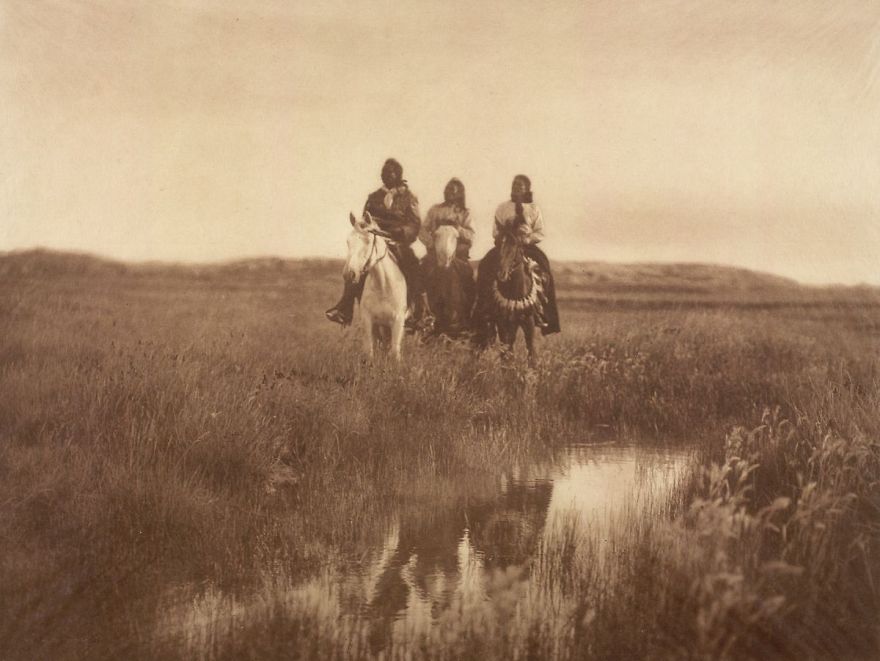
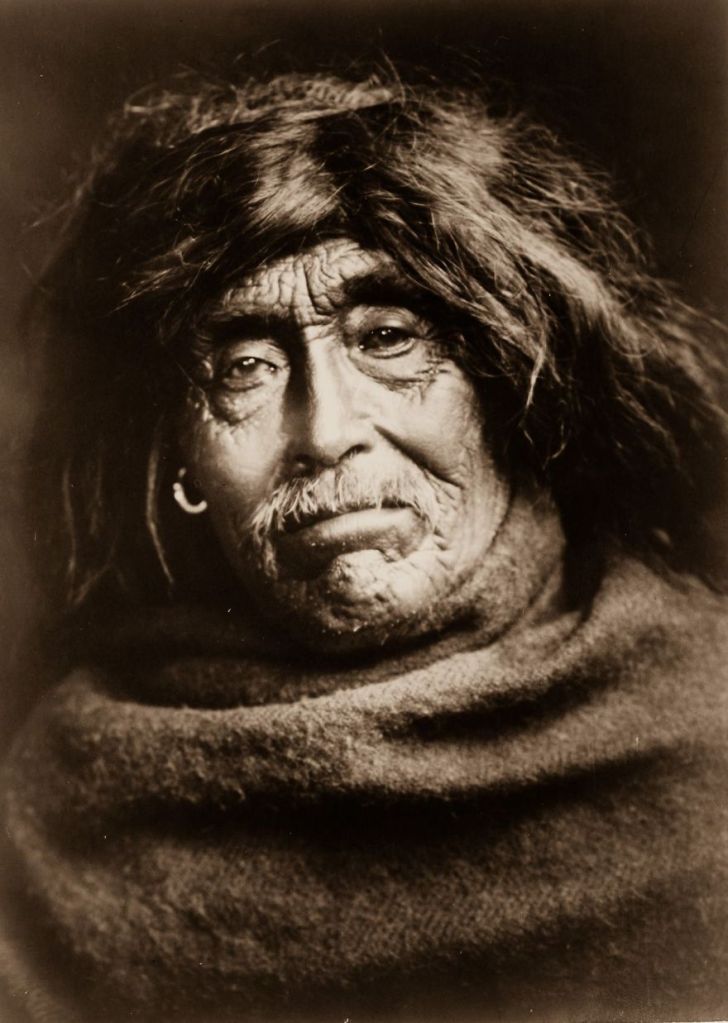
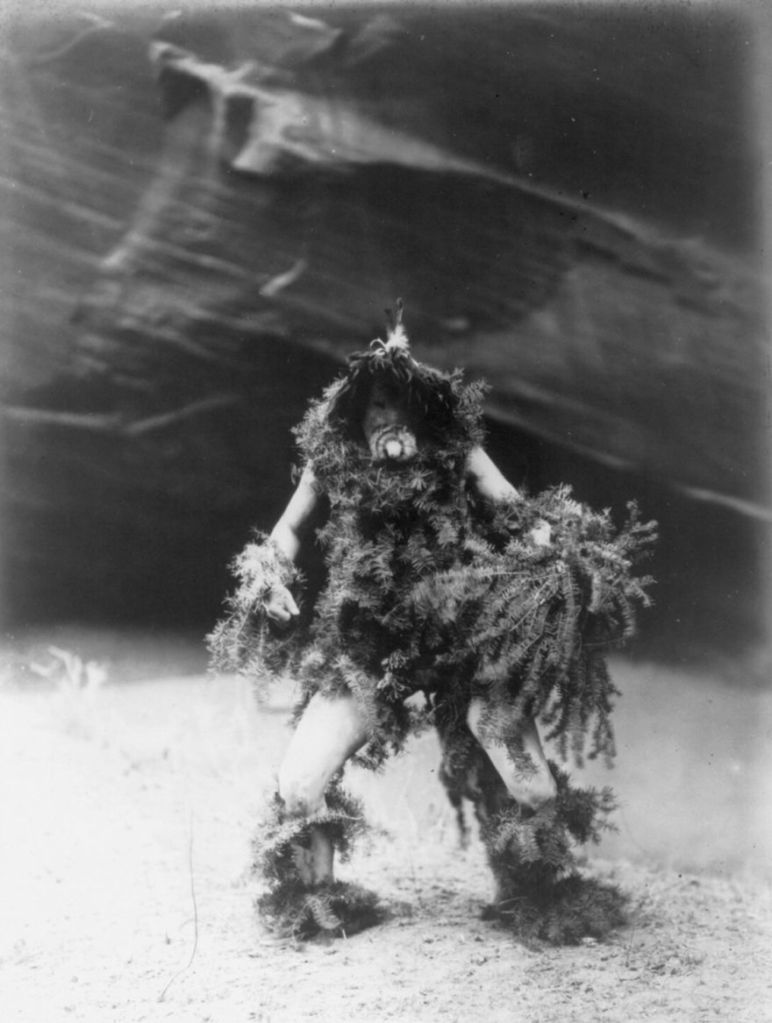
Ron Breast, A Piegan Man, 1900Okuwa-tsire, Also Known As “cloud Bird,” Of The San Ildefonso Pueblo, 1903A Cahuilla Woman, 1924A Kwakiutl Chief’s Daughter, 1910Members Of The Qagyuhl Tribe Dance To Restore An Eclipsed Moon, 1910Qagyuhl Dancers, 1914Iahla, Also Known As “willow,” Of The Taos Pueblo, 1905Luzi, Of The Papago Tribe, 1907A Kutenai Duck Hunter, 1910Kwakiutl People In Canoes In British Columbia, 1914An Apache Man, 1910A Hupa Woman, 1923A Mariposa Man On The Tule River Reservation, 1924A Maricopa Woman, 1907A Cahuilla Child, 1905Spearing Salmon, 1923A Qagyuhl Dancer Dressed As Paqusilahl (“man Of The Ground Embodiment”), 1914Nayenezgani, A Navajo Man, 1904The Hopi Maiden, 1905A Zuni Woman, 1903A Papago Woman, 1907Hopi Bridal Costume, 1900Kominaka Dancer, 1910Vash Gon, A Jicarrilla Man, 1910A Maricopa Woman With Arrow-brush Stalks, 1907Nesjaja Hatali, Navajo Medicine Man, 1904At The Old Well Of Acoma, 1904Two Dakota Men Playing Hand Drums Outside Of A Tipi, 1908A Kwakiutl Shaman, 1914A Dancer Kisses The Grandfather, 1908An Apache Woman Reaps Grain, 1910An Apsaroke Shaman, 1908Skokomish Couple Outside House Made Of Reed Mats, One Seated Beside Canoe That Has Been Pulled Onto The Riverbank, The Other Standing Holding A Paddle, 1913A Sioux Hunter, 1905Group Of Arikara Women. 1908Piegan Chiefs, 1900Mowakiu, A Tsawatenok Man, 1914Navajo Man Bedecked In Hemlock Boughs And Mask Of A Clown Associated With The Mischievous Rain God Tonenili, 1905Mnainak, A Yakima Chief, 1910A Kwakiutl Person Dressed As A Forest Spirit, Nuhlimkilaka, (“bringer Of Confusion”), 1914
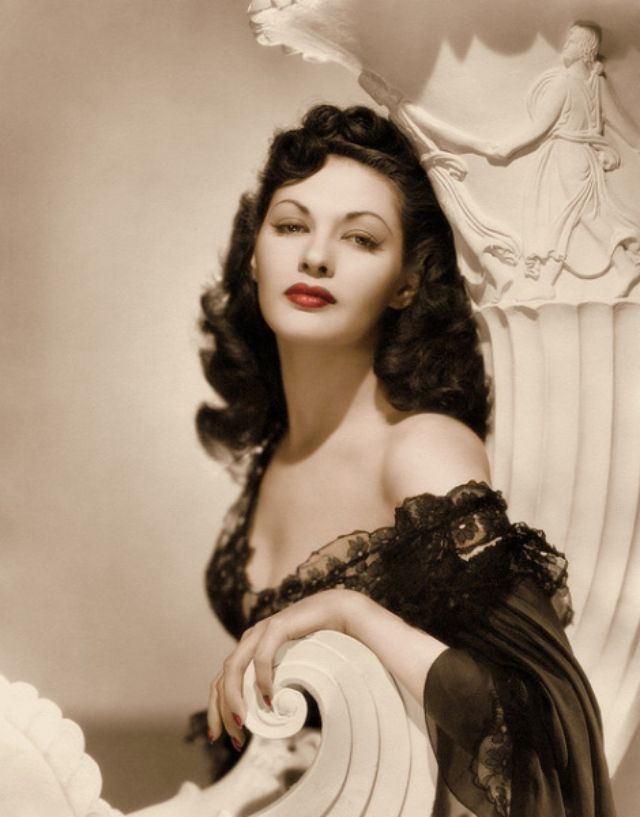
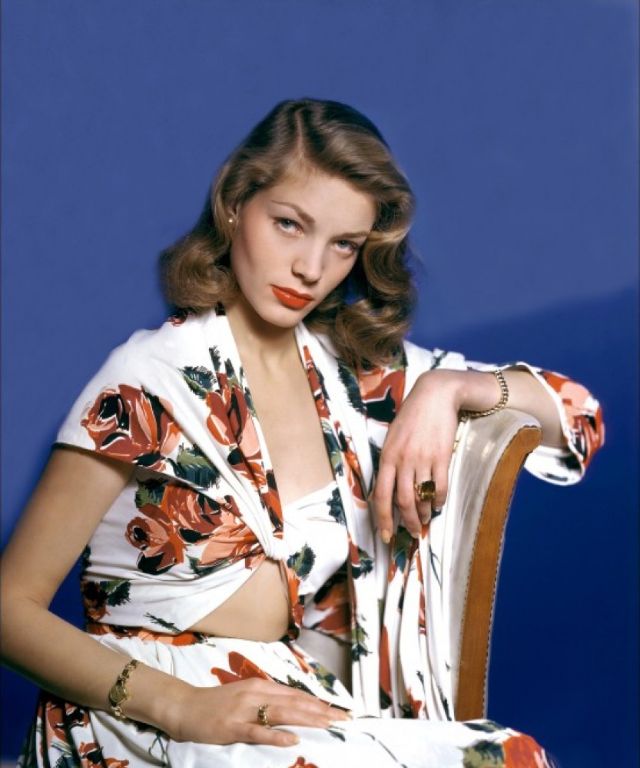
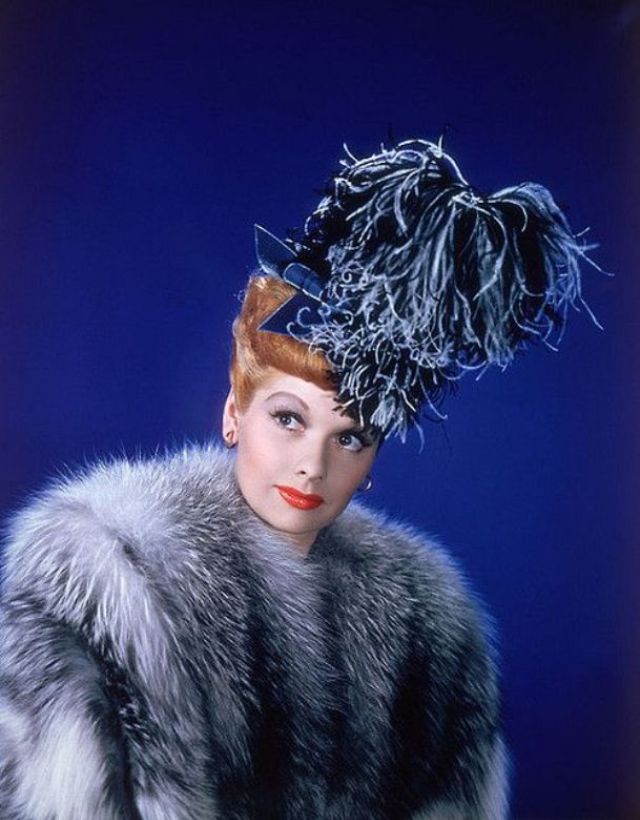
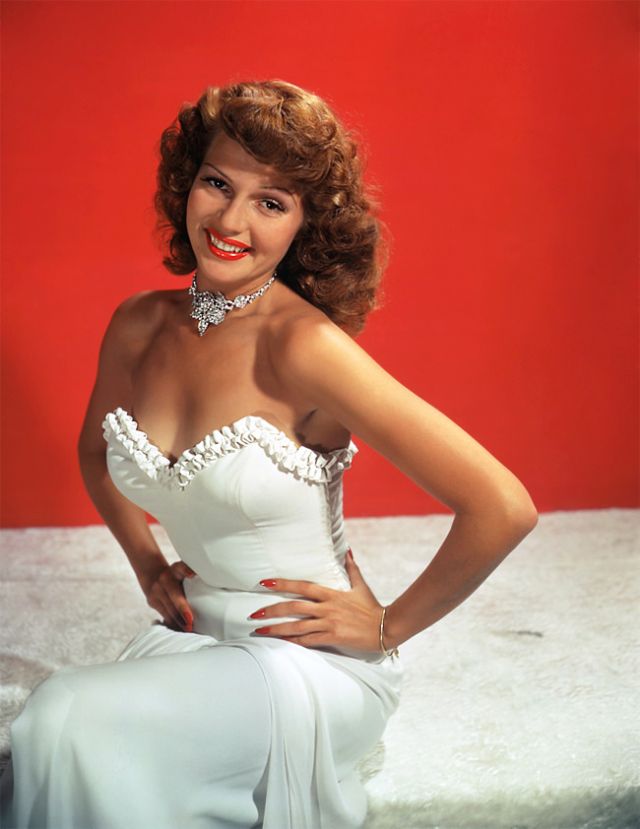
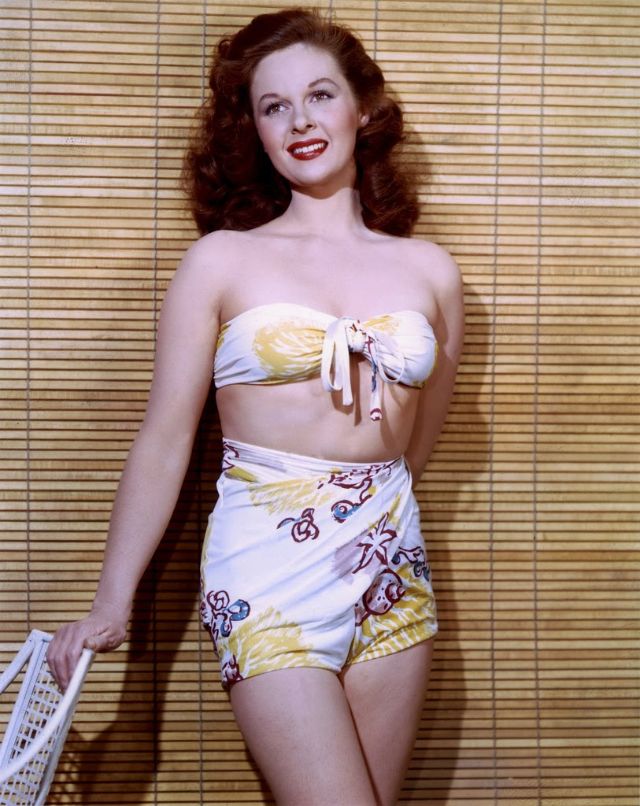
The Golden Age of Hollywood, sometimes referred to as the period of classical Hollywood cinema, started with the silent movie era and the first major feature-length silent movie called The Birth of a Nation (1915). The Golden Age of Hollywood ended with the demise of the studio system, theemergence of television, the rising costs and subsequent losses notably Cleopatra (1963).
During the Golden Age of Hollywood, thousands of movies were issued from the Hollywood studios, and of course the classic beauties played very important roles in this era.
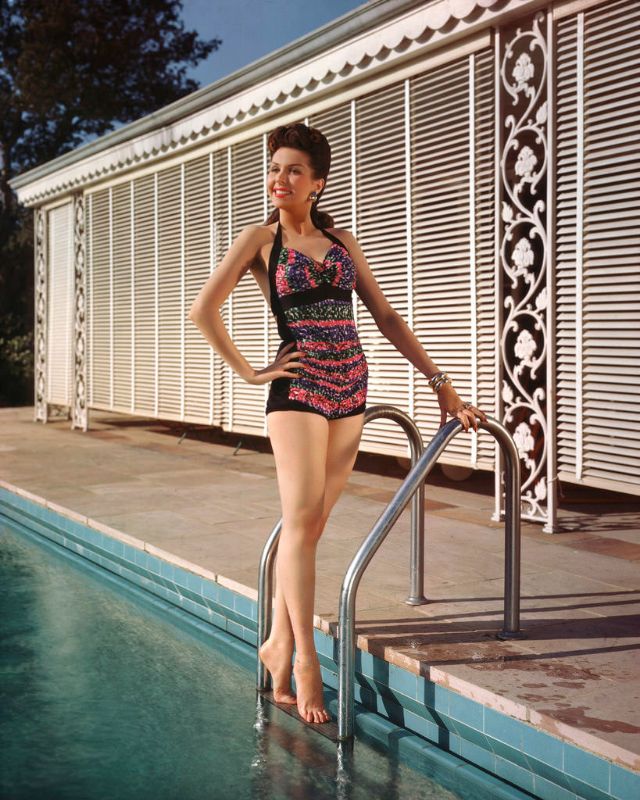
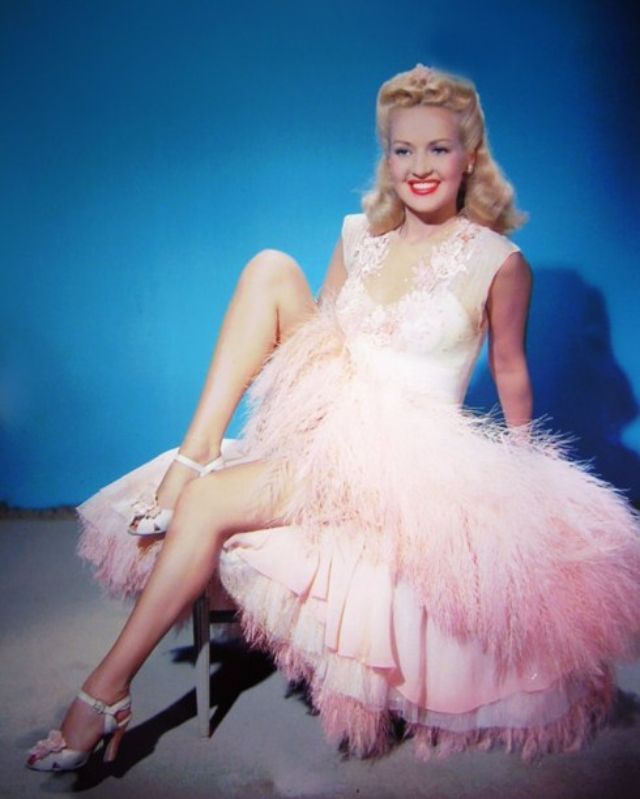
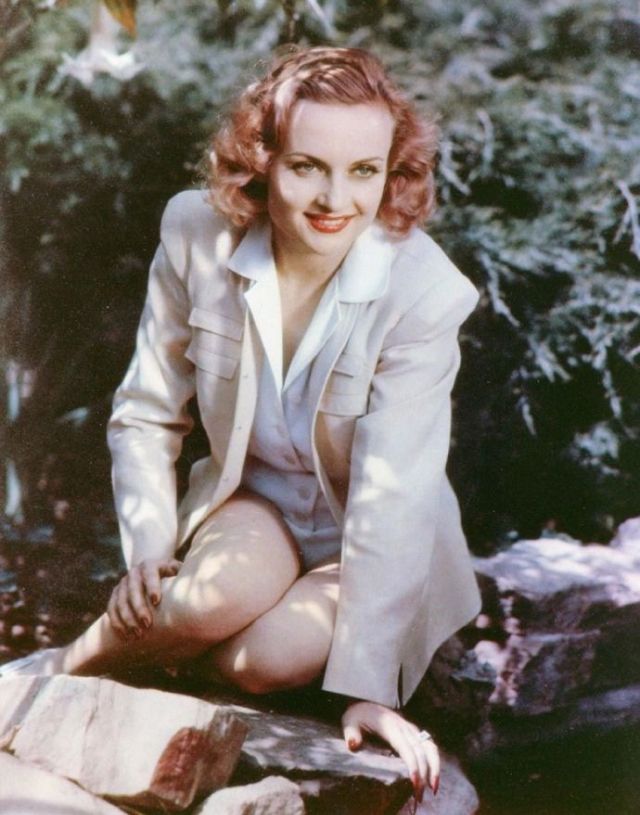
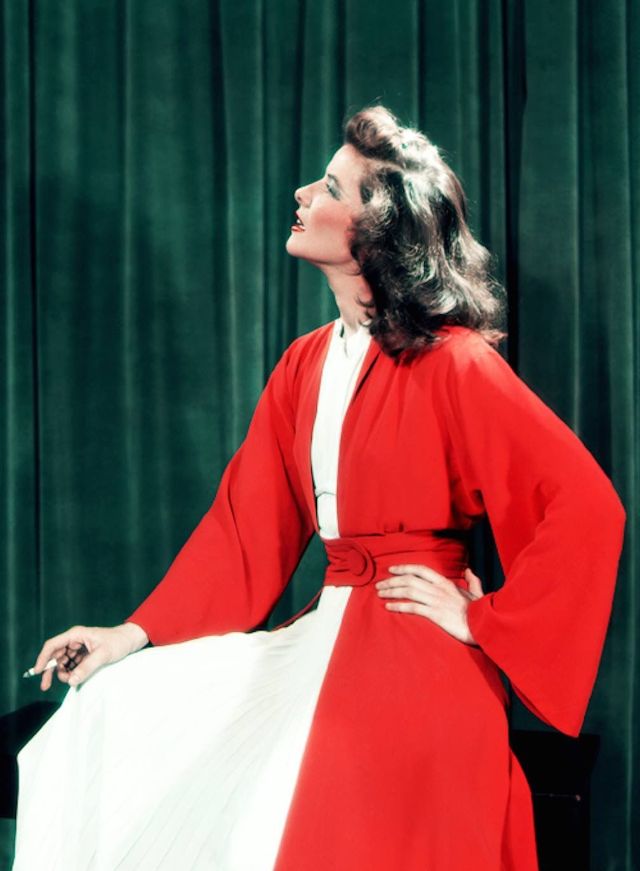
These rare and gorgeous color photographs that captured portraits of classic beauties in the late 1930s and 1940s.
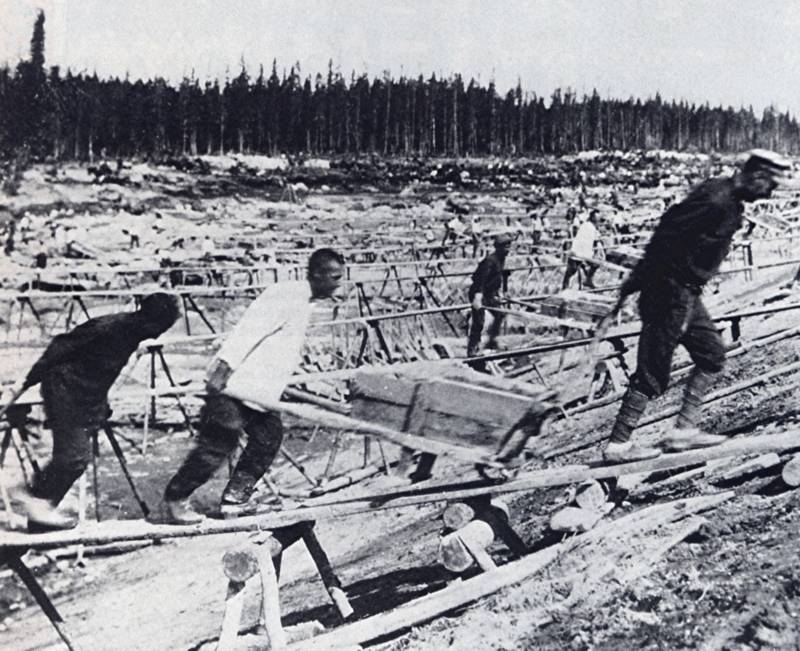
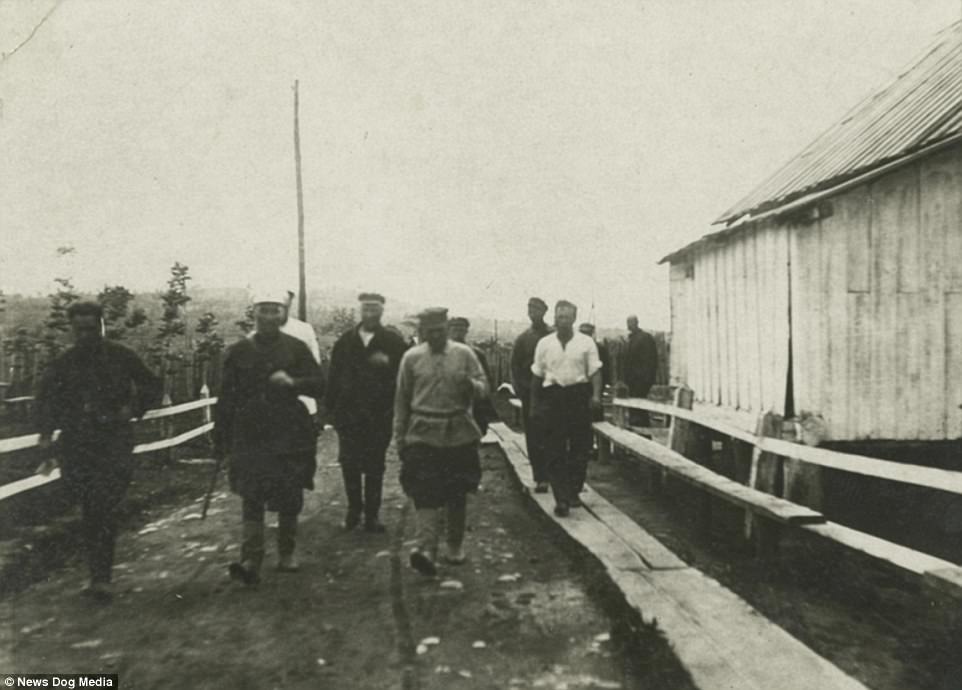
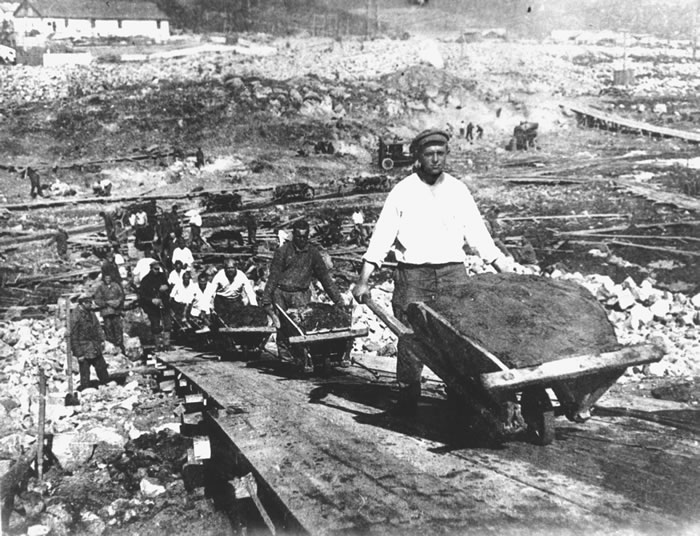
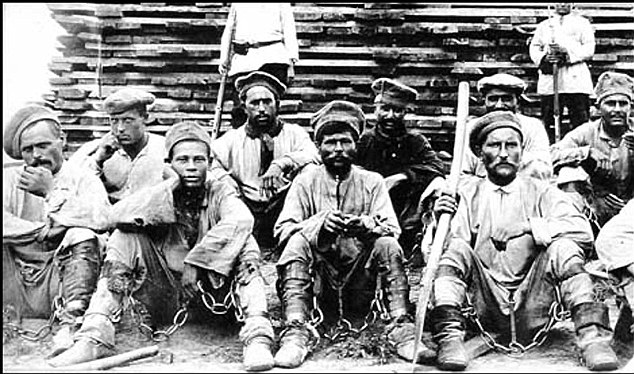
The Gulag was the government agency in charge of the Soviet forced-labour camp-system that was set up under Vladimir Lenin and reached its peak during Joseph Stalin’s rule from the 1930s to the early 1950s. English-language speakers also use the word gulag to refer to any forced-labor camp in the Soviet Union, including camps which existed in post-Stalin times. The camps housed a wide range of convicts, from petty criminals to political prisoners. Large numbers were convicted by simplified procedures, such as by NKVD troikas or by other instruments of extrajudicial punishment. The Gulag is recognized by many as a major instrument of political repression in the Soviet Union.
The agency was first administered by the GPU, later by the NKVD and in the final years by the Ministry of Internal Affairs (MVD). The Solovki prison camp, the first corrective labor camp constructed after the revolution, was established in 1918 and legalized by a decree “On the creation of the forced-labor camps” on April 15, 1919. The internment system grew rapidly, reaching a population of 100,000 in the 1920s. According to Nicolas Werth, author of The Black Book of Communism, the yearly mortality rate in the Soviet concentration camps strongly varied, reaching 5% (1933) and 20% (1942–1943) while dropping considerably in the post-war years (about 1 to 3% per year at the beginning of the 1950s). The emergent consensus among scholars who utilize official archival data is that of the 18 million who were sent to the Gulag from 1930 to 1953, roughly 1.5 to 1.7 million perished there or as a result of their detention. However, some historians question the reliability of such data and instead rely heavily on literary sources come to higher estimations. Archival researchers have found “no plan of destruction” of the gulag population and no statement of official intent to kill them, and prisoner releases vastly exceeded the number of deaths in the Gulag.
Aleksandr Solzhenitsyn, winner of the Nobel Prize in Literature, who survived eight years of Gulag incarceration, gave the term its international repute with the publication of The Gulag Archipelago in 1973. The author likened the scattered camps to “a chain of islands”, and as an eyewitness he described the Gulag as a system where people were worked to death. In March 1940, there were 53 Gulag camp directorates (colloquially referred to as simply “camps”) and 423 labor colonies in the Soviet Union. Many mining and industrial towns and cities in northern and eastern Russia and in Kazakhstan such as Karaganda, Norilsk, Vorkuta and Magadan, were originally blocks of camps built by prisoners and subsequently run by ex-prisoners. (Wikipedia).
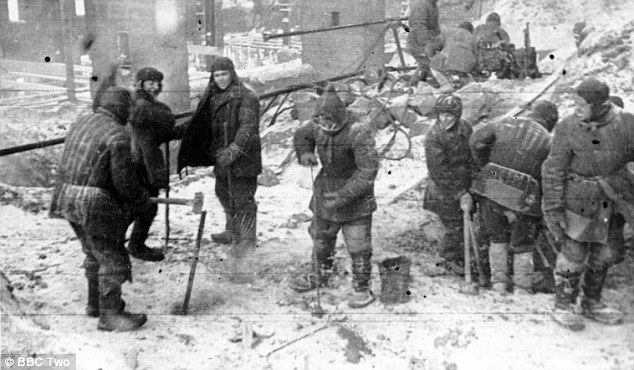
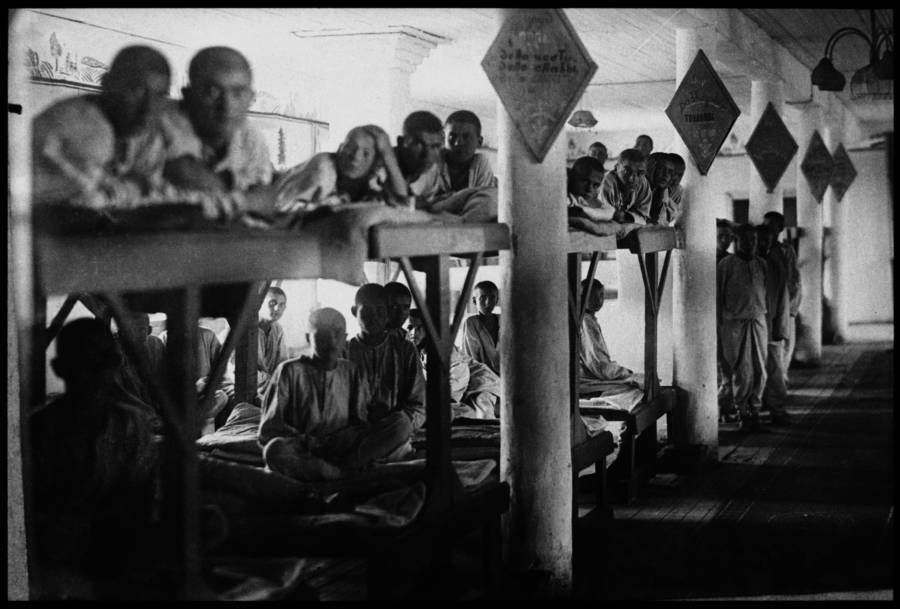
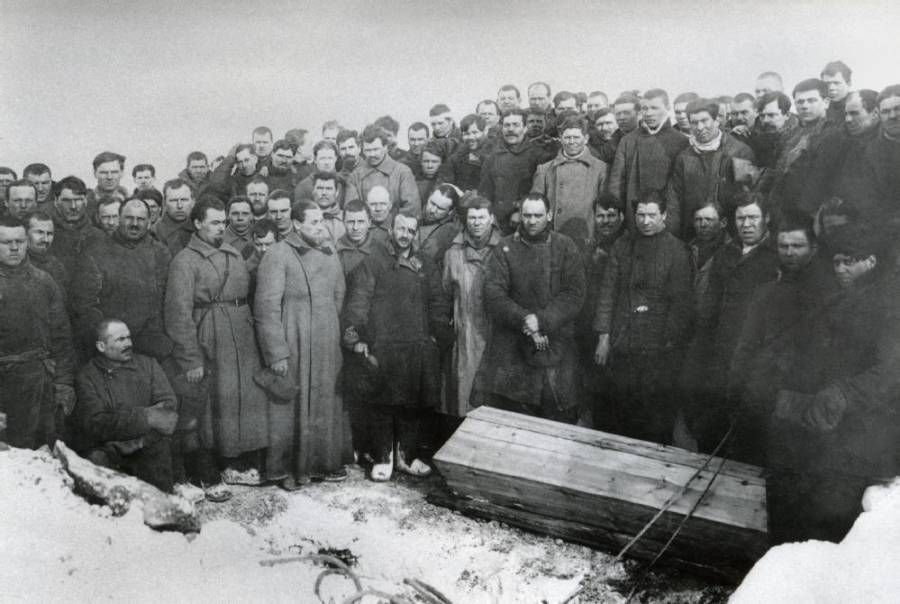
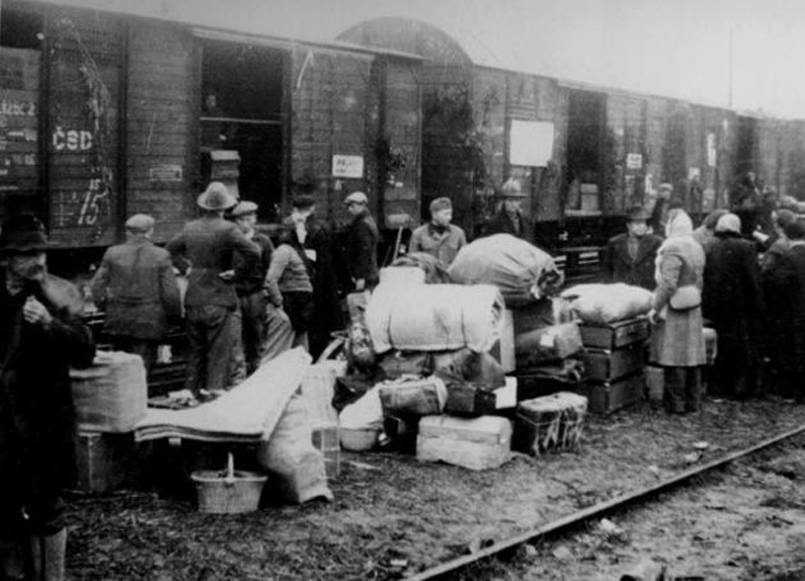
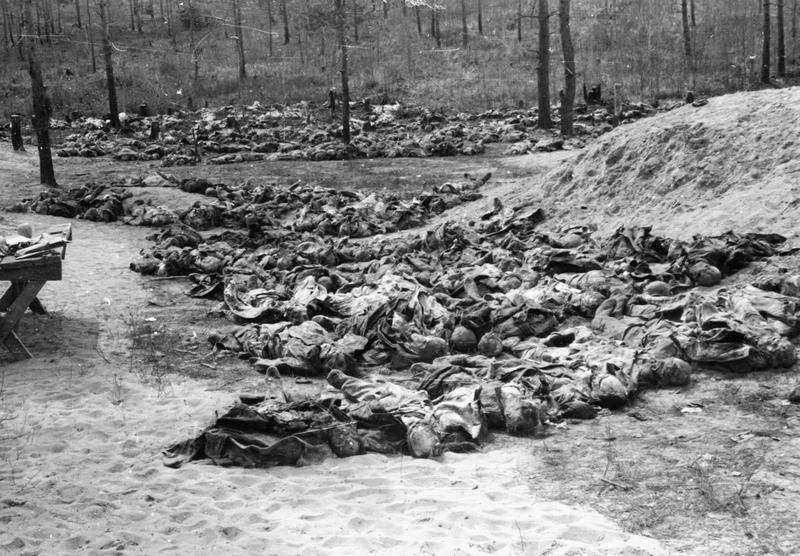
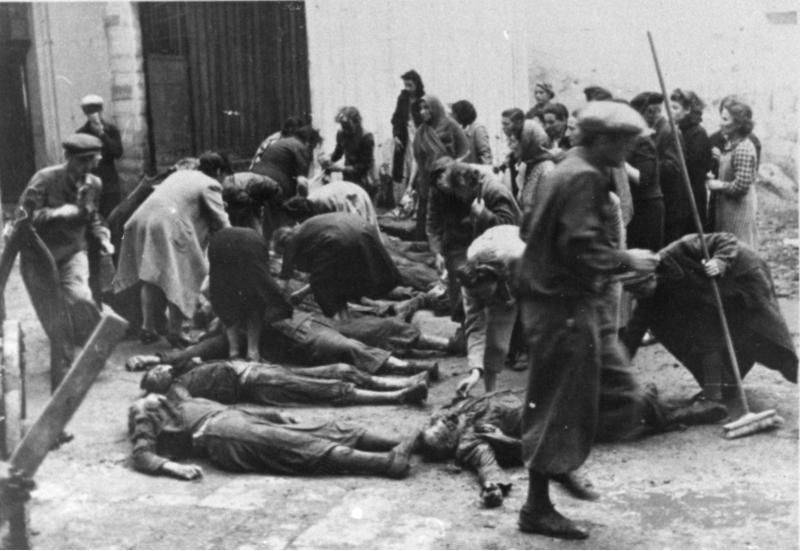
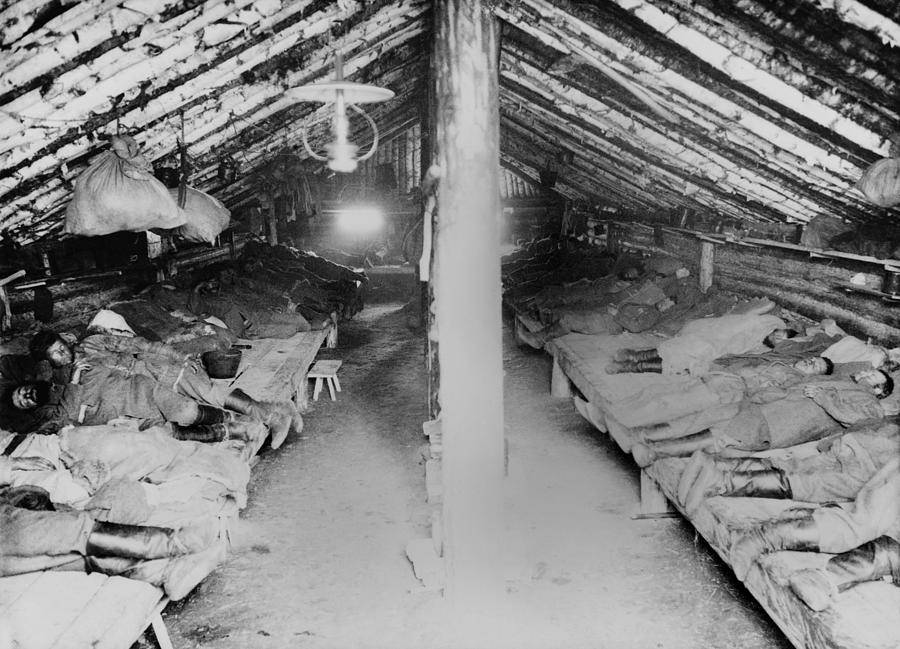
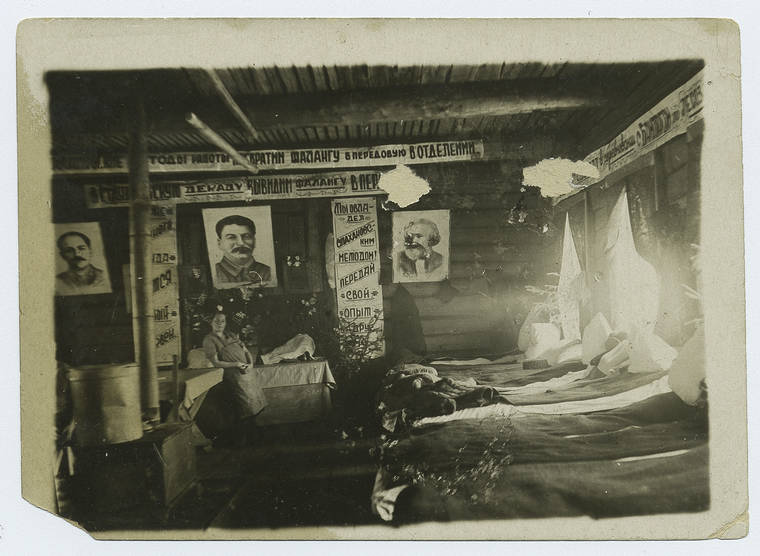
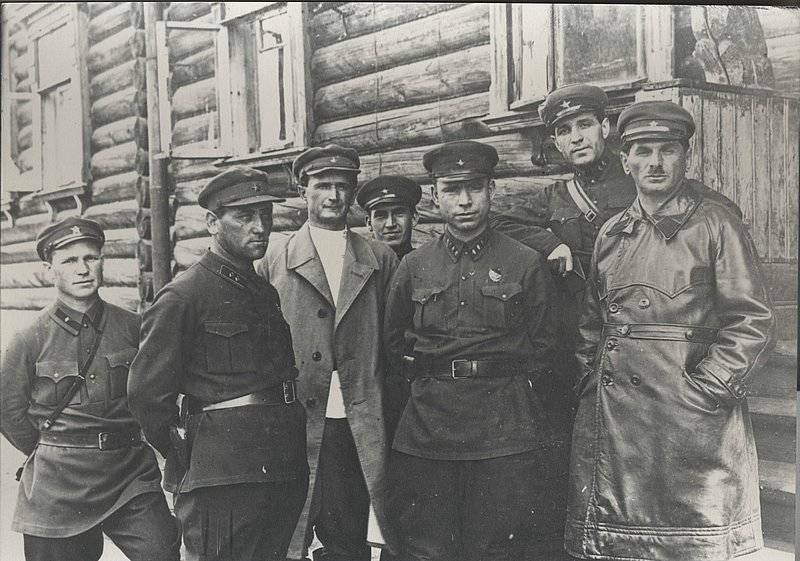
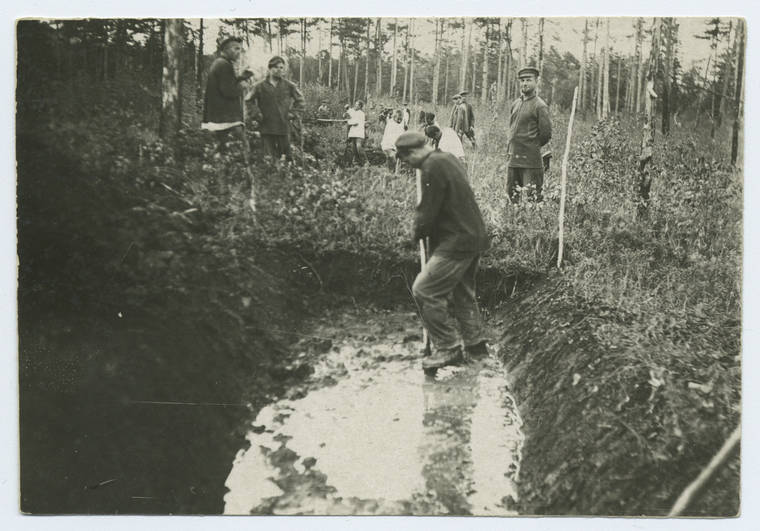
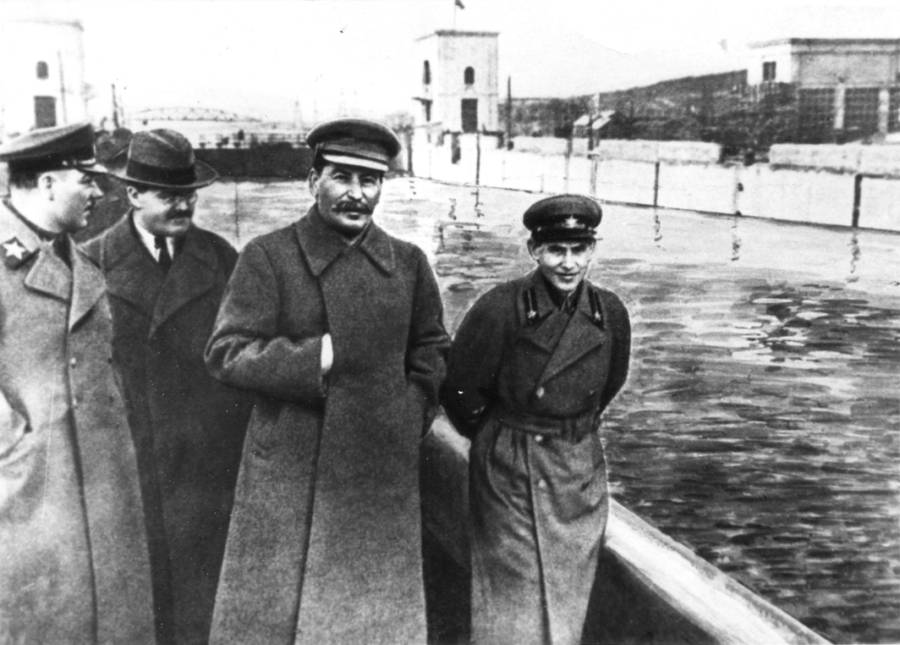
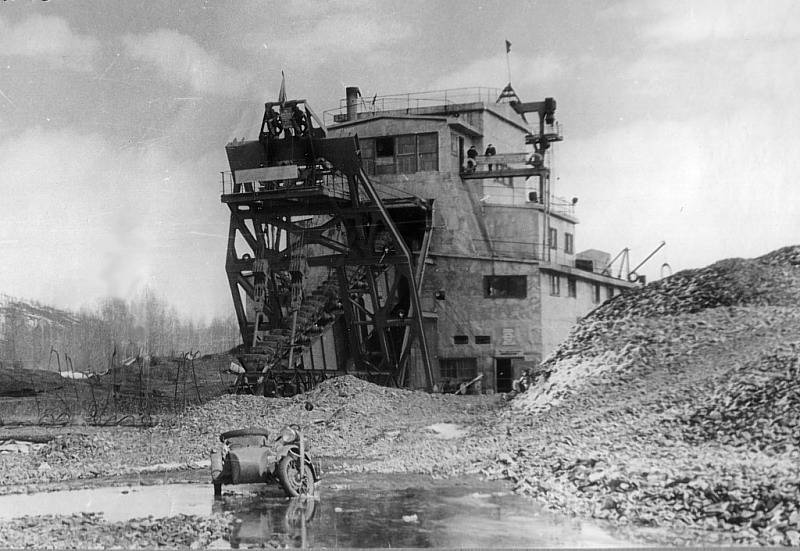
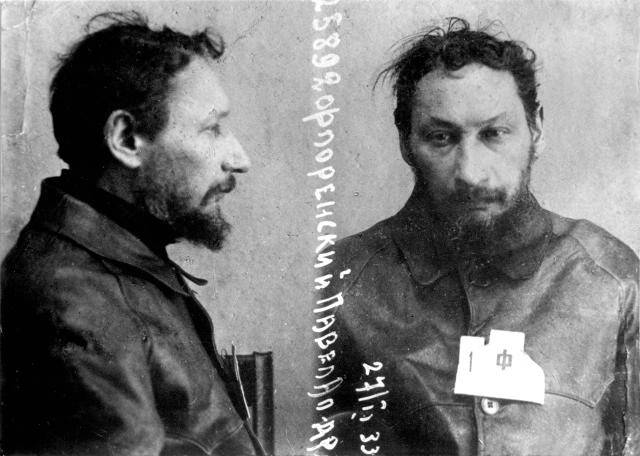
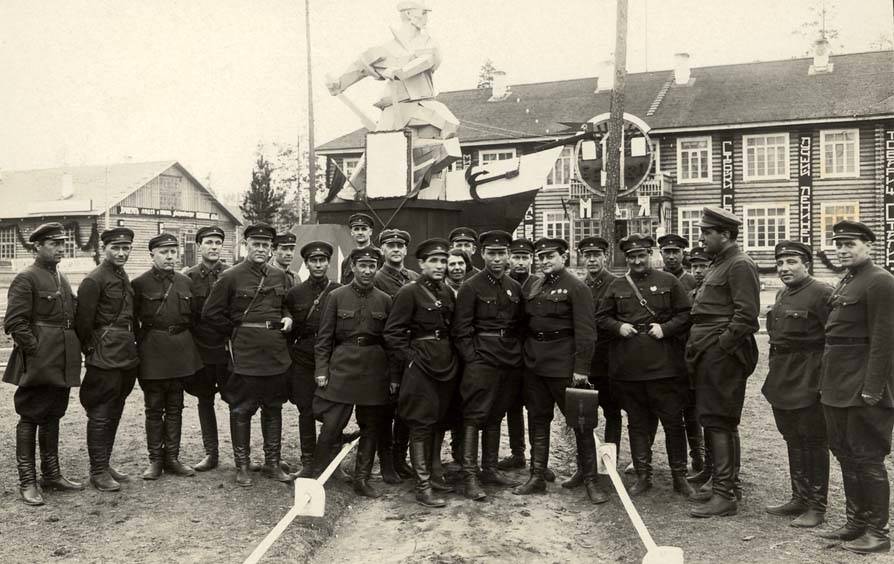
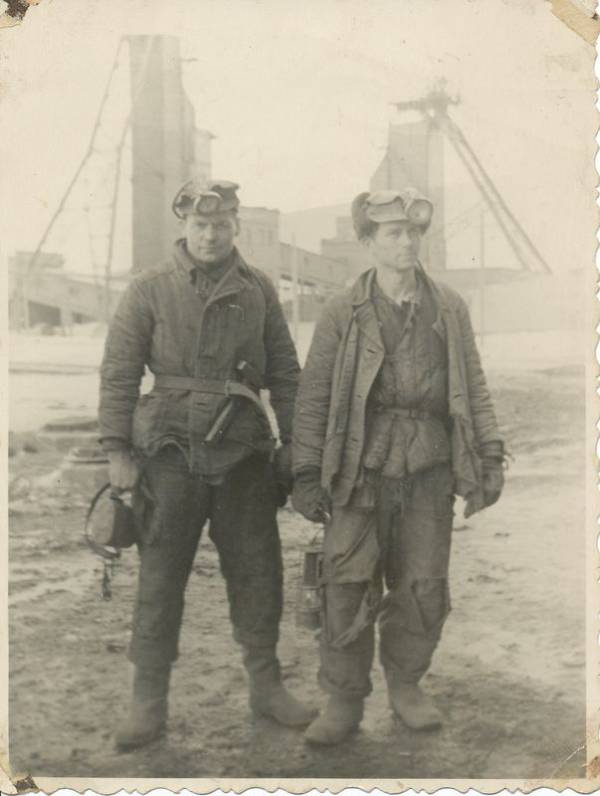
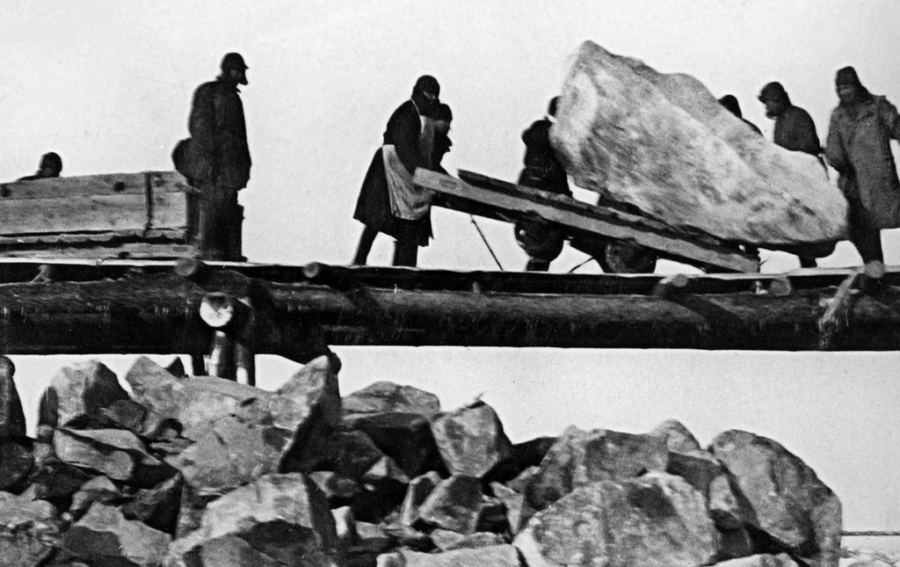
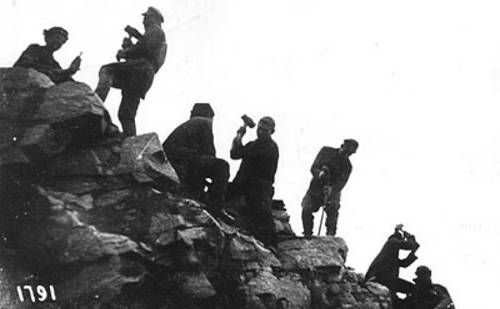
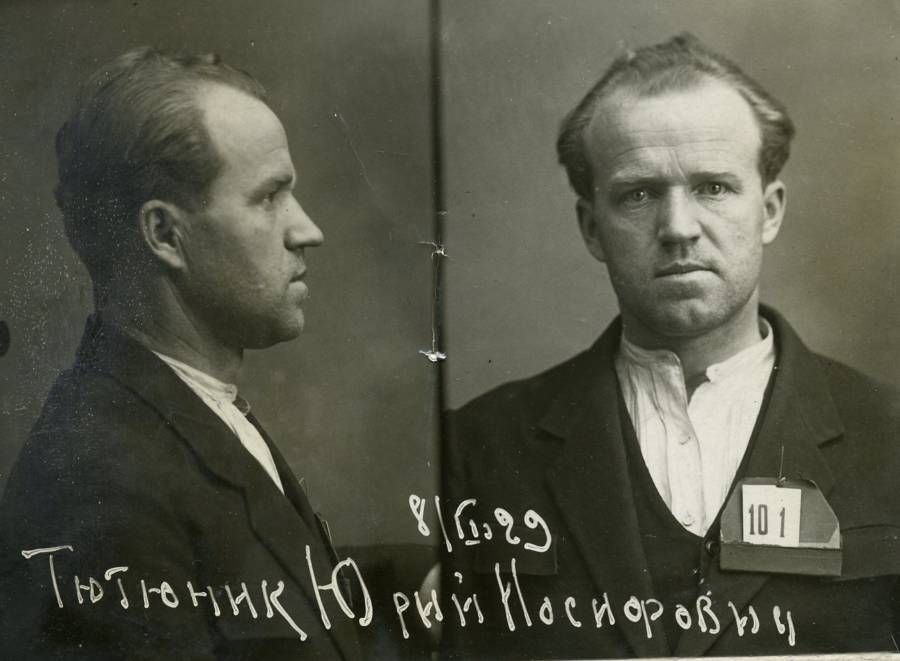
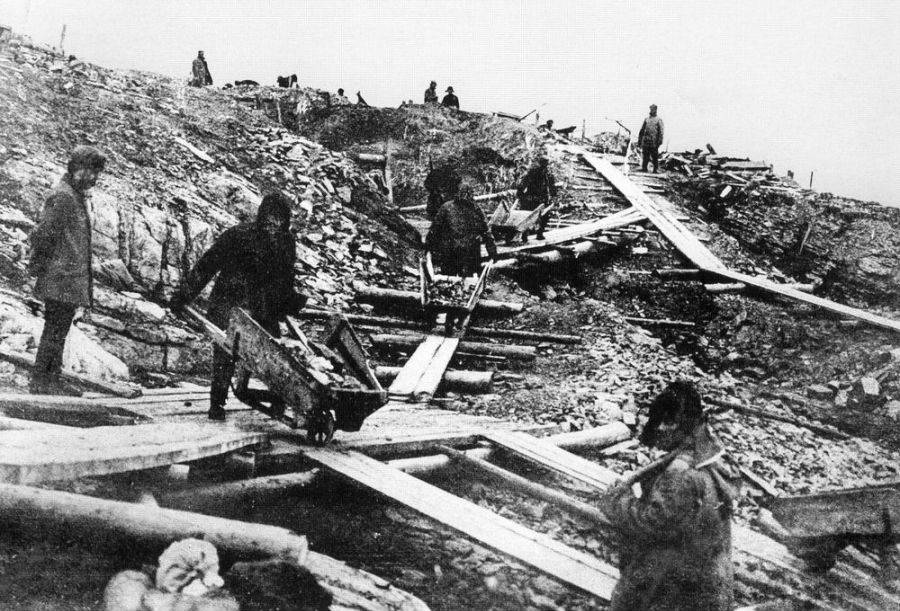
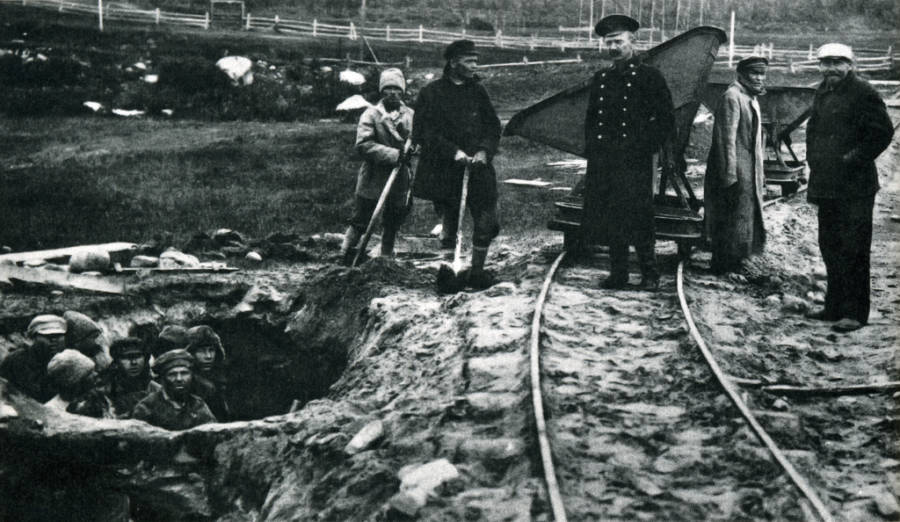
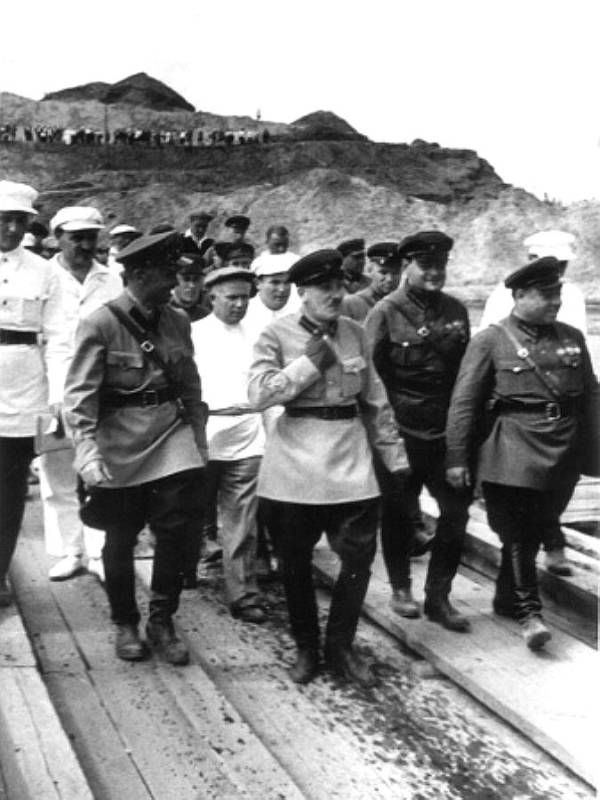
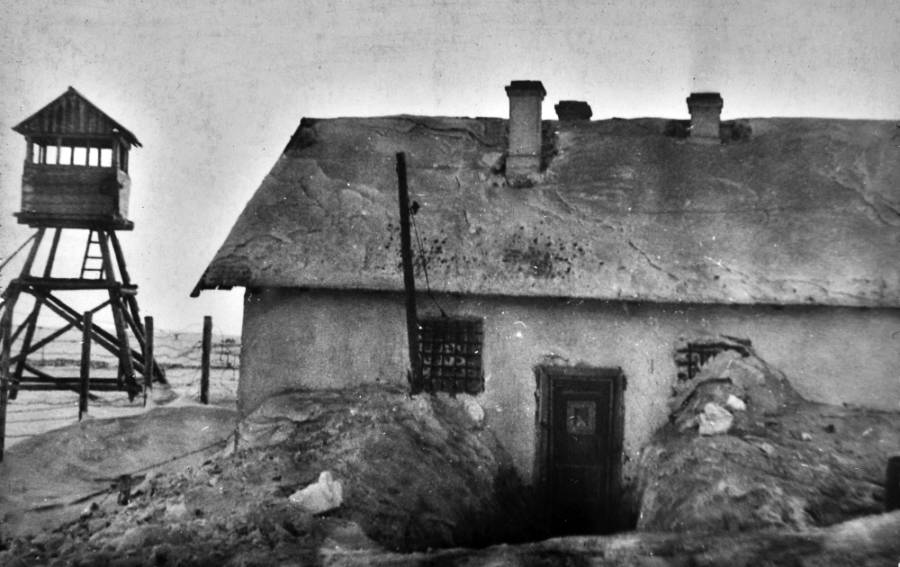
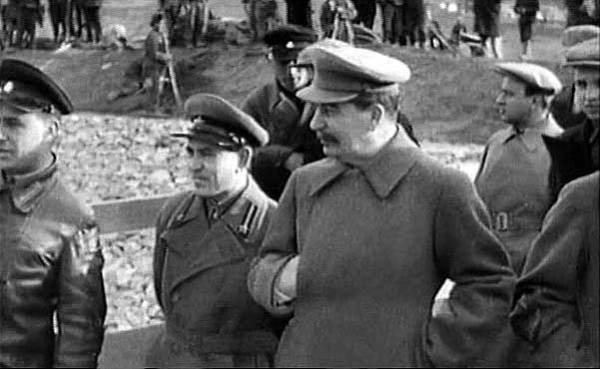
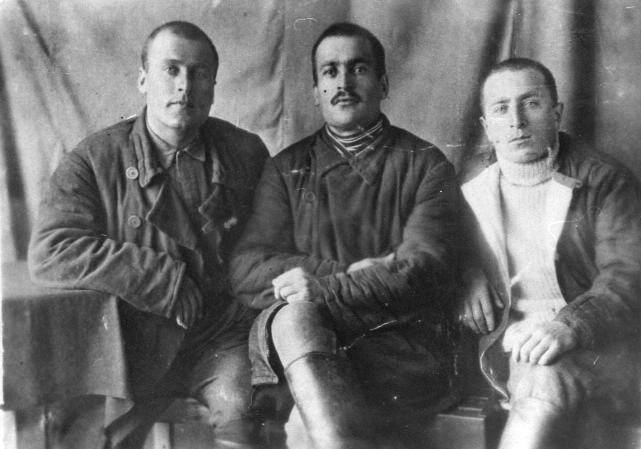
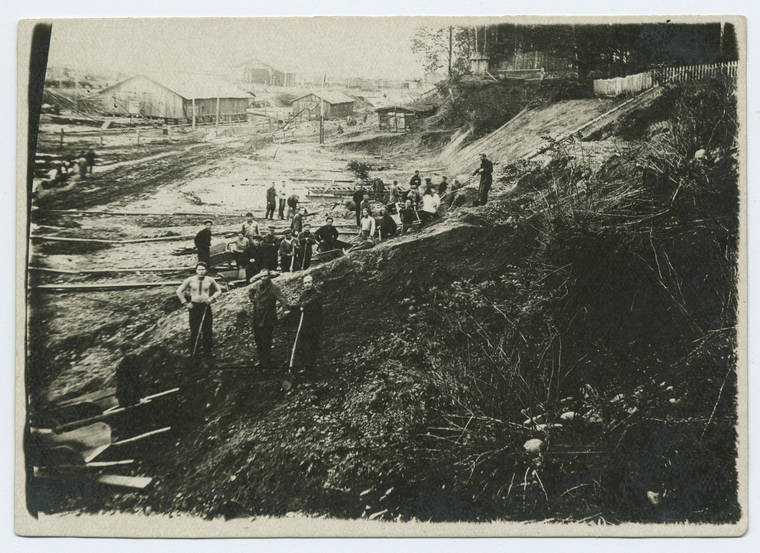
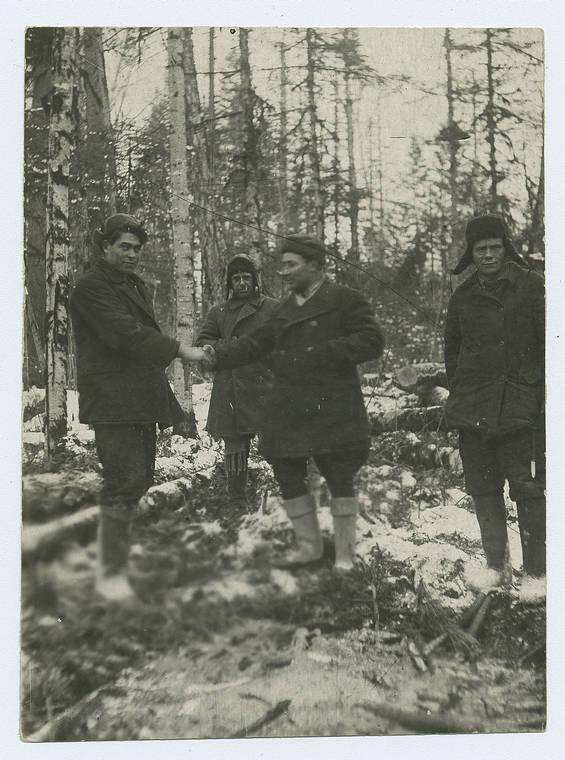
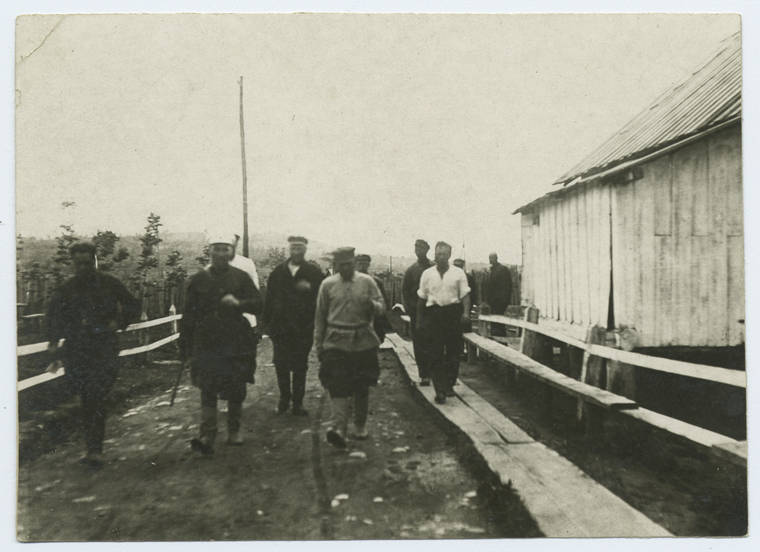
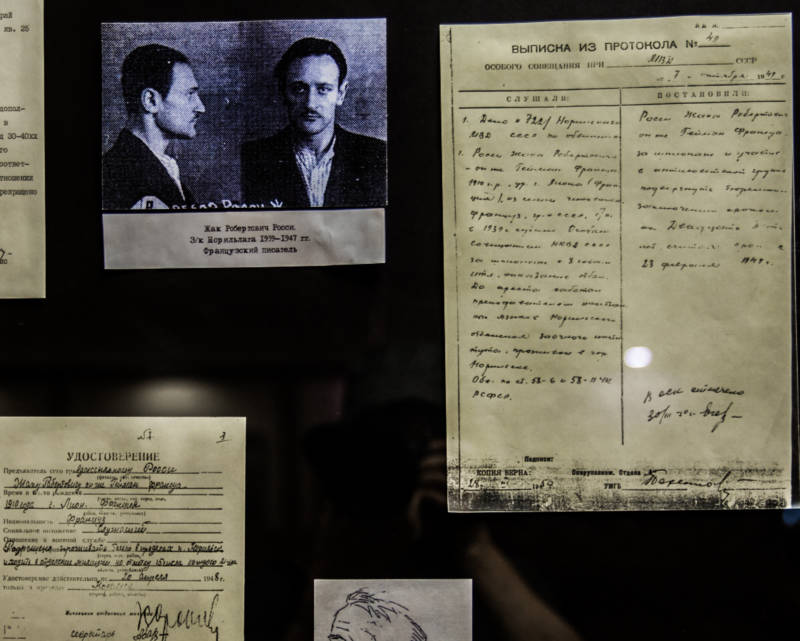
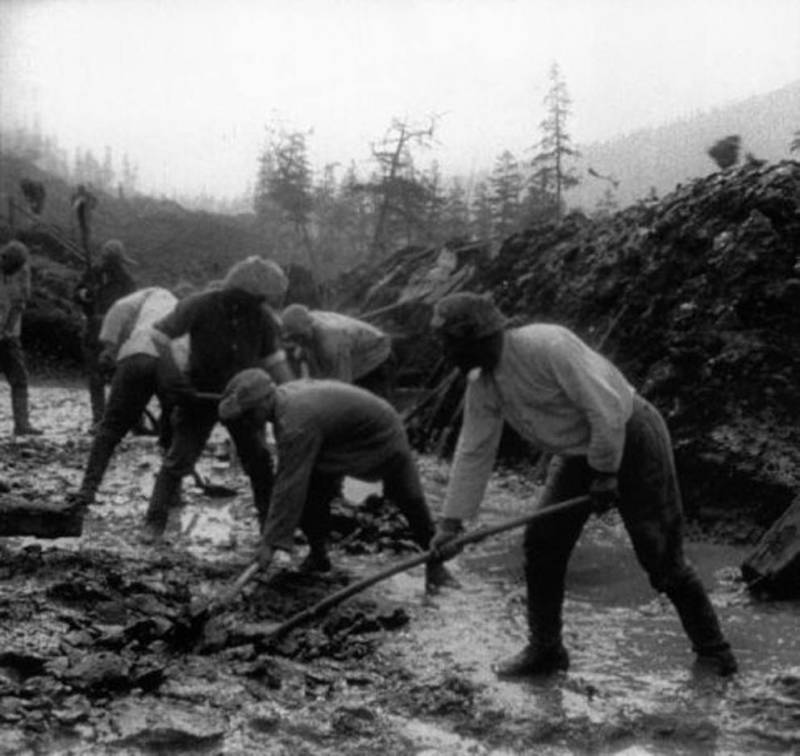
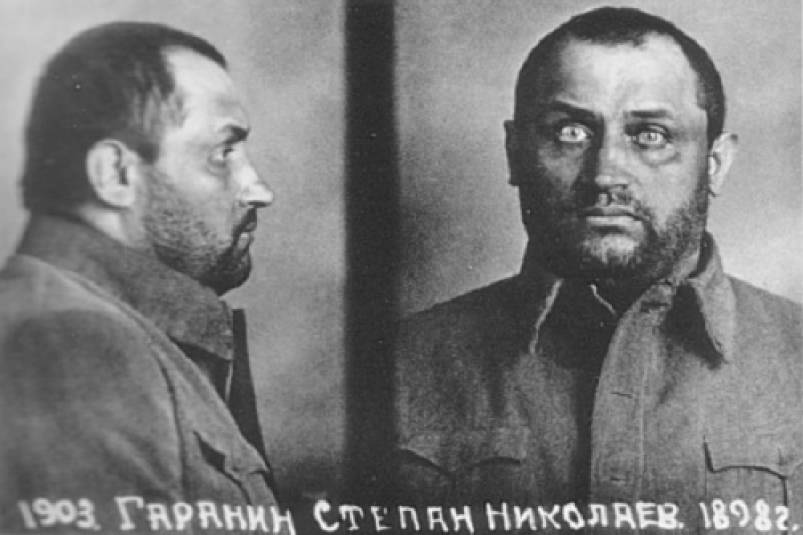
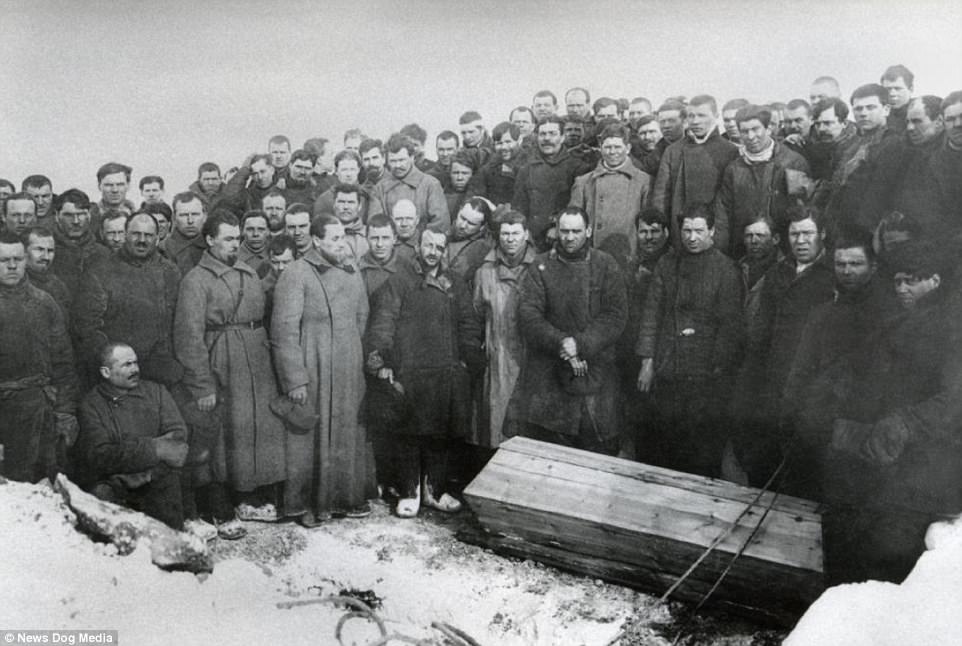
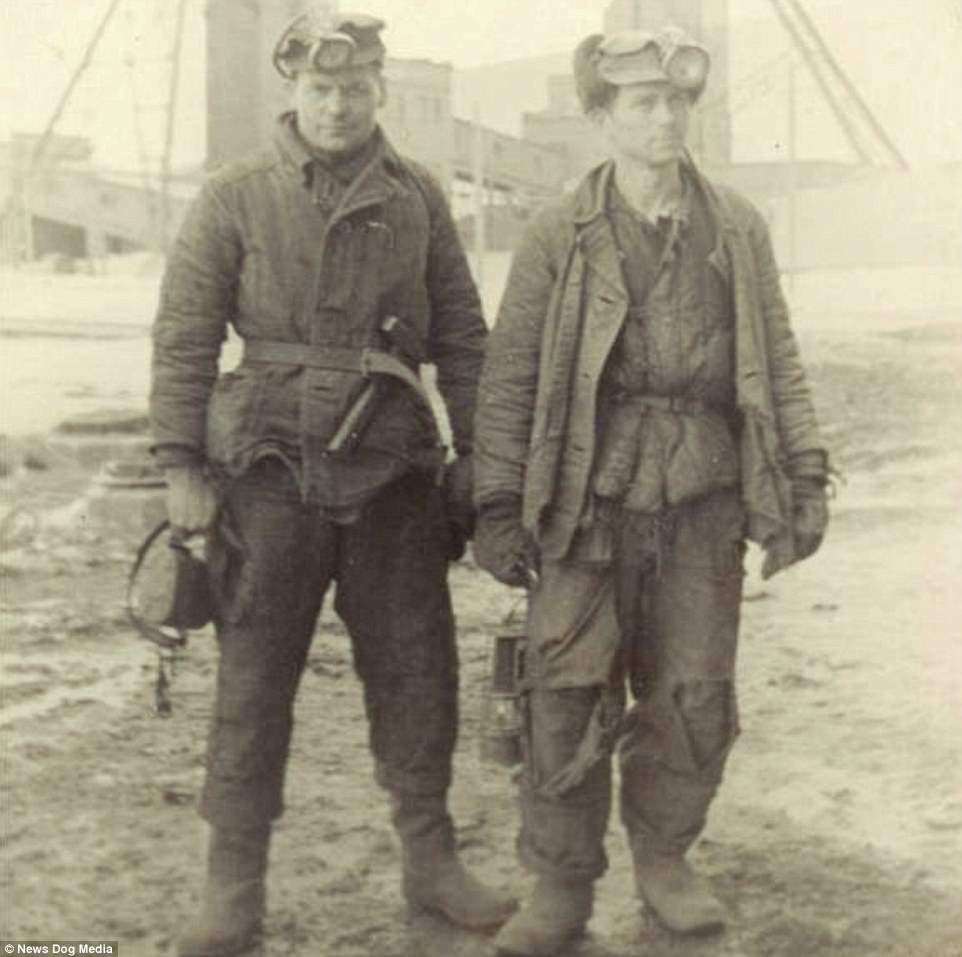
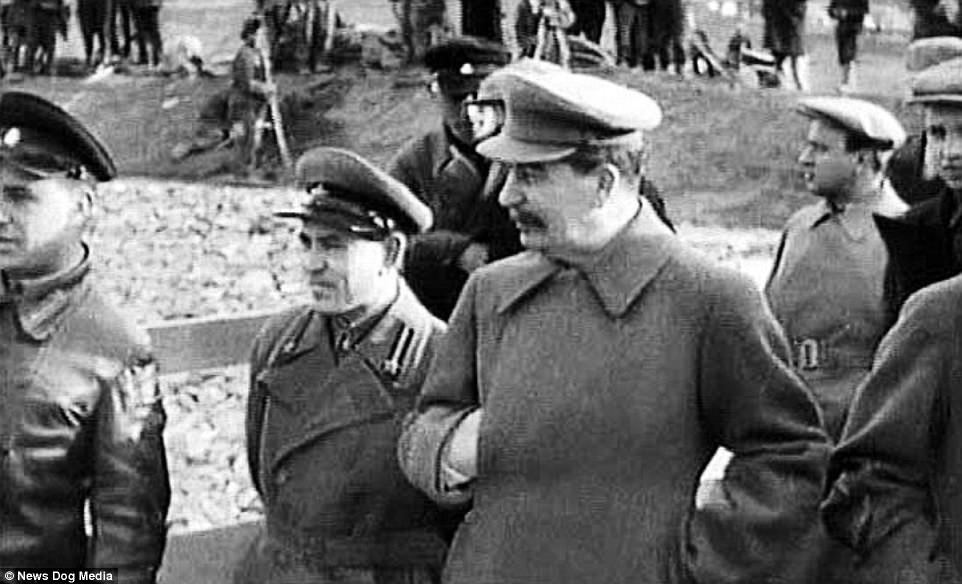
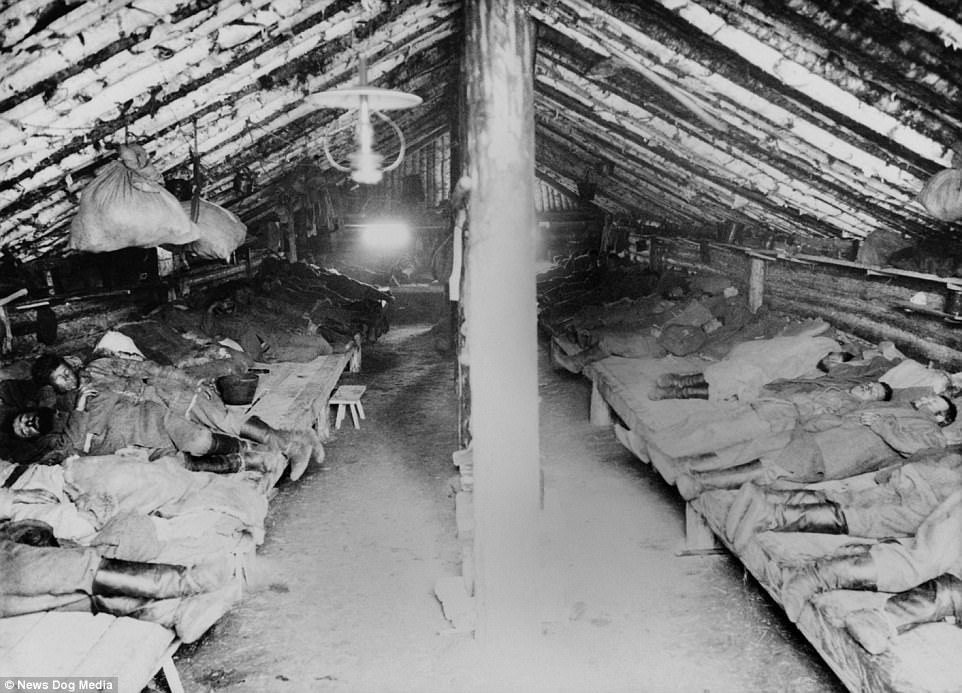
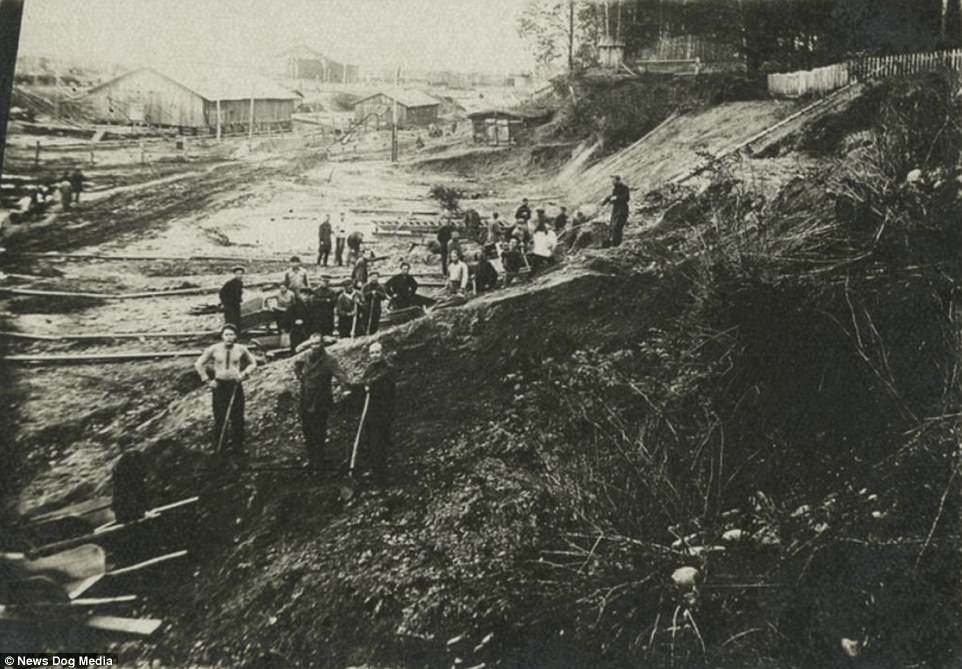
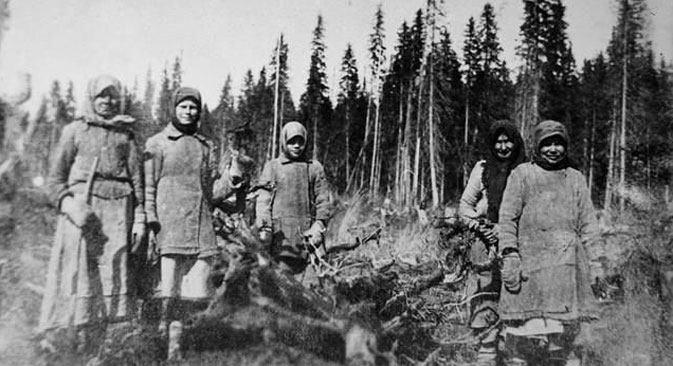
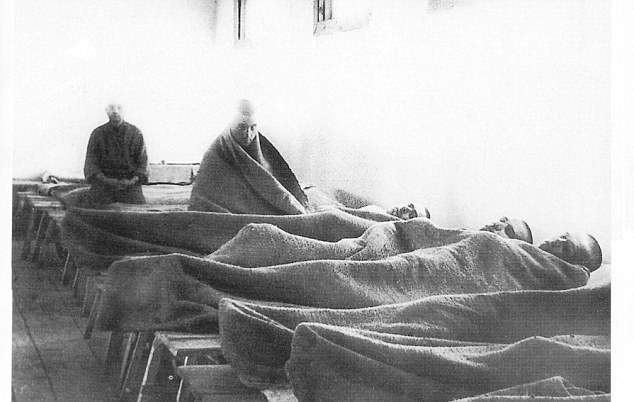
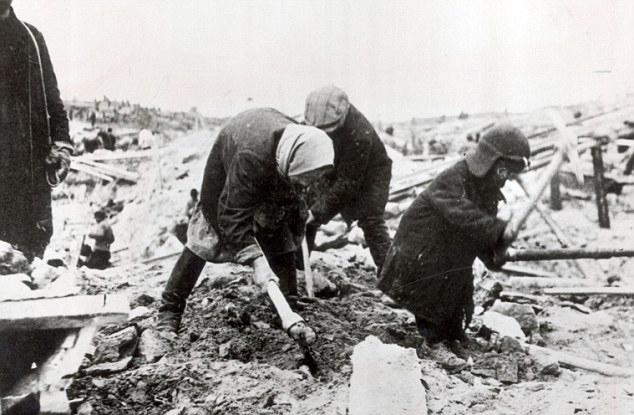
Young boys in a gulag stare at the cameraman from their beds. Molotov, USSR. Date unspecified.A miner who died working in a forced labor camp is put to rest under the ground. Vaygach Island, USSR. 1931.Polish families are deported to Siberia as part of the Soviet Union’s relocation plan. Influential families in conquered states would often be forced into labor to help systematically destroy their culture. Poland. 1941.Not every political prisoner was lucky enough to pushed into forced labor. Here, the bodies of thousand of Polish people lie dead in a mass grave. Katyn, Russia. April 30, 1943.The dead bodies of political prisoners, murdered by the secret police, lie inside of a prison camp. Tarnopil, Ukraine. July 10, 1941.Convicts sleep inside of a sod-covered house in a Siberian gulag. Siberia, USSR. Date unspecified.Posters of Stalin and Marx gaze down at the prisoners inside of their sleeping quarters. USSR. Circa 1936-1937.Prisoners at work building the White Sea–Baltic Canal, one of the first major projects in the Soviet Union made entirely through slave labor. 12,000 people died while working amid the harsh conditions at the canal. USSR. 1932.The chiefs of the gulags. These men were responsible for forcing more than 100,000 prisoners to work. USSR. July 1932Prisoners in a Soviet gulag dig a ditch while a guard looks on. USSR. Circa 1936-1937.Stalin comes out to inspect the progress on the Moscow Canal, which is being built by imprisoned workers. Moscow, USSR. April 22, 1937.A gold mine that, during Stalin’s reign, was worked through prison labor. Magadan, USSR. August 20, 1978.Philosopher Pavel Florensky after being arrested for “agitation against the Soviet system.” Florensky was sentenced to ten years of labor in Stalin’s gulags. He would not serve the full ten years. three years after this picture was taken, he was dragged out into the woods and shot. USSR. February 27, 1933.The directors of the gulag camps gather together to celebrate their work. USSR. May 1, 1934.Two Lithuanian political prisoners get ready to go to work in a coal mine. Inta, USSR. 1955.The crude lodgings that host a group of prisoners in one of Stalin’s gulags. USSR. Circa 1936-1937.Prisoners at work operating a machine inside of a gulag. USSR. Circa 1936-1937.Prisoners at work on the White Sea-Baltic Canal. USSR. Circa 1930-1933.Prisoners hammer away at the rocks in the White Sea–Baltic Canal. USSR. Circa 1930-1933.Yuriy Tyutyunnyk, a Ukranian General who fought against the Soviets in the Ukranian-Soviet War. Tyutyunnyk was allowed to live in Soviet Ukraine after the war — until 1929, when Soviet policies changed. He was arrested, taken to Moscow, imprisoned, and killed. USSR. 1929.Prisoners transport lead-zinc ore. Vaygach Island, USSR. Circa 1931-1932.Prisoners digging clay for the brickyard. Solovki Isalnd, USSR. Circa 1924-1925.Officials look over their laborers, at work on the Moscow Canal. Moscow, USSR. September 3, 1935.A “penal insulator” inside of a gulag. Vorkuta, USSR. 1945.Stalin and his men inspect the work on the Moscow-Volga Canal. Moscow, USSR. Circa 1932-1937.Gulag prisoners forced to work on a mine overseen by the USSR’s secret police. Vaygach Island, USSR. 1933.Prisoners at work in a gulag pause for a moment’s rest. USSR. Circa 1936-1937.A guard shakes hands with a prisoner, at work cutting down lumber. USSR. Circa 1936-1937.Guards walk through a gulag during an inspection. USSR. Circa 1936-1937.The prison photo and papers of Jacques Rossi, a political prisoner arrested for his connections to revolutionary leader Leon Trotsky, hang on the wall of a gulag. Norillag, USSR.Men at work on the Koylma Highway. The route would come to be known as the “Road of Bones” because the skeletons of the men who died building it were used in its foundation. USSR. Circa 1932-1940.Colonel Stepan Garanin, at one time the chief of the Kolyma Force Labor Camps, prepares for his new life as a prisoner. USSR. Circa 1937-1938.A miner who died working in a forced labour camp was surrounded by prisoners as he was buried on Vaygach Island.Two Lithuanian political prisoners get ready to go to work in a coal mine in Inta, USSR. The Inta labour camp existed from 1941 to 1948, and prisoners were mainly engaged in the mining of local coal deposits. The number of inmates at the camp reached 20,585 at its highest size. In 1948, the camp was shut down and reorganized into a special camp for political prisonersStalin and his men are pictured examining the Moscow-Volga Canal, built by prisoners in 1932.Guards walk through a gulag during an inspection in 1936. As of March 1940, there were 53 Golag camps and 432 labour colonies across the USSR. Today’s major cities in the Russian Arctic were originally camps build by prisoners and run by former prisonersConvicted men sleep inside of a sod-covered house in a Siberian gulag, Siberia, at an unknown date. Prisoners lived in squalid conditions, and many people died of starvation or exhaustion from working too many hours and not receiving enough food from the prison staffPrisoners at work in a gulag pause for a moment’s rest in 1936. By the time the last Soviet gulag closed its gates, millions had died. Some worked themselves to death, some had starved, and others were simply dragged out into the woods and shot.Hunger, physical punishment and sexual harrasment – and that’s only the beginning of the suffering for women in the Gulag.Prisoners work at Belbaltlag, a Gulag camp for building the White Sea-Baltic Sea, 1932Manacled and with barely enough clothing to keep them warm, prisoners had to work in Siberian temperatures. Toture, or death, was common for anyone who didn’t comply.Prisoners with severe malnutrition in a camp hospital, most were expected to die. How much bread they got depended on how much timber they had cut the day before – a tally that could be the difference between life and deathPrisoners building a copper factory in Norilisk in 1949. Few survived the brutal conditions.Women and children work at a gulag in 1932. Prison nurseries did exist, but malnutrition, restrictive breast-feeding schedules and astonishing cruelty often resulted in the child suffering an early death
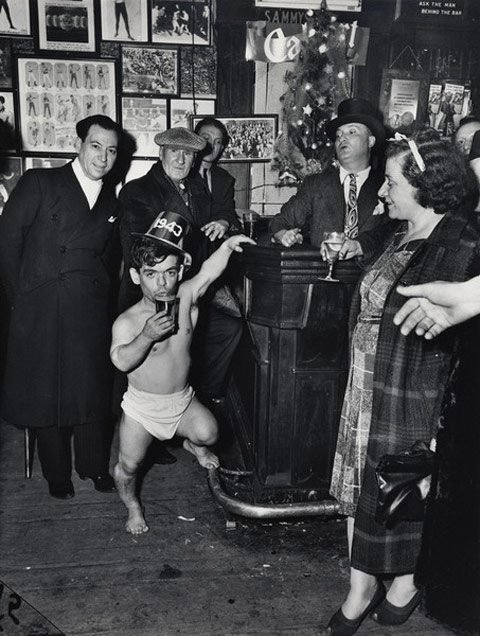
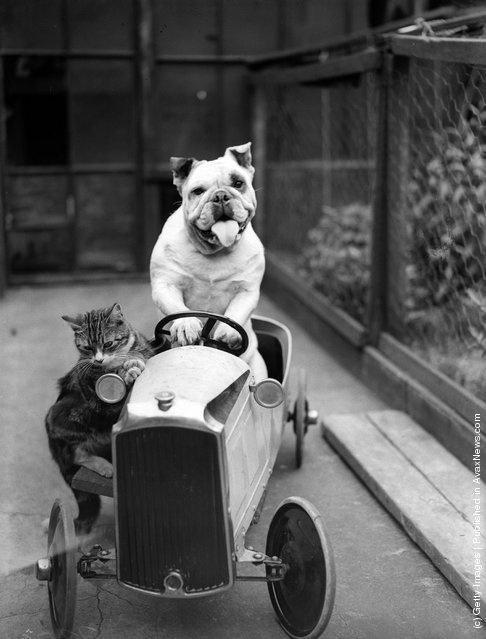
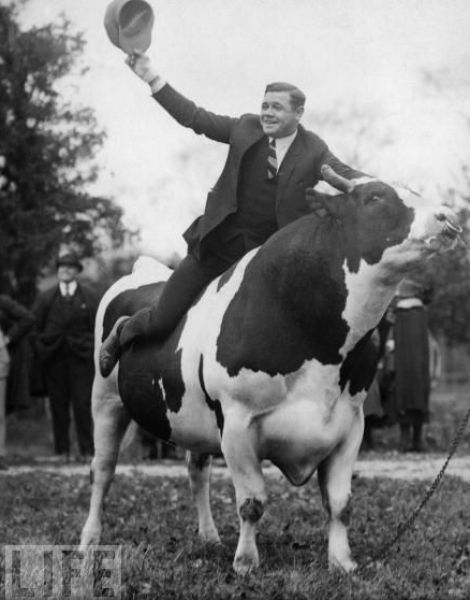
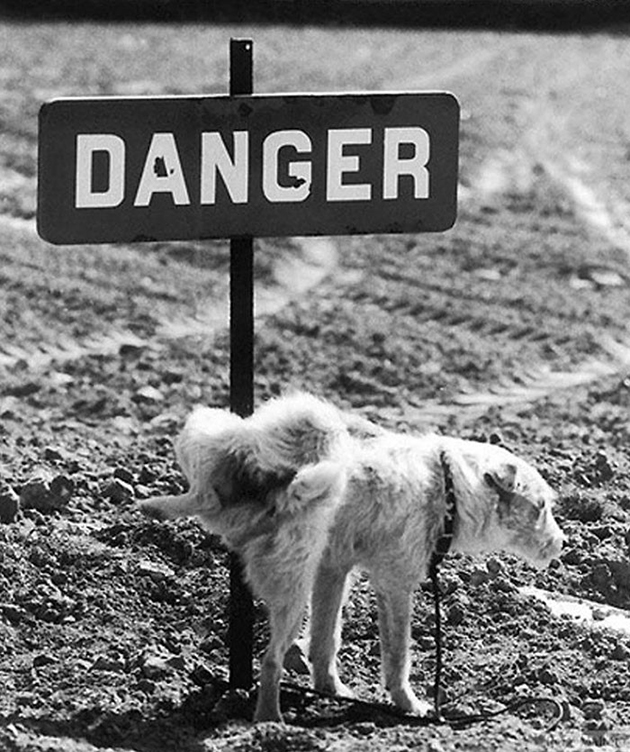
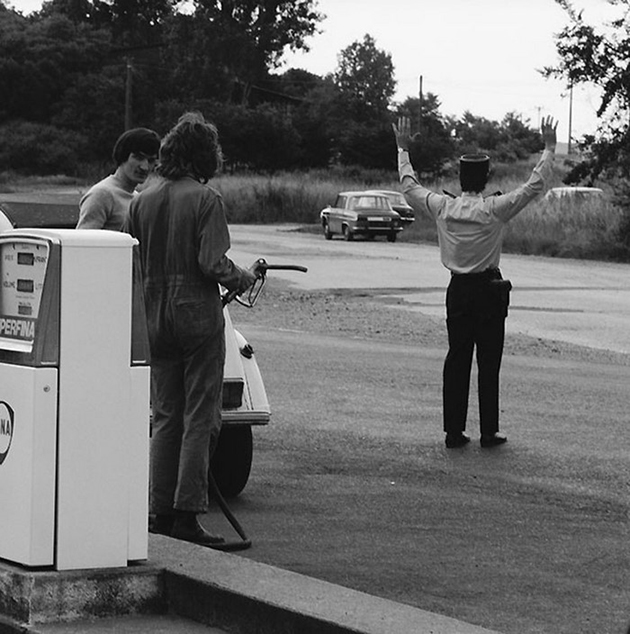
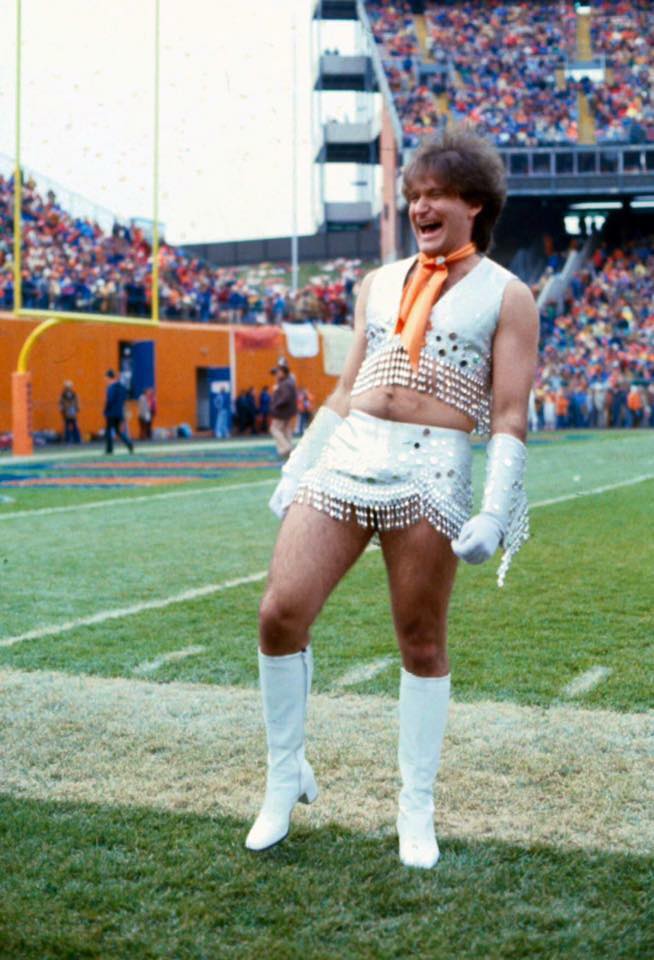
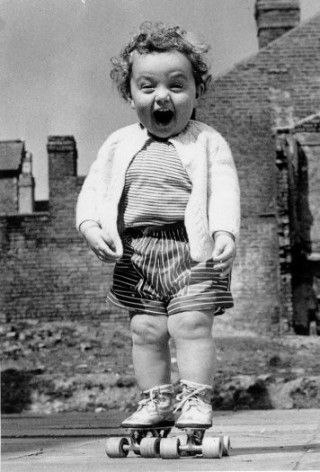
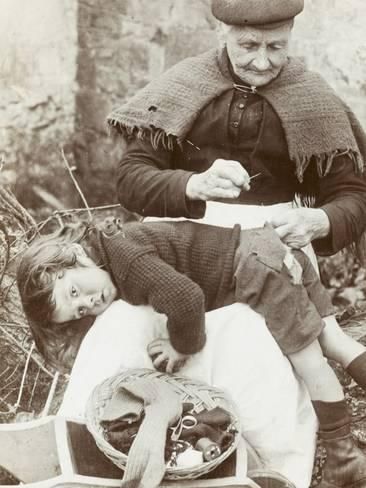
Mobile phone, 1932A telephone operator at the Central Office wears a portable headset made by the American Bell Telephone Company, 1923.The Toshiba company’s new videophone, the Model 500 View Phone, being tested at the company’s Tokyo headquarters, 6th May 1968.Grasshopper shot near Miles City, Montana, 1937New Year’s Eve, 1943, New York City.Young chimpanzee Kokomo Jnr. playing with a hose pipe outside his owner’s apartment in New York City. 1960A cat and a bulldog in a toy car. 1933Babe RuthEveryone’s a critic.This chicken dinner is a little undercooked.This swan is just upset because it expected a limo.In 1979, Robin Williams became the first ever male cheerleader for the Denver Broncos football team.They used to sell UFO Detector in 1960s.
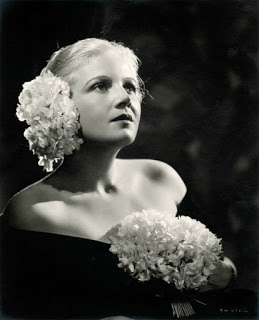
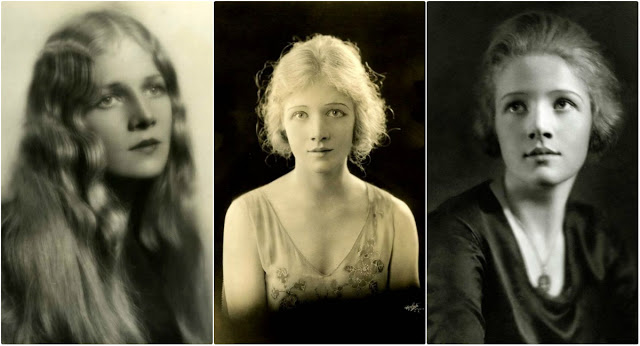
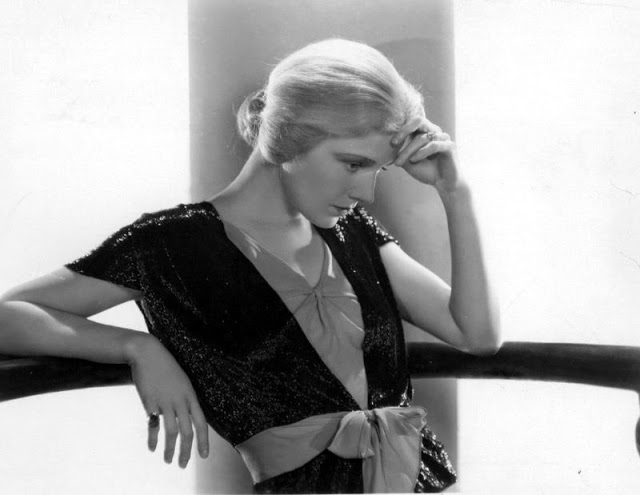
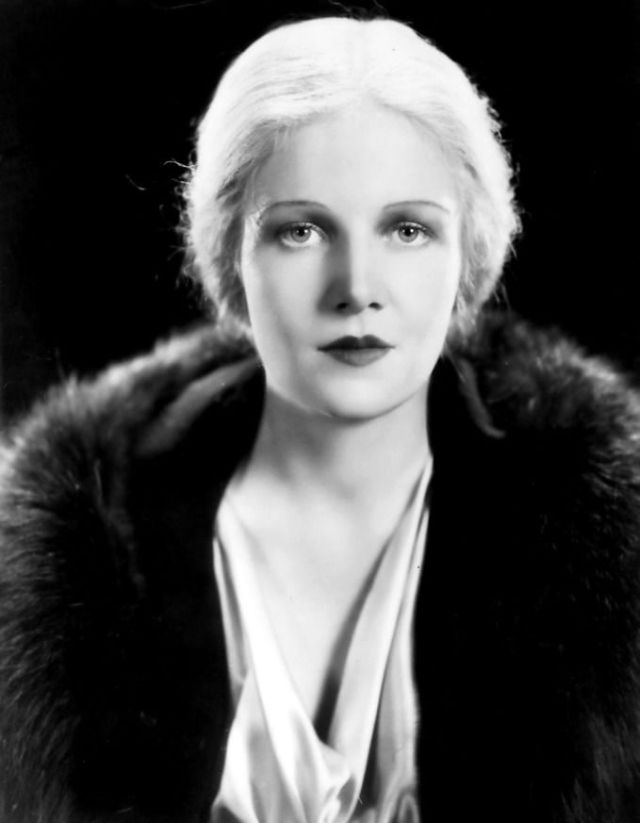
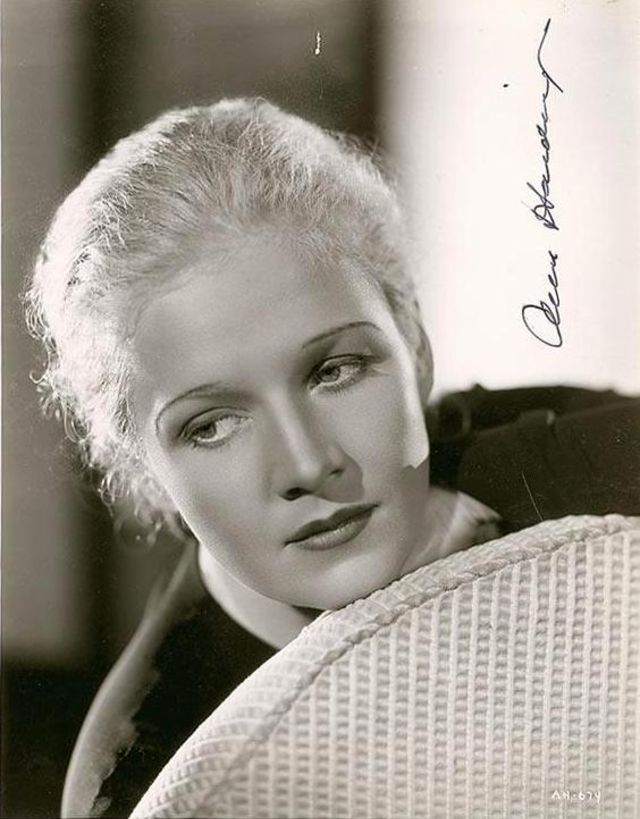
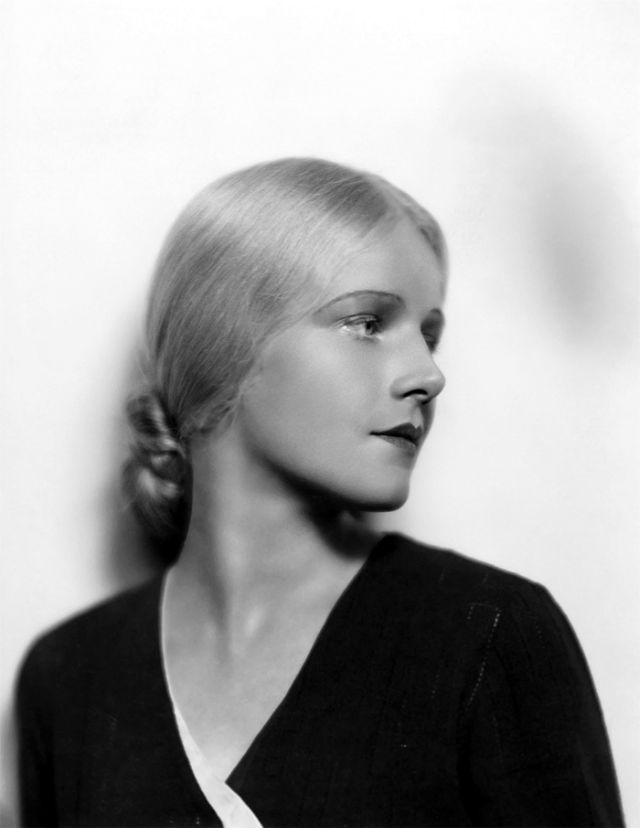
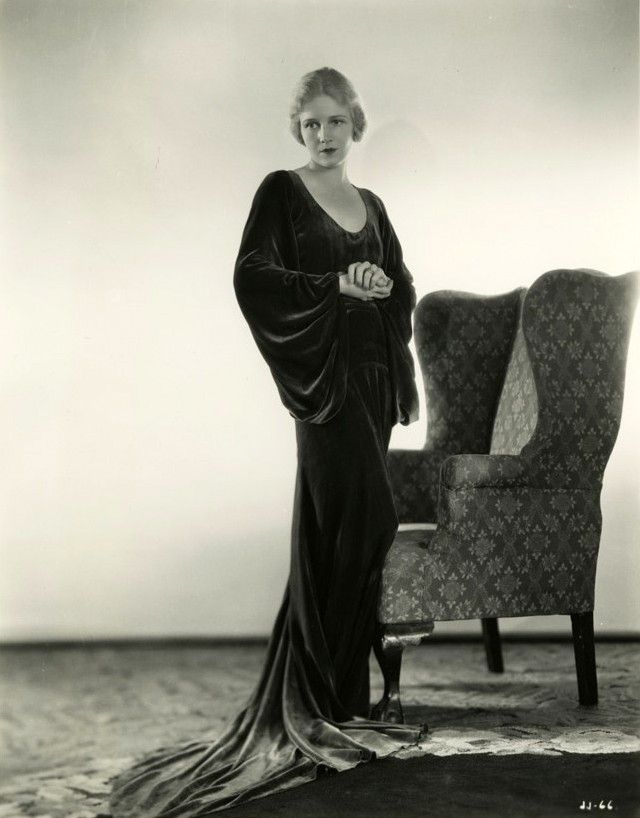
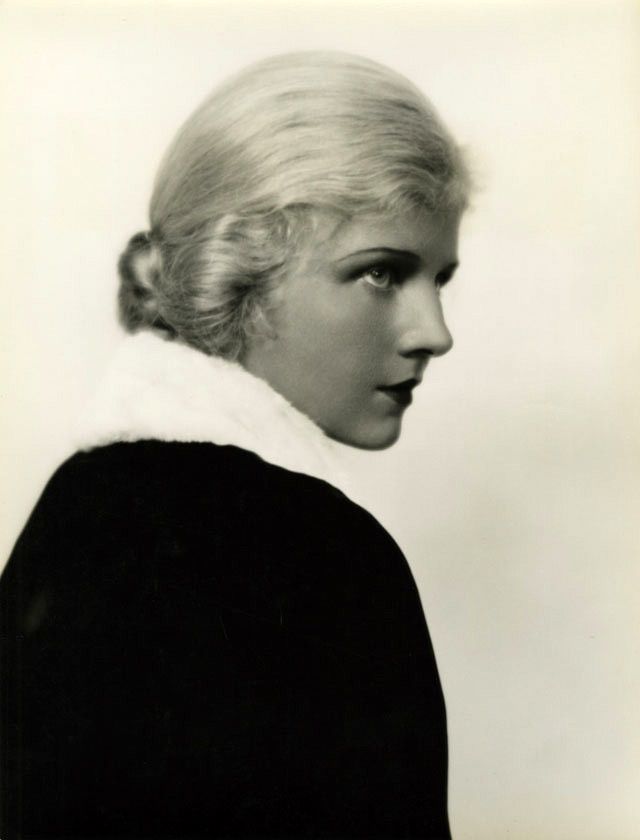
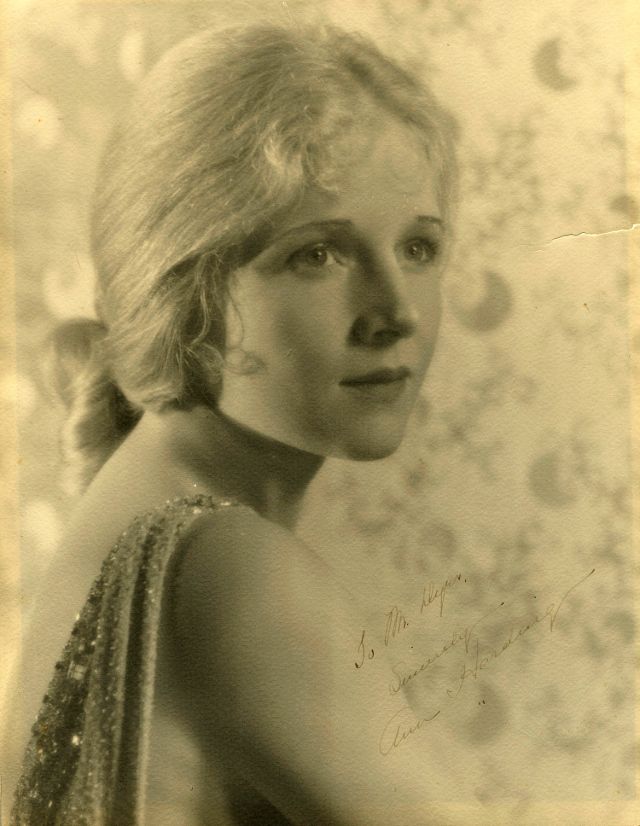
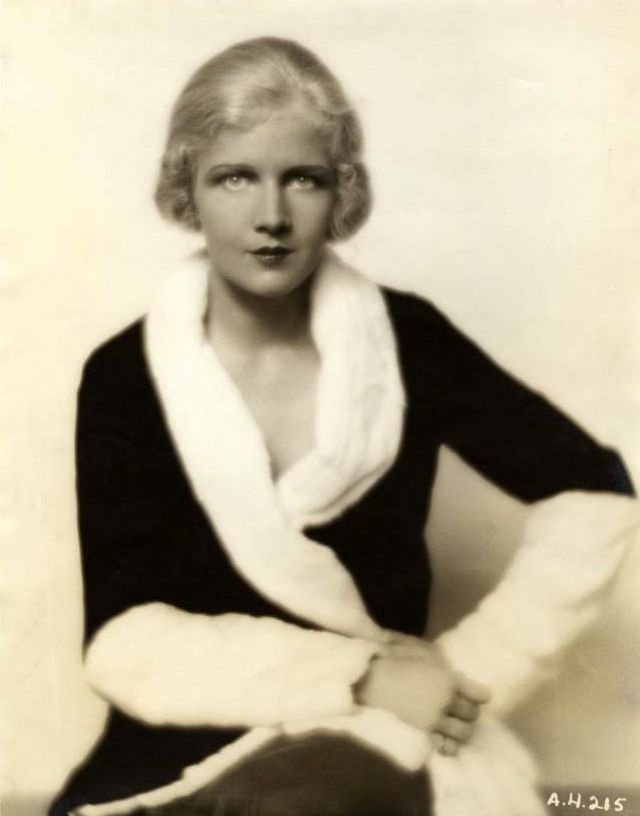
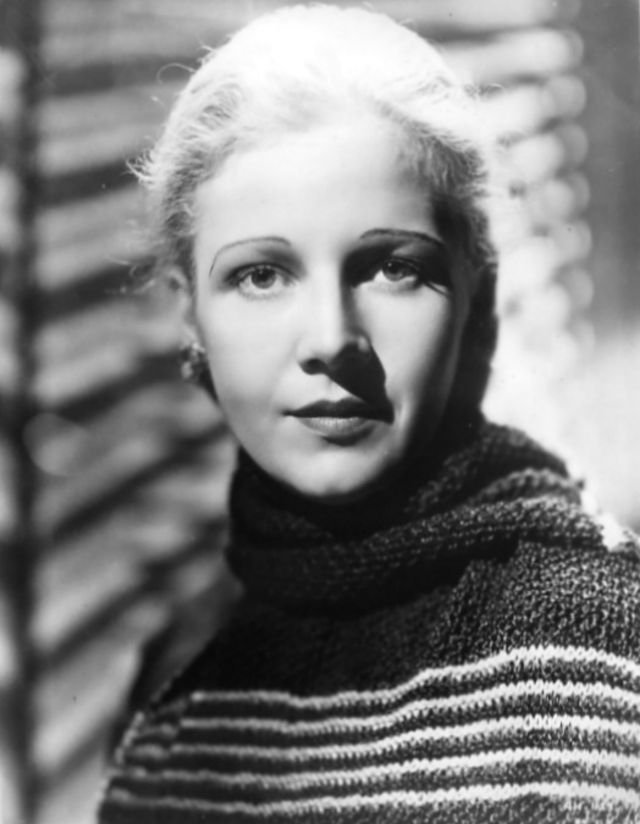
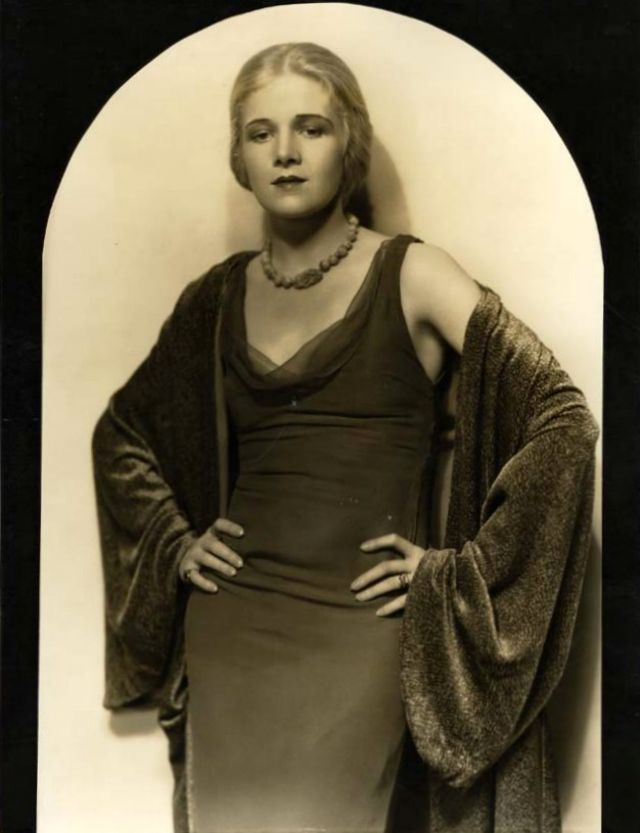
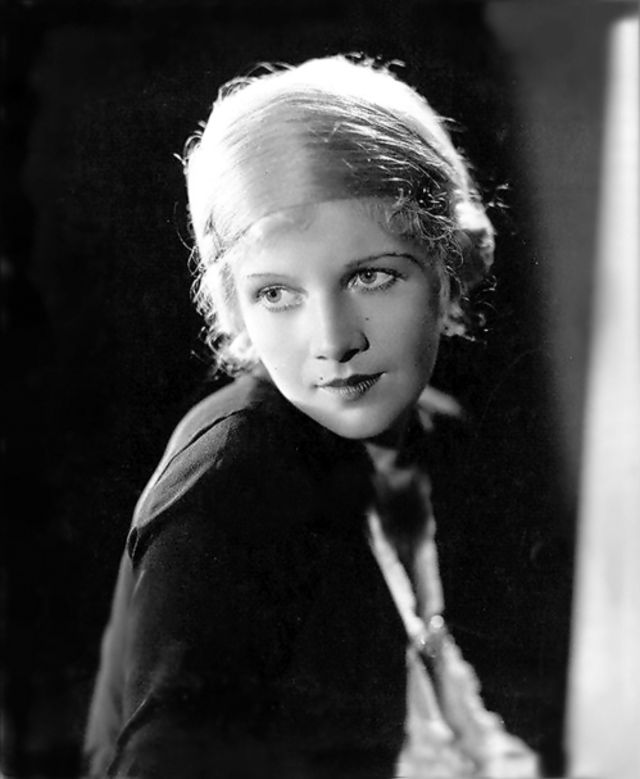
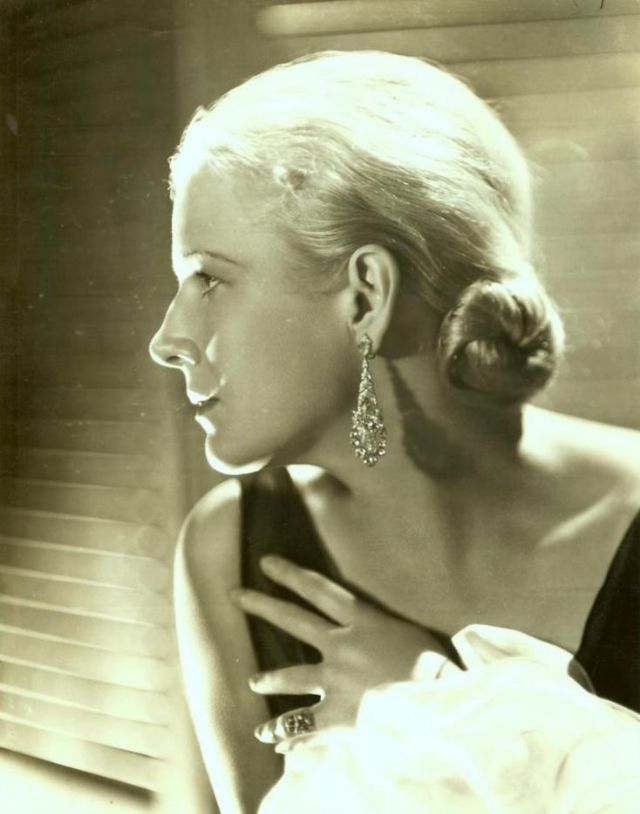
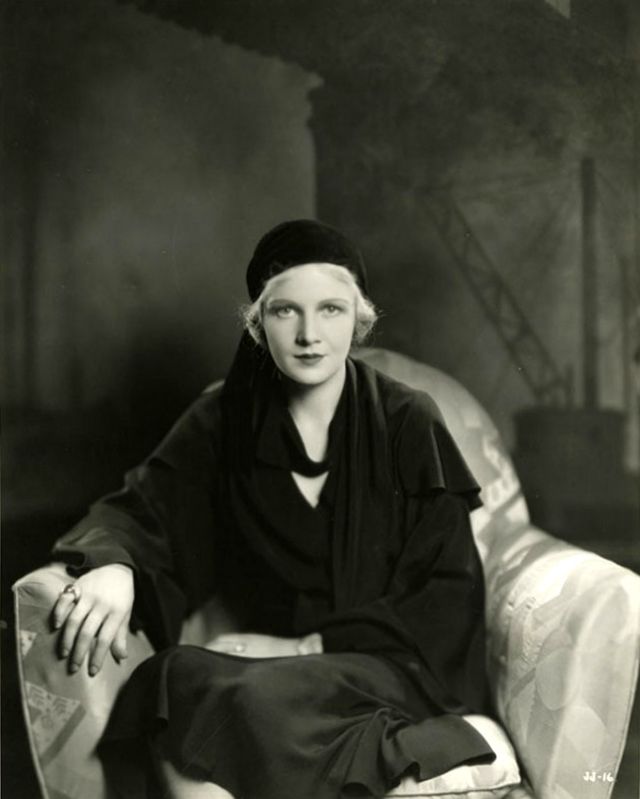
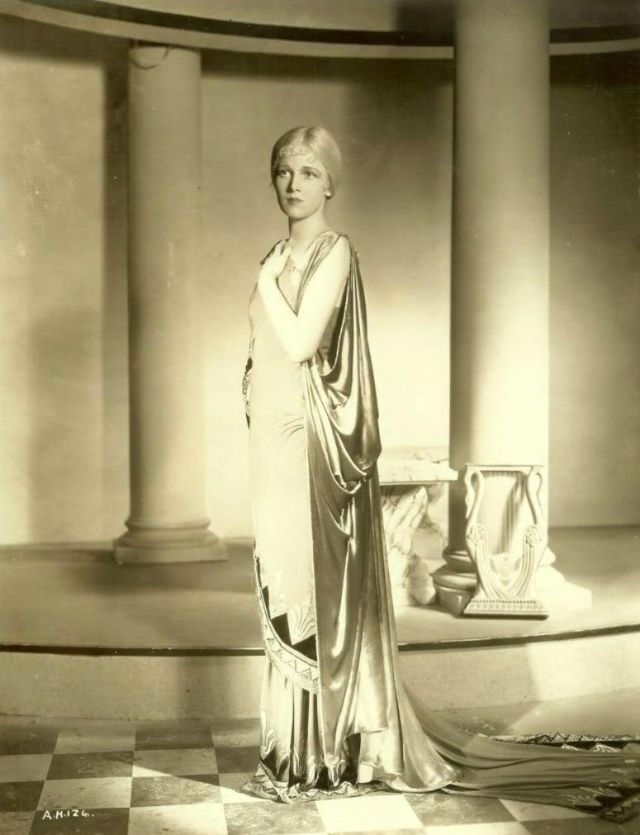
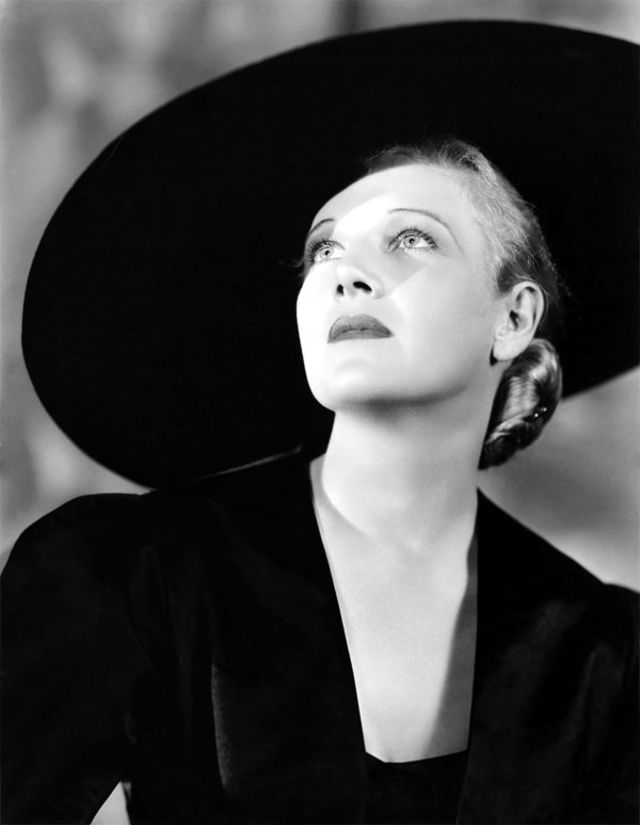
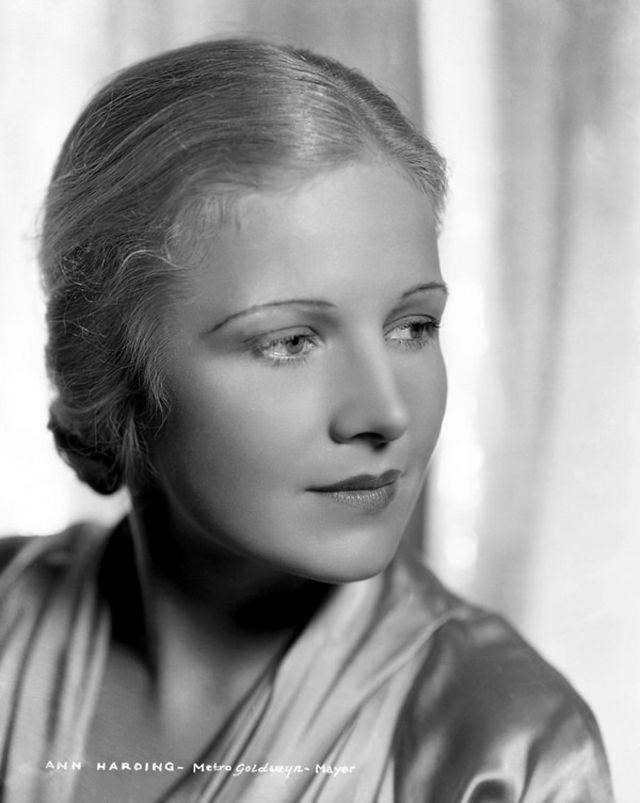
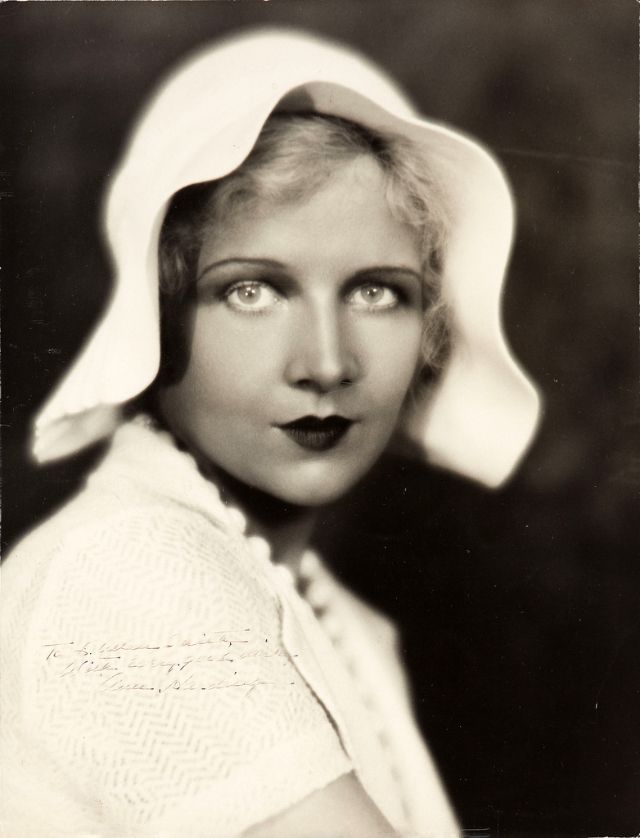
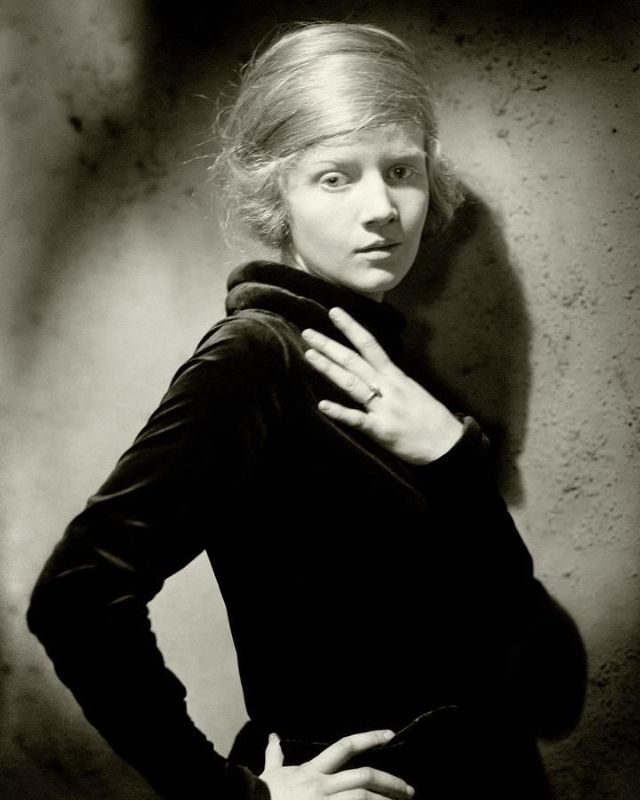
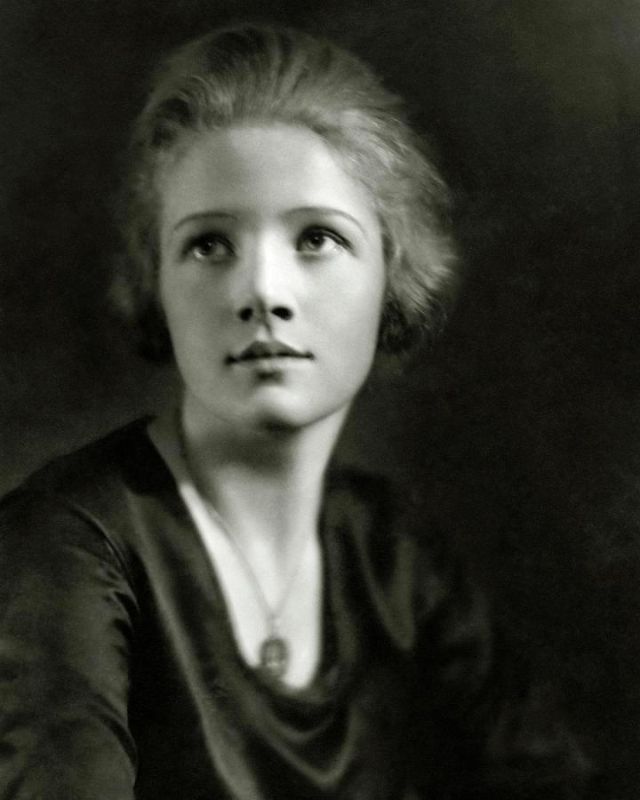
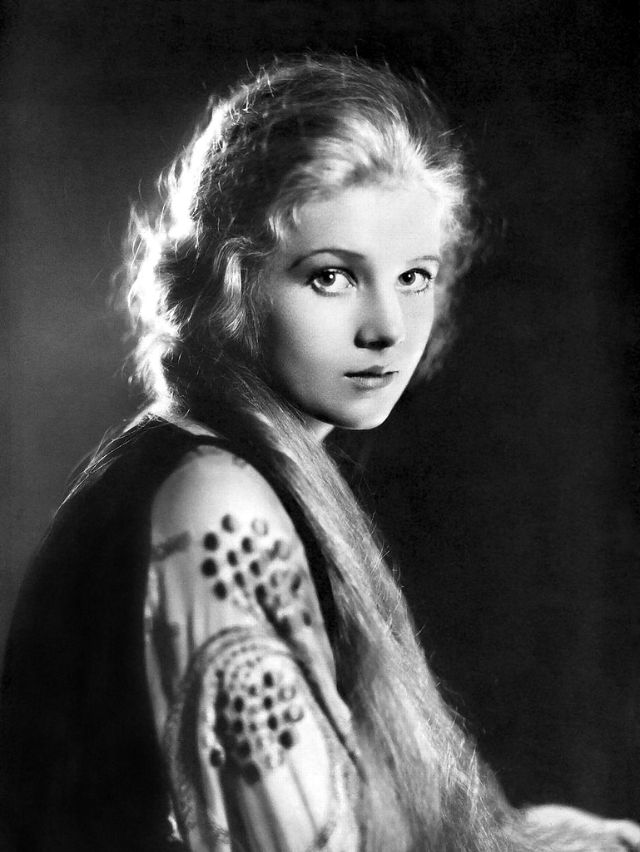
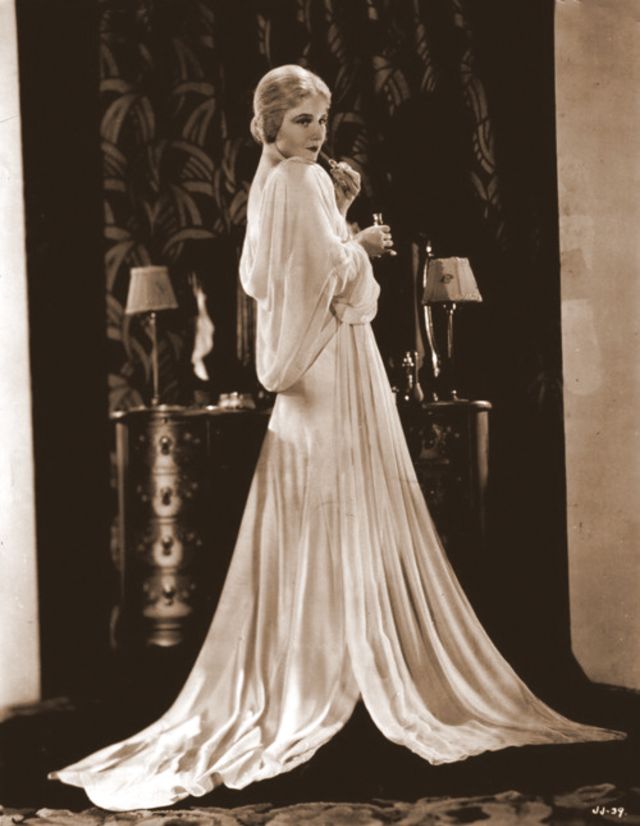
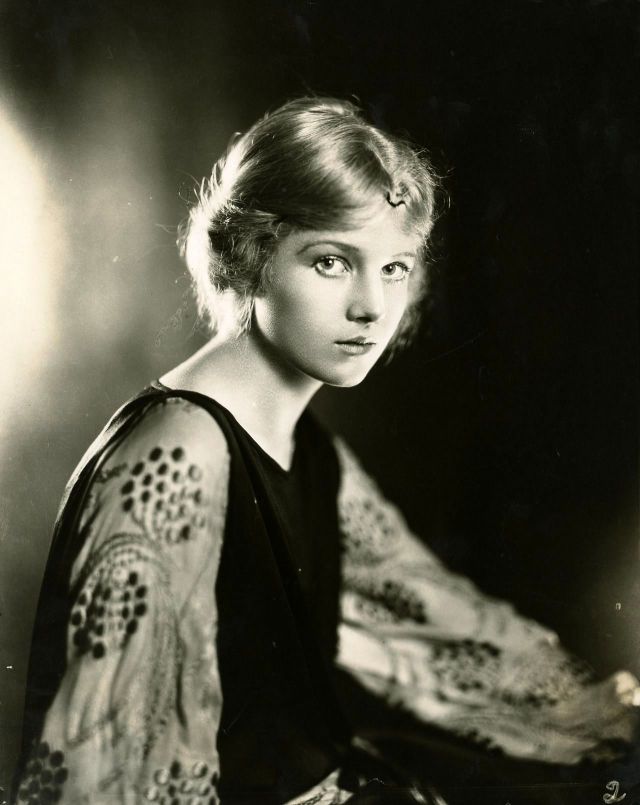
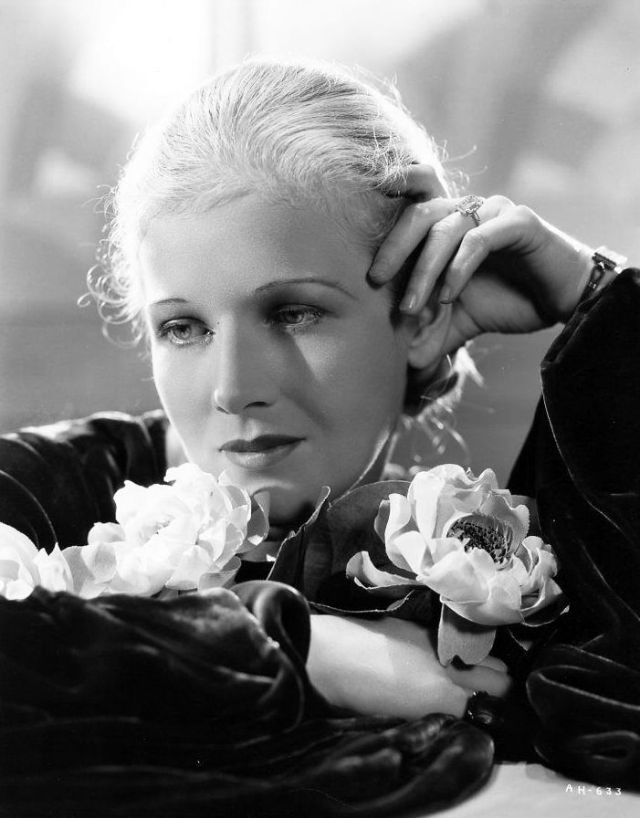
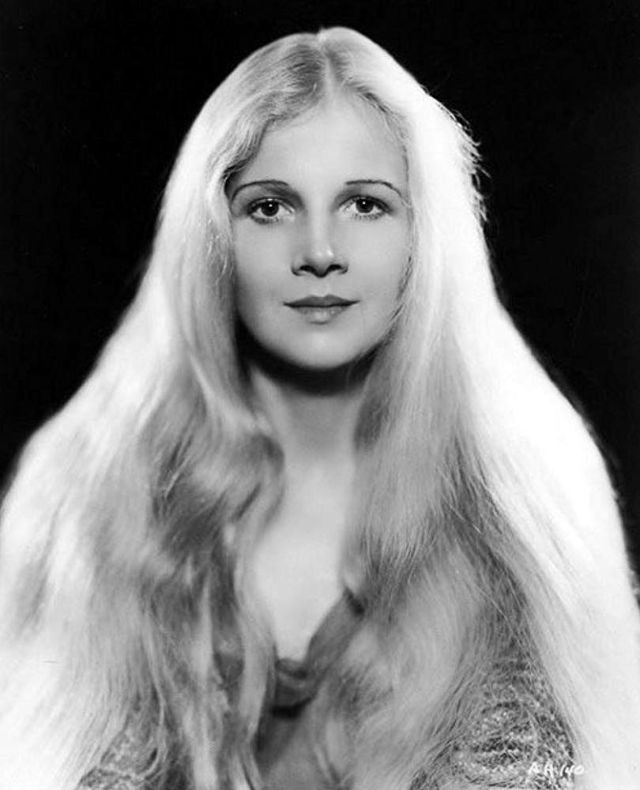
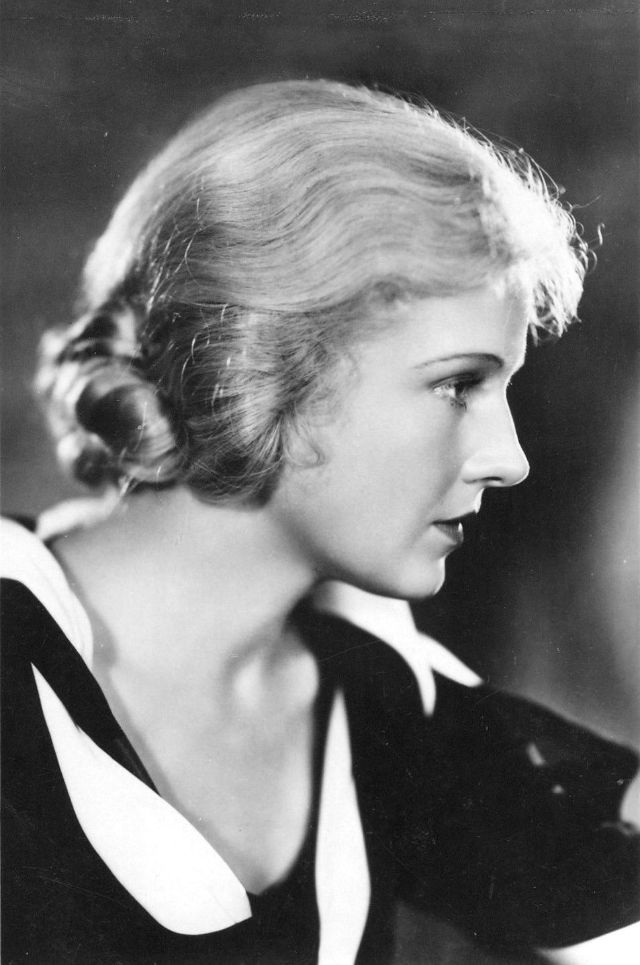
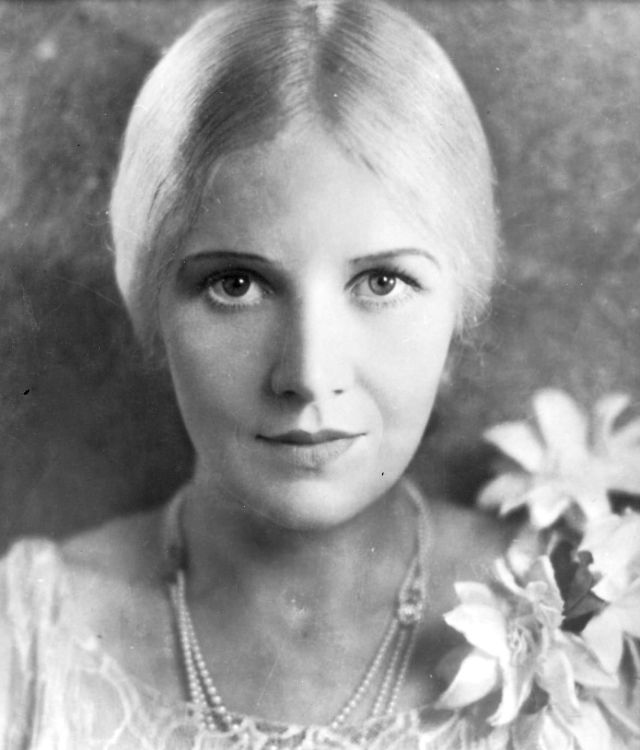
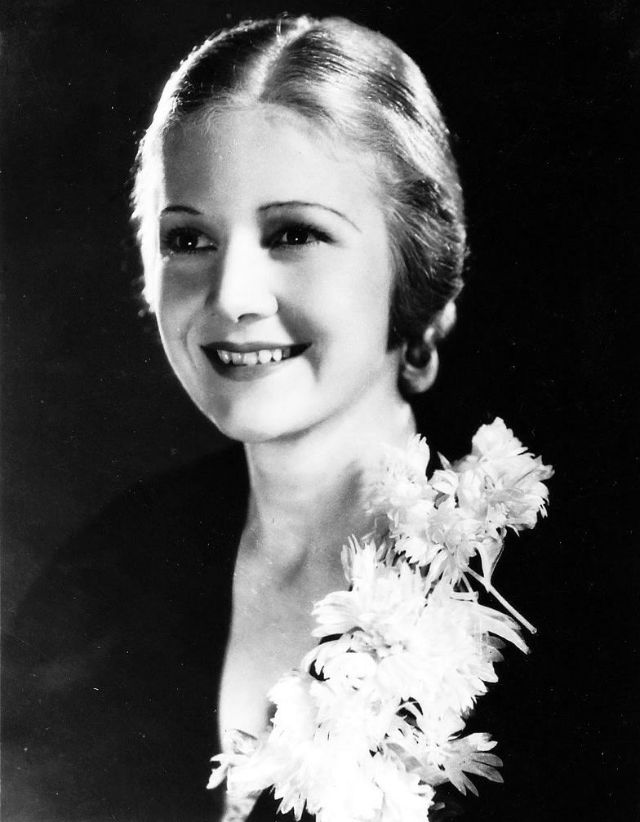
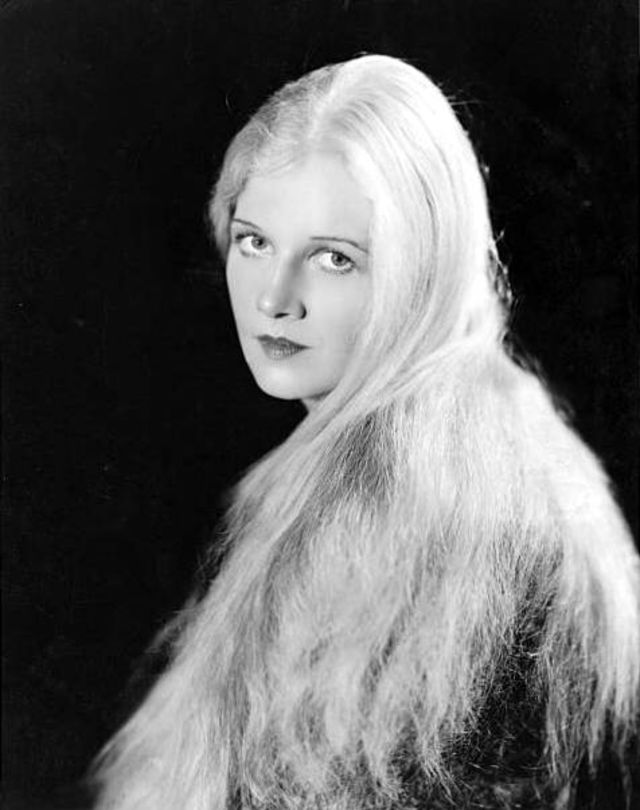
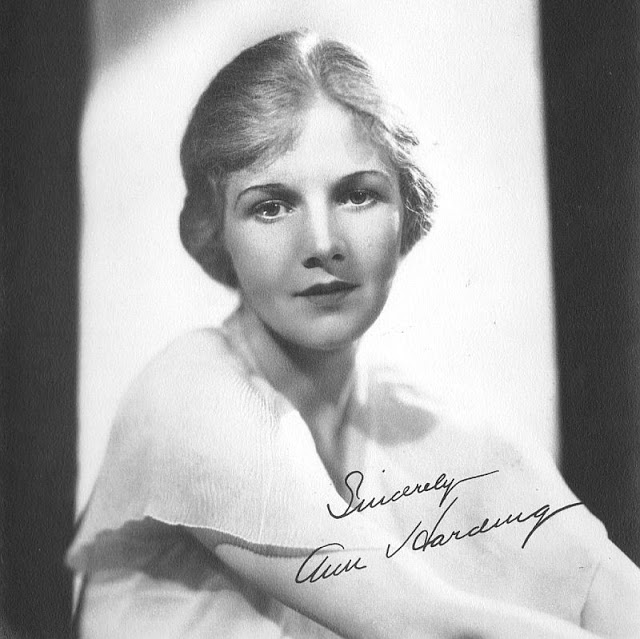
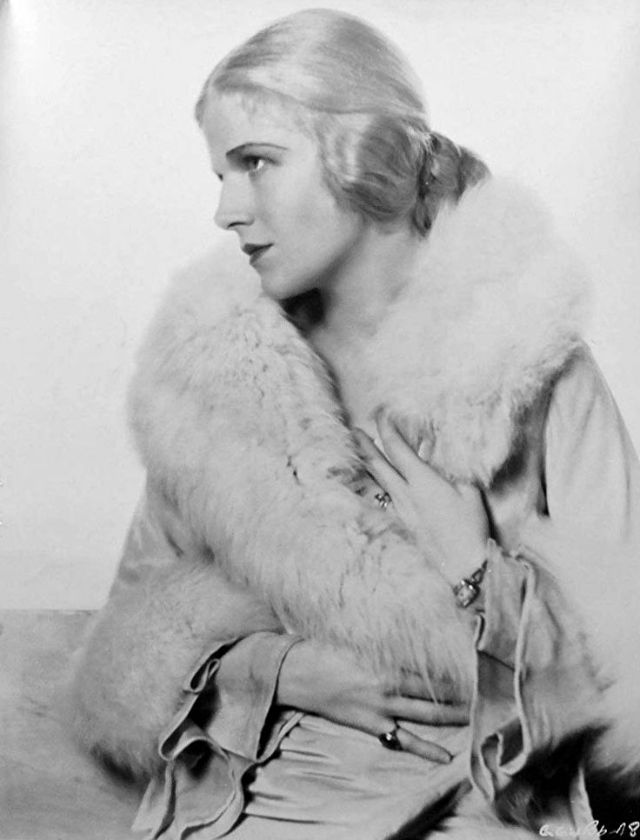
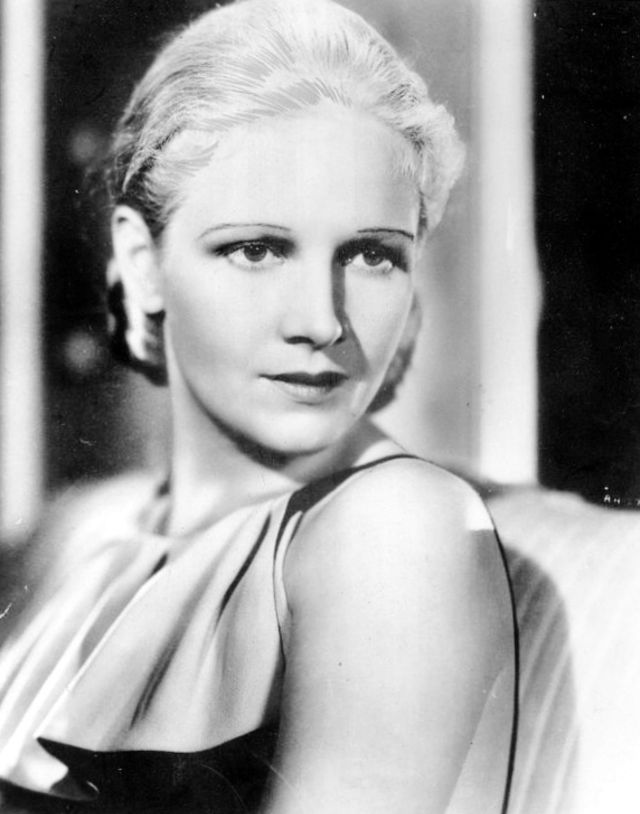
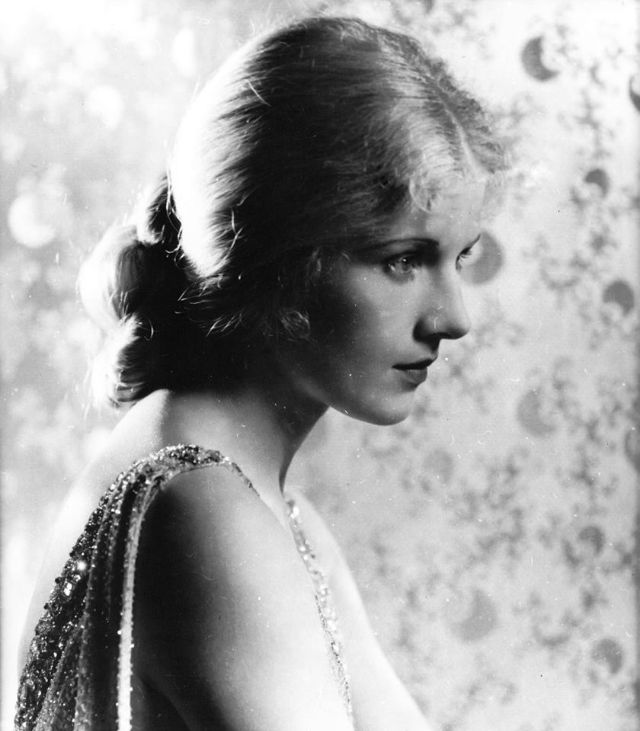
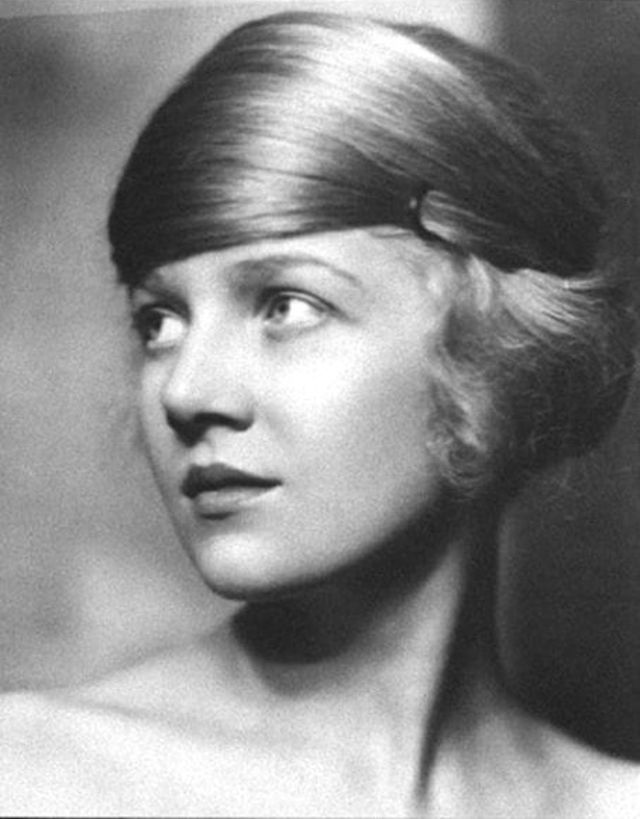
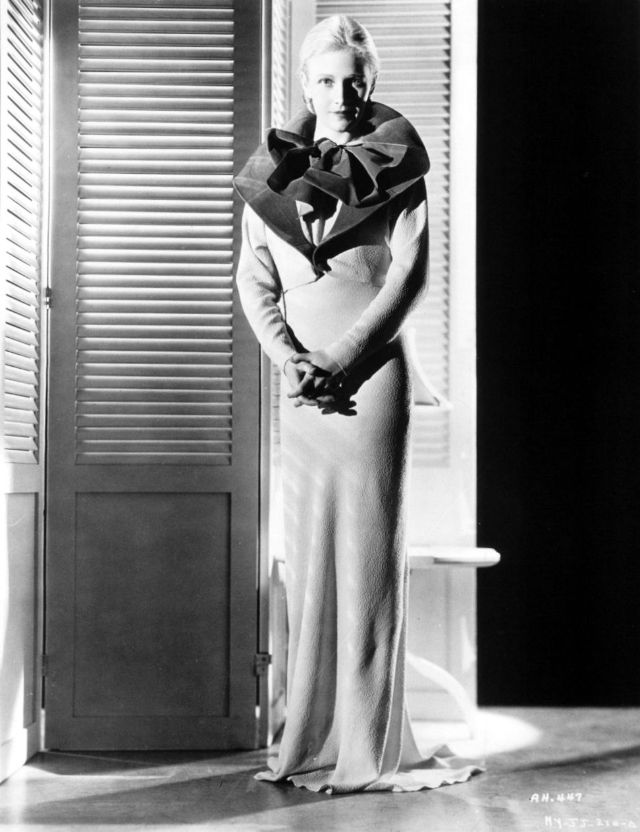
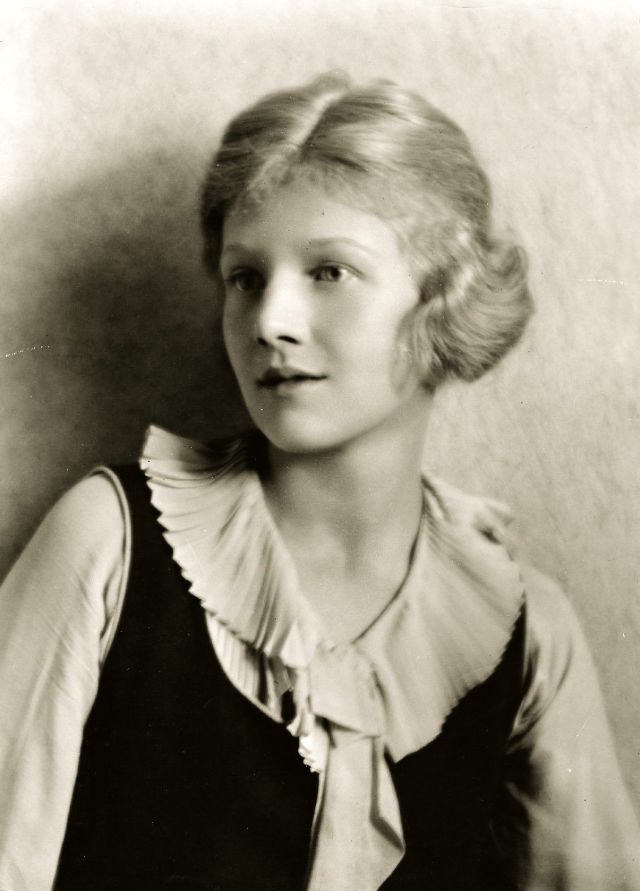
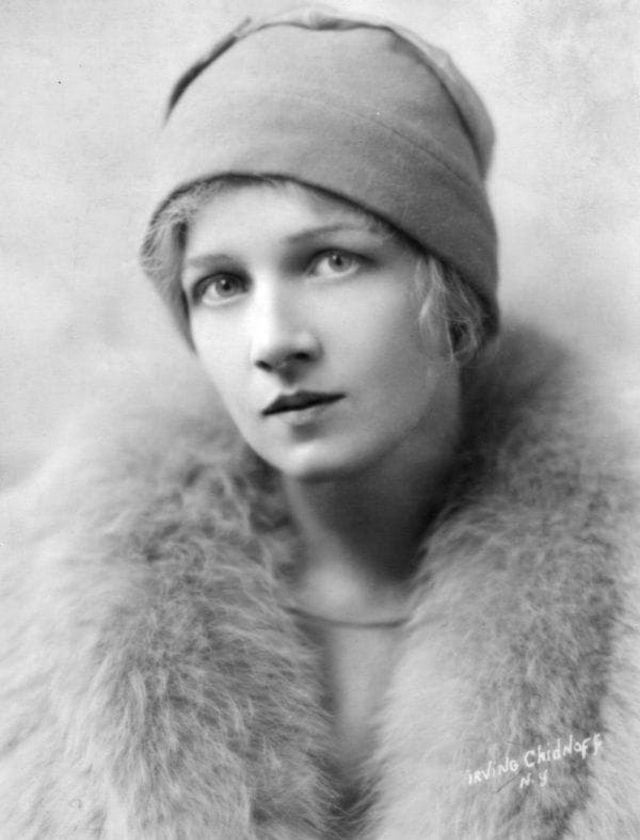
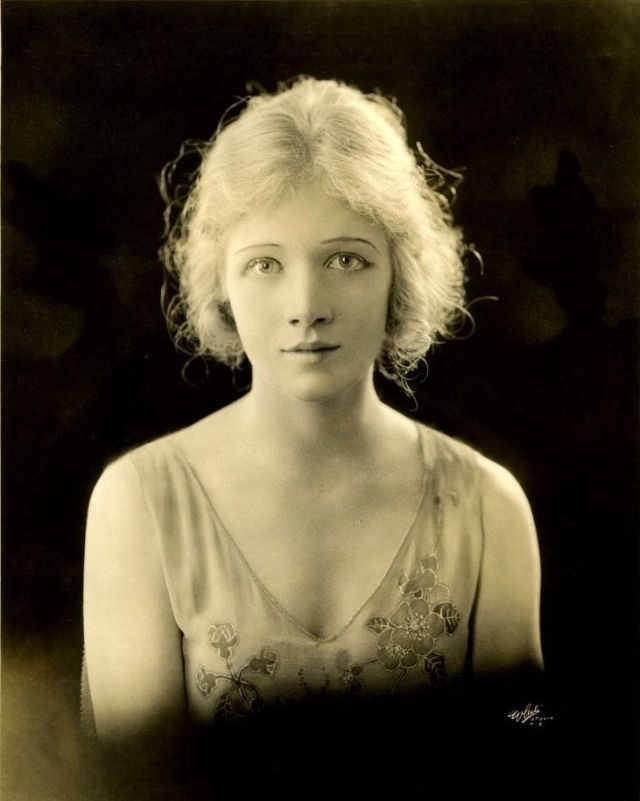
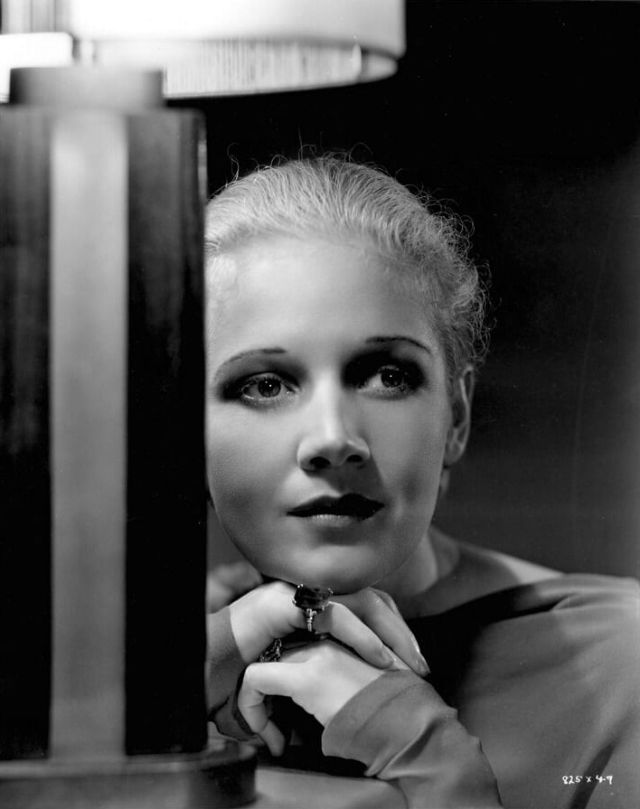
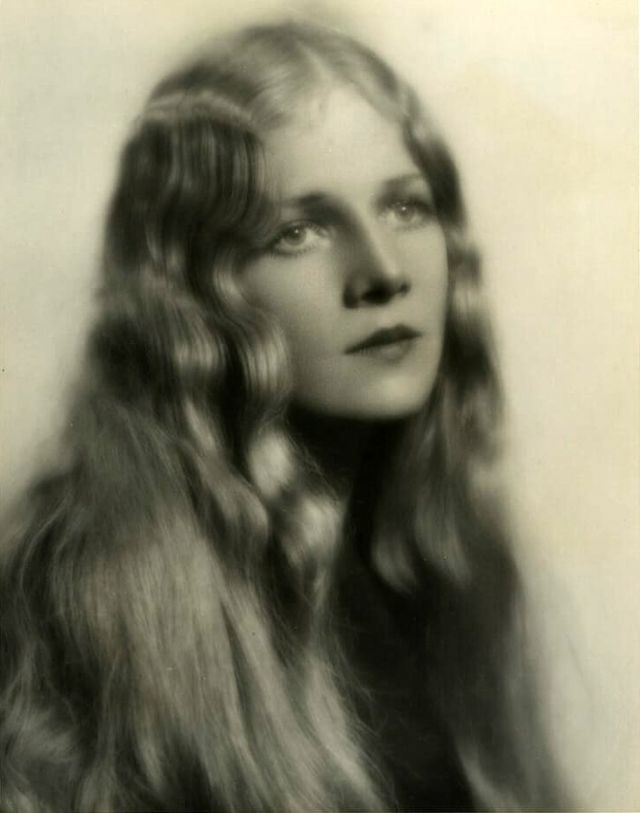
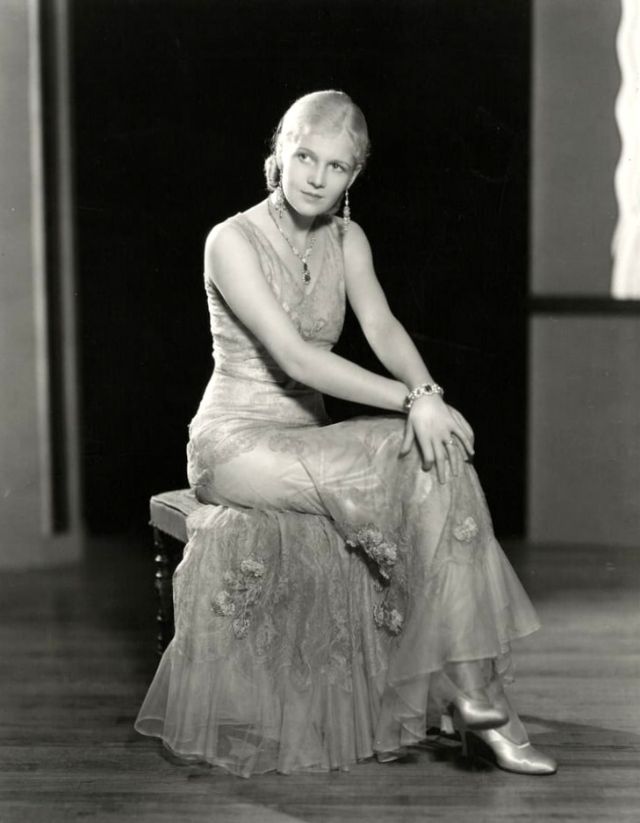
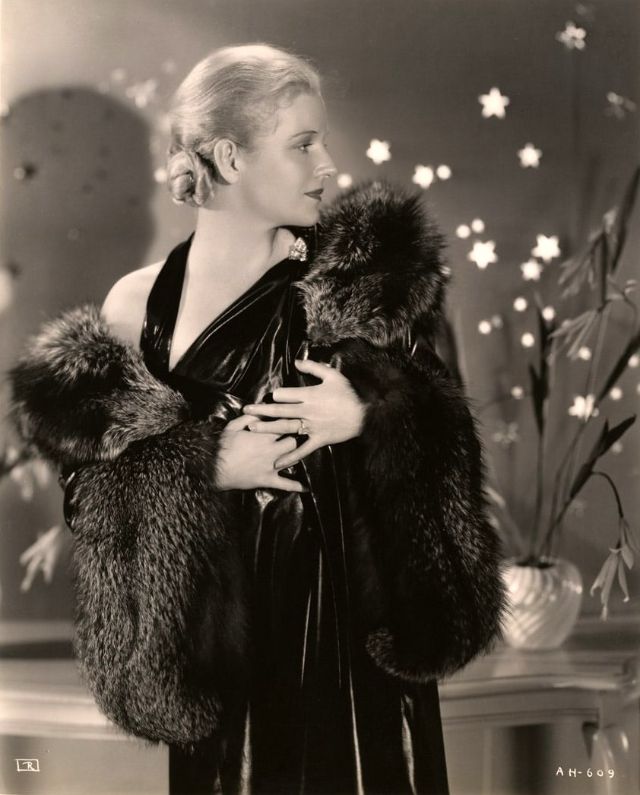
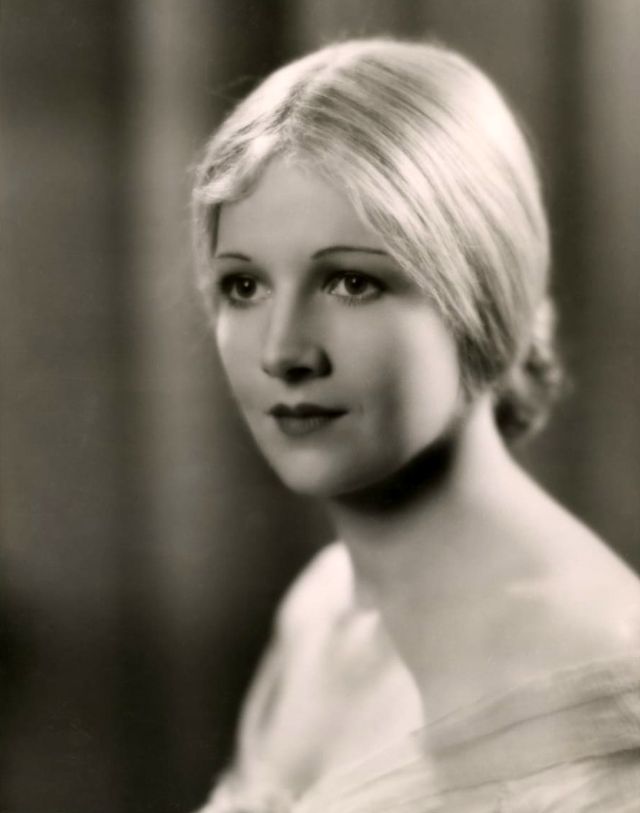
Born 1902 as Dorothy Walton Gatley at Fort Sam Houston in San Antonio, Texas, American theatre, motion picture, radio, and television actress Ann Harding graduated from East Orange High School. Having gained her initial acting experience in school drama classes, she decided on a career as an actress and moved to New York City. Because her father opposed her career choice, she used the stage name Ann Harding.
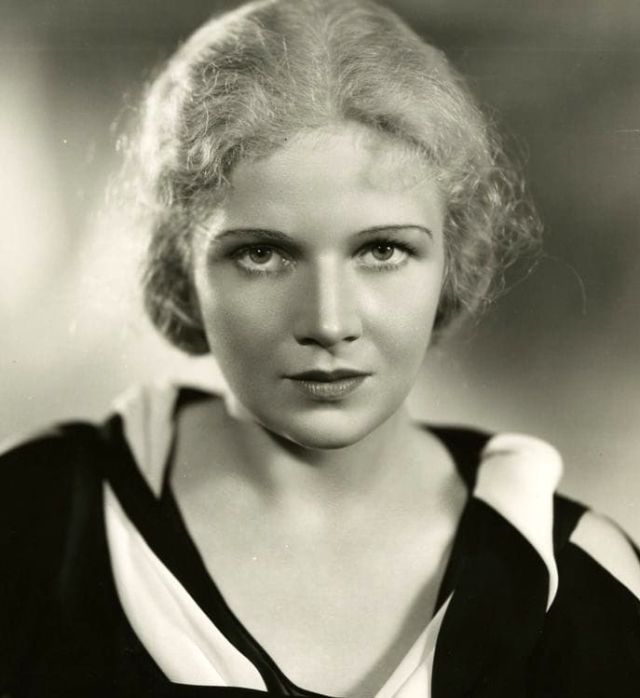
A regular player on Broadway and in regional theater in the 1920s, in the 1930s, Harding was one of the first actresses to gain fame in the new medium of “talking pictures”, and she was nominated for the Academy Award for Best Actress in 1931 for her work in Holiday.
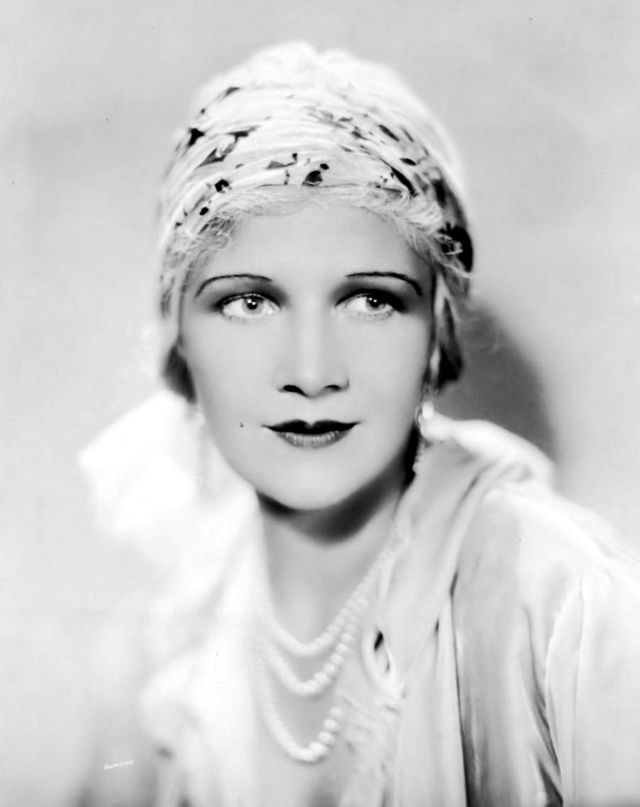
After initial work as a script reader, Harding began to win roles on Broadway and in regional theaters, primarily in Pennsylvania. She moved to California to begin working in movies, which were just then beginning to include sound. Her work in plays had given her notable diction and stage presence, and she became a leading lady. By the late 1930s, she was becoming stereotyped as the beautiful, innocent, self-sacrificing woman, and film work became harder for her to obtain.
Harding also worked occasionally in television between 1955 and 1965, and she appeared in two plays in the early 1960s, returning to the stage after an absence of over 30 years, including the lead in “The Corn is Green” in 1964 at the Studio Theater in Buffalo, New York.
After her 1965 retirement, Harding resided in Sherman Oaks, California. She died in 1981 at the age of 79.
For her contributions to the motion picture and television industries, Harding has two stars on the Hollywood Walk of Fame — one in the Motion Pictures section 6201 Hollywood Boulevard and one in the Television section at 6850 Hollywood Boulevard.
Take a look at these glamorous photos to see the beauty of Ann Harding in the 1920s and 1930s.