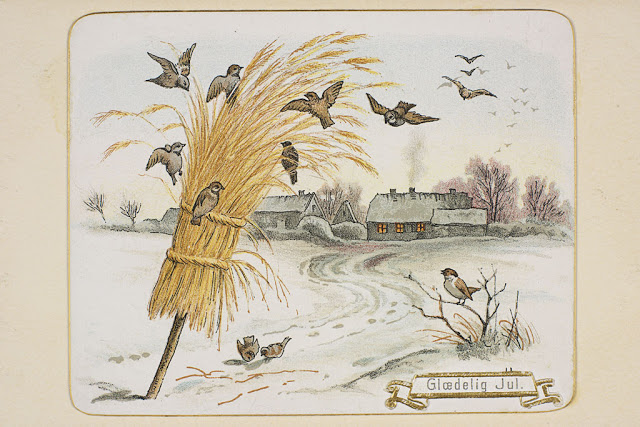
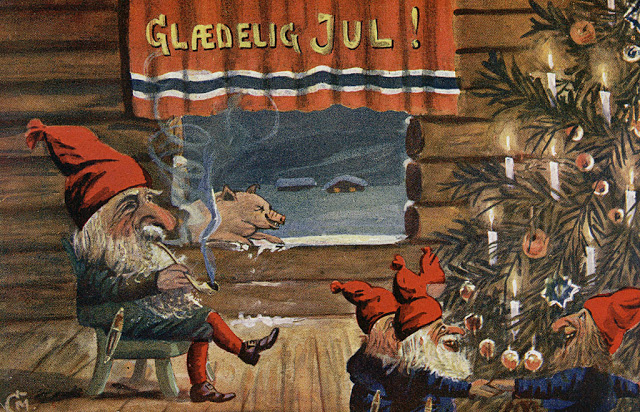
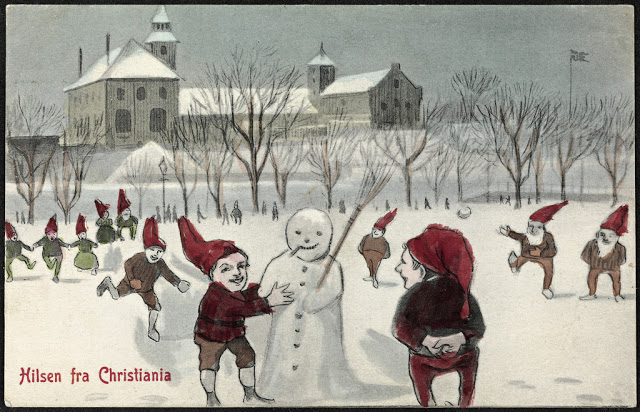
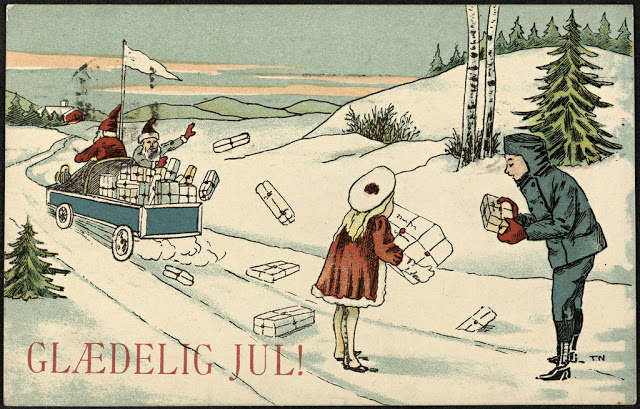
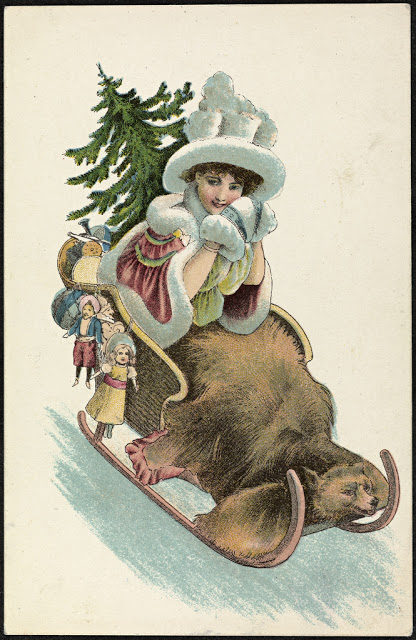
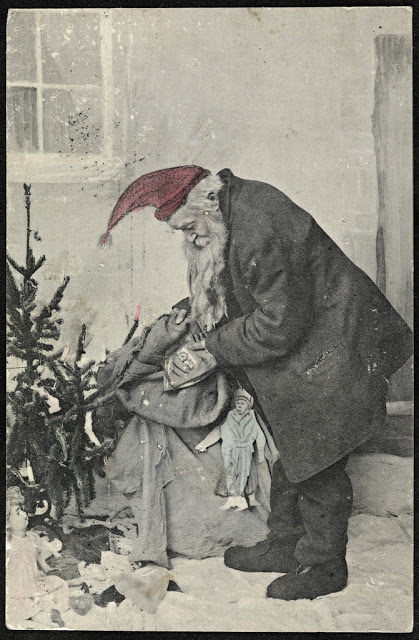
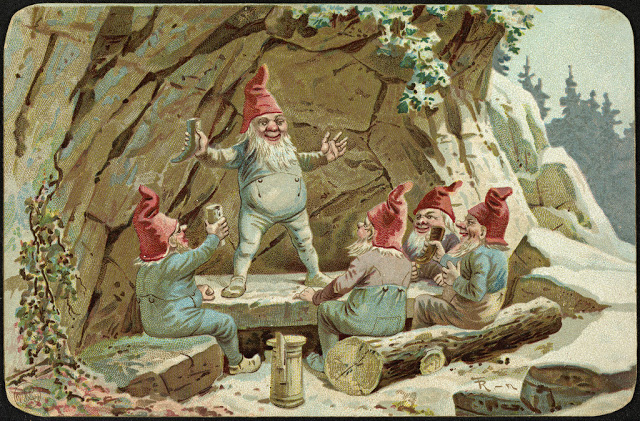
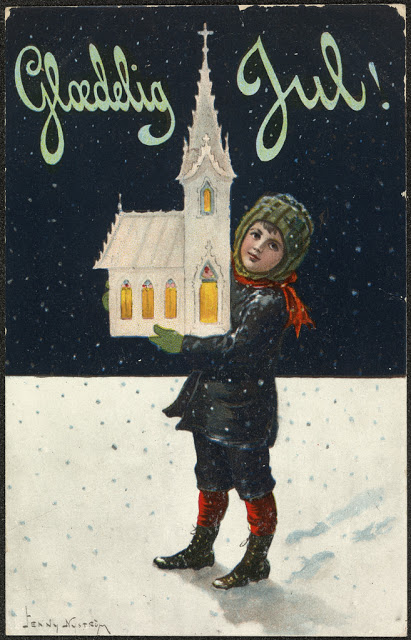
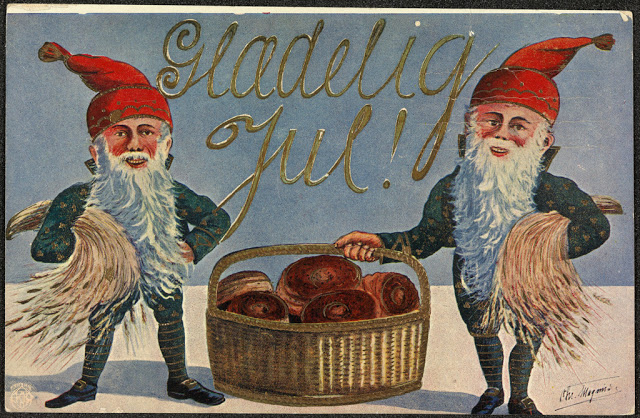
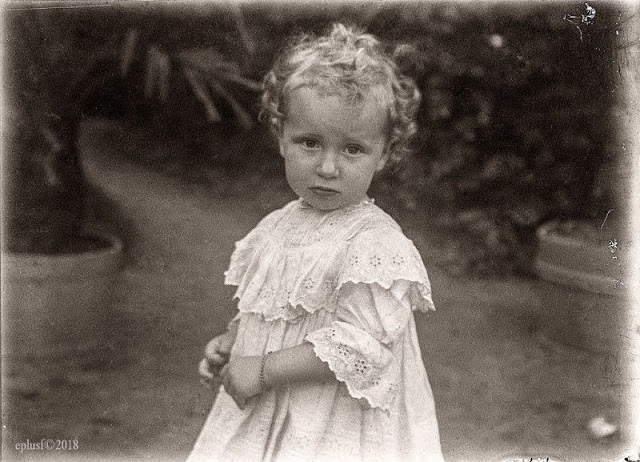
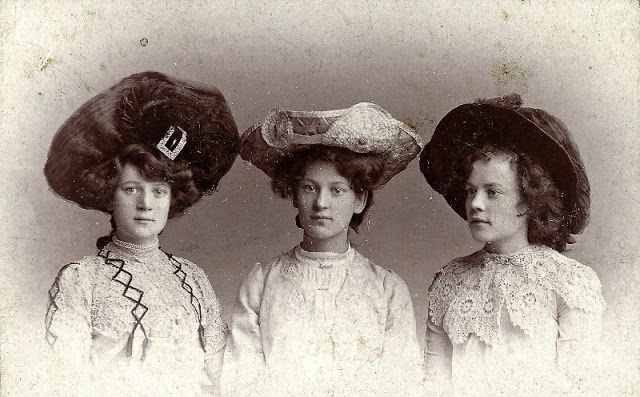
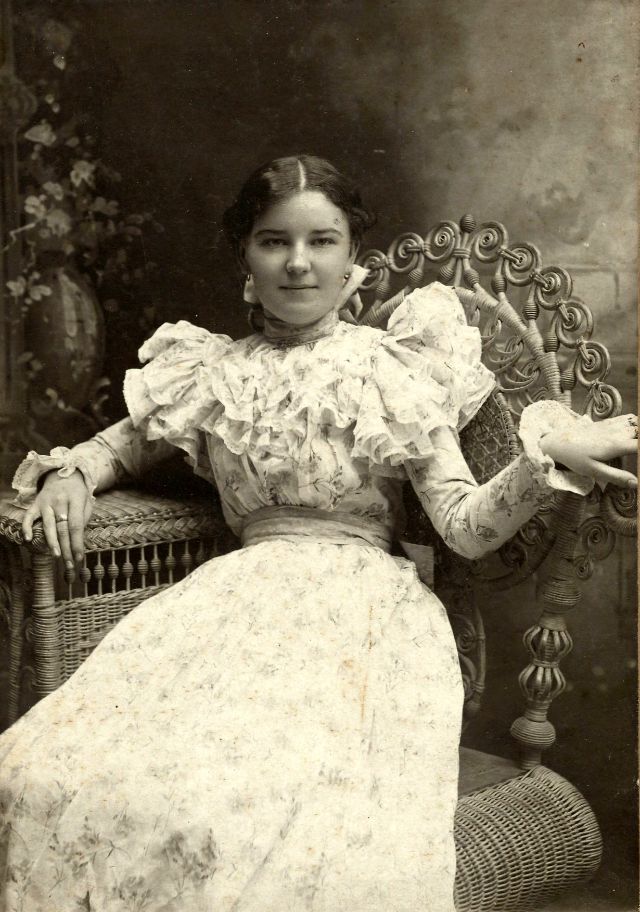
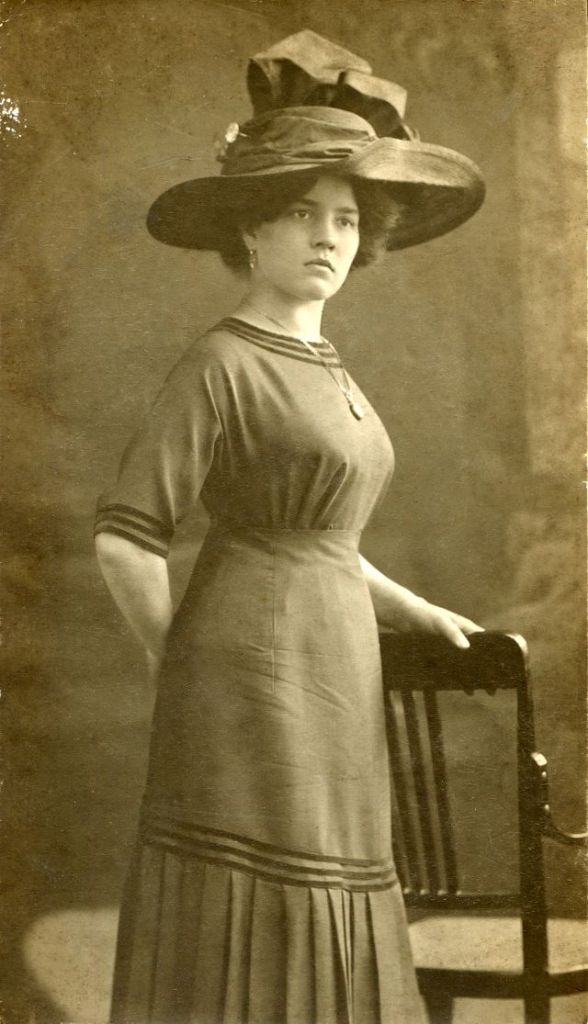
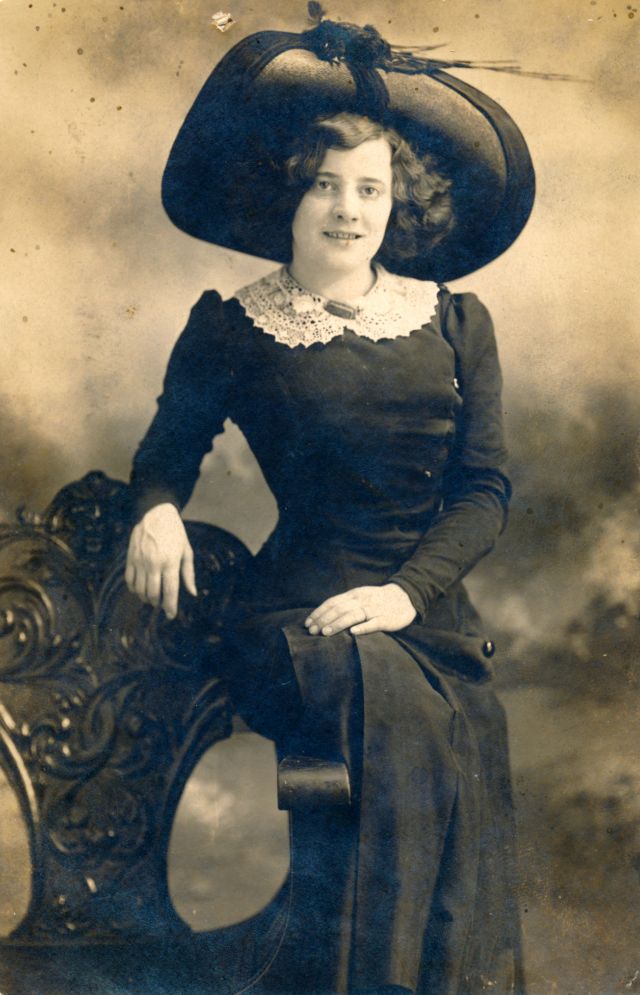
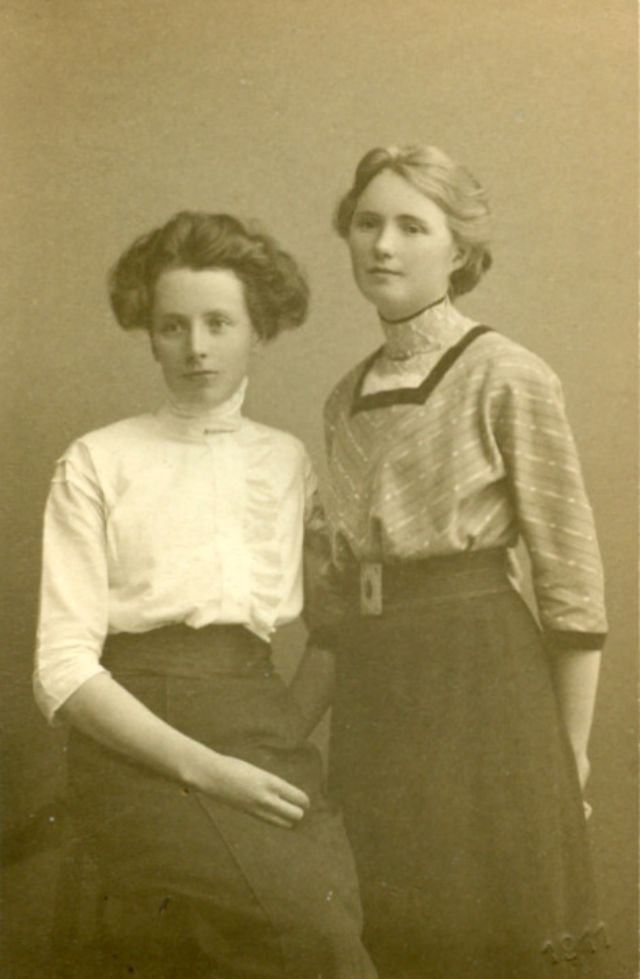
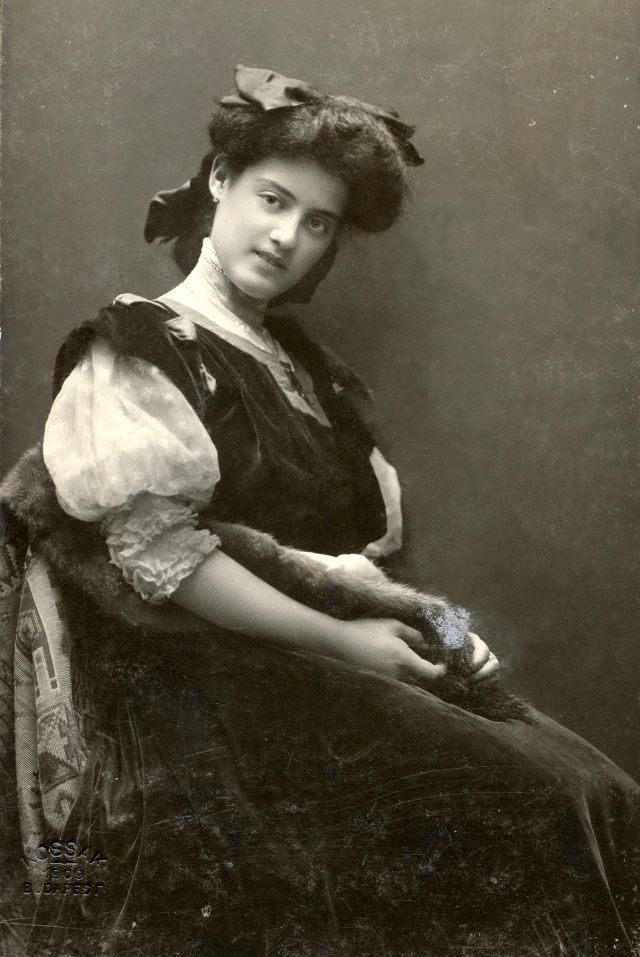
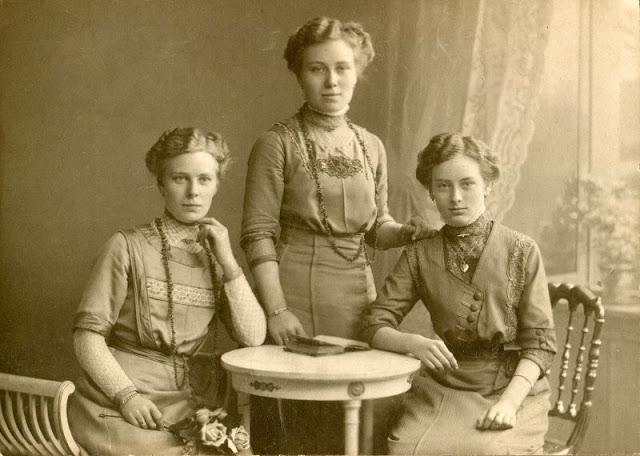
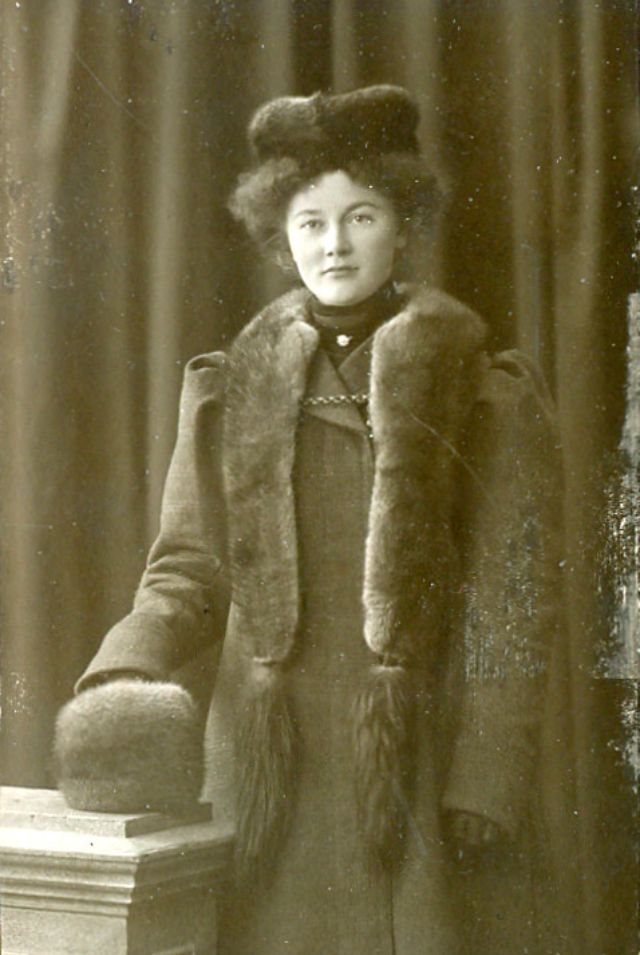
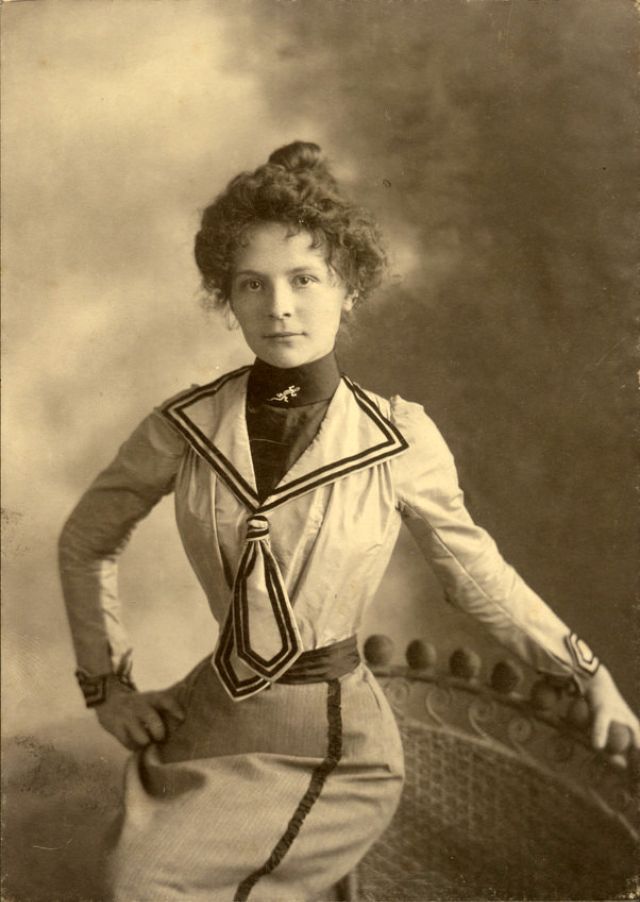
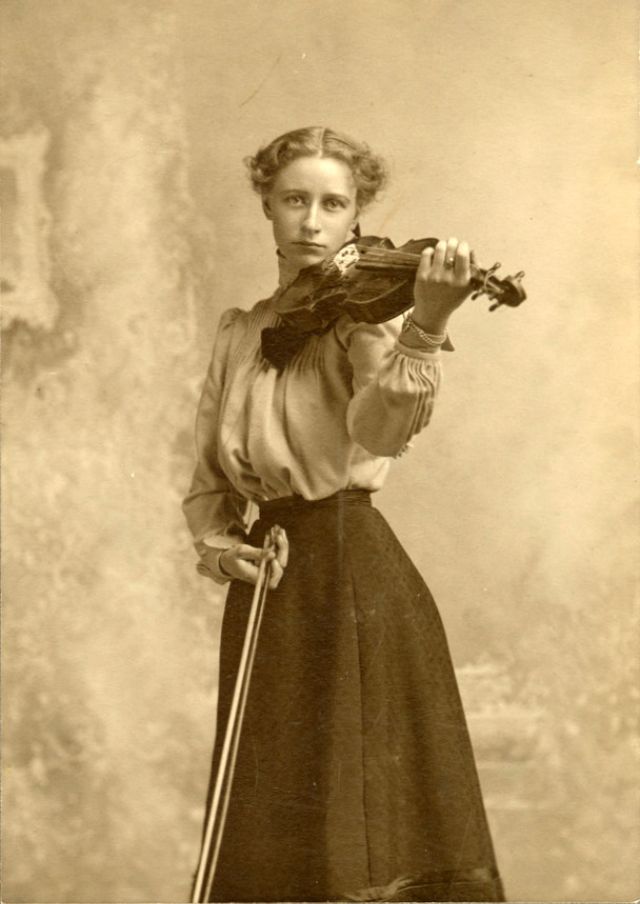
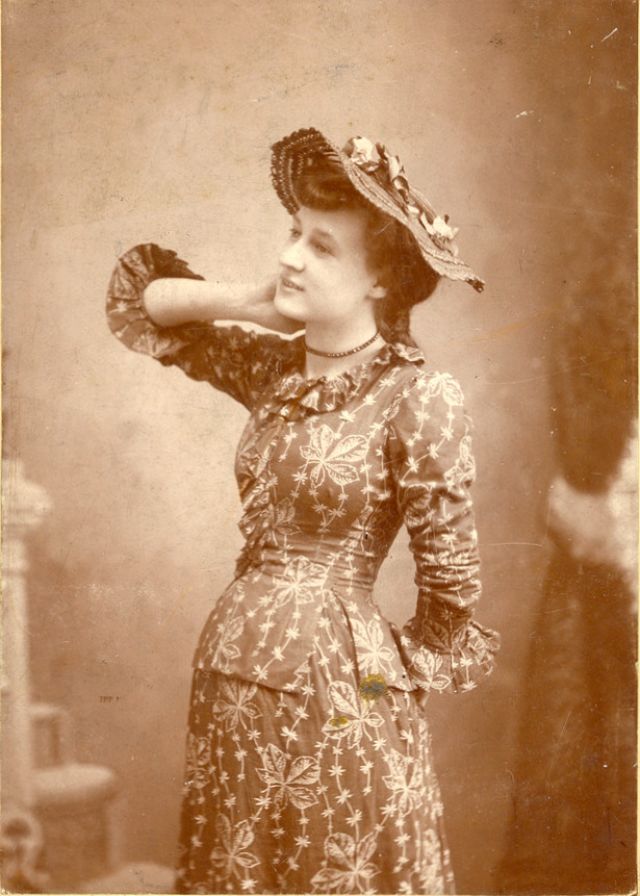
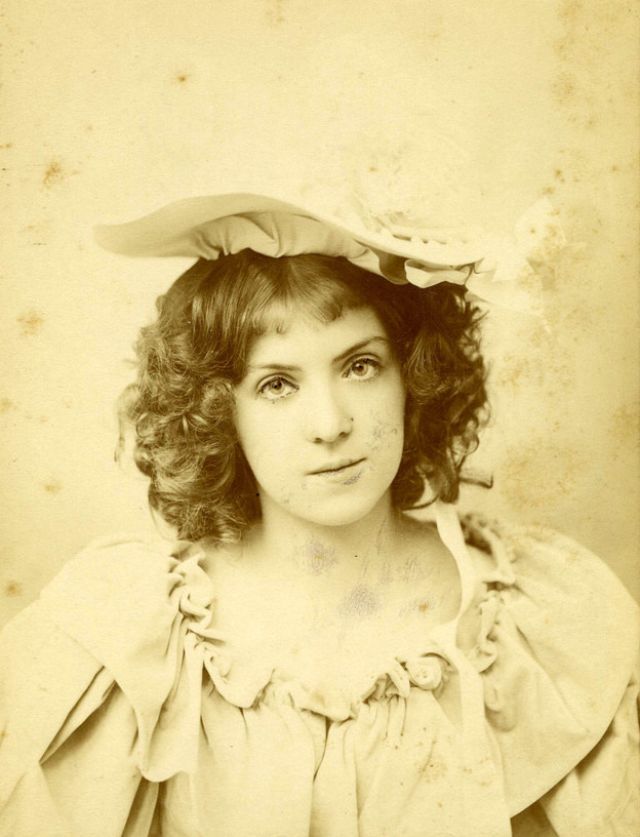
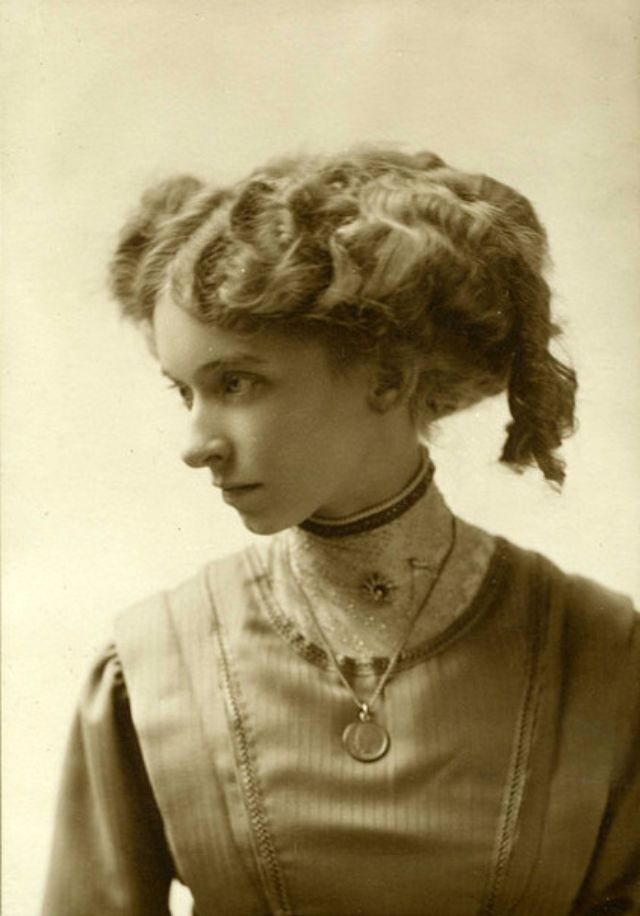
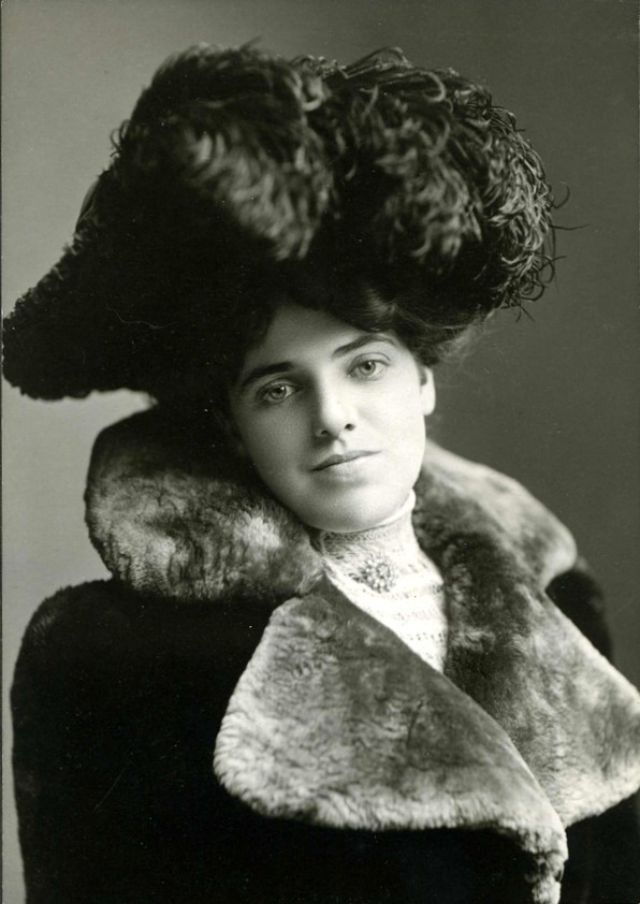
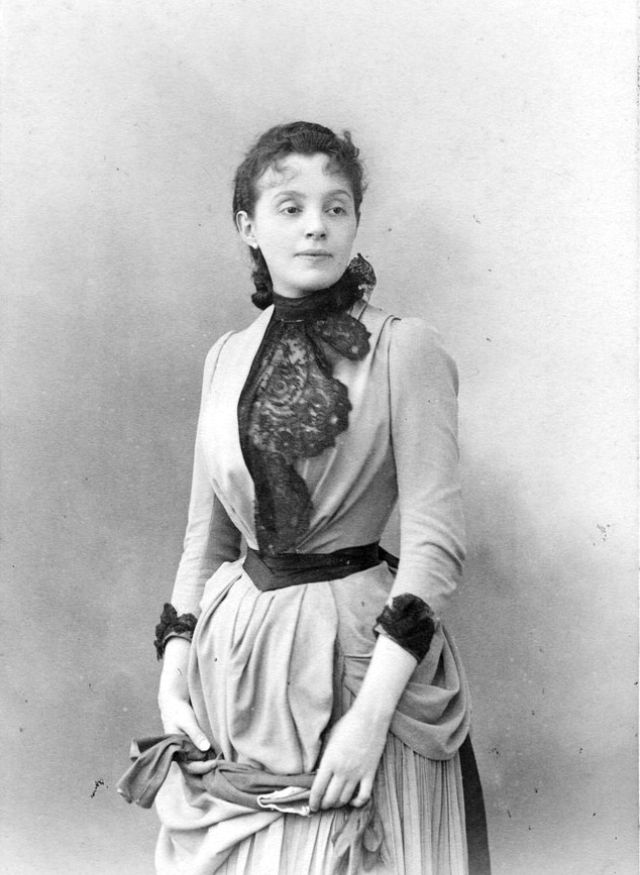
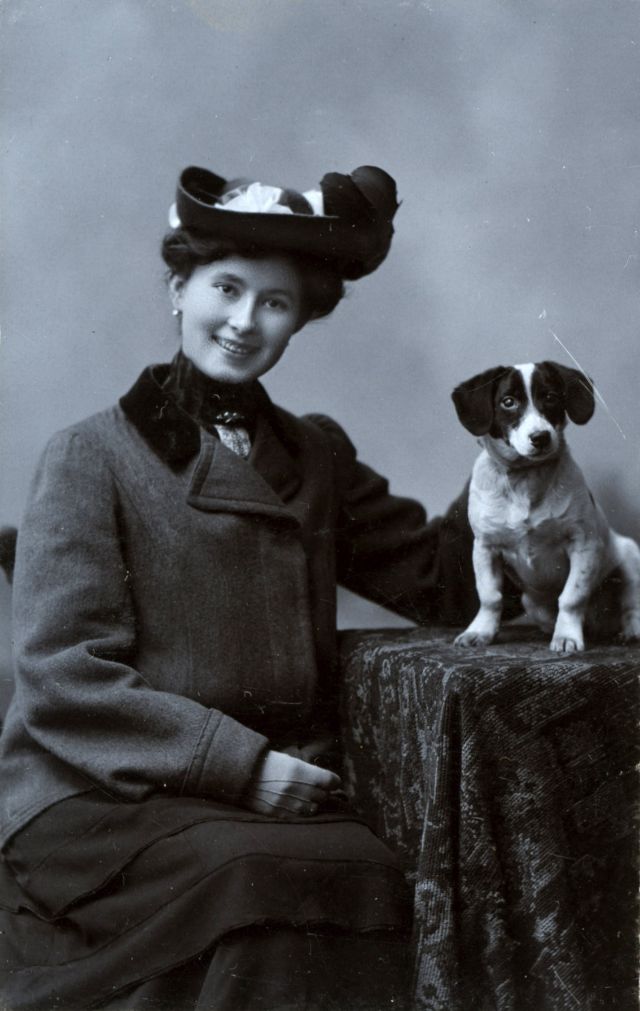
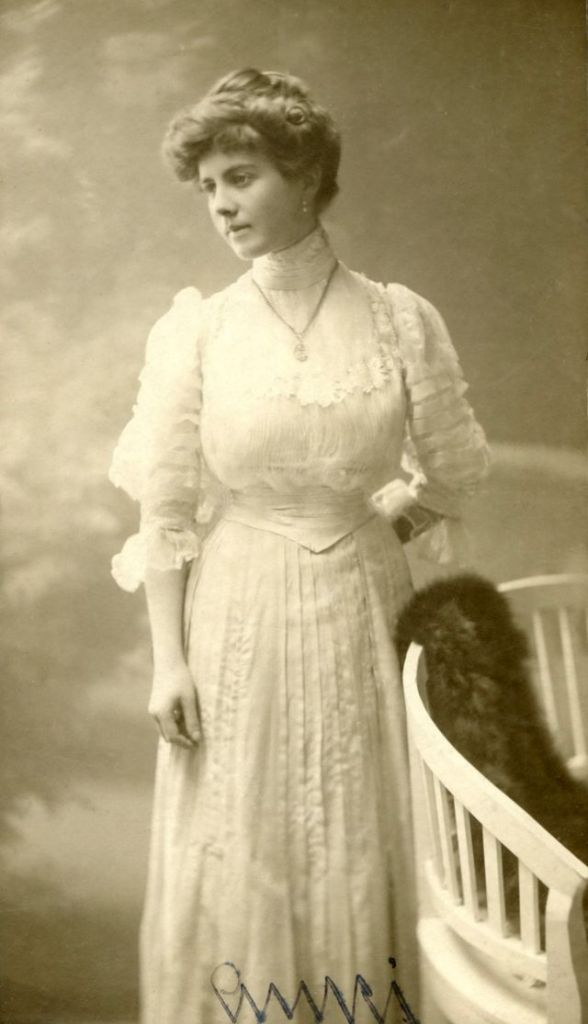
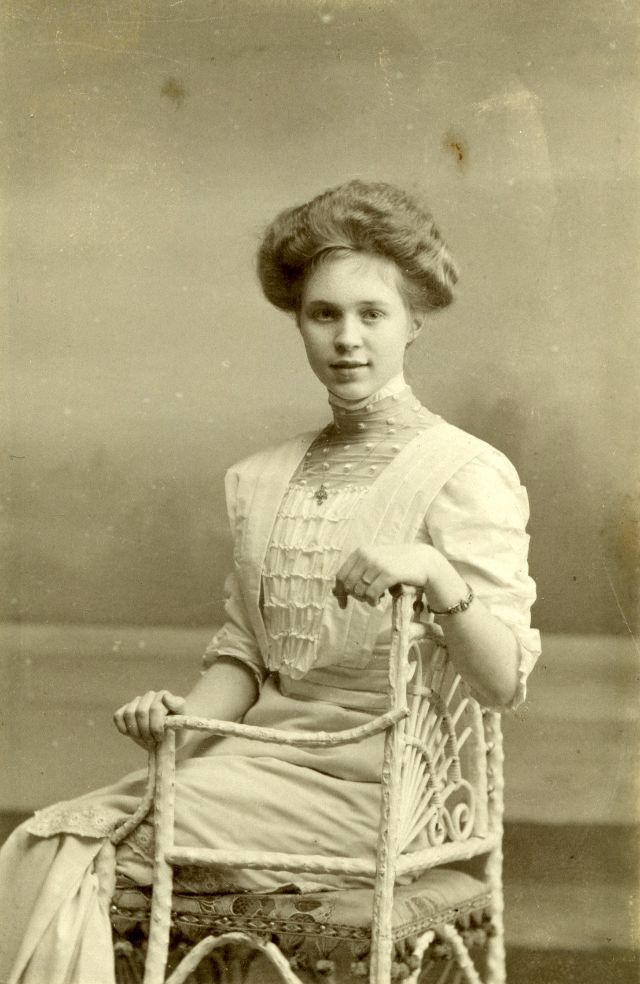
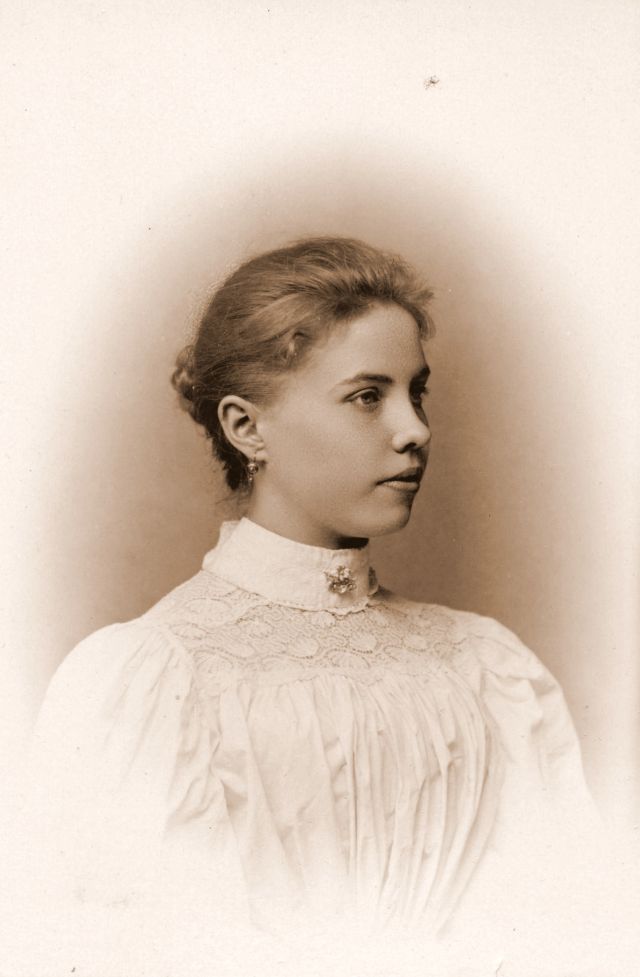
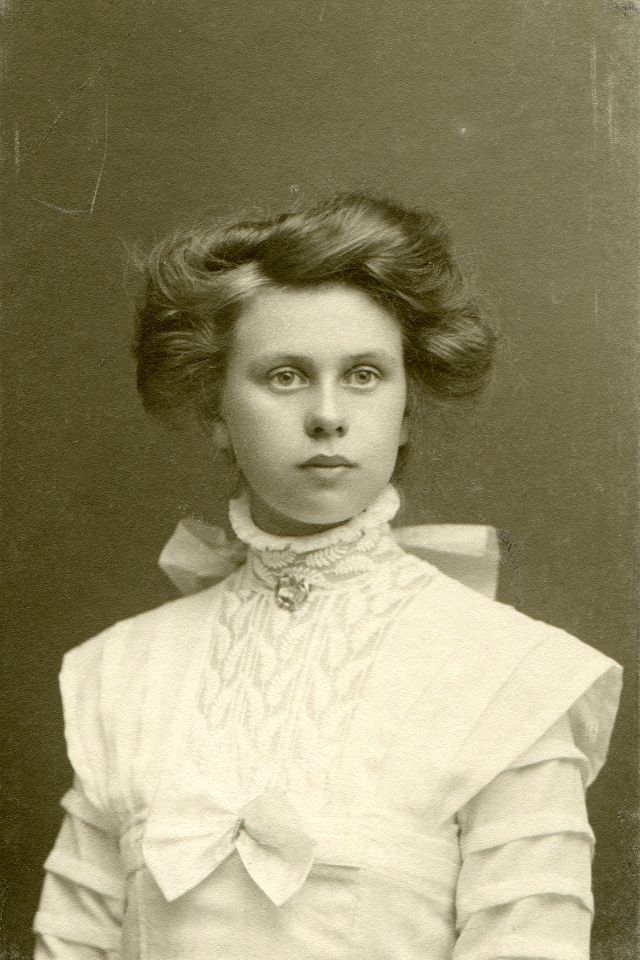
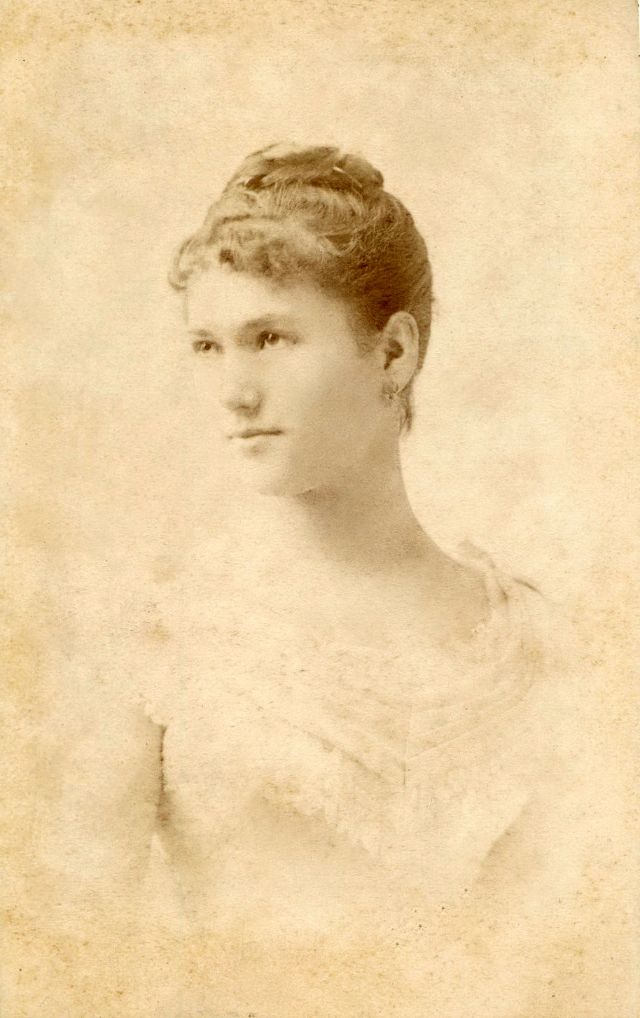
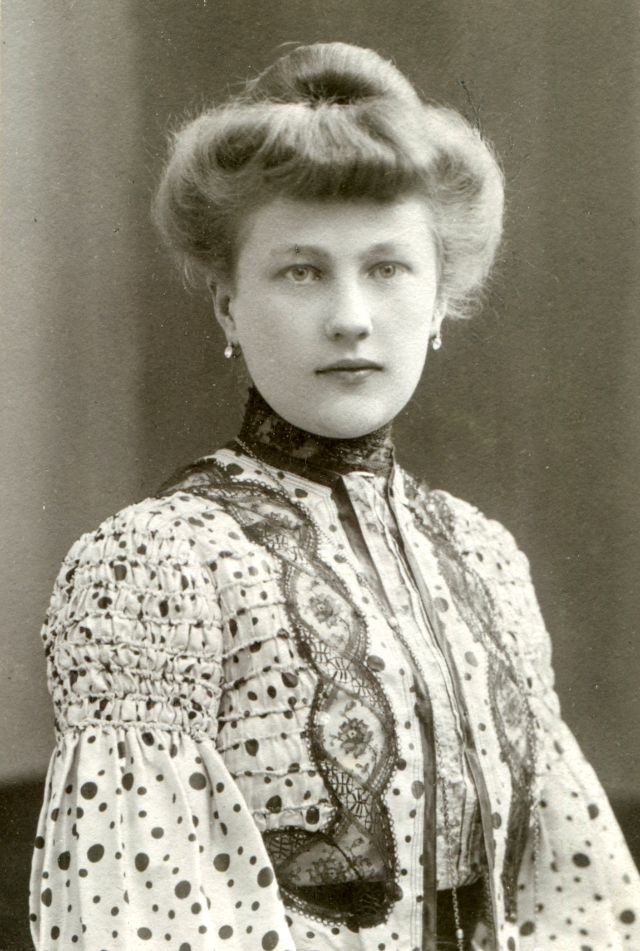
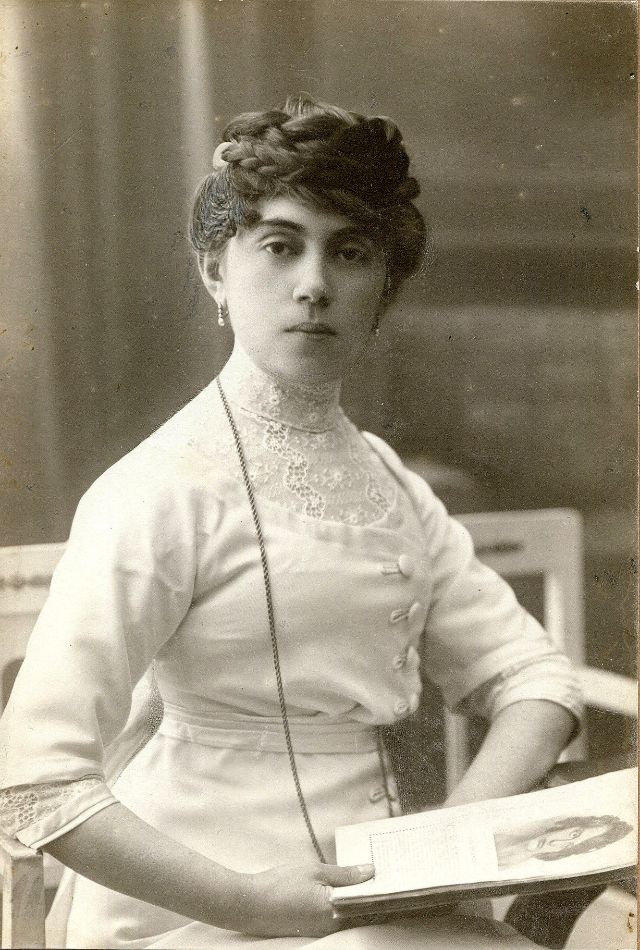
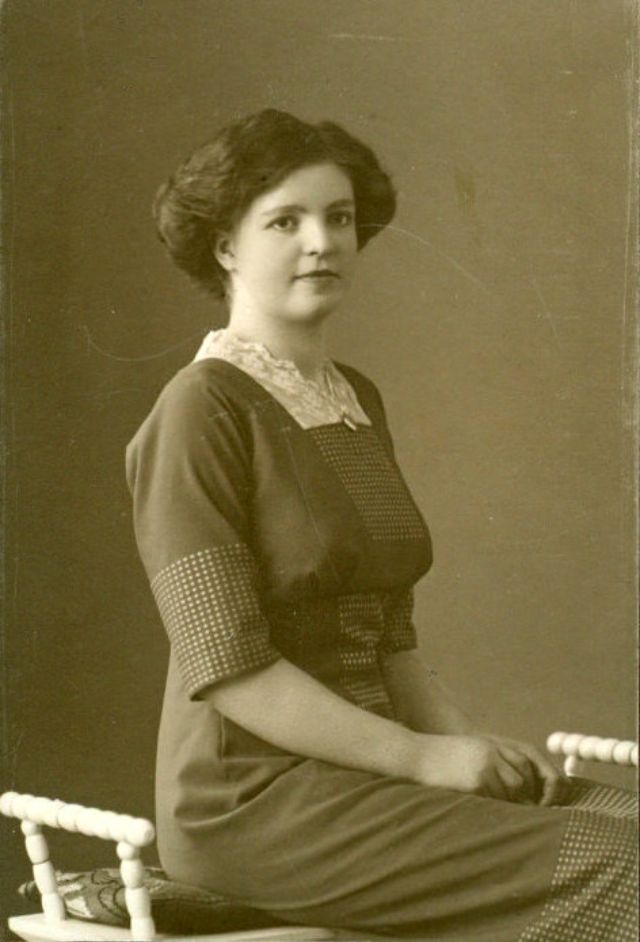
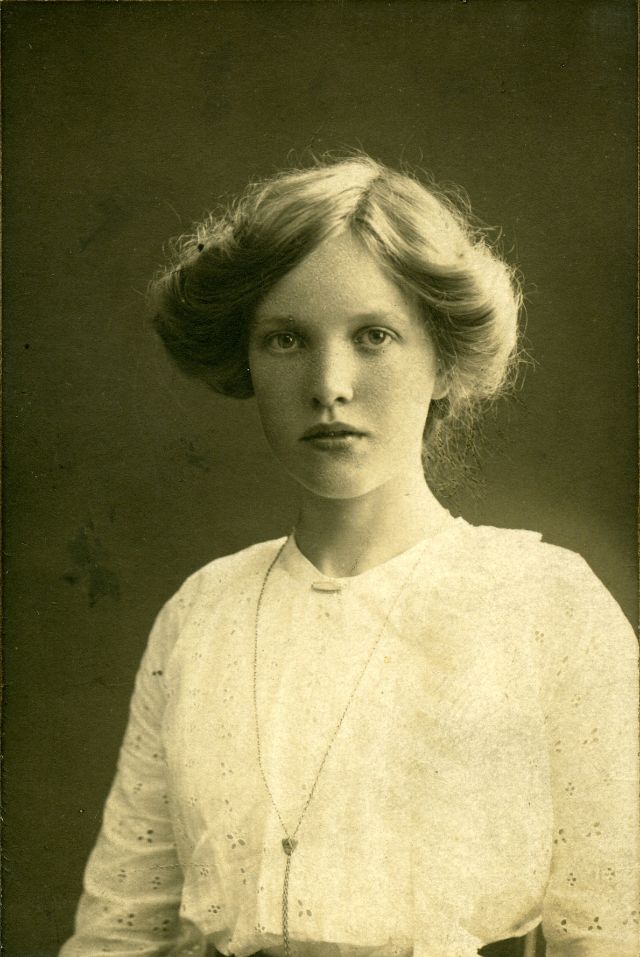
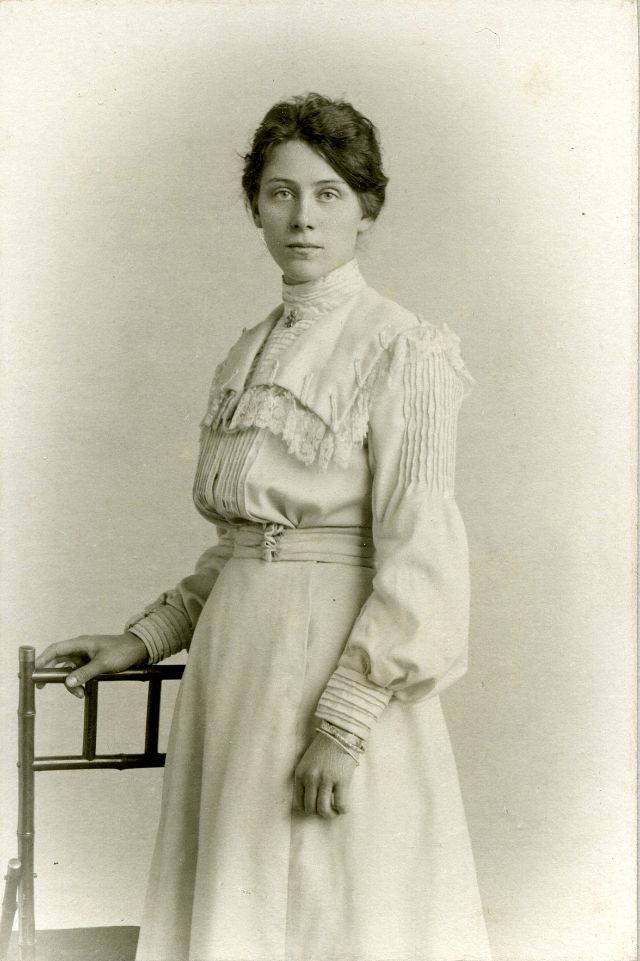
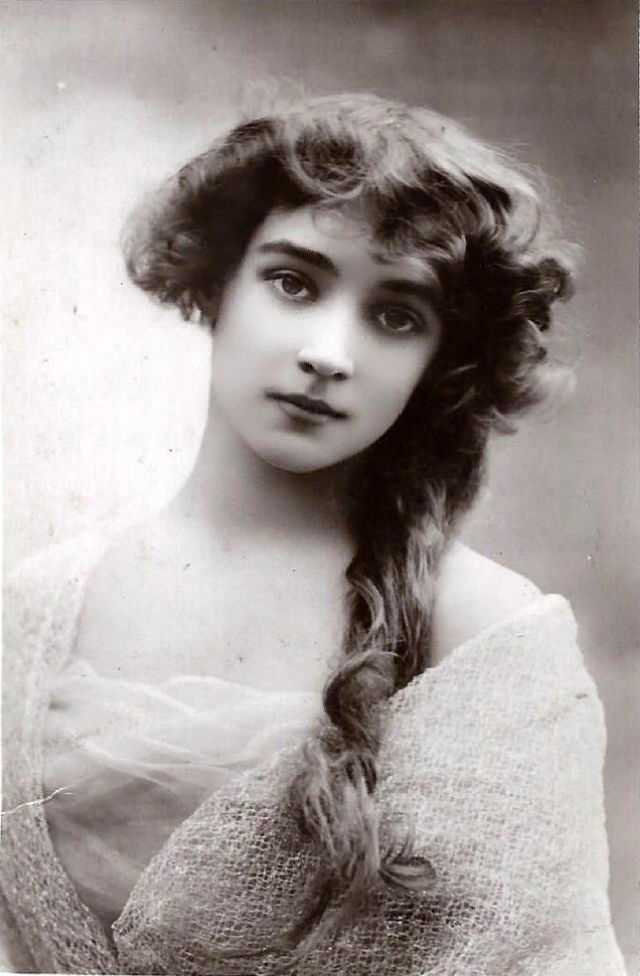
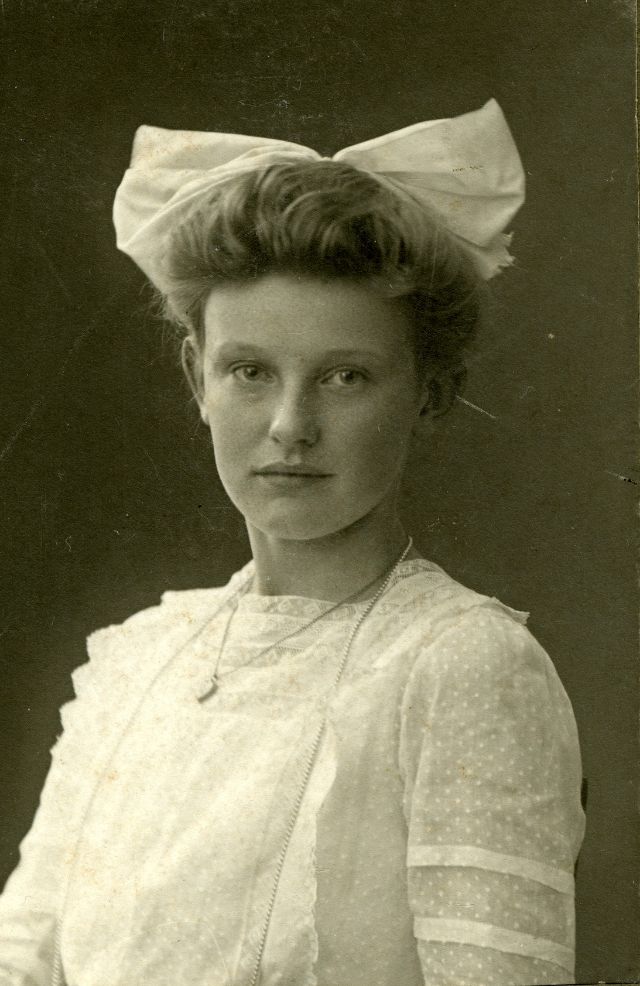
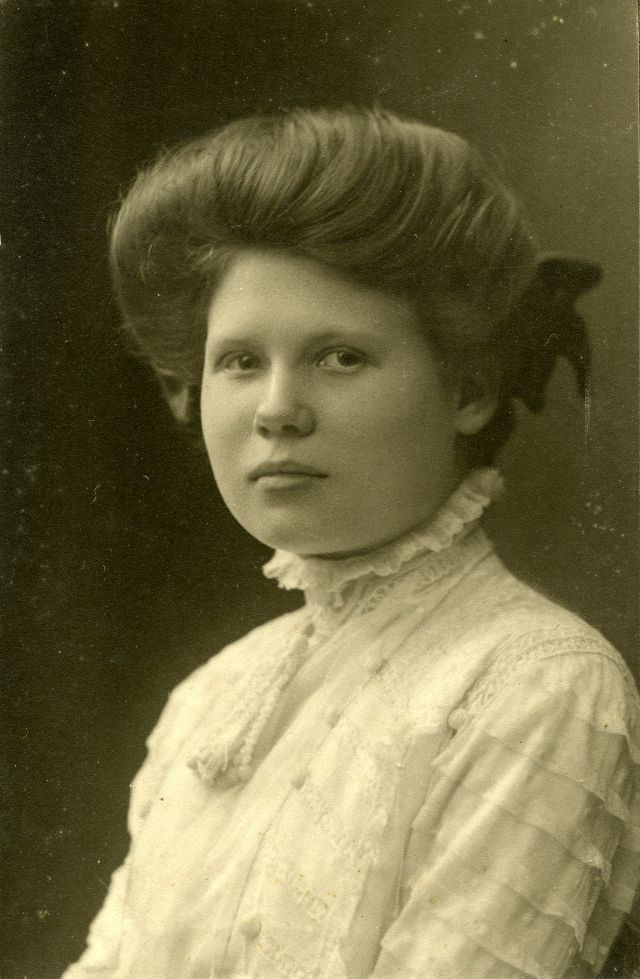
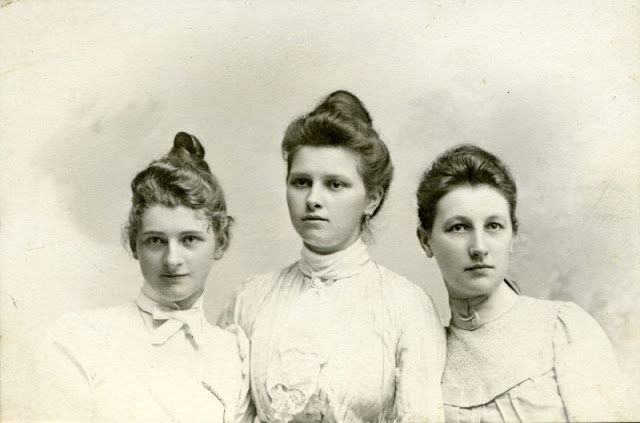
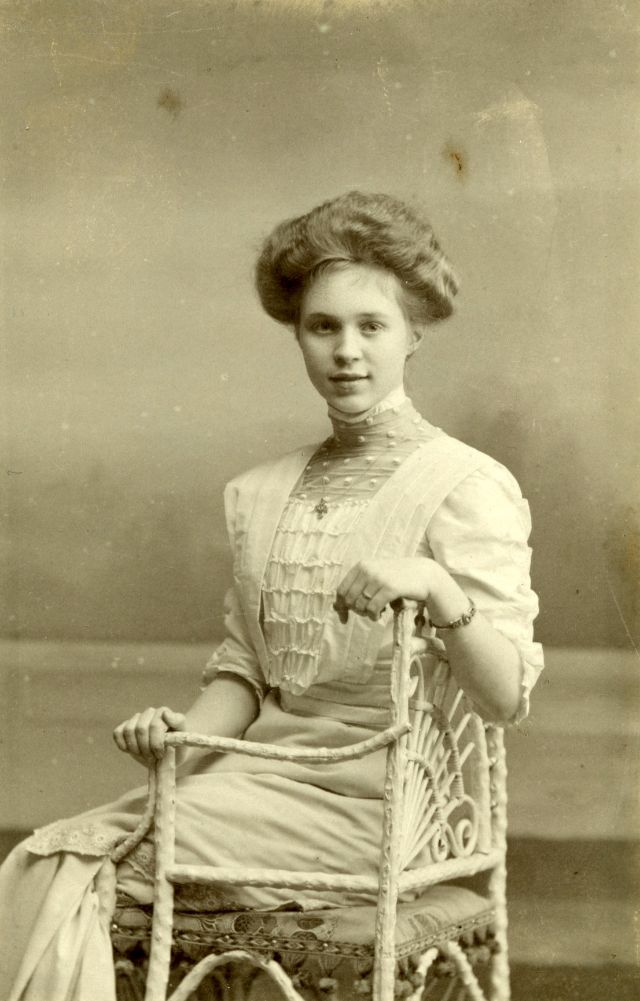
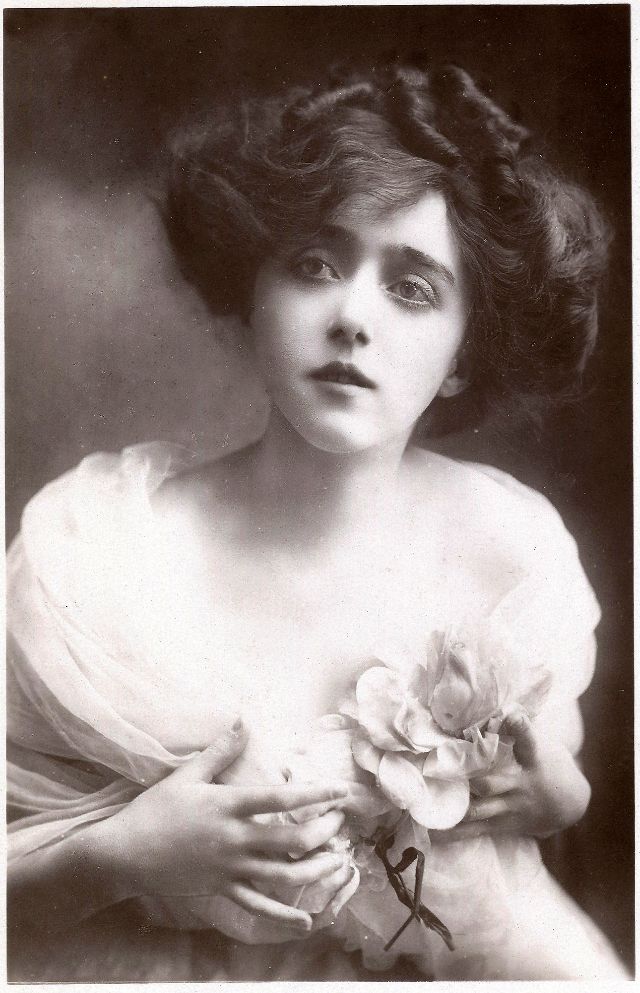
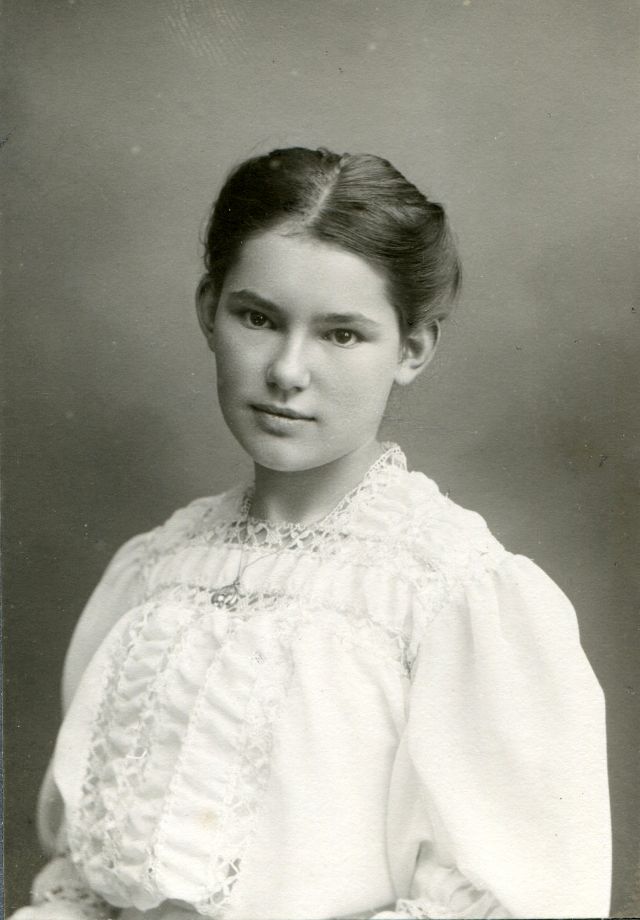
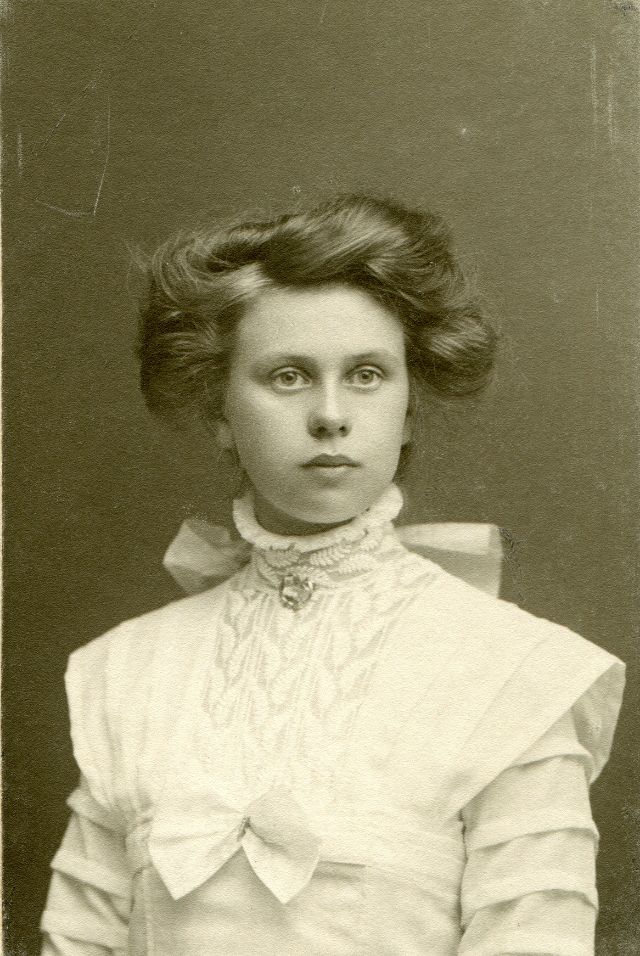
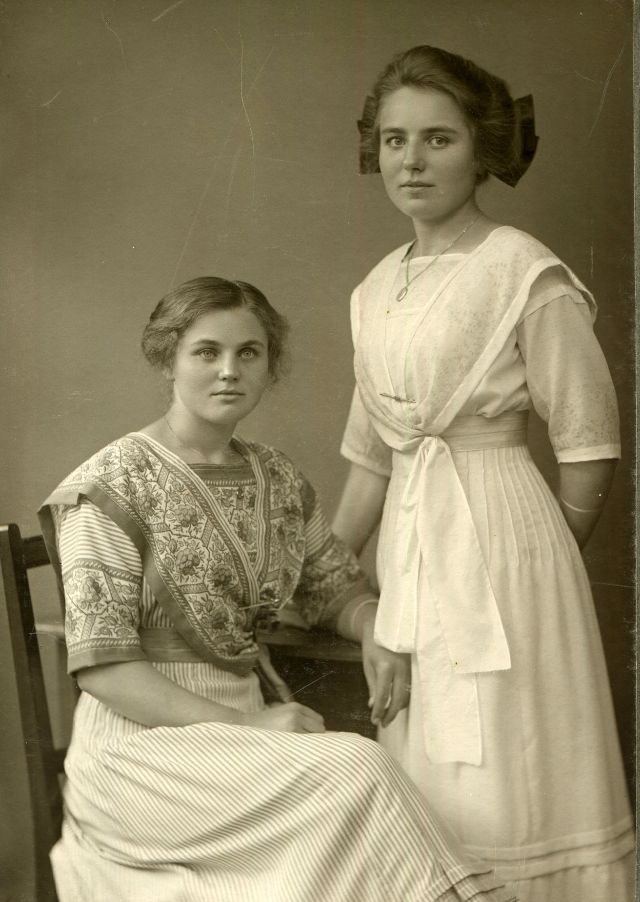
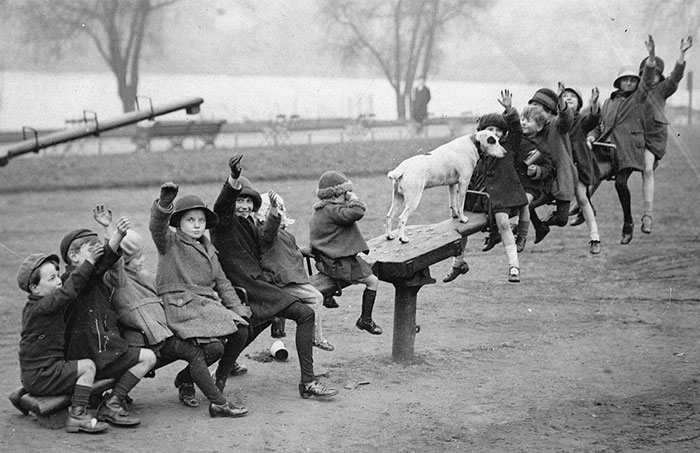
Did you know that the tradition of giving Christmas cards started with the Victorians? In fact, a lot of our modern day Christmas traditions started in the Victorian era. But in those days most of the Christmas cards were still homemade, just like most of the gifts were.
The tradition of giving gifts goes back a long time, and in Norway we hear about the Vikings offering gifts to allying chiefs in order to establish and maintain good relations between the different clans. Even today, gifts, but perhaps even more so, cards, are used for the exact same purpose!
France, officially the French Republic, is a transcontinental country spanning Western Europe and overseas regions and territories in the Americas and the Atlantic, Pacific and Indian Oceans. Including all of its territories, France has twelve time zones, the most of any country. Its metropolitan area extends from the Rhine to the Atlantic Ocean and from the Mediterranean Sea to the English Channel and the North Sea; overseas territories include French Guiana in South America, Saint Pierre and Miquelon in the North Atlantic, the French West Indies, and several islands in Oceania and the Indian Ocean. Due to its several coastal territories, France has the largest exclusive economic zone in the world. France borders Belgium, Luxembourg, Germany, Switzerland, Monaco, Italy, Andorra and Spain in Europe, as well as the Netherlands, Suriname and Brazil in the Americas. Its eighteen integral regions (five of which are overseas) span a combined area of 643,801 km2 (248,573 sq mi) and over 67 million people (as of May 2021). France is a unitary semi-presidential republic with its capital in Paris, the country’s largest city and main cultural and commercial centre; other major urban areas include Lyon, Marseille, Toulouse, Bordeaux, Lille and Nice.
Inhabited since the Palaeolithic era, the territory of Metropolitan France was settled by Celtic tribes known as Gauls during the Iron Age. Rome annexed the area in 51 BC, leading to a distinct Gallo-Roman culture that laid the foundation of the French language. The Germanic Franks arrived in 476 and formed the Kingdom of Francia, which became the heartland of the Carolingian Empire. The Treaty of Verdun of 843 partitioned the empire, with West Francia becoming the Kingdom of France in 987.
In the High Middle Ages, France was a powerful but highly decentralised feudal kingdom in which the king’s authority was barely felt. King Philip Augustus achieved remarkable success in the strengthening of royal power and the expansion of his realm, defeating his rivals and doubling its size. By the end of his reign, the kingdom had emerged as the most powerful state in Europe. From the mid-14th to the mid-15th century, France was plunged into a series of dynastic conflicts for the French throne, collectively known as the Hundred Years’ War, and a distinct French identity emerged as a result. The French Renaissance saw art and culture flourish, various wars with rival powers, and the establishment of a global colonial empire, which by the 20th century would become the second-largest in the world. The second half of the 16th century was dominated by religious civil wars between Catholics and Huguenots that severely weakened the country. But France once again emerged as Europe’s dominant cultural, political and military power in the 17th century under Louis XIV following the Thirty Years’ War. Inadequate economic policies, an inequitable taxation system as well as endless wars (notably a defeat in the Seven Years’ War and costly involvement in the American War of Independence), left the kingdom in a precarious economic situation by the end of the 18th century. This precipitated the French Revolution of 1789, which overthrew the absolute monarchy, replaced the Ancien Régime with one of history’s first modern republics and produced the Declaration of the Rights of Man and of the Citizen, which expresses the nation’s ideals to this day.
France reached its political and military zenith in the early 19th century under Napoleon Bonaparte, subjugating much of continental Europe and establishing the First French Empire. The French Revolutionary and Napoleonic Wars shaped the course of European and world history. The collapse of the empire initiated a period of relative decline, in which France endured a tumultuous succession of governments until the founding of the French Third Republic during the Franco-Prussian War in 1870. Subsequent decades saw a period of optimism, cultural and scientific flourishing, as well as economic prosperity known as the Belle Époque. France was one of the major participants of World War I, from which it emerged victorious at great human and economic cost. It was among the Allied powers of the World War II, but was soon occupied by the Axis in 1940. Following liberation in 1944, the short-lived Fourth Republic was established and later dissolved in the course of the Algerian War. The current Fifth Republic was formed in 1958 by Charles de Gaulle. Algeria and most French colonies became independent in the 1960s, with the majority retaining close economic and military ties with France.
France retains its centuries-long status as a global centre of art, science and philosophy. It hosts the fifth-largest number of UNESCO World Heritage Sites and is the world’s leading tourist destination, receiving over 89 million foreign visitors in 2018. France is a developed country with the world’s seventh-largest economy by nominal GDP and ninth-largest by PPP; in terms of aggregate household wealth, it ranks fourth in the world. France performs well in international rankings of education, health care, life expectancy and human development. It remains a great power in global affairs, being one of the five permanent members of the United Nations Security Council and an official nuclear-weapon state. France is a founding and leading member of the European Union and the Eurozone, as well as a key member of the Group of Seven, North Atlantic Treaty Organization (NATO), Organisation for Economic Co-operation and Development (OECD) and La Francophonie. (Wikipedia)
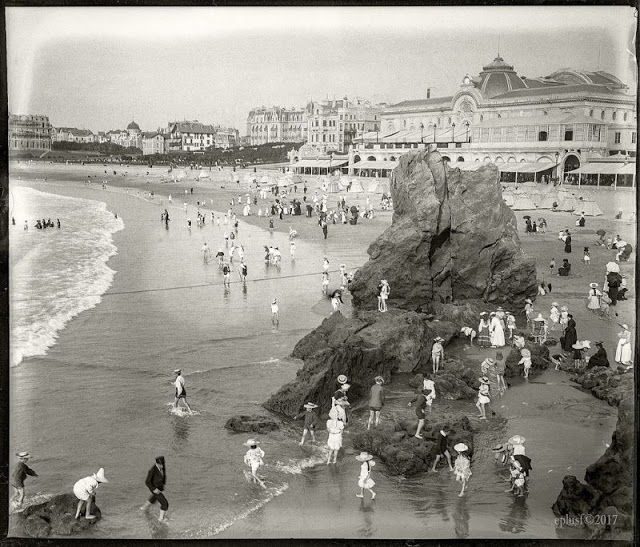
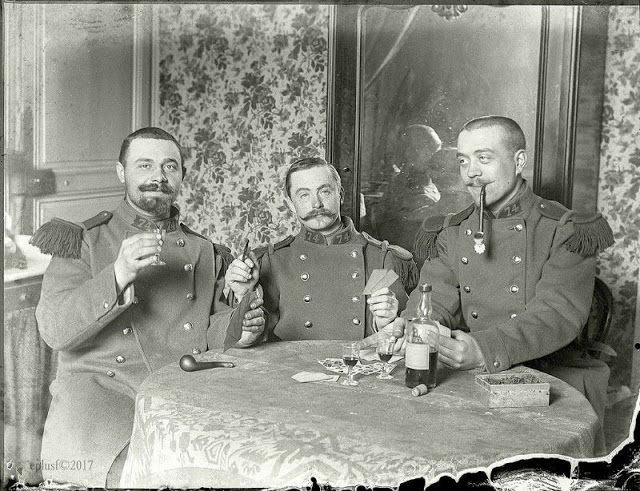
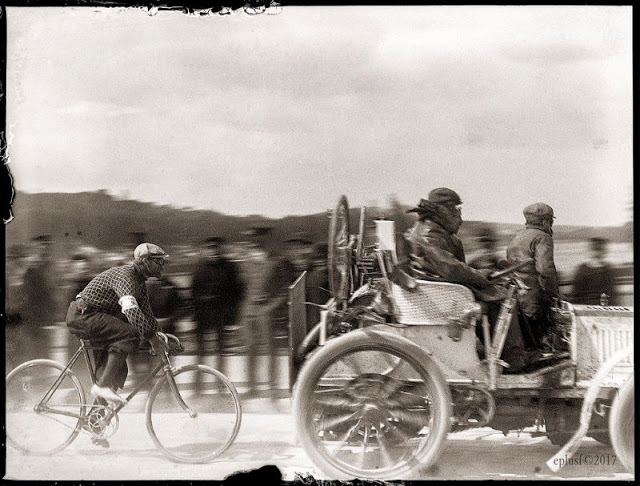
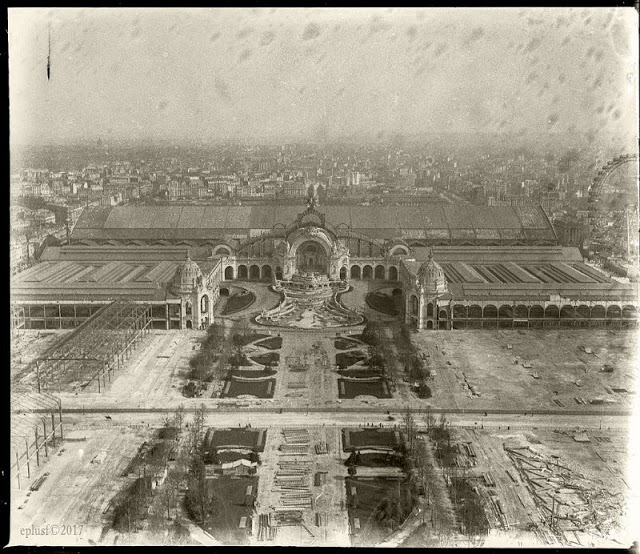
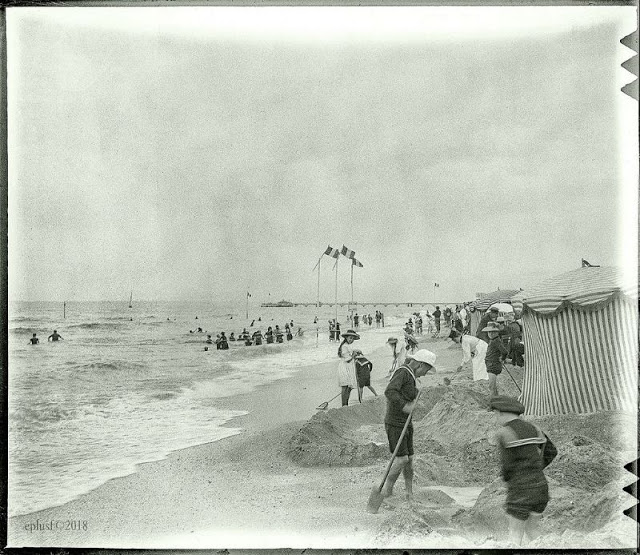
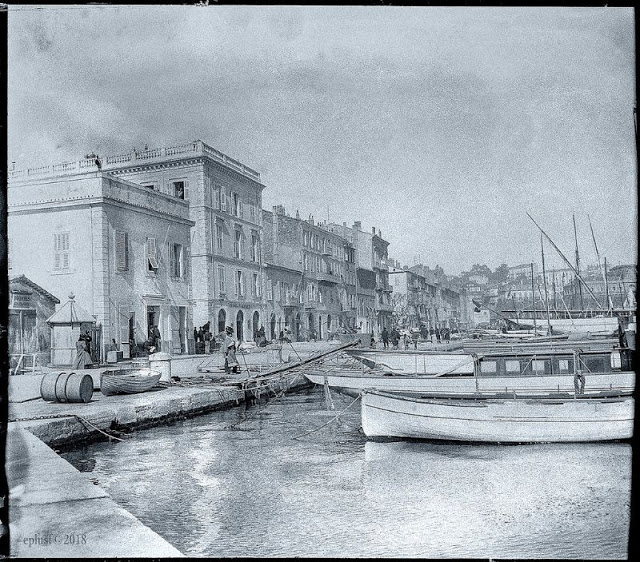
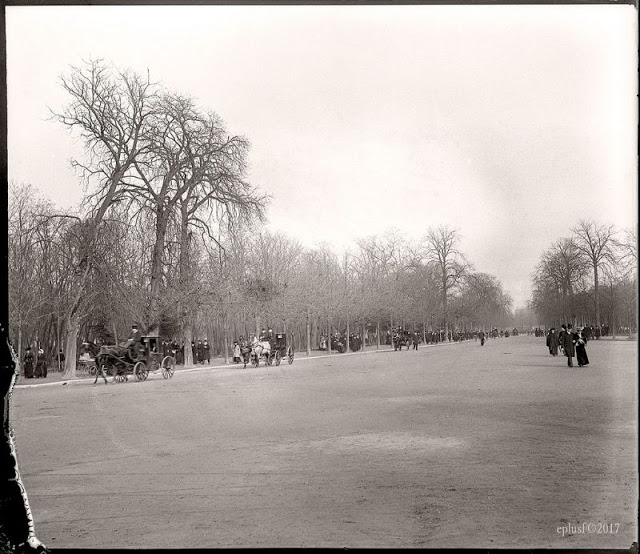
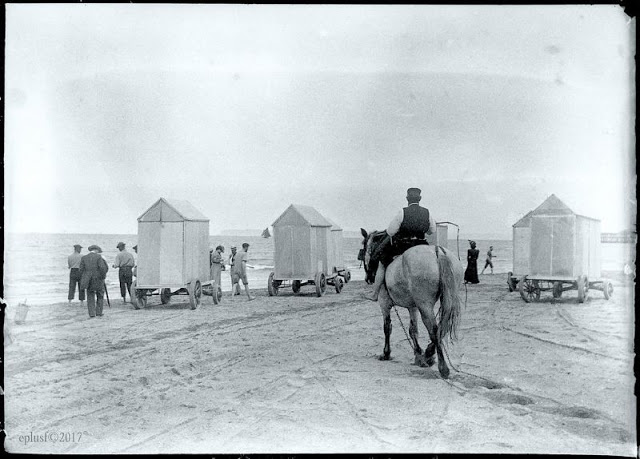
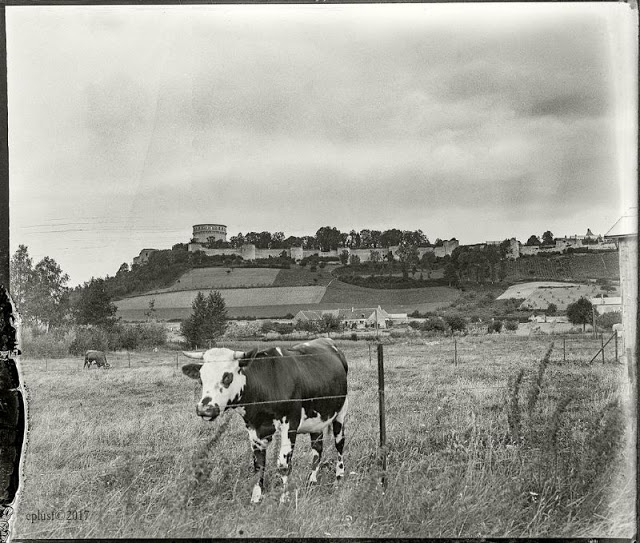
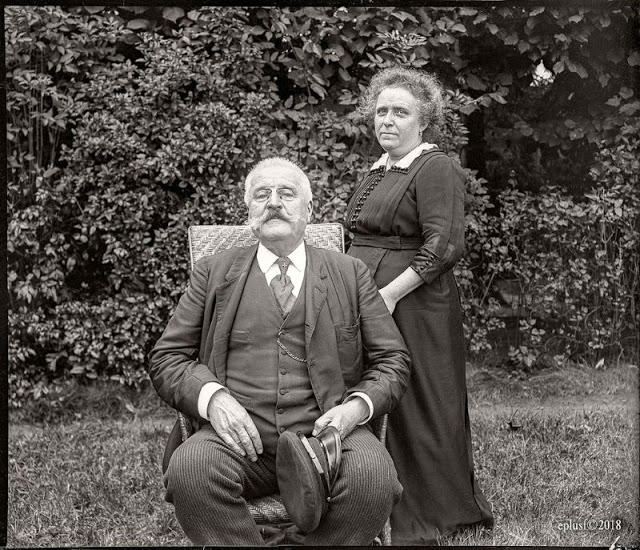
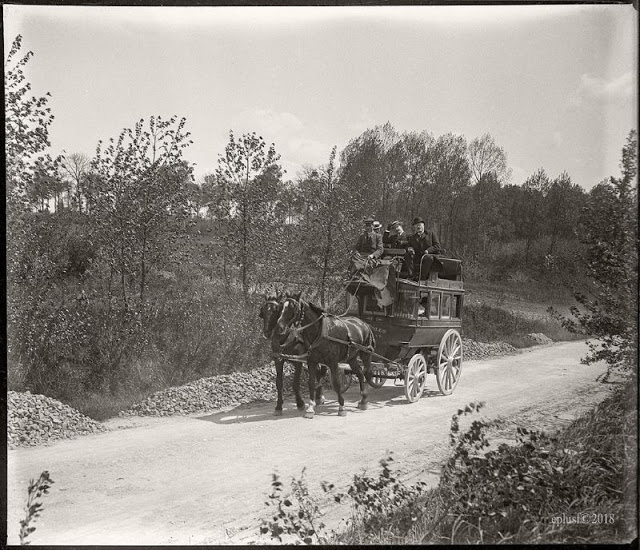
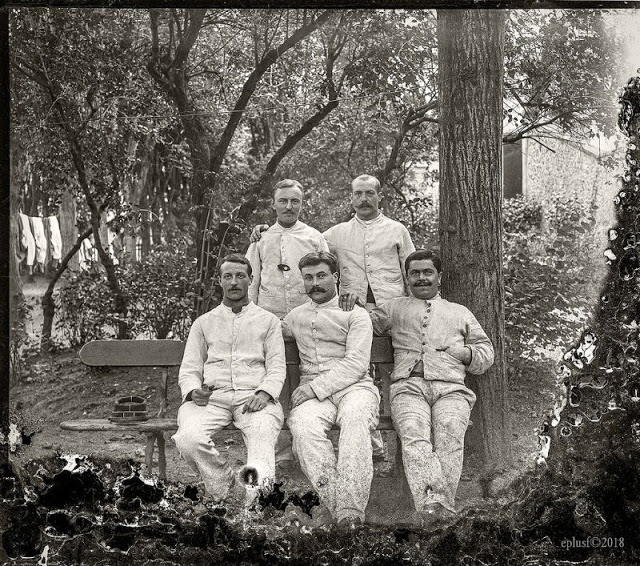
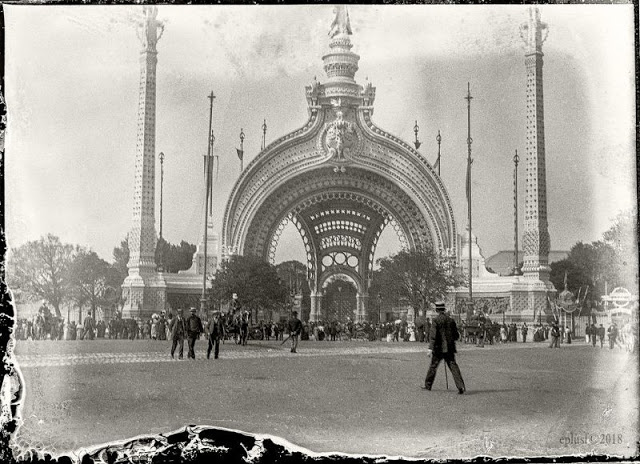
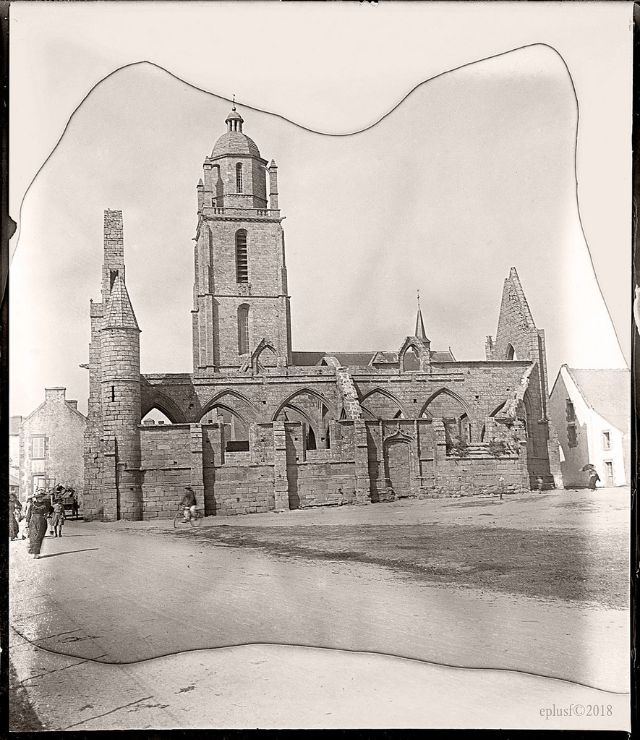
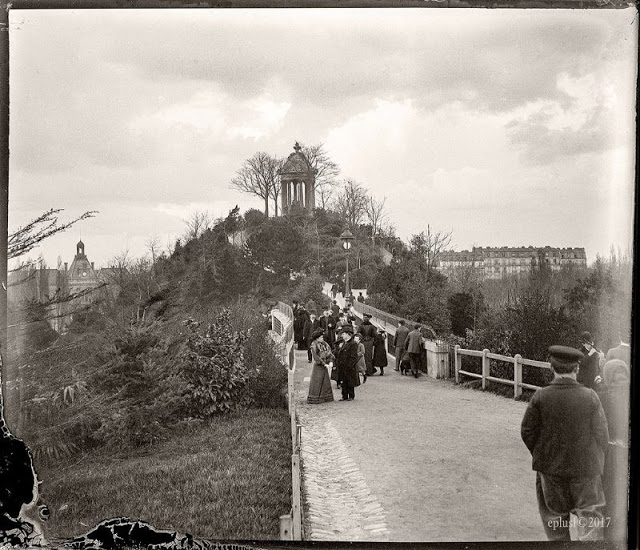
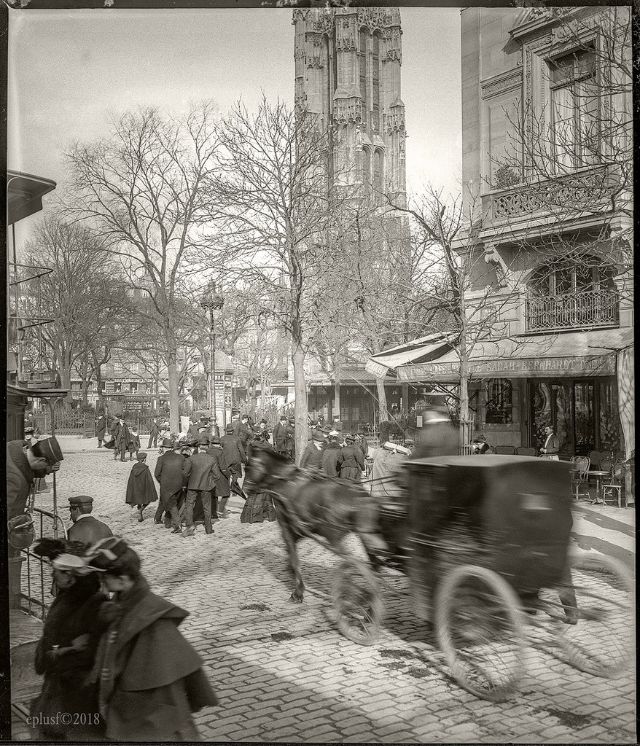
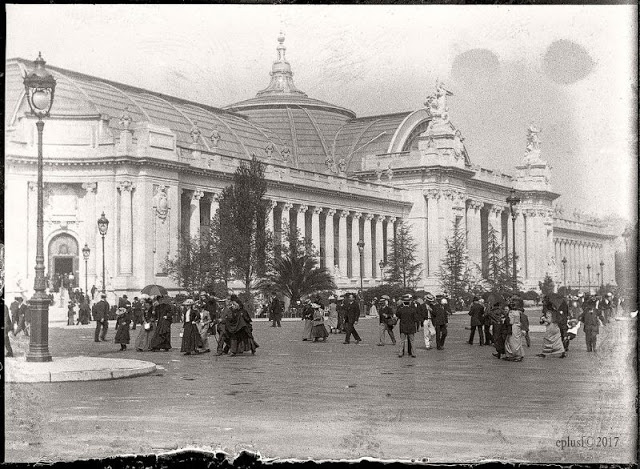
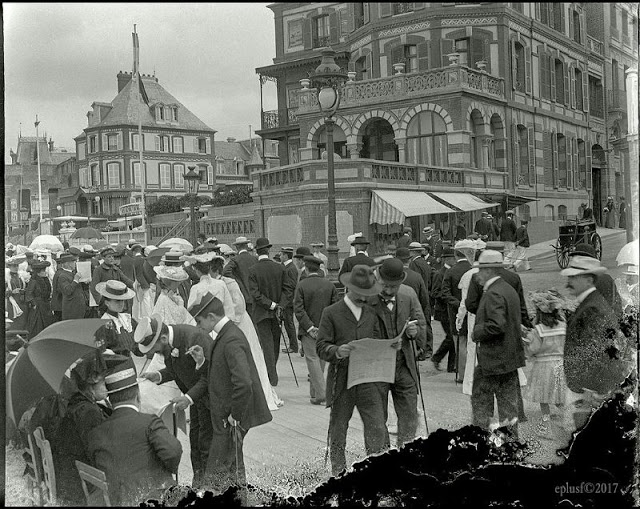
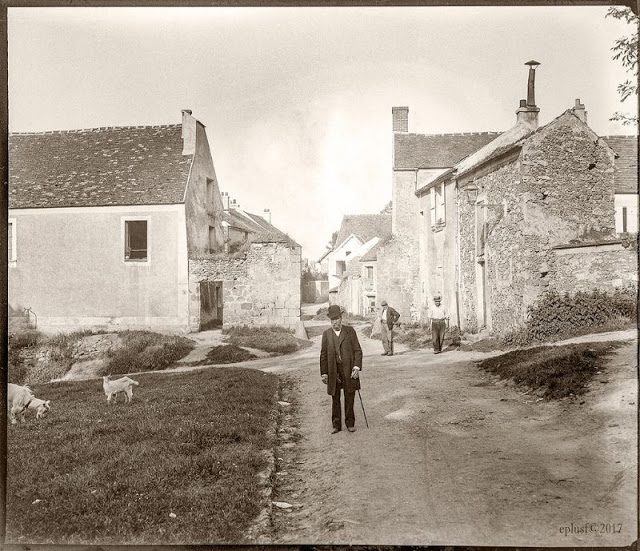
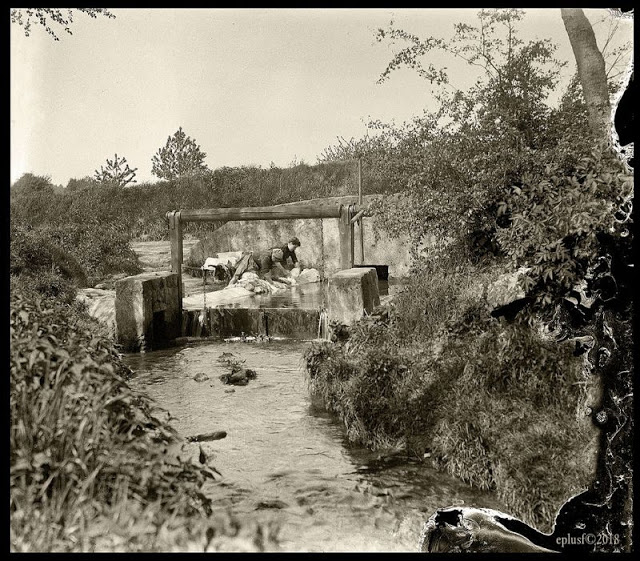
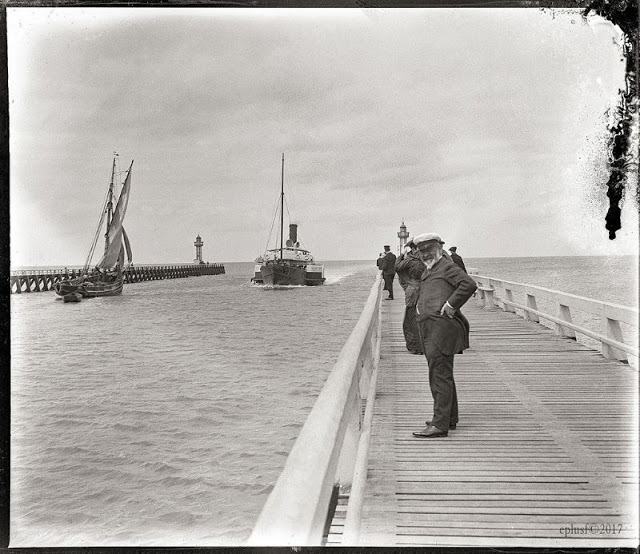
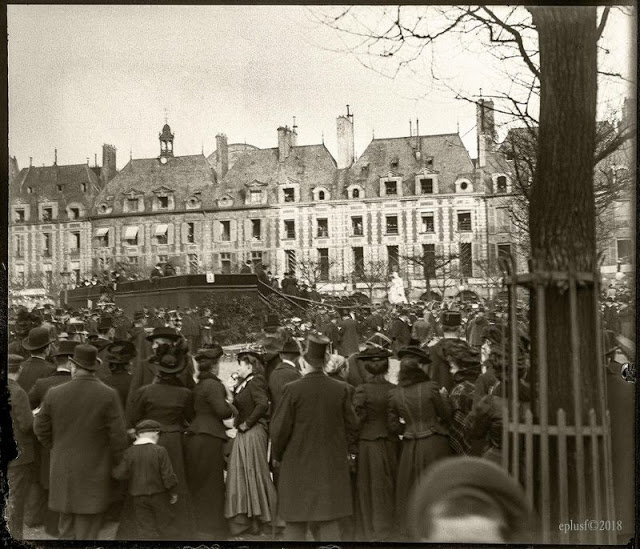
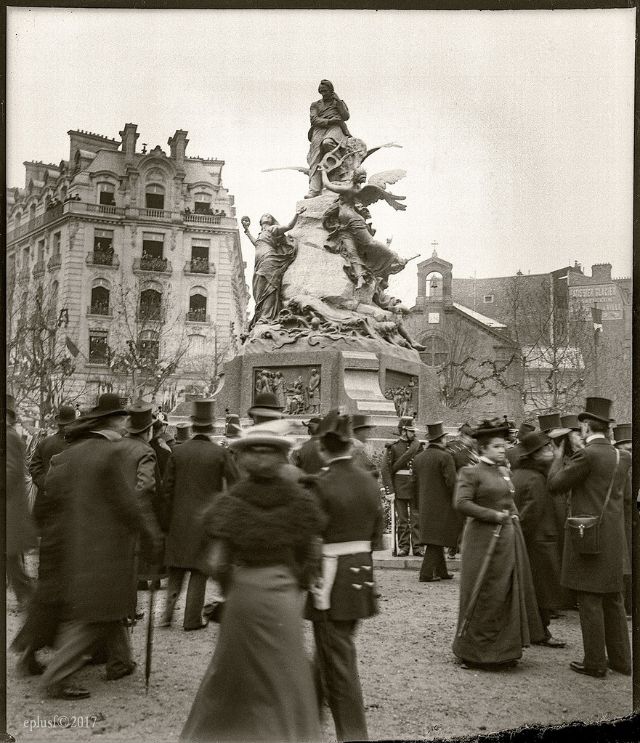
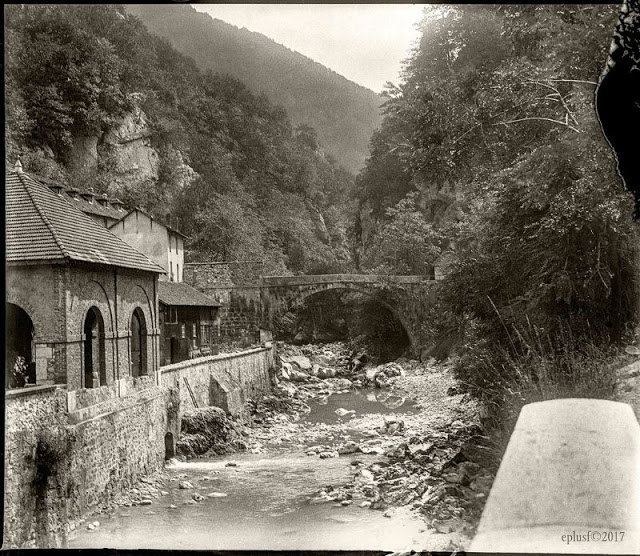
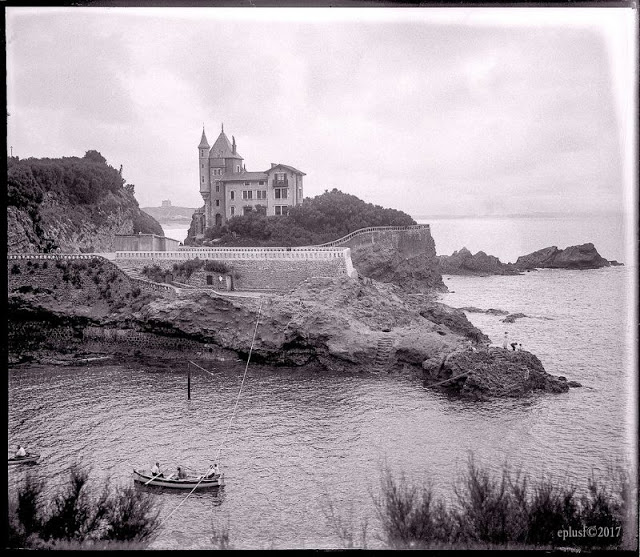
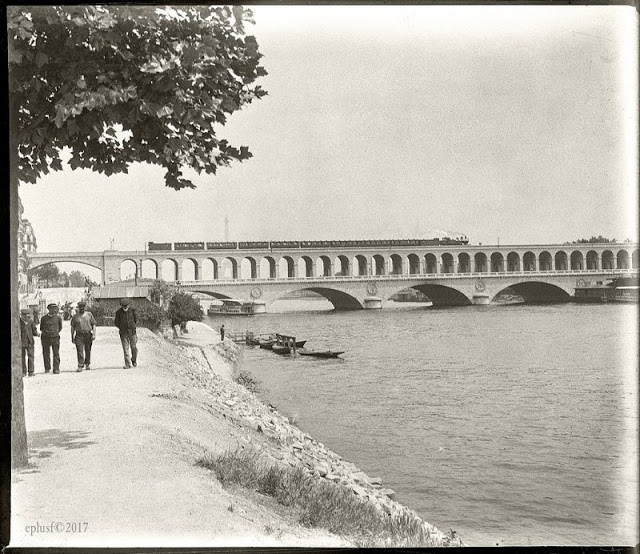
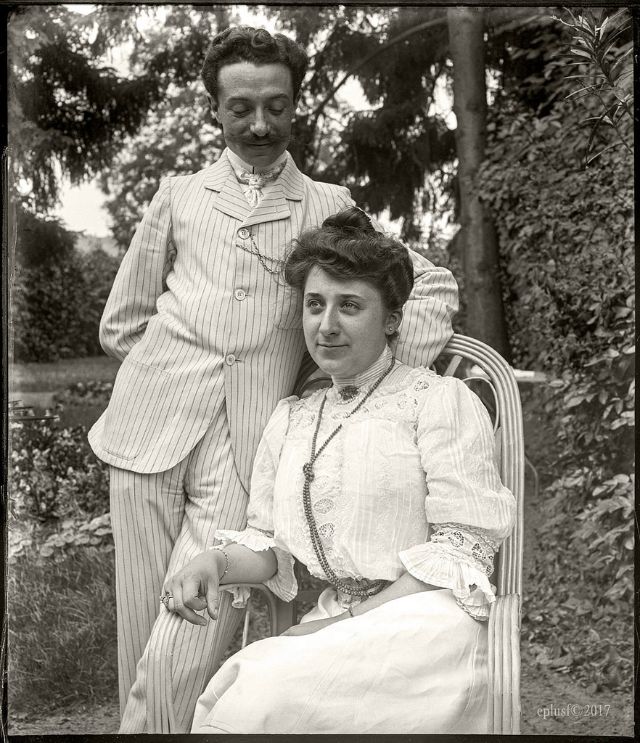
Military, 74th IR, 1898The cycling race Bordeaux-Paris, 1899The palace of electricity, Universal Exhibition of Paris, 1899The beach, Trouville, 1900The port, Cannes, 1900Avenue du Bois-de-Boulogne, Paris, 1900Beach cabins, Deauville, 1900Castle Coucy, Picardie, 1900Gustave and Jeanne, 1900Hotel Omnibus, 1900Military, 24th SIM, 1900Monumental door, 1900 Universal Exhibition in ParisNotre-Dame-du-Murier, Batz-sur-Mer, 1900Parc des Buttes Chaumont, Paris, 1900St Jacques Tower, Paris, 1900The Grand Palace, Paris, the Universal Exposition of 1900Trouville, 1900Villemoisson, Ile-de-France, 1900Washerwoman, 1900Entrance to the port of Trouville, 1901Place des Vosges, Paris, 1902Statue Victor Hugo, Paris, 1902The Chartreuse desert, France, 1902Biarritz, the big beach, 1904Villa Belza, Biarritz, 1904The Auteuil Viaduct, Paris, 1905Madeleine and Émilien, 1906Yvonne, 1908
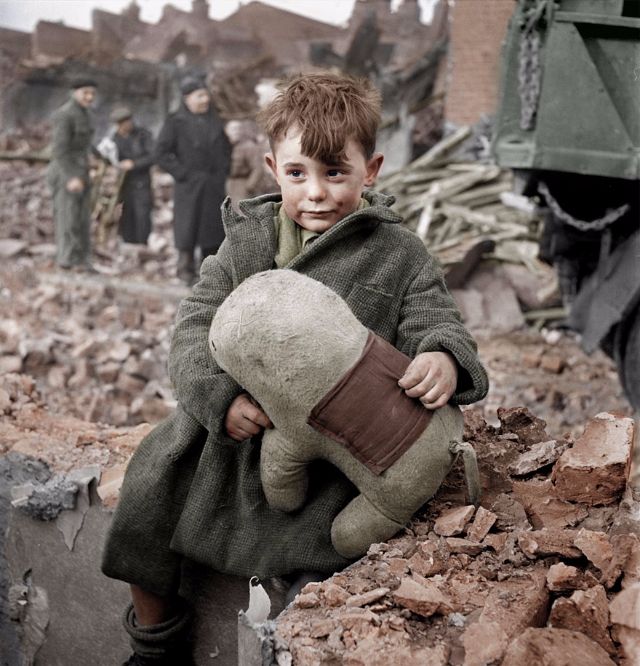
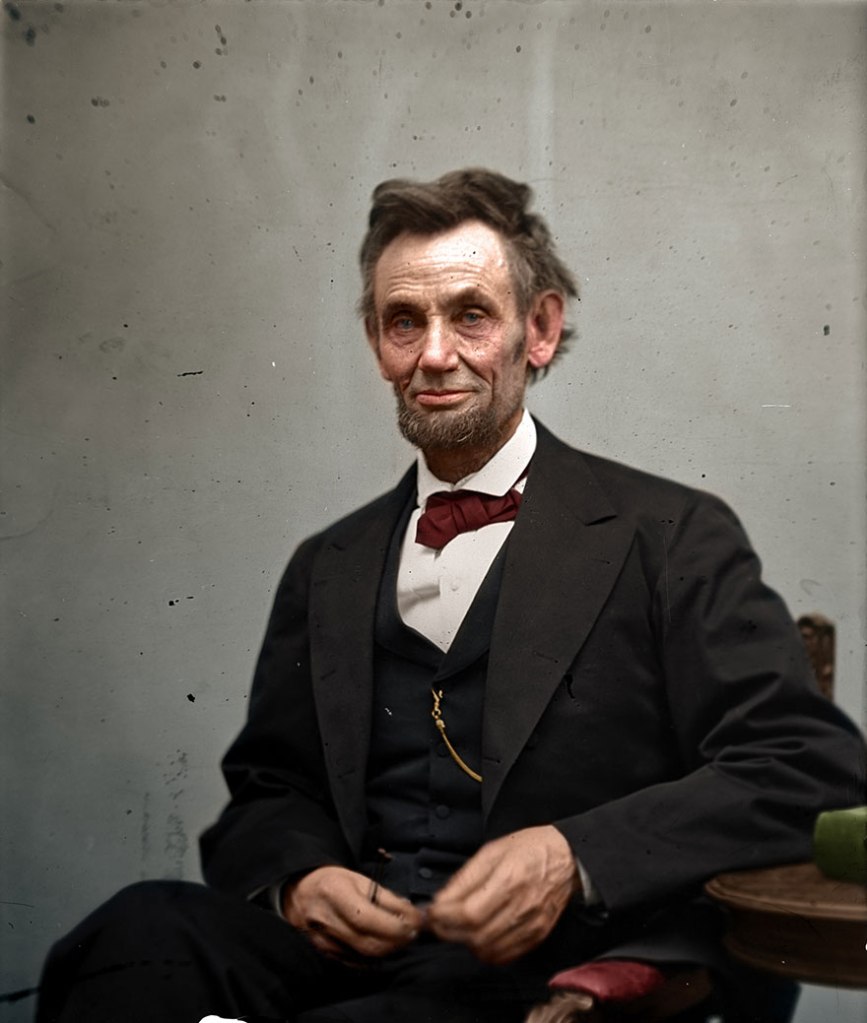
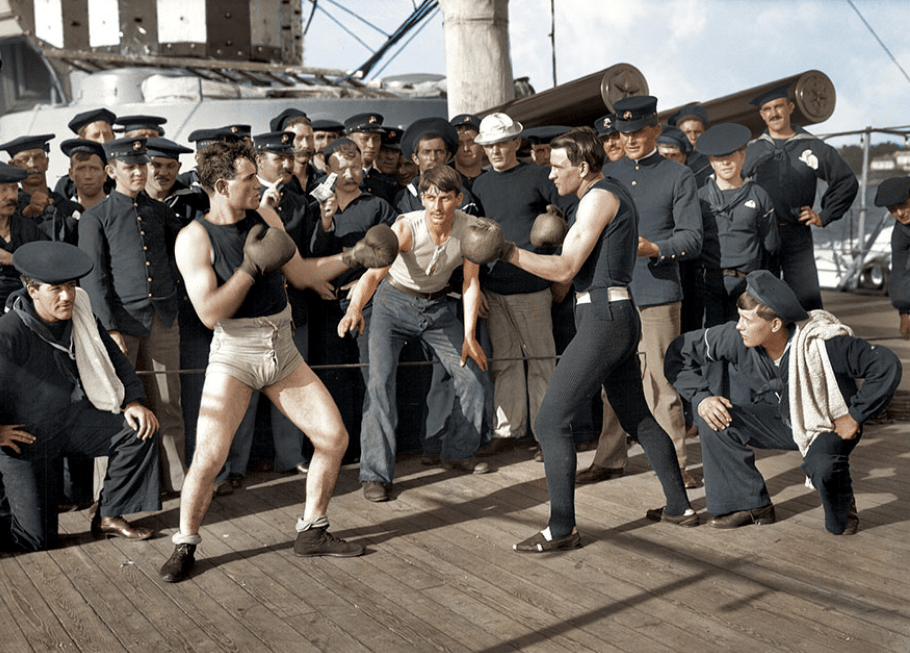
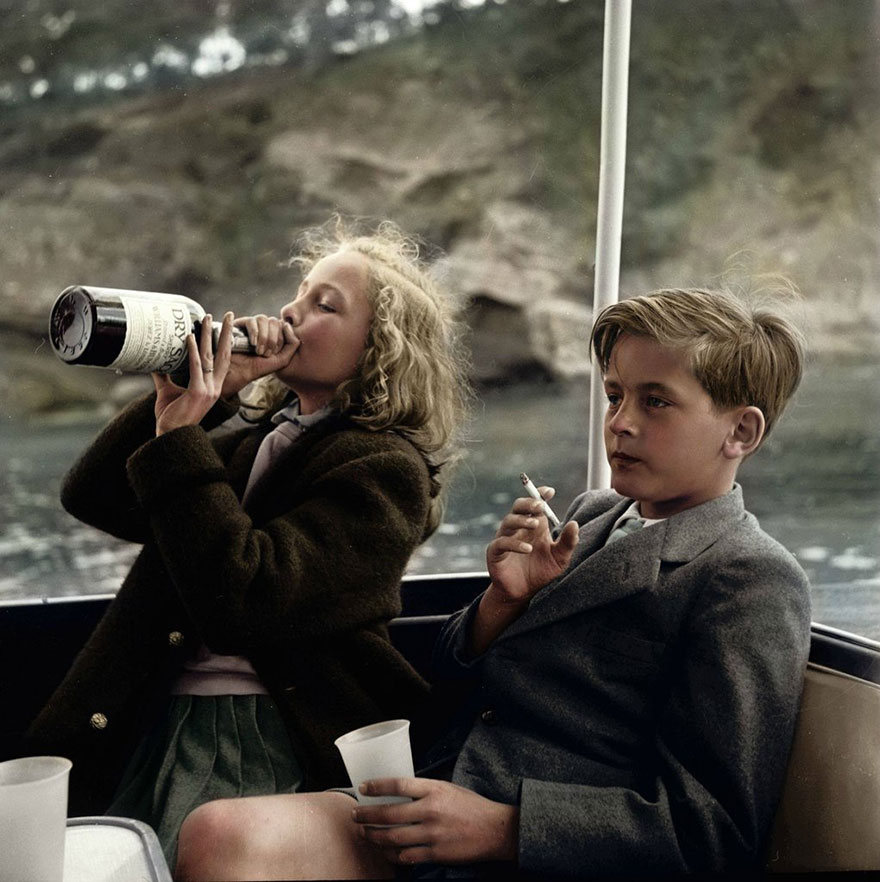
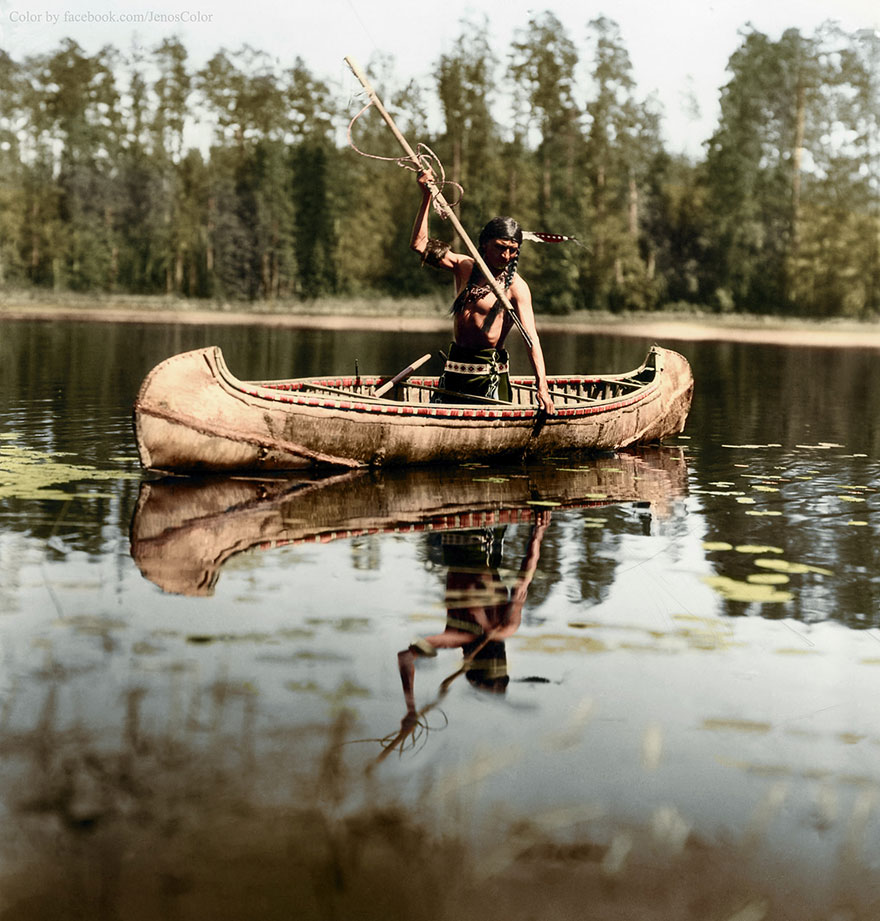
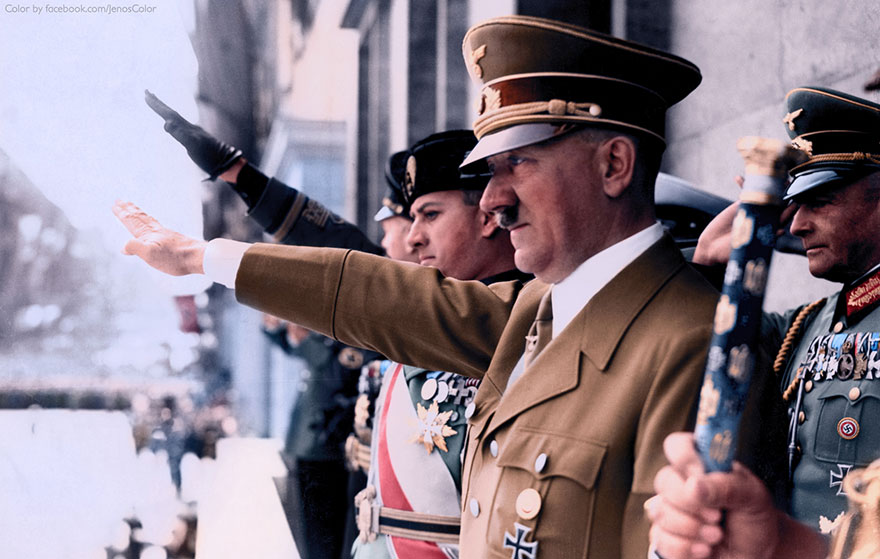
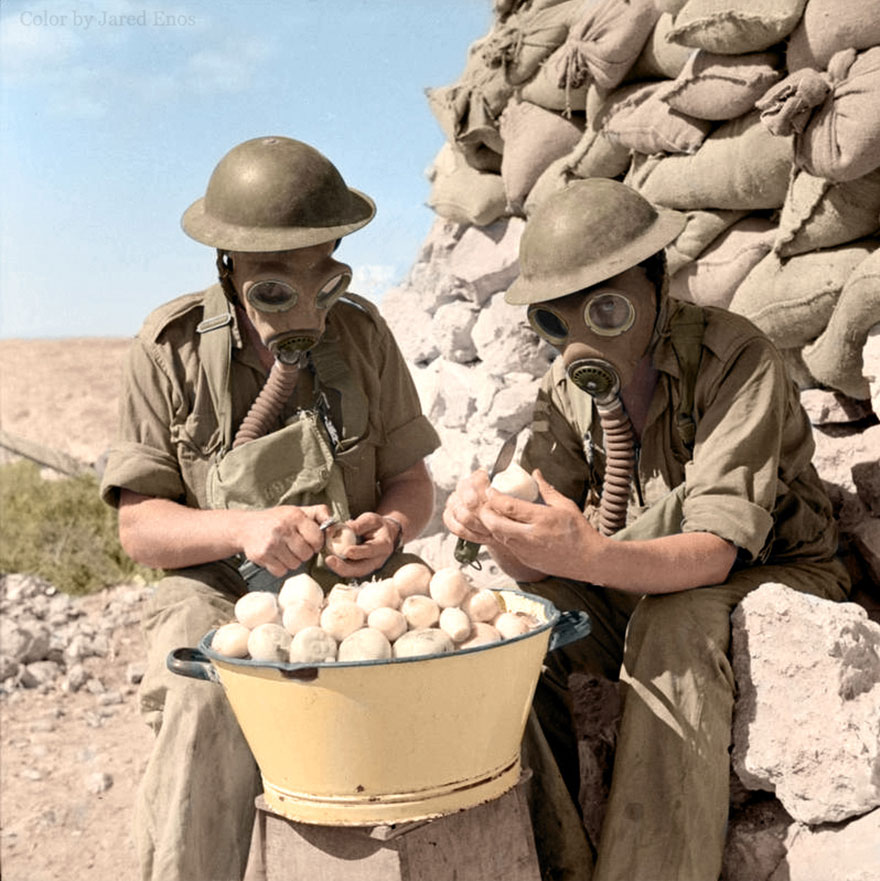
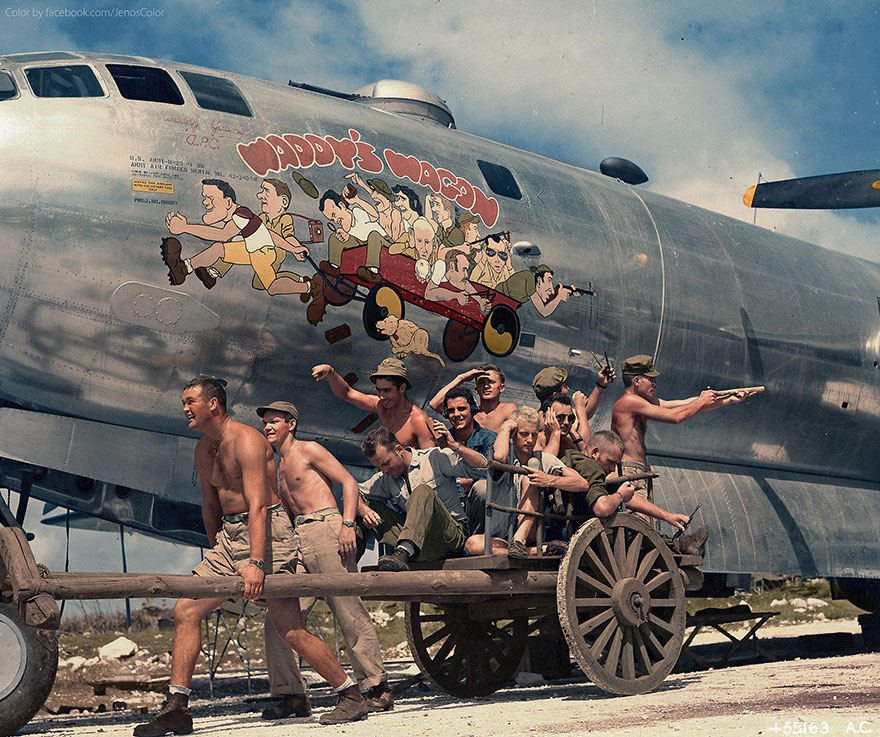
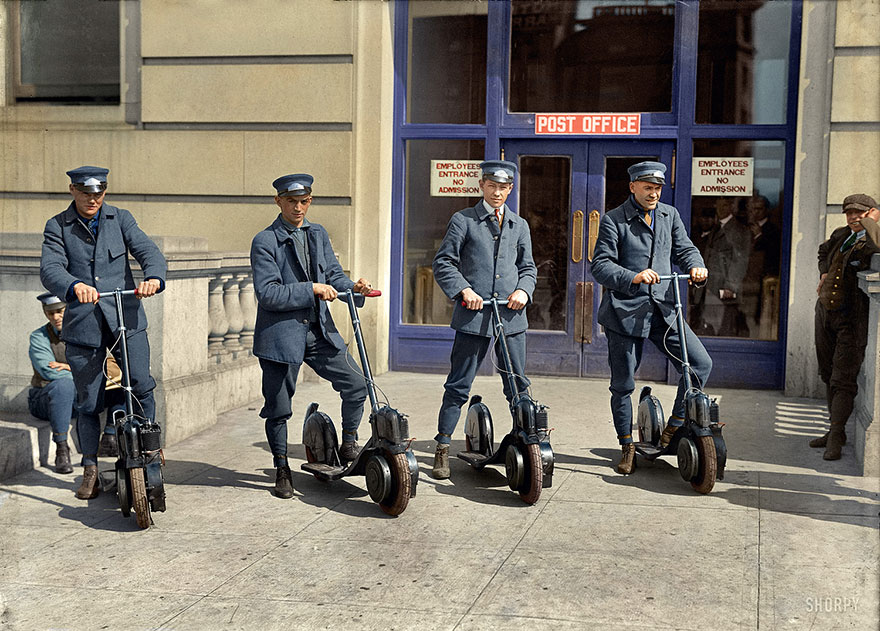
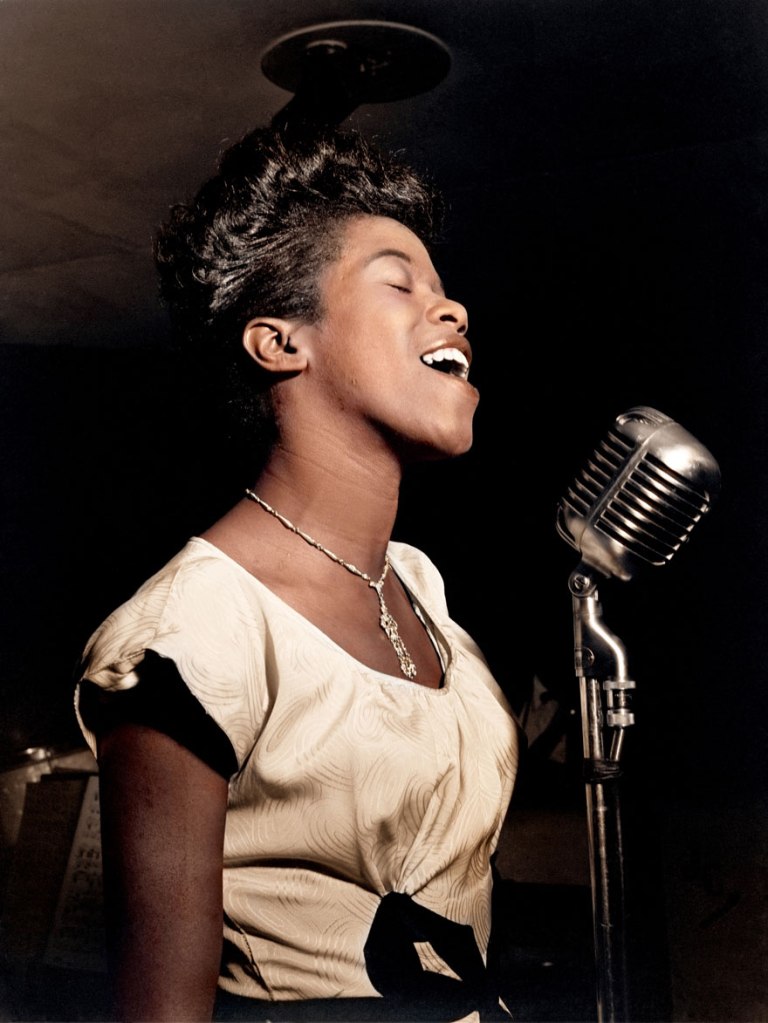
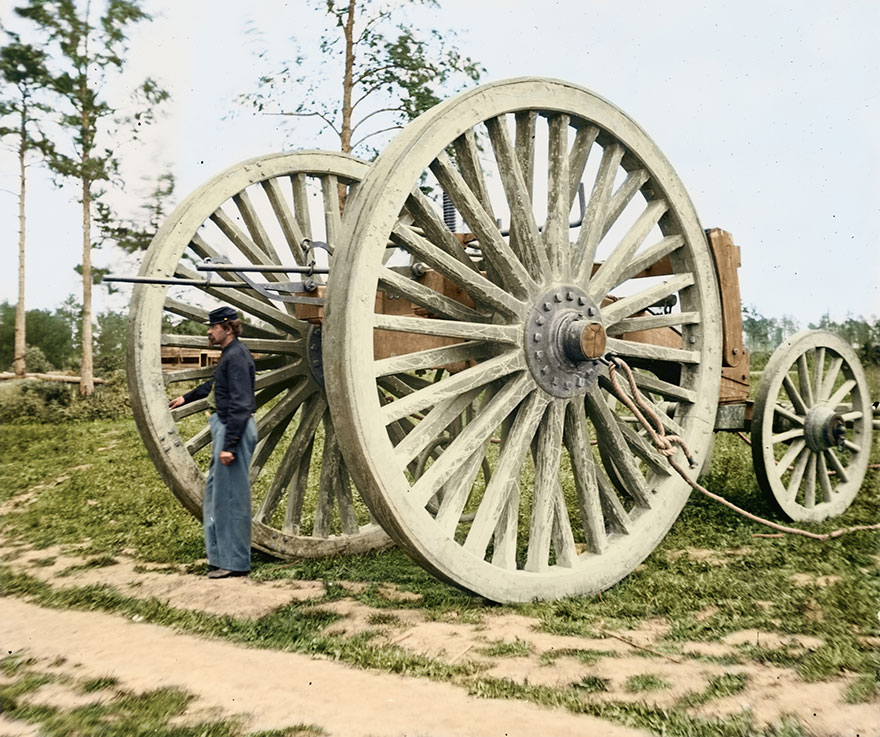
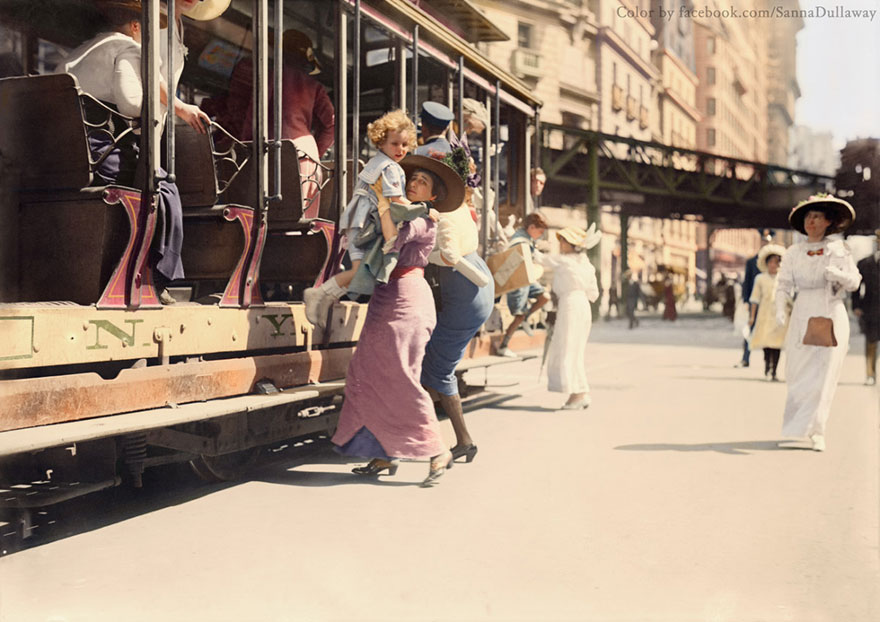
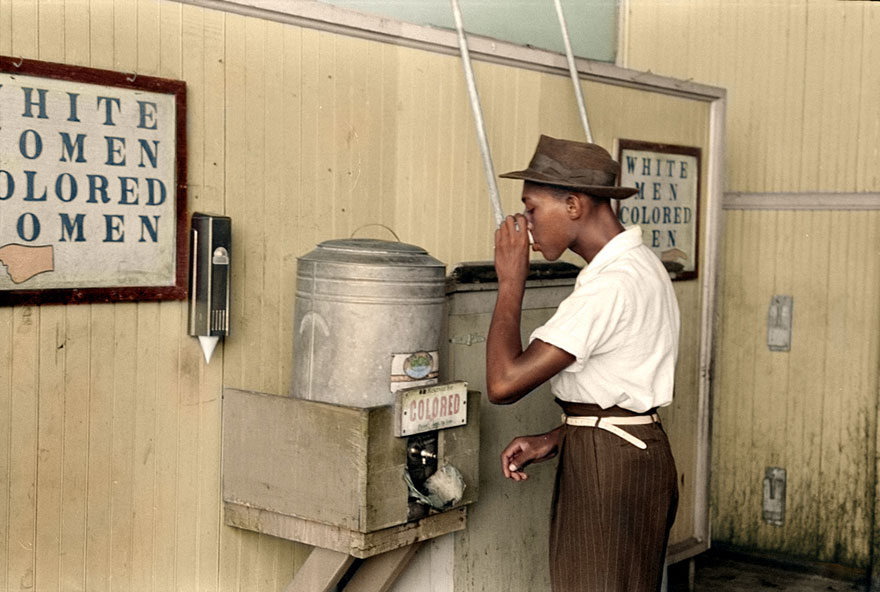
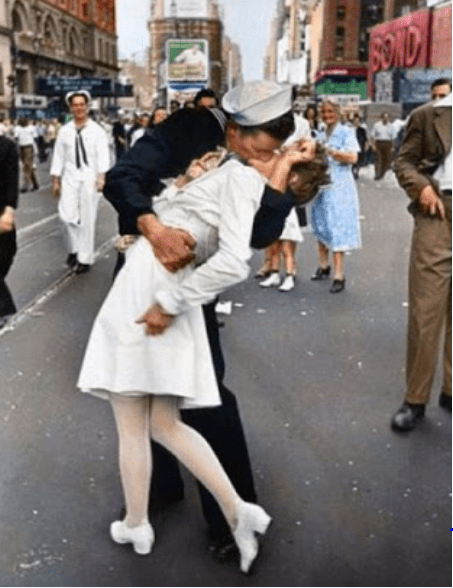
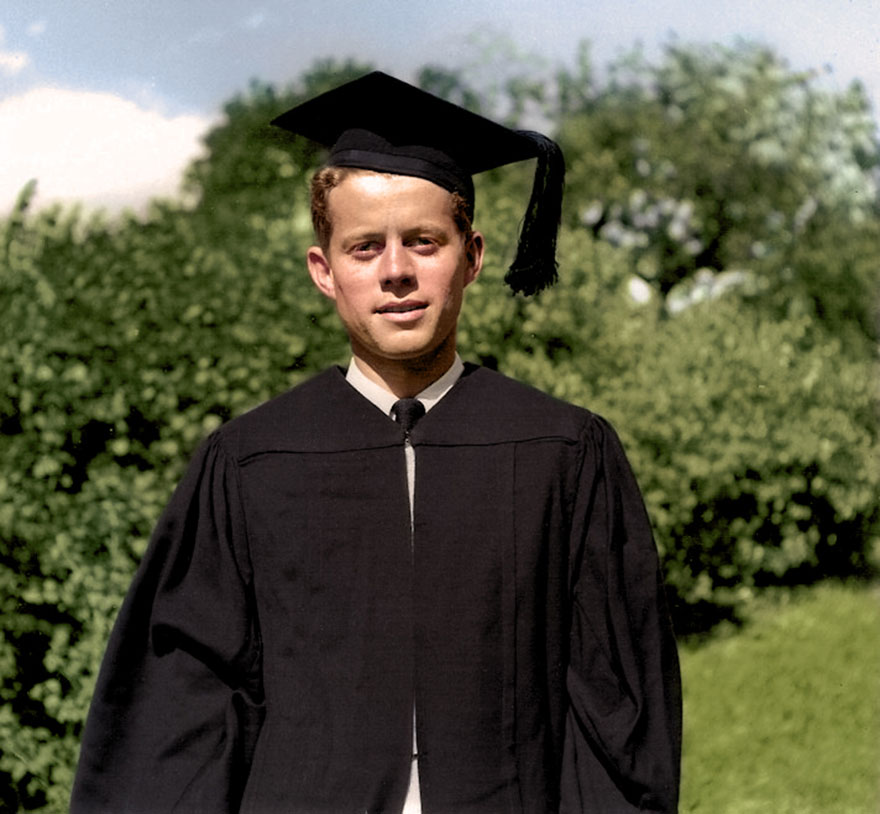
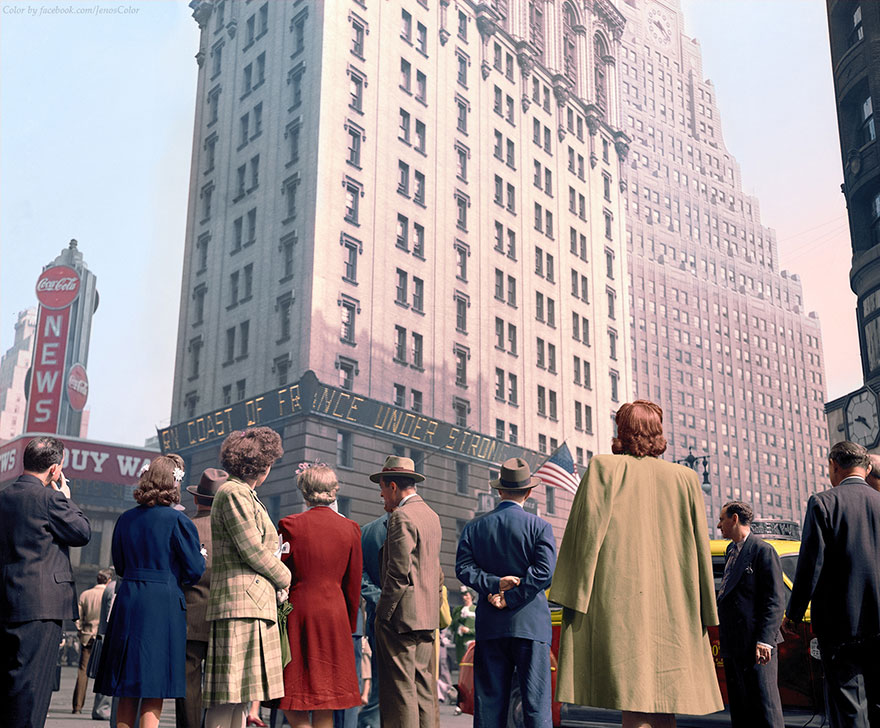
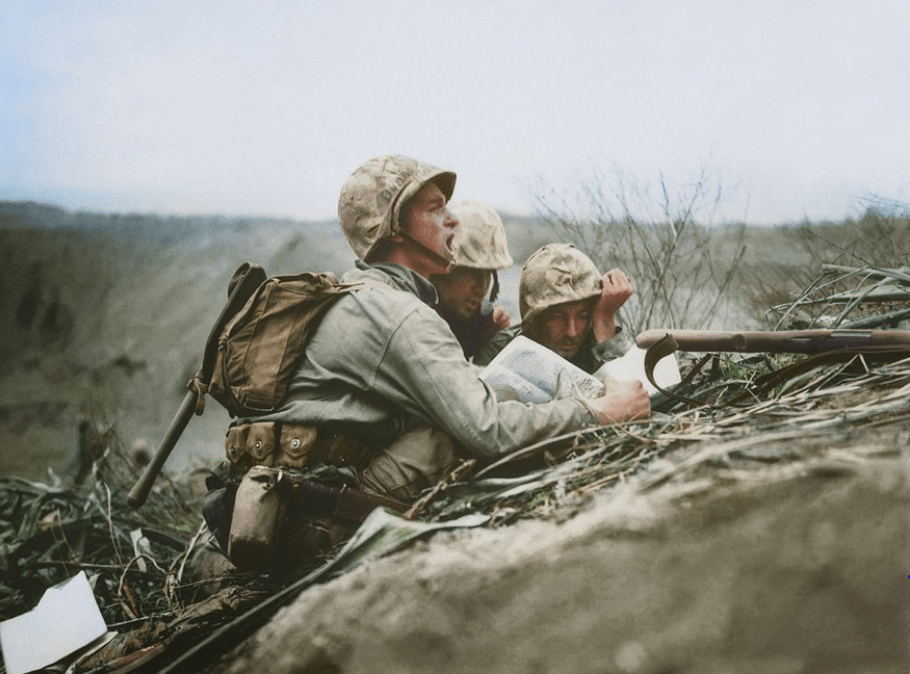
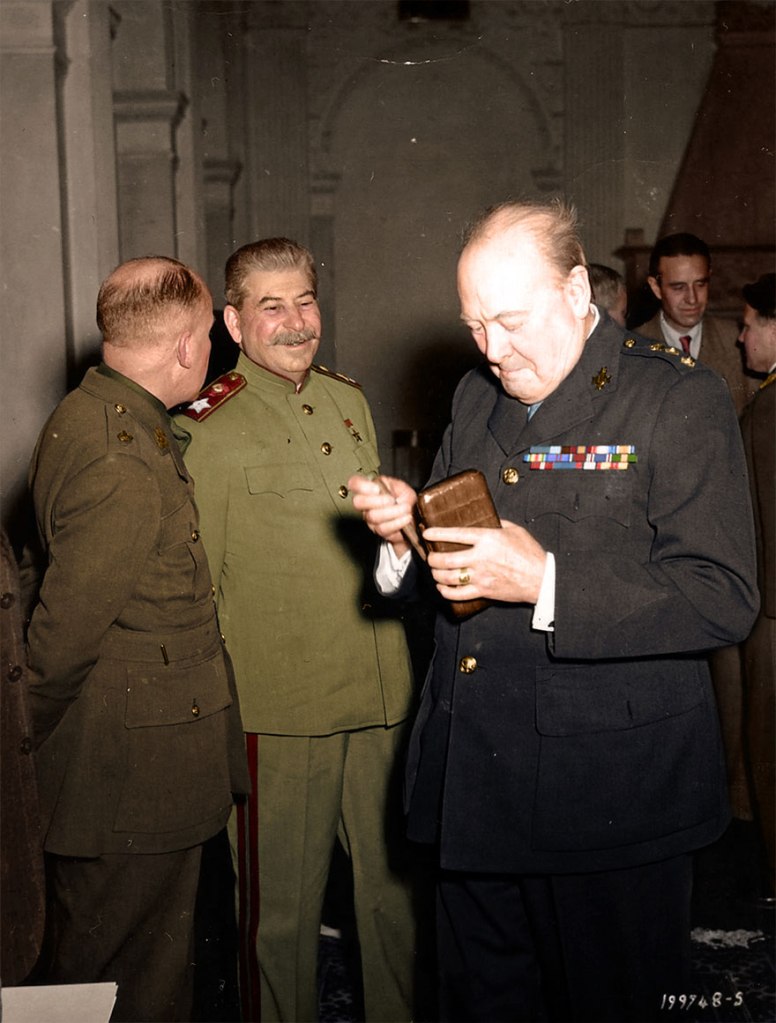
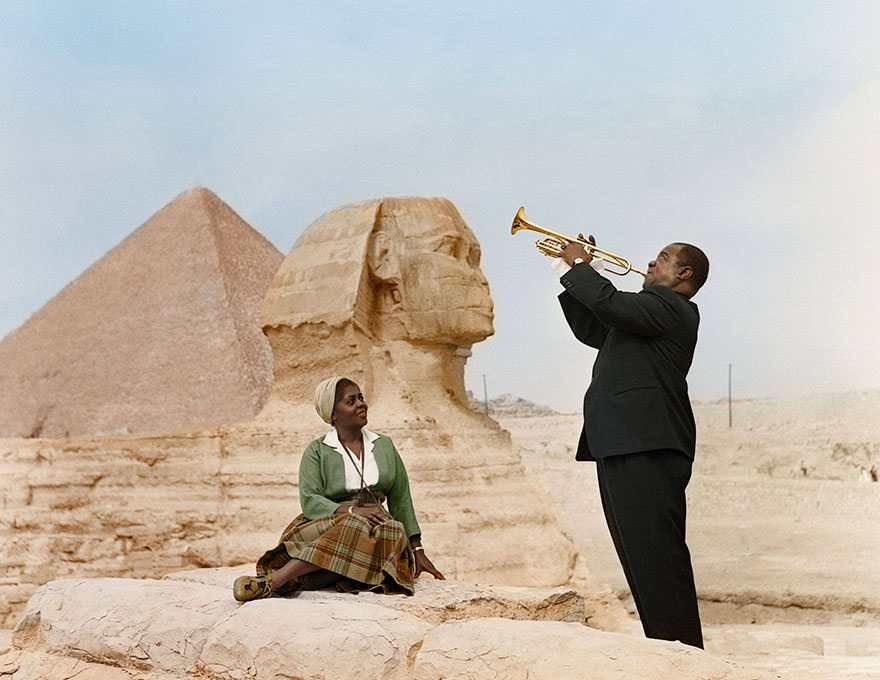
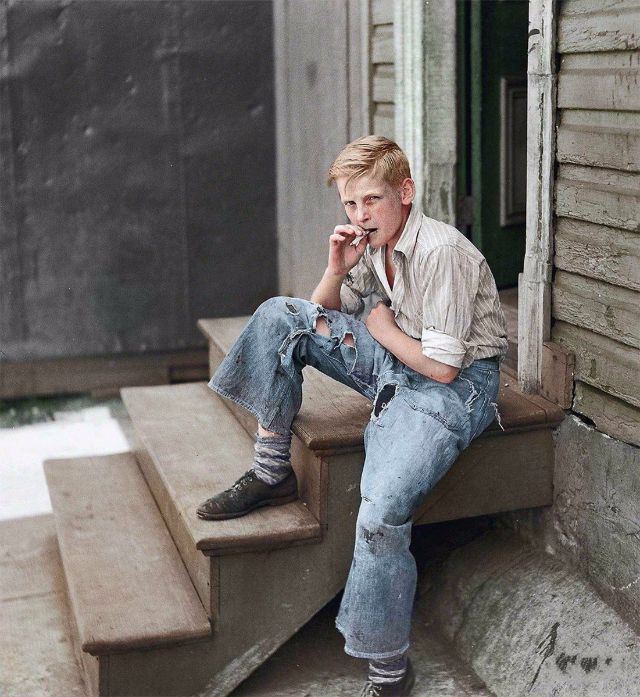
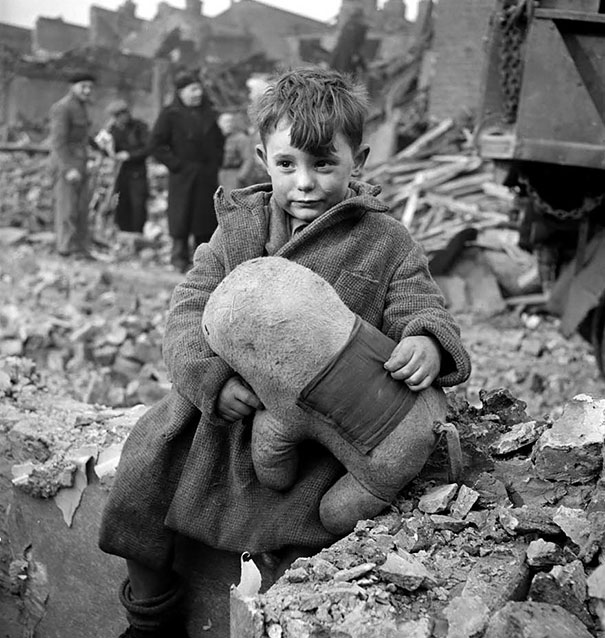
Abraham Lincoln by Alexander Gardner, taken in February, 1865Boxing match aboard the U.S.S. New York, July 3, 1899Yvonne (13) and Alexander (12) Sayn-Wittgenstein-Sayn take drink and smoke on yacht near MajorcaAn Ojibwe Native American spearfishing, Minnesota, 1908Adolf Hitler with Mussolini’s son-in-law and Joachim von Ribbentrop, attend a Nazi Party rally, 1930sSoldiers wearing gas masks while peeling onions at Tobruk, October 15, 1941Captain Walter “Waddy” Young and his crew pose in front of their caricatures on their B-29 Superfortress, November 24, 1944Post officers show off their brand-new “Autopeds” scooters, Washington, D.C., 1917Performer Sarah Vaughan, 1946Drewry’s Bluff, Virginia, sling cart used in removing captured artillery during the American Civil War, 1865A mother helps her child off the trolley on a Broadway in New York City, July, 1913Black man drinking at ‘Colored’ water cooler in streetcar terminal, Oklahoma City, Oklahoma, July, 1939Kissing the War Goodbye in V-J Day, August 14, 1945.A young John F. Kennedy immediately after his graduation from Harvard, in the summer of 1940Times Square, D-Day, 1944Observer on Iwo Jima, February, 1945Stalin and Churchill during the Yalta Conference, February, 1945Louis and Lucille Armstrong at the Sphinx, January 28, 1961A deserted boy holding a stuffed toy animal, London, 1945.“Young boy in Baltimore slum area” smoking a cigarette, July, 1938
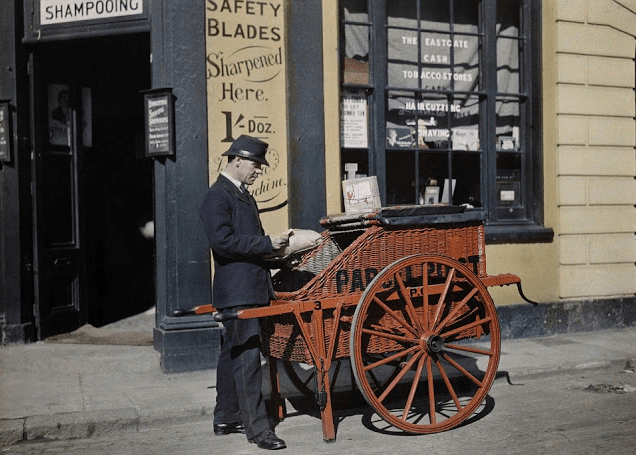
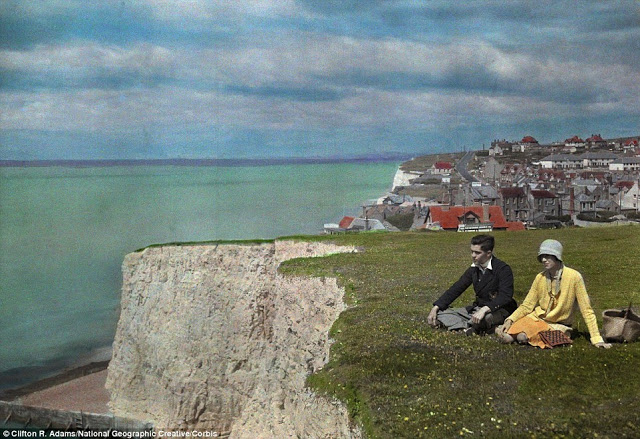
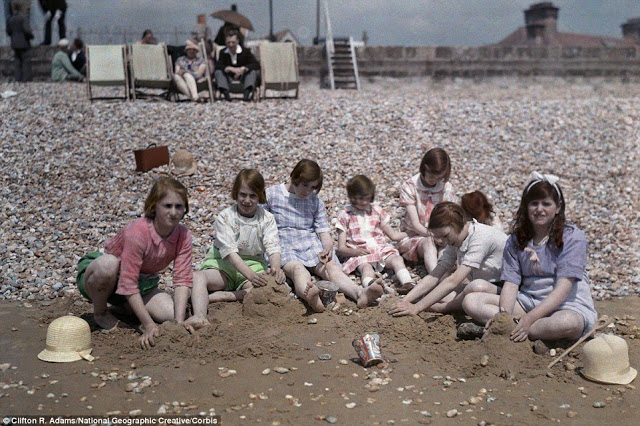
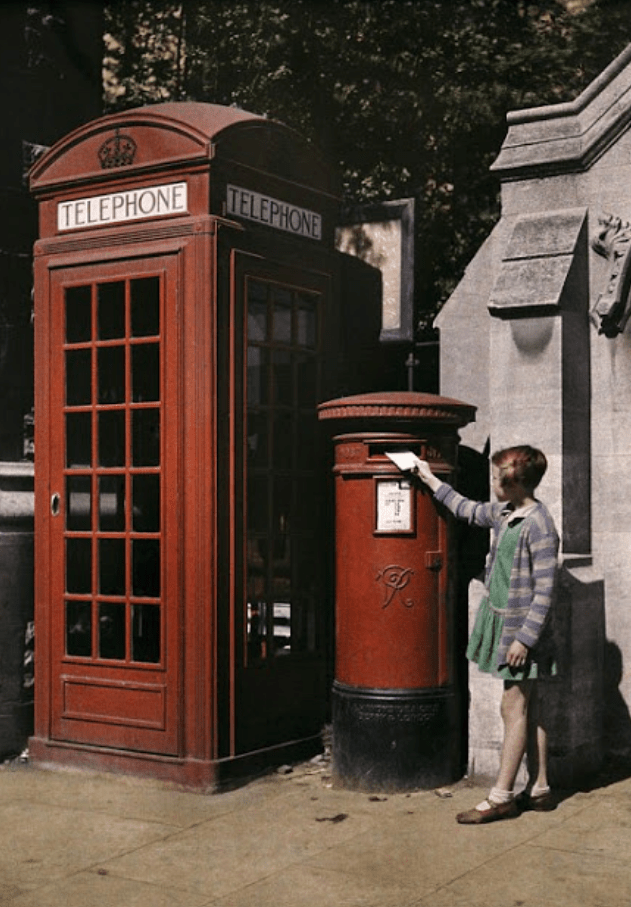
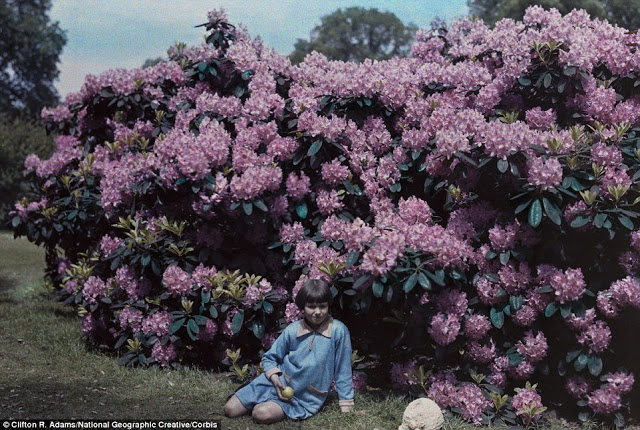
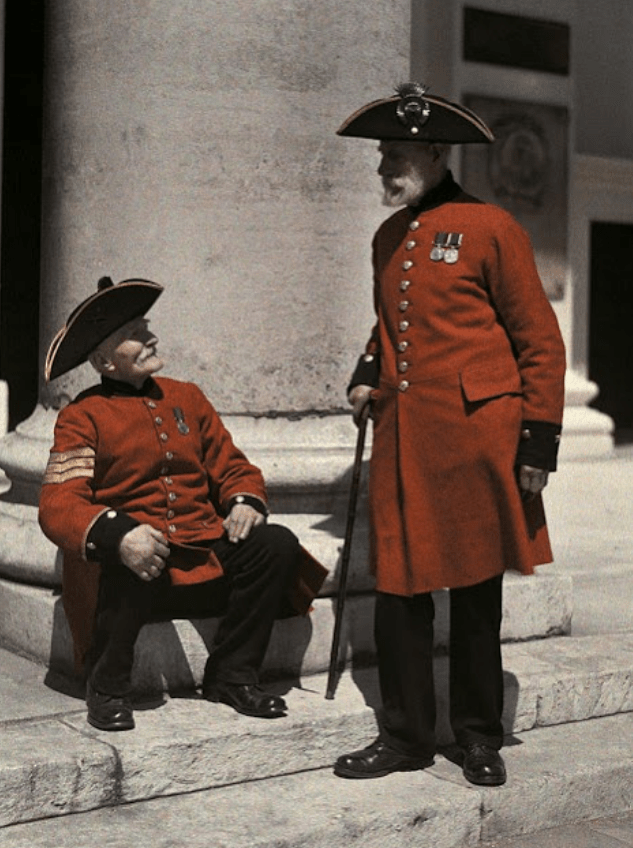
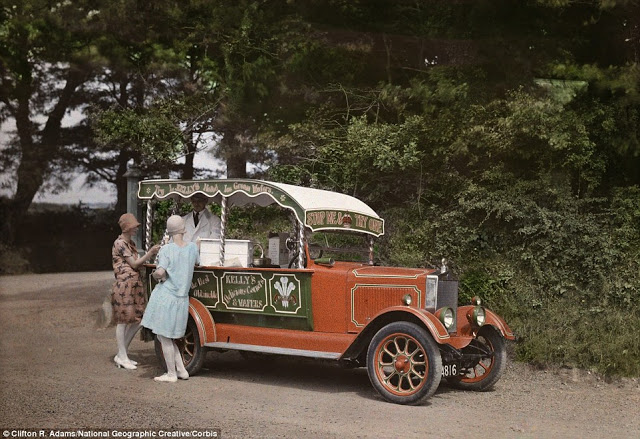
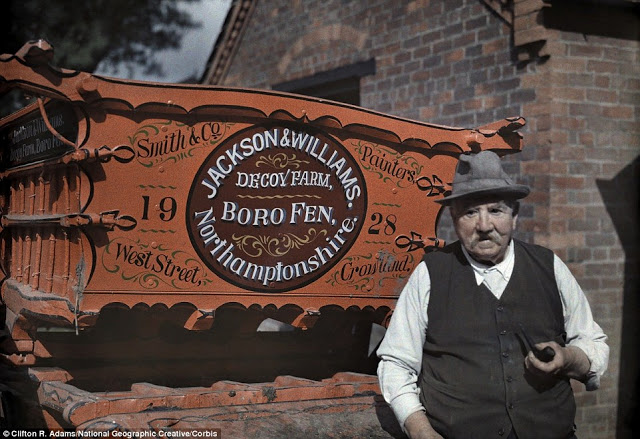
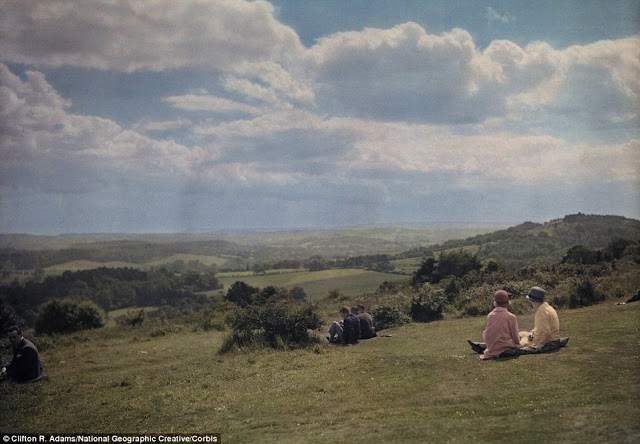
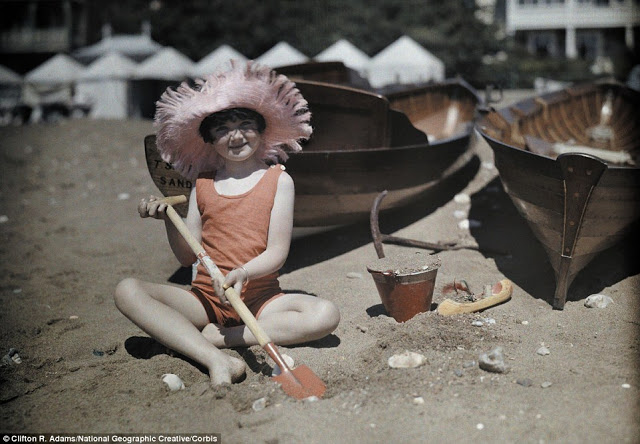
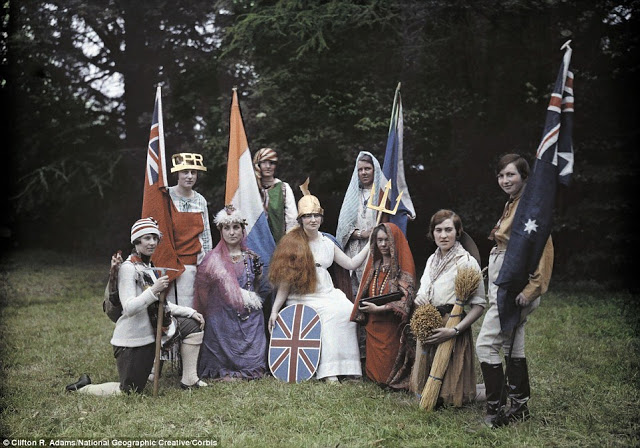
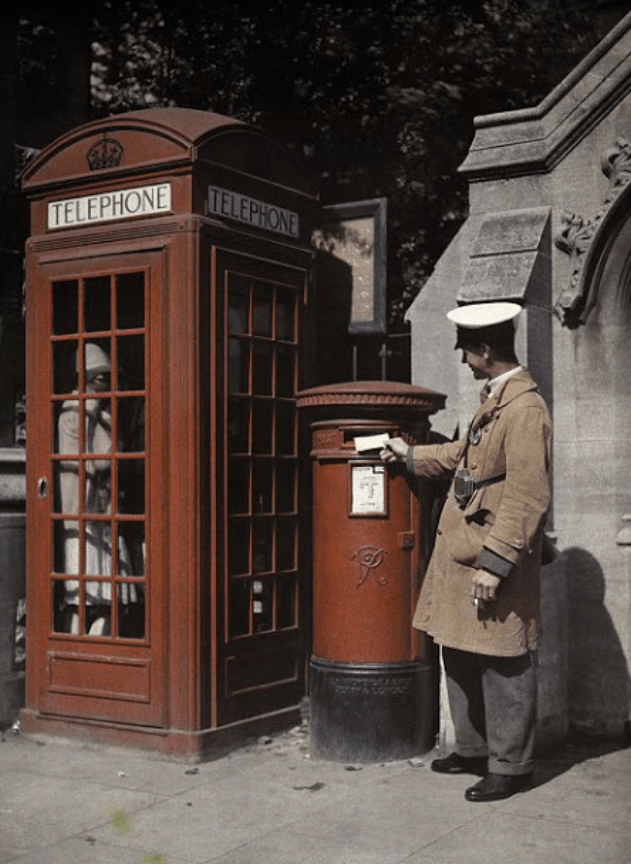
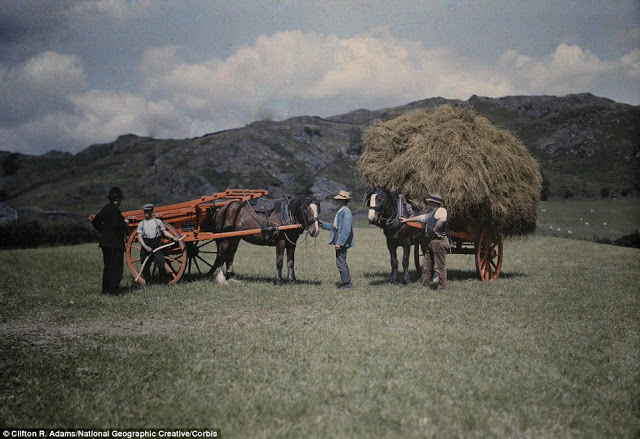
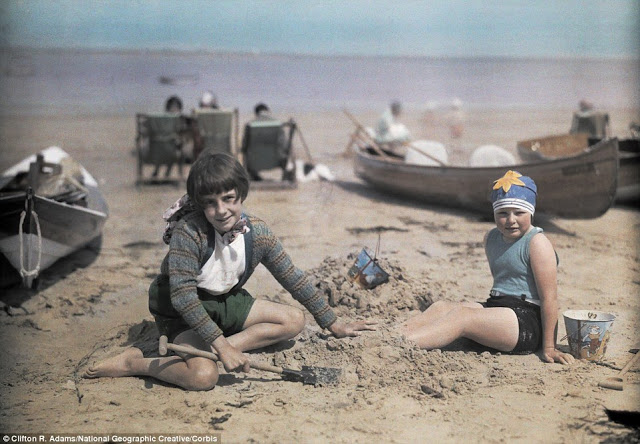
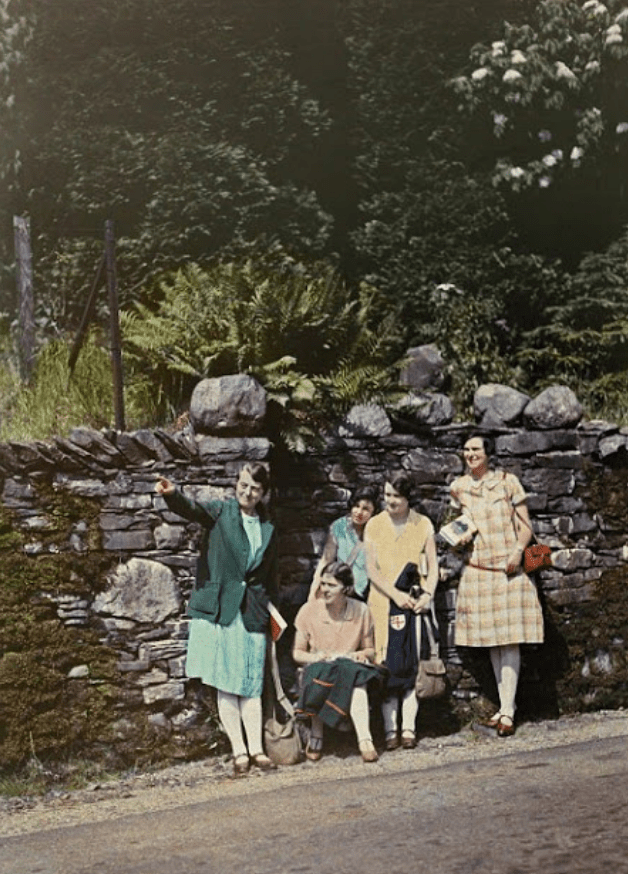
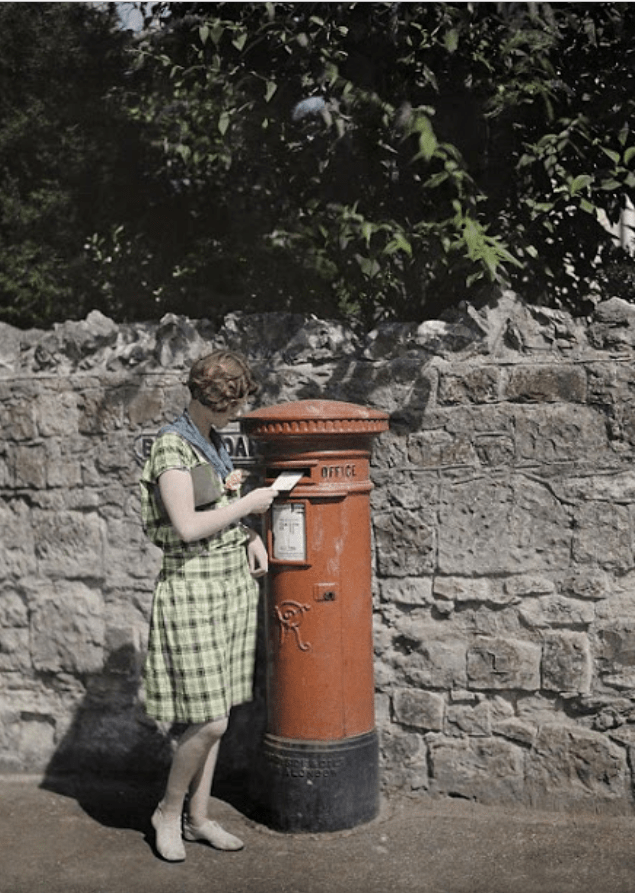
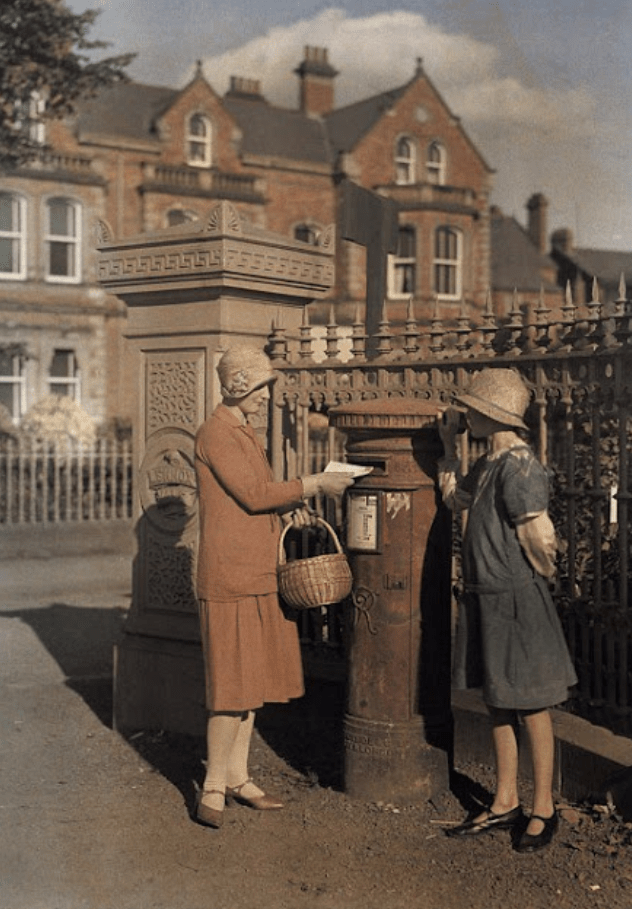
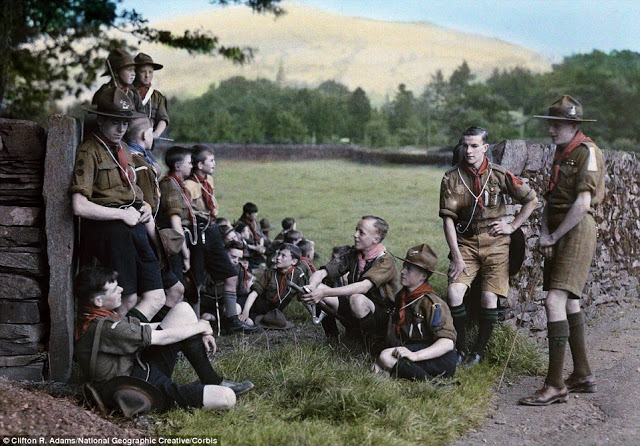
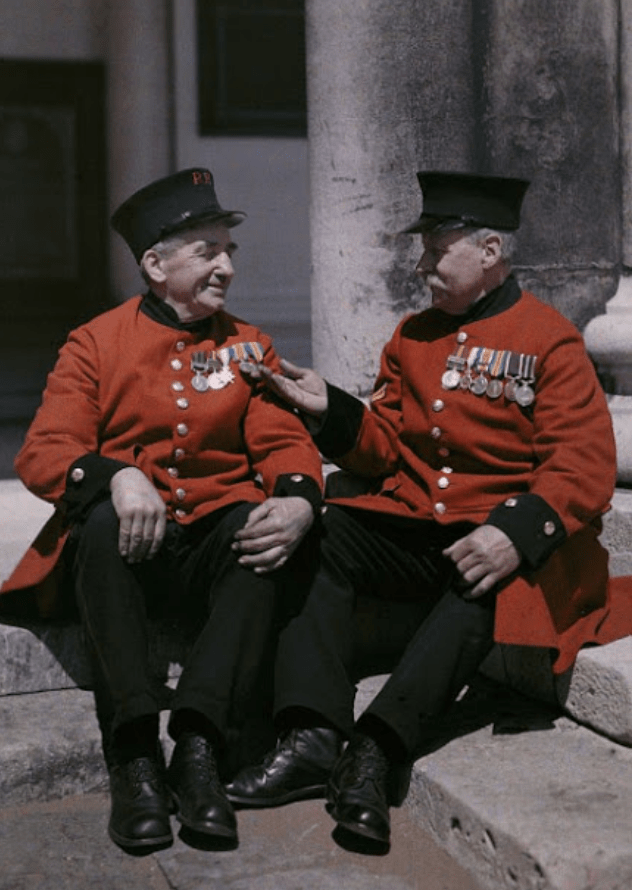
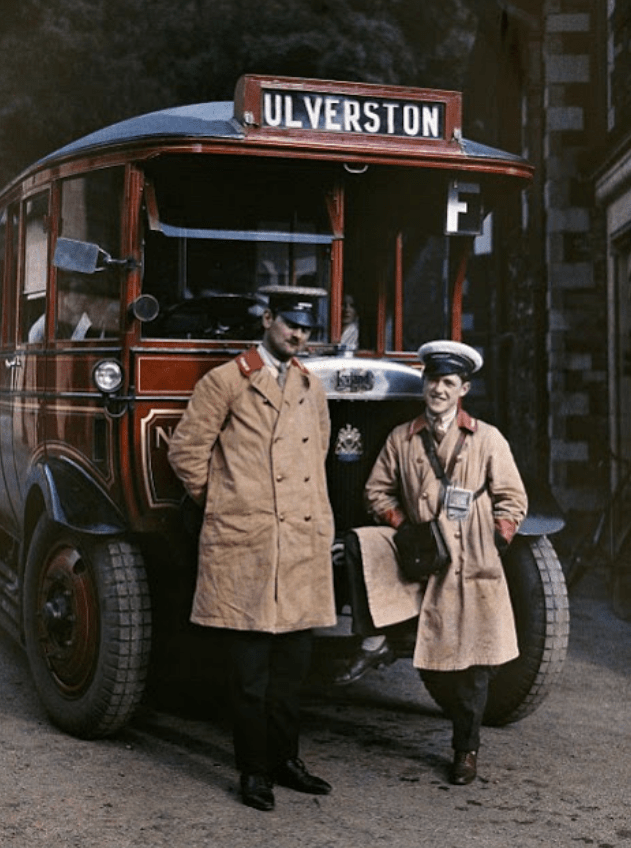
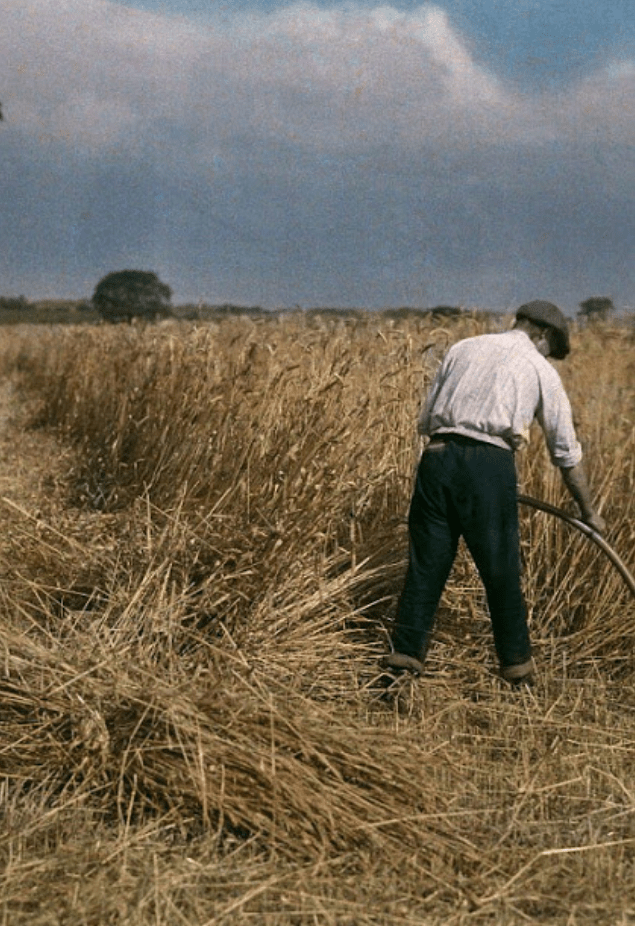
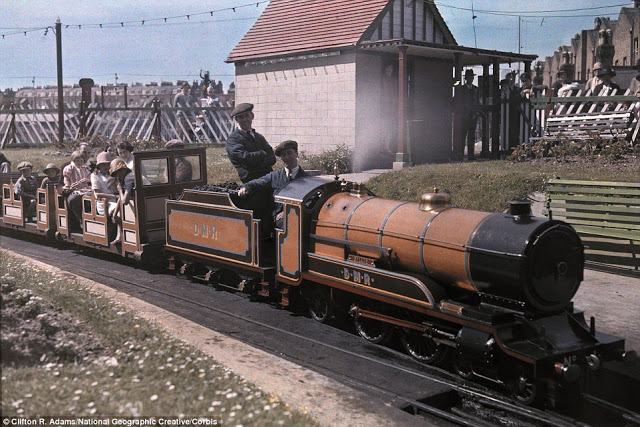
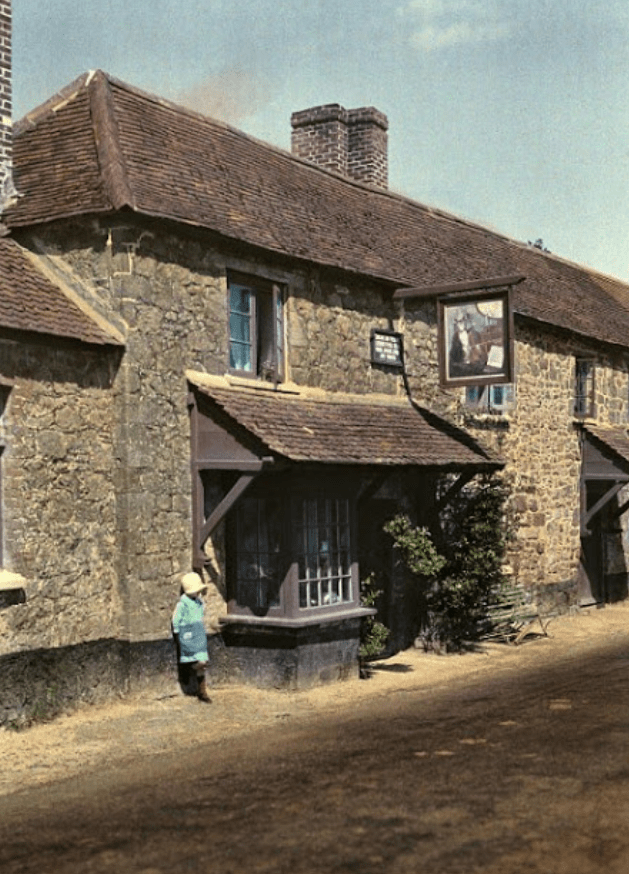
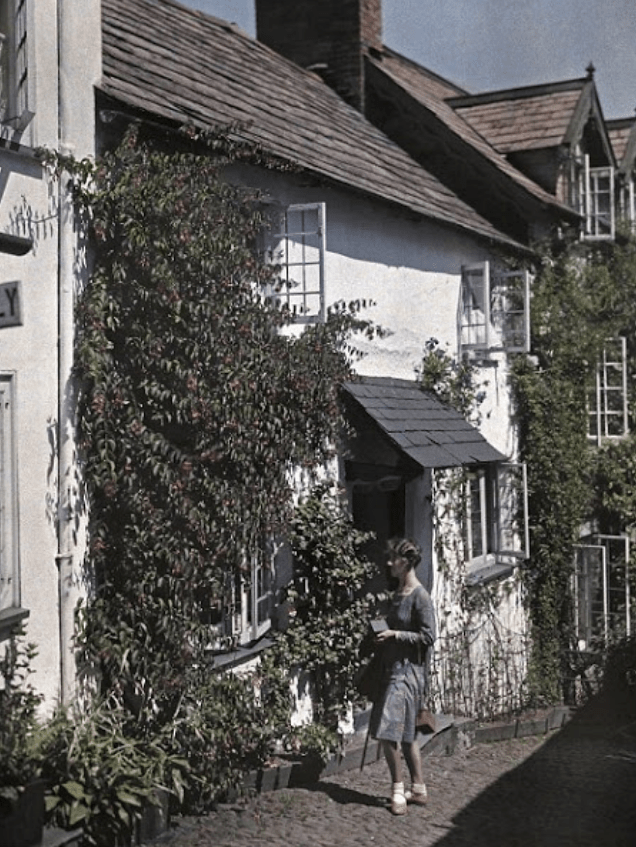
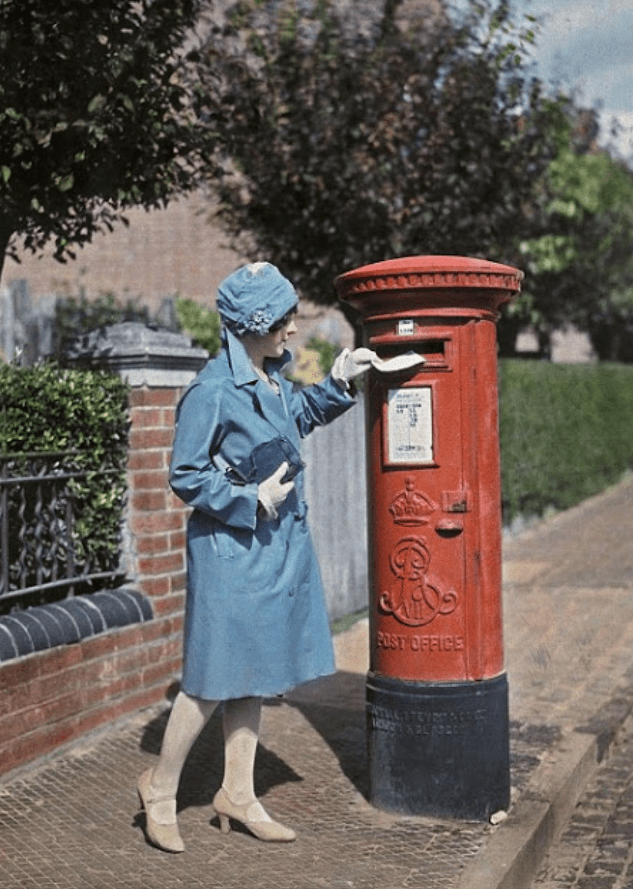
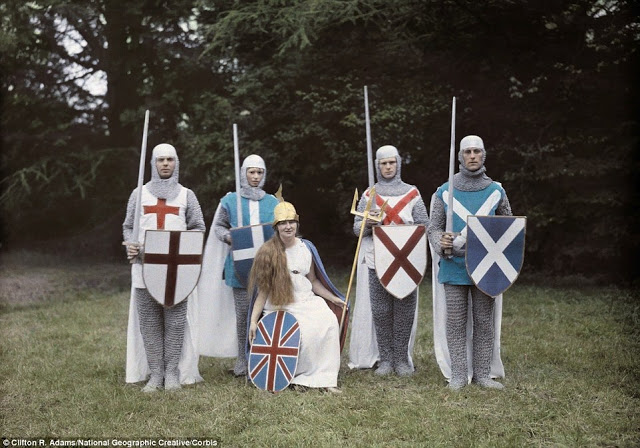
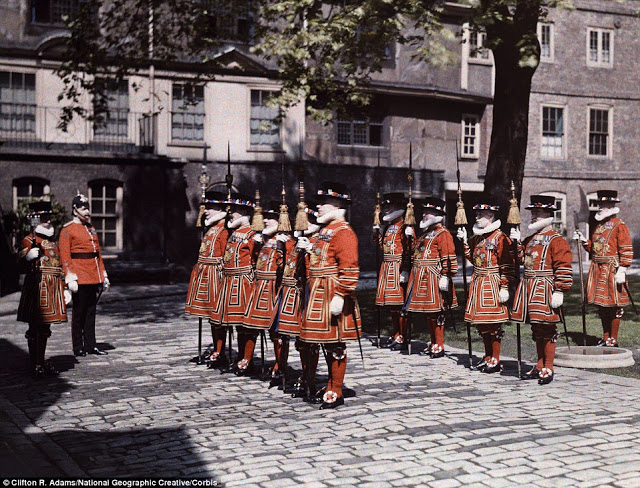
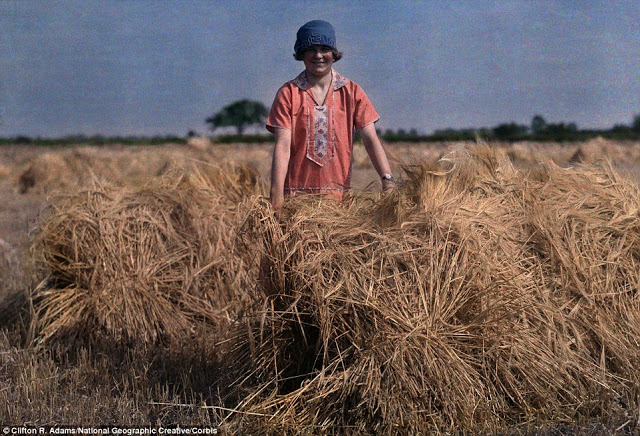
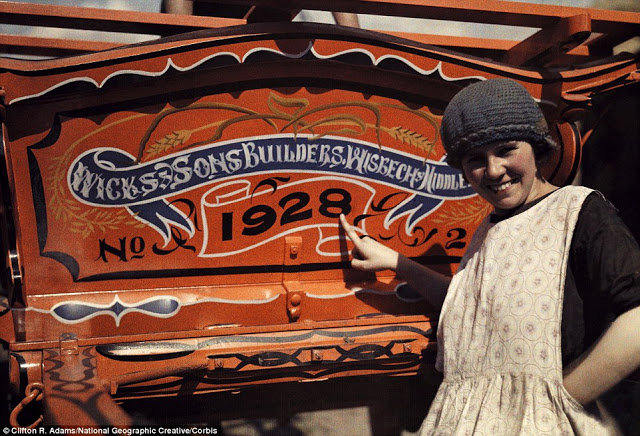
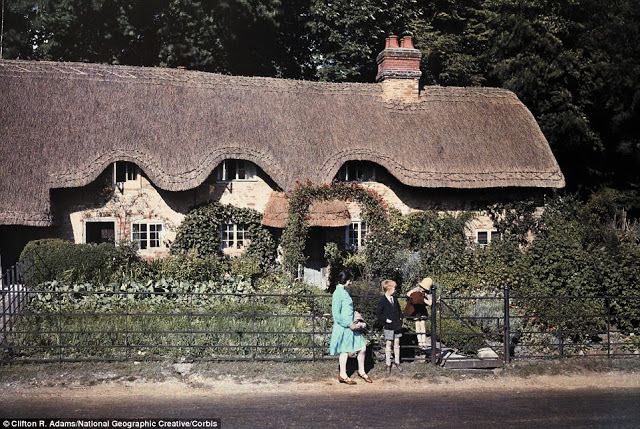
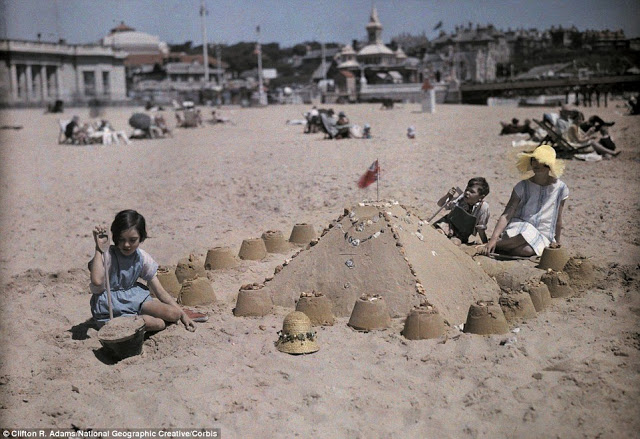
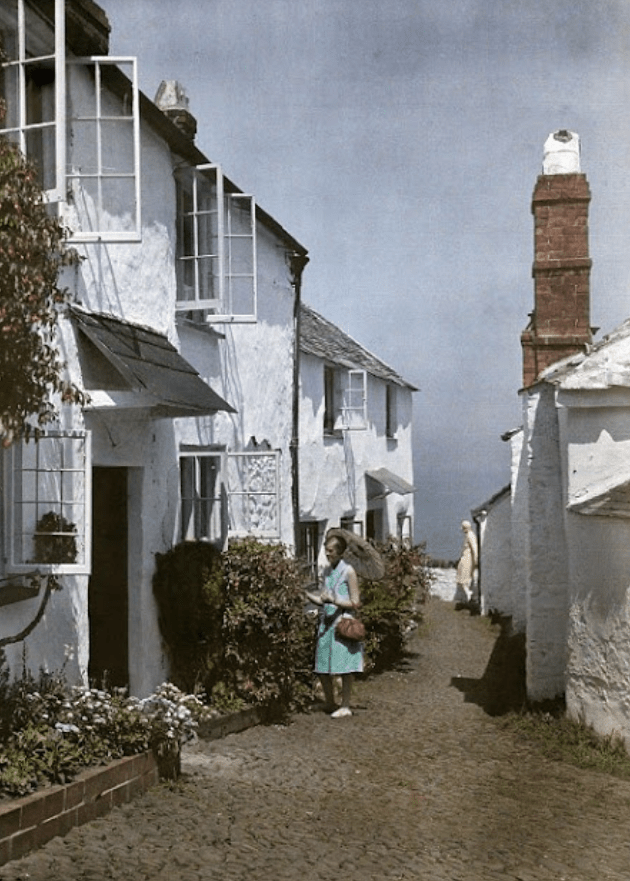
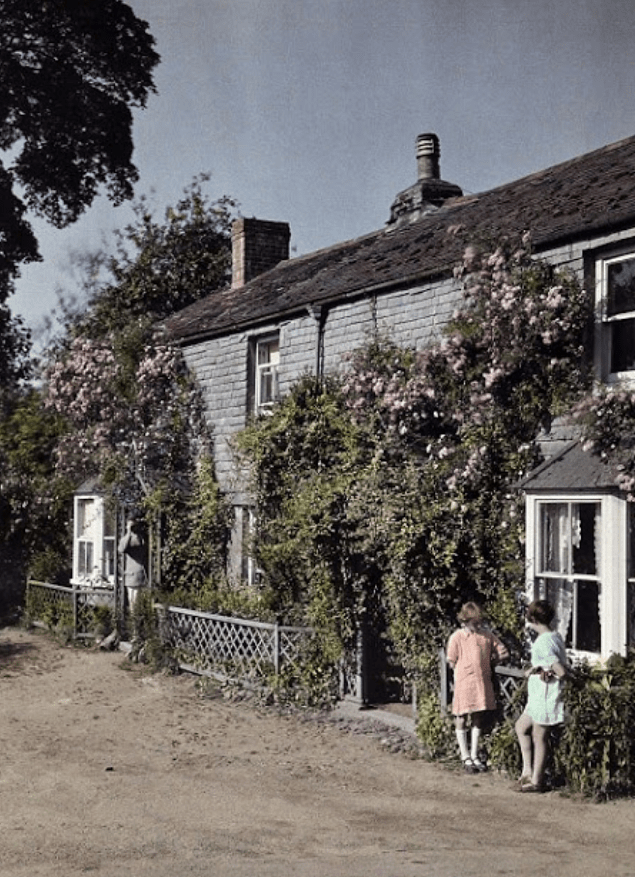
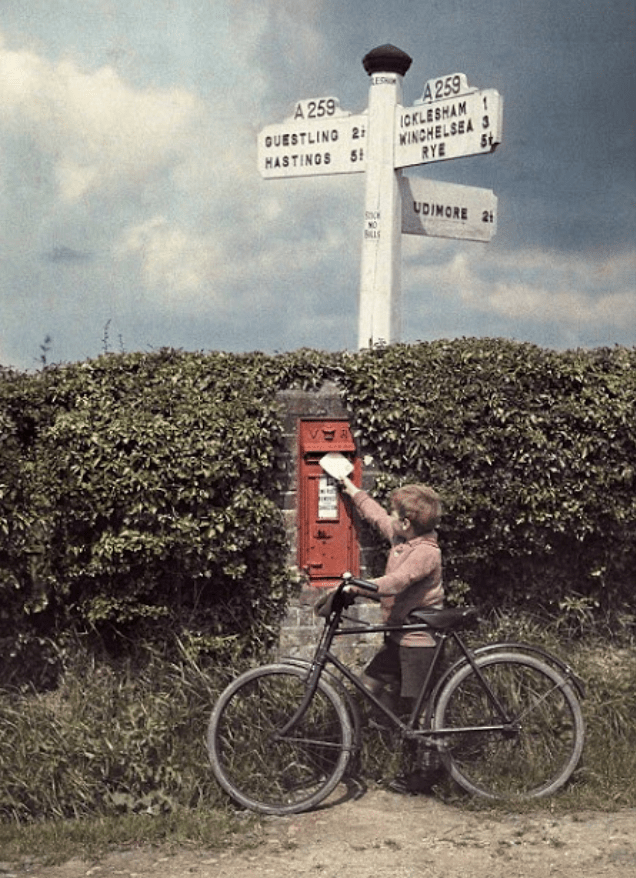
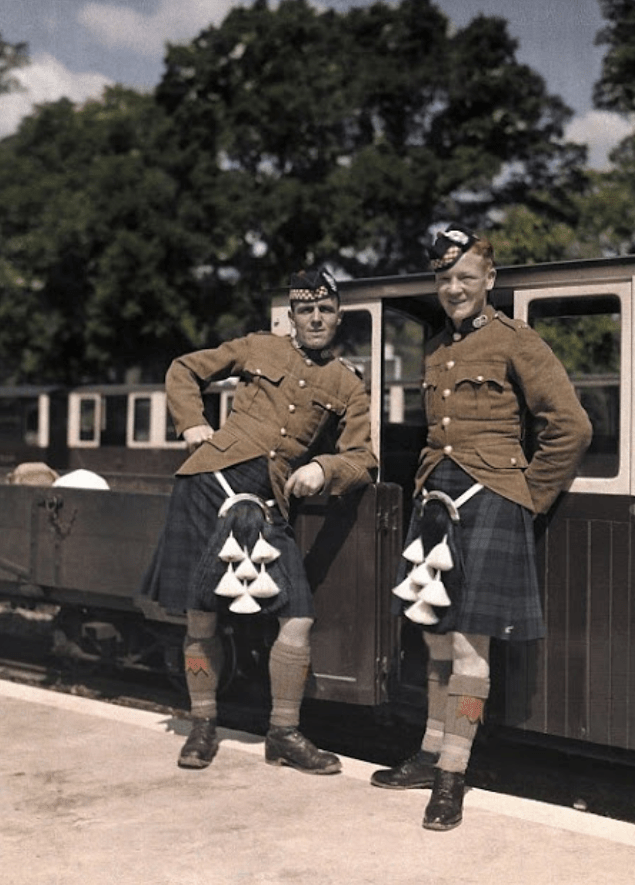
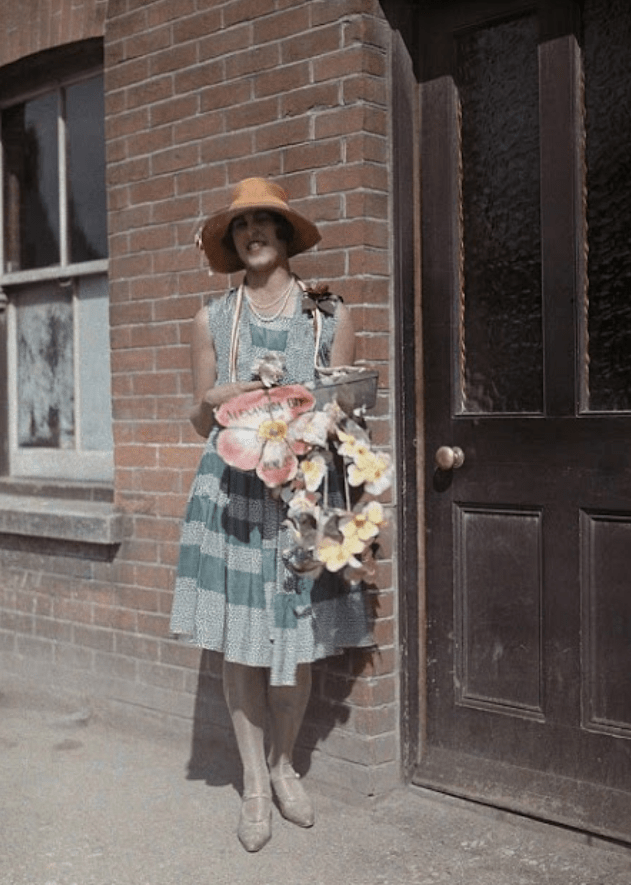
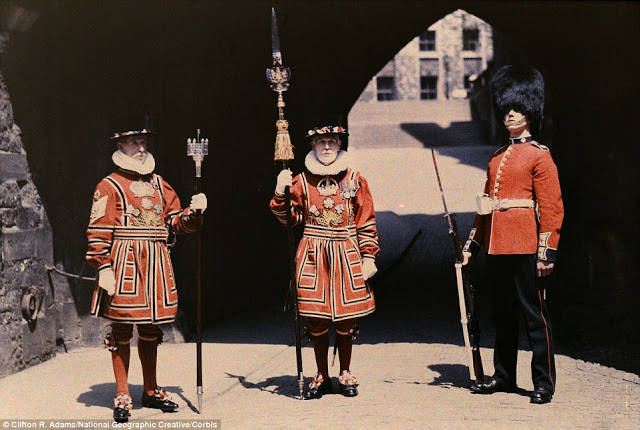
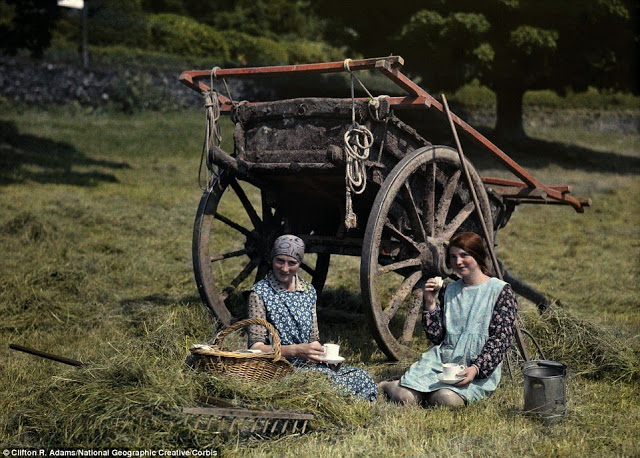
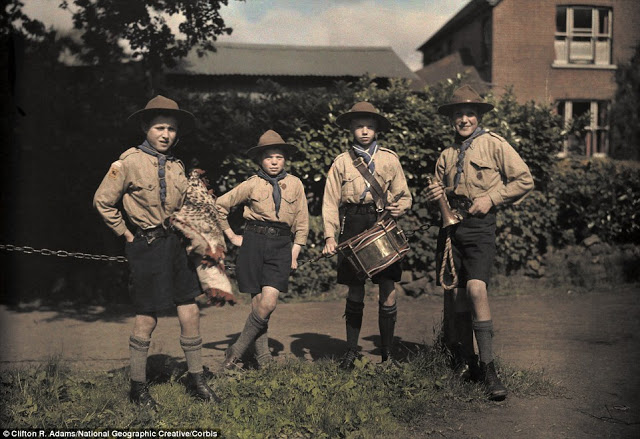
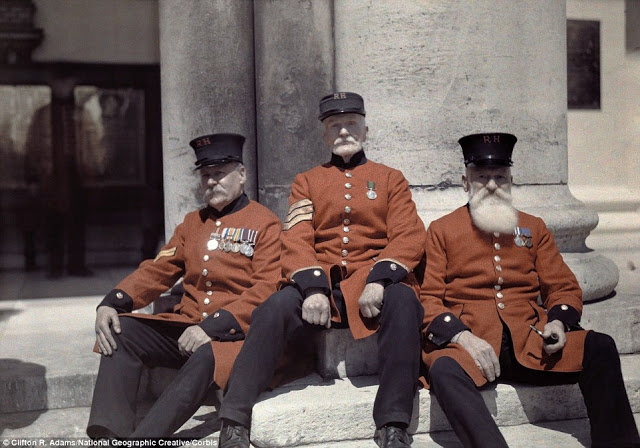
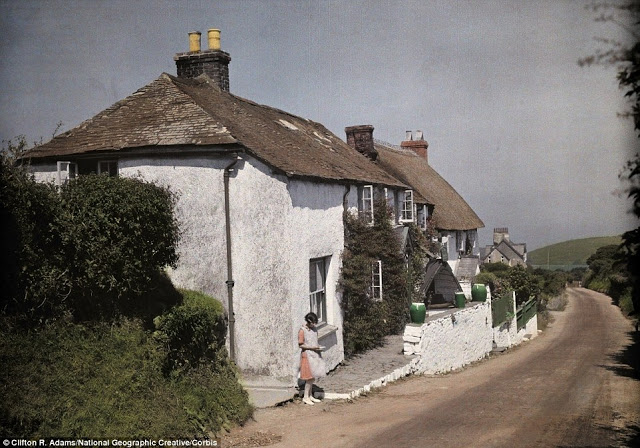
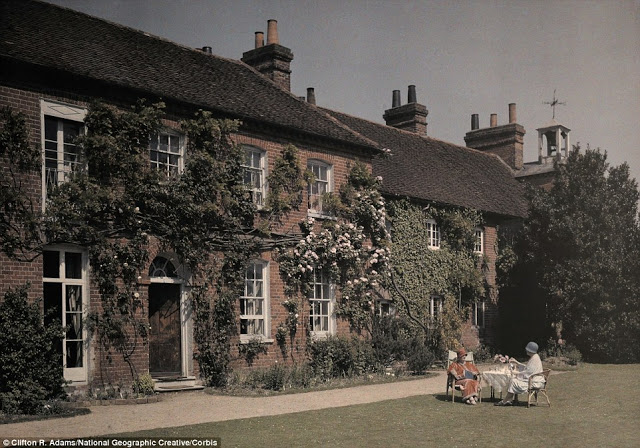
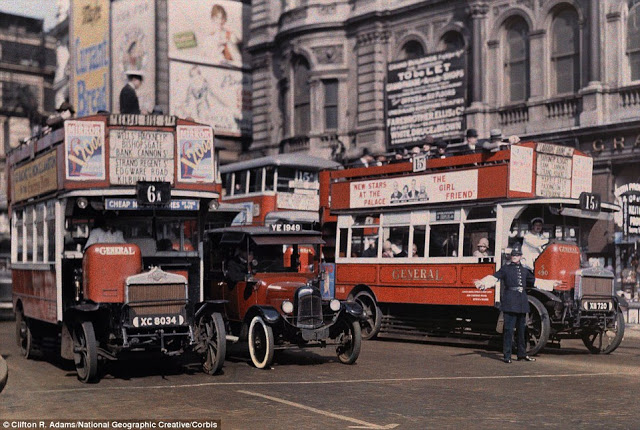
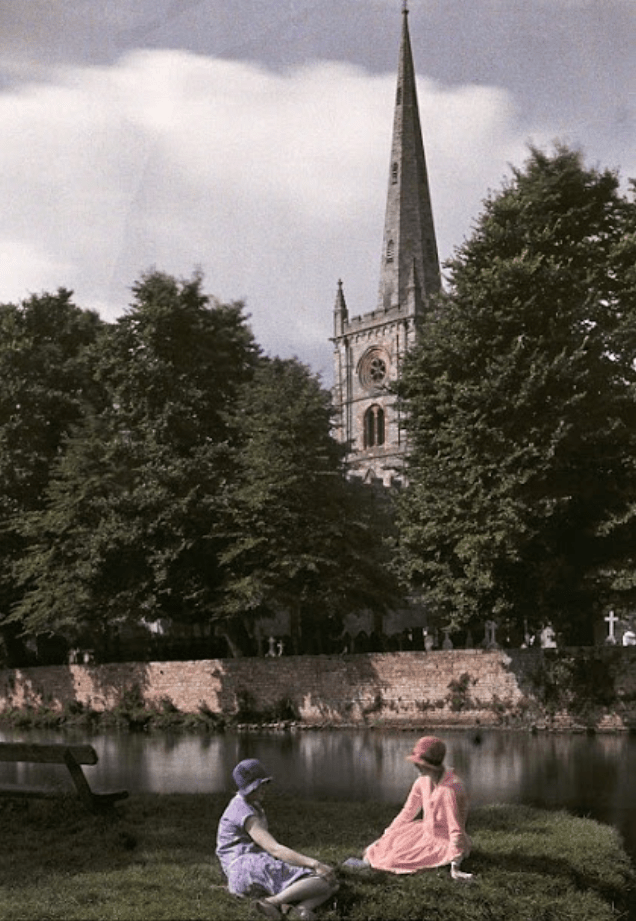
Two young adults sit in the grass by a cliff near water and the village of Rottingdean in East Sussex in 1931A group of children sit, playing in the sand in 1931 at Dymchurch beach in Kent, which lies south-west of FolkestoneA girl puts an envelope in a postbox in Oxford in 1929A girl sits in front of the rhododendrons in 1929 at Kew Gardens in south-west London, which was founded in 1840Two Chelsea Pensioners in signature scarlet coats in 1929Two women buy ice cream from a vendor out of his converted car in Cornwall in 1928An informal portrait of a farmer and his cart in the small town of Crowland in Lincolnshire, near Peterborough, in 1928Locals enjoy the view of the Surrey Hills, in 1928A young girl plays on the beach with bucket and spade in Sandown on the Isle of Wight in 1928Characters in a pageant – Britannia and her colonies and dependencies – on the grass in Southampton in 1928A man posts a letter next to a traditional telephone box in Oxford in 1928A police constable passes the day with farmers gathering hay in Lancashire in November 1928Children play on the sand near Yarmouth, a popular destination for holidaymakers on the Isle of Wight in 1928A group of women hike in Cumbria in 1928A woman sends a letter at a red pillar box on the Isle of Wight in 1928Two girls send a letter at a red pillar box in Belfast in 1927English Boy Scouts on a hike stop for a rest near Ambleside, north-west of Windermere in Cumbria in 1929Two Chelsea Pensioners sit on the steps in Oxford in 1929An Ulverston tour bus in Cumbria in 1929A man mows grain in 1929Passengers ride on ‘Billy’, a locomotive picture running at the Kent seaside resort of Margate in 1931A child stands by The Cat and the Fiddle Inn in Exeter in 1931A woman walks on the street in Clovelly, 1931A woman posts a letter in Oxford in 1928Actors dress for a pageant as Britannia and her four knights as they pose for a photo in Southampton, Hampshire, 1928A part of the company of Yeomen preparatory, known as Beefeaters, at the Tower of LondonA girl stands in an unidentified field in Lincolnshire in 1929 holding barleyAn English woman points to her farm cart in Cambridgeshire, which bears the year before the photo was takenTwo children and a lady stand outside of a thatch-roofed cottage in Hampshire in 1931A family builds a sandcastle at the seaside resort of Sandbourne, near Bournemouth in Dorset in 1932A woman admires flowers in Clovelly, Devon, 1928Two girls talk outside a home in Chillington, Devon in 1928A boy posts a letter in a postbox in Sussex, 1928Two soldiers stand in Hythe, Kent, 1928A woman sells artificial flowers for charity on Alexandra Day in KentThe Chief Warder, a Coldstream Guardsmen, and a Yeoman Warder pose at the Tower of London in 1929Two girls eat lunch in a hayfield near Hawkshead in Lancashire in 1929, which is now part of CumbriaA portrait of Boy Scouts at Abinger Hammer, a village in Surrey situated in between Dorking and Guildford, on a Sunday hikeVeteran soldiers – known as Chelsea Pensioners – sit on the steps of the Royal Hospital Chelsea in London in 1928A young girl stands outside her cottage near Clovelly, a village on the coast of North Devon in 1928A postman delivers packages with his parcel post barrow in front of a shop in Oxford offering ‘haircutting and shaving’ in 1928Two women enjoy a leisurely tea in 1928 in front of the Clock House in Buckinghamshire, which was originally a hospiceA policeman directs buses at the intersection of Trafalgar Square in the centre of London in 1929Women sit near the Avon River with Holy Trinity Church behind in Stratford in 1929
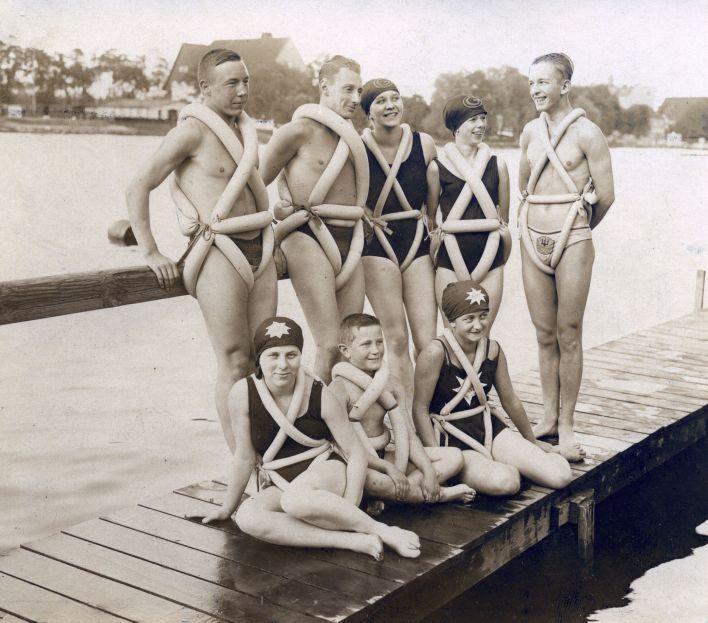
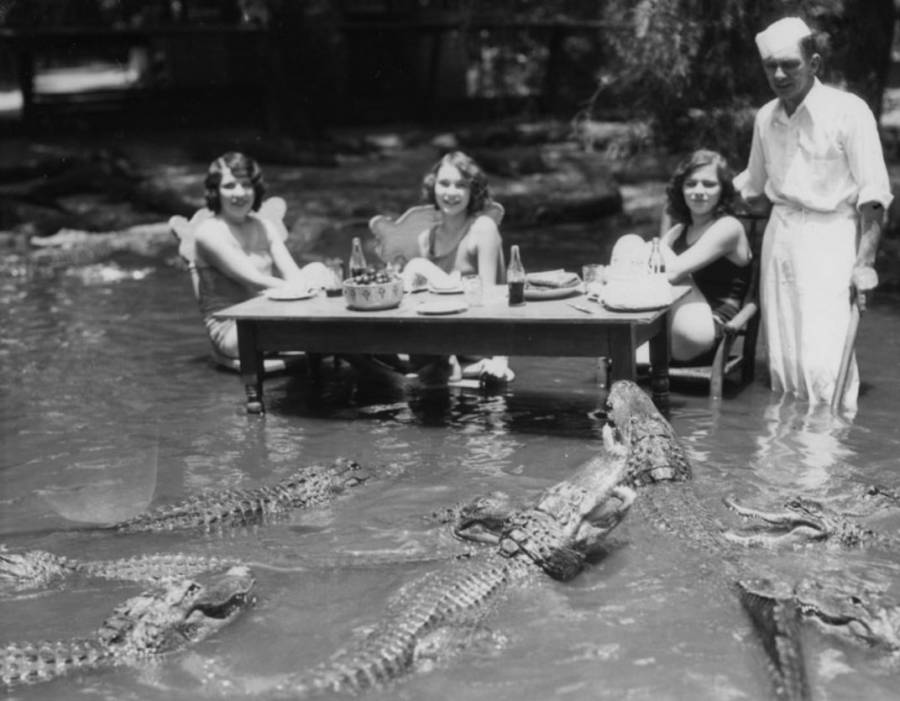
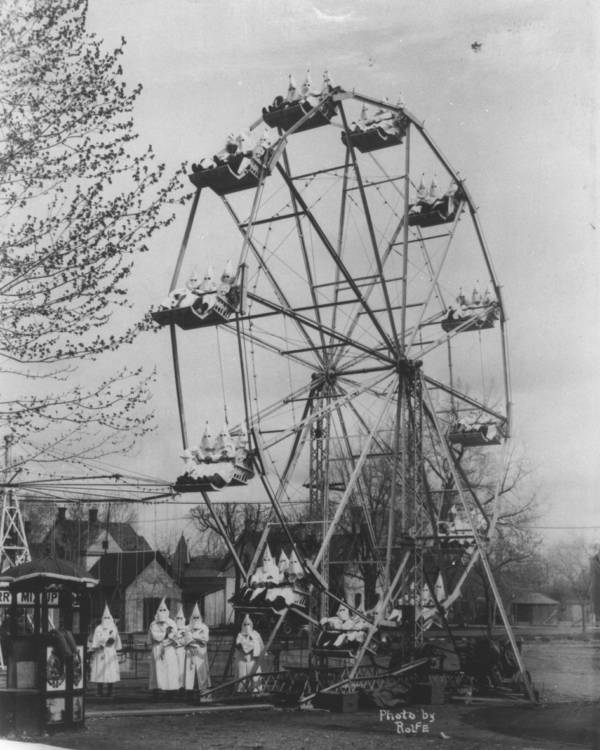
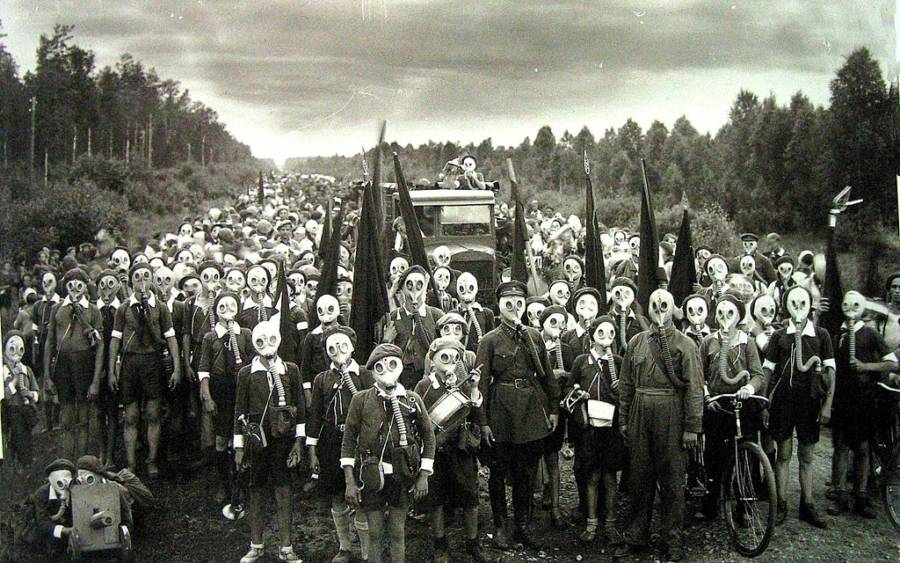
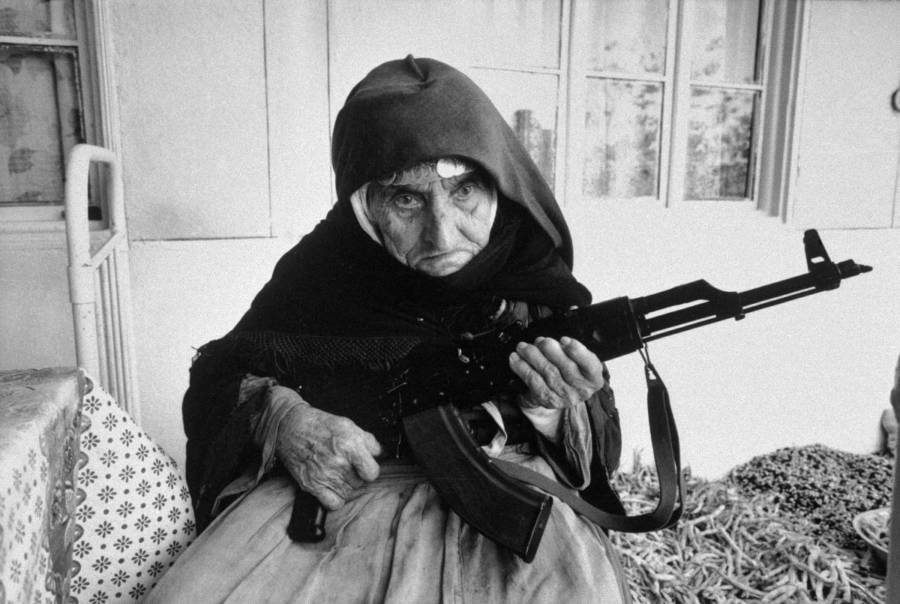
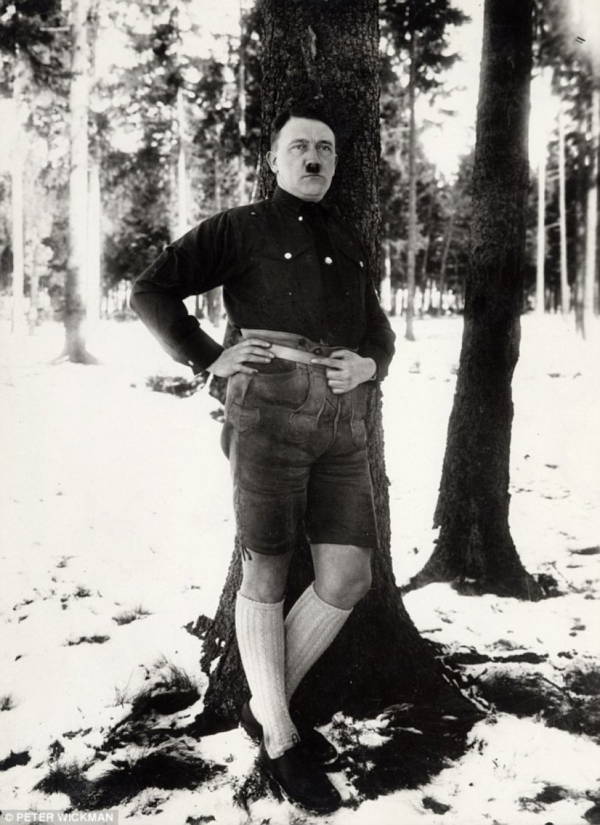
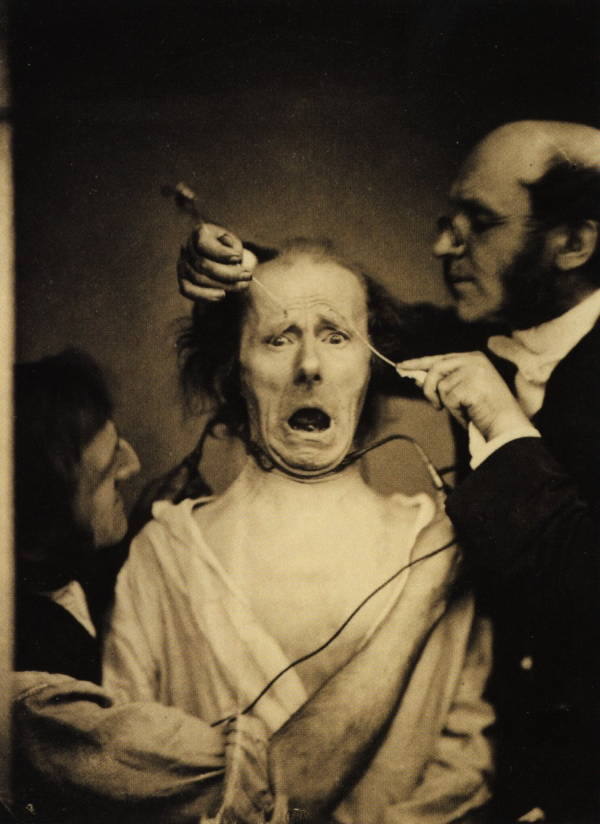
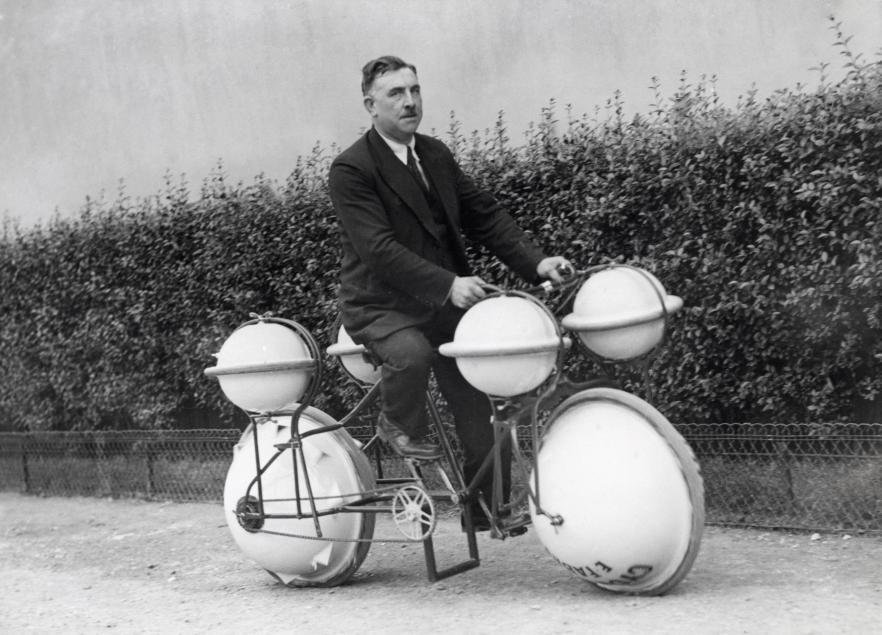
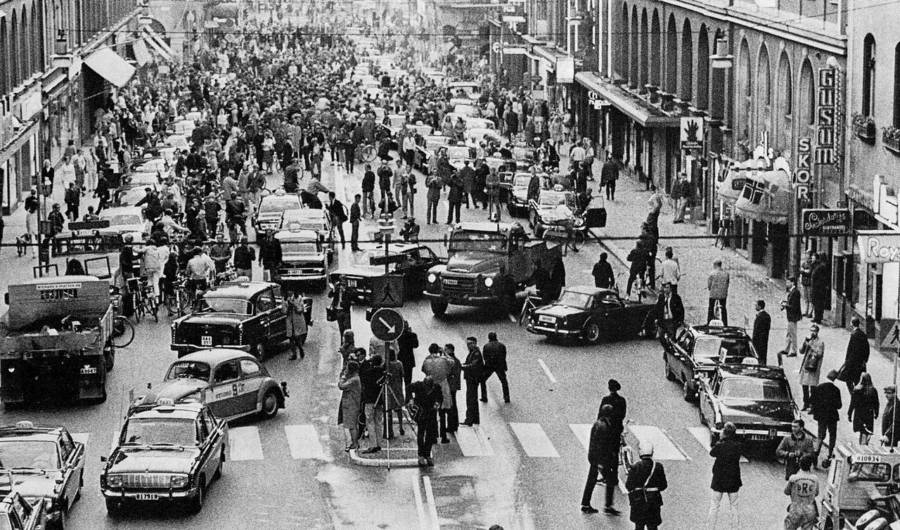
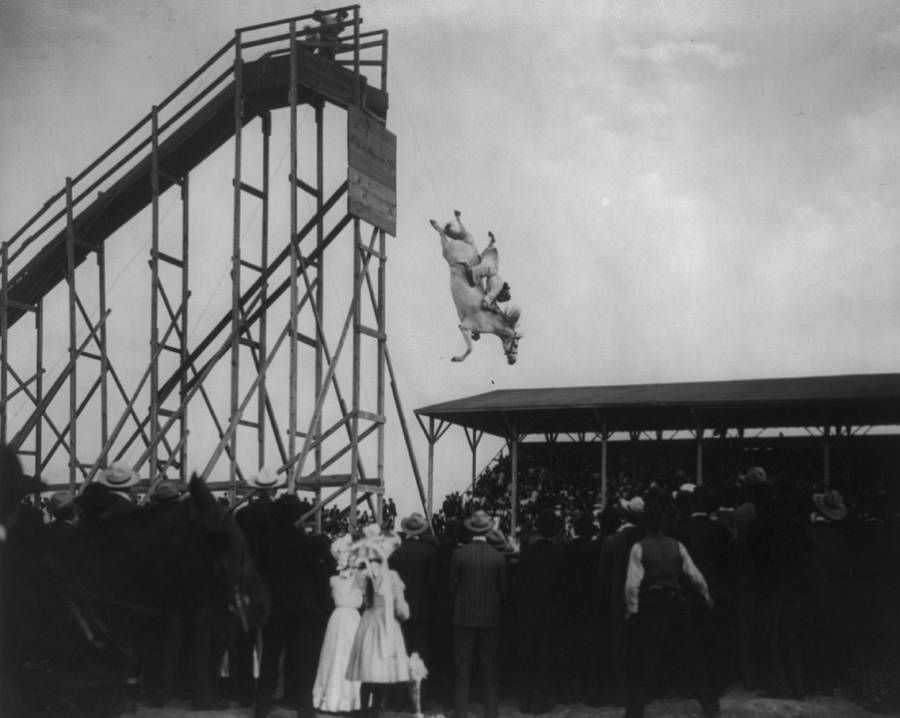
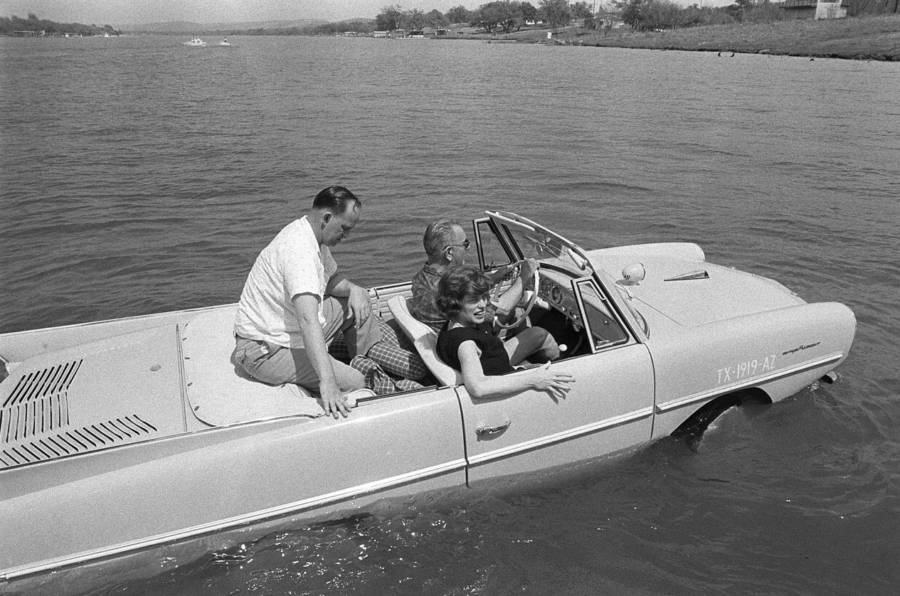
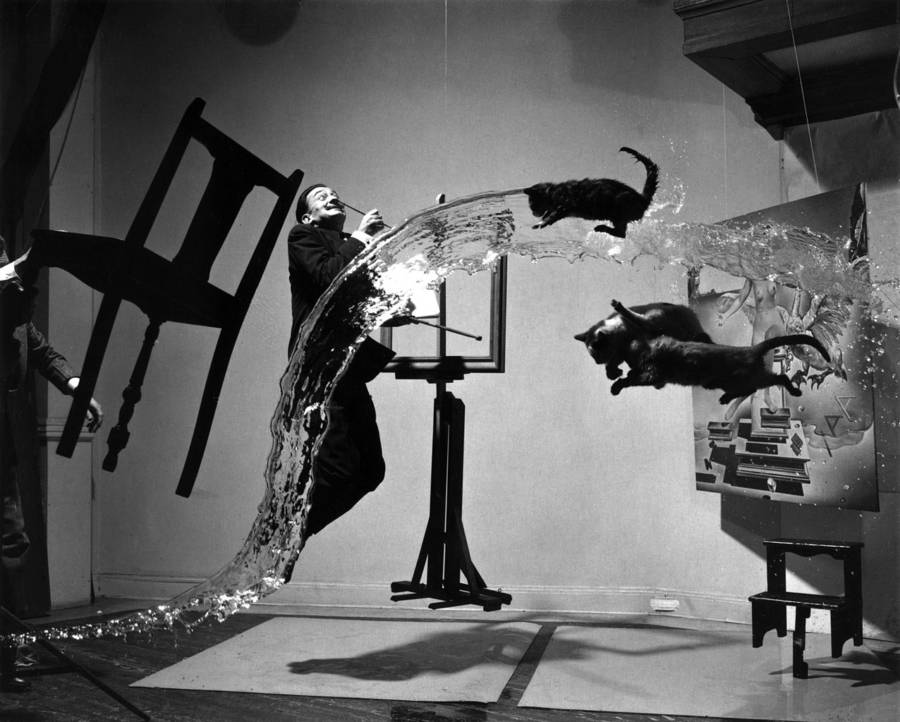
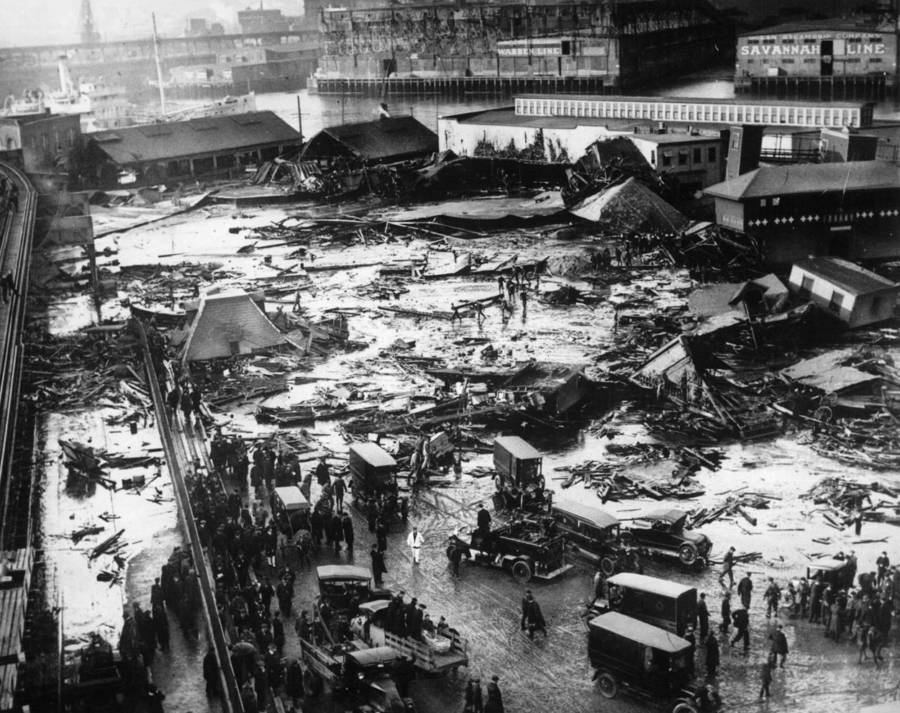
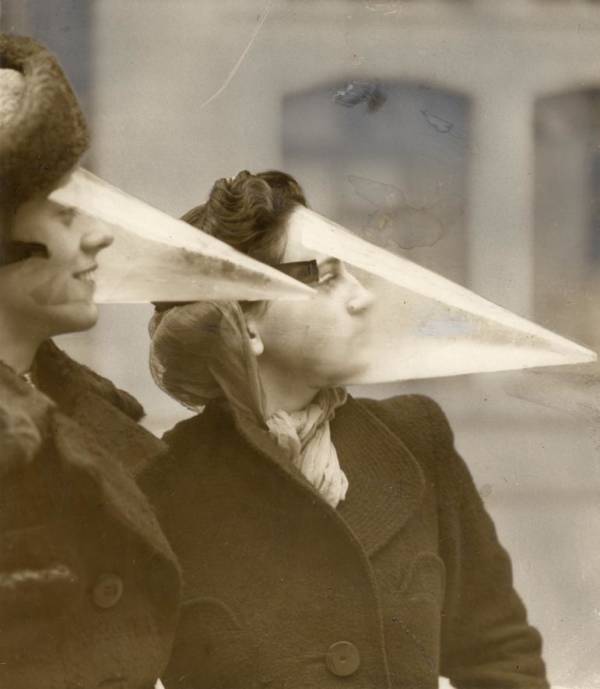
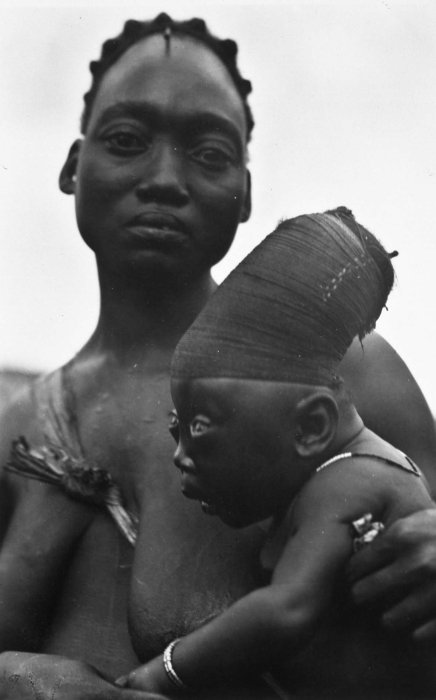
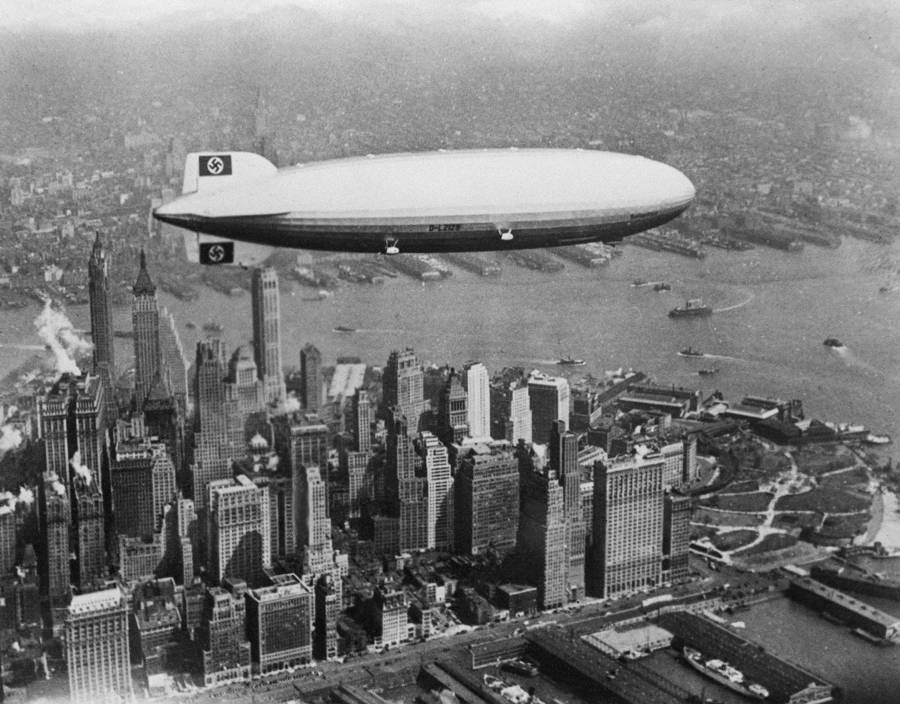
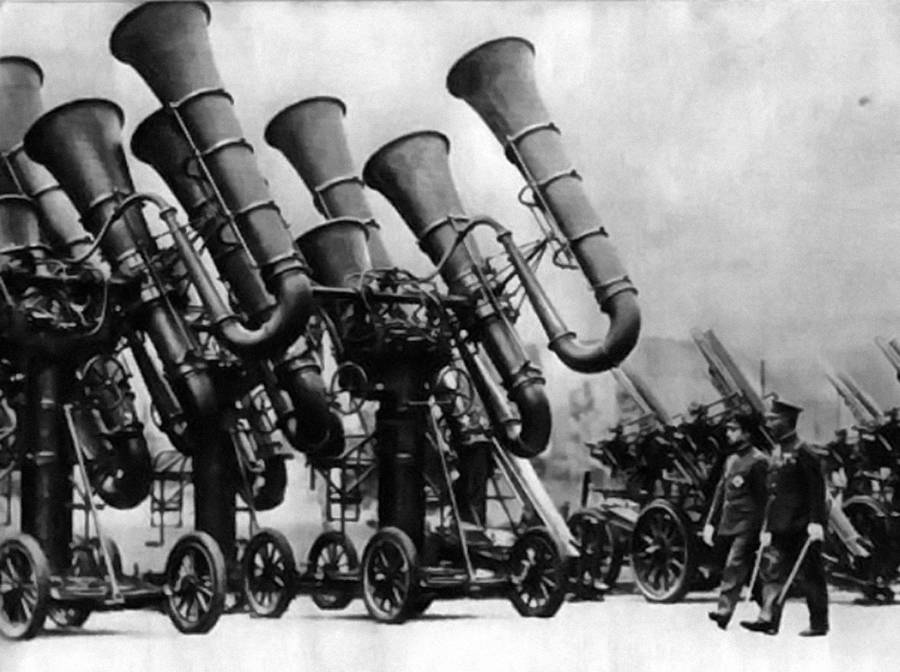
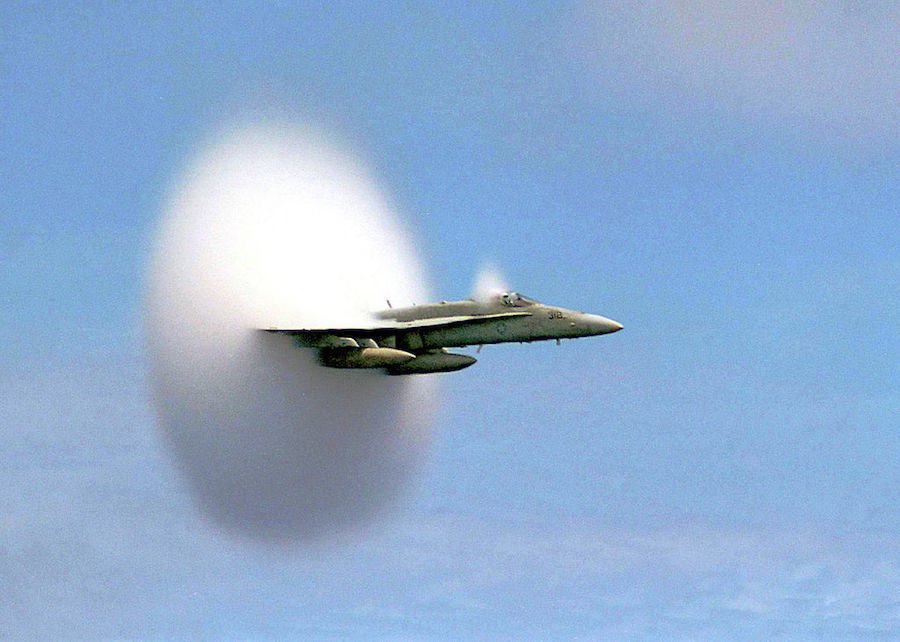
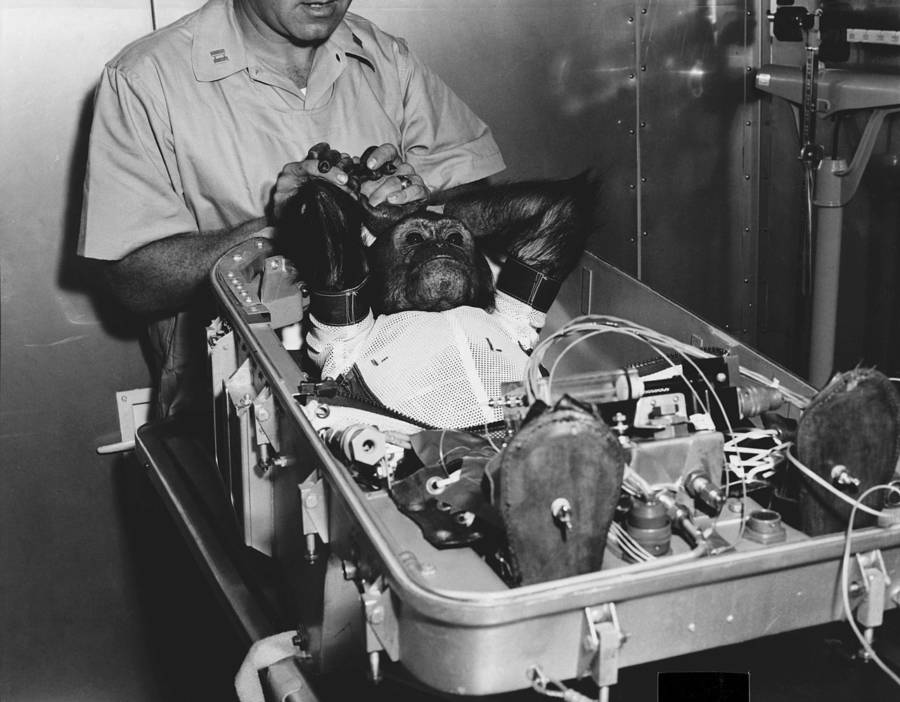
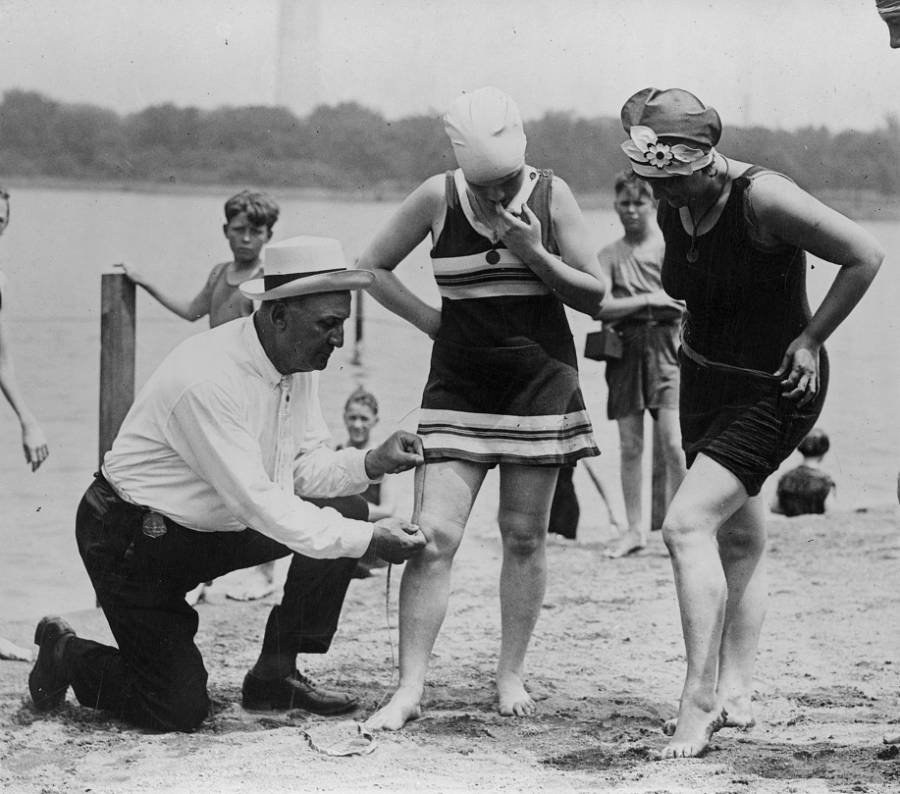
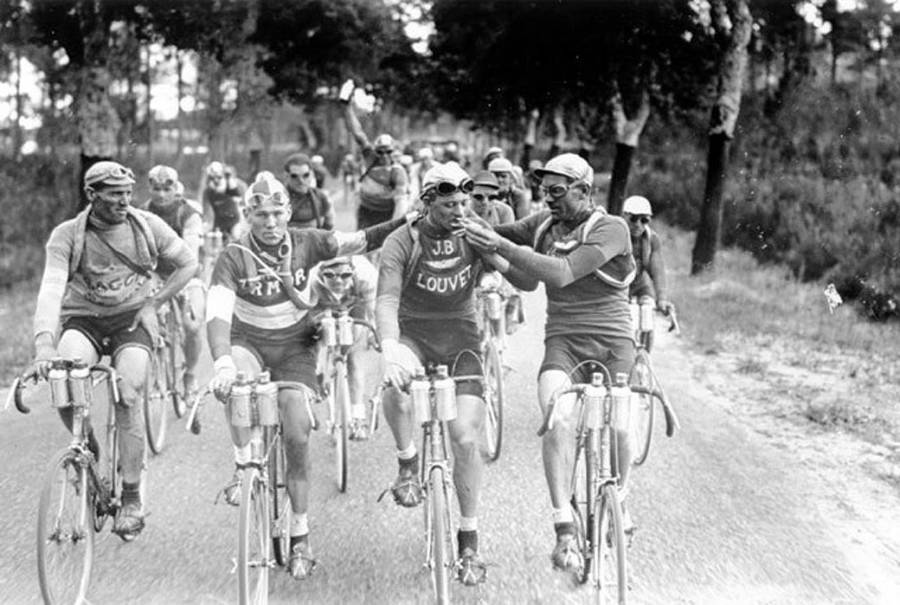
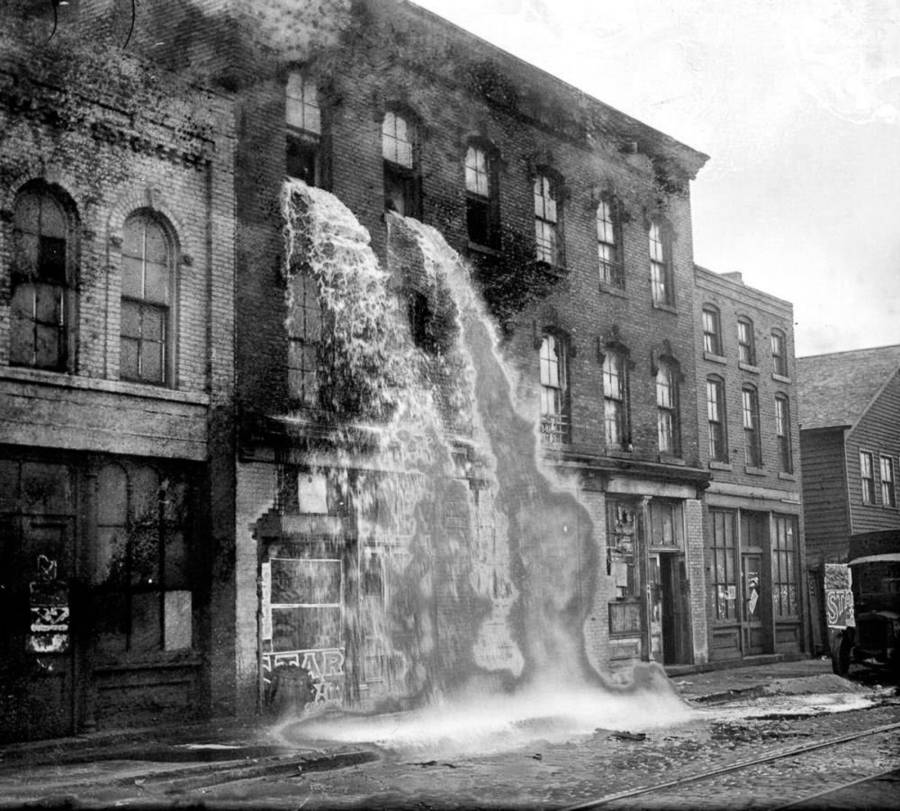
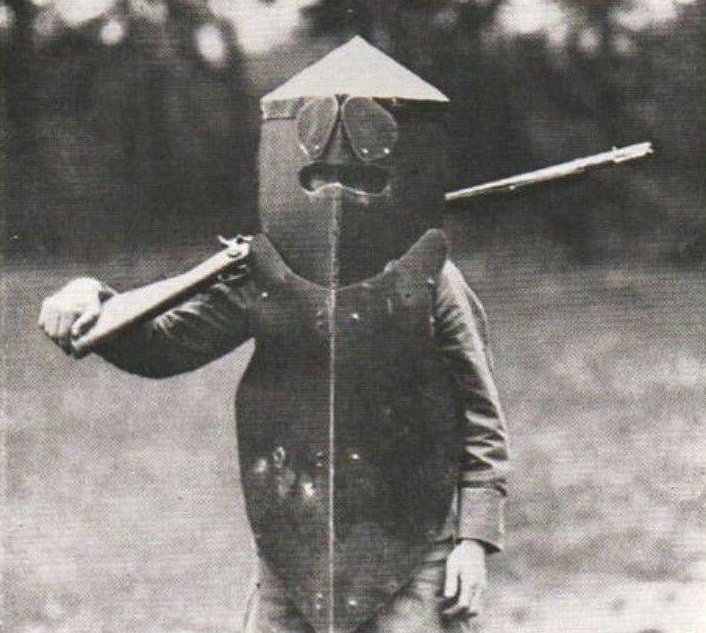
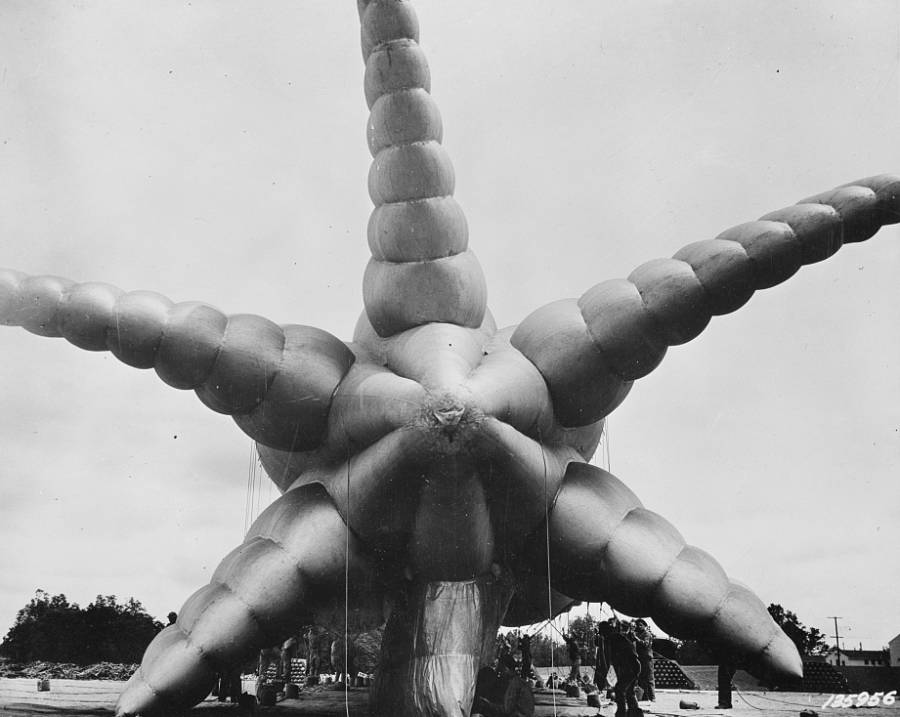
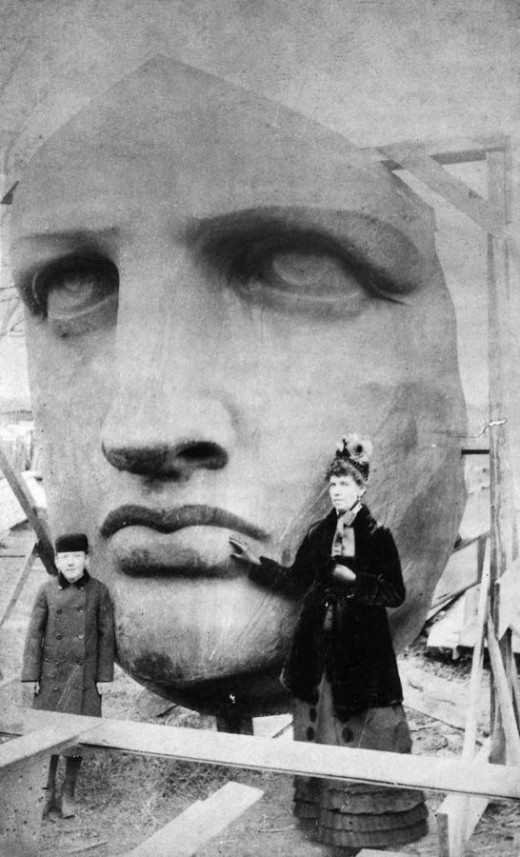
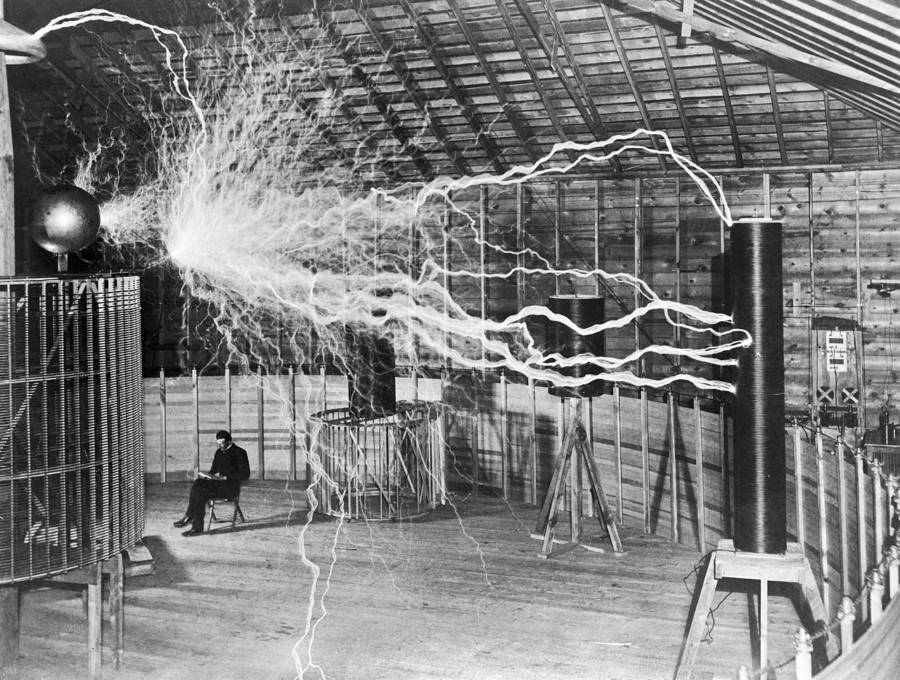
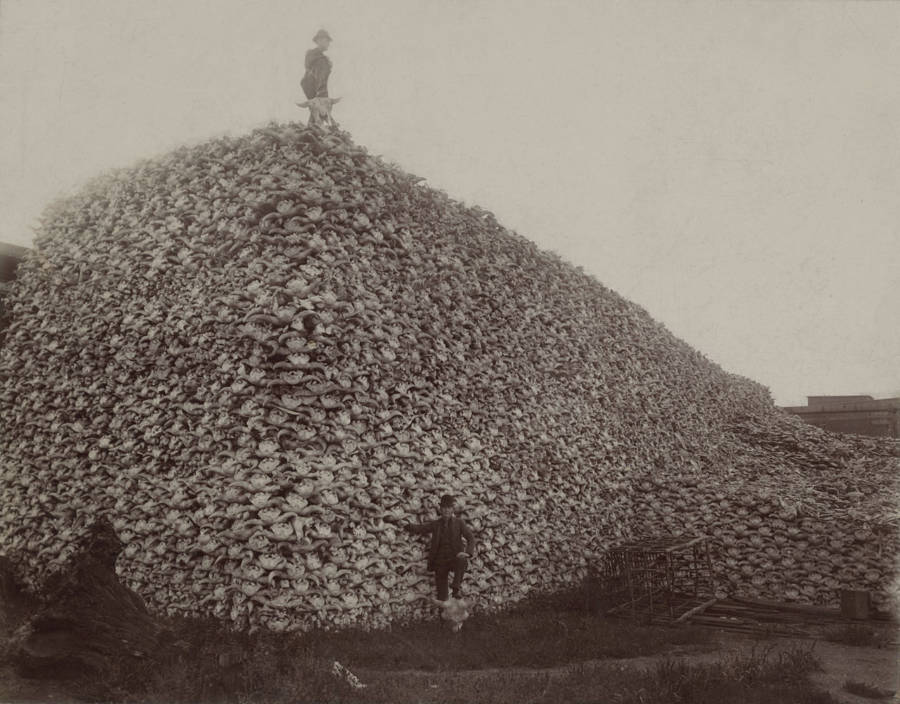
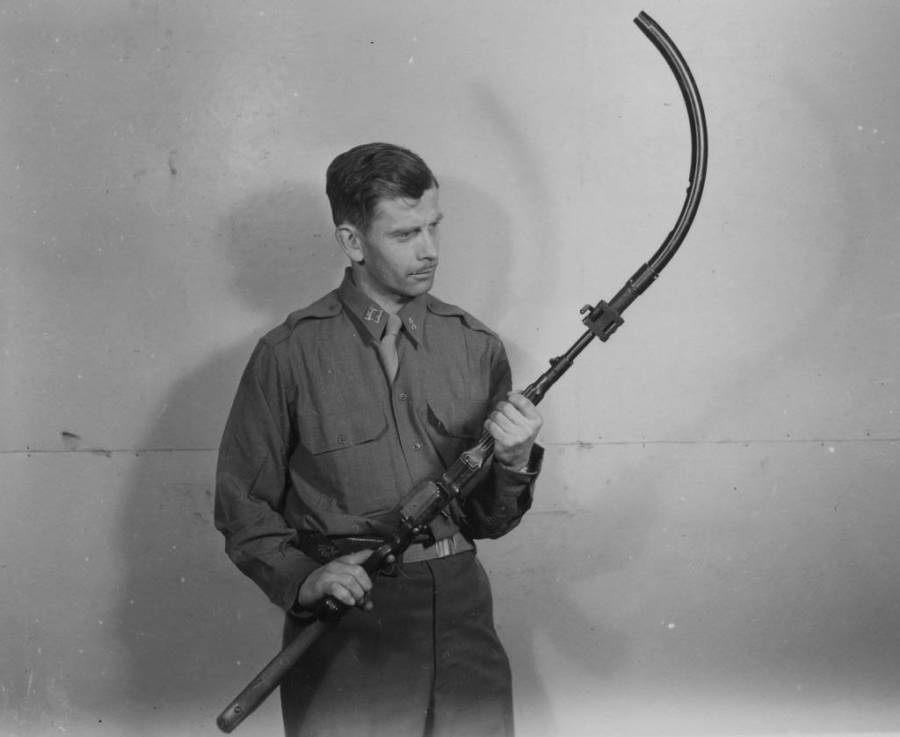
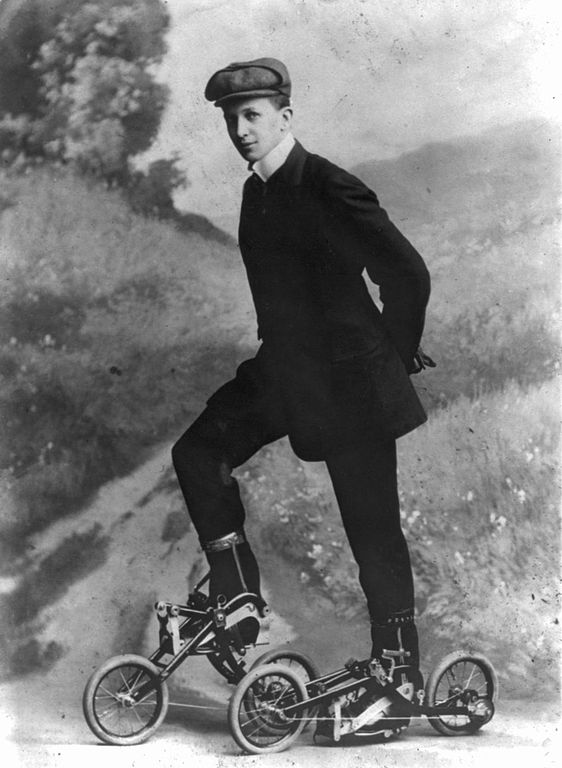
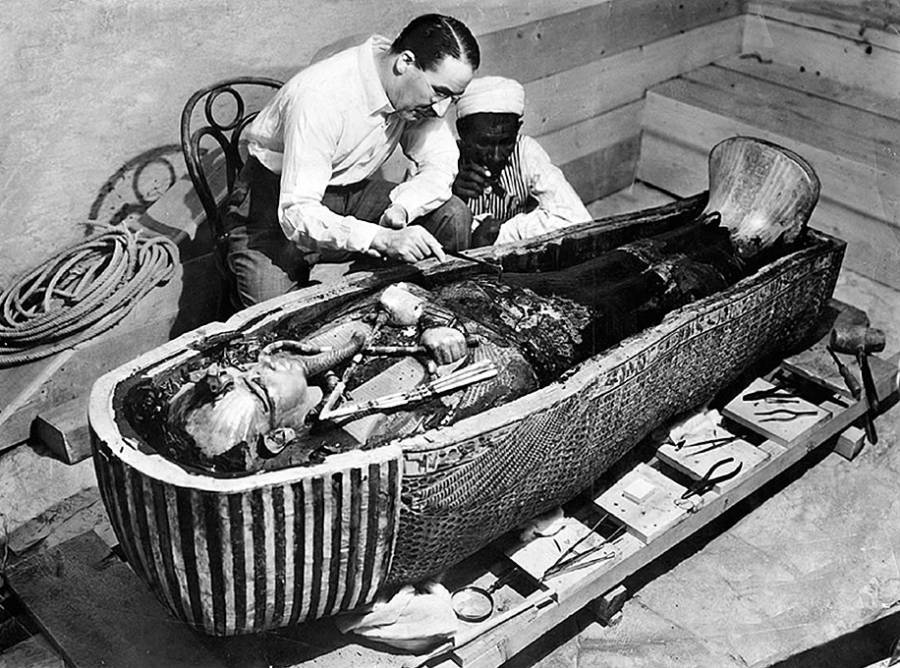
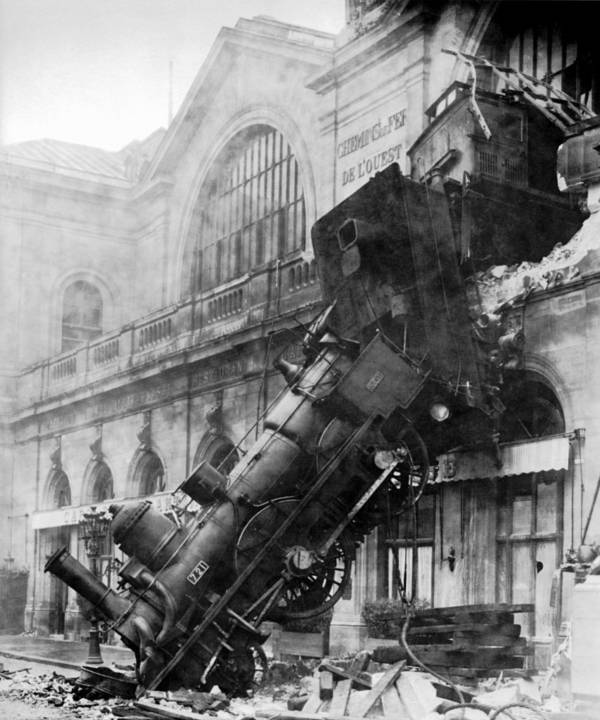
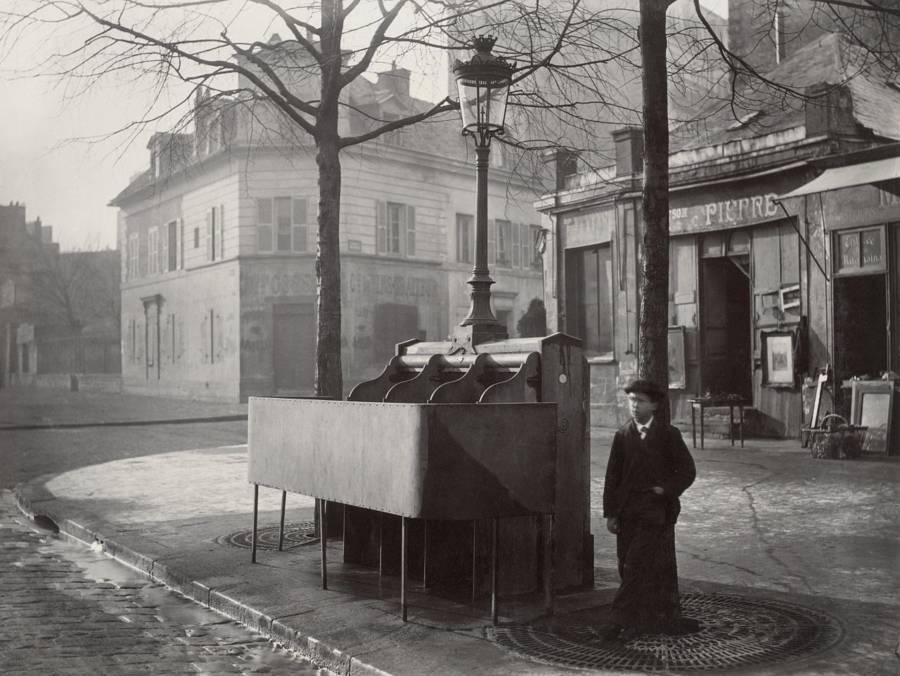
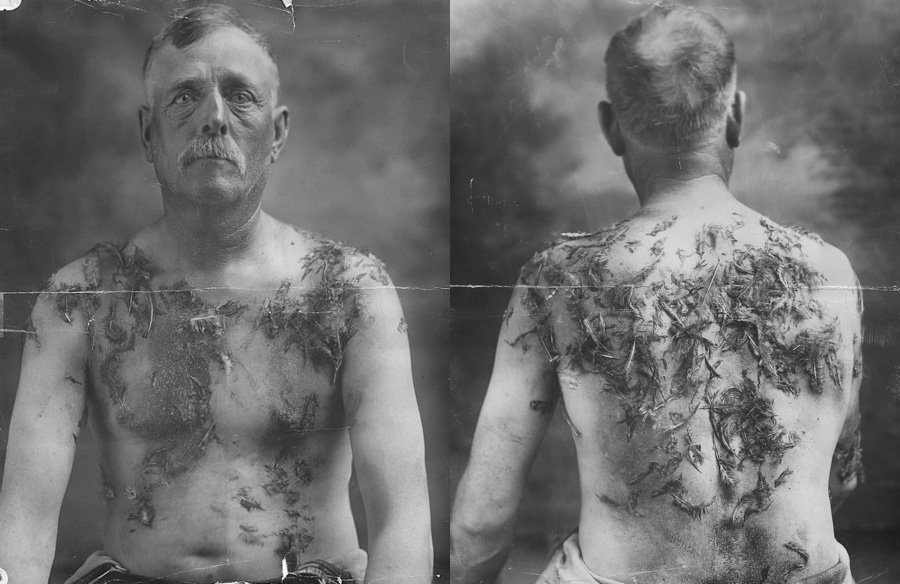
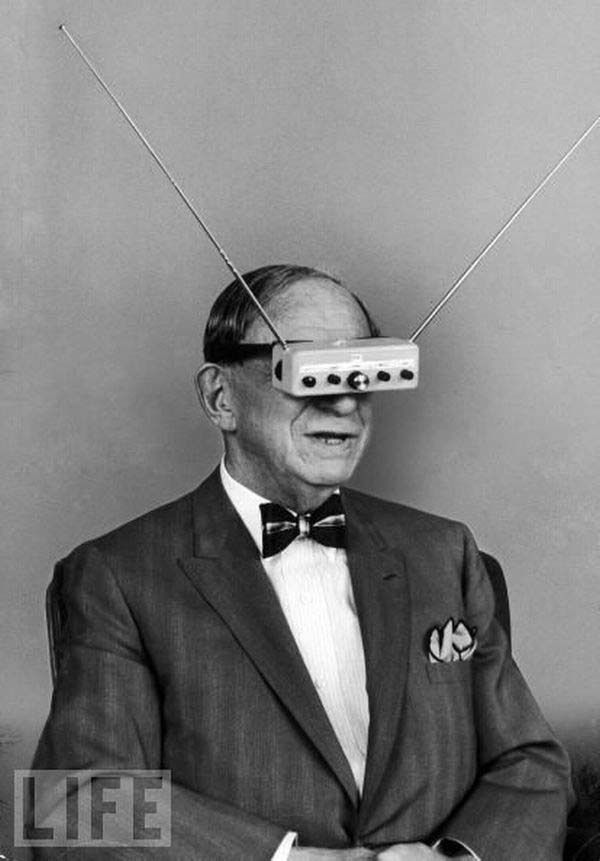
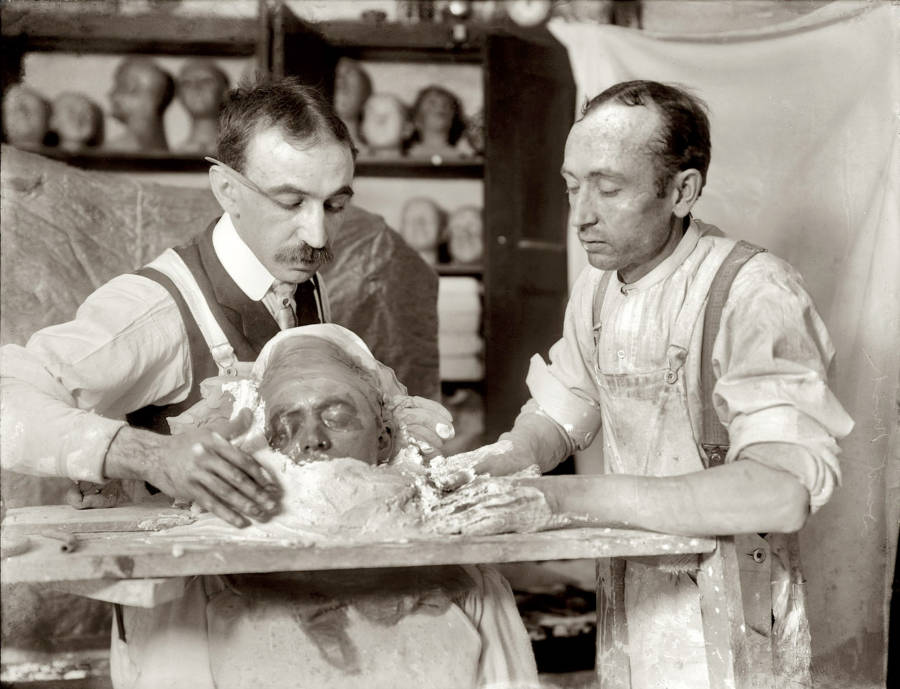
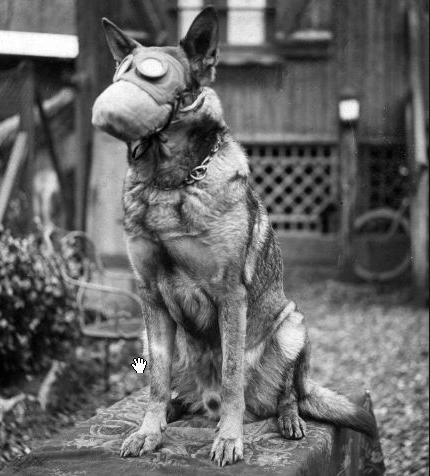
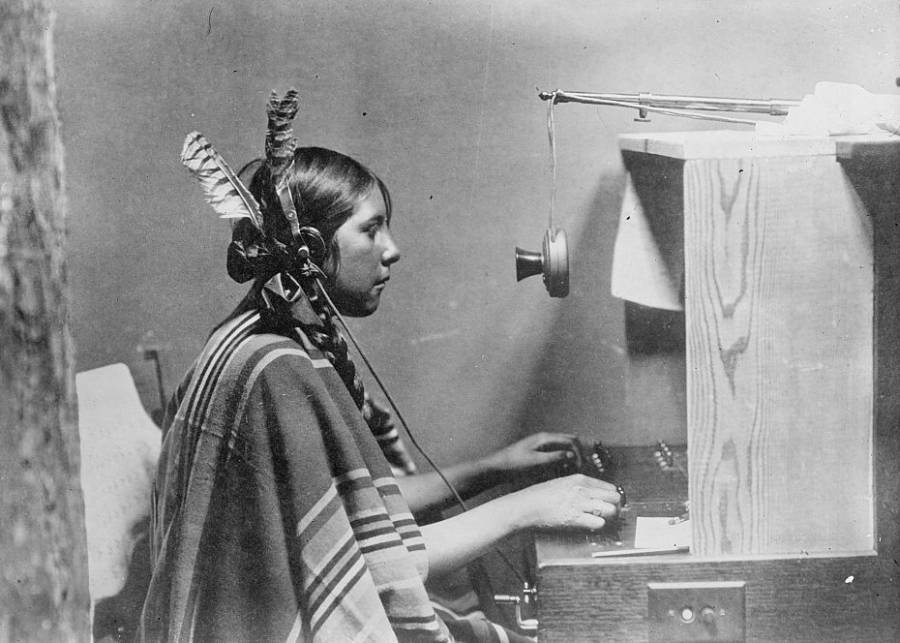
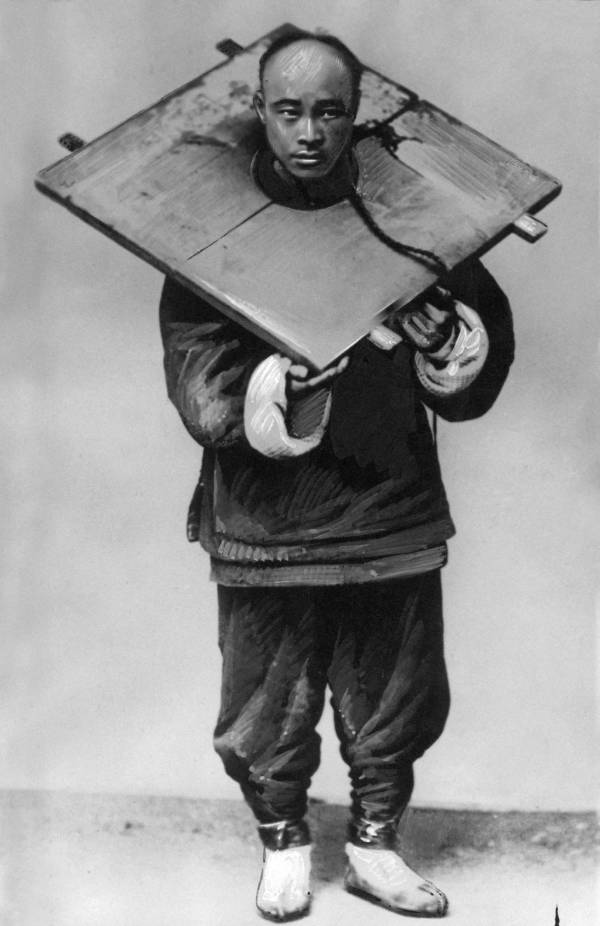
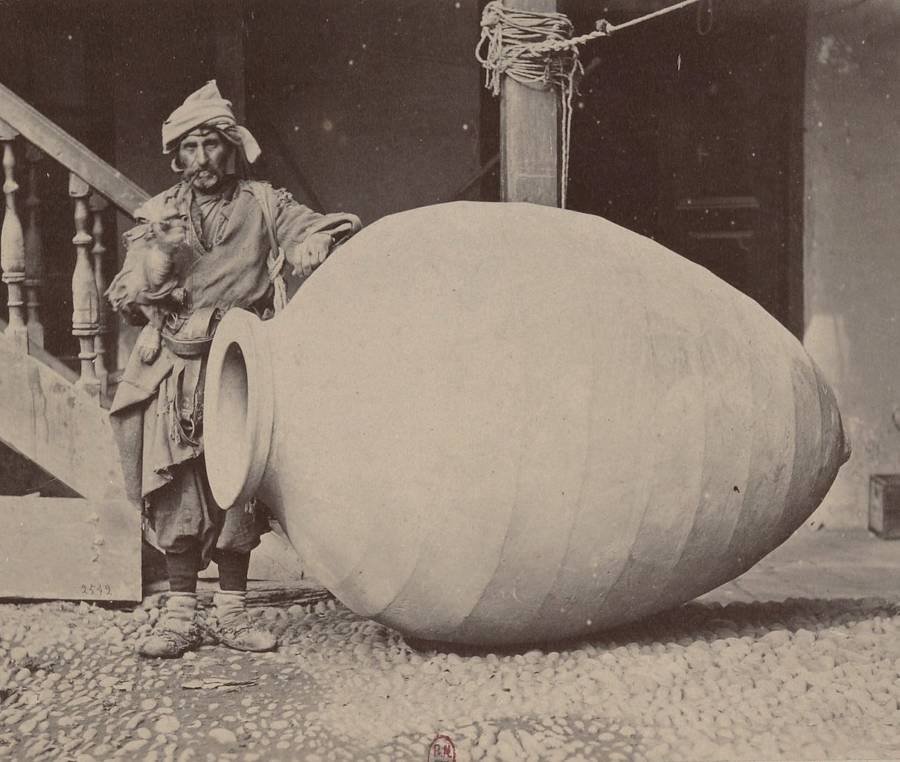
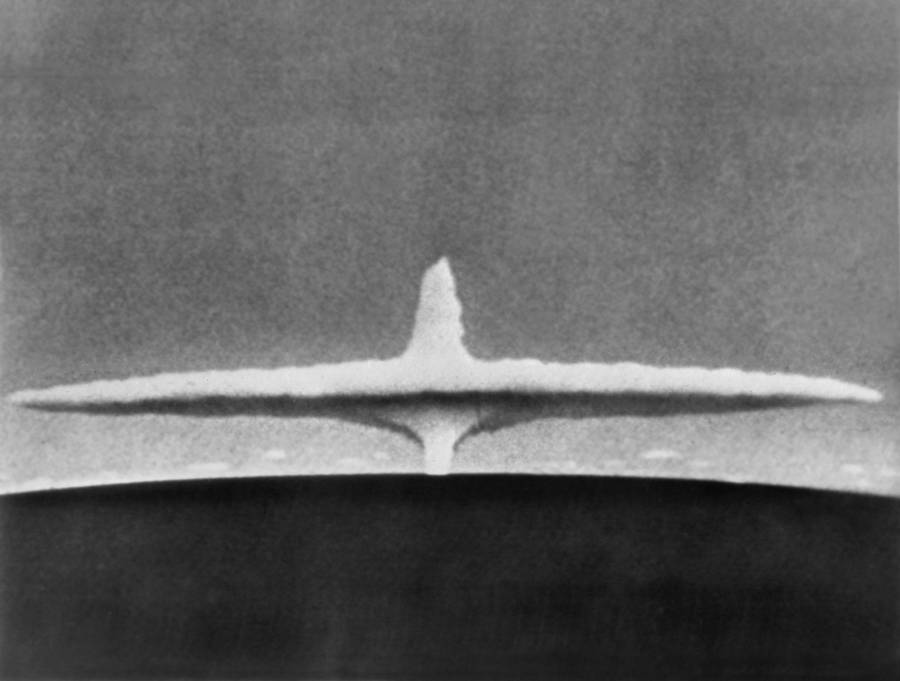
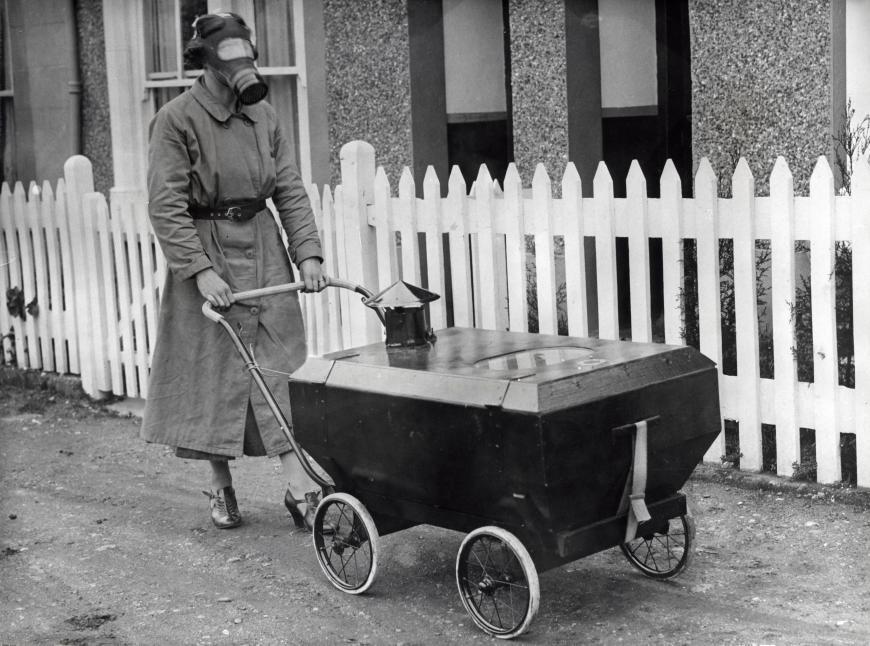
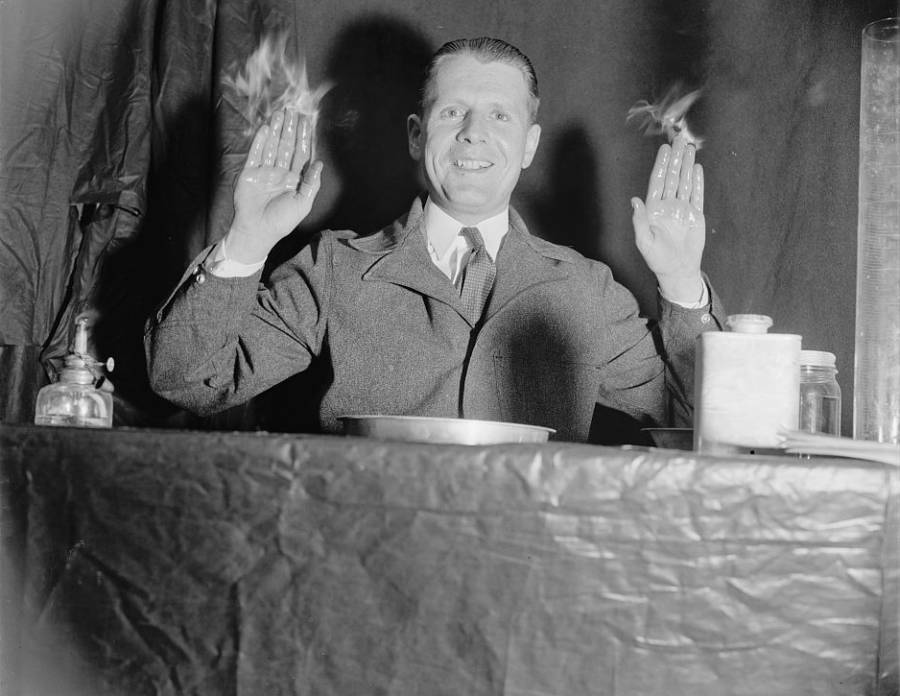
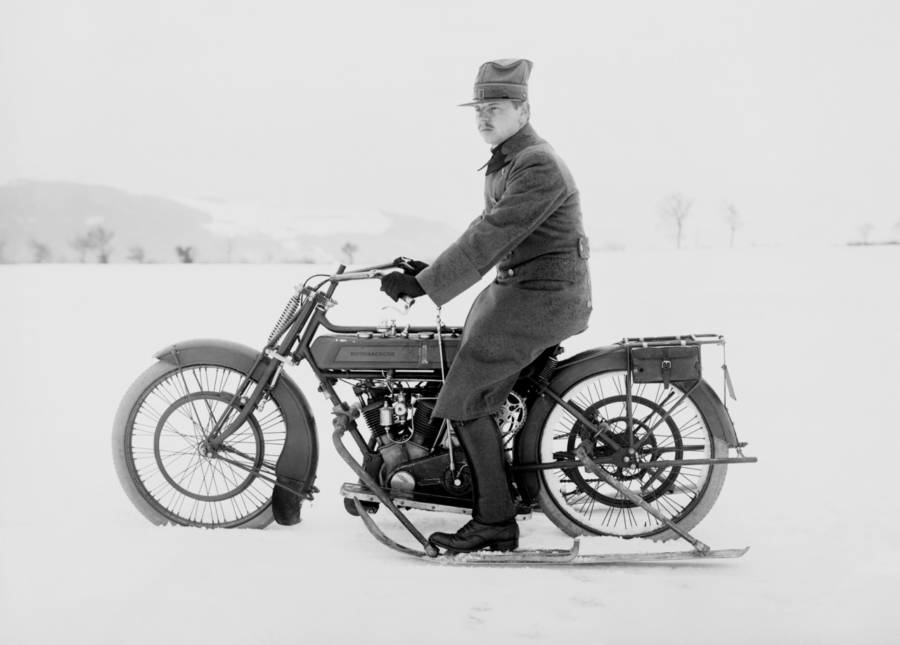
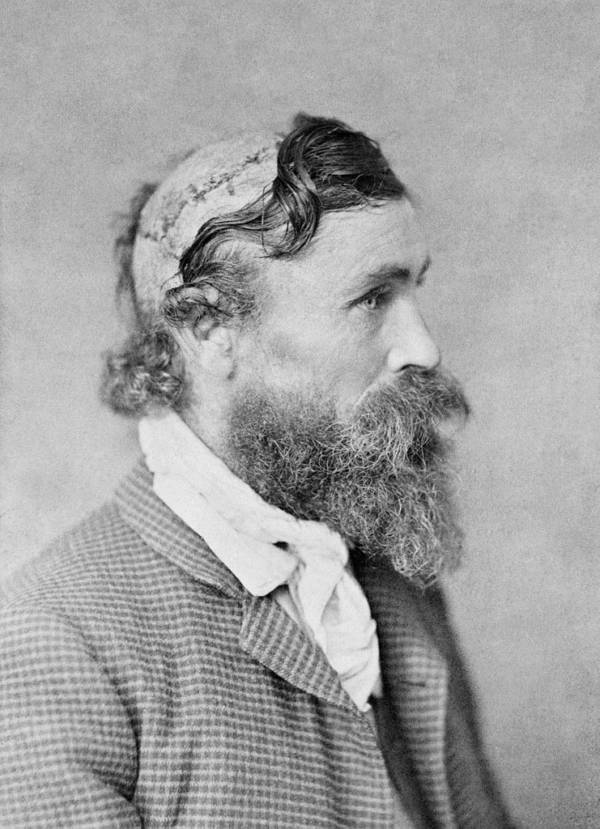
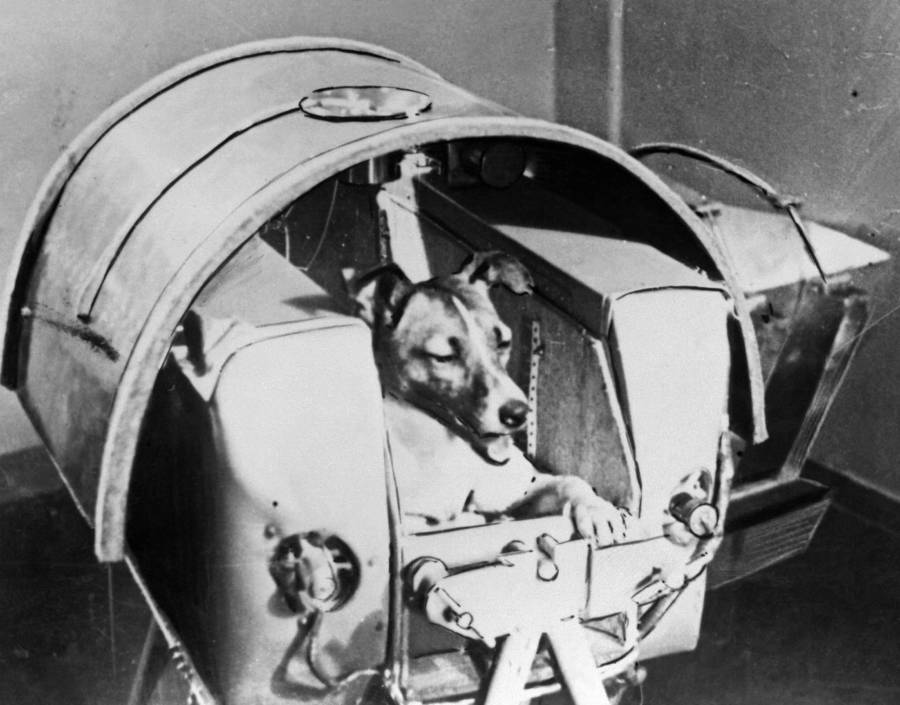
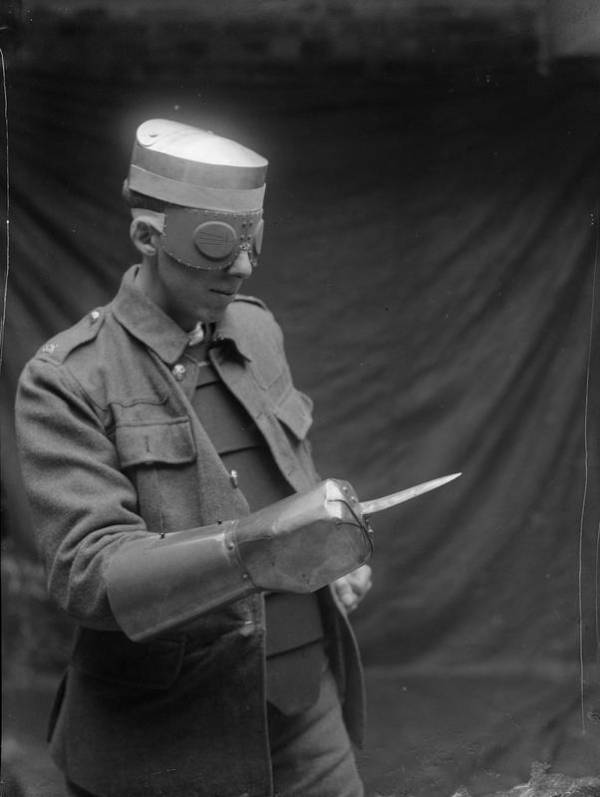
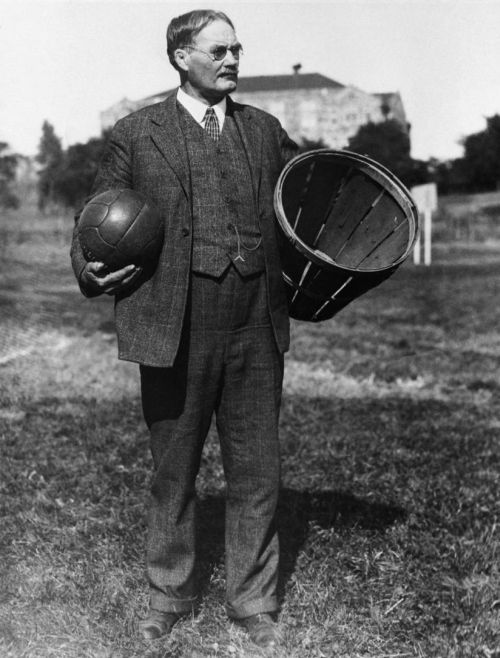
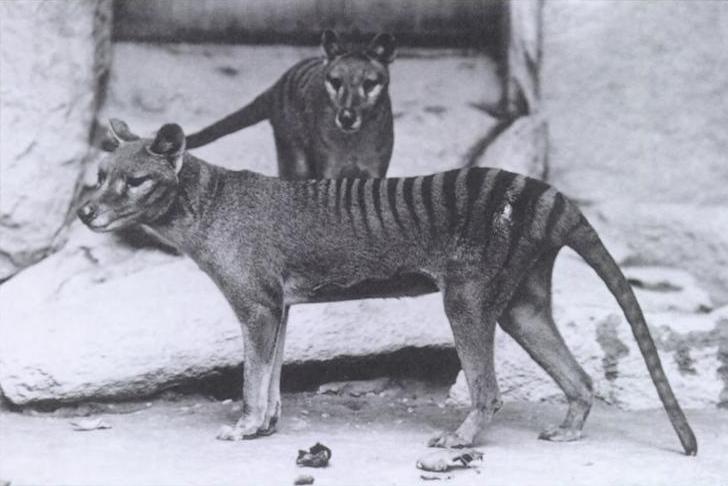
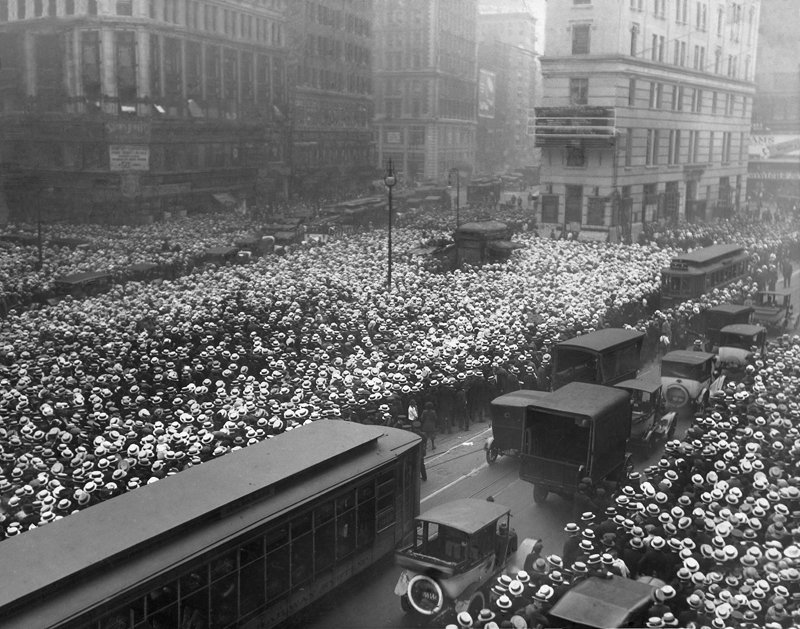
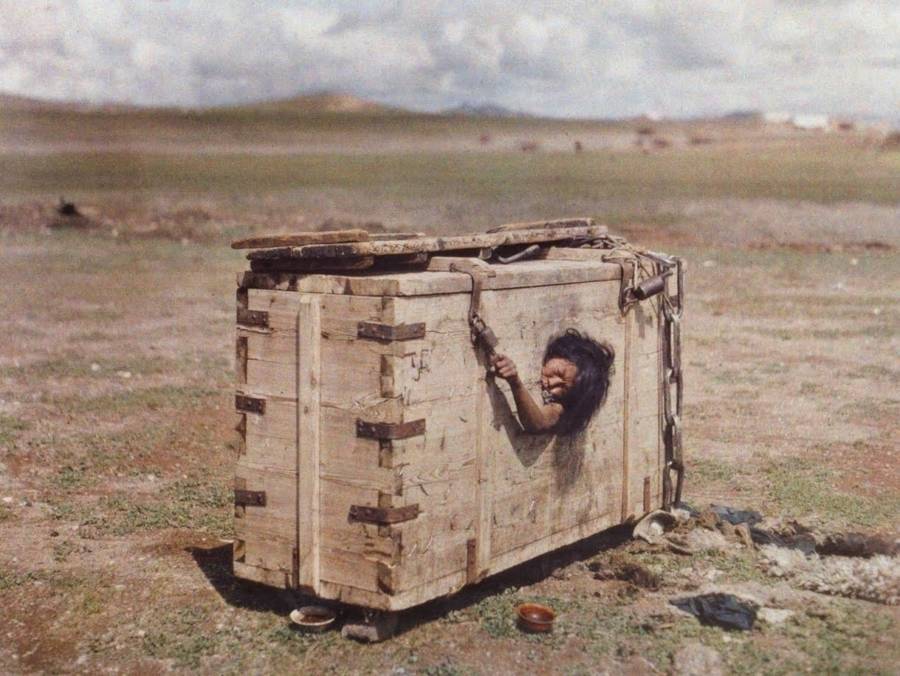
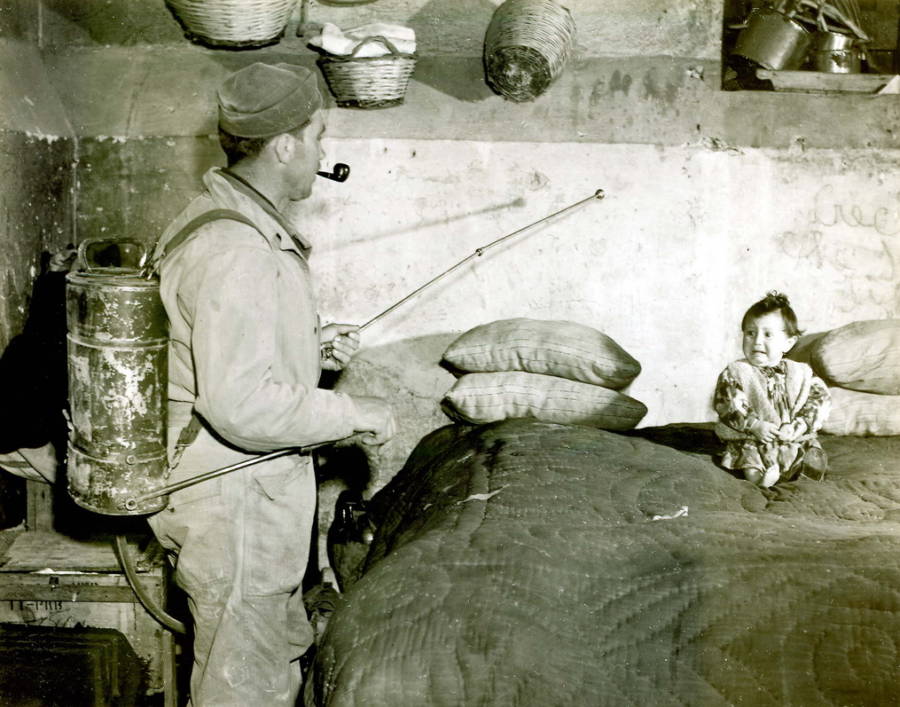
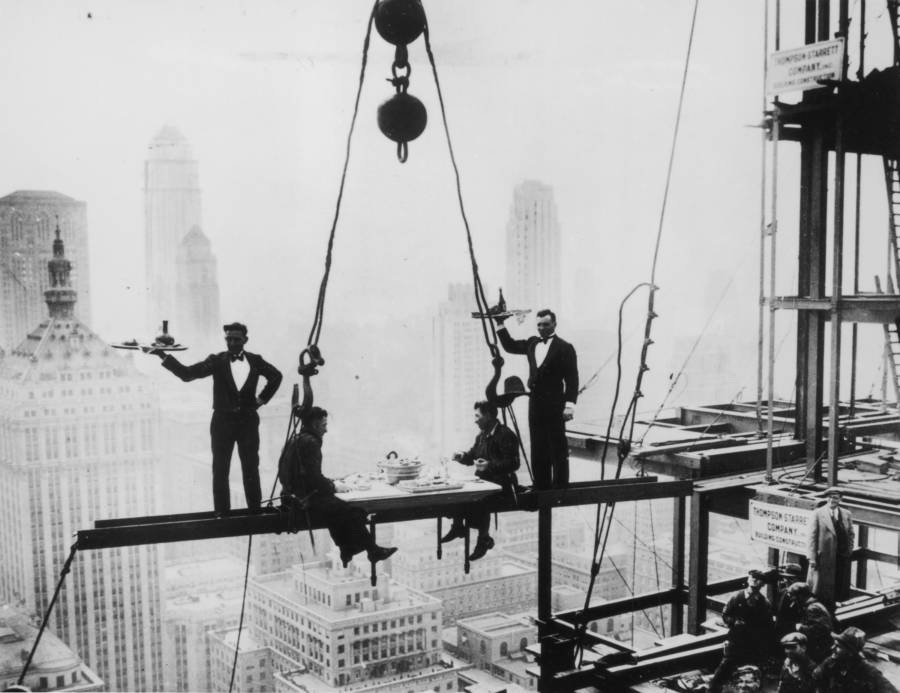
Circa 1920s, a picnic at Los Angeles’ California Alligator Farm, where patrons were allowed to mingle freely among trained alligators from 1907 to 1953.In April 1926, 41 members of the Ku Klux Klan gather at a ferris wheel at Cañon City, Colorado, a stronghold of the group in that era.Members of the Young Pioneers, a Soviet government youth group, don gas masks as part of an attack preparation drill in the Leningrad area, 1937.A 106-year-old woman sits in front of her home guarding it with a rifle, in Degh village, near the city of Goris in southern Armenia. Armed conflicts took place in and around nearby Nagarno-Karabakh, a territory in Azerbaijan also claimed by Armenia.Adolf Hitler poses in lederhosen, circa 1930s. Hitler had this photo and several others banned because, in his opinion, they undermined his dignity. The photos surfaced again after an Allied soldier found copies of them in a German house in 1945.French neurologist Guillaume-Benjamin-Amand Duchenne (right) carries out an experiment in electrophysiology by triggering a subject’s muscles with electrical probes in order to produce a given facial expression, circa mid-19th century.The Cyclomer, an amphibious bicycle that never caught on following its introduction in Paris in 1932.Vehicles and pedestrians stand in chaos in Stockholm, Sweden on September 3, 1967, the day that the country switched from driving on the left side of the road to the right.Spectators watch a horse diving act at an unspecified location (perhaps Pueblo, Colorado) on July 4, 1905. Horse diving was a popular spectacle through much of the 19th century, with horses (with or without a person onboard) would jump from towers into a pool of water from heights as great as 60 feet.President Lyndon B. Johnson drives his Amphicar on April 10, 1965. This amphibious land-to-water vehicle of West German origin was produced for several years during the 1960s.Surrealist artist Salvador Dali poses for the photograph known as Dali Atomicus, a collaboration between himself and American photographer Philippe Halsman that was published in 1948. The photo was meant to explore the idea of suspension, and thus used wires, thrown objects, and Dali’s own jumping to create a tableau of objects in mid-air. It reportedly took 28 tries to get right.Much of Boston’s North End lies in ruin following the Great Molasses Flood of January 15, 1919, in which a molasses storage tank broke apart, releasing as much as 2.3 million gallons into the streets at 35 miles per hour, ultimately killing 21 and injuring 150.Facial cones to protect the user during a snow storm. Montreal, Quebec, 1939.A woman of the Democratic Republic of the Congo’s Mangbetu tribe holds her child, circa 1929-1937. The Mangbetu once practiced Lipombo, a tradition in which a baby’s head was wrapped tightly with a cloth in order to achieve an elongated skull, believed to be a mark of beauty.The German airship Hindenburg, swastikas and all, flies over New York City on the afternoon of May 6, 1937, a few hours before its historic, fiery crash in Manchester Township, New Jersey.Japanese Emperor Hirohito inspects his military’s acoustic aircraft locators — used to detect planes by the sounds of their engines in the days before radar — sometime prior to the end of World War II.A U.S. Navy plane travels through a flow-induced vaporization off the coast of South Korea on July 7, 1999. This phenomenon occurs when planes of a certain shape travel through humid air, causing abrupt air temperature and pressure variations that create the kinds of oddly-shaped vapor clouds seen above.Enos the chimpanzee lies in his fight couch before being inserted into NASA’s Mercury-Atlas 5 space capsule, in which he would become the first primate to orbit the Earth on November 29, 1961.Beach policeman Bill Norton measures the distance between a woman’s knee and the bottom of her swimsuit to be sure that it’s not too large — in keeping with rules of the time — in Washington, D.C., 1922.Cyclists smoke cigarettes while competing in the 1927 Tour de France.Alcohol, discovered by Prohibition agents during a raid on an illegal distillery, pours out of the windows of a storefront in Detroit, 1929.Circa 1917-1918, a man wears the Brewster Body Shield, the first body armor developed by the U.S. during World War I. this chrome nickel steel suit could weigh as much as 40 pounds and indeed stop some bullets.An enormous octopus balloon rises from the ground at the barrage balloon training center of Tennesse’s Camp Tyson, circa World War II. Barrage balloons were used by several countries during both world wars in order to disrupt the attack movements of aerial bombers by ramming into them or obstructing their vision.The as-yet unassembled face of the Statue of Liberty sits unpacked in New York soon after its delivery from France on June 17, 1885.Serbian scientist Nikola Tesla sits near his magnifying transmitter — an advanced version of the famed Tesla coil that he used for the wireless transmission of electrical energy — n his Colorado Springs laboratory, 1899.A pile of American bison skulls sits at an unspecified location, waiting to be ground down into fertilizer, circa mid-1870s.A man holds a Krummlauf, an experimental curved rifle barrel attachment developed by the Nazis during World War II in order to shoot around walls and over barriers. The impractical device was produced in small numbers and never saw much use in the field.A man wears an early version of roller skates powered with pedals and wheels, 1910.English archaeologist Howard Carter first opens the innermost portion of King Tutankhamun’s tomb soon after its discovery near Luxor, Egypt in 1922.A train lays wrecked after entering Paris’ Montparnasse station too fast and failing to break before crashing through the station wall and down onto the street below on October 22, 1895.A train lays wrecked after entering Paris’ Montparnasse station too fast and failing to break before crashing through the station wall and down onto the street below on October 22, 1895.Circa 1865, a boy stands near a pissoir, one of the many outdoor urinals installed on the streets of Paris starting in the mid-19th century. At their peak, Paris’ pissoirs numbered more than 1,000.German-American farmer John Meints displays the ill effects of the attack he suffered on August 19, 1918, when locals took him from his home in Luverne, Minnesota, whipped him, then tarred and feathered him. Meints was attacked amid anti-German sentiment that had taken root during World War I.Inventor Hugo Gernsback models his television goggles for LIFE magazine in 1963.Two men construct a death mask in New York, circa 1908. Death masks — wax or plaster casts made around the recently deceased’s head — were used for various purposes, largely those meant to honor the deceased with a statue or display of some kind.A French Red Cross dog wears a gas mask, 1917.A Native American telephone switchboard operator sits at work at Montana’s Many Glacier Hotel on June 26, 1925.Circa 1930s, a Chinese car driver who was convicted for speeding poses for a photo after being condemned to wear the traditional cangue — a wooden board weighing as much as 30 pounds and used in punishment for centuries throughout east Asia until the 1900s — for 24 hours.A man stands next to an enormous container used to store wine in Kakheti, Georgia, 1881.The first American hydrogen bomb test creates a massive cloud over Eniwetok Atoll, in the Marshall Islands on October 31, 1952.A woman tests a stroller intended to be resistant to gas attacks in Hextable, England in 1938, not long before the outbreak of World War II.On November 10, 1938, Maryland inventor George Stern displays his invention, a highly volatile fluid that vaporizes so rapidly that flames from the gases released will not burn. However, Stern stated that the formula’s only practical use would be in creating strange effects for horror films.A man poses with a motorcycle equipped with skis in order to travel through the snow in Kehrsatz, Switzerland during World War I.Circa 1890, a man named Robert McGee, reportedly scalped by a Sioux chief named Little Turtle — reveals his wounds.A dog named Laika, the first living creature ever sent into space, sits aboard the Soviet Sputnik II spacecraft, launched from Kazakhstan on November 3, 1957.A man demonstrates a steel cap, splinter goggles (vision is obtained through thin slits in goggles), and a steel dagger gauntlet, manufactured for the British military during World War I.James Naismith, the inventor of basketball, holds an early ball and basket used for the game at an unspecified date sometime prior to 1939.German youths wear bike tires repurposed as swimming aids, 1925.A pair of thylacines stand in their enclosure at the National Zoo in Washington, D.C., circa 1904. Commonly known as the Tasmanian tiger, this wolf-like marsupial inhabited Australia, Tasmania, and New Guinea for millions of years until several factors included mass hunting brought it to extinction in 1936.In July 1921, a crowd reportedly consisting of approximately 10,000 men gather outside the New York Times building in New York’s Times Square in order to receive updates on the boxing match between Jack Dempsey and Georges Carpentier.A Mongolian woman sits trapped inside a wooden box as a form of punishment, 1913.A soldier sprays the interior of an Italian house with a mixture of DDT and kerosene in order to control malaria during World War II, circa 1945.Waiters serve lunch to two steel workers on a girder high above New York City on November 14, 1930, during construction of the famed Waldorf-Astoria Hotel.
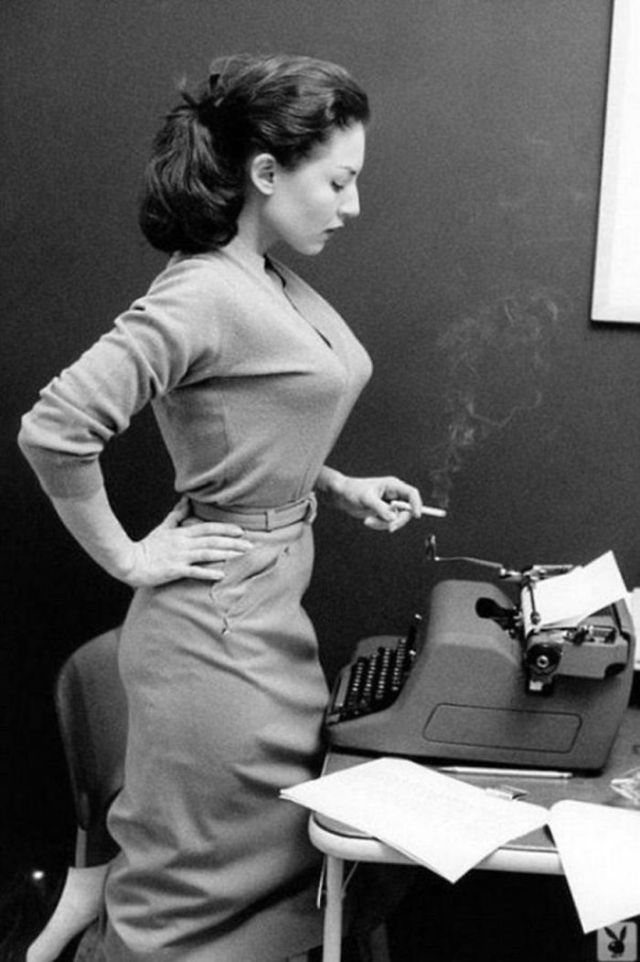
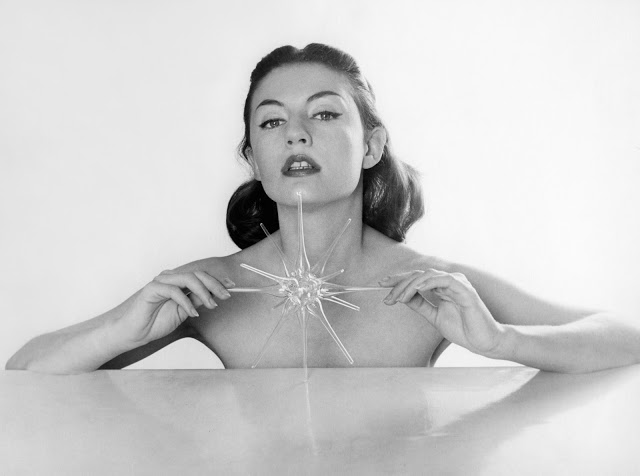
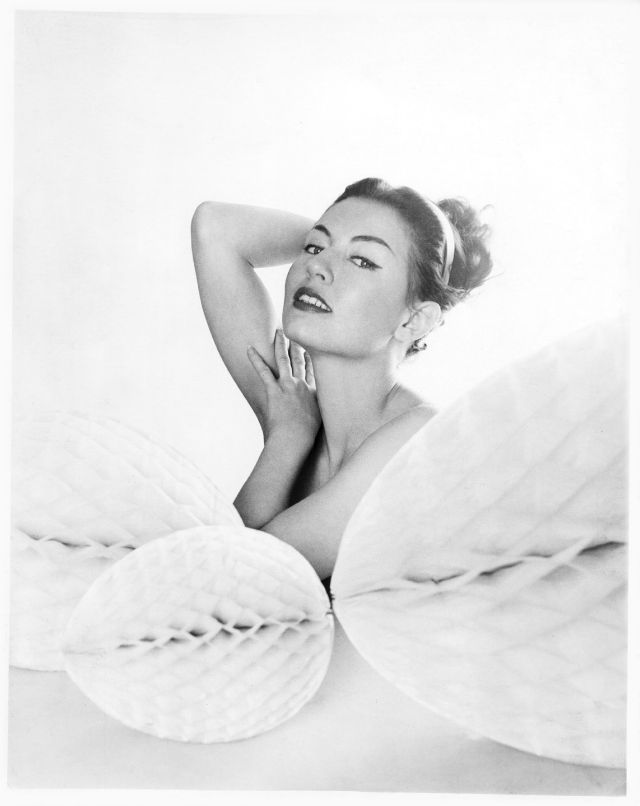
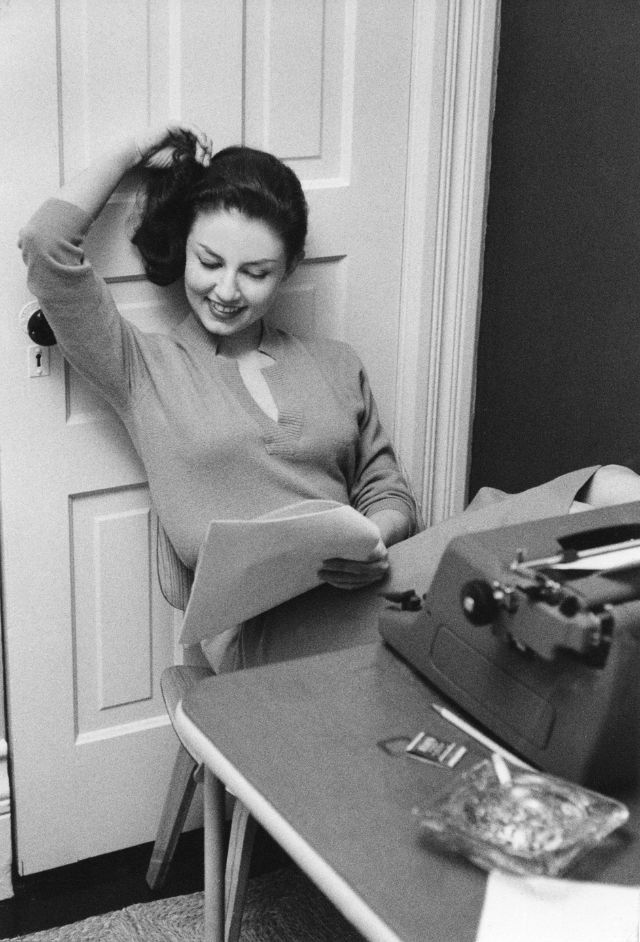
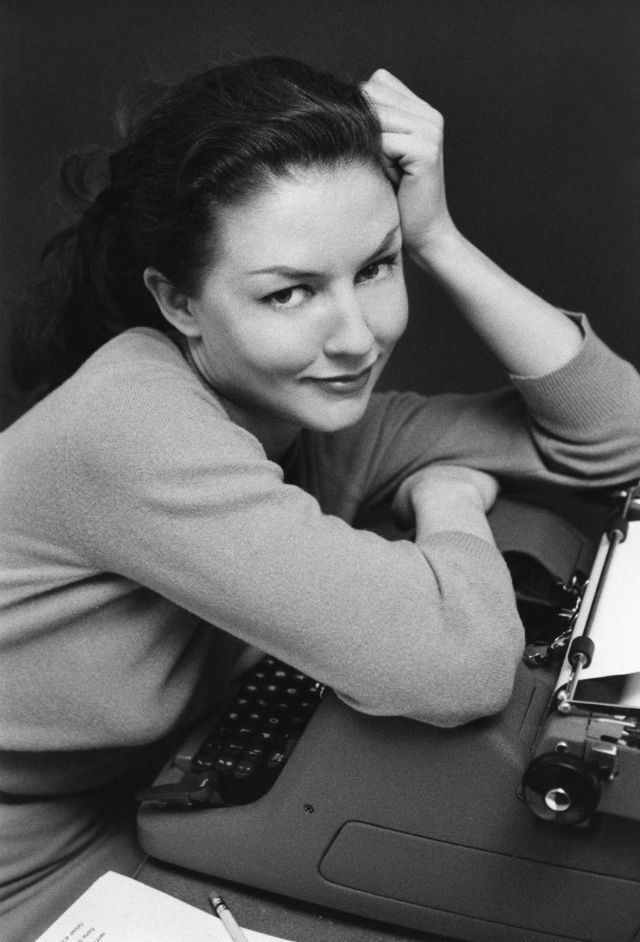
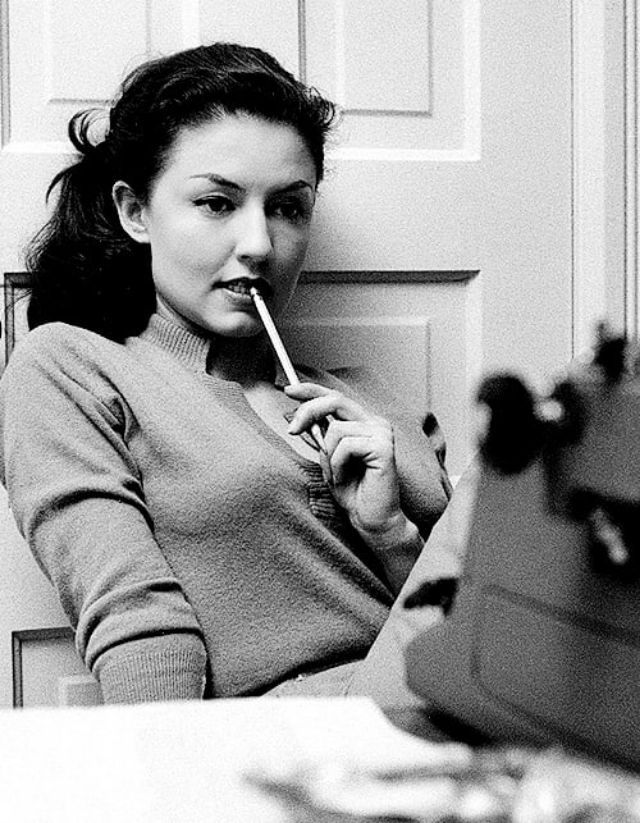
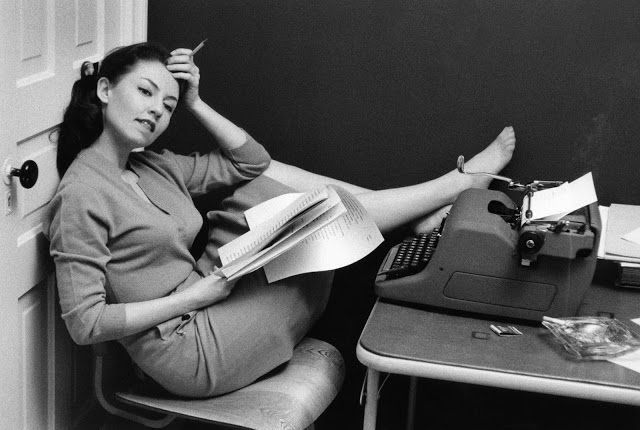
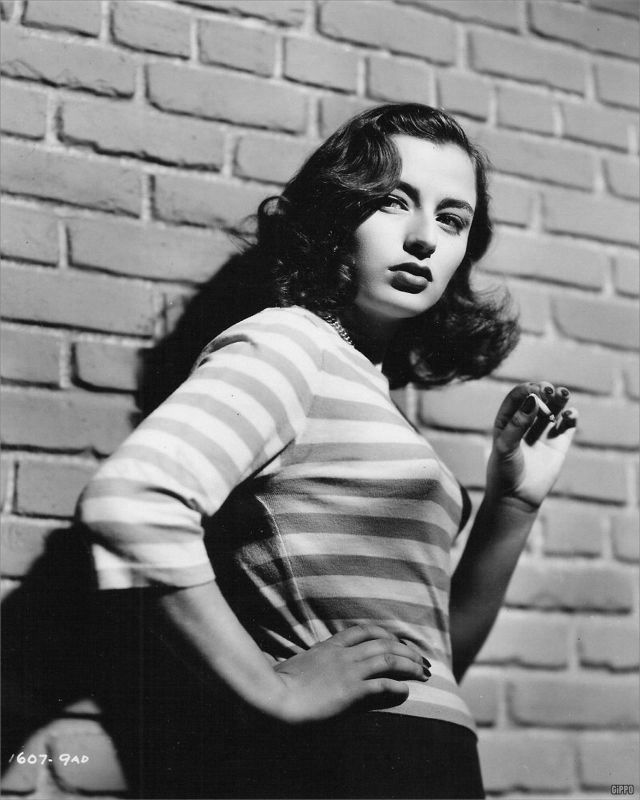
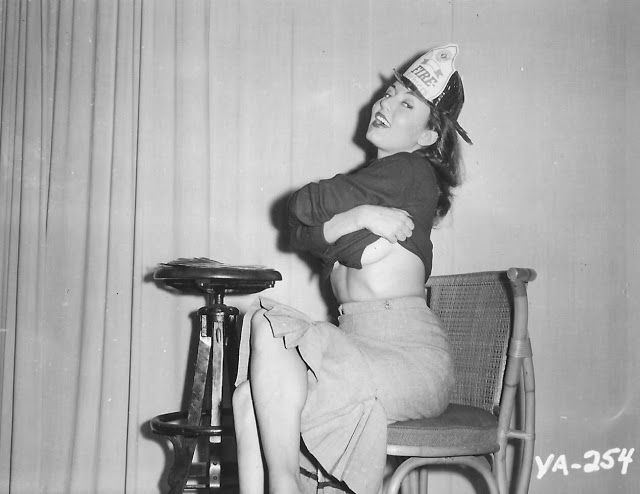
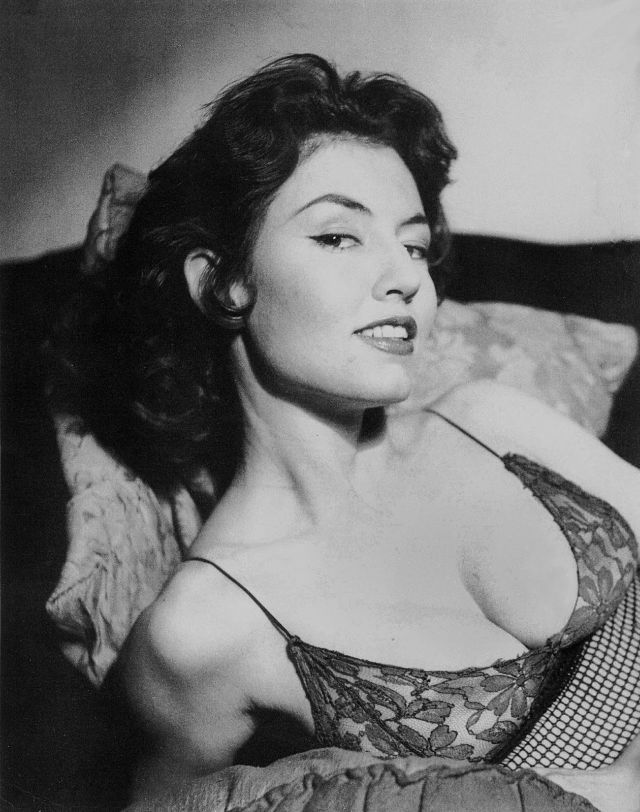
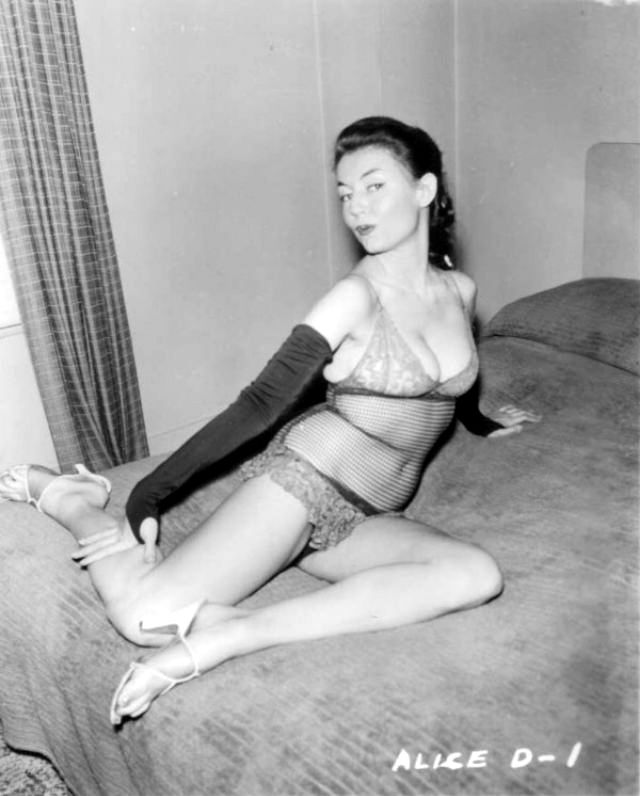
Alice Denham (born January 21, 1933 in Jacksonville, Florida) is an American model, writer and scholar. She was Playboy magazine’s Playmate of the Month for the July 1956 issue. Denham posed for other men’s magazines during her modeling career, but she was as well known for her academic achievements as for her physical attributes.
Denham earned a bachelor’s degree from the University of North Carolina in 1949 and a master’s degree from the University of Rochester in 1950, and is a member of the Phi Beta Kappa society. Her writing talents were obvious to Playboy; several Playmates have written the text that accompanied their pictorials, but Denham is the only Playmate to have written a short story that was published in the same issue as her centerfold.
Alice Denham left a vivid chronicle of her literary and sexual adventures in her 2006 memoir, Sleeping With Bad Boys: A Juicy Tell-All of Literary New York in the Fifties and Sixties.
Ms. Denham came to New York in the early 1950s with two things on her mind: literary fame and romance. The city held forth the promise of both, in abundance. “New York in the fifties was like Paris in the twenties,” she wrote in her memoir.
A stunning beauty with a talent for repartee, she made her way easily into Manhattan’s literary salons, and her presence did not pass unnoticed by a long list of editors, publishers, film producers, actors and writers — most of whom made a play for her, quite a few successfully.
“Manhattan was a river of men flowing past my door, and when I was thirsty, I drank,” she wrote.
Her conquests, she said, included the actor James Dean, a close friend until he fell hard for the Italian actress Pier Angeli; the authors James Jones, William Gaddis, Evan S. Connell and Philip Roth; and Hugh Hefner, whom she had persuaded, in a clever gambit, to feature her as a centerfold and reprint, as part of the package, her first published short story.
“Of course he was no egalitarian,” Ms. Denham wrote. “But he possessed one of the finer male characteristics I was aware of: He liked my writing.”
She counted among her many friends Norman Mailer, Joseph Heller, Gore Vidal and the painter Ad Reinhardt. “As a proper Southern girl, I was bred to be good at men,” she wrote. “I was, too.”
Alice Denham died on January 27, 2016 at her home in Manhattan. She was 89.
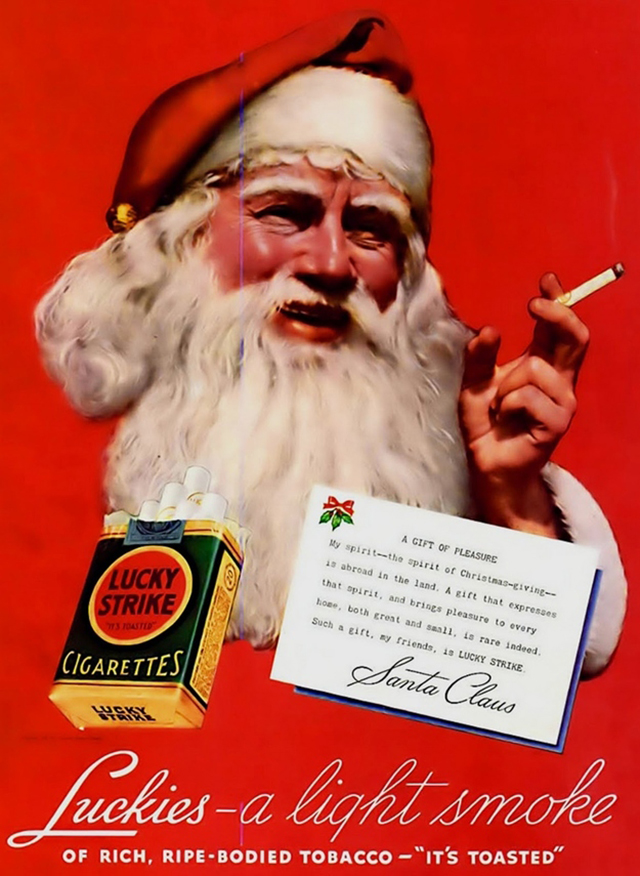
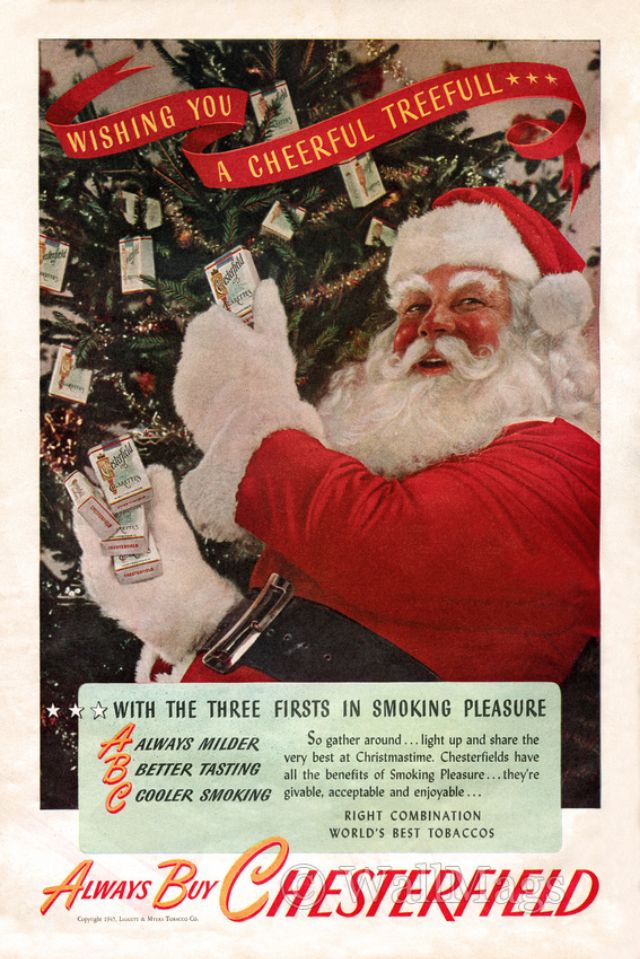
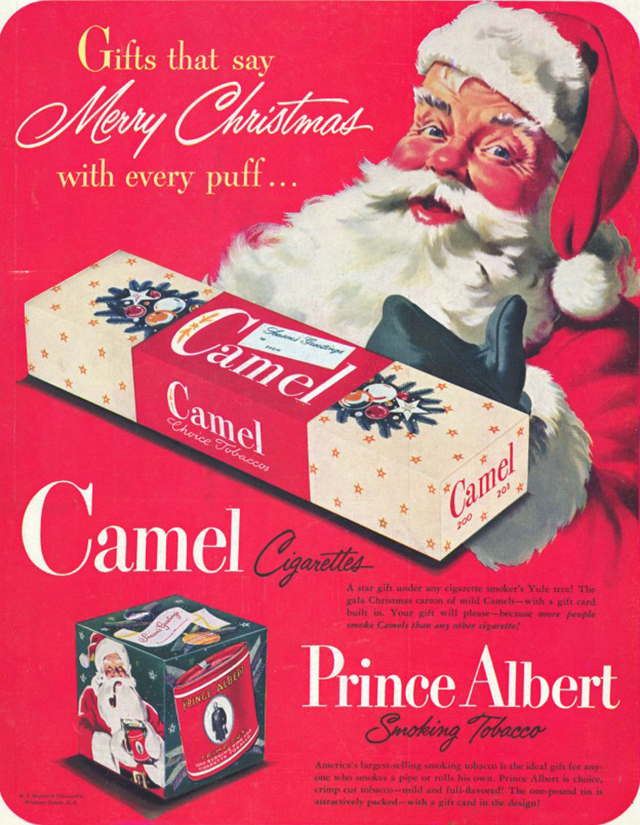
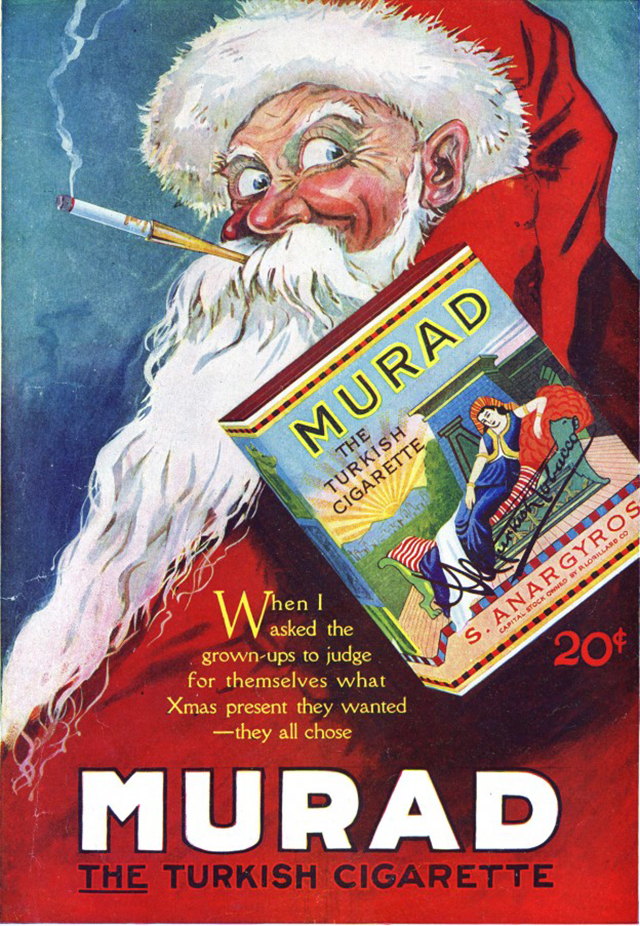
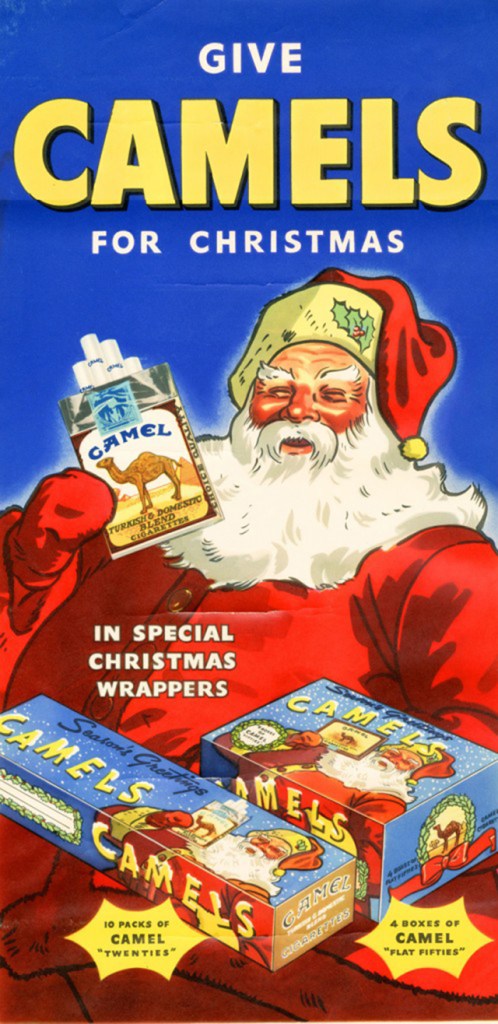
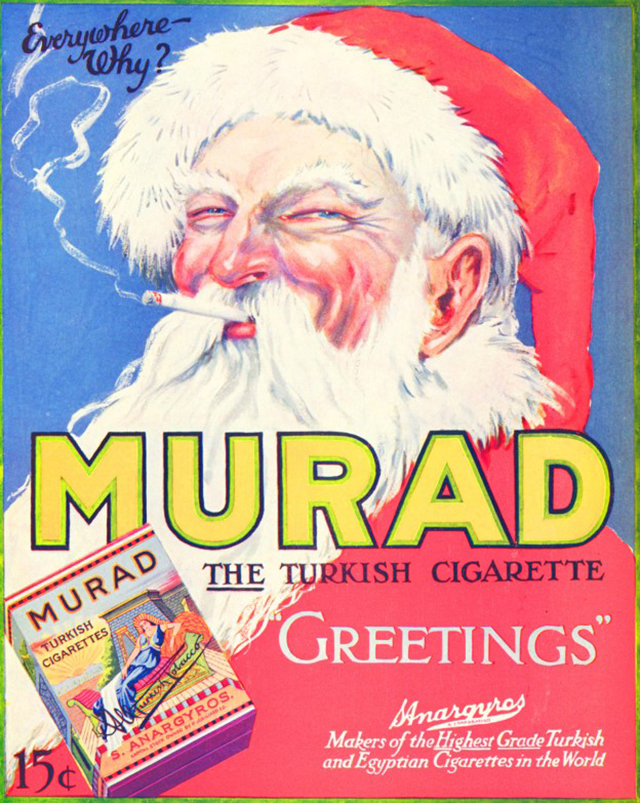
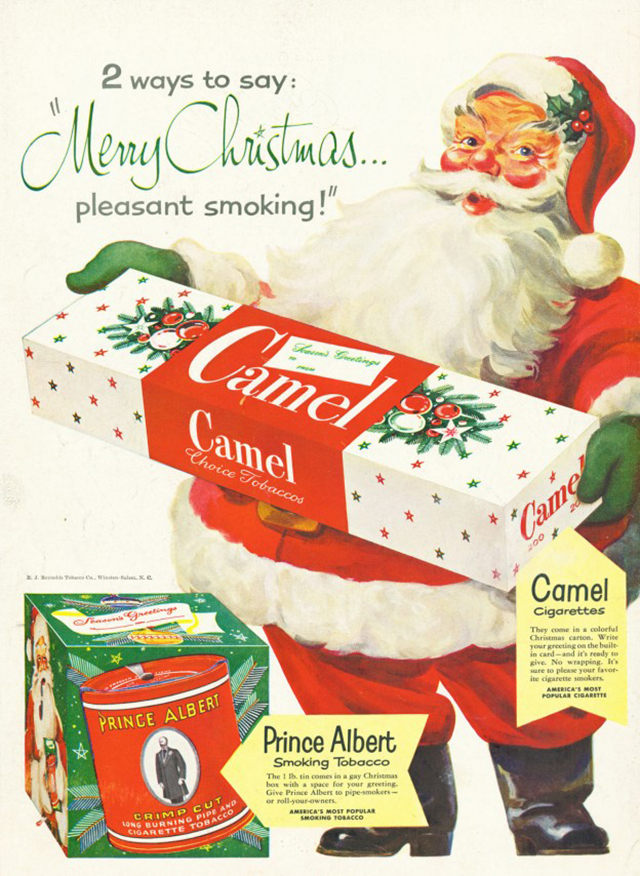
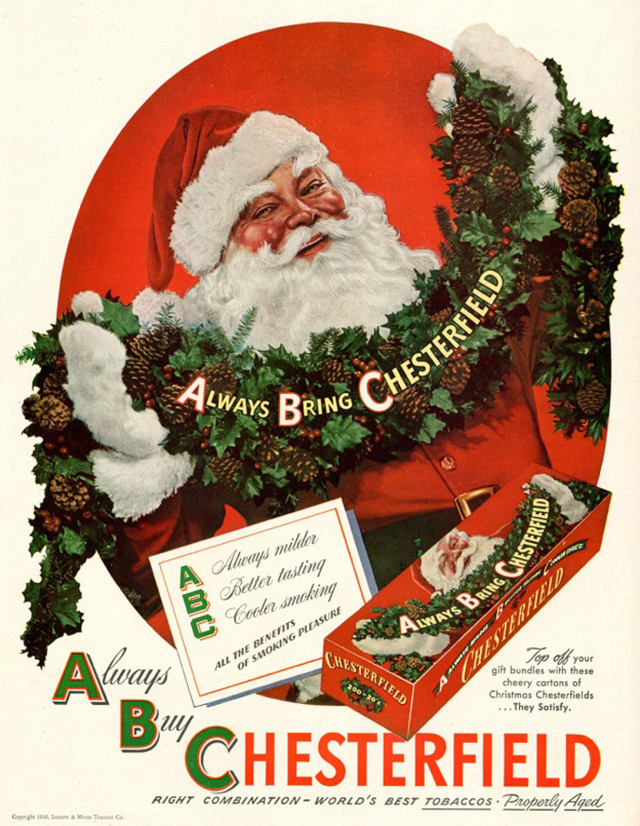
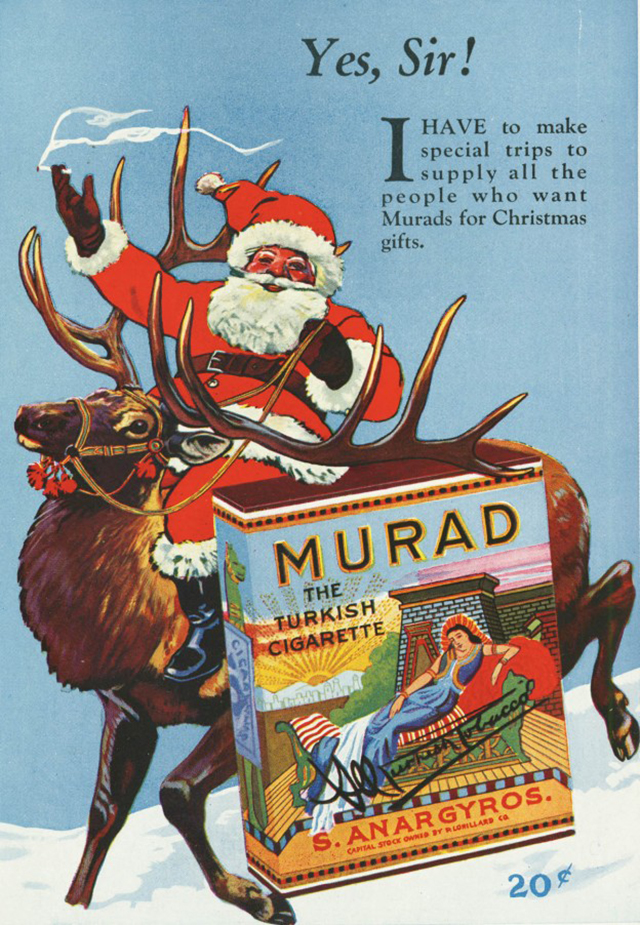
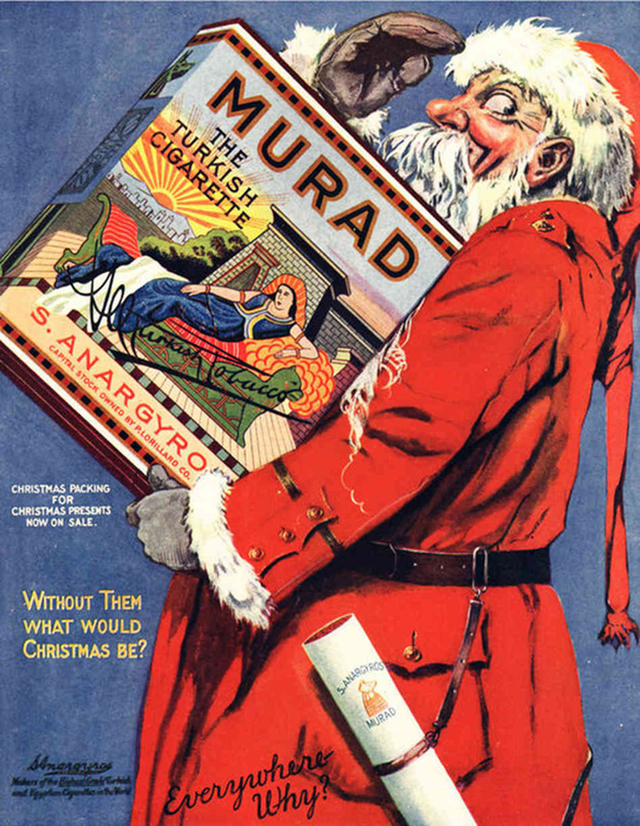
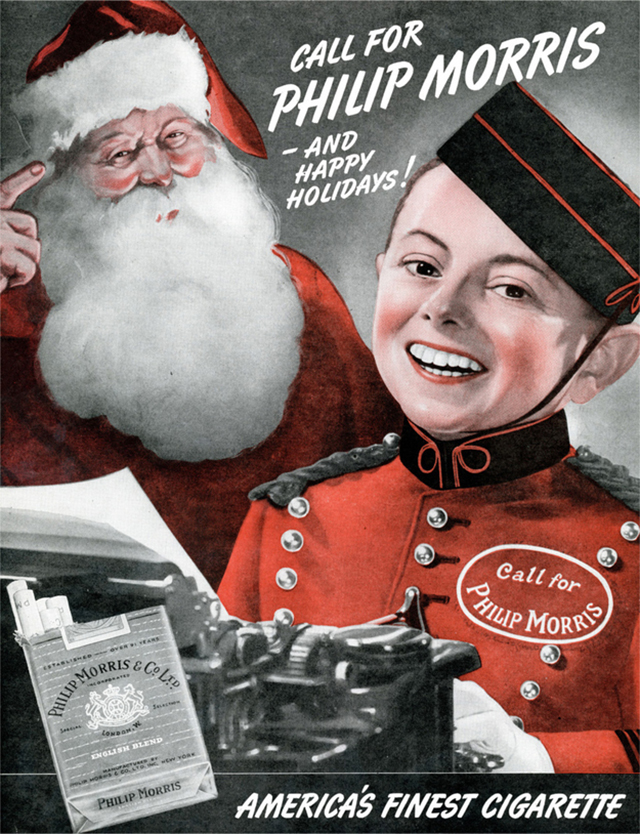
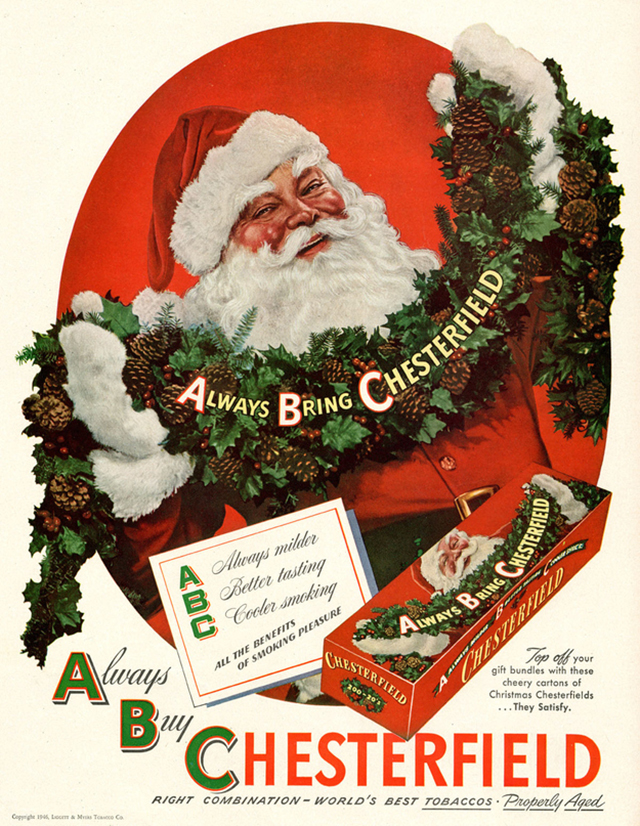
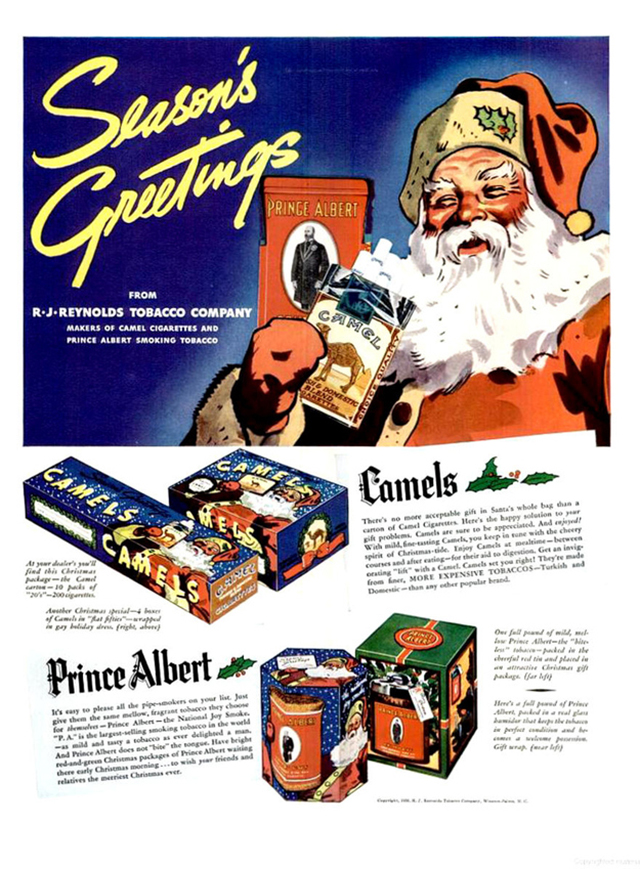
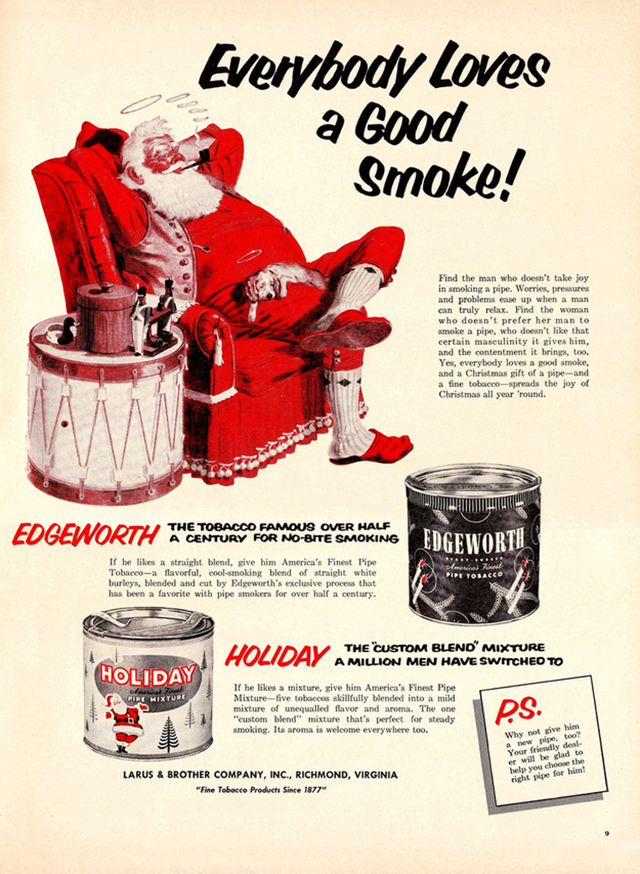
Cigarette ads featuring the kid-friendly figure of Santa Claus have been numerous from the past. The idea of St. Nick pushing coffin-nails may seem horrific today – but was a regular sight a few decades ago. So, check out these vintage cigarettes and tobacco ads featuring Santa Claus as a smoker.
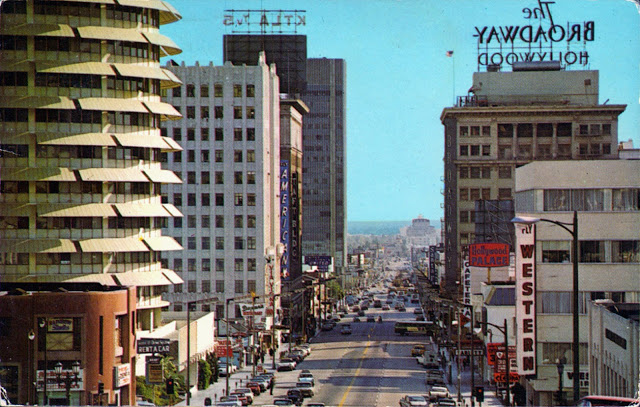
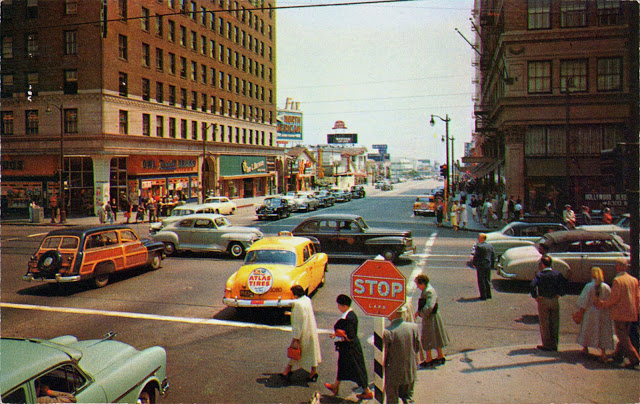
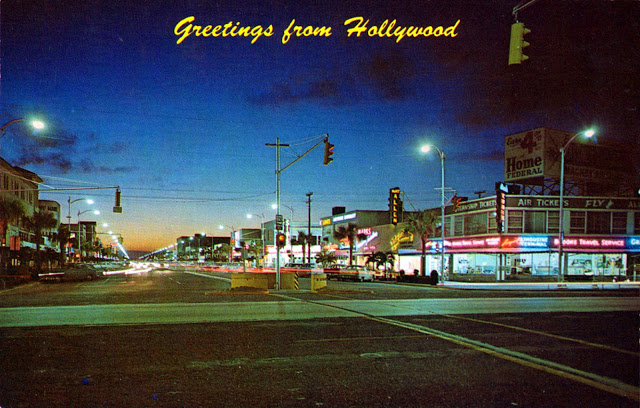
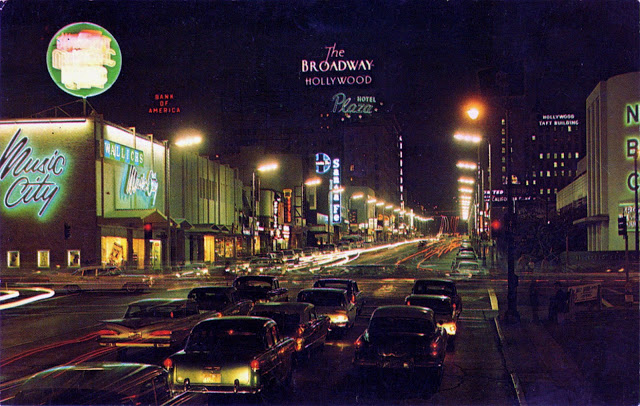
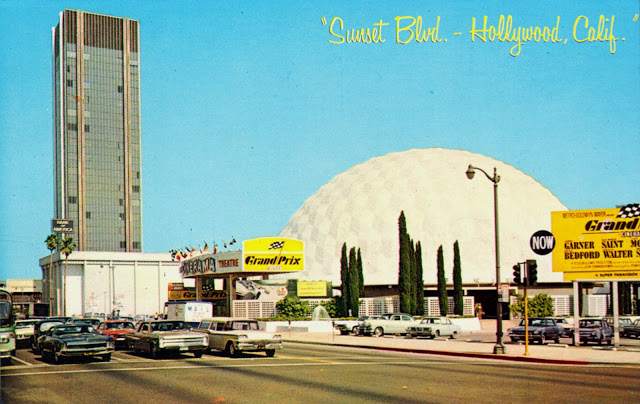
Hollywood is a neighborhood in the central region of Los Angeles, California. Its name has come to be a shorthand reference for the U.S. film industry and the people associated with it. Many of its studios such as Columbia Pictures, Disney, Paramount Pictures, Warner Bros., and Universal Pictures were founded there; Paramount still has its studios there.
Hollywood was incorporated as a municipality in 1903. It was consolidated with the city of Los Angeles in 1910 and soon thereafter a prominent film industry emerged, eventually becoming the most recognizable in the world.
Hollywood was incorporated as a municipality on November 14, 1903, by a vote of 88 for and 77 against. On January 30, 1904, the voters in Hollywood decided, by a vote of 113 to 96, to banish the sale of liquor within the city, except for medicinal purposes. Neither hotels nor restaurants were allowed to serve wine or liquor before or after meals.
In 1910, the city voted for a merger with Los Angeles in order to secure an adequate water supply and to gain access to the L.A. sewer system.
“With annexation, the name of Prospect Avenue was changed to Hollywood Boulevard and all the street numbers in the new district changed. For example, 100 Prospect Avenue, at Vermont Avenue, became 6400 Hollywood Boulevard; and 100 Cahuenga Boulevard, at Hollywood Boulevard, changed to 1700 Cahuenga Boulevard.”
By 1908, at least 30 motion-picture companies began to set up production around Jacksonville, Florida attracted by the warmer winter climate, rail access, and cheaper labor than New York, but left due to East Coast climate extremes, and politics. Kalem Studios was the first to arrive, in 1908, then in 1911, Kalem was the first to begin production near or in Los Angeles.
By 1912, major motion-picture companies had set up production near or in Los Angeles. In the early 1900s, most motion picture patents were held by Thomas Edison’s Motion Picture Patents Company in New Jersey, and filmmakers were often sued to stop their productions. To escape this, filmmakers began moving out west to Los Angeles, where attempts to enforce Edison’s patents were easier to evade. Also, the weather was ideal and there was quick access to various settings. Los Angeles became the capital of the film industry in the United States. The mountains, plains and low land prices made Hollywood a good place to establish film studios.
Director D. W. Griffith was the first to make a motion picture in Hollywood. His 17-minute short film In Old California (1910) was filmed for the Biograph Company. Although Hollywood banned movie theaters—of which it had none—before annexation that year, Los Angeles had no such restriction.
The first studio in Hollywood, the Nestor Film Company, was established by the New Jersey-based Centaur Film Company in a roadhouse at 6121 Sunset Boulevard (the corner of Gower), in October 1911. Four major film companies – Paramount, Warner Bros., RKO, and Columbia – had studios in Hollywood, as did several minor companies and rental studios. In the 1920s, Hollywood was the fifth-largest industry in the nation. By the 1930s, Hollywood studios became fully vertically integrated, as production, distribution and exhibition was controlled by these companies, enabling Hollywood to produce 600 films per year.
Hollywood became known as Tinseltown and the “dream factory” because of the glittering image of the movie industry.
A large sign reading HOLLYWOODLAND was erected in the Hollywood Hills in 1923 to advertise real estate developers Woodruff’s and Shoults’ housing development. In 1949, the Hollywood Chamber of Commerce entered a contract with the City of Los Angeles to repair and rebuild the sign. The agreement stipulated that LAND be removed to spell HOLLYWOOD so the sign would now refer to the district, rather than the housing development.
During the early 1950s, the Hollywood Freeway was constructed through the northeast corner of Hollywood.
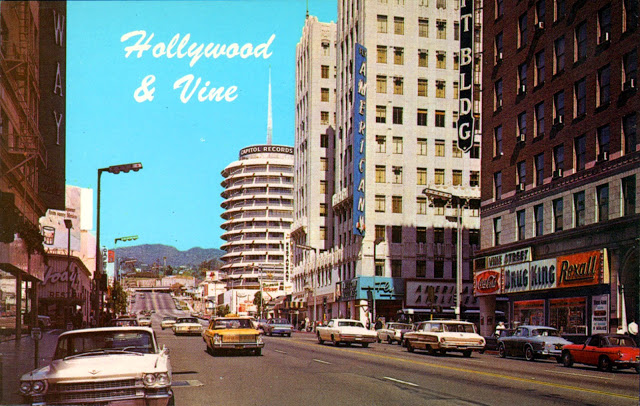
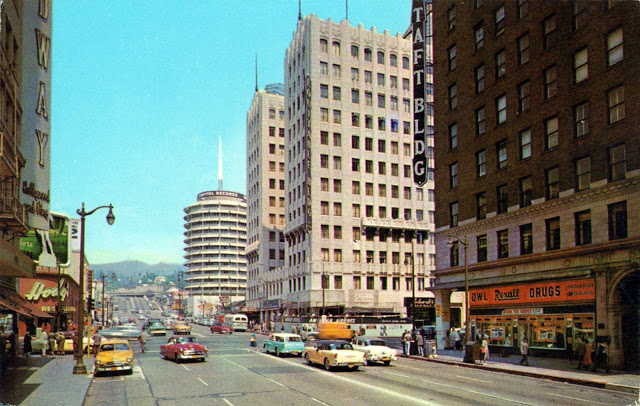
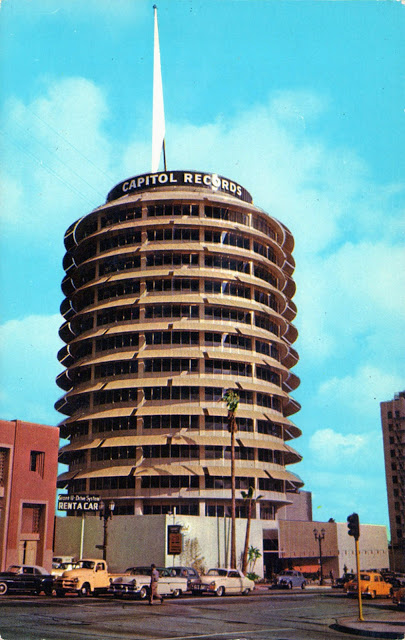
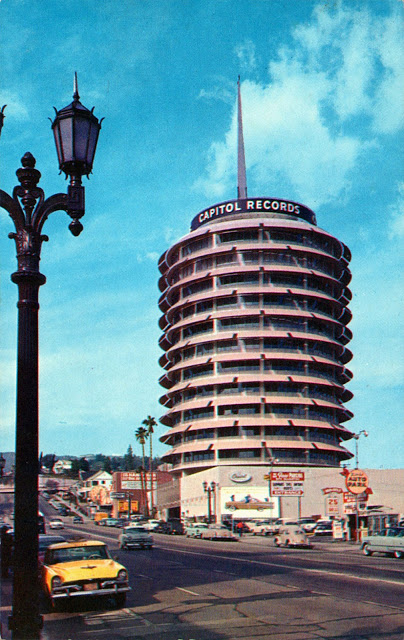
The Capitol Records Building on Vine Street, just north of Hollywood Boulevard, was built in 1956, and the Hollywood Walk of Fame was created in 1958 as a tribute to artists and other significant contributors to the entertainment industry. The official opening was on February 8, 1960.
The Hollywood Boulevard Commercial and Entertainment District was listed in the National Register of Historic Places in 1985.
In June 1999, the Hollywood extension of the Los Angeles County Metro Rail Red Line subway opened from Downtown Los Angeles to the San Fernando Valley, with stops along Hollywood Boulevard at Western Avenue (Hollywood/Western Metro station), Vine Street (Hollywood/Vine Metro station), and Highland Avenue (Hollywood/Highland Metro station).
The Dolby Theatre, which opened in 2001 as the Kodak Theatre at the Hollywood & Highland Center mall, is the home of the Oscars. The mall is located where the historic Hollywood Hotel once stood.
After the neighborhood underwent years of serious decline in the 1980s, many landmarks were threatened with demolition. Columbia Square, at the northwest corner of Sunset Boulevard and Gower Street, is part of the ongoing rebirth of Hollywood. The Art Deco-style studio complex completed in 1938, which was once the Hollywood headquarters for CBS, became home to a new generation of broadcasters when cable television networks MTV, Comedy Central, BET and Spike TV consolidated their offices here in 2014 as part of a $420-million office, residential and retail complex.[30] Since 2000, Hollywood has been increasingly gentrified due to revitalization by private enterprise and public planners. Over 1,200 hotel rooms have been added in Hollywood area between 2001 and 2016. Four thousand new apartments and over thirty low to mid-rise development projects were approved in 2019. (Wikipedia)
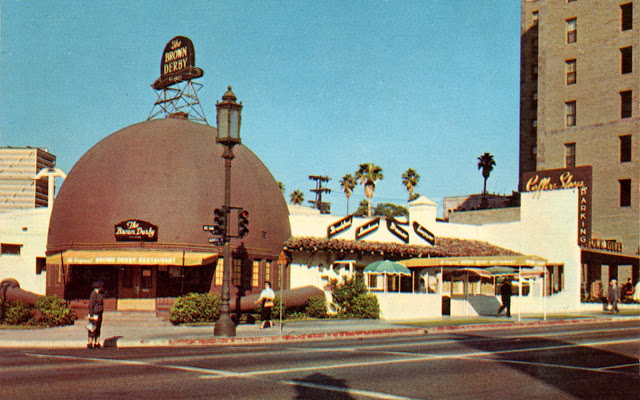
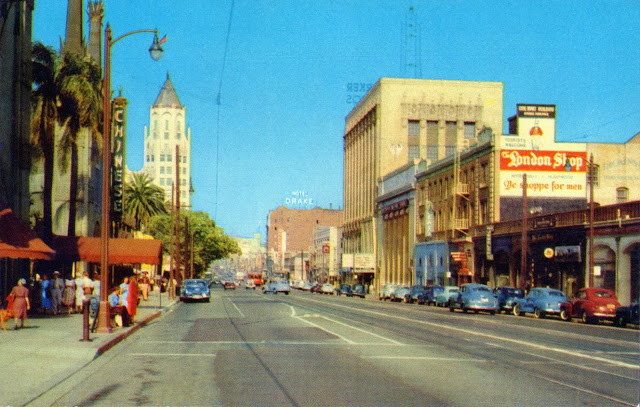
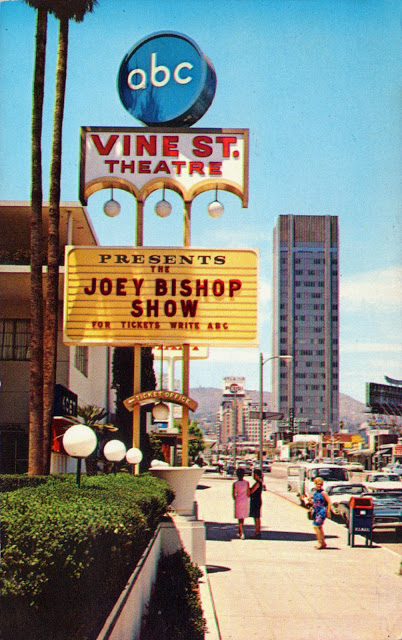
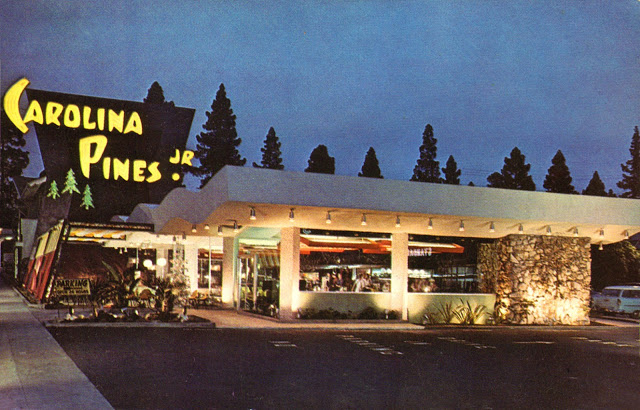
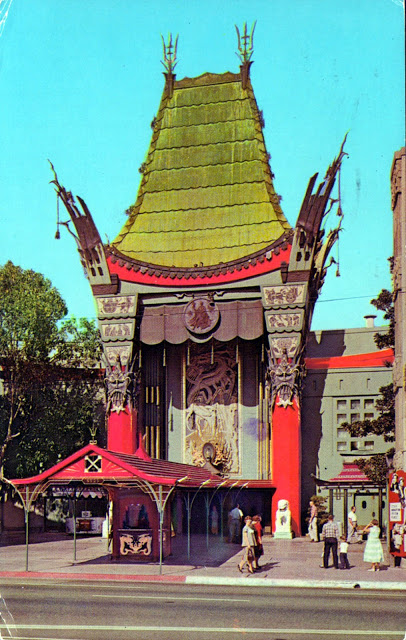
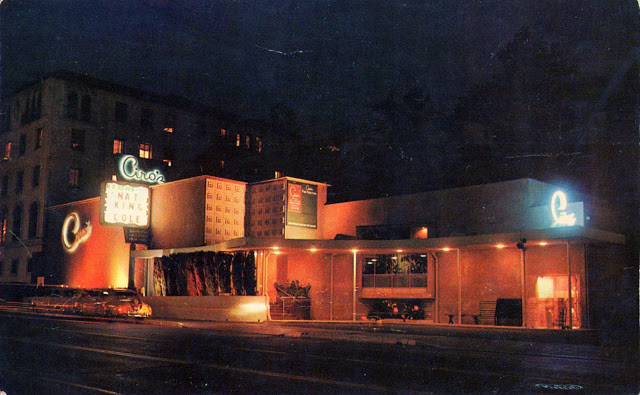
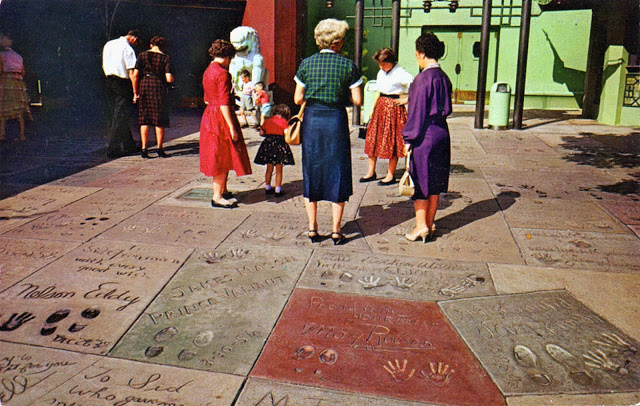
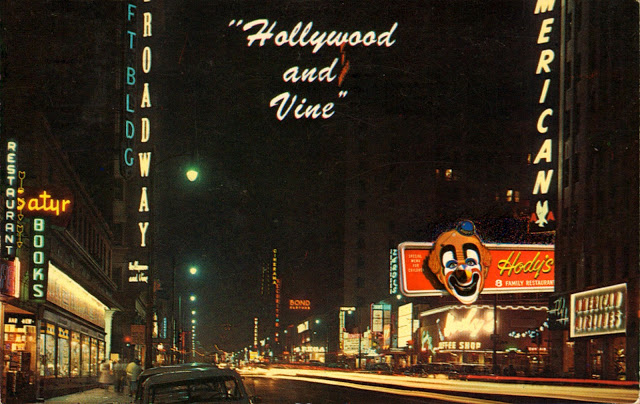
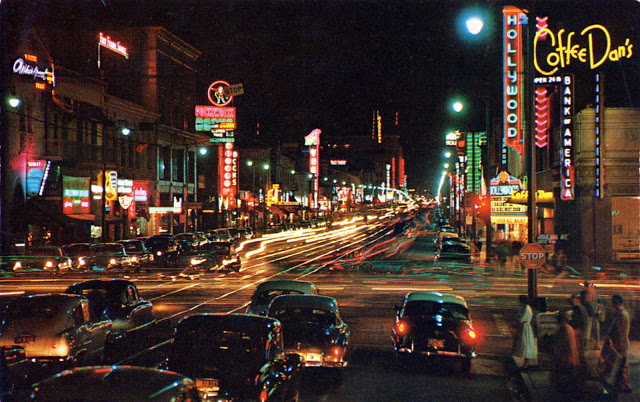
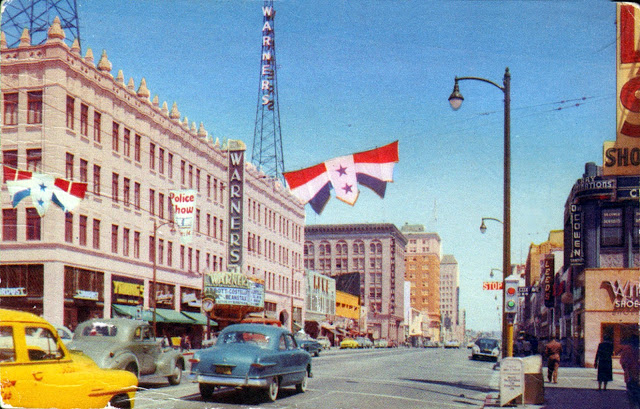
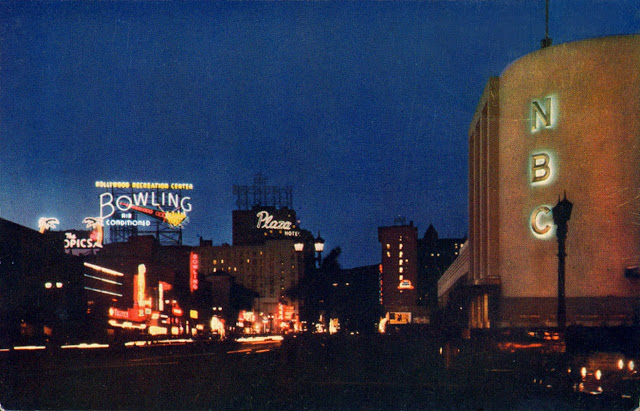
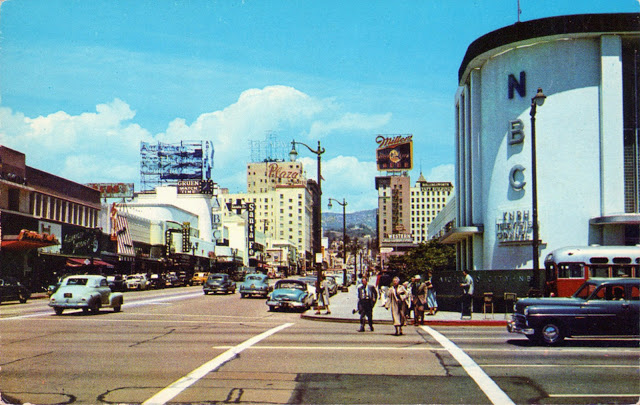
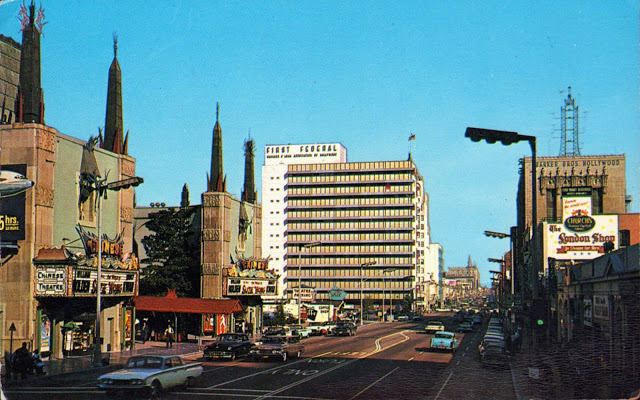
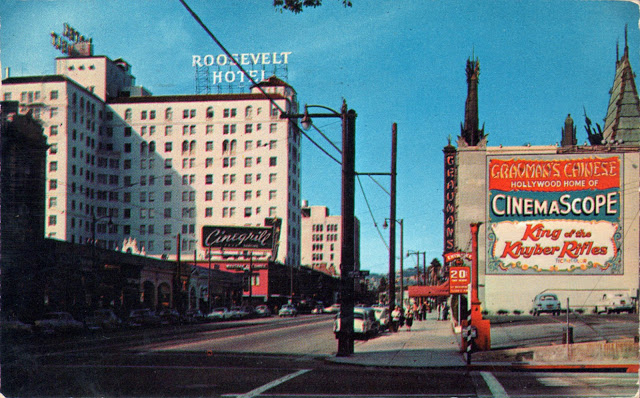
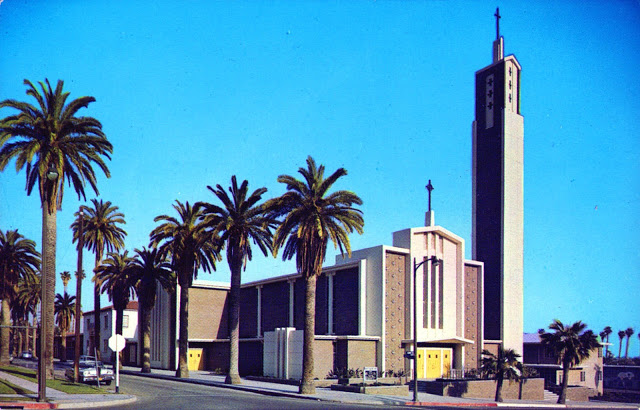
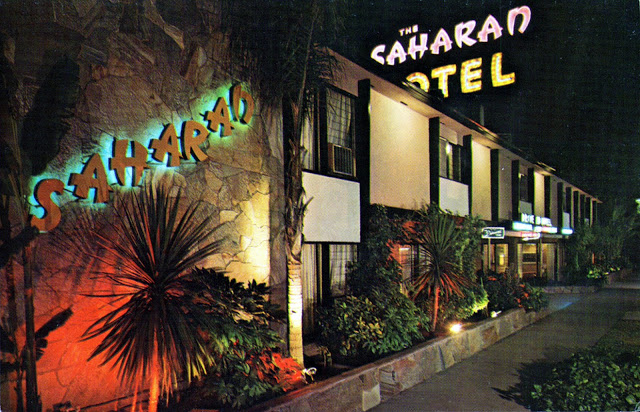
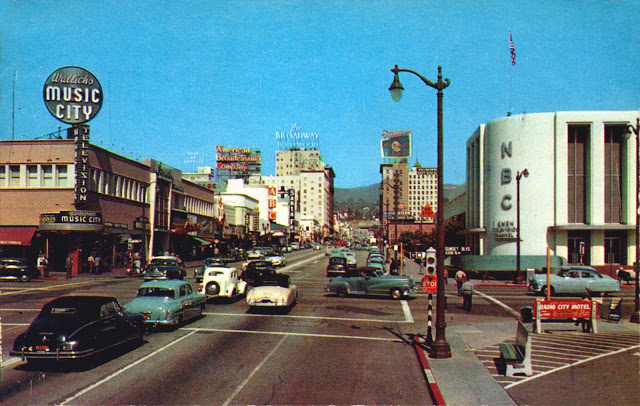
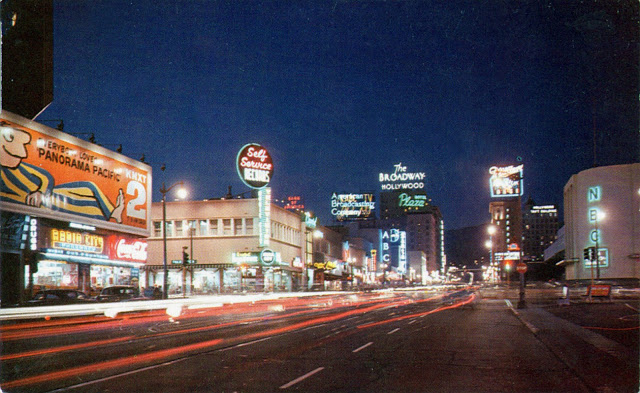
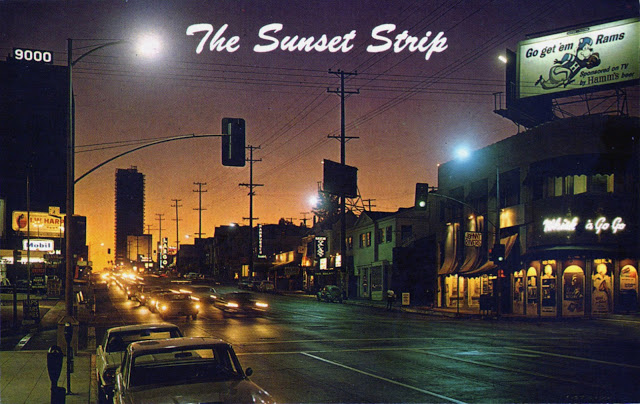
Hollywood & Vine, 1952The Brown Derby RestaurantHollywood Blvd & Orange c.1952ABC Vine Street Theater c.1966Carolina Pines Jr. RestaurantGrauman’s Chinese Theater c.1959Ciro’s Night ClubChinese Theater Forecourt 1950sHollywood & Vine 1960s – American AirlinesHollywood & Vine 1950s – Hody’s RestaurantHollywood Boulevard 1960sHollywood & Vine 1950s – Hody’s Coffee ShopHollywood & Highland 1950s – Coffee Dan’sHollywood Blvd. & Wilcox 1950s. Featuring the Warners Building – now the Pacific BuildingVine & Sunset – Hollywood Recreation Center, BowlingVine & Sunset 1950s – Radio City, NBC BuildingHollywood Blvd. 1950s. Toffs Coffee Shop, First Federal, Barker Bros.Hollywood Blvd 1950s – Roosevelt Hotel, CinegrillMother of Good Counsel ChurchSaharan Motel – Sunset & Alta Vista 1950sSunset & Vine 1950s – Wallick’s Music CitySunset & Vine 1960s – Self Service RecordsSunset & Vine 1950sSunset Blvd & Ivar 1960s – Cinerama TheaterCapitol Records Building 1950sCapitol Records Building 1950sSunset Blvd & N. Clark Street 1960sVine Street 1960s – Dupar’s Restaurant, Broadway Hotel
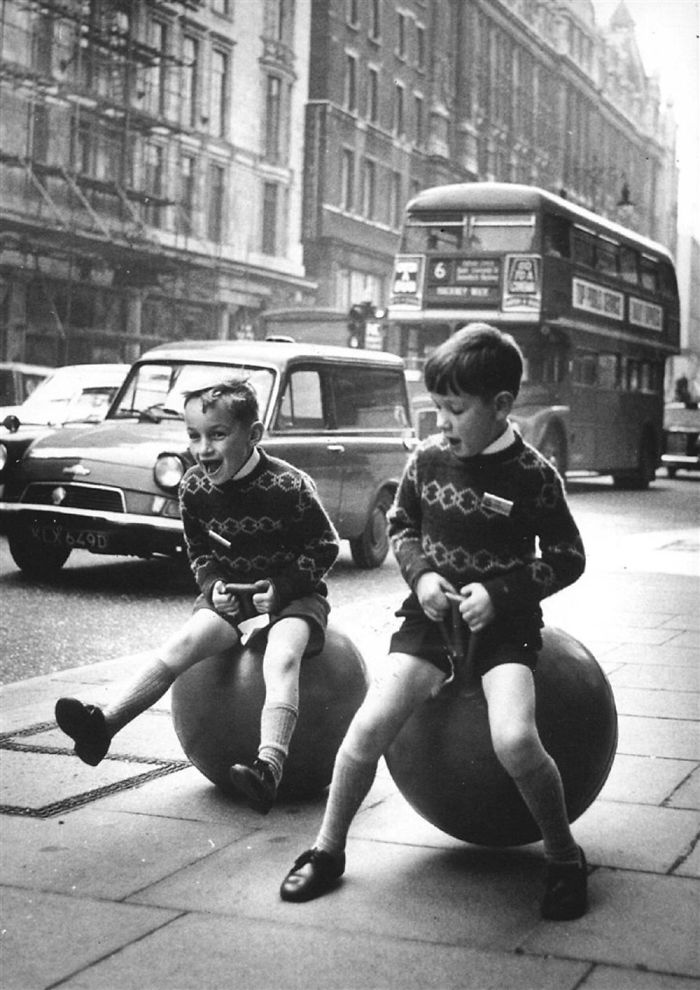
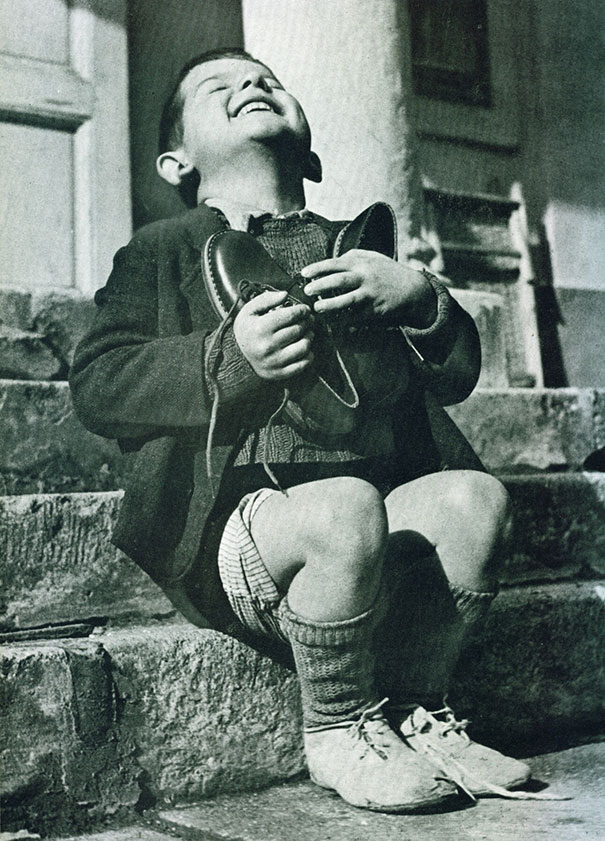
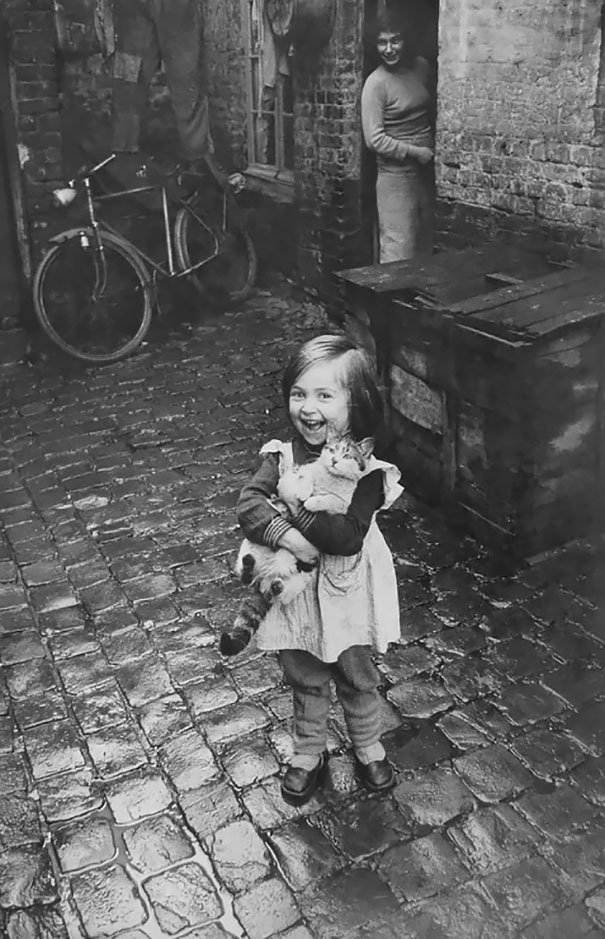
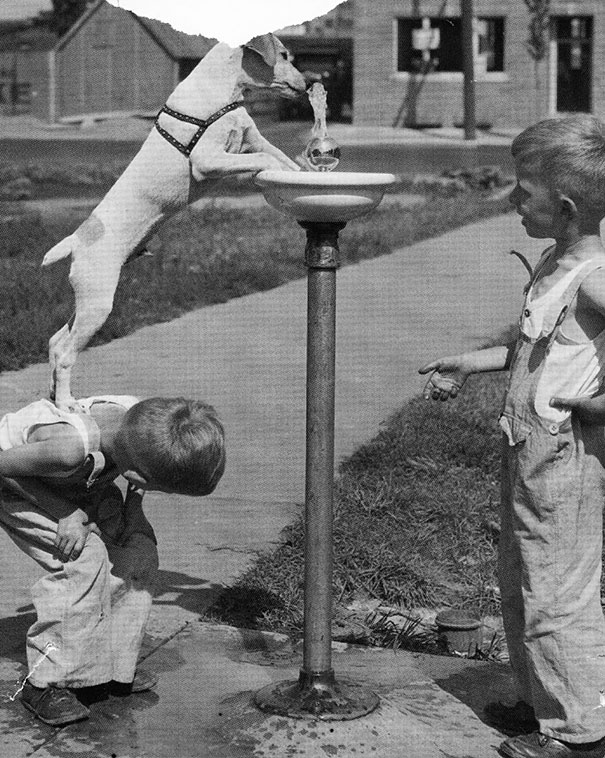
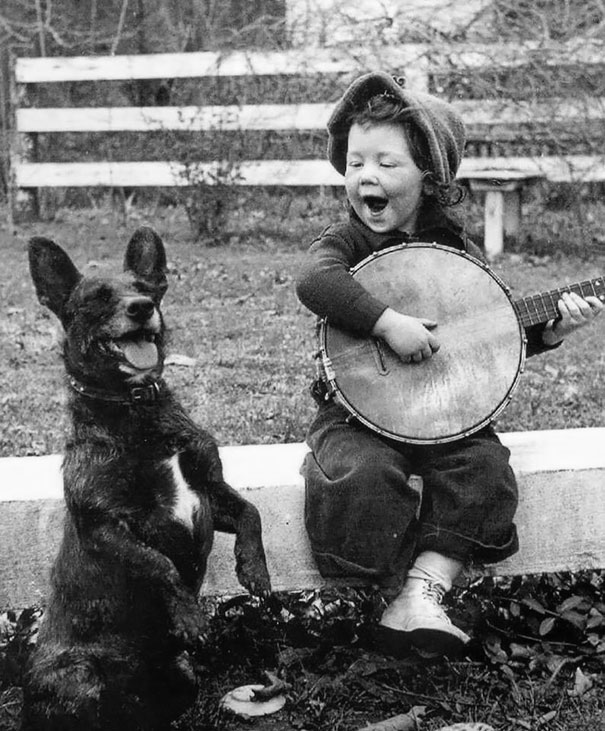
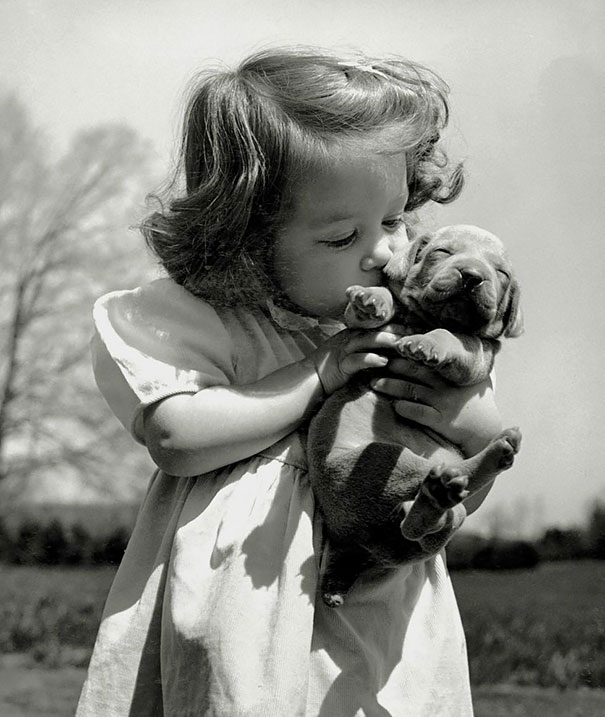
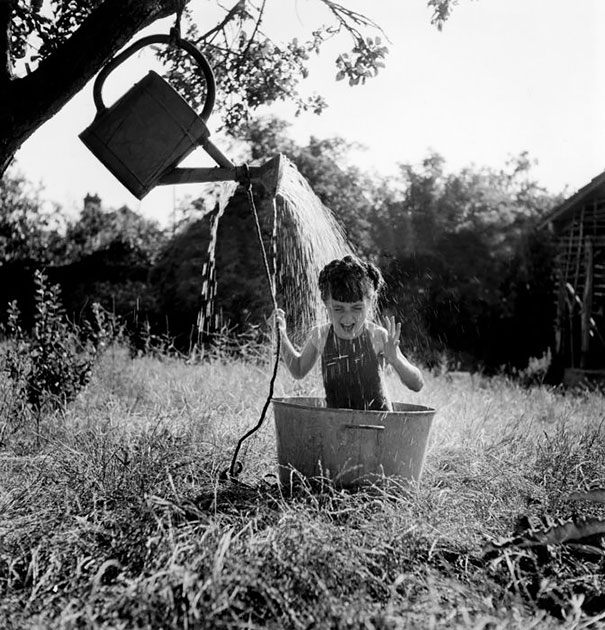
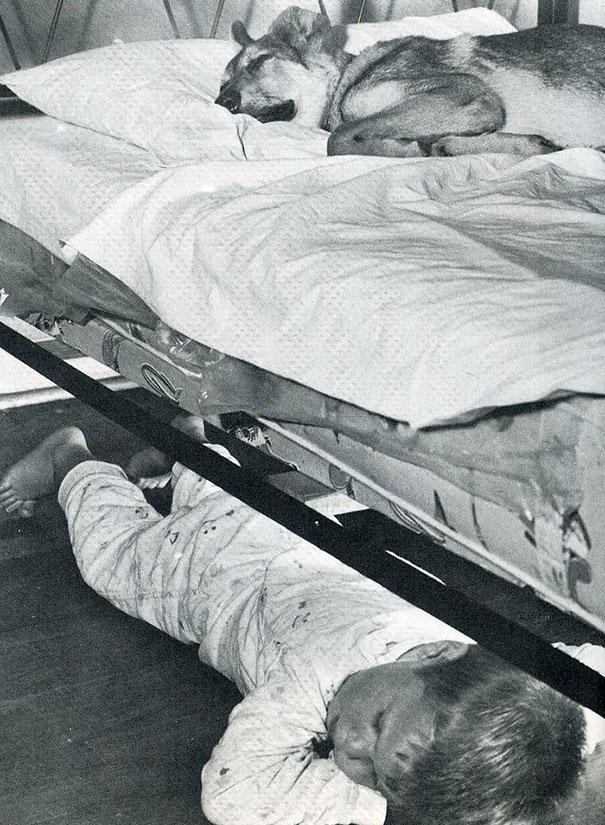
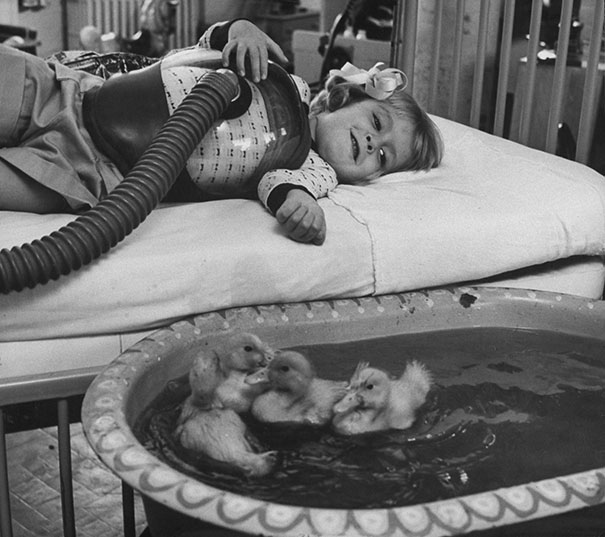
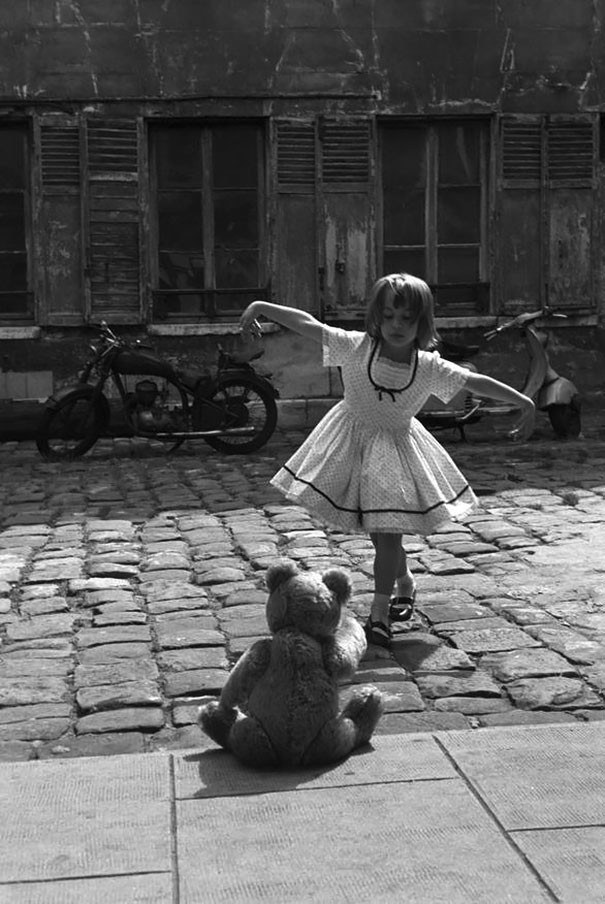
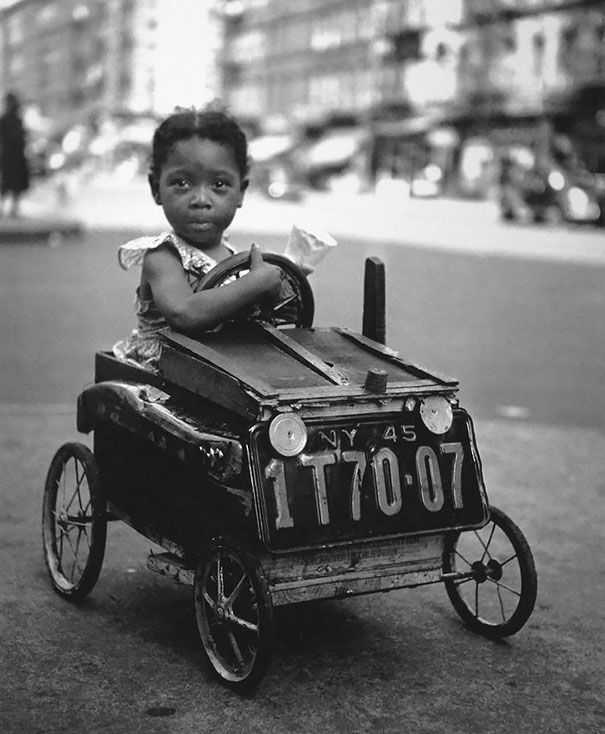
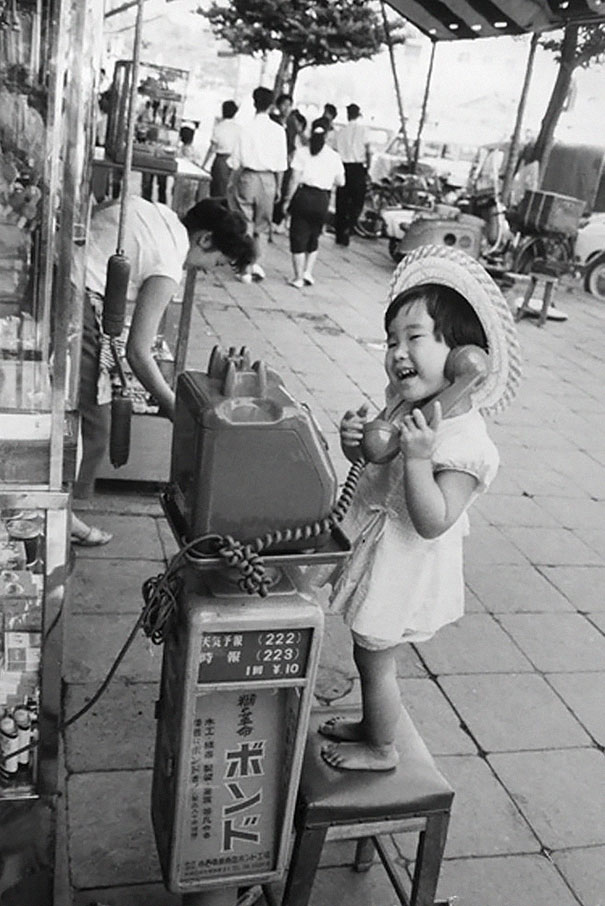
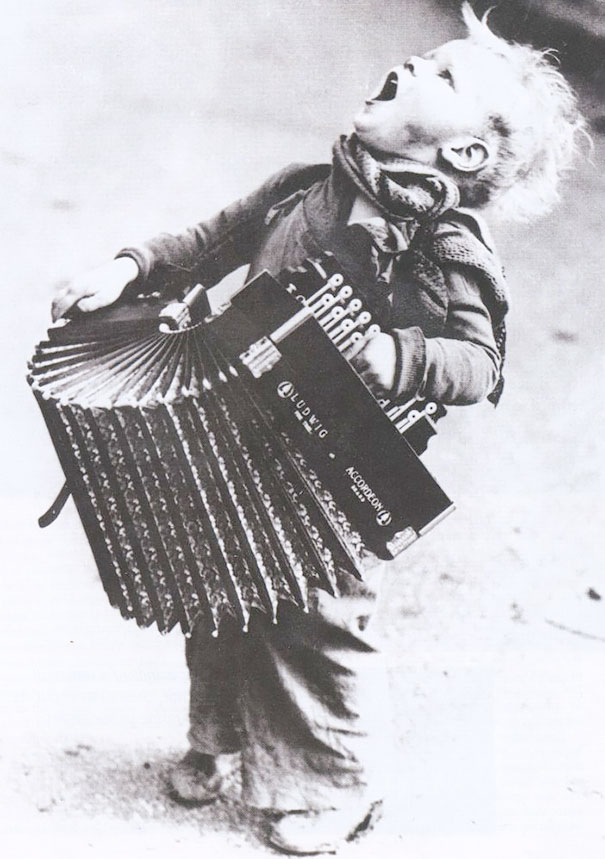
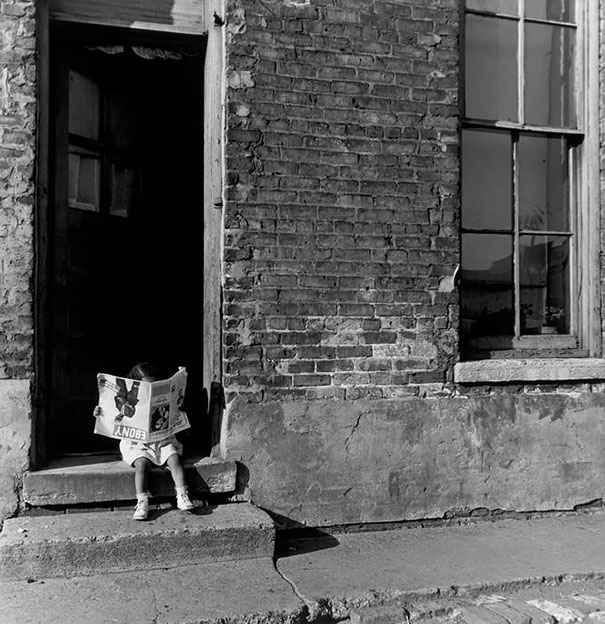
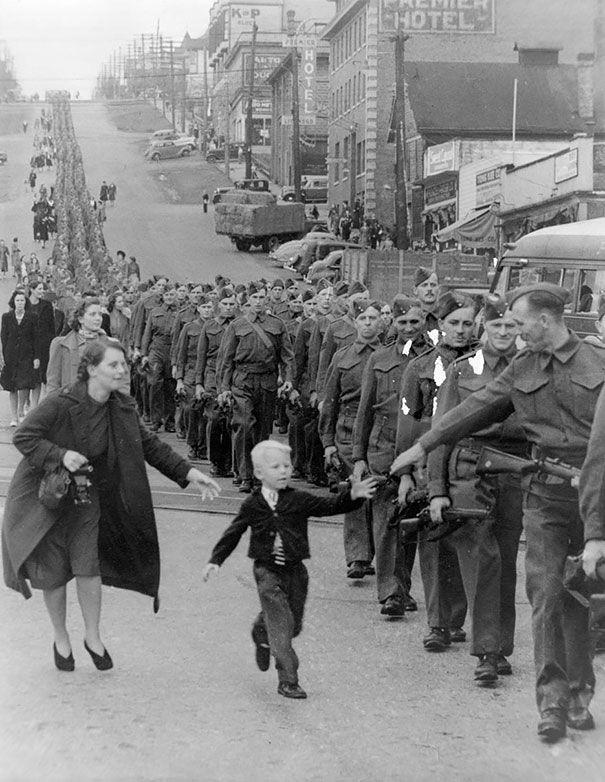
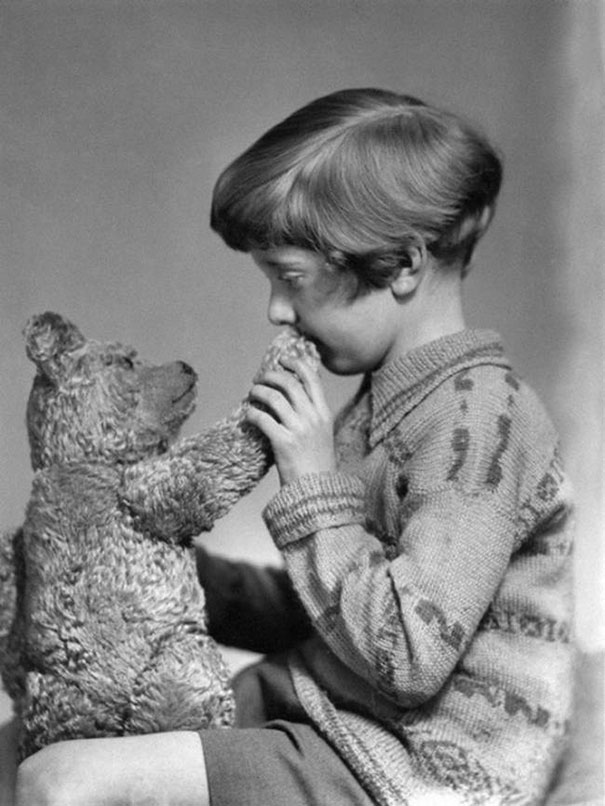
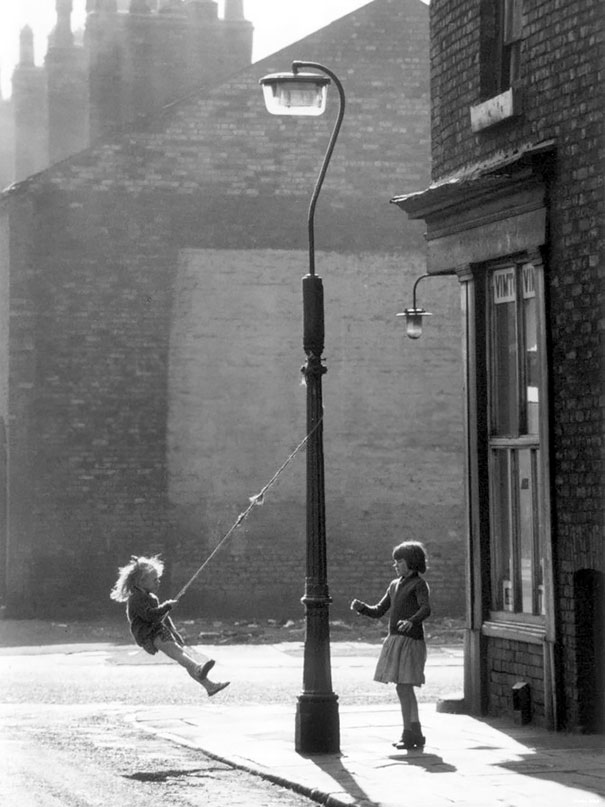
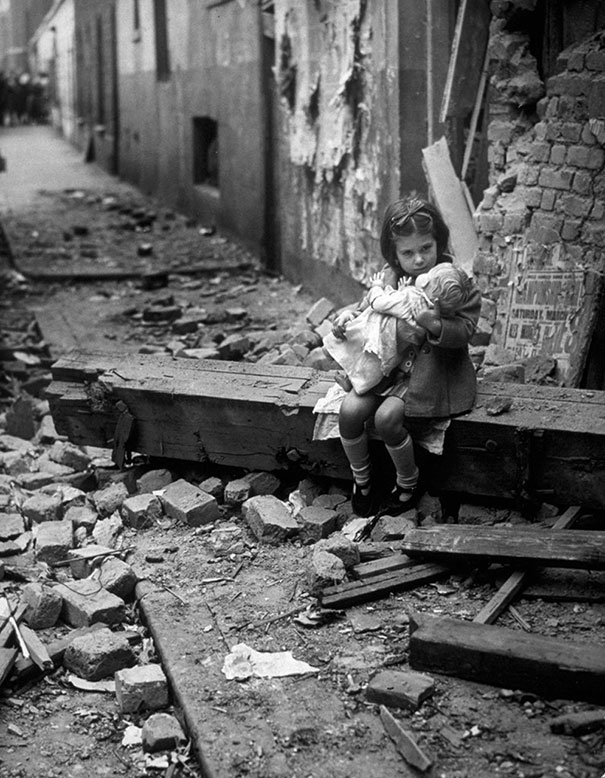
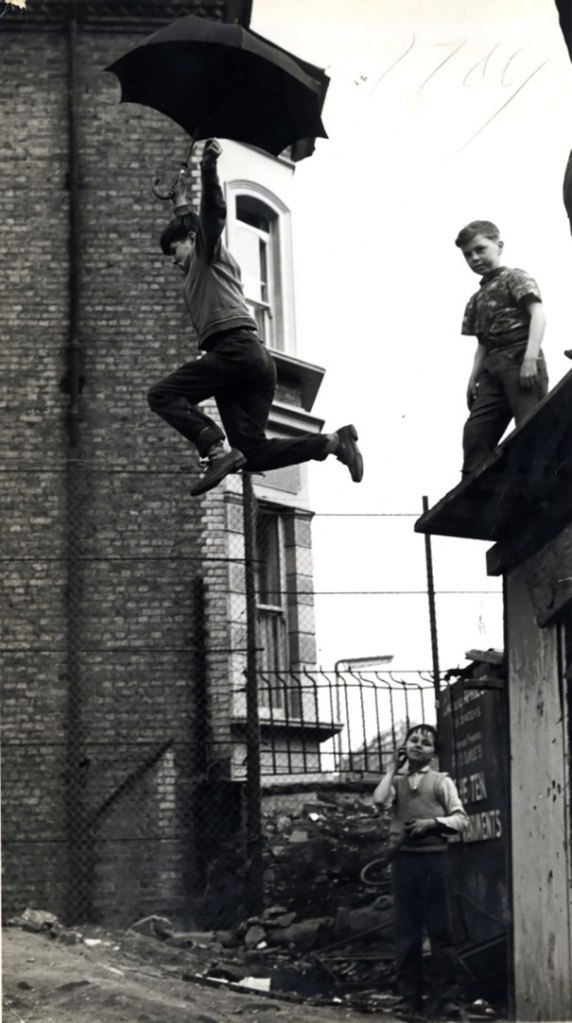
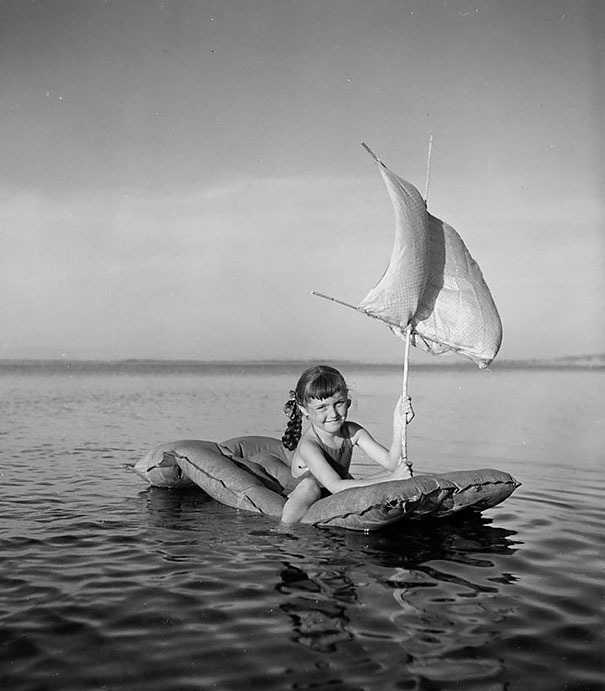
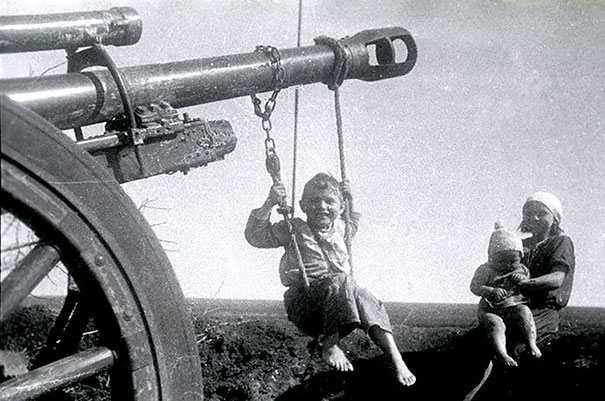
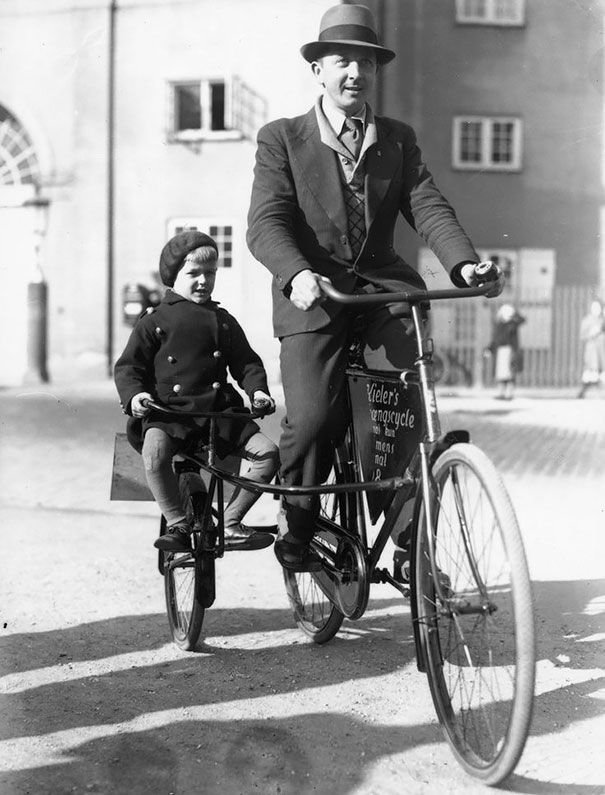
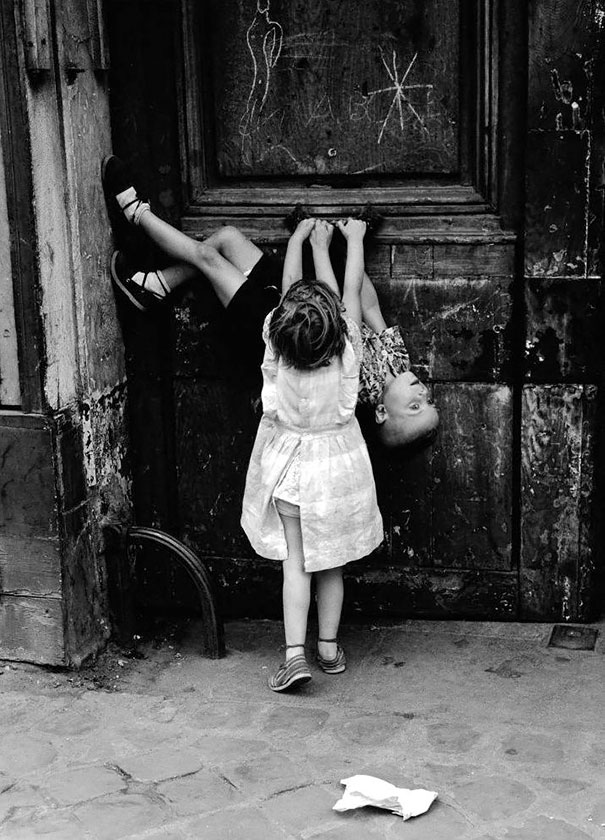
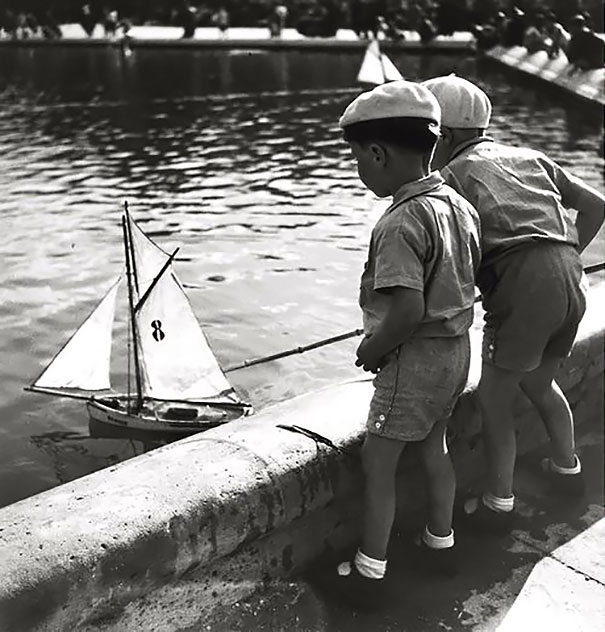
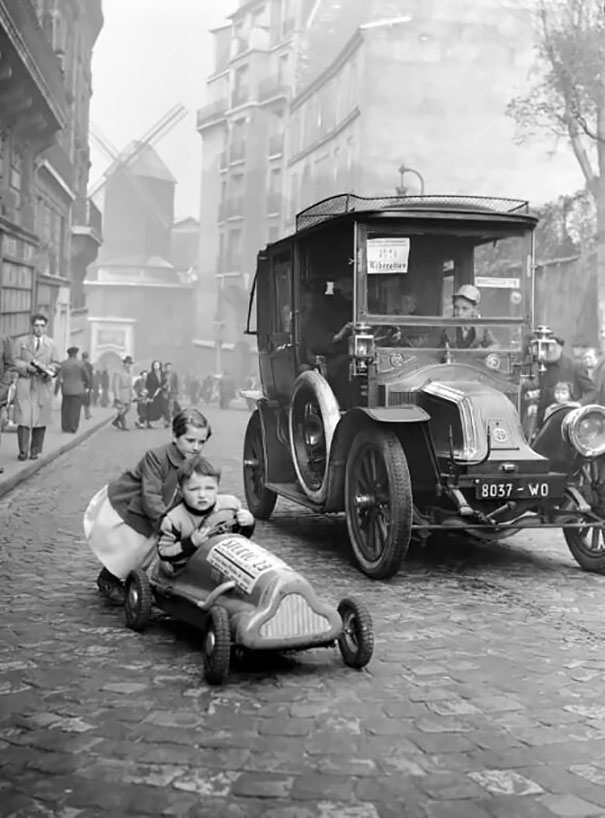
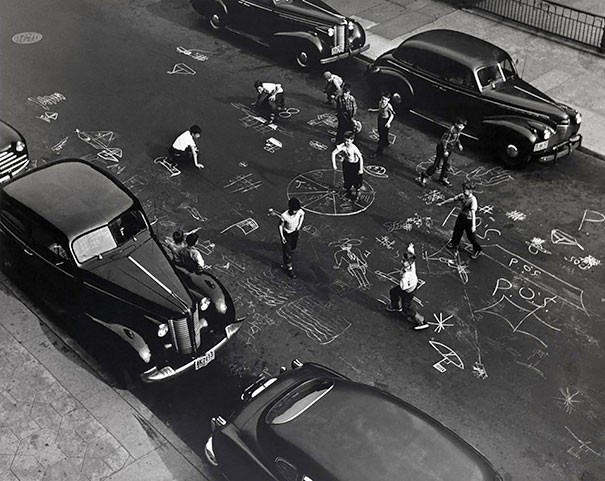
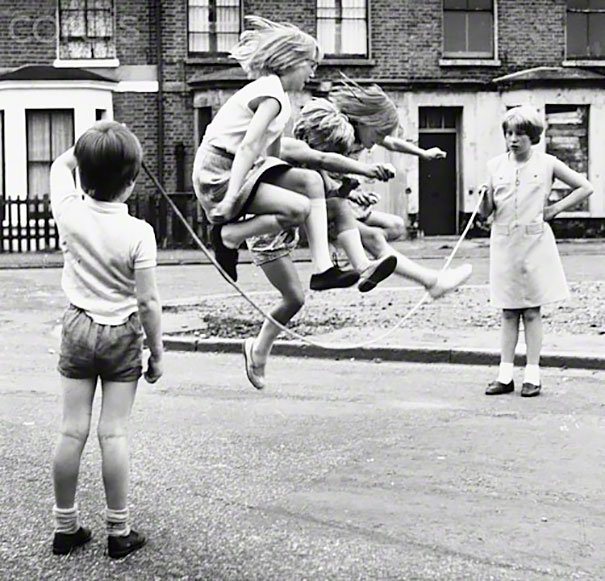
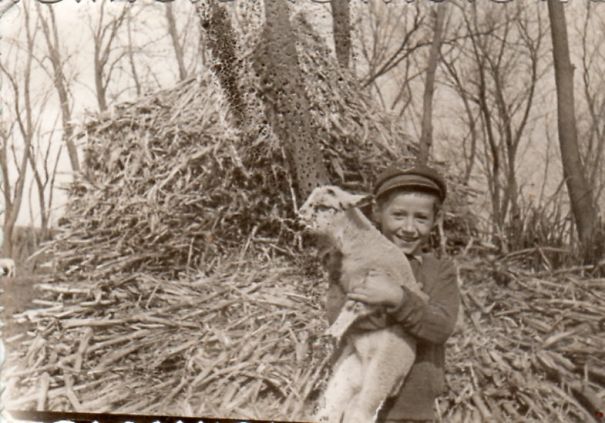
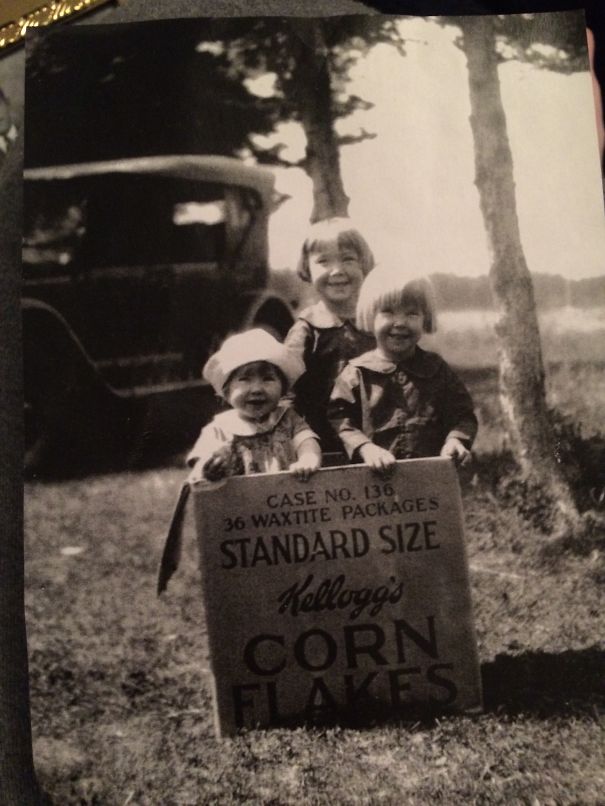
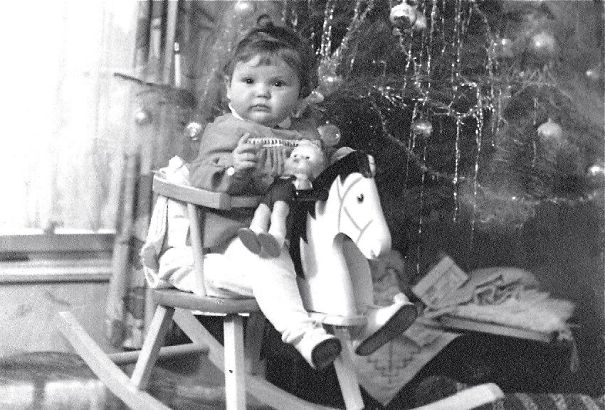
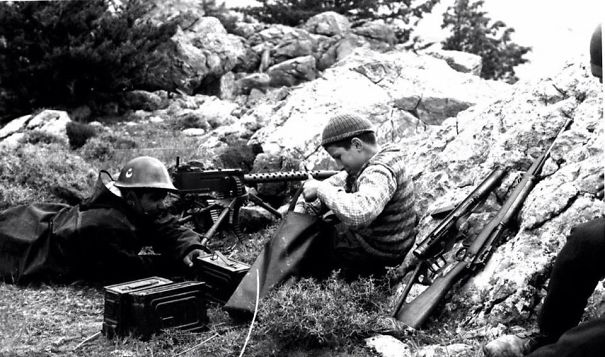
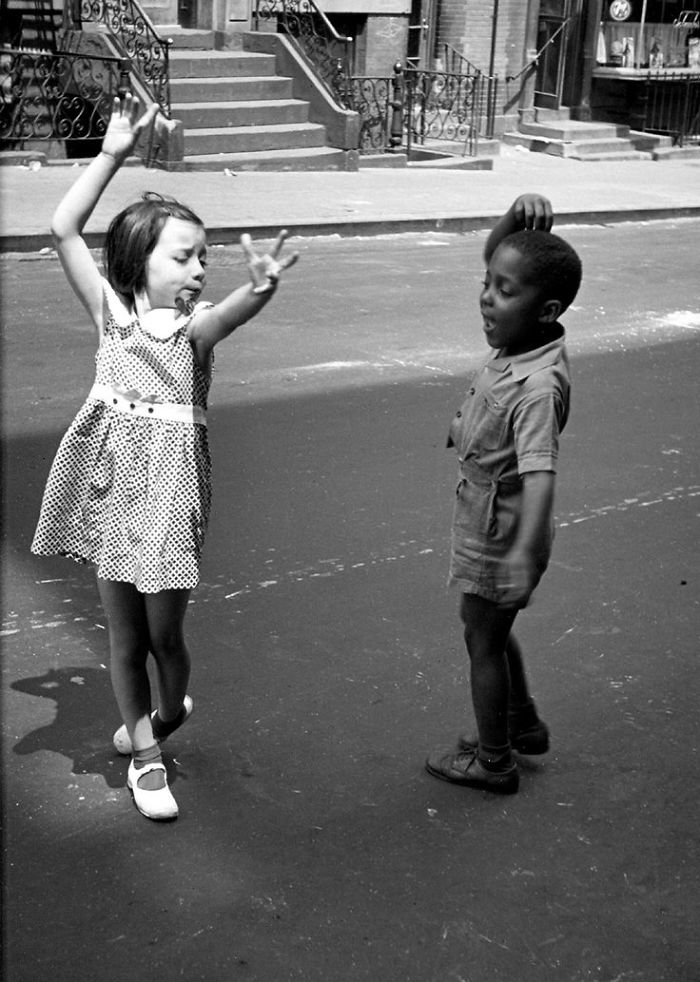
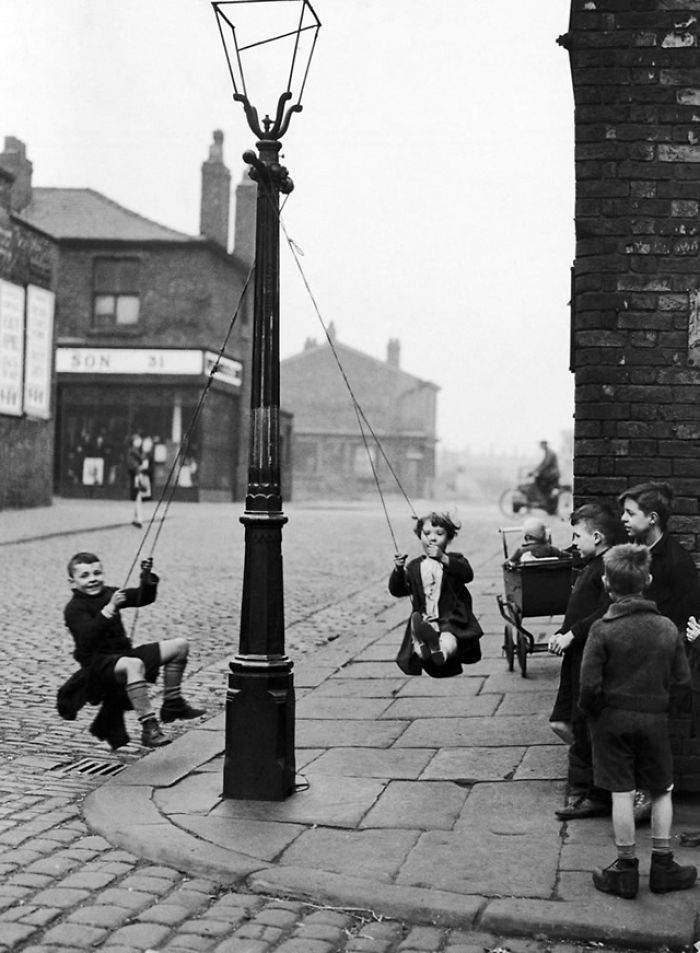
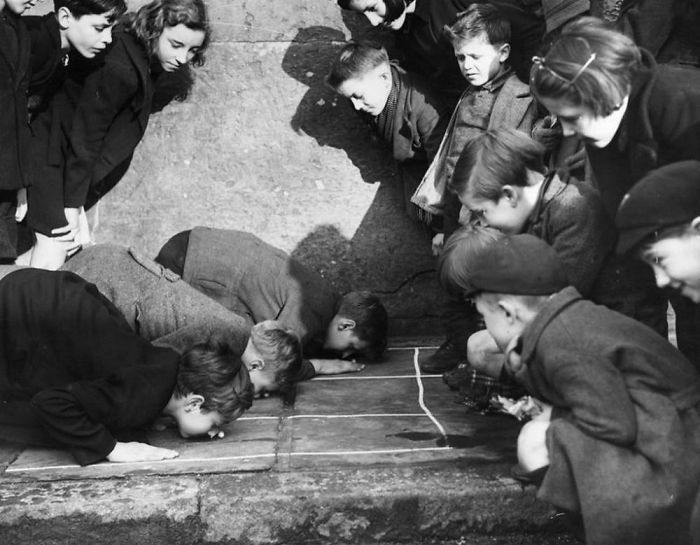
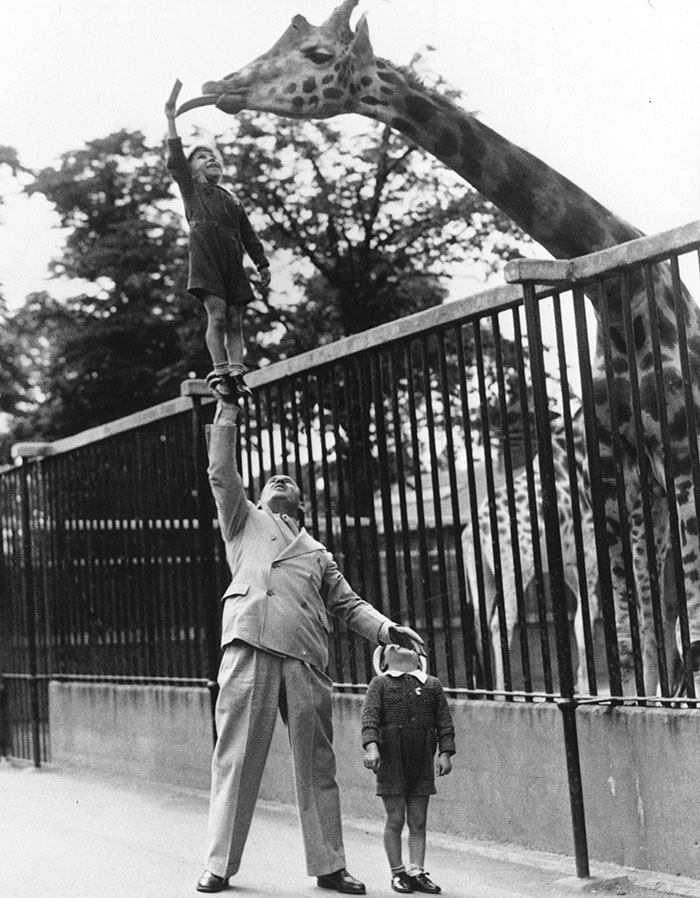
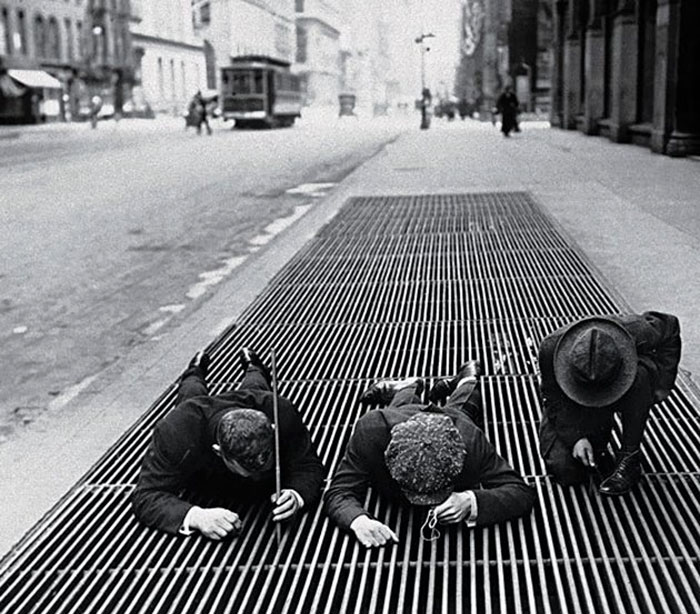
Austrian Boy Receives New Shoes During WWIIHappy French Girl And Her Cat, 1959Best FriendsGirl Playing For Her DogGirl Kissing A Puppy, 1950Girl Enjoying Water, 1949Boy And His Best FriendAnimals Being Used As Part Of Medical Therapy, 1956Girl Dancing In Front Of Her Teddy Bear. Paris, 1961Girl In New York, 1947Girl In Japan, 1958Young Musician, 1920sA Girl “reading” Ebony Magazine. Chicago, 1947Abandoned Boy Holding A Stuffed Toy Animal, London, 1941The Little Marilyn, Paris 1975“Wait For Me Daddy,” By Claude P. Dettloff In New Westminster, Canada, October 1, 1940The Real Winnie The Pooh And Christopher Robin, 1927Two Girls Swing On A Lampost, Manchester, 1965Little Girl With Her Doll Sitting In The Ruins Of Her Bombed Home, London, 1940Umbrella Leap, 1963Girl Playing In The Water, Toulon, 1949Russian Children Playing On Abandoned German Artillery After The Battle Of StalingradBicycles In Copenhagen, 1910sChildren Playing In Paris, 1950sChildren Playing In Paris in 1938Children Playing In Paris, 1920sChalk Games, Prospect Place, Brooklyn, 1950Girls Jump Rope In Zennor Road, 1960sLittle Boy With Lamb, Romania, Late 1960sWinnipeg Beach 1920sChristmas 1961Children Of War – Cyprus / 18 April 1964Two Little Kids Dancing On The Streets Of New York City, 1940sChildren In A Manchester Street Find Their Own Enjoyment With The Aid Of A Rope And A Lamp Post, 1946Children Playing “Push The Peanut”, King’s Cross Street London, 1938Paul Remos, A Circus Strongman, Hoists His Son Up In The Air Using Only His Right Arm To Feed A Giraffe At The London Zoo, 1950sThree Boys Are Fishing For Change During The Great Depression, New York, 1930Even The Dog Gets A Go On This See-Saw, NorthamptonshireKids Playing With Skippy Balls, London