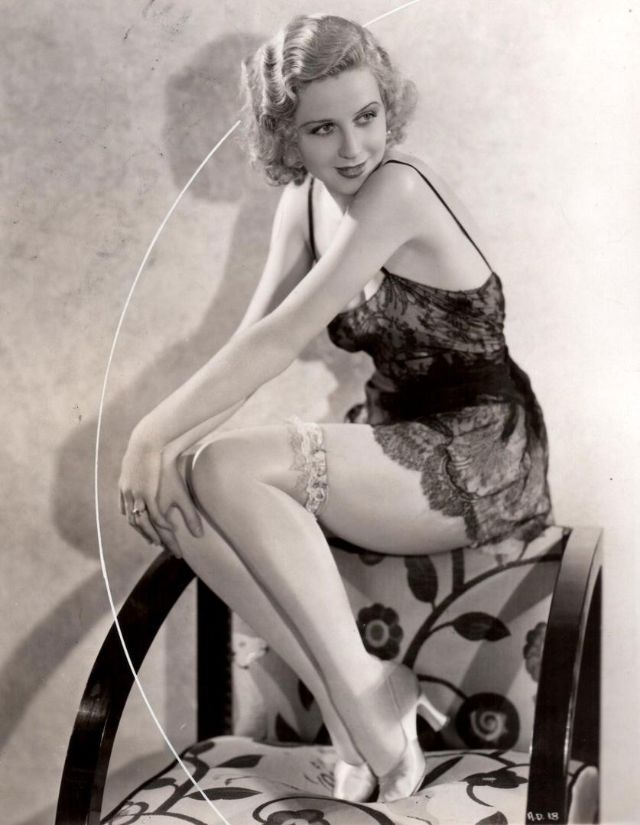
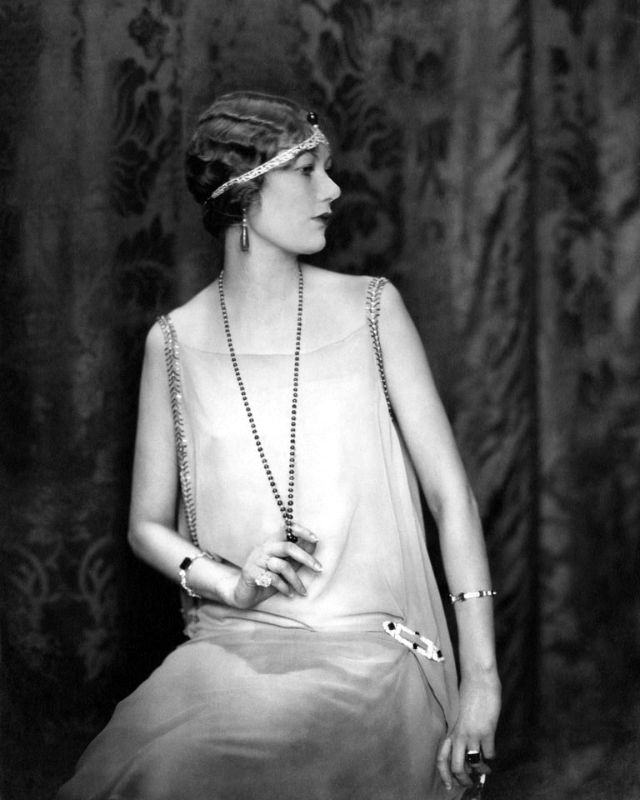
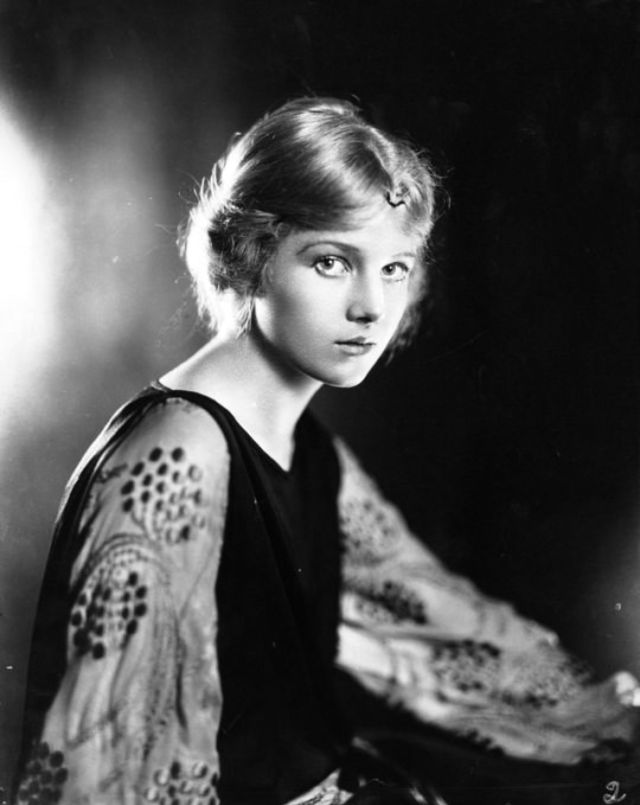
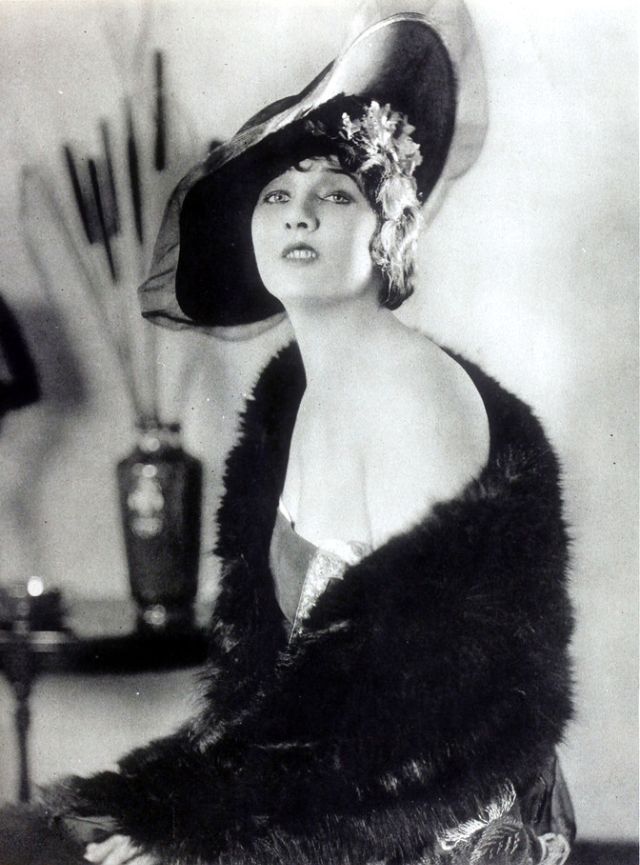
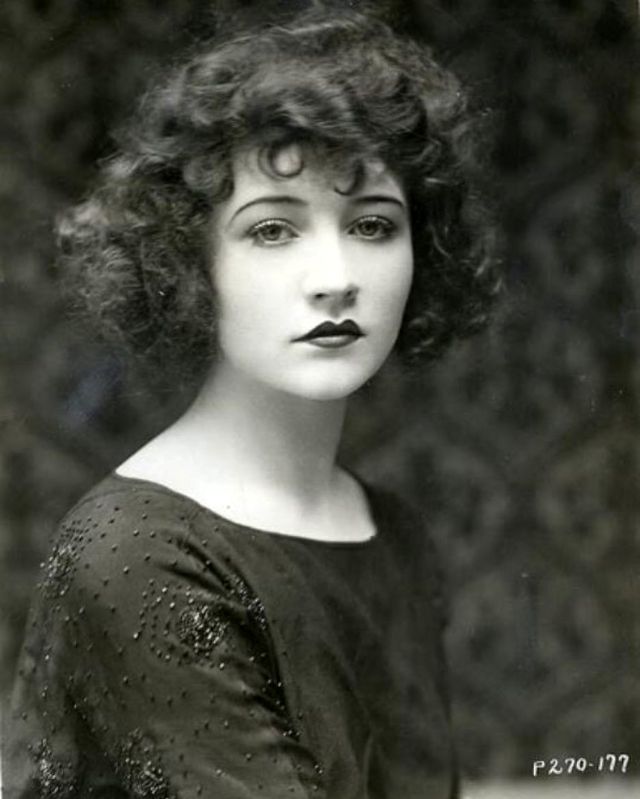
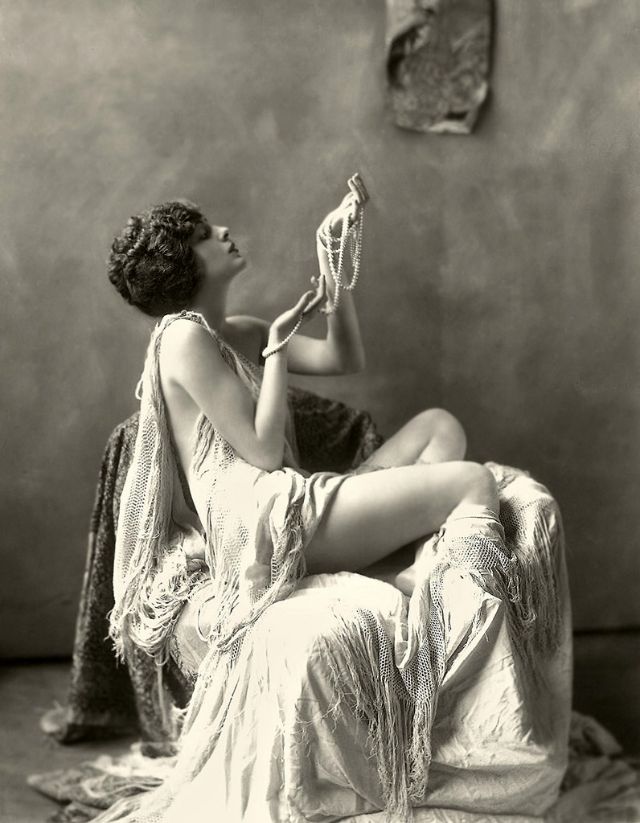
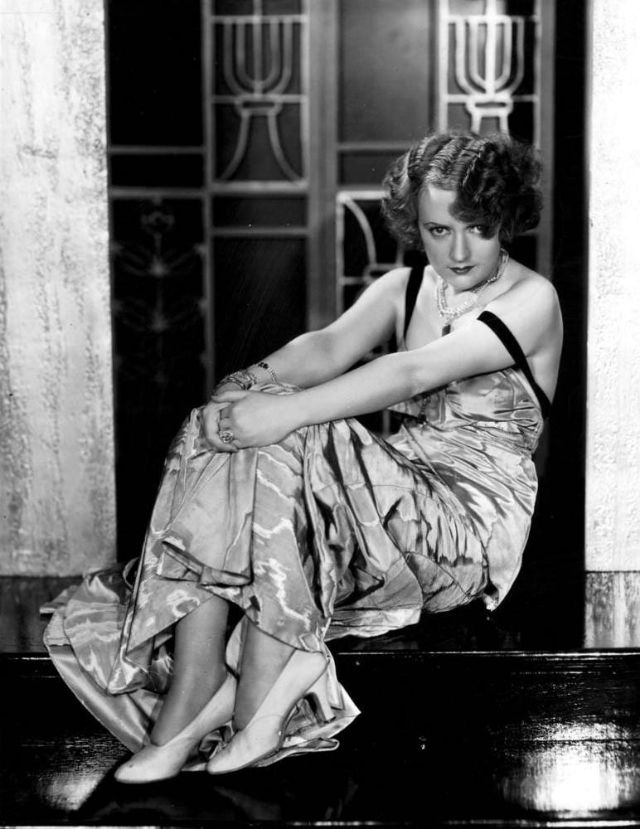
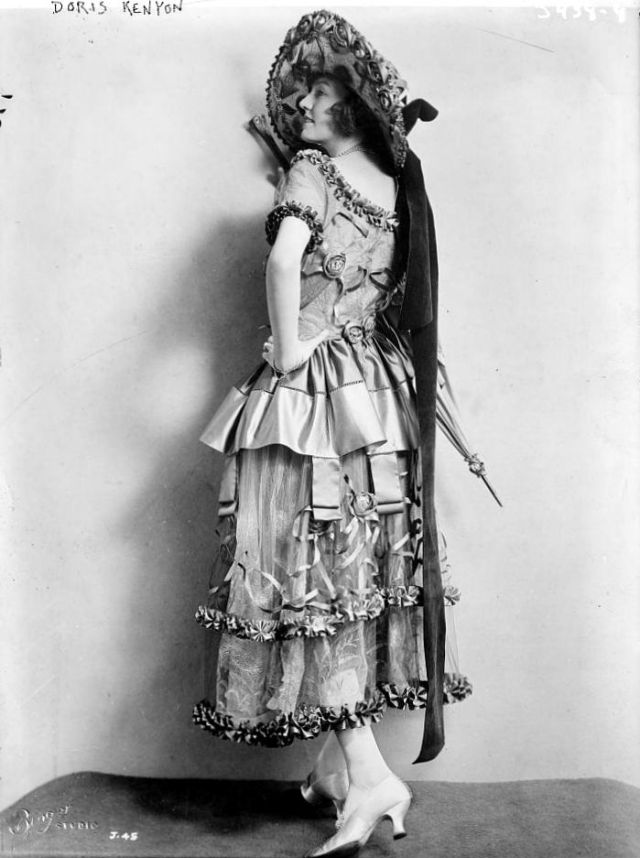
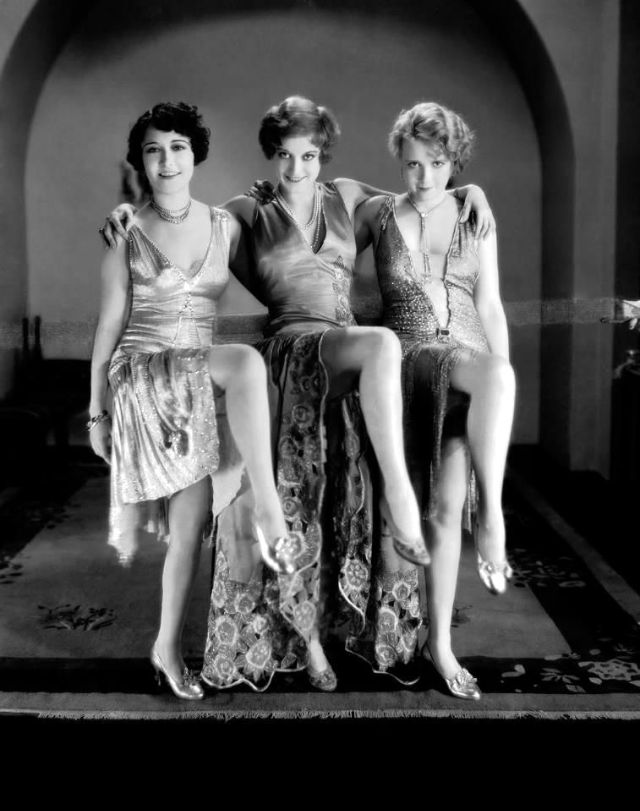
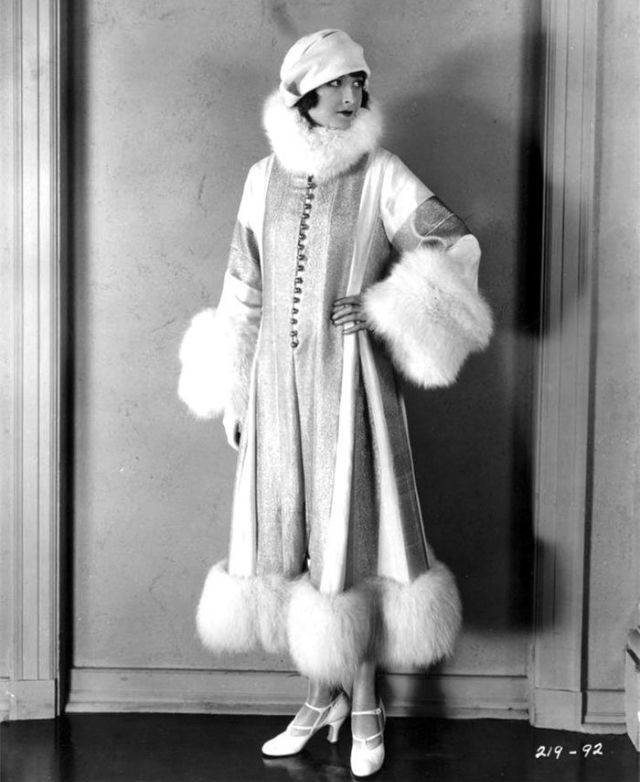
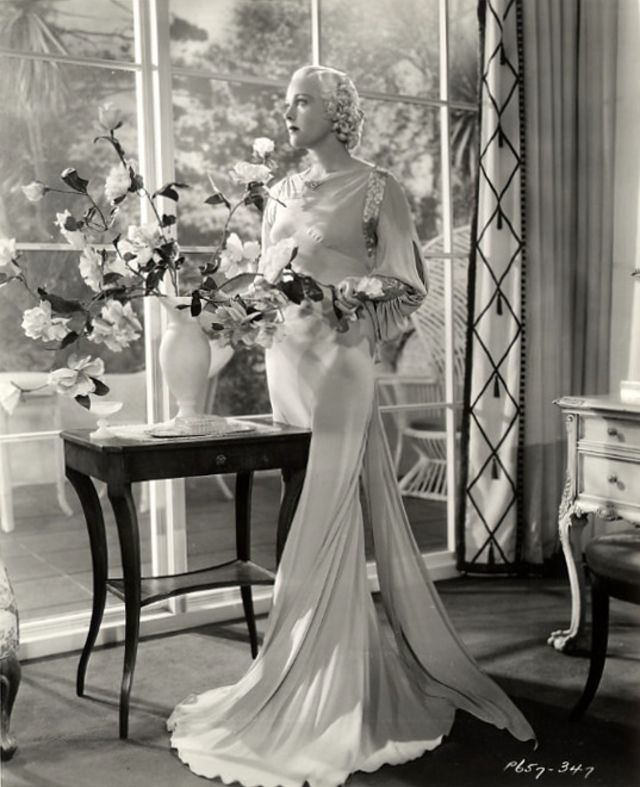
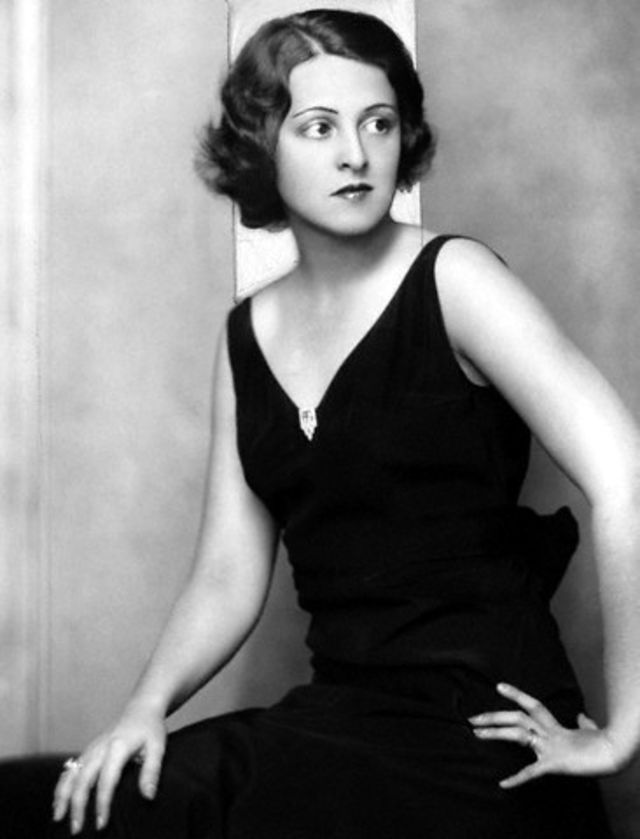
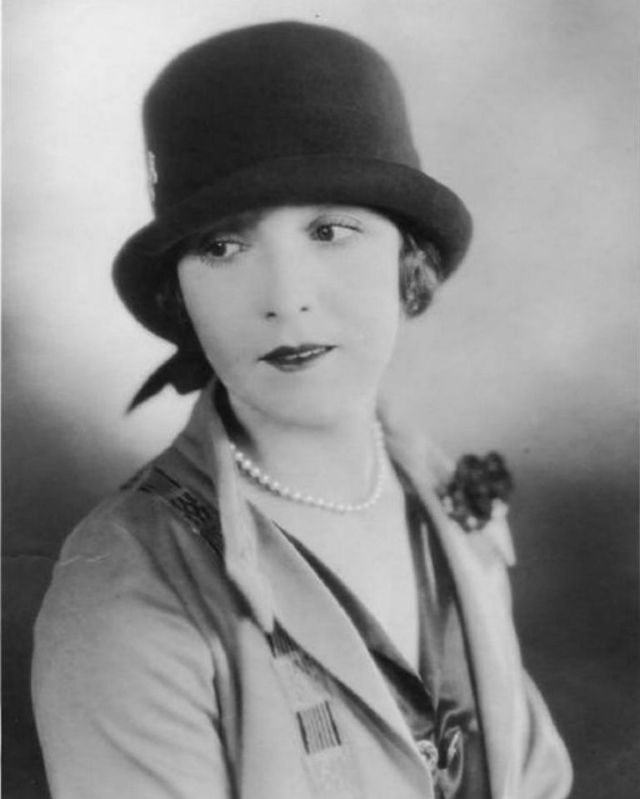
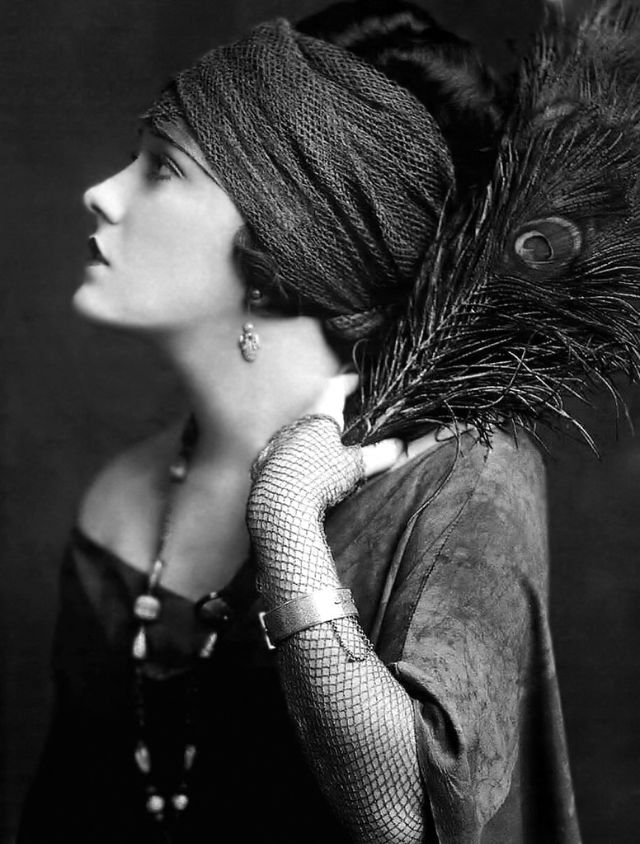
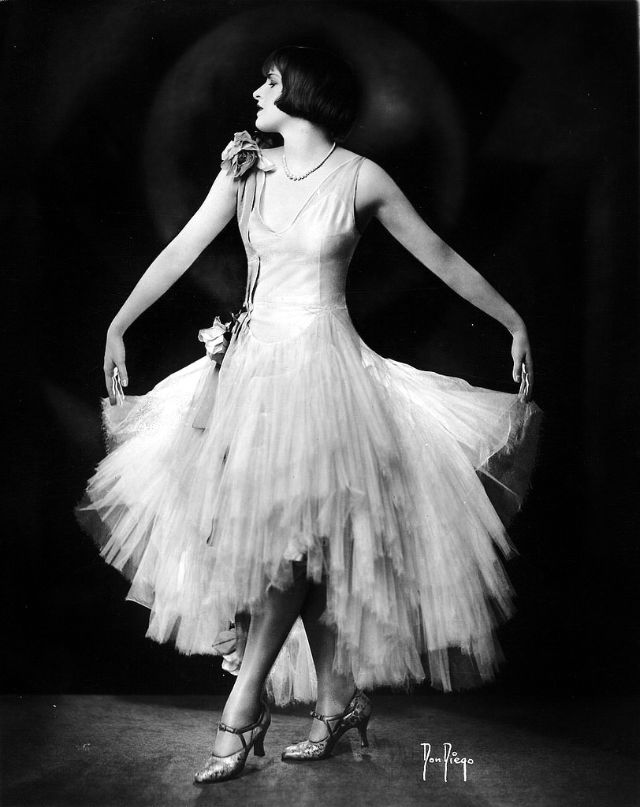
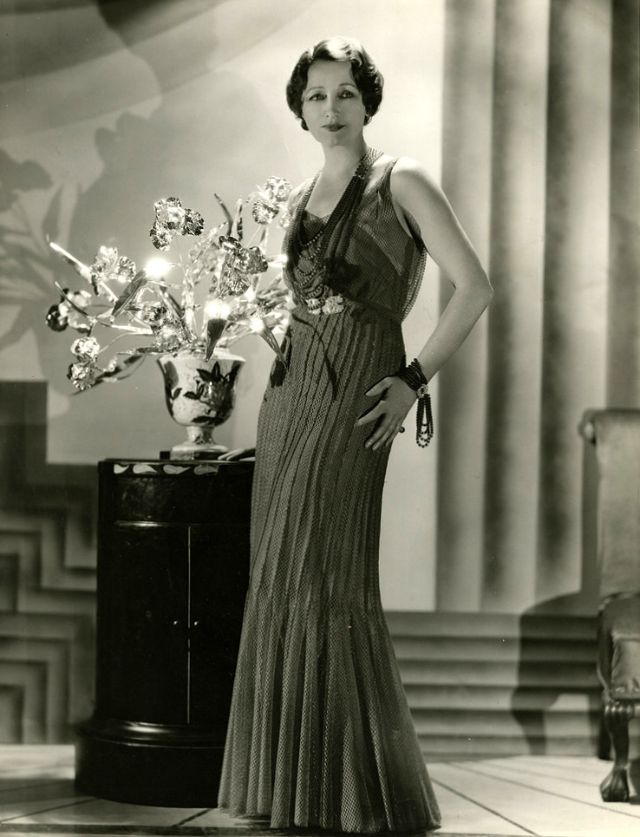
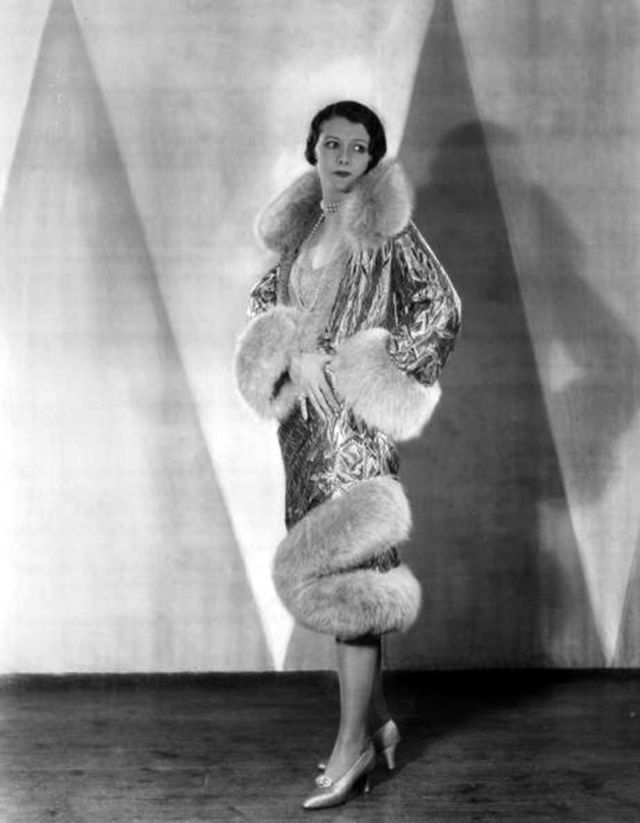
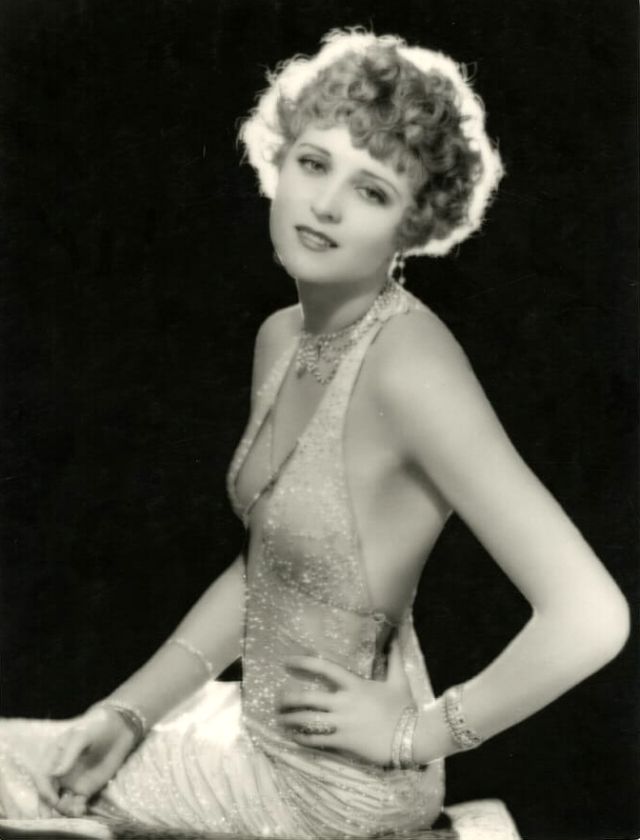
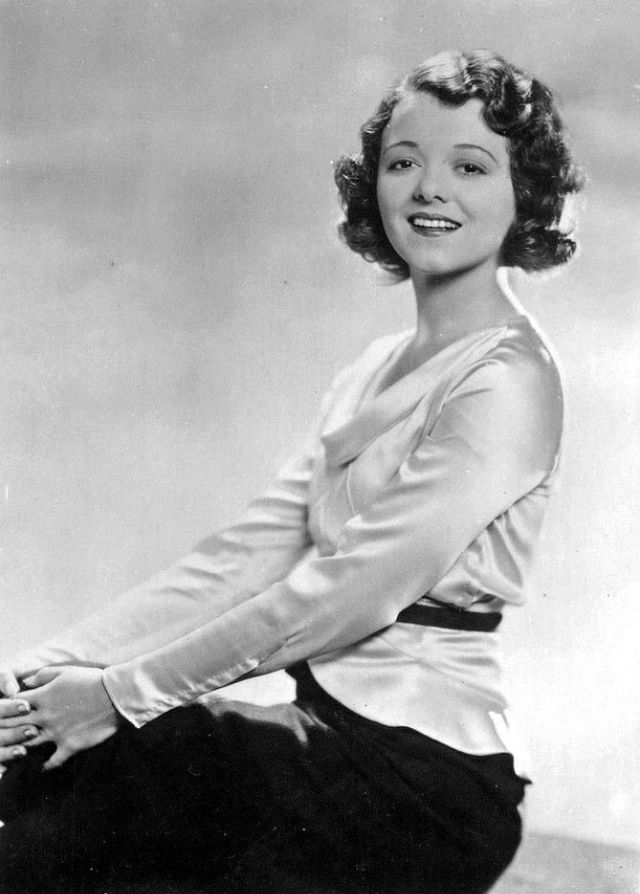
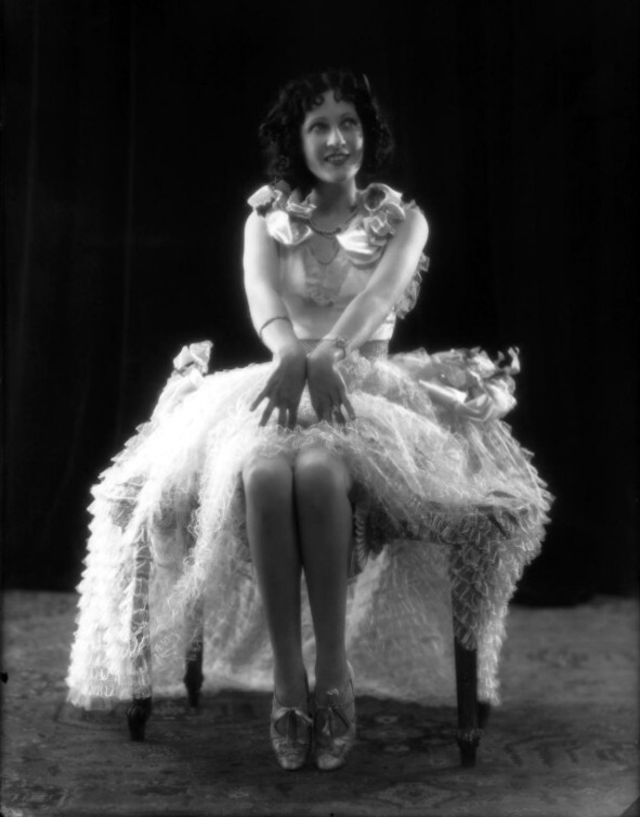
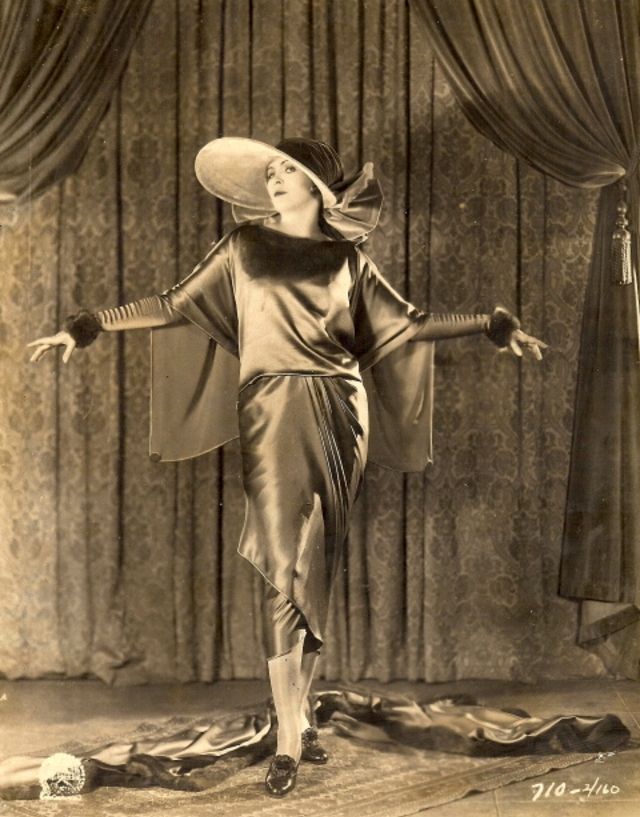
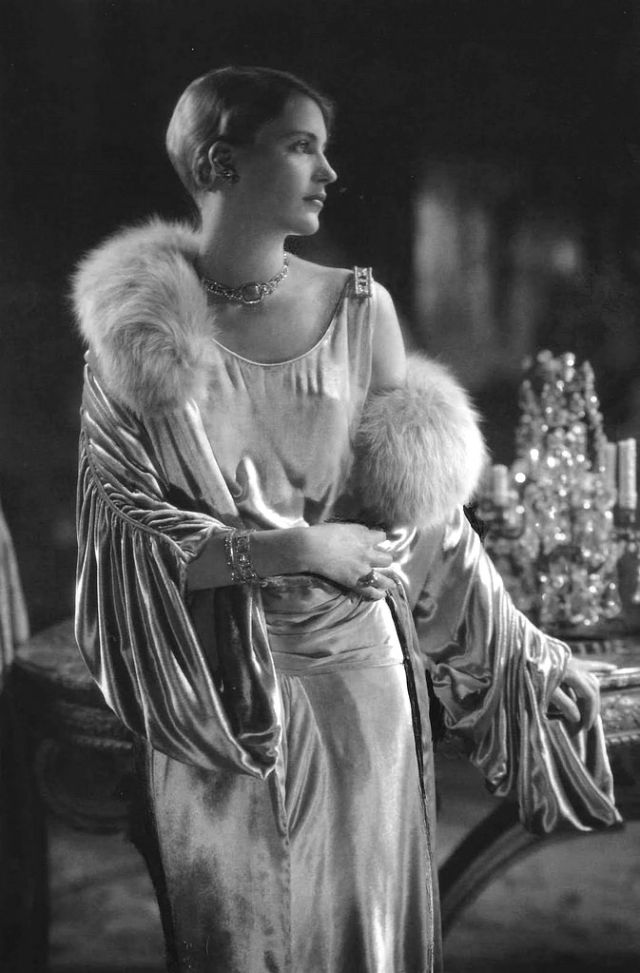
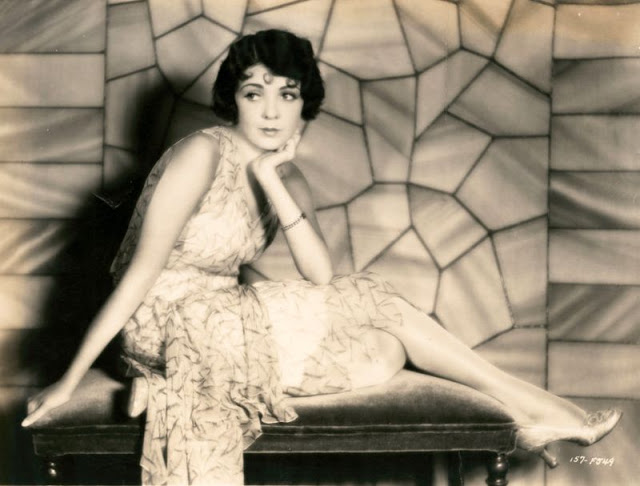
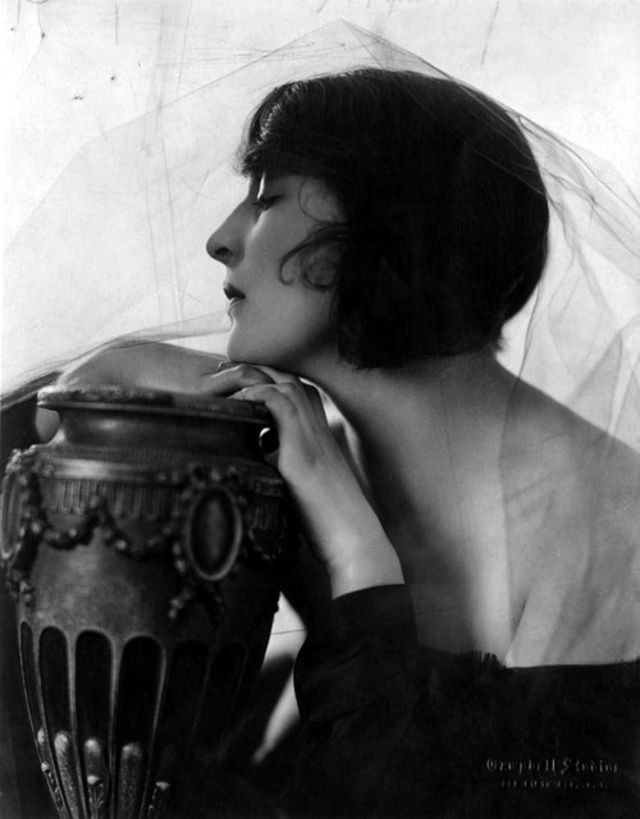
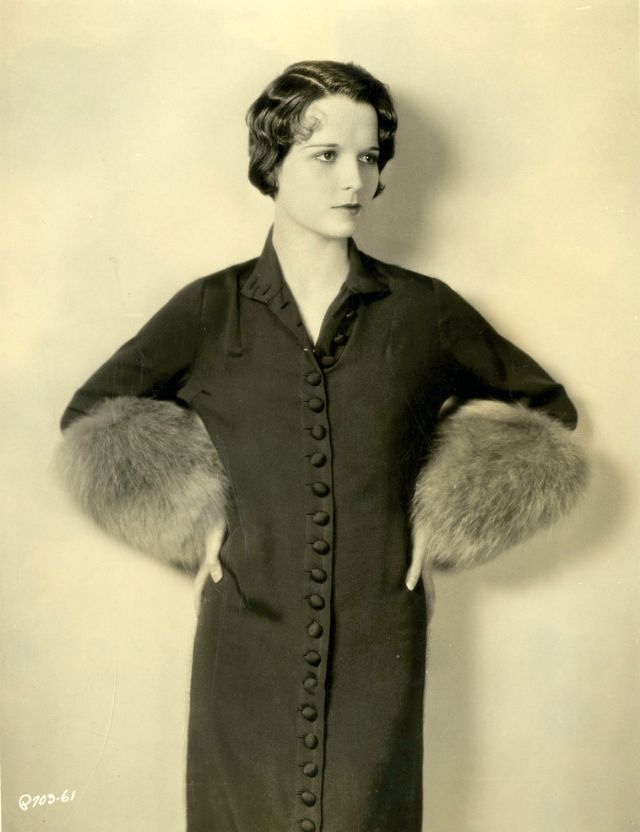
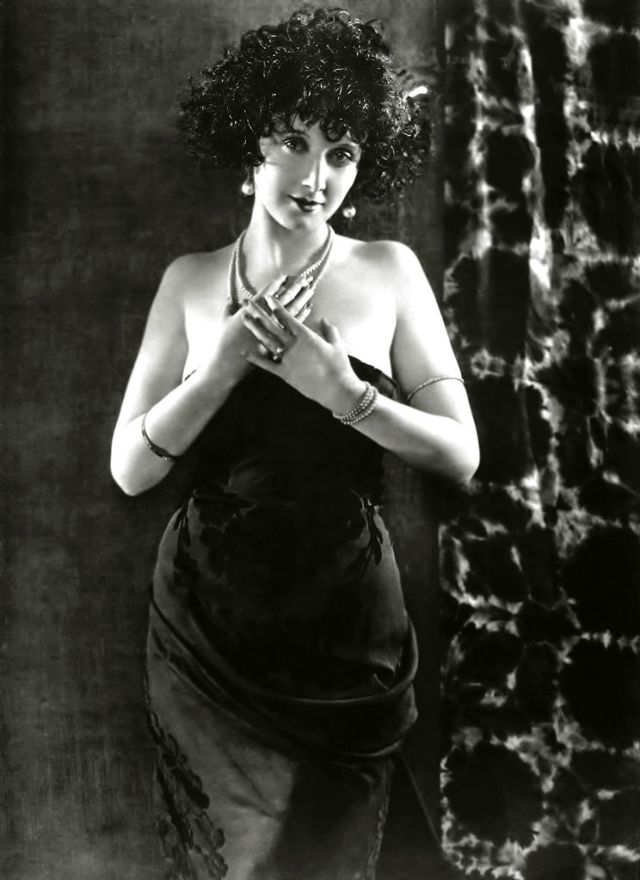
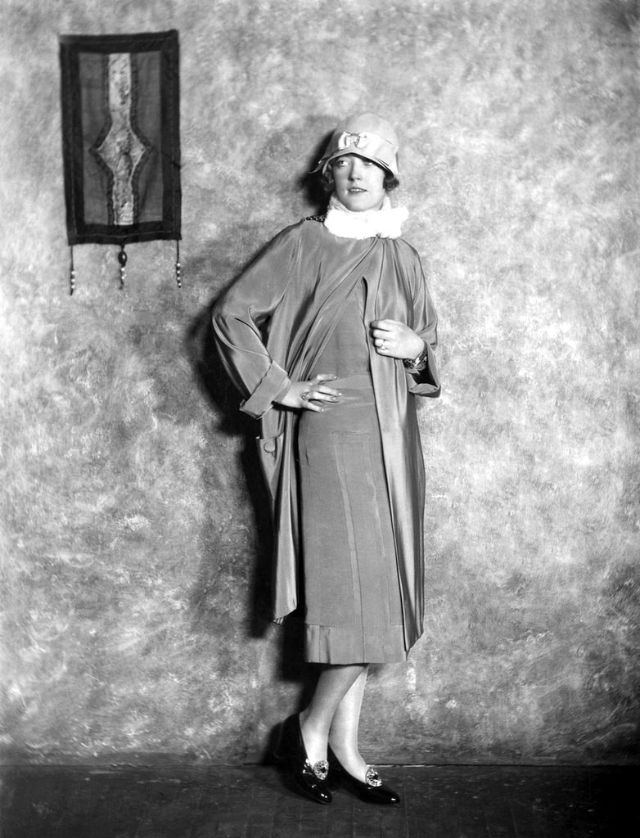
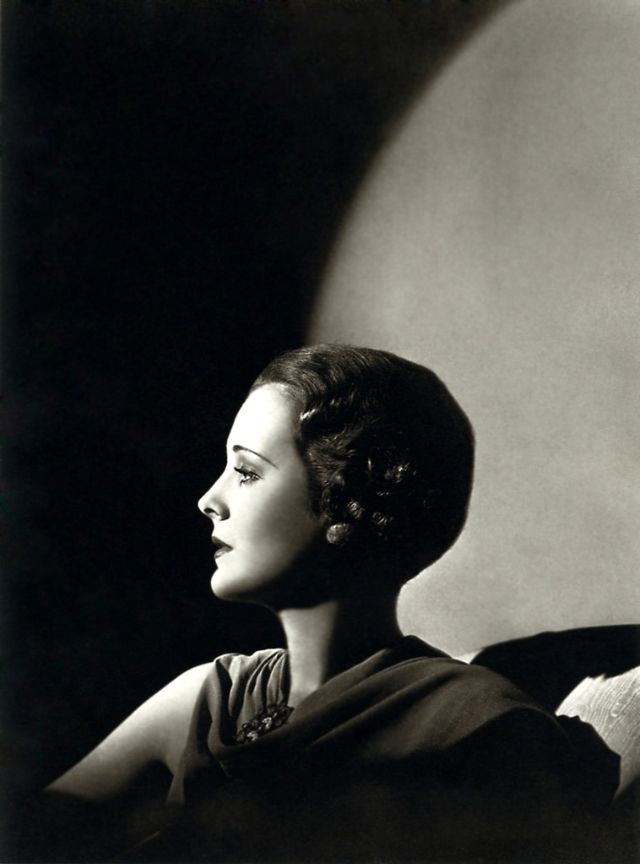
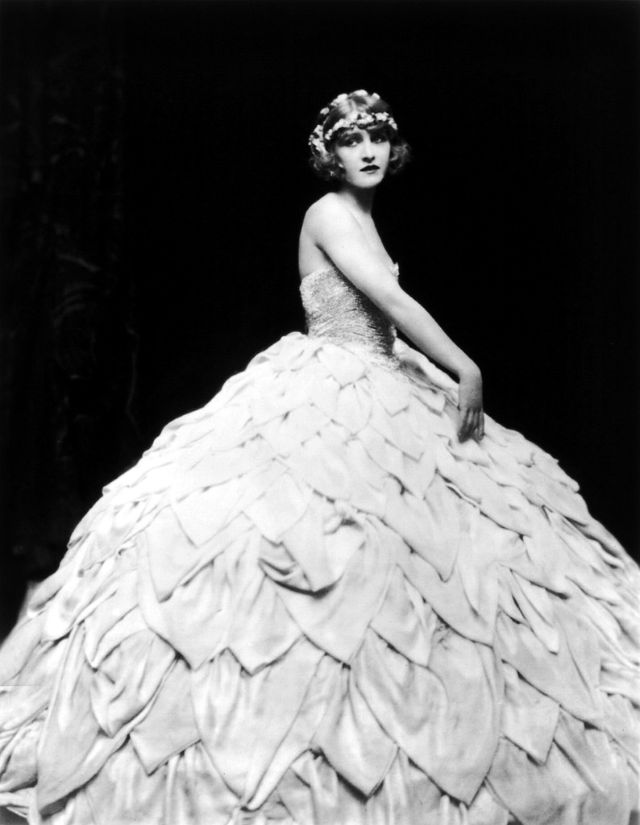
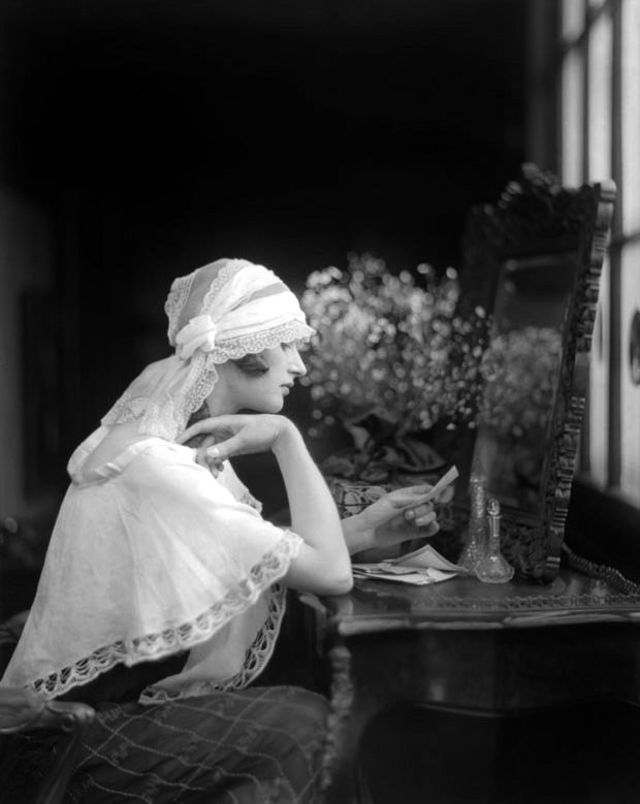
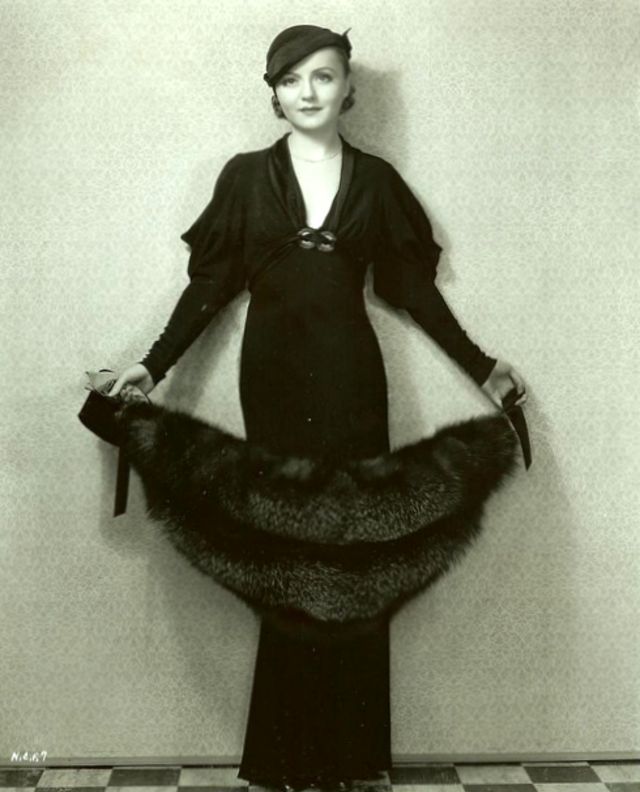
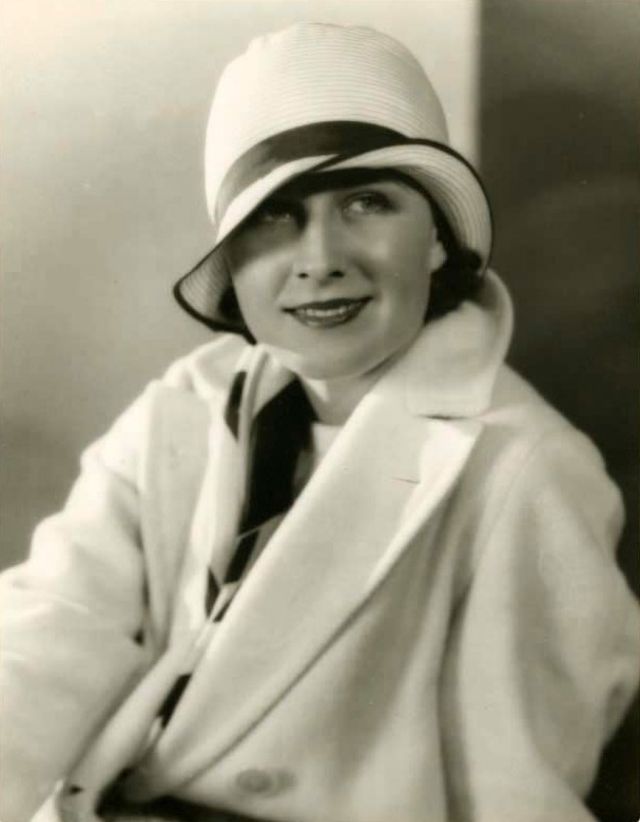
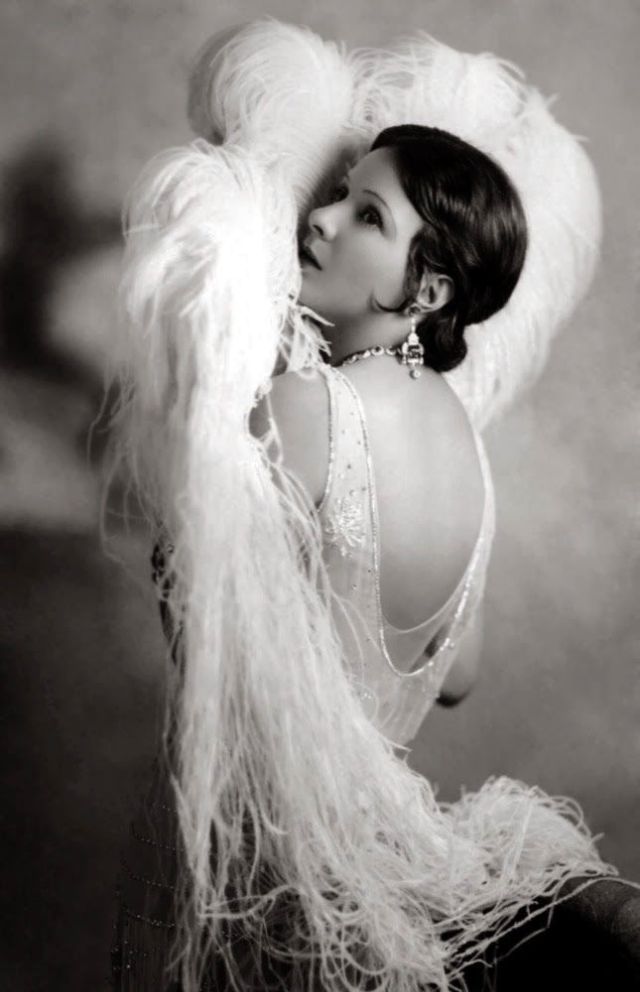
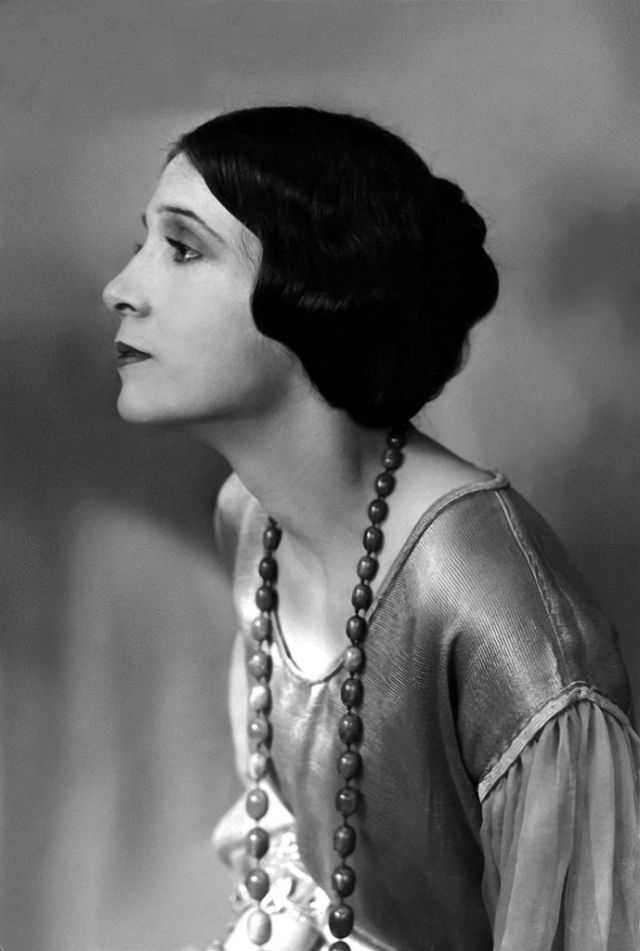
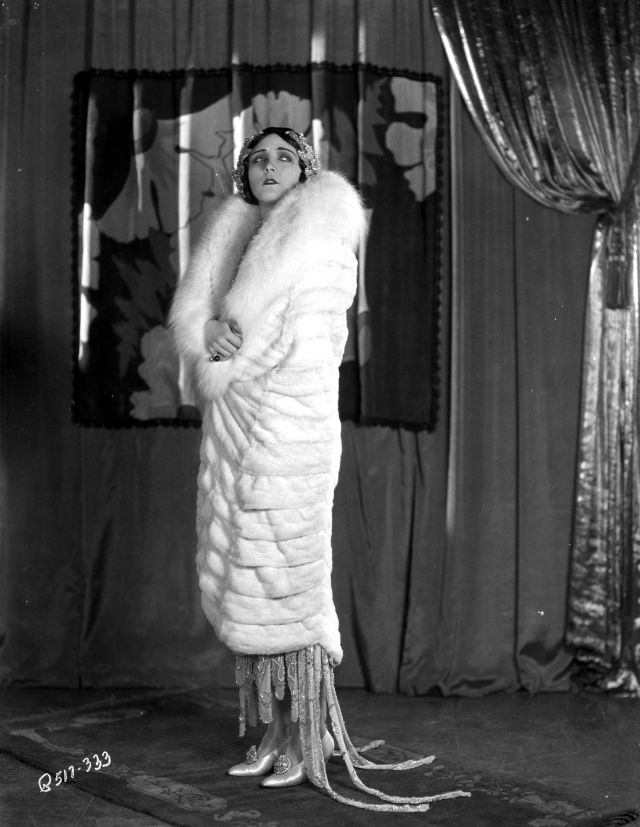
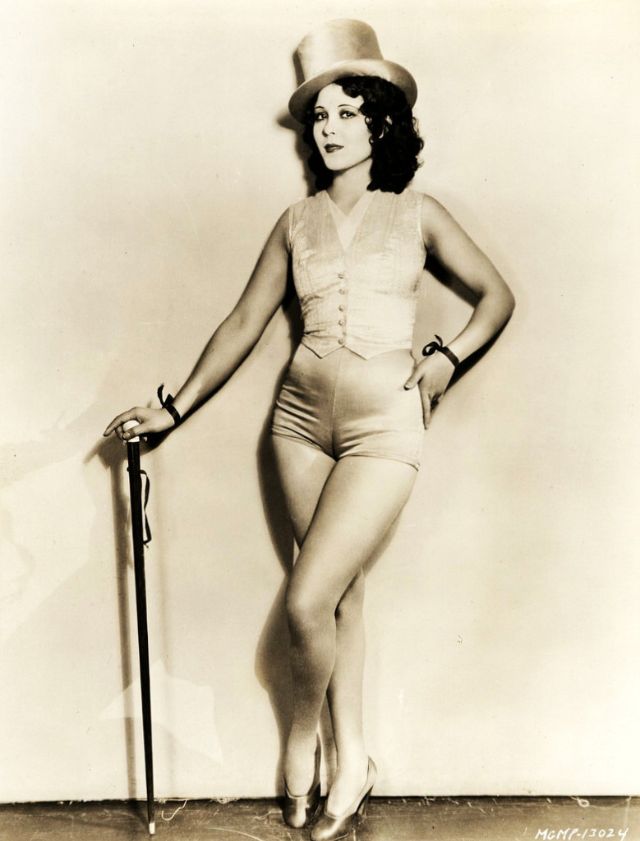
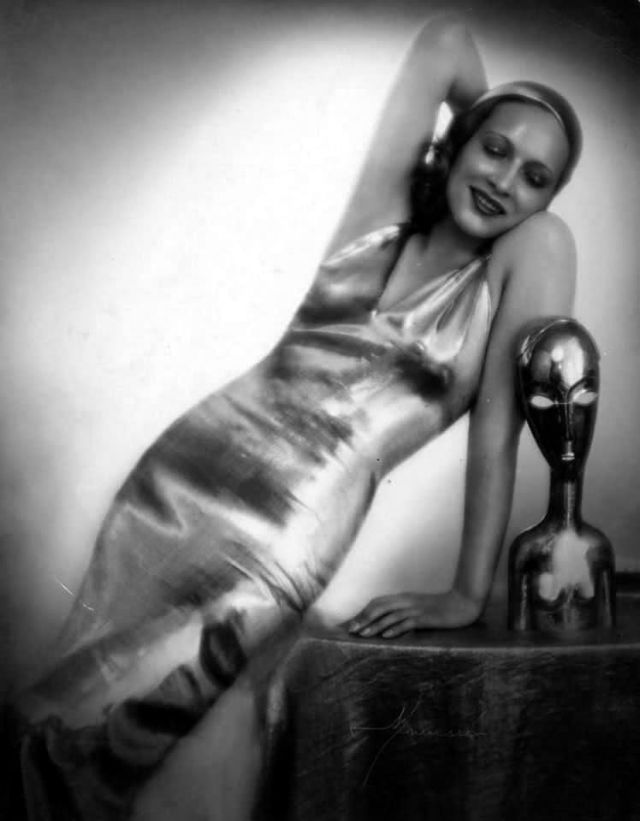
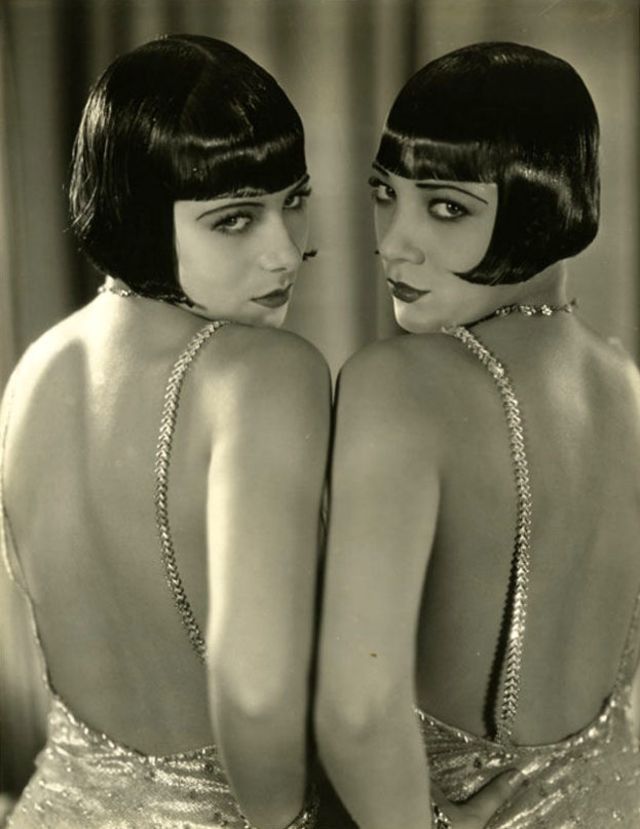
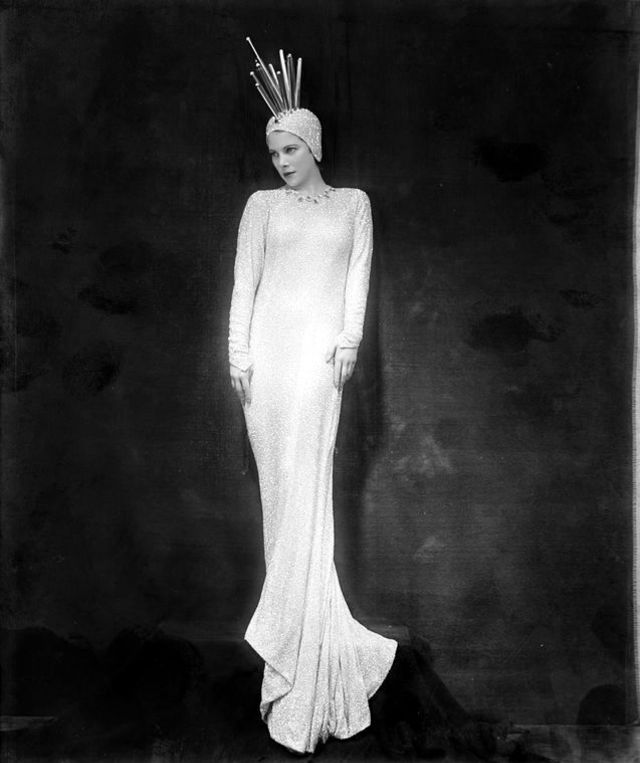
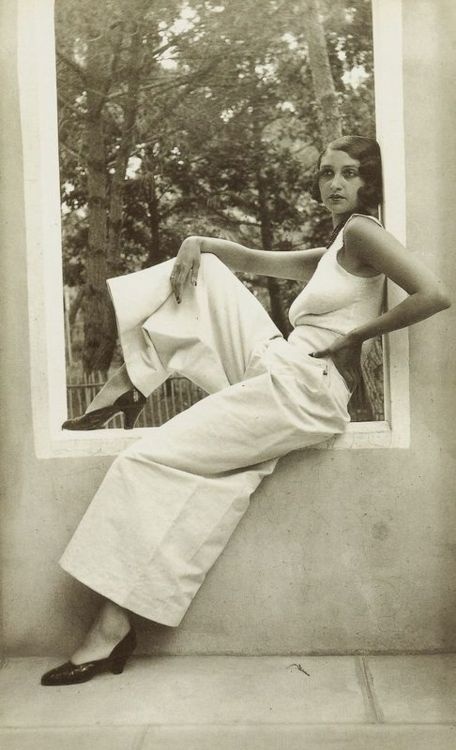
Women’s fashions of the 1920s are a large part of the Jazz Age identity. New technology and the end of the horrors brought about by World War I and the 1918 Flu Pandemic gave rise to a youthful exuberance personified by the flapper.
Contrary to popular misconception, the short skirts and bold make up of the flapper did not rule the fashion of the day but were an iconic and memorable look. Fashion periods are usually distinguished by the female silhouette which presented a boyish figure with flattened breasts and loose clothing for most of the decade.
The drop waist shift dresses of the 1920s relieved women of the last vestiges of Edwardian formality. The widespread use of the automobile, radio, and increased educational opportunities encouraged young women to cut off their hair and kick up their heels.
Take a look at these fabulous photos of classic beauties who defined the 1920s women’s fashion.
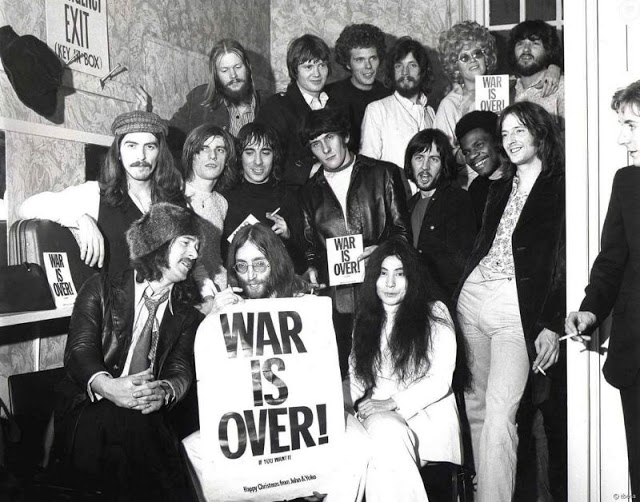
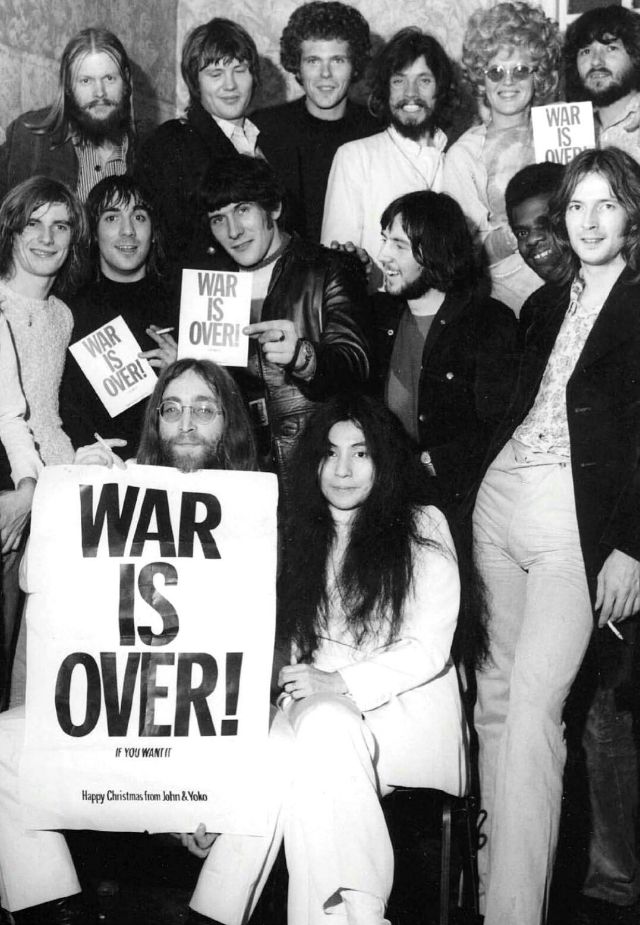
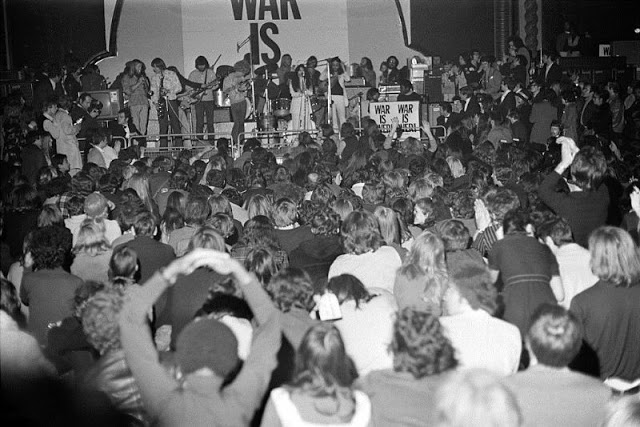
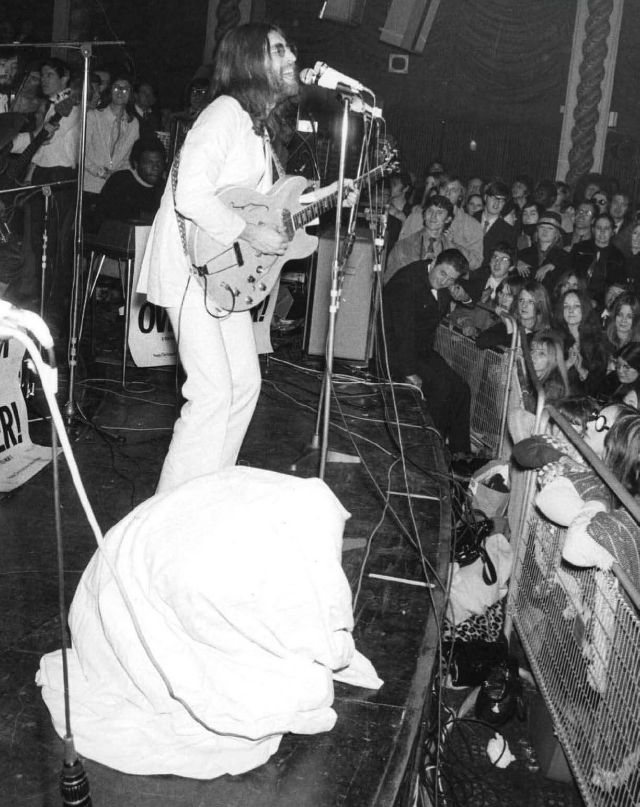
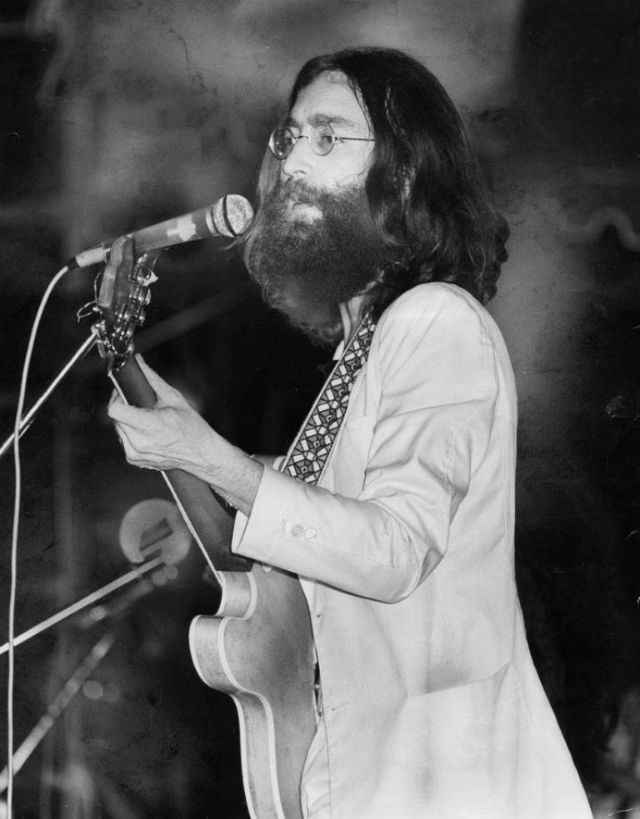
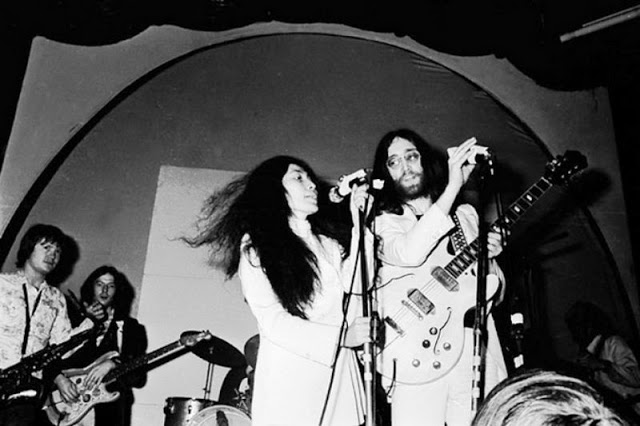
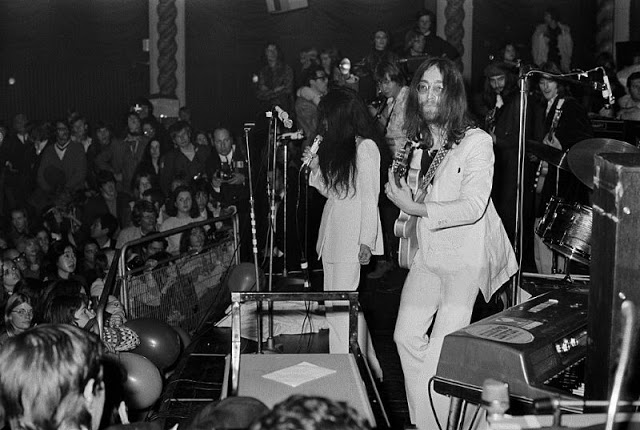
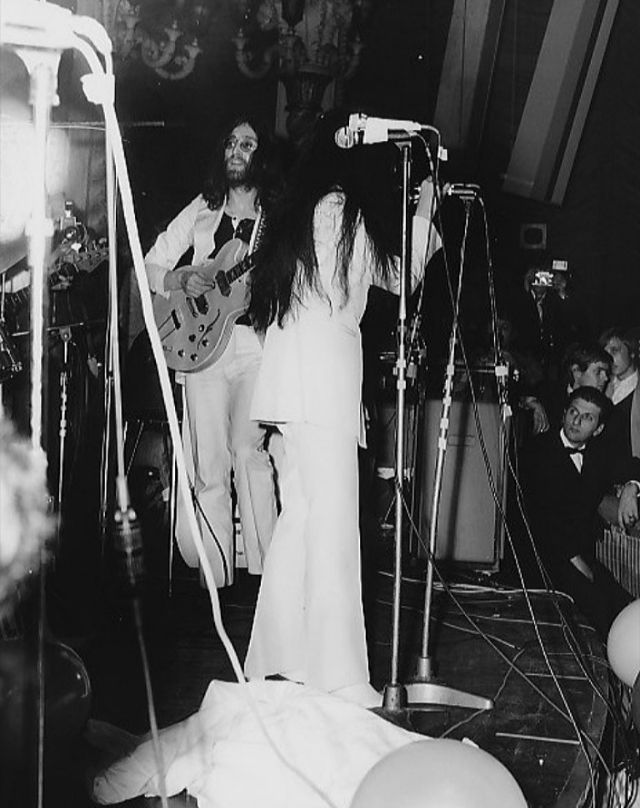
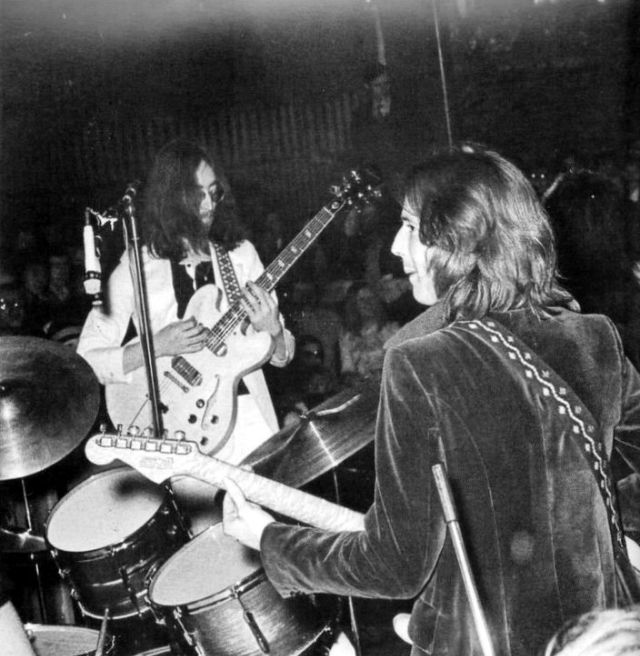
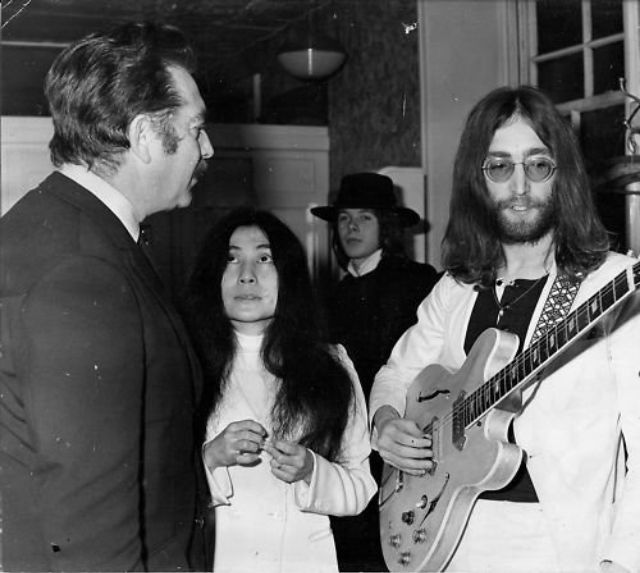
After months of trying to bring their Bed-In to the United States, John Lennon and Yoko Ono launched the worldwide billboard and poster campaign, War Is Over! The campaign was launched on 15 December 1969 at the “Peace for Christmas” concert, a benefit for UNICEF held at London’s Lyceum Ballroom.
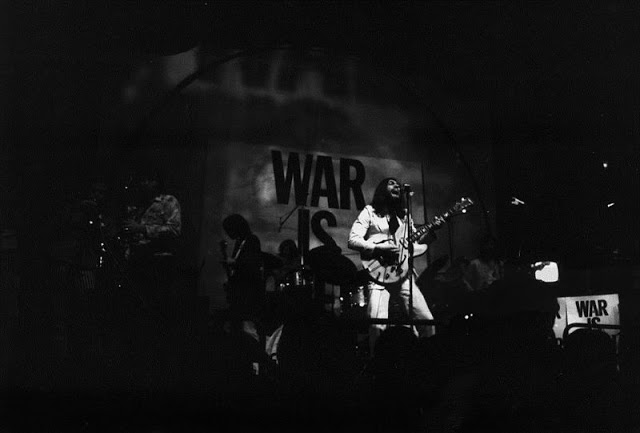
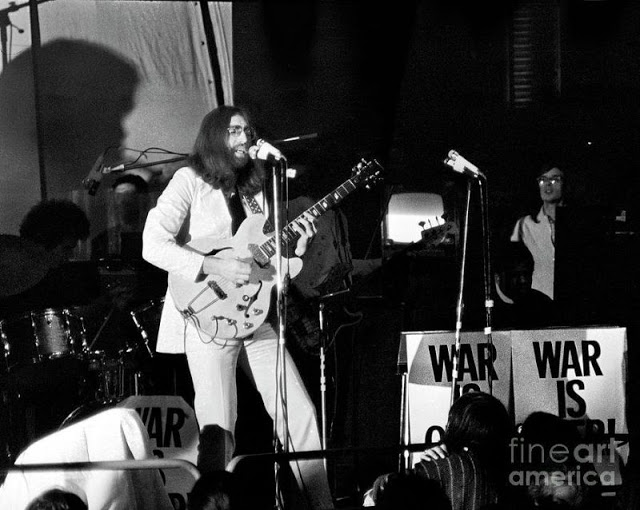
John Lennon and Yoko Ono performed with George Harrison, Keith Moon, Billy Preston, and The Delaney and Bonnie Band, Alan White, Bobby Keyes, Keith Moon, Klaus Voormann, Jim Gordon and Billy Preston – as the Plastic Ono Supergroup. Their two-song, twenty-five minute set featured extended versions of both sides of their latest single: Cold Turkey and Don’t Worry Kyoko.
A huge War Is Over! banner was hung across the stage, and postcards were distributed to the audience.
“It was a FANTASTIC show – very heavy,” John Lennon said. “A lot of the audience walked out you know, but the ones that stayed – they were in a TRANCE man. They just all came to the front because it was one of the first real heavy rock shows where we had a good, good backing…
“Some of those kids – they were really young- it was a UNICEF concert show or something. Some of those kids formed those freaky bands later. Because there were about 200 kids at the front there, some were about 13, 14, 15 who were looking at Yoko and looking at us the way we were playing that Don’t Worry Kyoko and it really reached a peak of (whatever you call it) it really went out there that night.
“And I often think I wonder if… you know I hear touches of our early stuff in a lot of the punk/new wave stuff – I hear licks and flicks coming out. It pleases me, it pleases both of us. I’d love to know were they in the audience and did somebody go and form a group in London because it sure as hell sounds like it.”
The poster idea was Yoko’s. In London, New York, Los Angeles, Montreal, Toronto, Paris, Rome, Berlin, Amsterdam, Athens, and Tokyo, the couple commissioned posters and billboards that declared in various languages: “War Is Over! If You Want It. Happy Christmas from John and Yoko.”
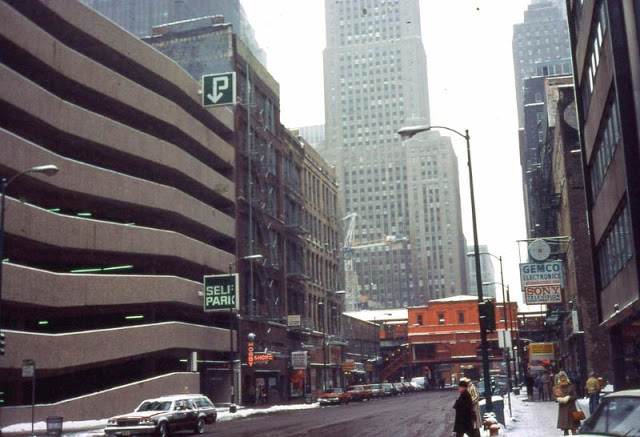
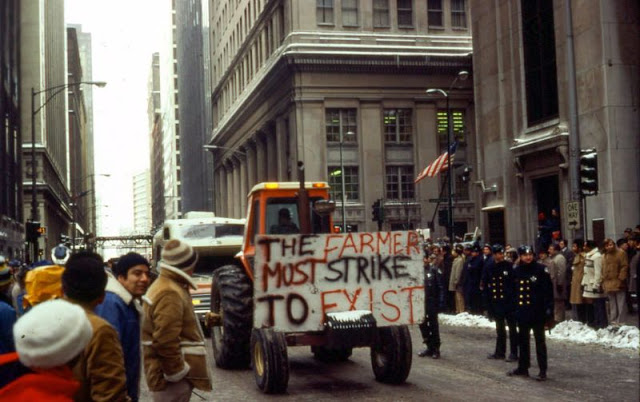
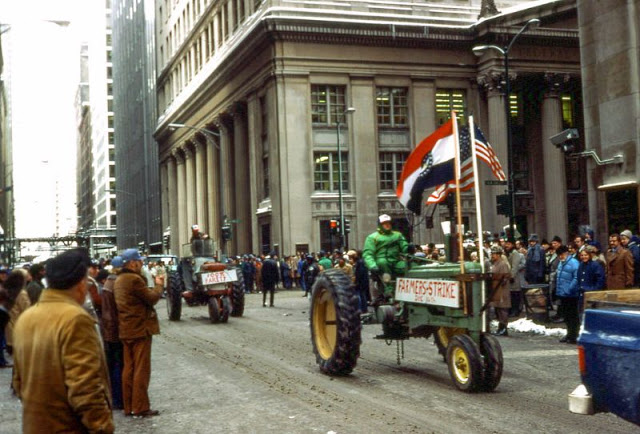
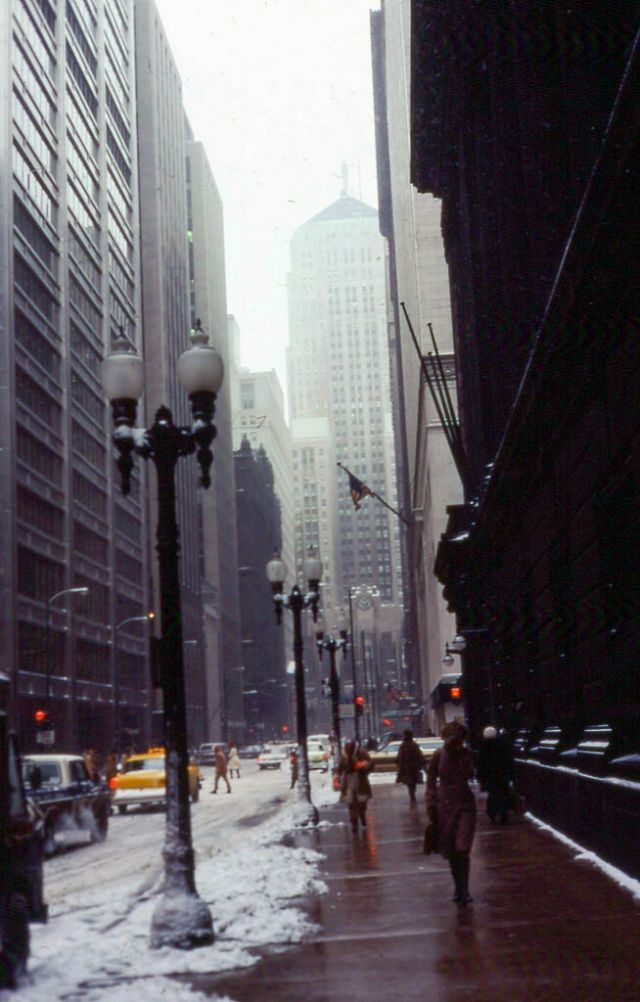
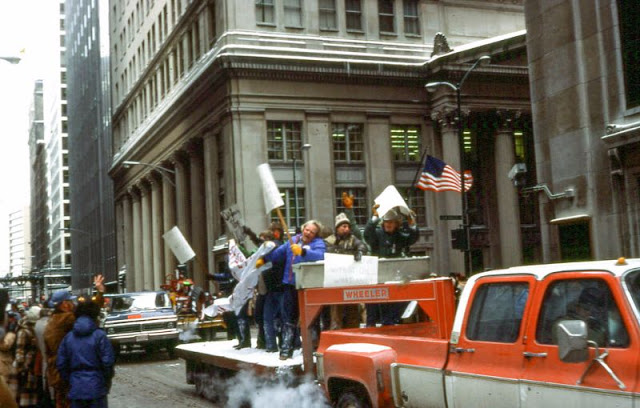
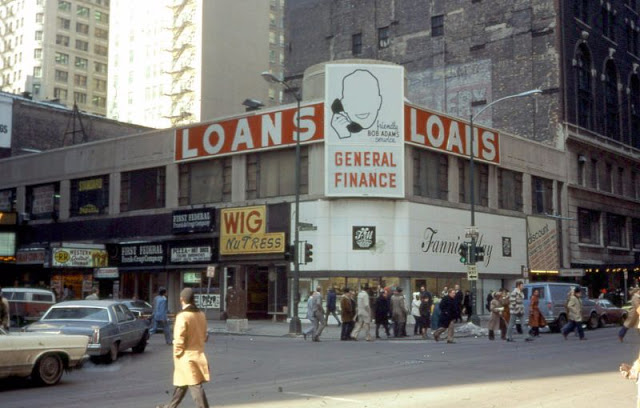
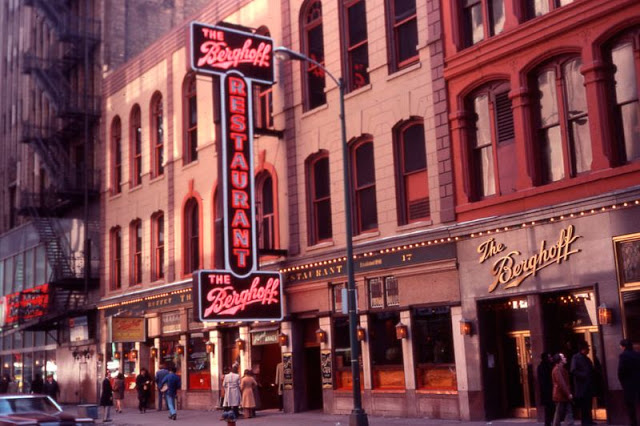
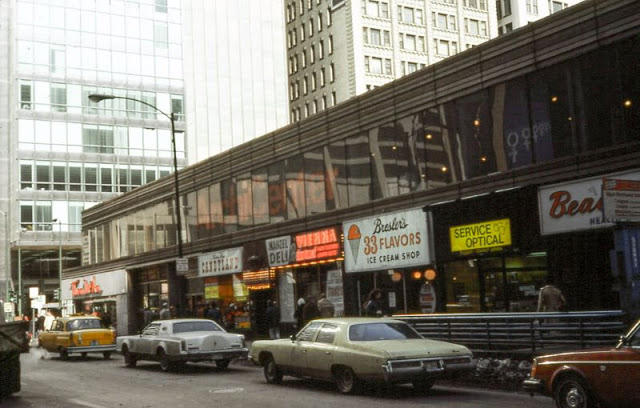
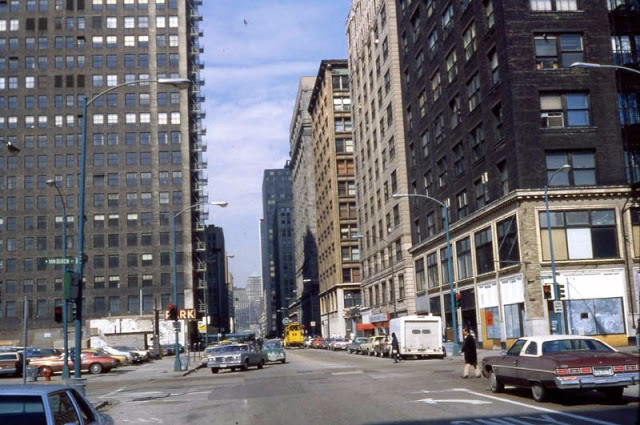
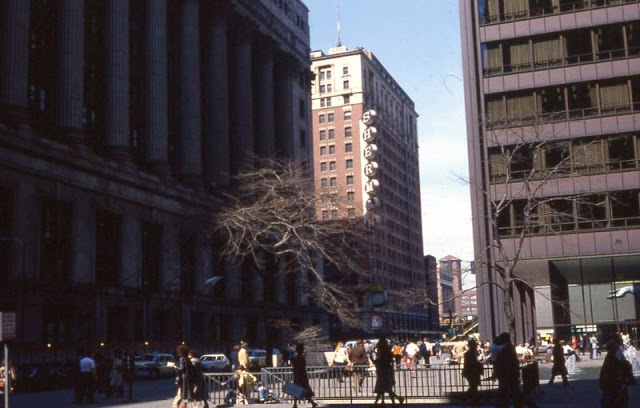
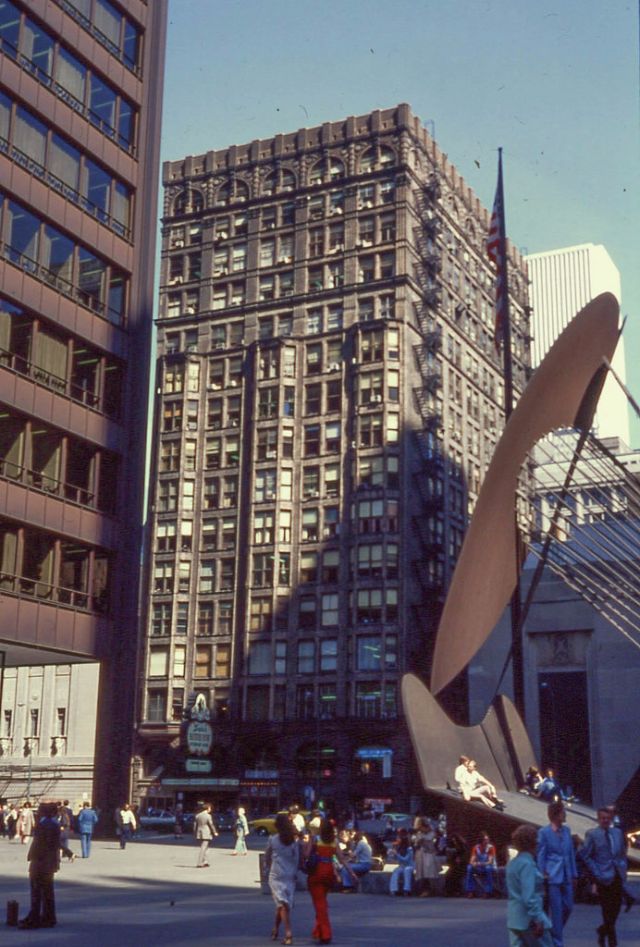
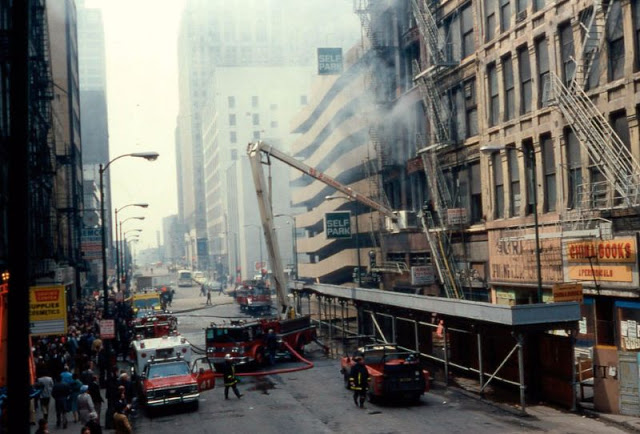
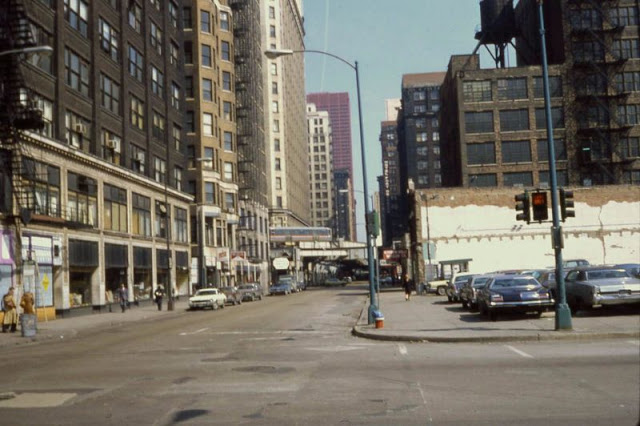
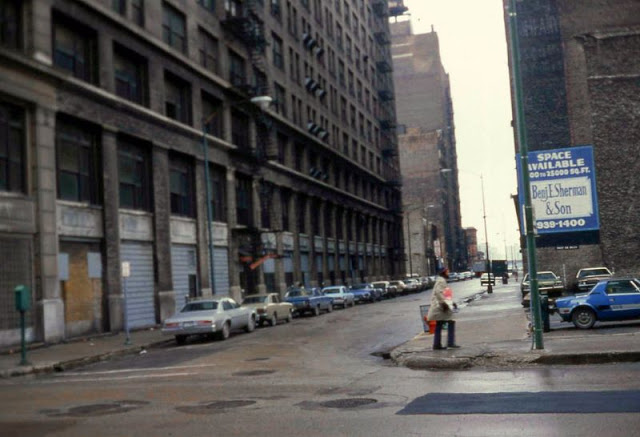
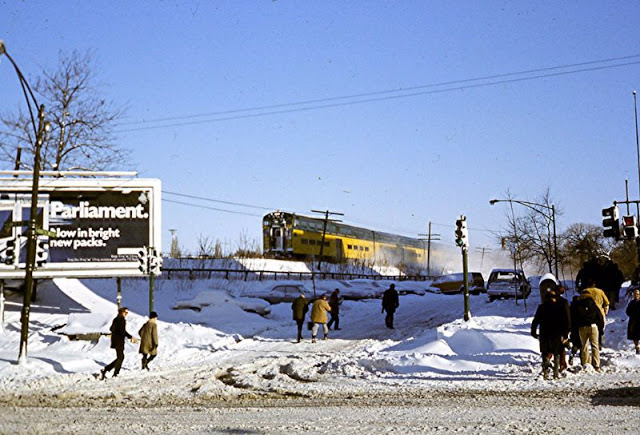
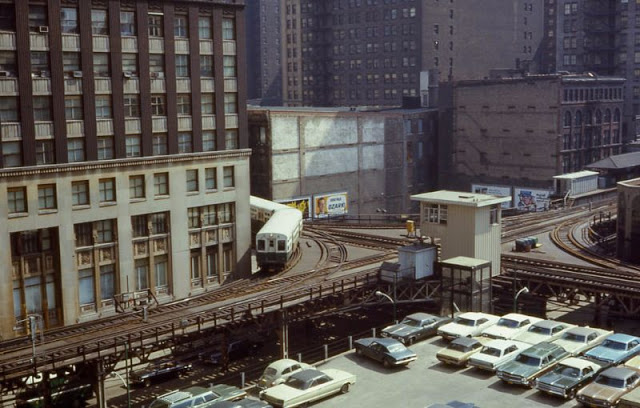
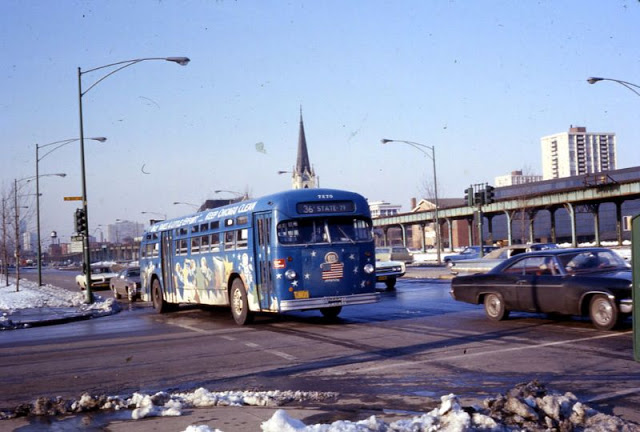
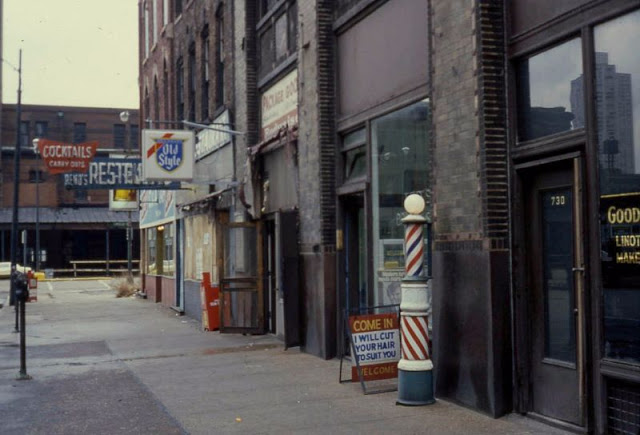
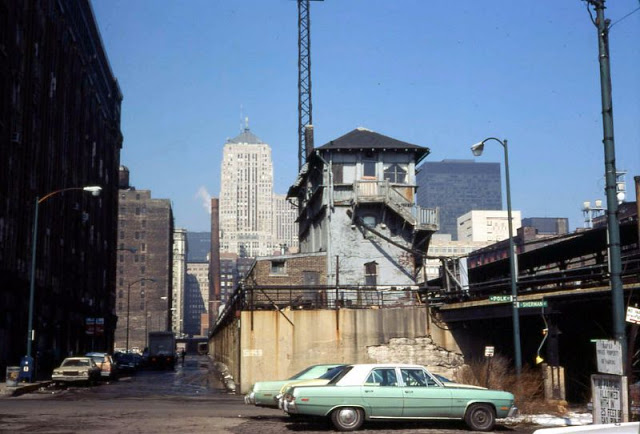
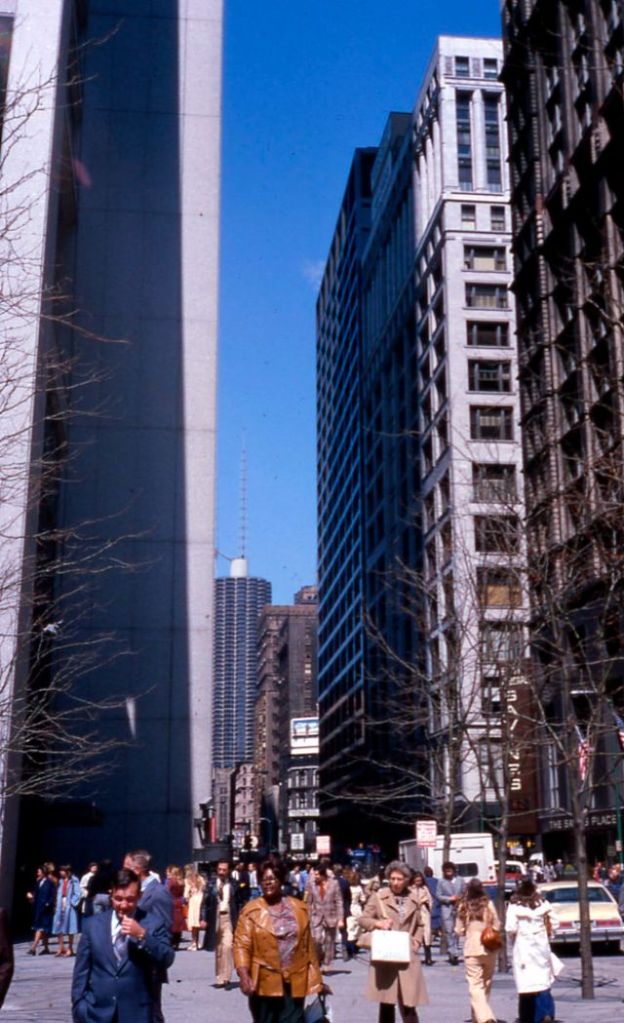
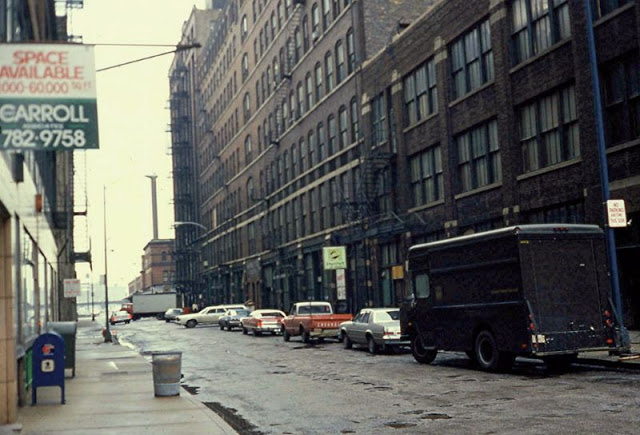
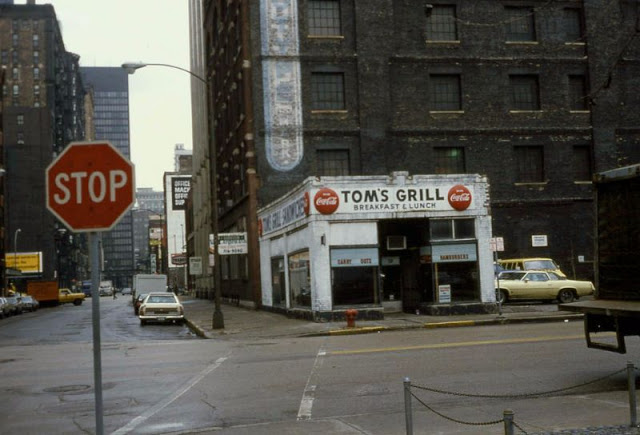
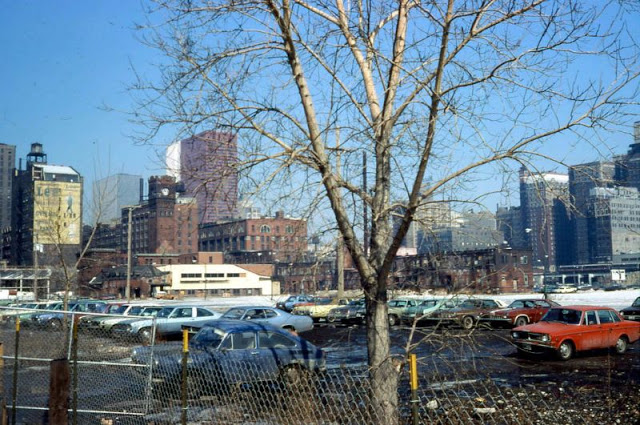
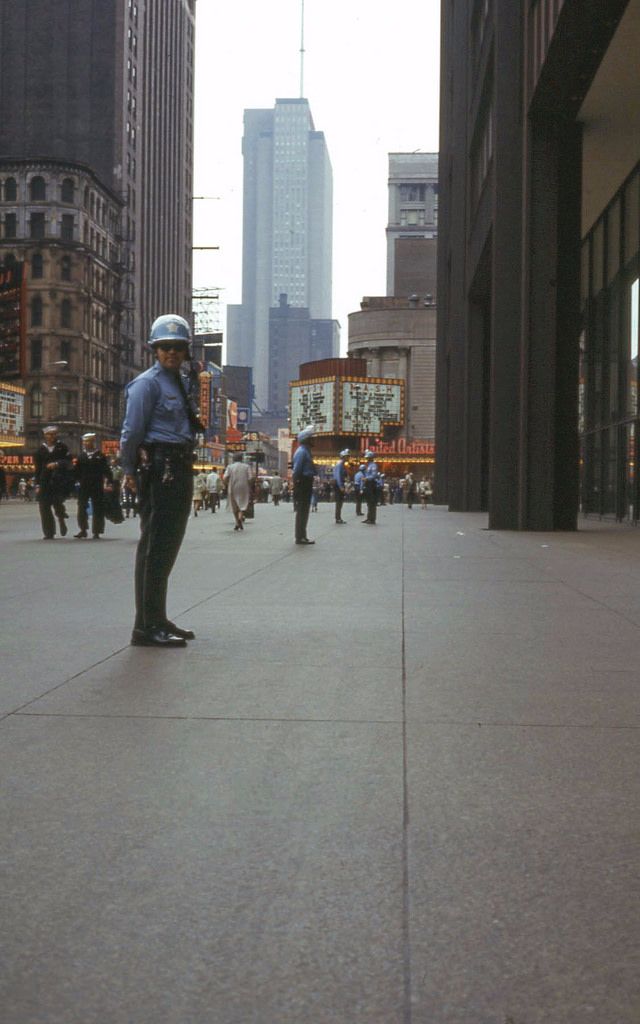
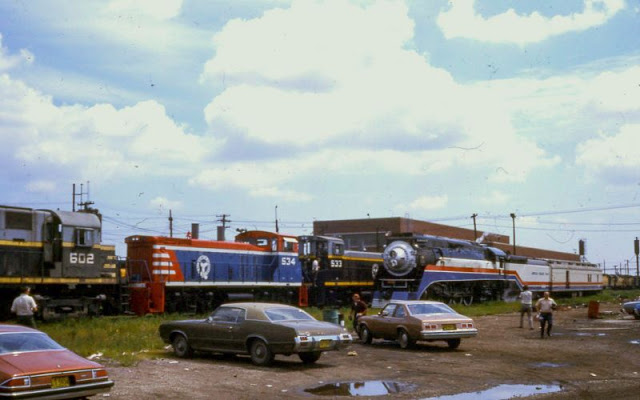
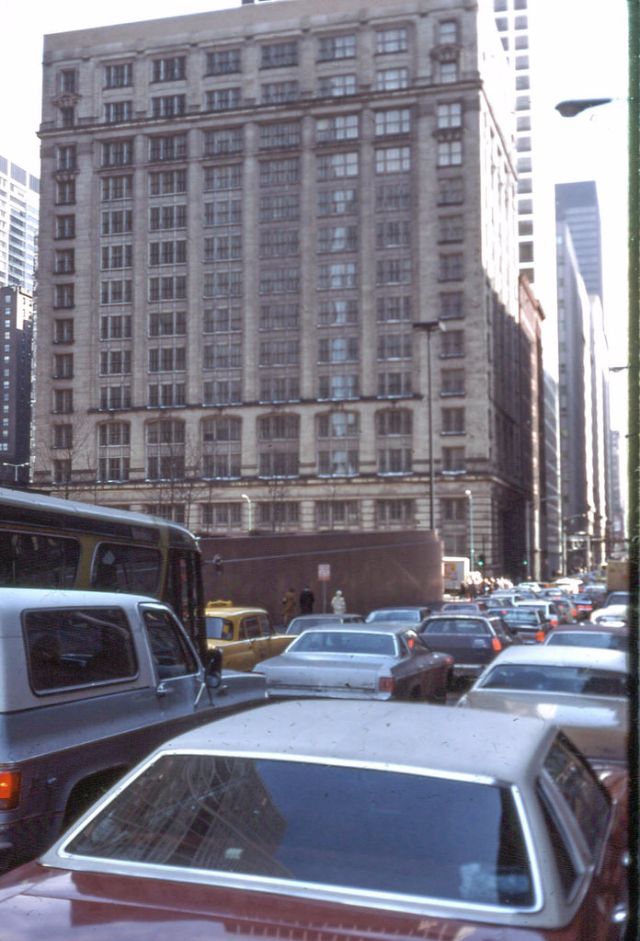
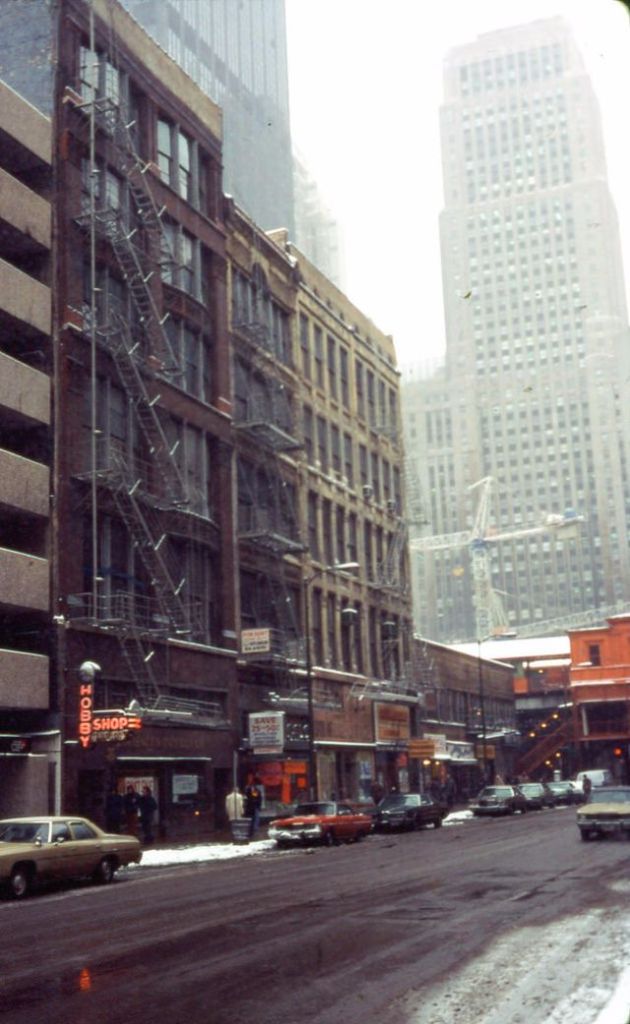
Chicago, officially the City of Chicago, is the most populous city in the U.S. state of Illinois, and the third most populous city in the United States, following New York City and Los Angeles. With a population of 2,746,388 in the 2020 census, it is also the most populous city in the Midwestern United States and the fifth most populous city in North America. Chicago is the county seat of Cook County, the second most populous county in the U.S., while a small portion of the city’s O’Hare Airport also extends into DuPage County. Chicago is the principal city of the Chicago metropolitan area, defined as either the U.S. Census Bureau’s metropolitan statistical area (9.6 million people) or the combined statistical area (almost 10 million residents), often called Chicagoland. It is one of the 40 largest urban areas in the world.
Located on the shores of freshwater Lake Michigan, Chicago was incorporated as a city in 1837 near a portage between the Great Lakes and the Mississippi River watershed and grew rapidly in the mid-19th century. After the Great Chicago Fire of 1871, which destroyed several square miles and left more than 100,000 homeless, the city rebuilt. The construction boom accelerated population growth throughout the following decades, and by 1900, less than 30 years after the great fire, Chicago was the fifth-largest city in the world. Chicago made noted contributions to urban planning and zoning standards, including new construction styles (including the Chicago School of architecture), the development of the City Beautiful Movement, and the steel-framed skyscraper.
Chicago is an international hub for finance, culture, commerce, industry, education, technology, telecommunications, and transportation. It is the site of the creation of the first standardized futures contracts, issued by the Chicago Board of Trade, which today is part of the largest and most diverse derivatives market in the world, generating 20% of all volume in commodities and financial futures alone. O’Hare International Airport is routinely ranked among the world’s top six busiest airports according to tracked data by the Airports Council International. The region also has the largest number of federal highways and is the nation’s railroad hub. The Chicago area has one of the highest gross domestic products (GDP) in the world, generating $689 billion in 2018. The economy of Chicago is diverse, with no single industry employing more than 14% of the workforce. It is home to several Fortune 500 companies, including Allstate, Boeing, Caterpillar, Exelon, JLL, Kraft Heinz, McDonald’s, Mondelez International, Sears, United Airlines Holdings, US Foods, and Walgreens.
Chicago’s 58 million tourist visitors in 2018 set a new record, and Chicago has been voted the best large city in the U.S. for four years in a row by Condé Nast Traveler. The city was ranked first in the 2018 Time Out City Life Index, a global urban quality of life survey of 15,000 people in 32 cities, and was rated second most beautiful city in the world (after Prague) in 2021. Landmarks in the city include Millennium Park, Navy Pier, the Magnificent Mile, the Art Institute of Chicago, Museum Campus, the Willis (Sears) Tower, Grant Park, the Museum of Science and Industry, and Lincoln Park Zoo. Chicago is also home to the Barack Obama Presidential Center being built in Hyde Park on the city’s South Side. Chicago’s culture includes the visual arts, literature, film, theatre, comedy (especially improvisational comedy), food, and music, particularly jazz, blues, soul, hip-hop, gospel, and electronic dance music including house music. Of the area’s many colleges and universities, the University of Chicago, Northwestern University, and the University of Illinois at Chicago are classified as “highest research” doctoral universities. Chicago has professional sports teams in each of the major professional leagues, including two Major League Baseball teams. (Wikipedia)
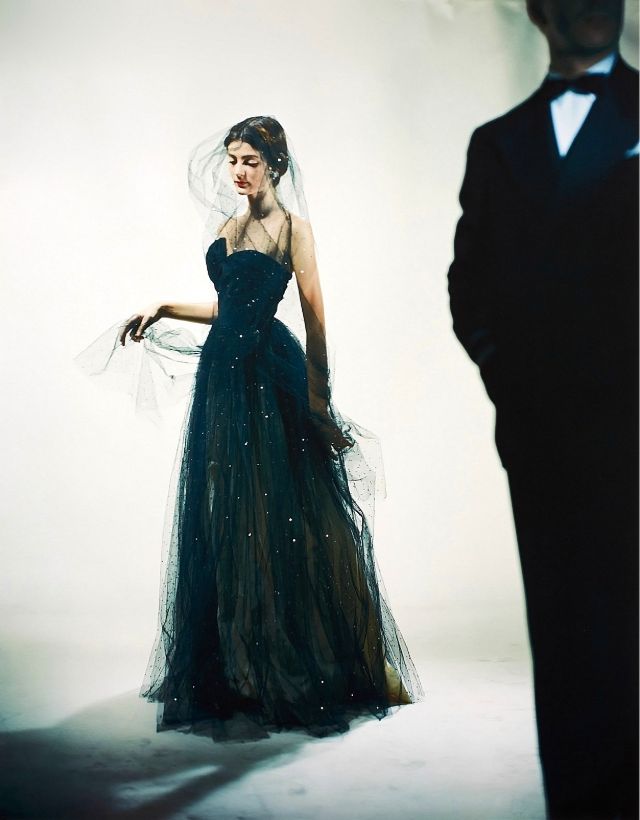
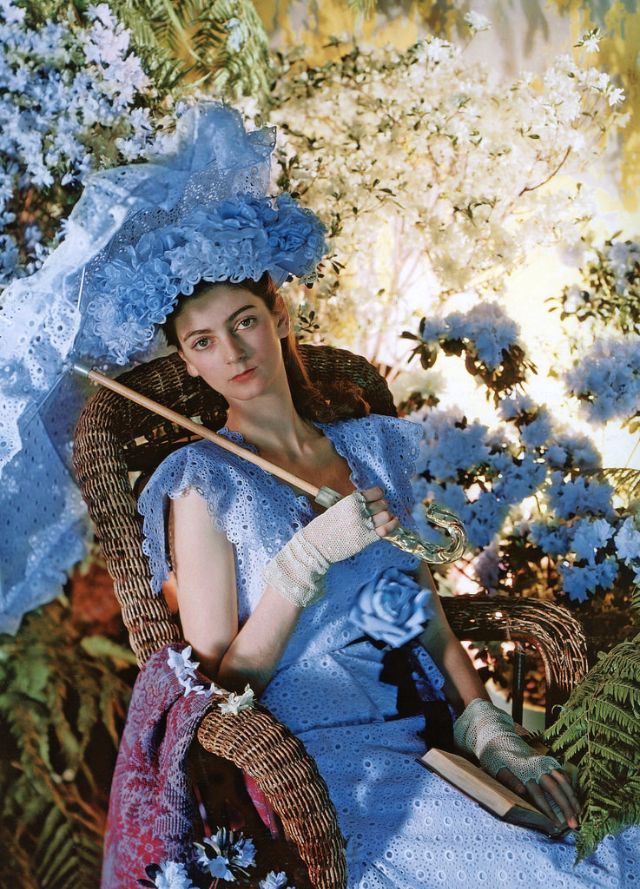
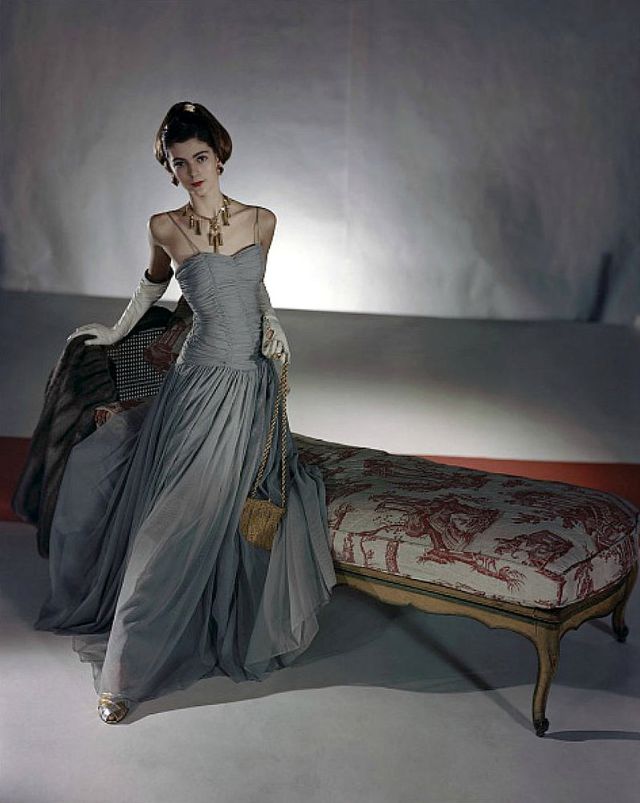
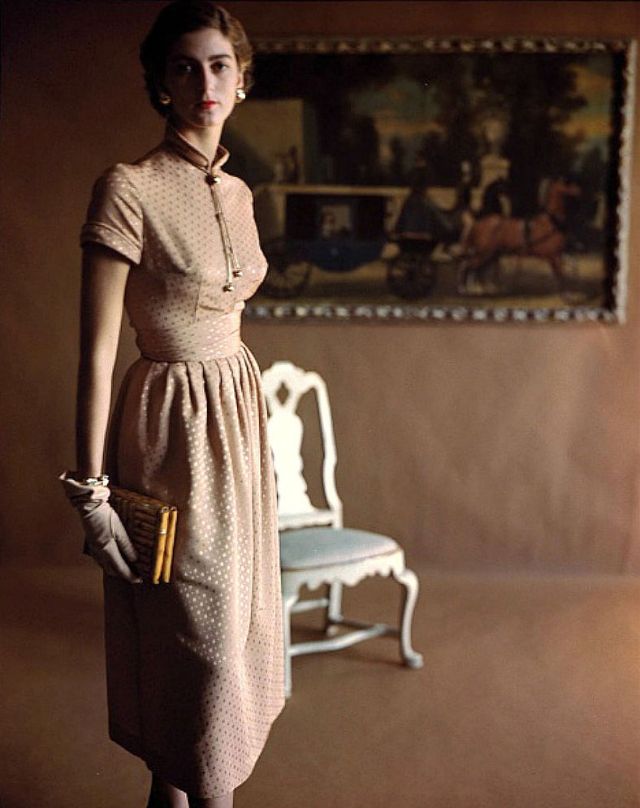
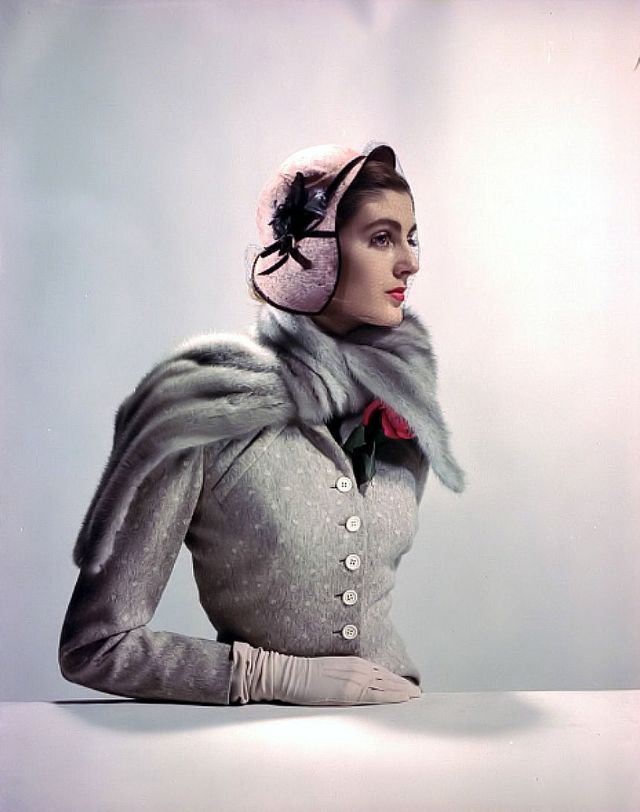
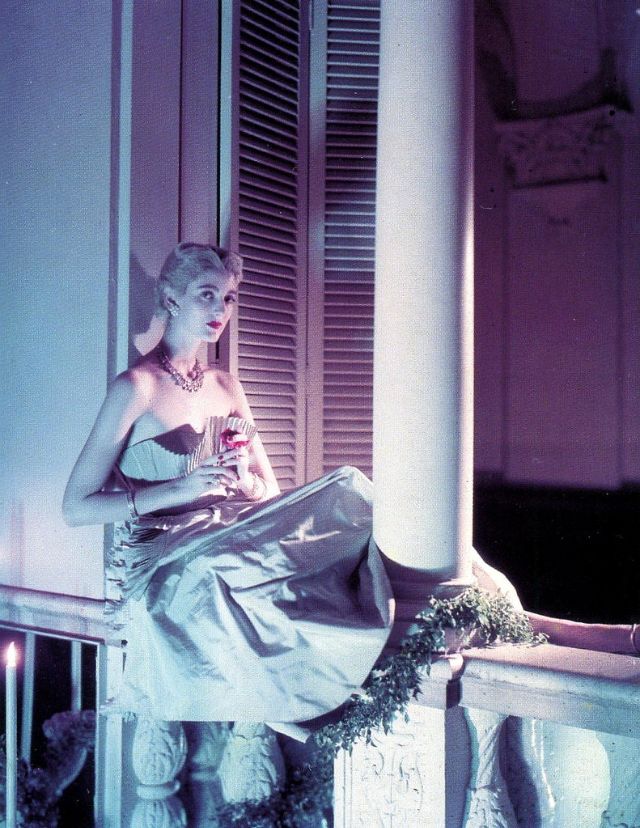
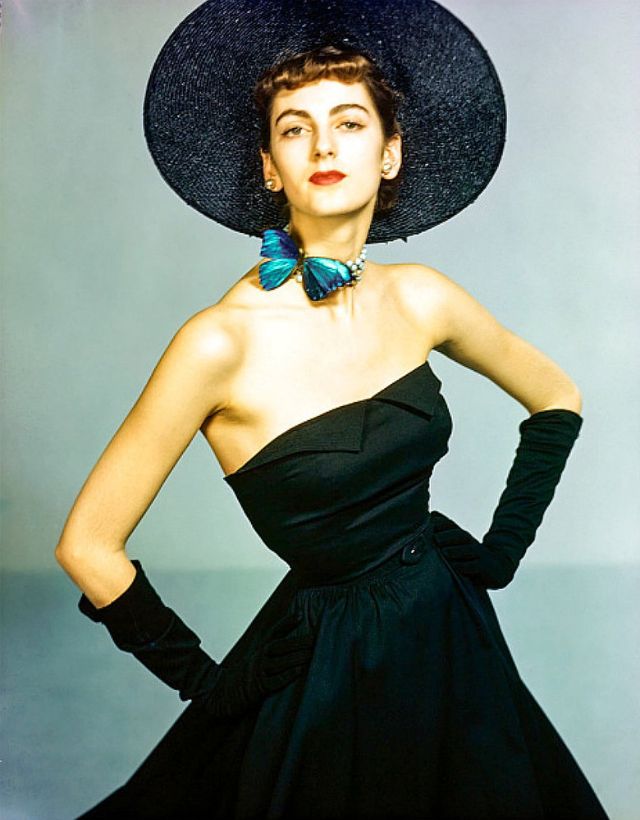
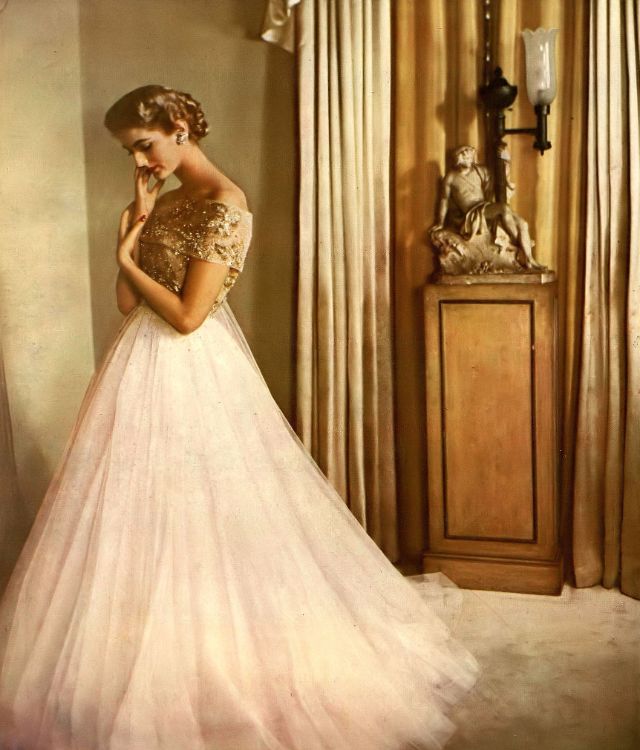
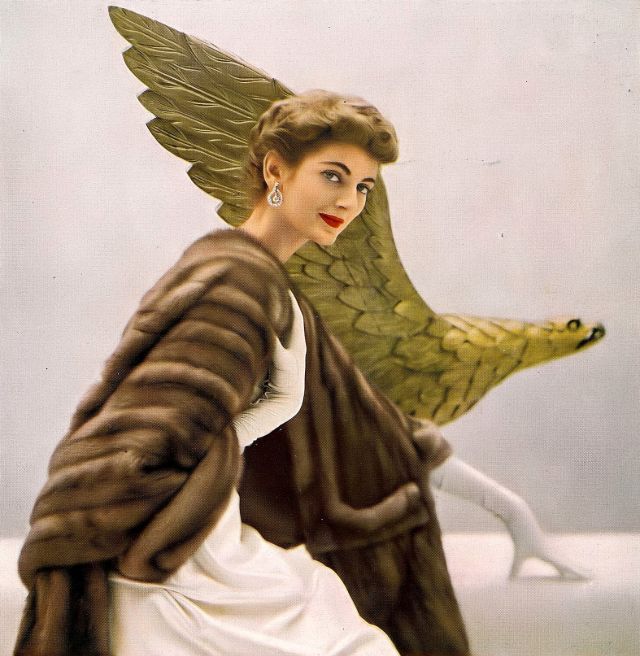
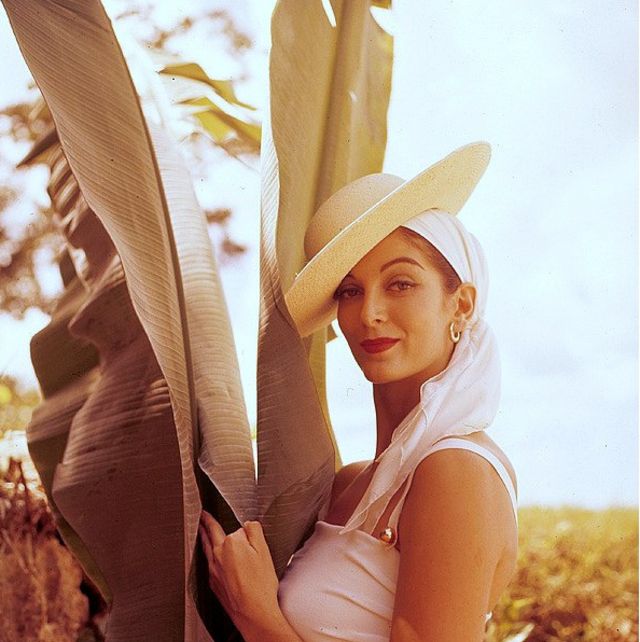
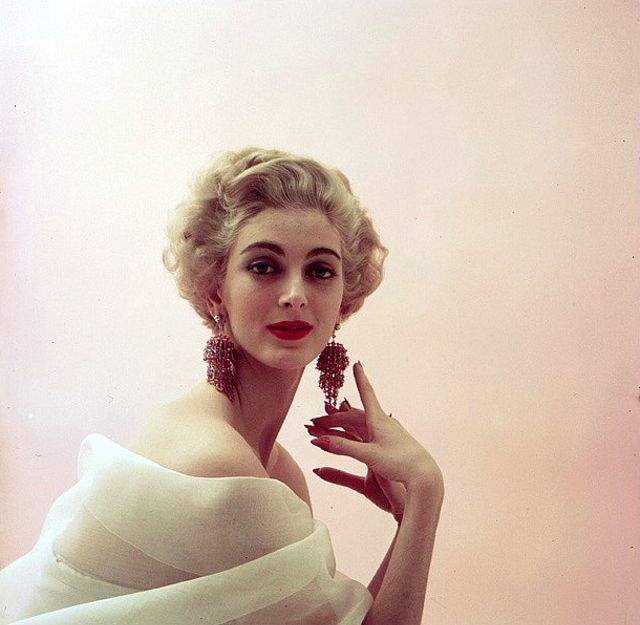
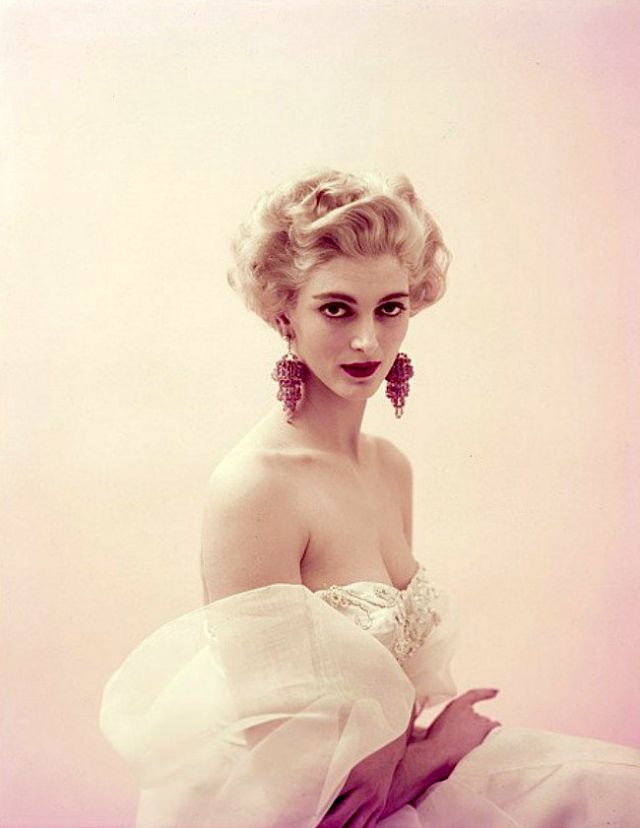
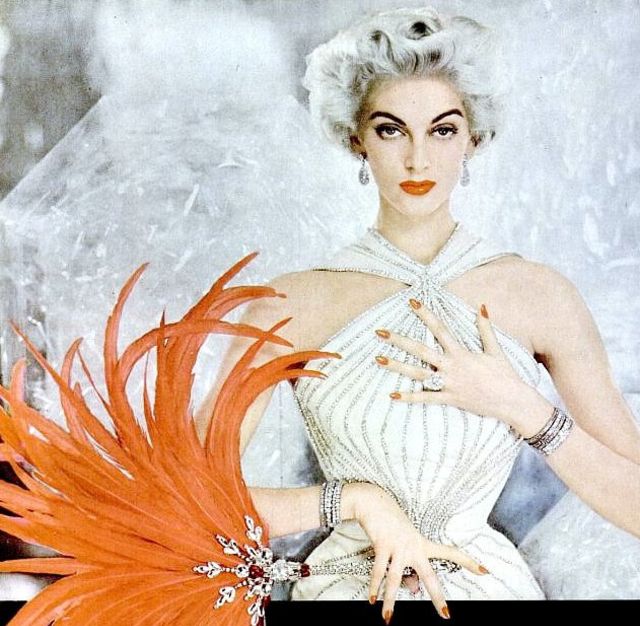
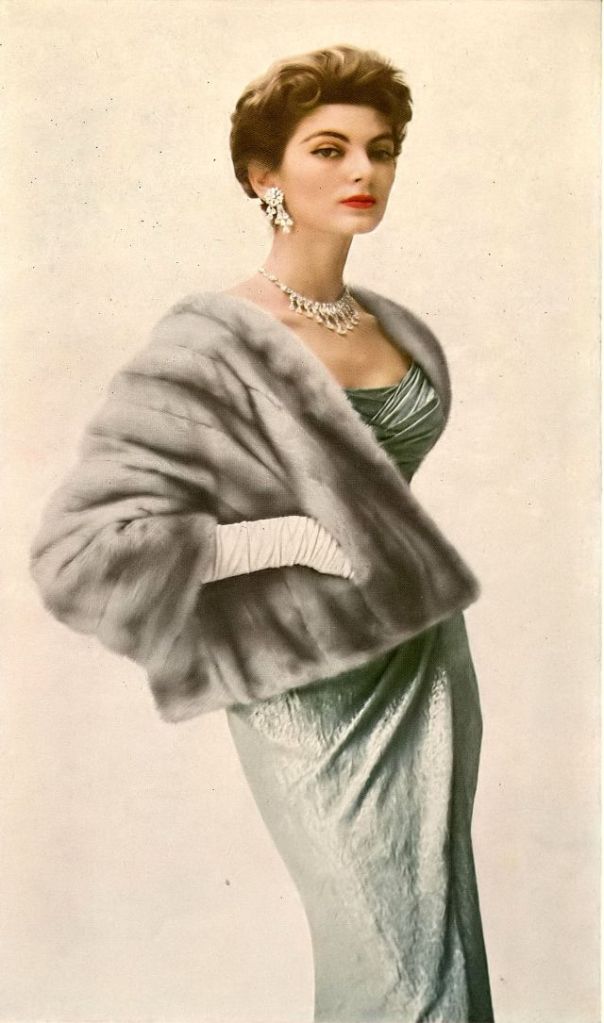
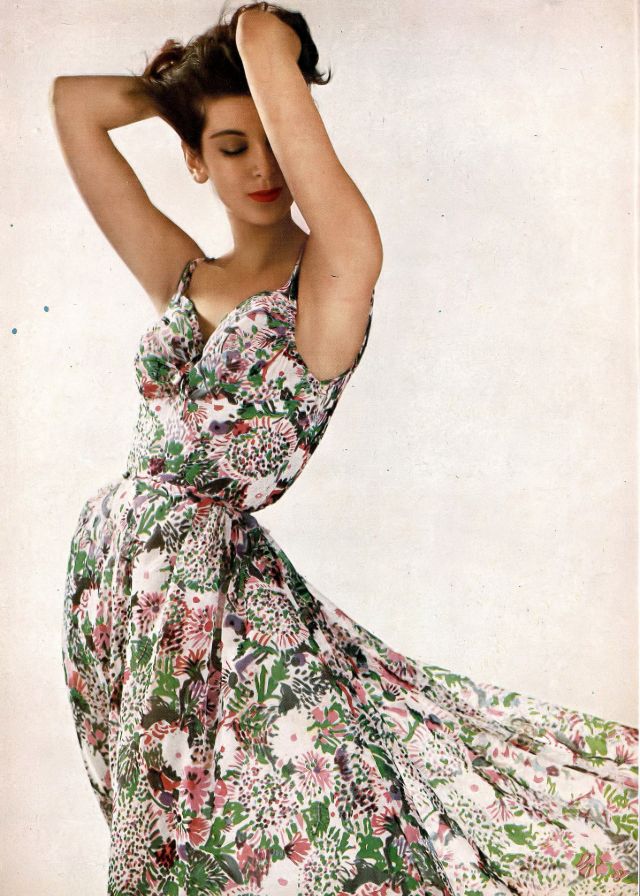
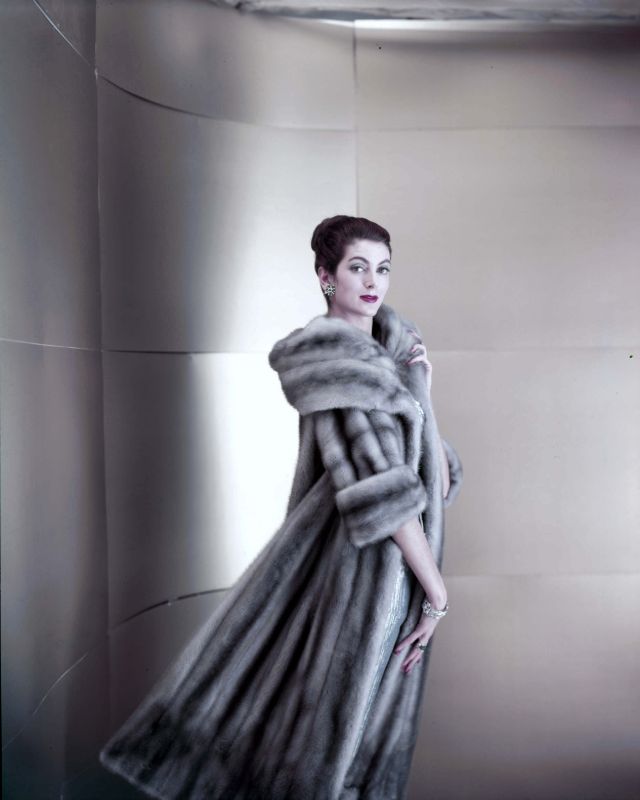
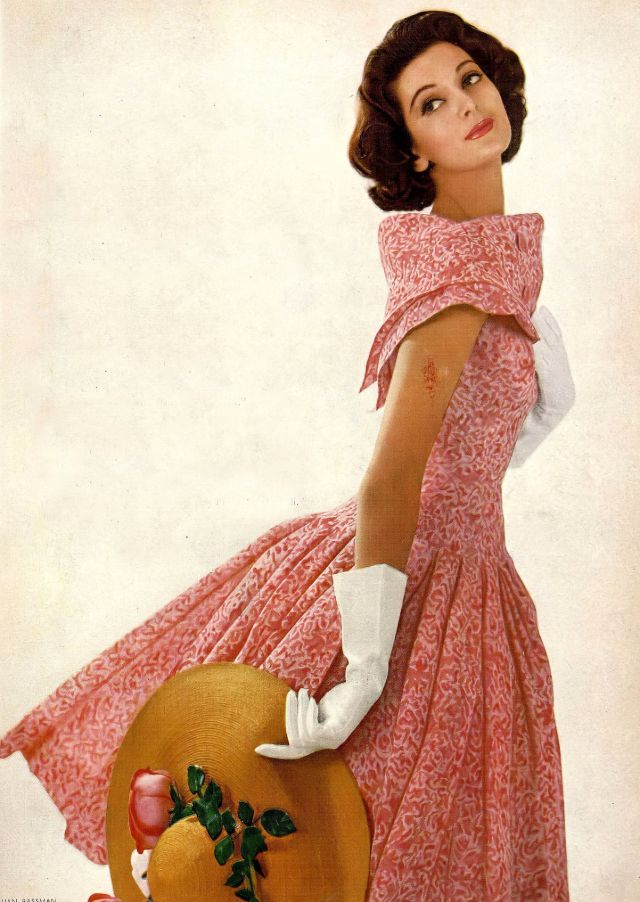
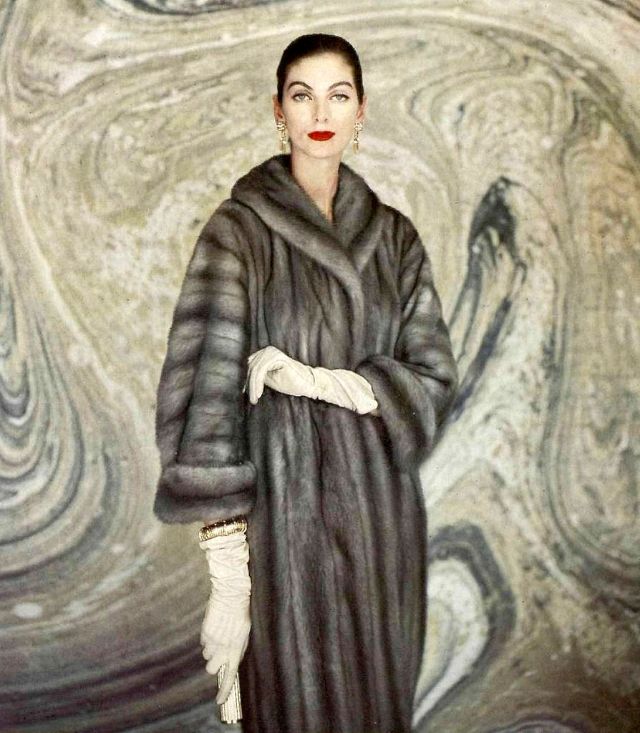
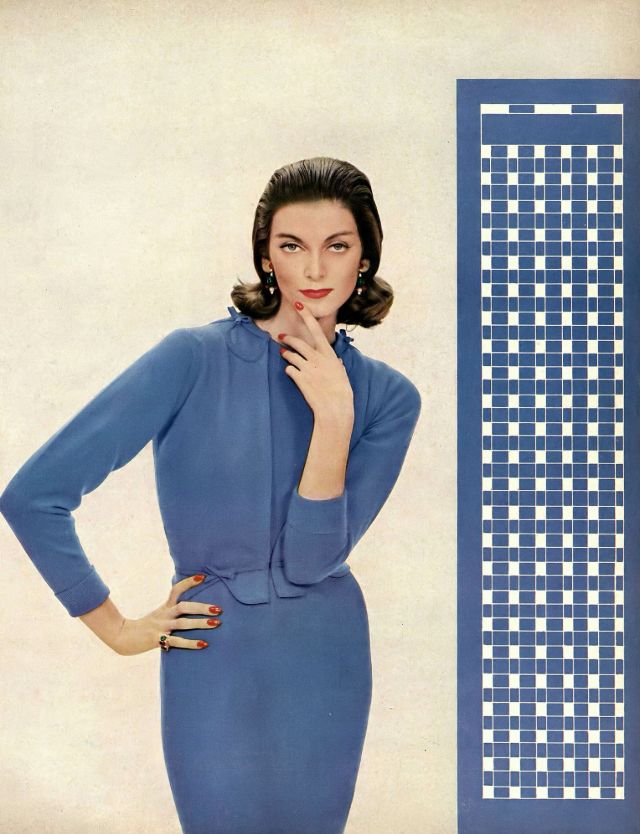
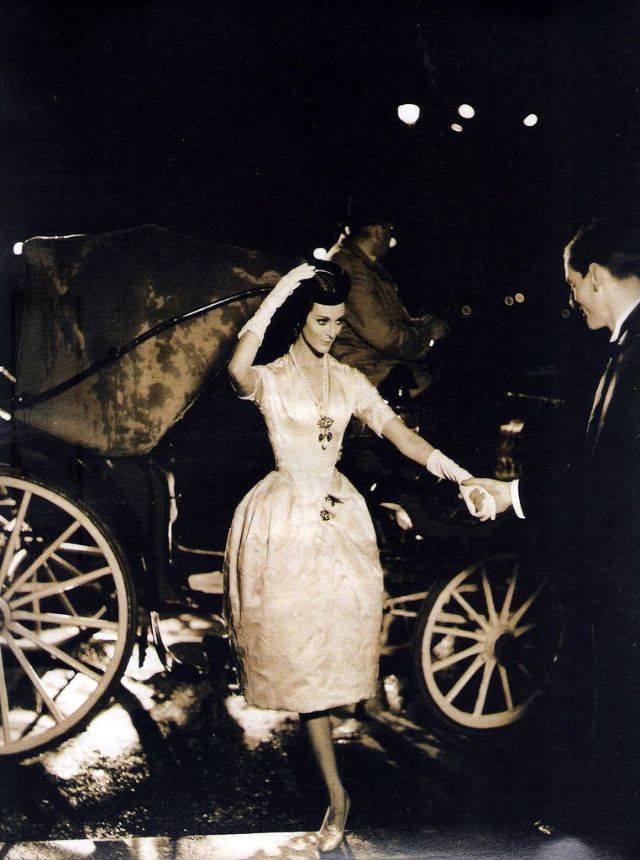
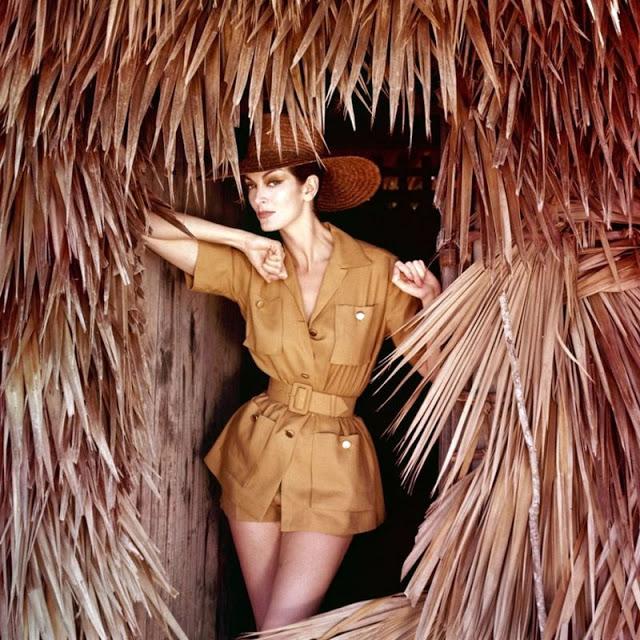
Born 1931 in New York City, American model and actress Carmen Dell’Orefice was approached to model by the wife of photographer Herman Landschoff while riding a bus to ballet class at the age of 13.
In 1946, her godfather introduced her to Vogue and the 15-year-old signed a modeling contract for $7.50 an hour. She became a favorite model of photographer Erwin Blumenfeld who shot her first Vogue cover in 1946. She appears in the December 15, 1947 issue of US Vogue as Little Red Riding Hood, Snow White and Cinderella along with model Dorian Leigh, actors Ray Bolger and Jose Ferrer.
Dell’Orefice and her mother struggled financially, and her modeling income was not enough to sustain the family. With no telephone, Vogue had to send runners to their apartment to let Dell’Orefice know about modeling jobs. She roller-skated to assignments to save on bus fares. She was so malnourished that famed fashion photographers Horst P. Horst and Cecil Beaton had to pin back dresses and stuff the curves with tissue.
In 1947, Dell’Orefice’s rate was raised to $10–$25 per hour. She appeared on the October 1947 cover of Vogue at age 16, one of the youngest Vogue cover models, and also on Vogue’s November 1948 cover. She worked with the most famous fashion photographers of the era, and was painter Salvador Dalí’s muse.
Dell’Orefice is known within the fashion industry for being the world’s oldest working model as of the Spring/Summer 2012 season. Her daily motto is to enjoy herself, at no-one else’s expense.
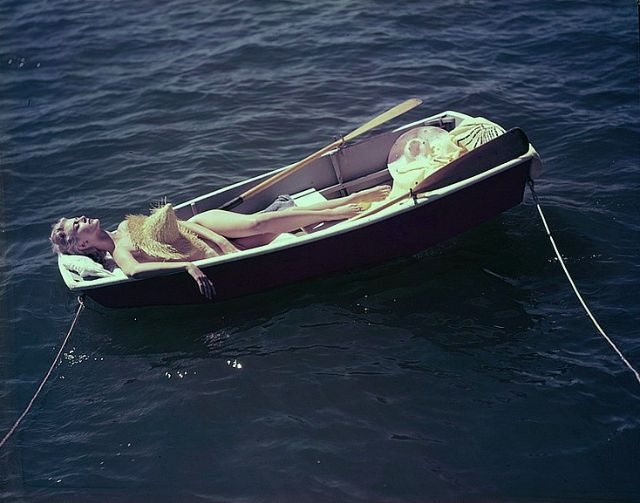
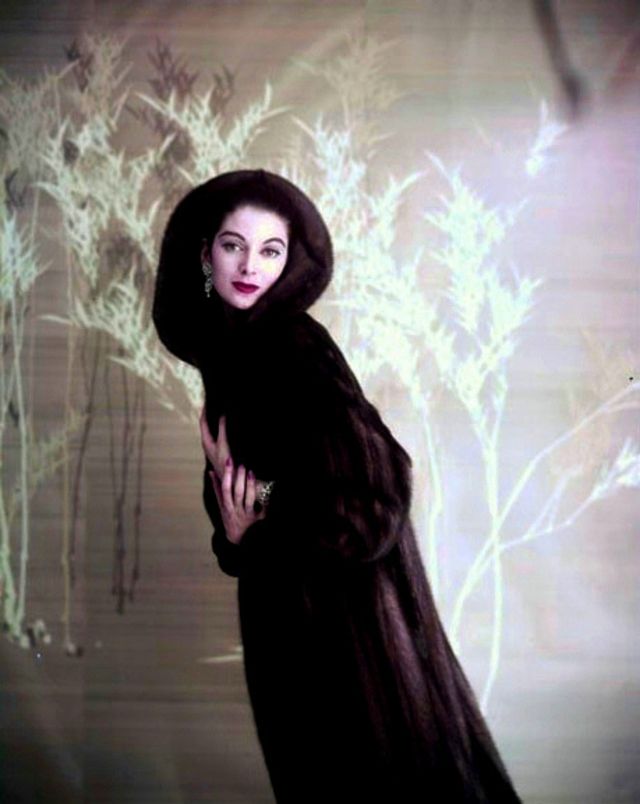
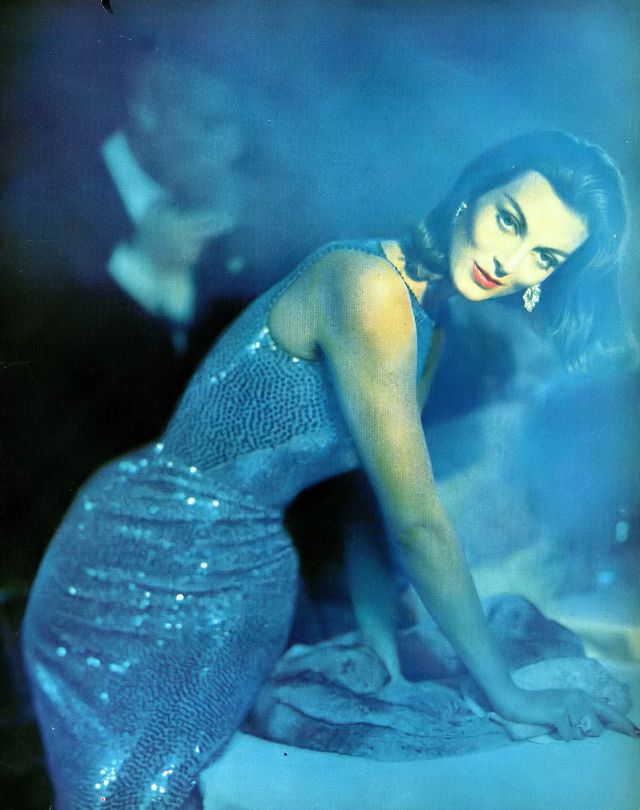
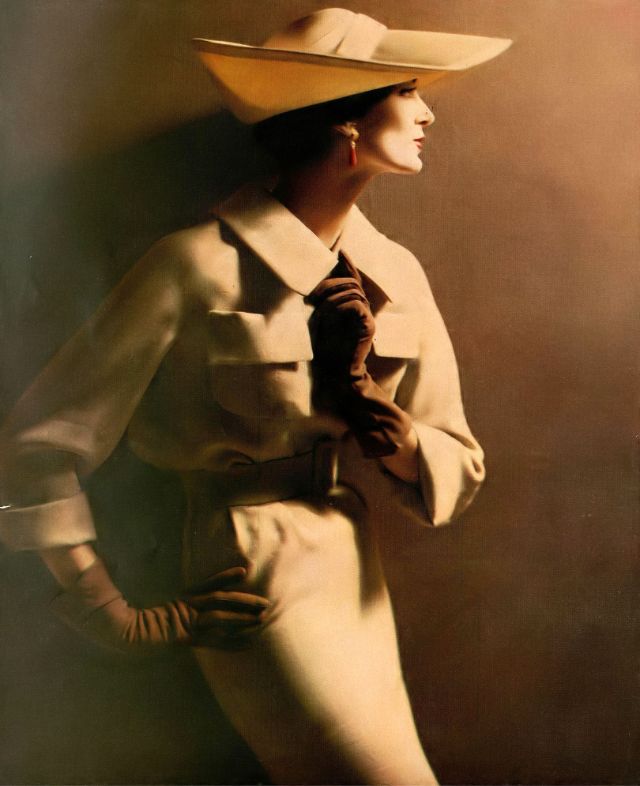
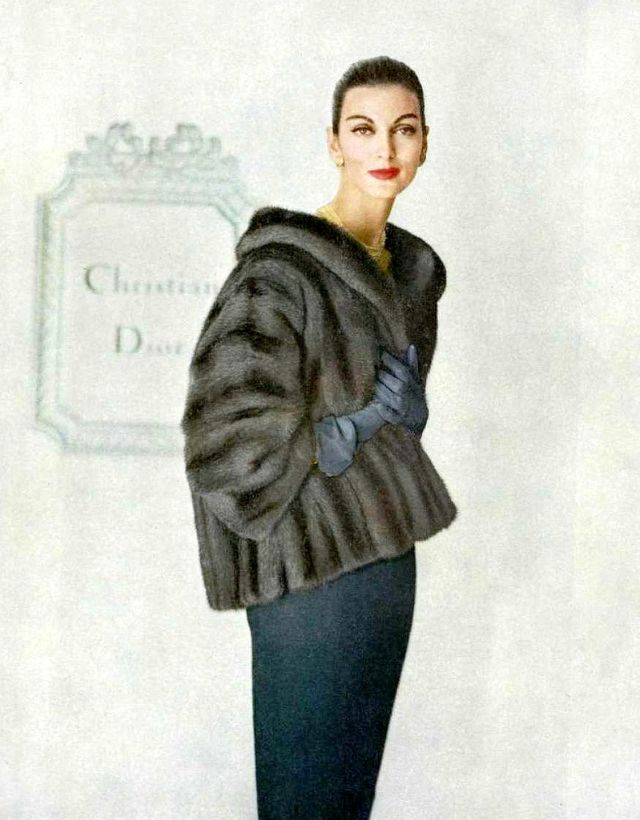
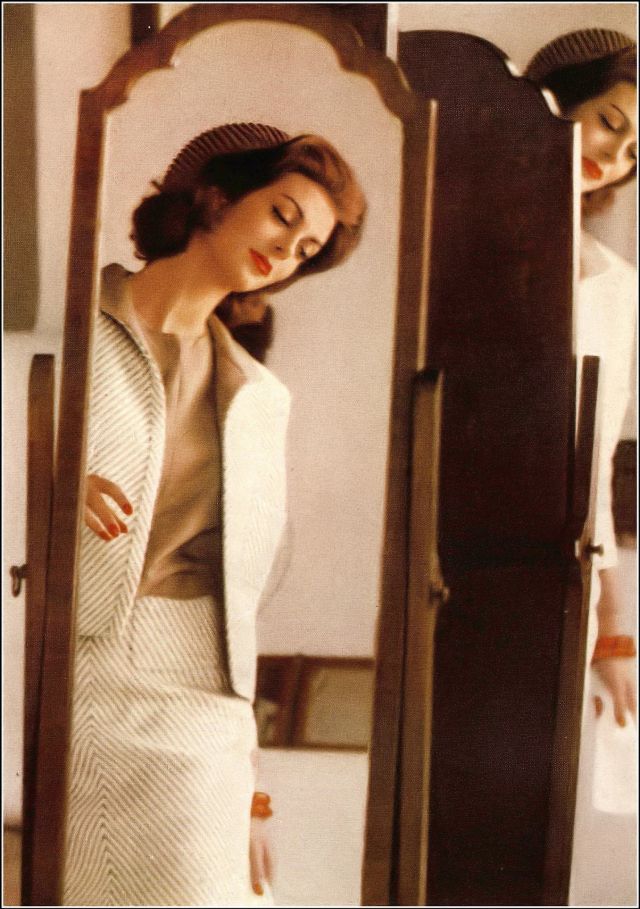
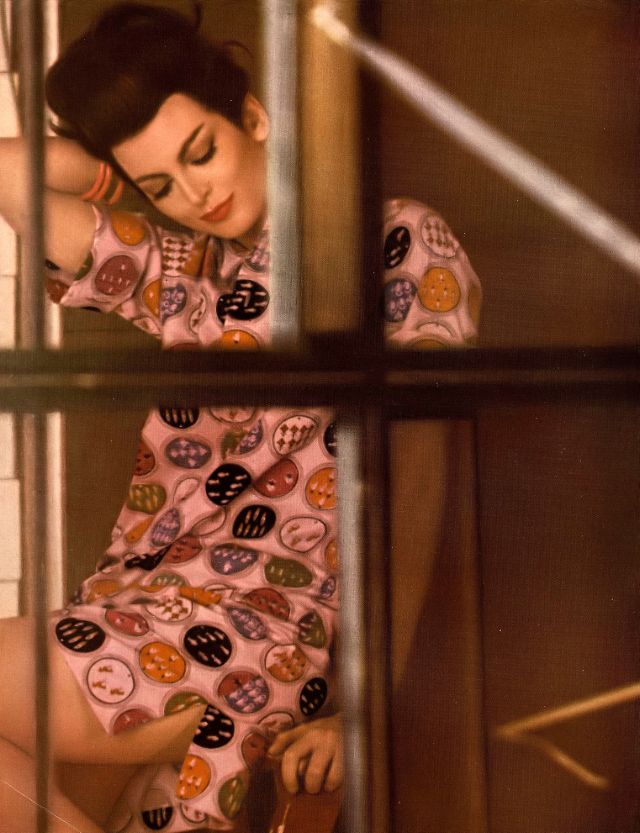
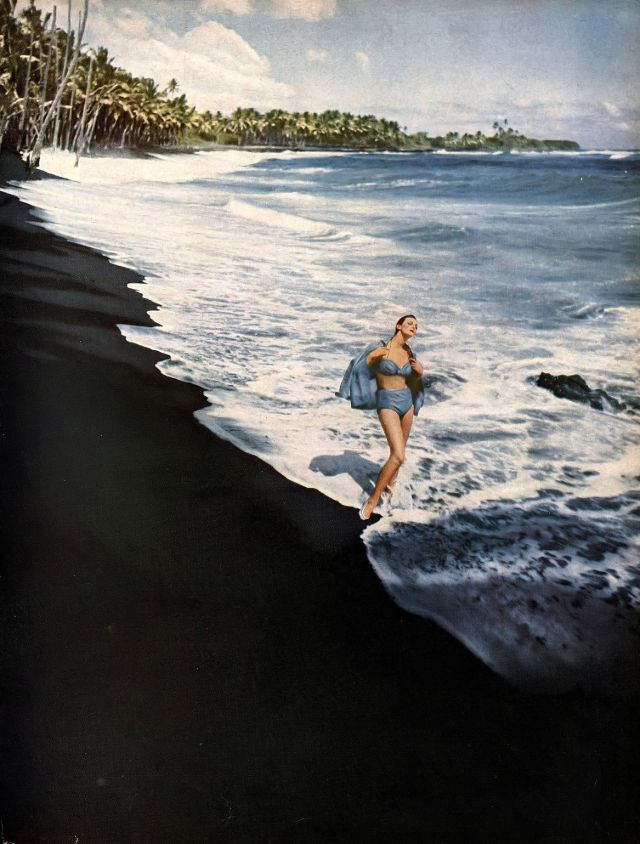
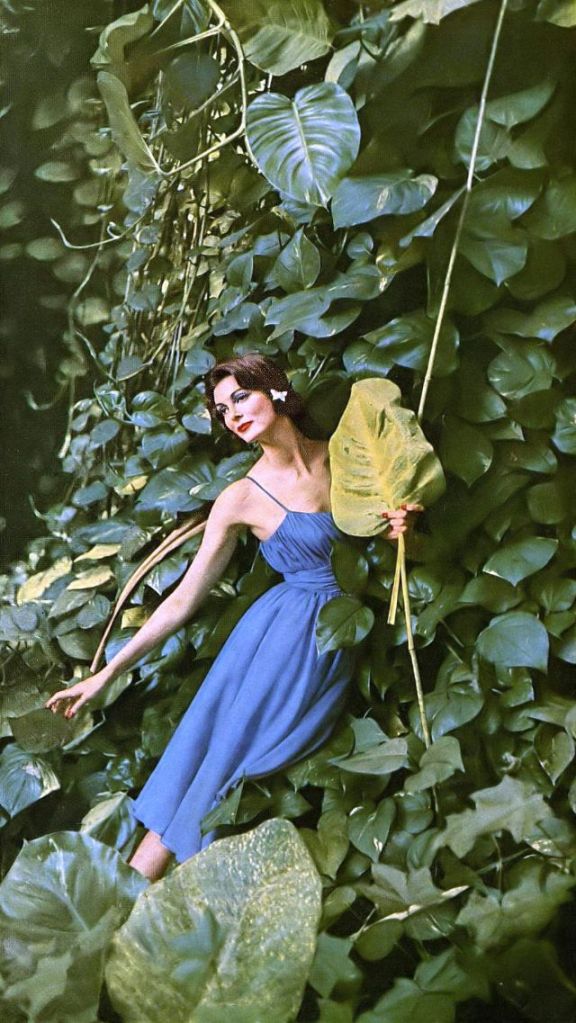
Take a look at these stunning photos to see the glamorous beauty of Carmen Dell’orefice in the 1940s and 1950s.
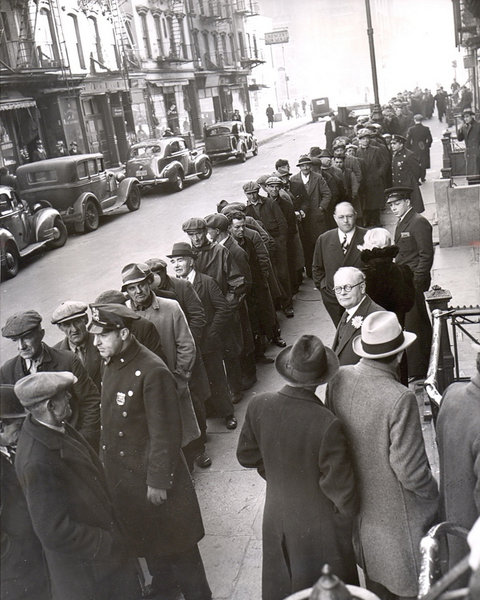
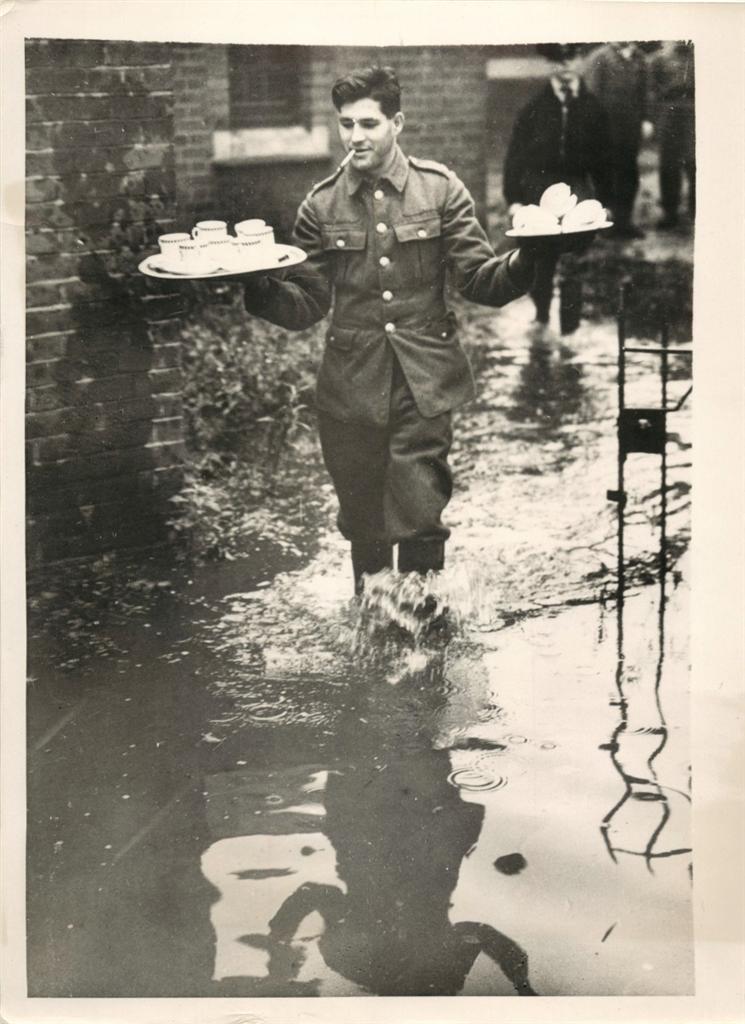
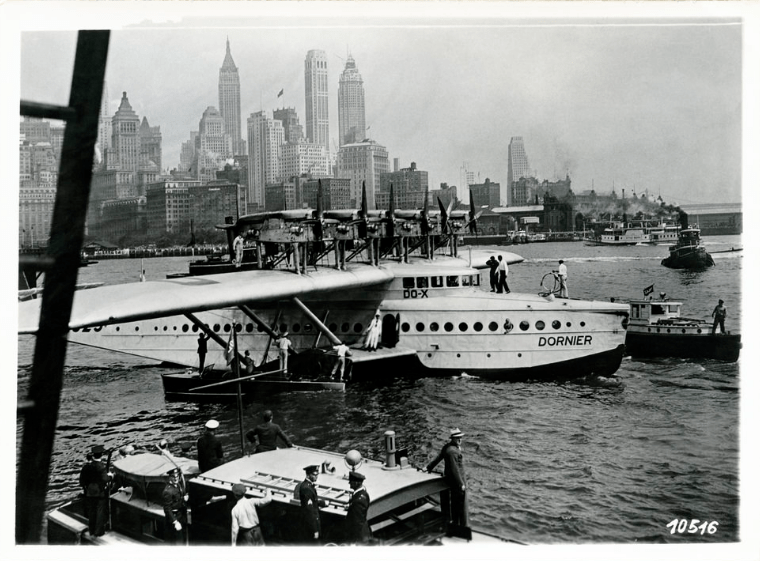
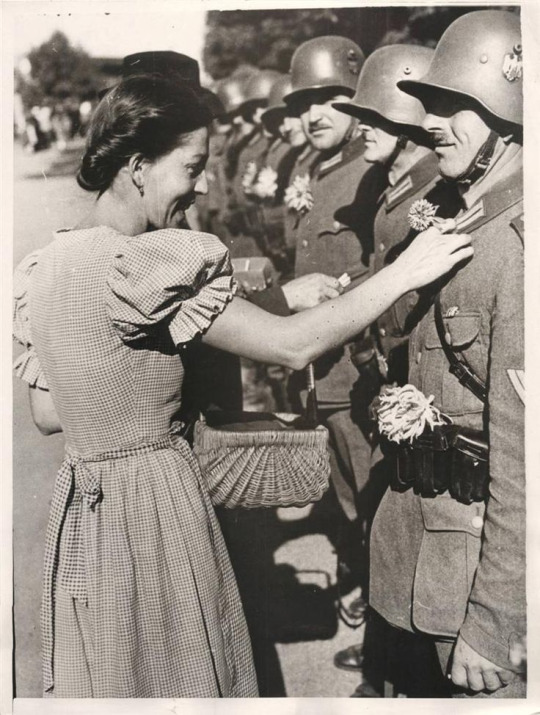
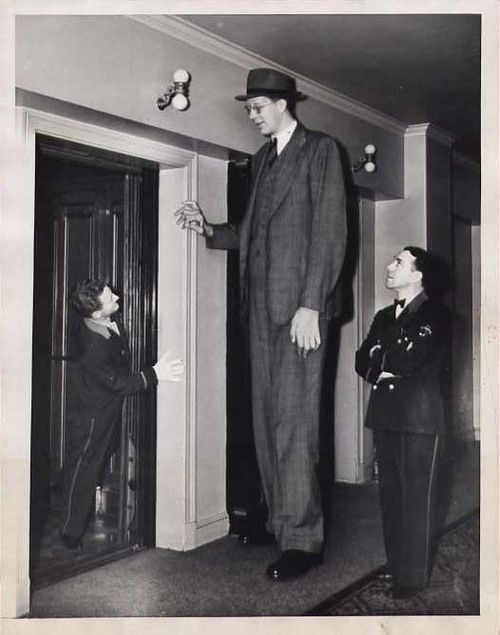
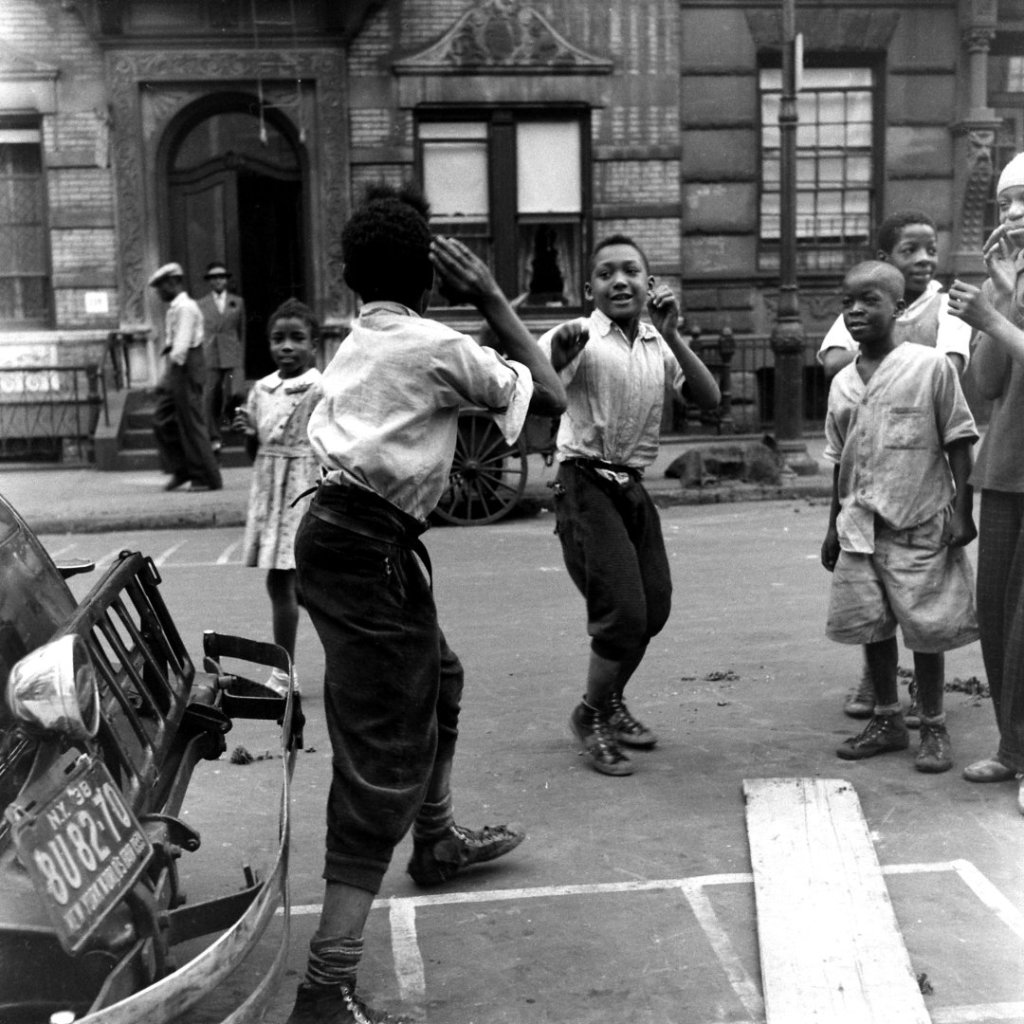
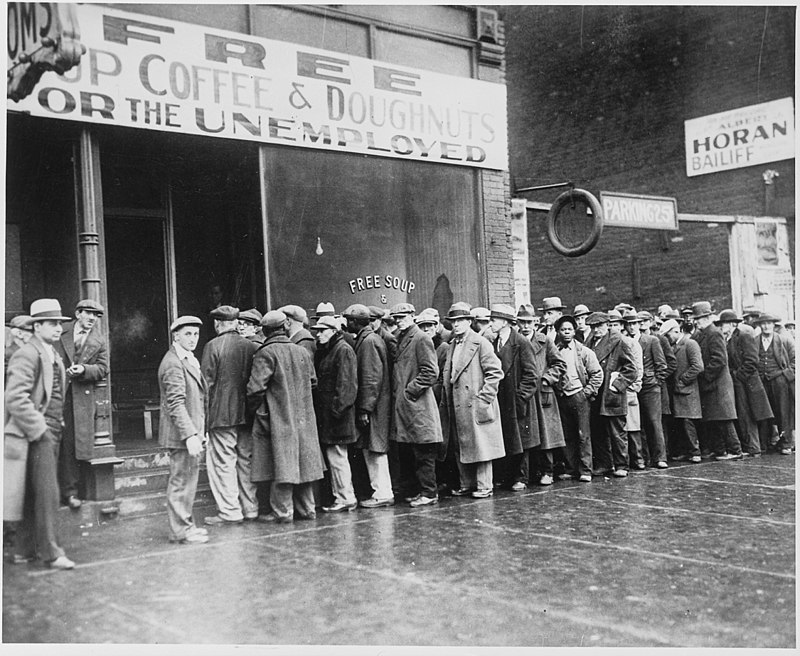
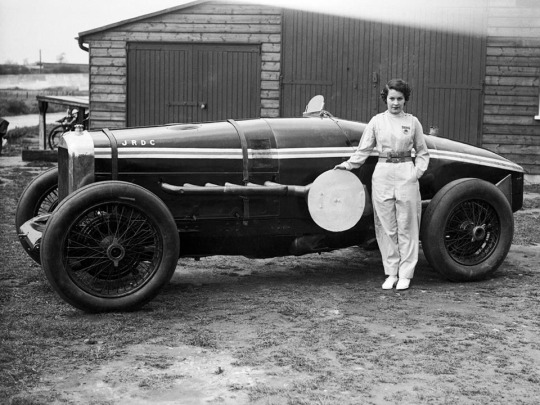
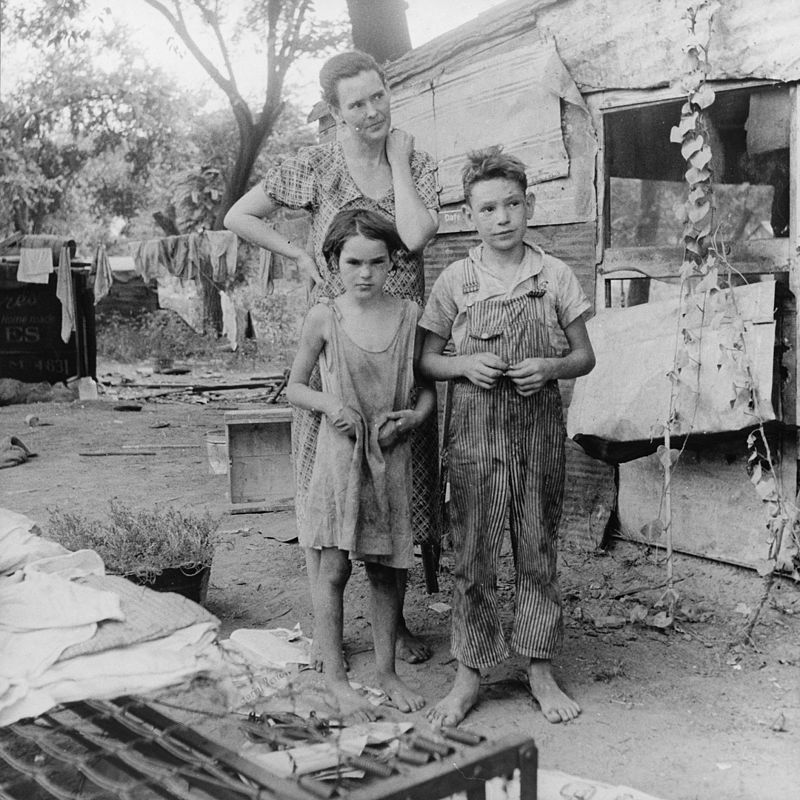
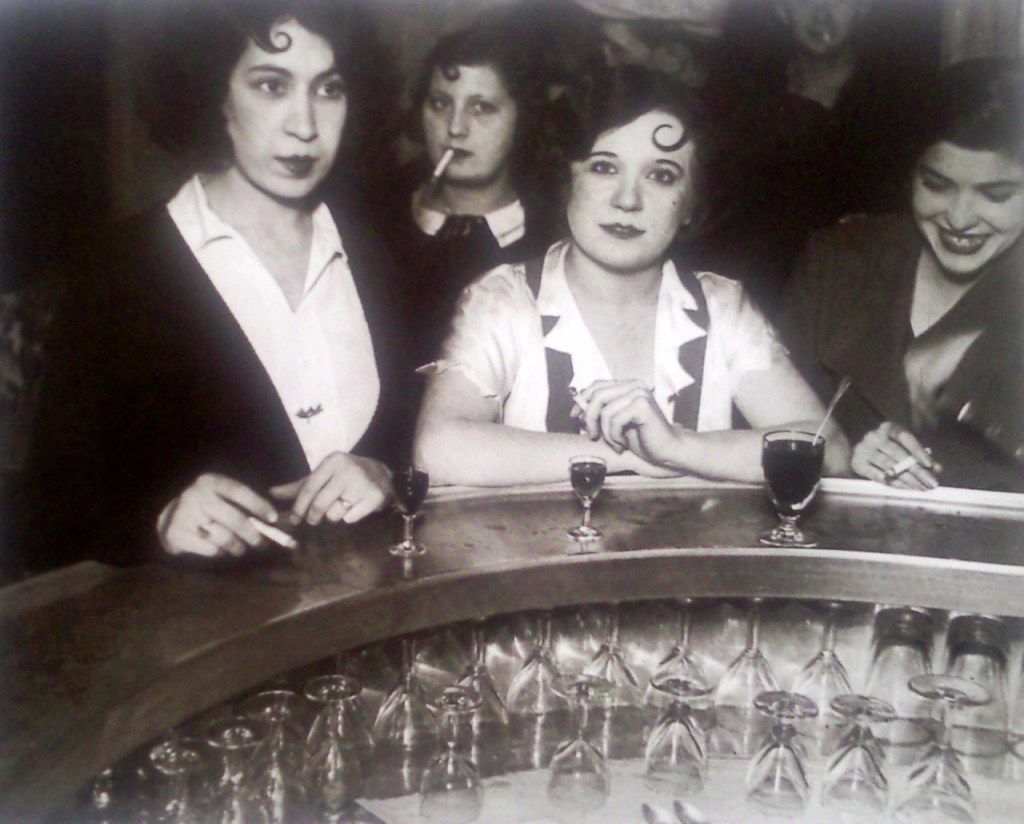
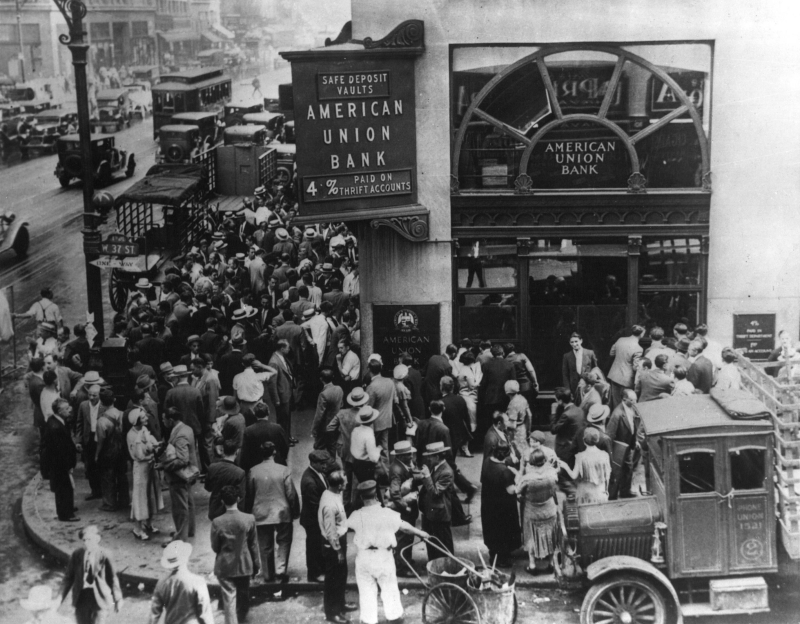
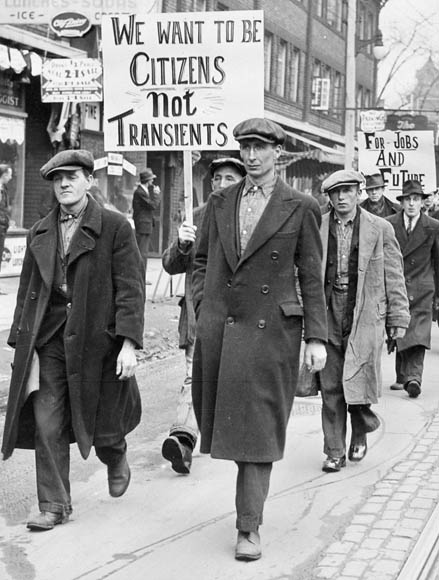
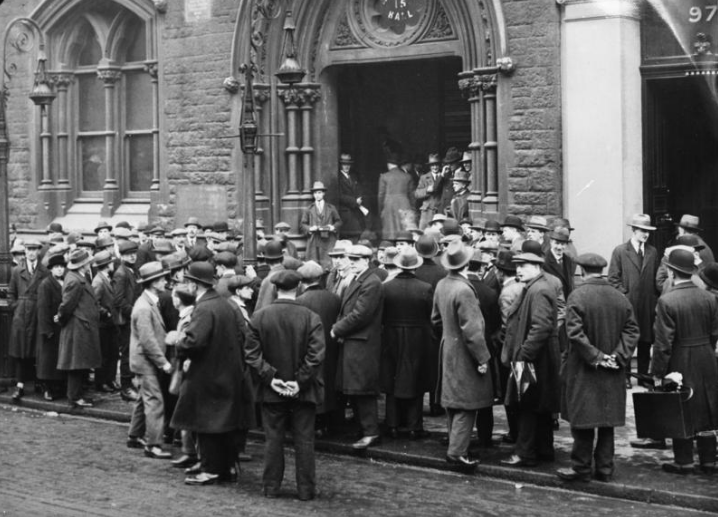
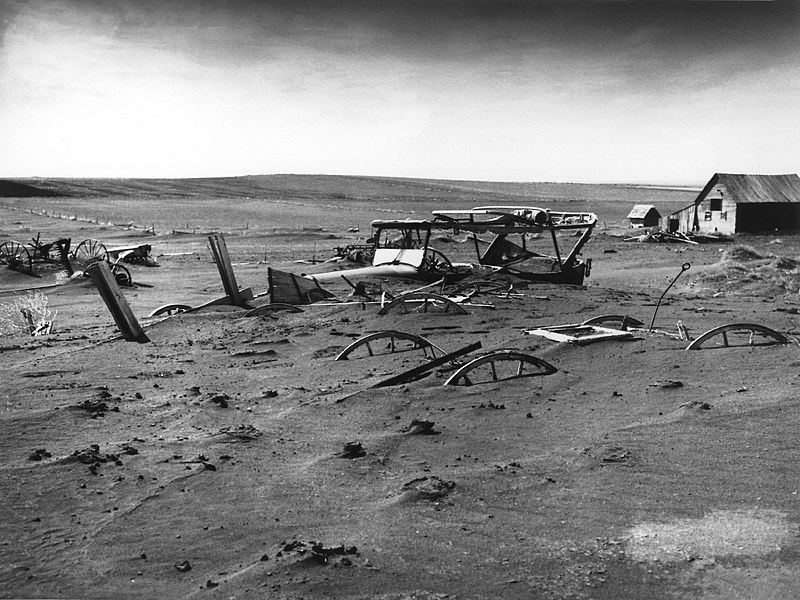
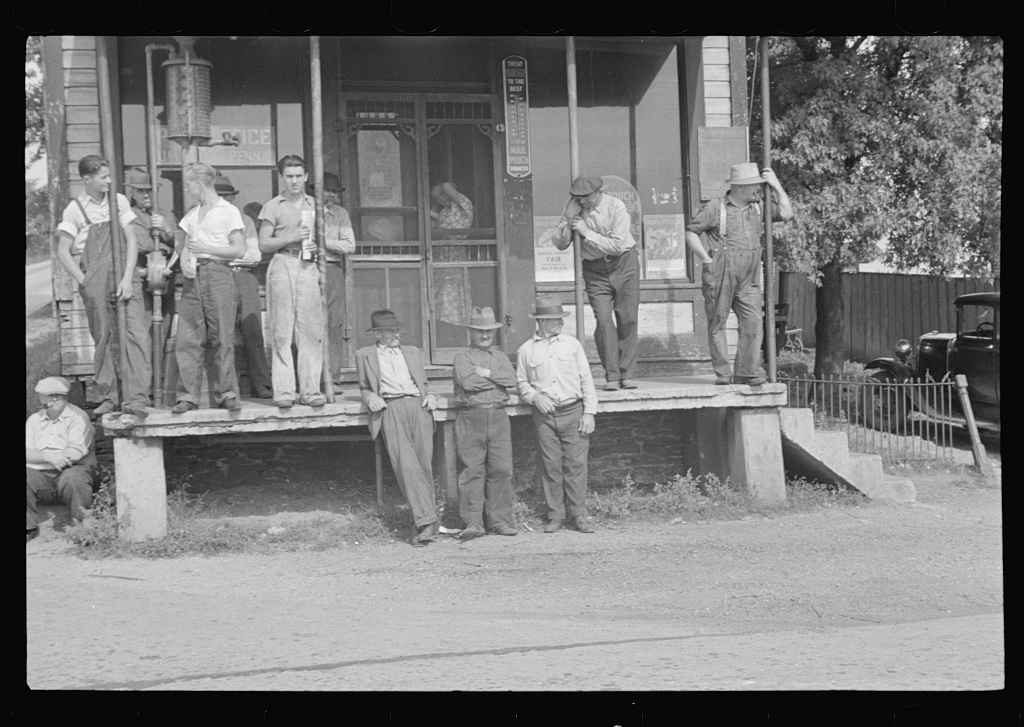
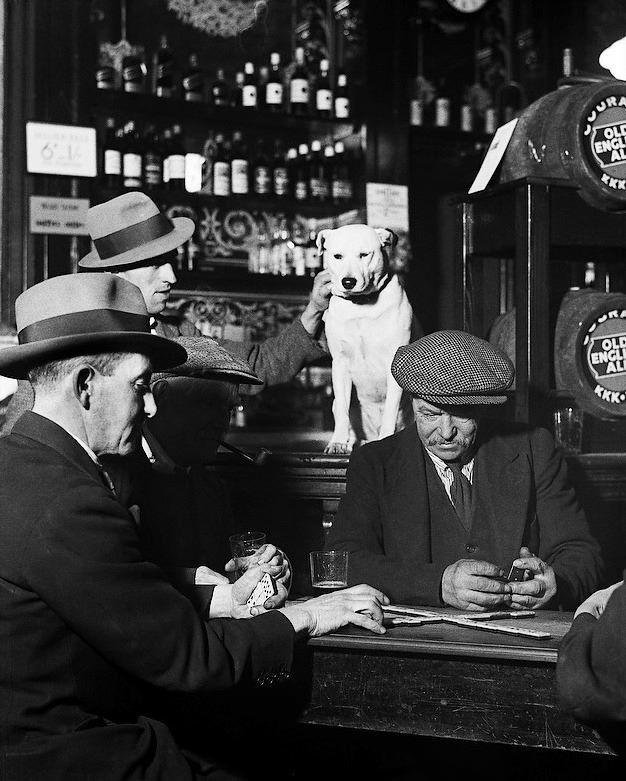
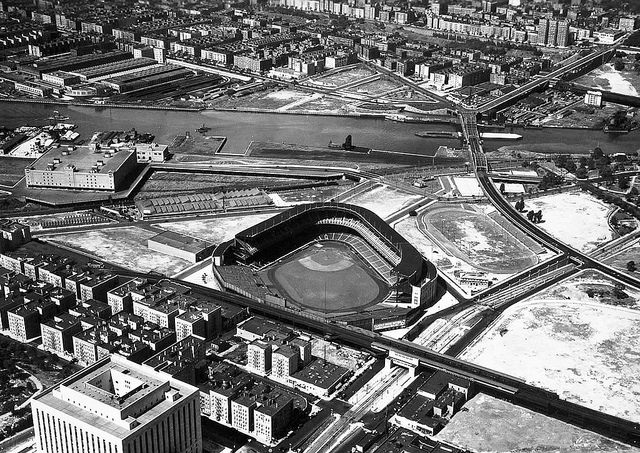
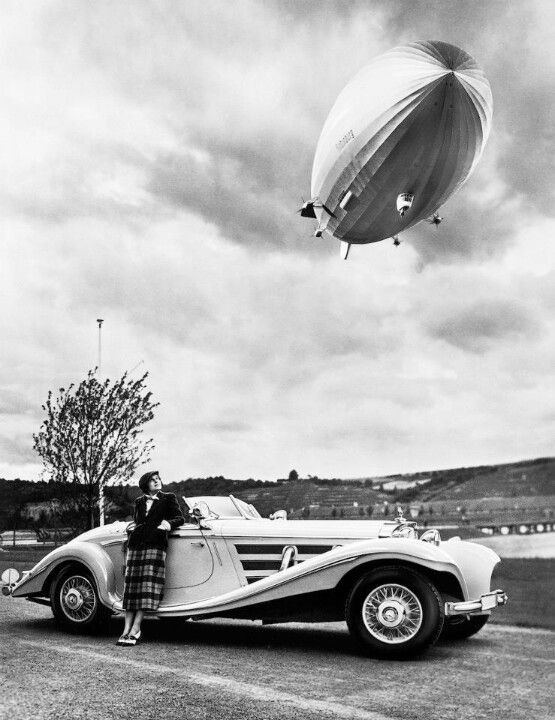
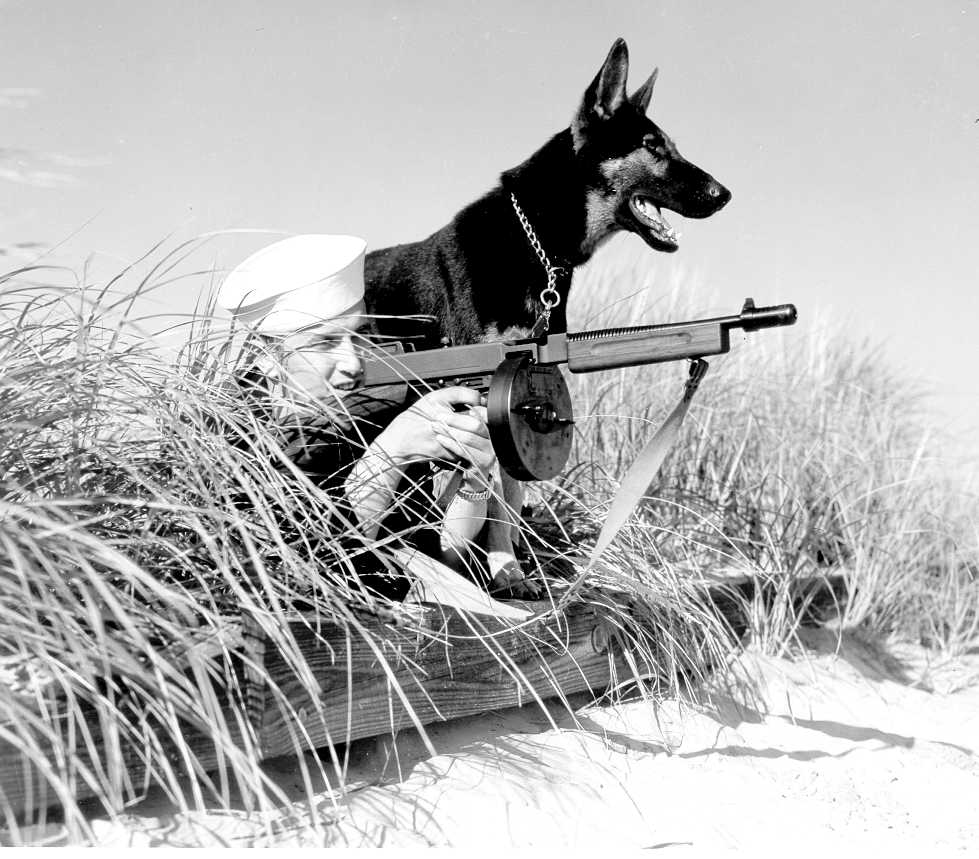
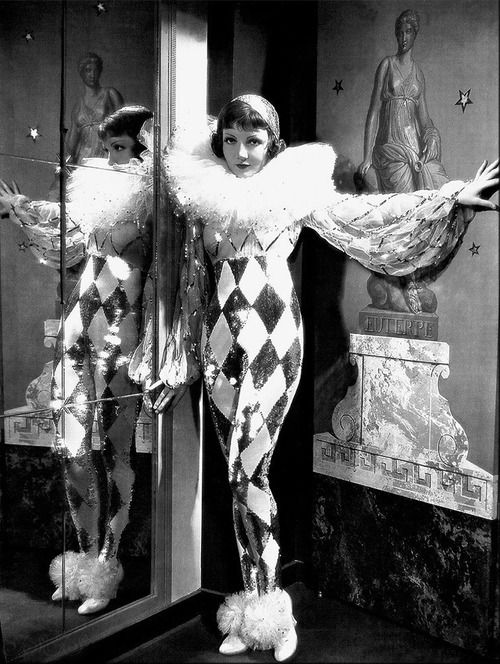
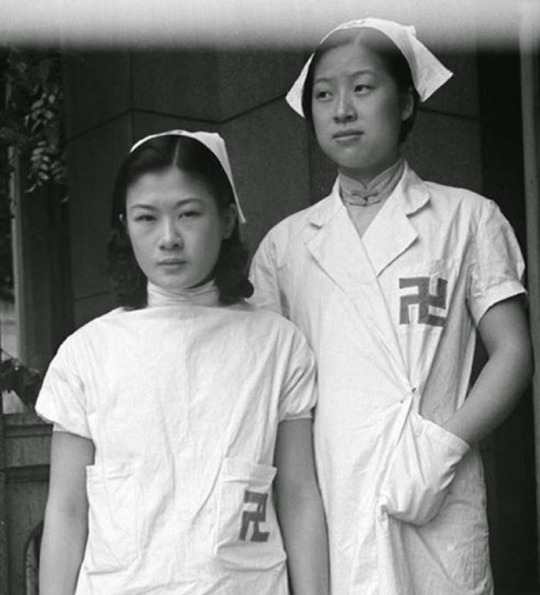
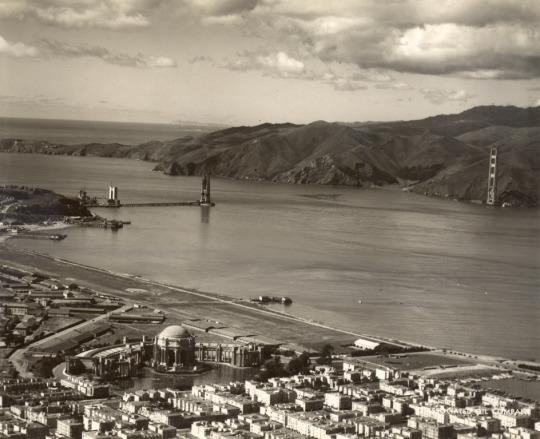
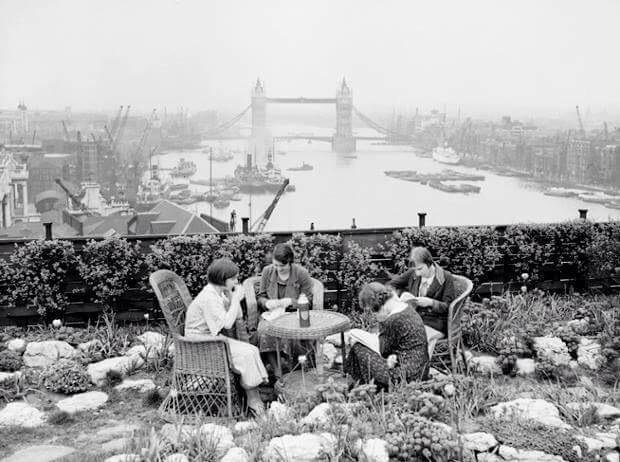
“Depression Employment Line” New York City 19301939- British soldier takes tea to comrades working to repair banks of River Ravensbourne which flooded south London.Coca Cola Truck Fleet, Venice, Florida. Late 1930’sDornier Do X in New York harbour, August 27, 1931.Hong Kong 1938A local girl pinning a flower on a German soldier’s uniform in Olbersdorf, as Nazi forces occupy the Sudetenland. 1938DC-4 flying over Manhattan, 1939.Robert Wadlow, 8′ 11″ tallest man in the world. 1937Two boys play-fight while other children look on, Harlem, 1938.Looking down State towards the Capitol near intersection of South Swan, 1937, in Albany, N.Y.Dorothea Lange’s Migrant Mother depicts destitute pea pickers in California, centering on Florence Owens Thompson, age 32, a mother of seven children, in Nipomo, California, March 1936.Unemployed men outside a soup kitchen opened by Al Capone in Depression-era Chicago, Illinois, U.S., 1931Kay Petre and her Delage, May 1935.A mother and her children, Elm Grove, CA, 1936.Havana, 1930sZeppelin 1936Brassaï, Paris, 1930sCrowd at New York’s American Union Bank during a bank run early in the Great DepressionUnemployed men march in Toronto, Ontario, Canada, 1930Unemployed people in front of a workhouse in London, 1930Buried machinery in barn lot in Dallas, South Dakota. 1936Prospective homesteaders in front of post office at United, Westmoreland County, Pennsylvania. Circa 1935.A London Underground member of staff at Leicester Square station, 1933Dominoes in a north London pub, 1930’s‘Old’ Yankee Stadium and the Harlem River, 1933.Boys play a makeshift game of pool on a Harlem street, 1938.Pan American Clipper passing over an unfinished Golden Gate Bridge en route to Hawaii (April 16th, 1935).Max Factor’s beauty callibrator, 1934Berlin Olympics, Photo by Leni Riefenstahl, 1936Hindenburg 1936Finalists for the Island of Lost Souls (1932) ‘Panther Woman’ competitionShowgirls 1938Casual 1930sCoast Guard Beach Patrol member on the American coast with his patrol dog 1930sGeiko Toba reading a book. 1938“Youngest little girl of motherless family.” Washington State. August 1939. Photograph by Dorothea Lange1930s PierrotEvelyn Kelly 19321930s Iran – Persian Fakir.Washing day. 1931Walker Evans. Citizen in Downtown Havana 1933Nurses in Shanghai. 1930sSan Francisco during the construction of the Golden Gate Bridge March, 1935Photograph of an unknown man during the Depression c.1932.Misses Russia, Austria, Holland. 1930Martin Munkacsi – Dancers in Seville 1930Having lunch on the roof of Adelaide House, 1934London Police officer herding sheep in Hyde Park, 1930’sInspectors looking for smuggled immigrants check a freight train from Mexico entering El Paso, Texas, June 1938.Yonge St., Toronto, Canada 1938Two women sport their “short shorts” in Toronto in the late 1930s.
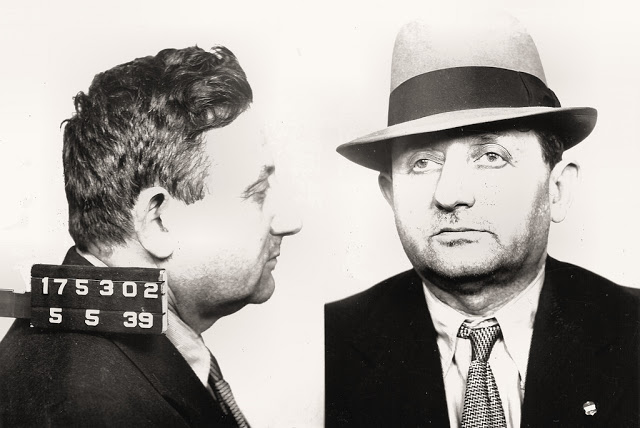
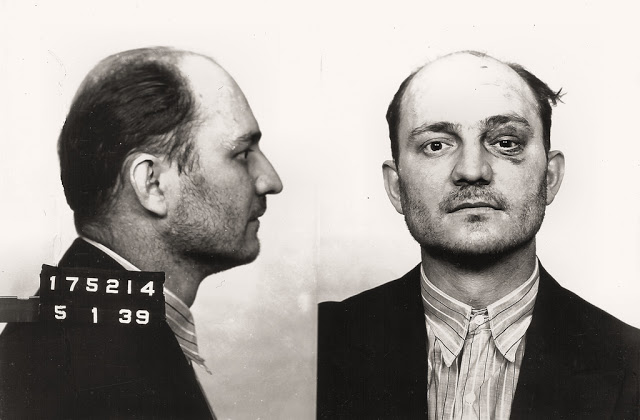
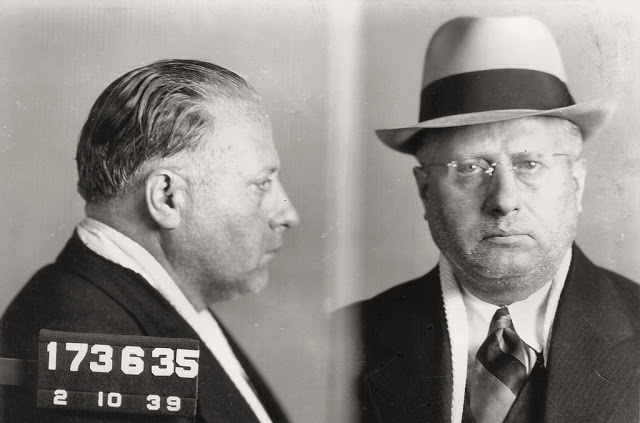
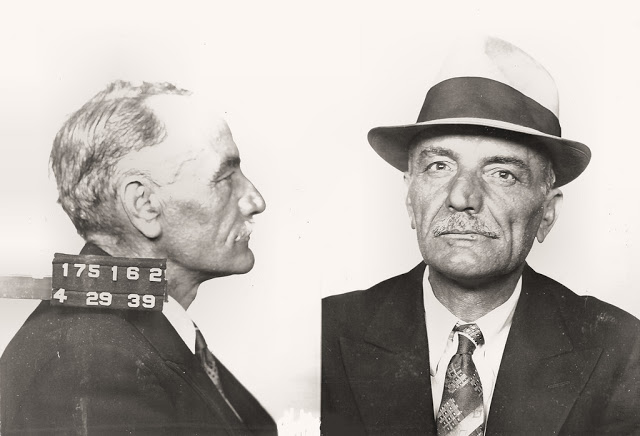
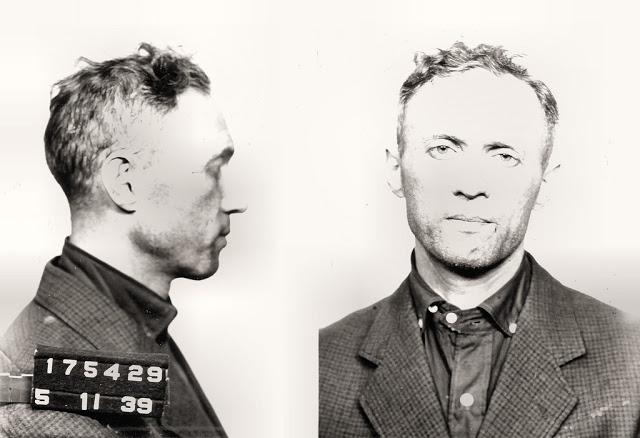
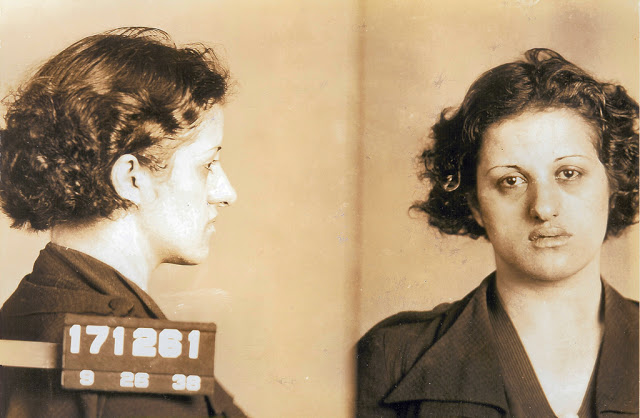
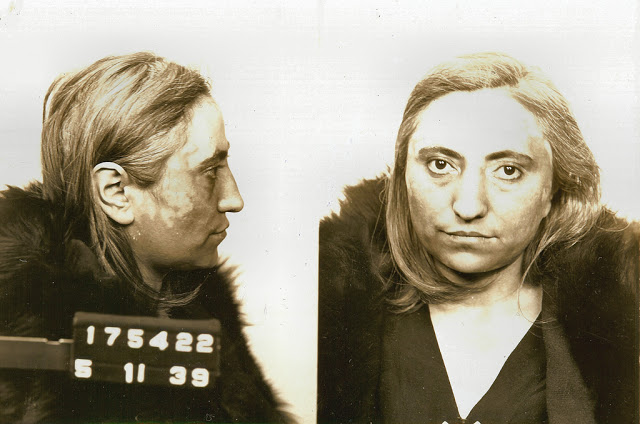
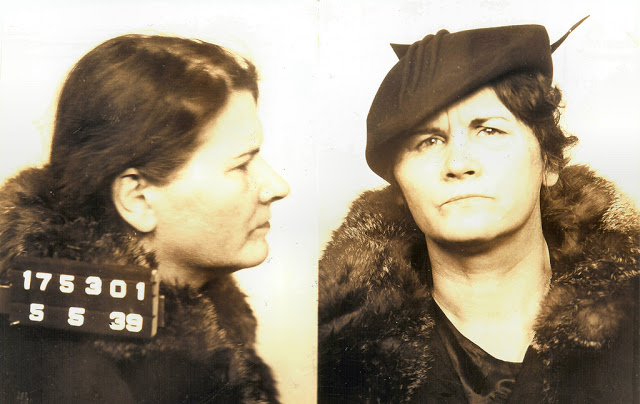
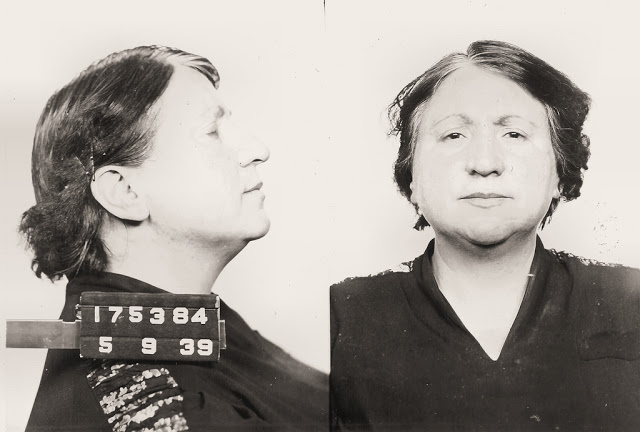
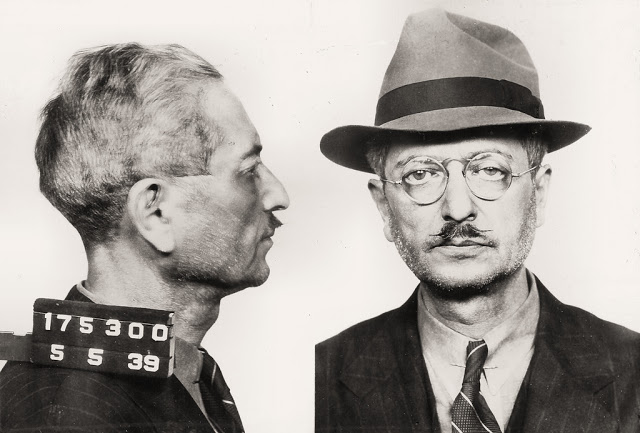
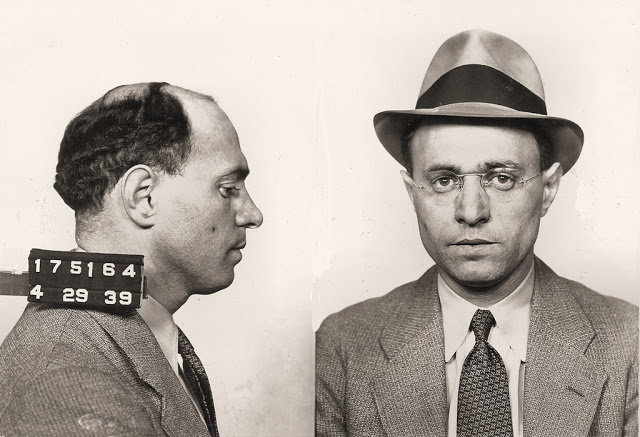
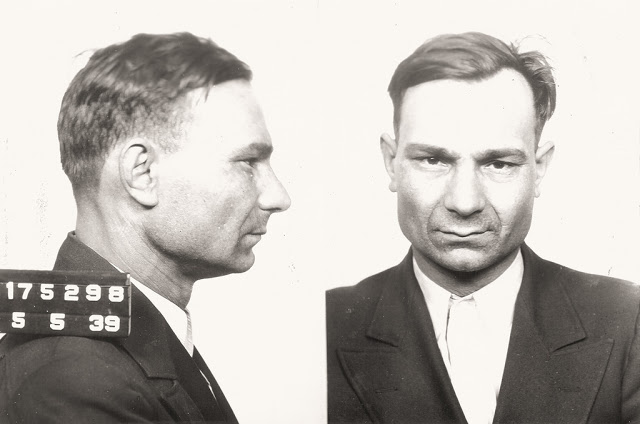
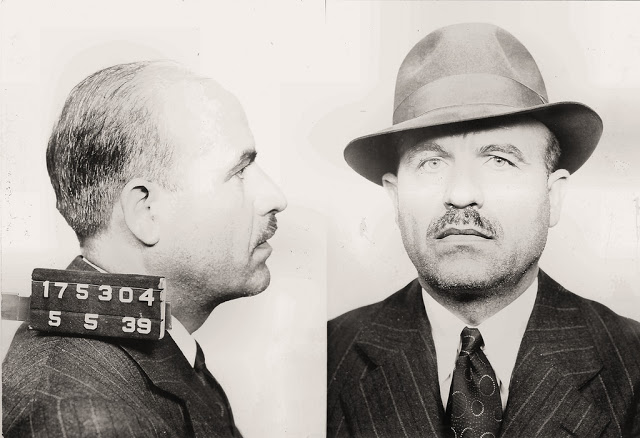
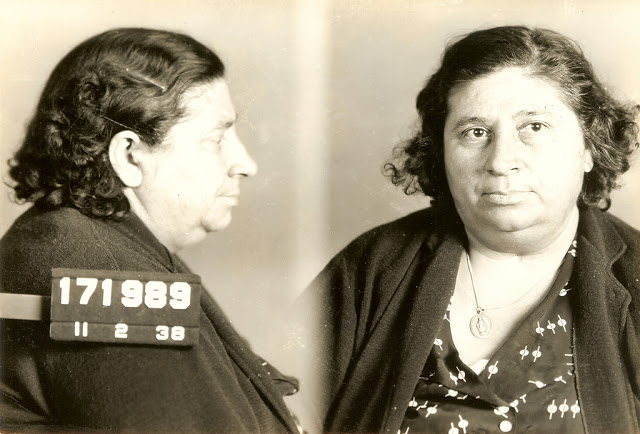
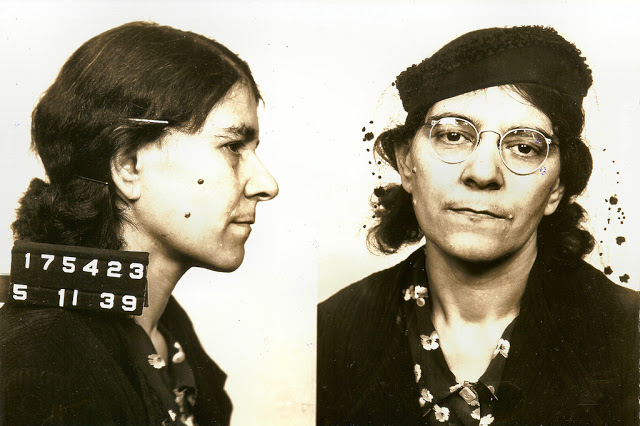
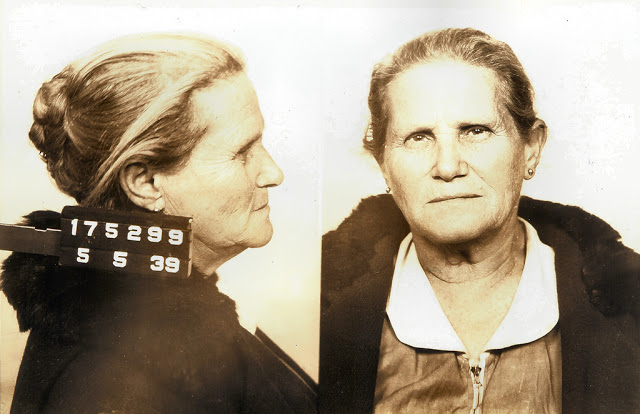
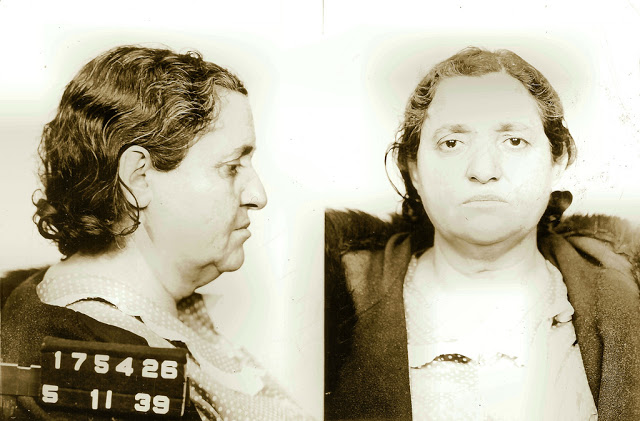
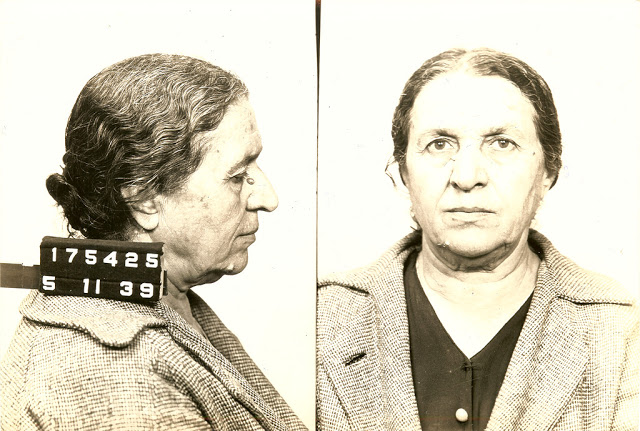
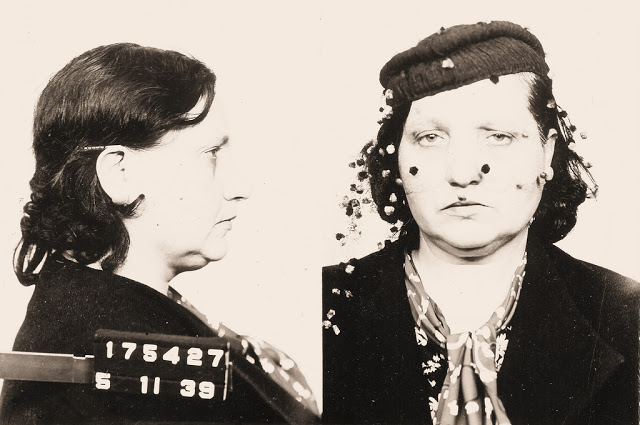
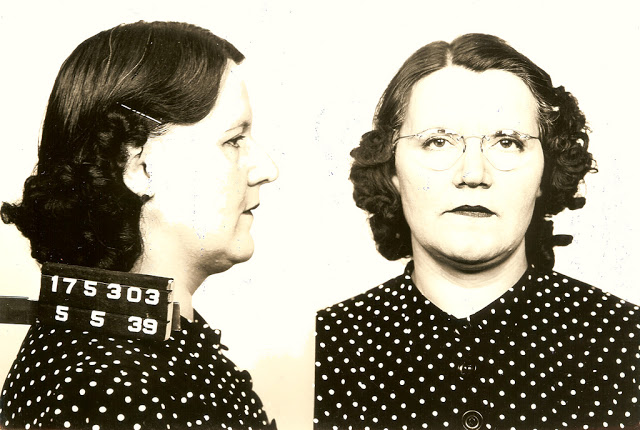
The Philadelphia Poison Ring was a murder for hire gang led by Italian immigrant cousins, Herman and Paul Petrillo who were involved in insurance scams, counterfeiting, and murder. The ring came to light in 1938 and the cousins were ultimately convicted of first degree murder and executed by electric chair in 1941.
A Russian-Jewish immigrant gang member, Morris Bolber, known as ‘Louie, the Rabbi’, turned state’s evidence. Gang members, associates and ‘dupes’ (many of them Italian-born, superstitious women, dubbed ‘poison widows’ by an excited press) were brought to trial and mostly convicted to death sentences (commuted) or varying prison sentences.
One or two were found not guilty, notably the widow Stella Alfonsi, whose husband’s 1938 death by poison brought the case to light, and who was successfully defended by the brilliant advocate Raymond Alexander Pace.
Here is a mugshot collection that shows criminal portraits of this gang in the late 1930s.
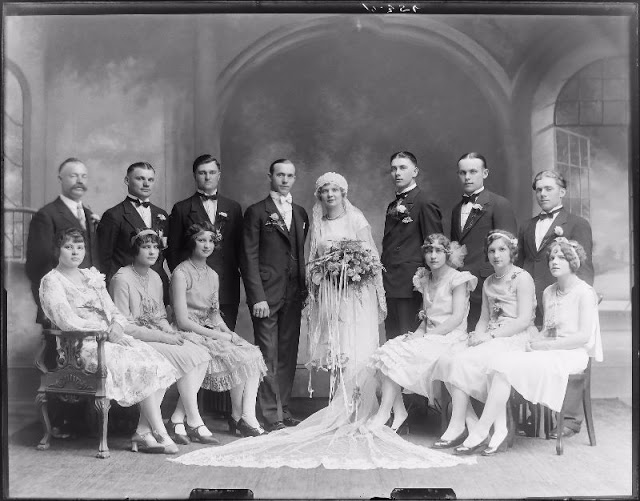
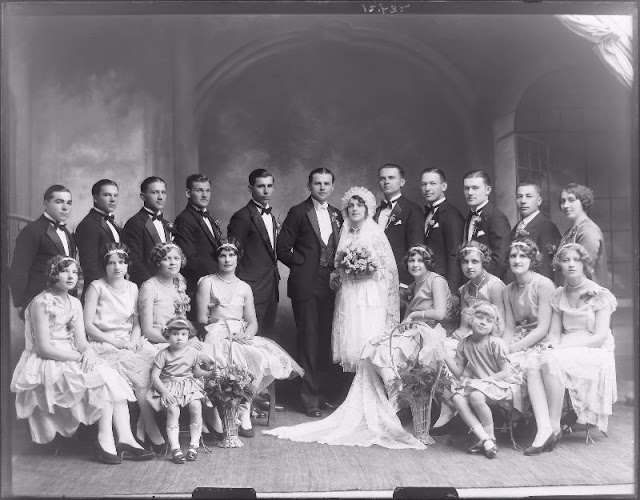
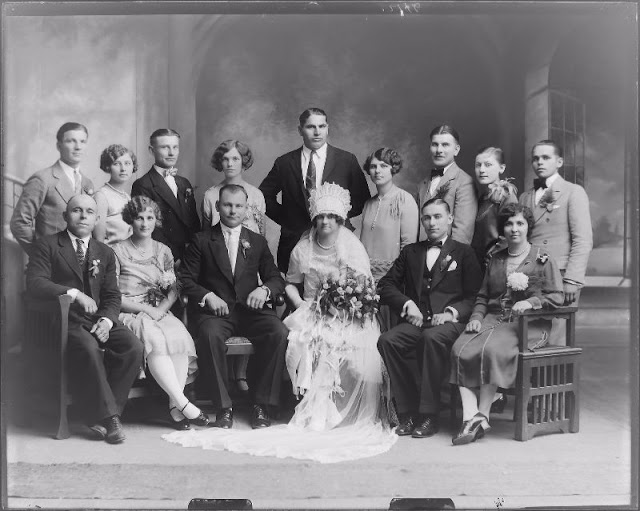
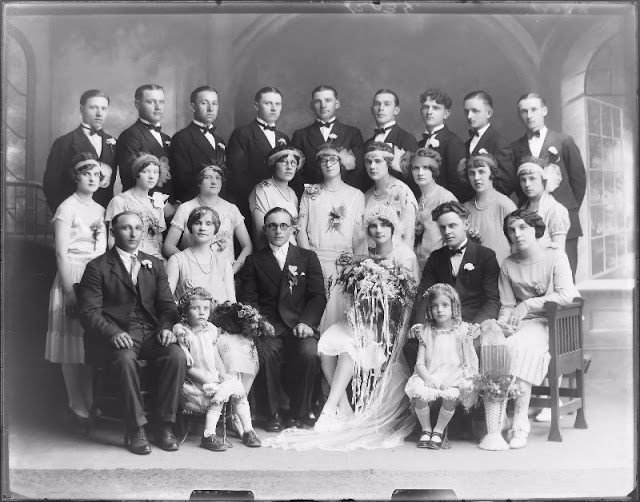
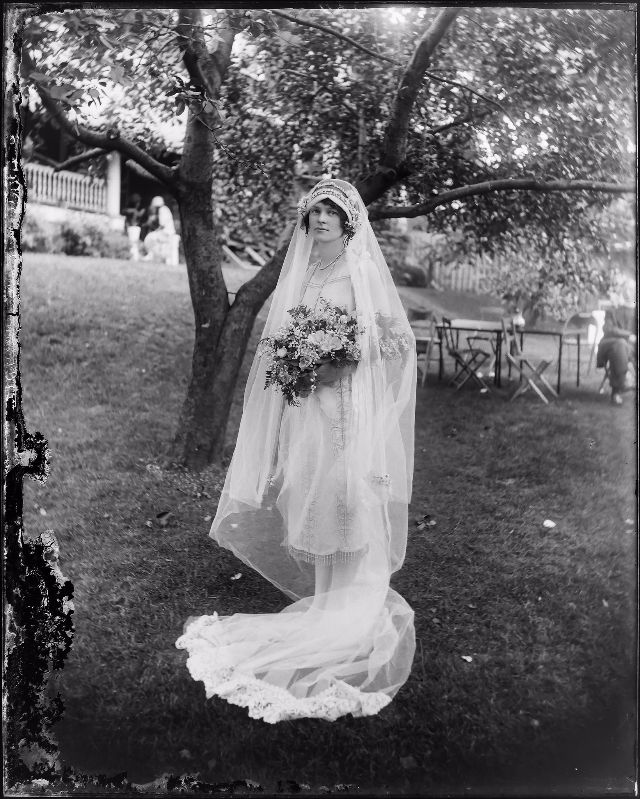
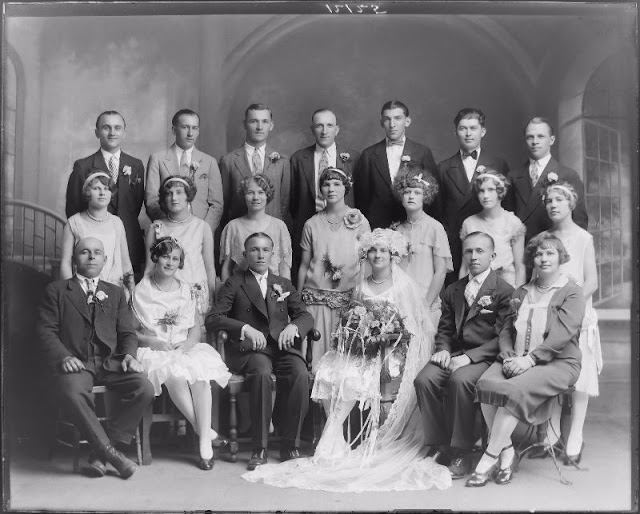
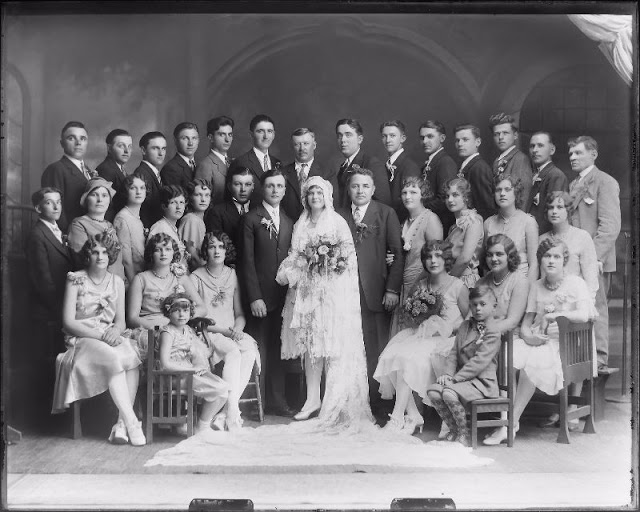
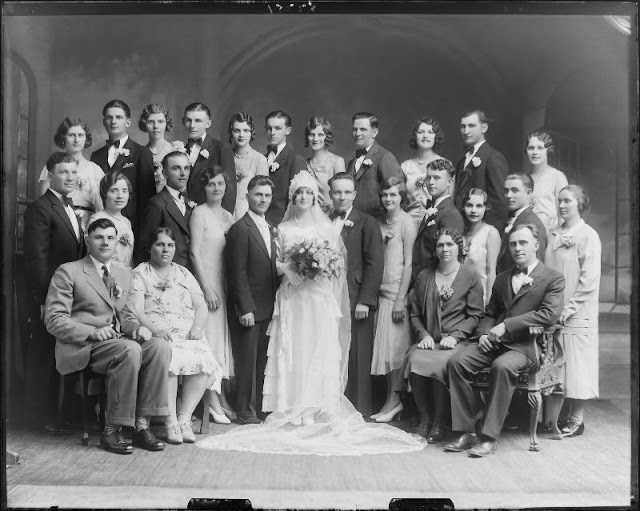
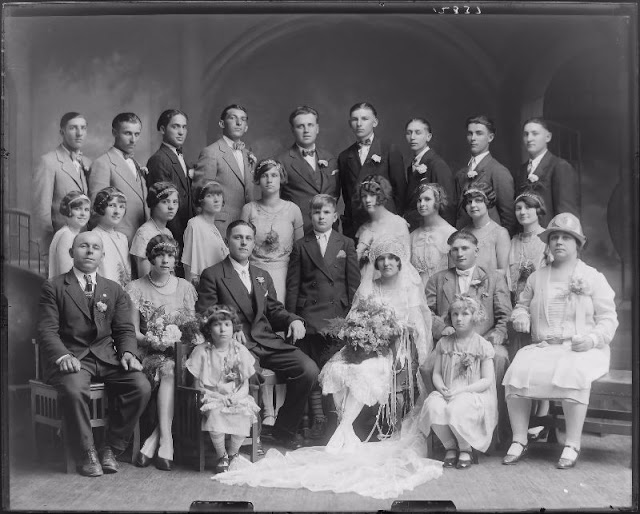
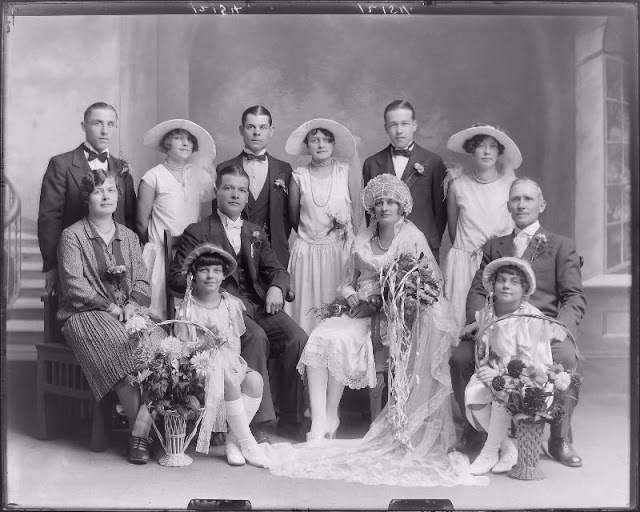
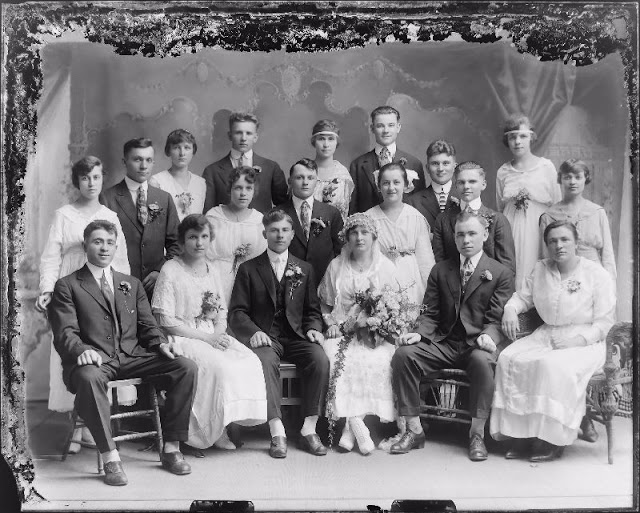
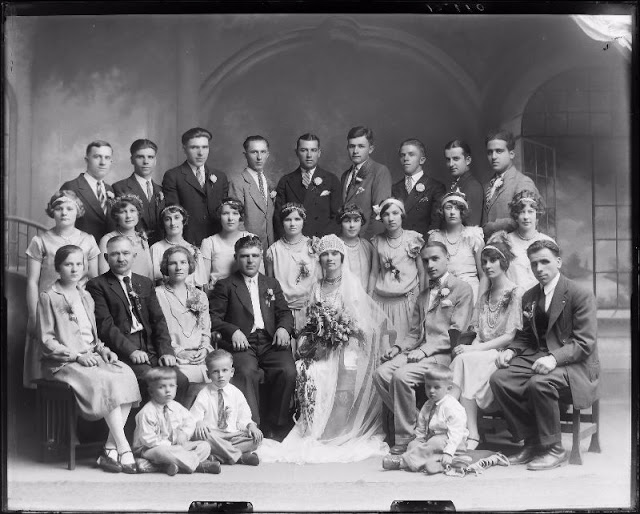
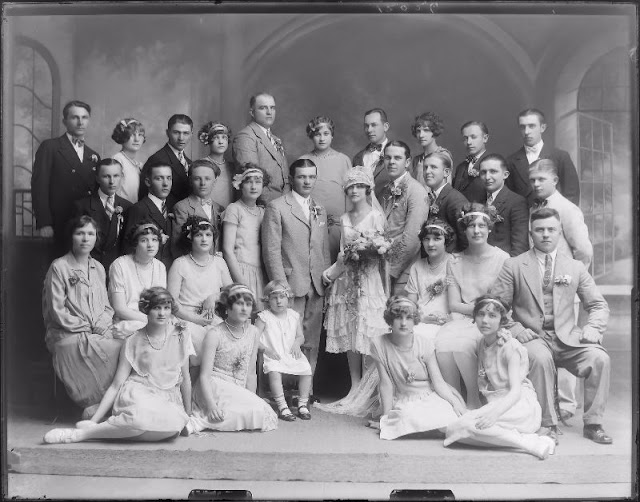
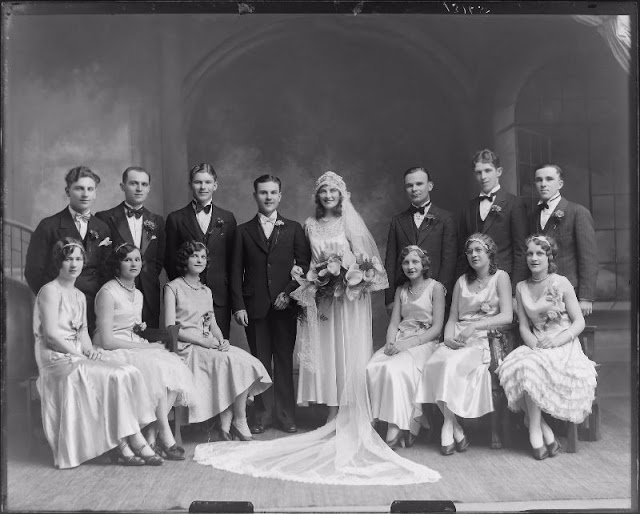
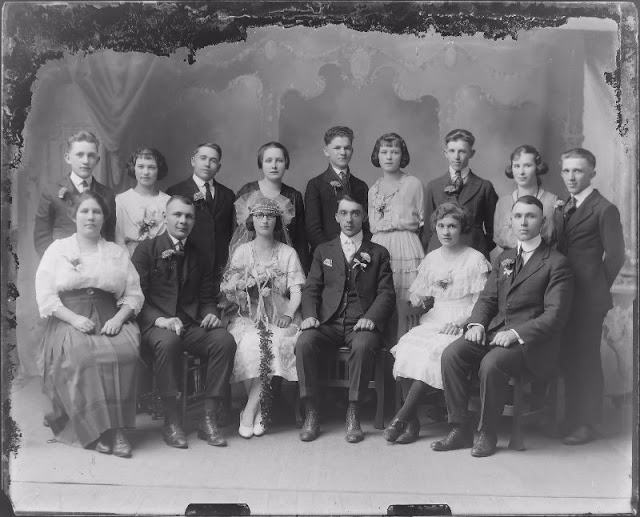
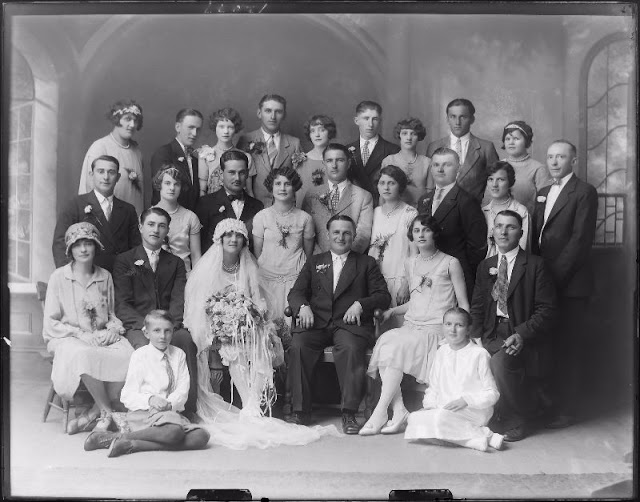
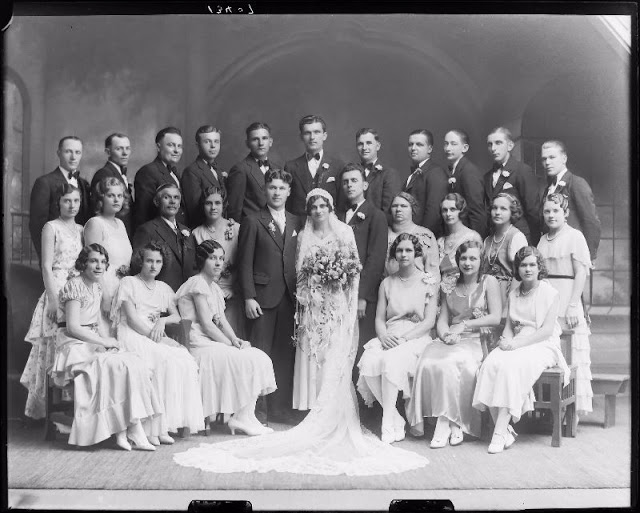
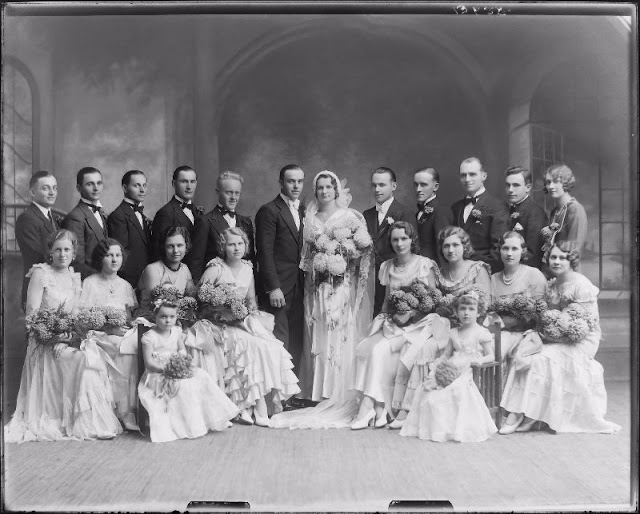
These glass negatives are wedding photos that were captured in the Lehighton, Packerton and Jim Thorp (Mauch Chunk), Pennsylvania area by photographer Ephraim E. Rinker (1886-1950) from between the 1920s and 1930s.
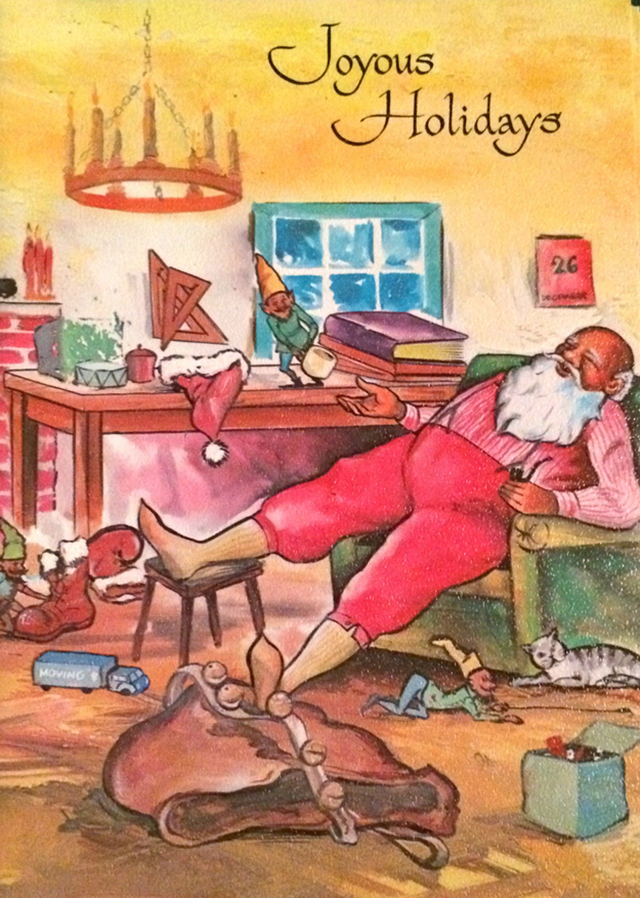
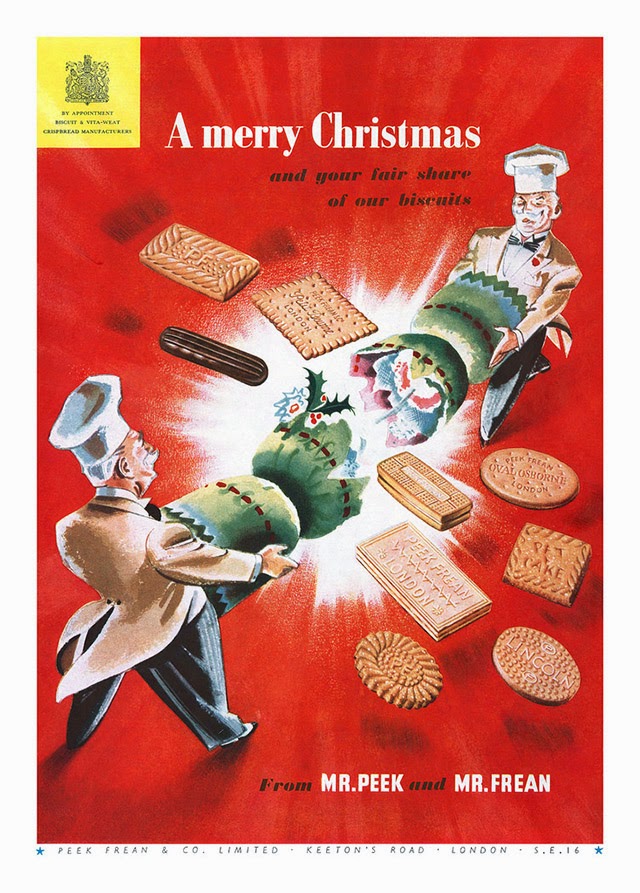
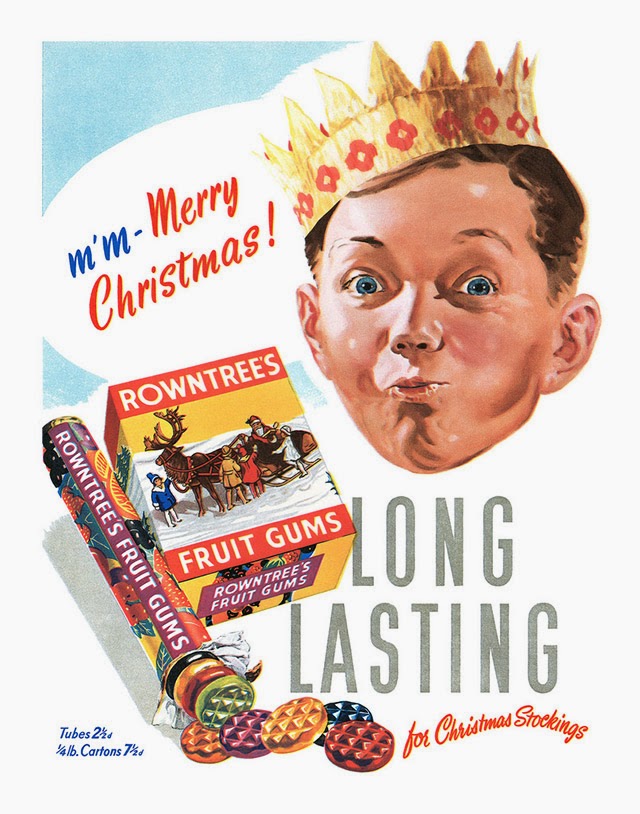
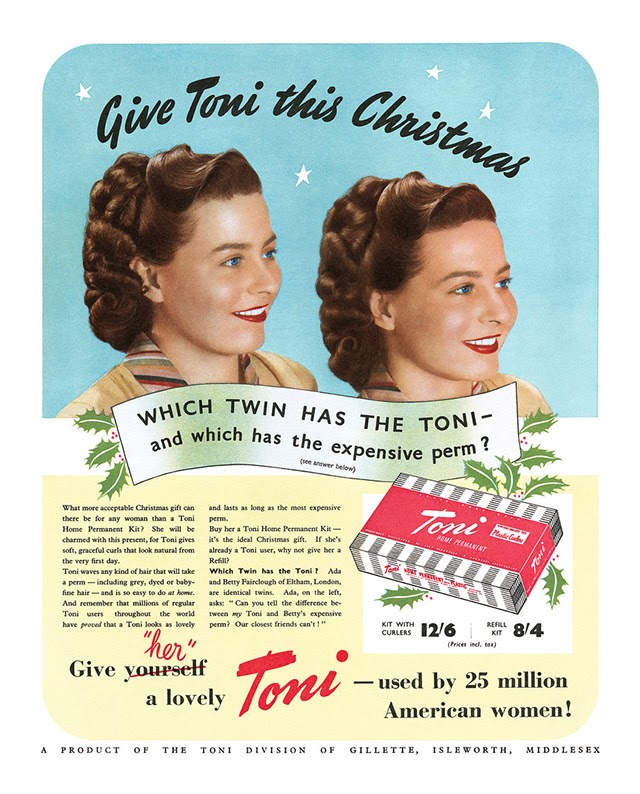
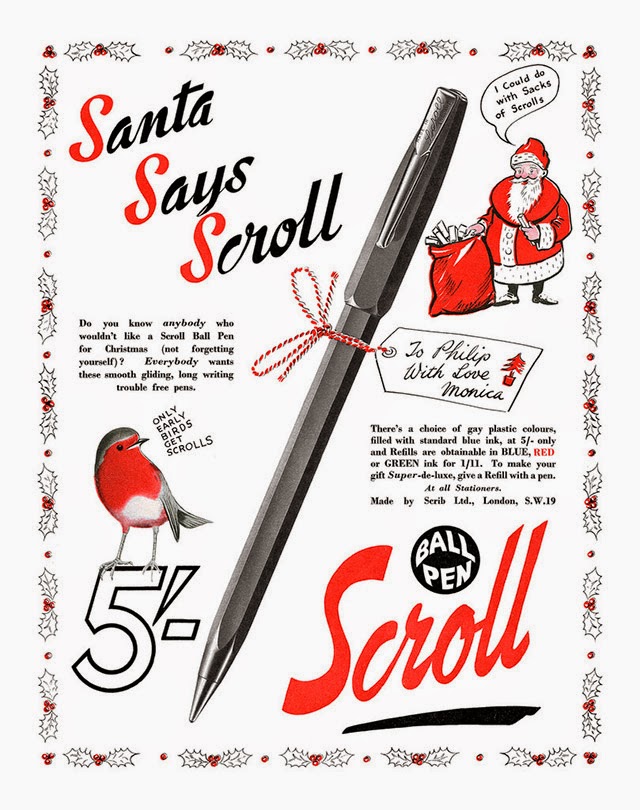
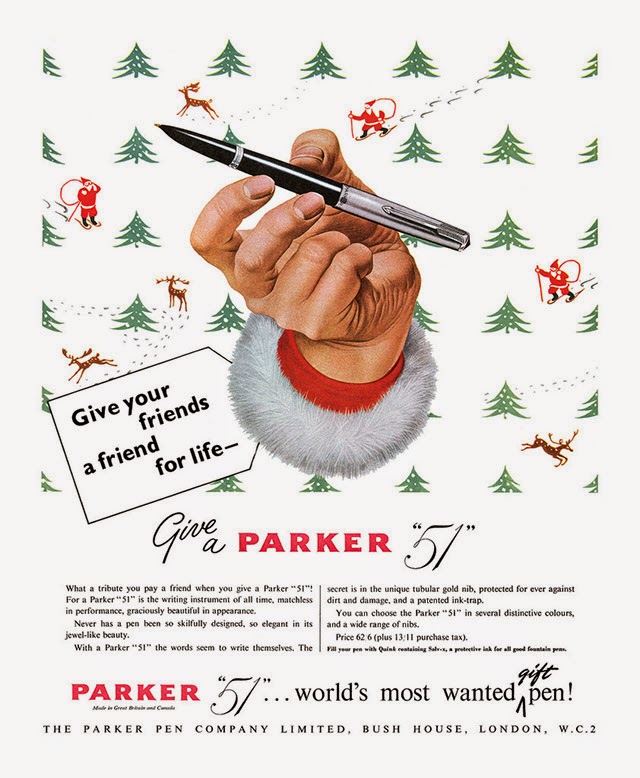
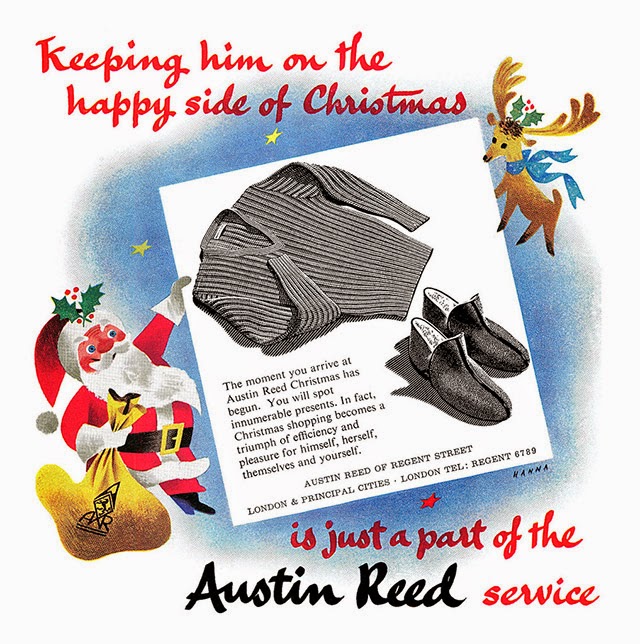
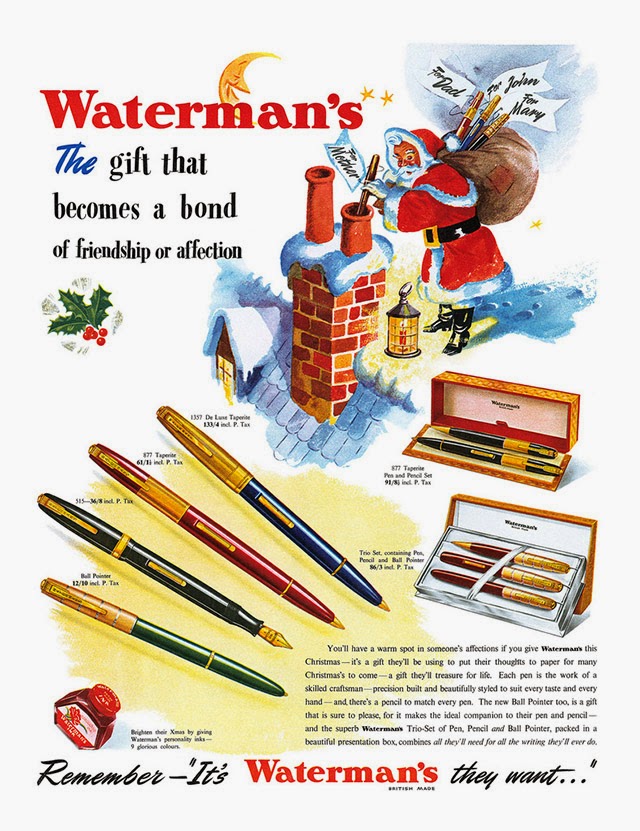
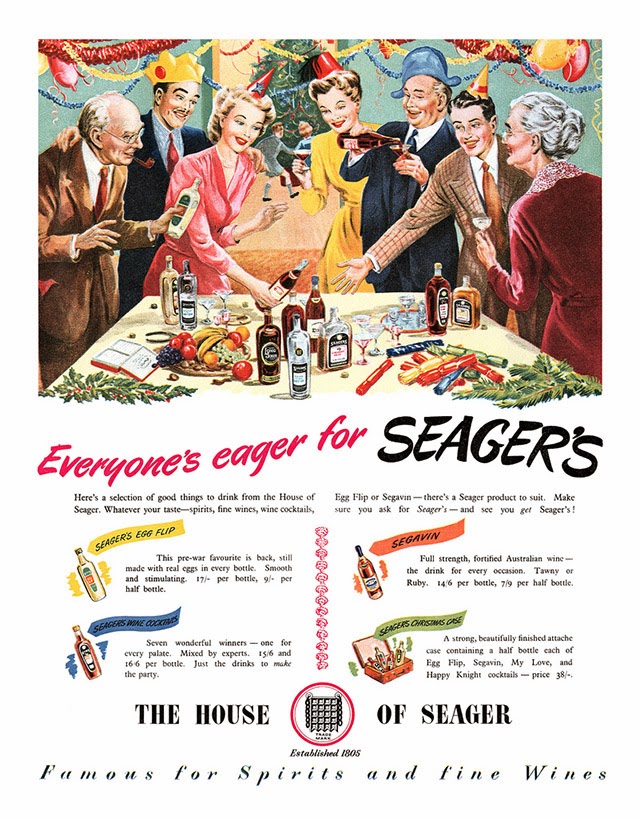
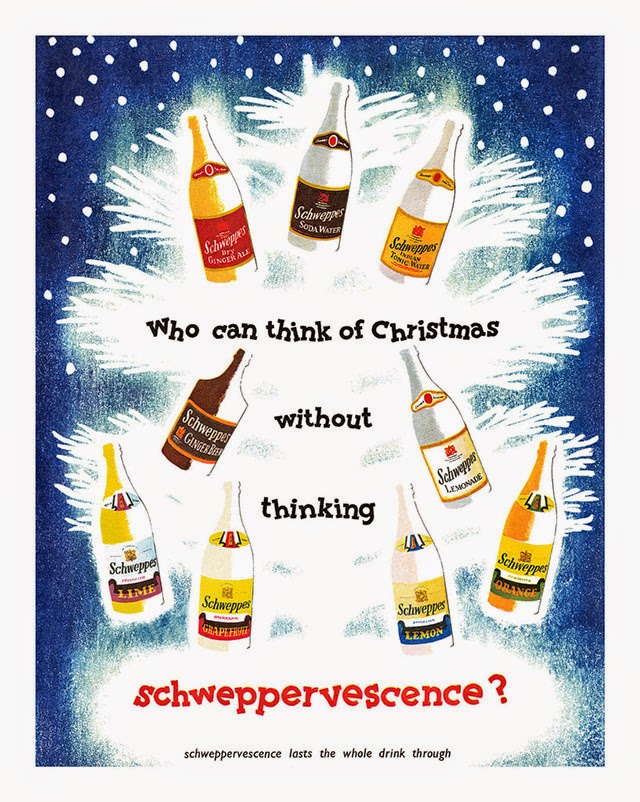
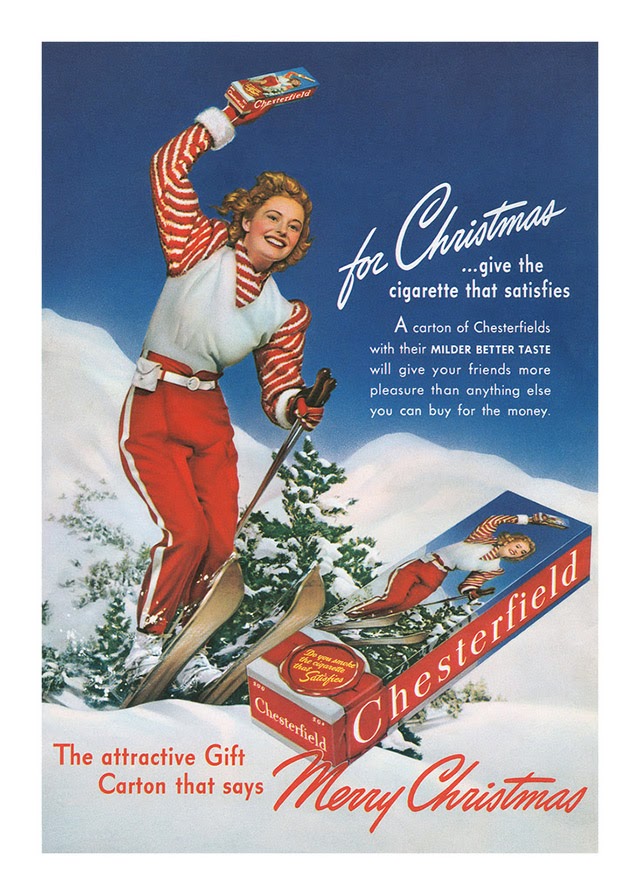
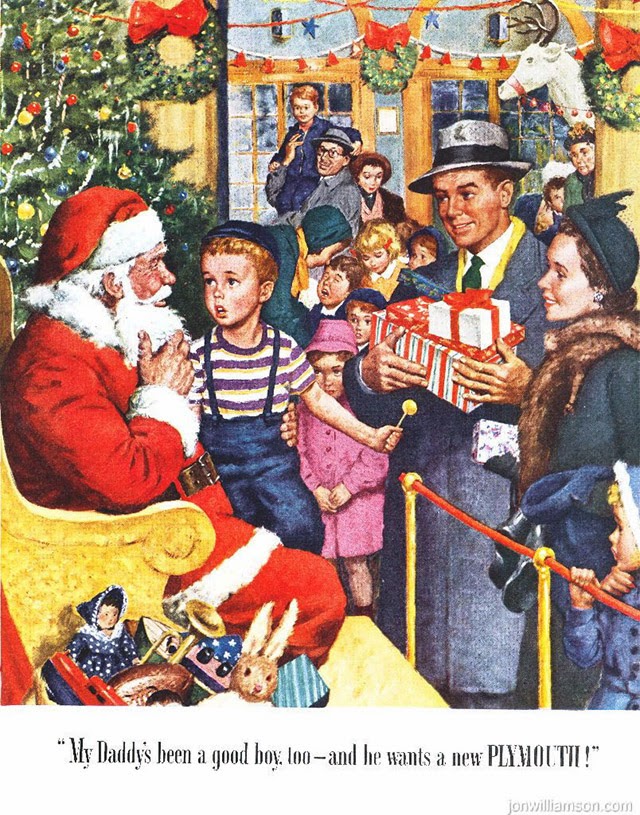
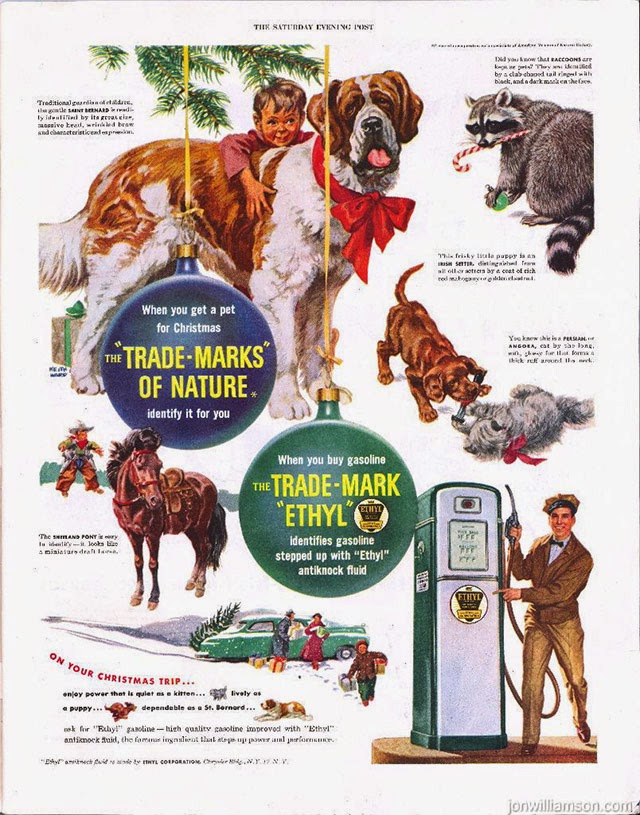
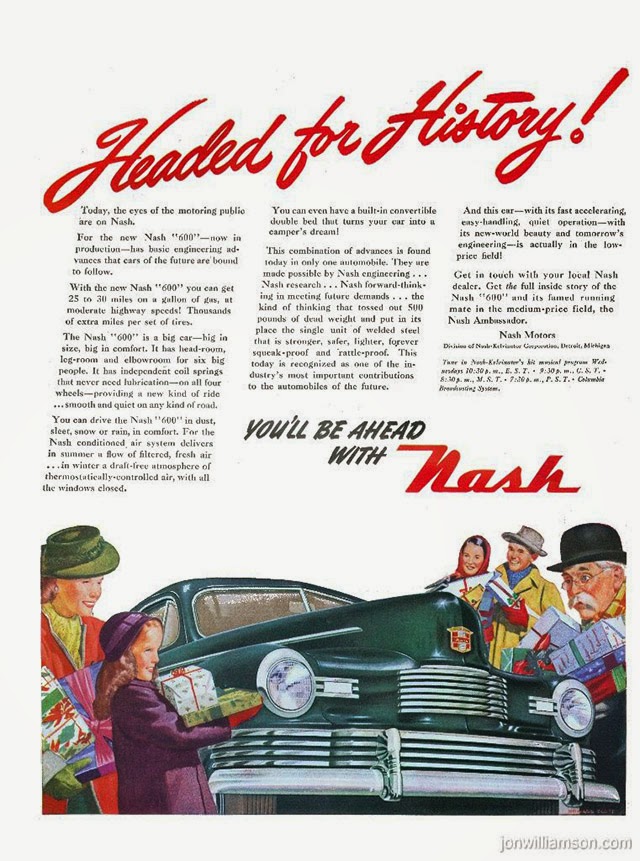
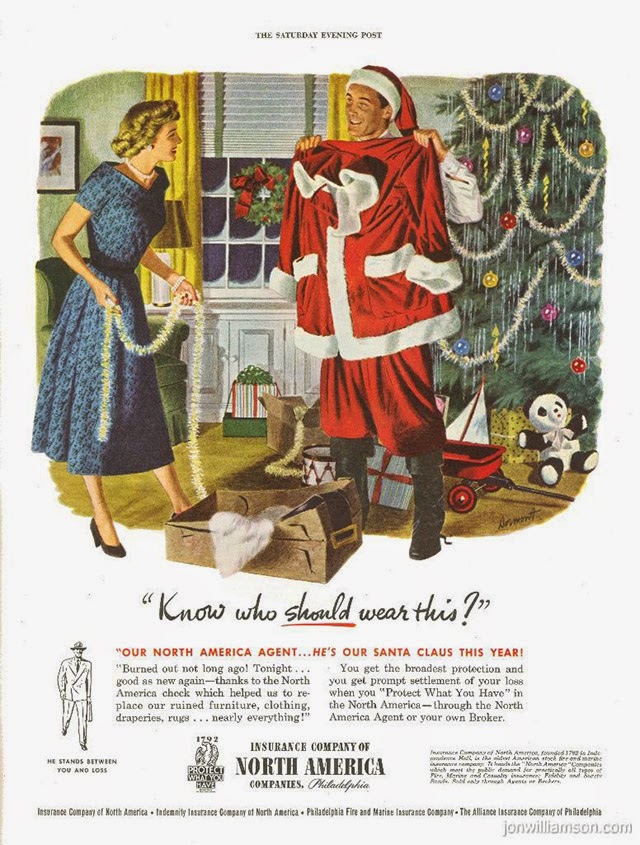
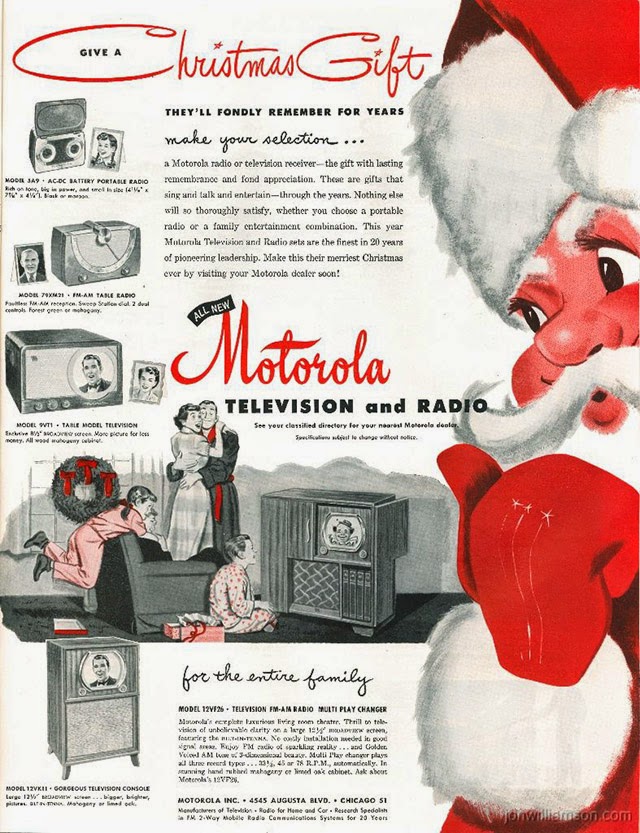
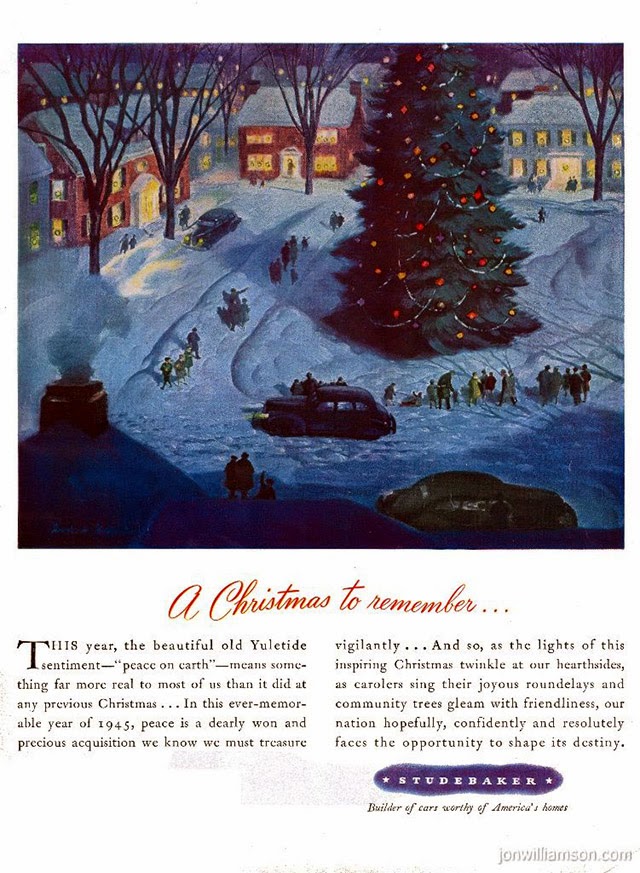
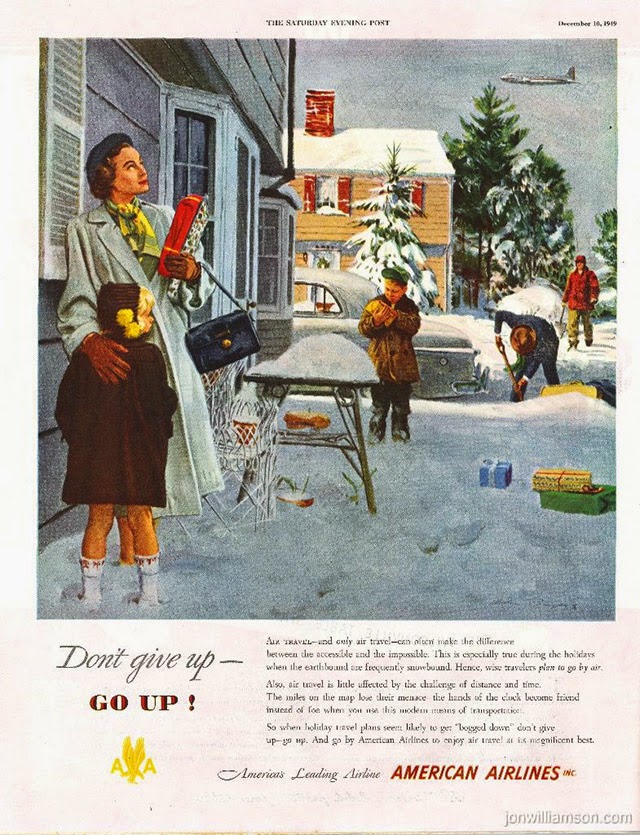
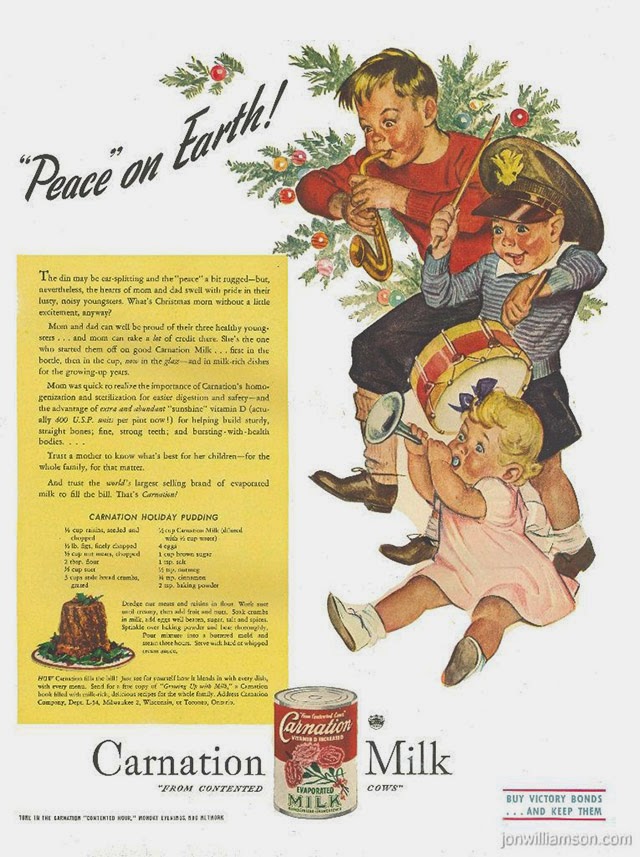
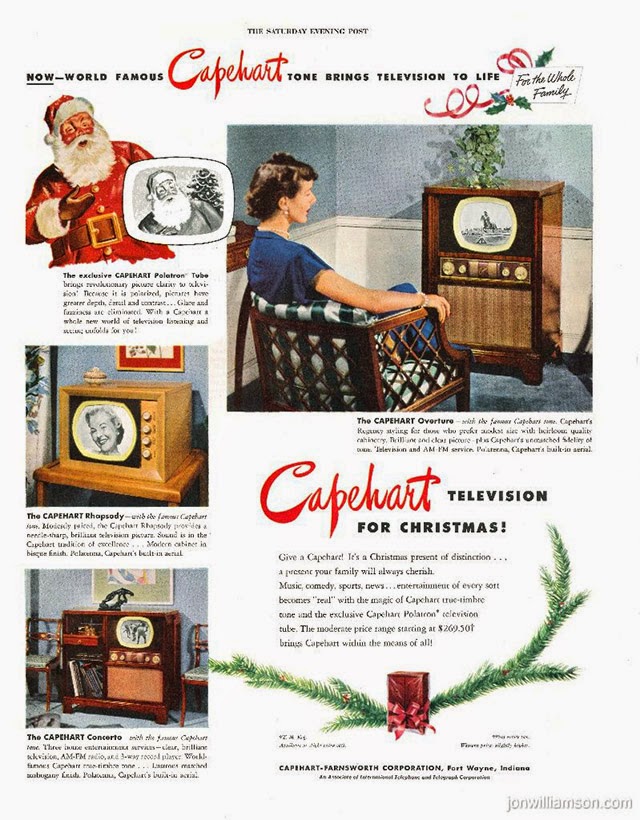
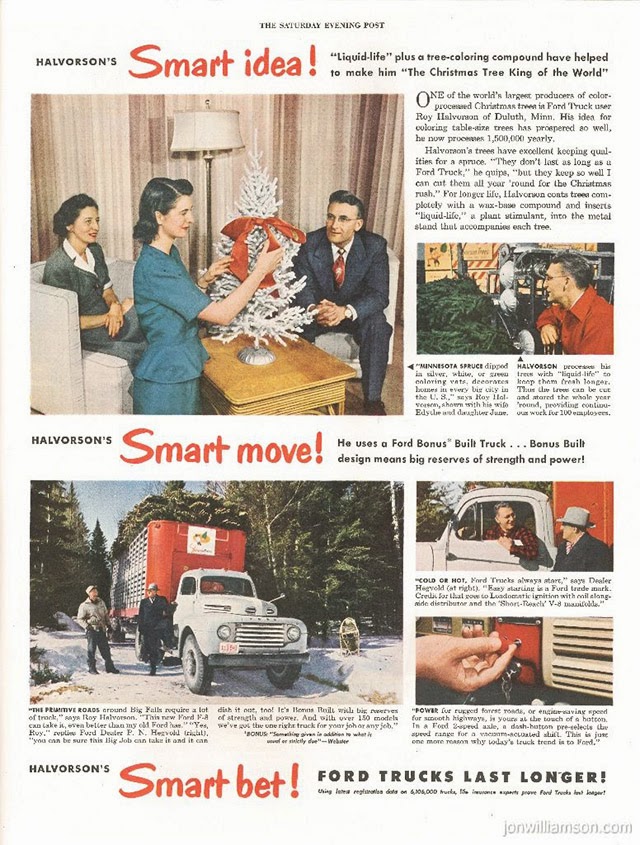
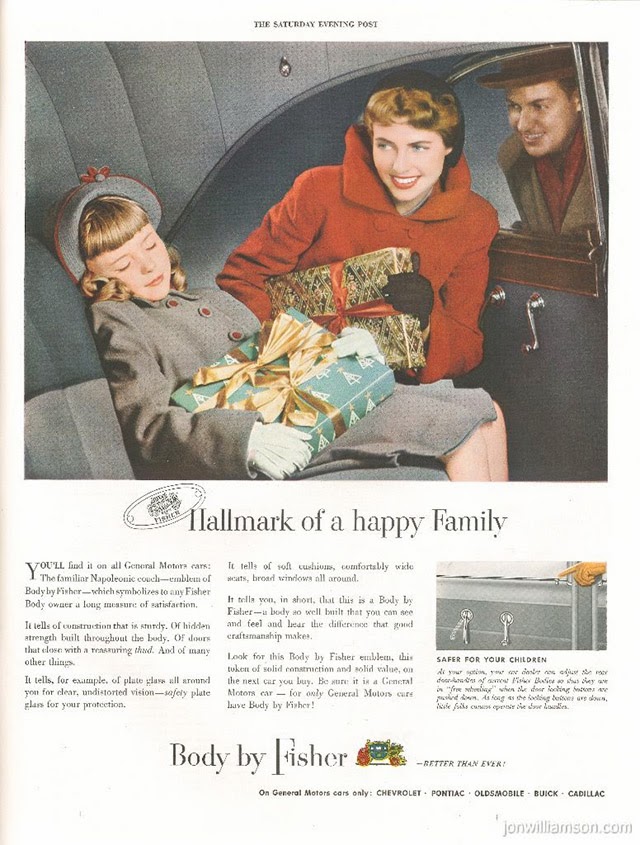
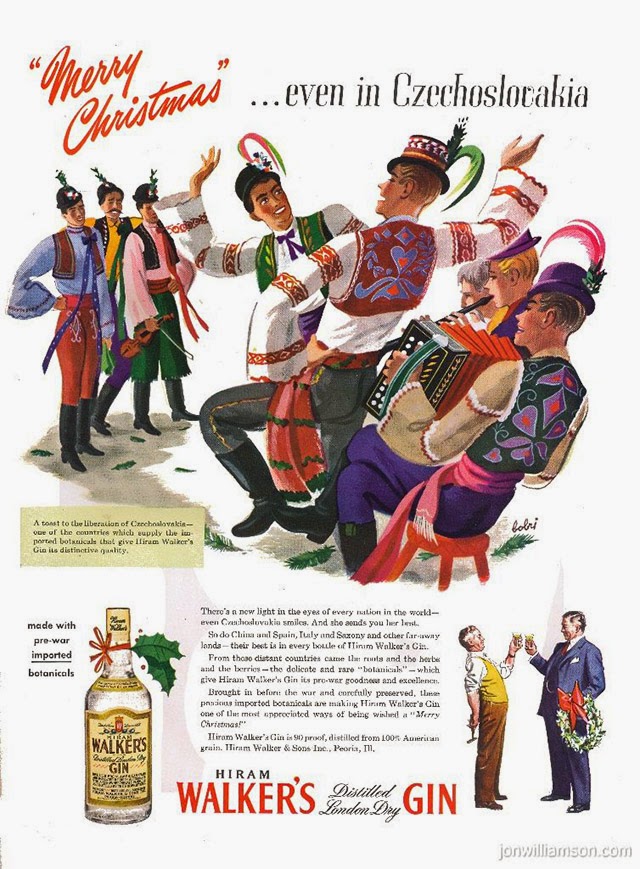
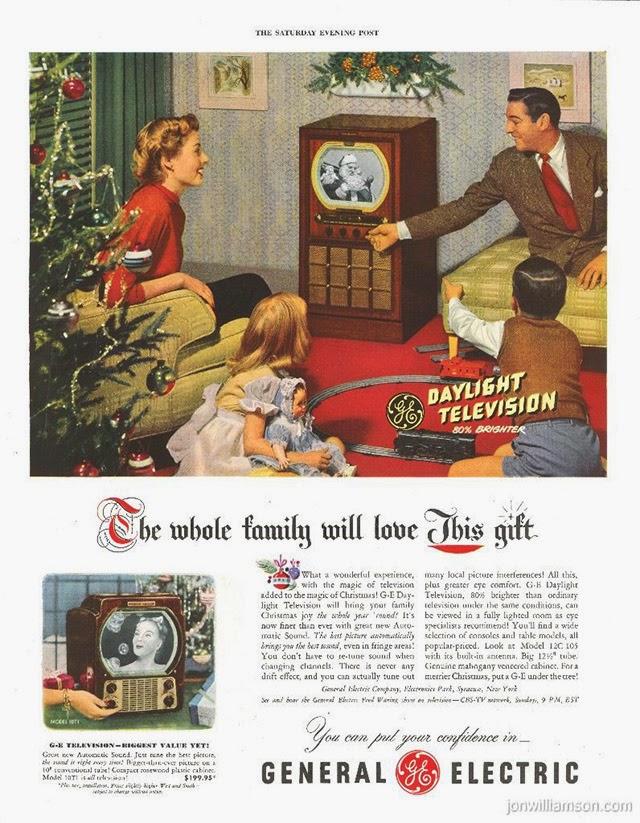
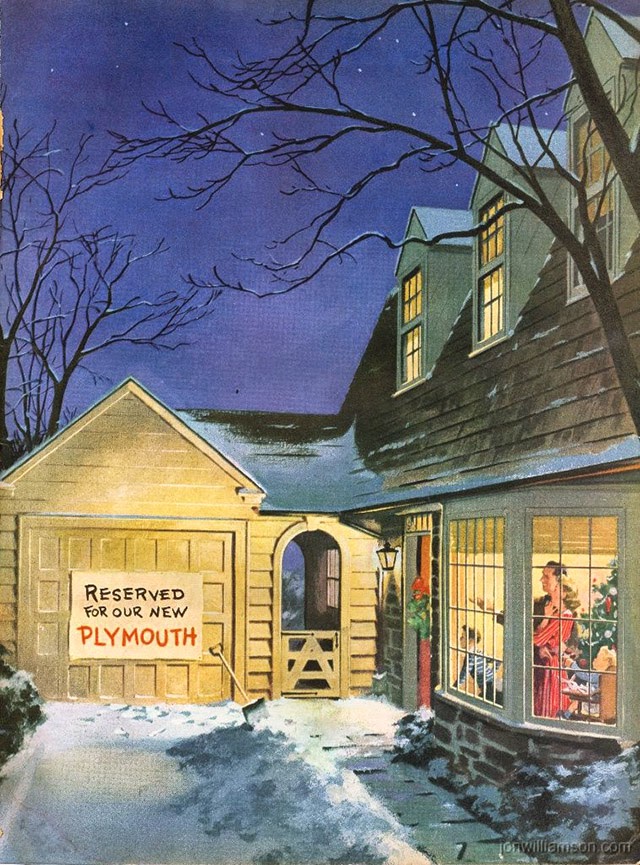
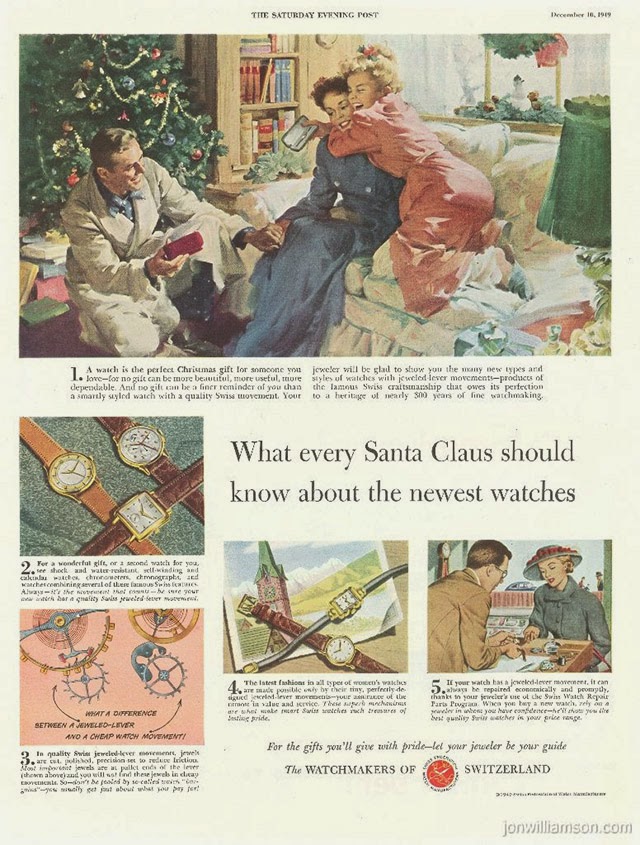
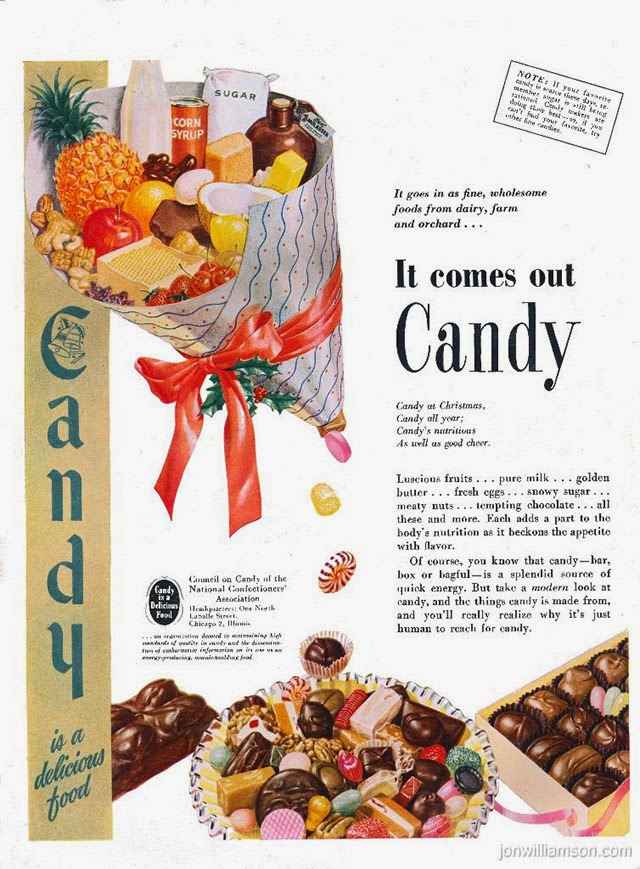
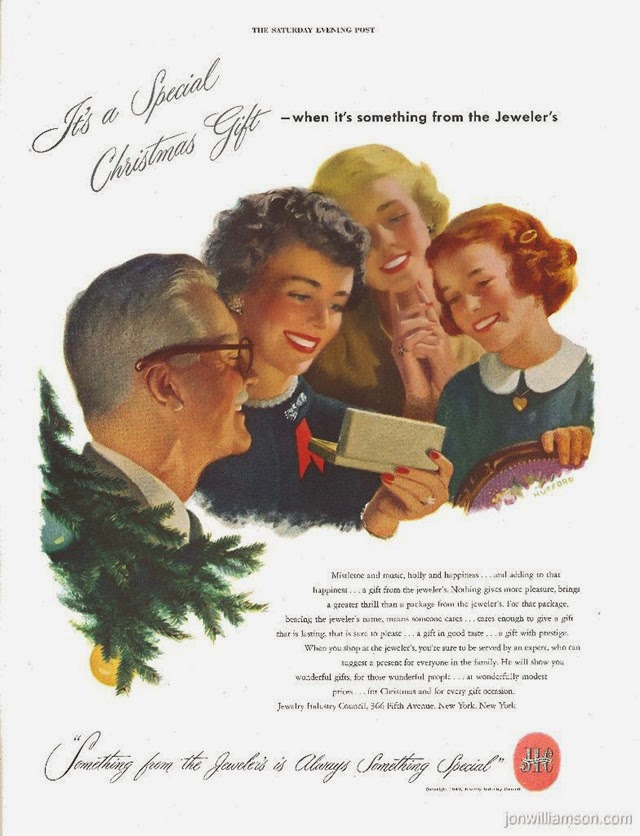
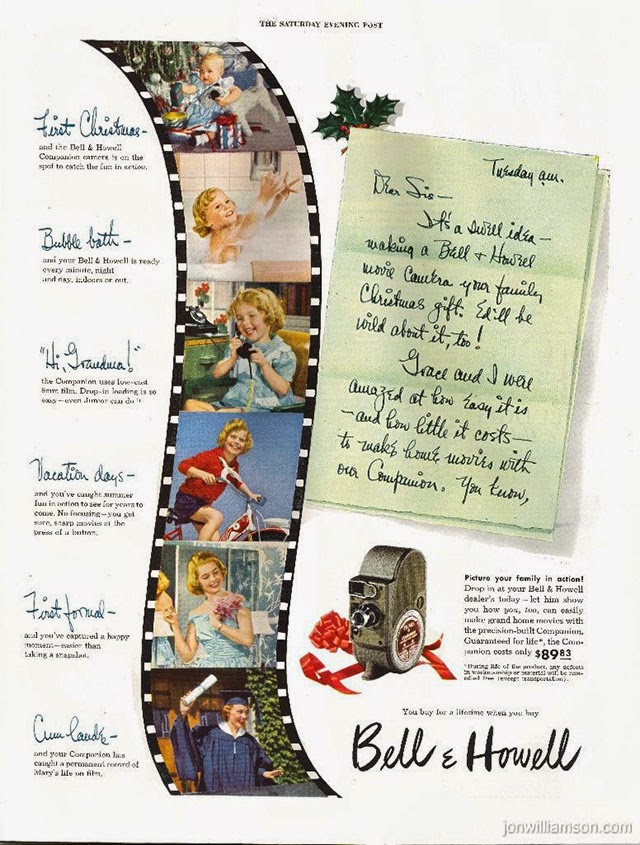
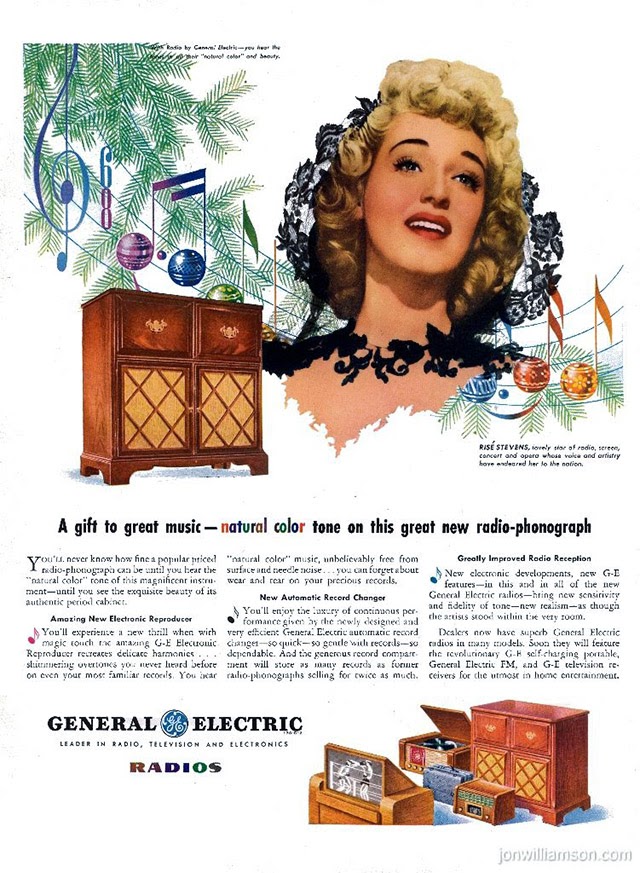
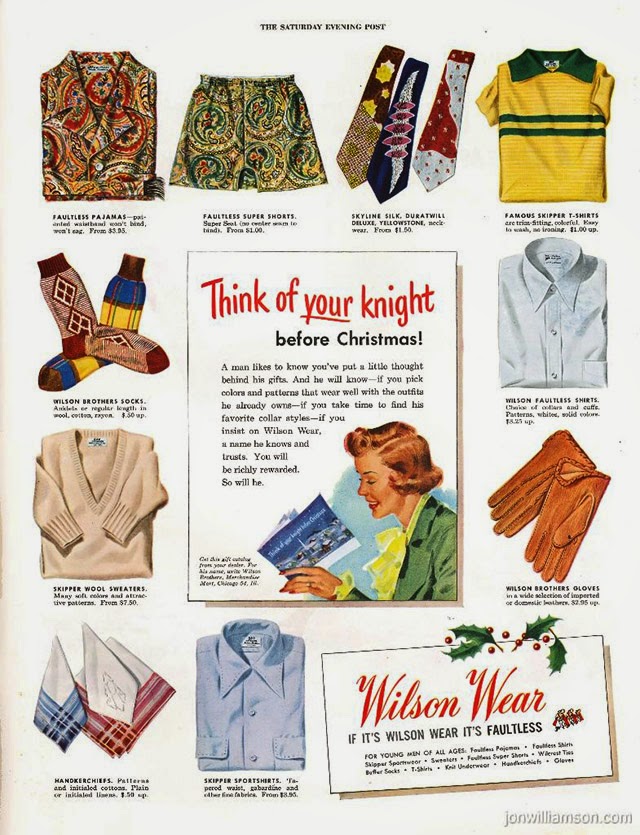
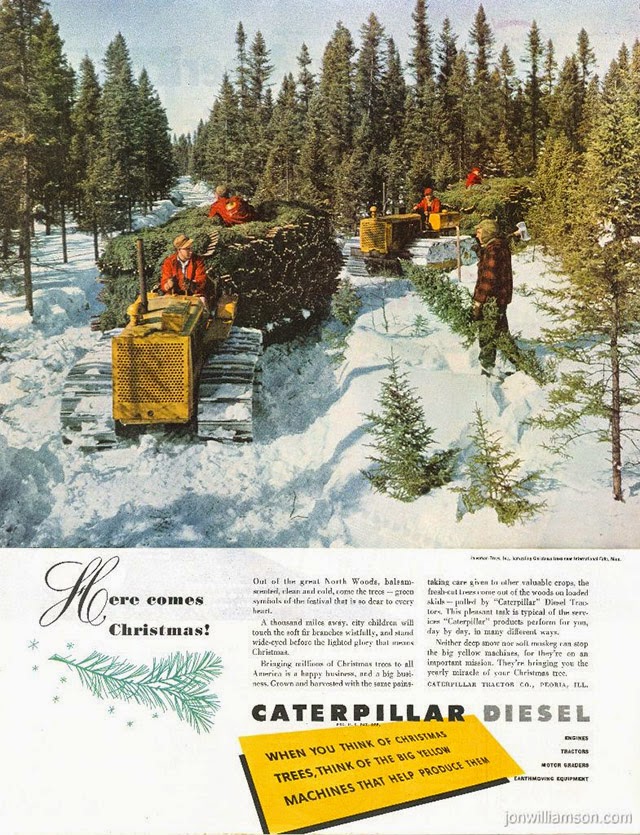
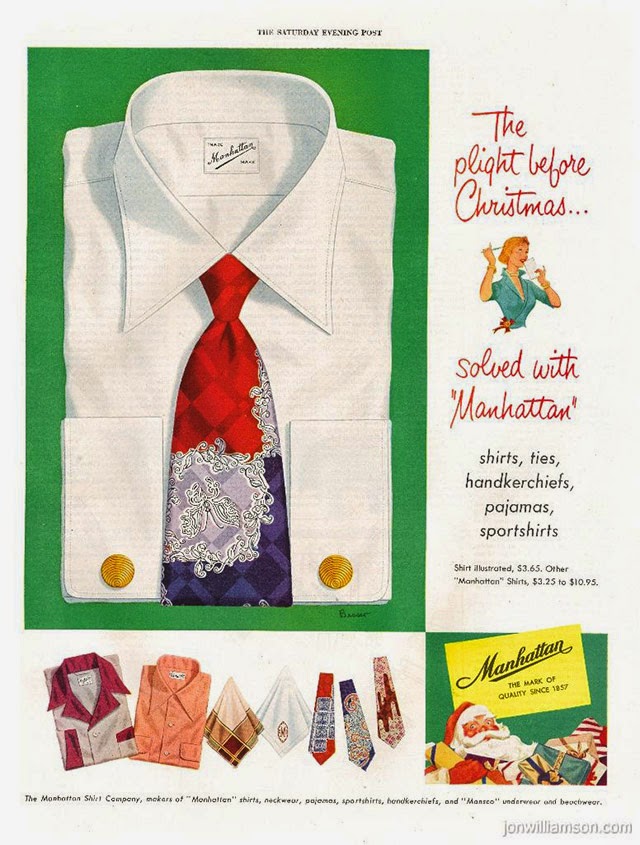
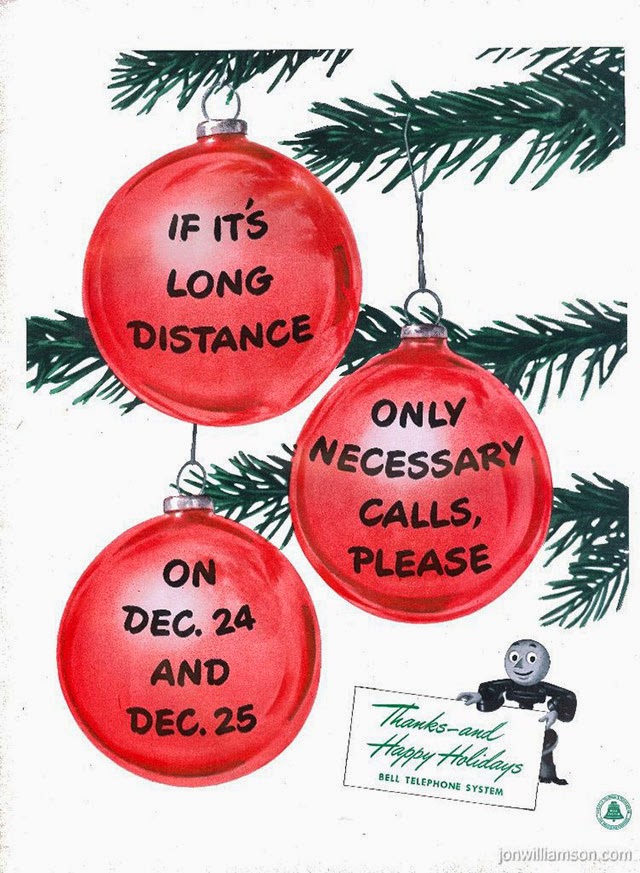
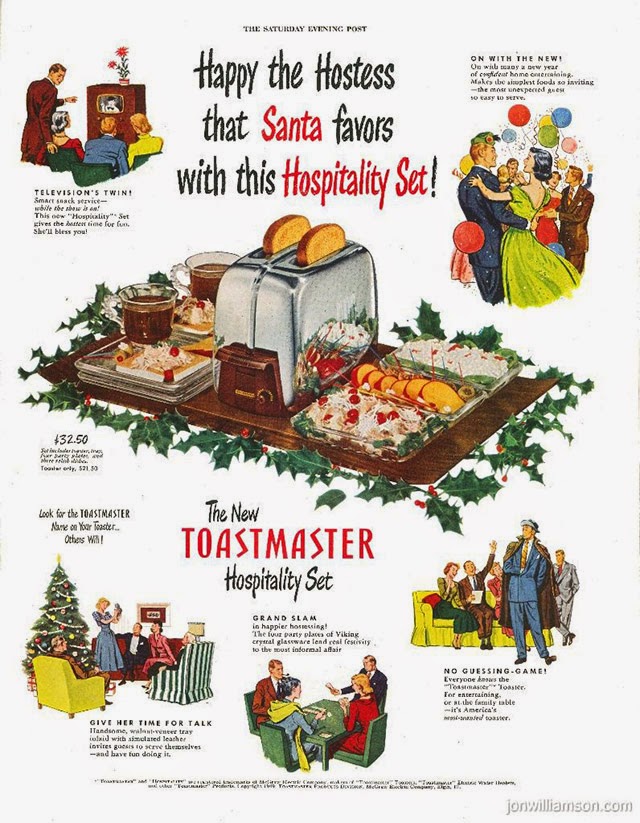
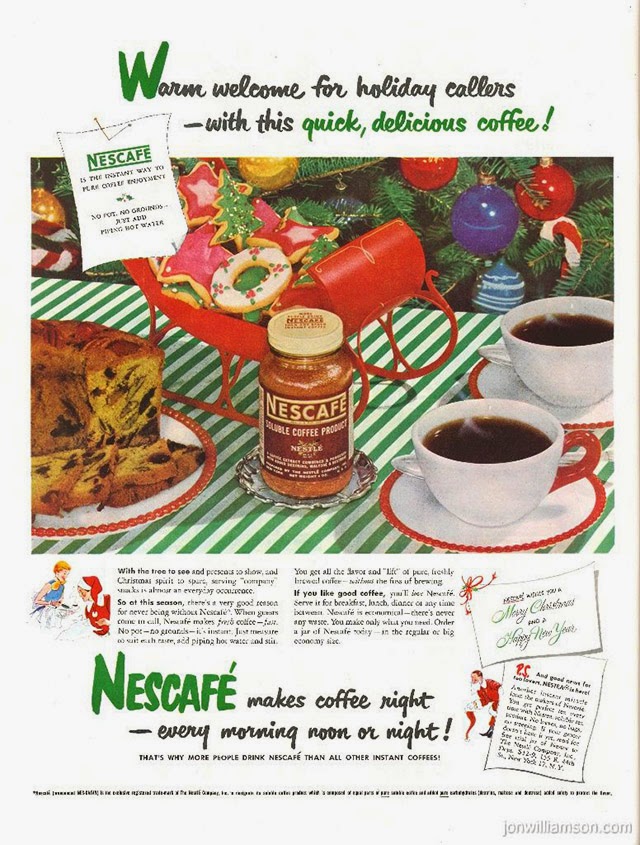
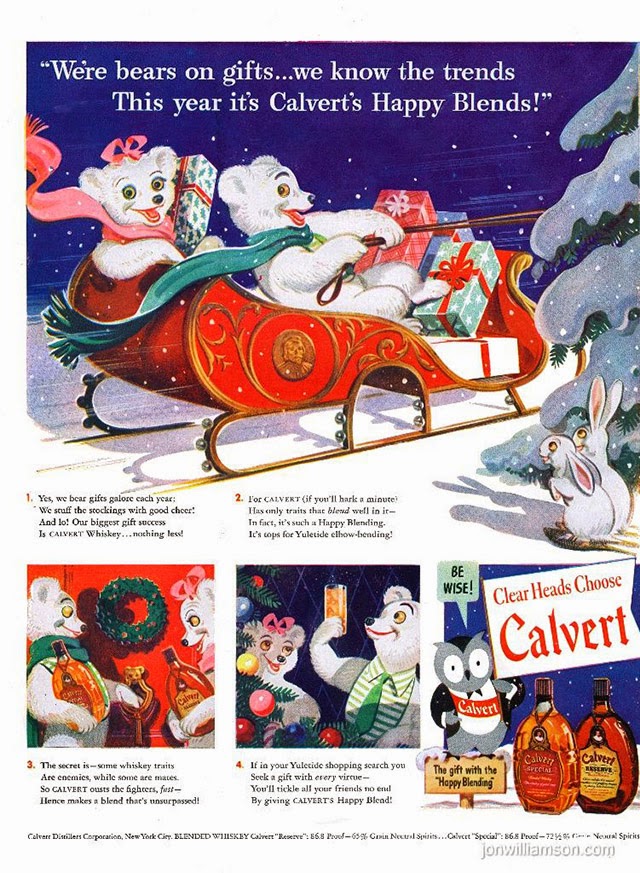
Back when a carton of cigarettes, a Hoover vacuum or a shotgun (for the father, mother and son, respectively, of course) were unquestionably the perfect gifts to give. At least, that’s the impression we get today looking back at that were produced during that era, as well as the 1940s. These 40 vintage holiday advertisements are fun for a laugh, and give us an interesting look at life before the advent of complicated electronics and big-box stores.
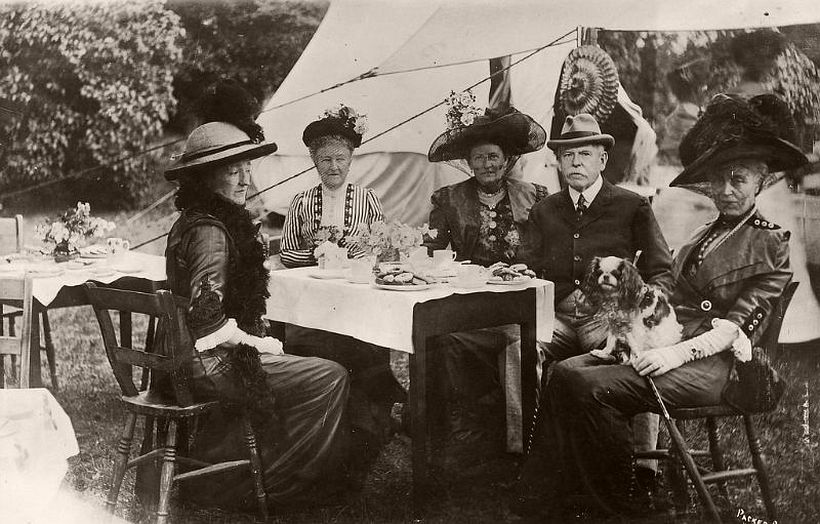
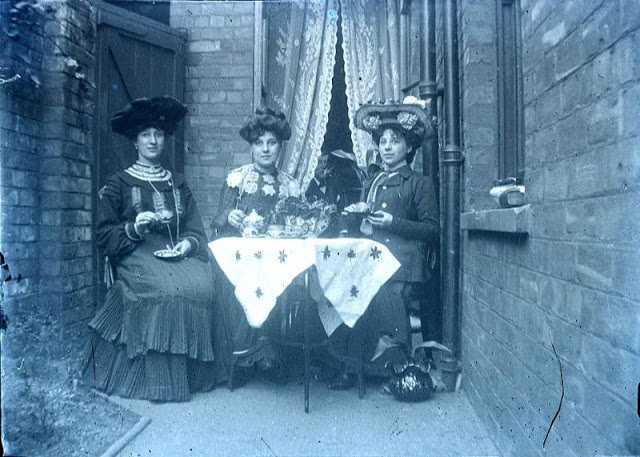
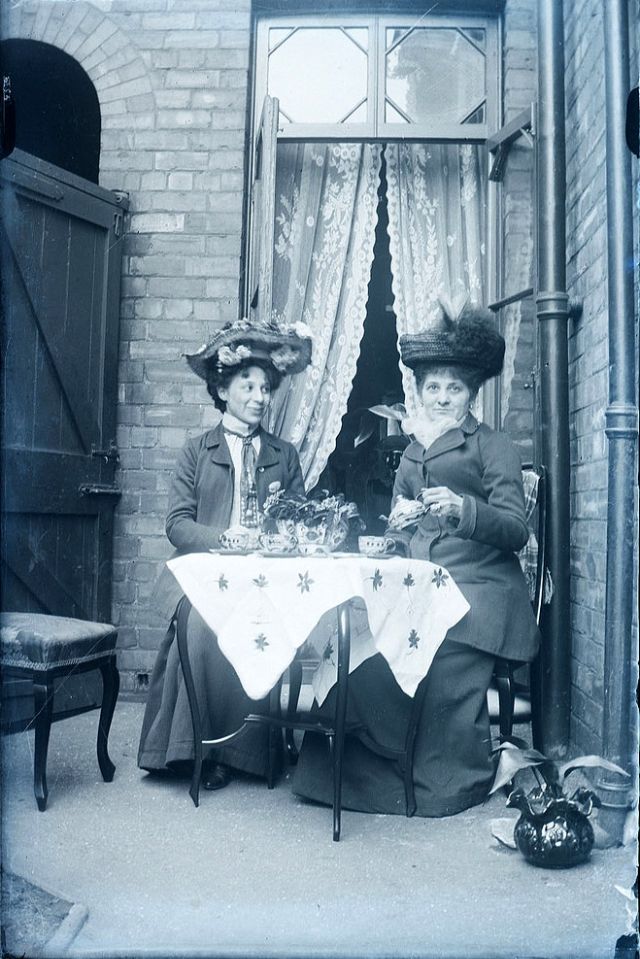
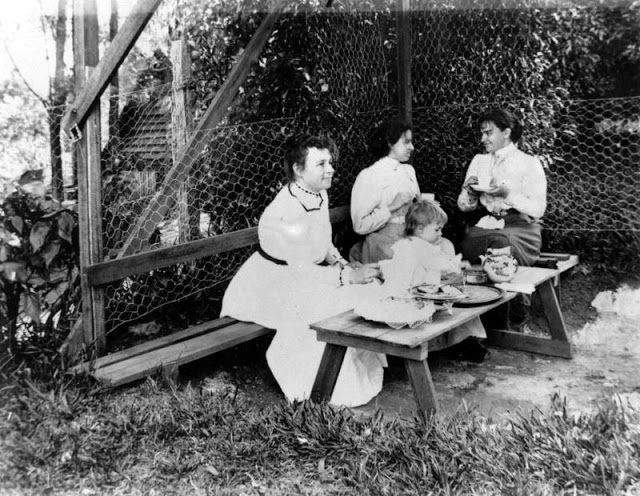
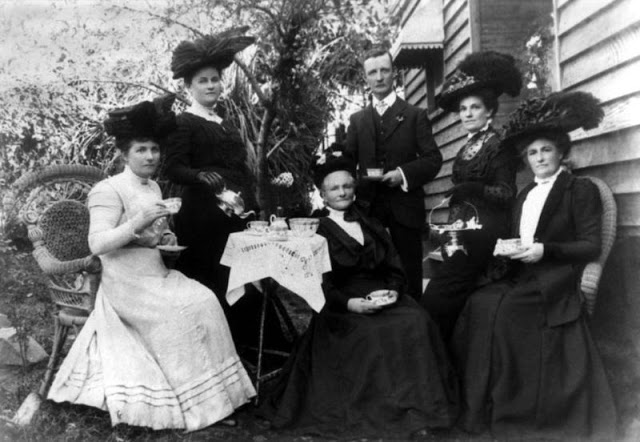
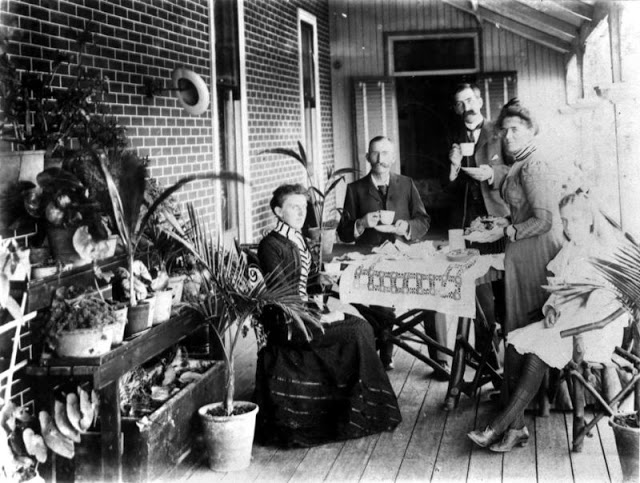
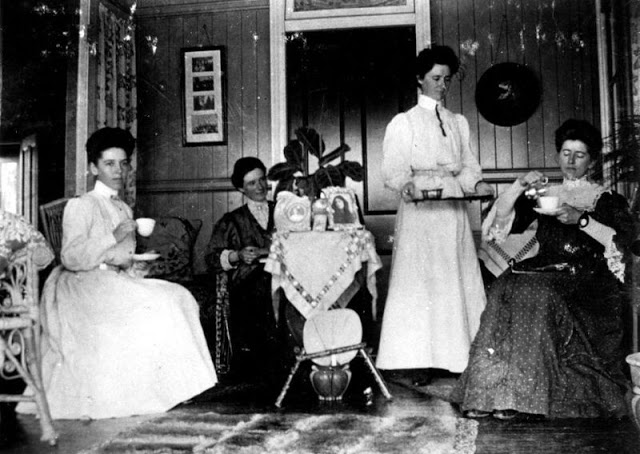
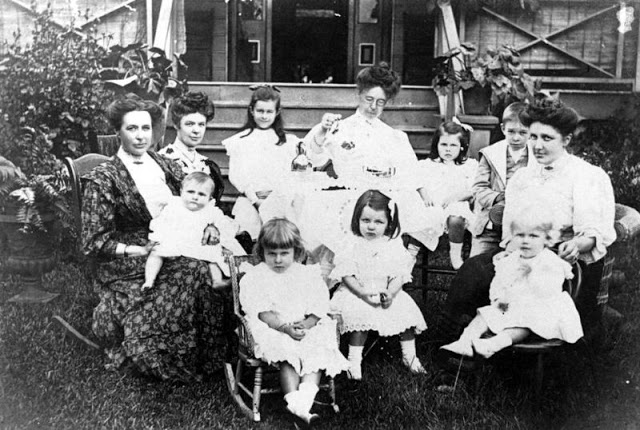
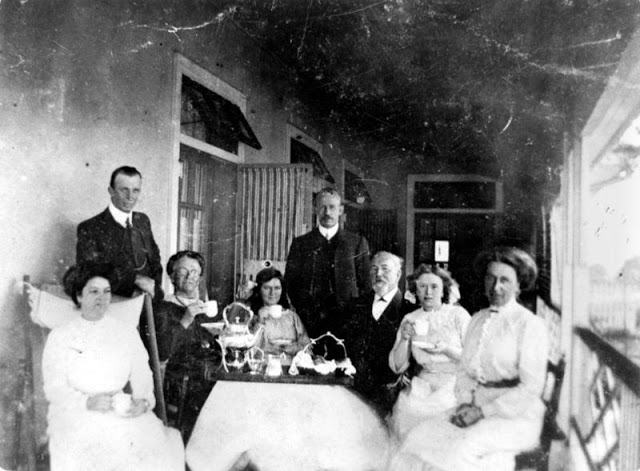
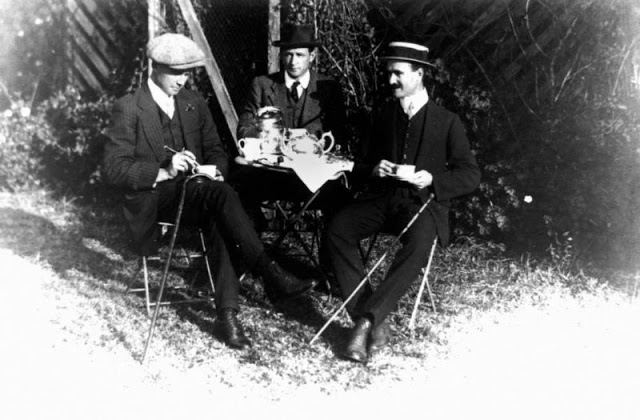
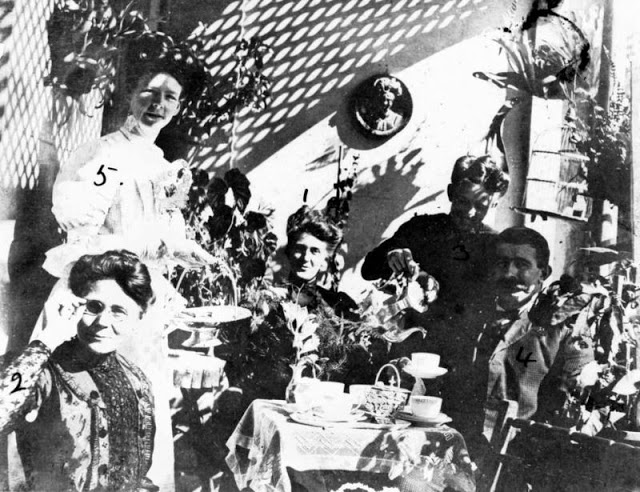
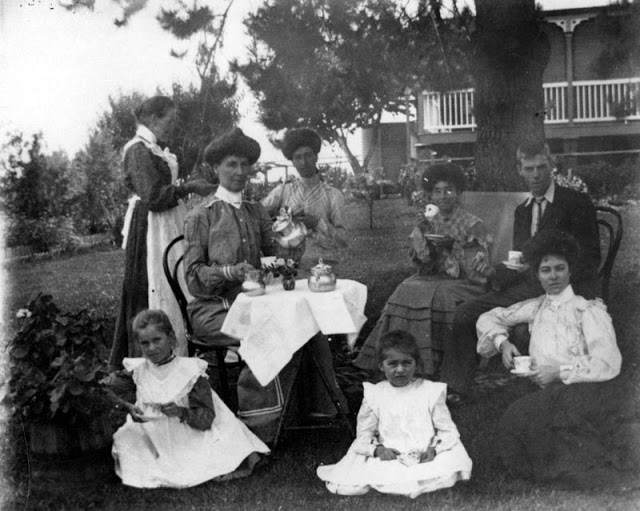
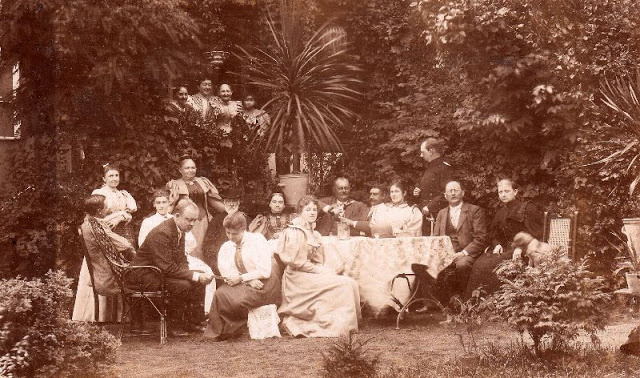
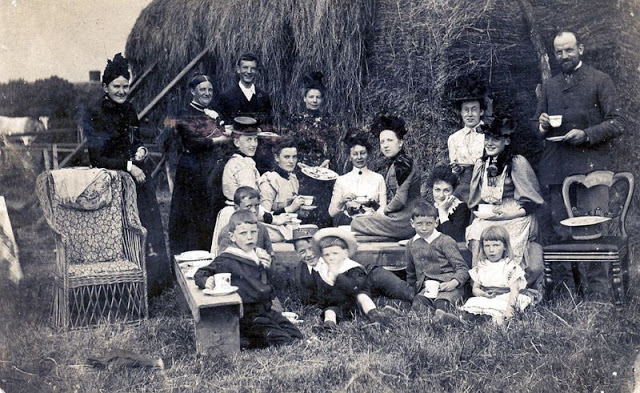
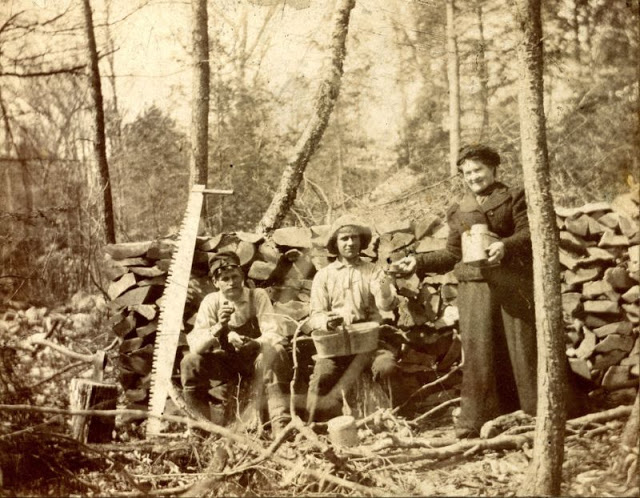
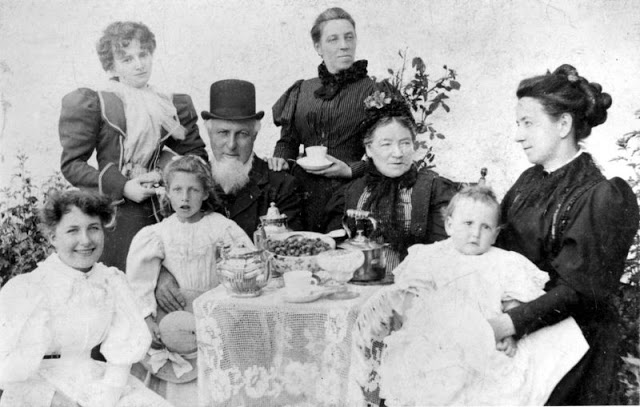
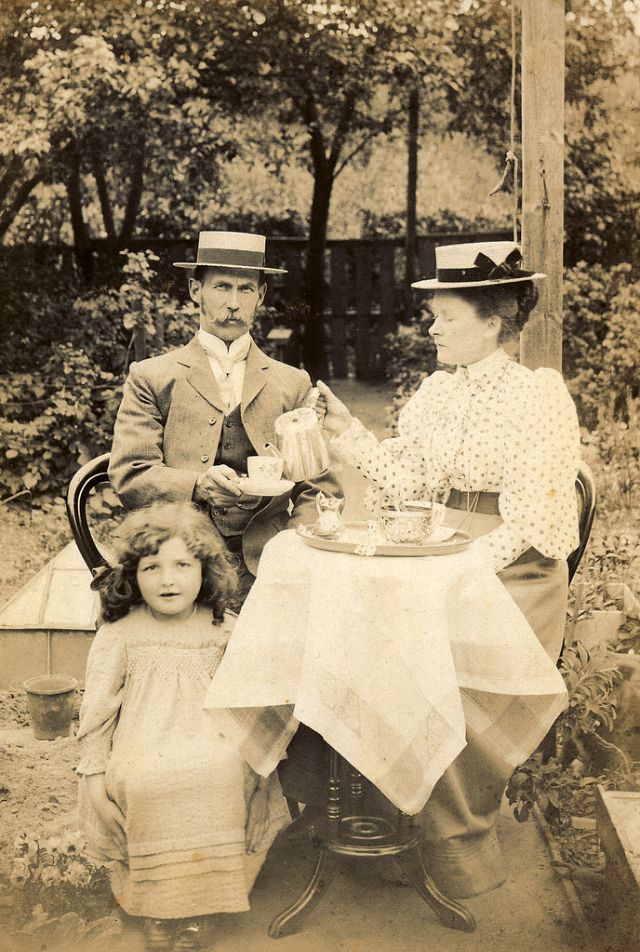
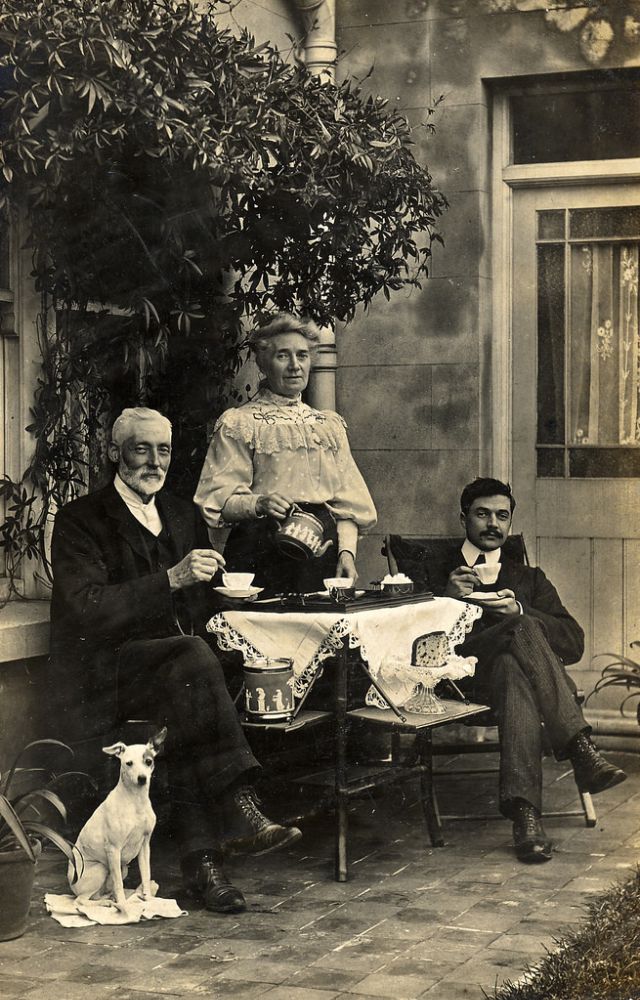
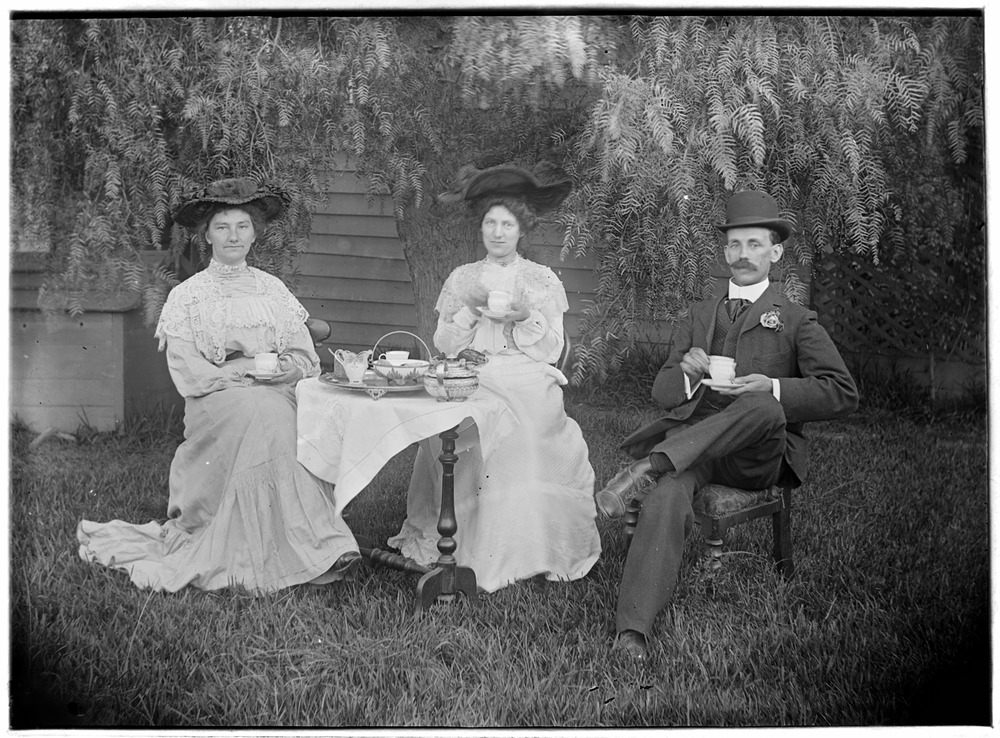
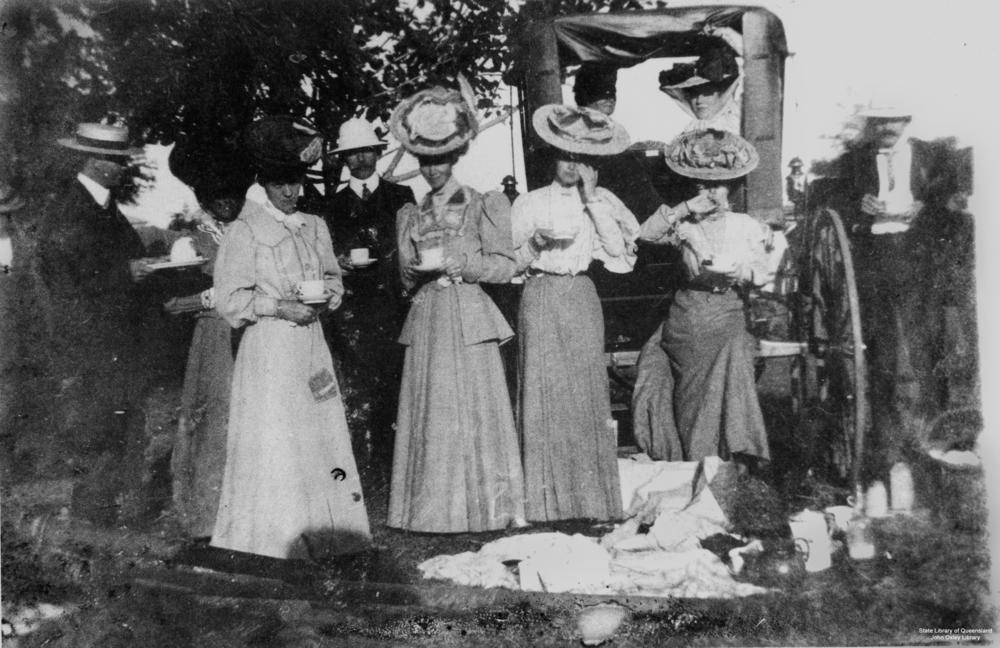
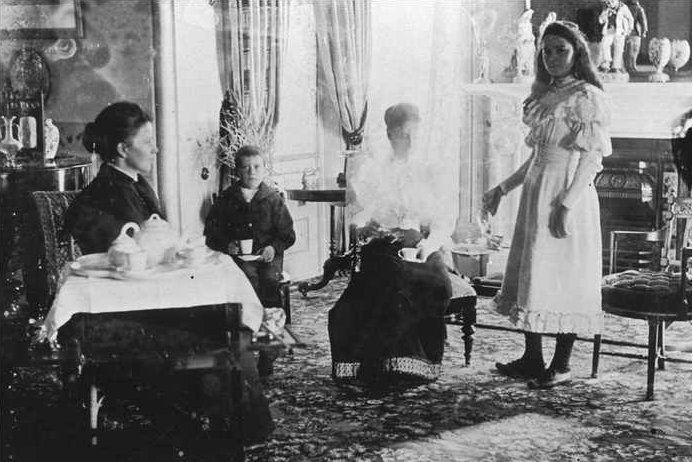
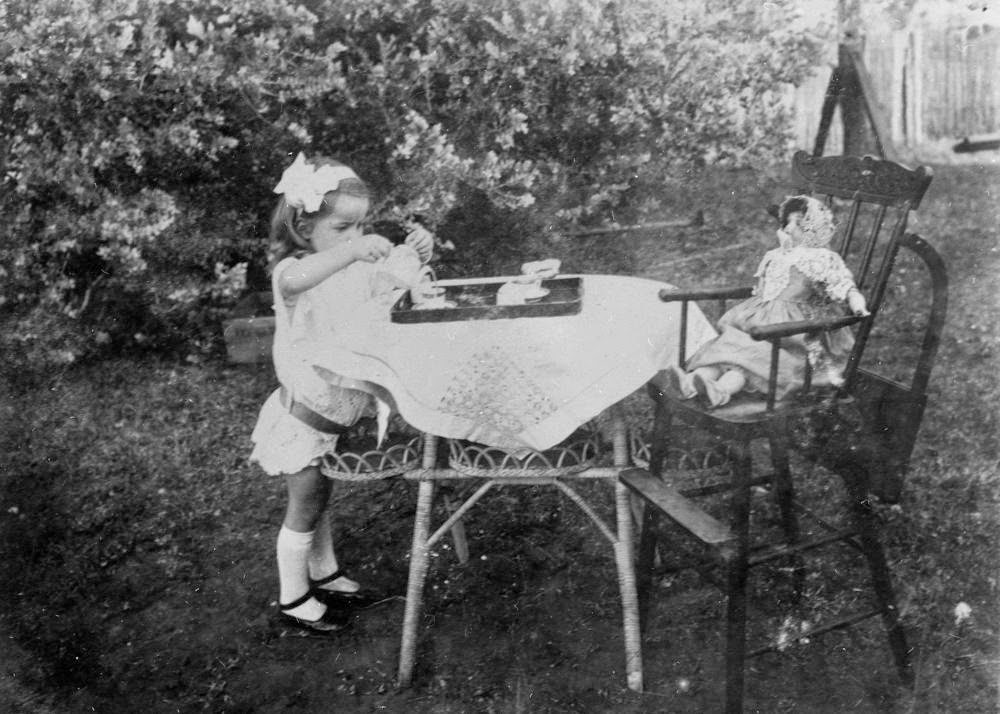
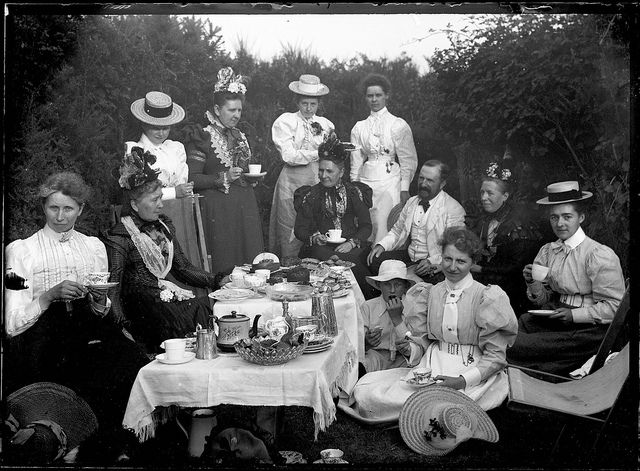
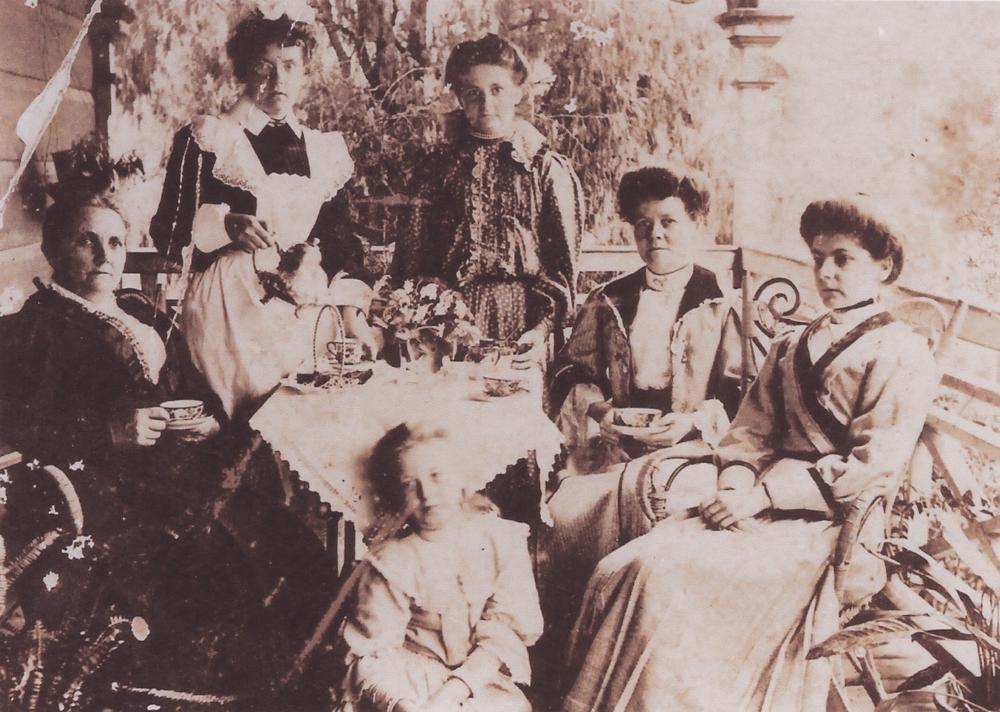
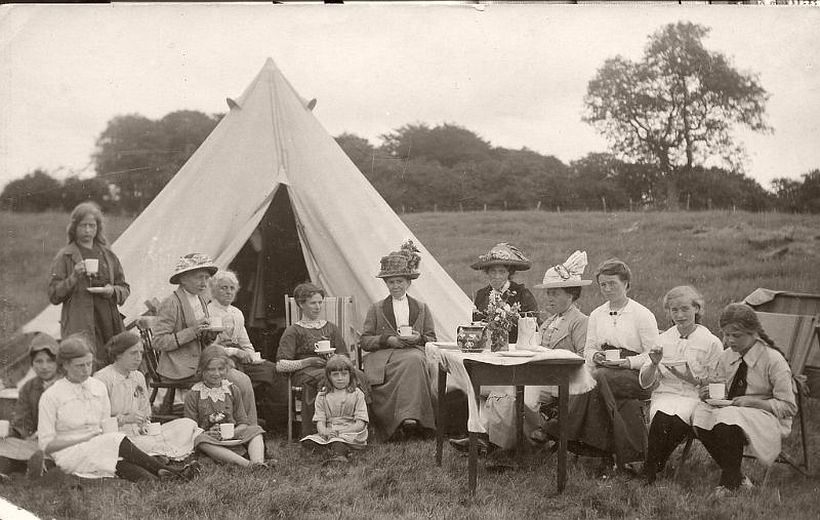
Whilst the custom of drinking tea dates back to the third millennium BC in China and was popularised in England during the 1660s by King Charles II and his wife the Portuguese Infanta Catherine de Braganza, it was not until the mid 19th century that the concept of ‘afternoon tea’ first appeared.
Traditional afternoon tea consists of a selection of dainty sandwiches (including of course thinly sliced cucumber sandwiches), scones served with clotted cream and preserves. Cakes and pastries are also served. Tea is poured from silver tea pots into delicate bone china cups.
Nowadays however, in the average suburban home, afternoon tea is likely to be just a biscuit or small cake and a mug of tea, usually produced using a teabag.
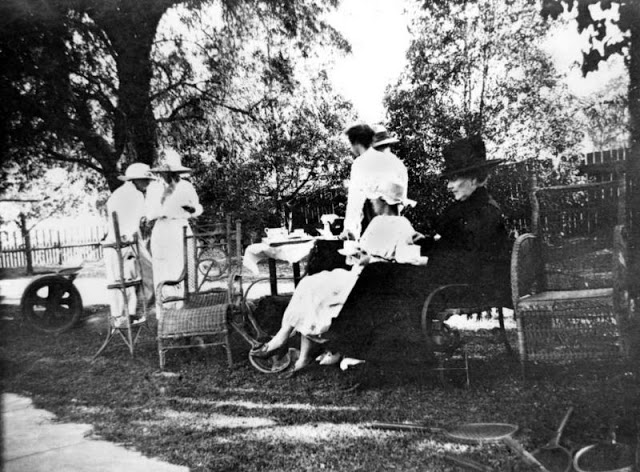
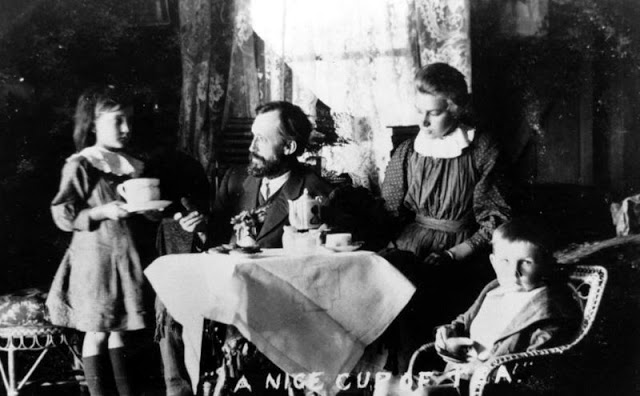
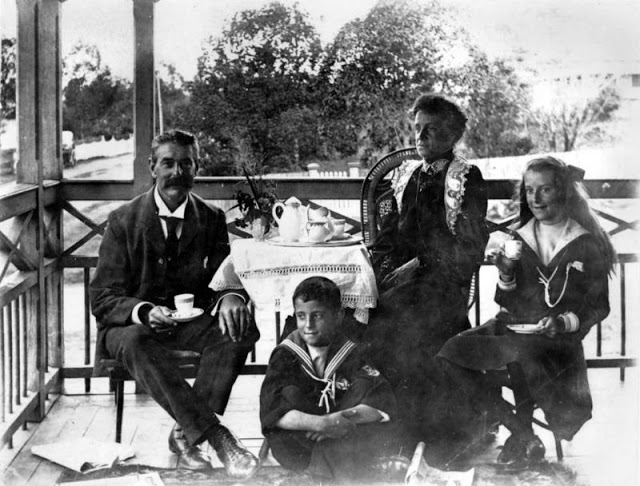
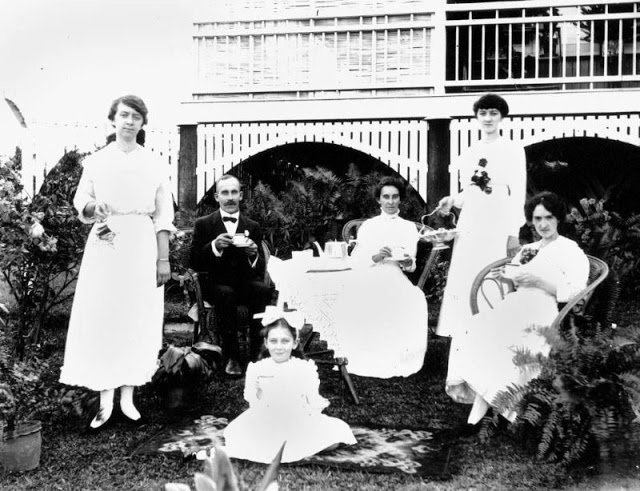
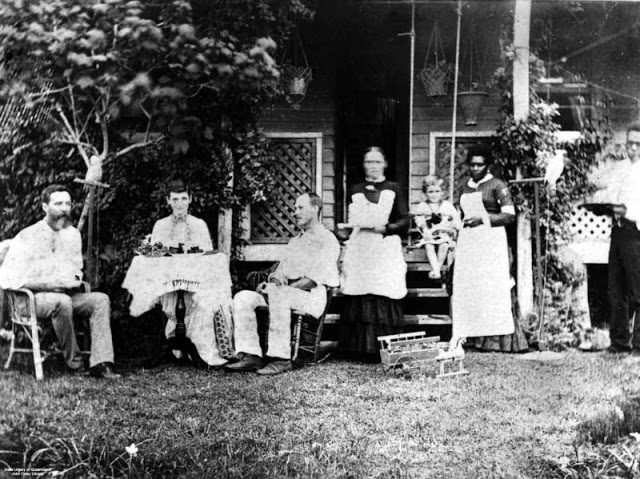
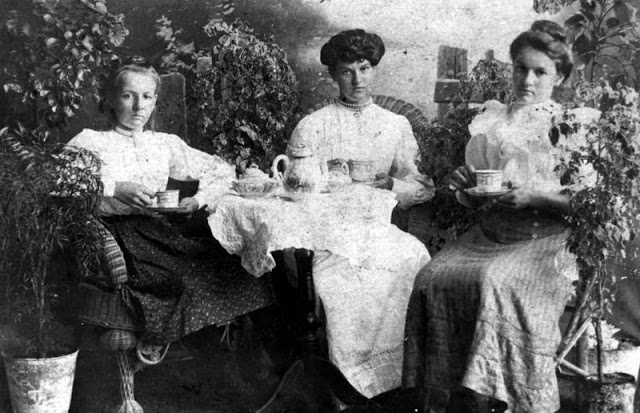
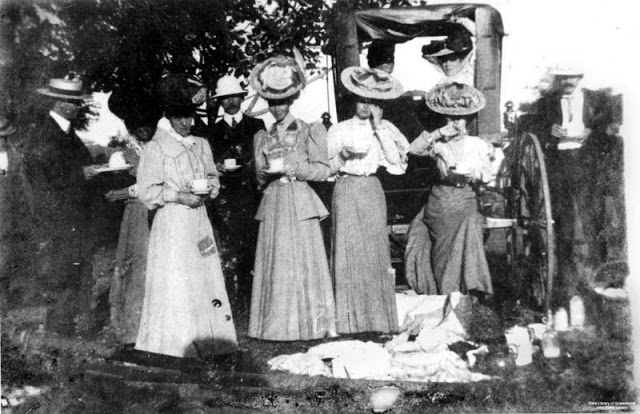
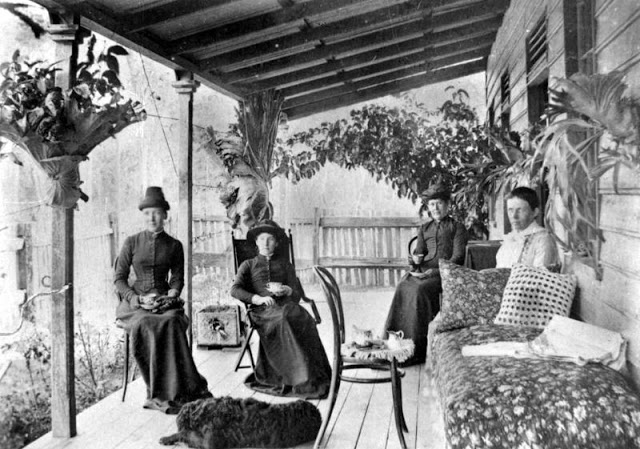
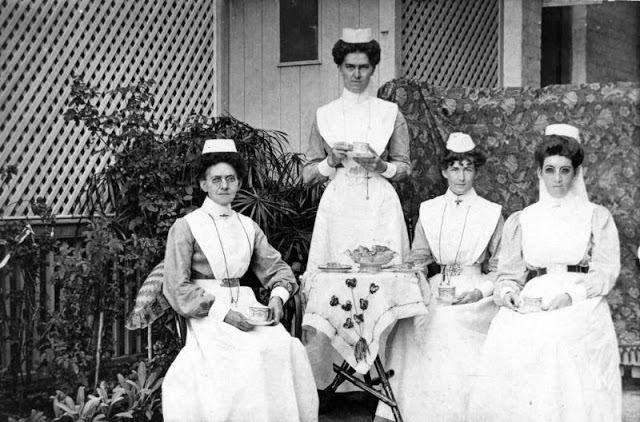
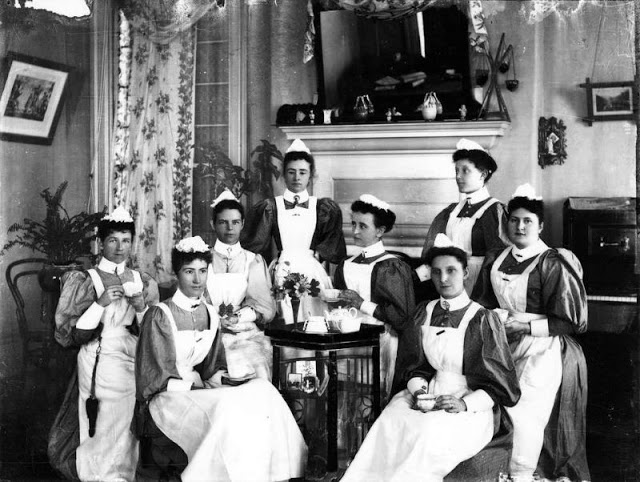
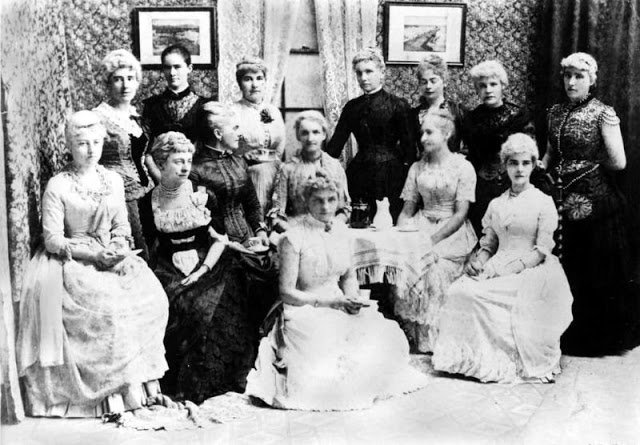
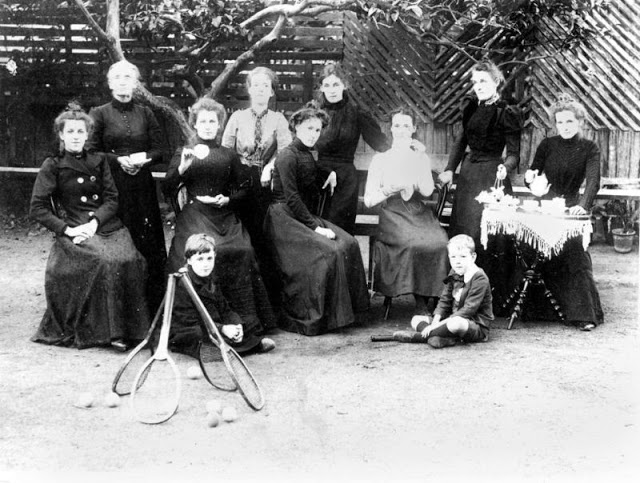
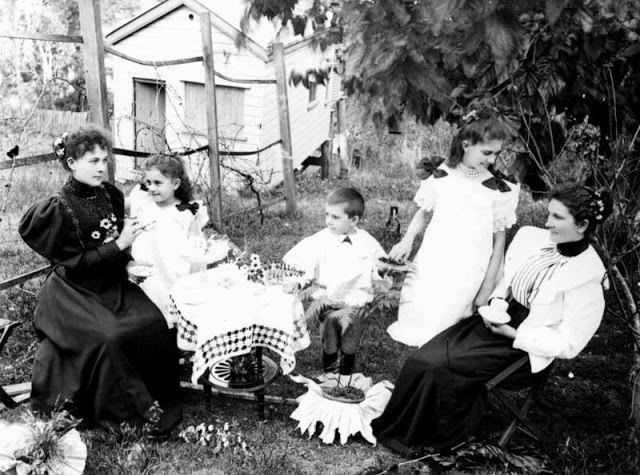
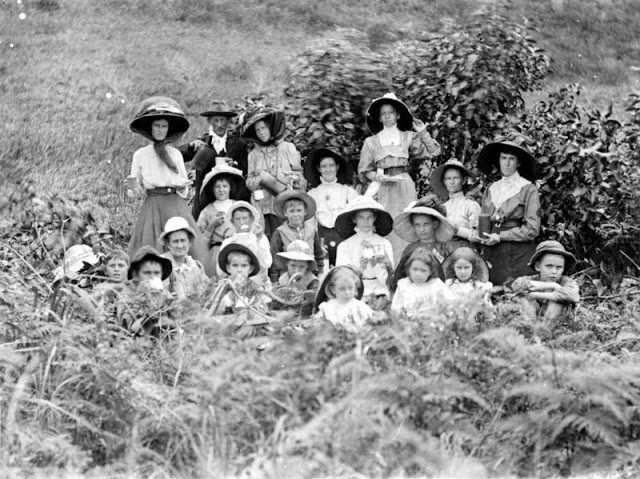
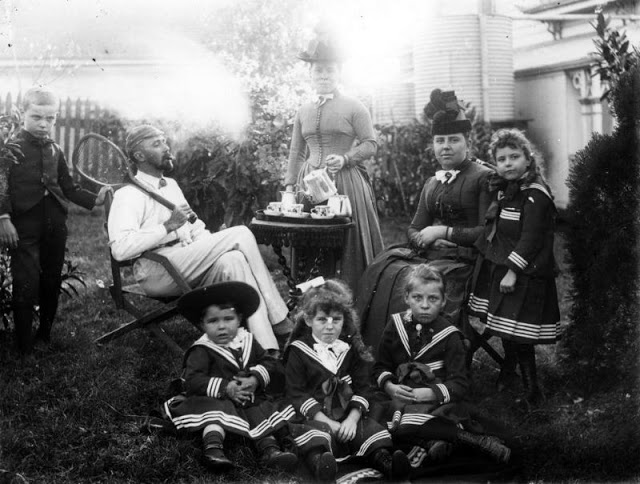
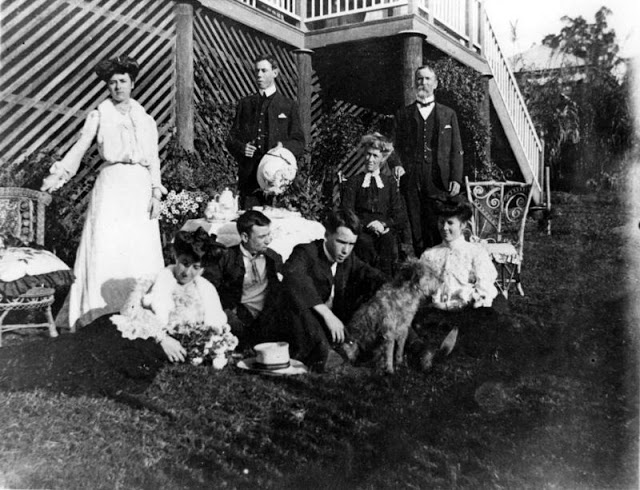
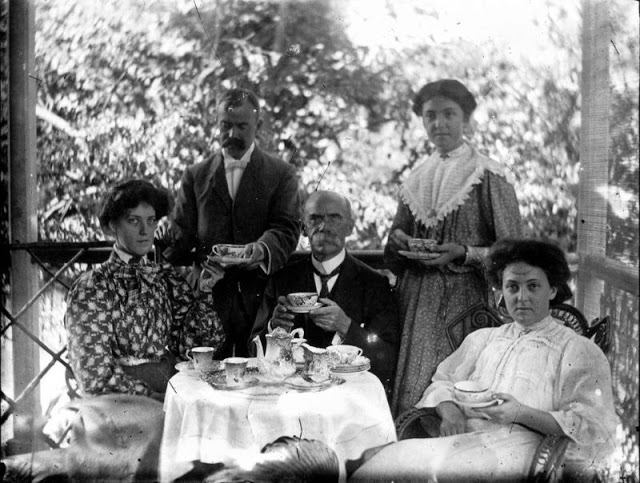
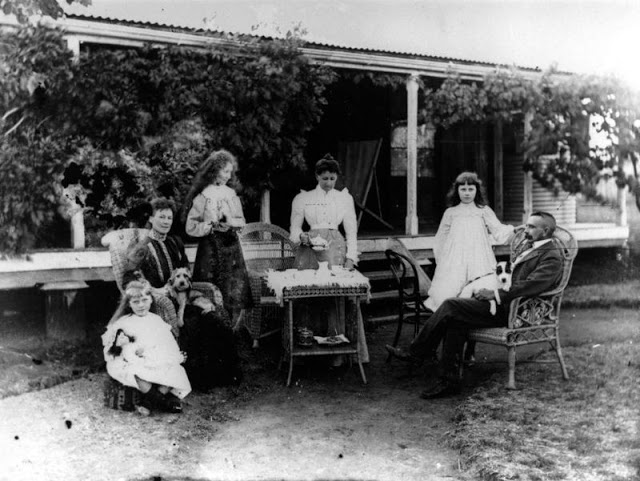
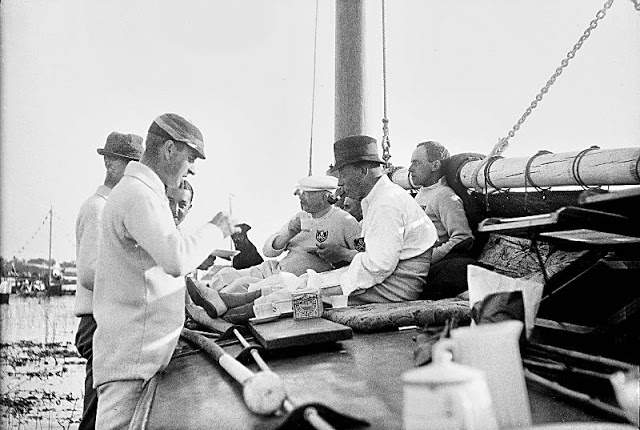
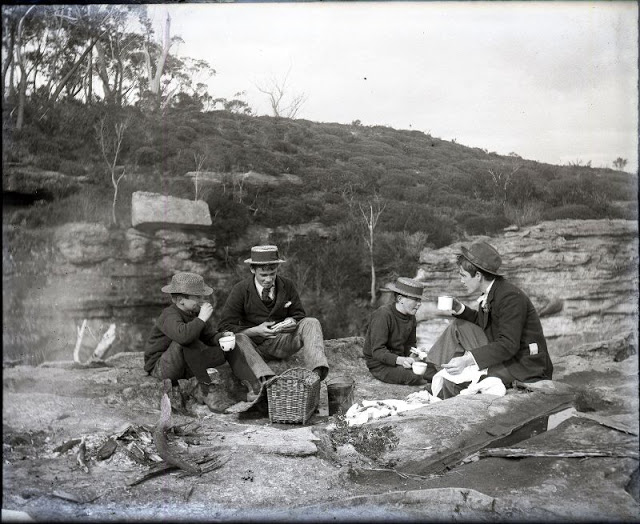
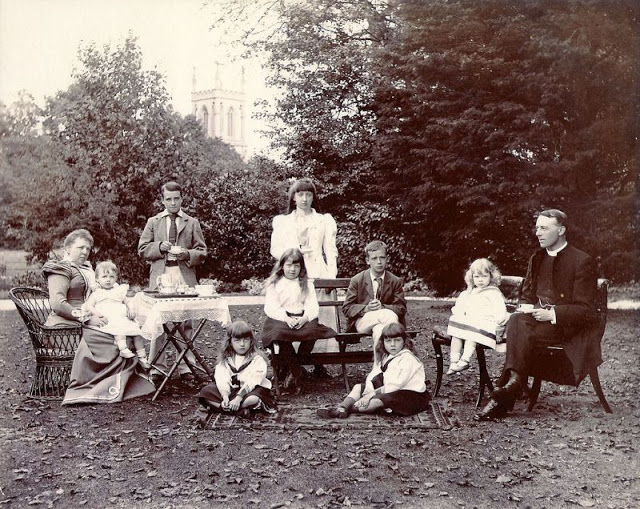
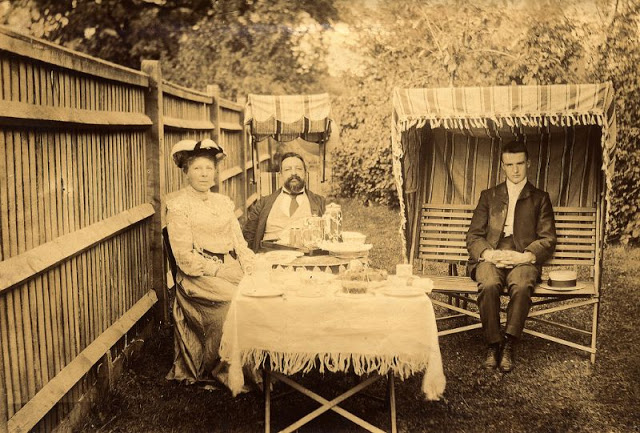
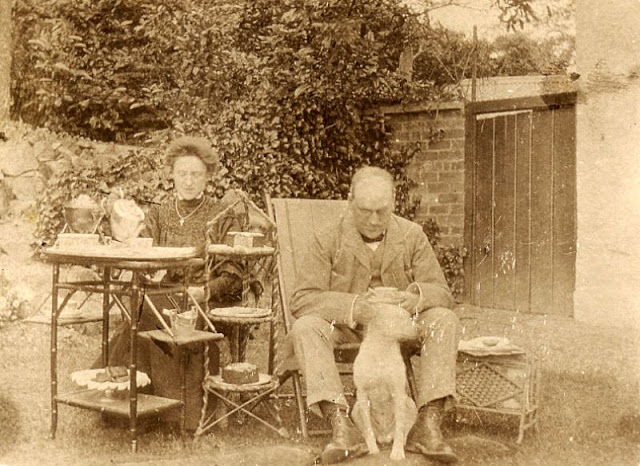
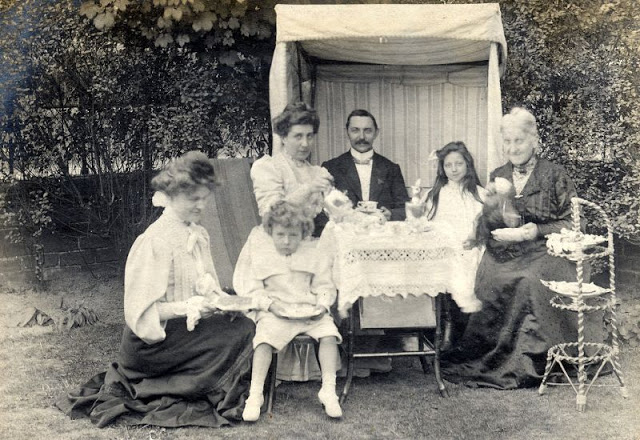
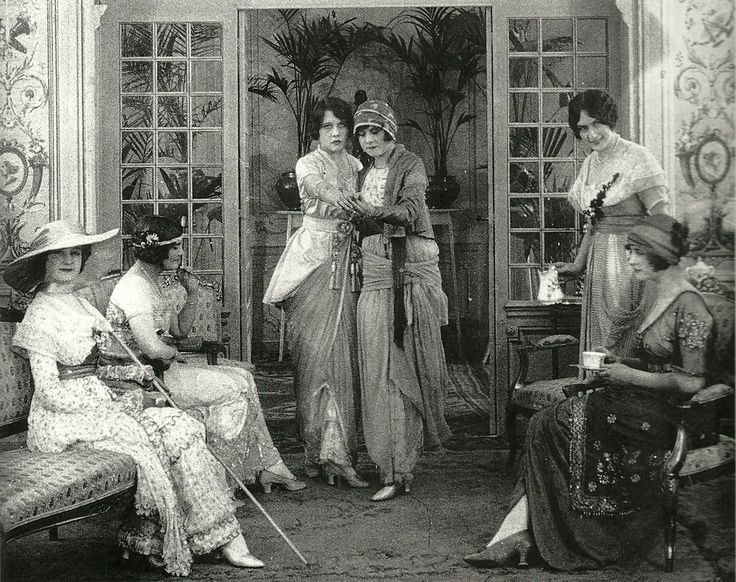
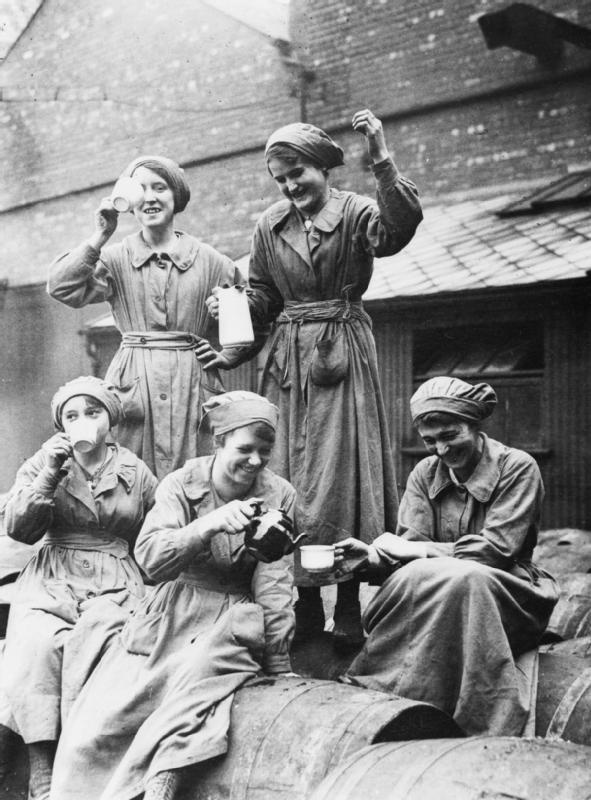
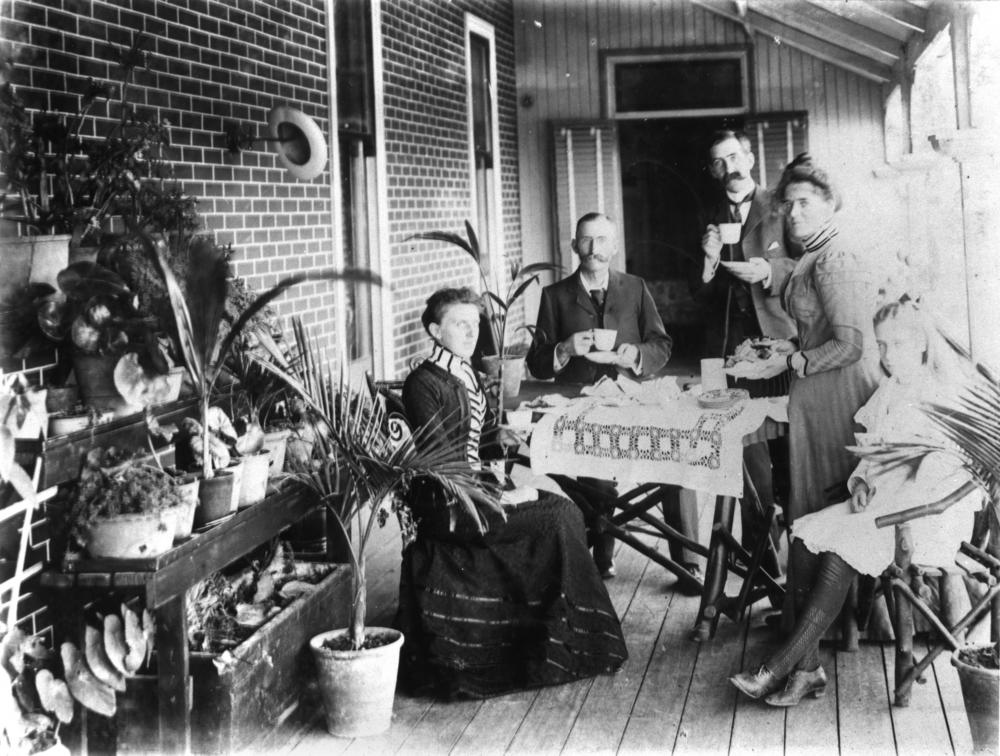
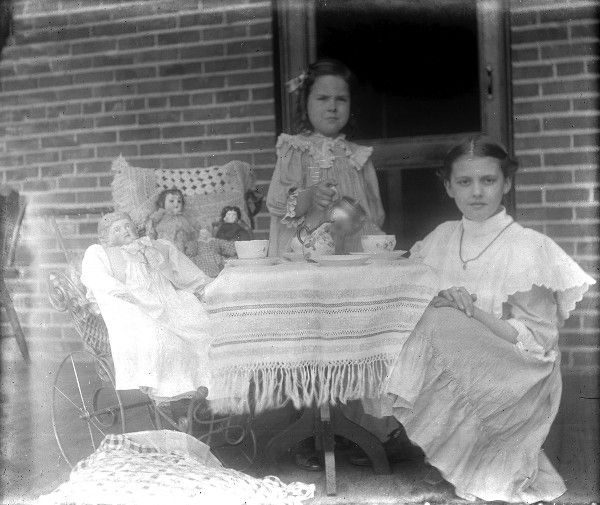
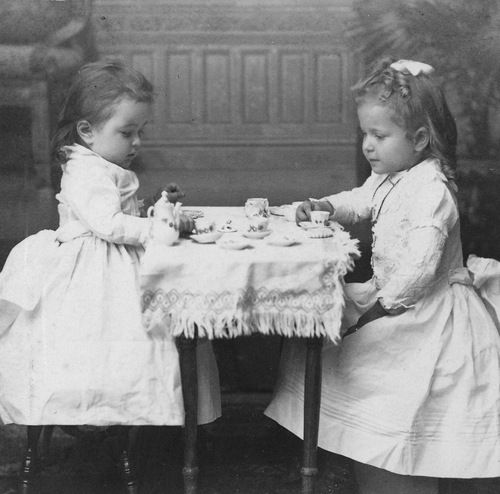
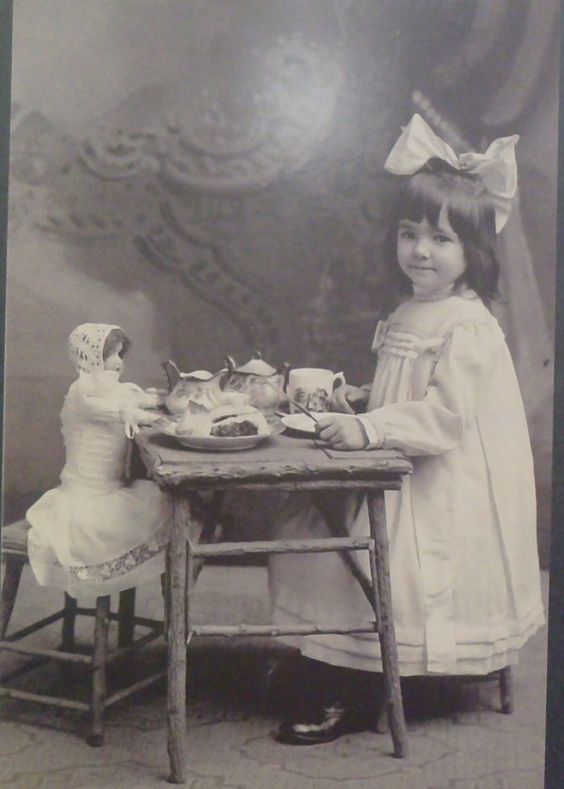
Take a look at these found photos to see how tea time has changed for over 100 years ago. In these days, people drank tea together mostly outdoor near the beach, in the garden, on the verandah, some at home, a few even in a tree house.