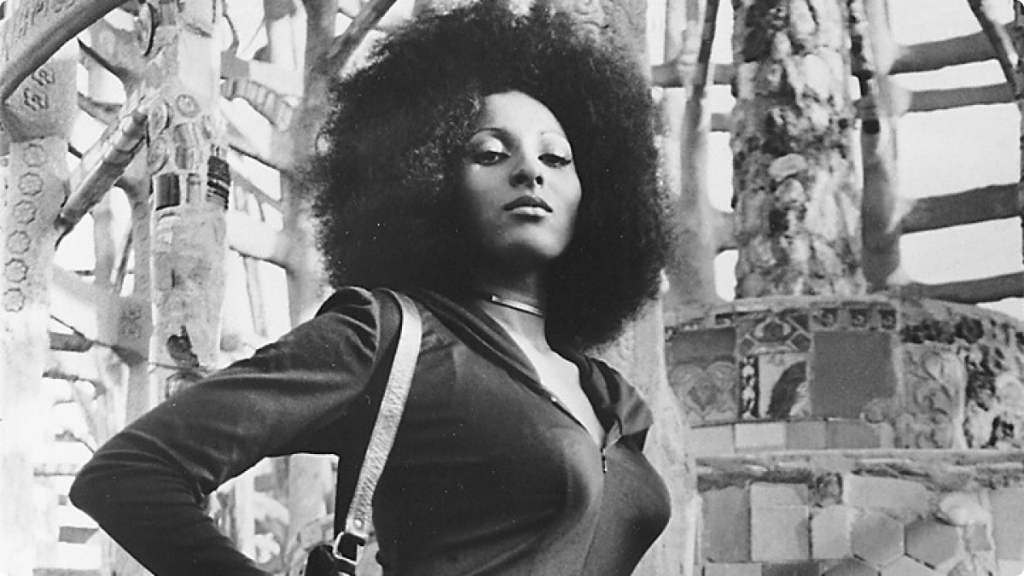
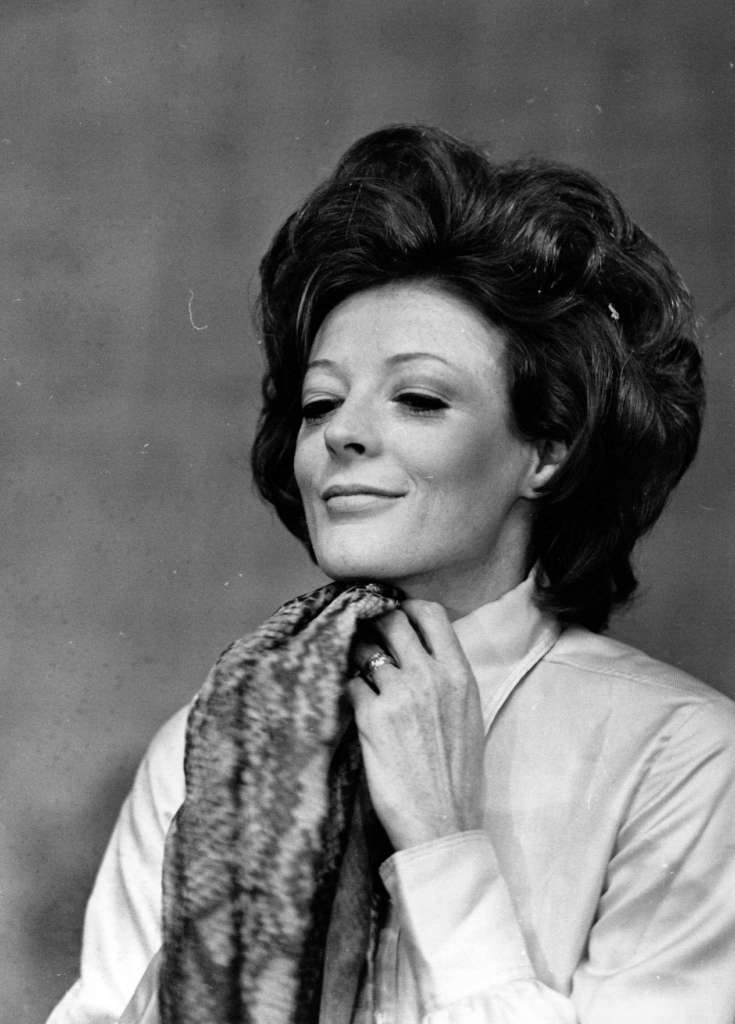
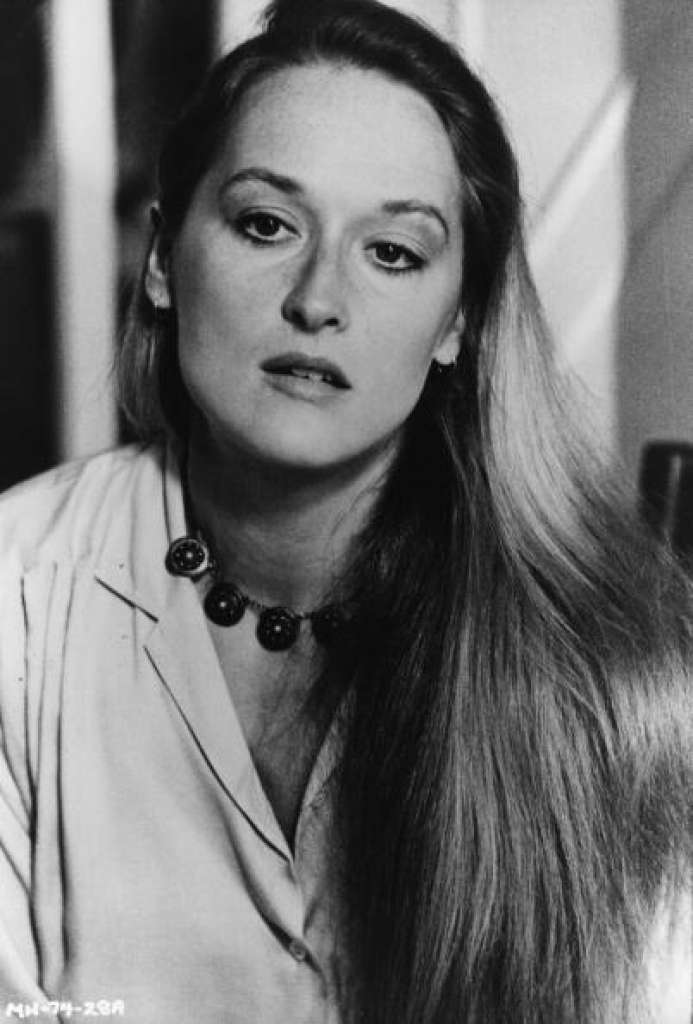
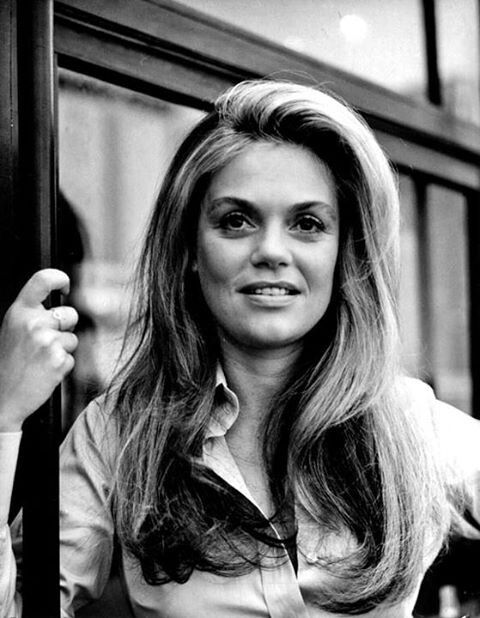
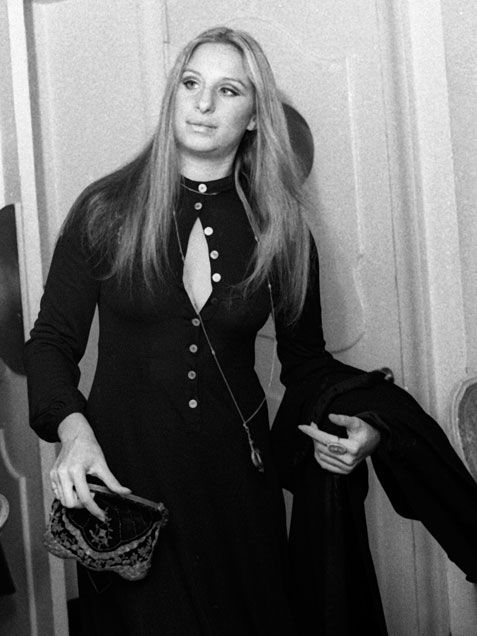
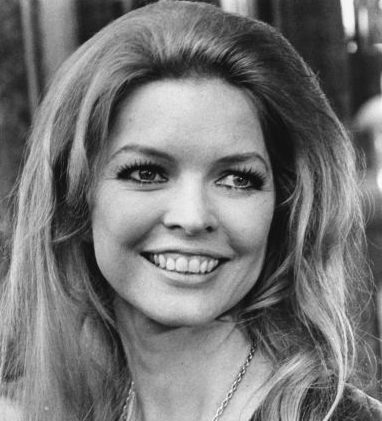
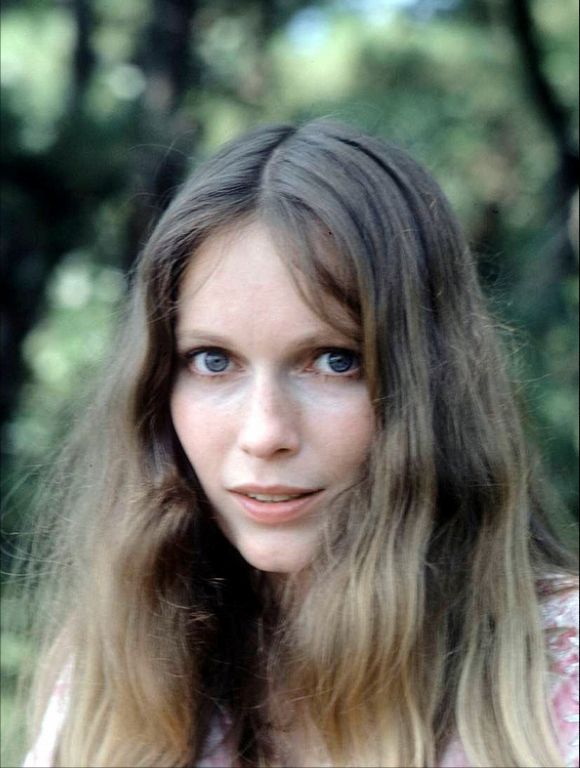
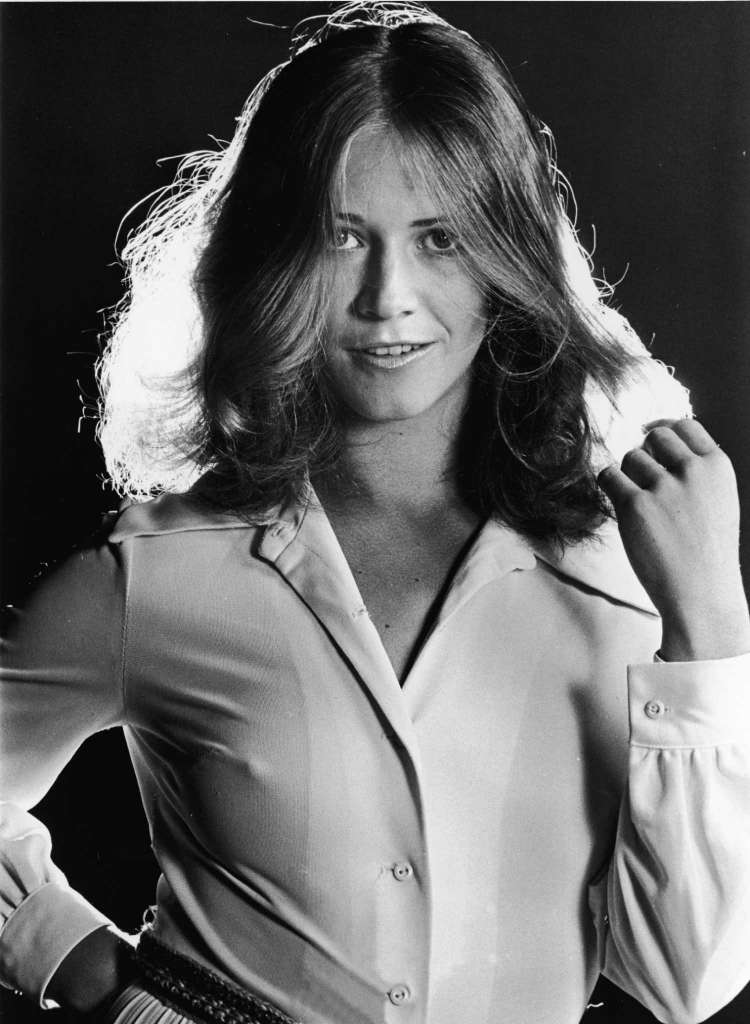
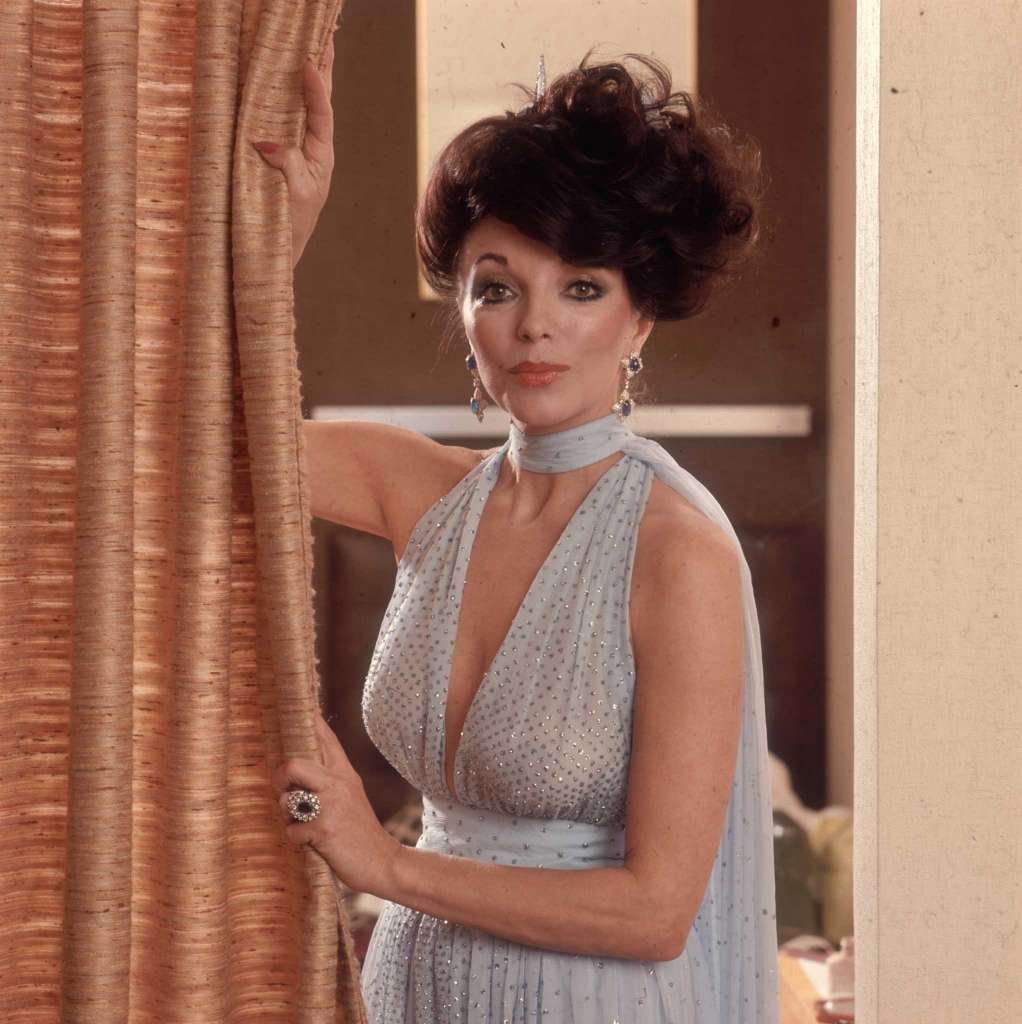
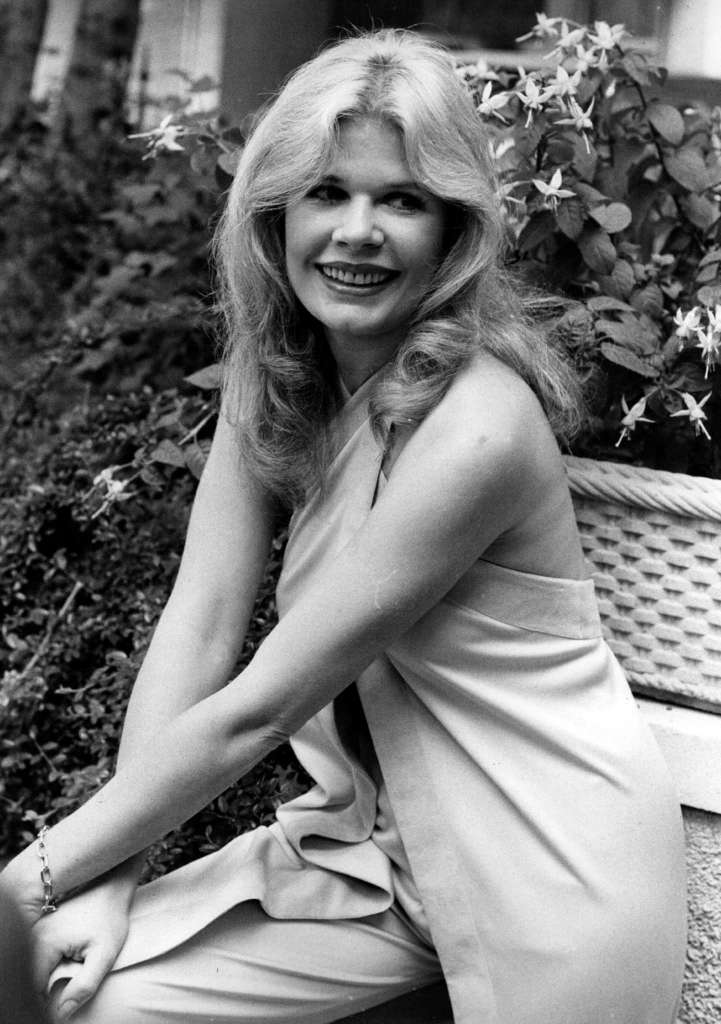
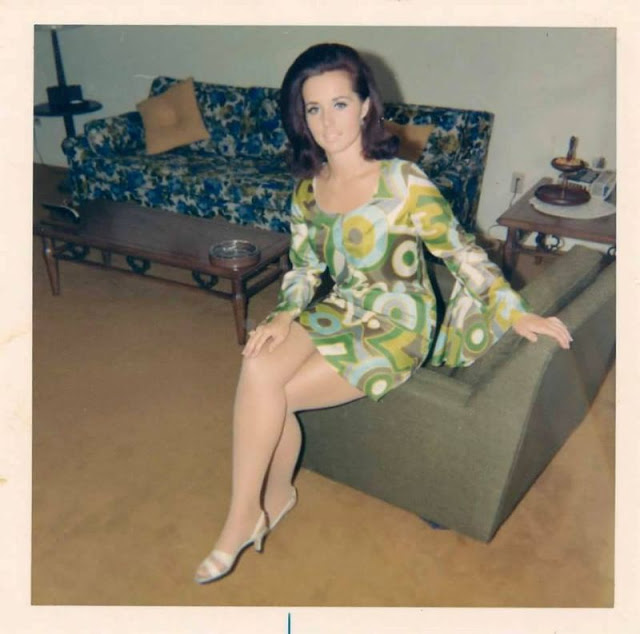
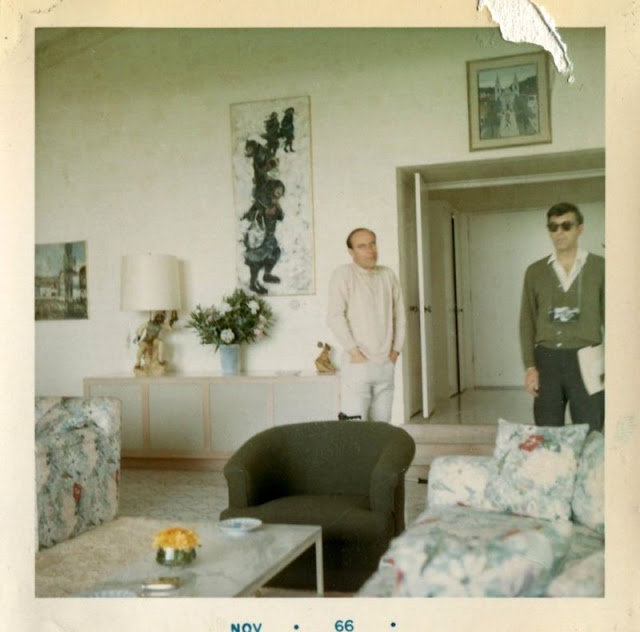
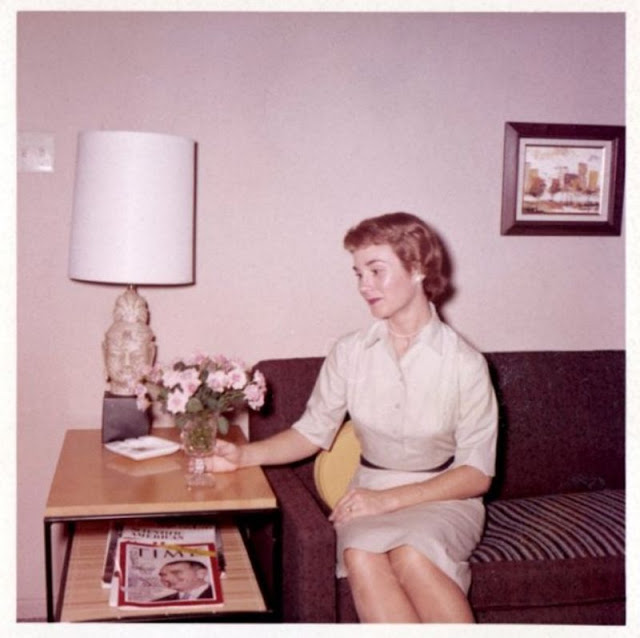
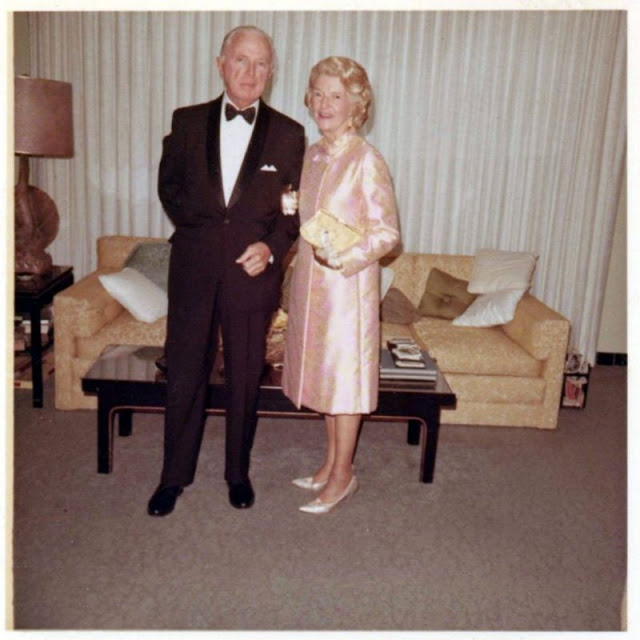
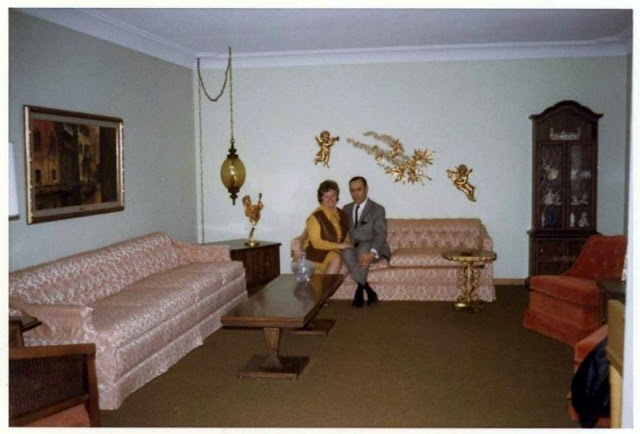
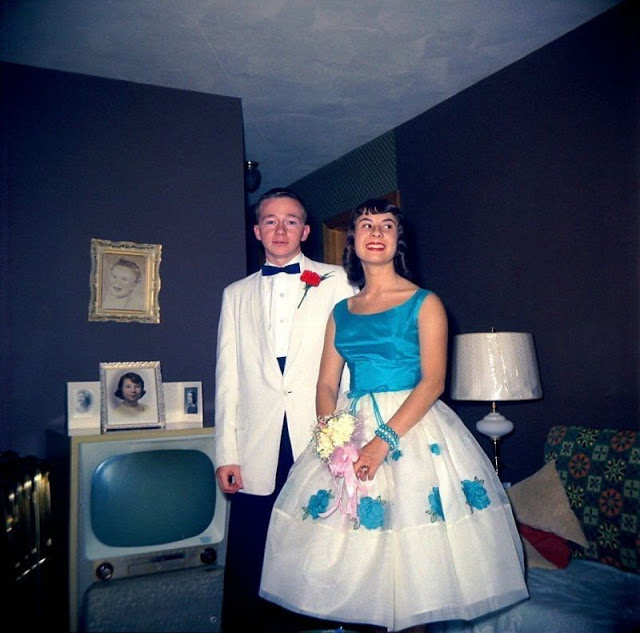
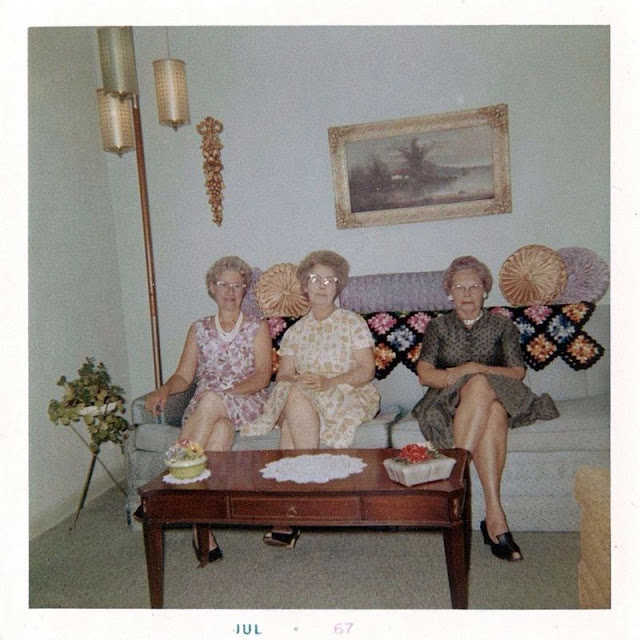
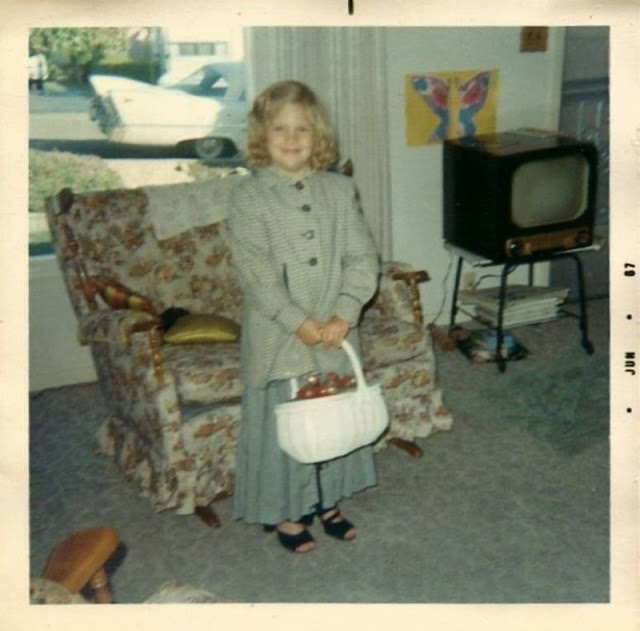
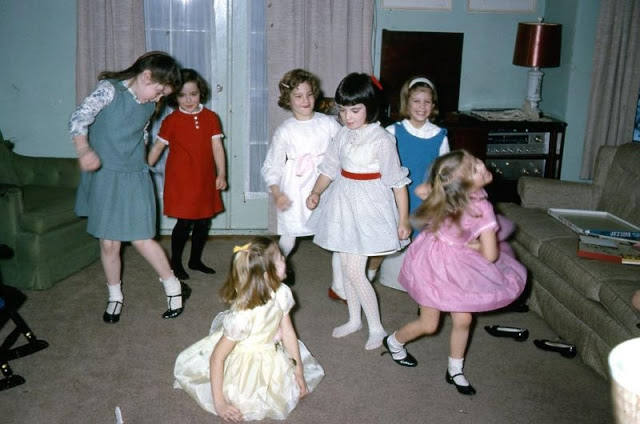
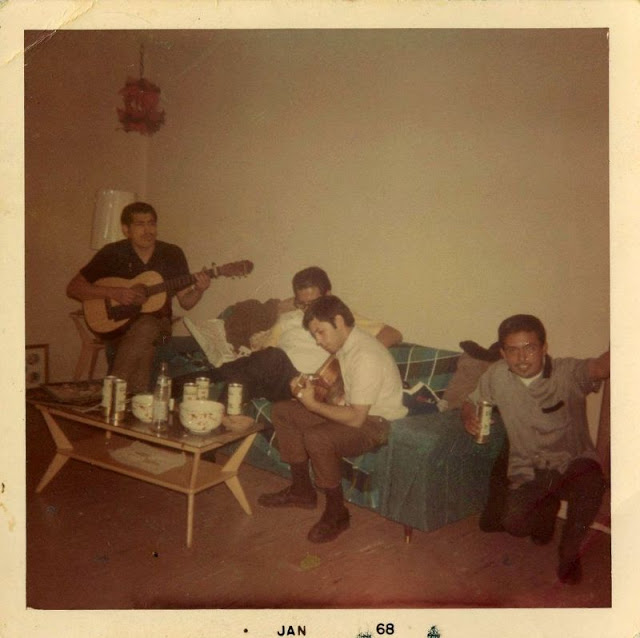
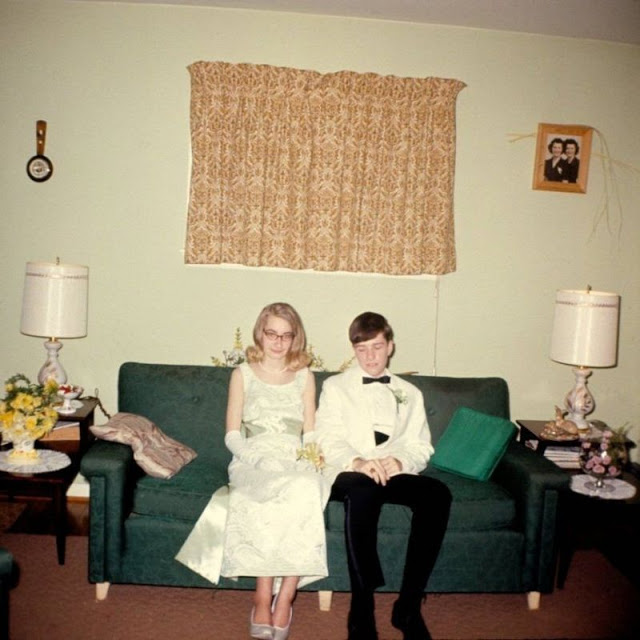
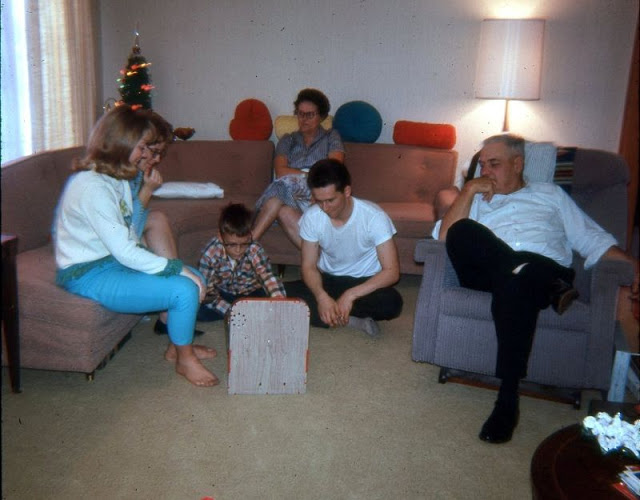
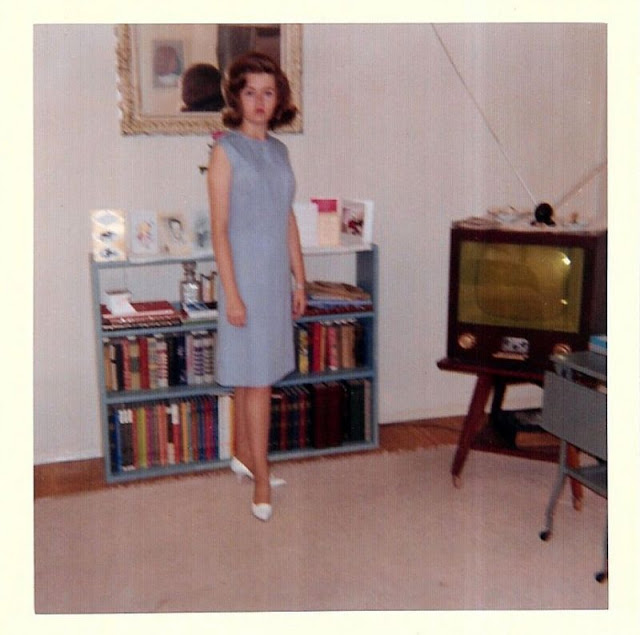
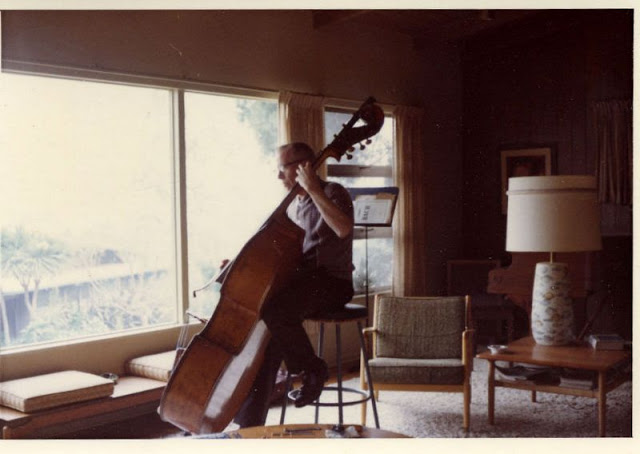
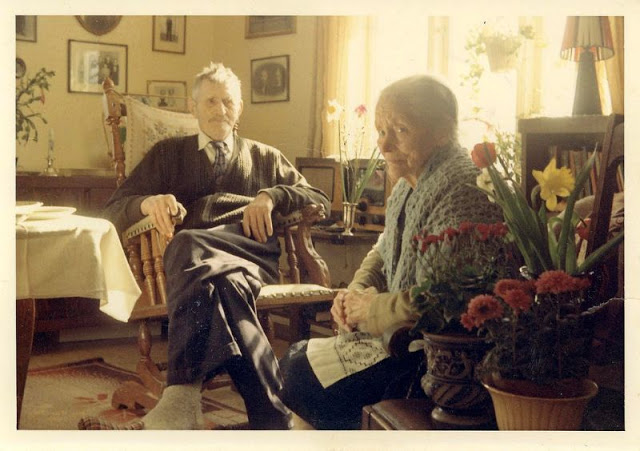
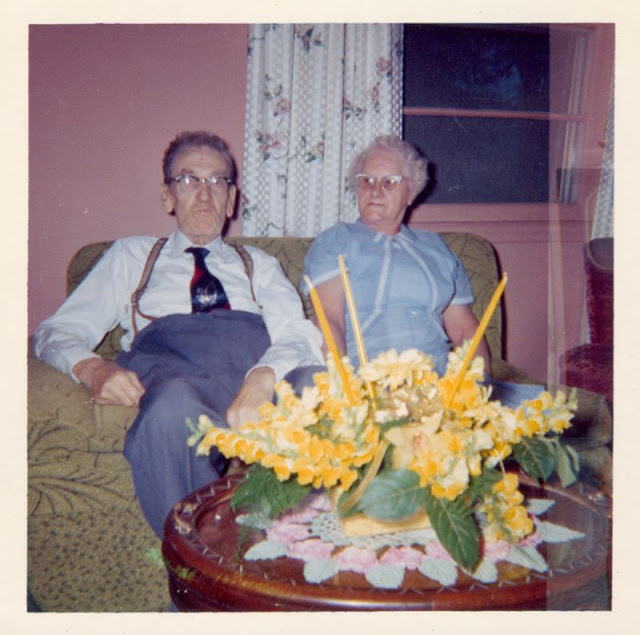
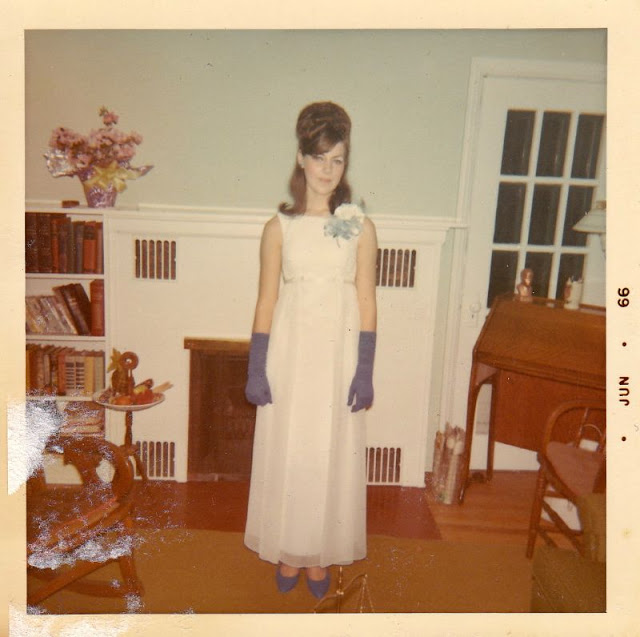
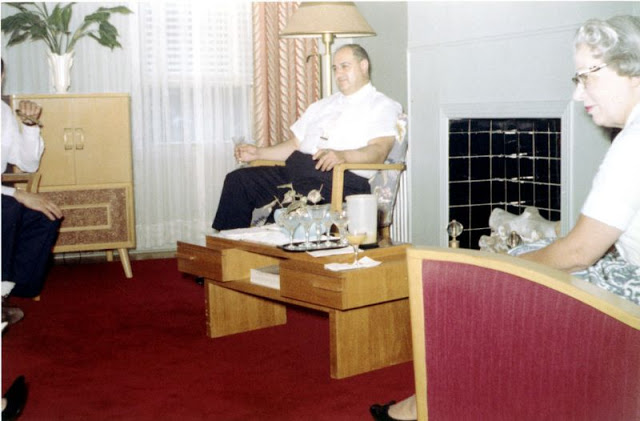
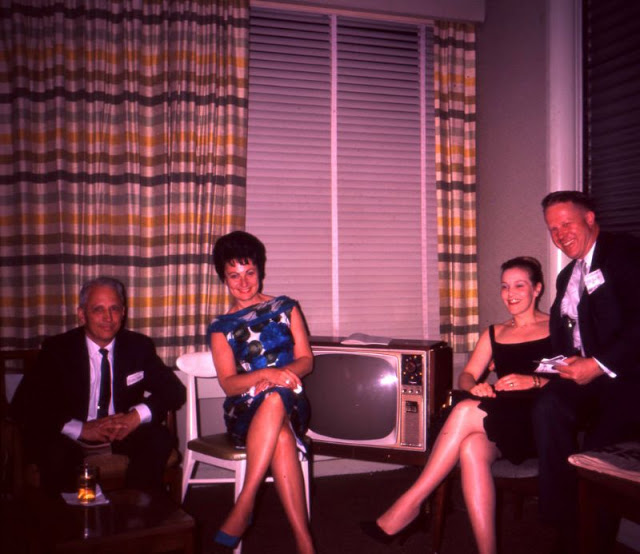
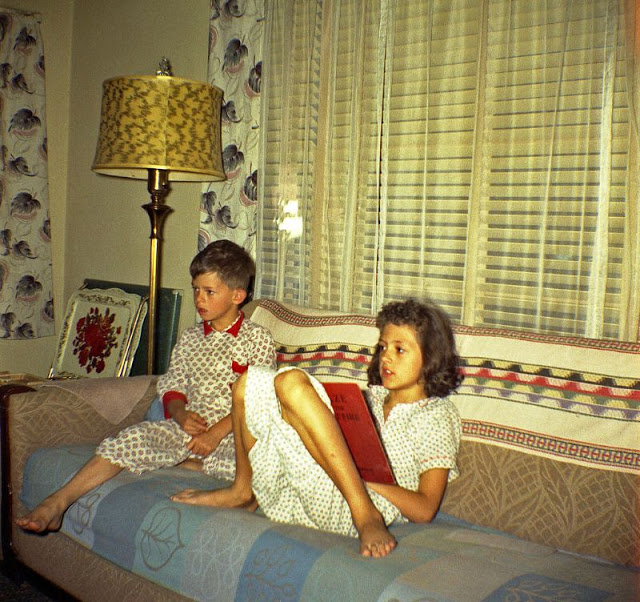
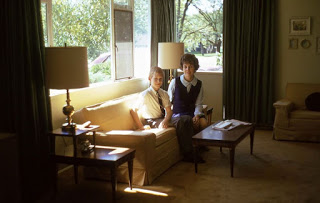
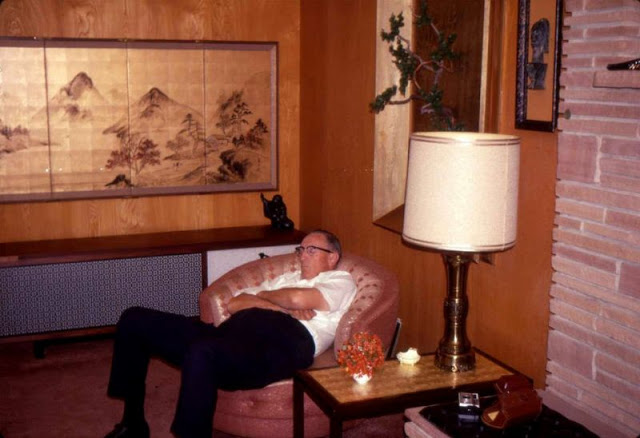
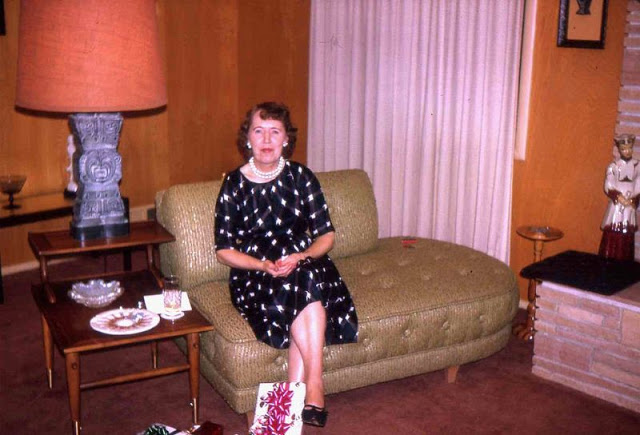
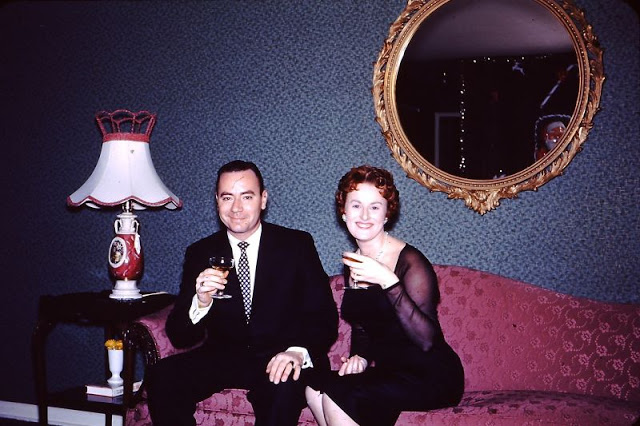
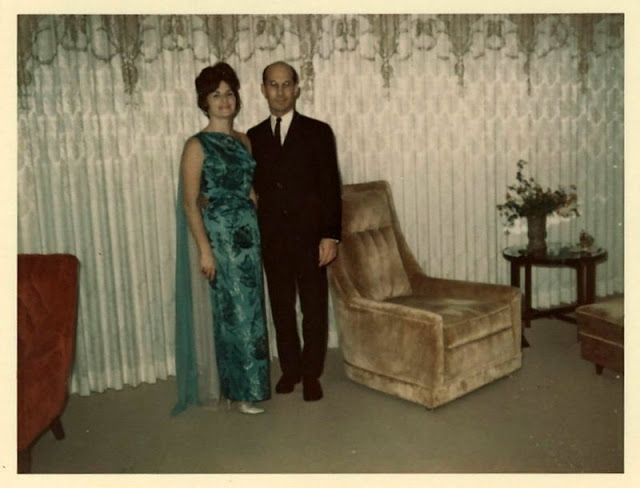
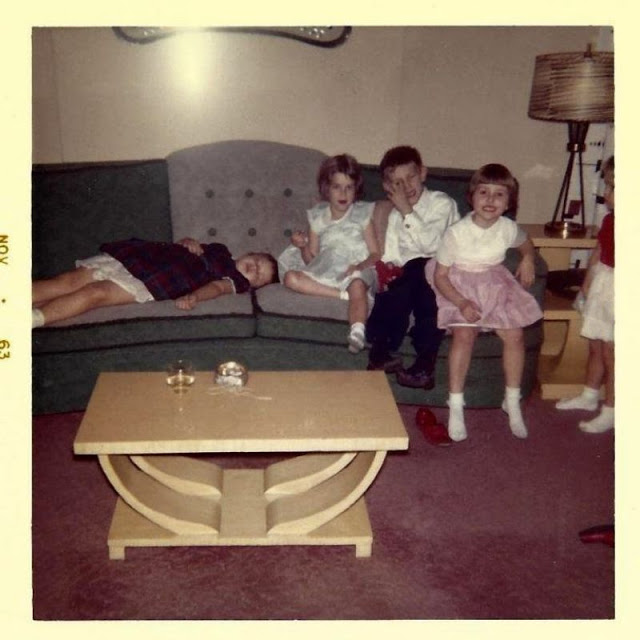
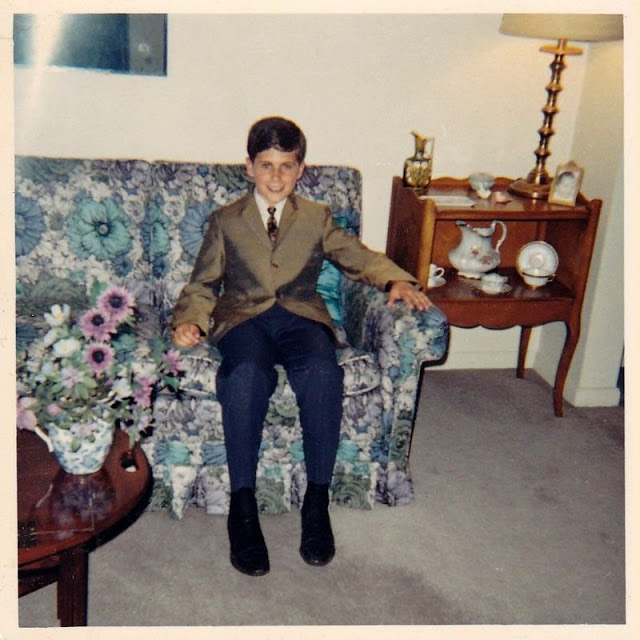
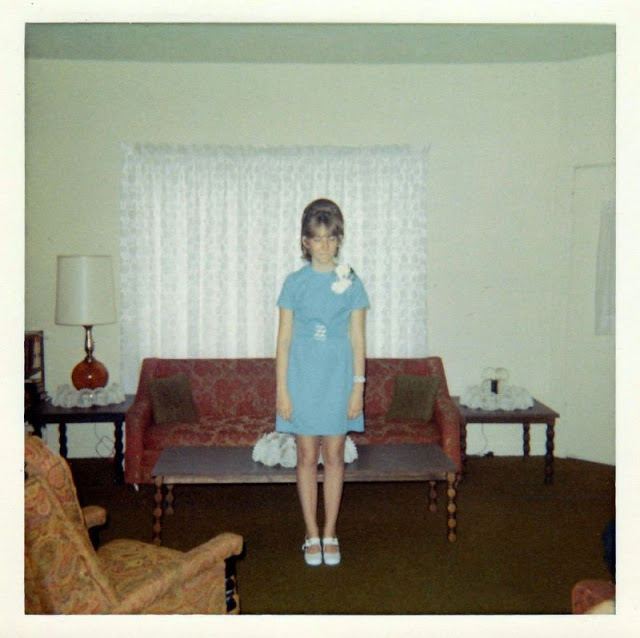
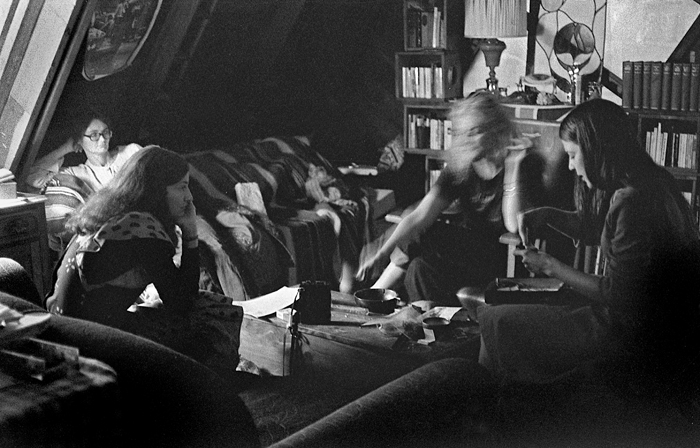
This photo set shows what house interiors from the 1960s looked like.




































Bringing You the Wonder of Yesterday – Today
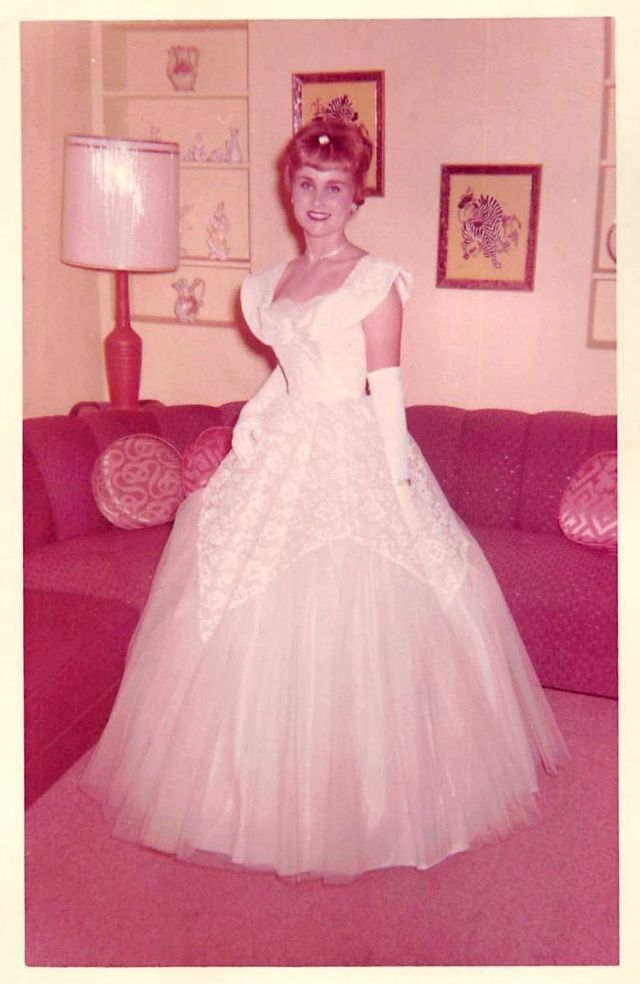
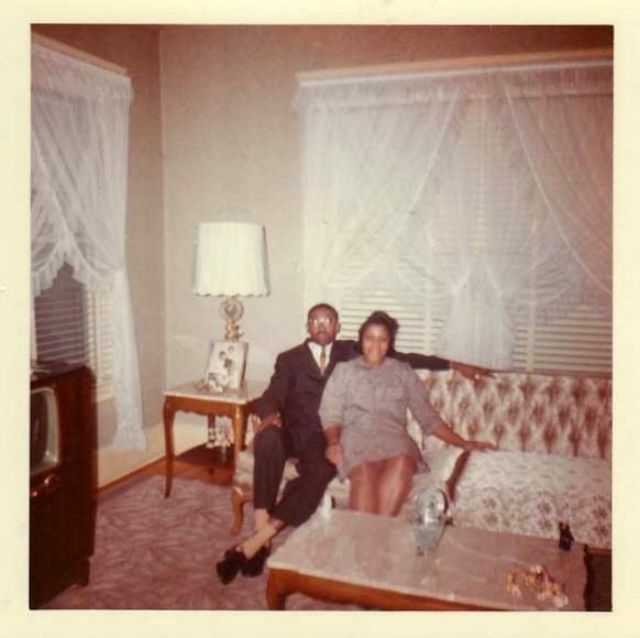
This photo set shows what house interiors from the 1960s looked like.
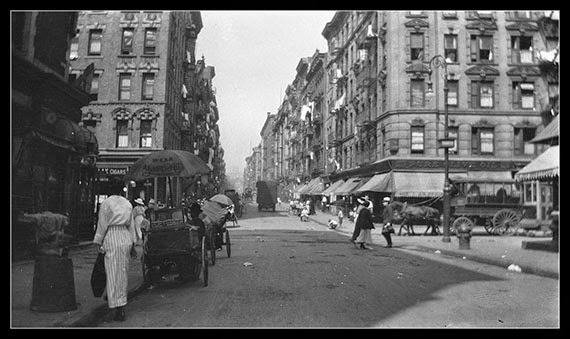
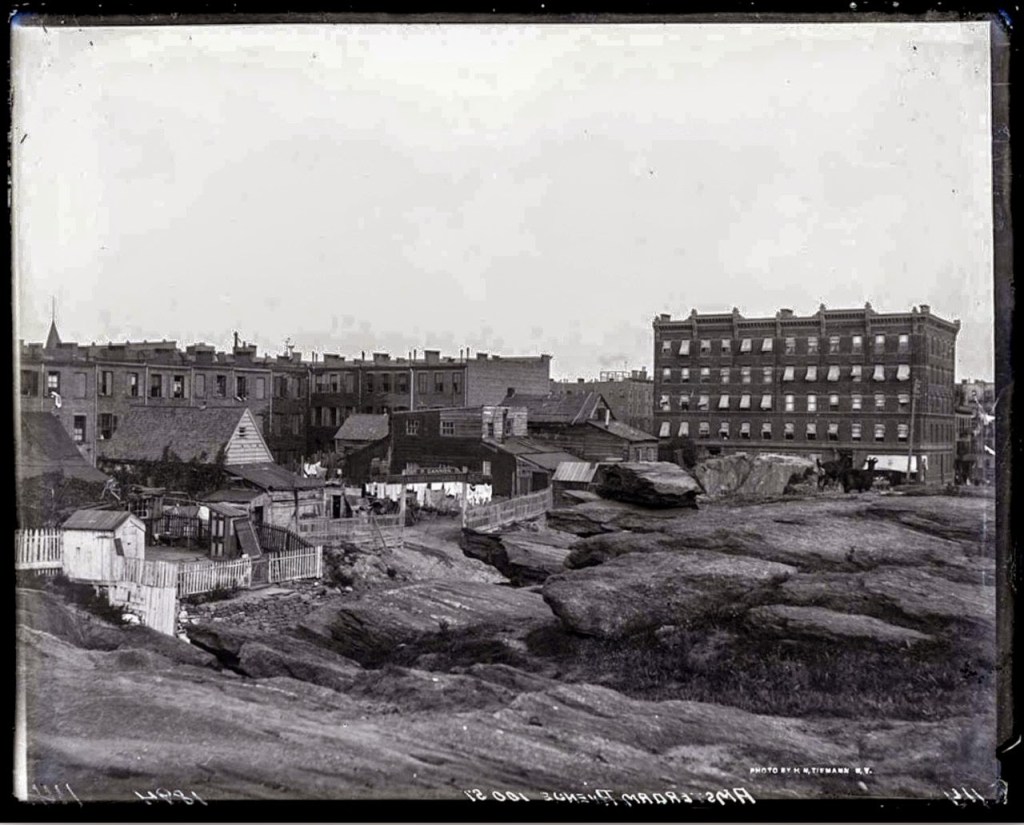
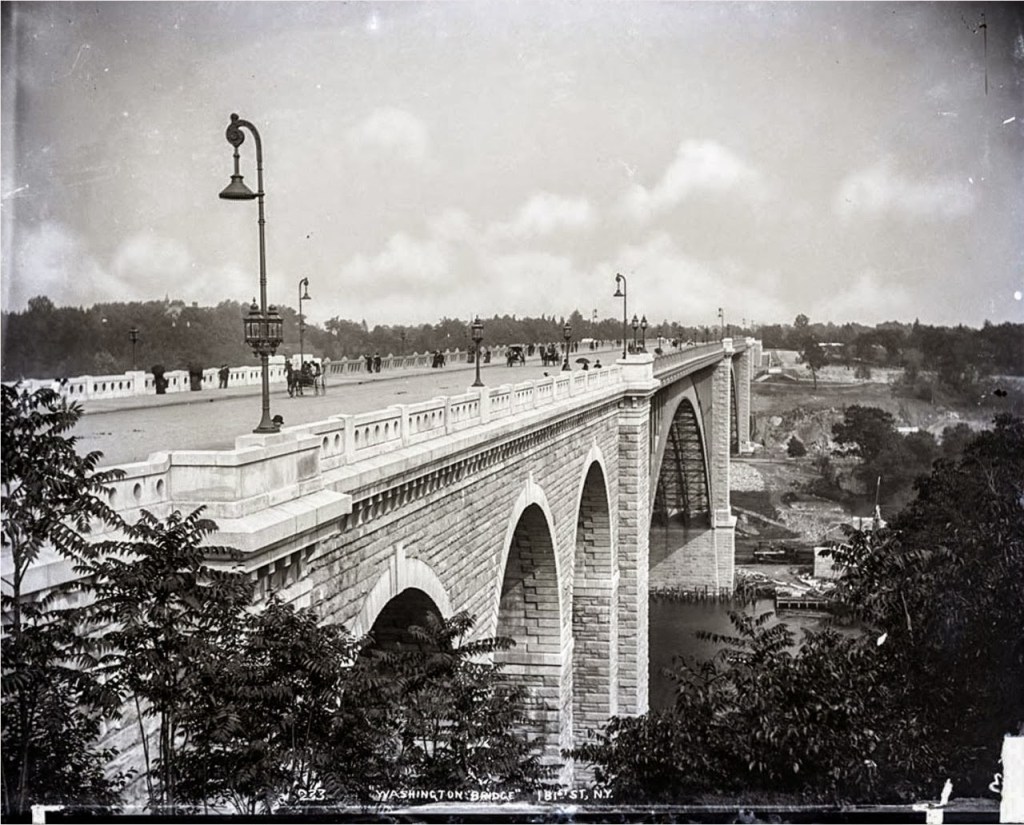
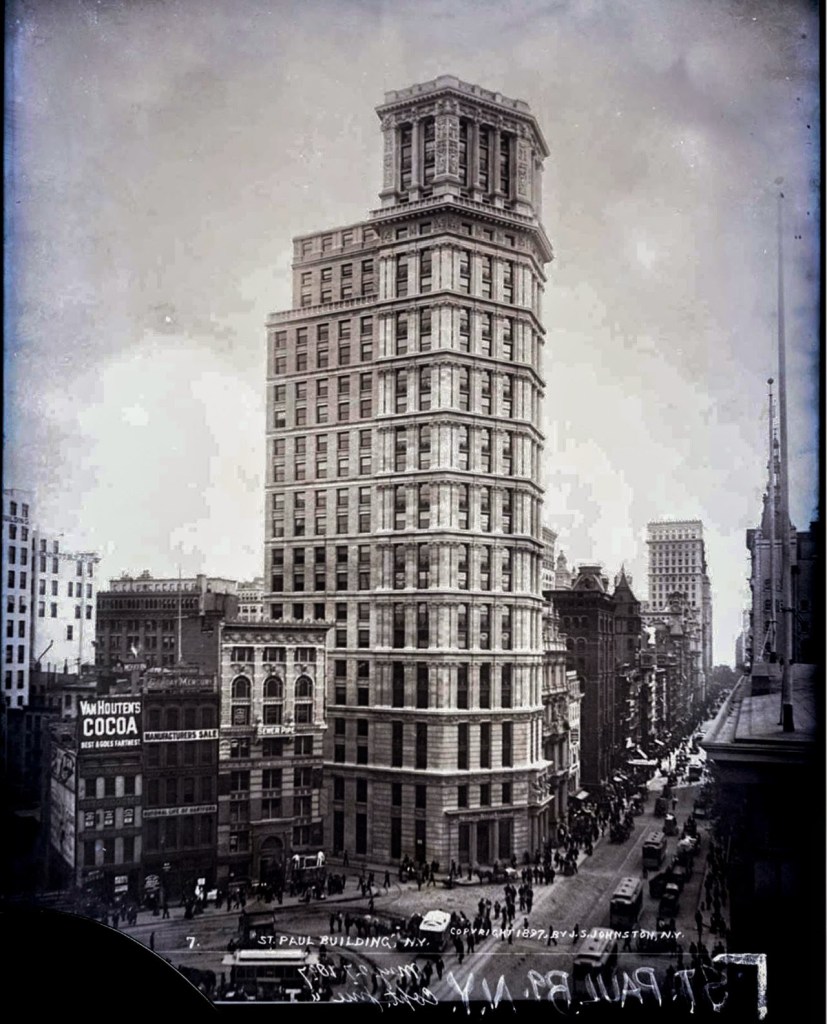
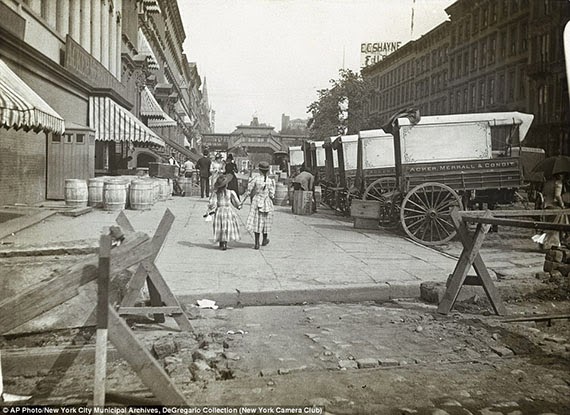
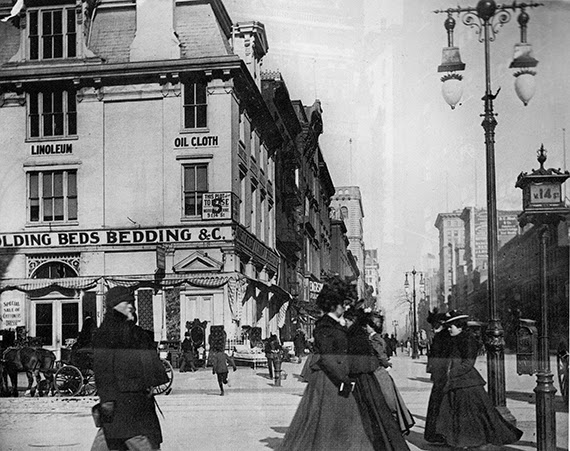
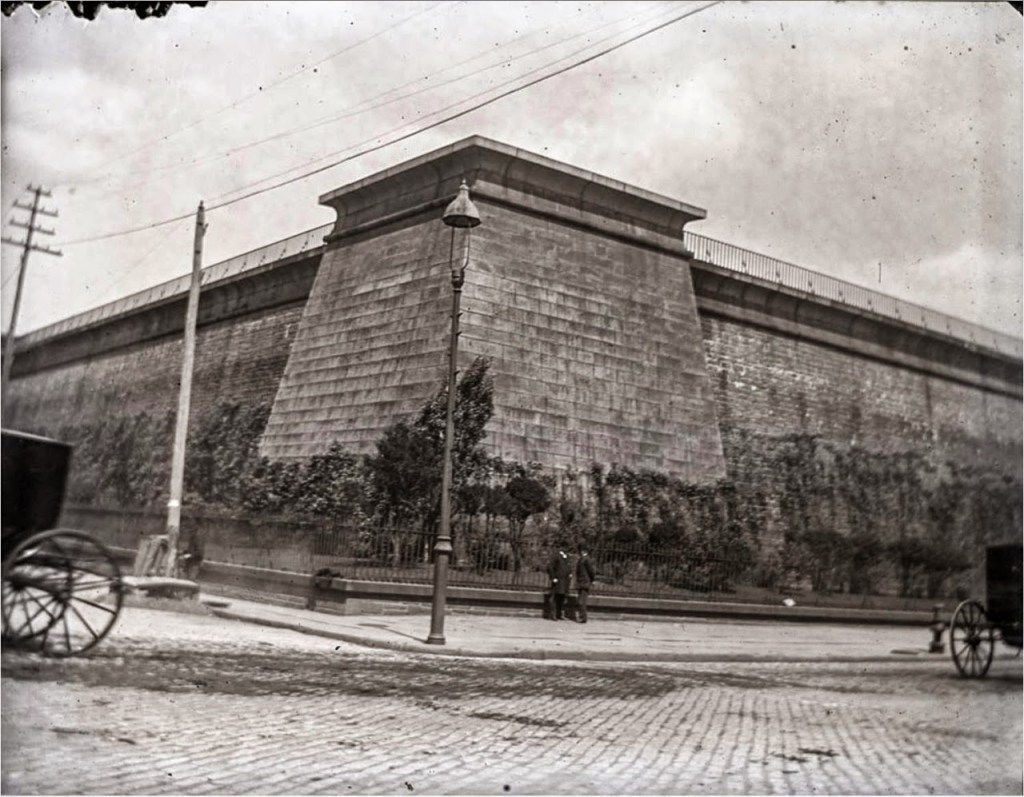
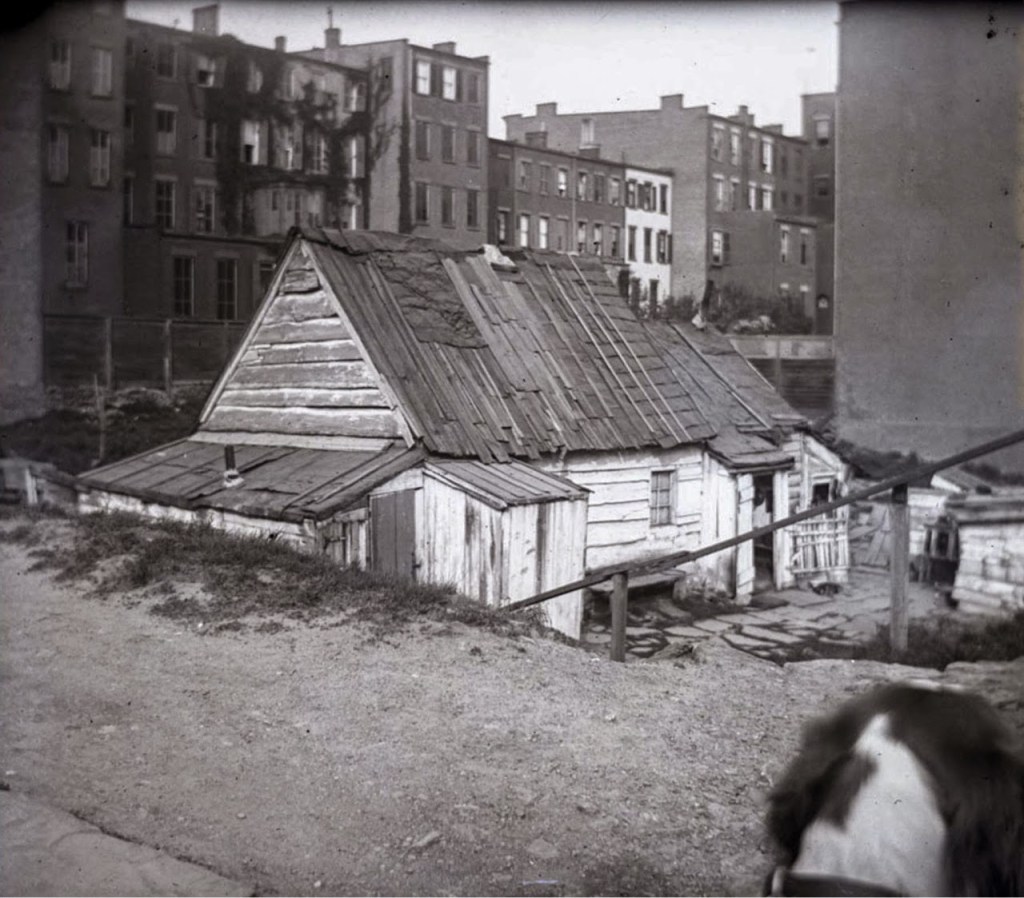
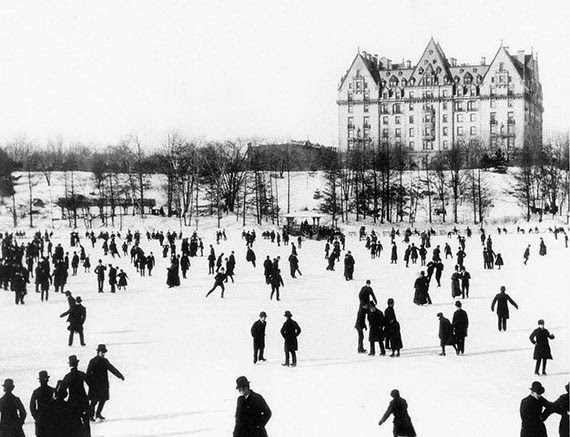
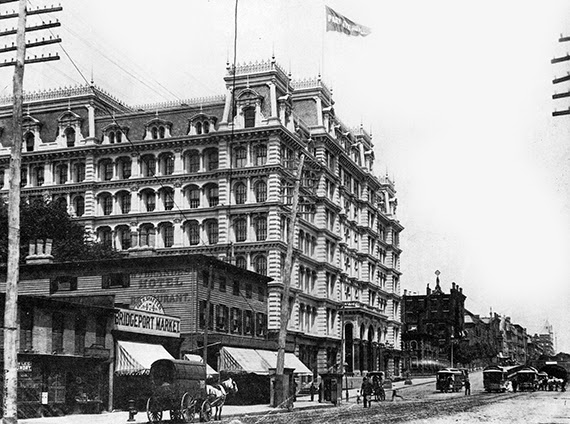
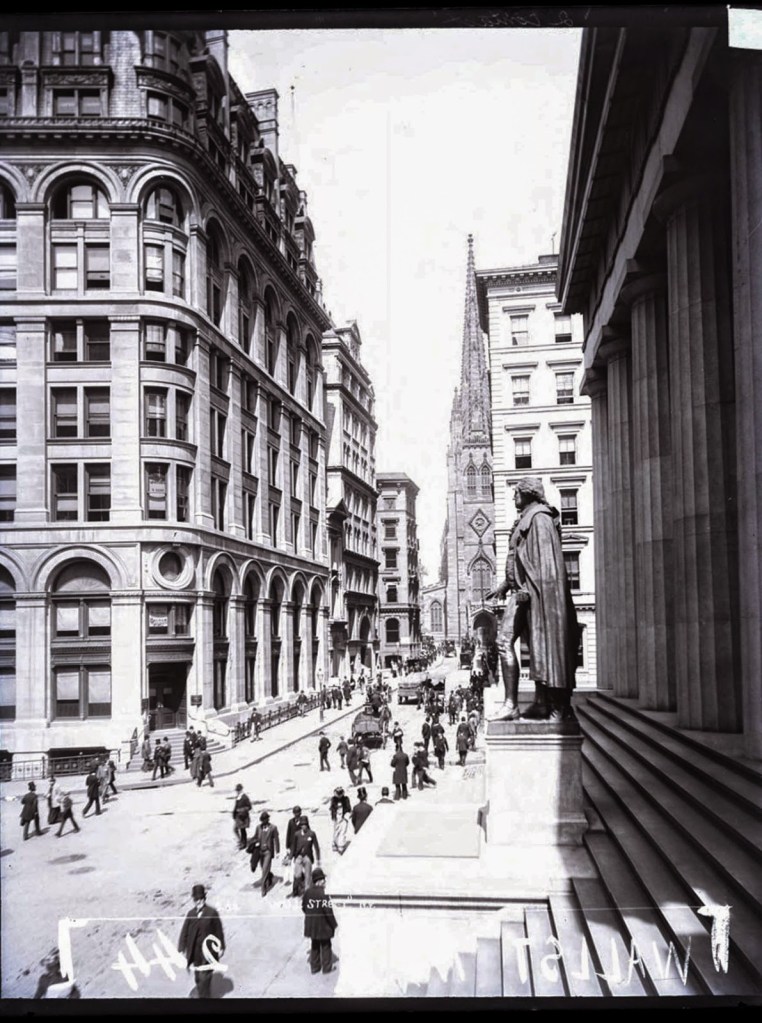
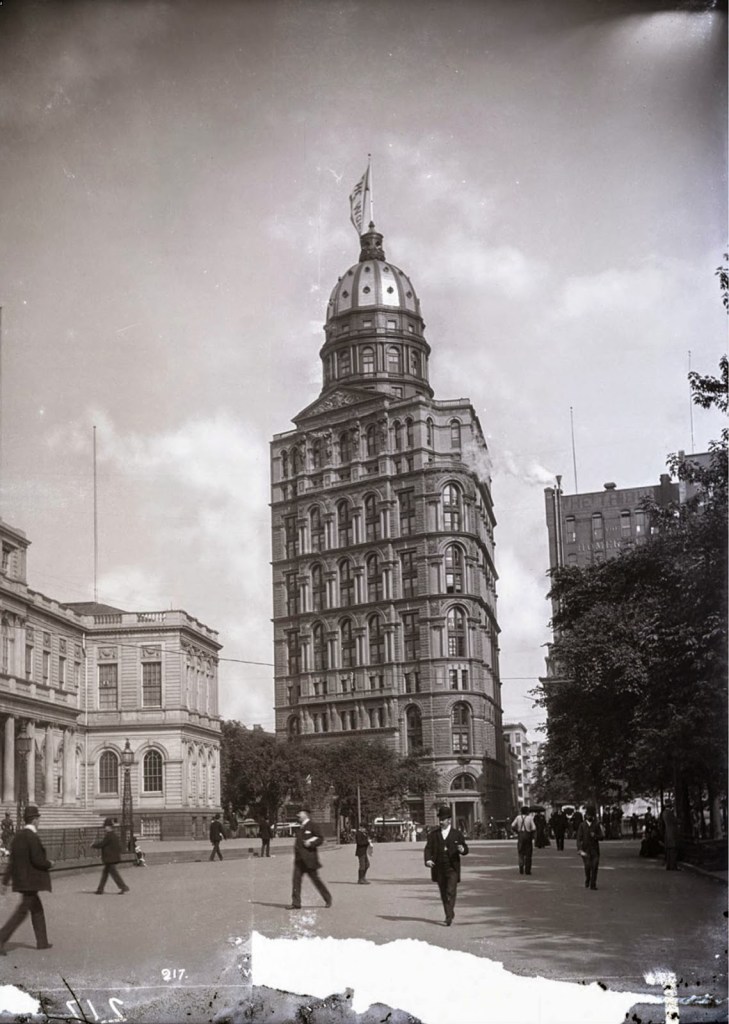
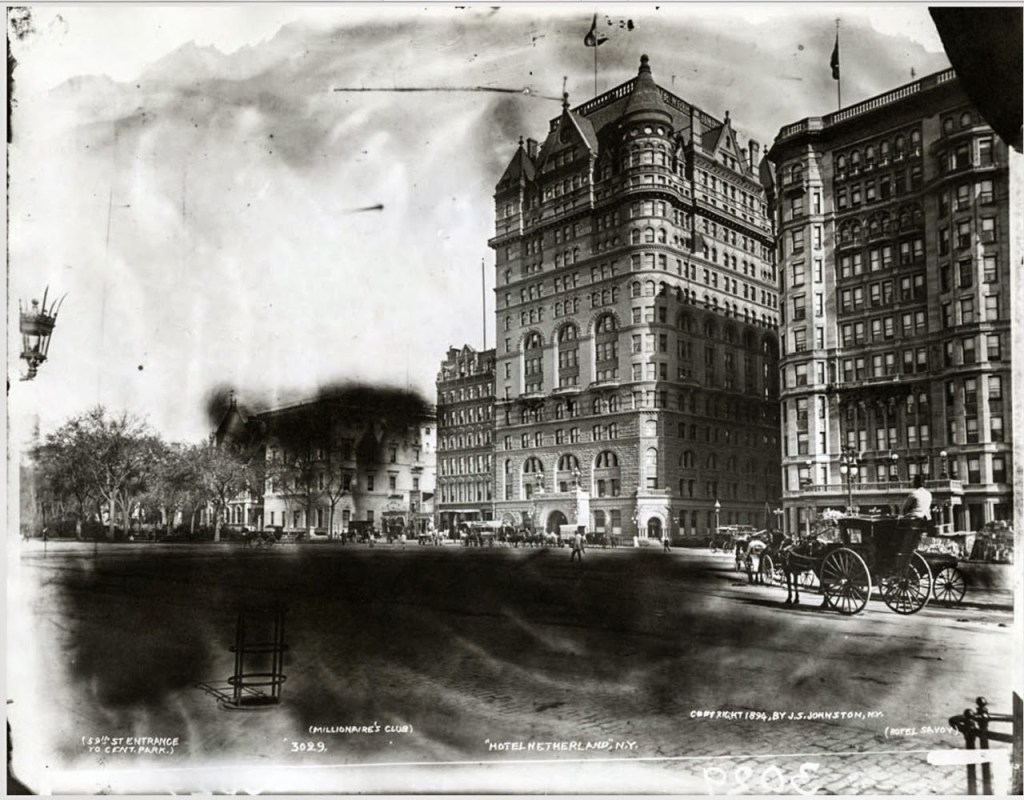
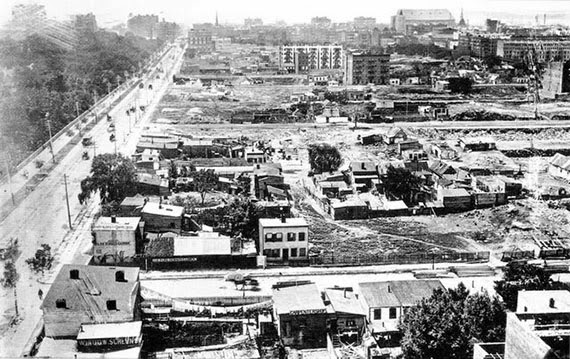
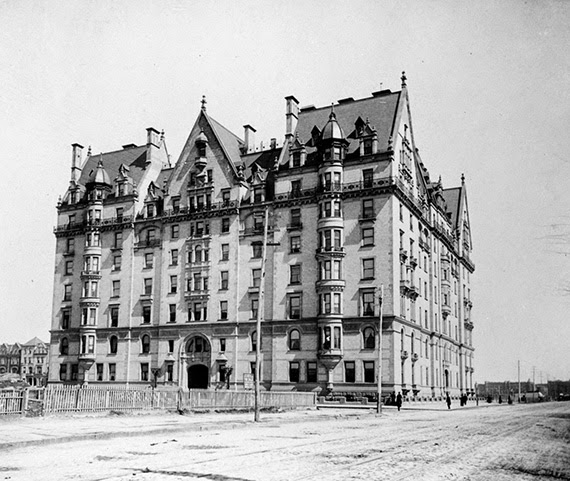
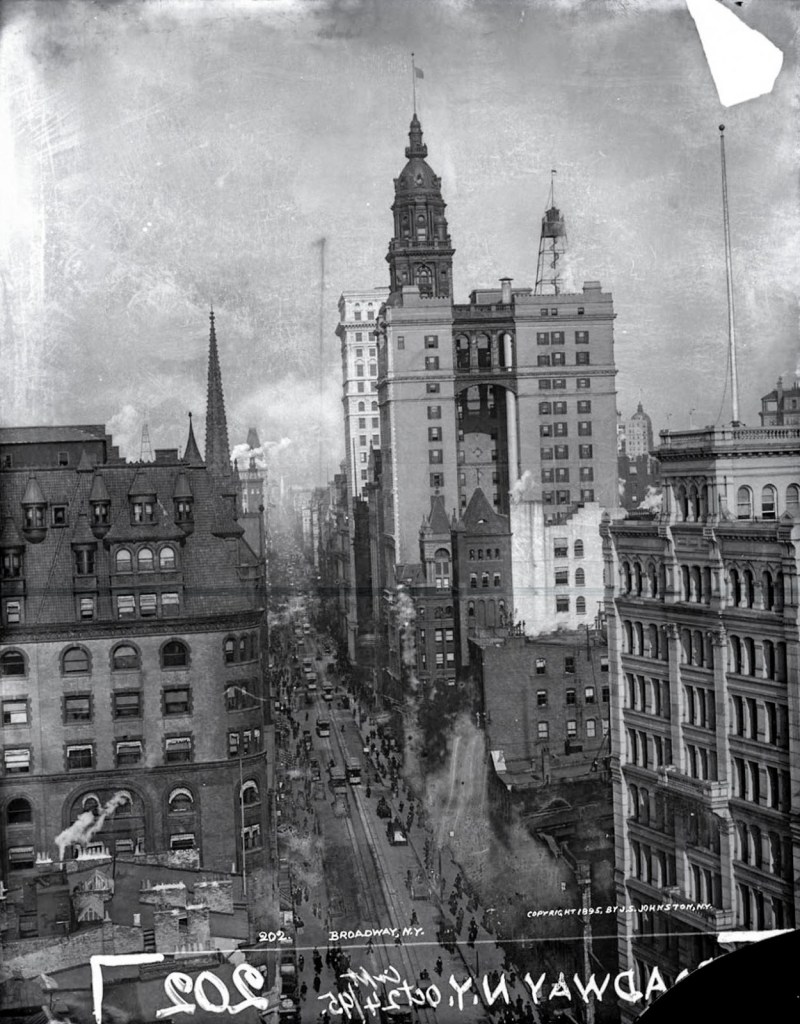
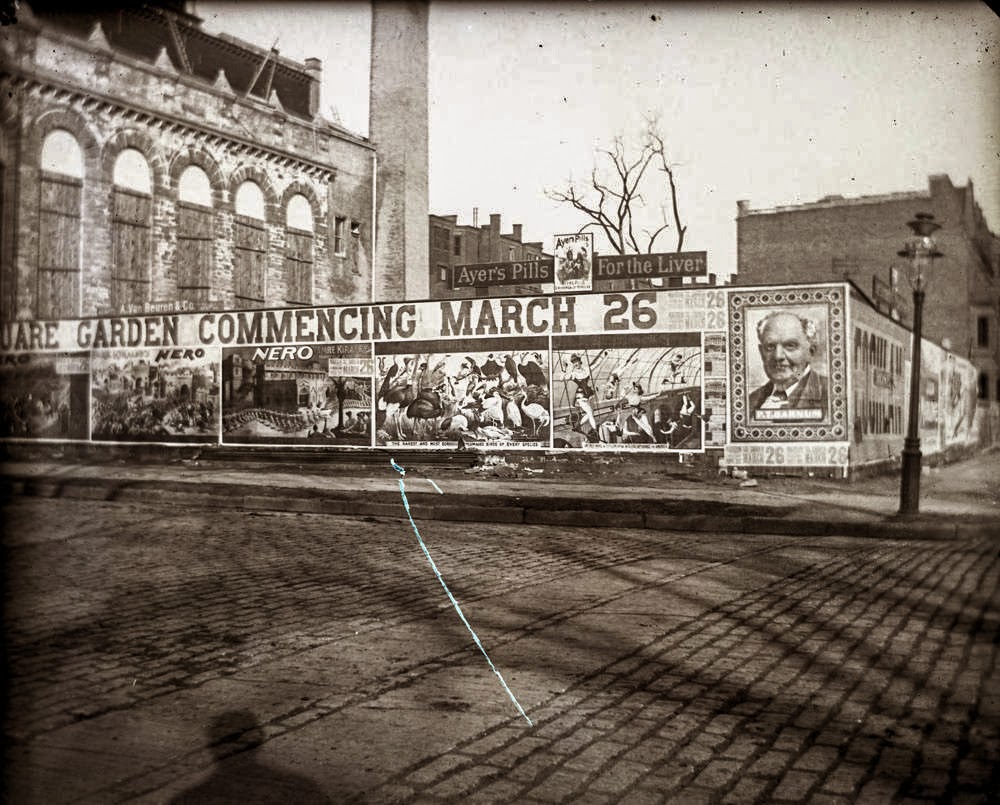
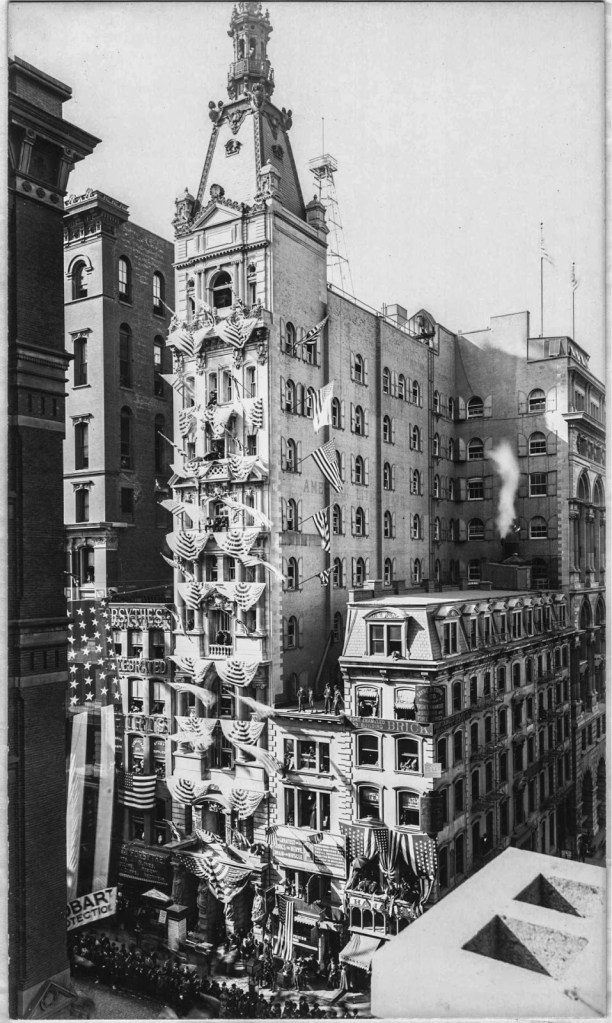
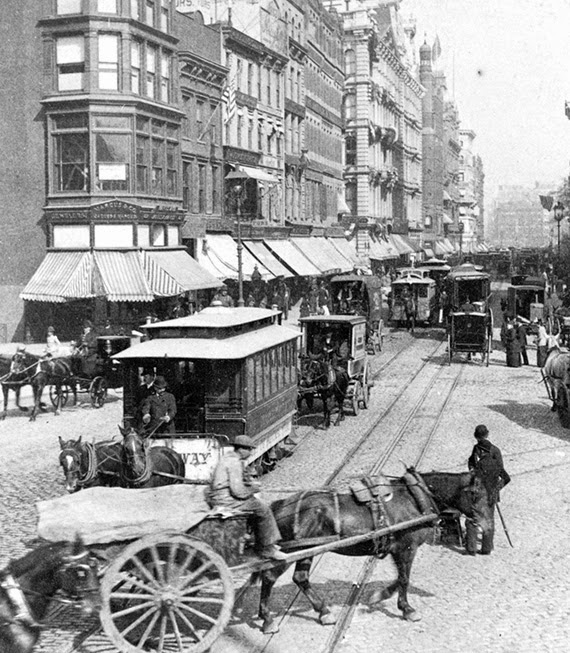
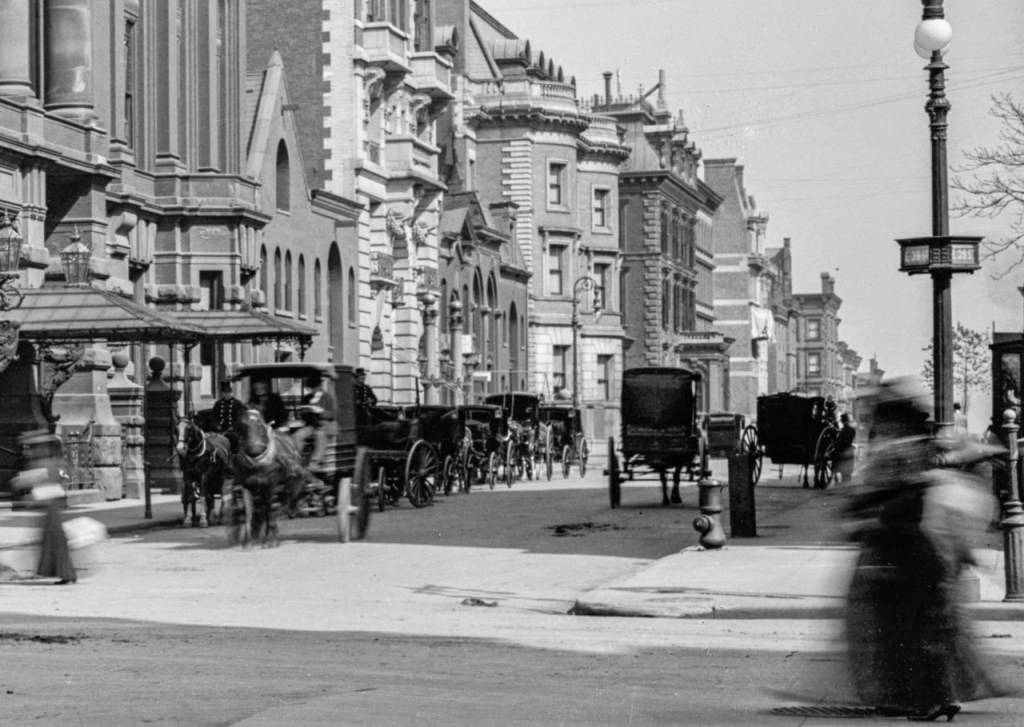
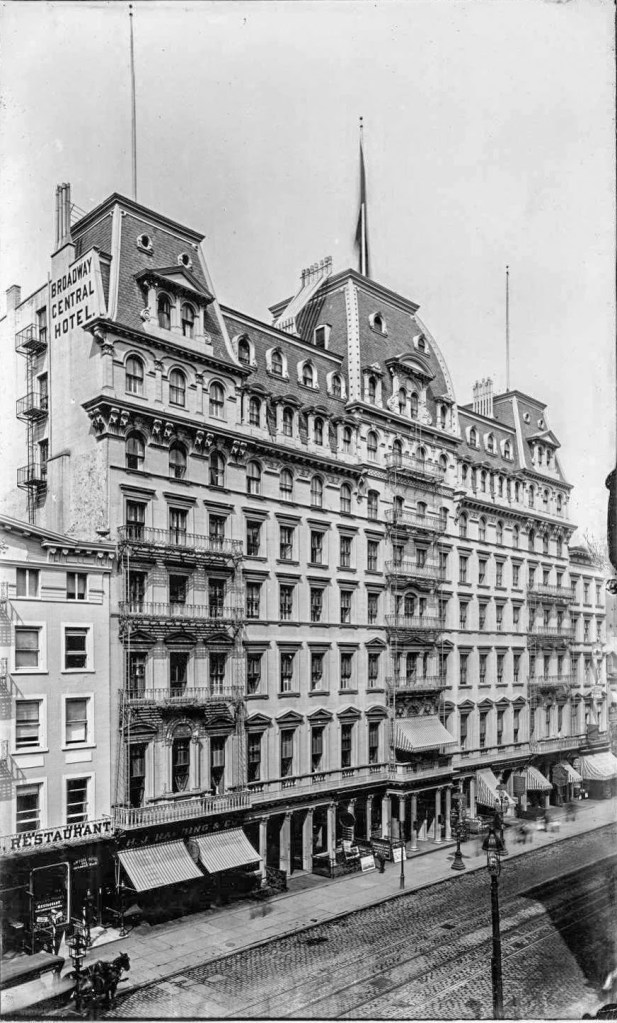
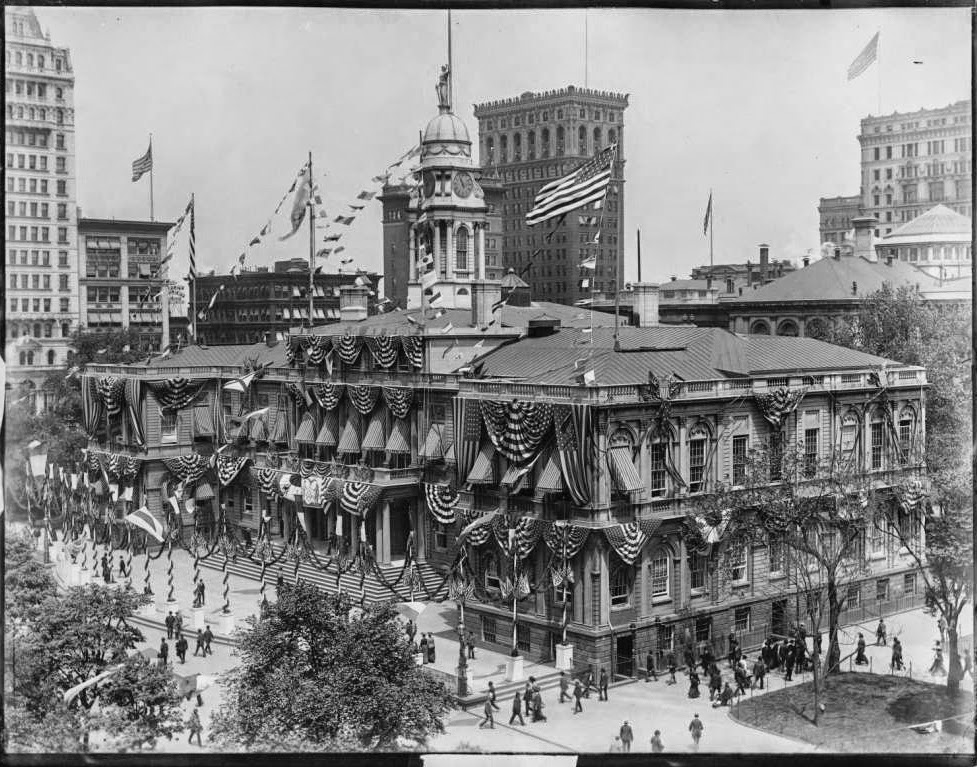
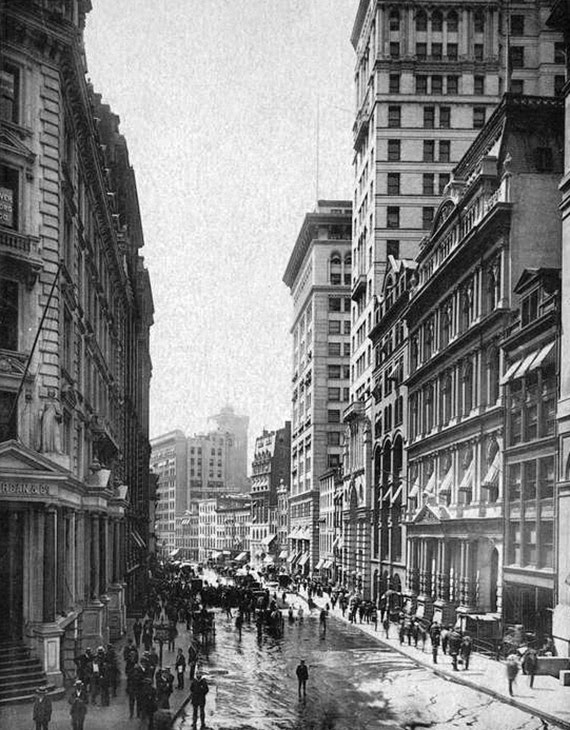
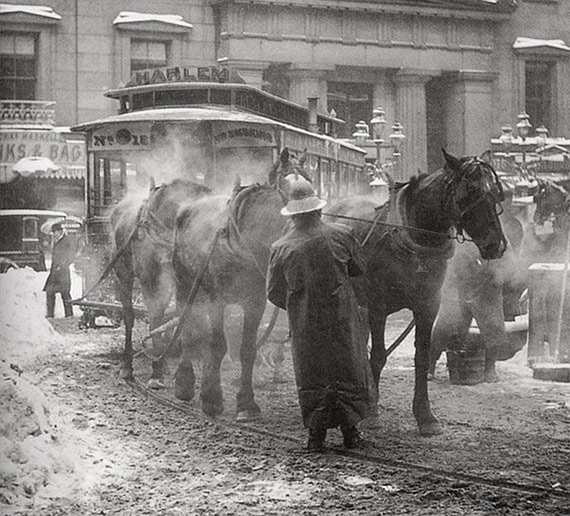
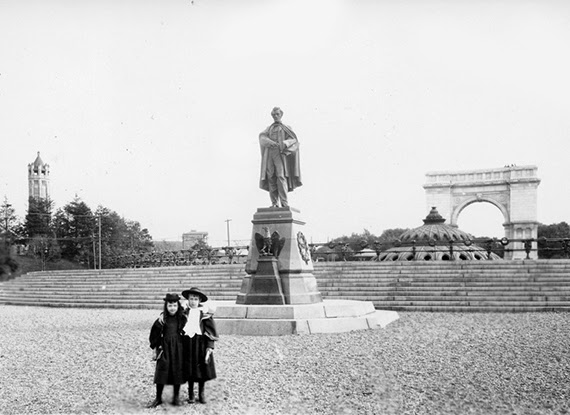
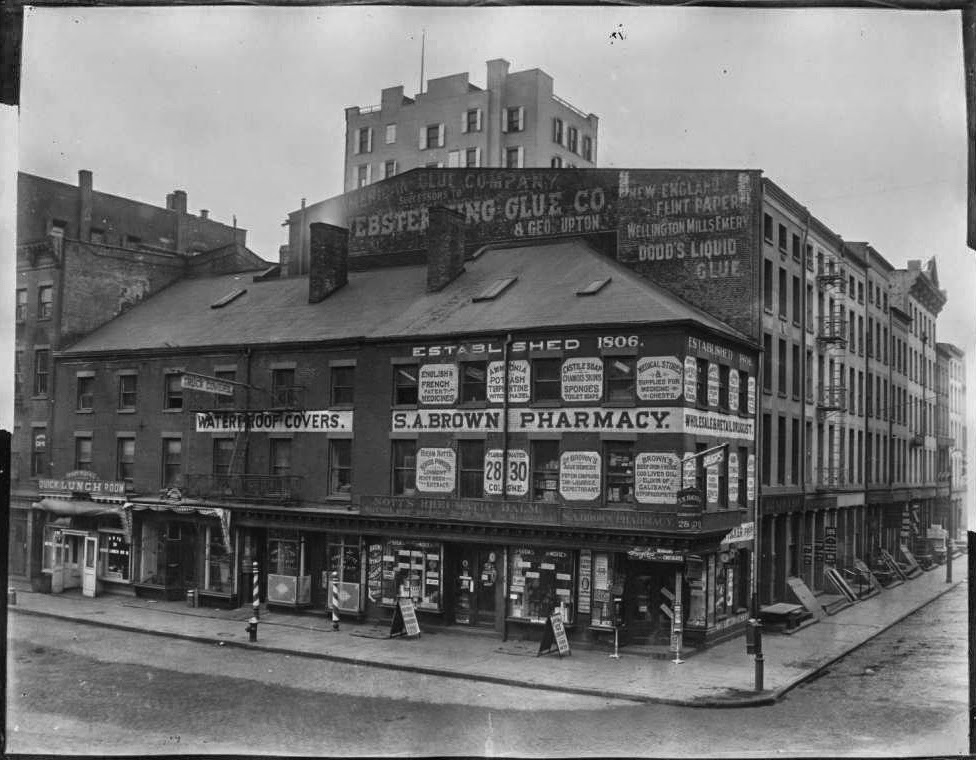
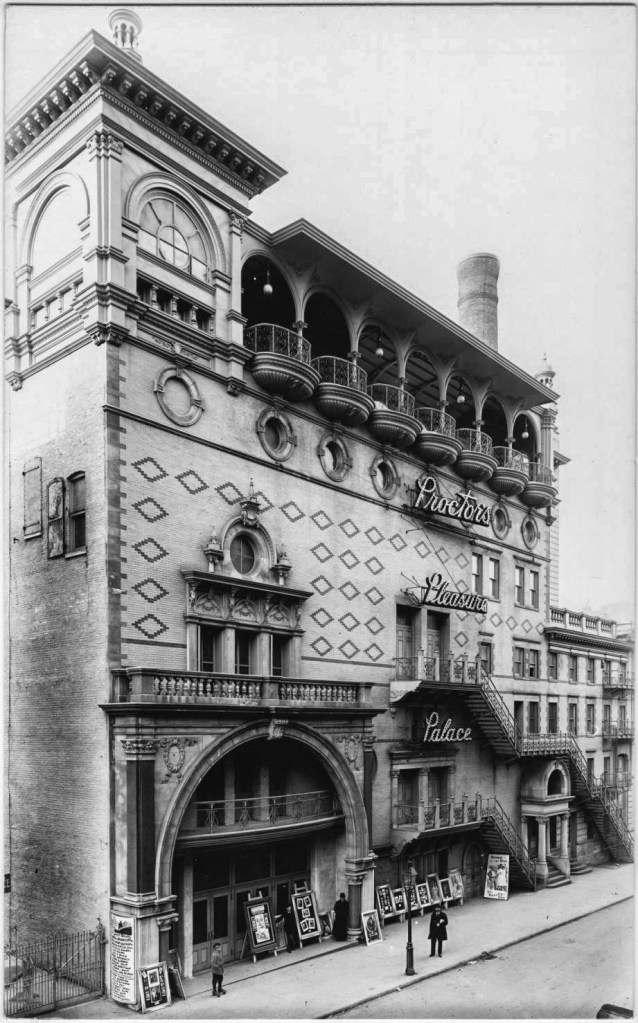
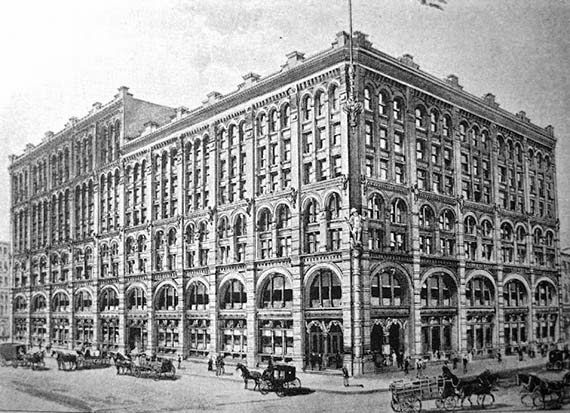
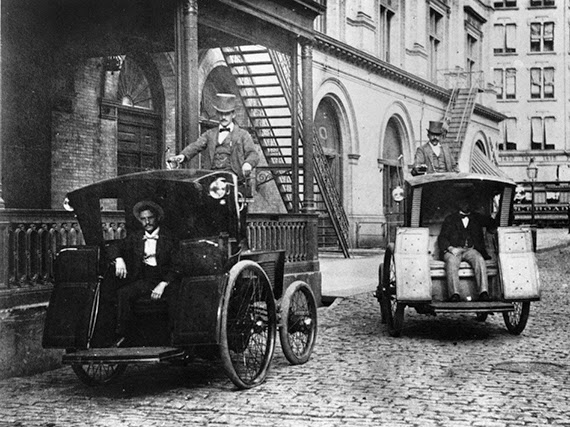
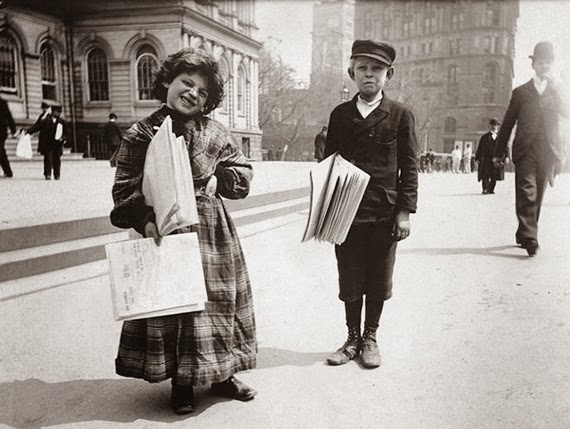
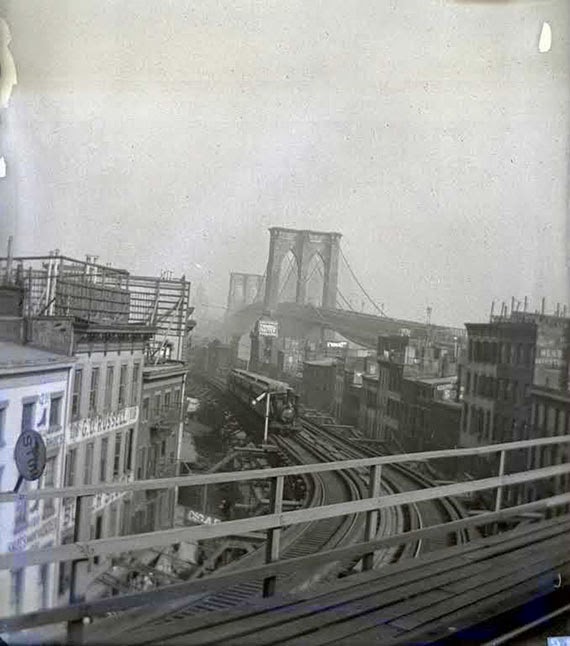
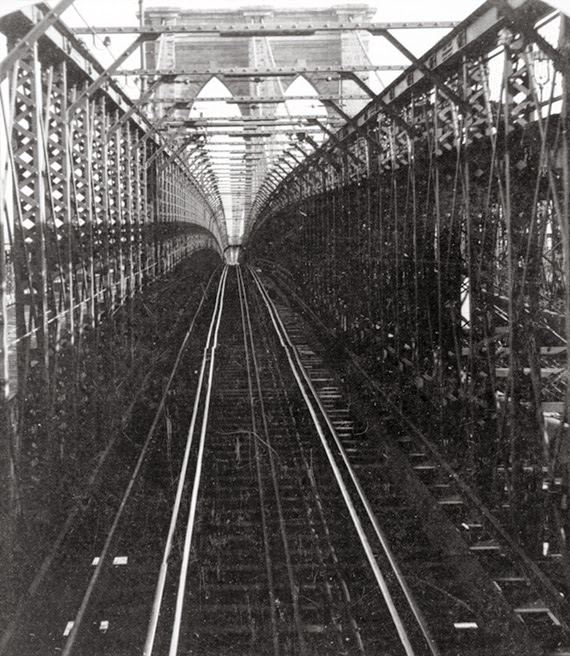
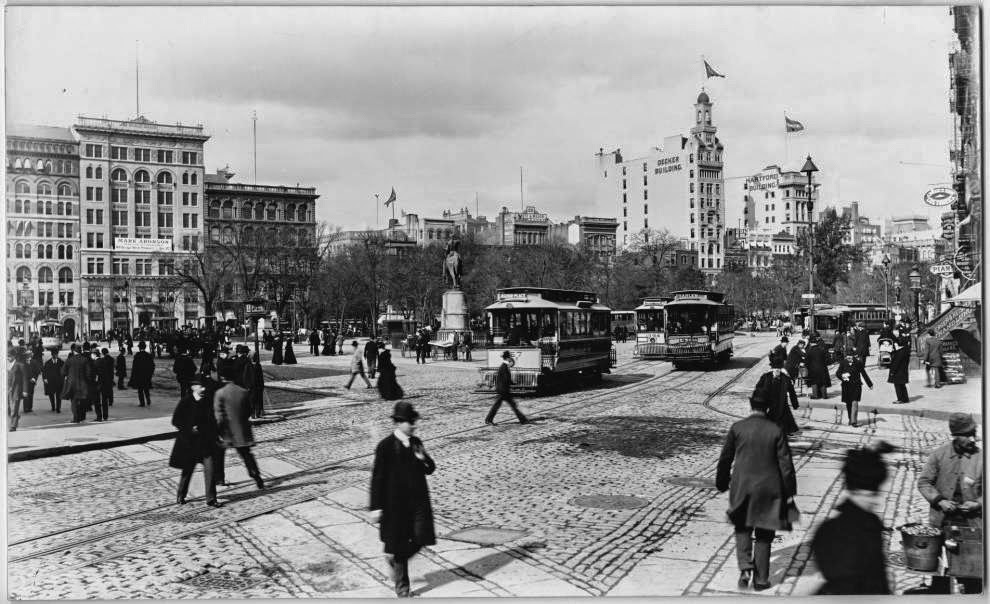
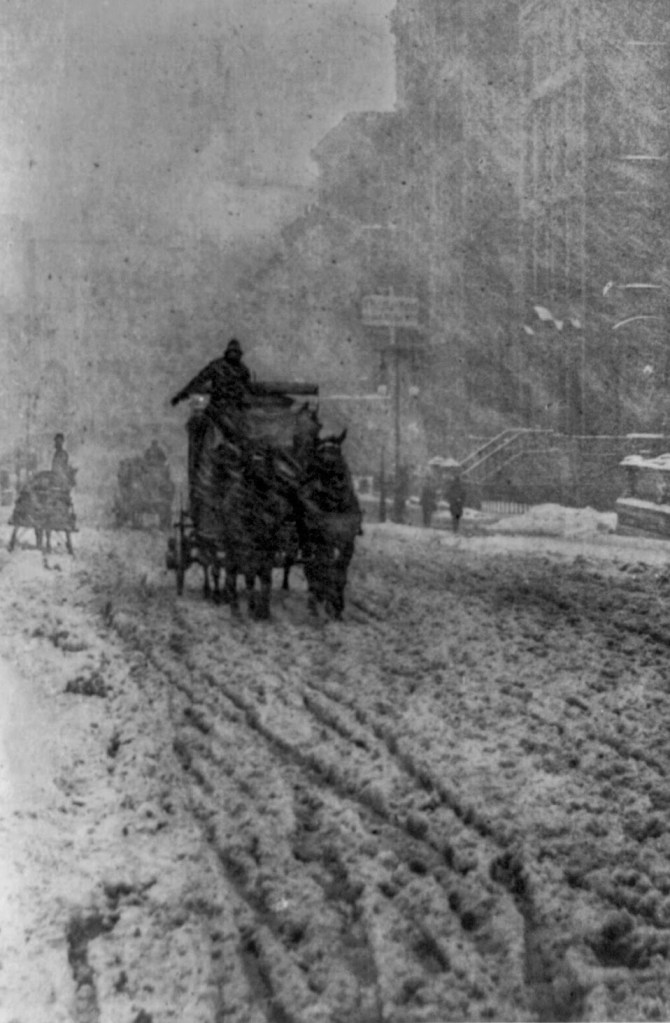
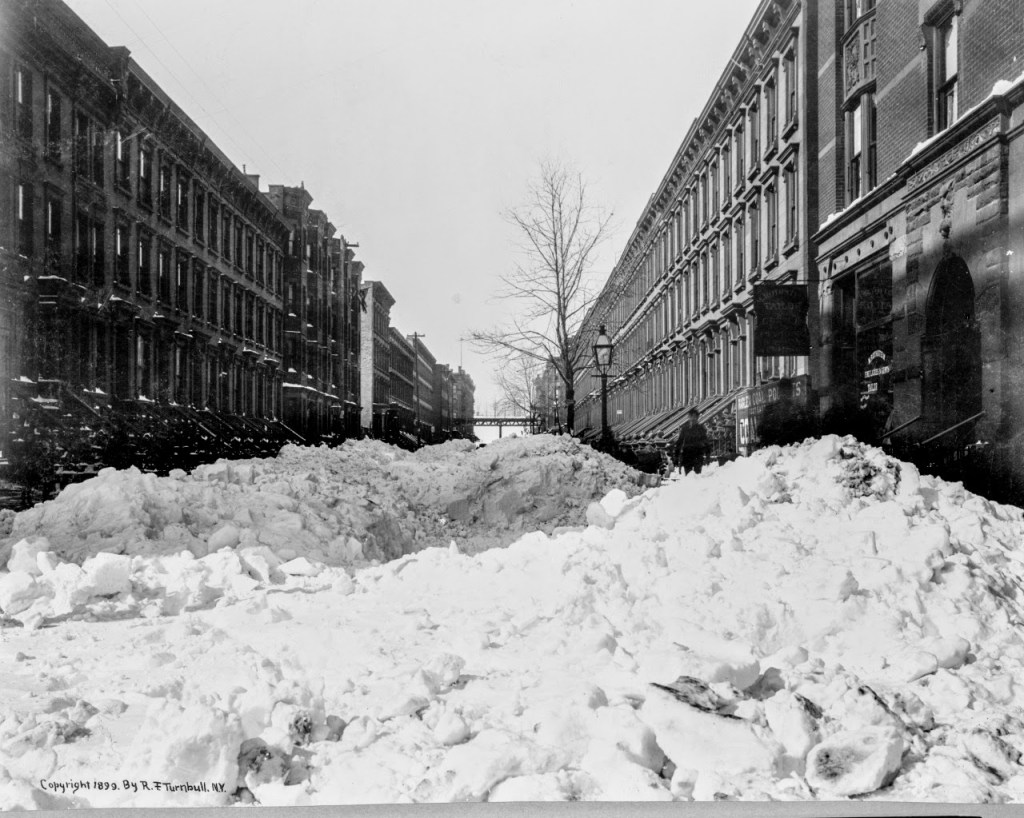
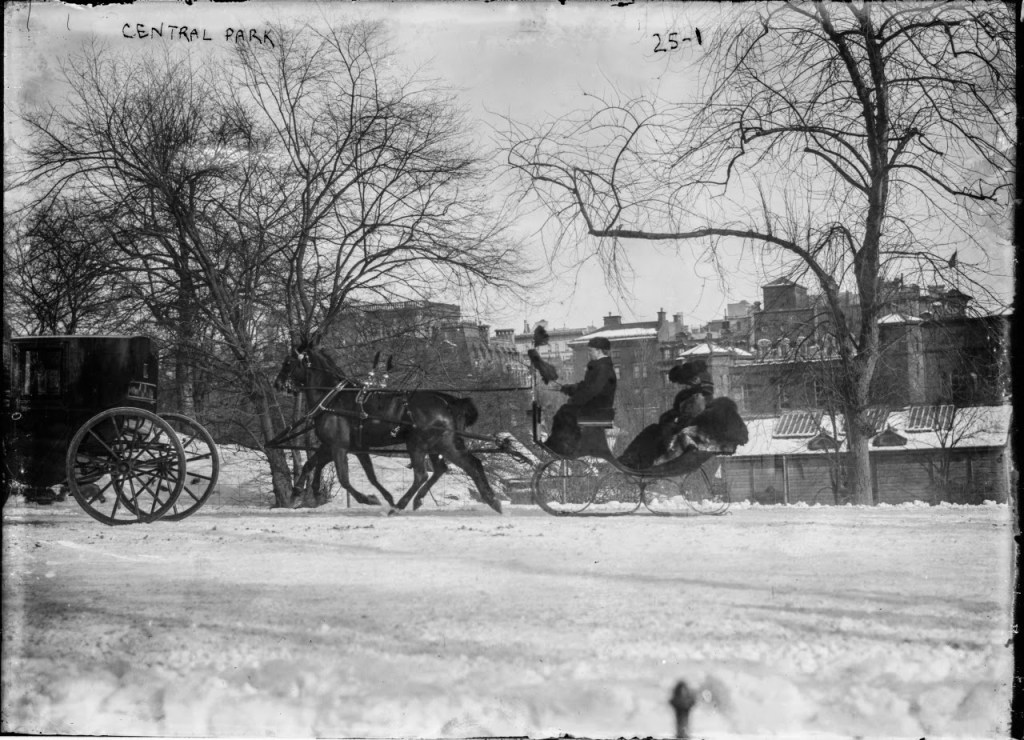
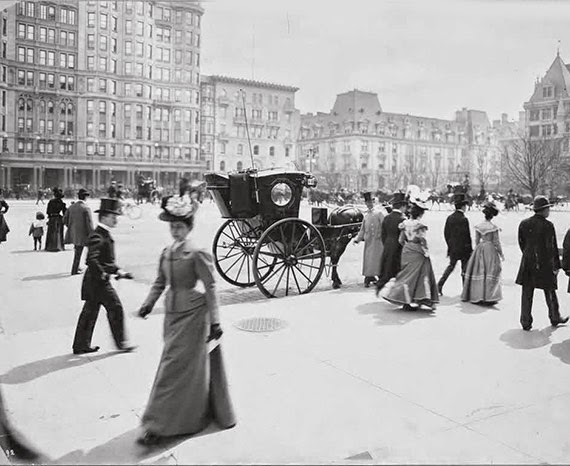
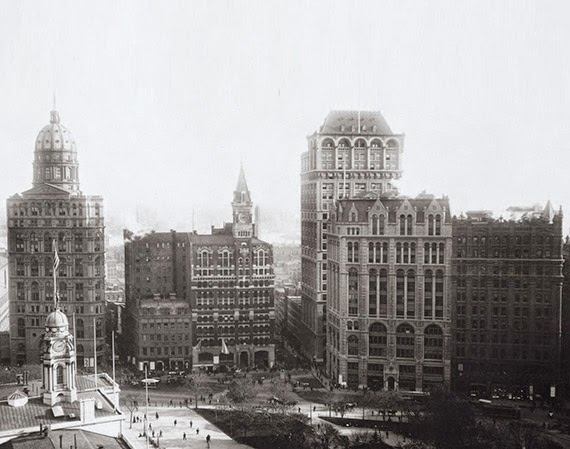
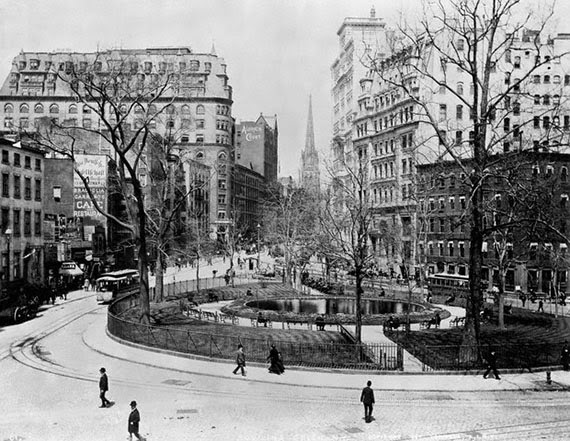
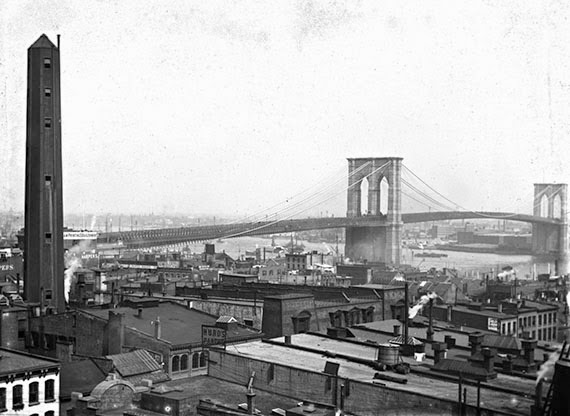
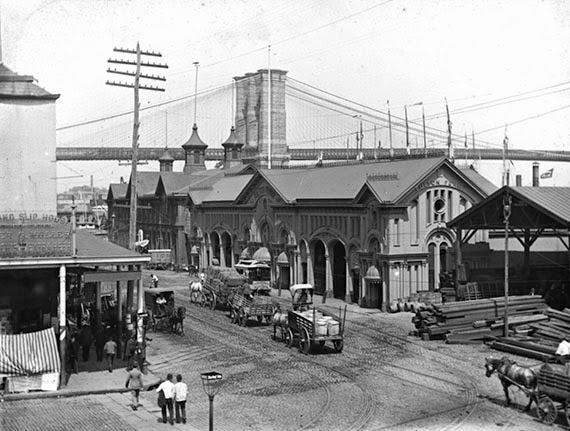
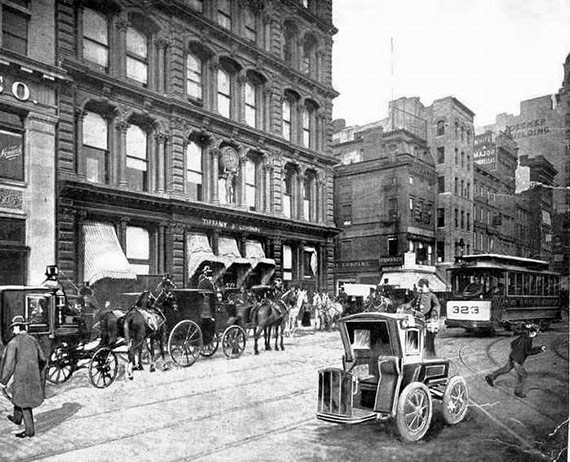
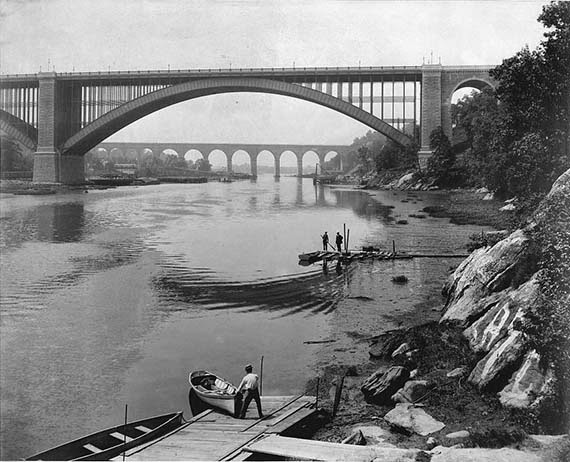
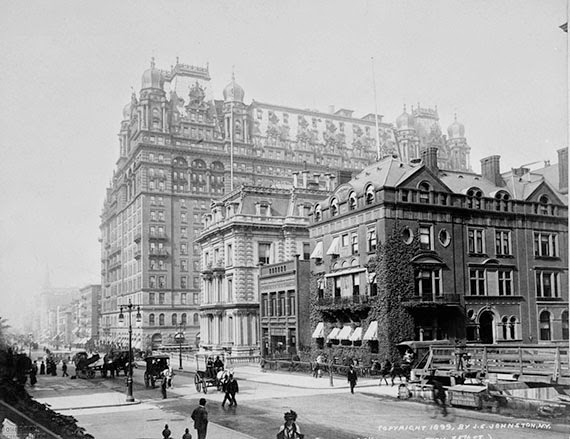
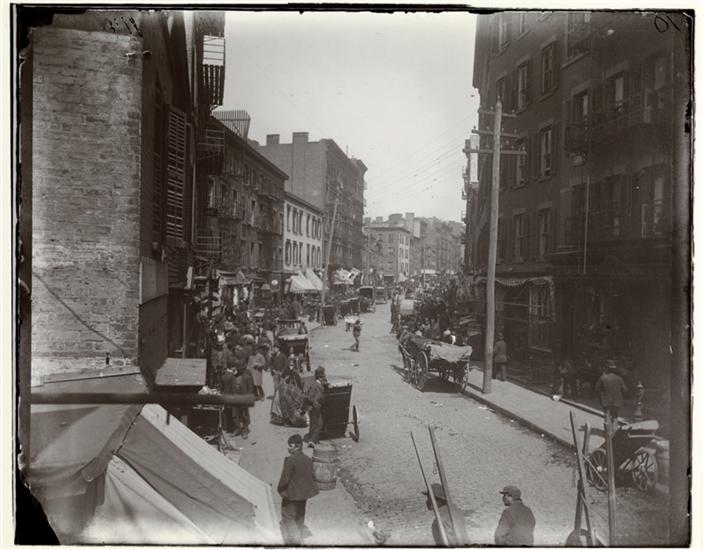
New York, often called New York City to distinguish it from New York State, or NYC for short, is the most populous city in the United States. With a 2020 population of 8,804,190 distributed over 300.46 square miles (778.2 km2), New York City is also the most densely populated major city in the United States. Located at the southern tip of the State of New York, the city is the center of the New York metropolitan area, the largest metropolitan area in the world by urban area. With over 20 million people in its metropolitan statistical area and 23,582,649 in its combined statistical area as of 2020, New York is one of the world’s most populous megacities. New York City has been described as the cultural, financial, and media capital of the world, significantly influencing commerce, entertainment, research, technology, education, politics, tourism, dining, art, fashion, and sports, and is the most photographed city in the world. Home to the headquarters of the United Nations, New York is an important center for international diplomacy, and has sometimes been called the capital of the world.
Situated on one of the world’s largest natural harbors, New York City is composed of five boroughs, each of which is coextensive with a respective county of the State of New York. The five boroughs—Brooklyn (Kings County), Queens (Queens County), Manhattan (New York County), the Bronx (Bronx County), and Staten Island (Richmond County)—were created when local governments were consolidated into a single municipal entity in 1898. The city and its metropolitan area constitute the premier gateway for legal immigration to the United States. As many as 800 languages are spoken in New York, making it the most linguistically diverse city in the world. New York is home to more than 3.2 million residents born outside the United States, the largest foreign-born population of any city in the world as of 2016. As of 2019, the New York metropolitan area is estimated to produce a gross metropolitan product (GMP) of $2.0 trillion. If the New York metropolitan area were a sovereign state, it would have the eighth-largest economy in the world. New York is home to the highest number of billionaires of any city in the world.
New York City traces its origins to a trading post founded on the southern tip of Manhattan Island by Dutch colonists in approximately 1624. The settlement was named New Amsterdam (Dutch: Nieuw Amsterdam) in 1626 and was chartered as a city in 1653. The city came under English control in 1664 and was renamed New York after King Charles II of England granted the lands to his brother, the Duke of York. The city was regained by the Dutch in July 1673 and was renamed New Orange for one year and three months; the city has been continuously named New York since November 1674. New York City was the capital of the United States from 1785 until 1790, and has been the largest U.S. city since 1790. The Statue of Liberty greeted millions of immigrants as they came to the U.S. by ship in the late 19th and early 20th centuries, and is a symbol of the U.S. and its ideals of liberty and peace. In the 21st century, New York has emerged as a global node of creativity, entrepreneurship, and environmental sustainability, and as a symbol of freedom and cultural diversity. In 2019, New York was voted the greatest city in the world per a survey of over 30,000 people from 48 cities worldwide, citing its cultural diversity.
Many districts and monuments in New York City are major landmarks, including three of the world’s ten most visited tourist attractions in 2013. A record 66.6 million tourists visited New York City in 2019. Times Square is the brightly illuminated hub of the Broadway Theater District, one of the world’s busiest pedestrian intersections, and a major center of the world’s entertainment industry. Many of the city’s landmarks, skyscrapers, and parks are known around the world, as is the city’s fast pace, spawning the term New York minute. The Empire State Building has become the global standard of reference to describe the height and length of other structures. Manhattan’s real estate market is among the most expensive in the world. Providing continuous 24/7 service and contributing to the nickname The City That Never Sleeps, the New York City Subway is the largest single-operator rapid transit system worldwide, with 472 rail stations. The city has over 120 colleges and universities, including Columbia University, New York University, Rockefeller University, and the City University of New York system, which is the largest urban public university system in the United States. Anchored by Wall Street in the Financial District of Lower Manhattan, New York City has been called both the world’s leading financial center and the most financially powerful city in the world, and is home to the world’s two largest stock exchanges by total market capitalization, the New York Stock Exchange and NASDAQ. (Wikipedia)


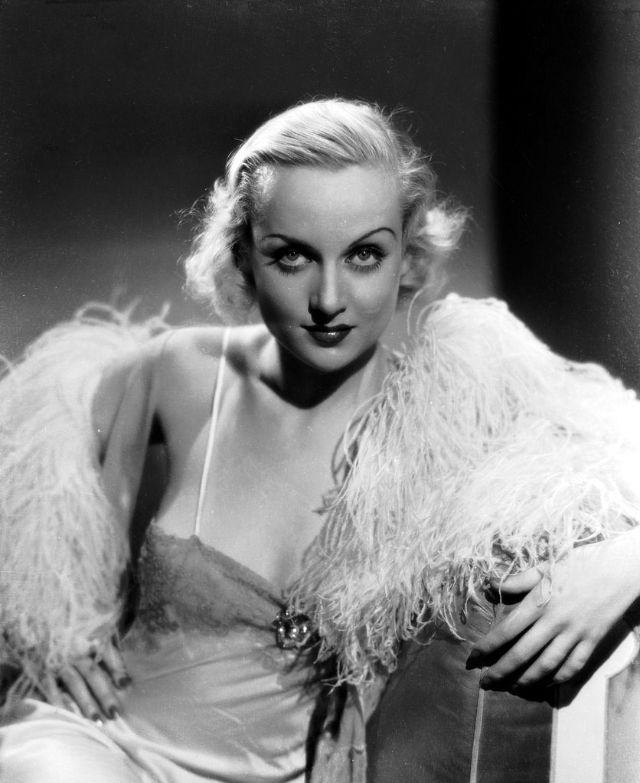
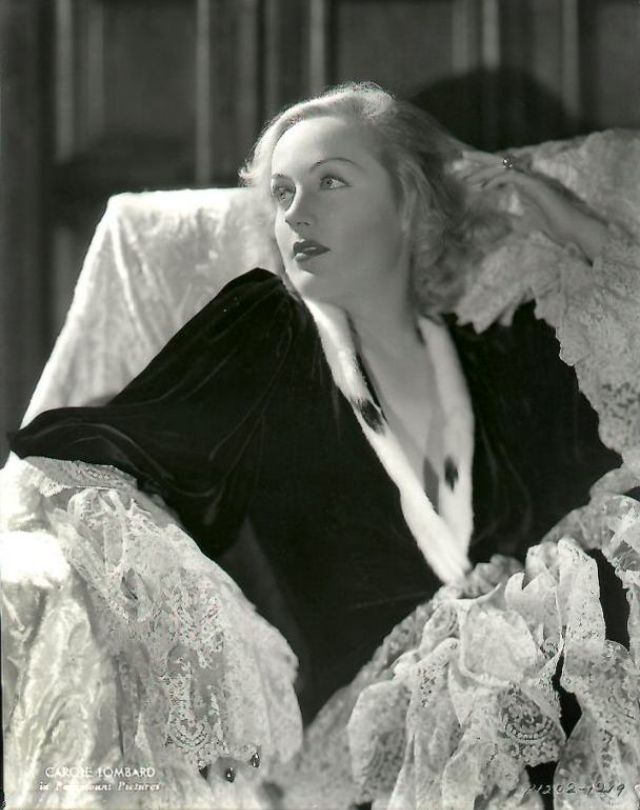
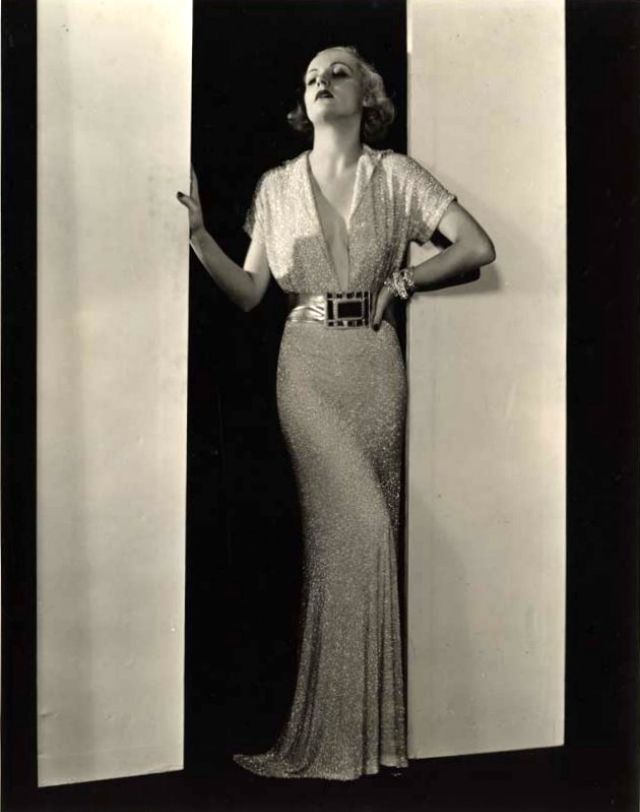
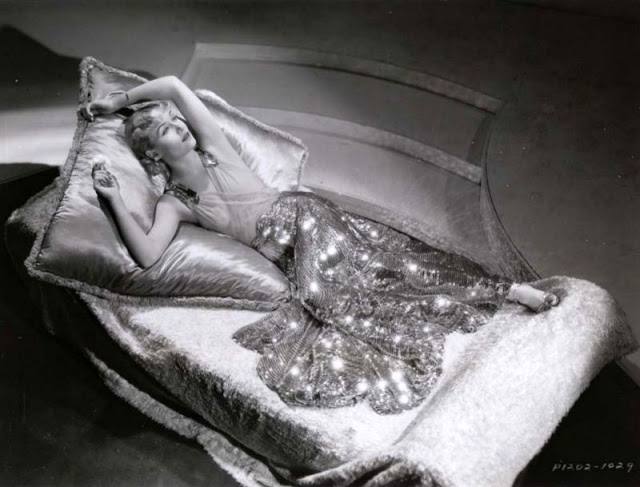
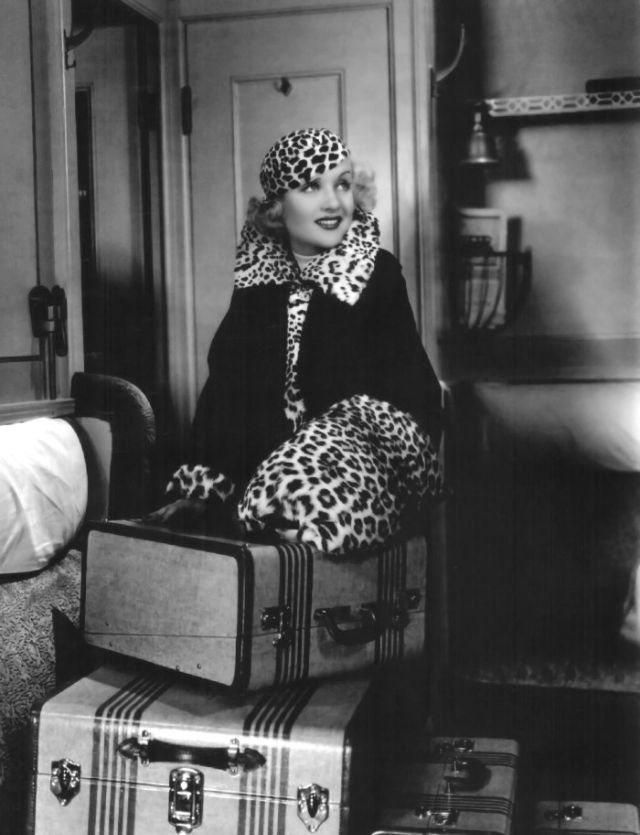
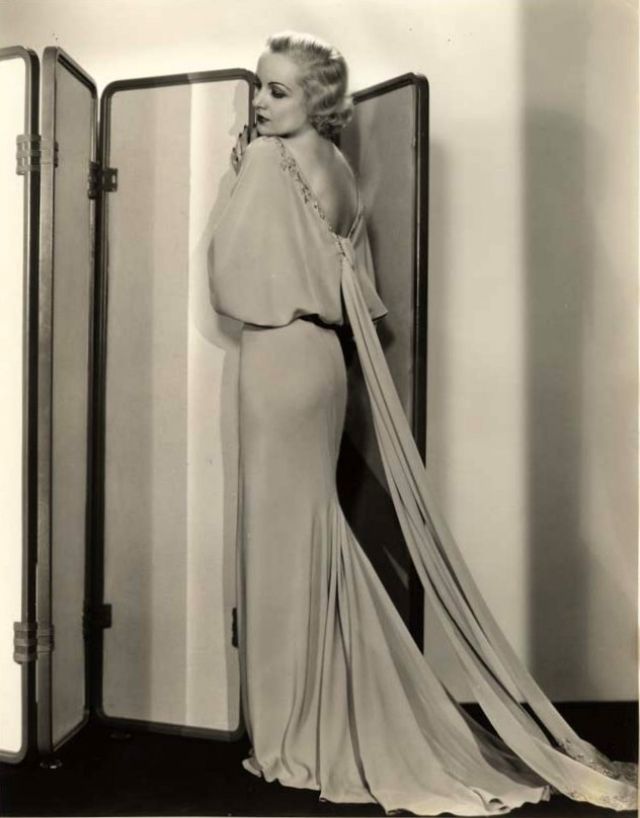
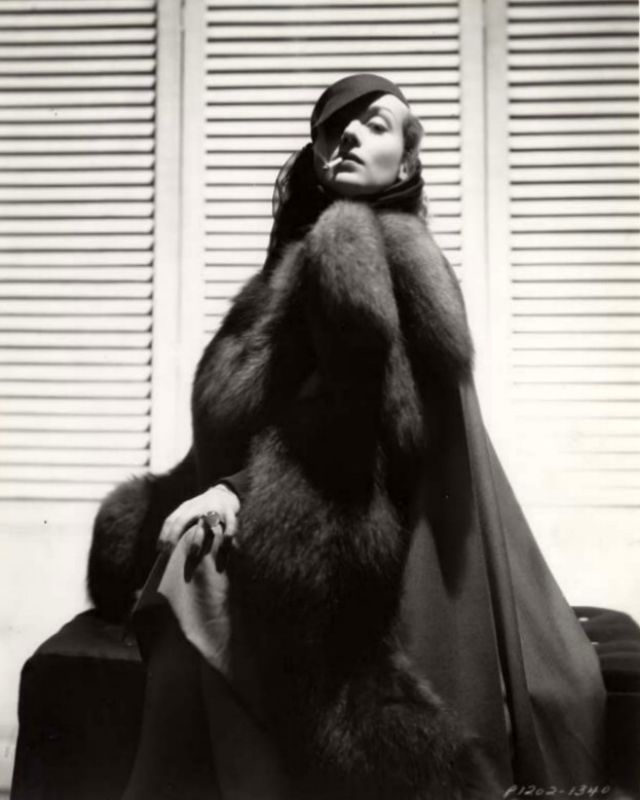
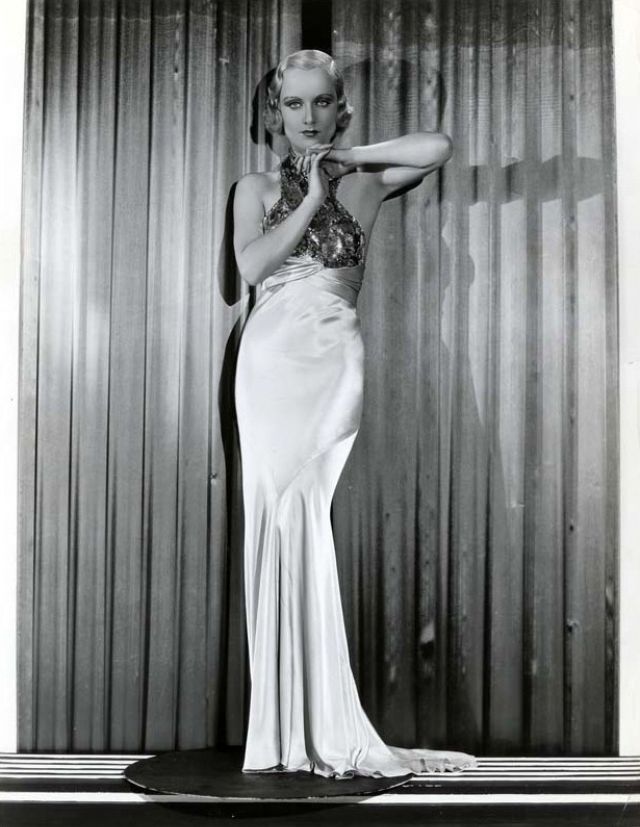
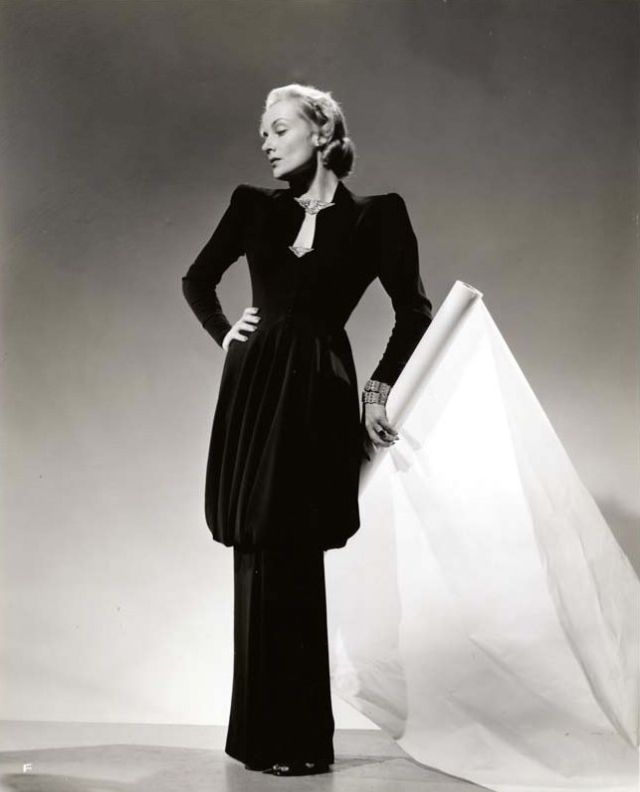
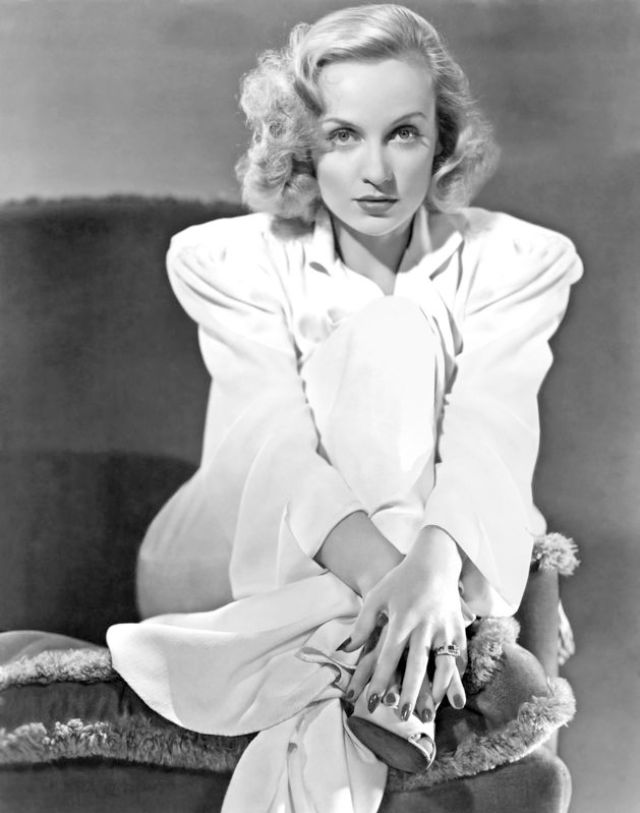
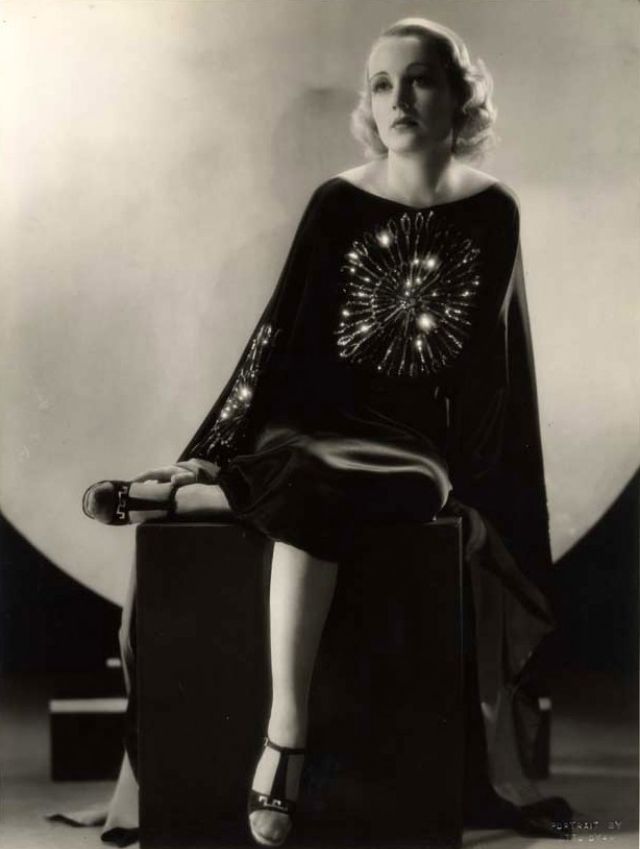
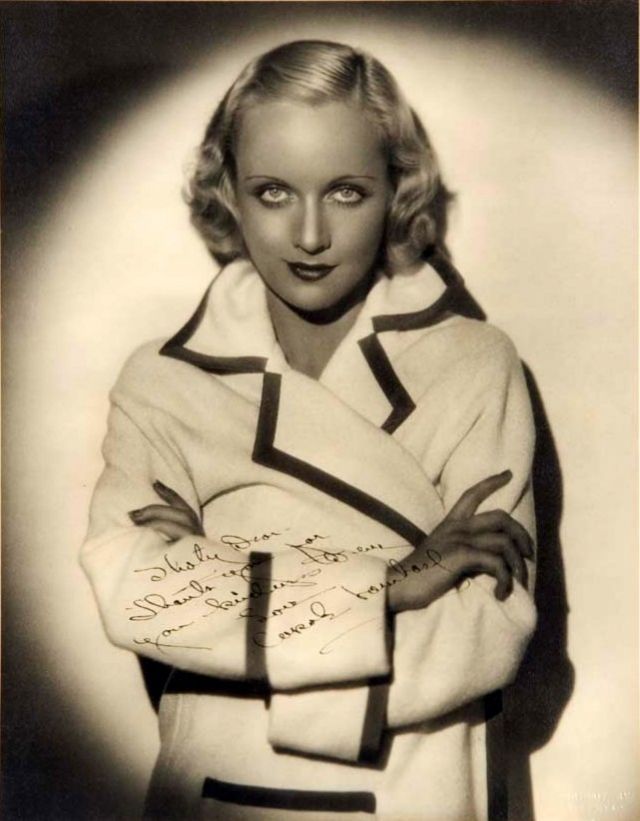
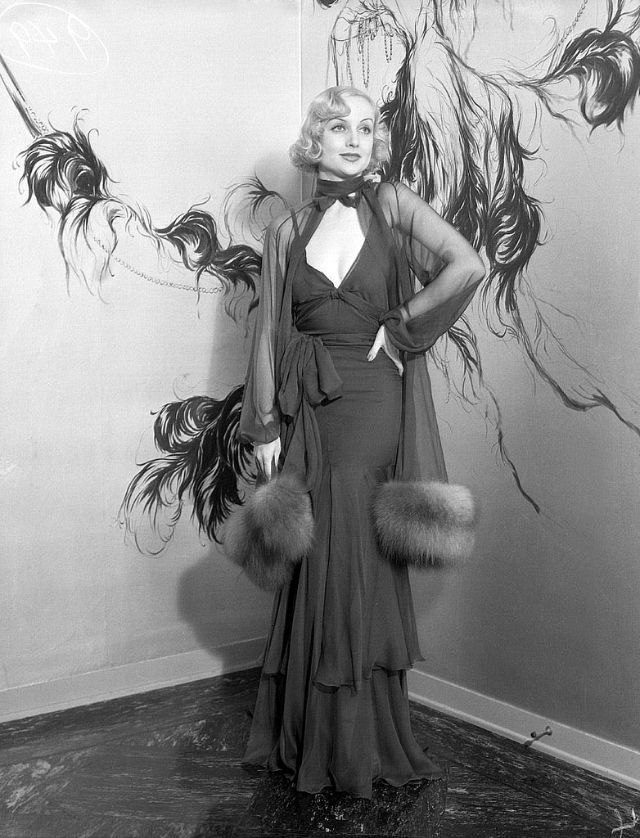
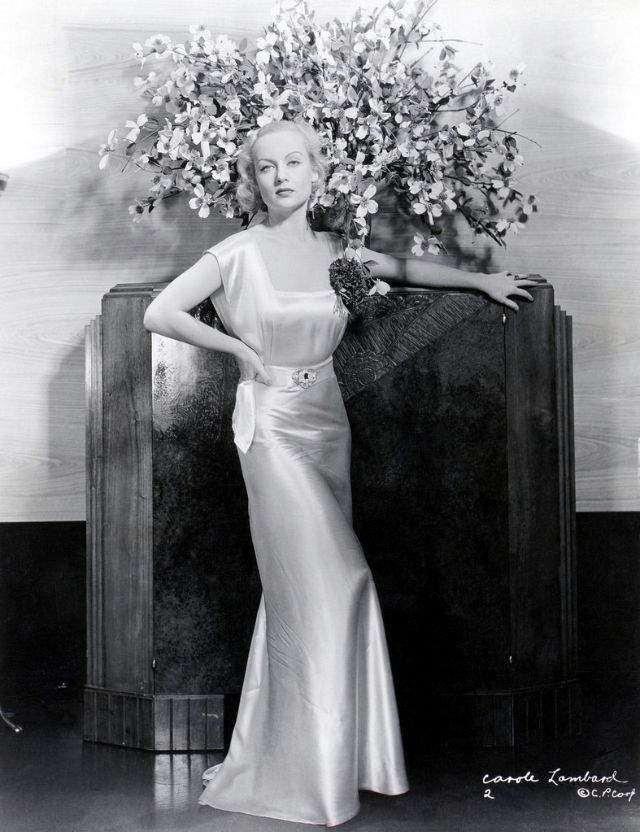
Carole Lombard (born Jane Alice Peters; October 6, 1908 – January 16, 1942) was an American actress, particularly noted for her energetic, often off-beat roles in screwball comedies. In 1999, the American Film Institute ranked Lombard 23rd on its list of the greatest female stars of Classic Hollywood Cinema.
Lombard was born into a wealthy family in Fort Wayne, Indiana, but was raised in Los Angeles by her single mother. At 12, she was recruited by director Allan Dwan and made her screen debut in A Perfect Crime (1921). Eager to become an actress, she signed a contract with the Fox Film Corporation at age 16, but mainly played bit parts. She was dropped by Fox just before her 18th birthday before a shattered windshield from a car accident left a scar on her face. Lombard appeared in fifteen short comedies for Mack Sennett between 1927 and 1929, and then began appearing in feature films such as High Voltage (1929) and The Racketeer (1929). After a successful appearance in The Arizona Kid (1930), she was signed to a contract with Paramount Pictures.
Paramount quickly began casting Lombard as a leading lady, primarily in drama films. Her profile increased when she married William Powell in 1931, but the couple divorced amicably after two years. A turning point in Lombard’s career came when she starred in Howard Hawks’s pioneering screwball comedy Twentieth Century (1934). The actress found her niche in this genre, and continued to appear in films such as Hands Across the Table (1935) (forming a popular partnership with Fred MacMurray), My Man Godfrey (1936), for which she was nominated for the Academy Award for Best Actress, and Nothing Sacred (1937). At this time, Lombard married “The King of Hollywood”, Clark Gable, and the supercouple gained much attention from the media. Keen to win an Oscar, Lombard began to move towards more serious roles at the end of the decade. Unsuccessful in this aim, she returned to comedy in Alfred Hitchcock’s Mr. & Mrs. Smith (1941) and Ernst Lubitsch’s To Be or Not to Be (1942), her final film role.
Lombard’s career was cut short when she died at the age of 33 aboard TWA Flight 3, which crashed on Mount Potosi, Nevada, while returning from a war bond tour. Today, she is remembered as one of the definitive actresses of the screwball comedy genre and American comedy, and as an icon of American cinema. (Wikipedia)
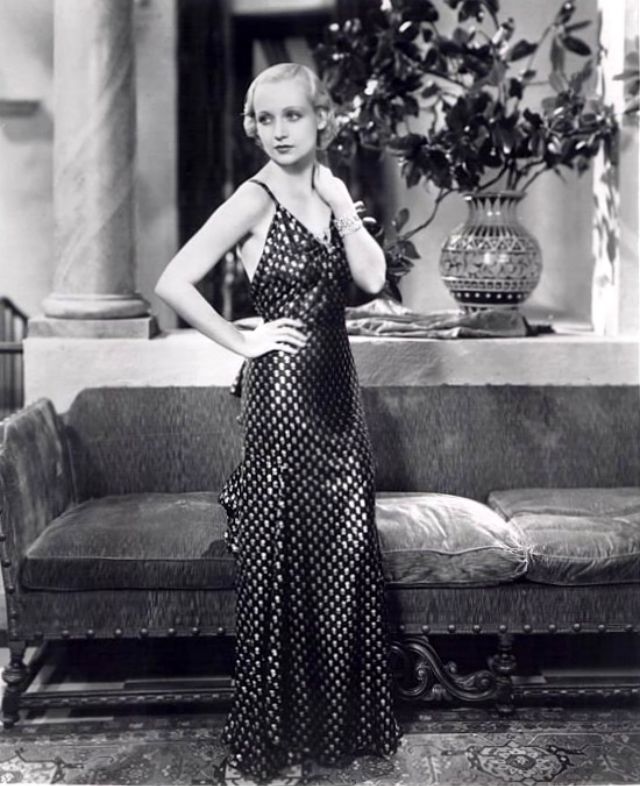
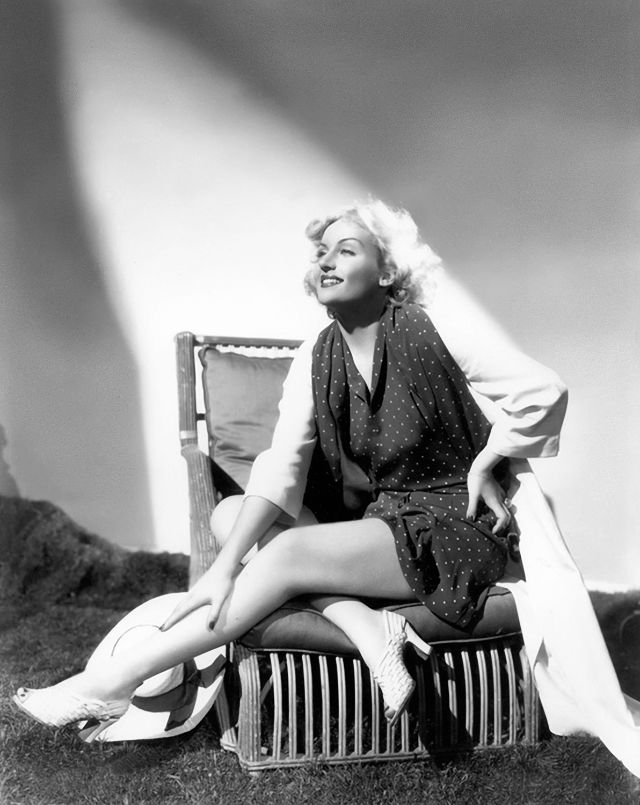
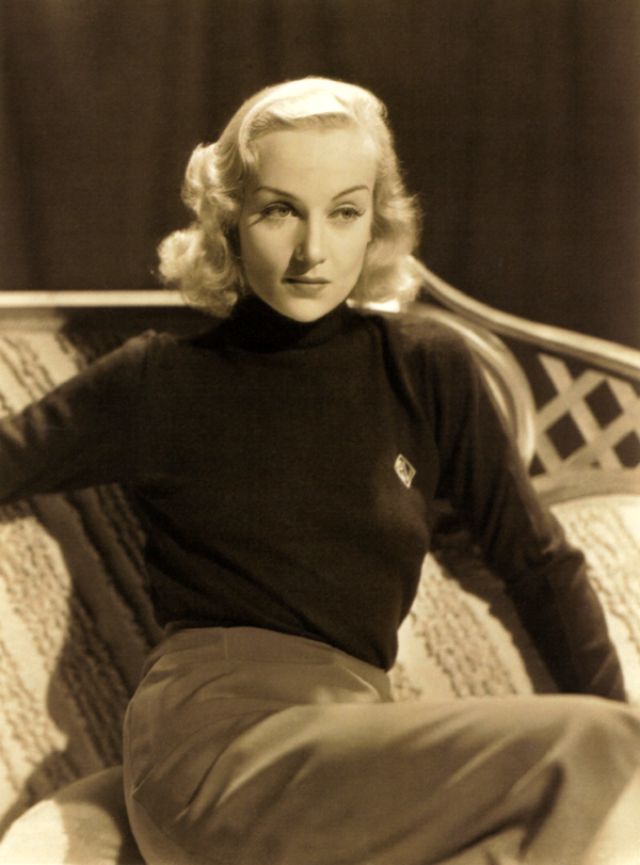
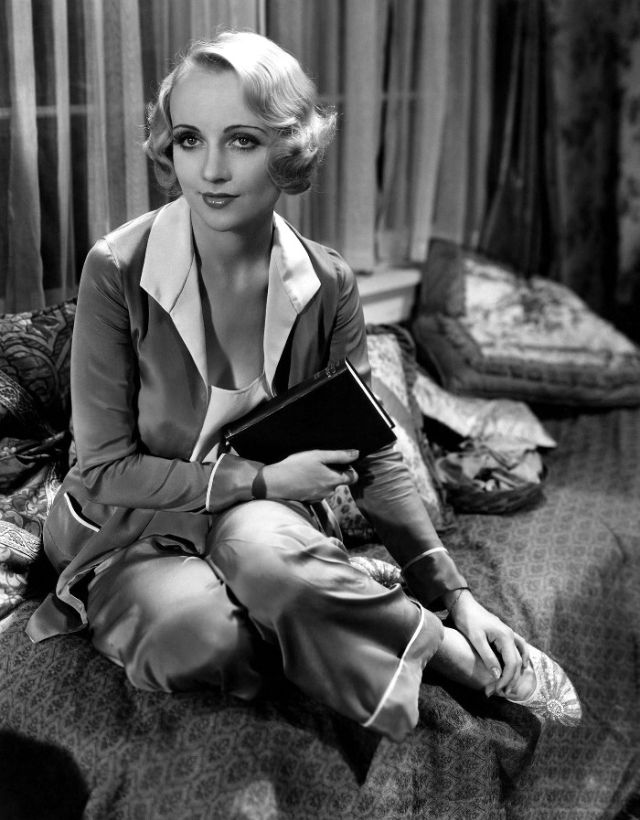
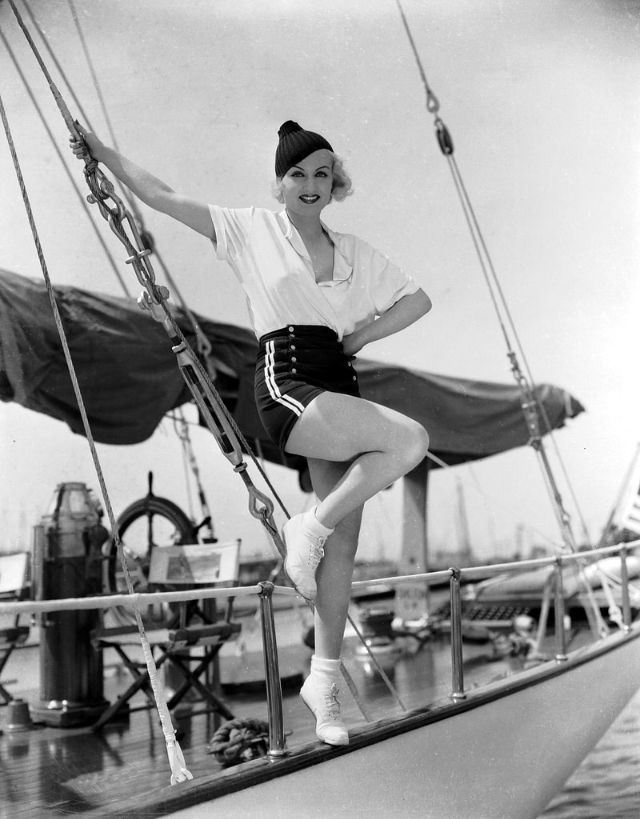
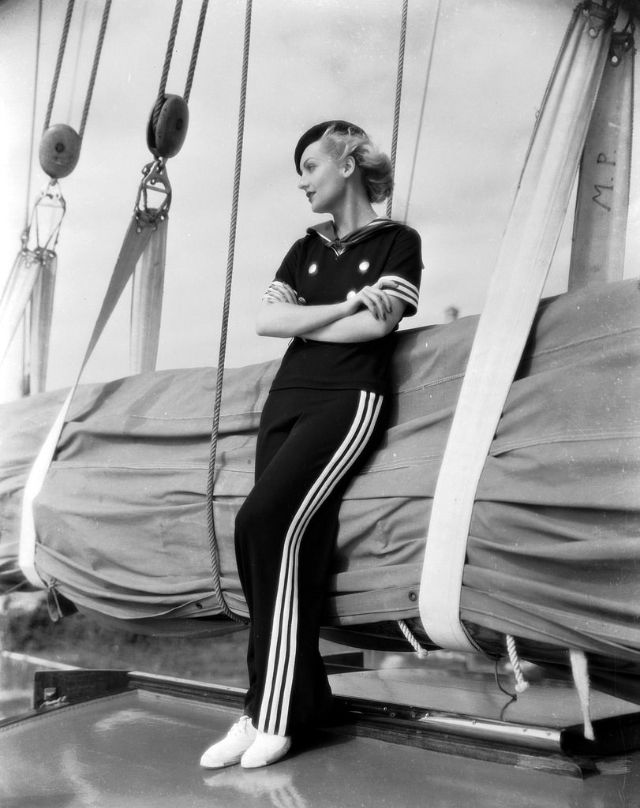
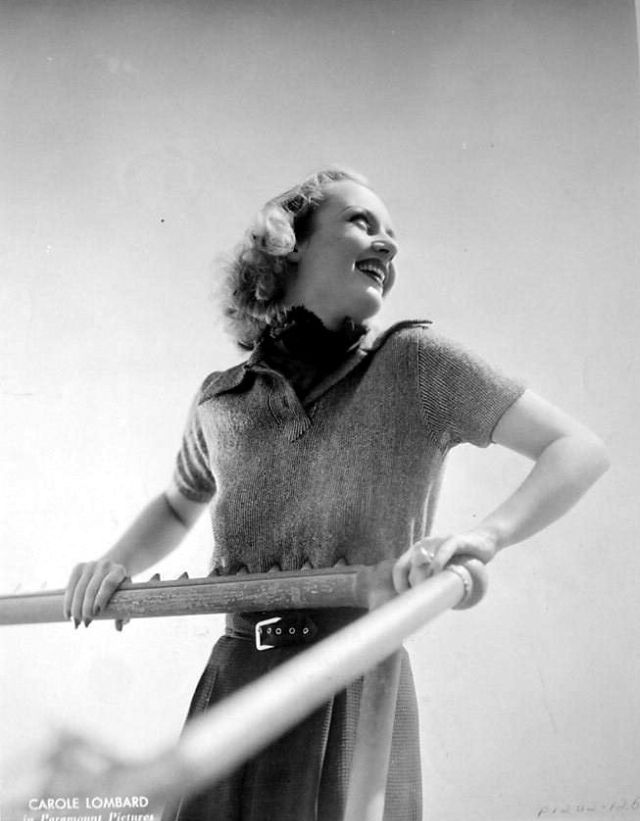
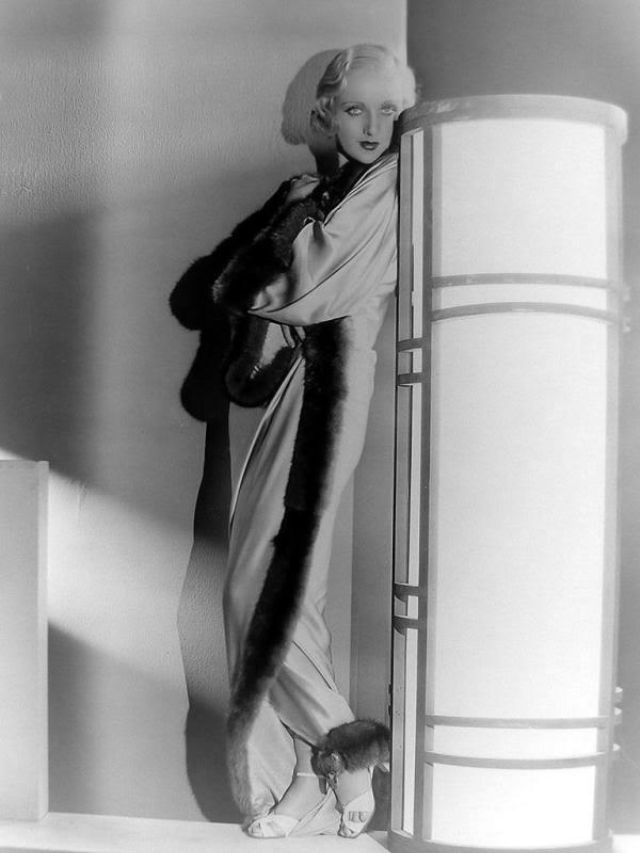
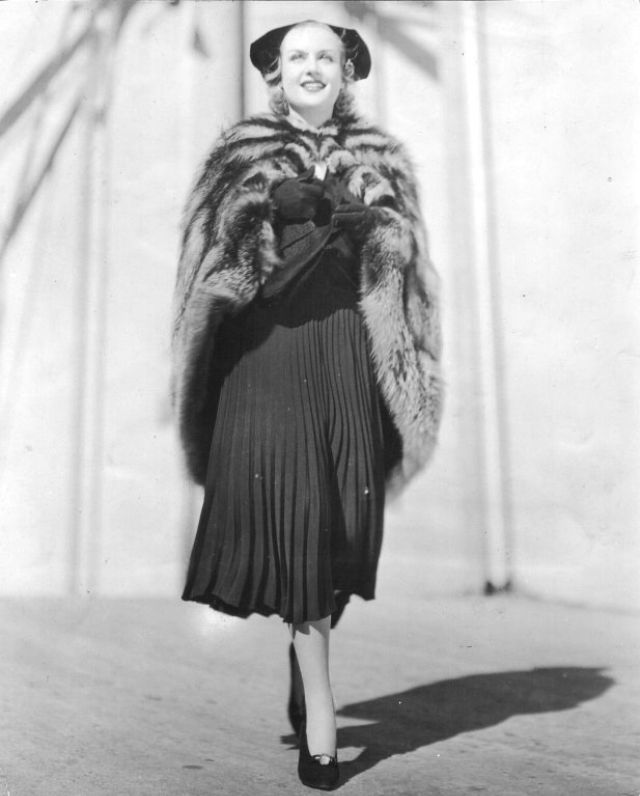
Not only a beautiful actress, Lompard was also a fashion icon of her time. These stunning photos show fashion styles of Carole Lombard in the 1930s.
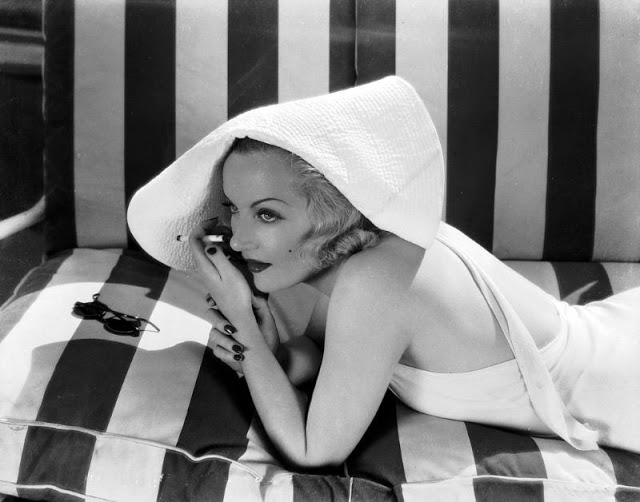
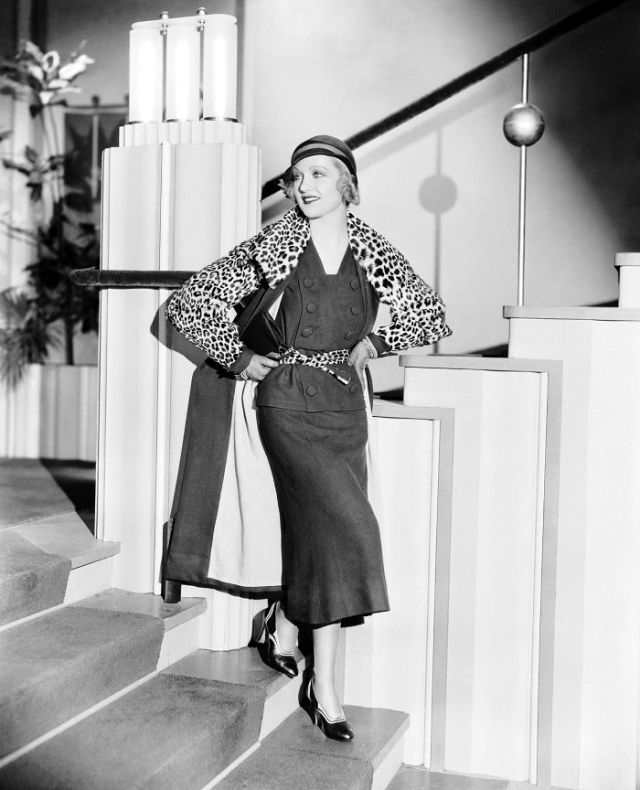











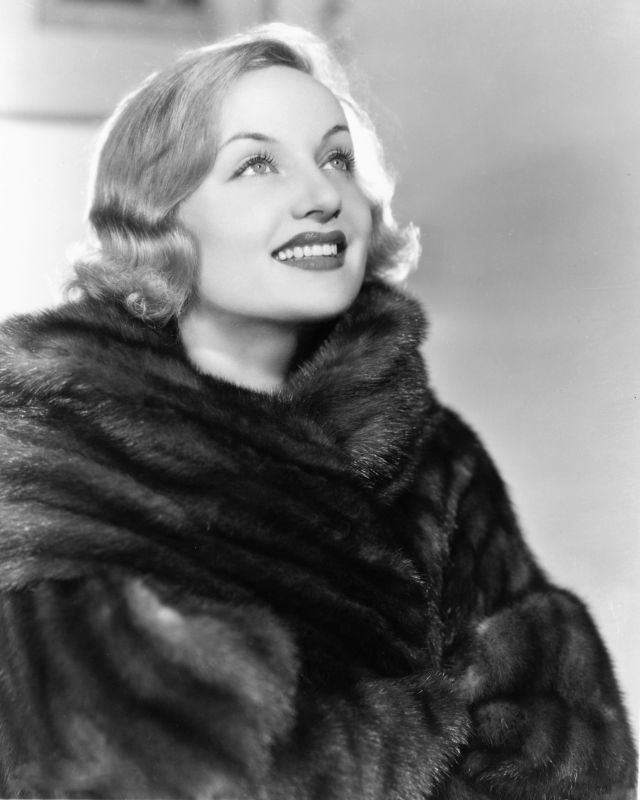




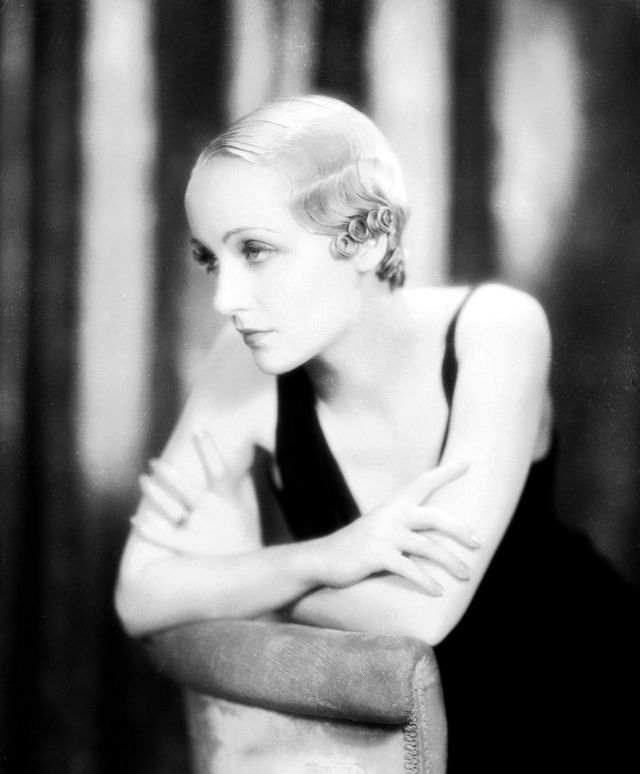

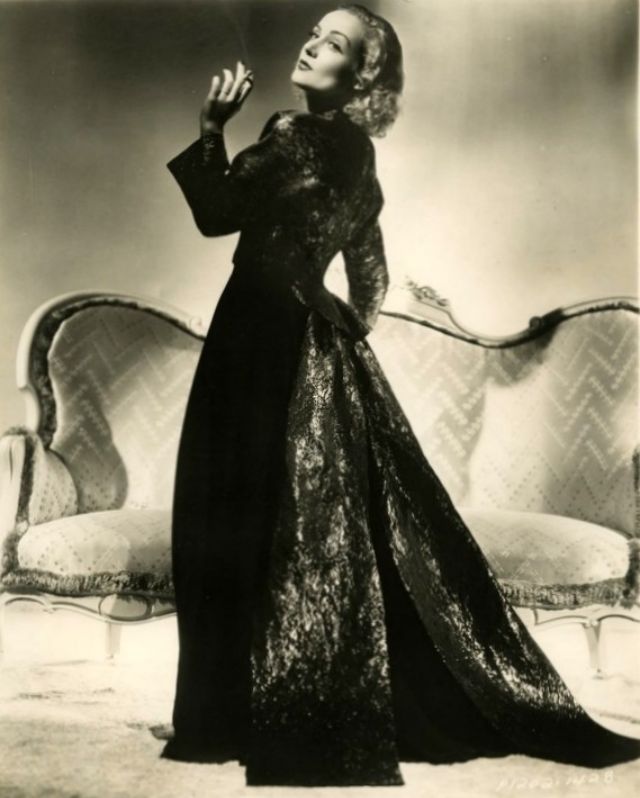

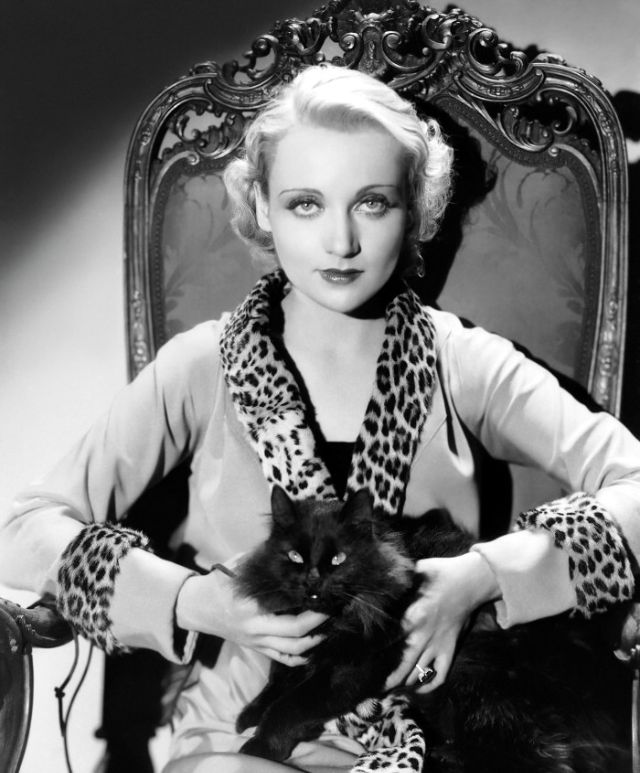














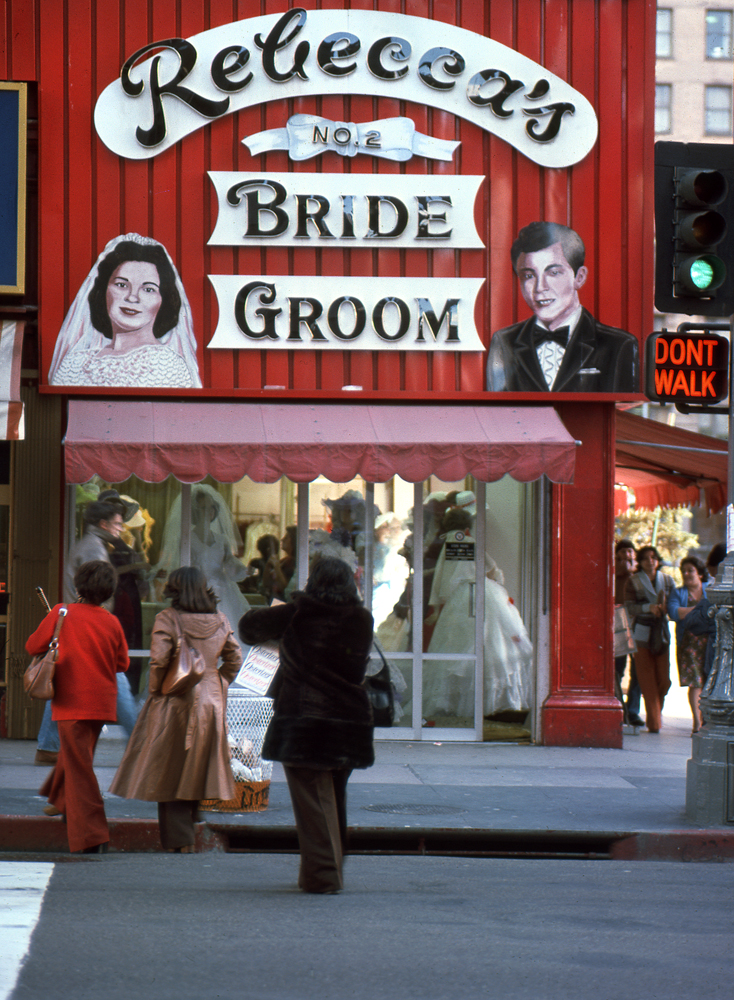
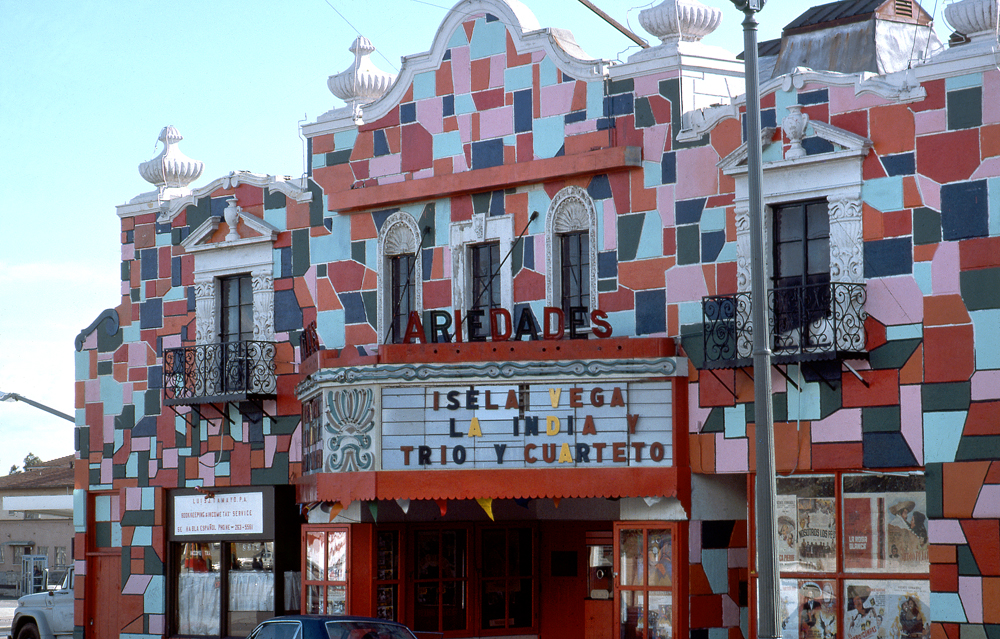
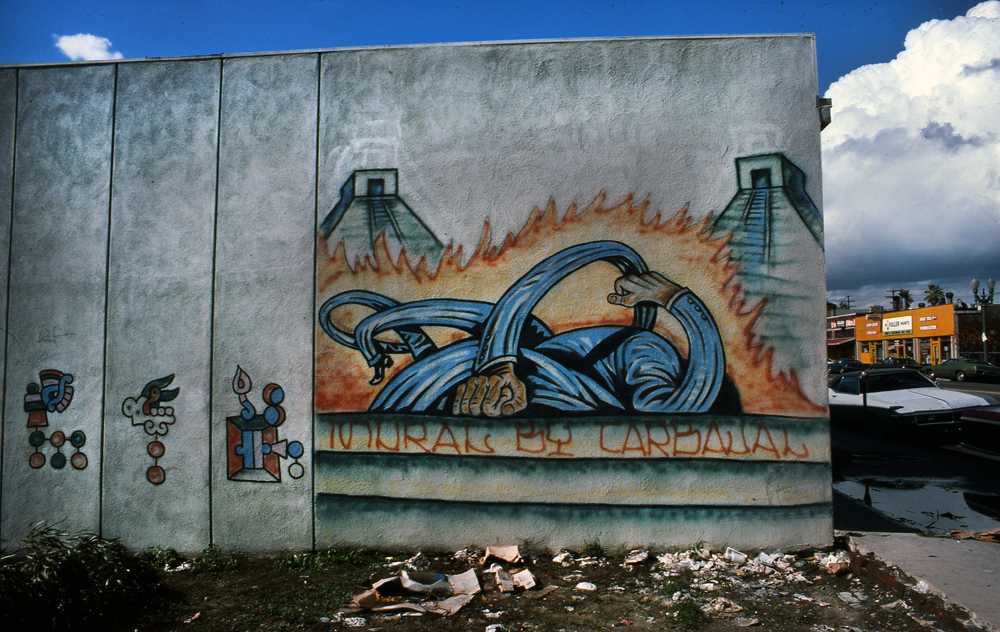
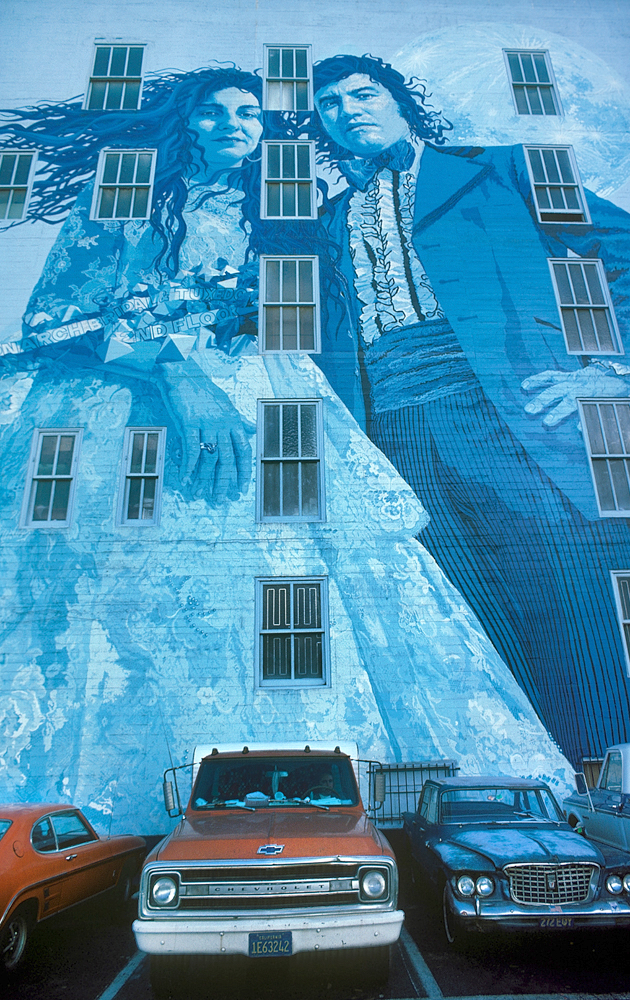
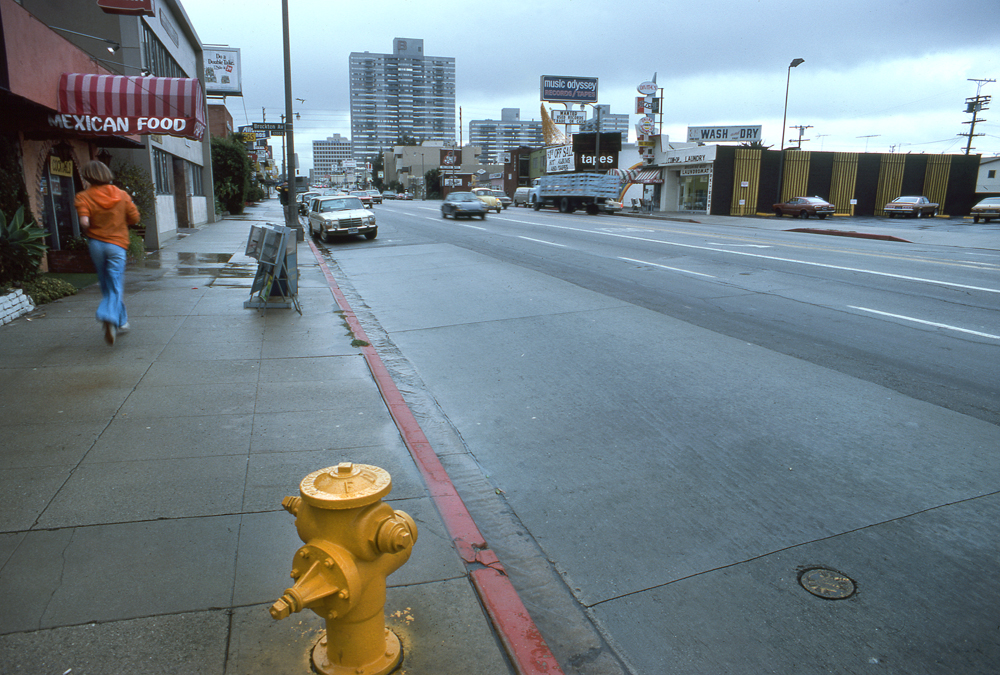
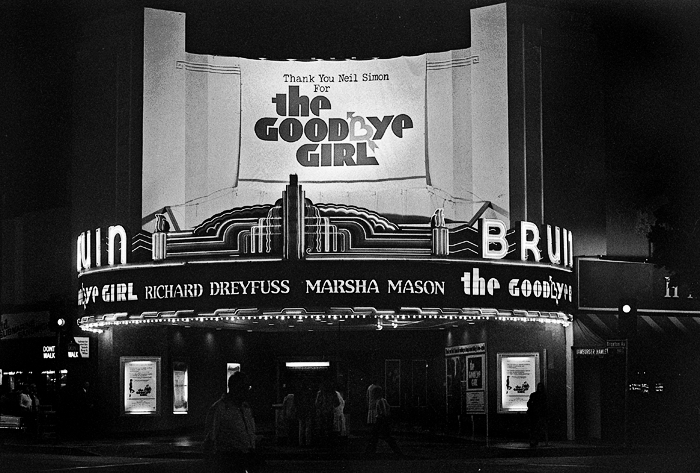
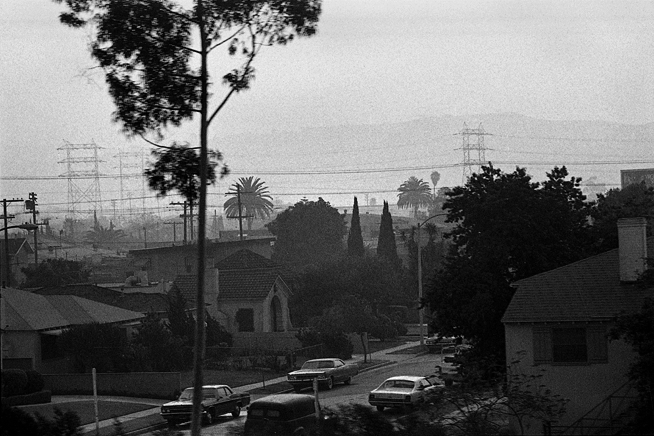
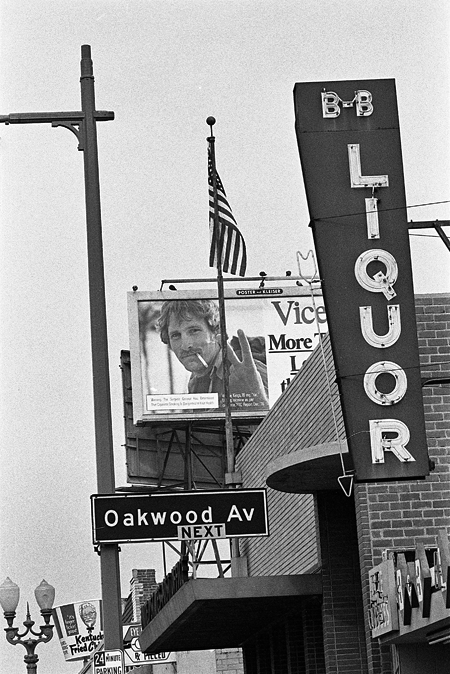
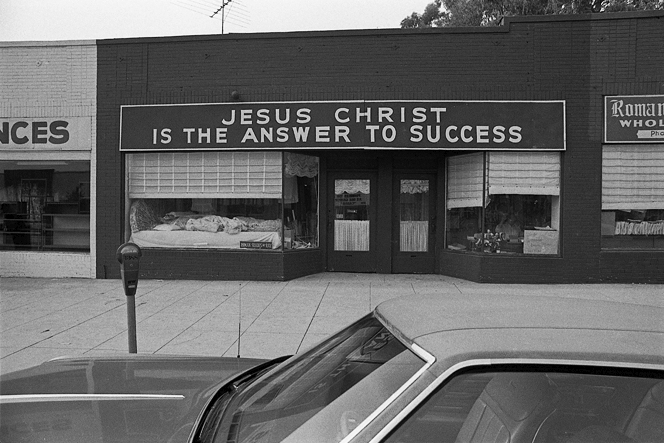
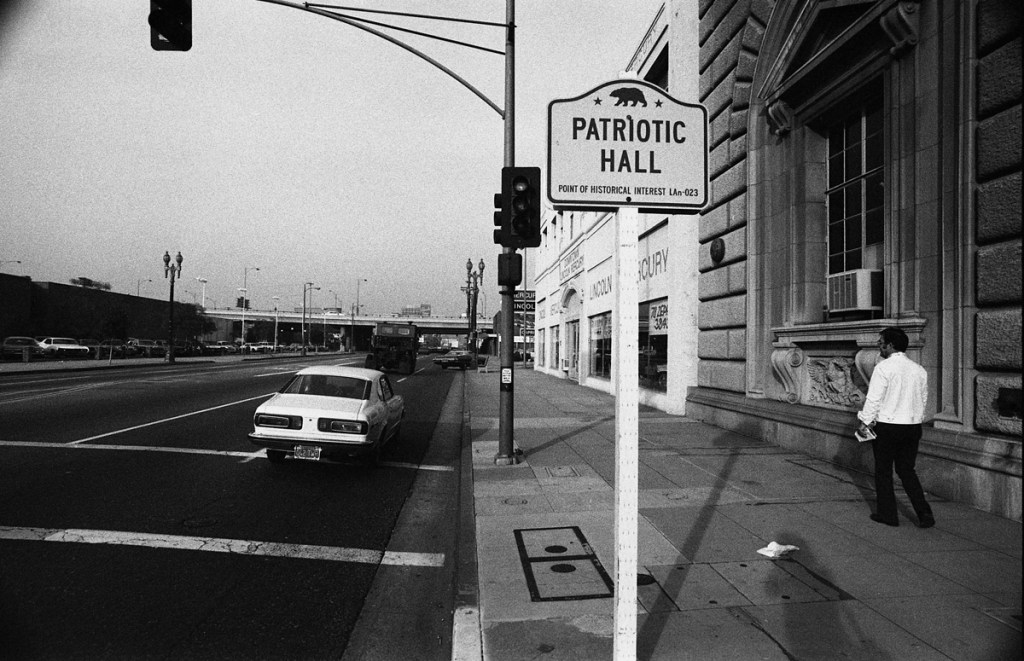
Los Angeles, commonly referred to by the initialism L.A., is the largest city in California. With a 2020 population of 3,898,747, it is the second-largest city in the United States. Los Angeles is known for its Mediterranean climate, ethnic and cultural diversity, Hollywood entertainment industry and sprawling metropolitan area.
Los Angeles lies in a basin in Southern California, adjacent to the Pacific Ocean. The city, which covers about 469 square miles (1,210 km2), is the seat of Los Angeles County.
Home to the Chumash and Tongva, the area that became Los Angeles was claimed by Juan Rodríguez Cabrillo for Spain in 1542. The city was founded on September 4, 1781, under Spanish governor Felipe de Neve, on the village of Yaanga. It became a part of Mexico in 1821 following the Mexican War of Independence. In 1848, at the end of the Mexican–American War, Los Angeles and the rest of California were purchased as part of the Treaty of Guadalupe Hidalgo, and thus became part of the United States. Los Angeles was incorporated as a municipality on April 4, 1850, five months before California achieved statehood. The discovery of oil in the 1890s brought rapid growth to the city. The city was further expanded with the completion of the Los Angeles Aqueduct in 1913, which delivers water from Eastern California.
Los Angeles has a diverse and robust economy, and hosts businesses in a broad range of professional and cultural fields. It also has the busiest container port in the Americas. In 2018, the Los Angeles metropolitan area had a gross metropolitan product of over $1.0 trillion, making it the city with the third-largest GDP in the world, after Tokyo and New York City. Los Angeles hosted the 1932 and 1984 Summer Olympics and will host the 2028 Summer Olympics. (Wikipedia)




















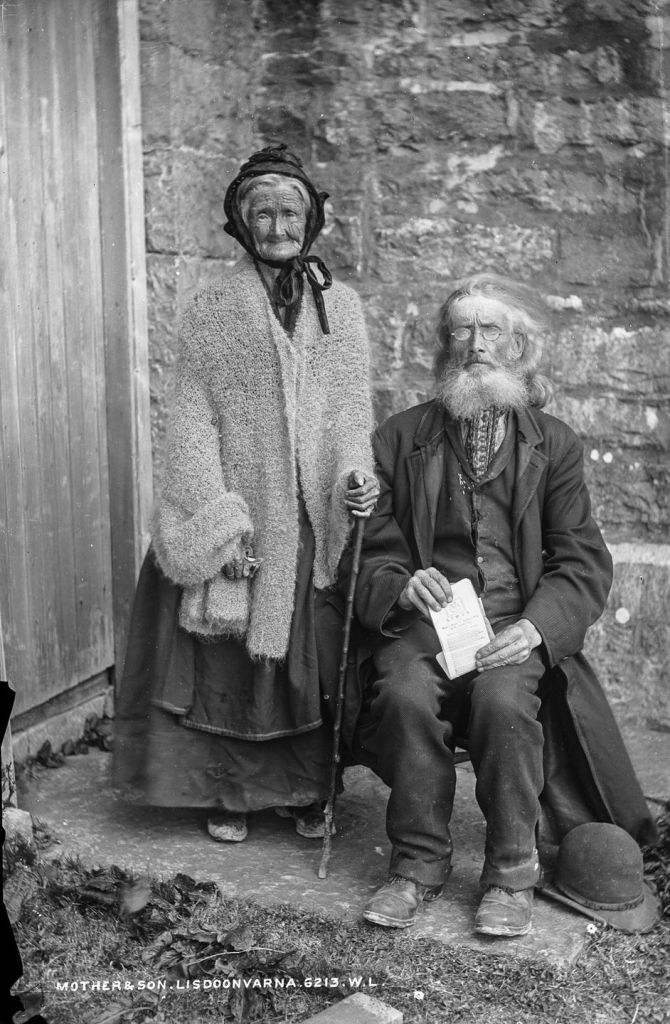
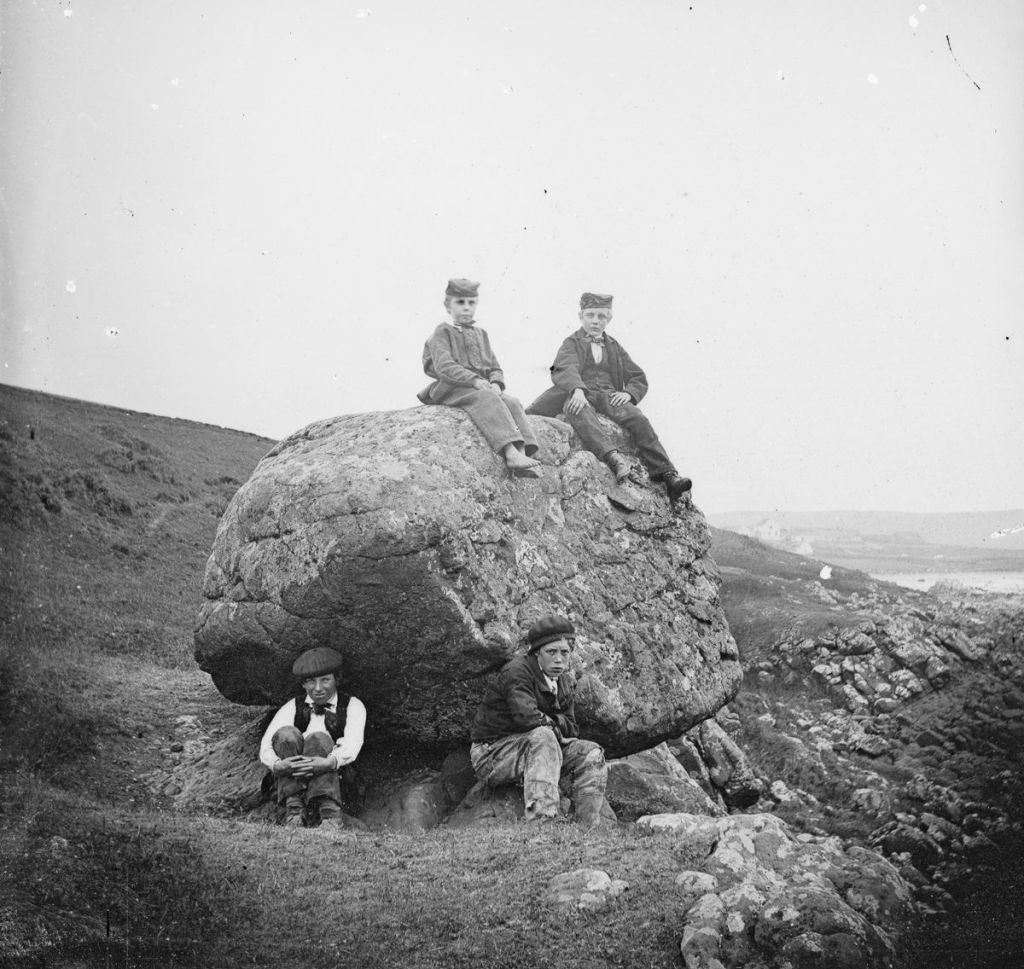
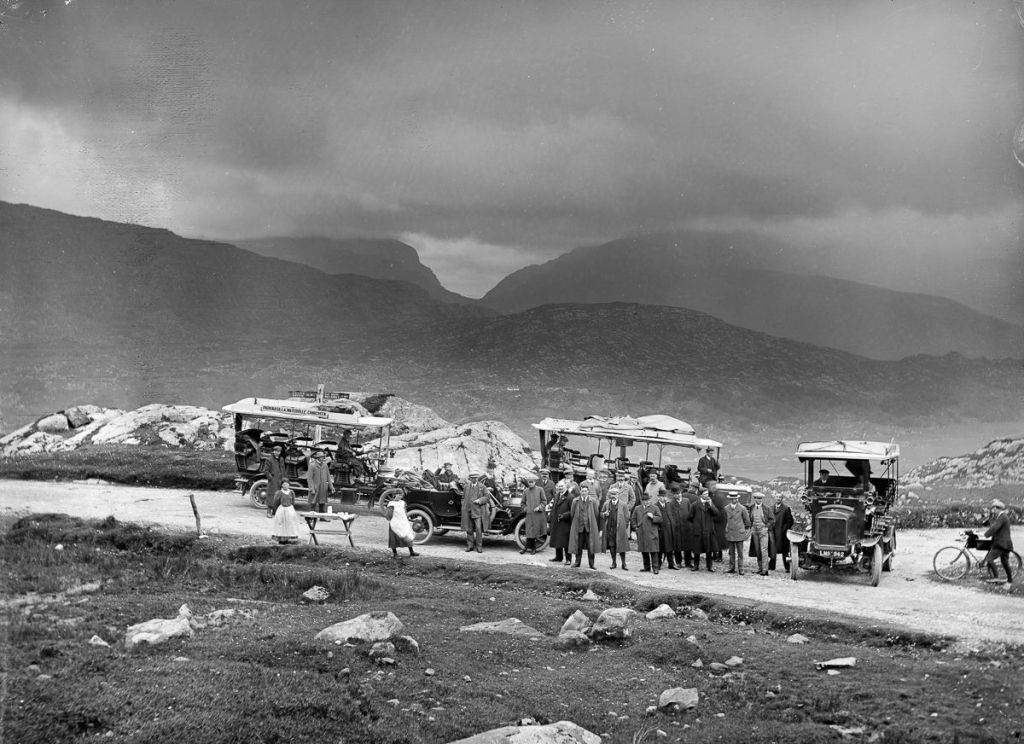
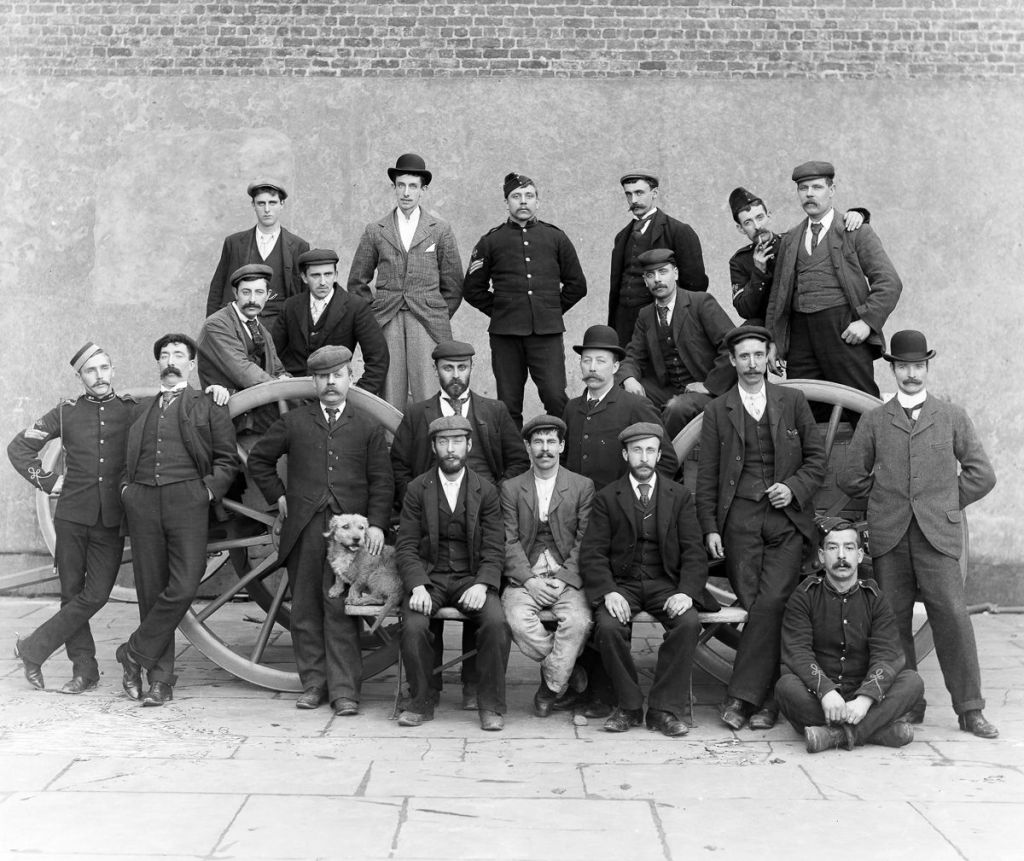
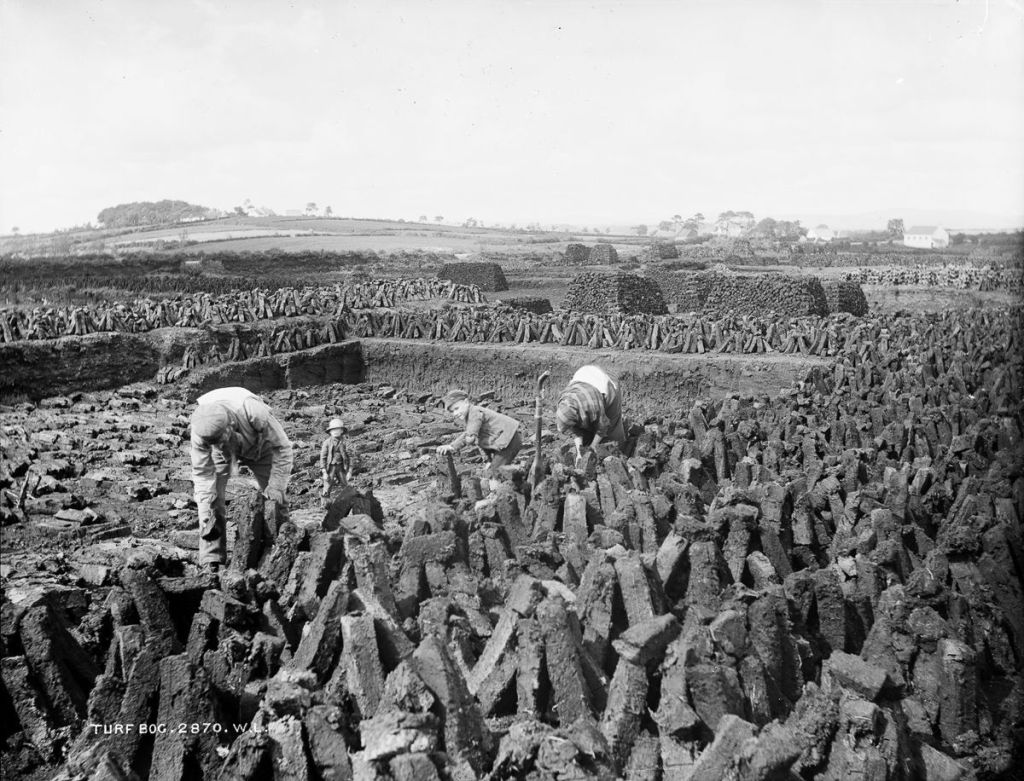
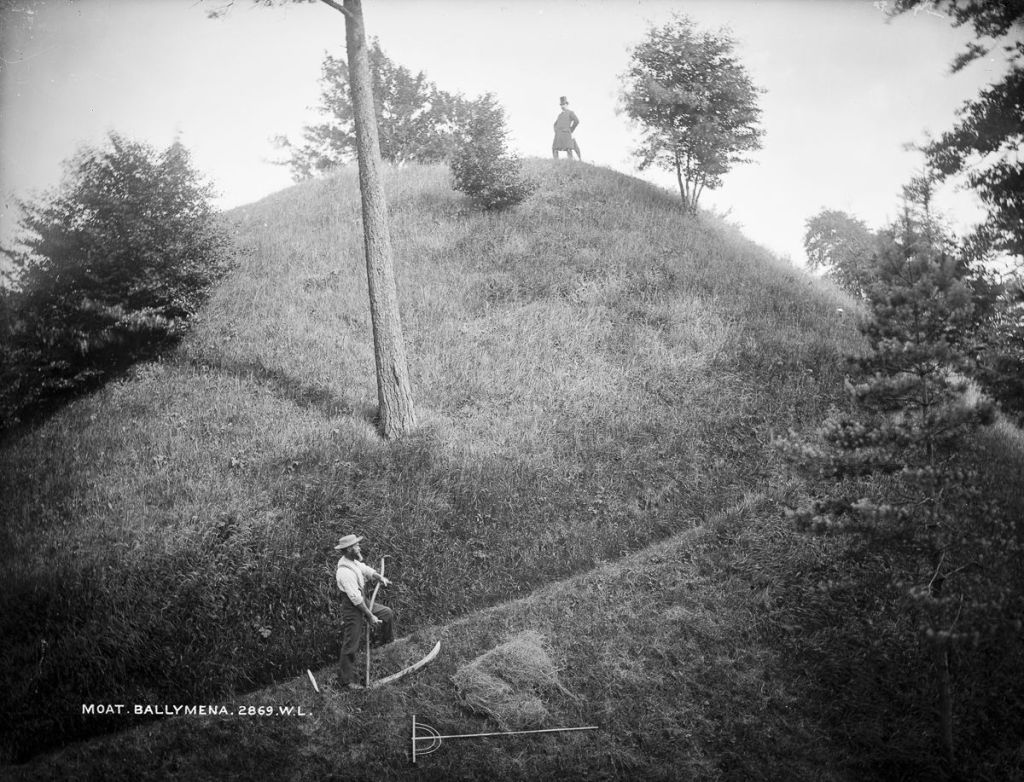
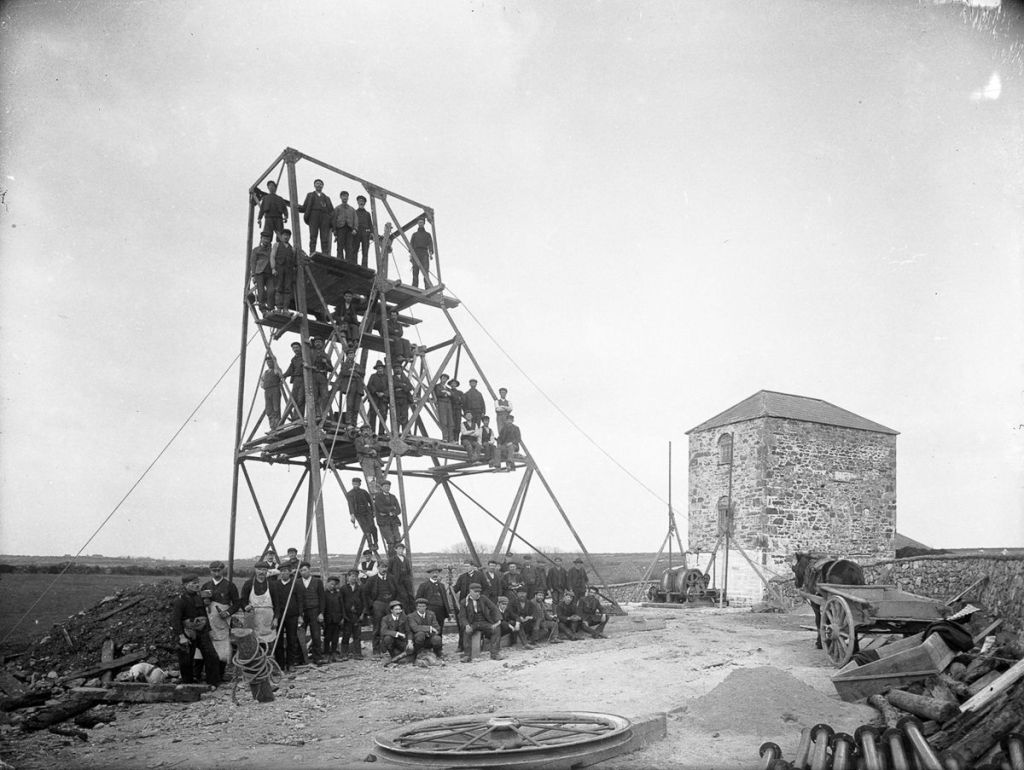
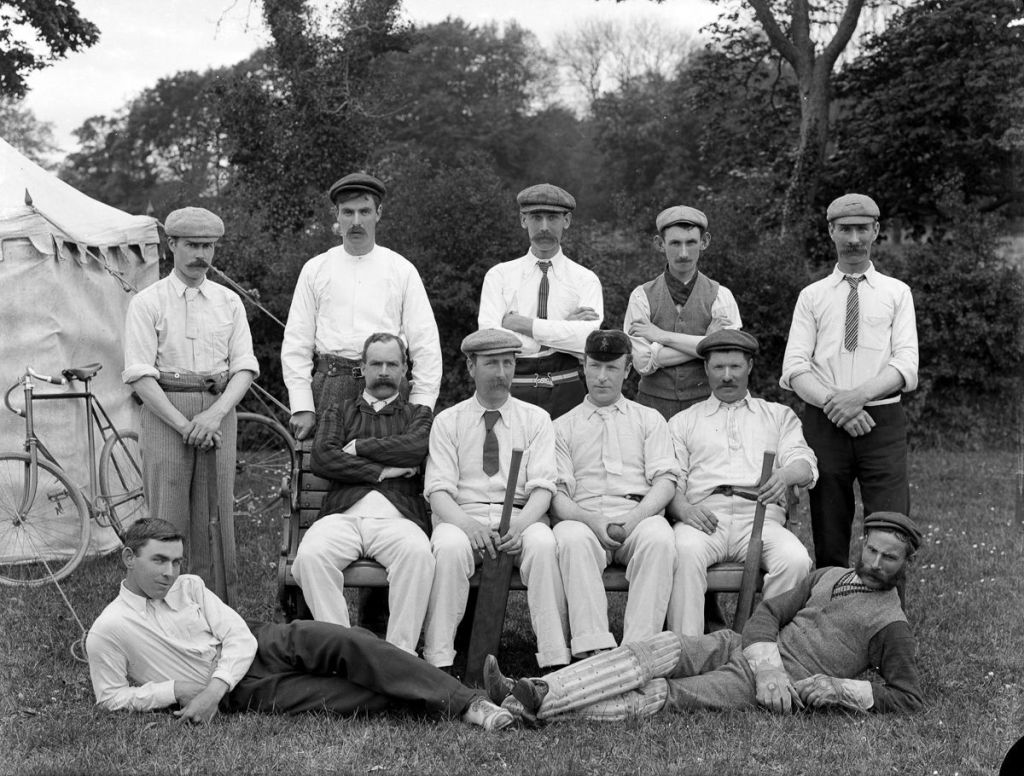
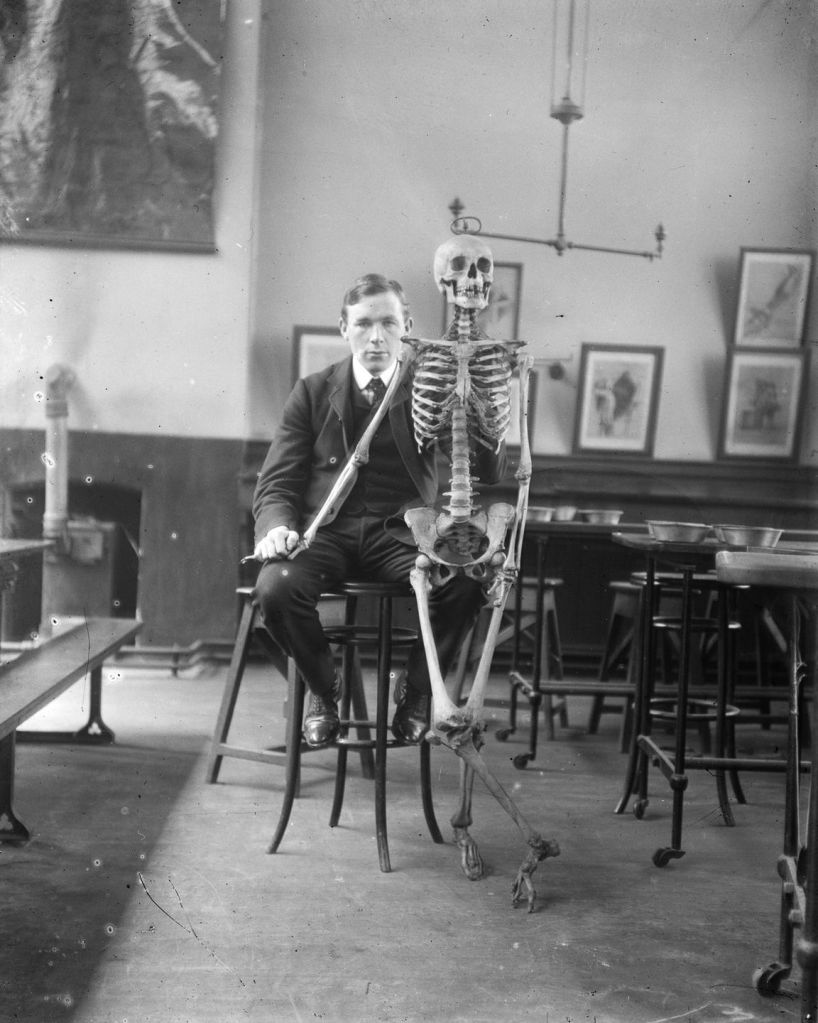
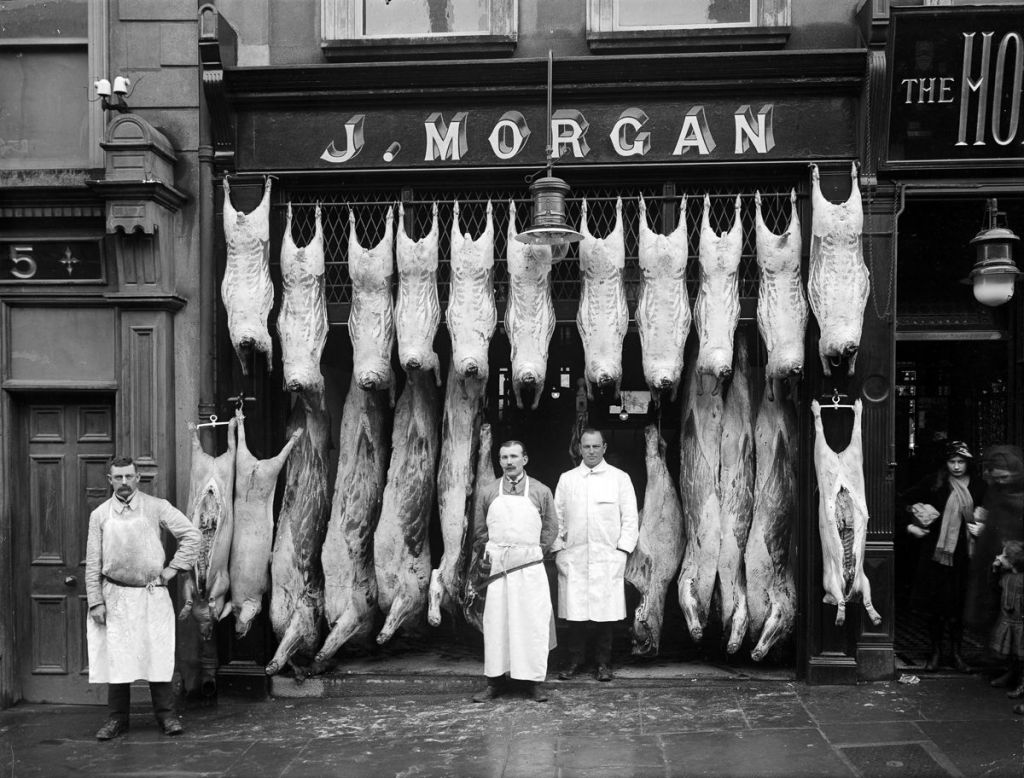
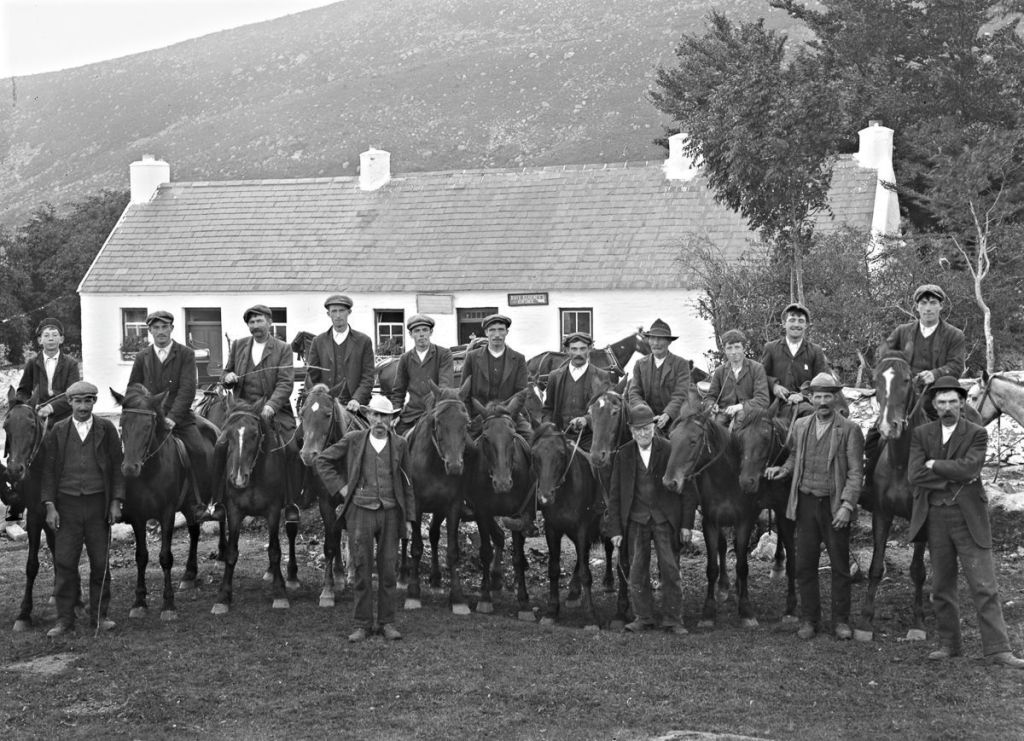
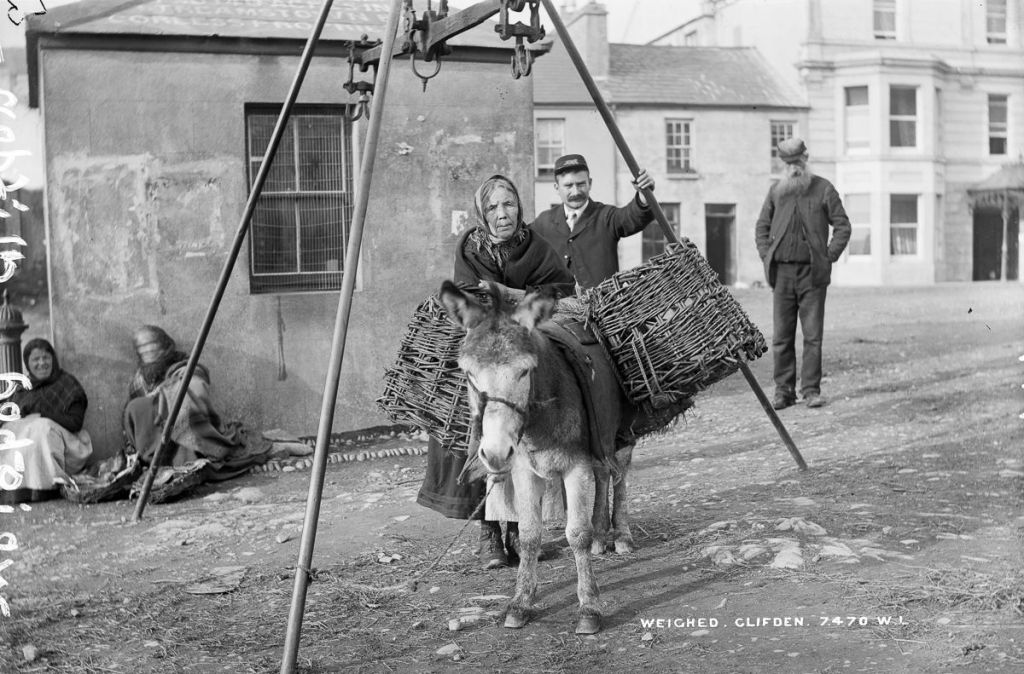
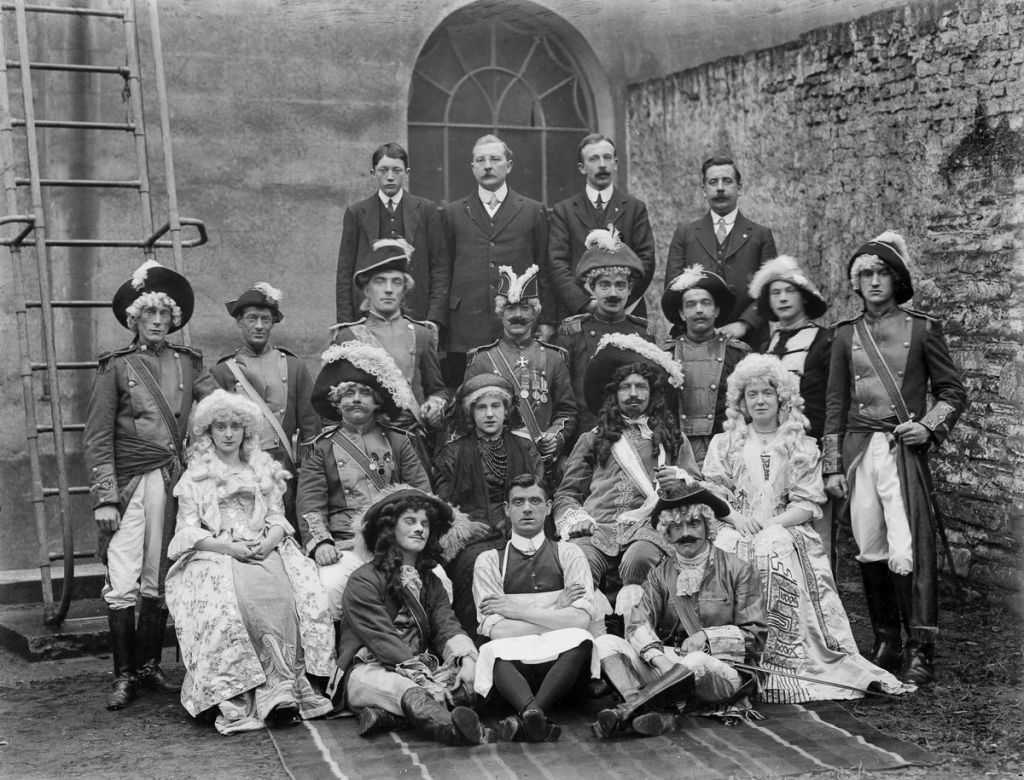
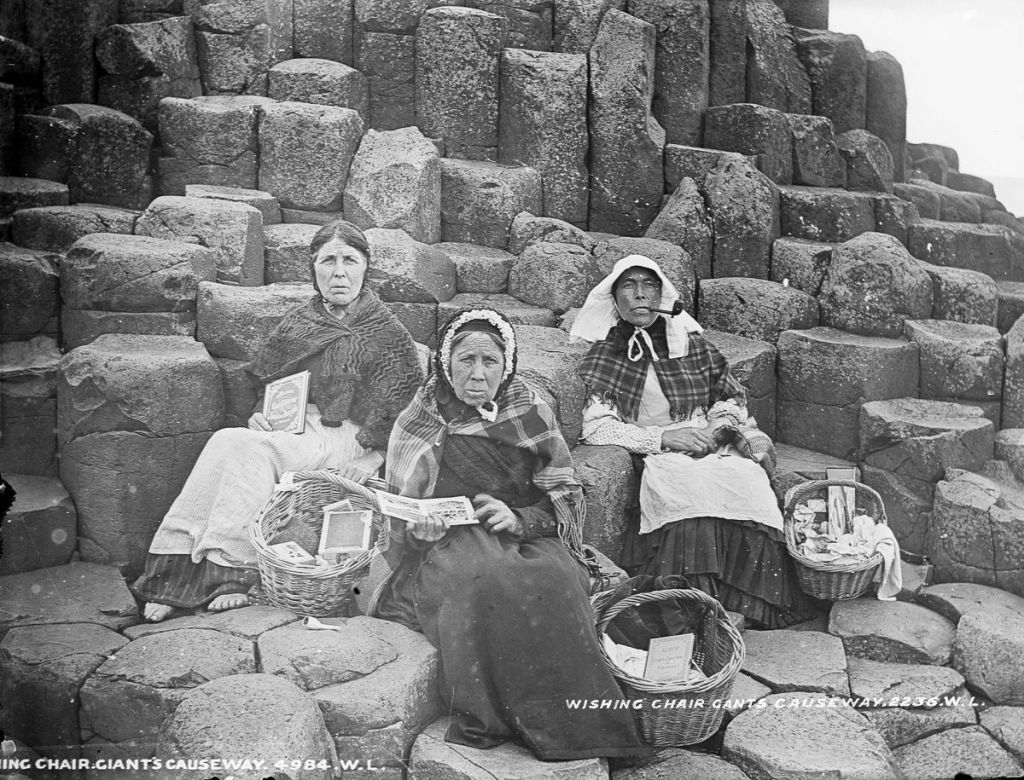
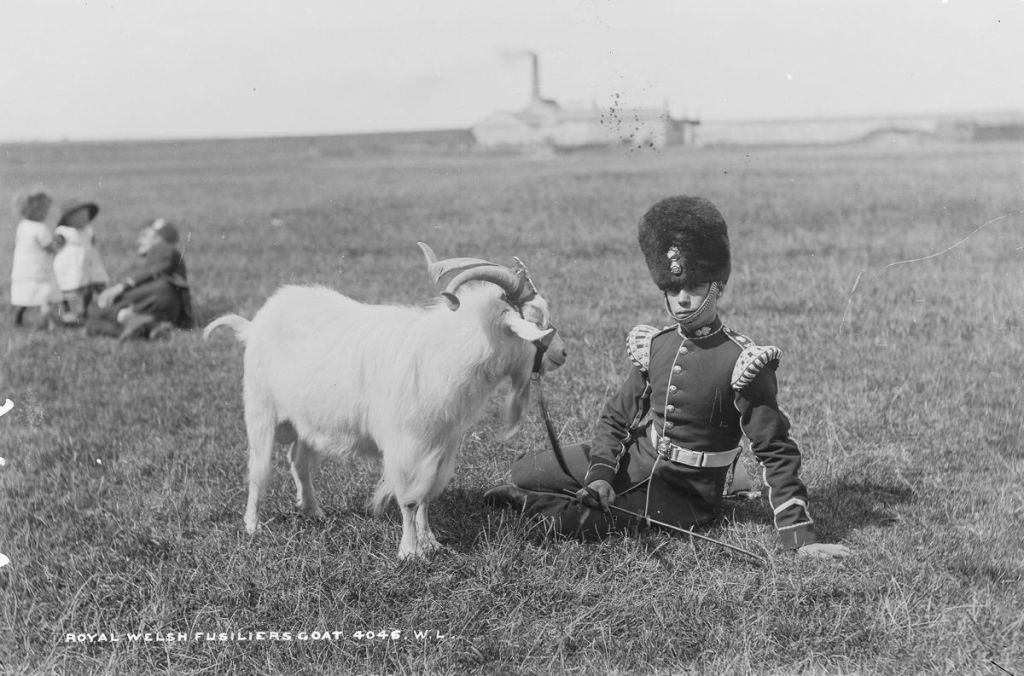
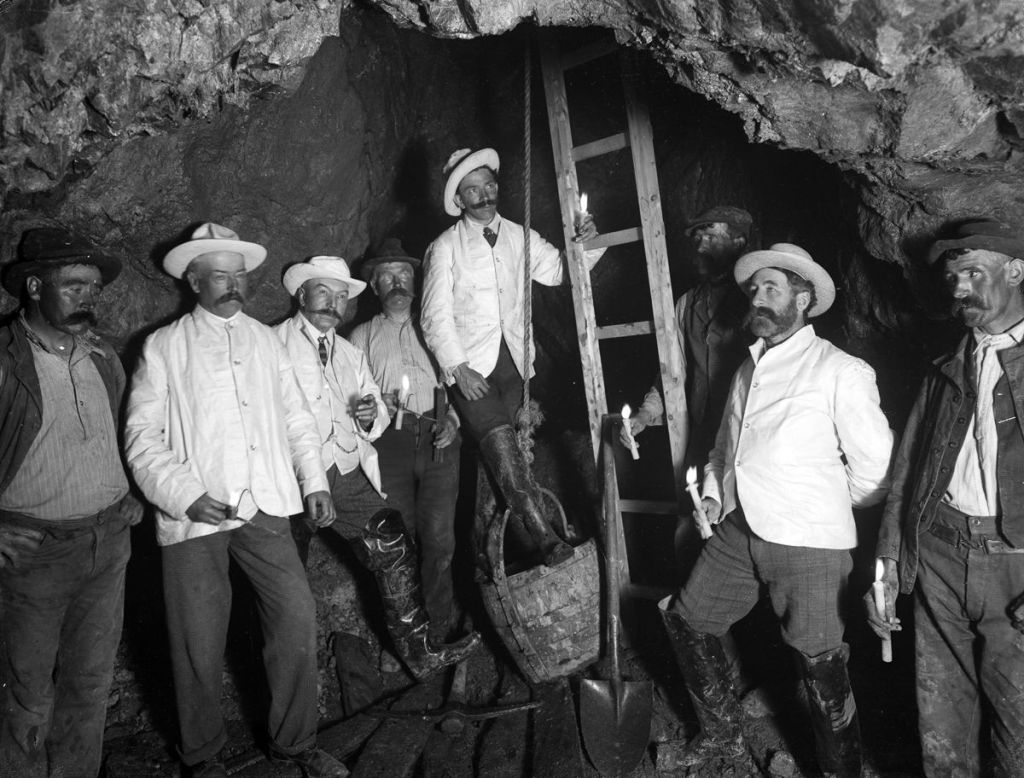
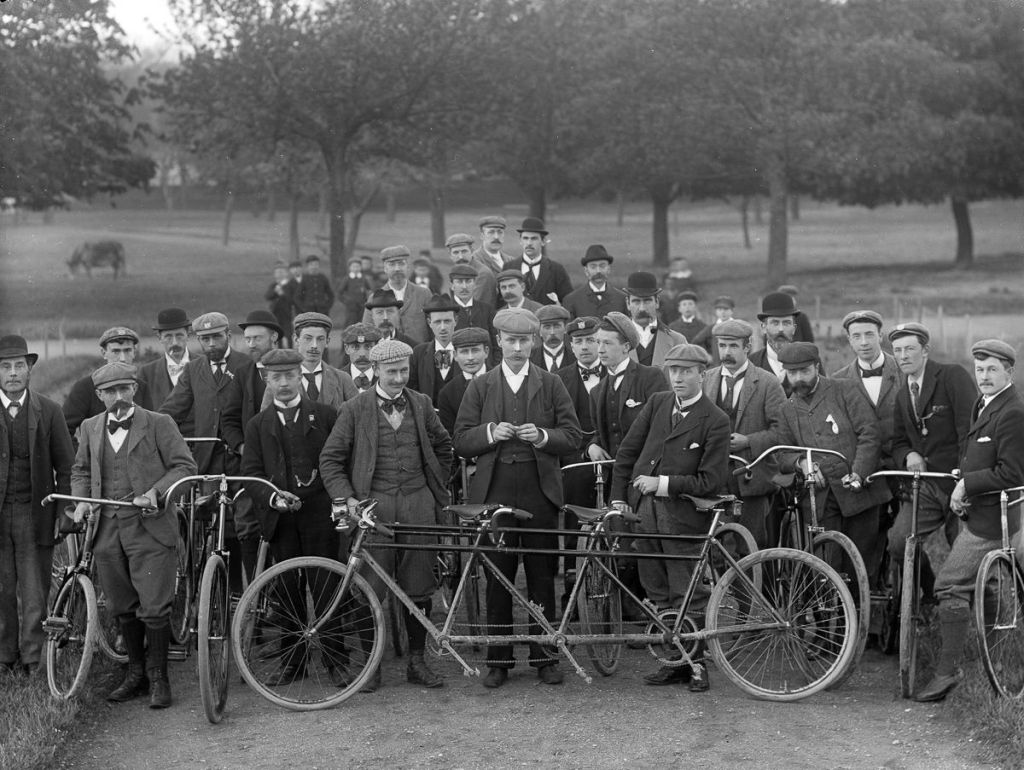
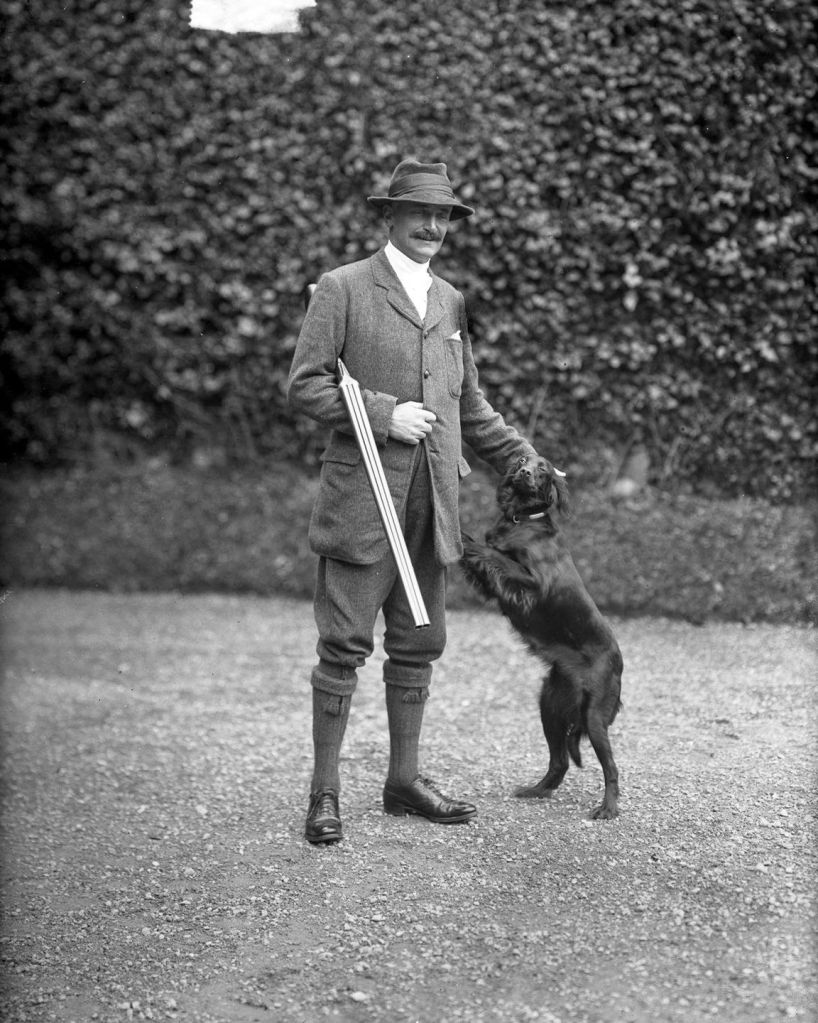
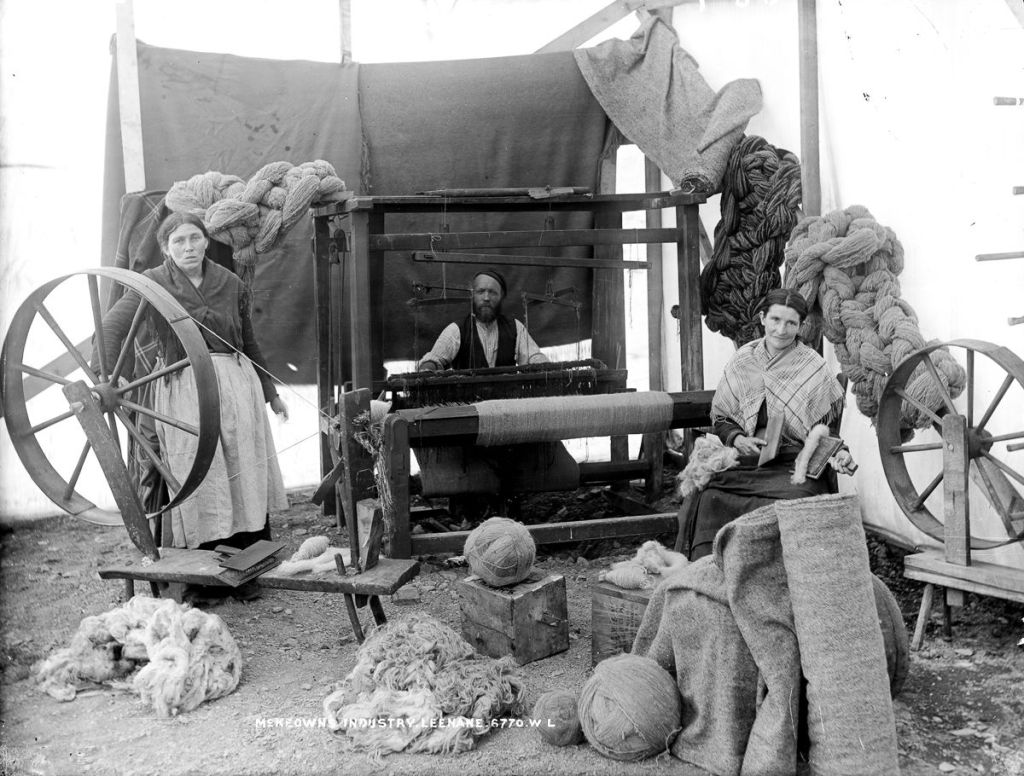
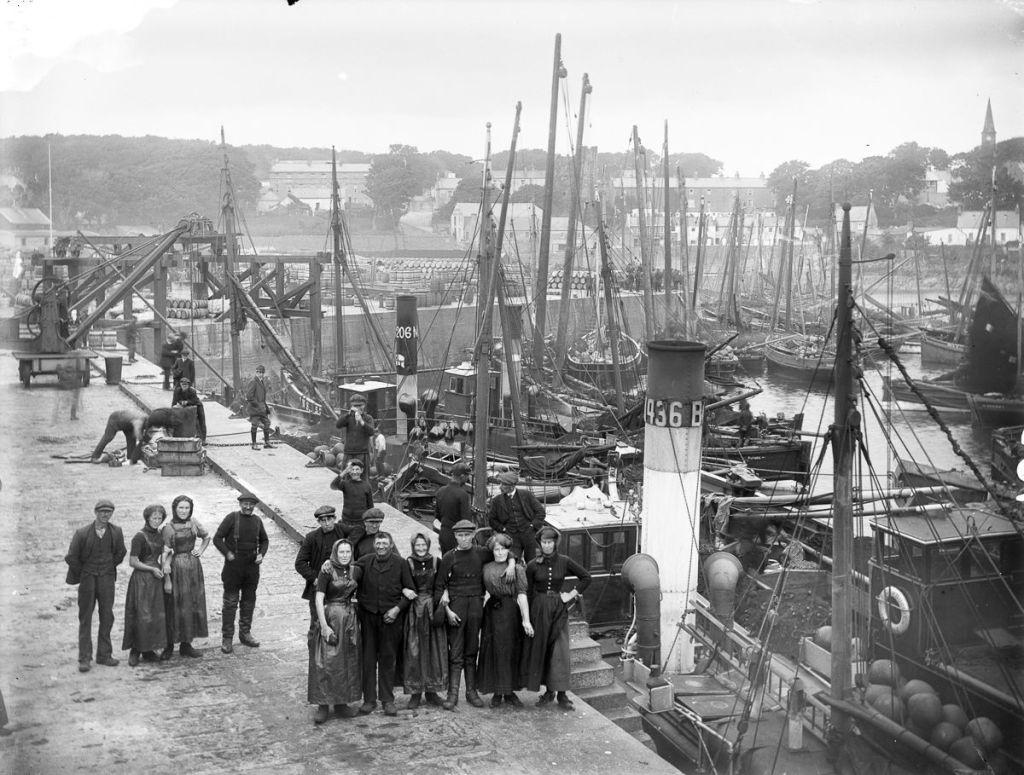
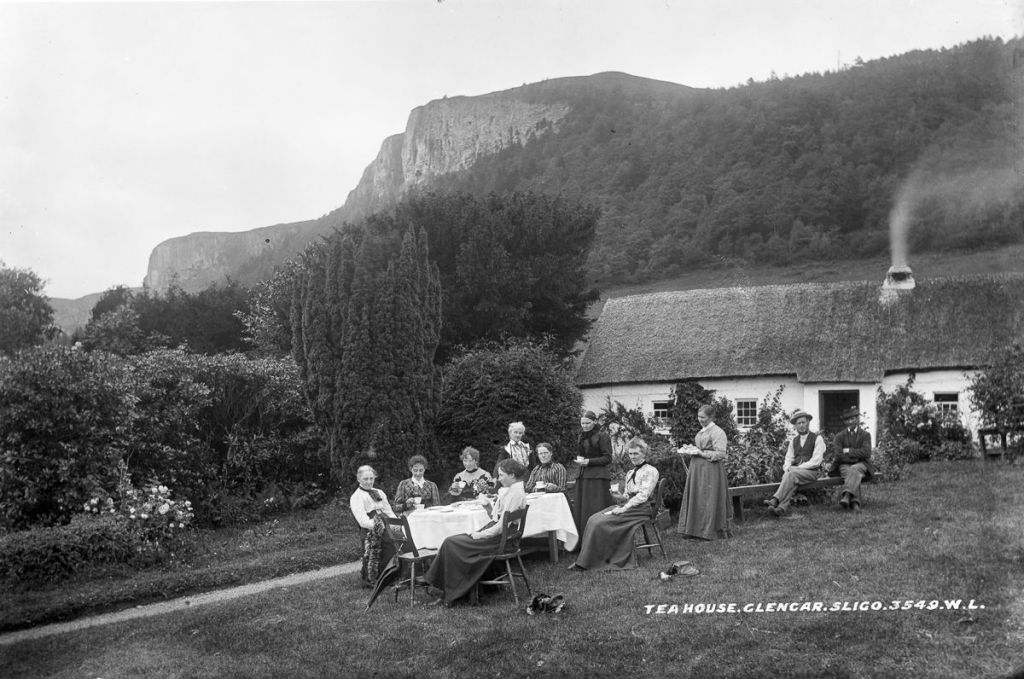
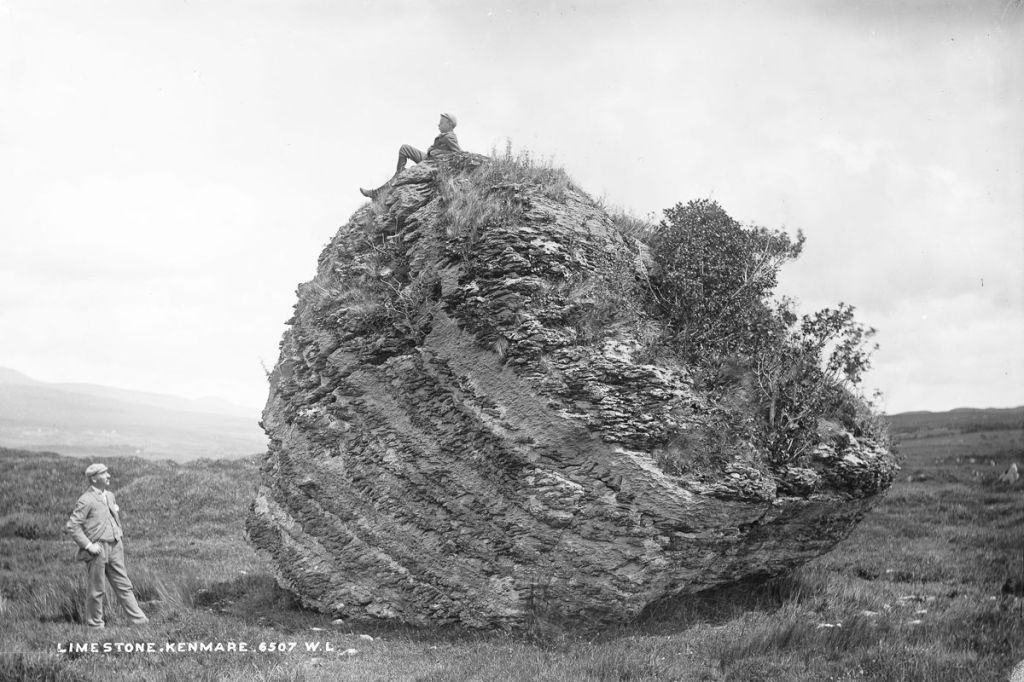
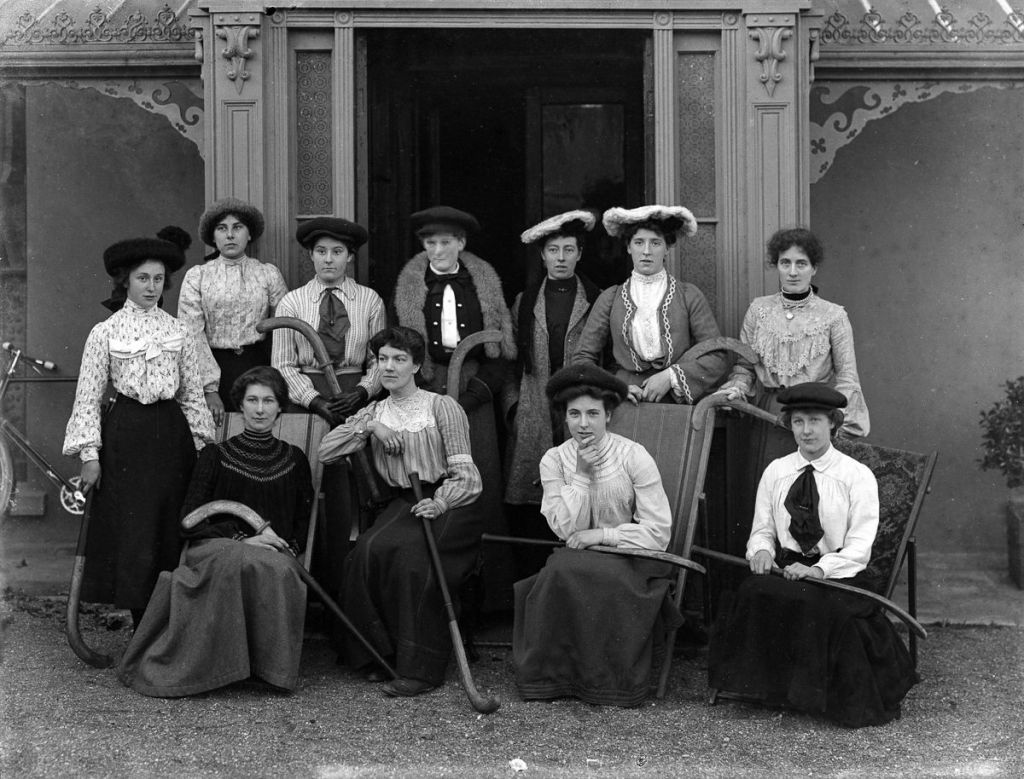
Ireland in the late 19th Century was all boulders, rocks, pigs, plus fours, mud and stoicism. Well, it is if these photographs of the period are our guide. For people of great wit, anecdote and gab, the subjects look remarkably glum. You can detect a hint of merriment in the eyes of the cricket team, one or two of the lifeboat men are chipper and a member of the Waterford bicycle club is breaking ranks with an insouciant smirk. But either the photographer waited for his sitters to grow bored and sullen before capturing the moment for whatever agenda was being pushed – a clear association of people and the rugged milieu; an Irishman’s mien as grey as the skies and rocks – or else he got them all on a bad day.
In many of these images, it’s the little things that stand out and make them memorable. Two ancients underscored with the caption ‘Mother and Son” is sardony manifest; the age of the “girls of the Ursuline Convent” and how one of them (third from left) appears to leave and arrive all at once; the haughty, top hatted gent stood overlook a man digging a moat in Ballymena; the medical student presenting the skeleton as a threat; three women who have hit rock bottom, literally, selling good fortune from the ‘wishing chair’; and the blurb of movement as men continue to work.
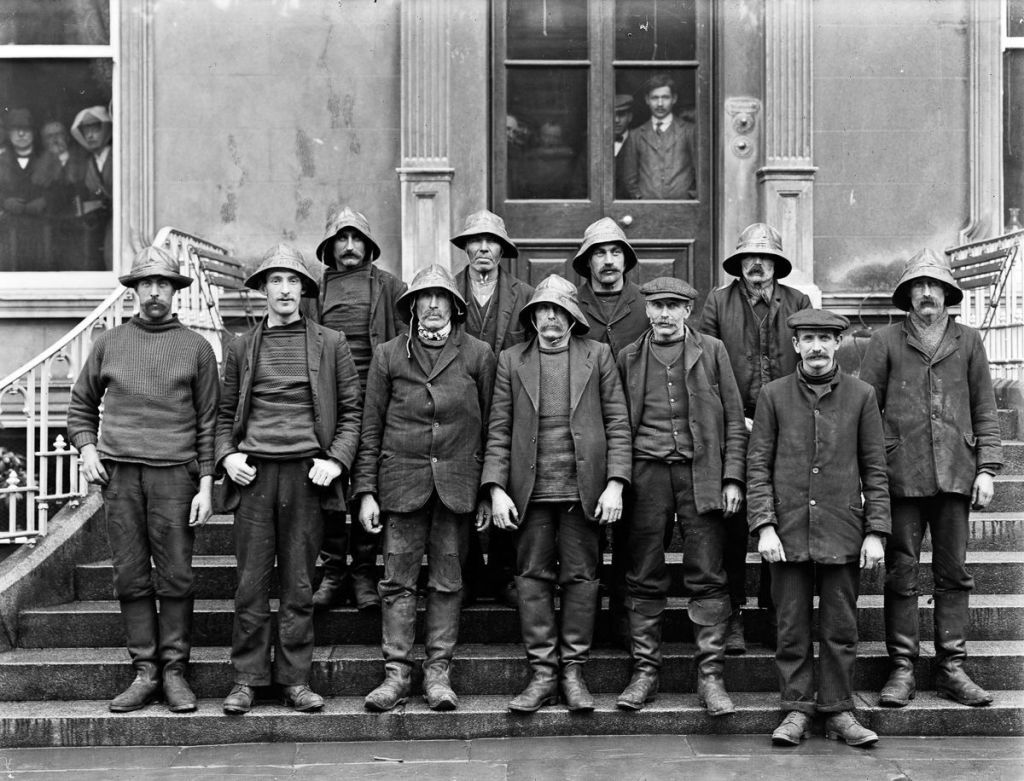

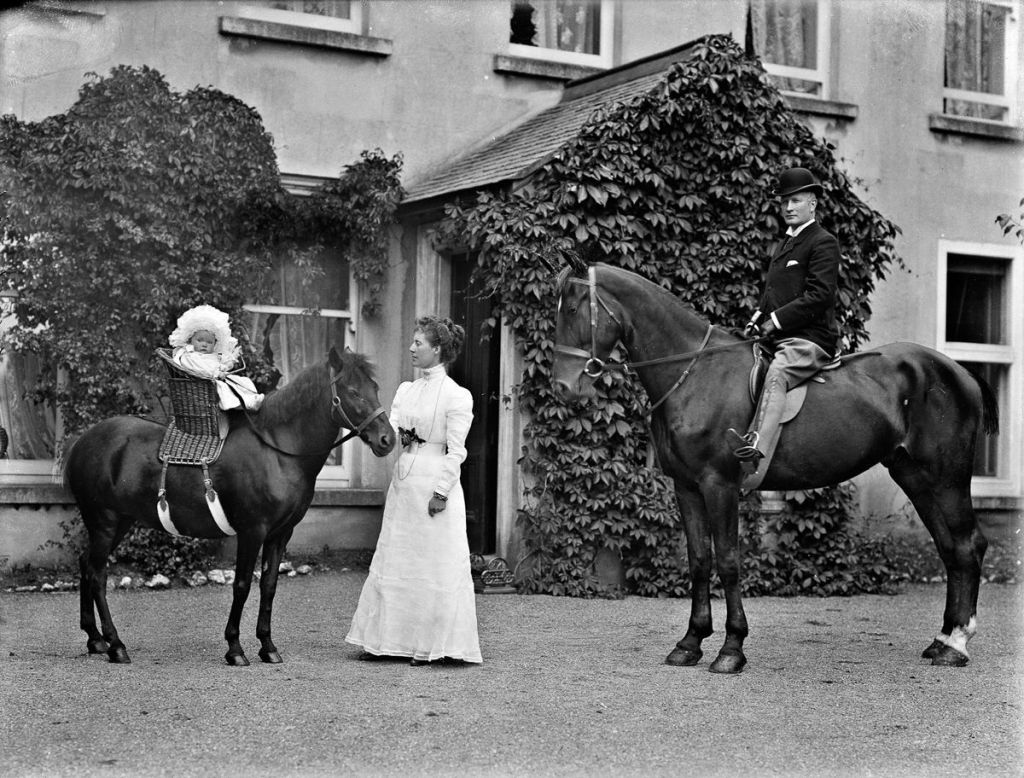
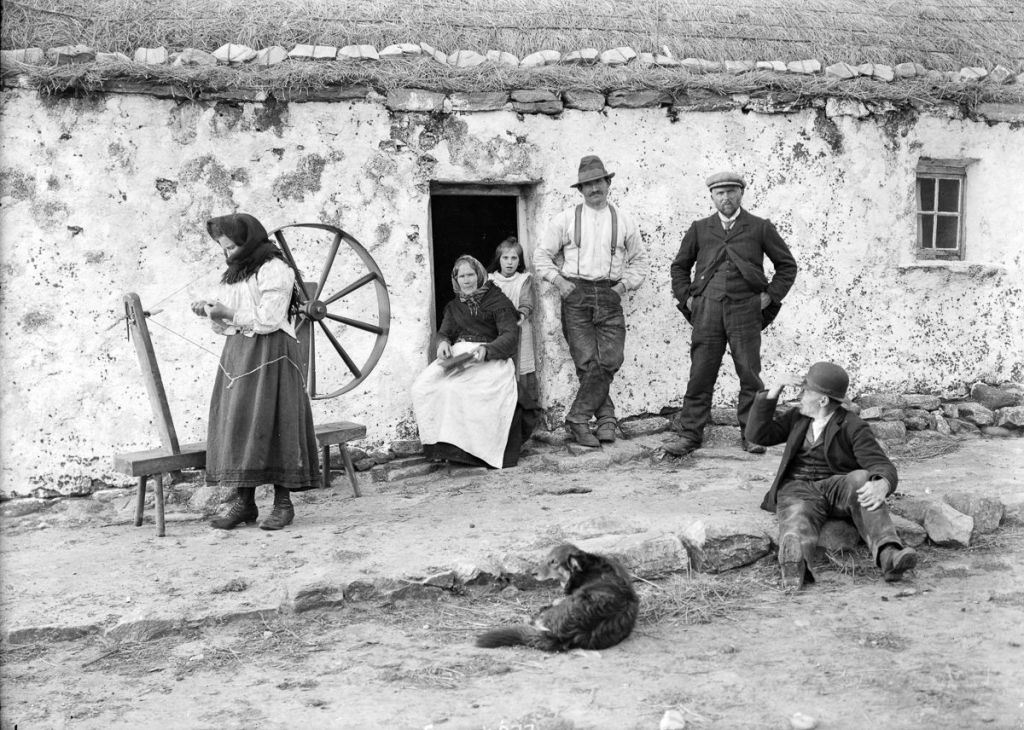
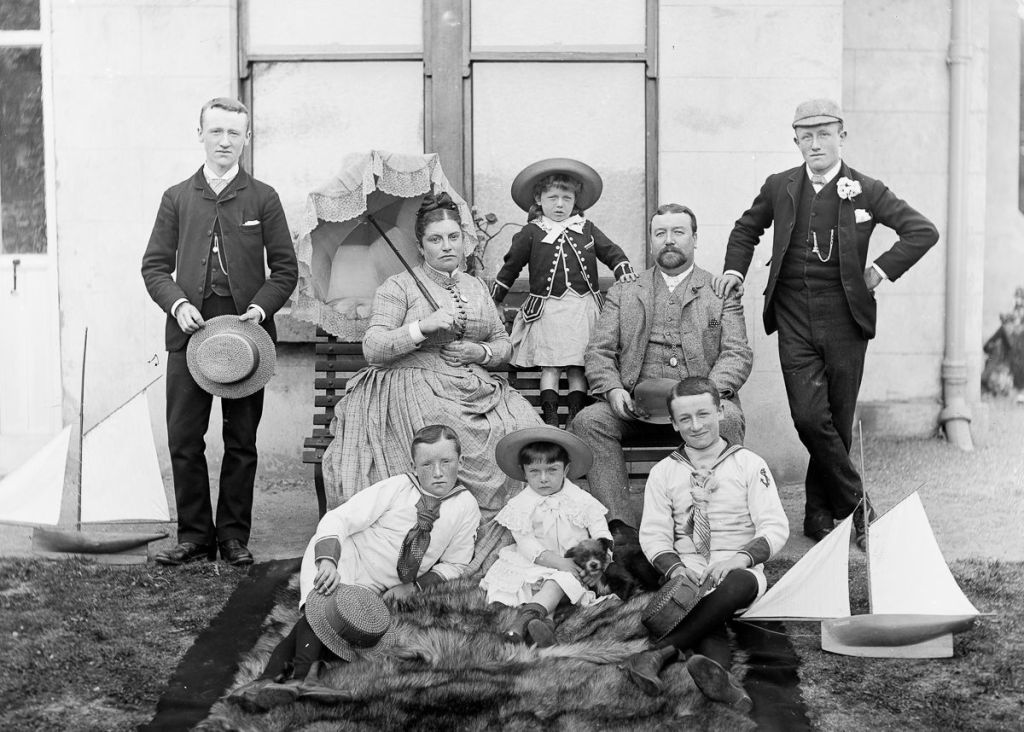






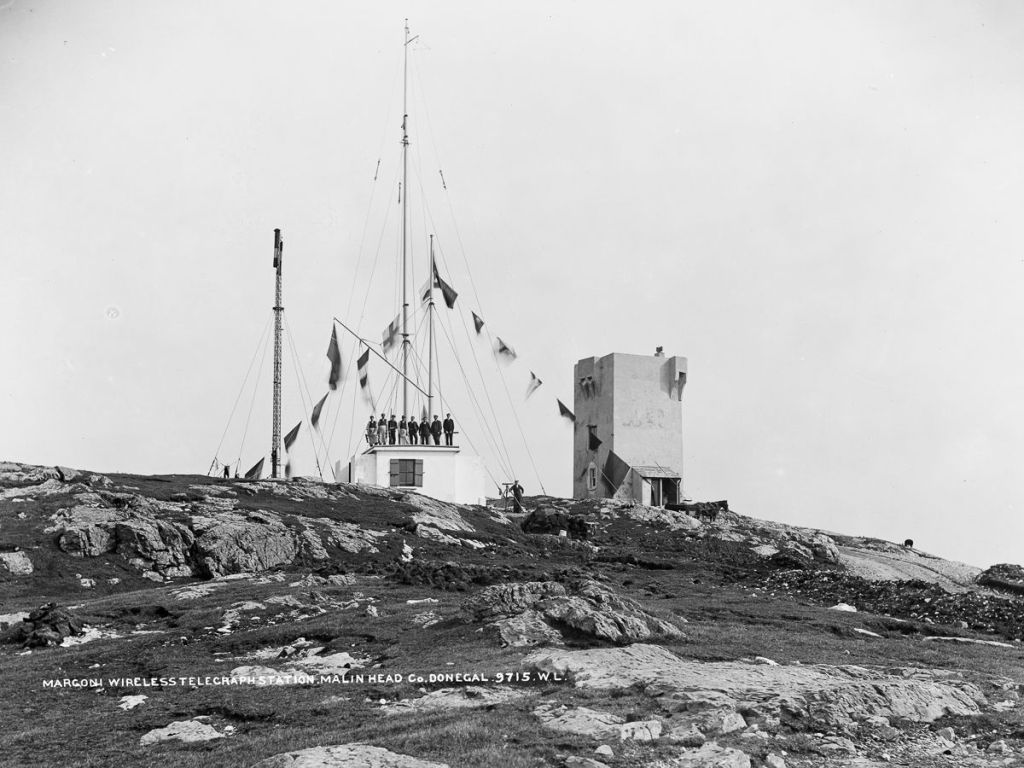
Via: National Library of Ireland
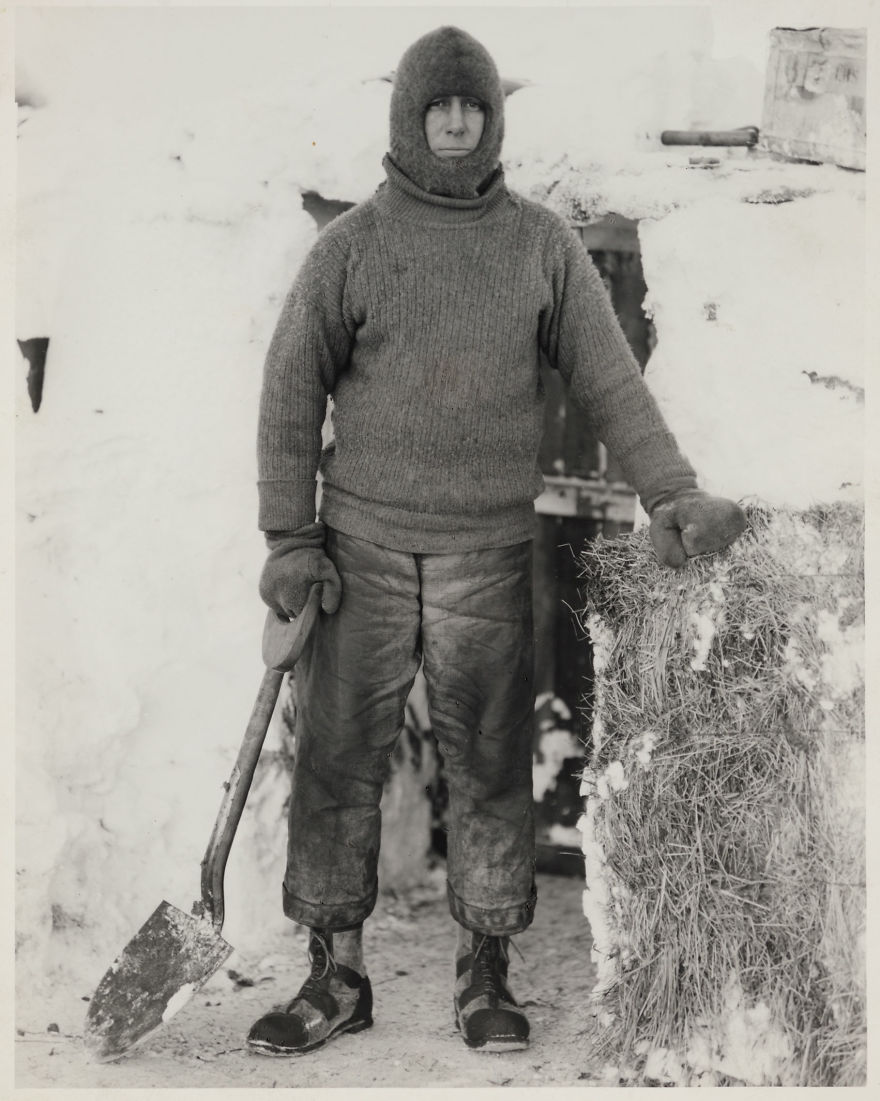
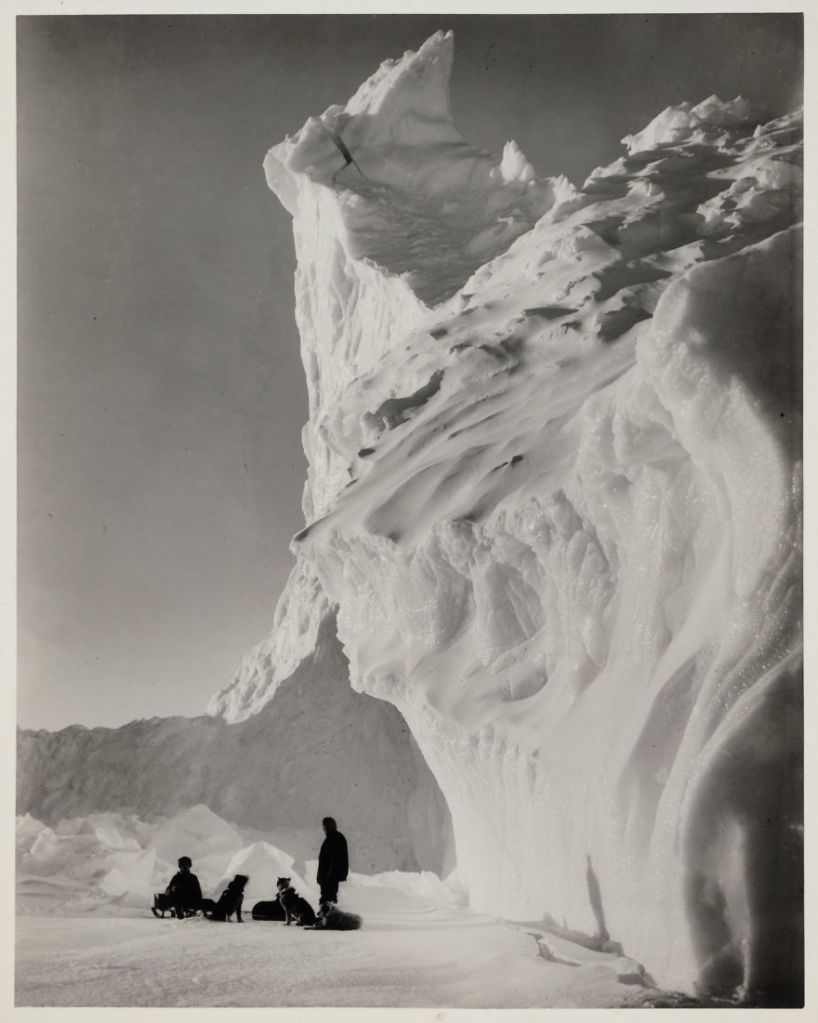
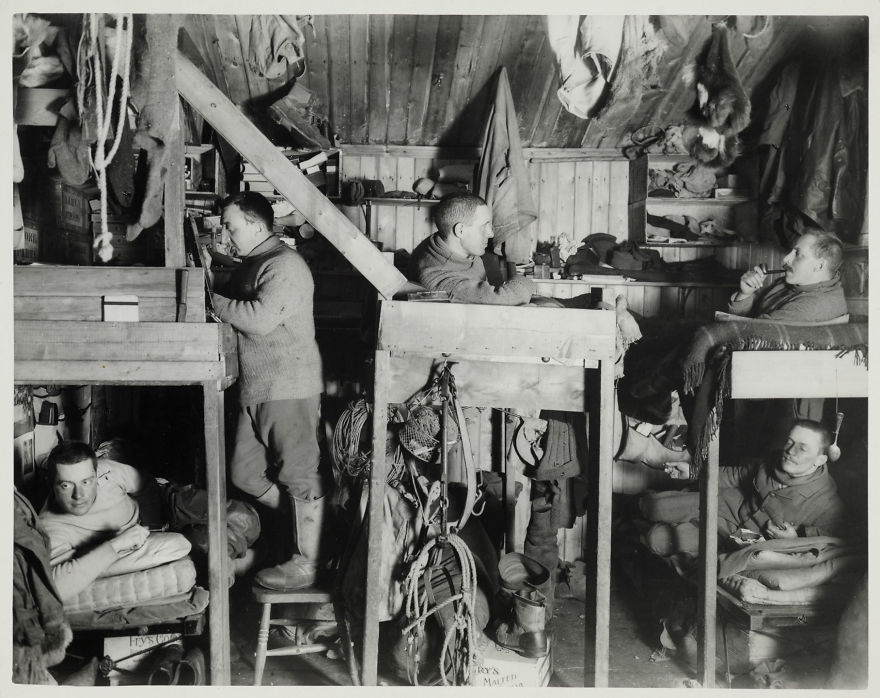
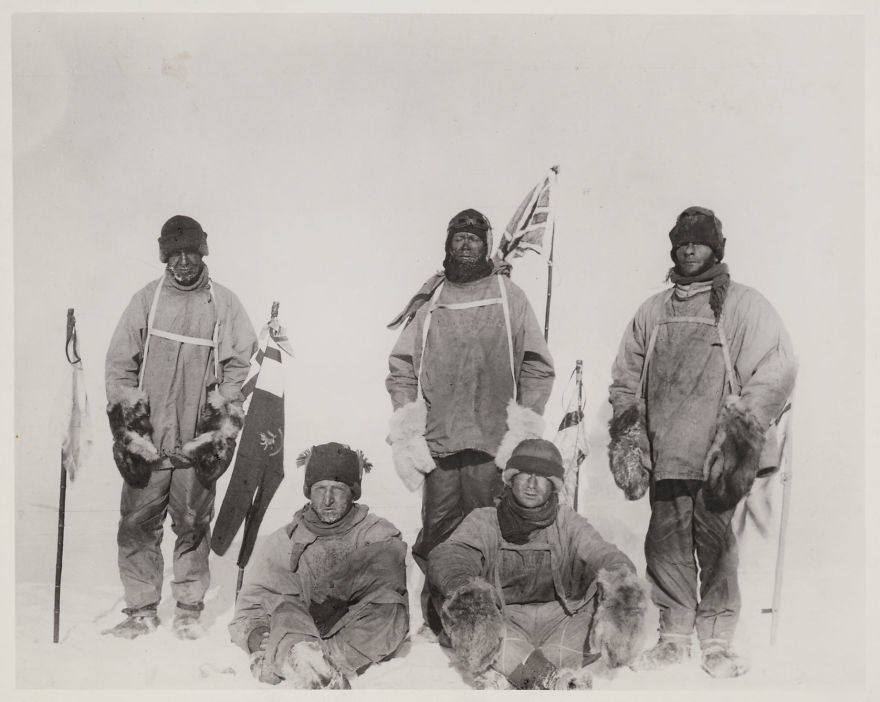
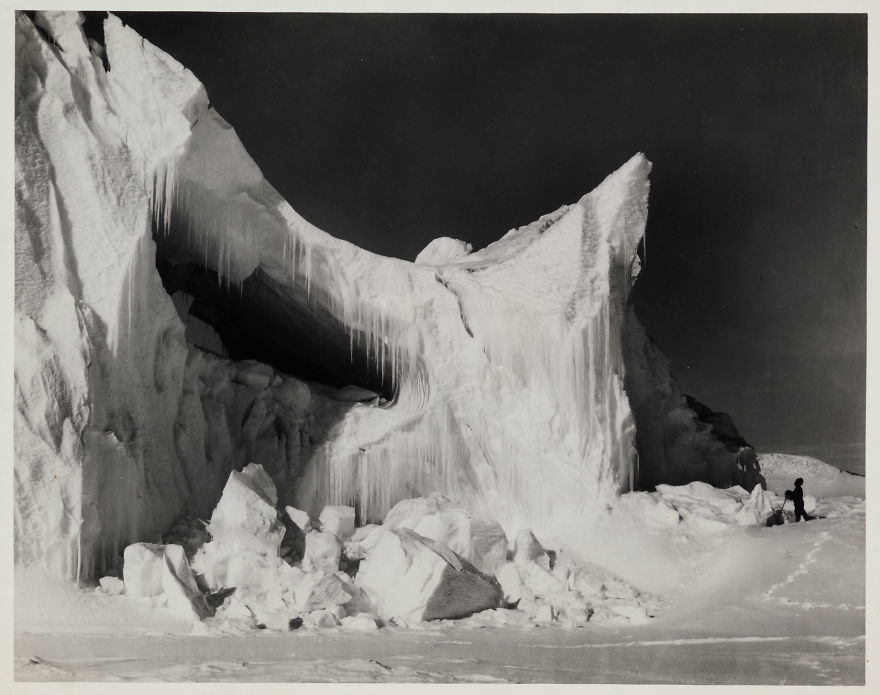
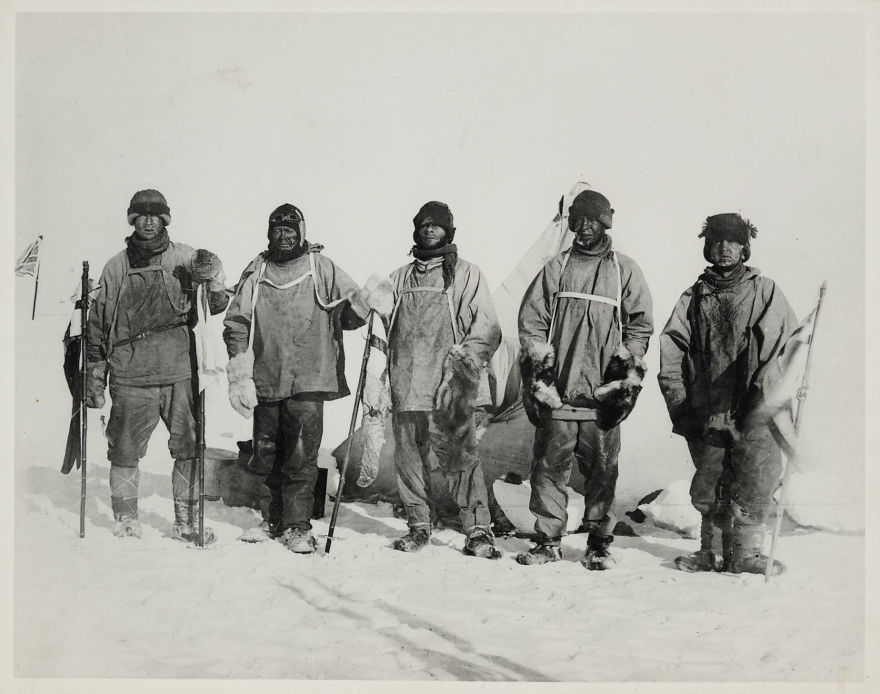
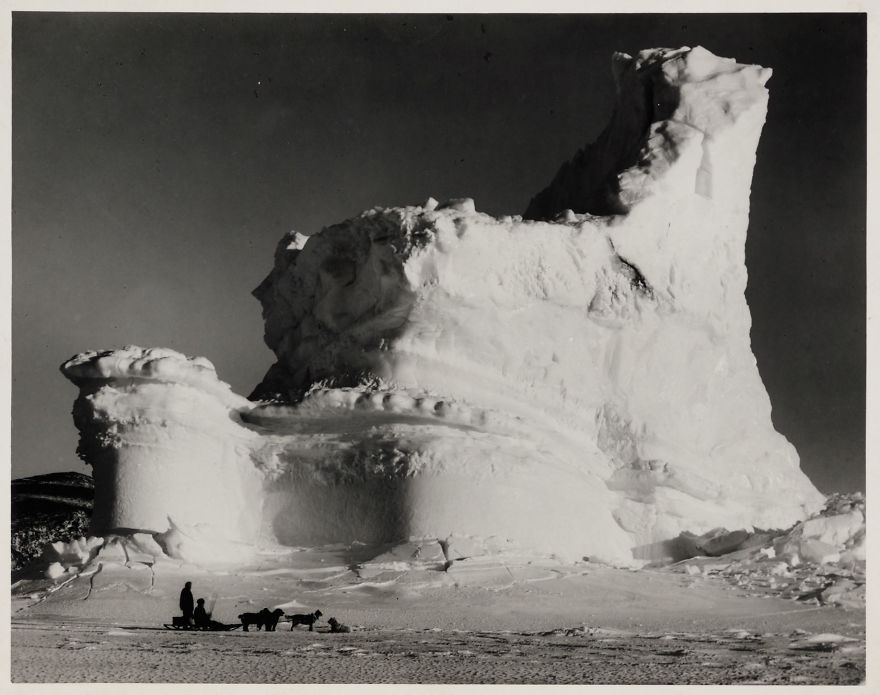
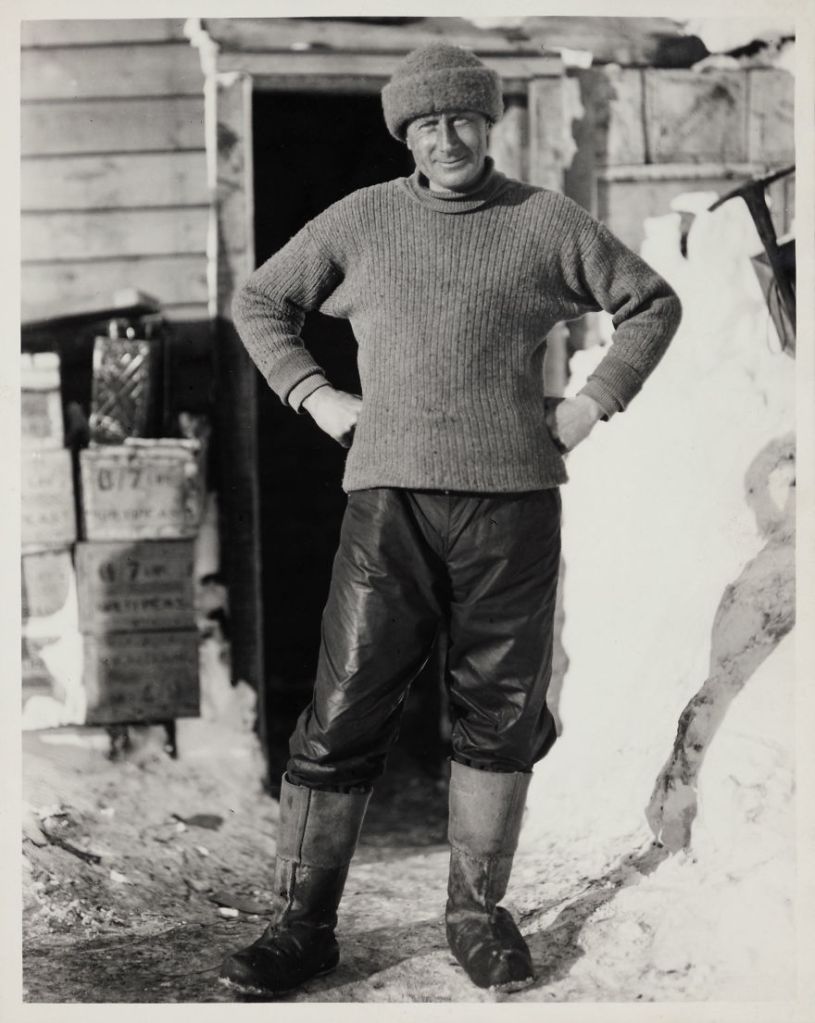
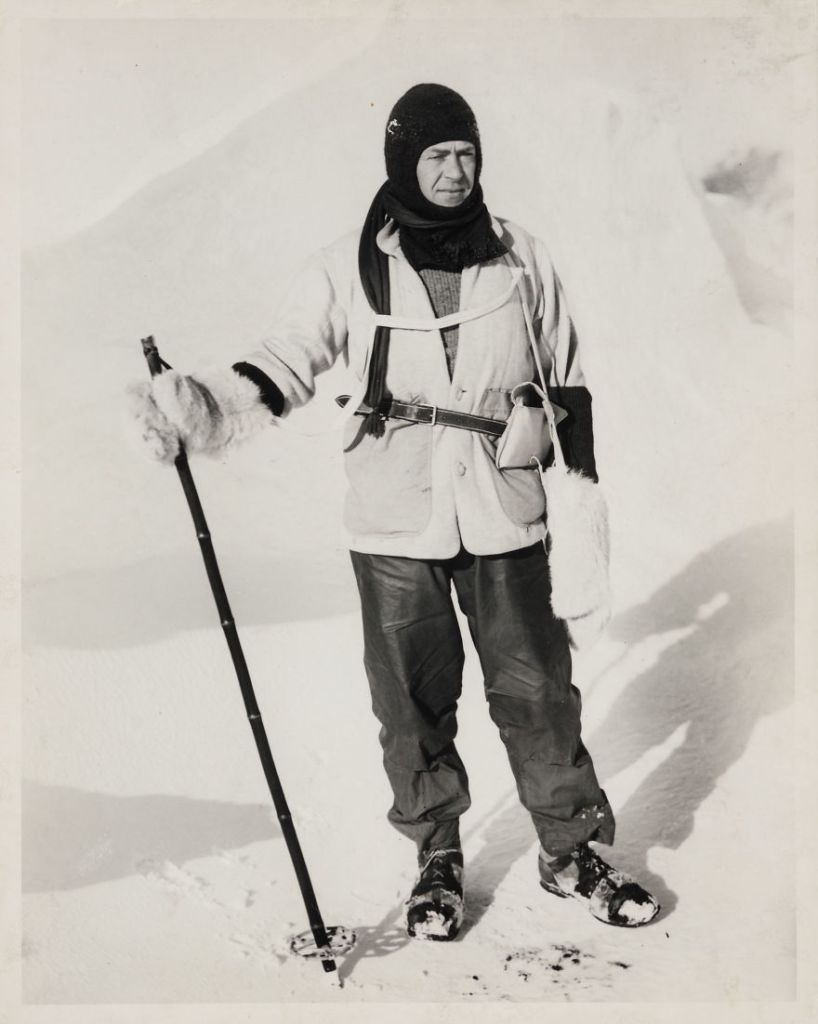
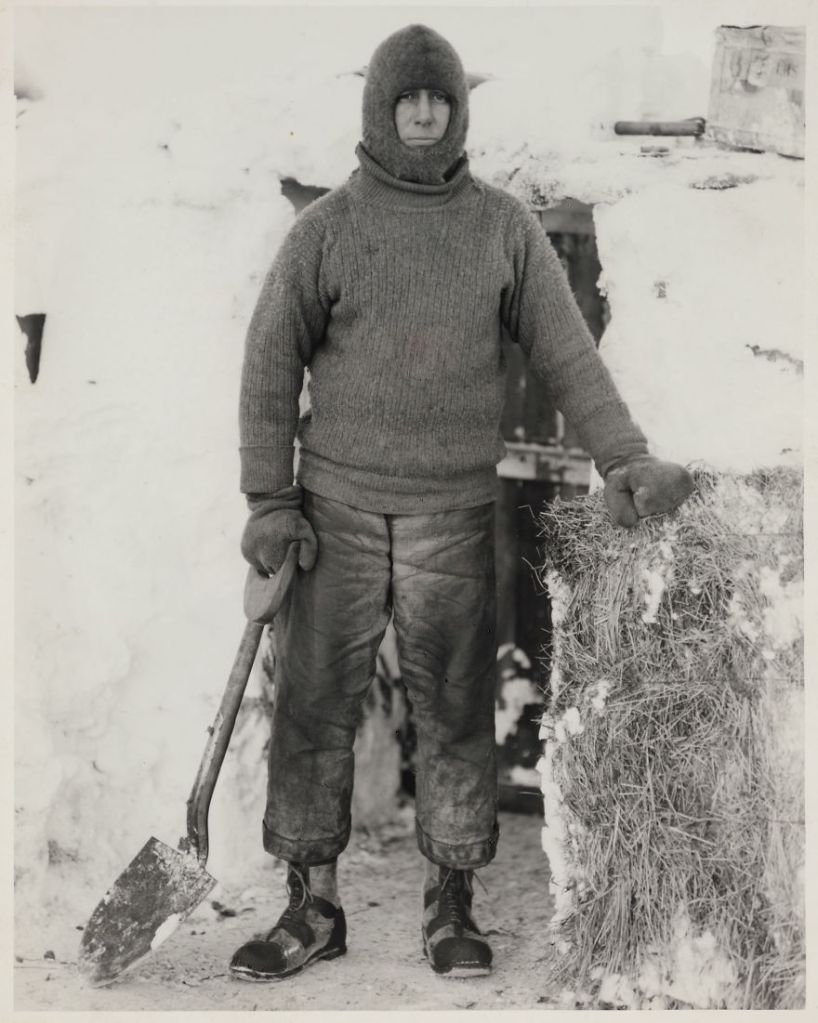
What does disappointment look like? What is the expression on a man’s face, expecting death in the icy wilderness?
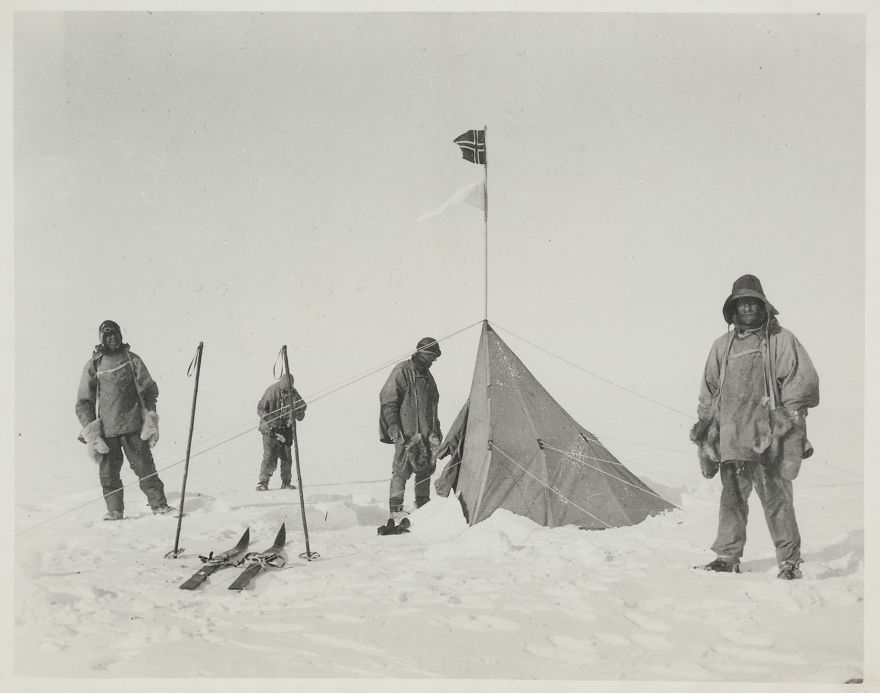
“The worst has happened”, Robert F. Scott wrote in his diary on January 17, 1912. The same day, Scott and four of his men had reached the South Pole after two and a half month’s march through the ice fields. From a distance, they had spotted what looked like a cairn. Scott initially thought they had been mistaken, but half an hour later, they discovered a huge flag that fluttered in the wind.
Upon reaching the Pole, they found traces from lots of dogs, skis, and sleds. “The Norwegians have forestalled us and are first at the Pole. It is a terrible disappointment”, Scott writes on.
Two of the members of the expedition died during the march back. The other three – among them Scott himself – camped for the last time on March 19. The remains of which were found eight months later.
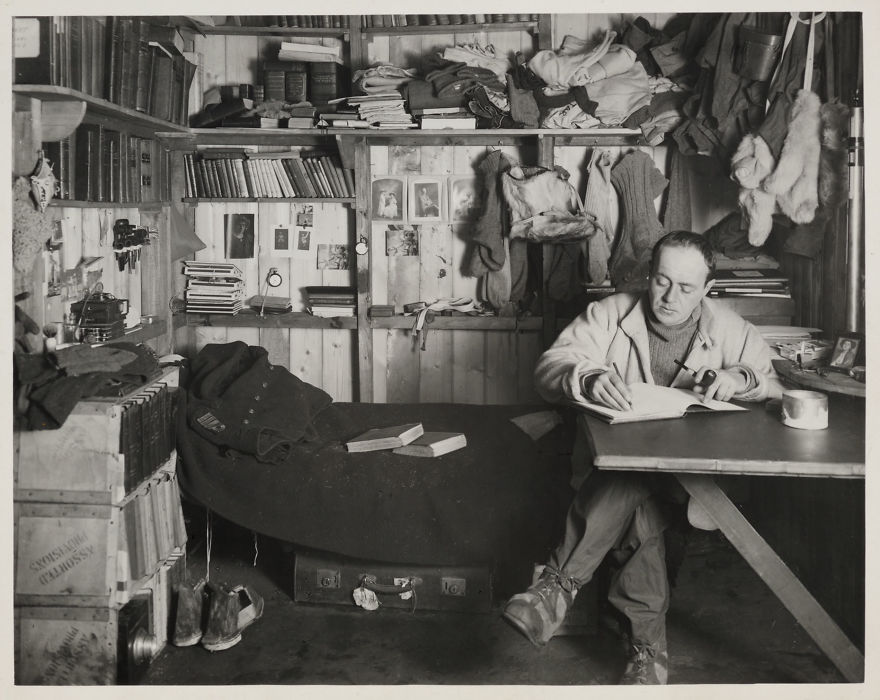
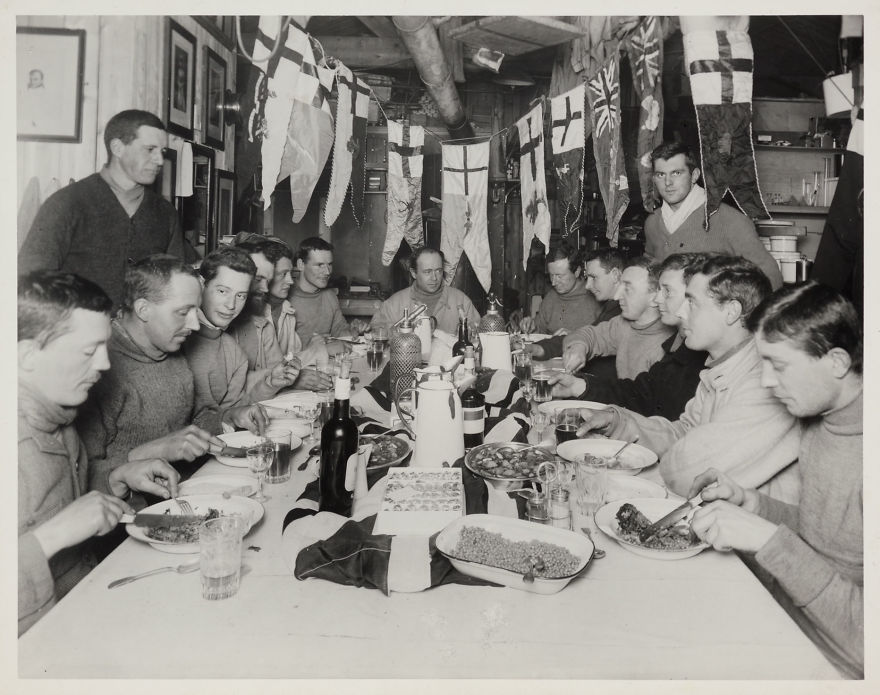
Herbert Ponting (1870 – 1935) was a photographer at Terra the Nova expedition, but because of his age (he was no less than 42 years old!), he wasn’t expected to be joining the arduous expedition to the Pole. Henry Robertson Bowers was the photographer behind the images of the disappointed men at the South Pole. He sits on the left of the group photo. Two months later, he was dead, along with his leader Scott.
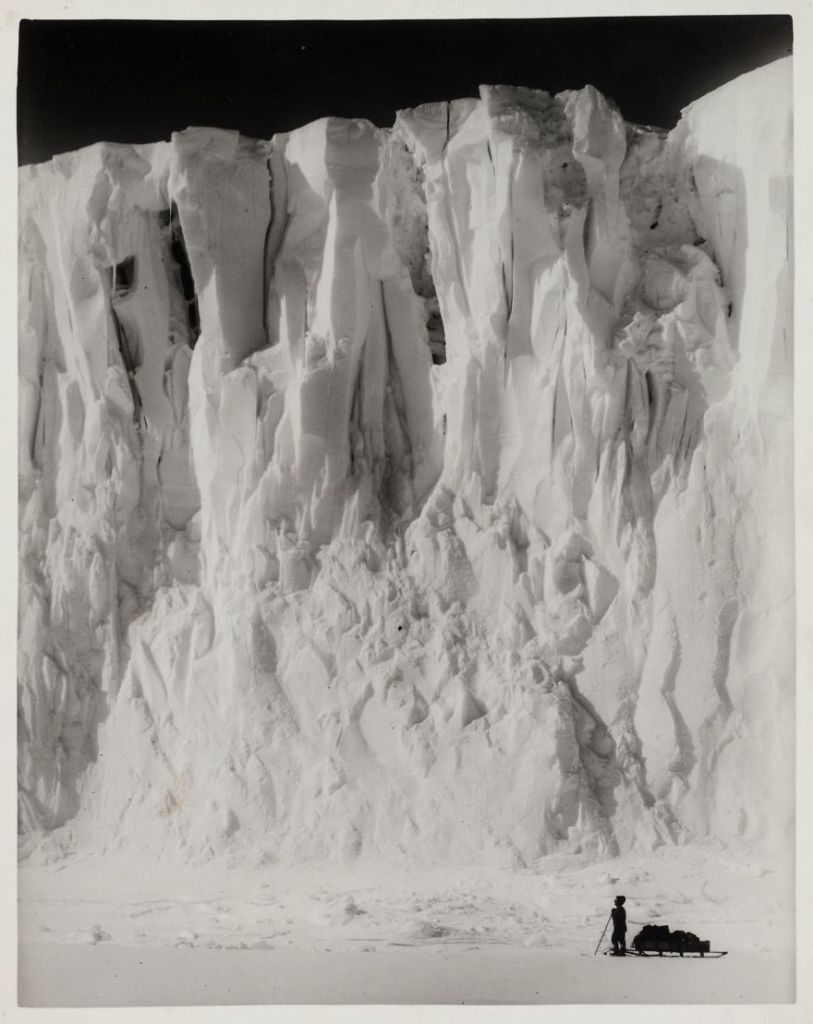
The Terra Nova Expedition, officially the British Antarctic Expedition, was an expedition to Antarctica which took place between 1910 and 1913. It was led by Robert Falcon Scott and had various scientific and geographical objectives.






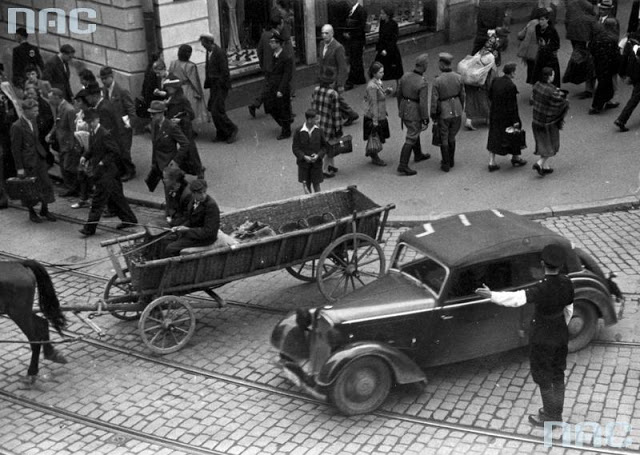
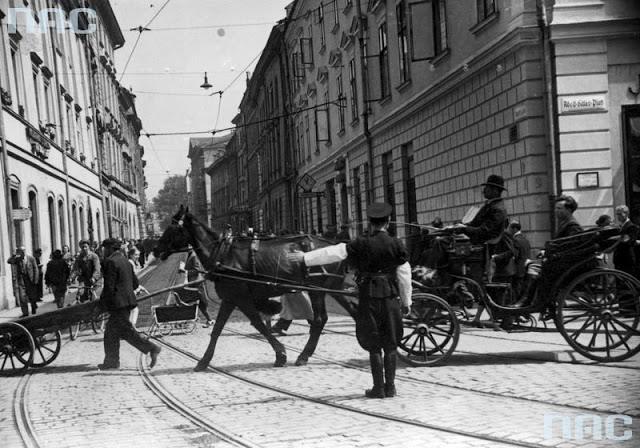
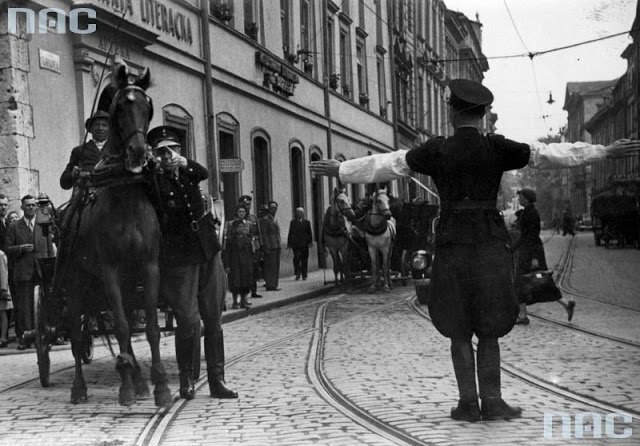
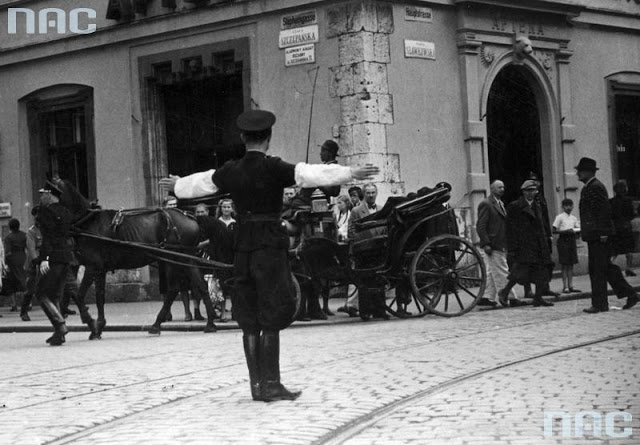
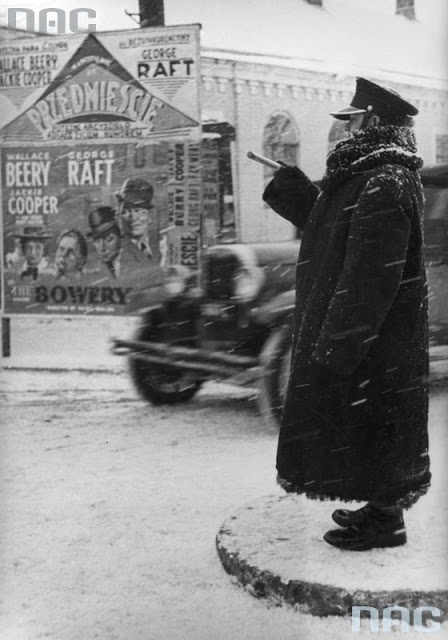
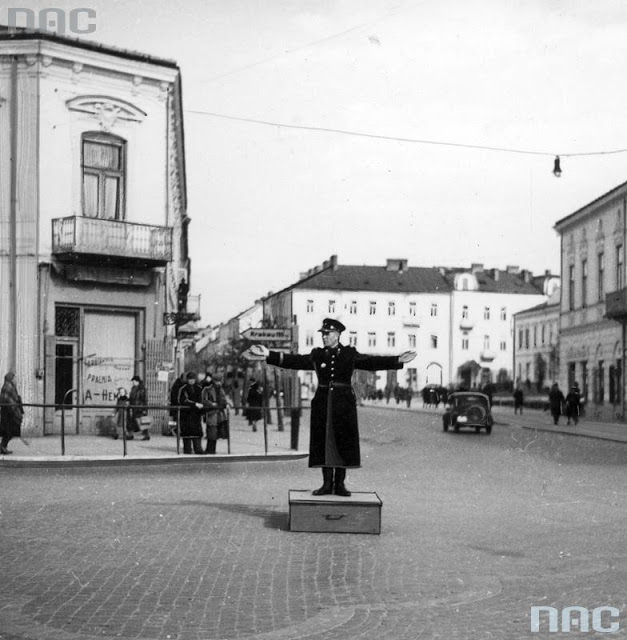
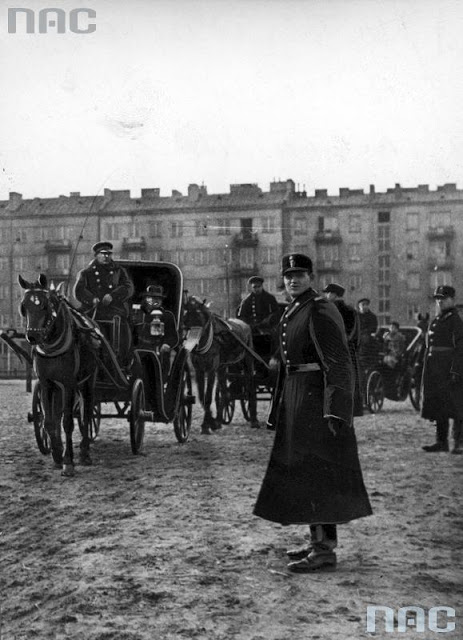
Under the terms of two decrees by Hitler (8 October and 12 October 1939), large areas of western Poland were annexed to Germany. These included all the territories which Germany had lost under the 1919 Treaty of Versailles, such as the Polish Corridor, West Prussia and Upper Silesia, but also a large area of indisputably Polish territory east of these territories, including the city of Lodz.
Some Polish institutions, including the police, were preserved in the General Government. Political activity was prohibited and only basic Polish education was allowed.

























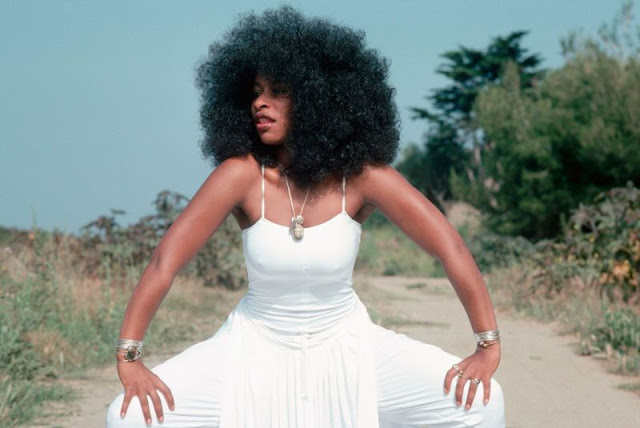
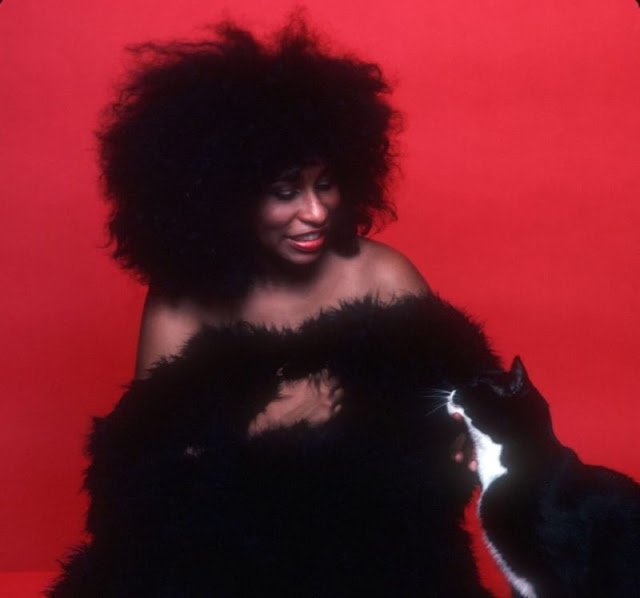
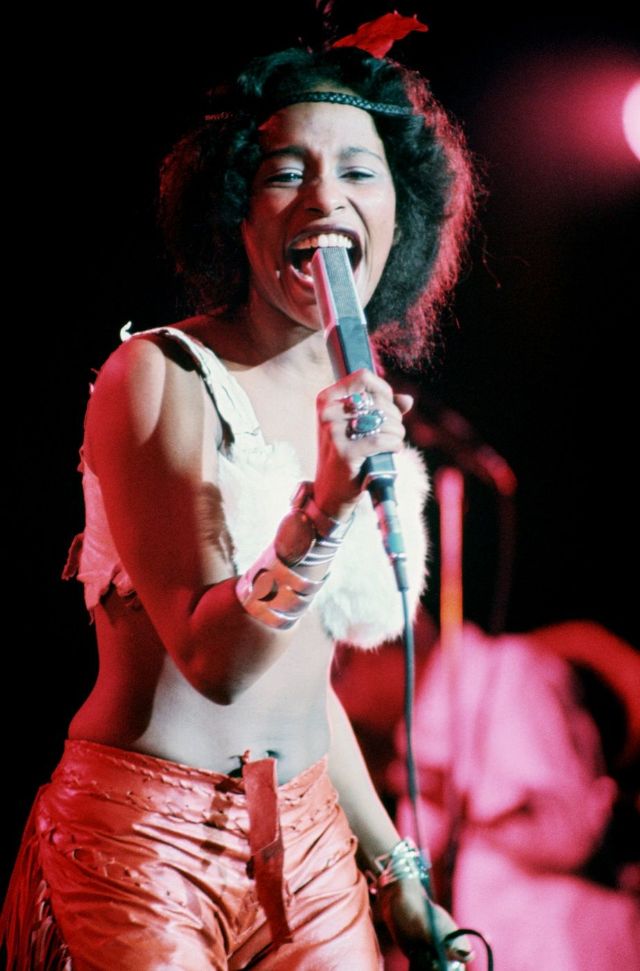
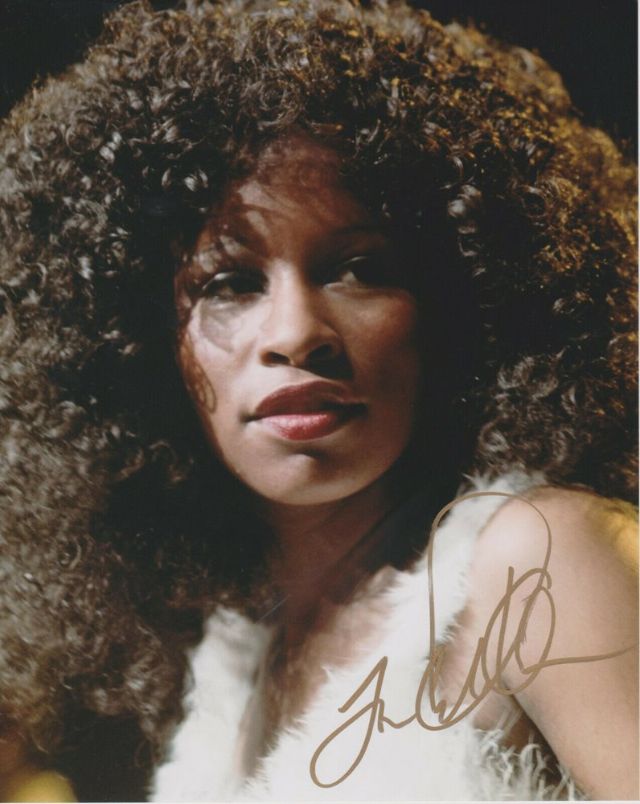
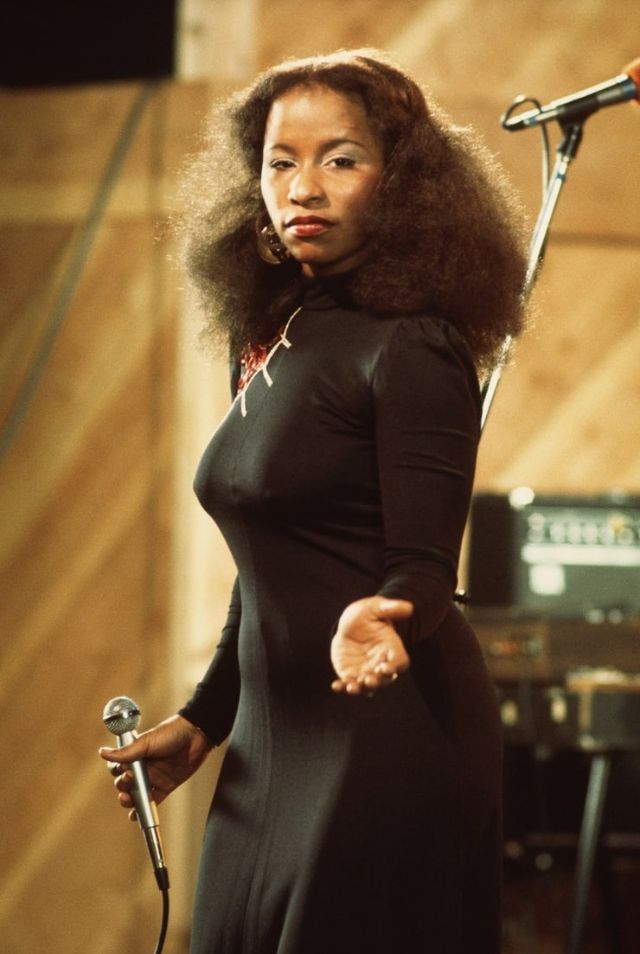
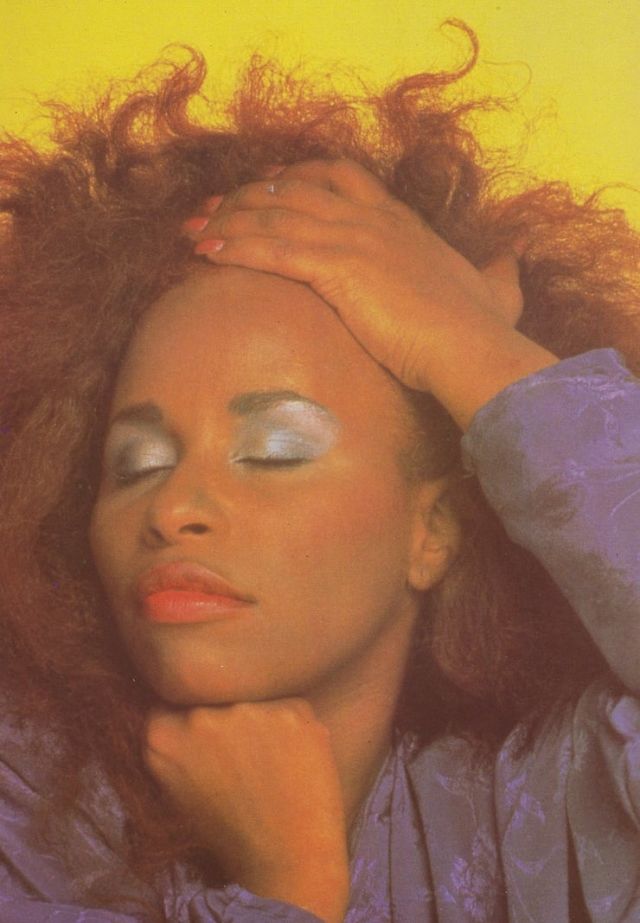
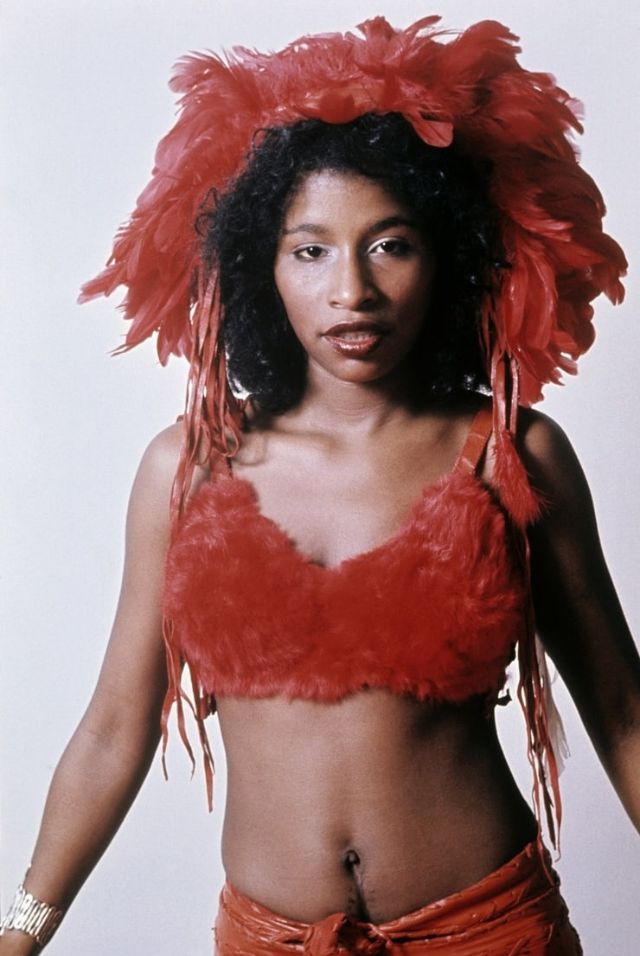
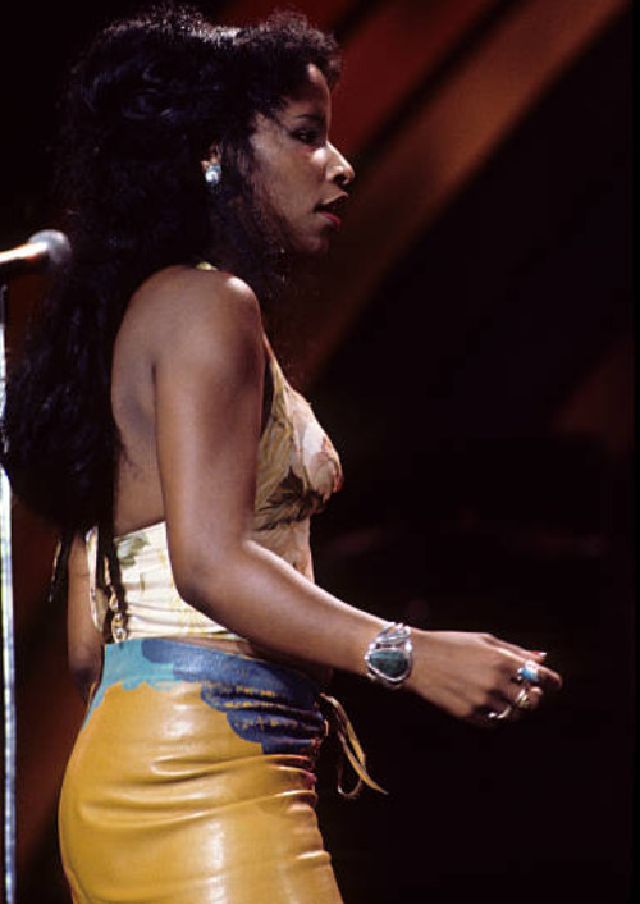
Yvette Marie Stevens (born March 23, 1953), better known by her stage name Chaka Khan, is an American singer, songwriter and musician. Her career has spanned nearly five decades, beginning in the 1970s as the lead vocalist of the funk band Rufus. Known as the “Queen of Funk”, Khan was the first R&B artist to have a crossover hit featuring a rapper, with “I Feel for You” in 1984. Khan has won ten Grammy Awards and has sold an estimated 70 million records worldwide.
With Rufus, she achieved four gold singles, four gold albums, and two platinum albums. In the course of her solo career, Khan achieved three gold singles, three gold albums, and one platinum album with I Feel for You. She has collaborated with Ry Cooder, Robert Palmer, Ray Charles, Quincy Jones, Guru, Chicago, De La Soul, Mary J. Blige, among others. In December 2016, Billboard magazine ranked her as the 65th most successful dance artist of all time. She was ranked at No. 17 in VH1’s original list of the 100 Greatest Women of Rock & Roll. She has been nominated for induction into the Rock and Roll Hall of Fame three times as a solo artist and four times as a member of Rufus featuring Chaka Khan; the first time in 2012 as a member of Rufus. (Wikipedia)
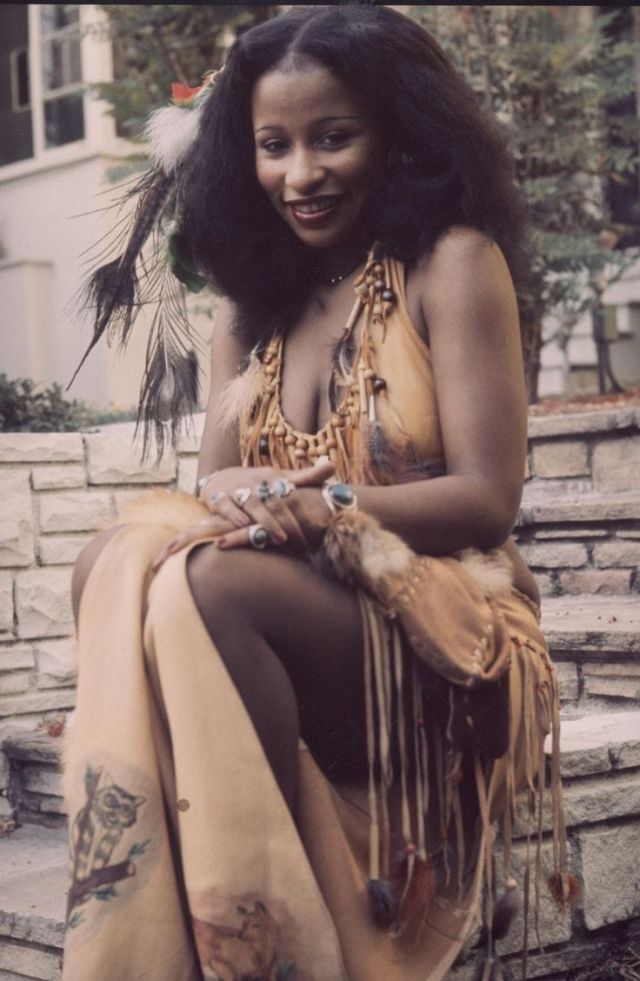
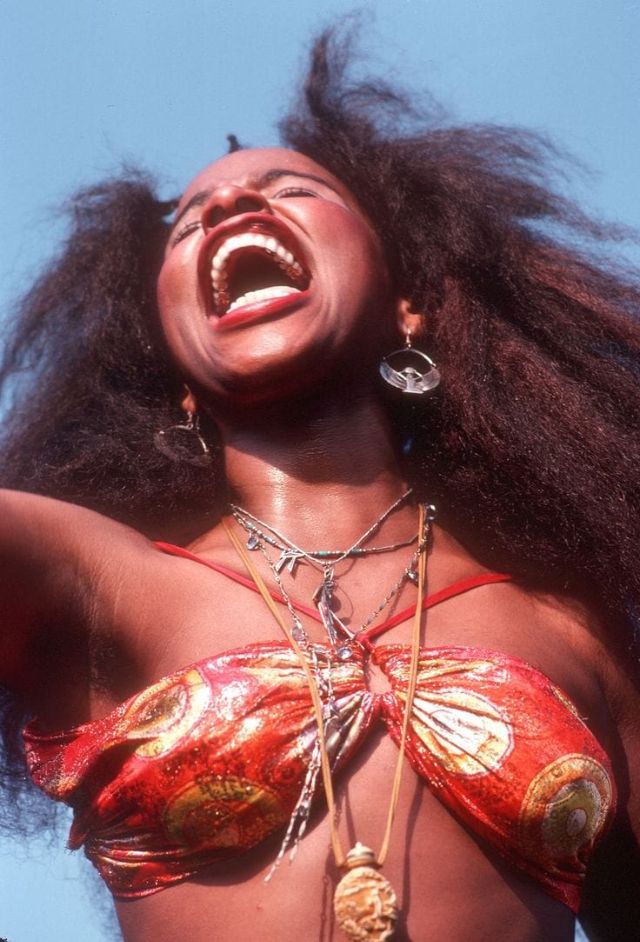
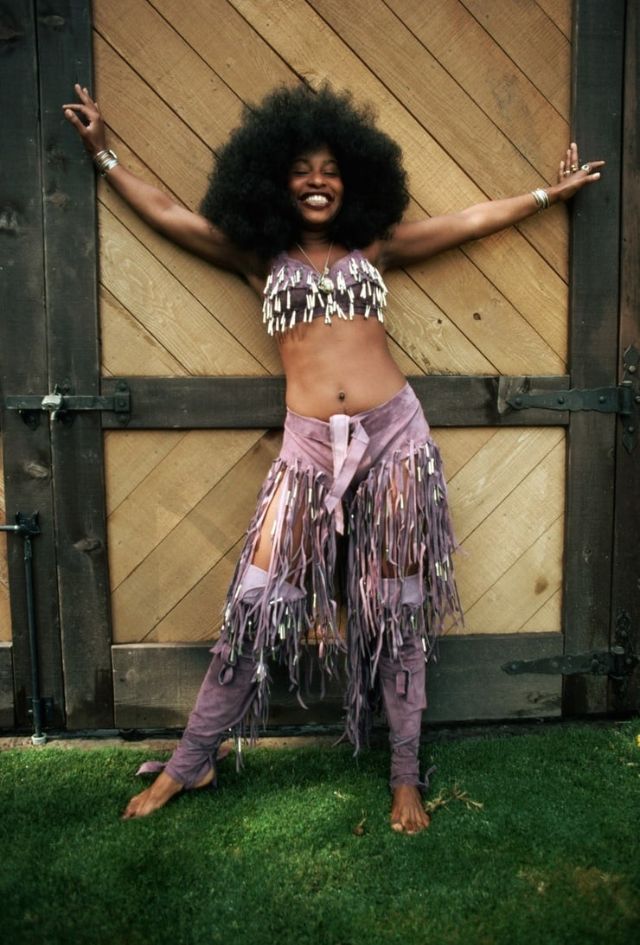
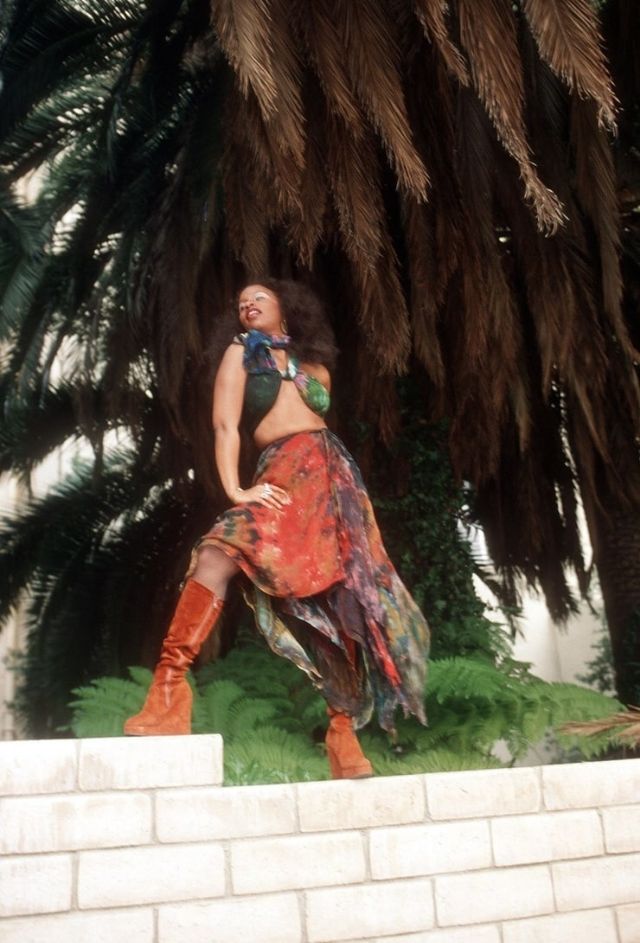
Take a look at these cool pics to see the unique styles of young Chaka Khan in the 1970s.