


















Bringing You the Wonder of Yesterday – Today
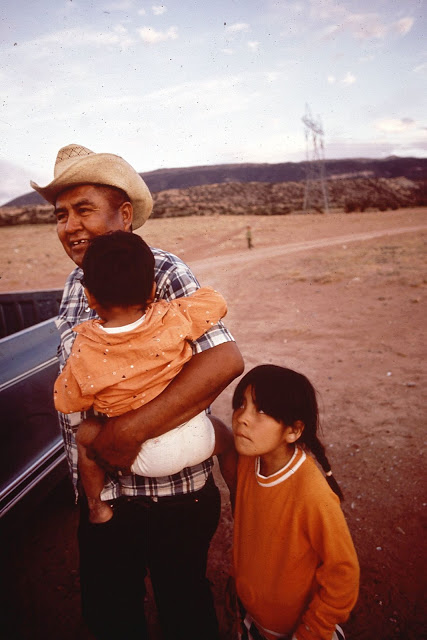
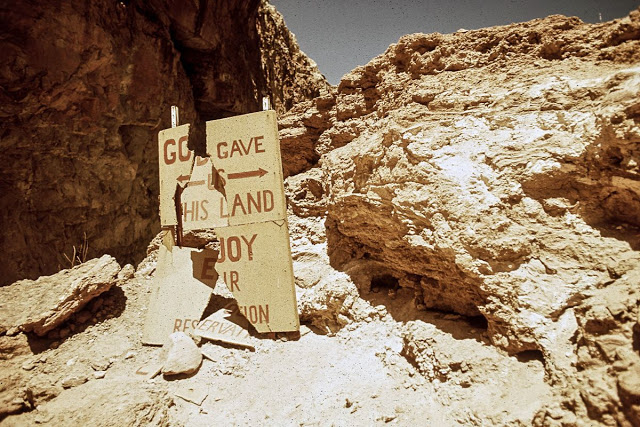
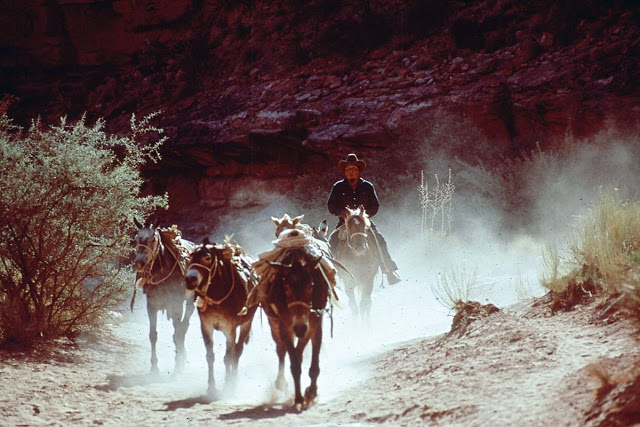
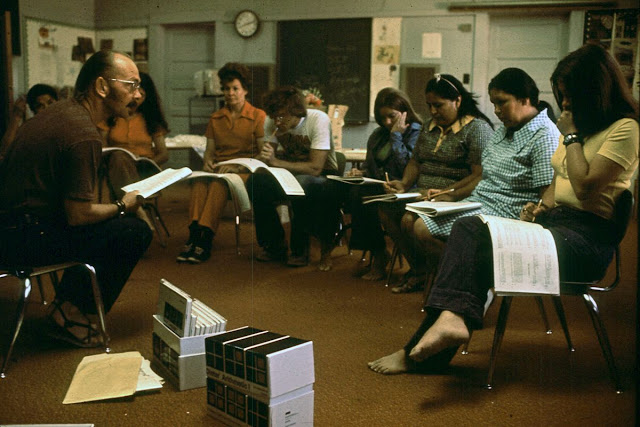
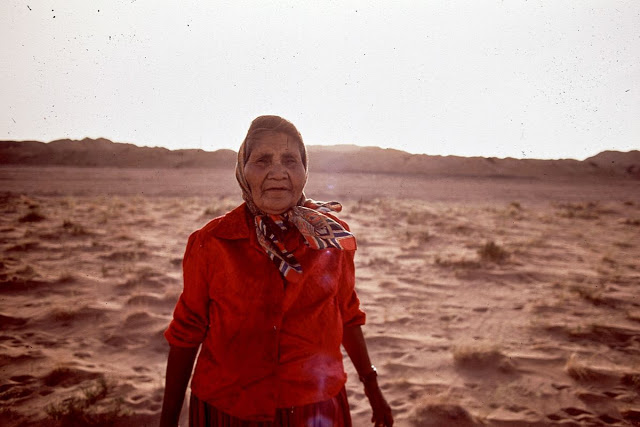
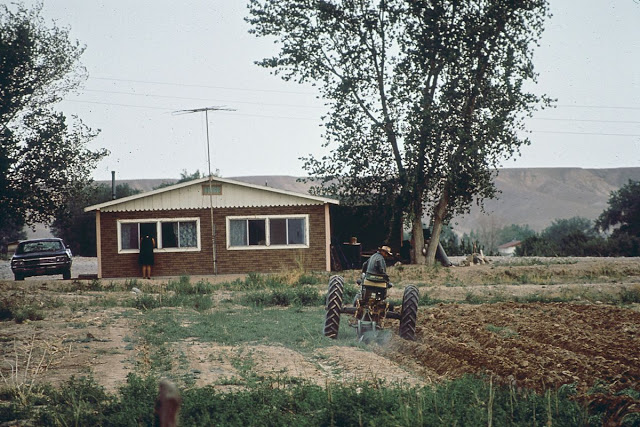
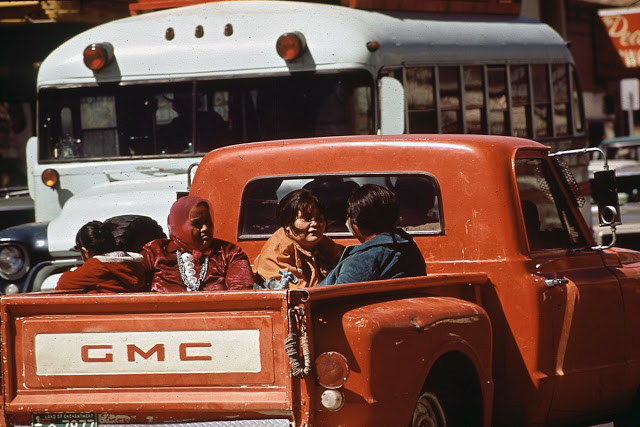
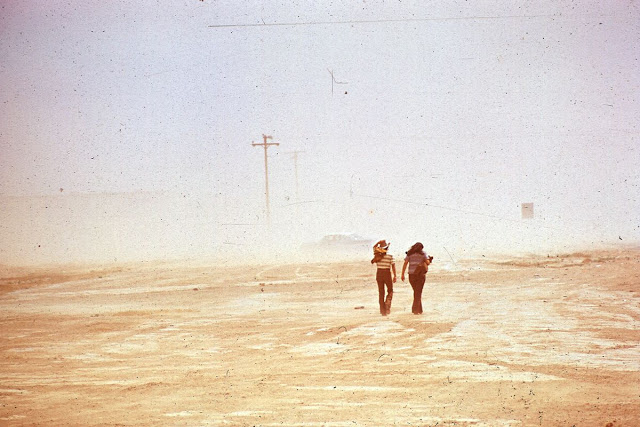
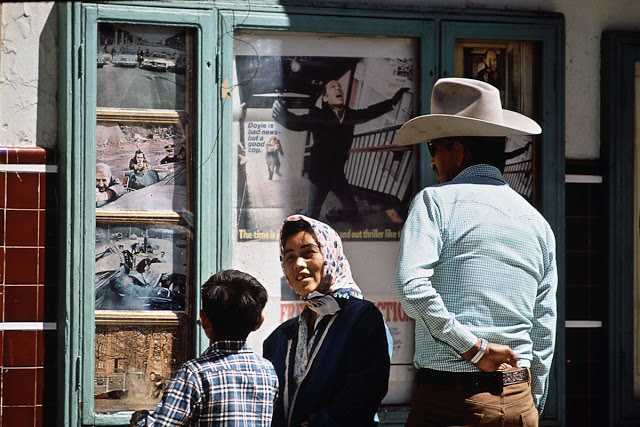
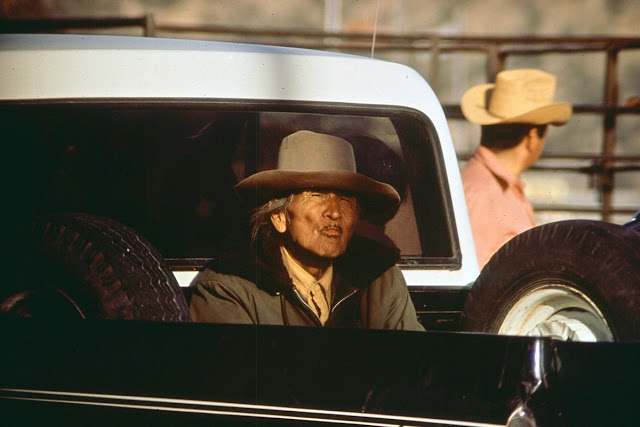
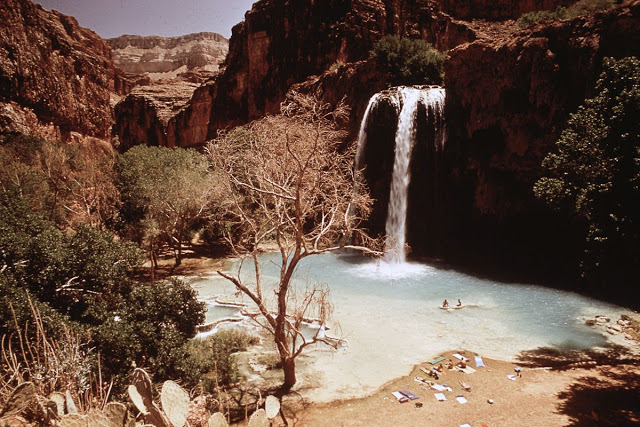
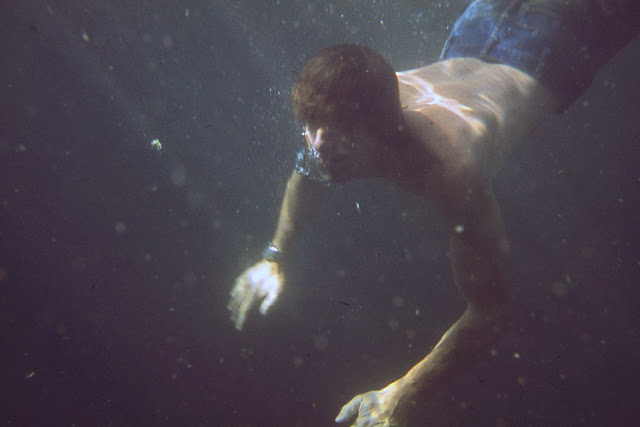
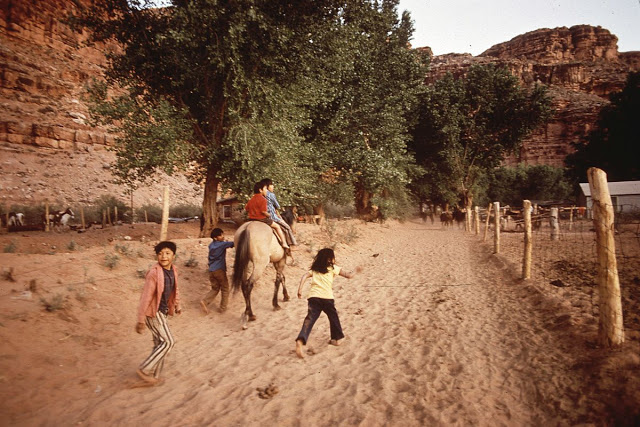
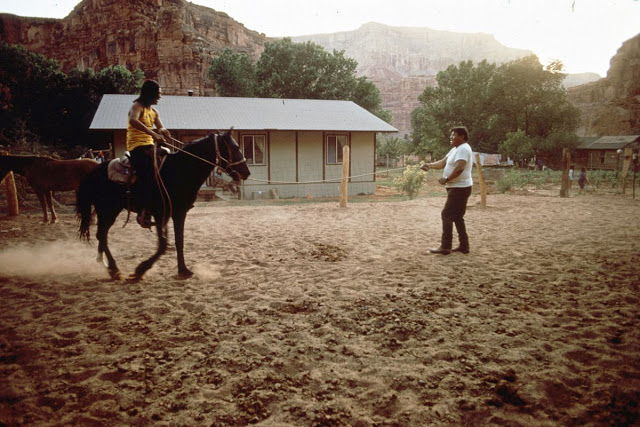
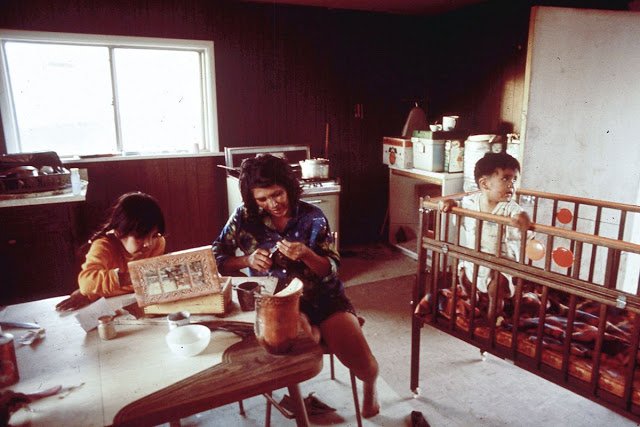
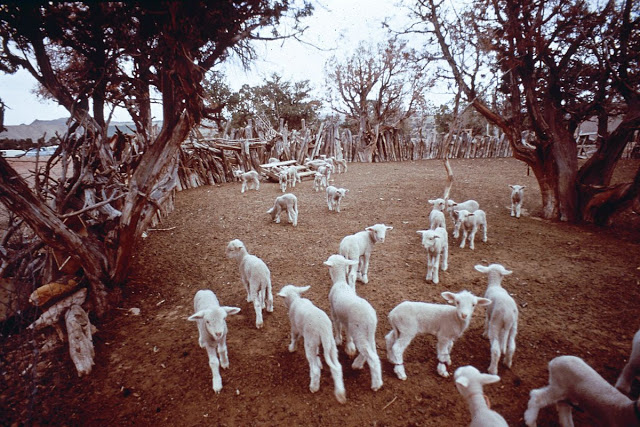
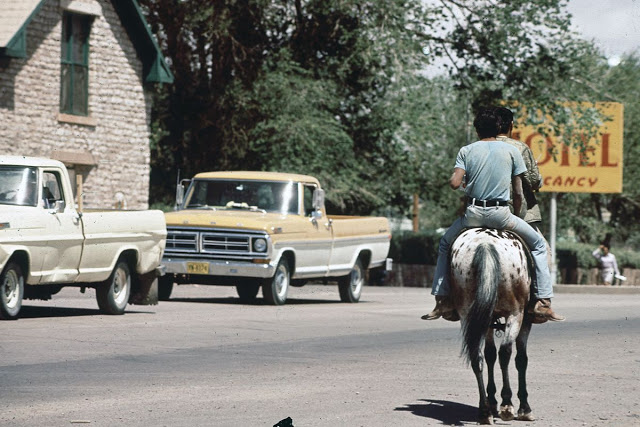
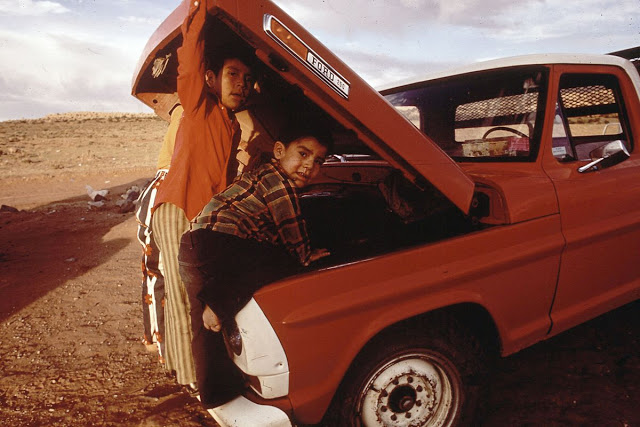
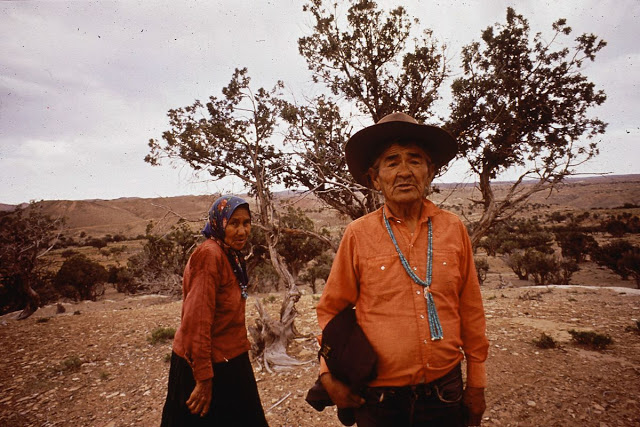
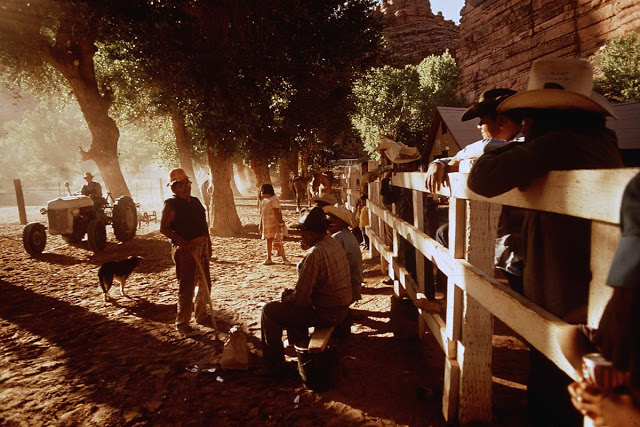
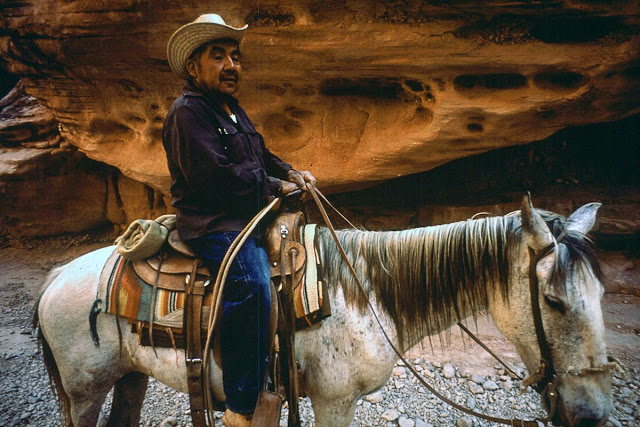
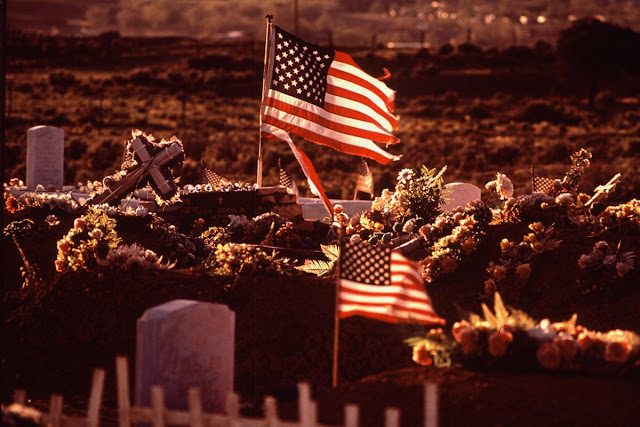
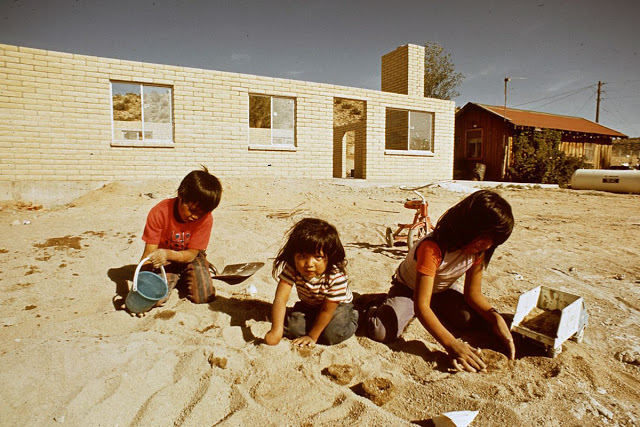
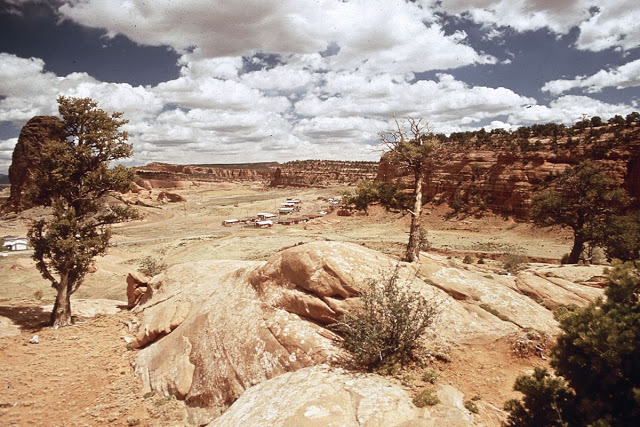
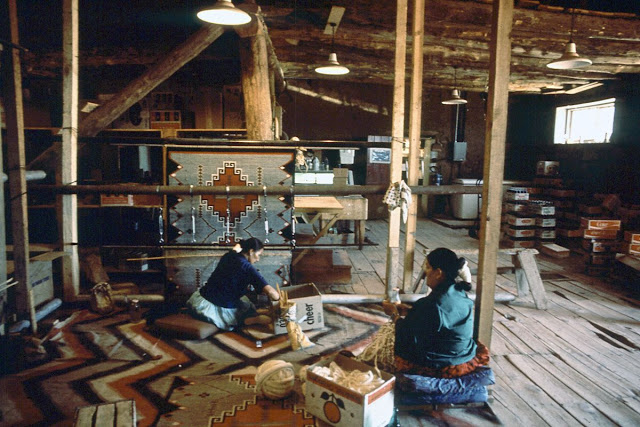
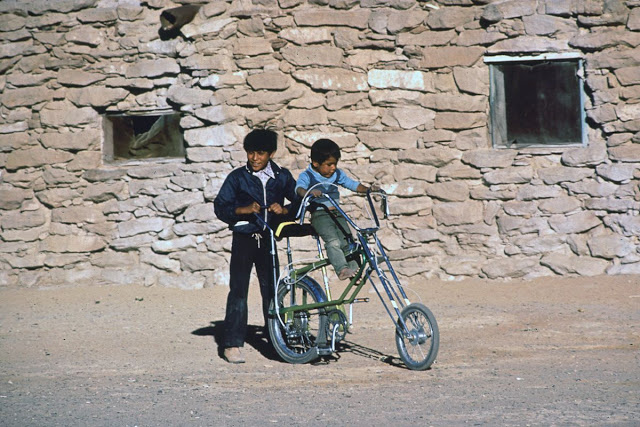
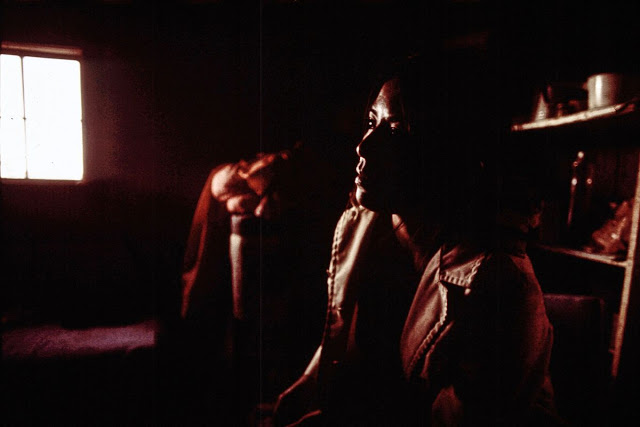
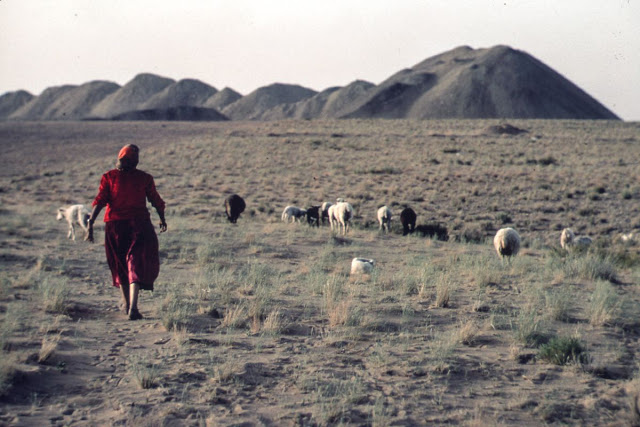
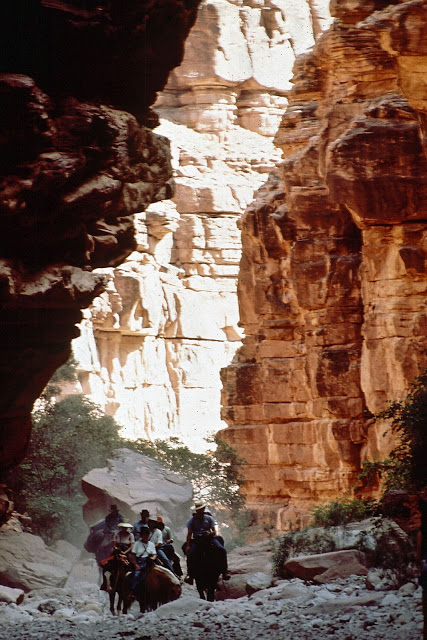
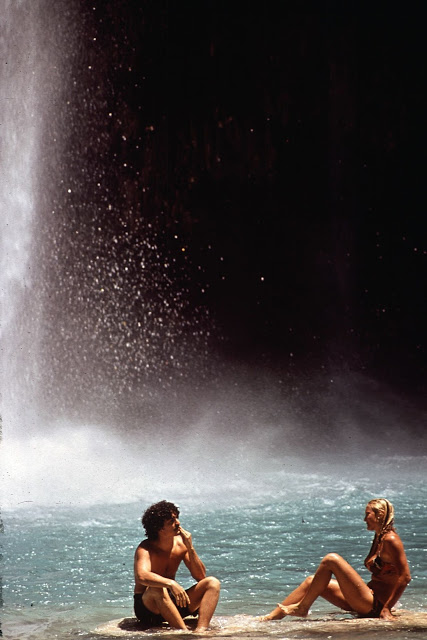
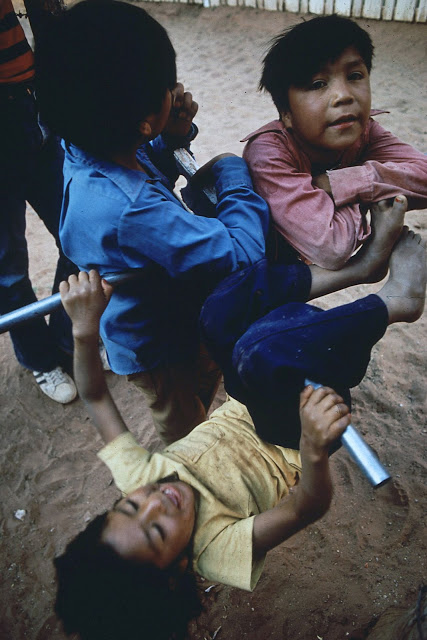
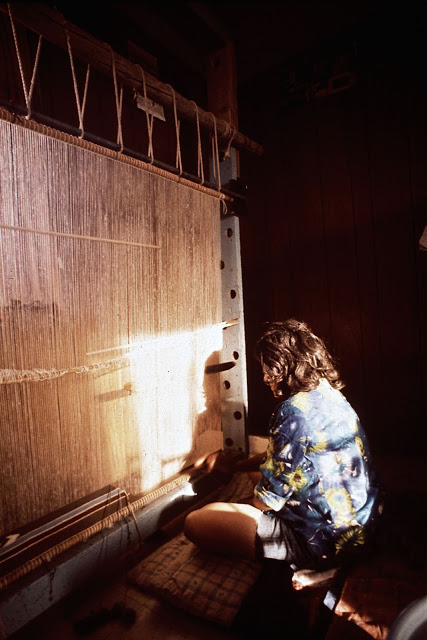
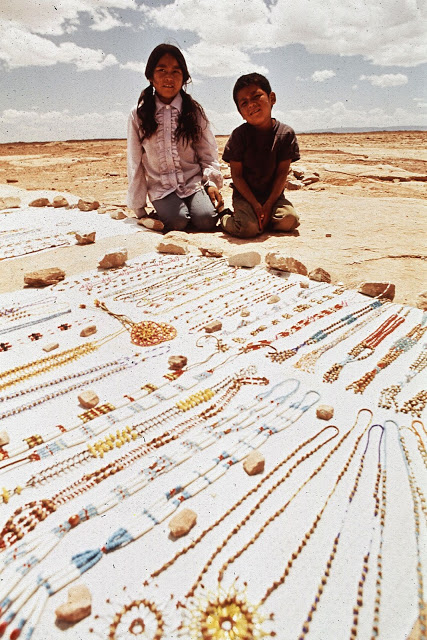
With camera in hand, photographer Terry Eiler ventured into Arizona’s stark northeast corner in the early summer of 1972.
Hired by the Environmental Protection Agency, he was instructed to document how much the nation’s growing environmental concerns were impacting the Navajo community — a society that was often missed on the country’s radar.
His images reveal a people who valued kinship and who had one noble — and seemingly simple — goal: the protection of a deeply-rooted culture. But it’s also clear that Eiler found long-perpetuated hardships and a decisive resistance to most of modernity.
Looking through the gallery, we see that the standards of living in the 1970s were low, and that many Navajo families were struggling to make ends meet. Although the mining of coal and uranium was a substantial source of income for the tribe during the second half of the twentieth century, Navajo miners often worked in dangerous conditions — and for very low wages.

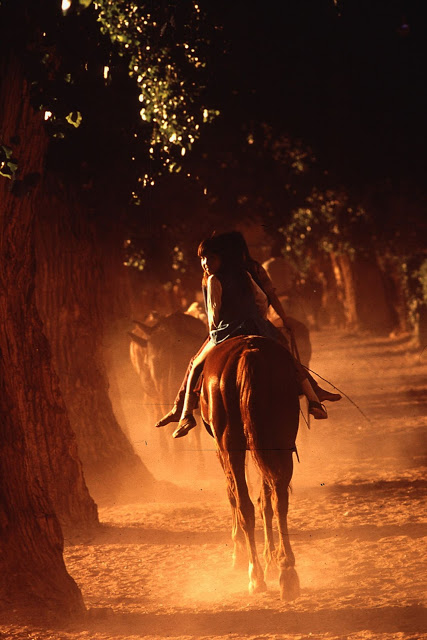
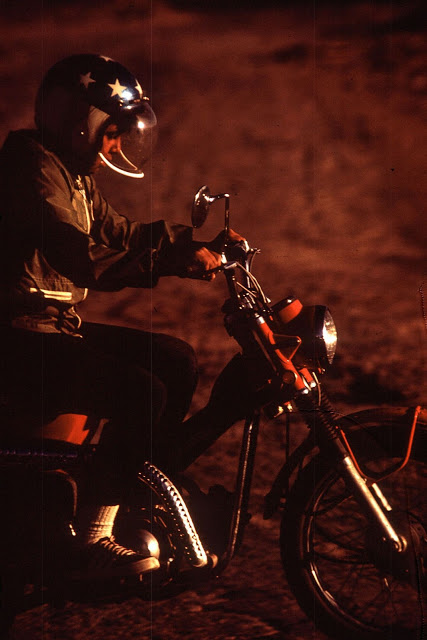
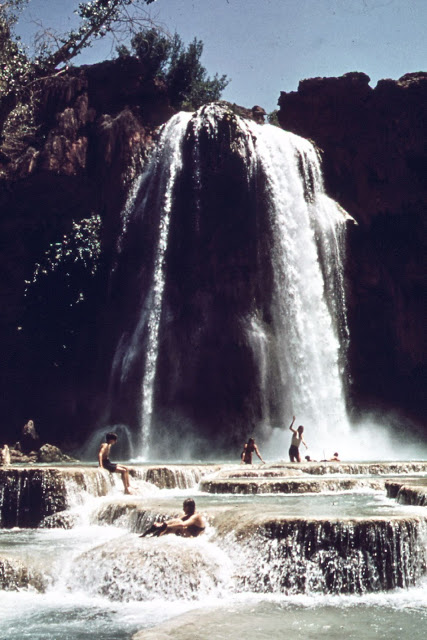
(Photos © Terry Eiler/National Archives)
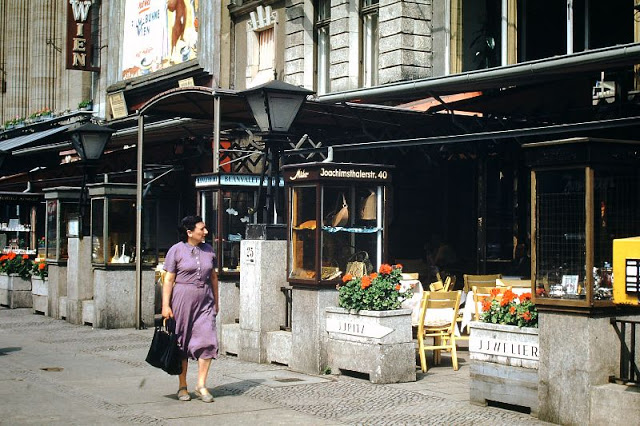
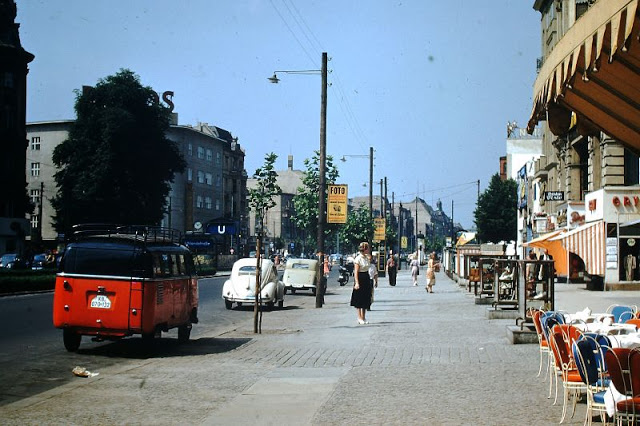
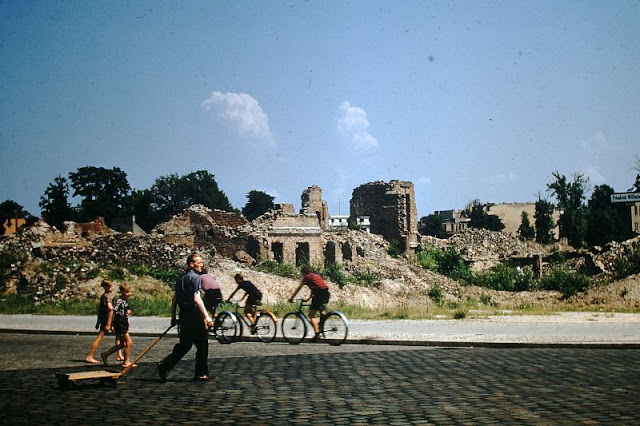
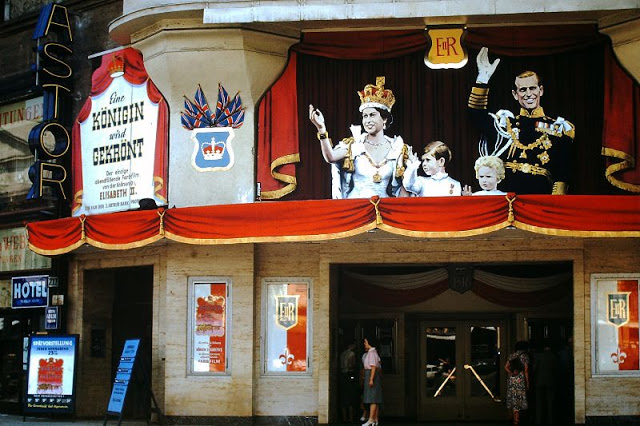
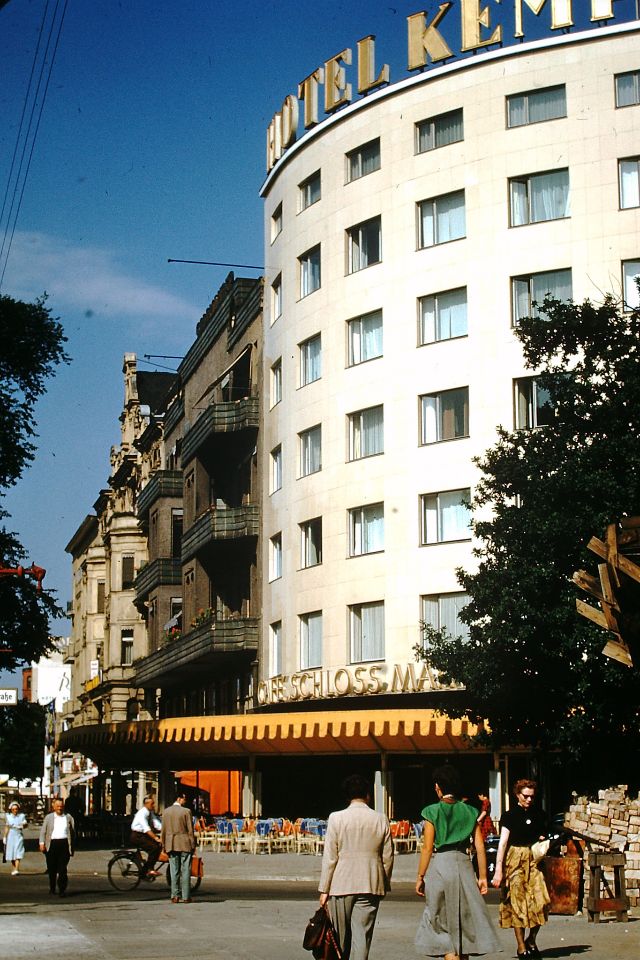
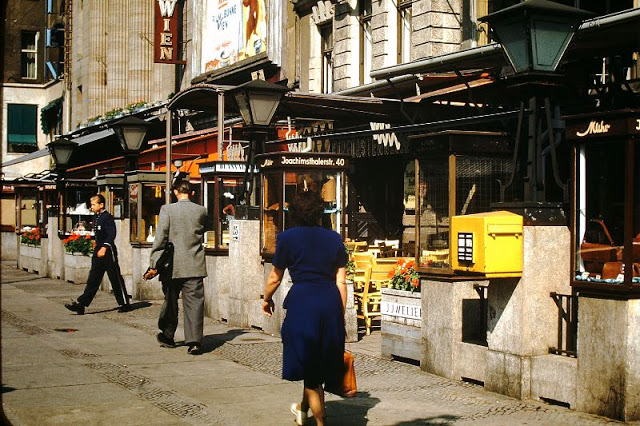
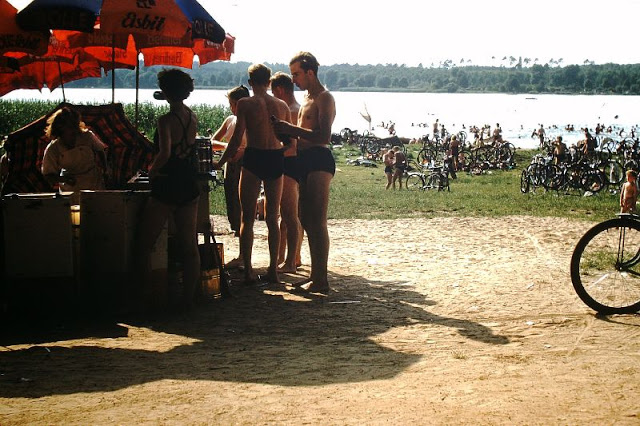
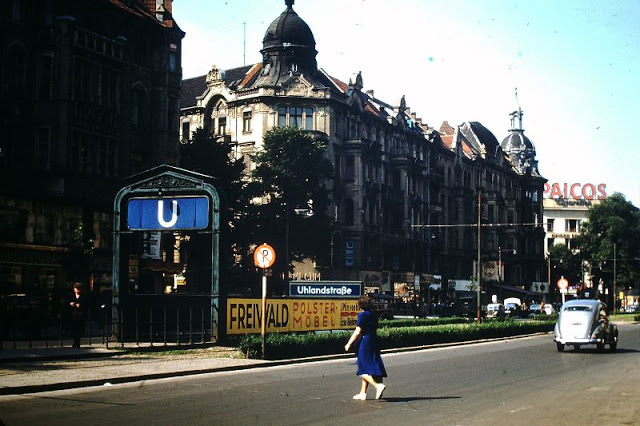
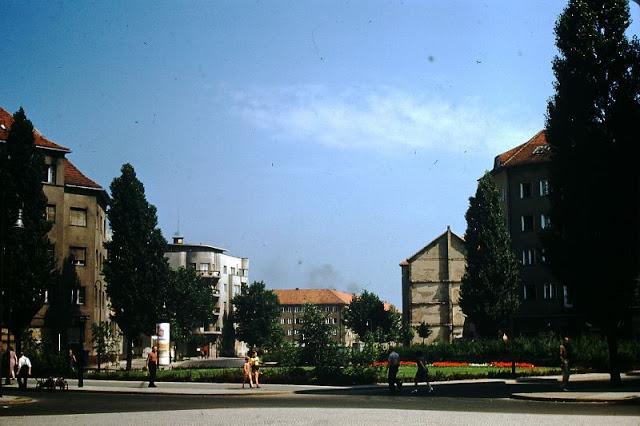
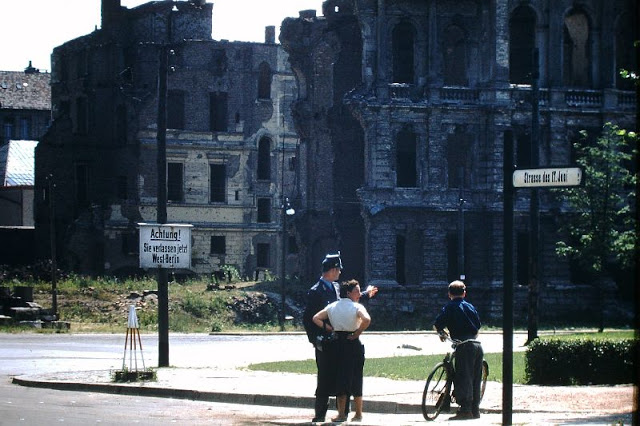
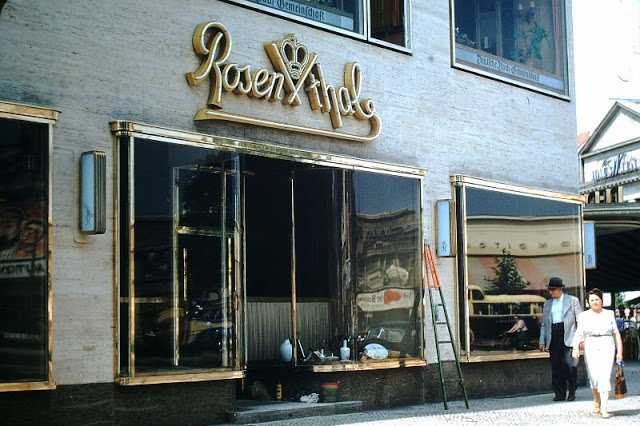
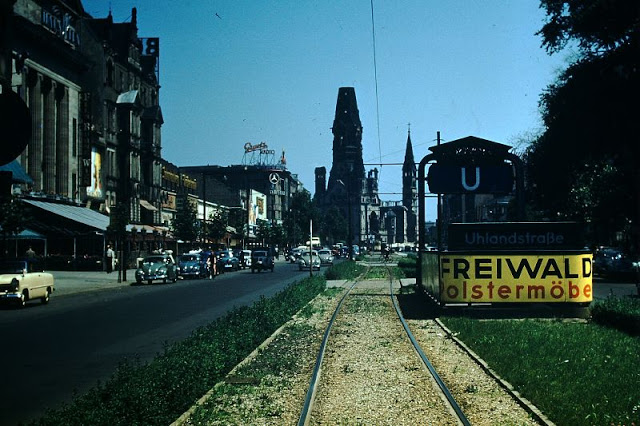
Berlin is the capital and largest city of Germany by both area and population. Its 3.7 million inhabitants make it the European Union’s most populous city, according to population within city limits. One of Germany’s sixteen constituent states, Berlin is surrounded by the State of Brandenburg and contiguous with Potsdam, Brandenburg’s capital. Berlin’s urban area, which has a population of around 4.5 million, is the second most populous urban area in Germany after the Ruhr. The Berlin-Brandenburg capital region has over six million inhabitants and is Germany’s third-largest metropolitan region after the Rhine-Ruhr and Rhine-Main regions.
Berlin straddles the banks of the Spree, which flows into the Havel (a tributary of the Elbe) in the western borough of Spandau. Among the city’s main topographical features are the many lakes in the western and southeastern boroughs formed by the Spree, Havel and Dahme, the largest of which is Lake Müggelsee. Due to its location in the European Plain, Berlin is influenced by a temperate seasonal climate. About one-third of the city’s area is composed of forests, parks, gardens, rivers, canals and lakes. The city lies in the Central German dialect area, the Berlin dialect being a variant of the Lusatian-New Marchian dialects.
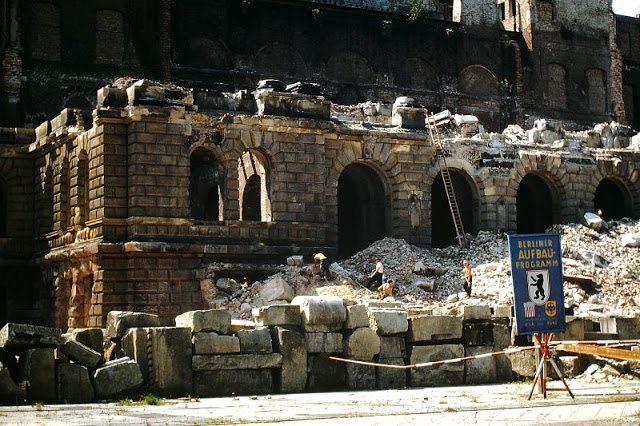
First documented in the 13th century and at the crossing of two important historic trade routes, Berlin became the capital of the Margraviate of Brandenburg (1417–1701), the Kingdom of Prussia (1701–1918), the German Empire (1871–1918), the Weimar Republic (1919–1933), and the Third Reich (1933–1945). Berlin in the 1920s was the third-largest municipality in the world. After World War II and its subsequent occupation by the victorious countries, the city was divided; West Berlin became a de facto exclave of West Germany, surrounded by the Berlin Wall (1961–1989) and East German territory. East Berlin was declared capital of East Germany, while Bonn became the West German capital. Following German reunification in 1990, Berlin once again became the capital of all of Germany.
Berlin is a world city of culture, politics, media and science. Its economy is based on high-tech firms and the service sector, encompassing a diverse range of creative industries, research facilities, media corporations and convention venues. Berlin serves as a continental hub for air and rail traffic and has a highly complex public transportation network. The metropolis is a popular tourist destination. Significant industries also include IT, pharmaceuticals, biomedical engineering, clean tech, biotechnology, construction and electronics.
Berlin is home to world-renowned universities such as the Humboldt University, the Technical University, the Free University, the University of the Arts, ESMT Berlin and Bard College Berlin. Its Zoological Garden is the most visited zoo in Europe and one of the most popular worldwide. With Babelsberg being the world’s first large-scale movie studio complex, Berlin is an increasingly popular location for international film productions. The city is well known for its festivals, diverse architecture, nightlife, contemporary arts and a very high quality of living. Since the 2000s Berlin has seen the emergence of a cosmopolitan entrepreneurial scene.
Berlin contains three World Heritage Sites: Museum Island; the Palaces and Parks of Potsdam and Berlin; and the Berlin Modernism Housing Estates. Other landmarks include the Brandenburg Gate, the Reichstag building, Potsdamer Platz, the Memorial to the Murdered Jews of Europe, the Berlin Wall Memorial, the East Side Gallery, the Berlin Victory Column, Berlin Cathedral and the Berlin Television Tower, the tallest structure in Germany. Berlin has numerous museums, galleries, libraries, orchestras, and sporting events. These include the Old National Gallery, the Bode Museum, the Pergamon Museum, the German Historical Museum, the Jewish Museum Berlin, the Natural History Museum, the Humboldt Forum, the Berlin State Library, the Berlin State Opera, the Berlin Philharmonic and the Berlin Marathon. (Wikipedia)




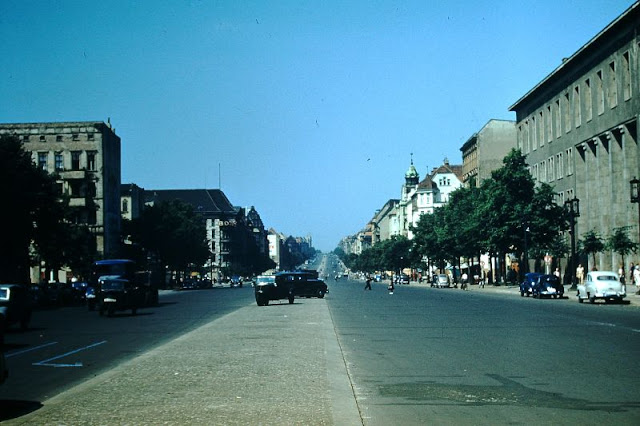
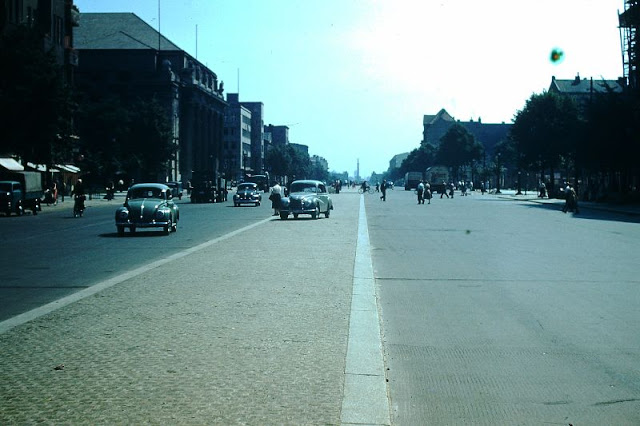
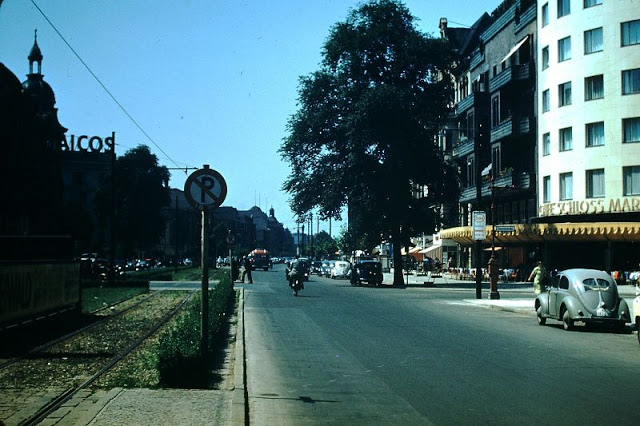


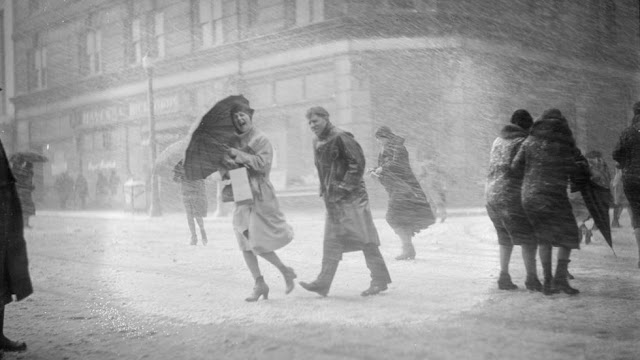
Boston, officially the City of Boston, is the capital and most populous city of the Commonwealth of Massachusetts in the United States and 24th-most populous city in the country. The city proper covers 48.4 square miles (125 km2) with a population of 675,647 in 2020, also making it the most populous city in New England. It is the seat of Suffolk County (although the county government was disbanded on July 1, 1999). The city is the economic and cultural anchor of a substantially larger metropolitan area known as Greater Boston, a metropolitan statistical area (MSA) home to a census-estimated 4.8 million people in 2016 and ranking as the tenth-largest MSA in the country. A broader combined statistical area (CSA), generally corresponding to the commuting area and including Providence, Rhode Island, is home to some 8.2 million people, making it the sixth most populous in the United States.
Boston is one of the oldest municipalities in the United States, founded on the Shawmut Peninsula in 1630 by Puritan settlers from the English town of the same name. It was the scene of several key events of the American Revolution, such as the Boston Massacre, the Boston Tea Party, the Battle of Bunker Hill and the siege of Boston. Upon American independence from Great Britain, the city continued to be an important port and manufacturing hub as well as a center for education and culture. The city has expanded beyond the original peninsula through land reclamation and municipal annexation. Its rich history attracts many tourists, with Faneuil Hall alone drawing more than 20 million visitors per year. Boston’s many firsts include the United States’ first public park (Boston Common, 1634), first public or state school (Boston Latin School, 1635) and first subway system (Tremont Street subway, 1897).
Today, Boston is a thriving center of scientific research. The Boston area’s many colleges and universities make it a world leader in higher education, including law, medicine, engineering and business, and the city is considered to be a global pioneer in innovation and entrepreneurship, with nearly 5,000 startups. Boston’s economic base also includes finance, professional and business services, biotechnology, information technology and government activities. Households in the city claim the highest average rate of philanthropy in the United States; businesses and institutions rank among the top in the country for environmental sustainability and investment. The city has one of the highest costs of living in the United States as it has undergone gentrification, though it remains high on world livability rankings. (Wikipedia)


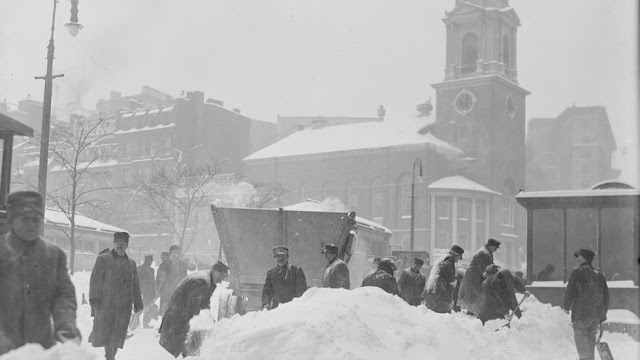
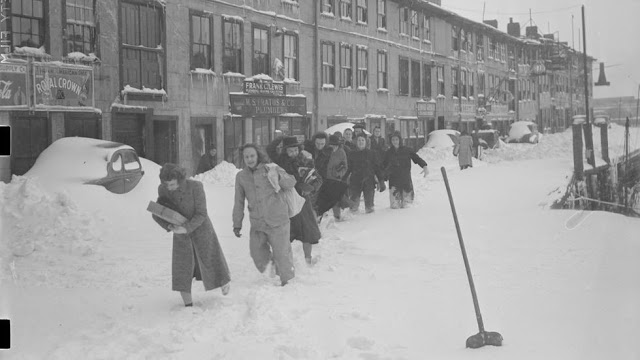

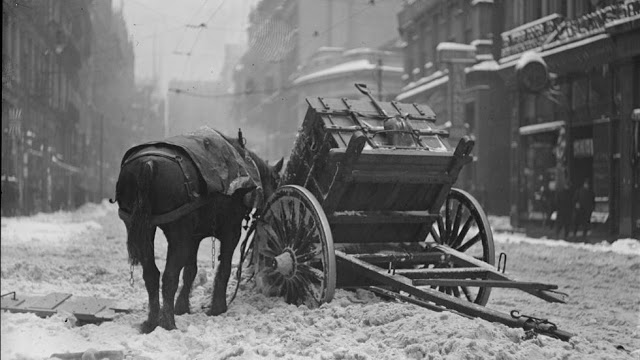

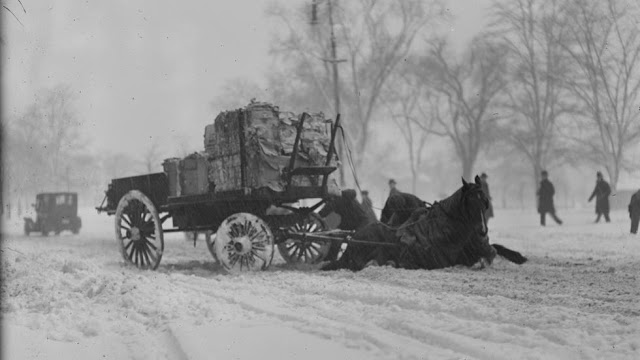

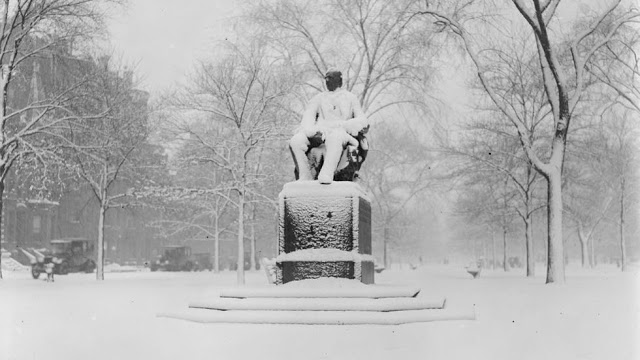
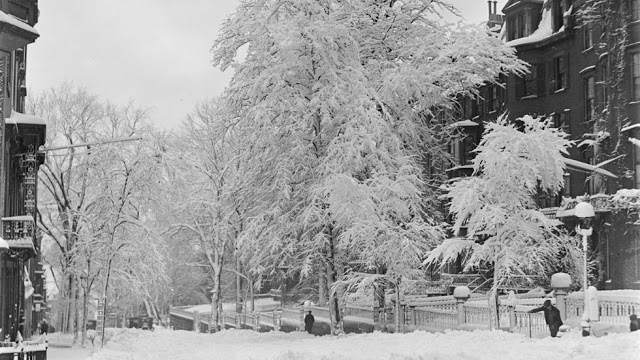

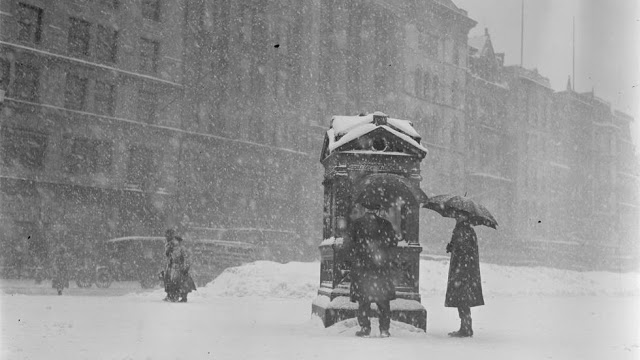
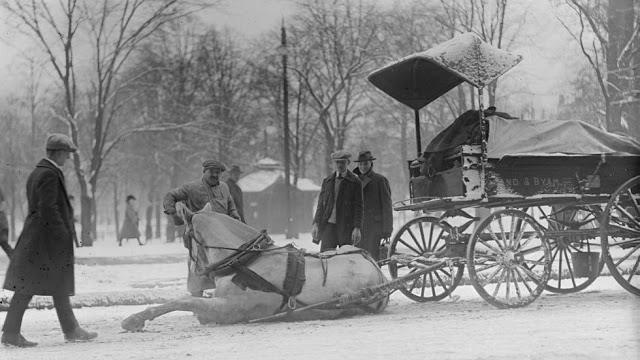
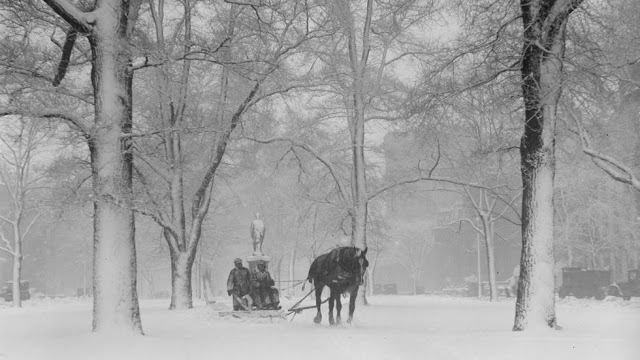
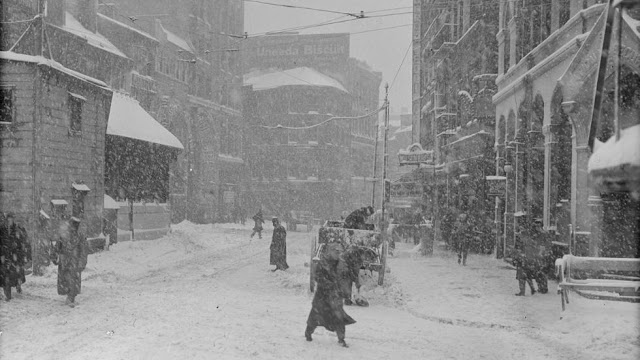
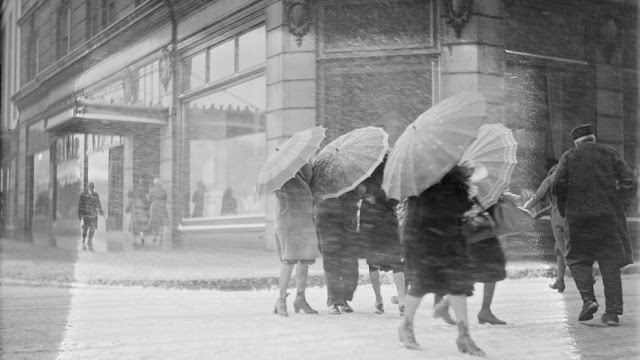
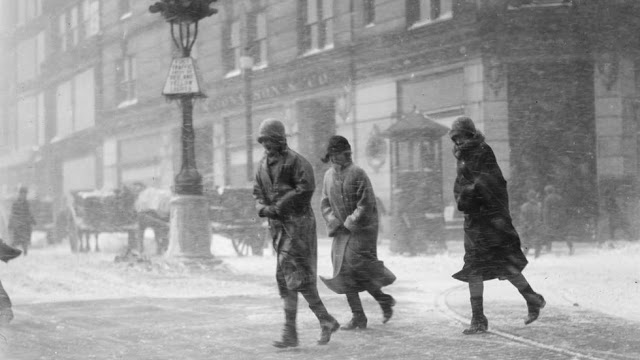
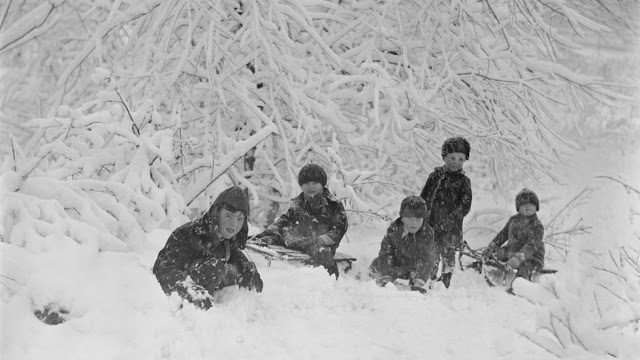
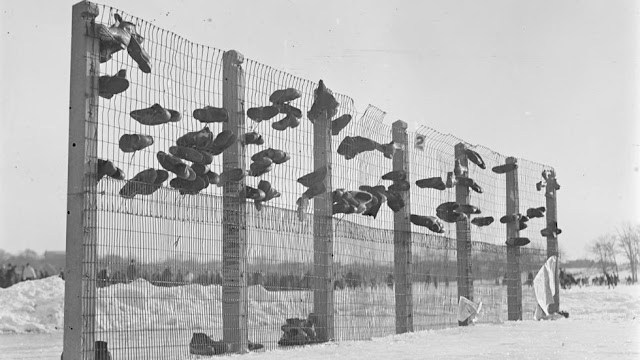
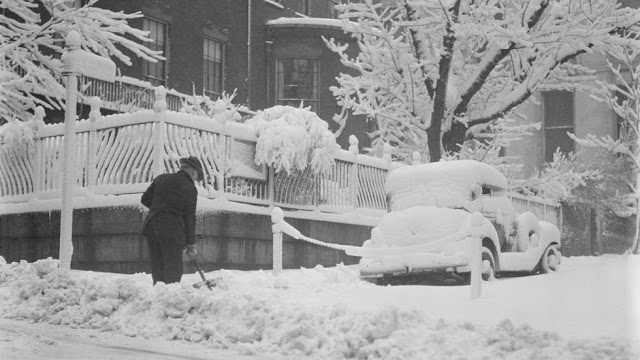
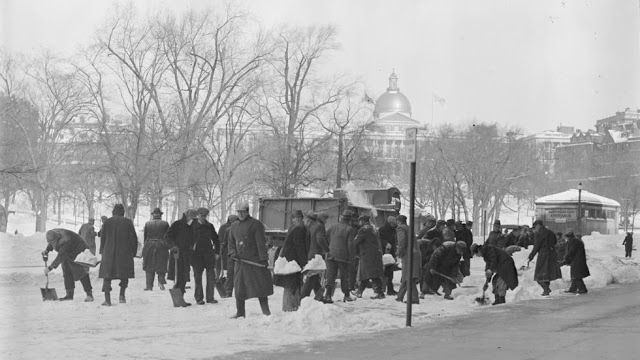
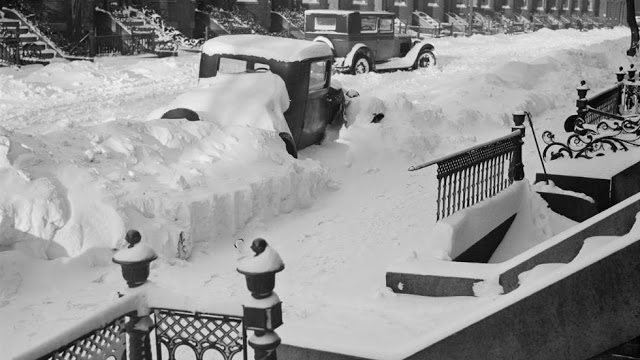
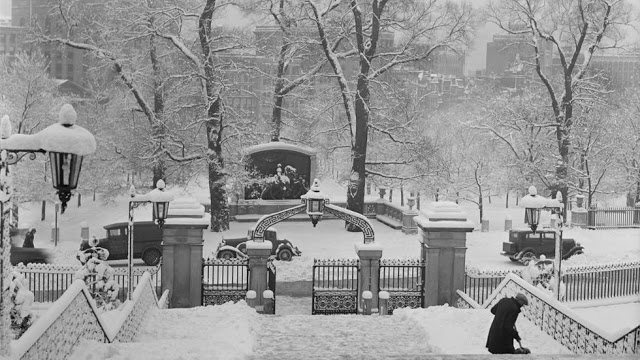
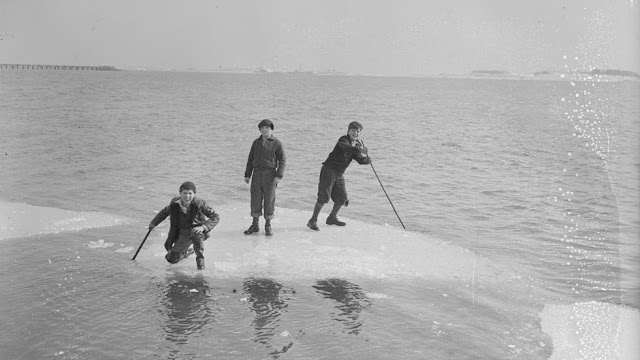

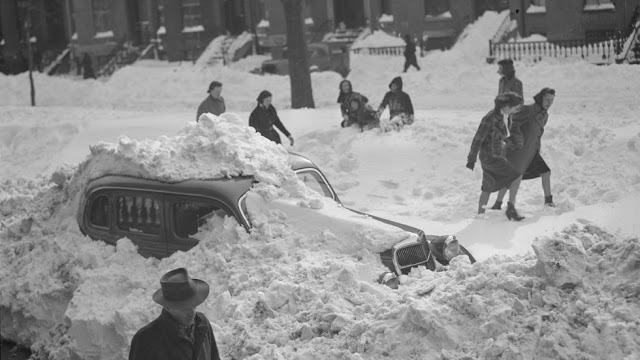

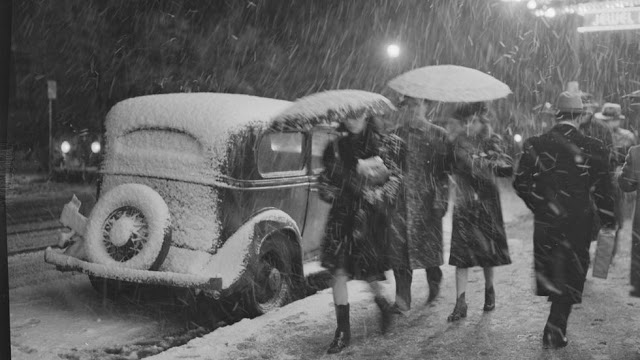
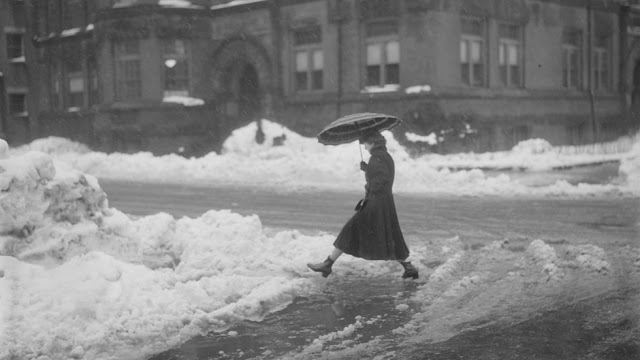
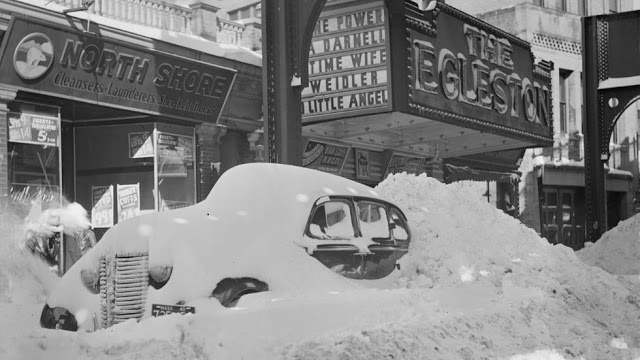
(Images courtesy of the Boston Public Library, Leslie Jones Collection)

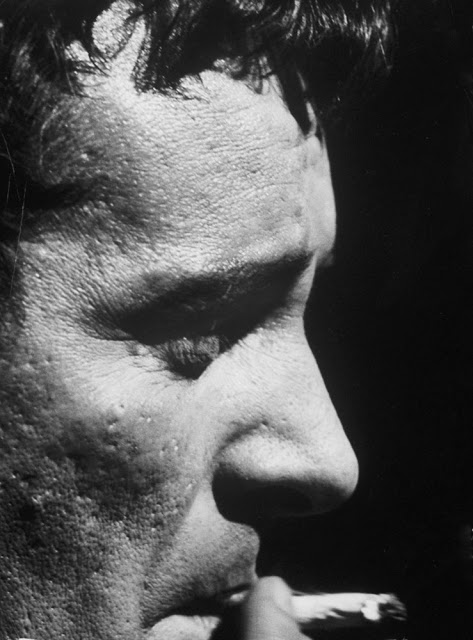
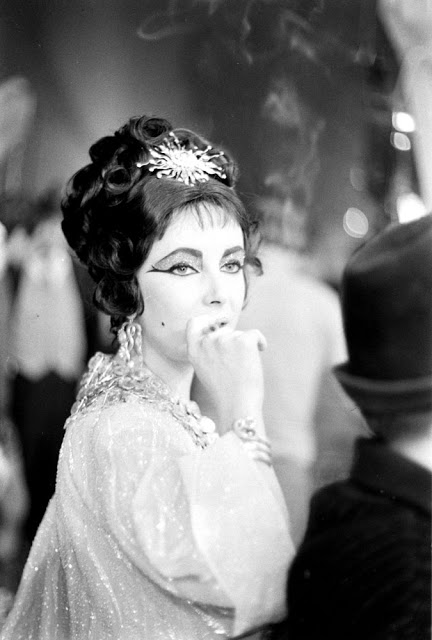
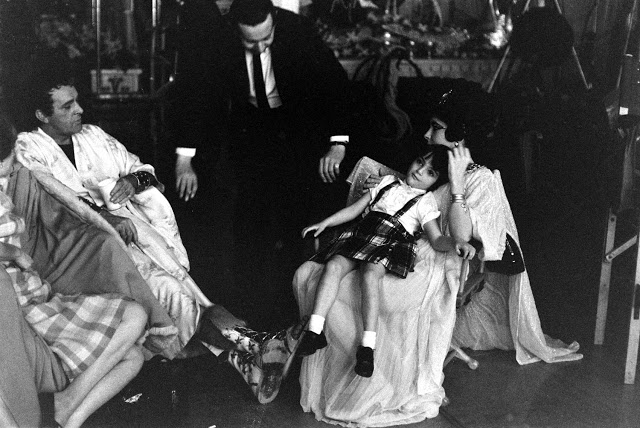
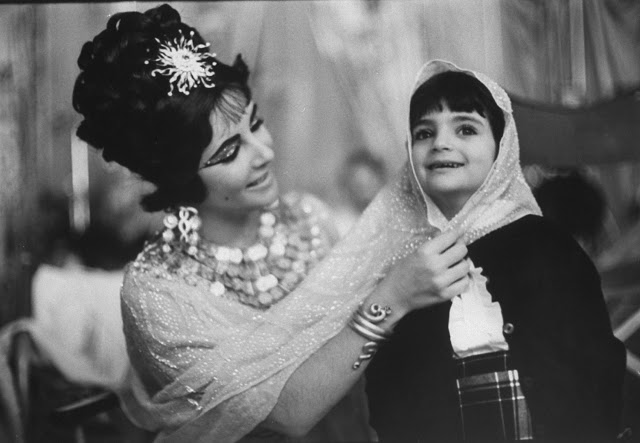
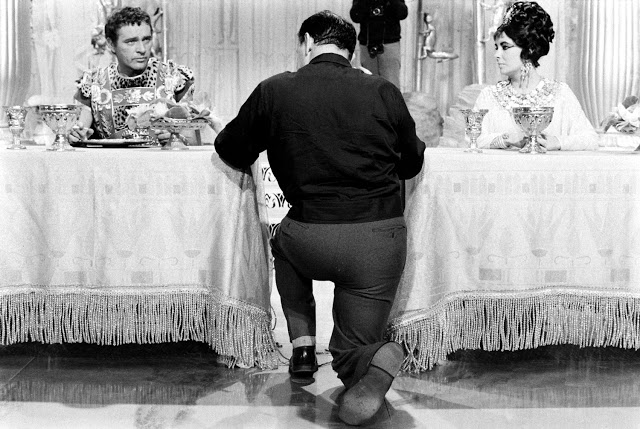
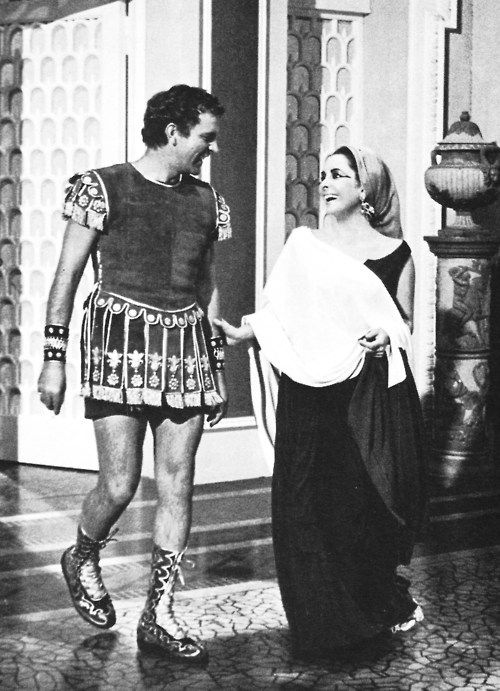
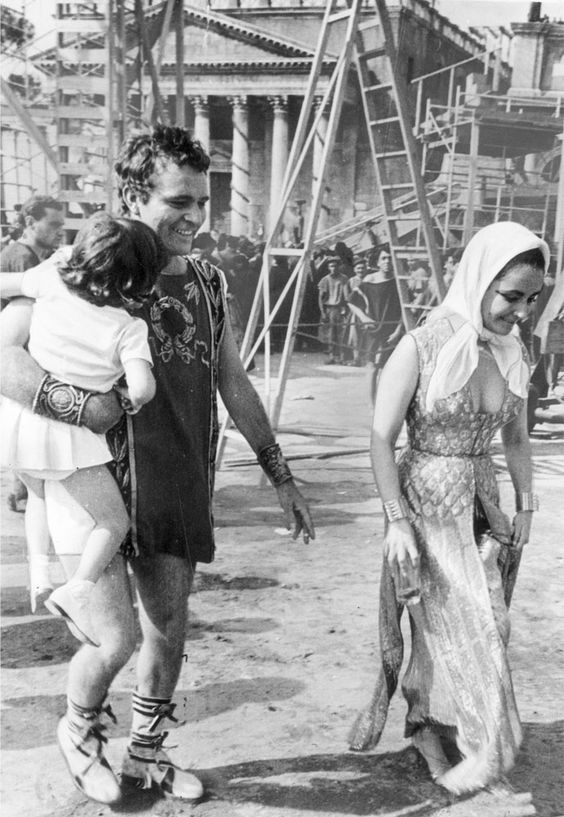
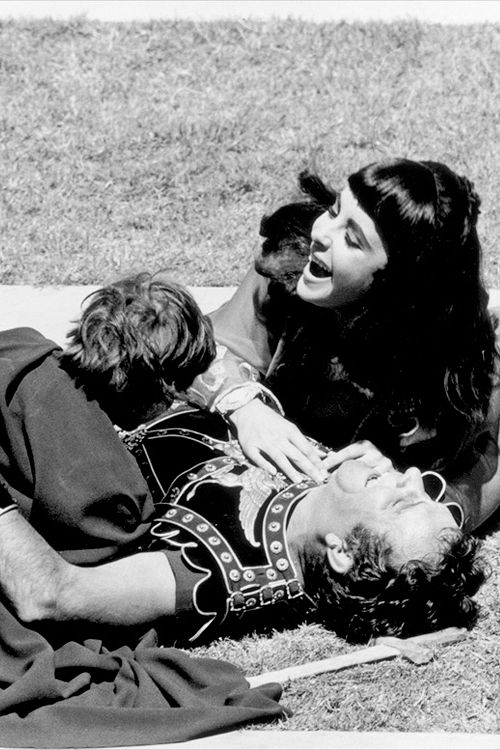
There are Hollywood romances, and then there are superstar romances, and no superstar romance ever managed to cram as much scandal, star power and unabashed sexual attraction into one gaudy package as the affair, marriage, divorce, second marriage and second divorce of Elizabeth Taylor and Richard Burton. Their tumultuous liaison — before the marriages and divorces — famously began in 1962 on the set of the colossally over-budget epic, Cleopatra. Fodder for gossip columns and tabloids, all these years later their affair remains the gold standard for famous folks behaving badly on movie sets.
Here’s a series of photographs made on the Roman set of Cleopatra by LIFE photographer Paul Schutzer.
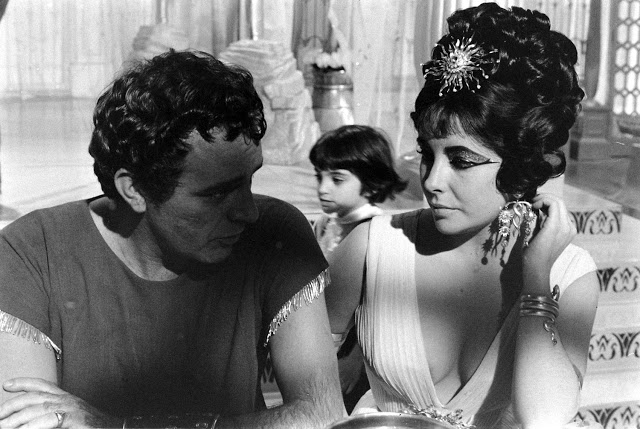


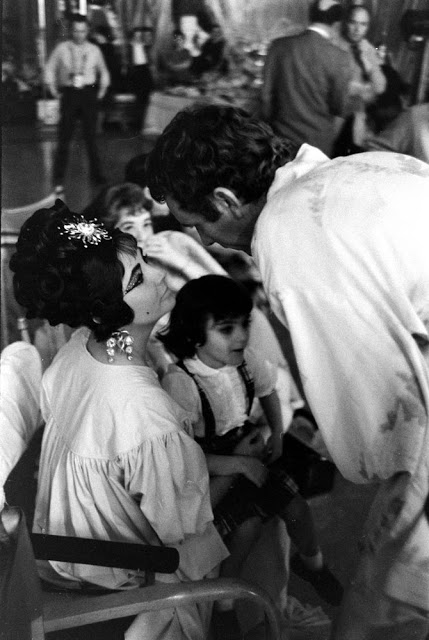
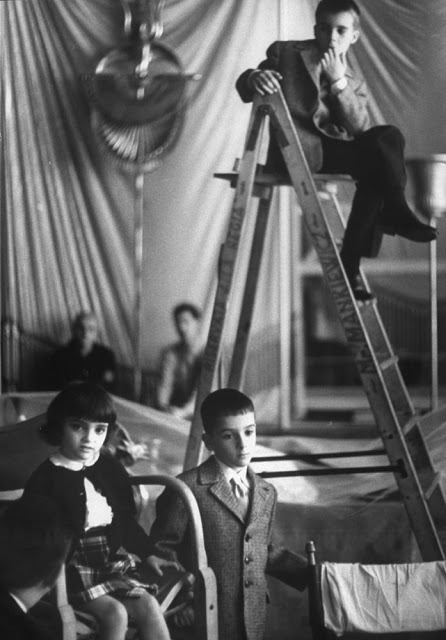

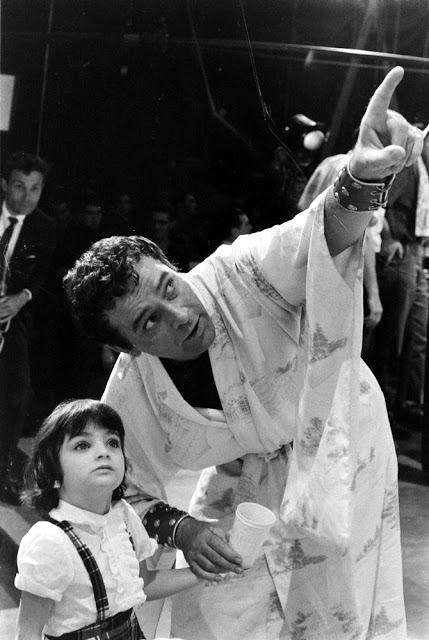

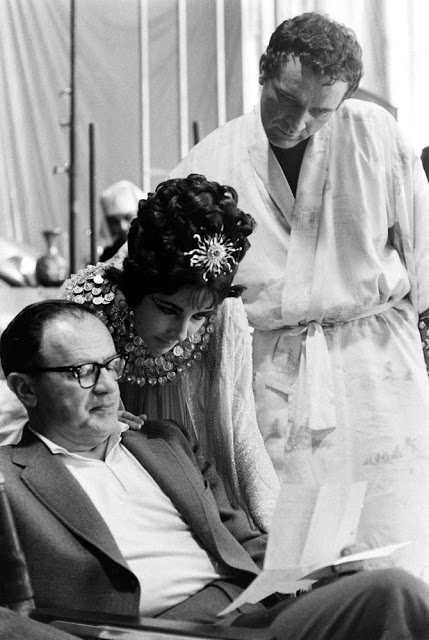


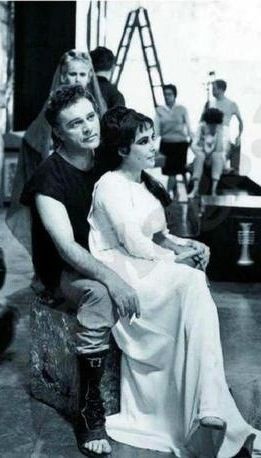

(Photos: Paul Schutzer—Time & Life Pictures/Getty Images)

Read more of this content when you subscribe today.
Coleen Gray (born Doris Bernice Jensen; October 23, 1922 – August 3, 2015) was an American actress. She was best known for her roles in the films Nightmare Alley (1947), Red River (1948), and Stanley Kubrick’s The Killing (1956).
Gray was born in Staplehurst, Nebraska,[1] her family moved to Hutchinson, Minnesota when she was seven. She grew up on a farm. After graduating from Hutchinson high school in 1943 as Doris Jensen, she studied drama at Hamline University, and graduated cum laude with a Bachelor of Arts. She travelled to California, and worked as a waitress in a restaurant in La Jolla. After several weeks there, she moved to Los Angeles and enrolled at UCLA. She also worked in the school’s library and at a YWCA while a student.
She had leading roles in the Los Angeles stage productions Letters to Lucerne and Brief Music, which won her a 20th Century Fox contract in 1944.
After playing a bit part in State Fair (1945), she became pregnant and briefly stopped working, only to return a year later as the love interest of the character played by John Wayne in Red River (1948), which was shot in 1946 but held for release until 1948. Gray appeared in two 1947 films noir: In Kiss of Death as Victor Mature’s ex-con character’s wife and Richard Widmark’s character’s target; and in Nightmare Alley as Tyrone Power’s character’s carnival performer wife, “Electra.” In 1950, Gray used her musical abilities as she sang her part (rather than having her voice dubbed) opposite Bing Crosby in Riding High, directed by Frank Capra. Riding High was not a success and Fox ended her contract in 1950.
Gray worked steadily in the 1950s, but mostly in smaller movies. She played a crooked nurse in The Sleeping City (1950) and appeared in Kansas City Confidential (1952) and in the Stanley Kubrick film noir The Killing (1956), in which she plays the loyal girlfriend of criminal Sterling Hayden. In the 1953 Western The Vanquished, she played a woman who attacks Jan Sterling’s character with a pair of scissors in a crazed attempt to exonerate the man she loves (John Payne). Other films included Father Is a Bachelor (1950), The Leech Woman (1960), The Phantom Planet (1961), and P.J. (1968).
Gray appeared in The Late Liz (1971), and acted in the films Forgotten Lady (1977), and Mother (1978) with Patsy Ruth Miller. Mother had a premiere at the Museum of Modern Art in New York City. Both Mother and Forgotten Lady were written for Gray by Brian Pinette, who also served as director and producer. She appeared in the religious film Cry From the Mountain (1986, in the USA), directed by James F. Collier.
From the 1950s, Gray guest-starred in episodes of television series such as Four Star Playhouse, Maverick, Alfred Hitchcock Presents, Perry Mason, Mr. Ed, [Tales of Wells Fargo in 1960 in the episode “The Journey” as Sandra Morton, Rawhide in 1962 in the episode “The Devil and the Deep Blue” as Helen Wade, 77 Sunset Strip, Bonanza, The Deputy, Have Gun Will Travel, The Dakotas, Family Affair, Ironside, Lawman, The Name of the Game and Branded. On May 23, 1962, she was cast as Miss Wycliffe in the series finale, “A Job for Summer”, of the CBS comedy/drama series, Window on Main Street, starring Robert Young as a widowed author in his hometown. She made four guest appearances on Perry Mason, including the title role of defendant Lorraine Kendall in the 1960 episode, “The Case of the Wandering Widow.”
Gray was a regular on the daytime dramas Bright Promise and Days of Our Lives.
Gray married Rod Amateau, a screenwriter, on August 10, 1945; they divorced on February 11, 1949, and had one daughter, Susan. Gray’s second husband was William Clymer Bidlack, an aviation executive. They were married from July 14, 1953, until his death in 1978. The union produced a son, Bruce Robin Bidlack.
In 1979, Gray married widowed Biblical scholar Joseph Fritz Zeiser; they remained together until his death in March 2012. They worked together in Presbyterian causes and the non-profit organization, Prison Fellowship, founded in 1976 by Chuck Colson.
Gray was a Republican and supported Barry Goldwater in the 1964 United States presidential election. That same year, along with actors Victor Jory and Susan Seaforth, she testified before the United States Congress as part of “Project Prayer”, arguing in favor of a constitutional amendment allowing school prayer.
Gray, at age 92, died of natural causes in her Bel Air home in Los Angeles on August 3, 2015.
She was cremated at Pierce Brothers Westwood Village Memorial Park Cemetery and her ashes given to her stepson, Rick Zeiser. Her memorial service was held at the Bel Air Presbyterian Church where she, and her third husband, Joseph Fritz Ziesier, were active members.
Gray was a member of the board of directors at her alma mater, Hamline University. Gray was also active within the following organizations: WAIF, the child adoption organization as President, The March of Dimes, American Cancer Society, American Red Cross, American Mental Health Association, Los Angeles Epilepsy Society, Junior Blind, The Bel-Air Republican Women’s Group, and the Boy Scouts of America and the Girl Scouts of the United States of America. (Wikipedia)


Become a paid subscriber to get access to the rest of this post and other exclusive content.
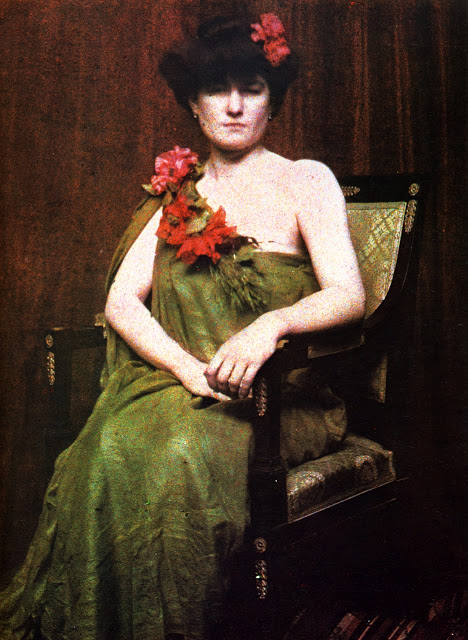
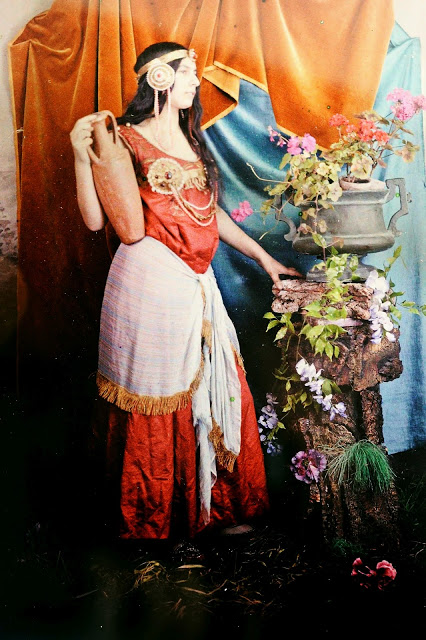
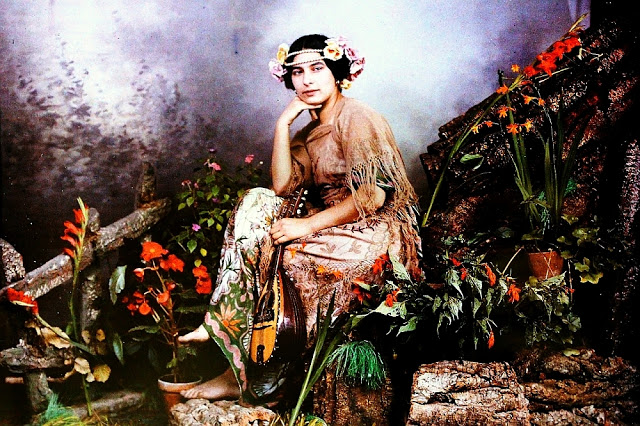
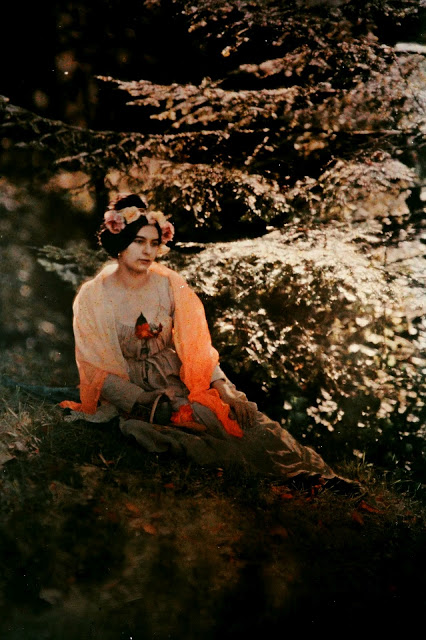
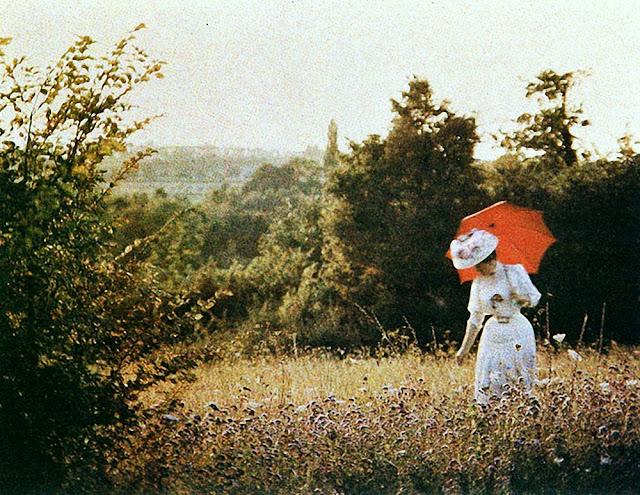
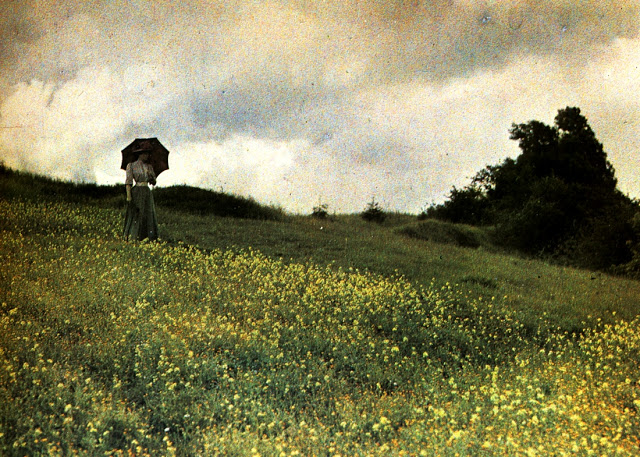
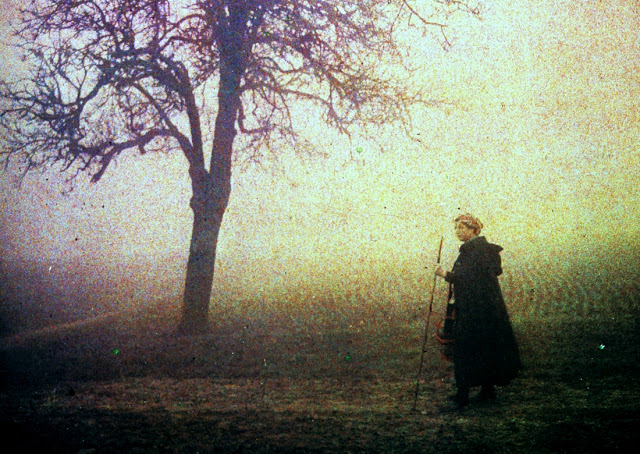
A collection of amazing color portrait photos of women from the early 20th century; these photographs were made on color photographic Autochrome plate technology.























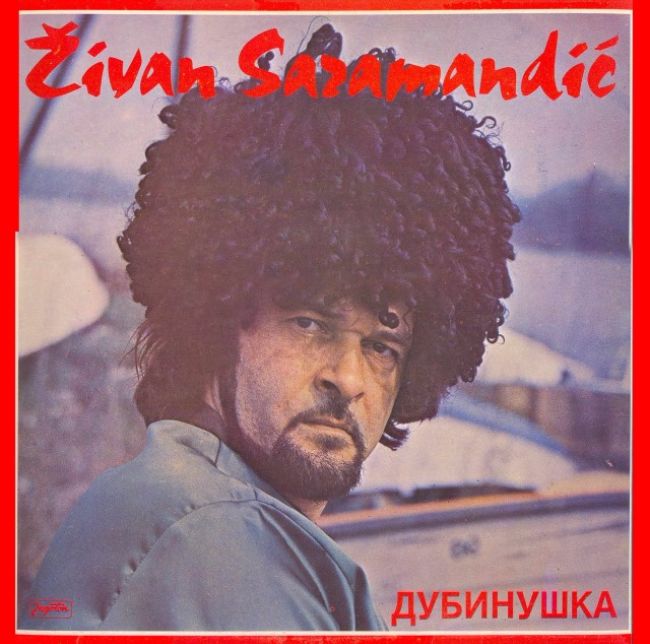

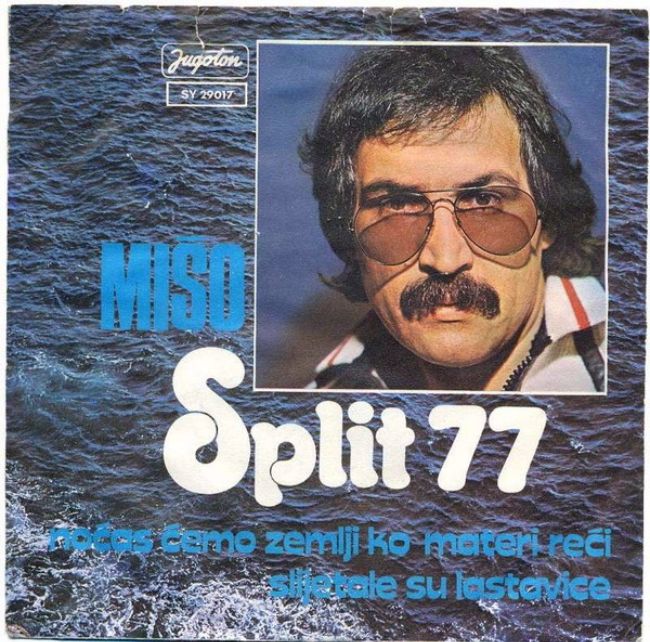
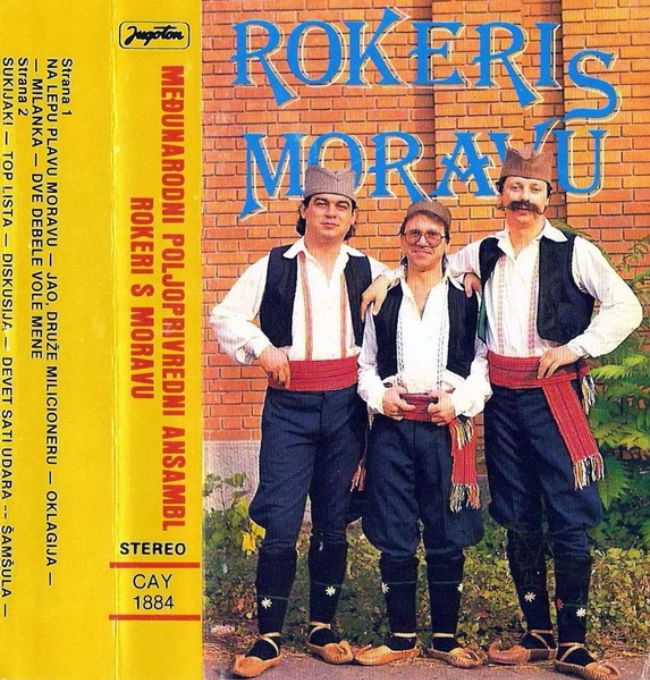
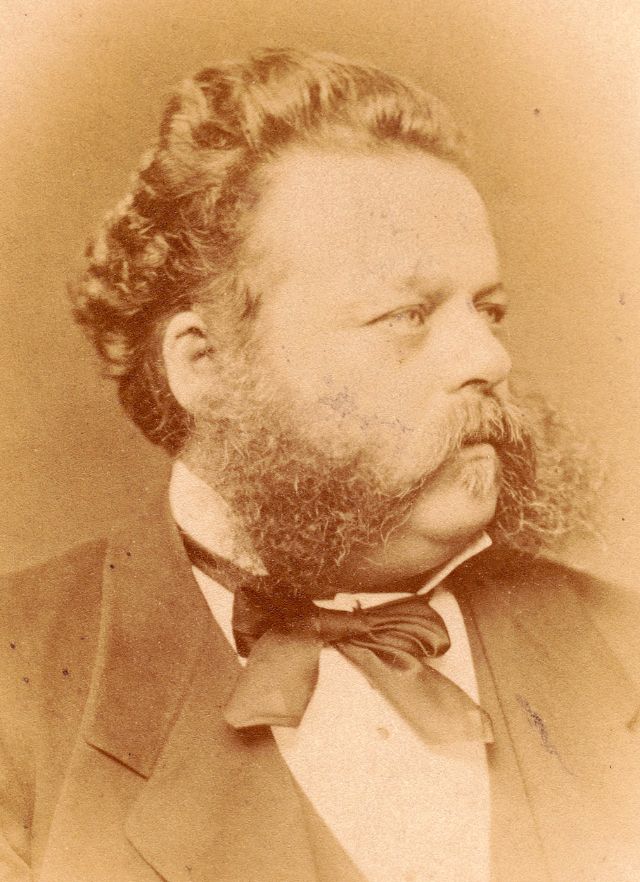
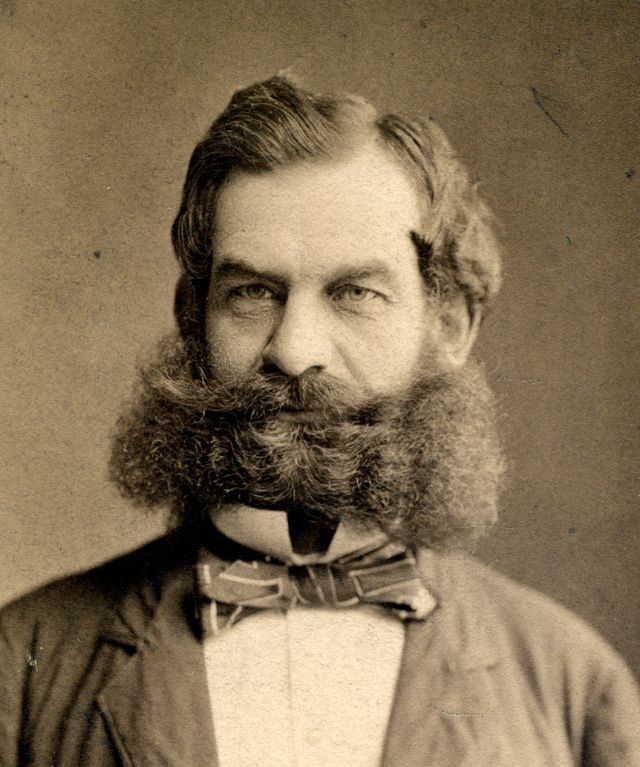
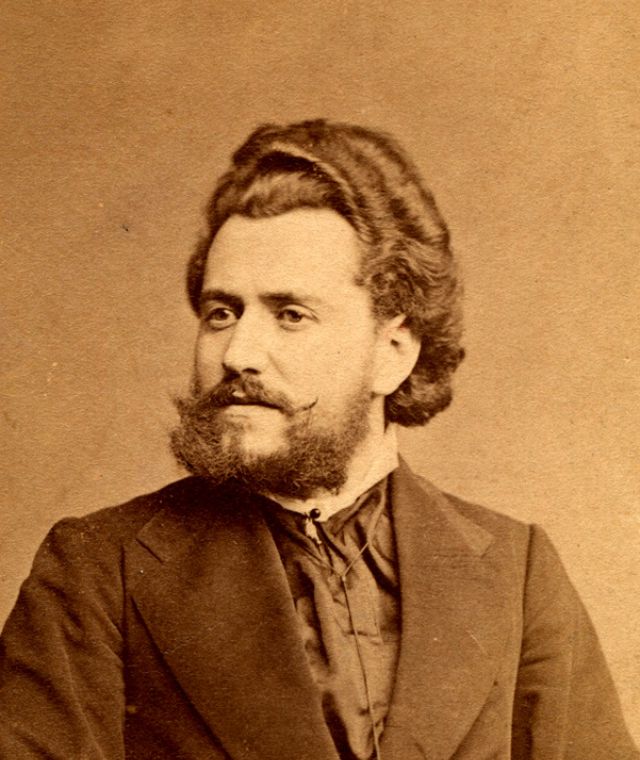
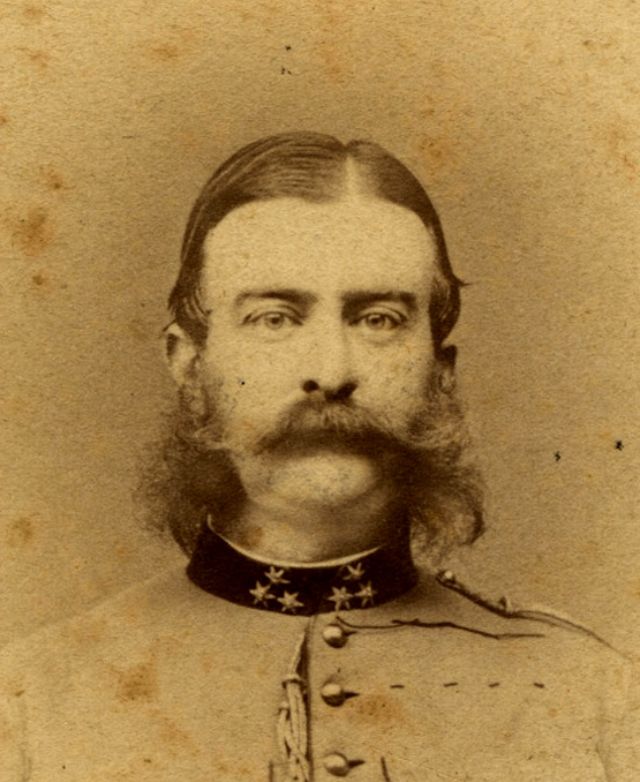
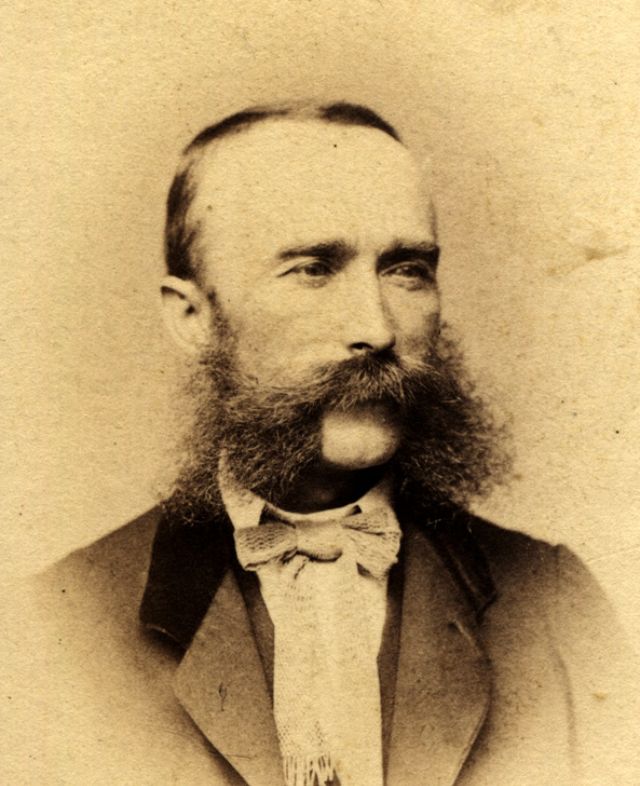
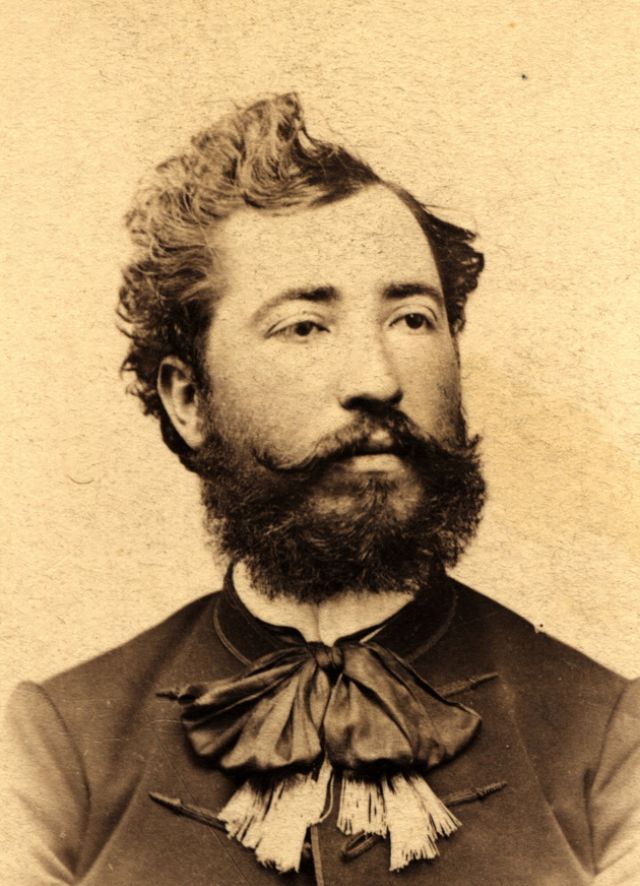
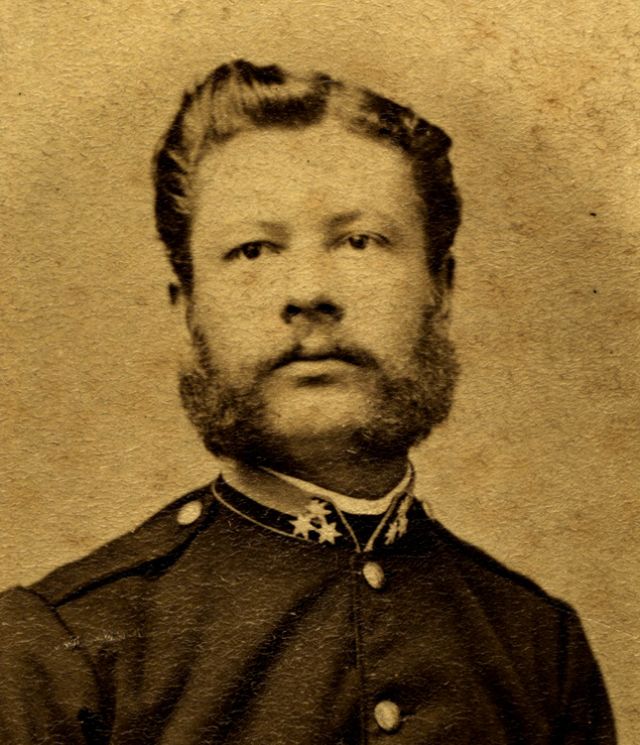
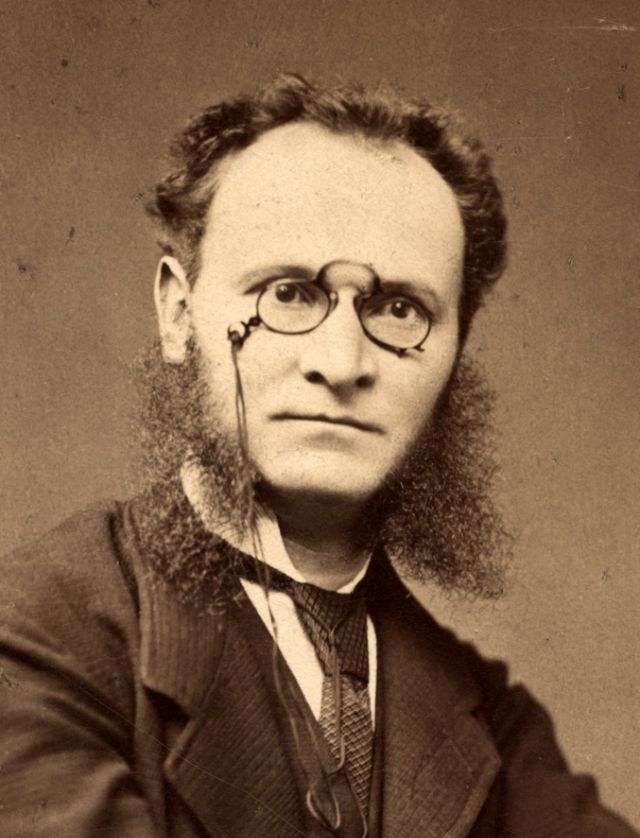
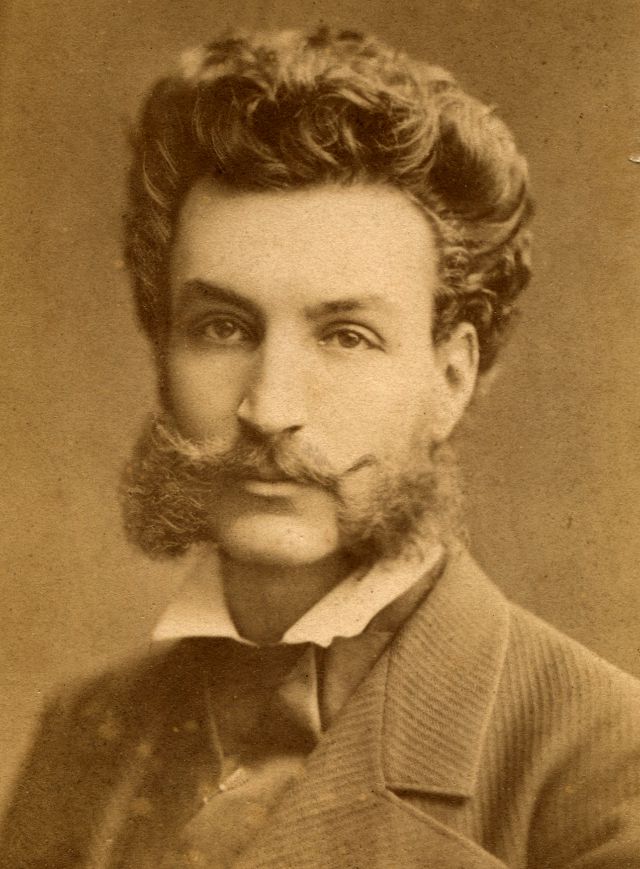
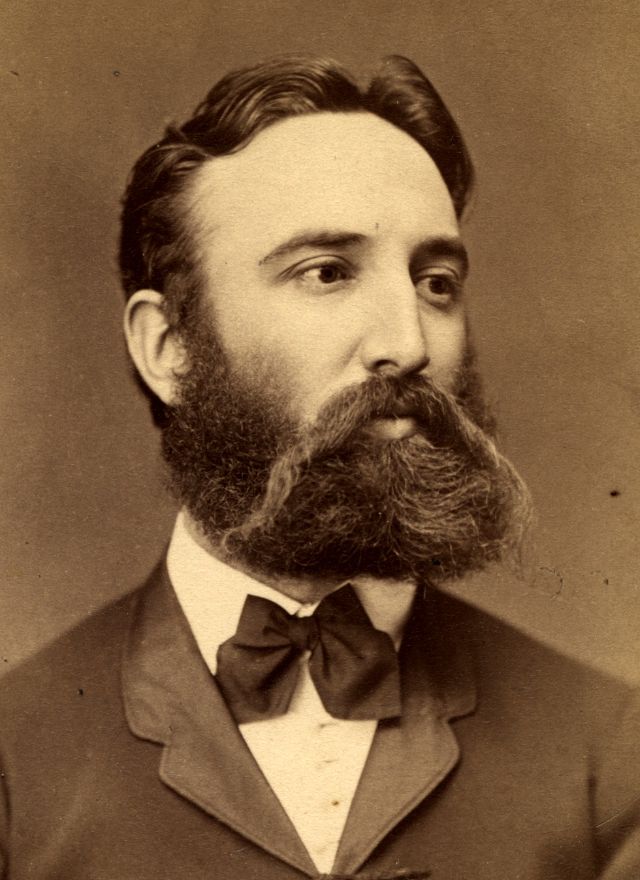
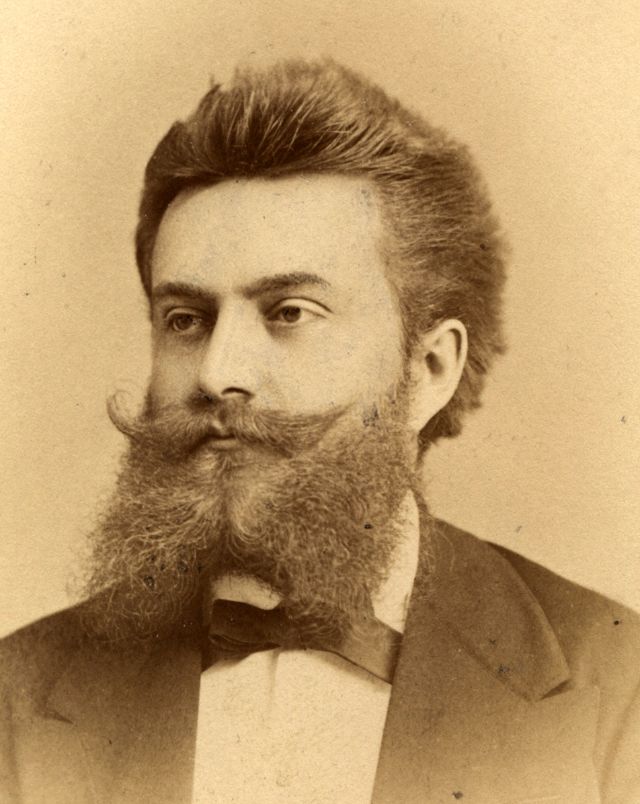
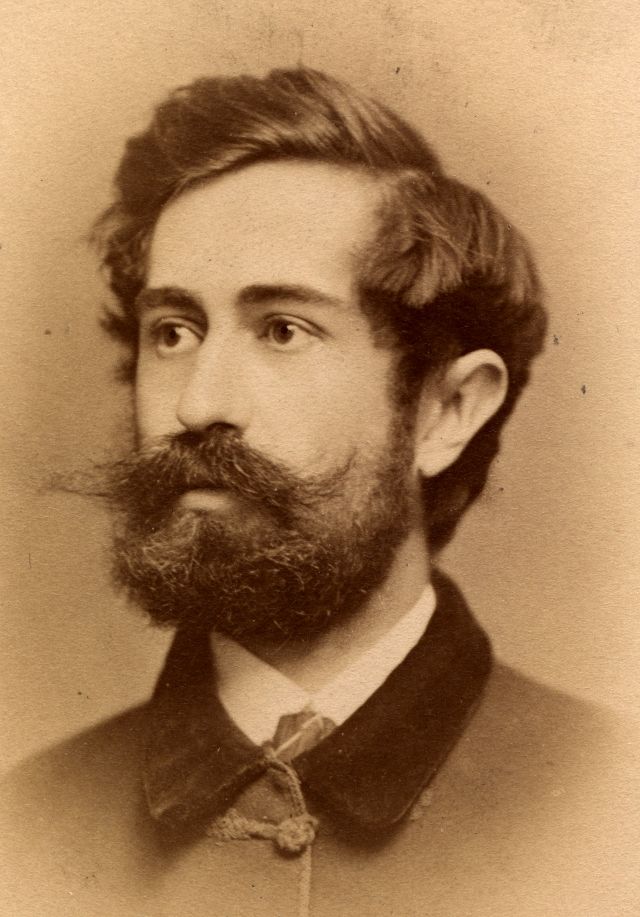
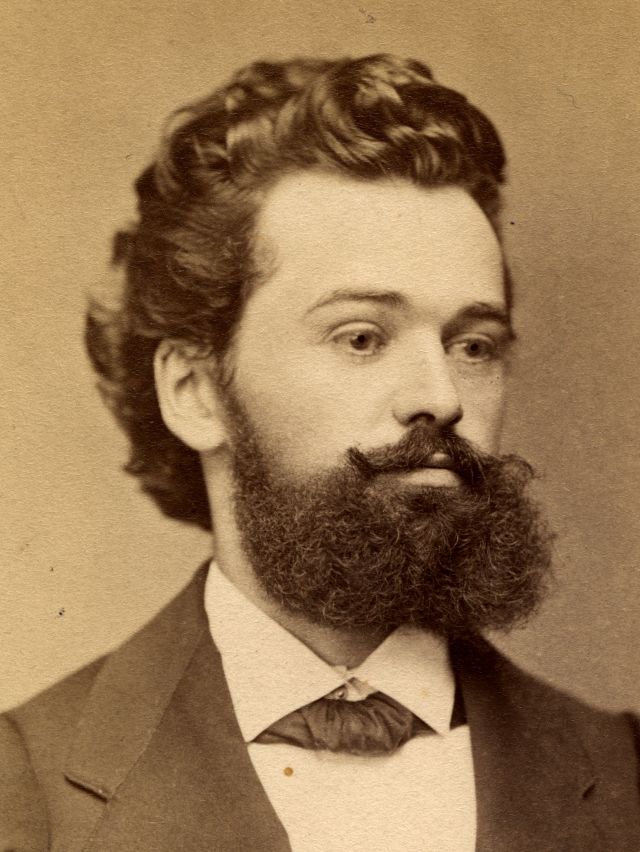
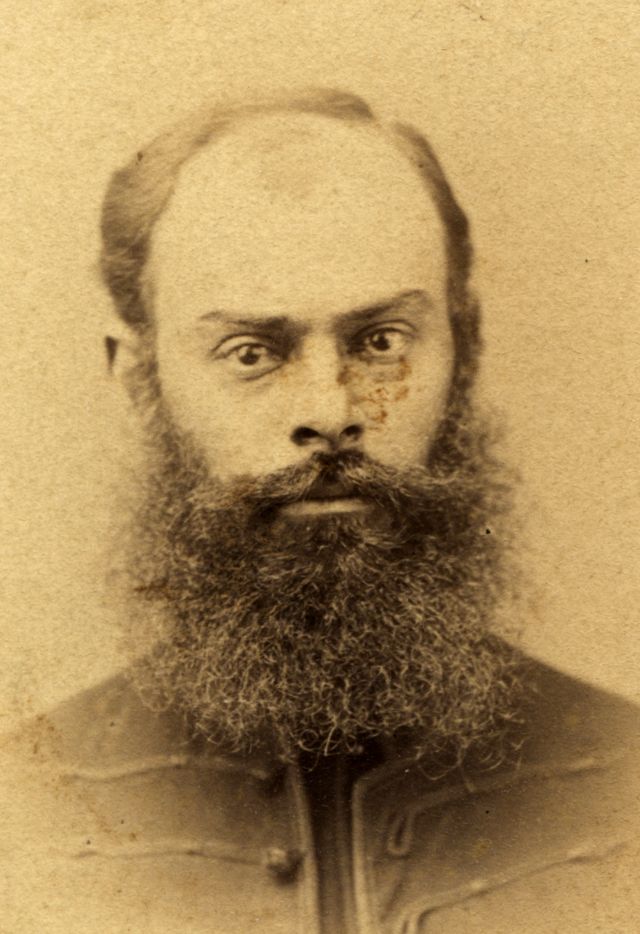
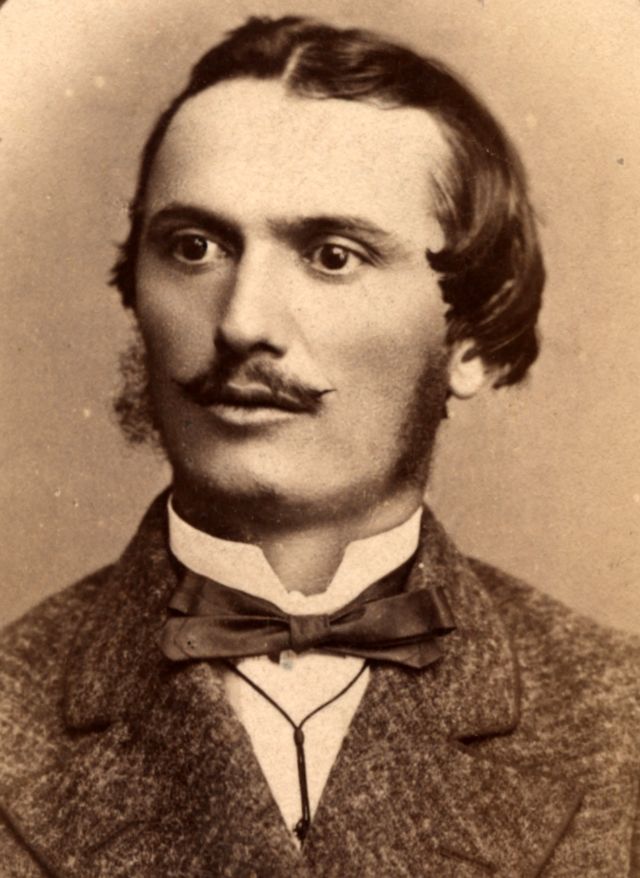
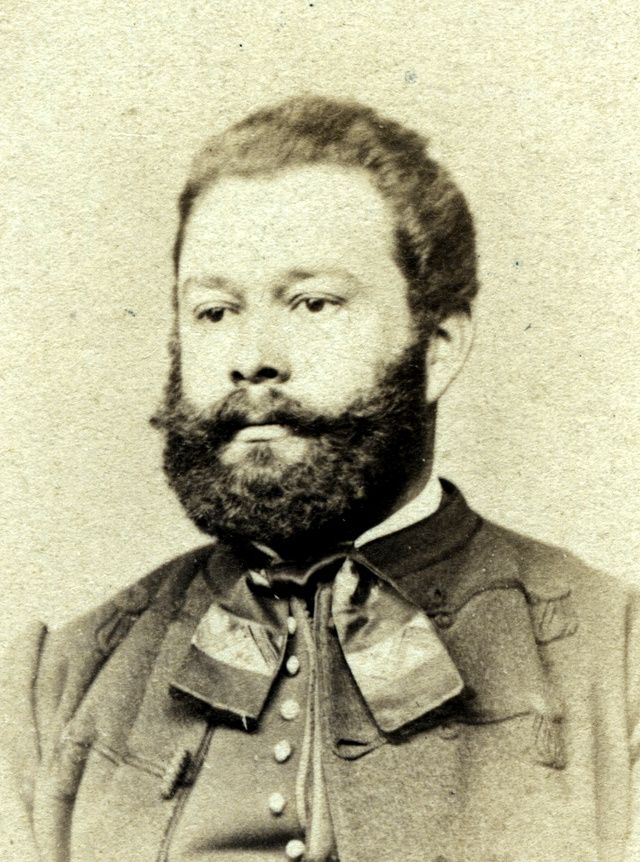
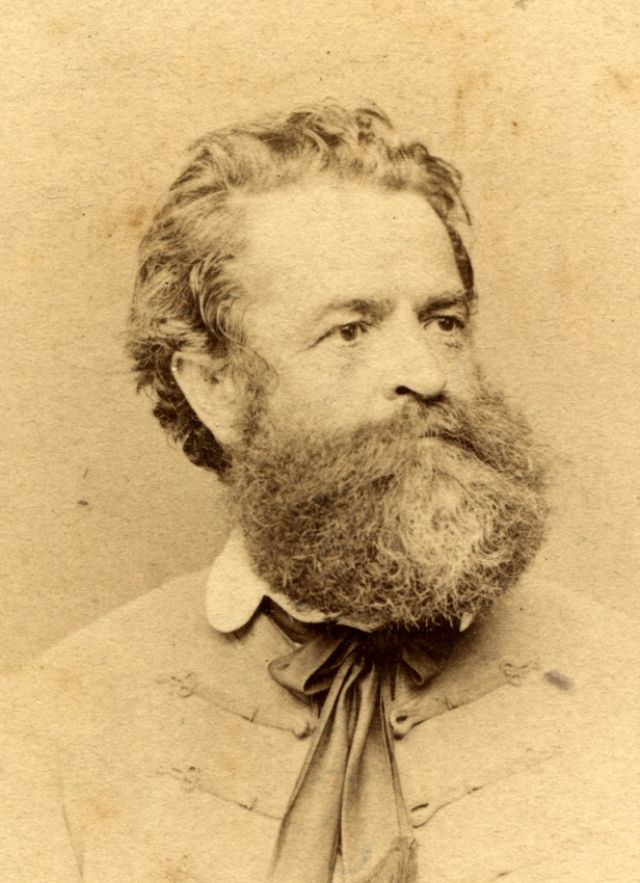
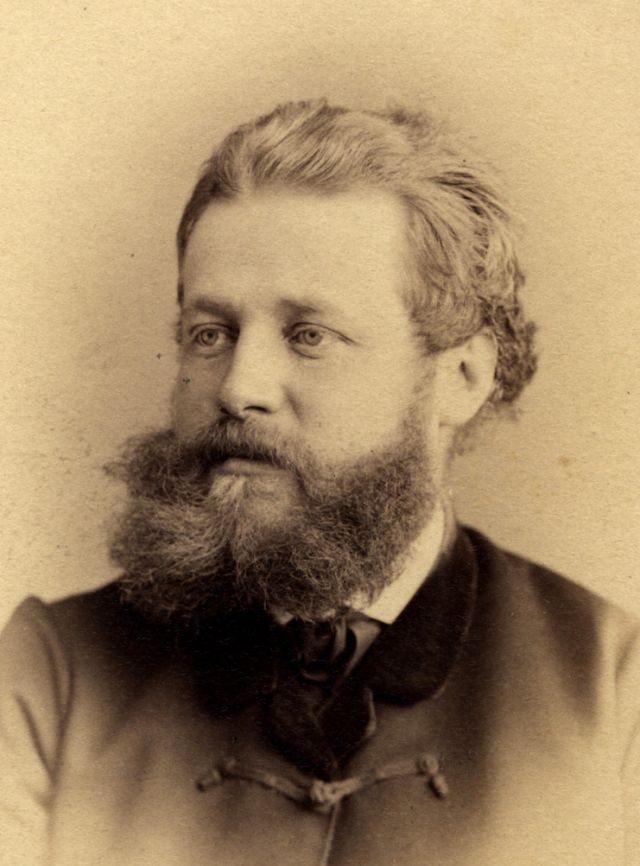
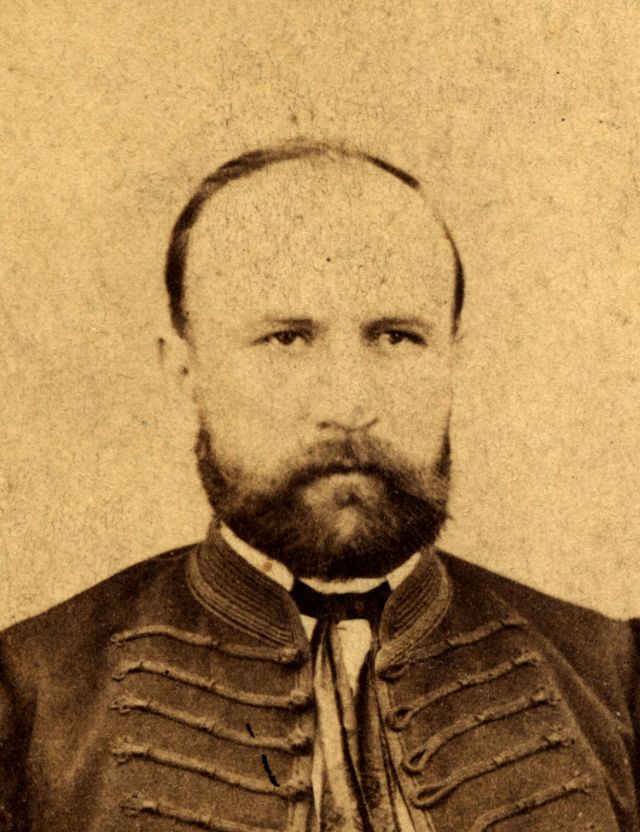
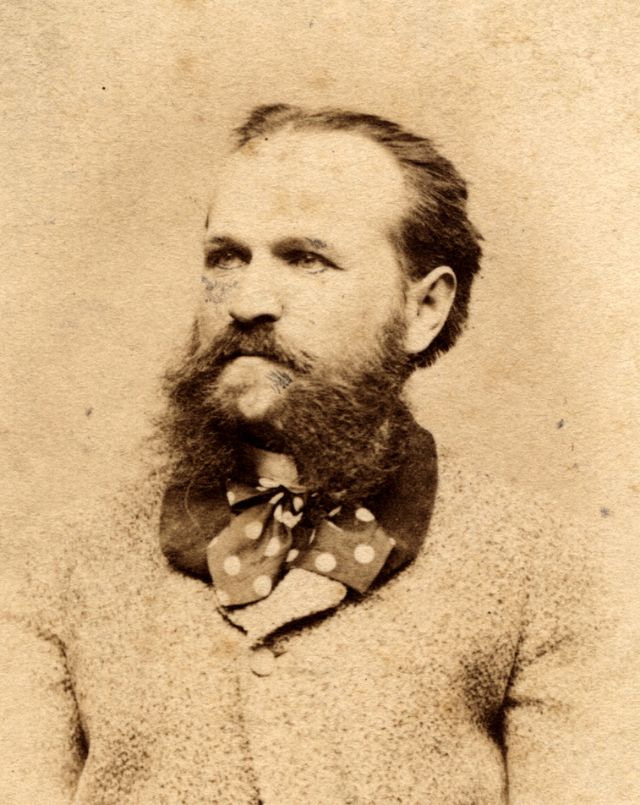
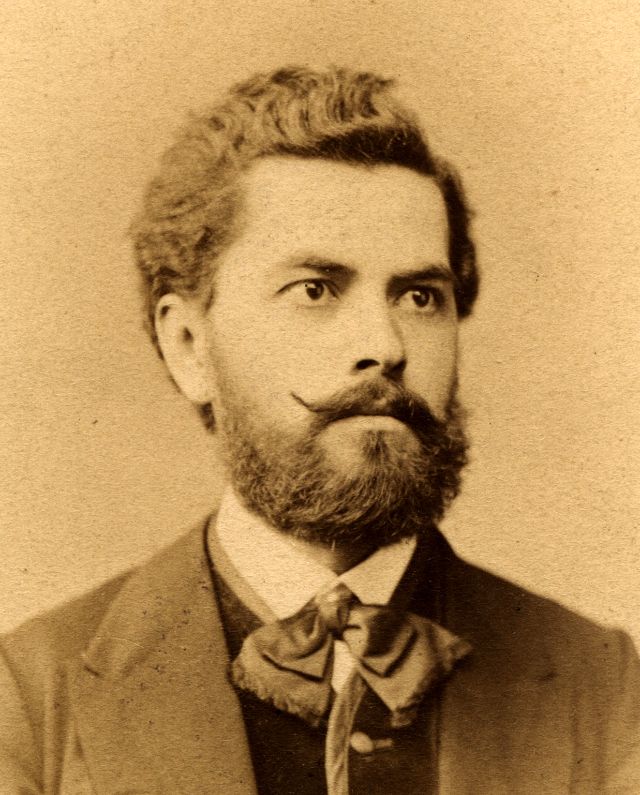
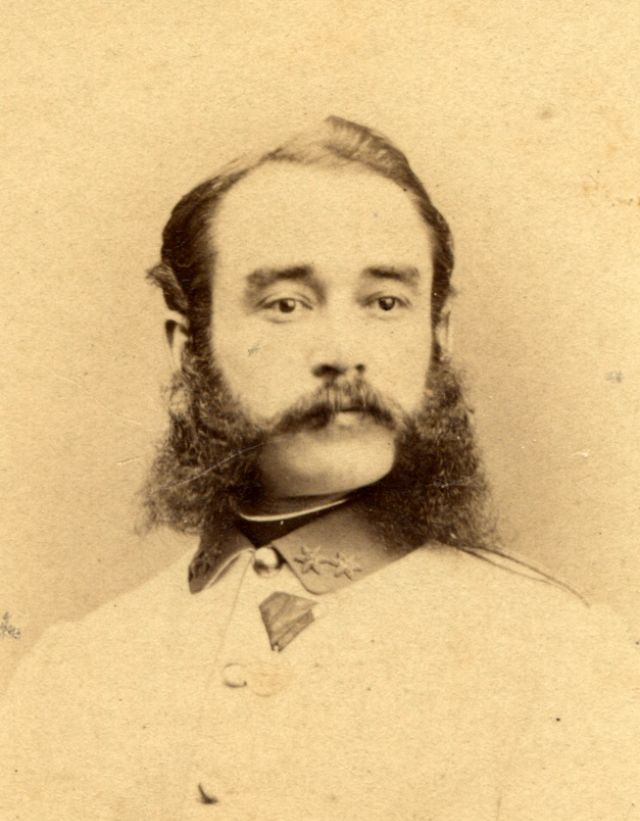
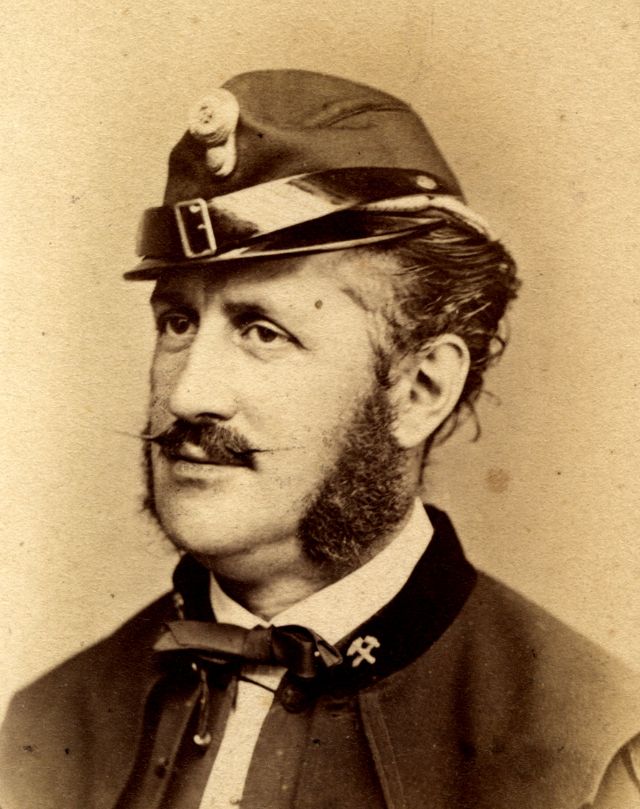
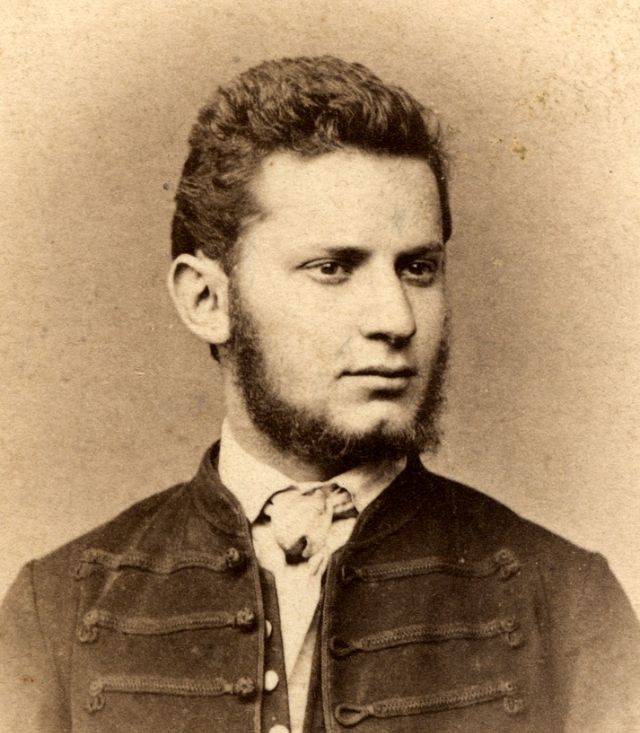
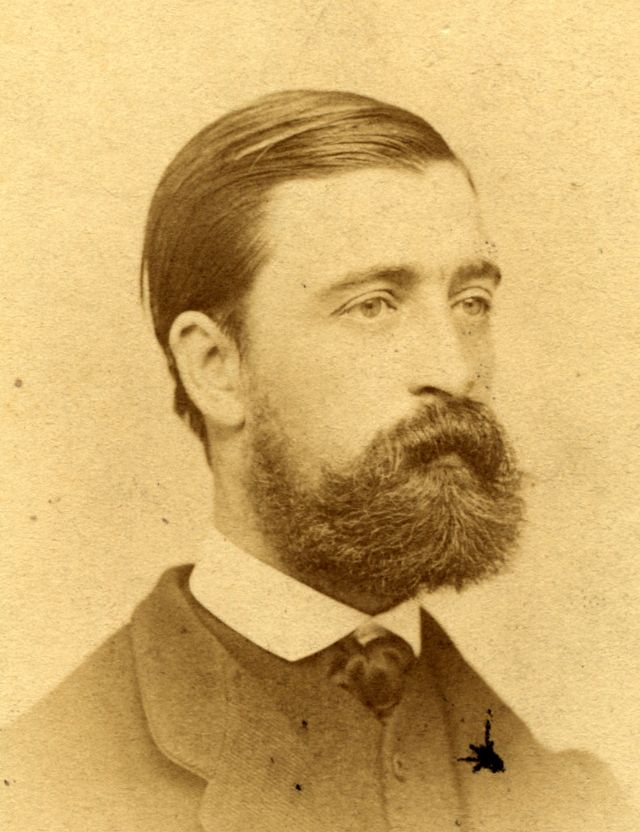
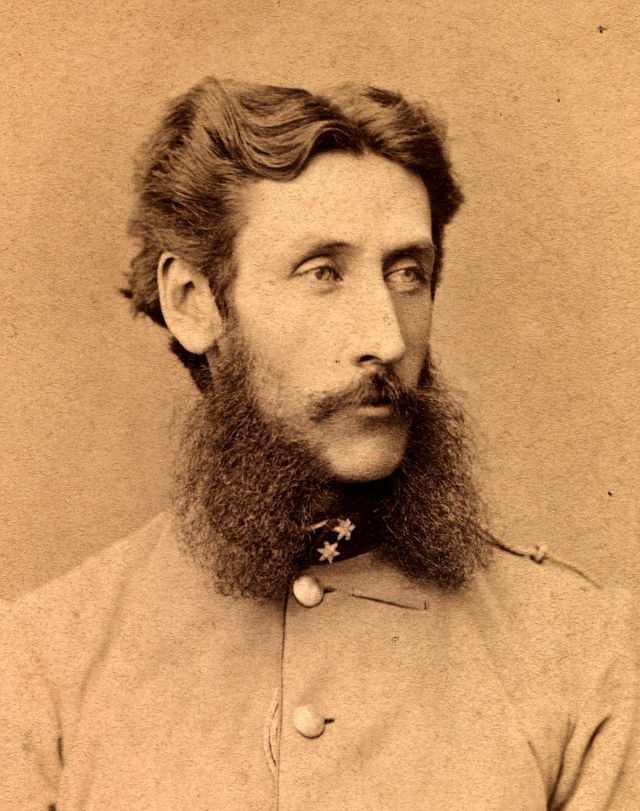
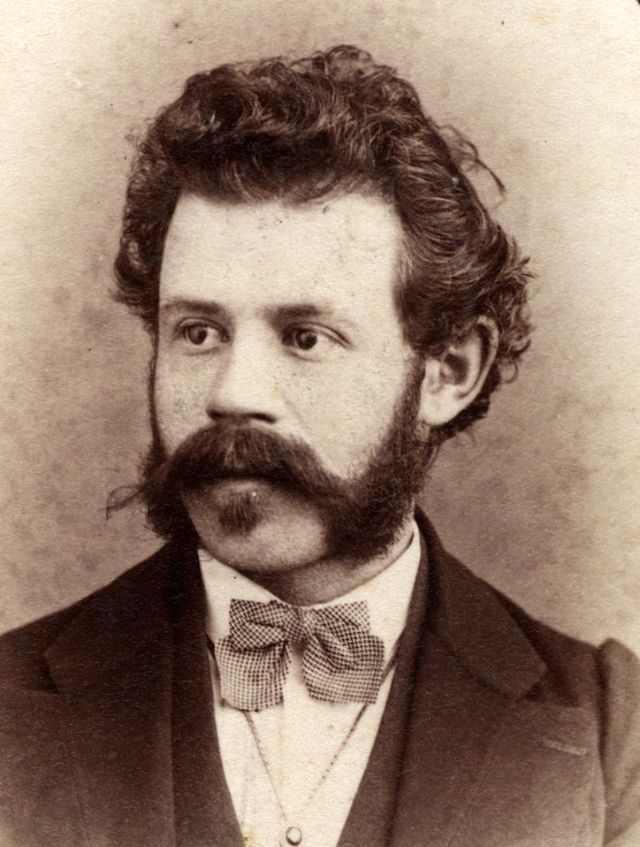
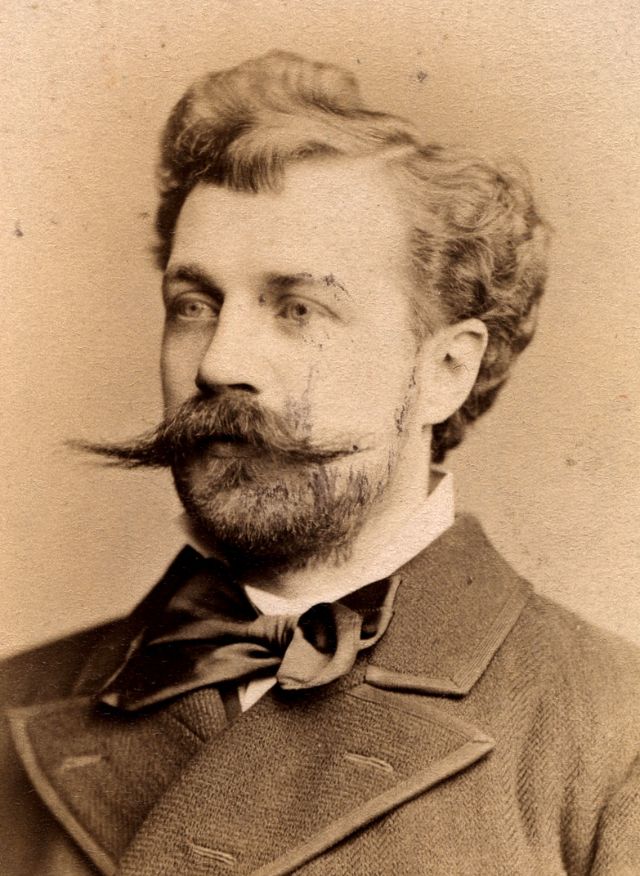
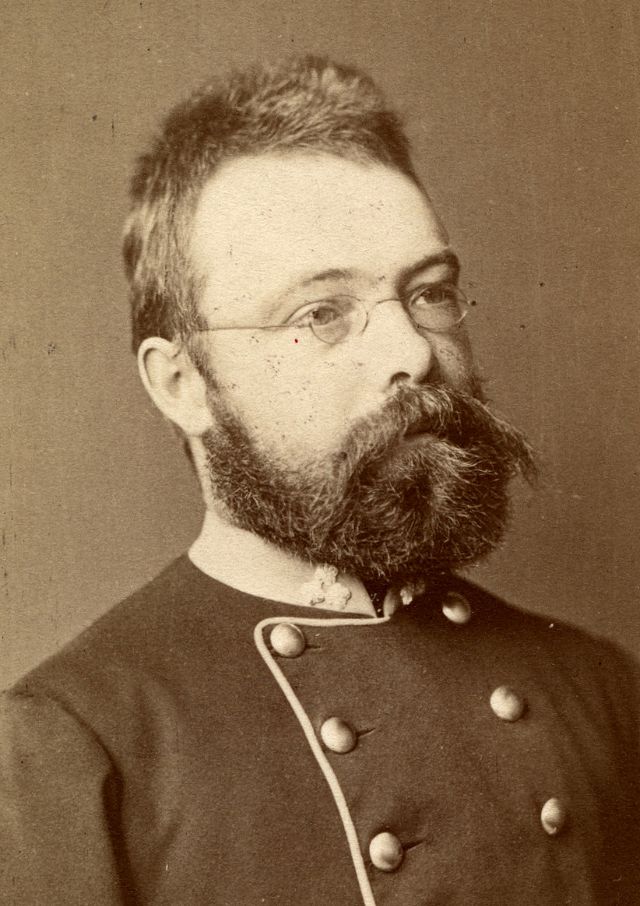
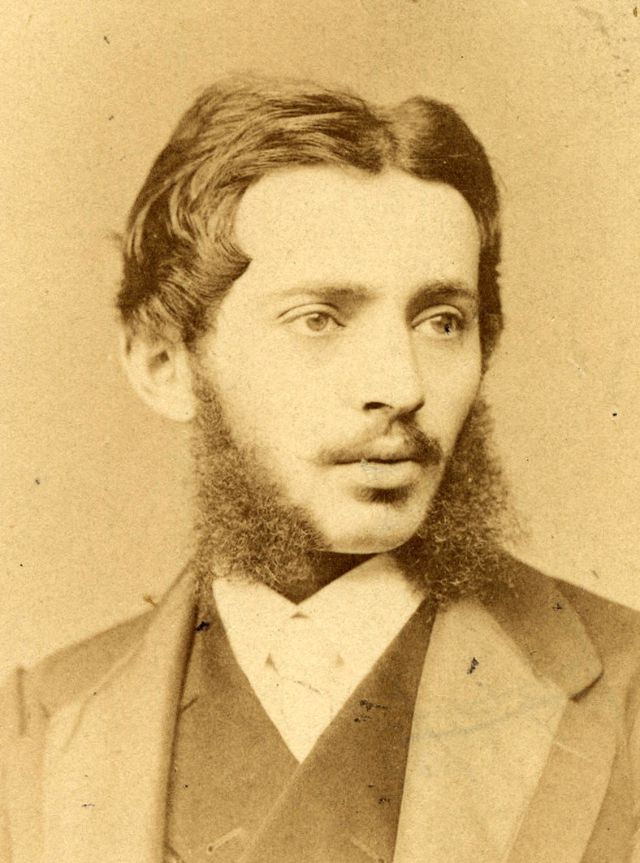
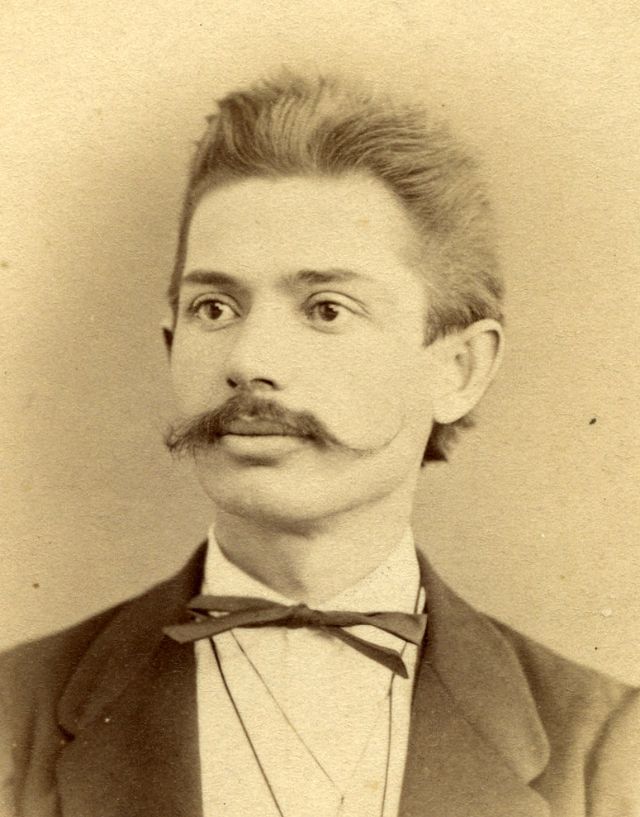
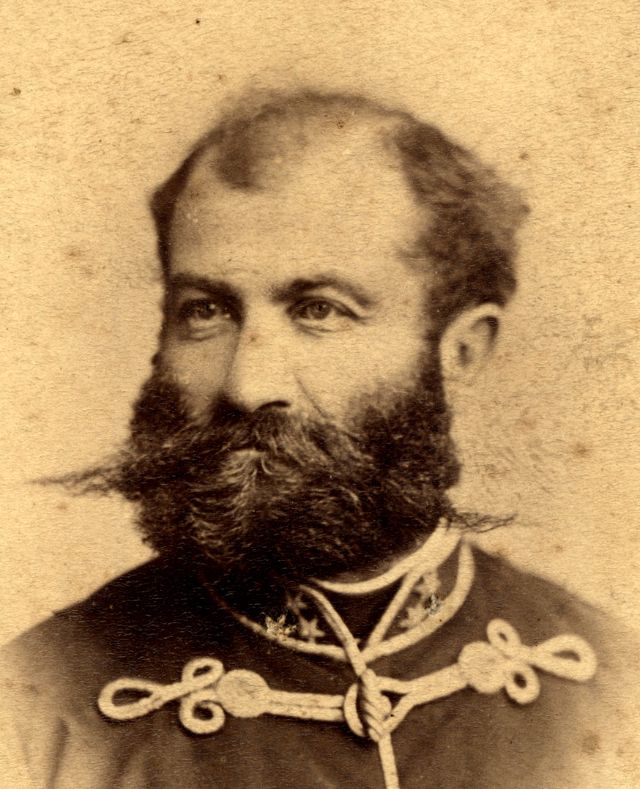
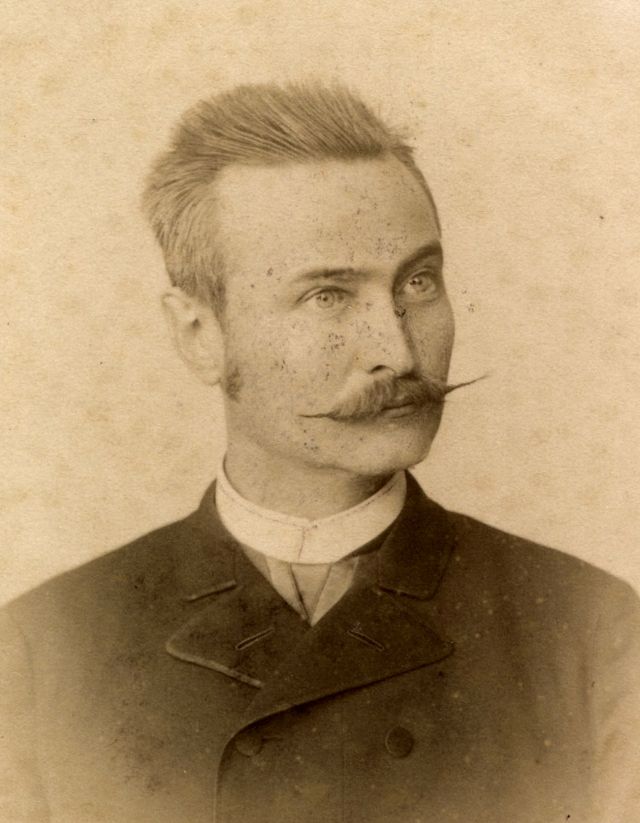
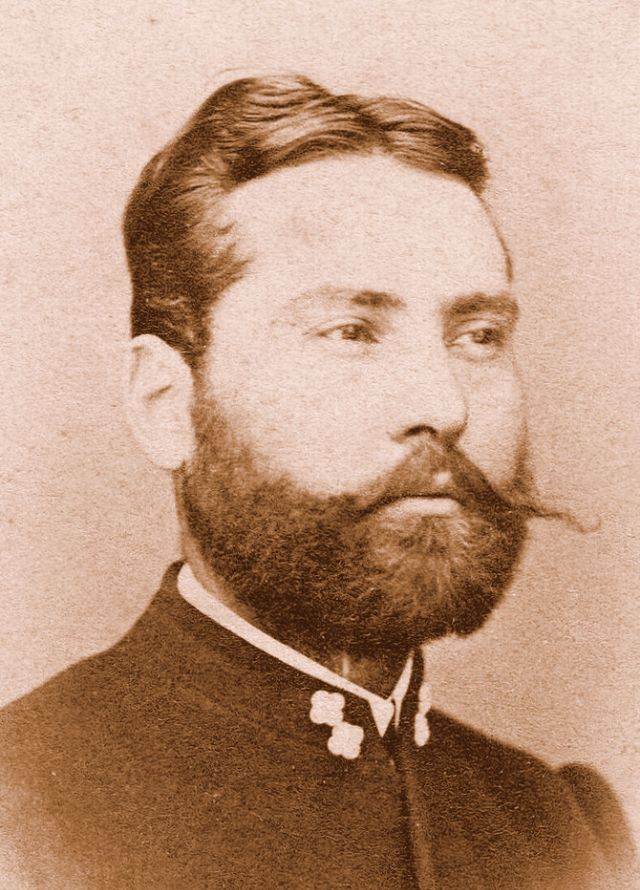
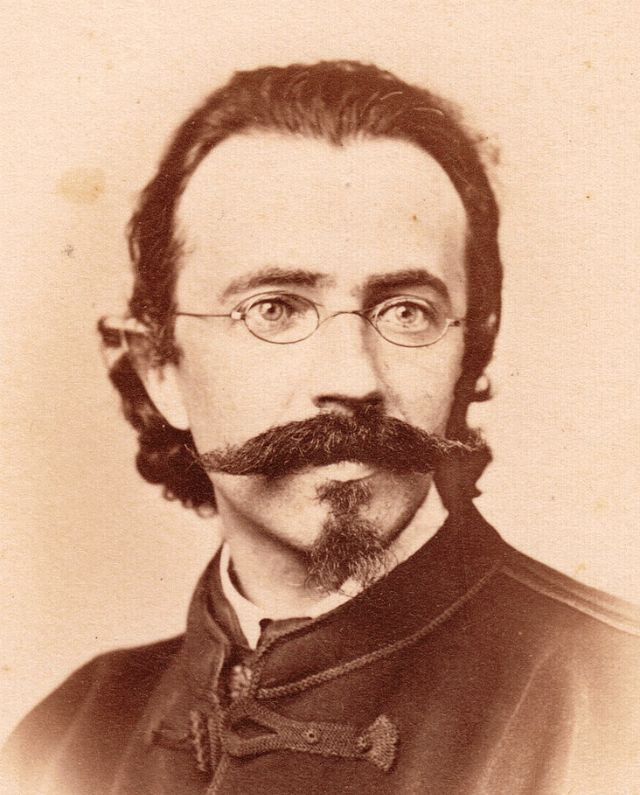
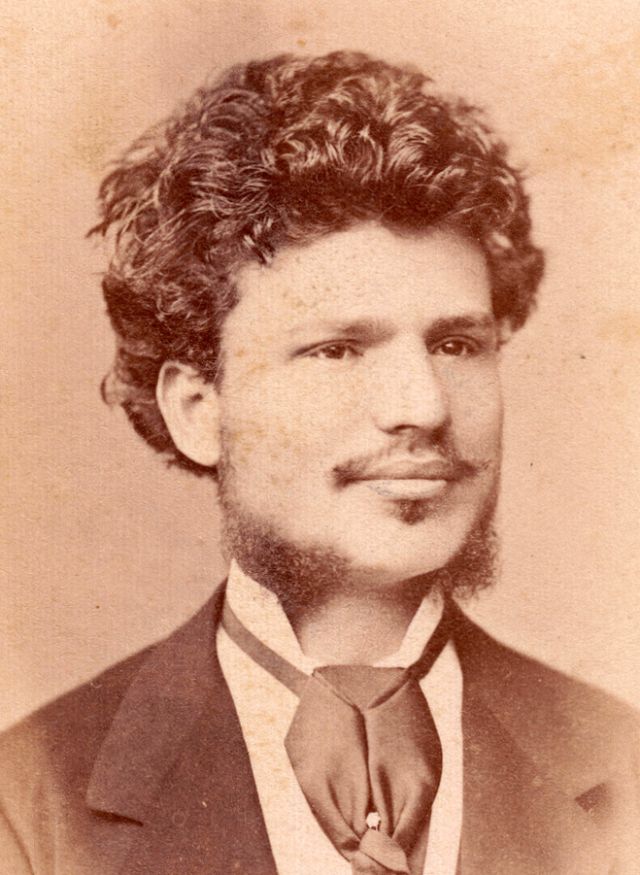
The early 1800s saw a trend for side-whiskers, which became extremely popular – so popular, in fact, that some canny traders began to peddle false whiskers to men who wanted an instant fix.
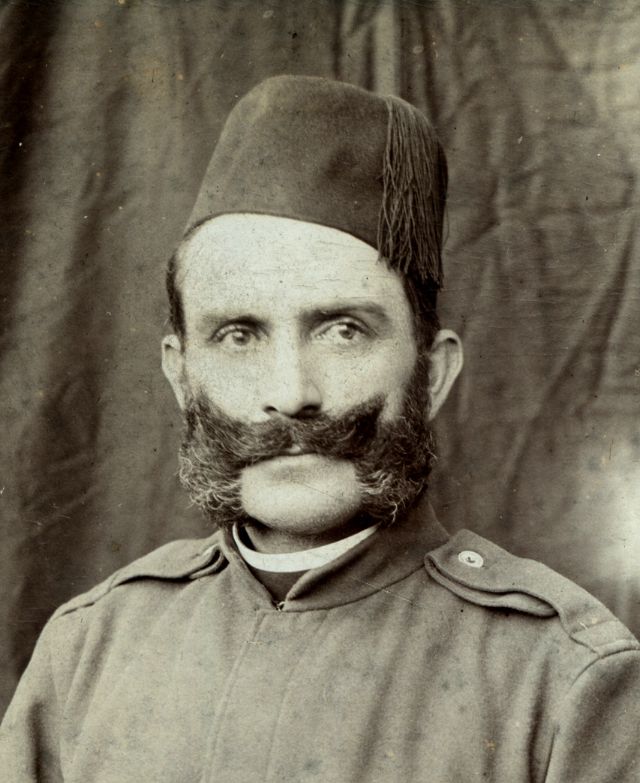
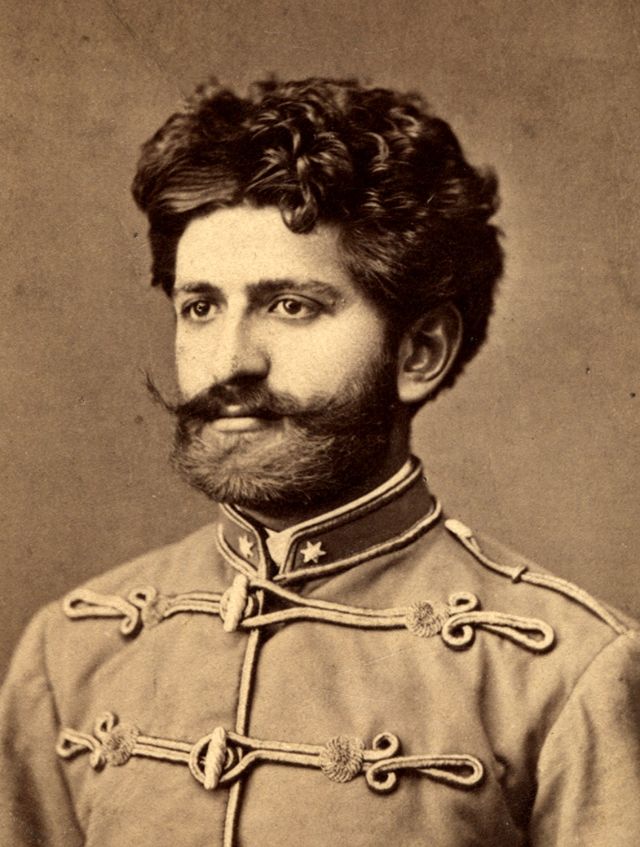
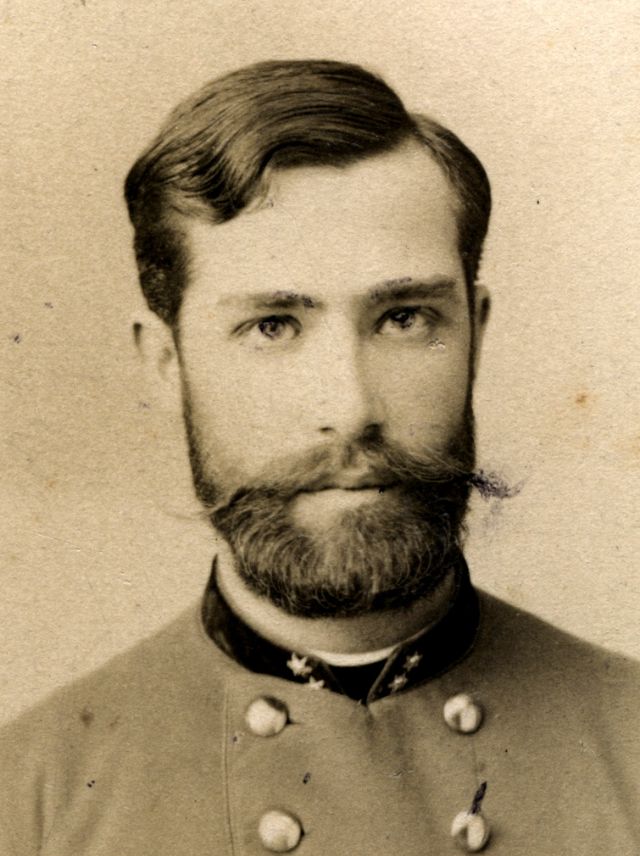
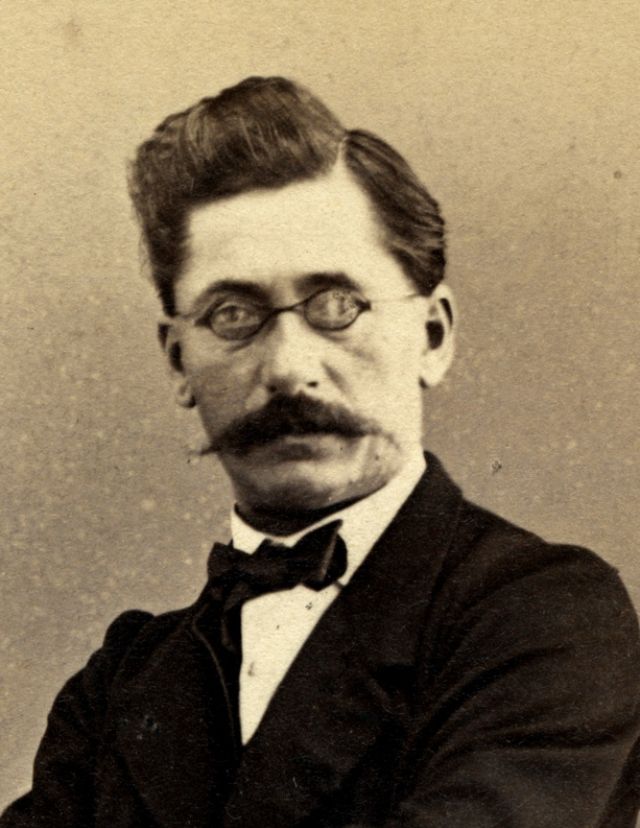
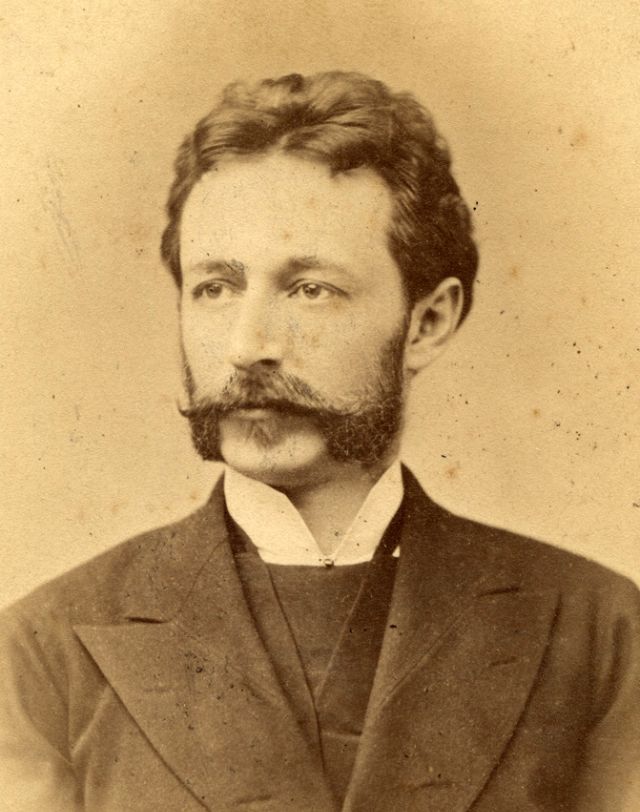
In the 1840s, spurred on by the successes of British cavalry soldiers in the field, men began to grow moustaches in imitation of these new, ‘ultra-masculine’ heroes.
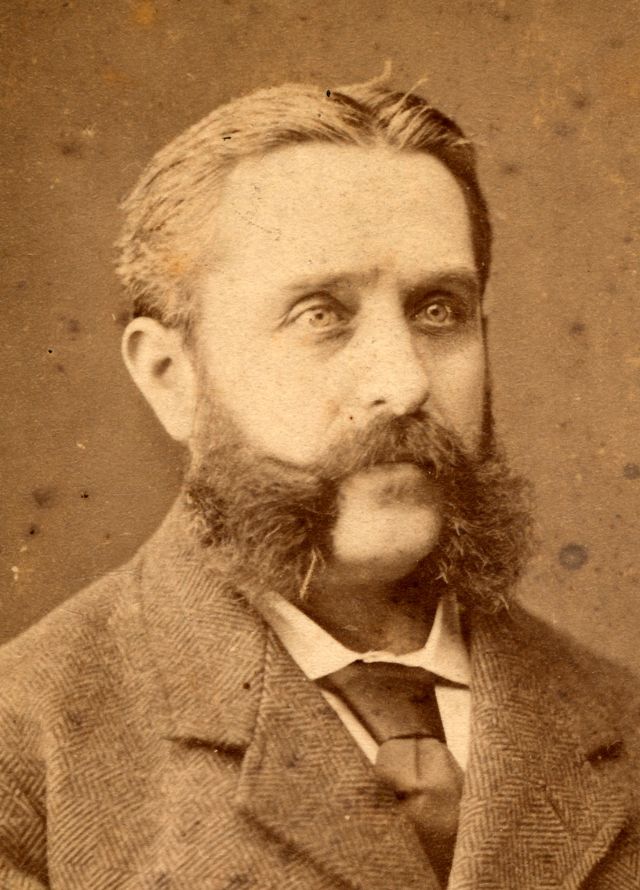
But it was the period from the mid-19th century that proved to be a golden age for facial hair. From the early 1850s, full, thick beards quickly became an essential accoutrement to the visage of the gentleman.
Take a look at these amazing pics to see what beards of men from the 19th century looked like.








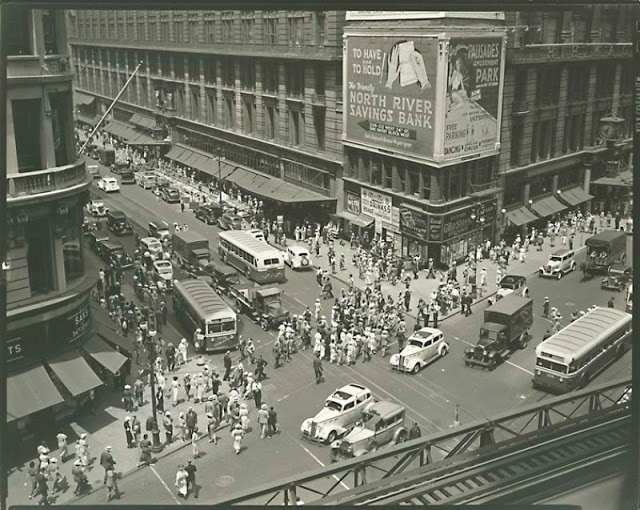
New York, often called New York City to distinguish it from New York State, or NYC for short, is the most populous city in the United States. With a 2020 population of 8,804,190 distributed over 300.46 square miles (778.2 km2), New York City is also the most densely populated major city in the United States. Located at the southern tip of the State of New York, the city is the center of the New York metropolitan area, the largest metropolitan area in the world by urban area. With over 20 million people in its metropolitan statistical area and approximately 23 million in its combined statistical area, it is one of the world’s most populous megacities. New York City has been described as the cultural, financial, and media capital of the world, significantly influencing commerce, entertainment, research, technology, education, politics, tourism, dining, art, fashion, and sports, and is the most photographed city in the world. Home to the headquarters of the United Nations, New York is an important center for international diplomacy, and has sometimes been called the capital of the world.
Situated on one of the world’s largest natural harbors, New York City is composed of five boroughs, each of which is coextensive with a respective county of the State of New York. The five boroughs—Brooklyn (Kings County), Queens (Queens County), Manhattan (New York County), the Bronx (Bronx County), and Staten Island (Richmond County)—were created when local governments were consolidated into a single municipal entity in 1898. The city and its metropolitan area constitute the premier gateway for legal immigration to the United States. As many as 800 languages are spoken in New York, making it the most linguistically diverse city in the world. New York is home to more than 3.2 million residents born outside the United States, the largest foreign-born population of any city in the world as of 2016. As of 2019, the New York metropolitan area is estimated to produce a gross metropolitan product (GMP) of $2.0 trillion. If the New York metropolitan area were a sovereign state, it would have the eighth-largest economy in the world. New York is home to the highest number of billionaires of any city in the world.
New York City traces its origins to a trading post founded on the southern tip of Manhattan Island by Dutch colonists in approximately 1624. The settlement was named New Amsterdam (Dutch: Nieuw Amsterdam) in 1626 and was chartered as a city in 1653. The city came under English control in 1664 and was renamed New York after King Charles II of England granted the lands to his brother, the Duke of York. The city was regained by the Dutch in July 1673 and was renamed New Orange for one year and three months; the city has been continuously named New York since November 1674. New York City was the capital of the United States from 1785 until 1790, and has been the largest U.S. city since 1790. The Statue of Liberty greeted millions of immigrants as they came to the U.S. by ship in the late 19th and early 20th centuries, and is a symbol of the U.S. and its ideals of liberty and peace. In the 21st century, New York has emerged as a global node of creativity, entrepreneurship, and environmental sustainability, and as a symbol of freedom and cultural diversity. In 2019, New York was voted the greatest city in the world per a survey of over 30,000 people from 48 cities worldwide, citing its cultural diversity.
Many districts and monuments in New York City are major landmarks, including three of the world’s ten most visited tourist attractions in 2013. A record 66.6 million tourists visited New York City in 2019. Times Square is the brightly illuminated hub of the Broadway Theater District, one of the world’s busiest pedestrian intersections, and a major center of the world’s entertainment industry. Many of the city’s landmarks, skyscrapers, and parks are known around the world, as is the city’s fast pace, spawning the term New York minute. The Empire State Building has become the global standard of reference to describe the height and length of other structures. Manhattan’s real estate market is among the most expensive in the world. Providing continuous 24/7 service and contributing to the nickname The City That Never Sleeps, the New York City Subway is the largest single-operator rapid transit system worldwide, with 472 rail stations. The city has over 120 colleges and universities, including Columbia University, New York University, Rockefeller University, and the City University of New York system, which is the largest urban public university system in the United States. Anchored by Wall Street in the Financial District of Lower Manhattan, New York City has been called both the world’s leading financial center and the most financially powerful city in the world, and is home to the world’s two largest stock exchanges by total market capitalization, the New York Stock Exchange and NASDAQ. (Wikipedia)
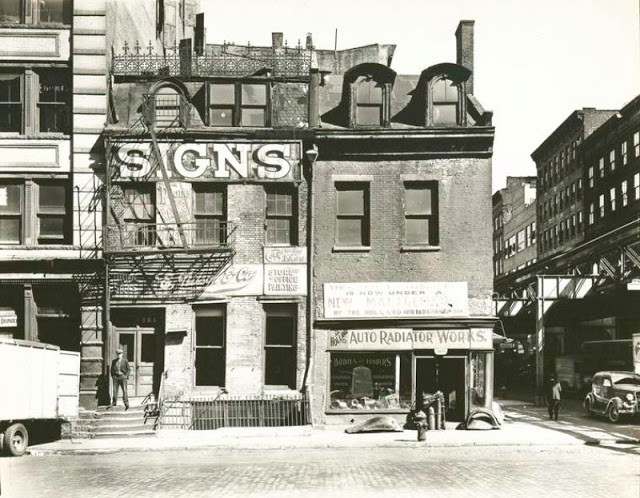
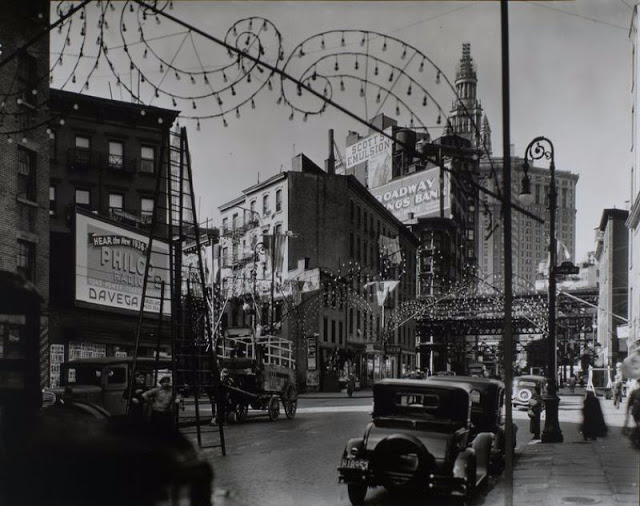
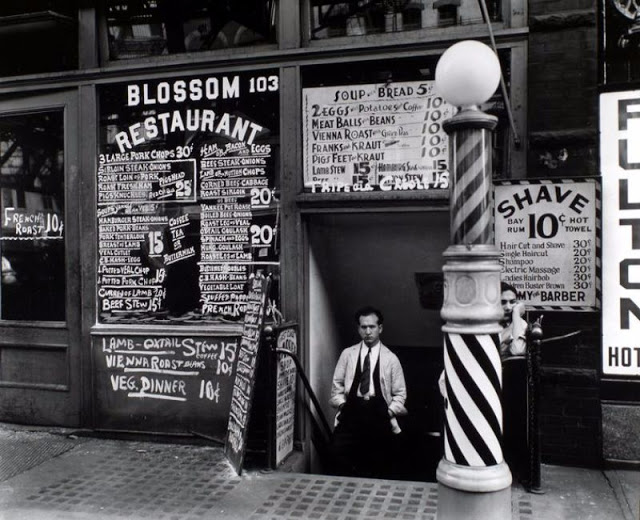
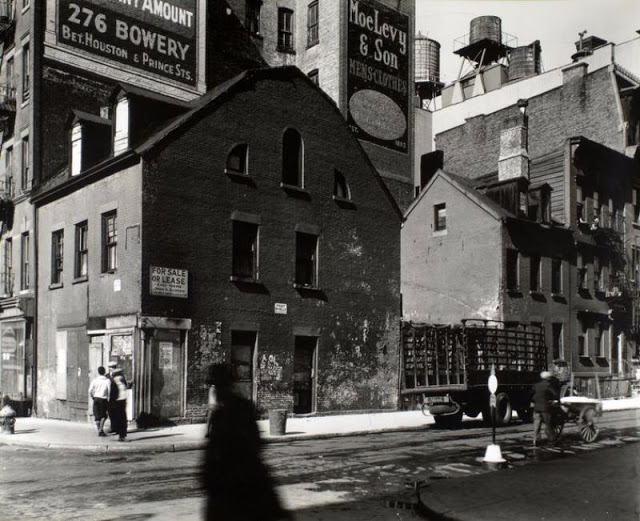
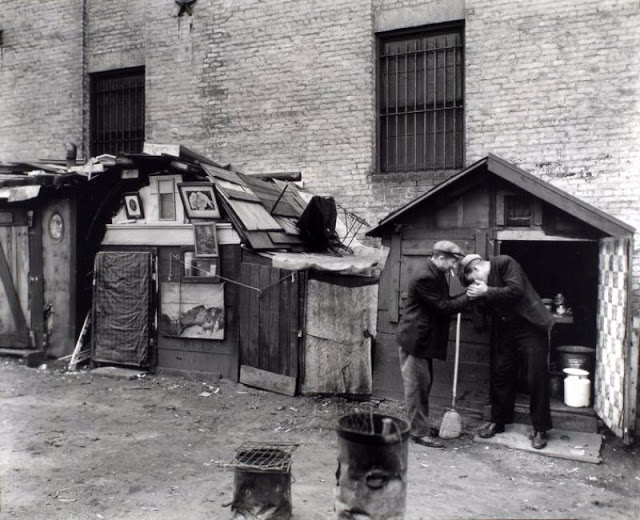
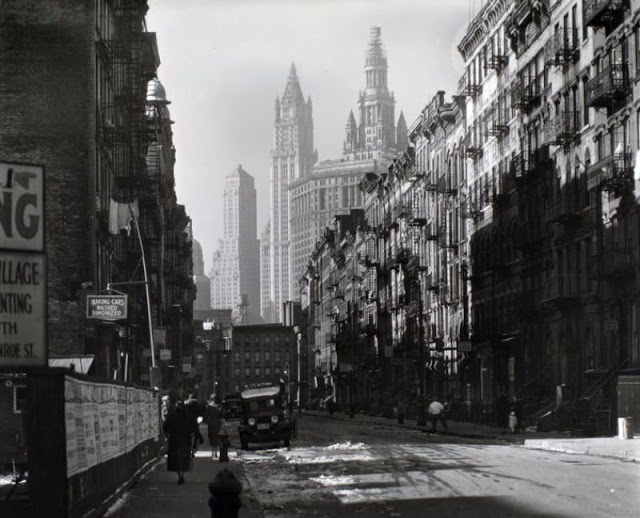
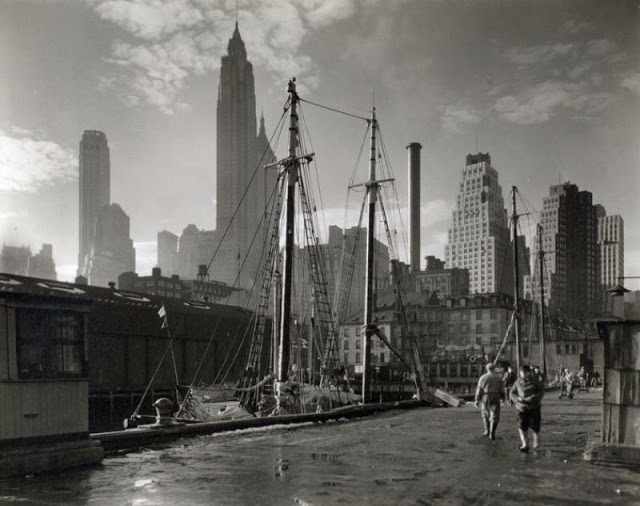
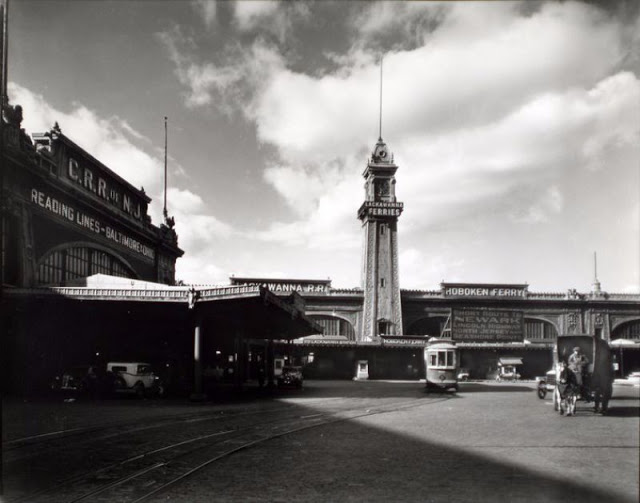
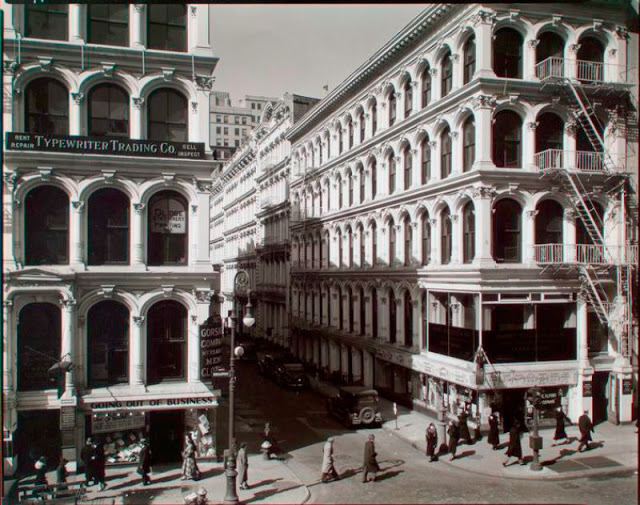
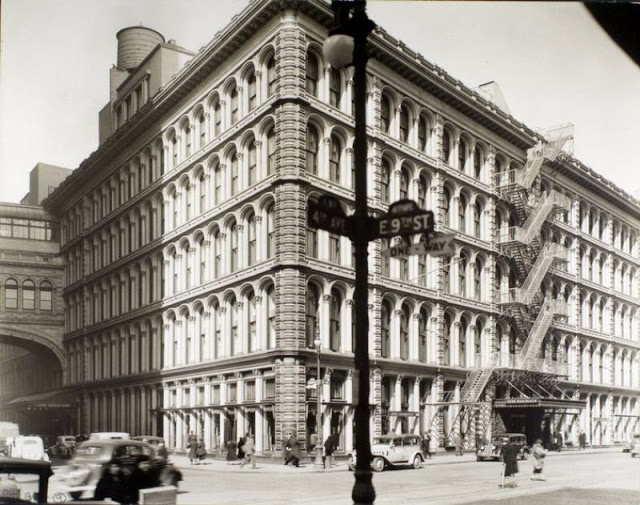
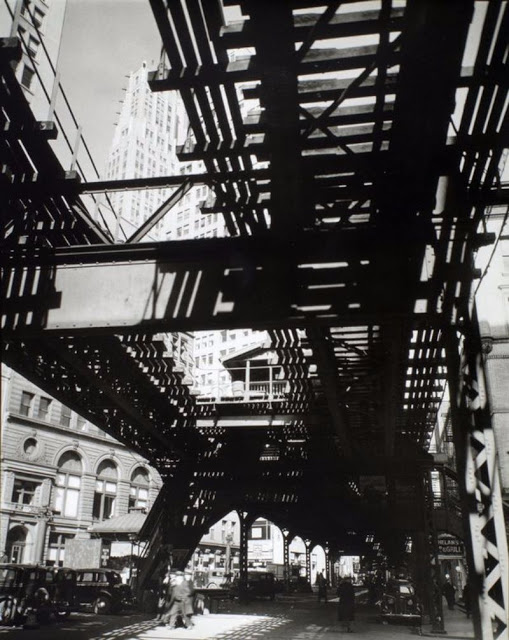
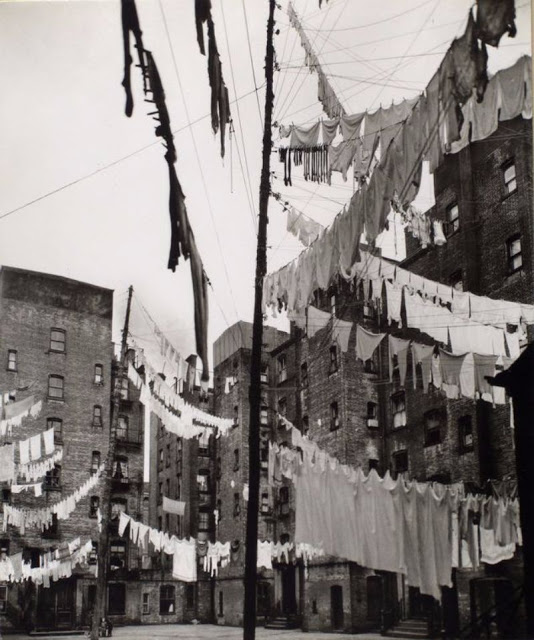
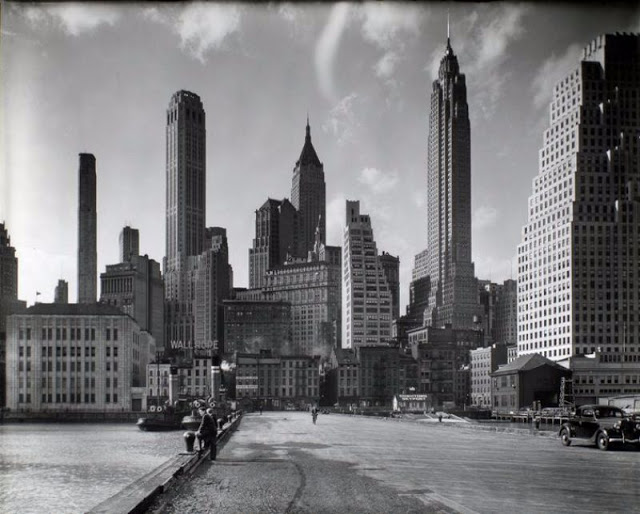
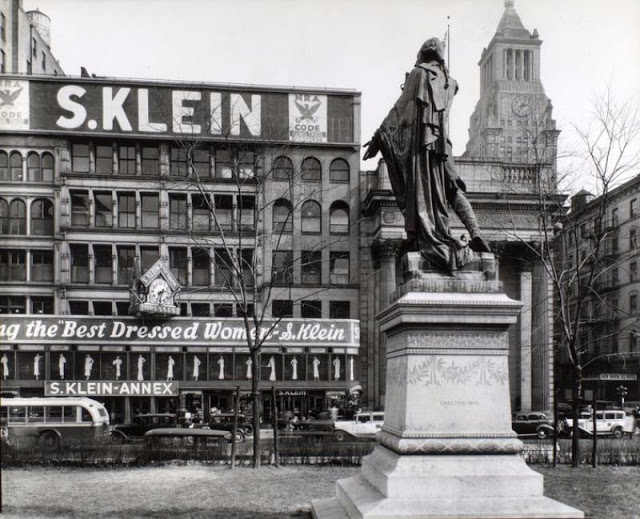
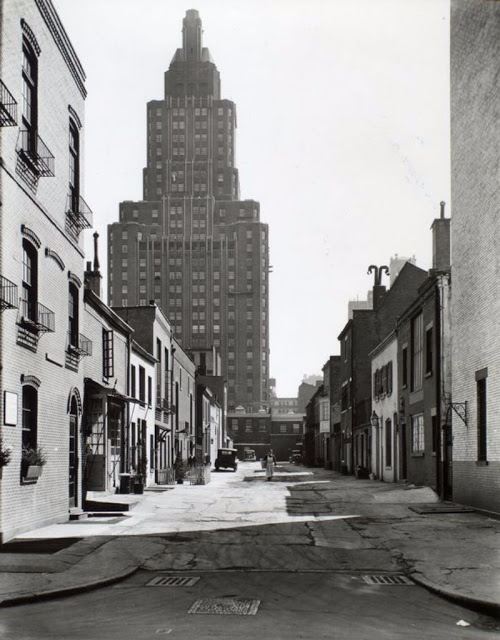
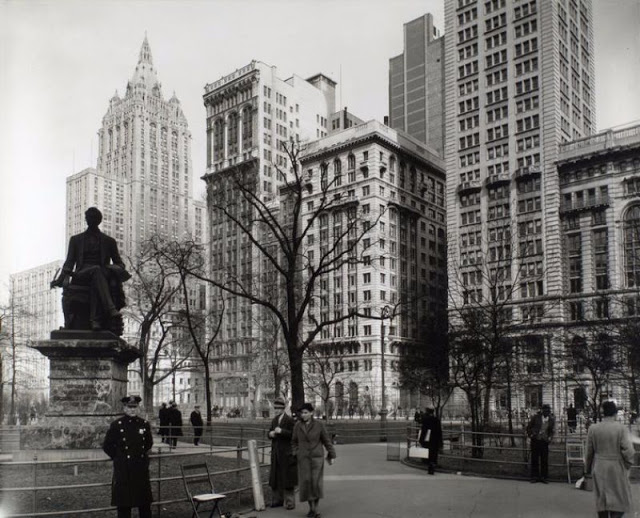
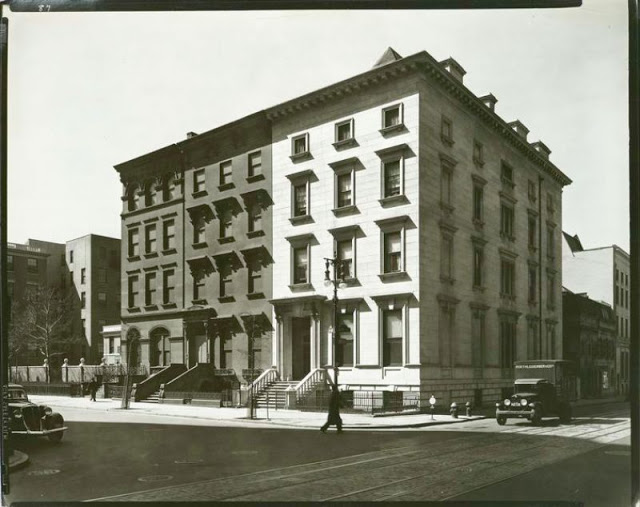
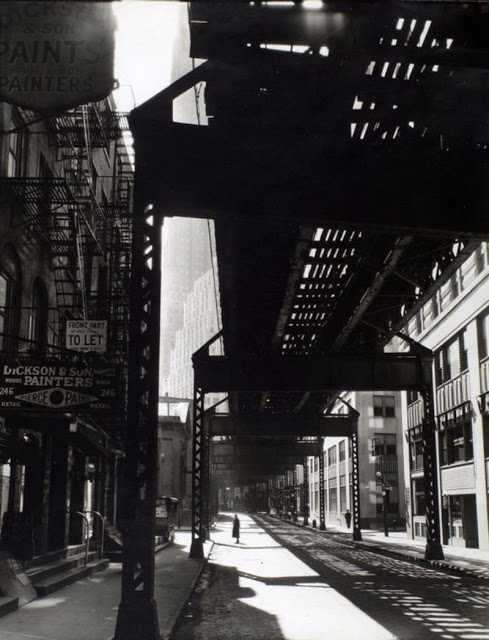
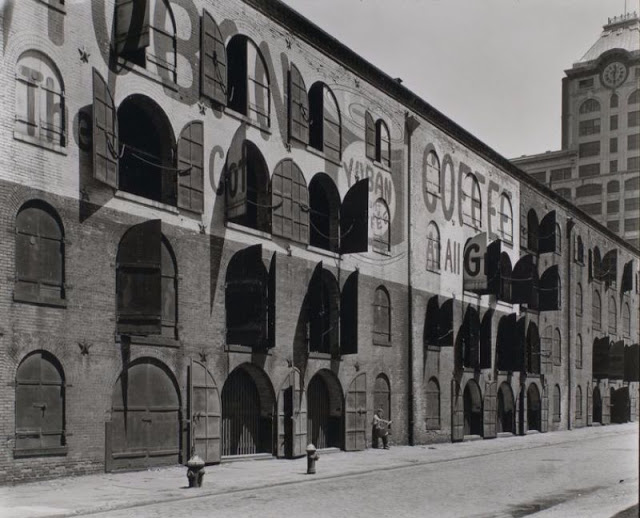
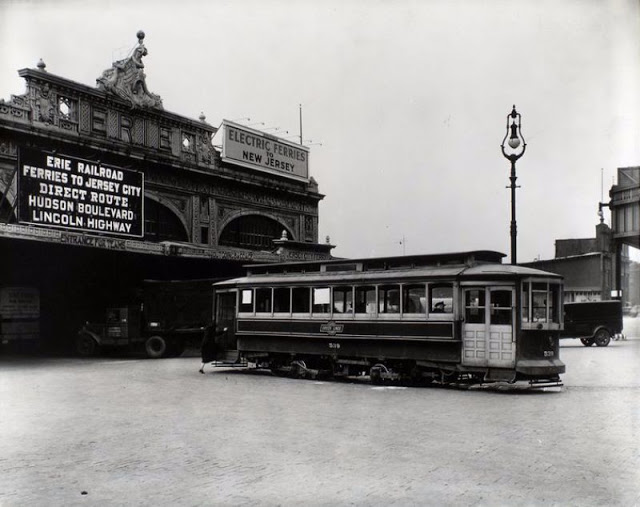
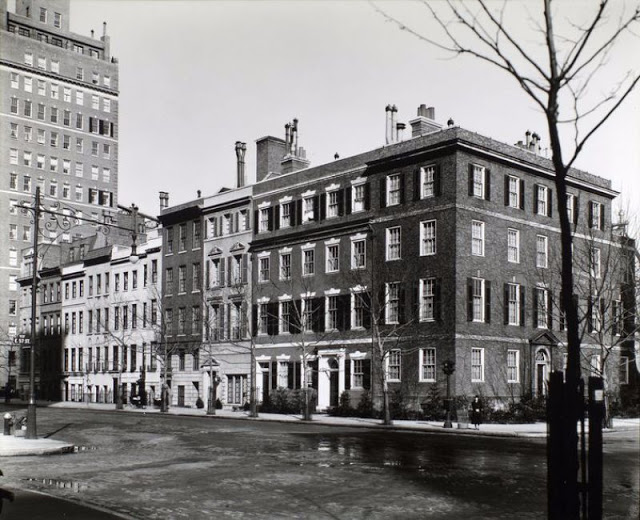
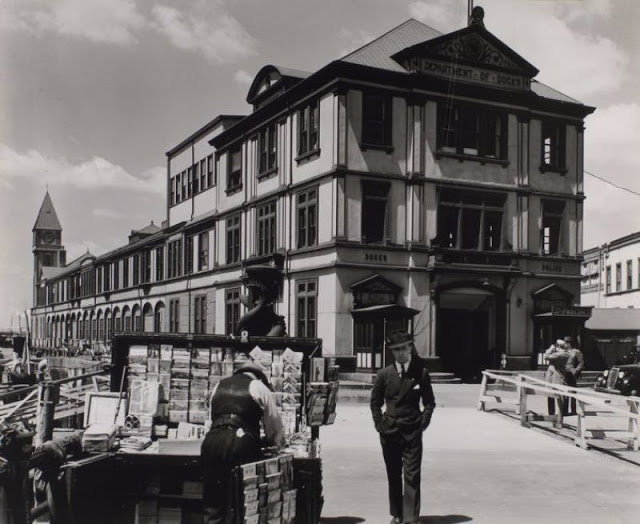
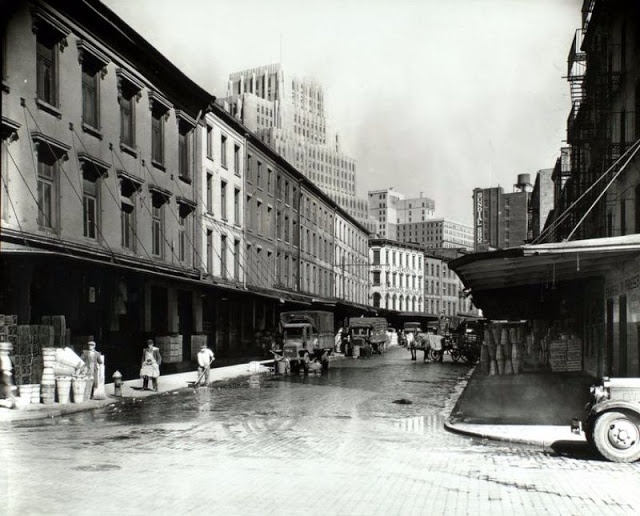
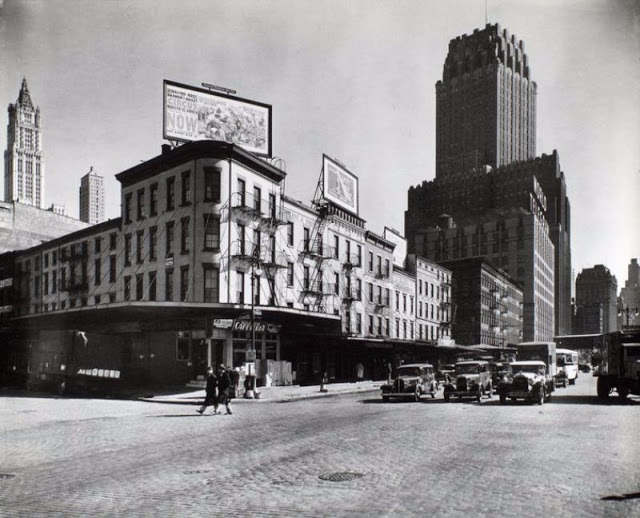
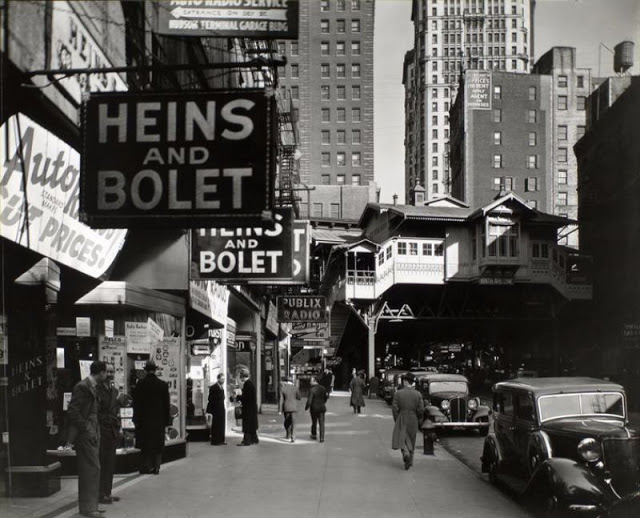
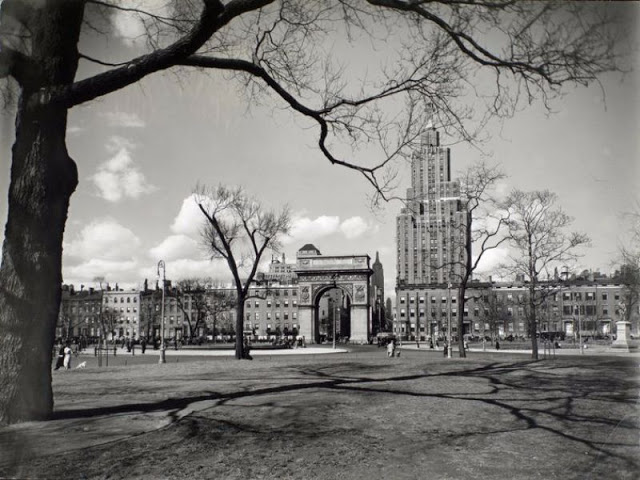
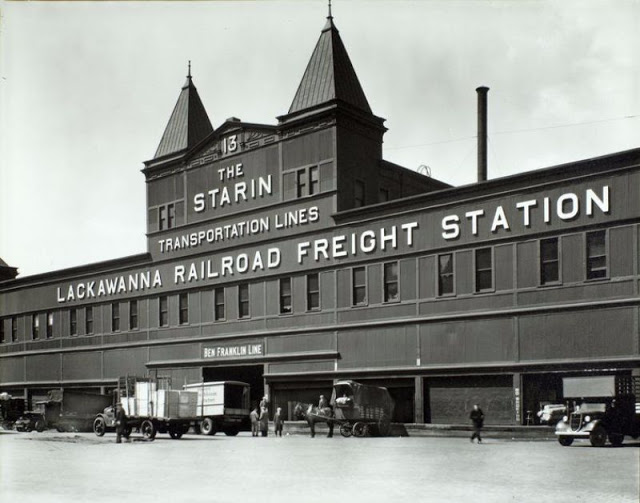
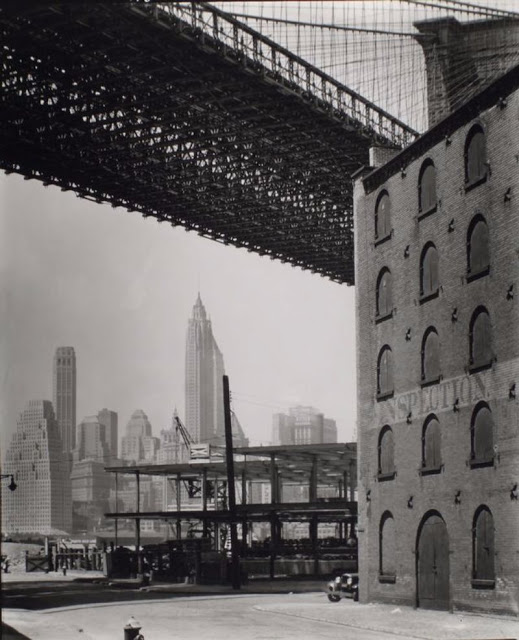
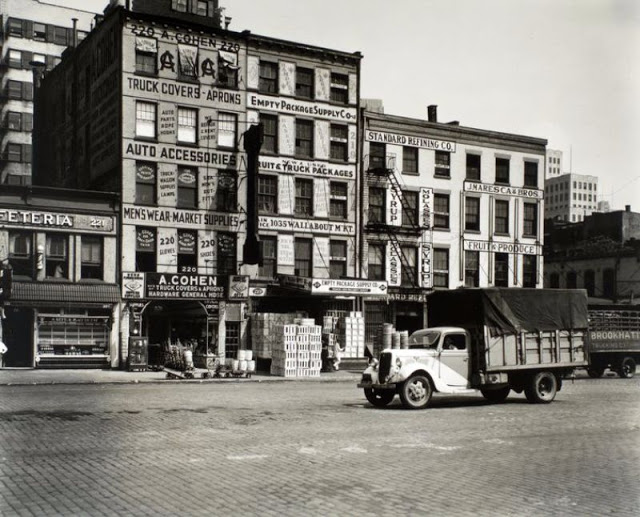
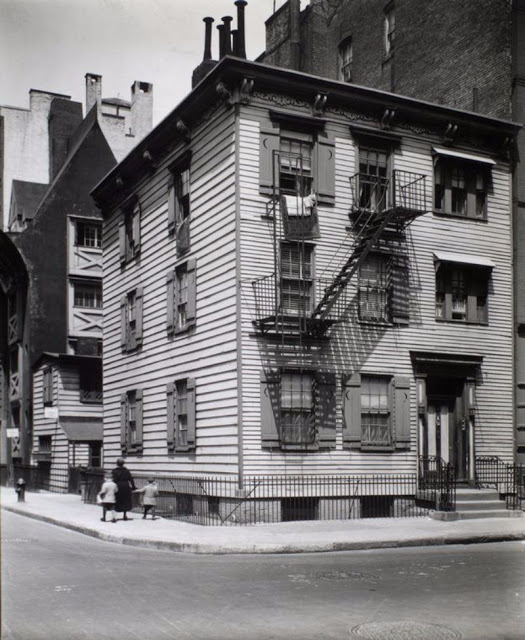
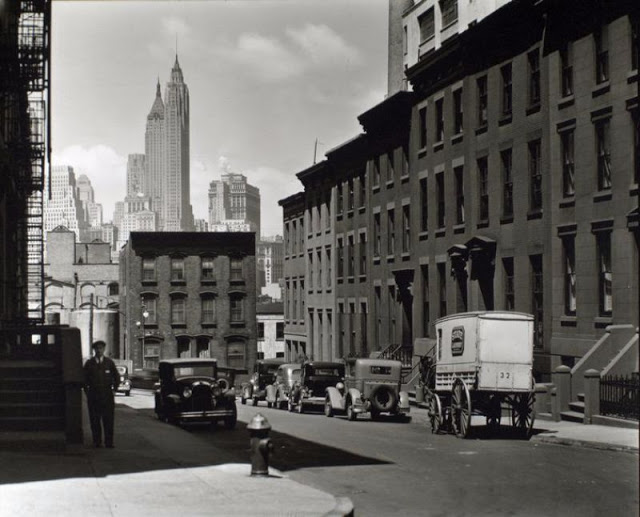
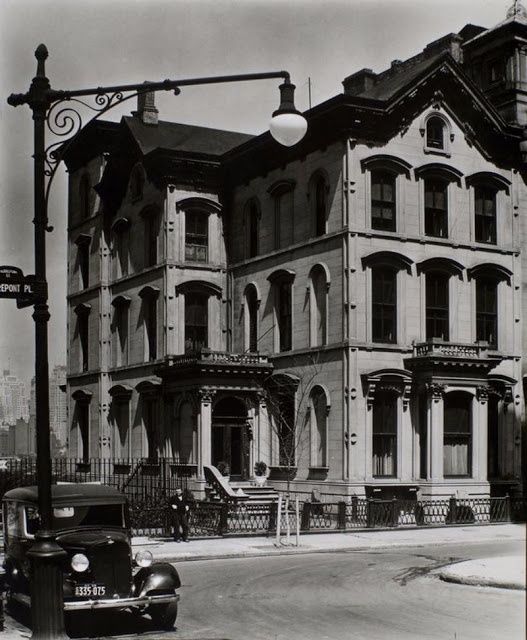
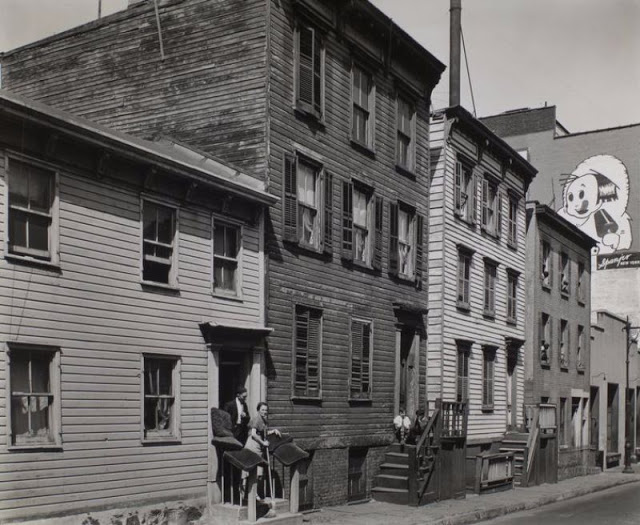
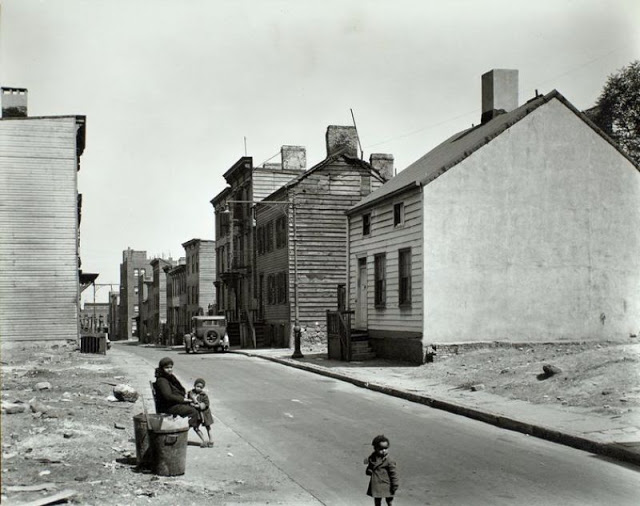
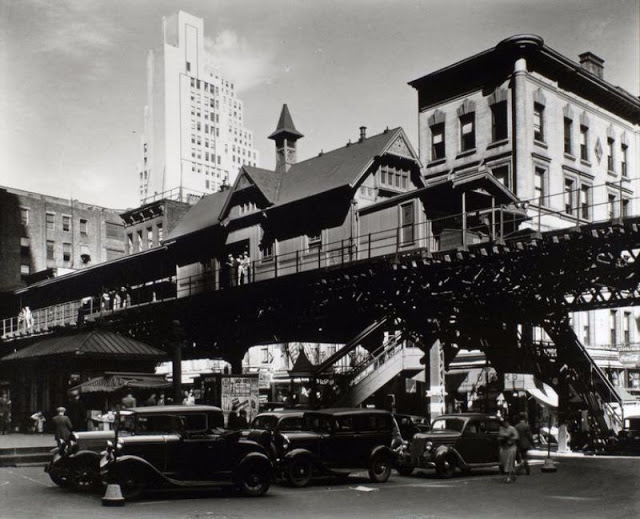
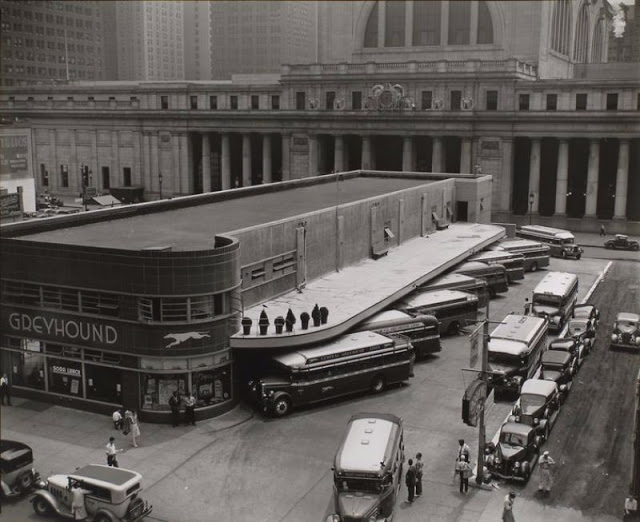
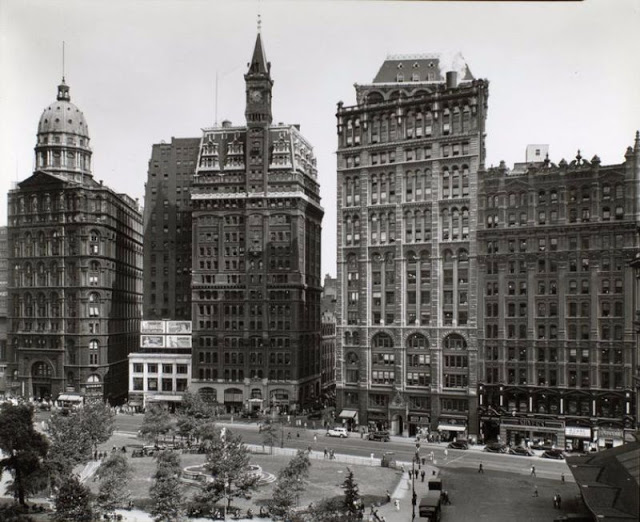
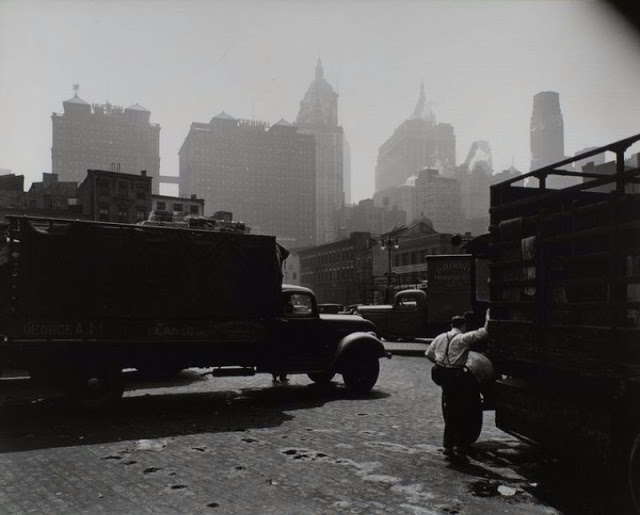
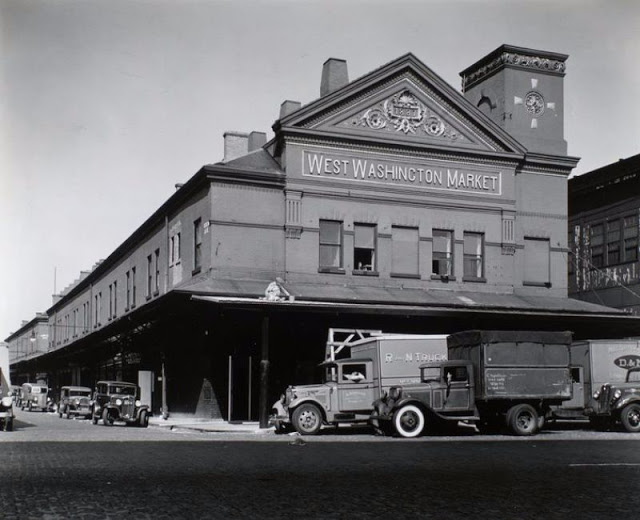
Photographer Berenice Abbott (1898-1991) proposed Changing New York, her grand project to document New York City, to the Federal Art Project (FAP) in 1935. The FAP was a Depression-era government program for unemployed artists and workers in related fields such as advertising, graphic design, illustration, photofinishing, and publishing.
Abbott devoted half of her photographs to lower Manhattan, particularly the financial district, the waterfront, the lower East Side, and Greenwich Village. Abbott also photographed areas of Brooklyn and Astoria, Queens. The collection provides insight into one artist’s vision to depict the changing nature of New York City during the 1930s.
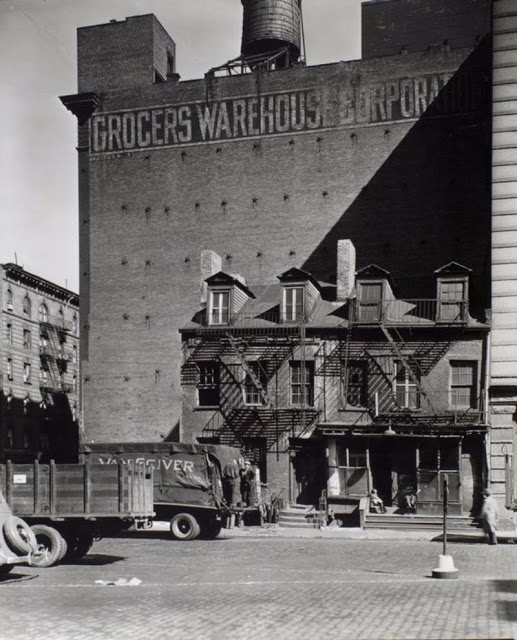
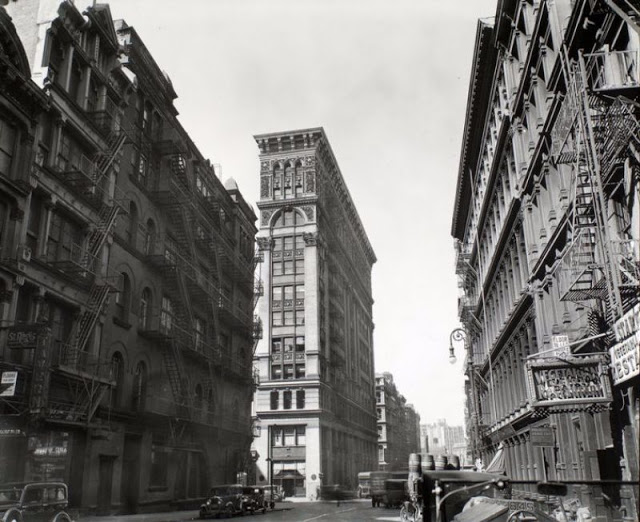






















(Photos: Berenice Abbott, via New York Public Library)
