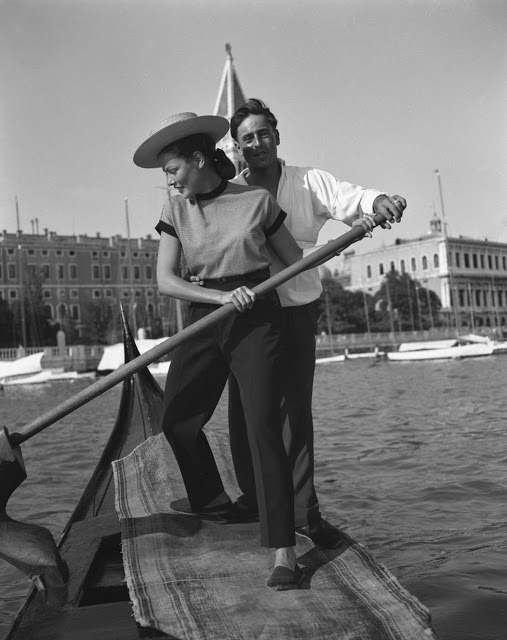
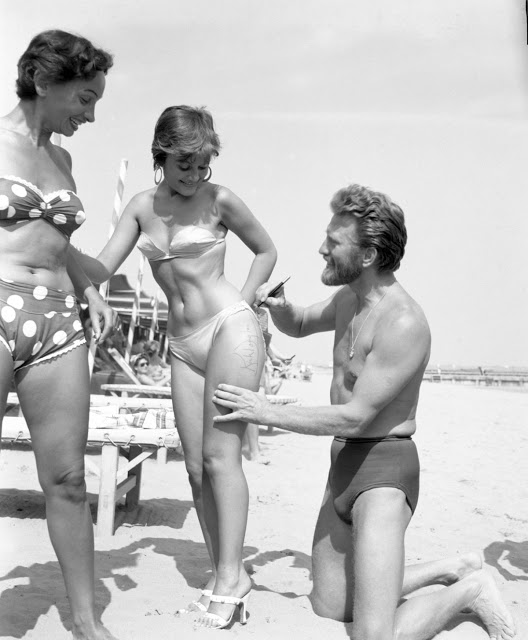
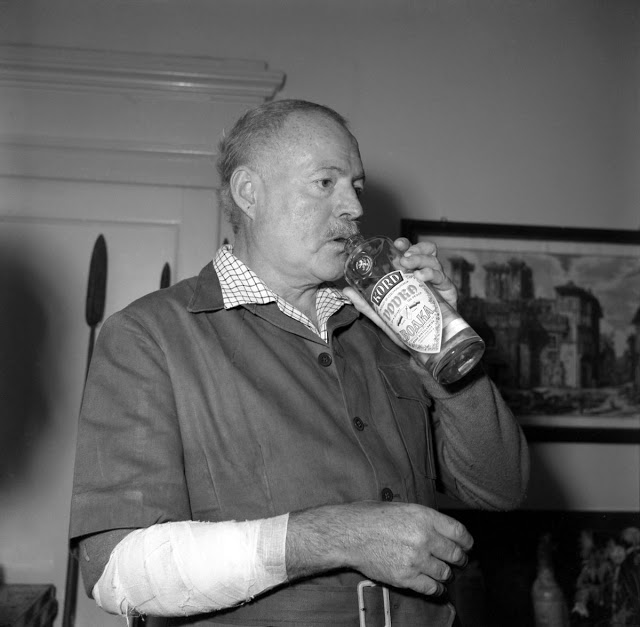
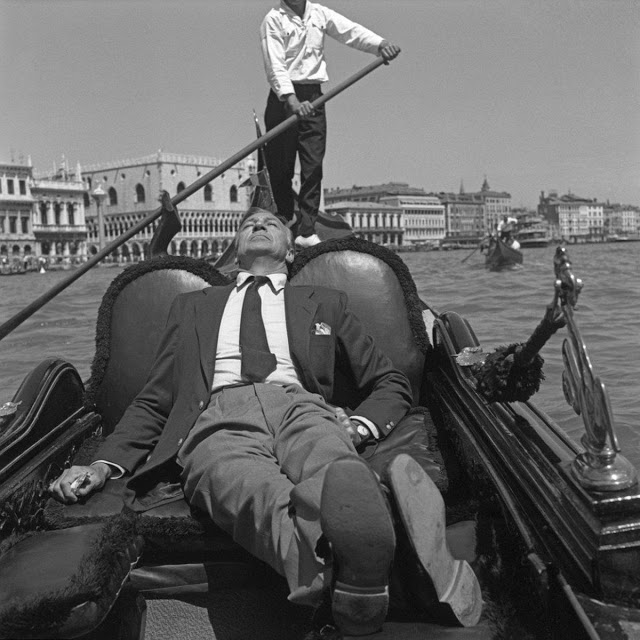
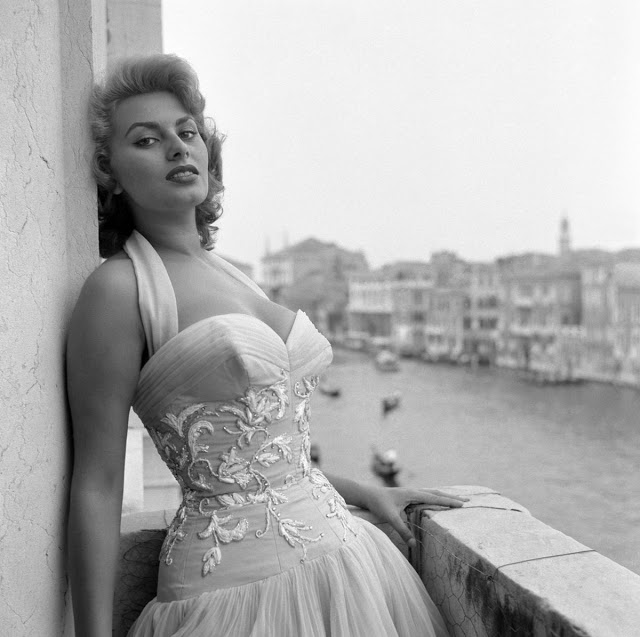
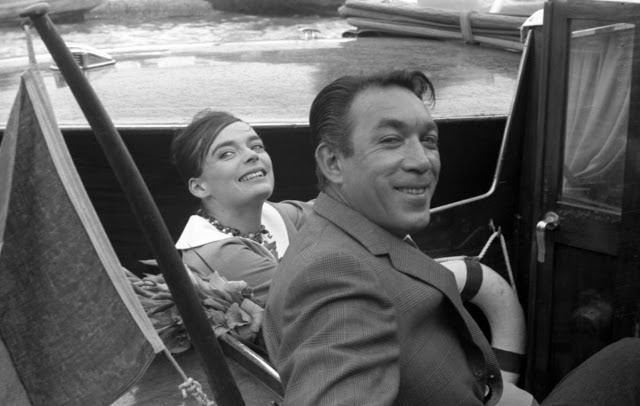
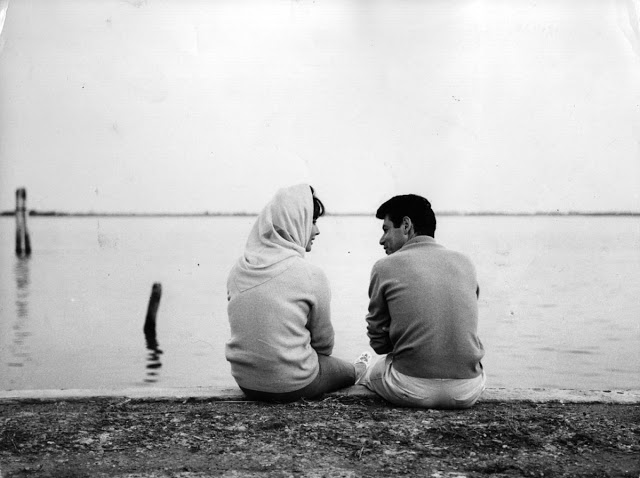
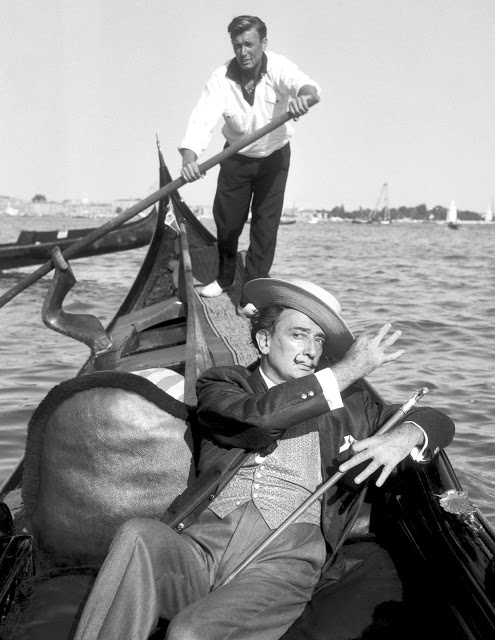
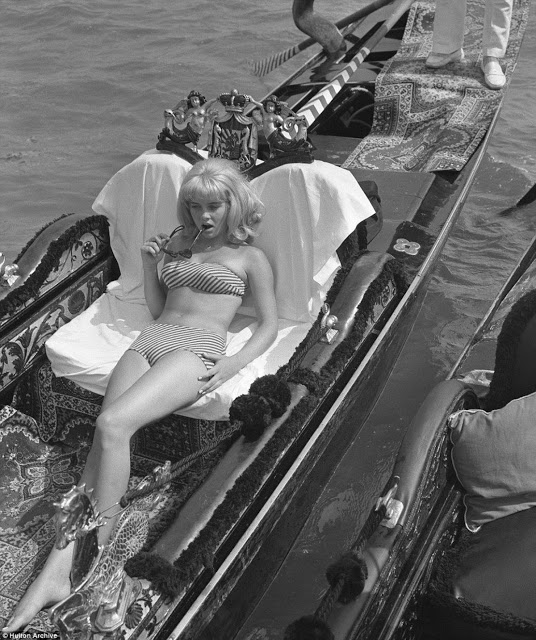
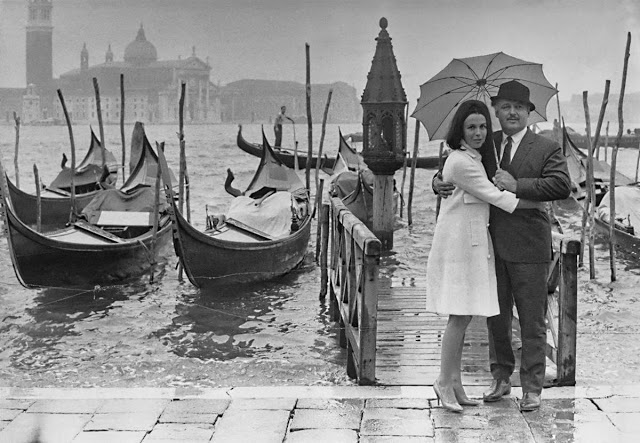
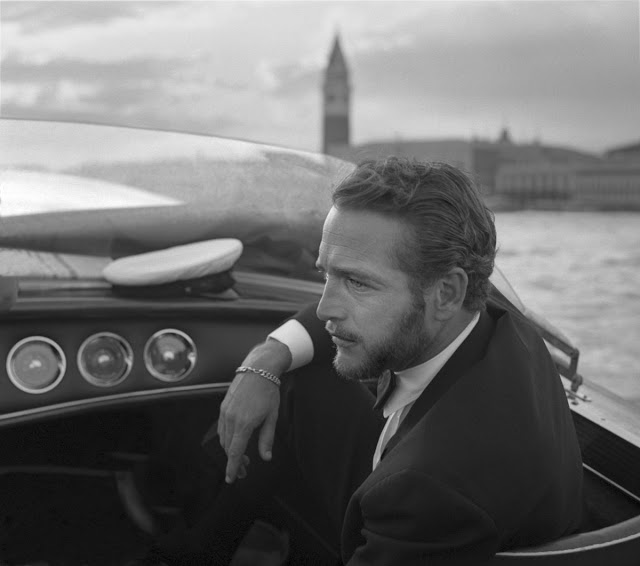
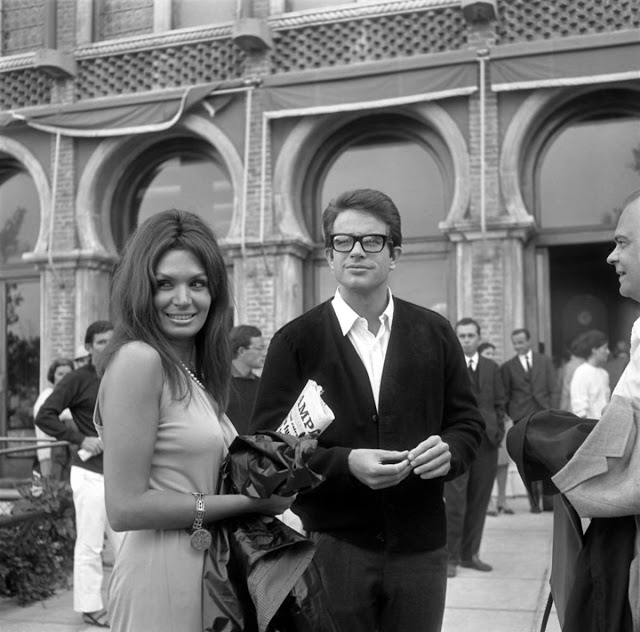
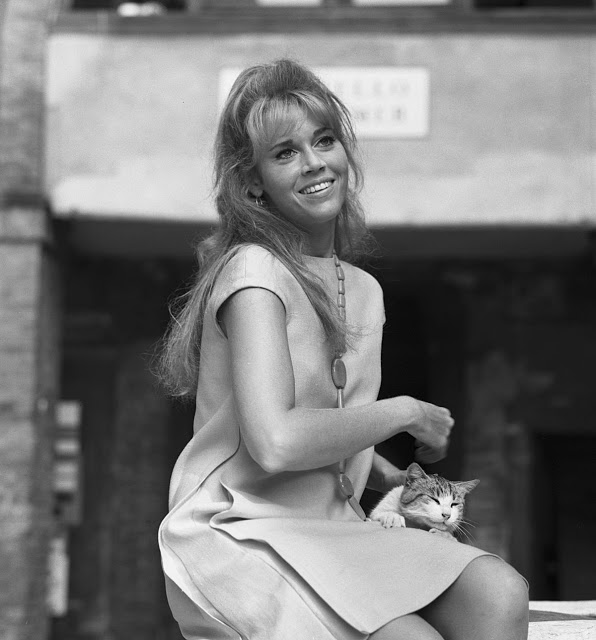
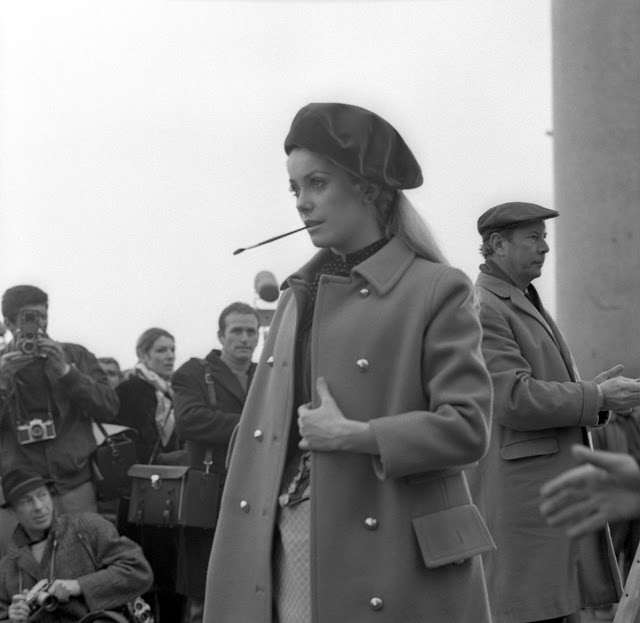
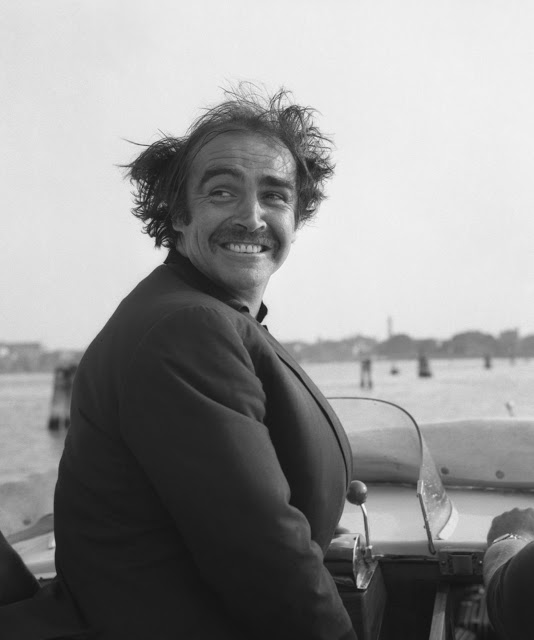
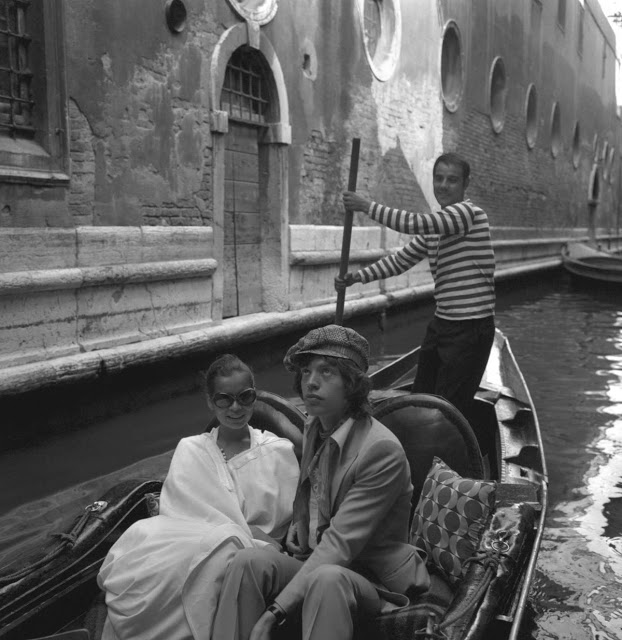
These vintage photographs, dating from the 1950s to the 1970s, showed everyone from actors to painters enjoying Venice, Italy. The city was host to the world’s first film festival and long attracted the rich and famous to its renowned waterways. Some like Salvador Dali enjoyed a relaxing gondola ride while American actress Gene Tierney tried rowing instead.
Gene Tierney, wearing a striped short-sleeved nautical-style shirt, donning a hat, tries her hand at rowing a gondola, Venice, 1951.Kirk Douglas, wearing a swimming suit and a necklace chainlet, signing on the thigh of the paintress Novella Parigini, wearing a strapless bikini and round earrings, a woman wearing a strapless polka-dotted bikini, Lido Beach, Venice 1953.Ernest Hemingway, wearing a short sleeves shirt over a plaid shirt, his hurted arm bendaged, drinking vodka from the bottle, Venice 1954.Gary Cooper, on a Venitian gondola, Venice 1955.Sophia Loren at the Venice Film Festival, 1955Mexican actor Anthony Quinn wearing a plaid blazer, with the actress Barbara Steele, standing on a water taxi on the Canal Grande, Venice, 1958.Elizabeth Taylor and her then husband, singer Eddie Fisher, on holiday on Burano Island in the lagoon, Venice, circa 1960.Spanish painter Salvador Dali, wearing a shantung blazer and a fancy silk waistcoat, a straw hat, holding a walking-stick, sitting on a gondola, a gondolier behind him, Venice 1961.Sue Lyon, known for playing Lolita, is pictured wearing a strapless, striped bikini and reclining on a gondola, Venice, 1962.British actress Claire Bloom and her husband American actor Rod Steiger hiding under an umbrella. They were in Venice for the film festival in September 1963.Paul Newman, wearing a tuxedo and a bow tie, portrayed during a trip on a water taxi, a sailor cap on the dashboard, St. Mark Square in the background, Venice 1963.Warren Beatty, wearing a cardigan and glasses, portrayed outside the Excelsior Hotel while standing next to a woman holding a newspaper, Lido, Venice 1965.Jane FondaFrench actress Cathrine Deneuve on the set of the movie Mayerling, wearing a coat and and a beret, a paintbrush in her mouth with photographer behind her, Venice, March 1968.Sean Connery, portrayed on a water taxi with his hair in a mess because of the wind, looking behind his back, in the venetian lagoon with Venice in the background, 1970.Mick Jagger, wearing a suit, sitting next to Bianca Jagger wearing a white poncho and sunglasses, in a gondola, with the gondolier behind them, Venice 1971.
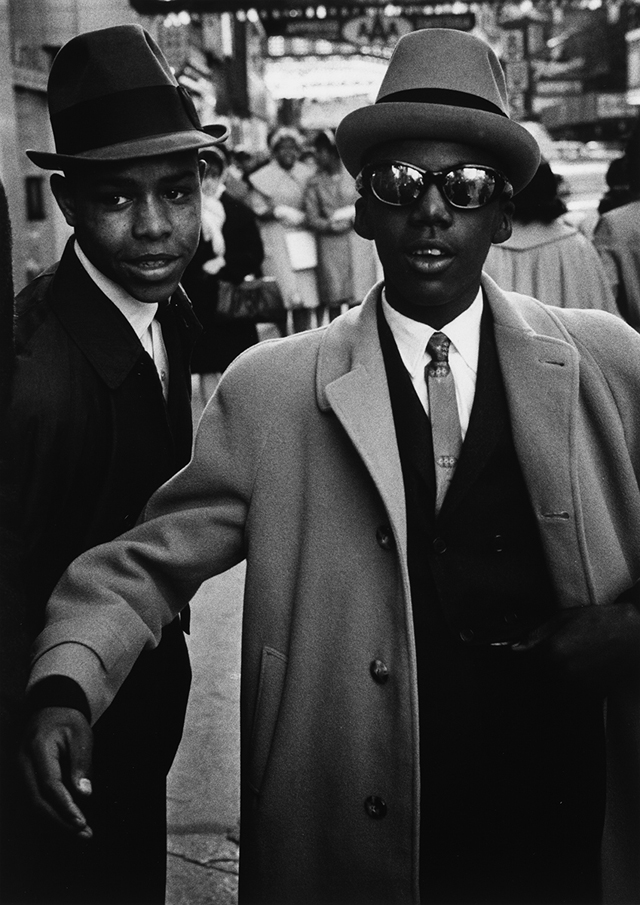
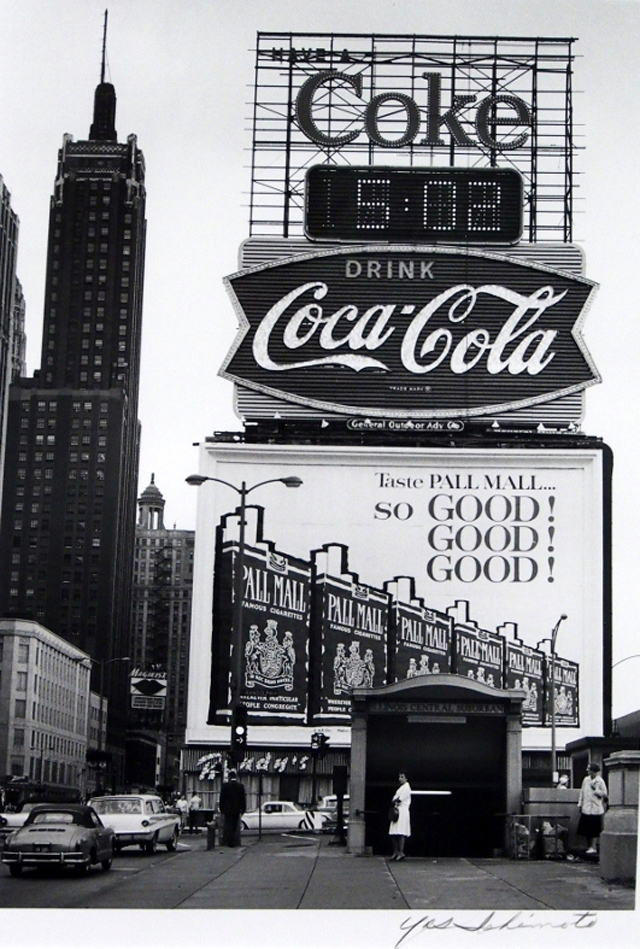
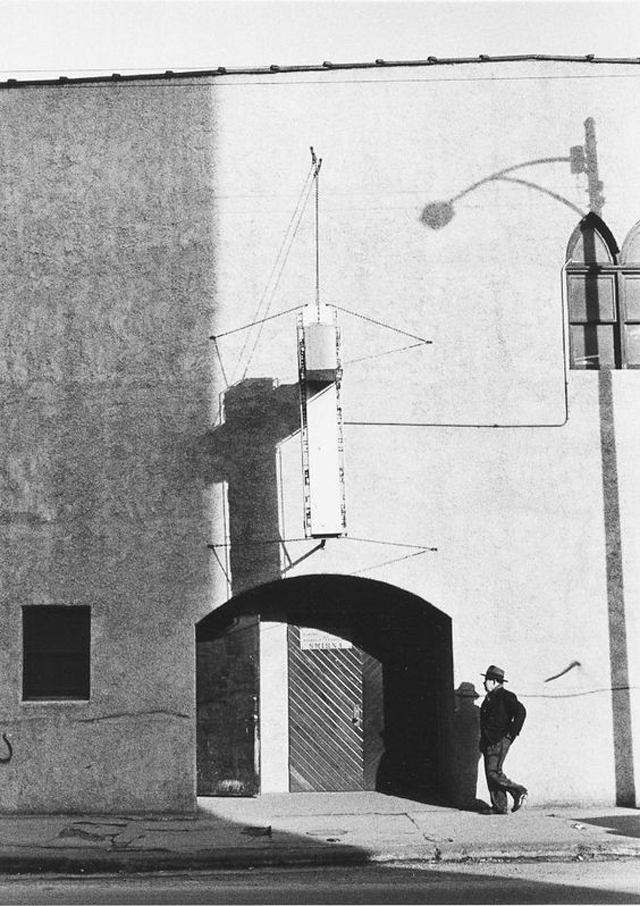
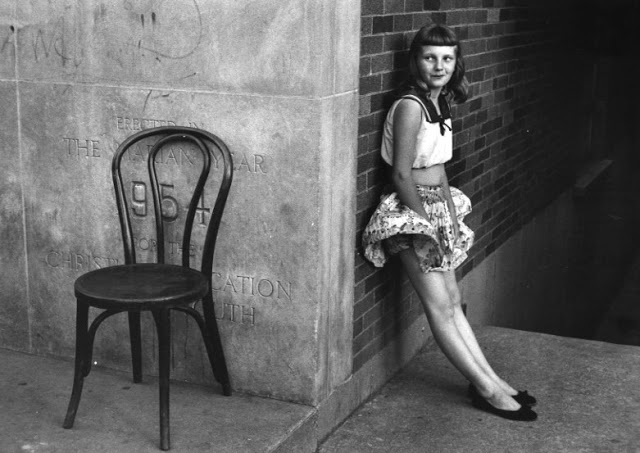
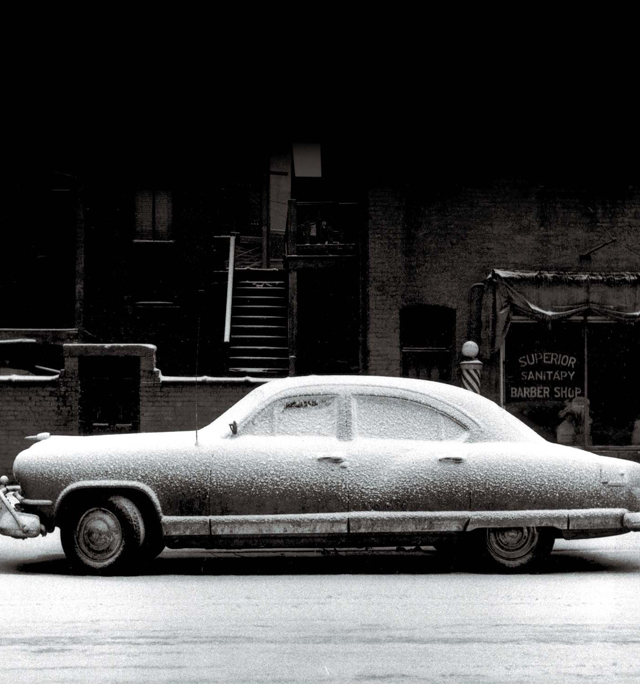
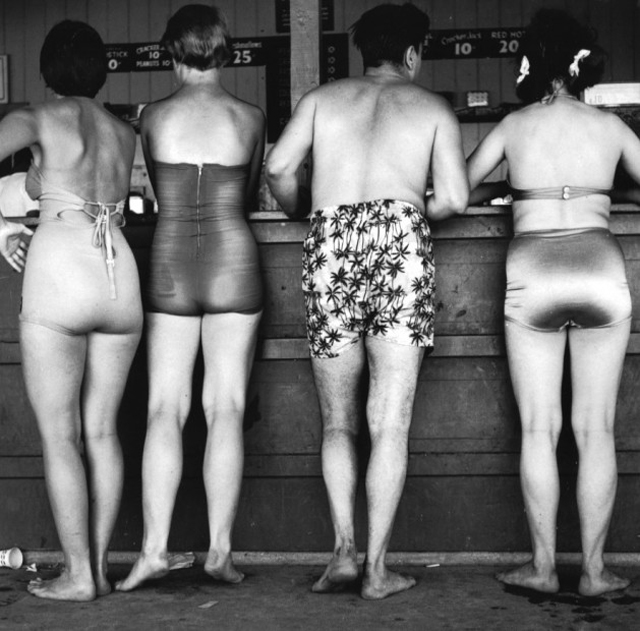
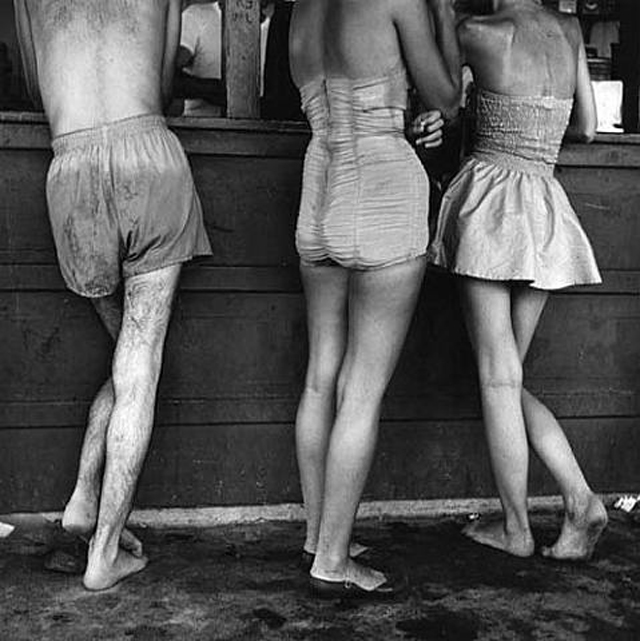
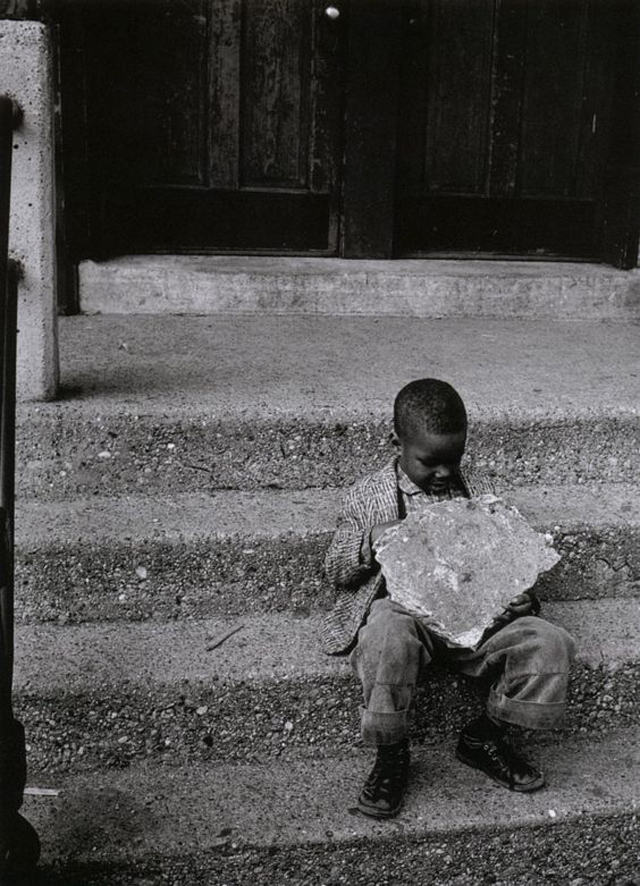
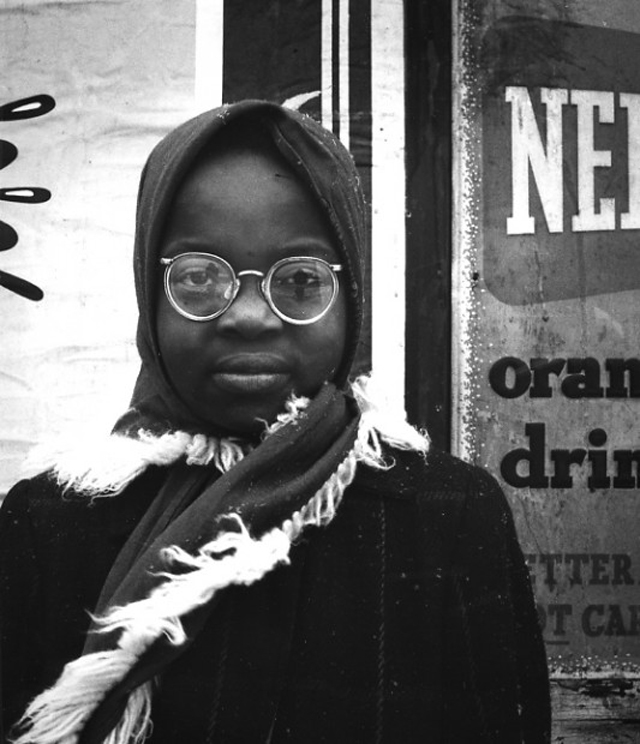
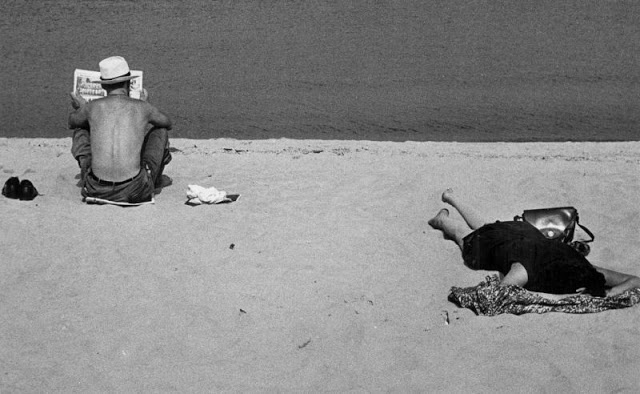
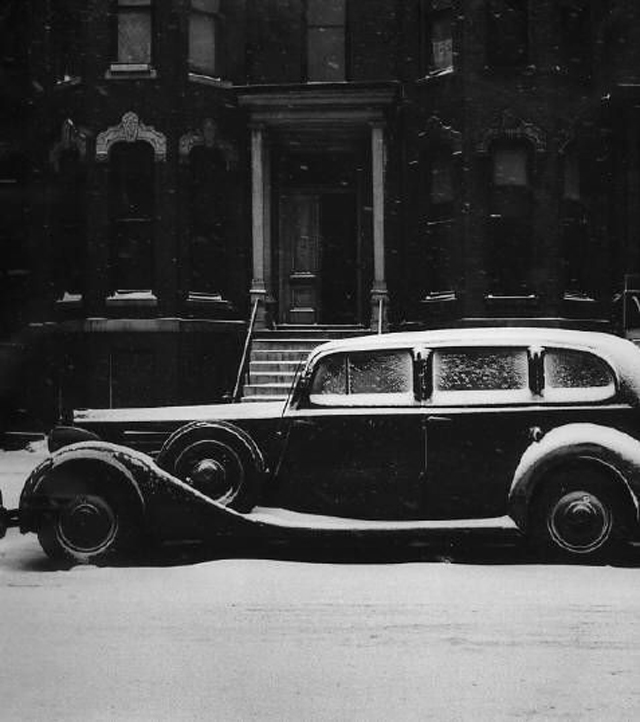
Born in San Francisco to Japanese parents, Yasuhiro Ishimoto (1921-2012) went with his parents to Japan at age three and grew up in Kochi, Japan. He returned to the United States in 1939 in order to study agriculture at the University of California, but was detained at the Amachi Internment Camp in Armach, Colorado from 1942 to 1944.
After World War II, Ishimoto moved to Chicago to study architecture at Northwestern University (1946). He transferred to the Institute of Design in 1948 to study photography under Harry Callahan and Aaron Siskind, earning a BS in 1952. He returned to Japan in 1953, where he has kept residence except for a period spent in Chicago from 1959 to 1961 on a fellowship from the Minolta Corporation.
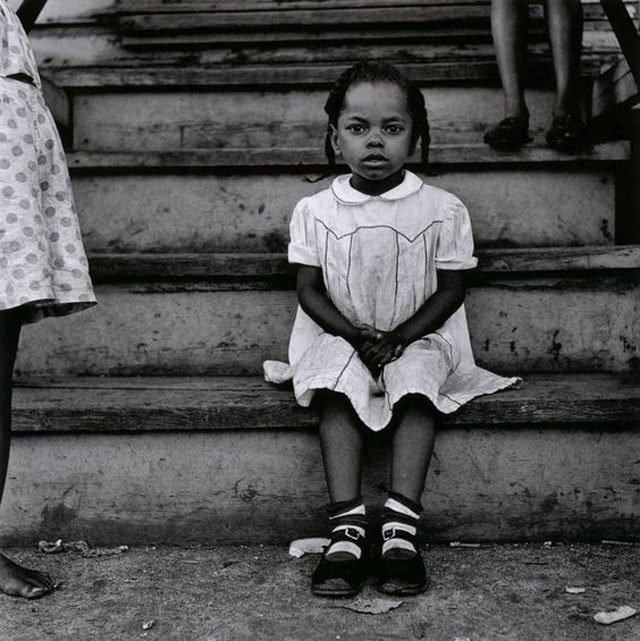
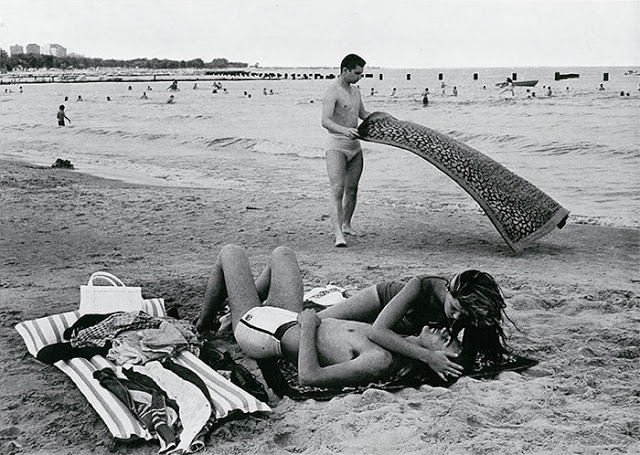
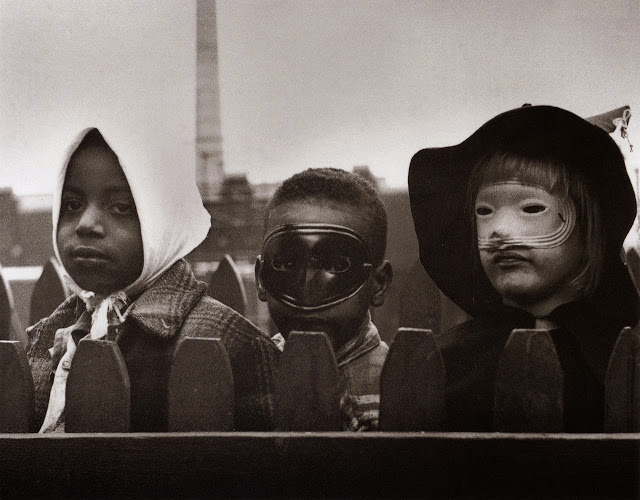
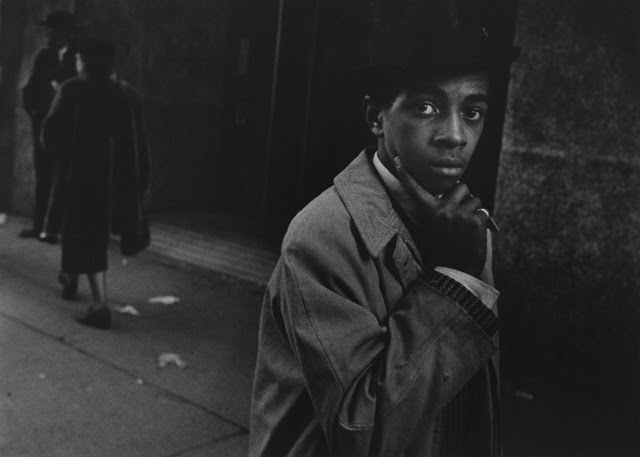
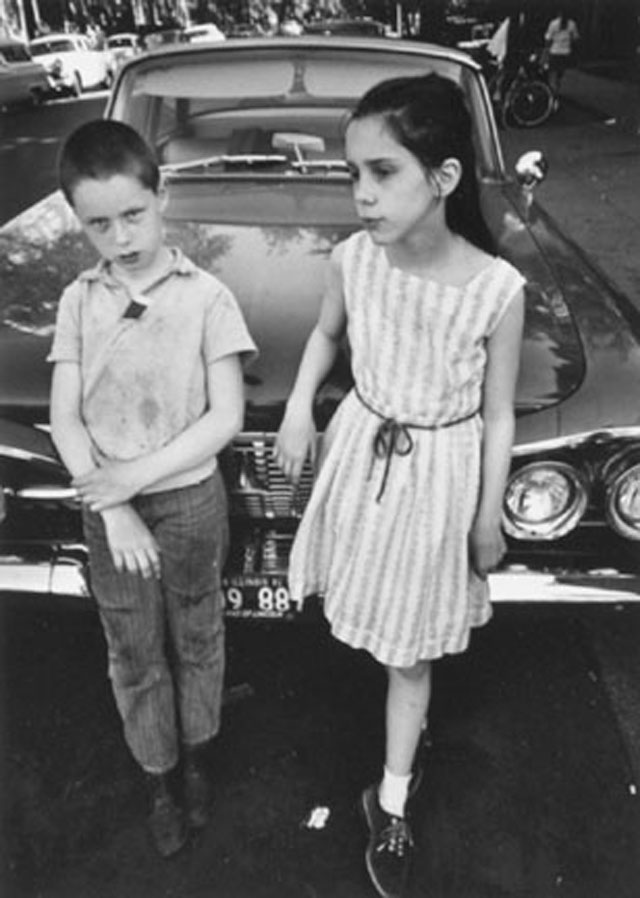
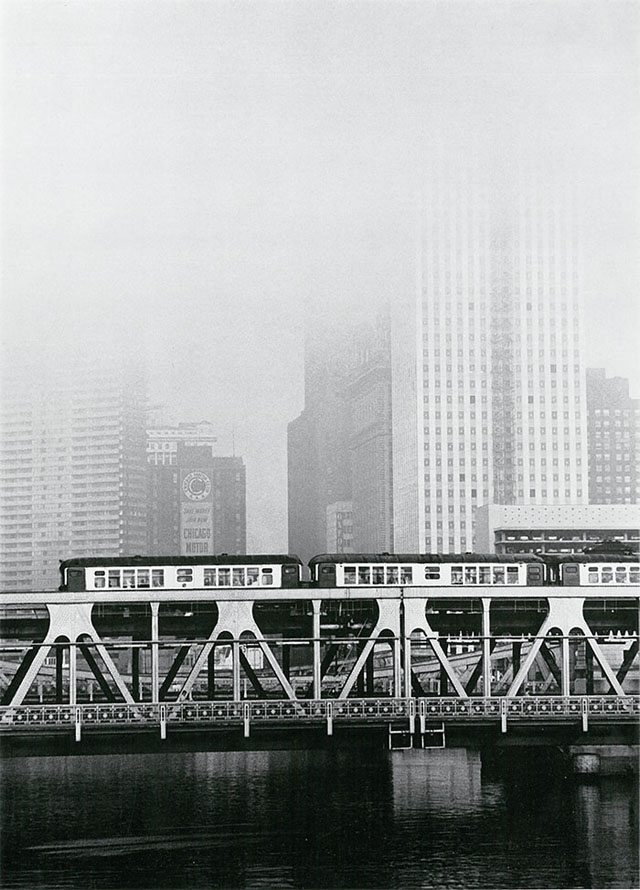
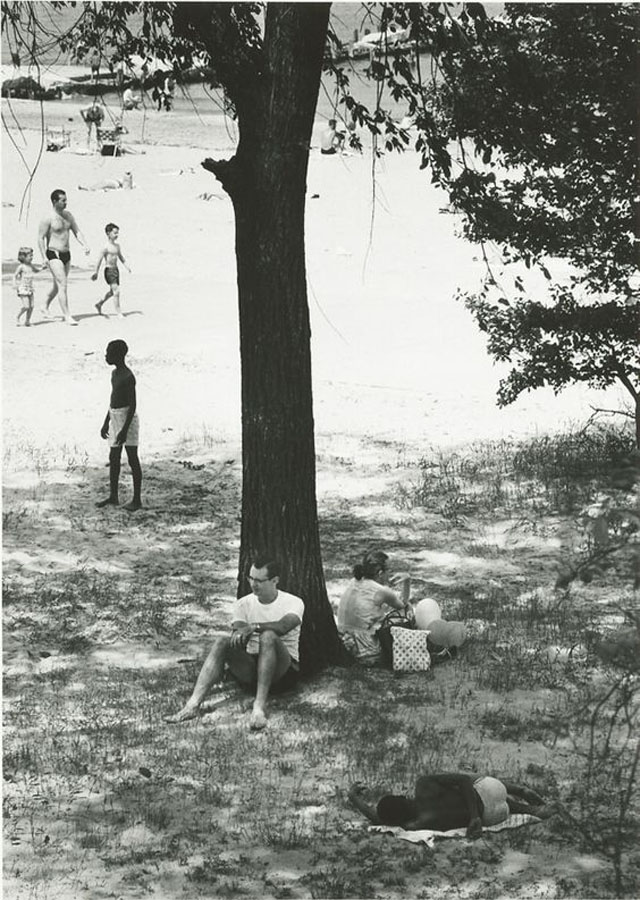
Yasuhiro Ishimoto was an important figure in the cross-pollination of photographic ideas and styles between American and Japanese photography. His portrait of a city, Chicago, Chicago, published as a book (1969), is a rich study full of the details of time and place.
Moving through Chicago as both citizen and visitor, Yasuhiro Ishimoto was able to create documents that speak eloquently for the culture of the city in the 1950s and 60s. His photographs present highly original visual spaces, which nonetheless suggest the politics, mentality, and history of the city.
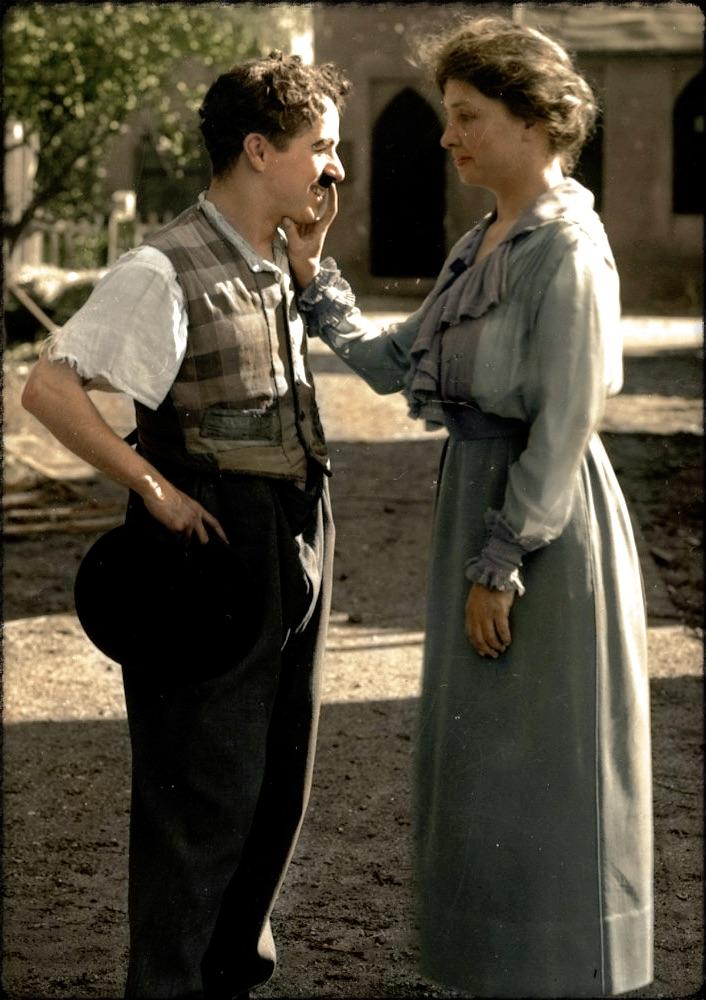
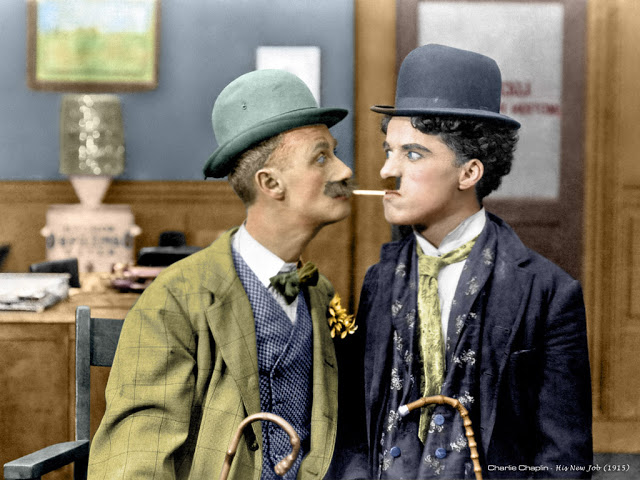
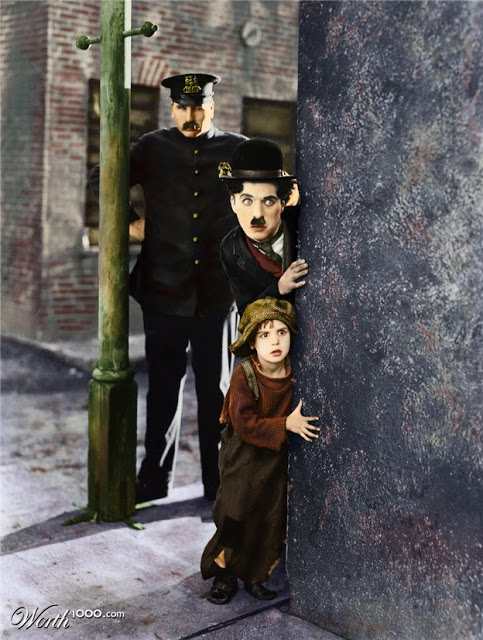
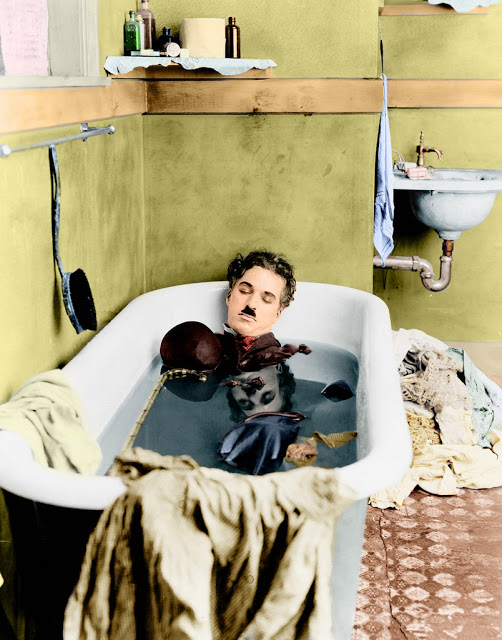
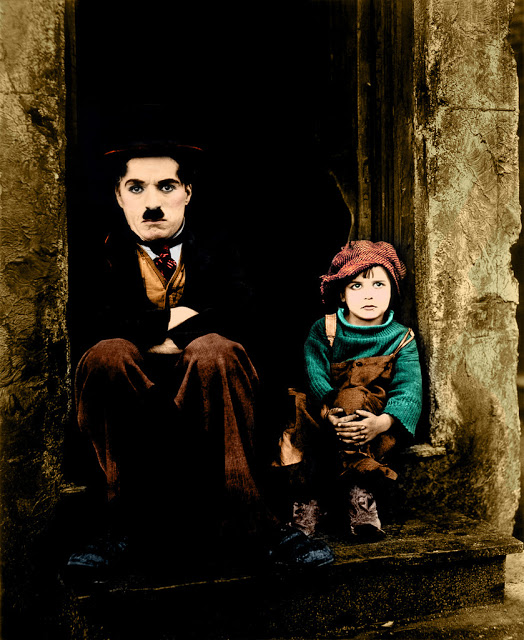
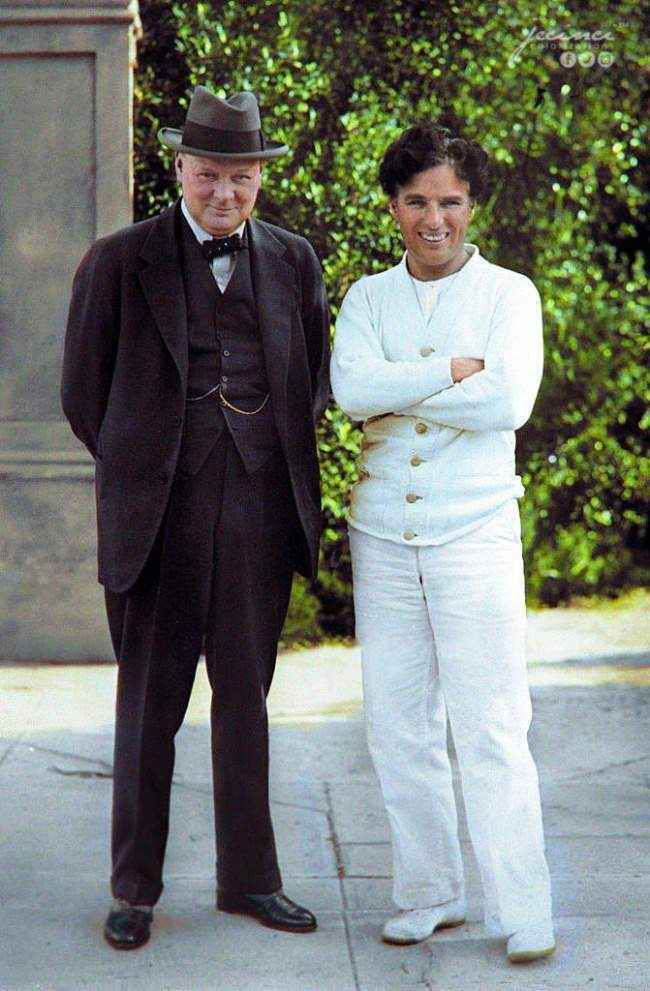
Sir Charles Spencer Chaplin Jr. KBE (16 April 1889 – 25 December 1977) was an English comic actor, filmmaker, and composer who rose to fame in the era of silent film. He became a worldwide icon through his screen persona, The Tramp, and is considered one of the most important figures in the history of the film industry. His career spanned more than 75 years, from childhood in the Victorian era until a year before his death in 1977, and encompassed both adulation and controversy.
Chaplin’s childhood in London was one of poverty and hardship, as his father was absent and his mother struggled financially, and he was sent to a workhouse twice before the age of nine. When he was 14, his mother was committed to a mental asylum. Chaplin began performing at an early age, touring music halls and later working as a stage actor and comedian. At 19, he was signed to the prestigious Fred Karno company, which took him to America. He was scouted for the film industry and began appearing in 1914 for Keystone Studios. He soon developed the Tramp persona and formed a large fan base. He directed his own films and continued to hone his craft as he moved to the Essanay, Mutual, and First National corporations. By 1918, he was one of the best-known figures in the world.
In 1919, Chaplin co-founded the distribution company United Artists, which gave him complete control over his films. His first feature-length film was The Kid (1921), followed by A Woman of Paris (1923), The Gold Rush (1925), and The Circus (1928). He initially refused to move to sound films in the 1930s, instead producing City Lights (1931) and Modern Times (1936) without dialogue. He became increasingly political, and his first sound film was The Great Dictator (1940), which satirised Adolf Hitler. The 1940s were a decade marked with controversy for Chaplin, and his popularity declined rapidly. He was accused of communist sympathies, and some members of the press and public found his involvement in a paternity suit, and marriages to much younger women, scandalous. An FBI investigation was opened, and Chaplin was forced to leave the United States and settle in Switzerland. He abandoned the Tramp in his later films, which include Monsieur Verdoux (1947), Limelight (1952), A King in New York (1957), and A Countess from Hong Kong (1967).
Chaplin wrote, directed, produced, edited, starred in, and composed the music for most of his films. He was a perfectionist, and his financial independence enabled him to spend years on the development and production of a picture. His films are characterised by slapstick combined with pathos, typified in the Tramp’s struggles against adversity. Many contain social and political themes, as well as autobiographical elements. He received an Honorary Academy Award for “the incalculable effect he has had in making motion pictures the art form of this century” in 1972, as part of a renewed appreciation for his work. He continues to be held in high regard, with The Gold Rush, City Lights, Modern Times, and The Great Dictator often ranked on lists of the greatest films of all time. (Wikipedia)
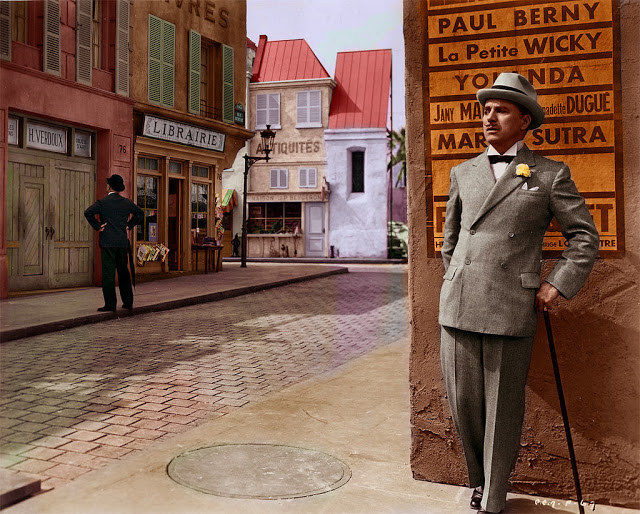
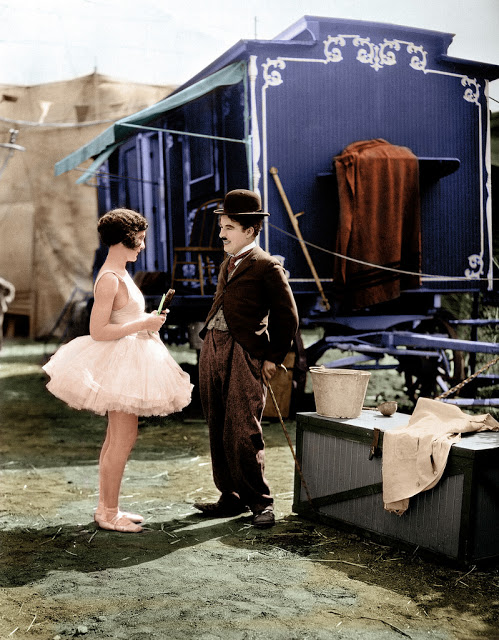
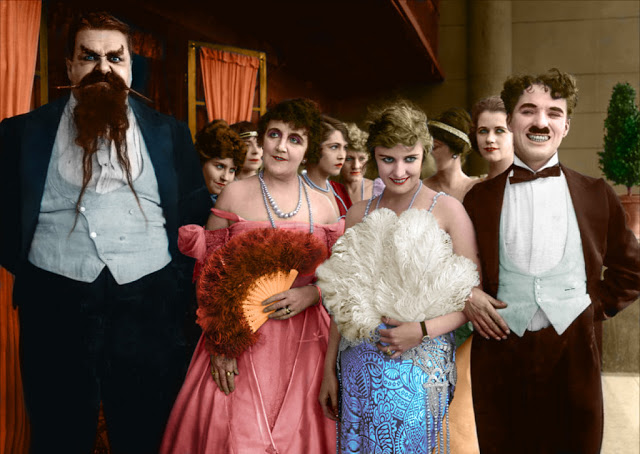
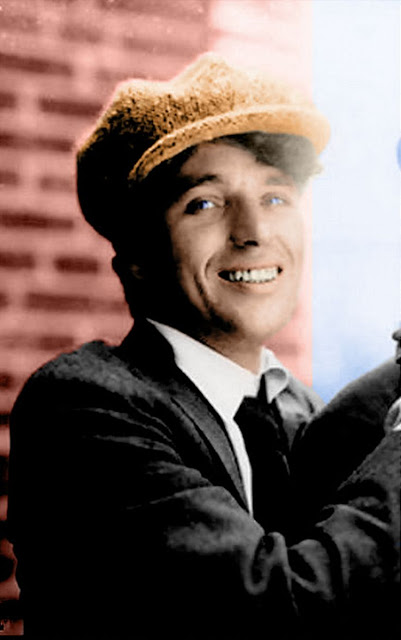
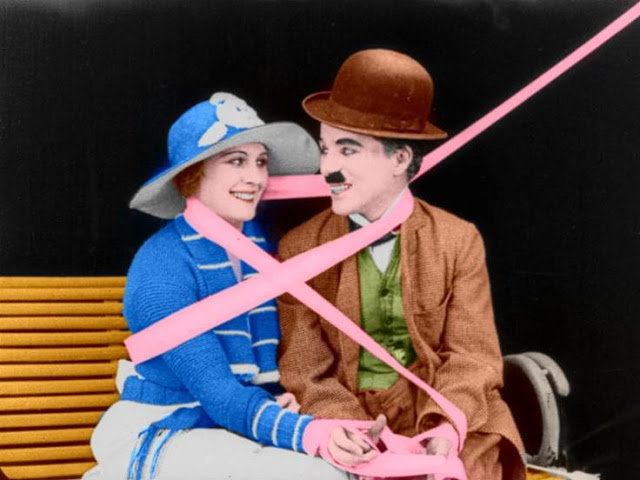
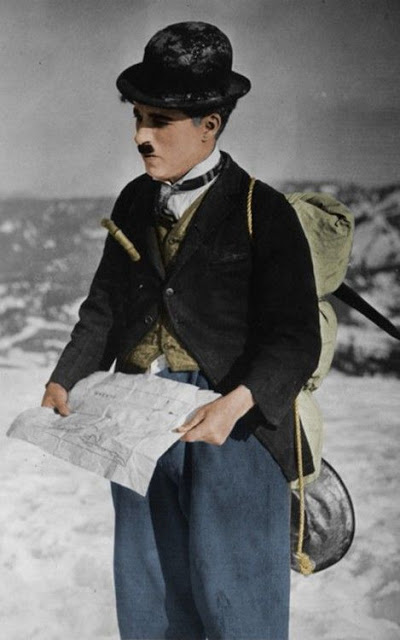
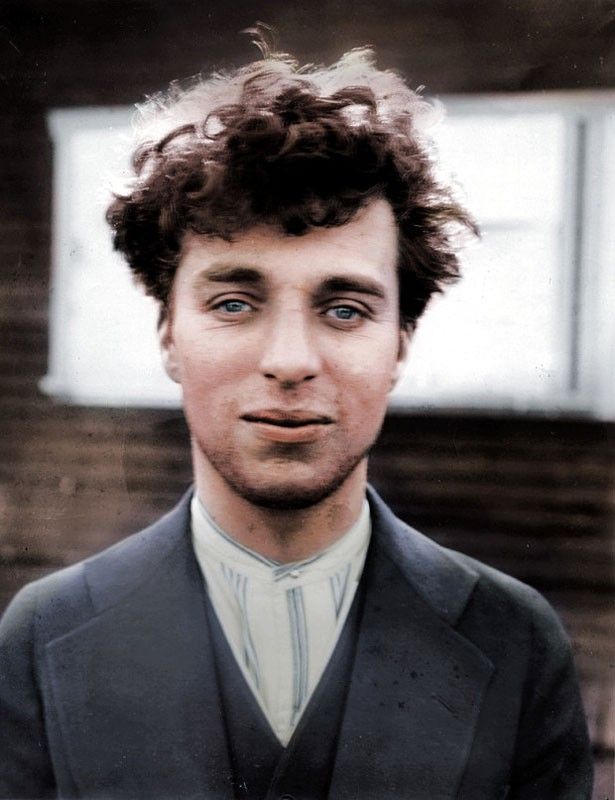
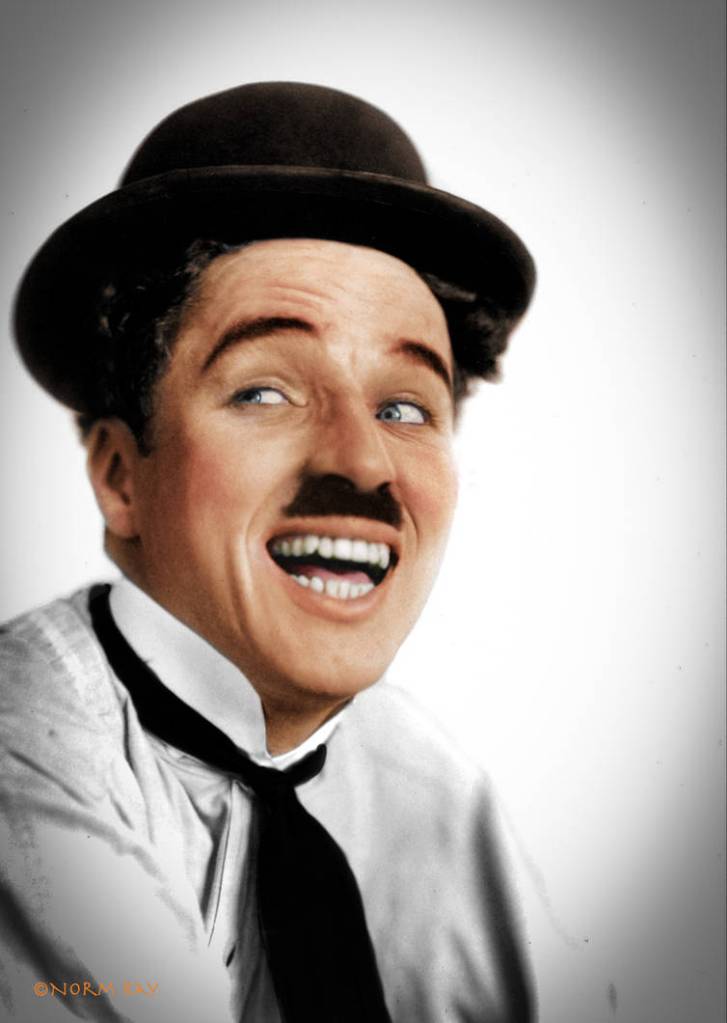
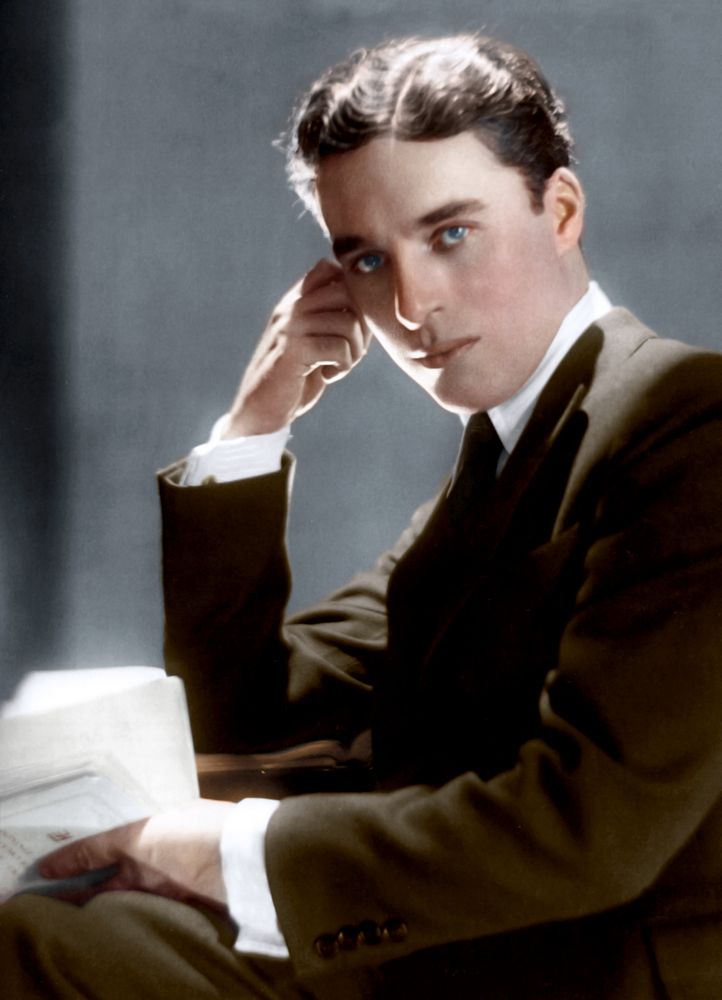
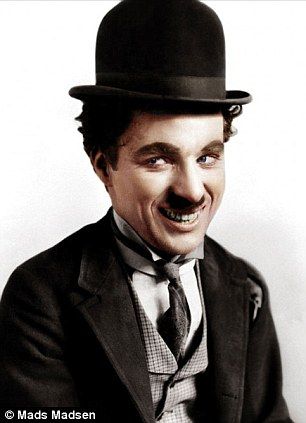
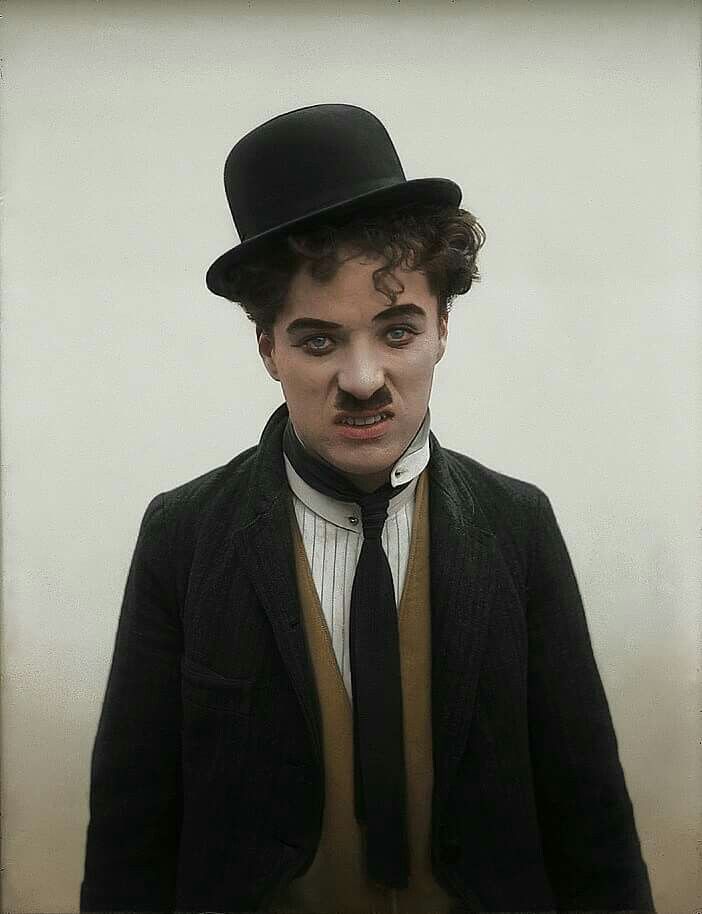
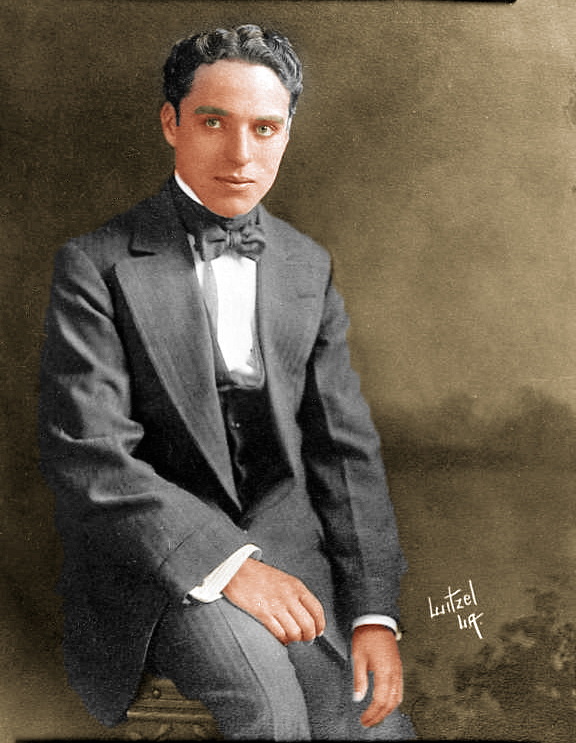
Below are 29 interesting colorized photos of Charlie Chaplin from between the 1910s and 1930s.
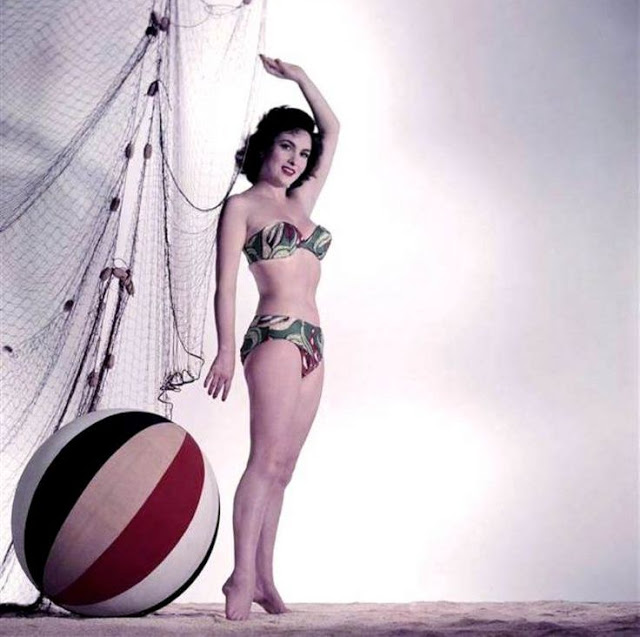
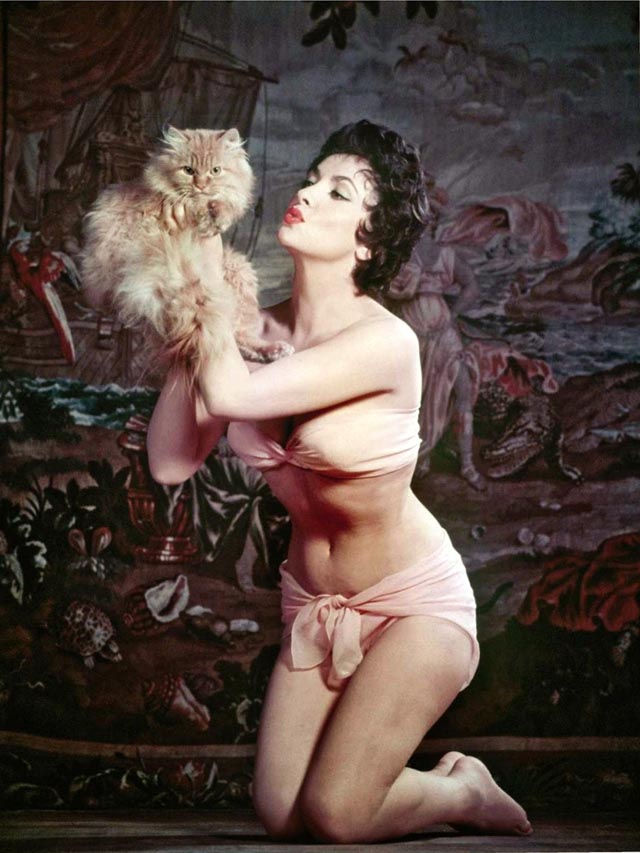
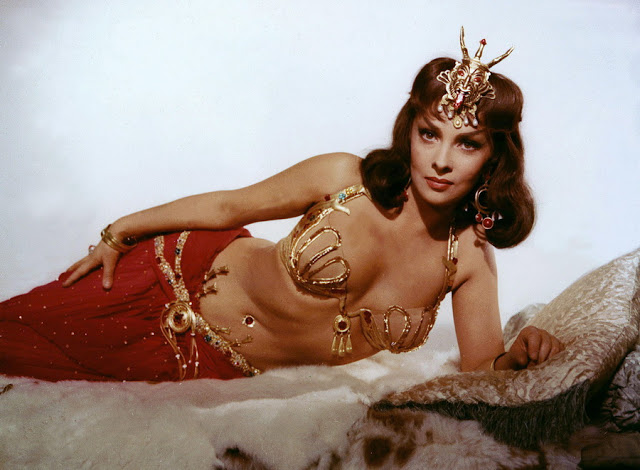
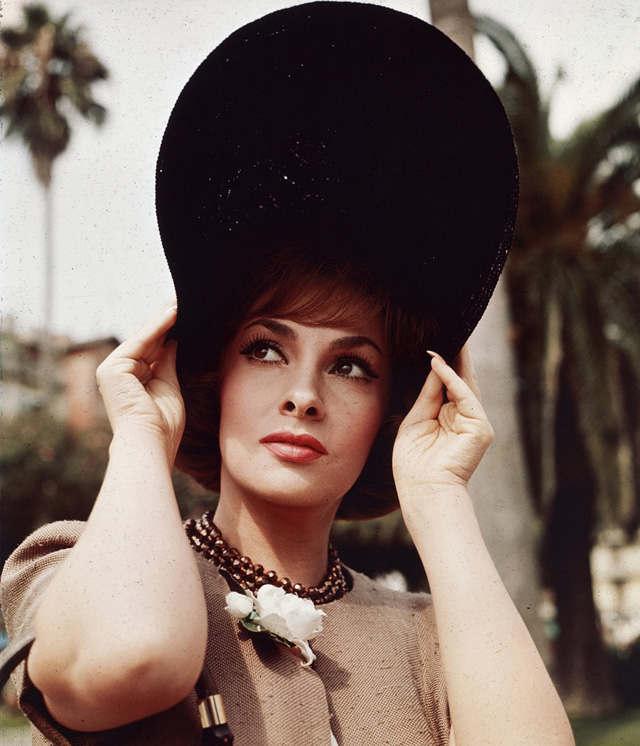
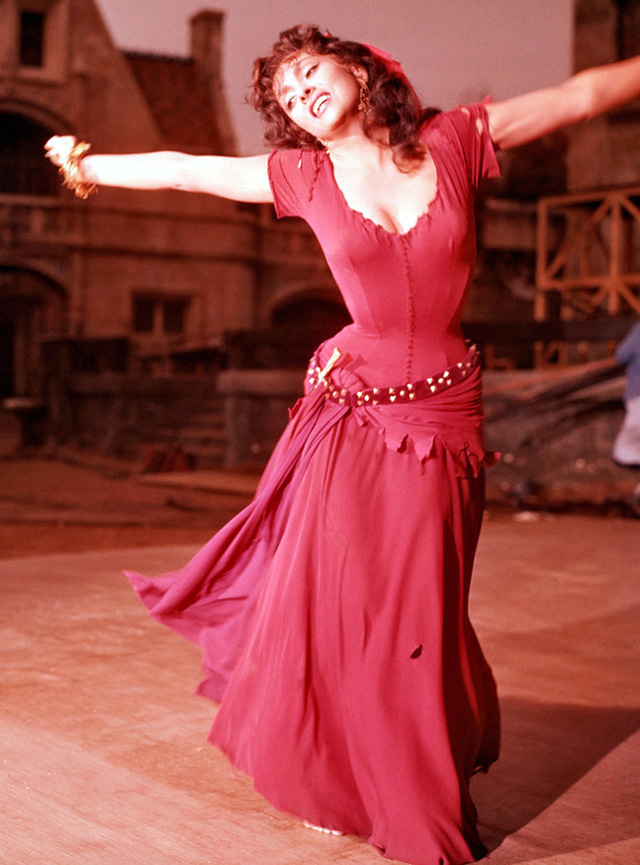
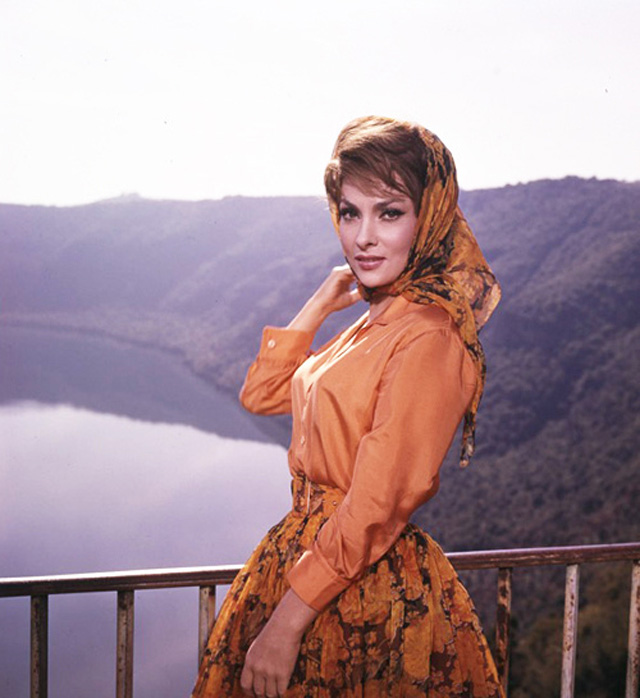
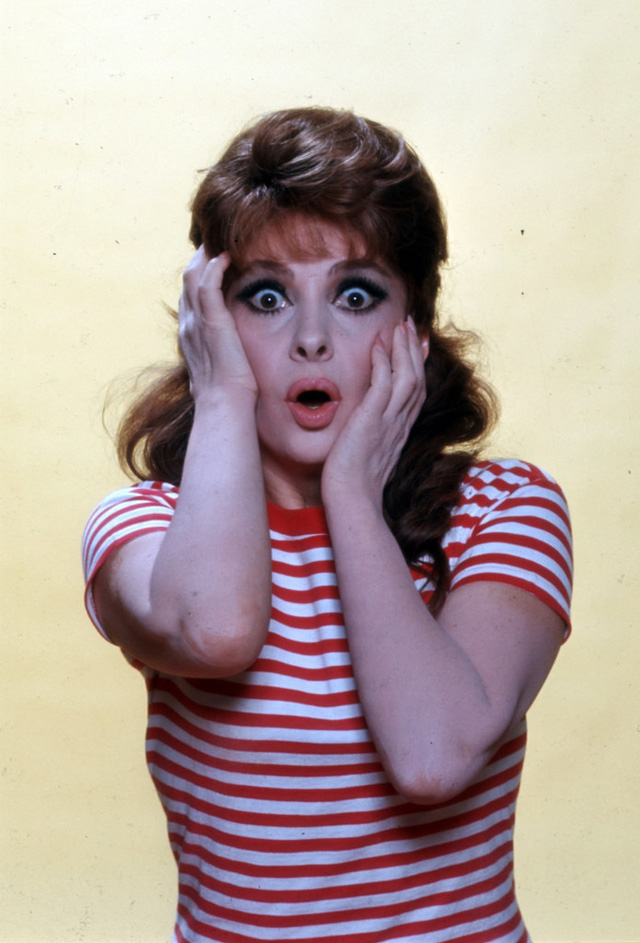
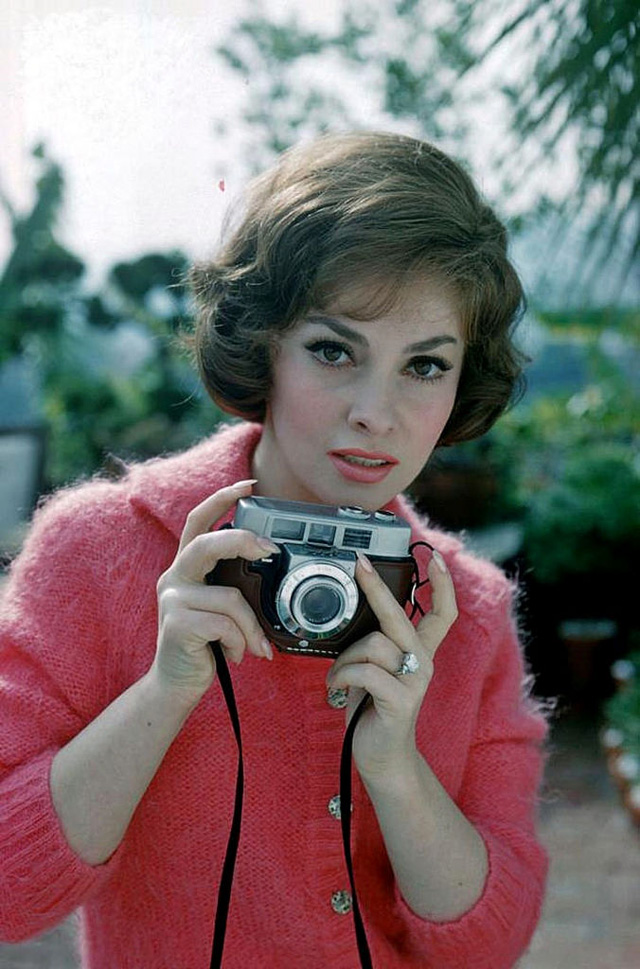
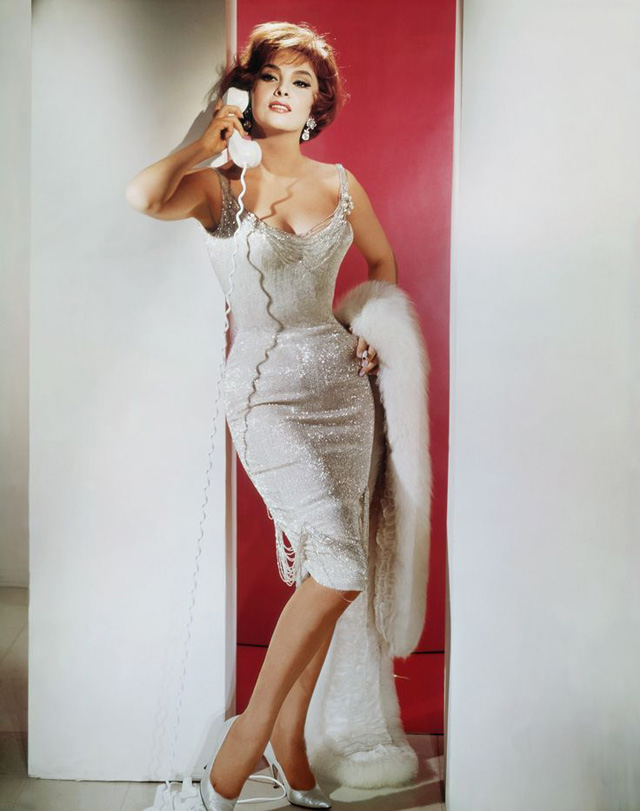
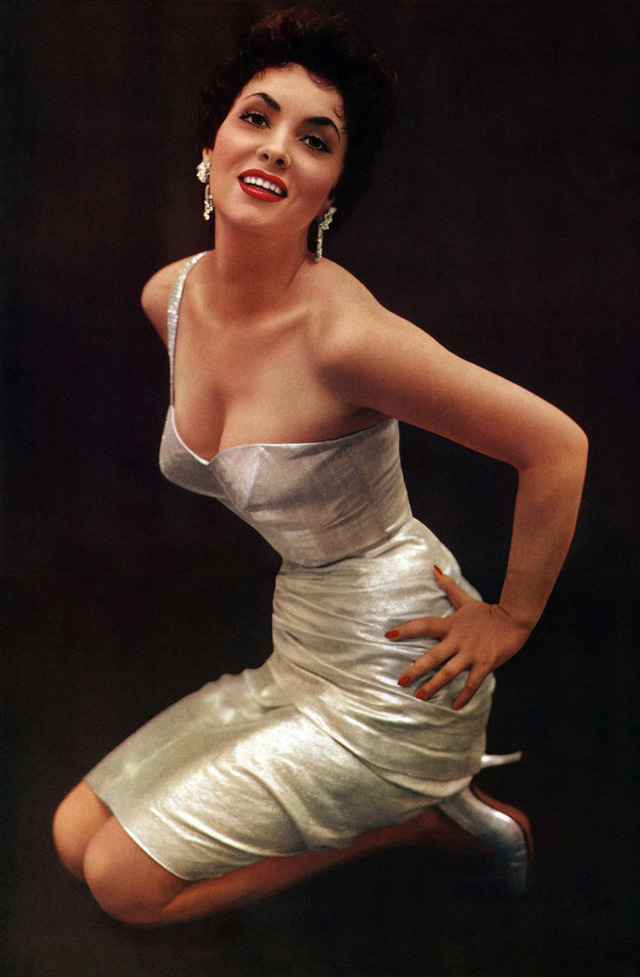
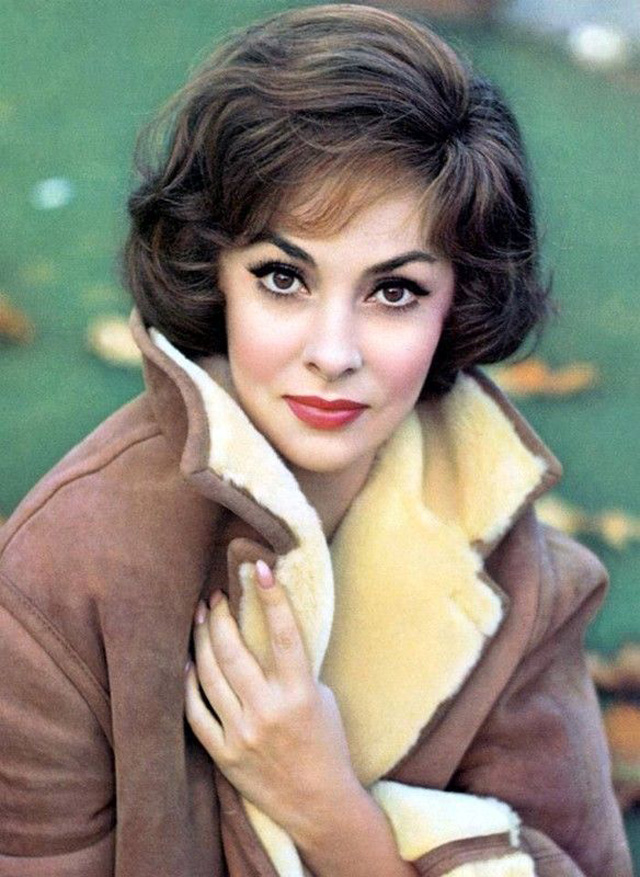
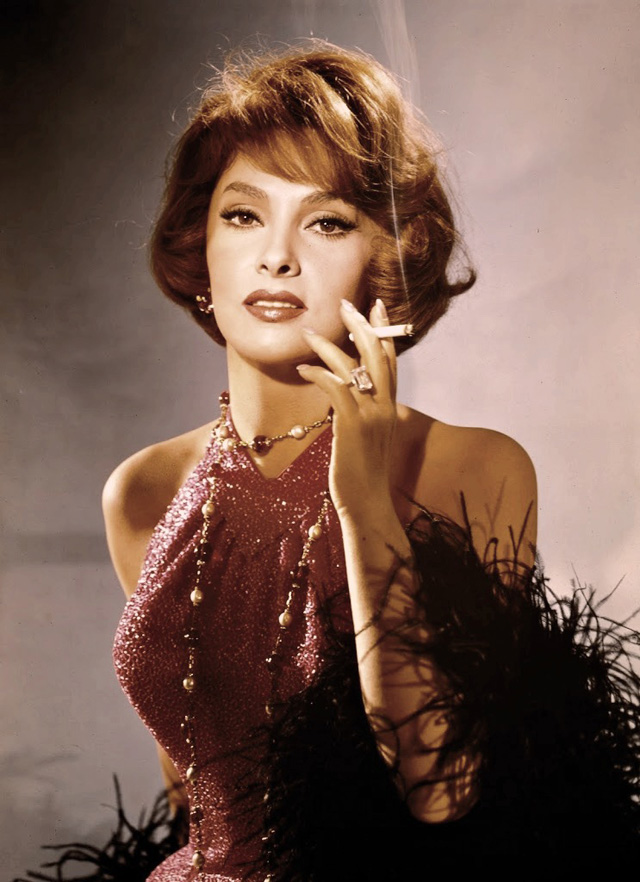
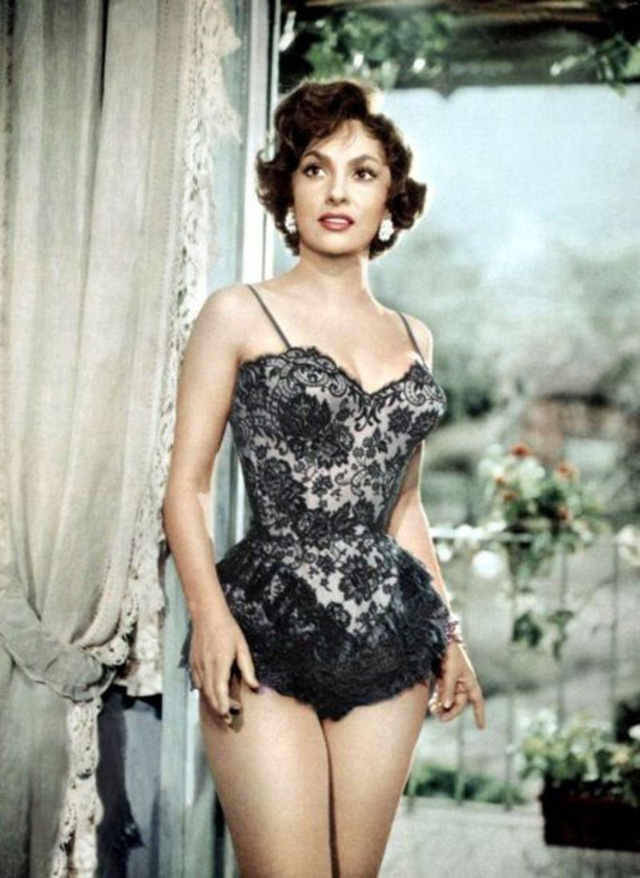
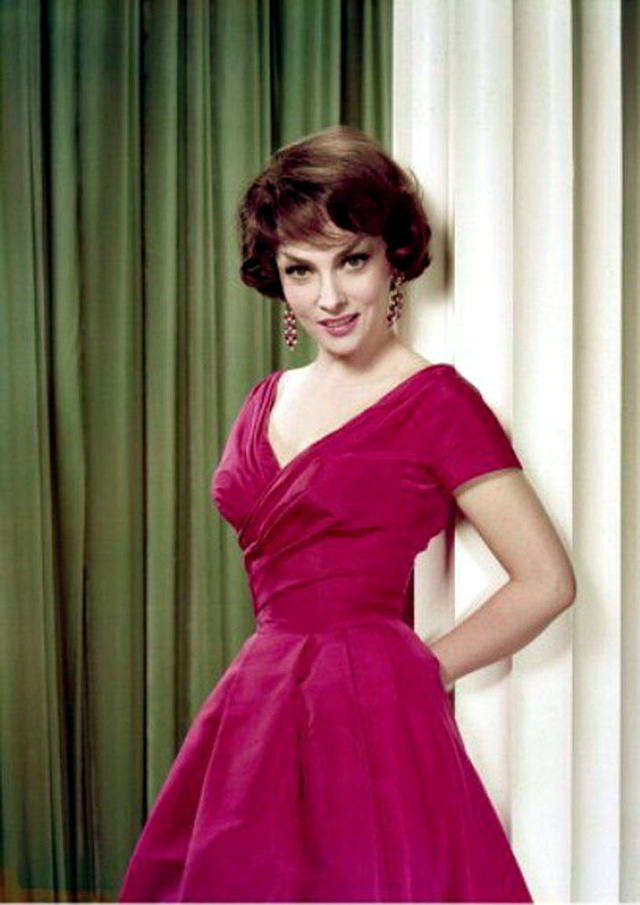
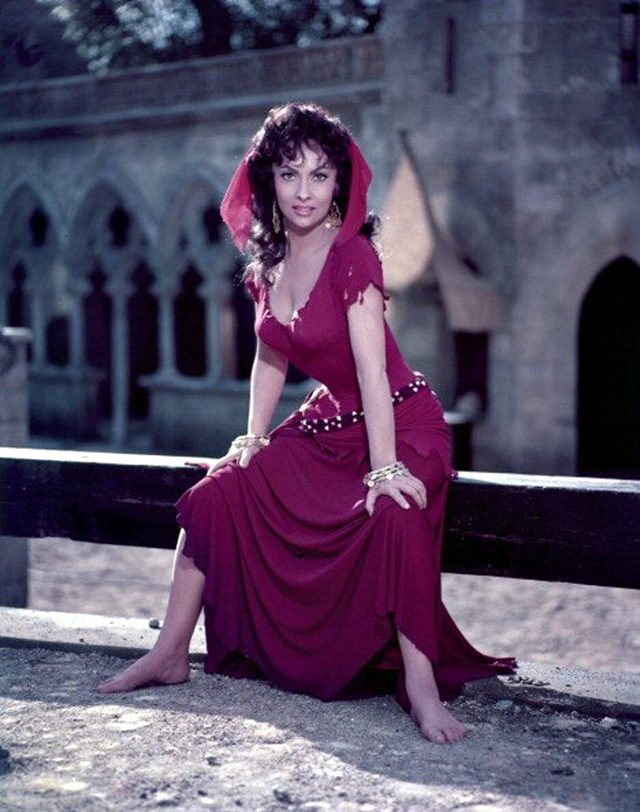
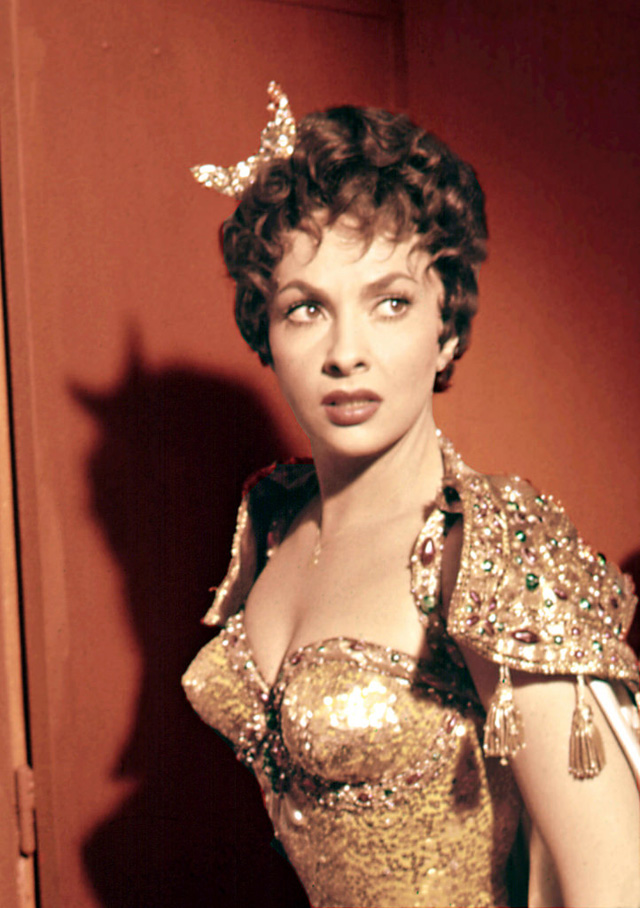
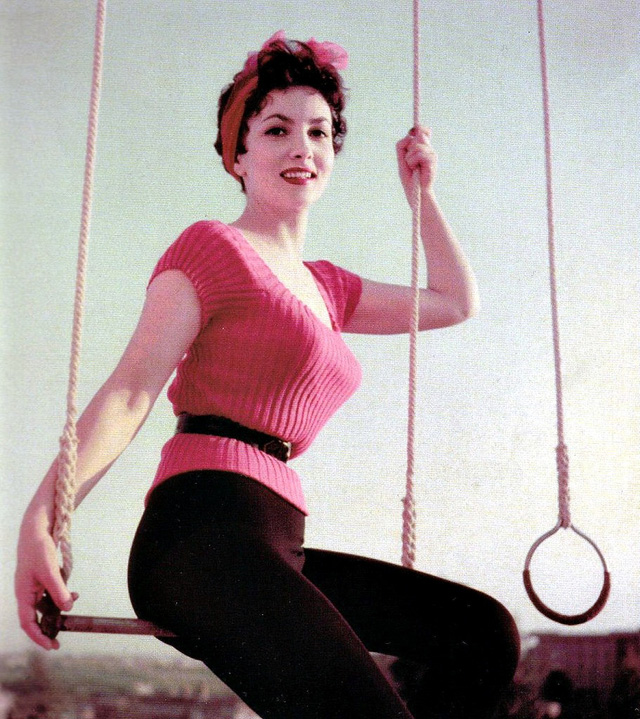
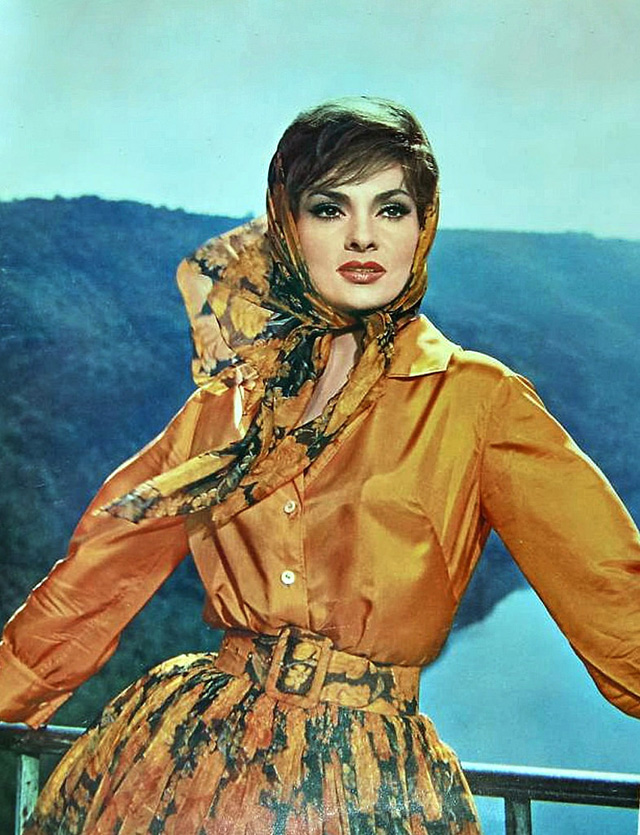
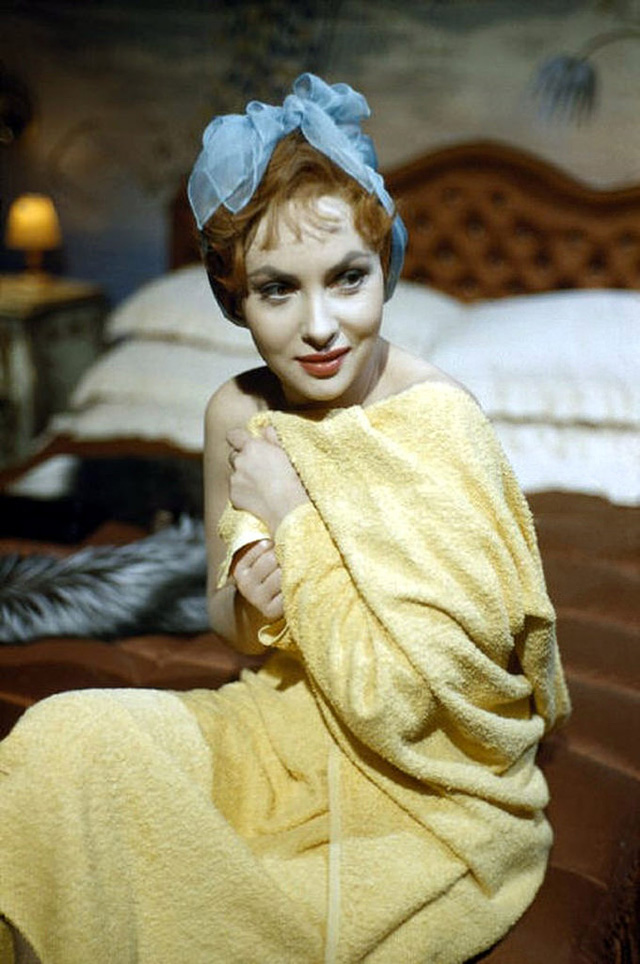
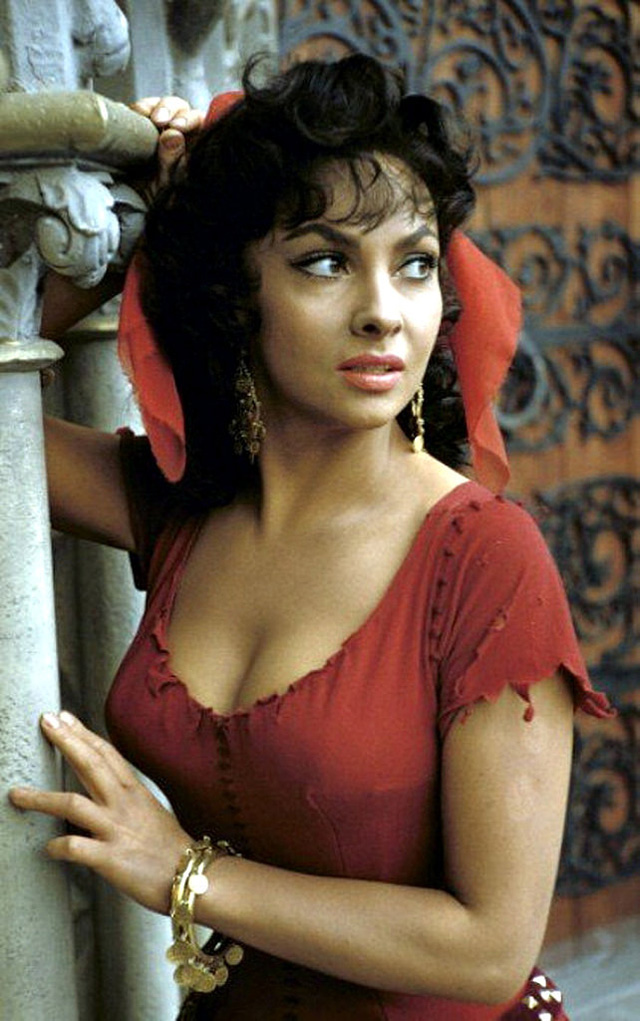
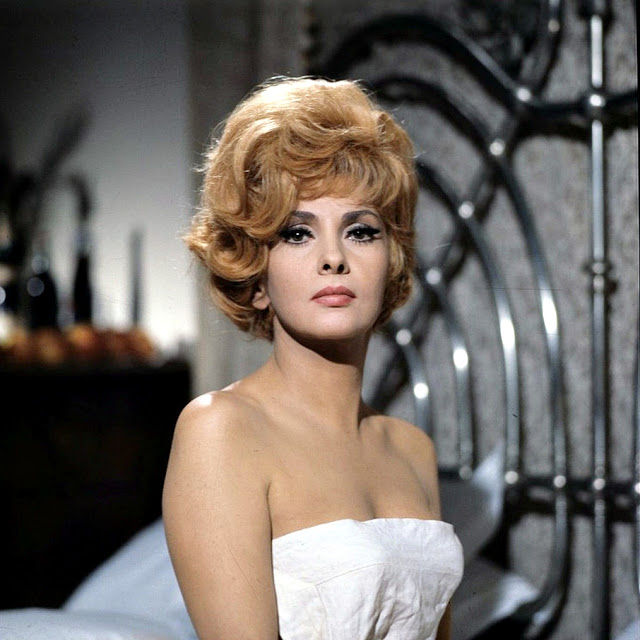
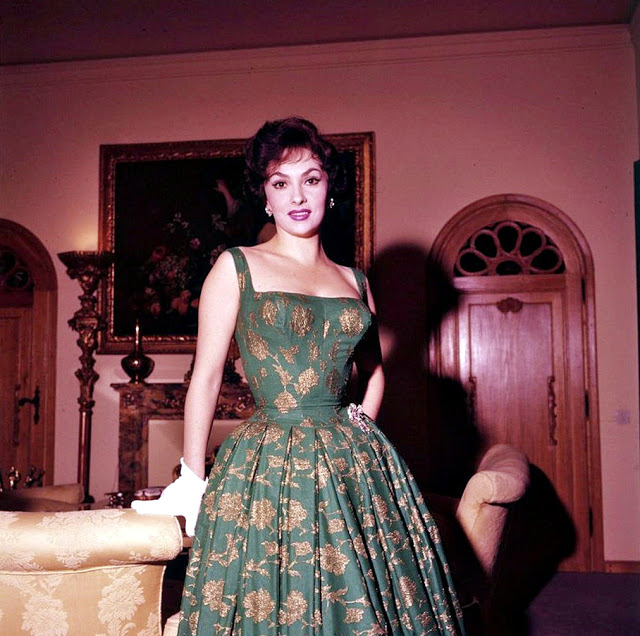
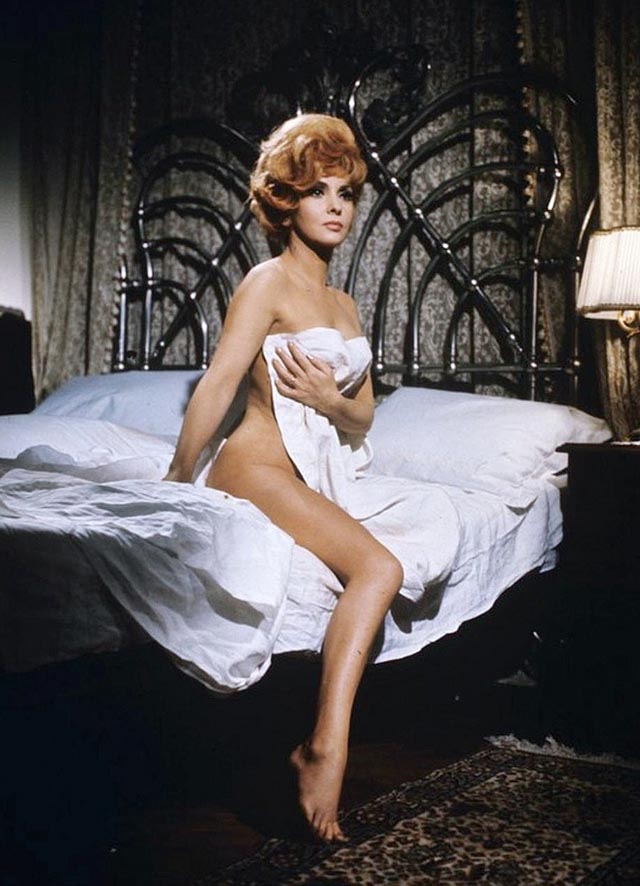
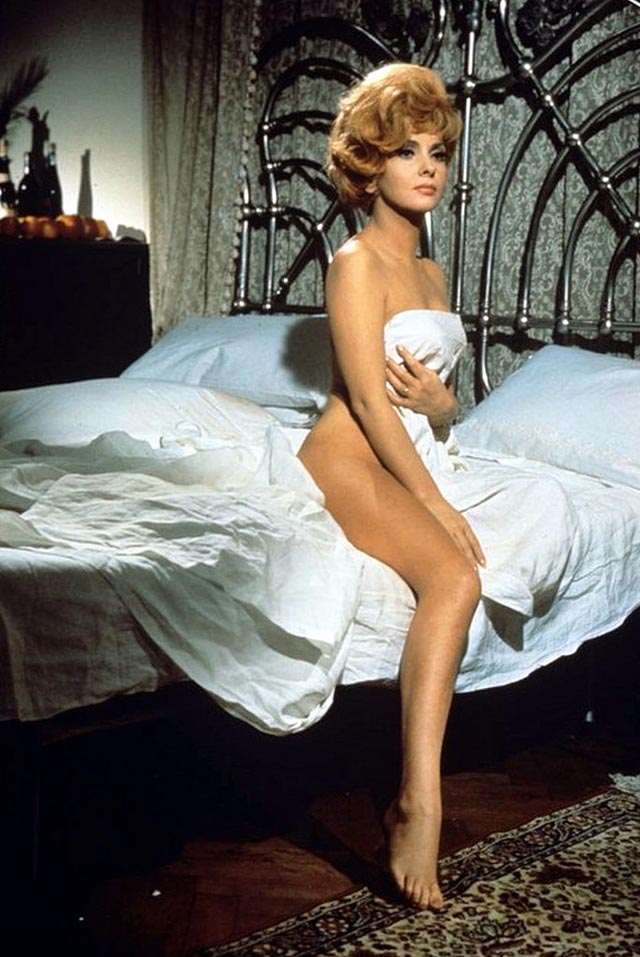
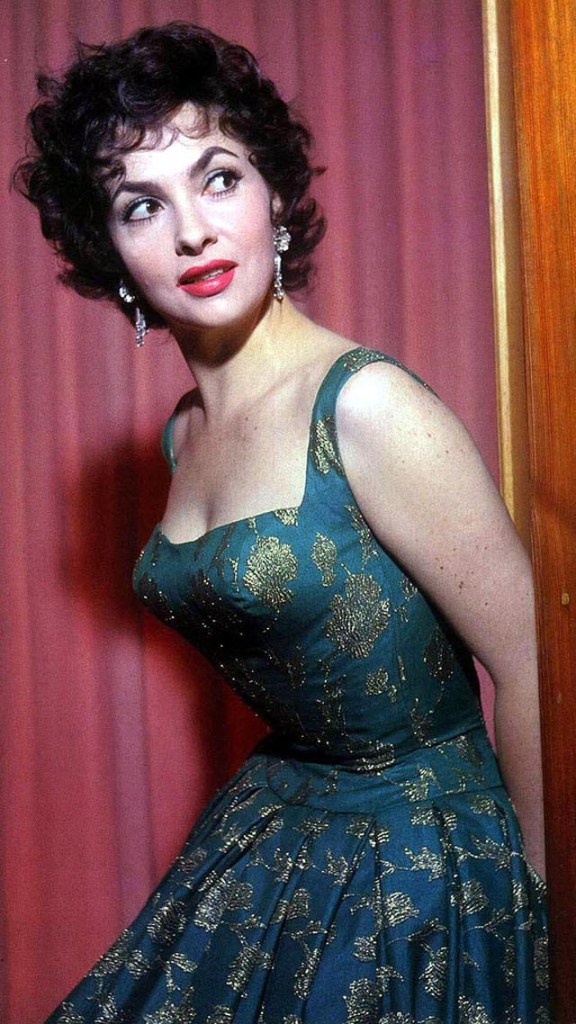
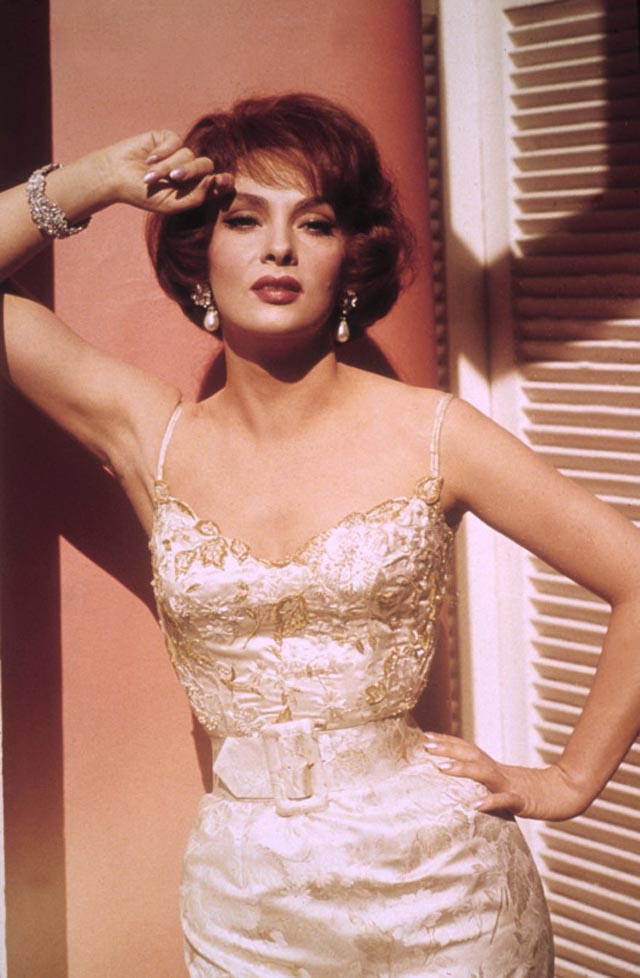
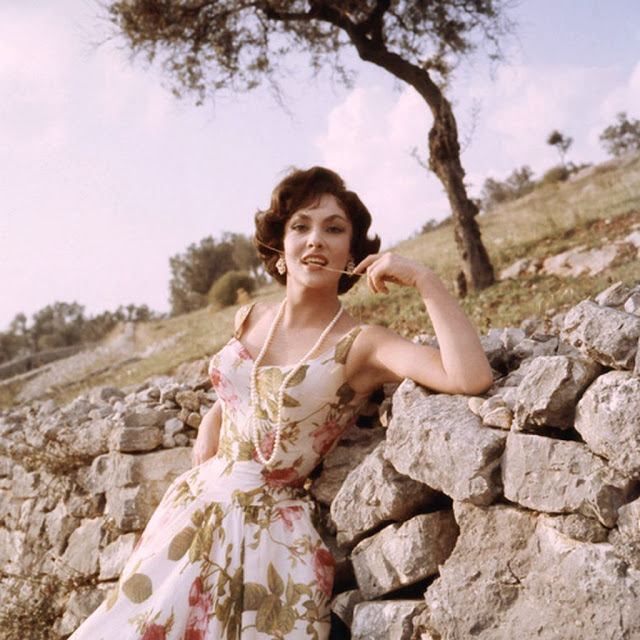
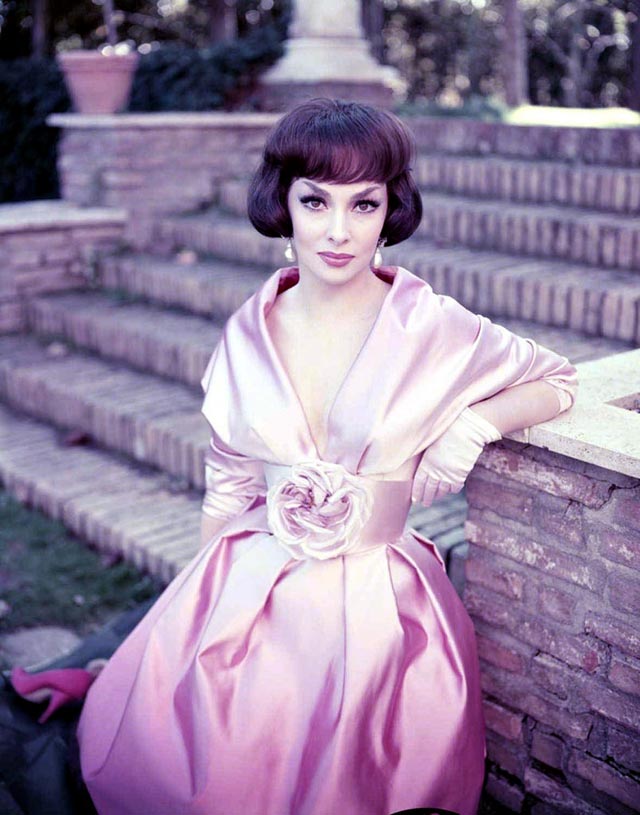
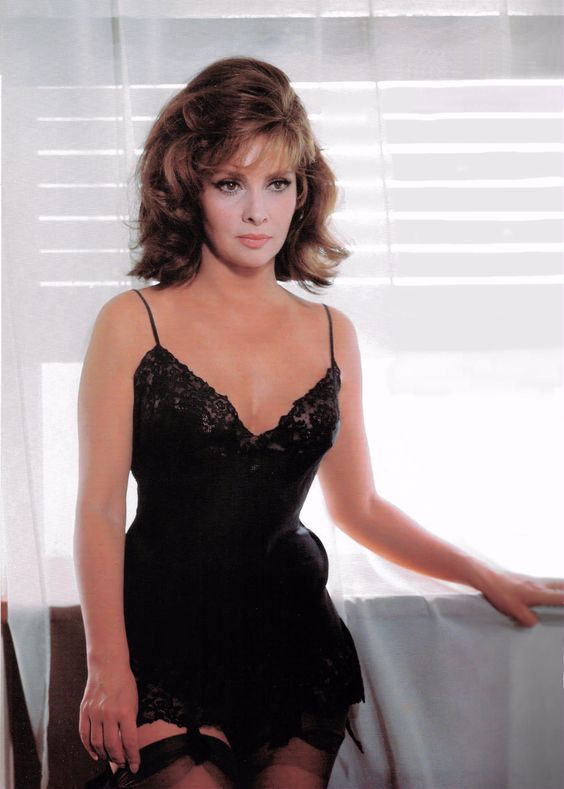
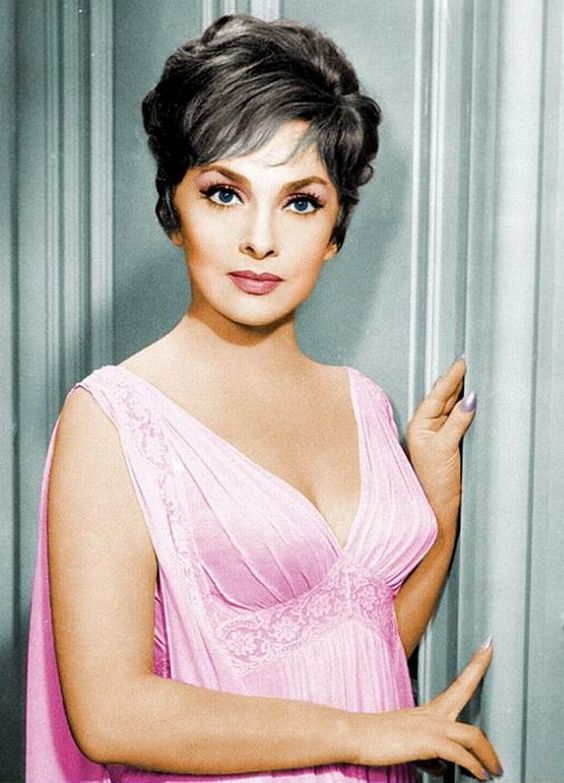
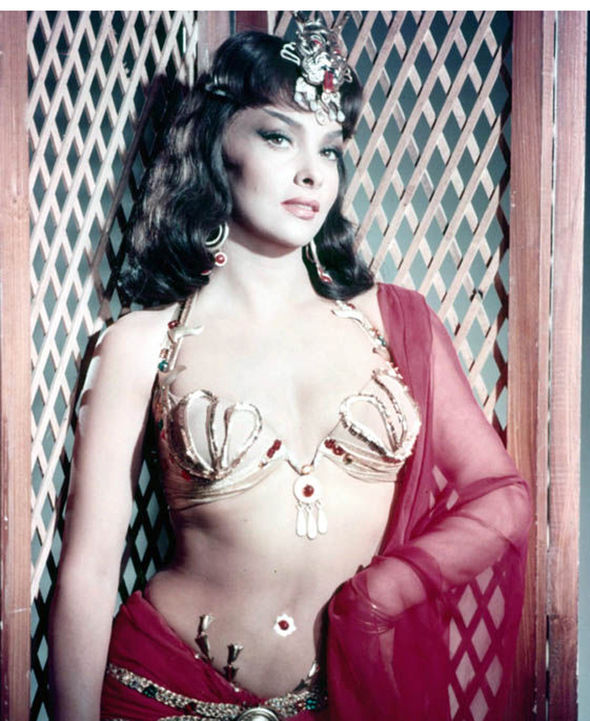
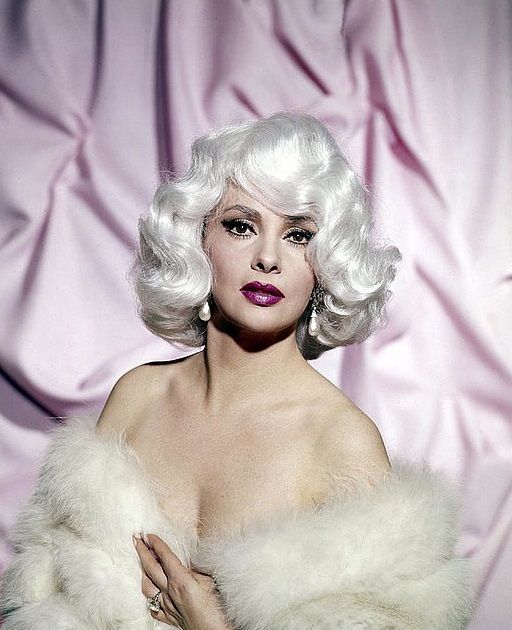
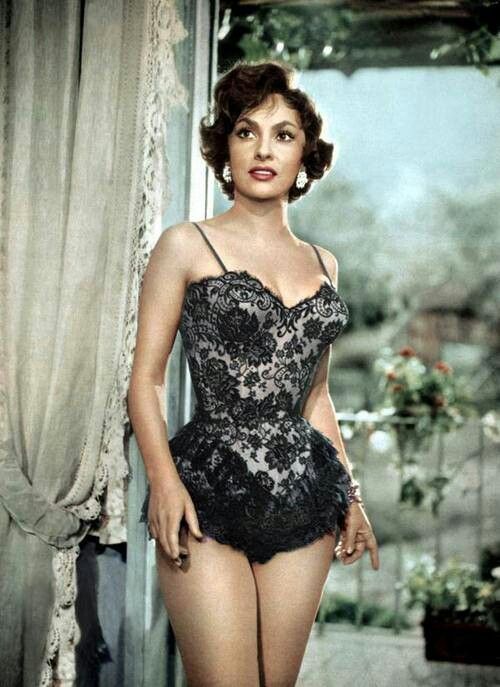
Gina Lollobrigida was born on July 4, 1927 in Subiaco, Italy. Destined to be called “The Most Beautiful Woman in the World”, Gina possibly had St. Brigid as part of her surname. She was the daughter of a furniture manufacturer, and grew up in the pictorial mountain village. The young Gina did some modeling and, from there, went on to participate successfully in several beauty contests. In 1947, she entered a beauty competition for Miss Italy, but came in third. The winner was Lucia Bosé (born 1931), who would go on to appear in over 50 movies, and the first runner-up was Gianna Maria Canale (born 1927), who would appear in almost 50 films. After appearing in a half-dozen films in Italy, it was rumored that, in 1947, film tycoon Howard Hughes had her flown to Hollywood; however, this did not result in her staying in America, and she returned to Italy (her Hollywood breakout movie would not come until six years later in the John Huston film Beat the Devil (1953)).
Back in Italy, in 1949, Gina married Milko Skofic, a Slovenian (at the time, “Yugoslavian”) doctor, by whom she had a son, Milko Skofic Jr. They would be married for 22 years, until their divorce in 1971. As her film roles and national popularity increased, Gina was tagged “The Most Beautiful Woman in the World”, after her signature movie Beautiful But Dangerous (1955). Gina was nicknamed la “Lollo”, as she embodied the prototype of Italian beauty. Her earthy looks and short “tossed salad” hairdo were especially influential and, in fact, there’s a type of curly lettuce named “Lollo” in honor of her cute hairdo. Her film Come September (1961), co-starring Rock Hudson, won the Golden Globe Award as the World’s Film Favorite. In the 1970s, Gina was seen in only a few films, as she took a break from acting and concentrated on another career: photography. Among her subjects were Paul Newman, Salvador Dalí and the German national soccer team.
A skilled photographer, Gina had a collection of her work “Italia Mia”, published in 1973. Immersed in her other passions (sculpting and photography), it would be 1984 before Gina would grace American television on Falcon Crest (1981). Although Gina was always active, she only appeared in a few films in the 1990s. In June 1999, she turned to politics and ran, unsuccessfully, for one of Italy’s 87 European Parliament seats, from her hometown of Subiaco. Gina was also a corporate executive for fashion and cosmetics companies. As she told “Parade” magazine in April 2000: “I studied painting and sculpting at school and became an actress by mistake”. (We’re glad she made that “mistake”). Gina went on to say: “I’ve had many lovers and still have romances. I am very spoiled. All my life, I’ve had too many admirers”.
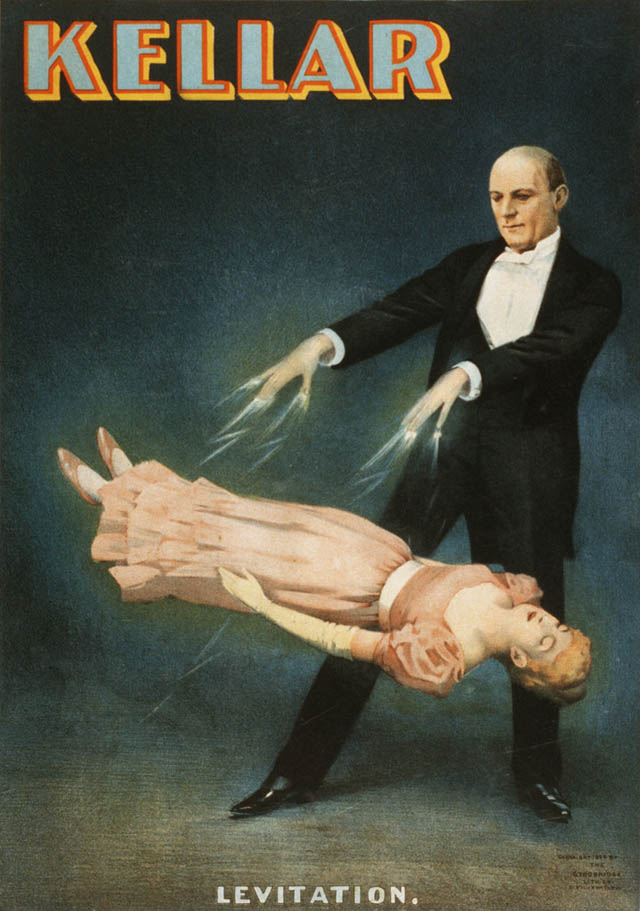
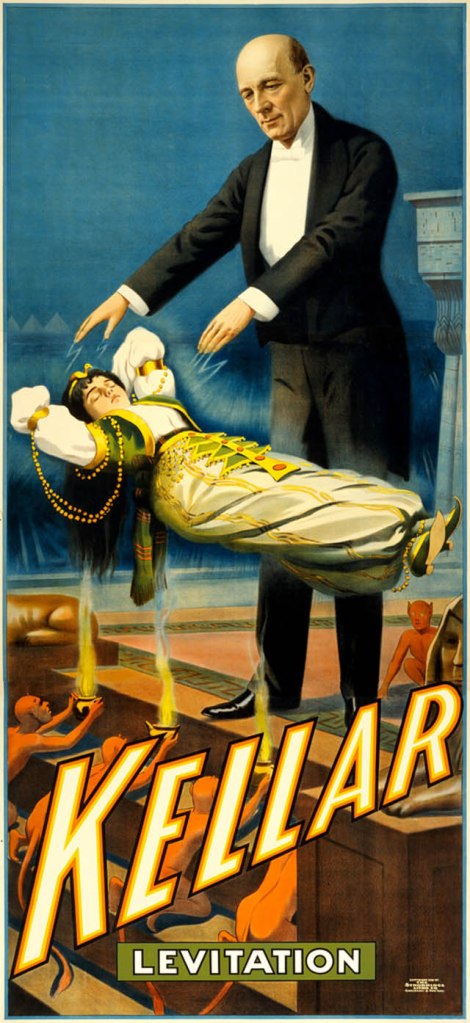
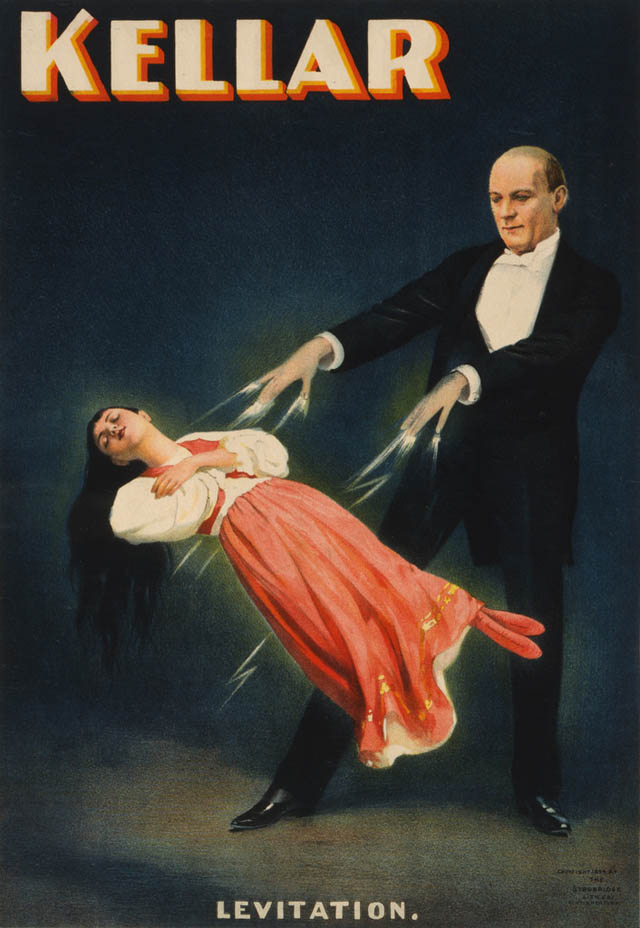
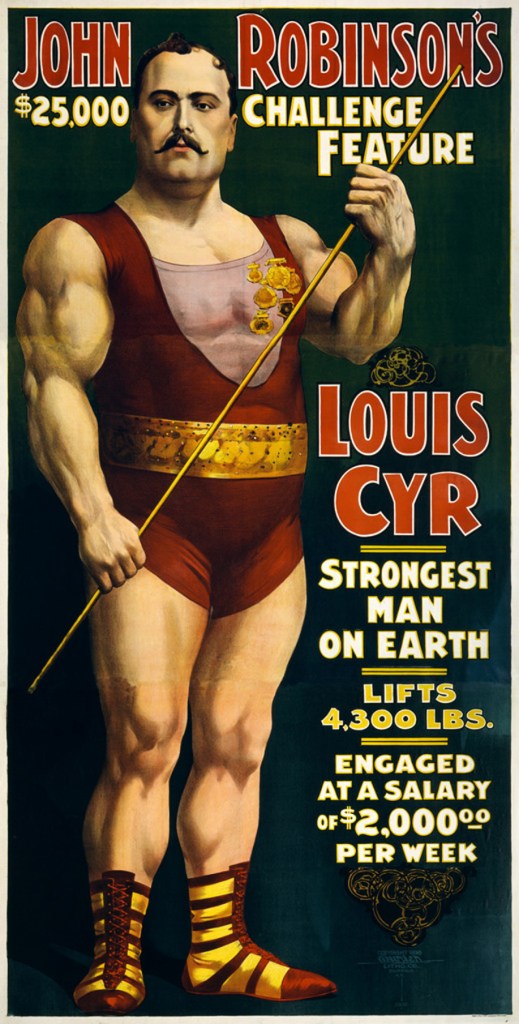
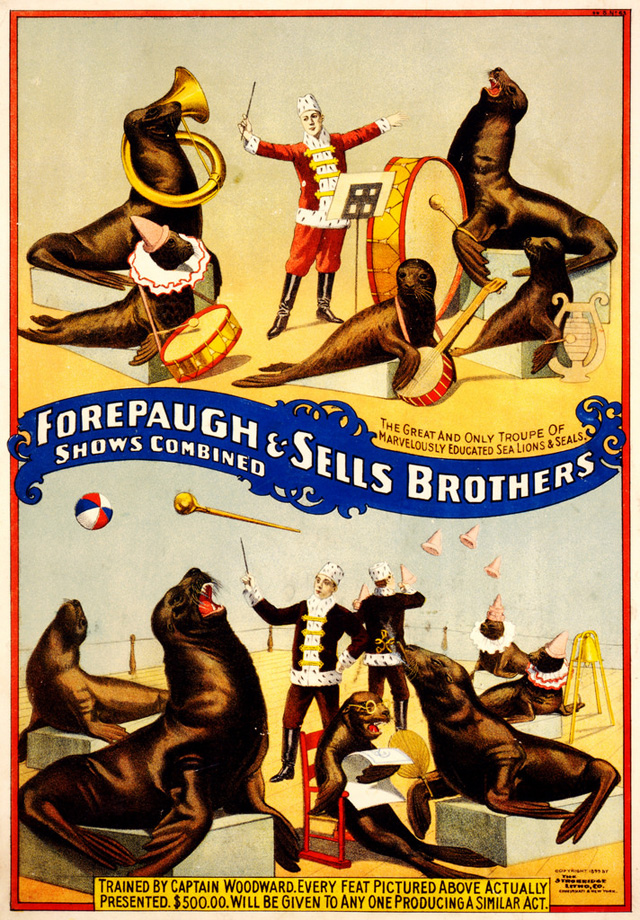
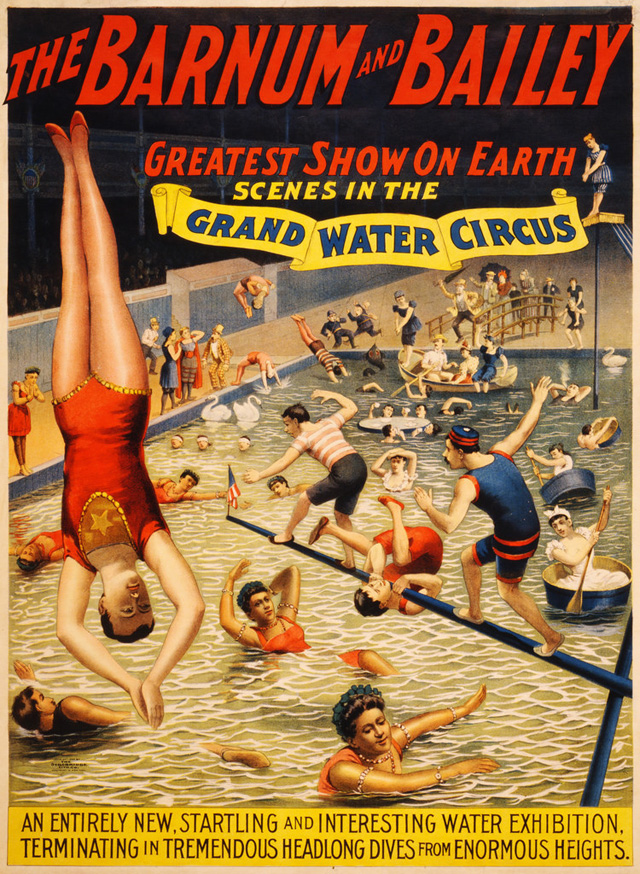
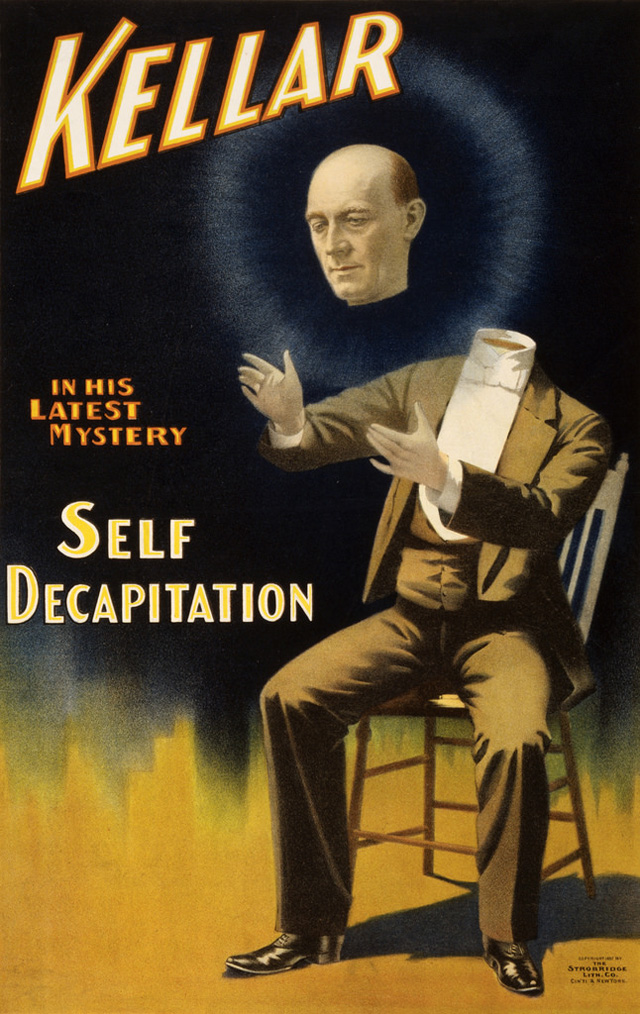
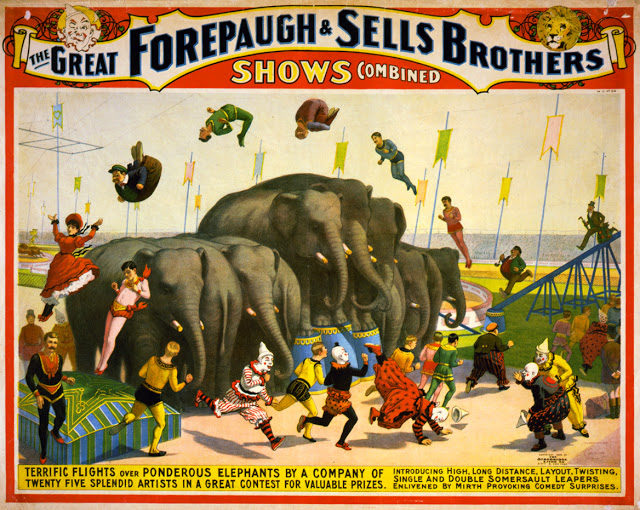
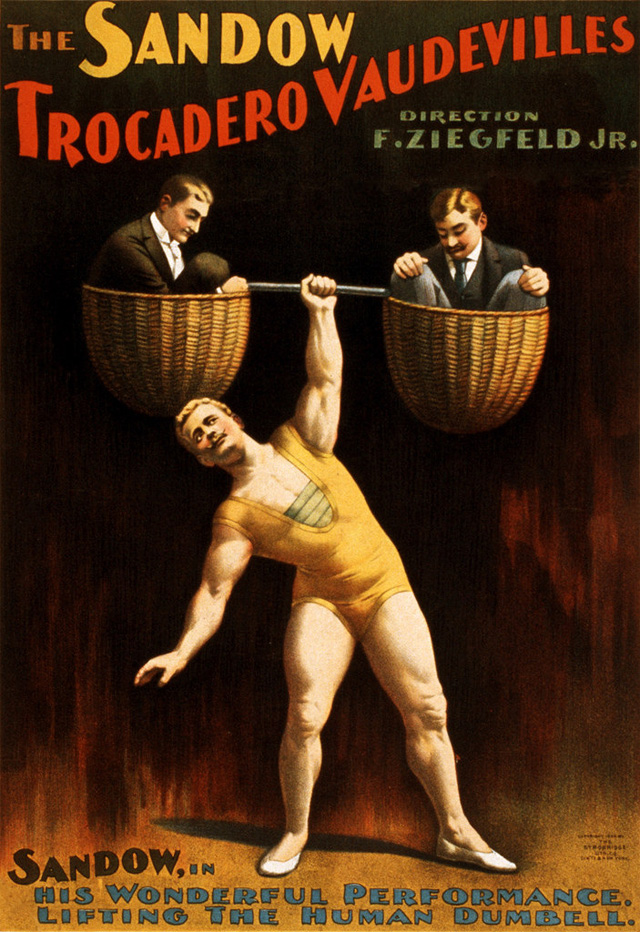
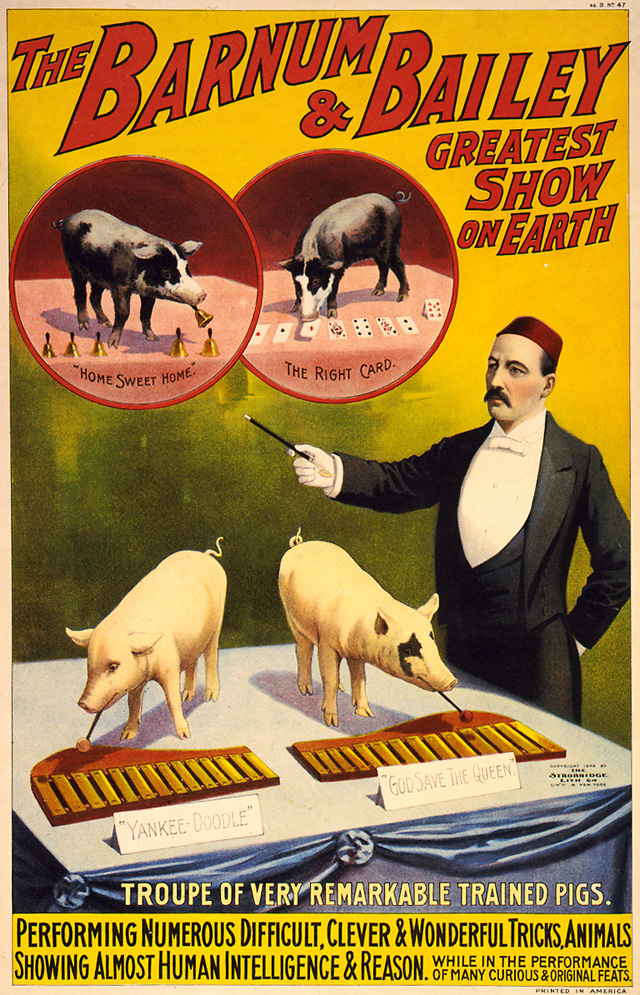
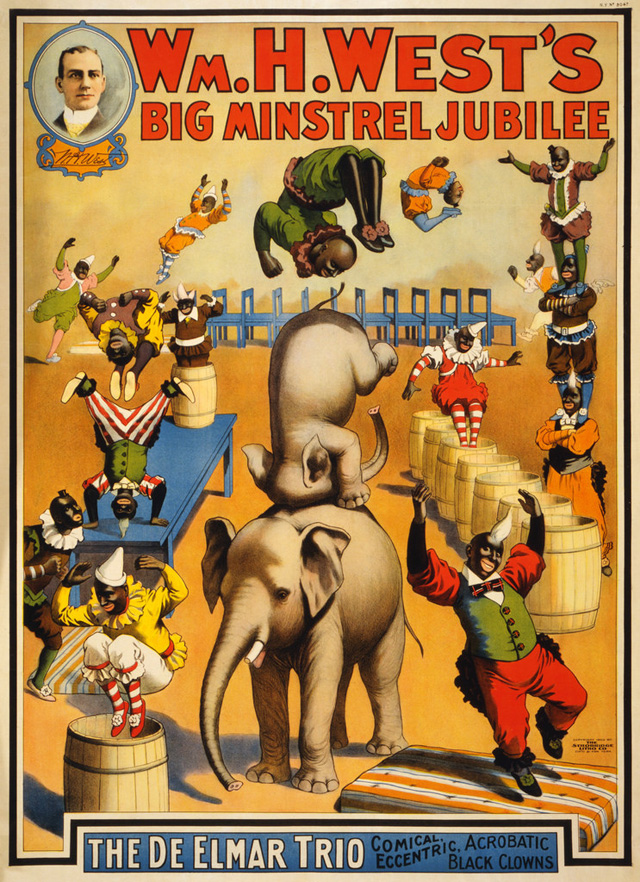
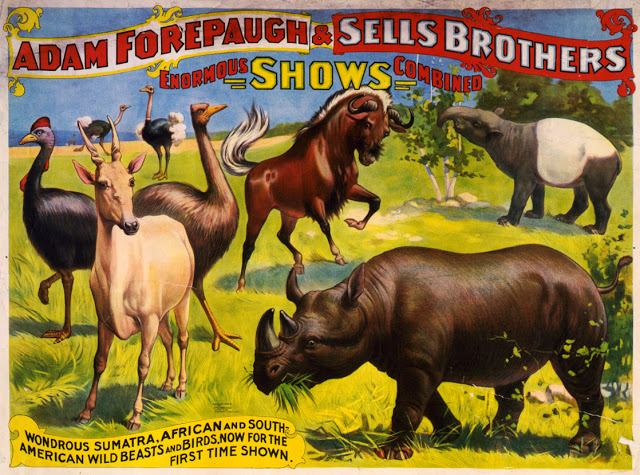
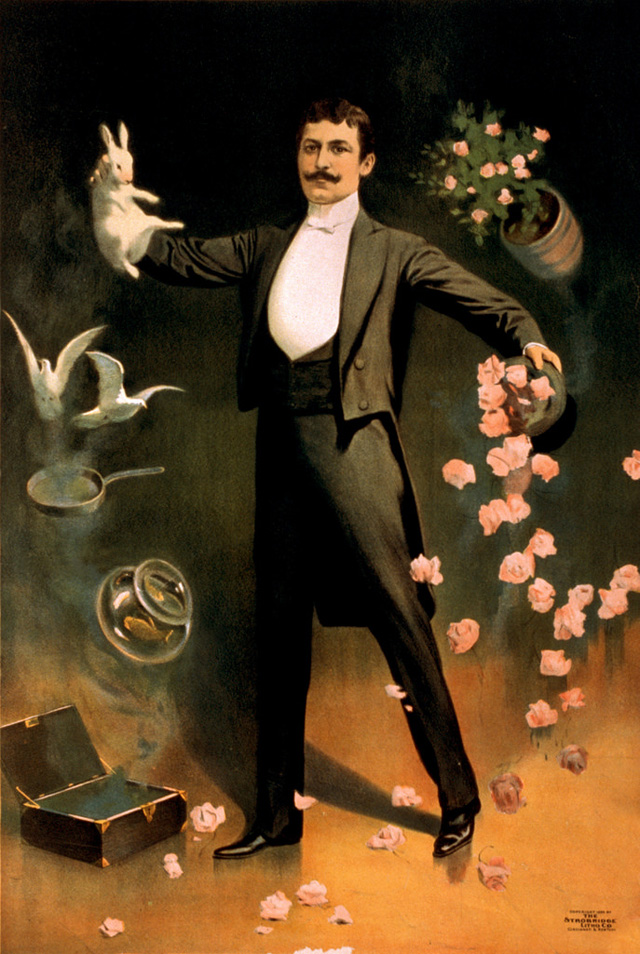
Around the joint of the 19th and 20th centuries, stage tricks were a mainstay of theater entertainment. To seduce the crowd there were posters, each fashioned with feverish, hallucinatory images of death, evil, the Beast, phantasmagoria and the darkest magic.
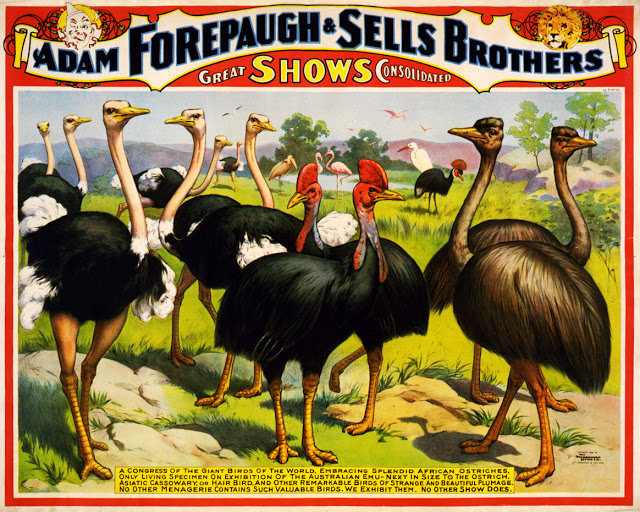
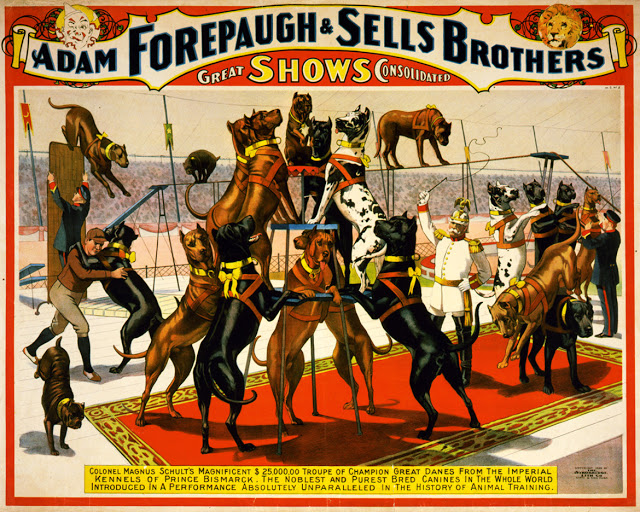
The occult was a big lure. The subconscious was pricked. Here, below is a collection of attractive posters advertising the circus and magic performances in the Victorian era.
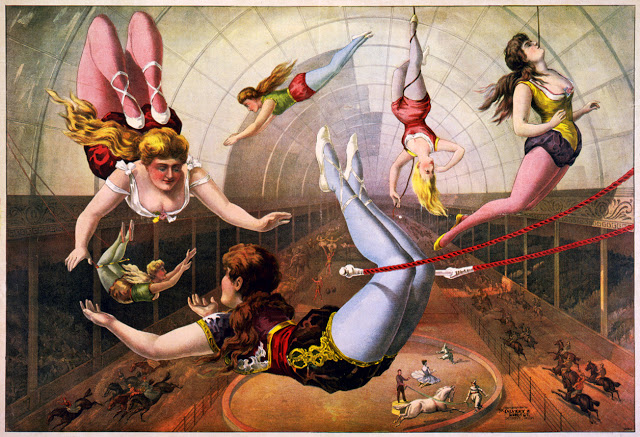
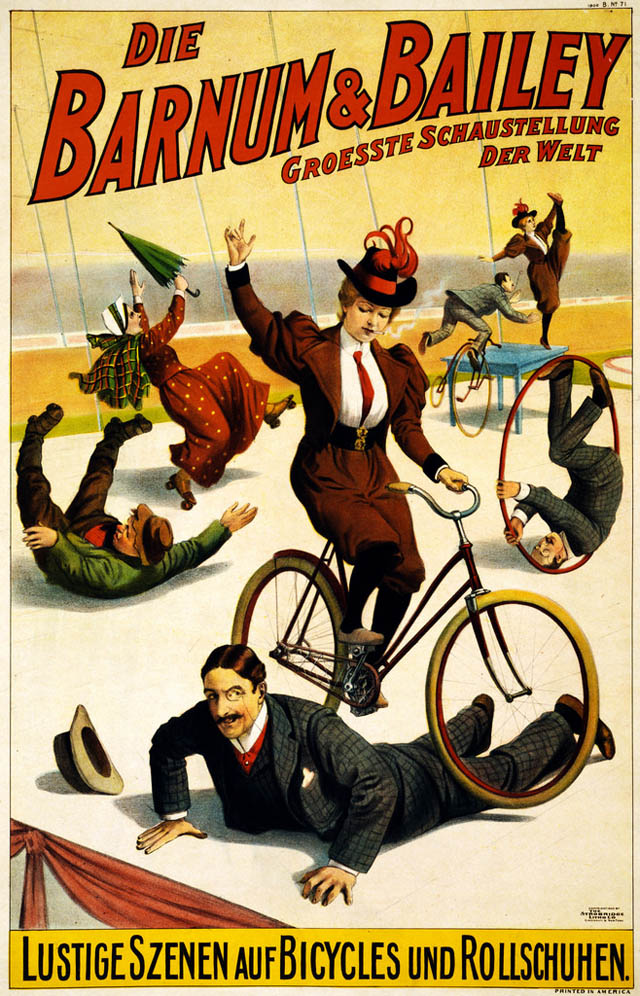
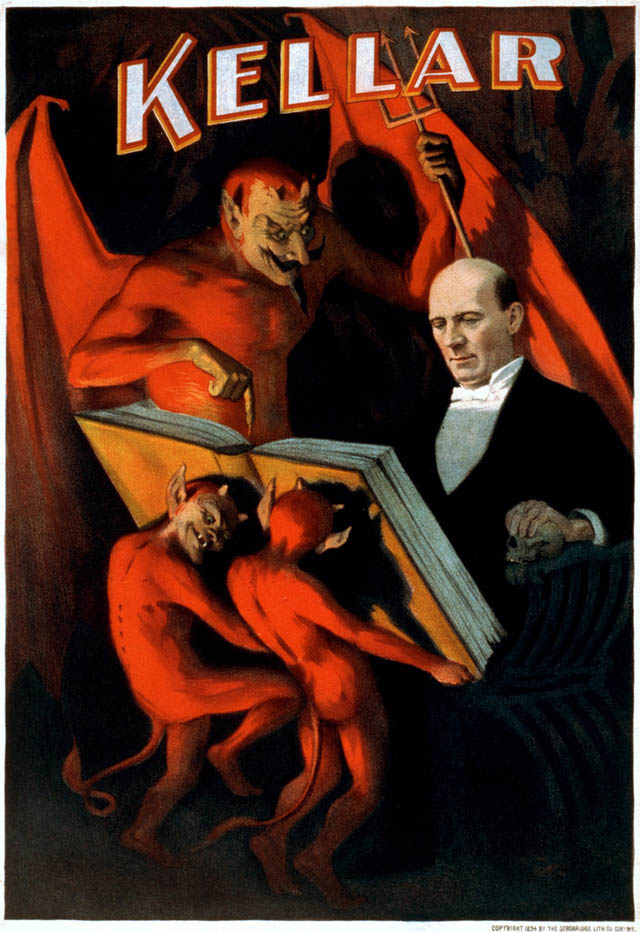
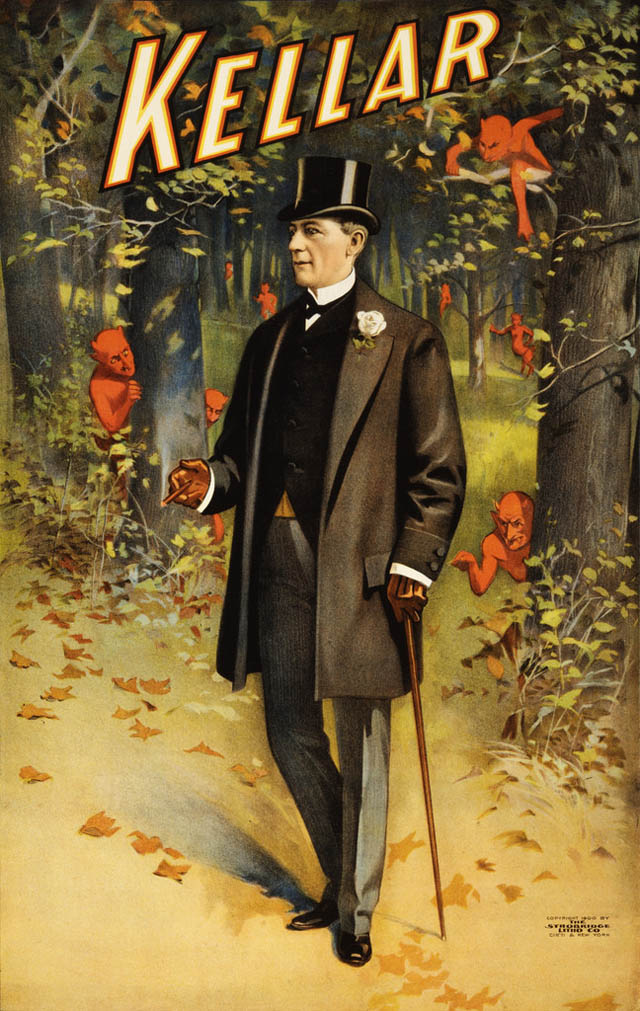
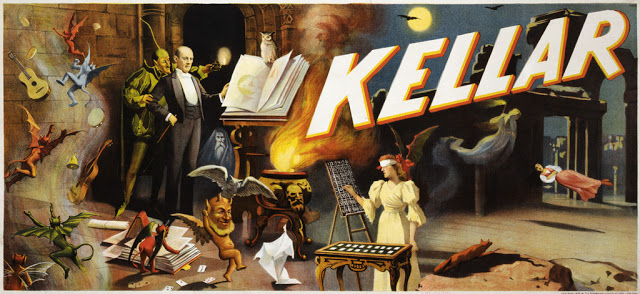
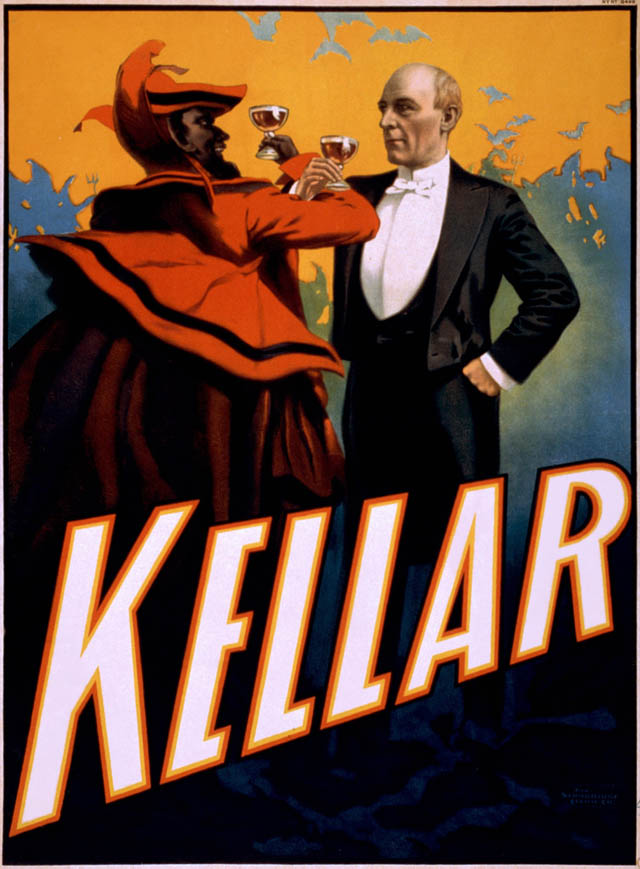
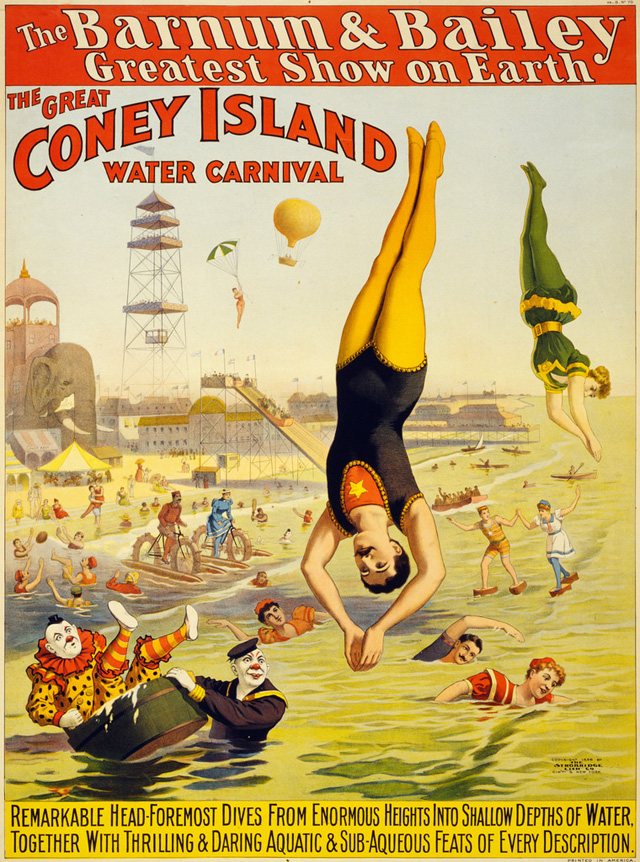
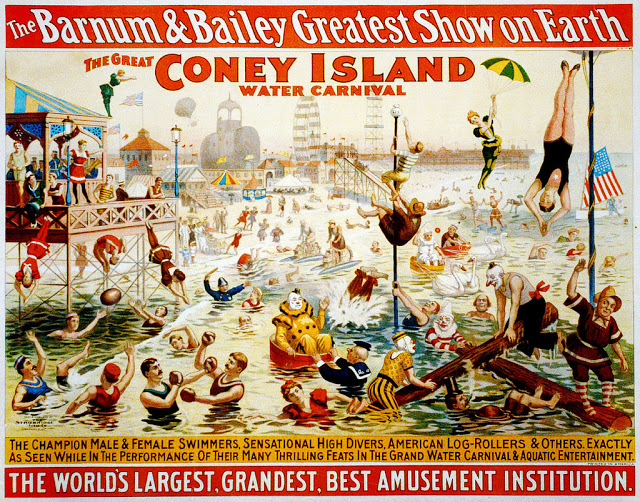
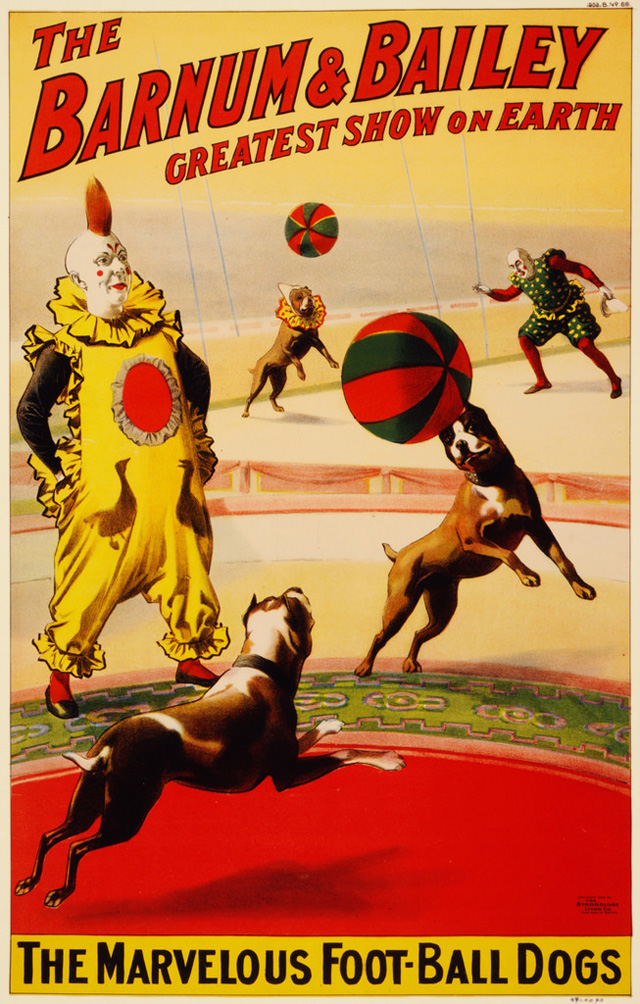
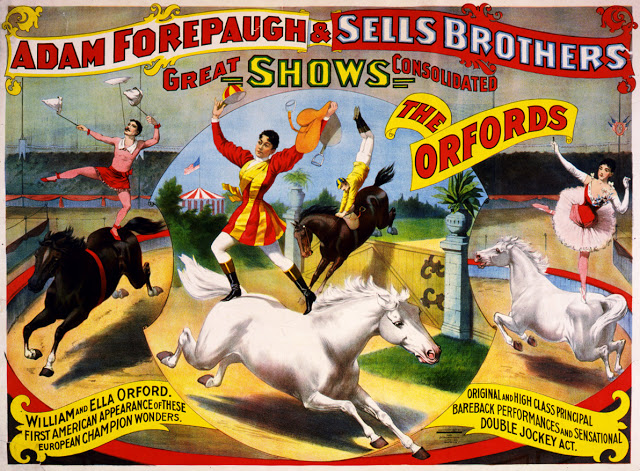
Female trapeze acrobats at circus, 1890Funny scenes on bicycles and skates, poster for Barnum & Bailey, 1900Kellar and his servants, magician poster, 1894Kellar in the woods with demons, magician poster, 1900Kellar the magician, performing arts poster, 1894Kellar toasts the Devil, performing arts poster, 1899Levitation 2, magician poster Kellar, 1894Levitation 3, magician poster for Kellar, 1900Levitation, magician poster Kellar, 1894Louis Cyr, strongest man on earth, 1898Marvelously trained sea lions & seals, poster for Forepaugh & Sells Brothers, 1899Scenes in the grand water circus, poster for Barnum & Bailey, 1895Self decapitation, magician poster for Kellar, 1897Terrific flights over ponderous elephants, poster for Forepaugh & Sells Brothers, 1899The great Coney Island water carnival, poster for Barnum & Bailey, 1898.The great Coney Island water carnival, poster for Barnum & Bailey, 1898The marvelous foot-ball dogs, poster for Barnum & Bailey, 1900The Orfords, poster for Forepaugh & Sells Brothers, 1897The Sandow Trocadero Vaudevilles – Sandow lifting the human dumbell, 1894Troupe of very remarkable trained pigs, poster for Barnum & Bailey, 1898Twenty funny felt-crowned fools, poster for Forepaugh & Sells Brothers, 1899Wm. H. West’s Big Minstrel Jubilee – The De Elmar Trio, vaudeville poster, 1900Wondrous Wild Beasts, poster for Forepaugh & Sells Brothers, 1897Zan Zig performing with rabbit and roses, magician poster, 1899A congress of the great birds of the world, poster for Forepaugh & Sells Brothers, 1898Champion great danes from the Imperial kennels, poster for Forepaugh & Sells Brothers, 1898
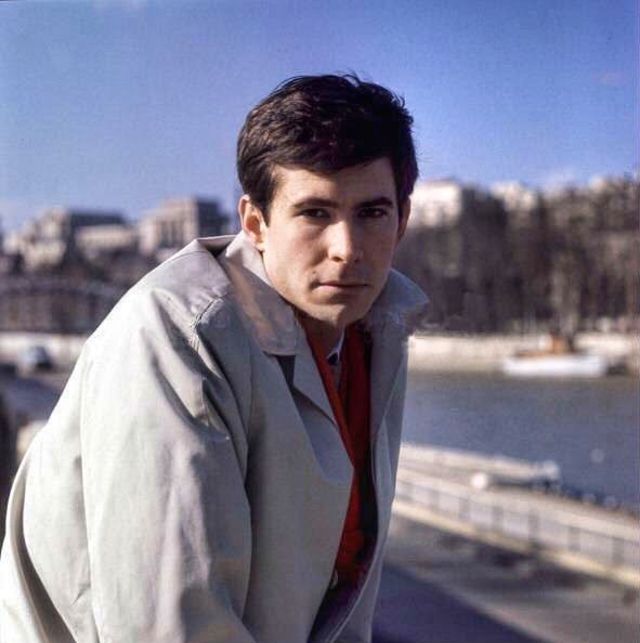
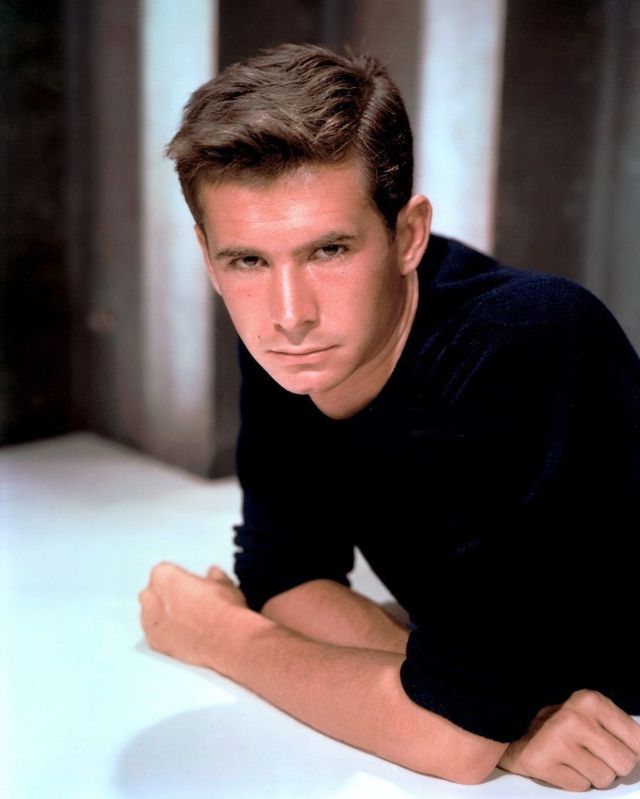
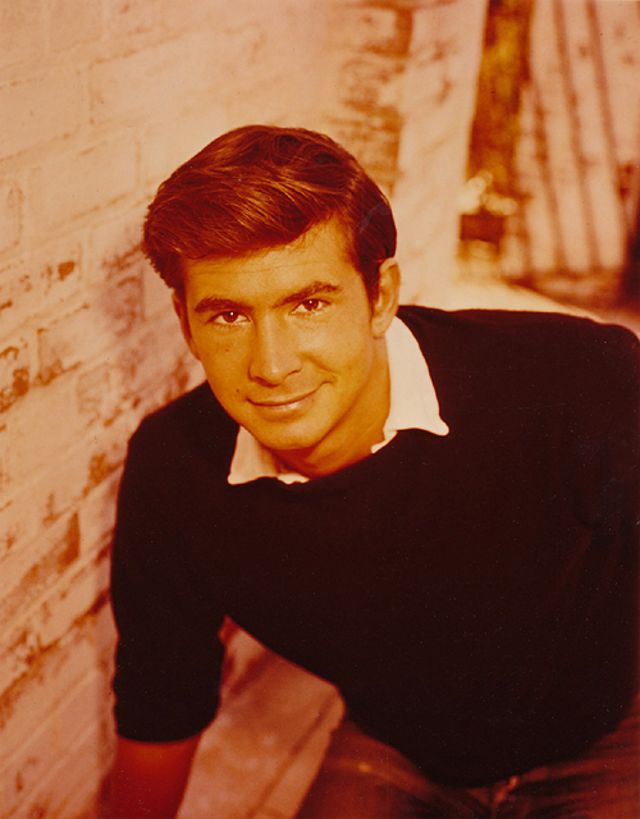
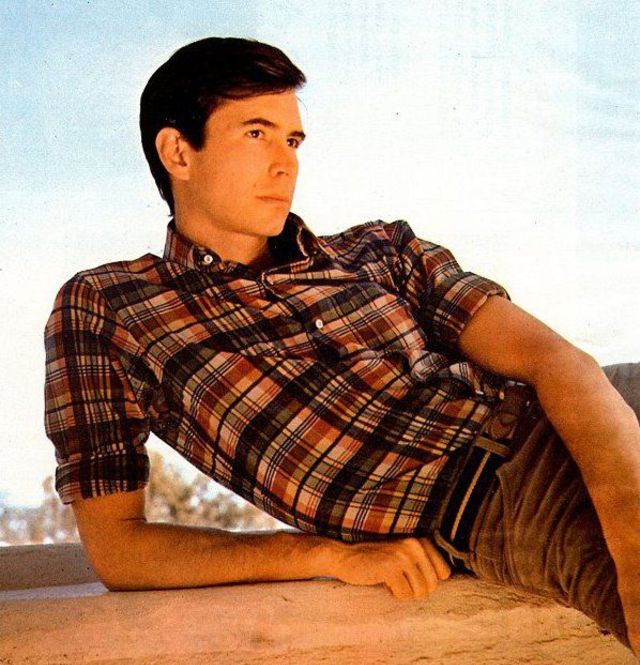
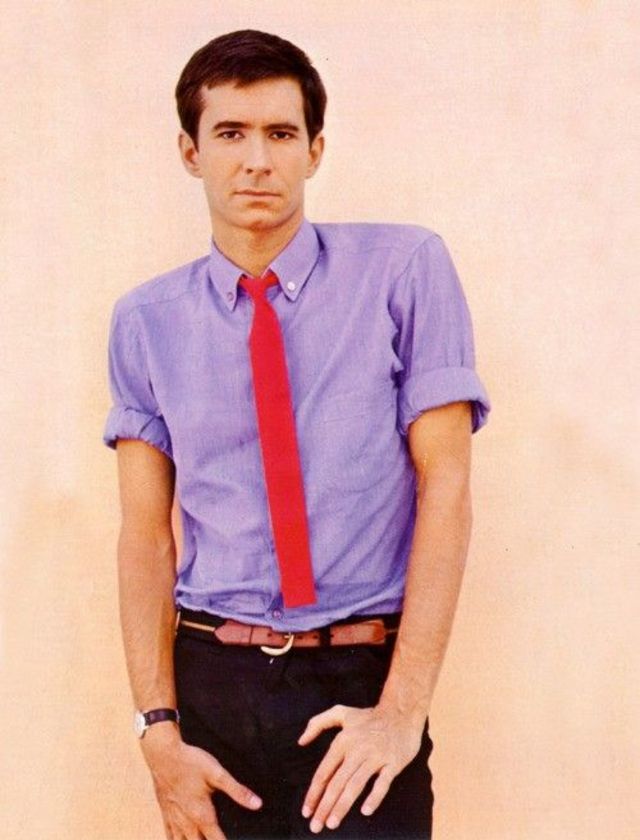
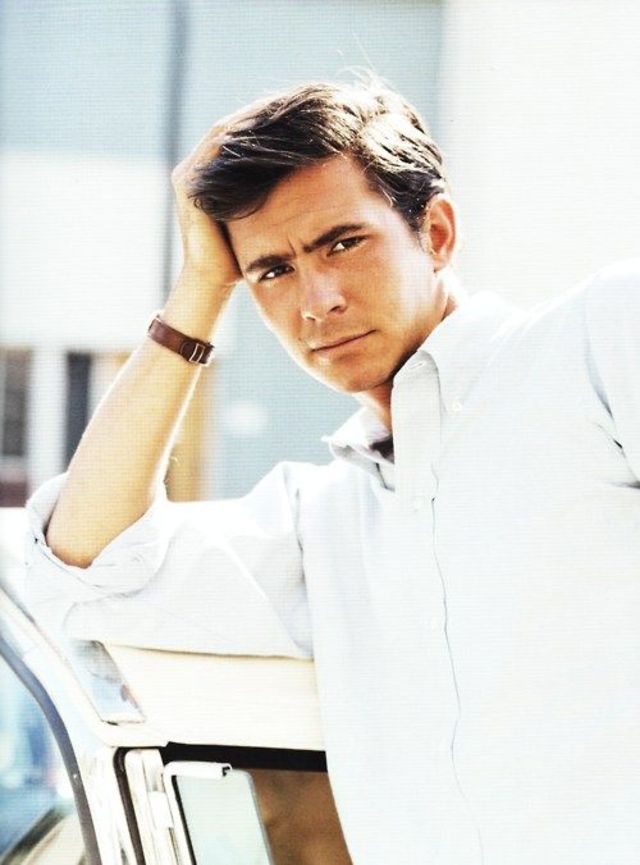
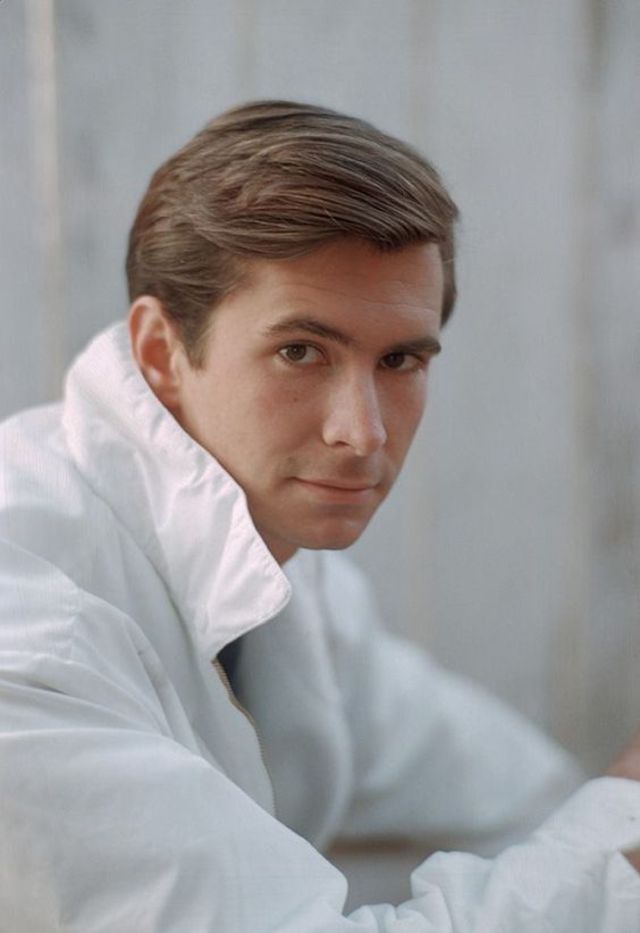
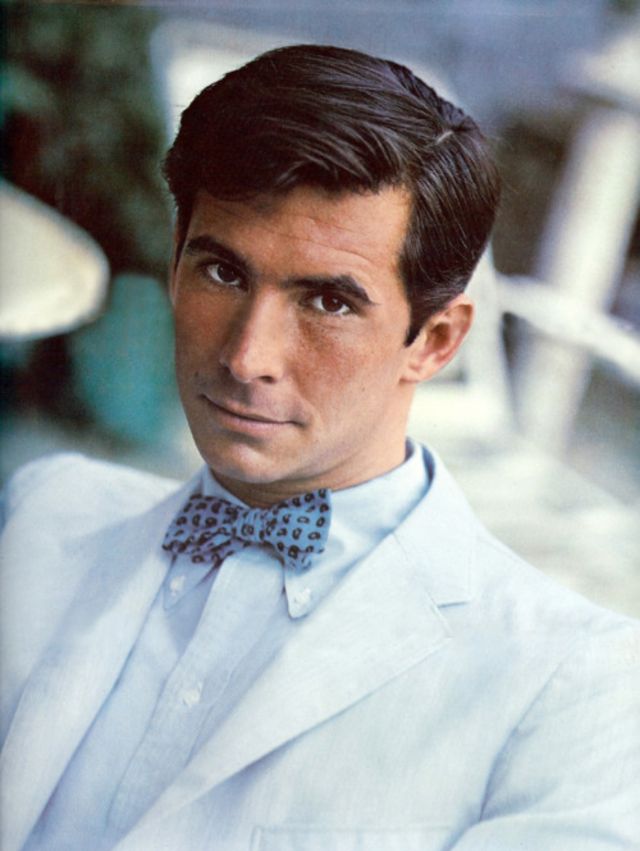
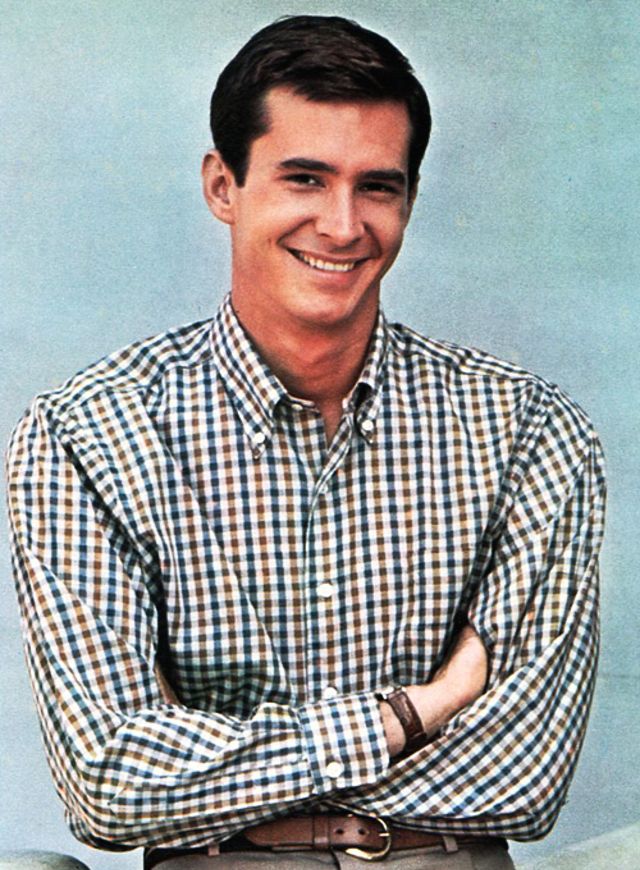
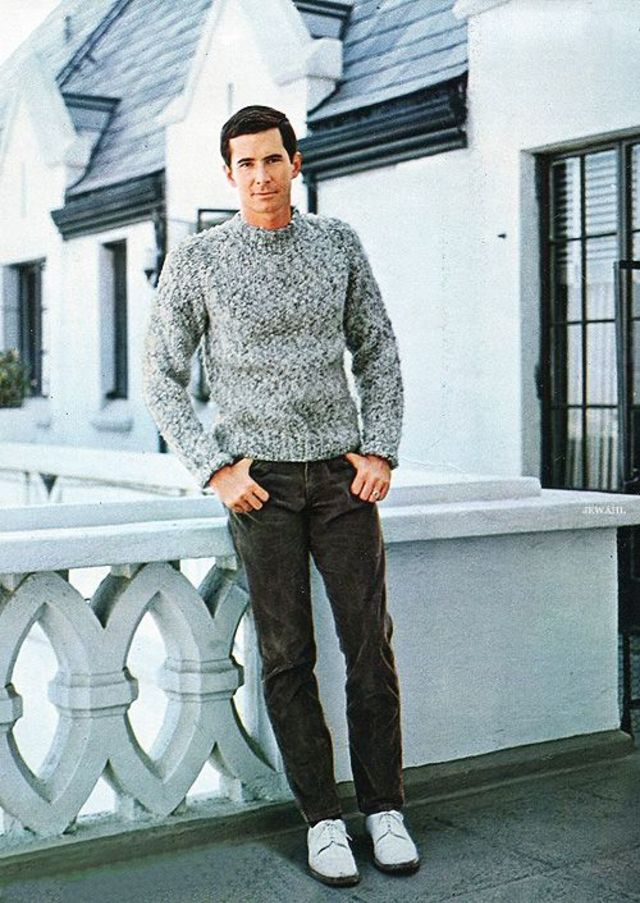
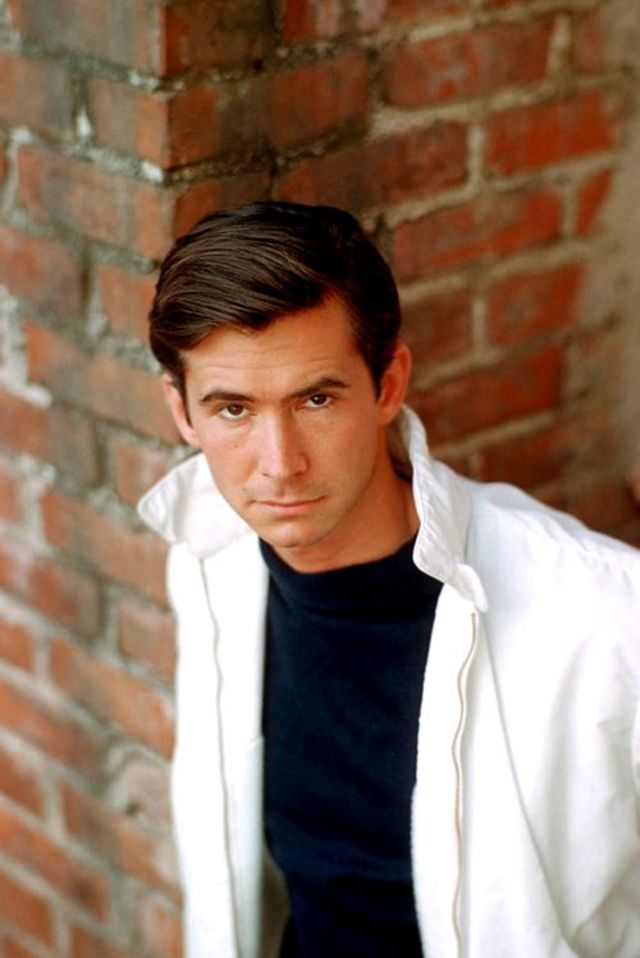
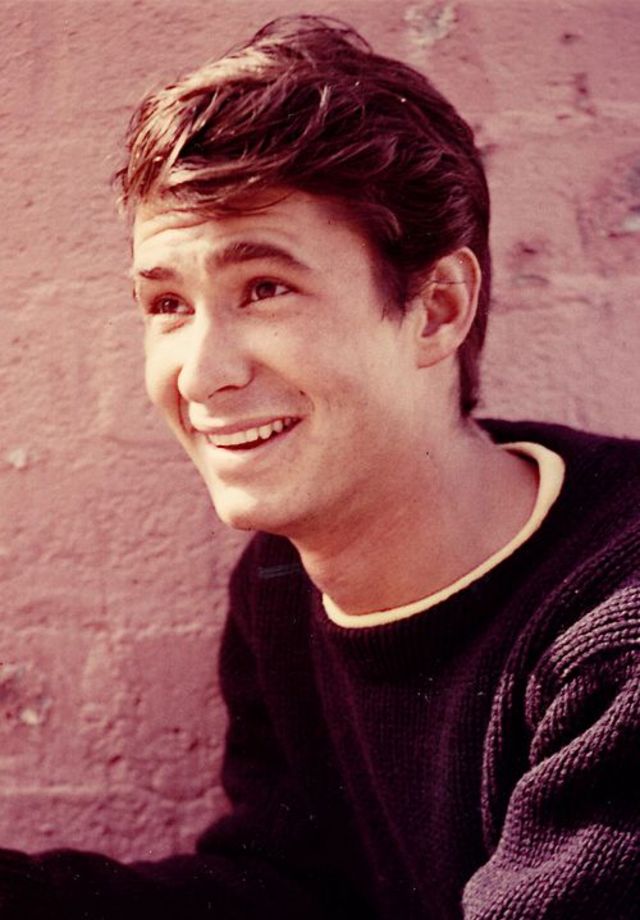
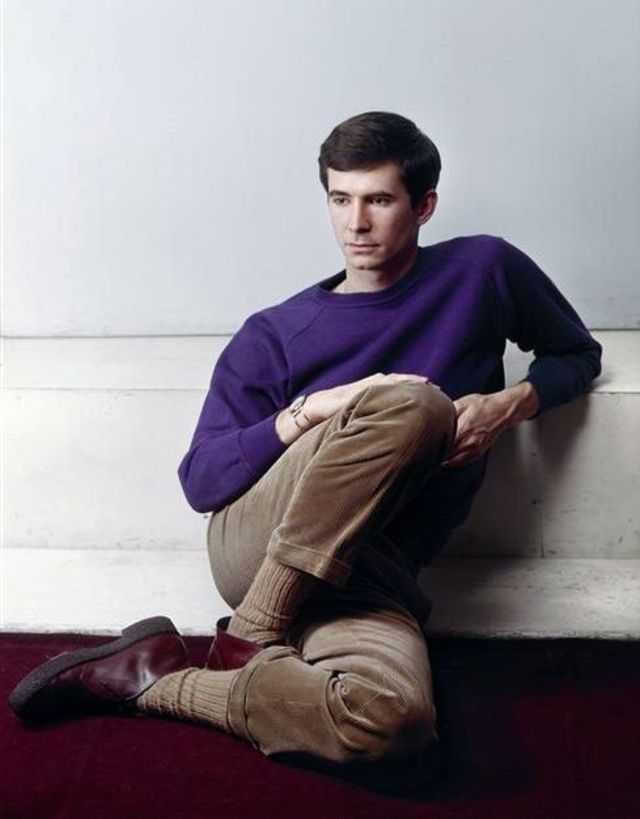
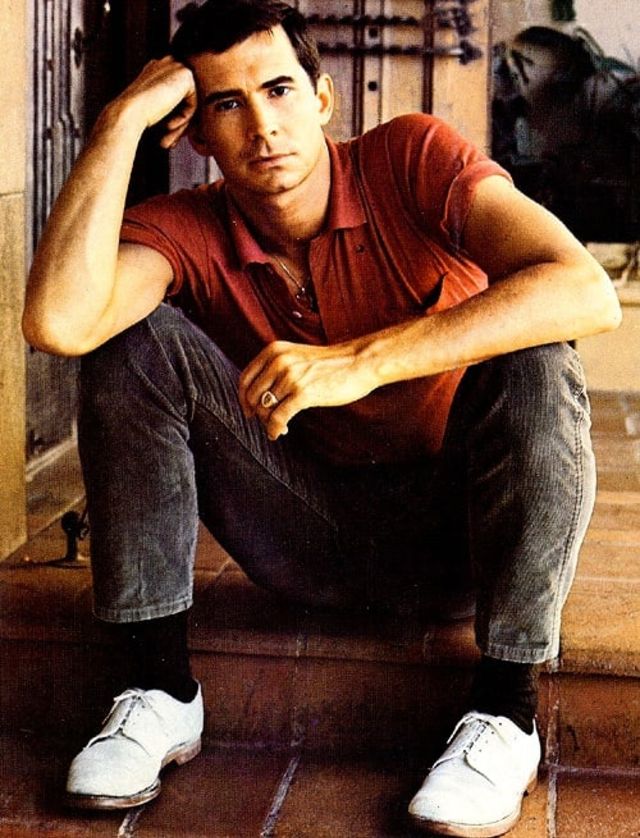
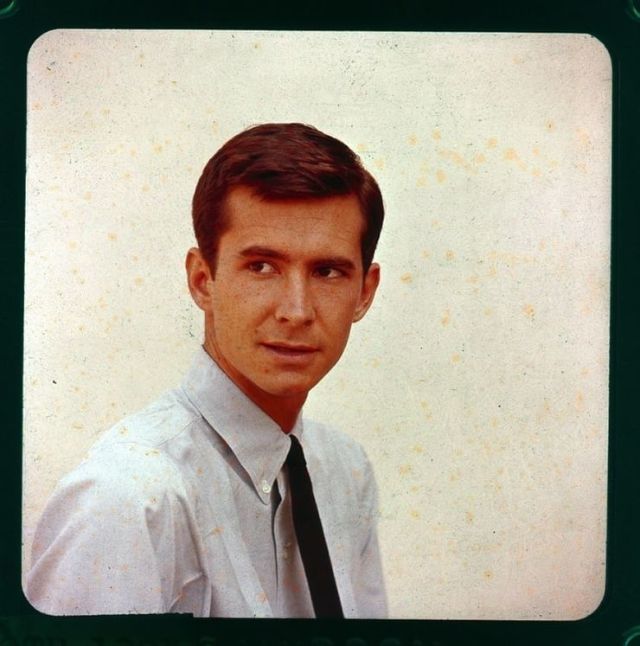
Anthony Perkins (April 4, 1932 – September 12, 1992) gave his most celebrated performance as the character Norman Bates in Alfred Hitchcock’s legendary film Psycho. However, he was also an accomplished stage and screen actor in many other productions. His career was cut short at age 60 by AIDS.
Perkins made his film debut in The Actress (1953) while studying at Columbia University in New York City. The following year he starred on Broadway as the sensitive adolescent, Tom Lee, in Tea and Sympathy. He earned an Academy Award nomination for his portrayal of a young Quaker in the film Friendly Persuasion (1956). Perkins specialized in playing awkward young men, notably in Fear Strikes Out (1957), The Tin Star (1957), and Desire Under the Elms (1958), before attracting international notice for Psycho.
Perkins then appeared in several films in Europe, including The Trial (1963), The Champagne Murders (1968), and Ten Days Wonder (1972), and in such American films as Pretty Poison (1968), Catch-22 (1970), and WUSA (1970). Some of his other screen credits include The Life and Times of Judge Roy Bean (1972), Murder on the Orient Express (1974), and Edge of Sanity (1989). Perkins also appeared in such plays as Look Homeward, Angel; Harold; Steambath; and Romantic Comedy, as well as the television movie In the Deep Woods (1992), which was broadcast after his death.
In 1972, Perkins met Berinthia Berenson, a photographer and younger sister of actress Marisa Berenson. They were married in August 1973 and had two sons, Oz and Elvis. Berinthia Berenson died in the terrorist attacks of September 11, 2001, while a passenger on American Airlines flight 11.
Anthony Perkins was diagnosed with HIV infection while filming Psycho IV in 1990. He died of AIDS-related pneumonia on September 12, 1992. He chose to keep the HIV diagnosis secret until his death and left behind a written statement about his struggle with the disease: “I have learned more about love, selflessness and human understanding from the people I have met in this great adventure in the world of AIDS than I ever did in the cutthroat, competitive world in which I spent my life.”
Three days after Perkins’ death, his widow spoke about their two years of silence about his battle with AIDS in an interview with the New York Times.
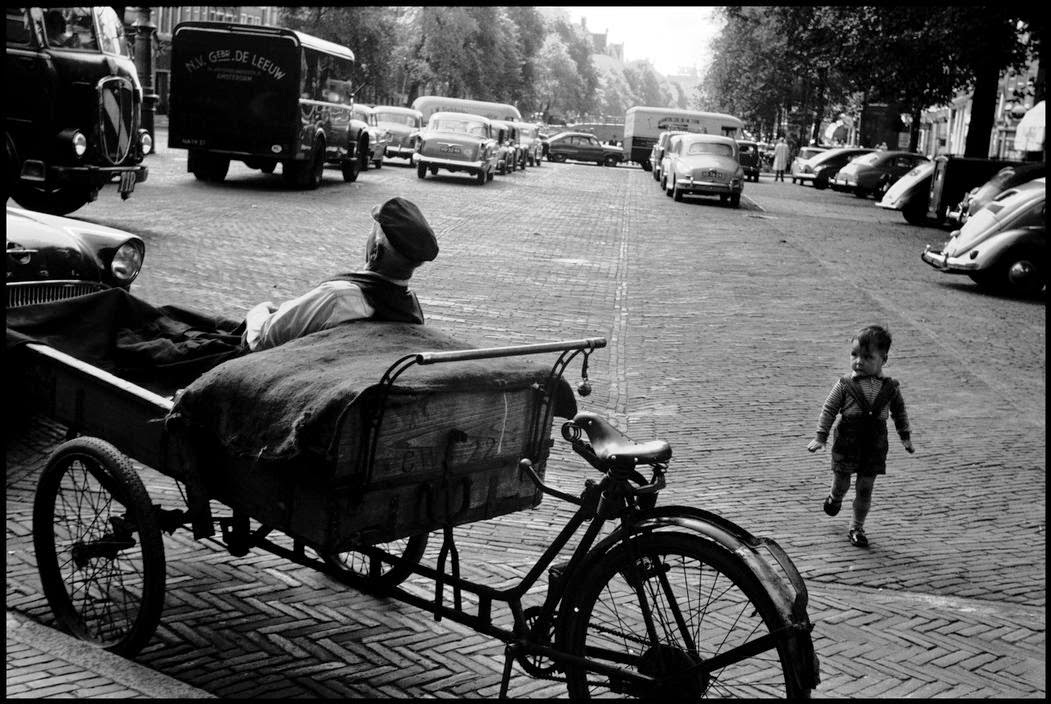
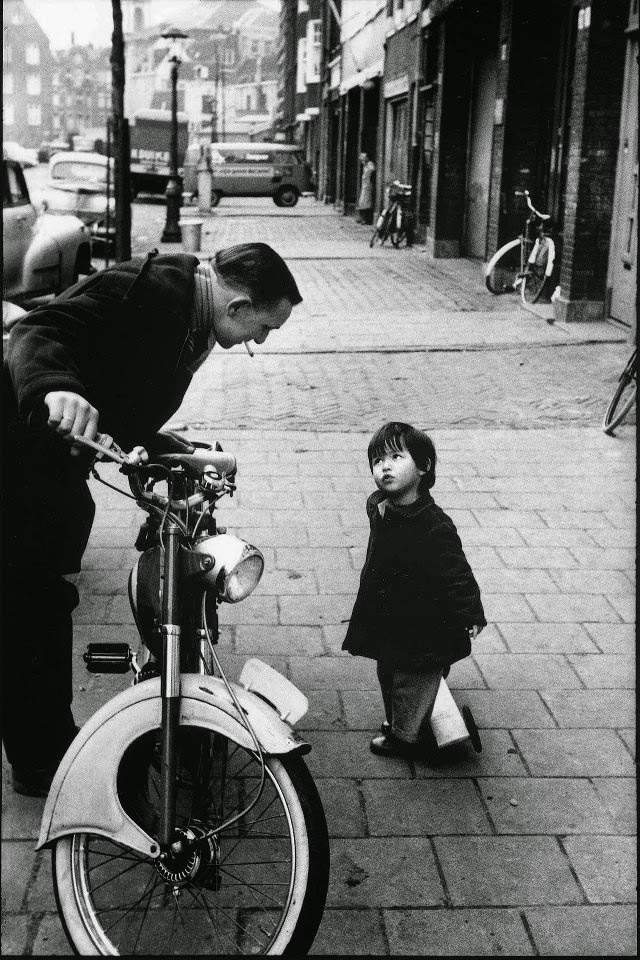
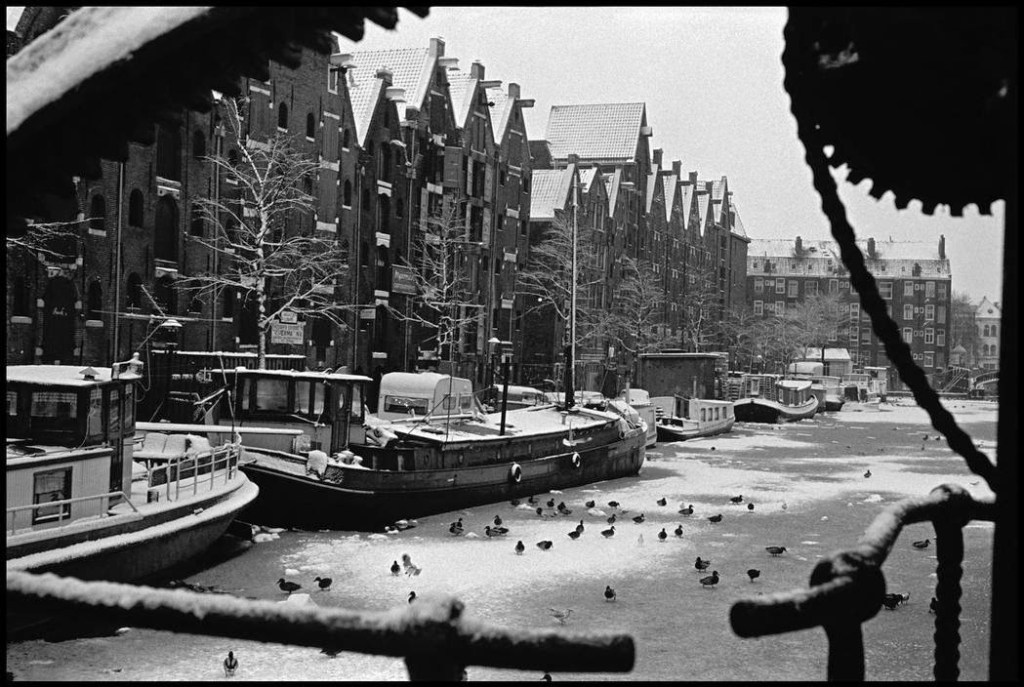
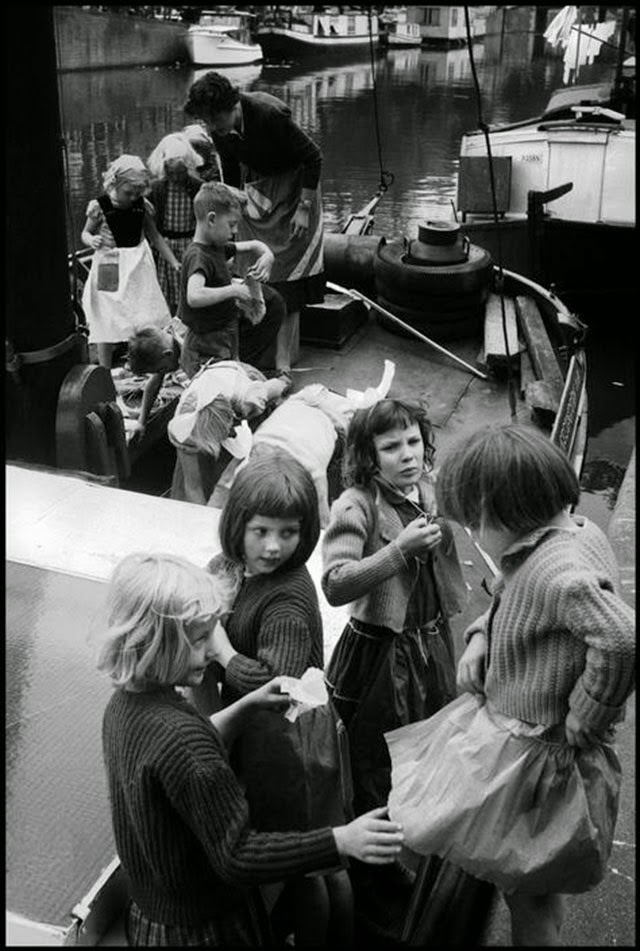
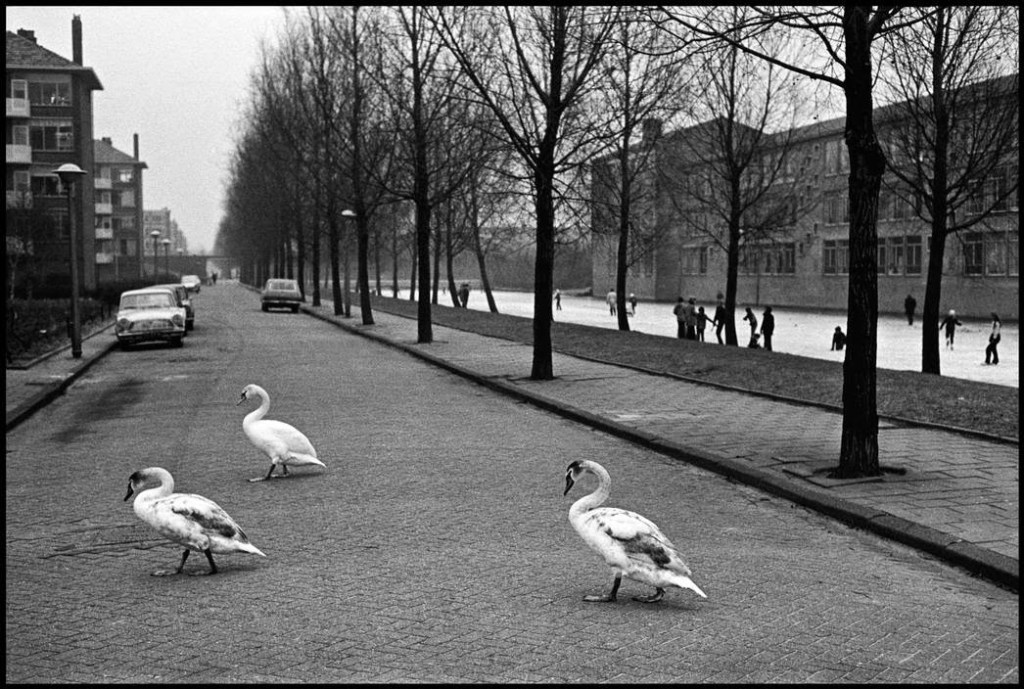
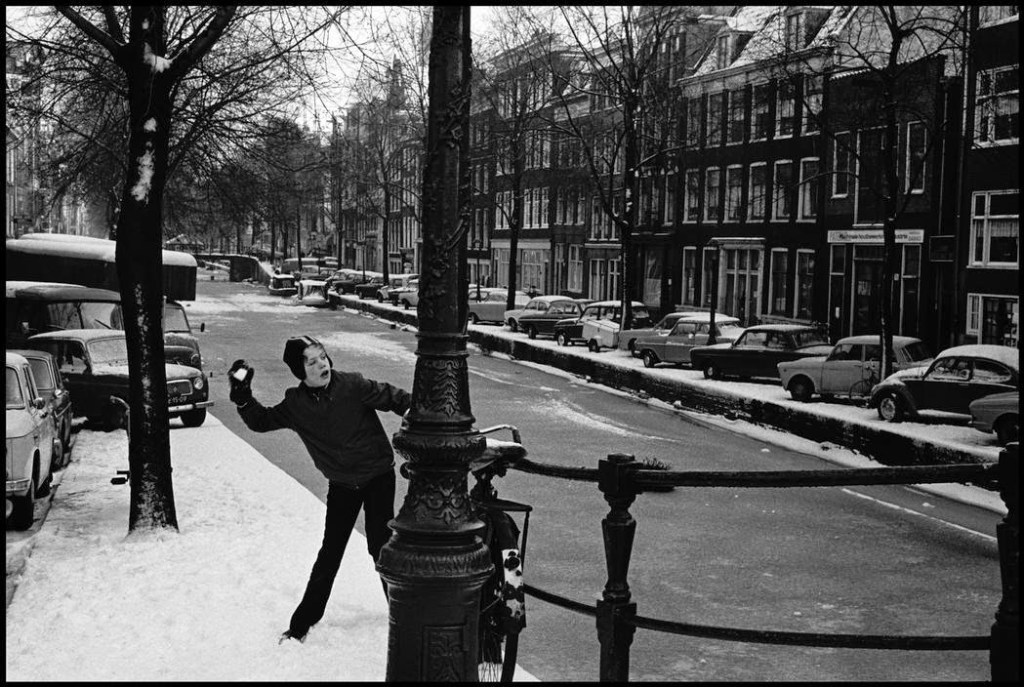
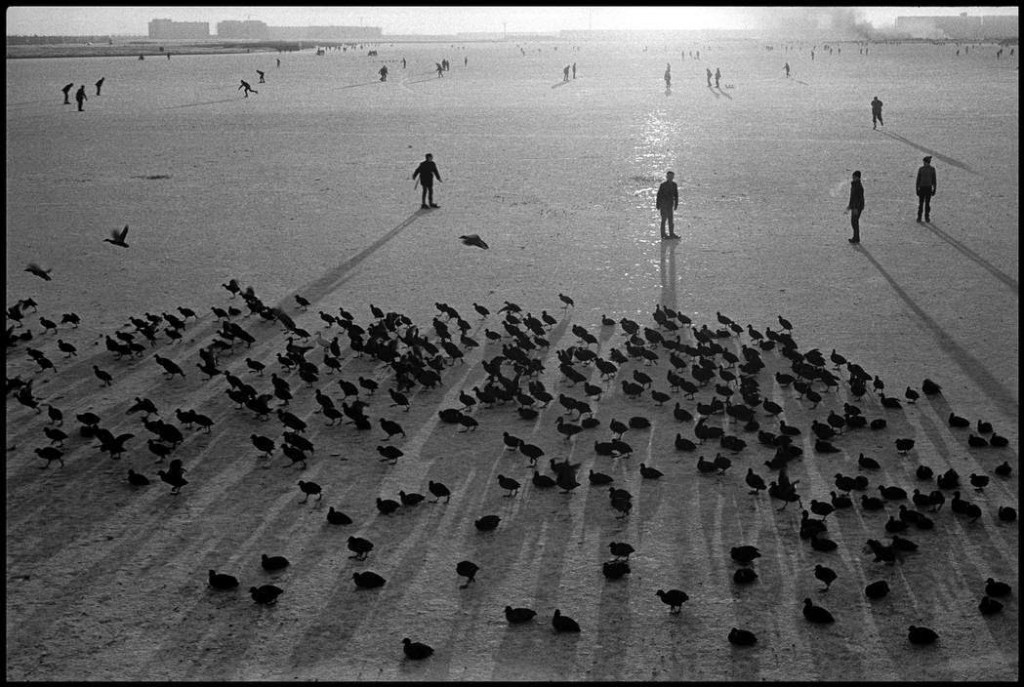
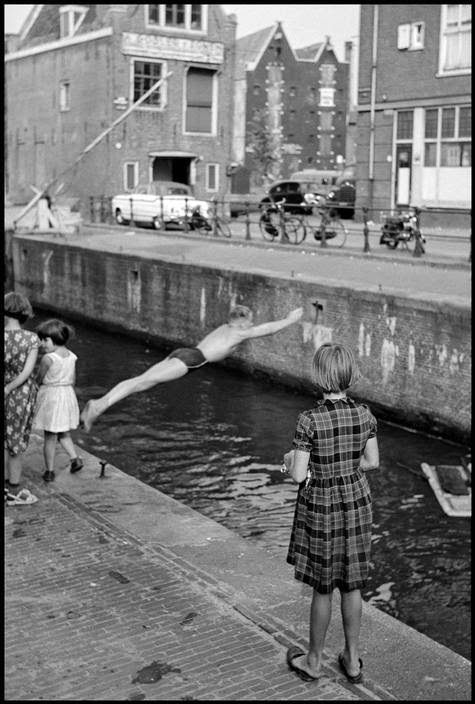
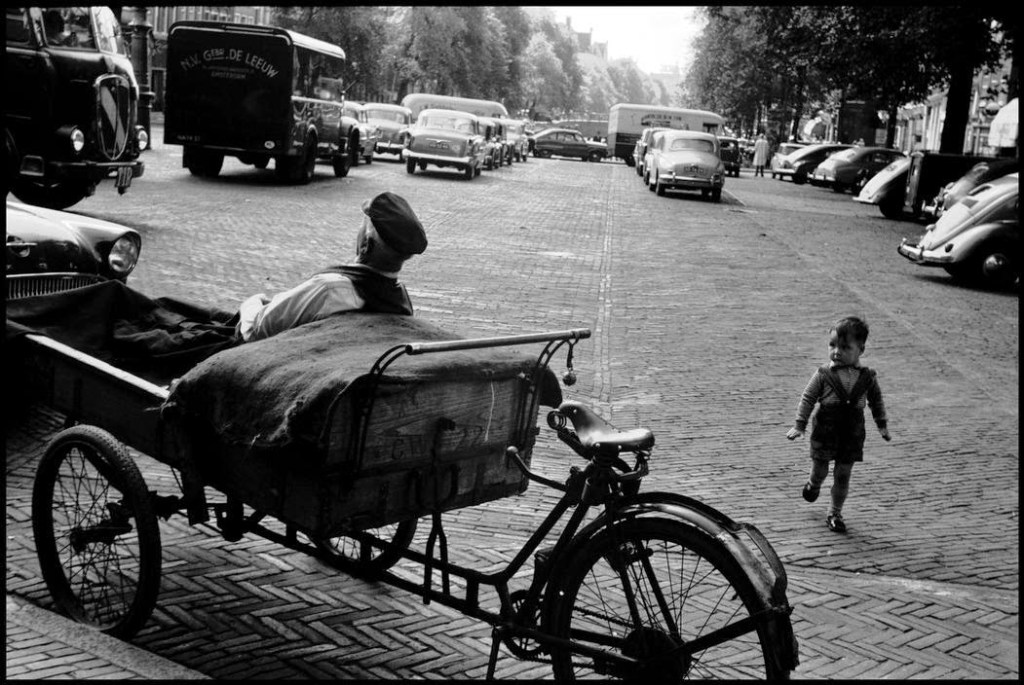
Amsterdam is the capital and most populous city of the Netherlands with a population of 872,680 within the city proper, 1,558,755 in the urban area and 2,480,394 in the metropolitan area. Found within the province of North Holland, Amsterdam is colloquially referred to as the “Venice of the North”, due to the large number of canals which form a UNESCO World Heritage Site.
Amsterdam was founded at the Amstel, that was dammed to control flooding; the city’s name derives from the Amstel dam. Originating as a small fishing village in the late 12th century, Amsterdam became one of the most important ports in the world during the Dutch Golden Age of the 17th century, and became the leading centre for finance and trade. In the 19th and 20th centuries, the city expanded and many new neighborhoods and suburbs were planned and built. The 17th-century canals of Amsterdam and the 19–20th century Defence Line of Amsterdam are on the UNESCO World Heritage List. Sloten, annexed in 1921 by the municipality of Amsterdam, is the oldest part of the city, dating to the 9th century.
Amsterdam’s main attractions include its historic canals, the Rijksmuseum, the Van Gogh Museum, the Stedelijk Museum, Hermitage Amsterdam, the Concertgebouw, the Anne Frank House, the Scheepvaartmuseum, the Amsterdam Museum, the Heineken Experience, the Royal Palace of Amsterdam, Natura Artis Magistra, Hortus Botanicus Amsterdam, NEMO, the red-light district and many cannabis coffee shops. It drew more than 5 million international visitors in 2014. The city is also well known for its nightlife and festival activity; with several of its nightclubs (Melkweg, Paradiso) among the world’s most famous. Primarily known for its artistic heritage, elaborate canal system and narrow houses with gabled façades; well-preserved legacies of the city’s 17th-century Golden Age. These characteristics are arguably responsible for attracting millions of Amsterdam’s visitors annually. Cycling is key to the city’s character, and there are numerous bike paths.
The Amsterdam Stock Exchange is considered the oldest “modern” securities market stock exchange in the world. As the commercial capital of the Netherlands and one of the top financial centres in Europe, Amsterdam is considered an alpha world city by the Globalization and World Cities (GaWC) study group. The city is also the cultural capital of the Netherlands. Many large Dutch institutions have their headquarters in the city, including: the Philips conglomerate, AkzoNobel, Booking.com, TomTom, and ING. Moreover, many of the world’s largest companies are based in Amsterdam or have established their European headquarters in the city, such as leading technology companies Uber, Netflix and Tesla. In 2012, Amsterdam was ranked the second best city to live in by the Economist Intelligence Unit (EIU) and 12th globally on quality of living for environment and infrastructure by Mercer. The city was ranked 4th place globally as top tech hub in the Savills Tech Cities 2019 report (2nd in Europe), and 3rd in innovation by Australian innovation agency 2thinknow in their Innovation Cities Index 2009. The Port of Amsterdam is the fifth largest in Europe. The KLM hub and Amsterdam’s main airport, Schiphol, is the Netherlands’ busiest airport as well as the third busiest in Europe and 11th busiest airport in the world. The Dutch capital is considered one of the most multicultural cities in the world, with at least 177 nationalities represented.
A few of Amsterdam’s notable residents throughout history include: painters Rembrandt and Van Gogh, the diarist Anne Frank, and philosopher Baruch Spinoza. (Wikipedia)
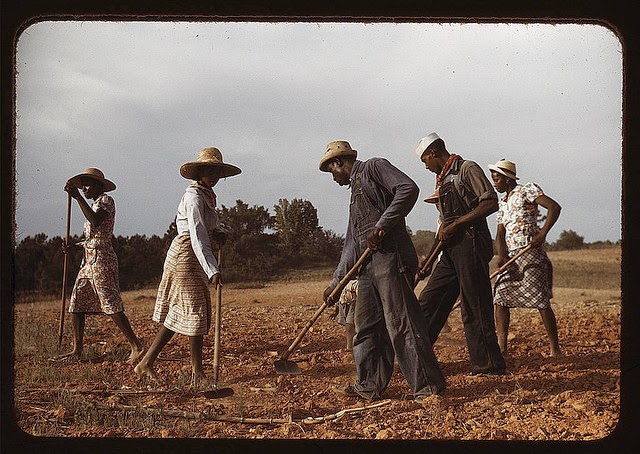
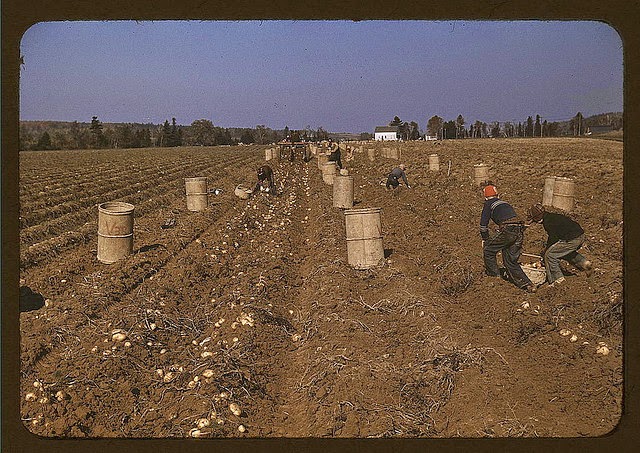
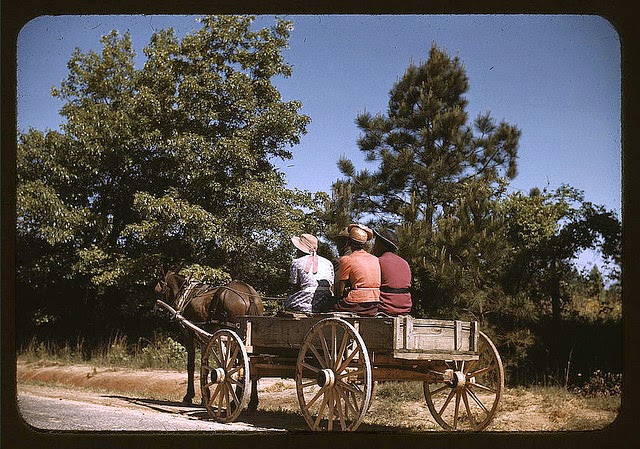
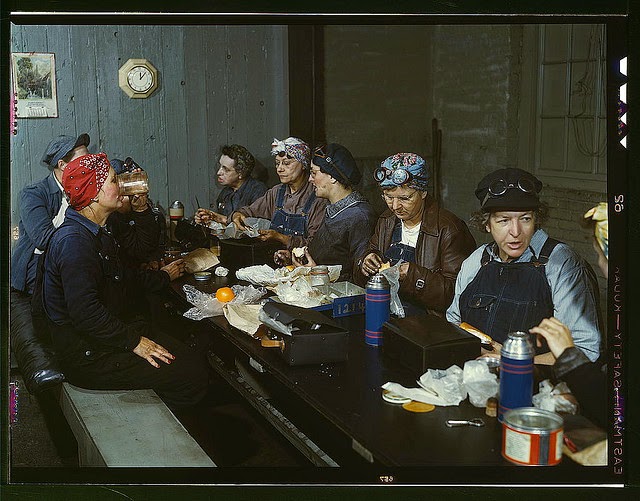
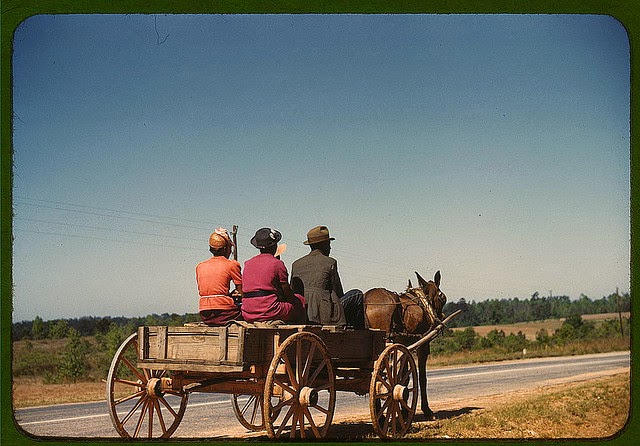
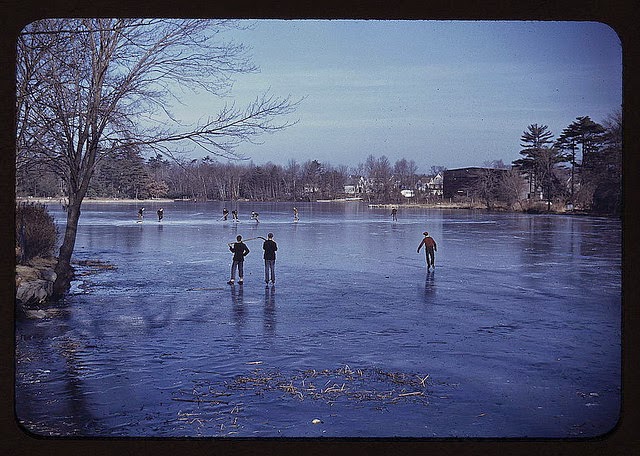
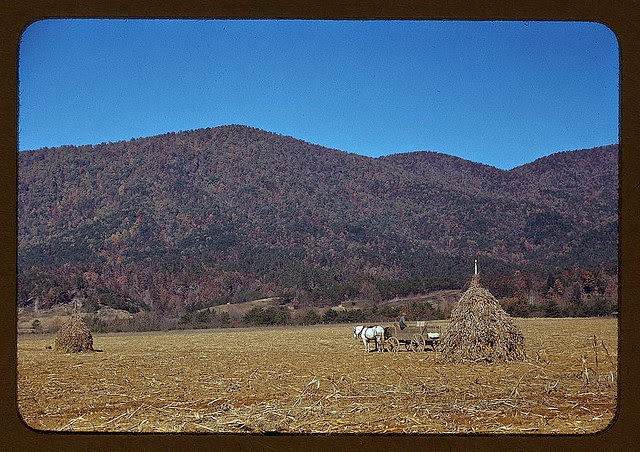
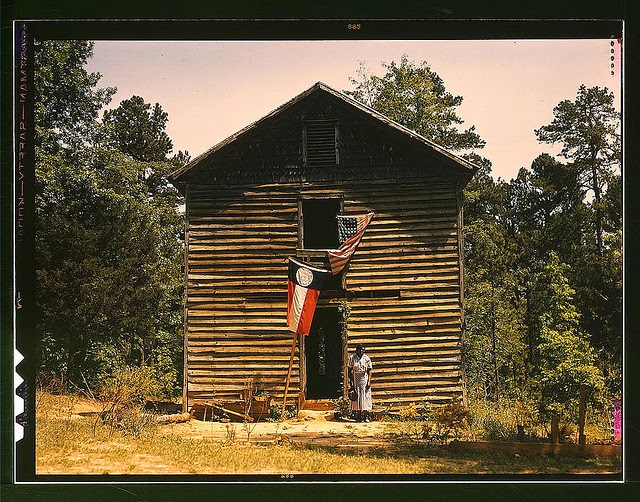
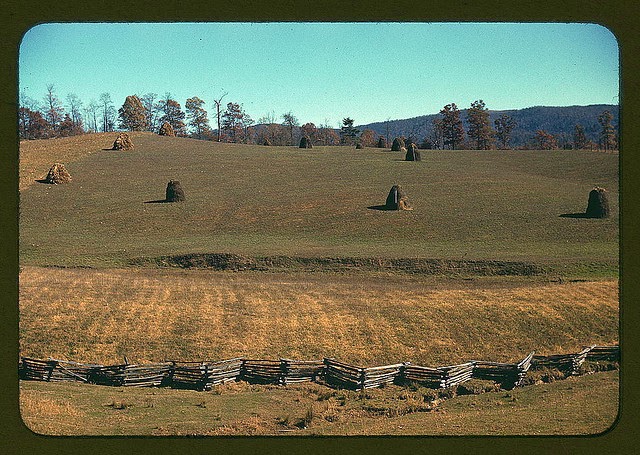
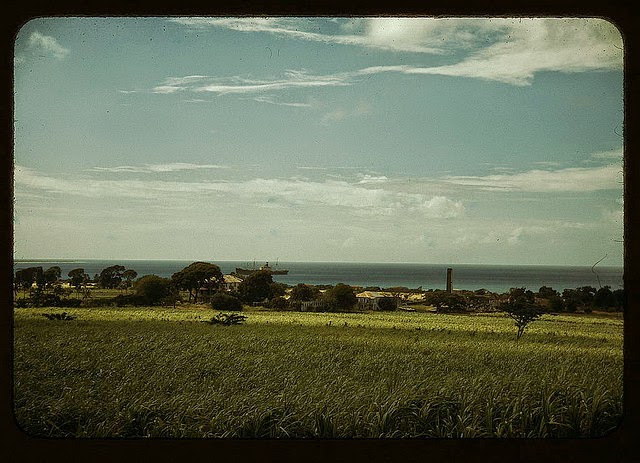
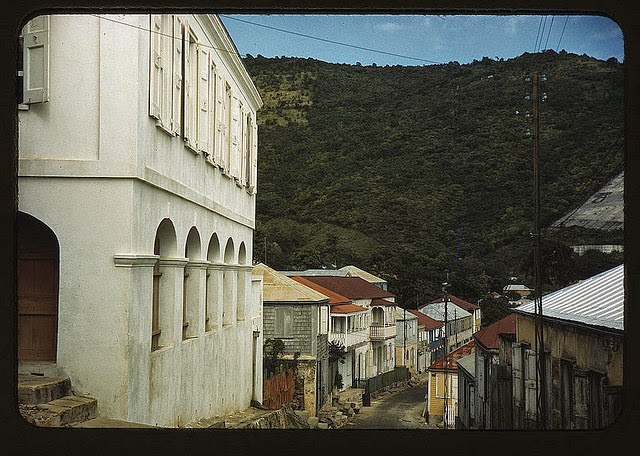
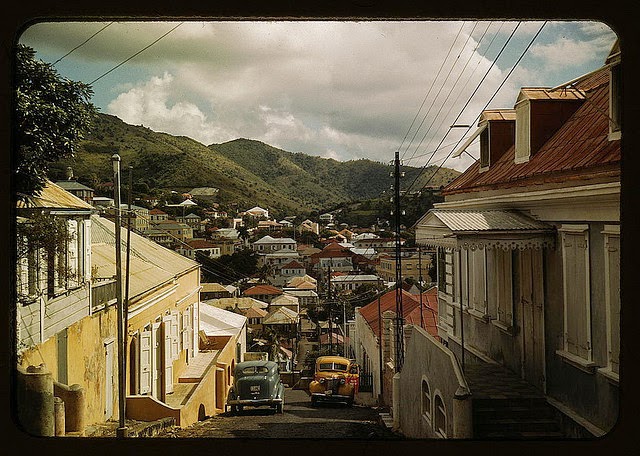
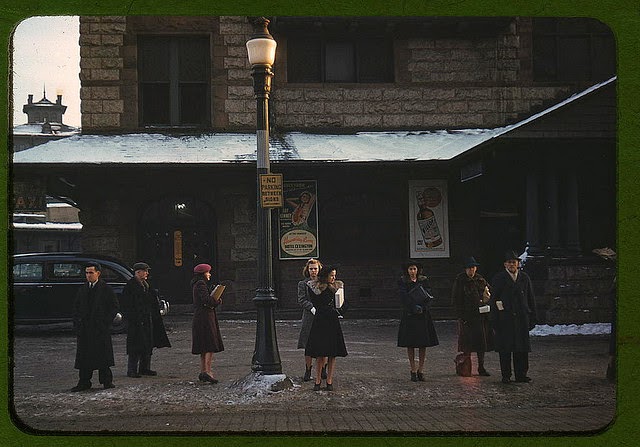
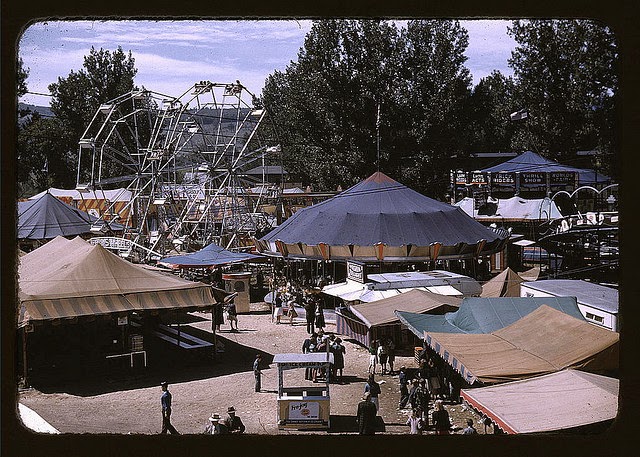
Freight Depot of the U.S. Army consolidating station, Chicago, Ill. 1943View down the main street from the Grand Hotel, Charlotte Amalie, St. Thomas Island, Virgin Islands. 1941Chopping cotton on rented land, near White Plains, Greene County, Ga. 1941View down the main street from the Grand Hotel, Charlotte Amalie, St. Thomas, Virgin Islands. 1941Small farm of John P. Collins, Taunton, Mass. 1941Children gathering potatoes on a large farm, vicinity of Caribou, Aroostook County, Me. Schools do not open until the potatoes are harvested. 1940Going to town on Saturday afternoon, Greene County, Ga. 1941Chopping cotton on rented land near White Plains, Greene County, Ga. 1941Women workers employed as wipers in the roundhouse having lunch in their rest room, C. & N.W. R.R., Clinton, Iowa. 1943Chopping cotton on rented land near White Plains, Greene County, Ga. 1941Children gathering potatoes on a large farm, vicinity of Caribou, Aroostook County, Me. Schools do not open until the potatoes are harvested. 1940Going to town on Saturday afternoon, Greene Co., Ga. 1941Skating, vicinity of Brockton, Mass. 1940Cornshocks in mountain farm along the Skyline Drive in Virginia. 1940Railroad crossing along the Skyline Drive, Virginia. 1940Belt Railway, looking toward the west yard of clearing yard, taken from bridge of hump, Chicago, Ill. 1943Near White Plains, Ga. 1941One of the steep streets on the hillsides, Charlotte Amalie, St. Thomas Island, Virgin Islands. 1941Field of a mountain farm along the Skyline Drive in Virginia. 1940The coast of St. Thomas, Virgin Islands. 1941One of the steep streets on the hillsides, Charlotte Amalie, St. Thomas Island, Virgin Islands. 1941One of the steep streets on the hillsides, Charlotte Amalie, St. Thomas, Virgin Islands. 1941Barker at the grounds at the Vermont state fair, Rutland. 1941Commuters, who have just come off the train, waiting for the bus to go home, Lowell, Mass. 1941A street in a town of the Virgin Islands, Christiansted, Saint Croix. 1941Street in a town in the Virgin Islands. 1941Farm auction, Derby, Conn. 1940At the Vermont state fair, Rutland. 1941Side shows at the Vermont state fair, Rutland. 1941Children with adult in the tenement district, Brockton, Massachusetts. 1940At the Vermont state fair, Rutland. 1941At the Vermont state fair, Rutland. 1941“Backstage” at the “girlie” show at the Vermont state fair, Rutland. 1941Trucks outside of a starch factory, Caribou, Aroostook County, Me. There were almost fifty trucks in the line. Some had been waiting for twenty-four hours for the potatoes to be graded and weighed. 1940Packing oranges at a co-op orange packing plant, Redlands, Calif. Santa Fe R.R. trip. 1943