














Bringing You the Wonder of Yesterday – Today
















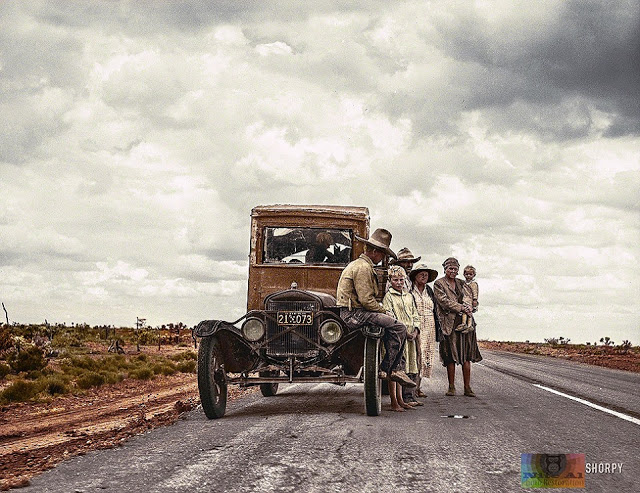

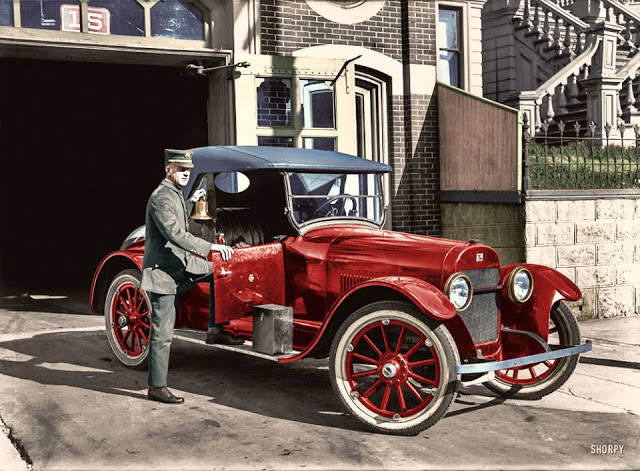


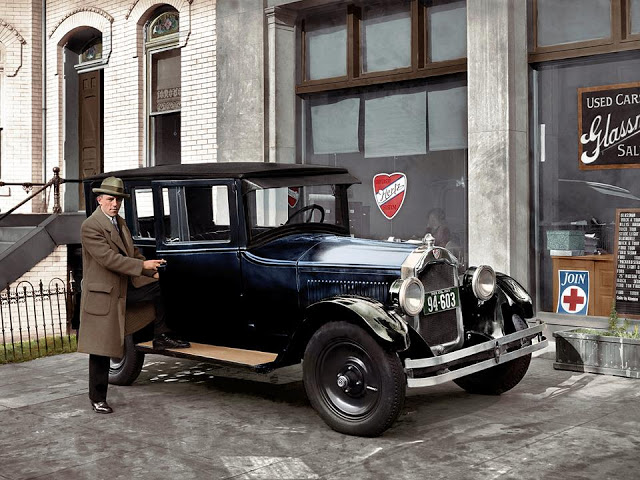

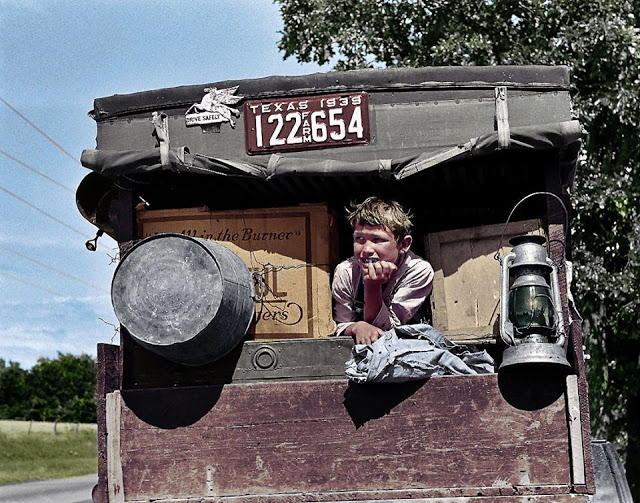

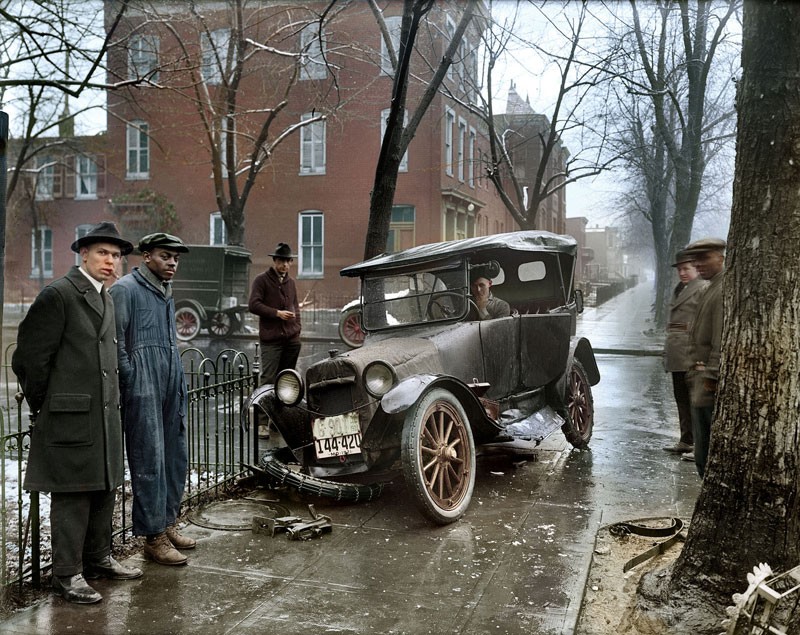

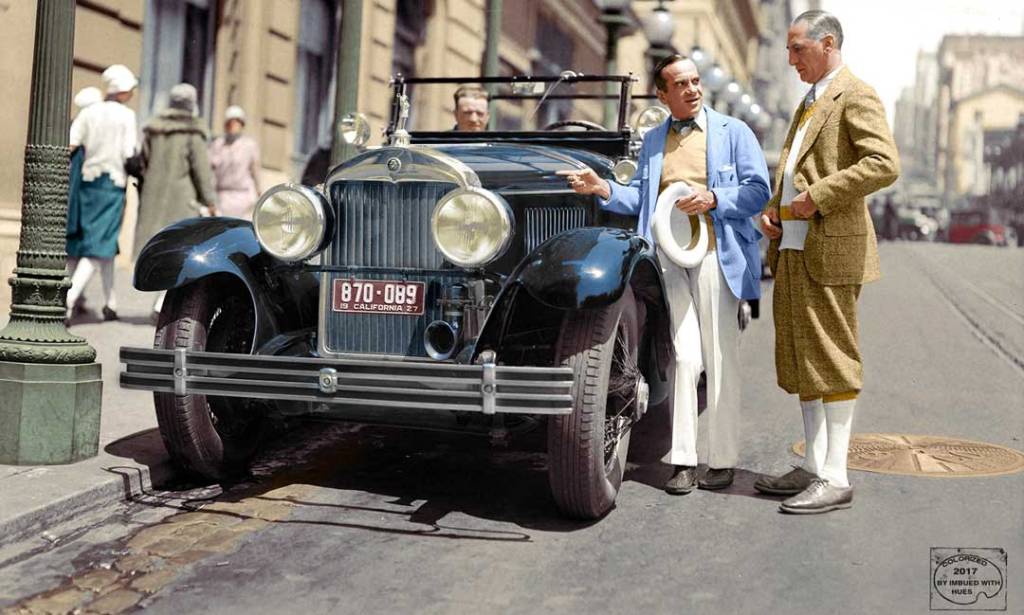
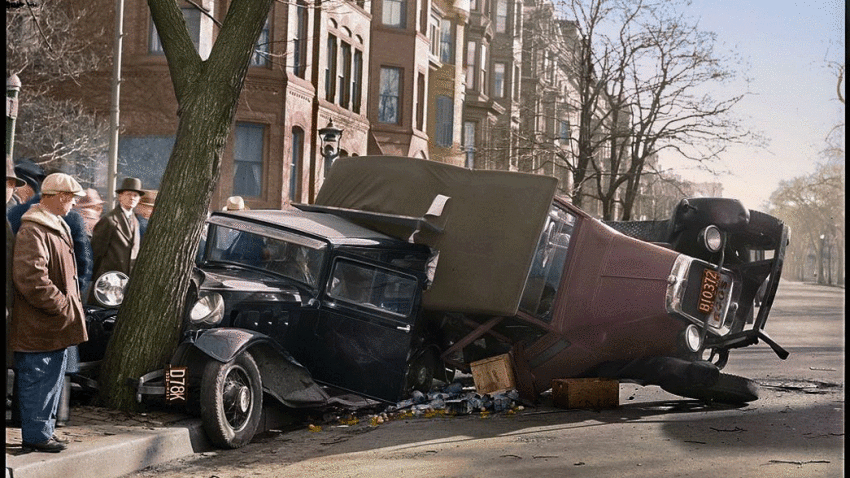

Beauty contests were a way for people, places and businesses to celebrate events, highlight pop culture and promote various products or ideas.
In the 1950s and 1960s, chiropractors around the United States found themselves with a PR problem. So they decided to utilize beauty contests as a way to legitimize their profession. Through these pageants they hoped to gain credibility with traditional doctors. Additionally, the contest winners would win money or scholarships thus increasing the profession’s popularity with the general public. “Miss Correct Posture” was one of the few titles used in these chiropractic pageants.
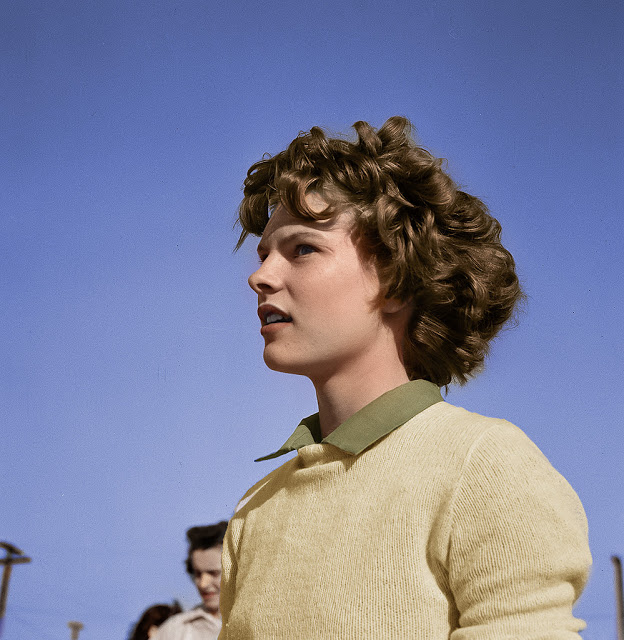
When the nation’s chiropractors descended on Chicago for a weeklong convention in May 1956, they threw a beauty contest. The judges crowned Lois Conway, 18, Miss Correct Posture. Second place went to Marianne Caba, 16, according to an account in the Chicago Tribune. Ruth Swenson, 26, came in third.
“All three were picked not only by their apparent beauty, and their X-rays, but also by their standing posture,” the Tribune reported. “Each girl stood on a pair of scales — one foot to each — and the winning trio each registered exactly half her weight on each scale, confirming the correct standing posture.”

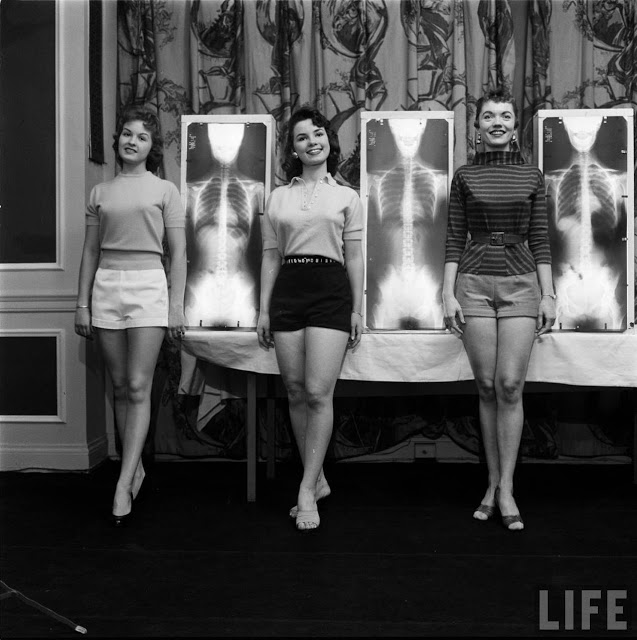


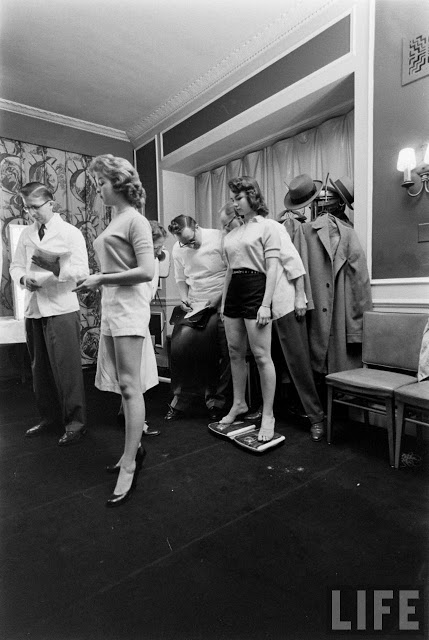
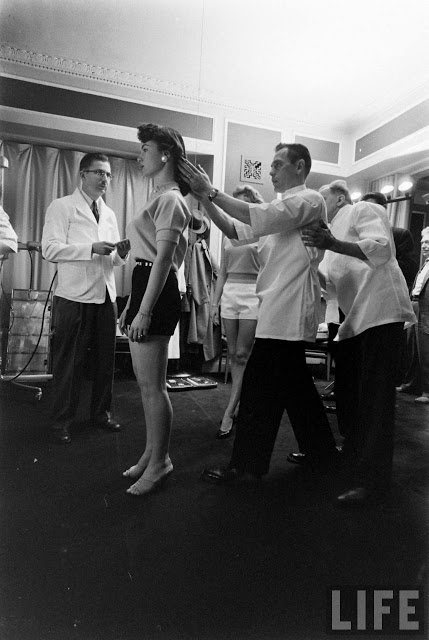
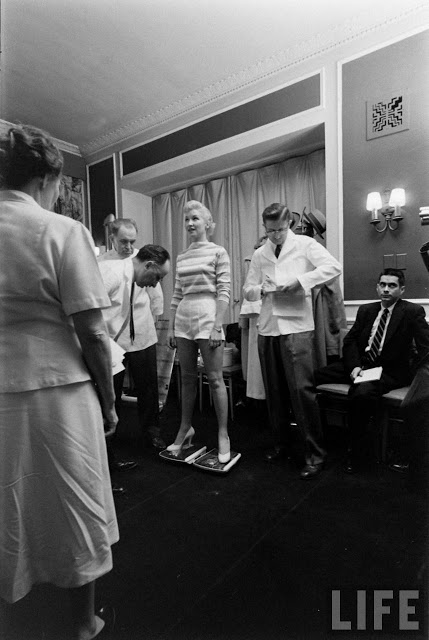


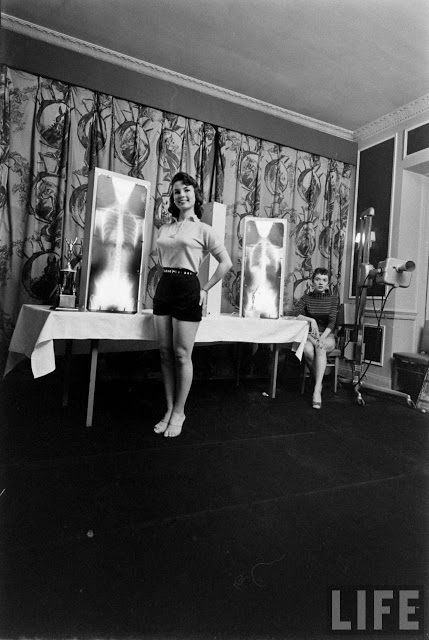
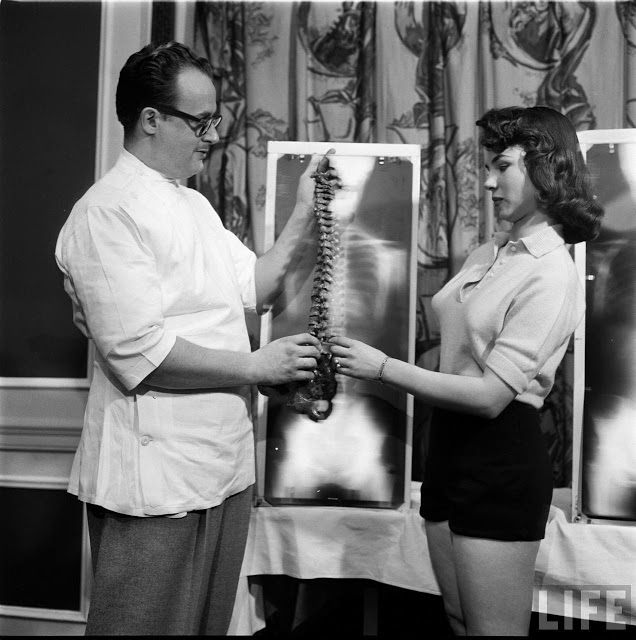
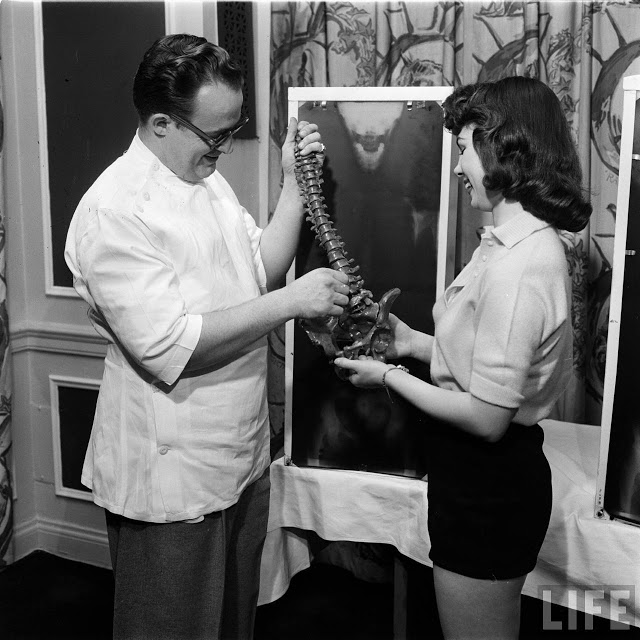
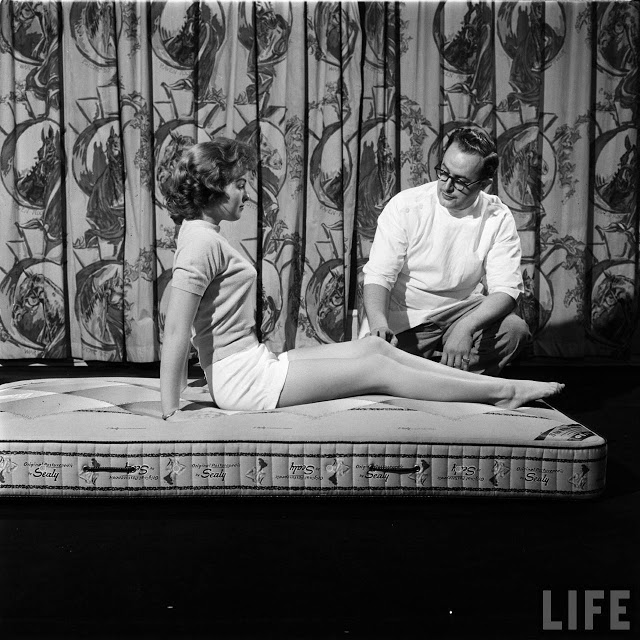

(Photos by Wallace Kirkland/LIFE Magazine)


























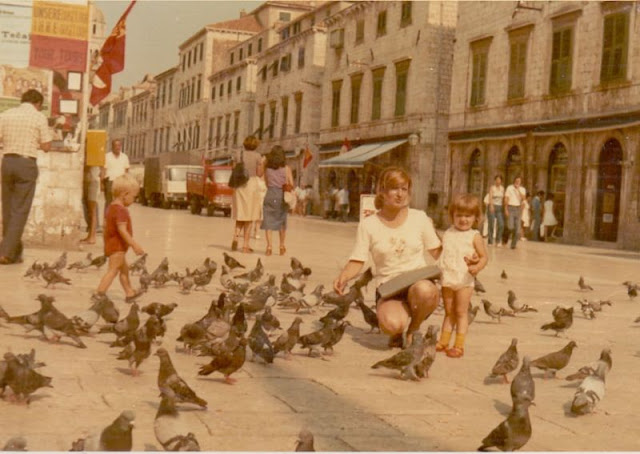
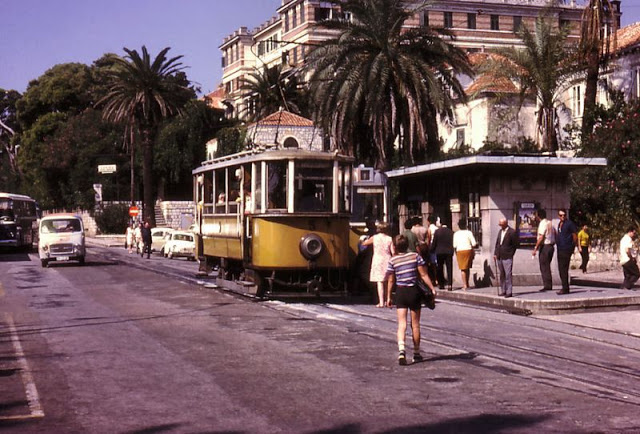
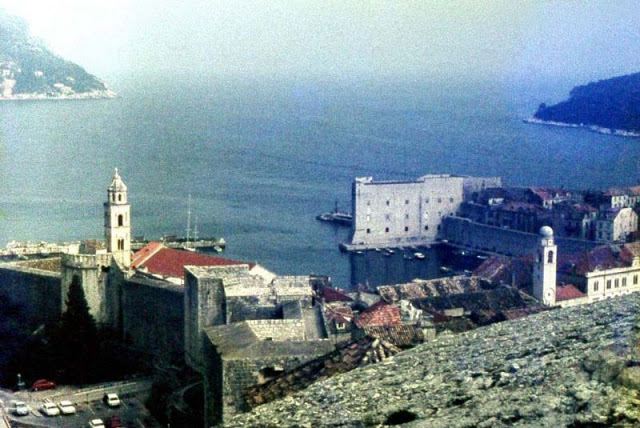
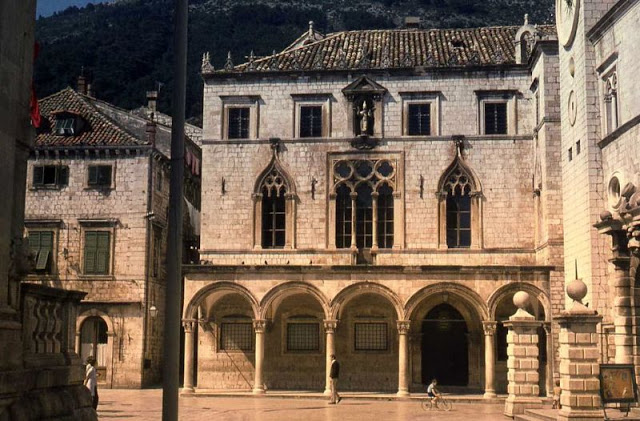
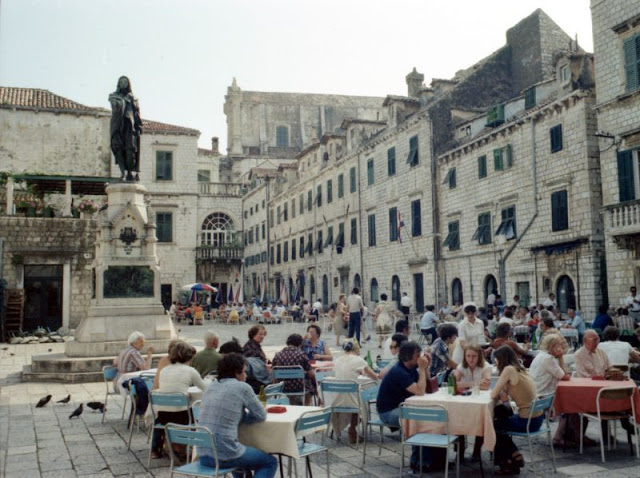
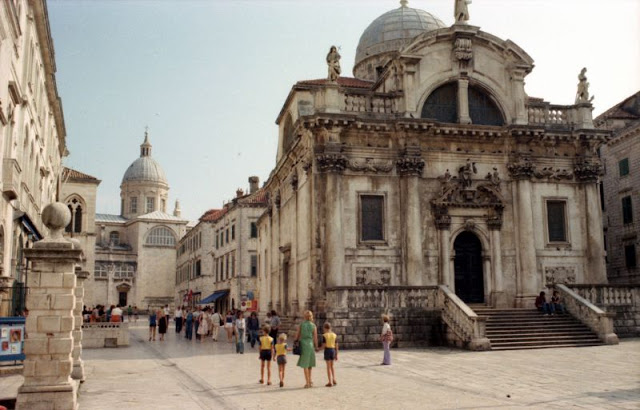
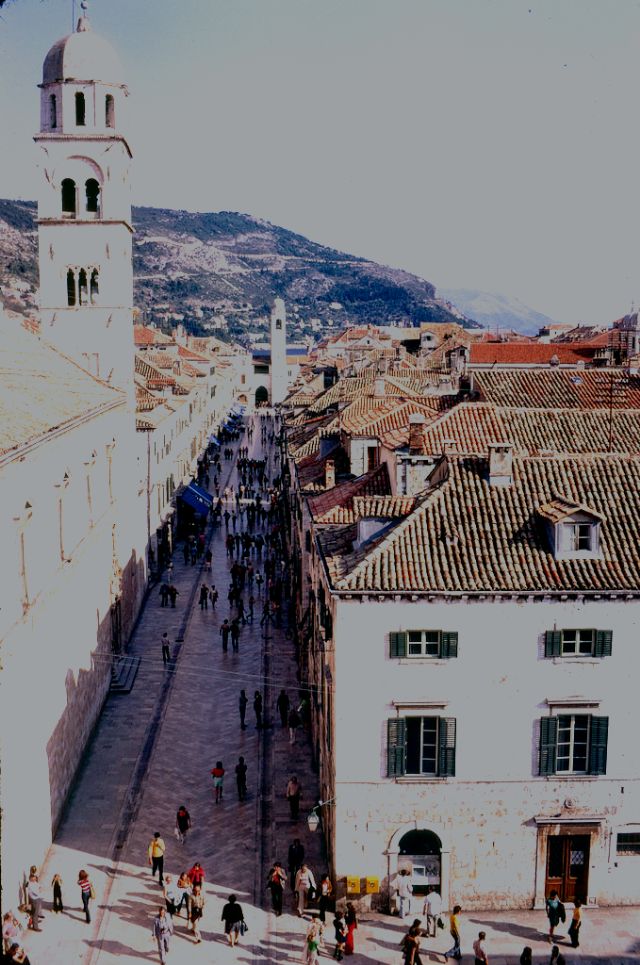
Dubrovnik, historically known as Ragusa, is a city on the Adriatic Sea in southern Croatia. It is one of the most prominent tourist destinations in the Mediterranean Sea, a seaport and the centre of Dubrovnik-Neretva County. Situated in an exclave, it is connected to the rest of the country by the Pelješac Bridge. Its total population is 42,615 (2011 census). In 1979, the city of Dubrovnik was added to the UNESCO list of World Heritage Sites in recognition of its outstanding medieval architecture and fortified old town.
The history of the city probably dates back to the 7th century, when the town known as Ragusa was founded by refugees from Epidaurum (Ragusa Vecchia). It was under the protection of the Byzantine Empire and later under the sovereignty of the Republic of Venice. Between the 14th and 19th centuries, Dubrovnik ruled itself as a free state. The prosperity of the city was historically based on maritime trade; as the capital of the maritime Republic of Ragusa, it achieved a high level of development, particularly during the 15th and 16th centuries, as it became notable for its wealth and skilled diplomacy. At the same time, Dubrovnik became a cradle of Croatian literature.
The entire city was almost destroyed when a devastating earthquake hit in 1667. During the Napoleonic Wars, Dubrovnik was occupied by the French Empire forces, and then the Republic of Ragusa was abolished and incorporated into the Napoleonic Kingdom of Italy and later into the Illyrian Provinces. Later on, in the early 19th to early 20th century, Dubrovnik was part of the Kingdom of Dalmatia within the Austrian Empire. Dubrovnik became part of the Kingdom of Yugoslavia immediately upon its creation, and it was incorporated into its Zeta Banovina in 1929, before becoming part of the Banovina of Croatia upon its creation in 1939. During World War II, it was part of the Axis puppet state Independent State of Croatia, before being reincorporated into SR Croatia in SFR Yugoslavia.
In 1991, during the Croatian War of Independence, Dubrovnik was besieged by the Yugoslav People’s Army for seven months and suffered significant damage from shelling. After undergoing repair and restoration works in the 1990s and early 2000s, it re-emerged as one of the Mediterranean’s top tourist destinations, as well as a popular filming location.
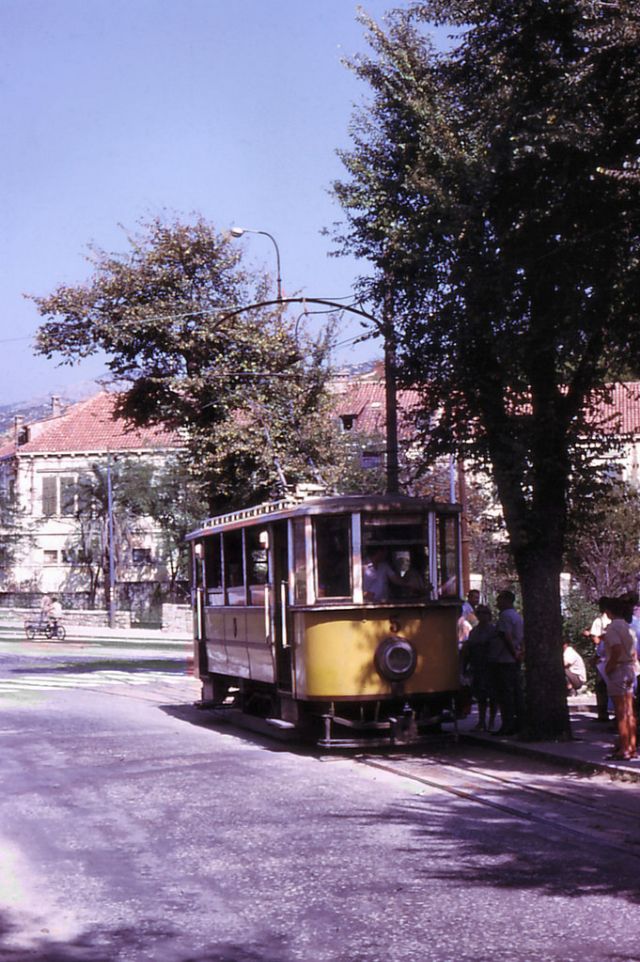
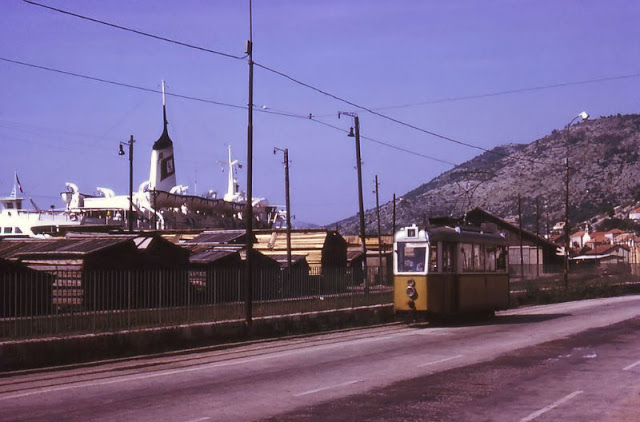
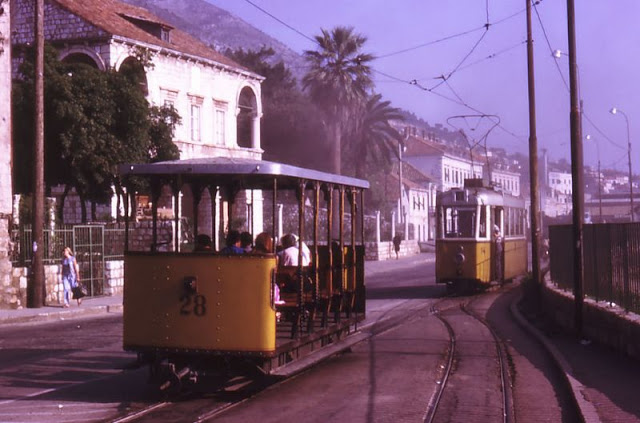
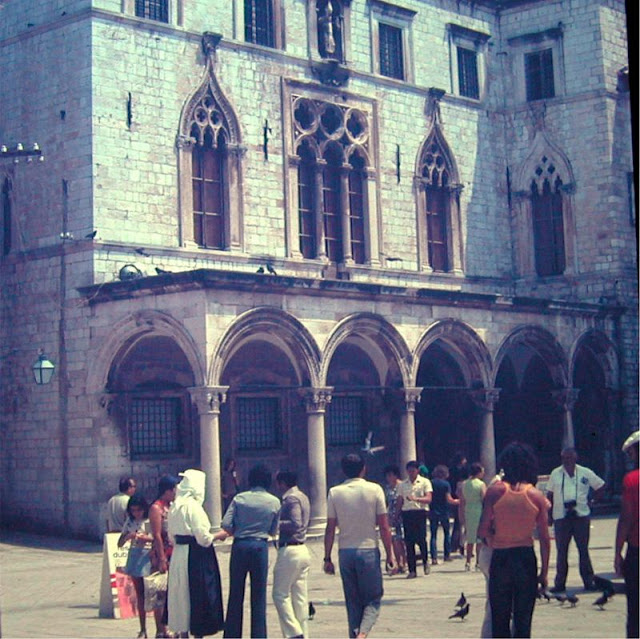
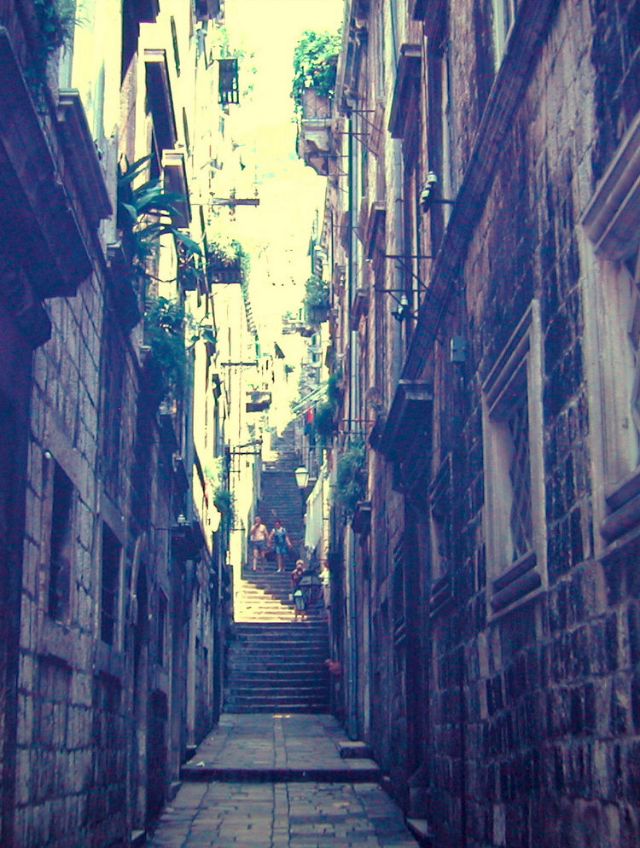
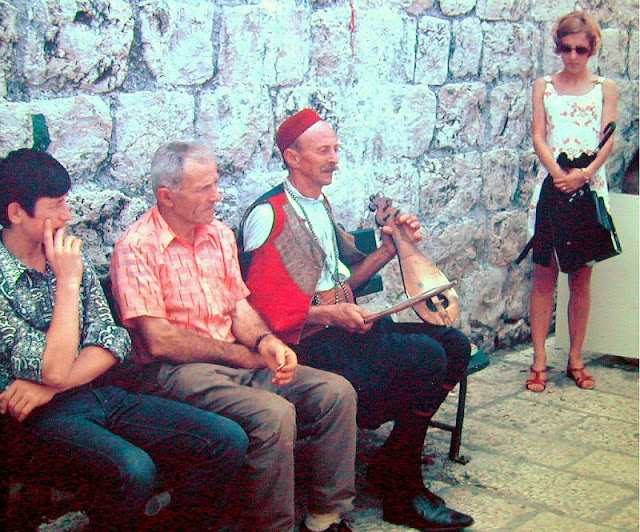
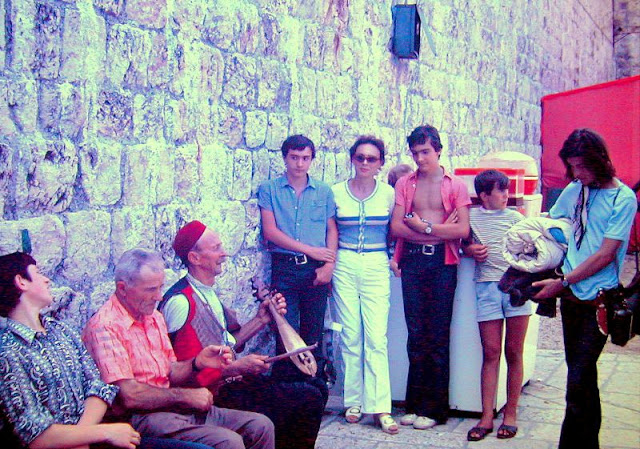
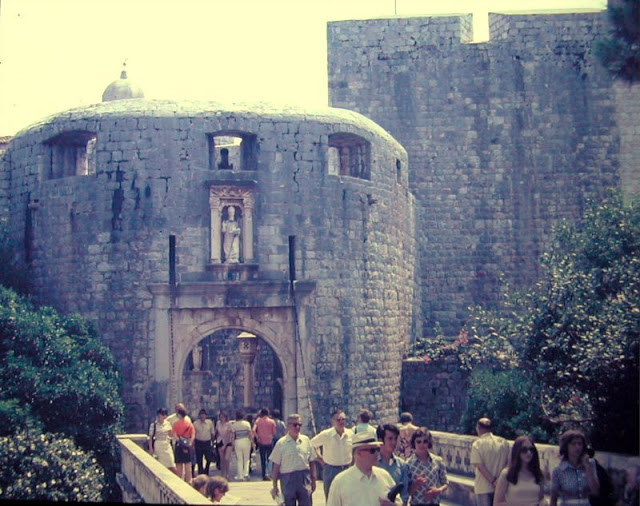
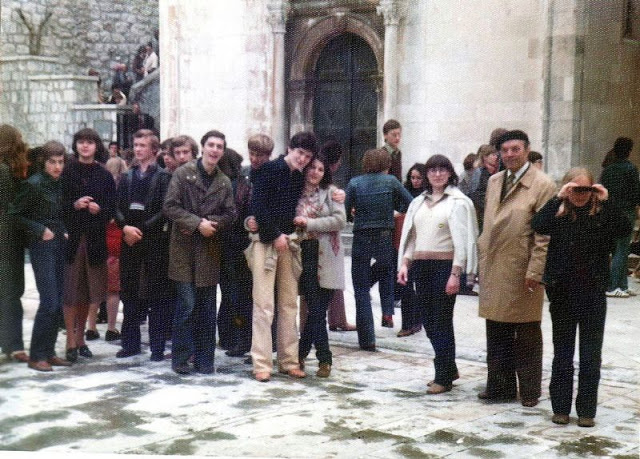
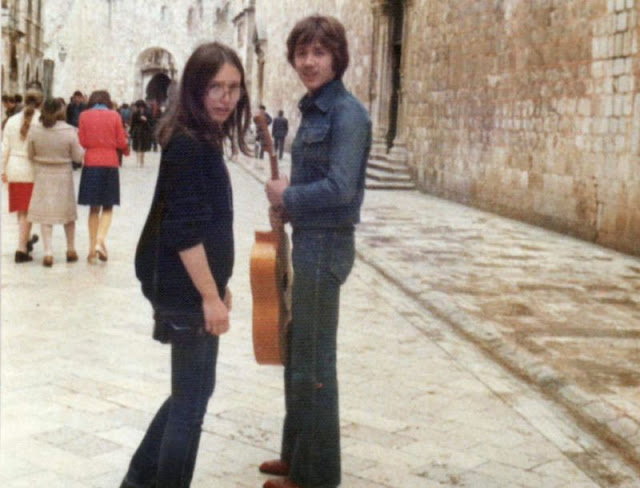
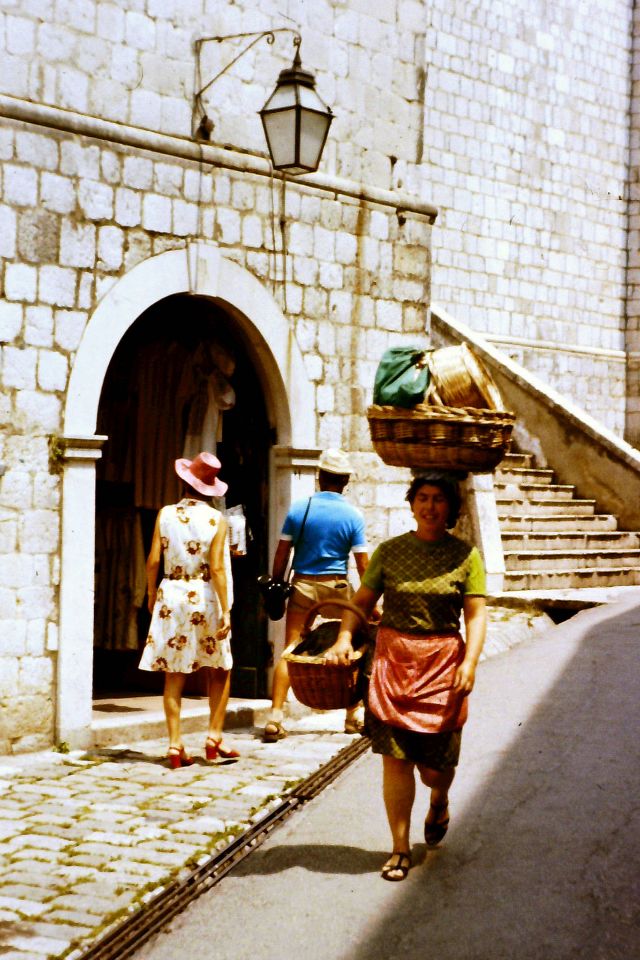
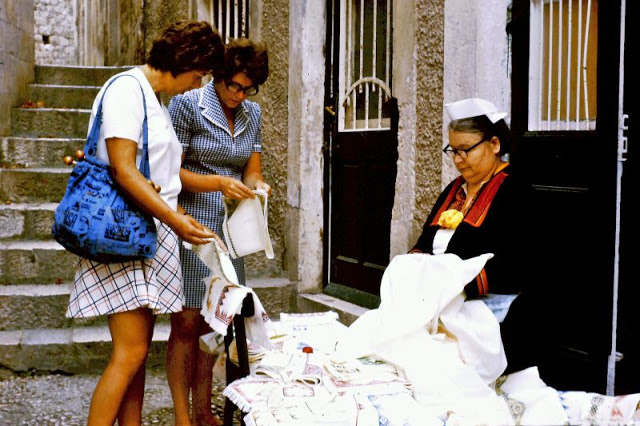
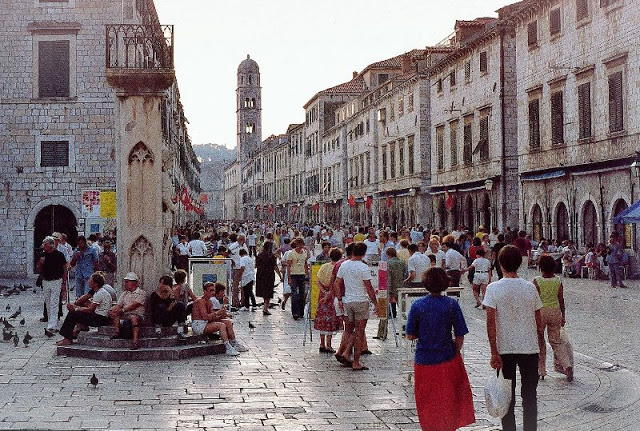
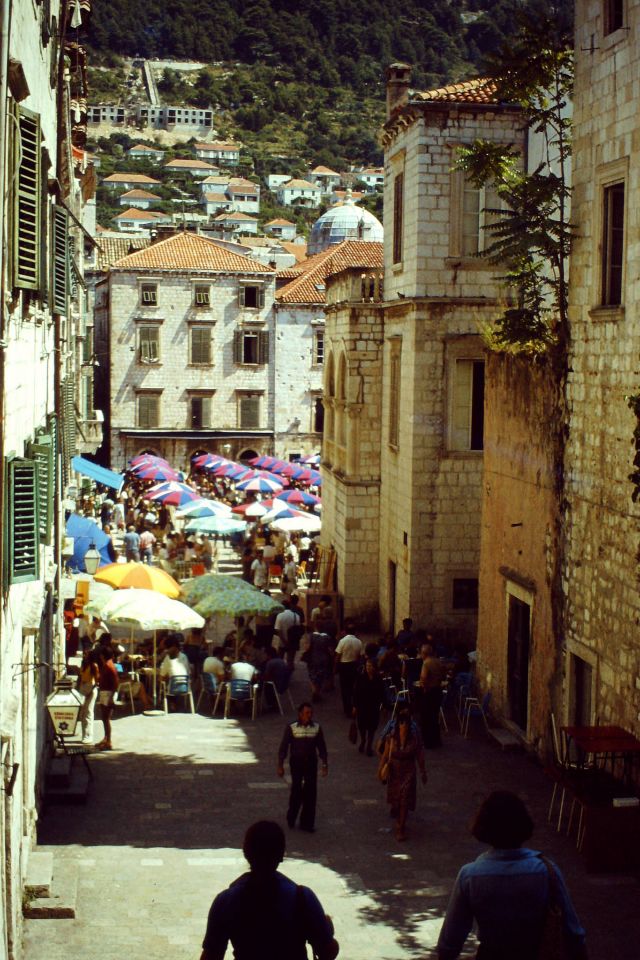
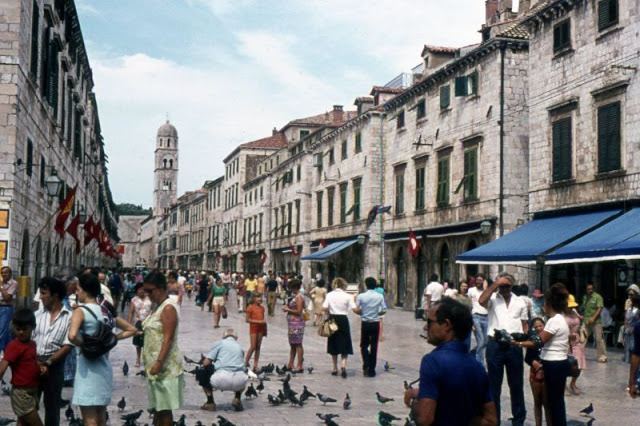
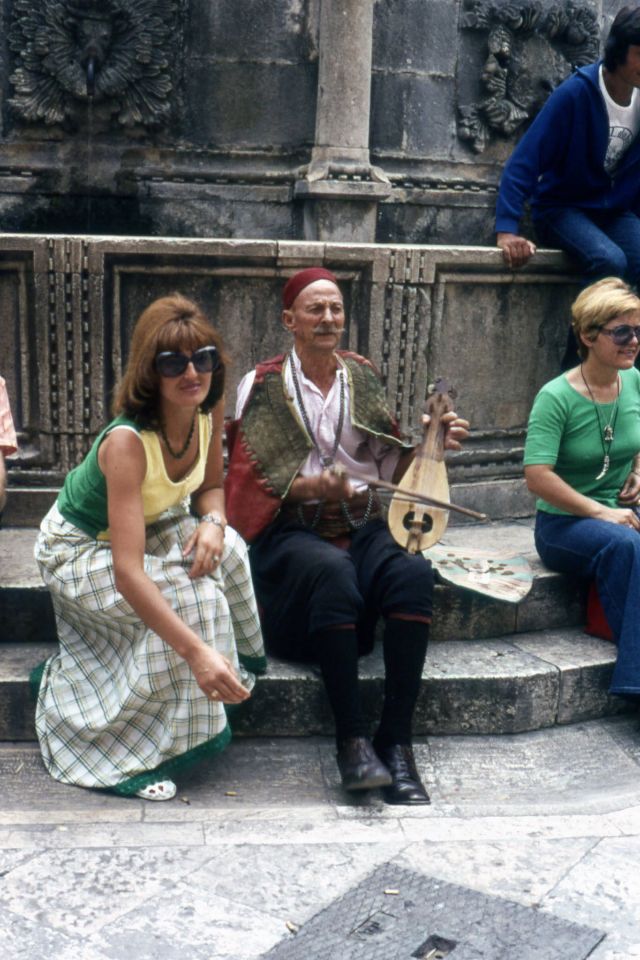
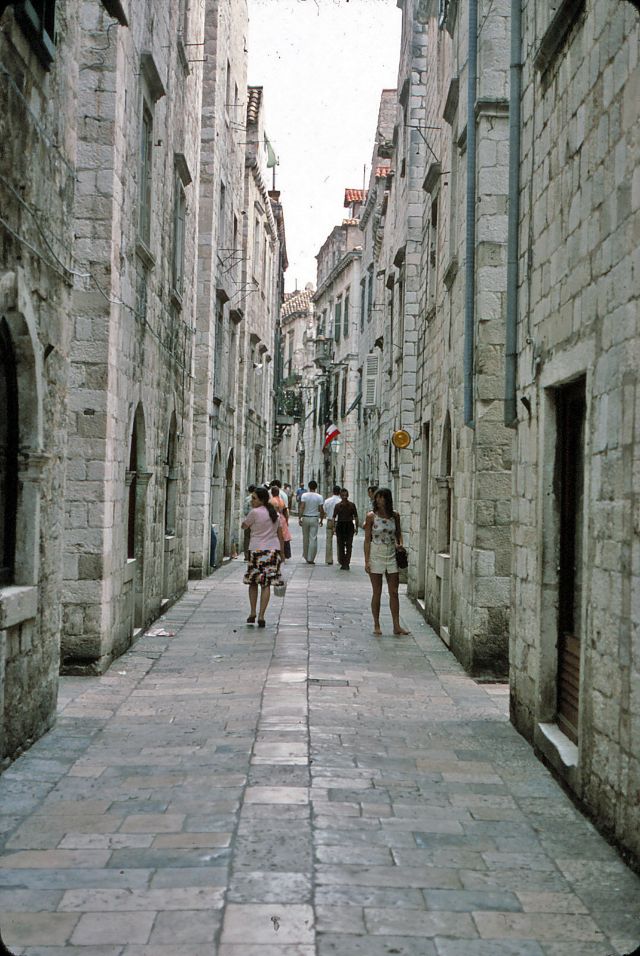
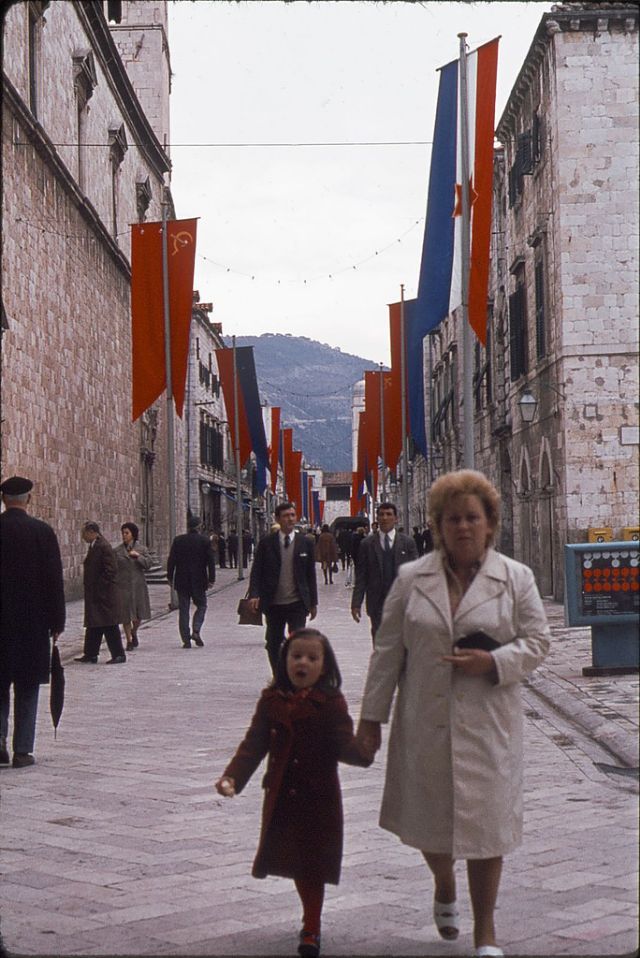
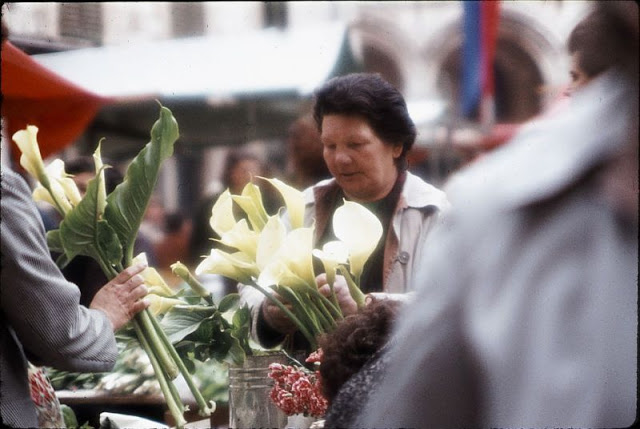
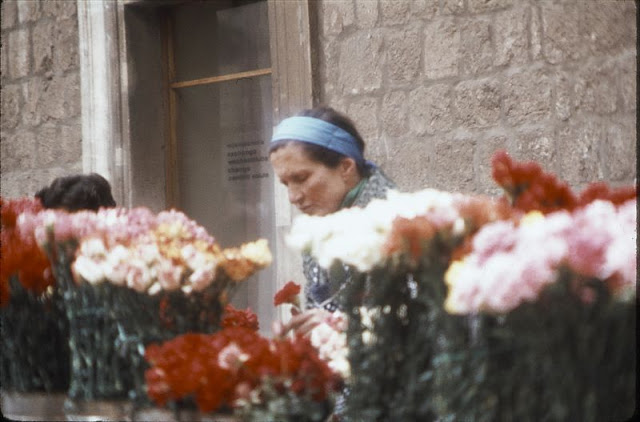
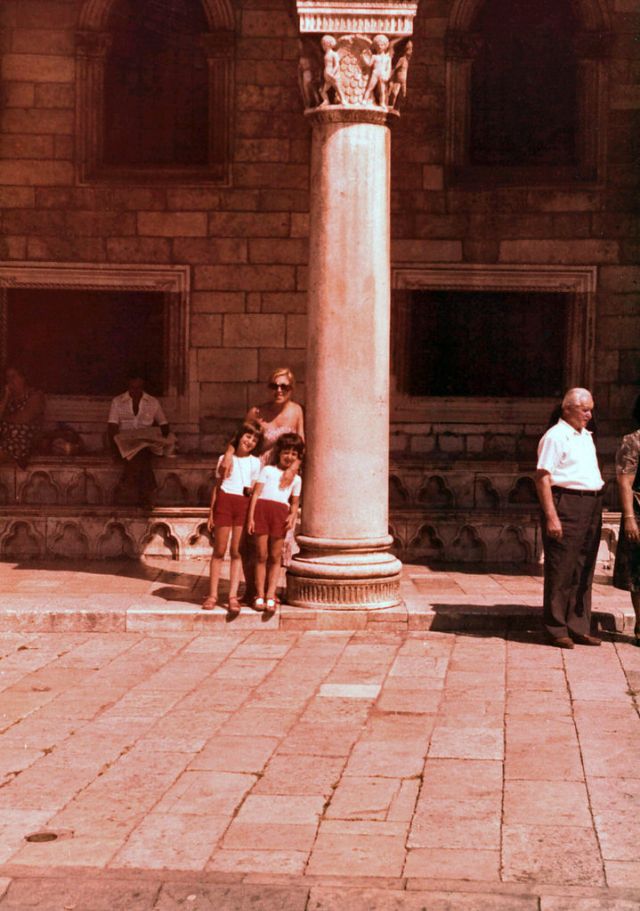
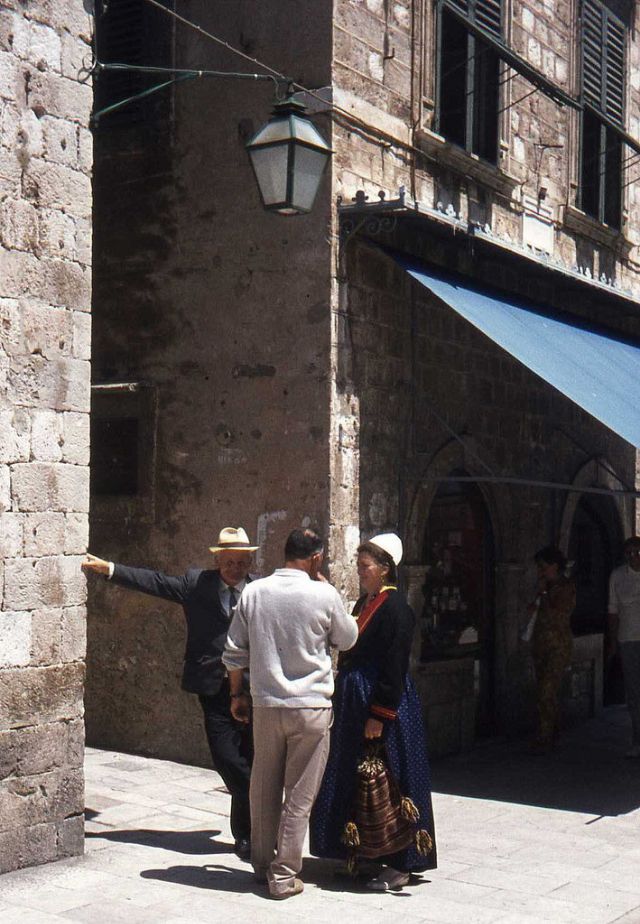
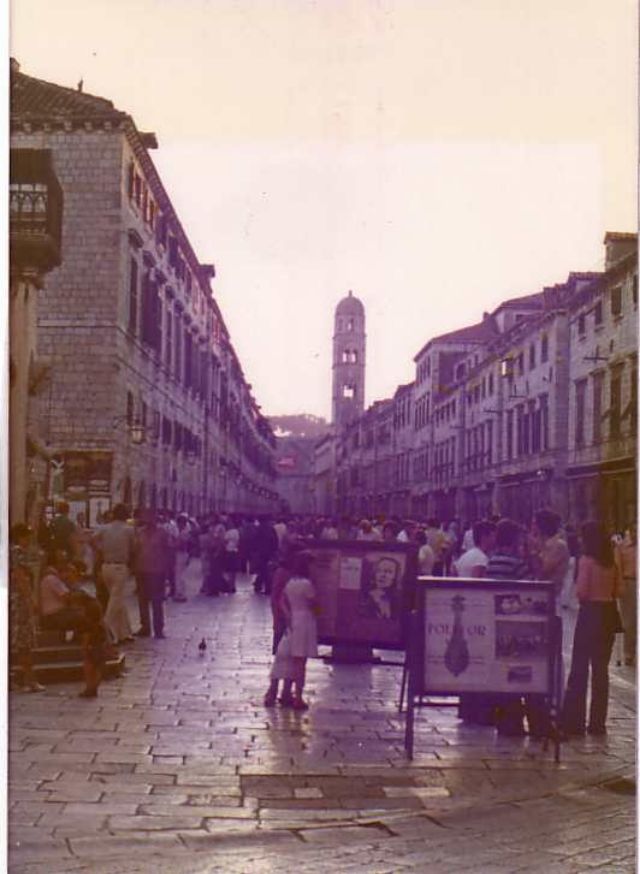
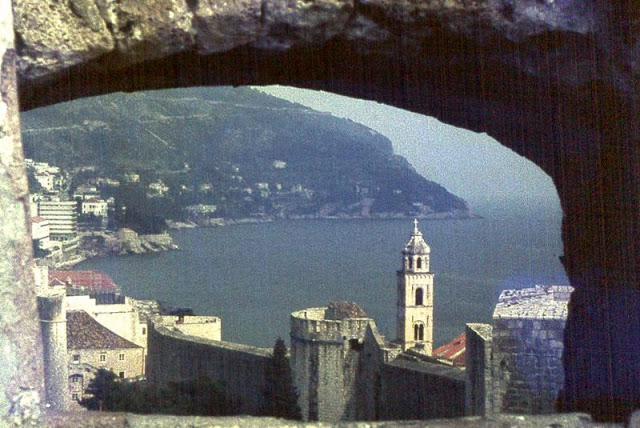
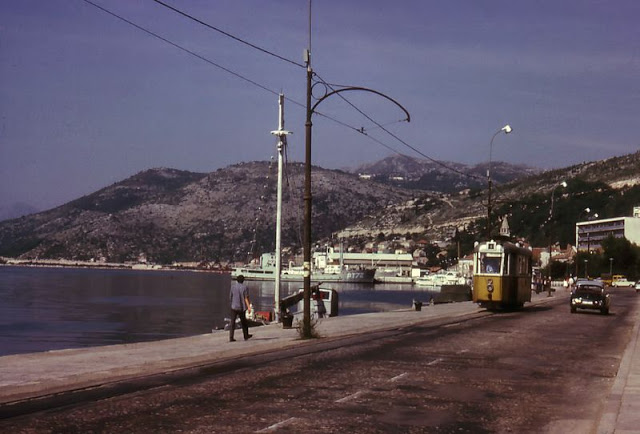
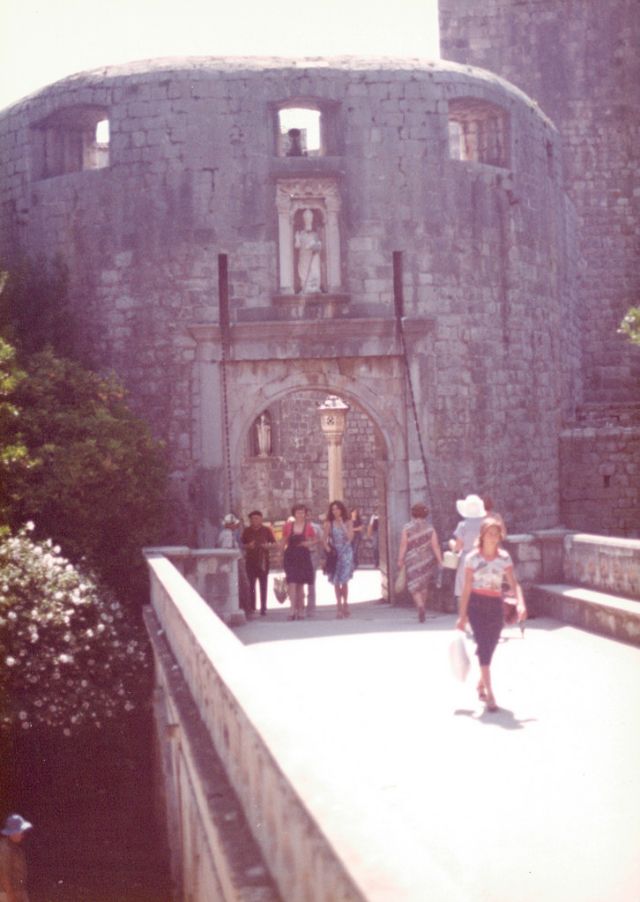
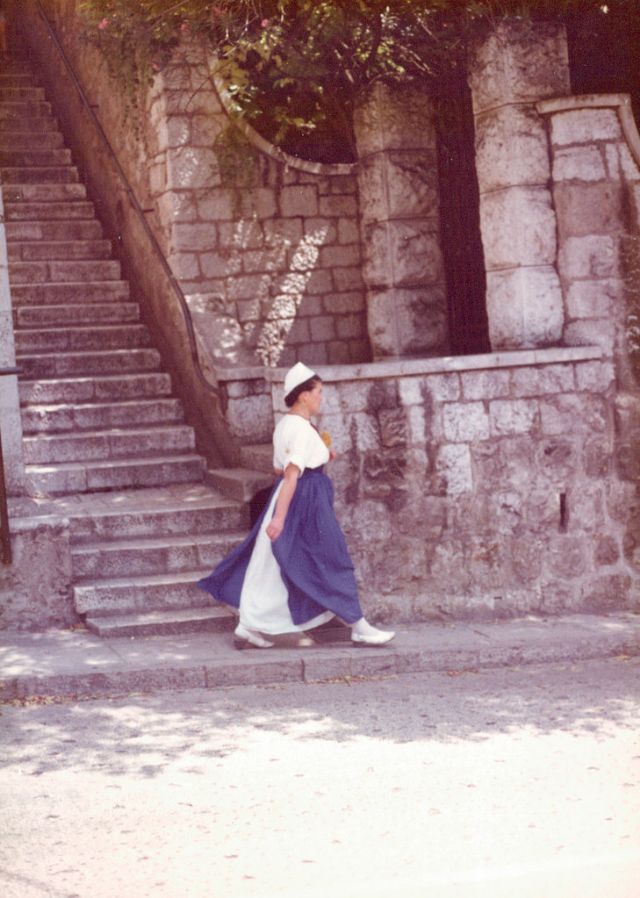
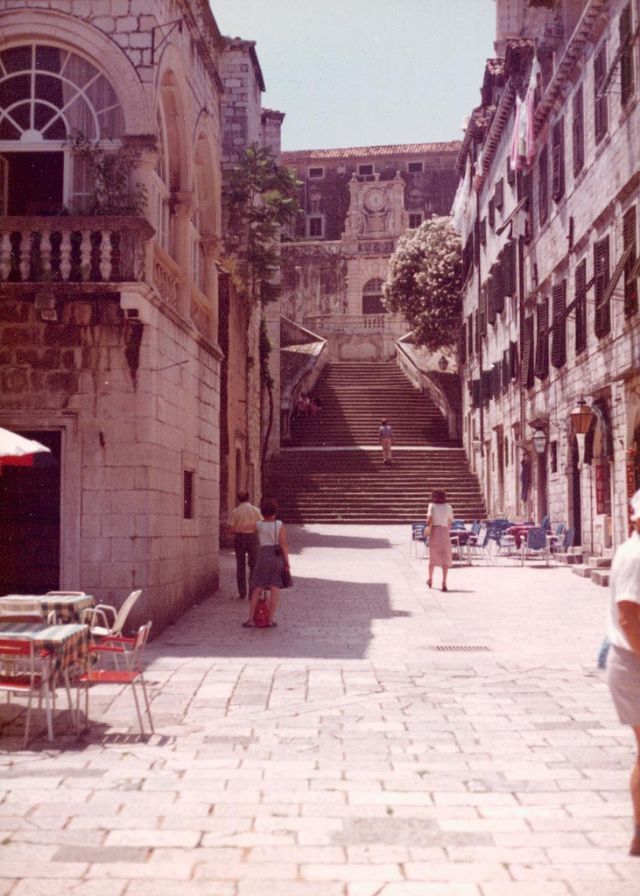
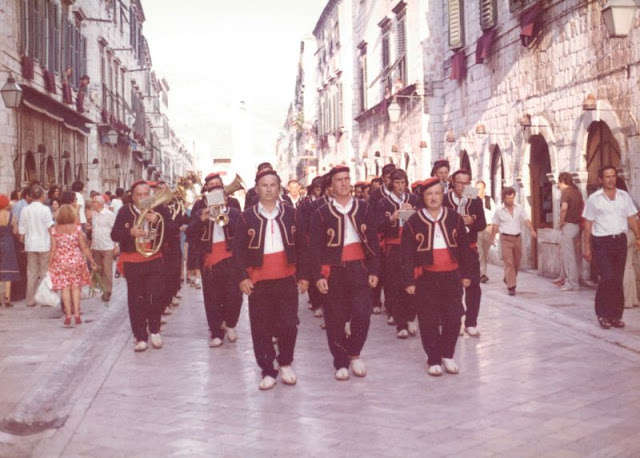
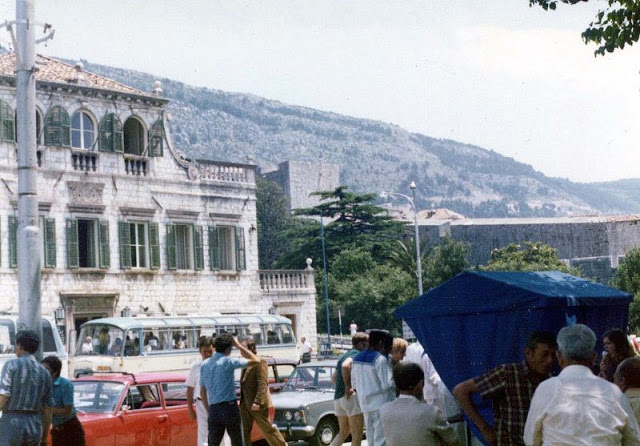
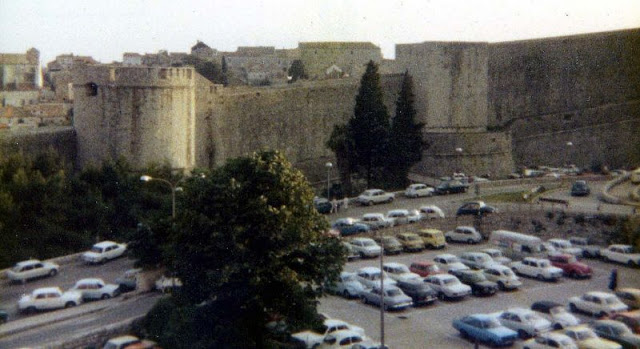
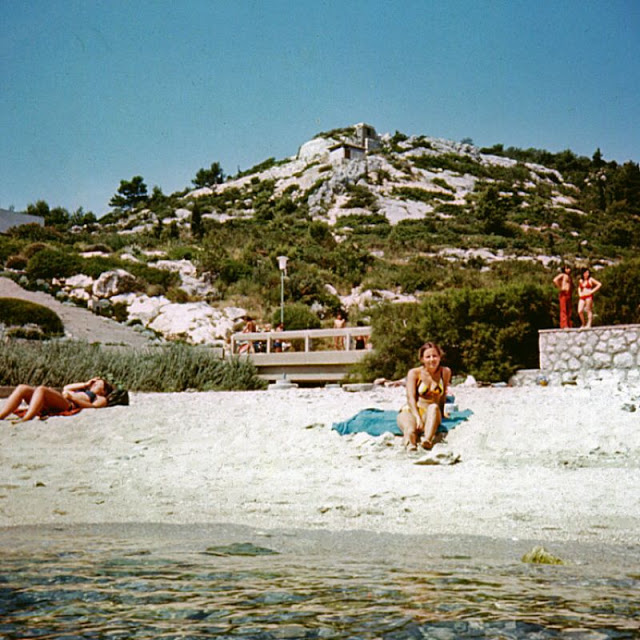
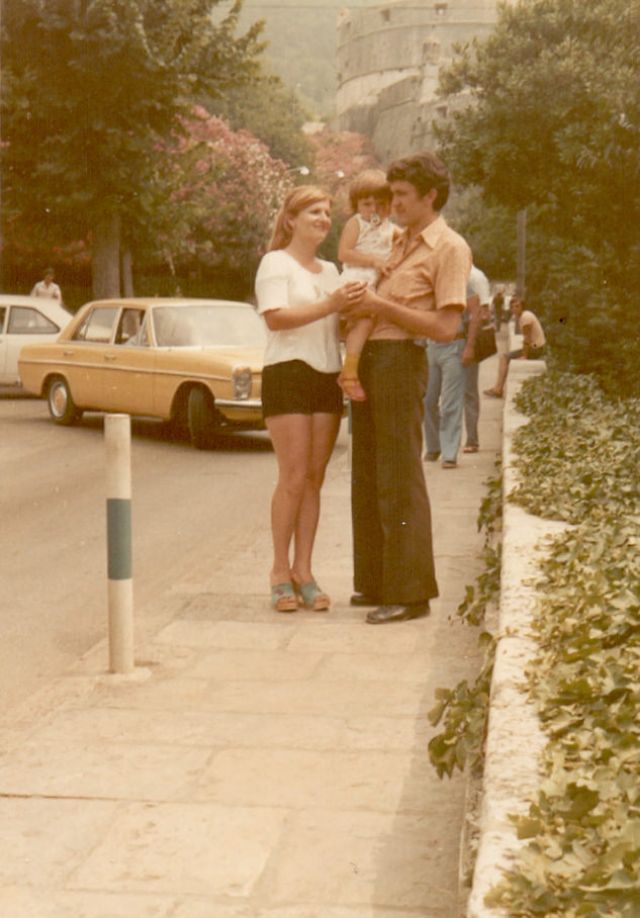
Here is a color photo collection that shows everyday life of Dubrovnik in the 1970s.
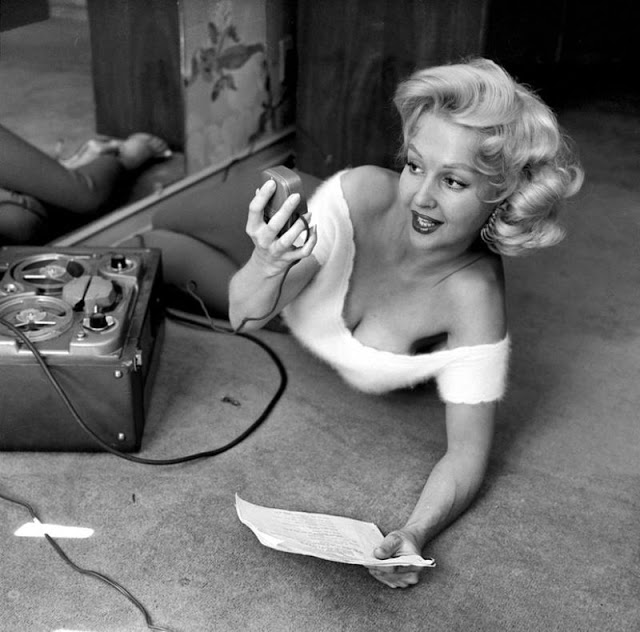
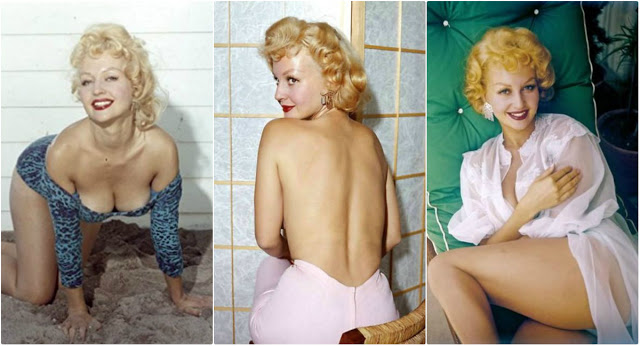
Born 1927 in Hareskovby, Danish film actress and former model Greta Thyssen arrived in the United States after winning the Miss Denmark crown in 1952. She attempted to follow in the footsteps of the reigning blonde sex symbols Marilyn Monroe and Jayne Mansfield by forging a movie career. She was Monroe’s double in Bus Stop, and appeared in Accused of Murder, Terror Is a Man, Three Blondes in His Life and Journey to the Seventh Planet.
In addition to her appearances on the television series Dragnet and Bachelor Father, she appeared as Roxy Howard, the title character in the Perry Mason episode, “The Case of the Nervous Accomplice”. Thyssen also appeared on Broadway in Pajama Tops as a replacement for June Wilkinson.
Thyssen is probably best remembered for her appearances in the Three Stooges films Quiz Whizz, Pies and Guys and Sappy Bull Fighters. From 1956-1958, Thyssen was the original Pirate Girl on the game show Treasure Hunt, assisting host Jan Murray with presenting prizes hidden in miniature treasure chests. After appearing in the musical comedy Cottonpickin’ Chickenpickers (1967), she retired from acting.
Thyssen died of pneumonia in 2018 at her home in Manhattan, aged 90.
These glamorous photos that show the beauty of this Danish blonde bombshell in the 1950s and 1960s.

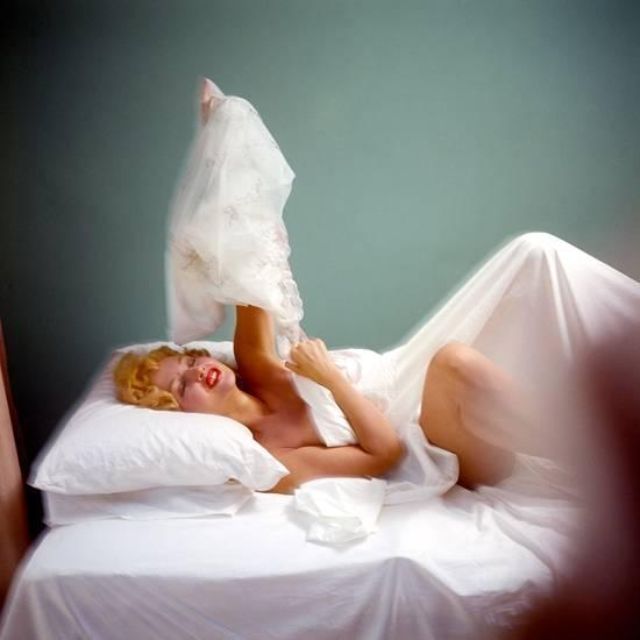
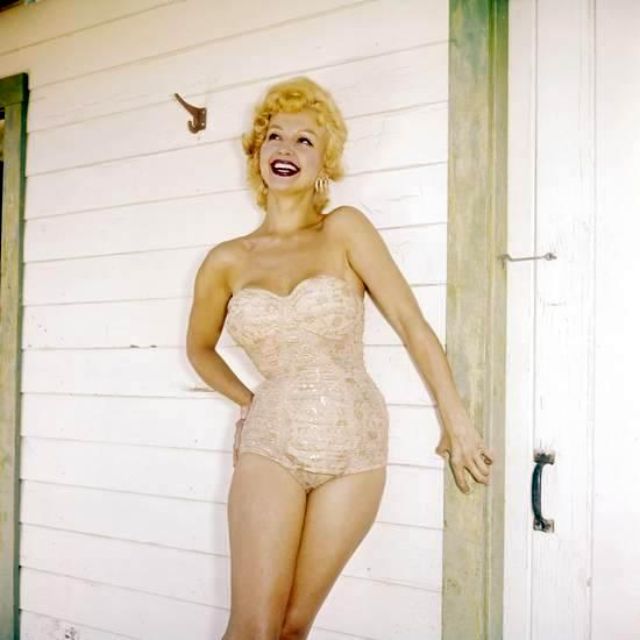
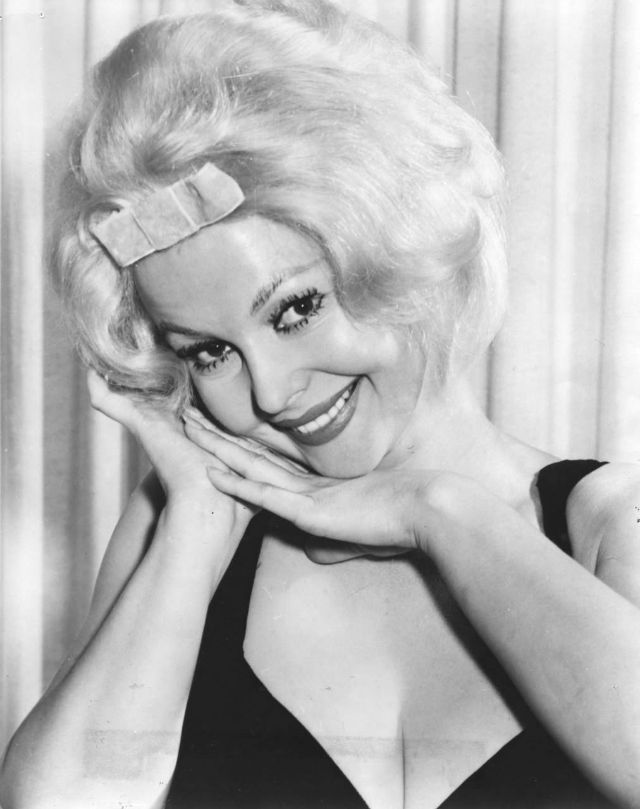
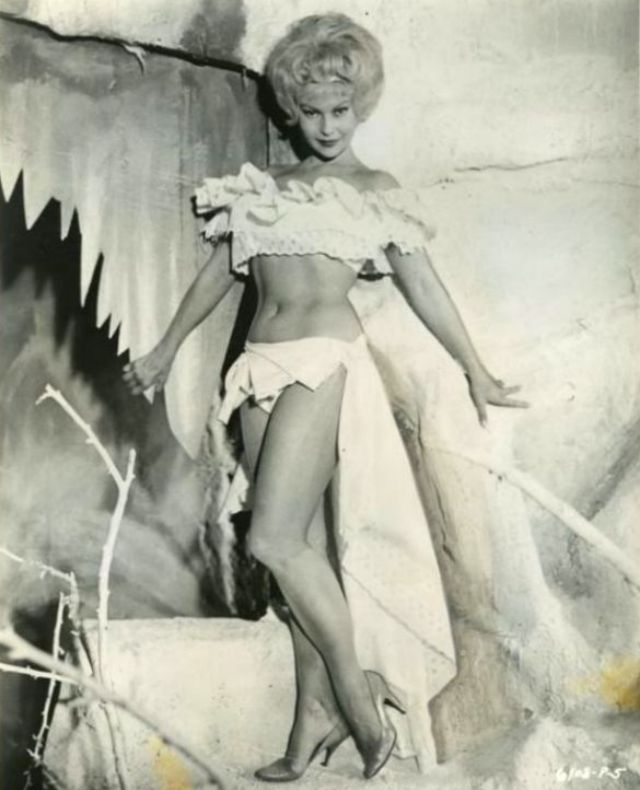
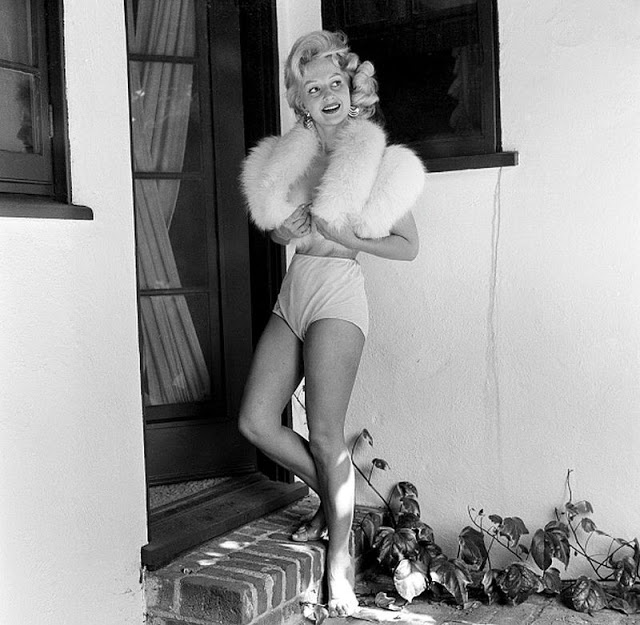
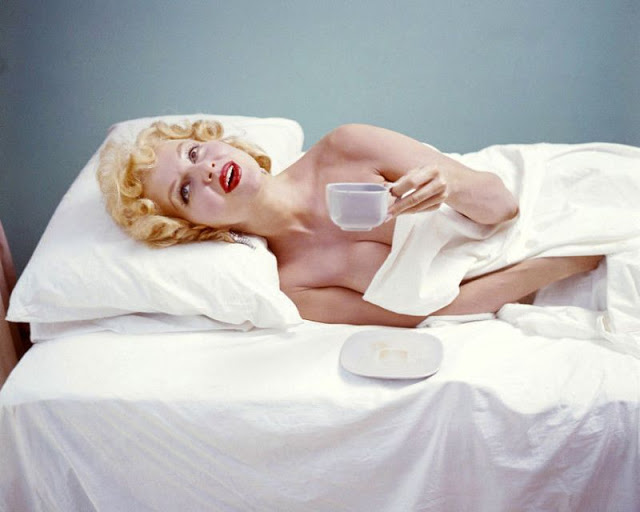
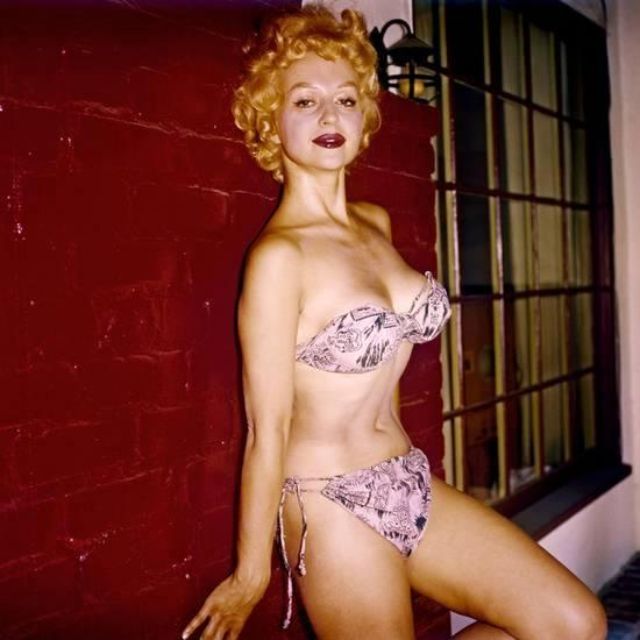
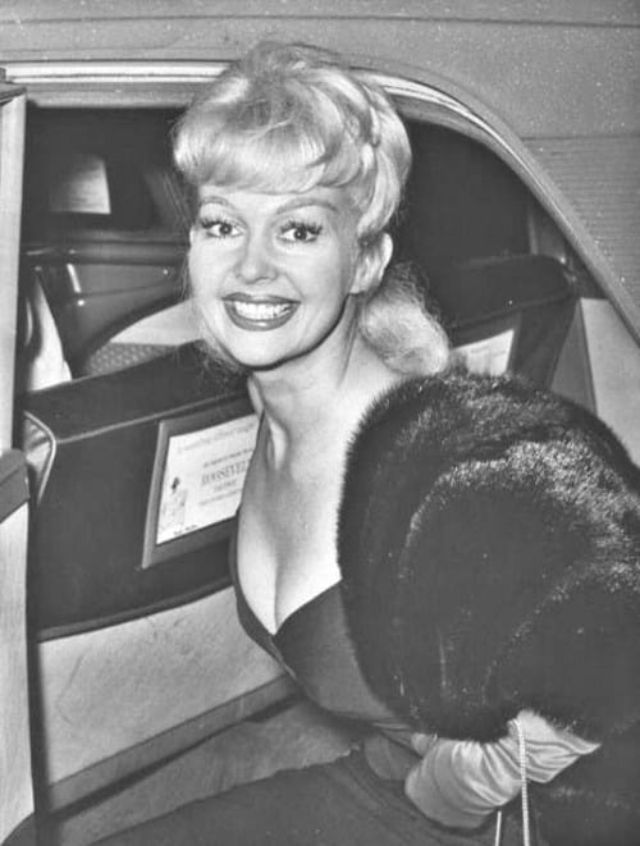


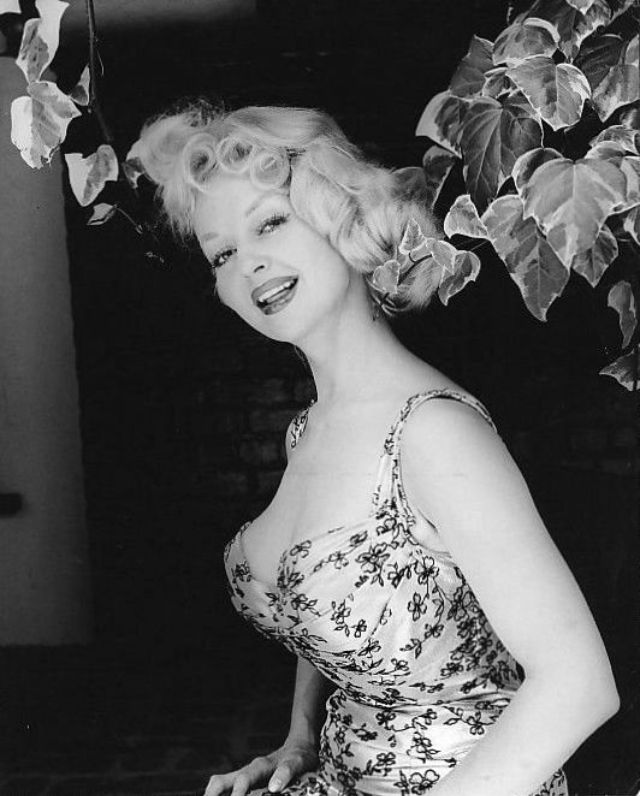
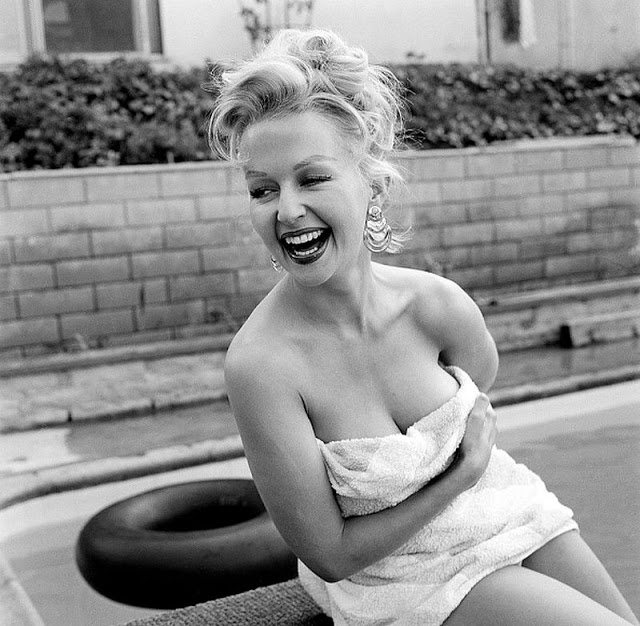

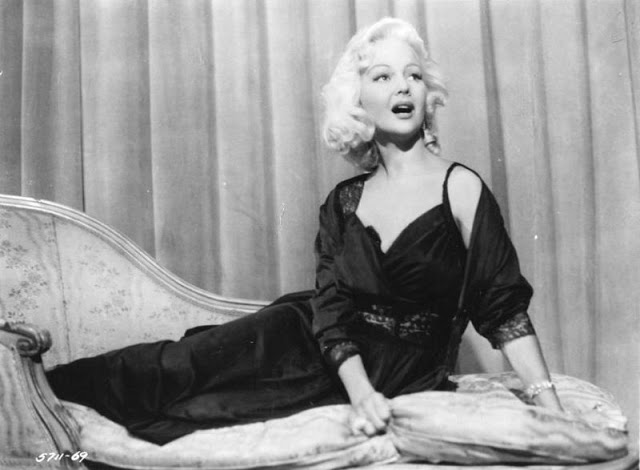
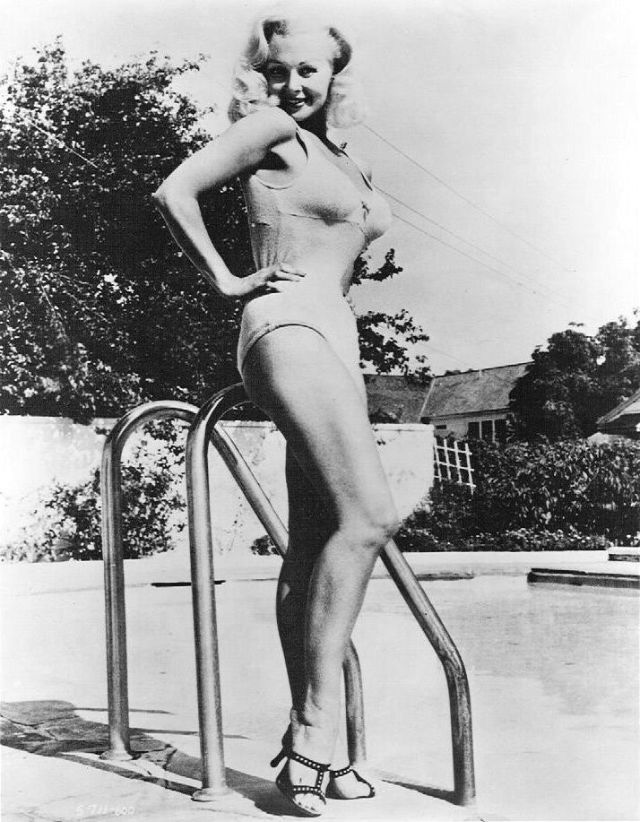
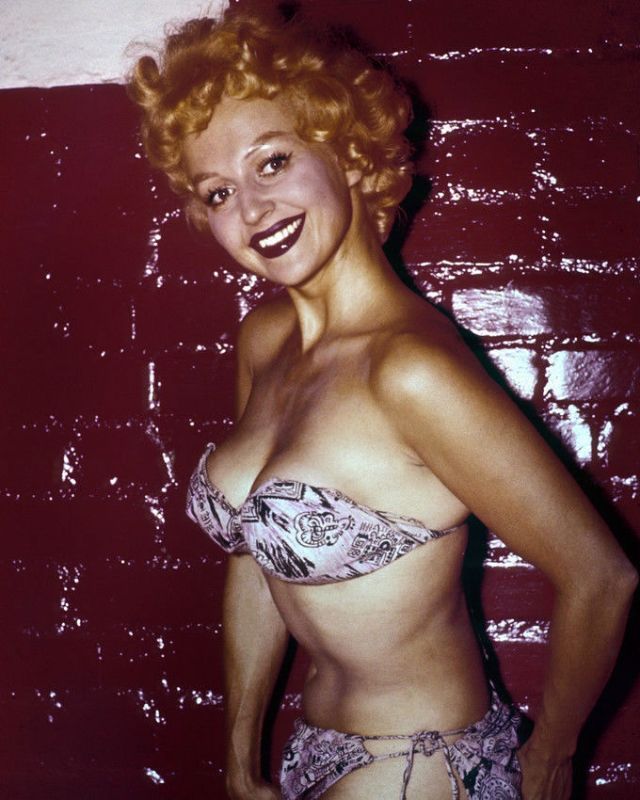
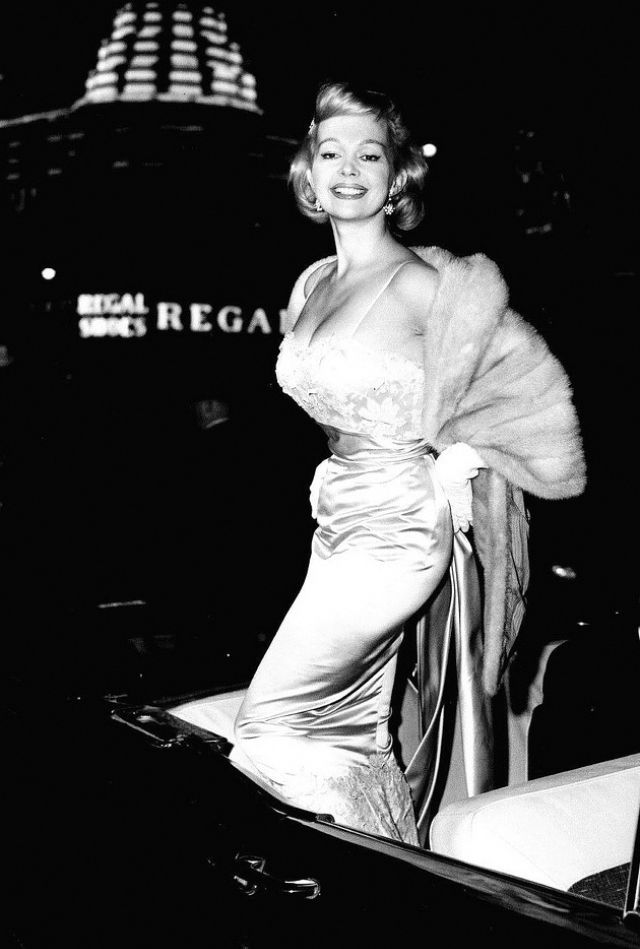
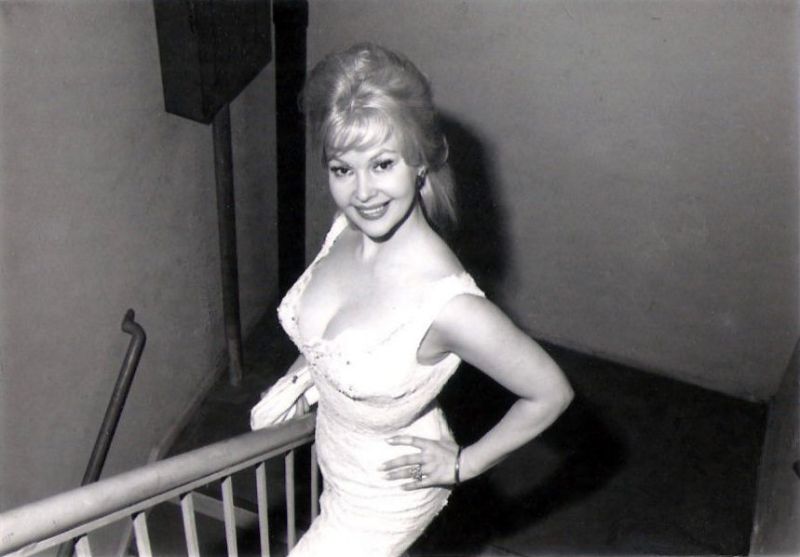
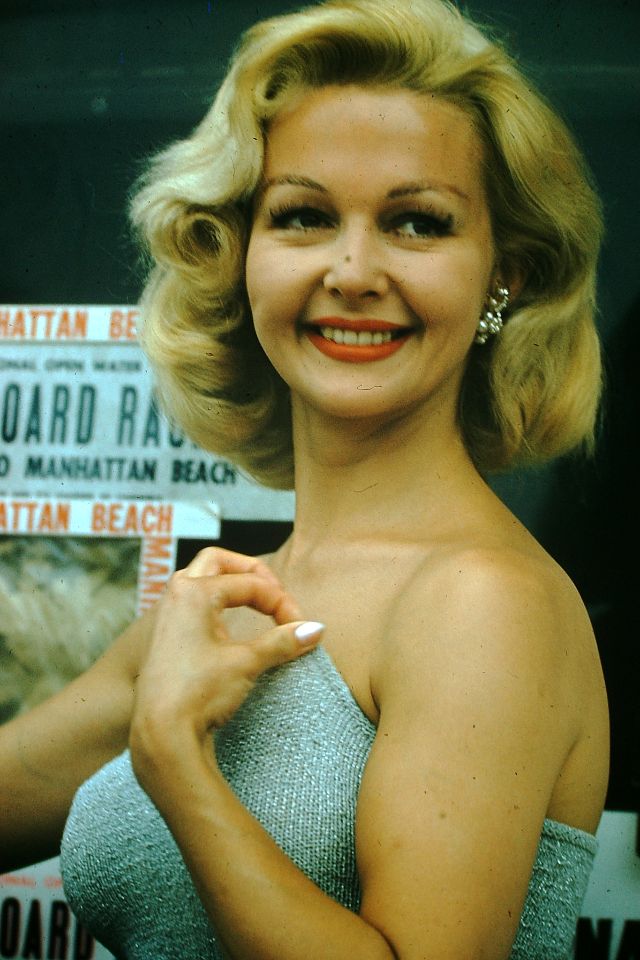


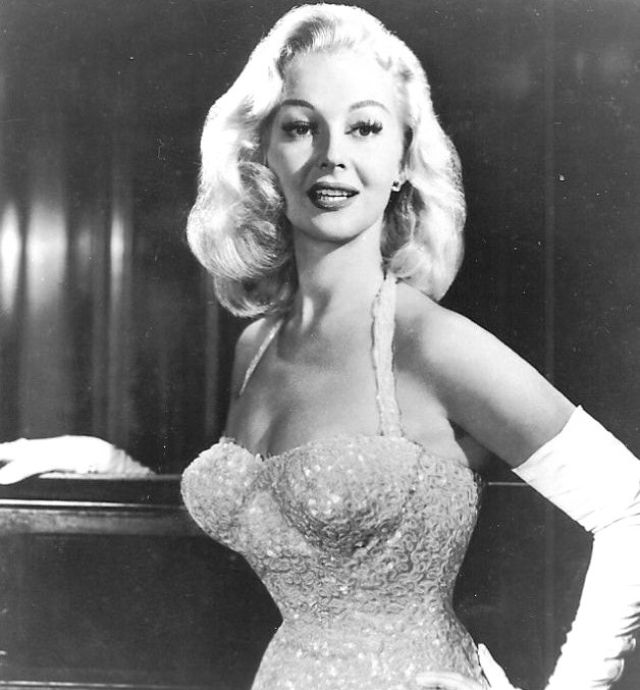
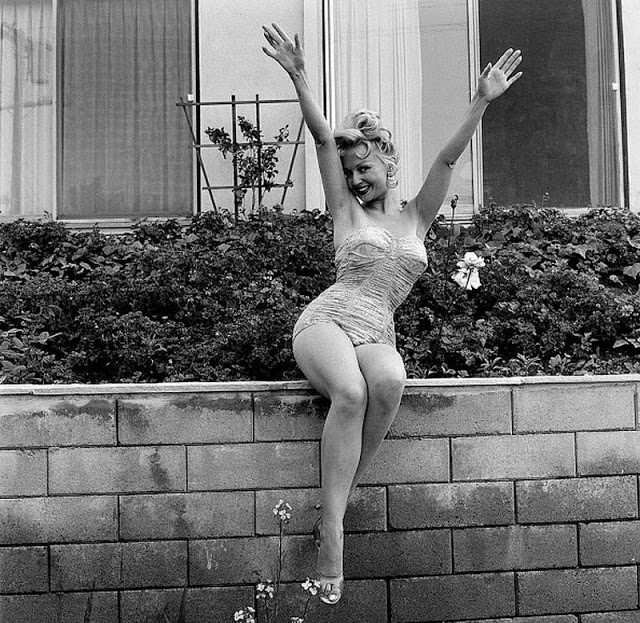
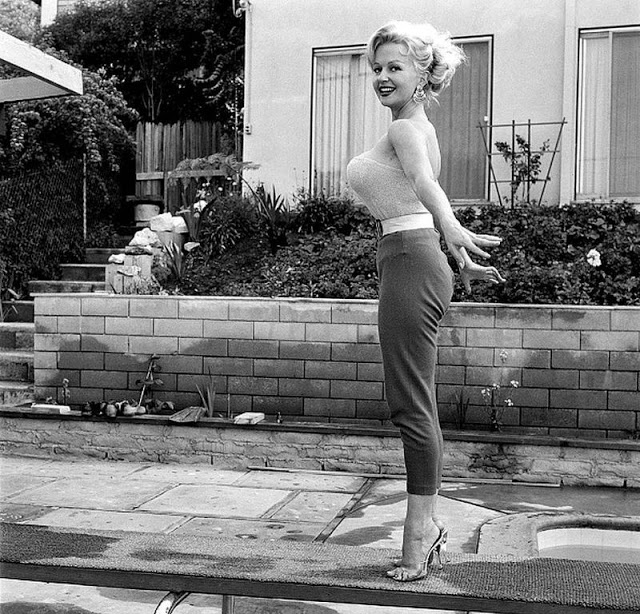
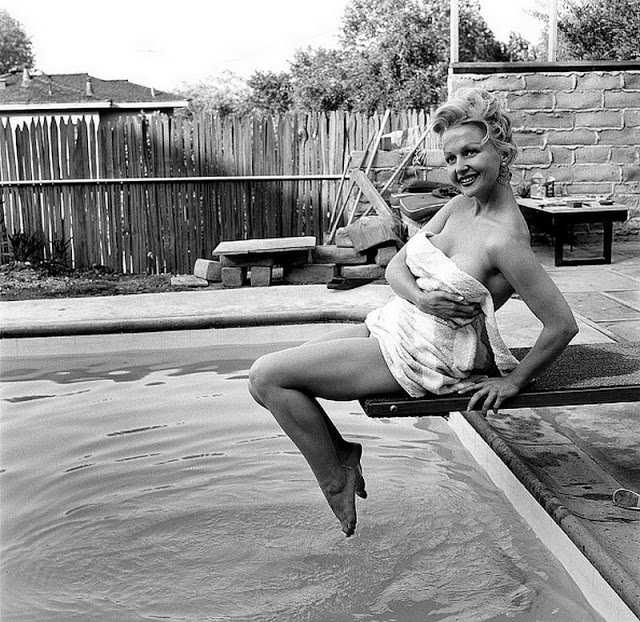
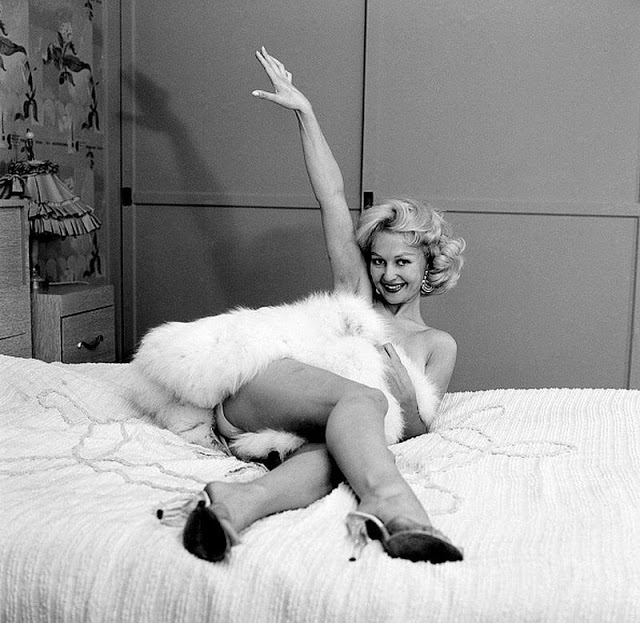
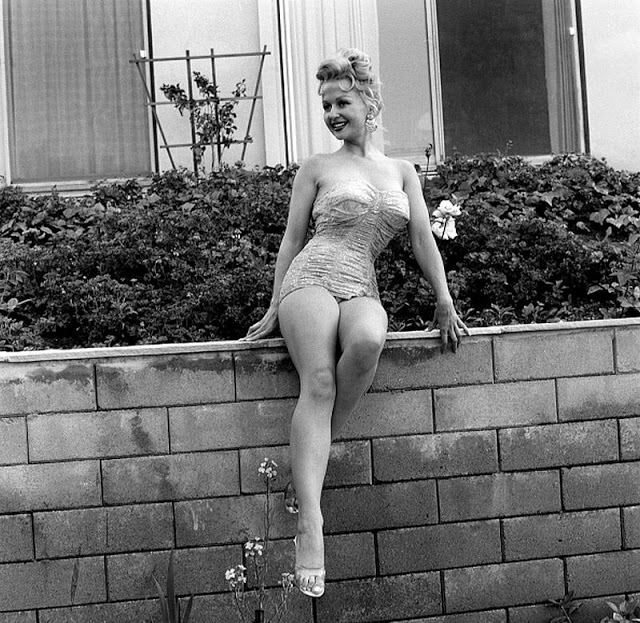
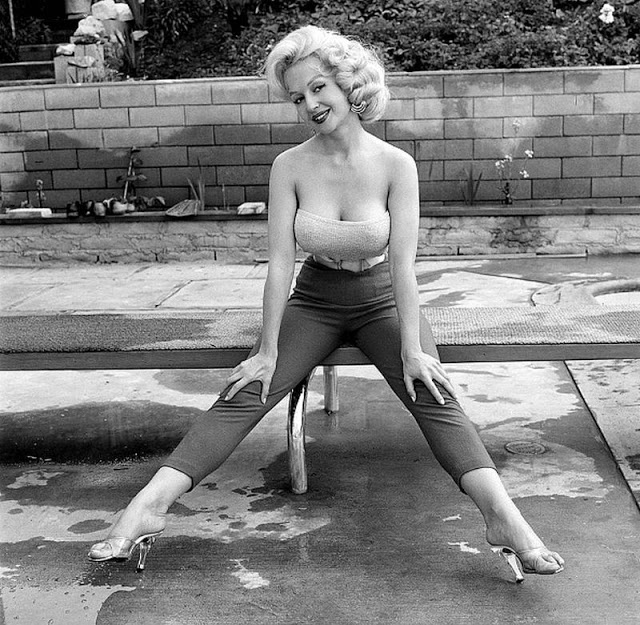
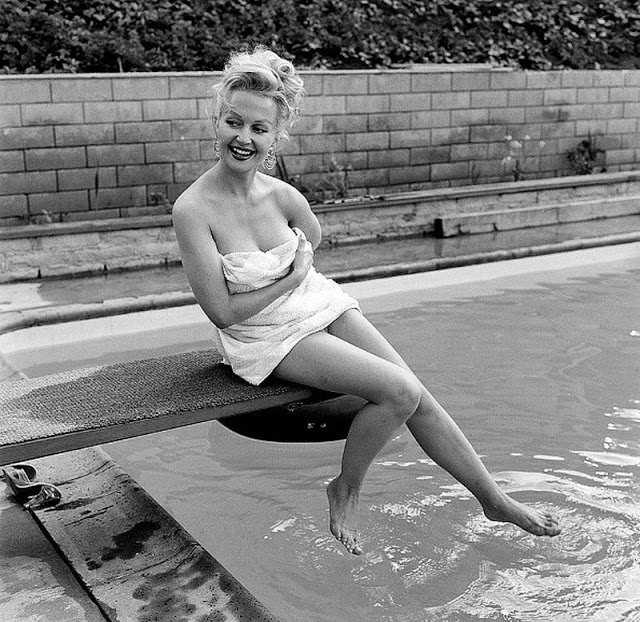



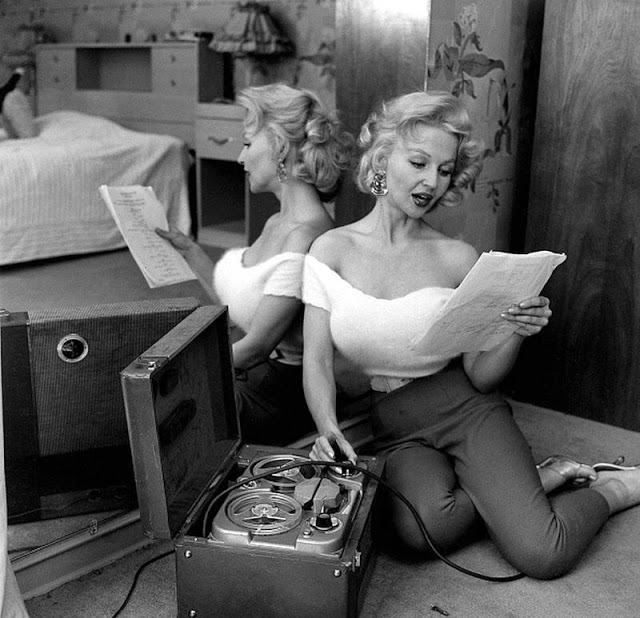
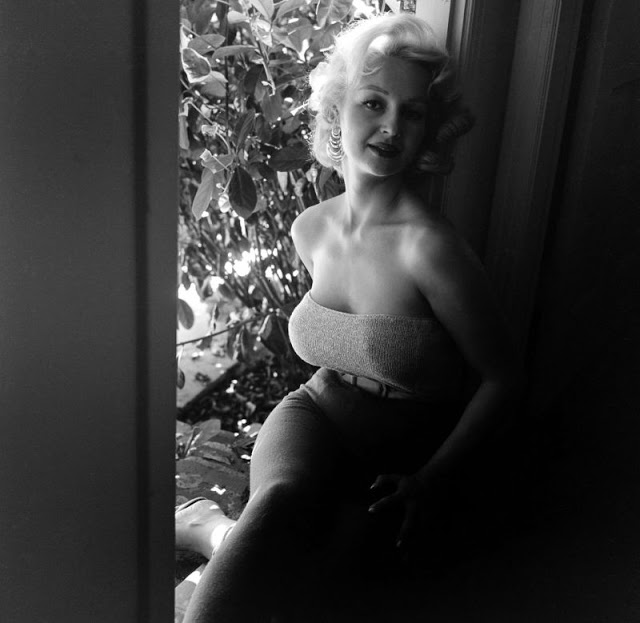
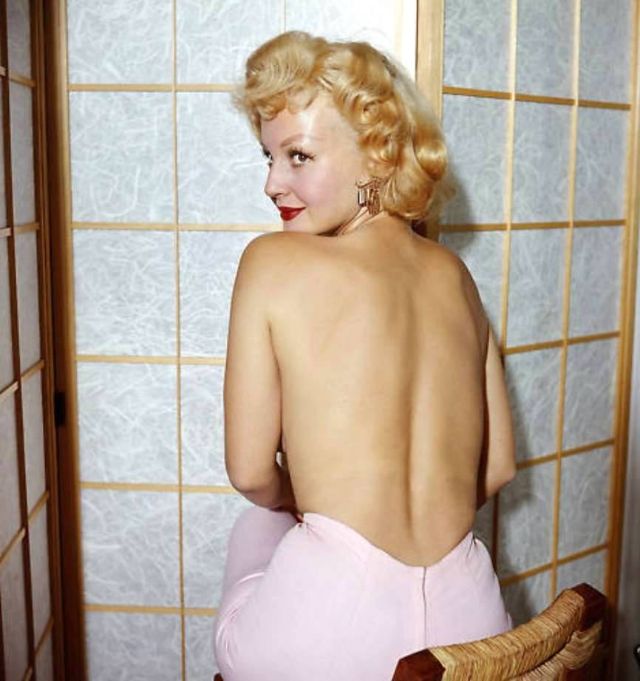
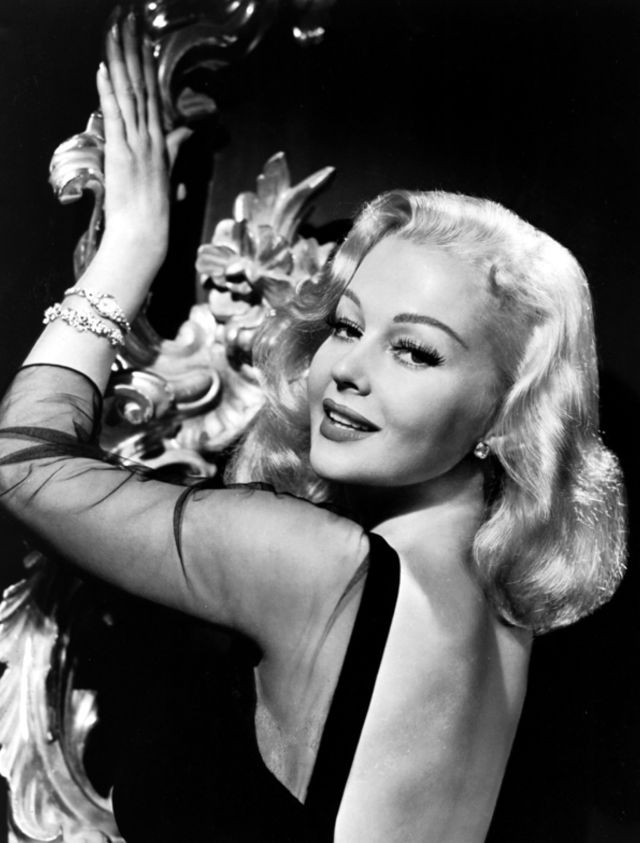
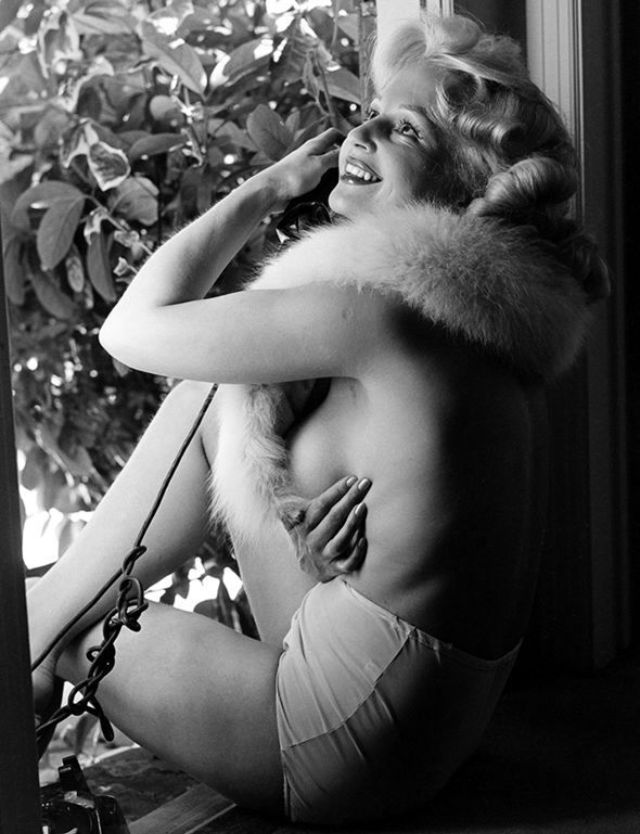
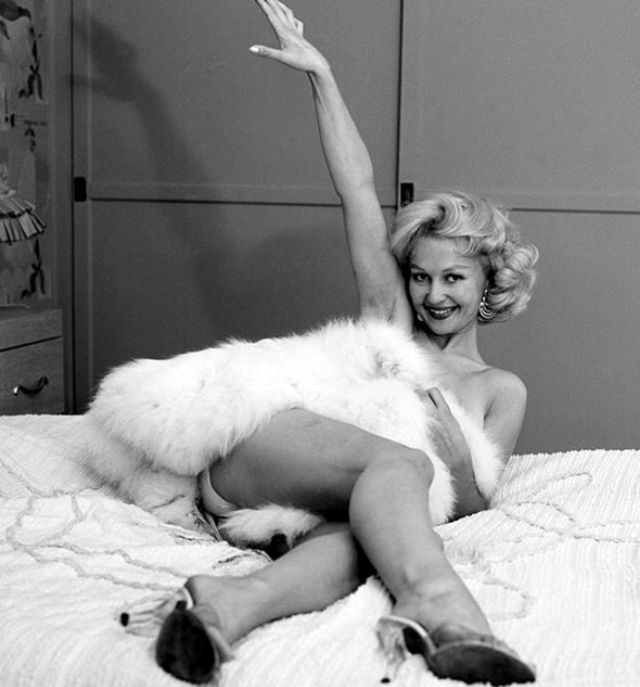
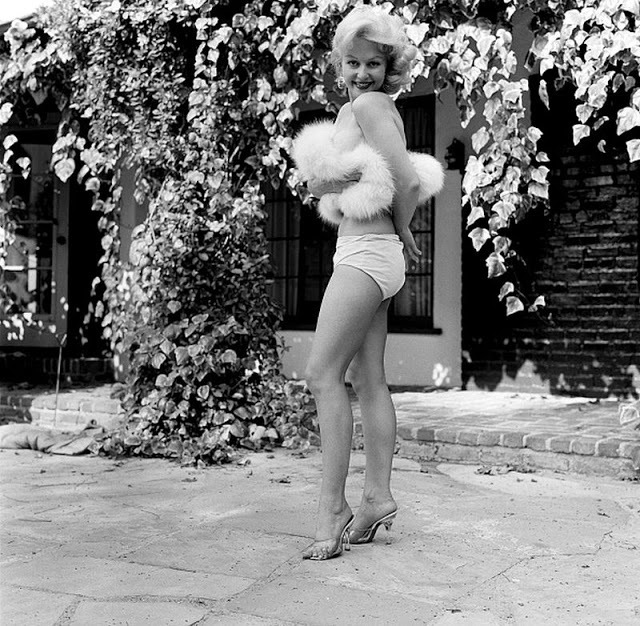
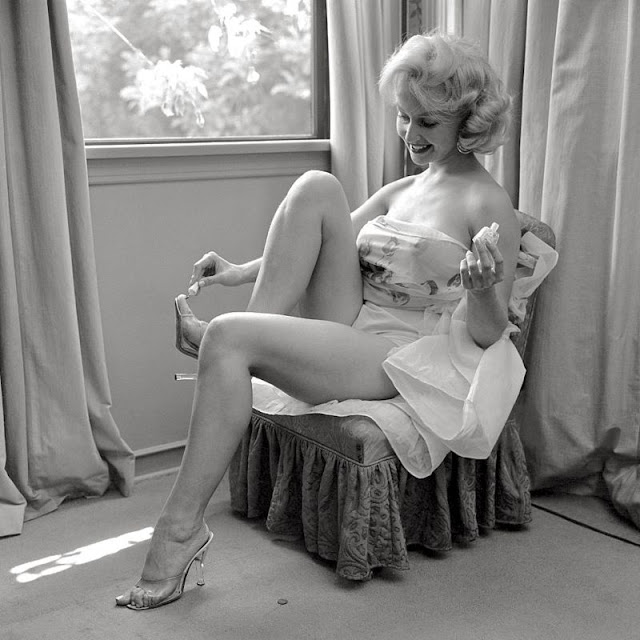
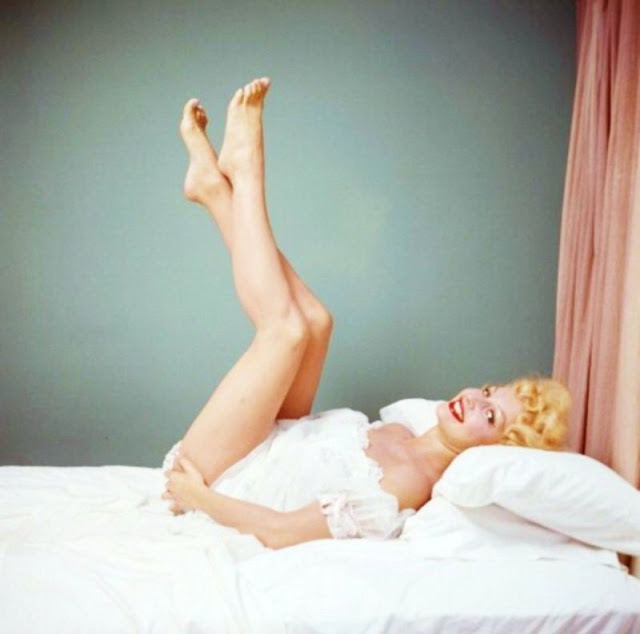
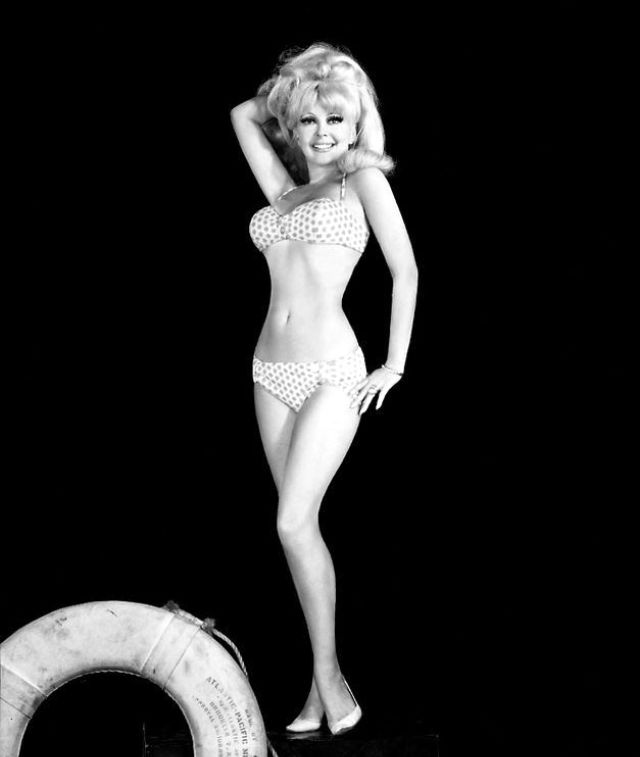
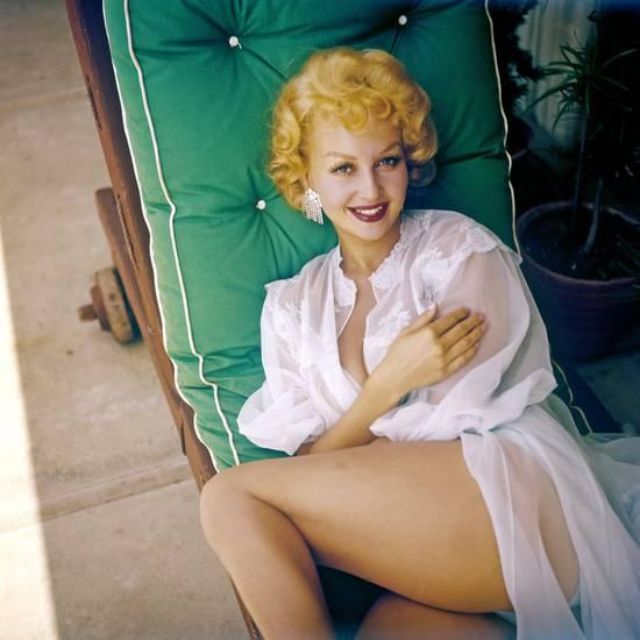


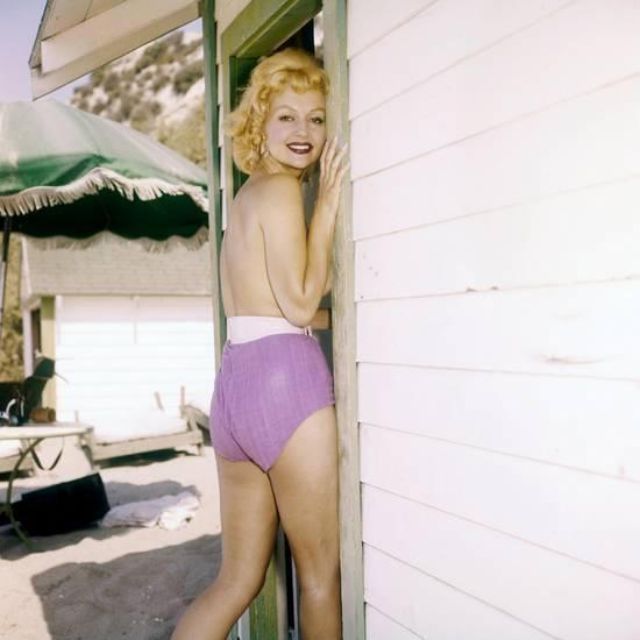


















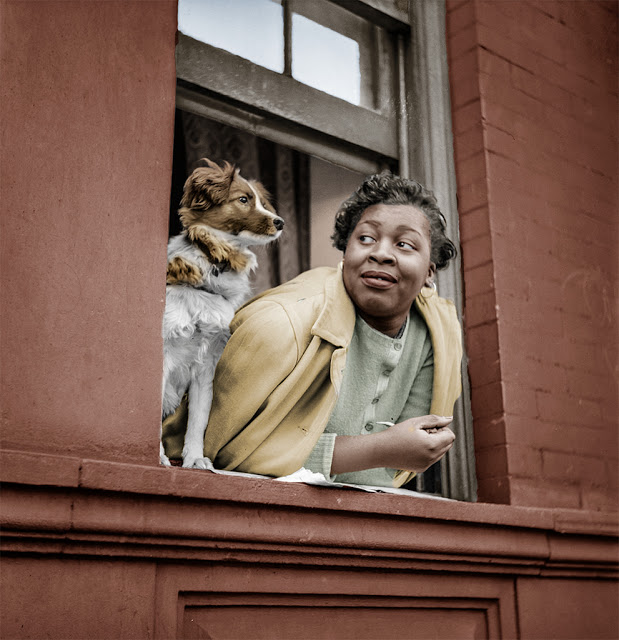
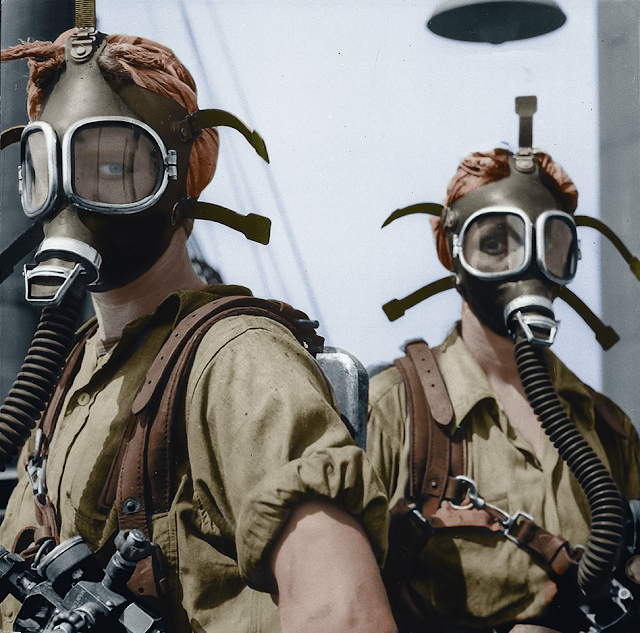
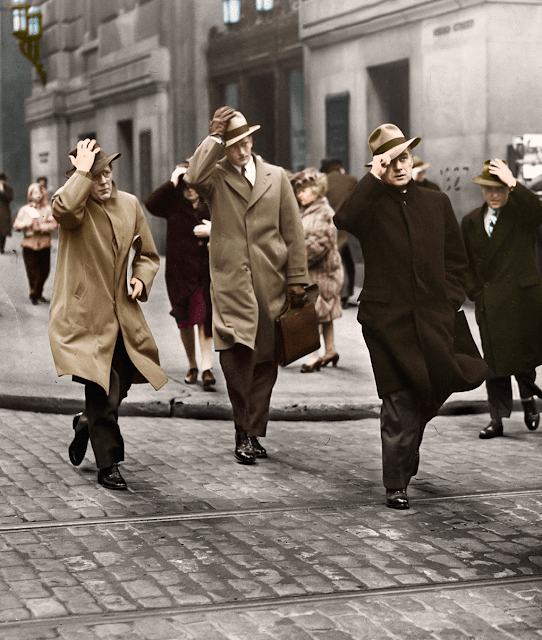
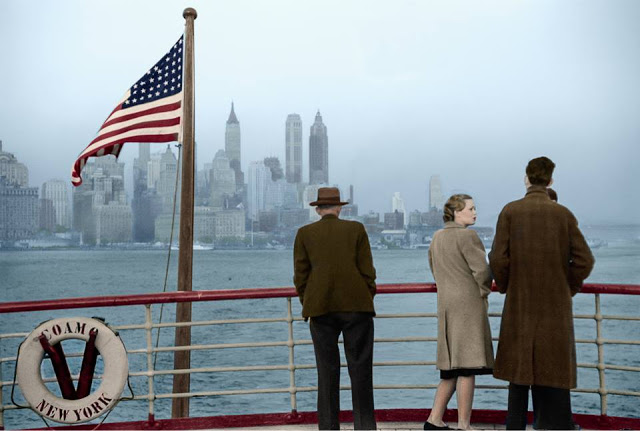
These incredibly amazing photos were colorized by photographer Marie-Lou Chatel. “I’ve always been fascinated with the work of the great photographers of the 20th century. Yet, when I look at their photos, I wonder what they saw in color while taking the photograph.”
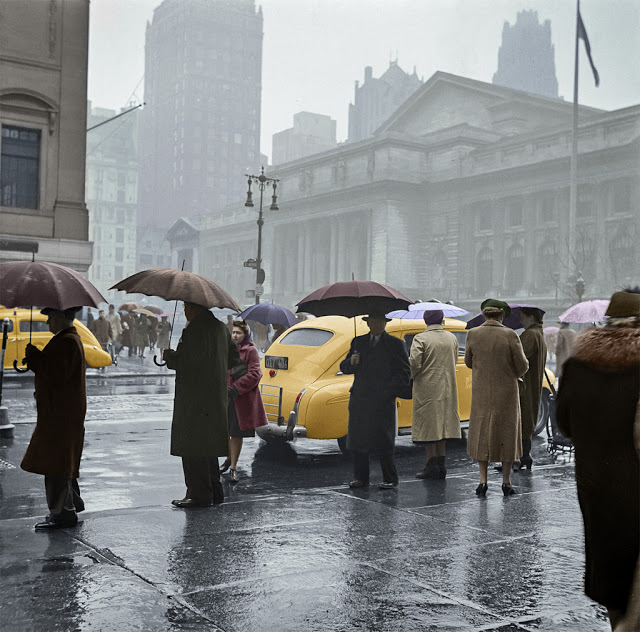
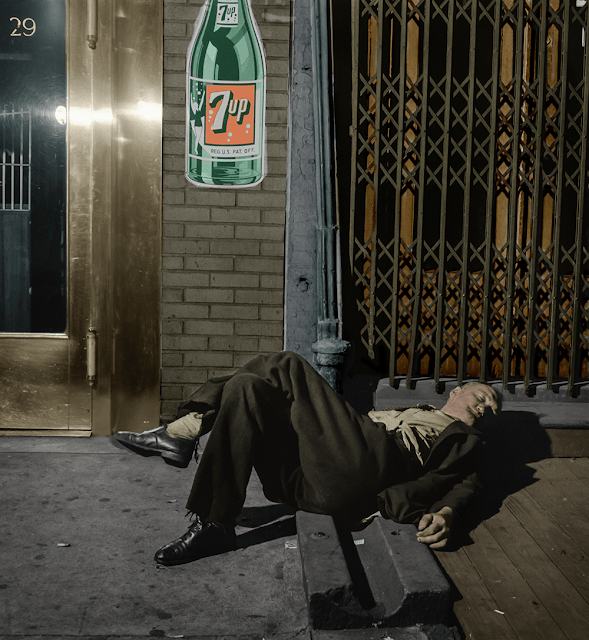
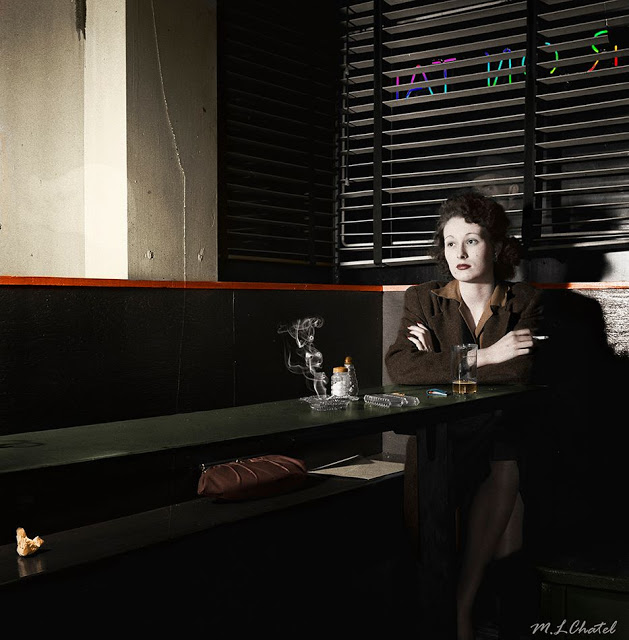
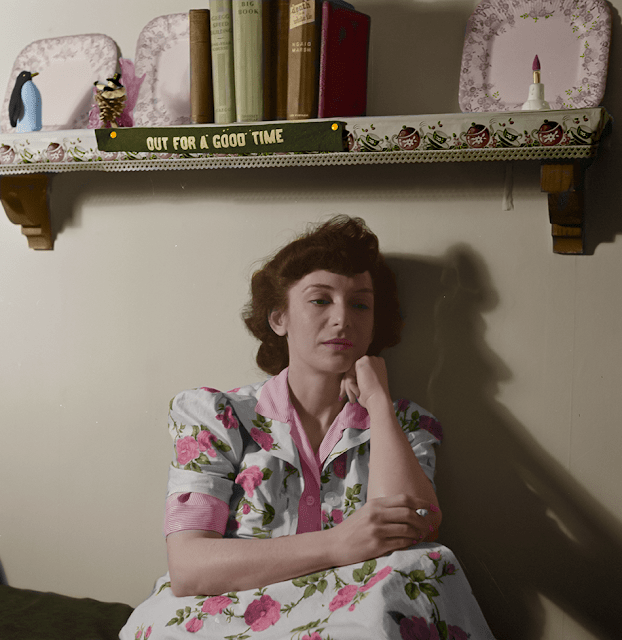
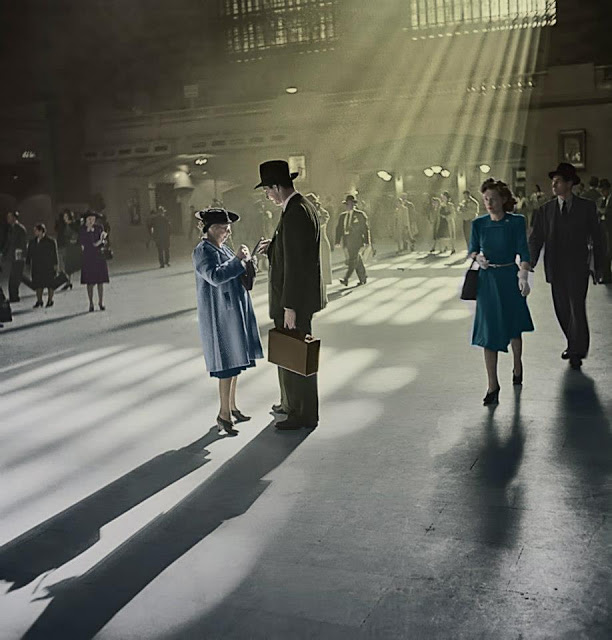
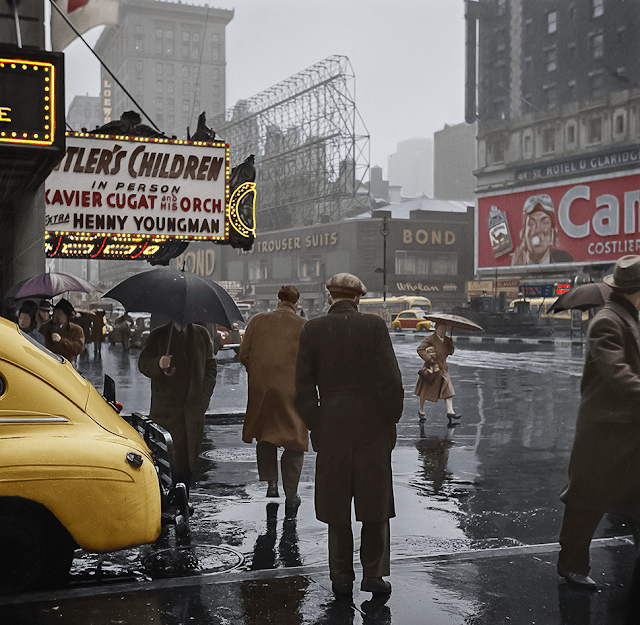
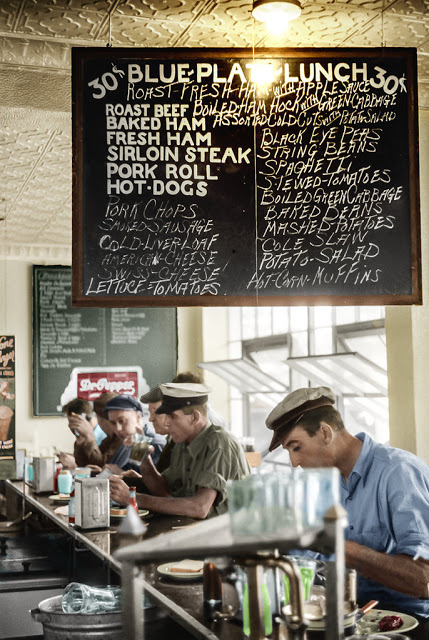
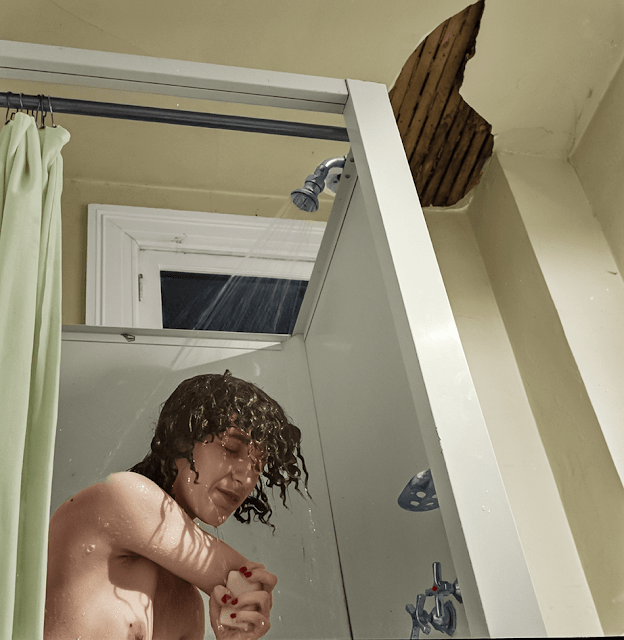
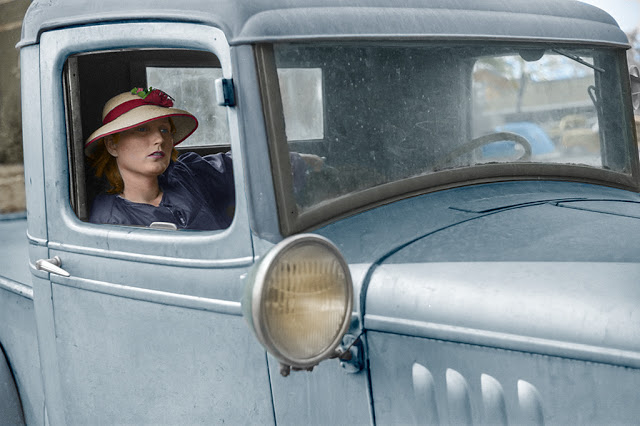

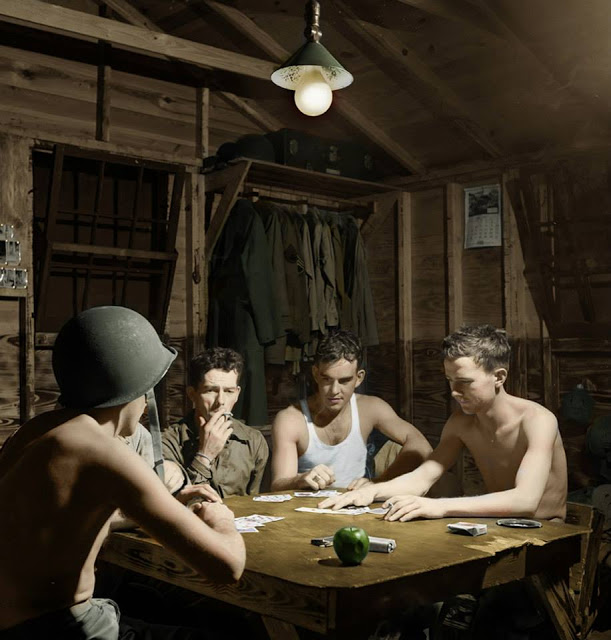
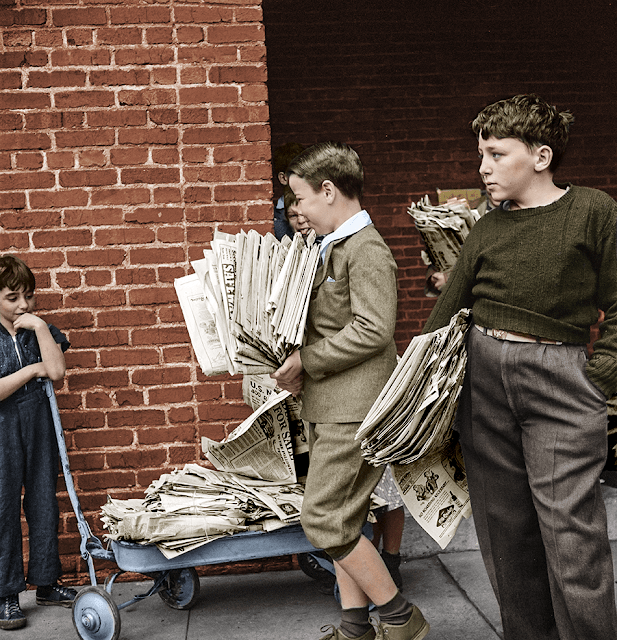
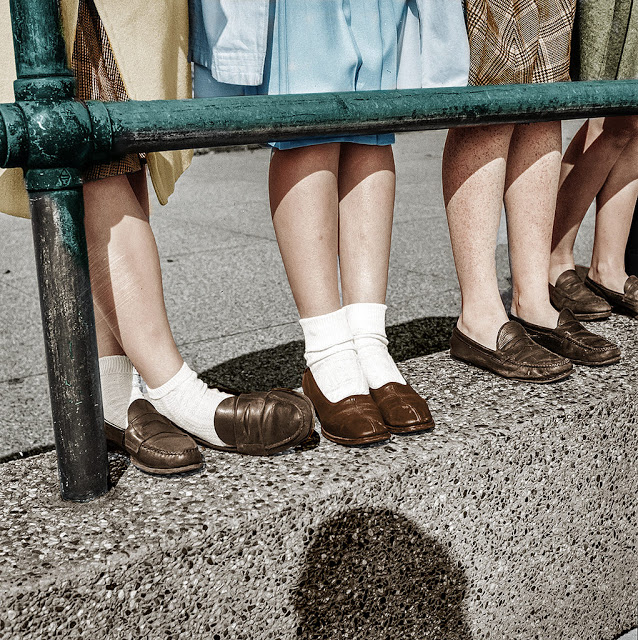
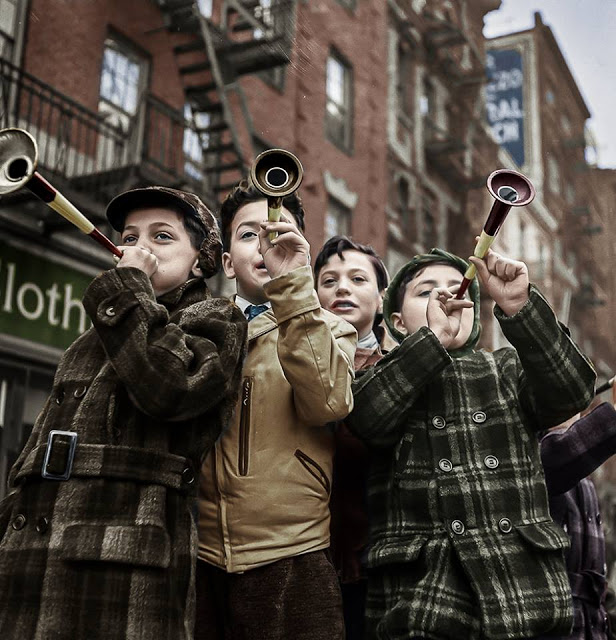
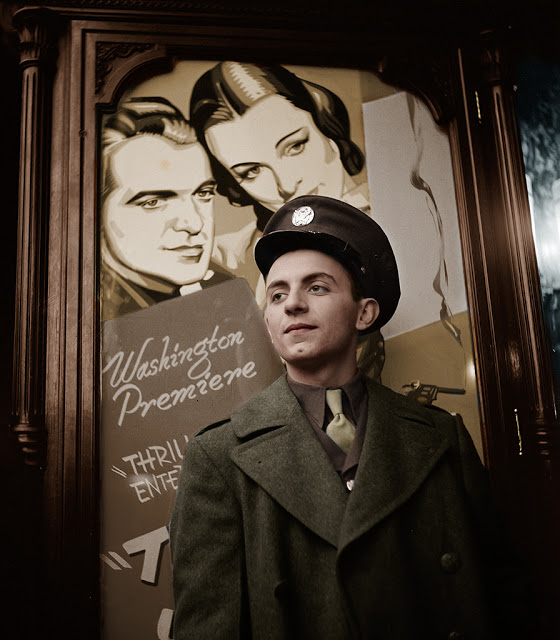
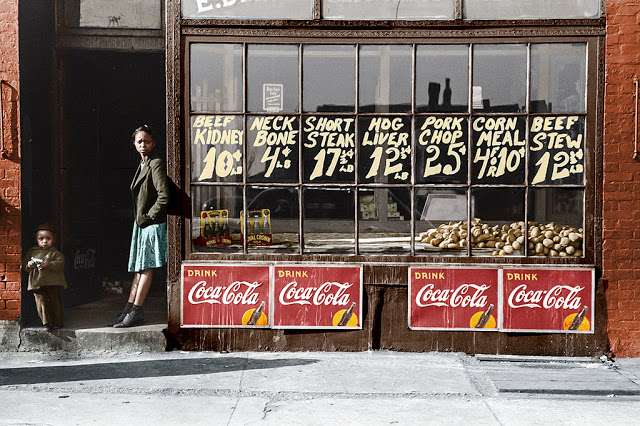
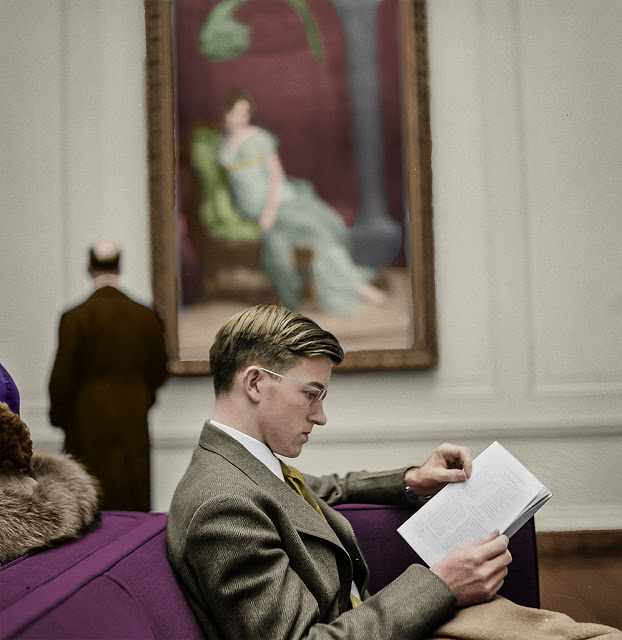
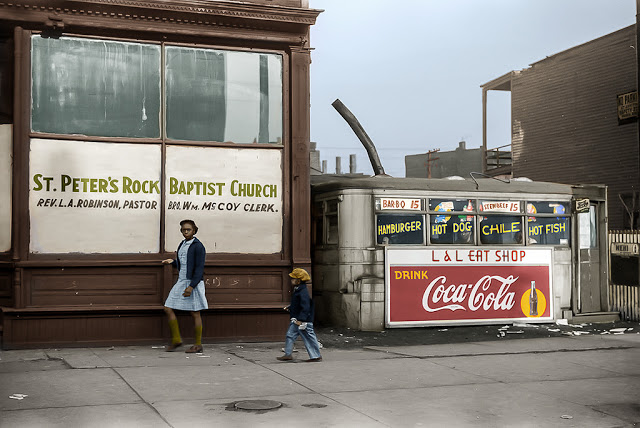
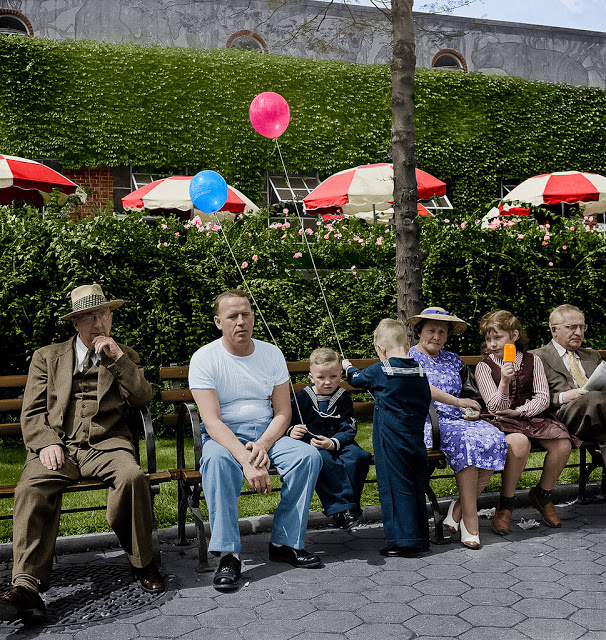
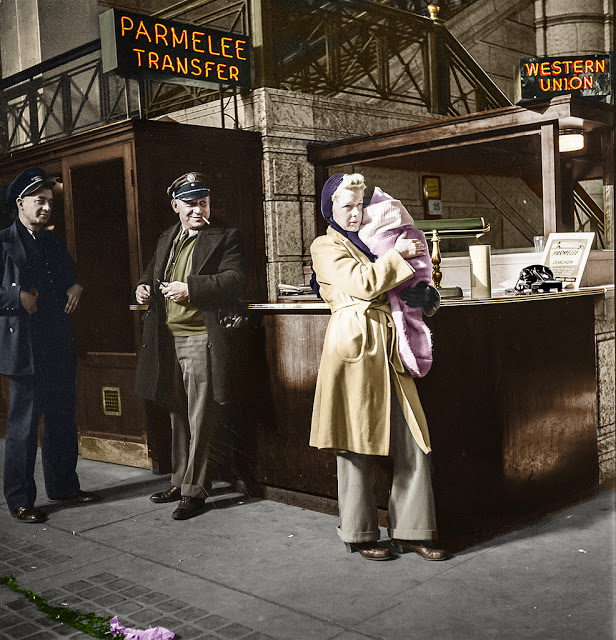
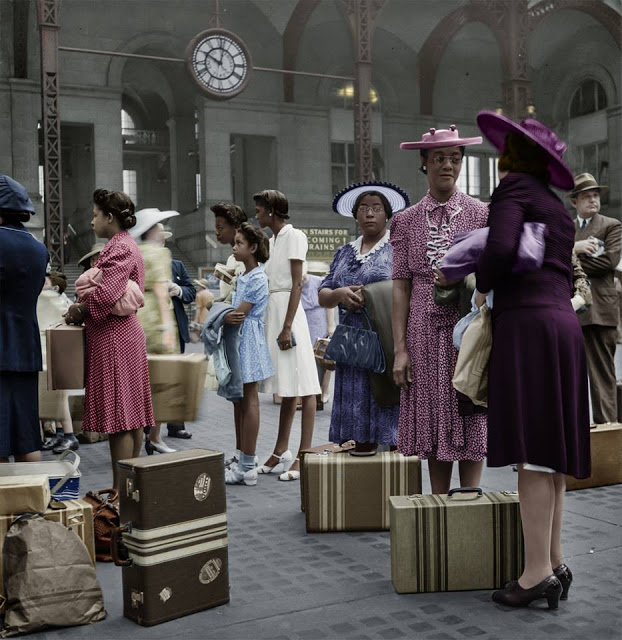
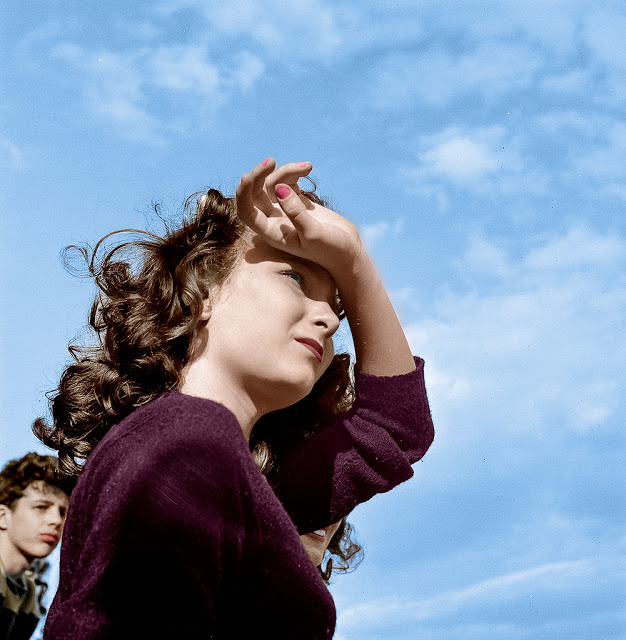

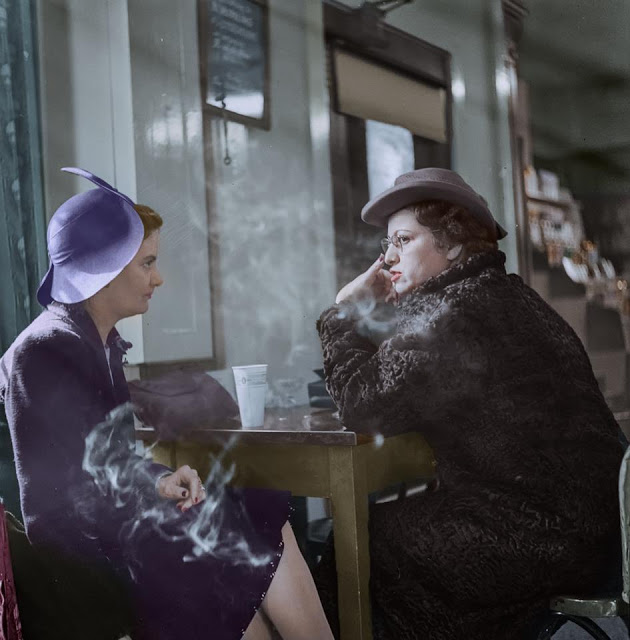
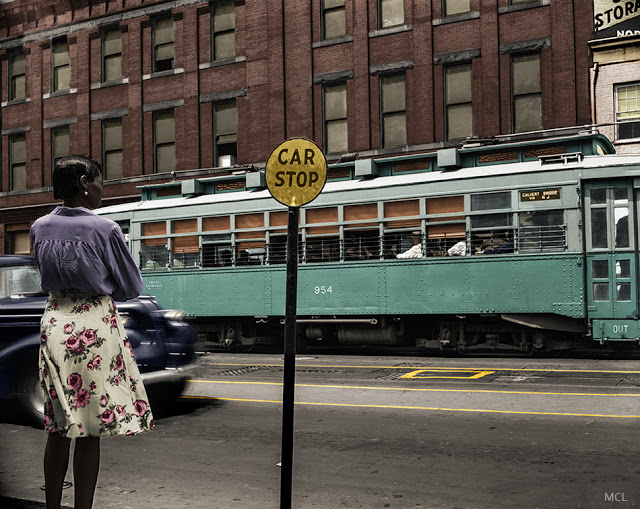
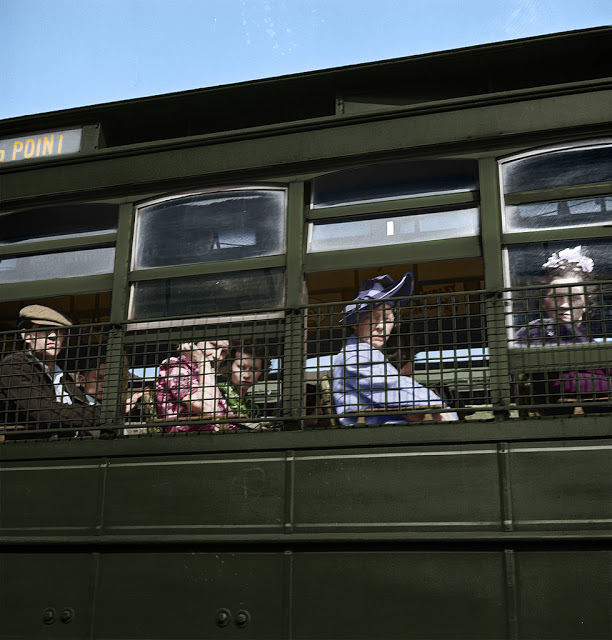
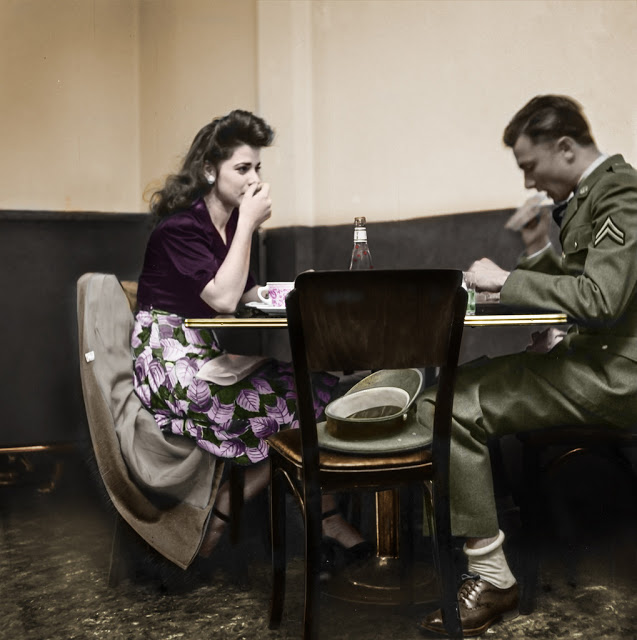
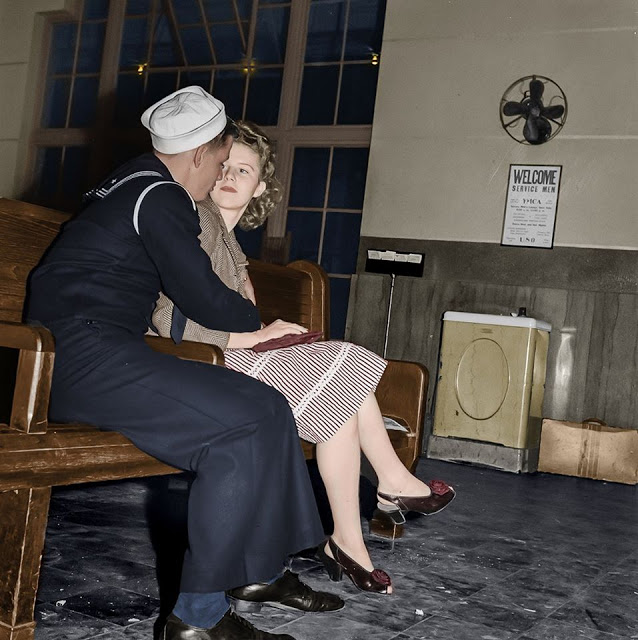
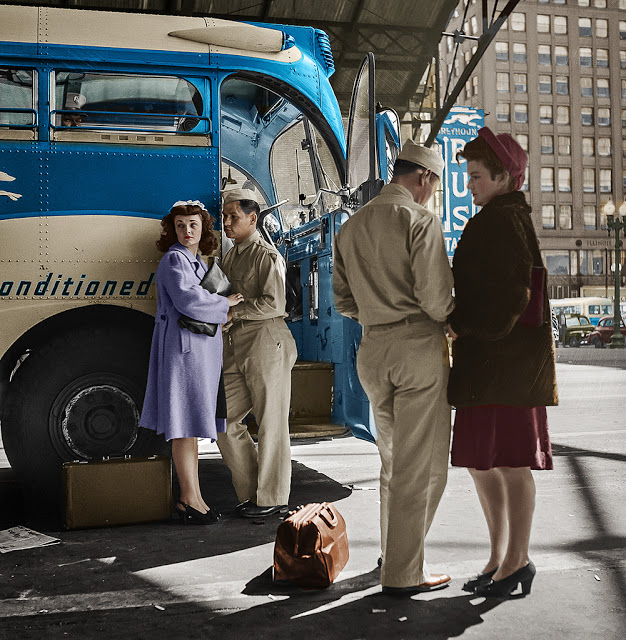

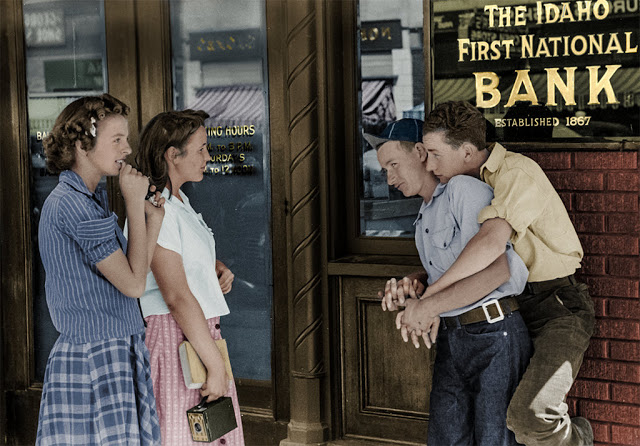
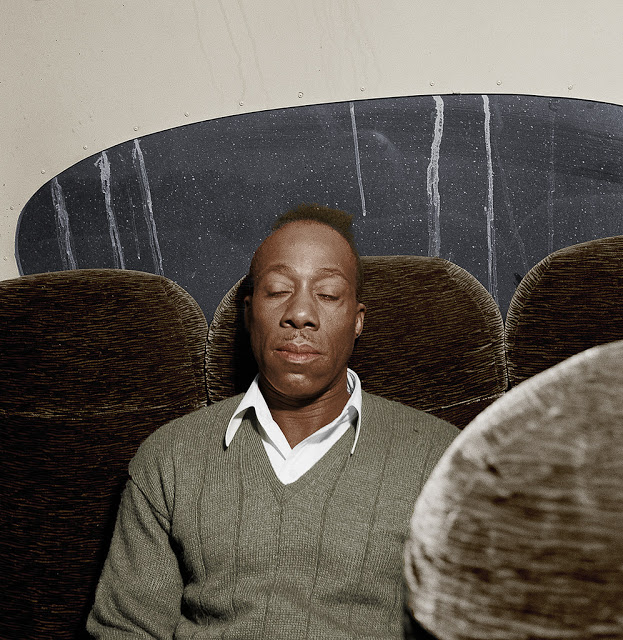
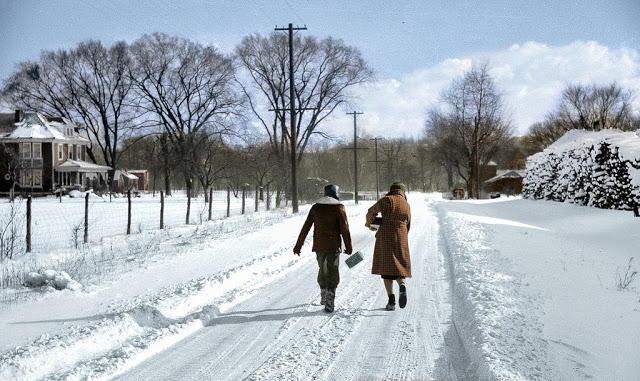
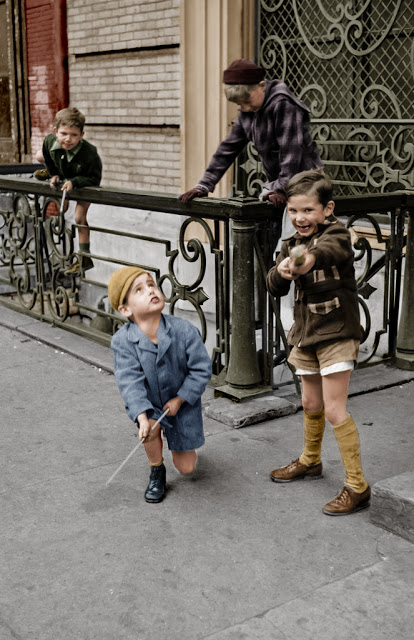
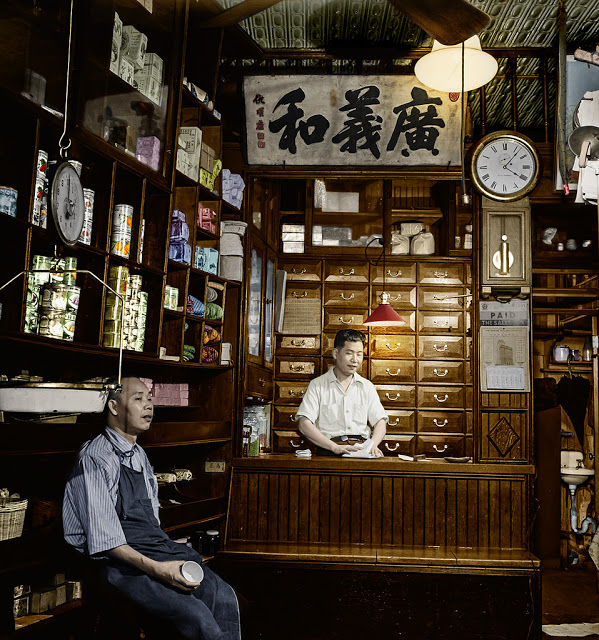
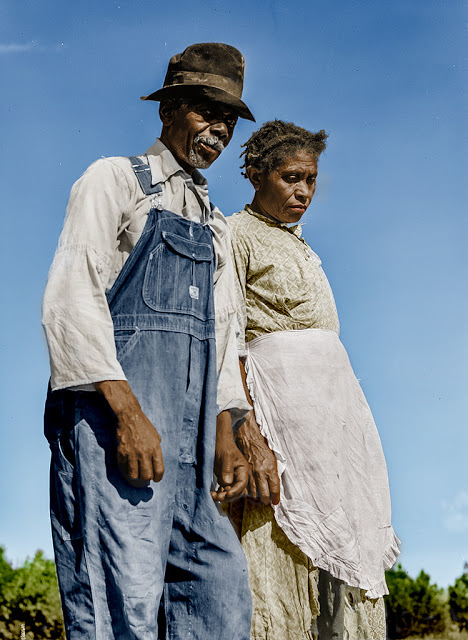
(Restored and colorized by Marie-Lou Chatel)

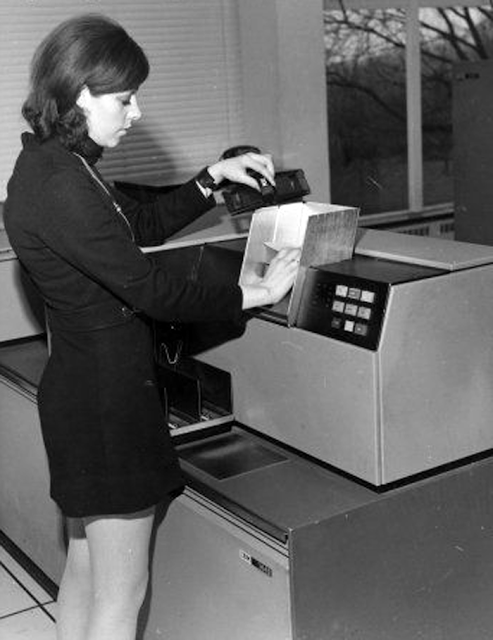
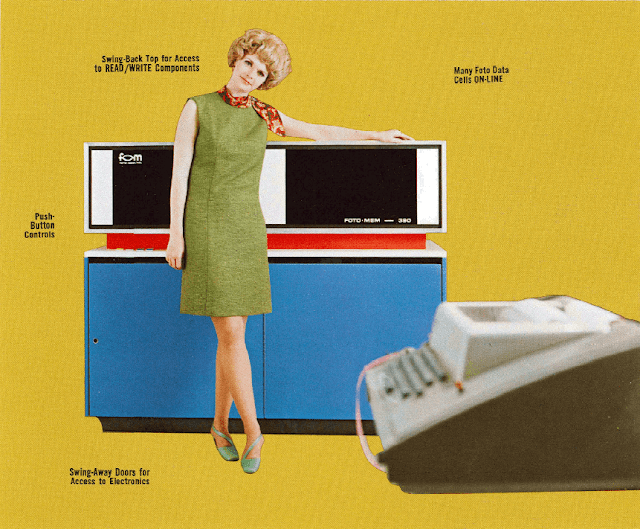
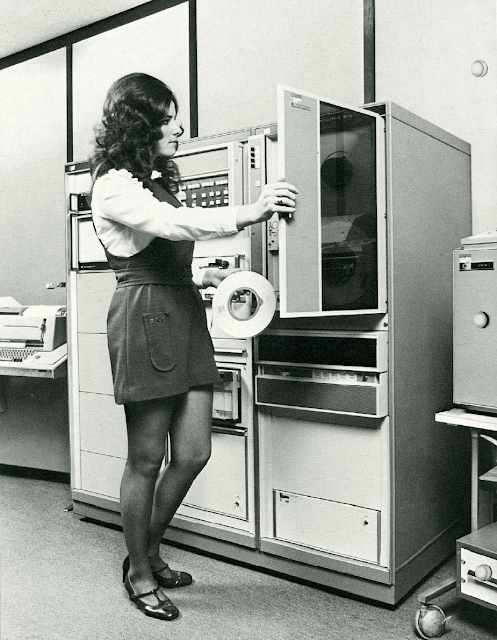
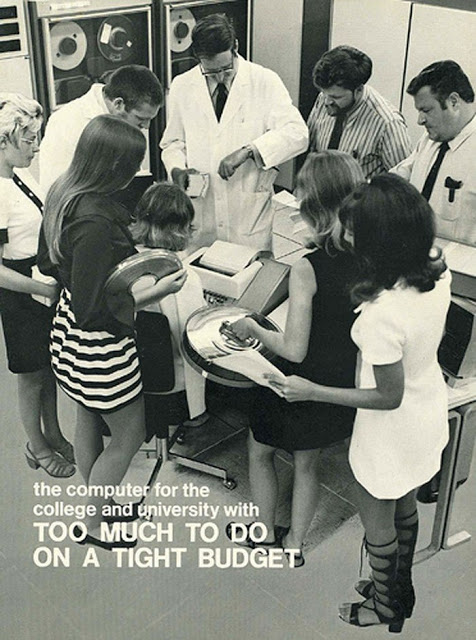
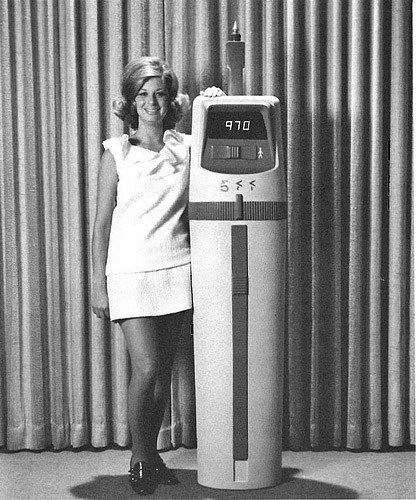
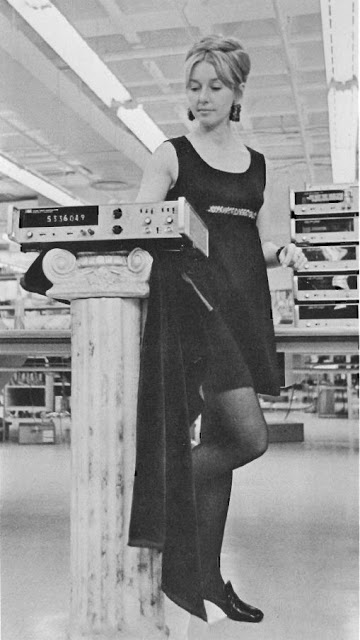
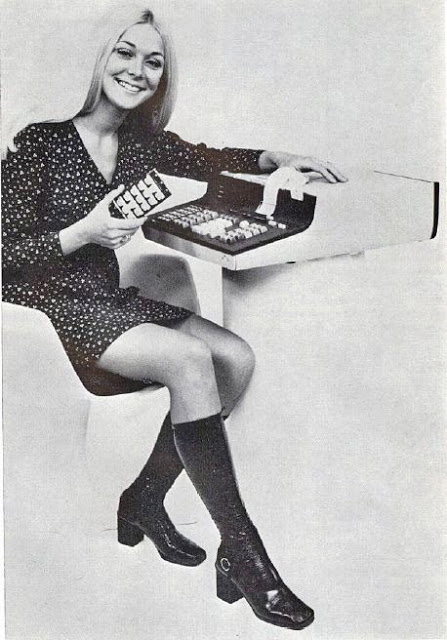
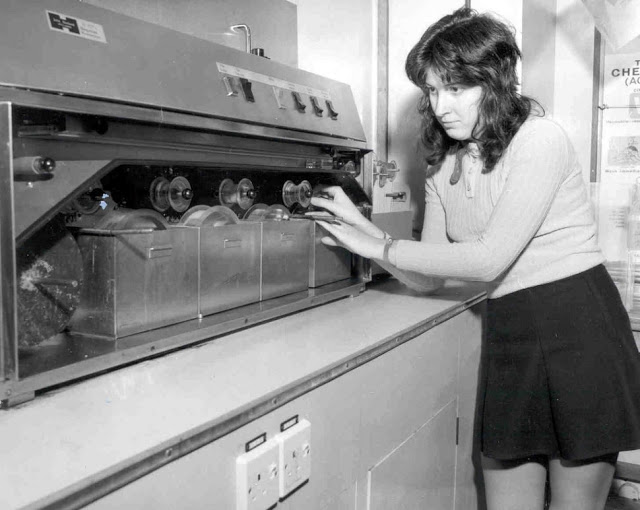
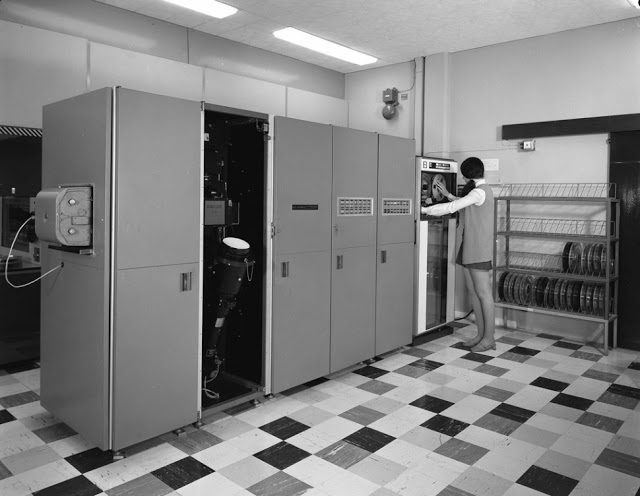
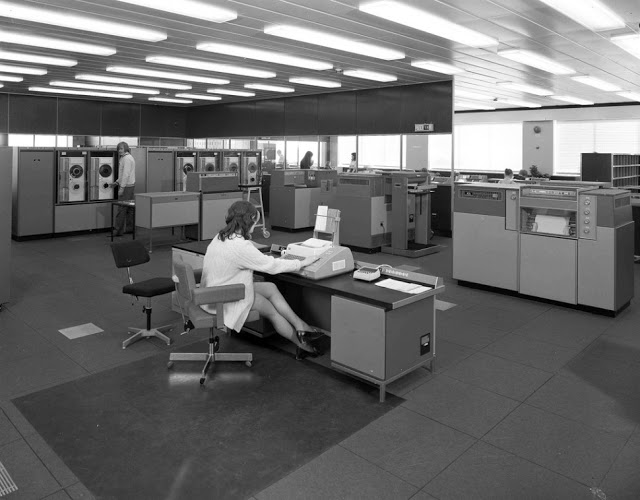
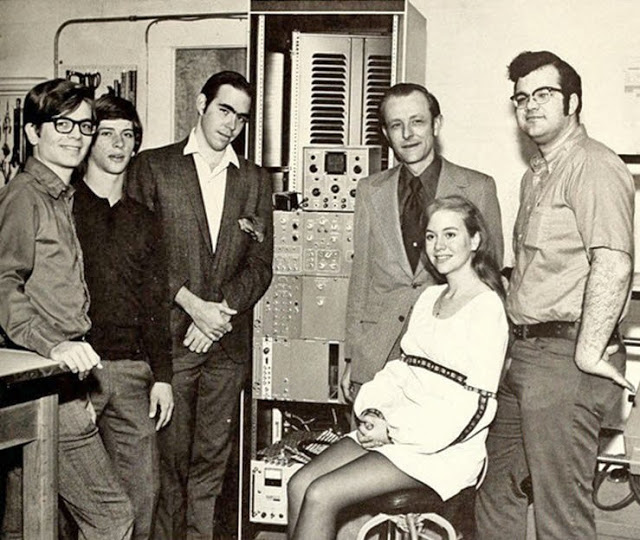
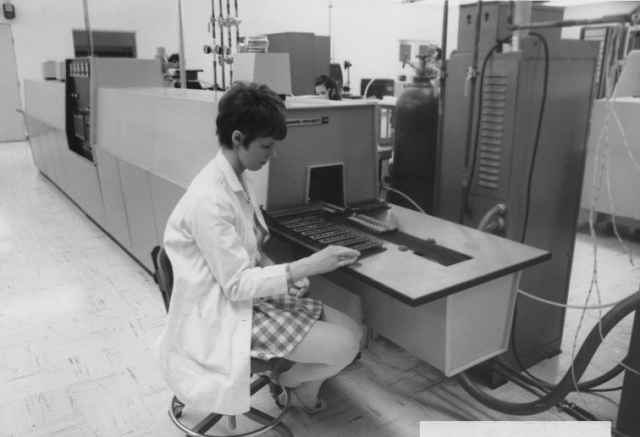
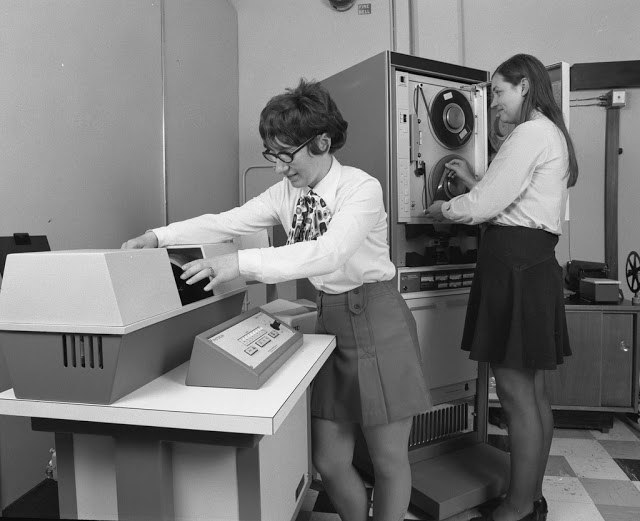
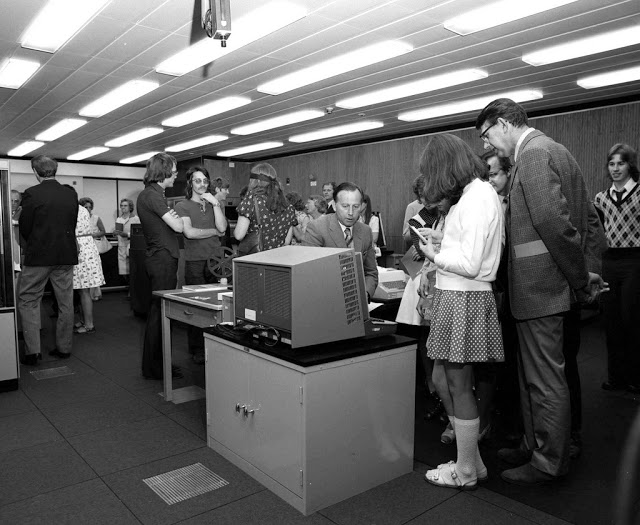
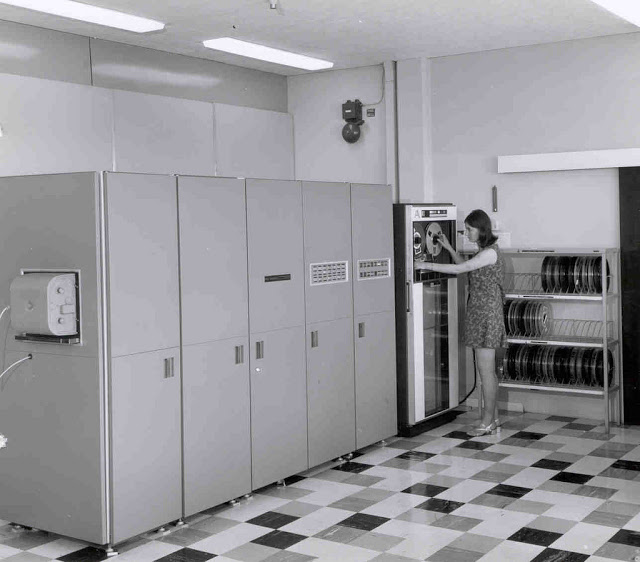
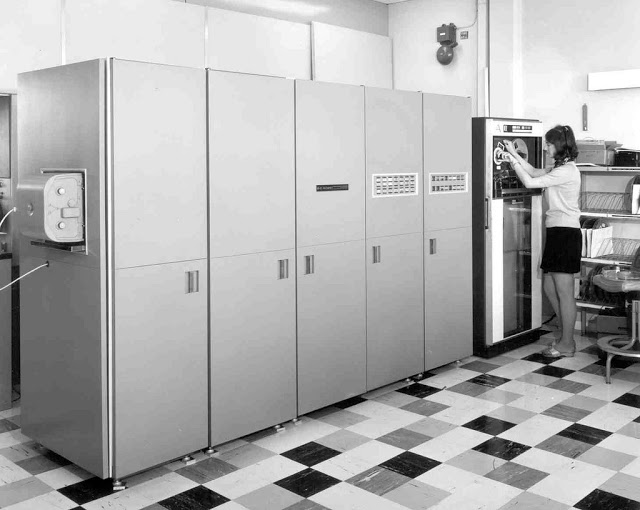
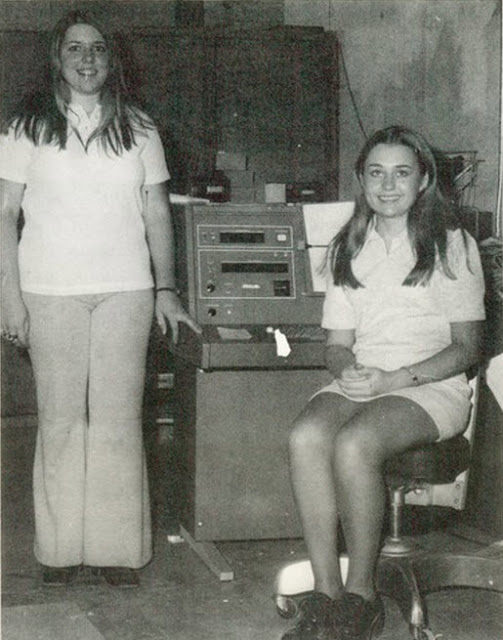
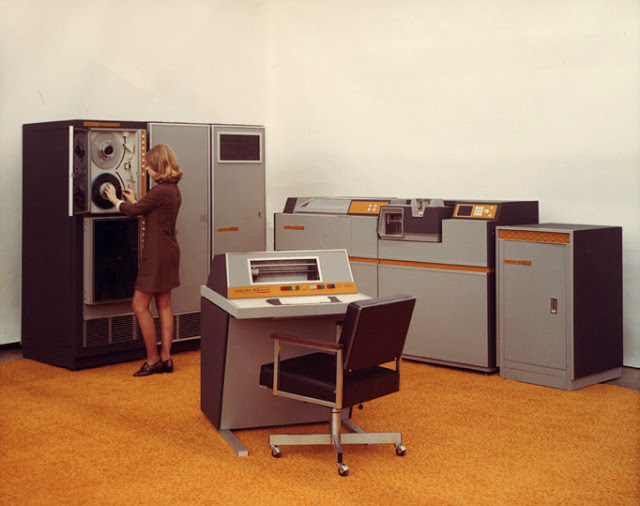
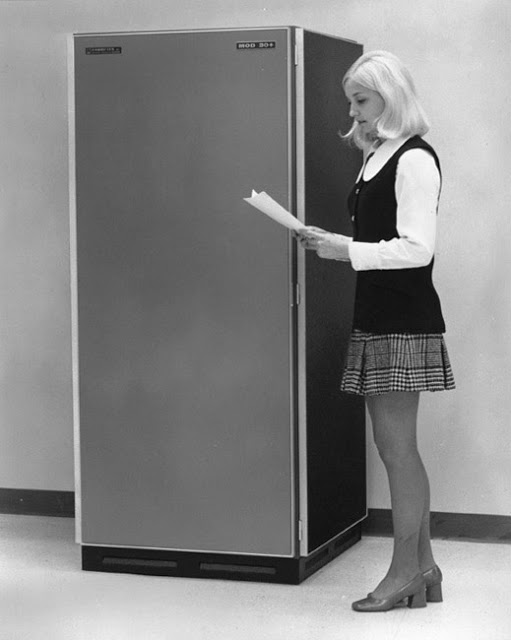
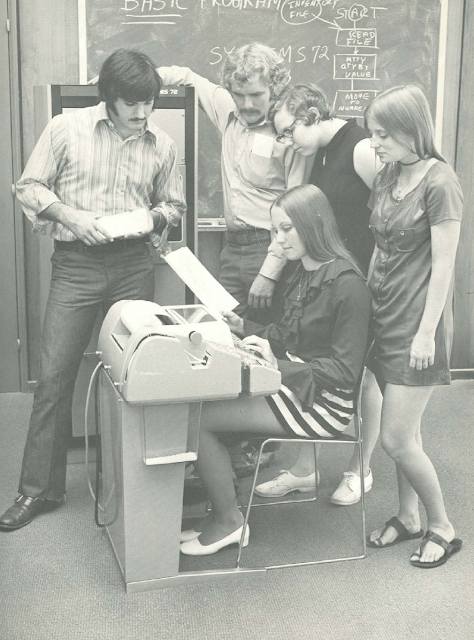
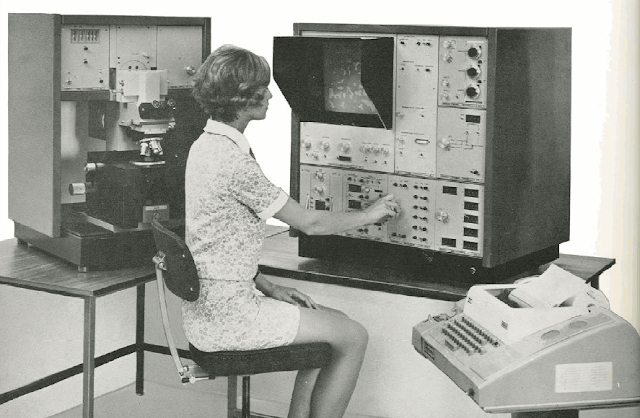
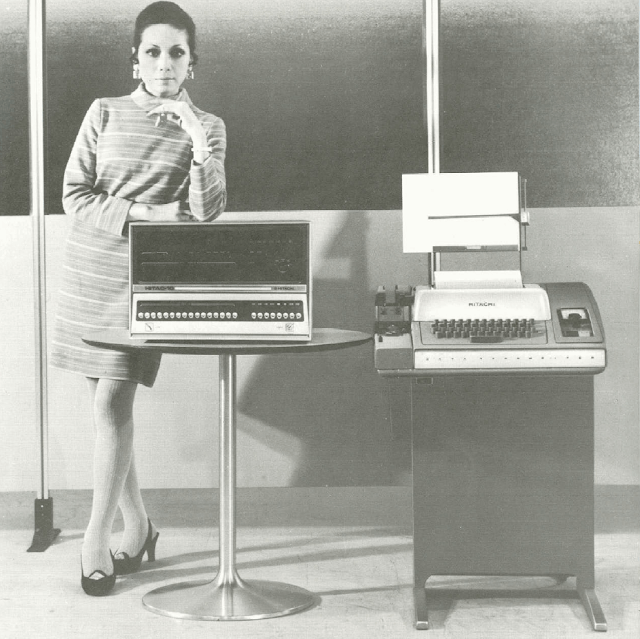
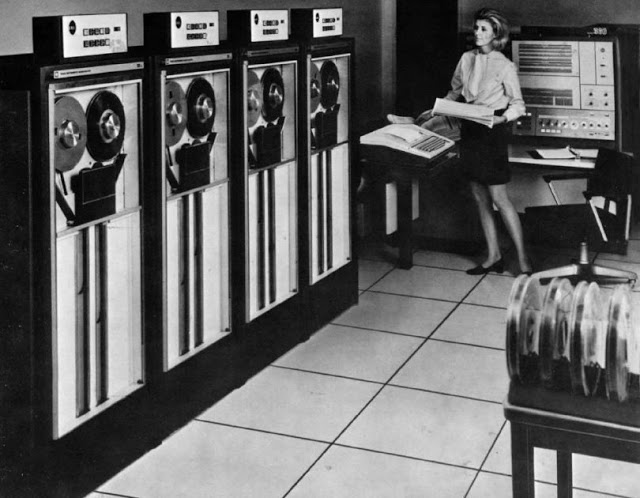
The 1970s were a heady time in the computer industry. The decade saw many notable inventions and developments, especially in the areas of the personal computer, networking and object-oriented programming.
Innovators produced groundbreaking hardware and software. Several large organizations entered the industry or expanded during the decade, including Texas Instruments, Xerox and International Business Machines, or IBM. Some companies, such as RCA, dipped their toes in industry waters, but quickly withdrew from the computer scene.















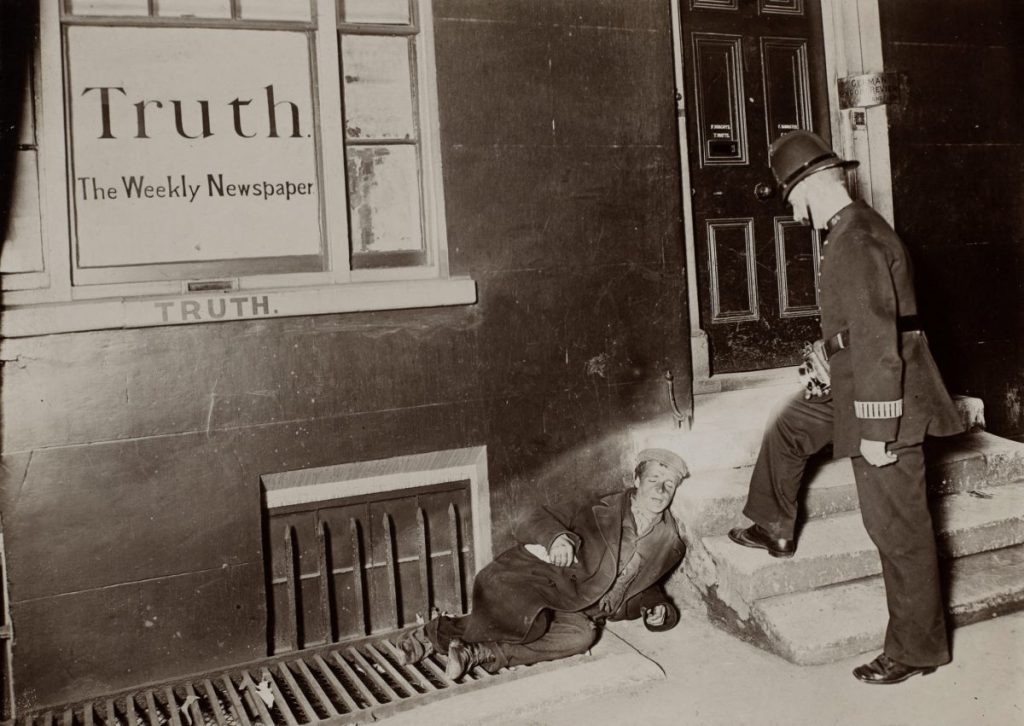
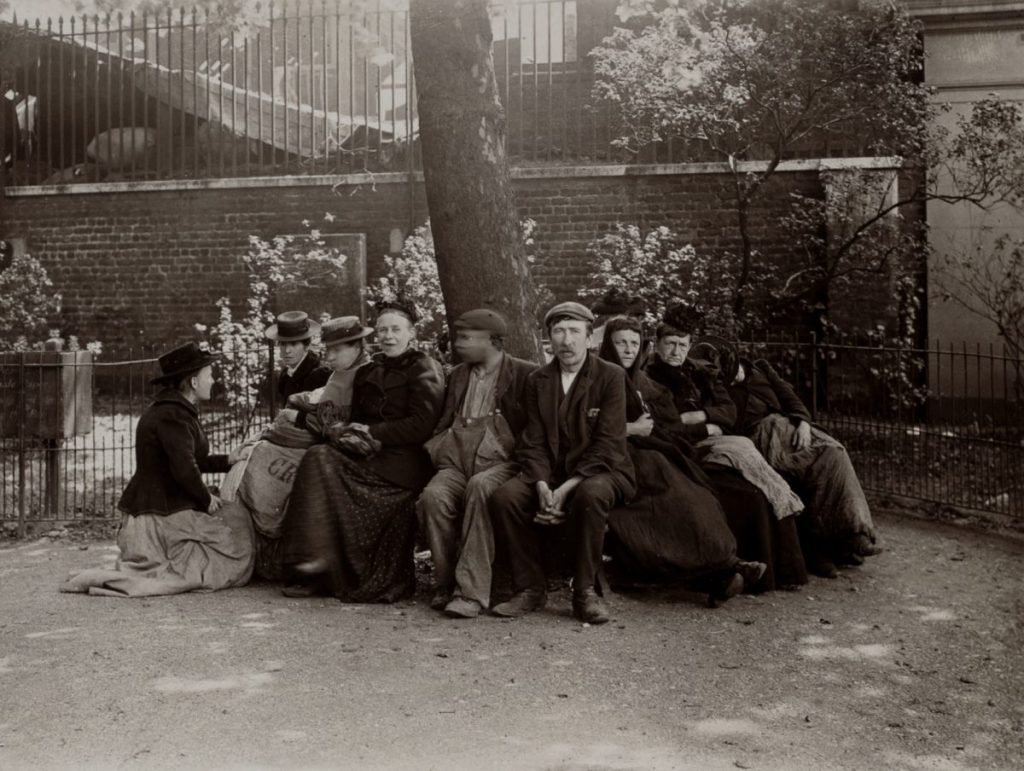
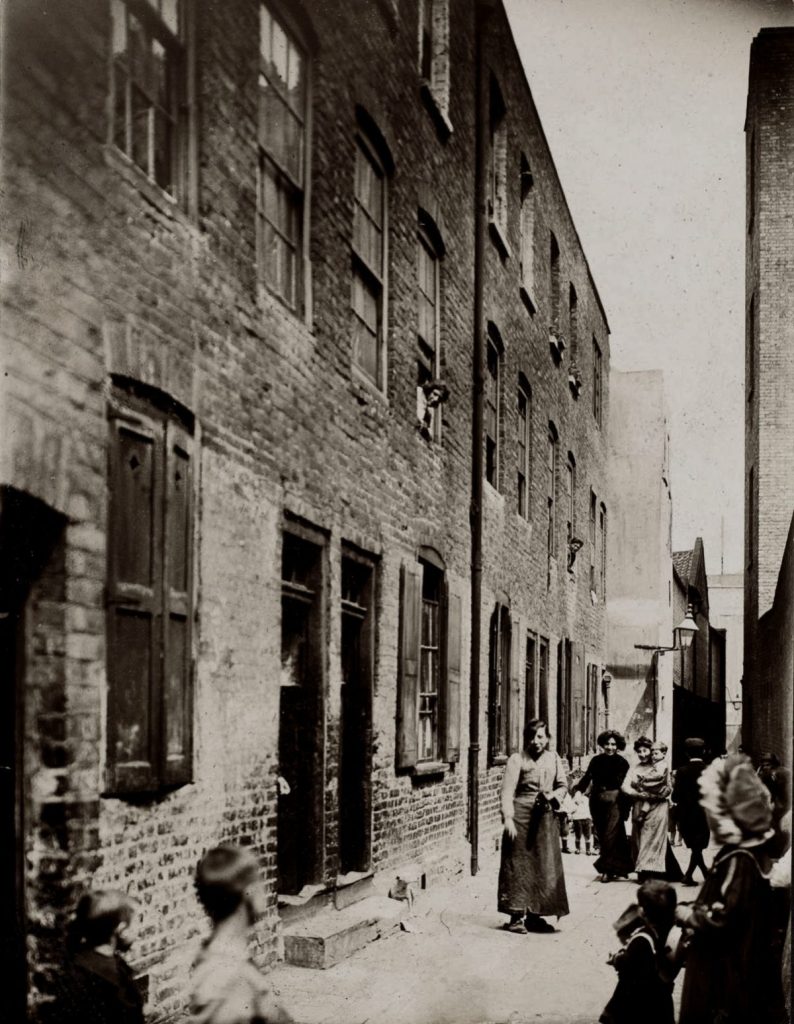
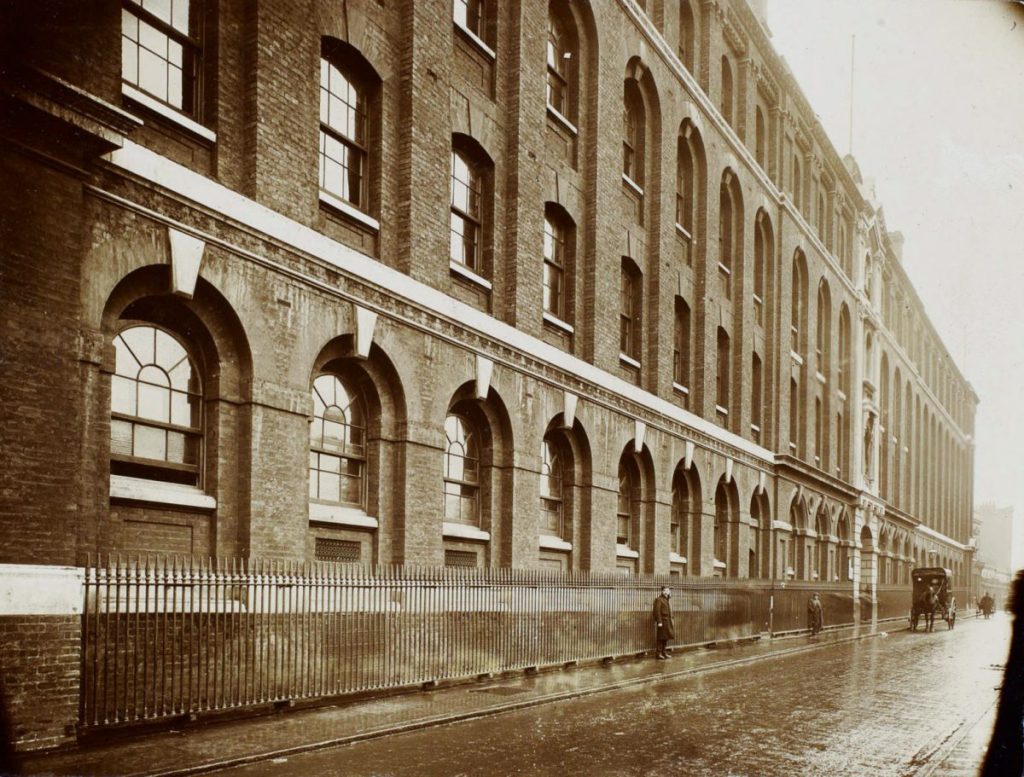
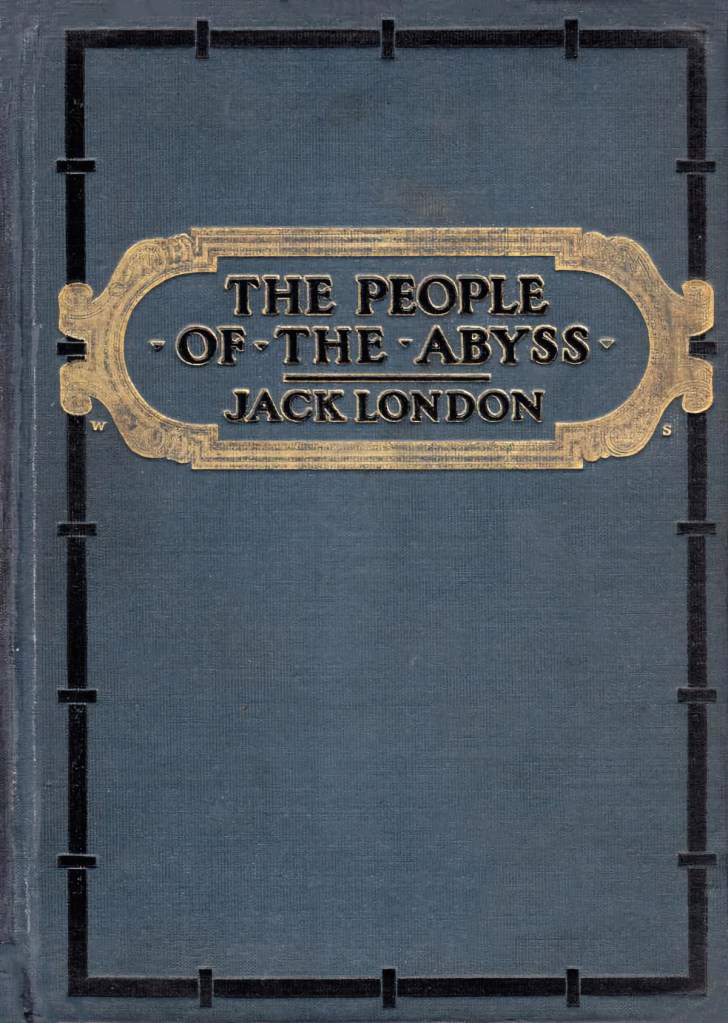
In a book that became to be known as ‘The People of the Abyss’ London described the time when he lived in the Whitechapel district sleeping in workhouses, so-called doss-houses and even on the streets.
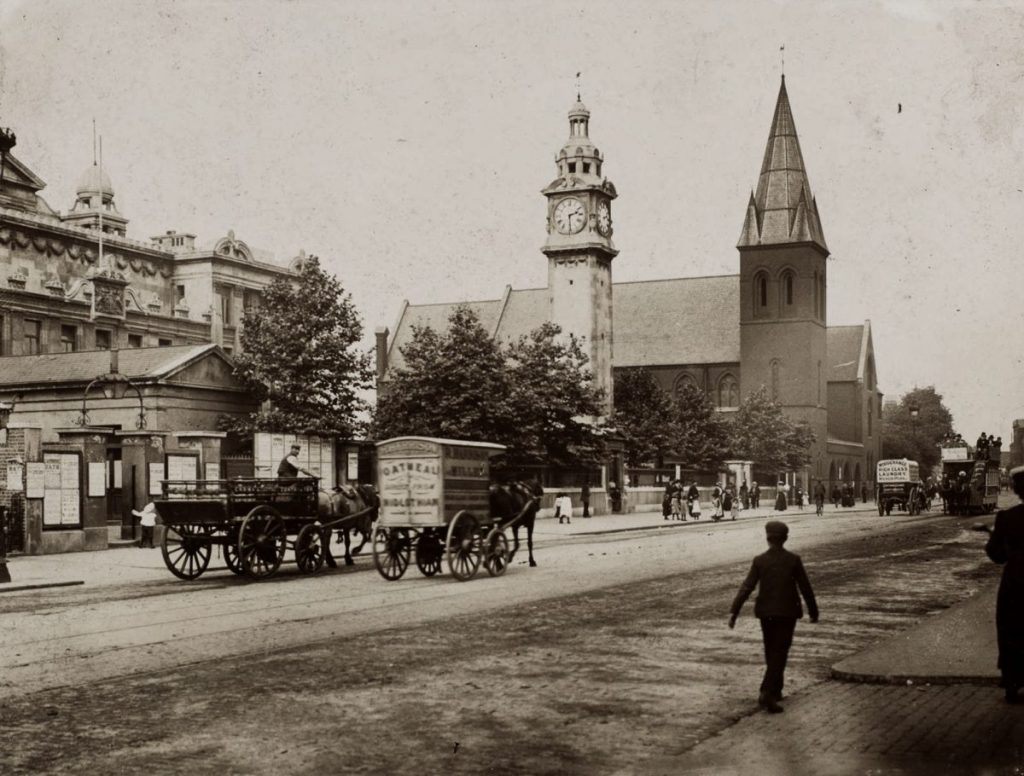
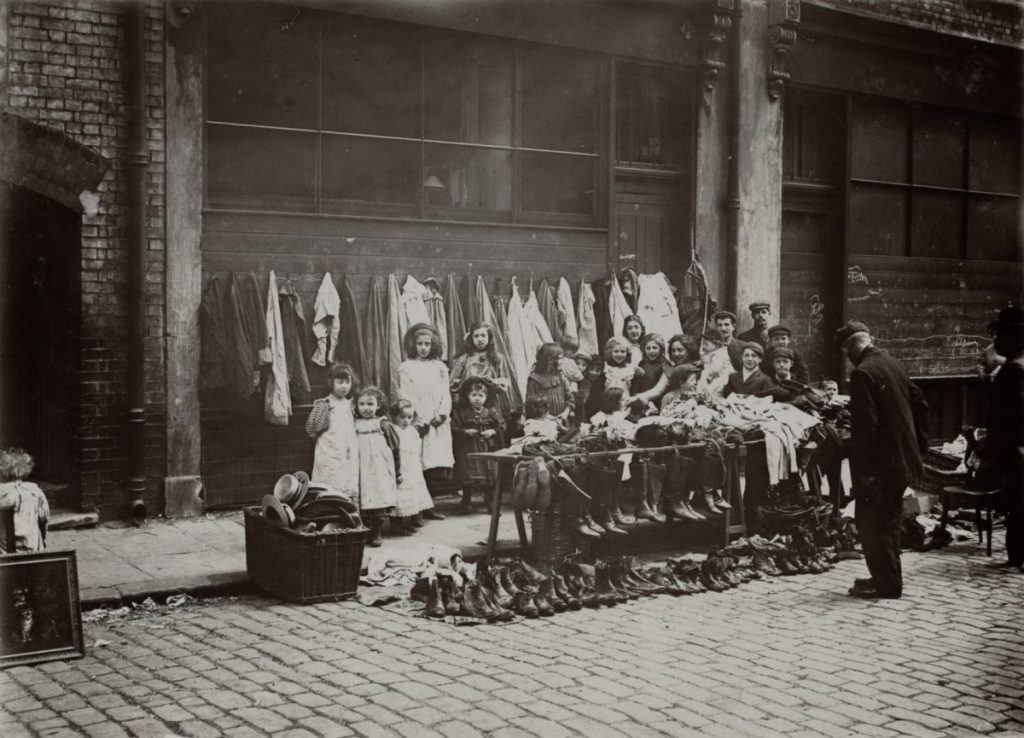
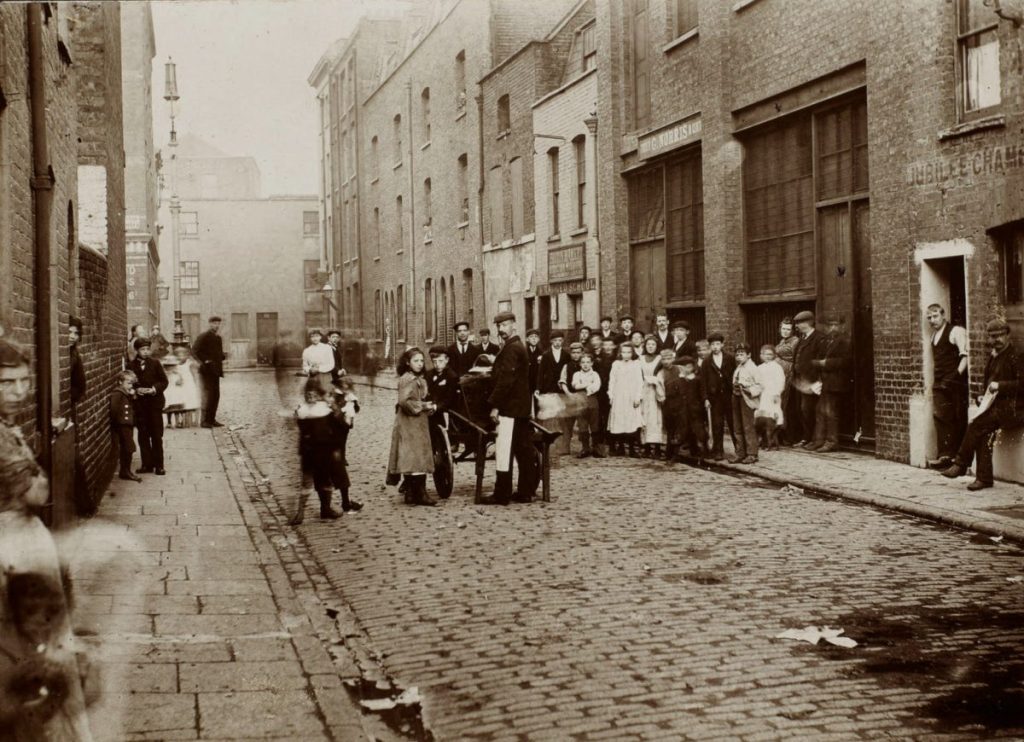
In 1902 the American author Jack London visited his namesake city – at the time when it was still the largest in the world. In a book that became to be known as The People of the Abyss he described the time when he lived in the Whitechapel district sleeping in workhouses, so-called doss-houses and even on the streets. It was said that about half a million people were living in these awful and terrible conditions in Britain’s capital city. London took the photographs that illustrated his extraordinary book (between 1900 and 1916 the American writer took more than 12 thousand photographs). London was most disturbed by the number of “old men, young men, all manner of men, and boys to boot, and all manner of boys” who had no other choice other than to sleep on the streets. “Some were drowsing standing up; half a score of them were stretched out on the stone steps in most painful postures…the skin of their bodies showing red through the holes, and rents in their rags.”
London had trouble finding anyone to show him the East End:
“But you can’t do it, you know,” friends said, to whom I applied for assistance in the matter of sinking myself down into the East End of London. “You had better see the police for a guide,” they added, on second thought, painfully endeavouring to adjust themselves to the psychological processes of a madman who had come to them with better credentials than brains.
“But I don’t want to see the police,” I protested. “What I wish to do is to go down into the East End and see things for myself. I wish to know how those people are living there, and why they are living there, and what they are living for. In short, I am going to live there myself.”
“You don’t want to live down there!” everybody said, with disapprobation writ large upon their faces. “Why, it is said there are places where a man’s life isn’t worth tu’pence.”
“The very places I wish to see,” I broke in.
“But you can’t, you know,” was the unfailing rejoinder.”
According to Michael Shelden, George Orwell‘s biographer, the English writer had read London’s book while in his teens and greatly inspired as can be seen in Down and Out in Paris and London and the Road to Wigan Pier.
The People of the Abyss was published in 1903 the same year as his novel Call of the Wild was serialised – bringing London international fame. London later said: “Of all my books, the one I love most is The People of the Abyss. No other work of mine contains as much of my heart.”
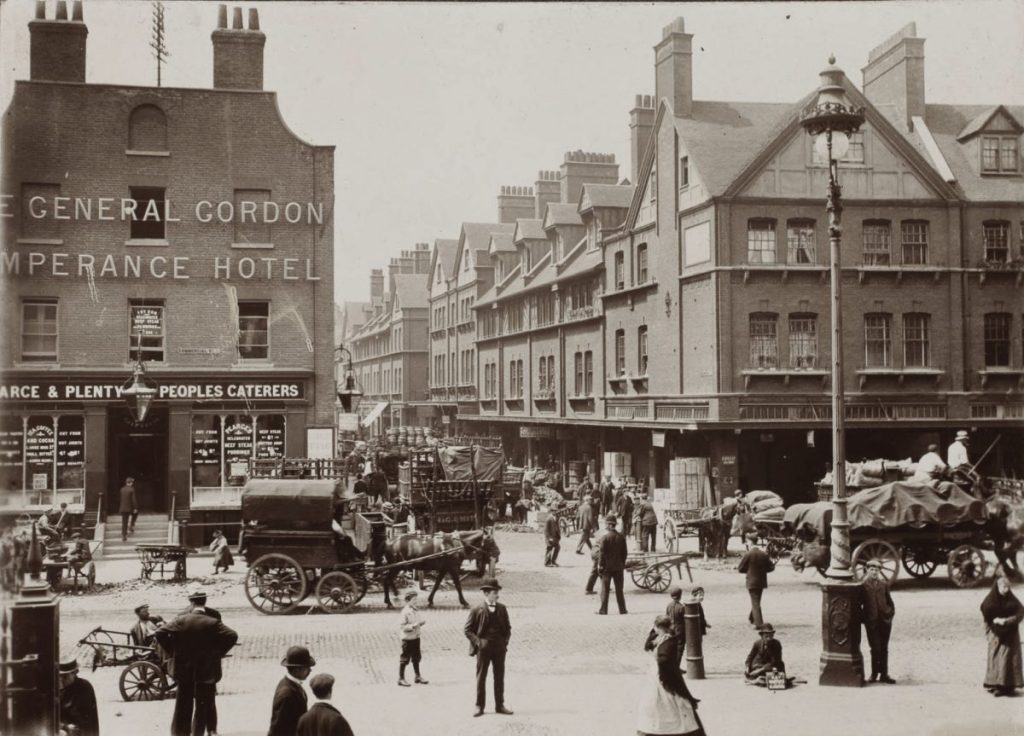
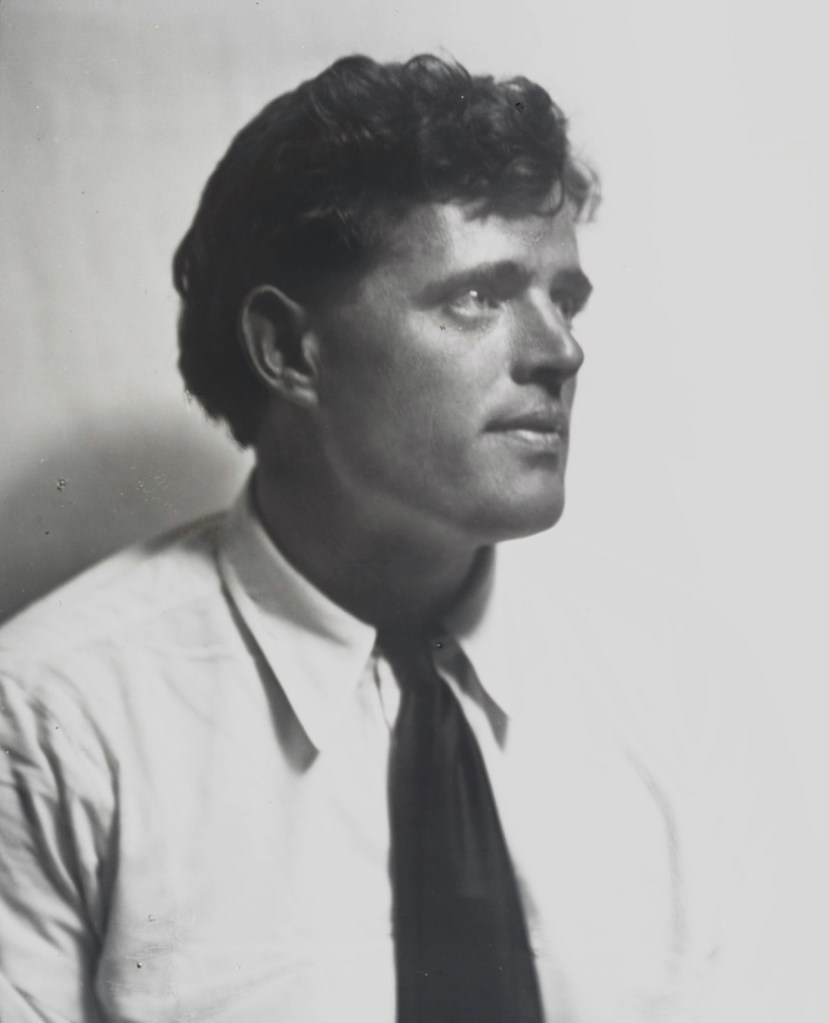
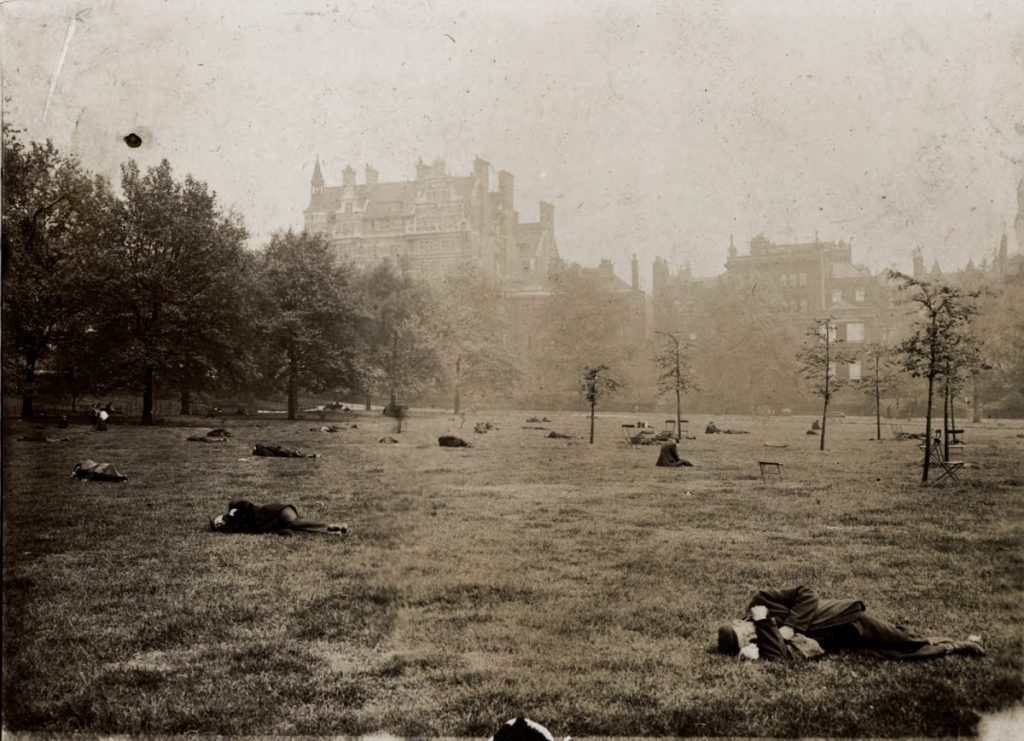

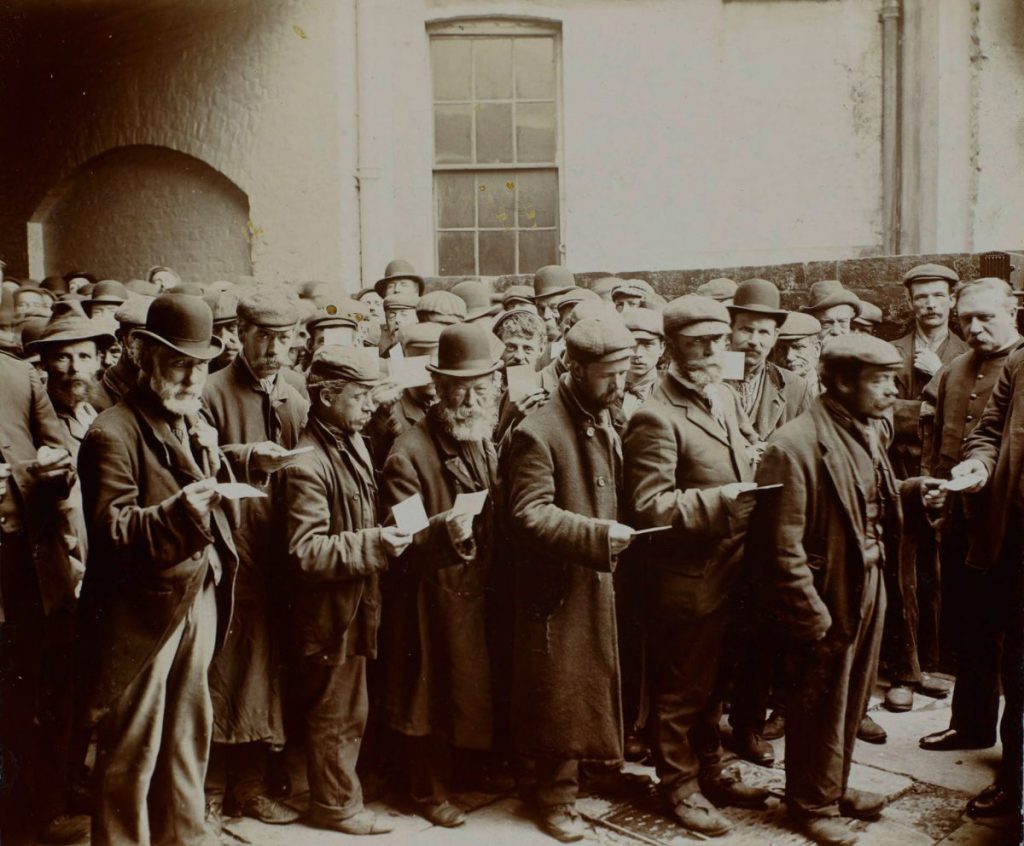

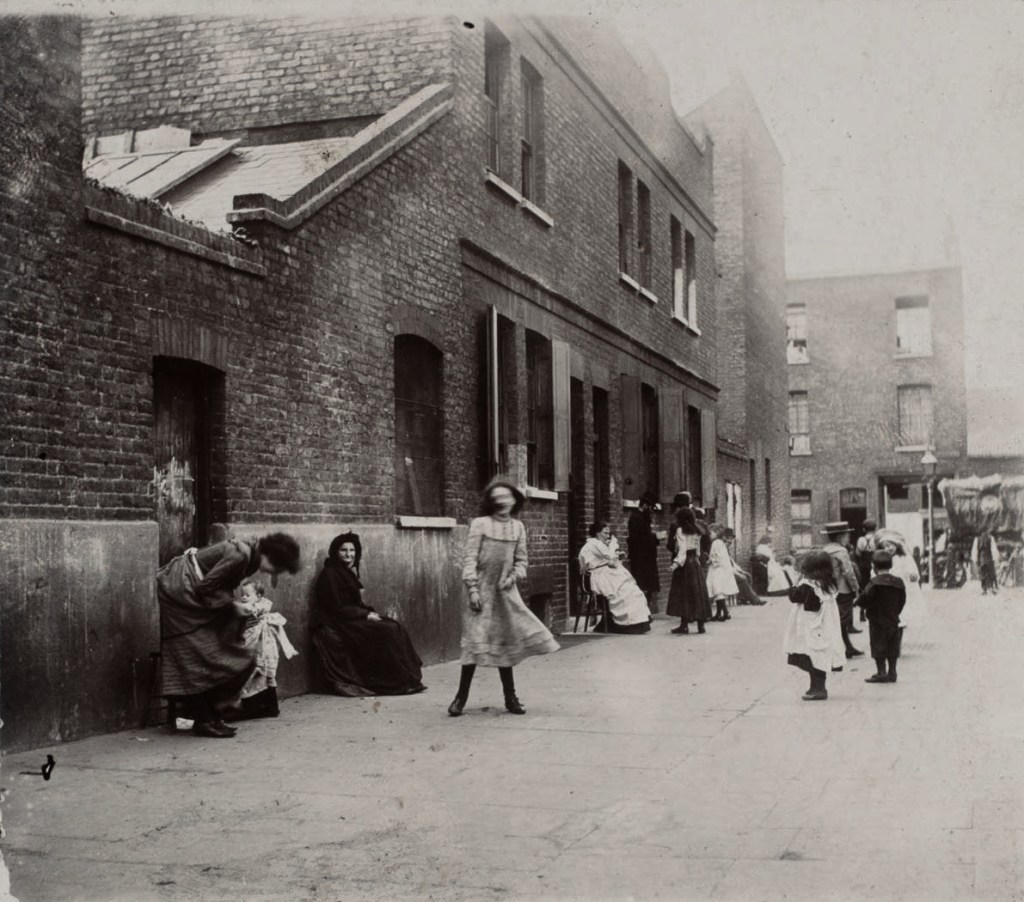




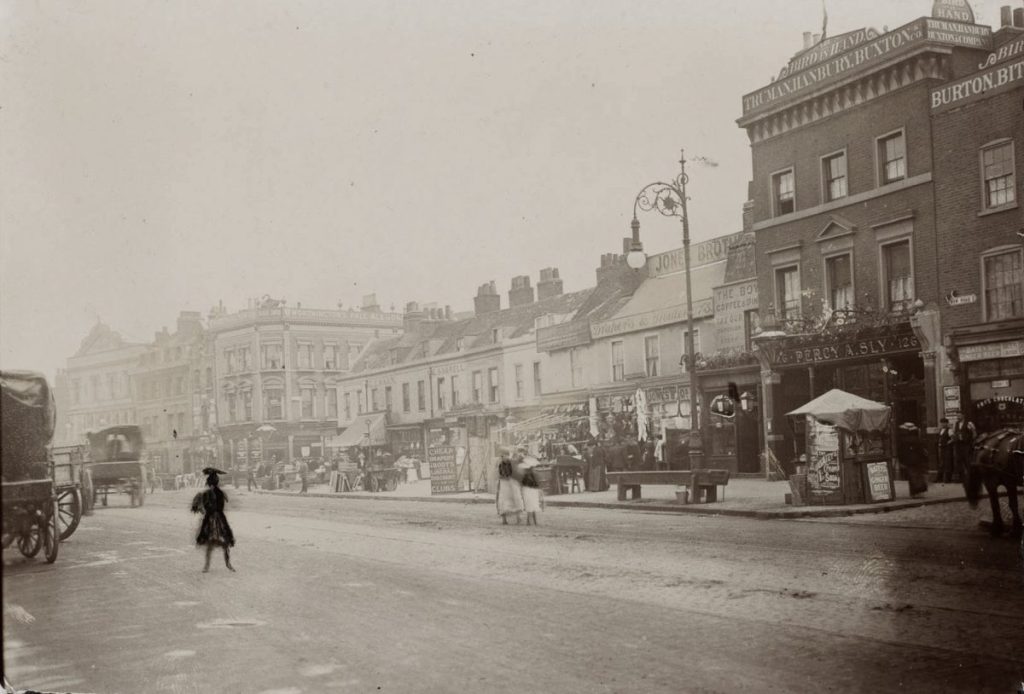
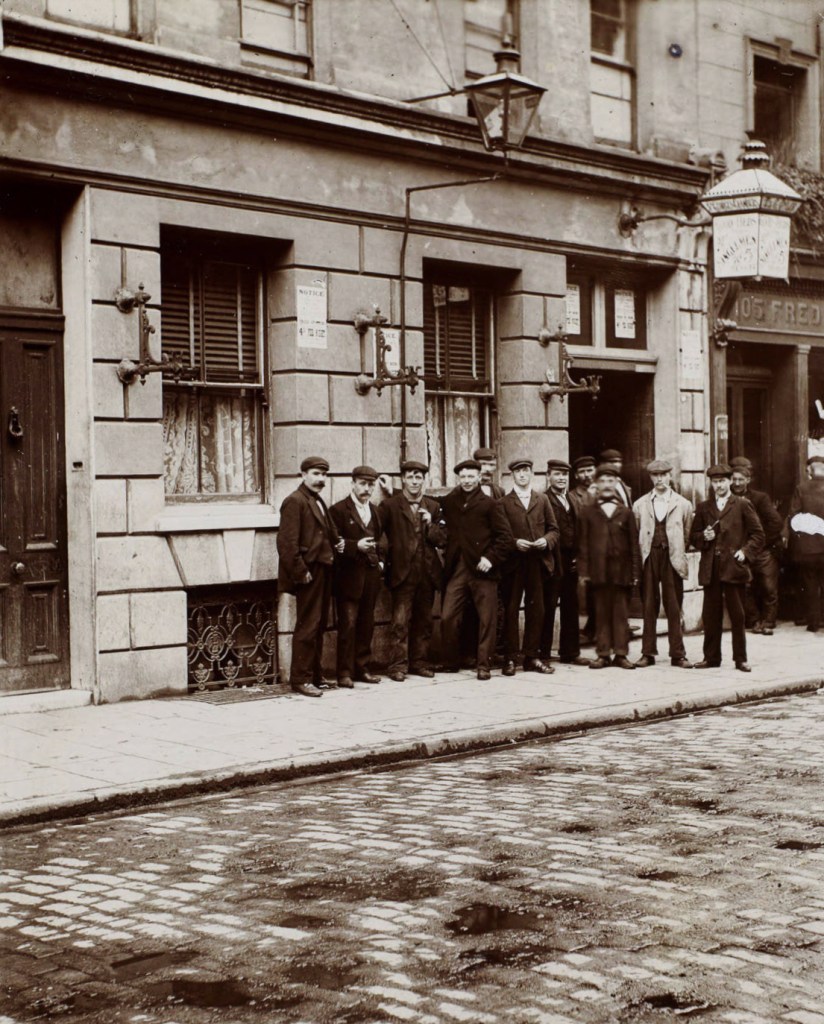
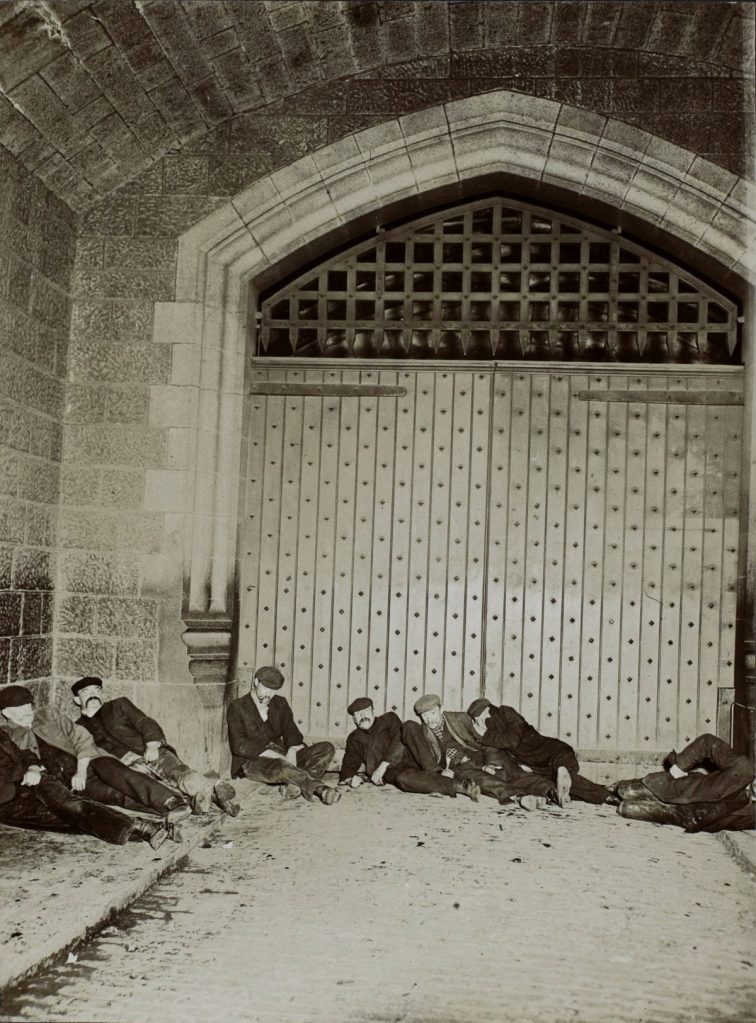
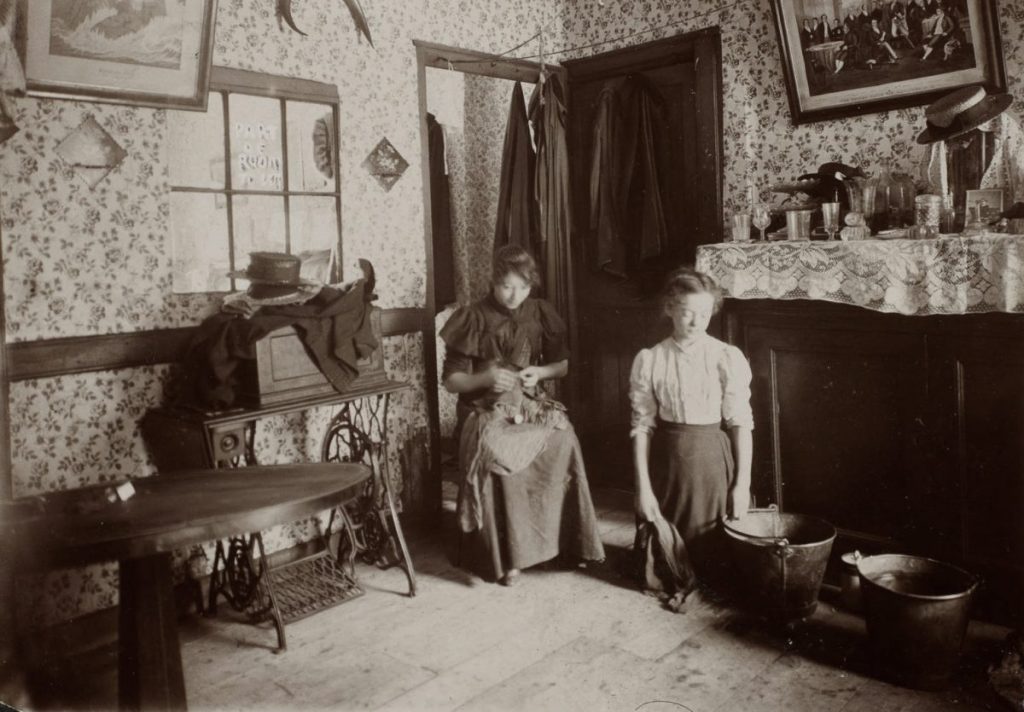

Jack London’s photographs are via The Huntington Library.
