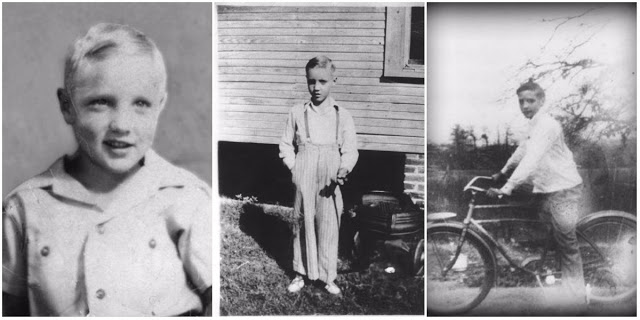
20 Fabulous Vintage Photos of Elvis Presley As a Youth During the 1930s and 1940s

Elvis Aaron Presley (January 8, 1935 – August 16, 1977) was an American singer and actor. Dubbed the “King of Rock and Roll”, he is regarded as one of the most significant cultural icons of the 20th century. His energized interpretations of songs and sexually provocative performance style, combined with a singularly potent mix of influences across color lines during a transformative era in race relations, led him to both great success and initial controversy.

Presley was born in Tupelo, Mississippi, and relocated to Memphis, Tennessee, with his family when he was 13 years old. His music career began there in 1954, recording at Sun Records with producer Sam Phillips, who wanted to bring the sound of African-American music to a wider audience. Presley, on rhythm acoustic guitar, and accompanied by lead guitarist Scotty Moore and bassist Bill Black, was a pioneer of rockabilly, an uptempo, backbeat-driven fusion of country music and rhythm and blues. In 1955, drummer D. J. Fontana joined to complete the lineup of Presley’s classic quartet and RCA Victor acquired his contract in a deal arranged by Colonel Tom Parker, who would manage him for more than two decades. Presley’s first RCA Victor single, “Heartbreak Hotel”, was released in January 1956 and became a number-one hit in the United States. Within a year, RCA would sell ten million Presley singles. With a series of successful network television appearances and chart-topping records, Presley became the leading figure of the newly popular sound of rock and roll.

In November 1956, Presley made his film debut in Love Me Tender. Drafted into military service in 1958, Presley relaunched his recording career two years later with some of his most commercially successful work. He held few concerts, however, and guided by Parker, proceeded to devote much of the 1960s to making Hollywood films and soundtrack albums, most of them critically derided. In 1968, following a seven-year break from live performances, he returned to the stage in the acclaimed television comeback special Elvis, which led to an extended Las Vegas concert residency and a string of highly profitable tours. In 1973, Presley gave the first concert by a solo artist to be broadcast around the world, Aloha from Hawaii. Years of prescription drug abuse severely compromised his health, and he died suddenly in 1977 at his Graceland estate at the age of 42.

Recognized as the best-selling solo music artist of all time by Guinness World Records, Presley was commercially successful in many genres, including pop, country, R&B, adult contemporary, and gospel. He won three Grammy Awards, received the Grammy Lifetime Achievement Award at age 36, and has been inducted into multiple music halls of fame. Presley holds several records, including the most RIAA certified gold and platinum albums, the most albums charted on the Billboard 200, the most number-one albums by a solo artist on the UK Albums Chart, and the most number-one singles by any act on the UK Singles Chart. In 2018, Presley was posthumously awarded the Presidential Medal of Freedom by Donald Trump.
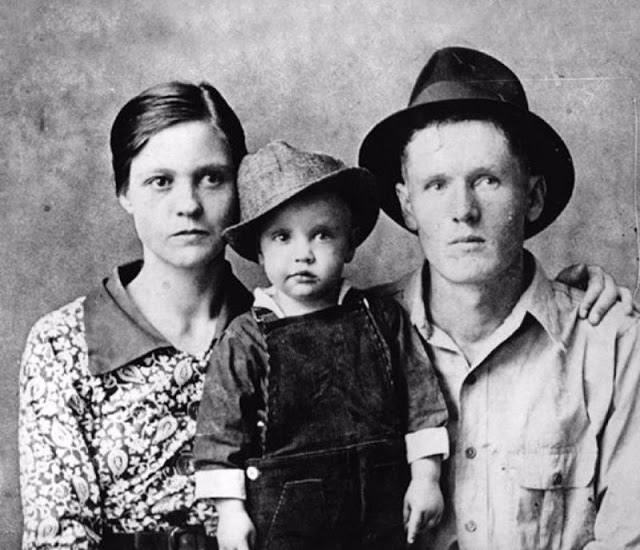
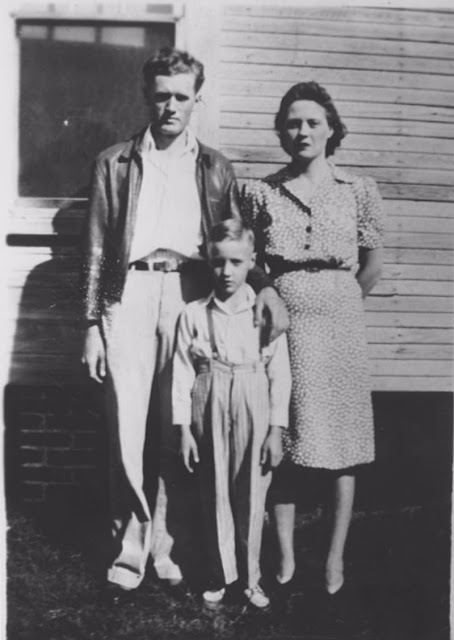
Gladys, Elvis and Vernon Presley, 1937.
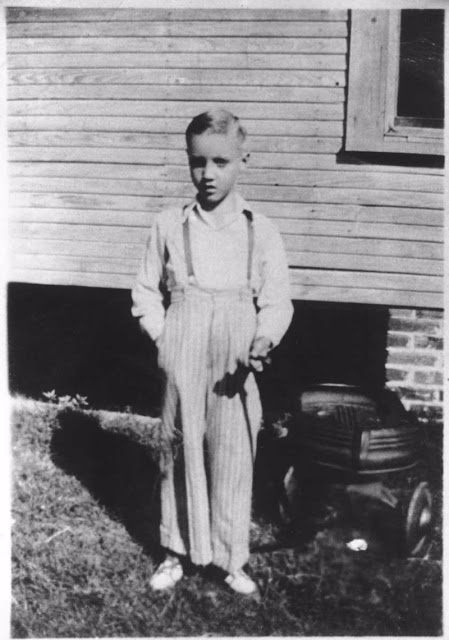
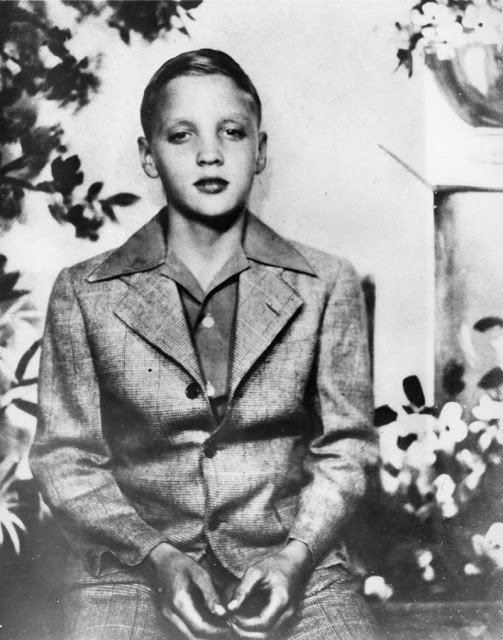
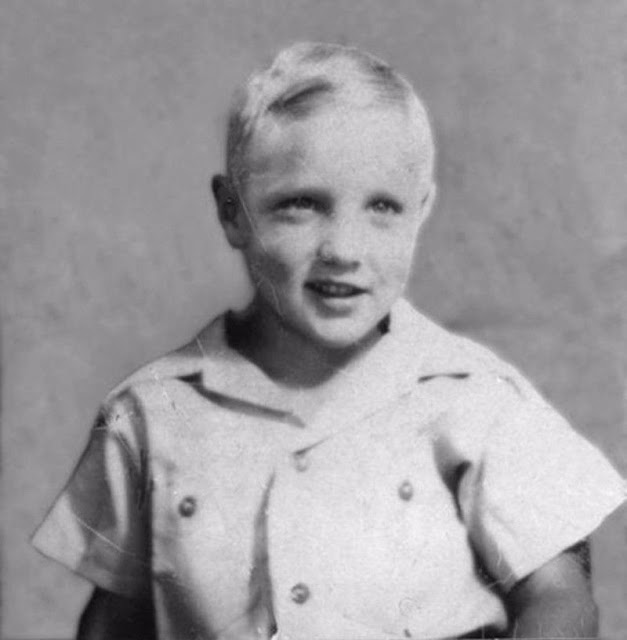
Elvis Presley, 1939
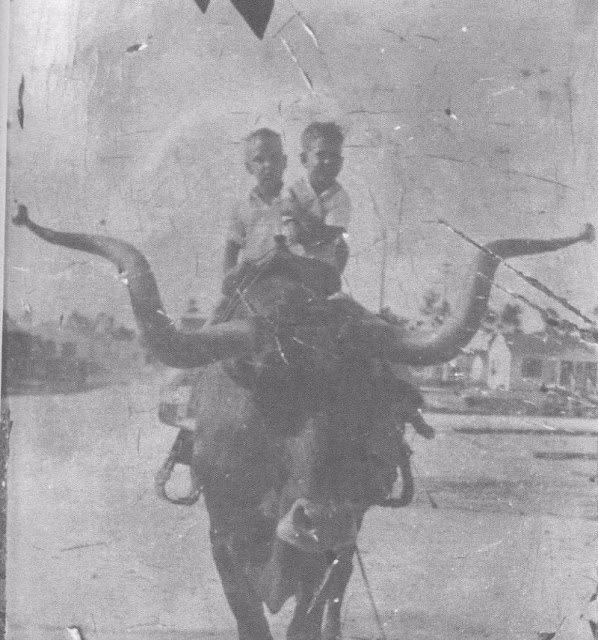
Elvis and his cousin Kenny are riding a bull at a street carnival in Tupelo, 1941.
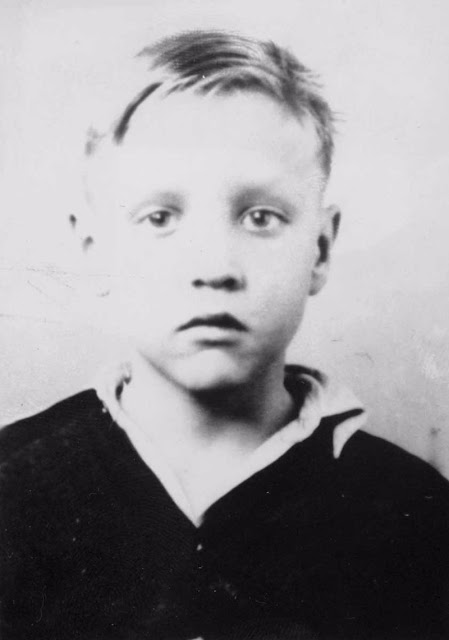
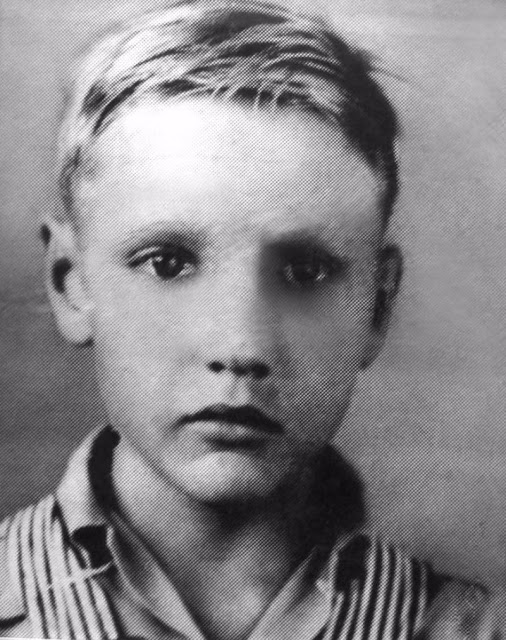
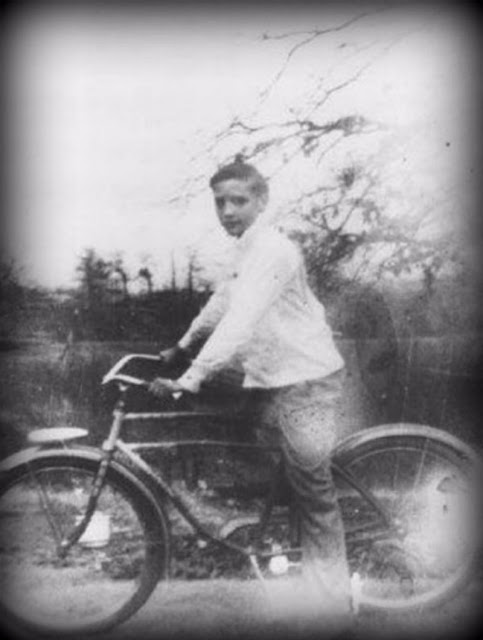
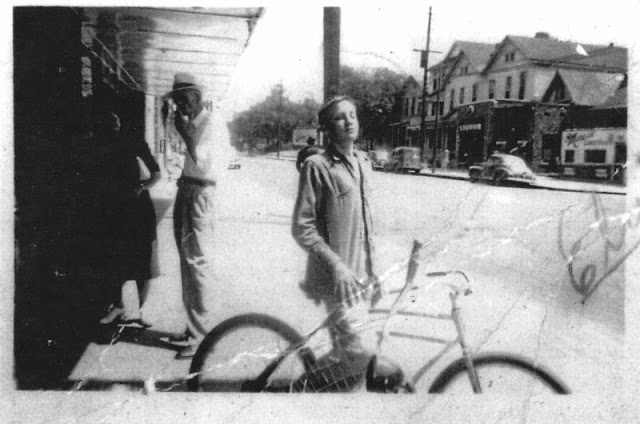
Elvis Presley, 1942
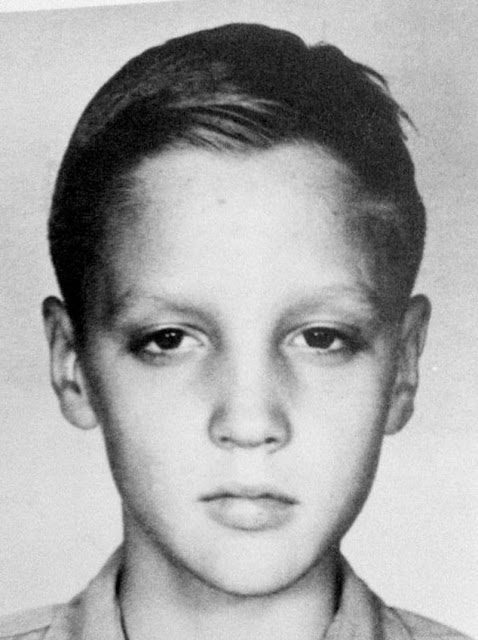
Elvis Presley, 1942
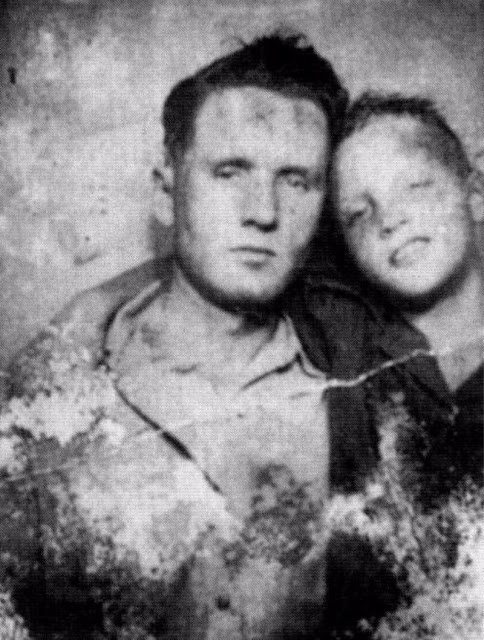
Vernon and Elvis
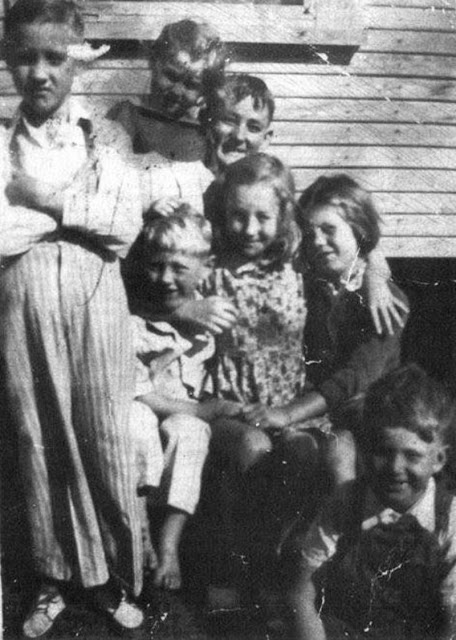
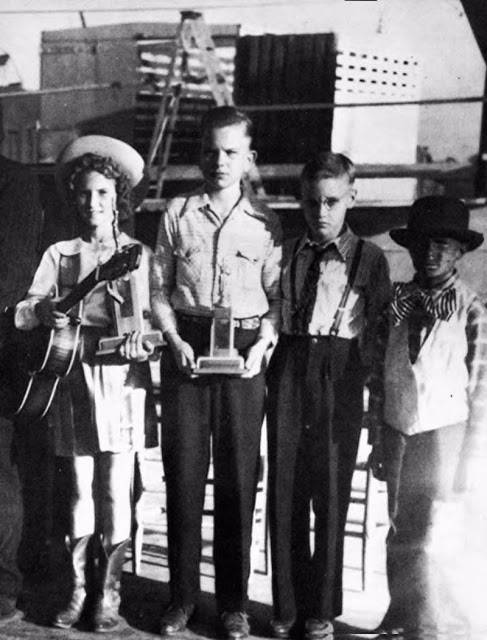
Tupelo childhood classmates at Lawhon Junior High School in 1943. Elvis Presley; Evon Farrar, now Mrs. Bobby Richey; James Farrar, Fourth District Justice of the Peace; (middle row) Guy Harris
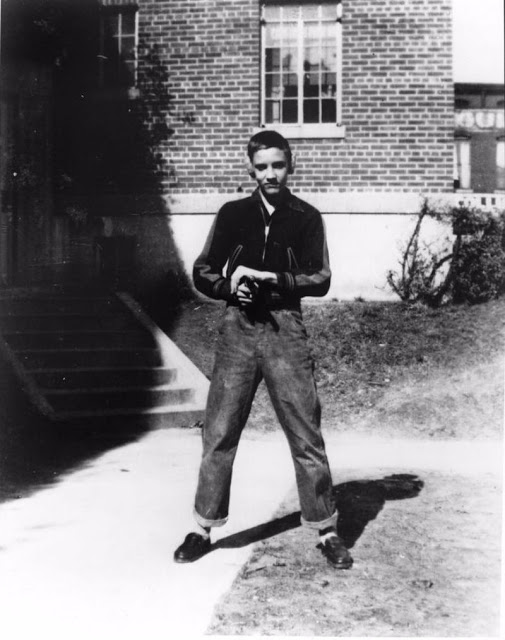
Elvis Presley, 1943
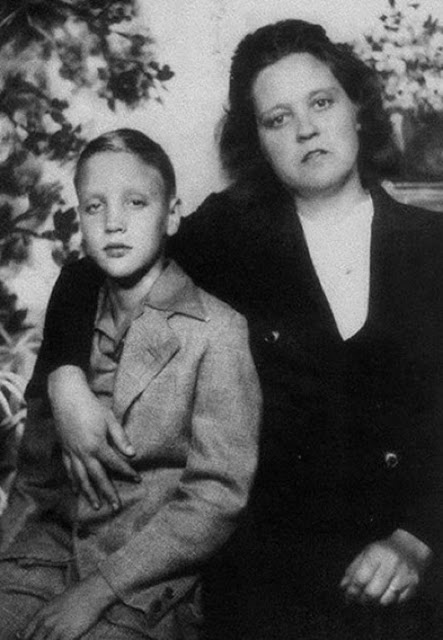
Elvis Presley and his parents, 1943
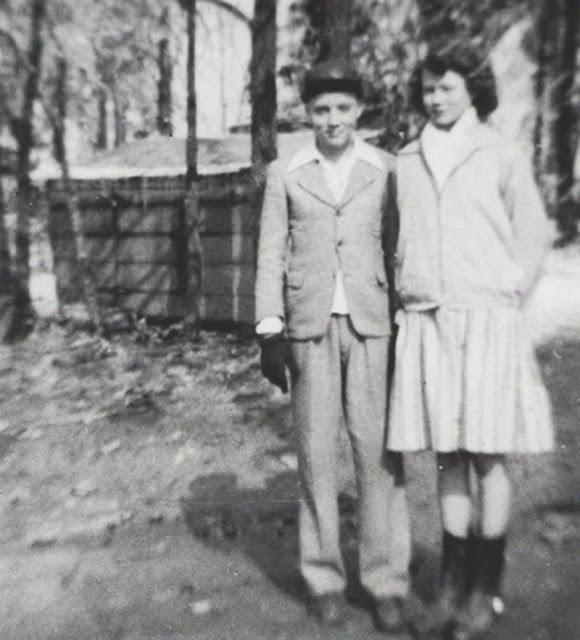
Elvis Presley and a friend, 1945
Elvis Presley and his friends, 1945
Elvis Presley, 1945
Elvis Presley, 1946
Elvis Presley, 1947
Elvis Presley, 1947
Elvis Presley, 1947
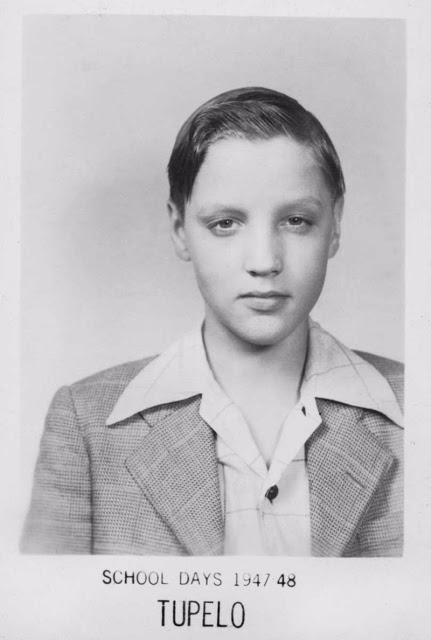
Elvis Presley, 1948
Elvis Presley, 1948
Elvis Presley and Gladys, 1948.
Elvis Presley, 1949

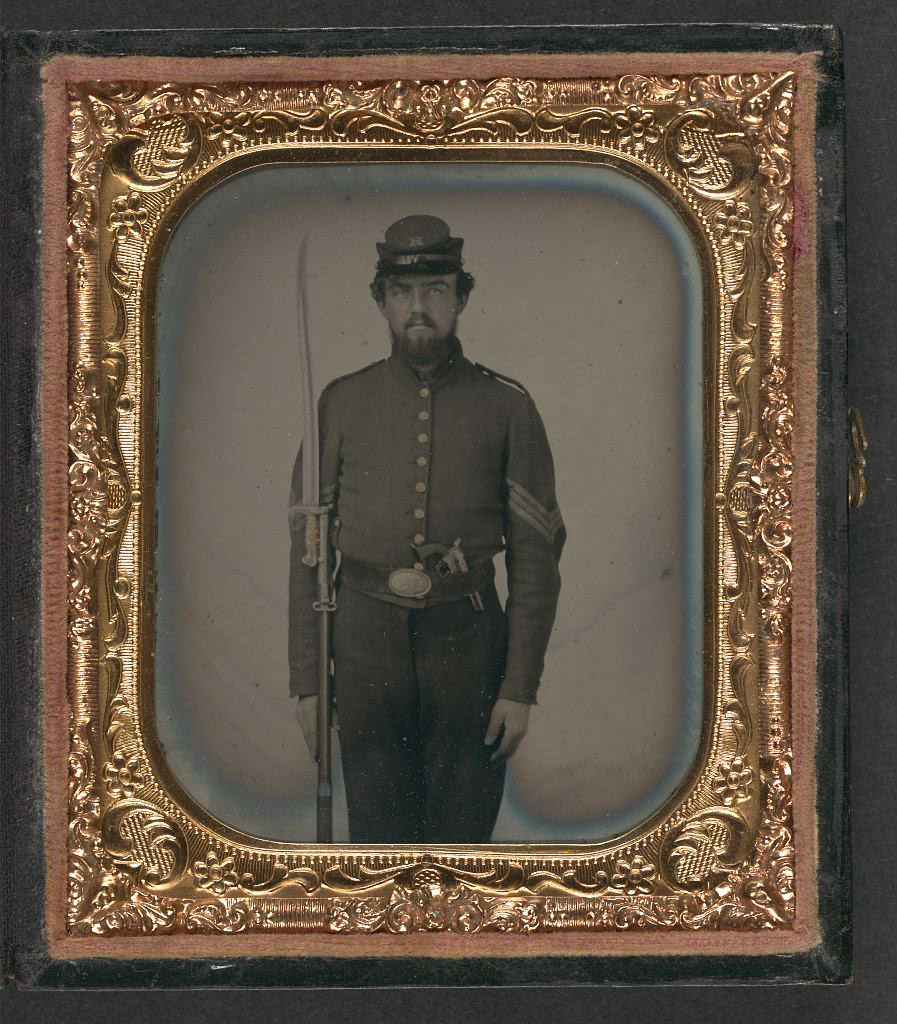
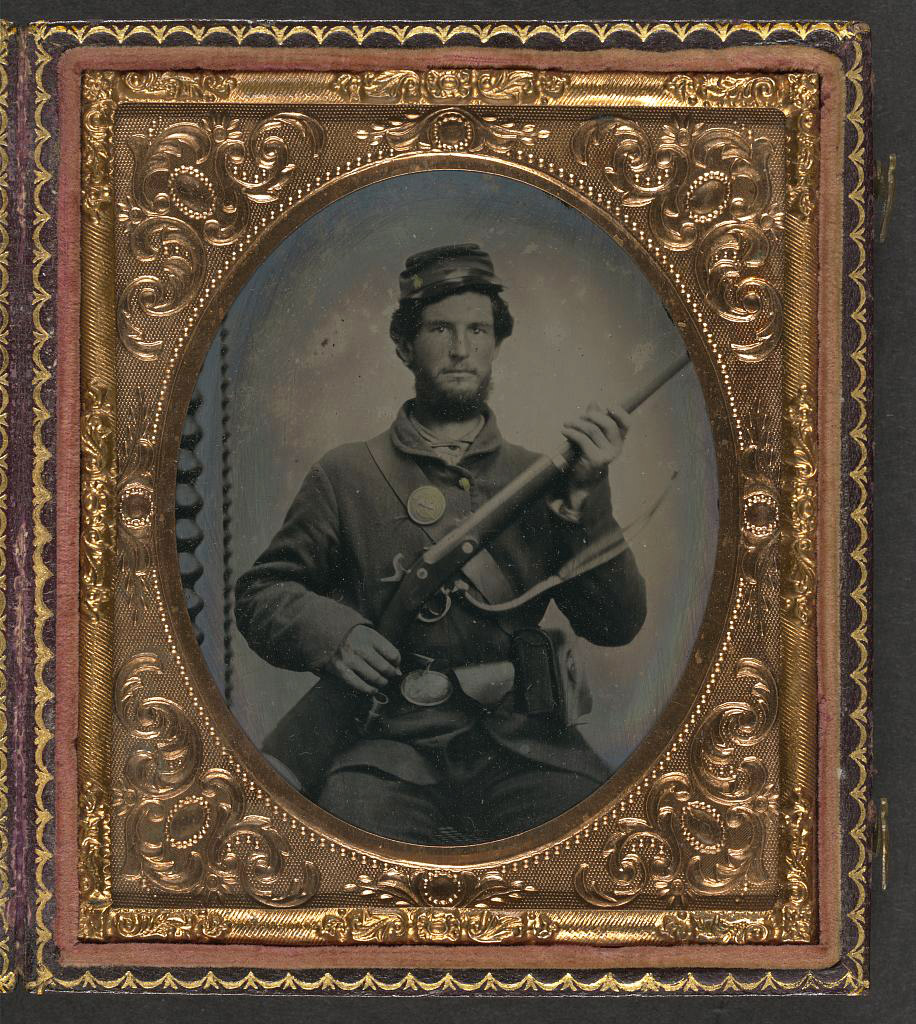
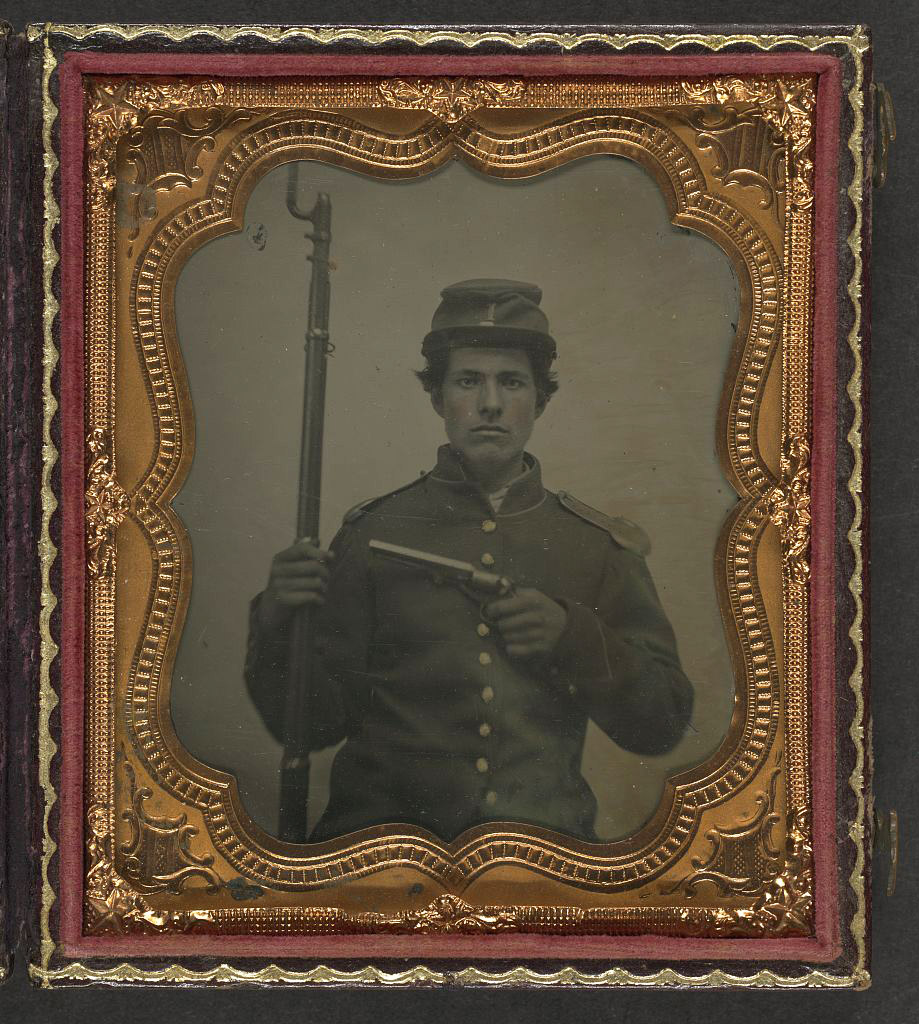
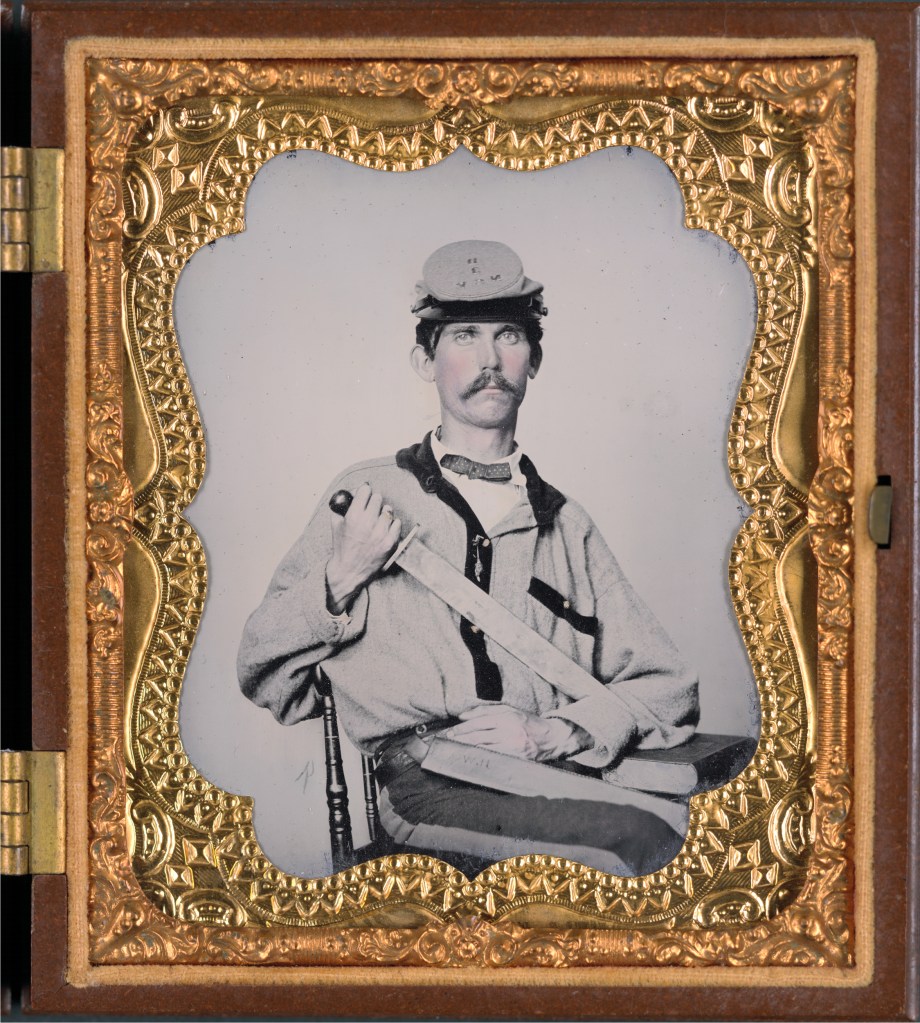
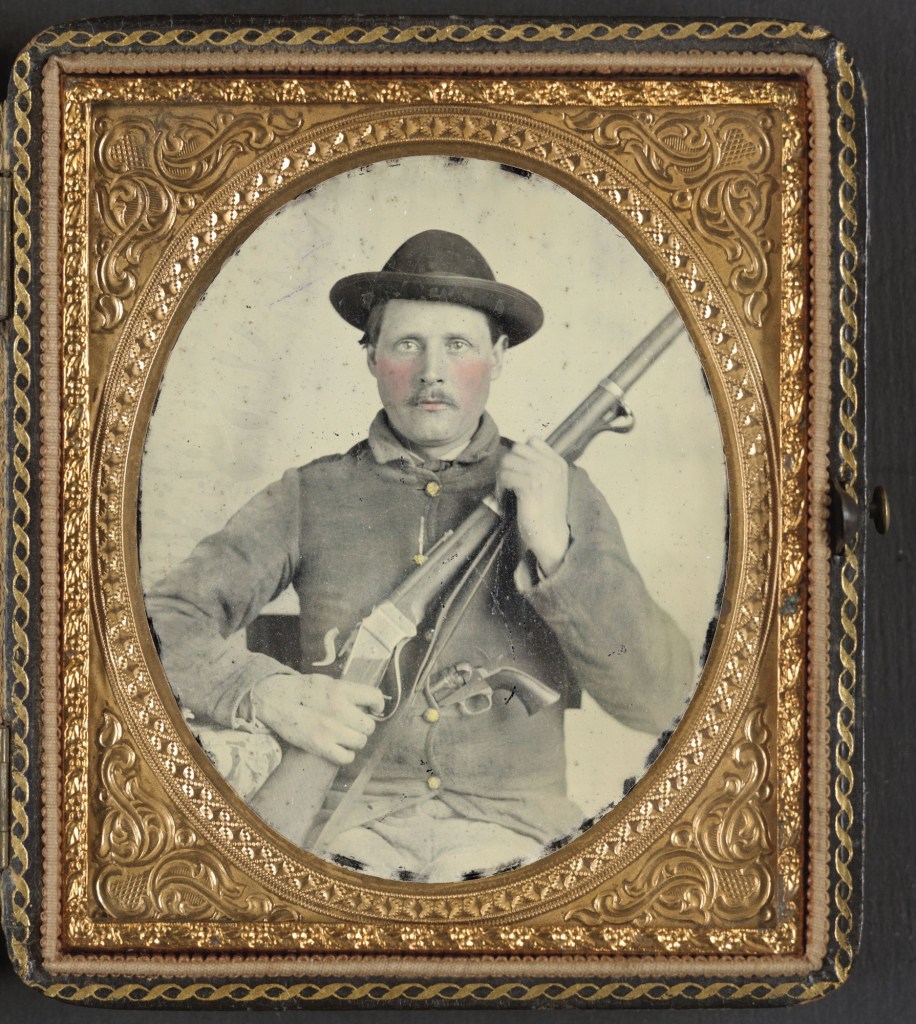
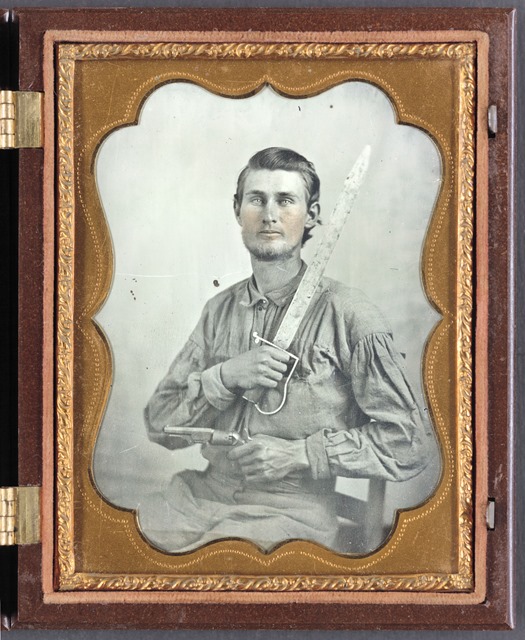
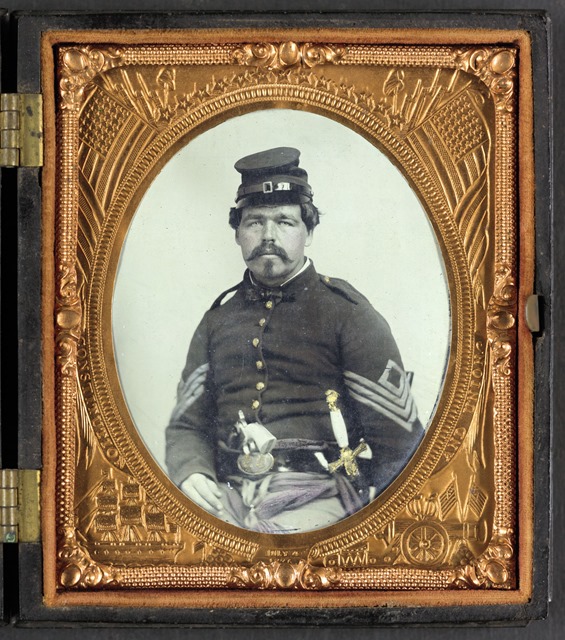
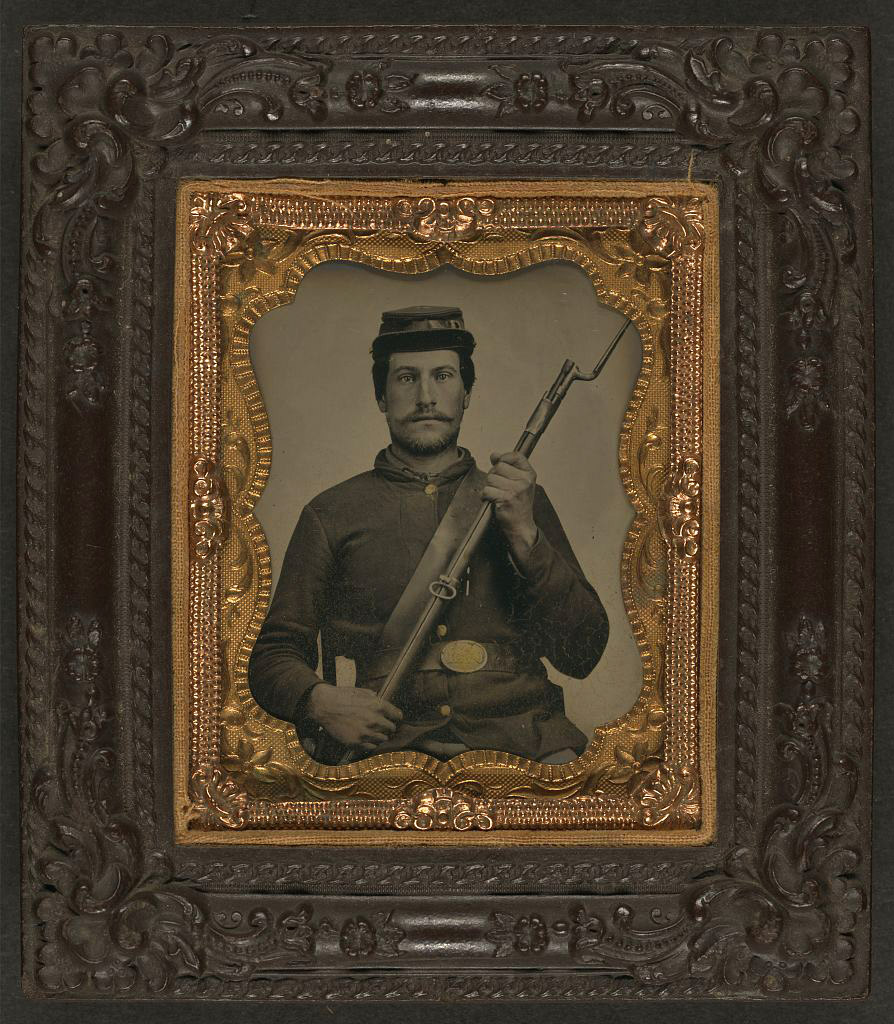
Faces of the American Civil War

The American Civil War (April 12, 1861 – May 9, 1865, also known by other names) was a civil war in the United States fought between the Union states (—states remaining in the federal union— or “the North”) and the Confederate states (—southern states that voted to secede— “the Confederacy” or “the South”). The central cause of the war was the status of slavery, especially the expansion of slavery into territories acquired as a result of the Louisiana Purchase and the Mexican–American War. On the eve of the Civil War in 1860, four million of the 32 million Americans (nearly 13%) were enslaved black people, almost all in the South.

The practice of slavery in the United States was one of the key political issues of the 19th century; decades of political unrest over slavery led up to the war. Disunion came after Abraham Lincoln won the 1860 United States presidential election on an anti-slavery expansion platform. An initial seven Southern slave states declared their secession from the country to form the Confederacy. After Confederate forces seized numerous federal forts within territory they claimed, the attempted Crittenden Compromise failed and both sides prepared for war. Fighting broke out in April 1861 when the Confederate army began the Battle of Fort Sumter in South Carolina, just over a month after the first inauguration of Abraham Lincoln. The Confederacy grew to control at least a majority of territory in eleven states (out of the 34 U.S. states in February 1861), and asserted claims to two more. The states that remained loyal to the federal government were known as the Union. Large volunteer and conscription armies were raised; four years of intense combat, mostly in the South, ensued.

During 1861–1862 in the war’s Western Theater, the Union made significant permanent gains, though in the war’s Eastern Theater, the conflict was inconclusive. In September 1862, Lincoln issued the Emancipation Proclamation, which made ending slavery a war goal. To the west, the Union destroyed the Confederate river navy by summer 1862, then much of its western armies, and seized New Orleans. The successful 1863 Union siege of Vicksburg split the Confederacy in two at the Mississippi River. In 1863, Confederate General Robert E. Lee’s incursion north ended at the Battle of Gettysburg. Western successes led to General Ulysses S. Grant’s command of all Union armies in 1864. Inflicting an ever-tightening naval blockade of Confederate ports, the Union marshaled resources and manpower to attack the Confederacy from all directions, leading to the fall of Atlanta in 1864 to Union General William Tecumseh Sherman and his march to the sea. The last significant battles raged around the ten-month Siege of Petersburg, gateway to the Confederate capitol of Richmond.

The war effectively ended on April 9, 1865, when Confederate General Lee surrendered to Union General Grant at the Battle of Appomattox Court House, after abandoning Petersburg and Richmond. Confederate generals throughout the Southern states followed suit, the last surrender on land occurring on June 23. By the end of the war, much of the South’s infrastructure was destroyed, especially its railroads. The Confederacy collapsed, slavery was abolished, and four million enslaved black people were freed. The war-torn nation then entered the Reconstruction era in a partially successful attempt to rebuild the country and grant civil rights to freed slaves.

The Civil War is one of the most studied and written about episodes in the history of the United States, and remains the subject of cultural and historiographical debate. Of particular interest is the persisting myth of the Lost Cause of the Confederacy. The American Civil War was among the earliest to employ industrial warfare. Railroads, the telegraph, steamships, the ironclad warship, and mass-produced weapons were employed extensively. In total the war left between 620,000 and 750,000 soldiers dead, along with an undetermined number of civilian casualties. President Lincoln was assassinated just five days after Lee’s surrender. The Civil War remains the deadliest military conflict in American history, and accounted for more American military deaths than all other wars combined until the Vietnam War. The mobilization of civilian factories, mines, shipyards, banks, transportation, and food supplies all foreshadowed the impact of industrialization in World War I, World War II, and subsequent conflicts.

Unidentified Young Confederate soldier.
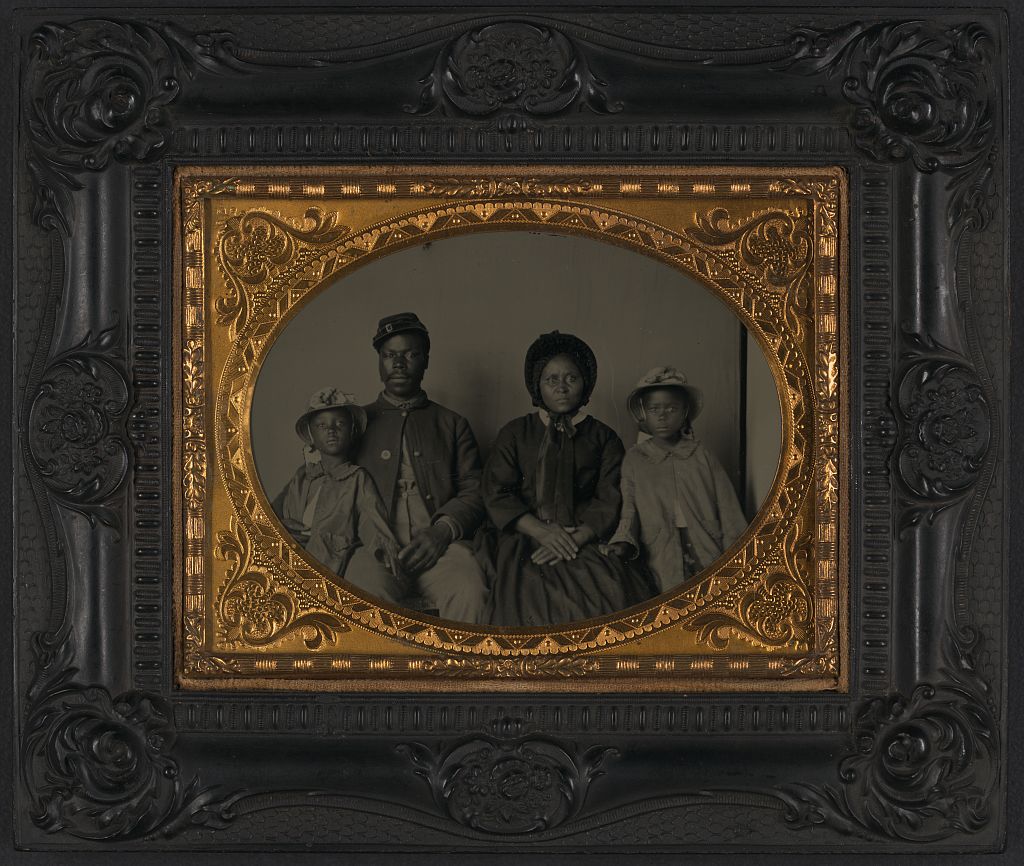
African American soldier in Union uniform with wife and two daughters
Girl in mourning dress holding framed photograph of her father as a cavalryman
Soldier of the 2nd United States Sharpshooters in Union uniform
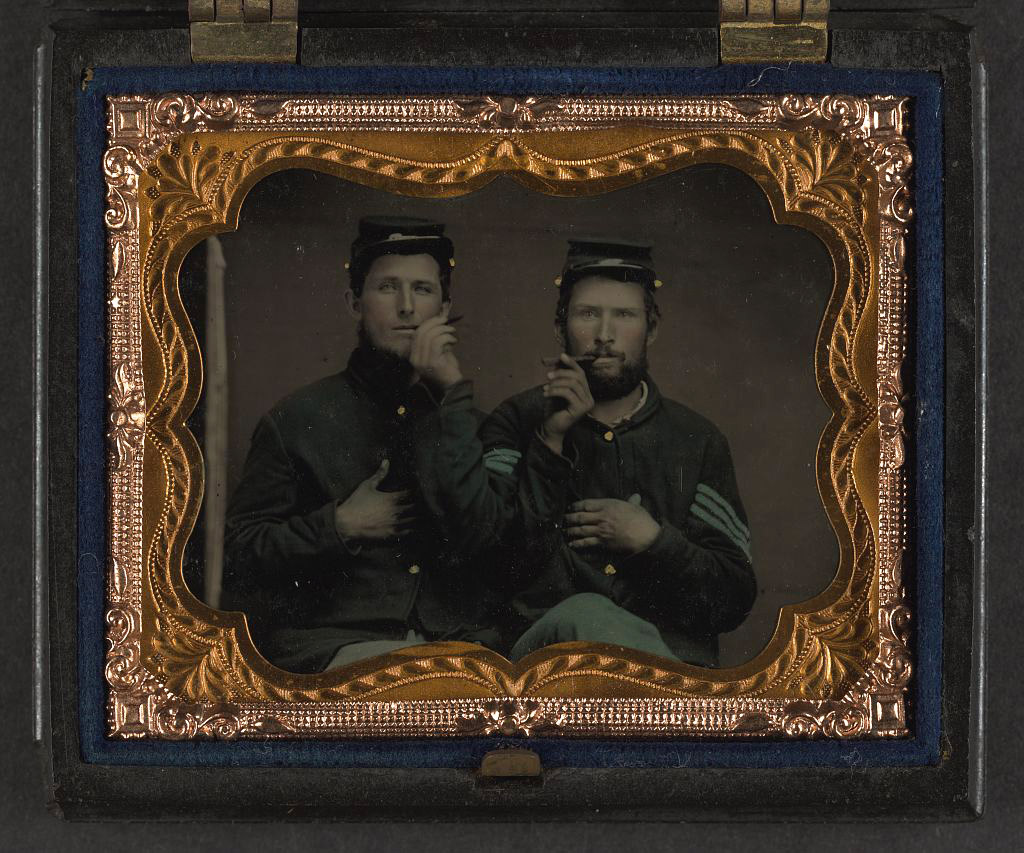
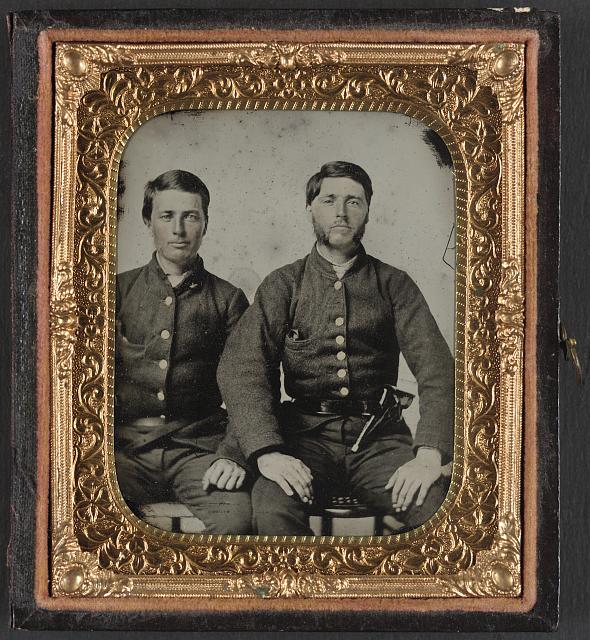
Two Union soldiers.
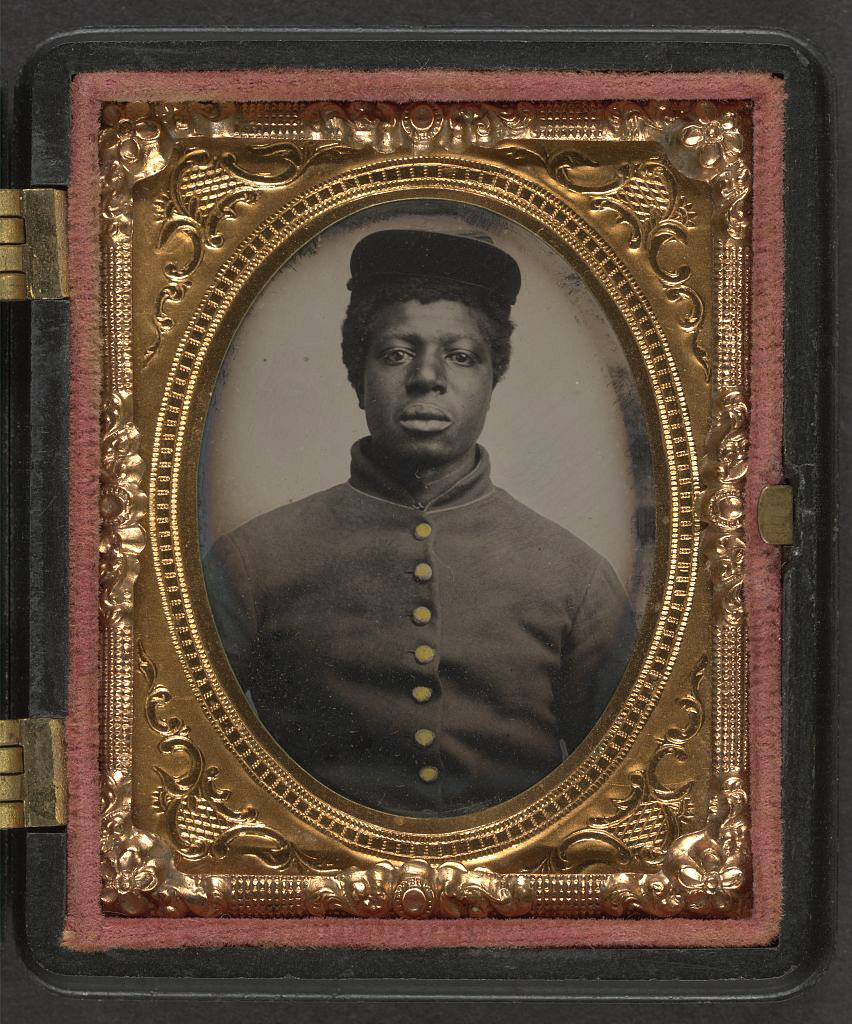
African American Union soldier
Young Confederate soldier
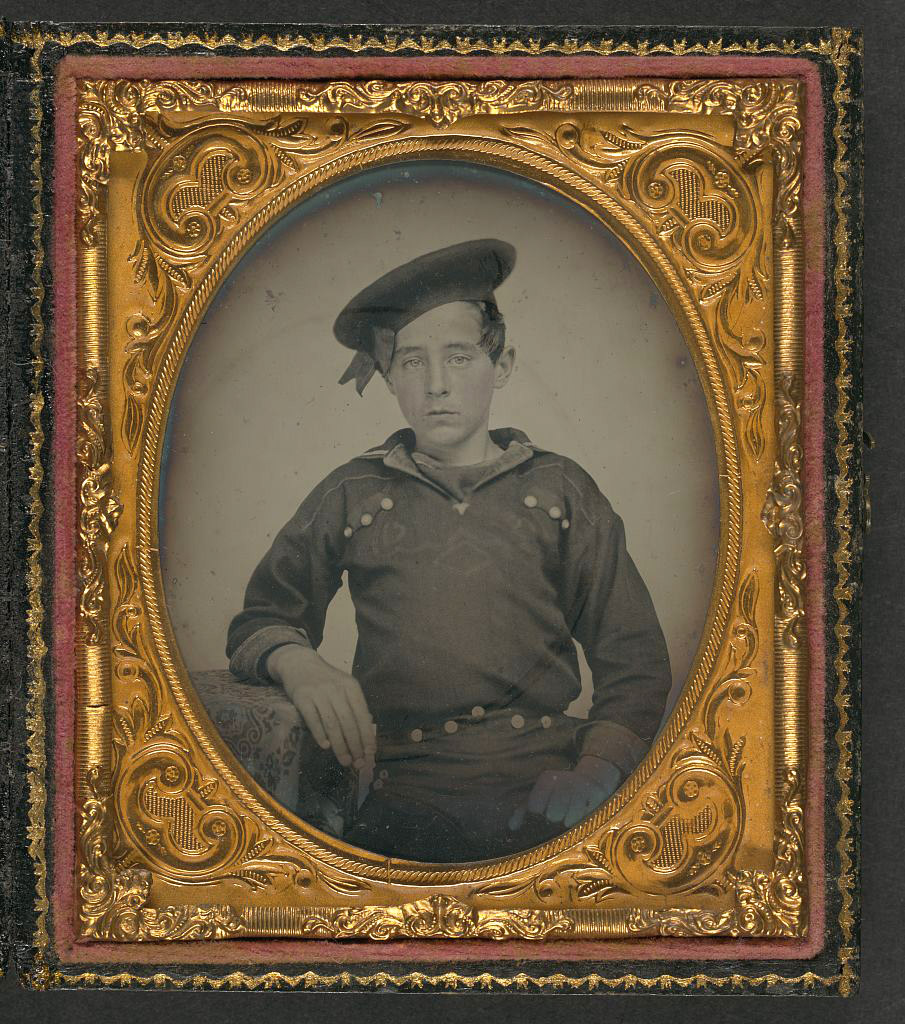
Young sailor in uniform with American flag in front of backdrop showing naval scene
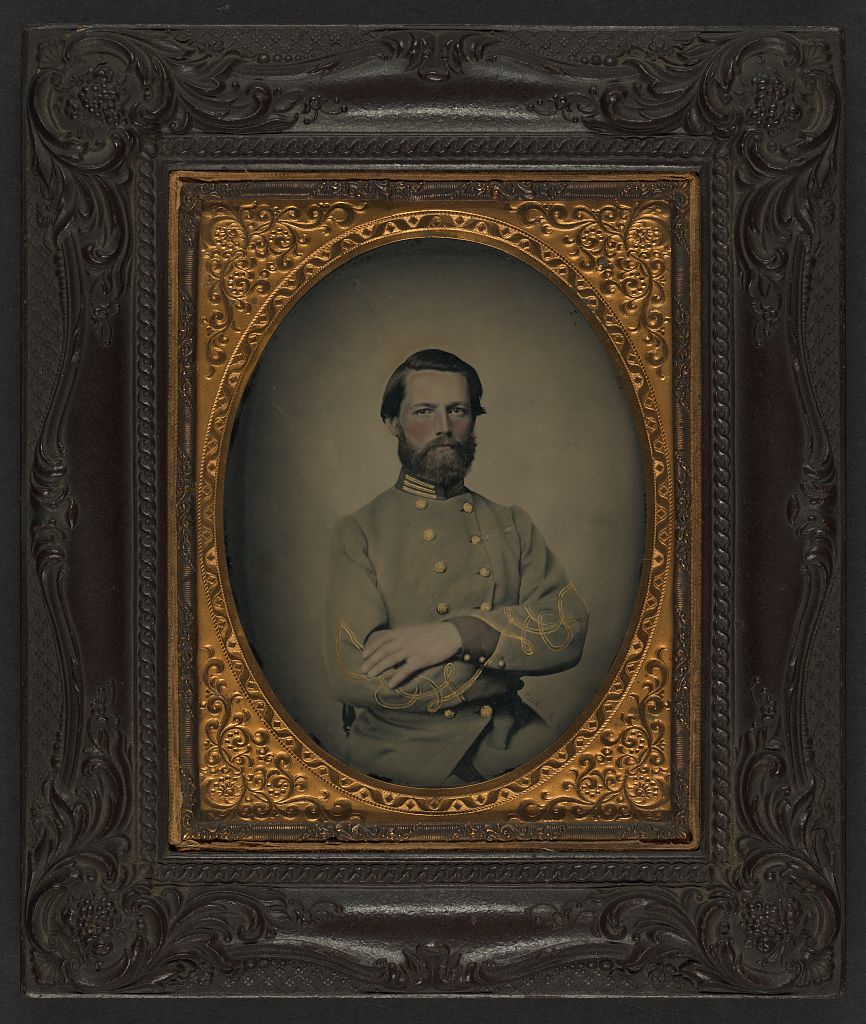
Confederate soldier
Three Union soldiers and two unidentified men, one pointing a revolver at another’s head
Captain William W. Cosby of H Company, 2nd Virginia Light Artillery Regiment
Young Union sailor
Private Albert H. Davis of Company K, 6th New Hampshire Infantry Regiment
Union soldier
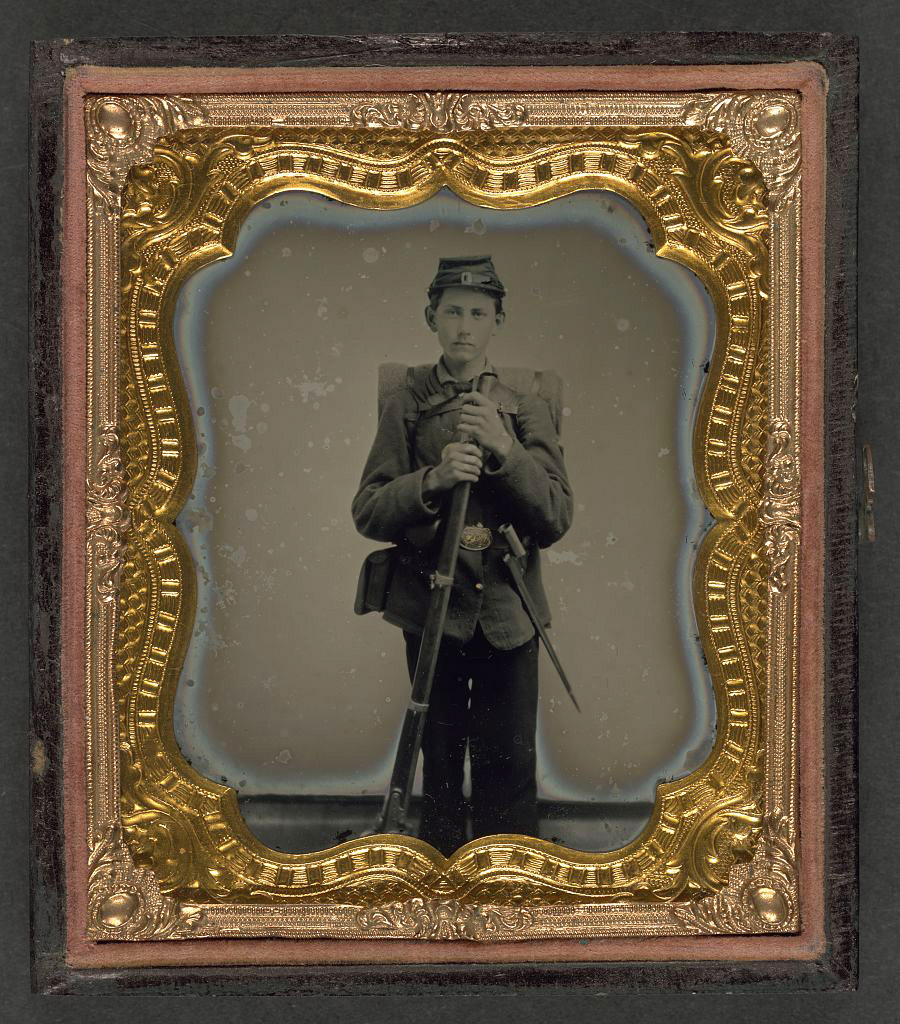
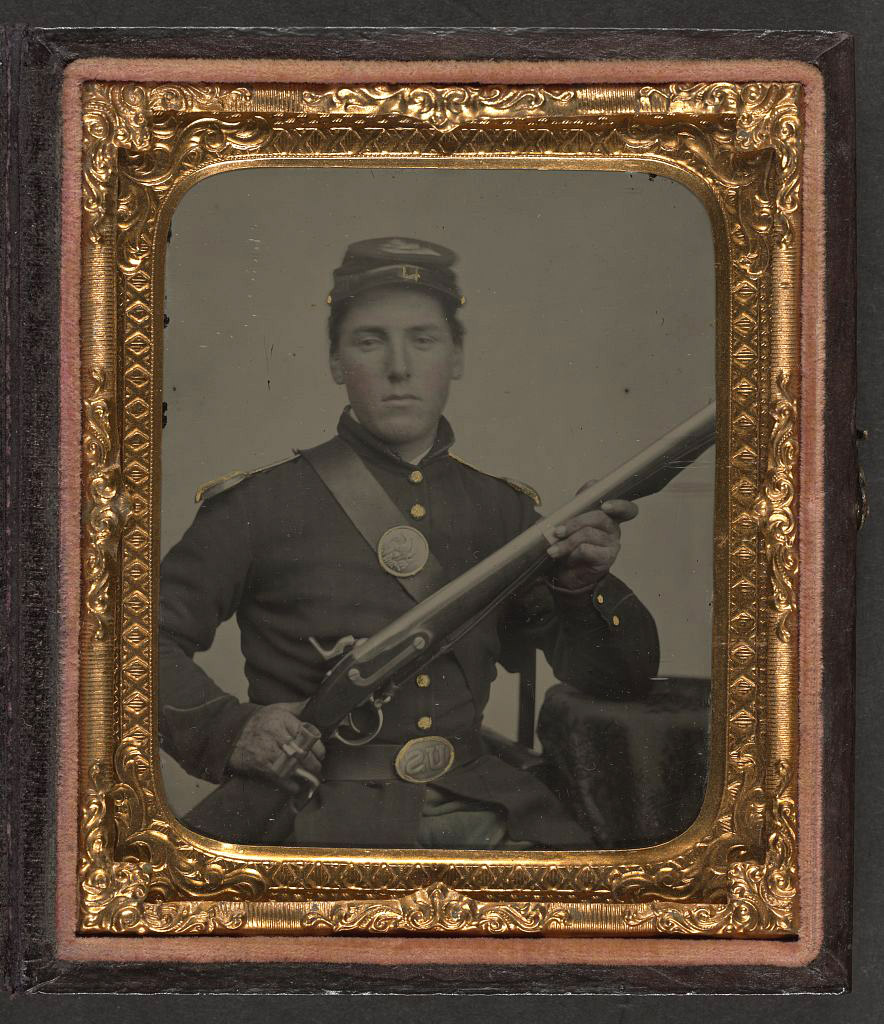
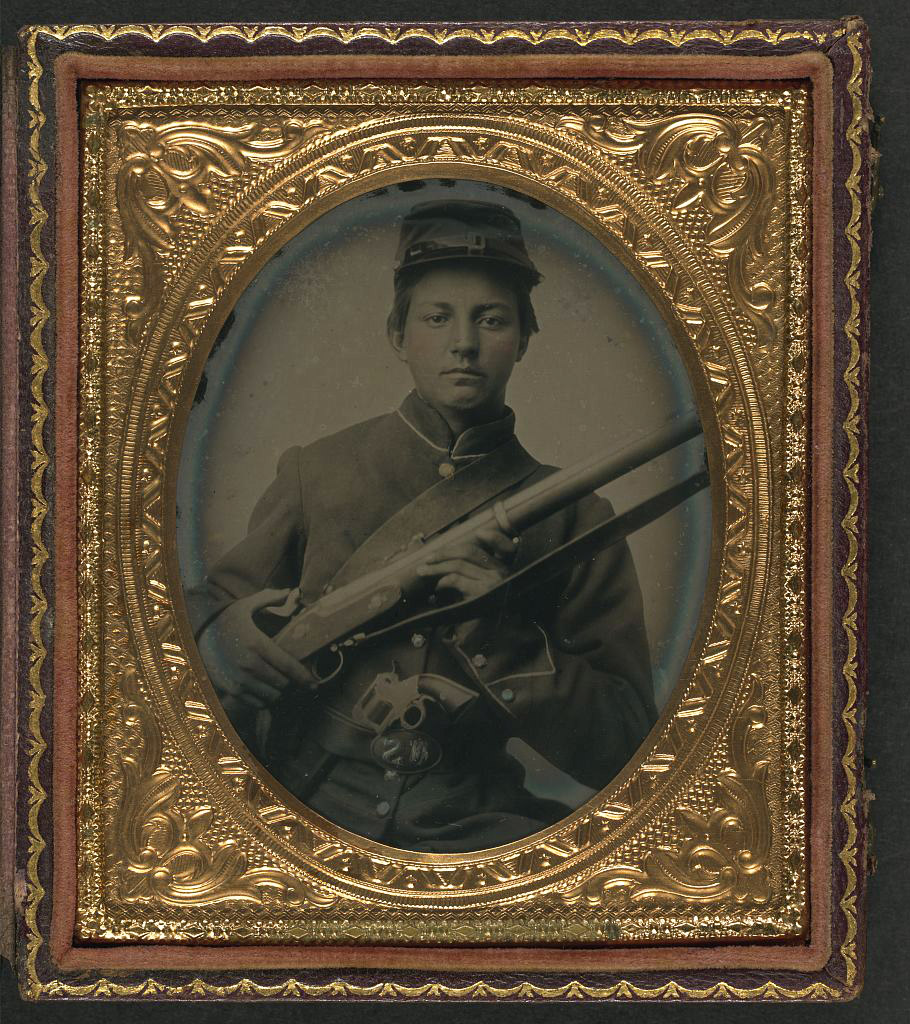
Young Union soldier
Young Union soldier
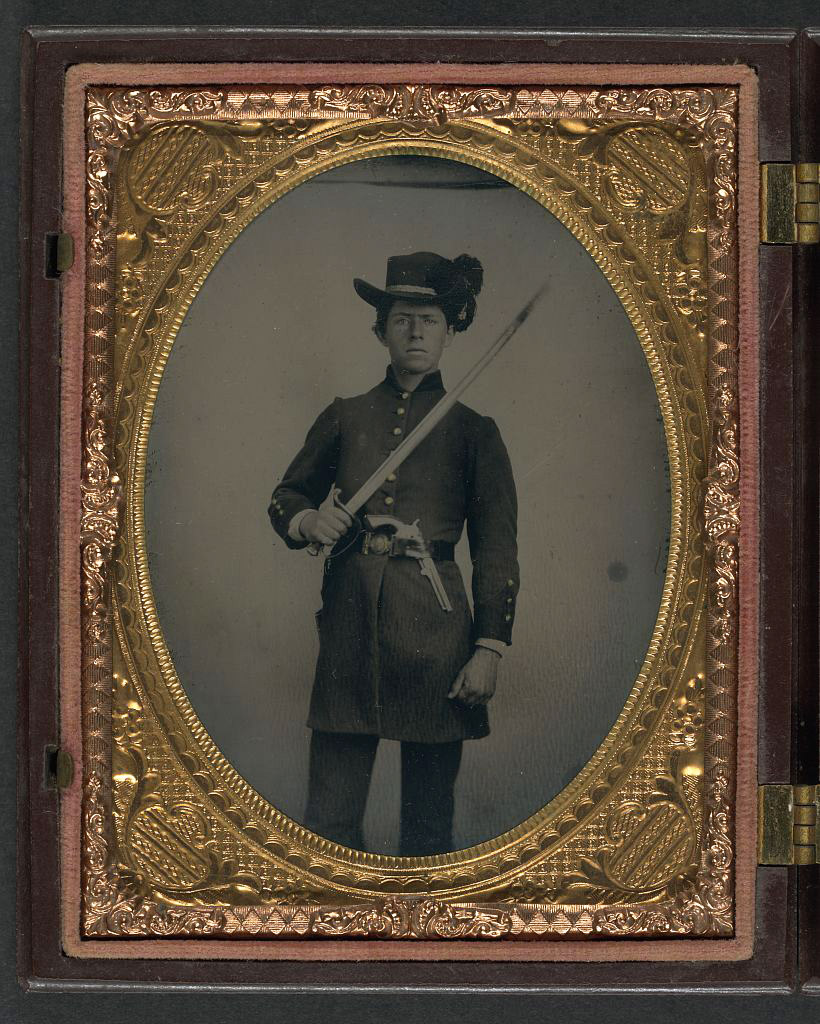
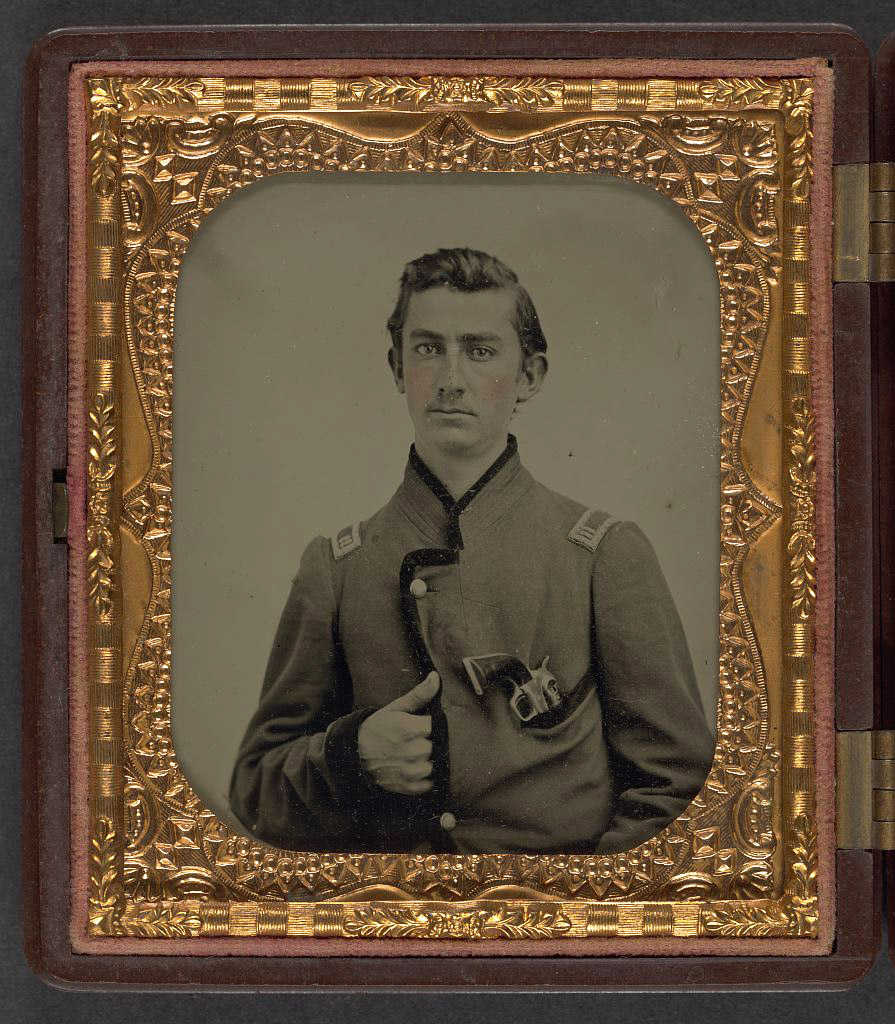
Soldier in Union captain’s uniform
Private William F. Bower of Company D, 21st Ohio Regiment Infantry Volunteers
Union sailor
Young African American Union soldier
Soldier of the 12th Illinois Volunteers, “The First Scotch Regiment”
Young Confederate soldier
Confederate soldier
Union soldier, Private James McGreal
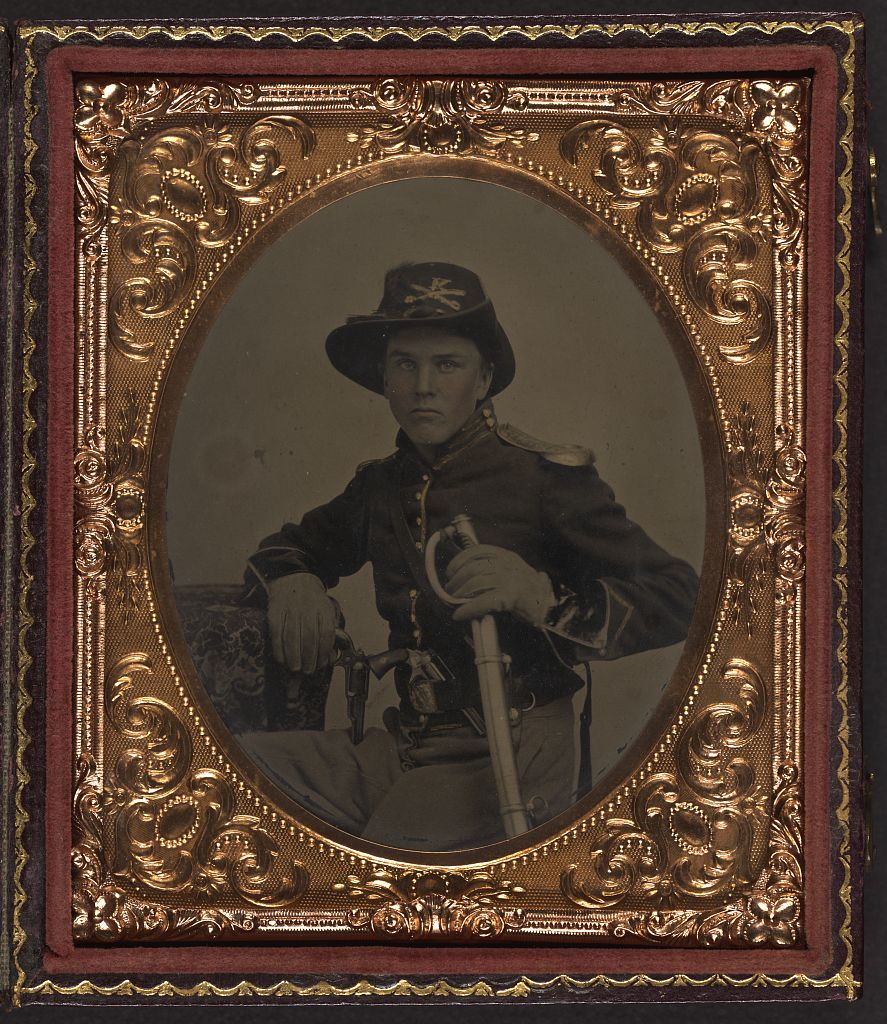
Union cavalry soldier
Private David Bowman from the 12th Virginia Cavalry
Young Union soldier
Brothers Private Stephen D. and Private Moses M. Boynton of Co. C, Beaufort District Troop, Hampton Legion South Carolina Cavalry Battalion
Union sergeant
Union soldier
Union soldier
Union soldier
African American Union sailor
Union soldier holding a young child in his lap
Confederate 3rd North Carolina Volunteers Soldier
Confederate soldier
Young Union soldier
Confederate soldier
Union corporal
Private Simeon J. Crews of Co. F, 7th Texas Cavalry Regiment
Union First Sergeant
Confederate Soldier with his wife

42 Intimate Photos Showing Everyday Moments of Celebrities in the 1950s and 1960s

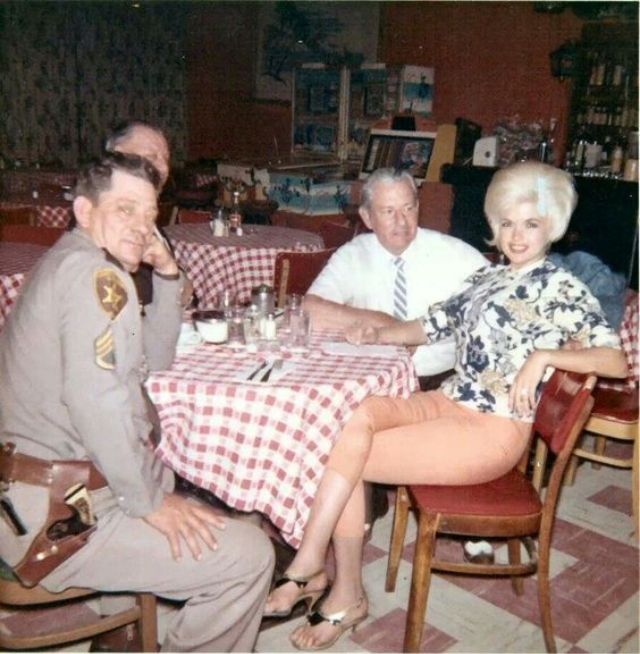
Jayne Mansfield, 1950s
Betsy Palmer, 1950s
Dean Martin, August 12, 1954, Hollywood, California
Eileen Barton, 1950s
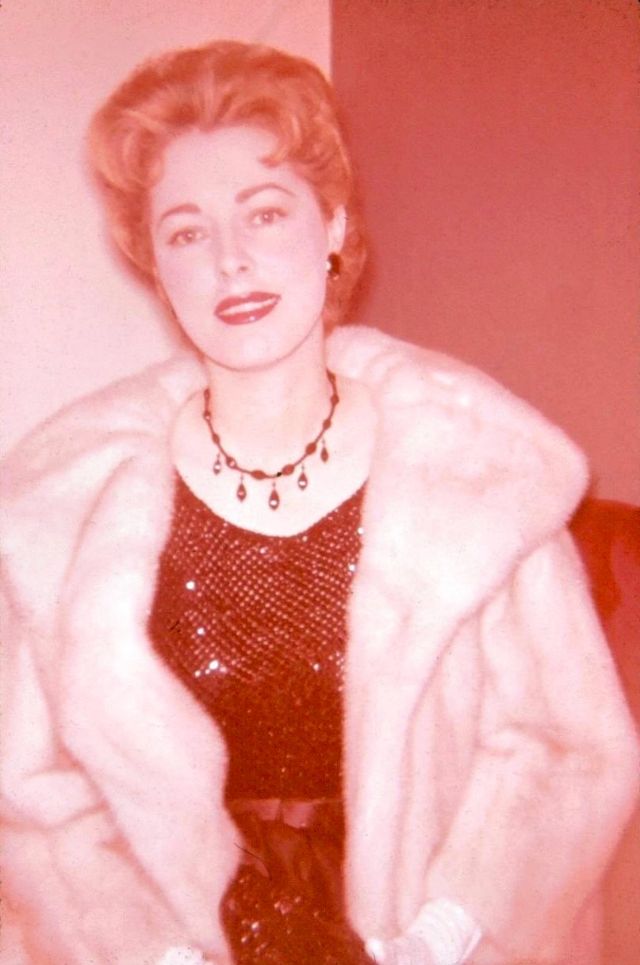
Eleanor Parker, 1950s
Frankie Avalon, 1959
Joanne Gilbert, 1950s
Johnnie Ray and fan, June 1953
Liberace at a party, 1950s
Tom Irish, 1950s
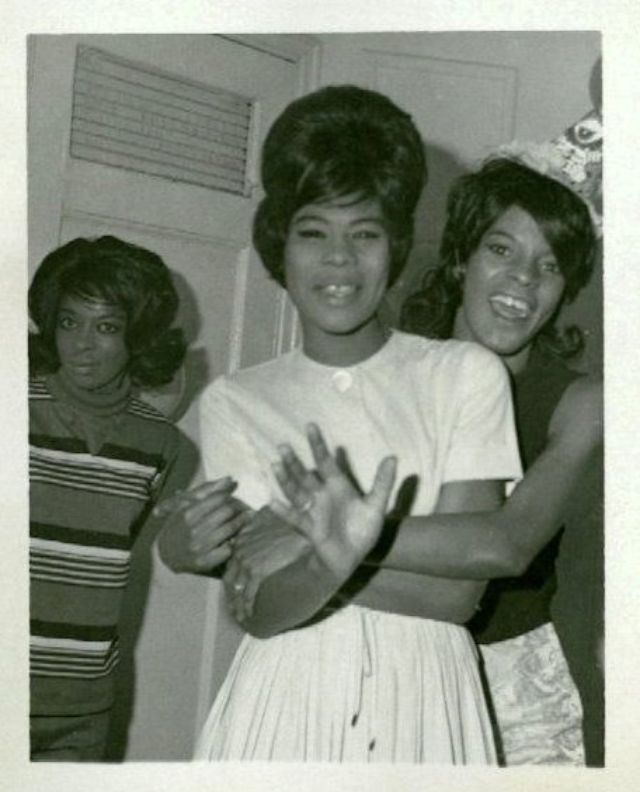
Annette Beard (Martha & The Vandellas), Gladys Horton (The Marvelettes), and Martha Reeves (Martha & The Vandellas), 1960s
Annette Funicello in Minneapolis for the Aquatennial Parade, which she was featured in, July 15, 1961
Bobby Vee, 1960s
Charlie Dick and Patsy Cline, June 1960
Connie Francis, 1960s
Cyd Charisse, 1969
Davy Jones, 1960s
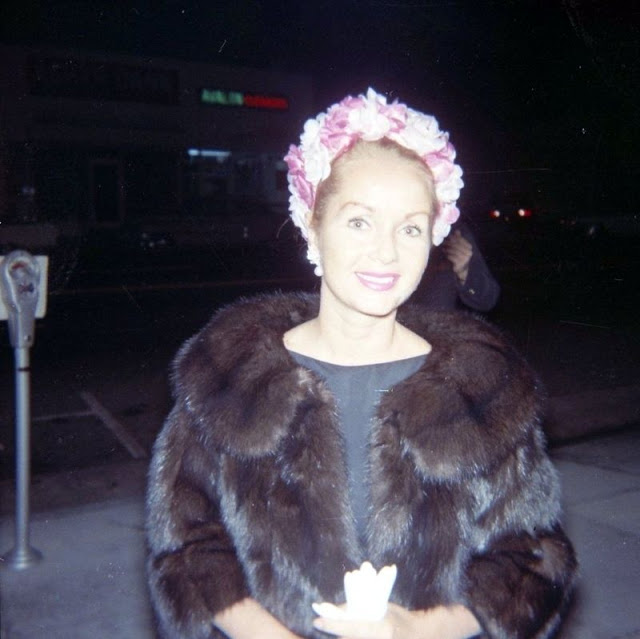
Debbie Reynolds, 1960s
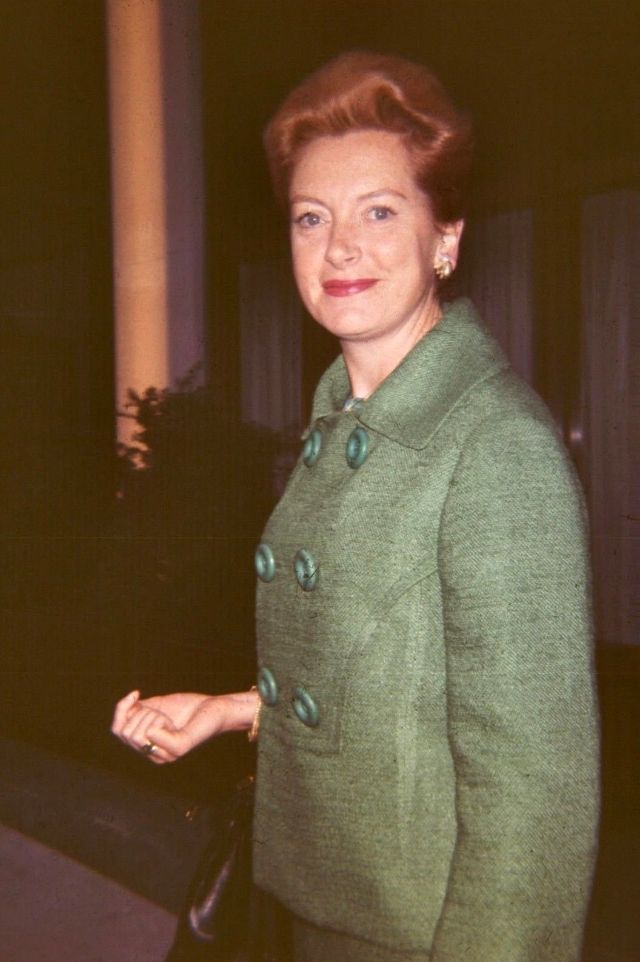
Deborah Kerr, 1960s
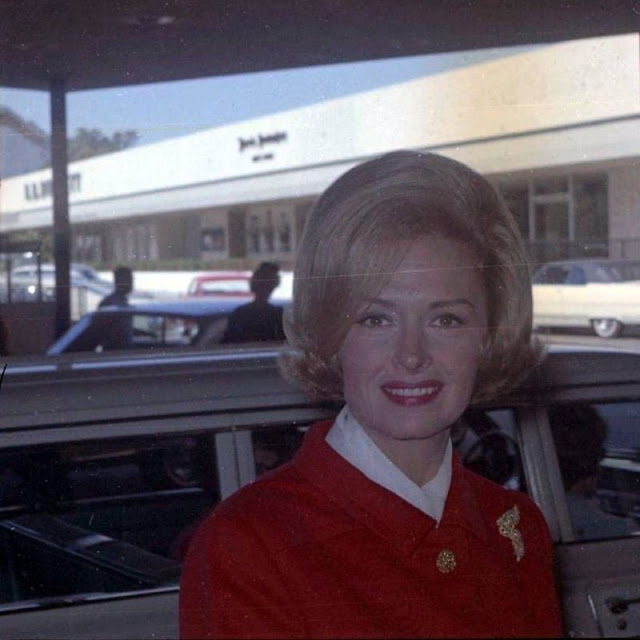
Donna Reed, 1960s
Dusty Springfield and Ronnie Spector, Brooklyn Fox, 1964
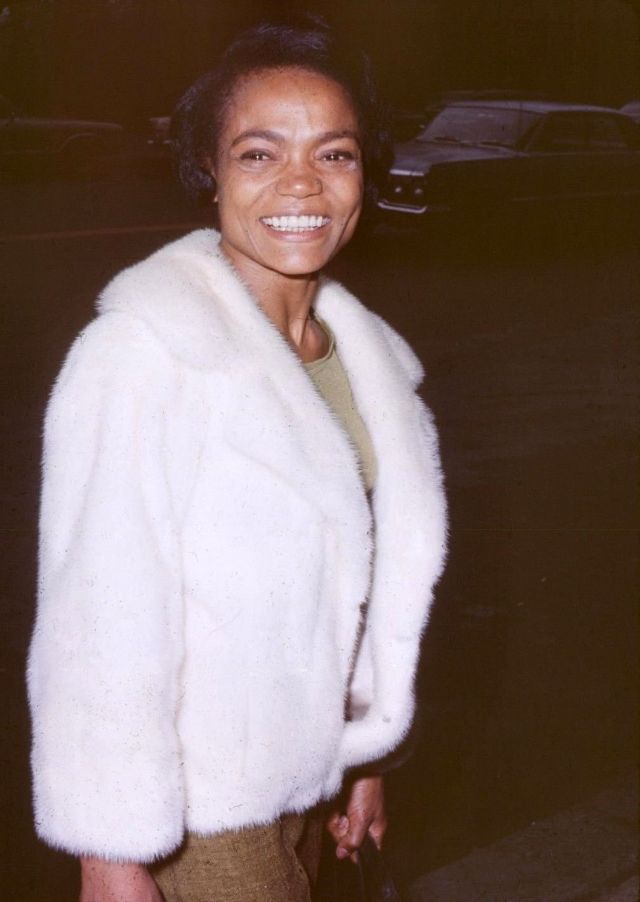
Eartha Kitt, September 1965
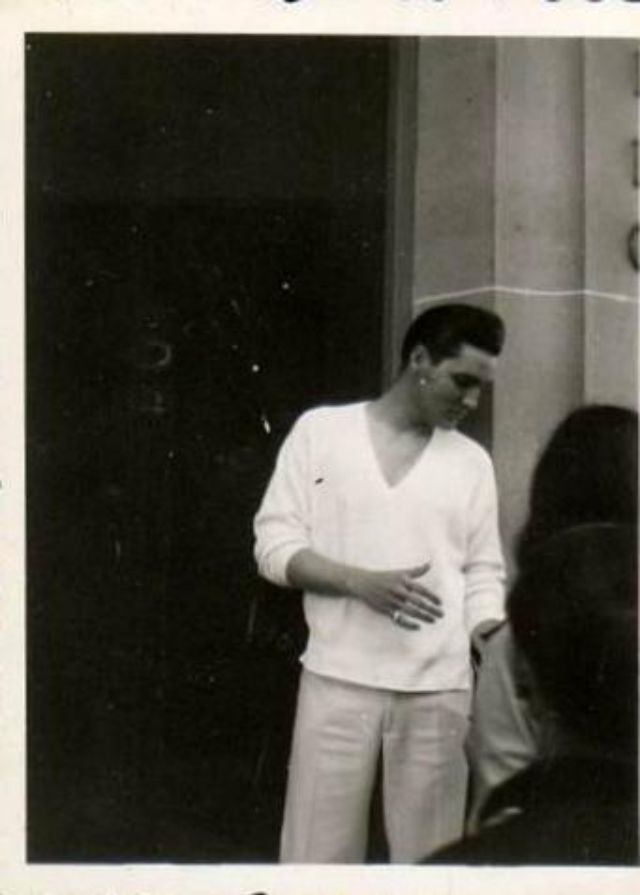
Elvis Presley, 1962
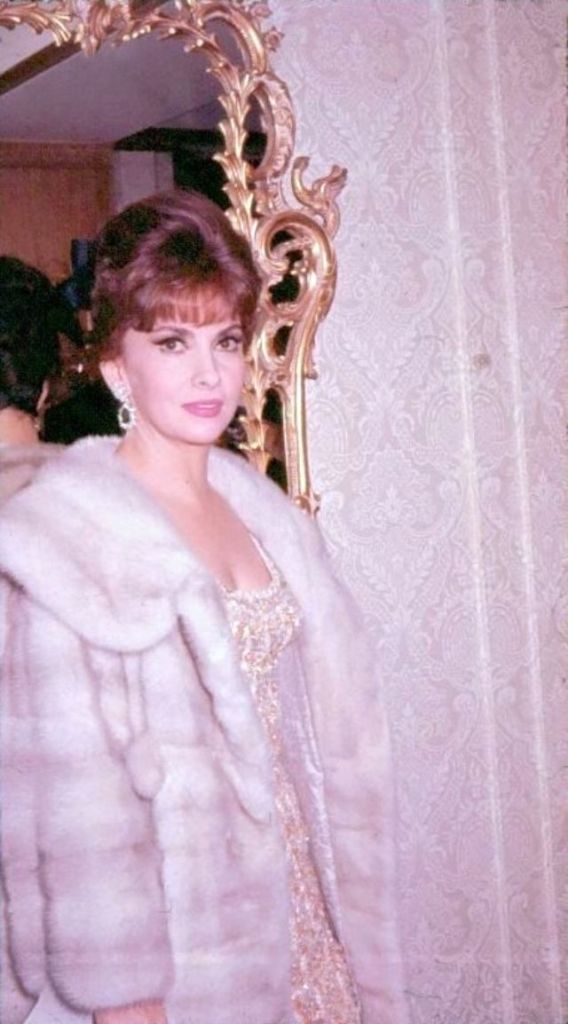
Gina Lollobrigida, 1960s
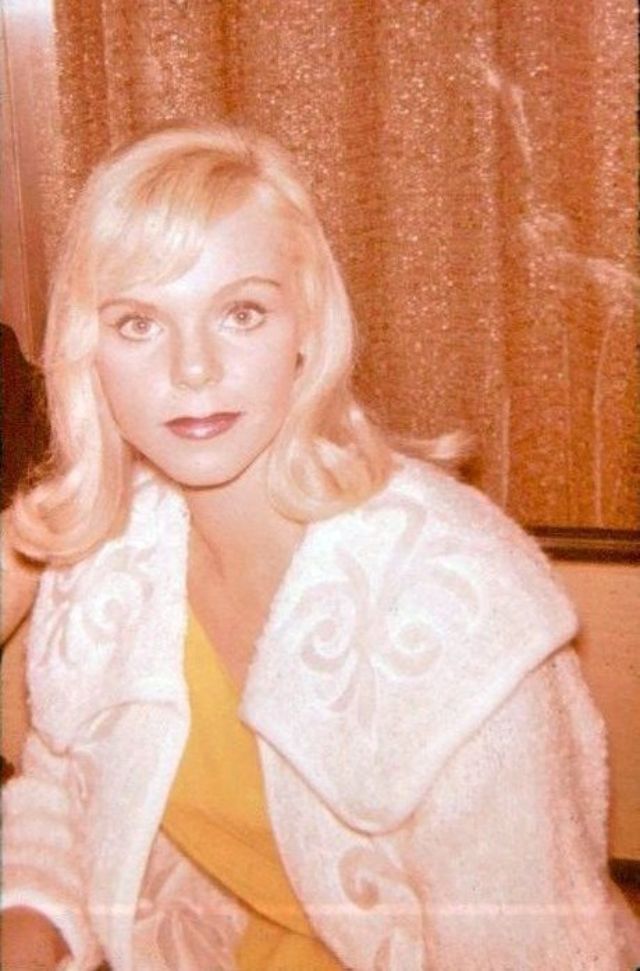
Jenny Maxwell, 1960s
Jim Morrison of The Doors at KFRC Magic Mountain Music Festival – Mt. Tamalpais, CA, June 1967
Jo Ann Campbell at the New Jersey State Fair, September 1961
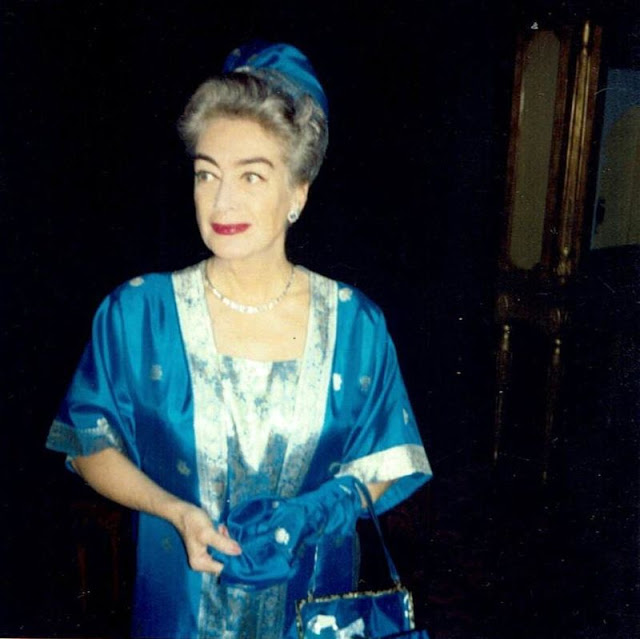
Joan Crawford, 1960s
Joey Heatherton, 1964
Joey Ramone at 15, 1966
Kathy Lennon, 1960s
Leonard Nimoy, 1967
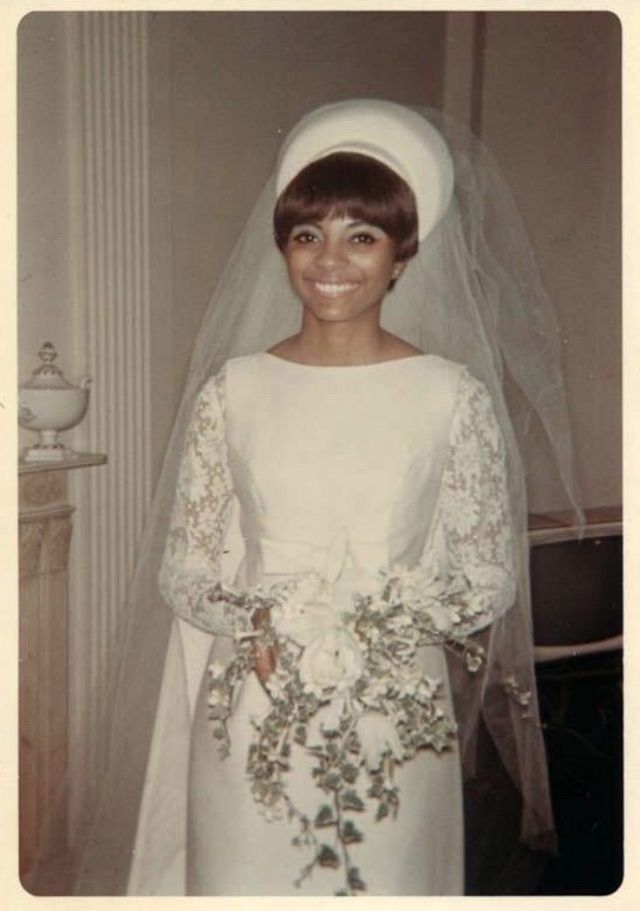
Leslie Uggams on her Wedding day, 1965
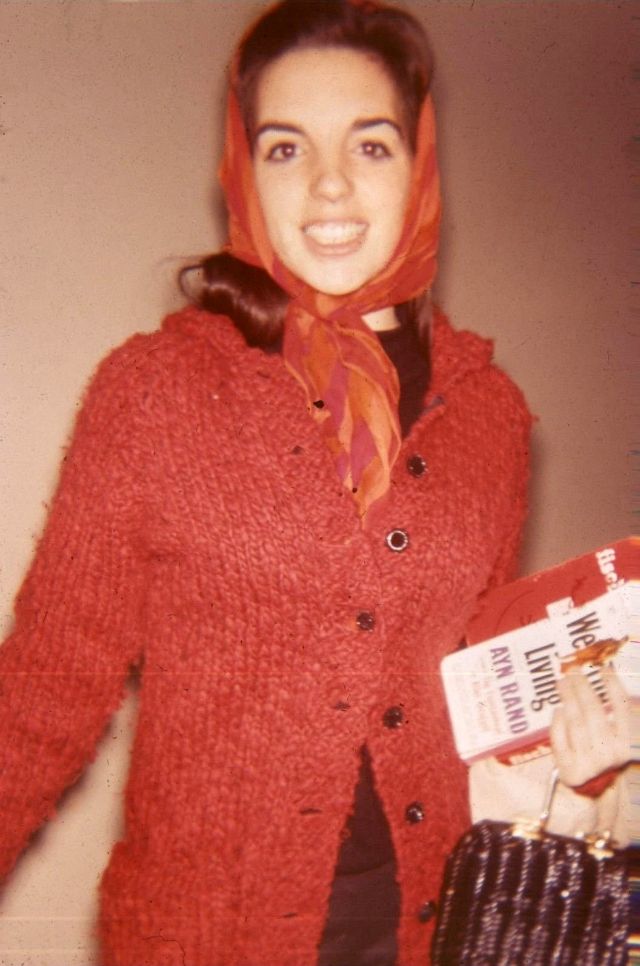
Liza Minnelli, 1960s
Millicent Martin, 1960s
Nancy Kovack, 1960s
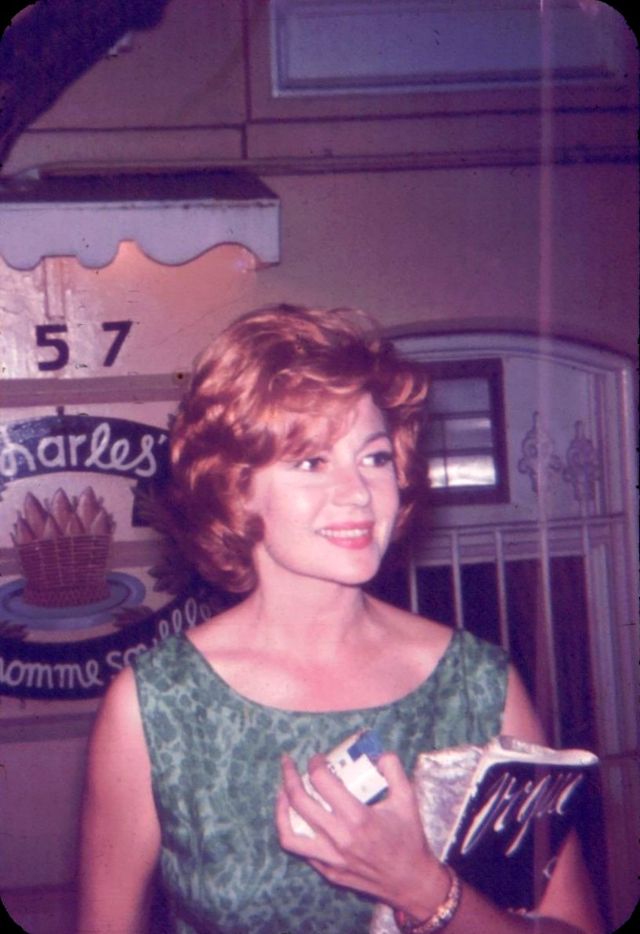
Rita Hayworth, 1960s
Robert Redford, Bucks County Playhouse, New Hope, Pennsylvania, 1963
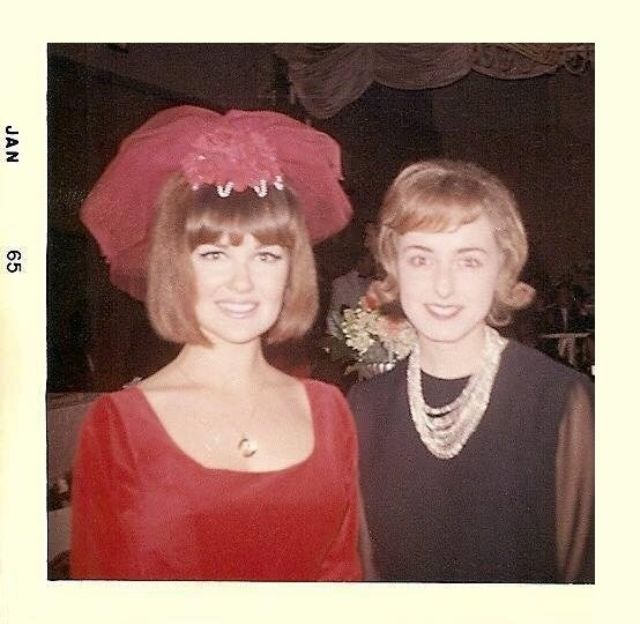
Shelley Fabares and Rita Rose, Annette Funicello Fan Club President, at Annette’s wedding to Jack Gilardi, January 9, 1965
Stuart Whitman, 1966
Terry Moore, 1960s

16 Colorized Portraits Photos of Celebrities From the 19th Century

Subscribe to get access

Read more of this content when you subscribe today.

Up until the 1950s and 1960s, color photography was extremely rare, and so when we think about history prior to that time, we often envision it in black and white.

Colorized photos of French stage actress Sarah Bernhardt and English actress Ellen Terry in the 1860s

Today’s technology now enables us to colorize historical photos, giving us chances at imagination what the world really looked like back then. And it was truly spectacular.

These incredible portrait photos (most of them are celebrities) from the 19th century were colorized by seriykotik1970 that will blow you away.

Portrait of a beautiful woman by the Boston daguerreotypists Southworth and Hawes, about 1848

Subscribe to continue reading

Become a paid subscriber to get access to the rest of this post and other exclusive content.

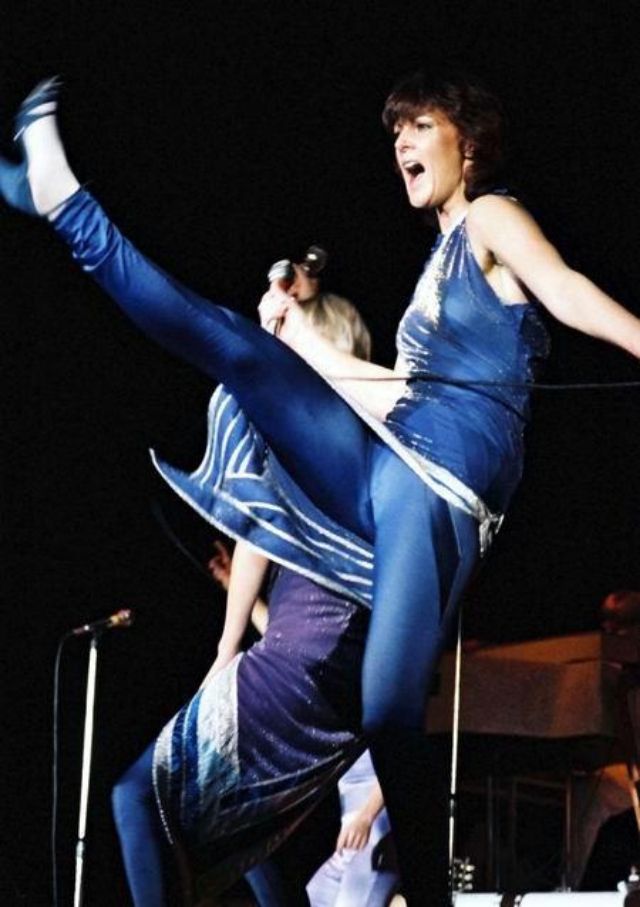
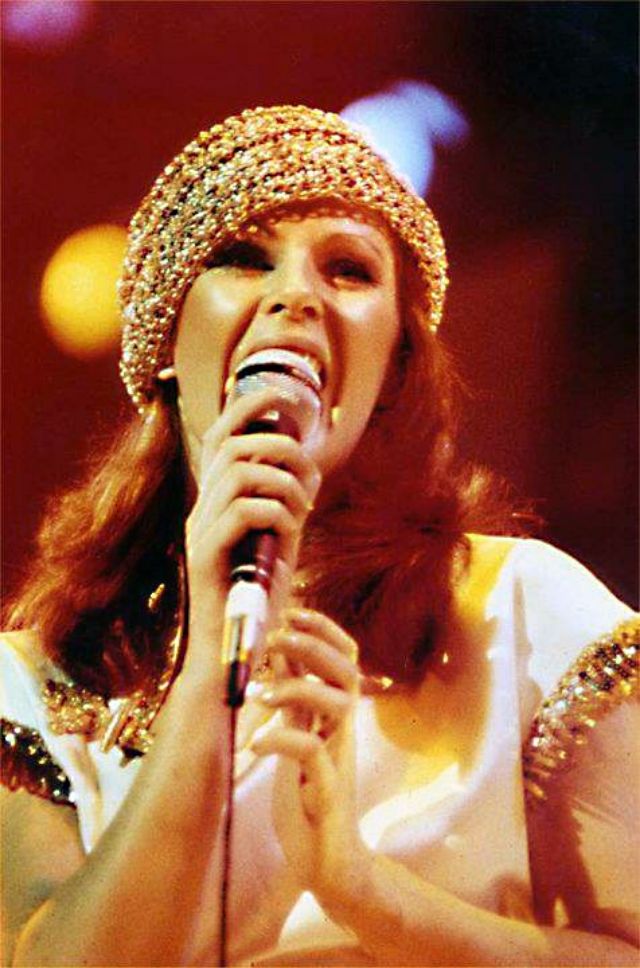
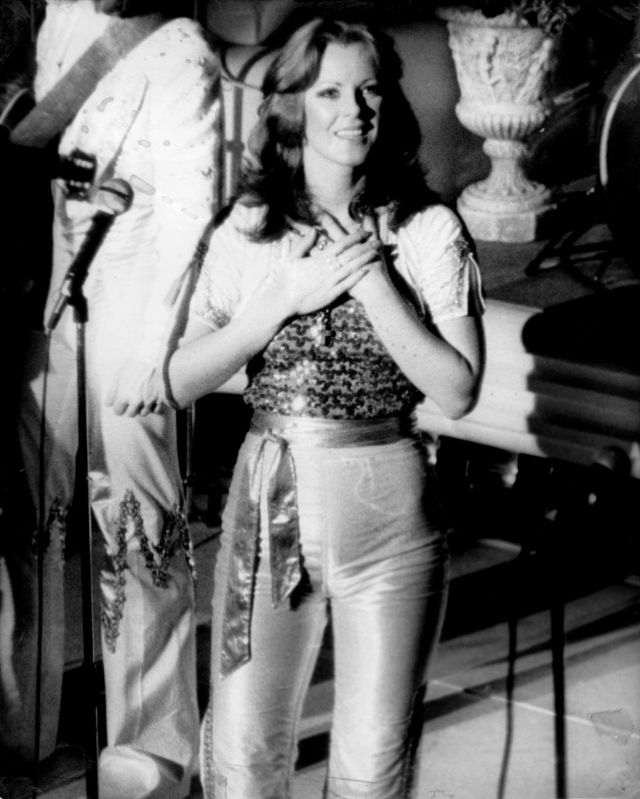
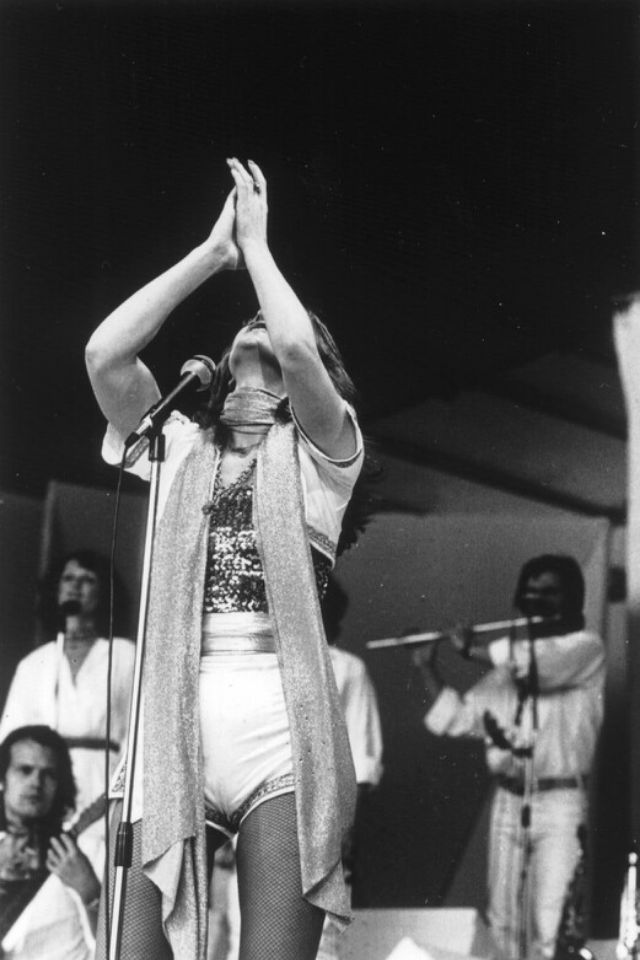
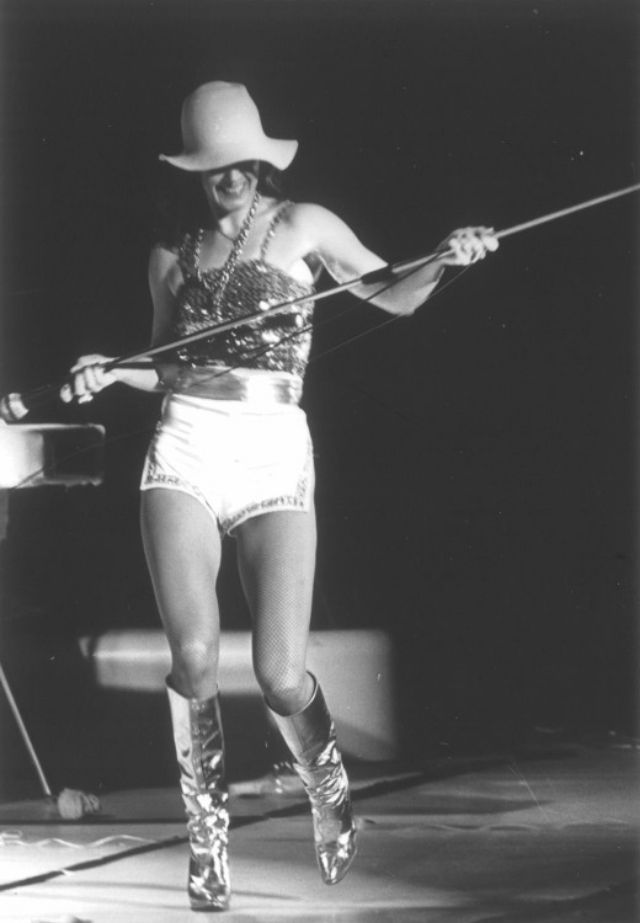
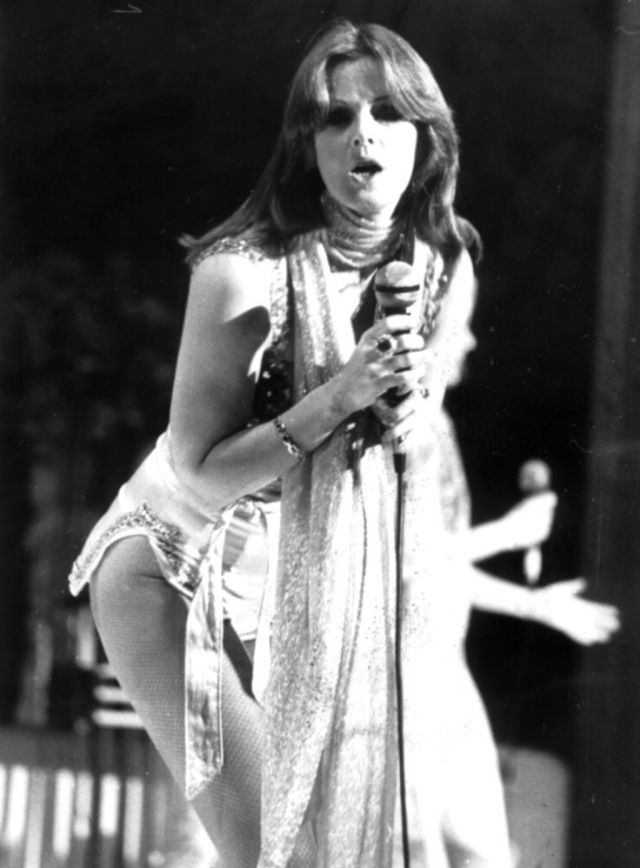
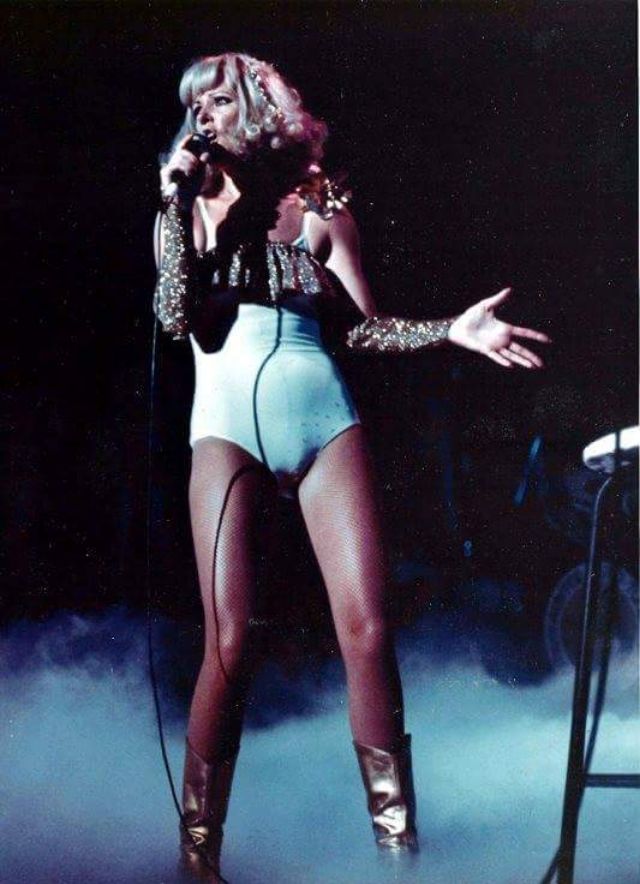
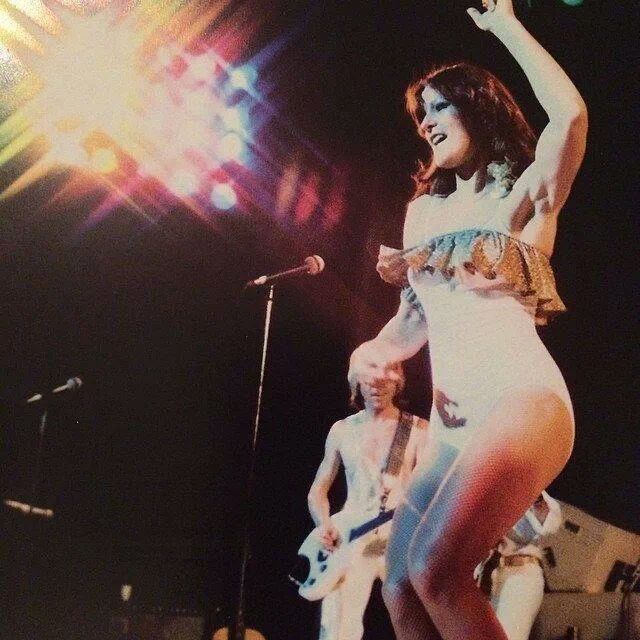
22 Amazing Photographs of ABBA’s Anni-Frid Lyngstad (Frida) on Stage

During World War II, a German officer had an affair with young Norwegian Synni Lyngstad. Once the war ended, he returned to his home country, unaware of the fact that Synni was pregnant with his child. Anni-Frid Lyngstad (or Frida, as she later became known) was born on November 15th, 1945 in the small town of Narvik in Norway. To escape post-war retributions dished out to “collaborators” and their children her mother took her to Sweden, Torshälla. When she was only two, Anni-Frid’s mother died. Her grandmother (who had always encouraged her to sing) became responsible for raising her.

When she was 13, Anni-Frid entered show business making her stage debut at a Red Cross charity in 1957. Since then, she has never stopped working in this business. When she was around 15, Anni-Frid met Ragnar Fredriksson. She became pregnant and had their first child, Hans, when she was only 16. Shortly after the baby’s birth, they married and had another child, Liselotte.

Since she was not willing to give up her career – which was doing well – to devote herself to her family, they ended up getting a divorce and Anni-Frid left the children in his care and her dear “Mamma” (her grandmother) to go to Stockholm. There, she met Benny Andersson and they soon became romantically involved.

Later, they teamed up with another couple, Björn Ulvaeus and Agnetha Fältskog. They became one of the most famous Pop groups of all times – ABBA.

30 Amazing Vintage Photographs Showing Life in America Between the 1900s and 1910s

Frances Benjamin Johnston (1864-1952) was born during the American Civil War. In the 1880s, Johnston studied art in Paris and then returned home to Washington, DC, where she learned photography. She quickly established a national reputation as a professional photographer and businesswoman, with growing success in both the art and commercial worlds.

In the 1890s and early 1900s, as one of the first photojournalists, she provided images to the Bain News Service syndicate and wrote illustrated articles for many magazines.

In the 1910s, Johnston began to specialize in contemporary architecture and landscape photography, working for a time with photographer Mattie Edwards Hewitt in New York City. Here, we selected 30 amazing photographs took by Johnston in the 1900s and 1910s, which featuring everyday life in the United States from the early 20th century.

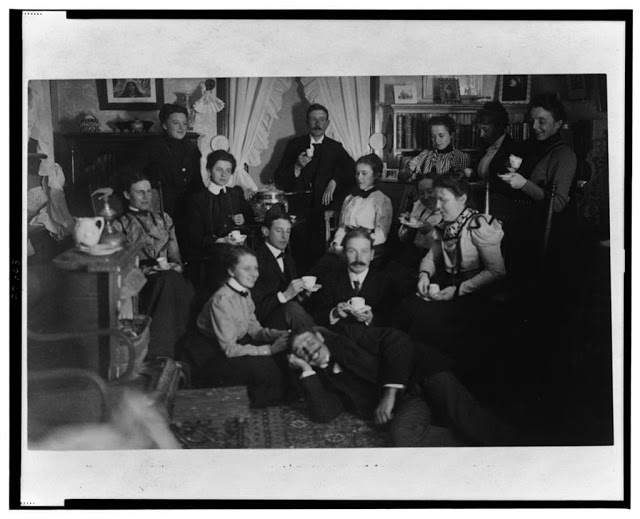
Group portrait of friends at social gathering, seated and standing with tea cups, in domestic setting, between 1890 and 1910.
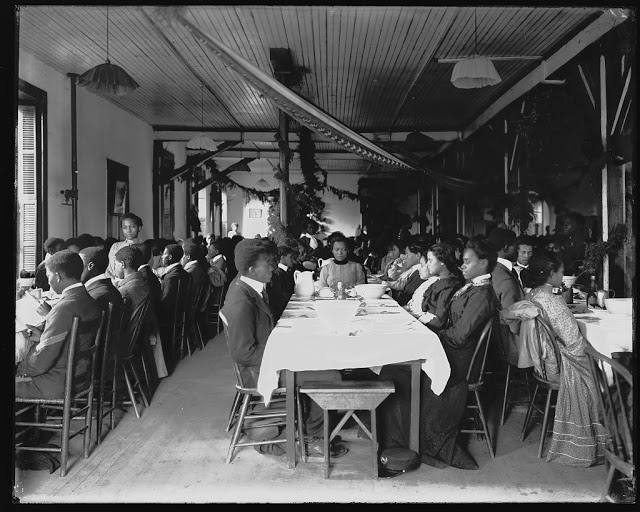
Interior view of dining hall, decorated for the holidays, with students sitting at tables at the Tuskegee Institute, 1902.
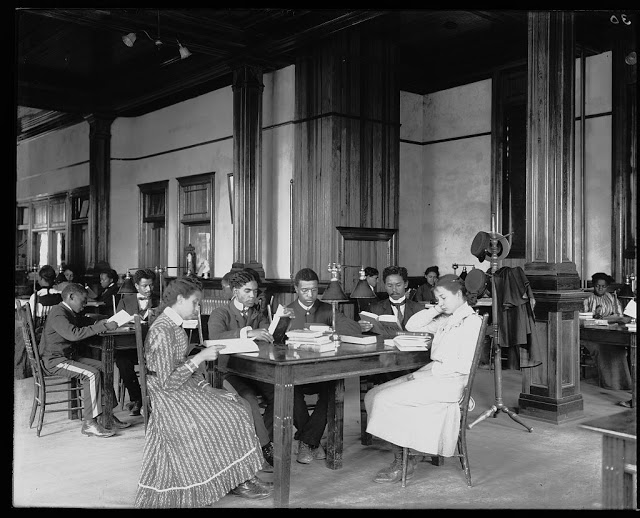
Interior view of library reading room with male and female students sitting at tables, reading, at the Tuskegee Institute, 1902.
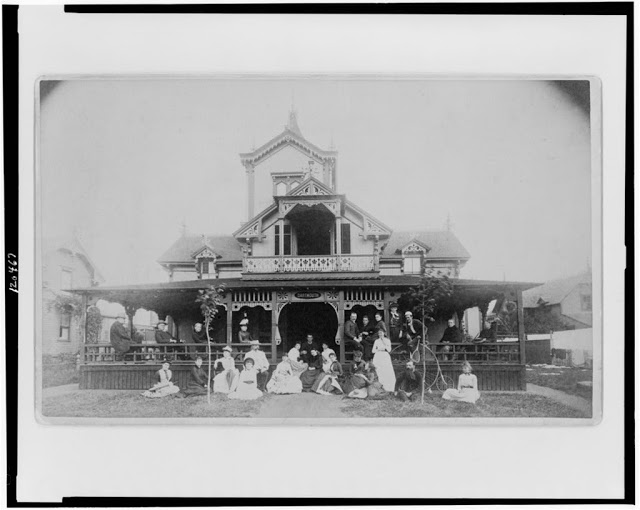
Frances Benjamin Johnston and family on porch and in front of house, between 1890 and 1910.
Chemistry laboratory at Tuskegee Institute, 1902.
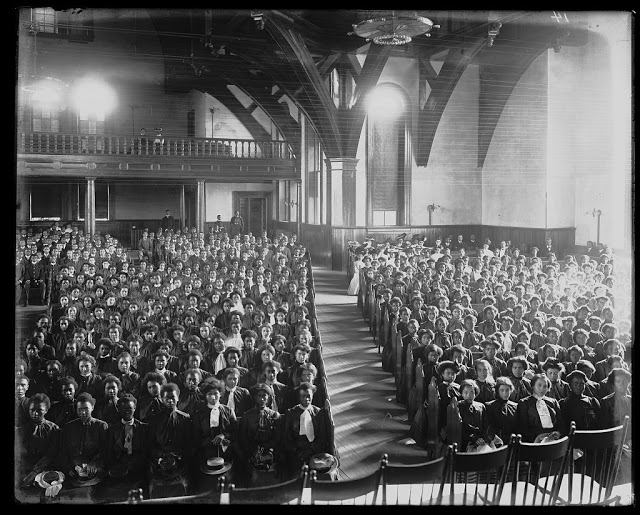
Interior view of chapel filled with female students at the Tuskegee Institute, 1902.
Male Native American students in physical education class, Carlisle Indian School, Carlisle, Pennsylvania, between 1901 and 1903.
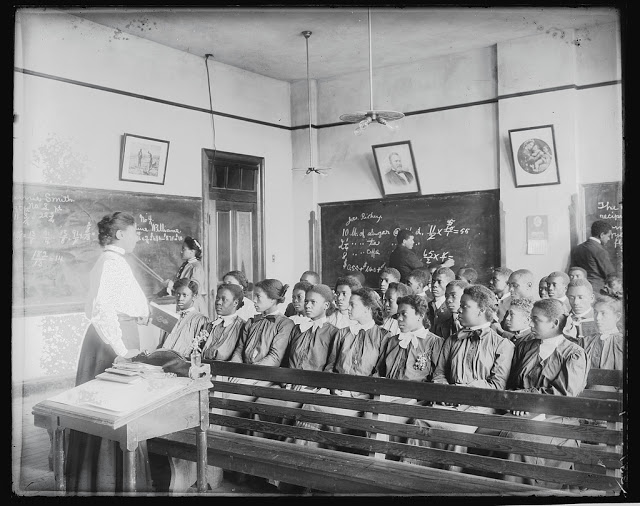
Mathematics class at Tuskegee Institute, 1906.
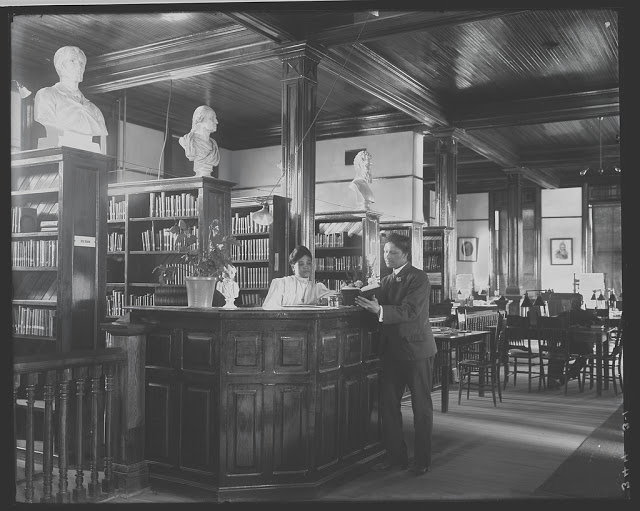
Library interior at Tuskegee Institute, 1906.
County fair, tintype booth of Miss. F.B. Johnston, May 1903.
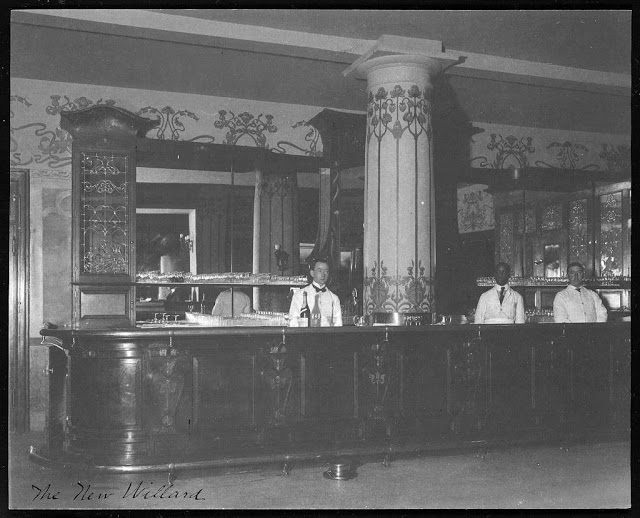
Three male employees, including one African American man, standing behind the bar at the Willard Hotel, between 1901 and 1910.
Bureau engraving & printing – stamp division, between 1890 and 1910.
Art class in Georgetown Visitation Preparatory School, Washington, D.C., between 1890 and 1910.
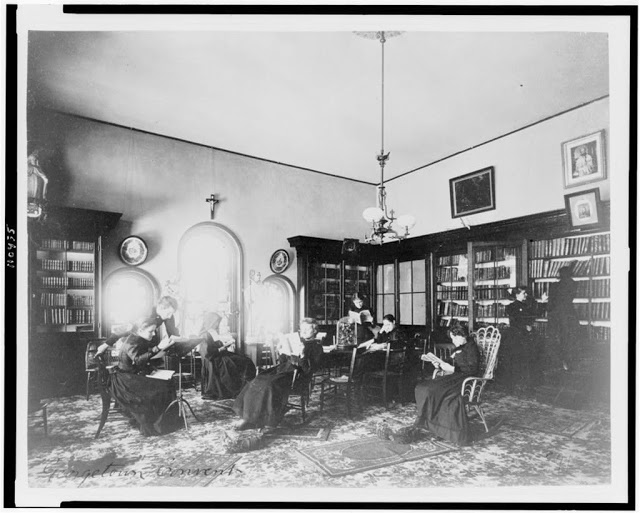
Students reading in library at Georgetown Visitation Preparatory School, Washington, D.C., between 1890 and 1910.
Science class in Georgetown Visitation Preparatory School, Washington, D.C., between 1890-1910.
Men loading sacks of grain from truck in courtyard into second floor doorway of barn, 1917.
Gardener pushing lawn mower, posed to illustrate Rudyard Kipling’s poem The Glory of the Garden, 1917.
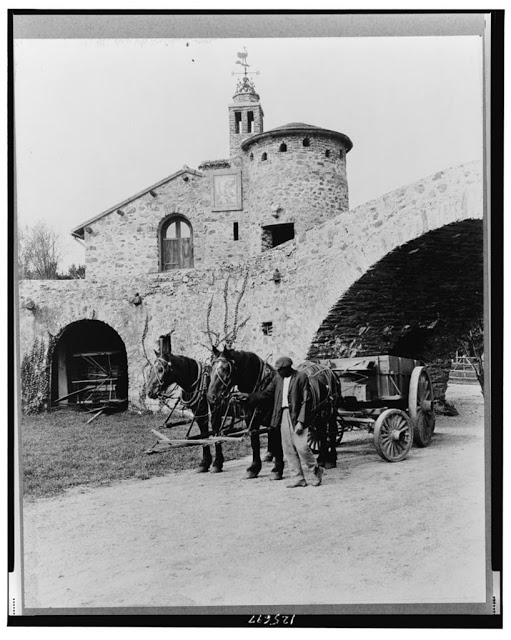
Courtyard with wagon and team, 1917.
Classroom at the Indian Industrial School, Carlisle, Pennsylvania, showing teacher observing students reading, between 1901 and 1903.
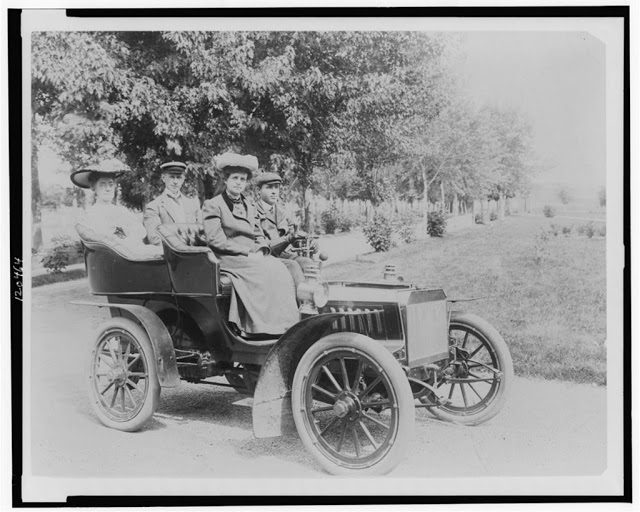
Frances Benjamin Johnston seated with three other people in automobile, between 1890 and 1910.
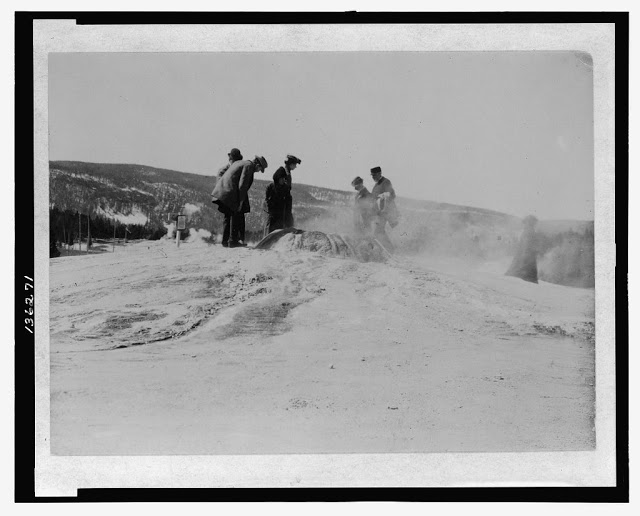
A group of tourists explore a geyser in the Upper Geyser Basin in Yellowstone National Park, 1903.
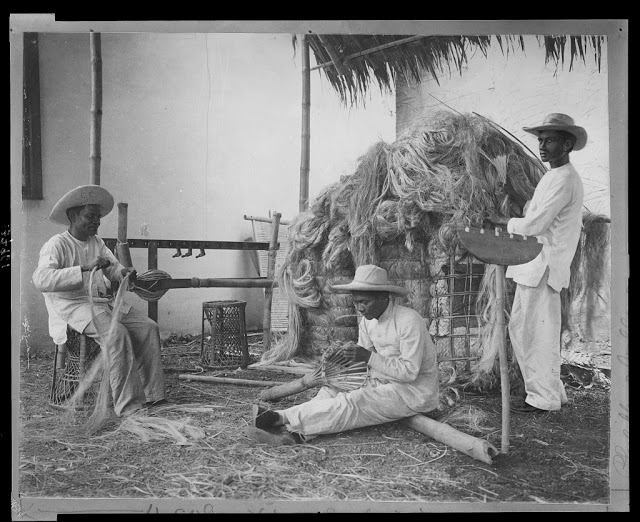
Three Filipino men demonstrating the craft of working with reeds at the Pan-American Exposition, Buffalo, New York, 1901.
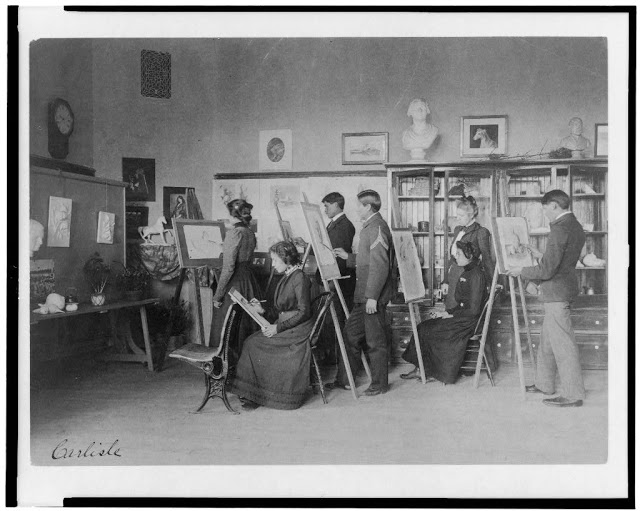
Classroom instruction in art, United States Indian School, Carlisle, Pa., between 1901 and 1903.
Frances Benjamin Johnston, full-length portrait, standing in her garden, by rose bushes, with some flowers in her hand, facing slightly right, between 1890 and 1910.
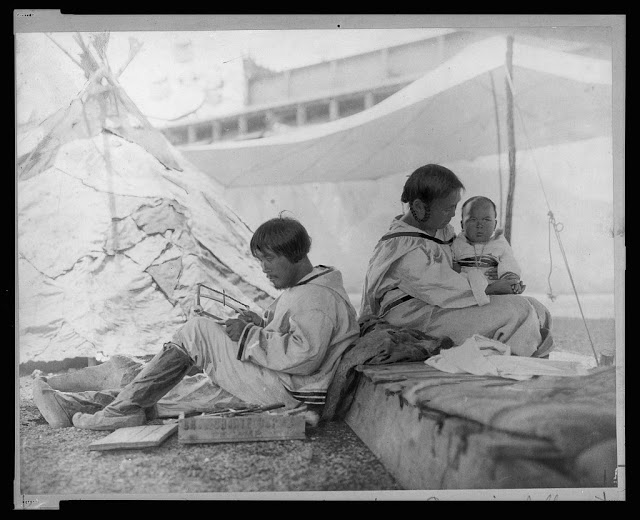
Inuit man, woman, and baby at the Pan-American Exposition, Buffalo, N.Y., 1901.
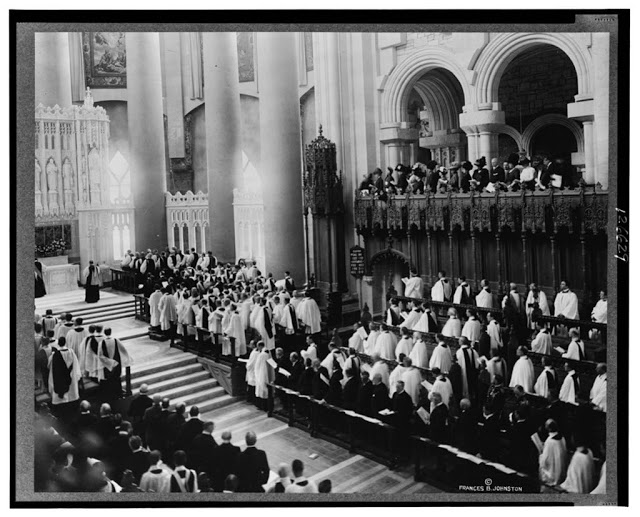
Consecration of the choir and the two chapels of the Cathedral of St. John the Divine, 1911.
Tourists and guides picnicking in Yellowstone Park, 1903.
Getting ready to hoist a mounted gun, in Washington Navy Yard, 1903.
Pastoral play, the Oaks, Spring, May 4, 1906.
Pan-American midway parade, 1901.

(Images via Library of Congress)

19 Lovely Portrait Photos of Famous Moms With Their Kids

Here’s a selection of 19 lovely vintage photos of famous moms (Jackie Kennedy, Shirley MacLaine) with their kids, famous kids (Liz Taylor, Sophia Loren) with their moms and, in a few instances, famous kids with their famous moms.

According to LIFE magazine, the focus of the gallery is most decidedly not meant to suggest that famous moms are any more worthy of notice than any other mothers anywhere in the world who feed, clothe, encourage, protect, challenge and, ultimately, unconditionally love their children. Rather, this gallery is a simple acknowledgement that we’re more or less fascinated by fame.

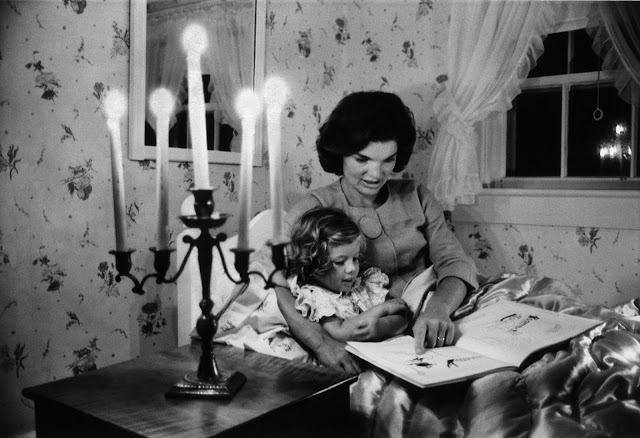
Jackie Kennedy reads to her daughter, Caroline, in Hyannis Port, Mass., in 1960.
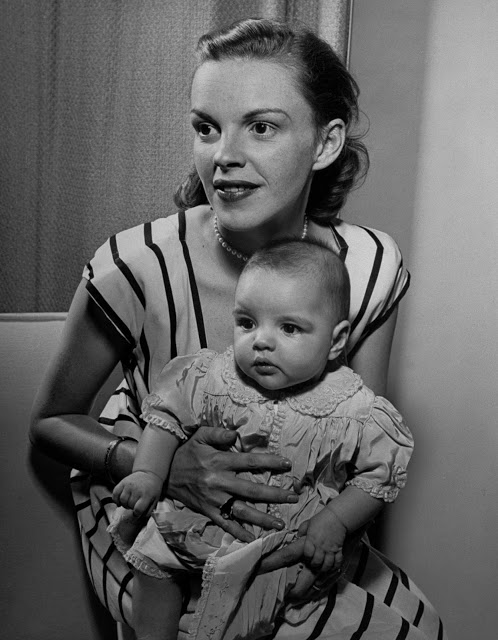
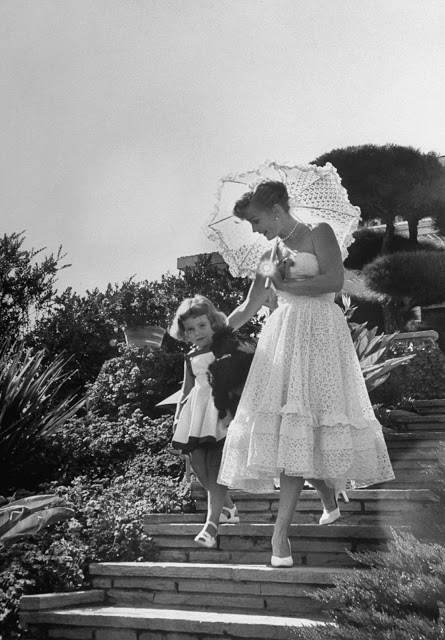
Judy Garland holds her daughter, Liza, at home in Hollywood in 1946.
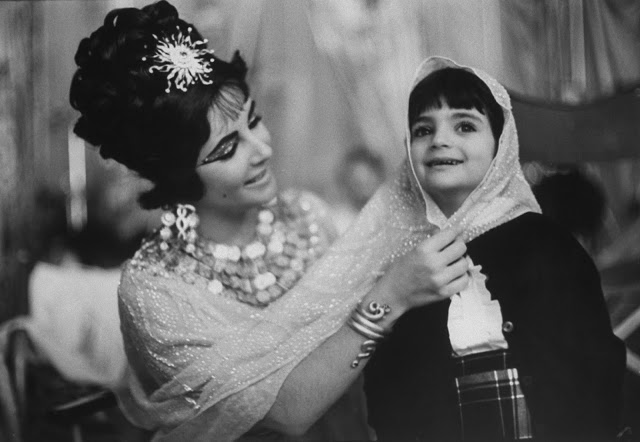
Elizabeth Taylor on the set of Cleopatra with her daughter, Elizabeth Frances, in Rome in 1962.
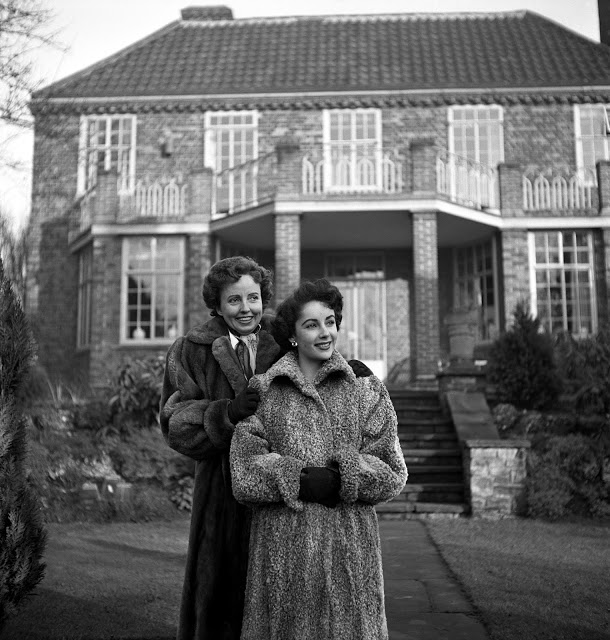
Elizabeth Taylor and her mother, Sara, in 1948.
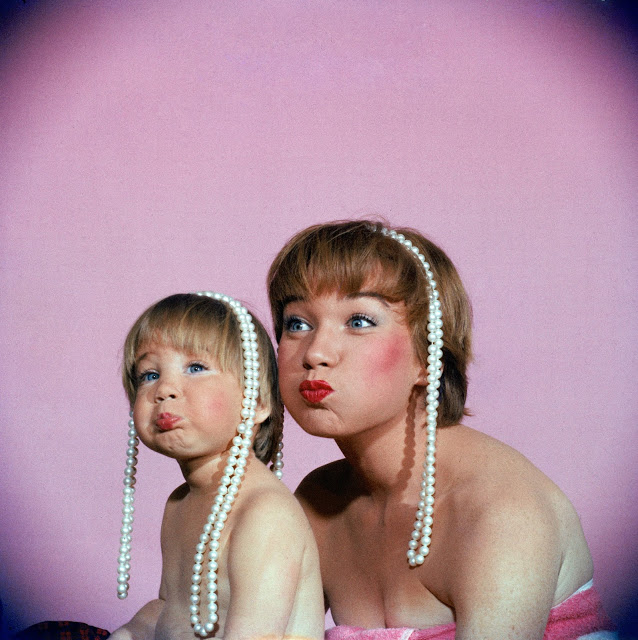
Actress Shirley MacLaine & daughter Sachi Parker pouting w. string of pearls on their heads. 1959
Famous contralto, Marian Anderson bestows a kiss on her mother in front of the Academy of Music’s dressing room No. 1 after her concert in Philadelphia in 1937.
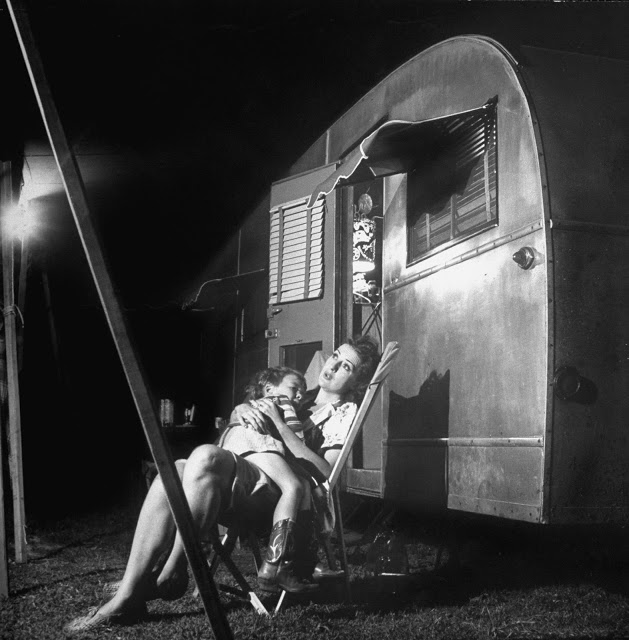
Burlesque star Gypsy Rose Lee holding her 4-year old son, Erik Lee Kirkland, during stopover in traveling carnival show.
Shirley Temple with her daughter, Lori, in Atherton, California, in 1957.
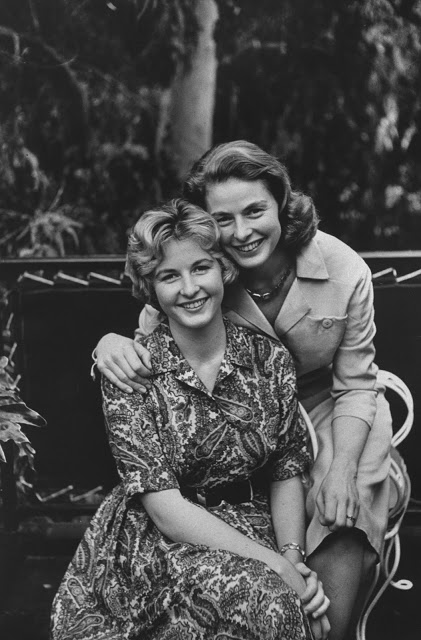
Ingrid Bergman and her daughter, Pia Lindstrom, in 1959.
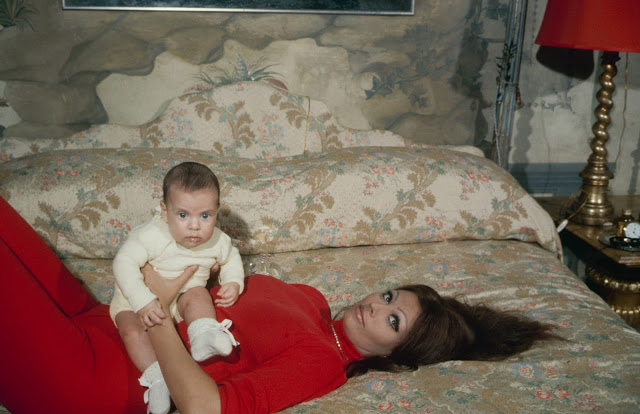
Sophia Loren with her son, Carlo Ponti, Jr., in 1969.
Sophia Loren (right) poses with her mother (center) and her sister, Maria, in 1957.
Zsa Zsa Gabor and her daughter, Francesca, at home in Bel Air, 1951.
Joan Crawford and two of her children, Christina and Christopher, on the beach, Monterey, California, 1945.
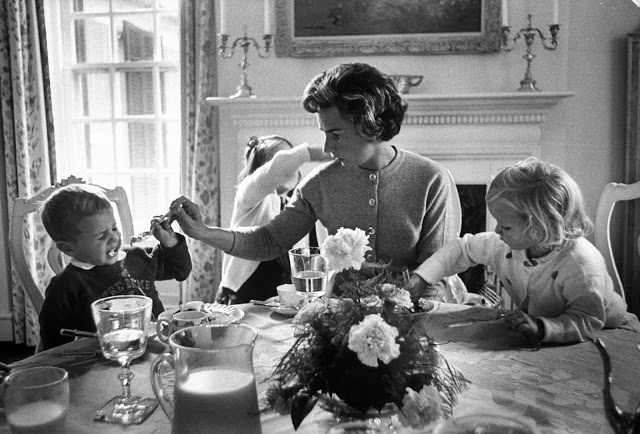
Mrs. Robert F. Kennedy with her children, 1961.
Jane Fonda and her daughter, Vanessa, in California, 1971.
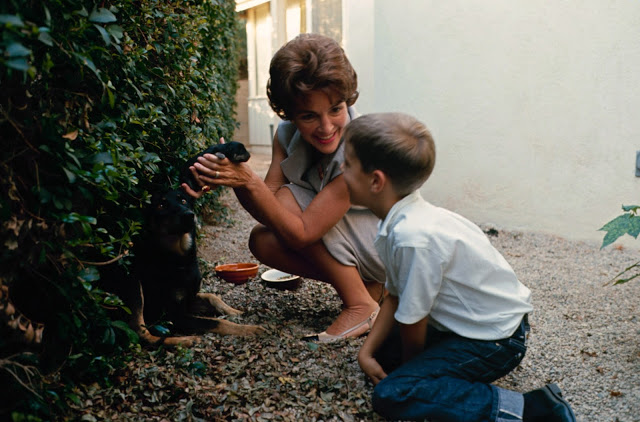
Nancy Reagan with Ron Reagan in Pacific Palisades, Calif., in 1965.
Natalie Wood and her mother at home, 1945.
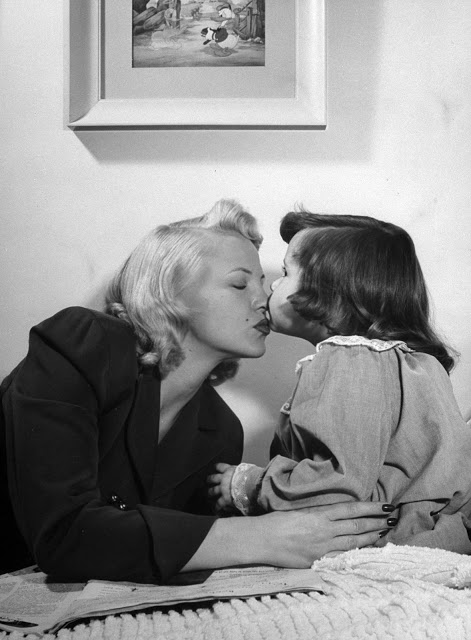
Peggy Lee gets a goodnight kiss from her 4-year-old daughter Nicki, 1948.
Mia Farrow reads to her children on Martha’s Vineyard in 1974.

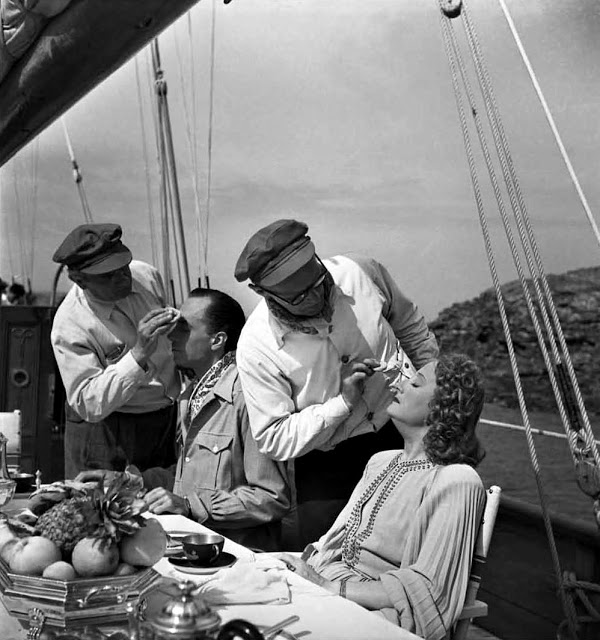
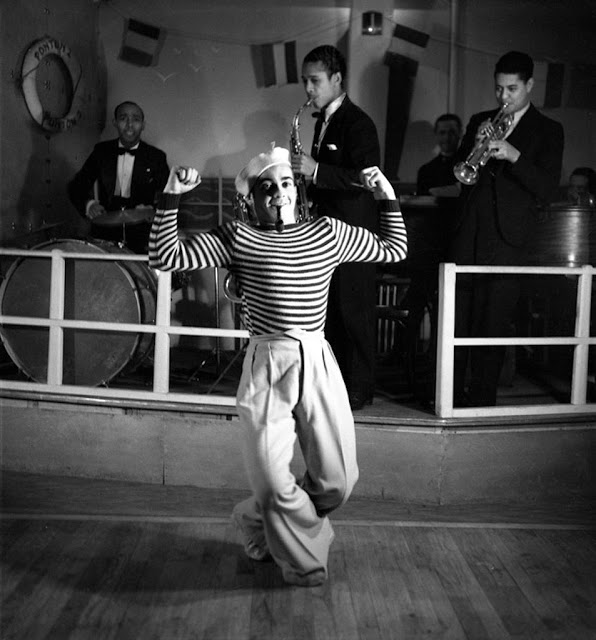
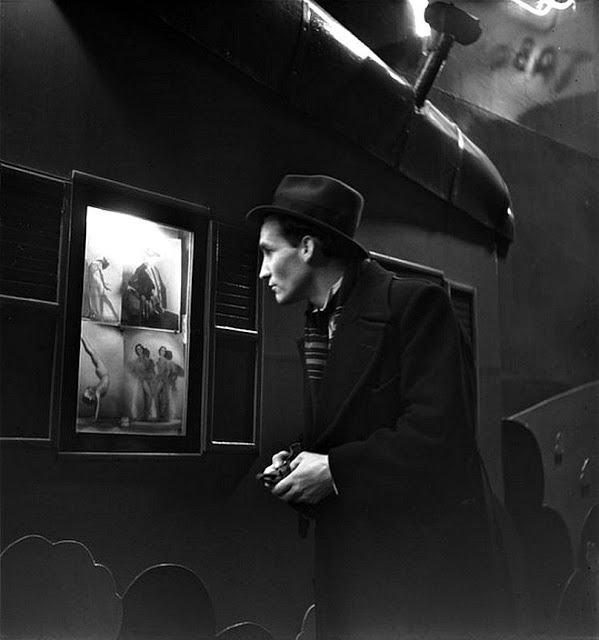
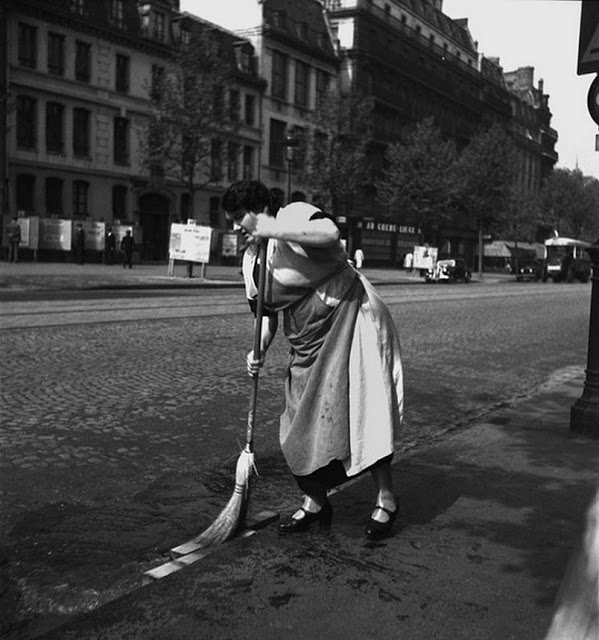
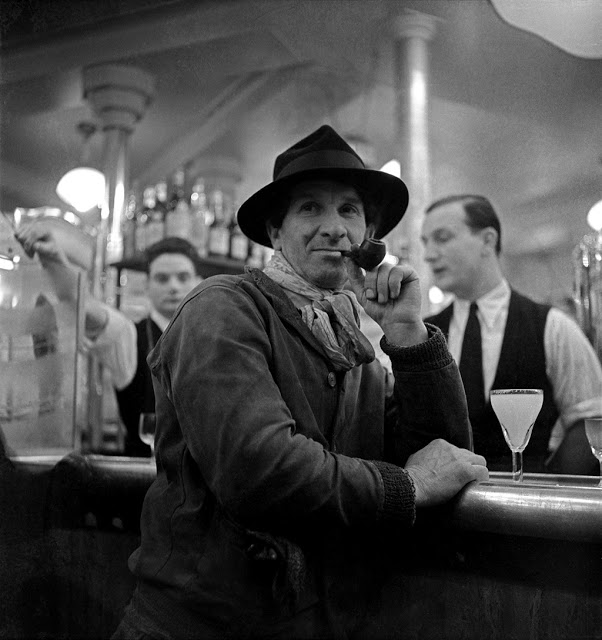
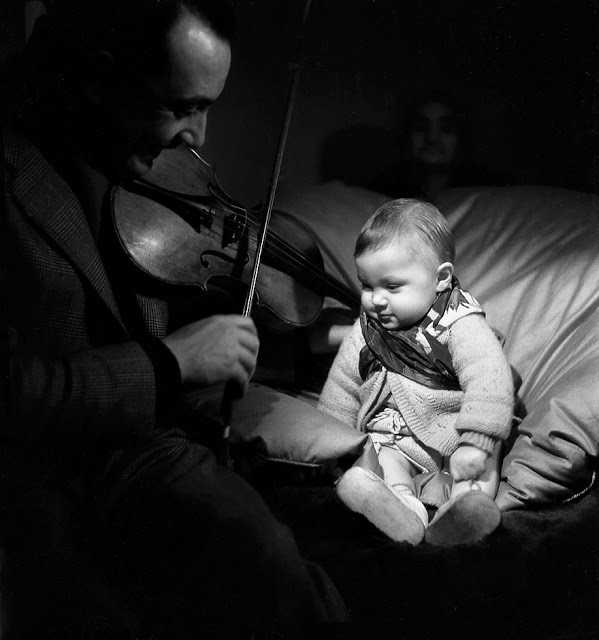
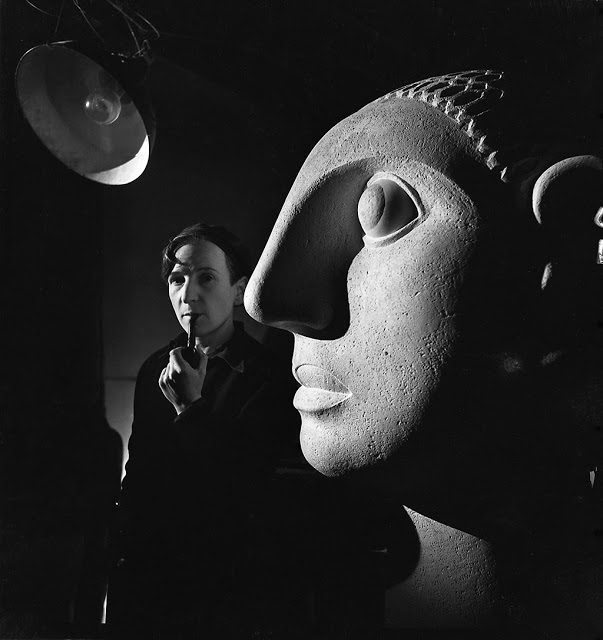
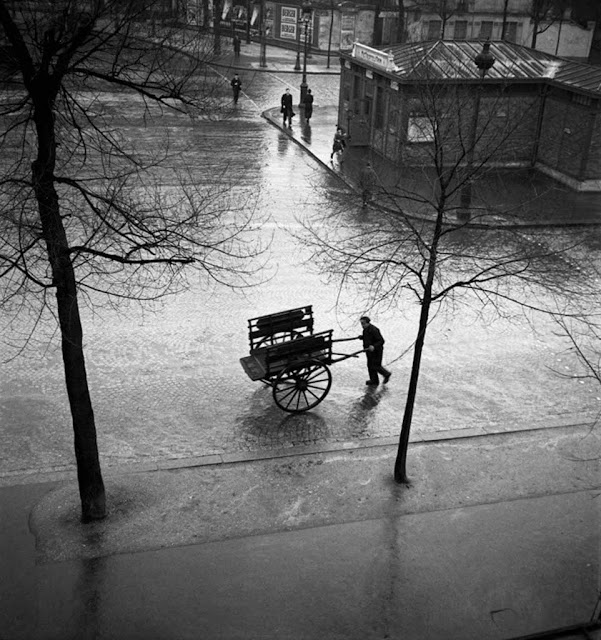
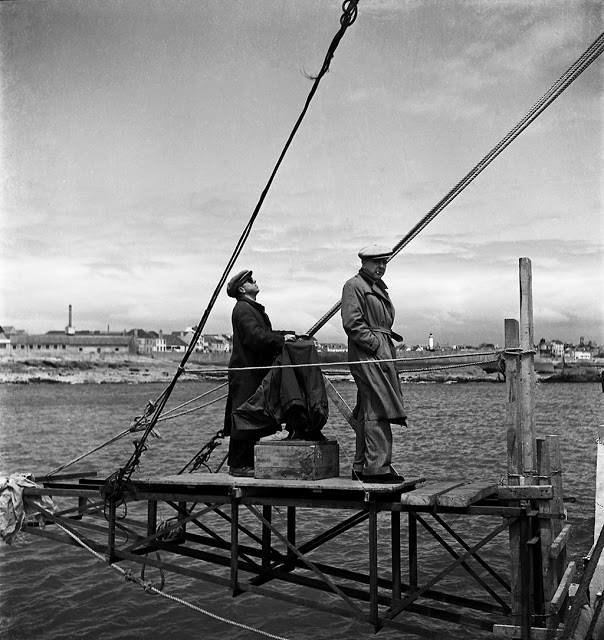
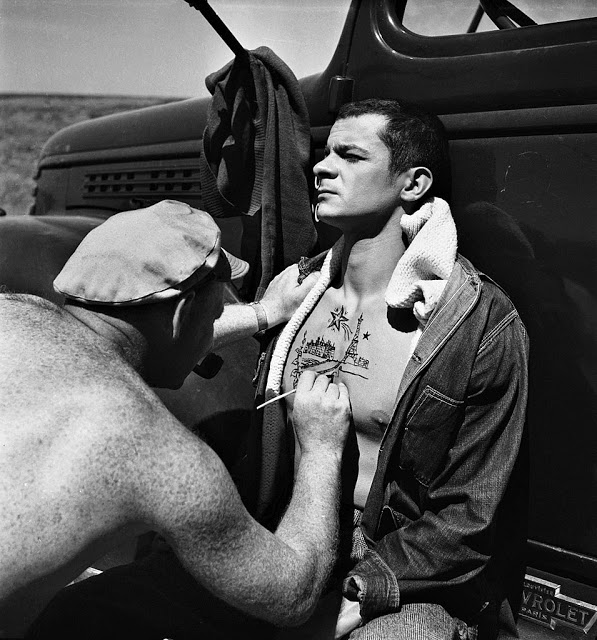
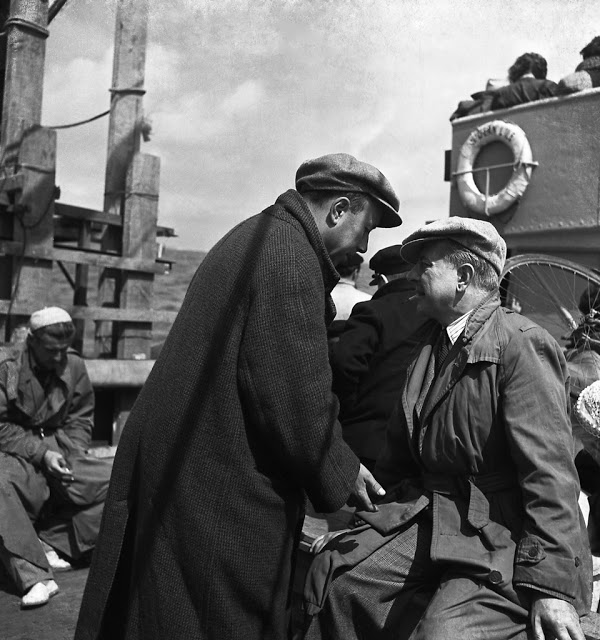
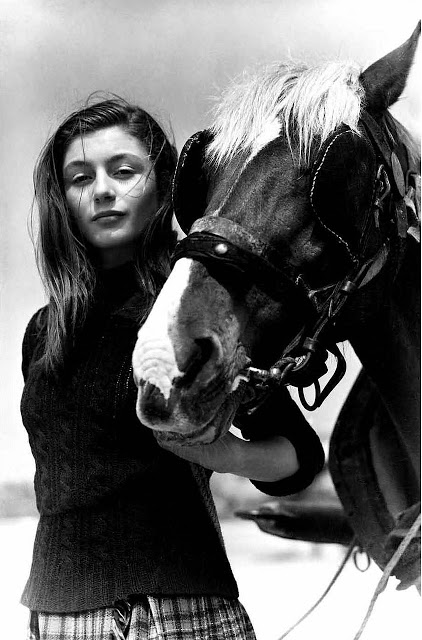
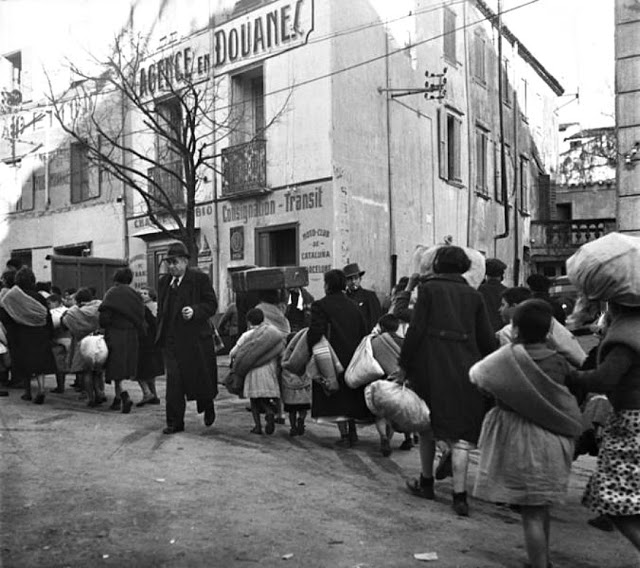
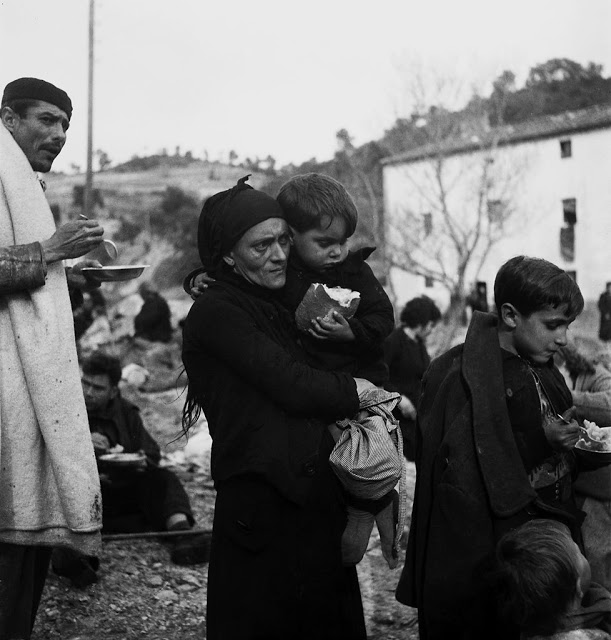
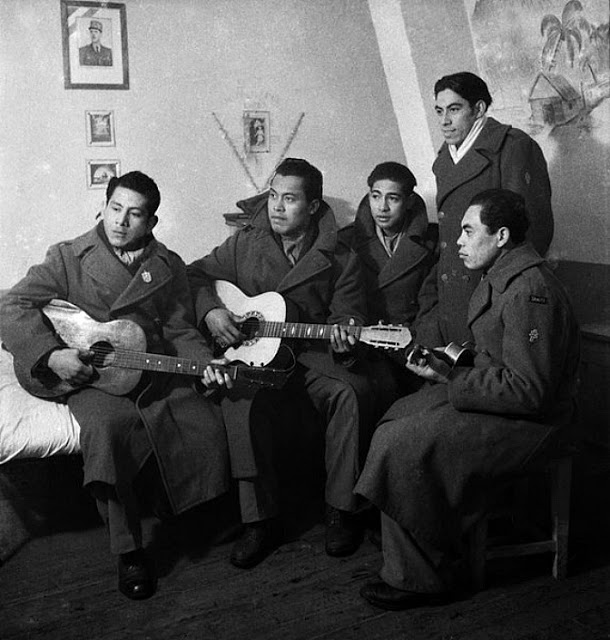
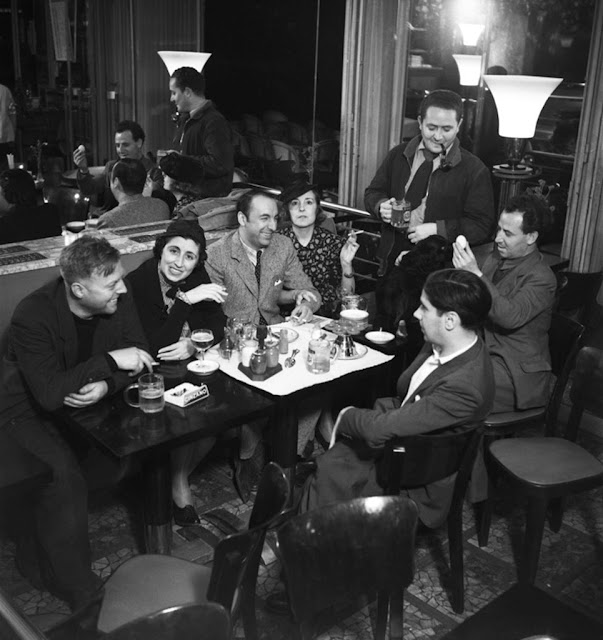
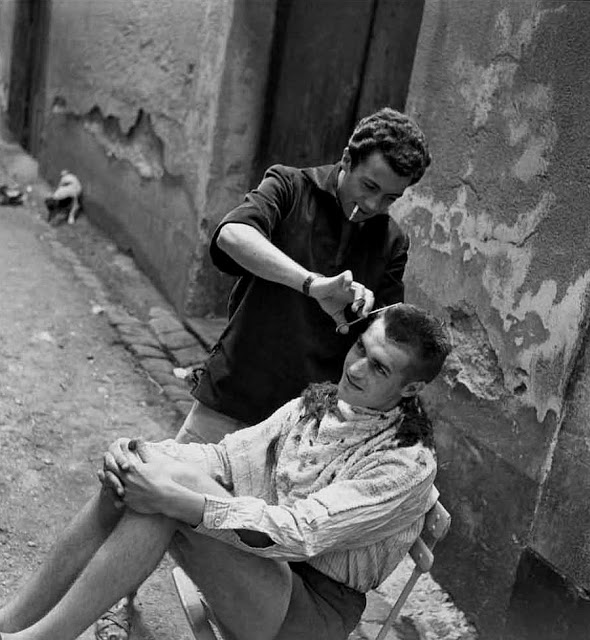
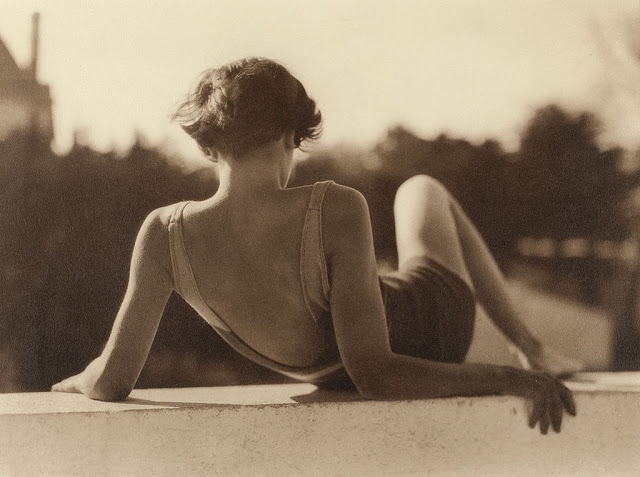
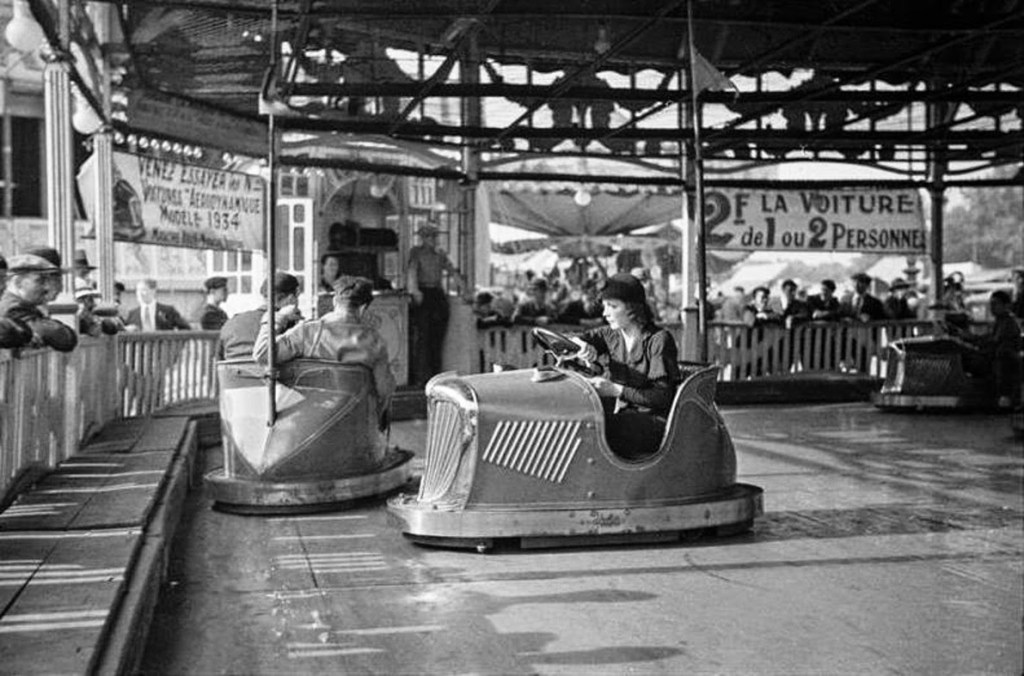
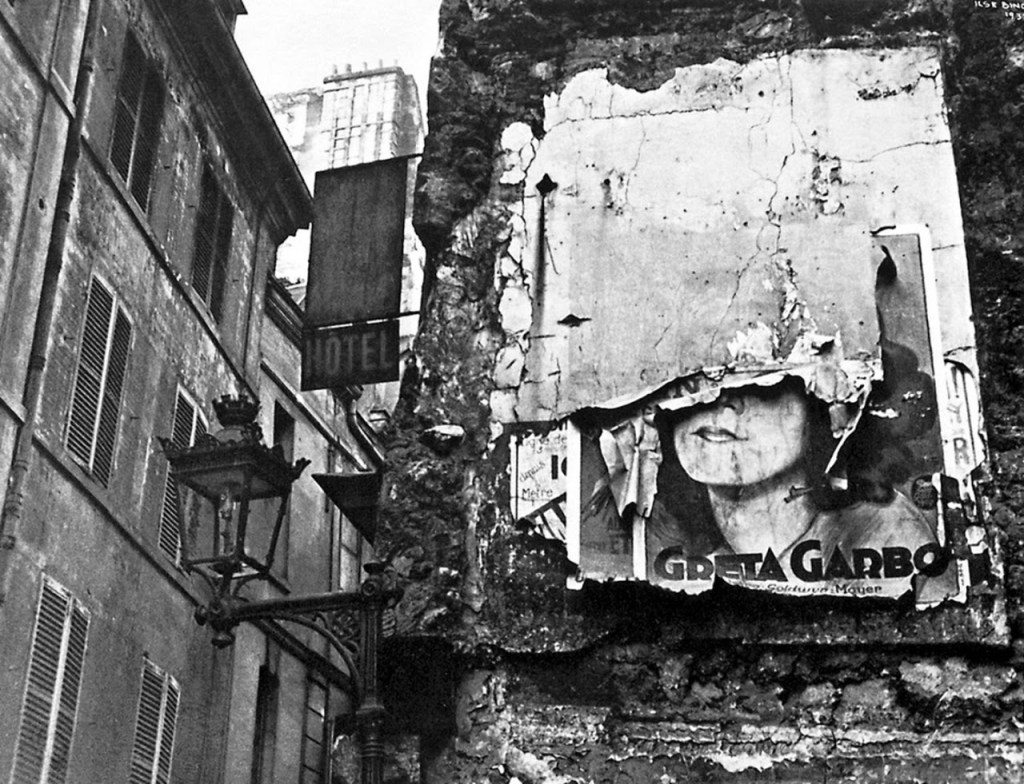
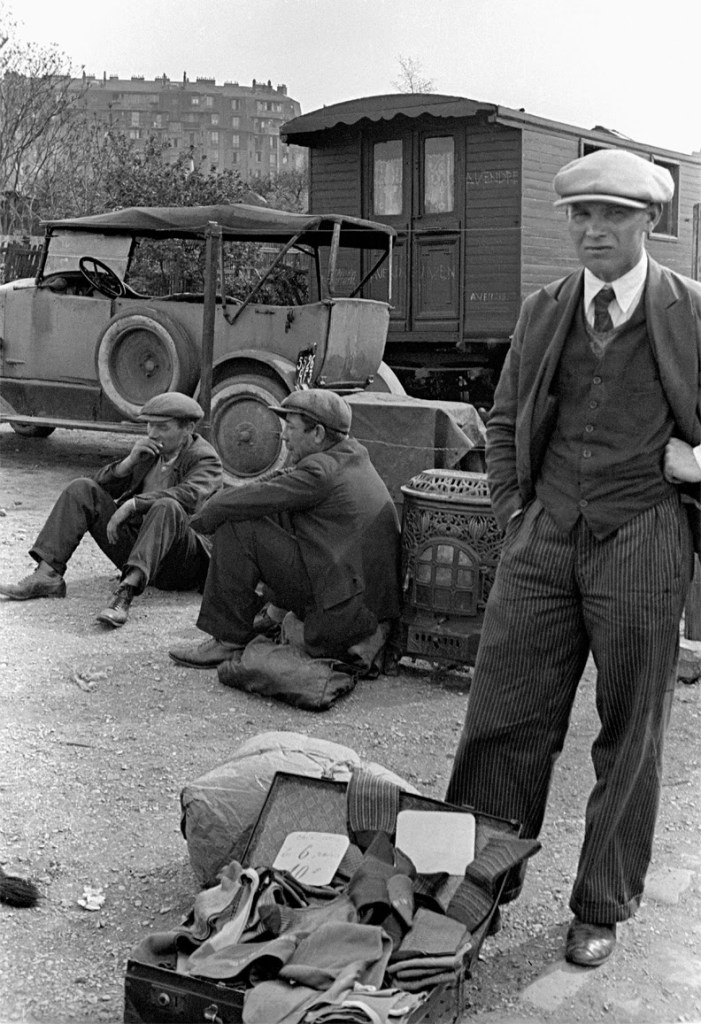
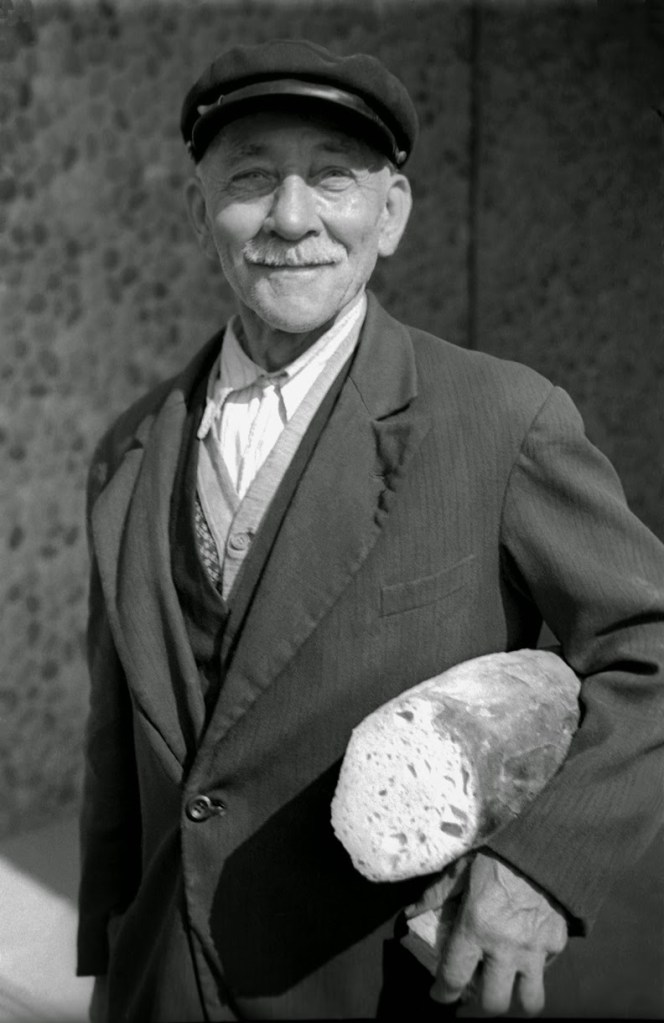
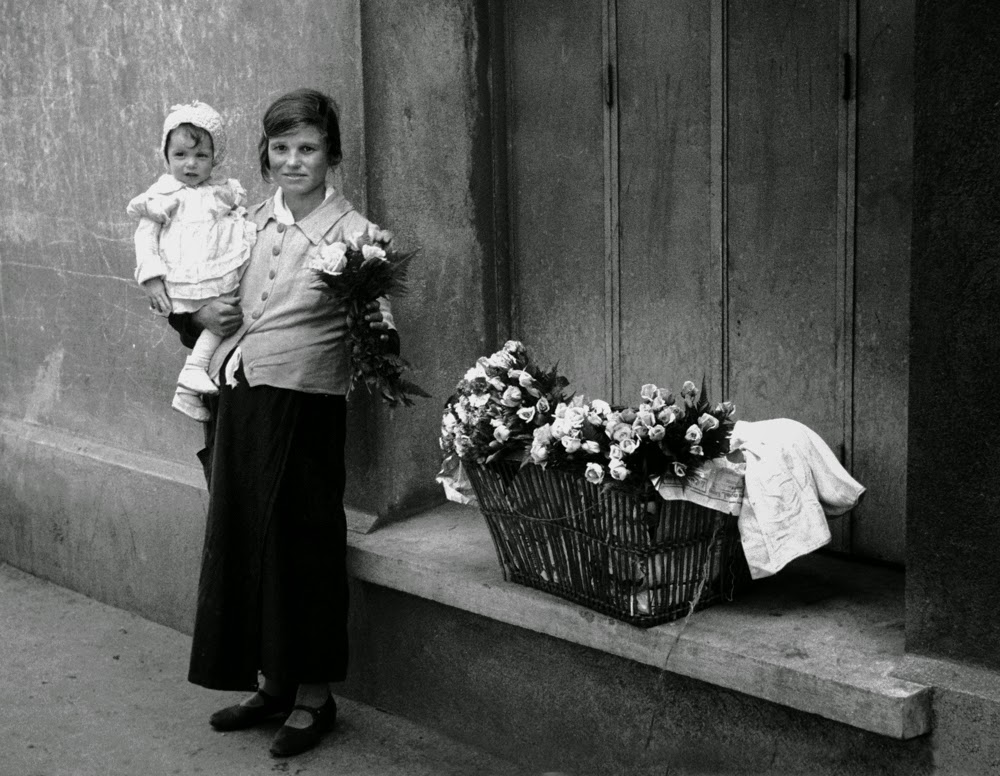
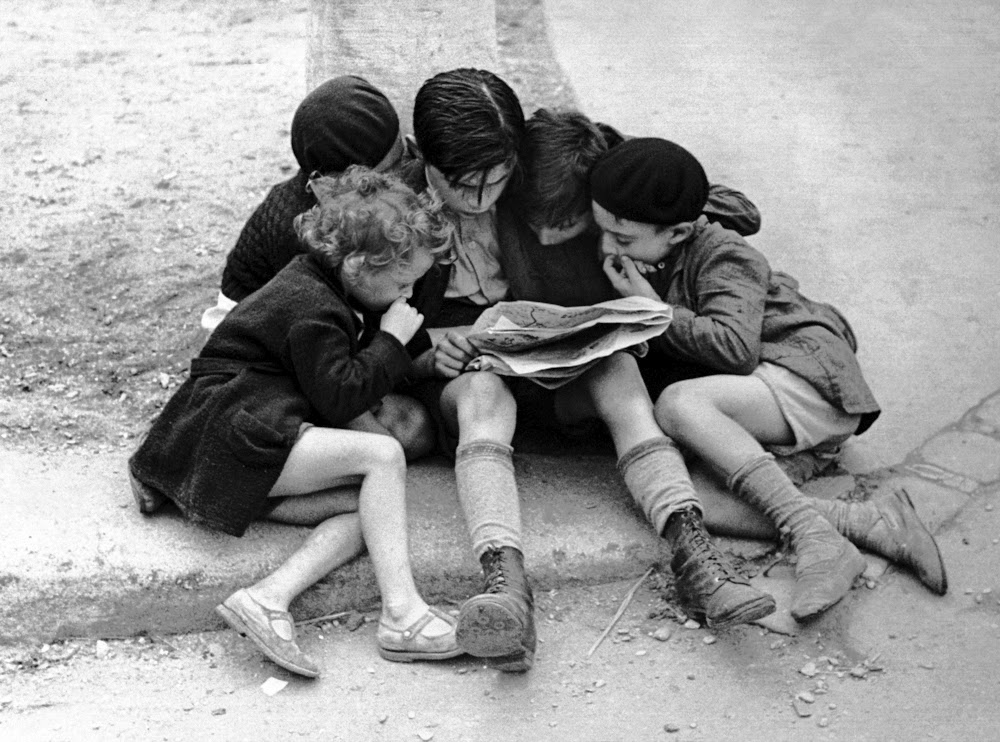
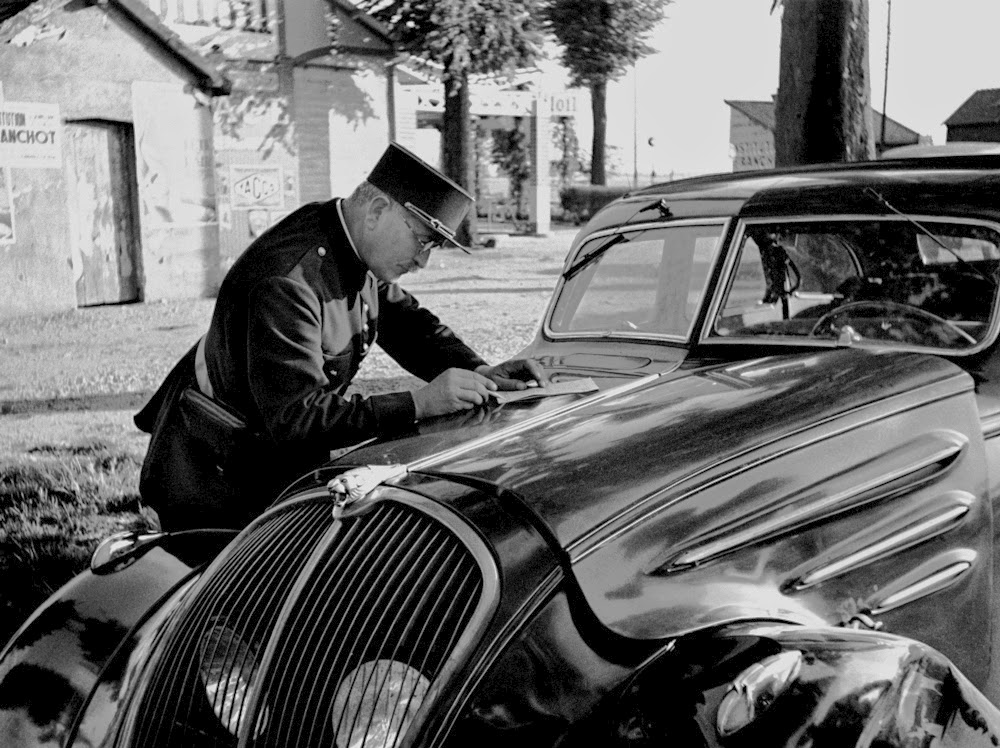
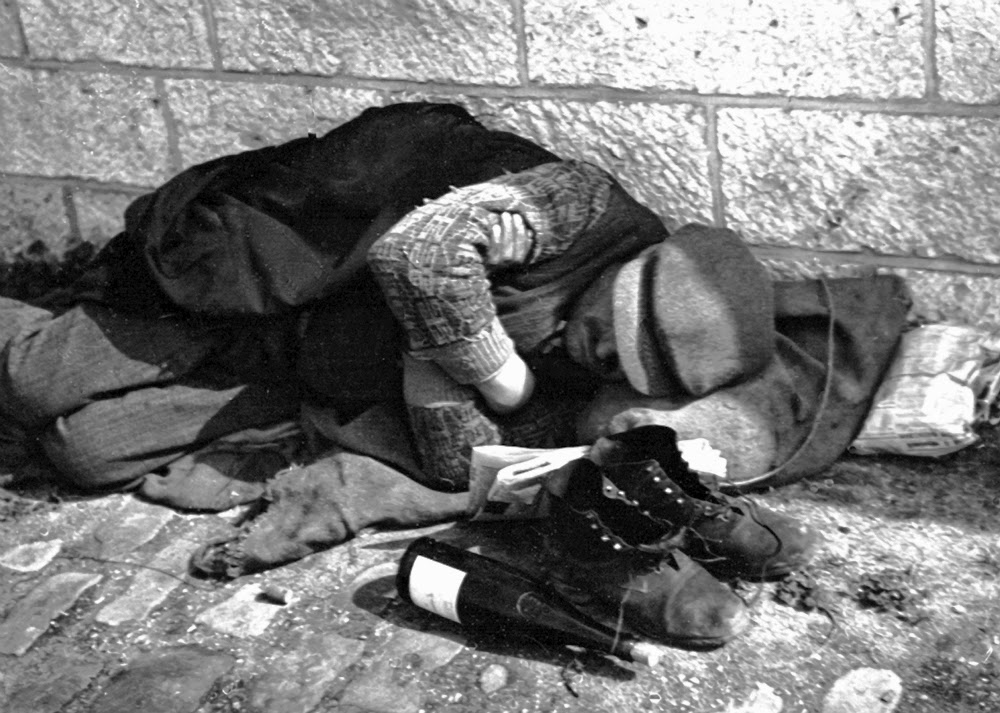
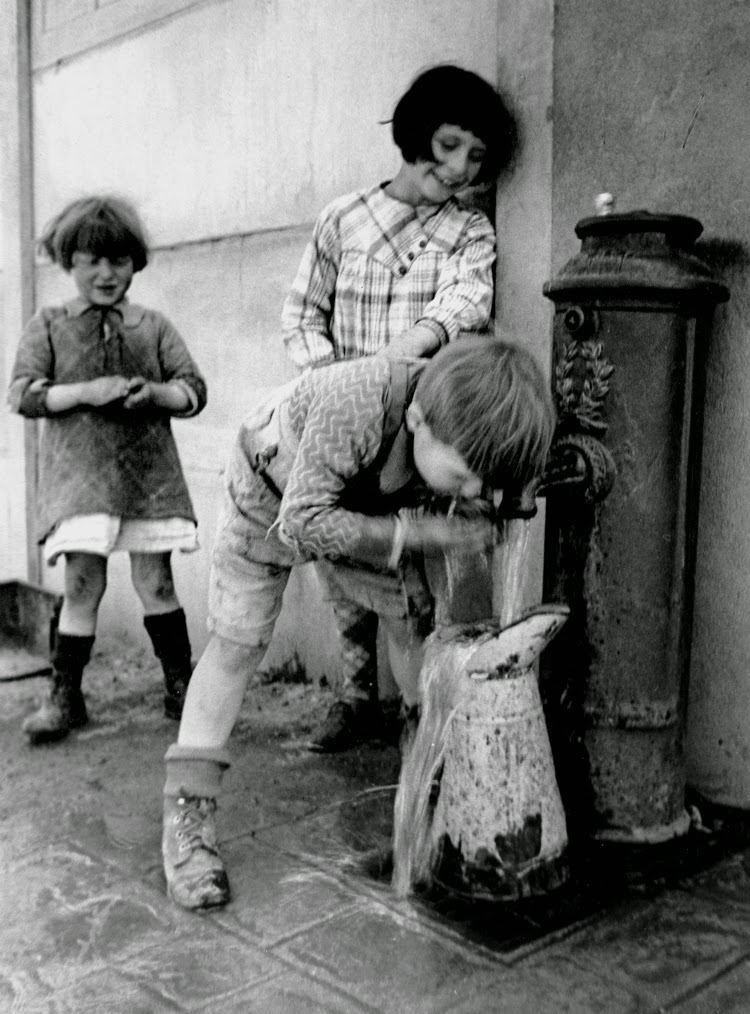
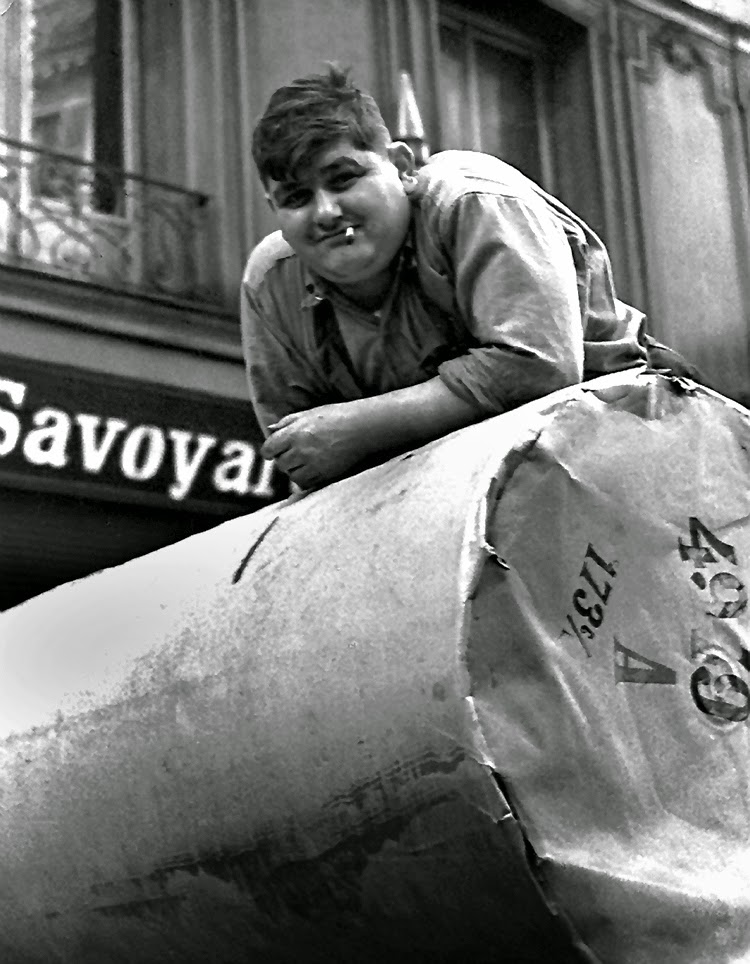
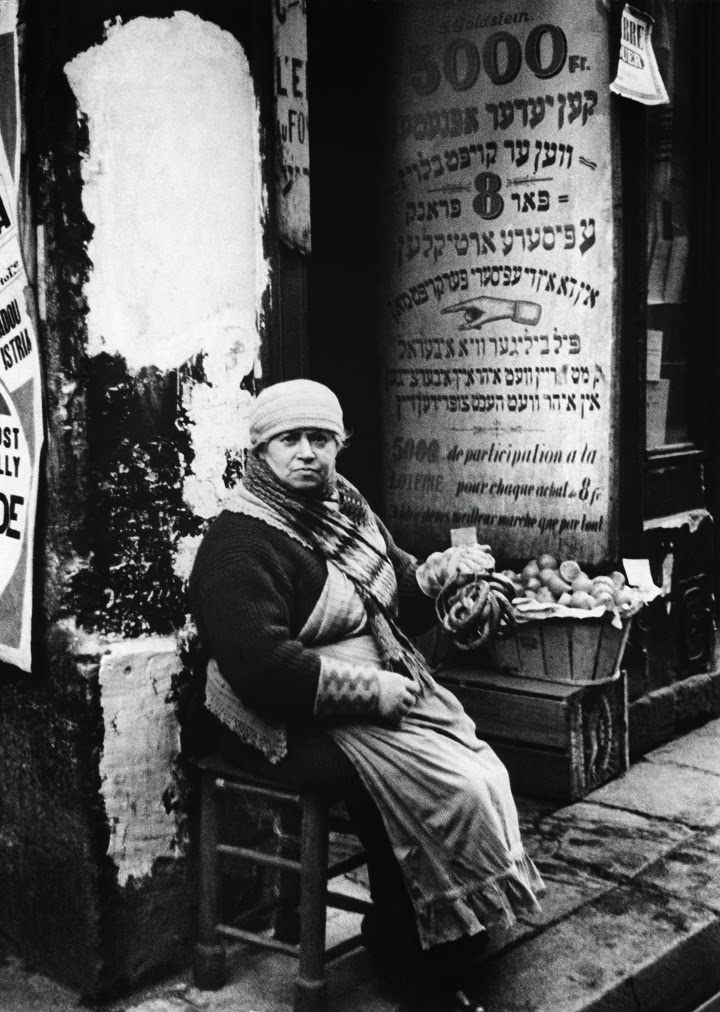
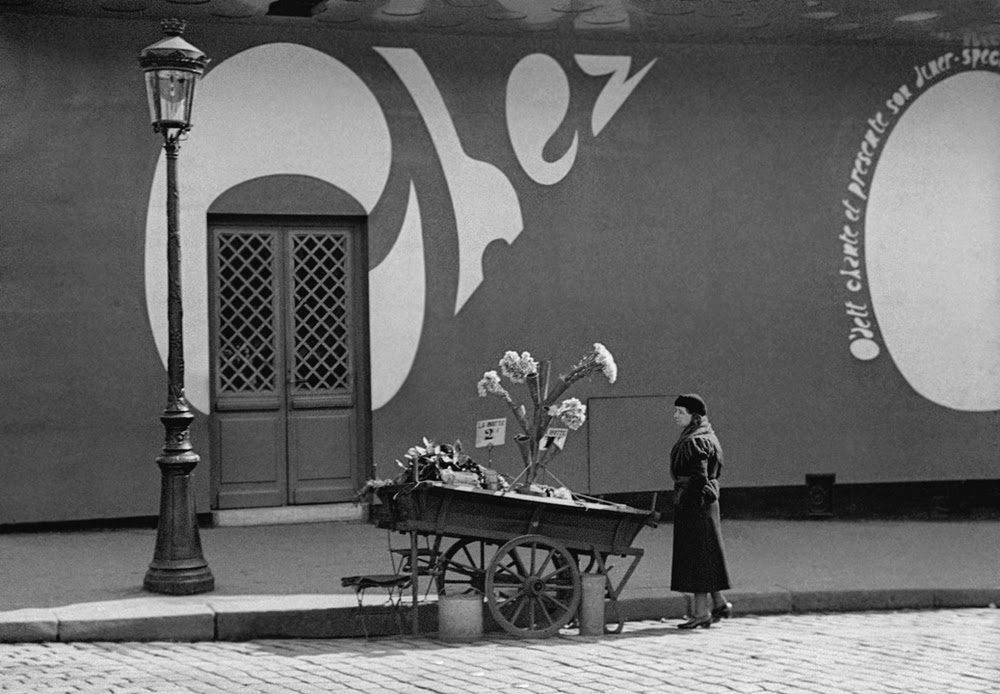
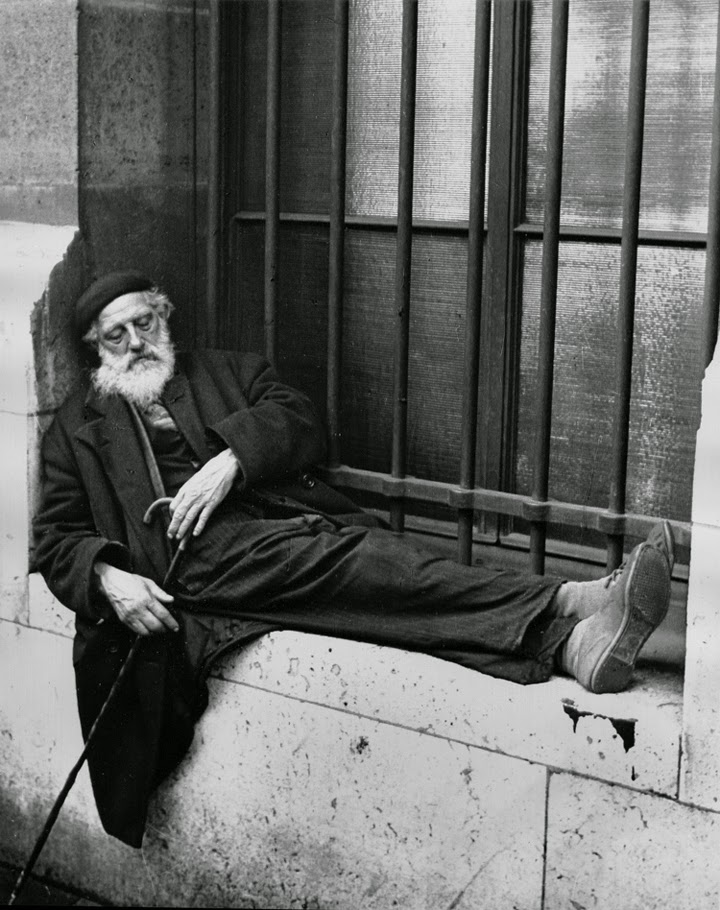
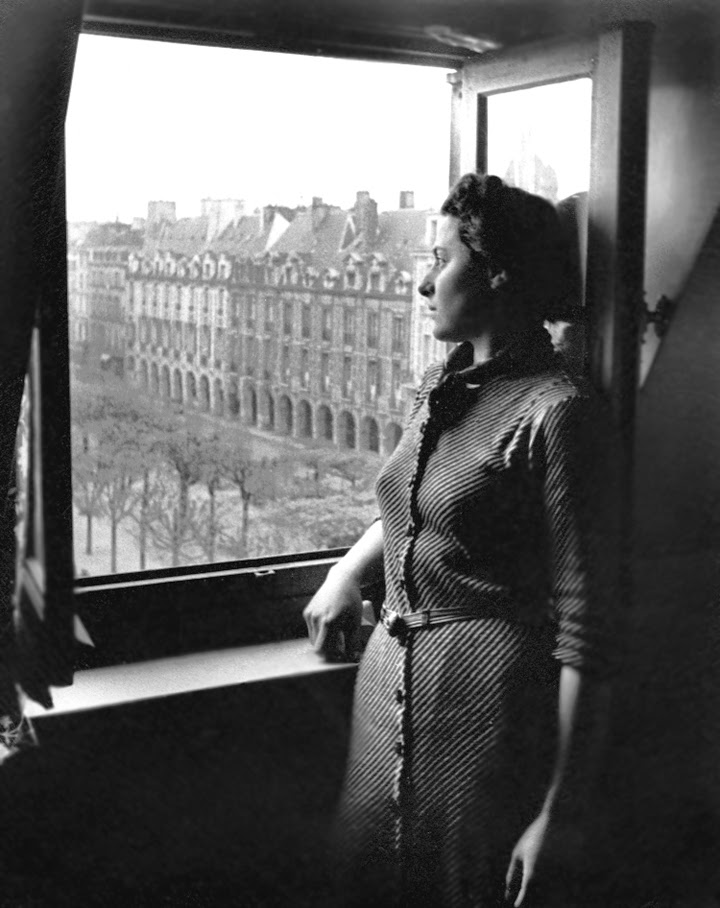
57 Amazing Photographs Showing Life in France in the 1930s and 1940s

France, officially the French Republic (French: République française), is a transcontinental country spanning Western Europe and overseas regions and territories in South America and the Atlantic, Pacific and Indian Oceans.[XIII] Including all of its territories, France has twelve time zones, the most of any country. Its metropolitan area extends from the Rhine to the Atlantic Ocean and from the Mediterranean Sea to the English Channel and the North Sea; overseas territories include French Guiana in South America, Saint Pierre and Miquelon in the North Atlantic, the French West Indies, and several islands in Oceania and the Indian Ocean. Due to its several coastal territories, France has the largest exclusive economic zone in the world. France borders Belgium, Luxembourg, Germany, Switzerland, Monaco, Italy, Andorra and Spain in Europe, as well as the Netherlands, Suriname and Brazil in the Americas. Its eighteen integral regions (five of which are overseas) span a combined area of 643,801 km2 (248,573 sq mi) and over 67 million people (as of May 2021). France is a unitary semi-presidential republic with its capital in Paris, the country’s largest city and main cultural and commercial centre; other major urban areas include Lyon, Marseille, Toulouse, Bordeaux, Lille and Nice.

Inhabited since the Palaeolithic era, the territory of Metropolitan France was settled by Celtic tribes known as Gauls during the Iron Age. Rome annexed the area in 51 BC, leading to a distinct Gallo-Roman culture that laid the foundation of the French language. The Germanic Franks arrived in 476 and formed the Kingdom of Francia, which became the heartland of the Carolingian Empire. The Treaty of Verdun of 843 partitioned the empire, with West Francia becoming the Kingdom of France in 987.

In the High Middle Ages, France was a powerful but highly decentralised feudal kingdom in which the king’s authority was barely felt. King Philip Augustus achieved remarkable success in the strengthening of royal power and the expansion of his realm, defeating his rivals and doubling its size. By the end of his reign, the kingdom had emerged as the most powerful state in Europe. From the mid-14th to the mid-15th century, France was plunged into a series of dynastic conflicts for the French throne, collectively known as the Hundred Years’ War, and a distinct French identity emerged as a result. The French Renaissance saw art and culture flourish, various wars with rival powers, and the establishment of a global colonial empire, which by the 20th century would become the second-largest in the world. The second half of the 16th century was dominated by religious civil wars between Catholics and Huguenots that severely weakened the country. But France once again emerged as Europe’s dominant cultural, political and military power in the 17th century under Louis XIV following the Thirty Years’ War. Inadequate economic policies, an inequitable taxation system as well as endless wars (notably a defeat in the Seven Years’ War and costly involvement in the American War of Independence), left the kingdom in a precarious economic situation by the end of the 18th century. This precipitated the French Revolution of 1789, which overthrew the absolute monarchy, replaced the Ancien Régime with one of history’s first modern republics and produced the Declaration of the Rights of Man and of the Citizen, which expresses the nation’s ideals to this day.

France reached its political and military zenith in the early 19th century under Napoleon Bonaparte, subjugating much of continental Europe and establishing the First French Empire. The French Revolutionary and Napoleonic Wars shaped the course of European and world history. The collapse of the empire initiated a period of relative decline, in which France endured a tumultuous succession of governments until the founding of the French Third Republic during the Franco-Prussian War in 1870. Subsequent decades saw a period of optimism, cultural and scientific flourishing, as well as economic prosperity known as the Belle Époque. France was one of the major participants of World War I, from which it emerged victorious at great human and economic cost. It was among the Allied powers of the World War II, but was soon occupied by the Axis in 1940. Following liberation in 1944, the short-lived Fourth Republic was established and later dissolved in the course of the Algerian War. The current Fifth Republic was formed in 1958 by Charles de Gaulle. Algeria and most French colonies became independent in the 1960s, with the majority retaining close economic and military ties with France.

France retains its centuries-long status as a global centre of art, science and philosophy. It hosts the fifth-largest number of UNESCO World Heritage Sites and is the world’s leading tourist destination, receiving over 89 million foreign visitors in 2018. France is a developed country with the world’s seventh-largest economy by nominal GDP and ninth-largest by PPP; in terms of aggregate household wealth, it ranks fourth in the world. France performs well in international rankings of education, health care, life expectancy and human development. It remains a great power in global affairs, being one of the five permanent members of the United Nations Security Council and an official nuclear-weapon state. France is a founding and leading member of the European Union and the Eurozone, as well as a key member of the Group of Seven, North Atlantic Treaty Organization (NATO), Organisation for Economic Co-operation and Development (OECD) and La Francophonie. (Wikipedia)

Yesterday Today

Bringing You the Wonder of Yesterday - Today

Skip to content ↓