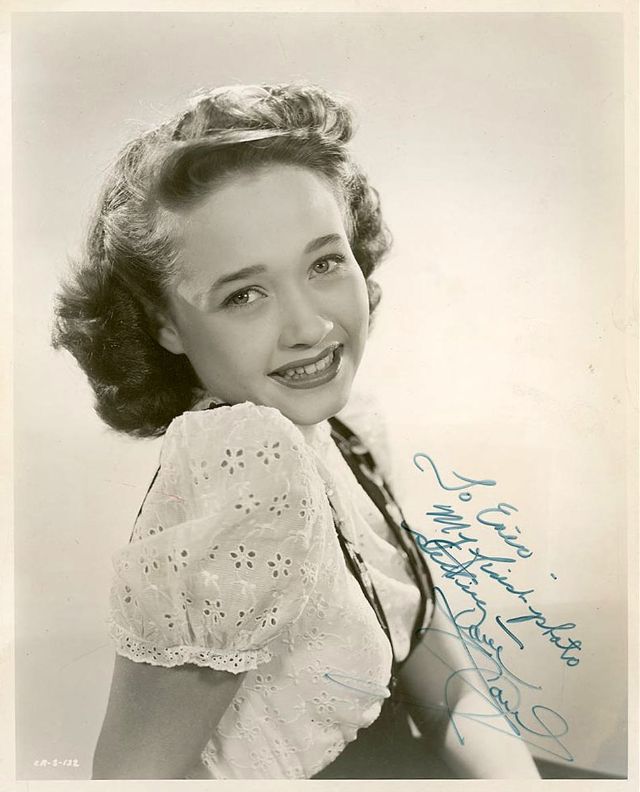
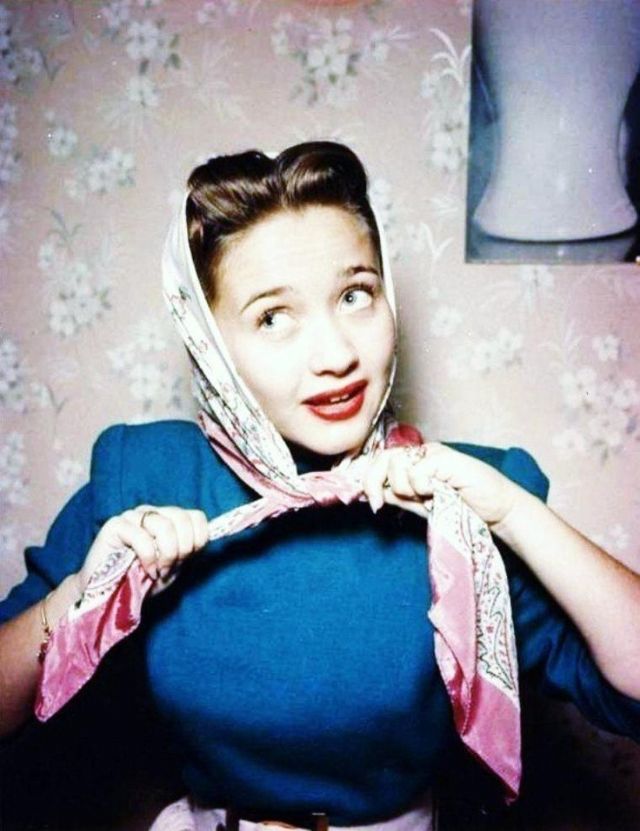
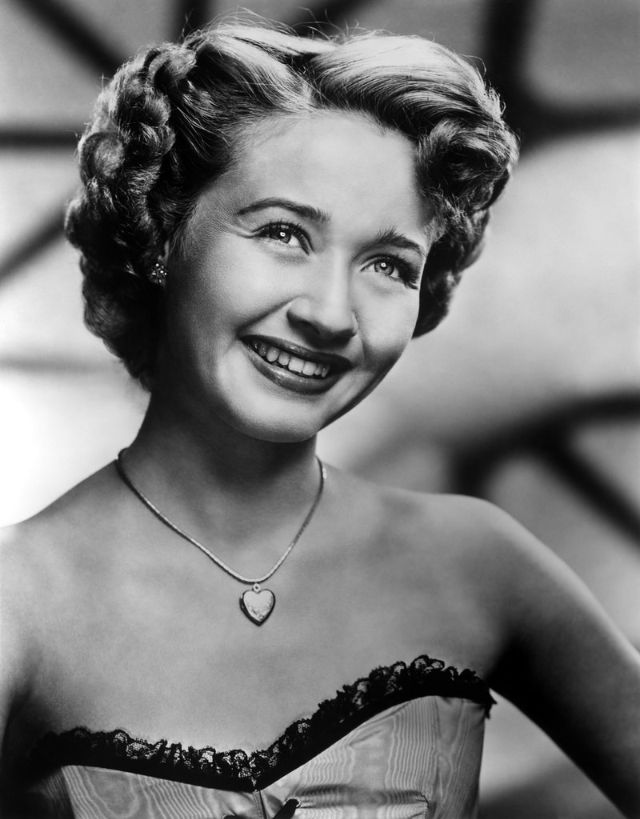
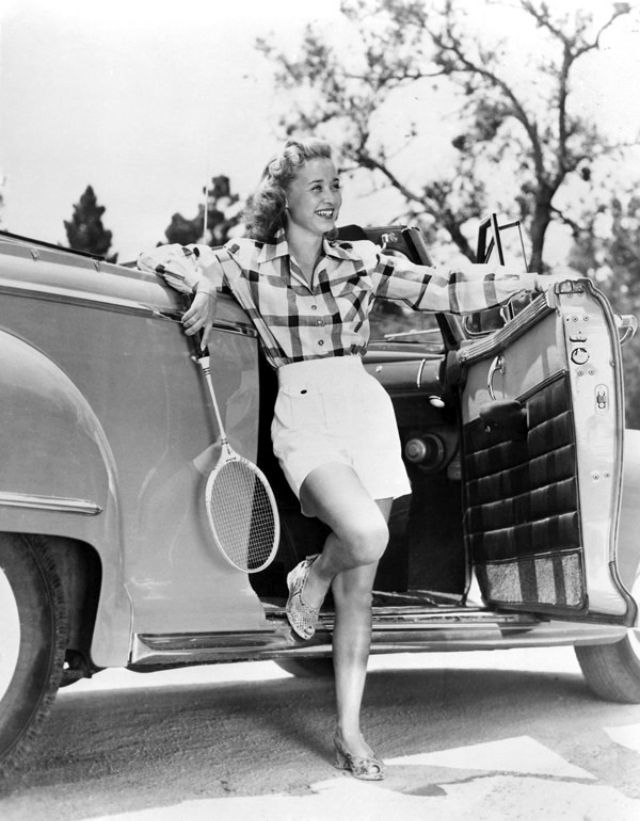
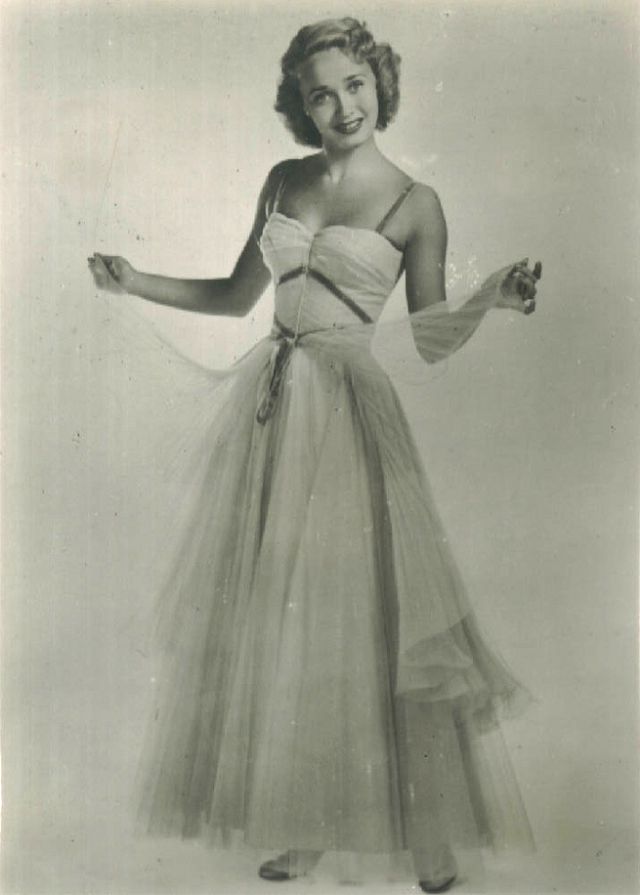
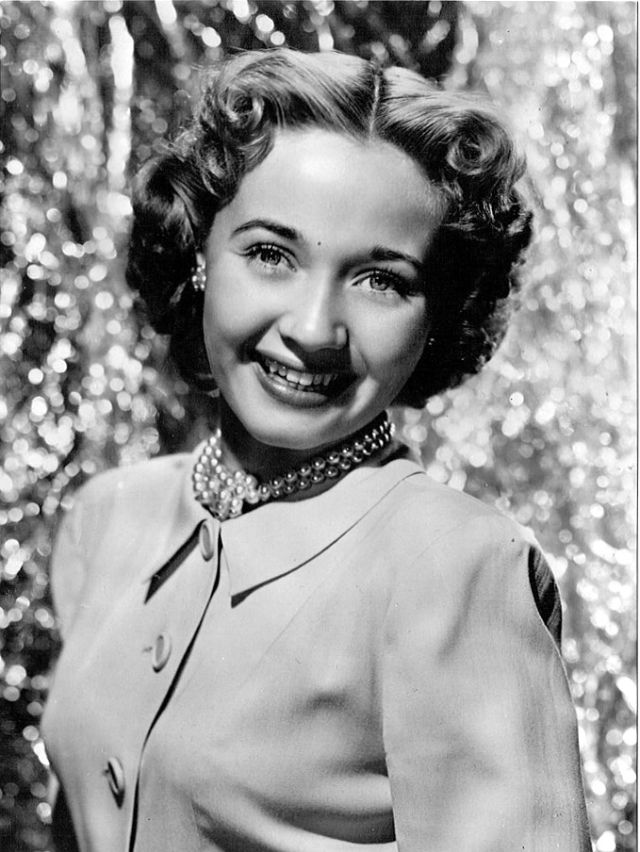
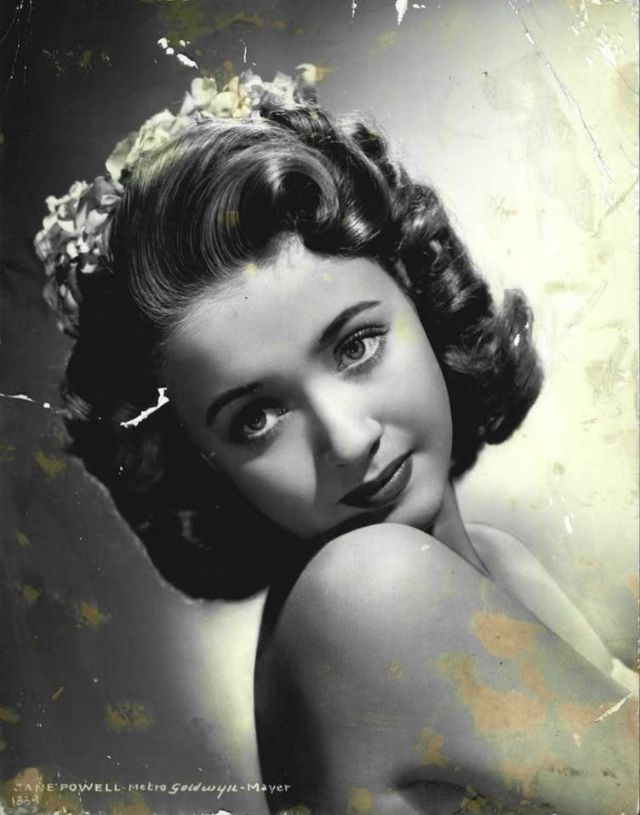
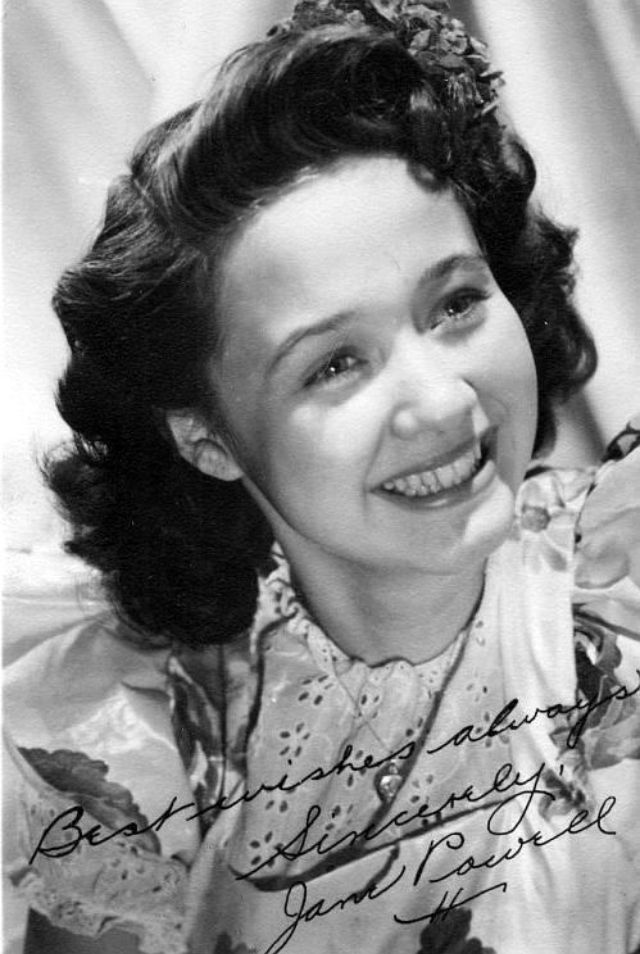
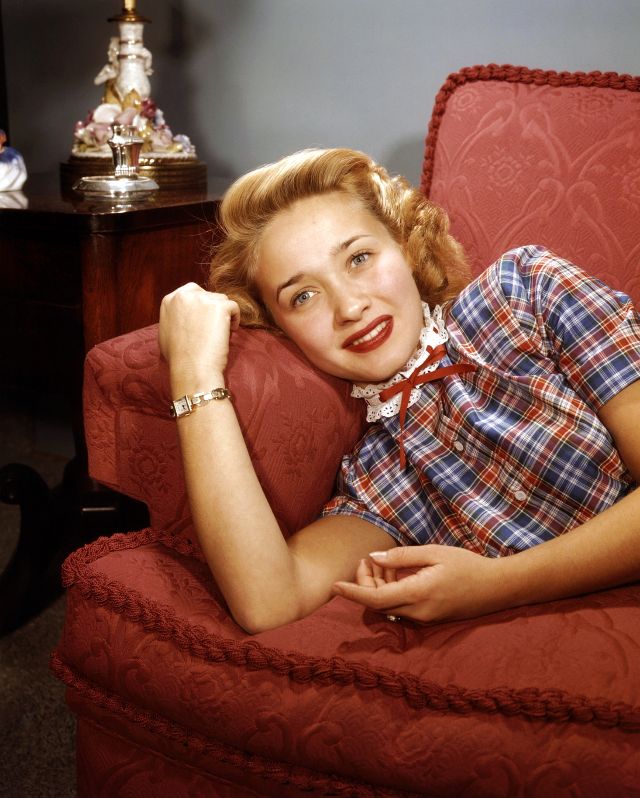
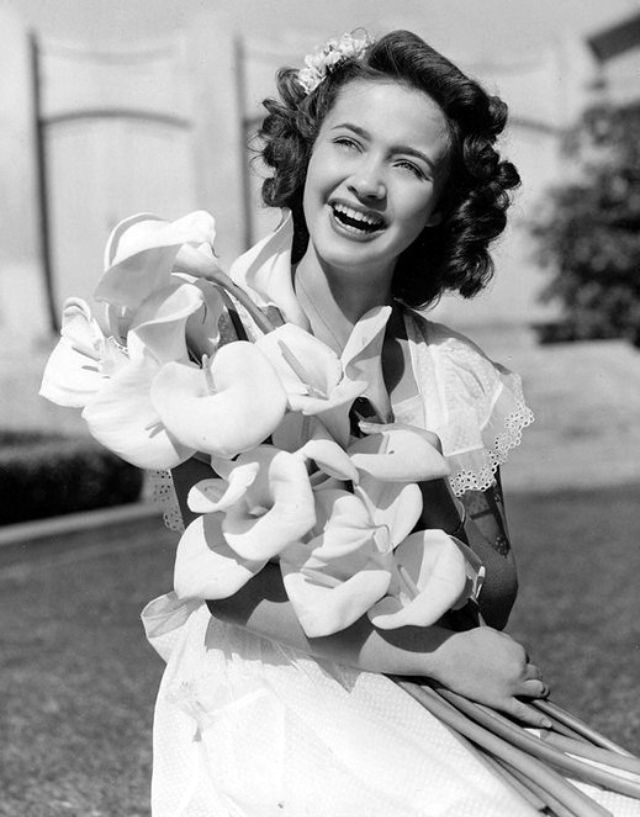
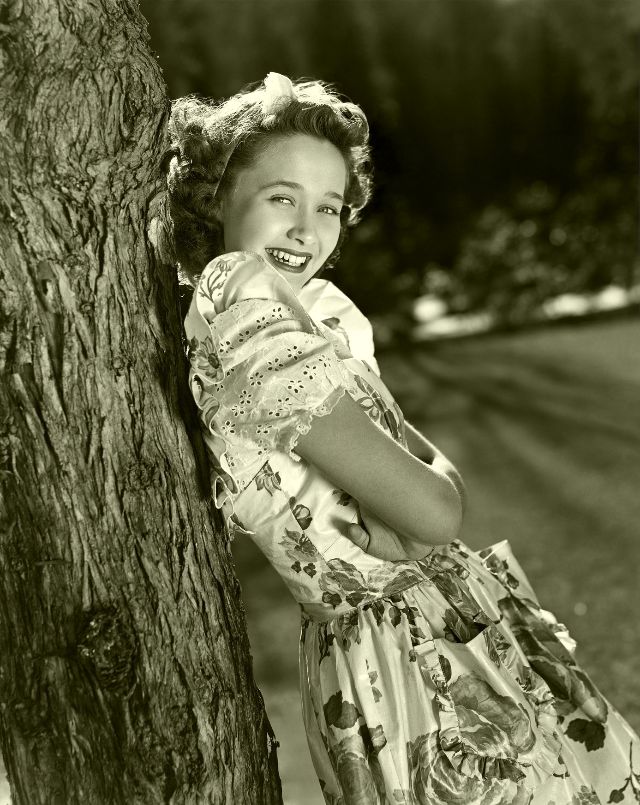
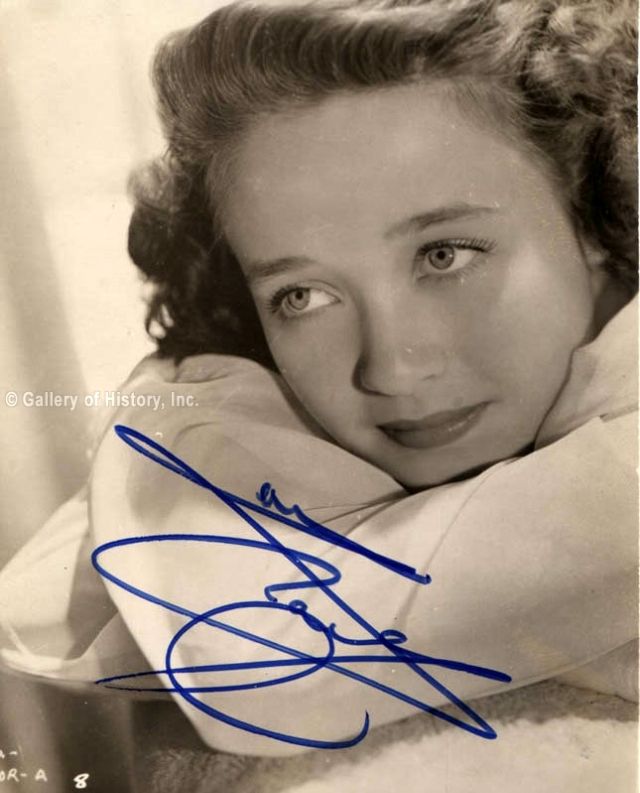
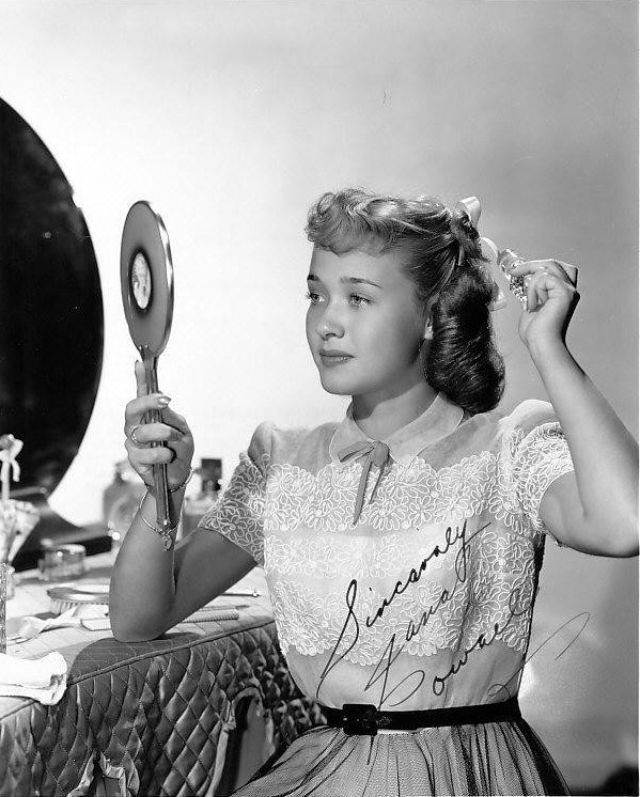
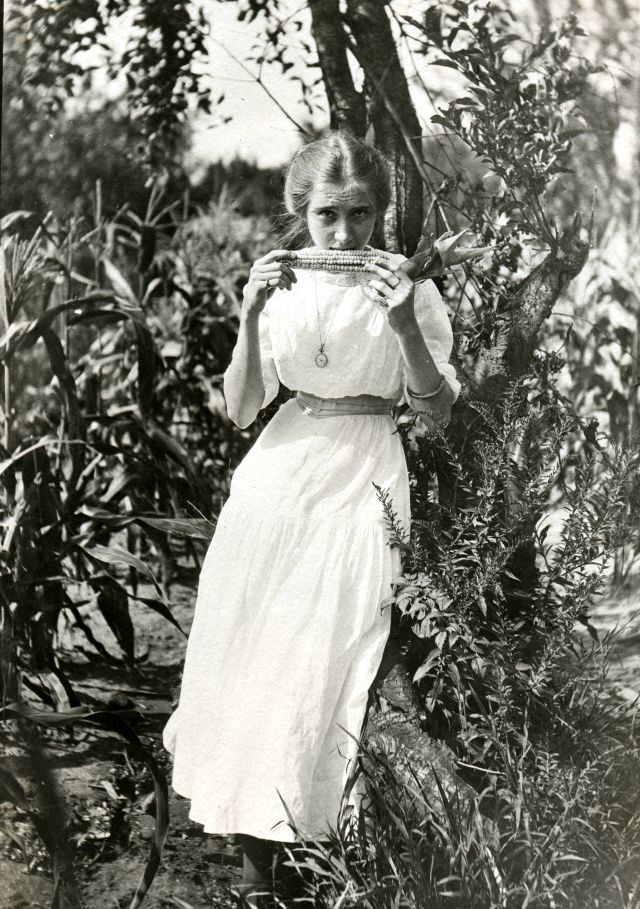
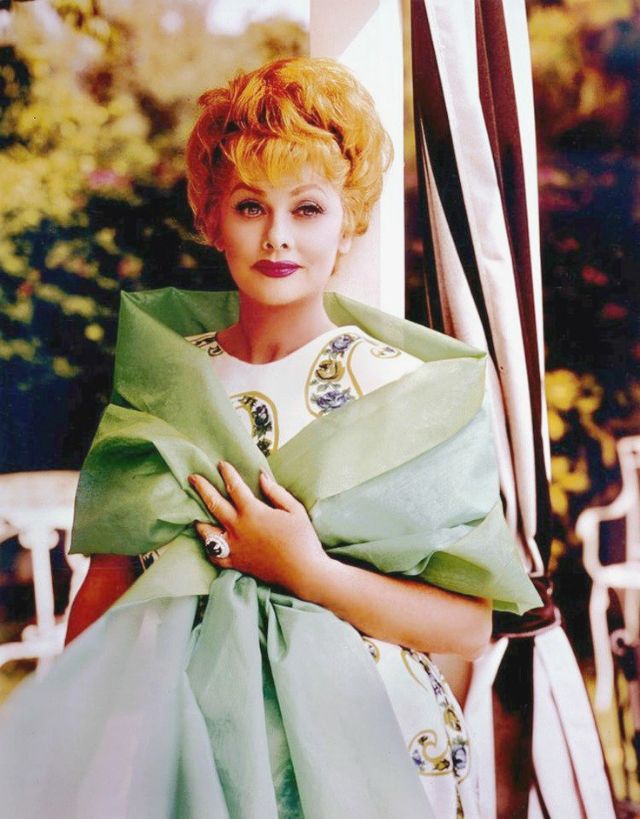
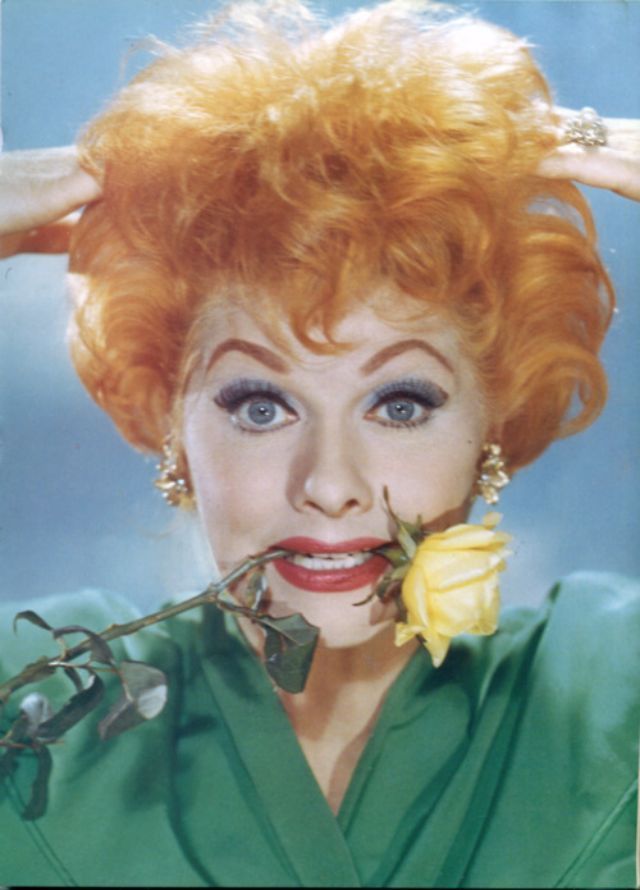
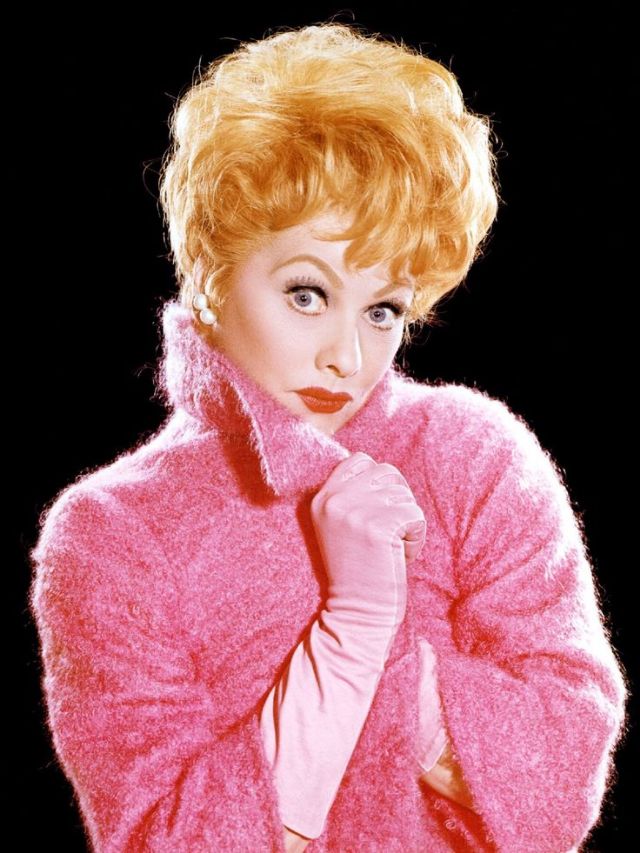
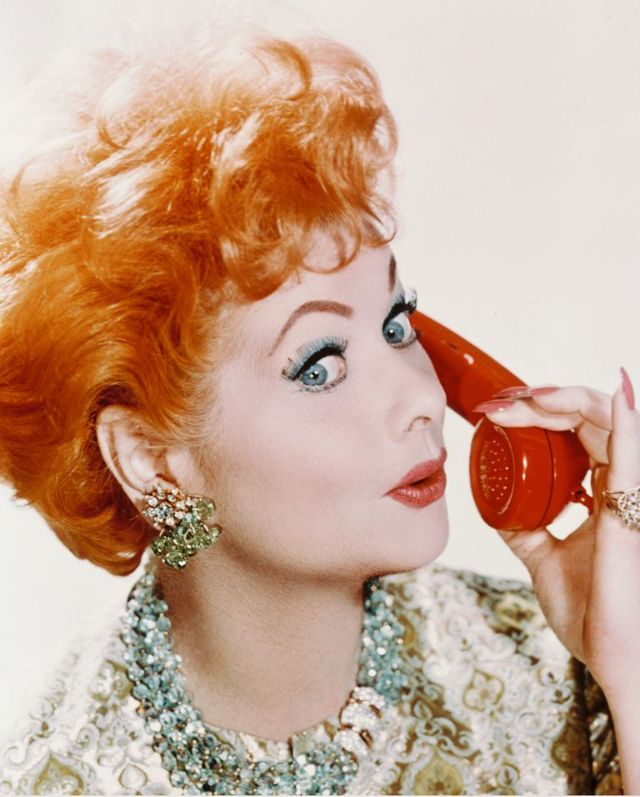
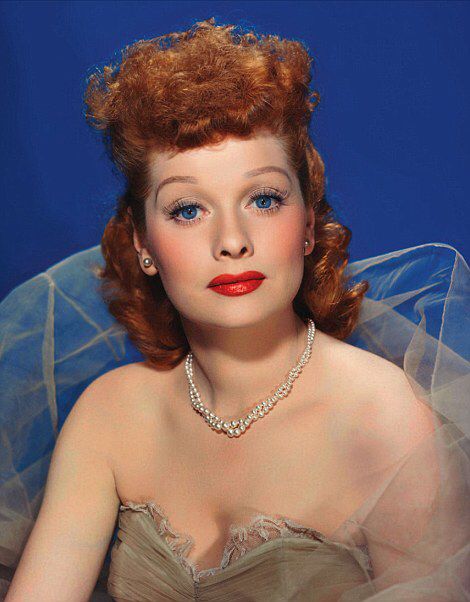
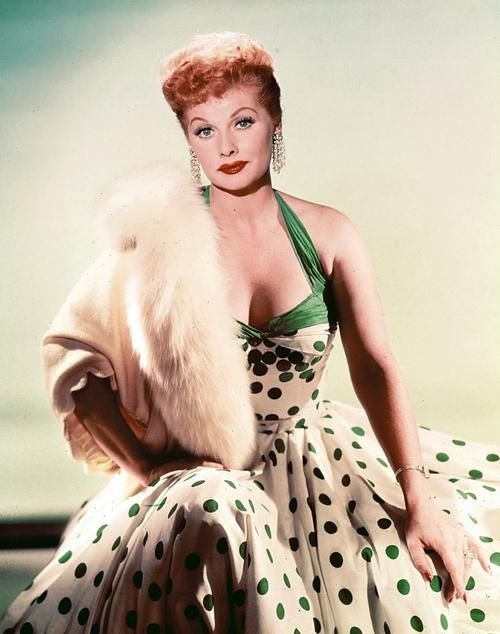
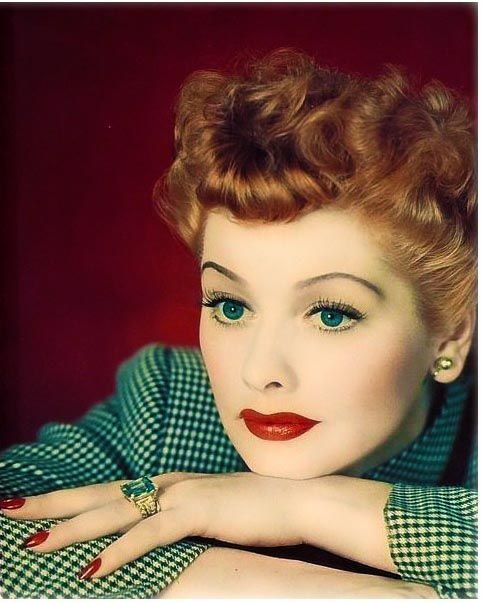
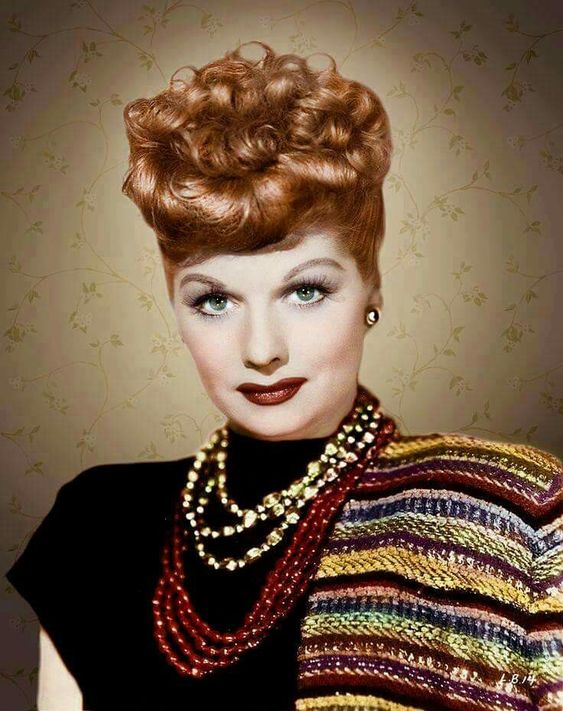
41 Beautiful Photos of Actress & Singer Jane Powell in the 1940s

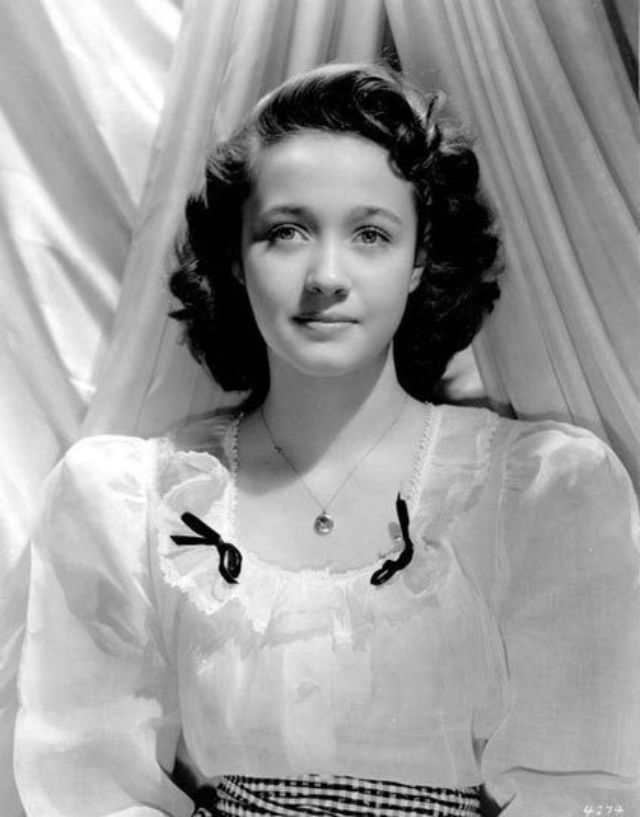
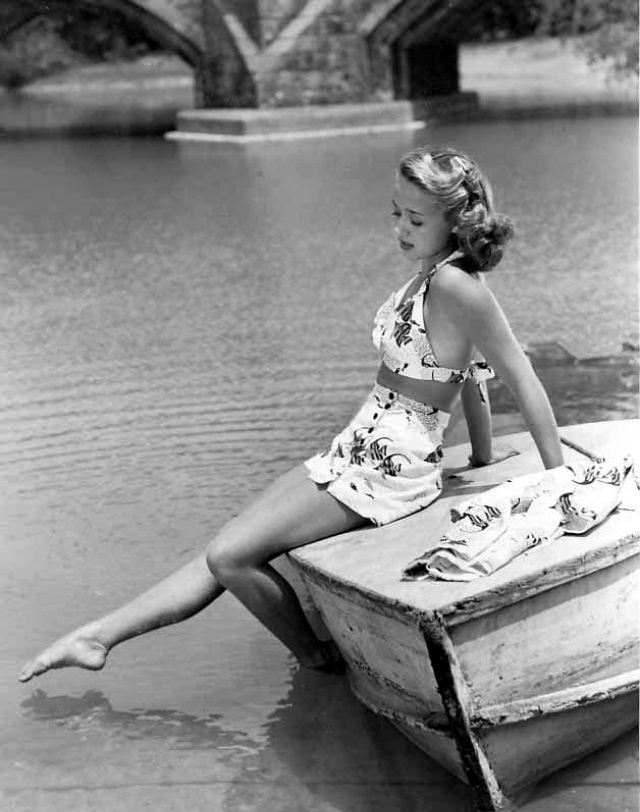
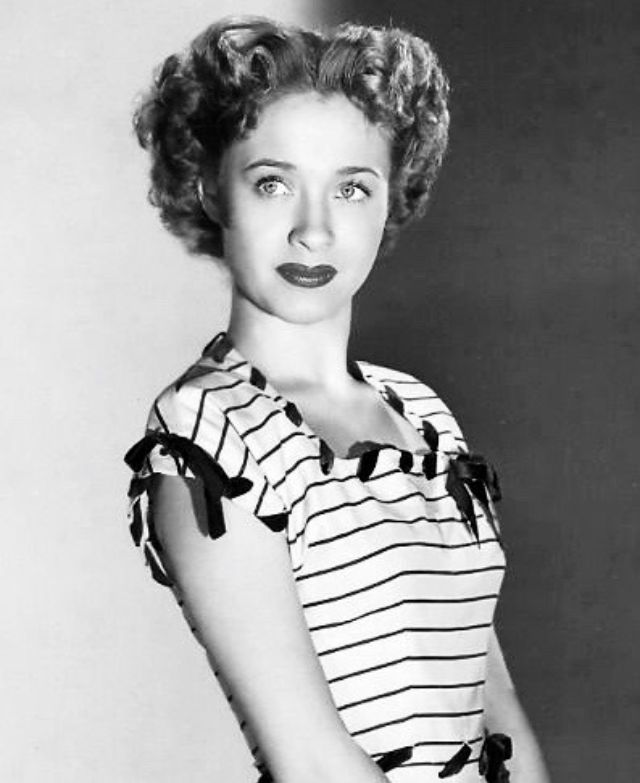
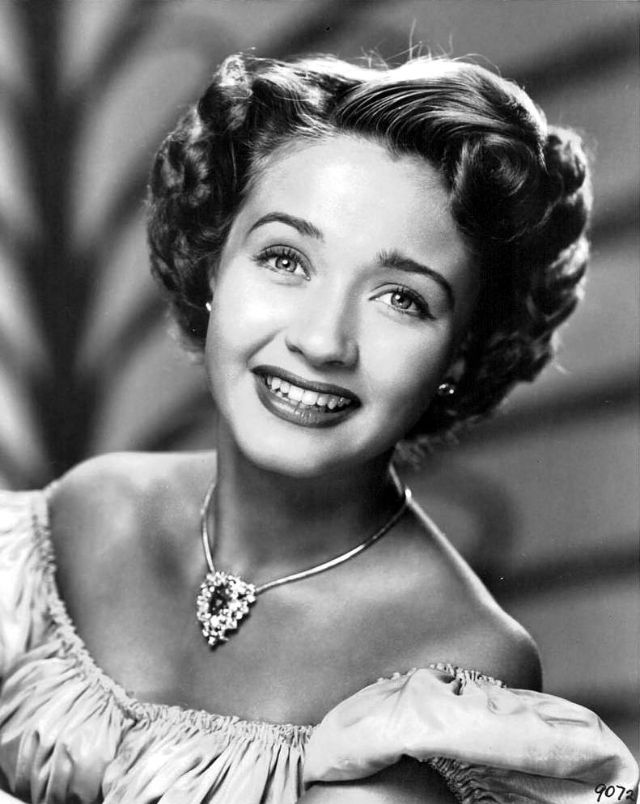
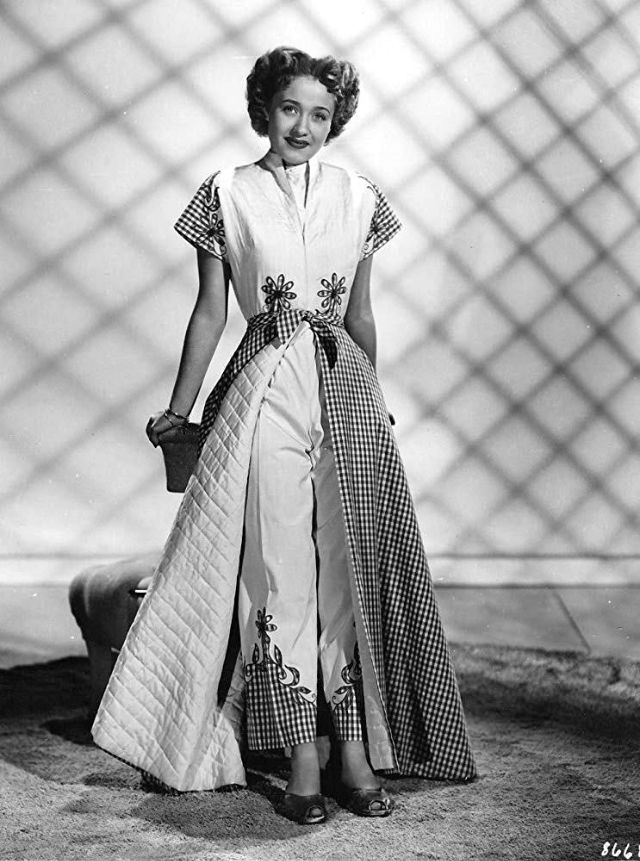
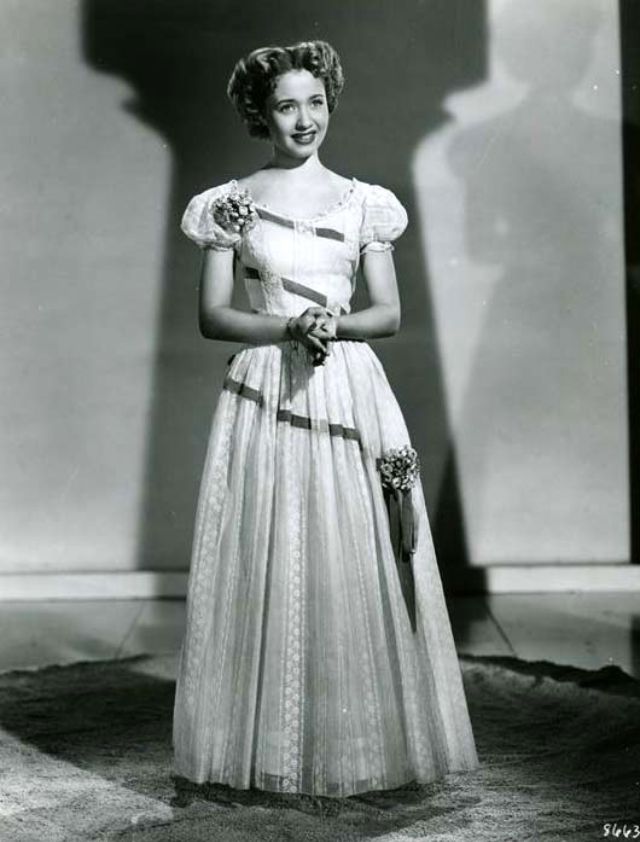
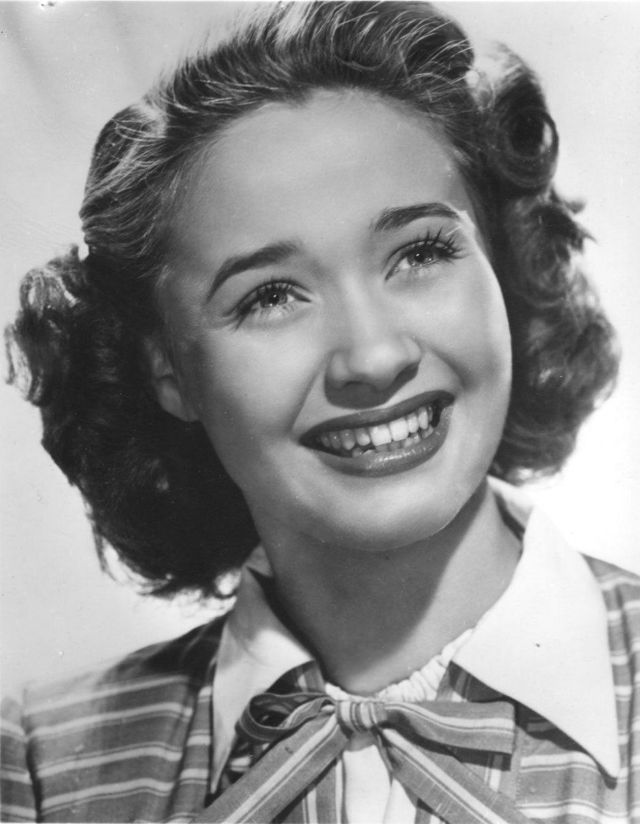
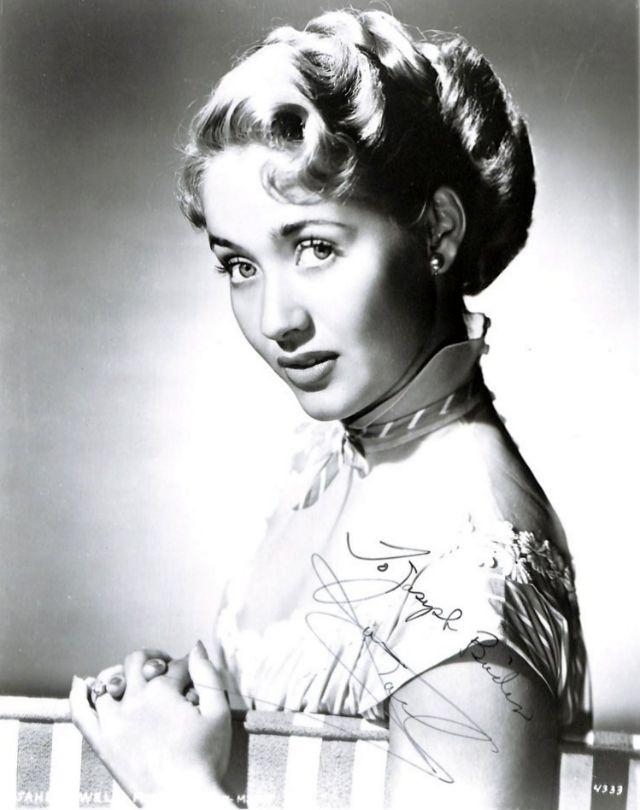
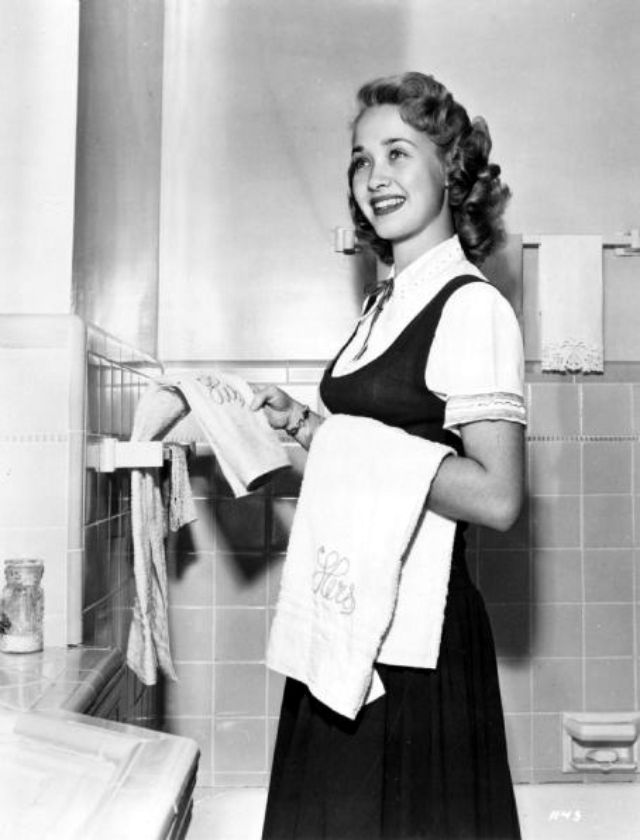
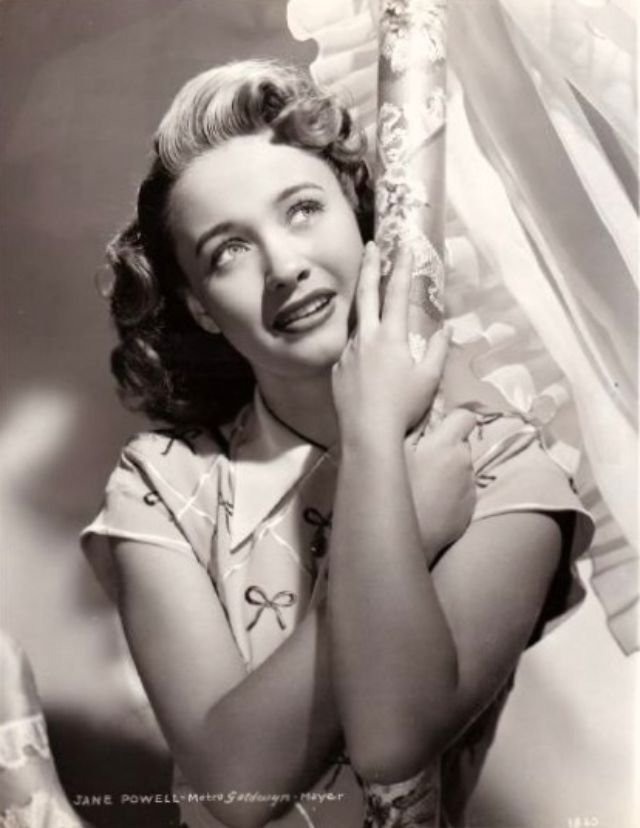
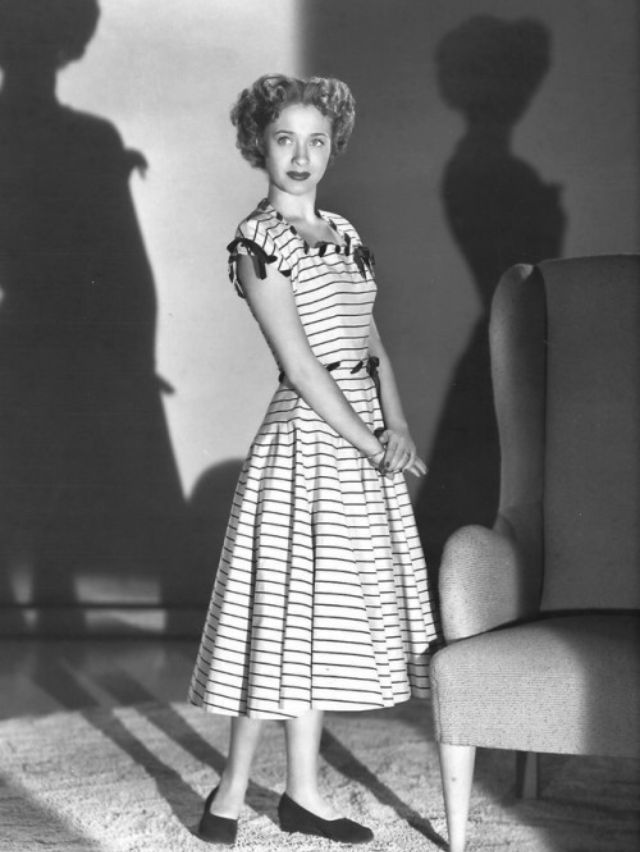
American singer, dancer and actress Jane Powell was born in 1929 as Suzanne Lorraine Burce in Portland, Oregon where she achieved local fame as a singer, touring the state as the Oregon Victory Girl selling victory bonds. As a teenager, she relocated to Los Angeles, California, where she signed a contract with Metro-Goldwyn-Mayer and rosed to fame in the mid-1940s with roles in various Metro-Goldwyn-Mayer musicals.

Powell’s vocal, dancing, and acting talents were utilized for lead and supporting roles in musicals such as A Date with Judy (1948), Royal Wedding (1951), Seven Brides for Seven Brothers (1954), and Hit the Deck (1955).

By the late 1950s, her film career slowed, leading her to transition to theatre with performances in various touring shows as well as two Broadway productions.

In 1985, she relocated with her fifth husband, former child star Dickie Moore (died 2015), to New York City and Wilton, Connecticut, where Powell was occasionally active in local theatre. Following the death of her husband in 2015, Powell sold their Manhattan apartment and relocated permanently to their second home in Wilton, Connecticut. Powell died of natural causes in Wilton on September 16, 2021, at the age of 92.

Take a look at these lovely photos to see the beauty of very young Jane Powell from the 1940s.

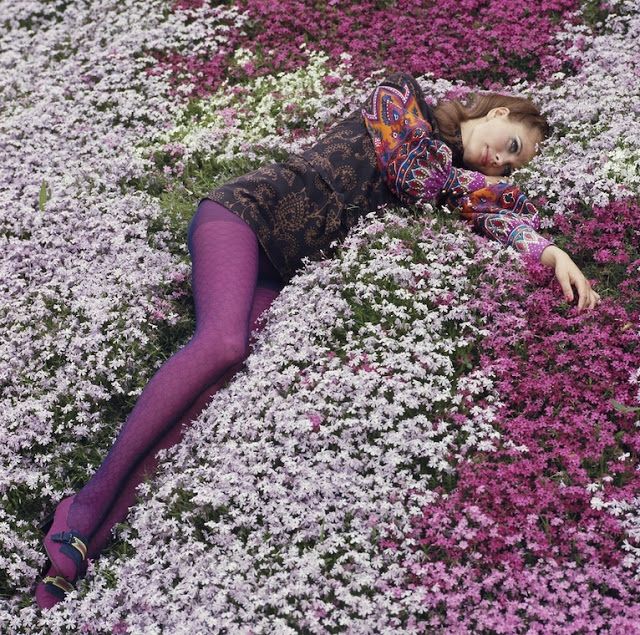
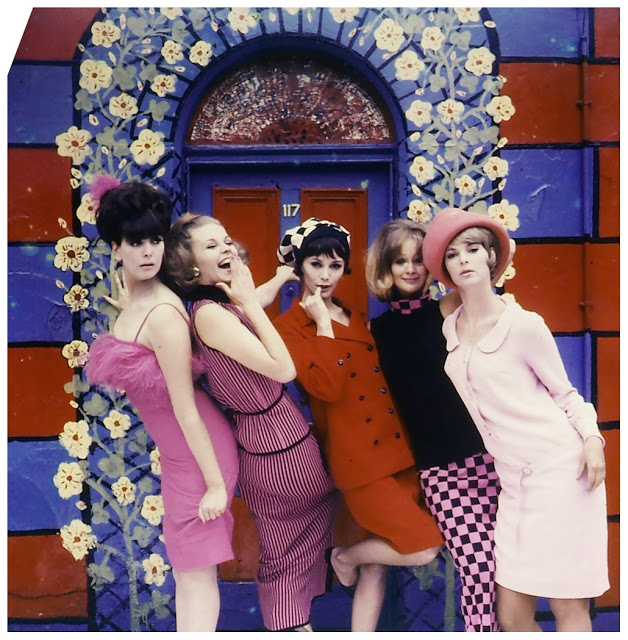
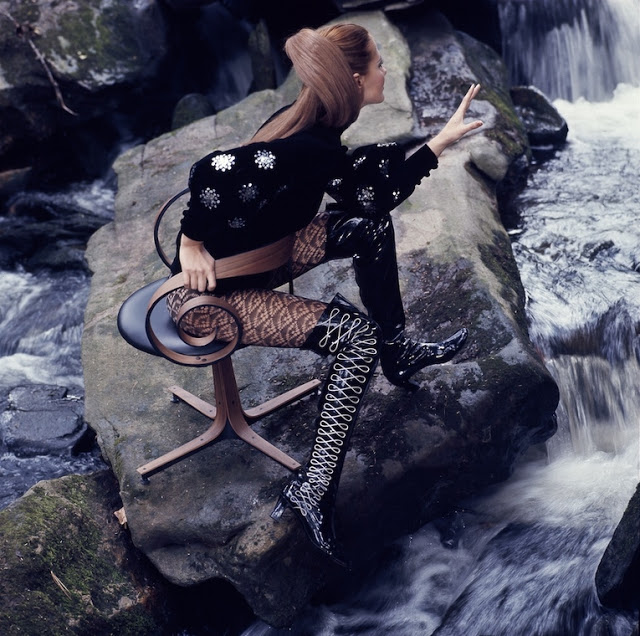
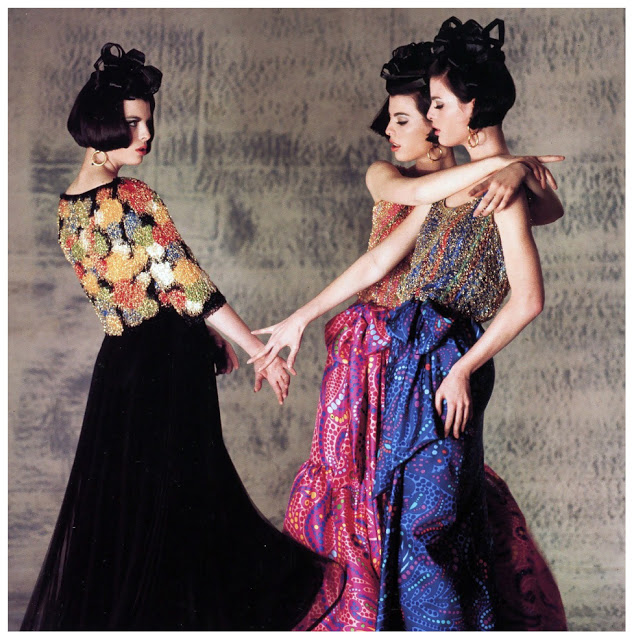
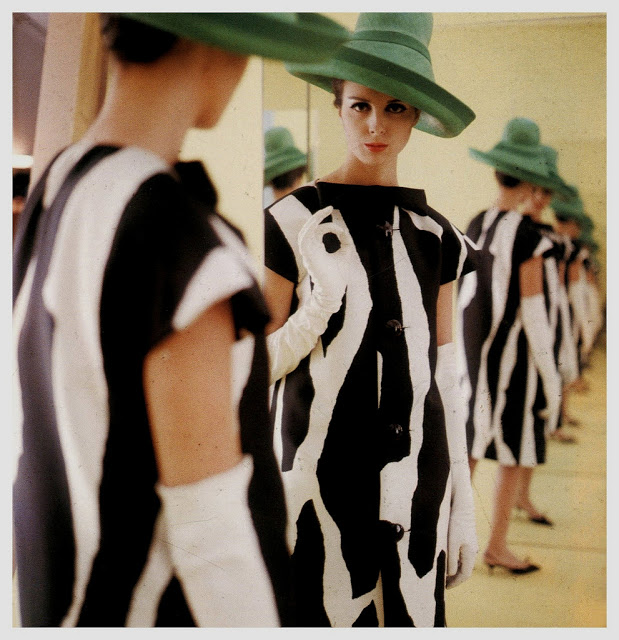
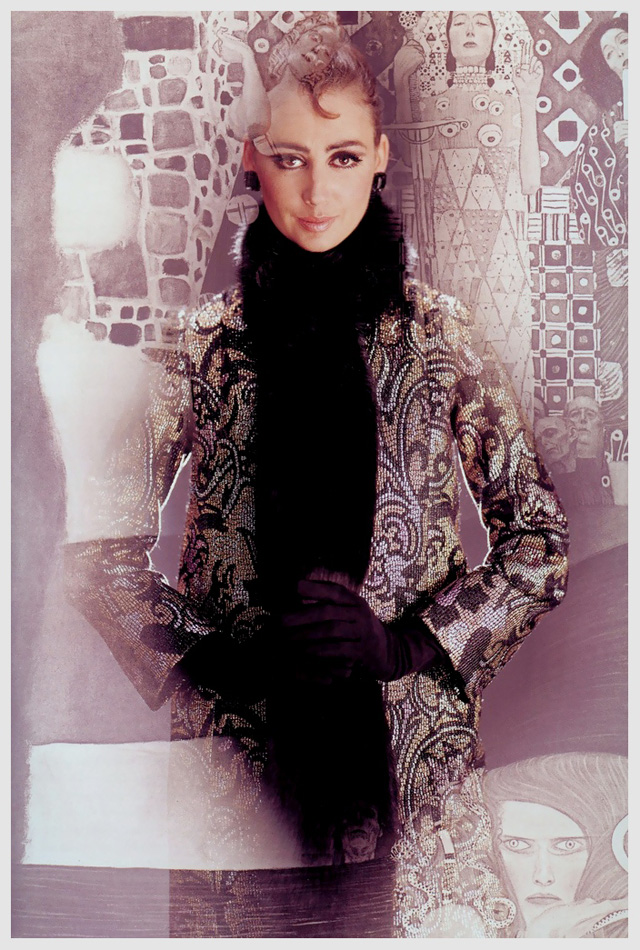
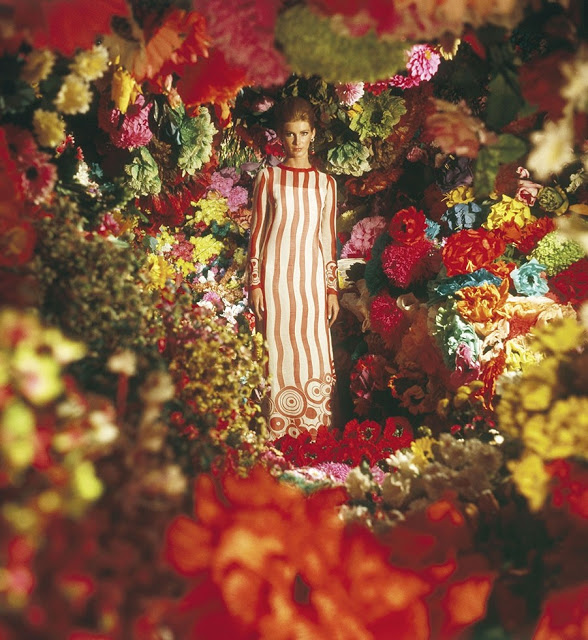
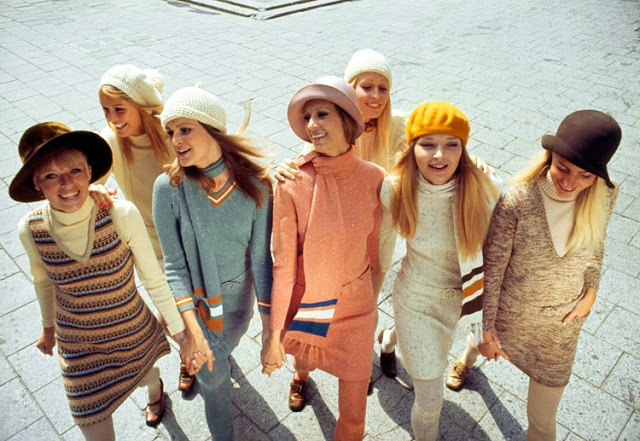
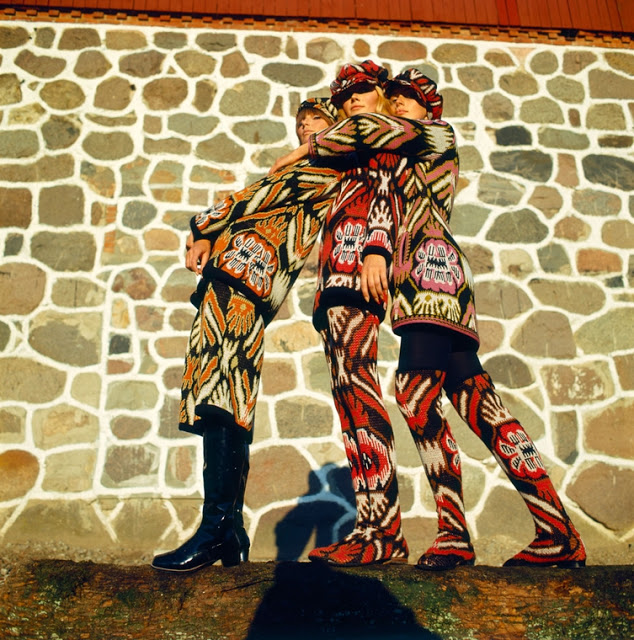
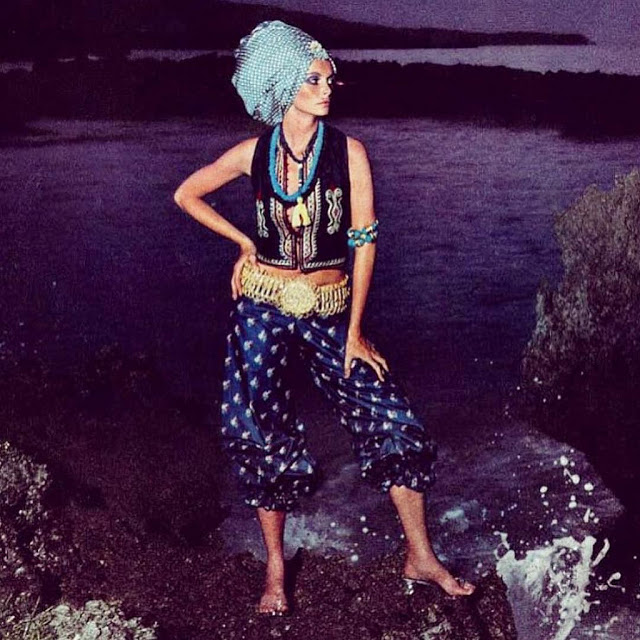
43 Beautiful Photos of 1960’s Women Fashion

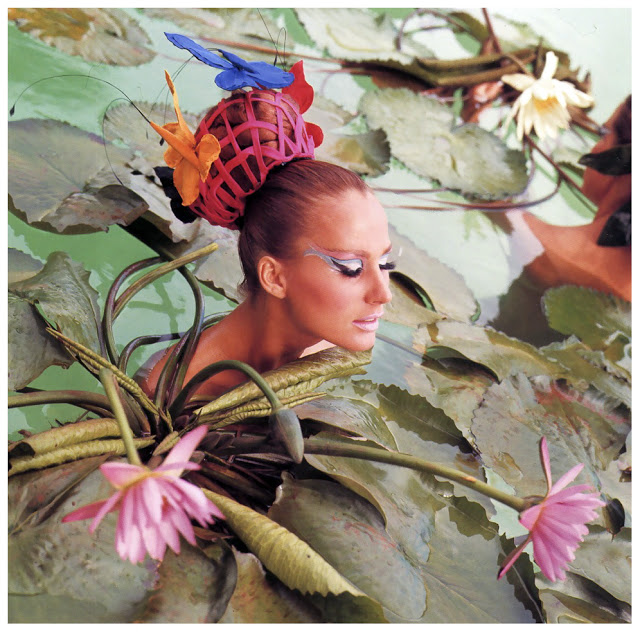
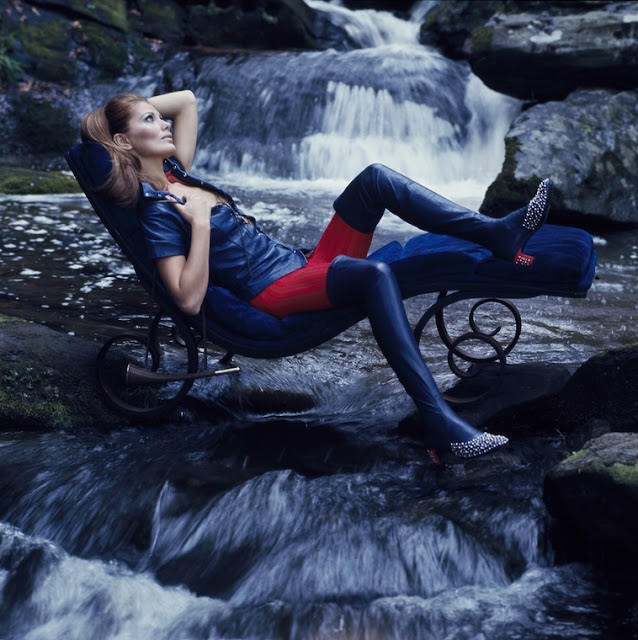
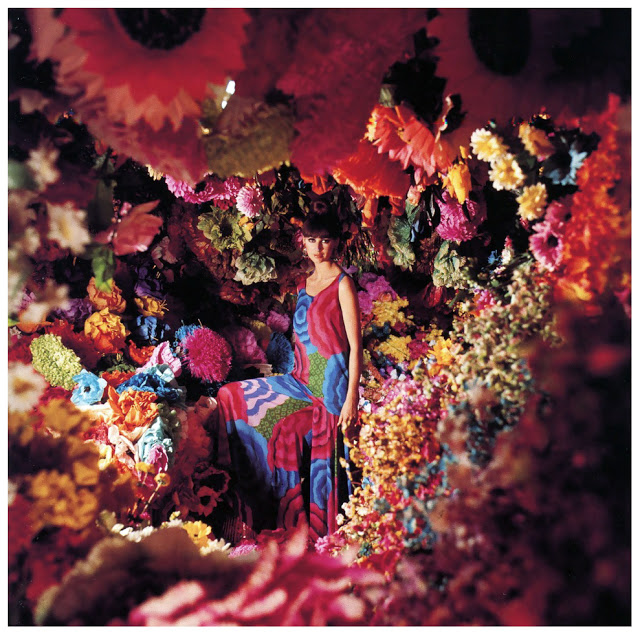
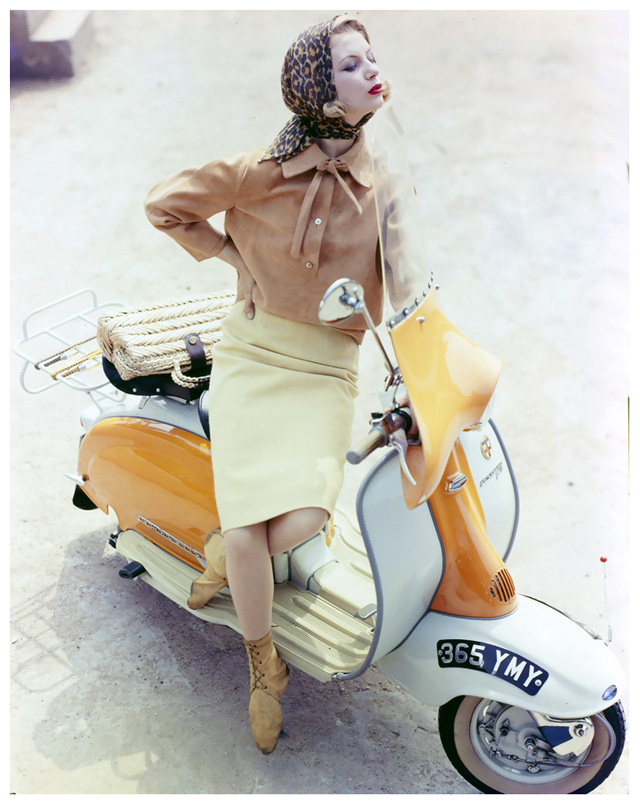
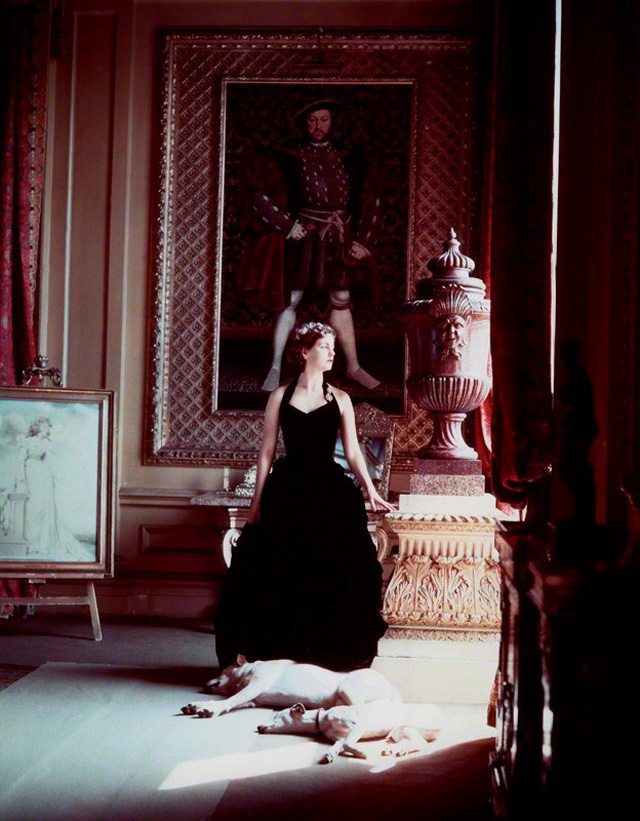
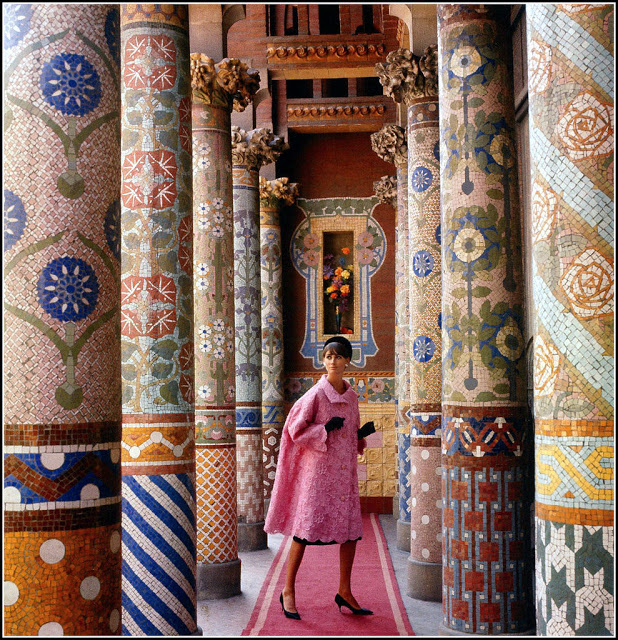
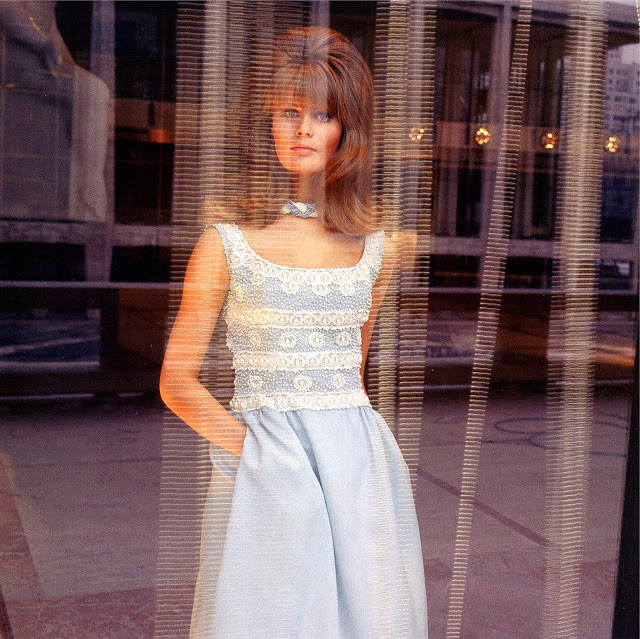
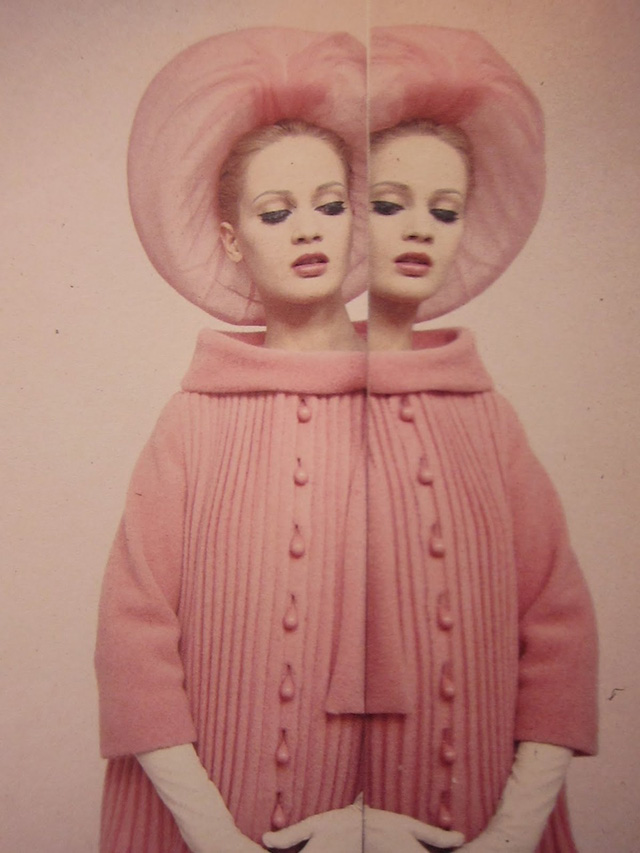
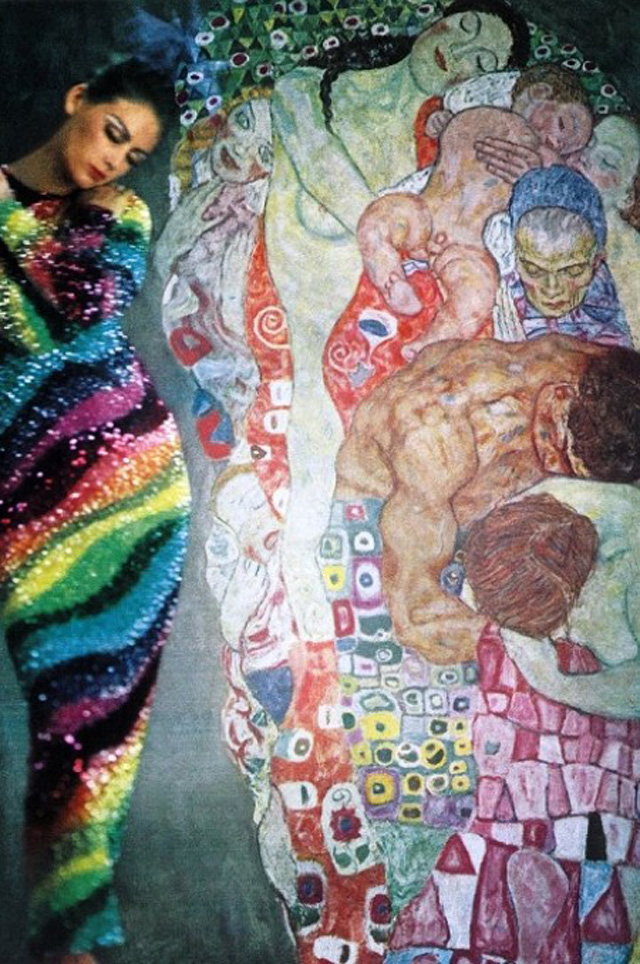
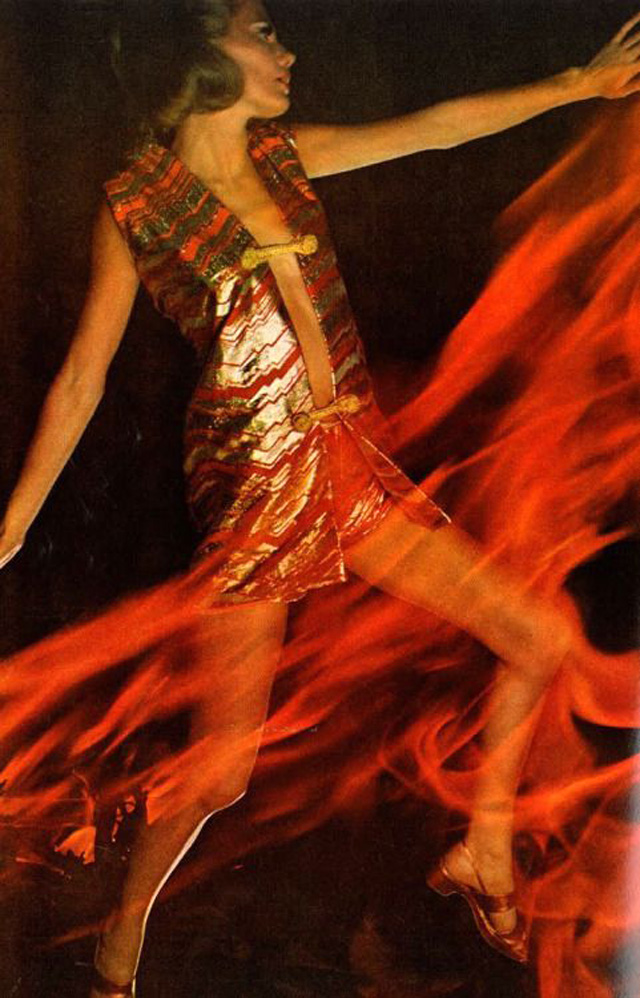
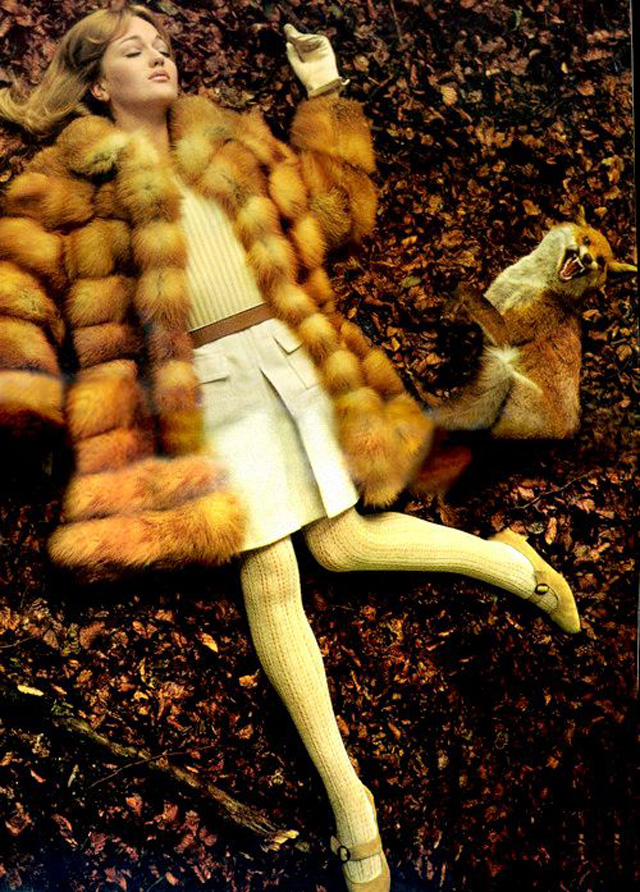
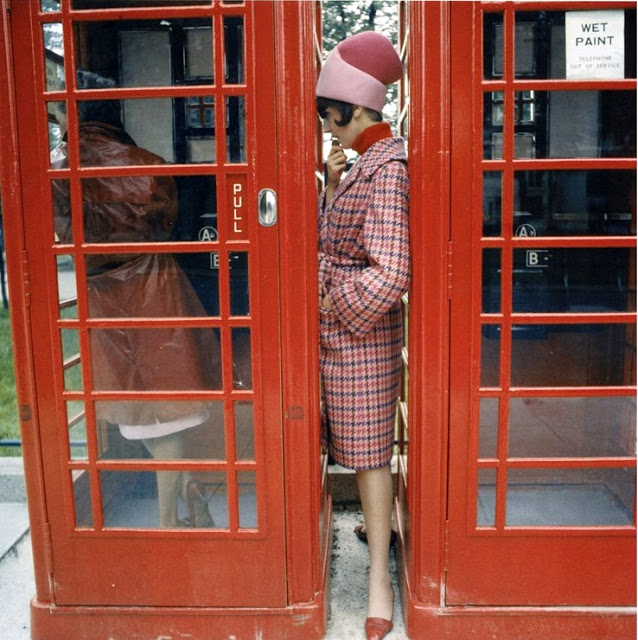
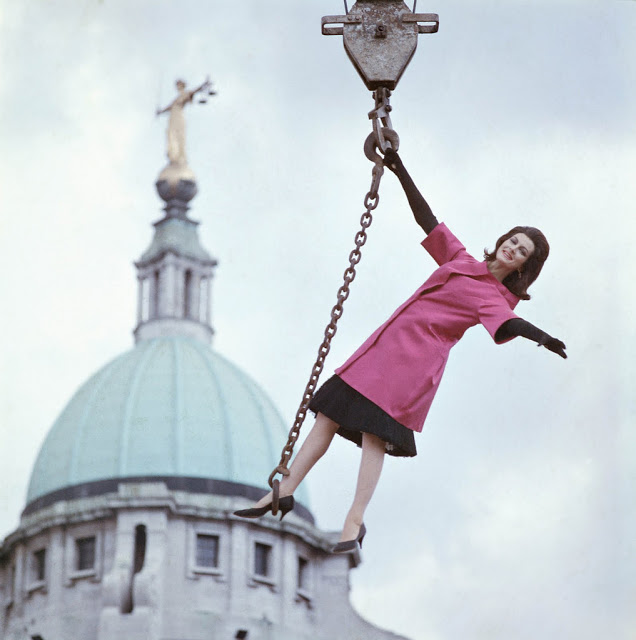
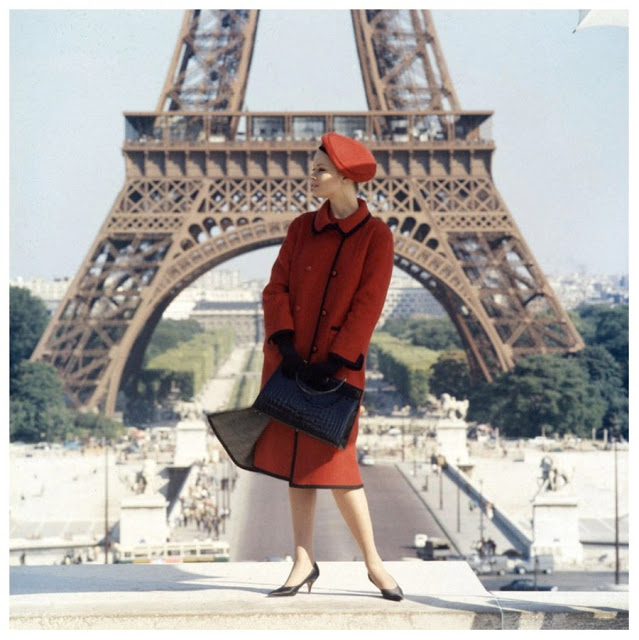
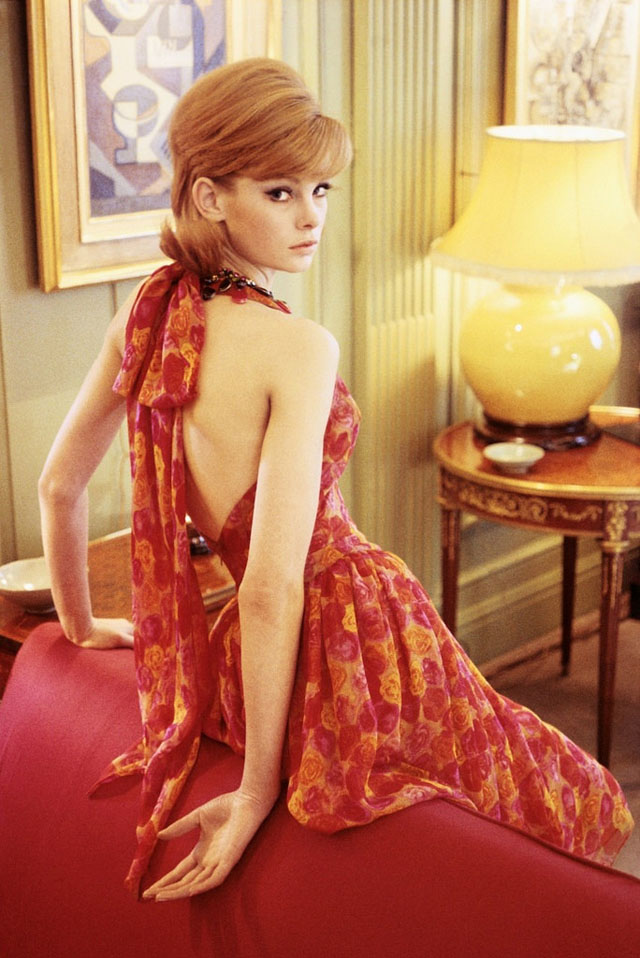
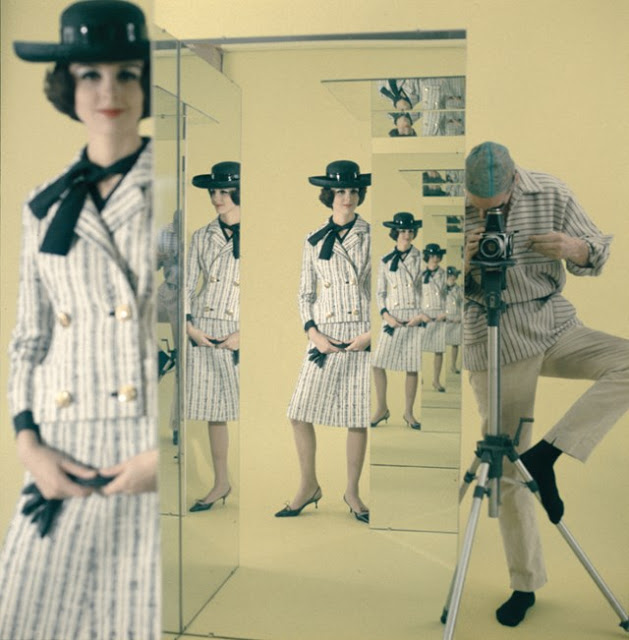
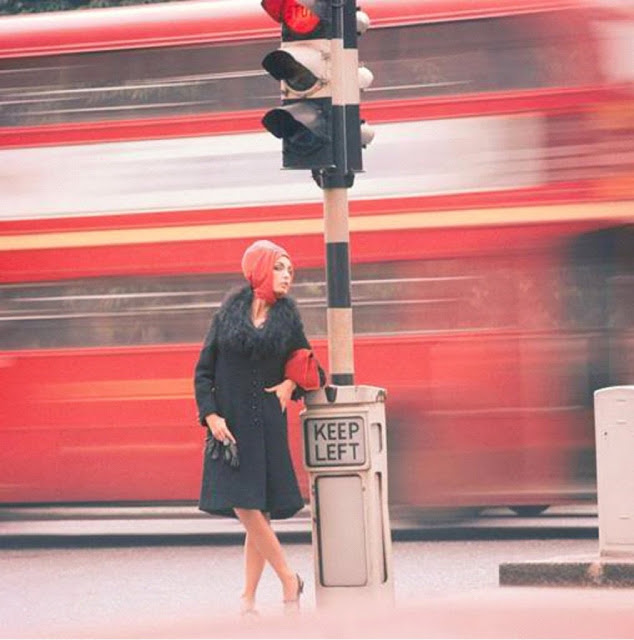
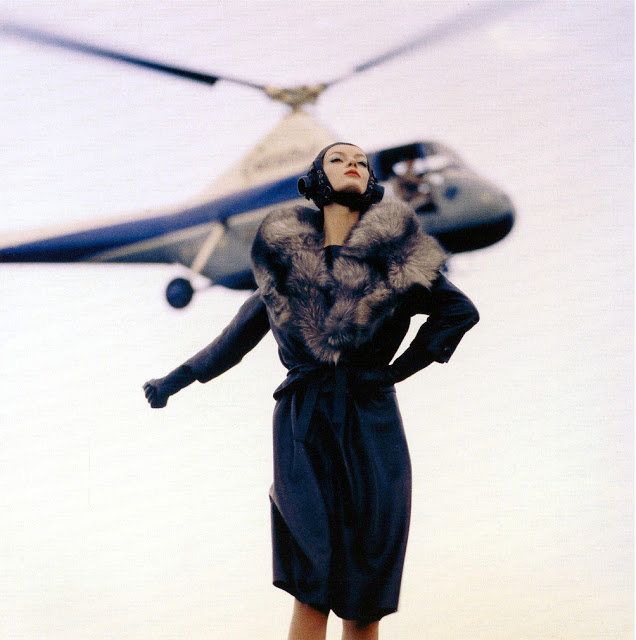
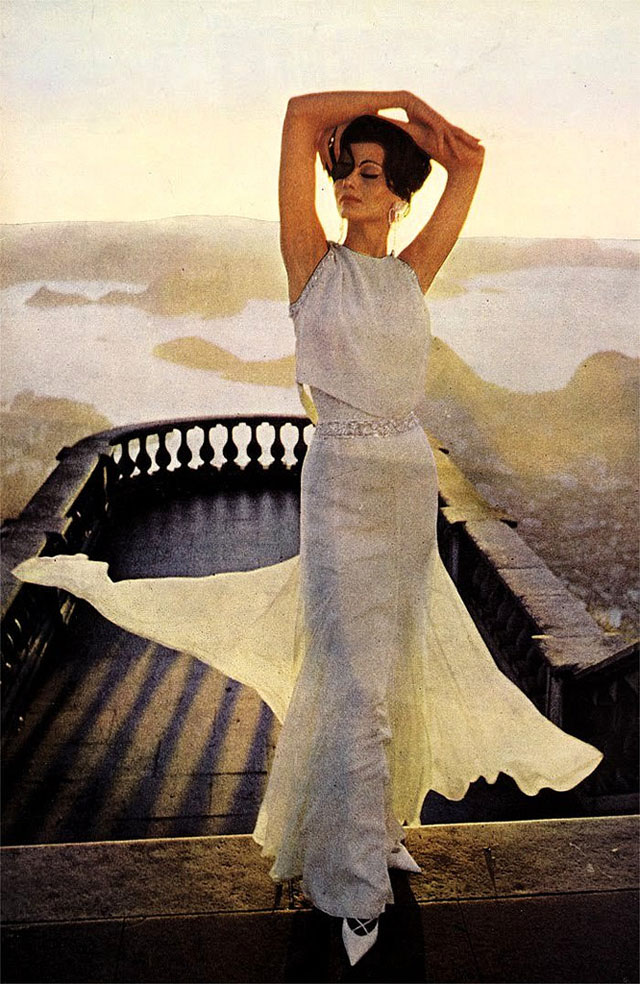
In a career that spanned seven decades, Norman Parkinson (1913 – 1990) dazzled the world with his sparkling inventiveness as a fashion photographer. His long association with Vogue, and his numerous assignments for Harper’s Bazaar, Town & Country and other international magazines, brought him worldwide recognition. His impulsive and unstructured style changed forever the static, posed approach to fashion photography, while his enchanting, idiosyncratic persona charmed his sitters and projected an alluring and glamorous public image.

Parks reinvented himself for each decade of his career, from his groundbreaking spontaneous images of the 1930s, through the war years and the Swinging Sixties to the exotic locations of the 1970s and 1980s. He had become a household name, the recipient of a CBE, a photographer to the royal family, an Honorary Fellow of the Royal Photographic Society, and the subject of a large scale retrospective at the National Portrait Gallery, London.

Parkinson was in incisive portraitist and photographed many of the greatest icons of the twentieth century as well as some of the world’s most beautiful women.

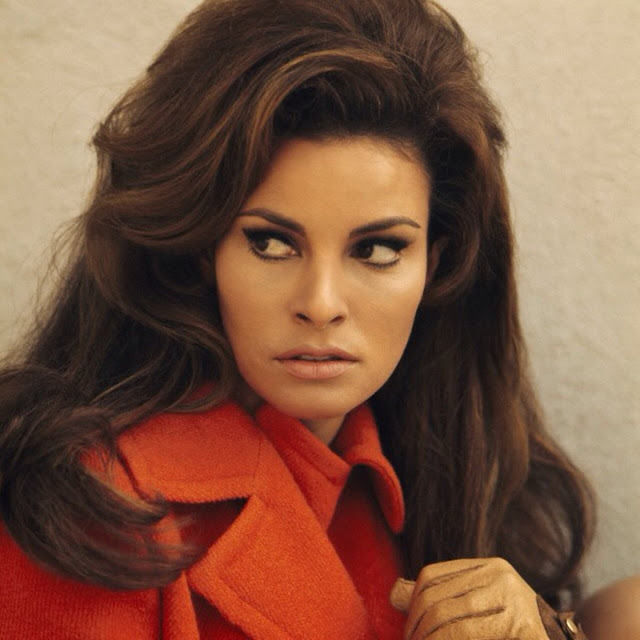
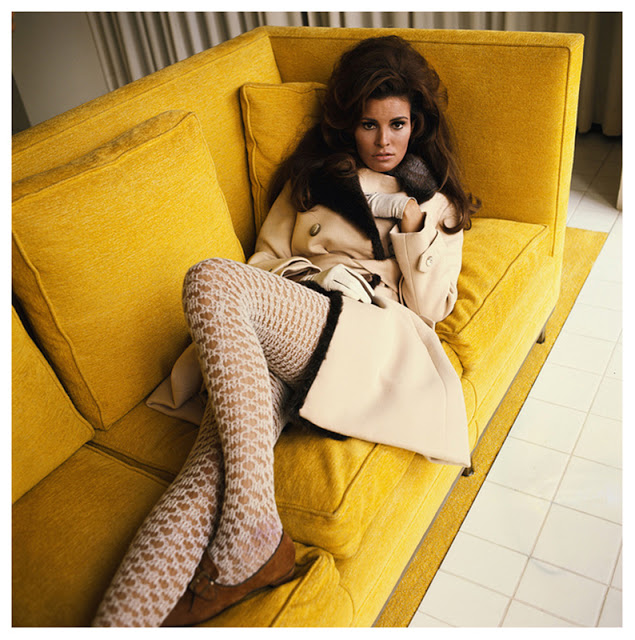
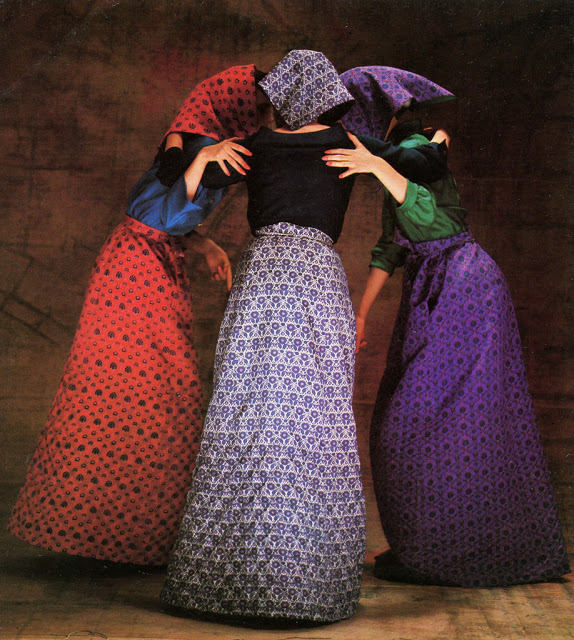
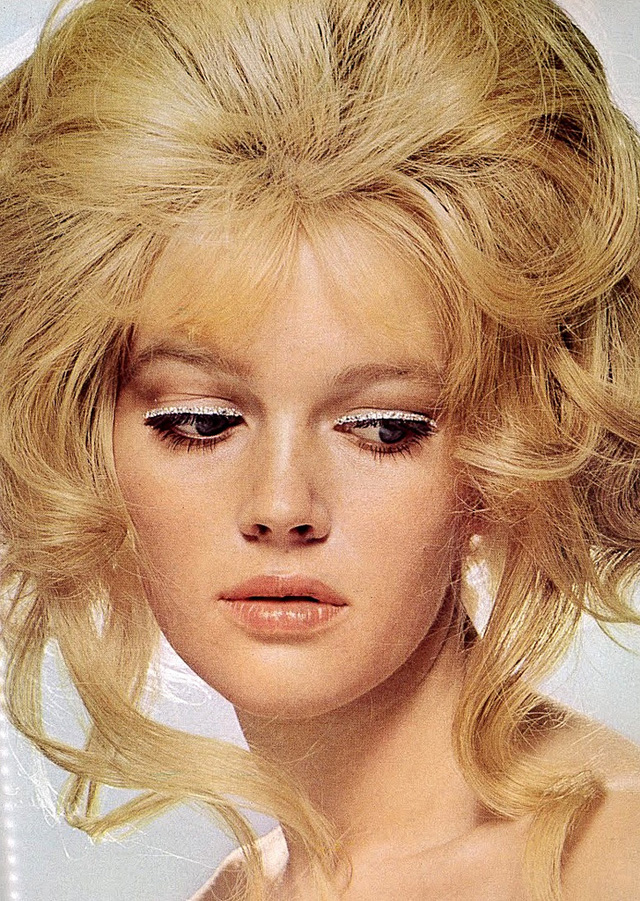
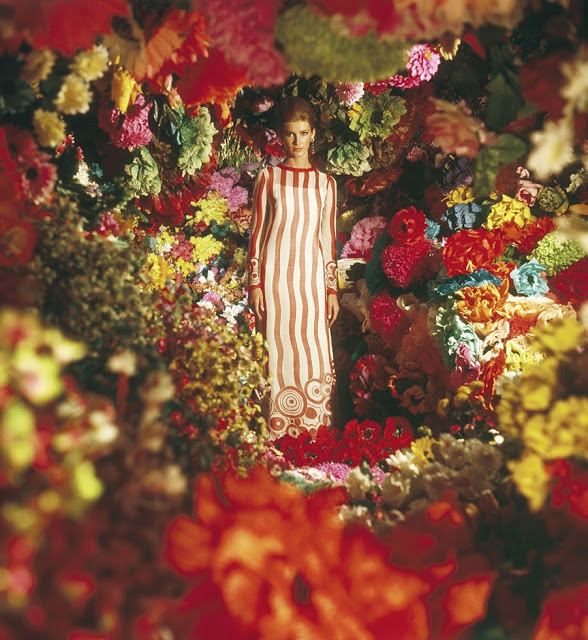
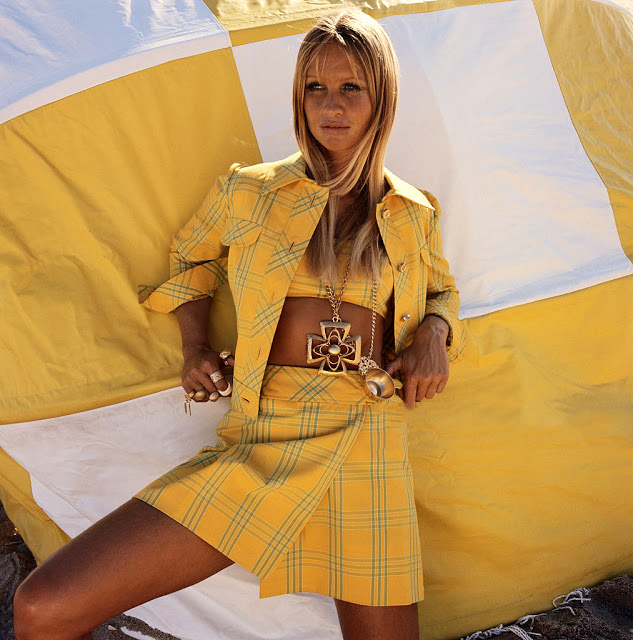
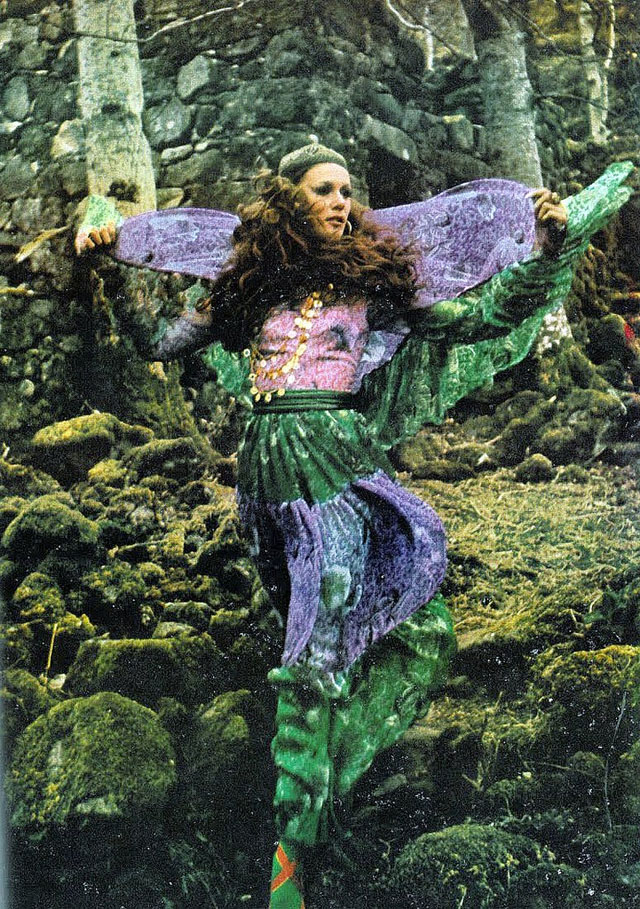
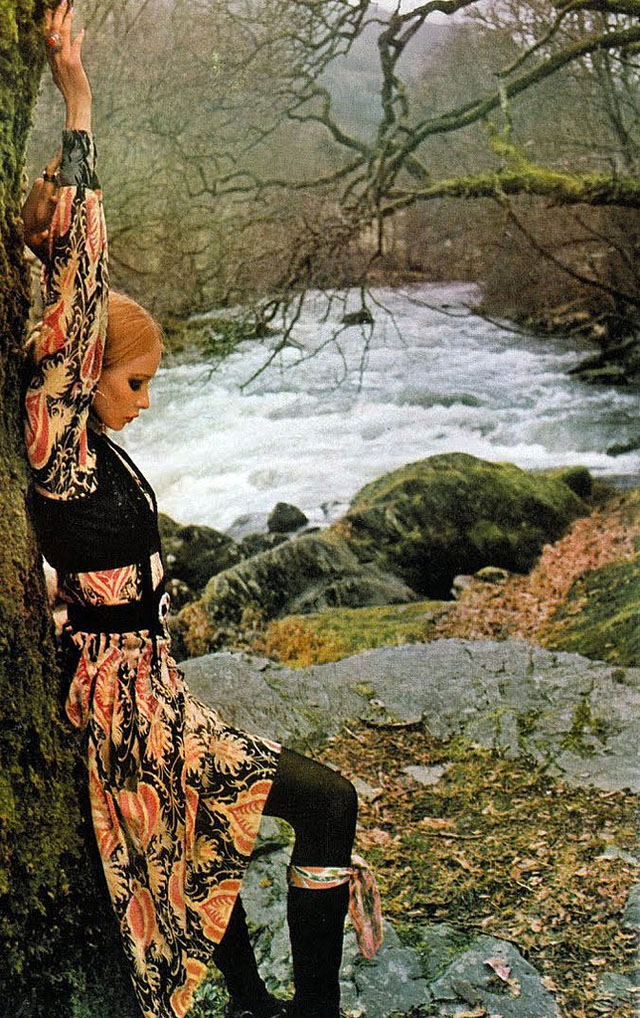
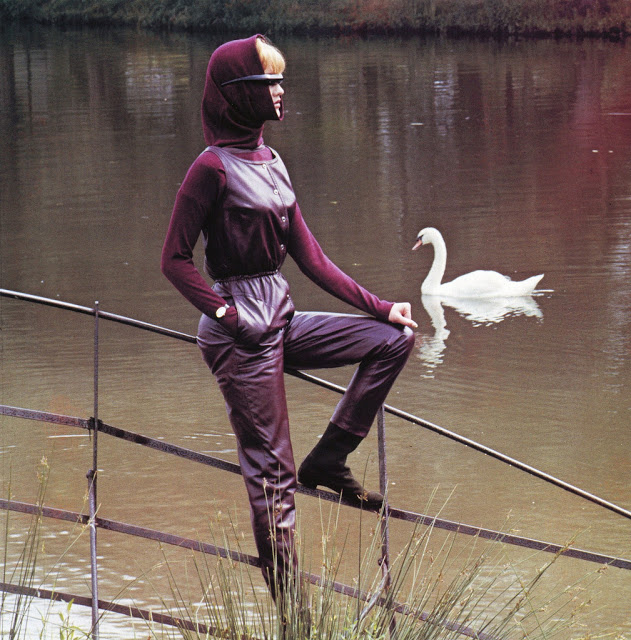
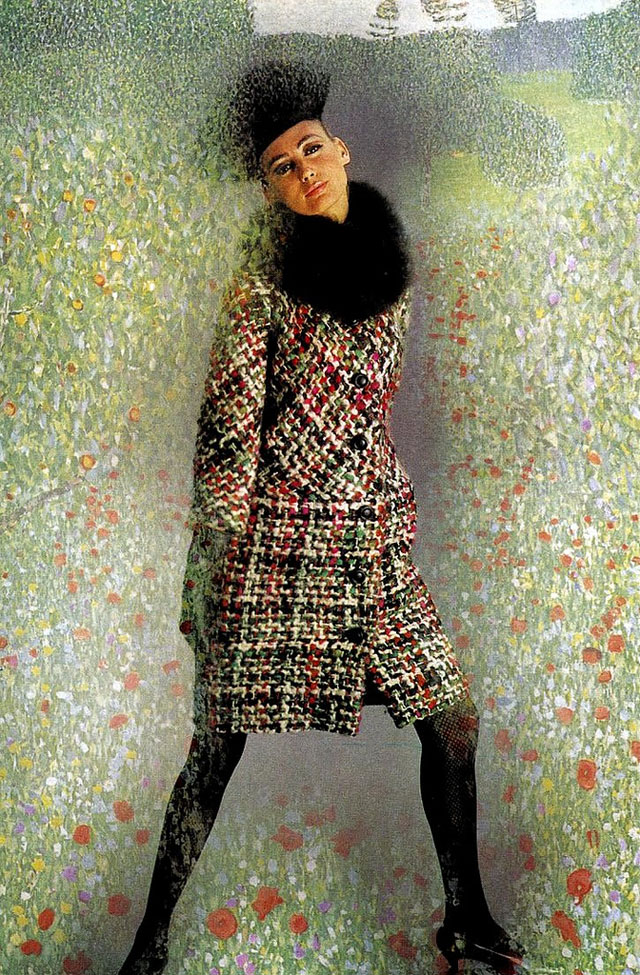
Here is a color photo collection of 60’s women fashion taken by Norman Parkinson. Take a look…

Raquel Welch, foto de Norman Parkinson

(Photos by Norman Parkinson)

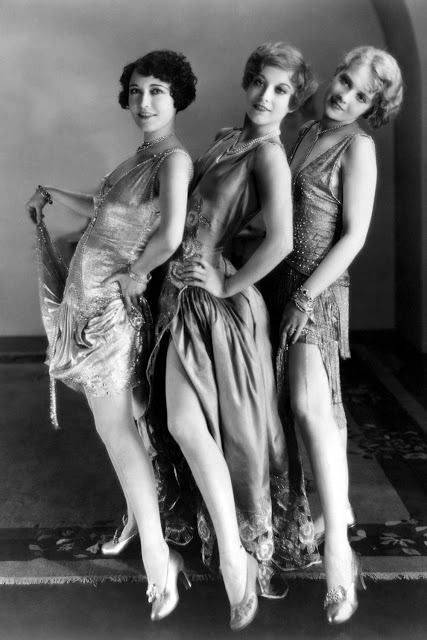
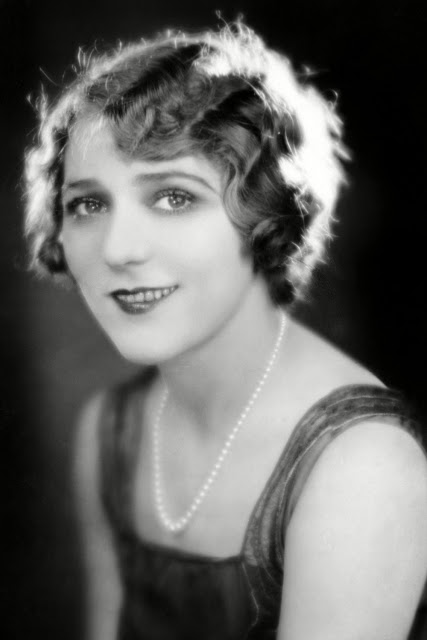
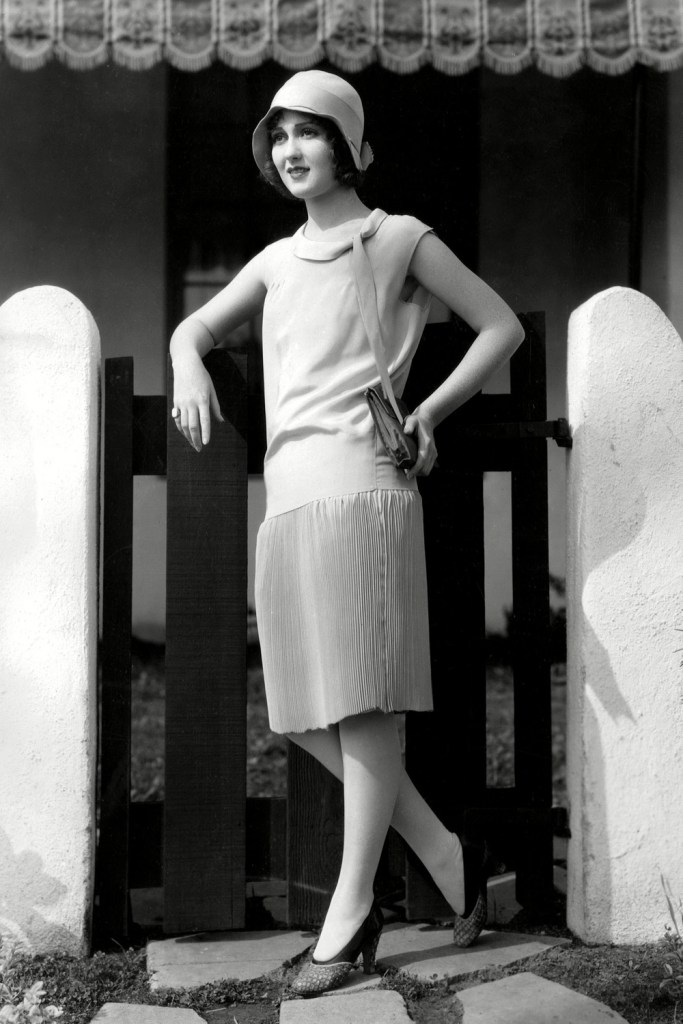
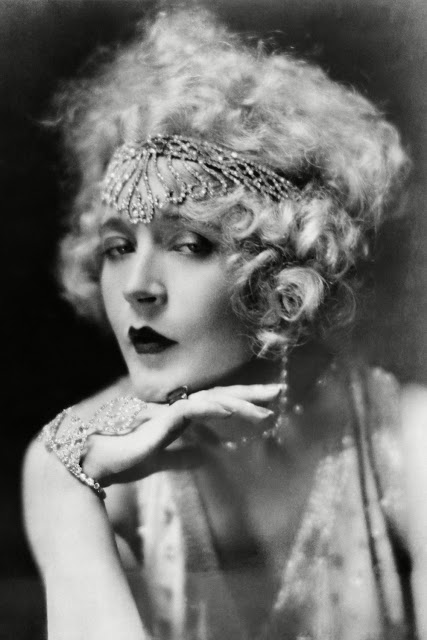
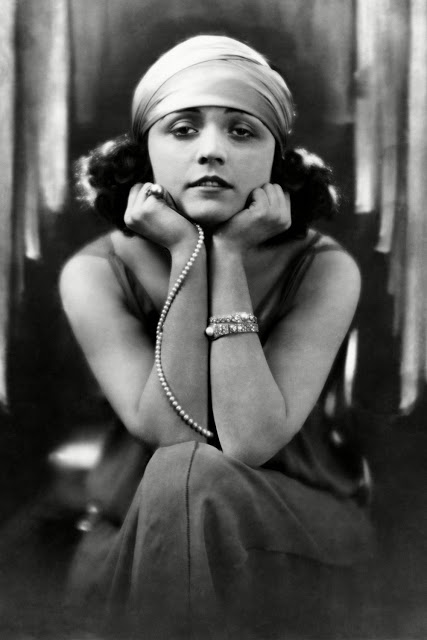
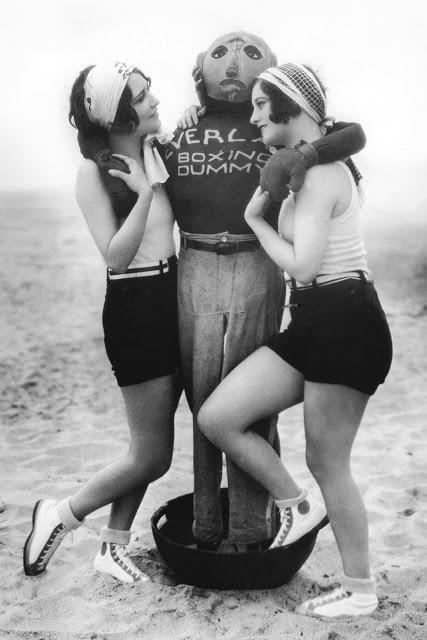
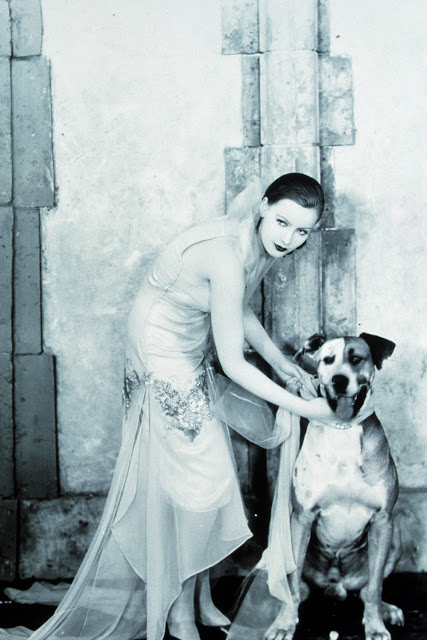
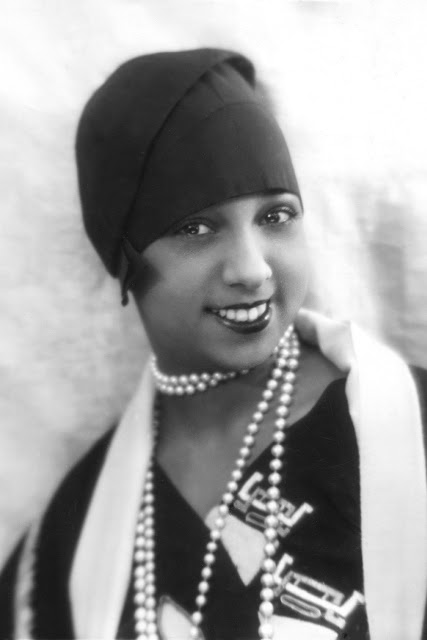
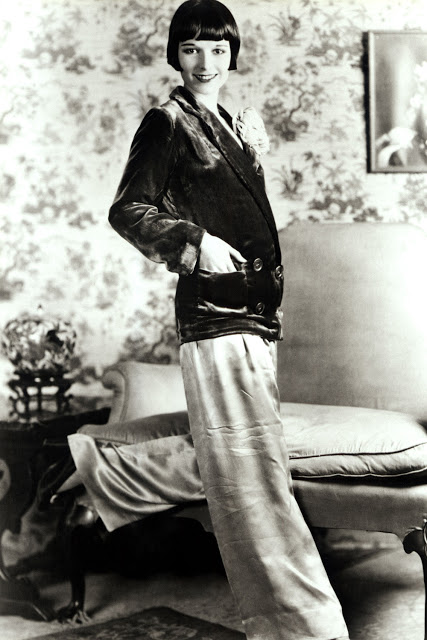
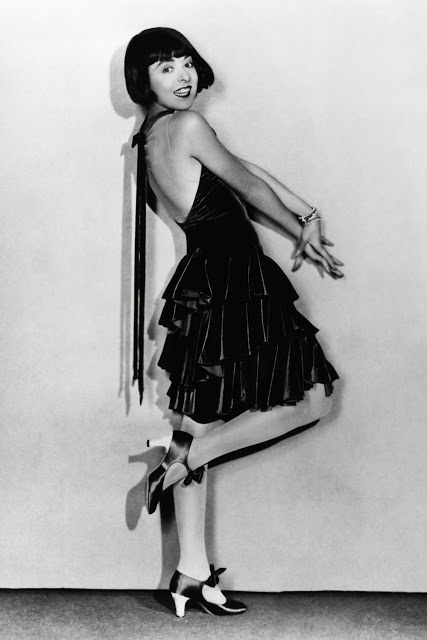
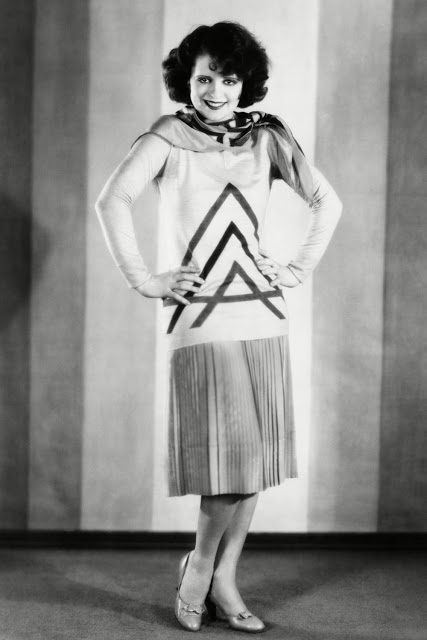
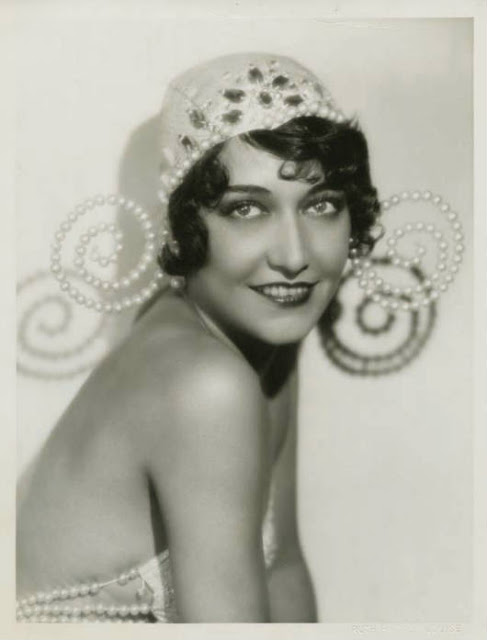
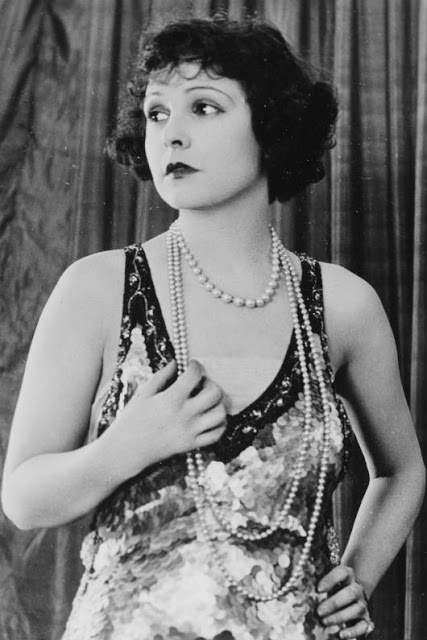
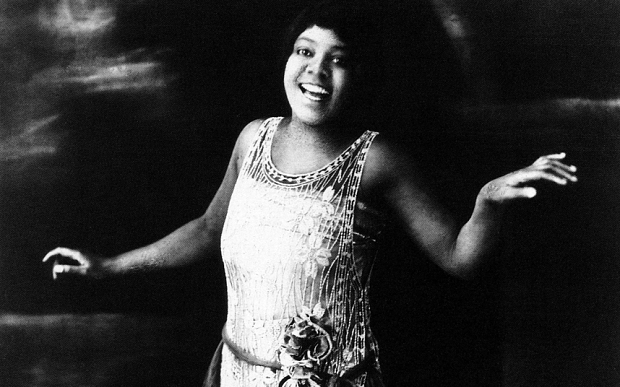
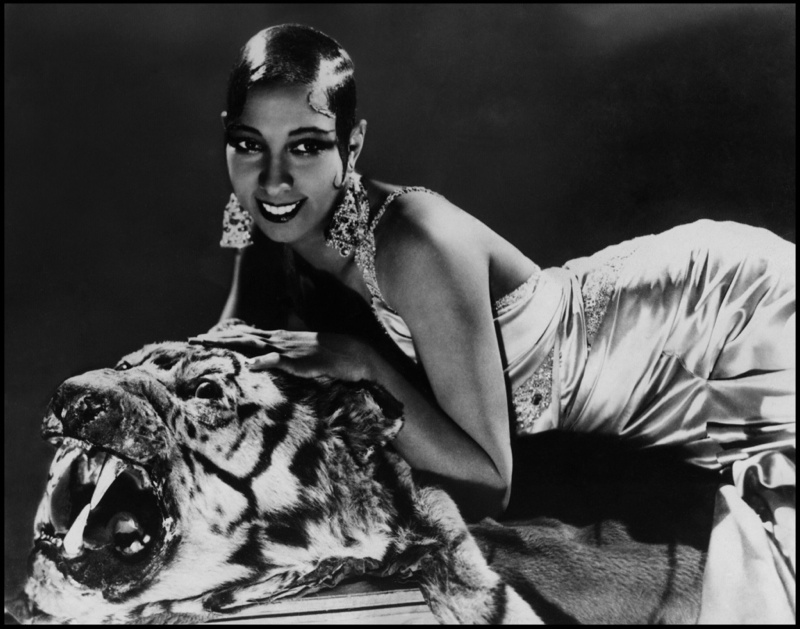
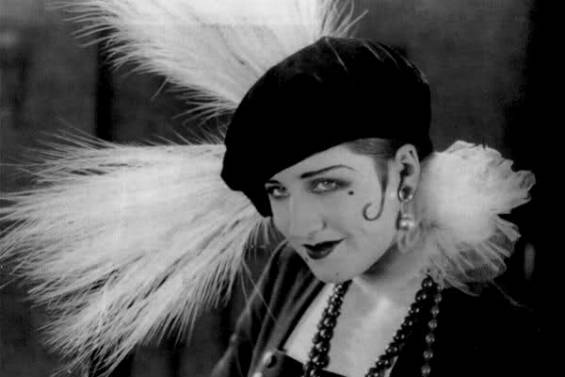
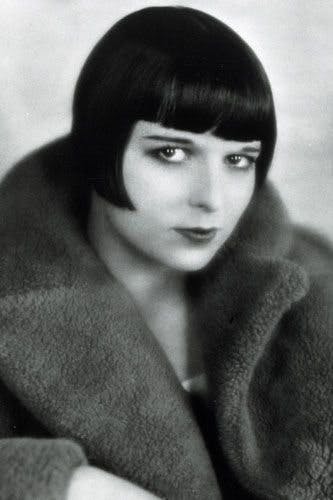
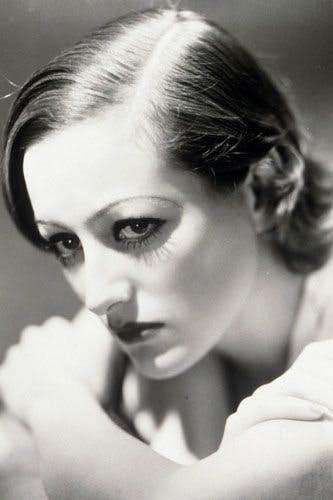
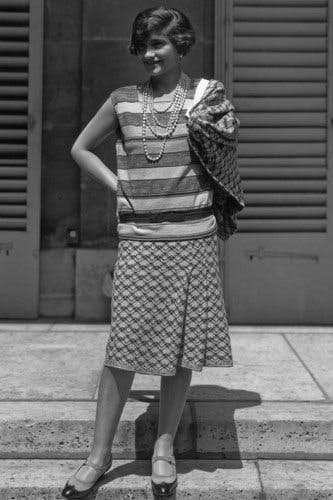
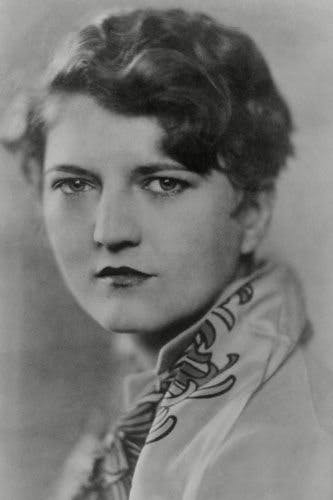
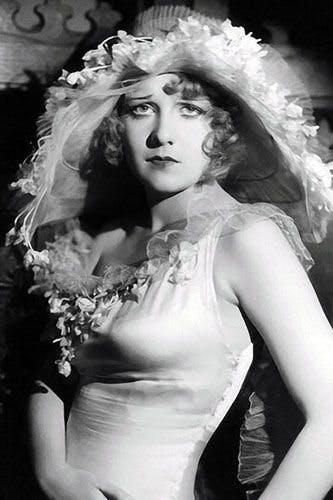
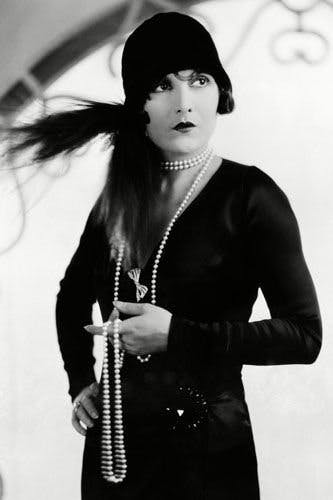
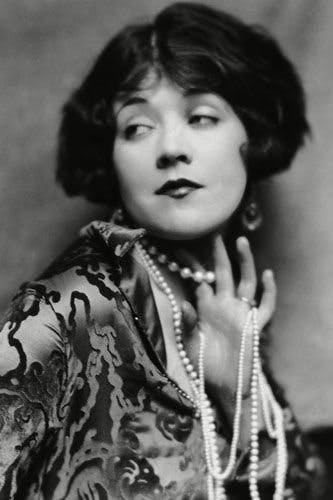
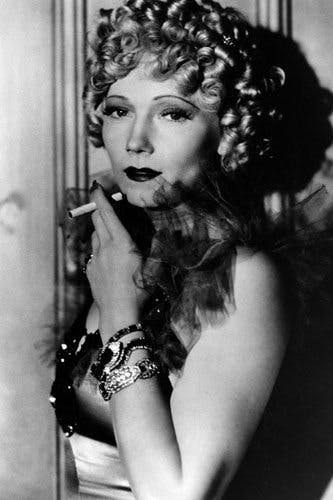
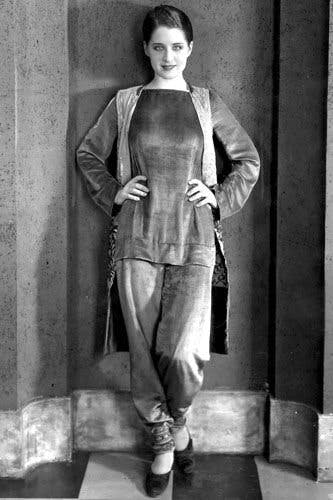
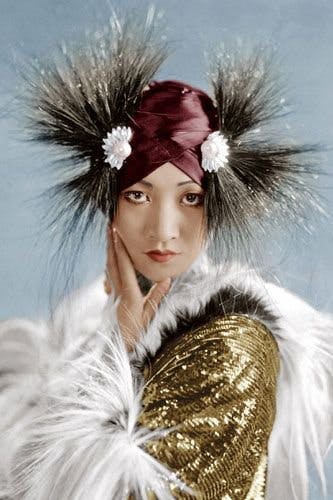
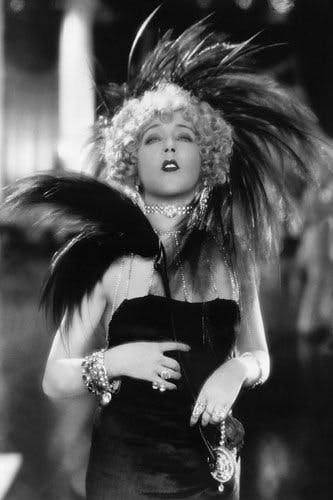
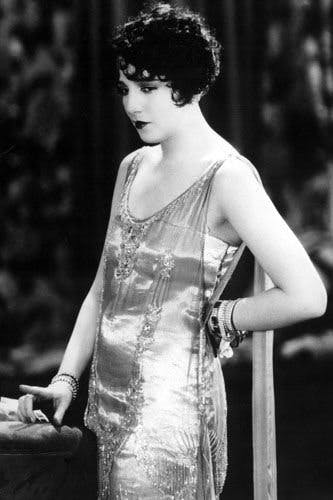
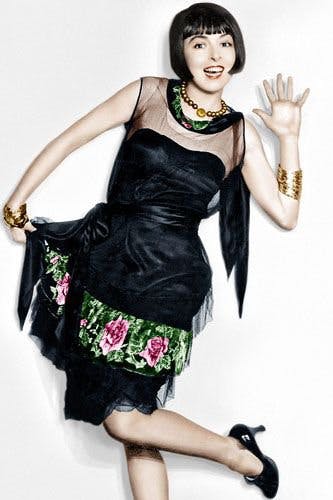
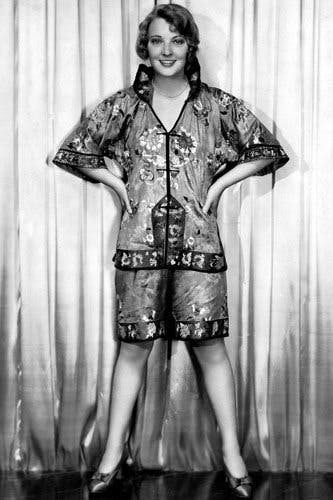
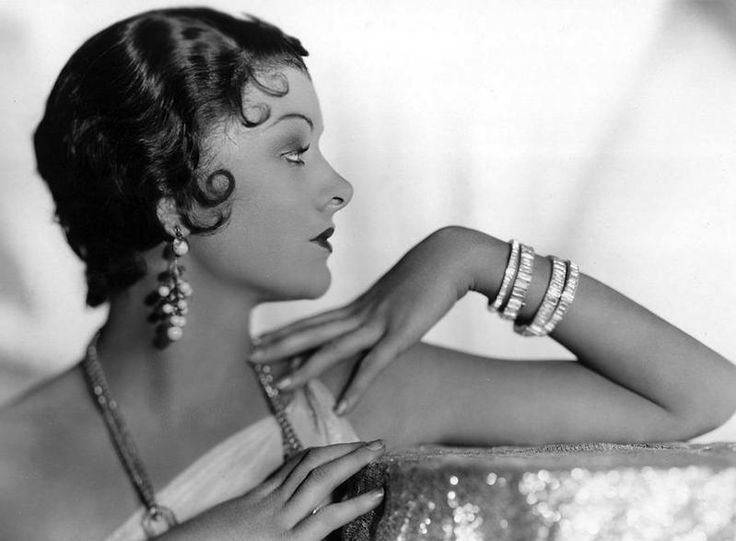
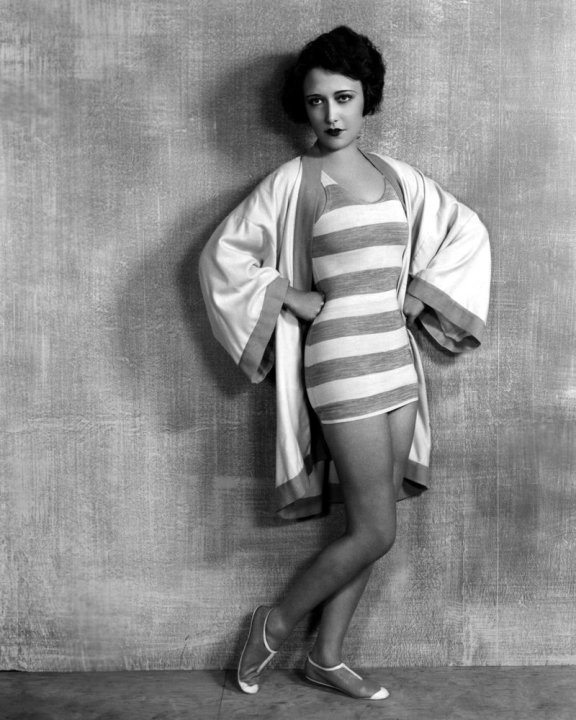
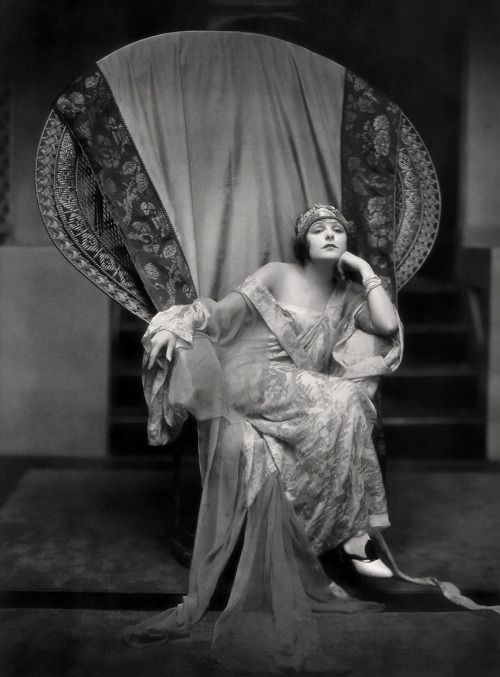
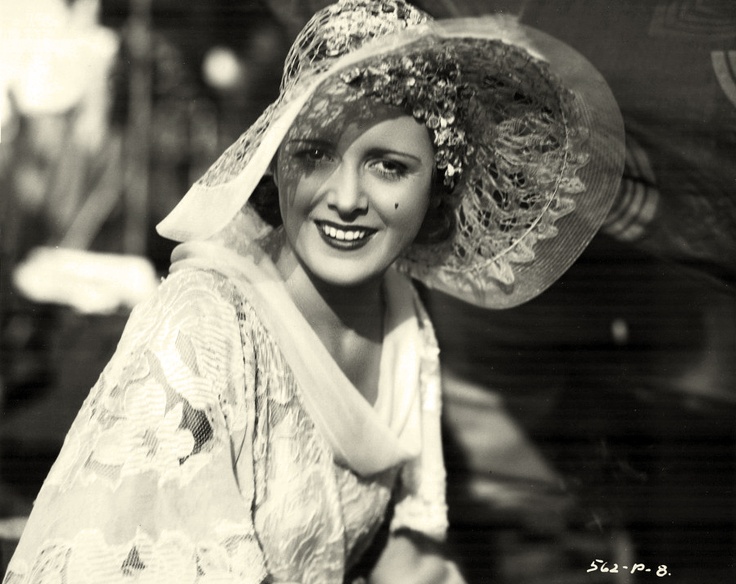
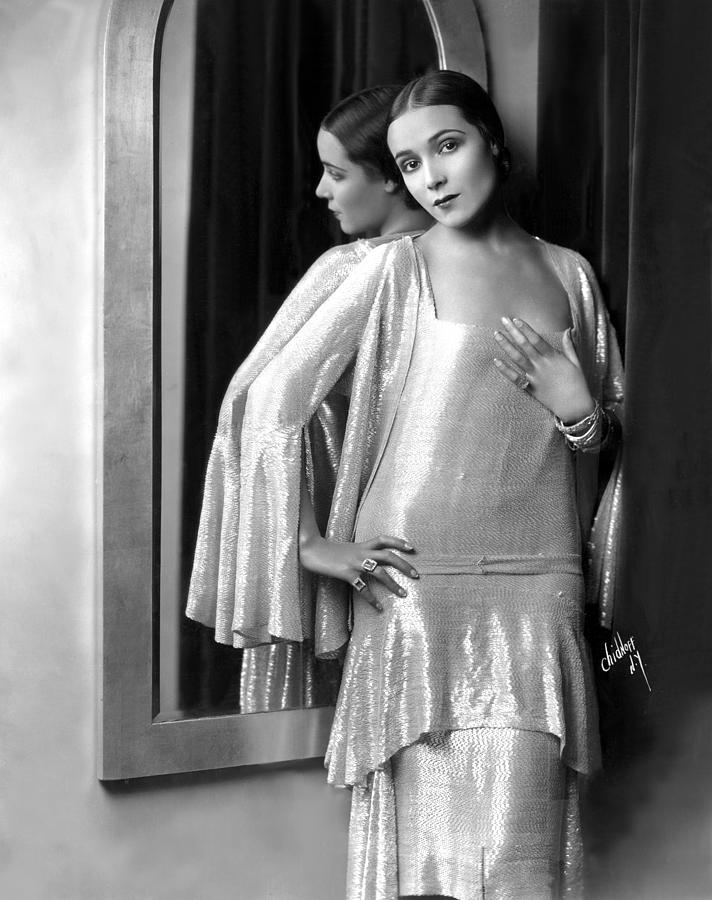
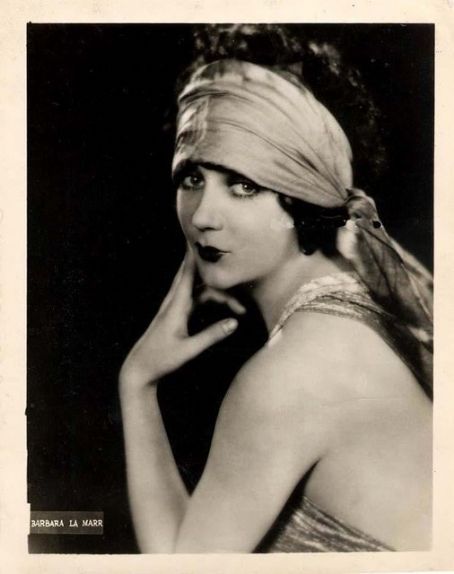
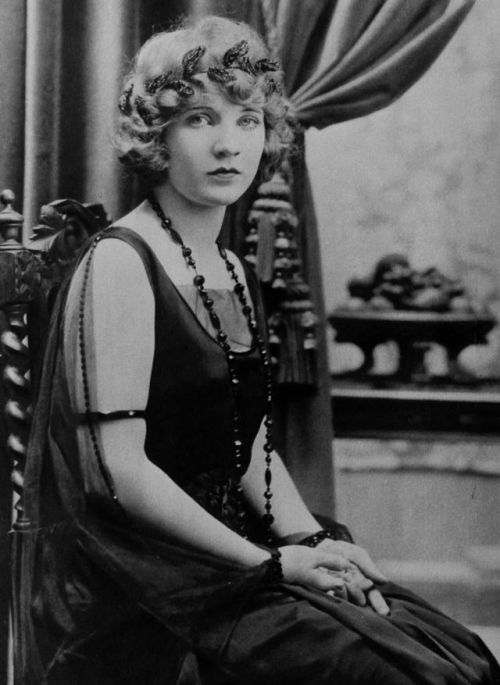
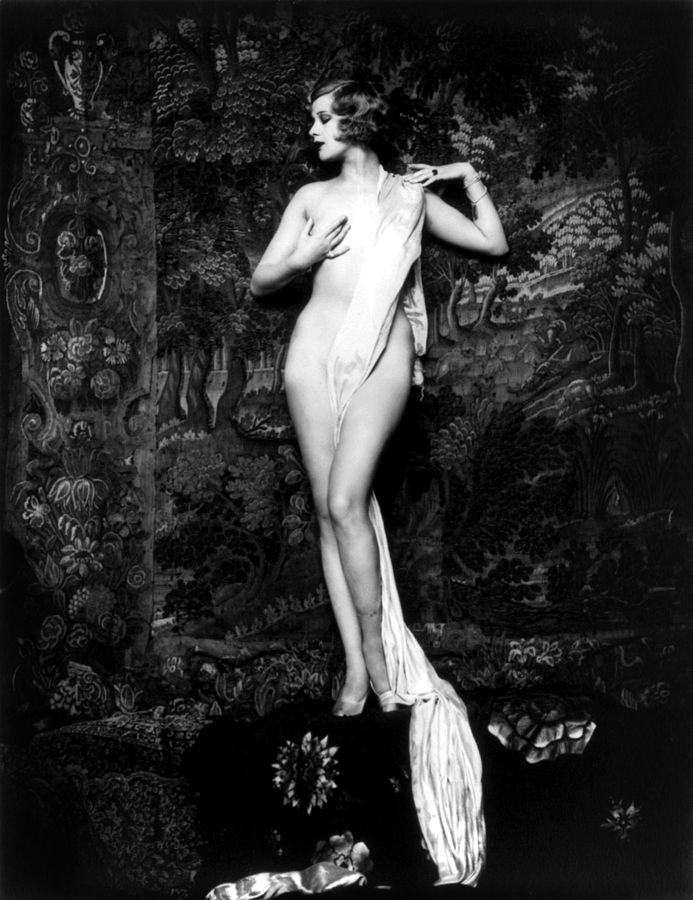
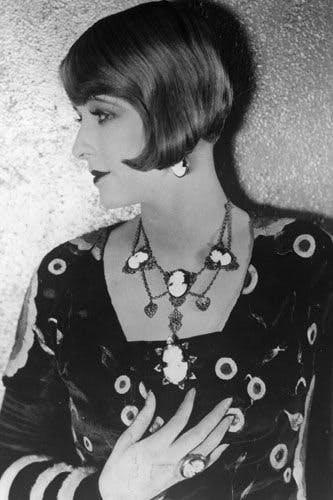
63 Amazing Vintage Photos of Hollywood Stars During the 1920s

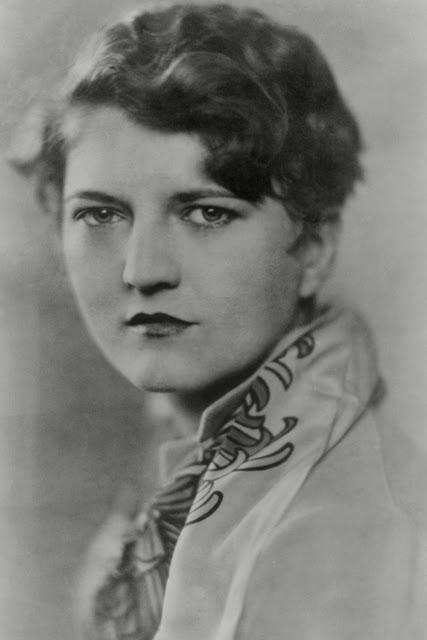
Zelda Fitzgerald
Fay Wray
Jean Arthur
Anita Page
Mary Pickford
Dorothy Mackaill
Doris Hill
Mae Murray
Pola Negri
Dorothy Sebastian and Joan Crawford
Gloria Swanson
Greta Garbo
Josephine Baker
Louise Brooks
Colleen Moore
Clara Bow
Anita Page
Dorothy Sebastian
Norma Talmadge
Bessie Smith
Clara Bow
Josephine Baker
Norma Shearer
Josephine Baker
Louise Brooks
Joan Crawford
Coco Chanel
Zelda Sayre
Anita Page
Evelyn Brent
Marie Prevost
Gilda Gray
Norma Shearer
Anna May Wong
Mae Murray
Fay Wray
Edna Purviance
Colleen Moore
Pola Negri
Eleanor Ambrose
Dorothy Mackaill
Myrna Loy
Dorothy Sebastian
Norma Talmadge
Mary Astor
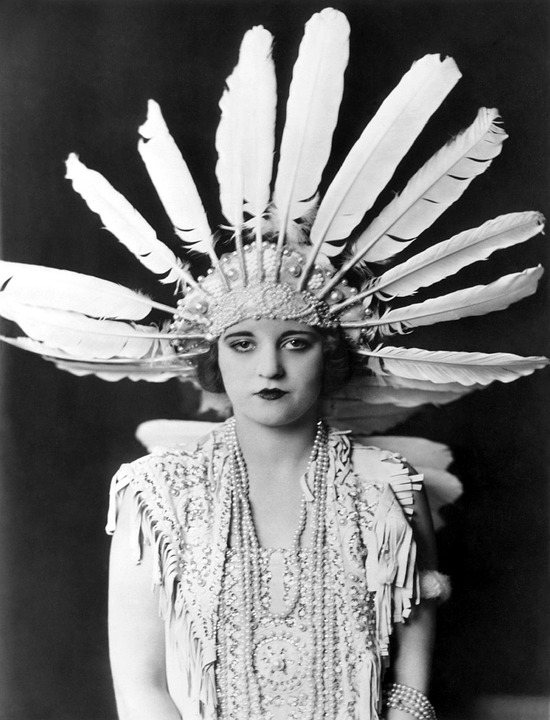
Tallulah Bankhead
Dolores del Rio
Barbara La Marr
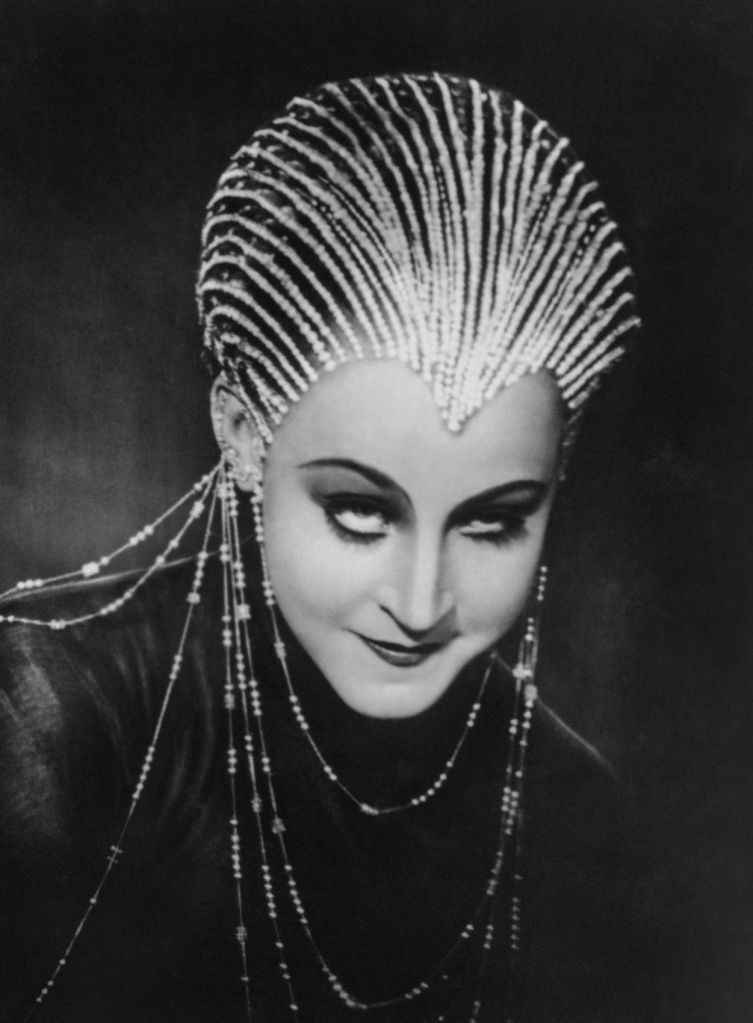
Brigitte Helm
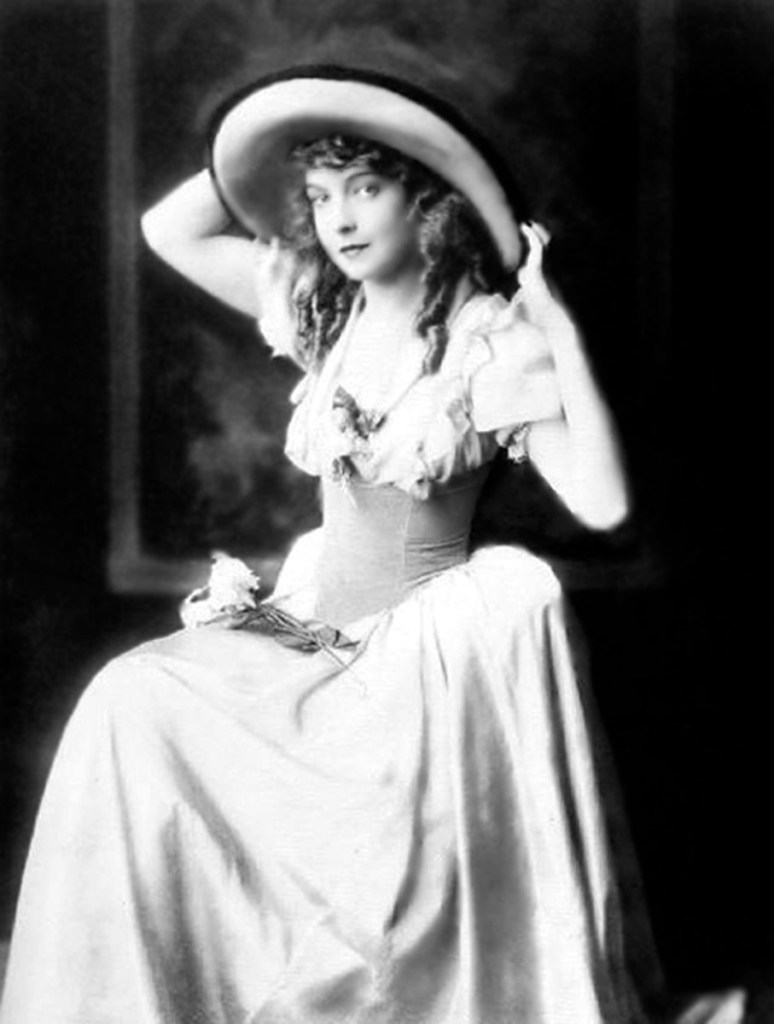
Lina Basquette
Lillian Gish
Mary Pickford
Marlene Dietrich
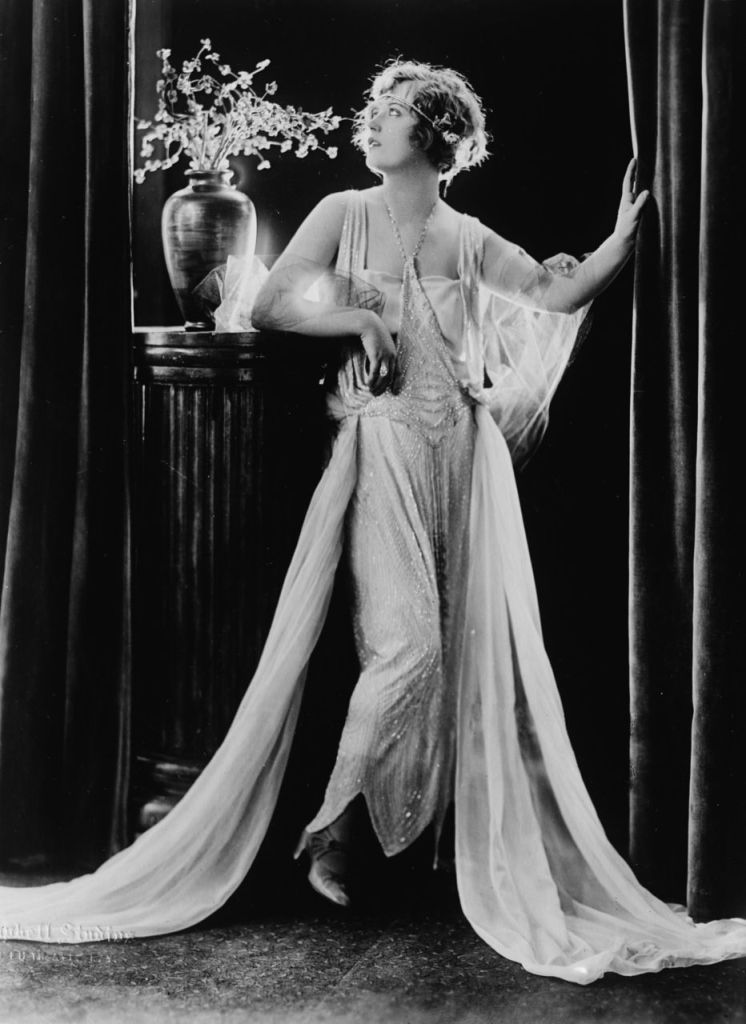
Marion Davies
Billie Dove
Greta Nissen
Mary Minter
Hazel Forbes
Aileen Pringle
Bebe Daniels
Claire Windsor
Alice Terry
Tallulah Bankhead

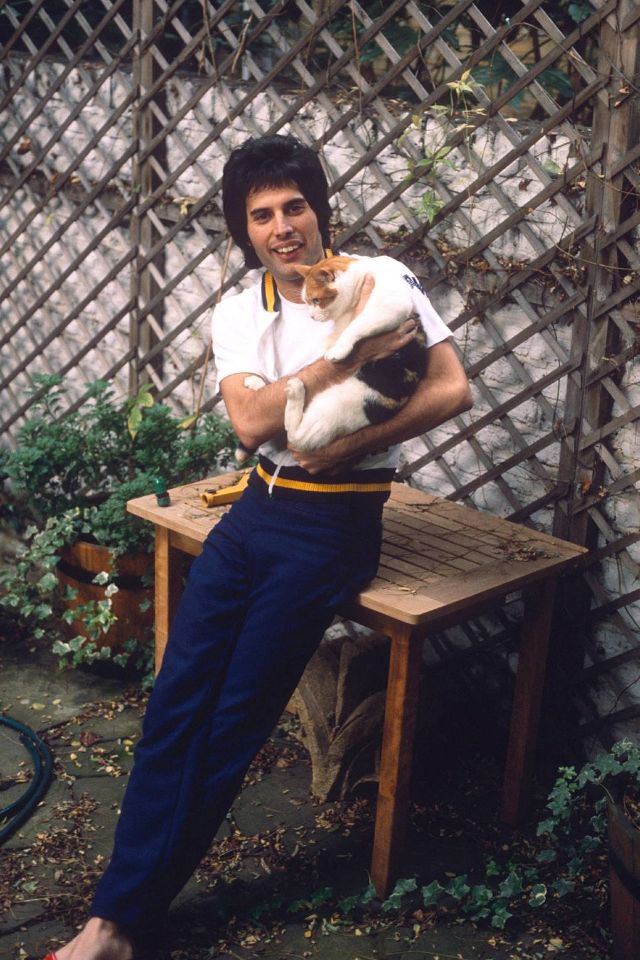
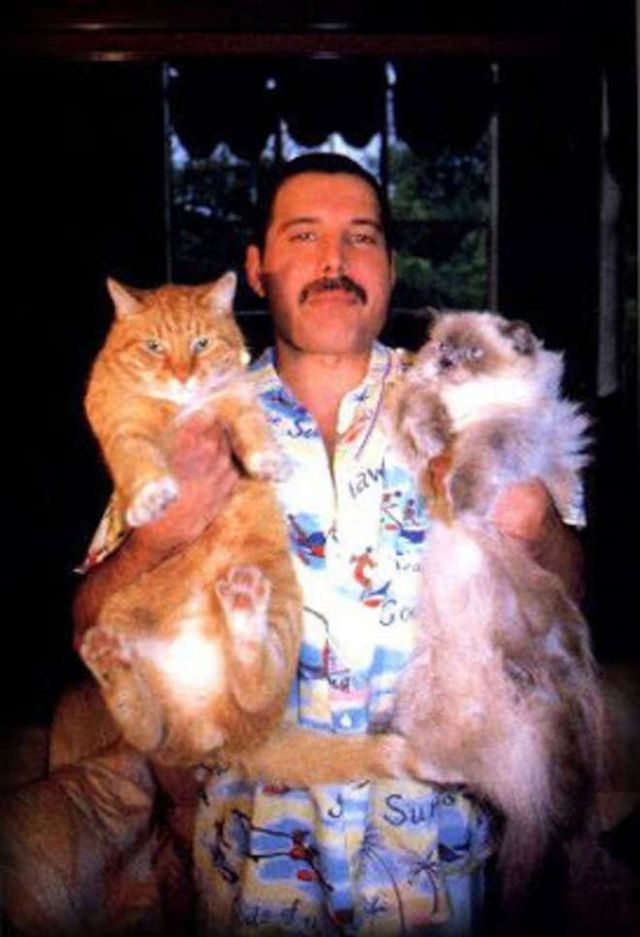
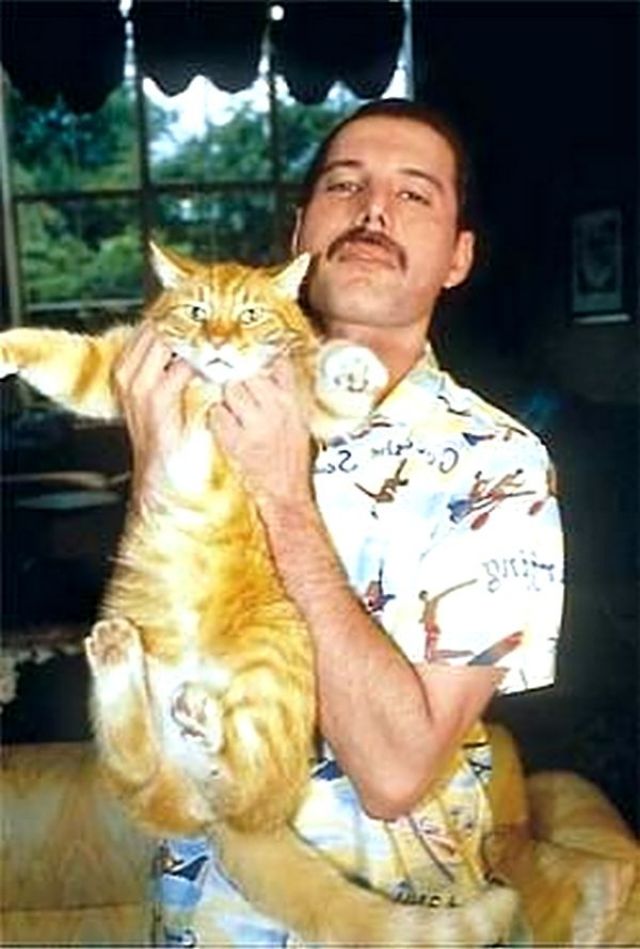
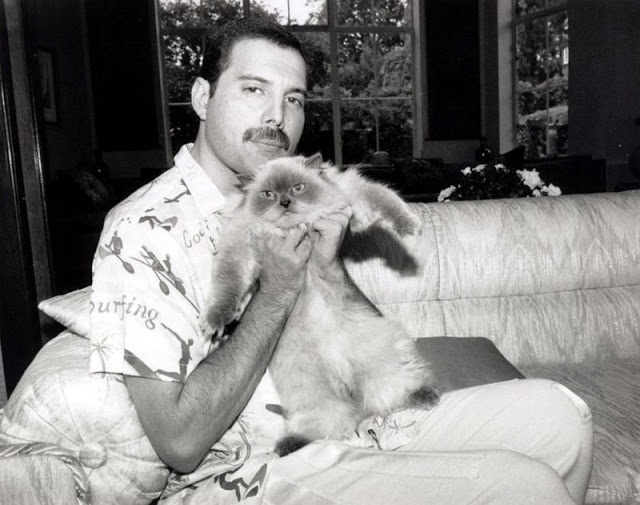
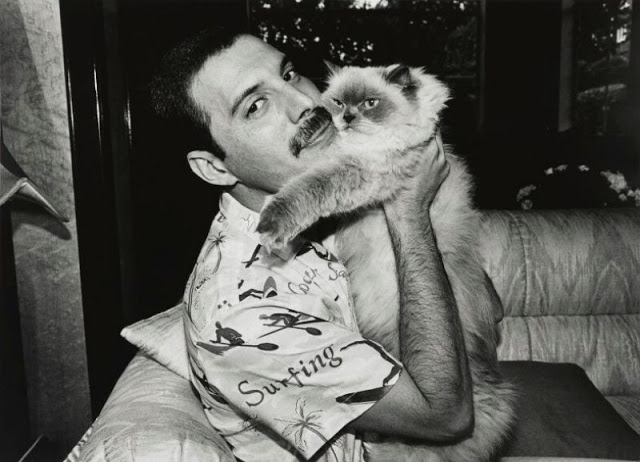
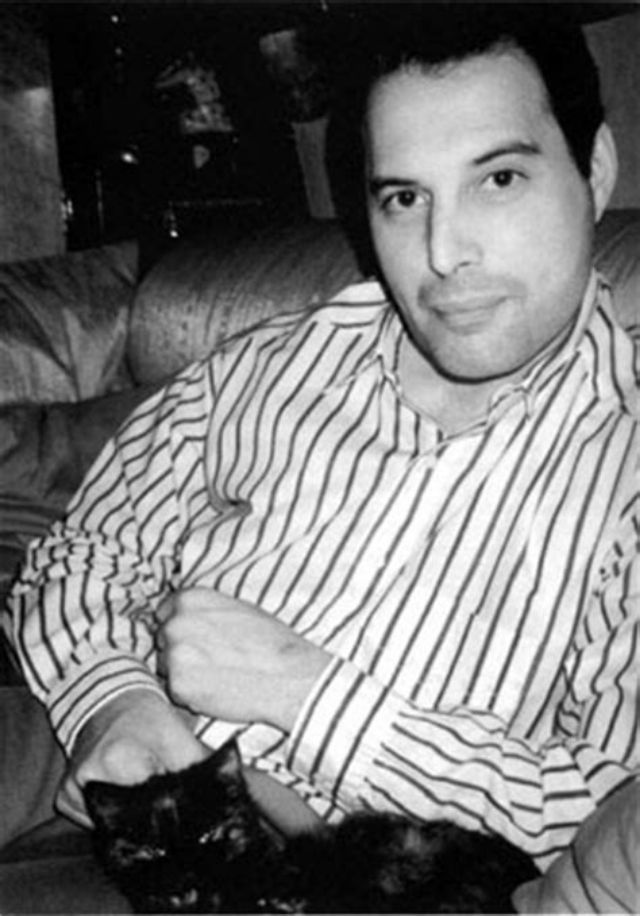
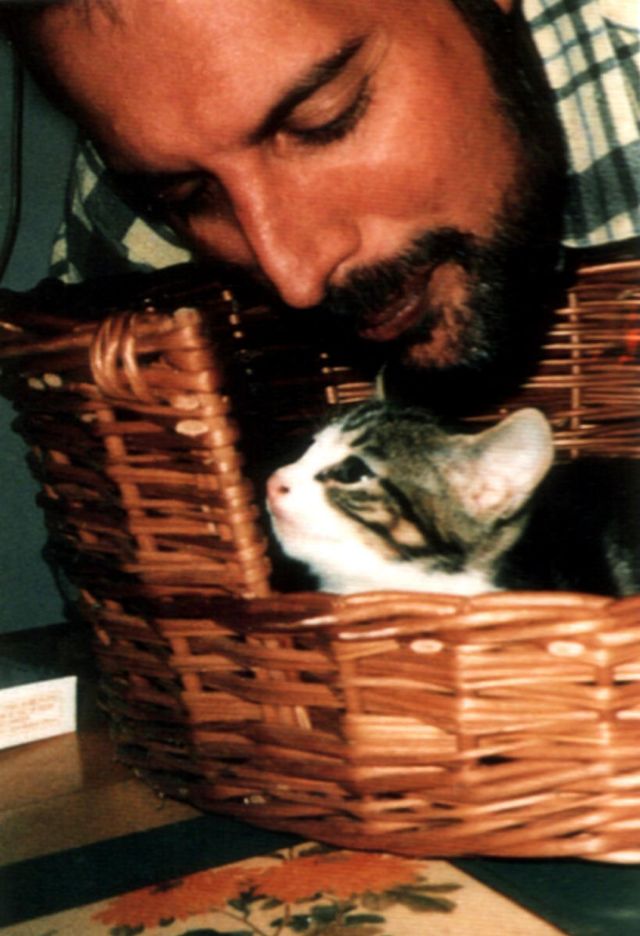
18 Fascinating Photographs of Freddie Mercury Posing With His Beloved Cats

There are lots of crazy stories going around about Freddie Mercury. The extravagant Queen frontman always was one of the favorite subjects of the tabloids. You might have heard some crazy drug or party stories, but this true story is about something completely different: cats.

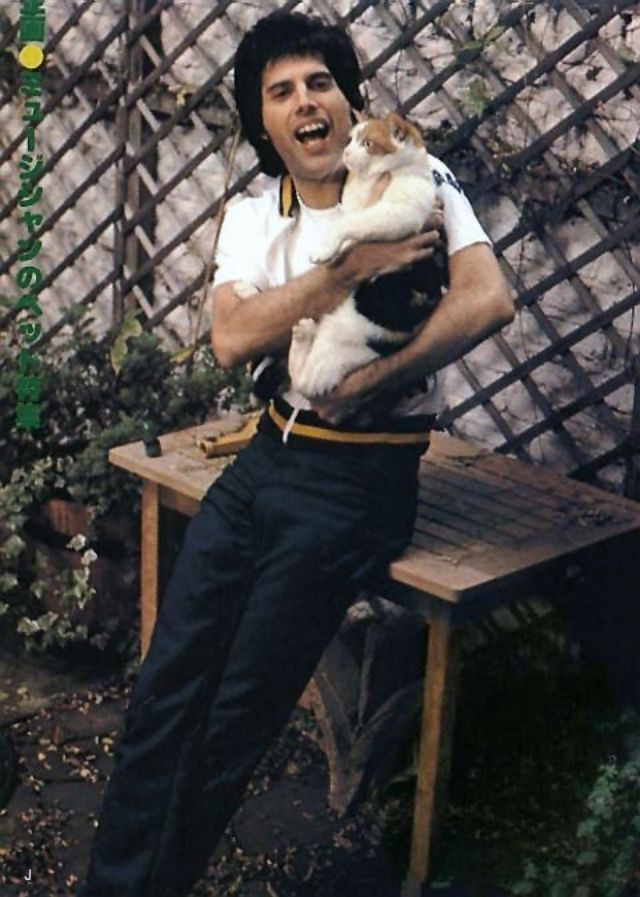
Freddie Mercury was a cat person, no doubt about that. He owned several cats during his life and missed them a lot when he was on tour. According to Peter Freestone who wrote Mercury’s memoir, the singer often “called” his cats when he was away. He would call his house and a friend or family member on the other side of the line would get his cats on the phone. He told them about his day and how much he missed his furry friends.

Freddie Mercury also dedicated the album “Mr Bad Guy” and the song Delilah to cats. People think Delilah is about a woman but there is a line which goes: “peeing all over [his] Chippendale Suite” – gotta be a cat.

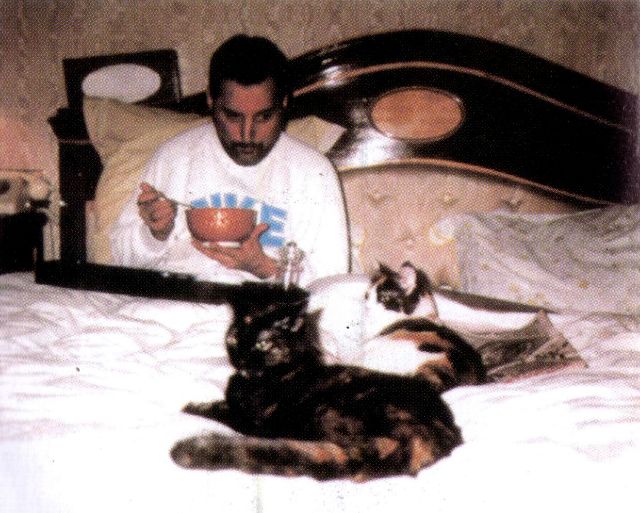
At the time a cat named Jerry was big in his life. Delilah was a large calico cat he adopted in 1987. He favored her. He treated her (and his other pets) like children according to Jim Hutton, his last partner.

Other cats he cared for were: Goliath (a small black cat who liked to sleep in the bathroom washbasin or at least he did when they couldn’t find him once), Miko (black and white – mainly black), Romeo (tabby and white), Lilly (black and white – mainly white, a Turkish Van type cat) and Oscar (an orange-and-white Tom who came to live with him via his partner Jim Hutton).

Freddie in his much loved silk cat waistcoat. It was a present from Donald McKenzie who got ahold of pics of all Freddie’s cats. He had a friend that hand painted them for him before giving it to Freddie.
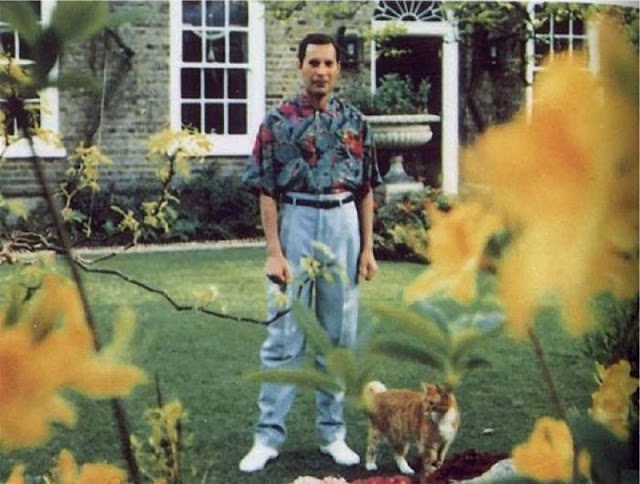
One of the last known photos of Freddie Mercury was with his cat Oscar.

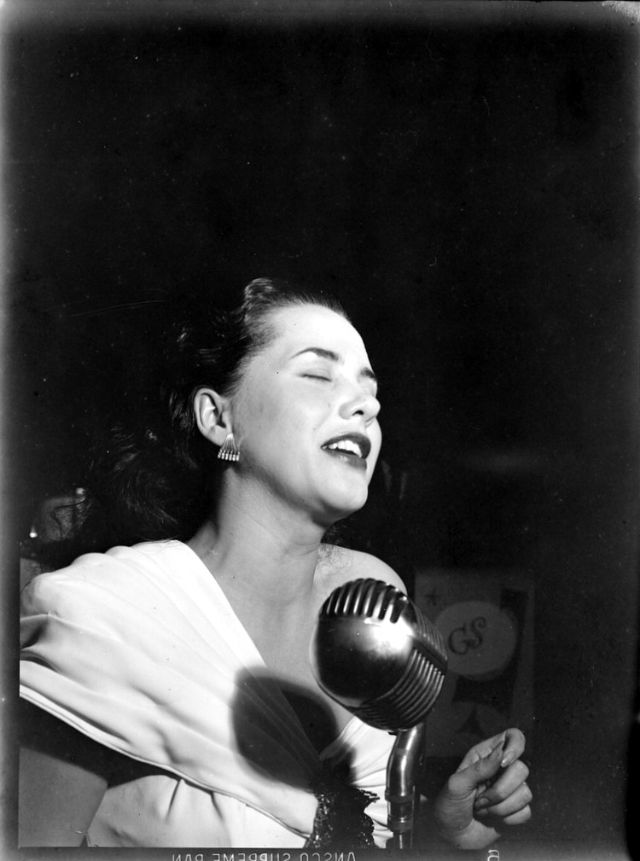
38 Amazing Photos of Celebrated Female Jazz Artists of the 1940s

Subscribe to get access

Read more of this content when you subscribe today.

William Paul Gottlieb (1917-2006) was an American photographer and newspaper columnist who is best known for his classic photographs of the leading performers of the “Golden Age” of American jazz in the 1930s and 1940s. Gottlieb’s photographs are among the best known and widely reproduced images of this era of jazz.
During the course of his career, Gottlieb took portraits of hundreds of prominent jazz musicians and personalities, typically while they were playing or singing at well-known New York City jazz clubs. Well-known musicians Gottlieb photographed included Louis Armstrong, Duke Ellington, Charlie Parker, Billie Holiday, Dizzy Gillespie, Earl Hines, Jo Stafford, Thelonious Monk, Stan Kenton, Ray McKinley, Benny Goodman, Coleman Hawkins, Louis Jordan, Ella Fitzgerald, Toots Thielemans, and Benny Carter.

These selected photos from his work are portraits of female jazz artists that he took from the 1940s in New York.

Billie Holiday, Downbeat, New York, Feb. 1947

Subscribe to continue reading

Become a paid subscriber to get access to the rest of this post and other exclusive content.

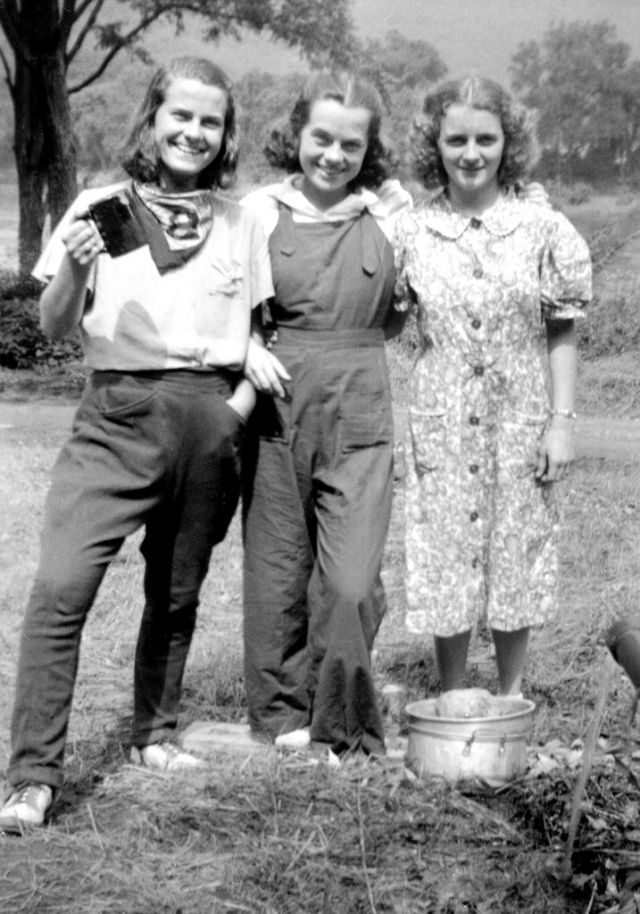
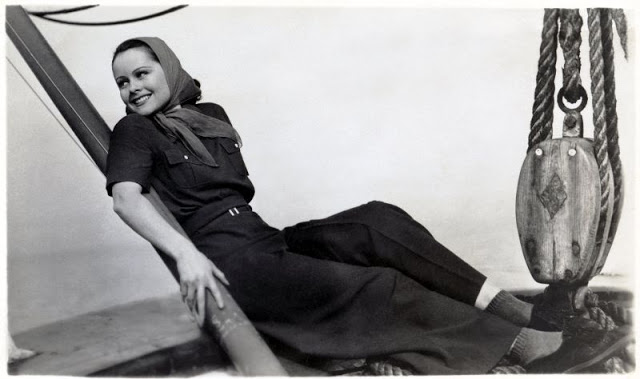
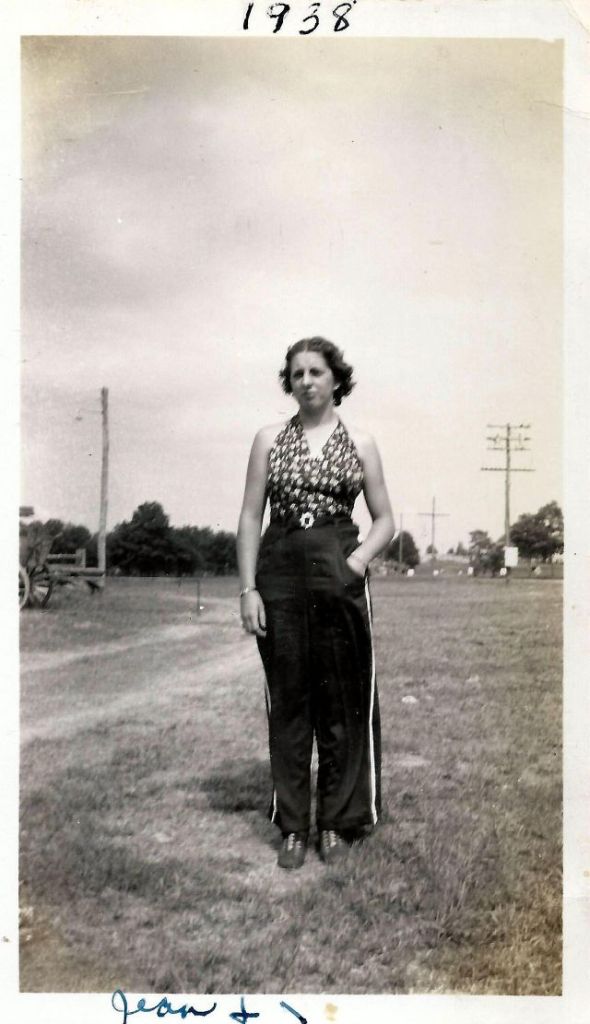
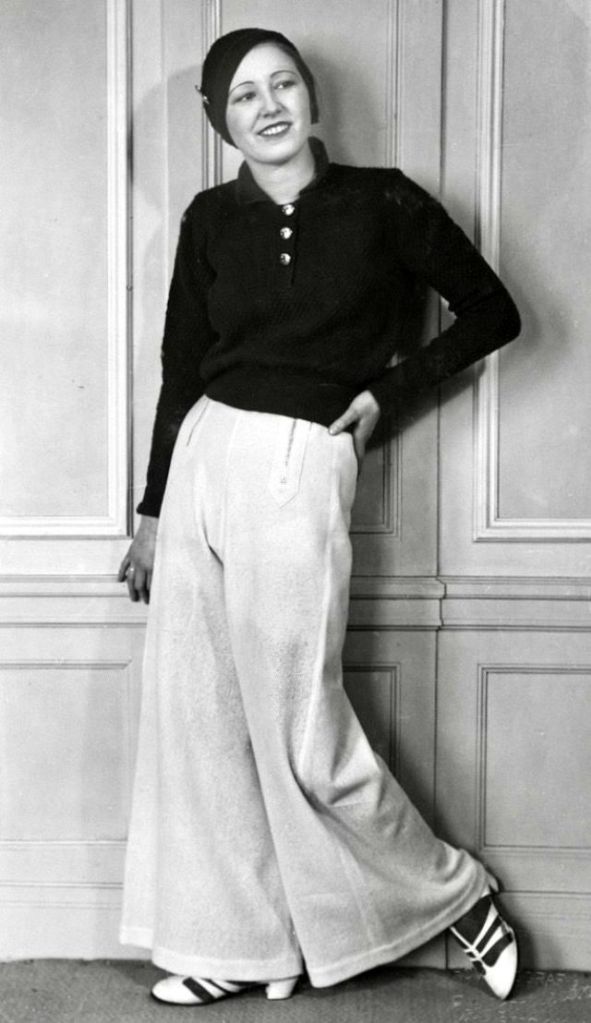
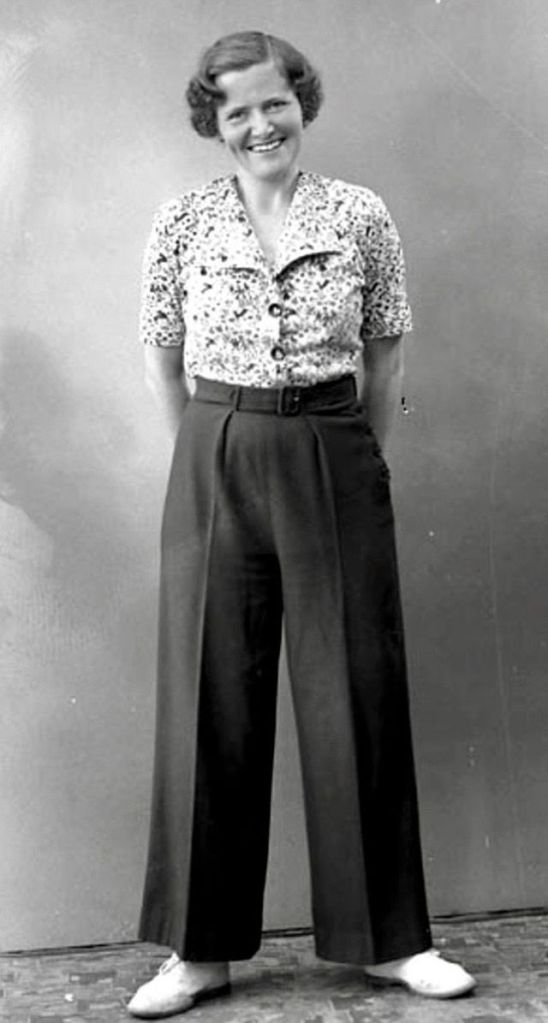
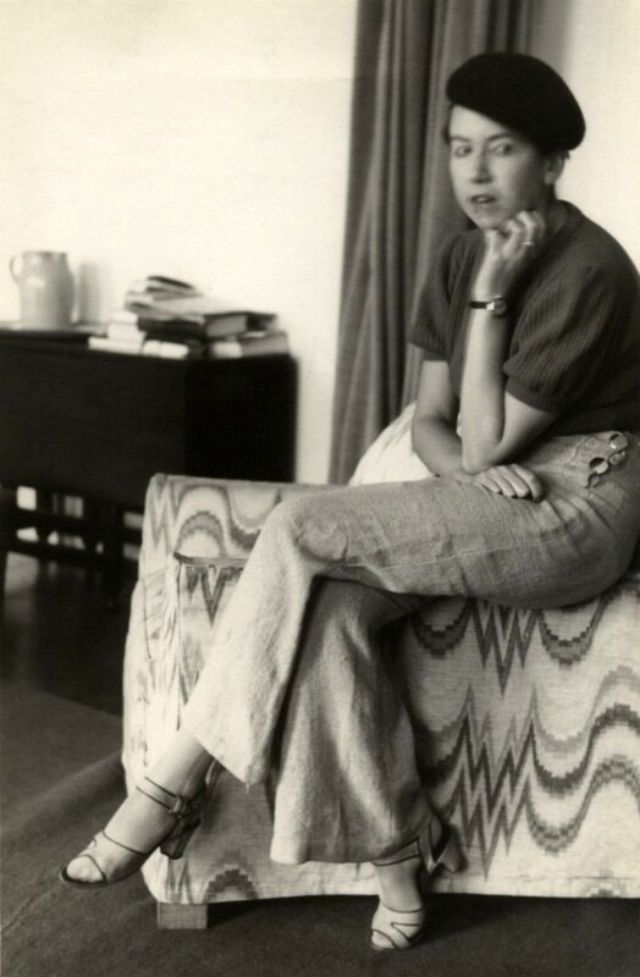
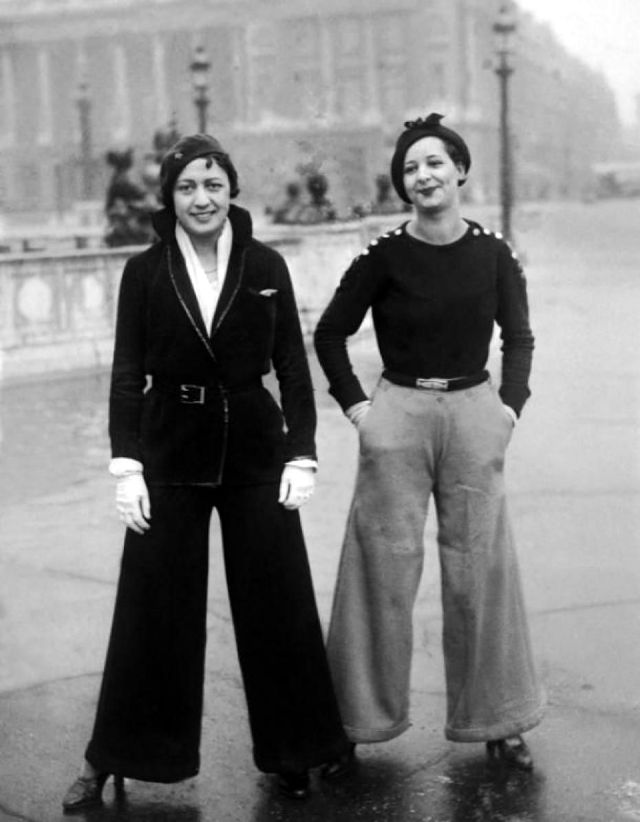
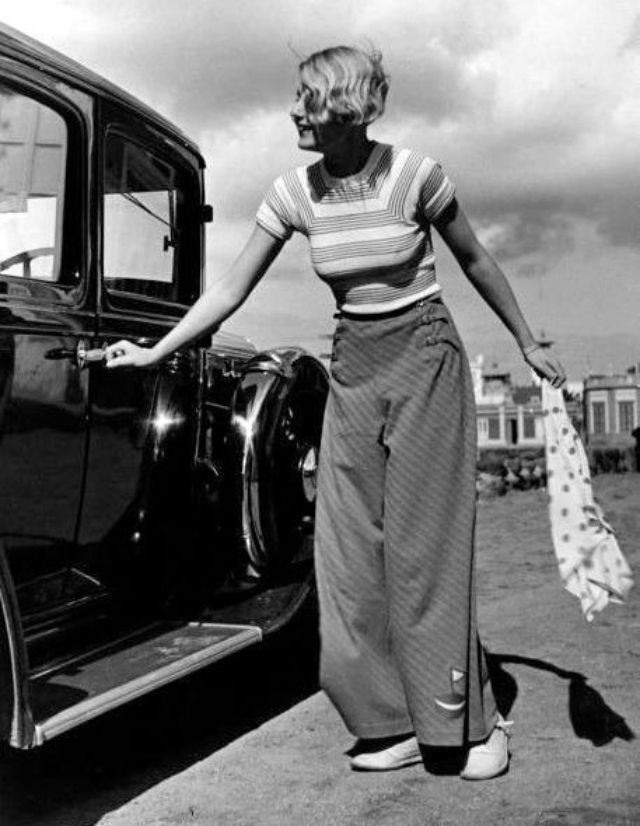
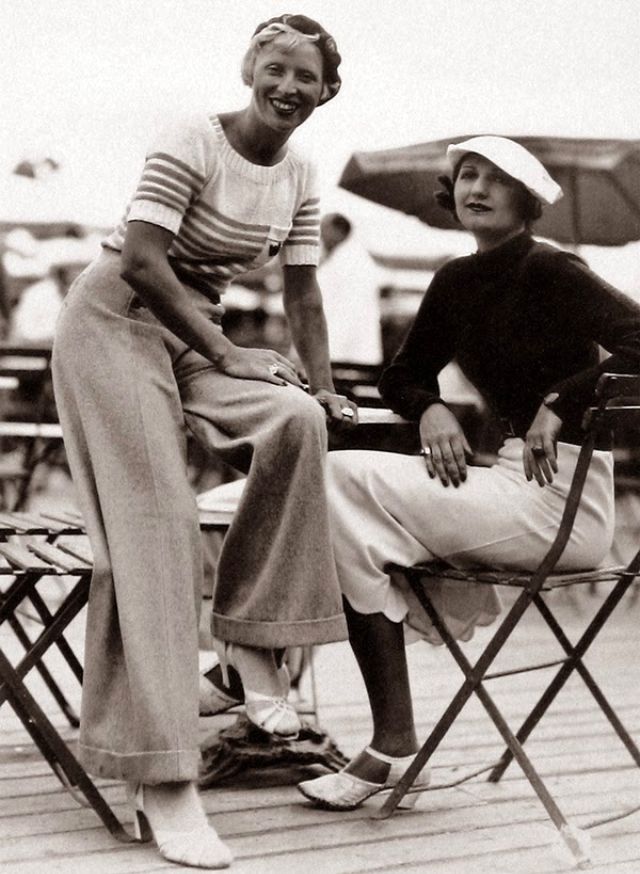
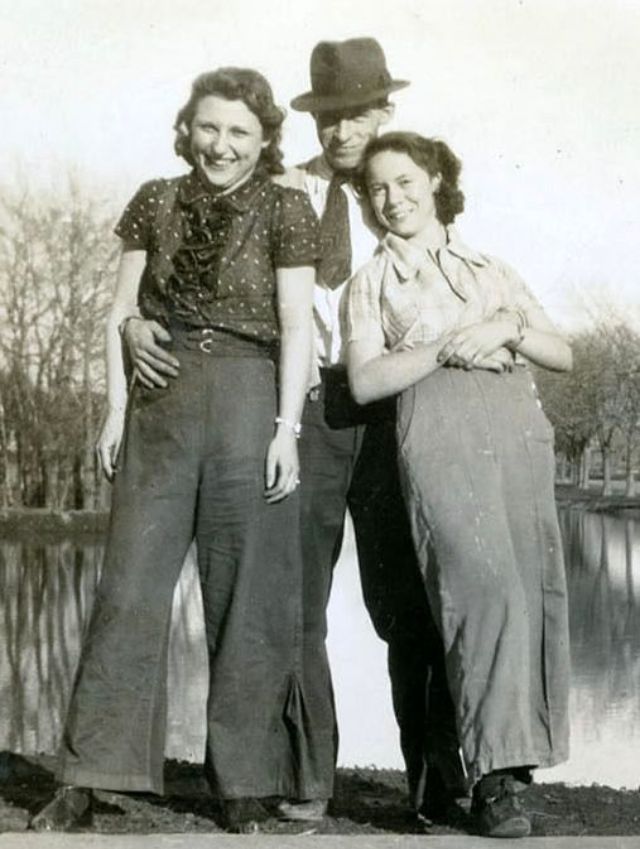
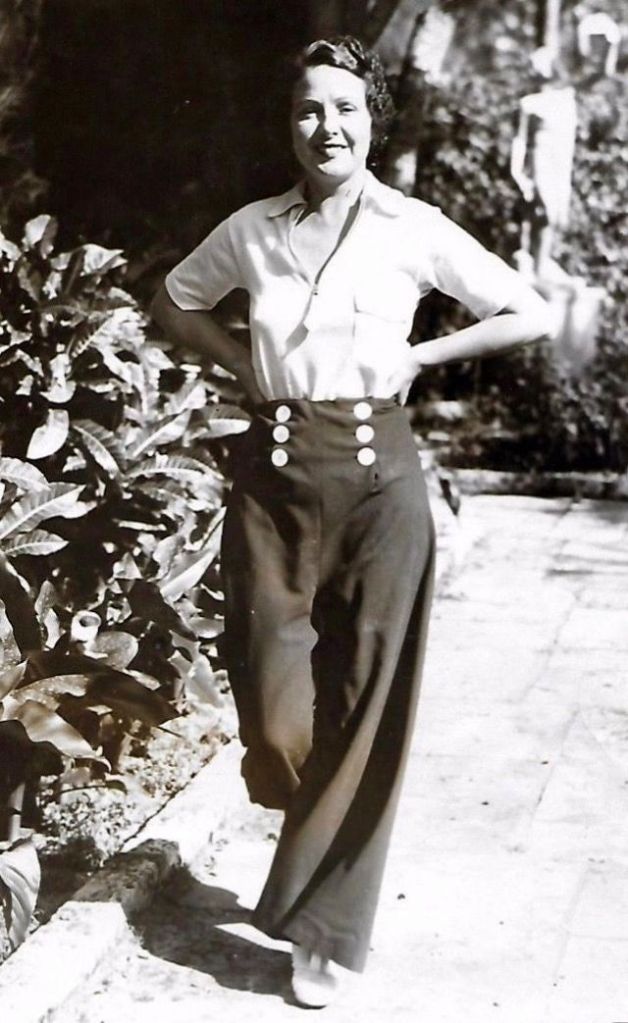
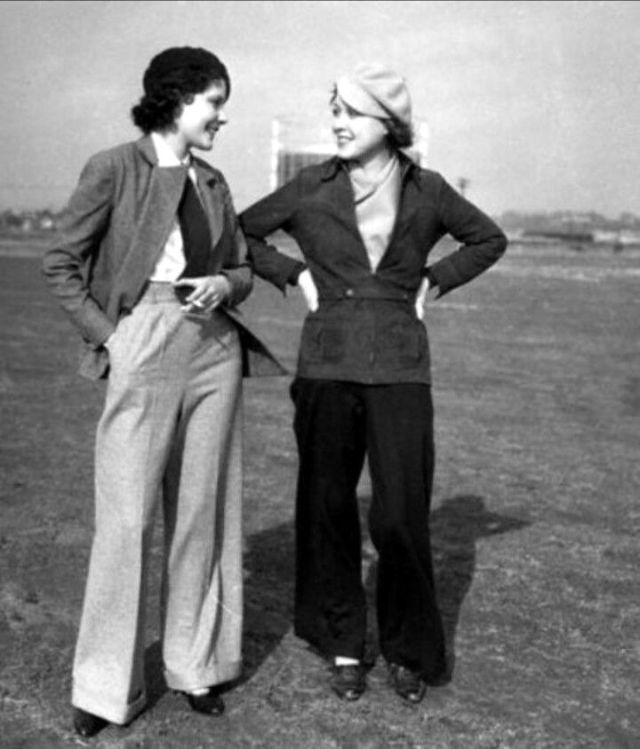
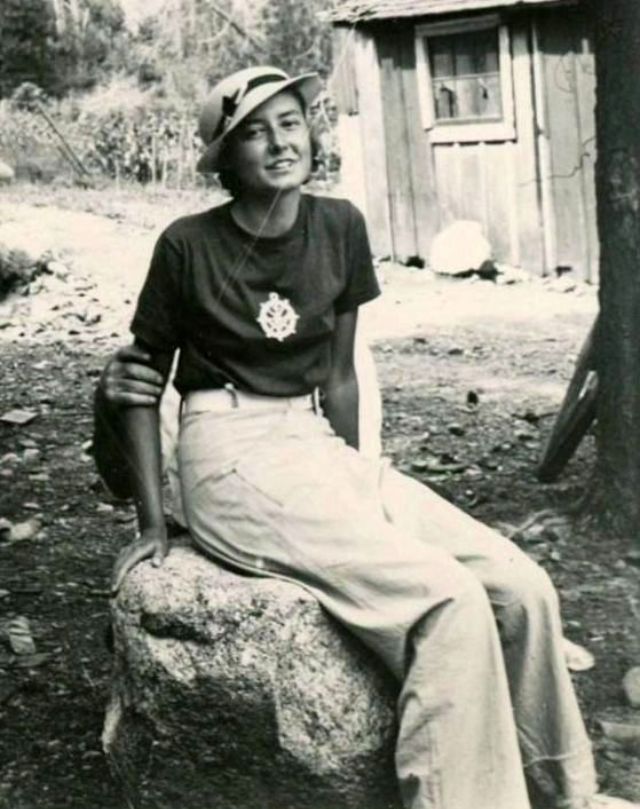
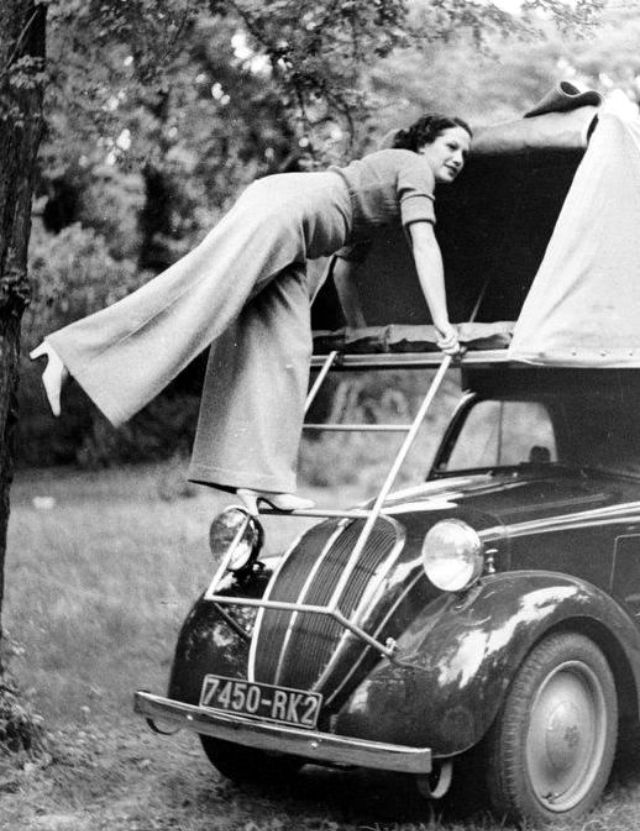
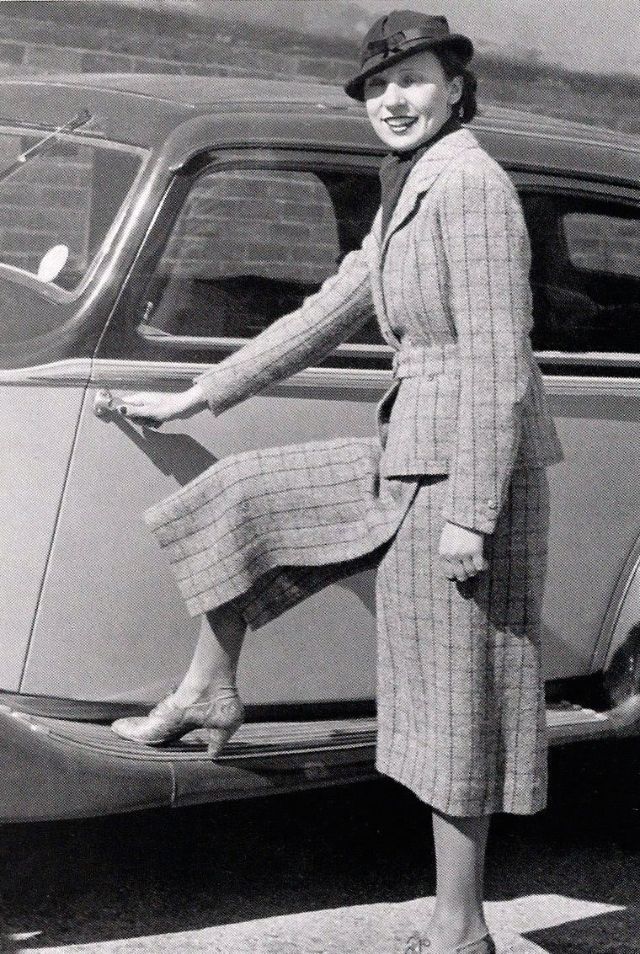
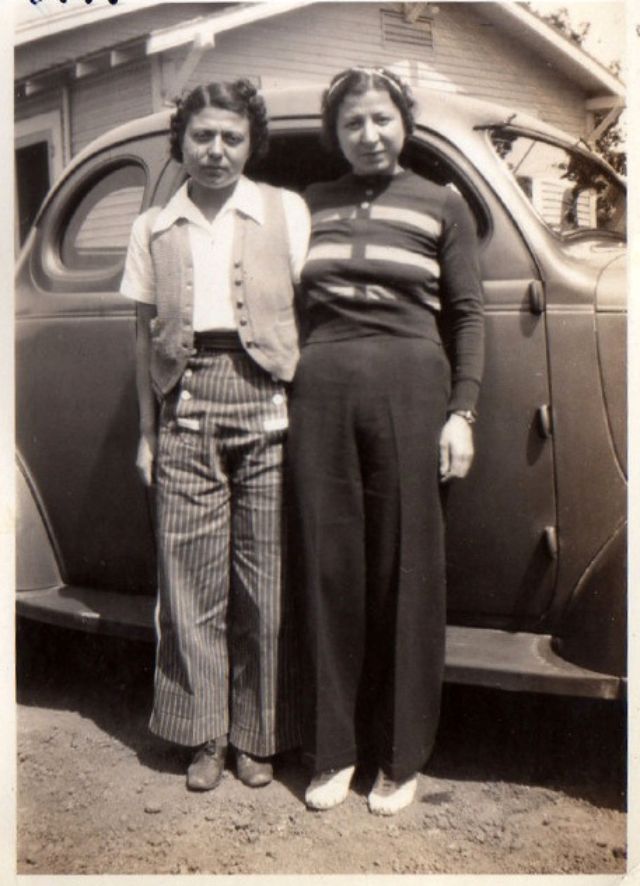
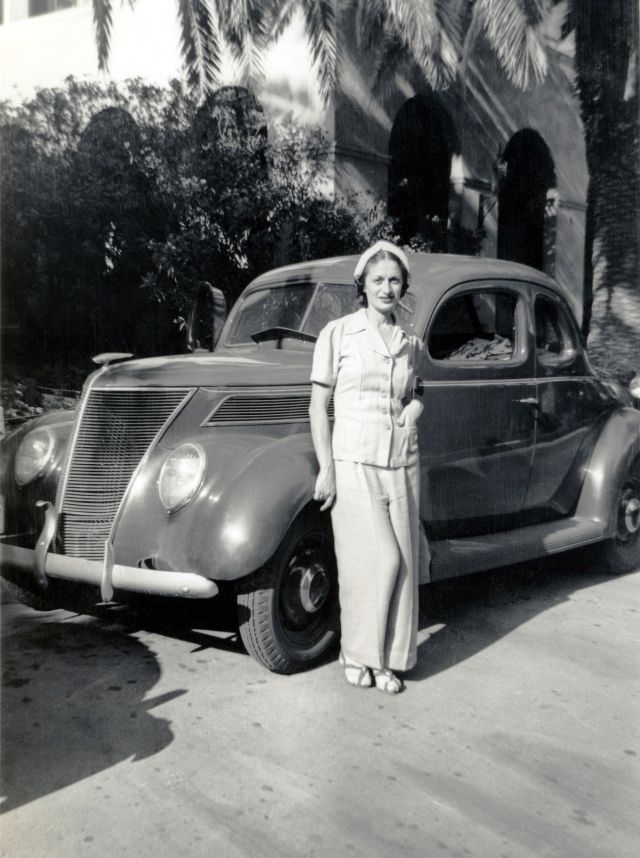
34 Fantastic Photos of Women Wearing Trousers During the 1930s

The 1930s is when we really see women in trousers get their stride. It was still not accepted by the majority in the early part of the 1930s.
They were not widely worn, but by the mid 1930s it was acceptable for wear for sportswear. They’re mostly seen on campus, at the resort, and in other places if you lived in the warmer climates like Southern California or Florida.

In the second half of the 1930s, trousers really start going crazy. In 1939 it seemed everyone wanted them. There were lounging ones, playing ones, work ones, beach ones, pajamas… and sometimes even dinner outfits.

The late 1930s is playful, and trousers fit in perfectly with that ideal. Trousers were not meant to hug your butt. They really wanted them to fit like a skirt- skimming your hips and rear loosely, then falling to a low crotch, and splitting into a bifurcated garment.
Here below is a nice photo set that shows trousers’ styles of women from the 1930s.
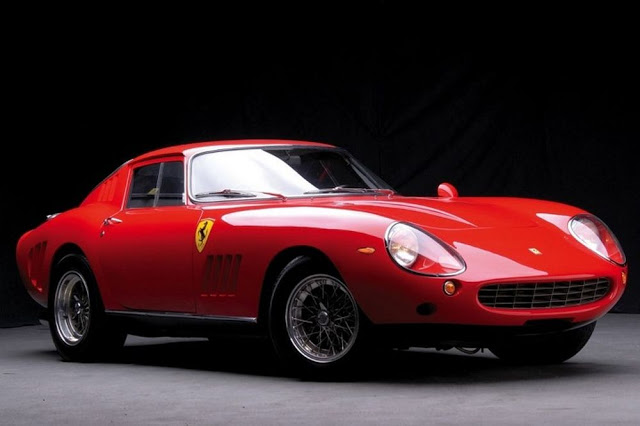
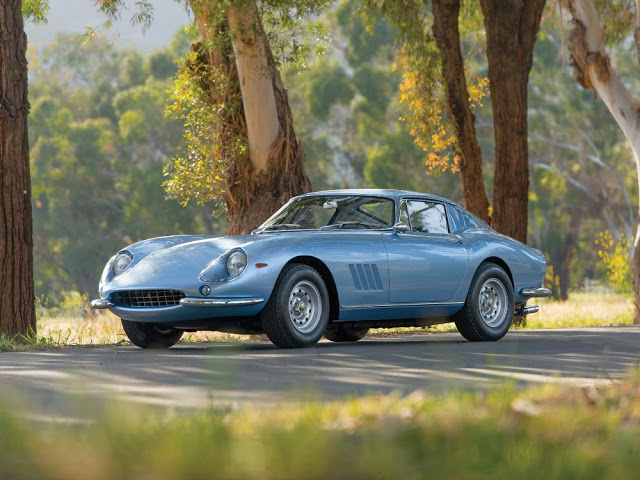
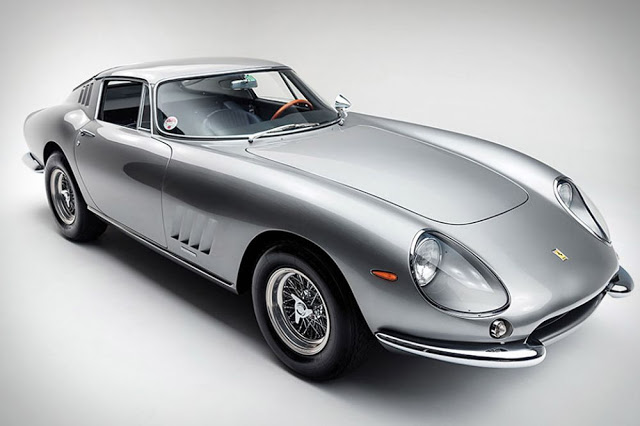
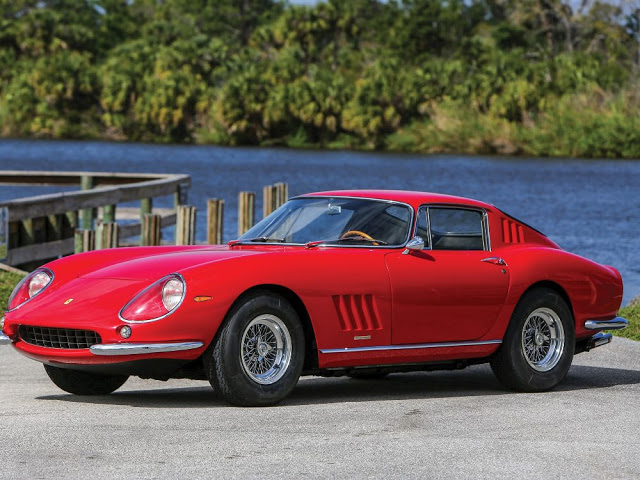
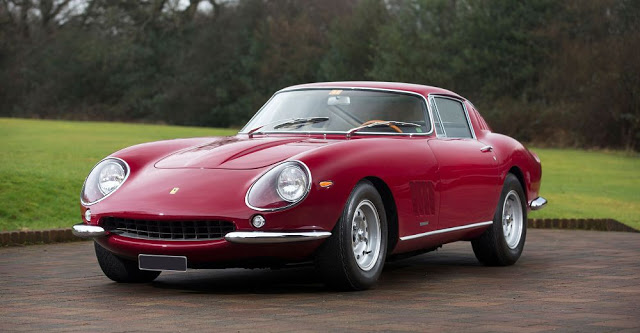
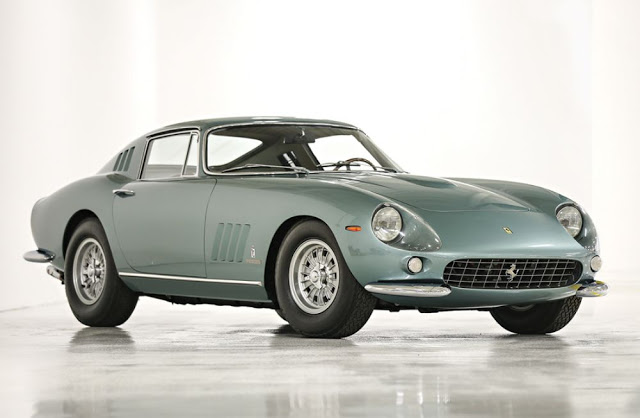
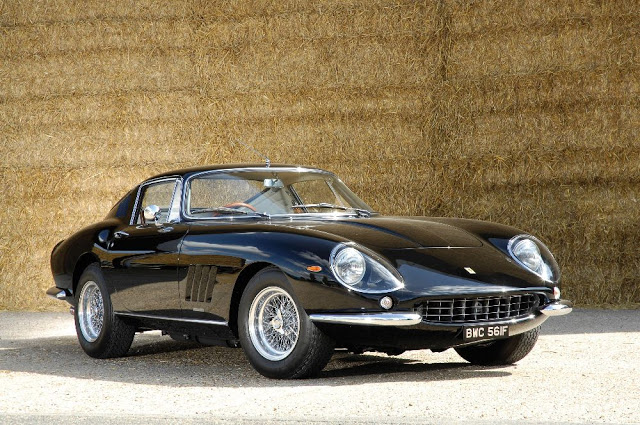
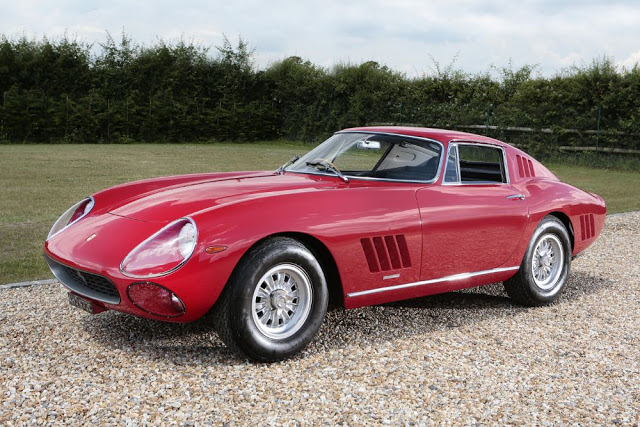
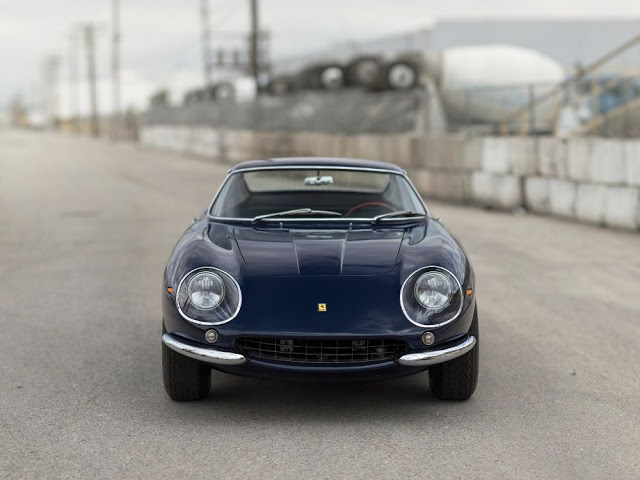
20 Wonderful Photos of Ferrari 275 GTB, the Most Satisfying Sports Car in the World

The Ferrari 275 is a series of front-engined V12-powered grand touring automobiles with two-seater coupé and spider bodies produced by Ferrari between 1964 and 1968.

The first 275 series cars were powered by a 3.3 L (3286 cc) dual overhead camshaft Colombo 60° V12 engine producing 260–320 hp (190–240 kW). An updated 275 GTB/4 was introduced in 1966, with a revised four overhead camshaft engine producing 300 hp (220 kW). The 275 series were the first road-going Ferraris equipped with a transaxle and independent rear suspension.

Pininfarina designed the 275 coupé and spider bodies, while Scaglietti designed the 275 GTS/4 NART Spyder, of which only 10 were made.

Motor Trend Classic named the 275 GTB coupé/GTS spider as number three in their list of the ten “Greatest Ferraris of all time”, and the 275 GTB/4 was named number seven on Sports Car International’s 2004 list of Top Sports Cars of the 1960s. In a September 1967 road test, Road & Track described the NART Spyder as “the most satisfying sports car in the world.”
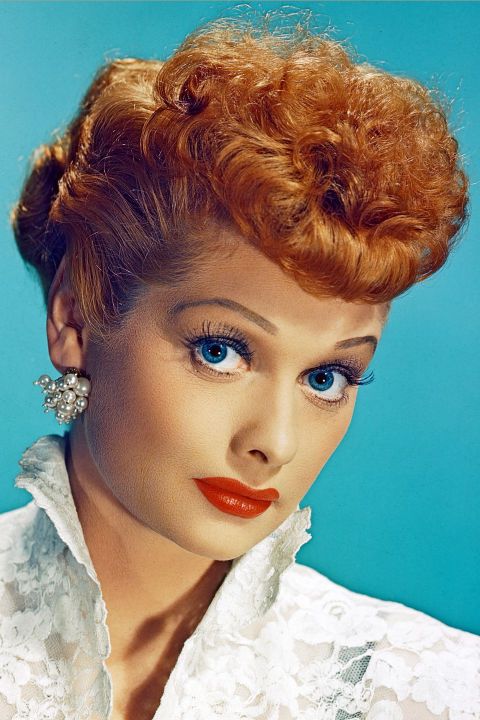
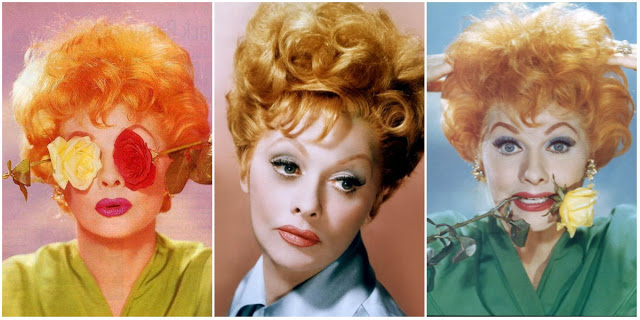
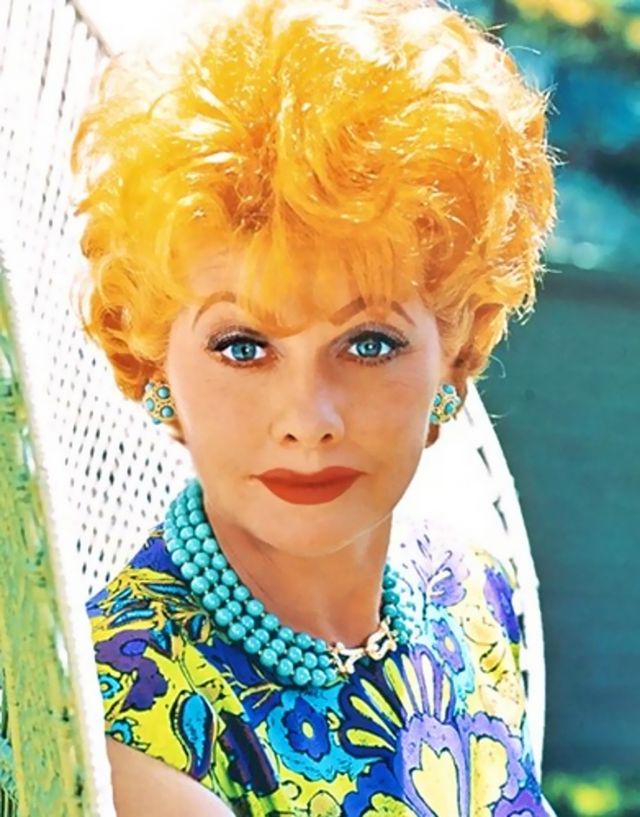
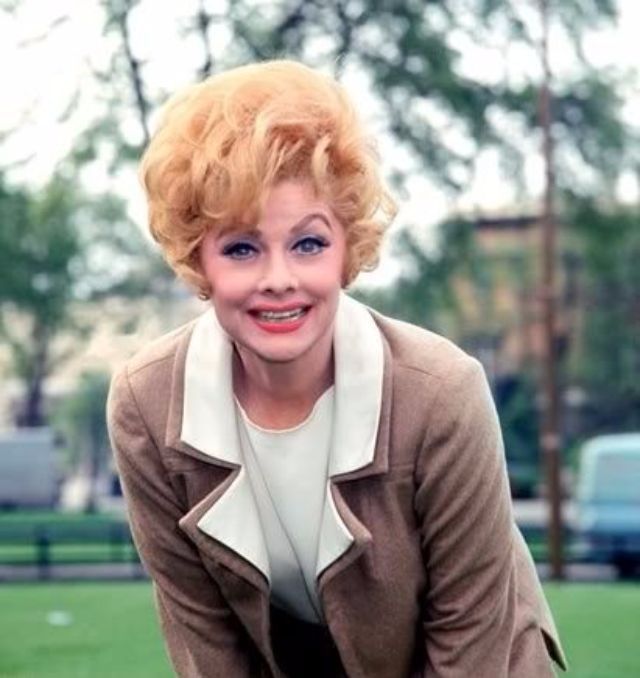
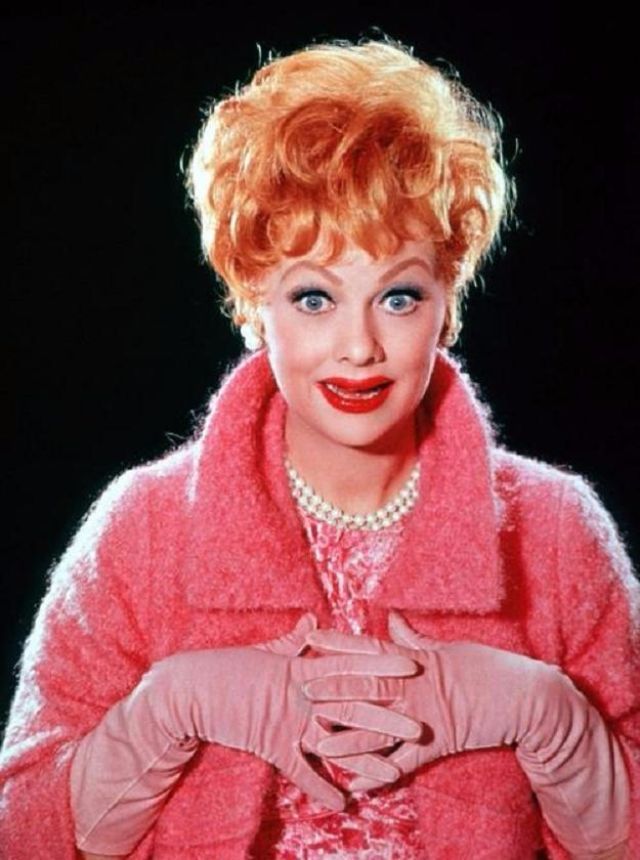
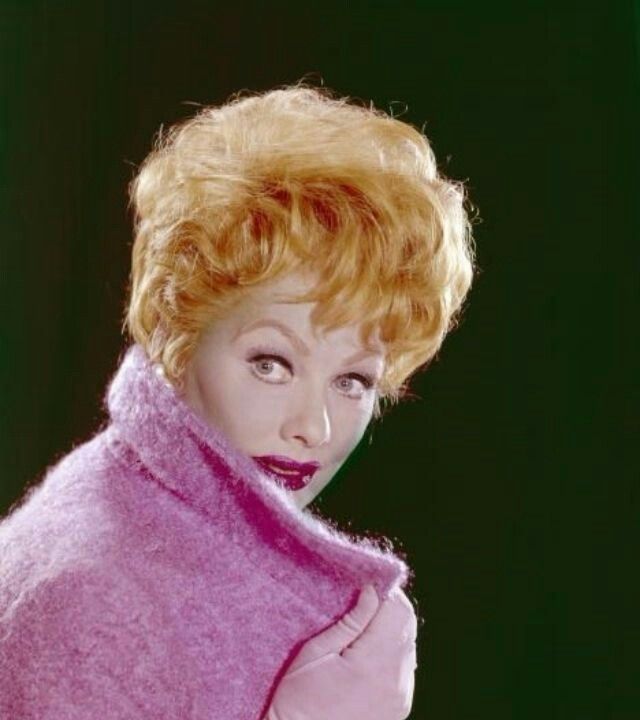
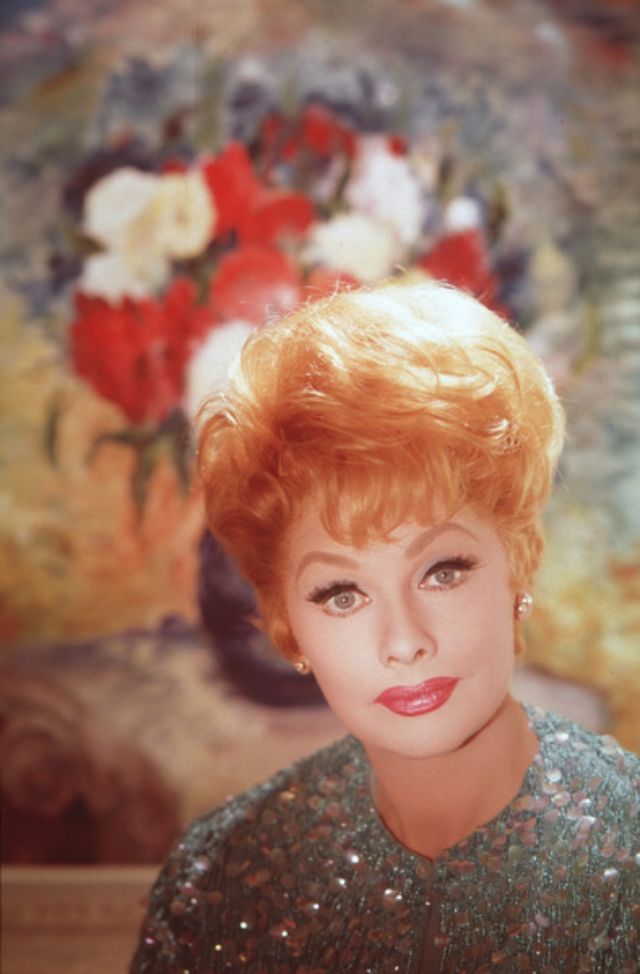
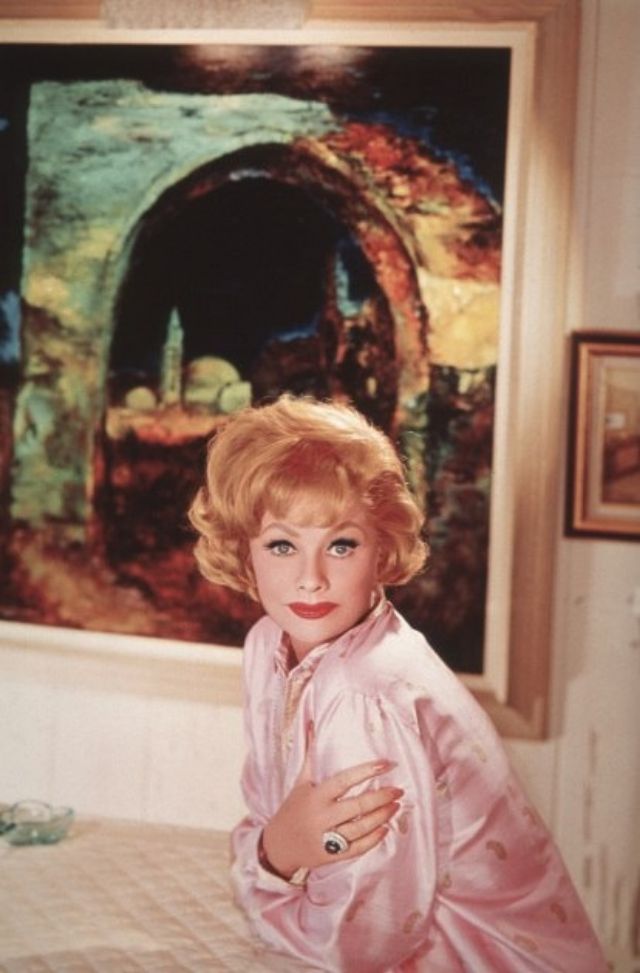
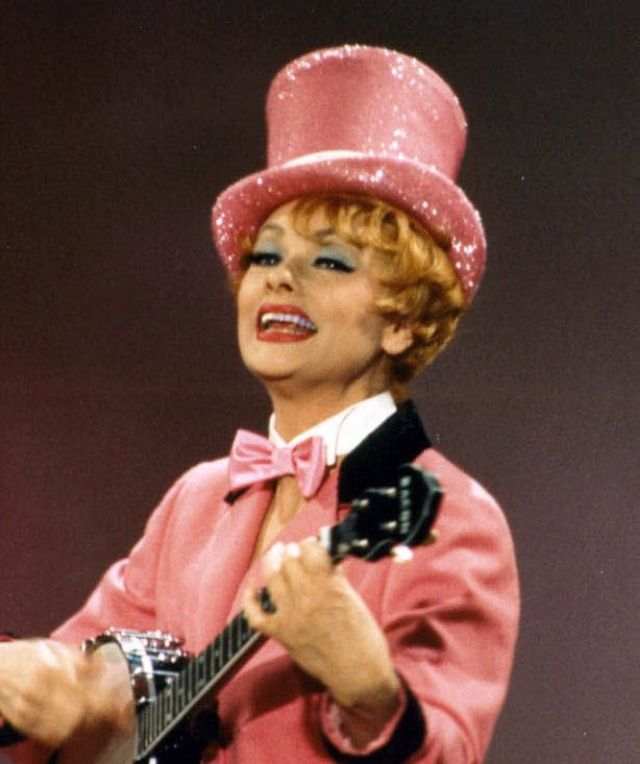
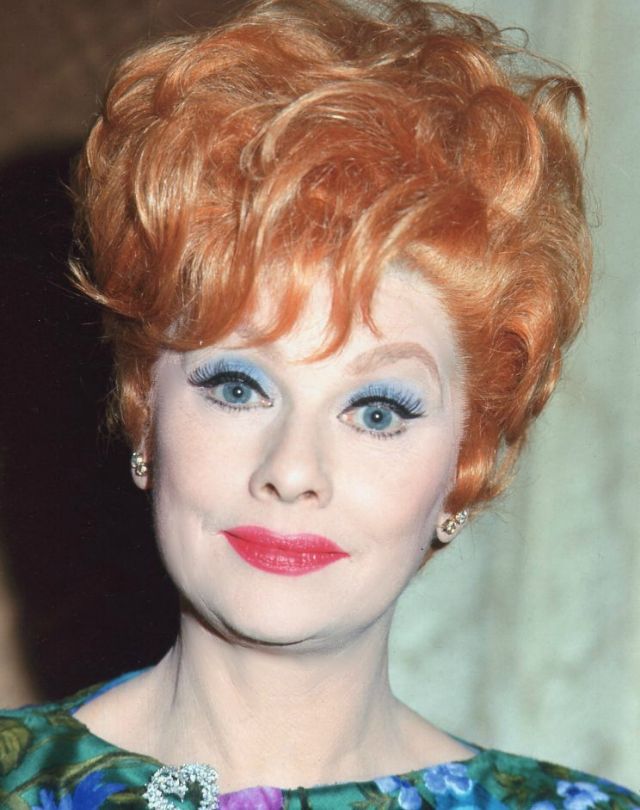
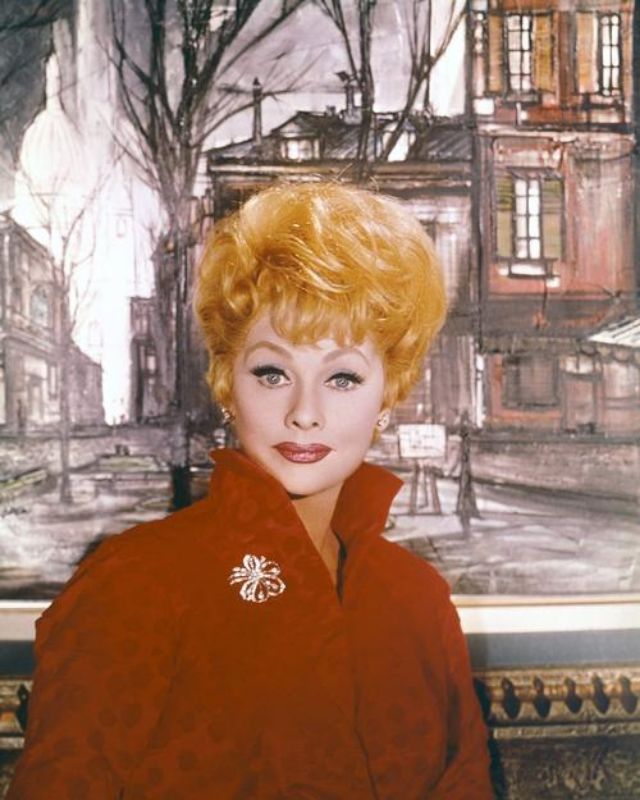
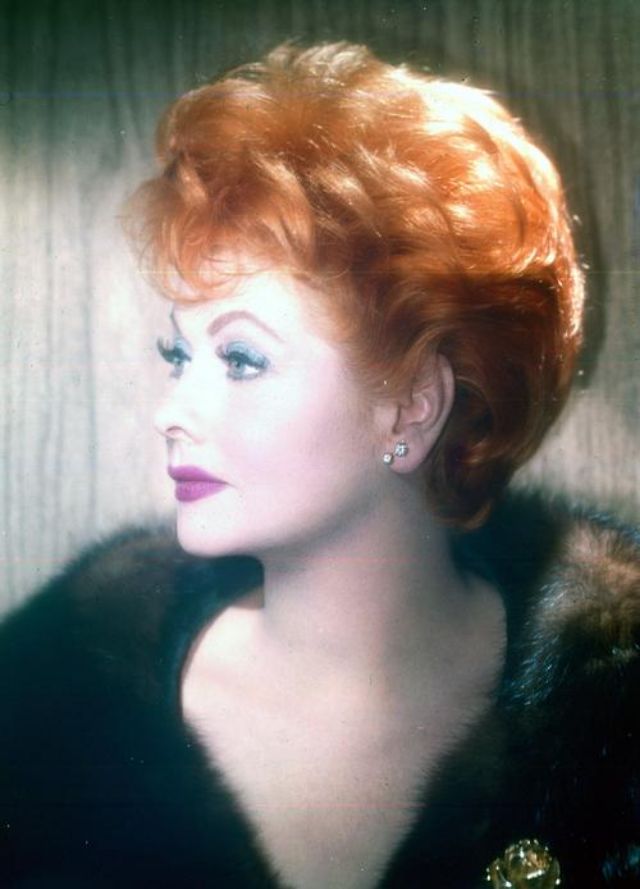
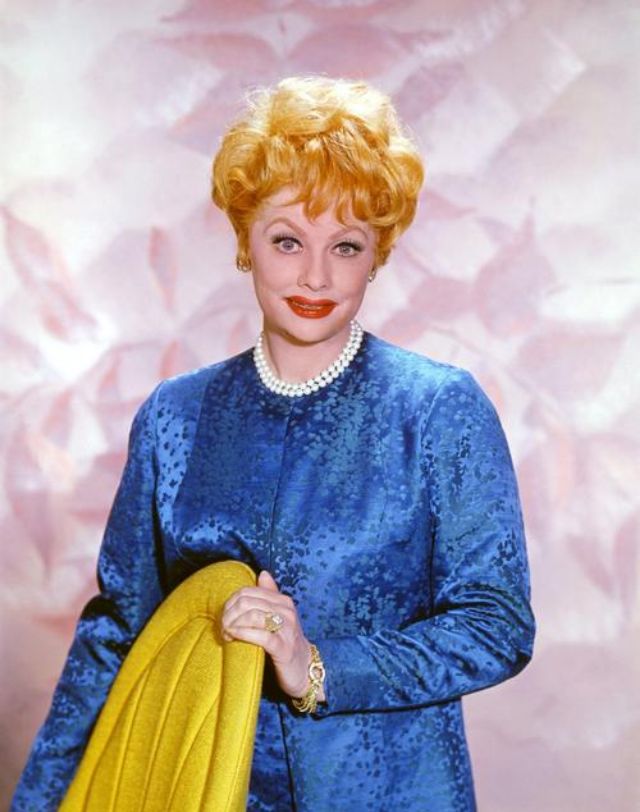
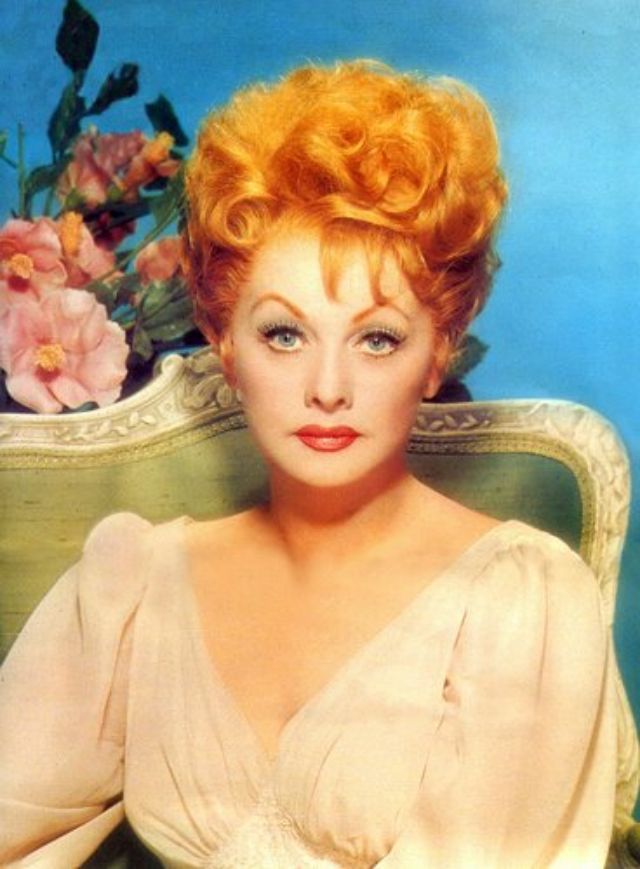
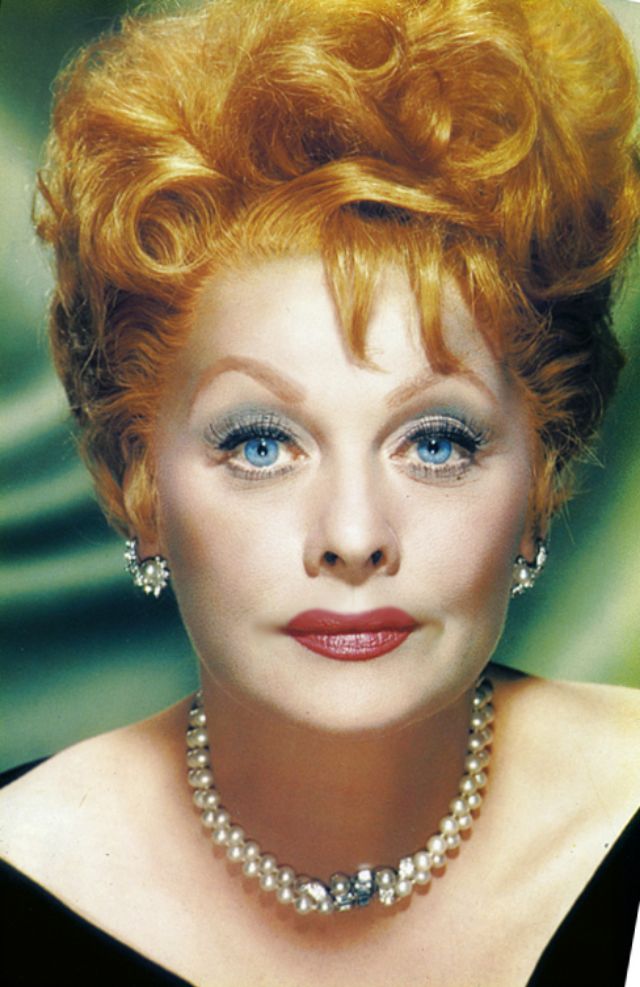
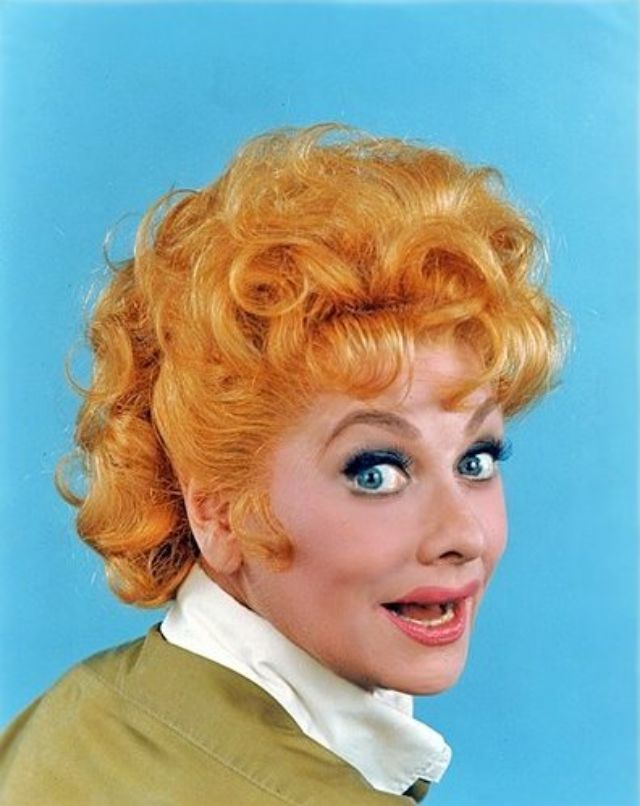
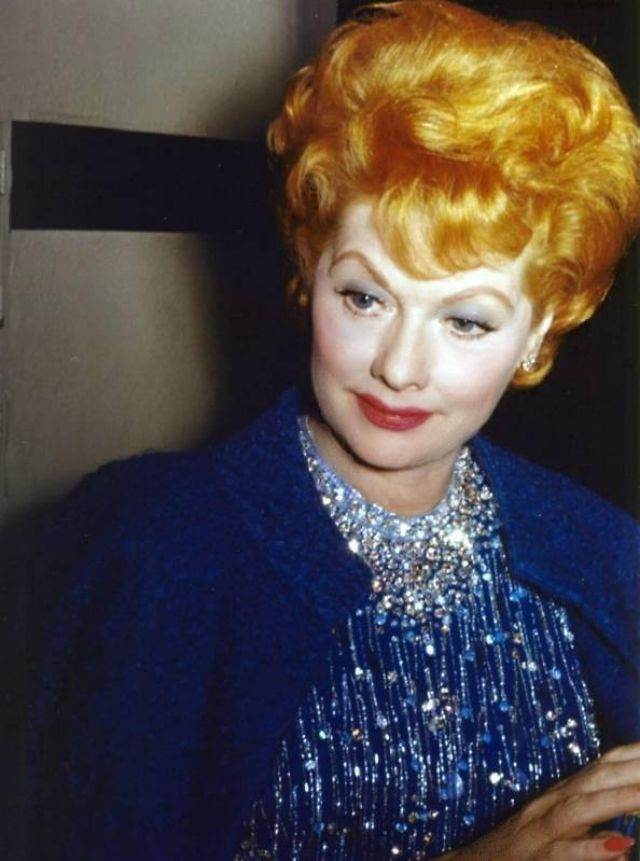
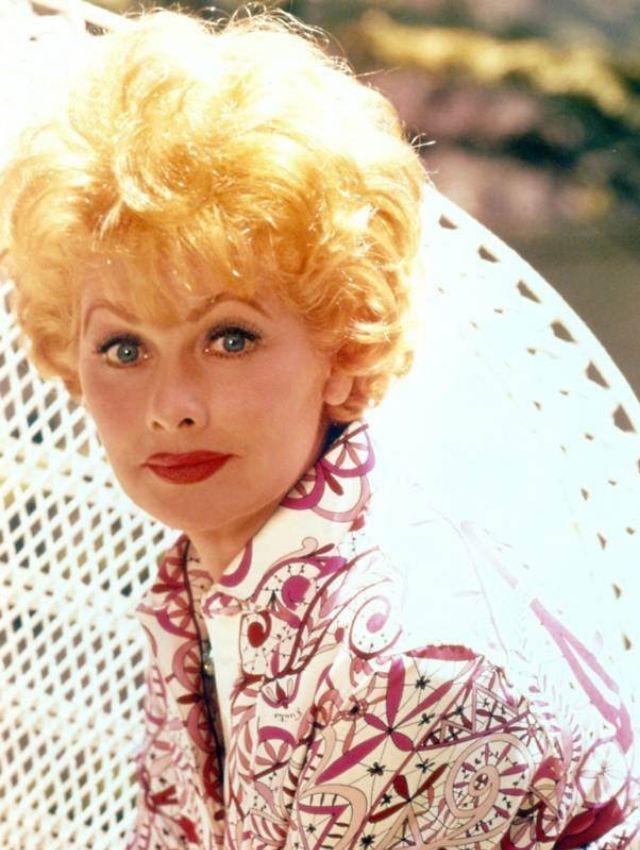
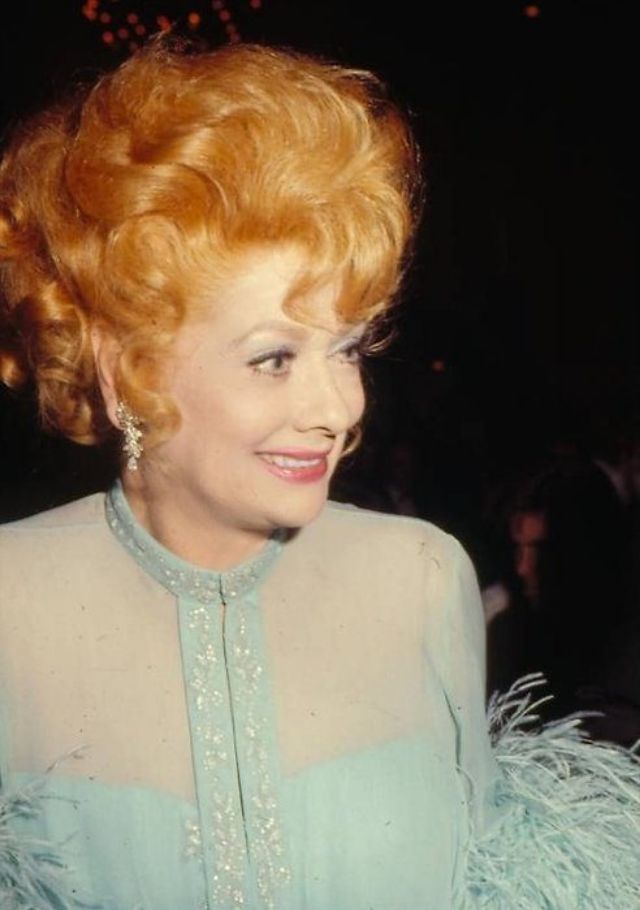
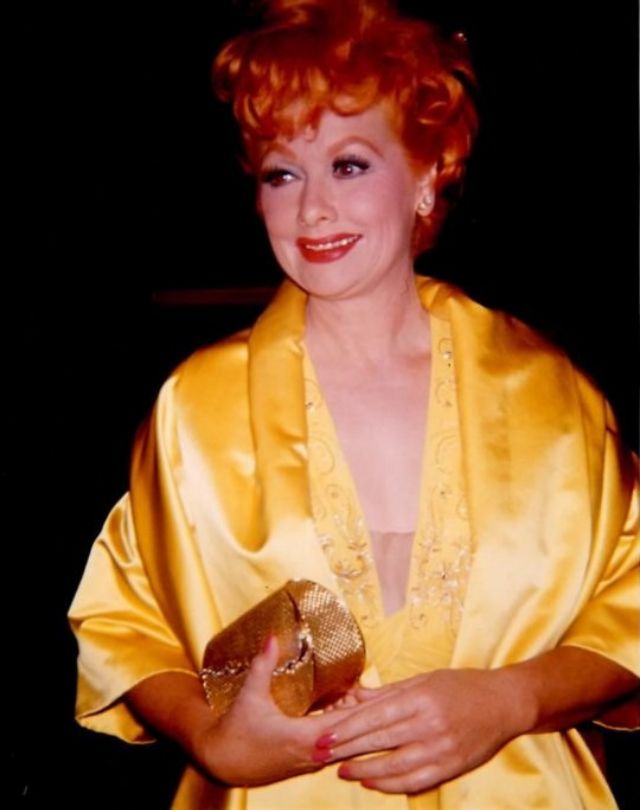
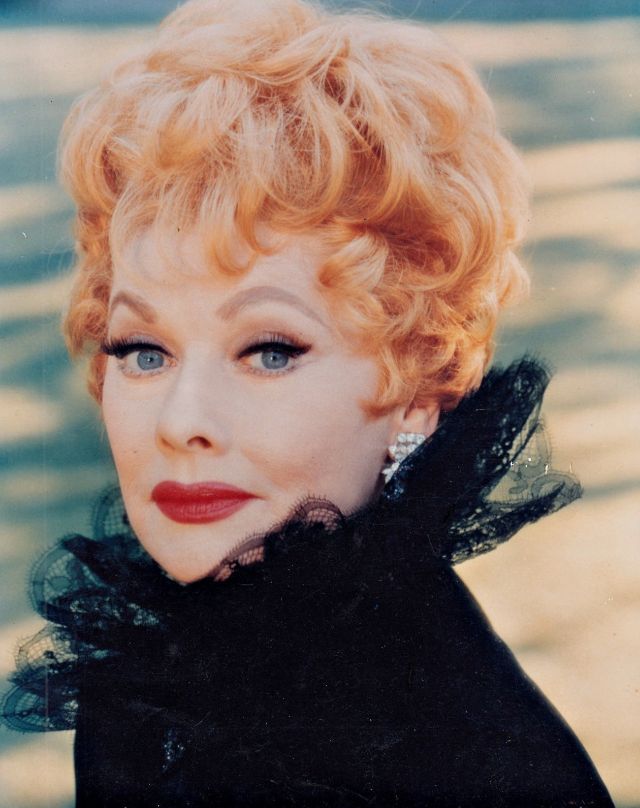
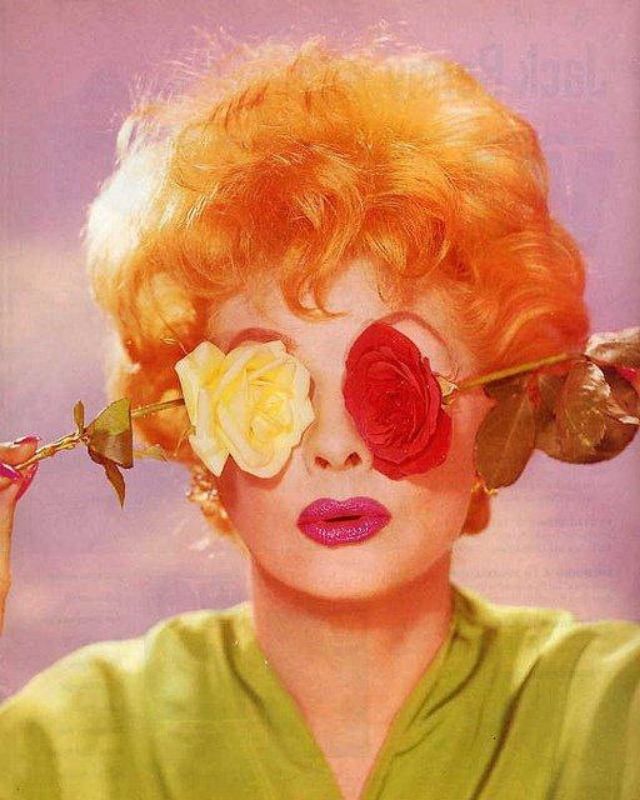
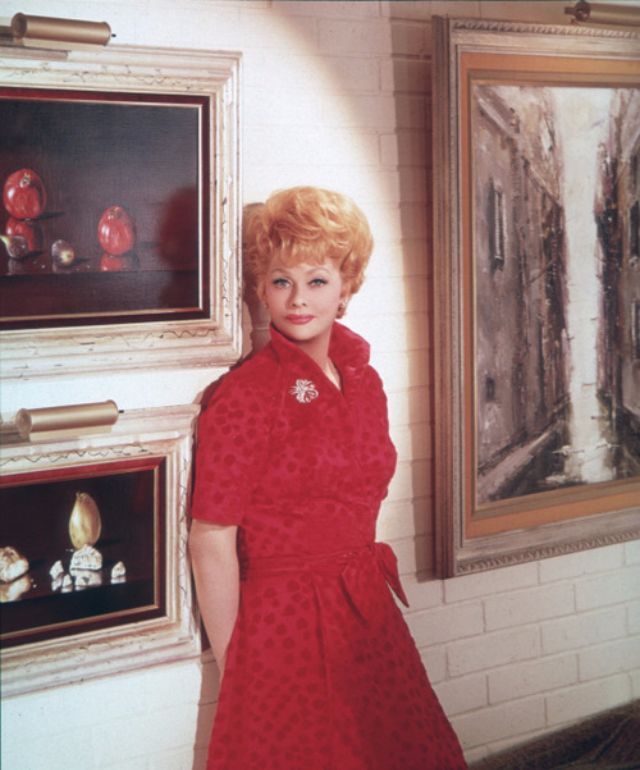
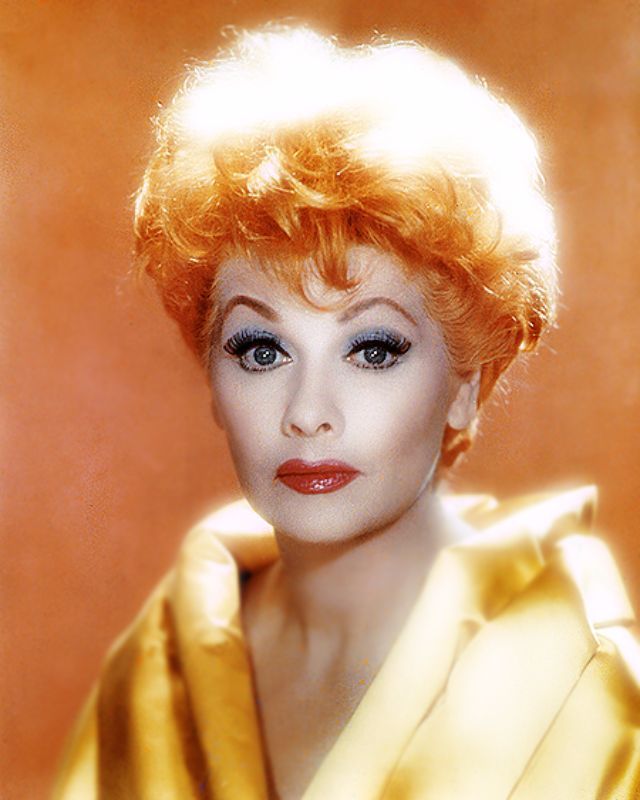
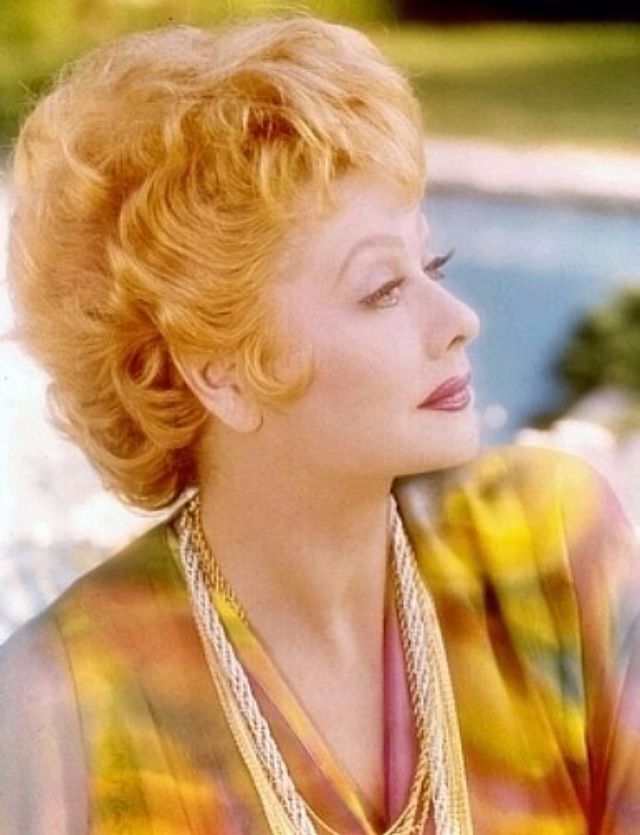
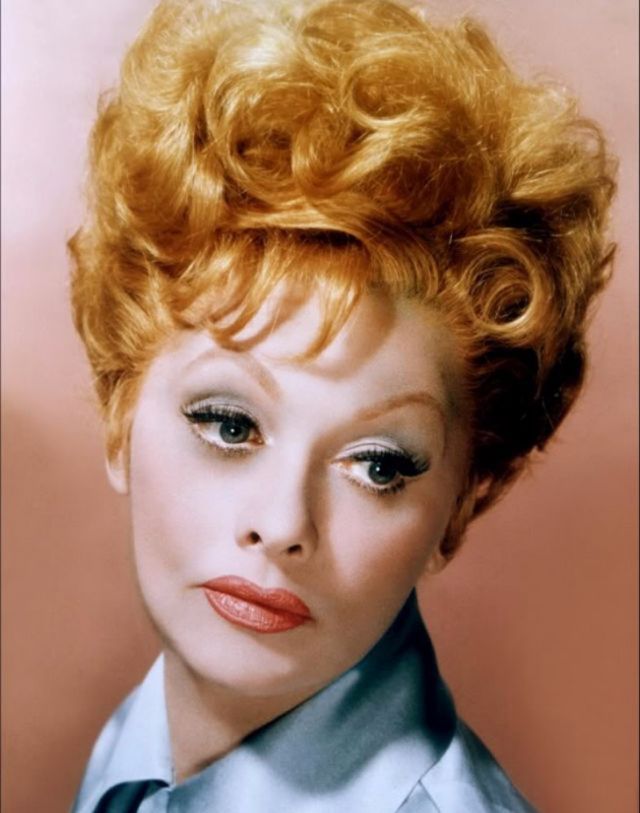
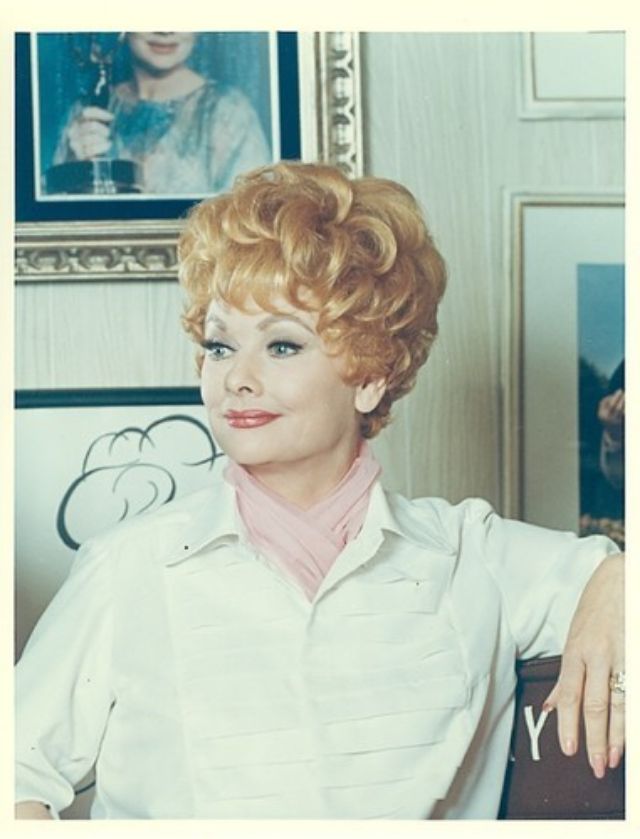
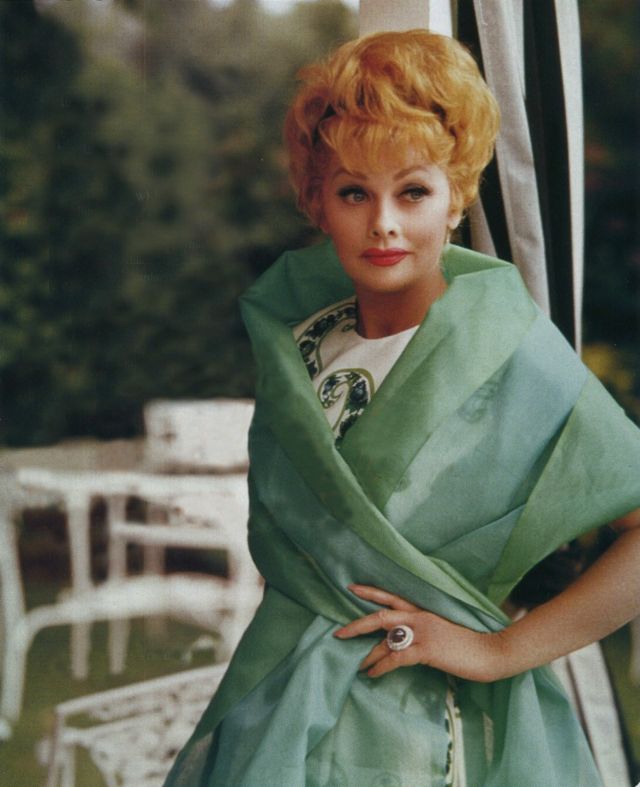
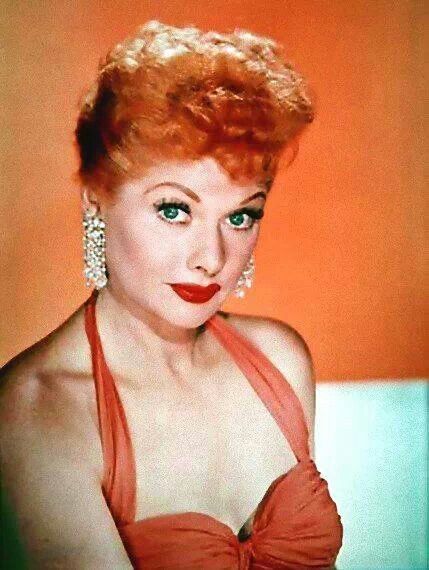
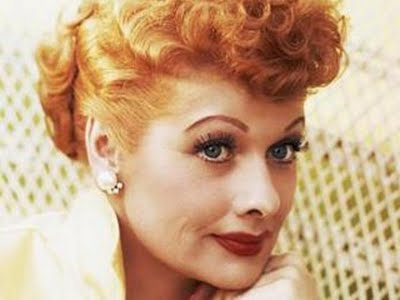
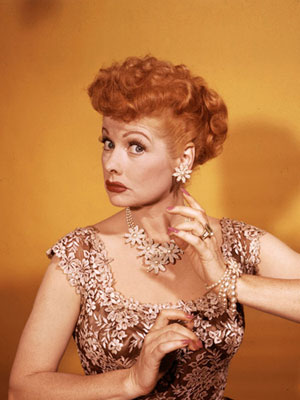
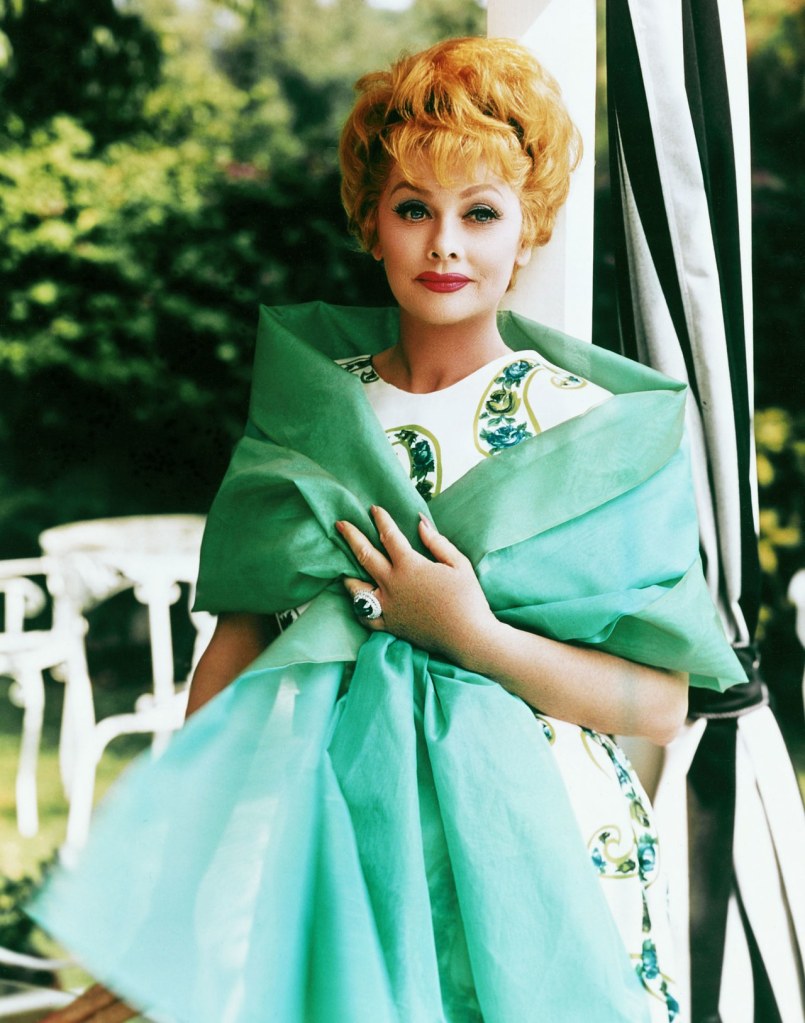
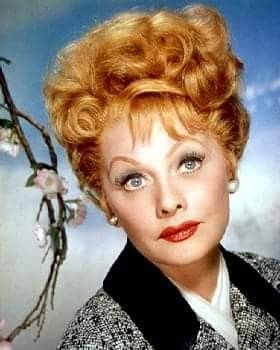
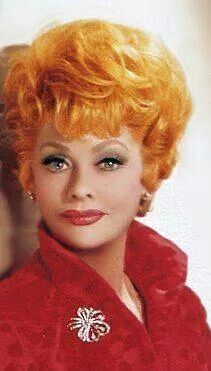
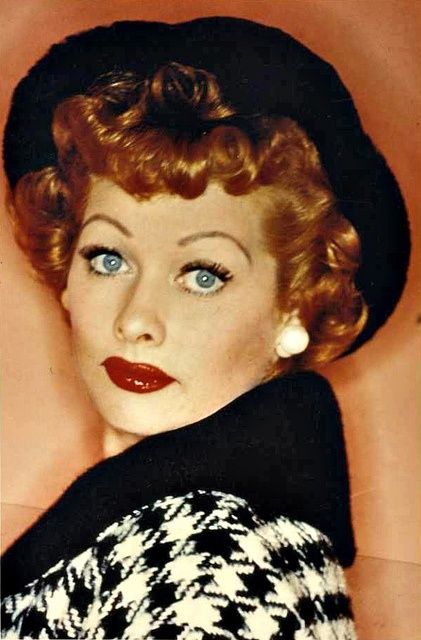
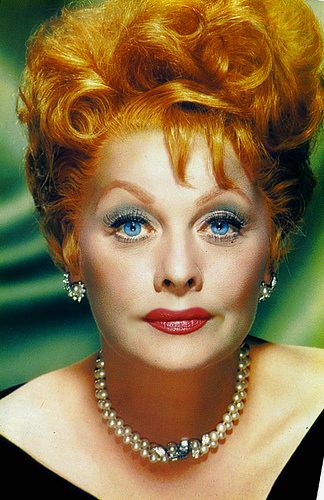
42 Wonderful Photos of Lucille Ball in the 1960s

The woman who will always be remembered as the crazy, accident-prone, lovable Lucy Ricardo was born Lucille Desiree Ball on August 6, 1911 in Jamestown, New York. Her father died before she was four, and her mother worked several jobs, so she and her younger brother were raised by their grandparents. Always willing to take responsibility for her brother and young cousins, she was a restless teenager who yearned to “make some noise”. She entered a dramatic school in New York City, but while her classmate Bette Davis received all the raves, she was sent home; “too shy”. She found some work modeling for Hattie Carnegie’s and, in 1933, she was chosen to be a “Goldwyn Girl” and appear in the film Roman Scandals (1933).

She was put under contract to RKO Radio Pictures and several small roles, including one in Top Hat (1935), followed. Eventually, she received starring roles in B-pictures and, occasionally, a good role in an A-picture, like in Stage Door (1937) or The Big Street (1942). While filming Too Many Girls (1940), she met and fell madly in love with a young Cuban actor-musician named Desi Arnaz. Despite different personalities, lifestyles, religions and ages (he was six years younger), he fell hard, too, and after a passionate romance, they eloped and were married in November 1940. Lucy soon switched to Metro-Goldwyn-Mayer, where she got better roles in films such as Du Barry Was a Lady (1943); Best Foot Forward (1943) and the Katharine Hepburn-Spencer Tracy vehicle Without Love (1945). In 1948, she took a starring role in the radio comedy “My Favorite Husband”, in which she played the scatterbrained wife of a Midwestern banker. In 1950, CBS came knocking with the offer of turning it into a television series. After convincing the network brass to let Desi play her husband and to sign over the rights to and creative control over the series to them, work began on the most popular and universally beloved sitcom of all time.

With I Love Lucy (1951), she and Desi promoted the 3-camera technique now the standard in filming sitcoms using 35mm film (the earliest known example of the 3-camera technique is the first Russian feature film, “Defence of Sevastopol” in 1911). Desi syndicated I Love Lucy.

Lucille Desiree Ball was the first woman to own her own studio as the head of Desilu Productions.

Lucille Ball died at Cedars-Sinai Medical Center, age 77, of an acute aortic aneurysm on April 26, 1989 in Los Angeles, CA.

26 Amazing Vintage Photos of First Nations People Before the 1900s

Subscribe to get access

Read more of this content when you subscribe today.

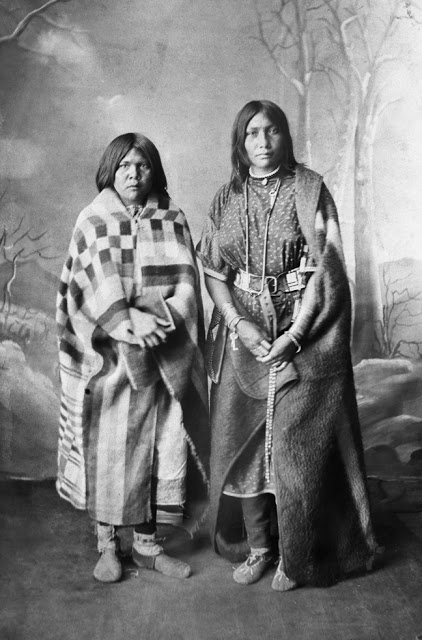
Alex Ross (1851–1894) came to Calgary, Alberta in 1884 and set up a photographic studio at the corner of Atlantic Avenue and Osler Street. He had previously worked for a photographer in Winnipeg, but felt the time was right to strike out on his own and establish his own business.

He quickly became well-known for his photographs of the First Nations people in the Calgary area, especially the Tsuu T’ina (called Sarcee at that time) and the Blackfoot. Some of the photographs were taken outdoors, but many more were carefully-posed studio shots. By 1891 the studio seems to have closed, and three years later Ross died at the relatively young age of 43.

Blackfoot boys, 1886-94

Subscribe to continue reading

Become a paid subscriber to get access to the rest of this post and other exclusive content.

Yesterday Today

Bringing You the Wonder of Yesterday - Today

Skip to content ↓