


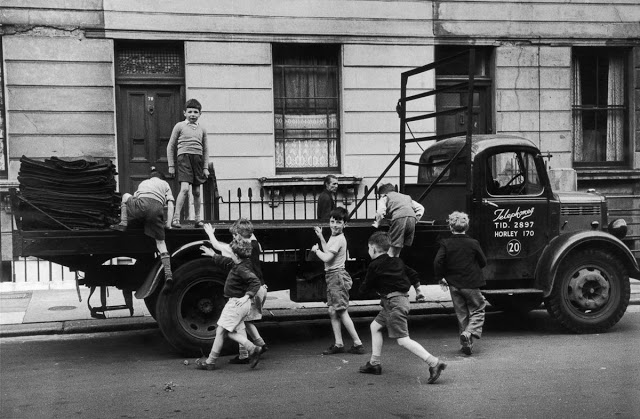
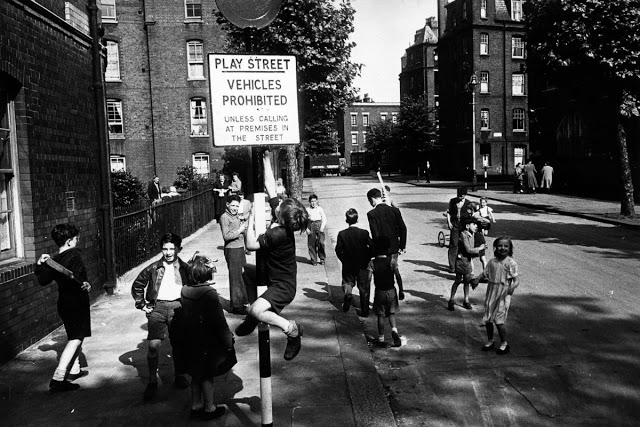
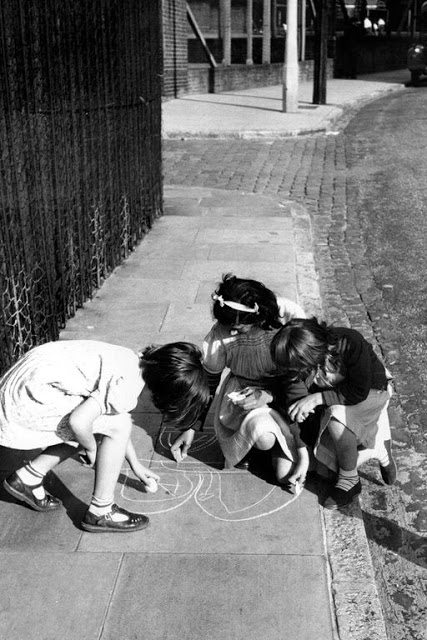

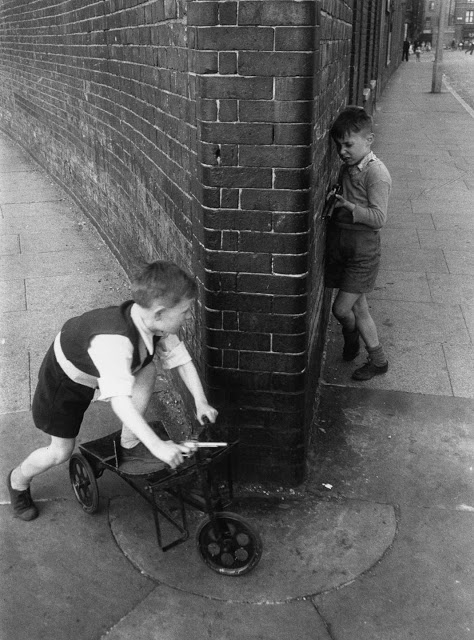
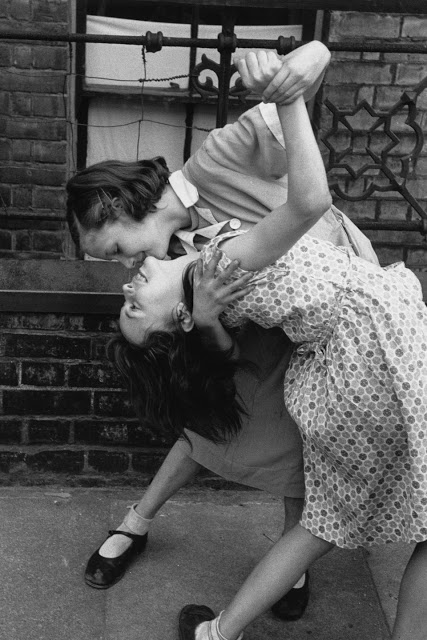


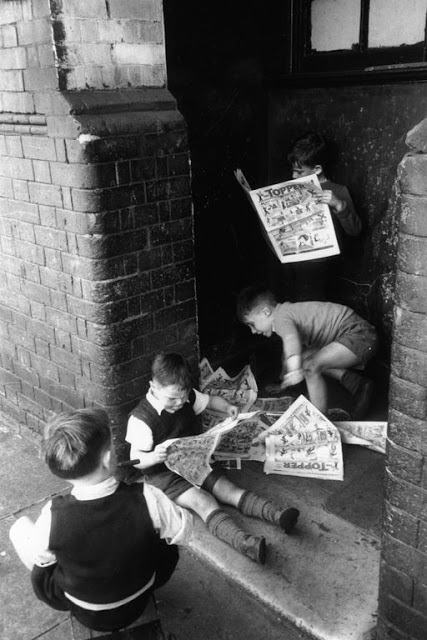
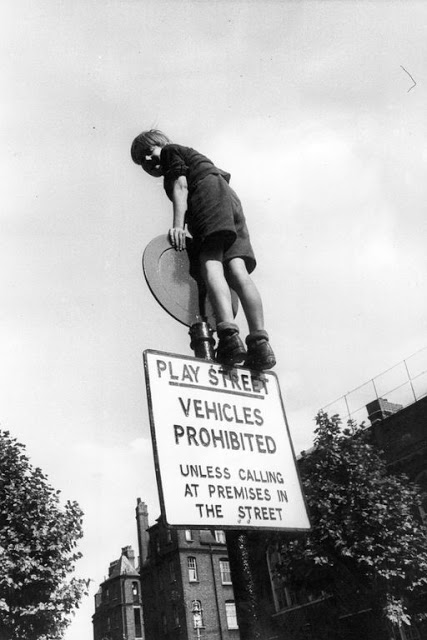


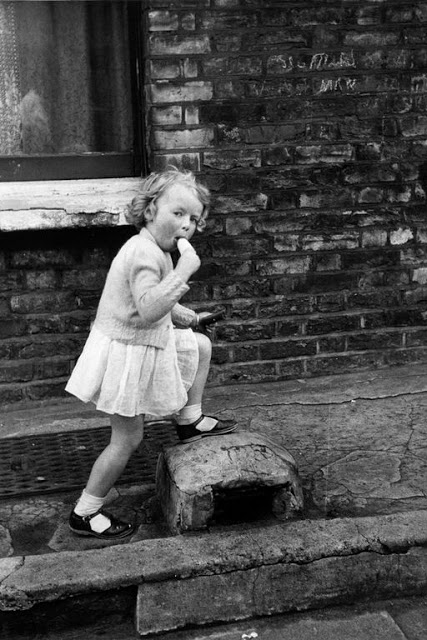


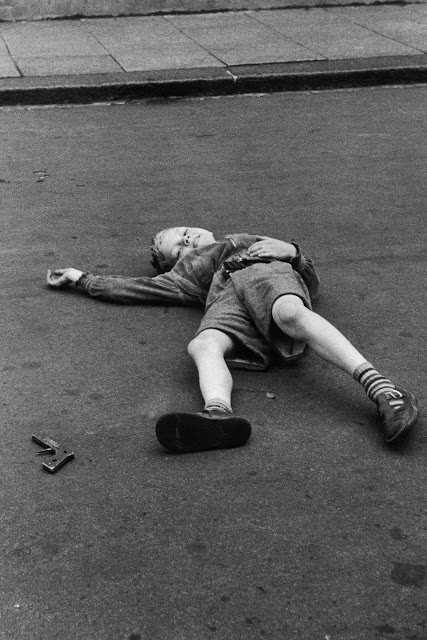
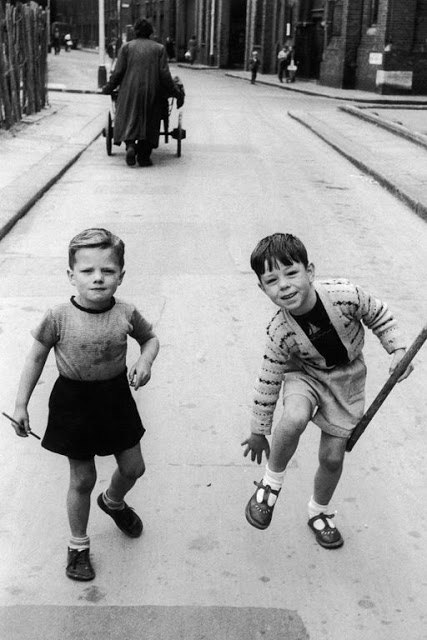

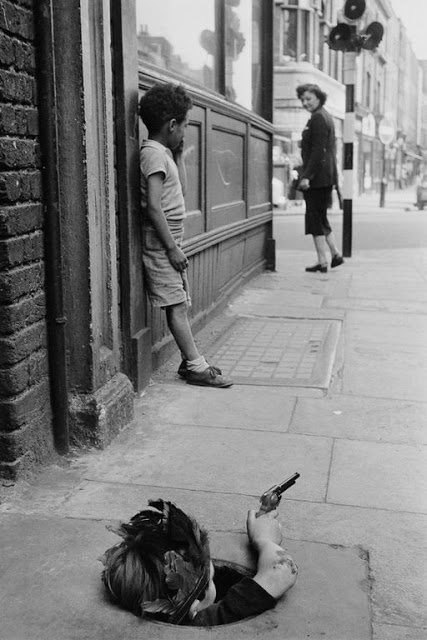

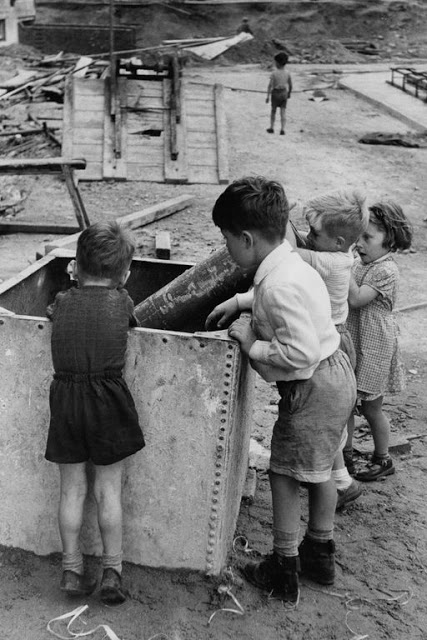
(Photos: Thurston Hopkins/Picture Post/Getty Images)
Bringing You the Wonder of Yesterday – Today
(Photos: Thurston Hopkins/Picture Post/Getty Images)


Become a paid subscriber to get access to the rest of this post and other exclusive content.

















In the life of a 1940s teenager, there was a war going on, but it was something that only seemed to effect their parents. With outside life oblivious to them and marketers still trying to identify this new teen-age demographic the fashions that real teens wore and what was marketed to them were quite different.
These interesting photographs below were taken by LIFE photographer Nina Leen for a December 1944 article, “Teen-Age Girls: They Live in a Wonderful World of Their Own.” Leen focused on a group of 12 girls, from 15 to 17 years old, living in Webster Groves, Missouri, a suburb of St. Louis.
In its December 1944 feature, LIFE breathlessly discussed the “teen-age” phenomenon in language that somehow feels naive, chauvinistic, celebratory and insightful, all at once. That so many of the article’s impossibly broad, sweeping claims (“Some 6,000,000 U.S. teen-age girls live in a world all their own: a lovely, gay, enthusiastic, funny and blissful society. . . .”) clearly apply to a specific type of teenager — i.e., white, middle-class — tends to blunt some of the more incisive observations. But taken as a whole, the LIFE article and Leen’s photographs constitute a fascinating, early look at a segment of the American populace that, over the ensuing decades, for better and for worse, has assumed an increasingly central role in the shaping of Western culture.
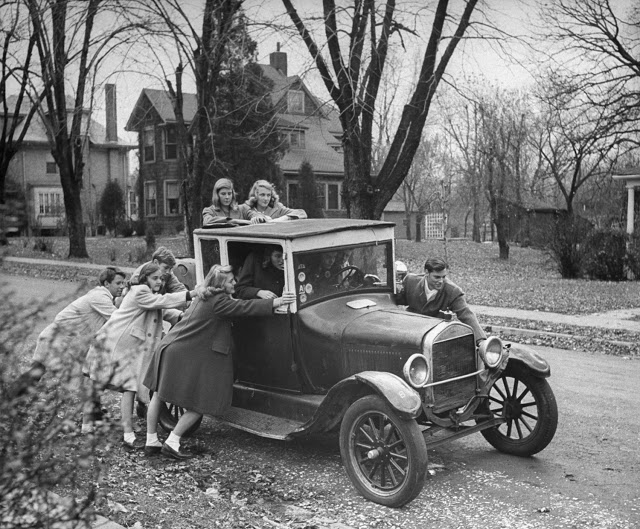
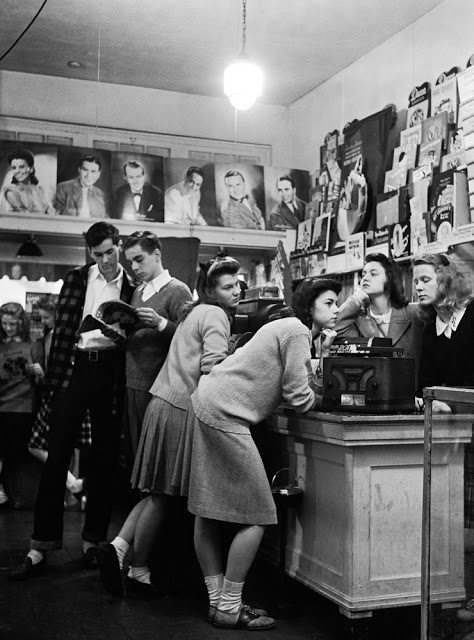
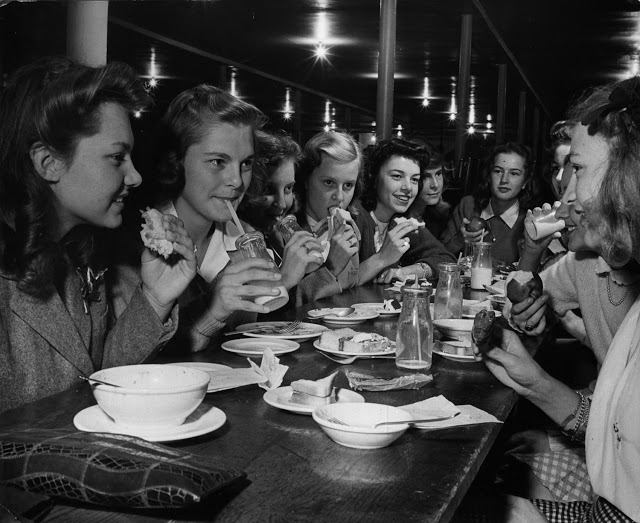
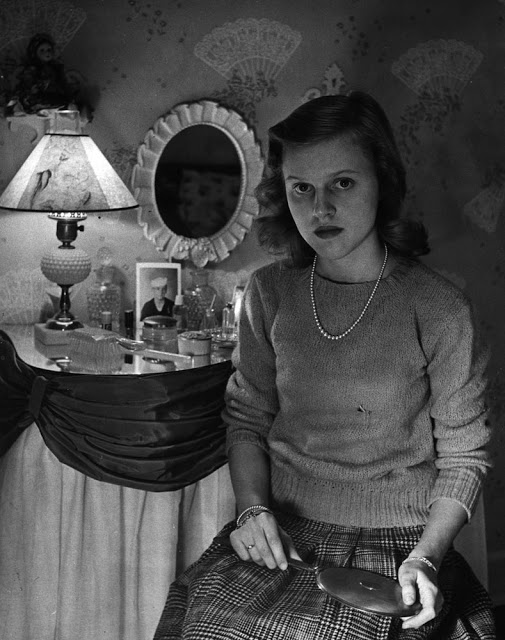
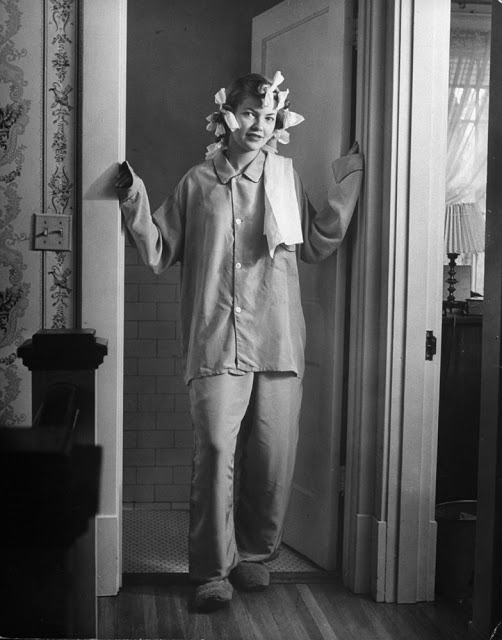
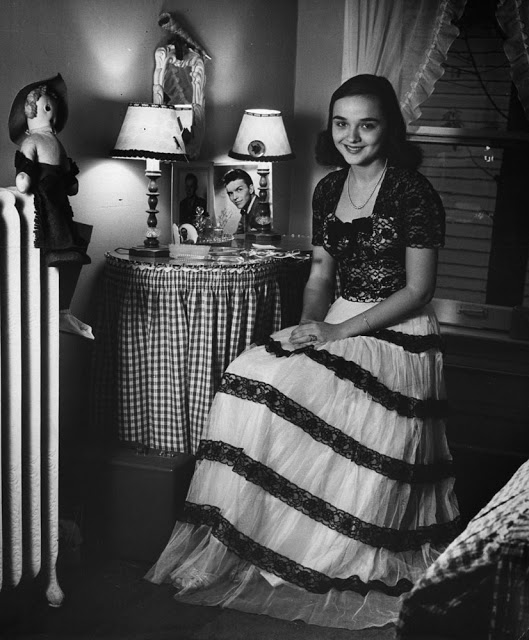
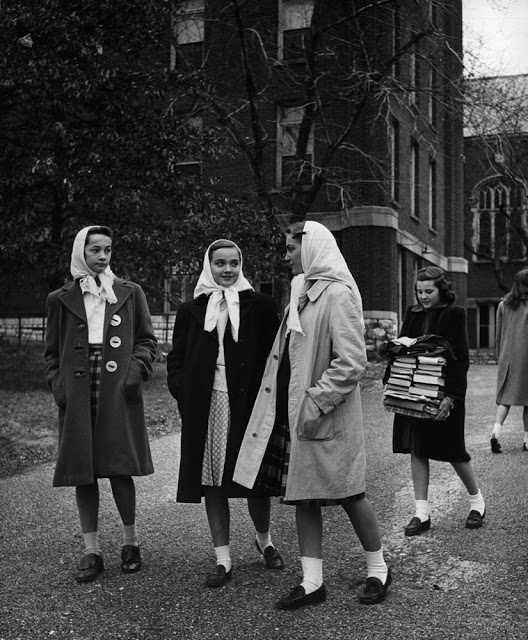
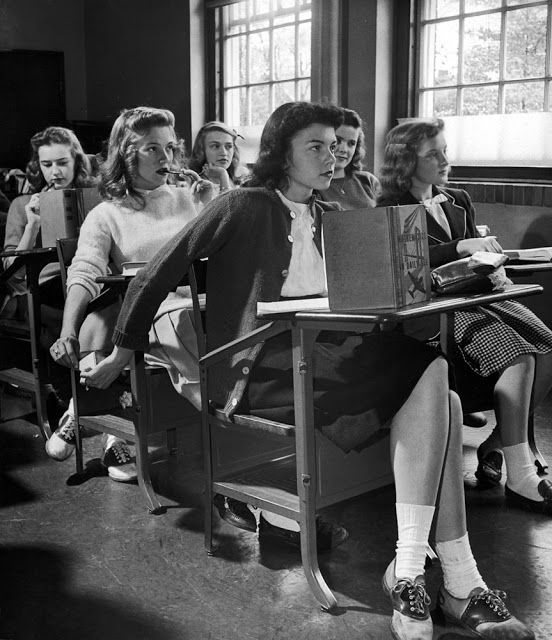
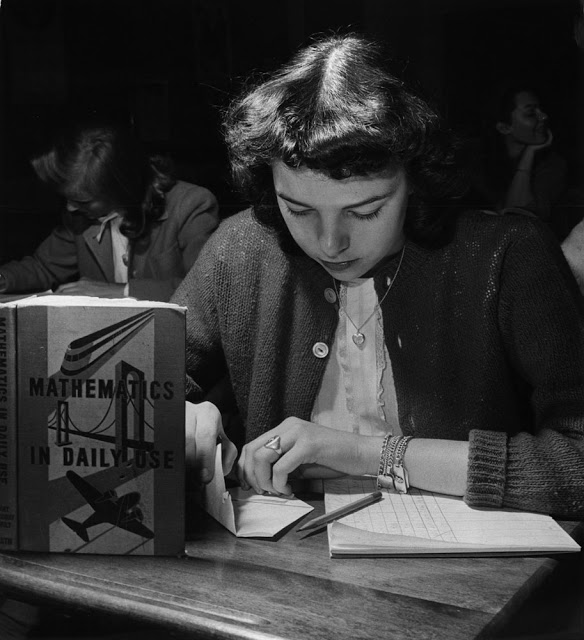
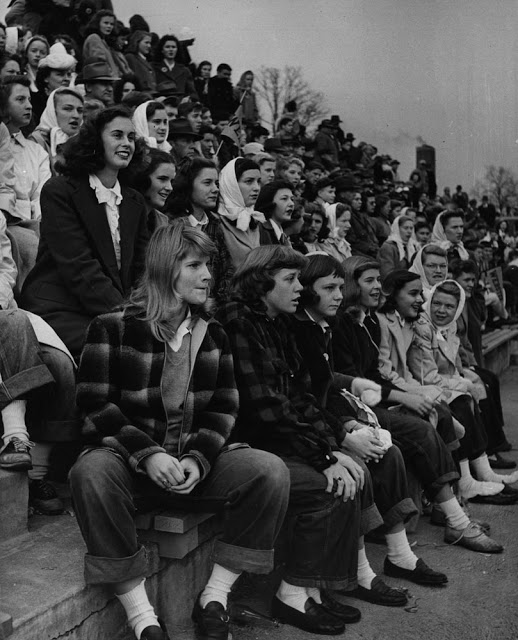
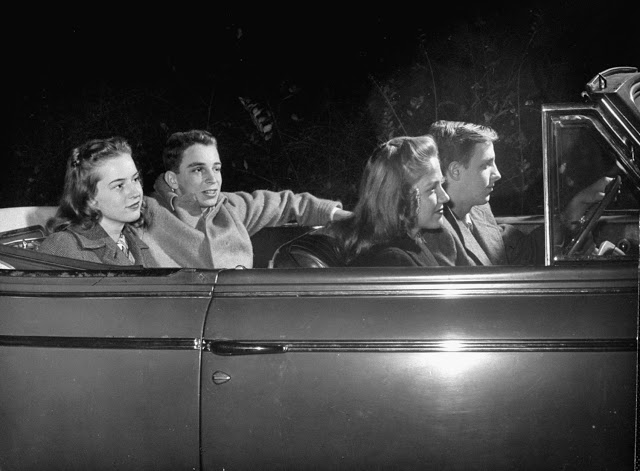
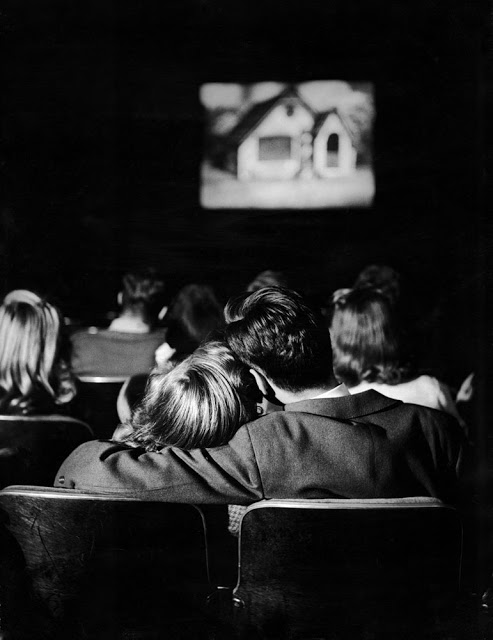
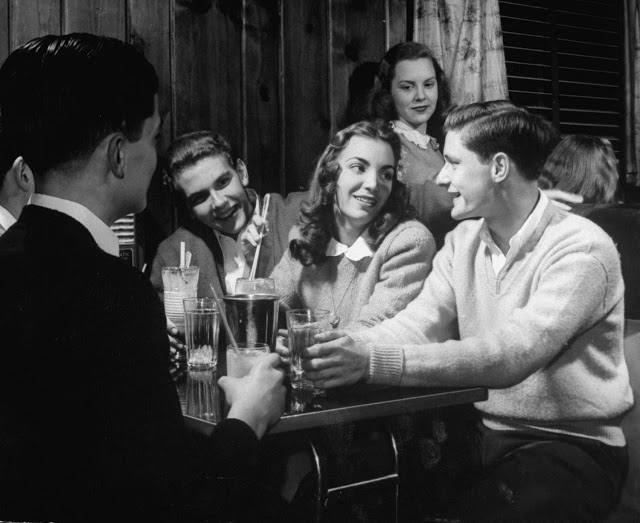
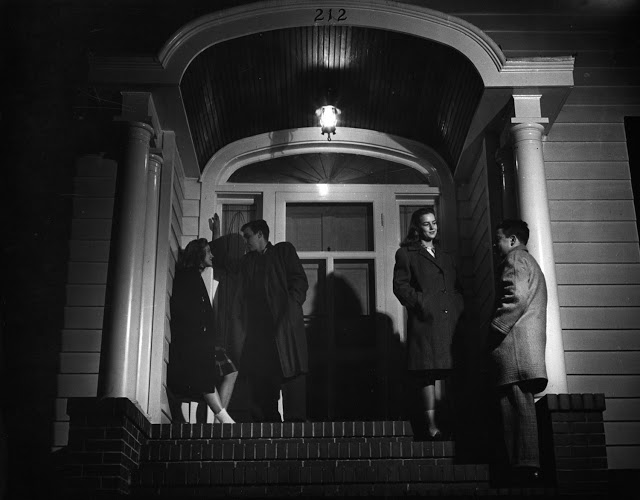
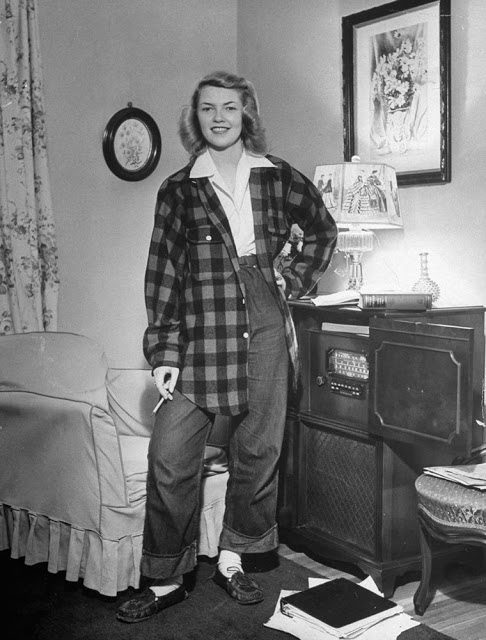
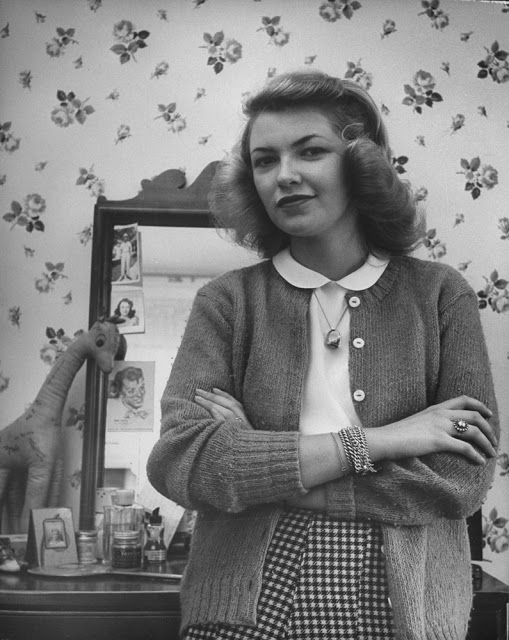
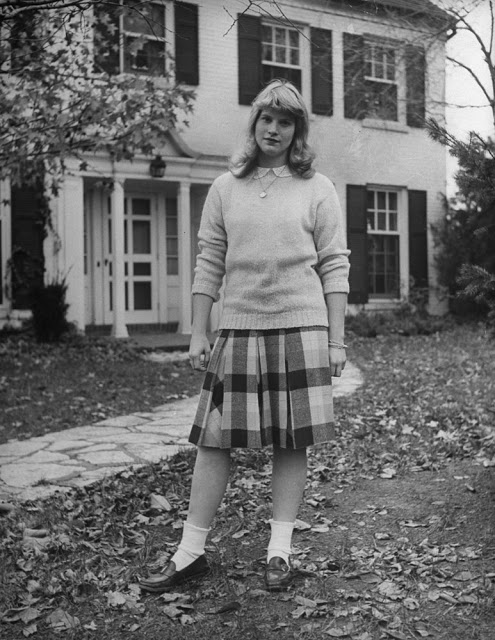
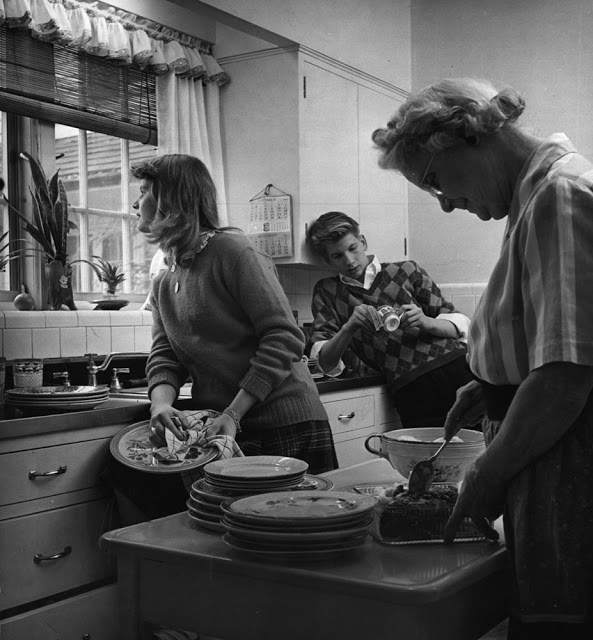
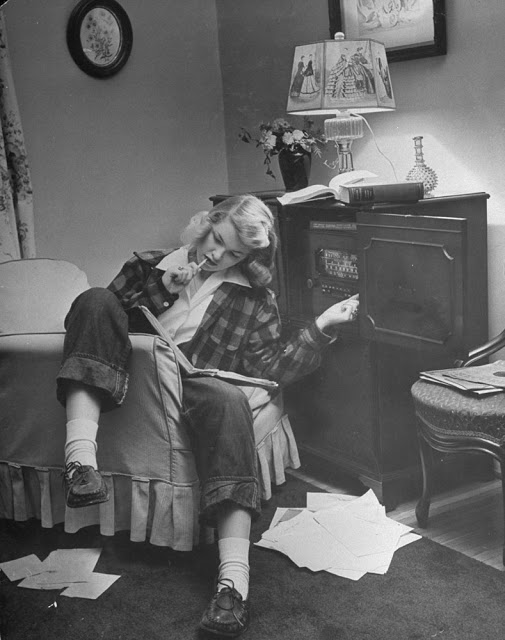
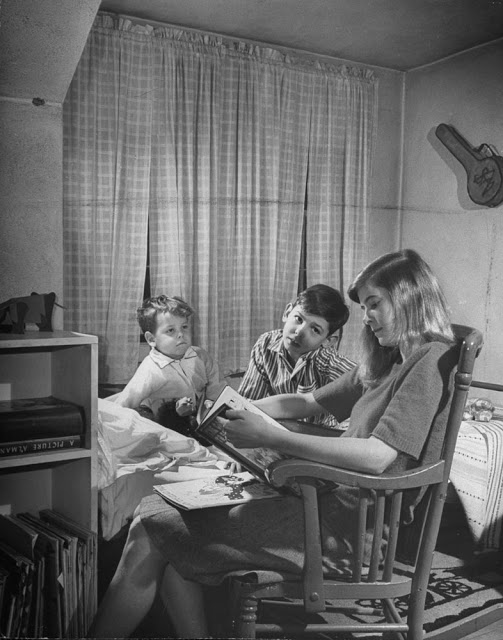
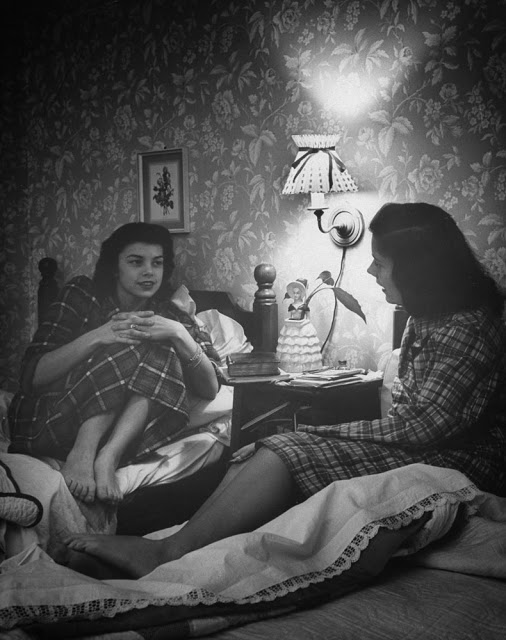
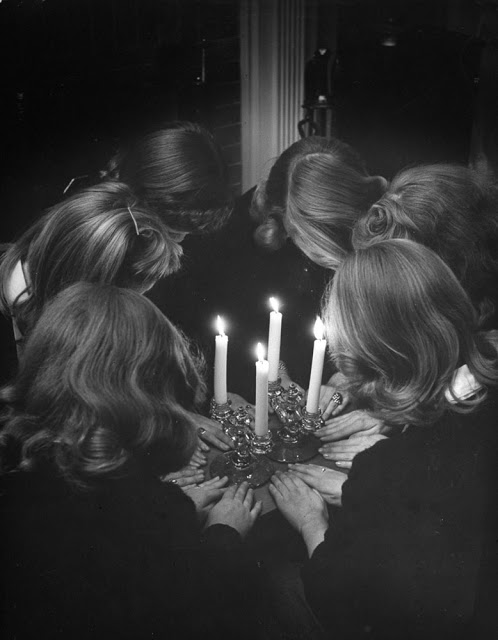
(Photos: Nina Leen—The LIFE Picture Collection/Getty Images)

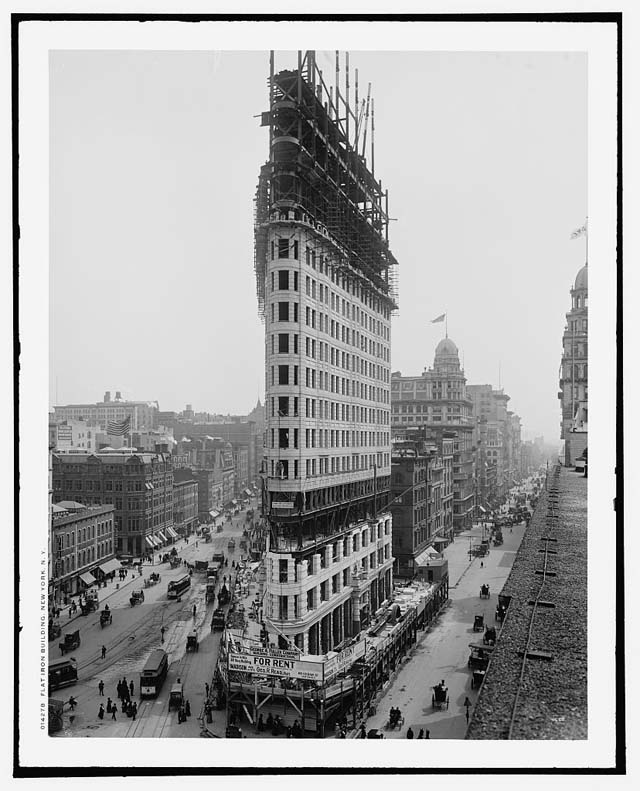
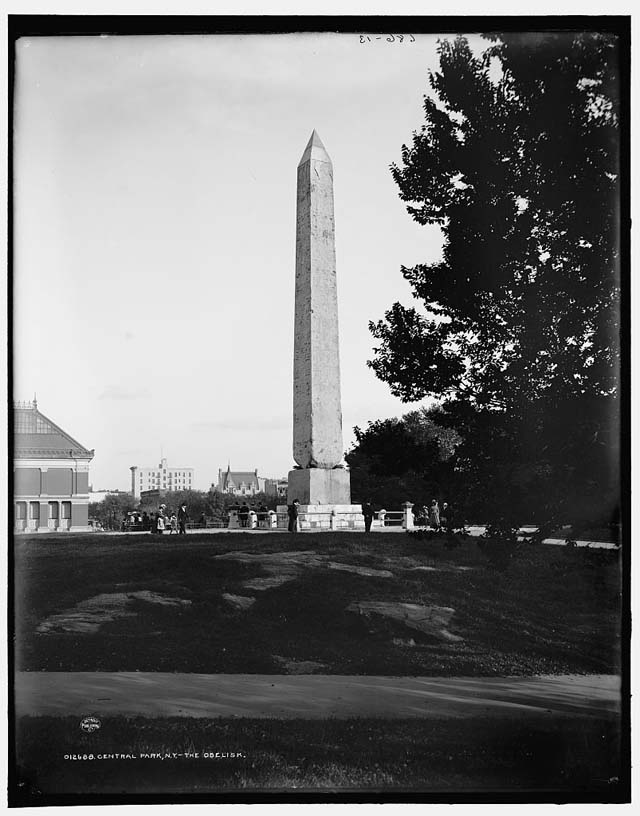
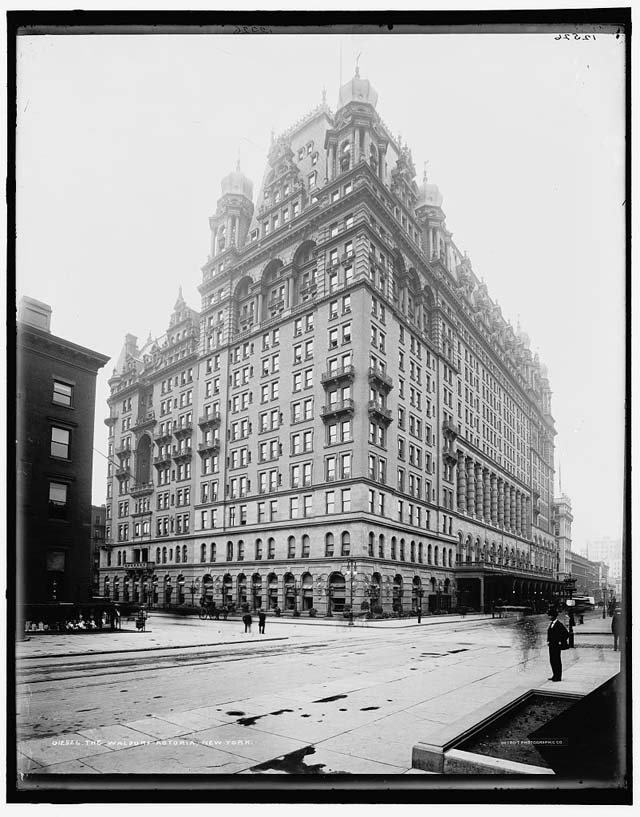
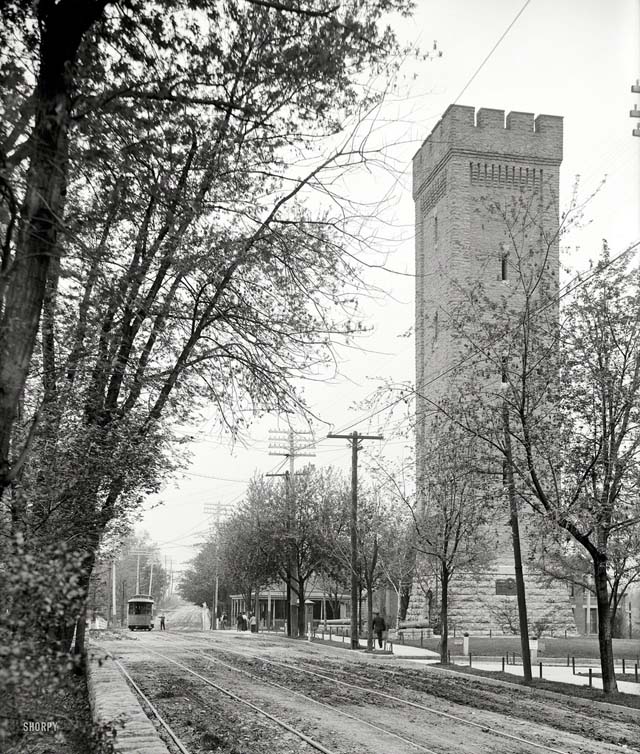
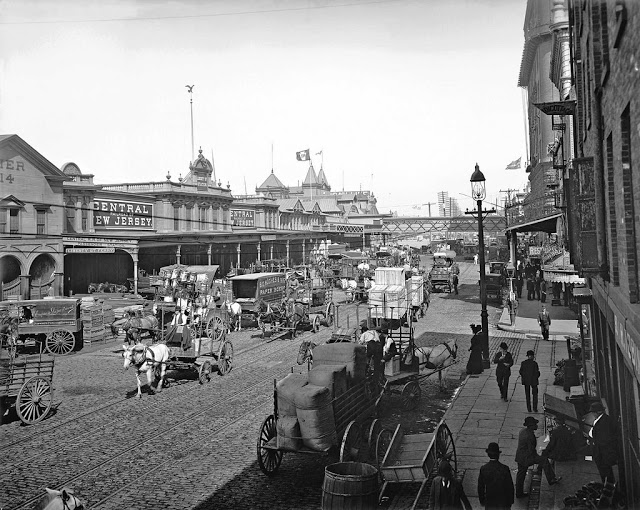
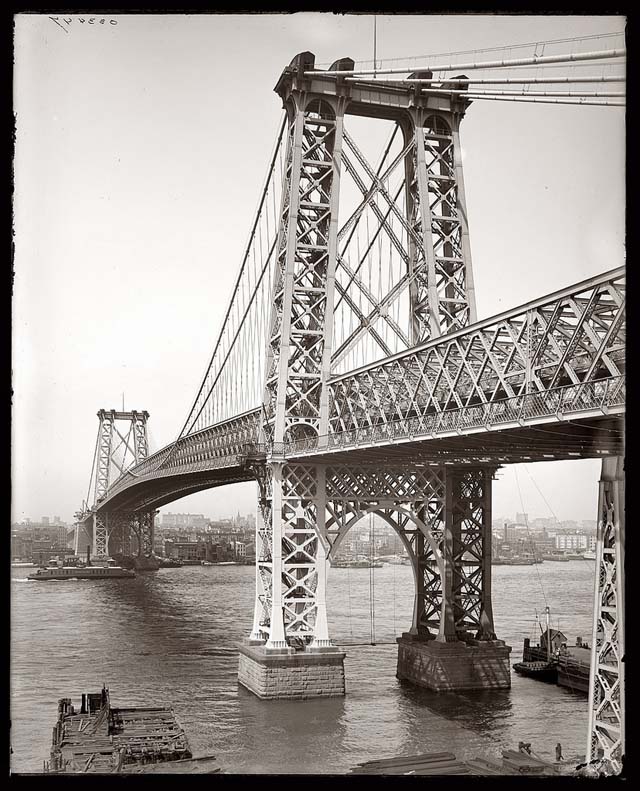
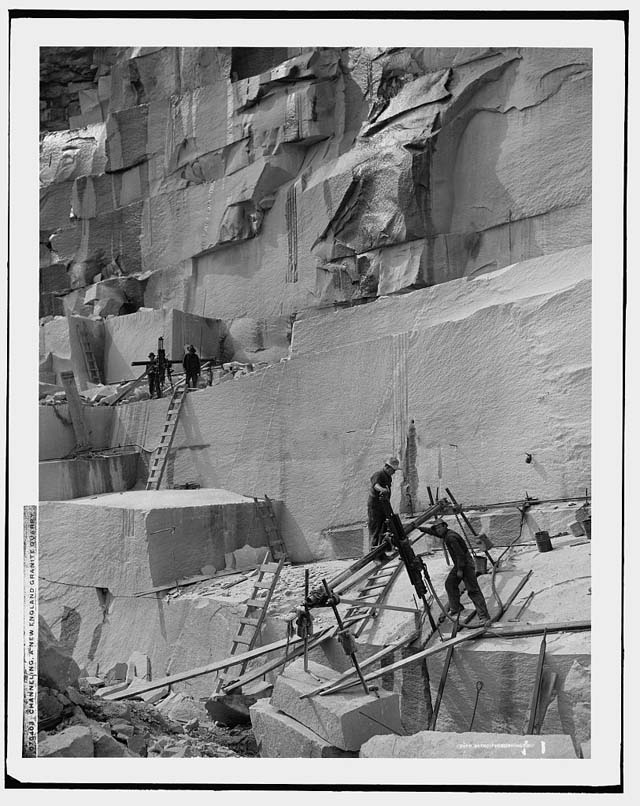
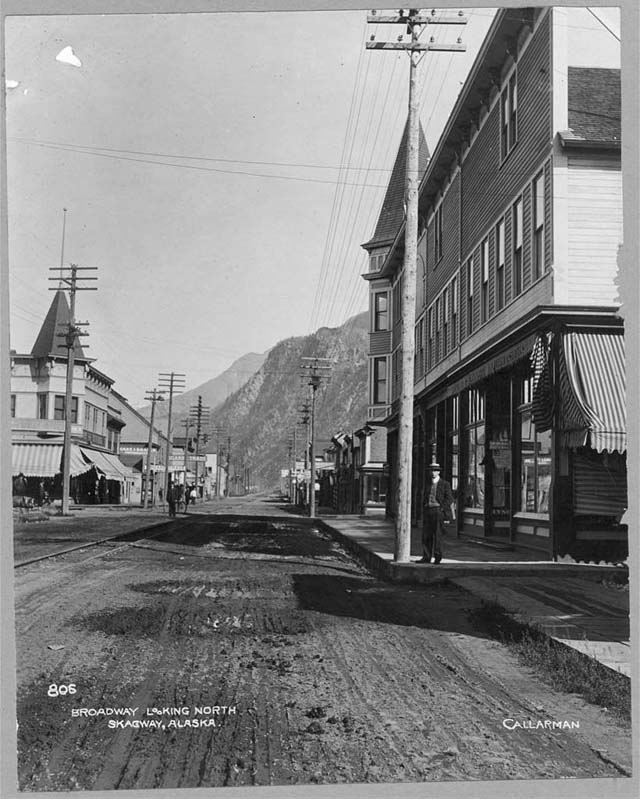
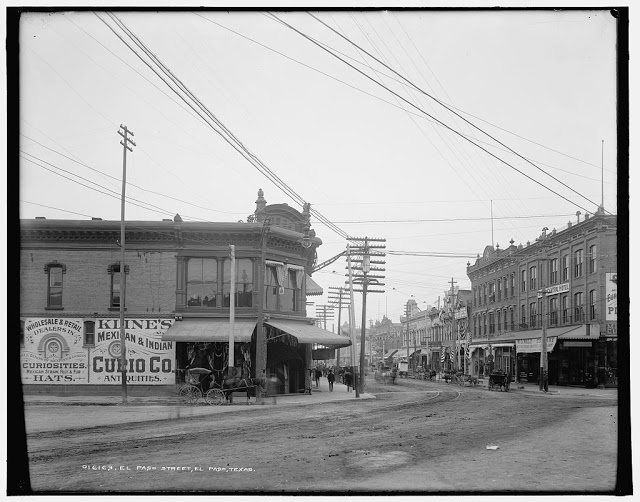
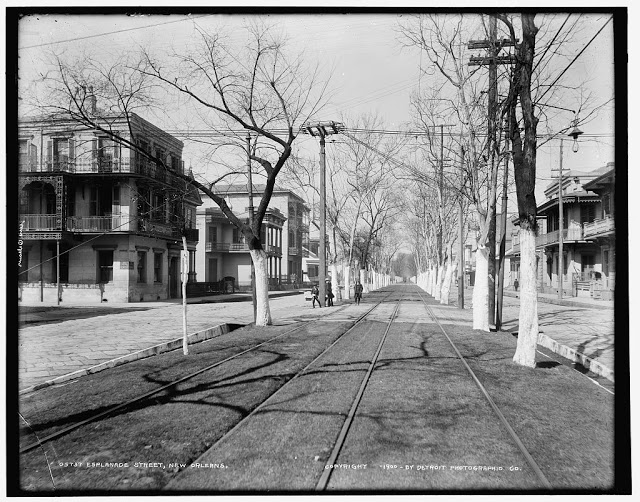
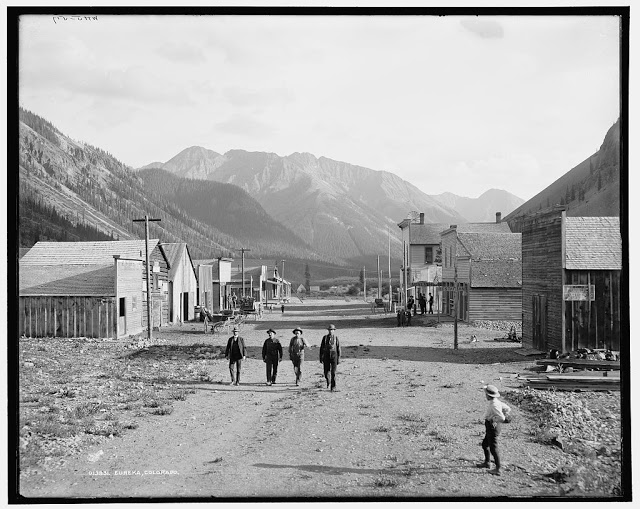
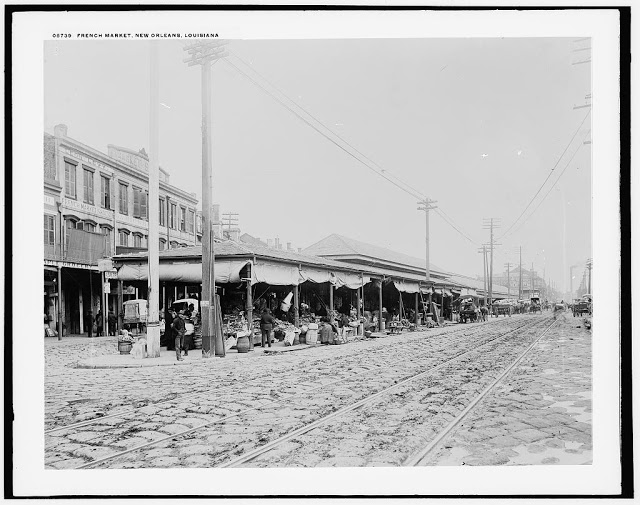
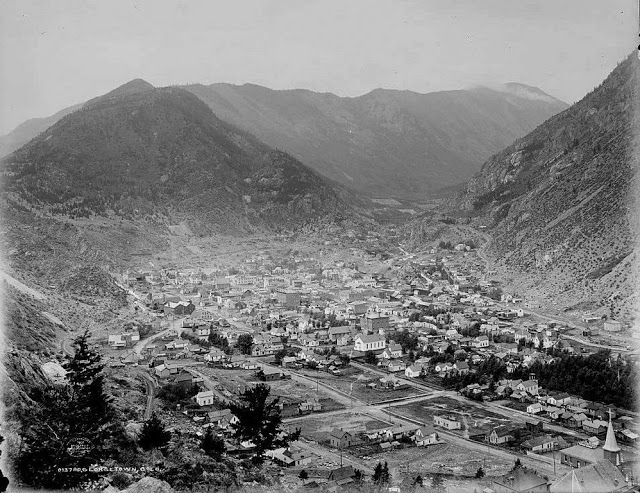
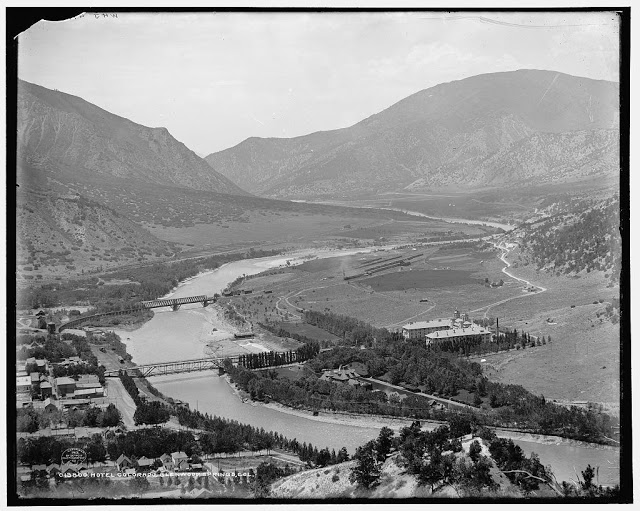
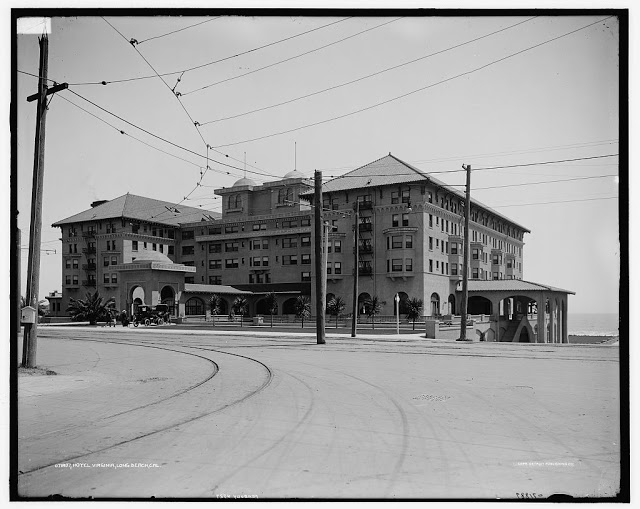
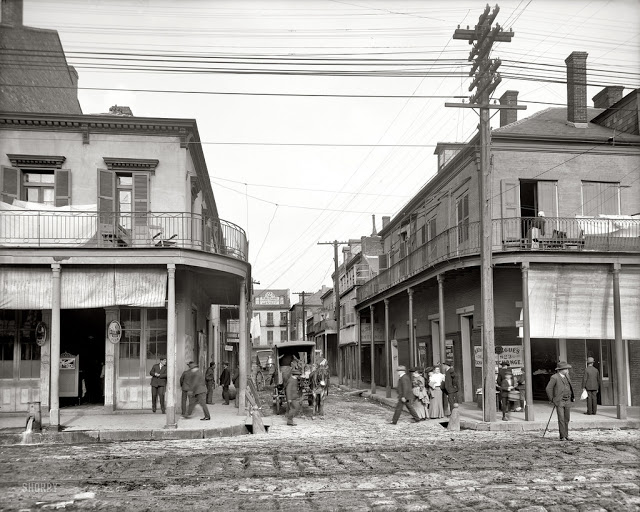
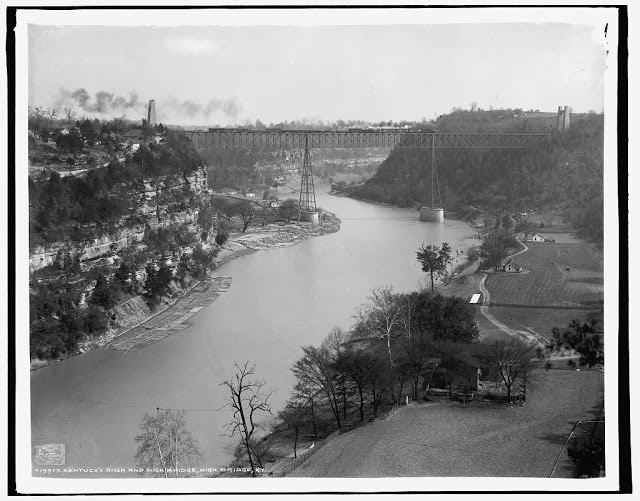
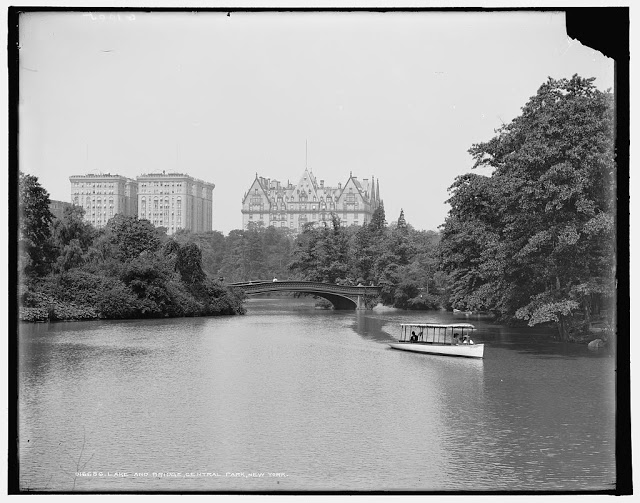
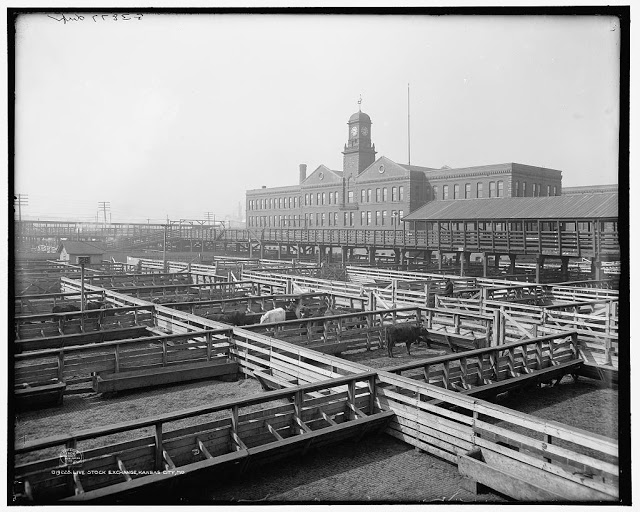
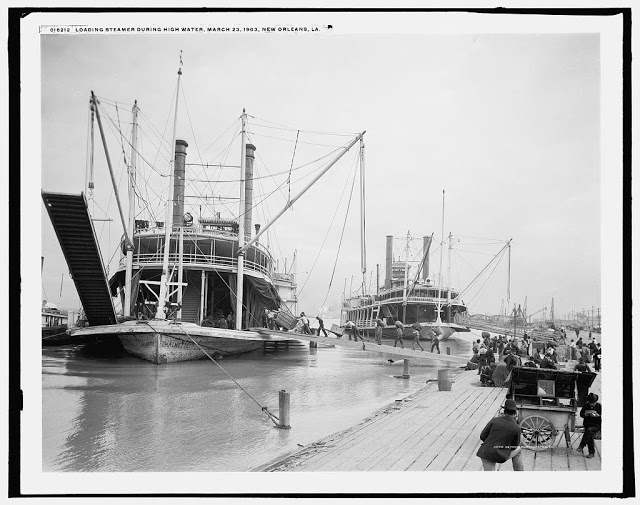
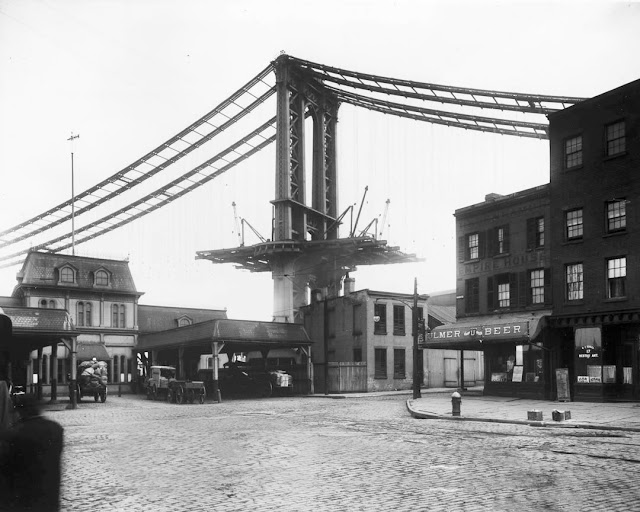
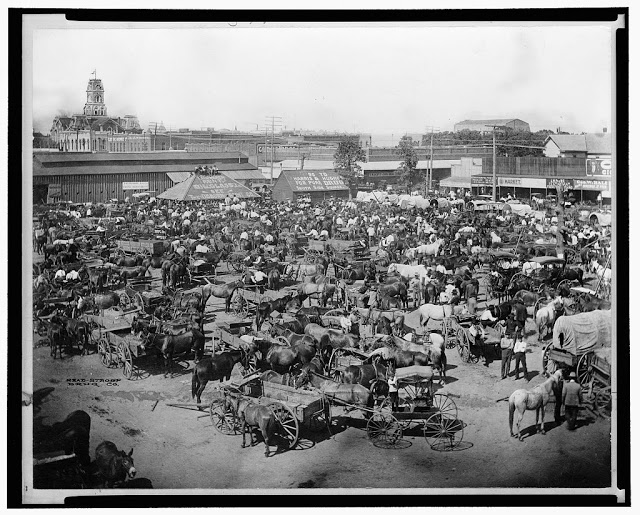
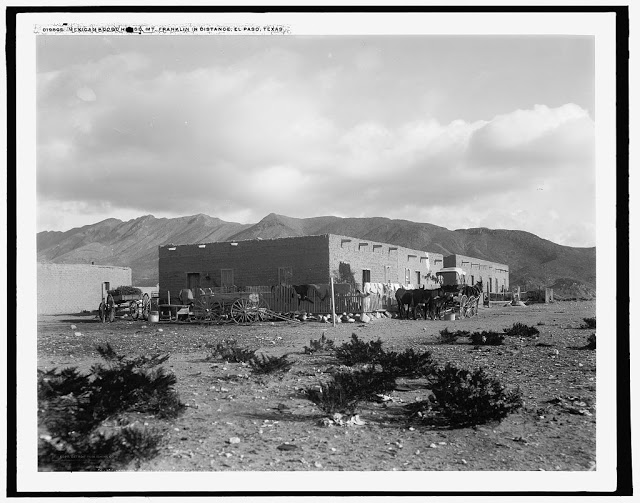
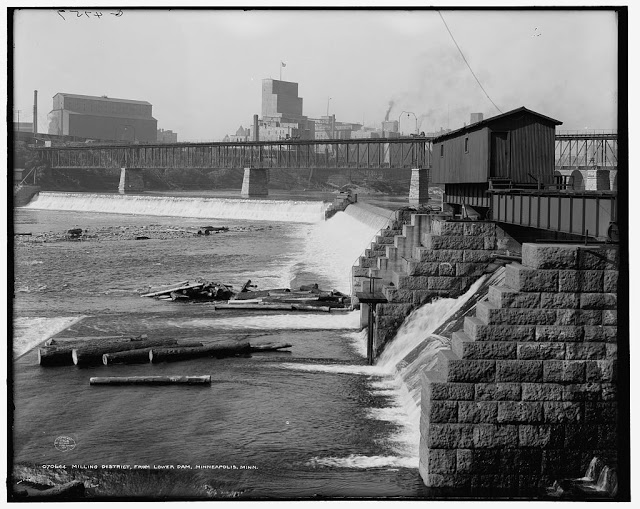
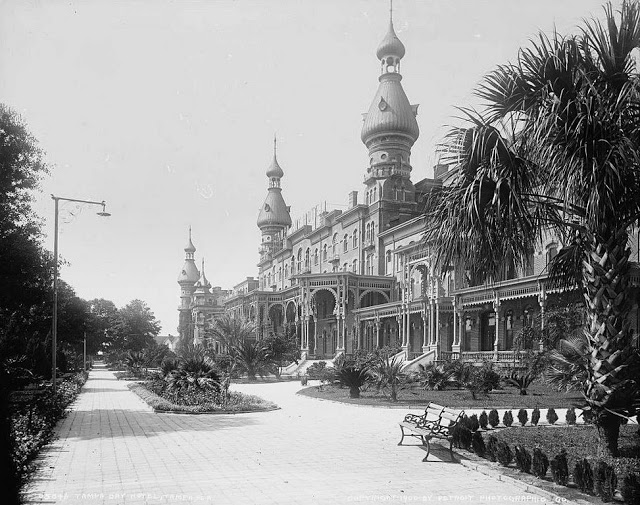
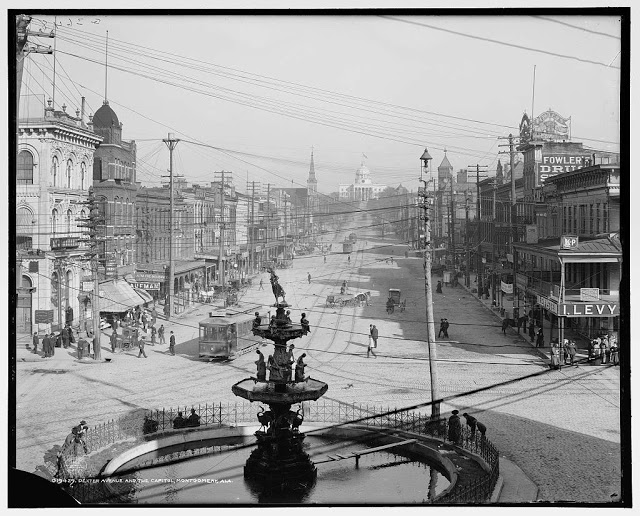
Here is an amazing collection of rarely-seen vintage photos capturing the U.S scenes in the 1900s.
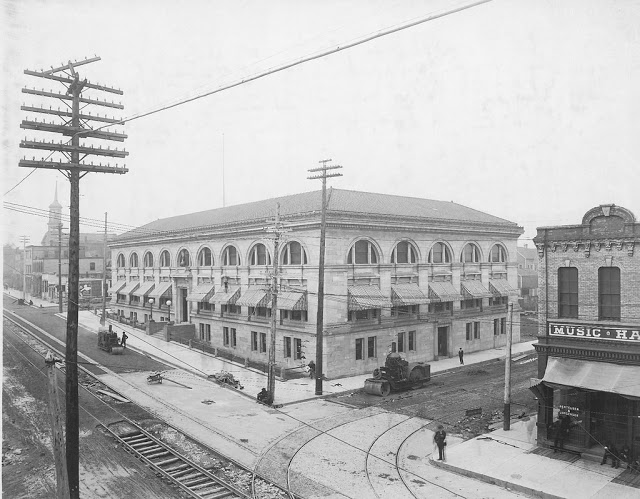
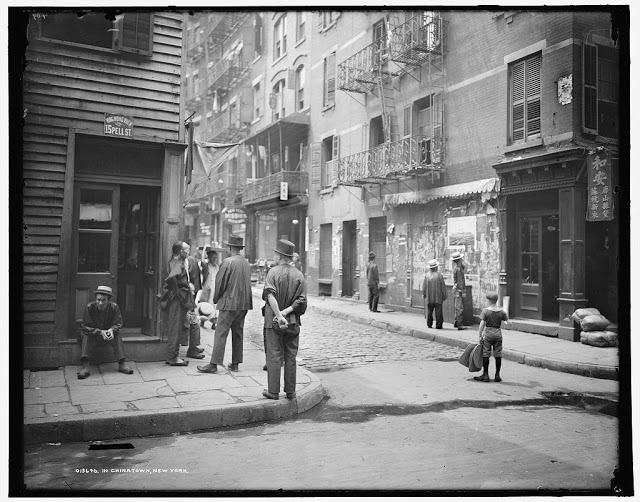
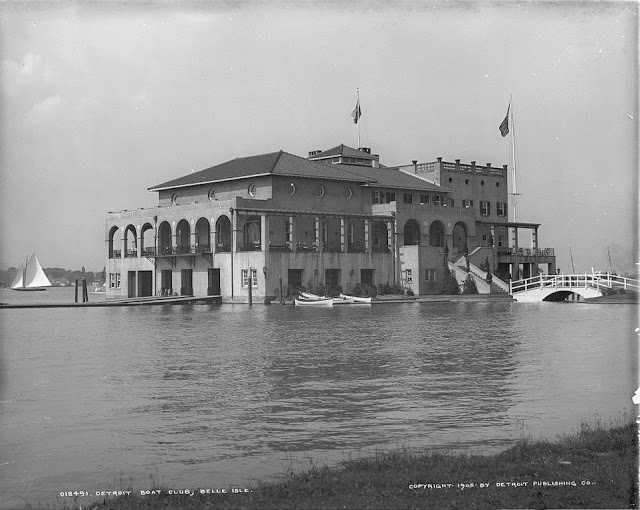
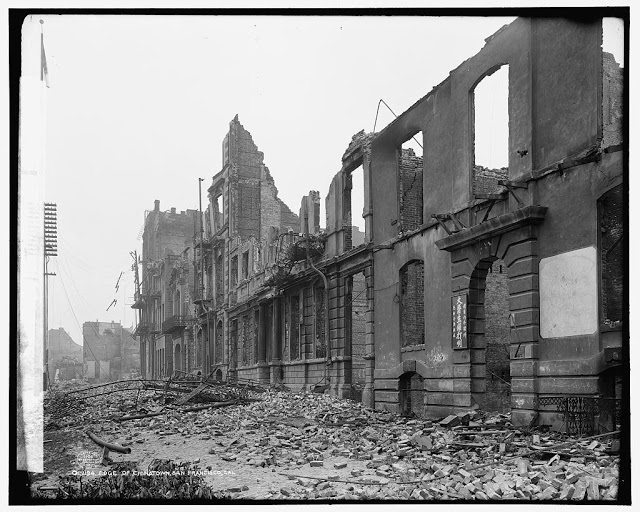
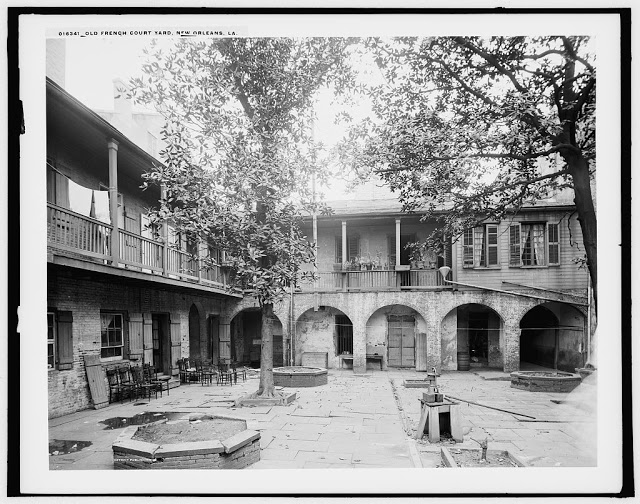
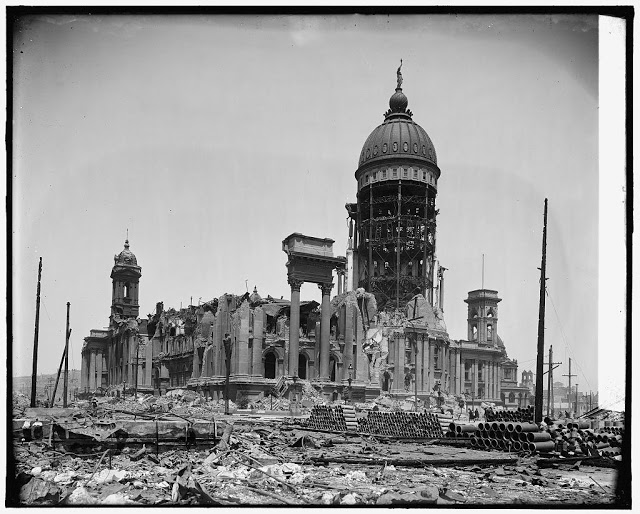
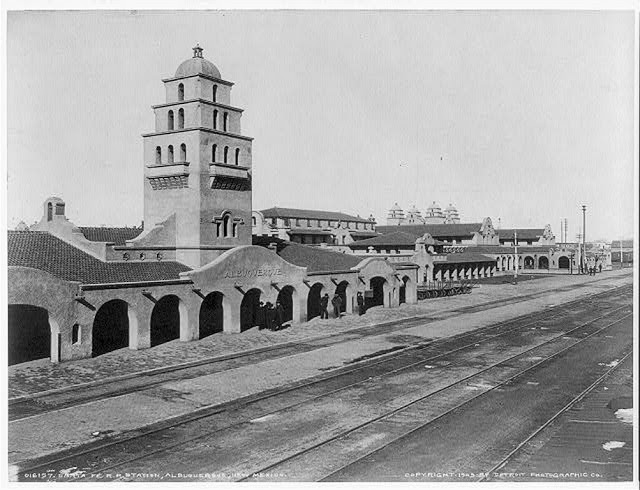
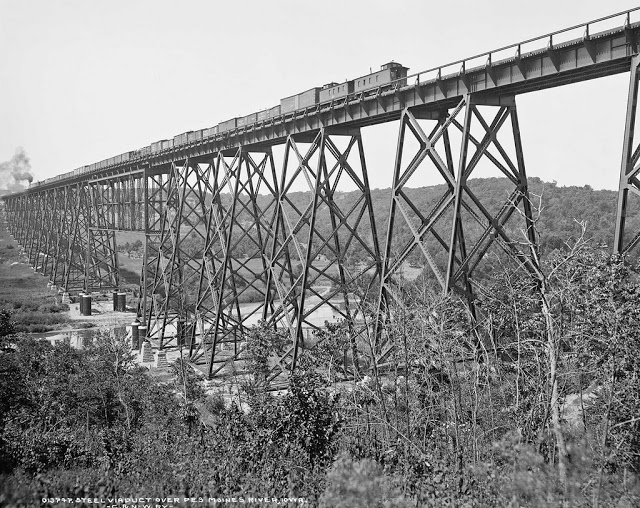

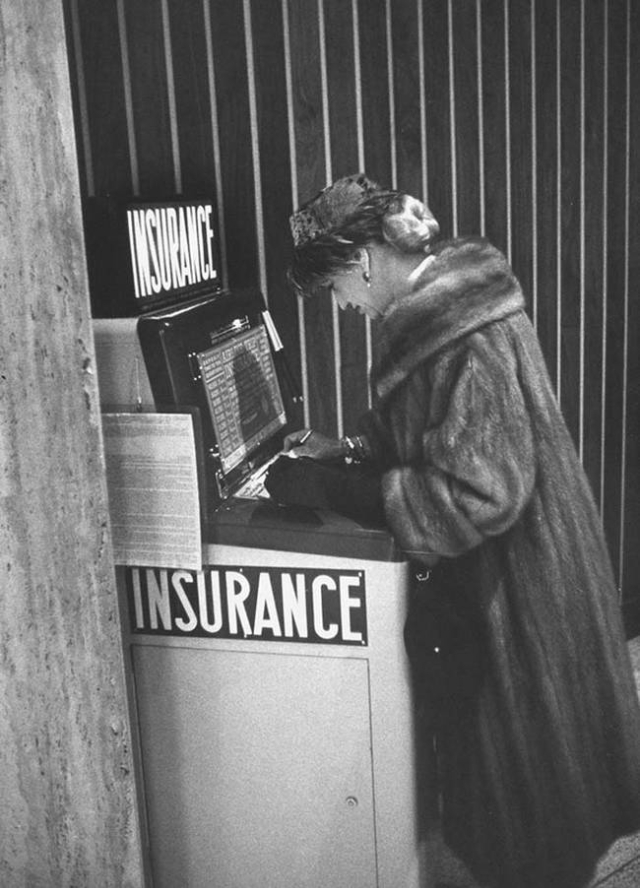
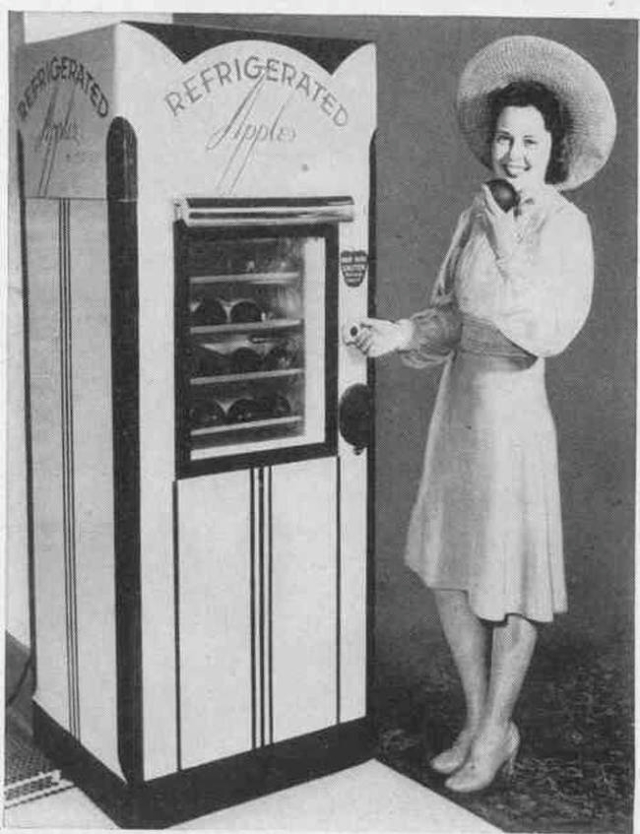
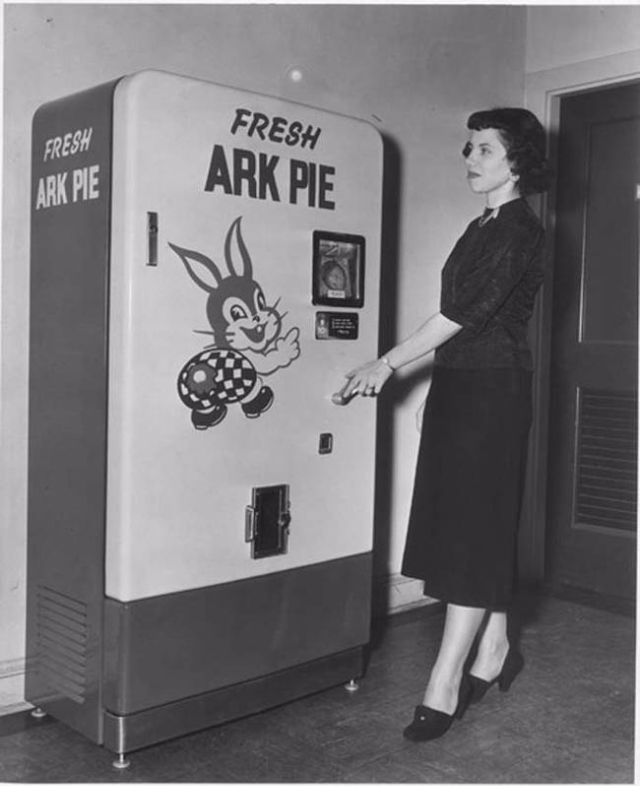
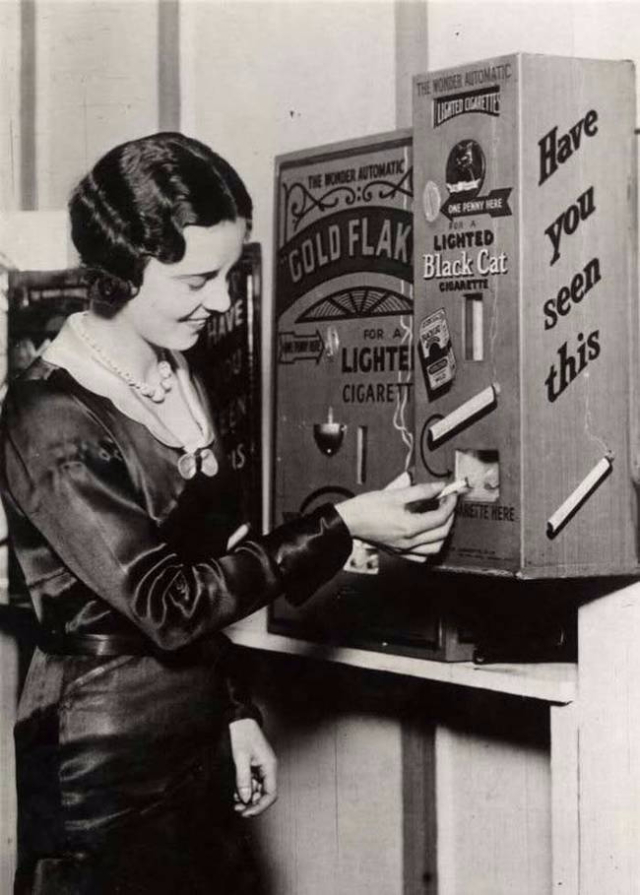
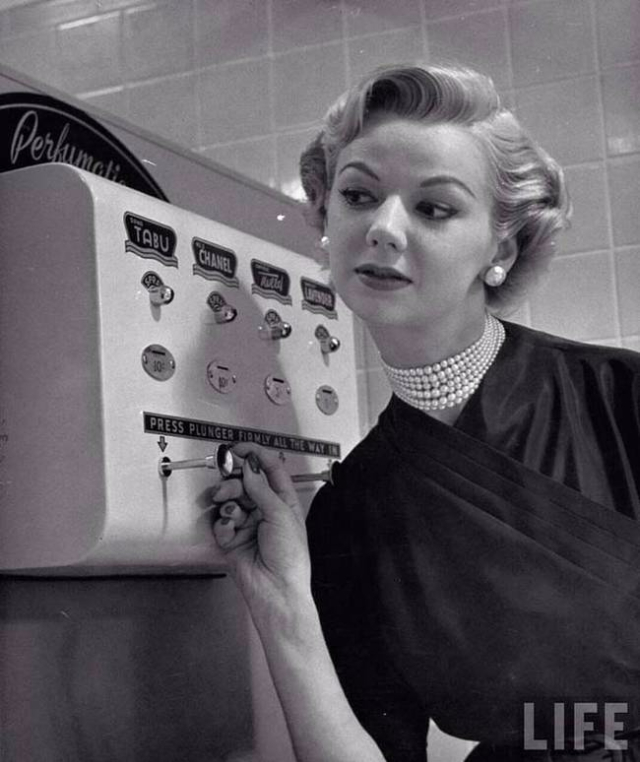
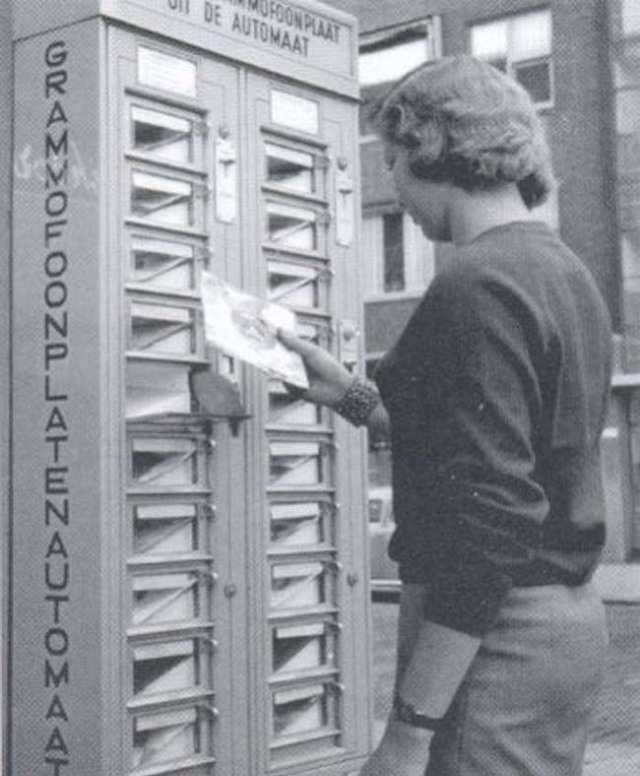
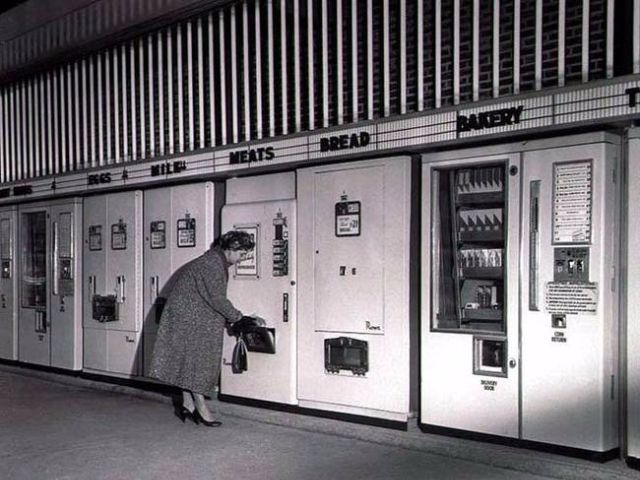
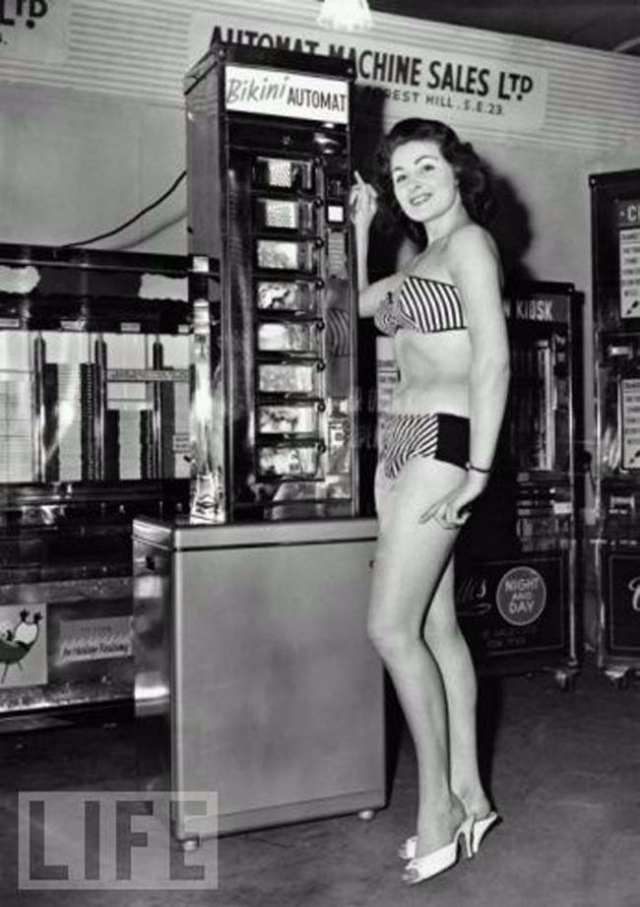
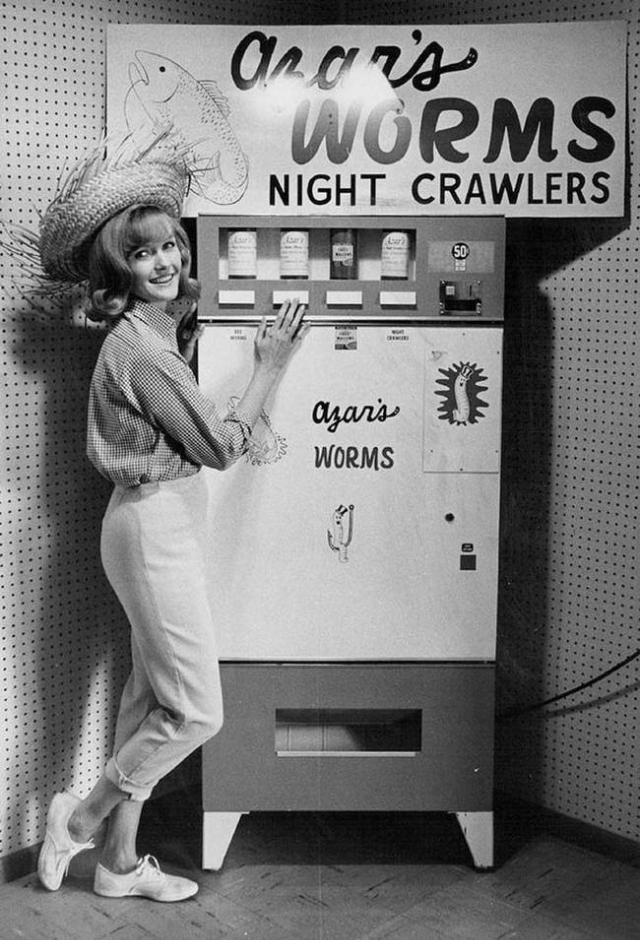
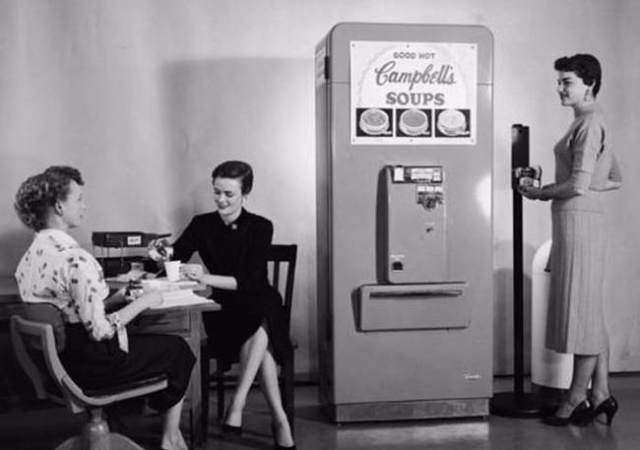
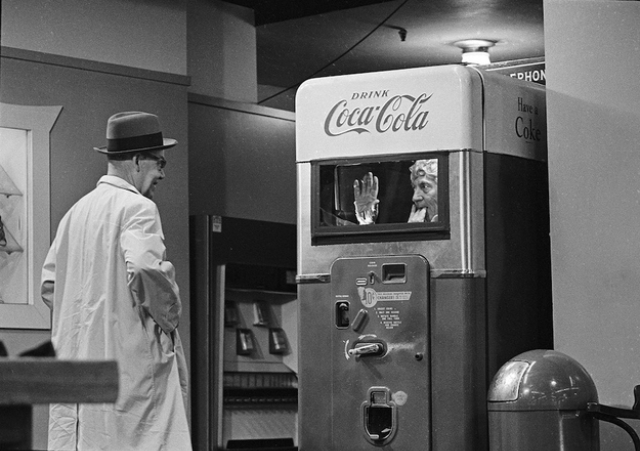
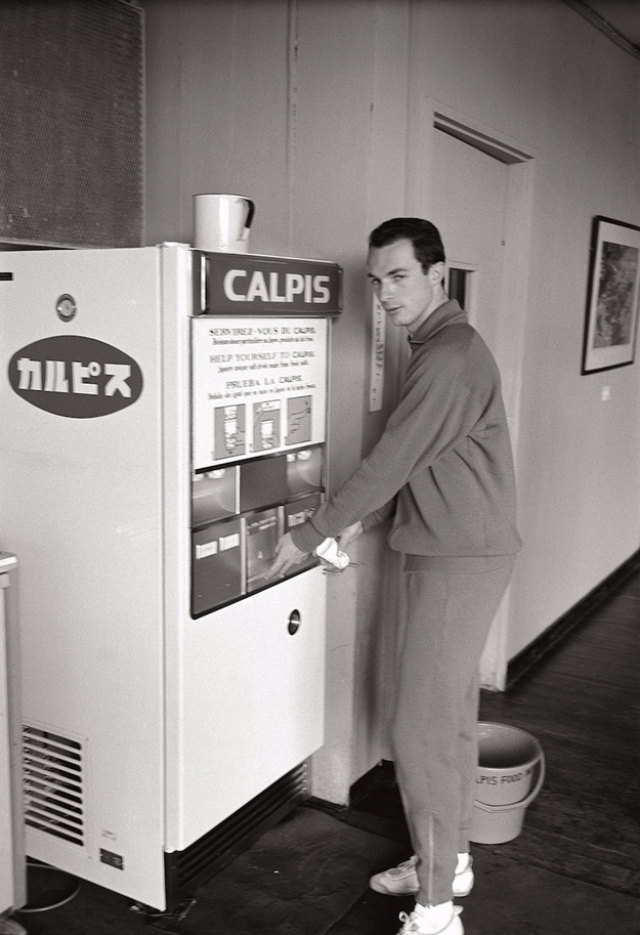
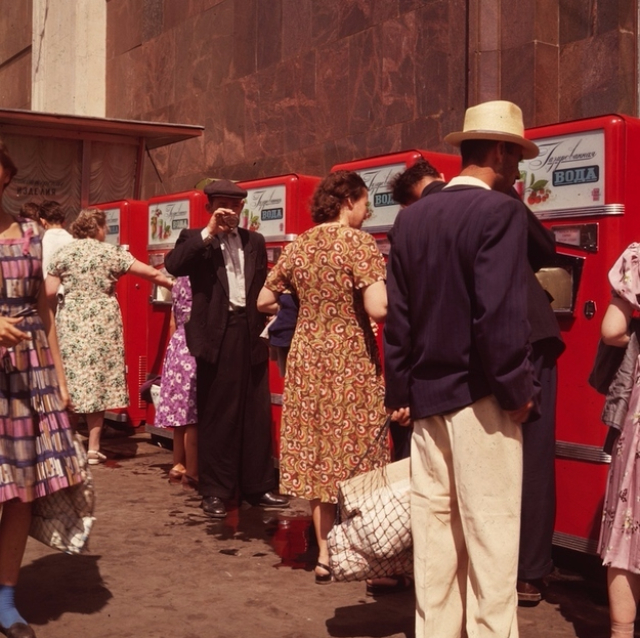
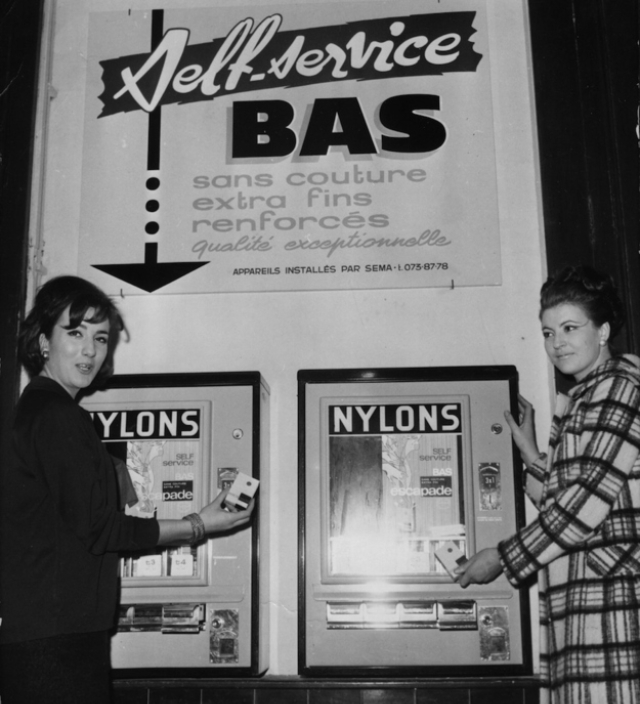
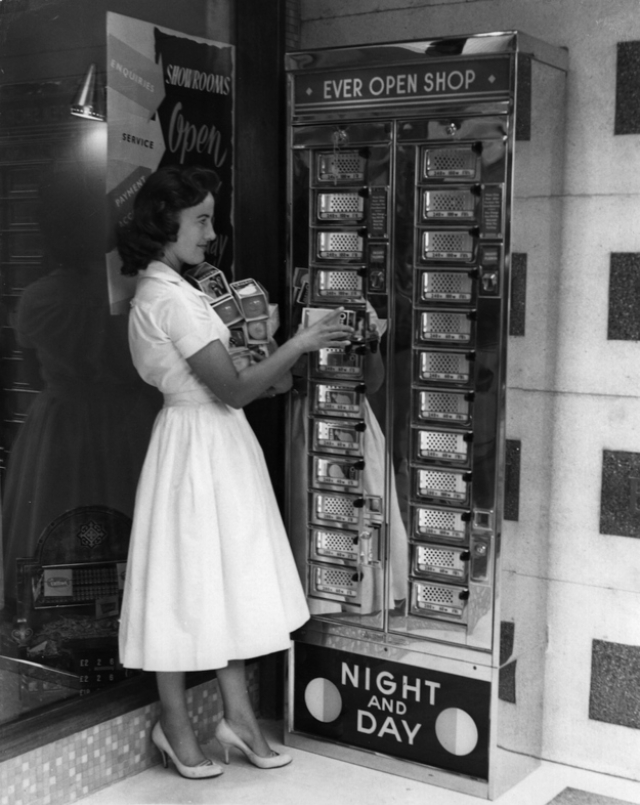
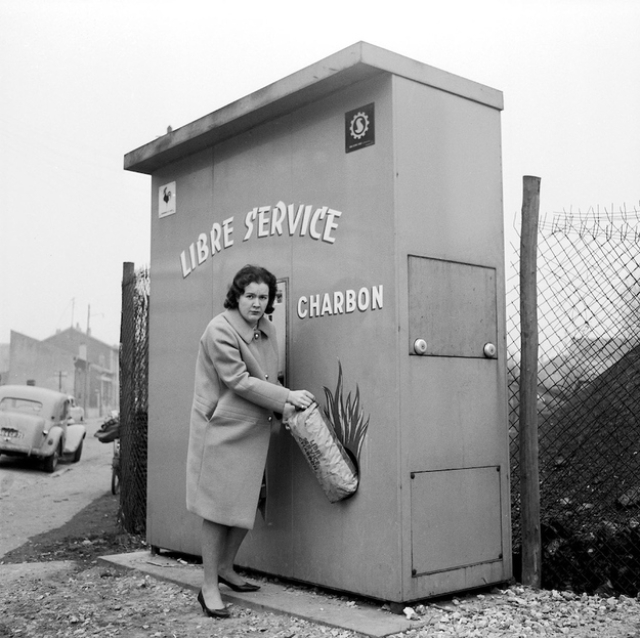
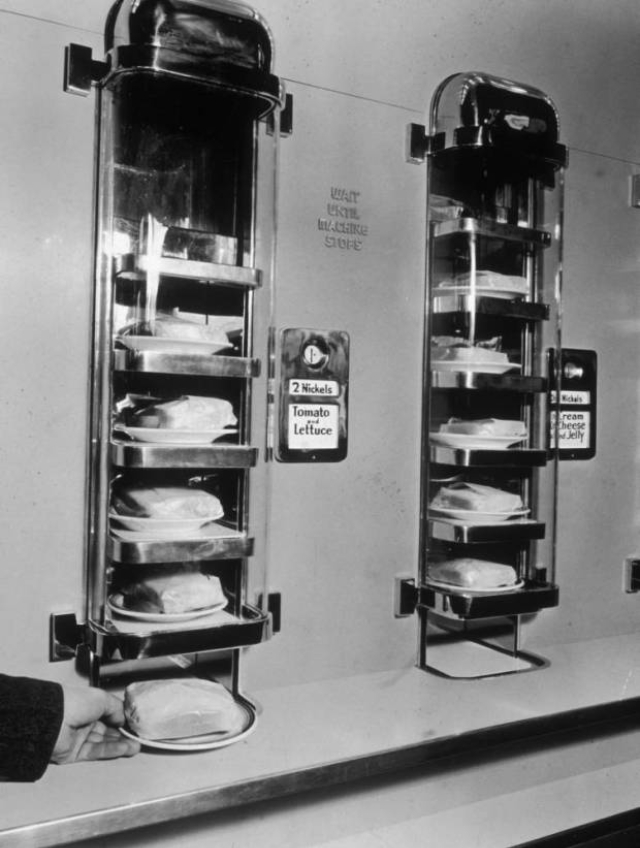
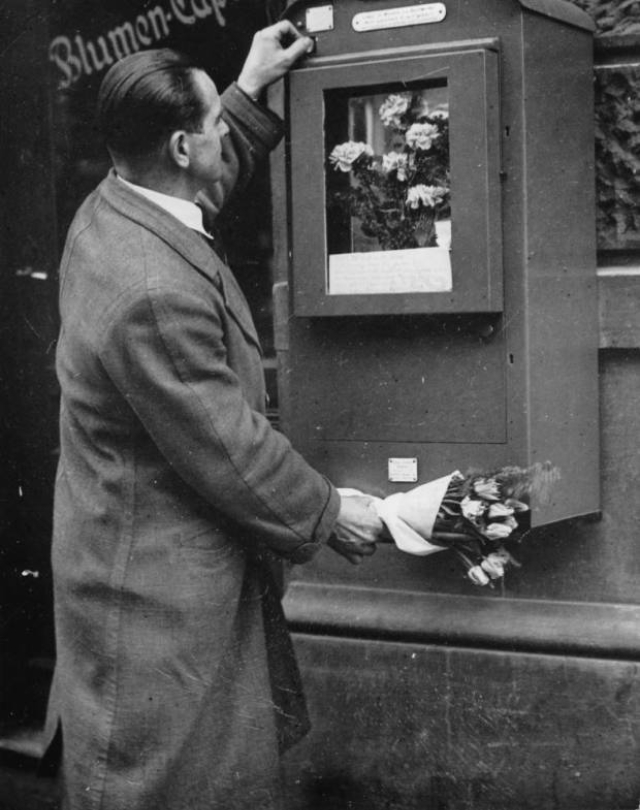
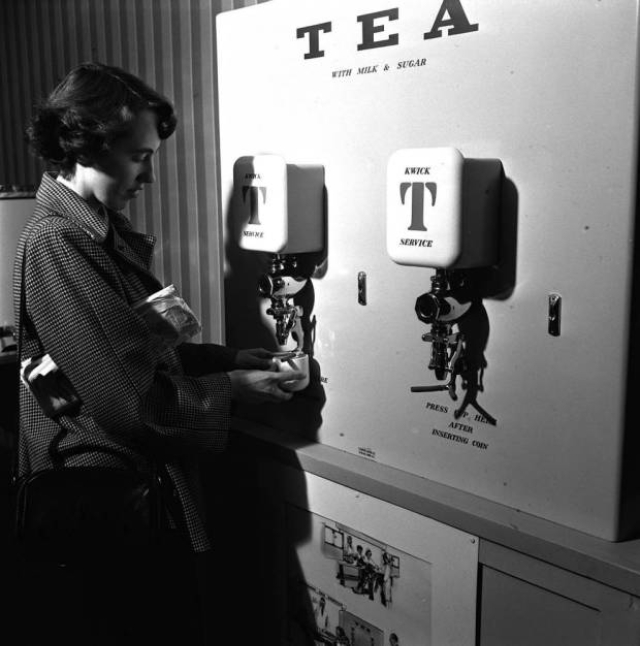
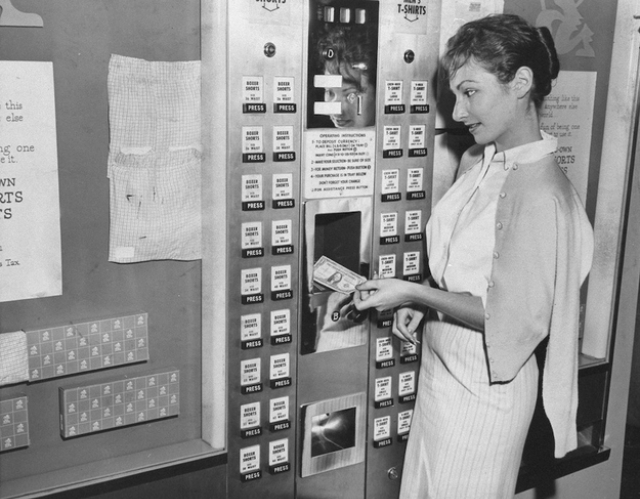
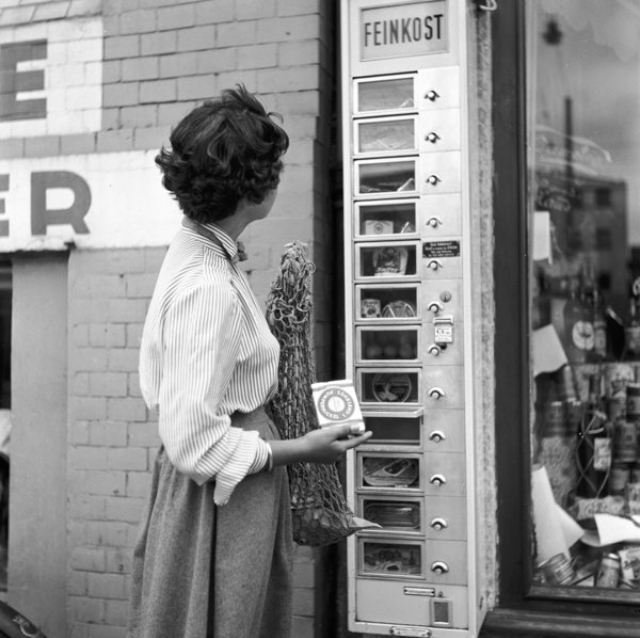
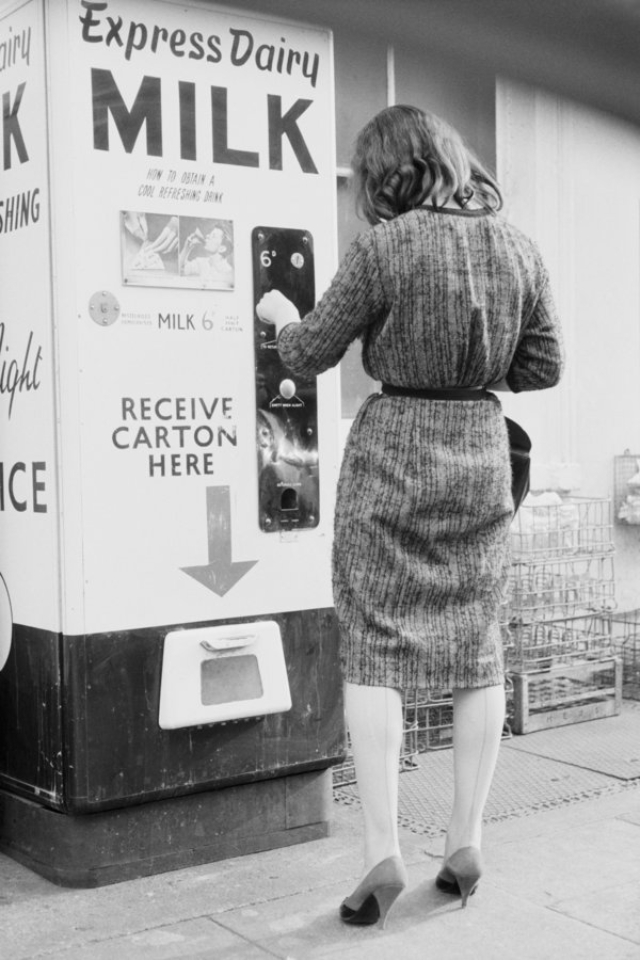
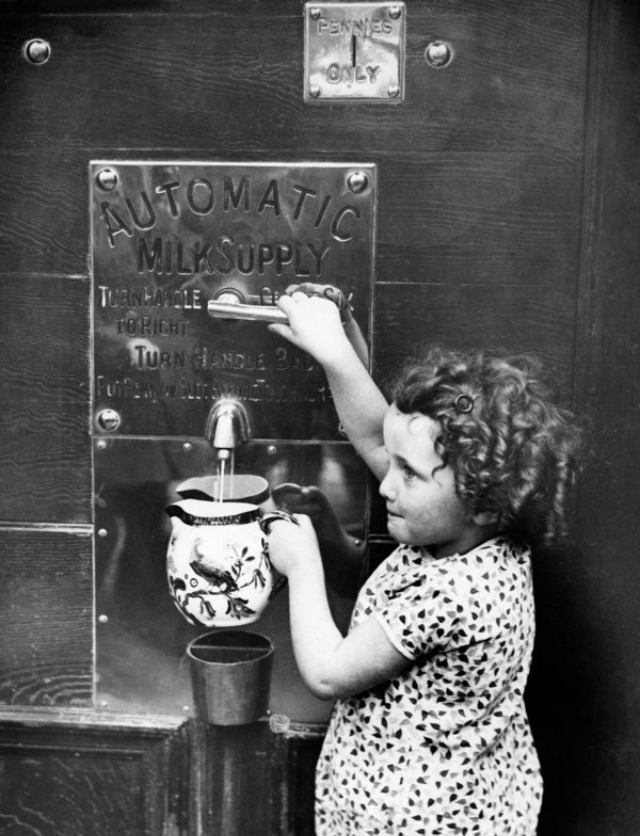
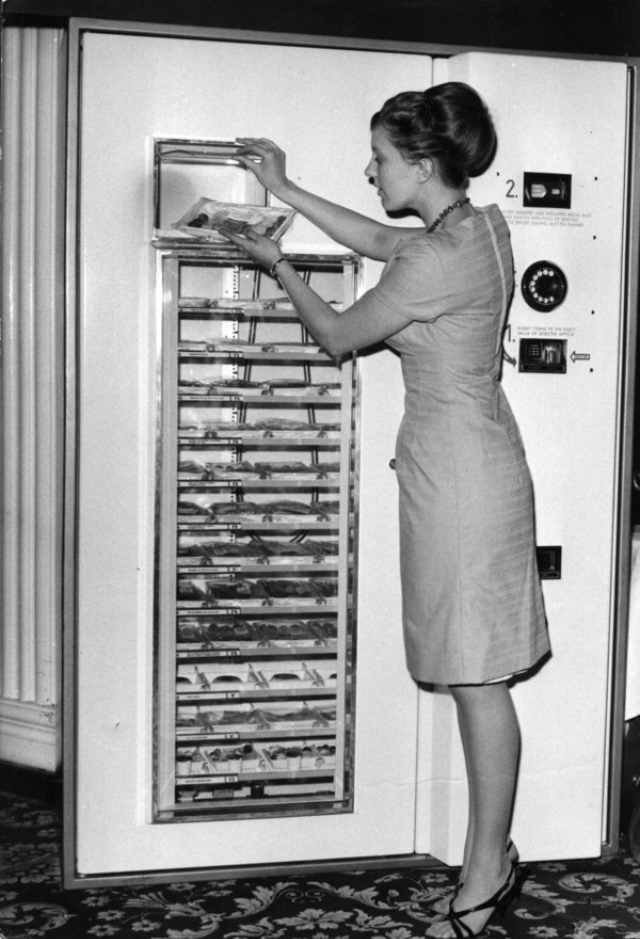
There were vending machines for every conceivable foodstuff and everyday essential from between the 1930s and 1960s.



















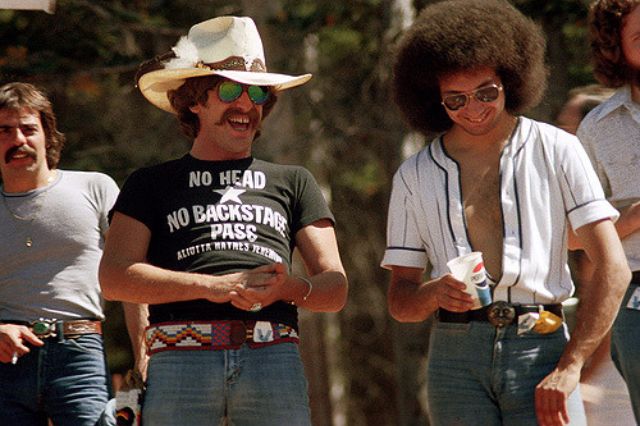
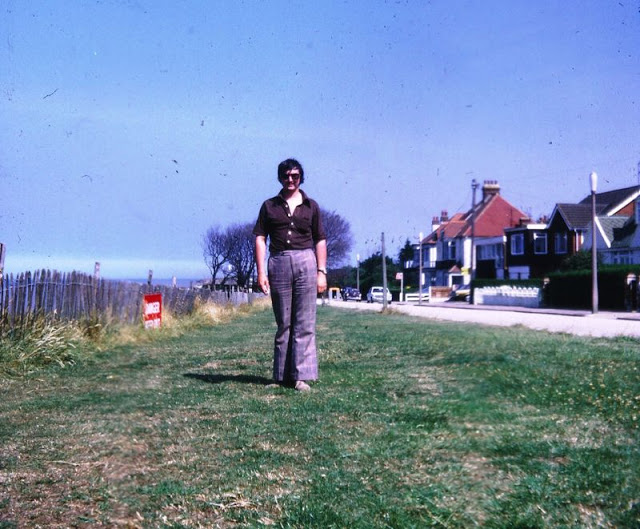
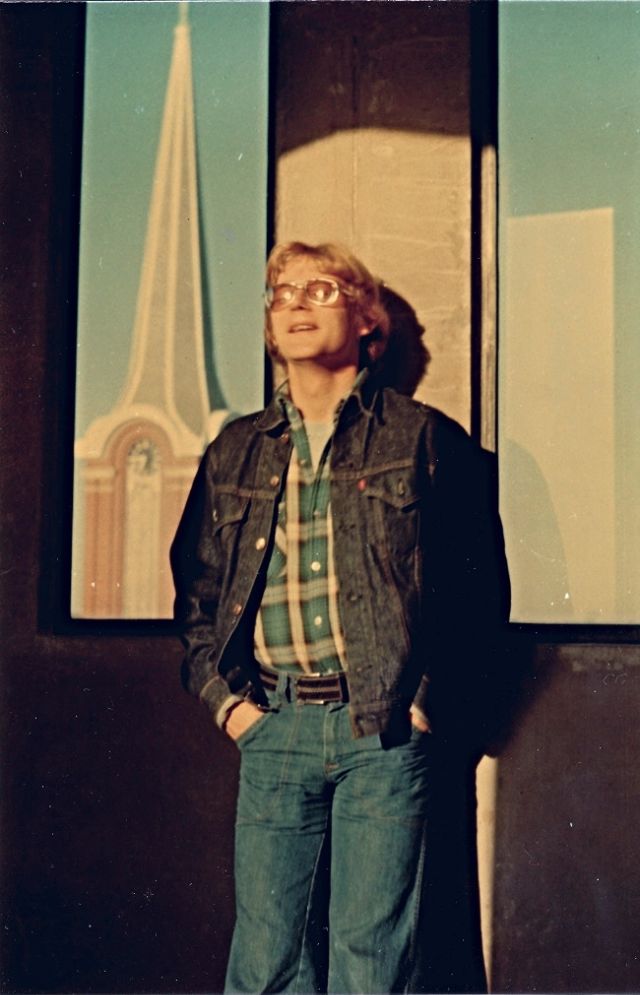
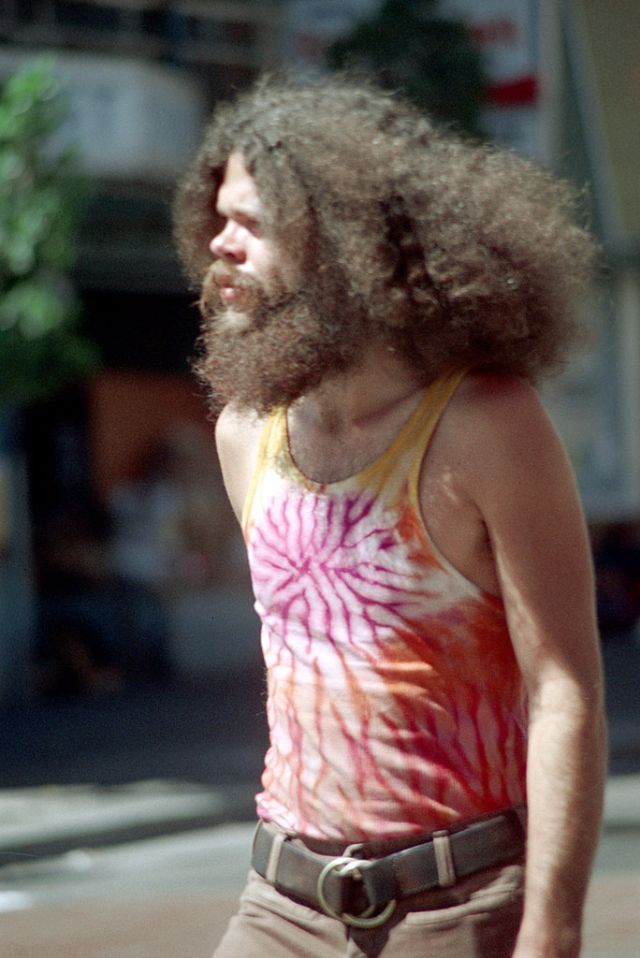
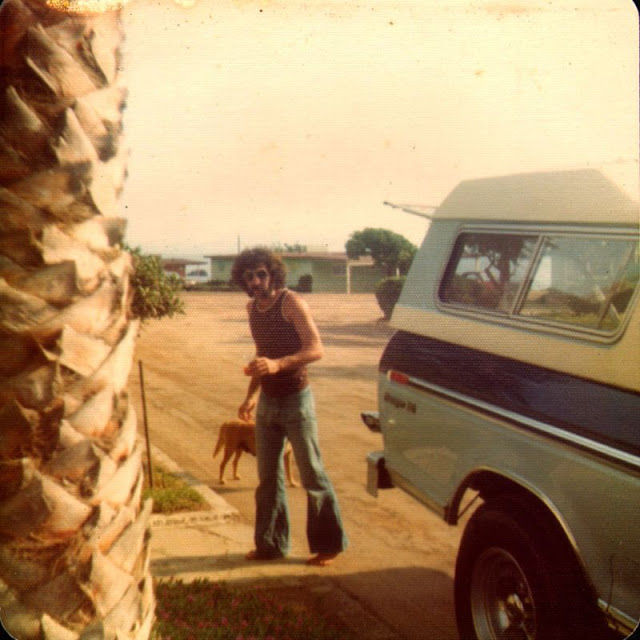
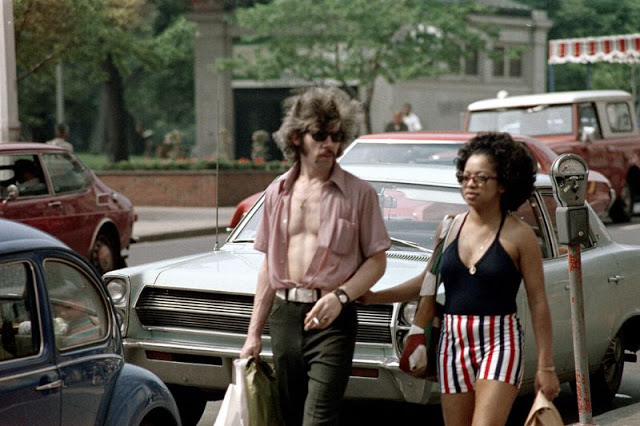
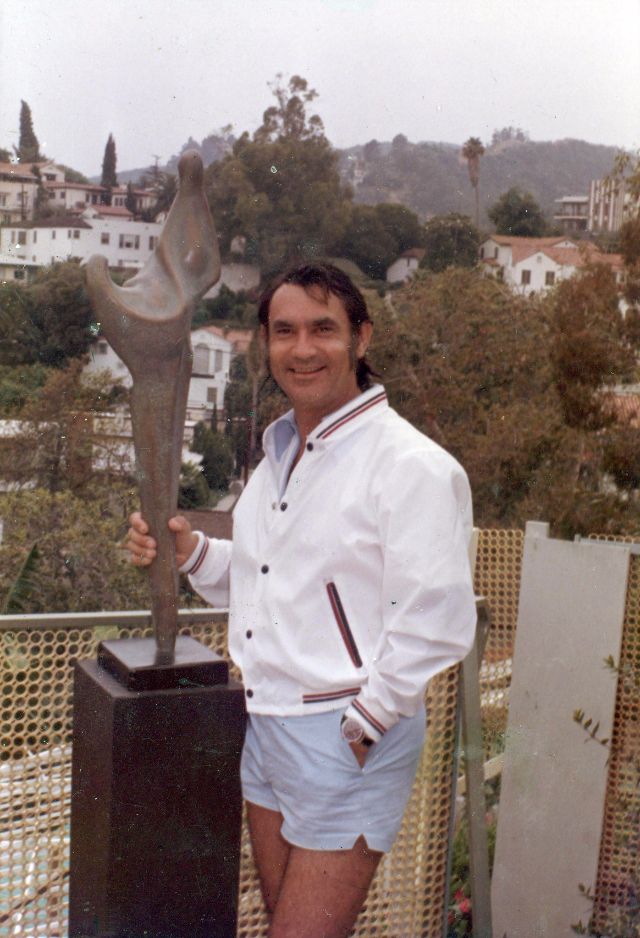
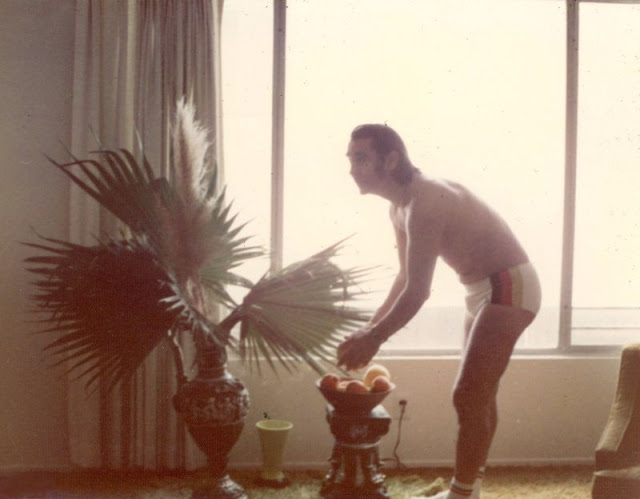
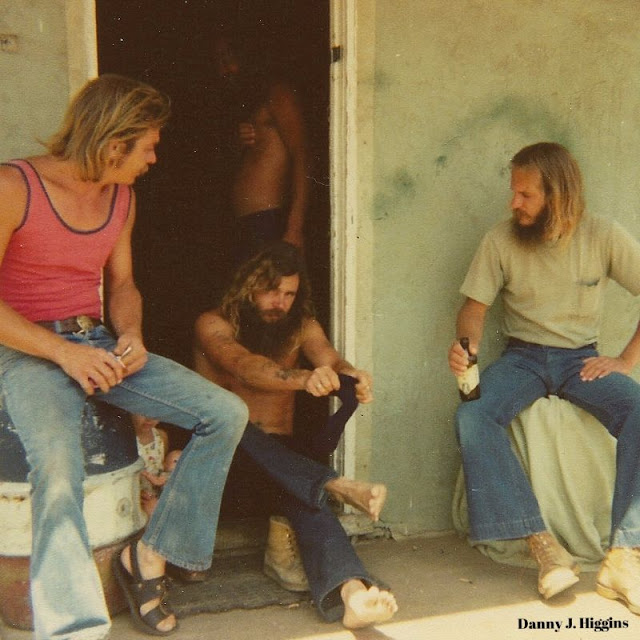
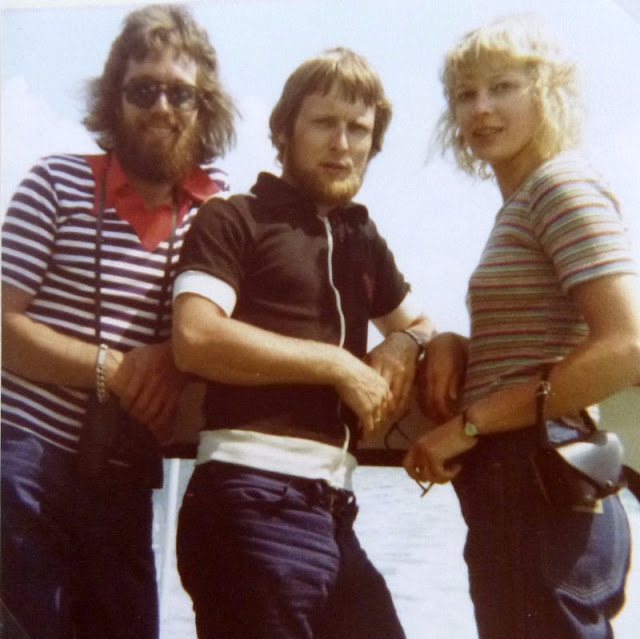
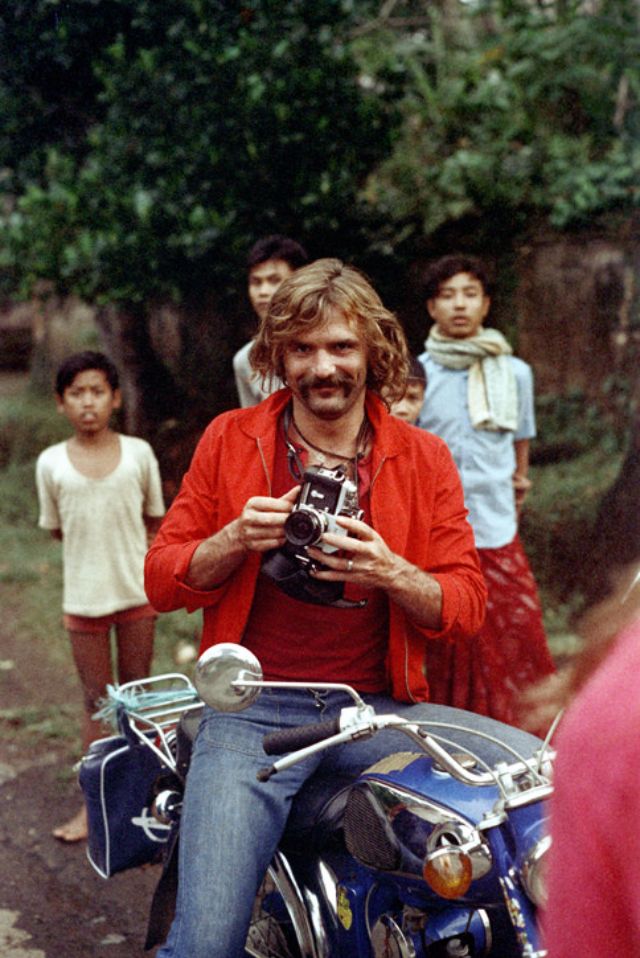
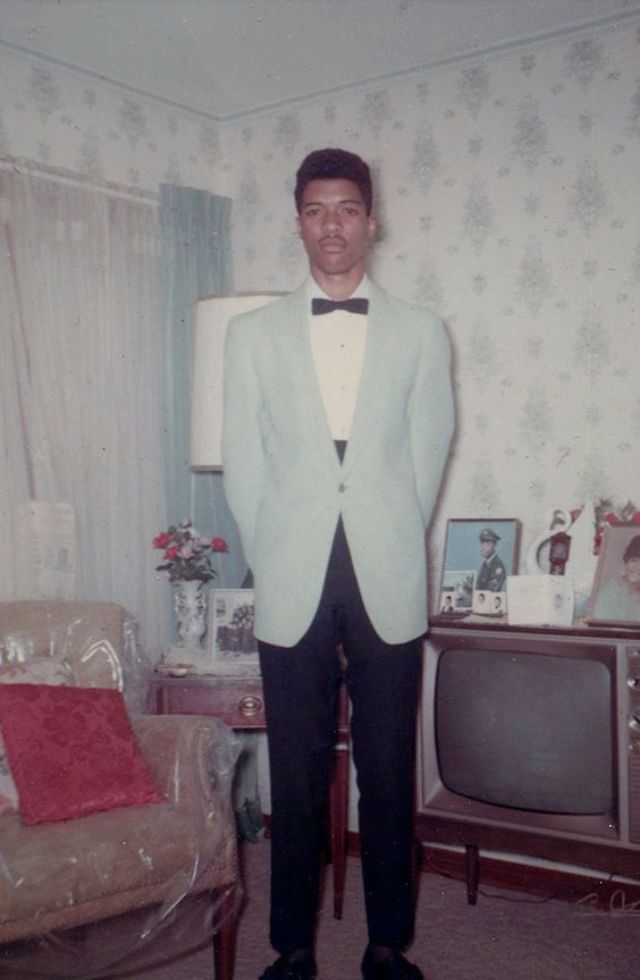
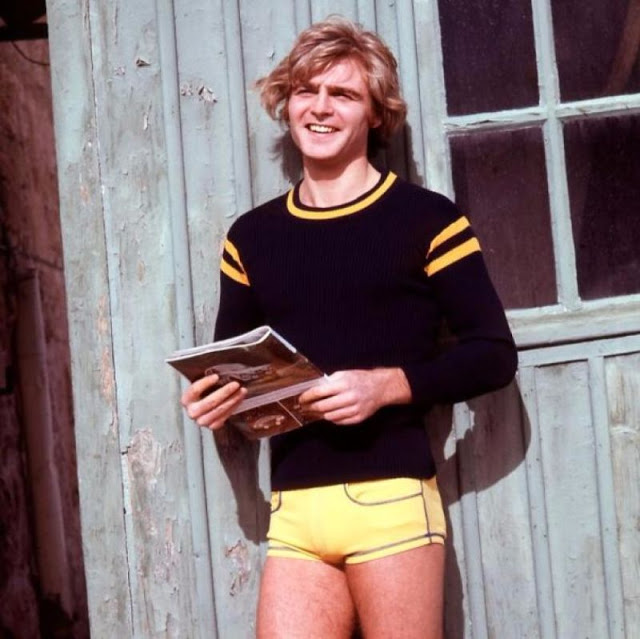
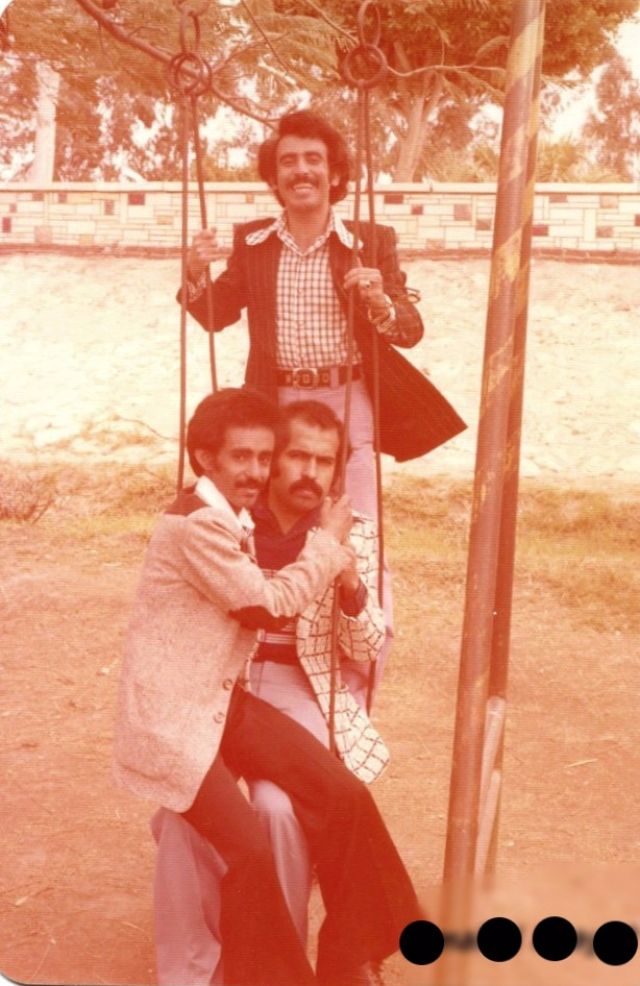
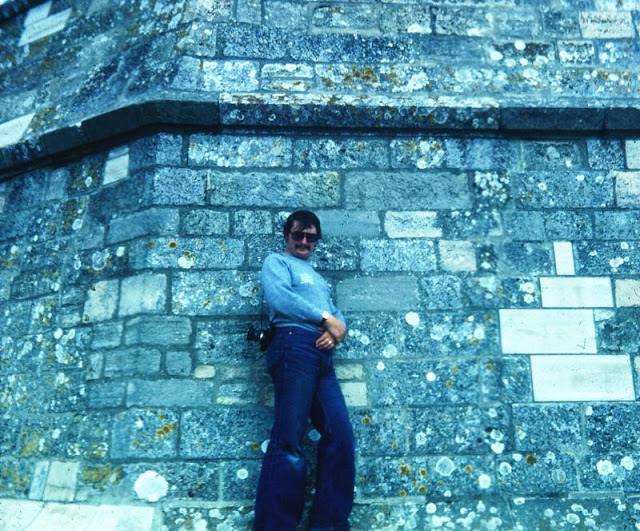
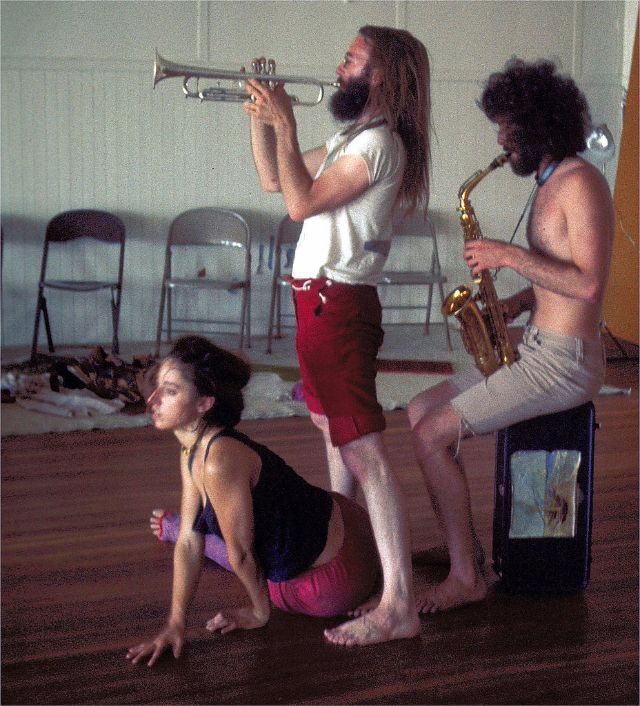
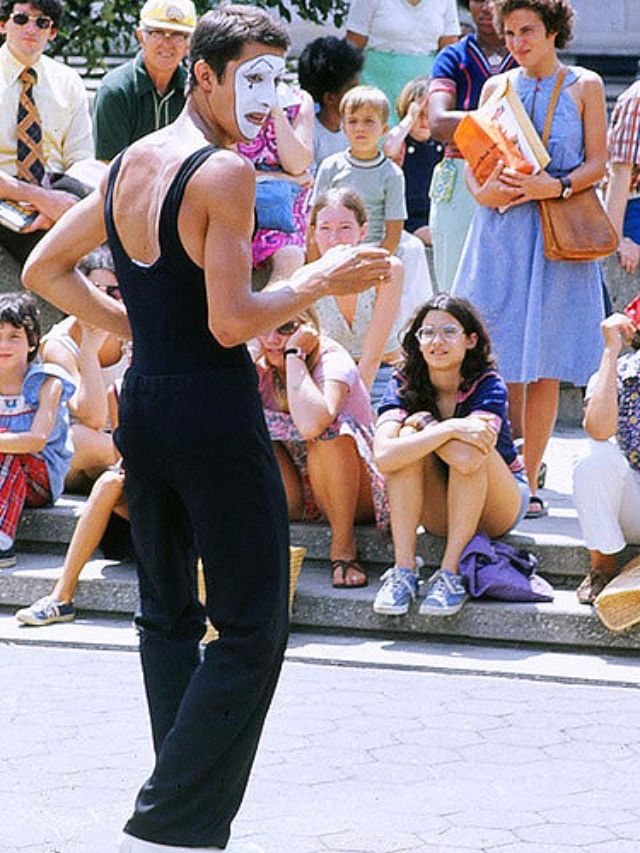
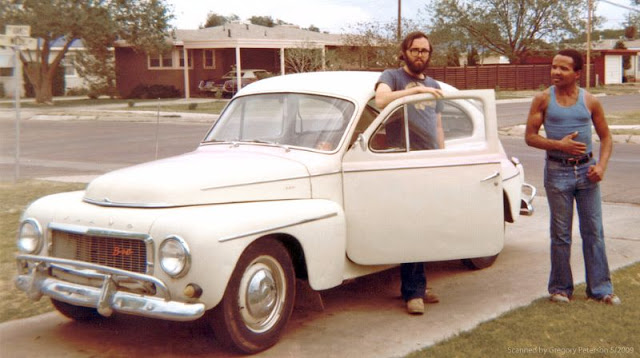
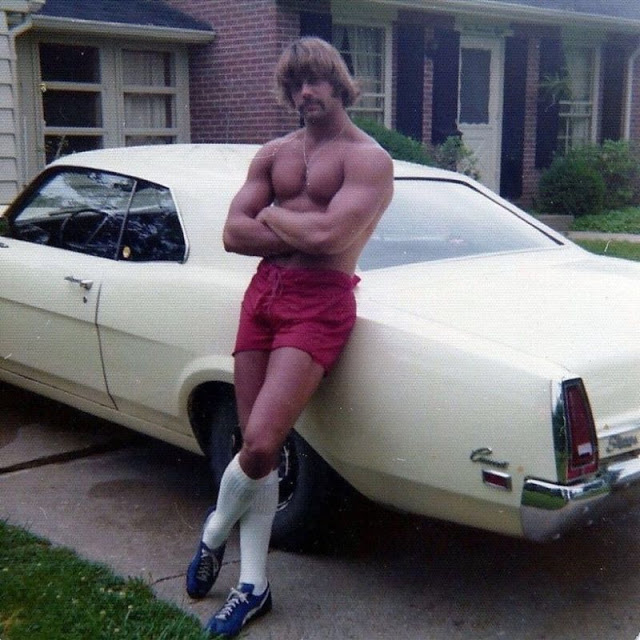
Men’s fashion in the 1970s changed fashion history. Never before did men have so many choices. From wide flare jeans, or cool shorts to platform boots and leisure suits,… They all created considerable diversity of the ’70s men’s fashion.
Check out these cool snaps to see how men’s fashion from the 1970s was like.














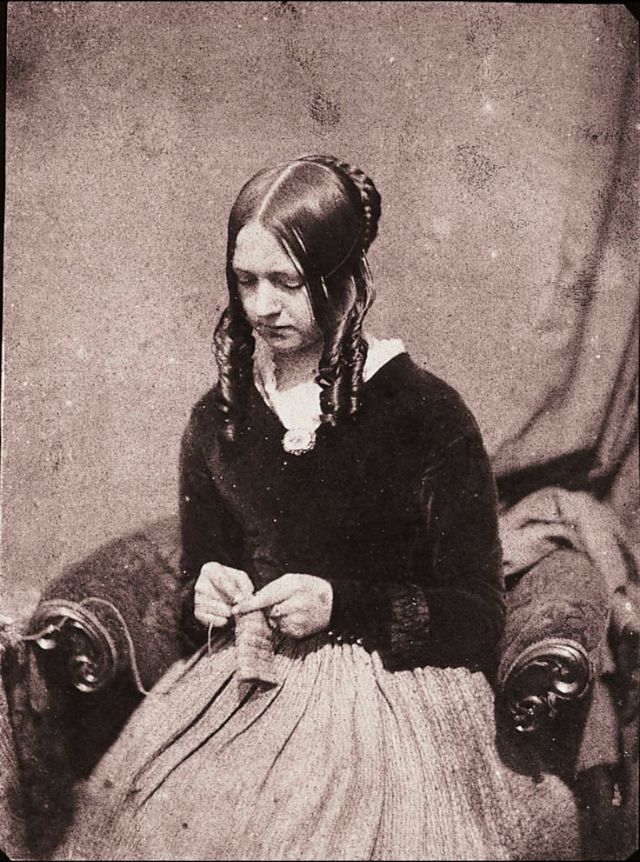
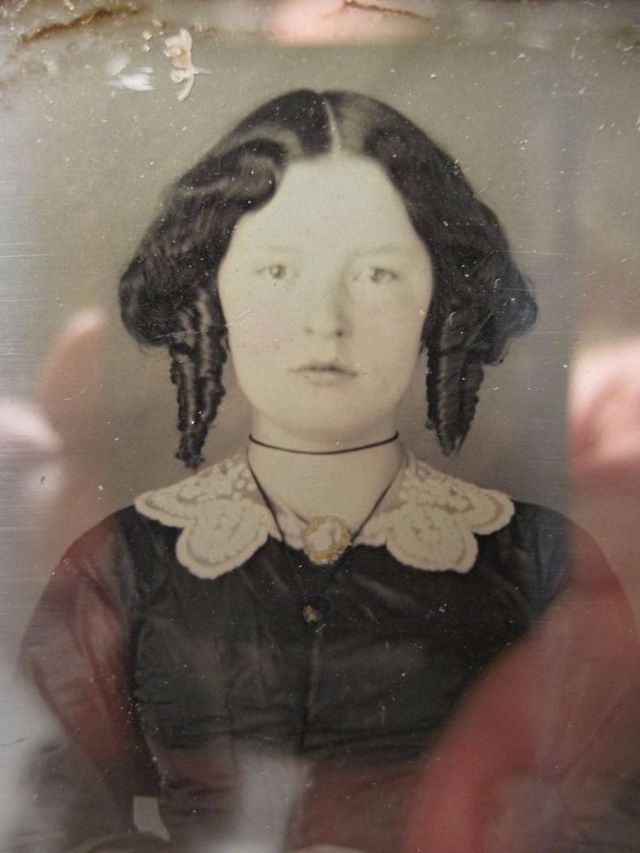
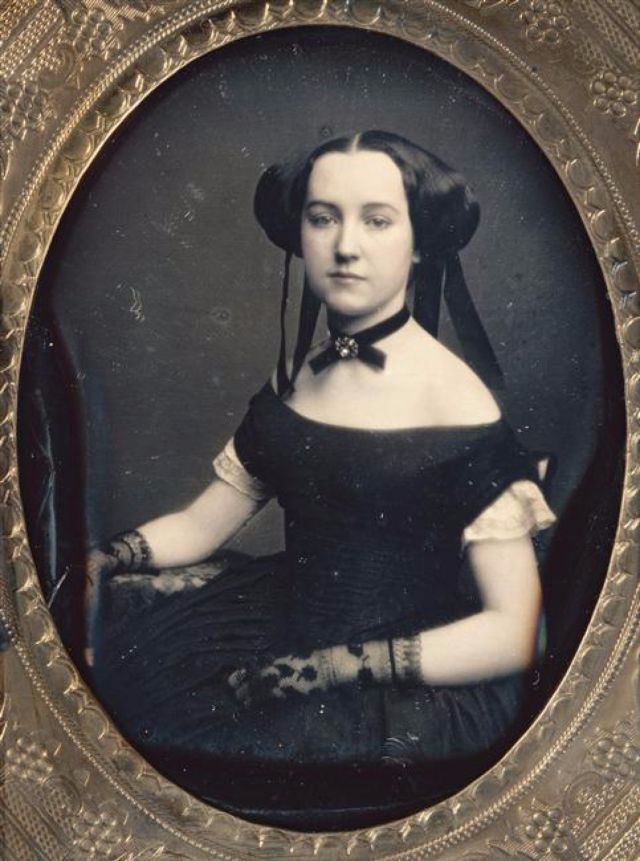
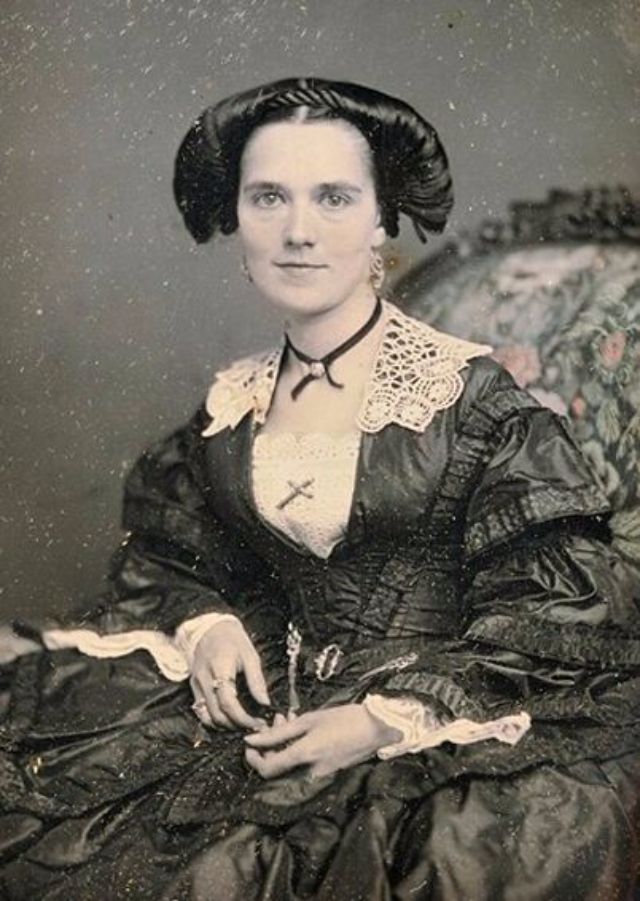
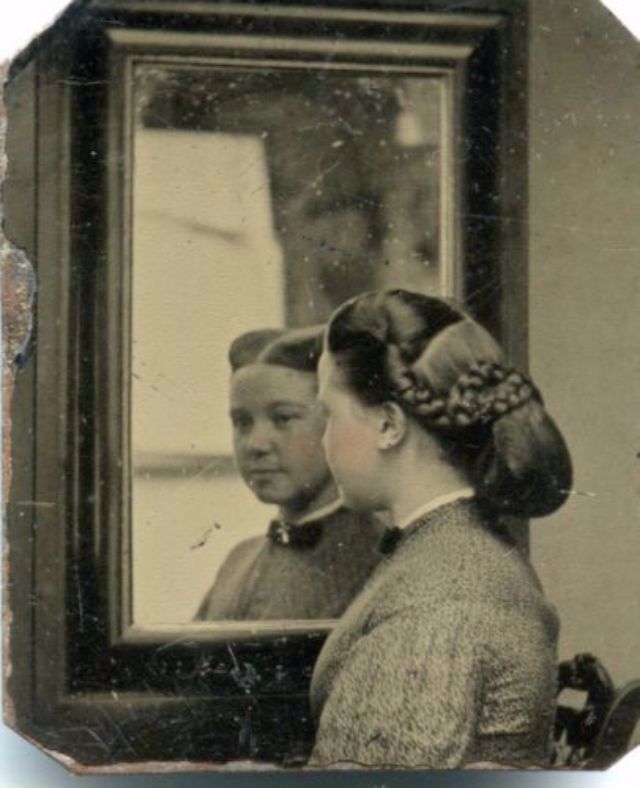
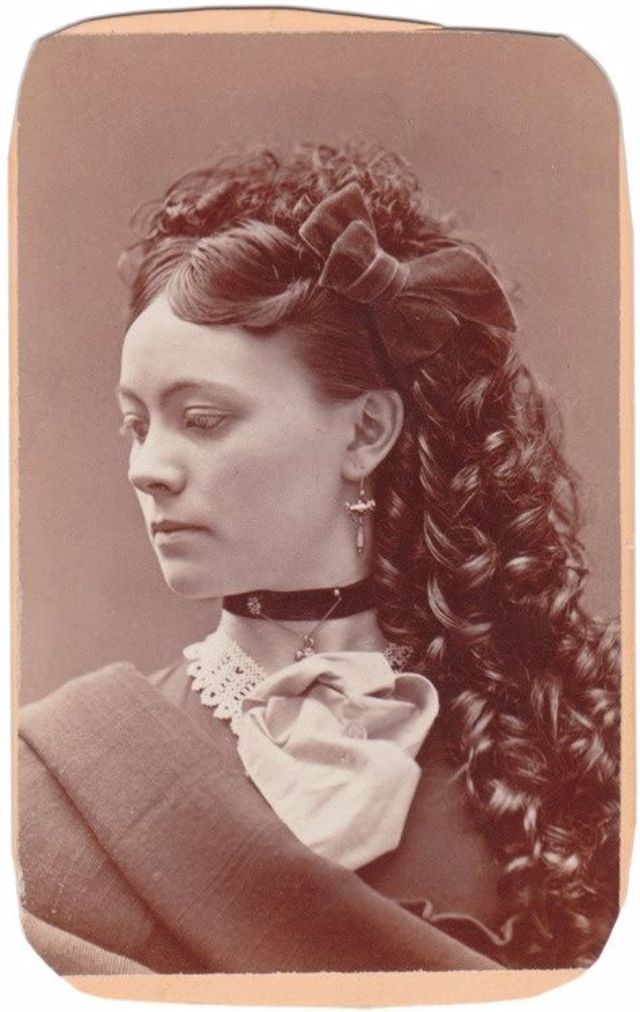
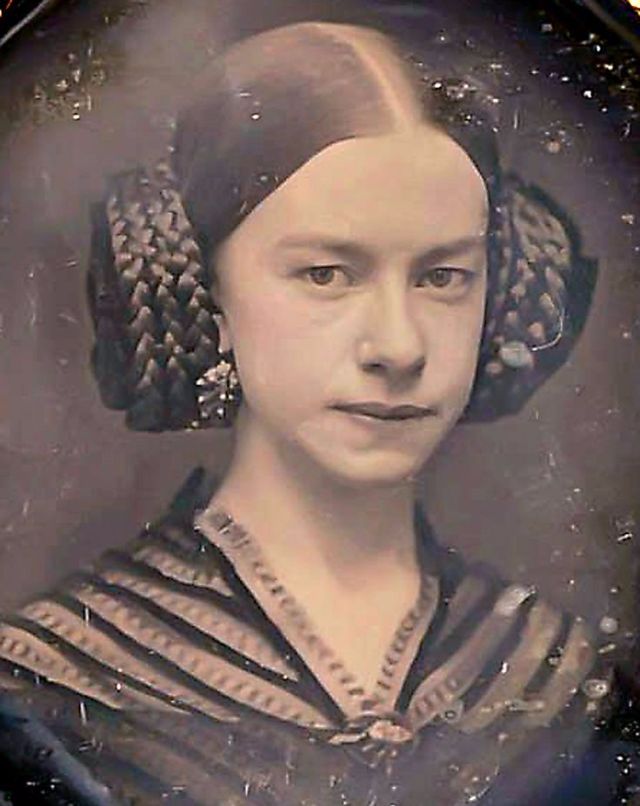
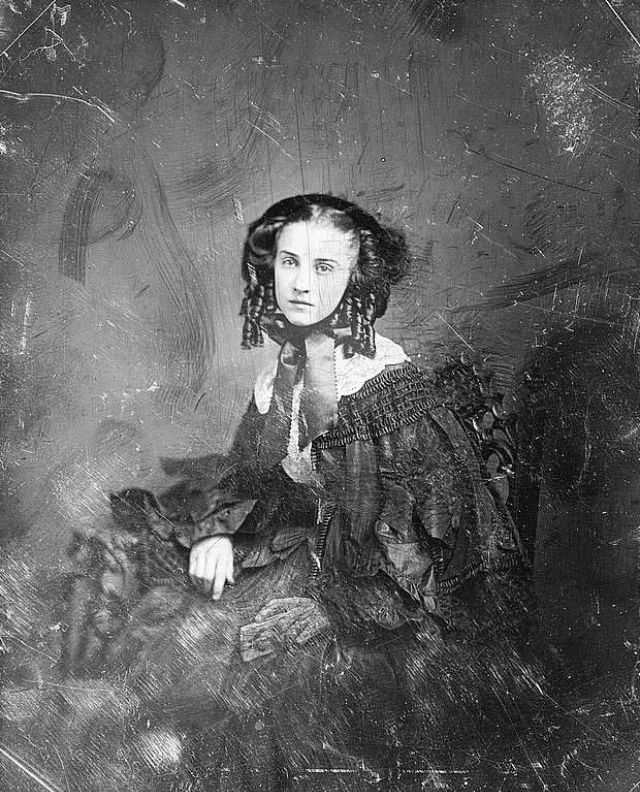
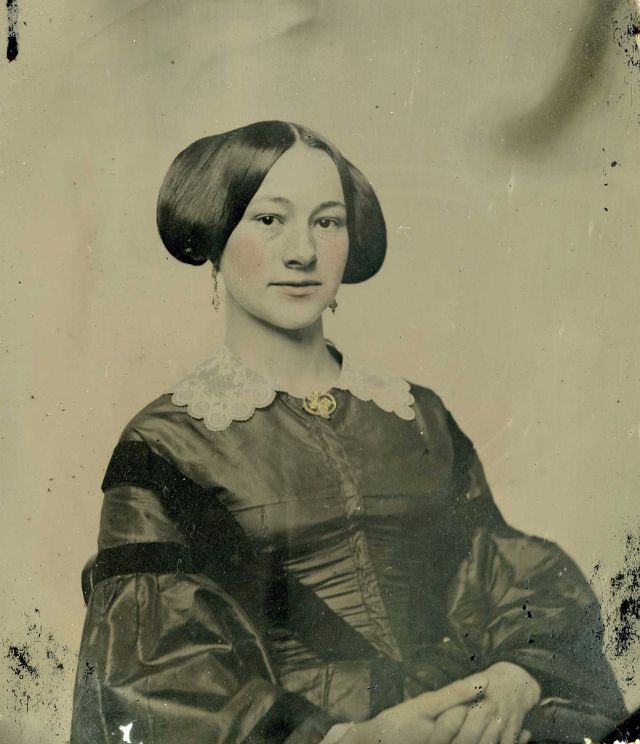
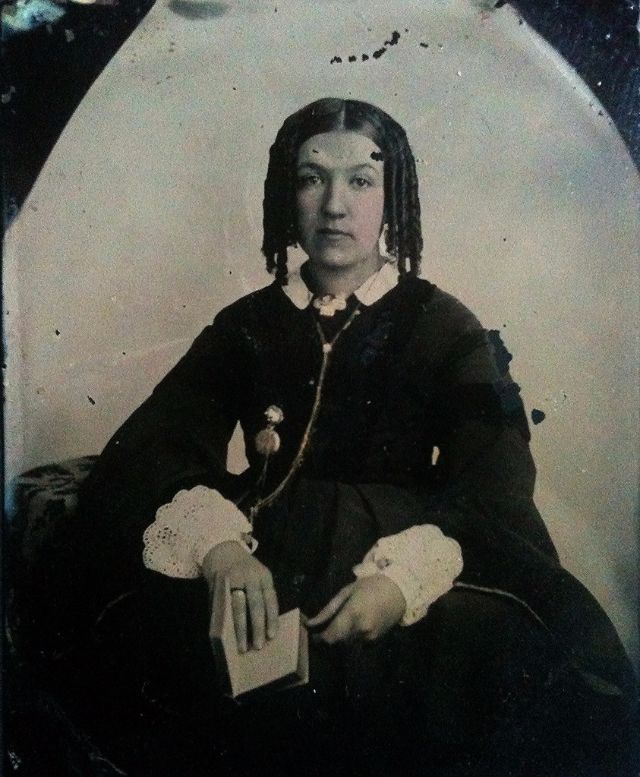
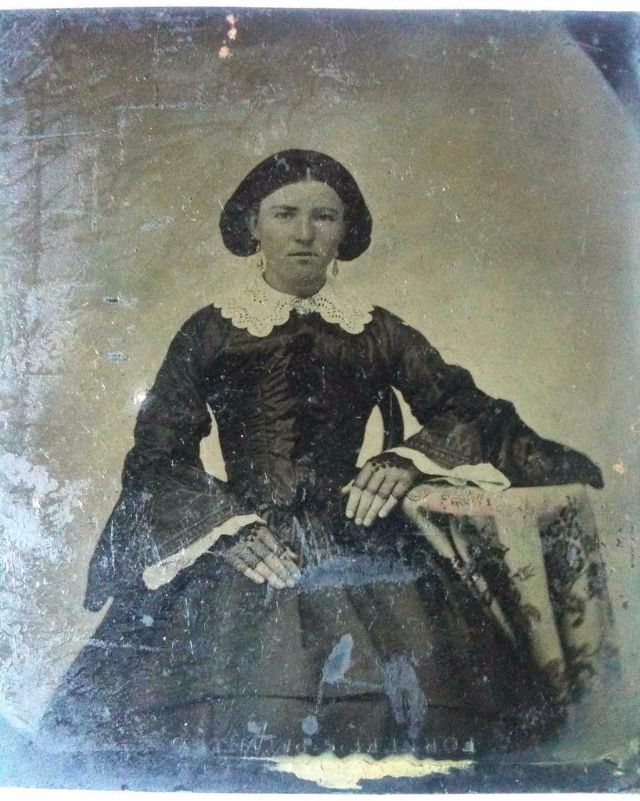
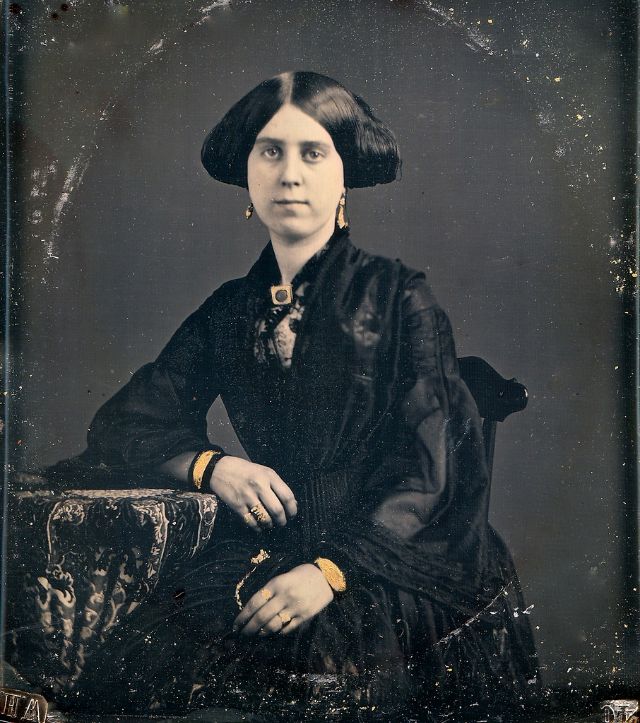
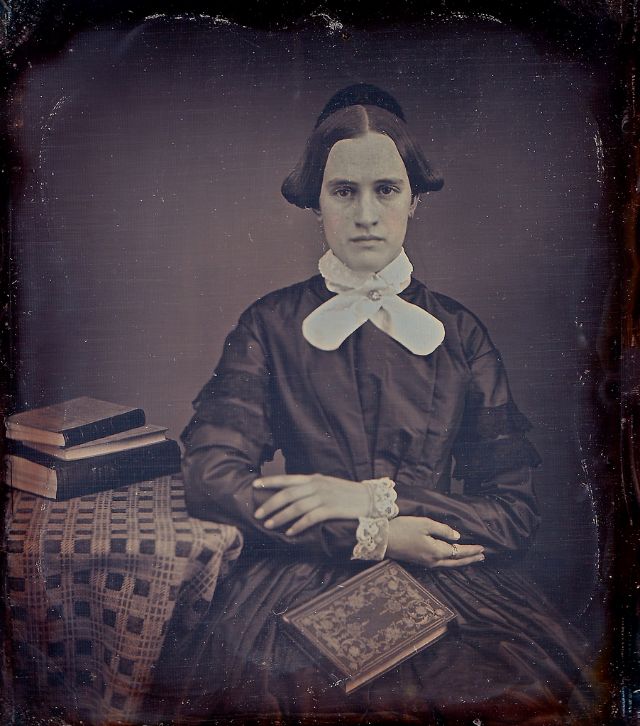
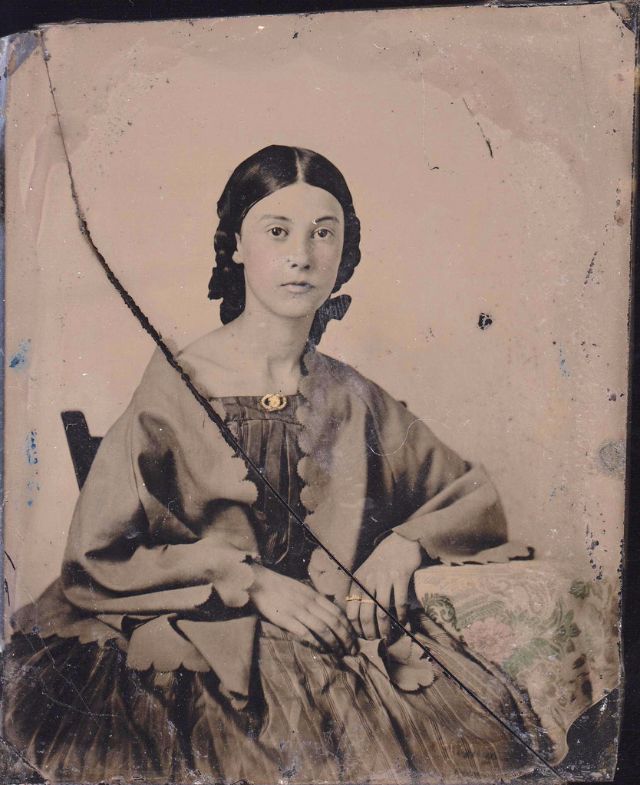
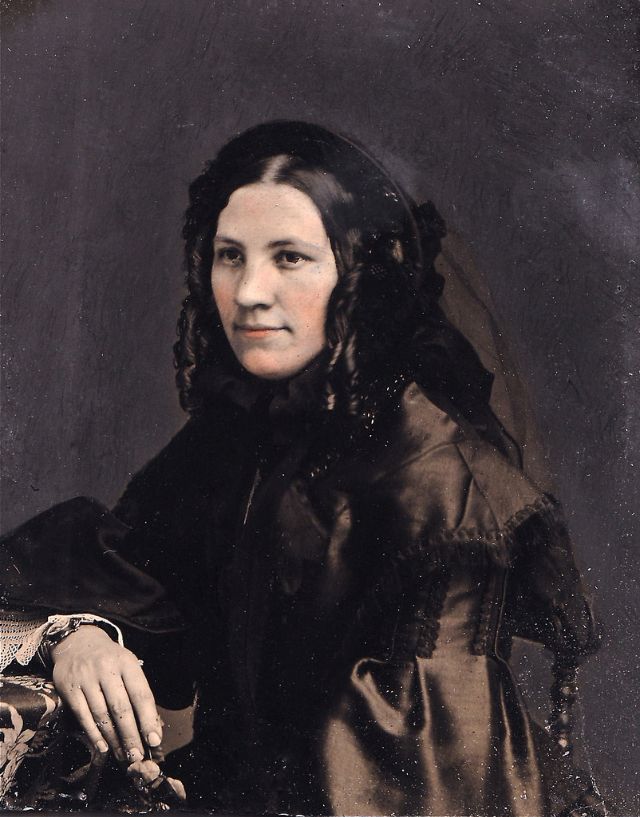
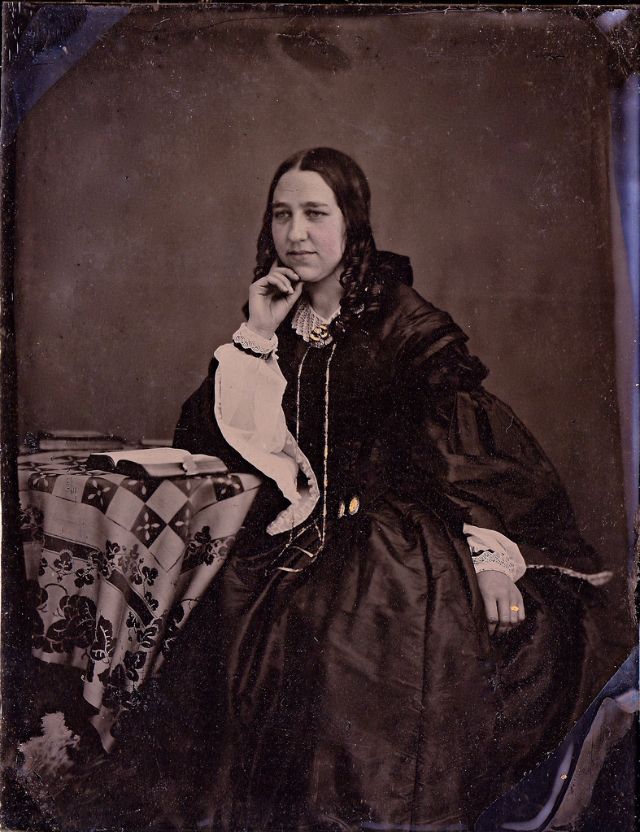
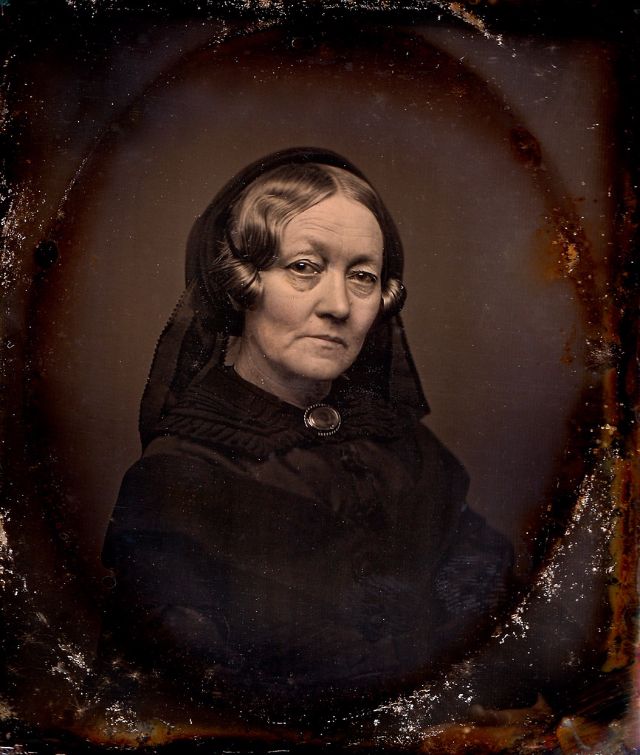
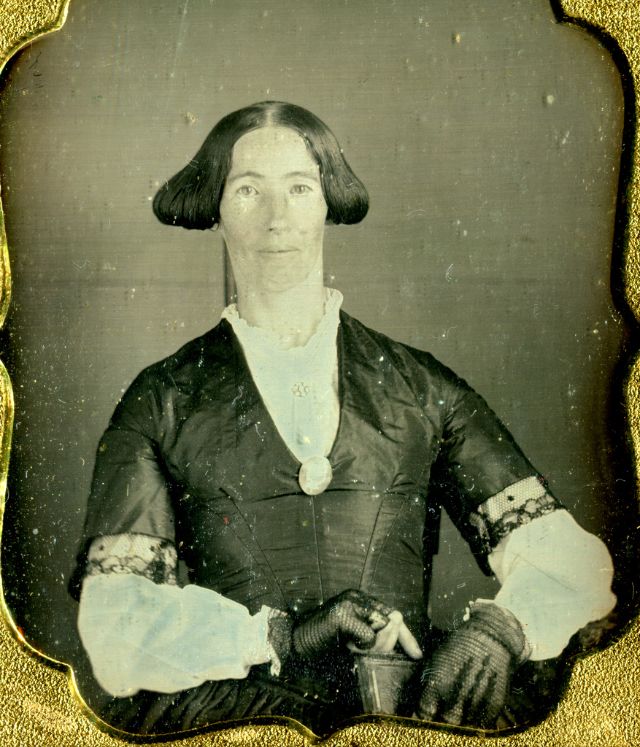
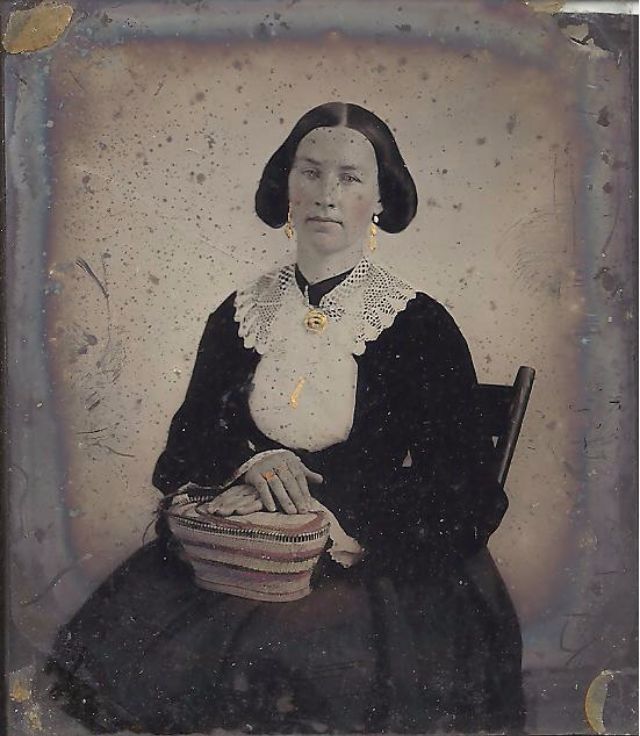
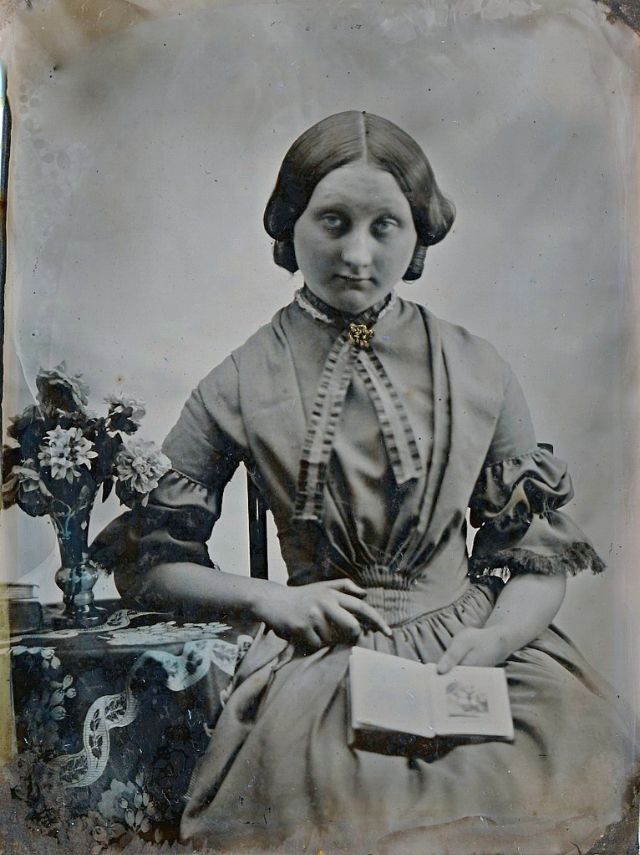
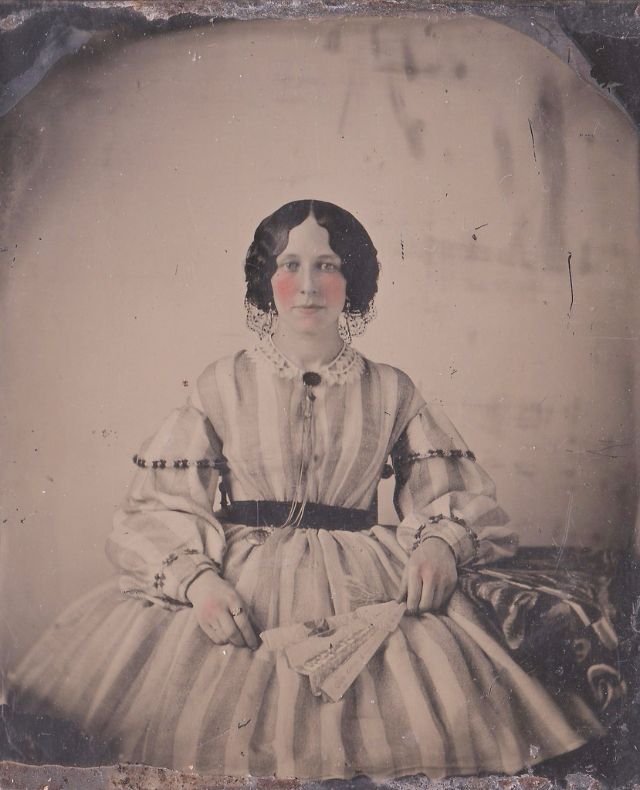
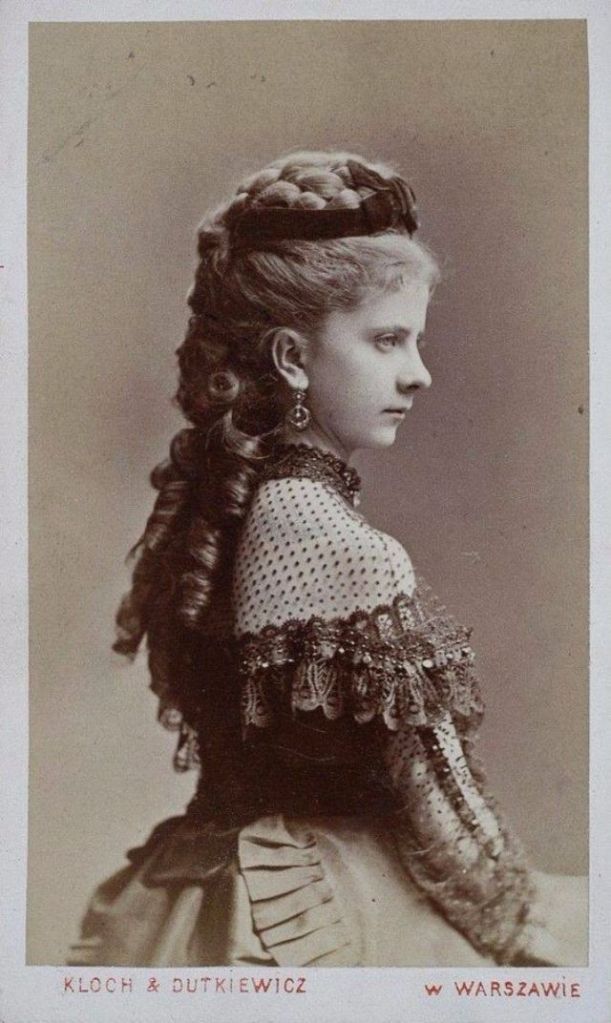
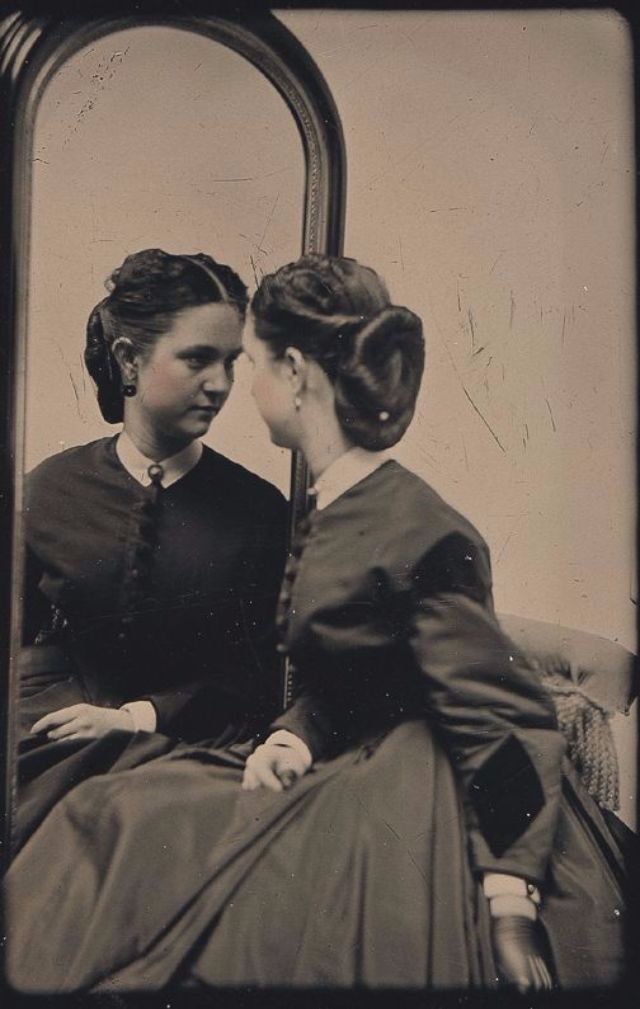
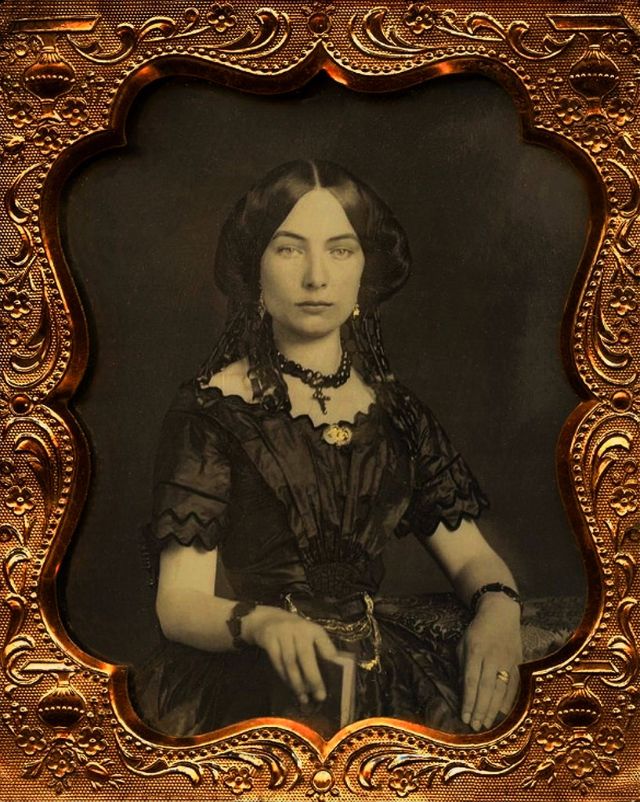

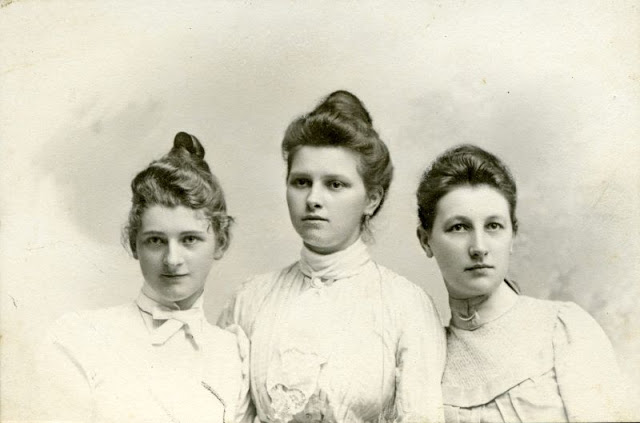
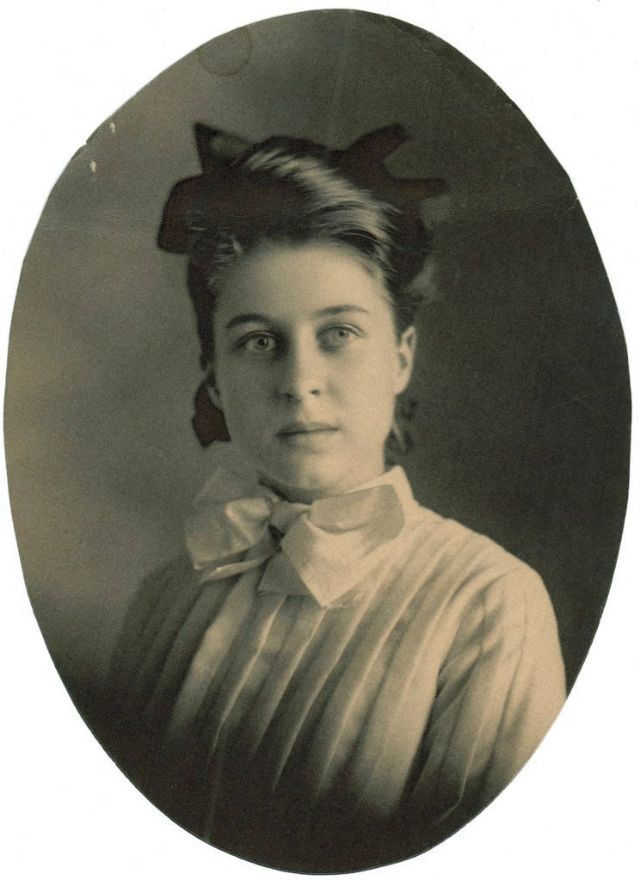
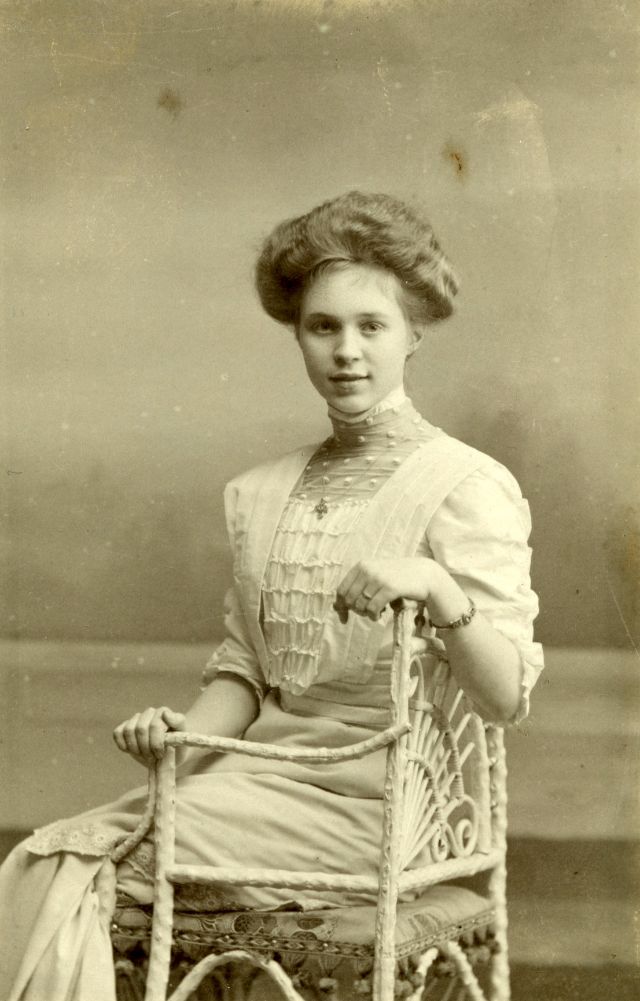
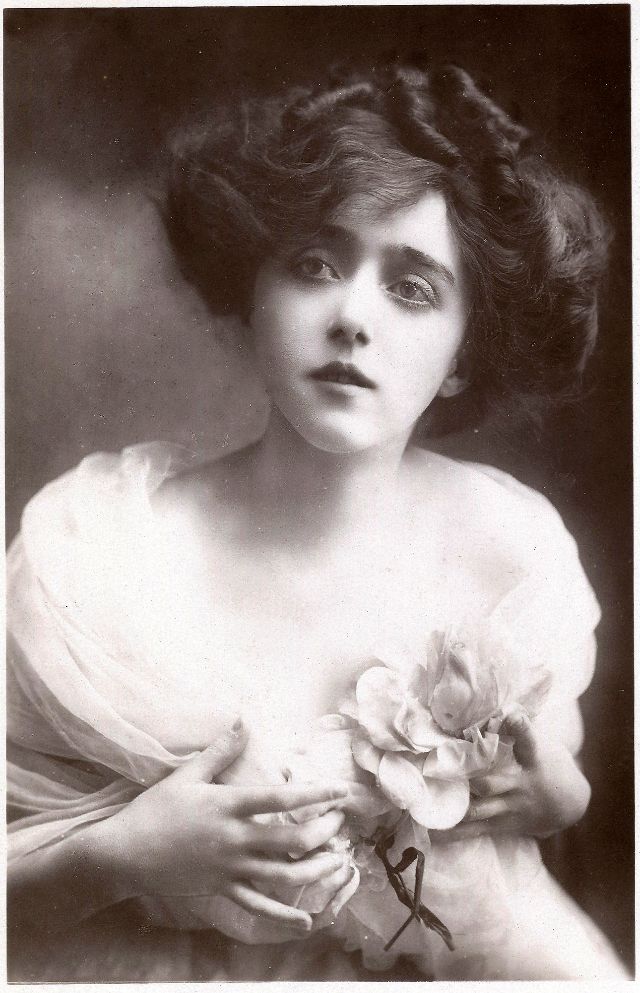
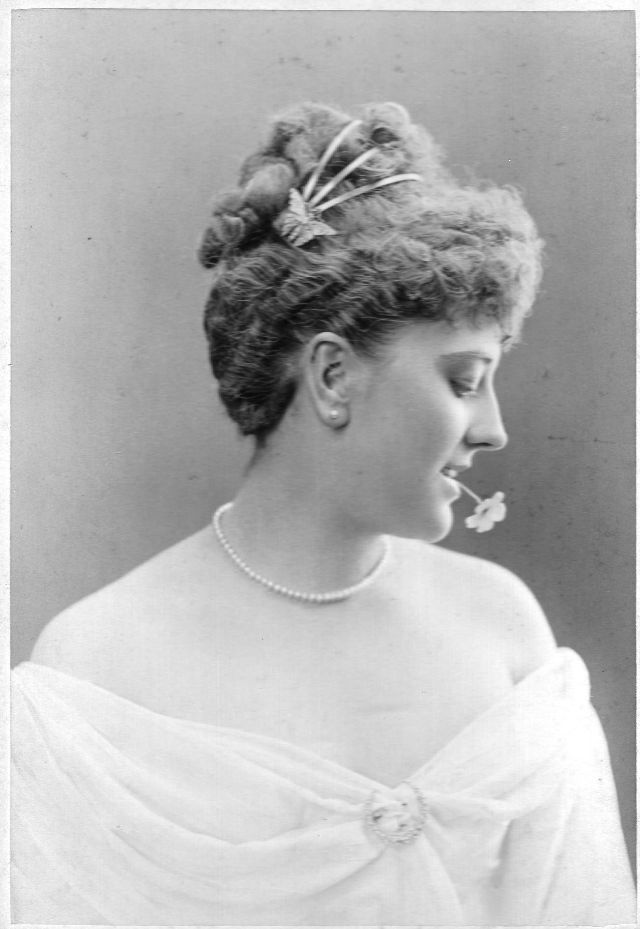
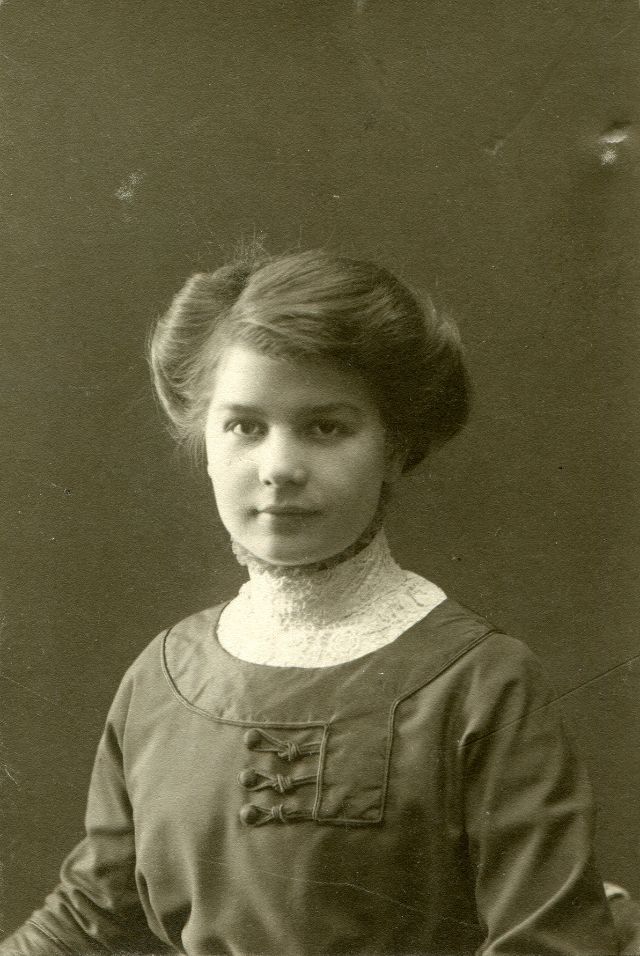
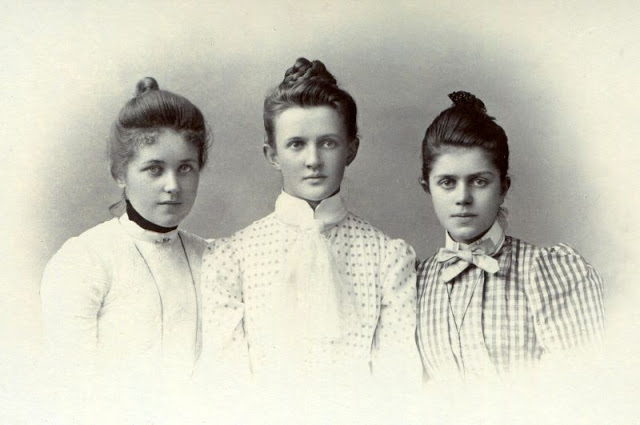
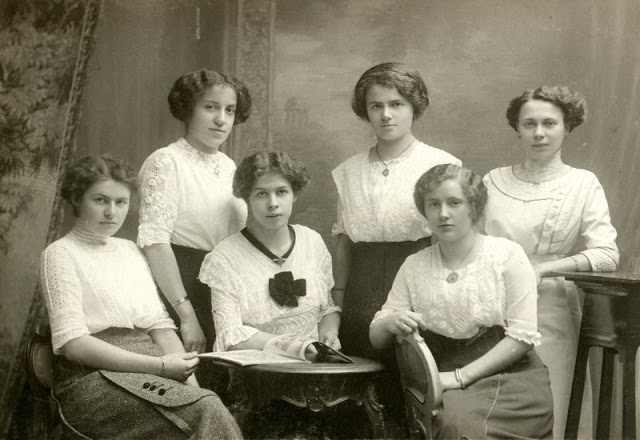
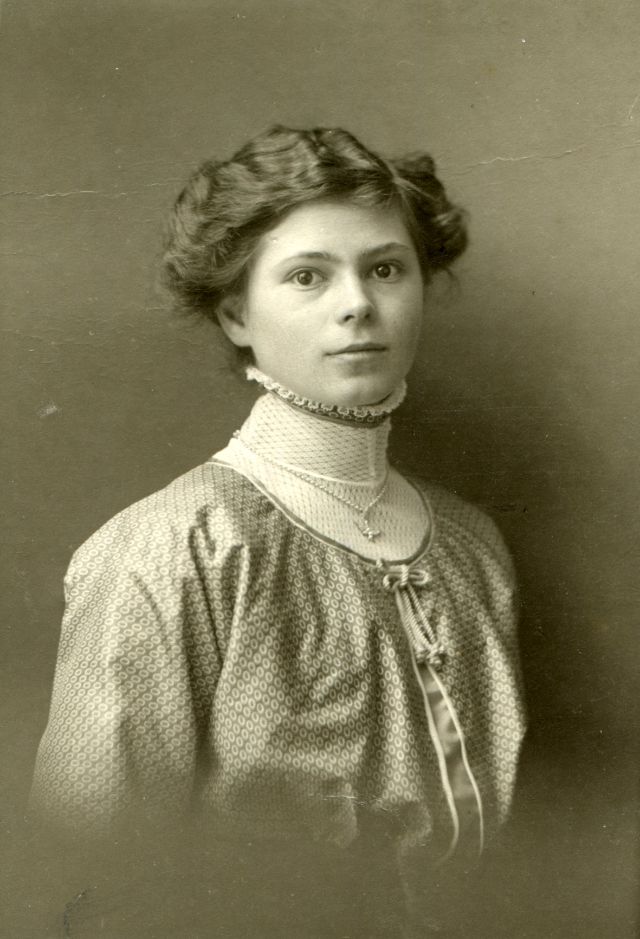
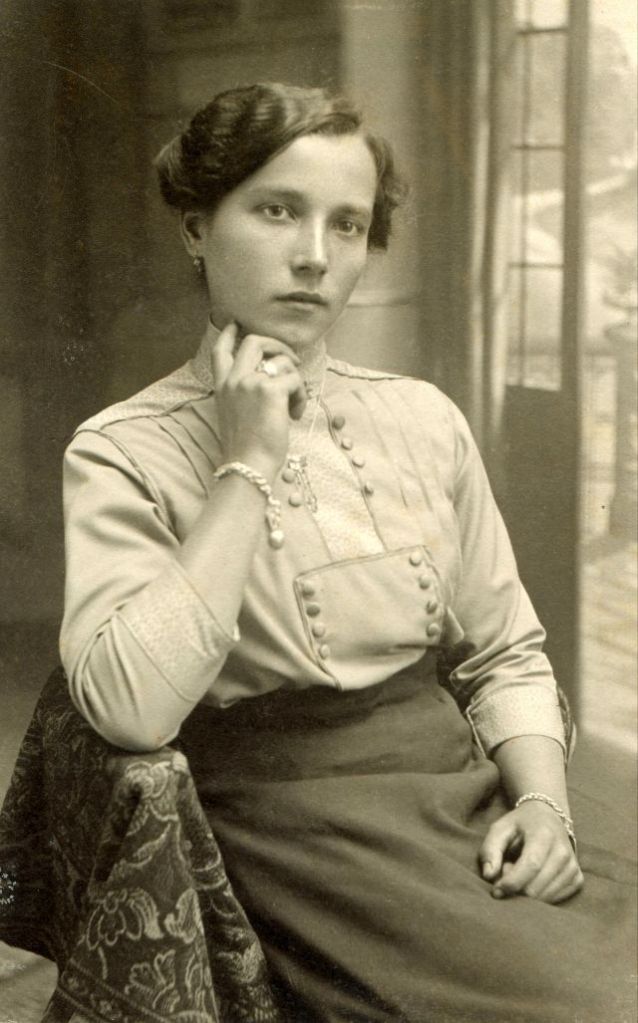
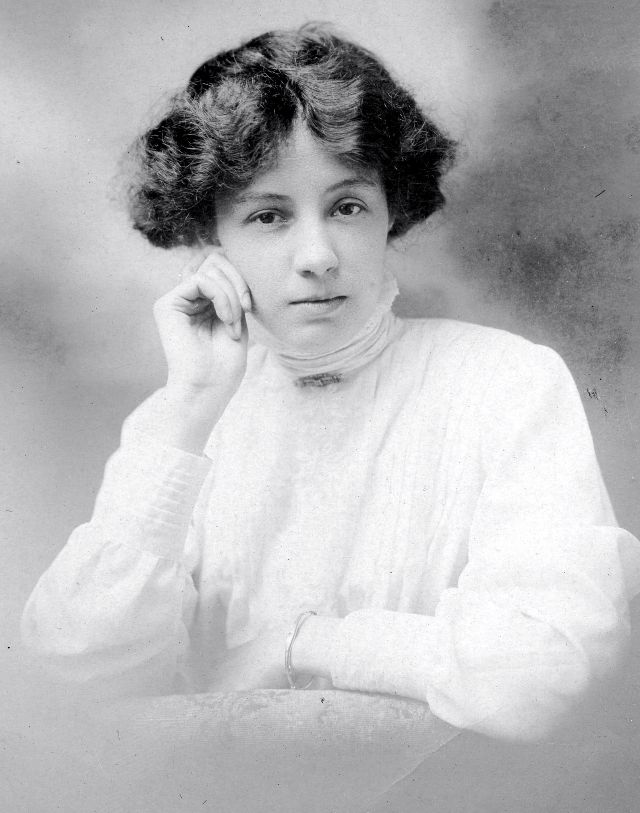
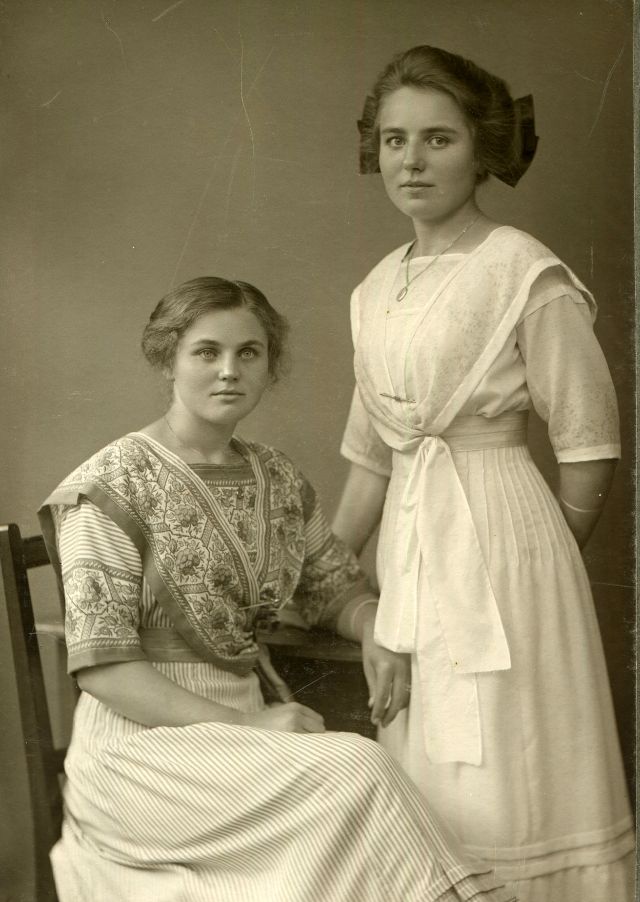
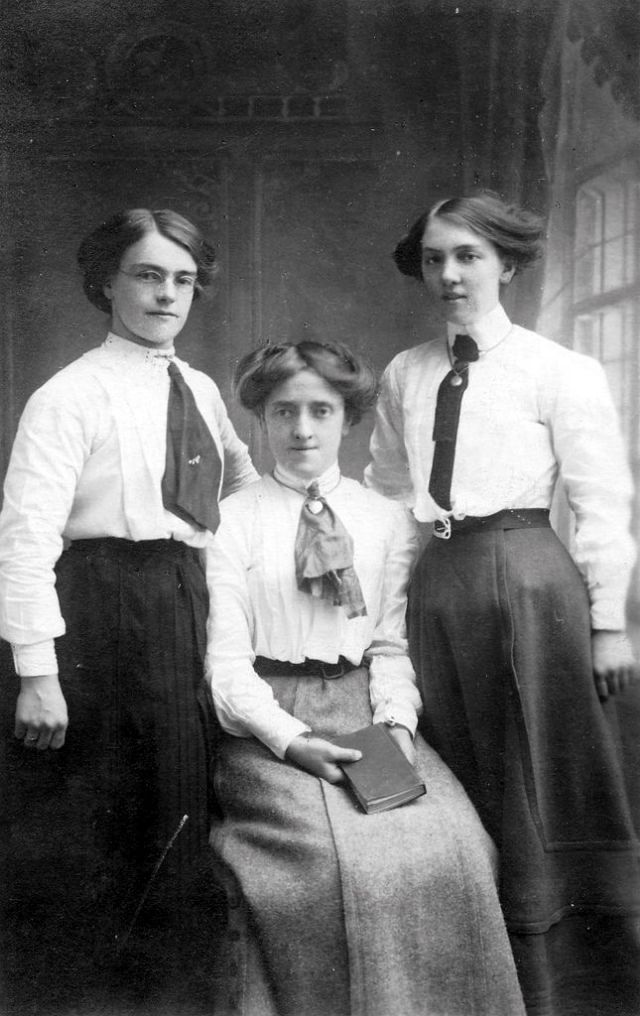
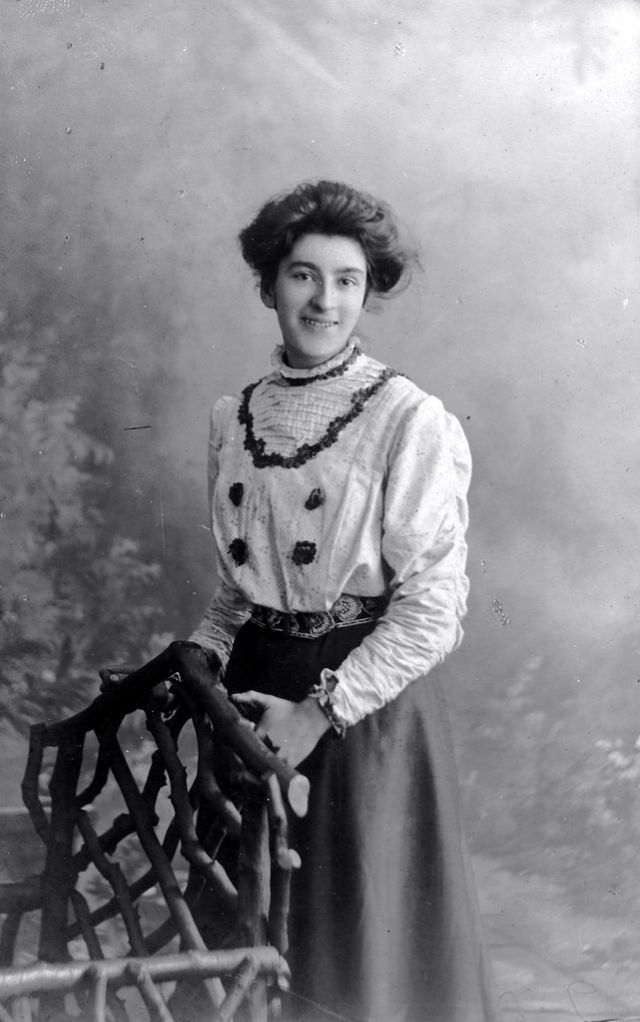
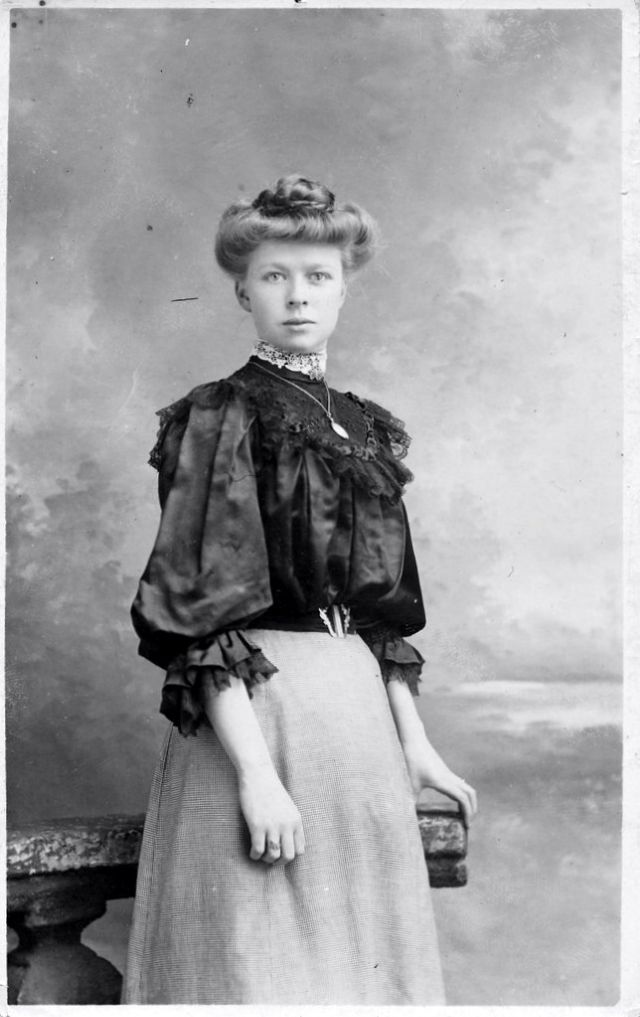
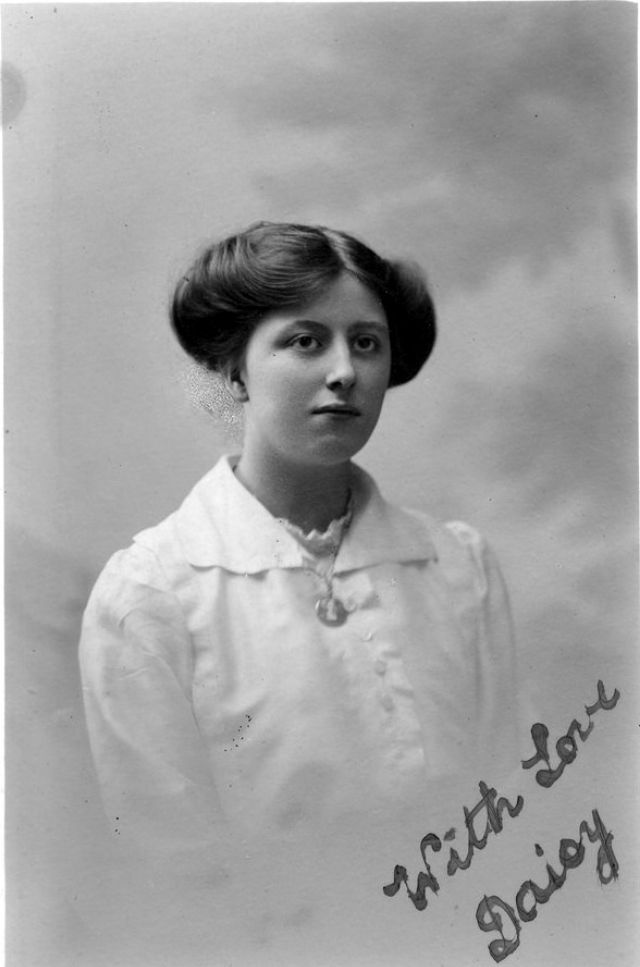
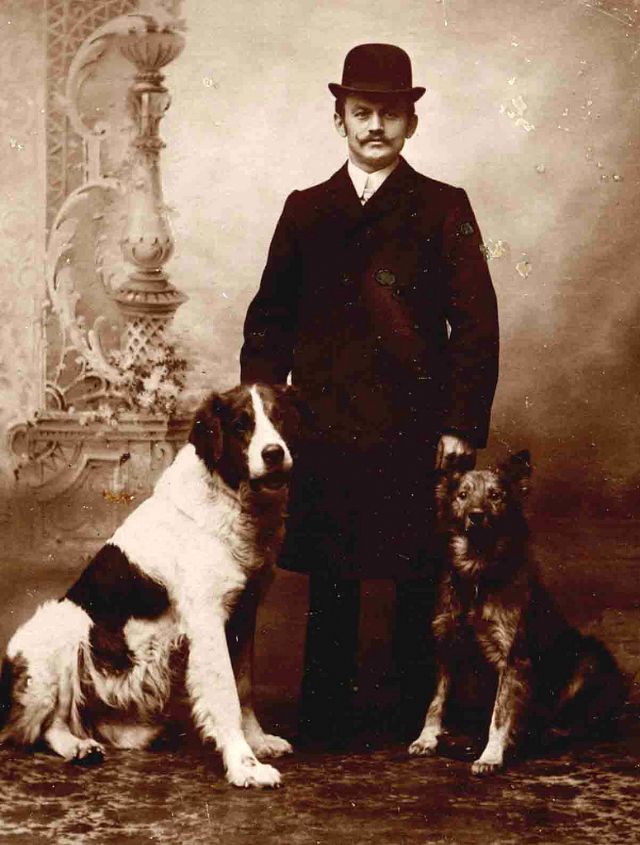
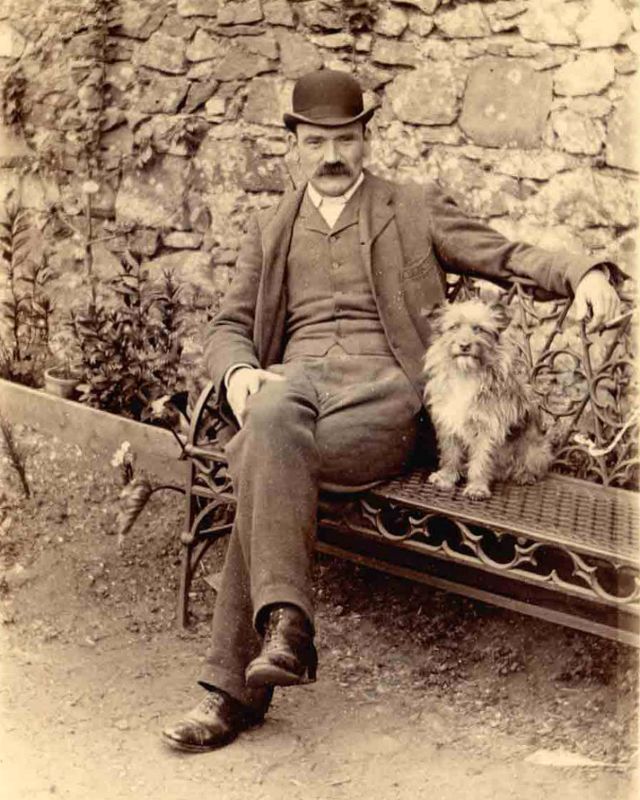
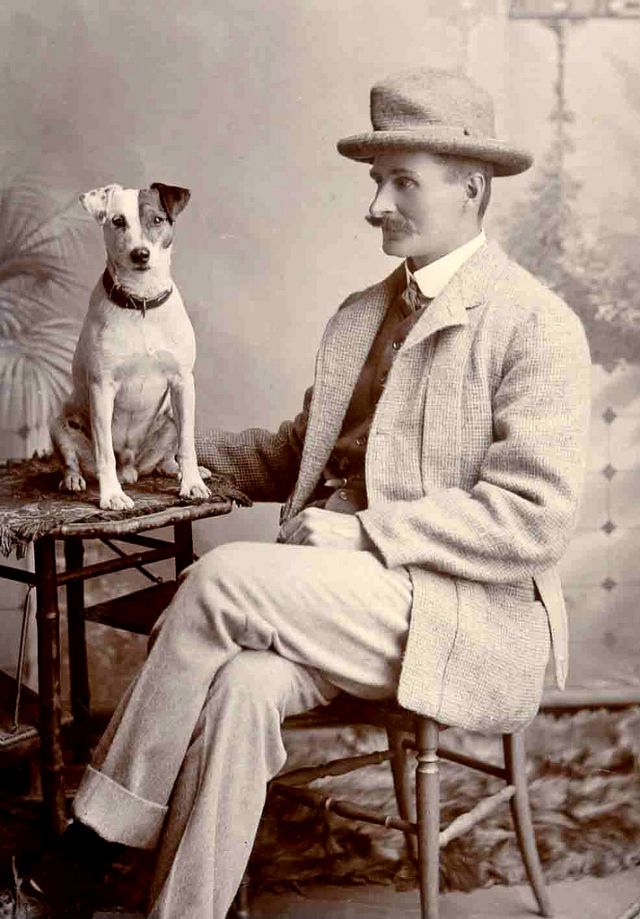
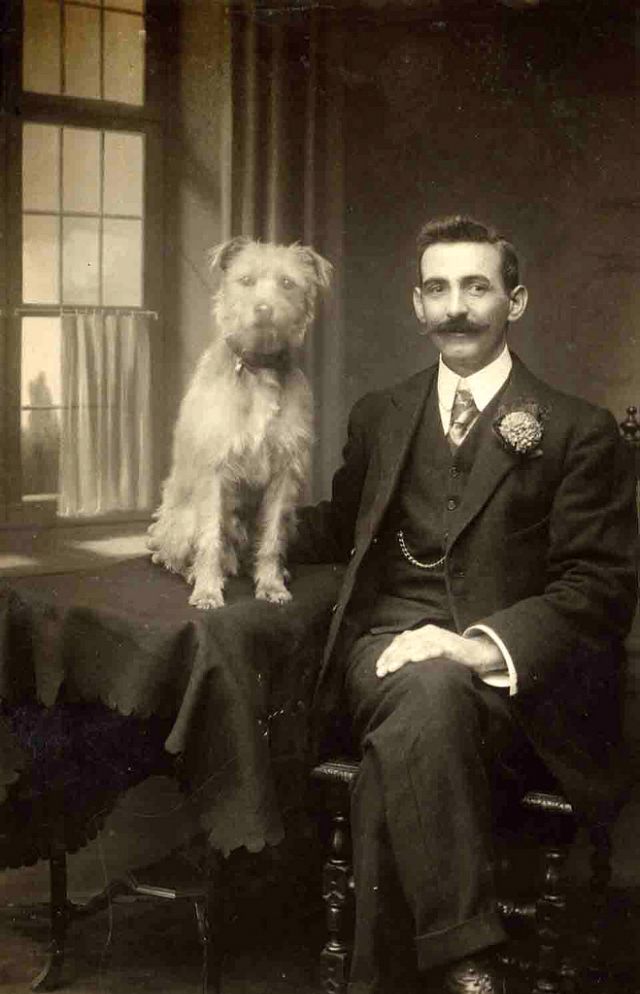
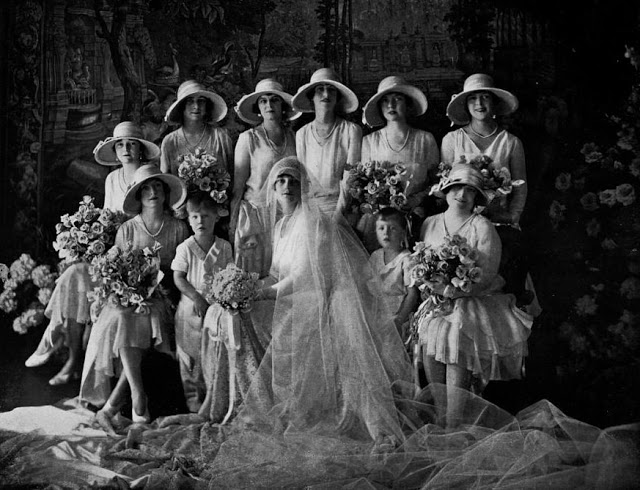
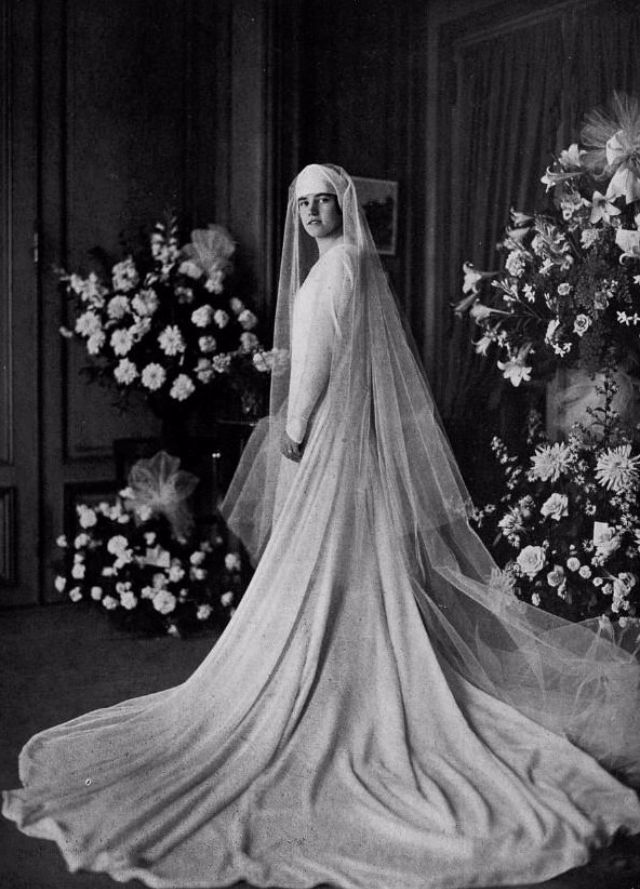
The Edwardian era or Edwardian period of British history spanned the reign of King Edward VII, 1901 to 1910, and is sometimes expanded to the start of the First World War. The death of Queen Victoria in January 1901 marked the end of the Victorian era. Her son and successor, Edward VII, was already the leader of a fashionable elite that set a style influenced by the art and fashions of continental Europe. Samuel Hynes described the Edwardian era as a “leisurely time when women wore picture hats and did not vote, when the rich were not ashamed to live conspicuously, and the sun really never set on the British flag.”
The Liberals returned to power in 1906 and made significant reforms. Below the upper class, the era was marked by significant shifts in politics among sections of society that had largely been excluded from power, such as labourers, servants, and the industrial working class. Women started to play more of a role in politics.
The Edwardian era was the last period of British history to be named after the reigning monarch. The subsequent reigns of George V and George VI are not commonly termed Georgian era, this name being reserved for the time of the 18th-century kings of that name. Similarly, Elizabethan era refers solely to the 16th-century queen Elizabeth I and is not extended to the current Elizabeth II.