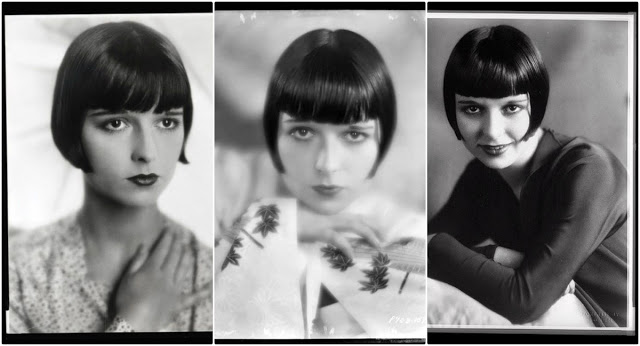
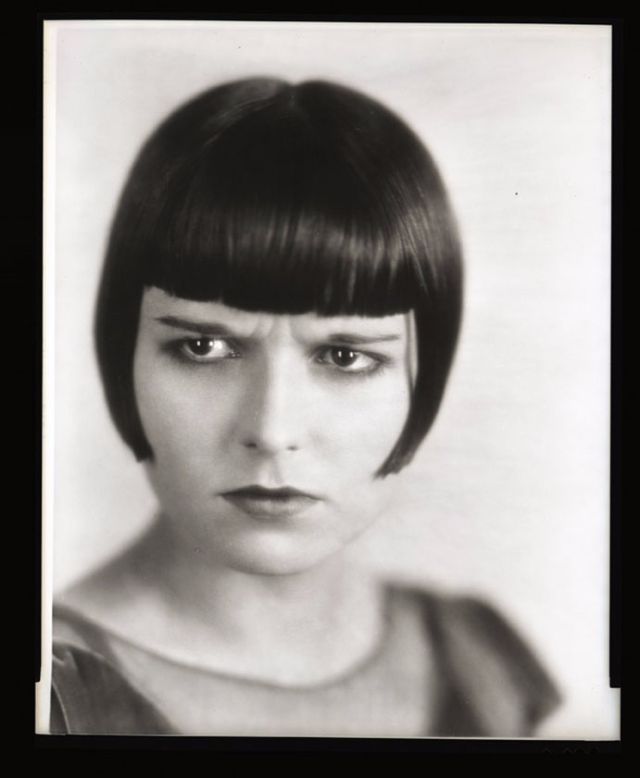
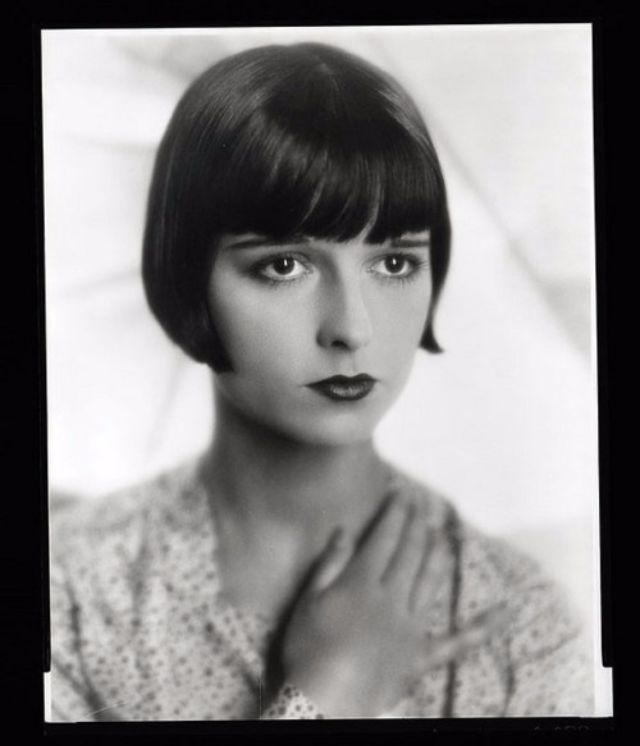
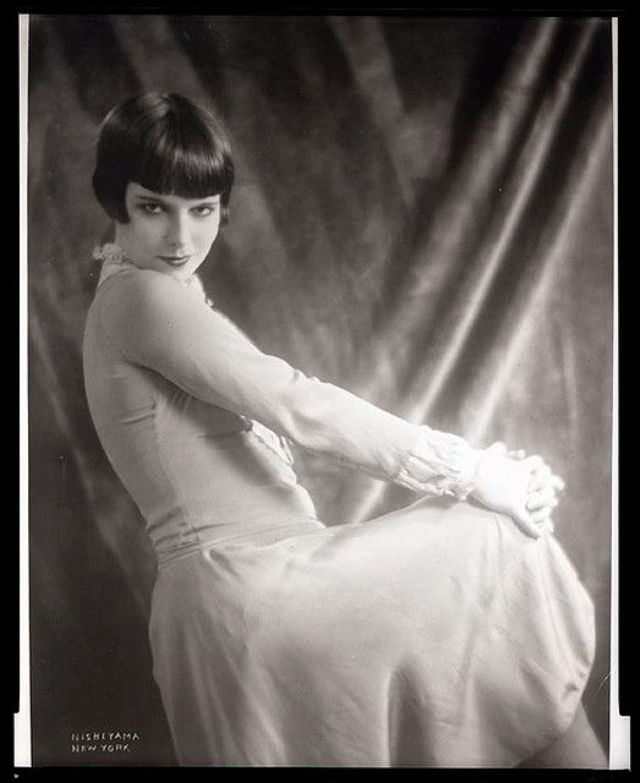
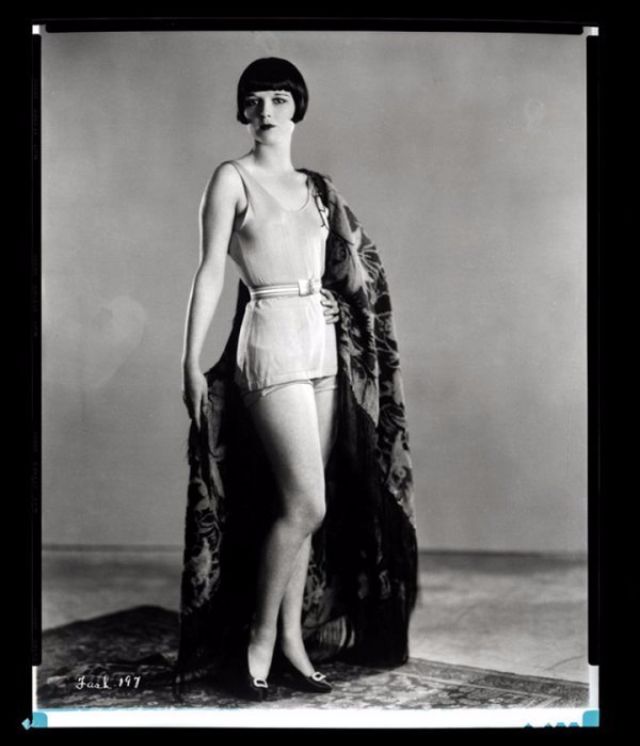
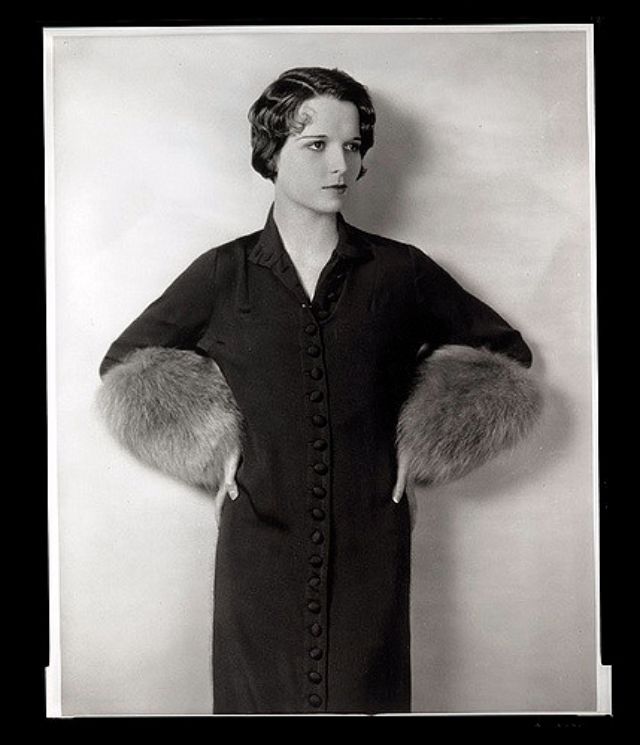
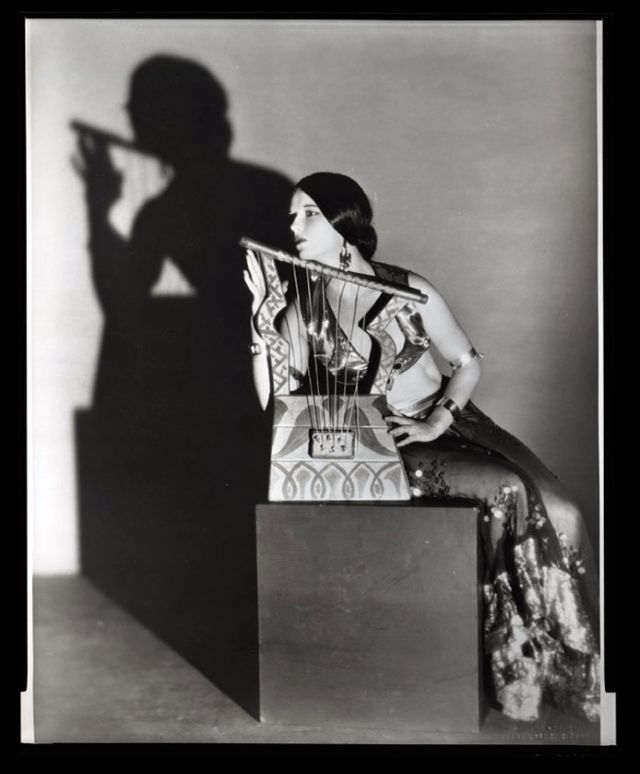
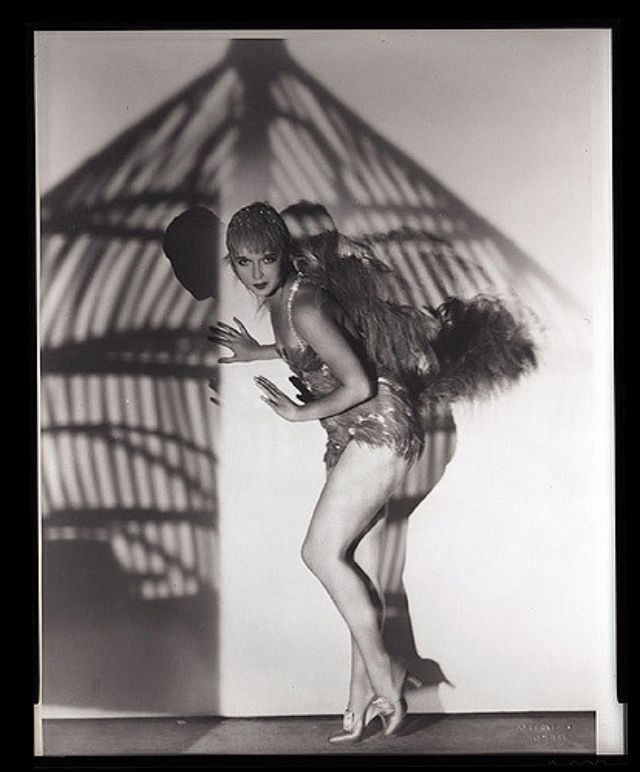
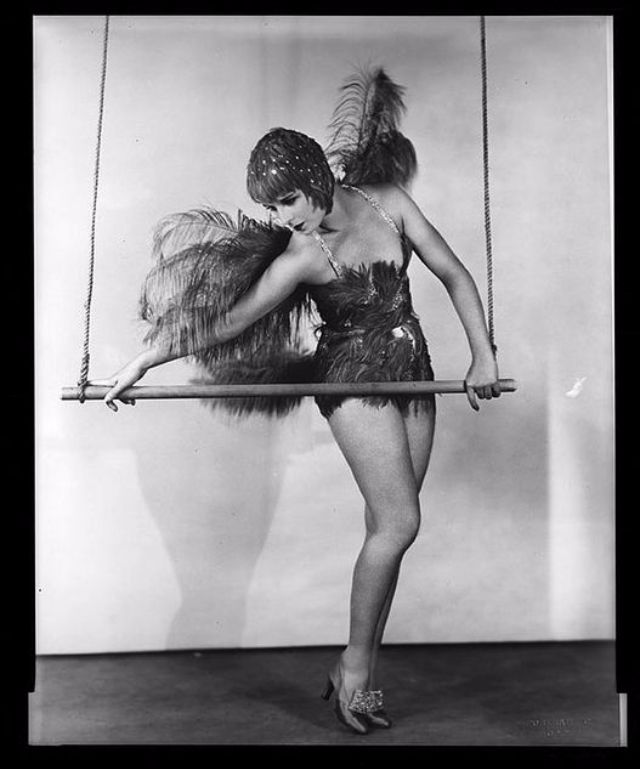
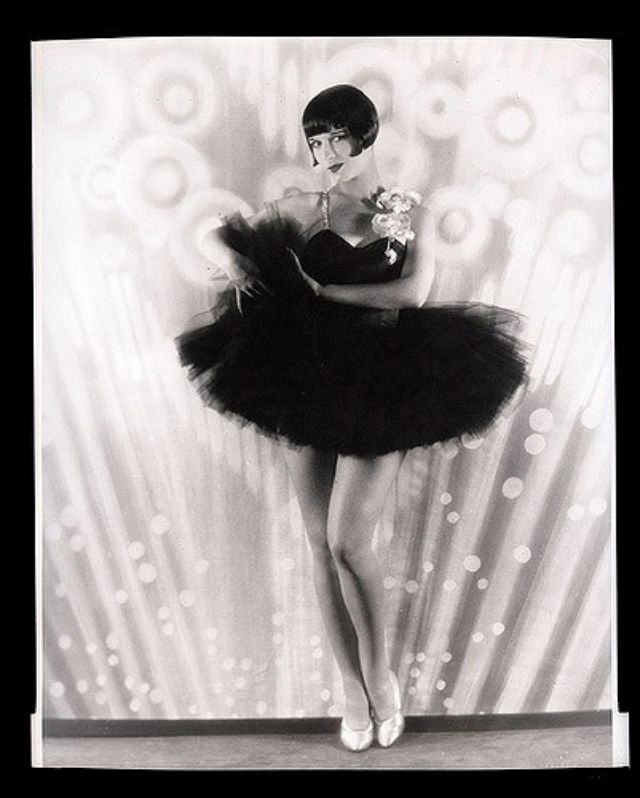
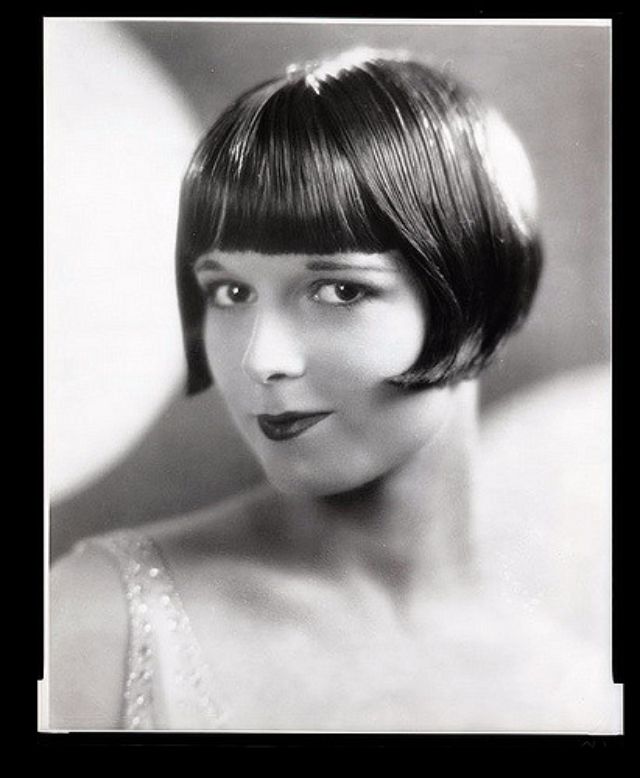
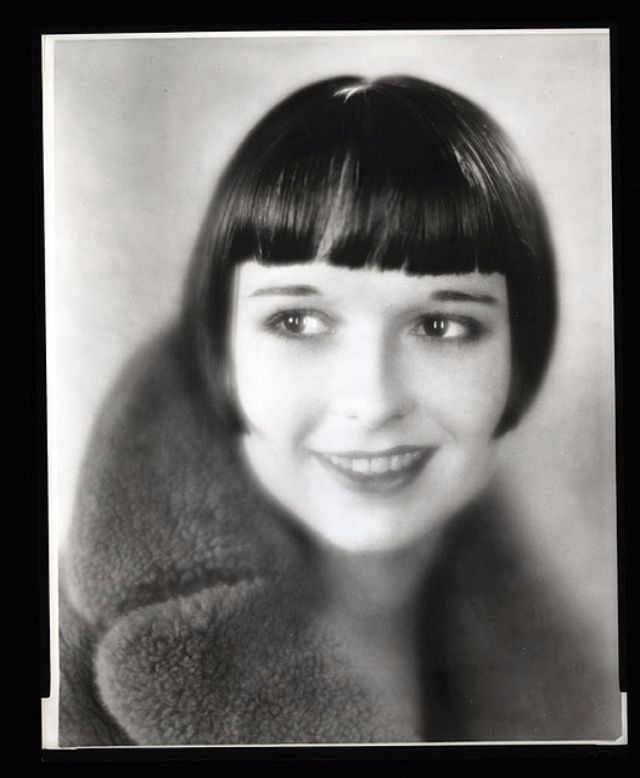
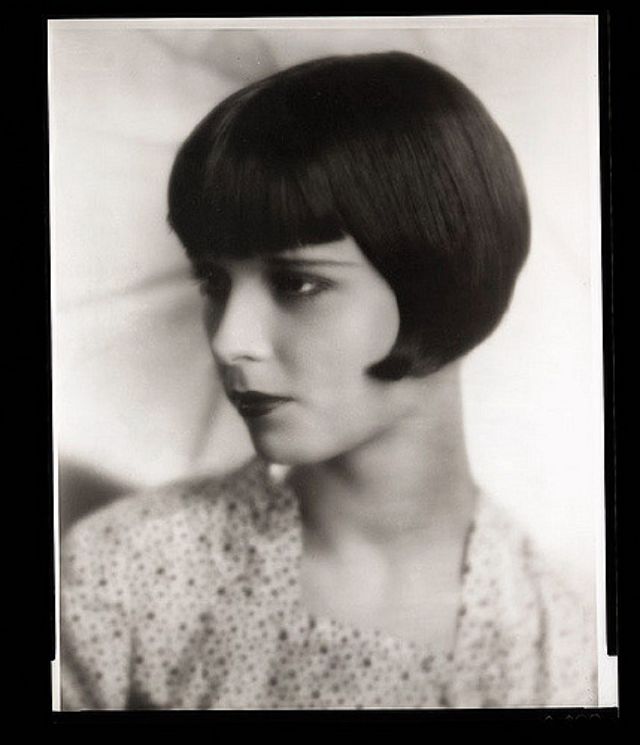
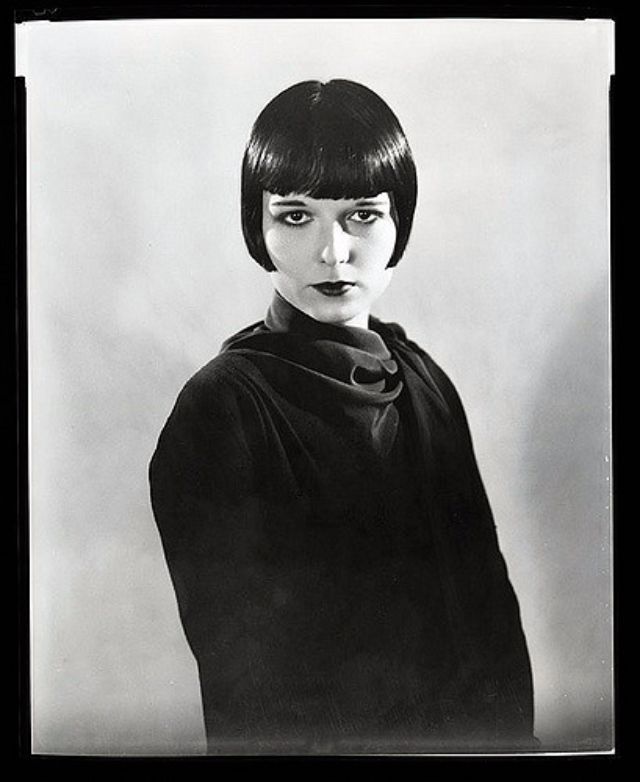
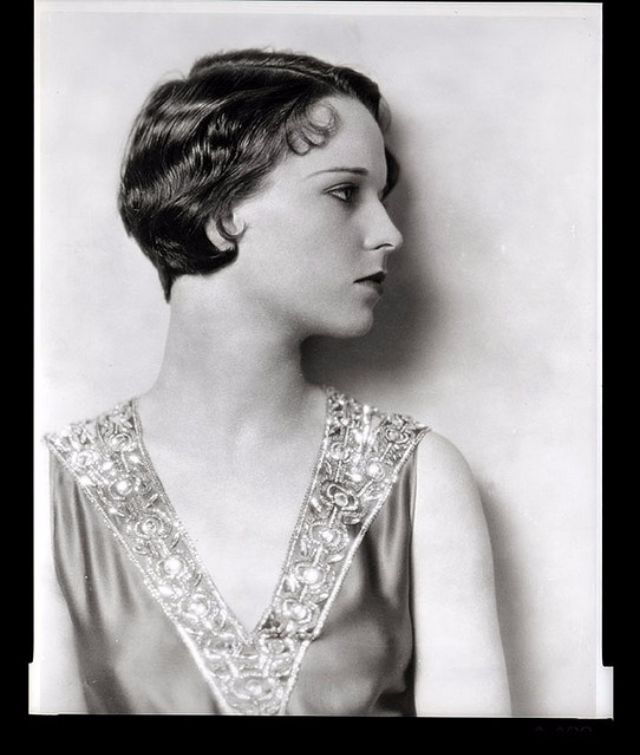
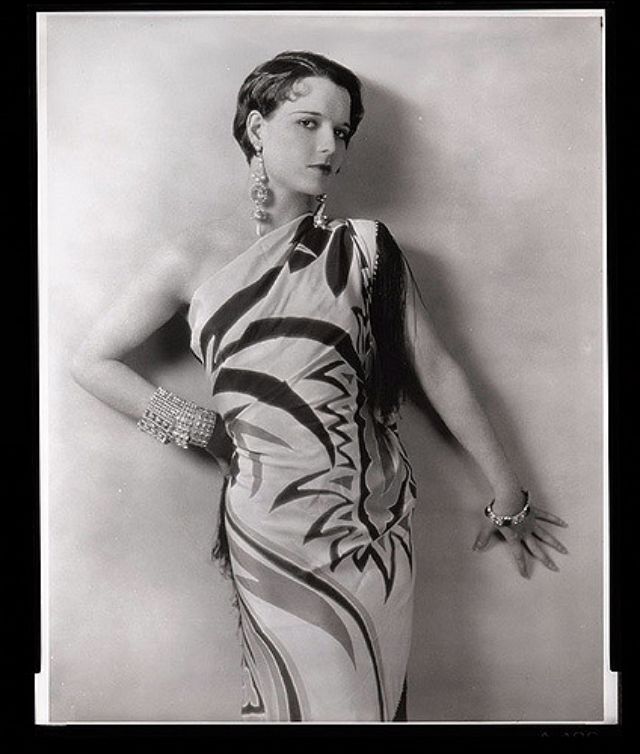
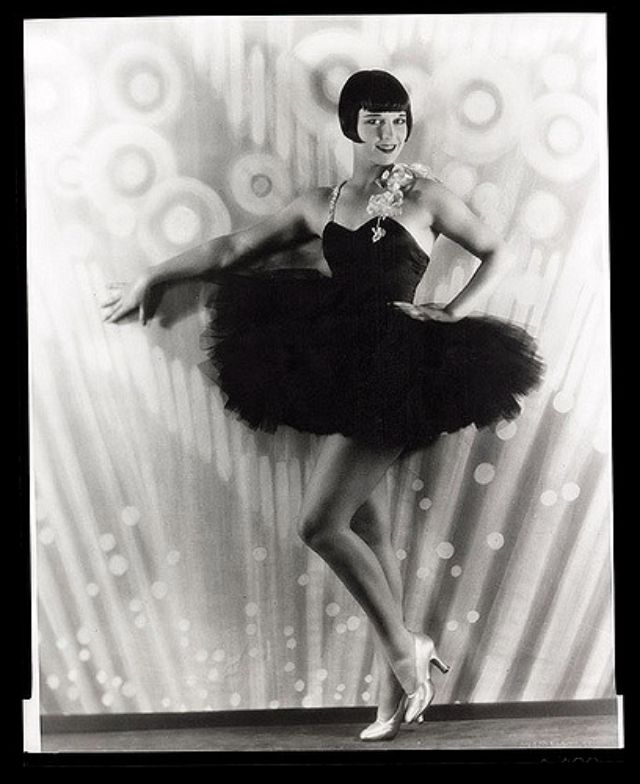
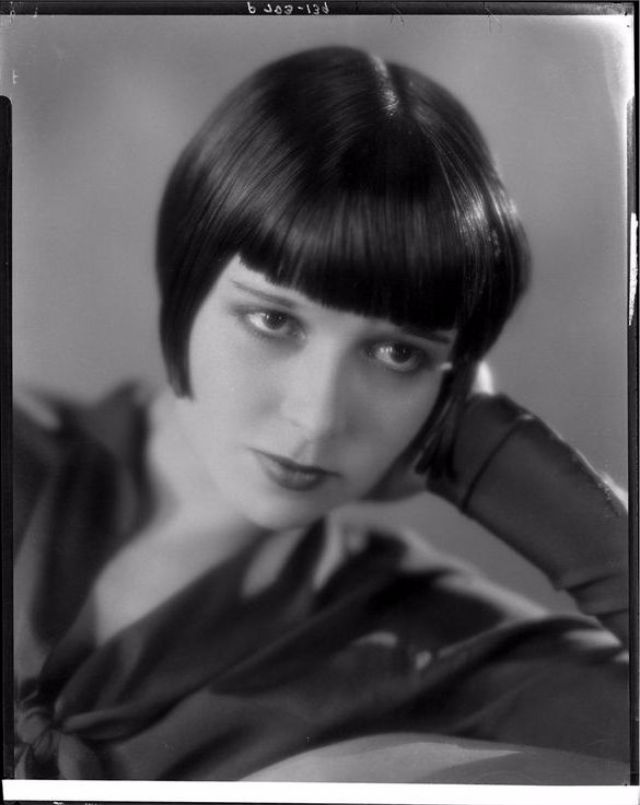
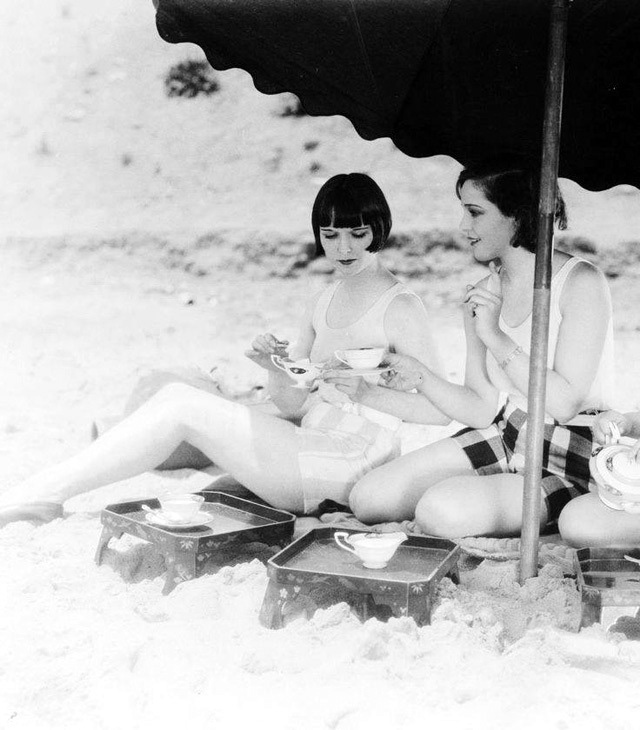
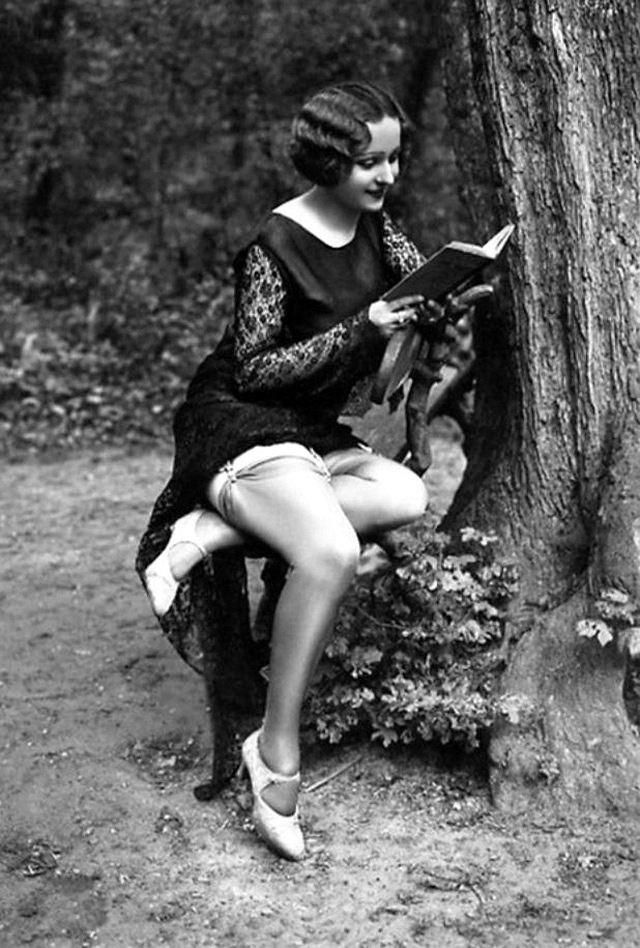
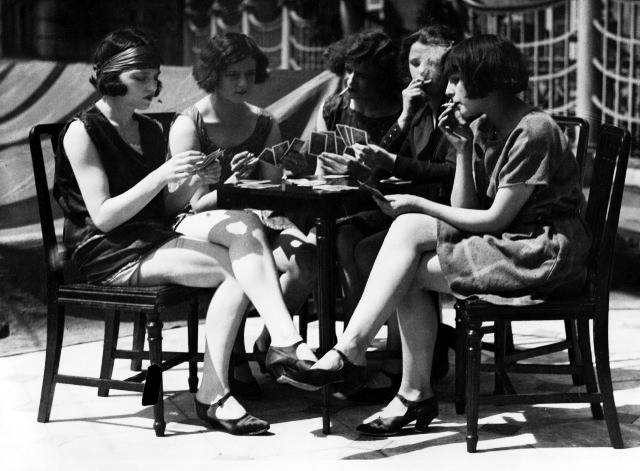
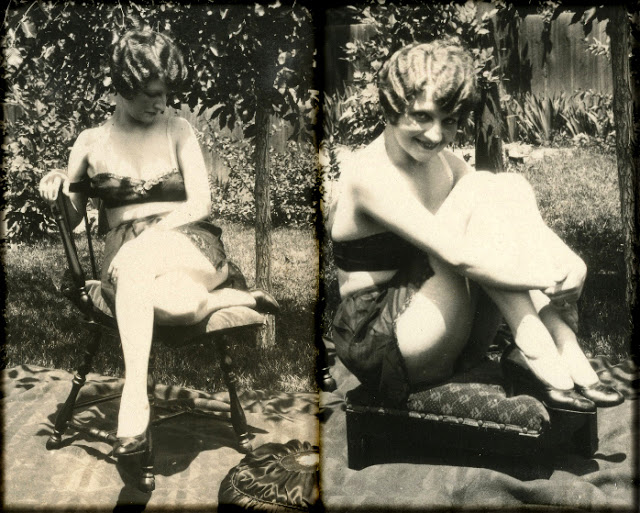
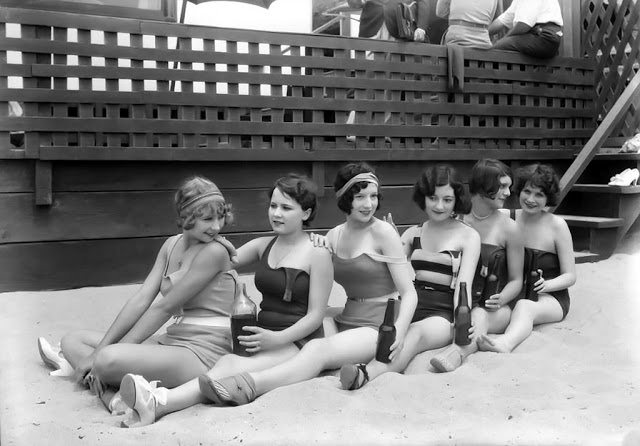
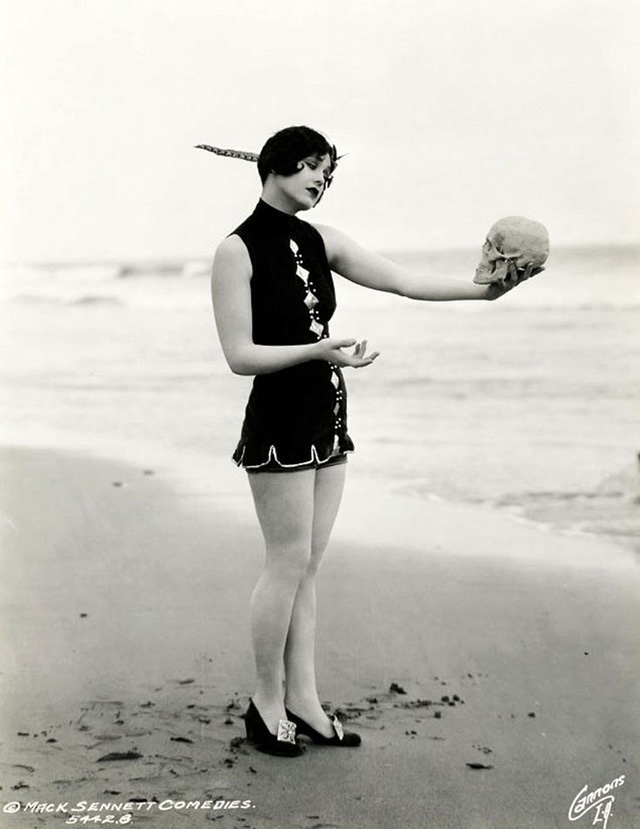
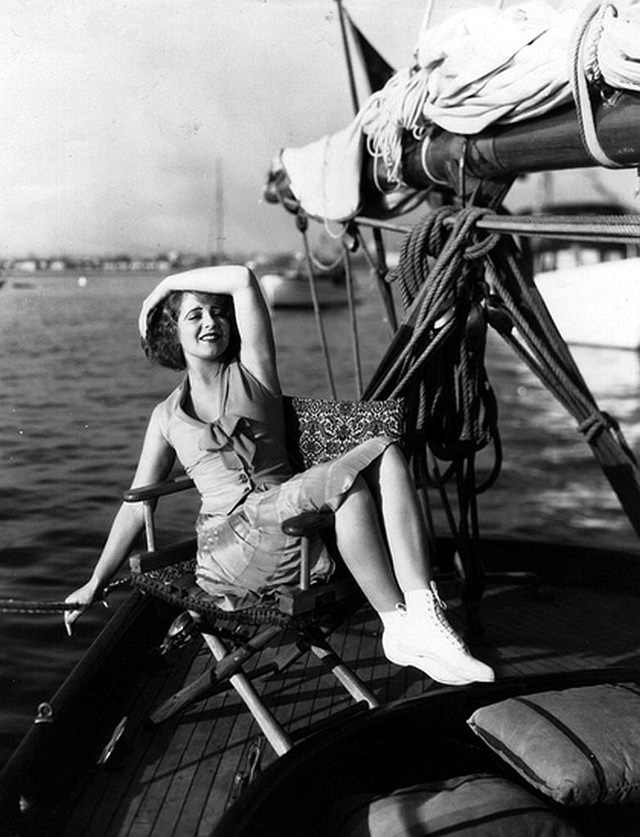
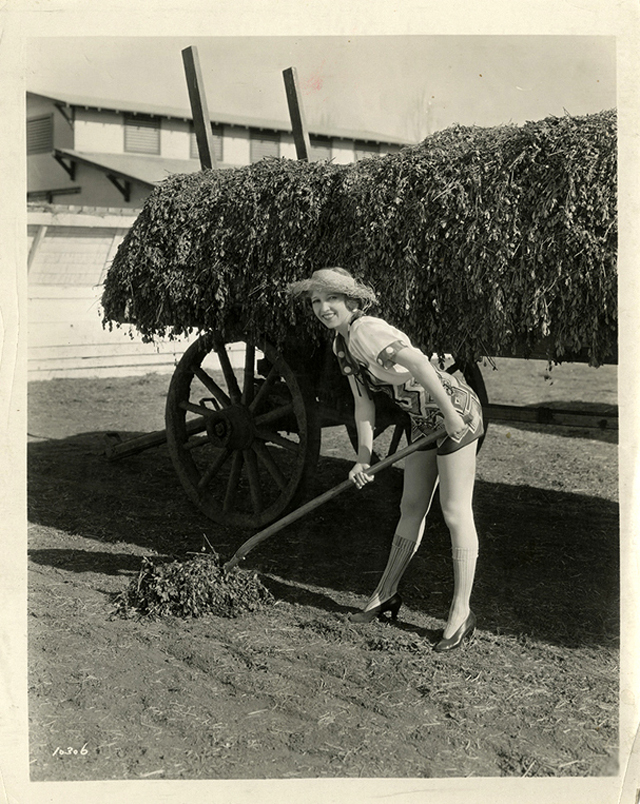
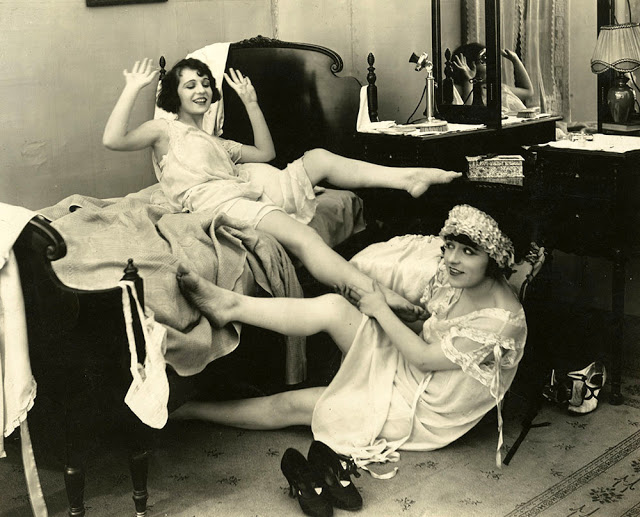
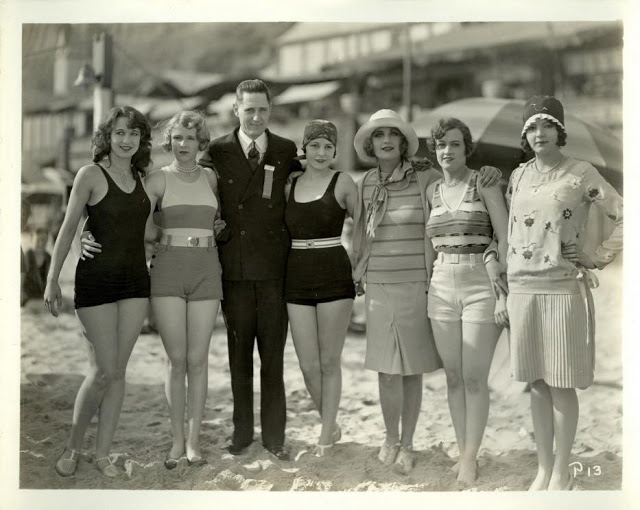
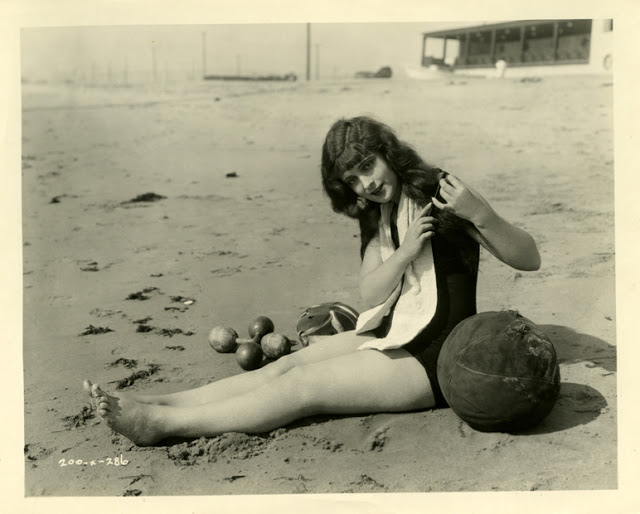
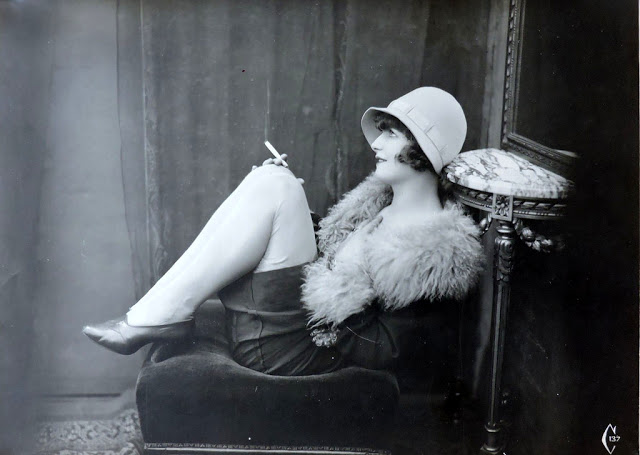
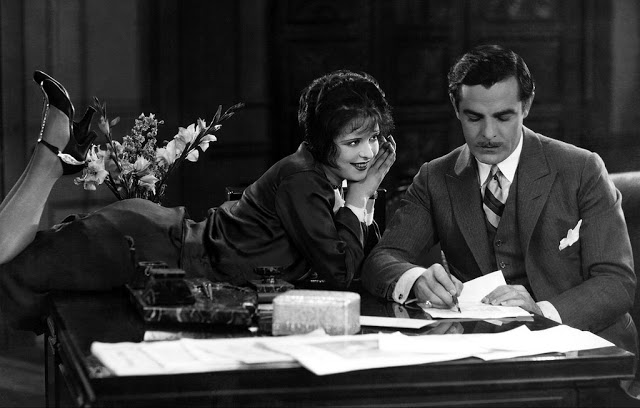
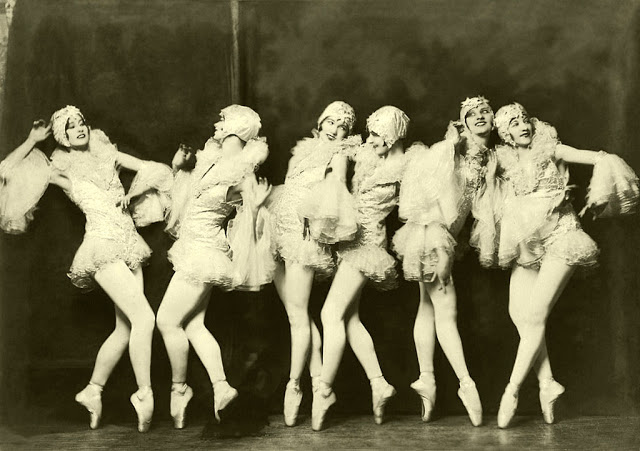
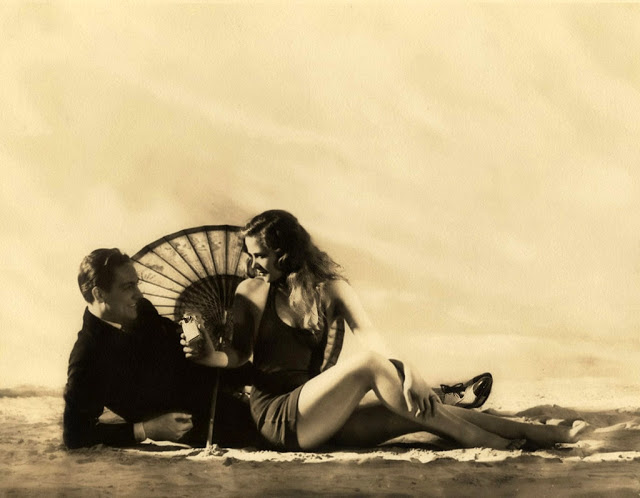
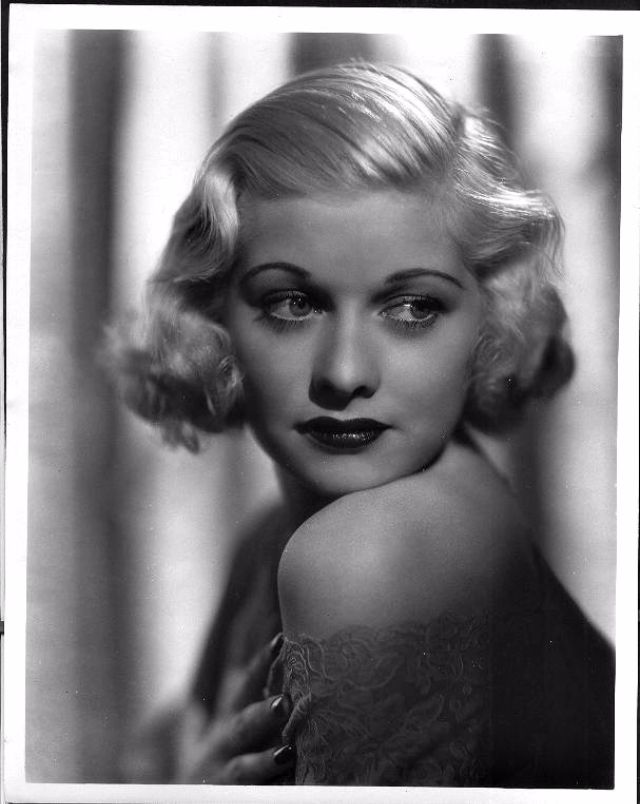
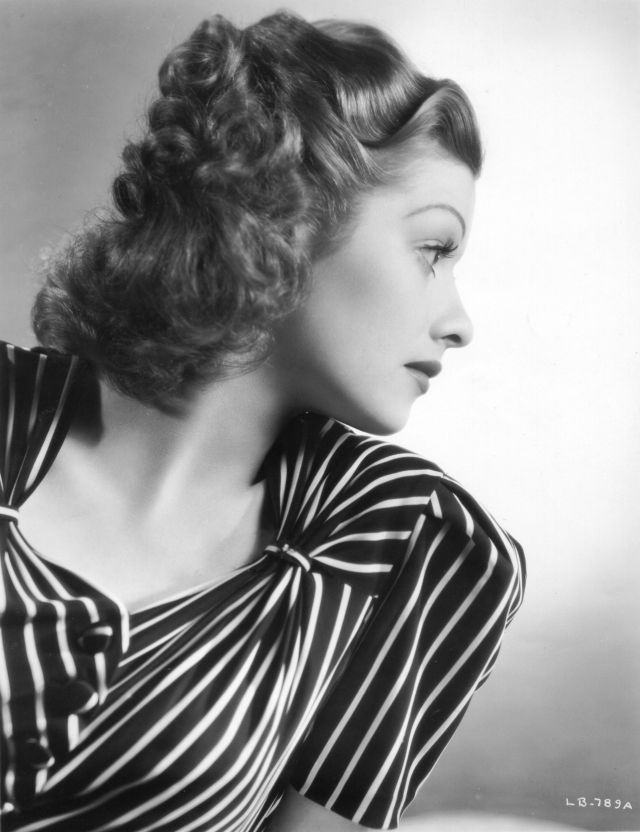
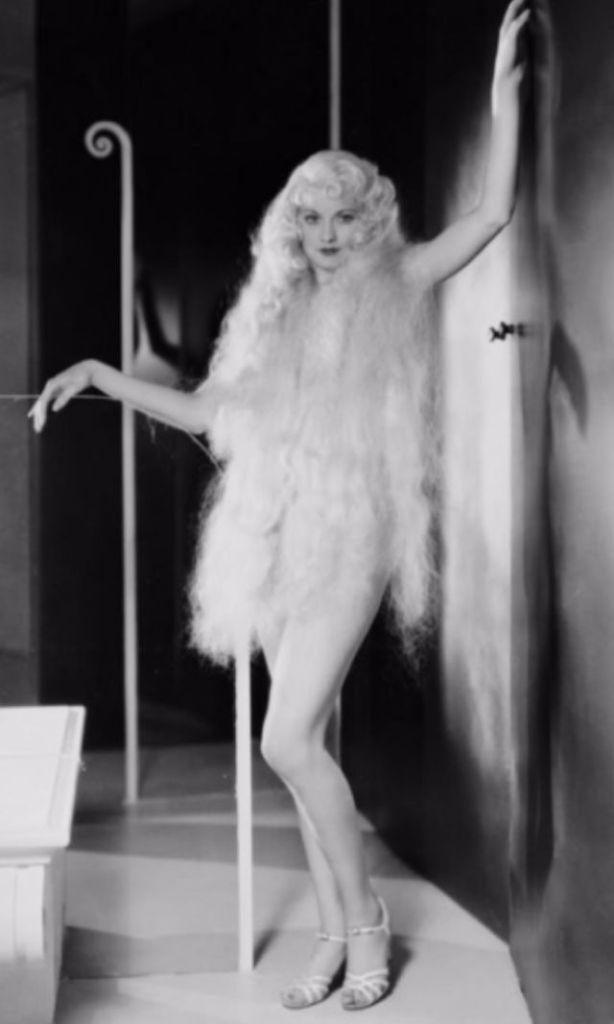
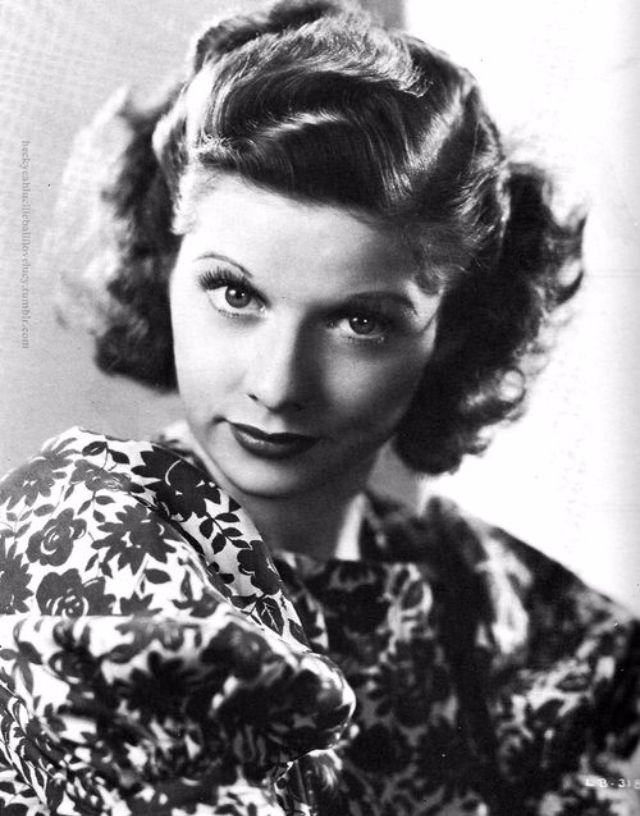
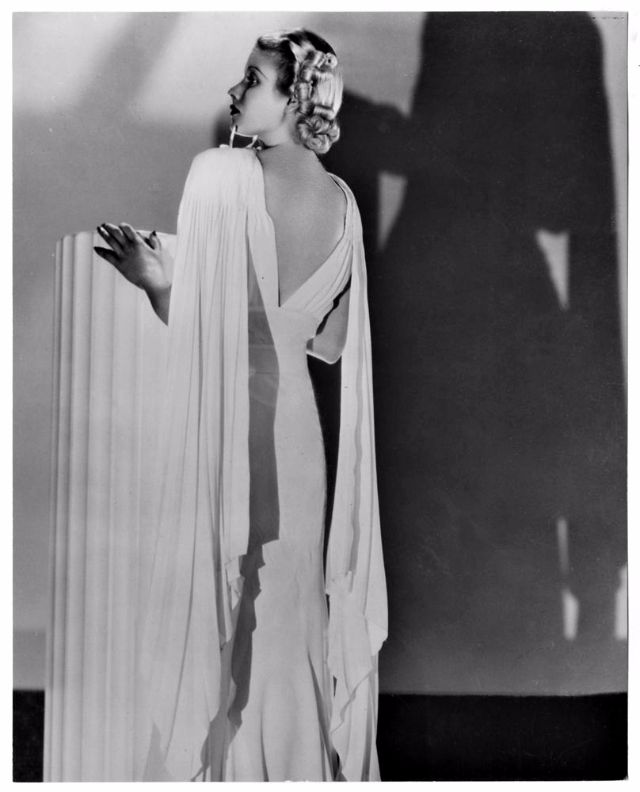
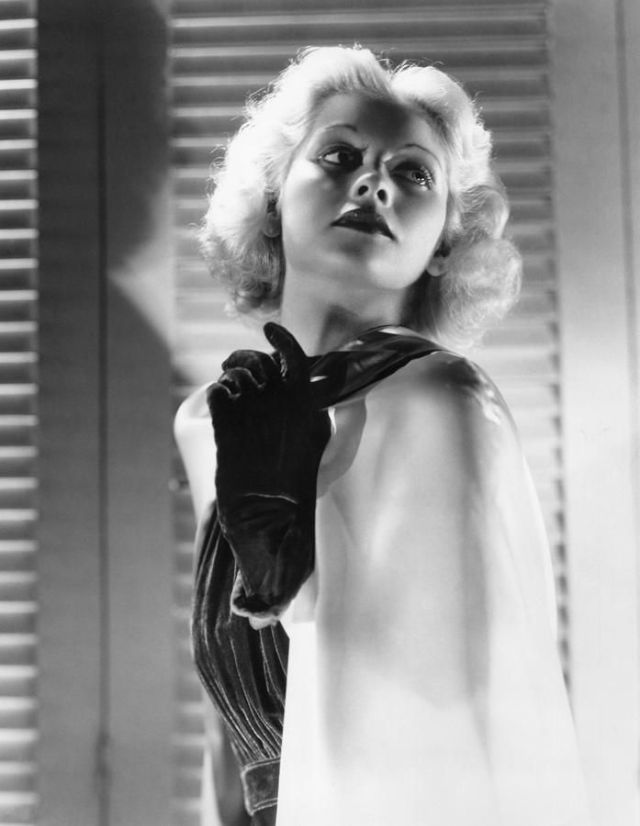
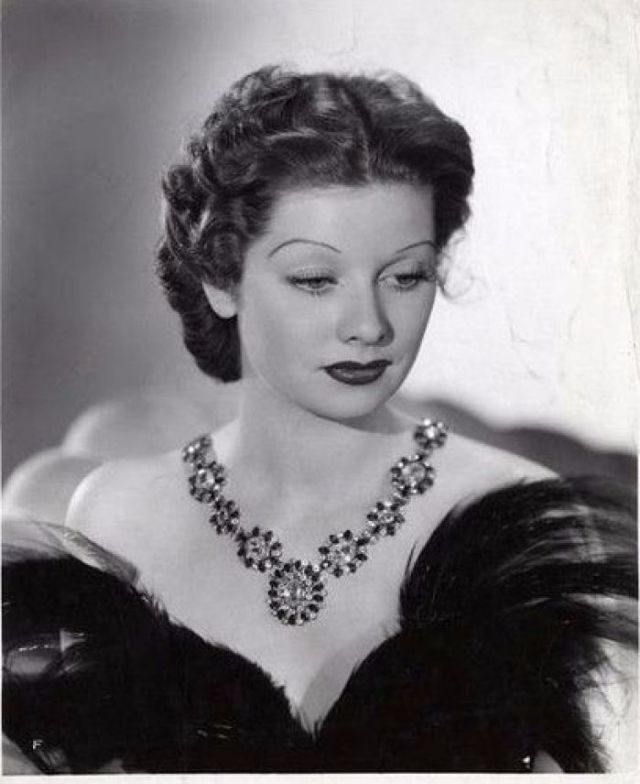
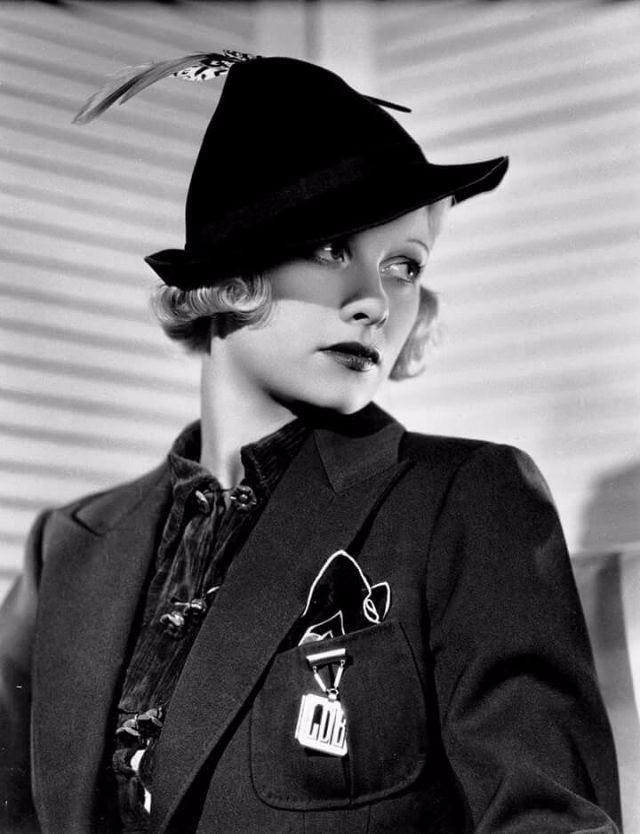
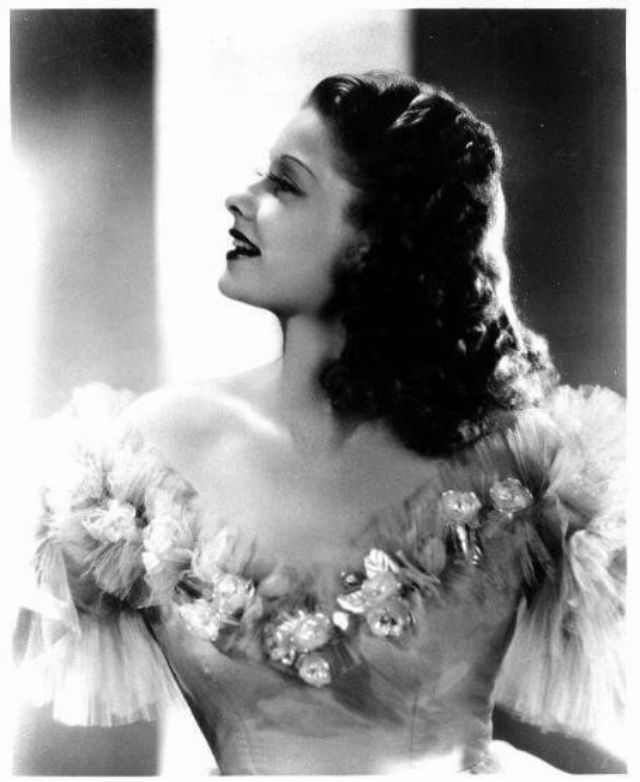
Mary Louise Brooks (November 14, 1906 – August 8, 1985) was an American film actress and dancer during the 1920s and 1930s. She is regarded today as a Jazz Age icon and as a flapper sex symbol due to her bob hairstyle that she helped popularize during the prime of her career.
At the age of fifteen, Brooks began her career as a dancer and toured with the Denishawn School of Dancing and Related Arts where she performed opposite Ted Shawn. After being fired, she found employment as a chorus girl in George White’s Scandals and as a semi-nude dancer in the Ziegfeld Follies in New York City. While dancing in the Follies, Brooks came to the attention of Walter Wanger, a producer at Paramount Pictures, and was signed to a five-year contract with the studio. She appeared in supporting roles in various Paramount films before taking the heroine’s role in Beggars of Life (1928). During this time, she became an intimate friend of actress Marion Davies and joined the elite social circle of press baron William Randolph Hearst at Hearst Castle in San Simeon.
Dissatisfied with her mediocre roles in Hollywood films, Brooks went to Germany in 1929 and starred in three feature films which launched her to international stardom: Pandora’s Box (1929), Diary of a Lost Girl (1929), and Miss Europe (1930); the first two were directed by G. W. Pabst. By 1938, she had starred in seventeen silent films and eight sound films. After retiring from acting, she fell upon financial hardship and became a paid escort. For the next two decades, she struggled with alcoholism and suicidal tendencies. Following the rediscovery of her films by cinephiles in the 1950s, a reclusive Brooks began writing articles about her film career; her insightful essays drew considerable acclaim. She published her memoir, Lulu in Hollywood, in 1982. Three years later, she died of a heart attack at age 78.
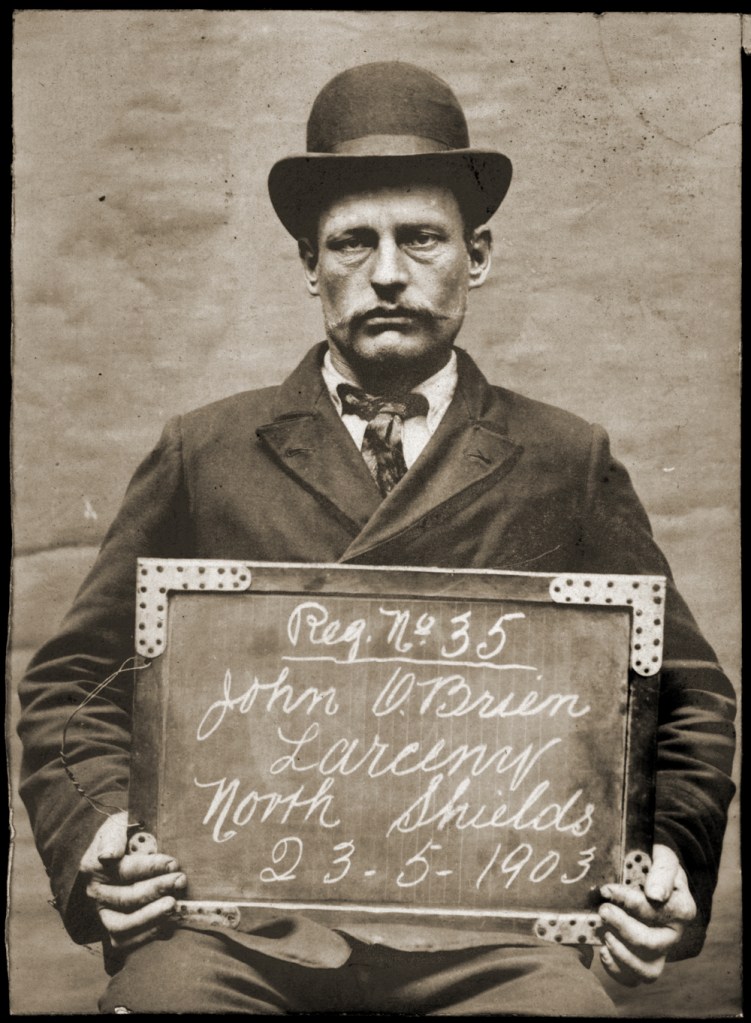
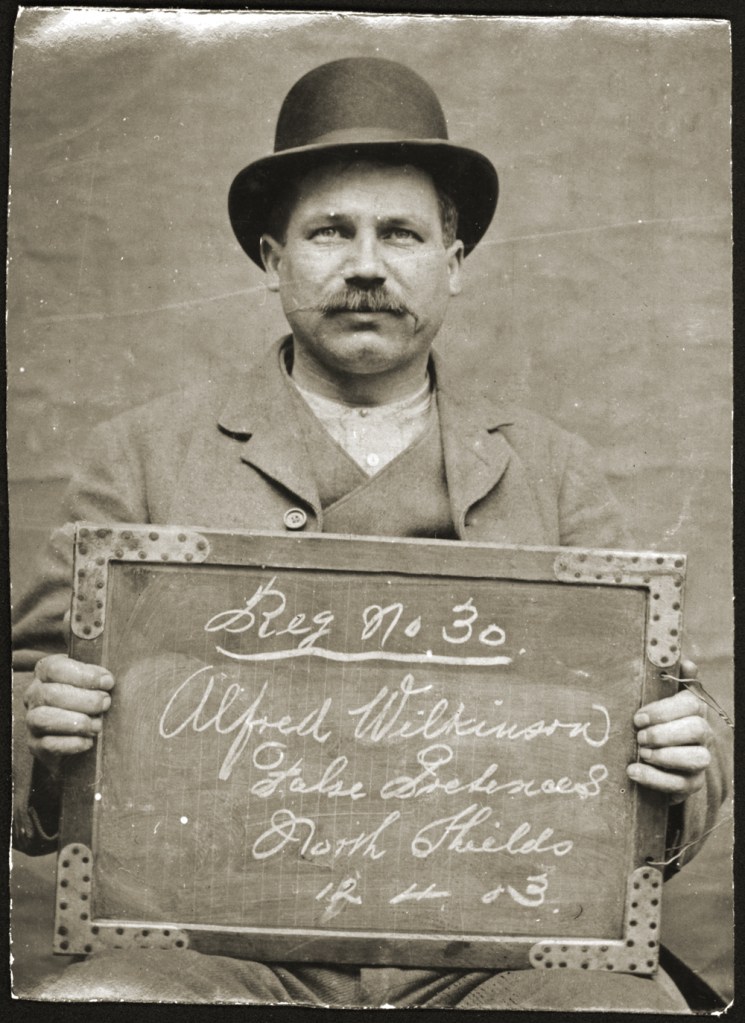
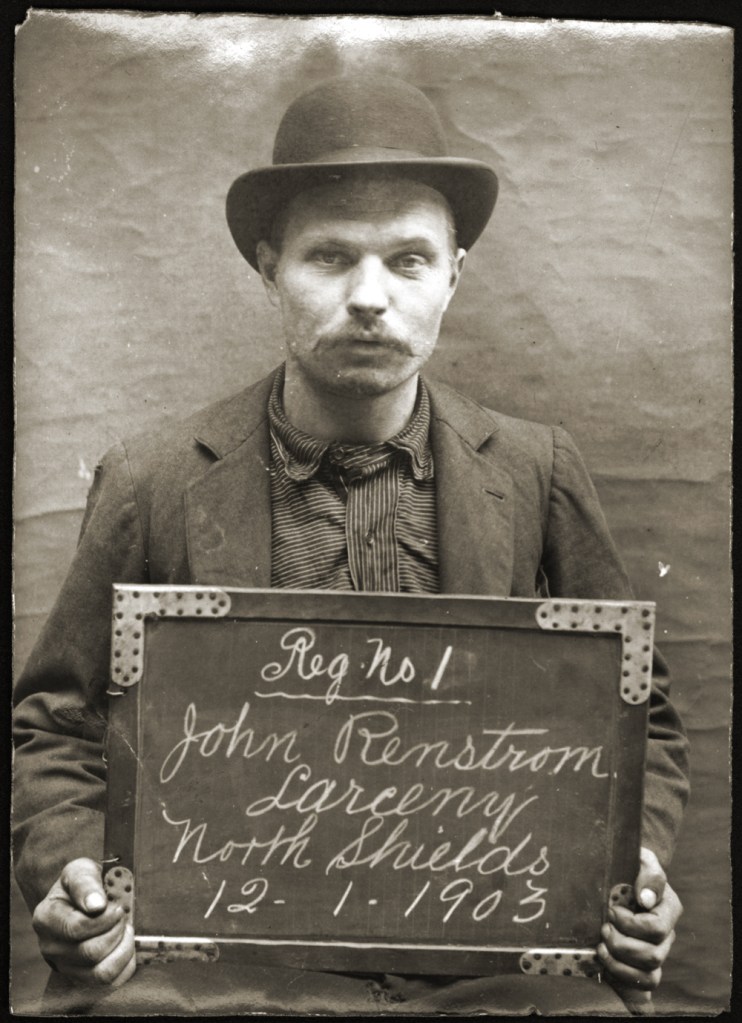
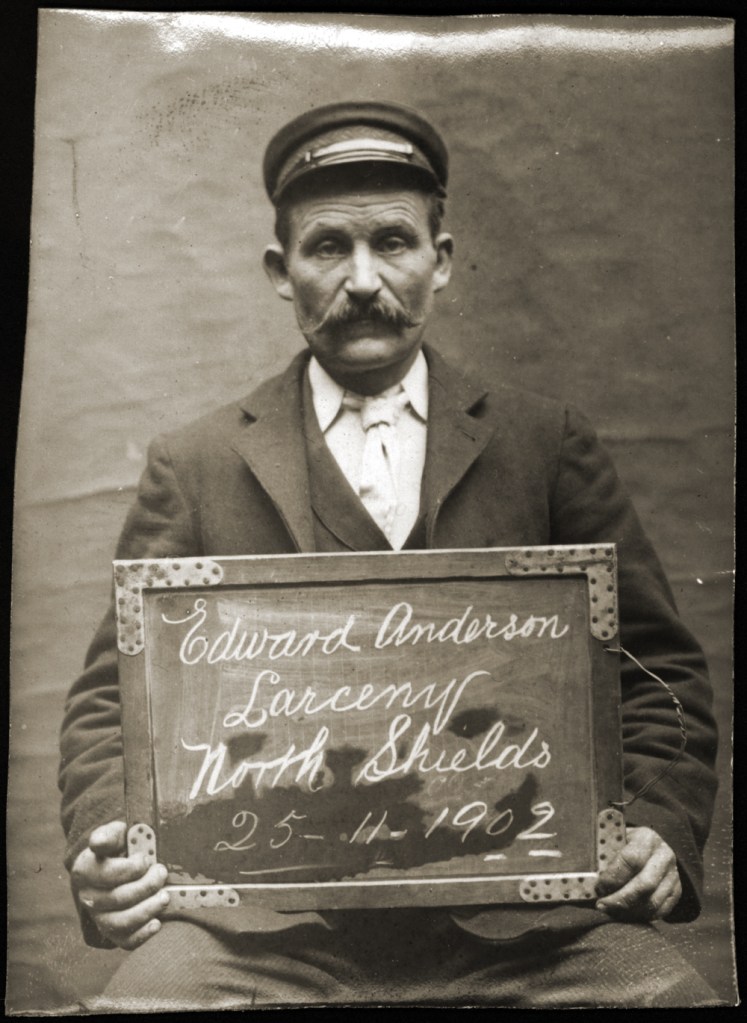
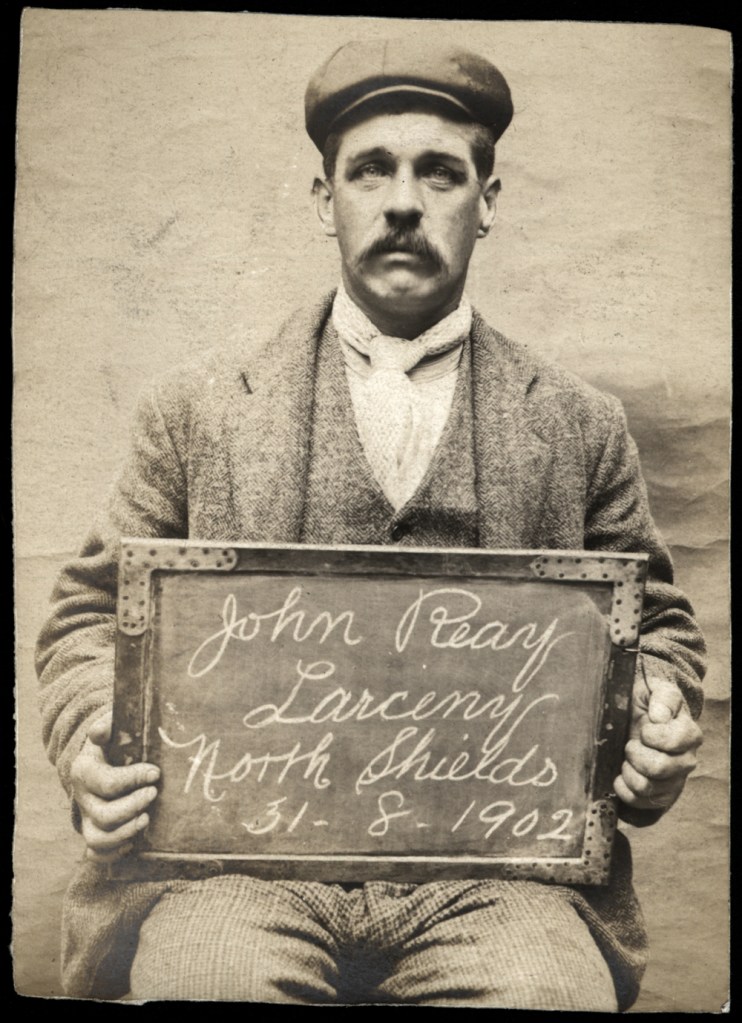
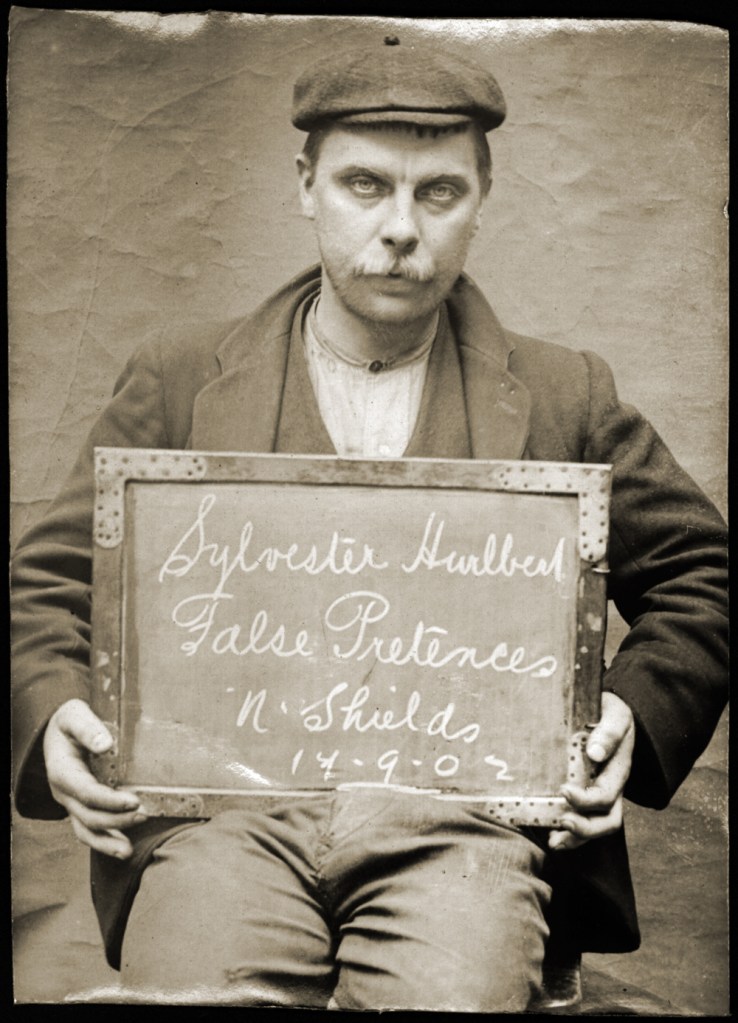
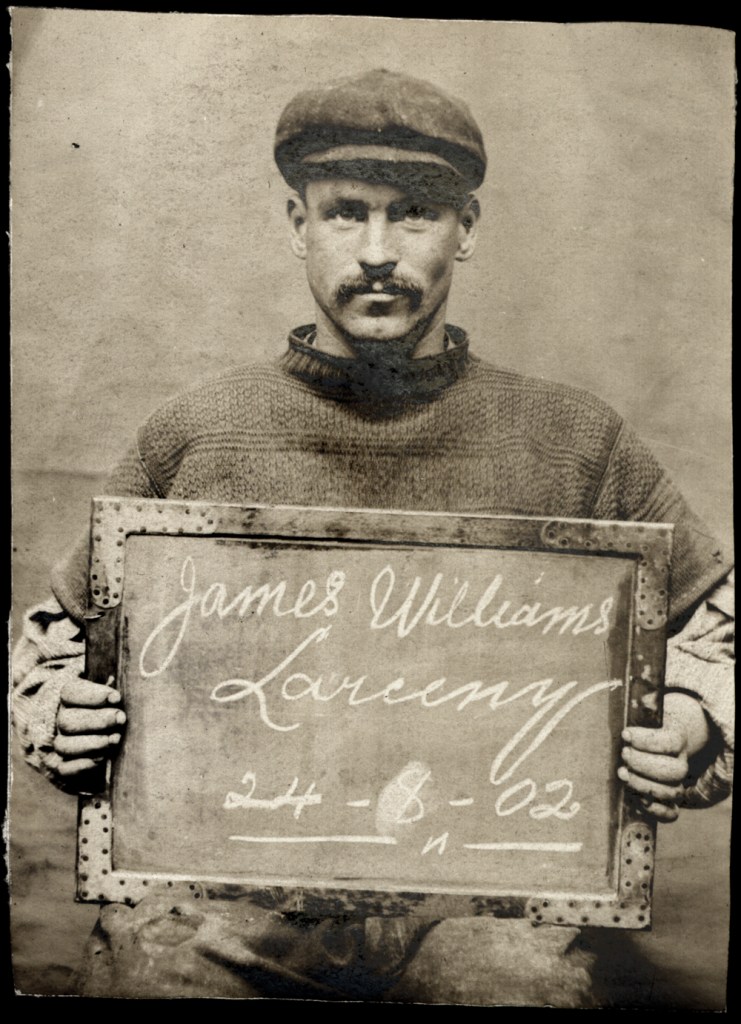
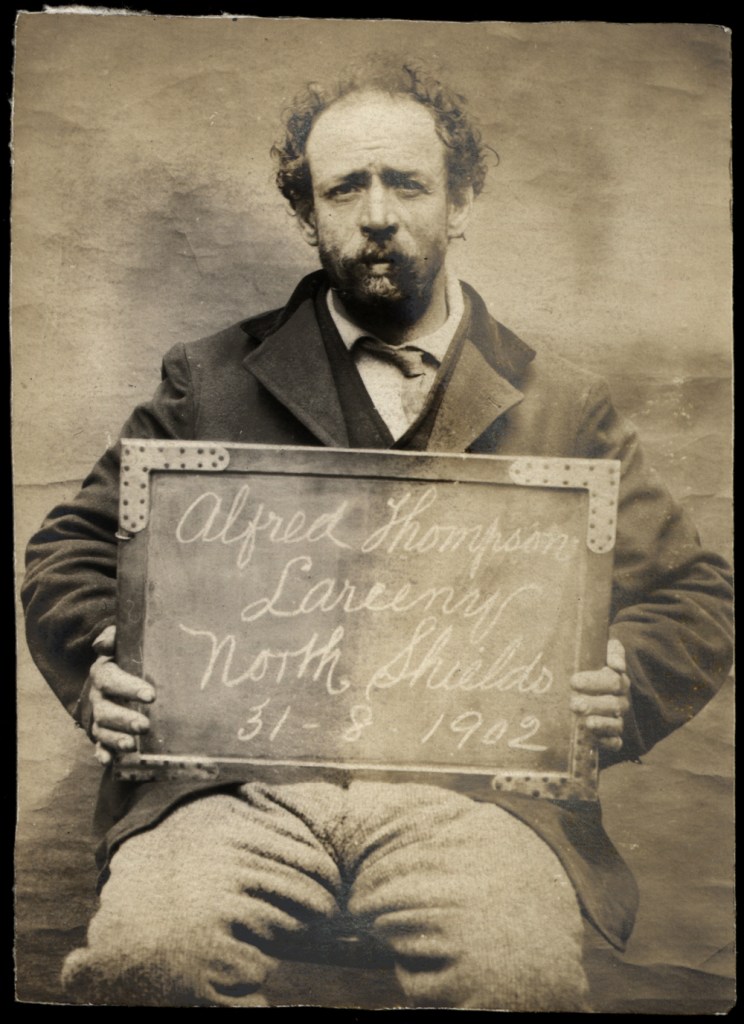
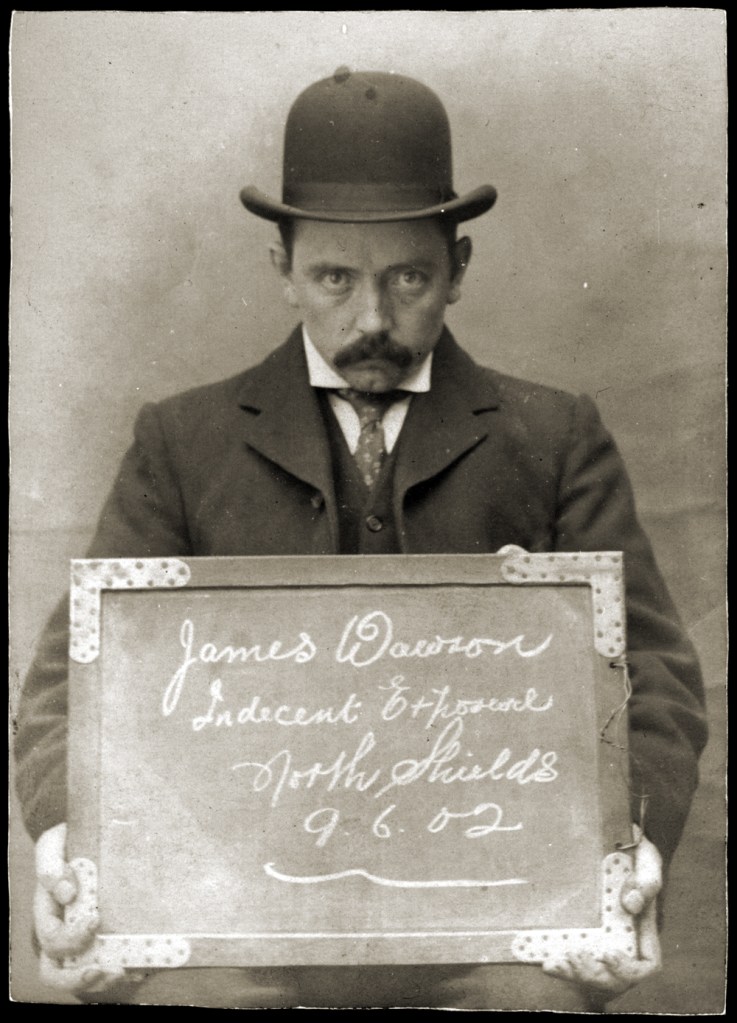
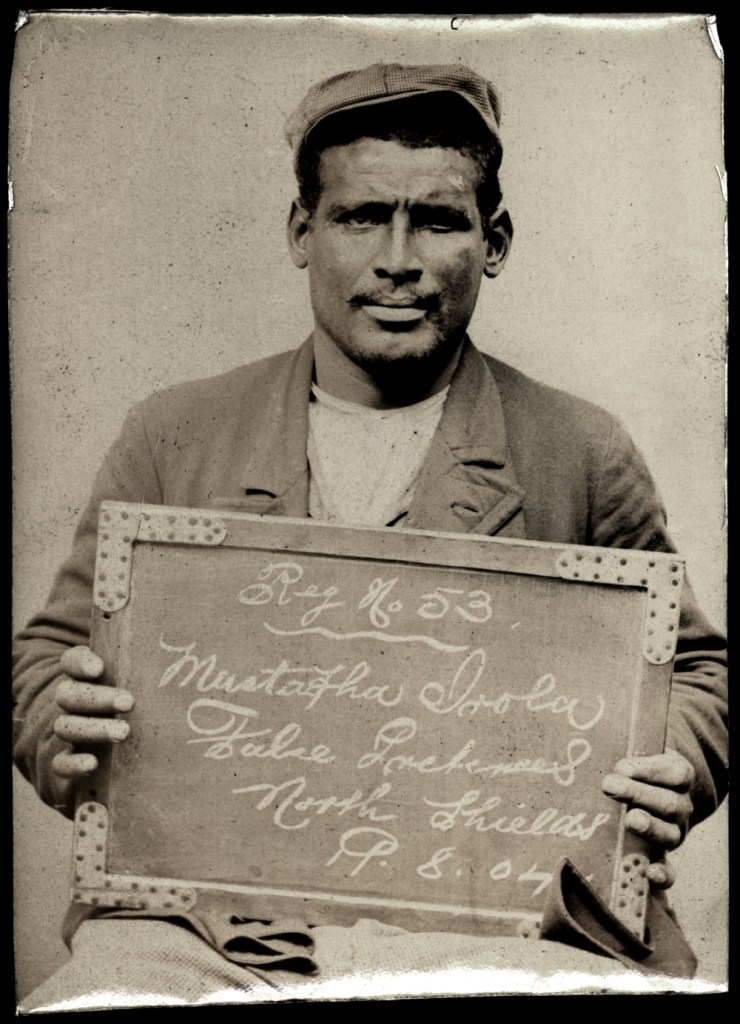
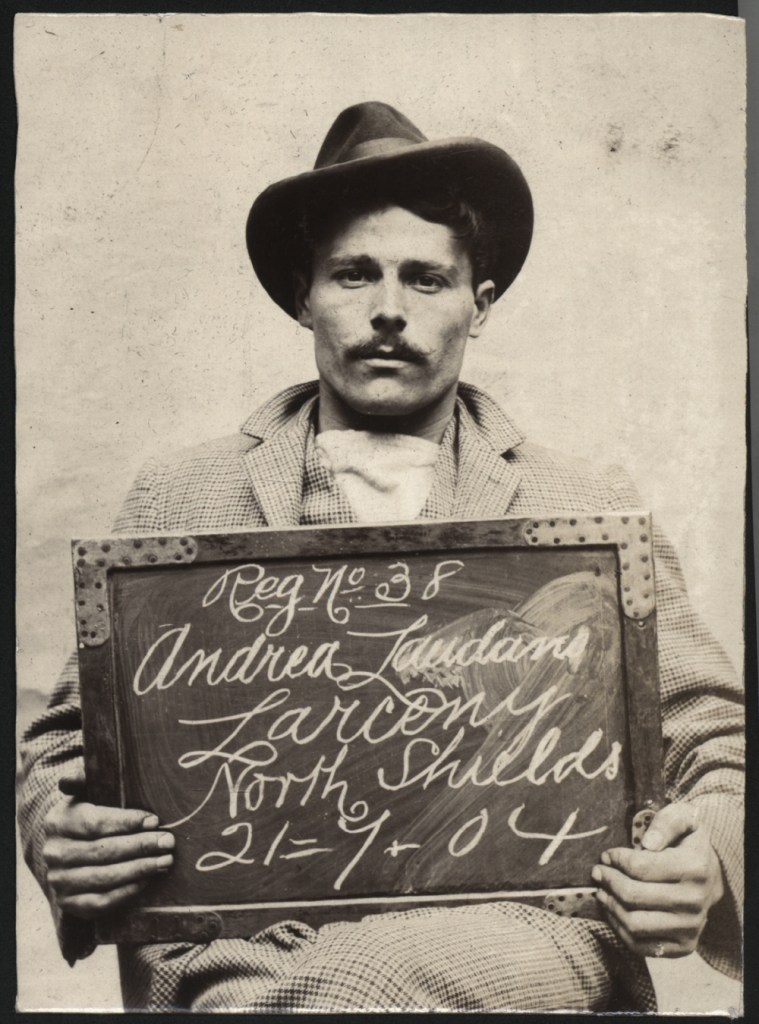
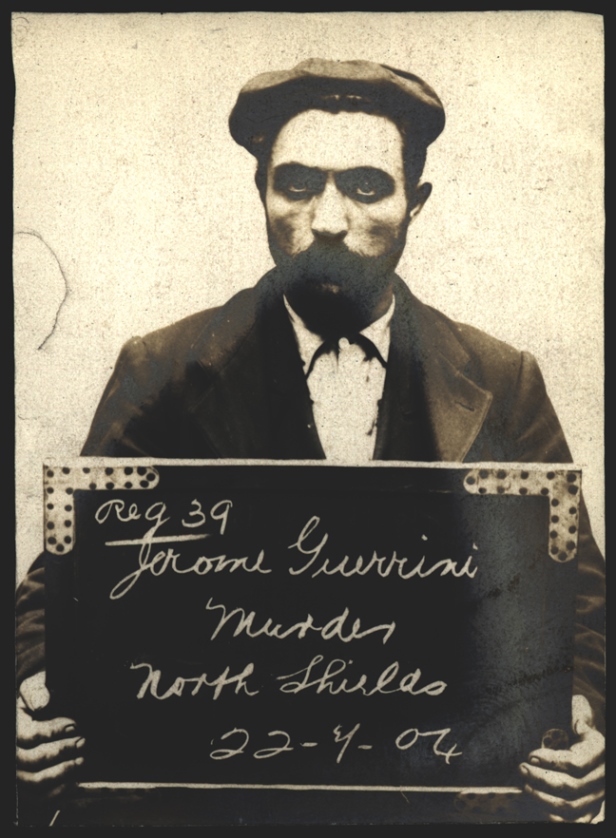
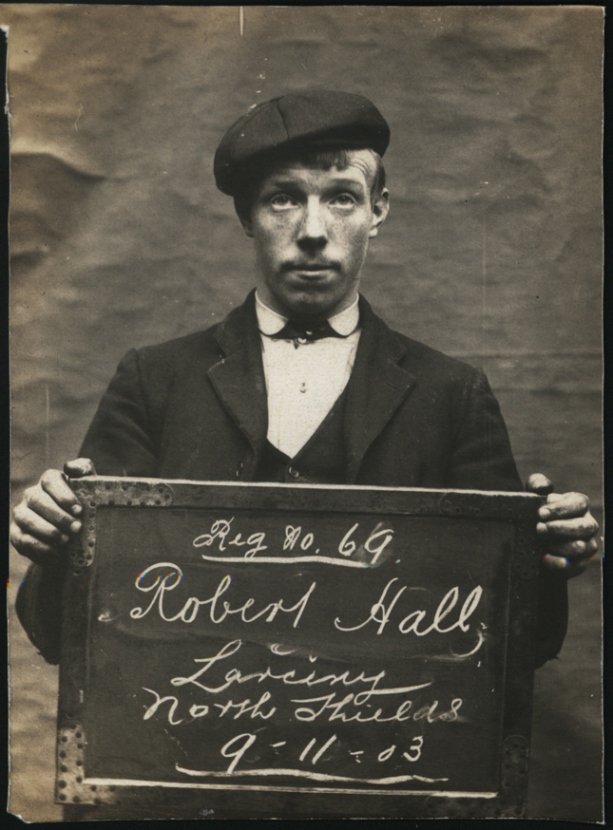
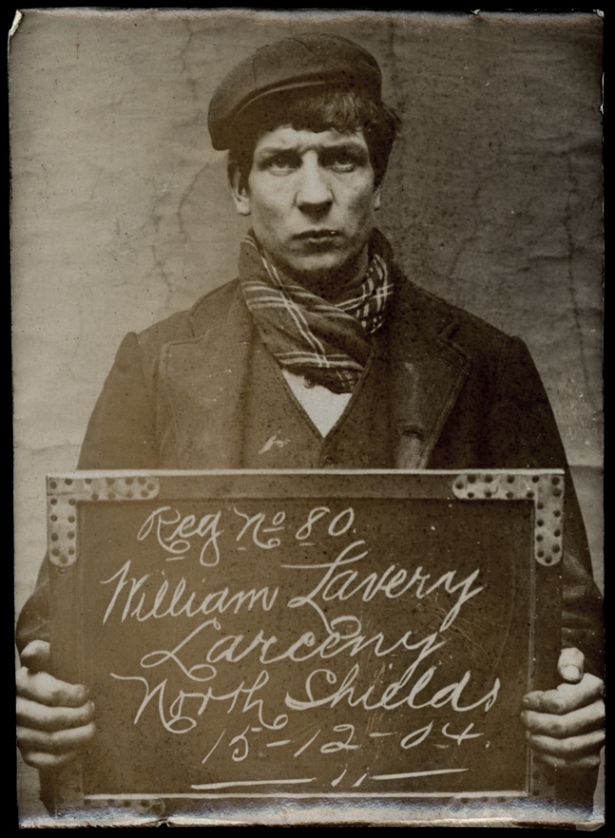
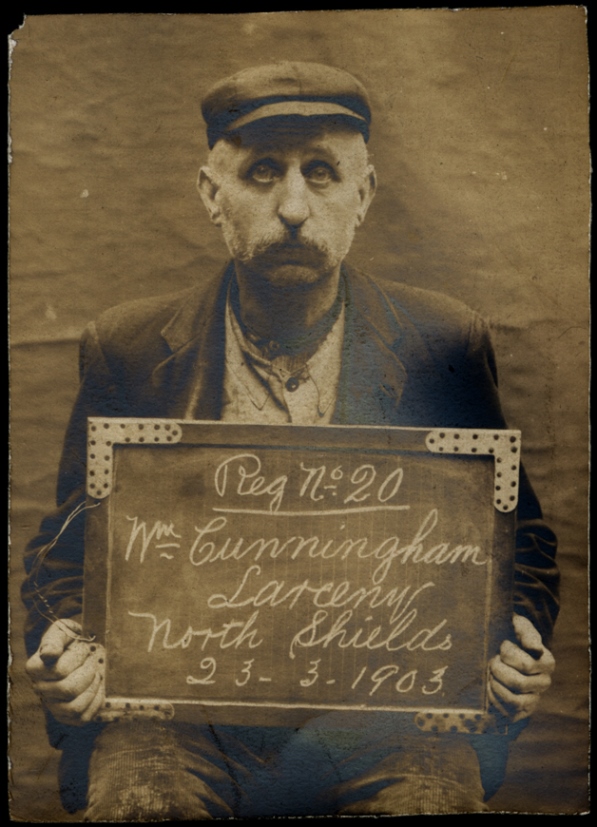
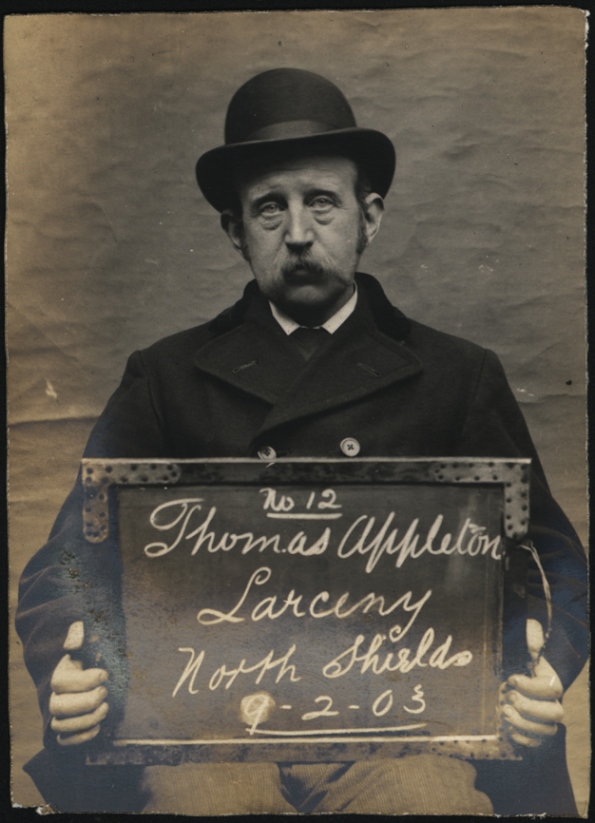
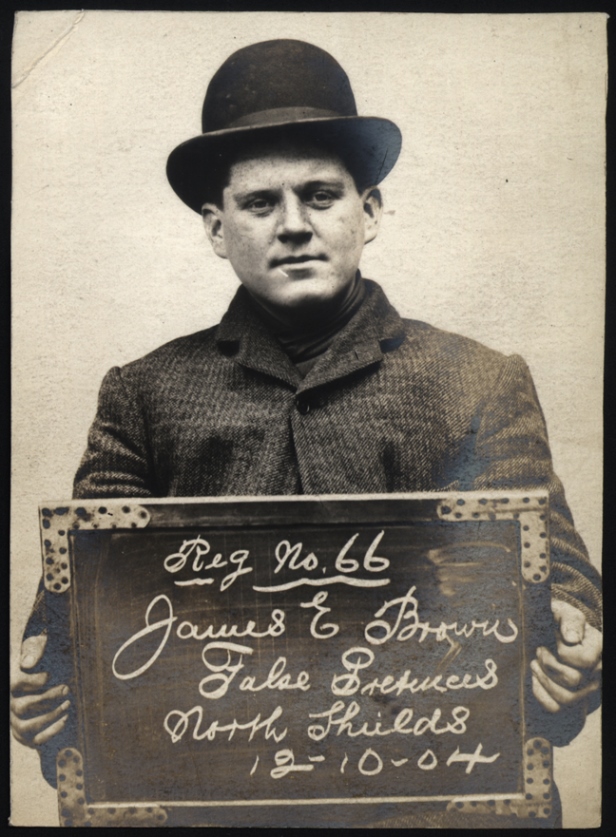
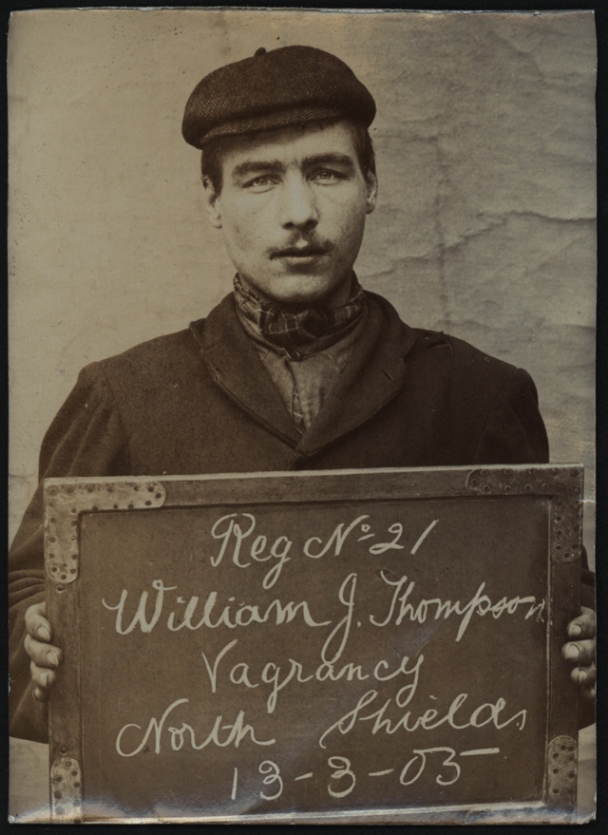
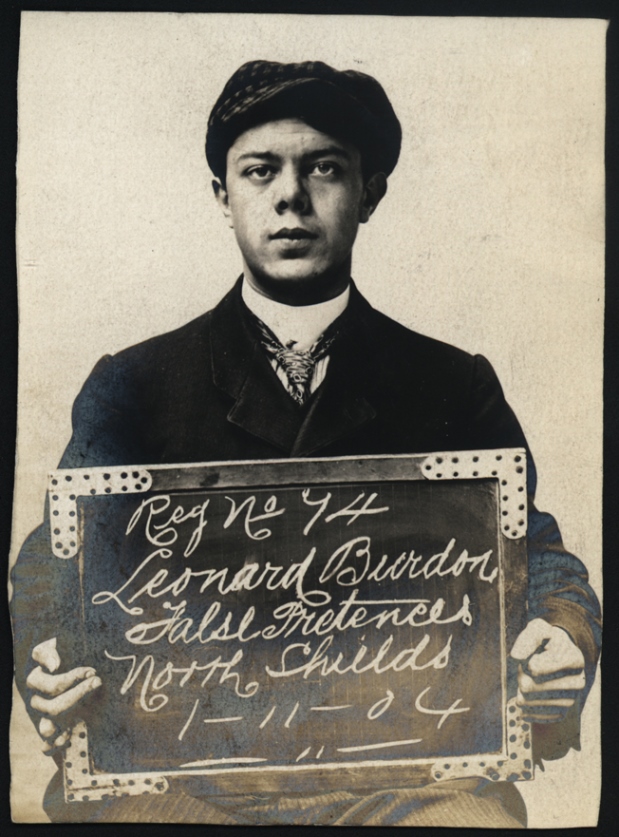
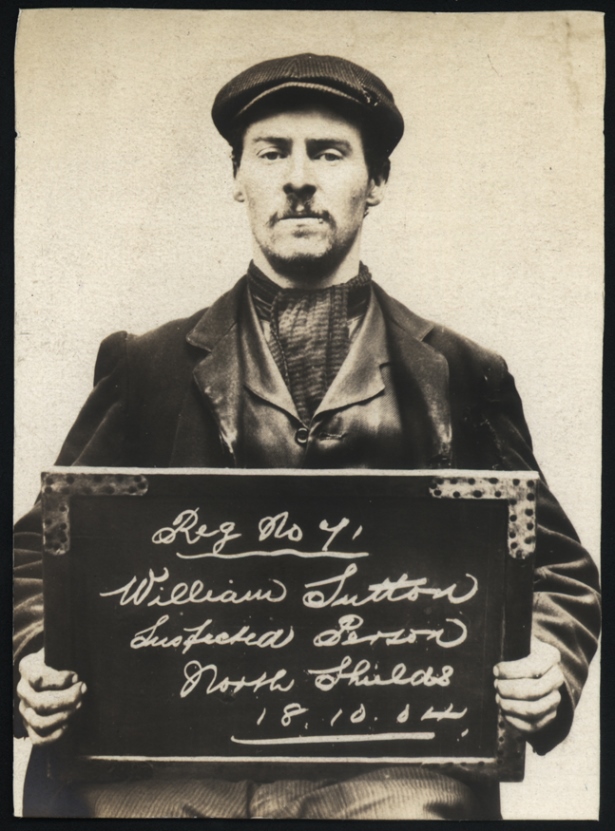
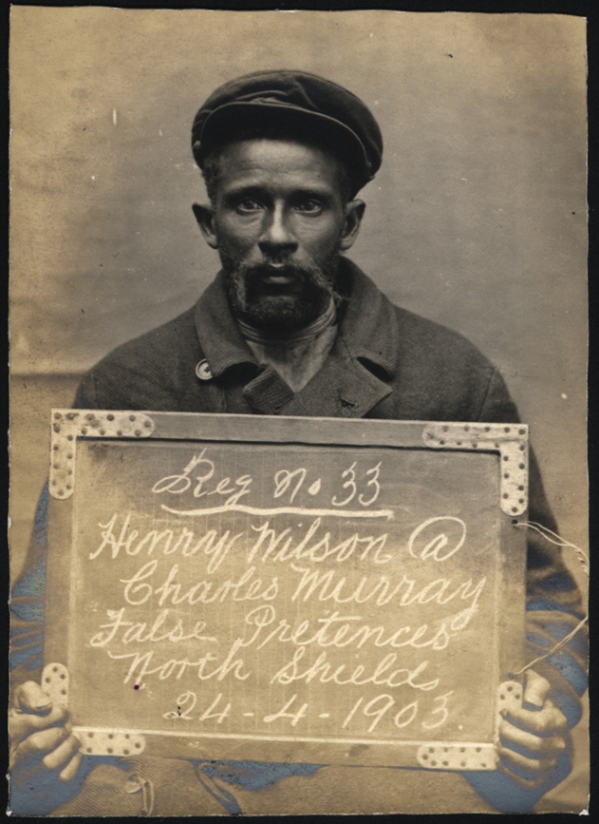
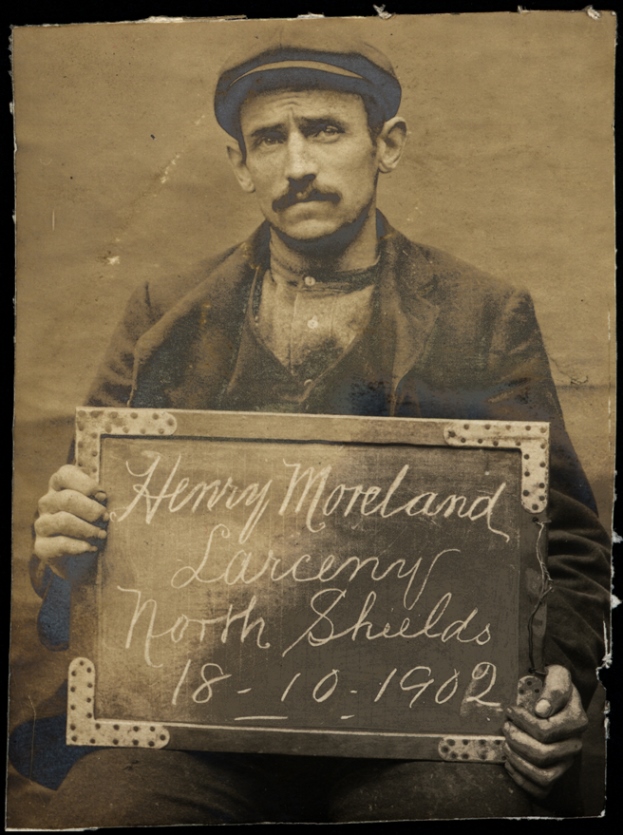
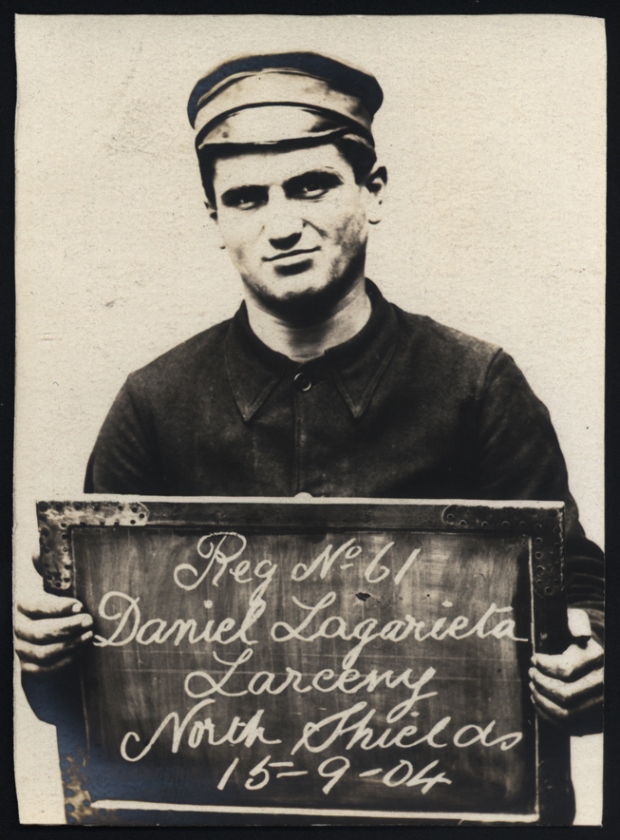
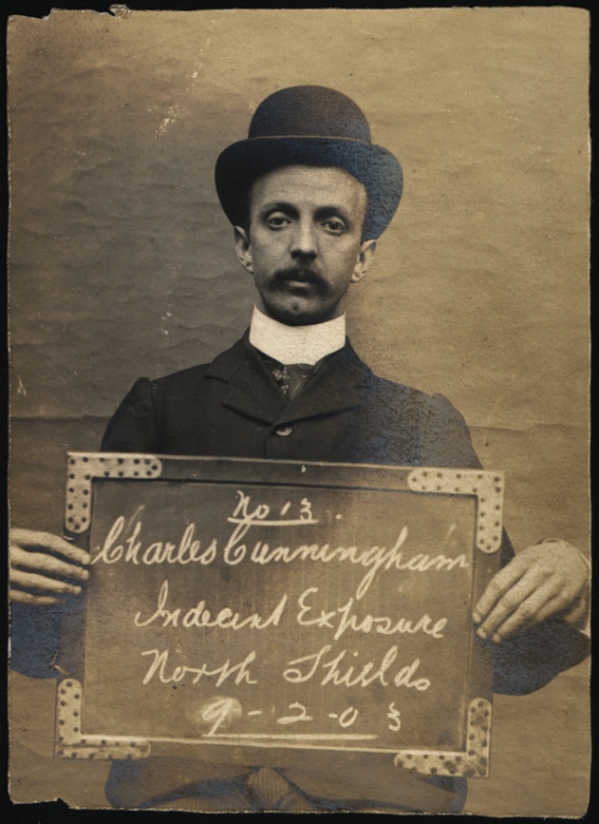
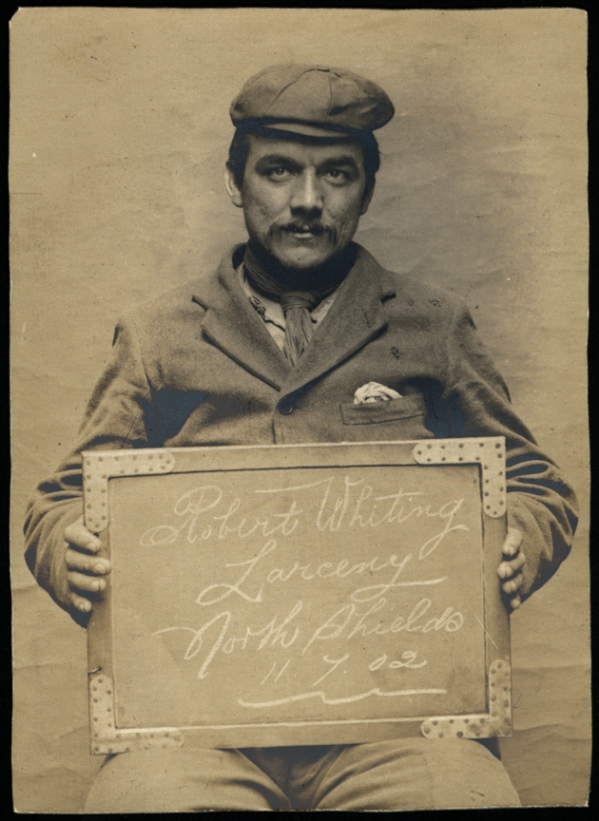
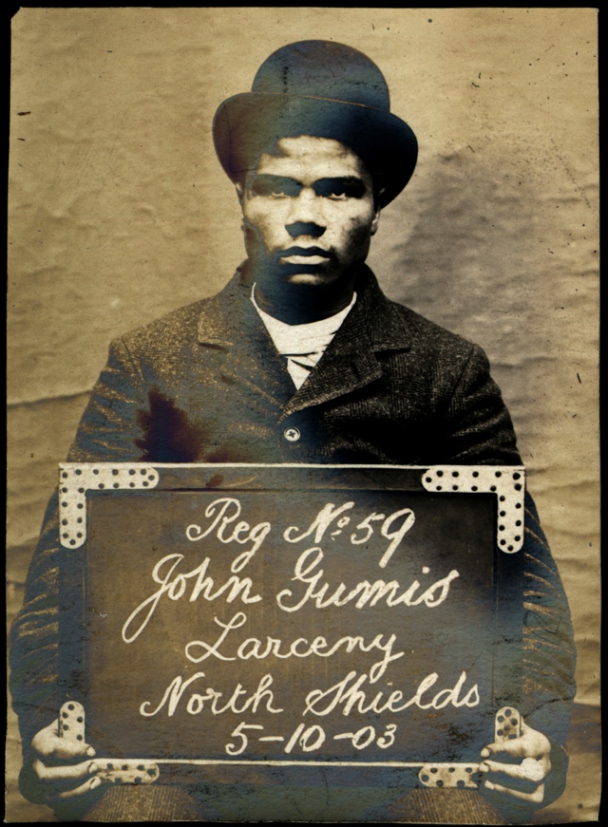
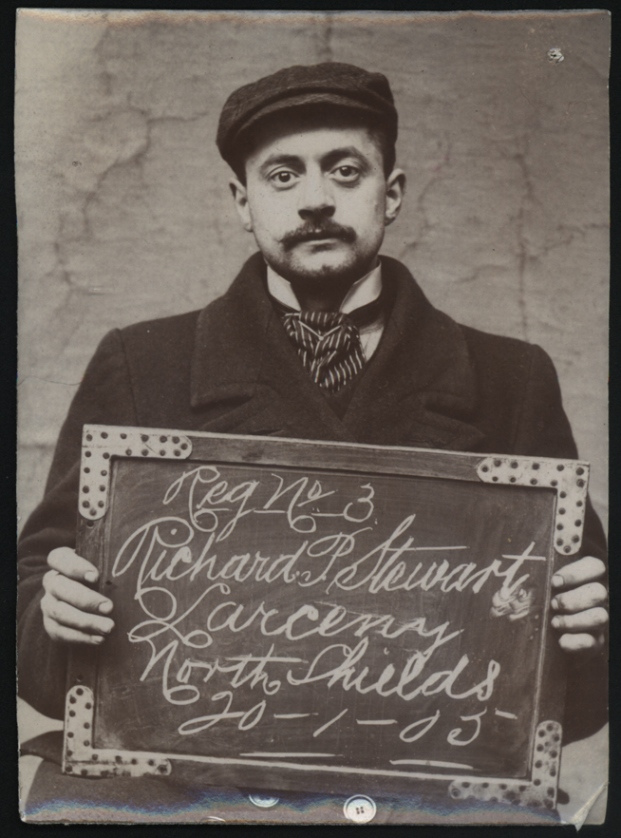
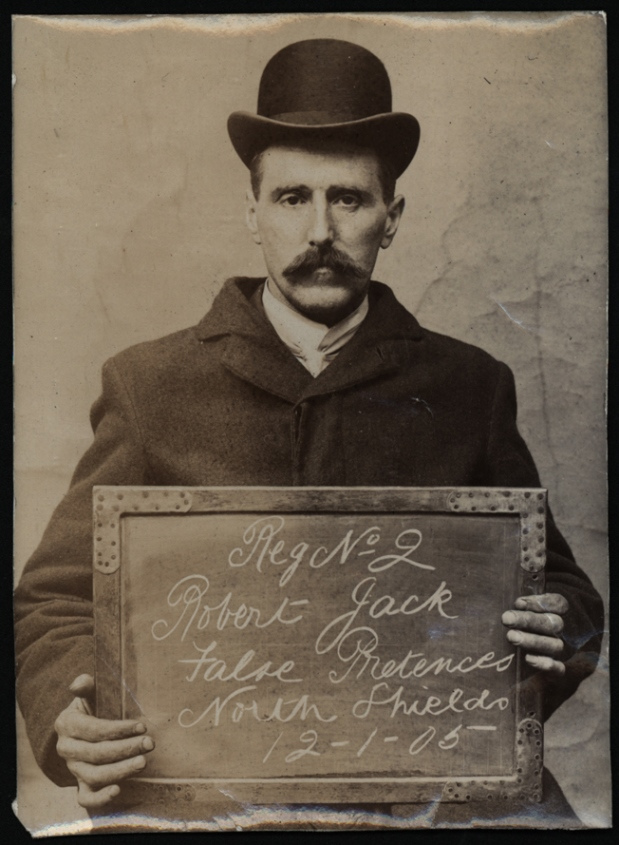
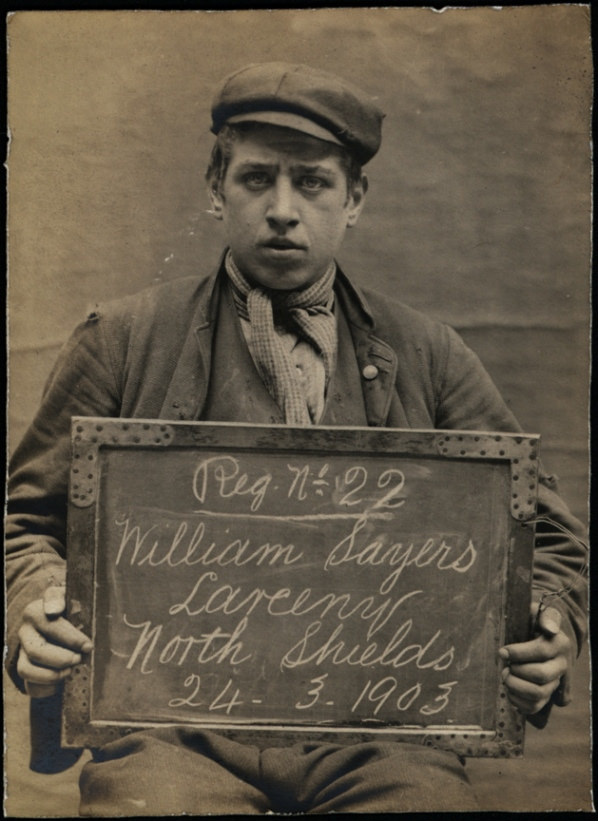
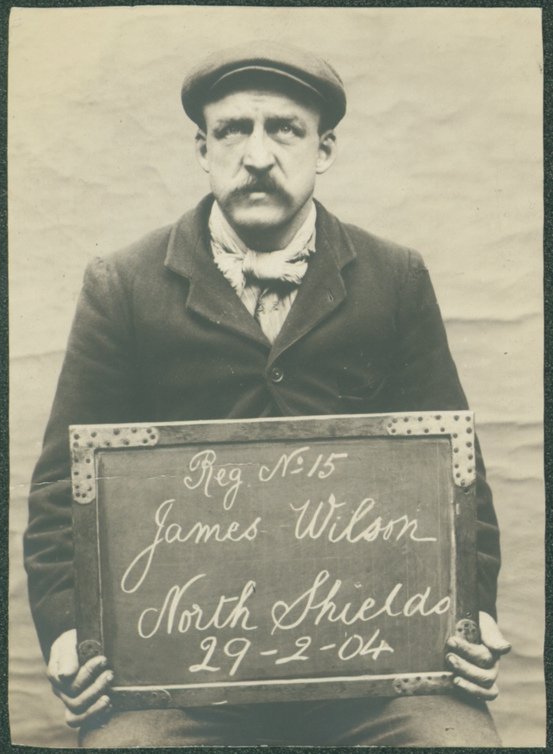
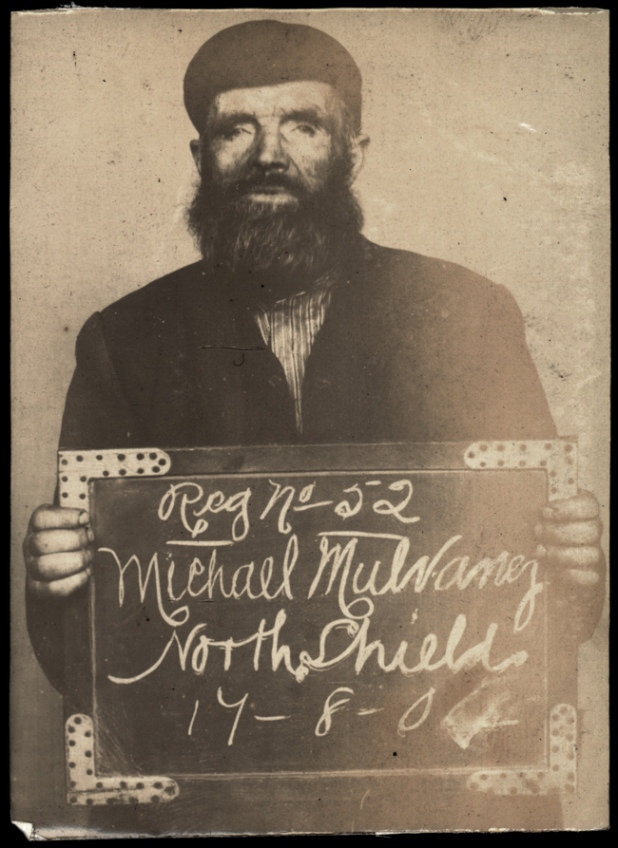
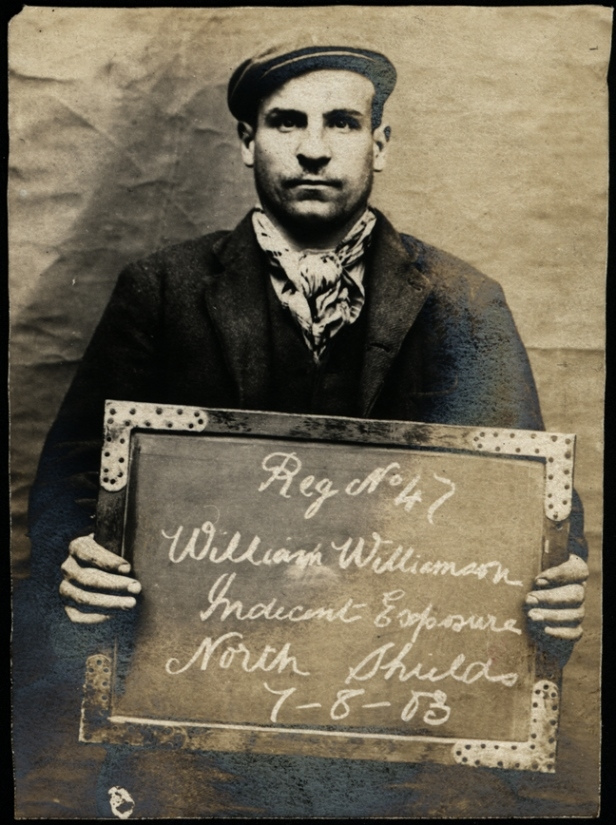
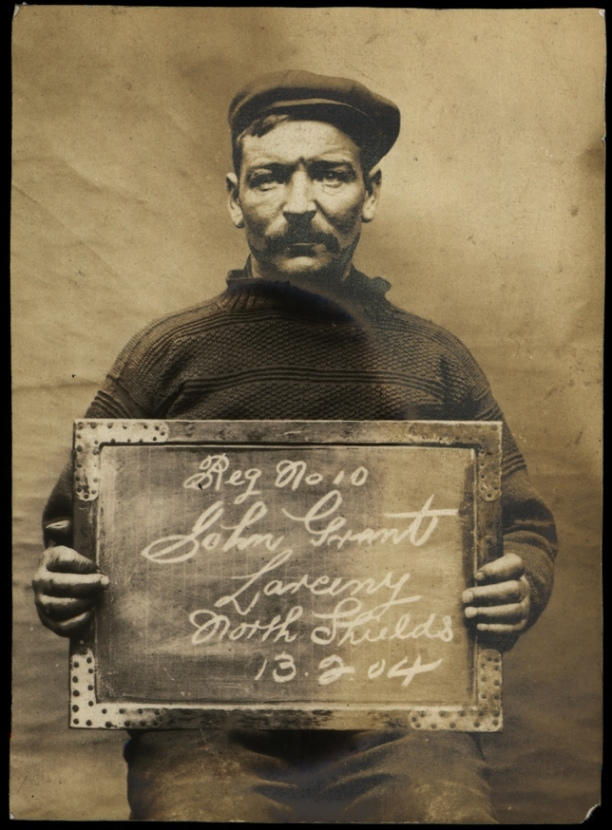
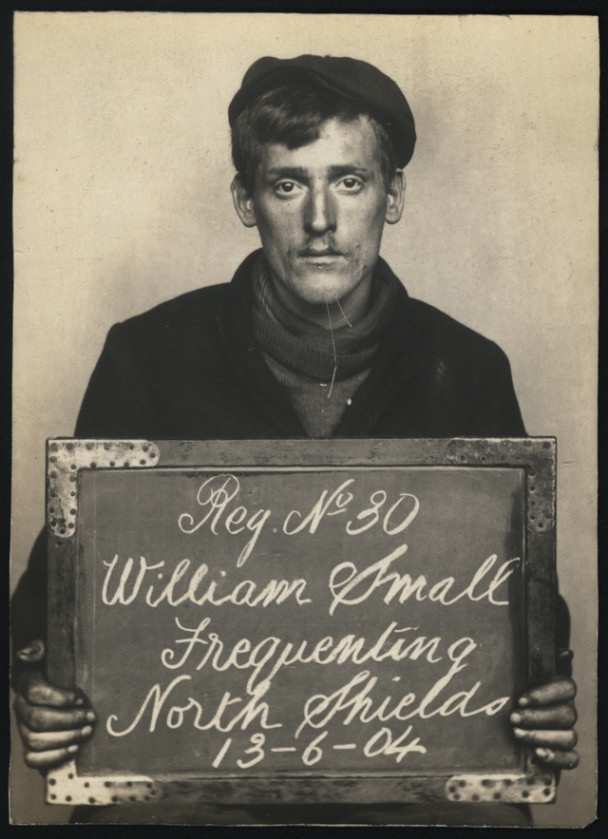
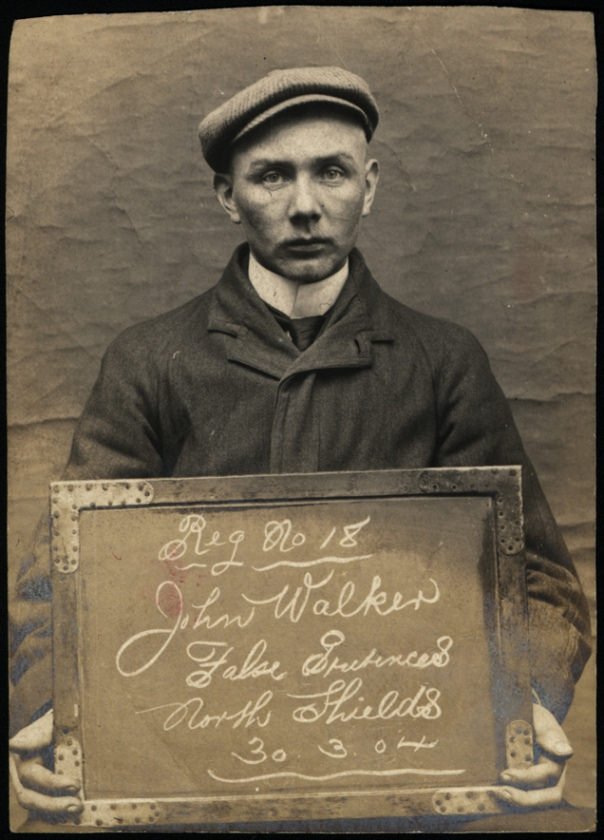
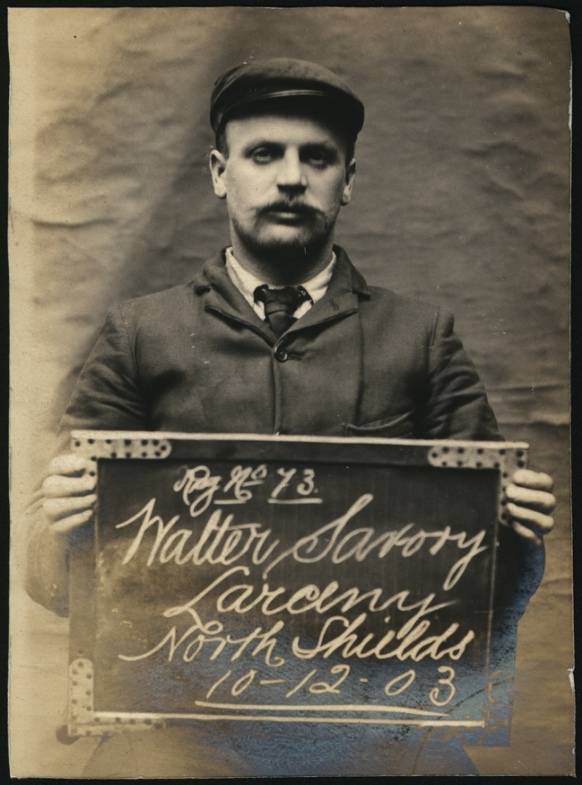
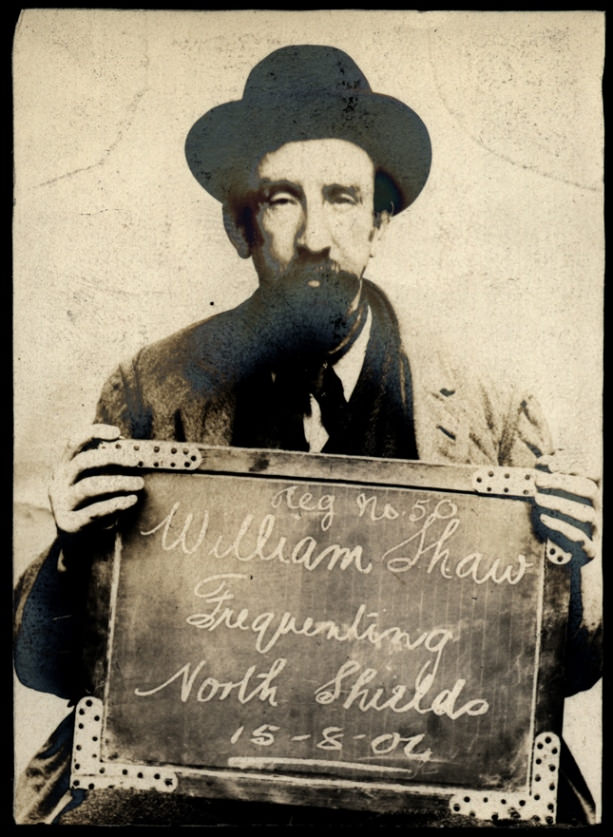
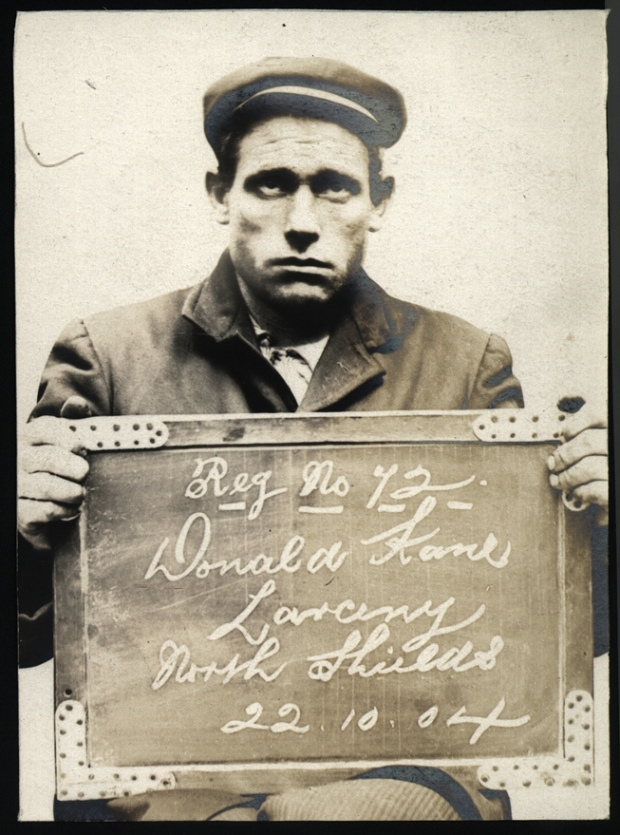
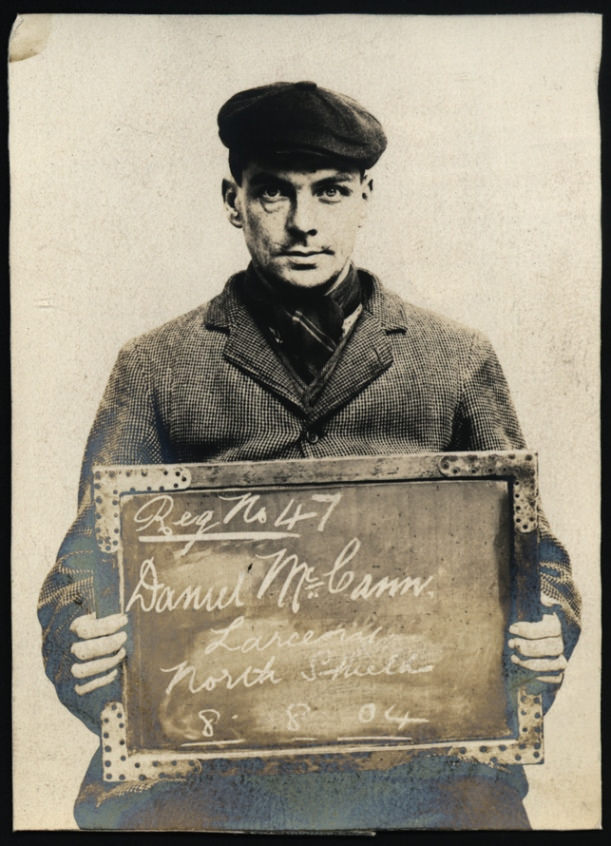
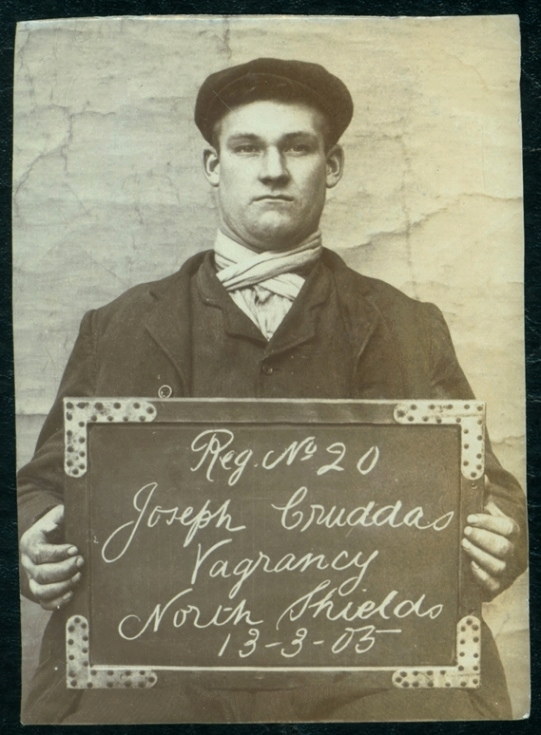
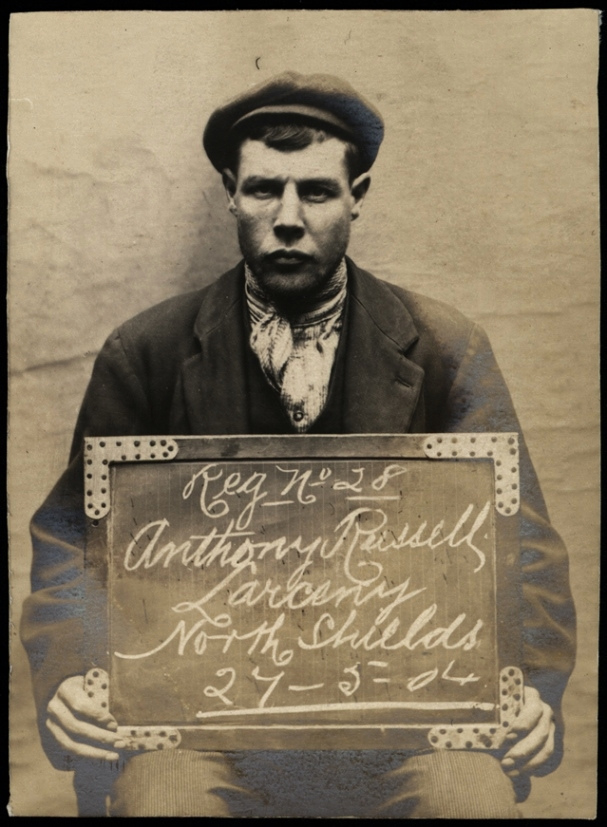
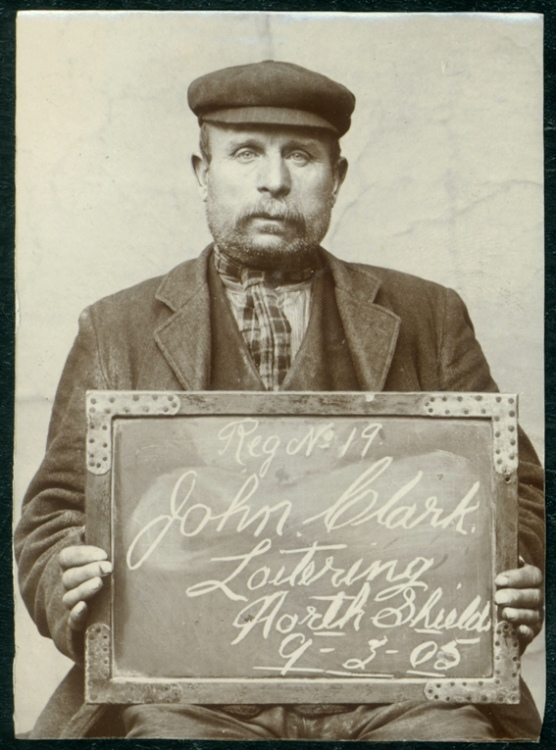
John O’Brien, a fireman, was charged with stealing a silver watch valued 30s from the person of Charles Petersen at a boarding house in Duke Street on the 16th May 1903.Alfred Wilkinson was arrested for “False Pretences” on 12th April 1903.John Renstrom was arrested for “Larceny” on 12th January 1903Edward Andersen, seamen, “belonging to Sweden, were charged at North Shields with stealing 5 shillings from a till in the Cannon Inn, Middle Street”.John Reay was arrested for “Larceny” on 31st August 1902Sylvester Hurlbert was arrested for “False Pretences” on 17th September 1902James Williams was arrested for “Larceny” on 24th August 1902Alfred Thompson was arrested for “Larceny” on 31st August 1902James Dawson was arrested for “Indecent Exposure” on 9th June 1902Mustapha Irola was arrested for “False Pretences” on 19th August 1904Andrea Laudino, Italian ice cream vendor, was charged with stealing a pony, value £8, the property of Bernardo Bianci, between the 13th and 19th of July, 1904.Jerome Guerrini, alias Joseph Brunetti (27), fireman and a French subject, “was charged with the wilful murder of Patrick Gillighan on July 4th, 1904, in the Borough of Tynemouth”Robert Hall was “charged on remand at North Shields with stealing a quantity of beef, a silk handkerchief and an ounce of tobacco valued at 8s 5d, the property of Morton Dixon, a labourer living at Shiremoor … The Bench imposed a fine of 10s and costs”. 9 November 1903“At North Shields William Lavery (22), labourer Low Lights, was charged with stealing a quantity of haddock value 4s 6d, the property of William Purdy from a stand on the Fish Quay on the 14th December 1904”.William Cunnigham (49) “was charged at North Shields this morning with stealing a piece of beef , valued 1s 4d, from a shop in Stephenson Street, the property of Joseph G. Grant.” 23rd March 1903“Thomas Appleton, draper’s assistant, was charged at North Shields today with stealing two shirts valued 4s, the property of W.H. Mitchell, from a shop in Saville Street.” 9 February 1903“James Brown (21), 36 Hadrian Road, Wallsend, was charged with having obtained by means of false pretences the sum of 1s 6d, the moneys of Robert English.” 12 October 1904William Thompson were charged with being found wandering in Linskill Terrace and unable to give a good account of themselves at 11.20 pm on the 12th inst. PC Ivison deposed to arresting the accused. They said they had been on the road to Blyth, but got a fright and turned back.” 13 March 1905“At North Shields, Leonard Burton, barman, South Shields was charged with obtaining food and lodging to the amount of 17s from Kate Hughes, 10 Stanley Street West, by means of false pretences.” 1 November 1904“William Sutton (26), of no fixed abode, was charged at North Shields with frequenting Tynemouth Terrace back lane on the 17th inst. Robt. Tombling said that he saw the accused trying the window of a house and upon his questioning the man he bolted but ran into the arms of a constable. He was committed for 14 days”. 18 October 1904Henry Wilson, alias Charles Murray, was charged at North Shields yesterday, with having obtained by means of false pretences food to the value of 6s from Ann Skipsey at Long Row, Percy Main, on November 24th and 25th last (1902).” 24th April 1903“Henry Moreland a miner, New York, was charged with stealing three ducks and a drake, value 16s, the property of Michael Gaffney, at New York on the 17th October 1902”.“Daniel Lagarecta, a Chilian seaman, was charged with having stolen a watch value 10s from the person of Thomas Stephenson…” 15 September 1904“Charles Cunningham (28), a young man, very respectably dressed, and residing at 14 Widdrington Terrace, was charged at North Shields this morning with indecent exposure at the back of Percy Gardens, Tynemouth, yesterday afternoon.” 9 February 1903“Robert Whiting (26) was charged on remand with stealing on the 2nd inst. a ton and a half of metal valued at £2, the property of Messrs Brand and Mackintyre, or otherwise receiving the same, well knowing it to have been stolen.” 11 July 1902“John D. Gumis, a Portuguese fireman, was charged with stealing a silver knife and plate and a quantity of butter, valued 4s, from the Rising Sun Inn, Albert Edward Dock…” 5 October 1903“Richard Percy Stewart (27), painter, Middlesbro’, was charged with stealing on the 19th of May 1904 from a dwelling-house situate at 19 Eleanor Street, Cullercoats, a jacket and vest of the value of £2, the property of Patrick Kearney.” 20 January 1905“At the North Shields Police Court today, Robert Jacks, ships’ steward, belonging to Greenock, was charged with obtaining 10s by false pretences, from Charles Swain, tailor and clothier, Bedford Street.” 12 January 1905“William Sayers, labourer, East Howdon was charged at North Shields today with stealing on the 15th a brass tap and an oil barrel, valued 8s 6d, the property of Wm Easten at East Howdon.” 24 March 1903“James Wilson was charged with having stolen a gill pewter pot, the property of some person unknown, and was remanded for eight days to enable the police to find the owner.” 29 February 1904“Michael Mulvaney (63), a tramp of no fixed abode, was charged at North Shields with being drunk in Duke Street, and with begging. The offences were admitted.” 17 August 1904William Williamson, a labourer of South Shields, was charged at North Shields to-day with indecently exposing himself yesterday afternoon at the Albert Edward Dock. (He)…was sent to prison for one month”. 7 August 1903“Two fisherman named John Grant (31) of North Shields and John Gillan (44) of North Berwick, went into the Newcastle Arms, Union Quay, North Shields on Friday morning at half-past six. There was a glass of money standing on the counter”… and stole it. 13 February 1904“At North Shields Wm. Small (21) and Edward Walker (20) were charged with frequenting the River Tyne for the purpose of committing a felony…” 13 June 1904“John Walker (25), boilermaker, pleaded guilty to two charges of obtaining money by false pretences at North Shields, namely £2 from John Moffatt on March 16th, and £1 5s 6d and a suit of clothes from Anthony Rutherford between February 27th and March 16th, 1904.” 30 March 1904“At North Shields, Walter Savory (30), donkeyman, Percy Main, was charged with stealing on the 9th inst. from a line in a backyard at 9 Blyth Street, Percy Main, two towels, a sheet, and a curtain, valued 6s 6d, the property of Thos. Urwin.” 10 December 1903“At North Shields, George Williams (32), a pugilist, of Newcastle, and William Shaw (45), a cabinet maker, Newcastle, were charged with frequenting the Electric Tram Cars between North Shields and Whitley for the purpose of committing a felony on Sunday night.” 15 August 1904“At North Shields, Donald Kane, seaman, Dumbarton, was charged with having stolen between 21st and 22nd inst. clothing and other articles from the schooner Agnes lying in the Albert Edward Dock.” 22 October 1904“Daniel McCann (30), Newcastle, and Mary Johnson (30), alias Elizabeth Chantiller, Newcastle, were charged with stealing the sum of 7s 2d from George Henry Lilley on the 6th.” 8 August 1904“At North Shields Police Court to-day, Joseph Cruddas and William Thompson were charged with being found wandering in Linskill Terrace and unable to give a good account of themselves at 11.20 pm on the 12th inst. PC Ivison deposed to arresting the accused. They said they had been on the road to Blyth, but got a fright and turned back.” 13 March 1905“At North Shields Anthony Russell (27) and Robert Lightly (24), pitmen, Percy Main, were charged with being concerned together in stealing a duck, value 10s, the property of Mr Elwin”. 27 May 1904“George Smith, alias Lamb, tramp, Gateshead, was charged with begging from door to door in Beverley Terrace, Cullercoats, and was sent to prison for 14 days”. 15 March 1905“At North Shields Police Court today, John Clark (54), no fixed abode, was charged with loitering in Tynemouth Terrace back lane for the purpose of committing a felony.” 9 March 1905
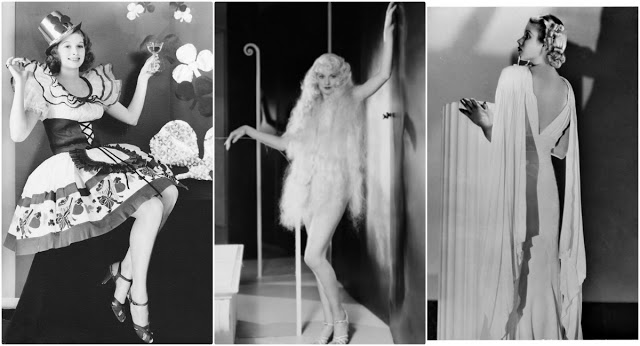
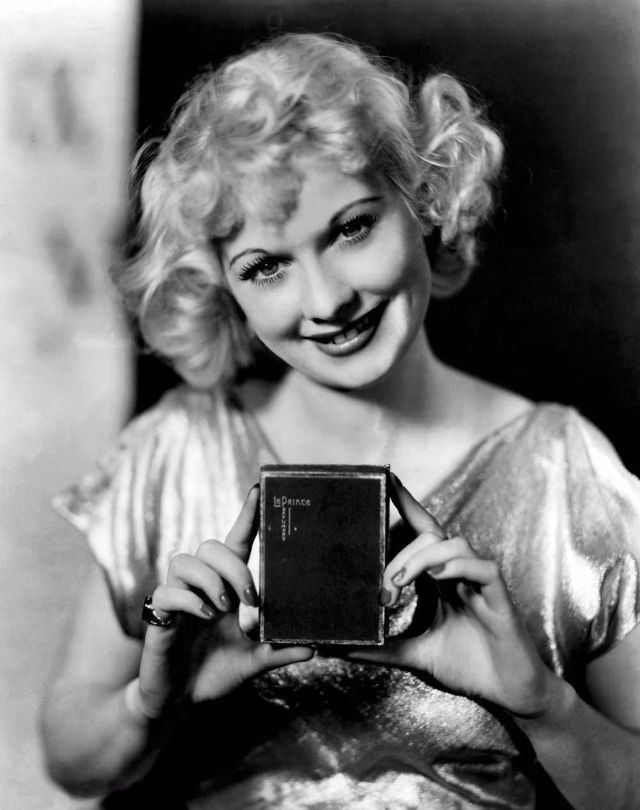
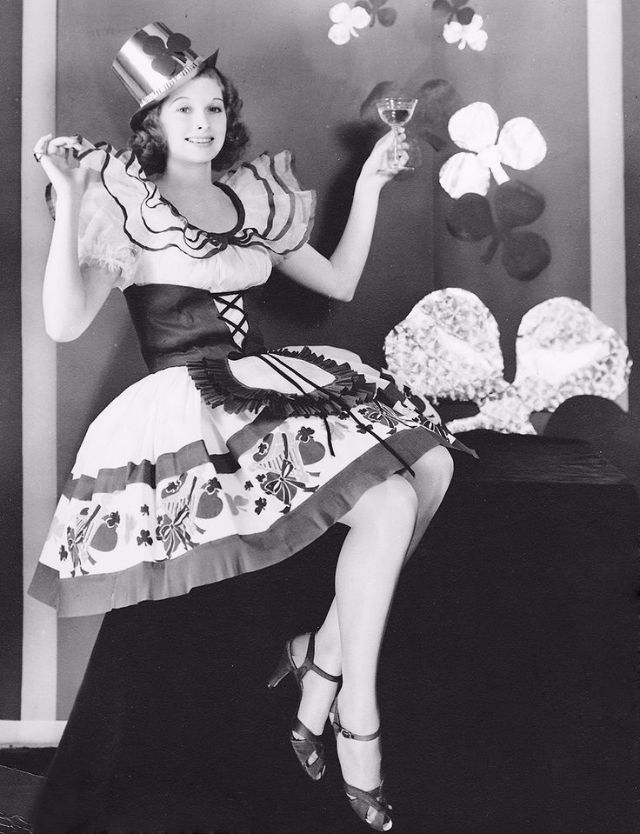
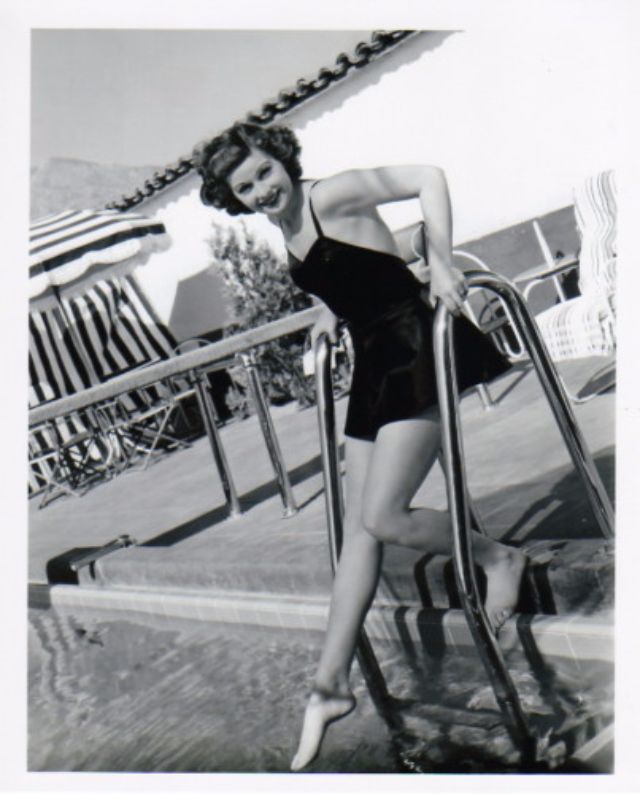
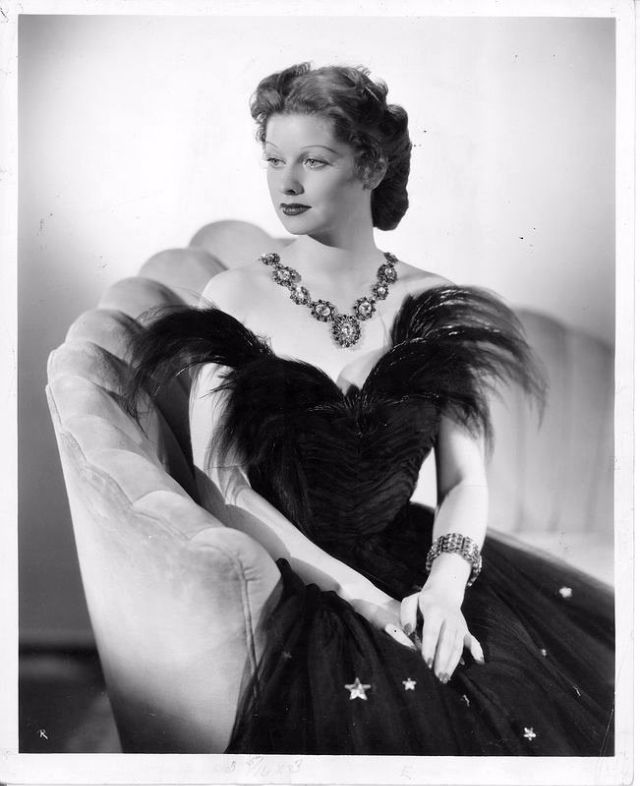
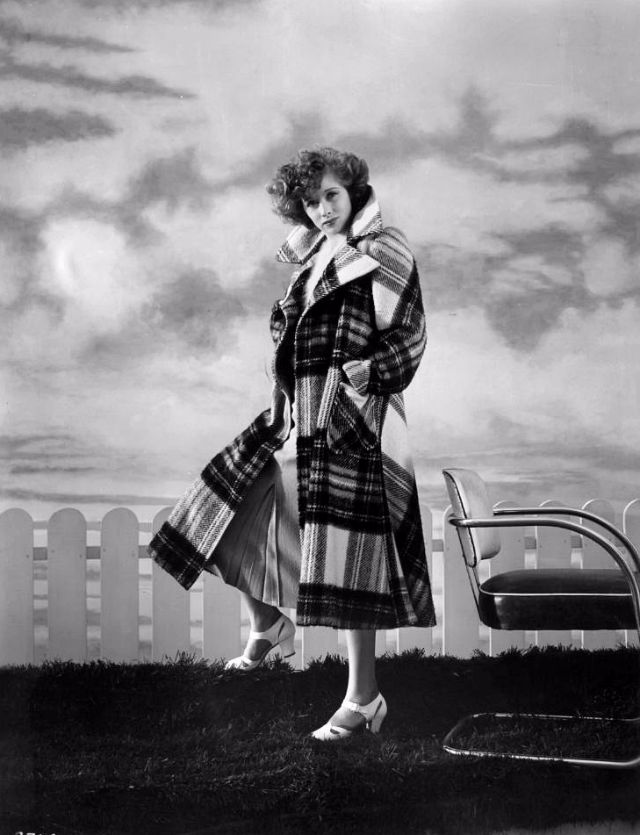
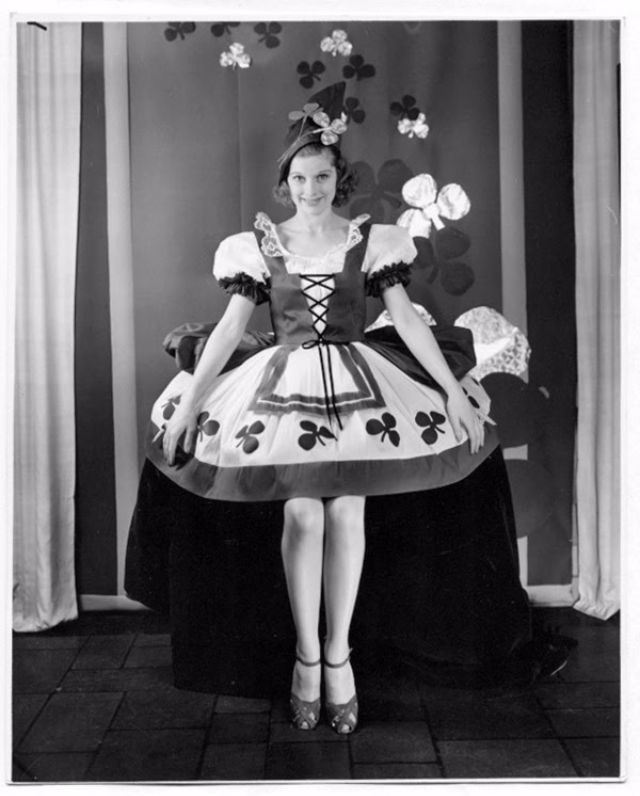
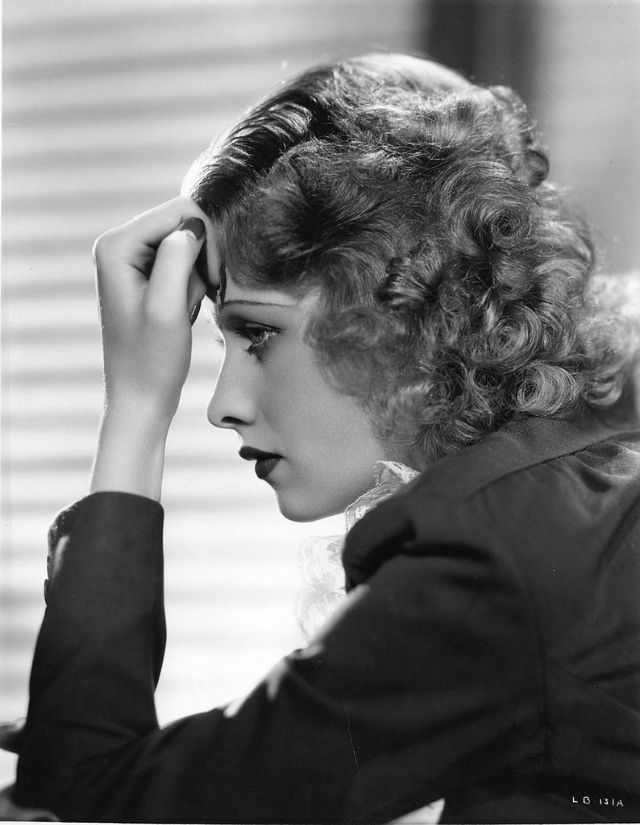
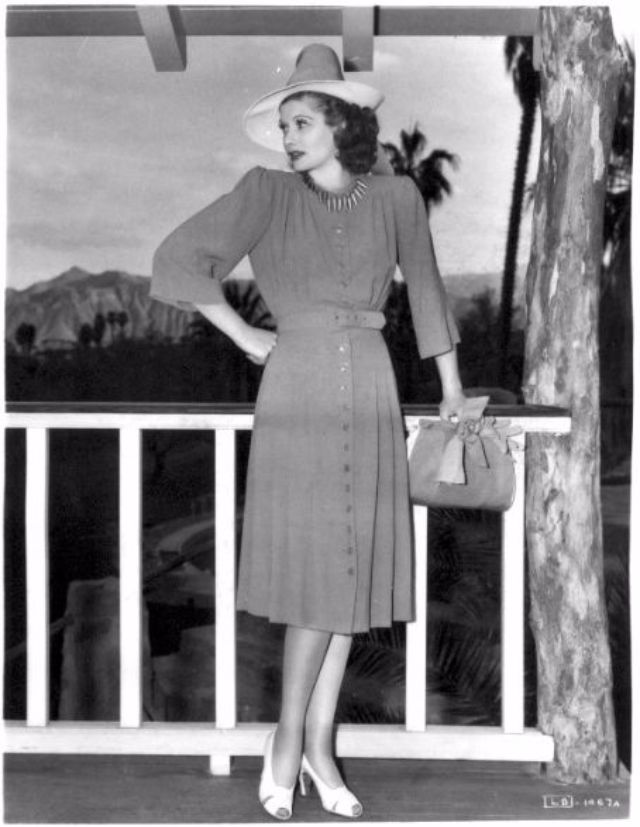
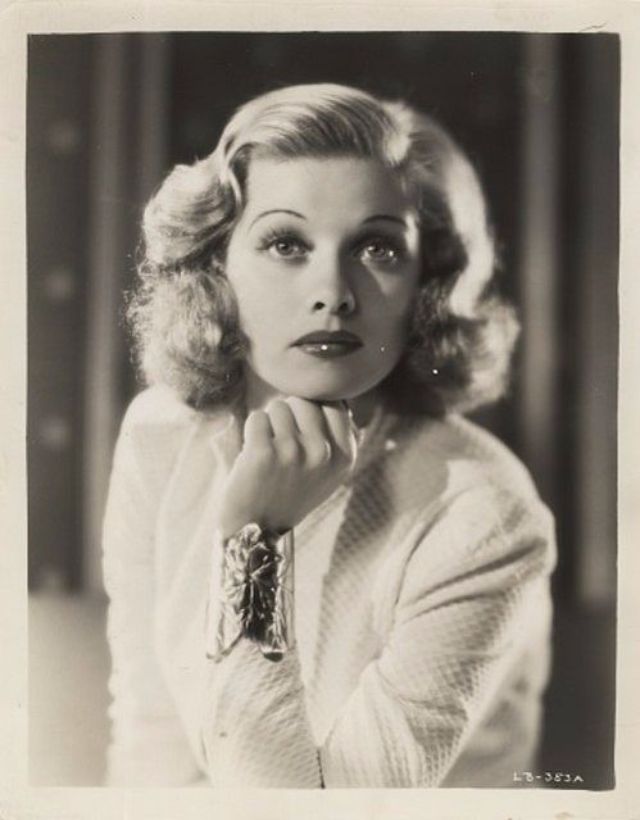
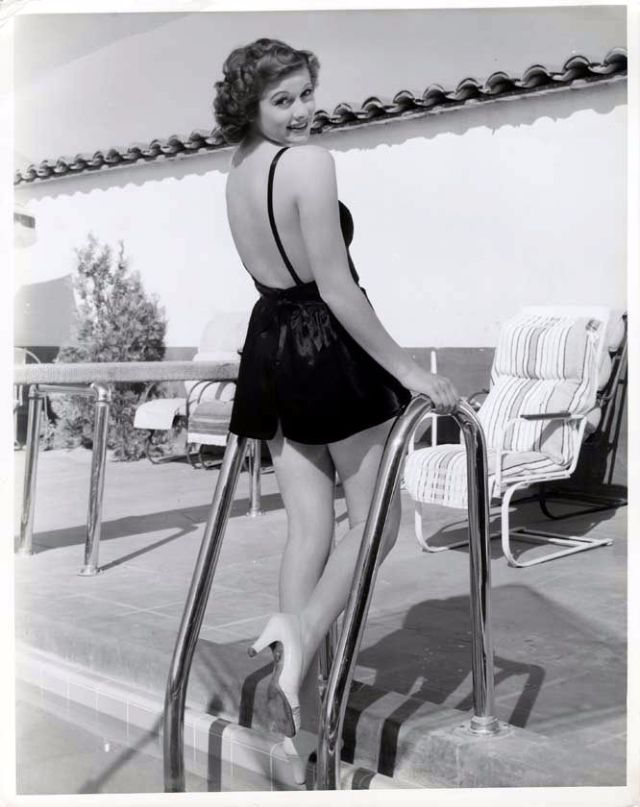
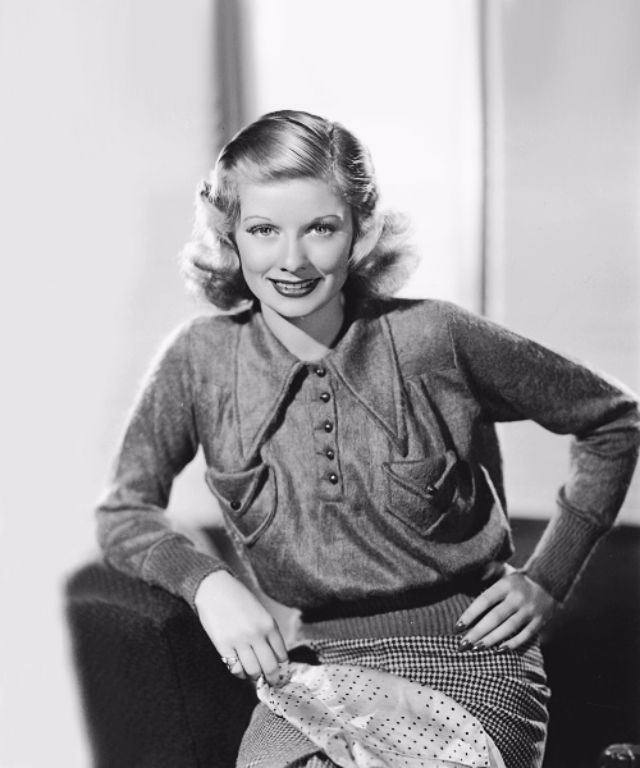
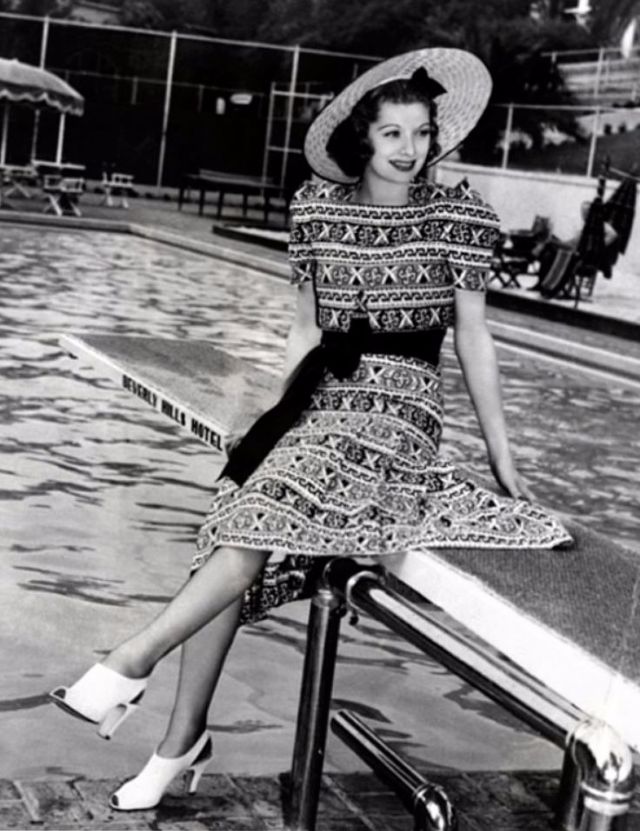
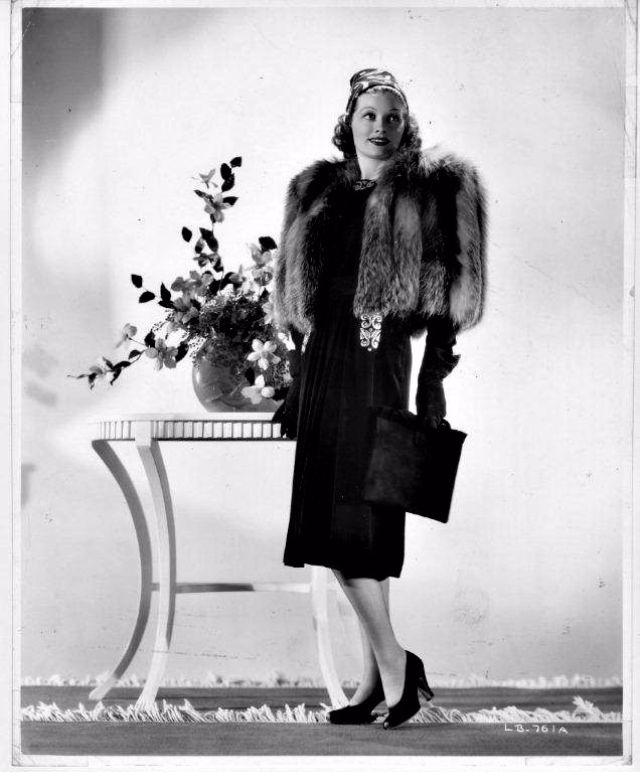
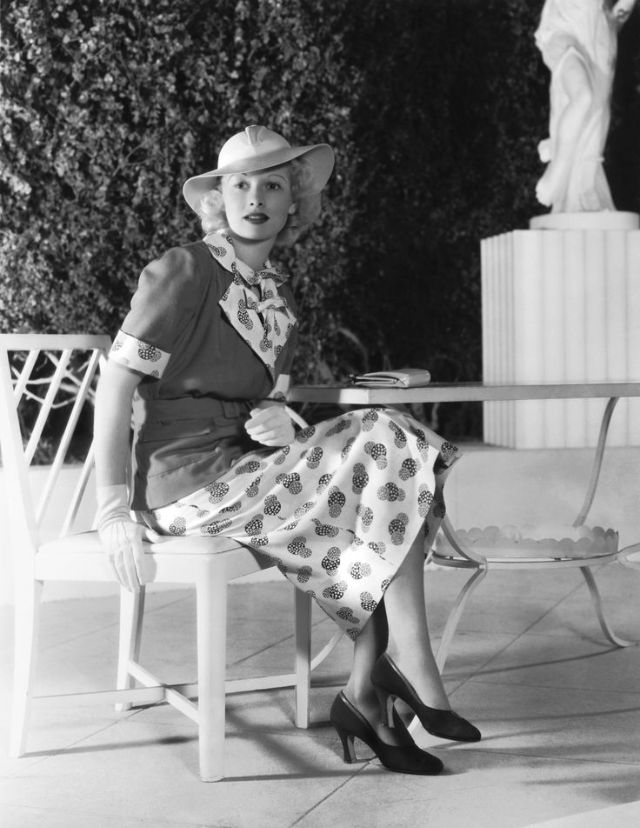
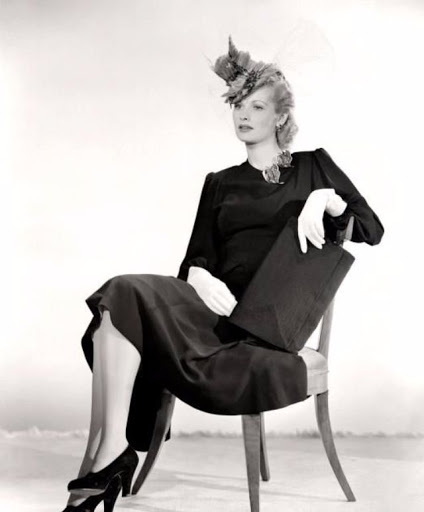
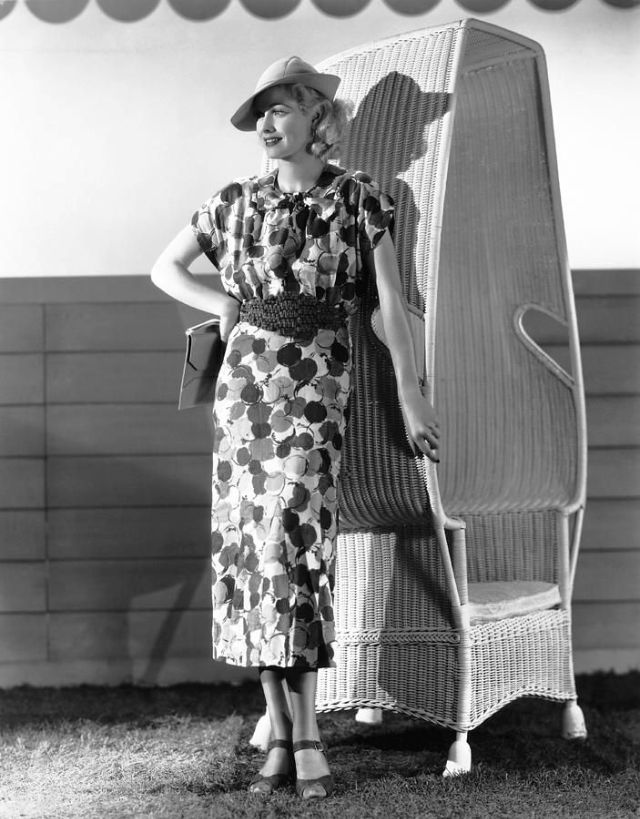
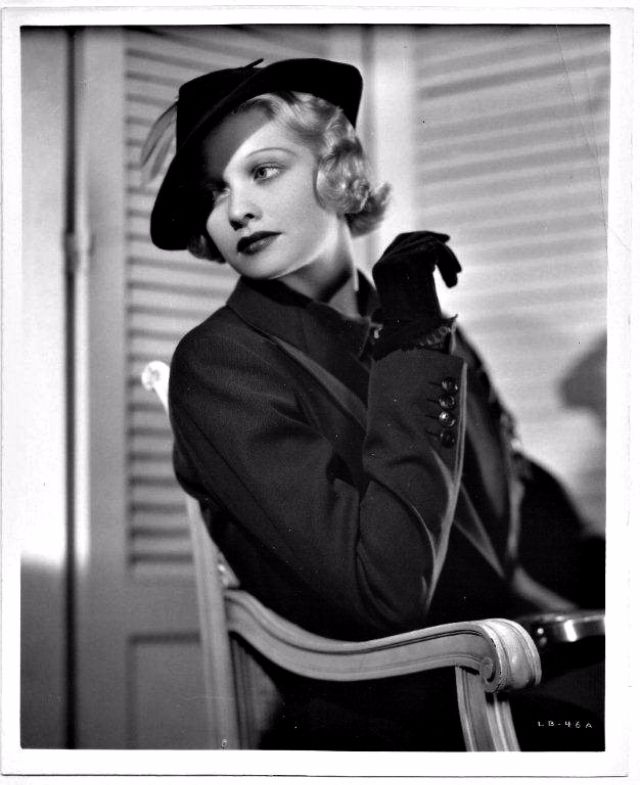
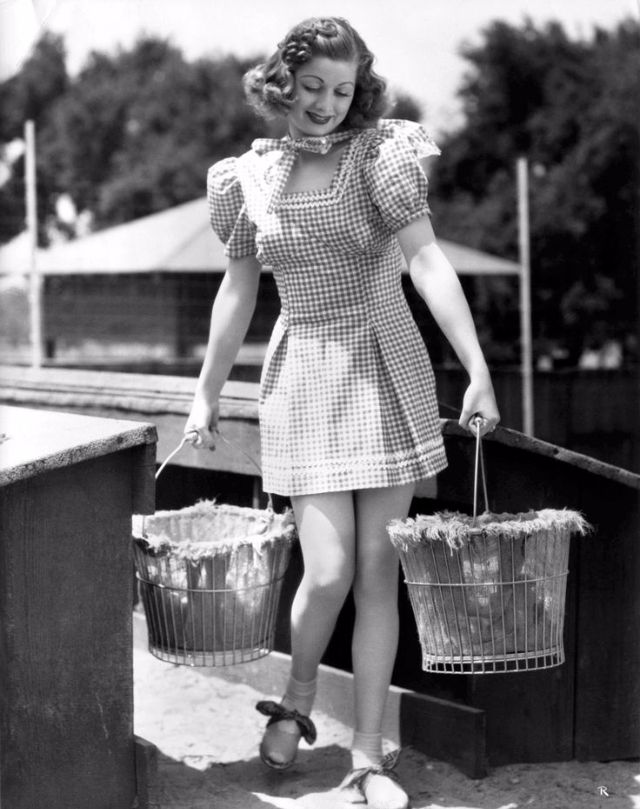
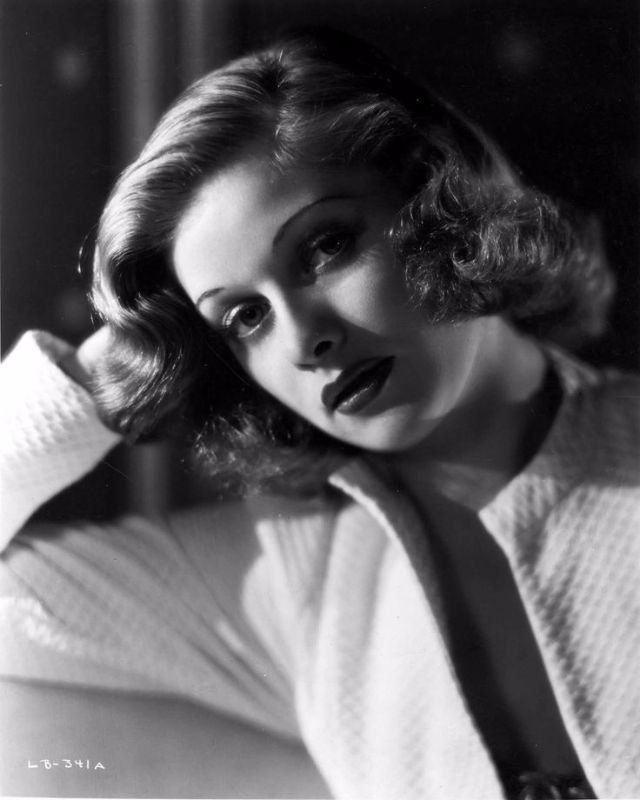
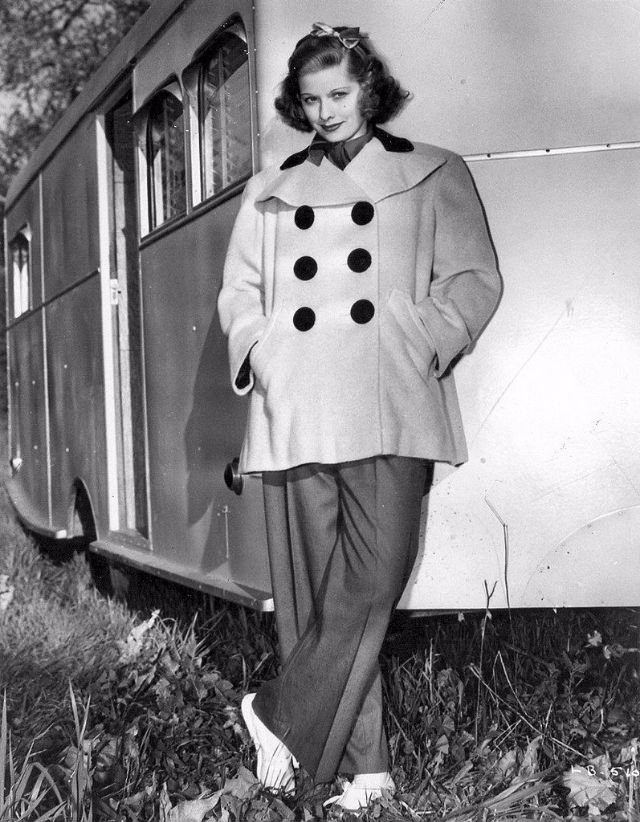
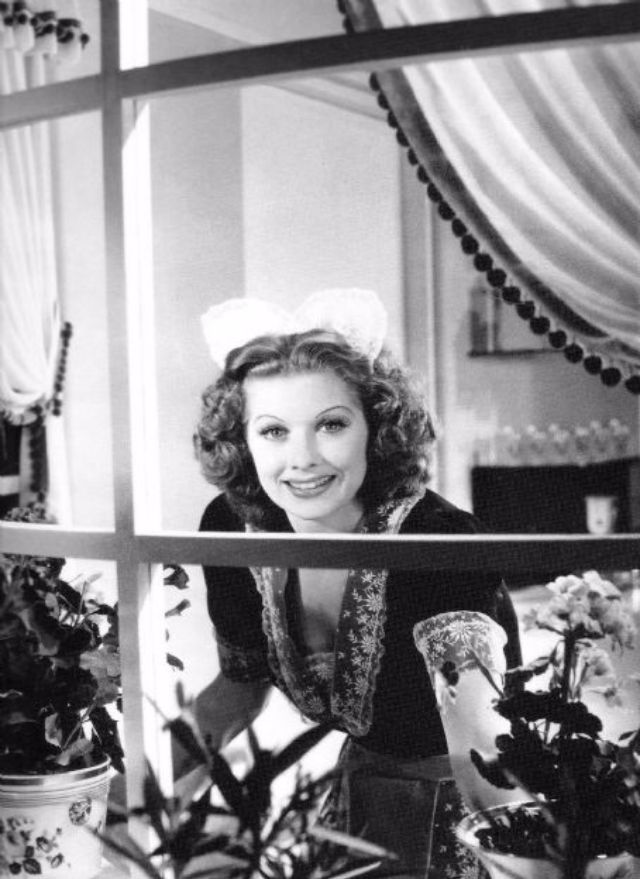
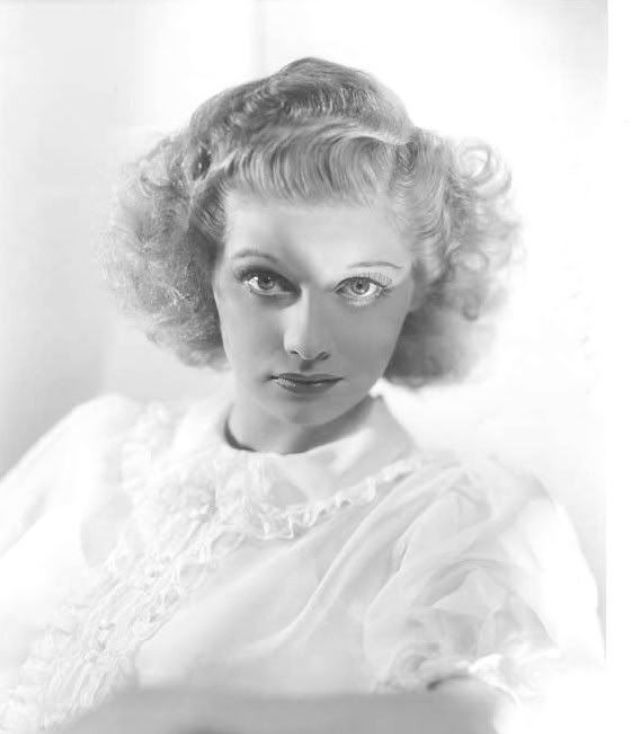
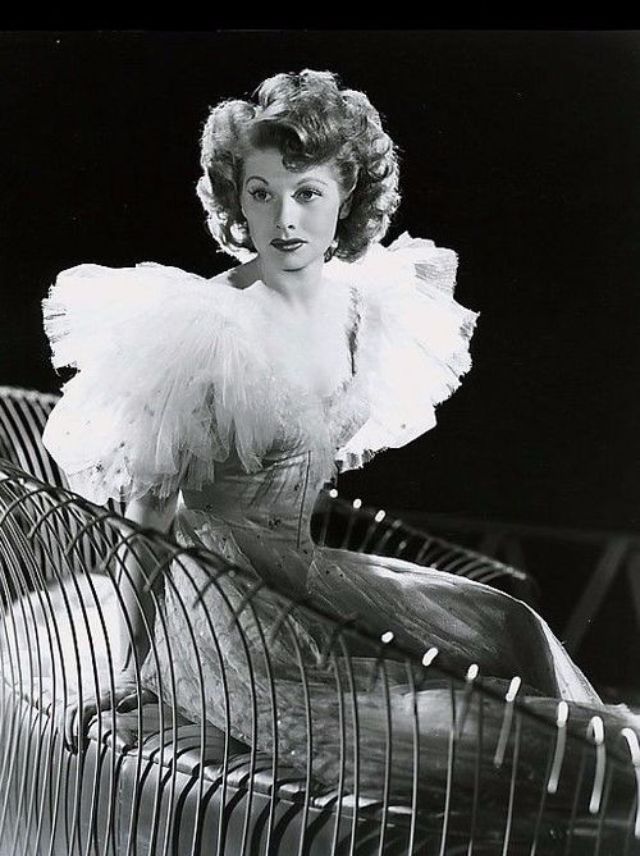
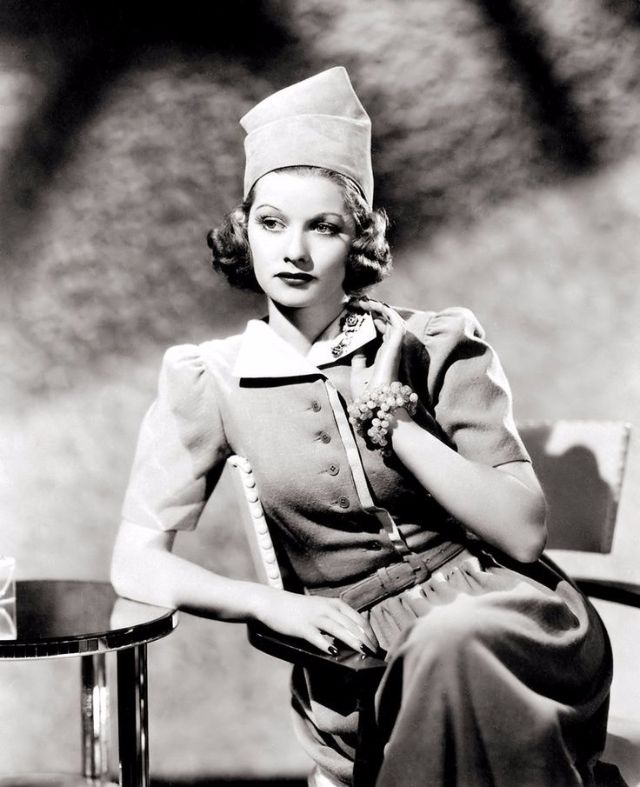
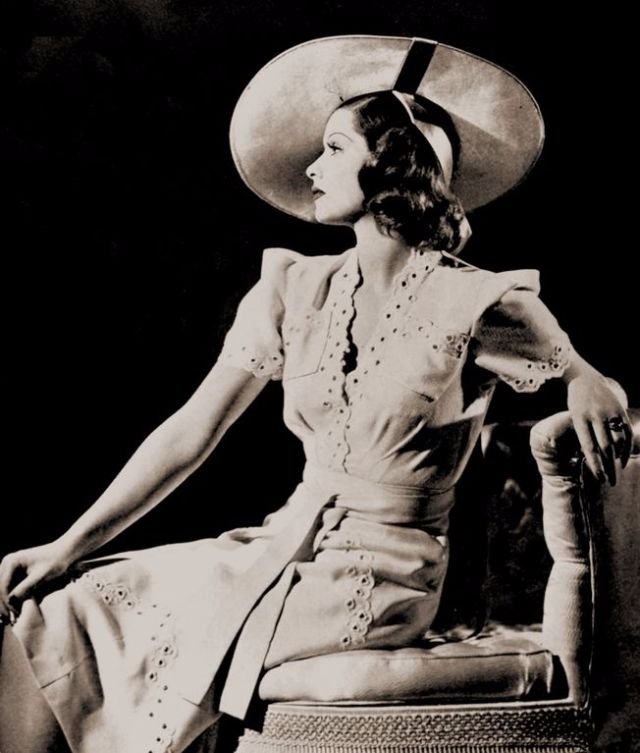
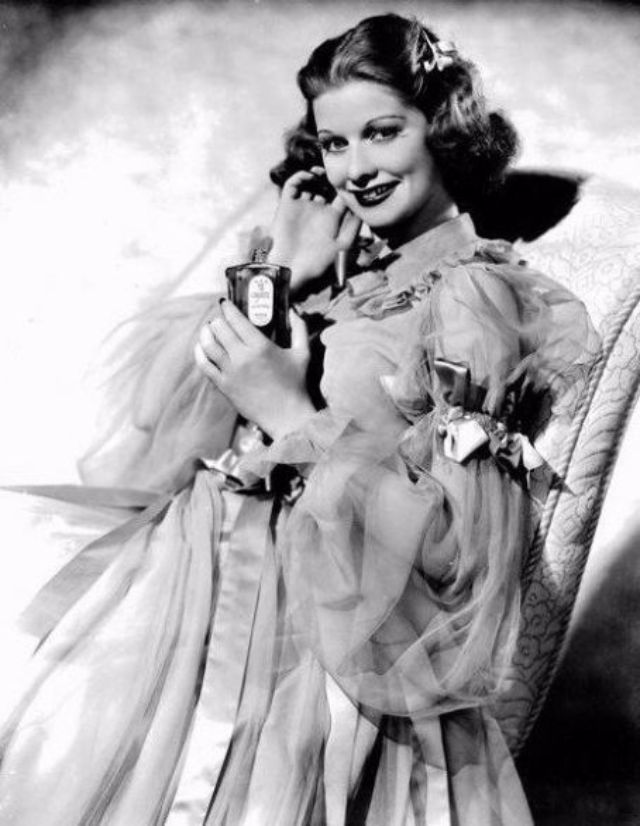
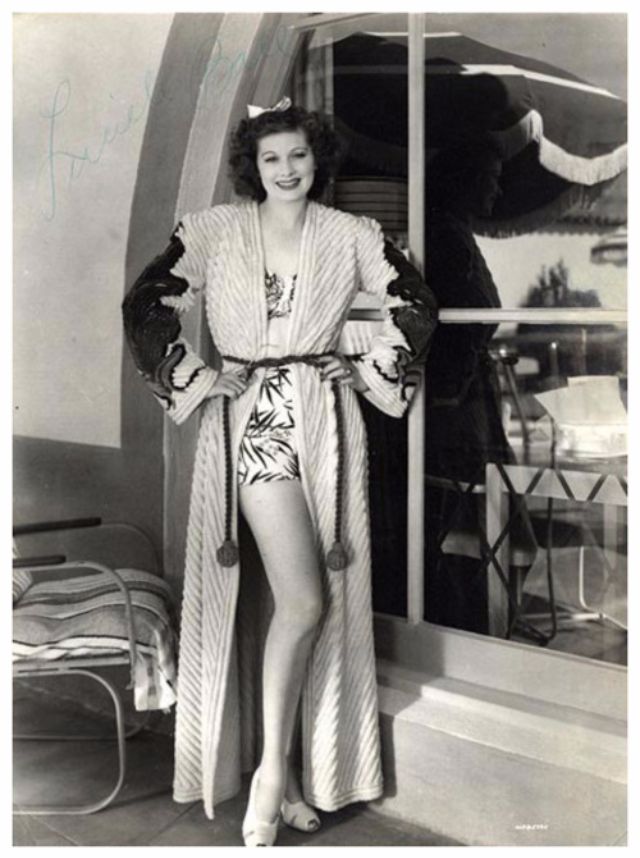
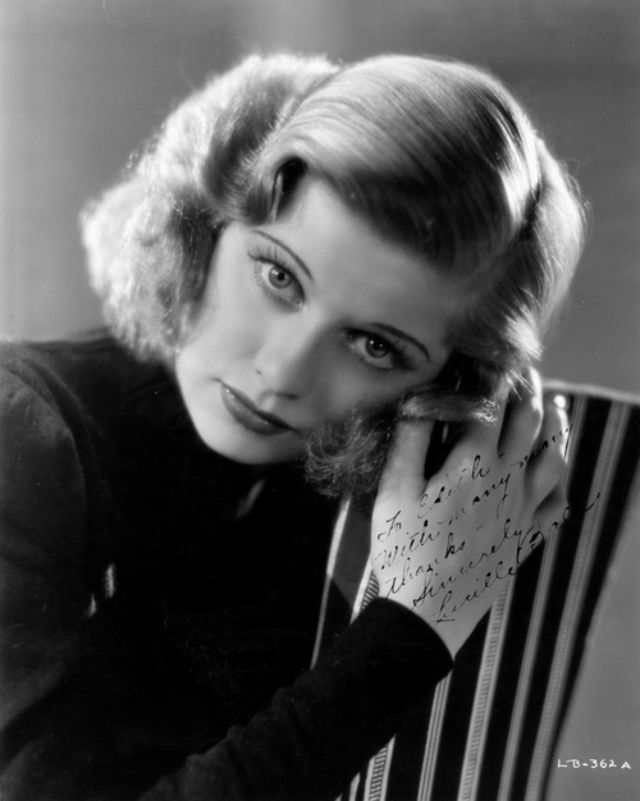
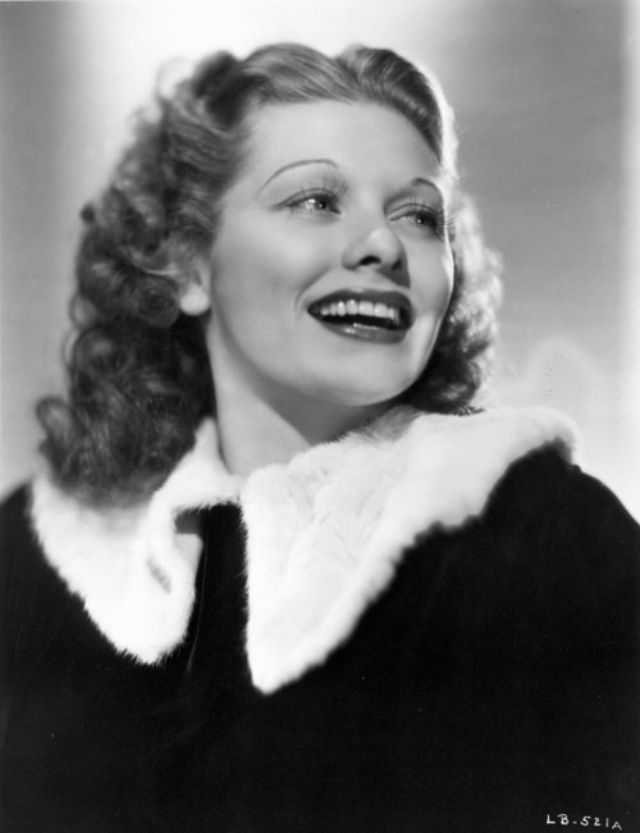
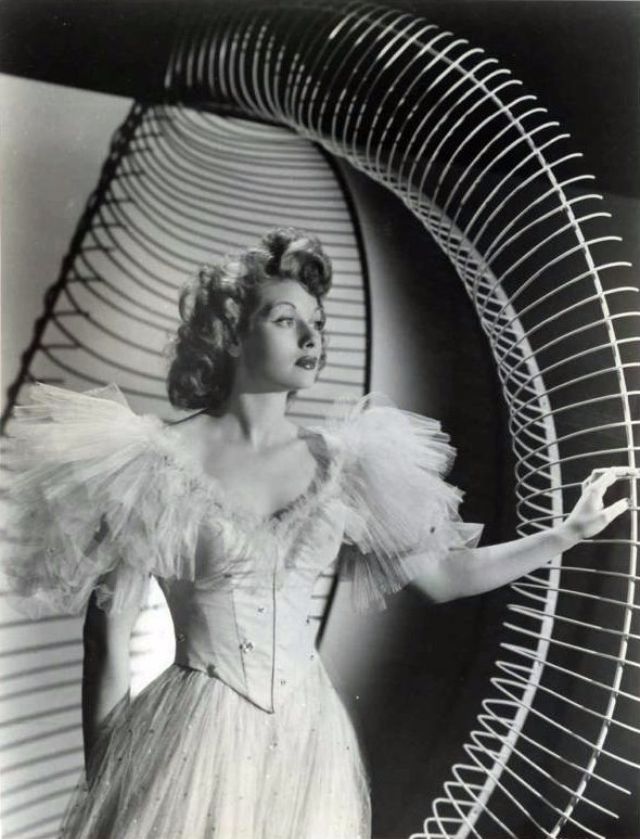
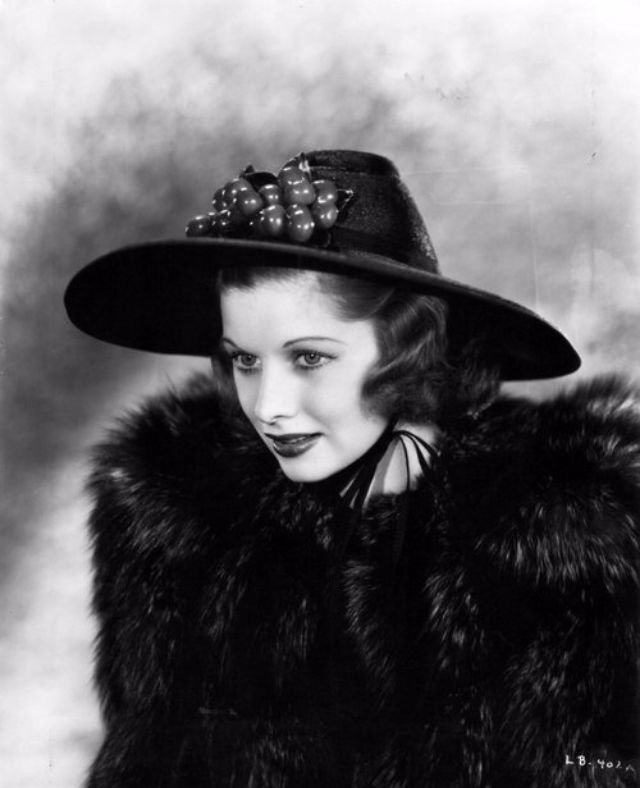
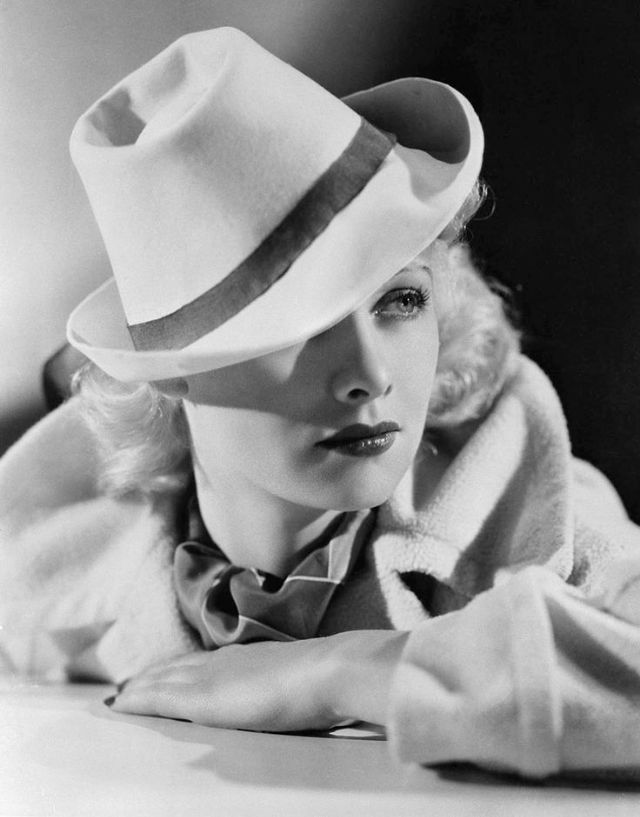
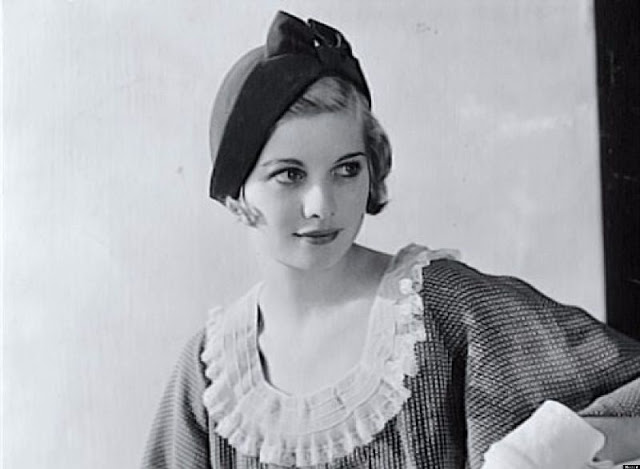
Lucille Désirée Ball (August 6, 1911 – April 26, 1989) was an American actress, comedian, model, studio executive, and producer. She was the star and producer of sitcoms I Love Lucy, The Lucy Show, Here’s Lucy, and Life with Lucy, as well as comedy television specials aired under the title The Lucy-Desi Comedy Hour. She was also the first female head of a major Hollywood studio, Desilu Productions, which she also owned.
Ball’s career began in 1929 when she landed work as a model. Shortly thereafter, she began her performing career on Broadway using the stage name Diane (or Dianne) Belmont. She later appeared in films in the 1930s and 1940s as a contract player for RKO Radio Pictures, being cast as a chorus girl or in similar roles, with lead roles in B-pictures and supporting roles in A-pictures. During this time, she met Cuban bandleader Desi Arnaz, and the two eloped in November 1940. In the 1950s, Ball ventured into television. In 1951, she and Arnaz created the sitcom I Love Lucy. The same year, Ball gave birth to their first child, Lucie Arnaz, followed by Desi Arnaz Jr. in 1953. Ball and Arnaz divorced in May 1960, and she married comedian Gary Morton in 1961.
Following the end of I Love Lucy, Ball produced and starred in the Broadway musical Wildcat from 1960 to 1961. The show received lukewarm reviews and had to be closed when Ball became ill for several weeks. After Wildcat, Ball reunited with I Love Lucy co-star Vivian Vance for The Lucy Show, which Vance left in 1965. The show continued, with Ball’s longtime friend and series regular Gale Gordon, until 1968. Ball immediately began appearing in a new series, Here’s Lucy, with Gordon, frequent show guest Mary Jane Croft, and Lucie and Desi Jr.; this program ran until 1974.
In 1962, Ball became the first woman to run a major television studio, Desilu Productions, which produced many popular television series, including Mission: Impossible and Star Trek. Ball did not retire from acting completely, and in 1985, she took on a dramatic role in the television film Stone Pillow. The next year, she starred in Life with Lucy, which was, unlike her other sitcoms, not well-received; the show was cancelled after three months. She appeared in film and television roles for the rest of her career until her death in April 1989 from an abdominal aortic aneurysm at the age of 77.
Ball was nominated for 13 Primetime Emmy Awards, winning five times. In 1960, she received two stars for her work in film and television on the Hollywood Walk of Fame. In 1977, Ball was among the first recipients of the Women in Film Crystal Award. She was also the recipient of the Golden Globe Cecil B. DeMille Award in 1979, was inducted into the Television Hall of Fame in 1984, received the Lifetime Achievement Award from the Kennedy Center Honors in 1986, and the Governors Award from the Academy of Television Arts & Sciences in 1989.
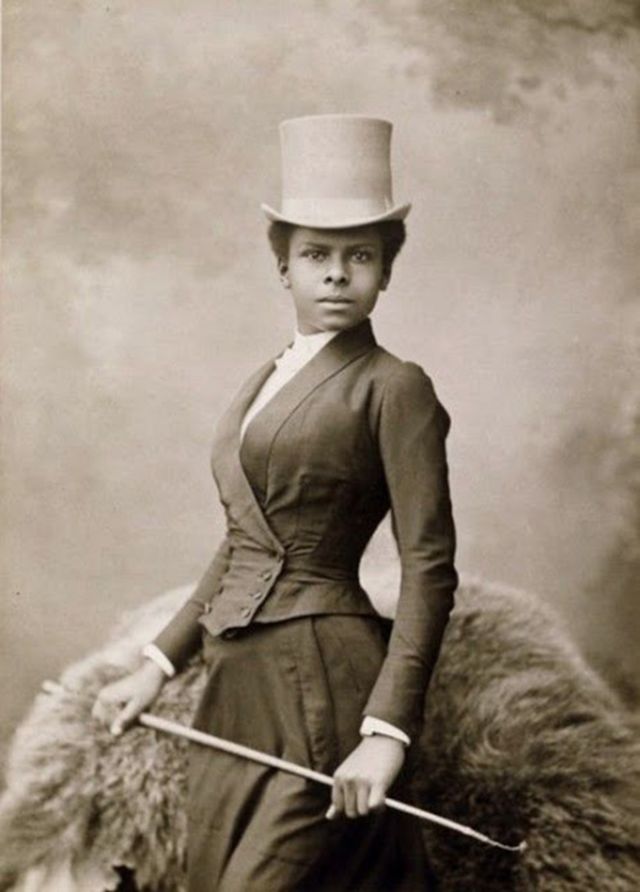
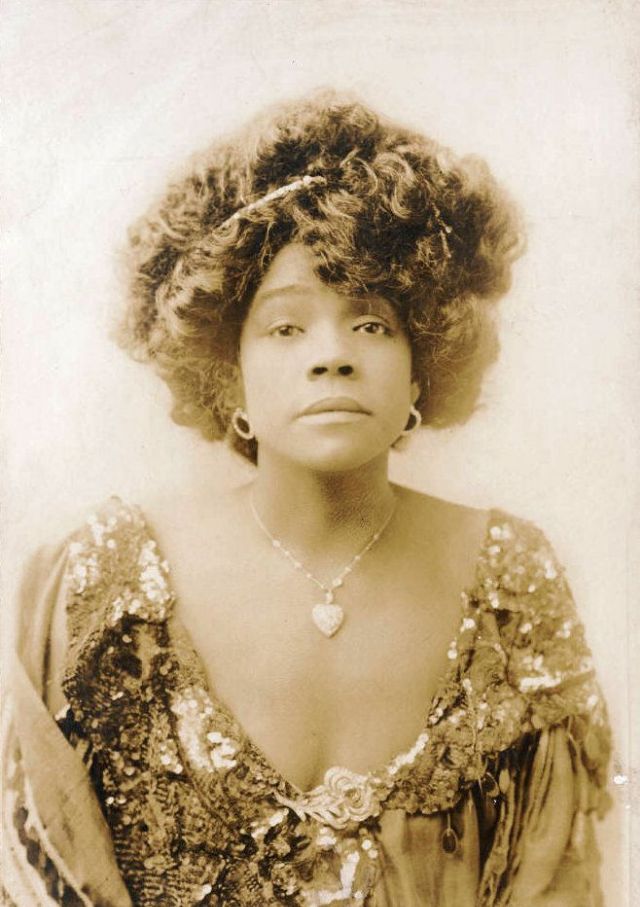
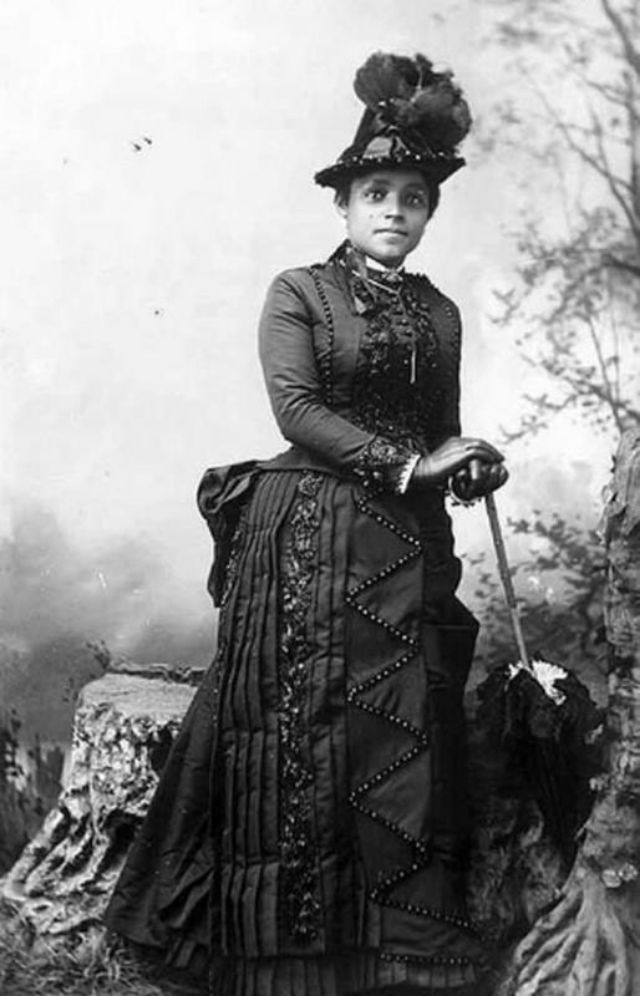
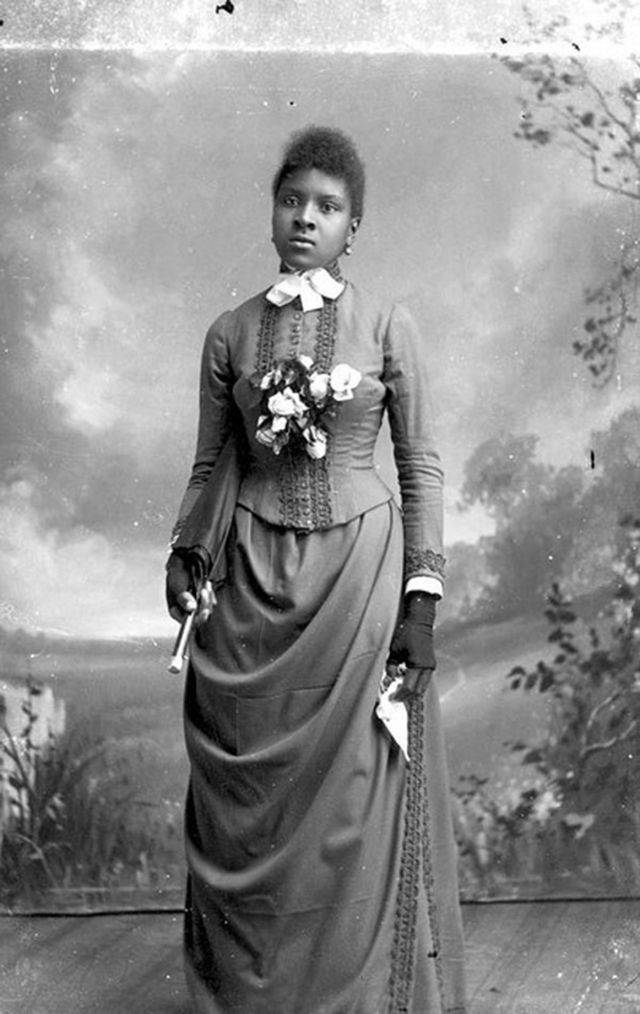
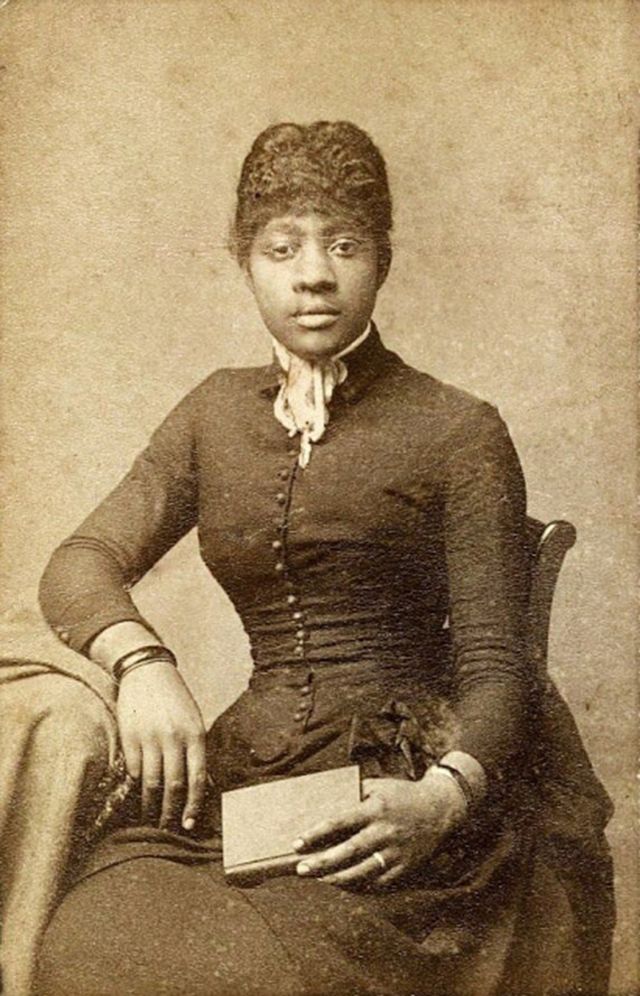
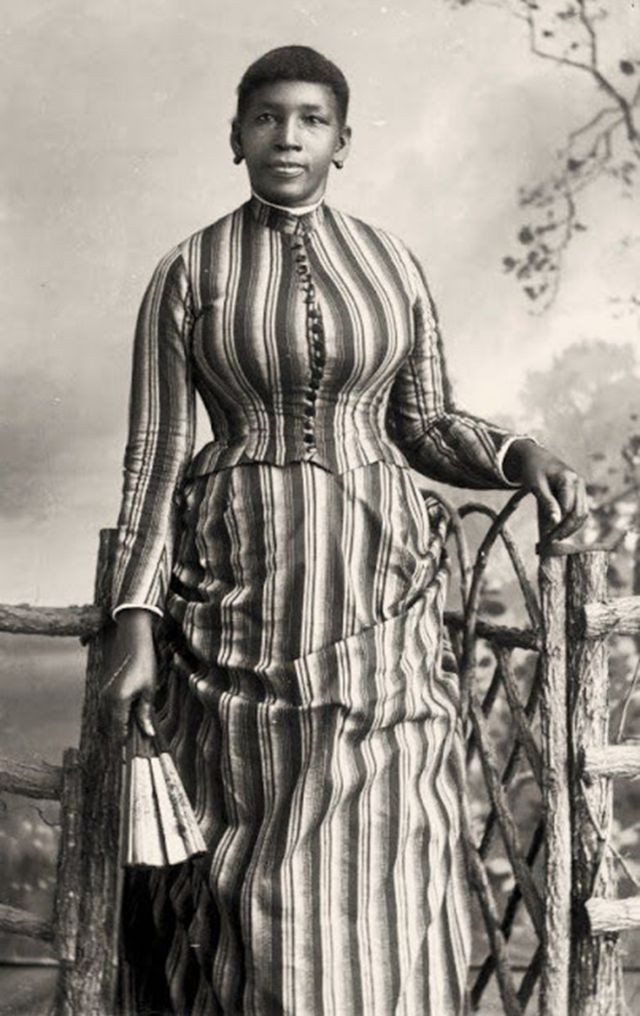
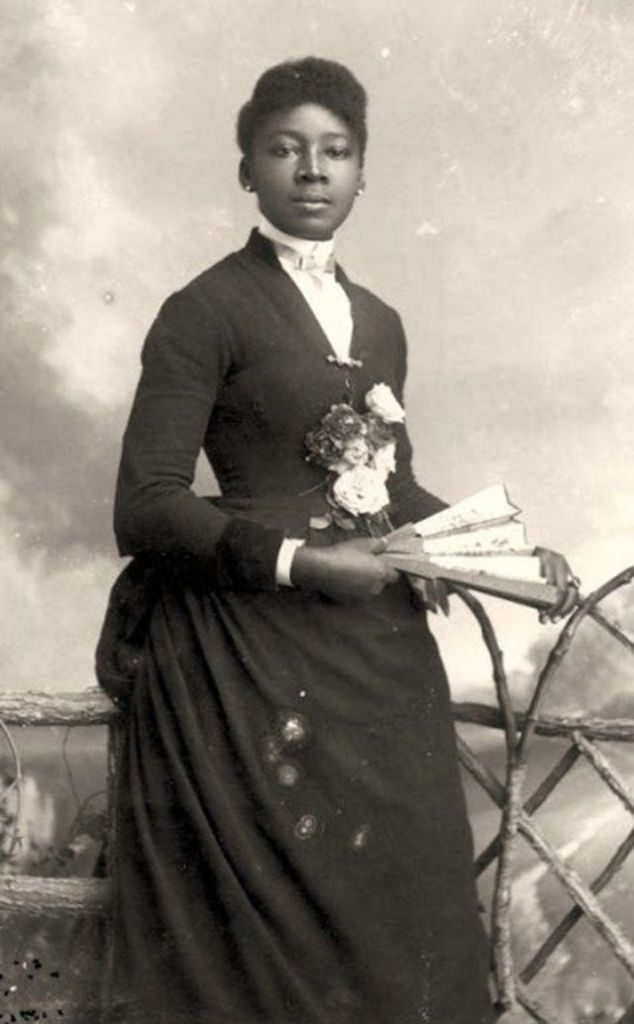
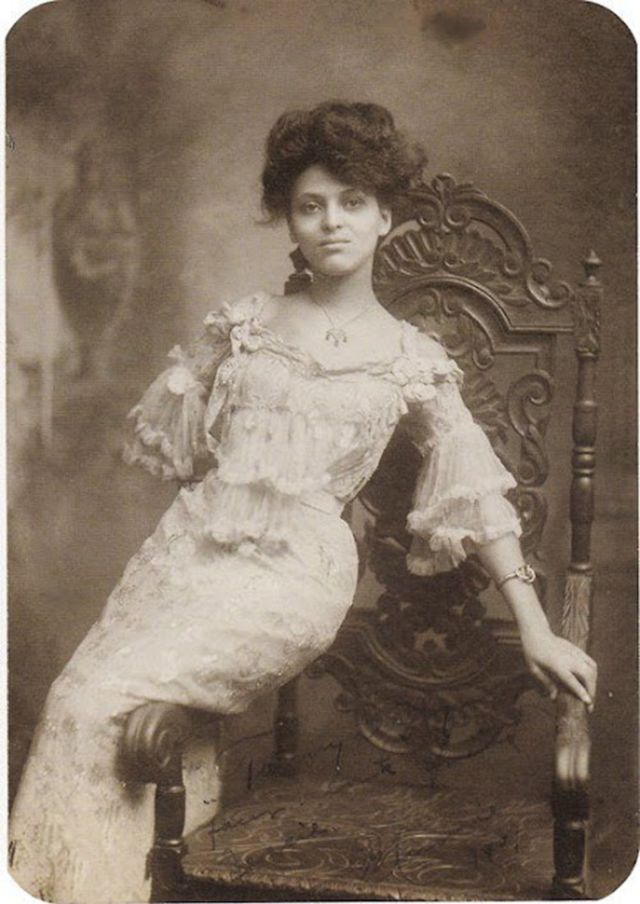
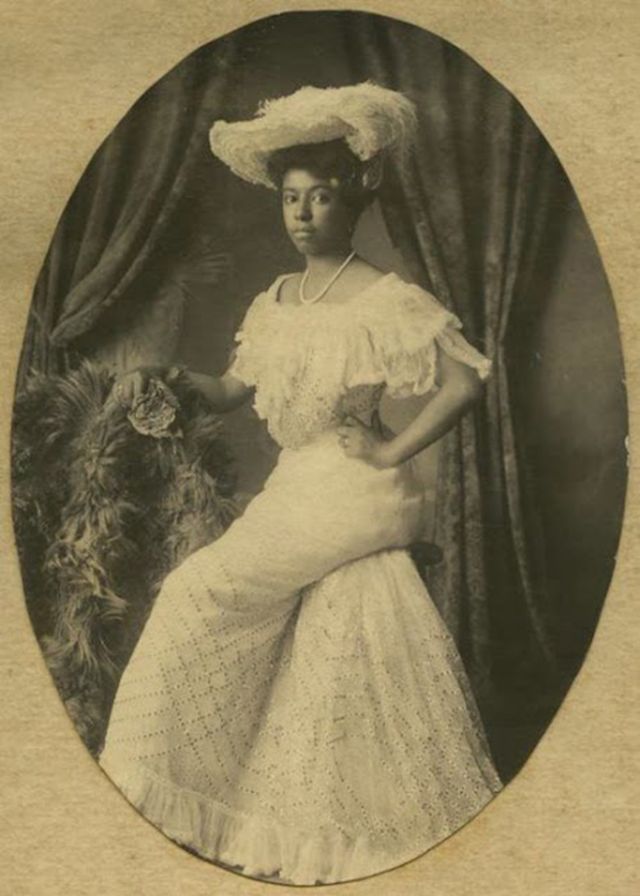
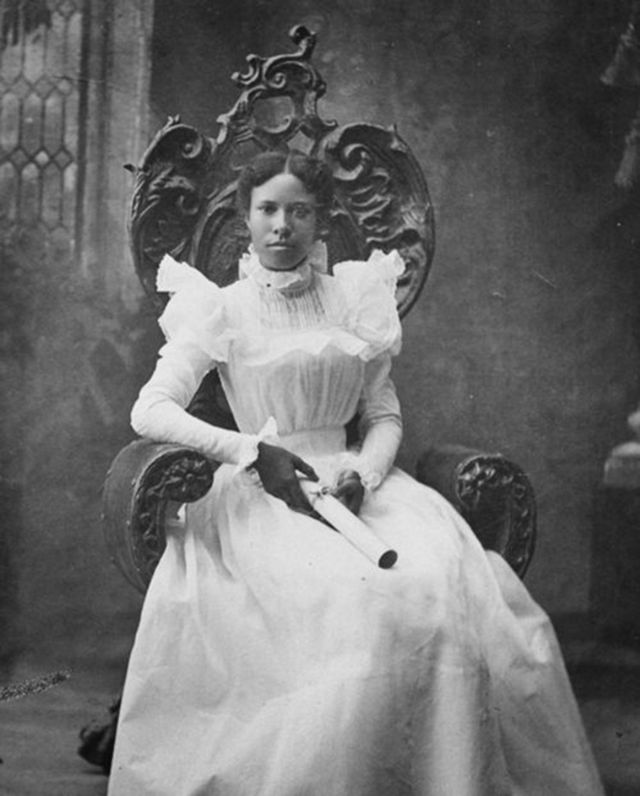
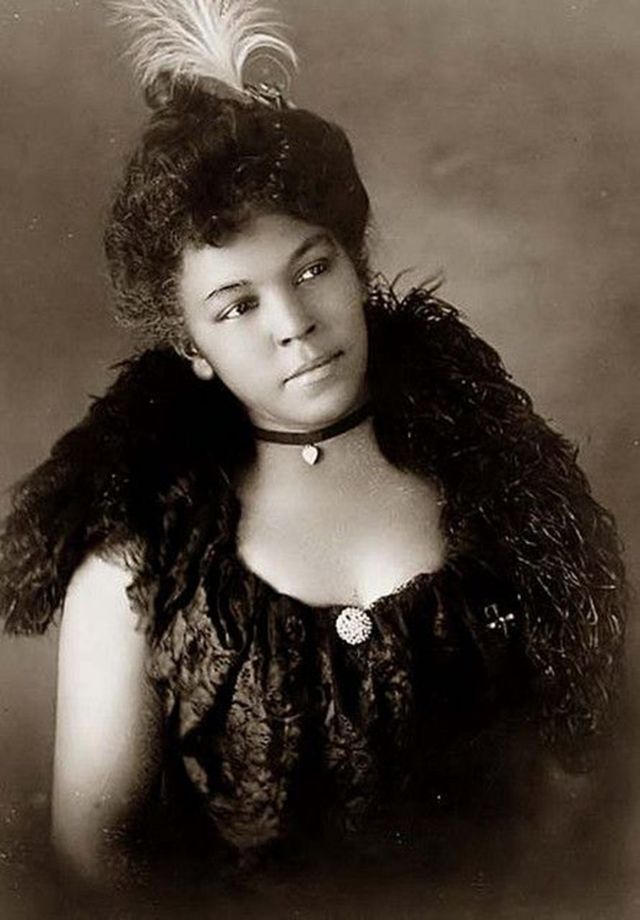
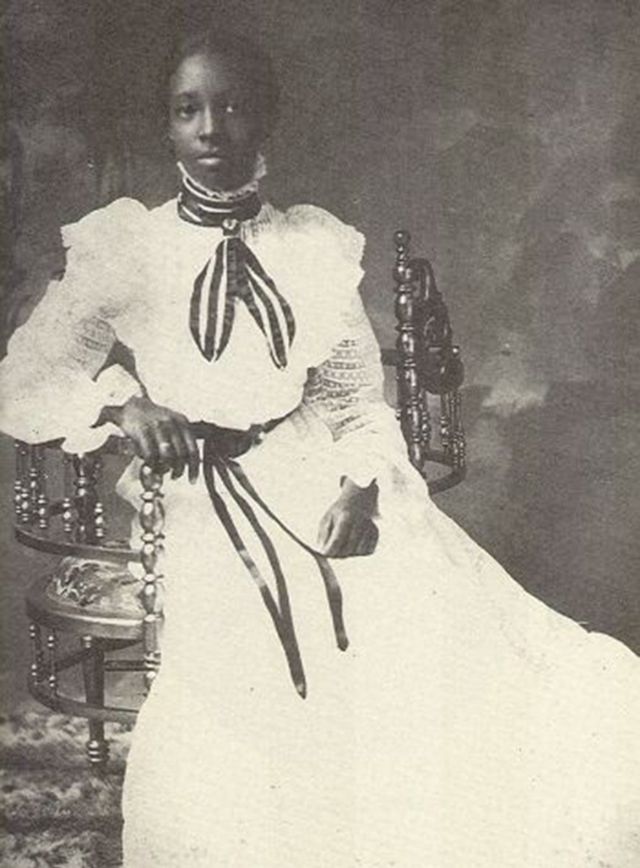
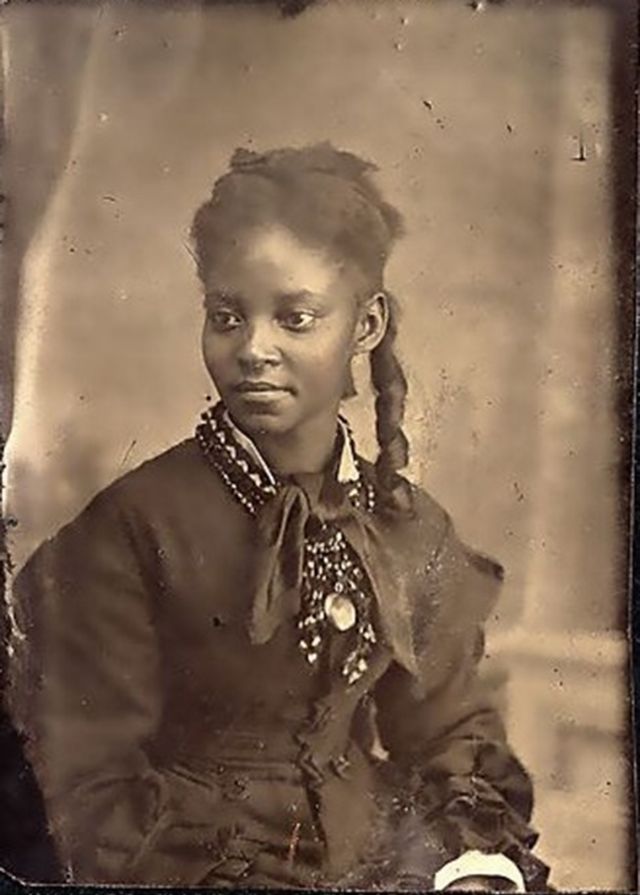
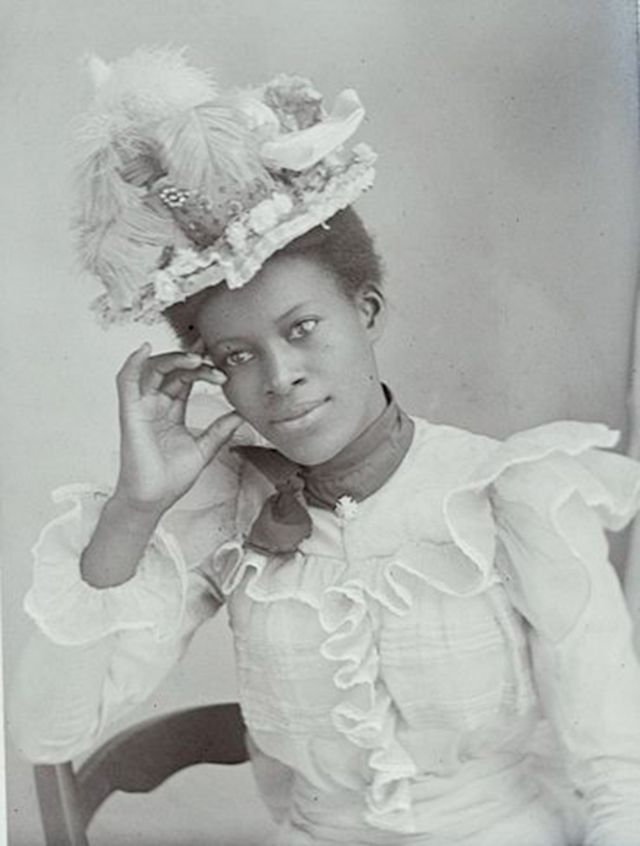
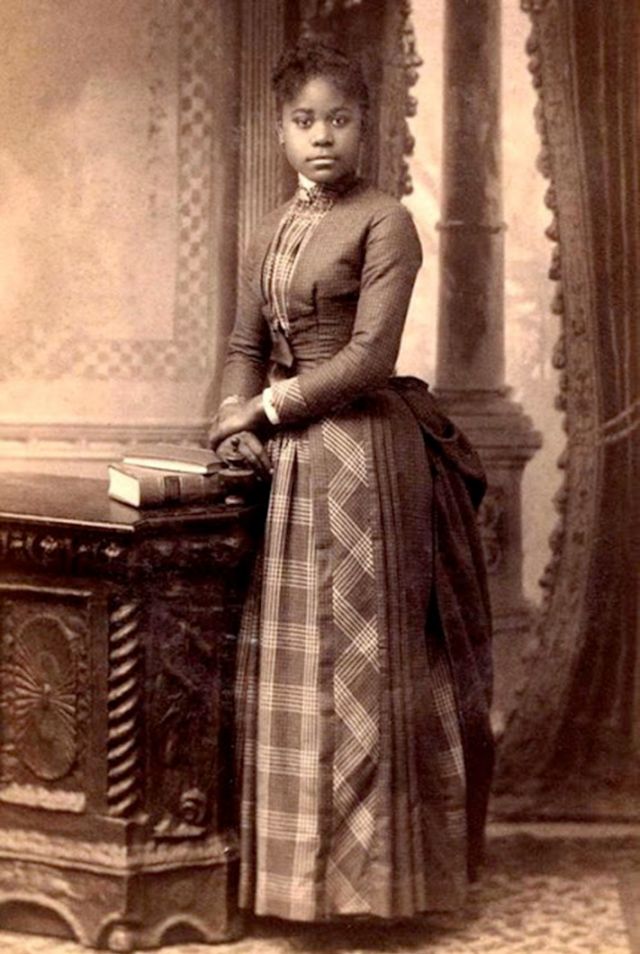
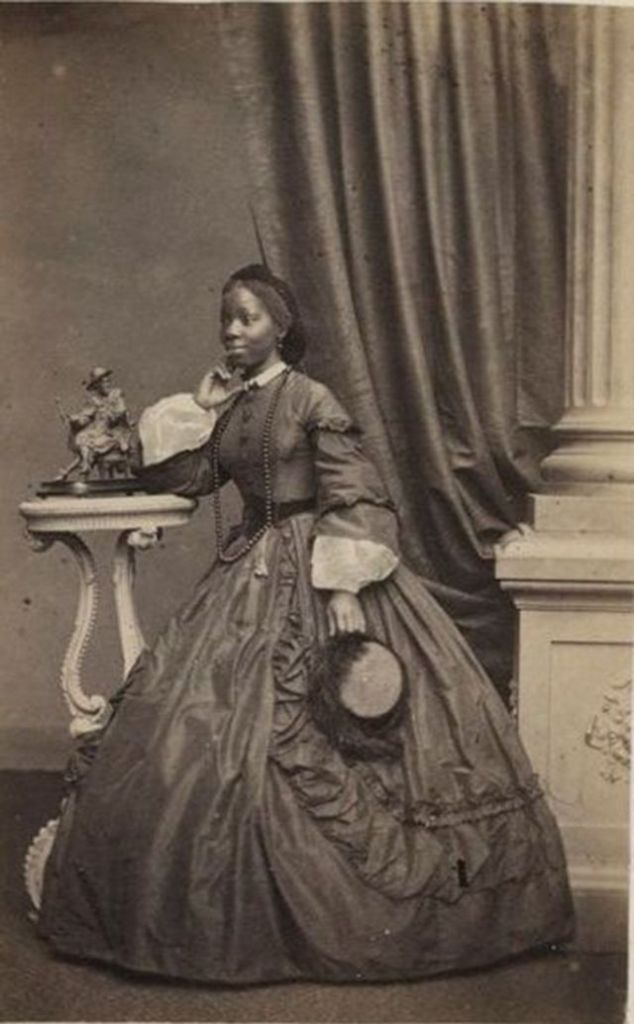
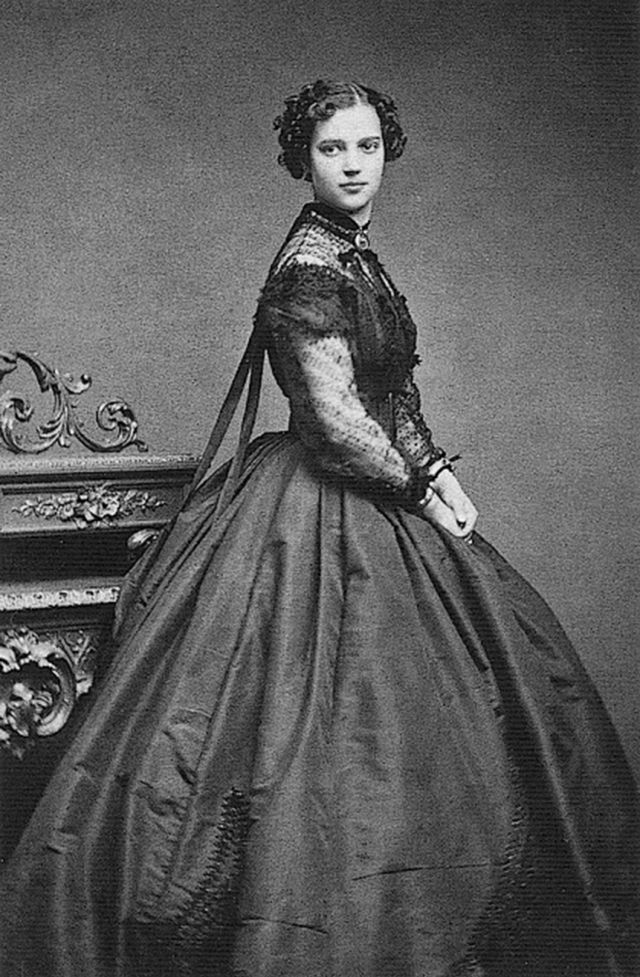
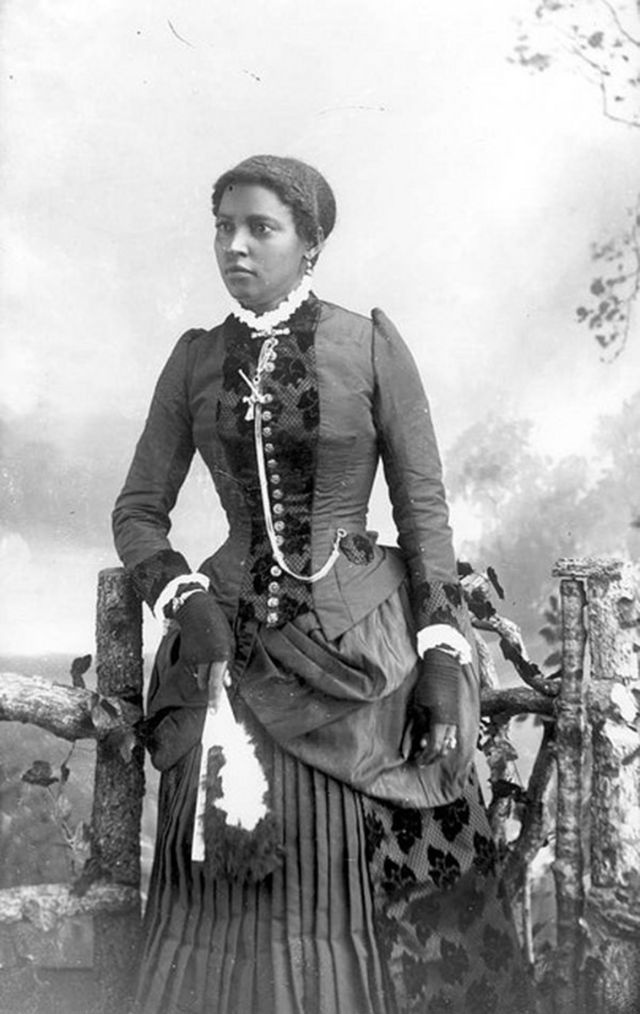
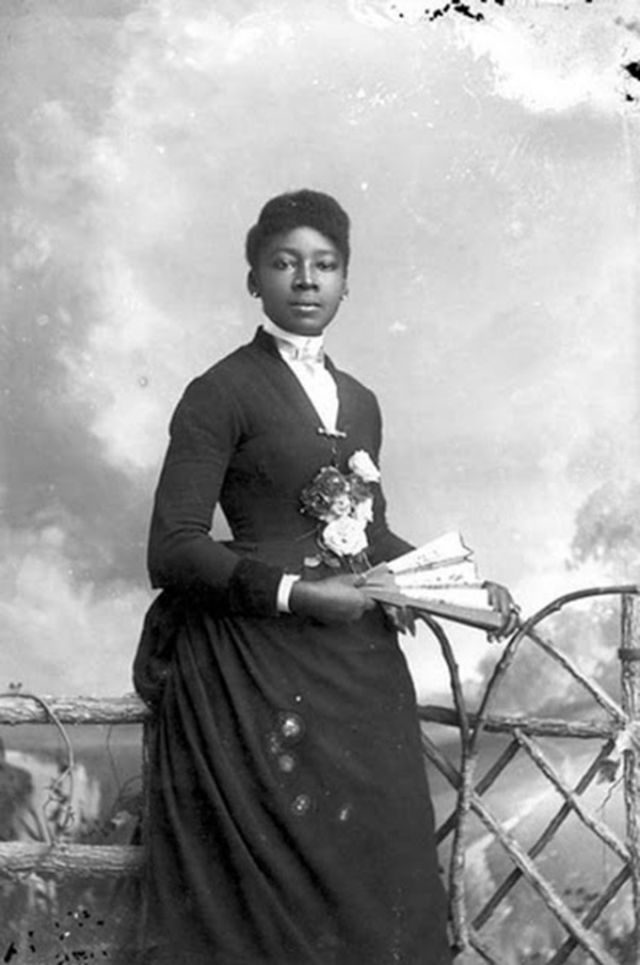
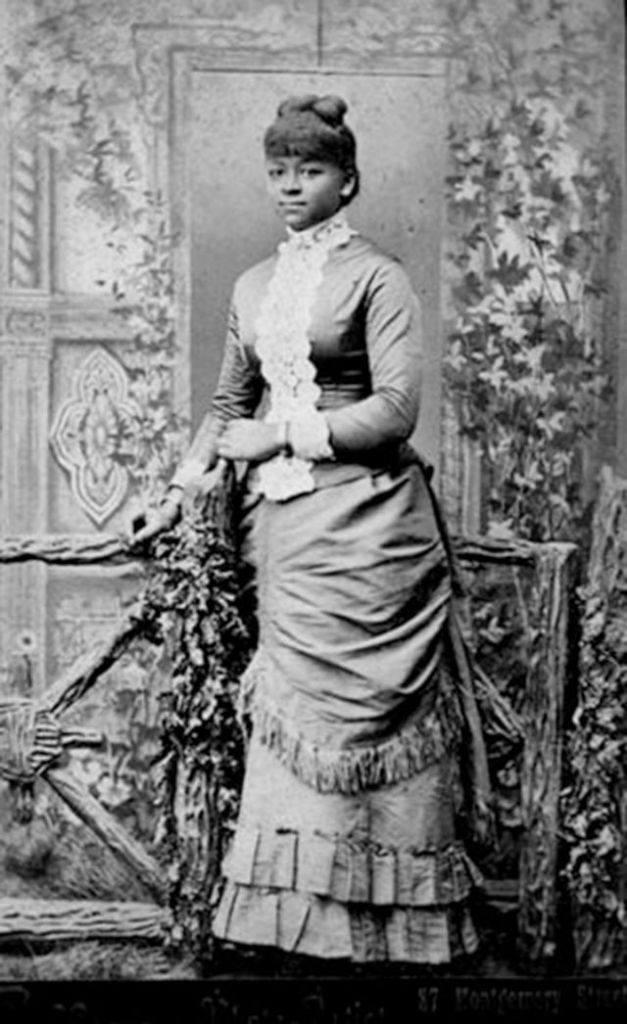
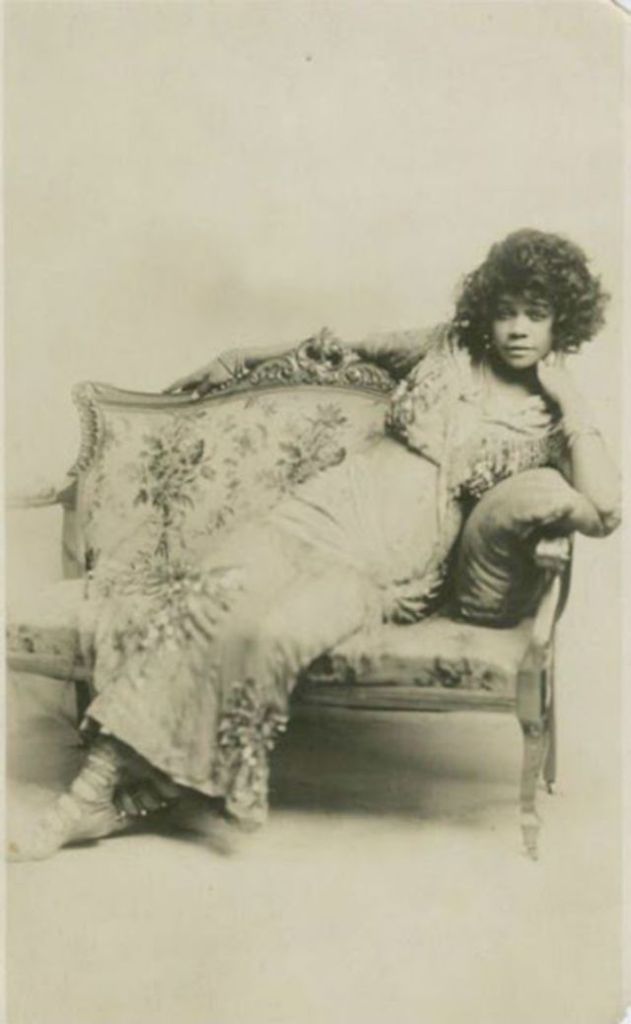
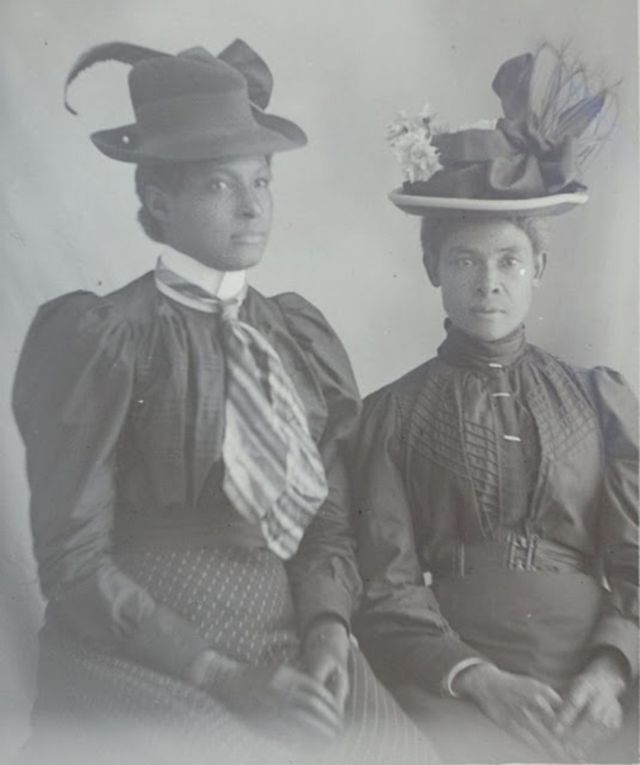
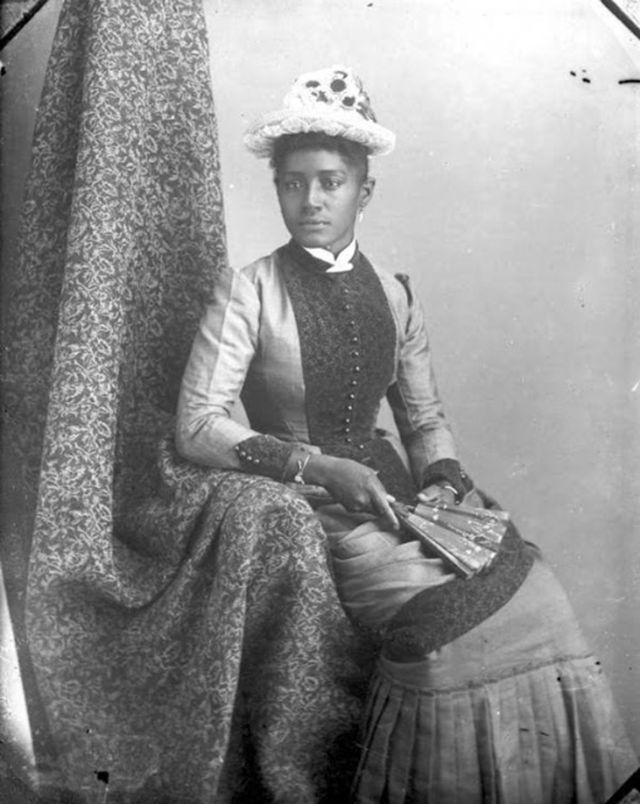
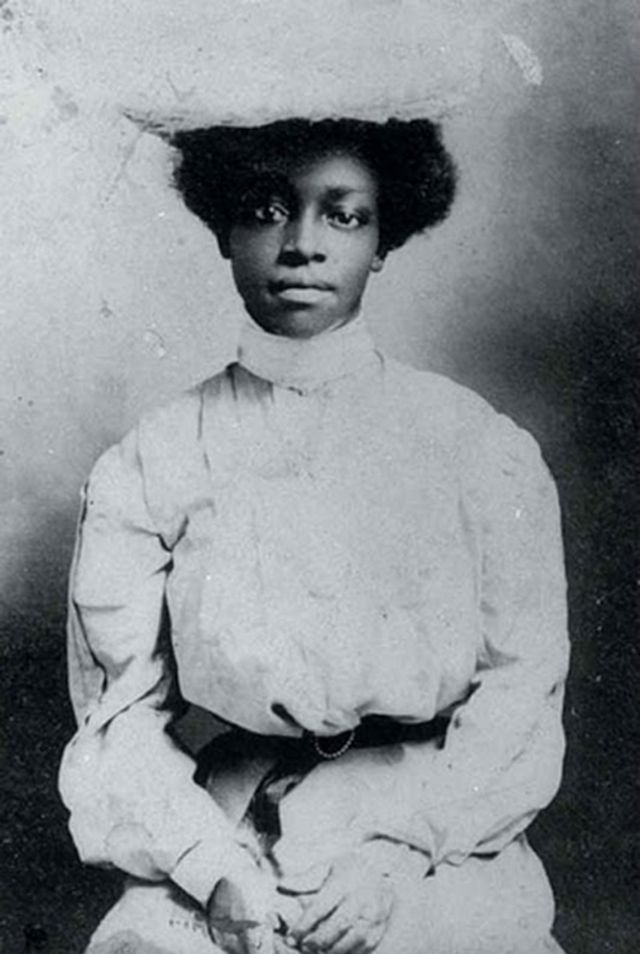
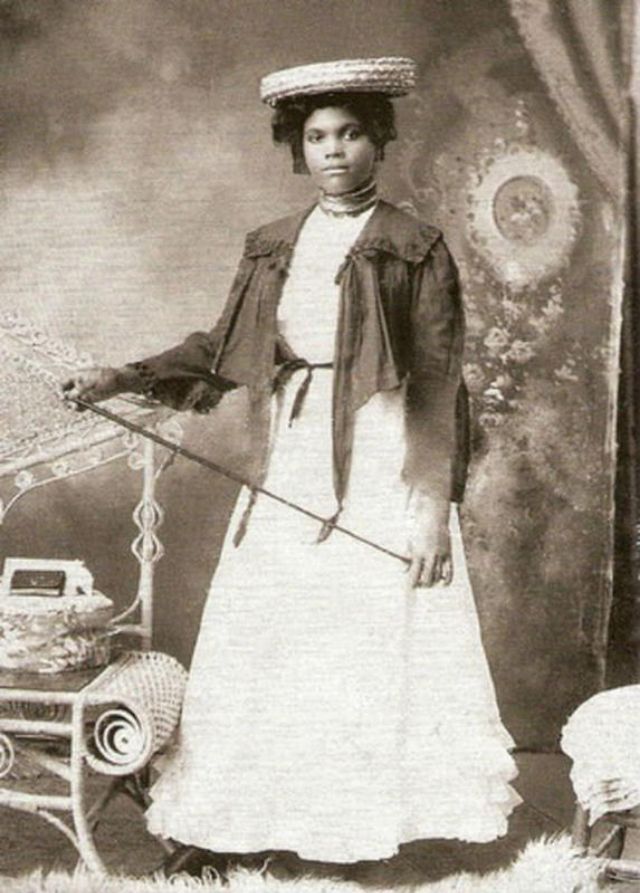
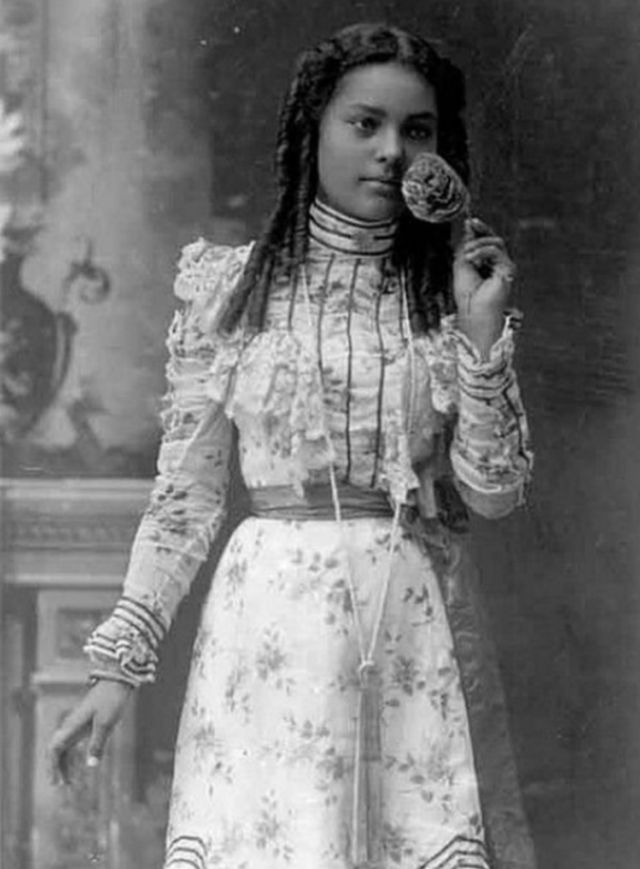
Here’s a collection of some of fascinating vintage portraits of women of color taken during the Victorian Era.
According to Downtown LA Life, photos of “Women of Color” from this era are hard to come by, especially “family” photographs. A couple of these photos were taken when there was still slavery in the United States.
The photographs date from 1860 to 1901, and they show some of the gorgeous and diverse ways that people of color have existed throughout history.
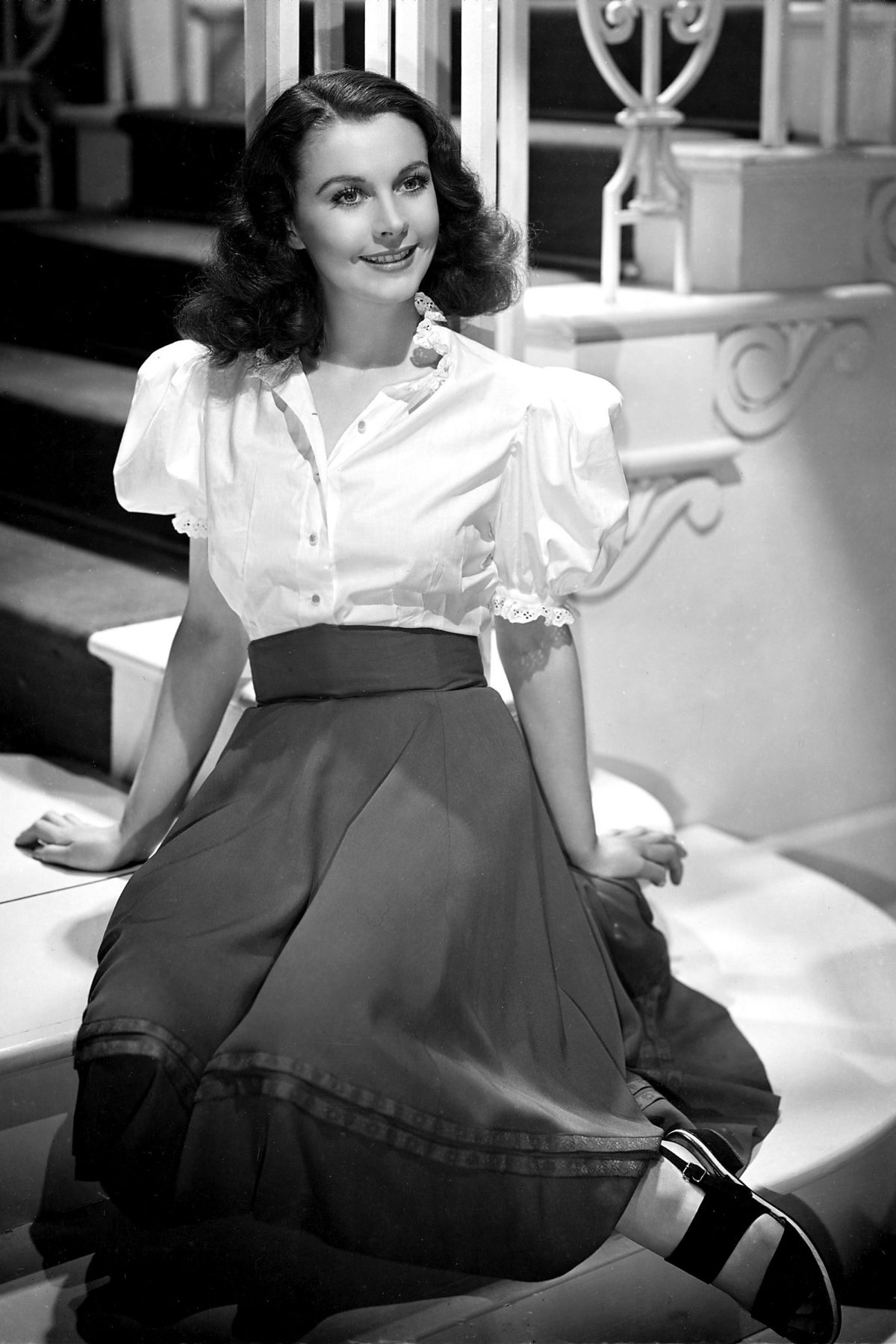
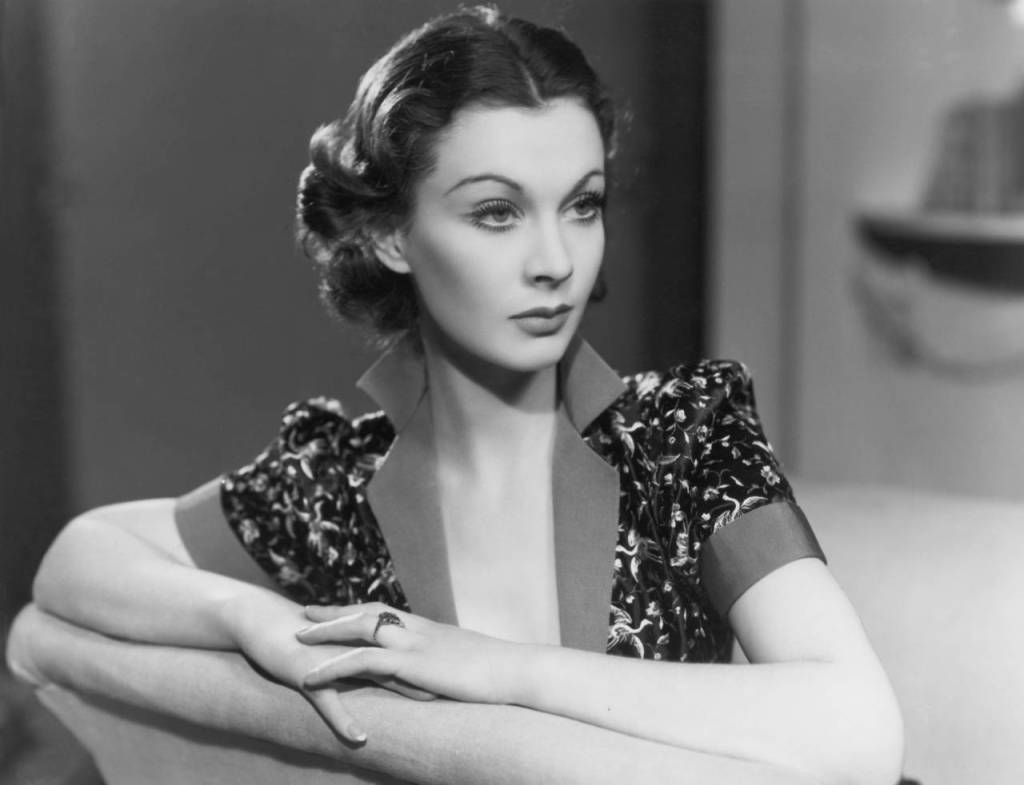
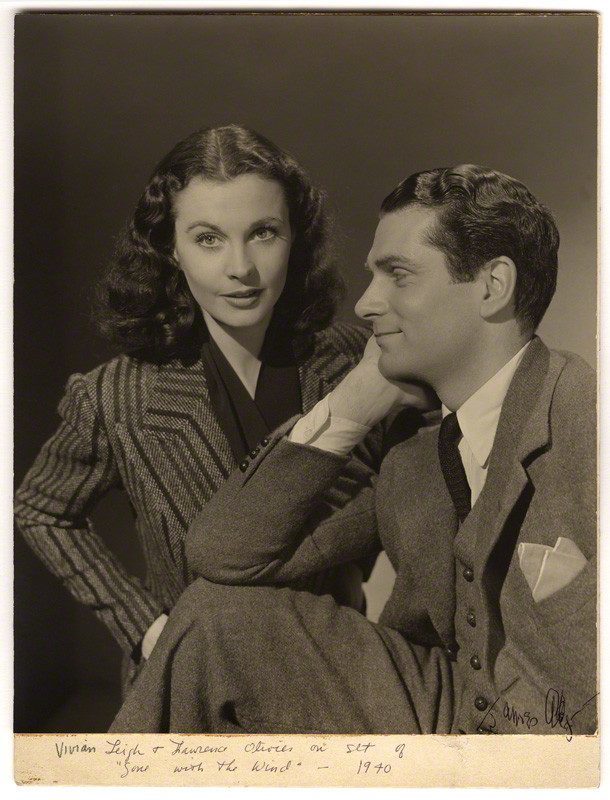
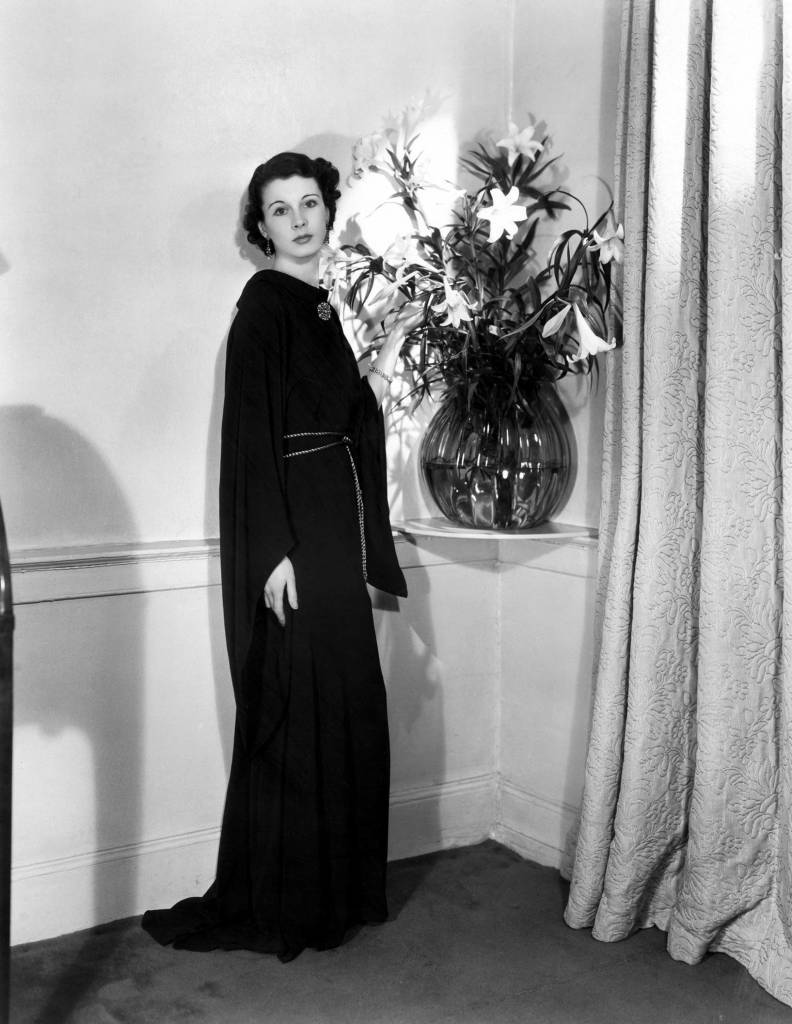
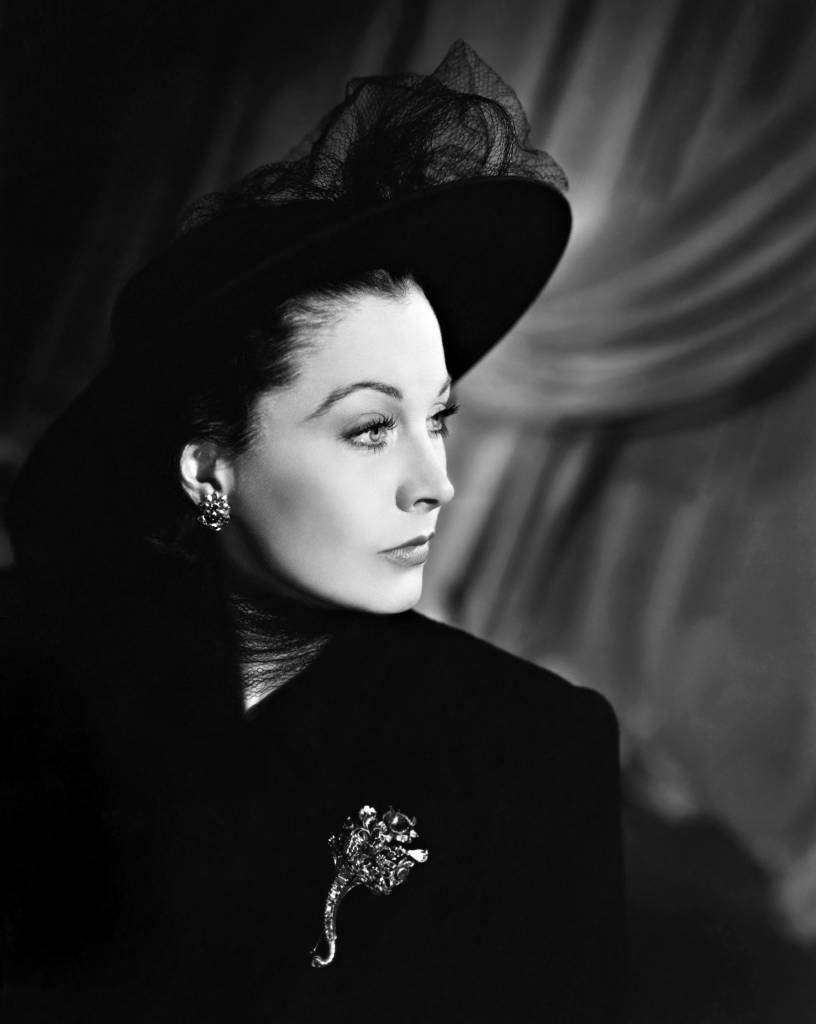
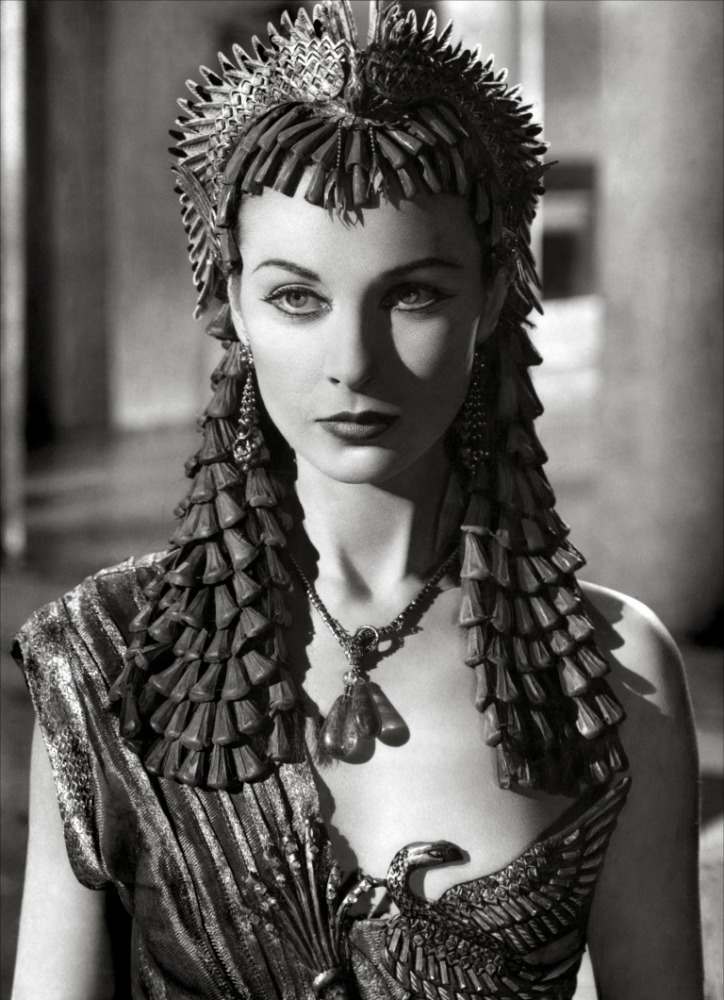
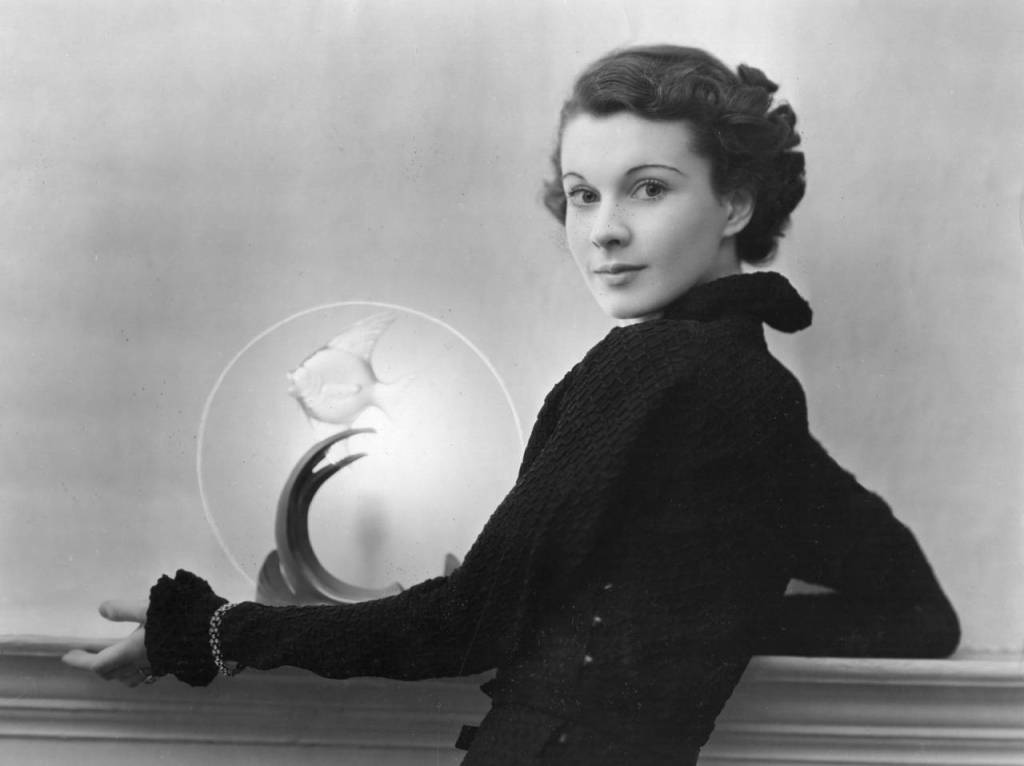
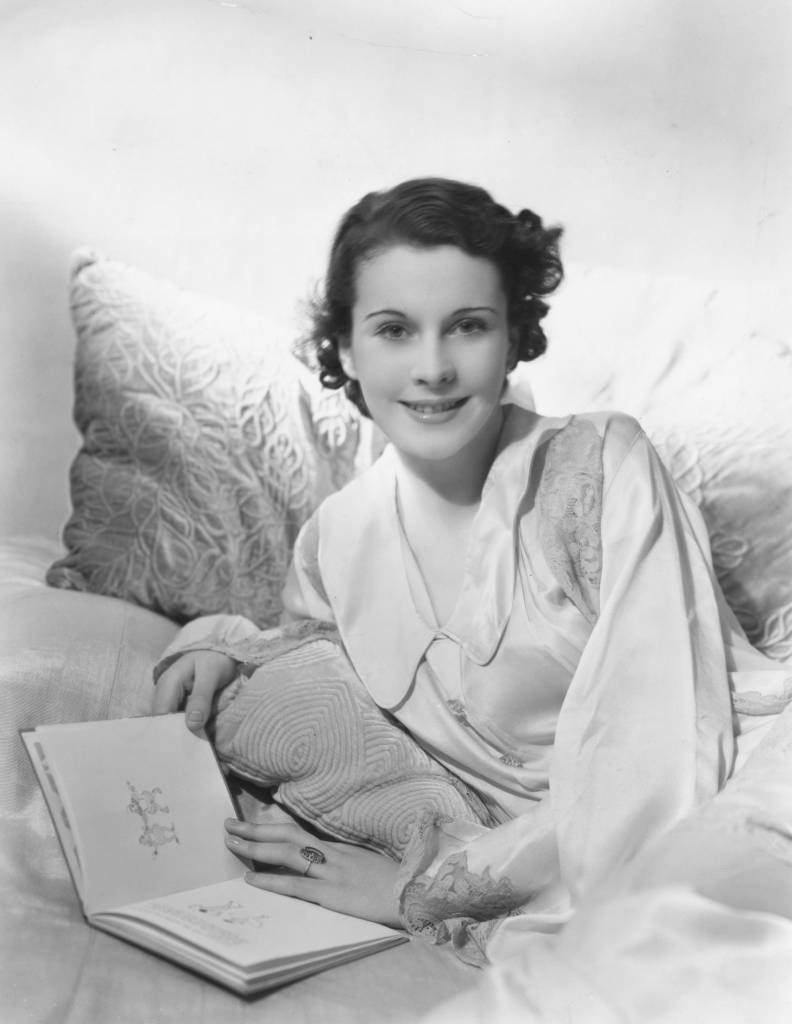
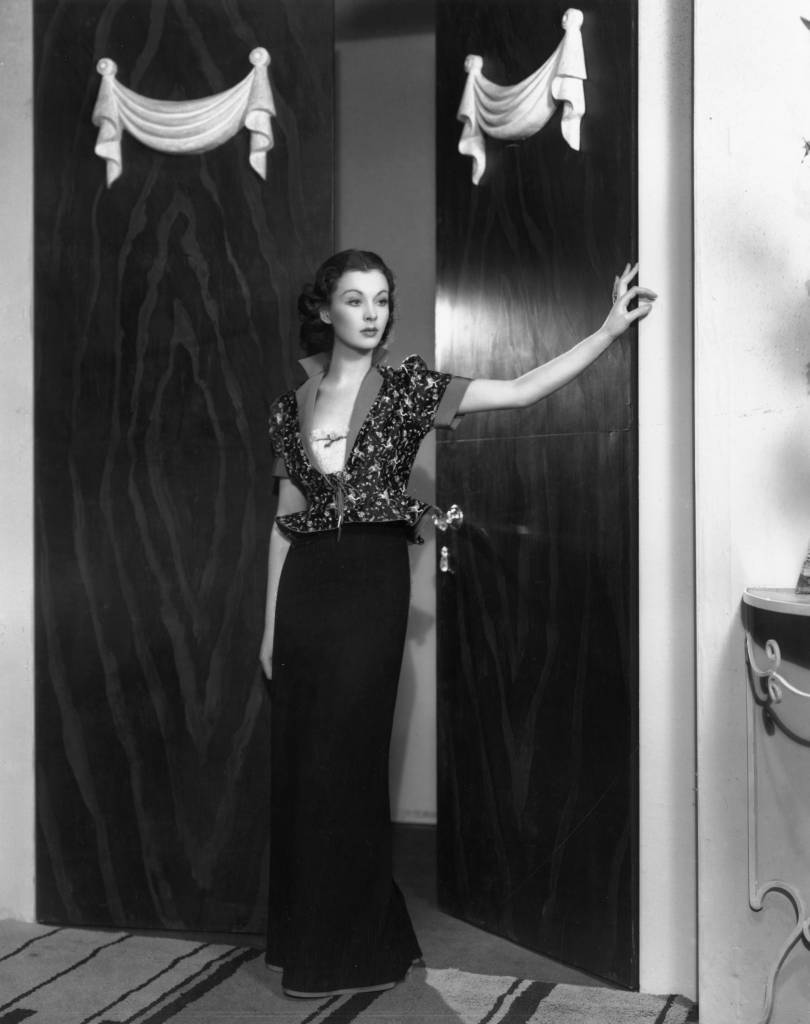
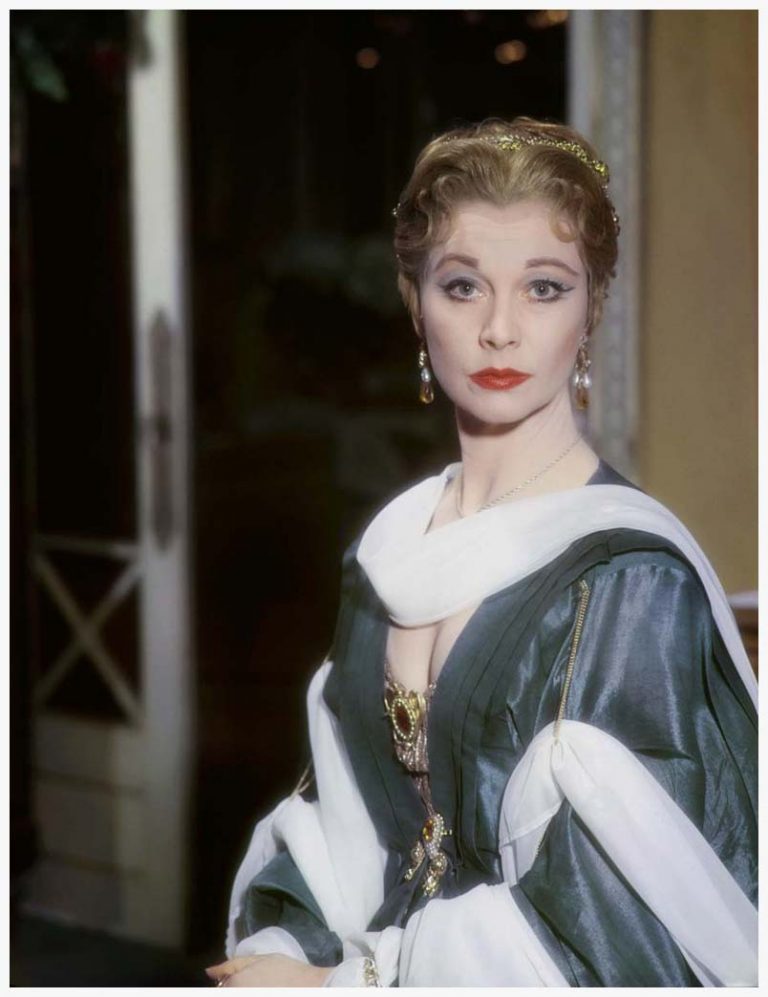
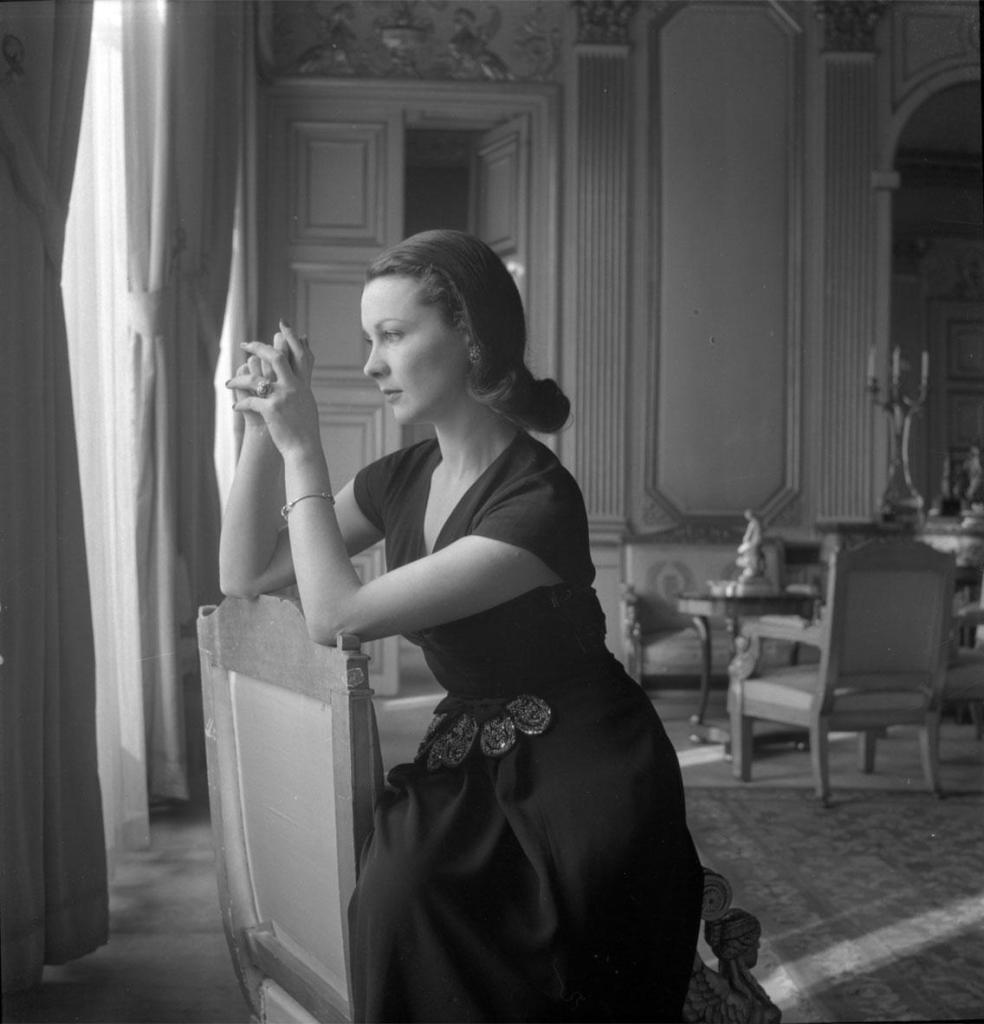
Throughout her life Vivien Leigh was considered by most as one of the most beautiful actresses of her day, and for that matter any other day. It was George Cukor, the original director of Gone With the Wind, who said Vivien Leigh was the “consumate actress, hampered by beauty.” When she was once asked, however, if she considered her beauty to have ever been a problem, she said:
People think that if you look fairly reasonable, you can’t possibly act, and as I only care about acting, I think beauty can be a great handicap, if you really want to look like the part you’re playing, which isn’t necessarily like you.
Laurence Oliver who had married Leigh in 1940 in a ceremony in Santa Barbara in California hosted by Ronald and Benita Coleman said that her critics should:
Give her credit for being an actress and not go on forever letting their judgments be distorted by her great beauty.
Garson Kanin, the great screen writer and with Katharine Hepburn a witness to Olivier and Leigh’s wedding, described the Indian-born English actress as:
A stunner whose ravishing beauty often tended to obscure her staggering achievements as an actress. Great beauties are infrequently great actresses – simply because they don’t need to be. Vivien was different; ambitious, persevering, serious, often inspired.
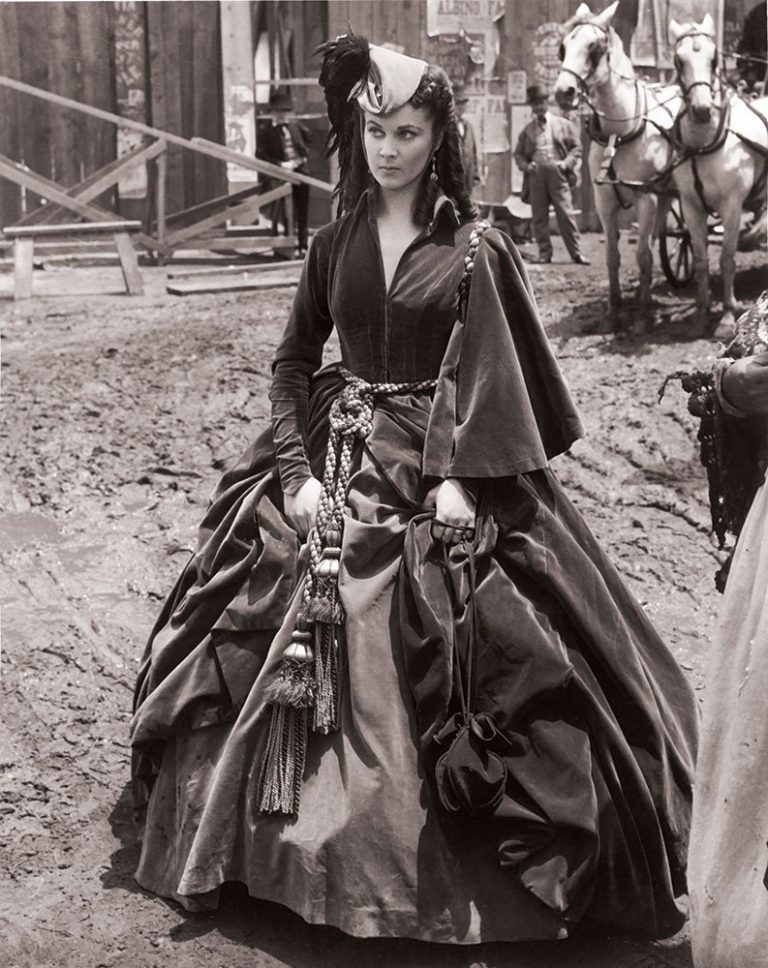
Although well known in Britain it wasn’t until the release of Gone with the Wind in 1939 that Leigh became famous in America and throughout the rest of the world. In December 1939 the New York Times wrote,
Miss Leigh’s Scarlett has vindicated the absurd talent quest that indirectly turned her up. She is so perfectly designed for the part by art and nature that any other actress in the role would be inconceivable.
Kate Shapland, the beauty editor of the Daily Telegraph once described Vivien Leigh simply:
She wore Joy by Patou. She hated her hands. She loved chocolate. She drank martinis and gin and tonic, never tea. She slept no more than six hours a night. She smoked packets of fags. She was good at cards.
Shapland in the same article at salihughesbeauty.com describes her beauty routine:
She knew which lipstick/nail polish nuance it had to be (light), she had the foundation nailed, she didn’t wear powder (she told her daughter, Suzanne, it was ageing), she only wore eyeshadow in the evening, and her naturally curly hair – attempting a break from an otherwise forced look – was straightened every week. Her skincare regime would have been Elizabeth Arden – I can see a pot of Eight Hour Cream on her dressing table; the visits to Arden’s salon in Bond Street, with its crinoline staircase and chinoiserie wallpaper, regular. She never got fat.
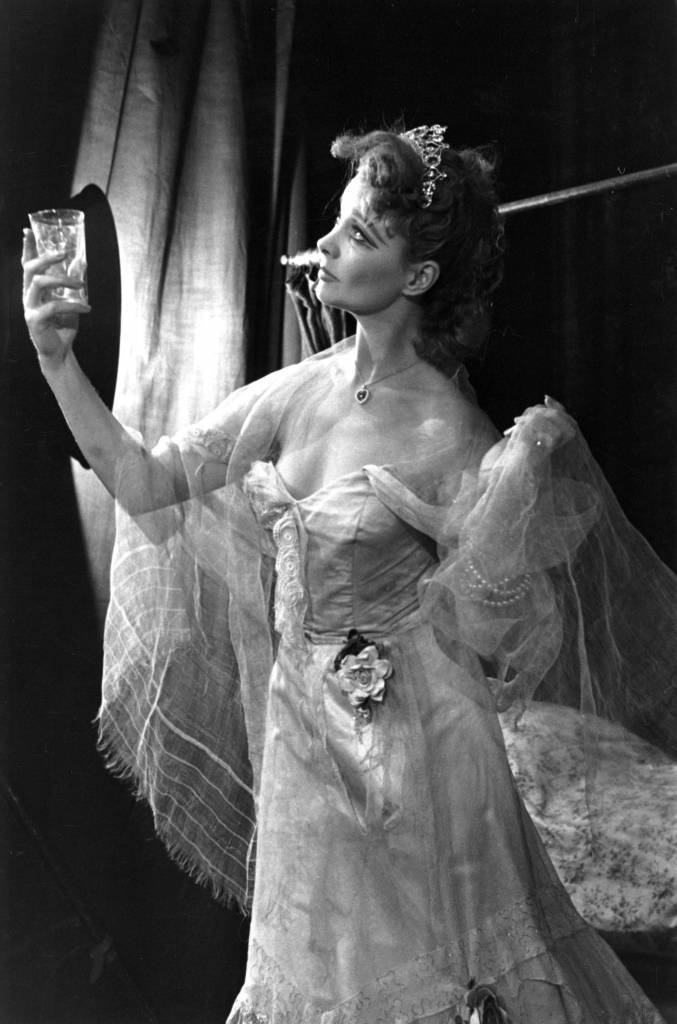
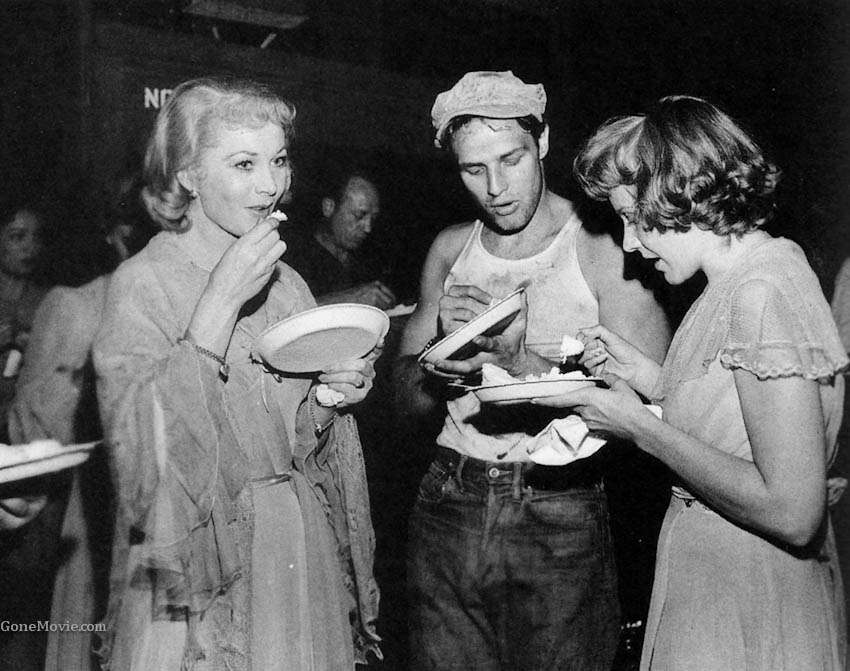
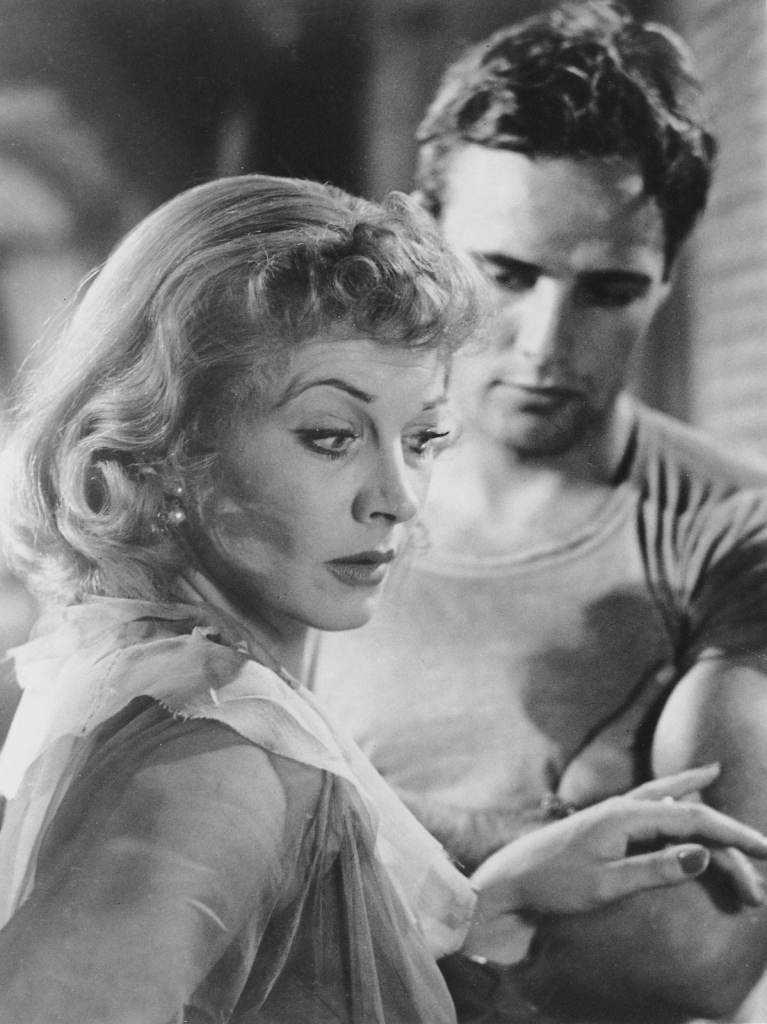
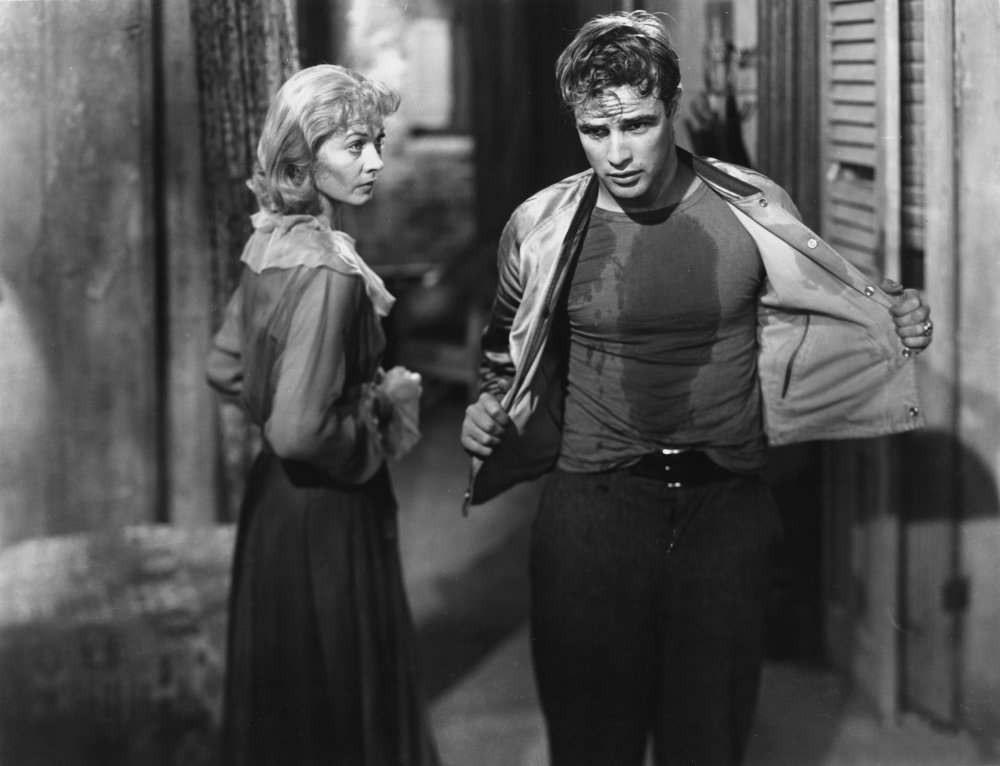
Leigh’s 1949 performance in the West End production of A Streetcar Named Desire was described by the poet and theatre historian Phyllis Hartnell as “proof of greater powers as an actress than she had hitherto shown”. While in the film version of Tennessee Williams’ play that was released in 1951 and directed by Elia Kazan, the critic Pauline Kael wrote that Leigh and Marlon Brando gave “two of the greatest performances ever put on film” and that Leigh’s was “one of those rare performances that can truly be said to evoke both fear and pity.”
In 1965 Leigh appeared in her last film Ship of Fools. The producer and director Stanley Kramer was initially unaware of the fragile mental and physical health of his star. Later Kramer remembered her courage in taking on the difficult role, “She was ill, and the courage to go ahead, the courage to make the film – was almost unbelievable.” Leigh’s performance was tinged by paranoia and resulted in outbursts that marred her relationship with other actors, although both Simone Signoret and Lee Marvin were sympathetic and understanding. Although during the attempted rape scene, Leigh became particularly distraught and hit Marvin so hard with a spiked shoe, that it marked his face.
n May 1967 Leigh was rehearsing with Michael Redgrave in Edward Albee’s A Delicate Balance when she became ill with tuberculosis. A few weeks later she collapsed one night walking to the bathroom – her lungs filled with liquid. Olivier who was receiving treatment for prostate cancer nearby rushed to Leigh’s residence but could only pay his respects. In his autobiography he described that he: “stood and prayed for forgiveness for all the evils that had sprung up between us”.
On the public announcement of her death on 8 July, the lights of every theatre in central London were extinguished for an hour.
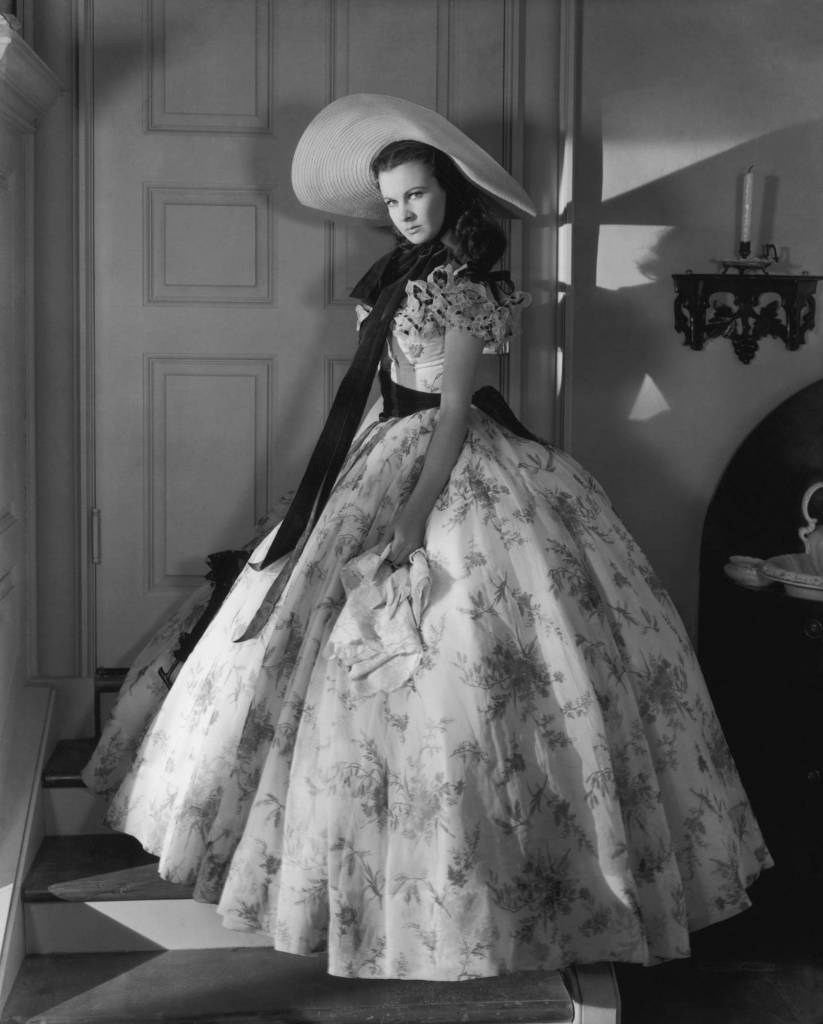
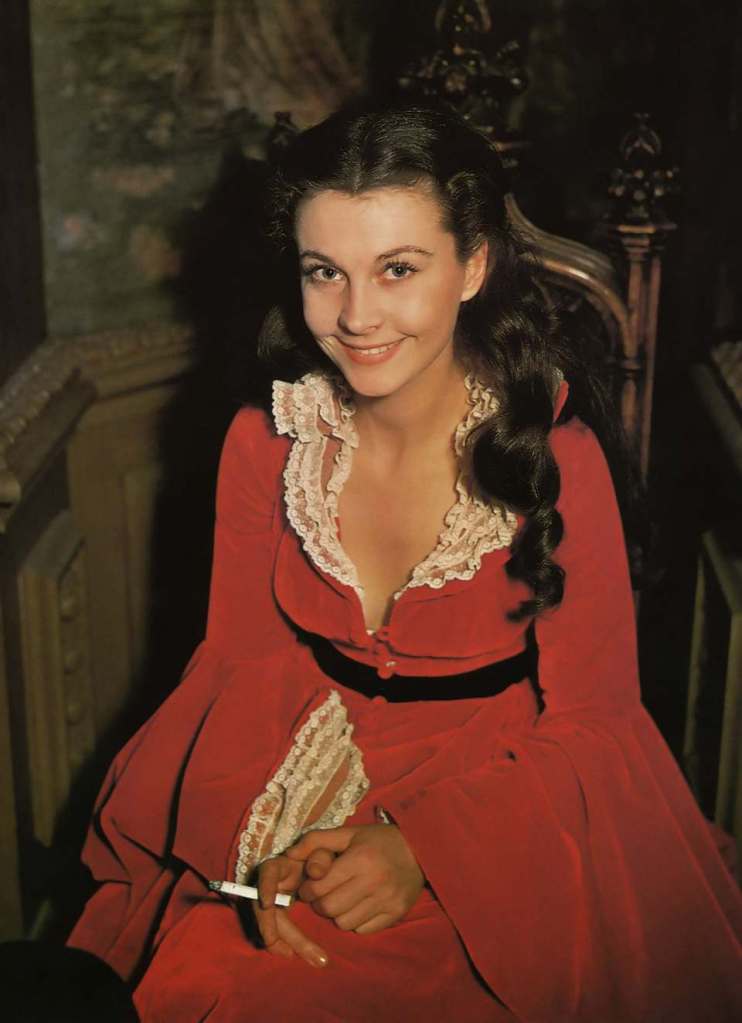
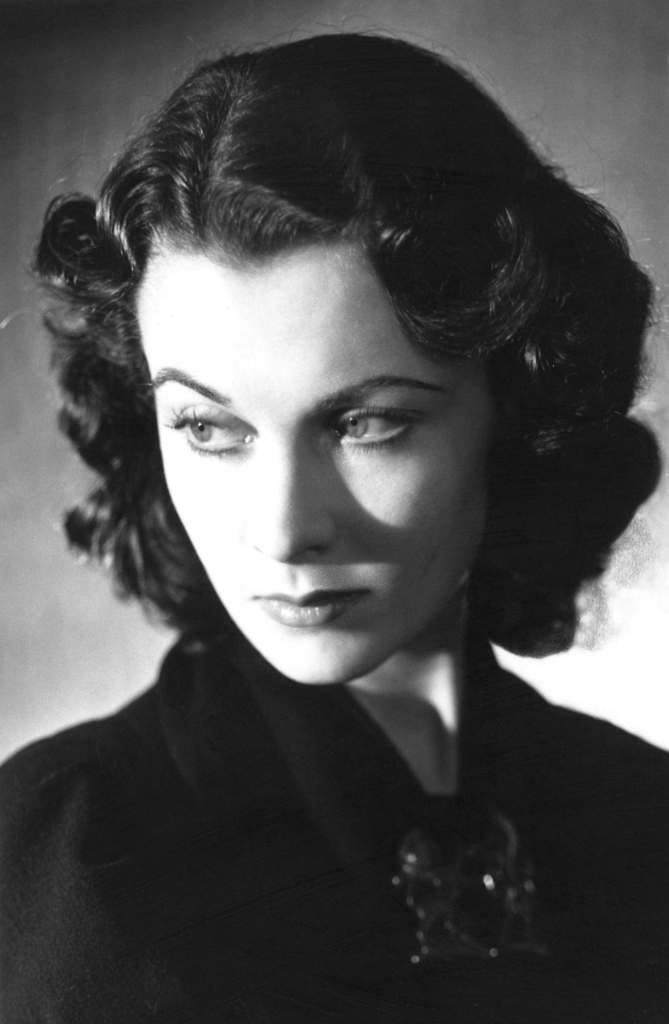
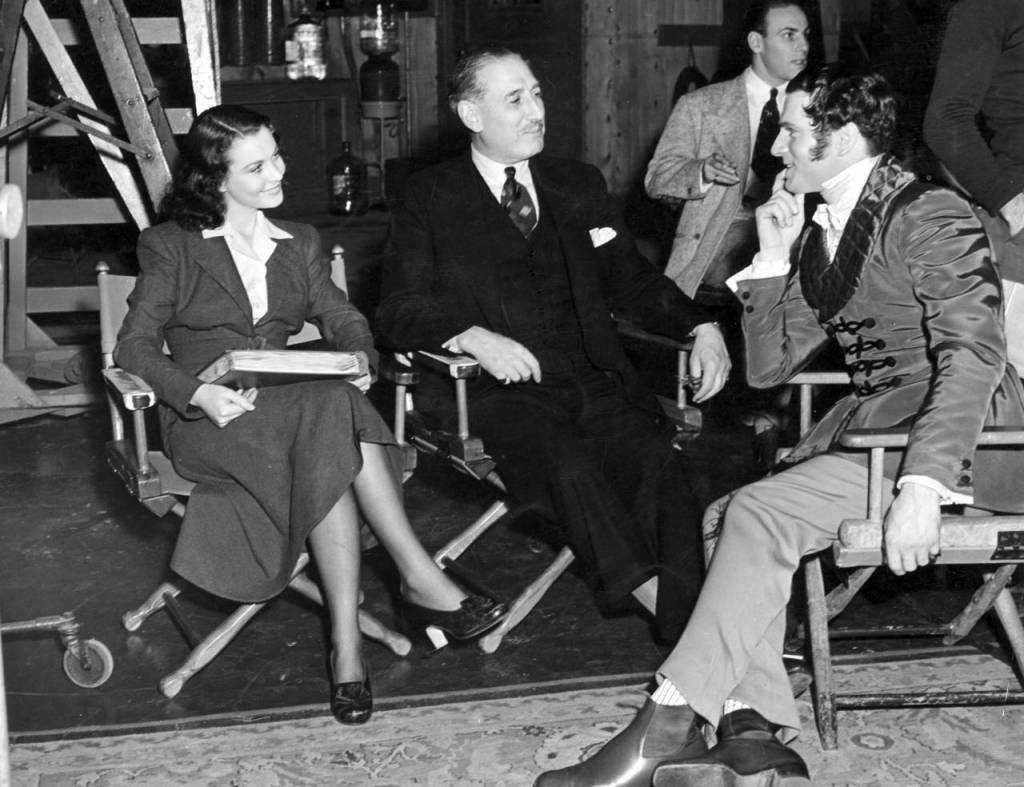
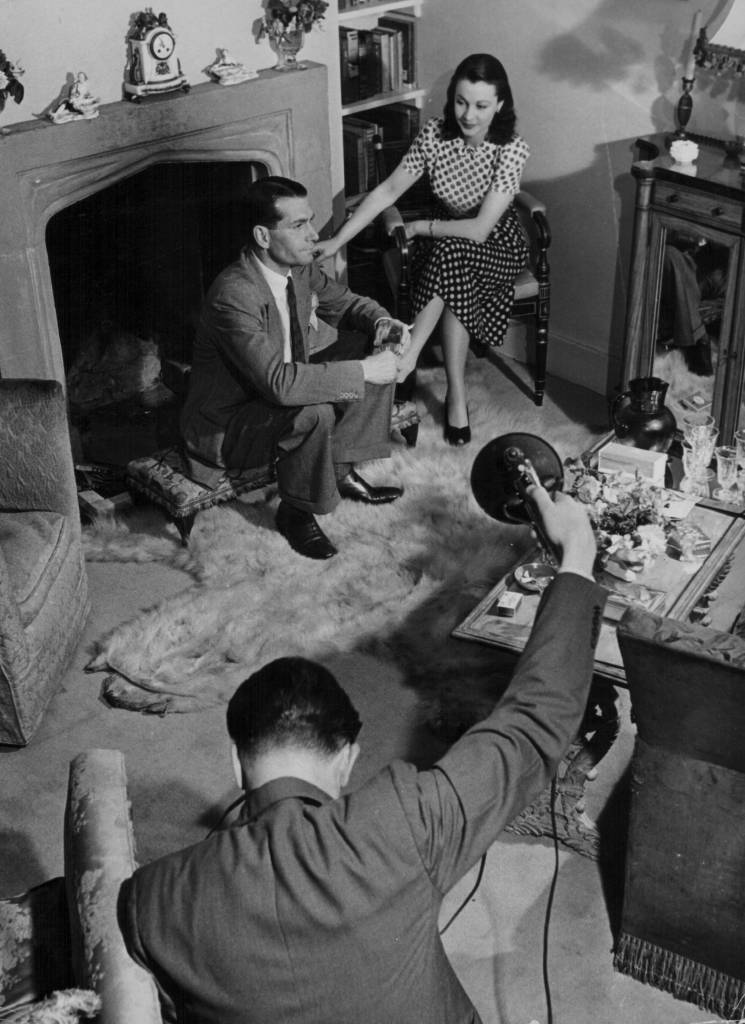
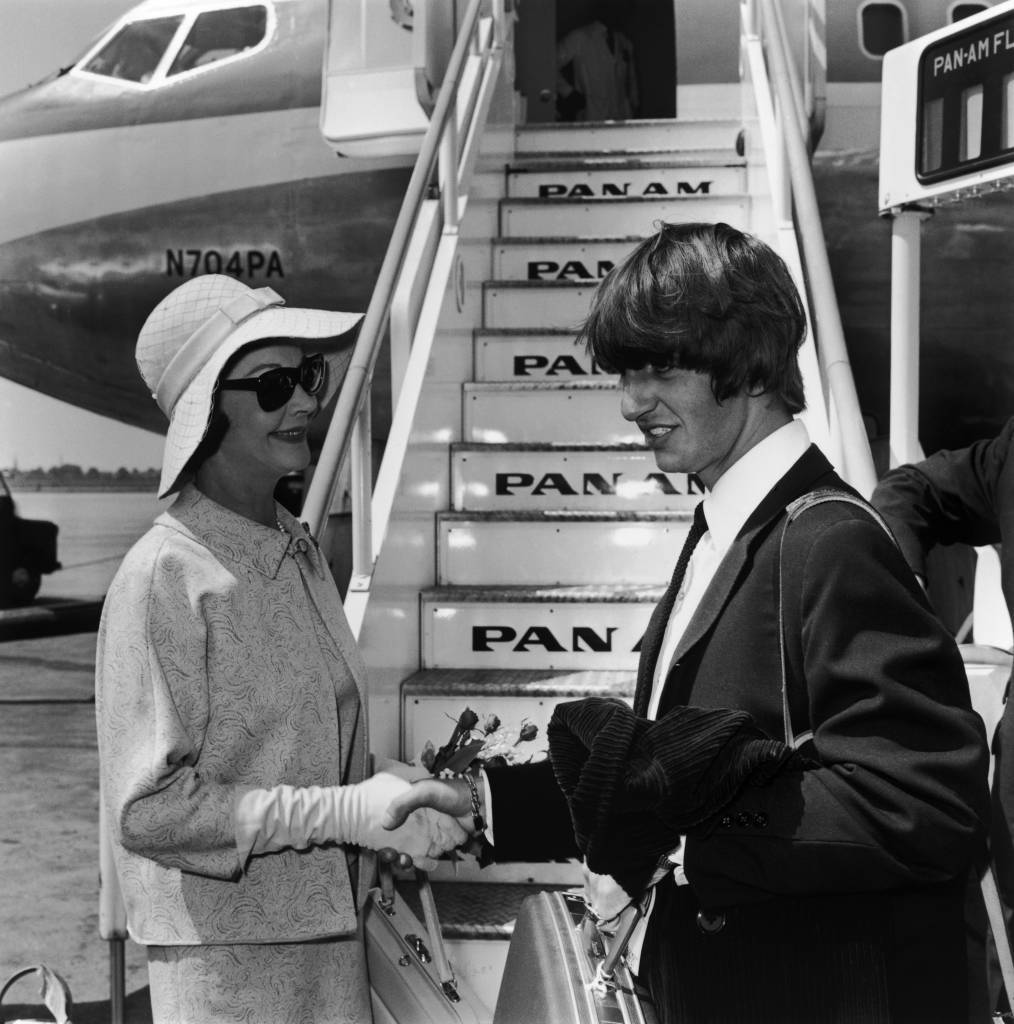
Vivien Leigh, 1937.Vivien Leigh as Scarlett O’Hara in Gone With the WindA smoking Vivien Leigh during the filming of Gone with the WindVivien Leigh and Laurence Olivier, 1939Leigh as Titania from A Midsummer Night’s Dream, 1937Vivien Leigh, 1935Vivien Leigh (1913-1967) relaxing at home. 1935Vivien Leigh, 1937British actors Vivien Leigh (1913-1967) and Laurence Olivier (1907-1989) entertaining millionaire Sir Victor Sassoon on the set of ‘Waterloo Bridge’, 1940Vivien Leigh, 1941Vivien Leigh as she appears in ‘Serena Blandish’ at the Gate Theatre. Sept 1938Vivien Leigh (1913 – 1967) flirts with the camera, 1935Vivien Leigh, Paris, 1952Vivien Leigh 1940Leigh on the set of Lady Hamilton 1941Vivien Leigh as Lady Macbeth, Laurence Olivier as Macbeth, 1955.Vivien Leigh, British Embassy, Paris, 1947Vivien and LarryWaiting to film the scene when Scarlett visits Rhett Butler in jail on the Gone with the Wind set.British film stars Laurence Olivier and Vivien Leigh after visiting a London theatre to see a revival of ‘Dear Brutus’. The stars have flown to London from Hollywood to play their part in the war. Olivier hopes to join the RAF and Vivien Leigh is hoping to join a stage company touring Britain.Vivien Leigh catches up with some paperwork in her dressing room, 1943.October 1949: Vivien Leigh toasts the stars in her role as Blanche in ‘A Streetcar Named Desire’, playing at the Aldwych Theatre, London.Vivien Leigh lunches with Marlon Brando and Kim Hunter.A Streetcar Named Desire with Vivien Leigh and Marlon BrandoA Streetcar Named DesireActors and spouses Laurence Olivier and Vivien Leigh, posing for a LIFE magazine photographer in their home, Chelsea, London, 1950.Beatles drummer Ringo Starr boarding a plane at London Airport (now Heathrow) with actress Vivien Leigh, 12th June 1964. Starr is flying to Australia to join the rest of the Beatles on their 1964 world tour.Ship Of Fools, Vivien Leigh, 1965
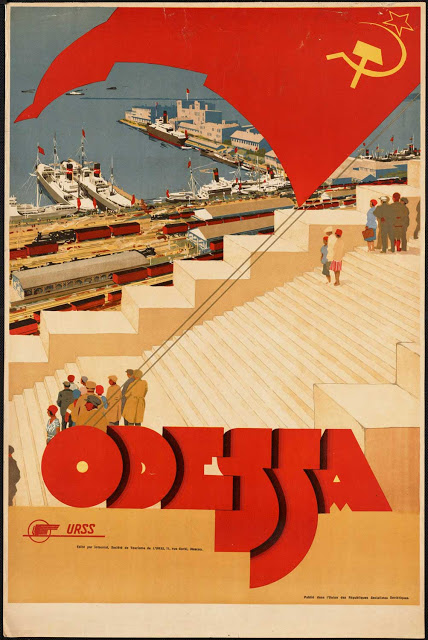
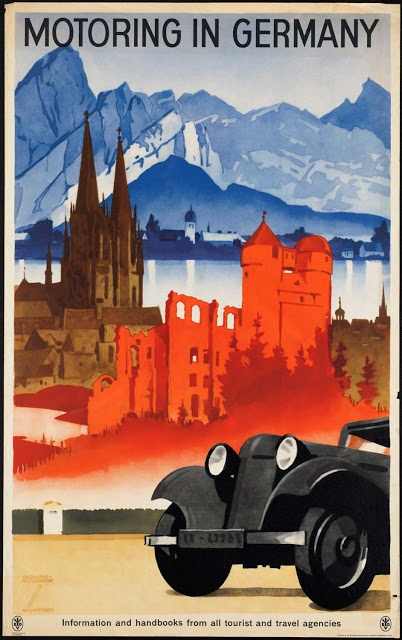
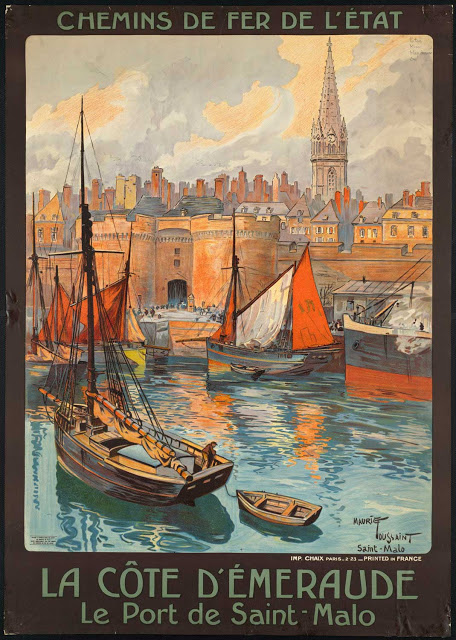
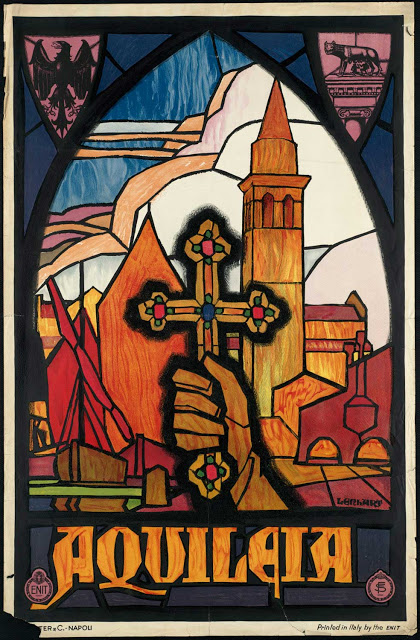
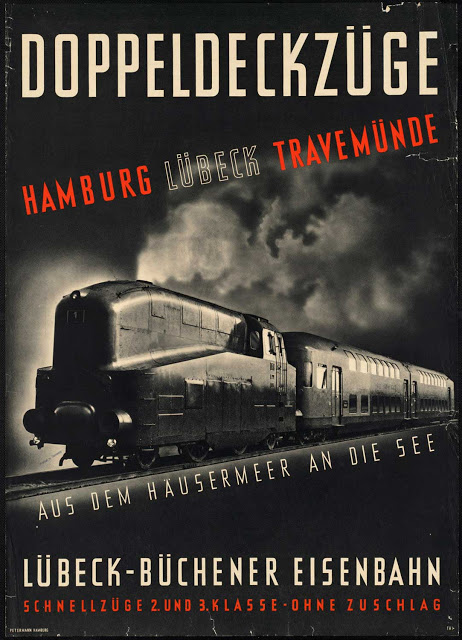
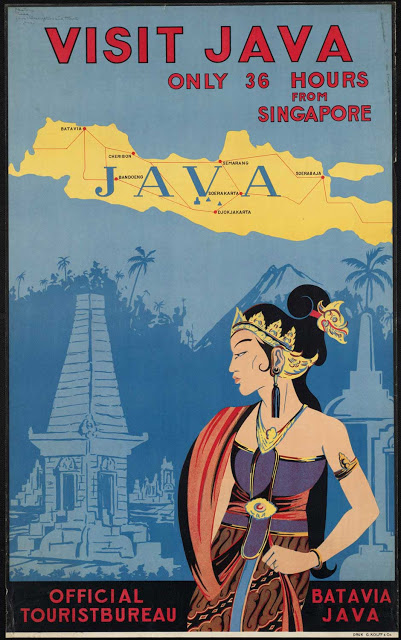
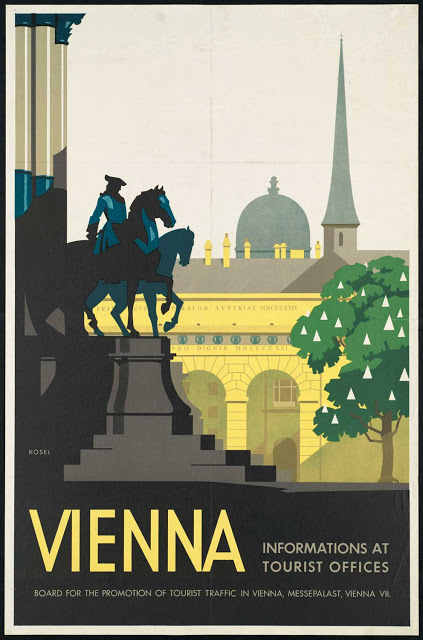
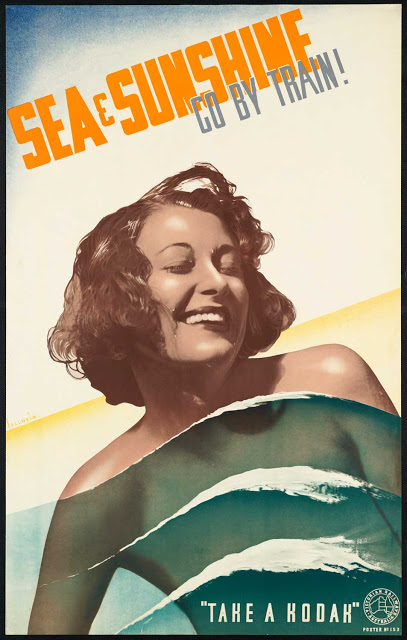
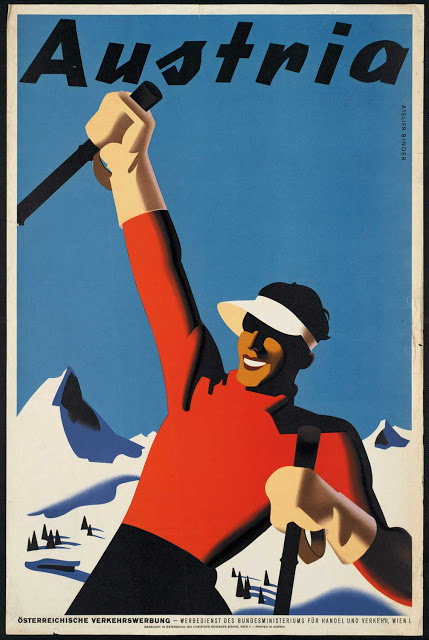
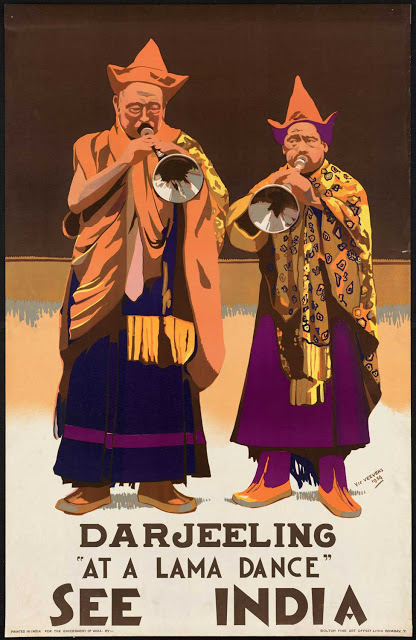
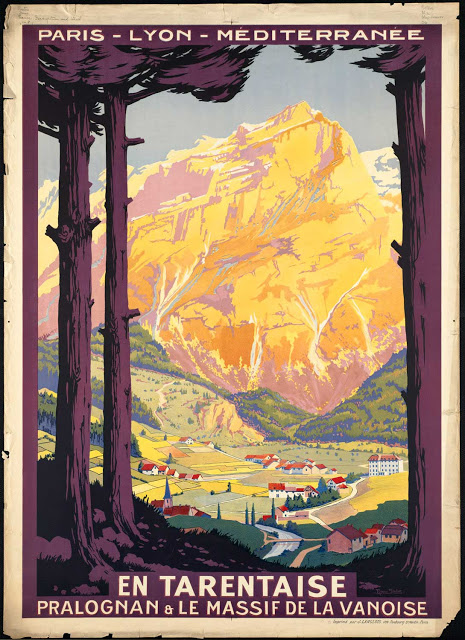
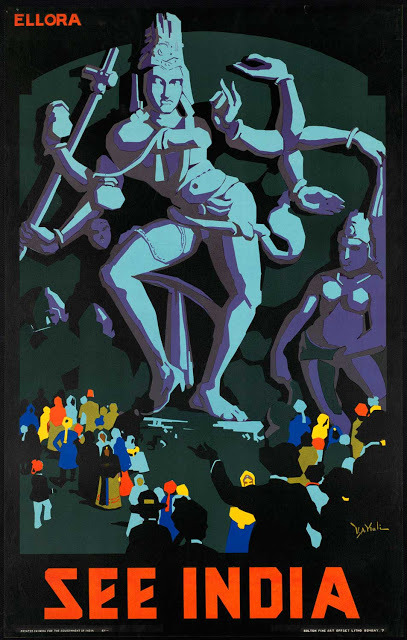
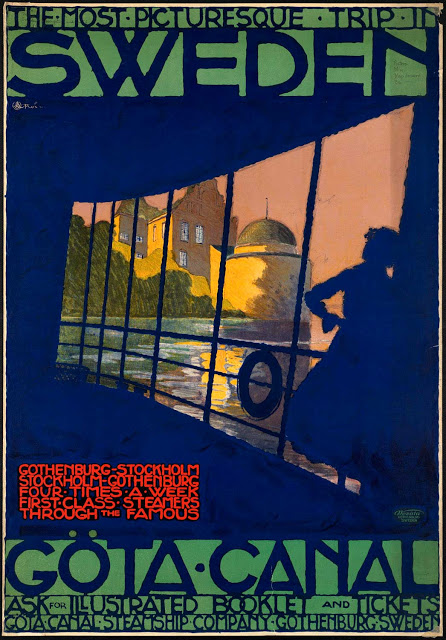
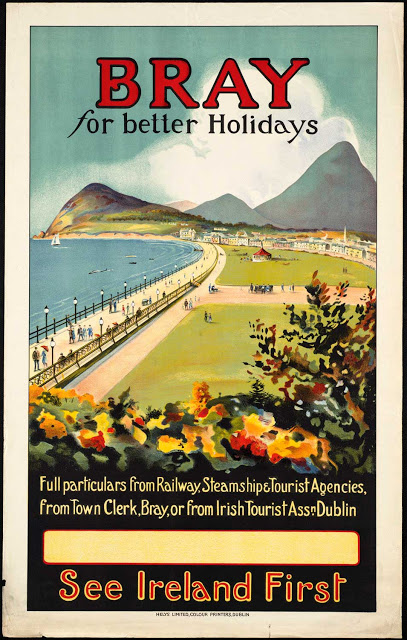
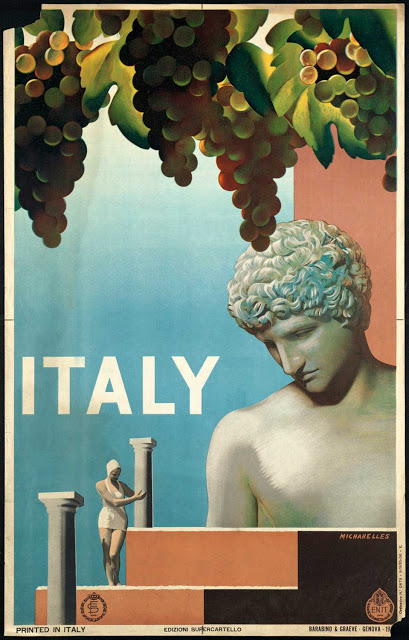
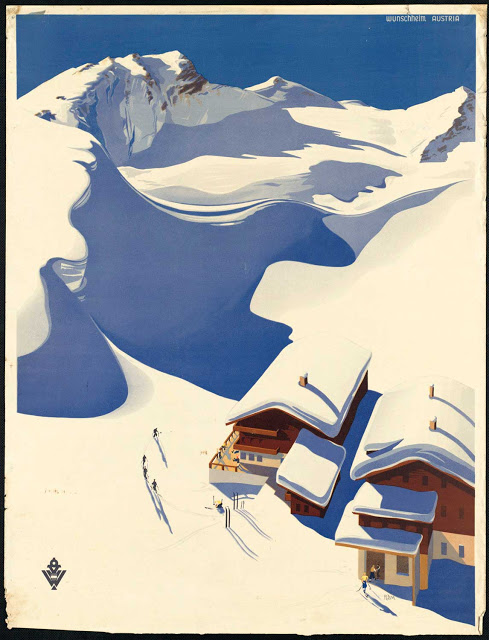
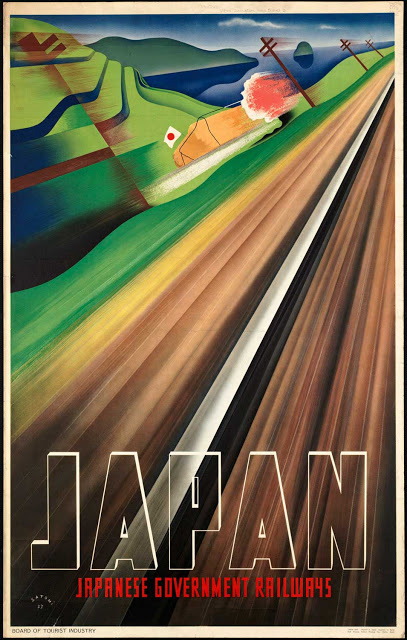
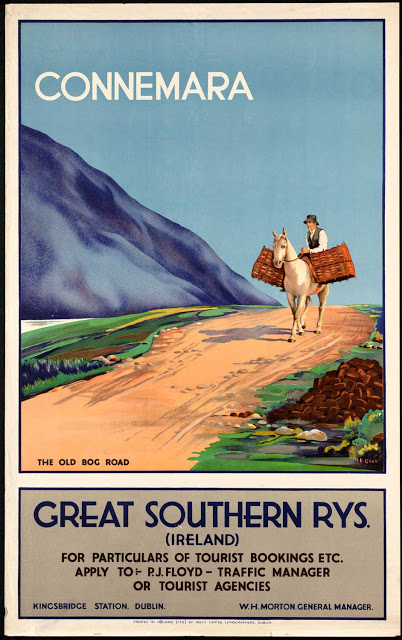
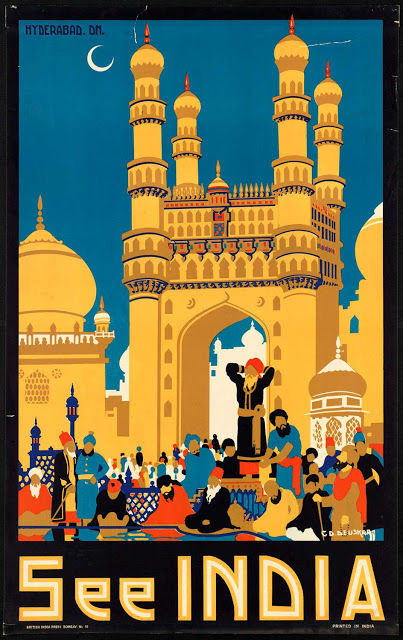
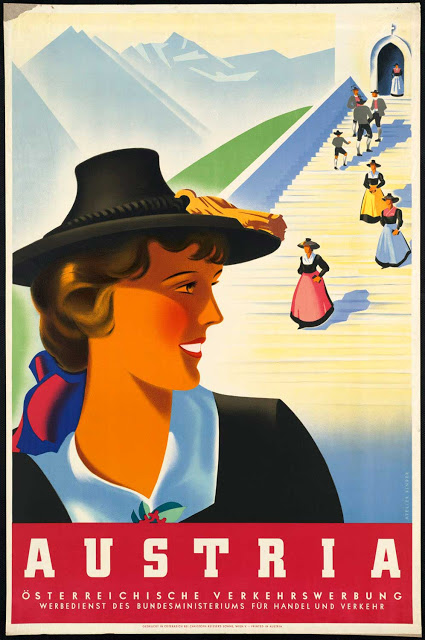
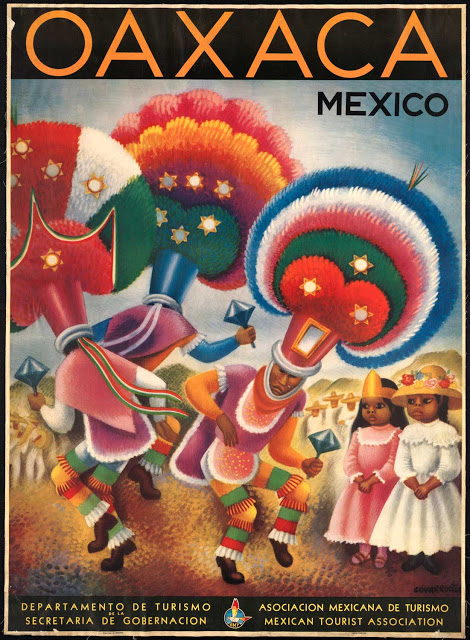
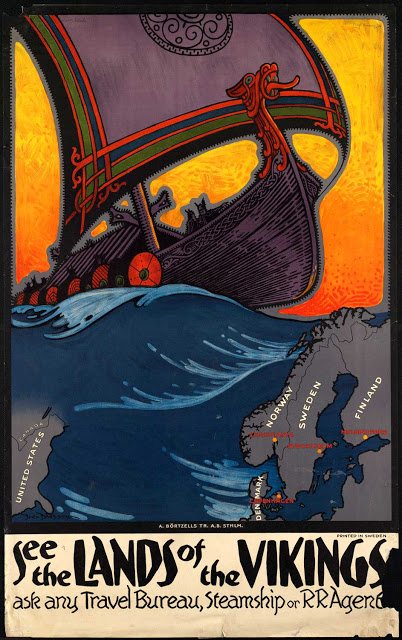
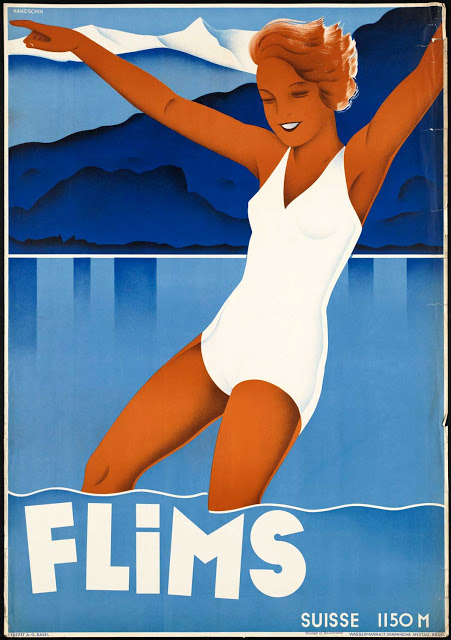
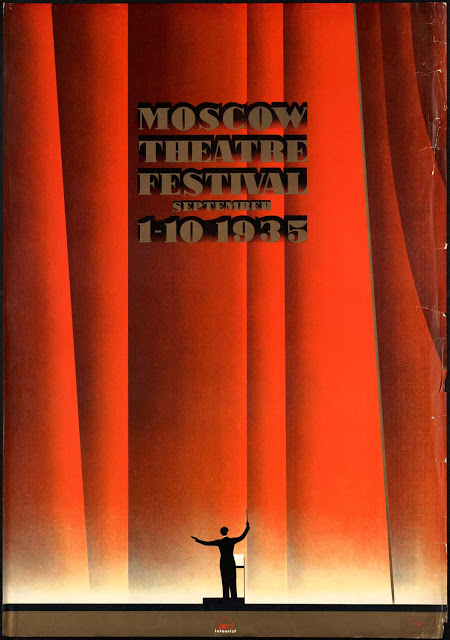
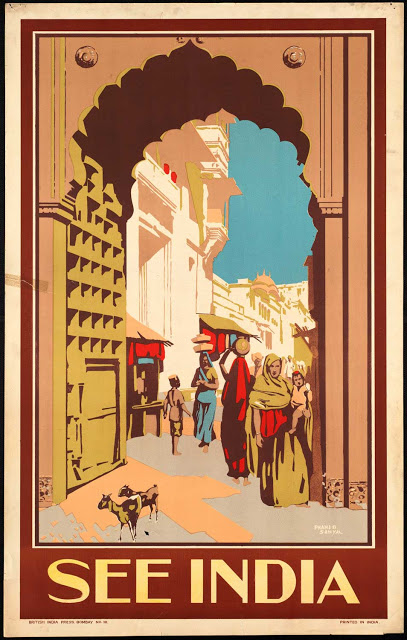
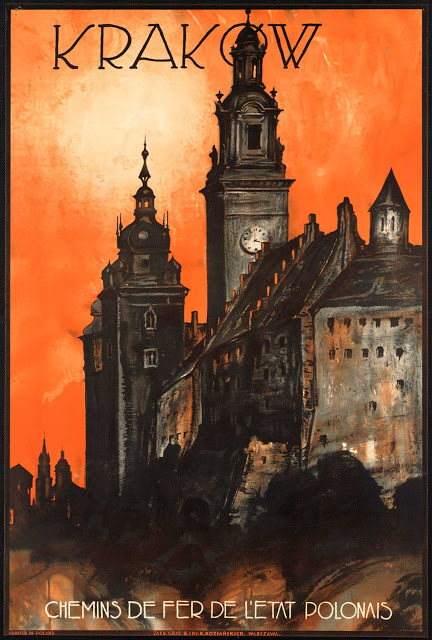
Railways opened up America and Europe, luxe ocean liners introduced elegance into overseas voyages, and drivers took to the road in record numbers in their new automobiles. By the mid-1940s, new airlines crisscrossed the globe, winging adventure-seekers to far-flung destinations.
Travel agents and ticket offices during this period were festooned with vivid, eye-catching posters, all designed to capture the beauty, excitement and adventure of travel and to promote a world of enticing destinations and new modes of transportation. Individual artists gained fame for their distinctive graphic styles and iconic imagery, and many posters from this era still remain important works of art long after their original advertising purposes have faded.
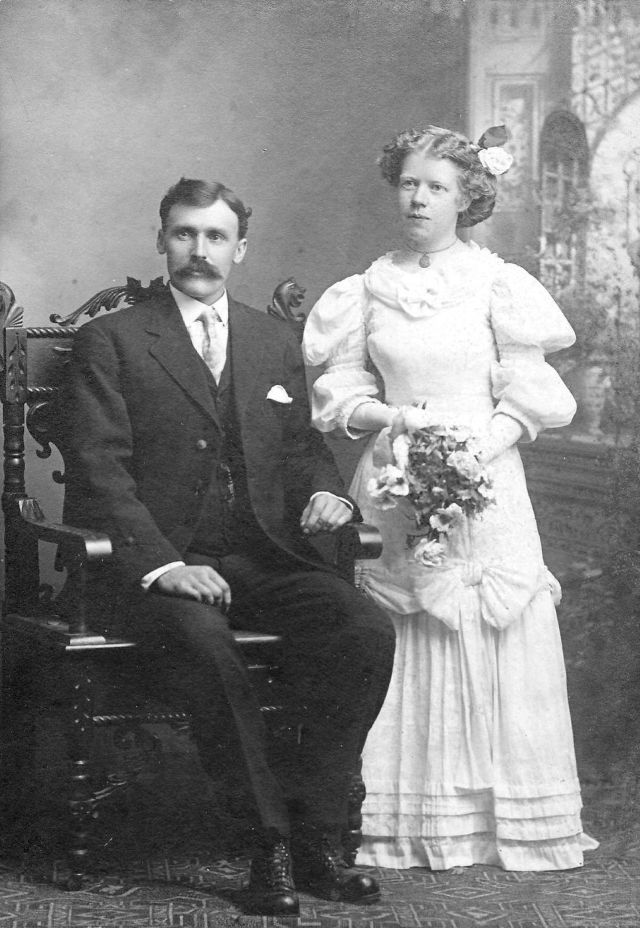
The wedding day was considered to be the most important day in the life of a Victorian girl. The girls were taught from the early age to marry and to take care of the family. The marriage of a girl was something very special for the mother, the soon to be bride and her family.
Victorian weddings were more or less similar to the wedding celebrations we have today. Many traditions of Victorian weddings are still being followed and one of them is the color and style of the wedding attire.
The wedding dress of the Victorian era had a fitted bodice with a small waist and long skirt. It was made of organdie, silk, linen, lace, gauze, tulle and cashmere.
The wedding was also very important for the grooms and they were also concerned with fashion. The Victorian groom often wore a frock coat made of blue color with best flower favor in his lapel.
Take a look at these beautiful photos to see what Victorian couples looked like on their wedding days.
Subscribe to continue reading
Become a paid subscriber to get access to the rest of this post and other exclusive content.