

























Bringing You the Wonder of Yesterday – Today

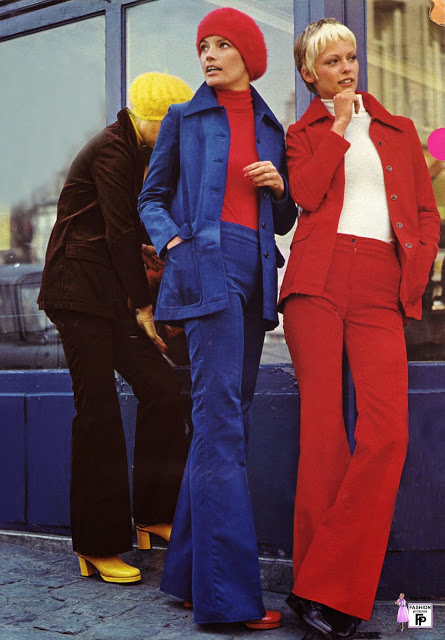
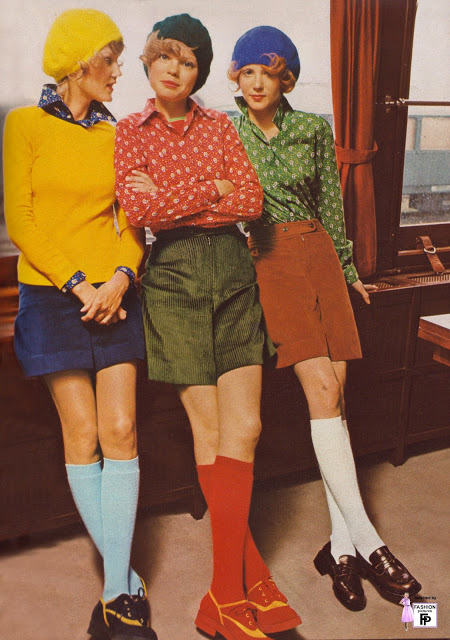
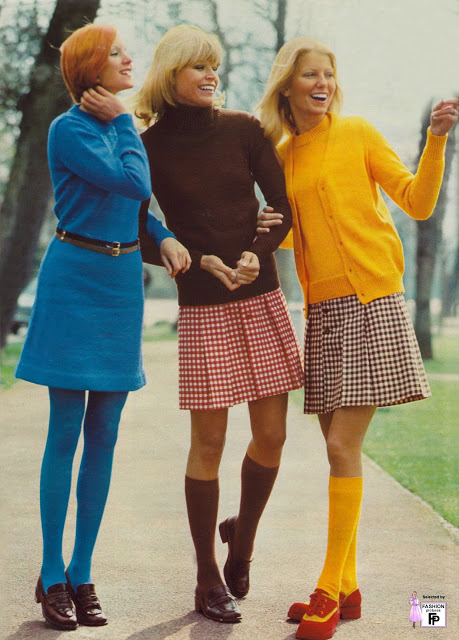
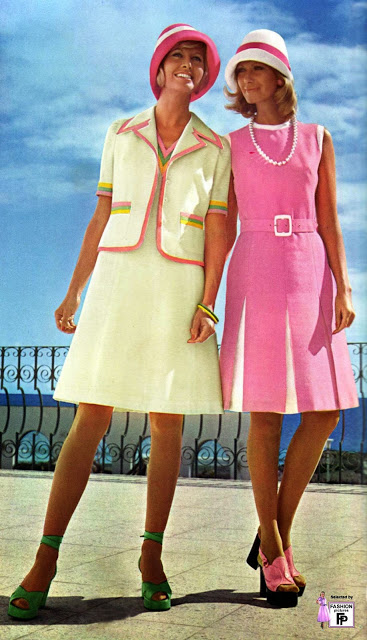
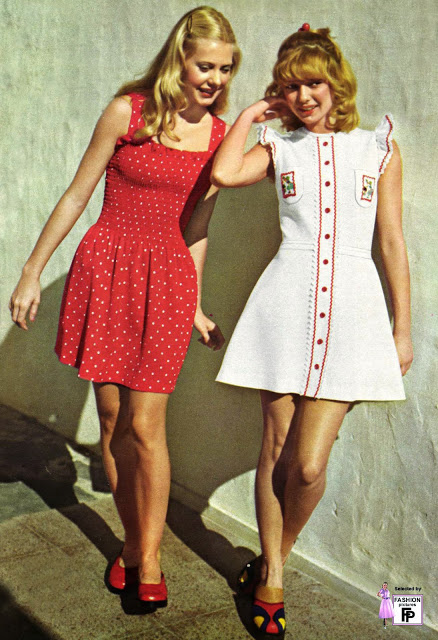
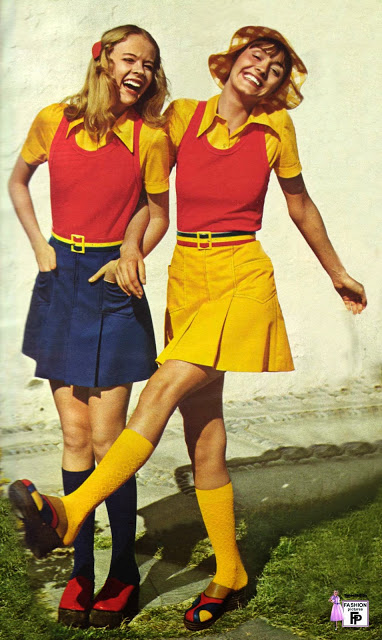
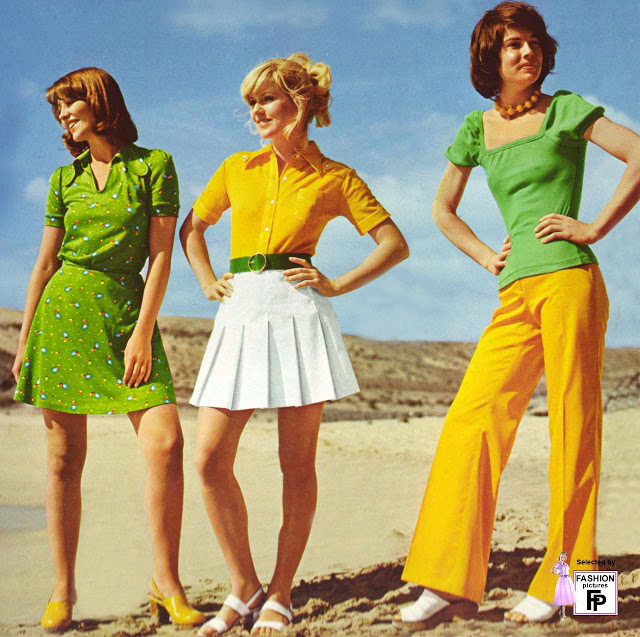
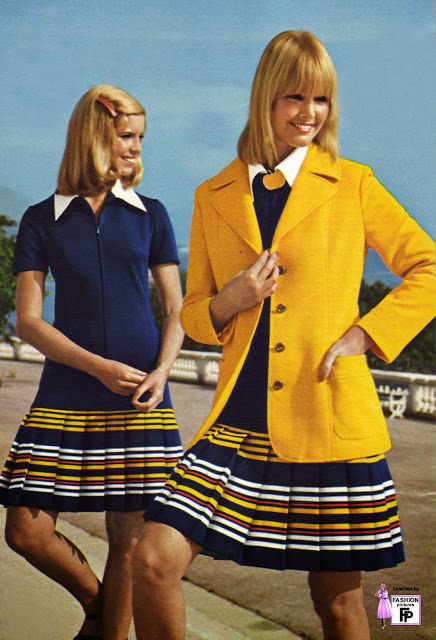
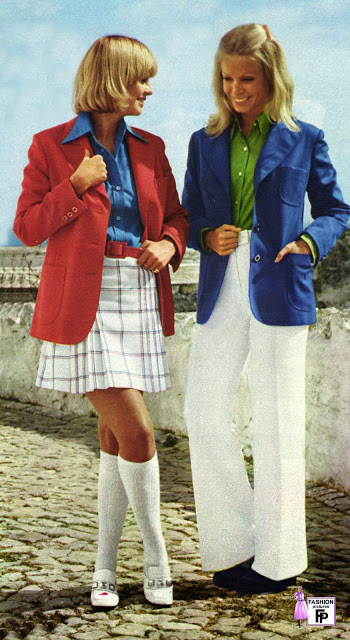
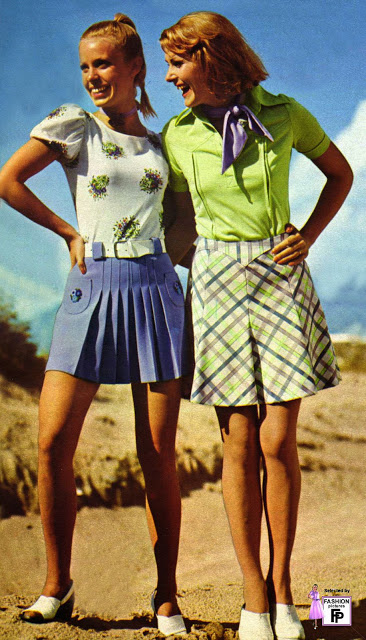
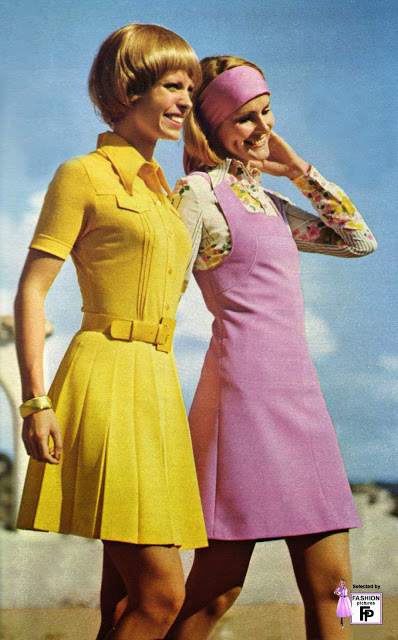
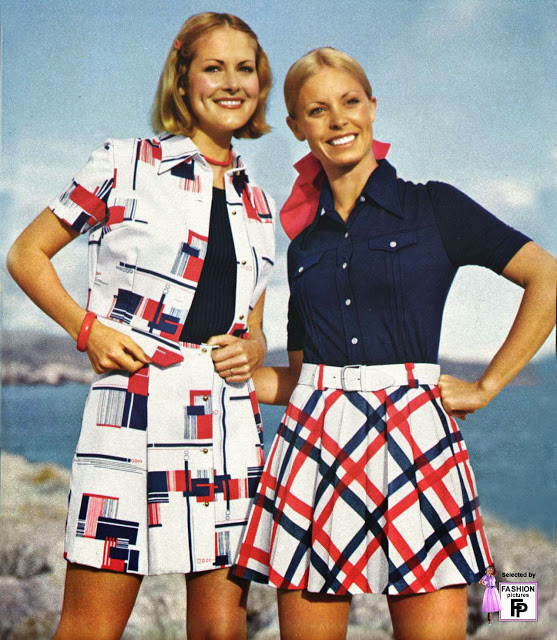
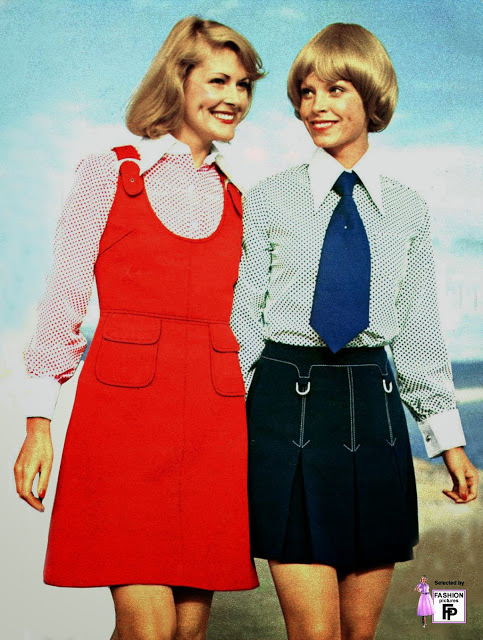
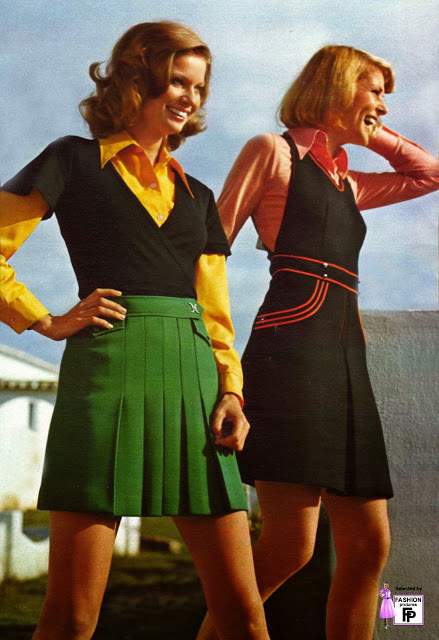
Although the hippie look was widespread, it was not adopted by everyone. Many women still continued to dress up with more glamorous clothes. Other women just adopted simple casual fashions. More simple early 1970s trends for women included fitted blazers (coming in a multitude of fabrics along with wide lapels), long and short dresses, mini skirts, maxi evening gowns, hot pants (extremely brief, tight-fitting shorts) paired with skin-tight t-shirts, his & hers outfits (matching outfits that were nearly identical to each other), and flared pants.
Pastel colors were most commonly used for this style of clothing, such as mauve, peach, apple green, pink, yellow, white, wheat, camel, gray, and baby blue.







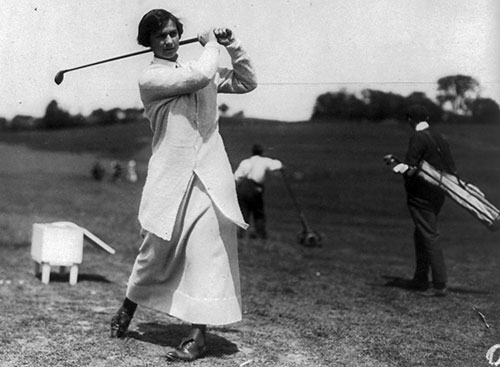
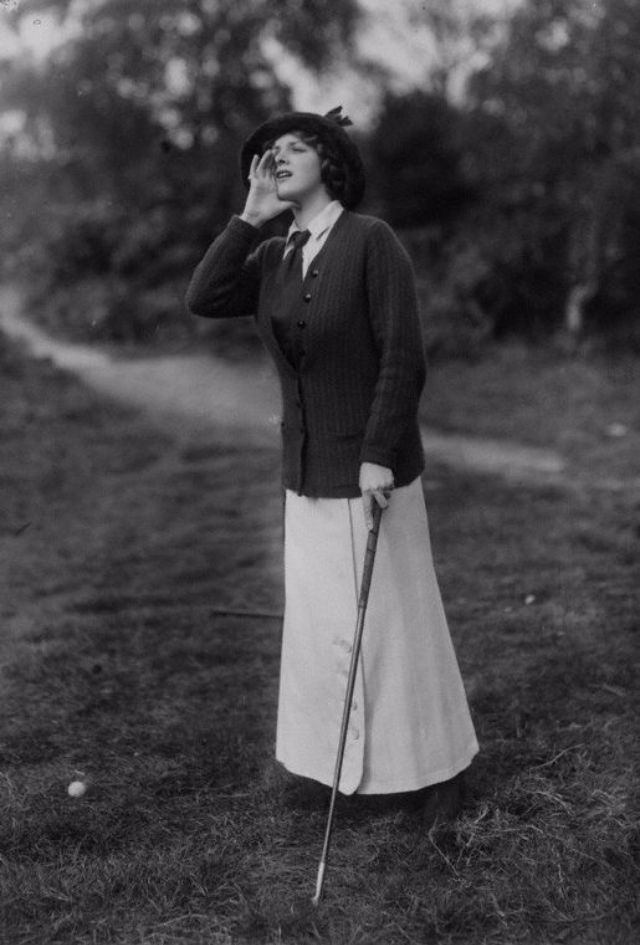
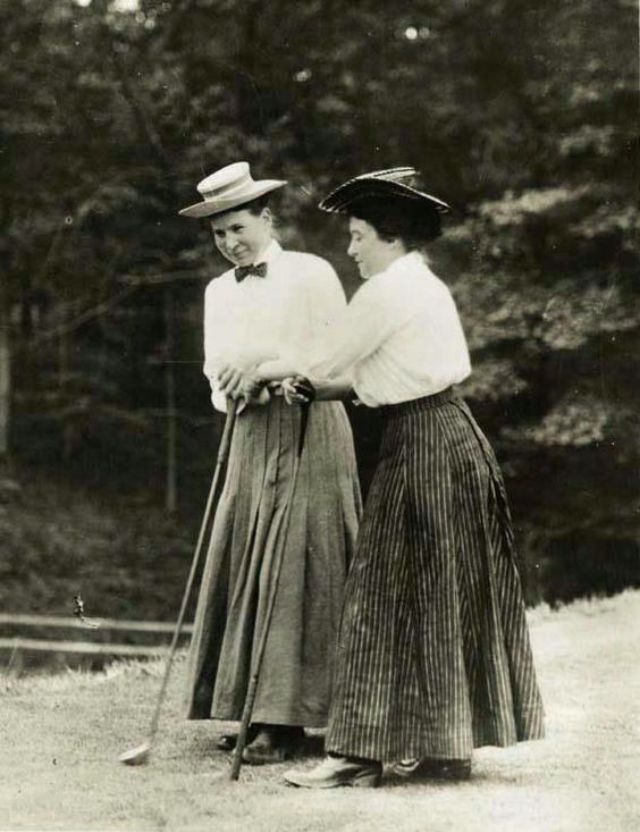
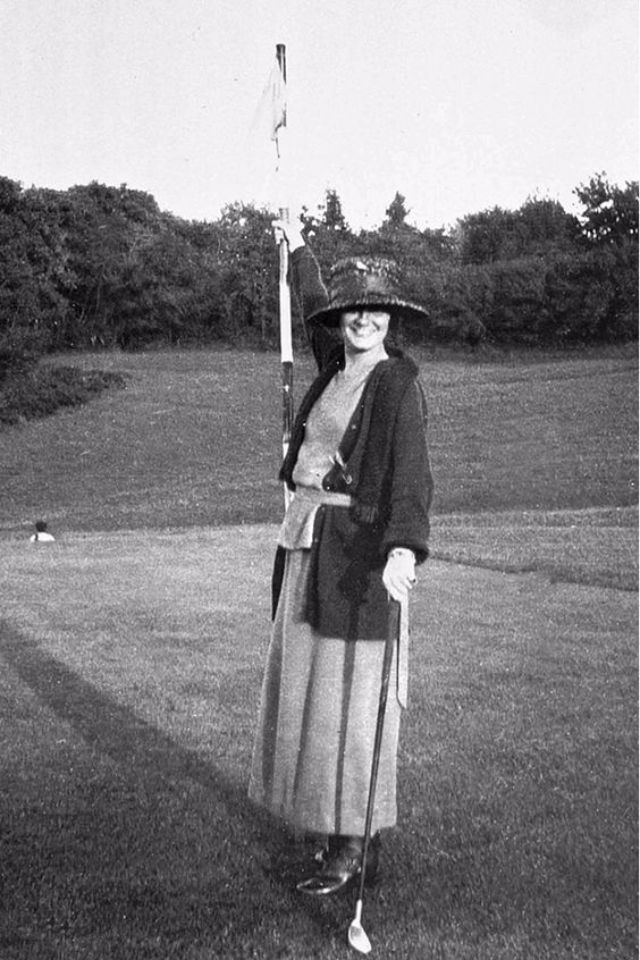
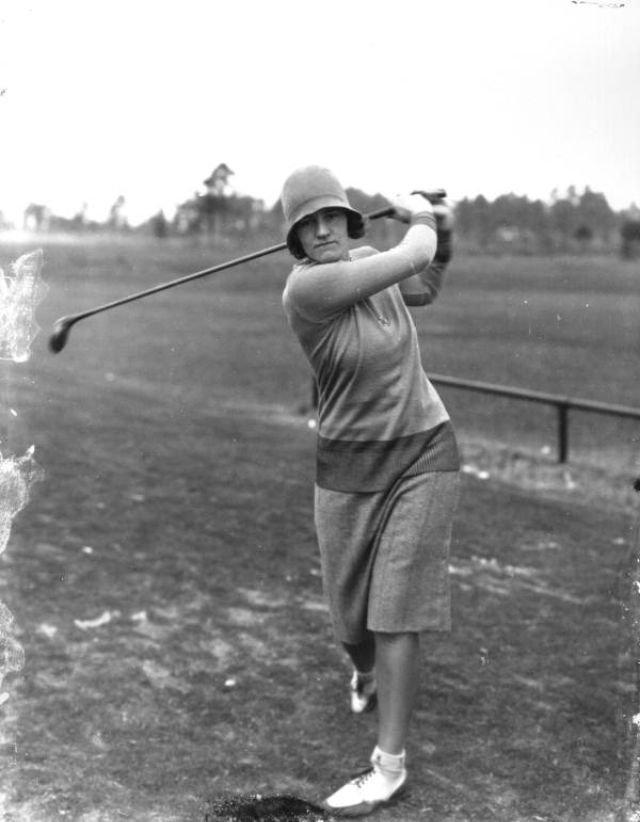
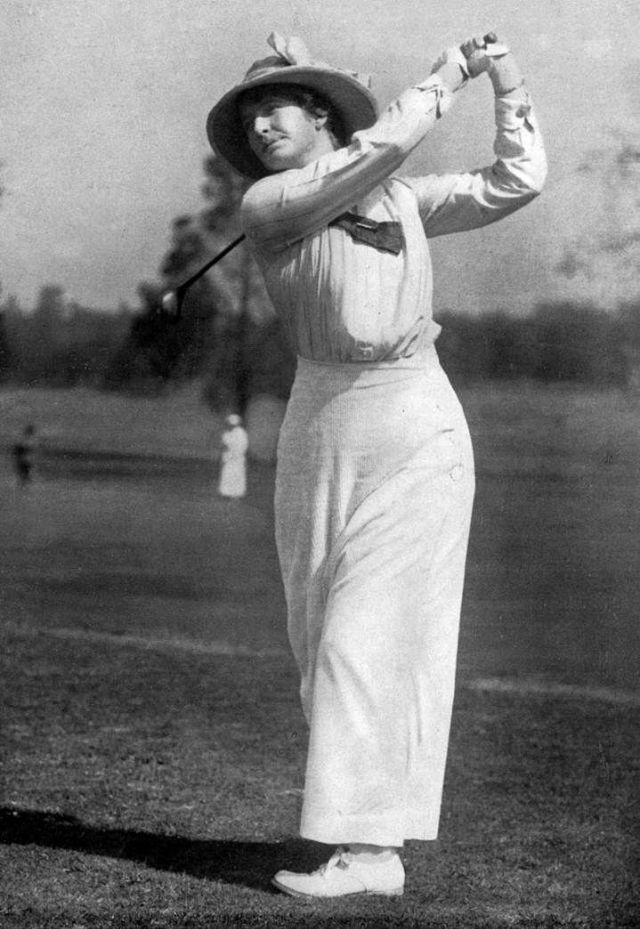
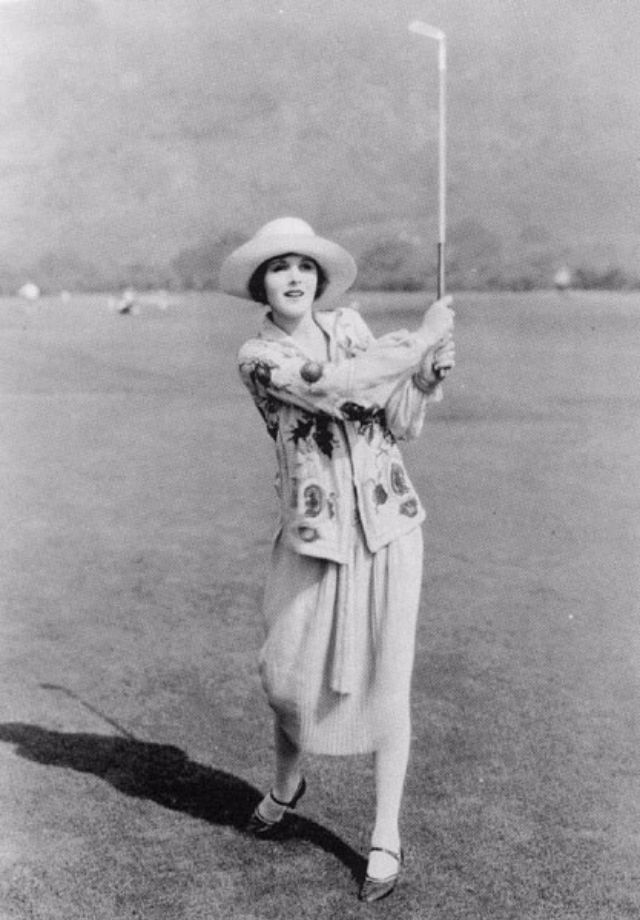
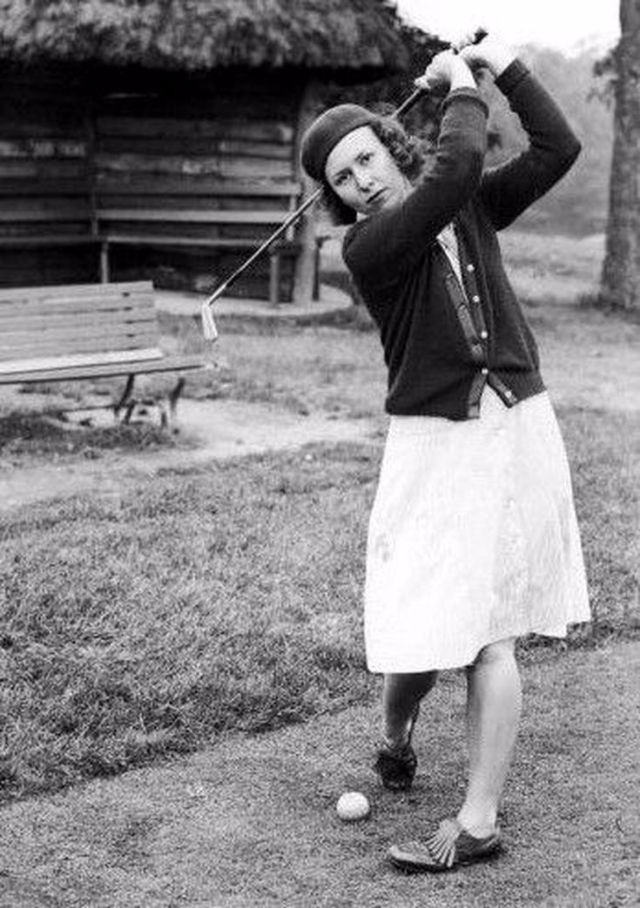
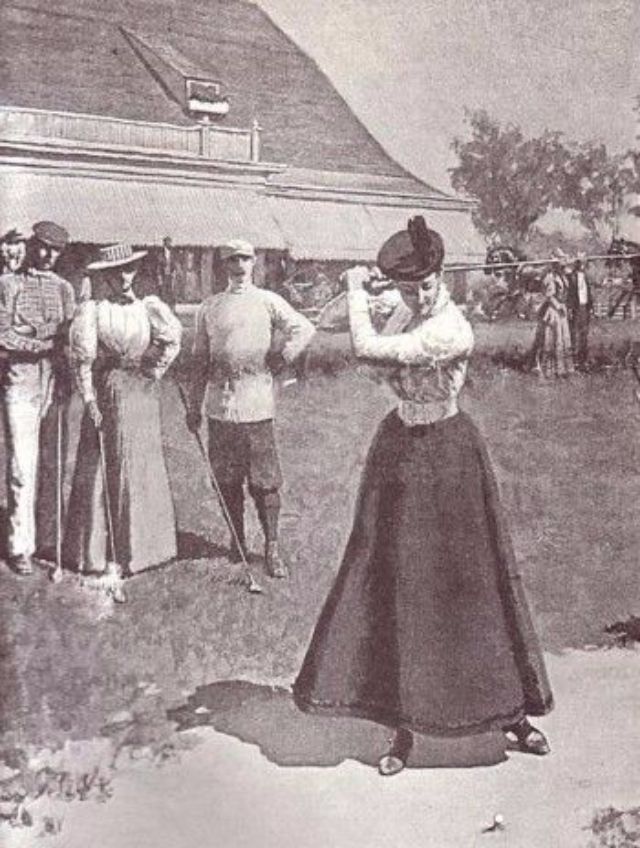
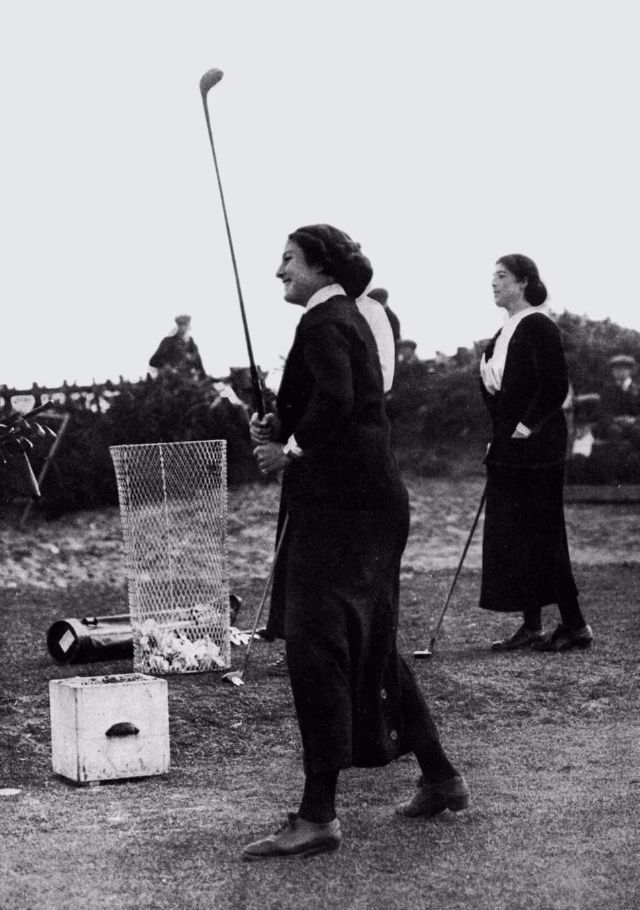
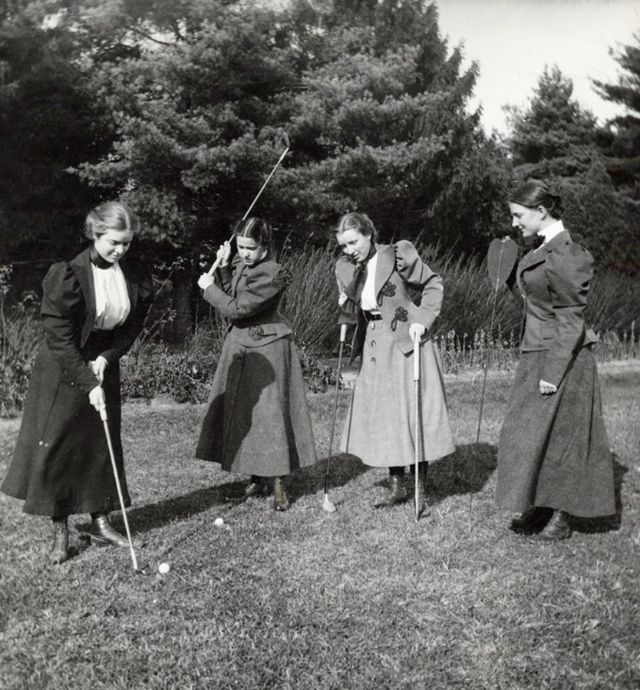
The involvement of women in golf may go back further than people think, given that the early historians traced the precursor of the golf ball to legendary classical female characters.
Though there are references to women playing golf in 15th century, and other related stick and ball games, care needs to be taken as these may not refer to golf or to the game as we know it.
The first secure mention of women playing golf is at Bruntsfield Links in 1738 and the first reference to links golf is in 1811 at Musselburgh, though women’s golf societies were not formed until the last quarter of the 19th century. Then came an explosion of interest in women’s golf and golf clubs.











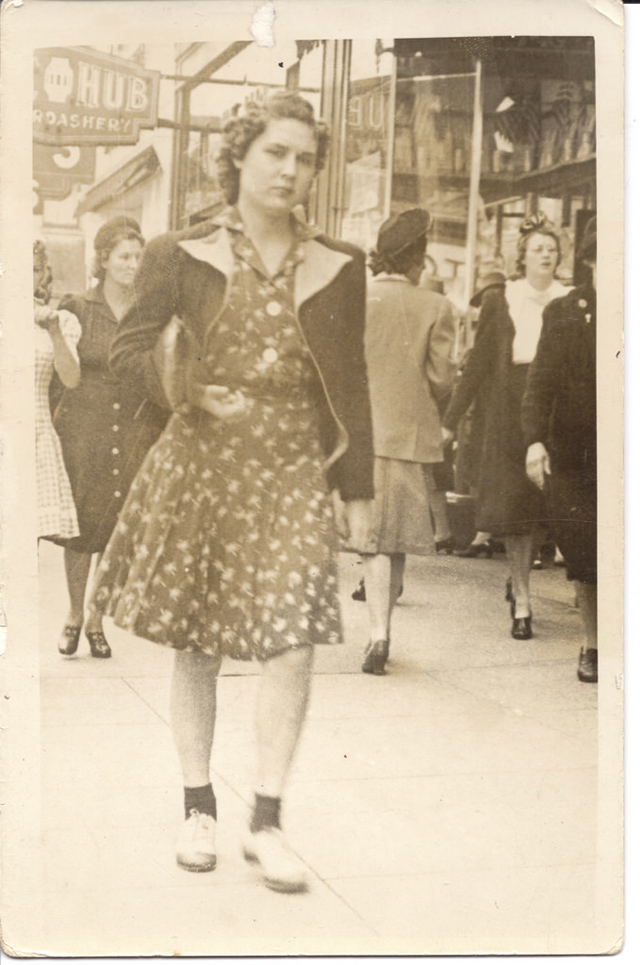






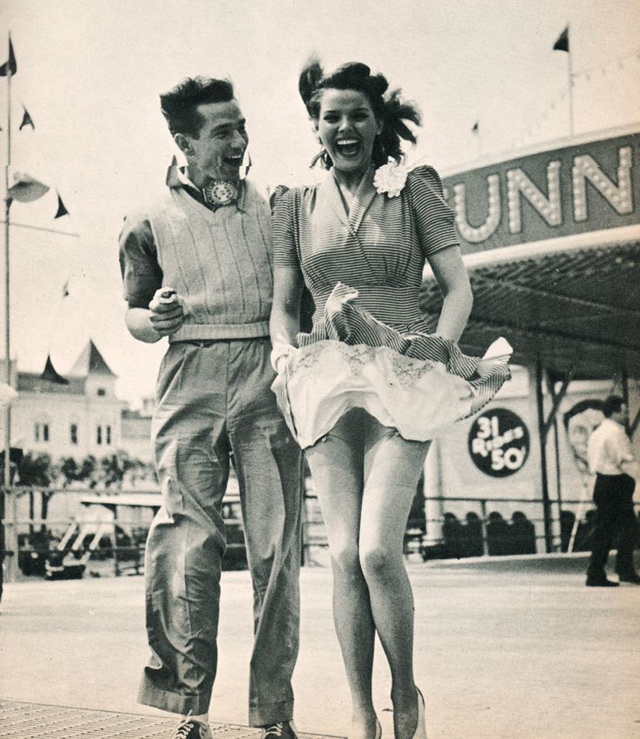

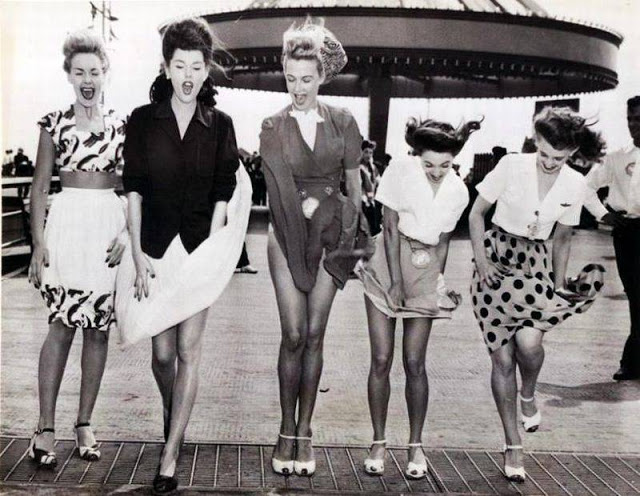
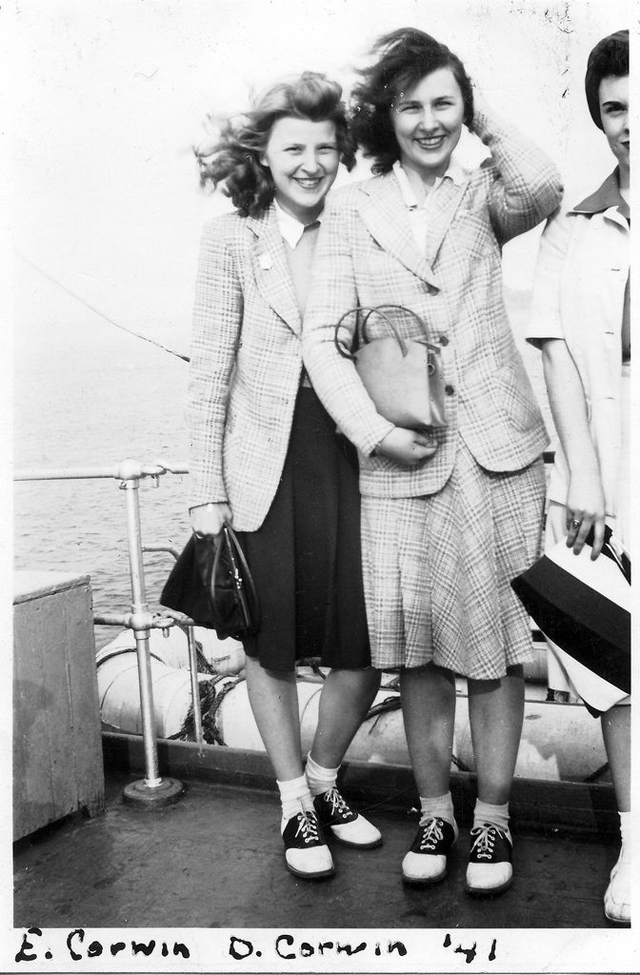





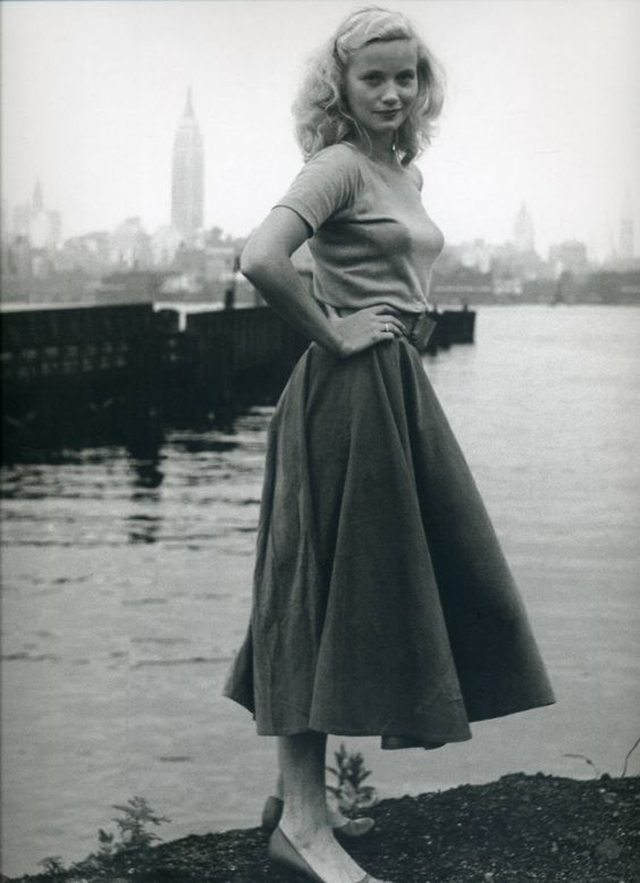

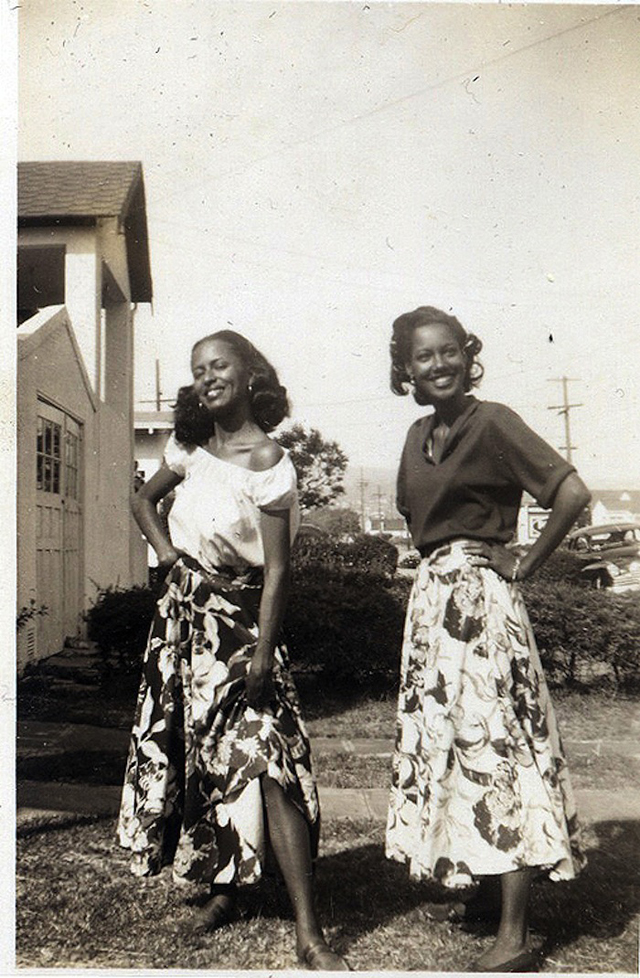



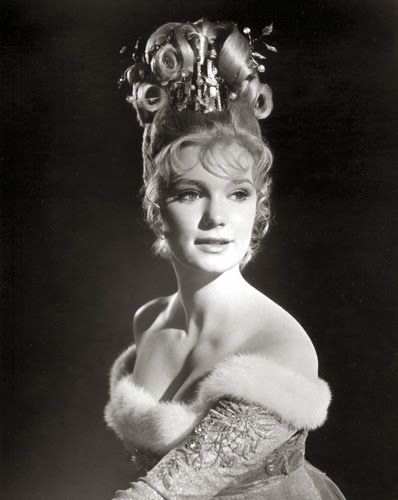
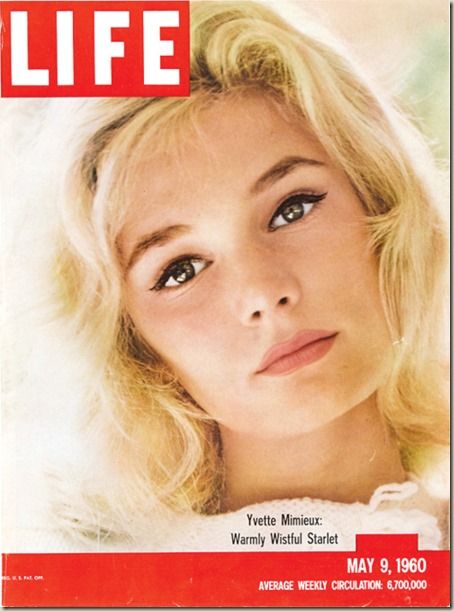
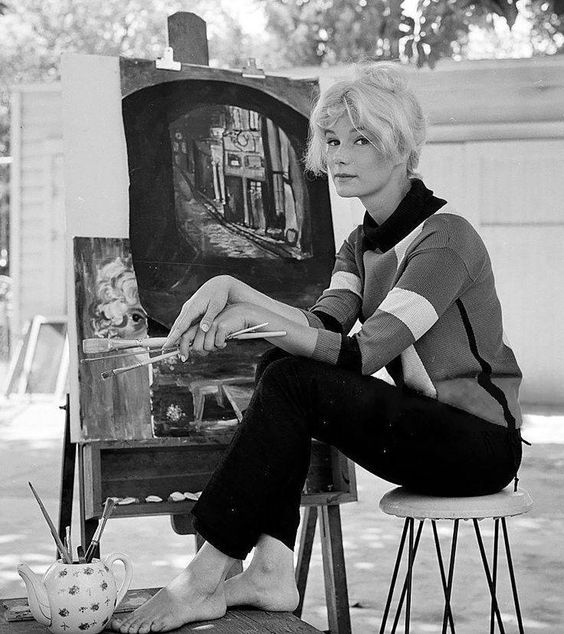
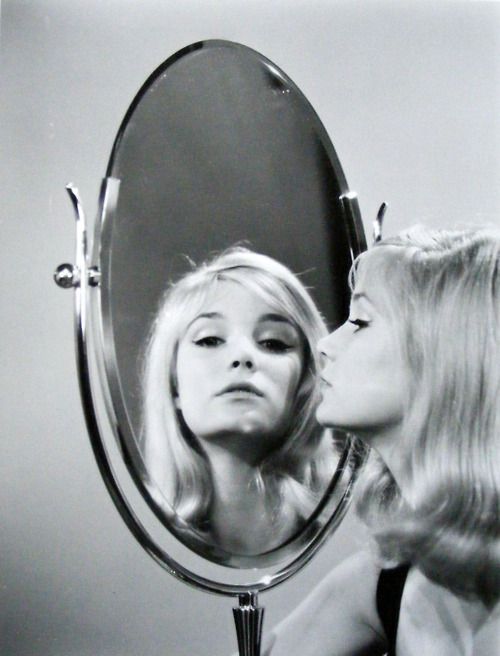
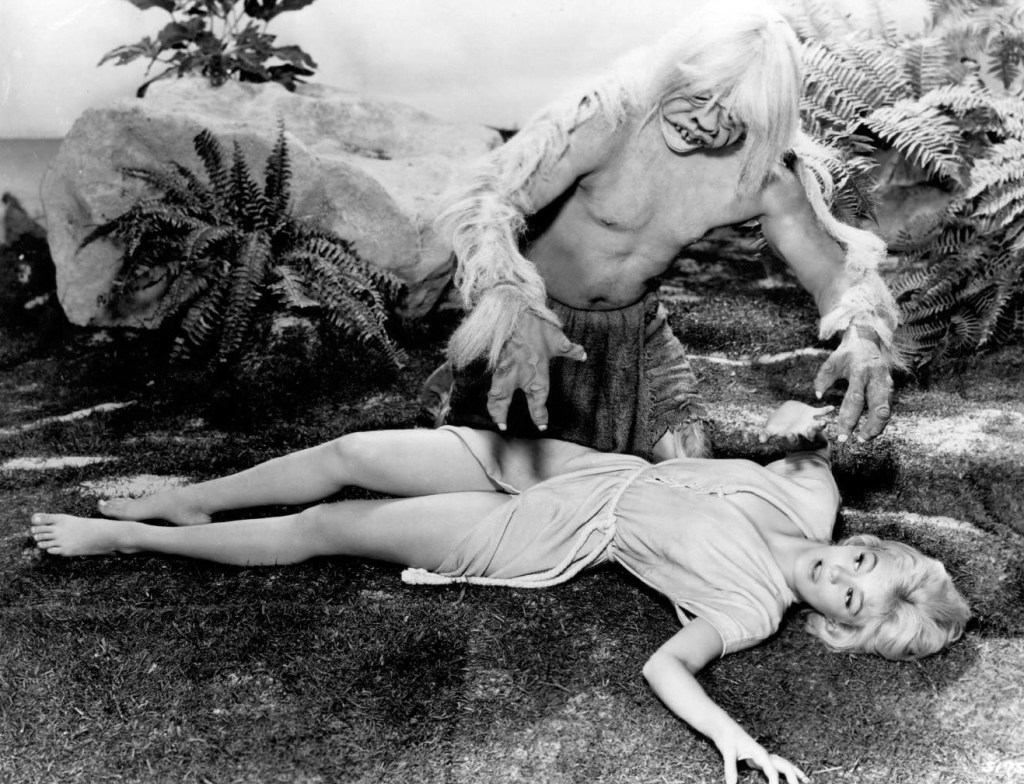
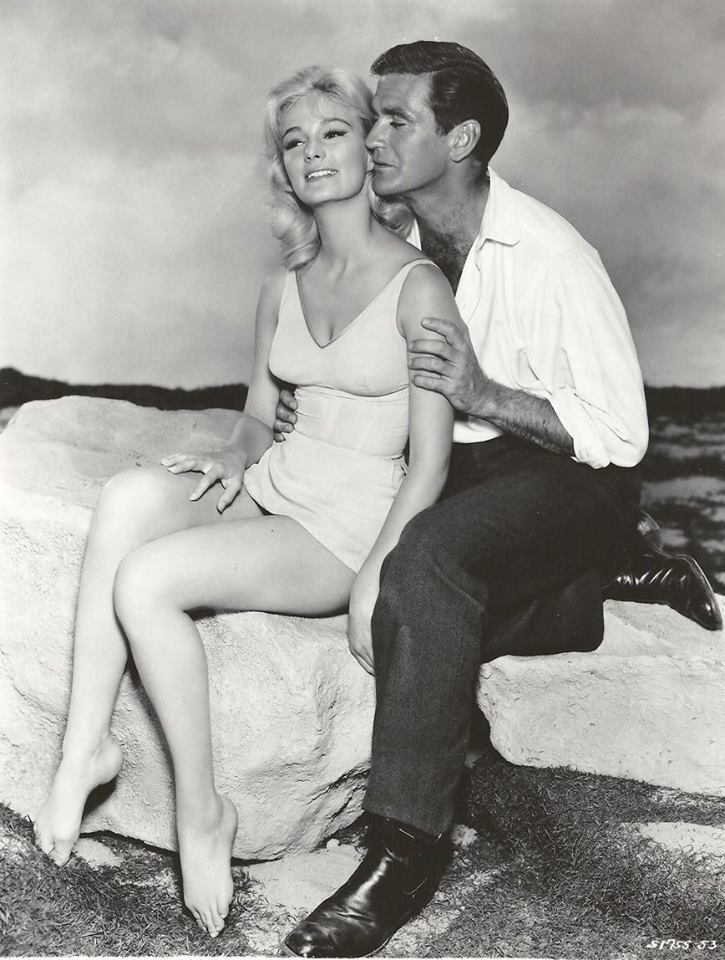
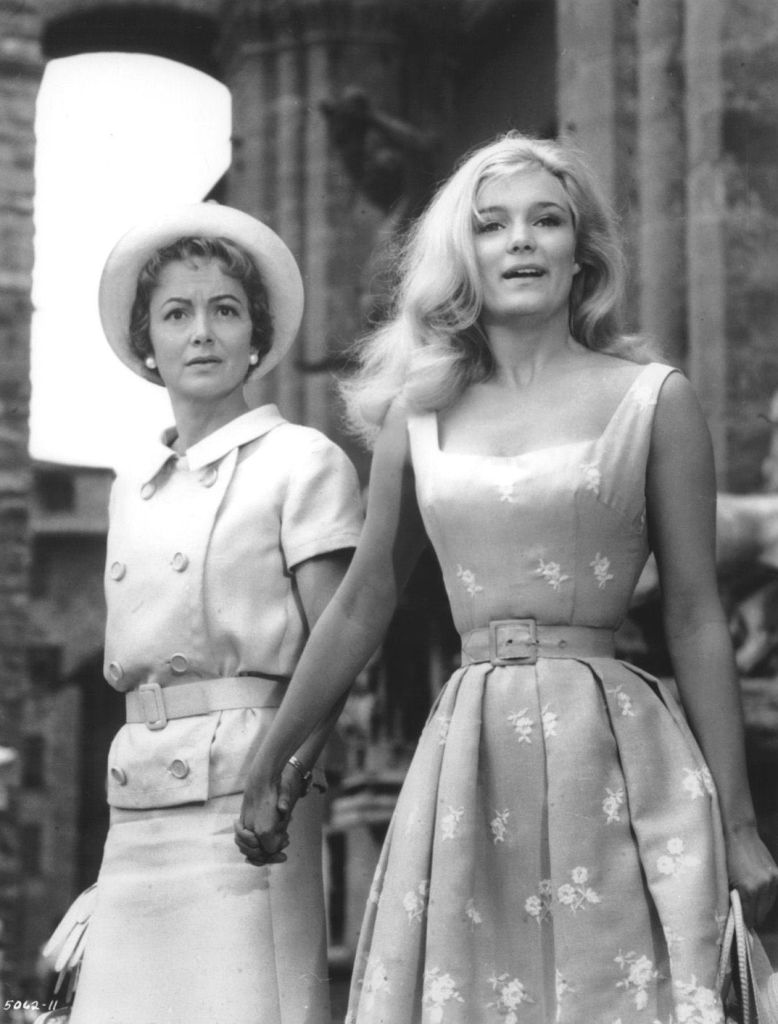
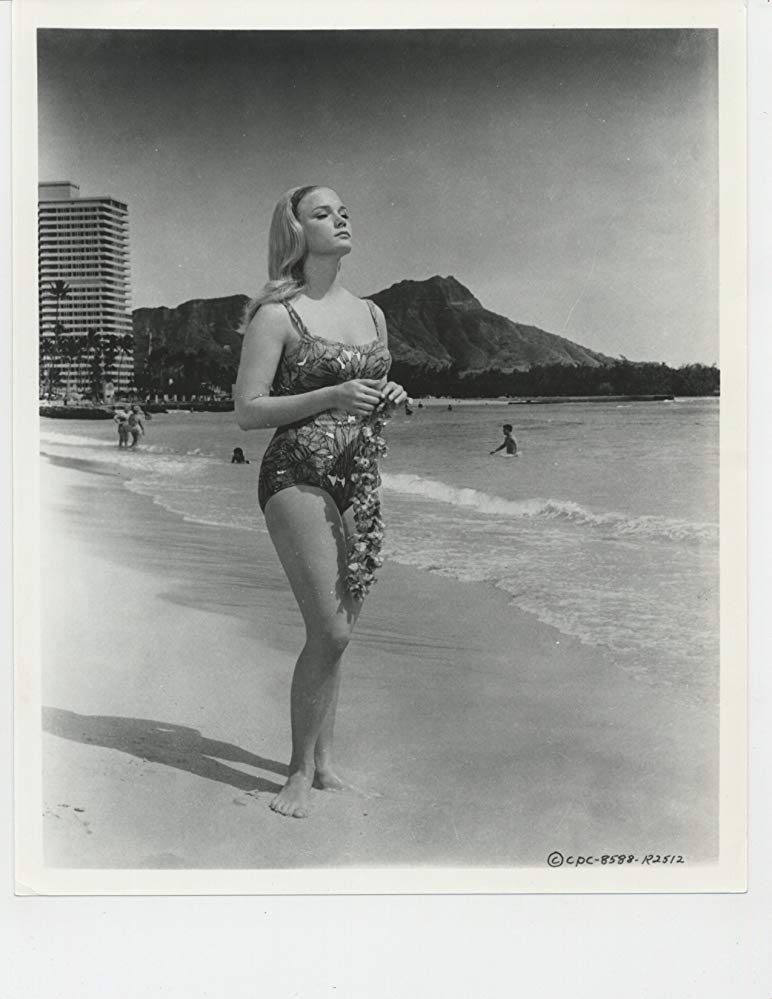
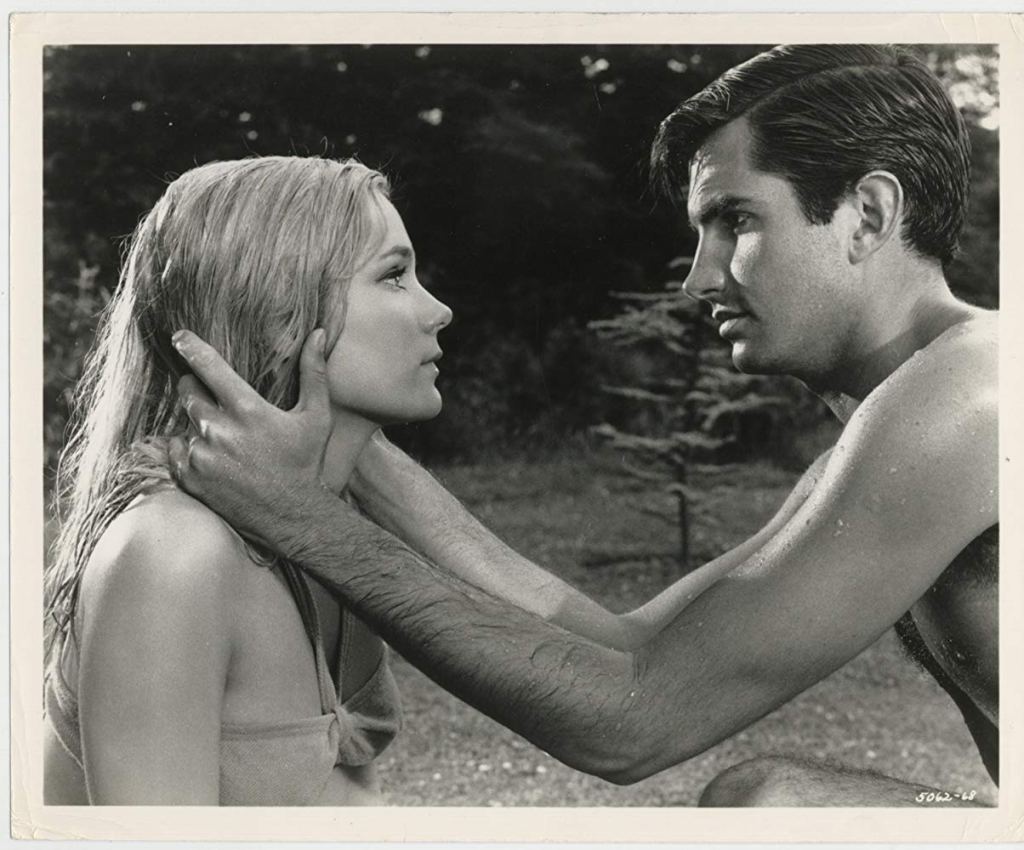
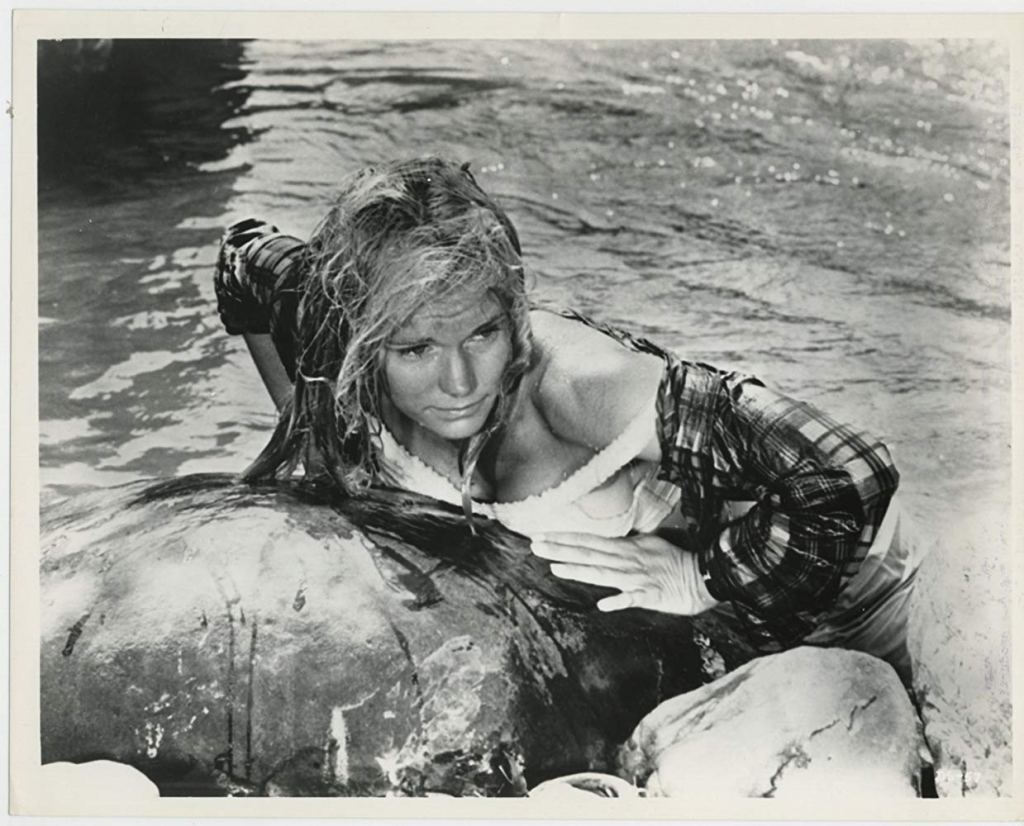
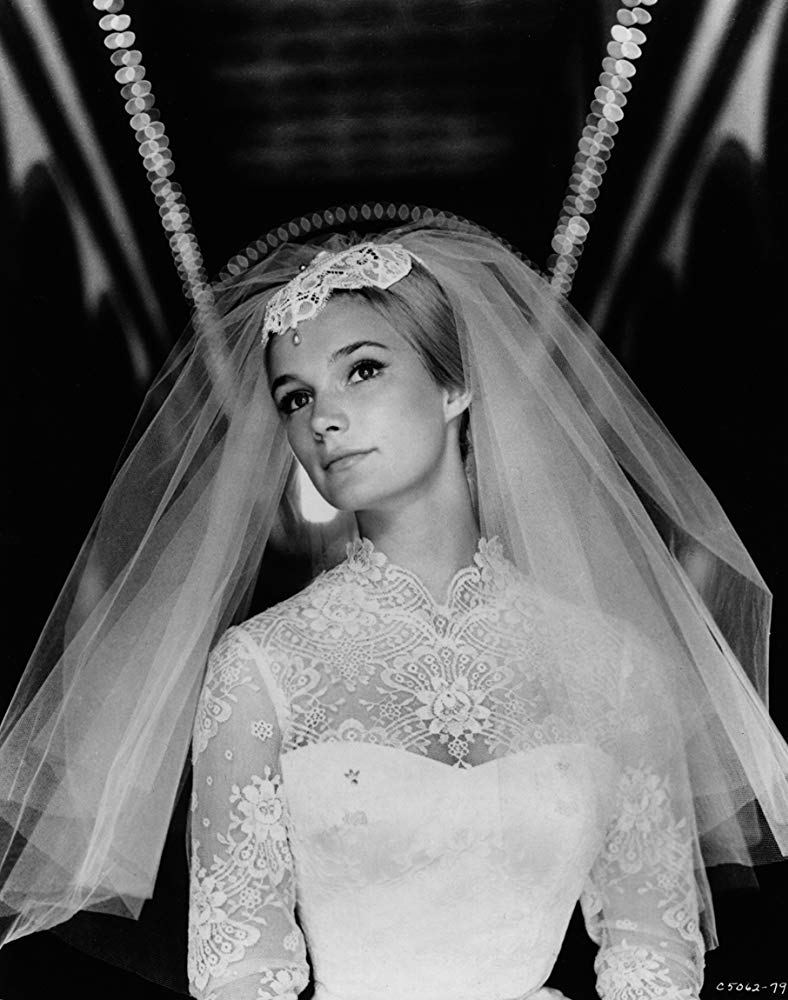
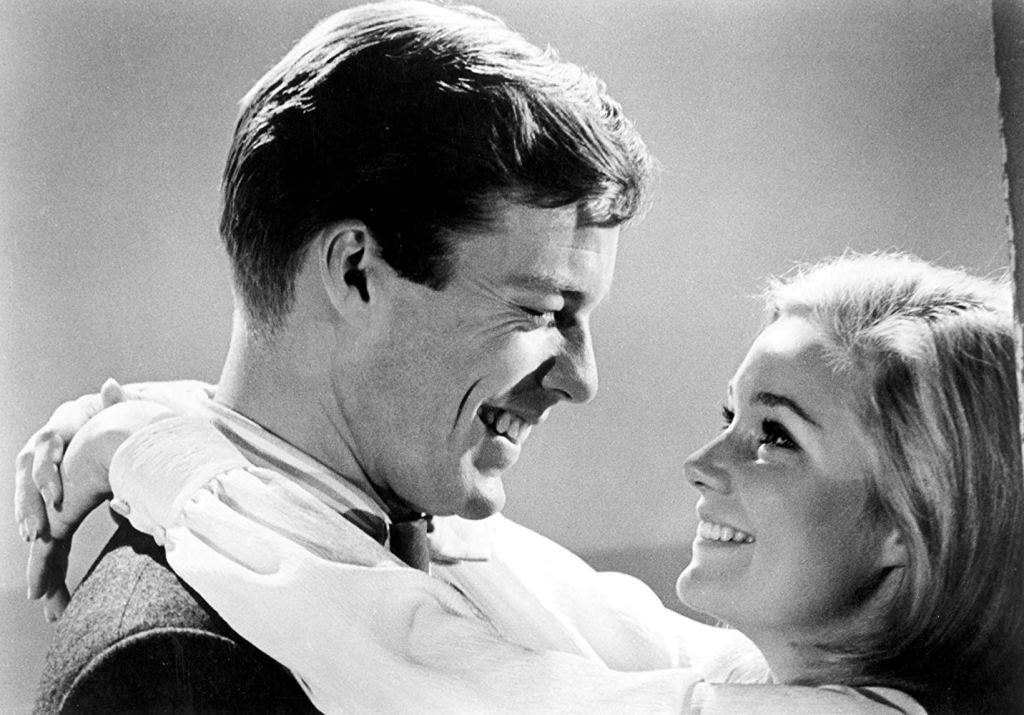
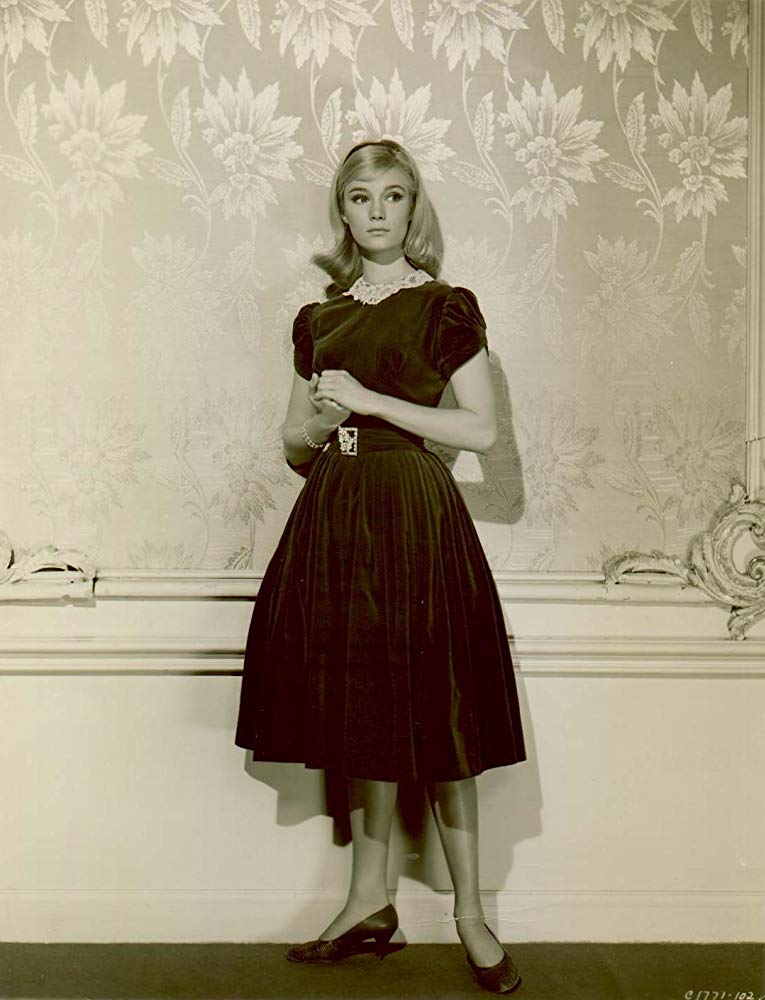
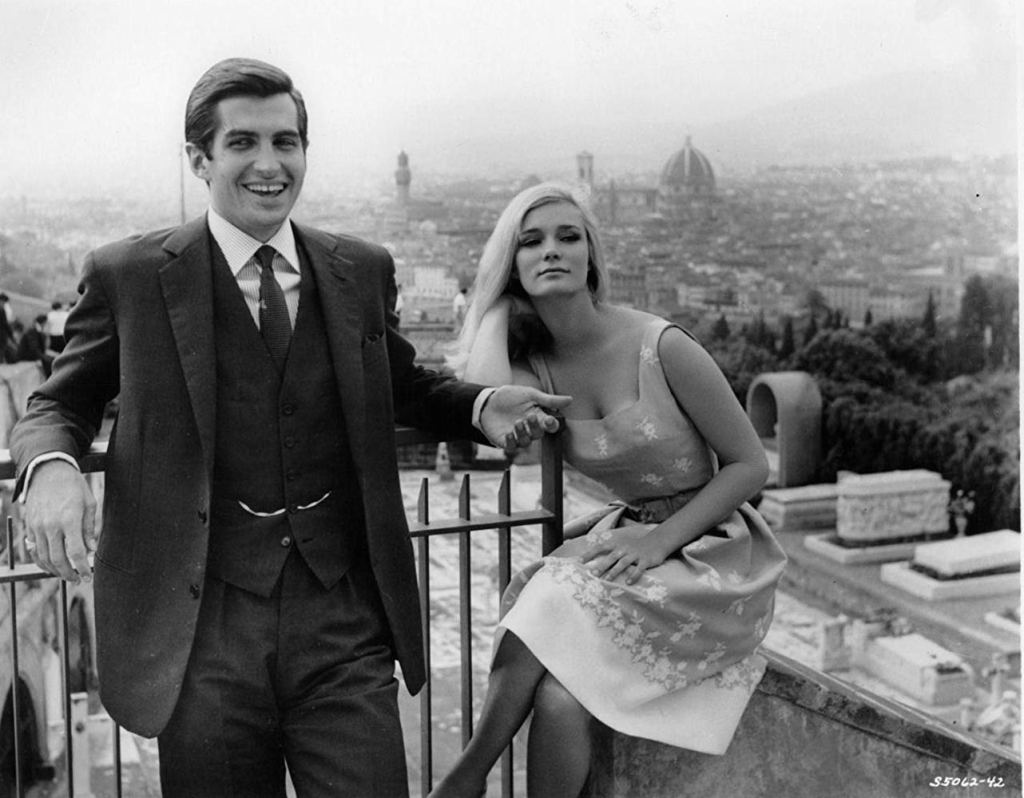
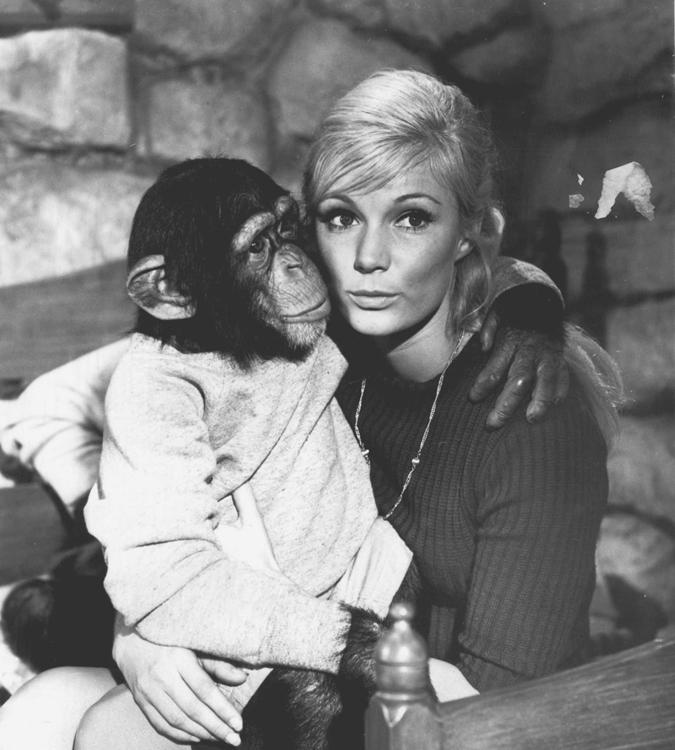
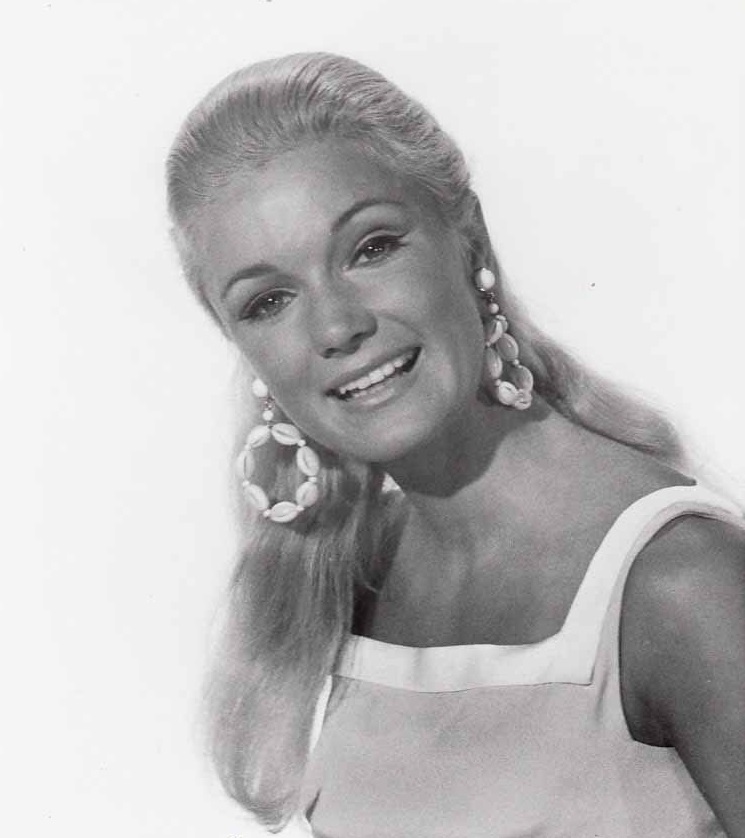
Yvette Mimieux was born on January 8, 1942 in Hollywood, California, USA as Yvette Carmen Mimieux. She is an actress and writer, known for The Time Machine (1960), Where the Boys Are (1960), The Black Hole (1979) and Dark of the Sun (1968). She has been married to Howard Ruby since December 20, 1986. She was previously married to Stanley Donen.
Statuesque Yvette Mimieux’s film career took off in 1960 with two major parts demonstrating her versatility. In George Pal’s version of “The Time Machine,” she compelled attention as Weena, a primitive cavewoman in a an apocalyptic future. Later that year, her appearance as a happy-go-lucky teenager on vacation in the smash hit “Where The Boys Are” garnered her praise as much for her portrayal of a young woman struggling with sexual assault as for her bikini scenes. For the rest of her career, Mimieux struggled to find equally compelling parts that would allow her to show off her dramatic talents as much as her body. While her role as an unjustly imprisoned woman in 1976’s exploitation movie “Jackson County Jail” briefly helped revive her big screen popularity, from the 1970s up to the time of her retirement Mimieux concentrated on TV movies, two of which included parts she wrote or conceived for herself. As a remorseless assassin in 1974’s “Hit Lady” and a deranged stalker in 1984’s dark drama “Obsessive Love,” Mimieux finally had the chance to demonstrate her range. After her last appearance in the 1992 TV movie “Lady Boss,” Mimieux retired from acting, turning her attention to real estate.
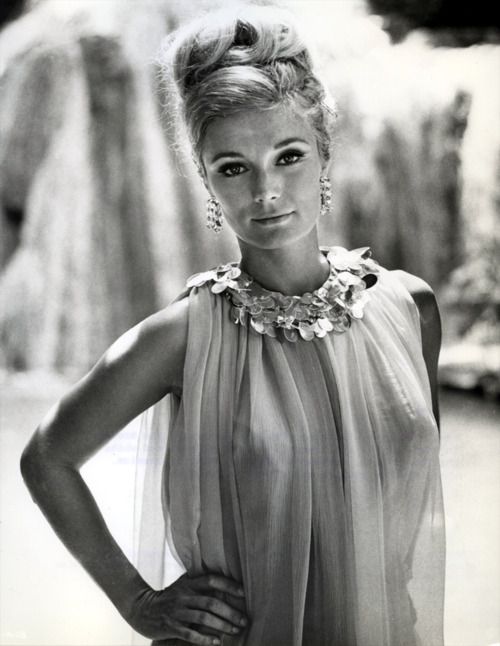


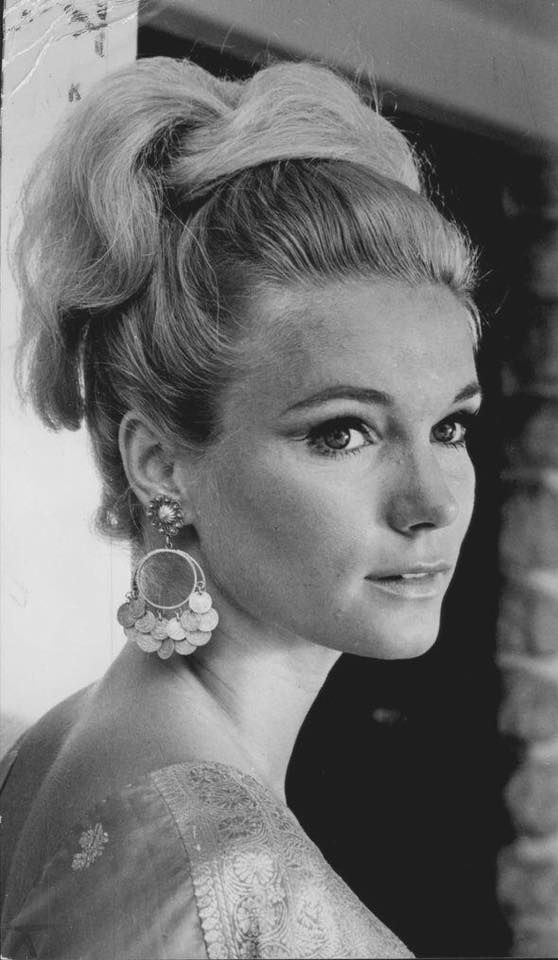

























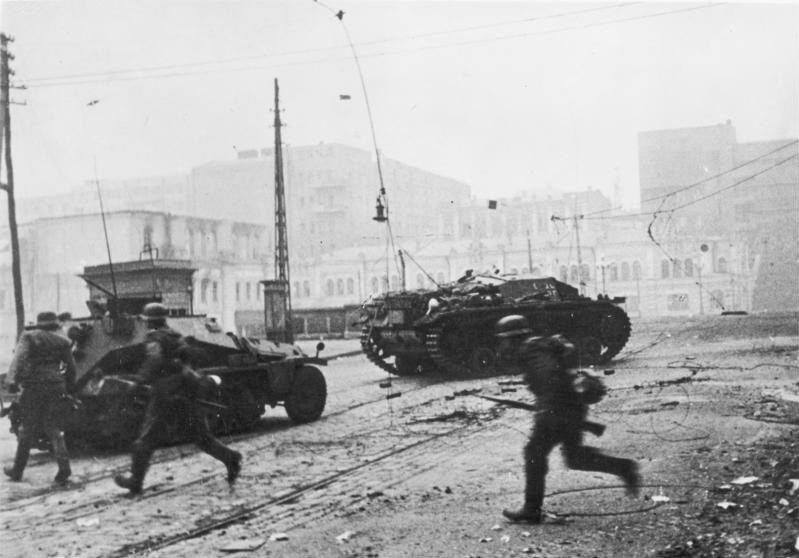
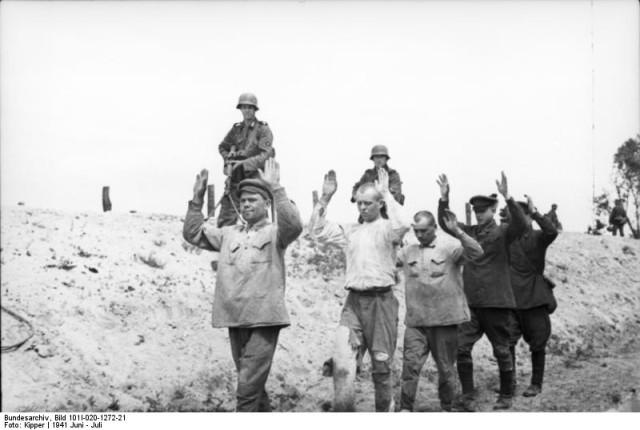
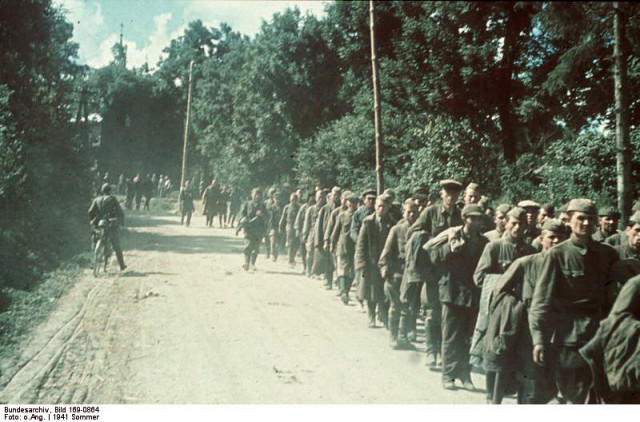
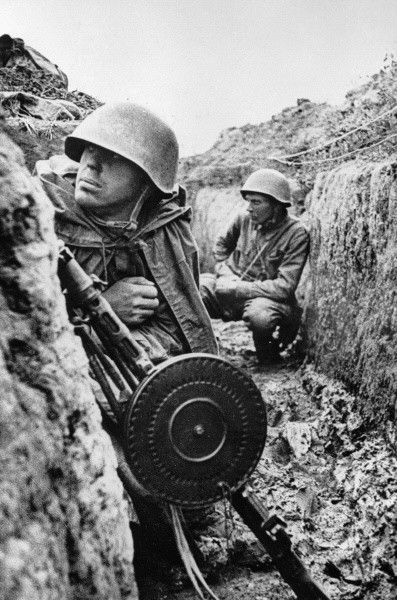
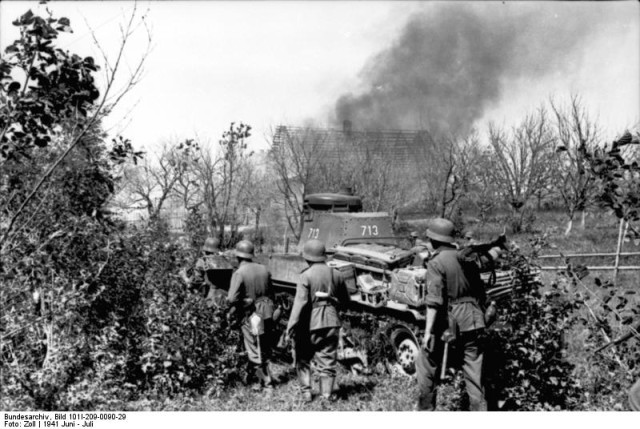
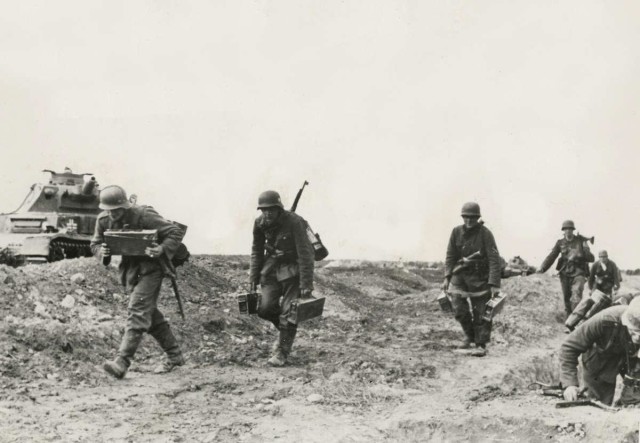
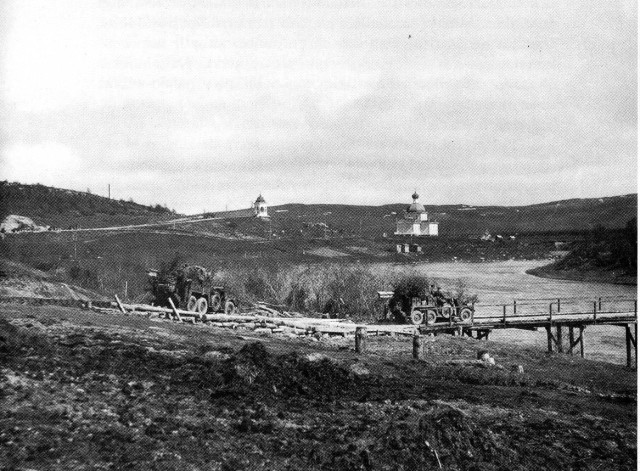
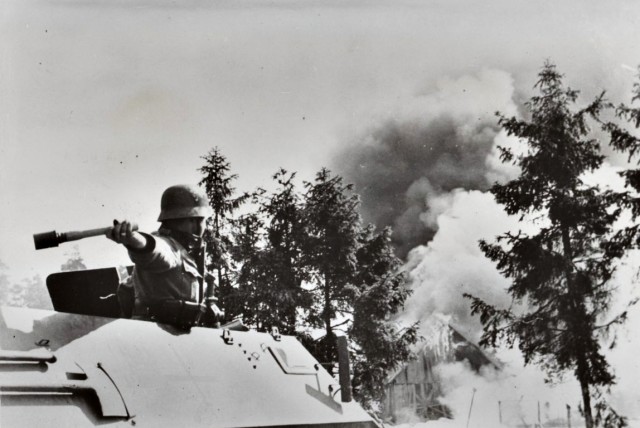
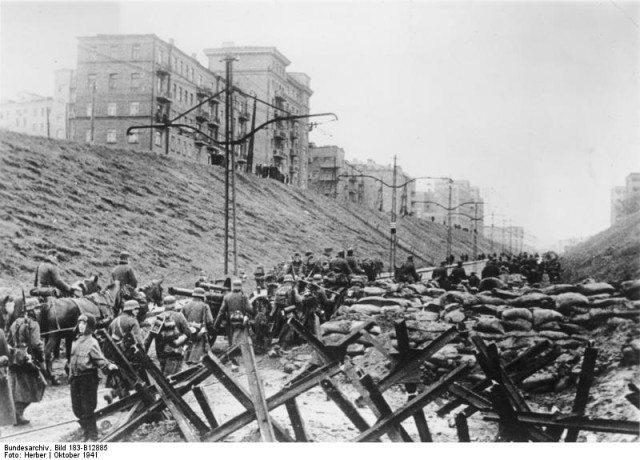
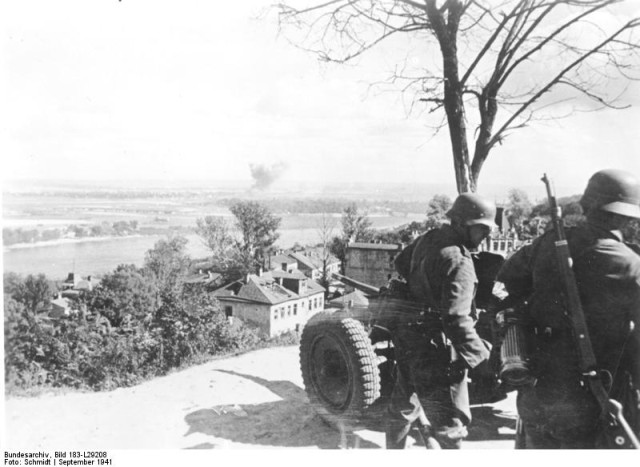
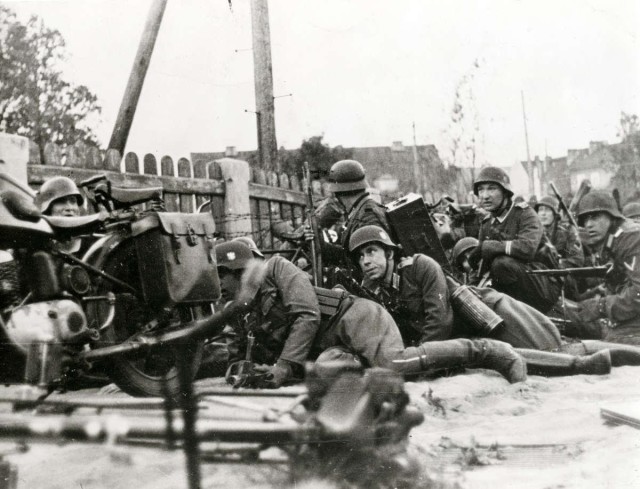
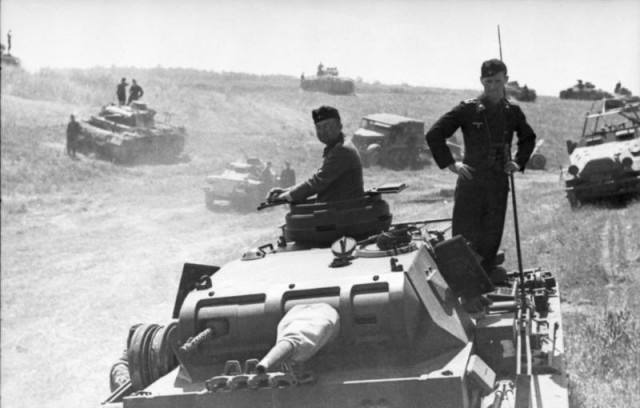
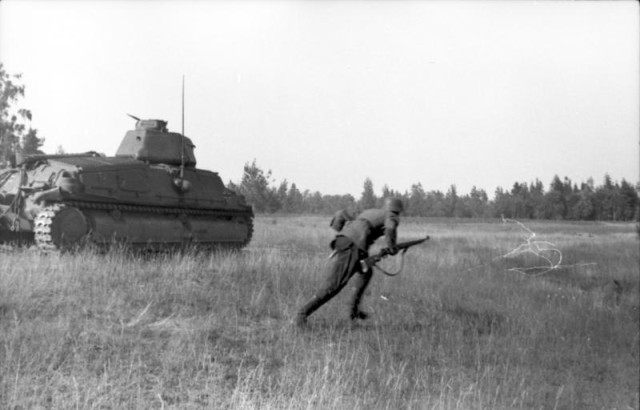
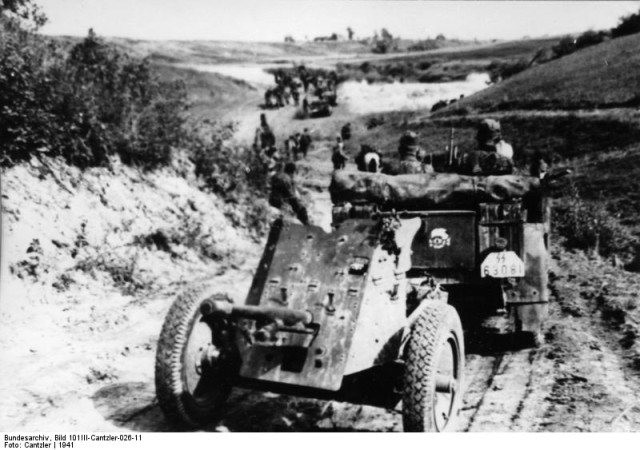
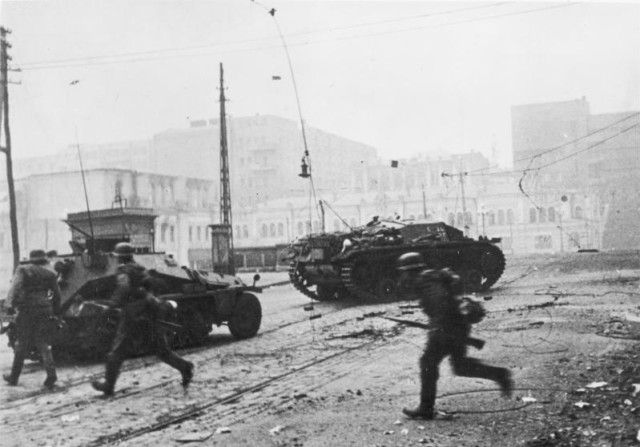
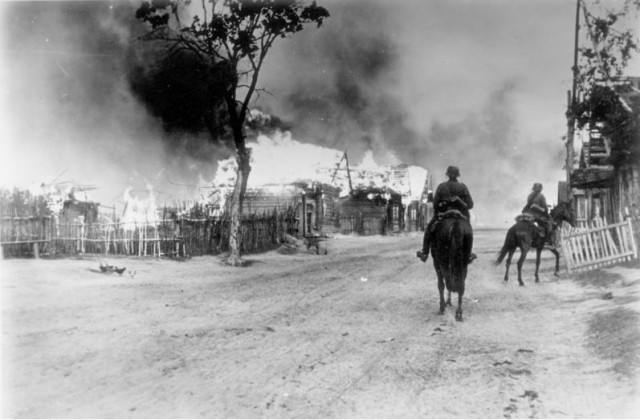
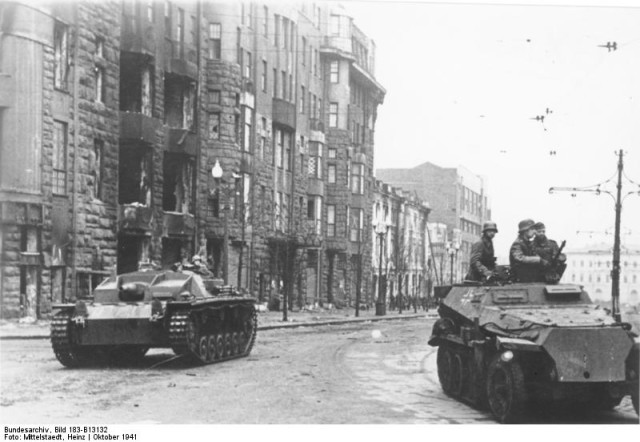
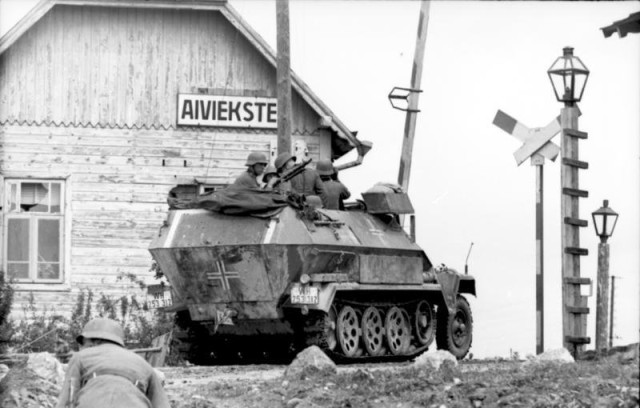
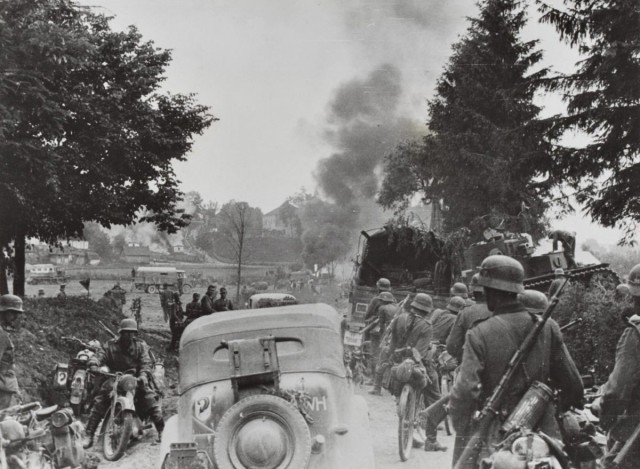
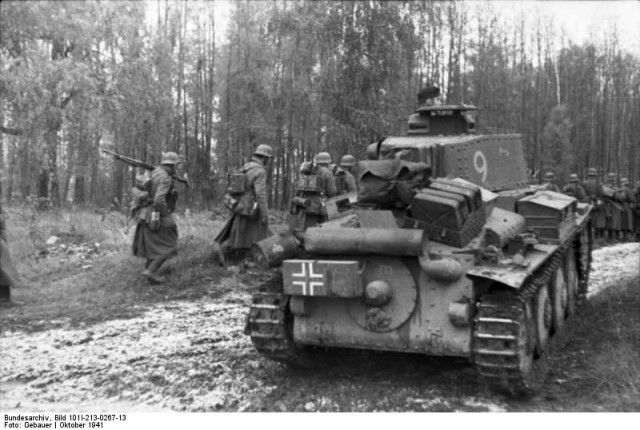
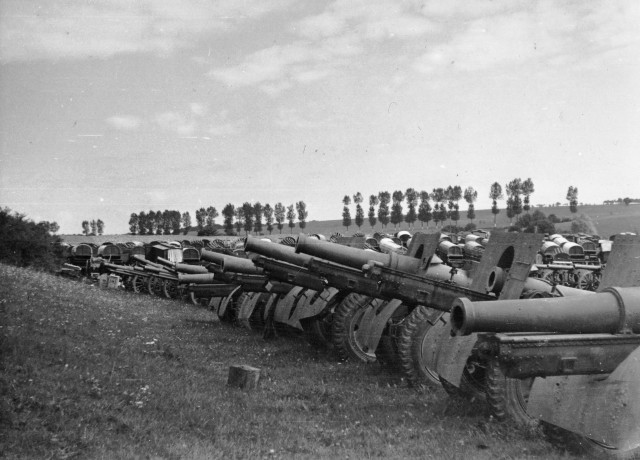
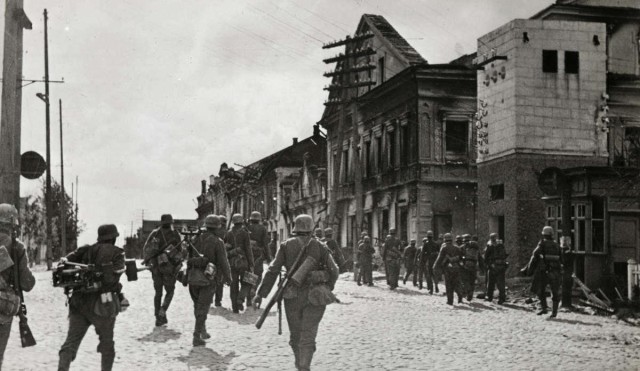
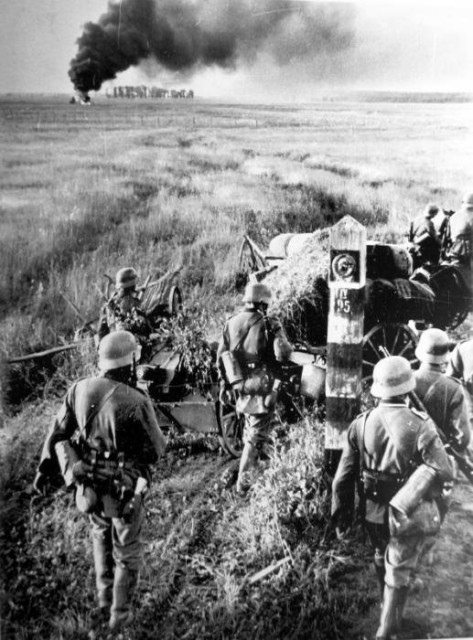
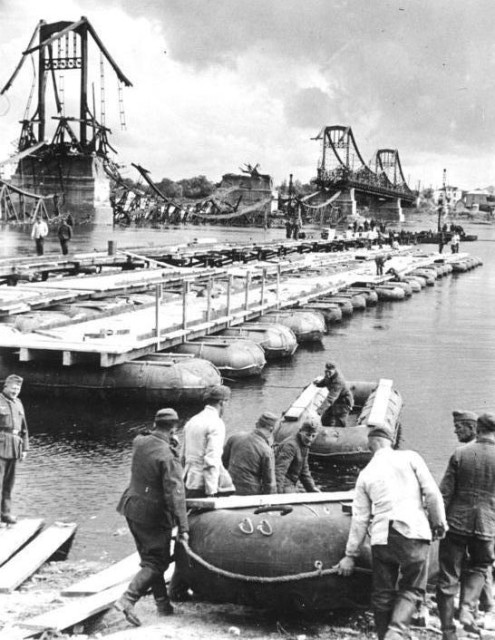
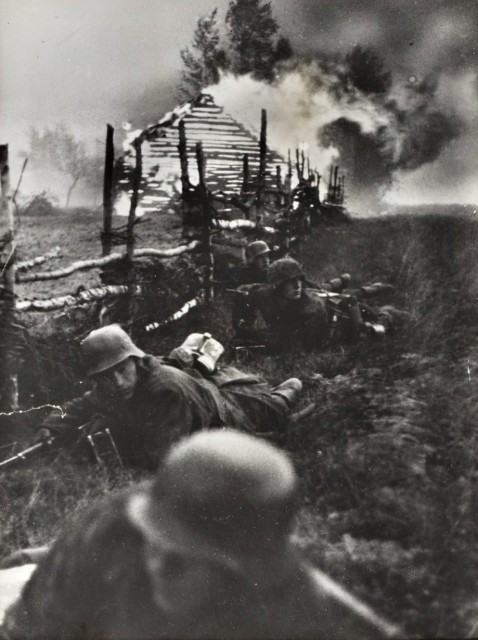
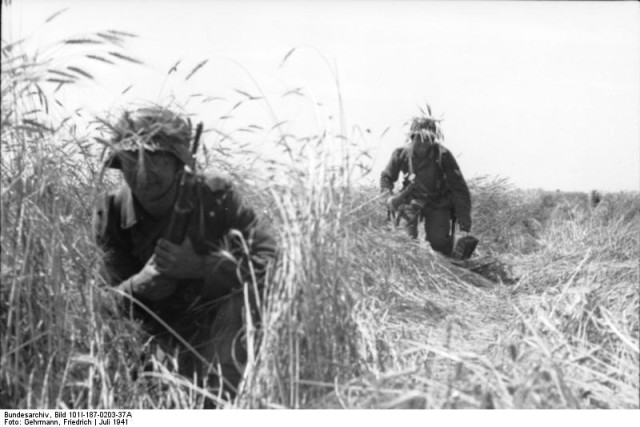
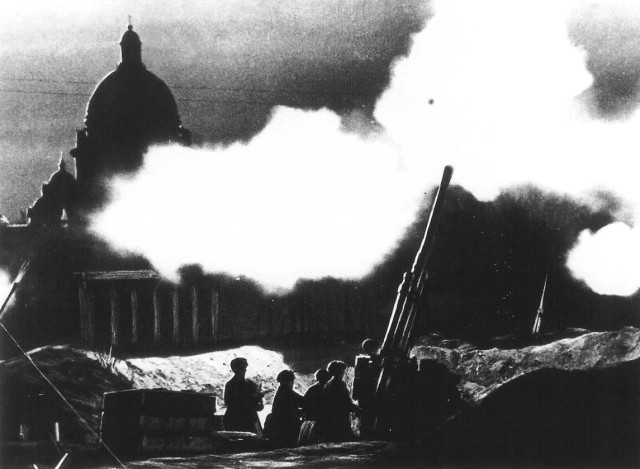
Operation Barbarossa (German: Unternehmen Barbarossa) also known as the German invasion of the Soviet Union was the code name for the invasion of the Soviet Union by Nazi Germany and some of its Axis allies, which started on Sunday, 22 June 1941, during World War II. The operation put into action Nazi Germany’s ideological goal of conquering the western Soviet Union so as to repopulate it with Germans. The German Generalplan Ost aimed to use some of the conquered people as slave labour for the Axis war effort while acquiring the oil reserves of the Caucasus as well as the agricultural resources of various Soviet territories. Their ultimate goal included the eventual extermination, enslavement, Germanization and mass deportation to Siberia of the Slavic peoples, and to create more Lebensraum (living space) for Germany.
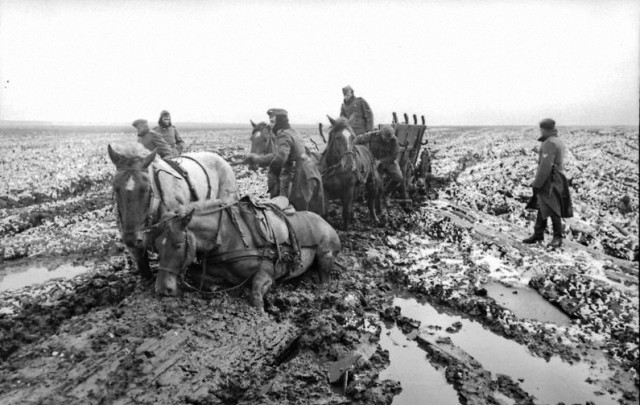
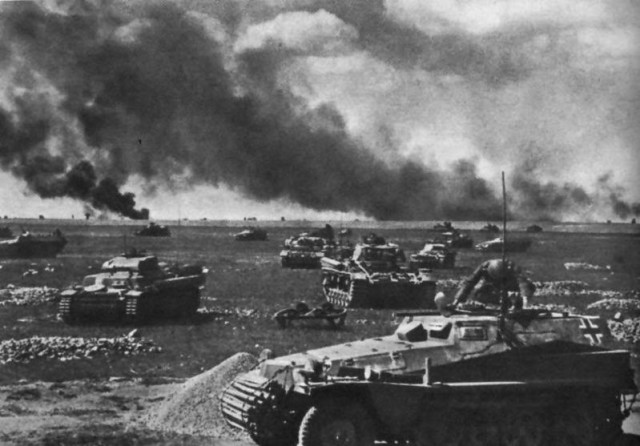
In the two years leading up to the invasion, Germany and the Soviet Union signed political and economic pacts for strategic purposes. Following the Soviet occupation of Bessarabia and Northern Bukovina, the German High Command began planning an invasion of the Soviet Union in July 1940 (under the codename Operation Otto), which Adolf Hitler authorized on 18 December 1940. Over the course of the operation, about three million personnel of the Axis powers—the largest invasion force in the history of warfare—invaded the western Soviet Union along a 2,900-kilometer (1,800 mi) front, with 600,000 motor vehicles and over 600,000 horses for non-combat operations. The offensive marked a massive escalation of World War II, both geographically and in the formation of the Allied coalition including the Soviet Union.
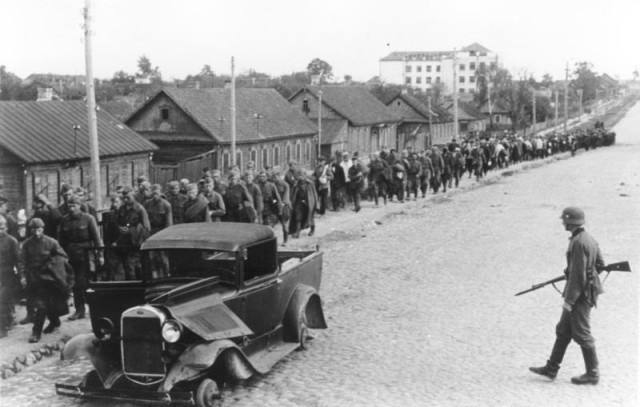
The operation opened up the Eastern Front, in which more forces were committed than in any other theater of war in history. The area saw some of the world’s largest battles, most horrific atrocities, and highest casualties (for Soviet and Axis forces alike), all of which influenced the course of World War II and the subsequent history of the 20th century. The German armies eventually captured some five million Soviet Red Army troops. The Nazis deliberately starved to death or otherwise killed 3.3 million Soviet prisoners of war, and a vast number of civilians, as the “Hunger Plan” worked to solve German food shortages and exterminate the Slavic population through starvation. Mass shootings and gassing operations, carried out by the Nazis or willing collaborators, murdered over a million Soviet Jews as part of the Holocaust.
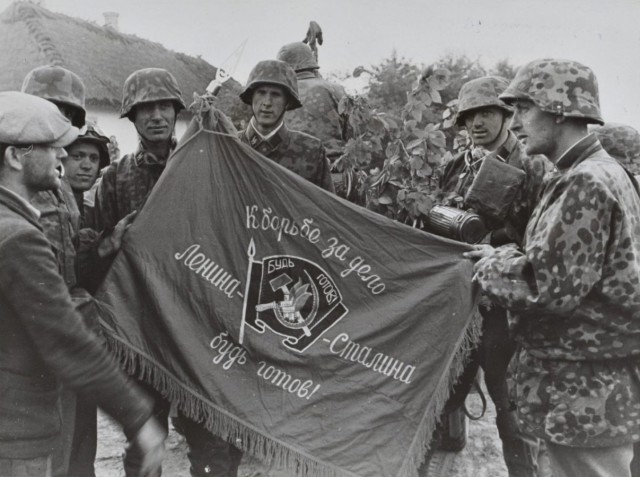
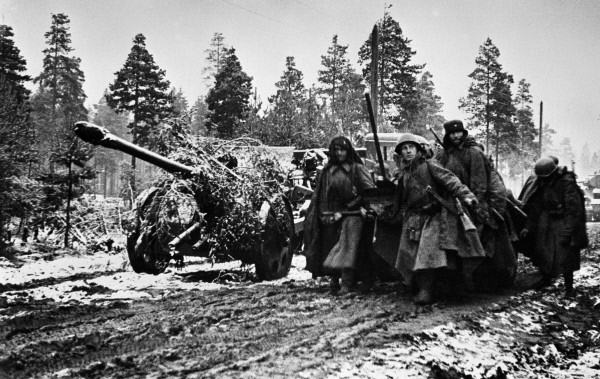
The failure of Operation Barbarossa reversed the fortunes of Nazi Germany. Operationally, German forces achieved significant victories and occupied some of the most important economic areas of the Soviet Union (mainly in Ukraine) and inflicted, as well as sustained, heavy casualties. Despite these early successes, the German offensive stalled in the Battle of Moscow at the end of 1941, and the subsequent Soviet winter counteroffensive pushed the Germans about 250 km back. The Germans had confidently expected a quick collapse of Soviet resistance as in Poland, but the Red Army absorbed the German Wehrmacht’s strongest blows and bogged it down in a war of attrition for which the Germans were unprepared. The Wehrmacht’s diminished forces could no longer attack along the entire Eastern Front, and subsequent operations to retake the initiative and drive deep into Soviet territory—such as Case Blue in 1942 and Operation Citadel in 1943—eventually failed, which resulted in the Wehrmacht’s retreat and collapse.
























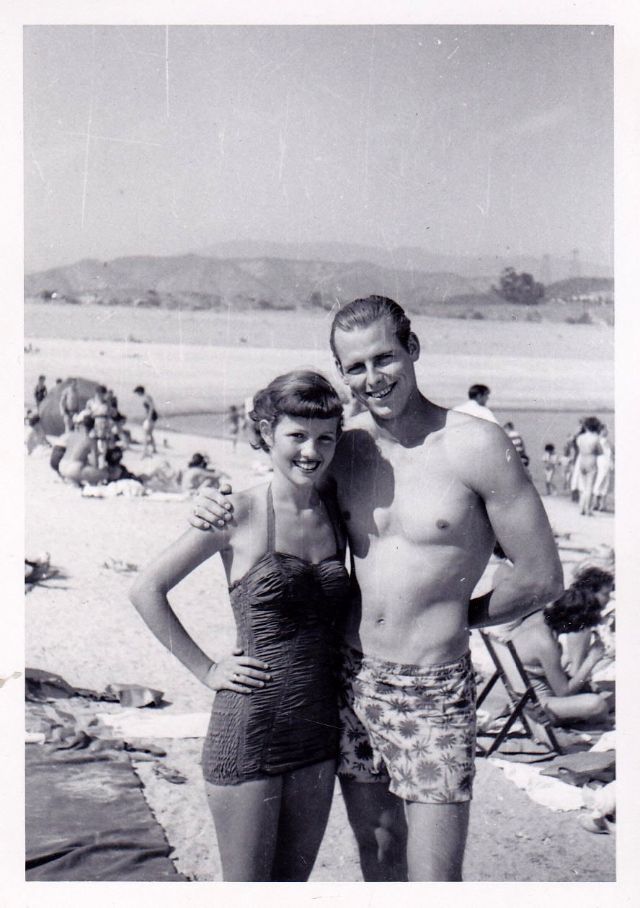

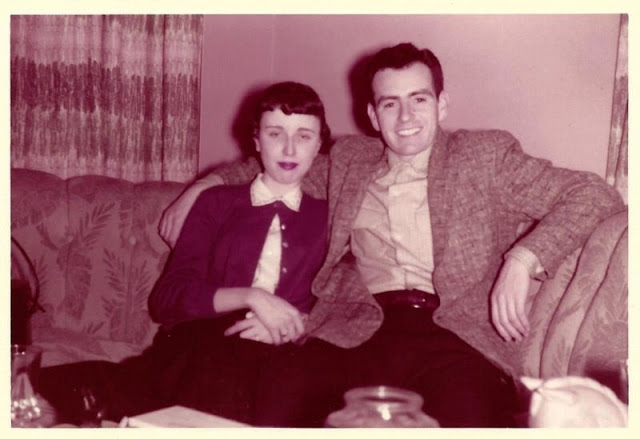
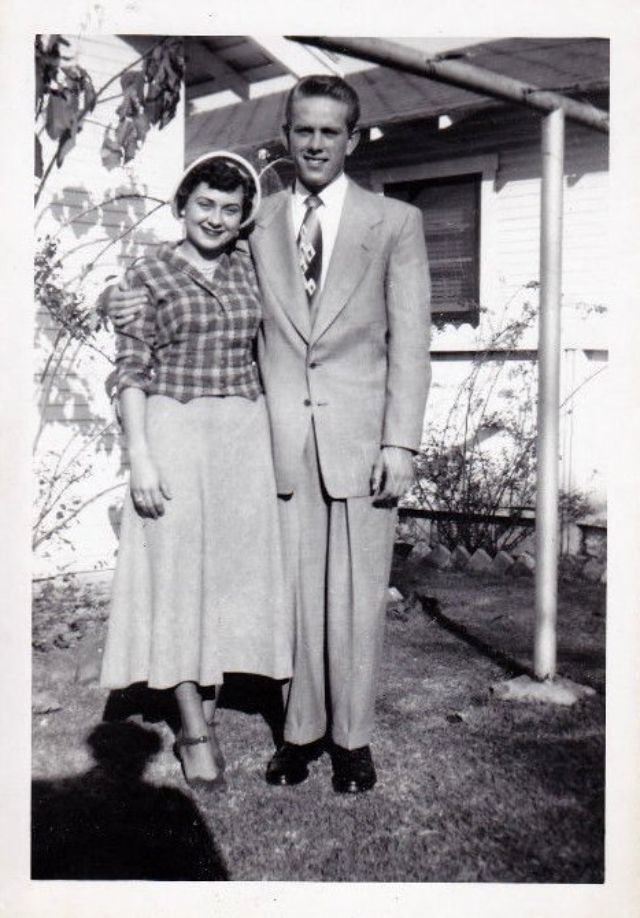

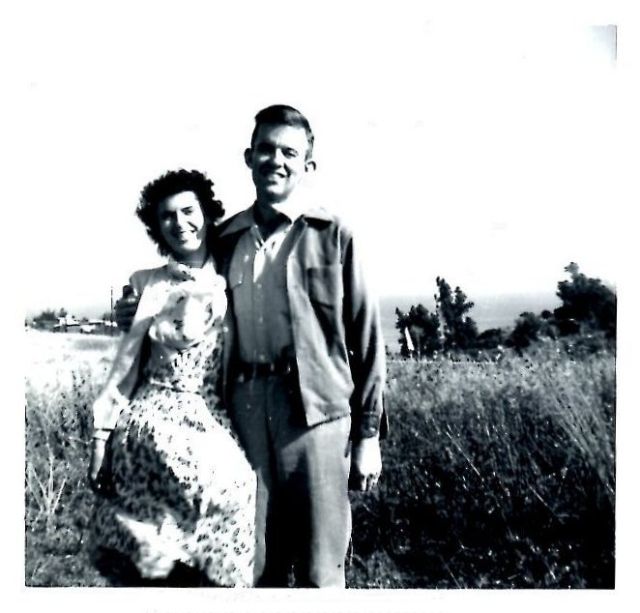













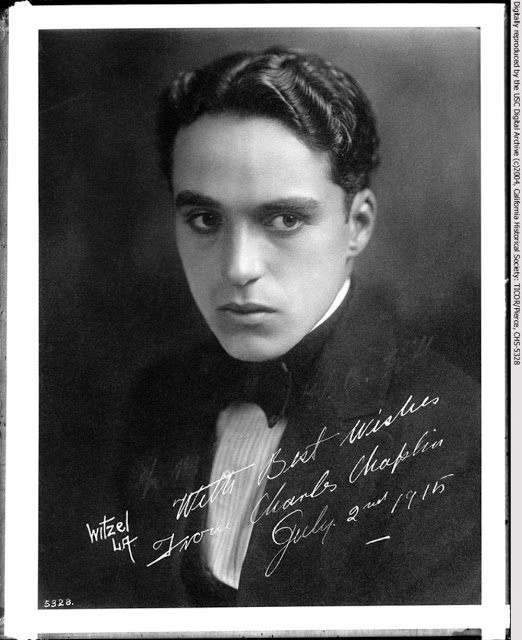
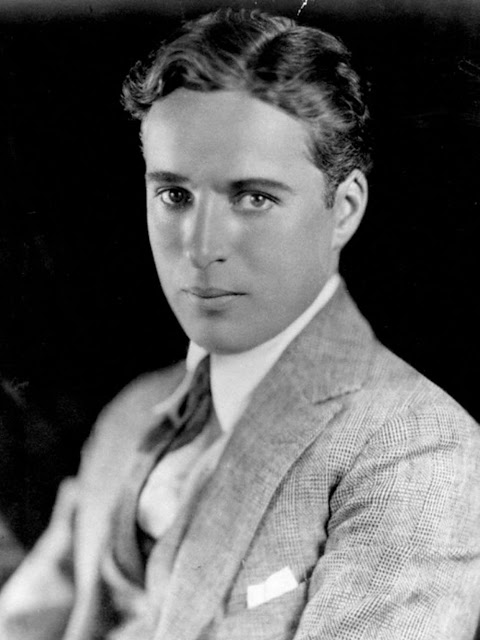
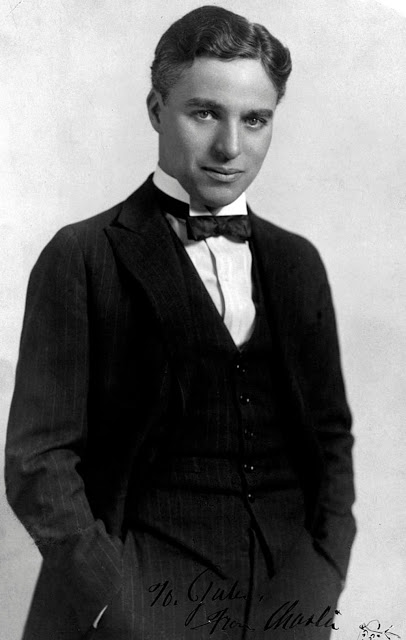
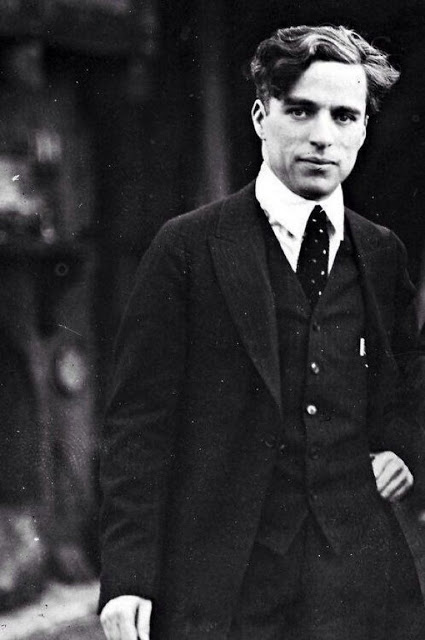
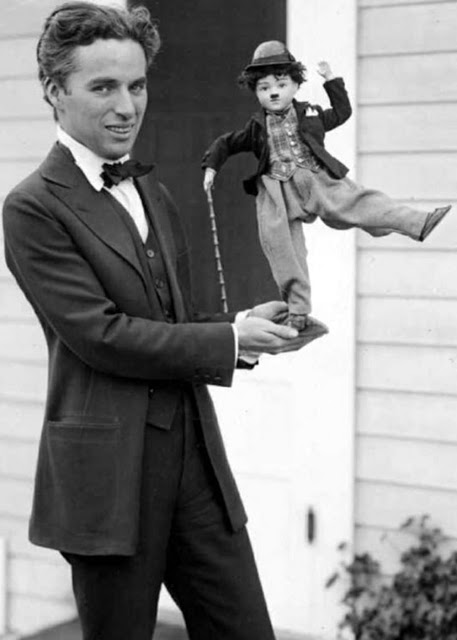
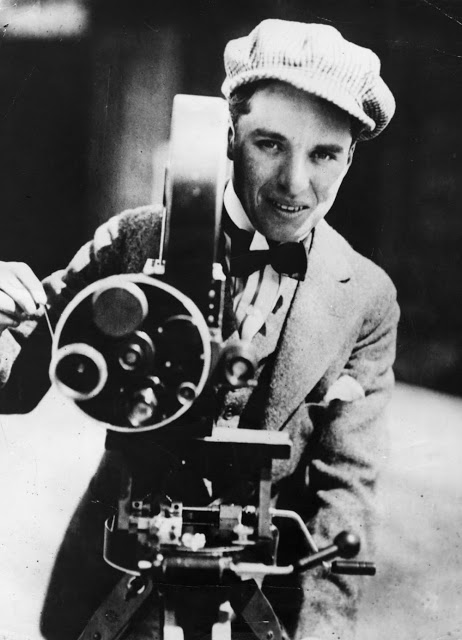
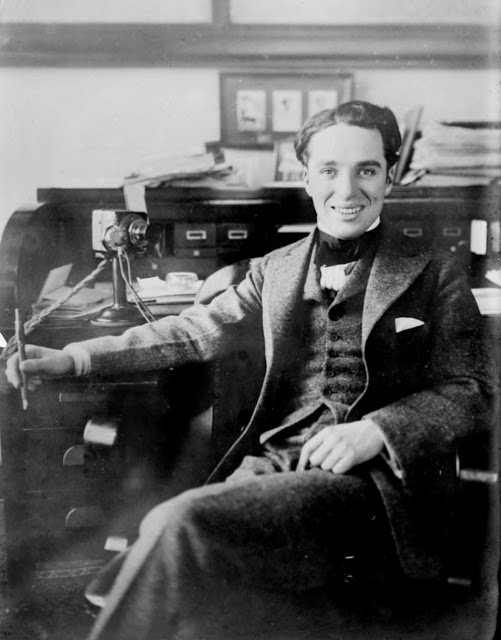
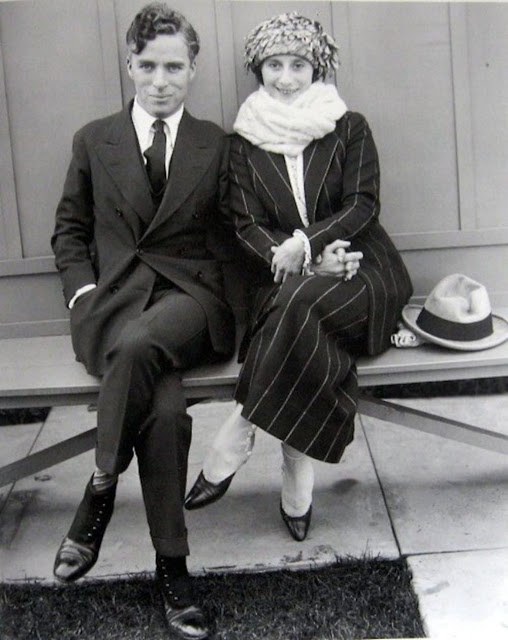
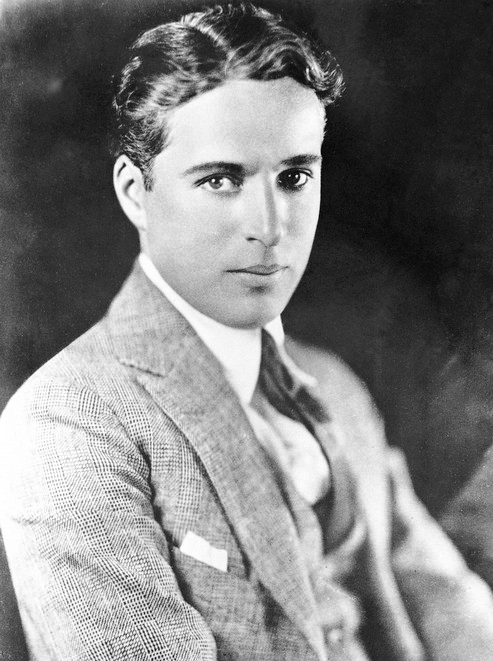
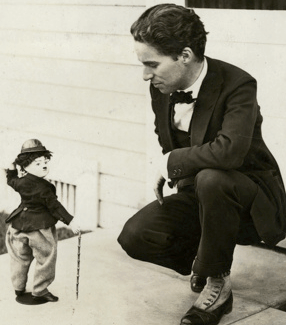
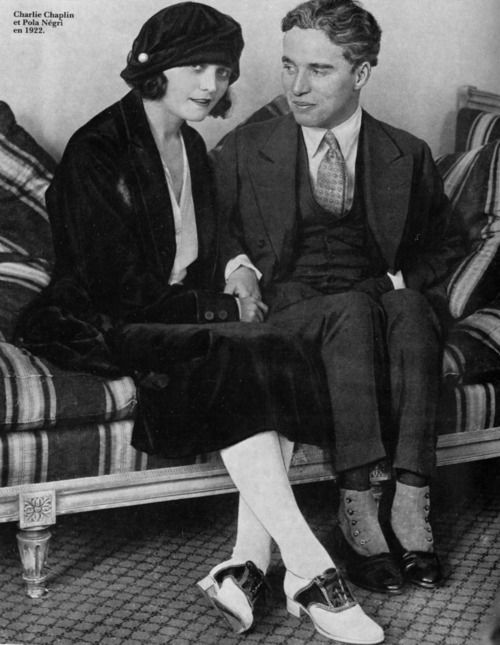
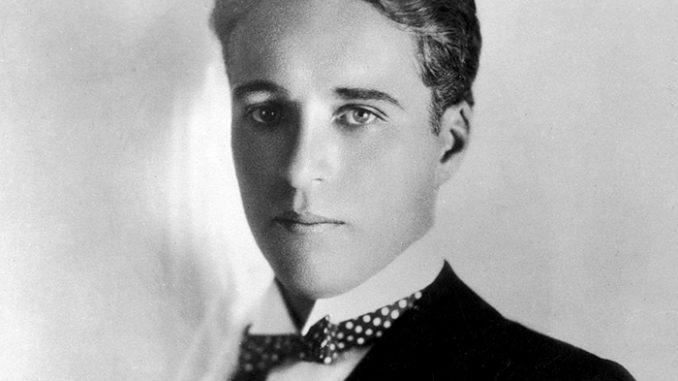
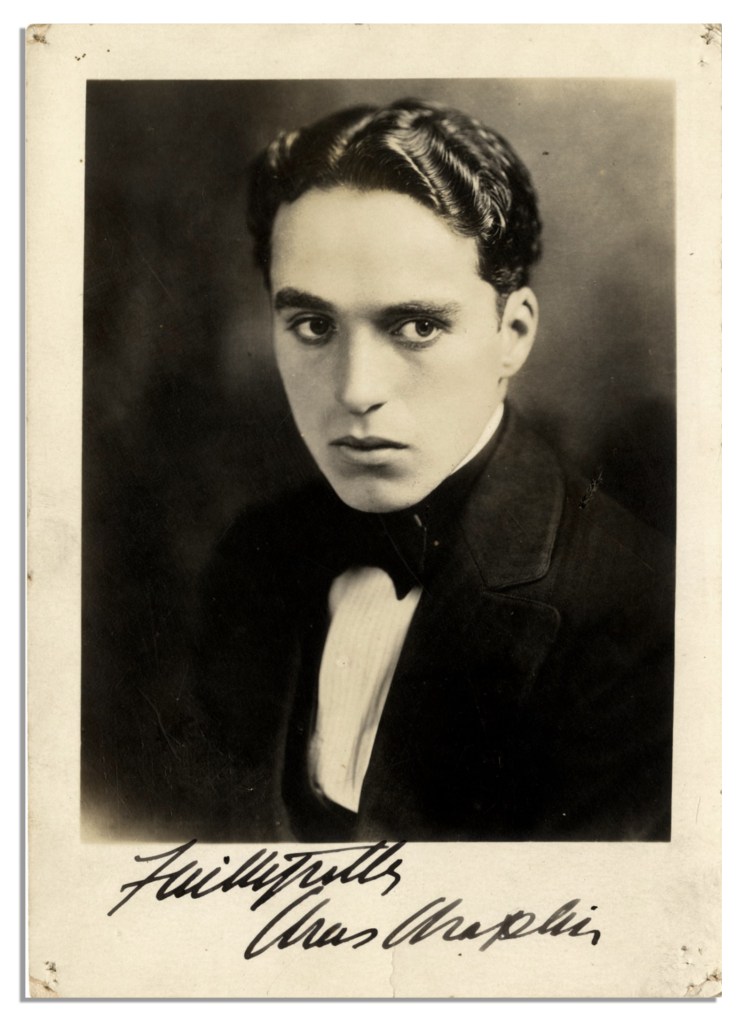
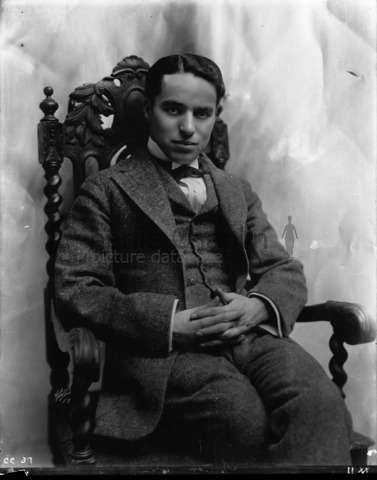
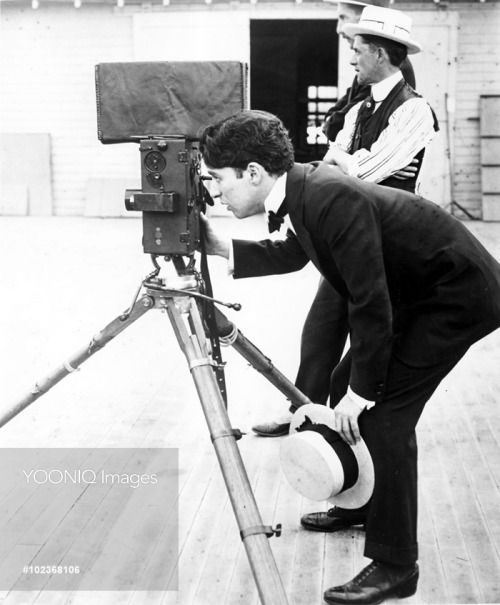
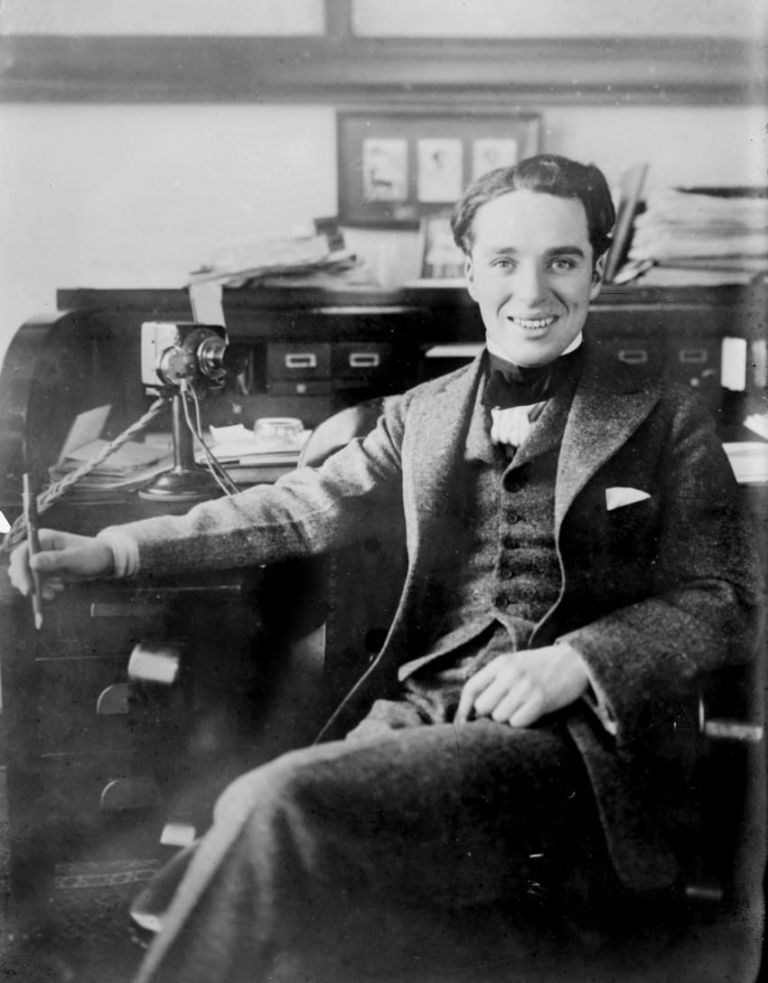
Comedian Charlie Chaplin is iconic for several reasons, one of the most obvious being his trademark mustache. His whole look is actually the result of quiet calculations, beginning from when his boss at Keystone Studios said he looked too young to be a comedic actor at age 24.
“I wanted everything to be a contradiction: the pants baggy, the coat tight, the hat small and the shoes large… I added a small mustache, which, I reasoned, would add age without hiding my expression. I had no idea of the character. But the moment I was dressed, the clothes and the makeup made me feel the person he was. I began to know him, and by the time I walked on stage he was fully born.” —Charlie Chaplin.









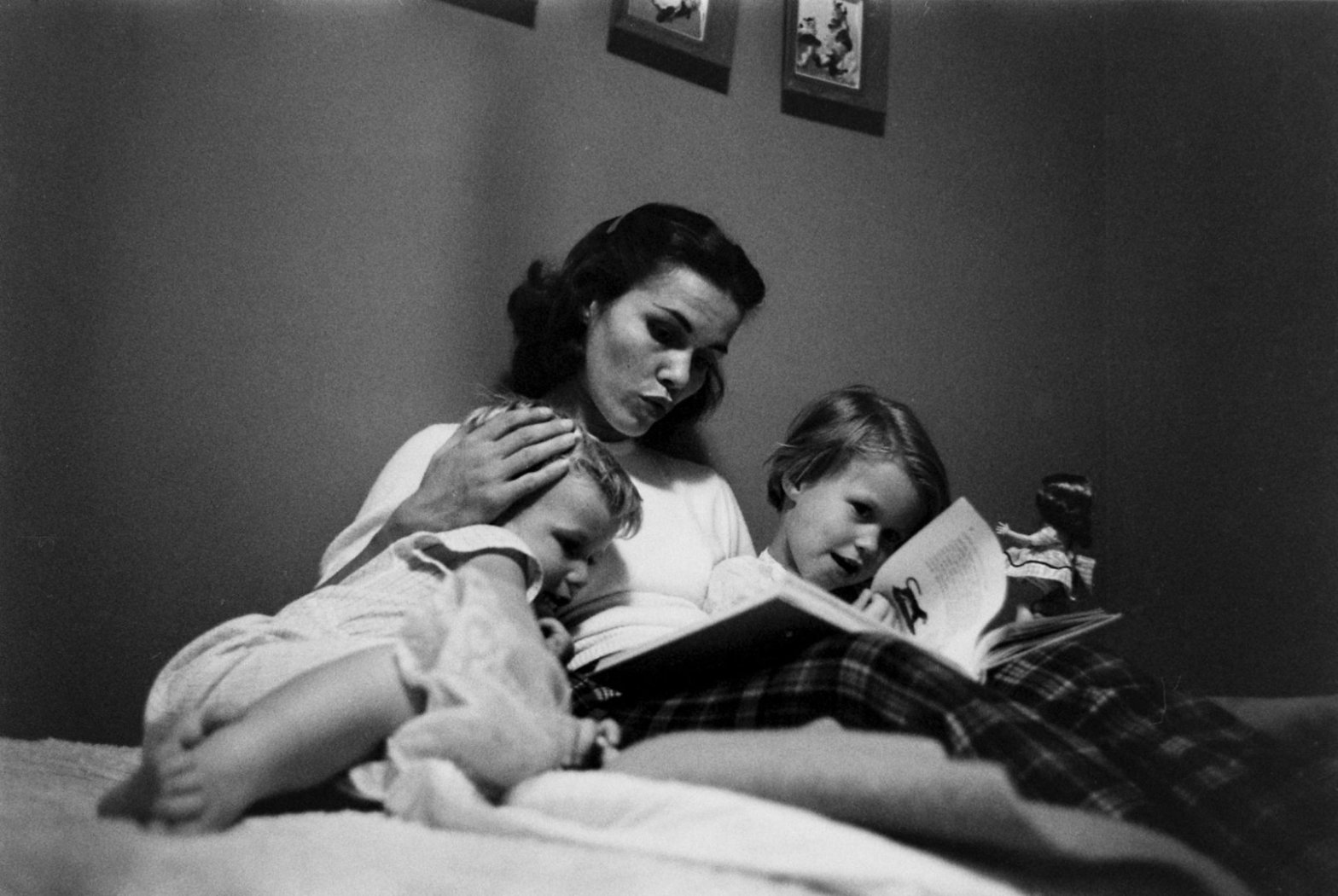
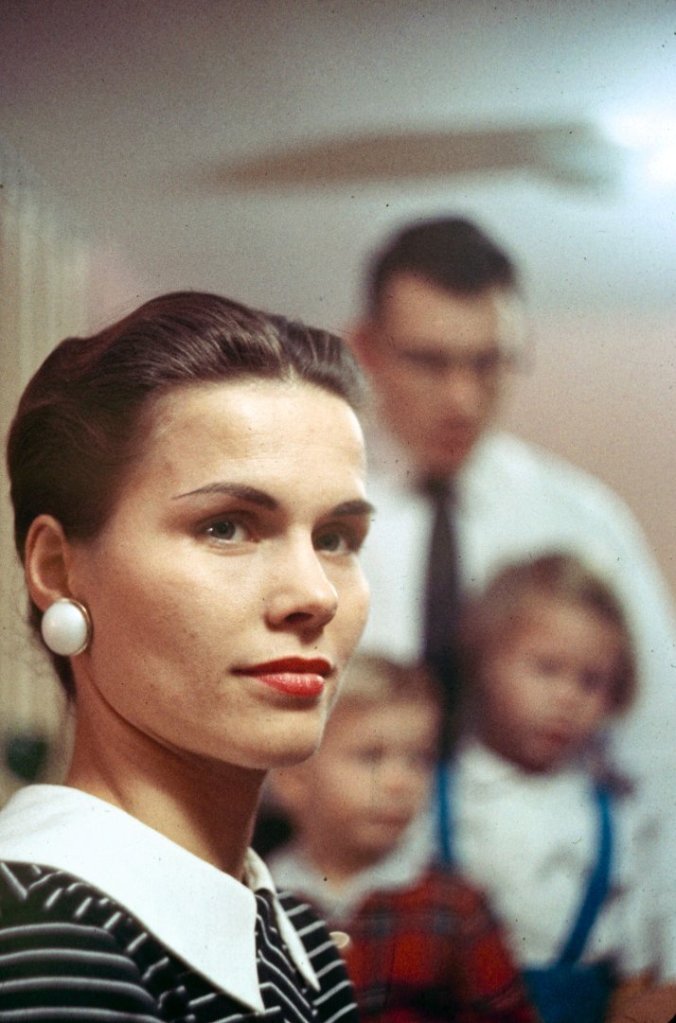
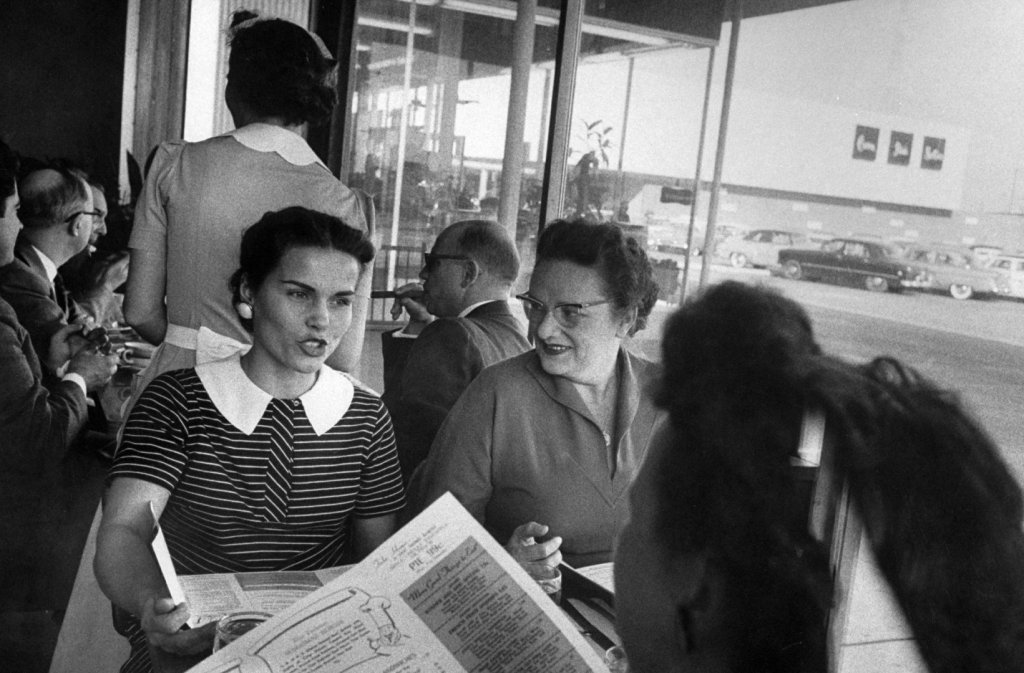
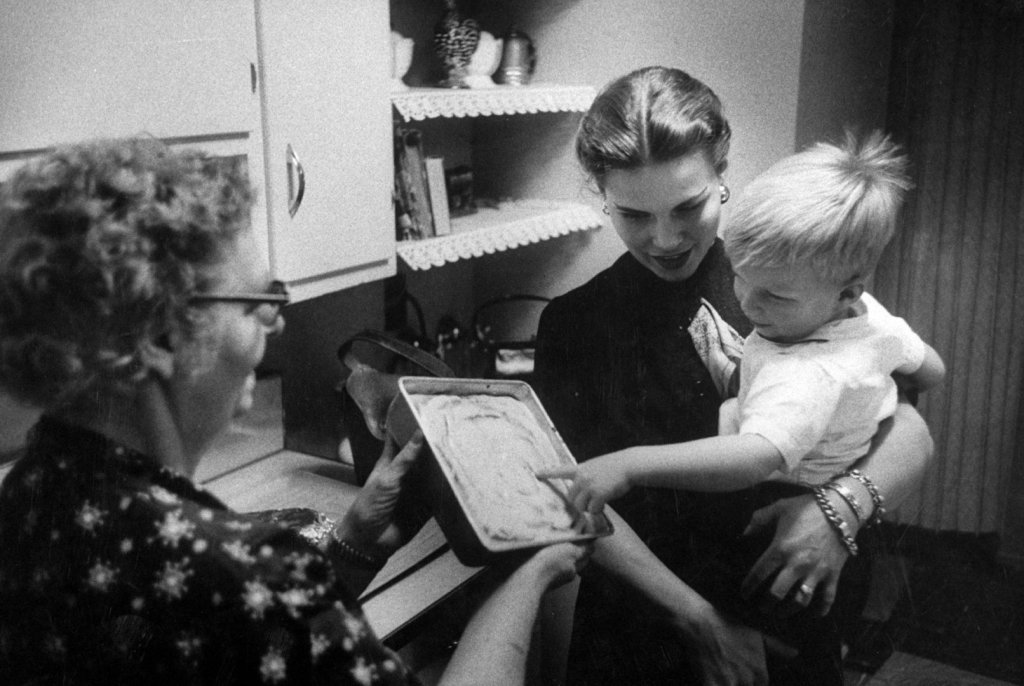
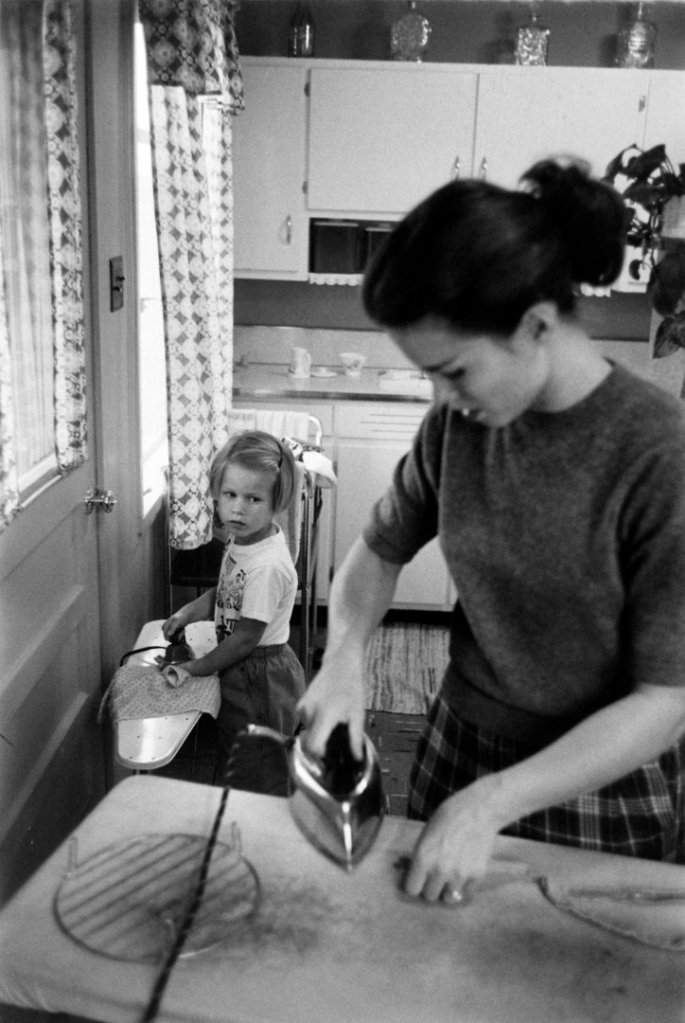
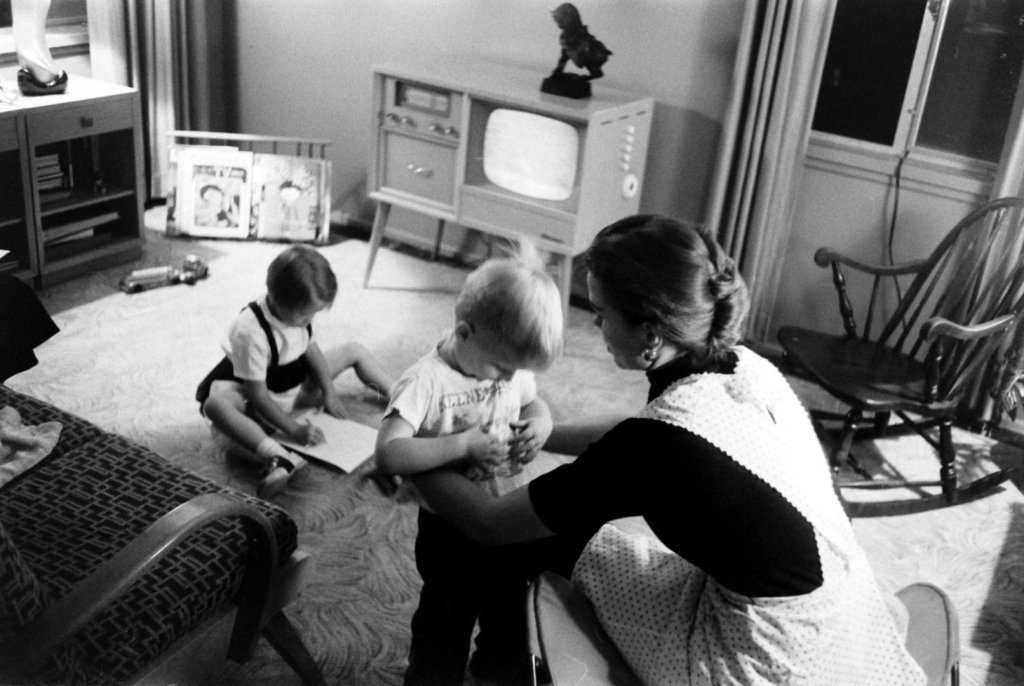
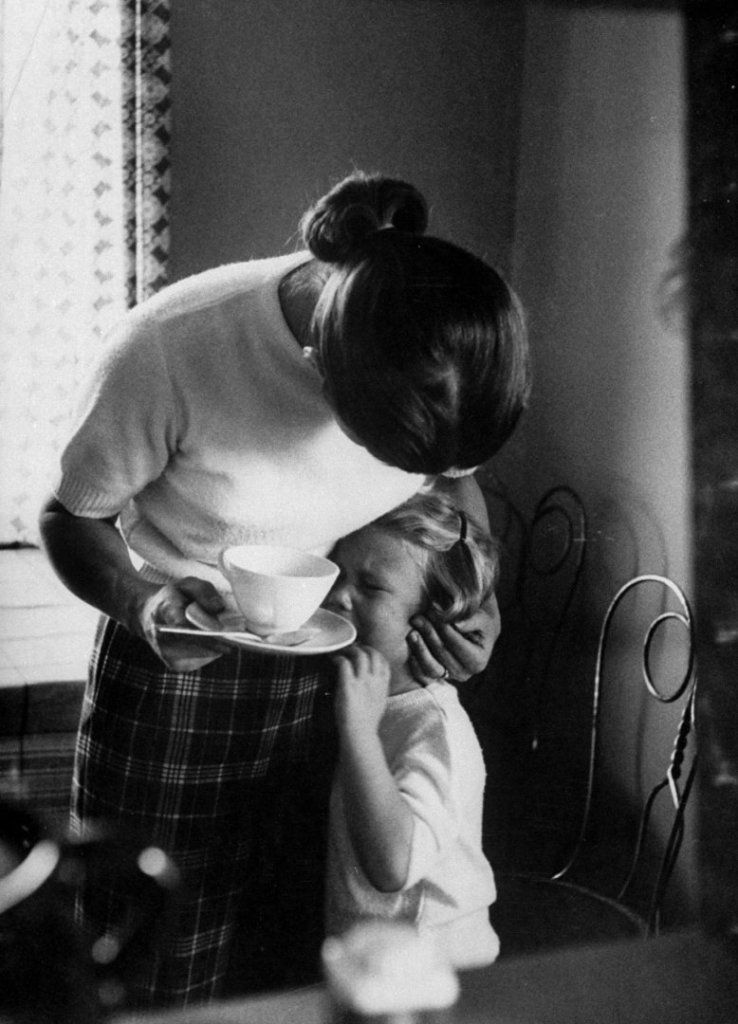
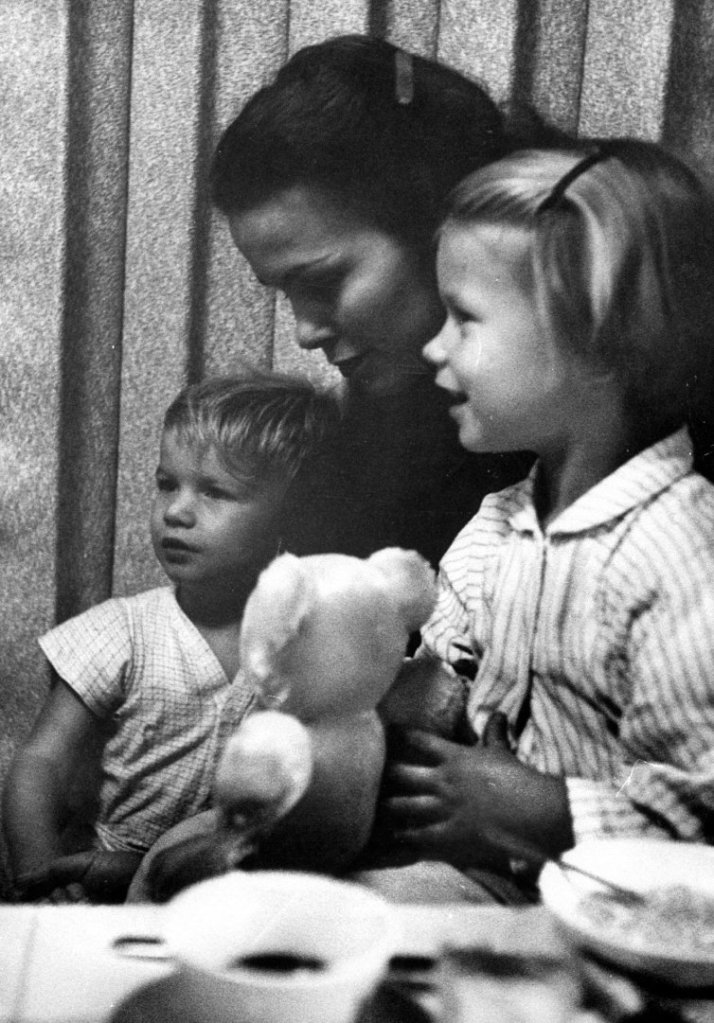
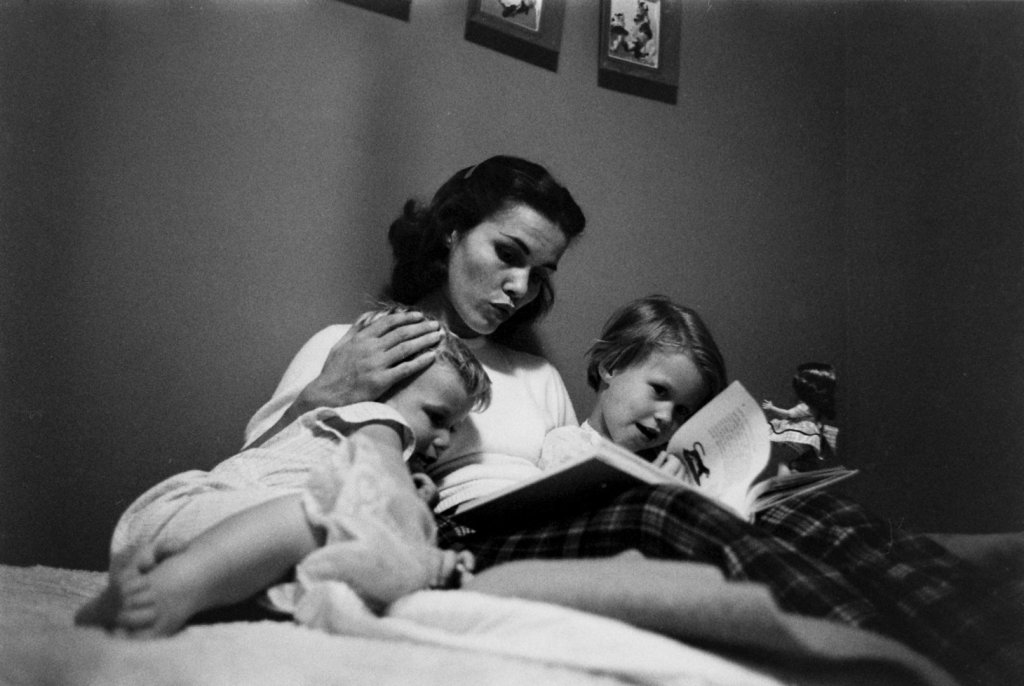
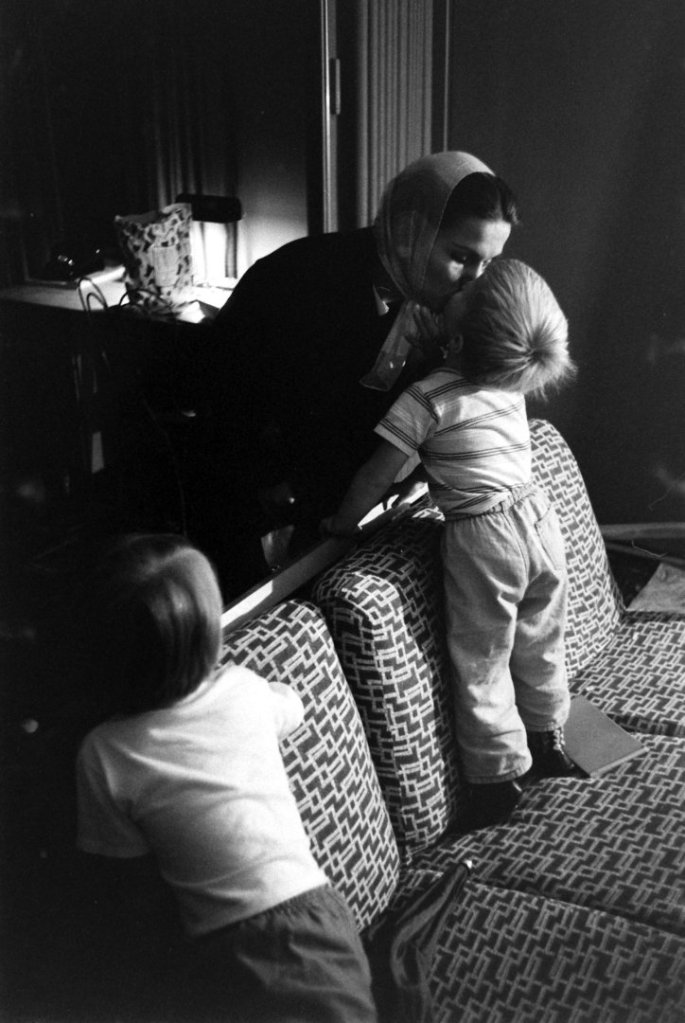
In 1956, 16% of women with children under 6 worked outside the home. Twenty-seven-year-old Jennie Magill of Hammond, Ind., was one of them. When LIFE Magazine published a special double issue on “The American Woman: Her Achievements and Her Troubles,” the editors selected Magill for its cover. Smiling lovingly at her child, who smiles adoringly back, Magill was introduced to America as the face of that rare specimen, the “Working Mother.”
For historical context, this was seven years before the Equal Pay Act prohibited sex-based wage discrimination and The Feminine Mystique exposed the plight of the joyless housewife. It was more than a decade before the Equal Rights Amendment was proposed and half a century before many Americans began to observe Equal Pay Day, which takes place this year on April 14, representing how far into the year women would have to work to earn the equivalent of men’s wages in the previous year. People were talking less about how much women should make than they were about whether women should work at all.
For many of LIFE’s readers, Magill would have been something of an introduction to the working mom. And contrary to the prevalent stigma against mothers who worked outside the home, LIFE portrayed Magill in an overwhelmingly positive light.
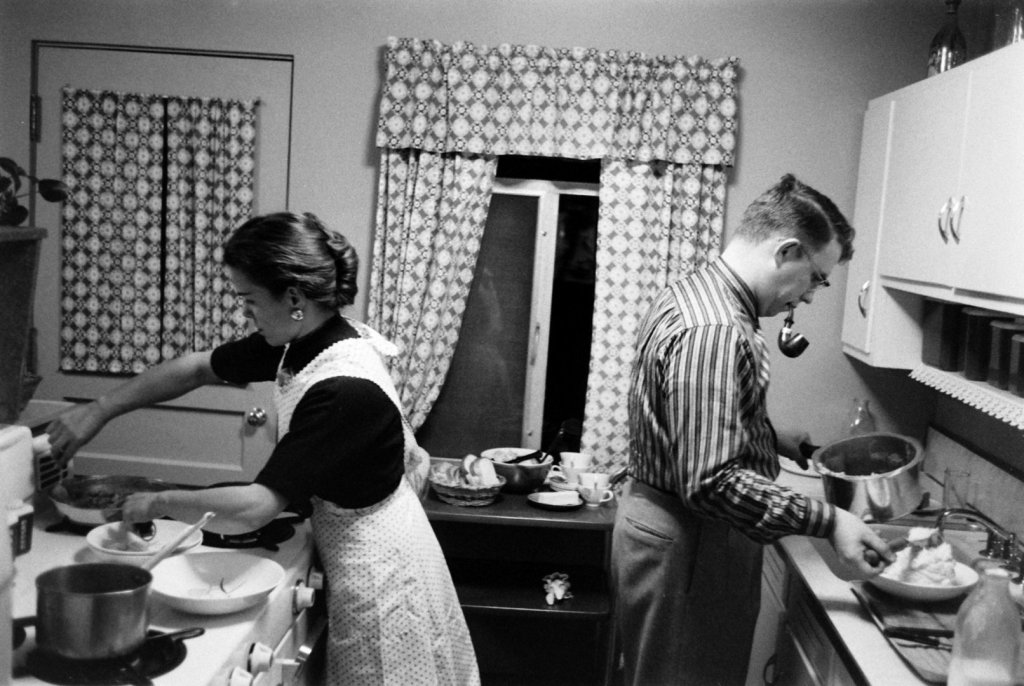
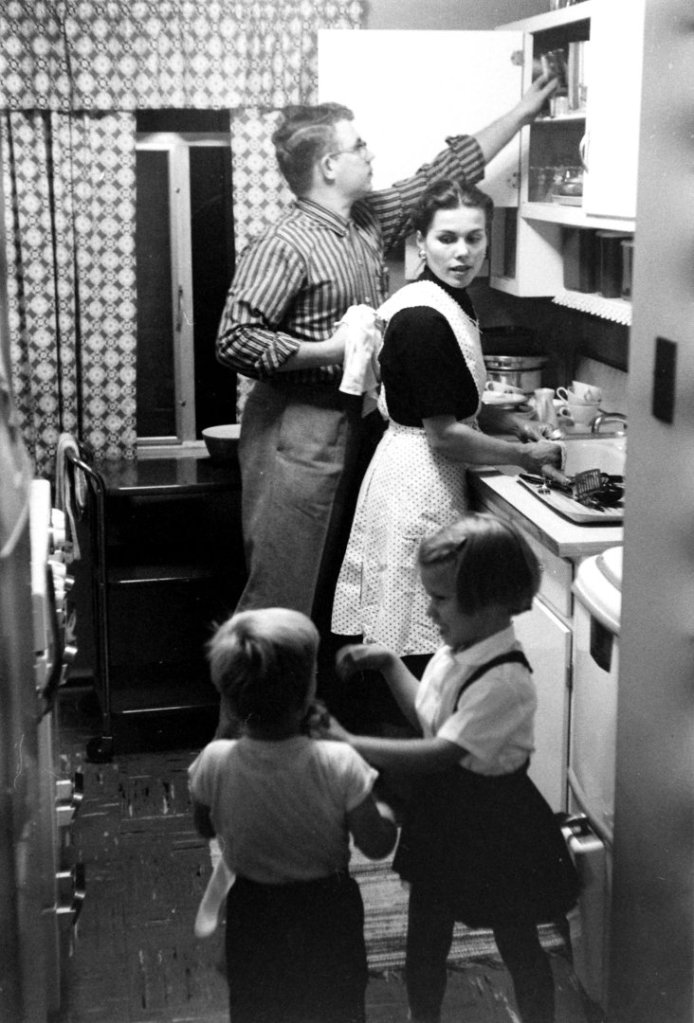
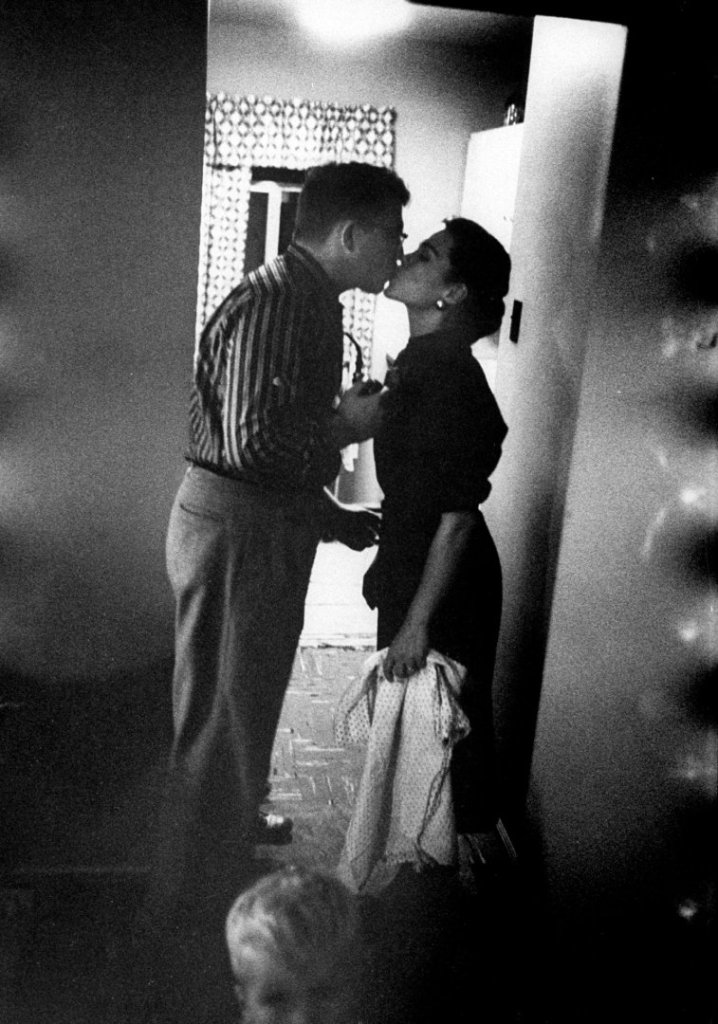
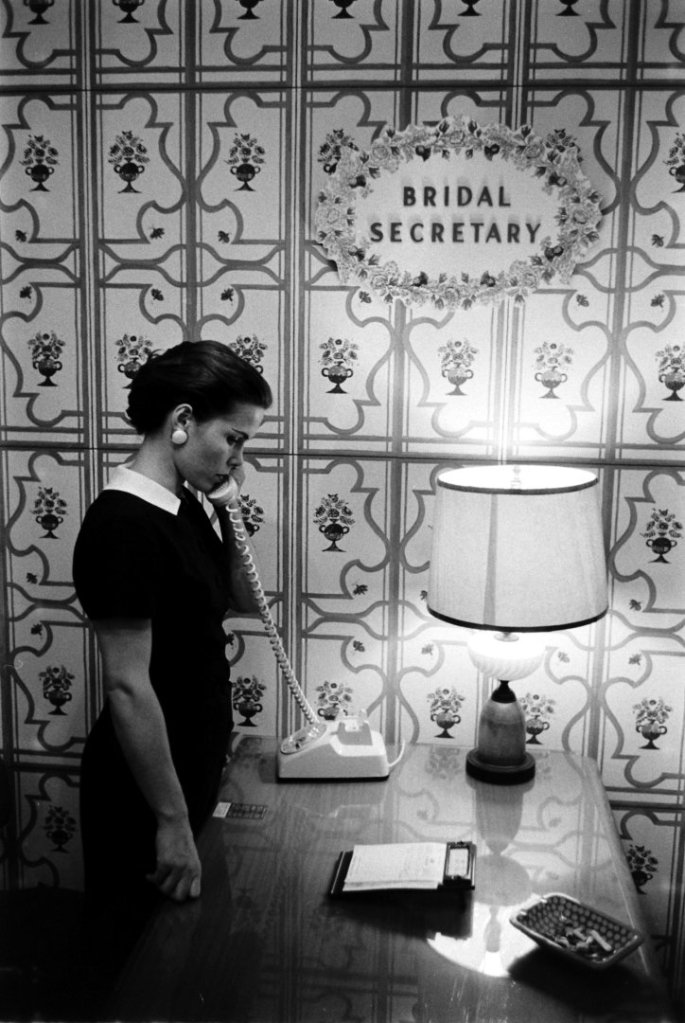
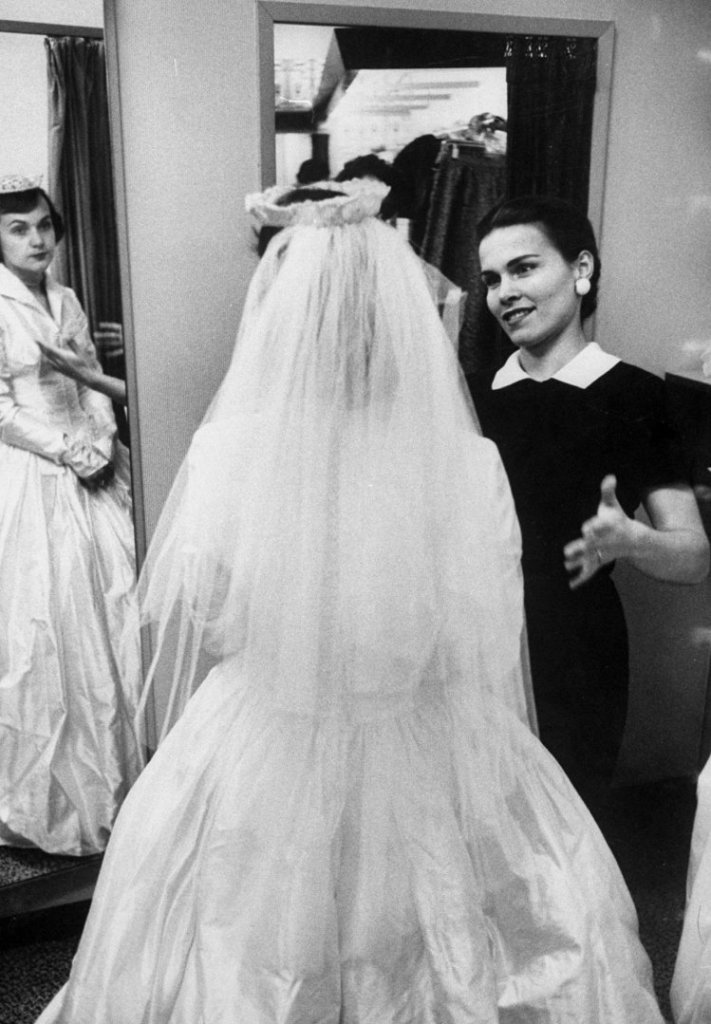
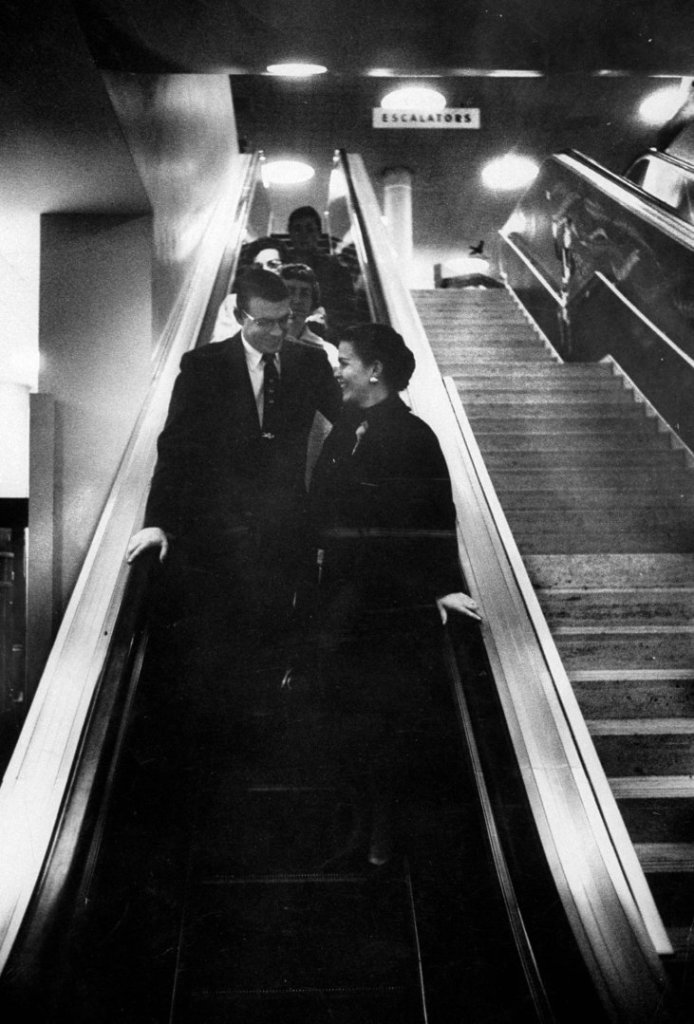
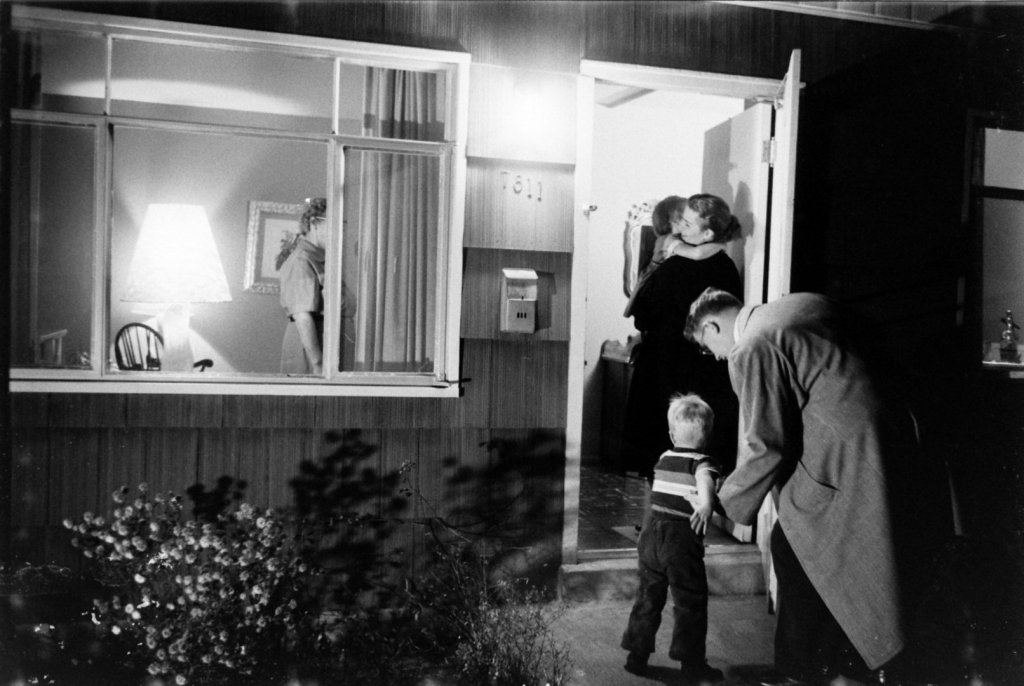
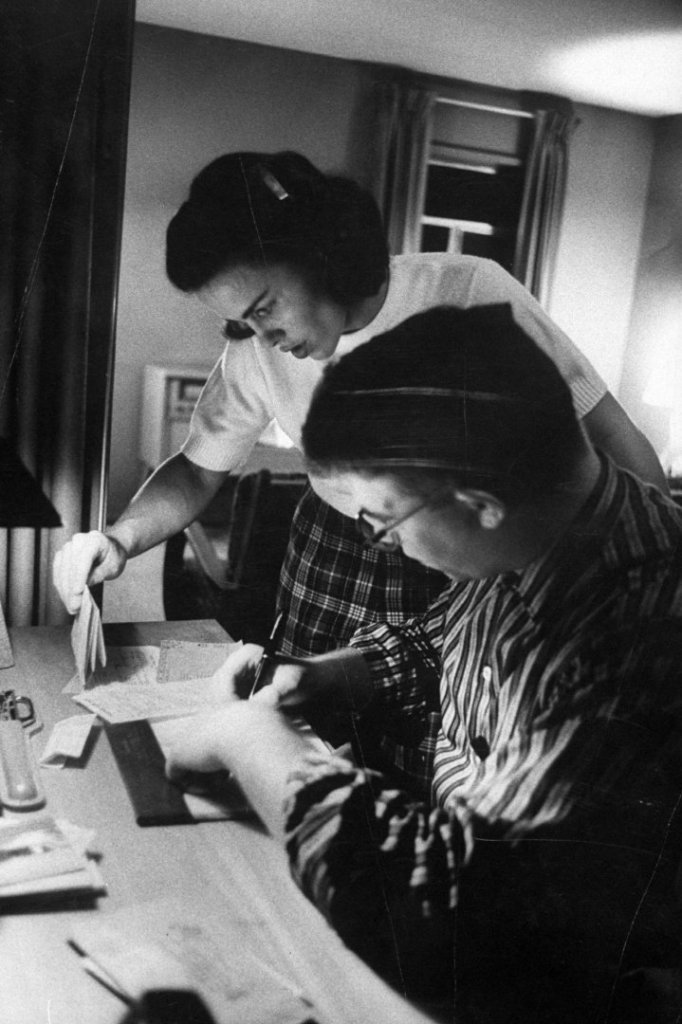
Magill worked in the bridal service at a local department store, and her husband Jim as a junior executive at a steel company. Her job afforded her a social life with coworkers. It brought the family more disposable income. It provided time for her and Jim, on their drive home together, to talk without the distractions of a hectic household. And both parents’ time away from home meant that when they were with their children, they were entirely focused on enjoying time as a family.
Despite its unequivocally laudatory attitude toward the two-working-parent household, the magazine omitted one thing: the voice of Jennie Magill. As implied by the headline, “My Wife Works and I Like It,” the attitudes expressed in the photo essay, progressive and egalitarian as they were, belonged to Jim. Jennie was the pretty face, and Jim the confident voice, an editorial choice that may have reflected an effort to make the story more palatable to stalwarts of the old guard.
Perhaps the most telling aside in the essay is that Magill, who by all appearances had what we might today call “it all,” could not do what she did alone. Not only was she “blessed with a loyal, experienced housekeeper,” but Jim “enthusiastically approves of the idea” of her working outside the home. And while both partners worked outside the home, they also both worked inside of it. “We all live here,” said Jim, “so why shouldn’t we all help out?”


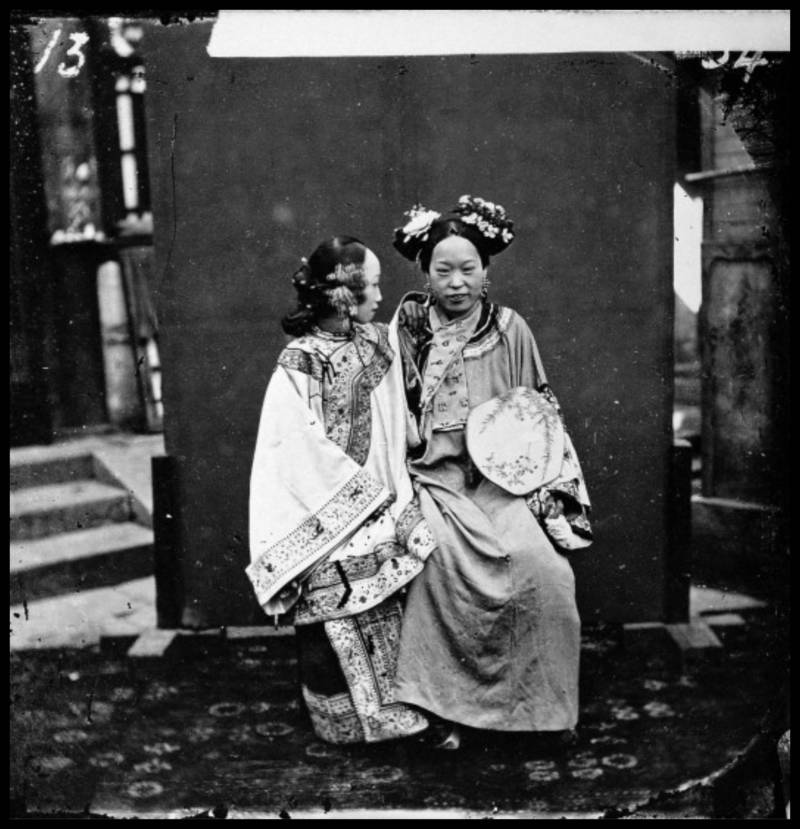
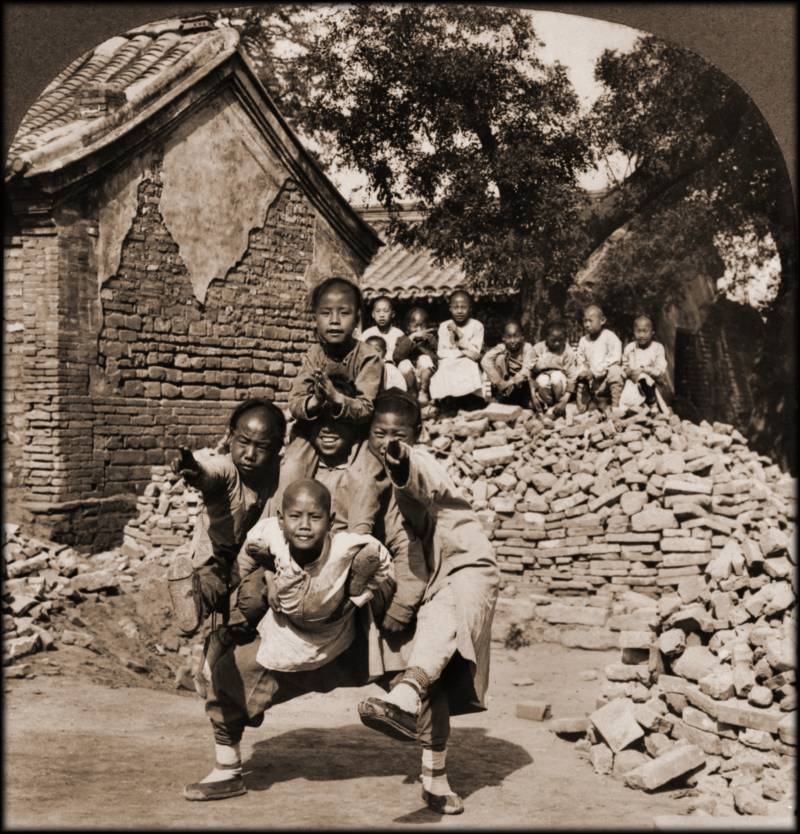
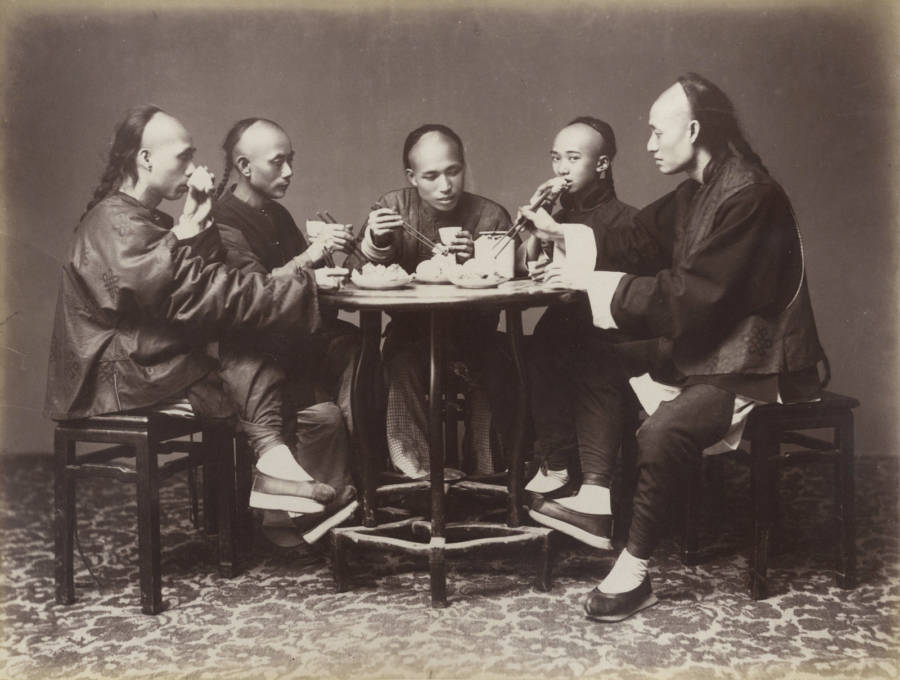
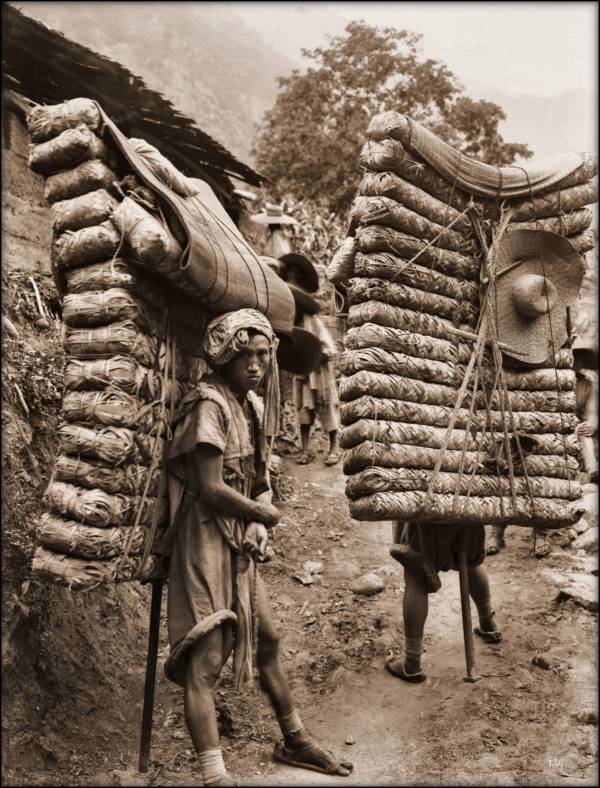
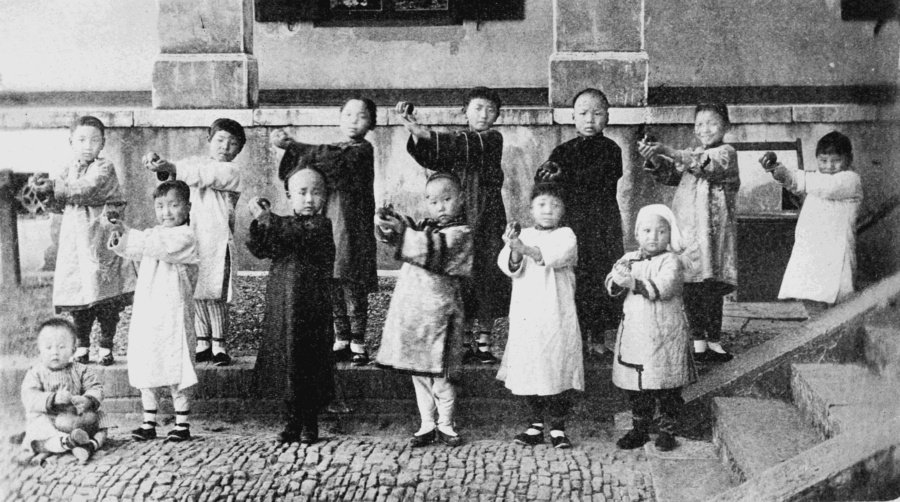
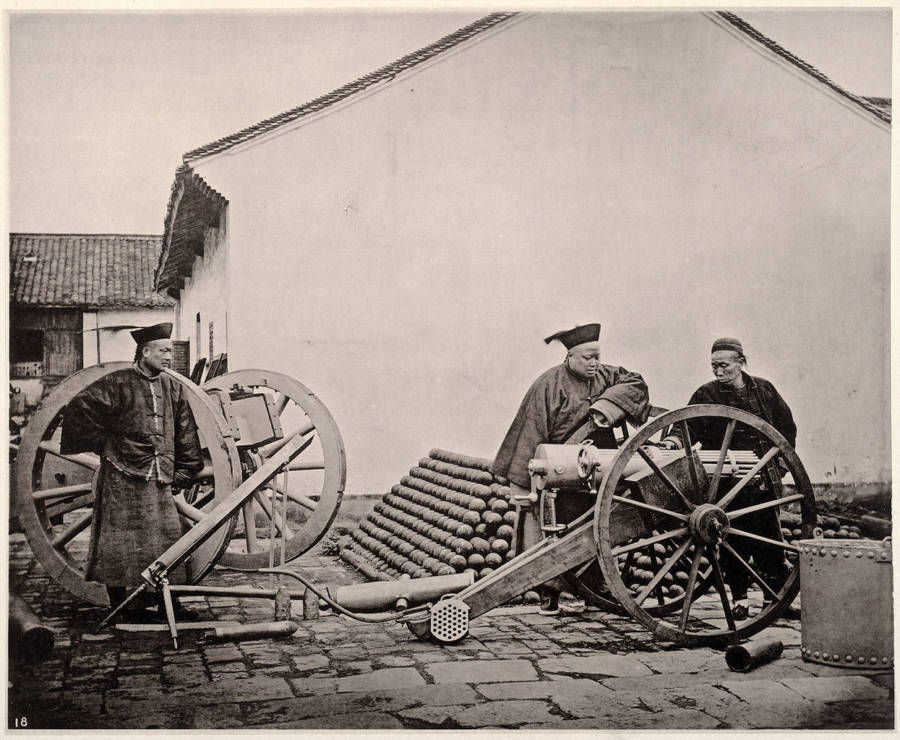
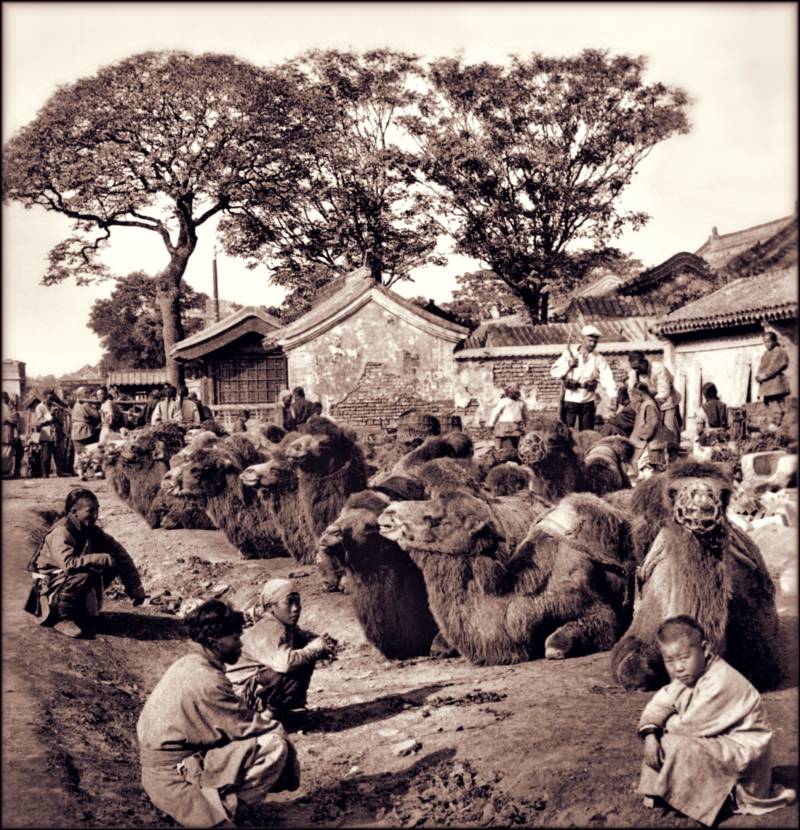
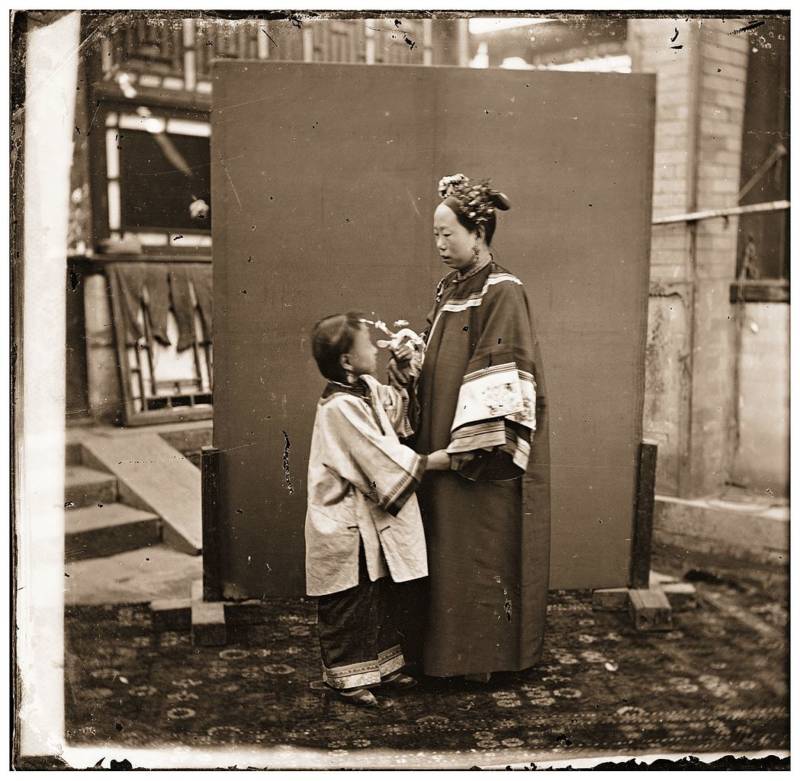
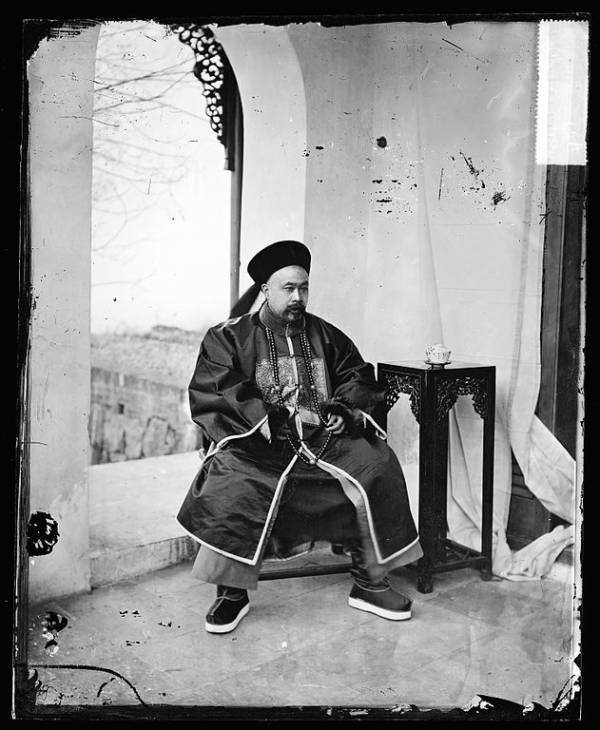
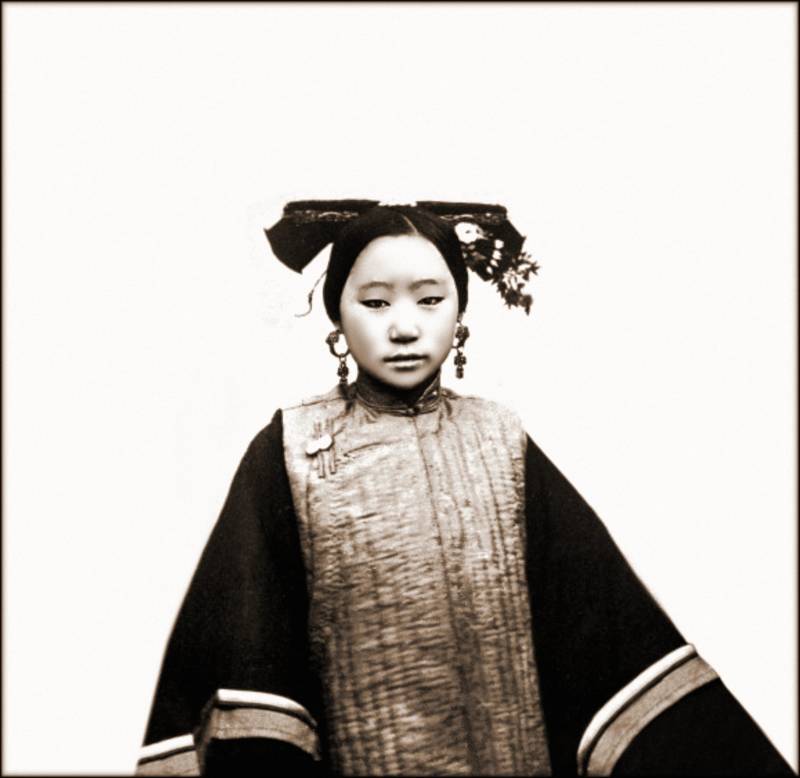
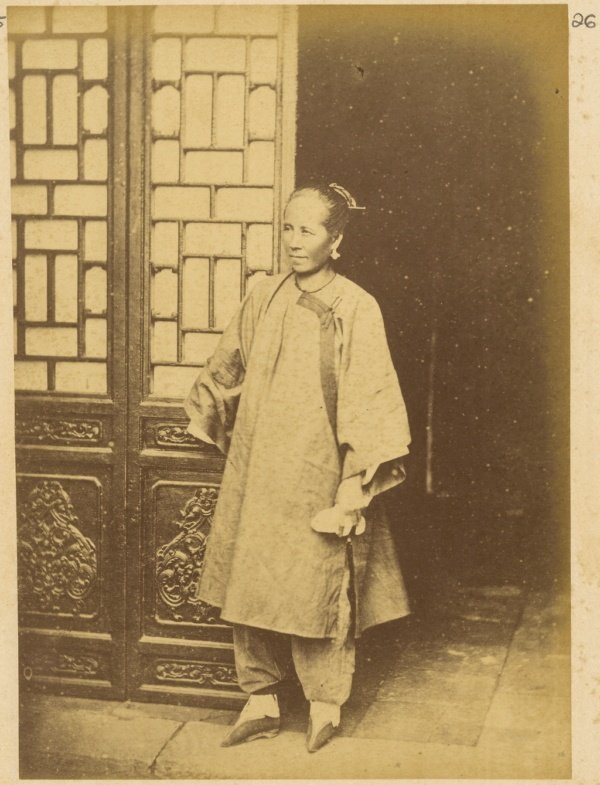
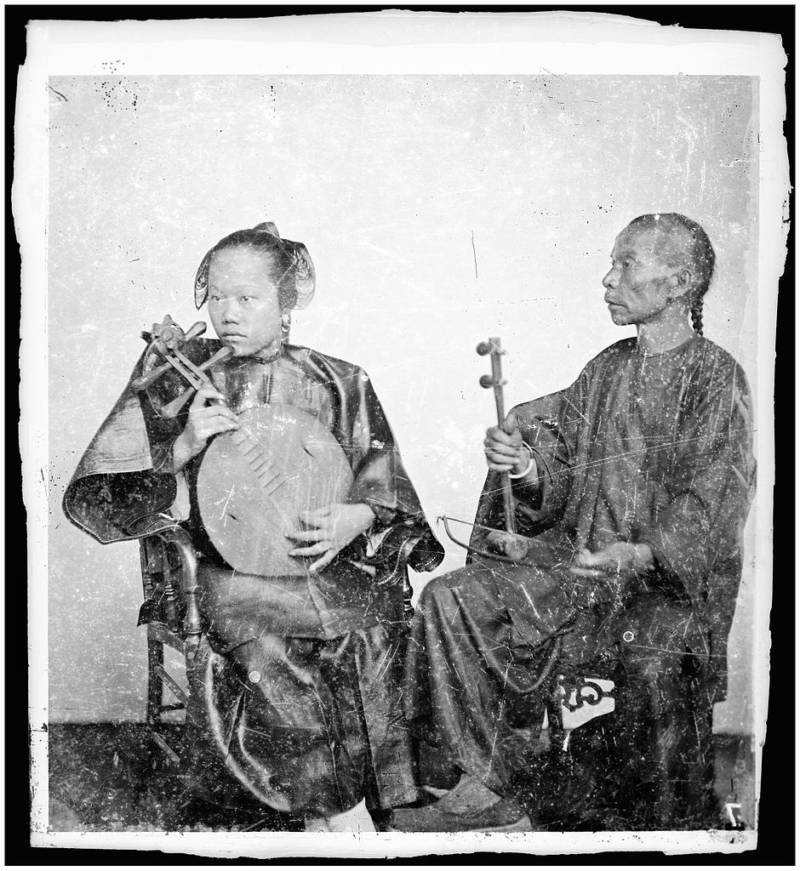
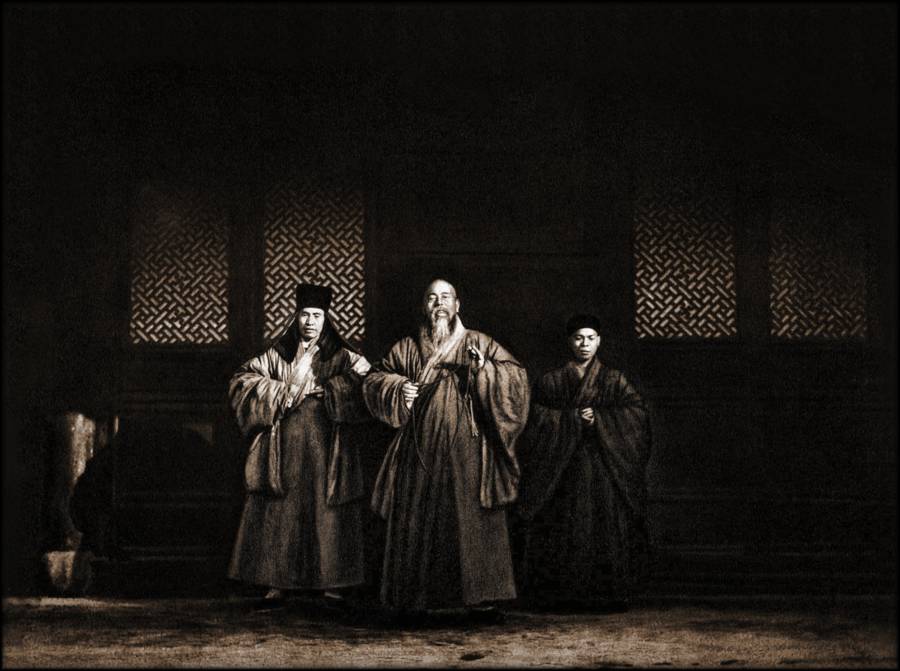
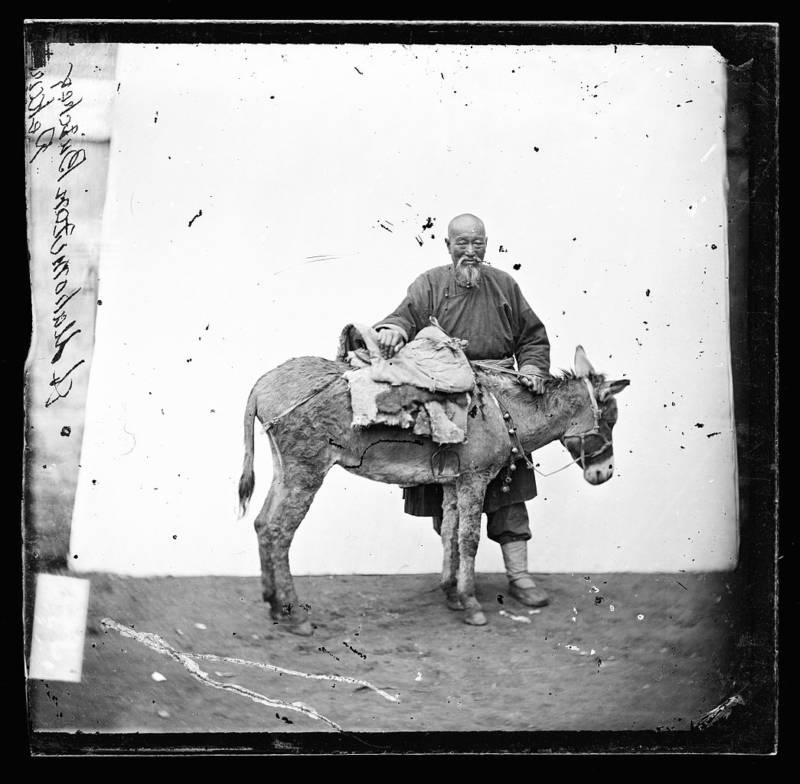
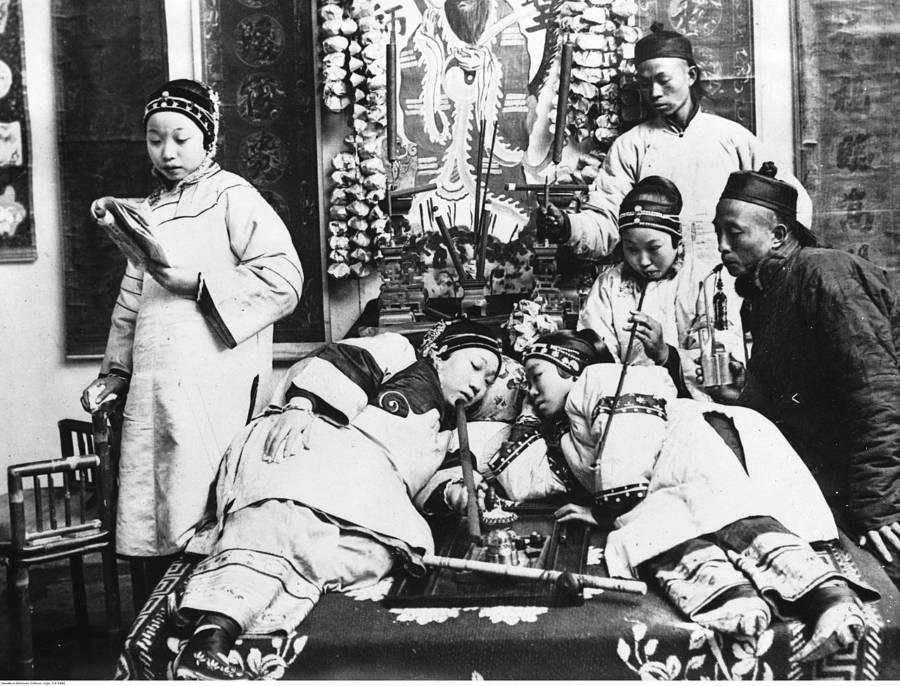
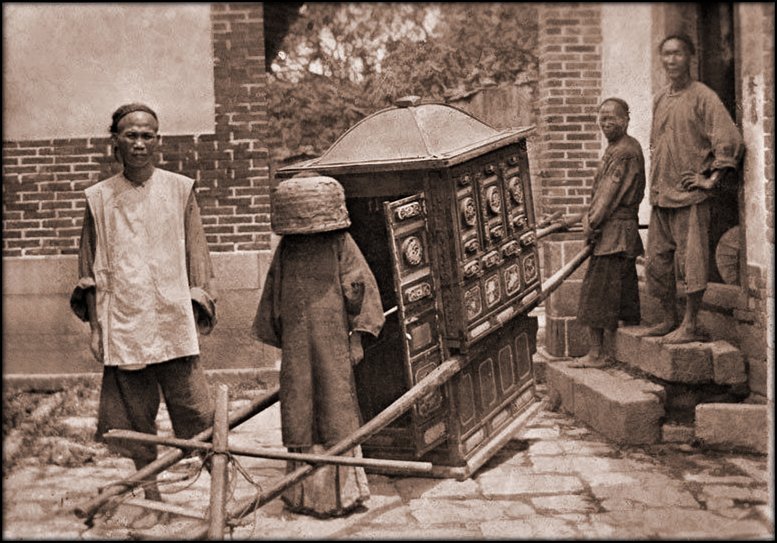
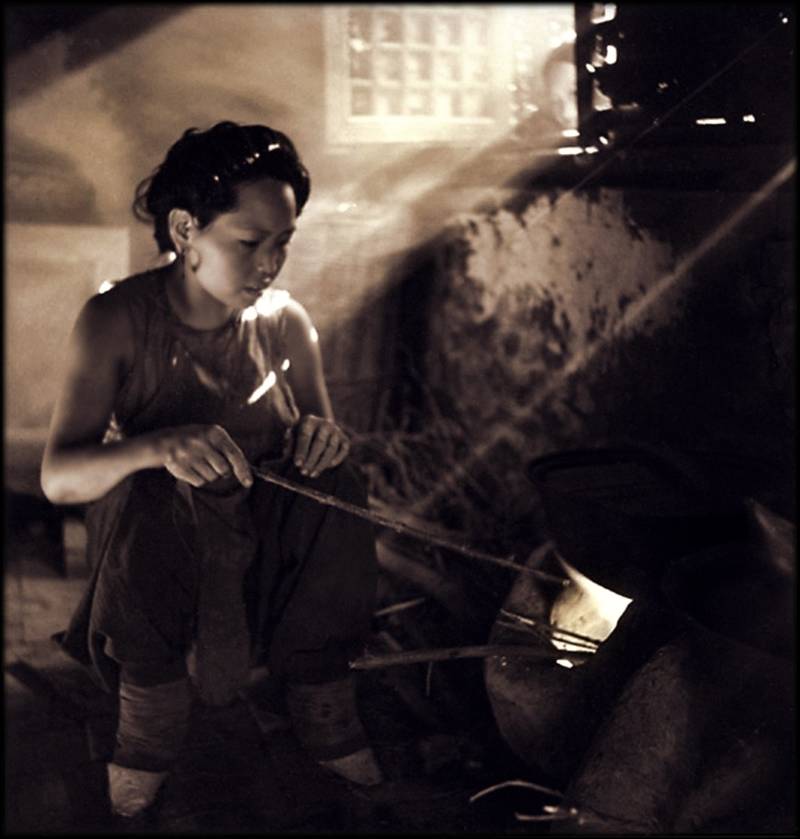
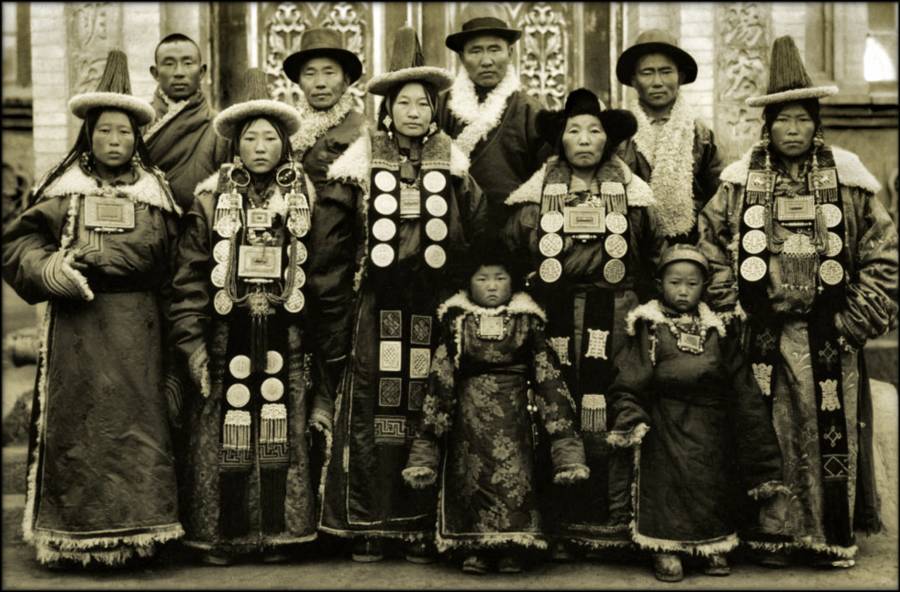
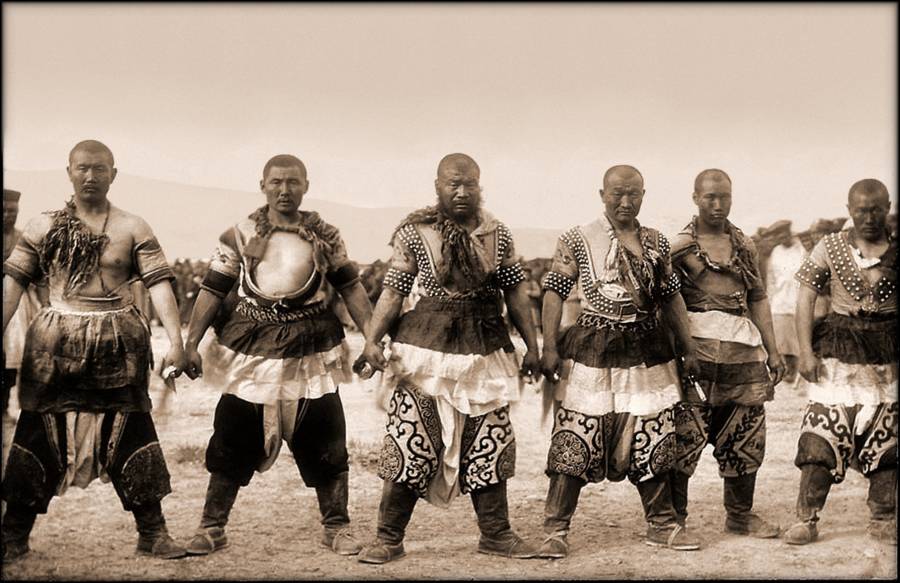
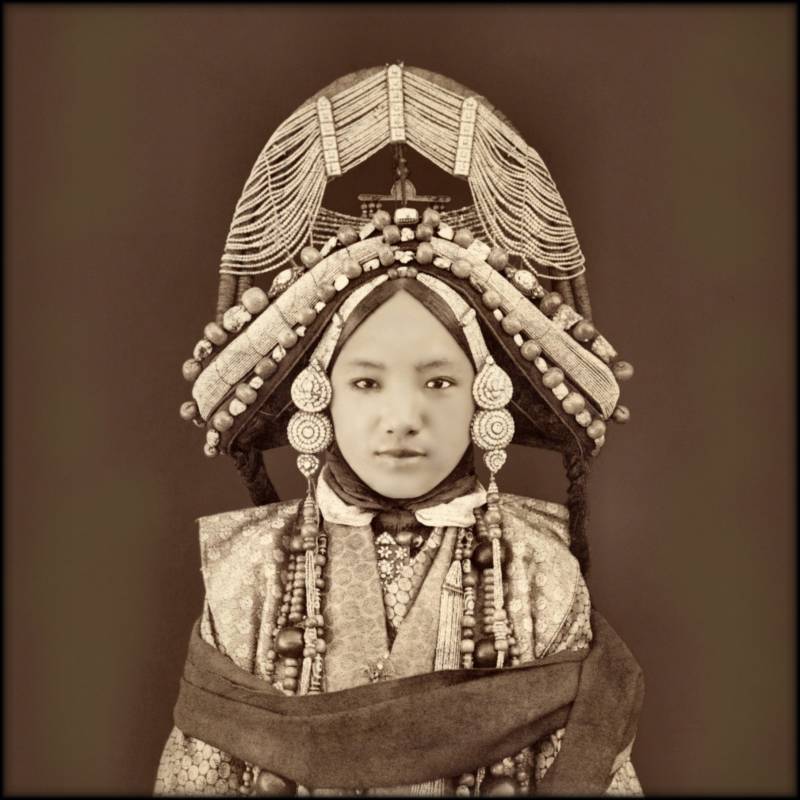
Haunting images of the Qing dynasty Chinese culture and society that the nation’s leaders wiped out after the communist revolution.
A century ago, China was not the metropolis-filled industrial nation that it is today. It was another world entirely, with cultures that were in many ways equally distinctive.
In the China of the Qing dynasty — which ended in 1912 with the rise of what would soon be called the Kuomintang nationalist party — every part of life, from pastimes to clothes, differed from what we see today. Girls’ feet were painfully bound in order to change their shape, men wore their hair in long braids, and Taoist, Confucian, and Buddhist thought dominated the nation.
That’s not to say that China was the only nation which saw massive transformations in the 20th century. As globalism swept many uniquely local cultures away, the habits and customs of the “old world” have broken down and rebuilt. Still, perhaps no place has changed more than China: and that has to do largely with what transpired in the middle of the 20th century.
After communism took over in the 1949 revolution and the Cultural Revolution began in 1966, China systematically erased the cultures promoted during the Qing (1644-1912) and Republican (1912-1949) eras. The youth of the Cultural Revolution, in particular, sought out and destroyed the “Four Olds” — customs, culture, habits, ideas — of their nation’s heritage.
They saw their history as backward and thus as something to be ashamed of. They chased out religion, burned books, destroyed cultural relics, and did everything they could to obliterate their nation’s minority cultures.
The revolutionaries transformed Beijing opera into a propaganda tool; they tossed out Chinese dress for Mao suits and military uniforms, and replaced poetry classics with the revolutionary writings of Lu Xun and communist leader Mao Zedong’s “Little Red Book.”
Today, some of the culture that the Communist Party tried to destroy has started to return – but it will never be the same. The China of the Qing dynasty will only ever exist as it does in these pictures – as another world, a distant empire that collapsed to the will of another ideology.