Bringing You the Wonder of Yesterday – Today
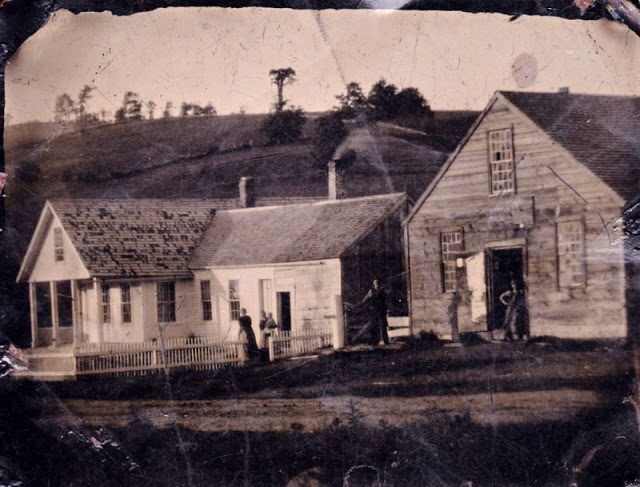
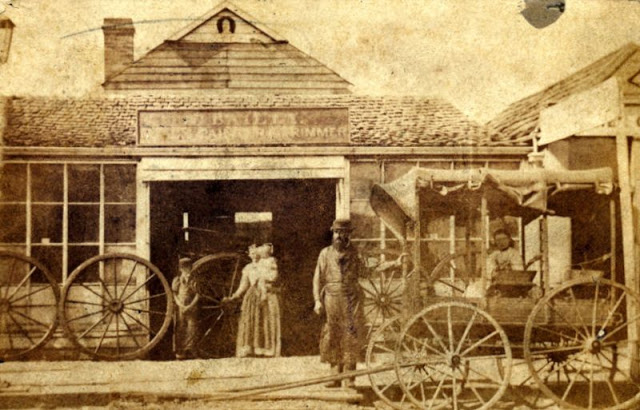
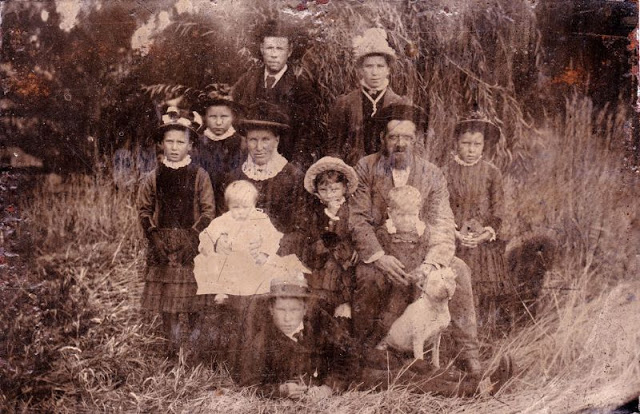
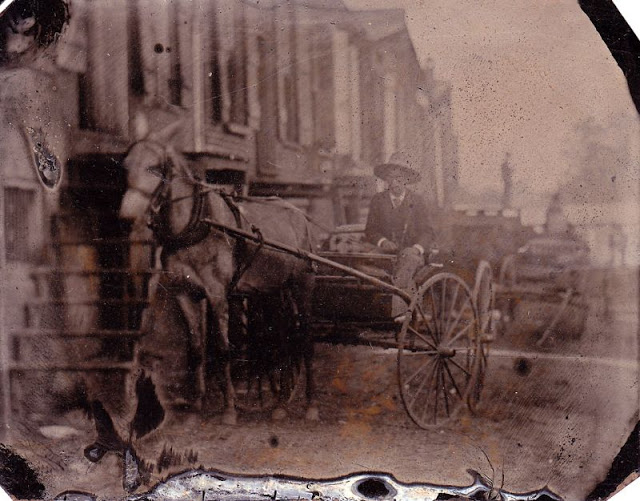
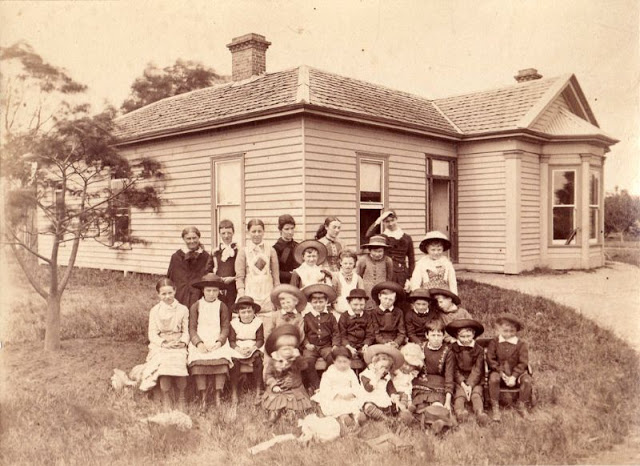
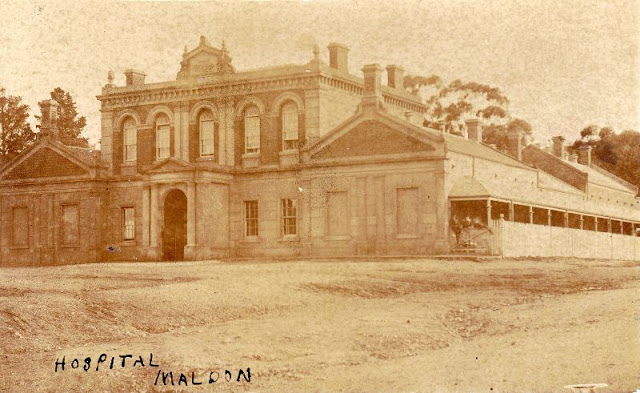
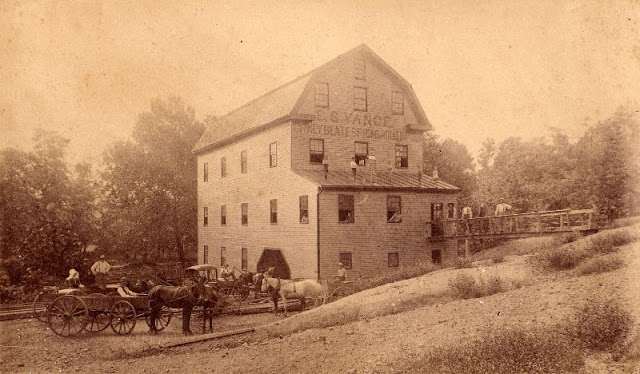


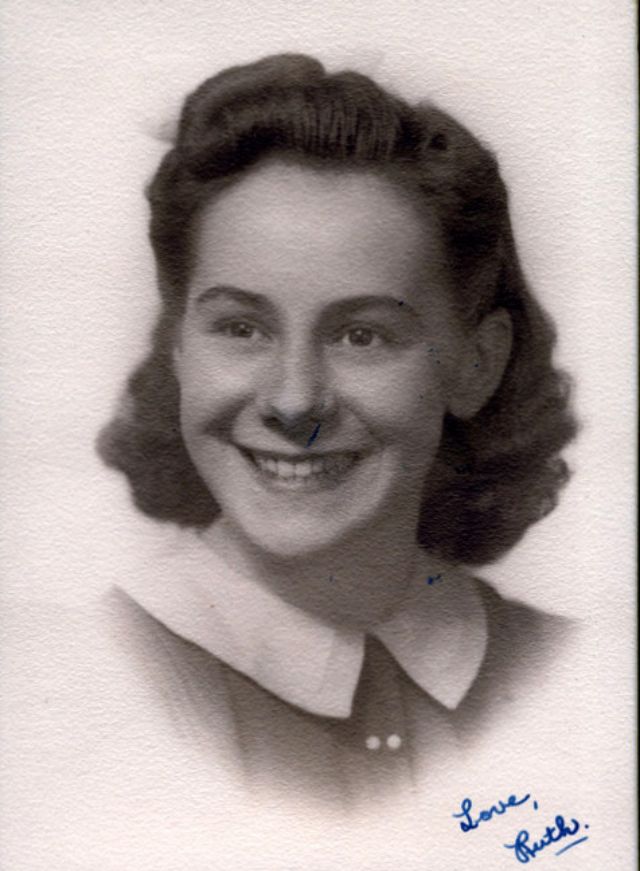
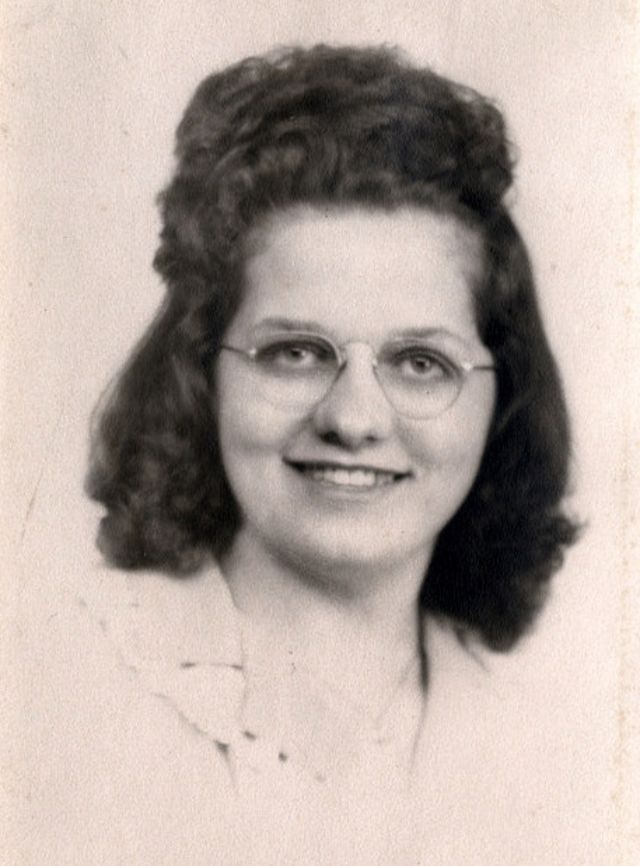
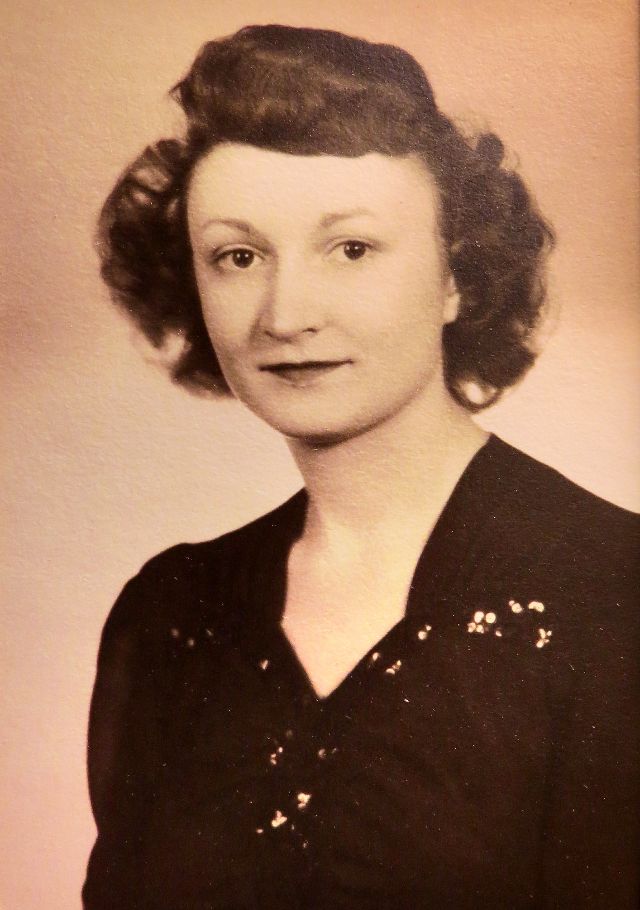
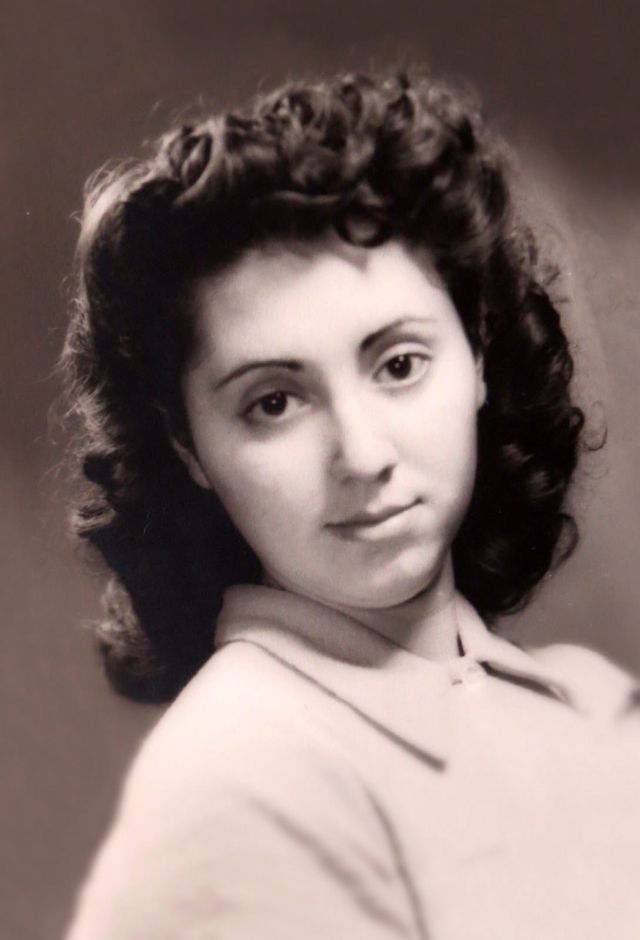
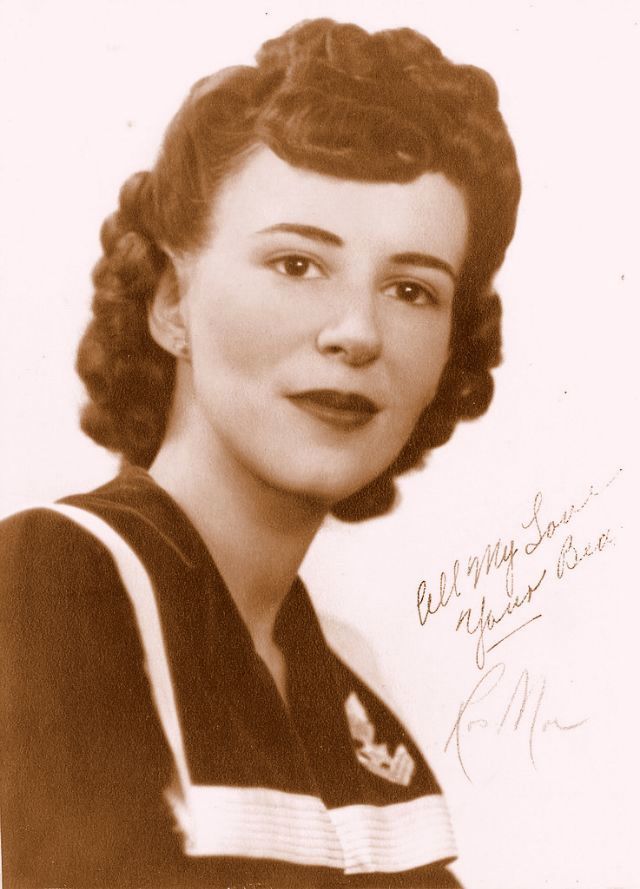
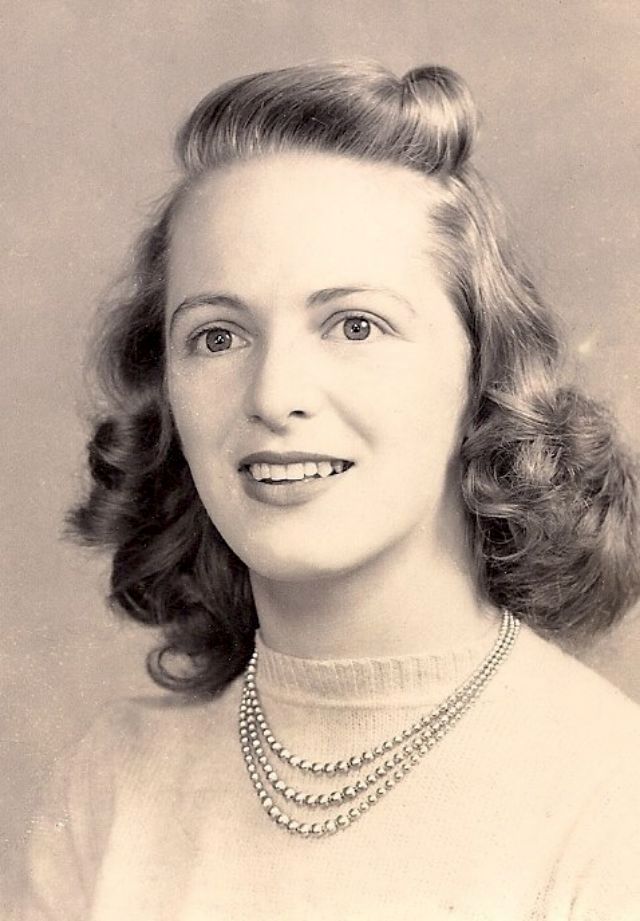
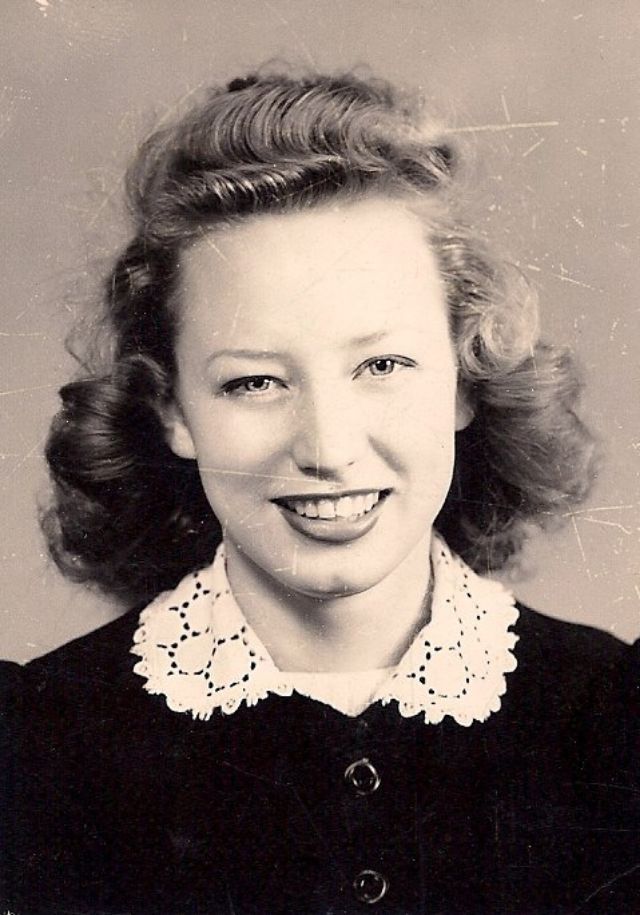
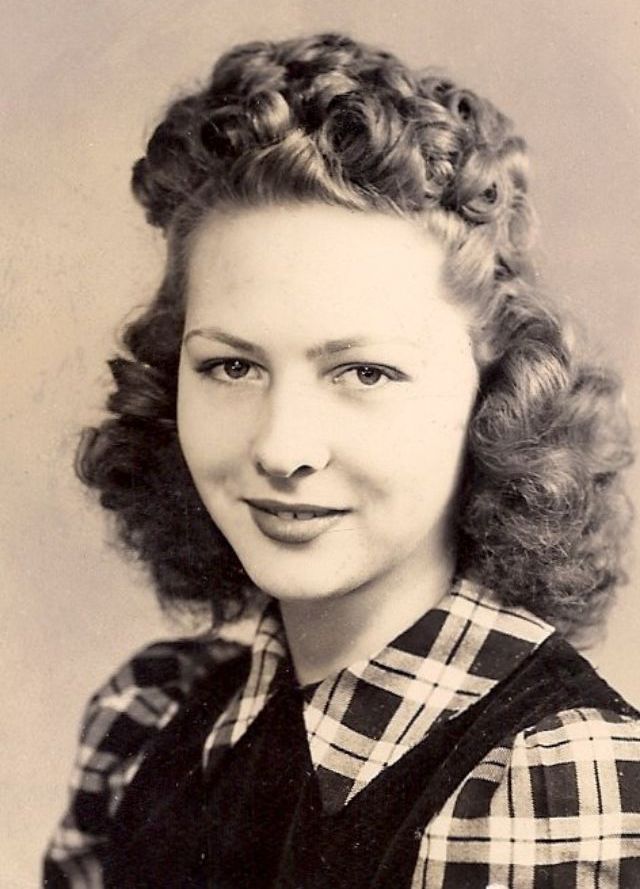

Created in 1749 from part of Lancaster County and named either after the Duke of York, an early patron of the Penn family, or for the city and shire of York in England, York County is a county in the U.S. state of Pennsylvania. Its county seat is York.
York County comprises the York-Hanover, Pennsylvania Metropolitan Statistical Area, which is also included in the Harrisburg-York-Lebanon, Pennsylvania Combined Statistical Area. It is in the Susquehanna Valley, a large fertile agricultural region in South Central Pennsylvania.
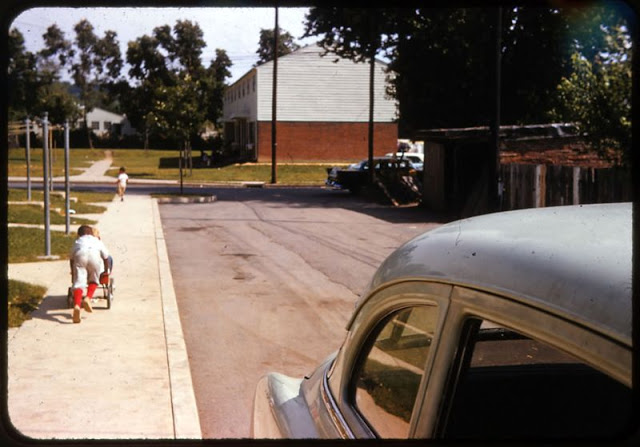
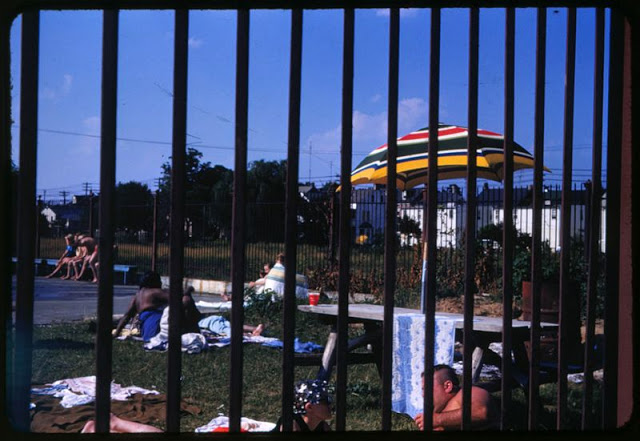
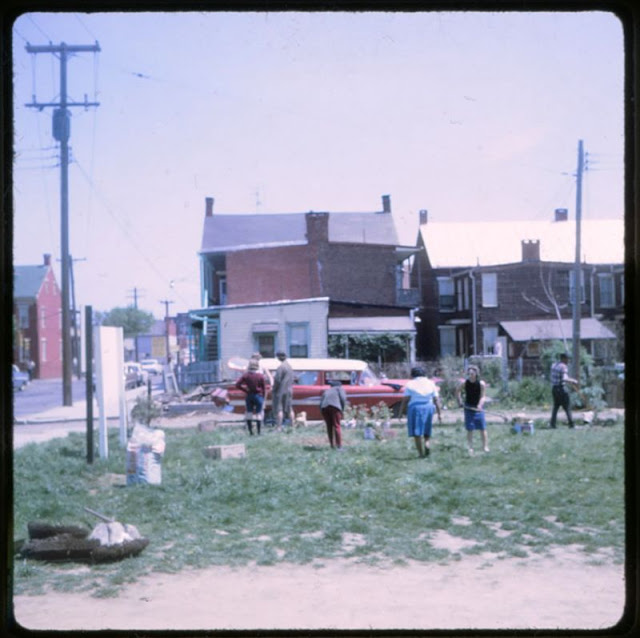
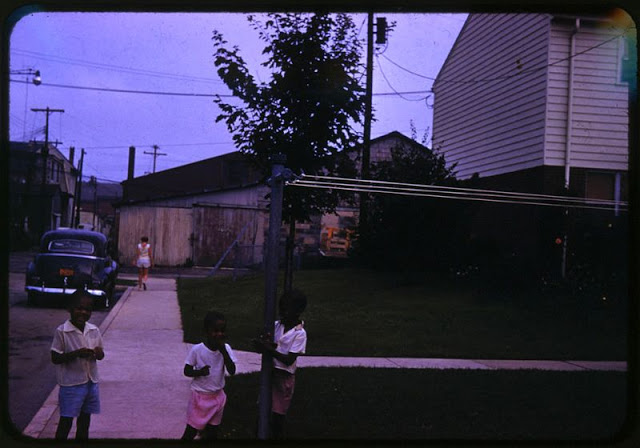
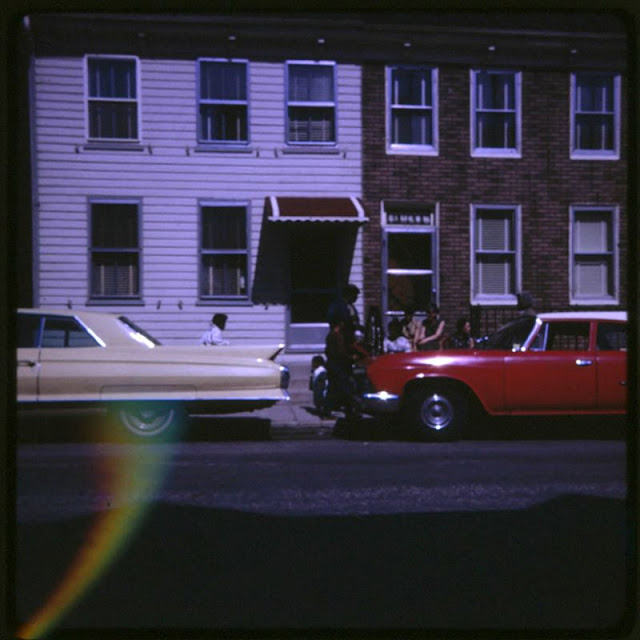
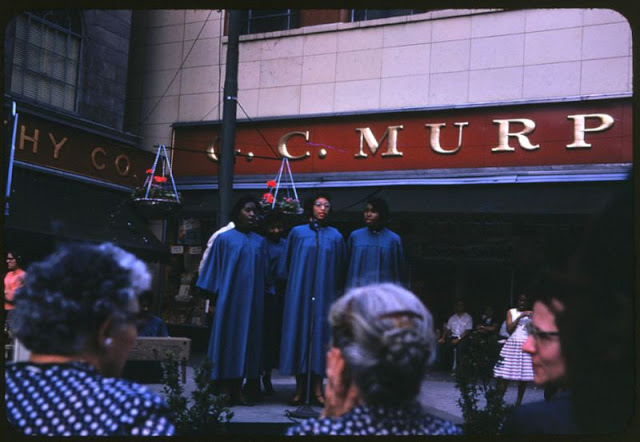
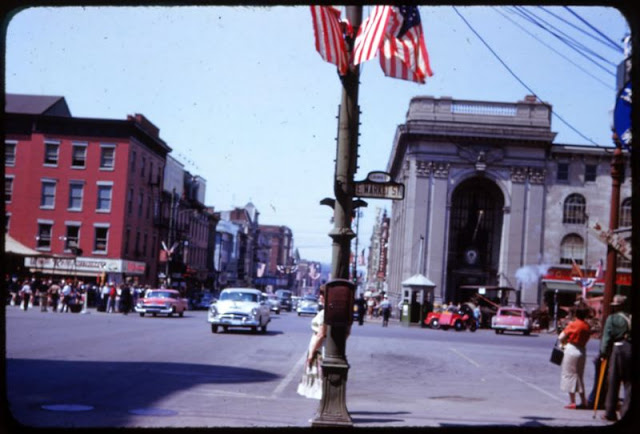
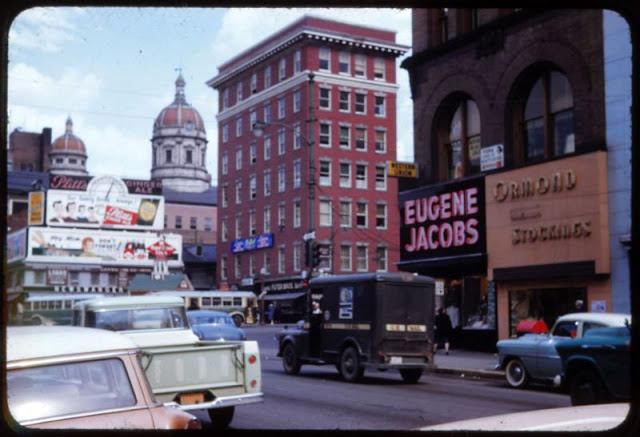
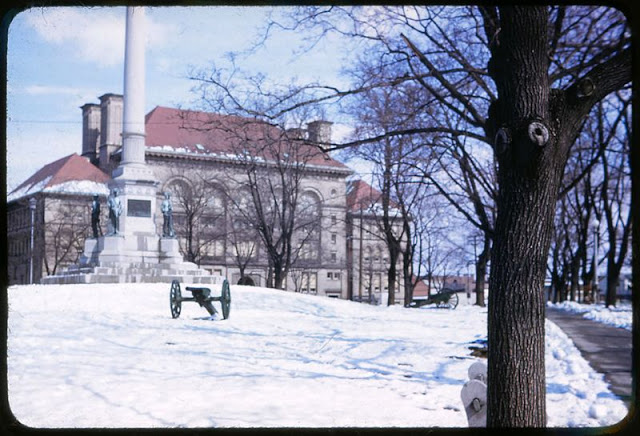
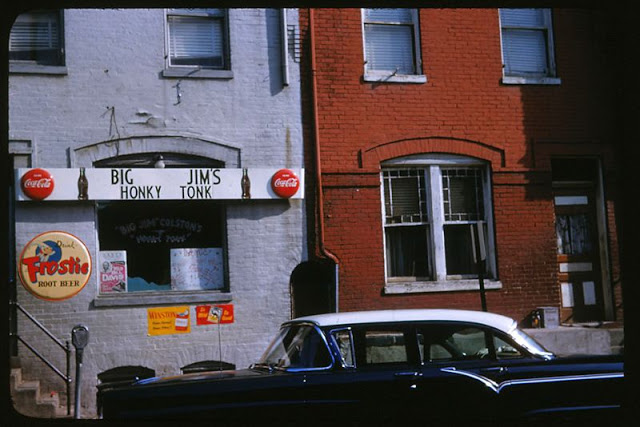
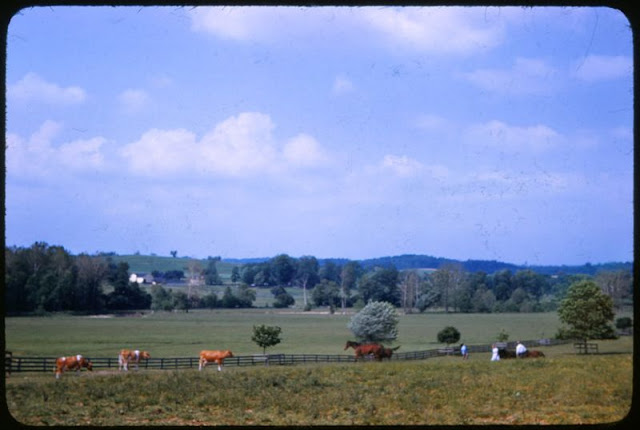
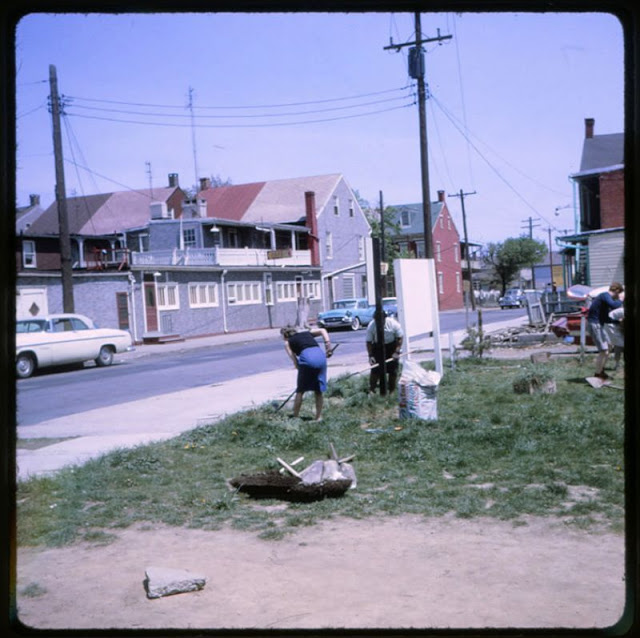
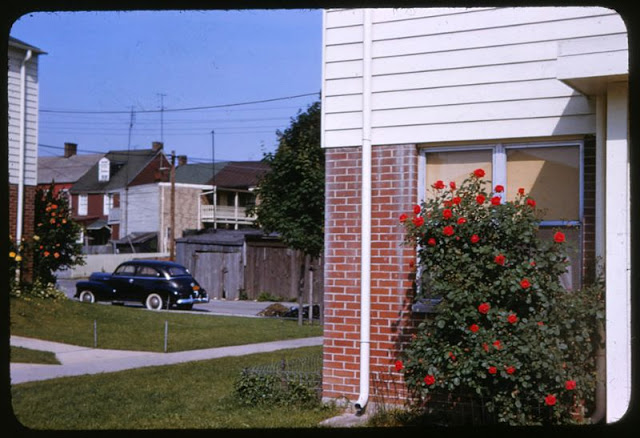
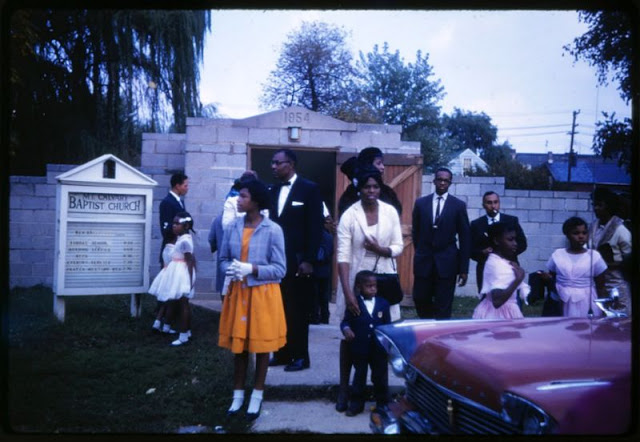
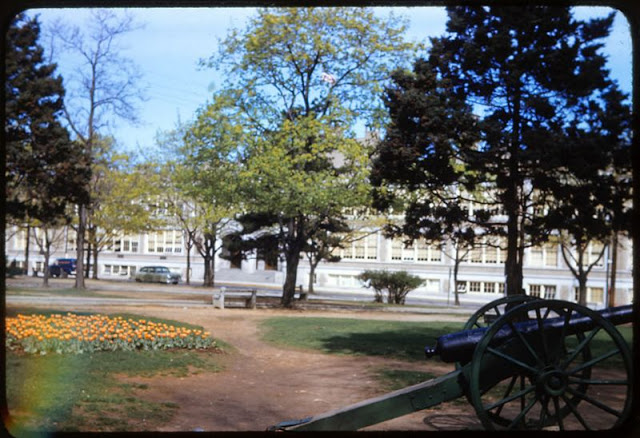
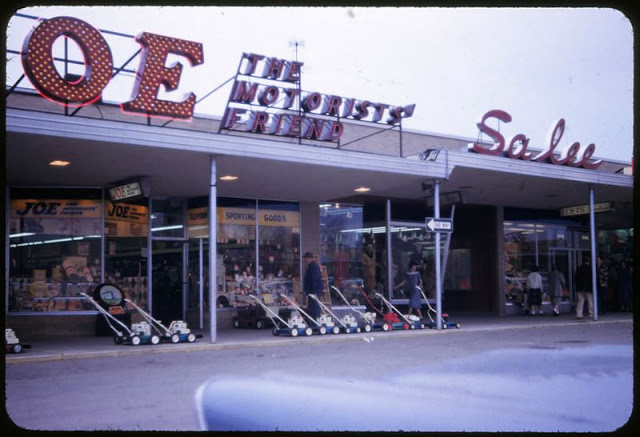
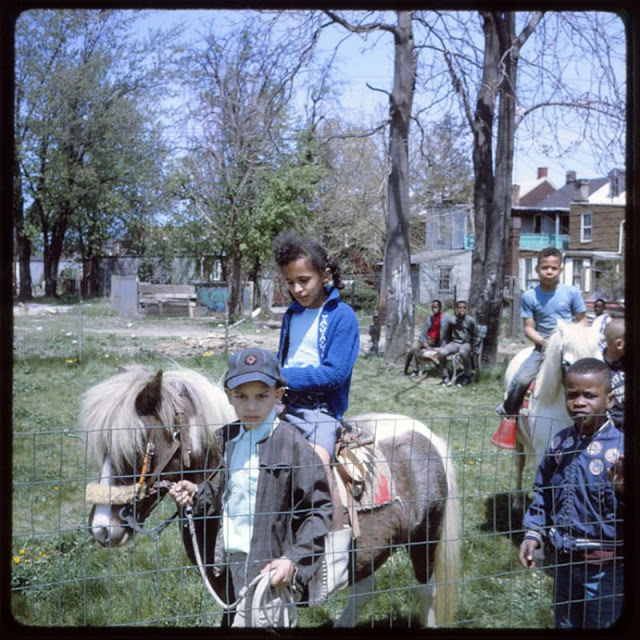
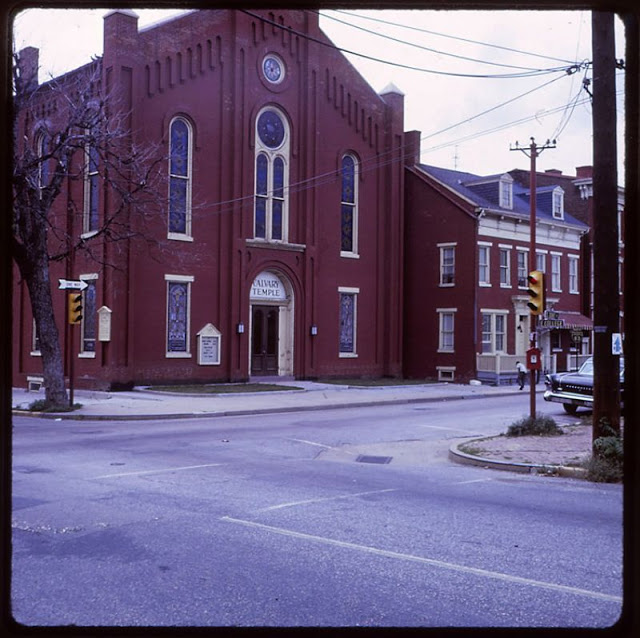
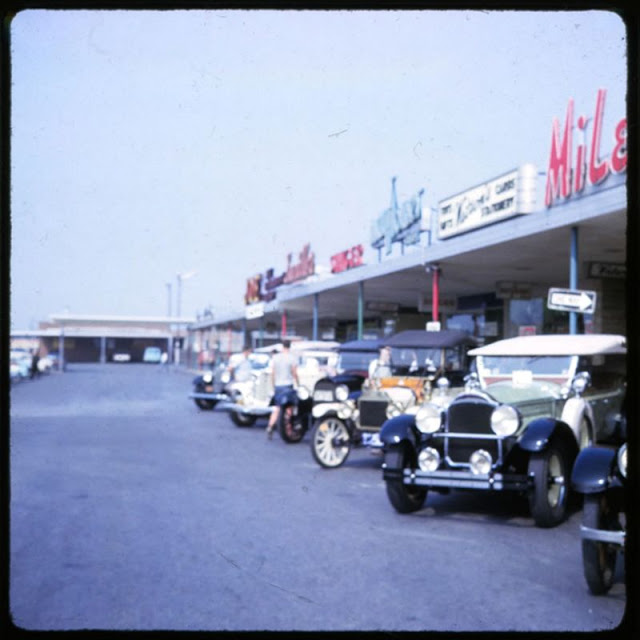
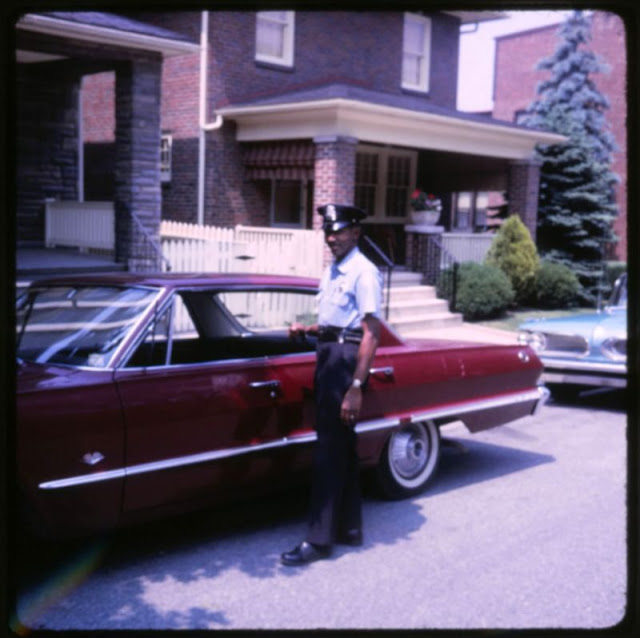
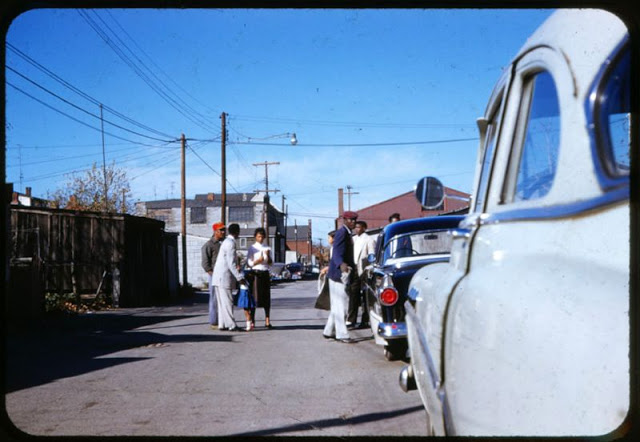
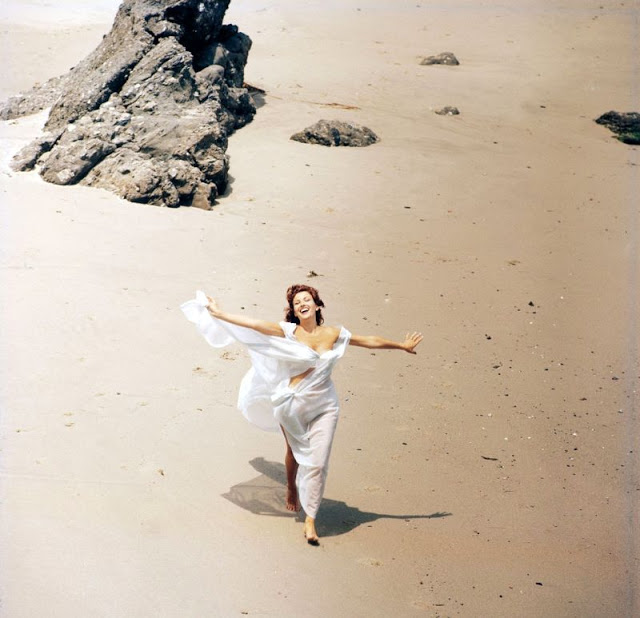
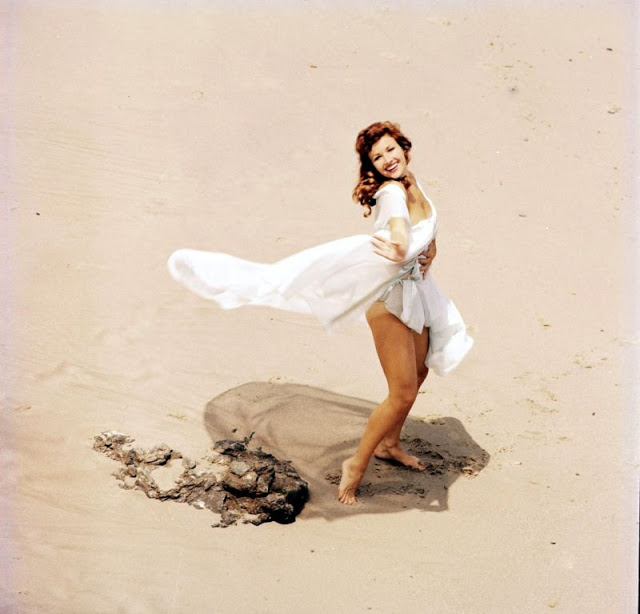
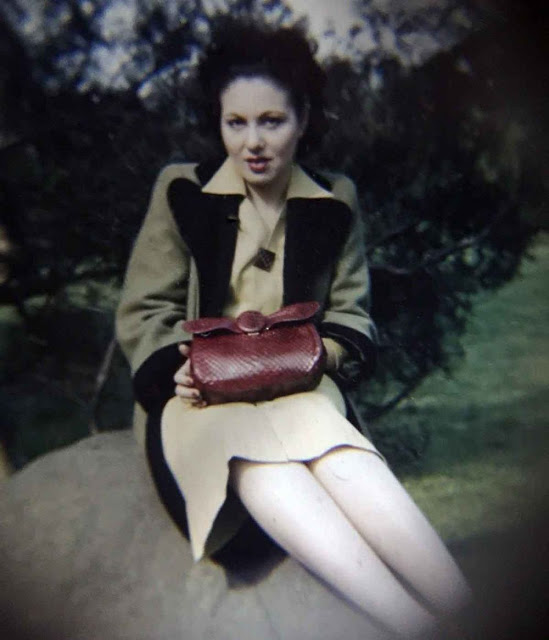
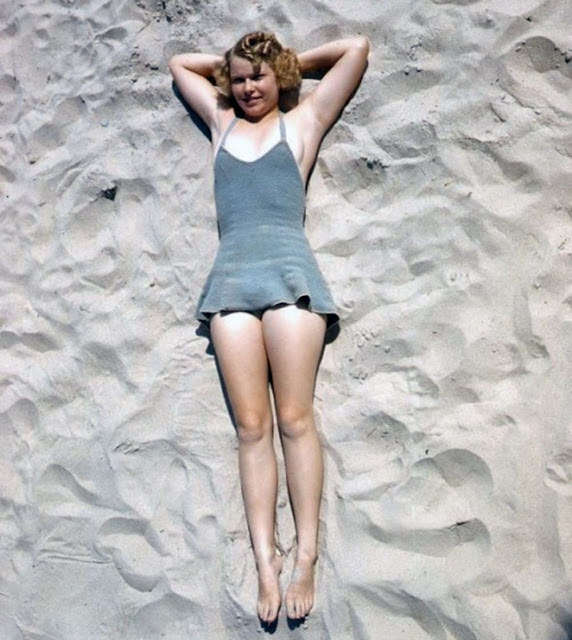
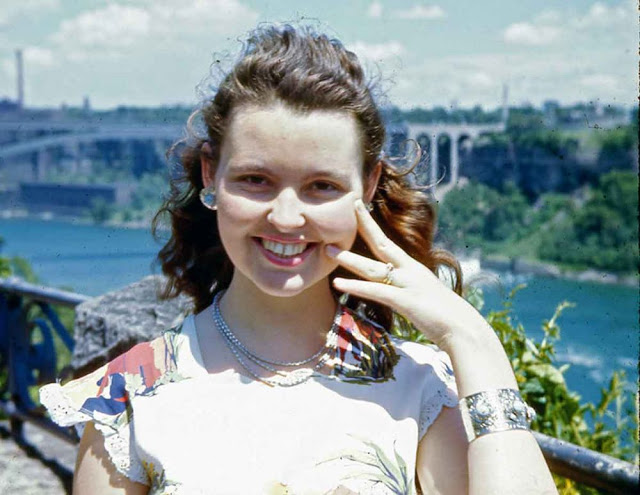
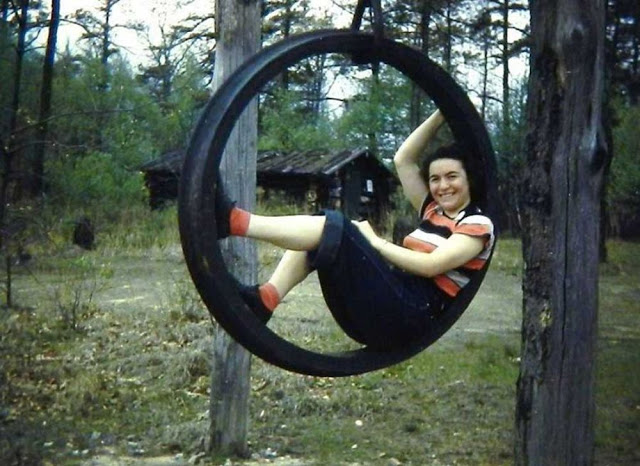
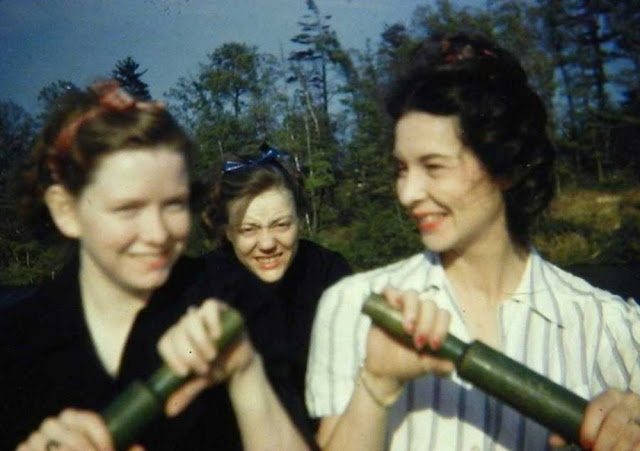
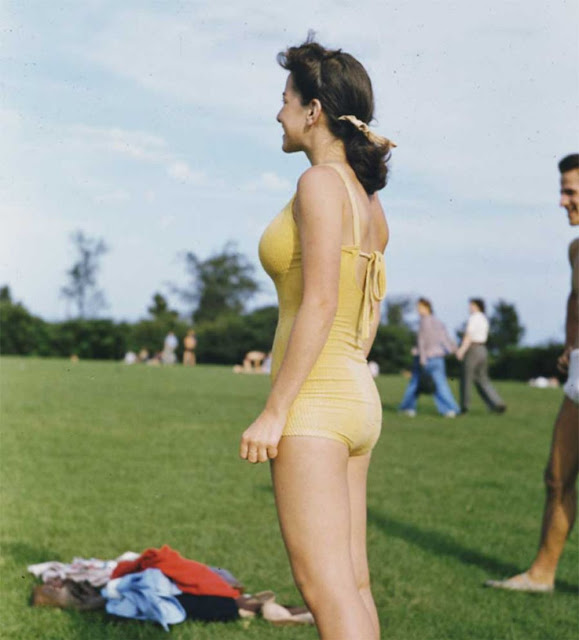
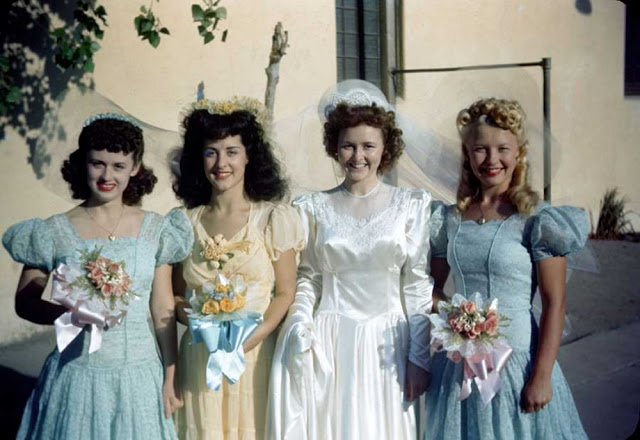
These beautiful slides were found by Jan Paul Arends via Flickr that captured everyday life of York County, Pennsylvania in the 1950s.































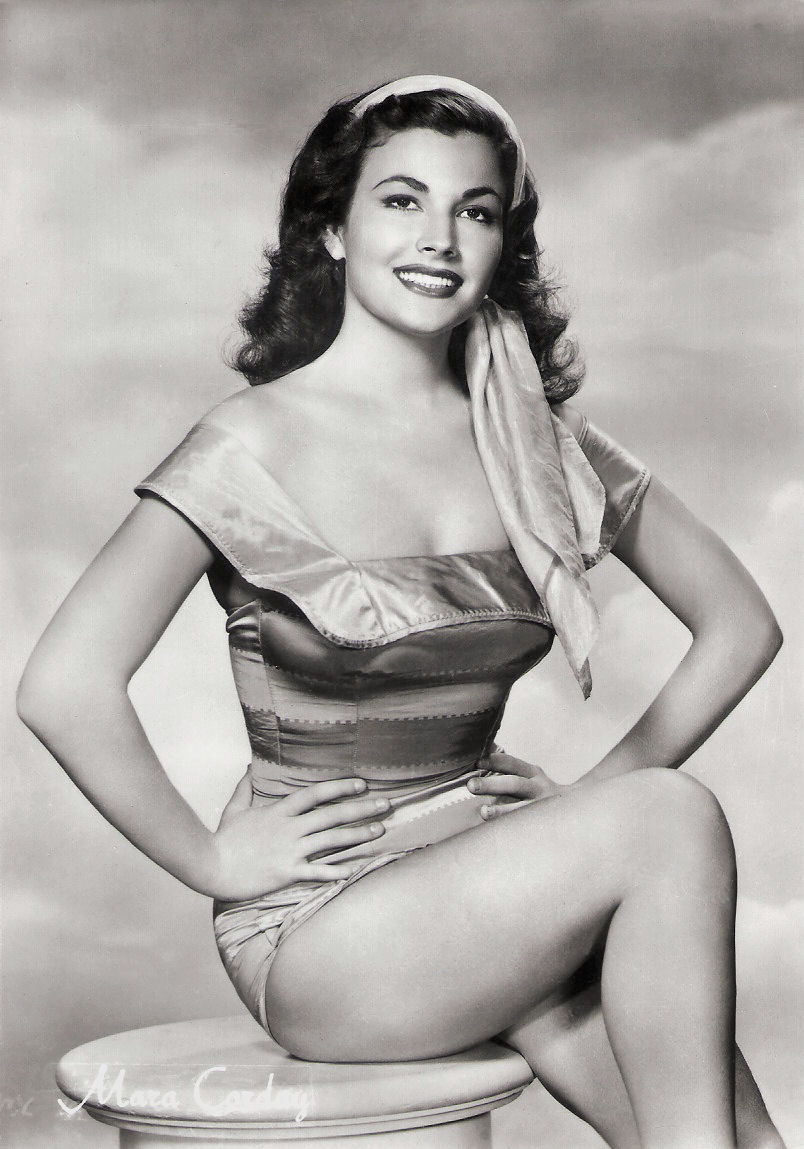
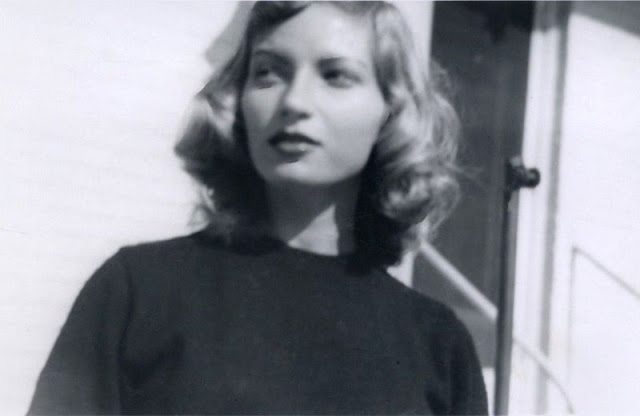
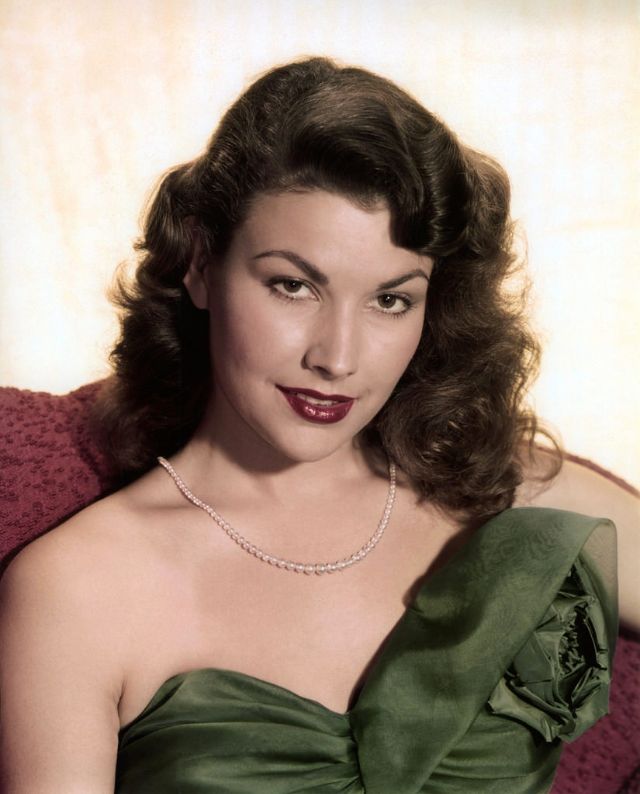
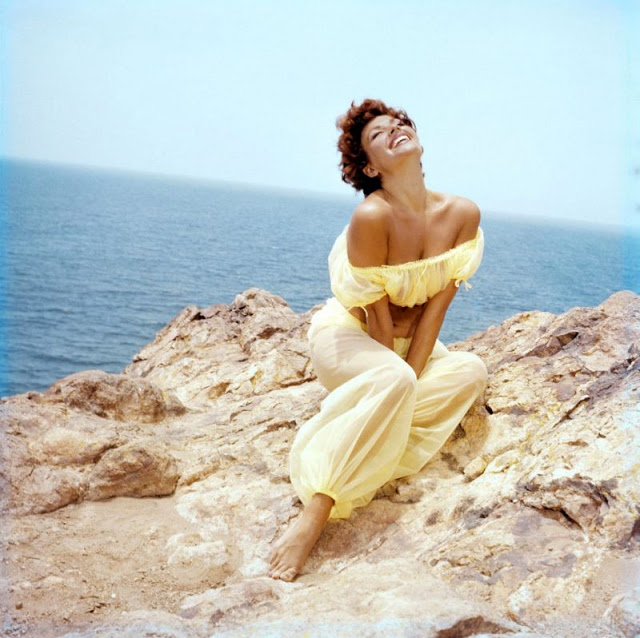
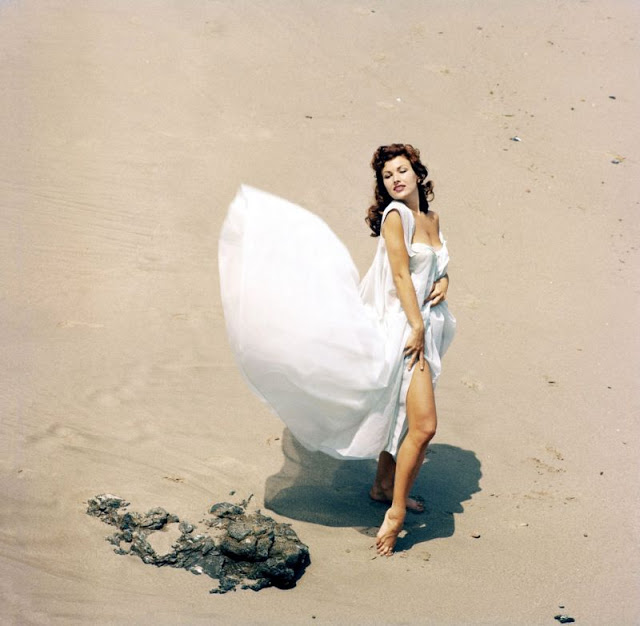
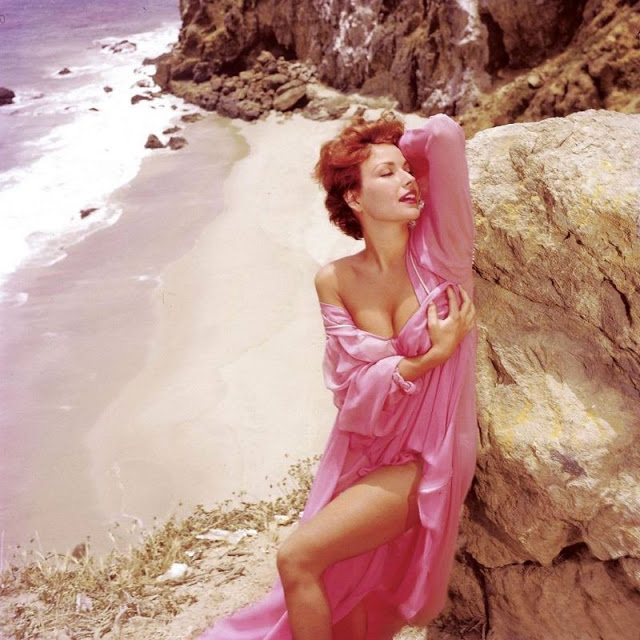
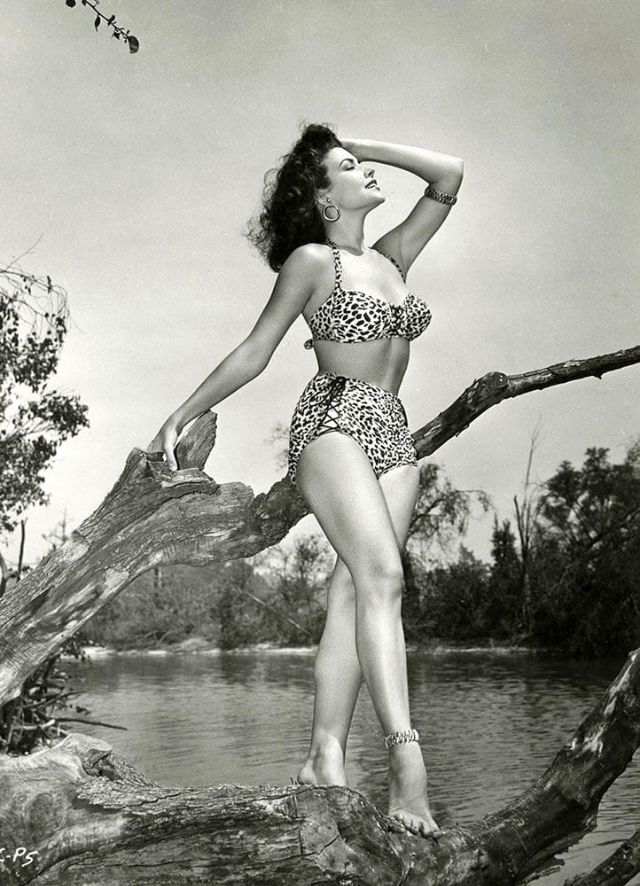
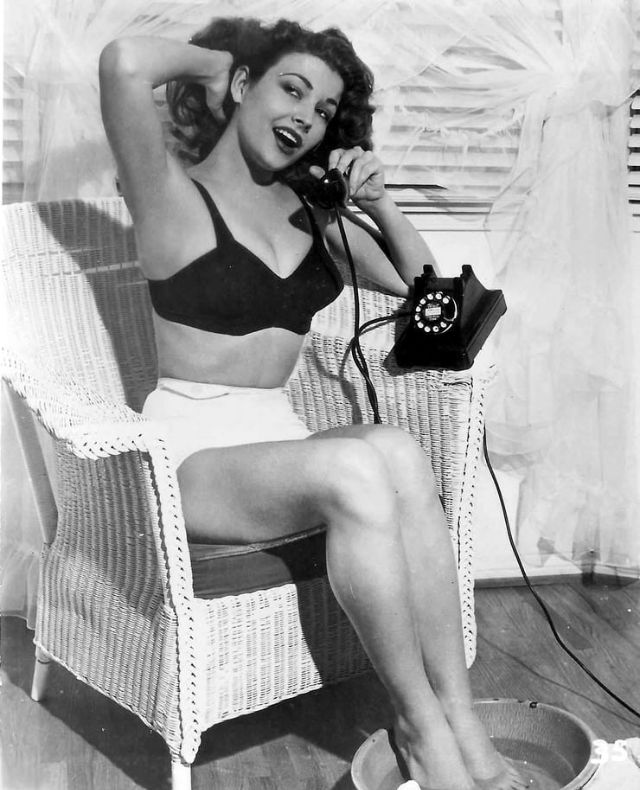
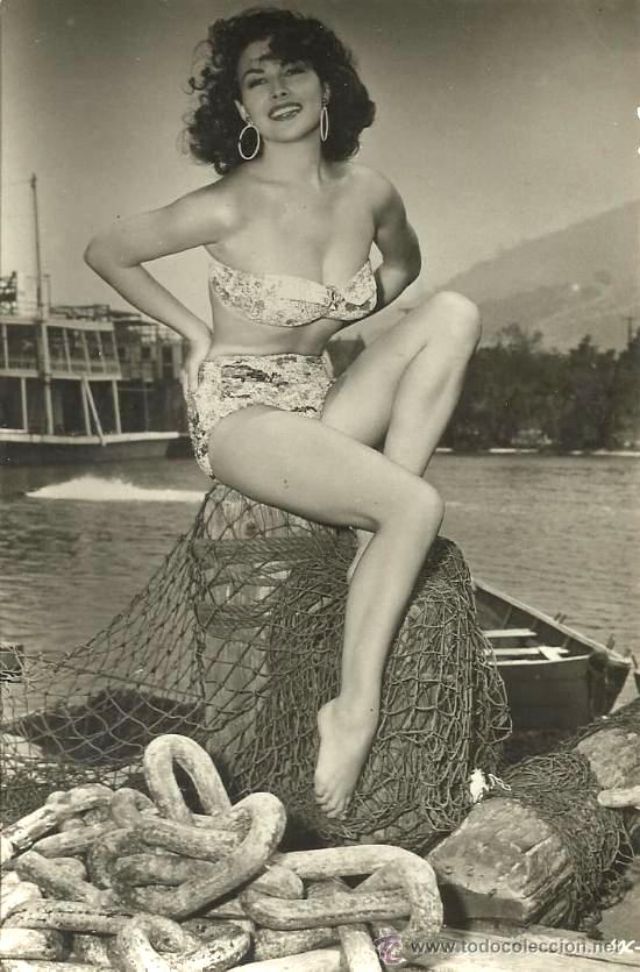
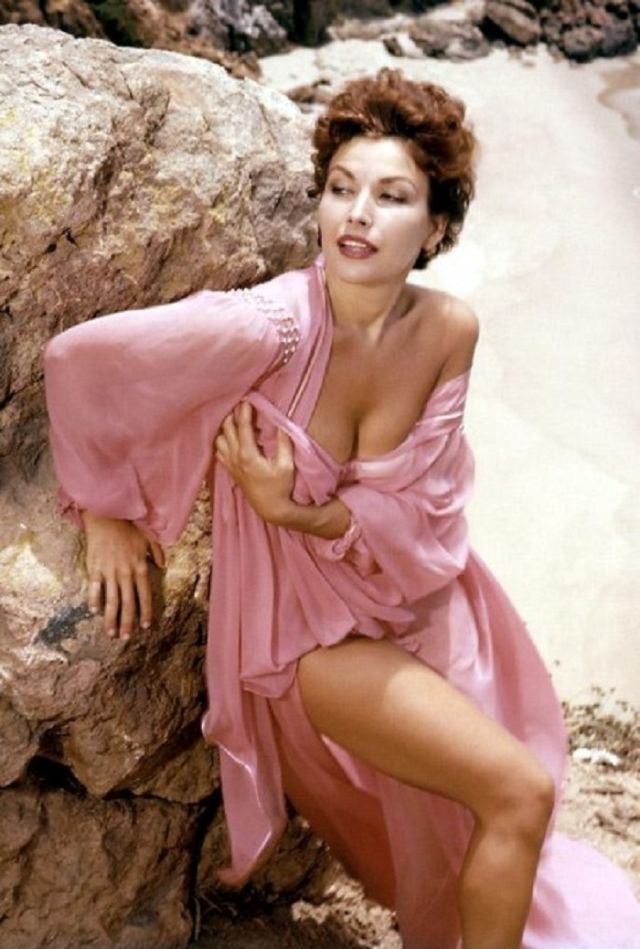
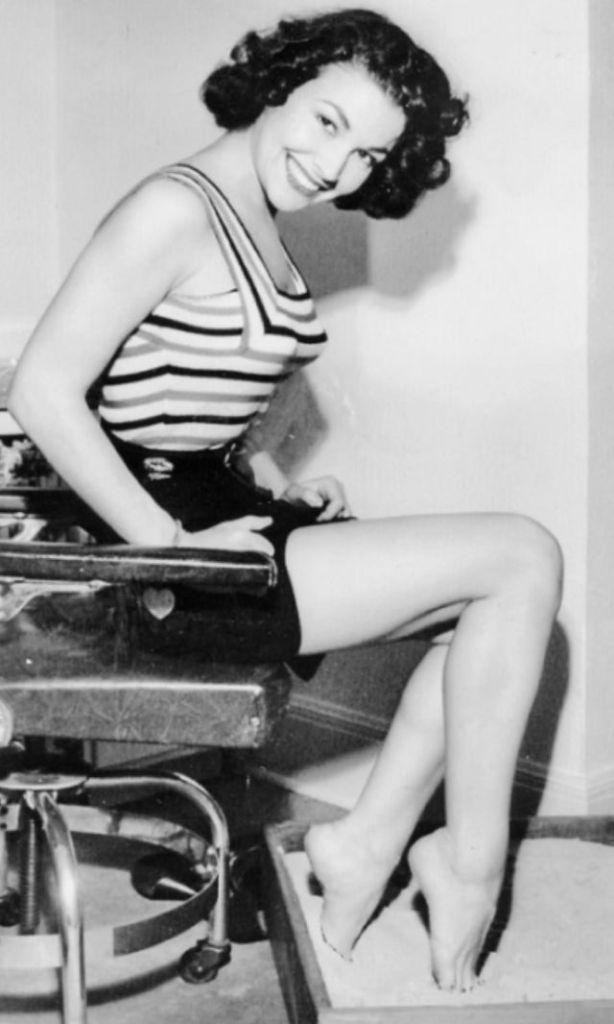
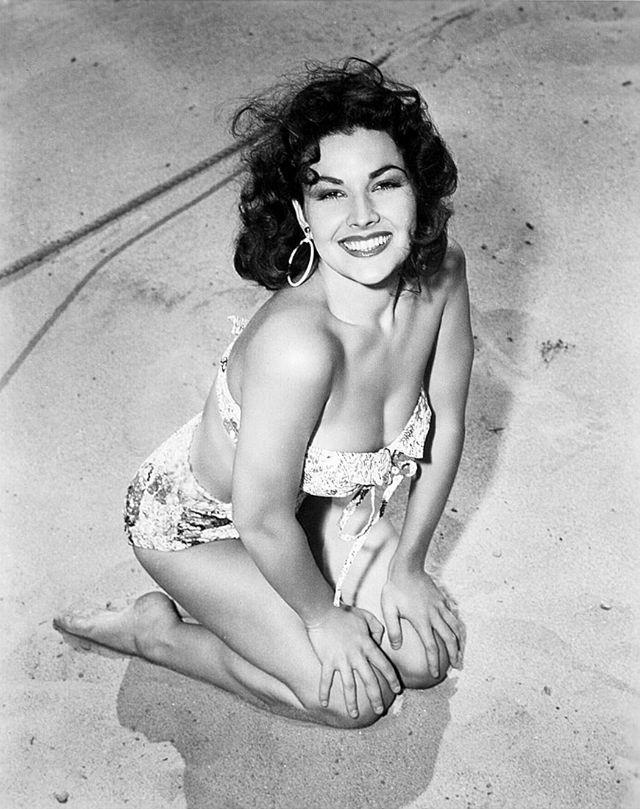
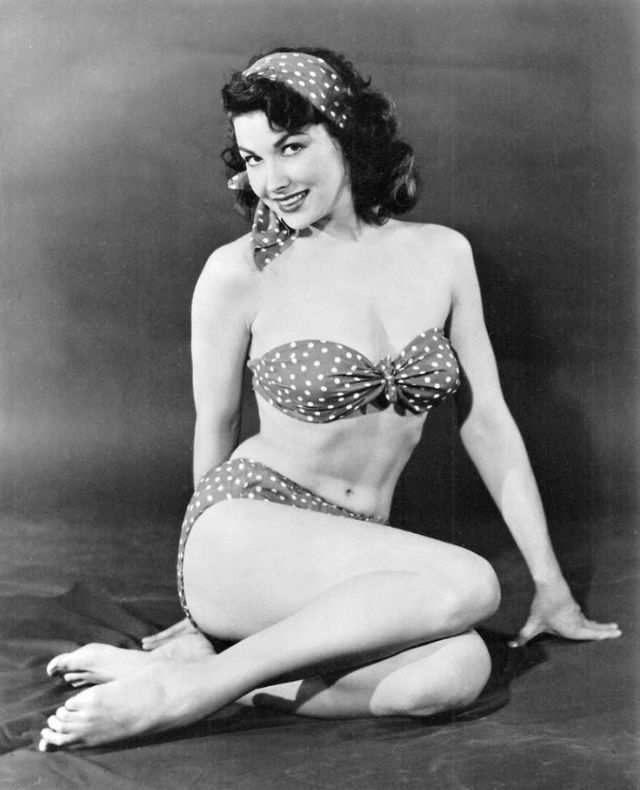
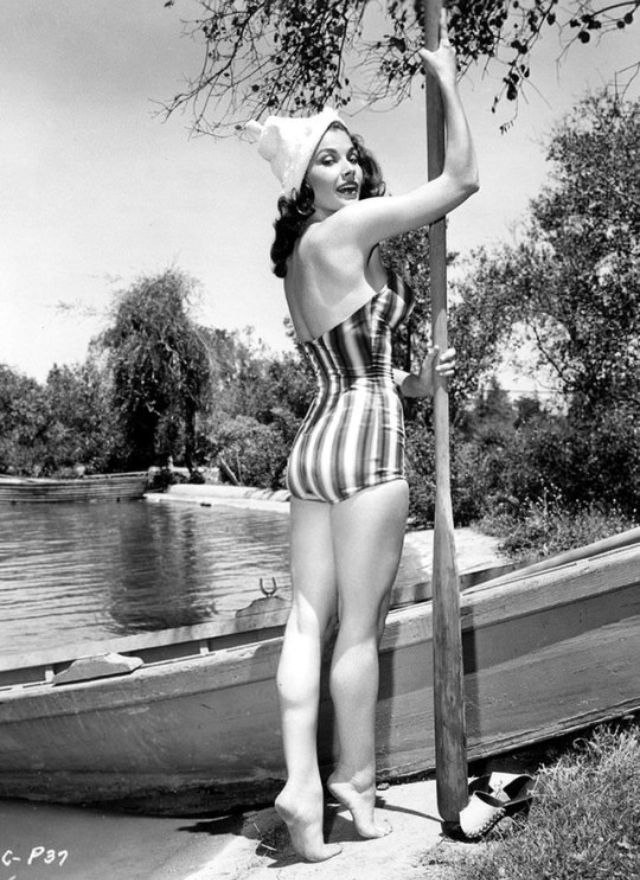
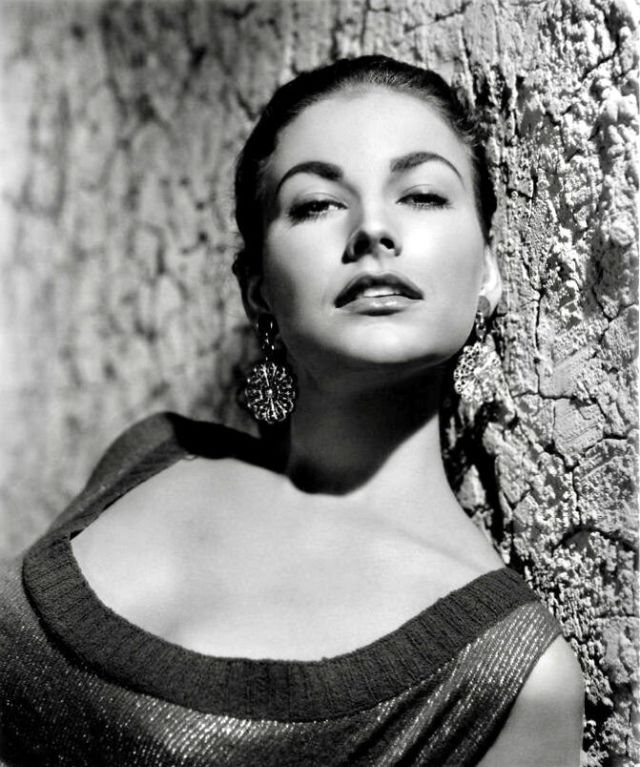
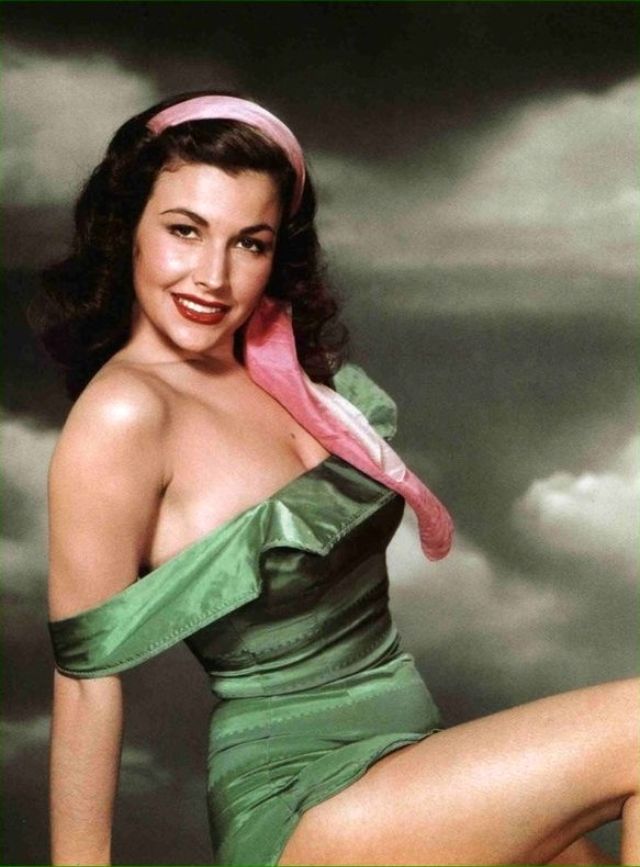
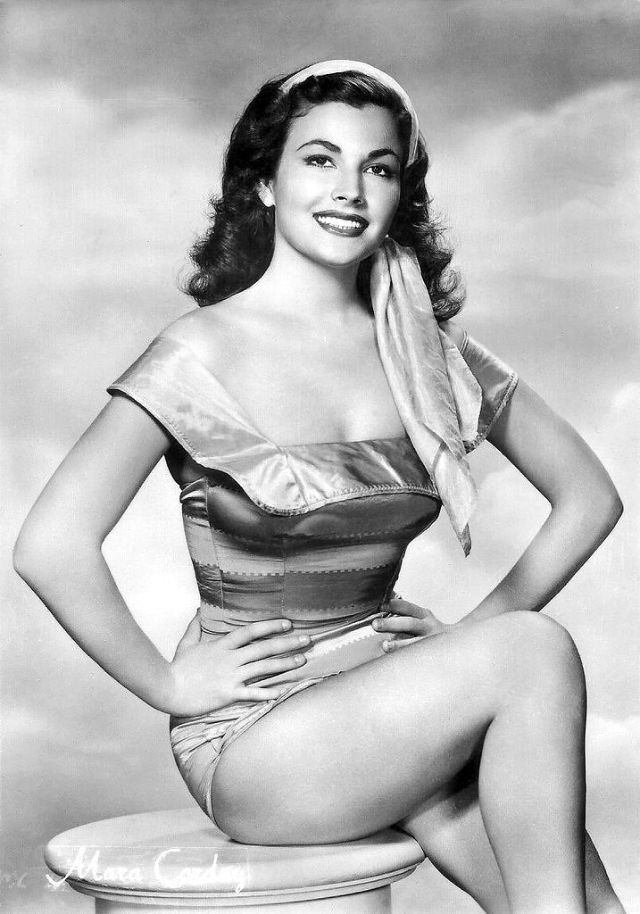
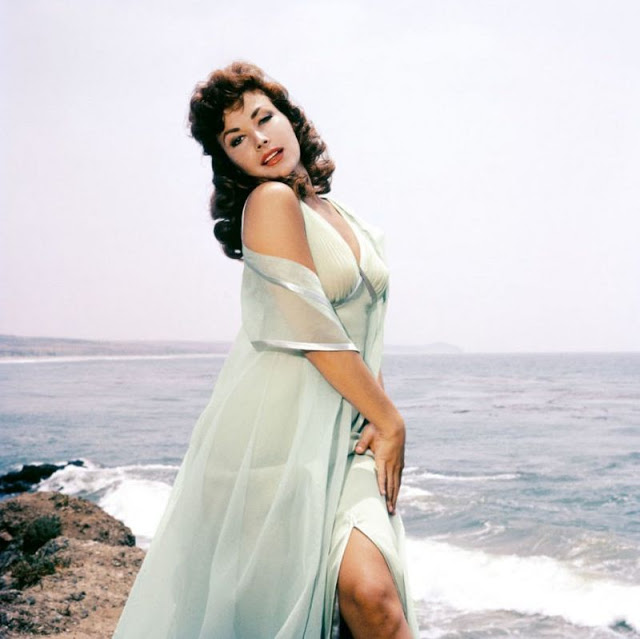
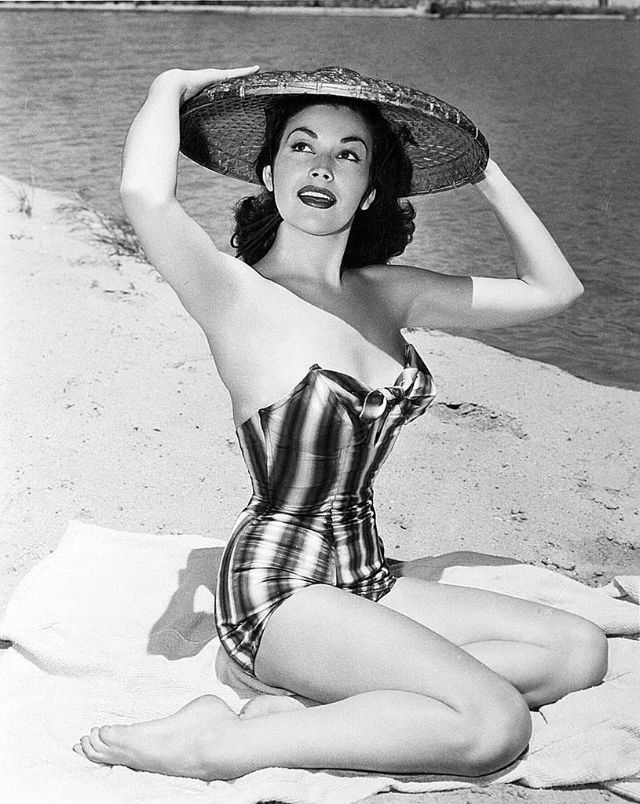
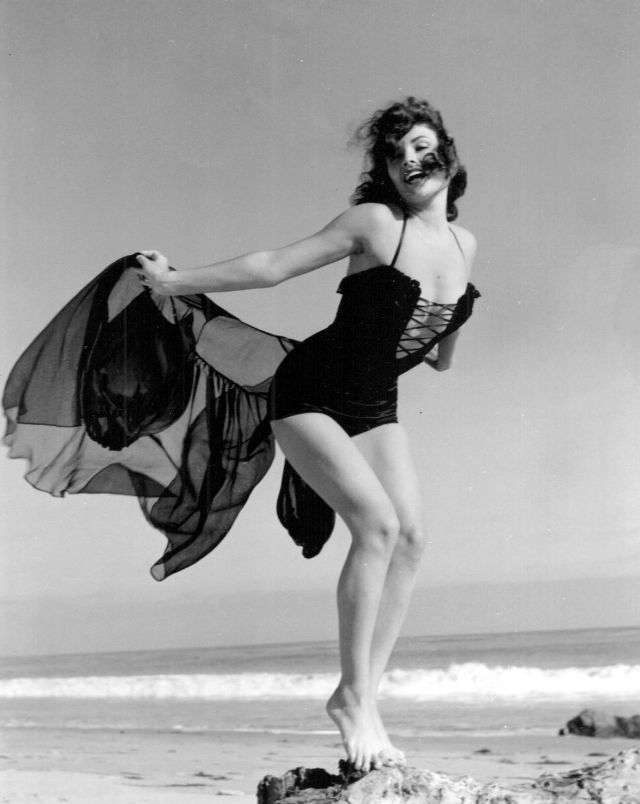
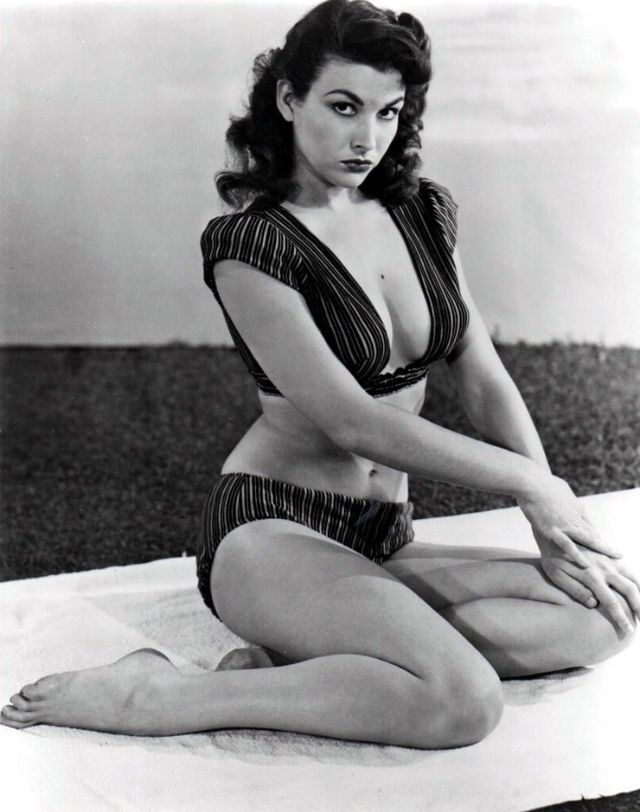
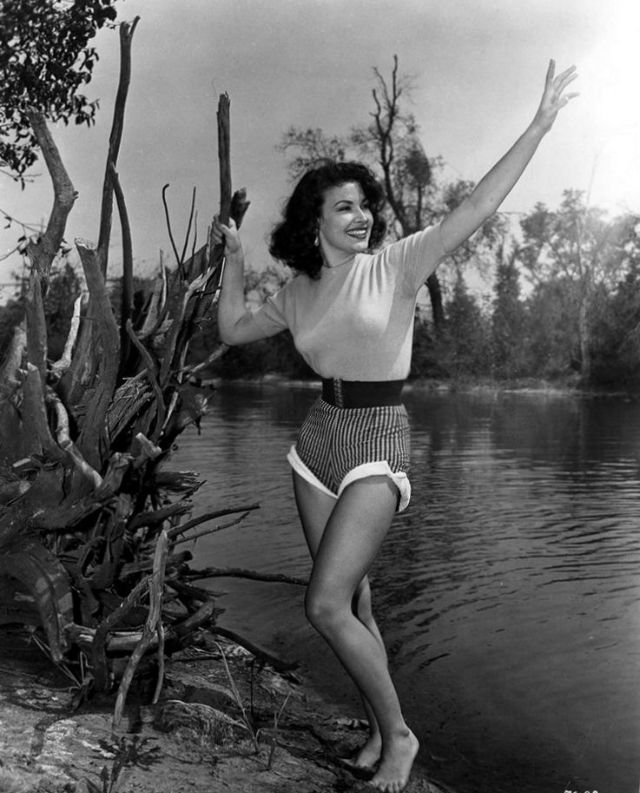
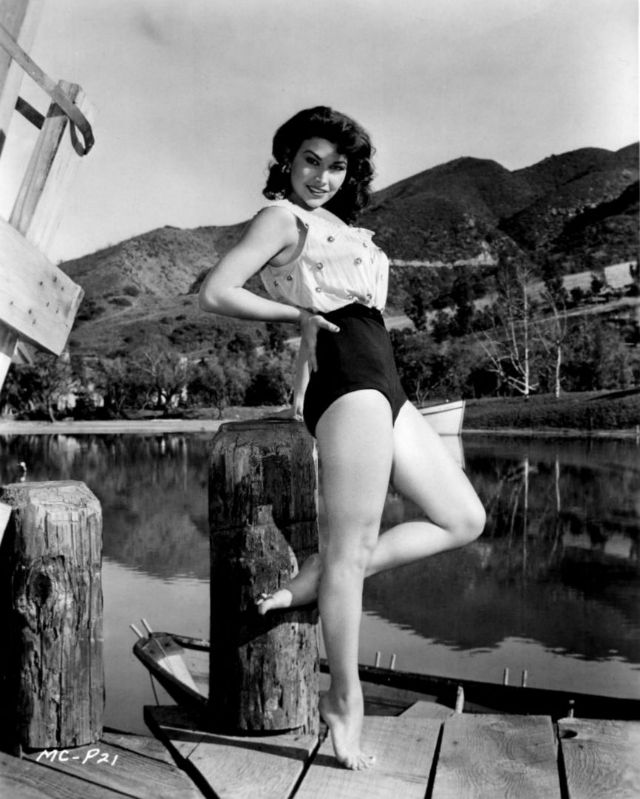
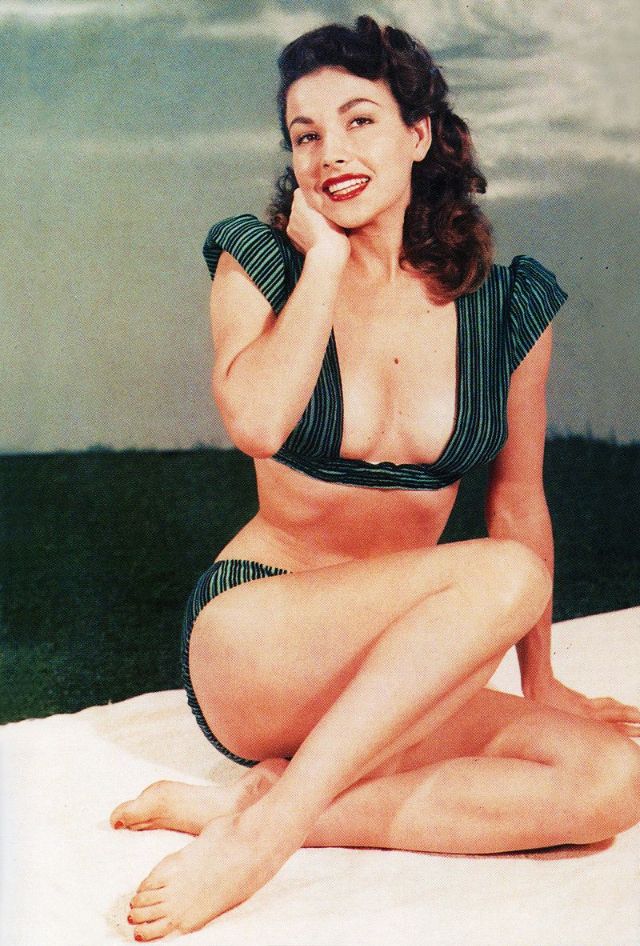
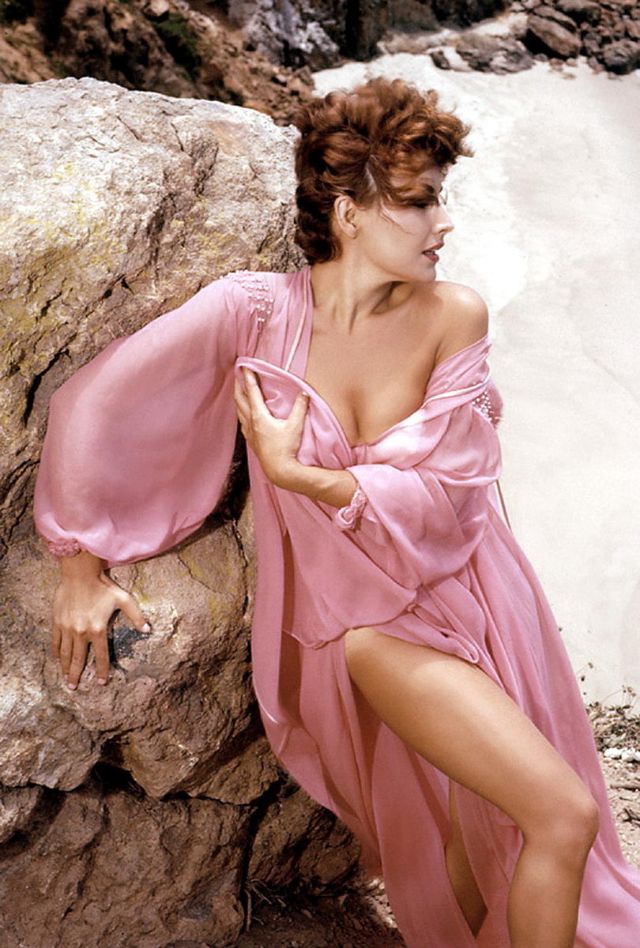
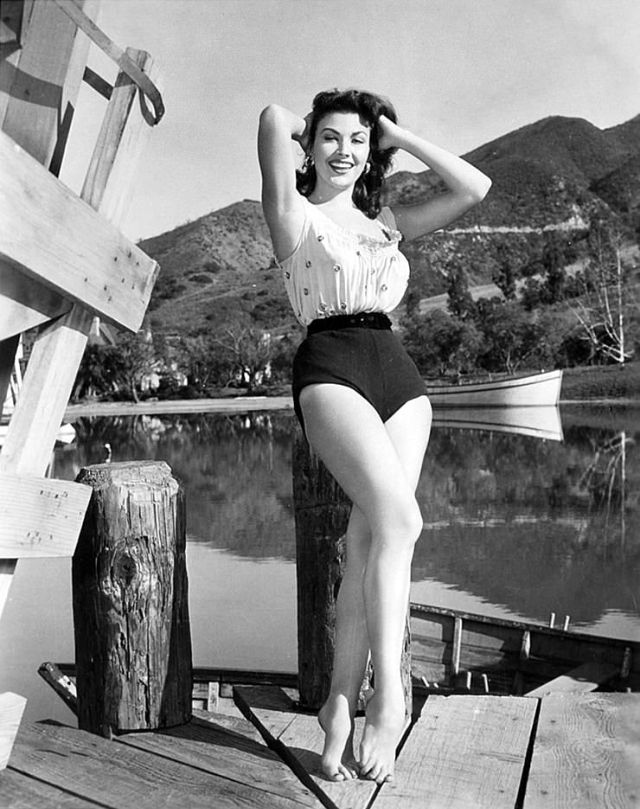
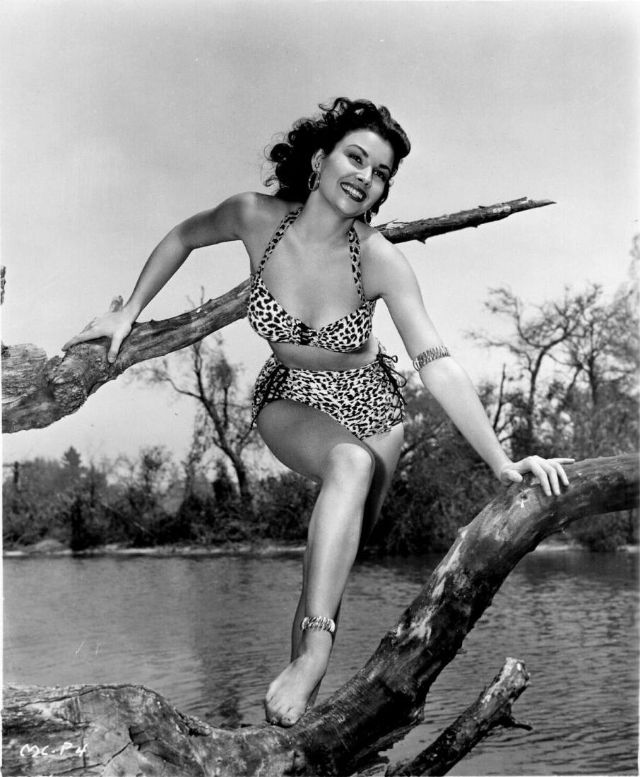
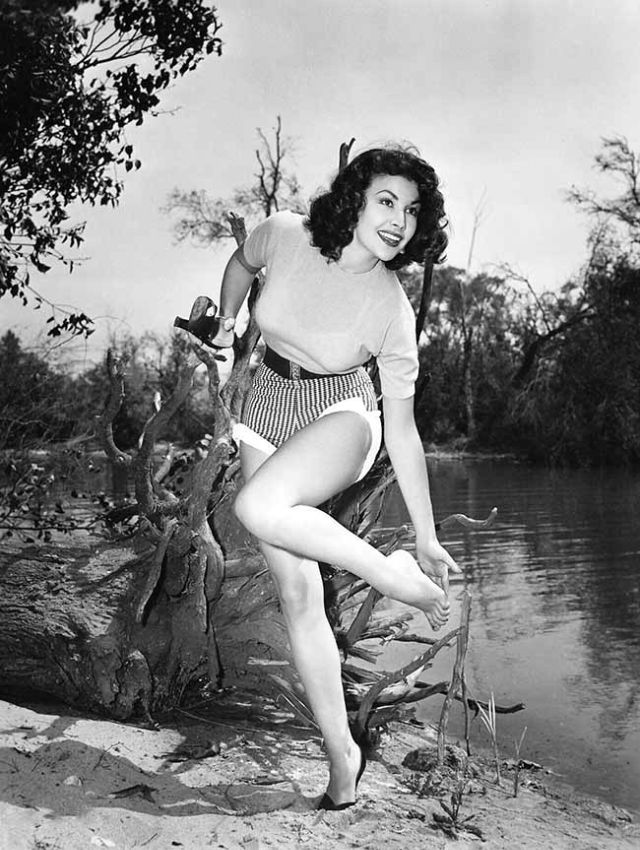
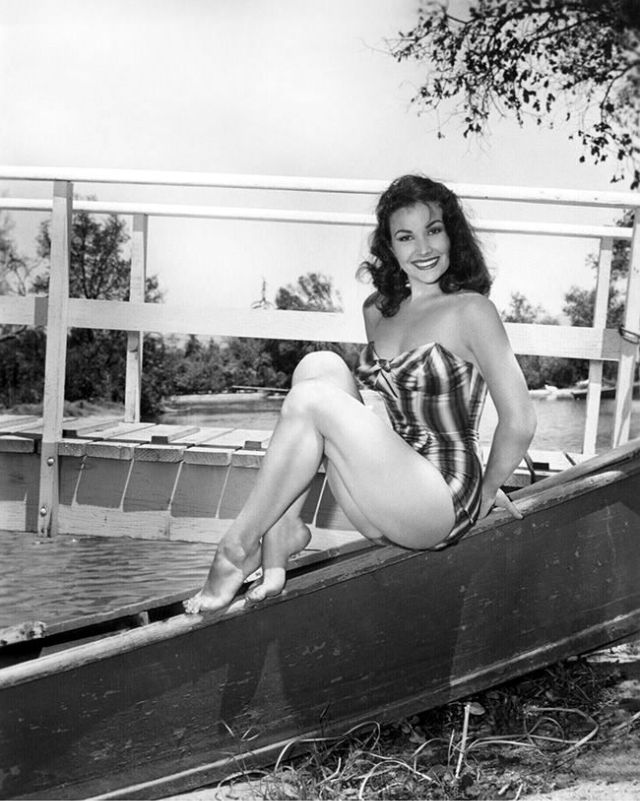
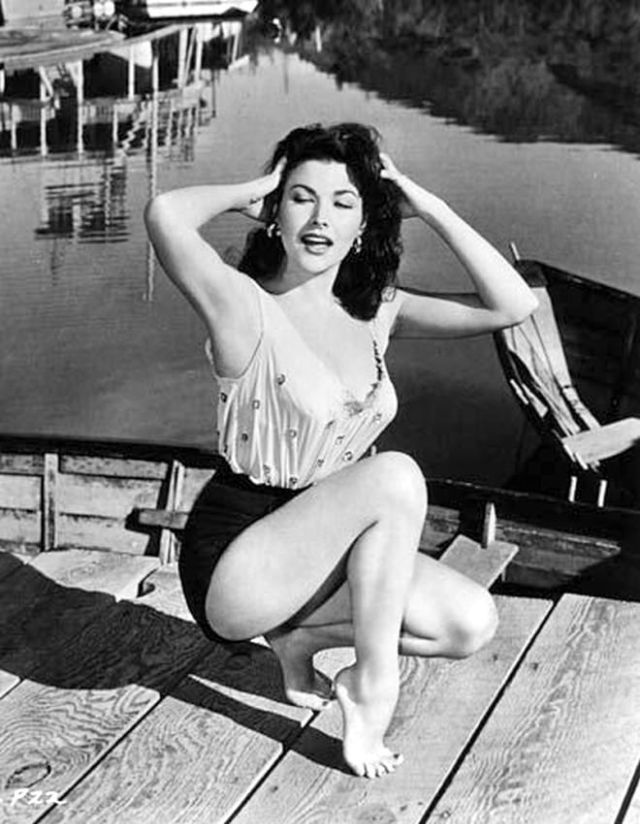
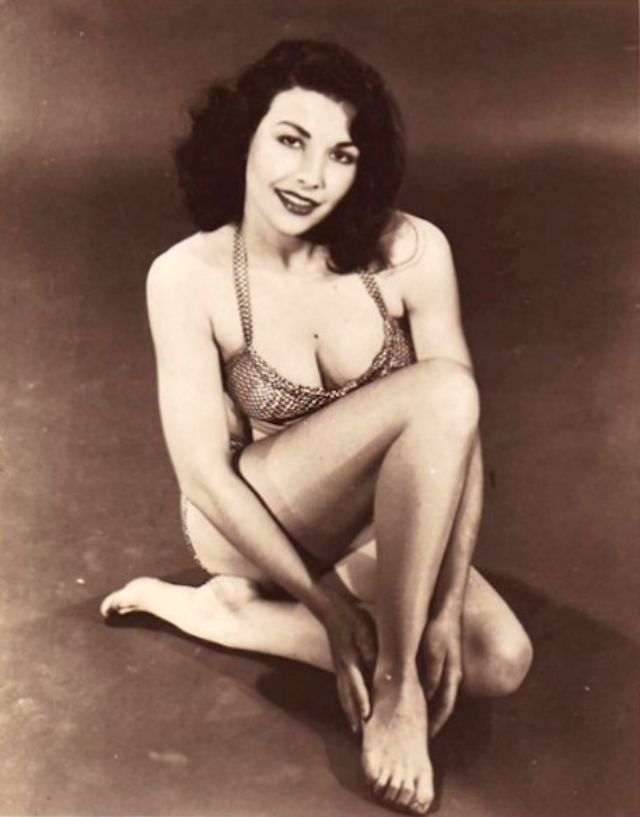
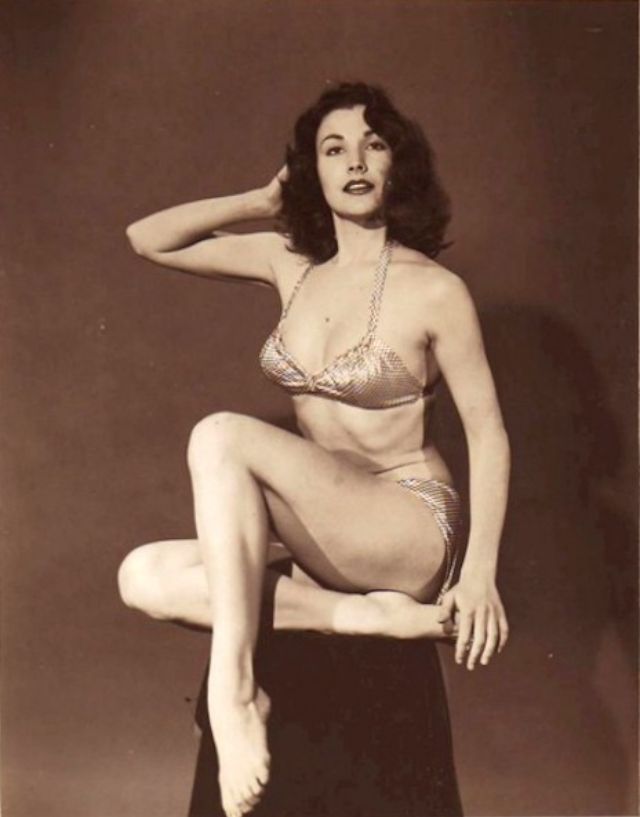
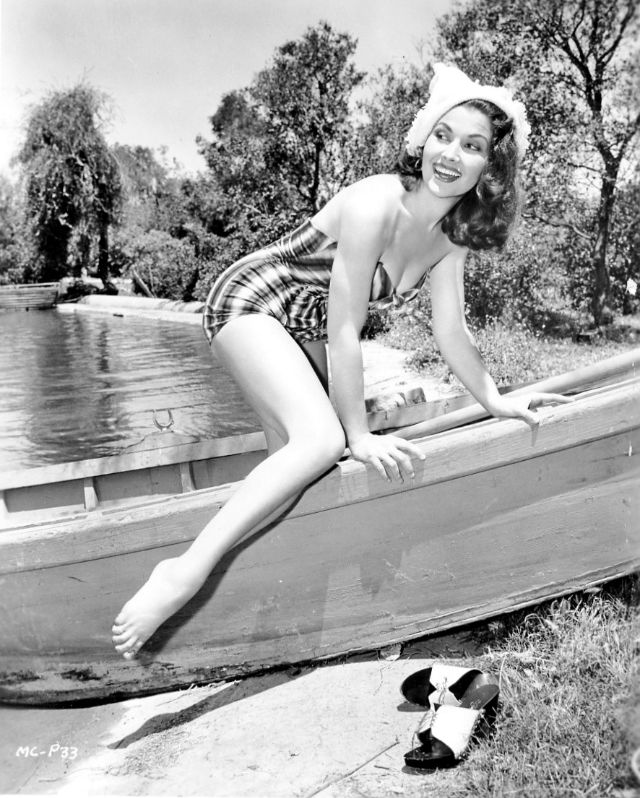
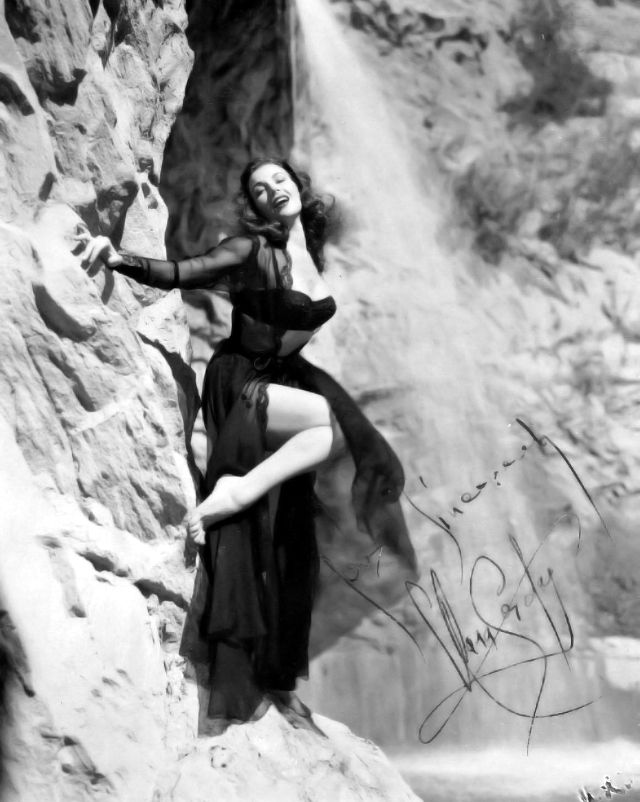
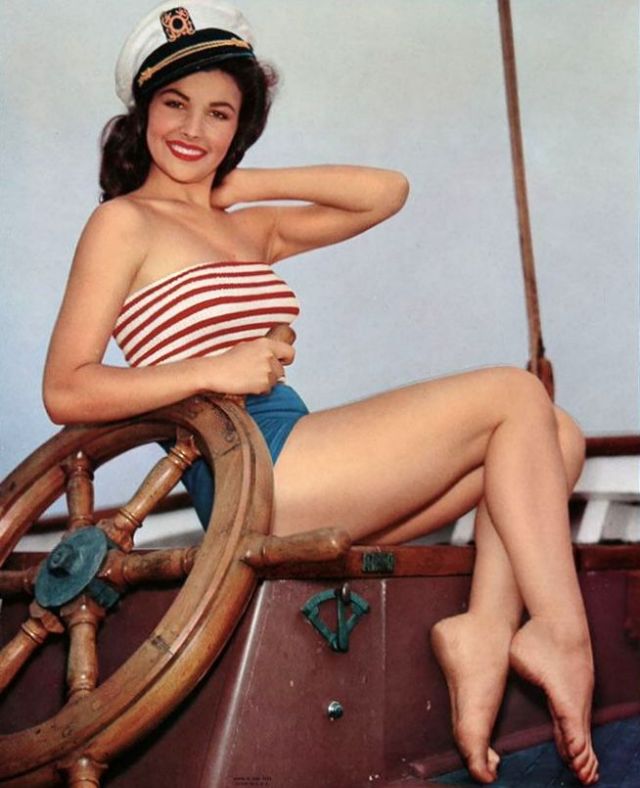
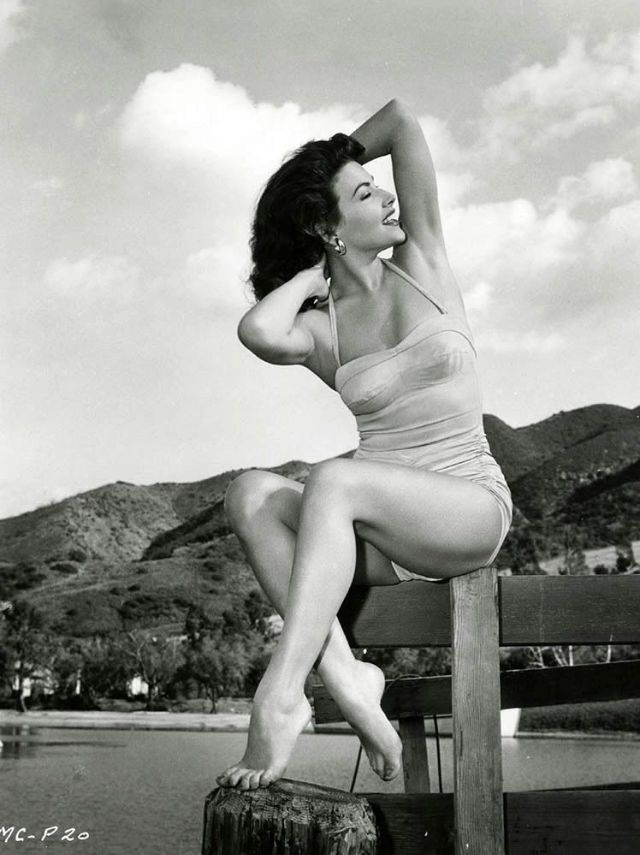
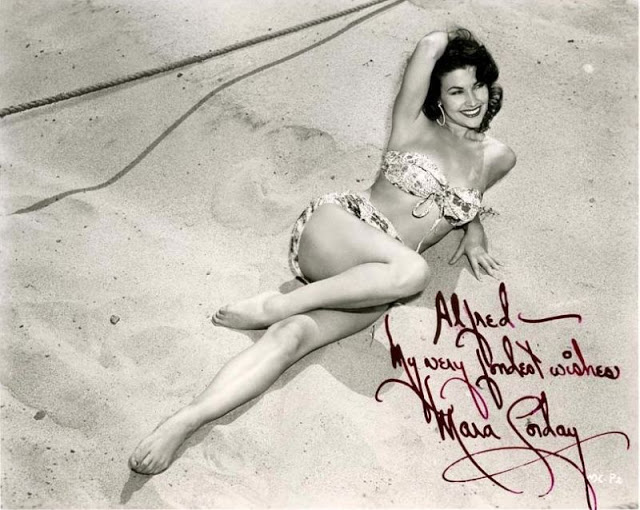
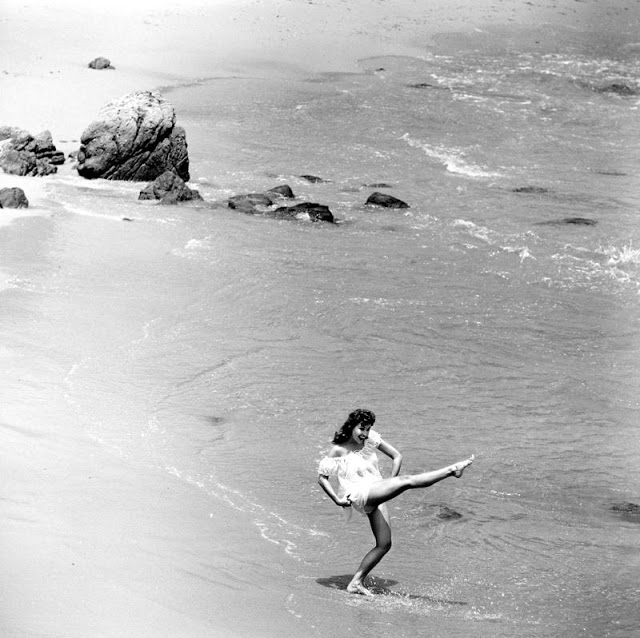
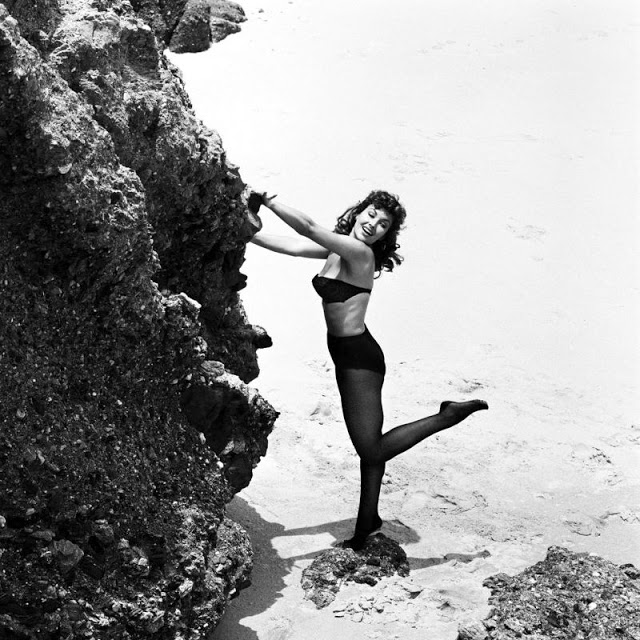
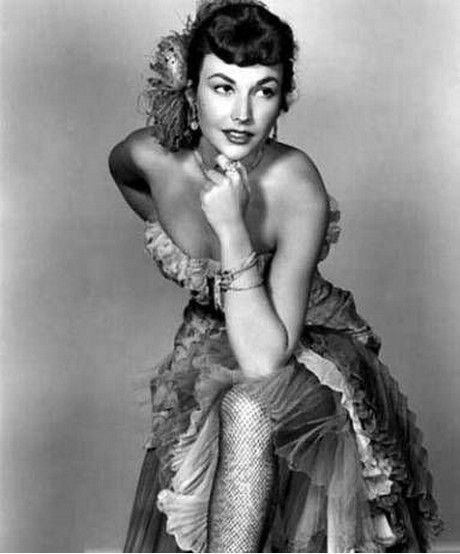
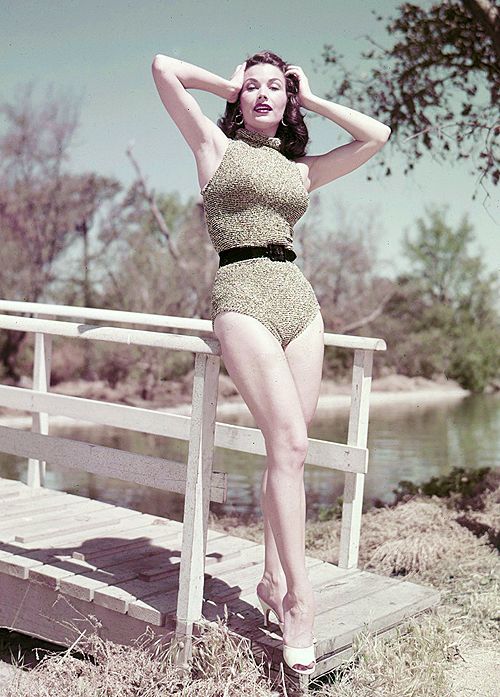
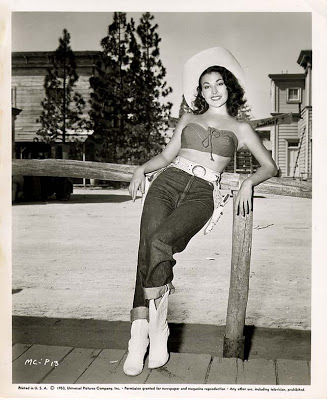
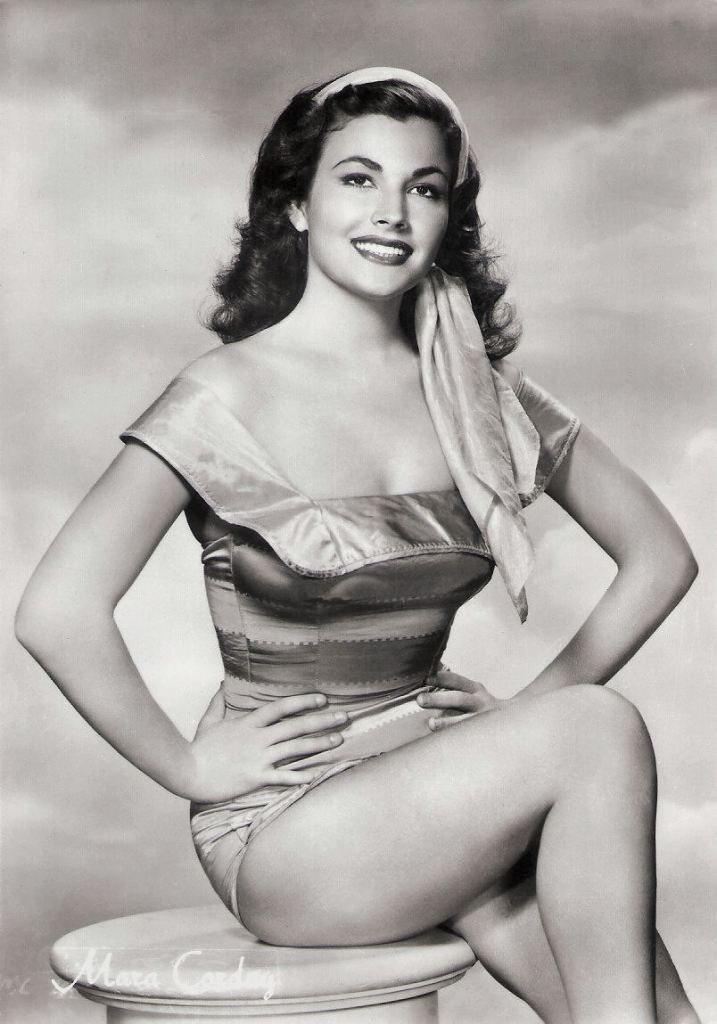
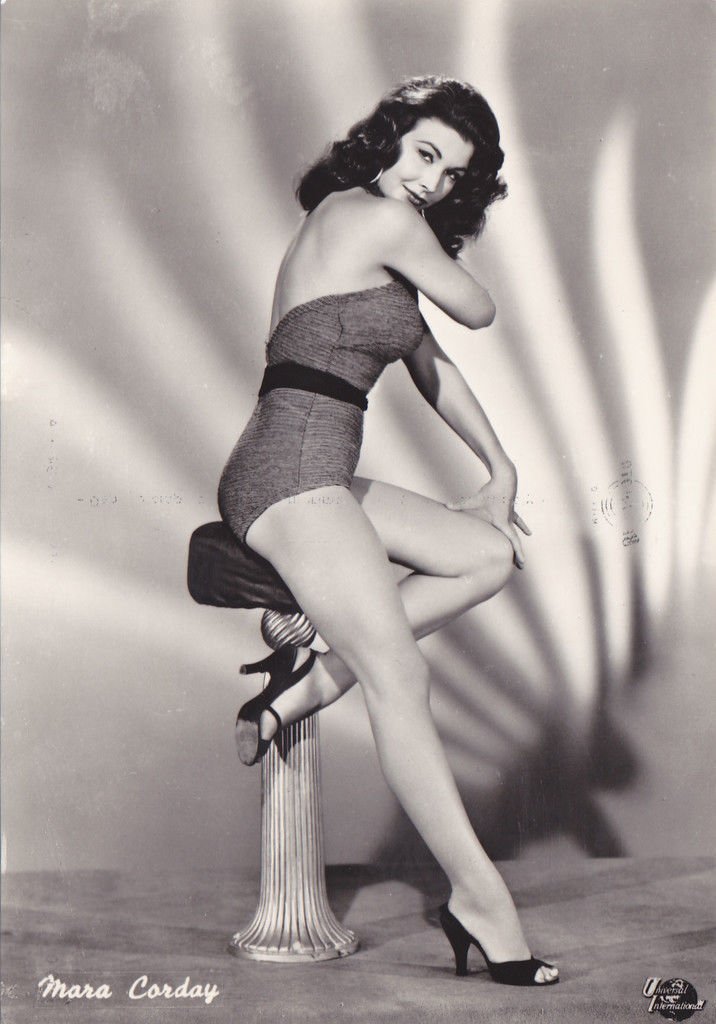
The actress was born Marilyn Watts in Santa Monica, California, 17 years before she put her foot on the bottom step of the show biz ladder, dancing in the back row of the chorus in “Earl Carroll’s Revue” at the famed showman’s theater-restaurant in Hollywood. Modeling for photographers led to wider exposure and ultimately to TV roles and bit parts in low-budget movies. As a Universal-International contract player, she was in most every type of B picture that the studio made. She gave up acting in the early ’60s to concentrate on marriage and motherhood during 17 tumultuous years as the wife of actor Richard Long. Since his 1974 death, she’s played supporting parts in her friend Clint Eastwood’s movies, just as he played a supporting role in one of hers (Tarantula (1955)). IMDB



Become a paid subscriber to get access to the rest of this post and other exclusive content.









































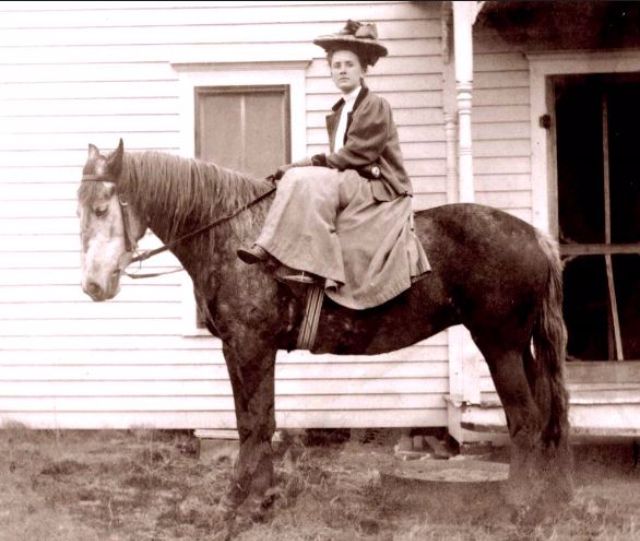
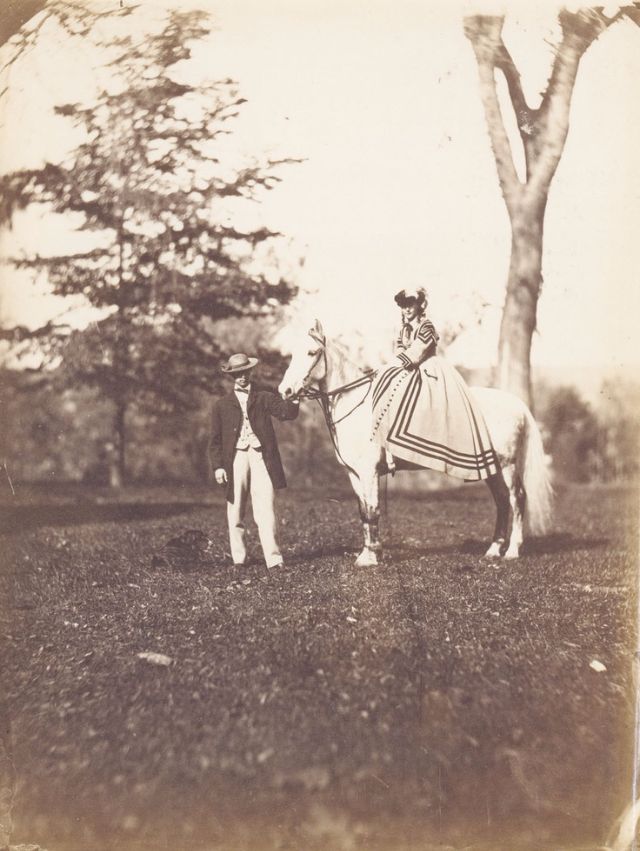
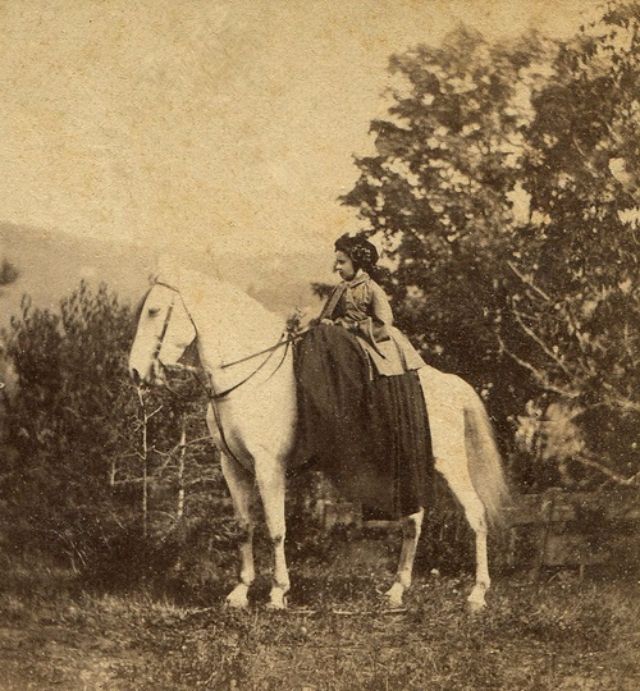
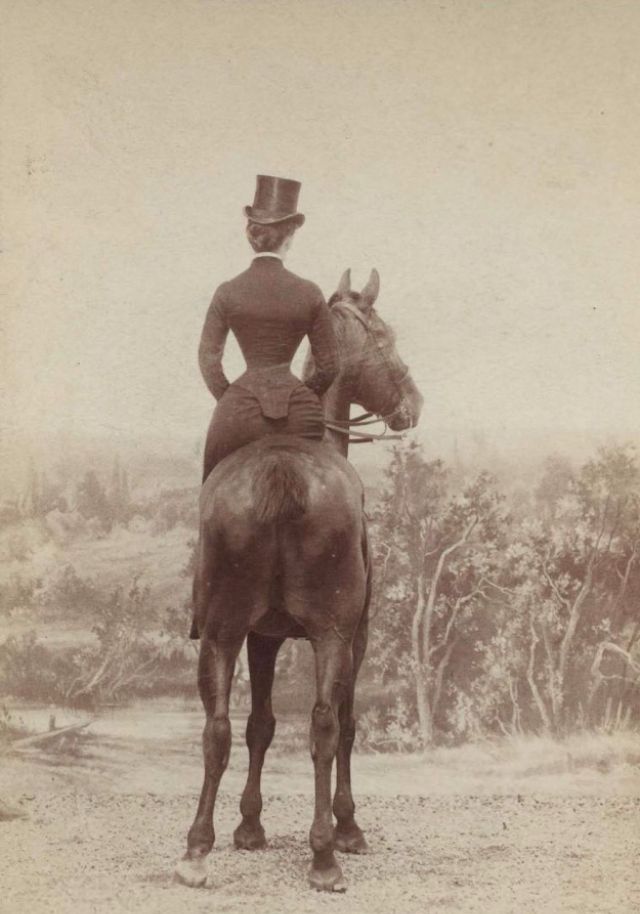
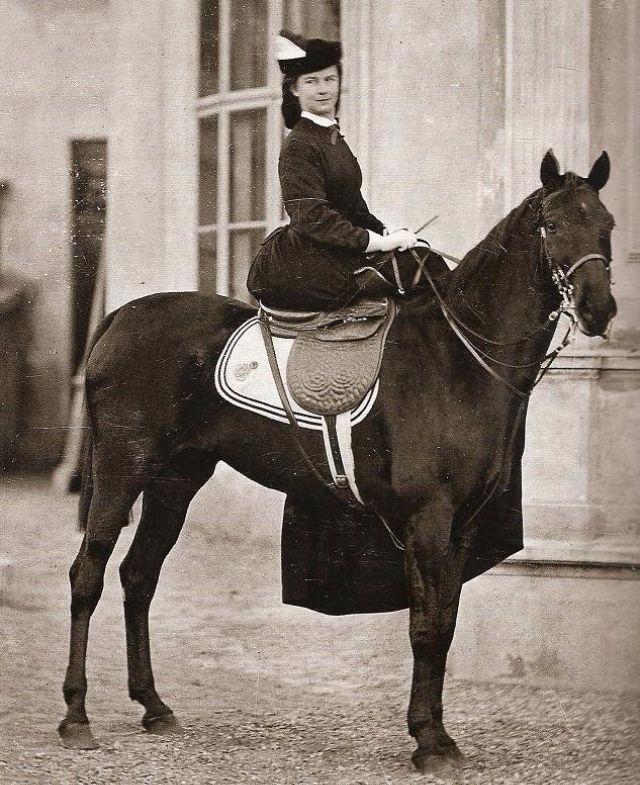
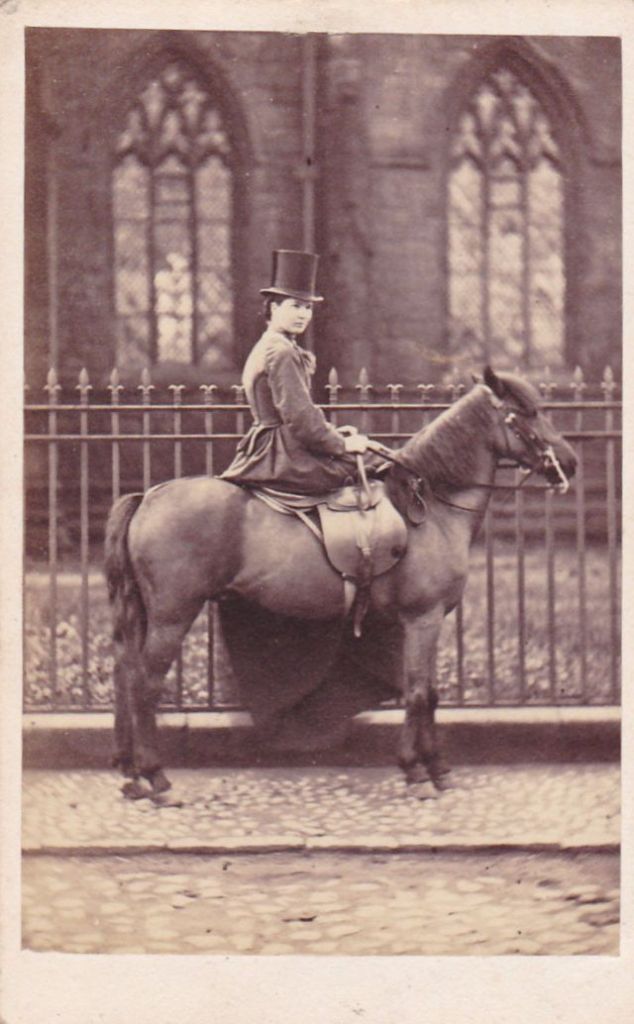
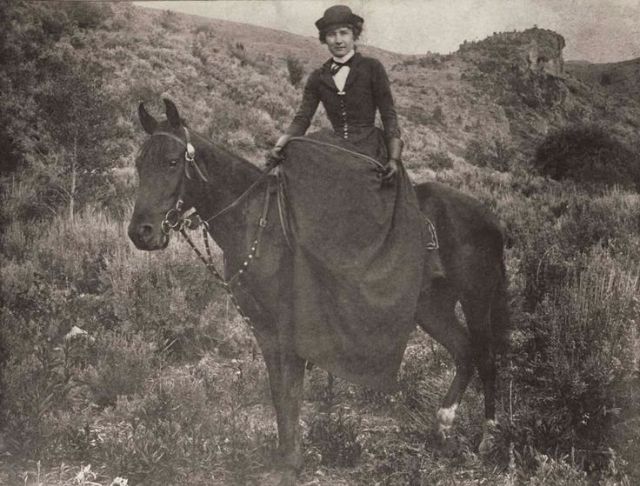
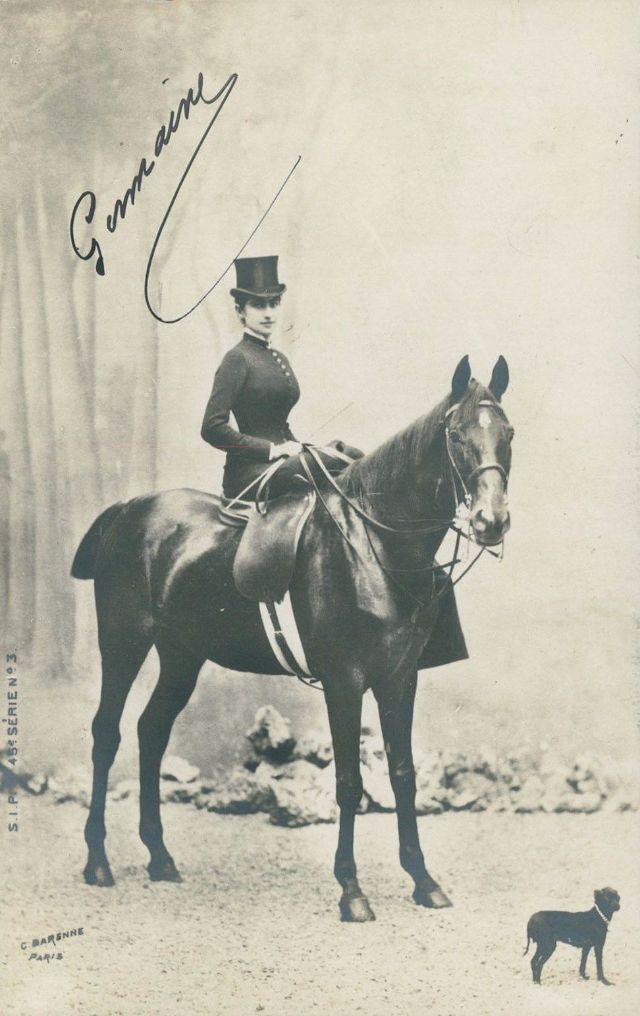
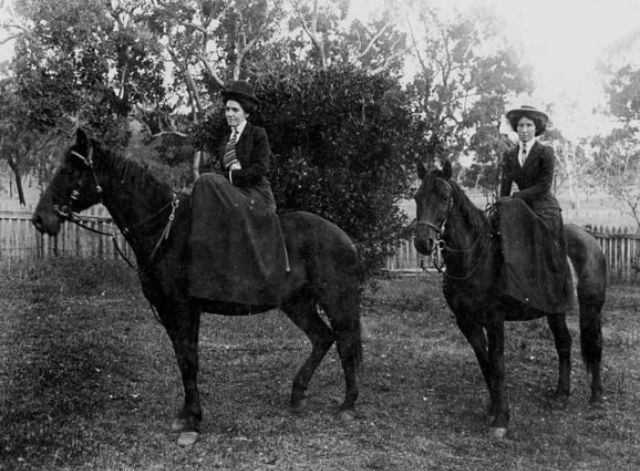
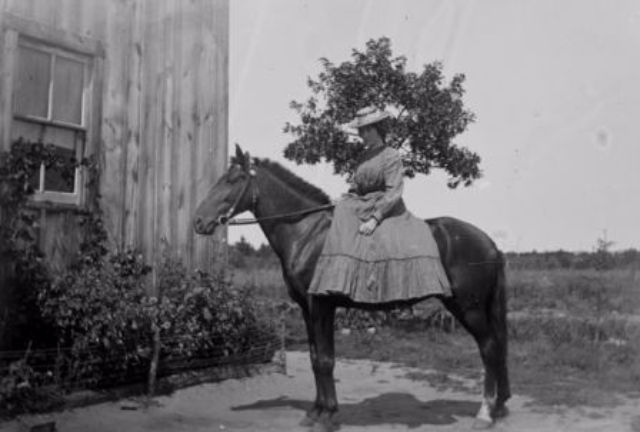
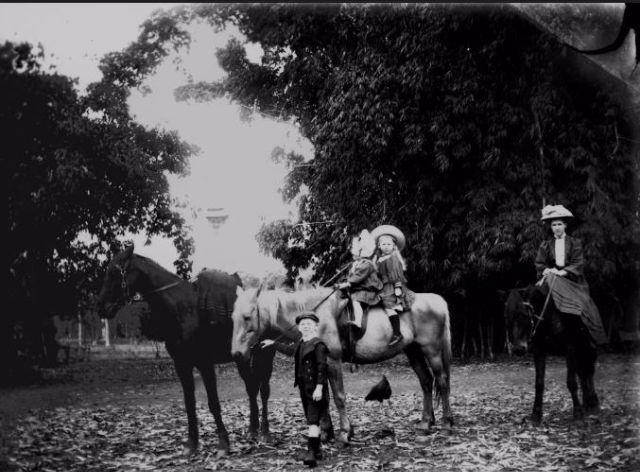
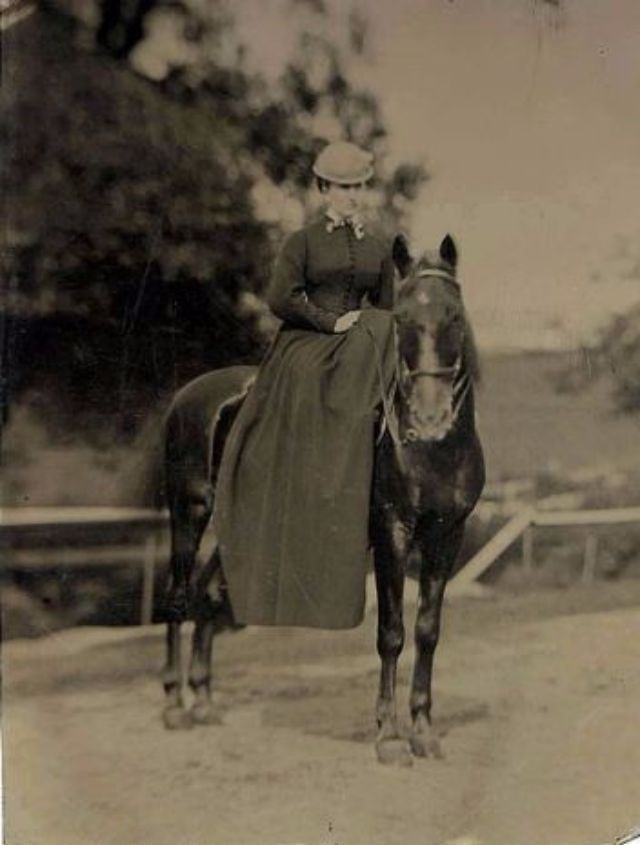
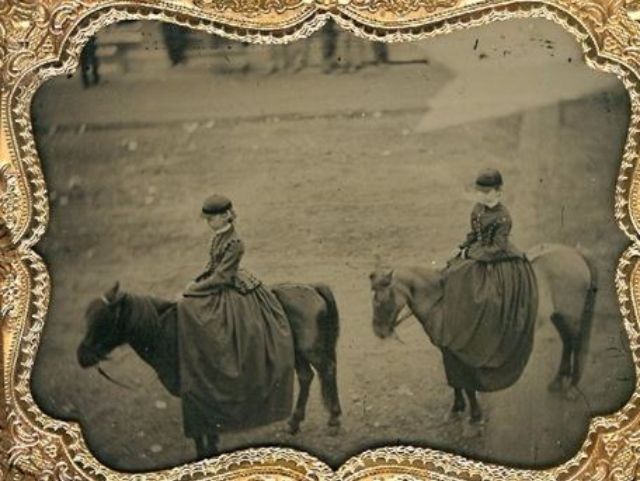
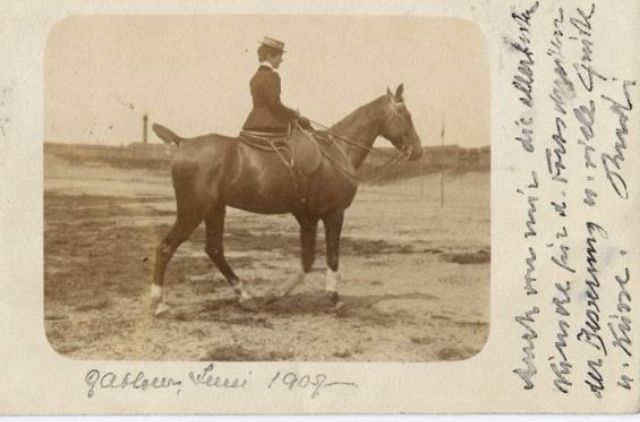
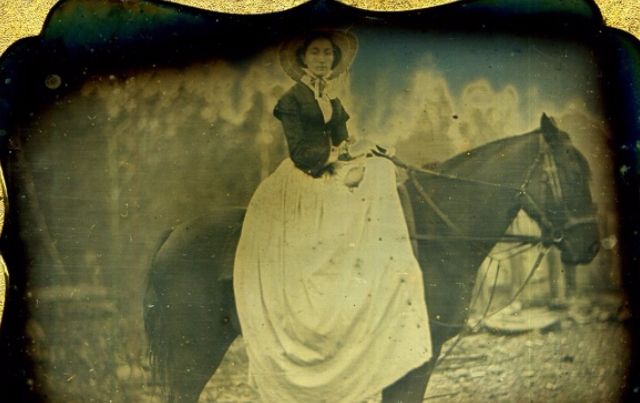
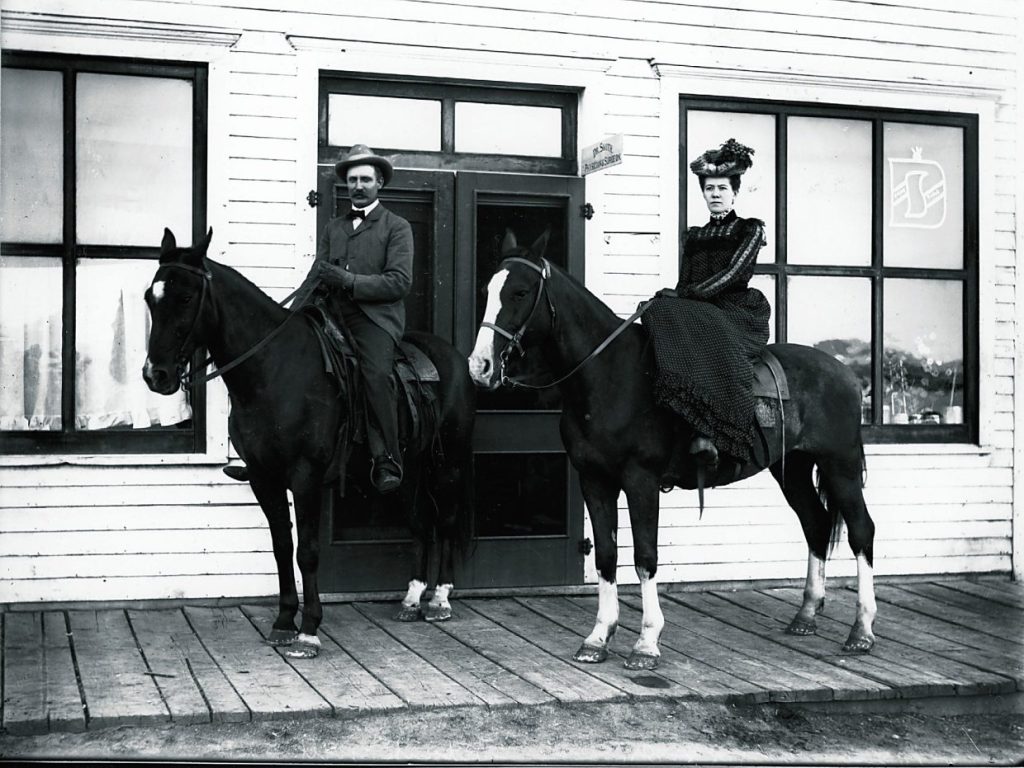
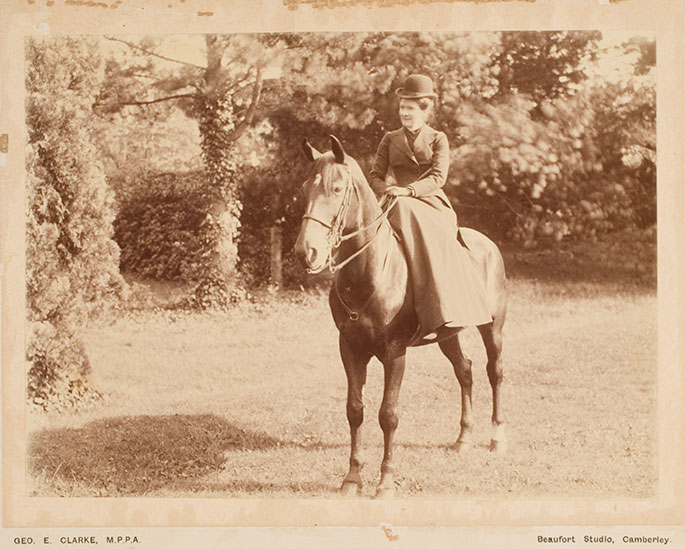
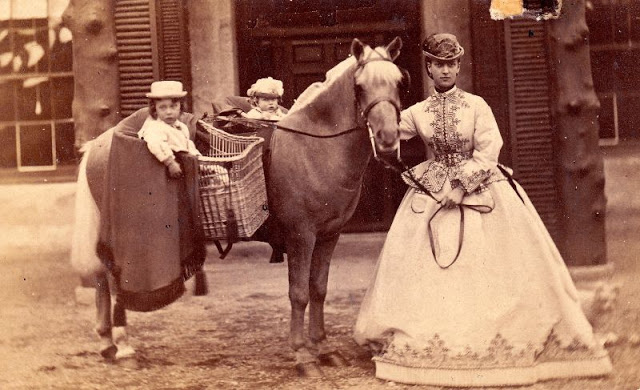
For women, sitting aside on a horse dates back to antiquity. For the main part, men rode horses; women were merely passengers, sitting behind the men, either holding the man around the waist or sitting on a small padded seat or pillion. This was partly due to their long, heavy skirts; it was impractical to ride astride. Also riding side-saddle was seen to preserve the ladies’ modesty.
The idea of it being indecent for a lady to ride astride can be traced back to 1382, when Princess Anne of Bohemia rode side-saddle across Europe on her way to marry King Richard II. Riding side-saddle was seen as a way to protect her virginity. Soon it was considered vulgar for any woman to ride astride.
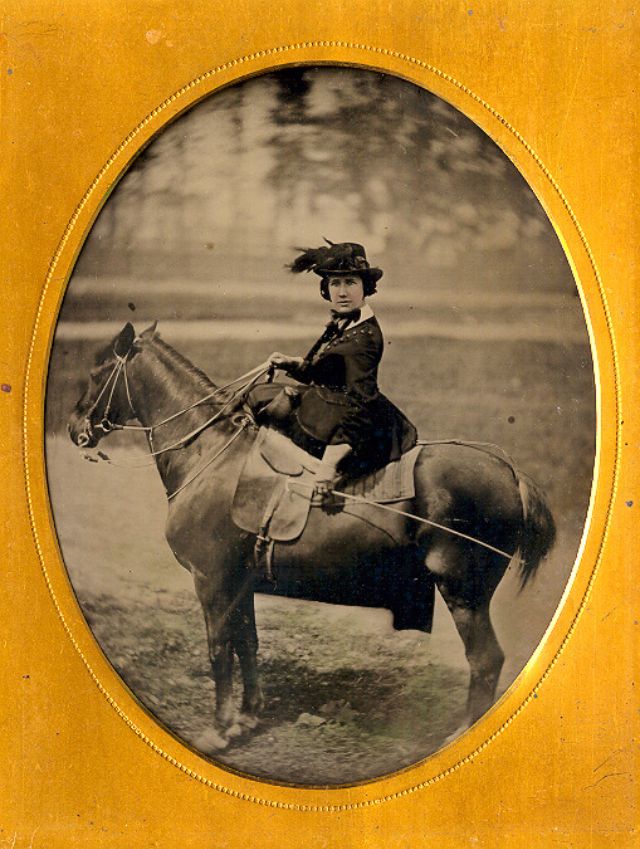
The sidesaddle was considerably improved over the years, especially during the Victorian period. The first specifically designed side saddle accommodated a women sitting fully sideways in a “planchette” saddle which was like a chair with a footrest.
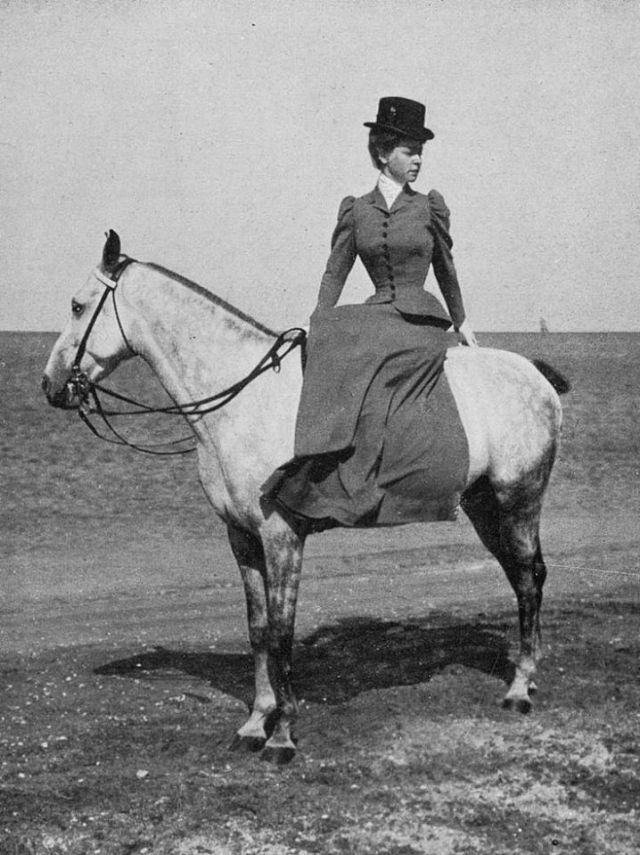
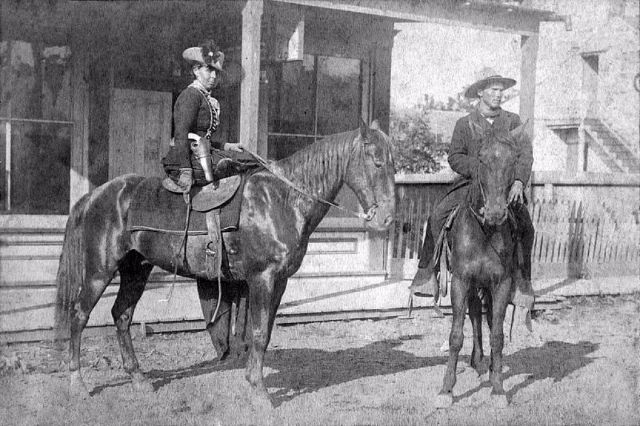
Women riding alone probably began by ride a standard saddle with one horn. But specially-designed side-saddles were soon developed. Various arrangements of single or double stirrups and pommels were in use, with the women still sitting to the side with both feet side-by side in one or two stirrups or on a shelf.
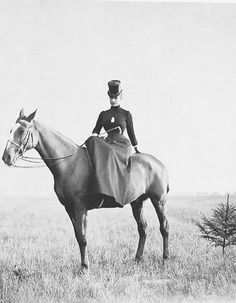
In the early 20th century it became socially acceptable for women to ride astride while wearing split skirts or breeches, and the side-saddle began to fall out of fashion. The rise of women’s suffrage also played a role; to the Suffragettes, riding side-saddle was a symbol of male domination. And so by 1930, riding astride had become totally acceptable and the preferred method of riding for women.