

Bringing You the Wonder of Yesterday – Today


Become a paid subscriber to get access to the rest of this post and other exclusive content.

Become a paid subscriber to get access to the rest of this post and other exclusive content.

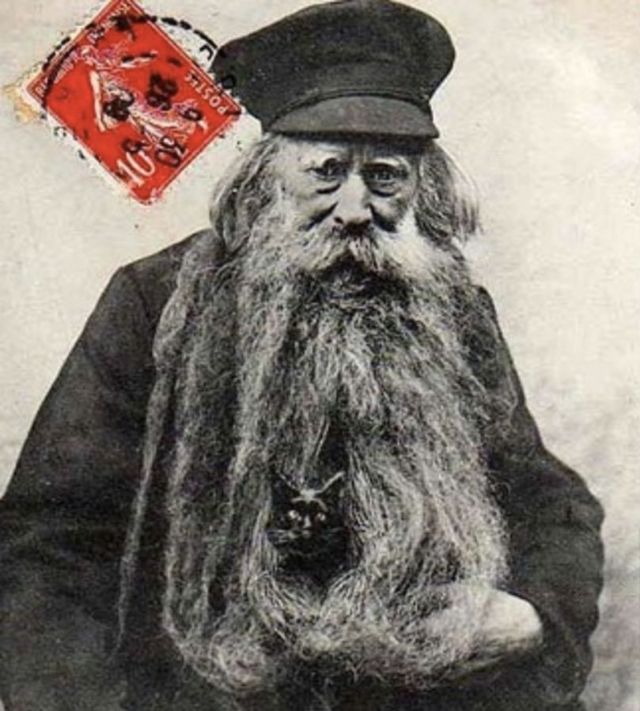
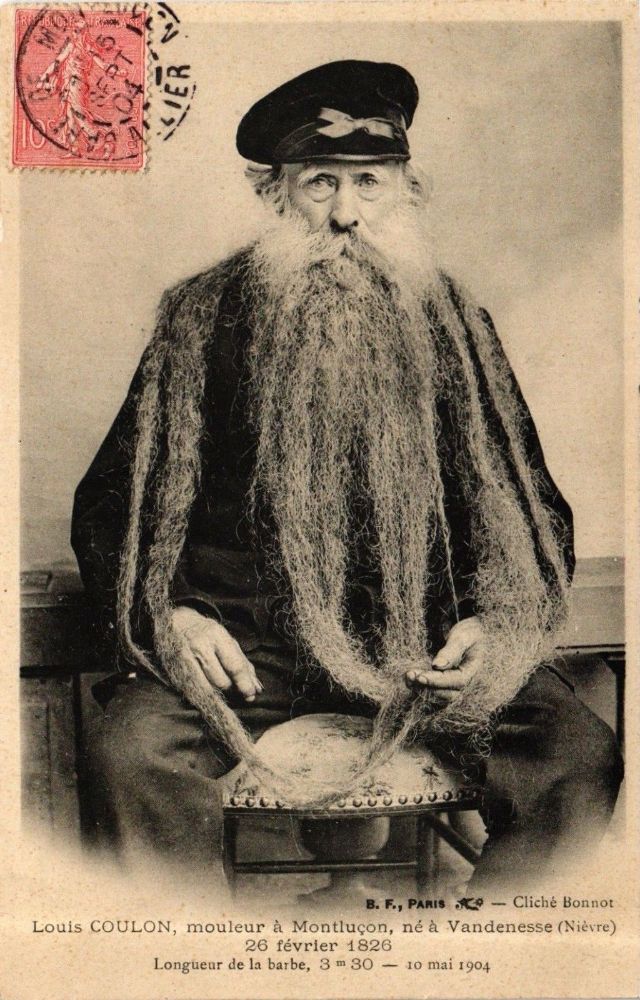
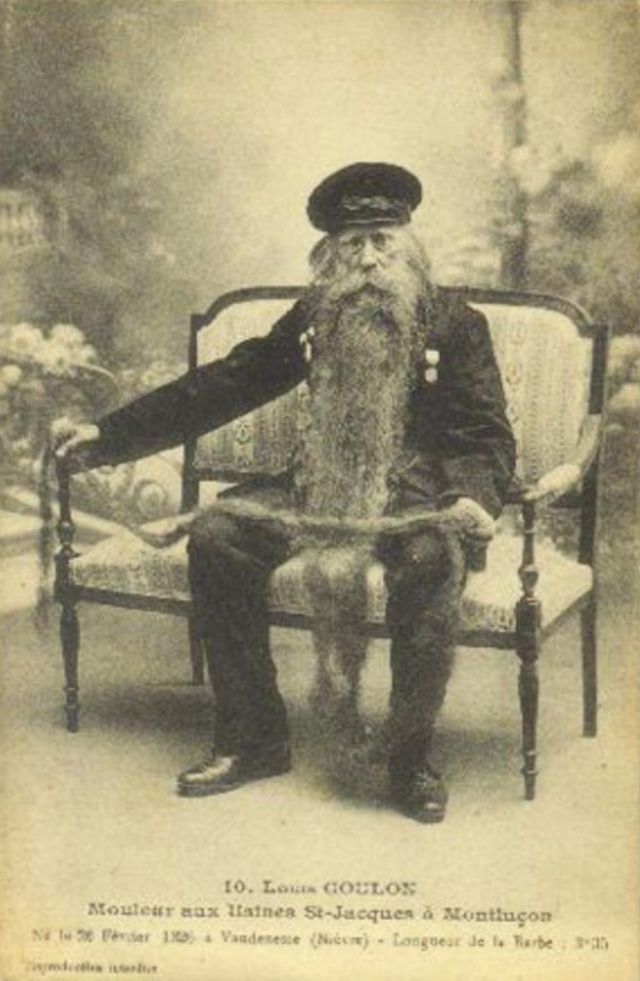
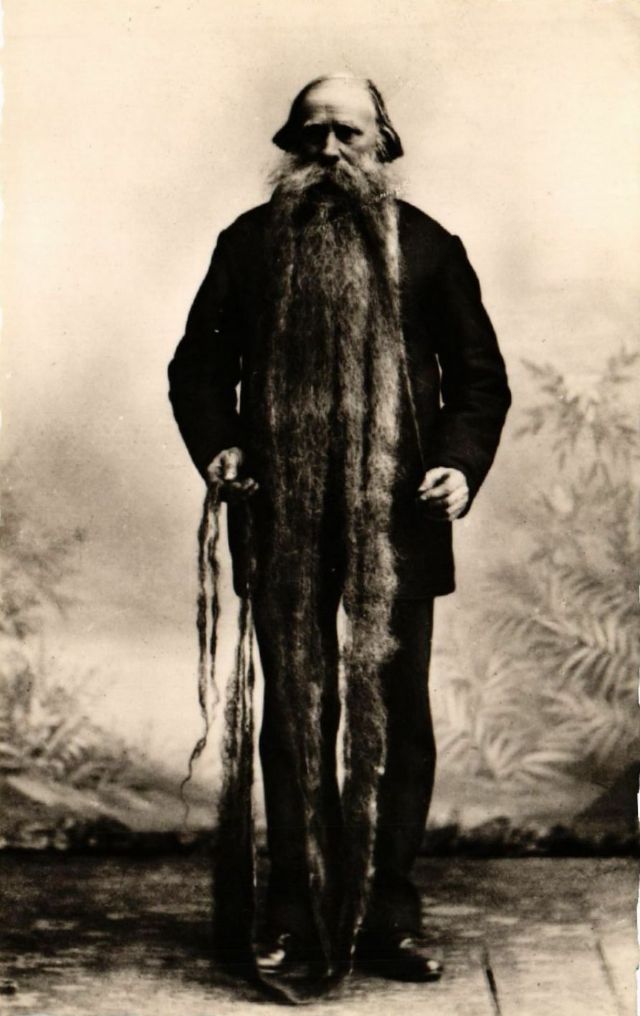
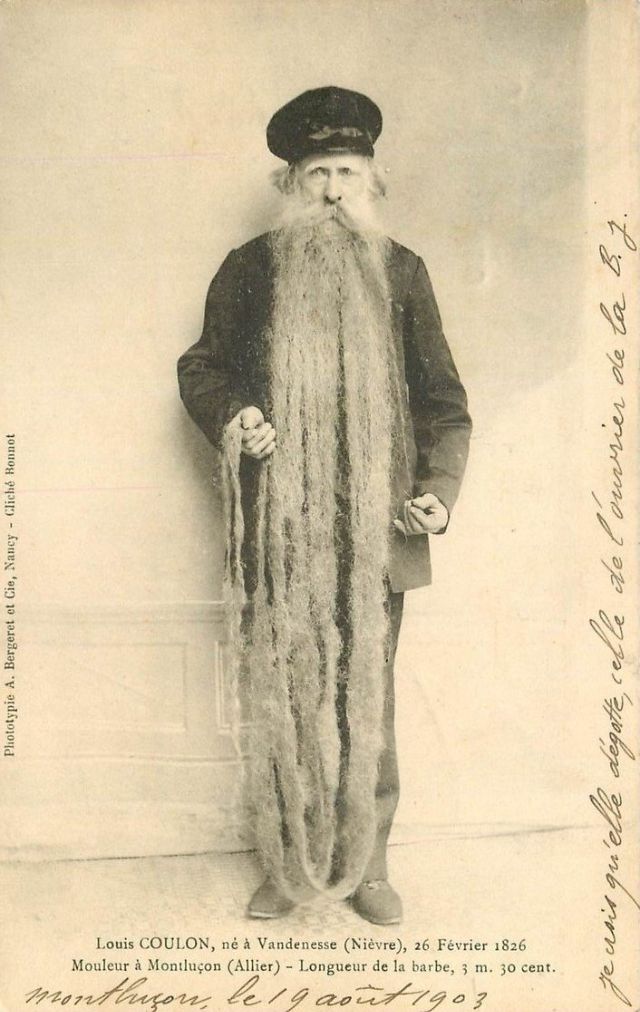
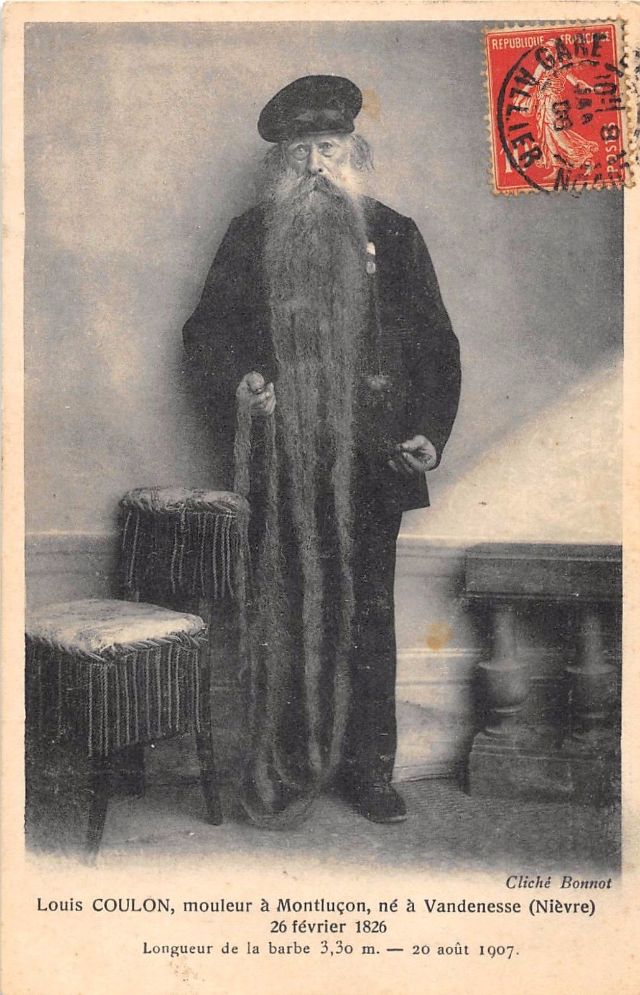
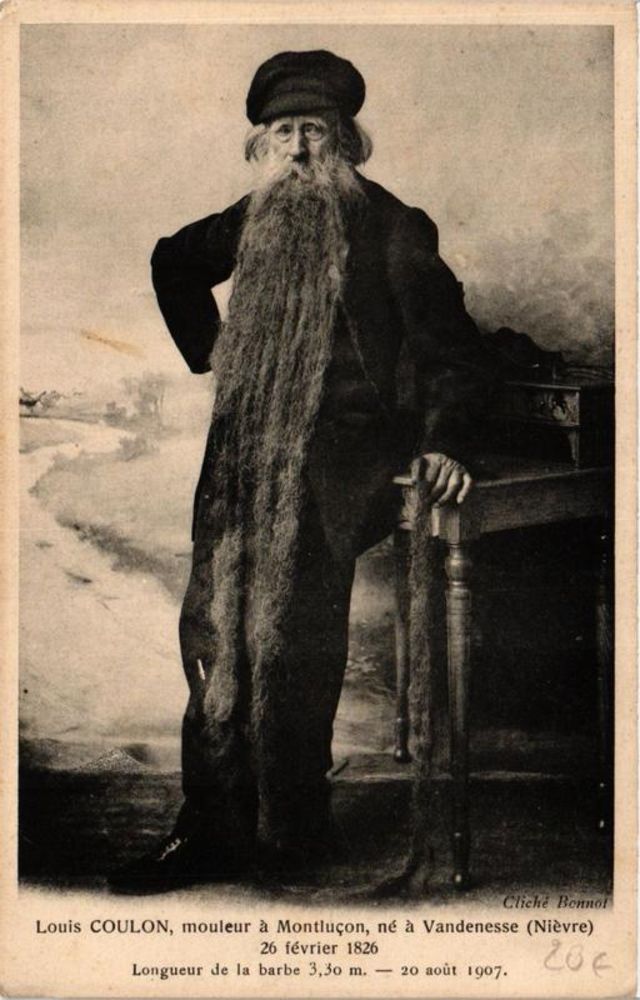
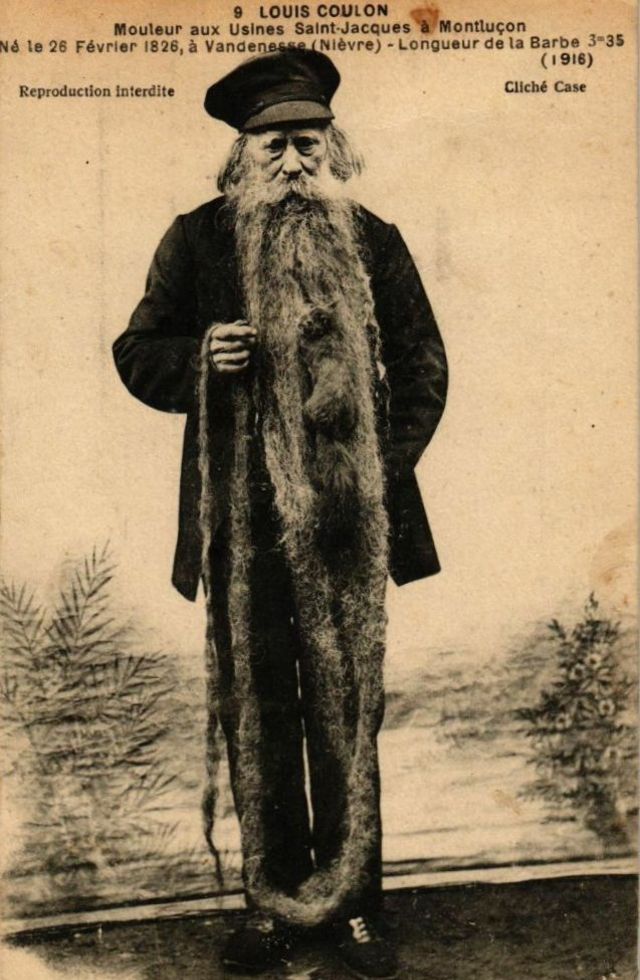
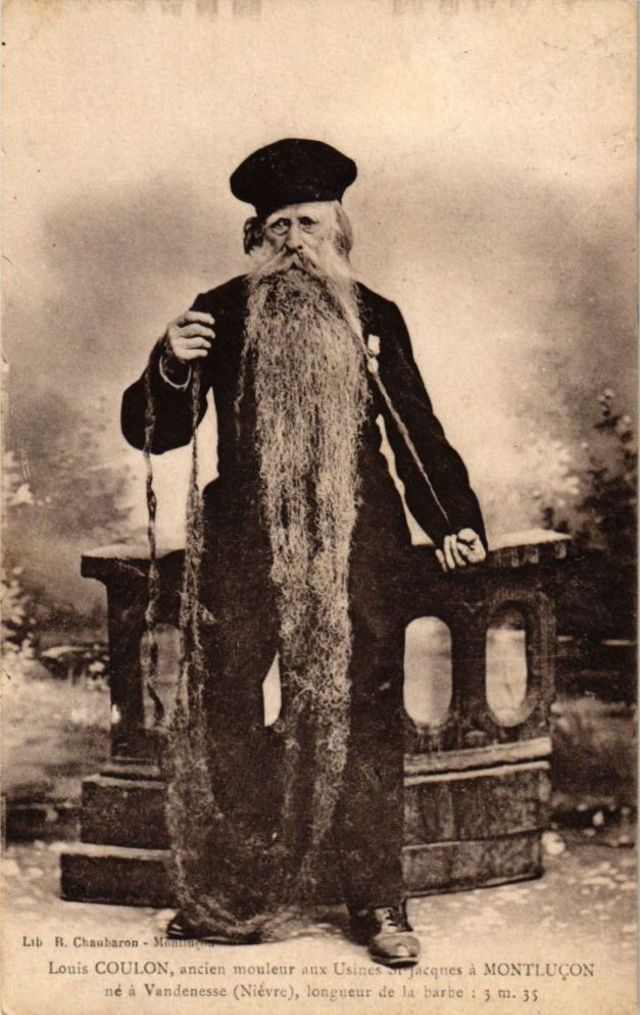
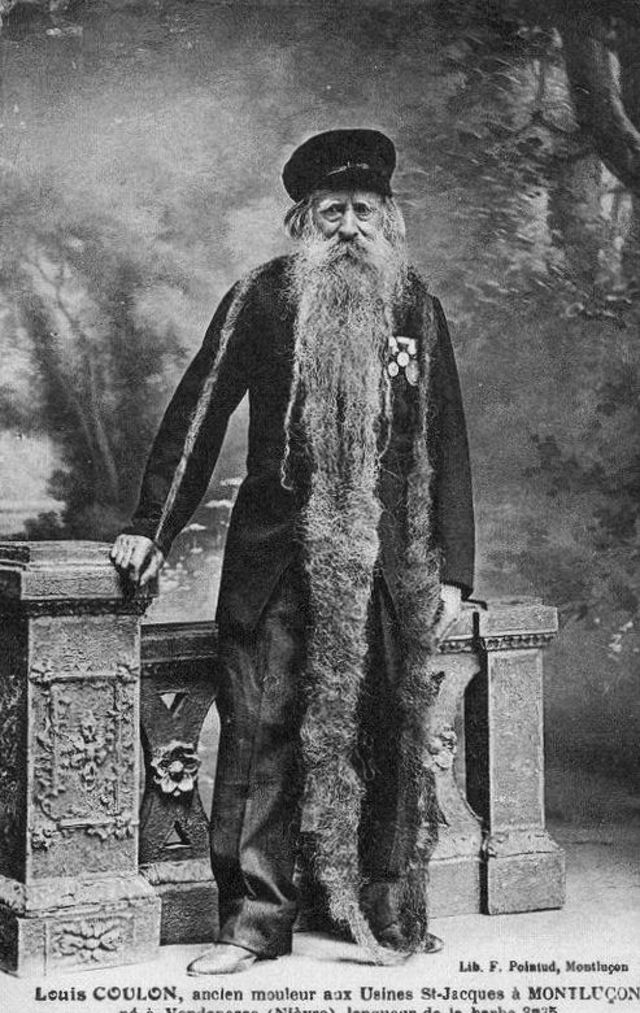
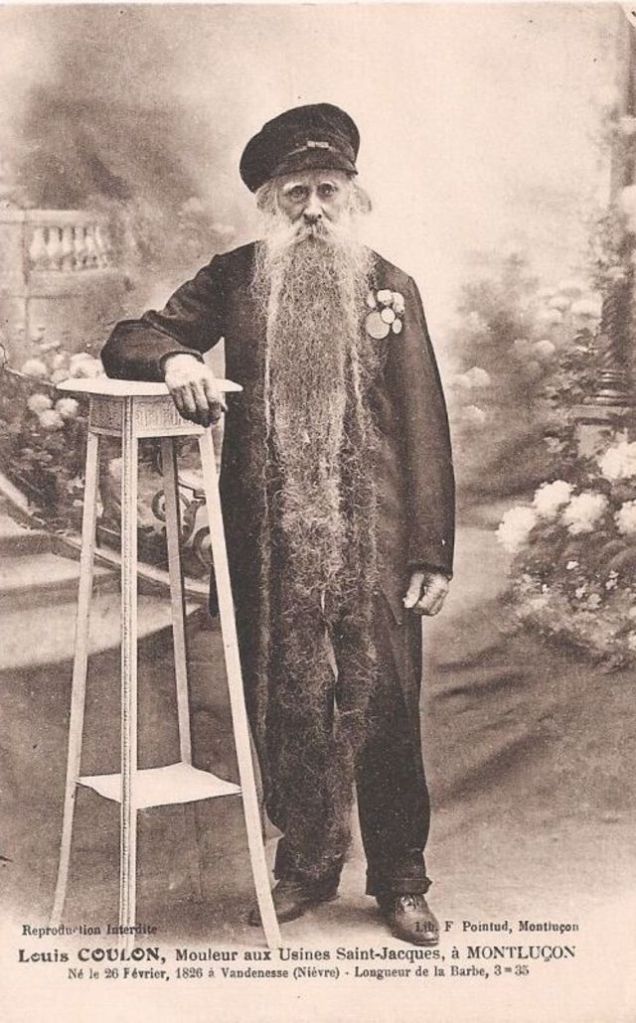
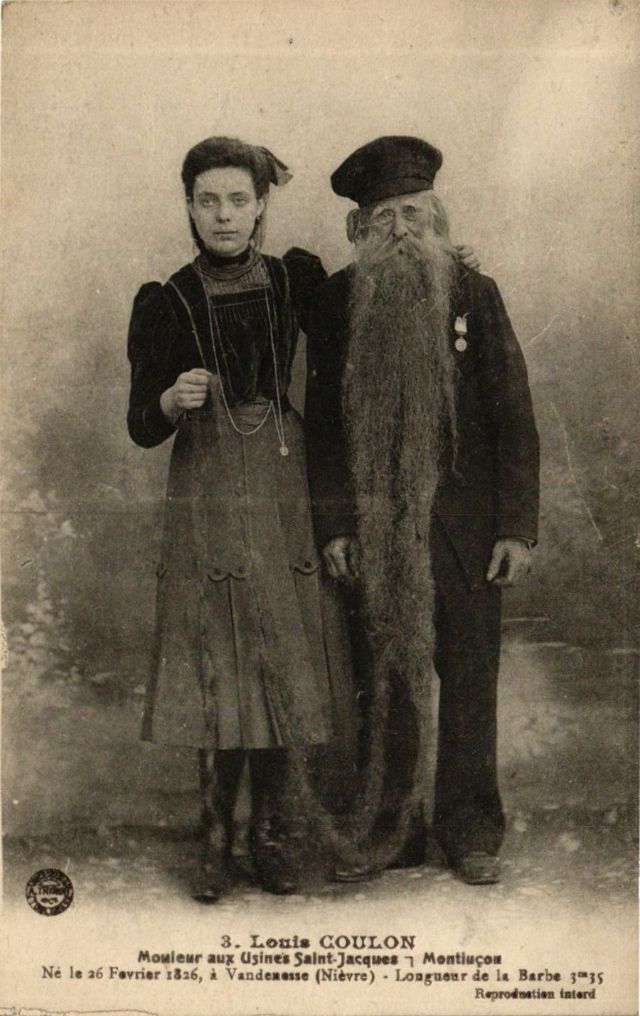
Born on February 26, 1826 in Vandenesse (Niève), Louis Coulon was a “cast iron moulder” at the Forey factory in Montluçon. Apparently, he was already shaving by age 12 but could not maintain the sharpness of his razor blade from its frequent use. In fact, his beard was growing so fast that by age 14, Coulon already had a 50 centimeter (19.6 inch) beard. From then on, it was just a matter of letting it grow to monstrous length.
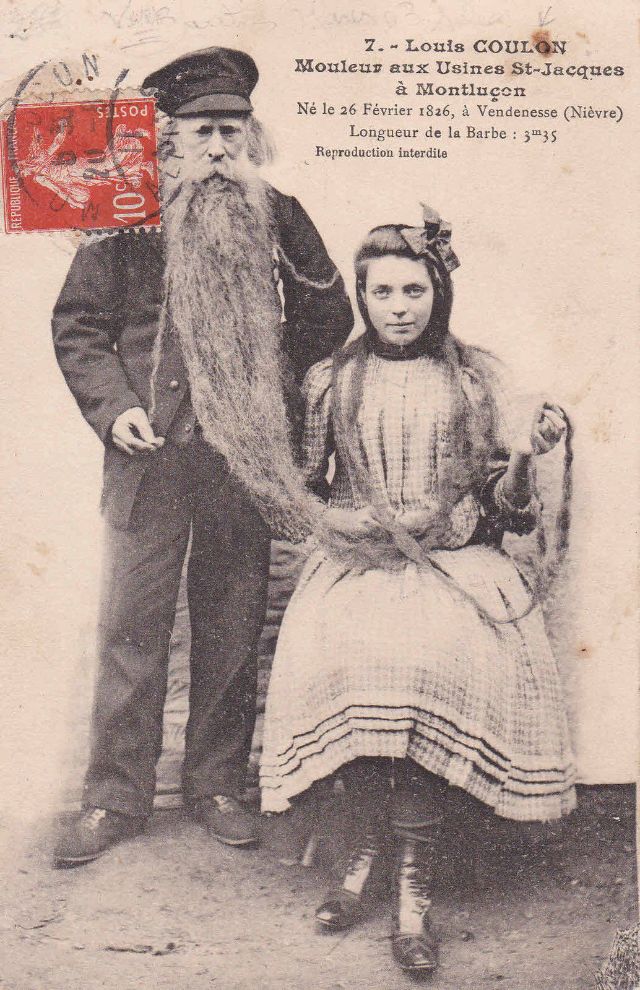
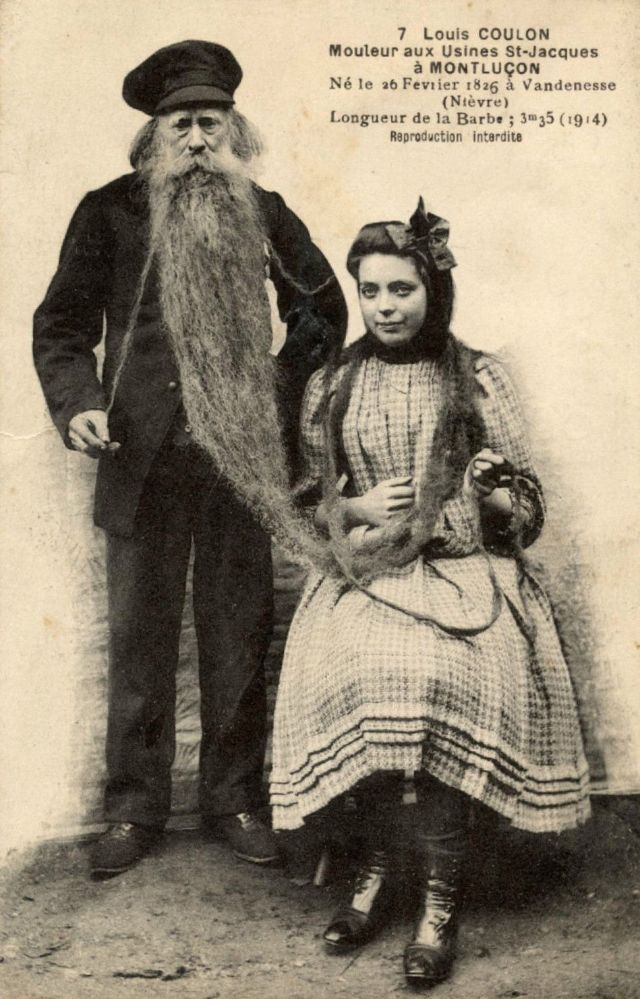
Even if Coulon attained a somewhat famous status, he remained humble, even refusing a lord William’s offer of 10 000 franc to travel. He was featured on many postcards, one in particular stating that his beard was 3.3 meters (11 foot) long as of May 10, 1904. Surprisingly, this beard is not considered the world record: that title belongs to Sarwan Singh of Canada, having a 2.37 m (7 ft 9 in) beard. To Mr. Singh’s defense however, there were no Guinness World Record judges prior to 1954… Let us hope, however, that Coulon’s beard will one day be vindicated!
But the fact remains, as amazing as Coulon’s hirsute look is, it just wouldn’t be complete without his fuzzy little companion!









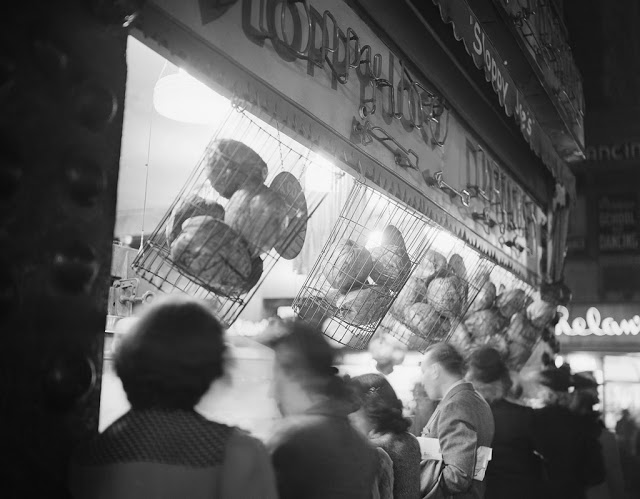
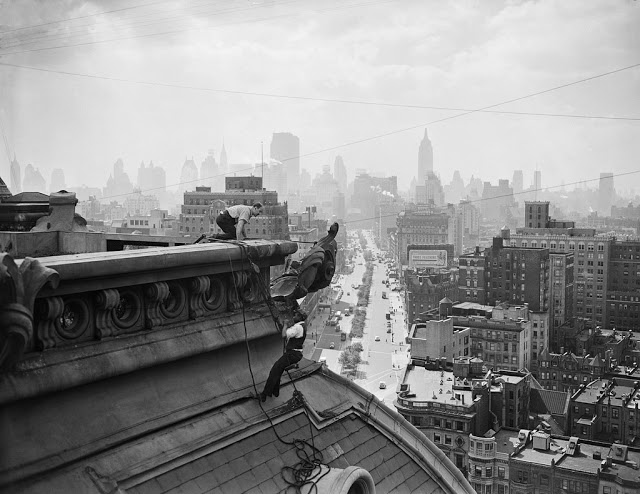
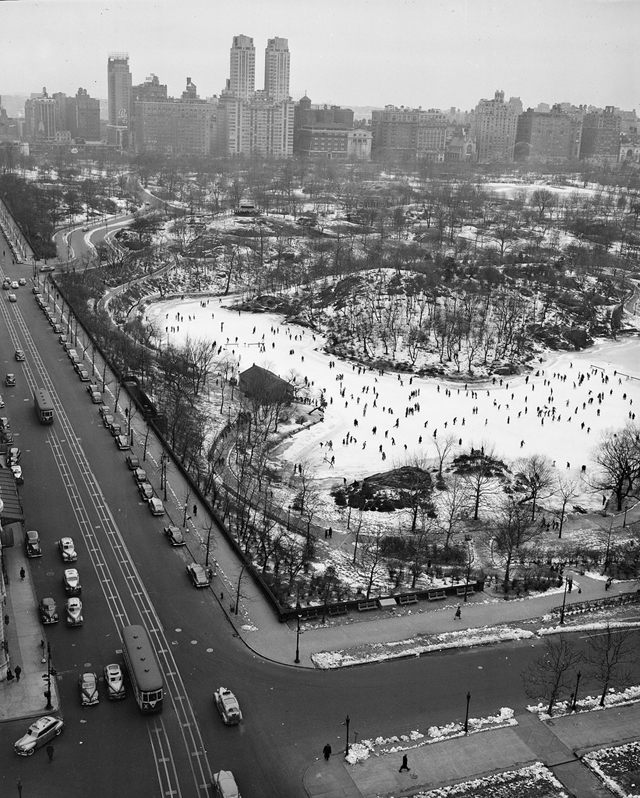
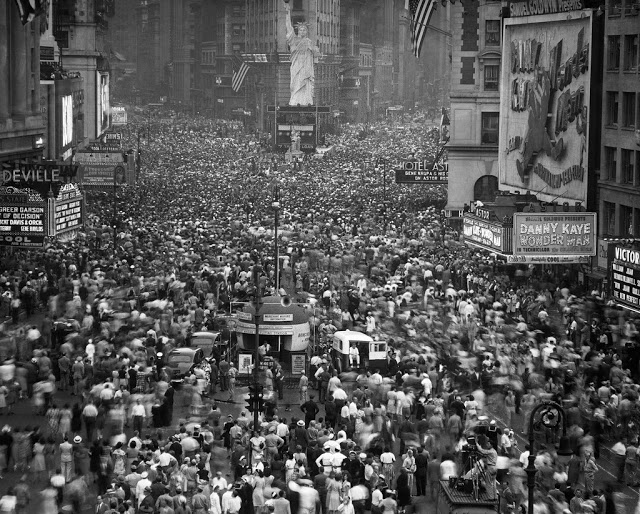
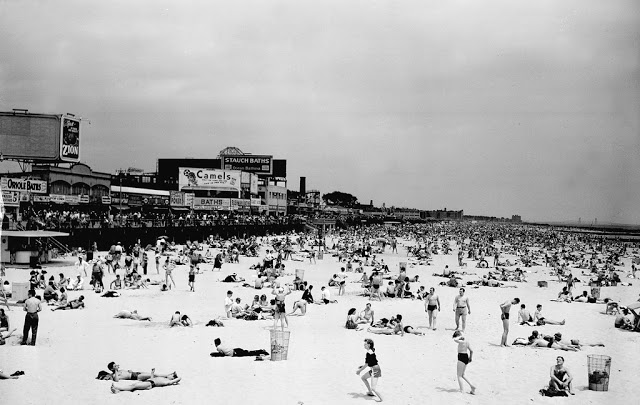
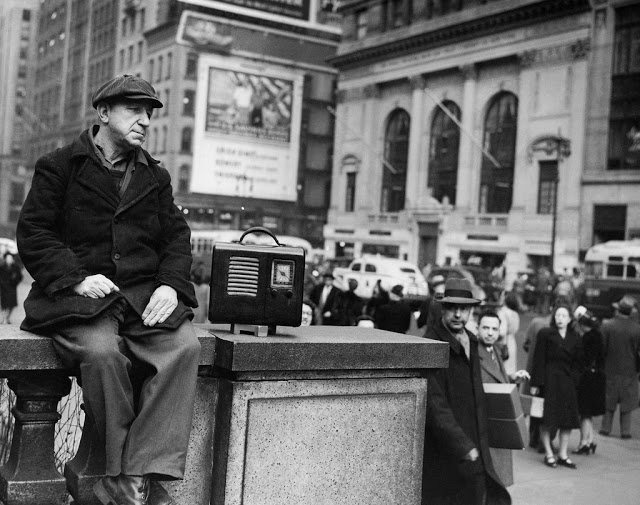
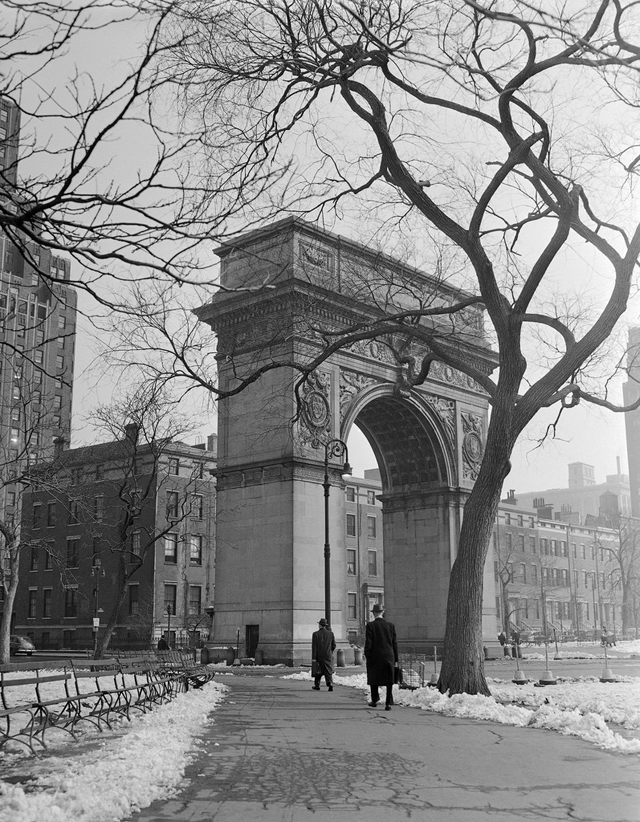
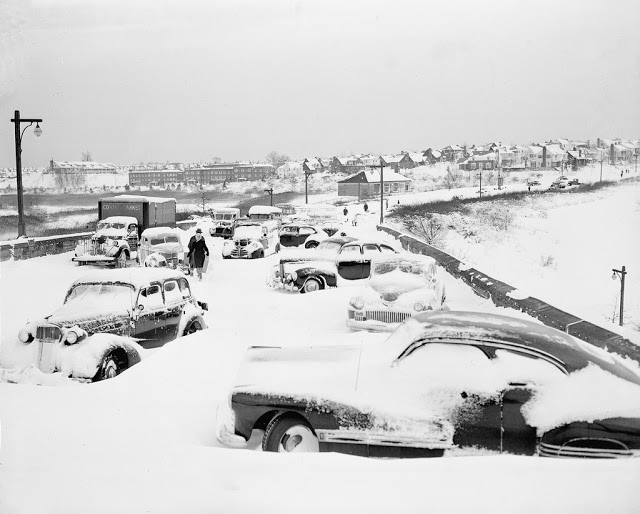
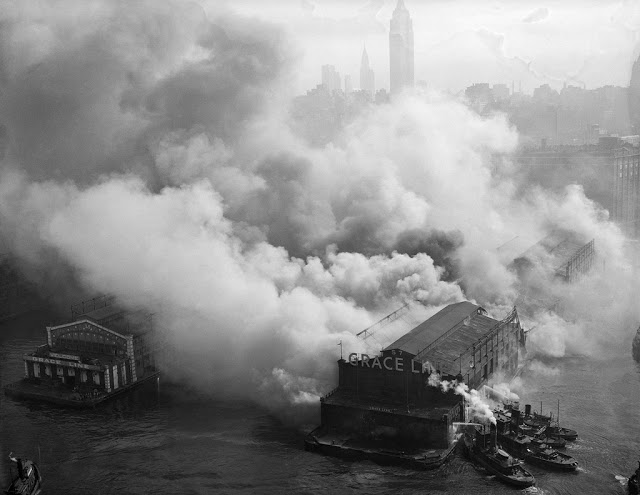
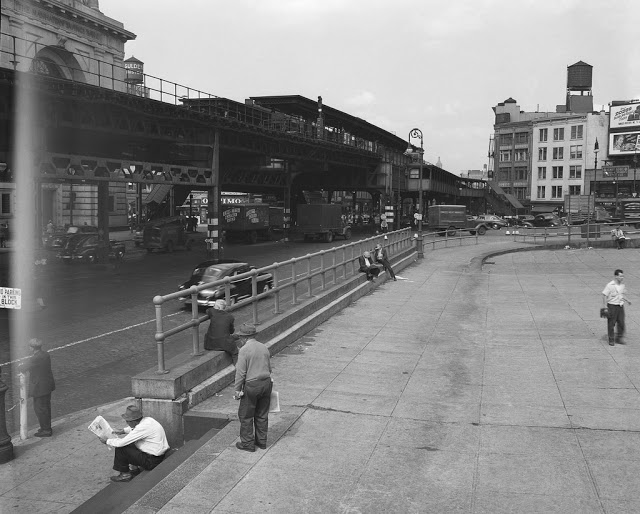
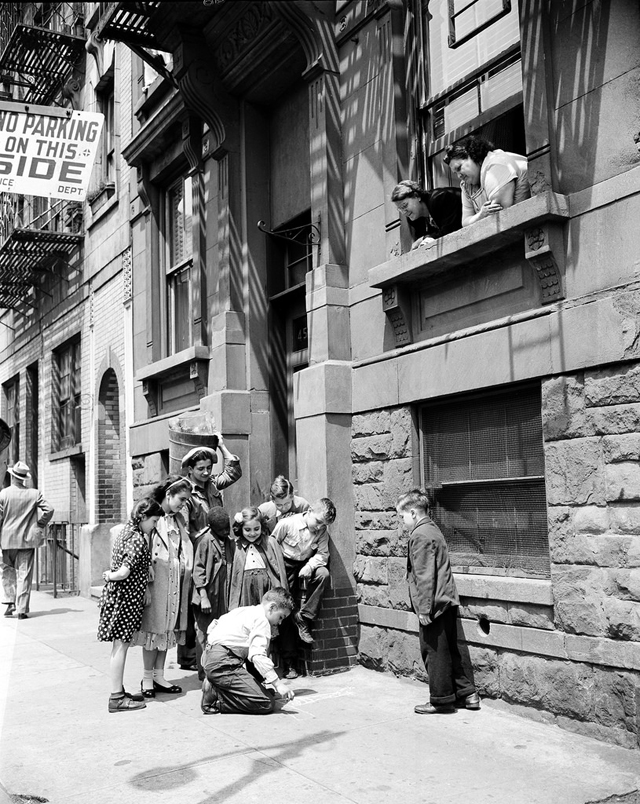
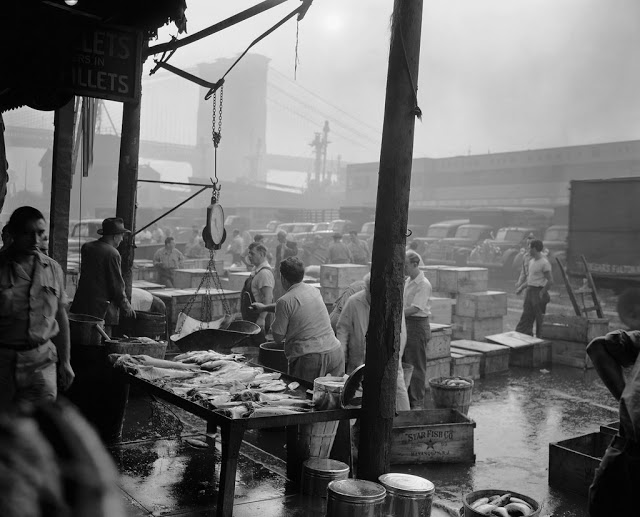
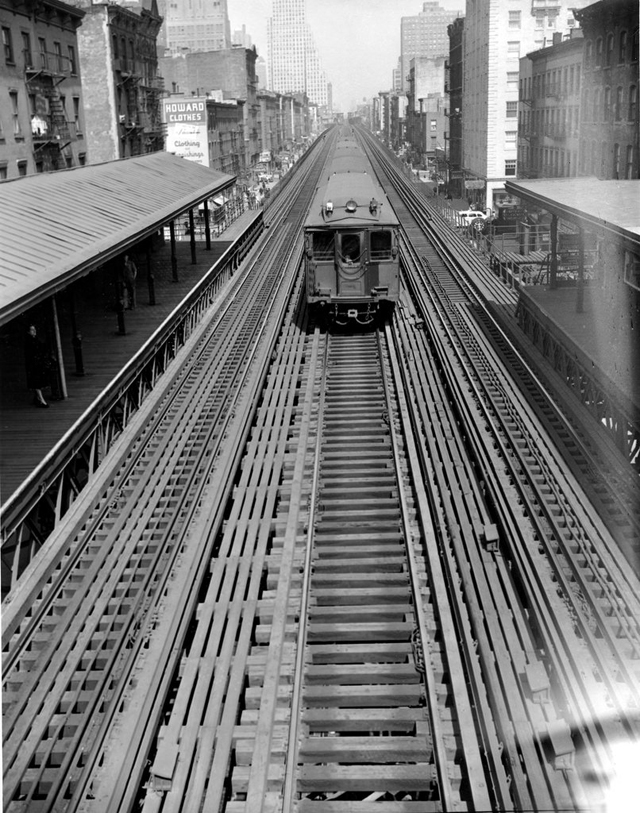
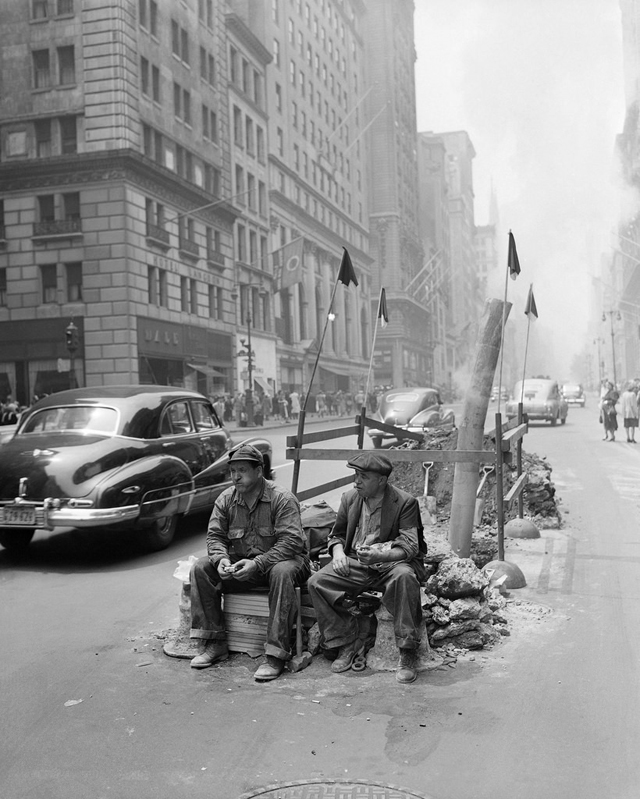
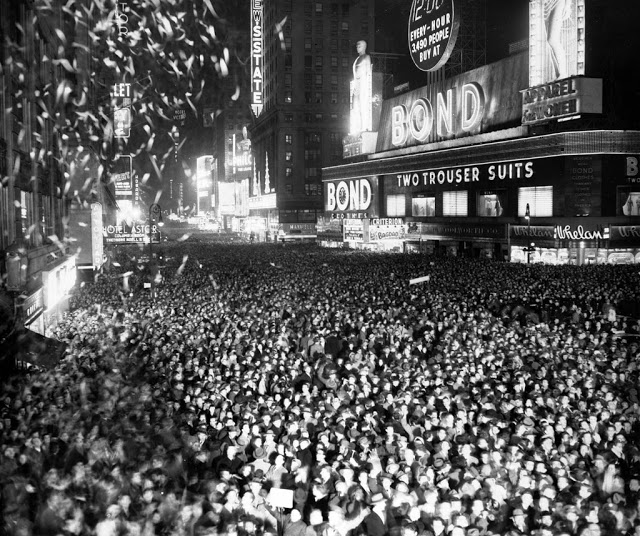
New York City in the 1940s was buzzing with activity, with the population of Manhattan almost reaching 2 million inhabitants. These incredible black and white photographs, which document everyday life in New York City, are a glimpse back at this era.





















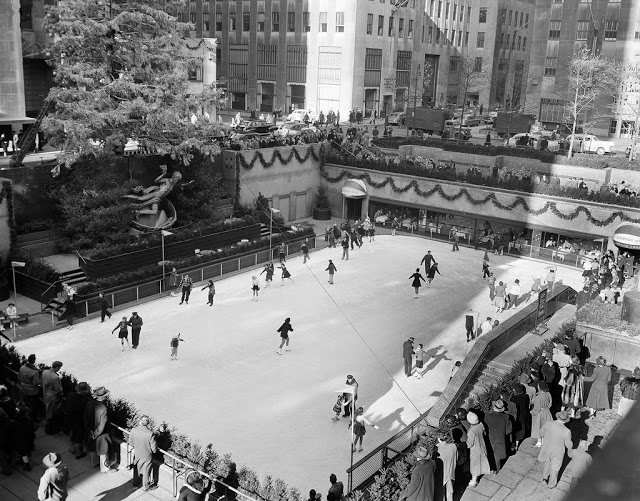



THE LATE 1960s to mid-70s were a manic depressive time period in music, populated by exultant highs and soul crushing lows. The highs came in the form of disco and bubblegum pop via ABBA, The Bee Gees and their ilk. The lows came in the form of devastating testaments to inner sadness and existential rage. Perhaps it was Vietnam, recreational heroin use, and an economy that was in the crapper that caused such a swell in depressing anthems. Who knows? What is known is that this time period was fertile ground for misery put to melody, and whittling them down to a list of 15 was a daunting task indeed, but here goes….

Livin’ alone
I think of all the friends I’ve known
But when I dial the telephone
Nobody’s home
It’s not so much the lyrics as the morose delivery under a melody lifted from Rachmaninoff’s Piano Concerto No. 2. Carmen sounds so deeply depressed that you half expect to hear a gunshot at the end of the song.
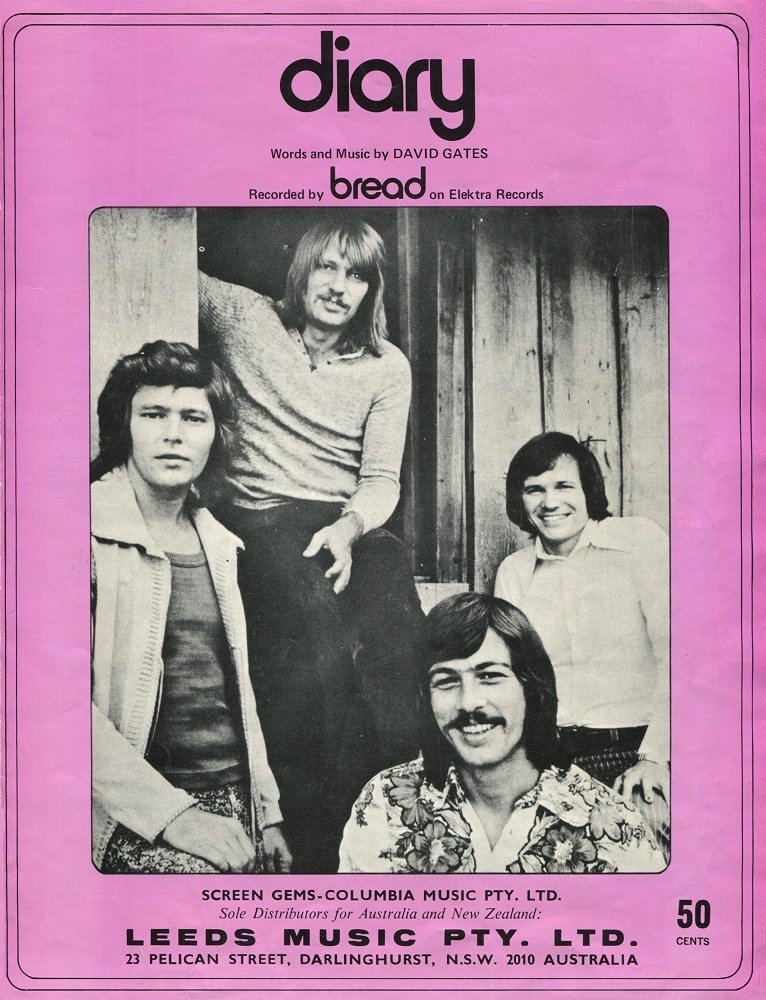
I found her diary underneath a tree.
And started reading about me.
The words began stick and tears to flow.
Her meaning now was clear to see.
The love she’d waited for was someone else not me
Do not play this at a party as it will cause long-term sorrow in the hearts of men and women alike. The combination of sparse acoustic guitar and violin with Gates’ downcast voice make for a track utterly devoid of cheer.
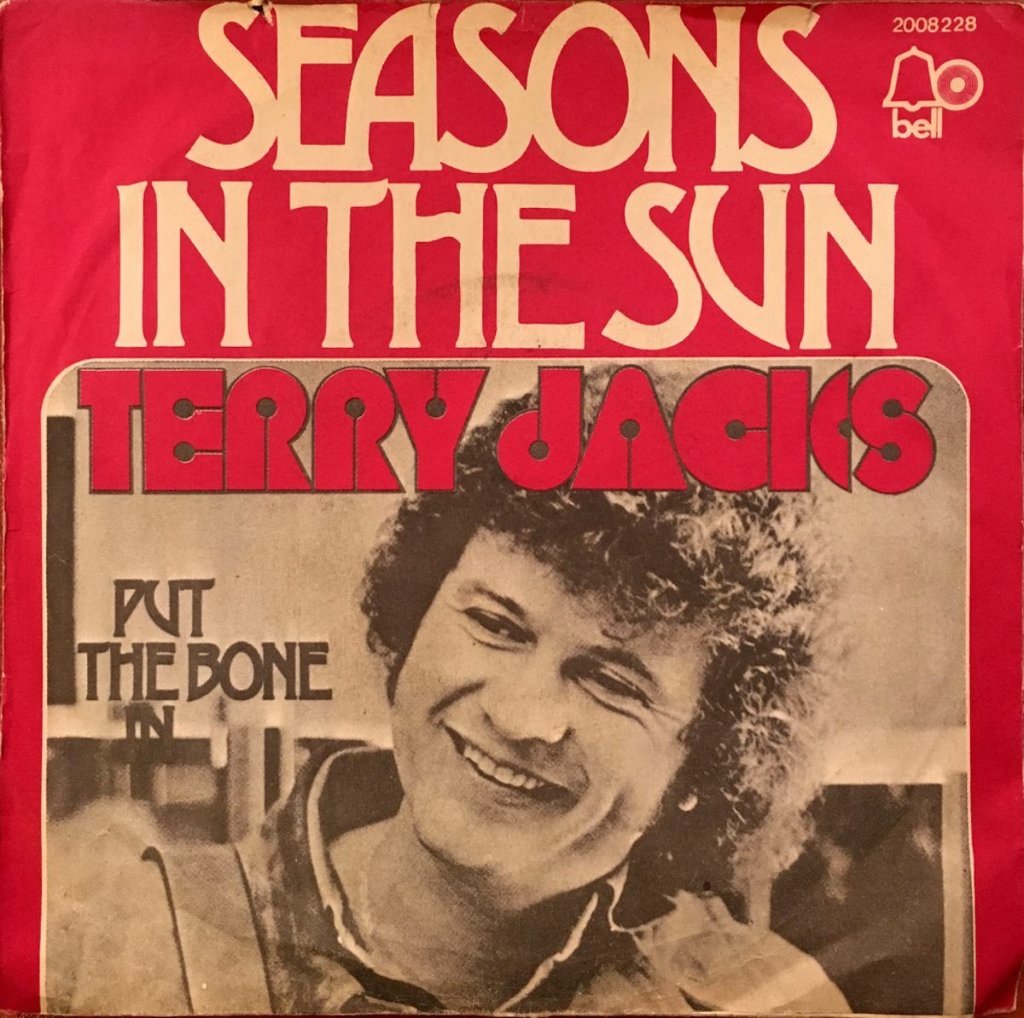
Goodbye my friend it’s hard to die
When all the birds are singing in the sky
Now that spring is in the air
Pretty girls are everywhere
Think of me and I’ll be there
TJ removed the bit about the wife’s infidelity when he adapted “Le Moribond” by Belgian Jacques Brel. Still, these last words of a dying man are guaranteed to destroy any shred of happiness in you.
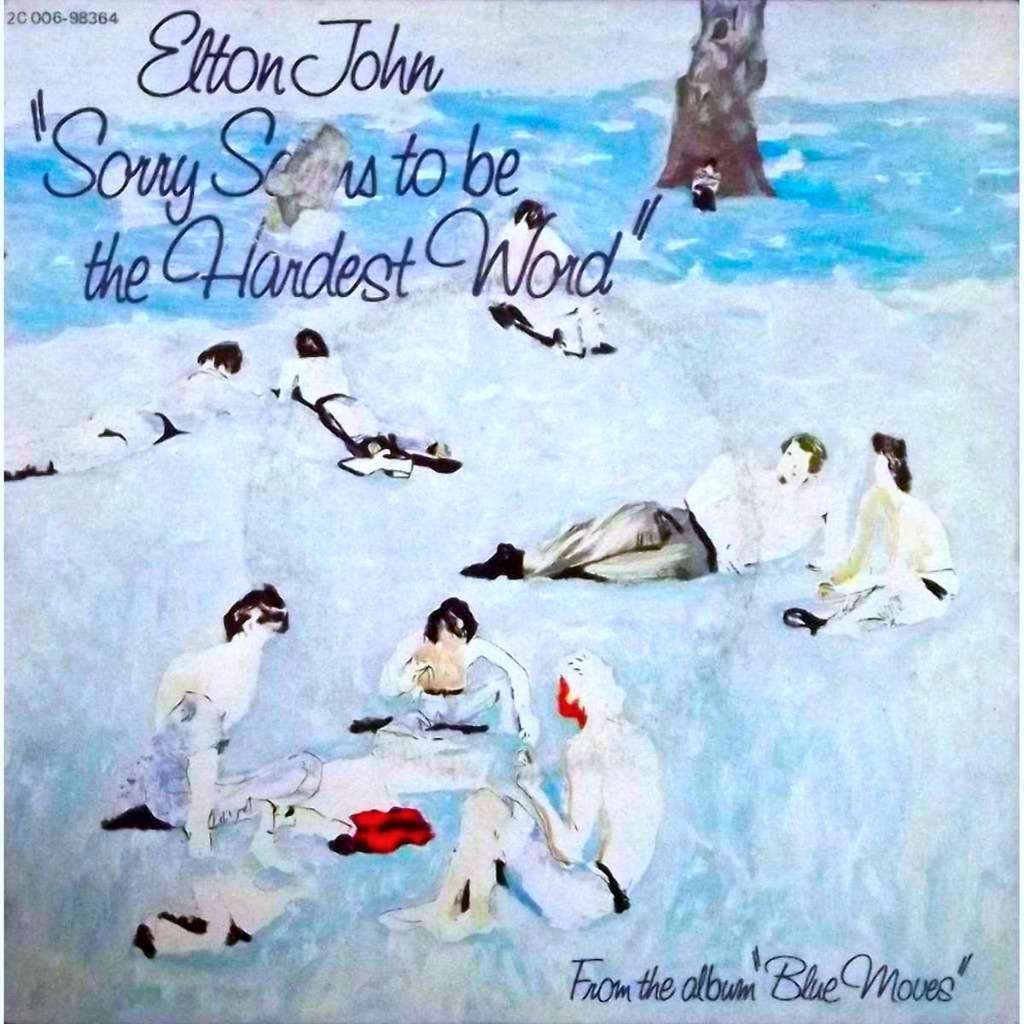
It’s sad (so sad)
It’s a sad, sad situation
And it’s getting more and more absurd.
This from the man that brought you “I Think I’m Gonna Kill Myself “which had much more dire lyrics. However, “Sorry” is a much more depressing package. If you are even feeling slightly listless and glum, don’t listen to this song. The levee will break, tears will flow.
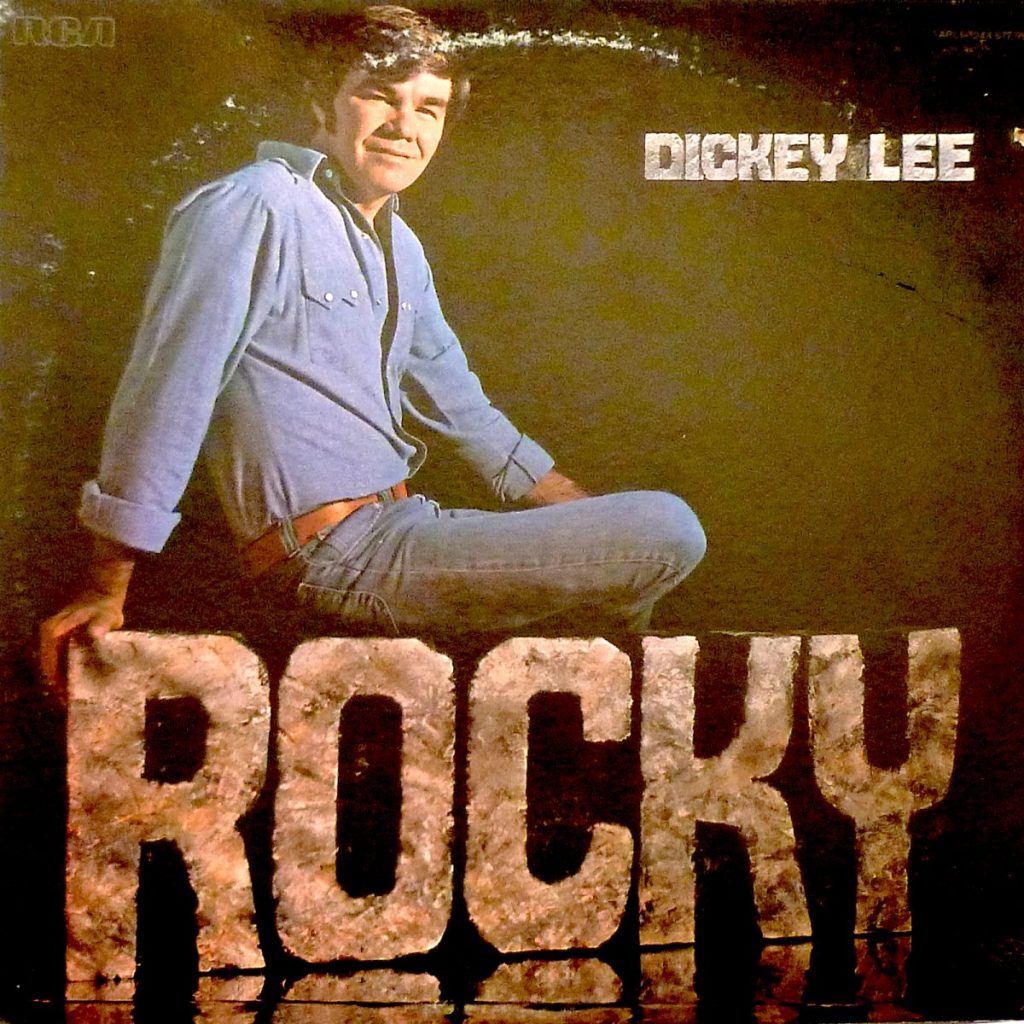
I was proud and satisfied, life had so much to give
Till the day they told me that she didn’t have long to live
She said, “Rocky, I never had to die before, don’t know if I can do it.”
Now it’s back to two again my little girl and I
Who looks so much like her sweet mother, sometimes that makes me cry
I know it’s a gimmicky song cleverly designed to pull at my heartstrings – but it works. There’s something about her utterance “I never had to die before, don’t know if I can do it” that causes the floodgates to open every time.

The game of life is hard to play
I’m gonna lose it anyway
The losing card I’ll someday lay
So this is all I have to say.
Of course, this was the theme music for MASH (1970) and later an instrumental version for the TV show. The story goes that the film’s director, Robert Altman, gave the task to his teenage son to write the lyrics for “the stupidest song ever written”. This beautifully nihilistic goldmine is what came out. In context of the film, it’s ironic and silly; however, on its own it becomes a haunting anti-paean of morbid apathy.
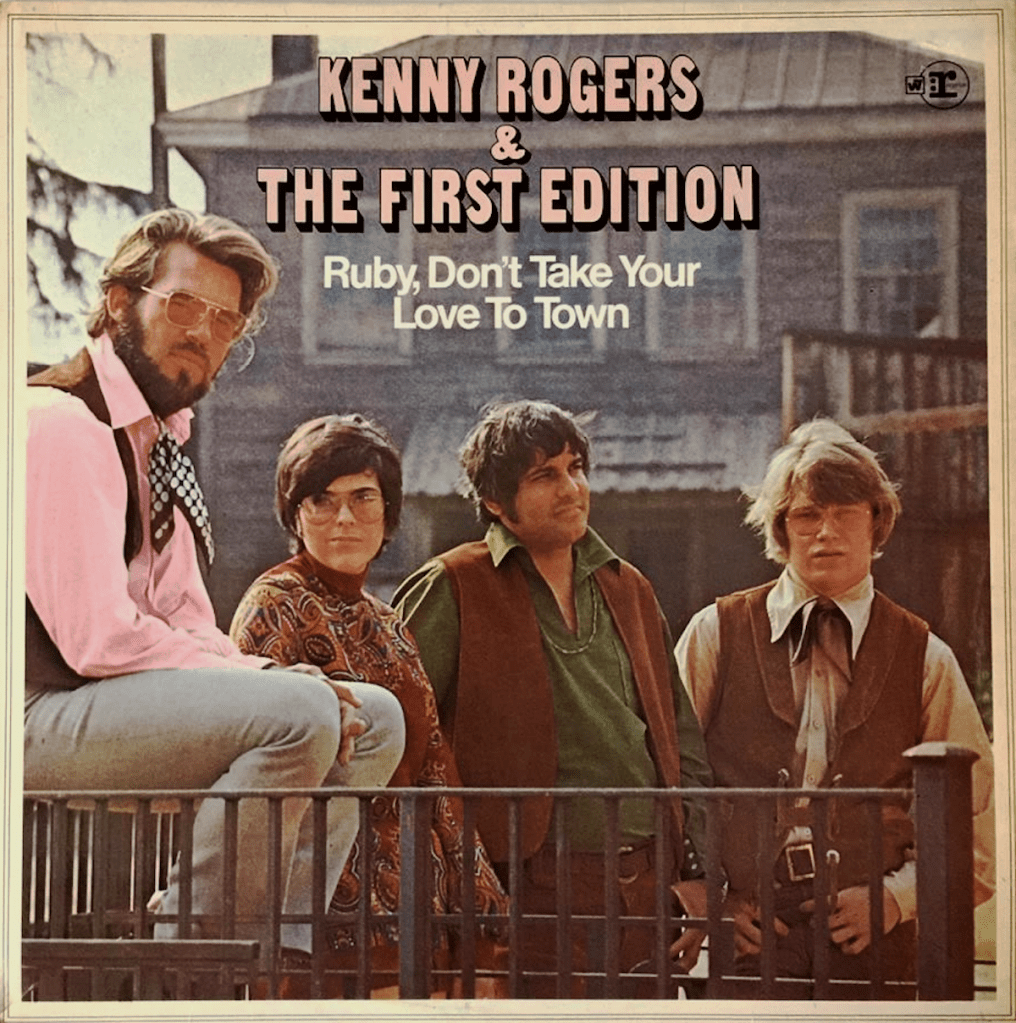
It’s hard to love a man whose legs are bent and paralyzed,
And the wants and needs of a woman your age really I realize,
But it won’t be long, I’ve heard them say, until I’m not around,
Oh Ruby, don’t take your love to town
You see, he was injured in ‘Nam, and now his wife fulfills her sexual appetite downtown. He’s going to die soon anyway; can she not rein it in for just a little while longer?

The world is
A bad place
A bad place
A terrible place to live
Oh but I don’t want to die …
The single should have come with a packet of MDMA crystals to counterbalance the onset of profound grief.

Now I’m crying but deep down inside,
well I did it to him, now it’s my turn to die.
Didn’t I just mention in the opening paragraph that The Bee Gees were responsible for some of the happiest music of the era? Yet here they are with among the most depressing – a dichotomy, those Gibb boys. This one is an autobiography of a man as he’s readied for execution who murdered a guy for sleeping with his wife. A far, far cry from “You Should be Dancing”.
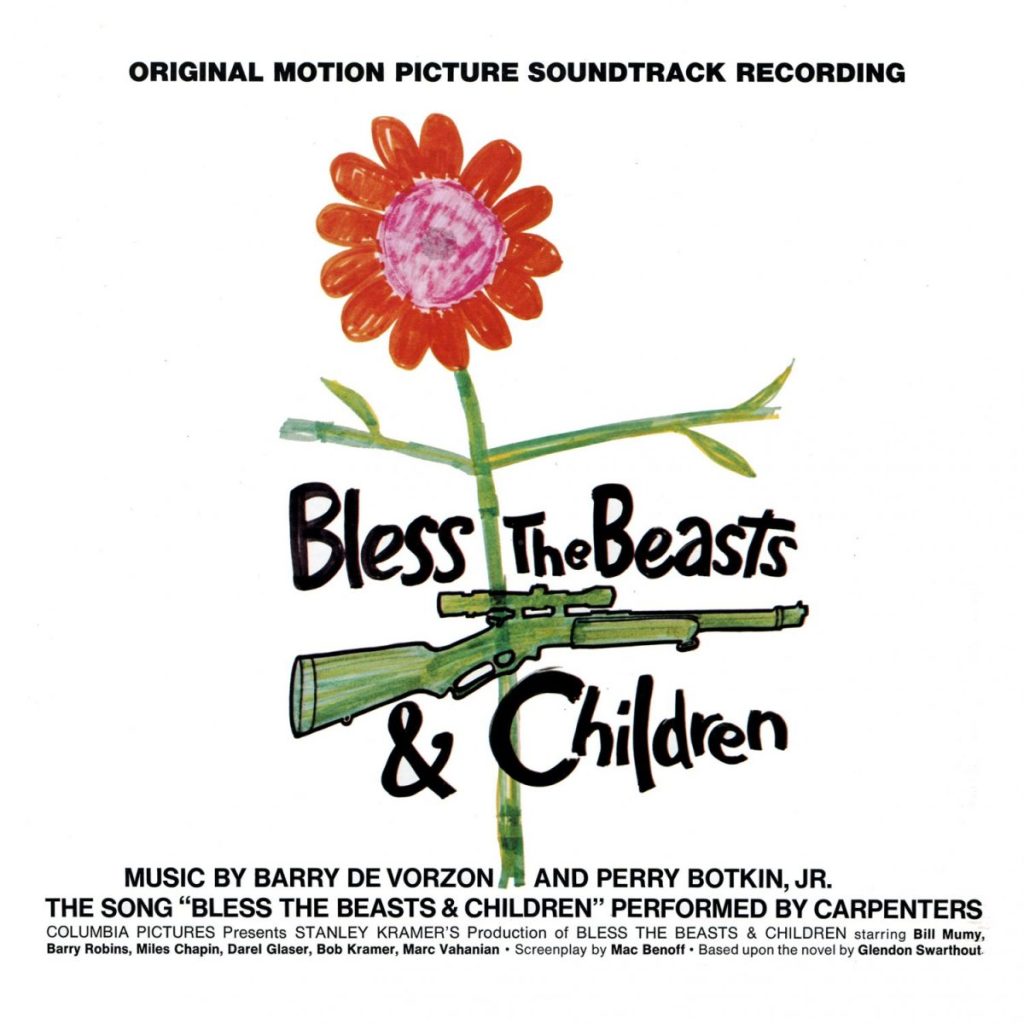
Originally used for the unbelievably depressing film Bless Beasts and Children (1971), this instrumental is the perfect background music to slit your wrists to. If you could bottle all the sadness of the world and then condense it into sound, this would be the result. The tune would be later used for the soap opera Young and the Restless and Nadia Comaneci’s theme music for the ’76 Olympics. However, it’s ability to inspire suicide or lifelong melancholy is never more acute than as the incidental music for the ’71 tear jerker.

And those of us with ravaged faces
Lacking in the social graces
Desperately remained at home
Inventing lovers on the phone
Other songs about lonely girls (“Eleanor Rigby” by The Beatles, “A Rose for Emily” by The Zombies) are sad, but don’t cut to the marrow quite like this one. Paul’s later Lonely Girl hit “Another Day” will leave you feeling similarly hollow inside, but Ian’s song will forever be the zenith among devastating anthems for the unpopular.
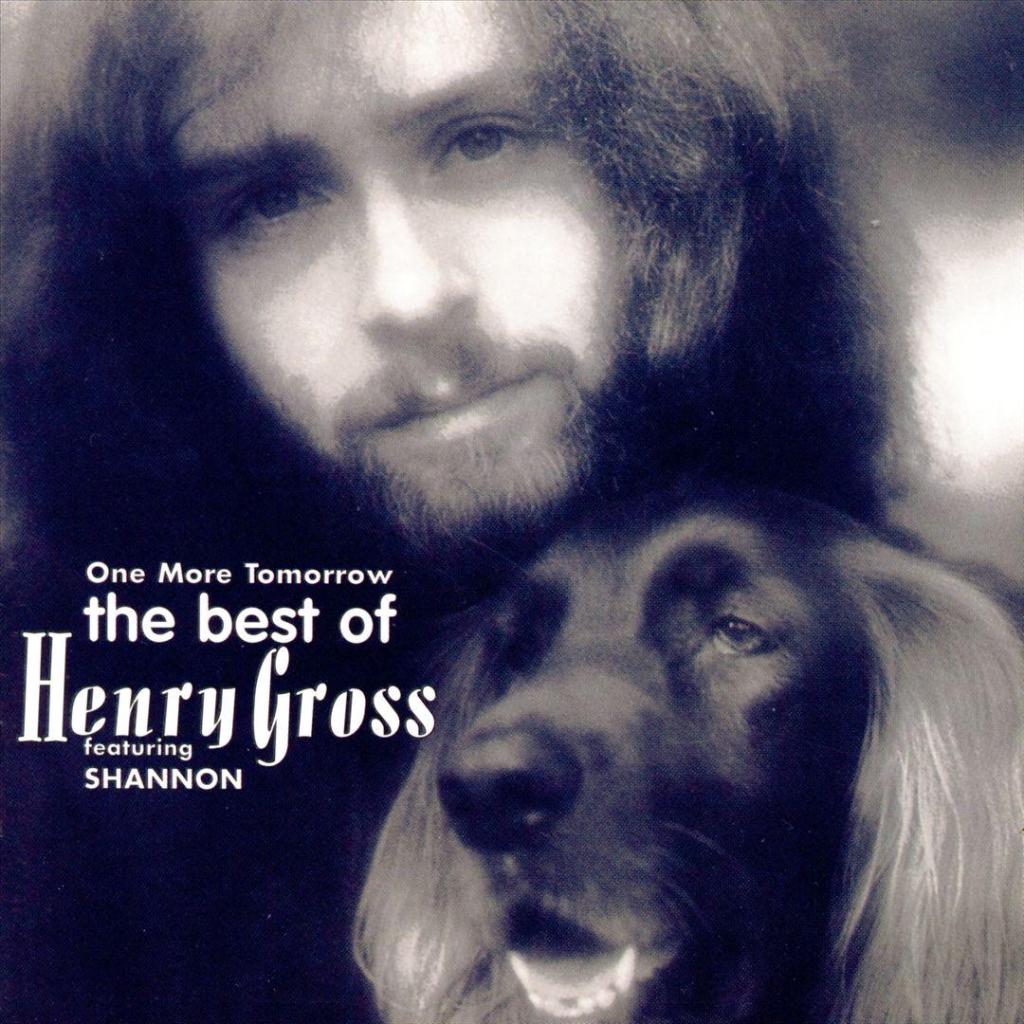
Shannon is gone
I hope she’s drifting out to sea
She always loved to swim away
Maybe she’ll find an island
With a shaded tree
Just like the one in our backyard
It’s a song about a dead dog (specifically, Beach Boy Carl Wilson’s Irish Setter). Many a 70s macho male strained to fight back the tears when this came on the radio; but, it was a futile task. Let the tears rain down, 70s male. Let them wash the pain away.

Talkin’ to myself and feelin’ old
Sometimes I’d like to quit
Nothin’ ever seems to fit
Hangin’ around
Nothin’ to do but frown
Rainy days and Mondays always get me down
Karen Carpenter could sing me “Happy Birthday” and I’d feel sad and alone. There was something about her voice and delivery that just sucked all the joy out of my soul. Well, when you combine that talent with particularly dreary lyrics, it’s a match made in purgatory.
And as I hung up the phone, it occurred to me
He’d grown up just like me
My boy was just like me
I didn’t want to include this: it’s too overplayed and so clichéd. Yet, when I was compiling this list I gave it another listen…. and it was like Chuck Norris had scissor-kicked me squarely in the heart. There’s just something about this father-and-son tale that causes me to erupt into convulsive tears. And to be truthful, it doesn’t even really apply to my life – yet there it is. A weepy, sobby little song that has elicited misery for the past 40 years and is still going strong.
But as if to knock me down
Reality came around
And without so much, as a mere touch
Broke me into little pieces
Leaving me to doubt
All about God in His mercy
For if He really does exist
Why did He desert me?
Only in the 1970s could you have a song reach Number One which amounts to a soul-shattering plea to the heavens for an understanding of human suffering. Try and picture the imagery Gilbert conjures up and your bottom lip will quiver, your eyes will itch – it’s just so gut-wrenchingly sad.
Now, if you’ll excuse me, I need to put on some ABBA to restore any remnants of positivity left within my aching heart. “Dancing Queen” here I come.

Read more of this content when you subscribe today.
Dame Maggie Smith CH, DBE (born Margaret Natalie Smith, 28 December 1934) is an English actress. She has had an extensive career on film, stage, and television, which began in the mid-1950s. Smith has appeared in more than 60 films and over 70 plays, and is one of Britain’s most recognisable actresses. She was made a Dame by Queen Elizabeth II in 1990 for contributions to the performing arts, and a Companion of Honour in 2014 for services to drama.
Smith began her career on stage as a student, performing at the Oxford Playhouse in 1952, and made her professional debut on Broadway in New Faces of ’56. For her work on the London stage, she has won a record six Best Actress Evening Standard Awards for The Private Ear and The Public Eye (both 1962), Hedda Gabler (1970), Virginia (1981), The Way of the World (1984), Three Tall Women (1994), and A German Life (2019). She received Tony Award nominations for Private Lives (1975) and Night and Day (1979), before winning the 1990 Tony Award for Best Actress in a Play for Lettice and Lovage. She appeared in Stratford Shakespeare Festival productions of Antony and Cleopatra (1976) and Macbeth (1978), and West End productions of A Delicate Balance (1997) and The Breath of Life (2002). She received the Society of London Theatre Special Award in 2010.
On screen, Smith first drew praise for the crime film Nowhere to Go (1958), for which she received her first nomination for a British Academy of Film and Television Arts (BAFTA) award. She has won two Academy Awards, winning Best Actress for The Prime of Miss Jean Brodie (1969) and Best Supporting Actress for California Suite (1978). She is one of only seven actresses to have won in both categories. She has won a record four BAFTA Awards for Best Actress, including for A Private Function (1984) and The Lonely Passion of Judith Hearne (1988), a BAFTA Best Supporting Actress for Tea with Mussolini (1999), and three Golden Globe Awards. She received four other Oscar nominations for Othello (1965), Travels with My Aunt (1972), A Room with a View (1985), and Gosford Park (2001).
Smith played Professor Minerva McGonagall in the Harry Potter film series (2001–2011). Her other films include Love and Pain and the Whole Damn Thing (1973), Murder By Death (1976), Death on the Nile (1978), Clash of the Titans (1981), Evil Under the Sun (1982), Hook (1991), Sister Act (1992), Sister Act 2: Back in the Habit (1993), The Secret Garden (1993), The Best Exotic Marigold Hotel (2012), and The Lady in the Van (2015). She won an Emmy Award in 2003 for My House in Umbria, to become one of the few actresses to have achieved the Triple Crown of Acting, and starred as Violet Crawley, Dowager Countess of Grantham, on Downton Abbey (2010–2015), for which she won three Emmys, her first non-ensemble Screen Actors Guild Award, and her third Golden Globe. Her honorary film awards include the BAFTA Special Award in 1993 and the BAFTA Fellowship in 1996. She received the Stratford Shakespeare Festival’s Legacy Award in 2012, and the Bodley Medal by the University of Oxford’s Bodleian Libraries in 2016.

Become a paid subscriber to get access to the rest of this post and other exclusive content.
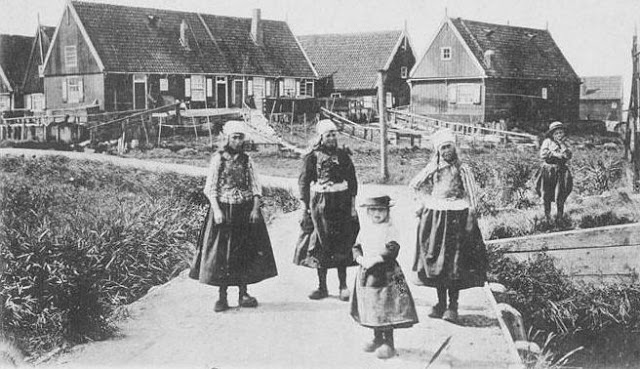
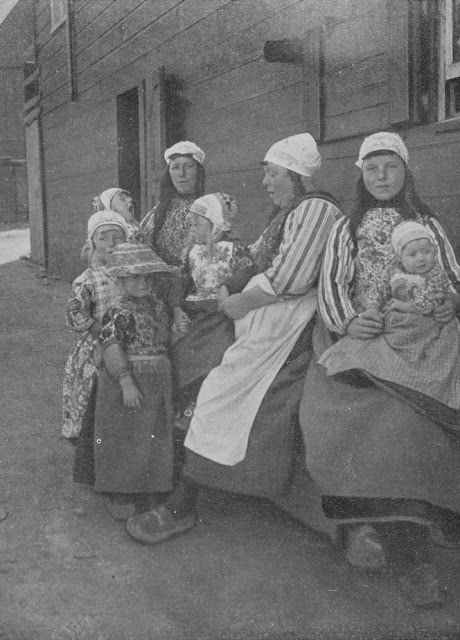
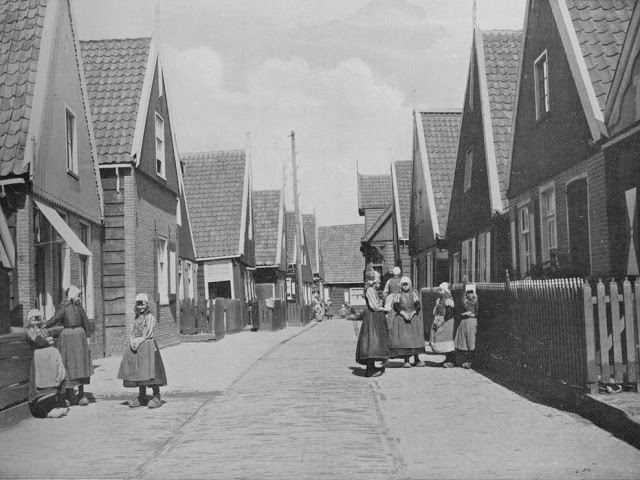
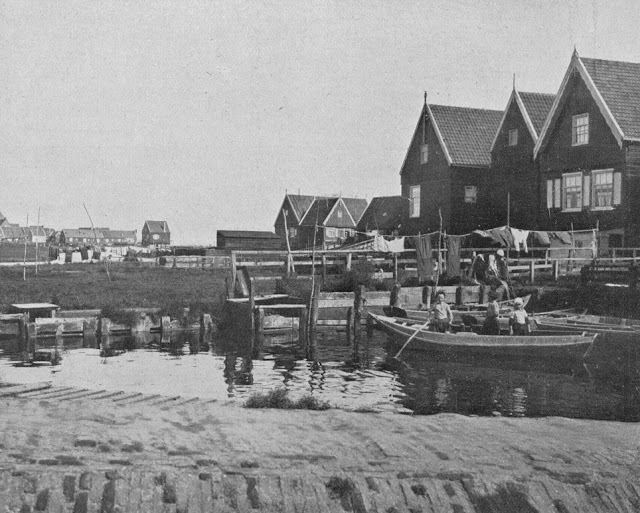
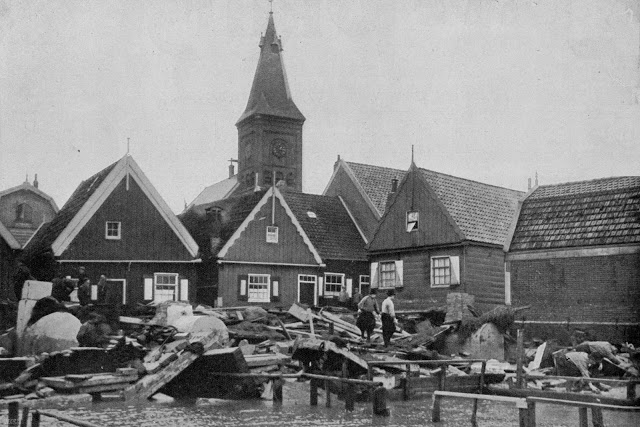
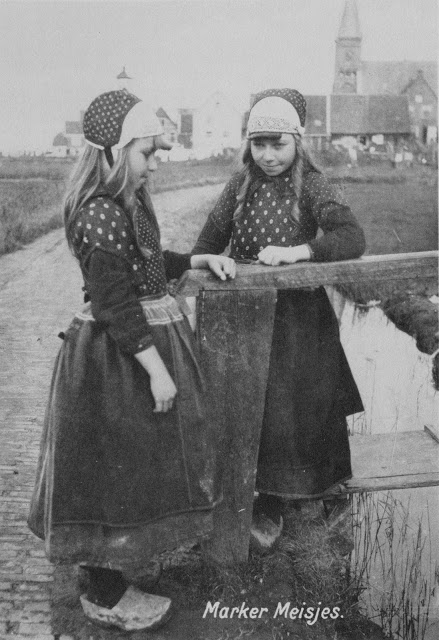
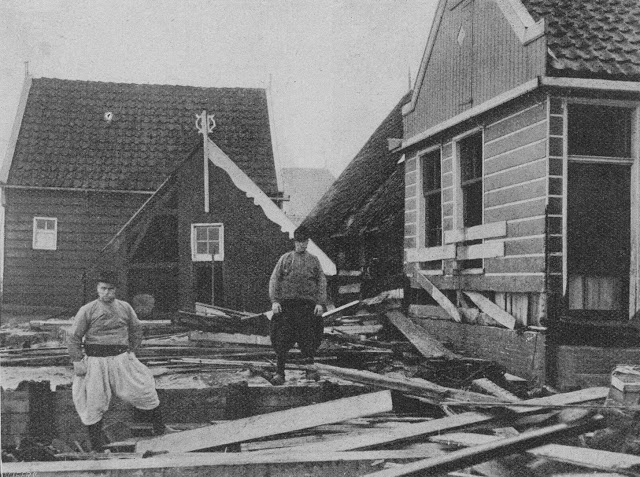
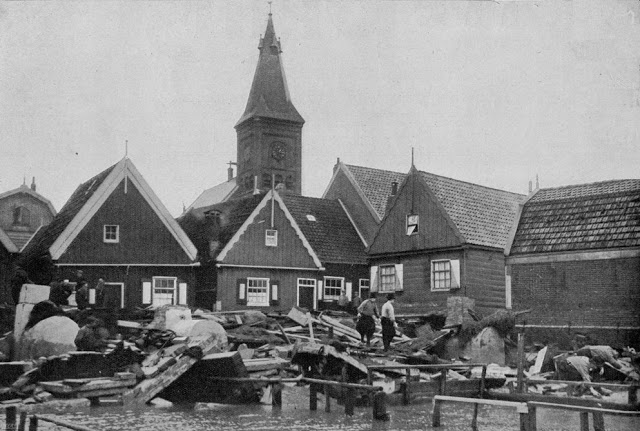
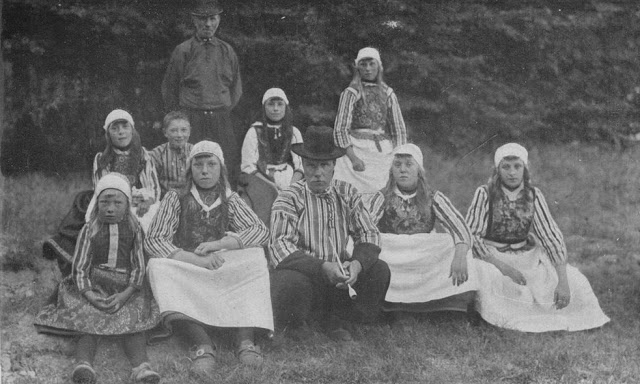
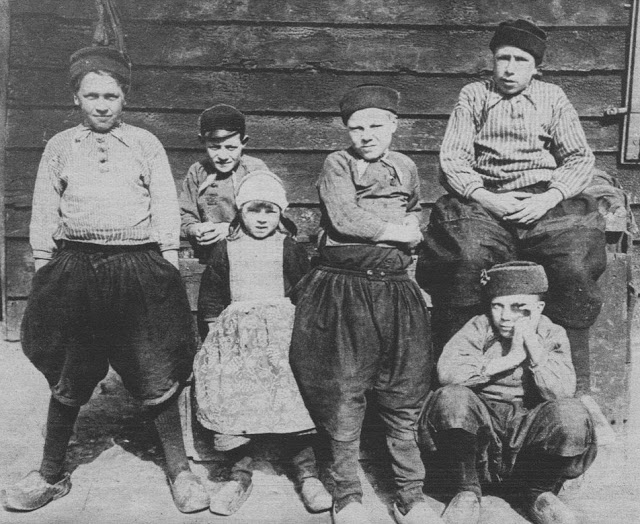
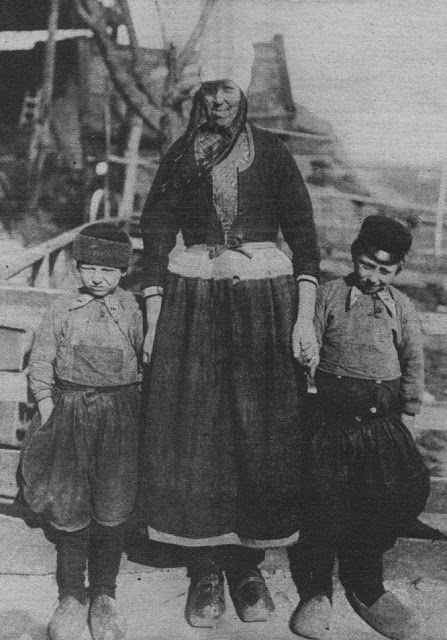
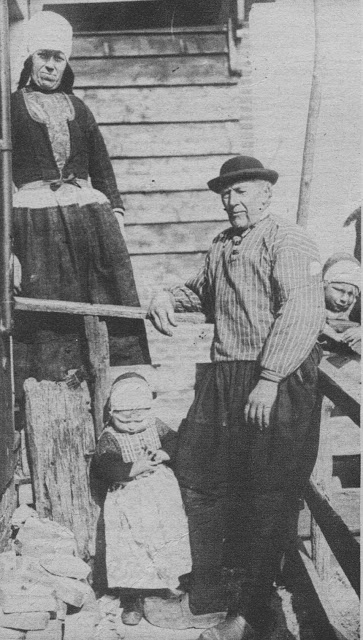
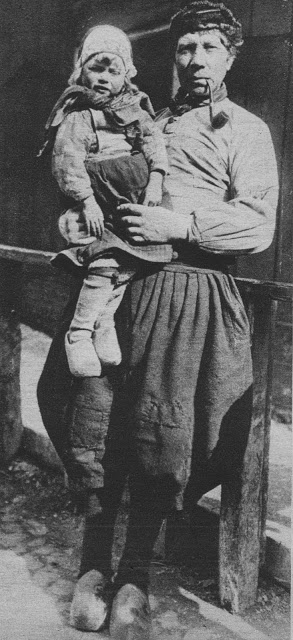
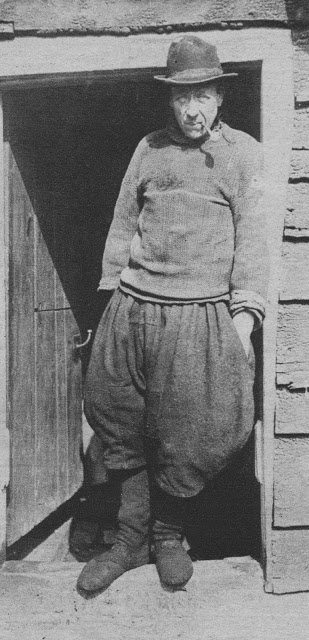
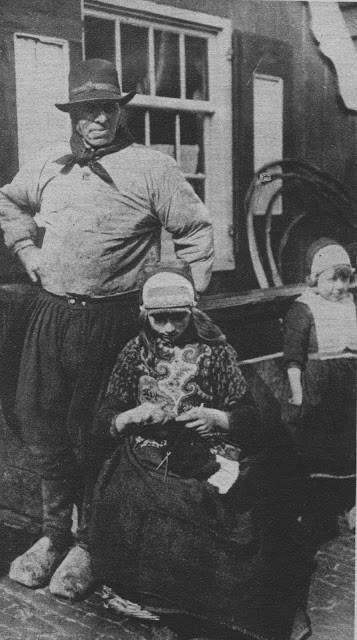
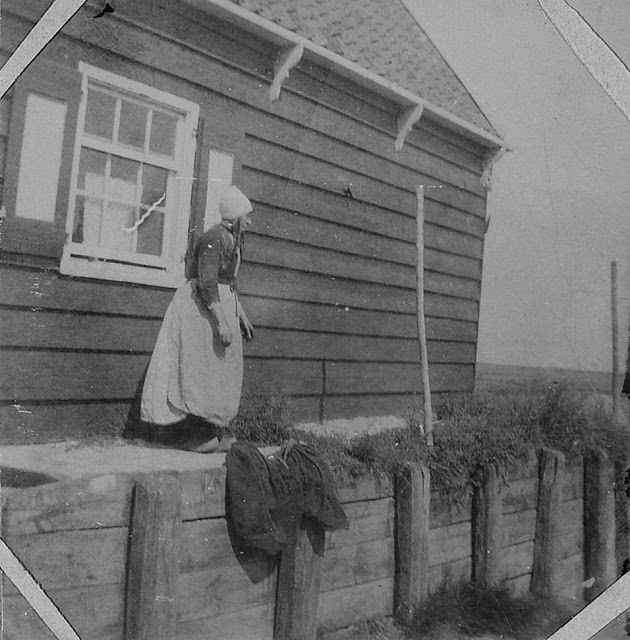
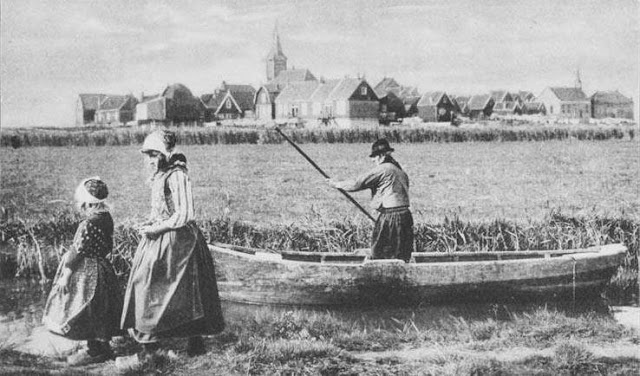
Marken is a village in the Waterland and Zaan Region, North Holland, Netherlands on a peninsula in the IJsselmeer lake. It is known for its characteristic wooden houses and traditional costumes. It used to be an island in the former Zuiderzee, but is now connected to the mainland by a causeway.
For some time during the later 19th and early 20th centuries, Marken and its inhabitants were the focus of considerable attention by folklorists, ethnographers and physical anthropologists, who regarded the small fishing town as a relic of the traditional native culture that was destined to disappear as the modernization of the Netherlands gained pace.
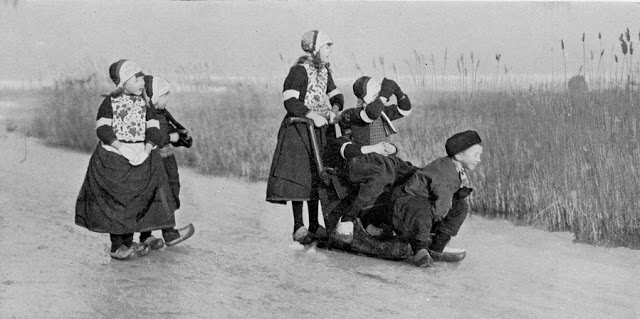
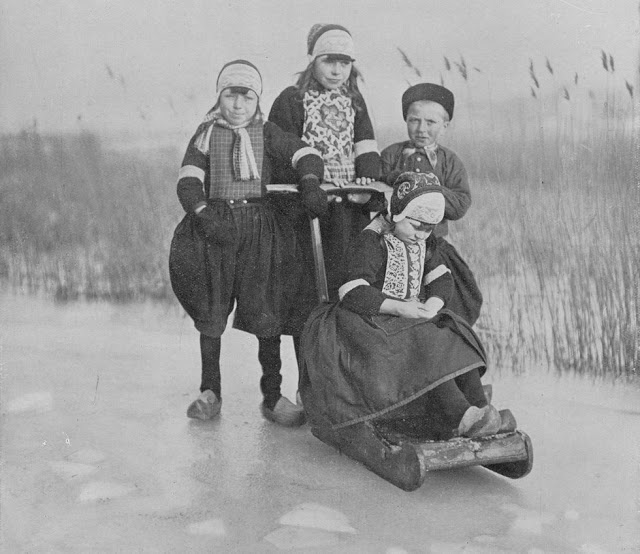
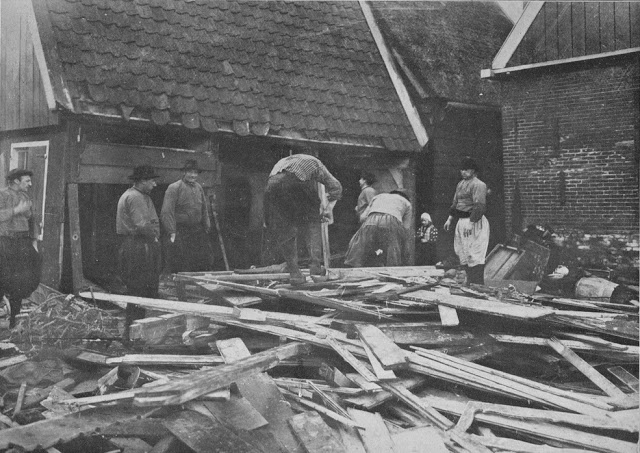
Here, a collection of 40 fascinating vintage photographs that capture everyday life in Marken from 1900 to 1920:


















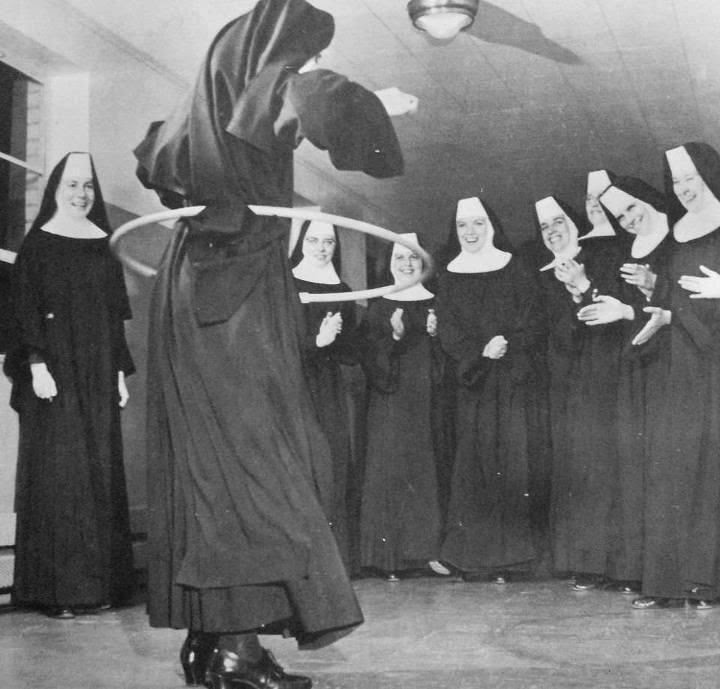
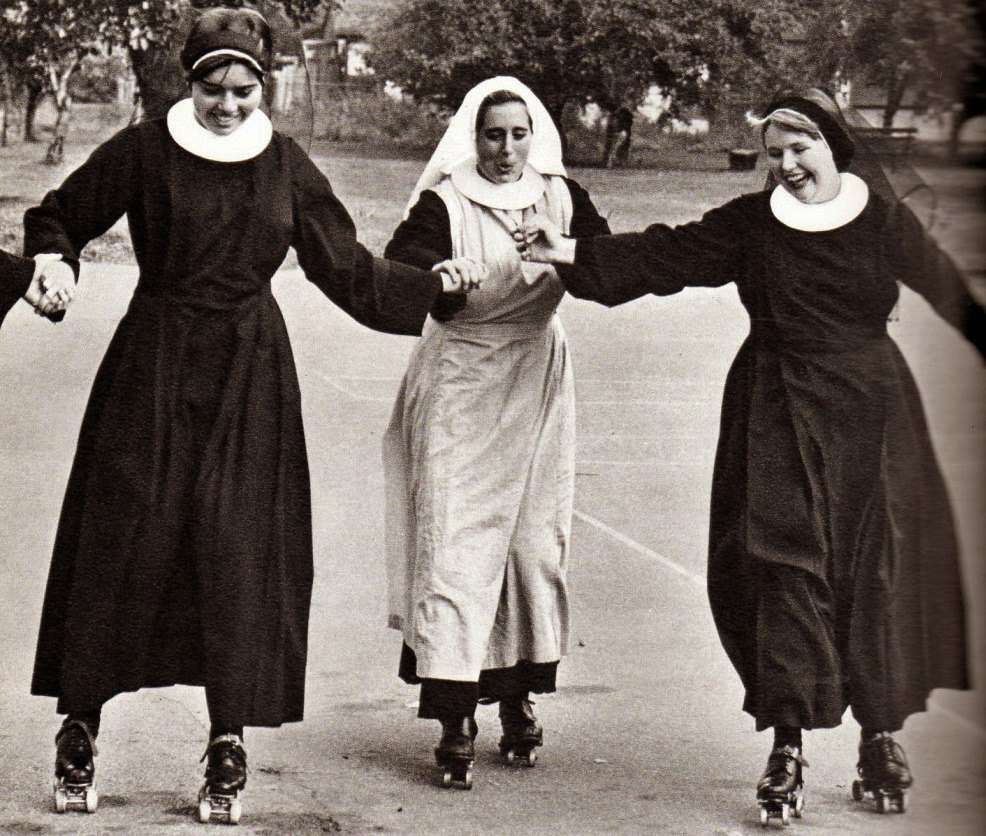
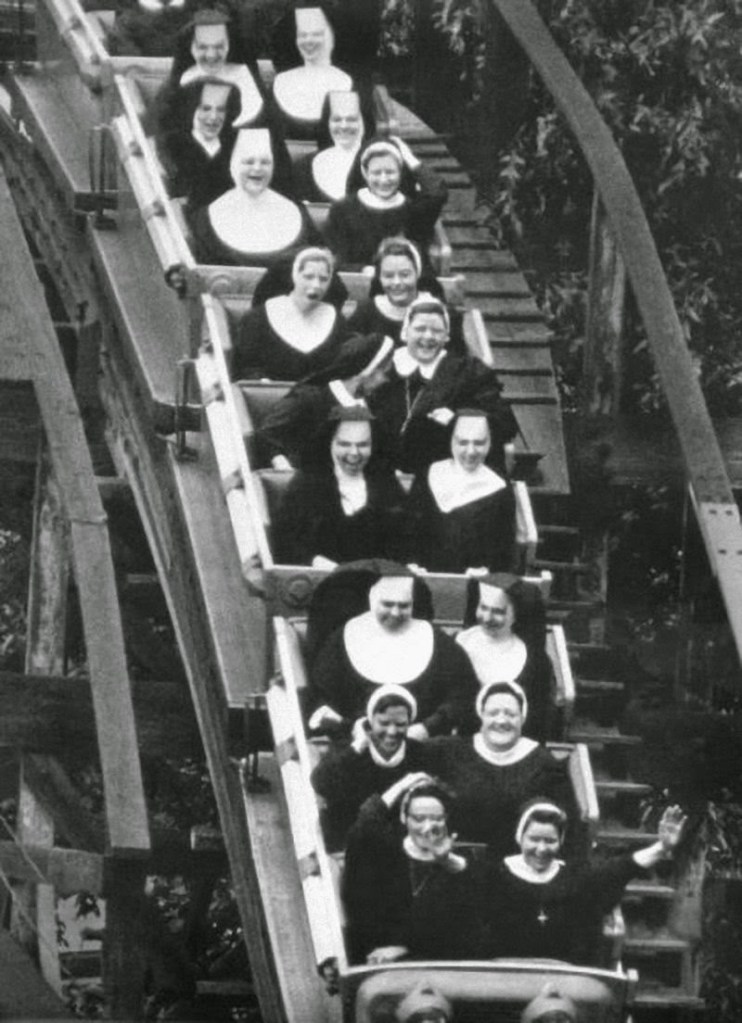
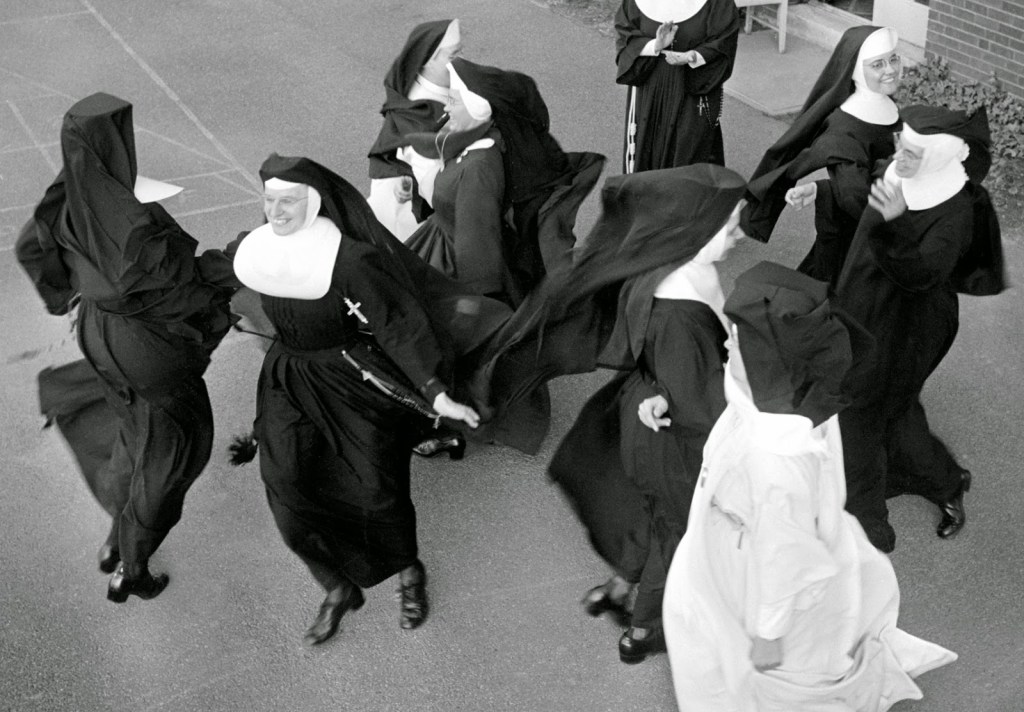
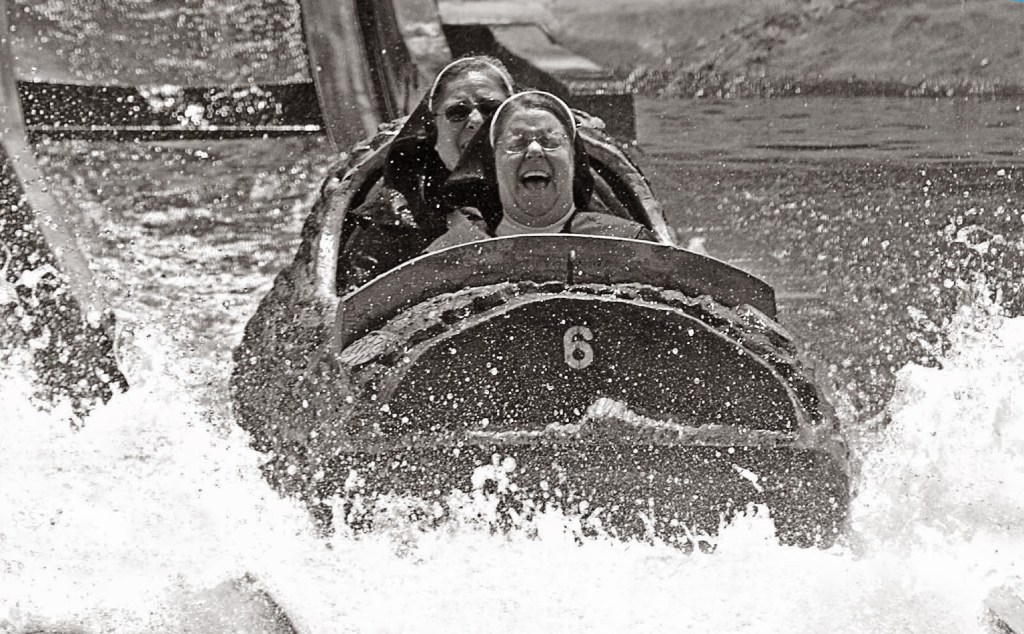
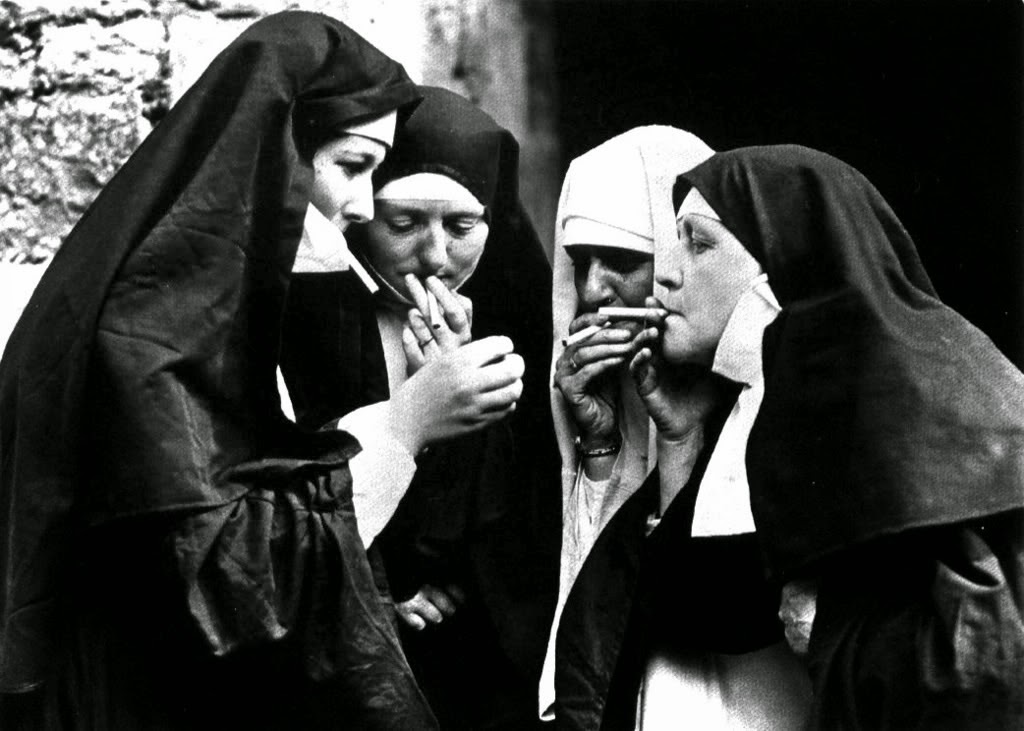
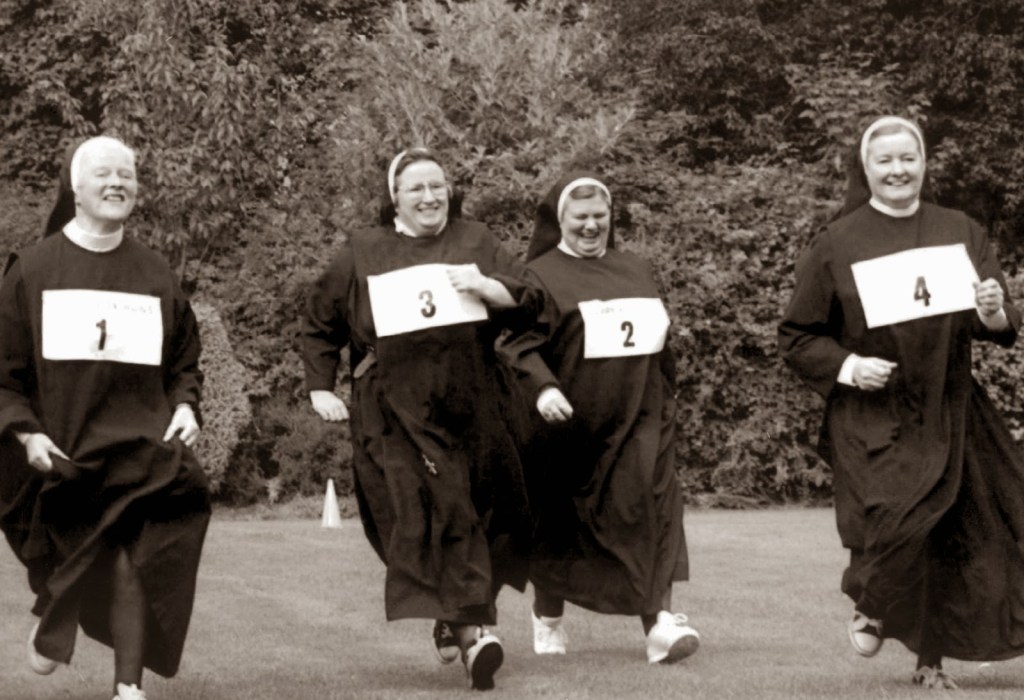
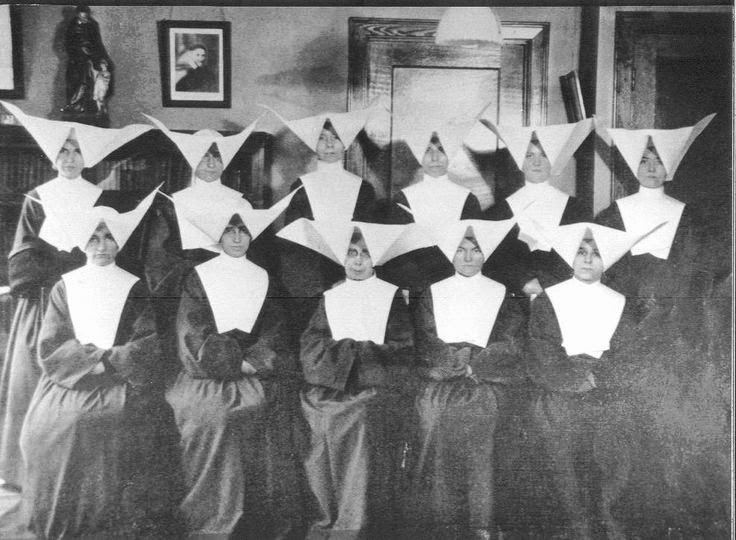
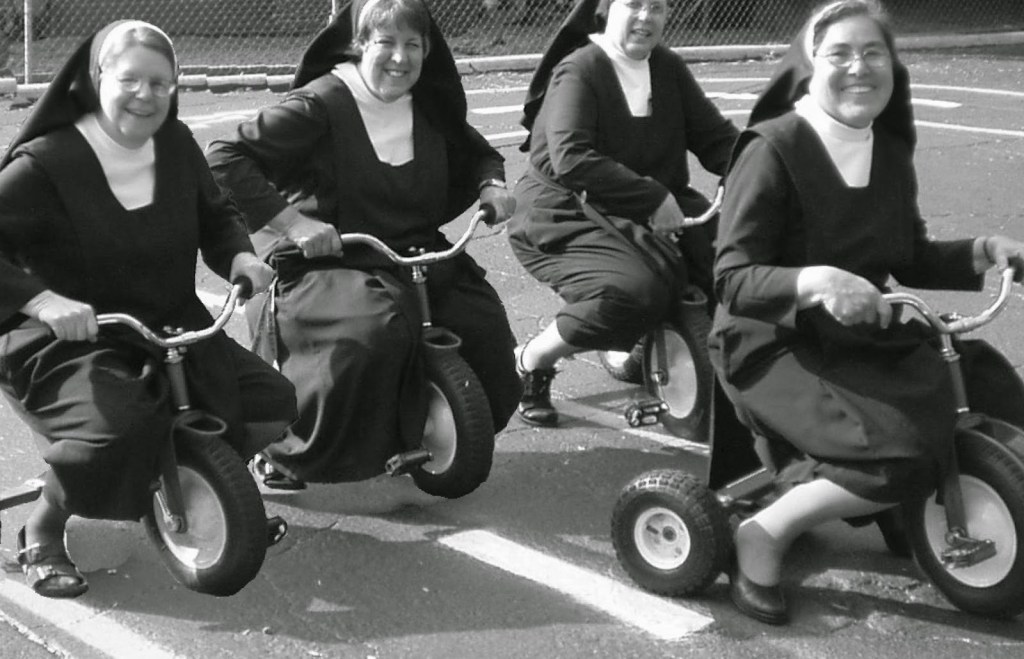
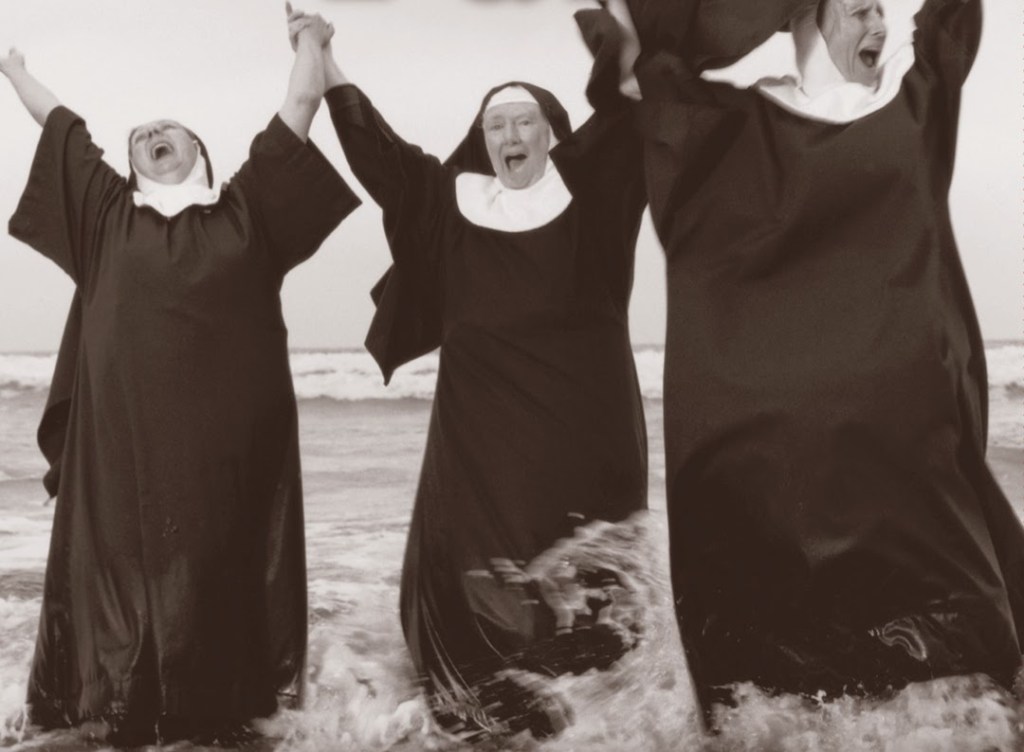
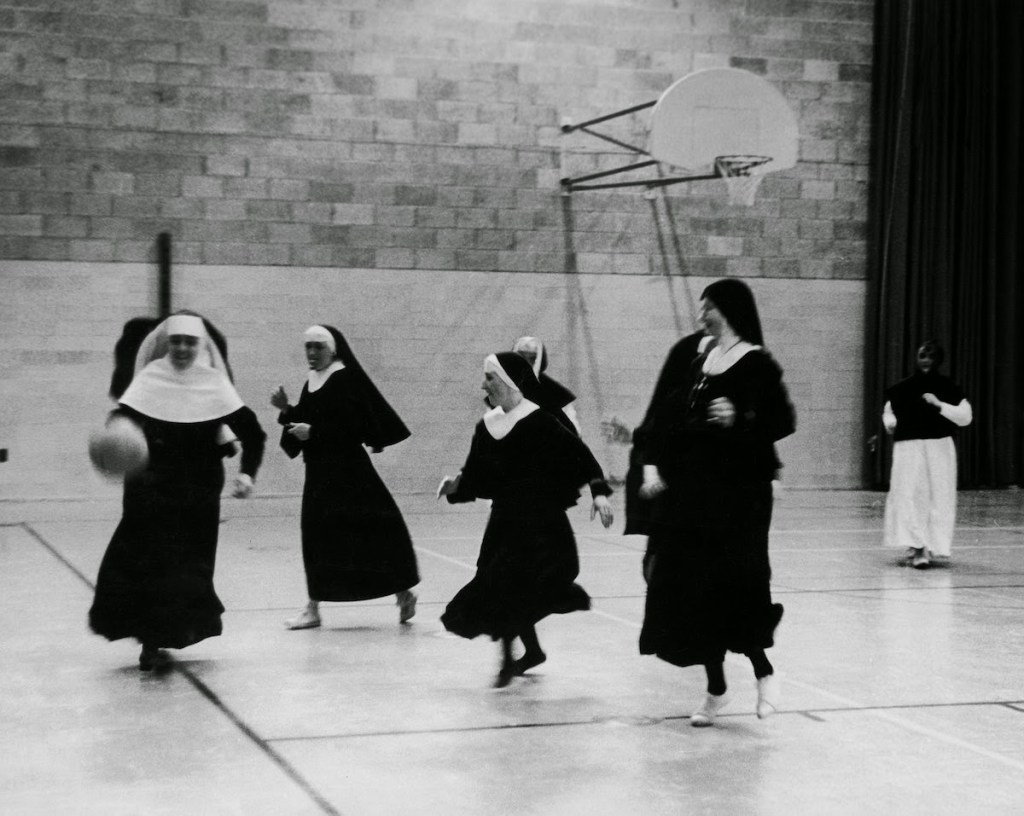
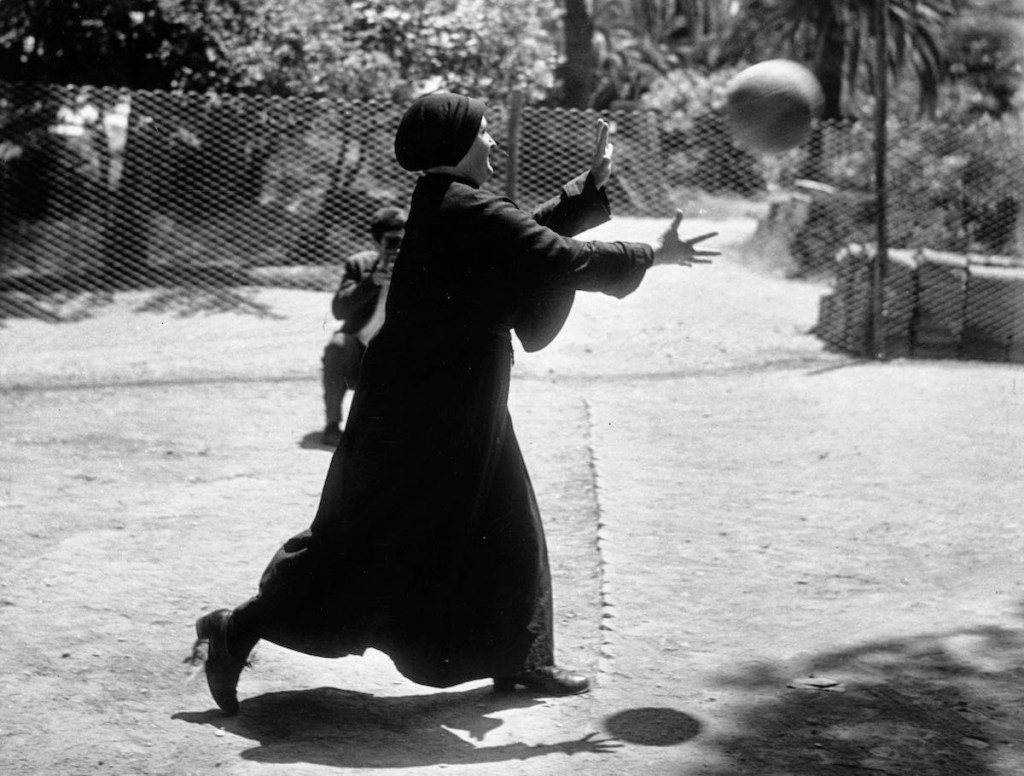
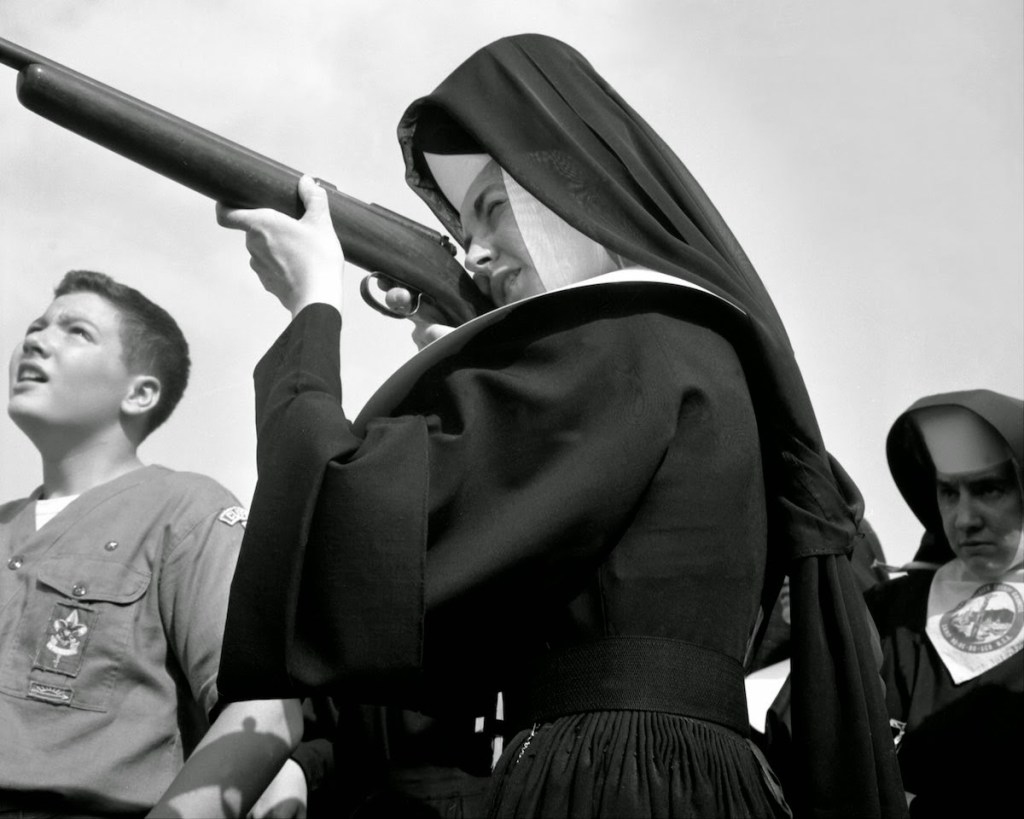
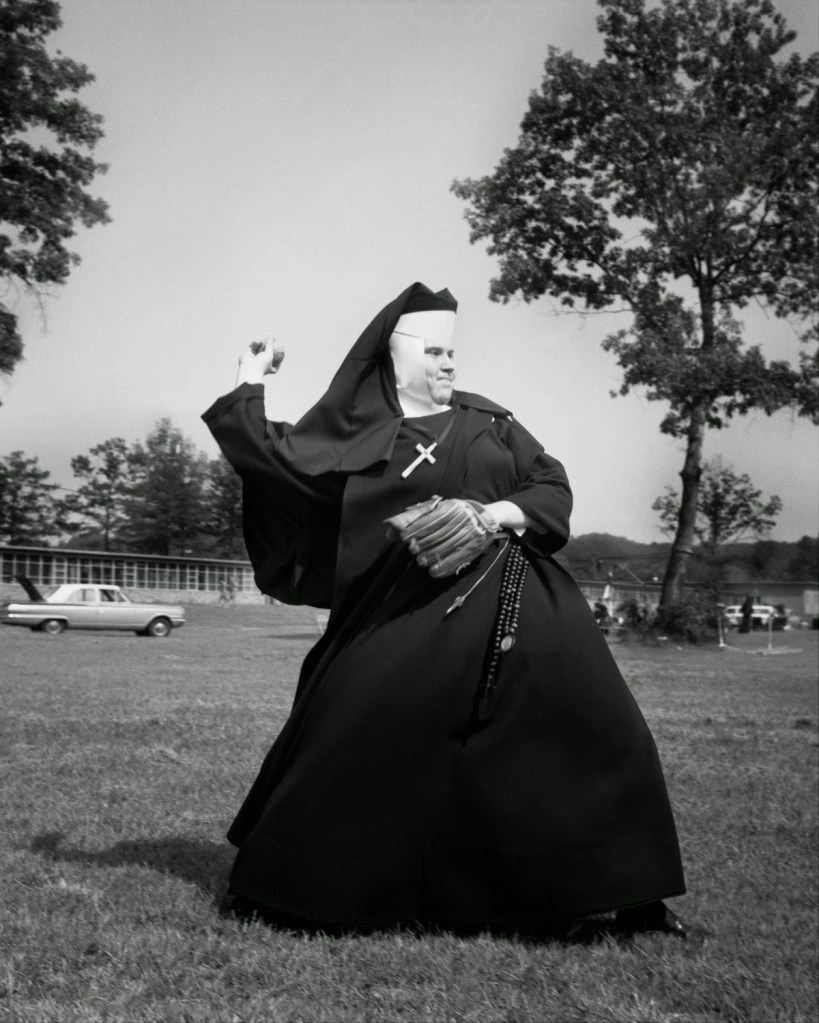
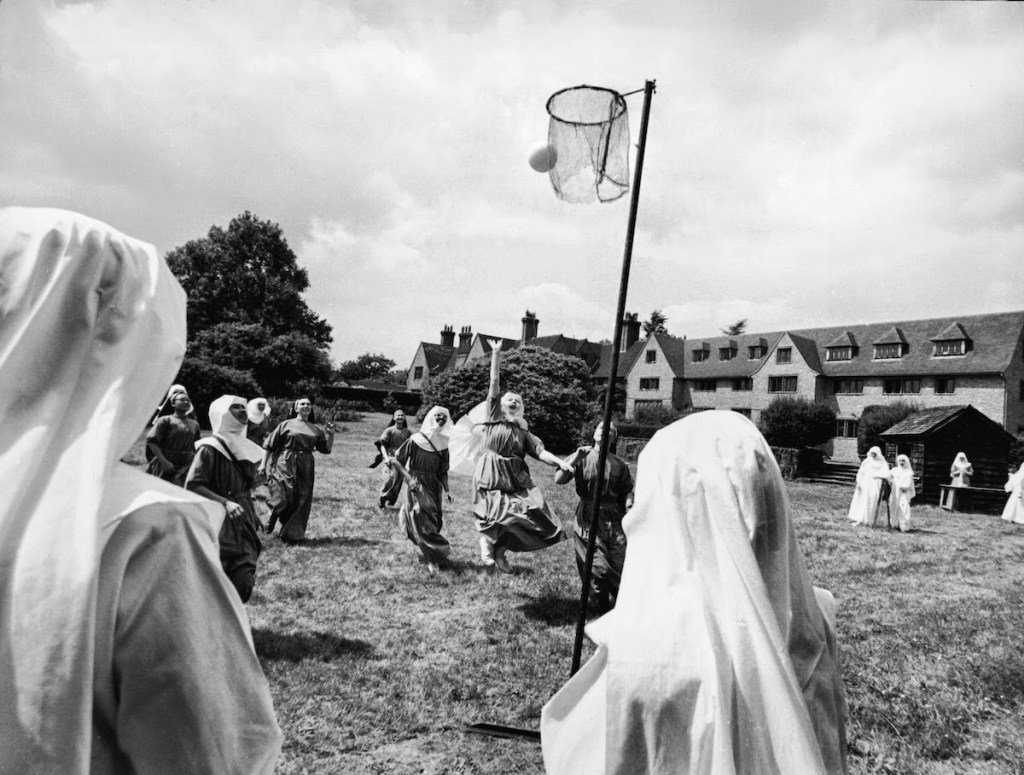
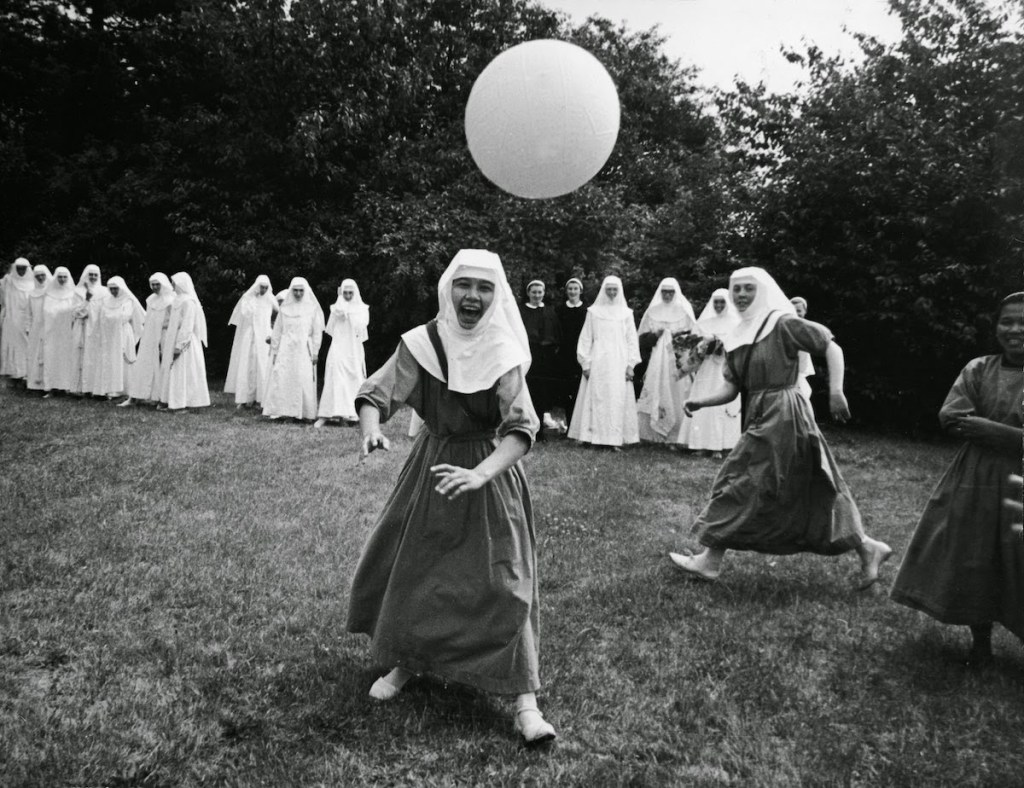
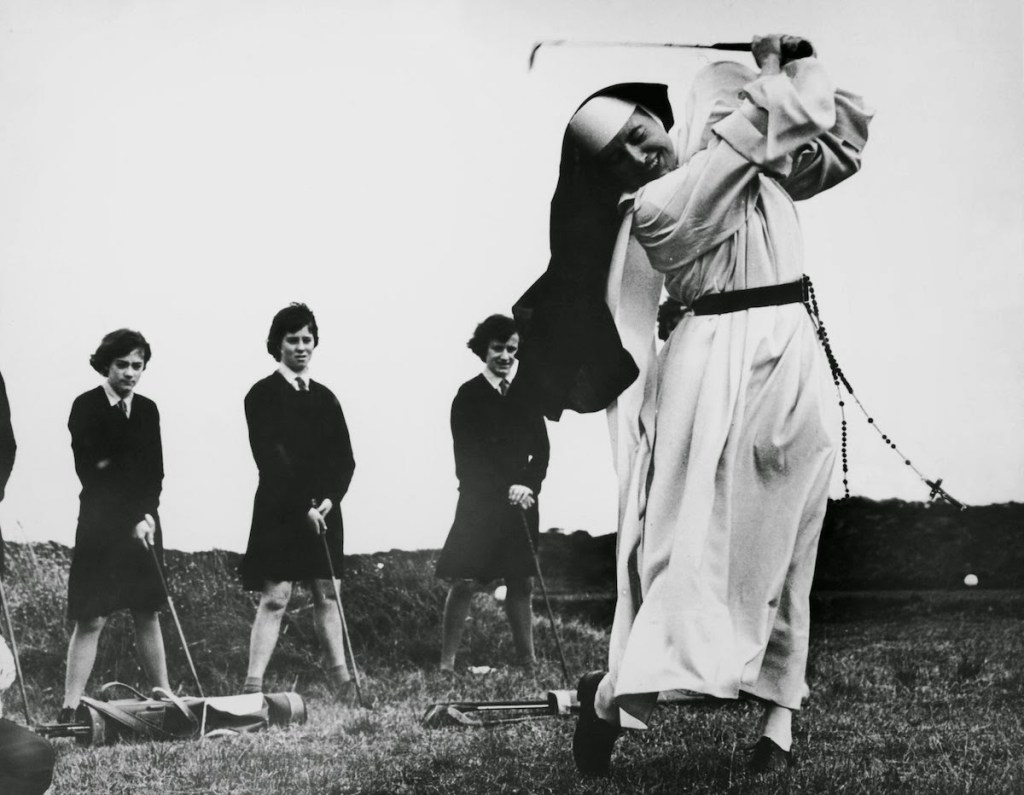
These sisters know how to have a good time! These vintage photographs below reveal the surprising side of convent life. Here are nuns on roller coasters. Nuns joyfully jumping rope. Nuns on roller skates…