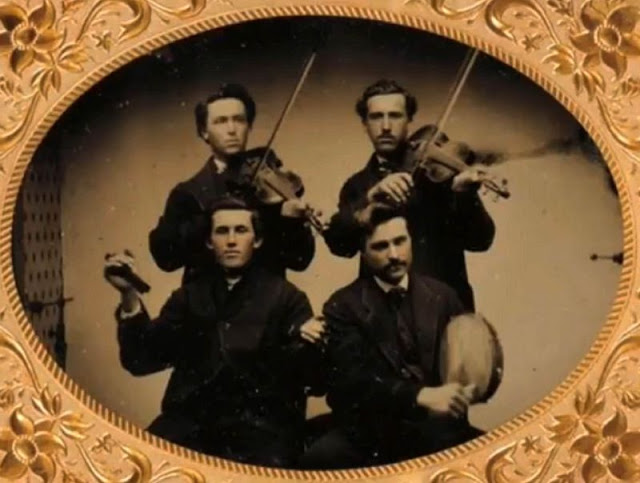
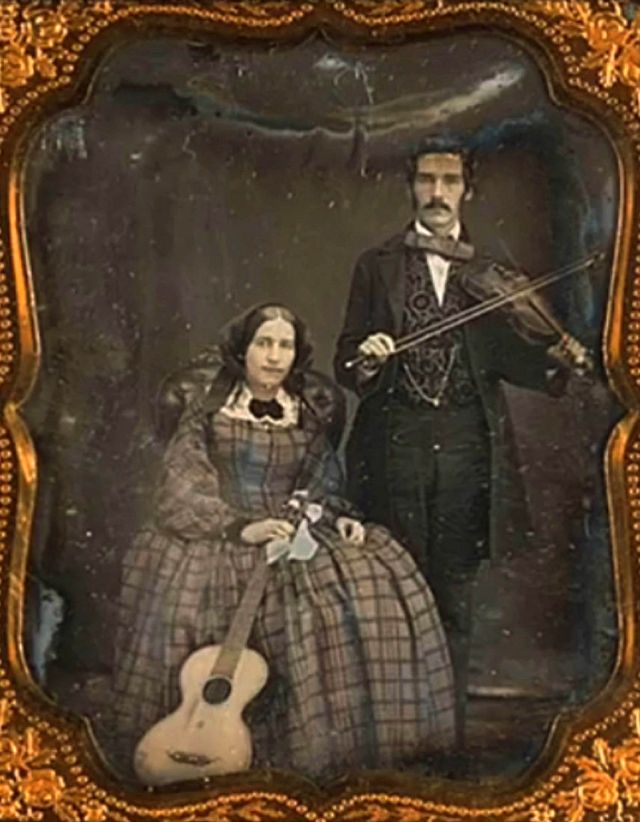
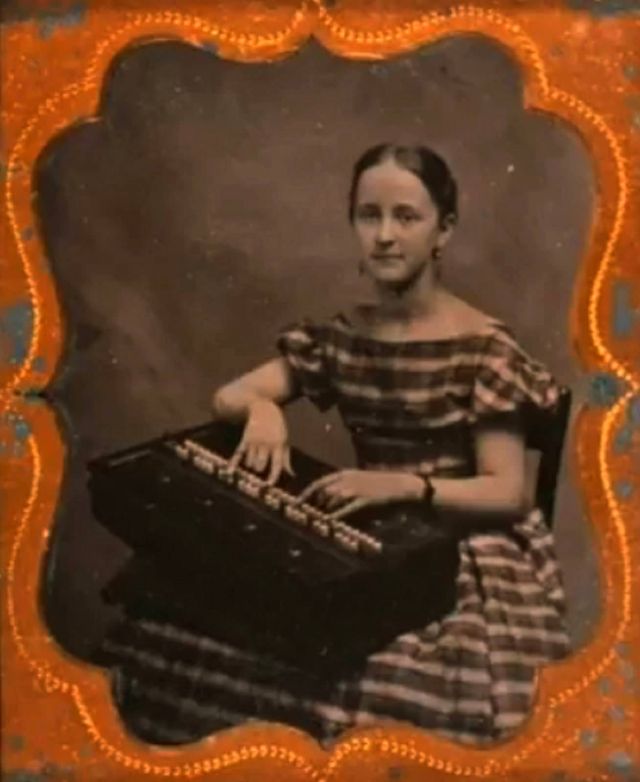
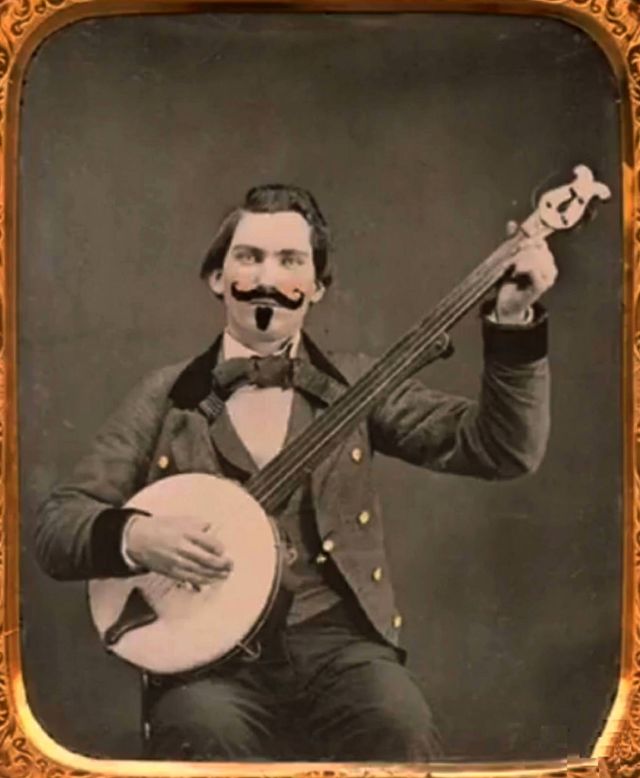
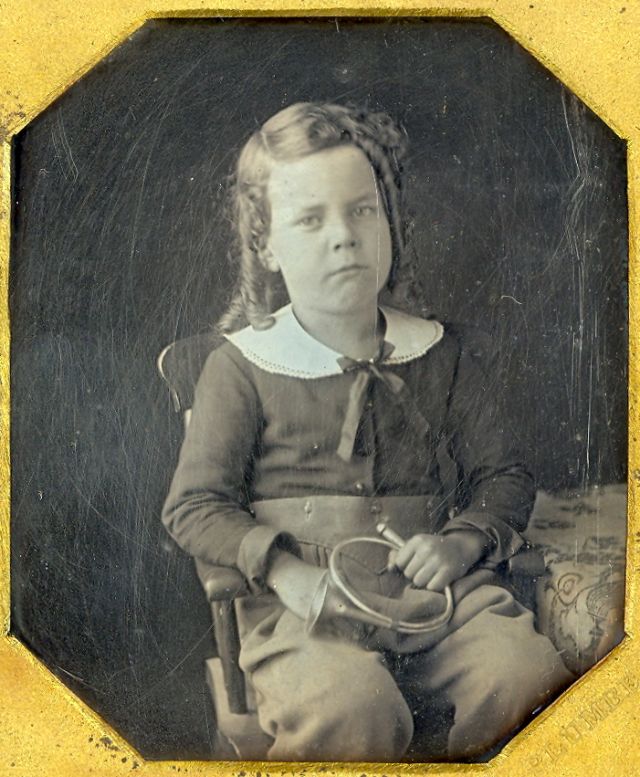
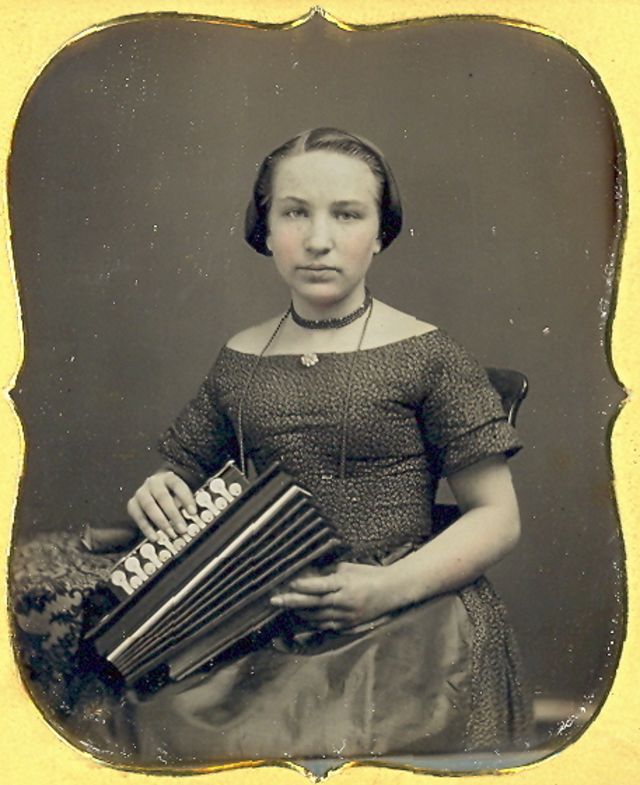
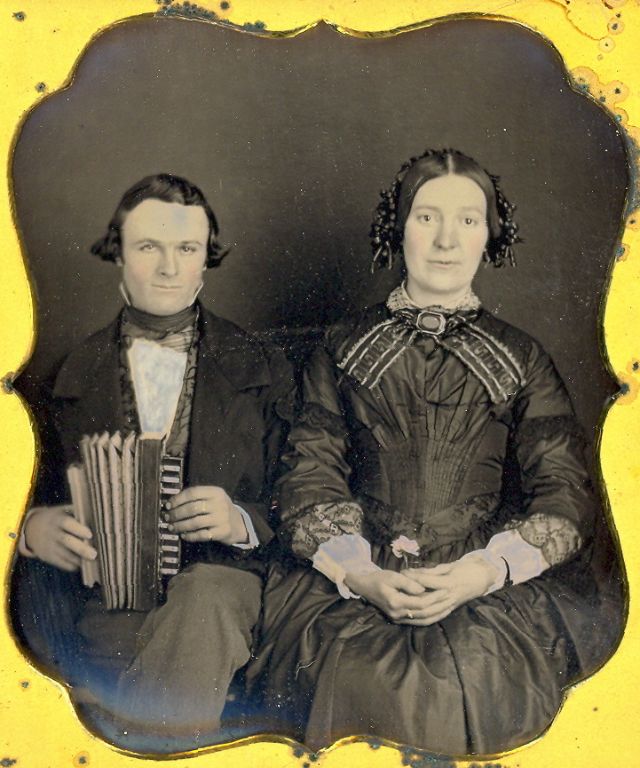
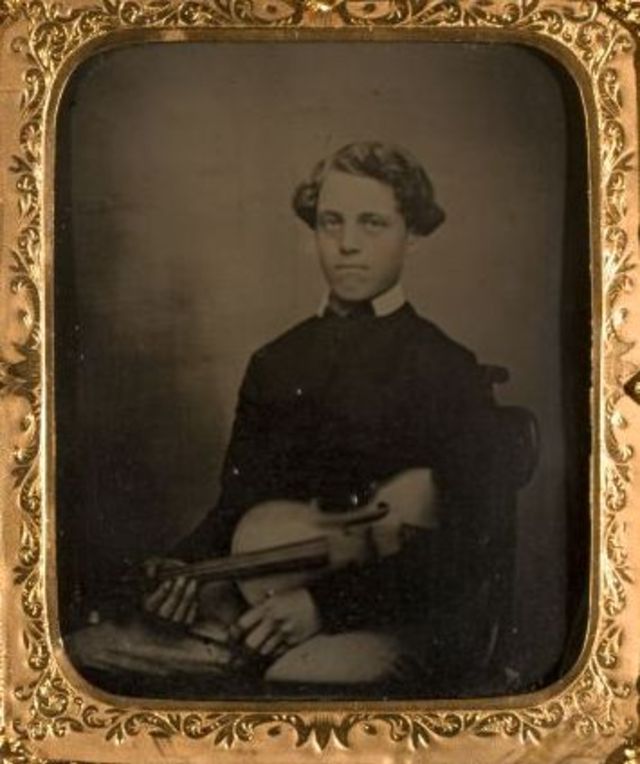
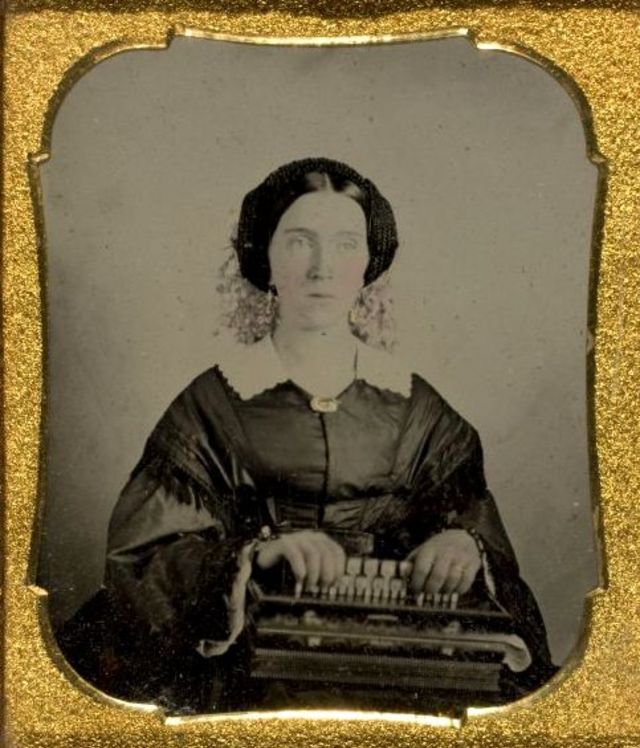
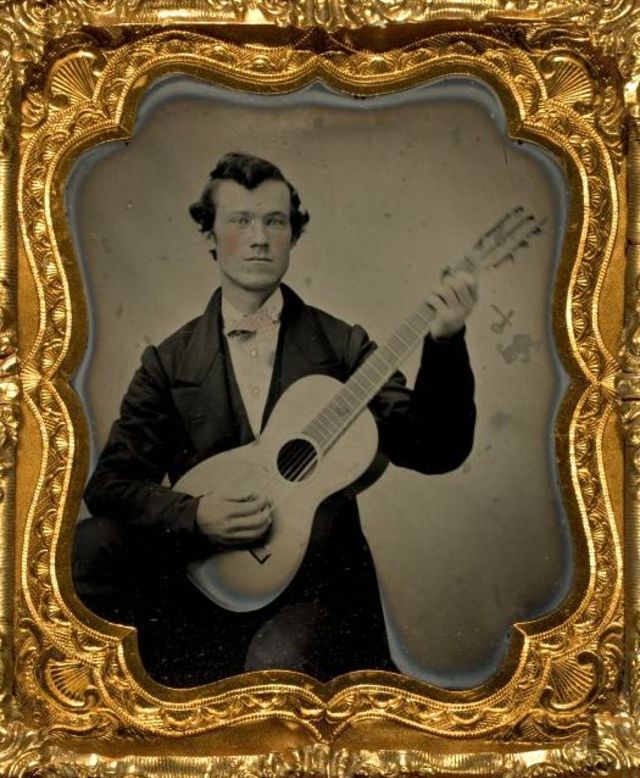
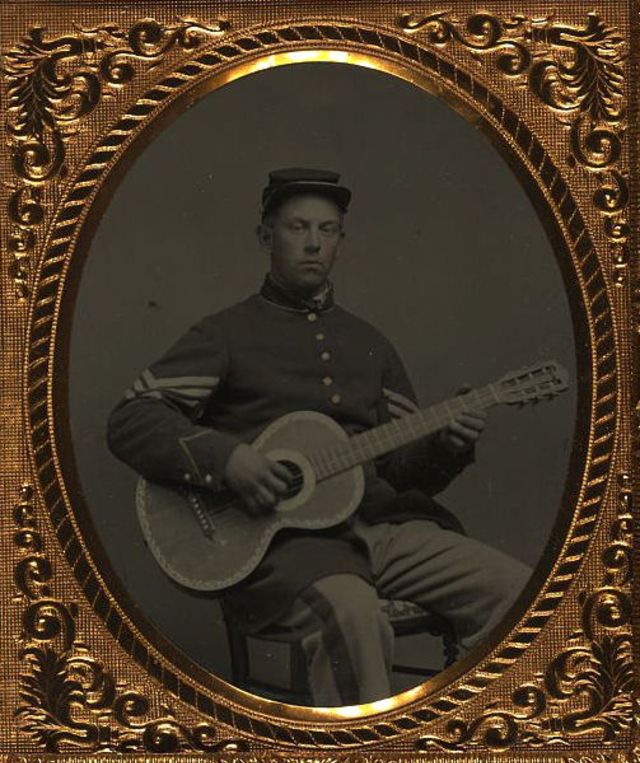
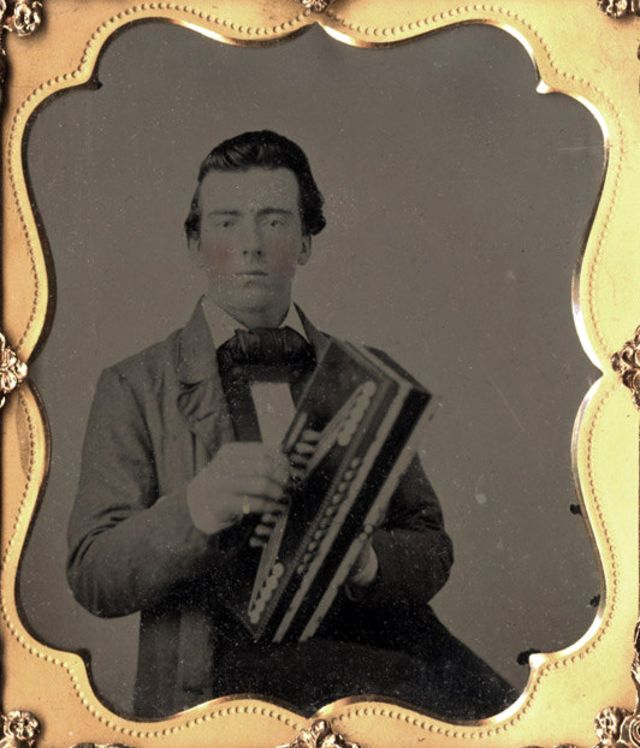
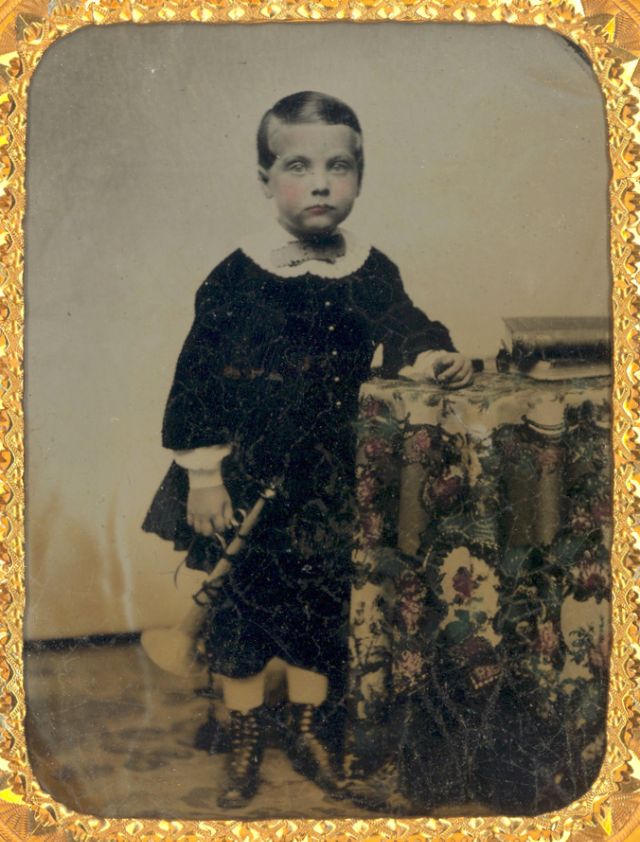
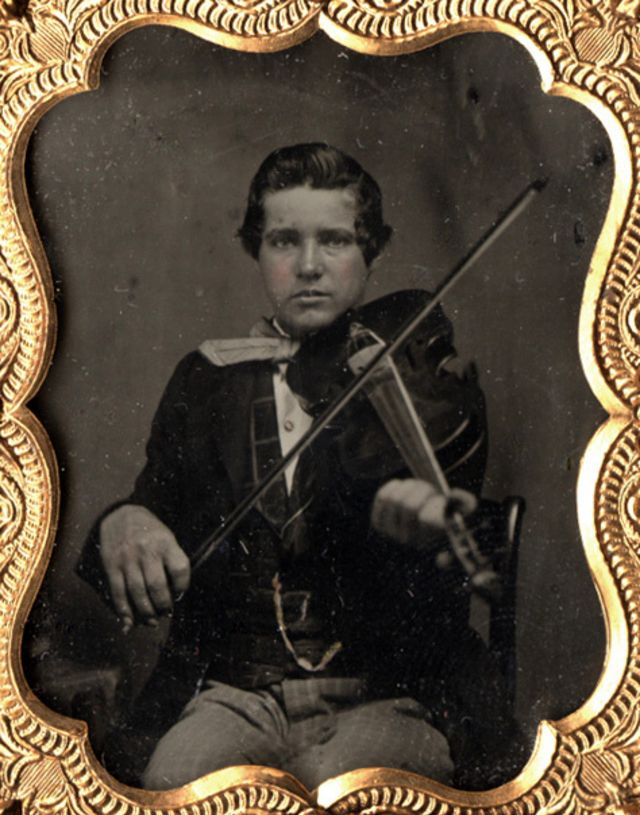
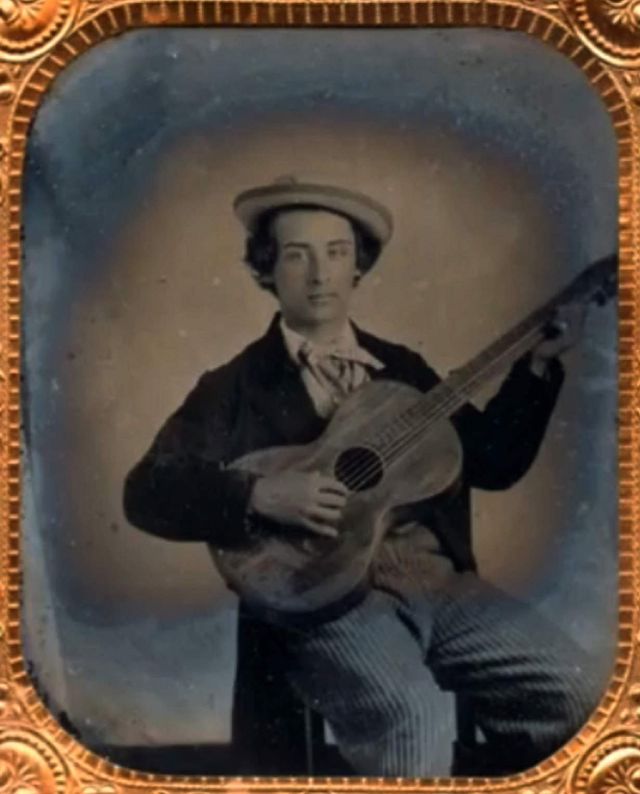
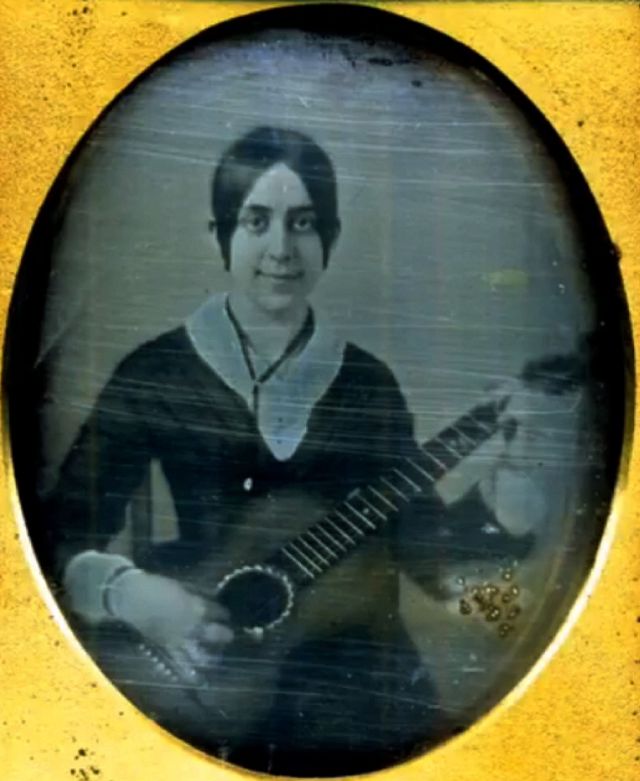
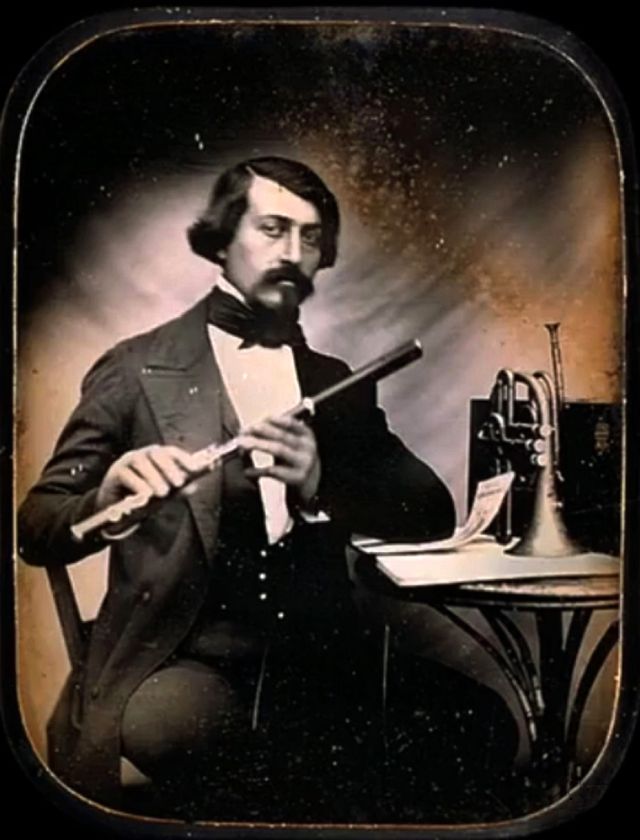
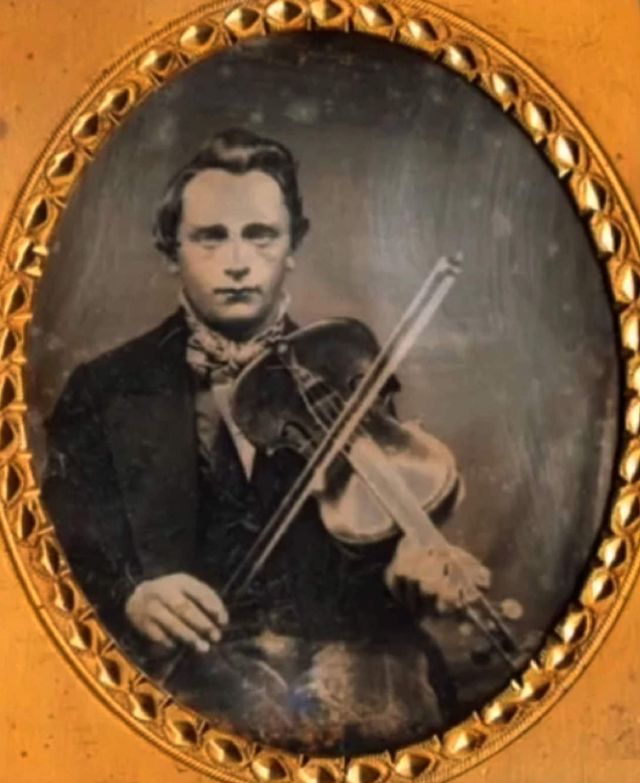
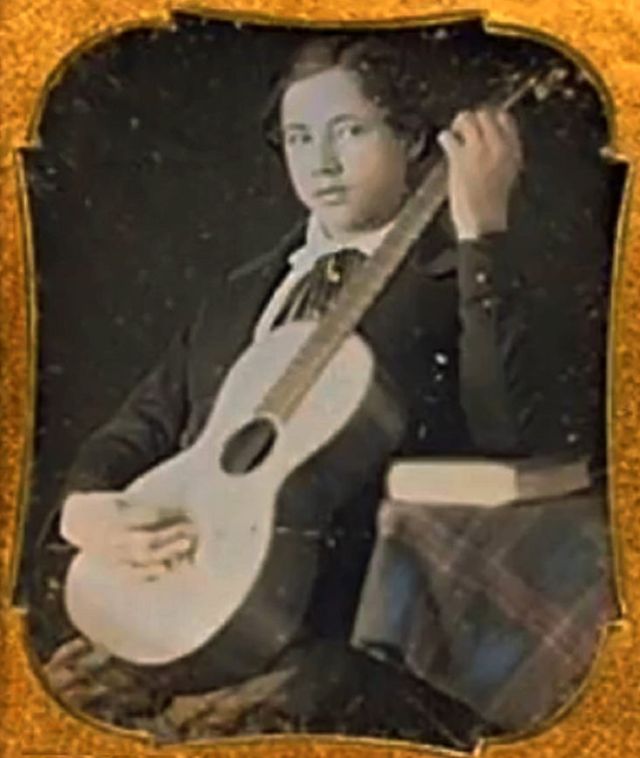
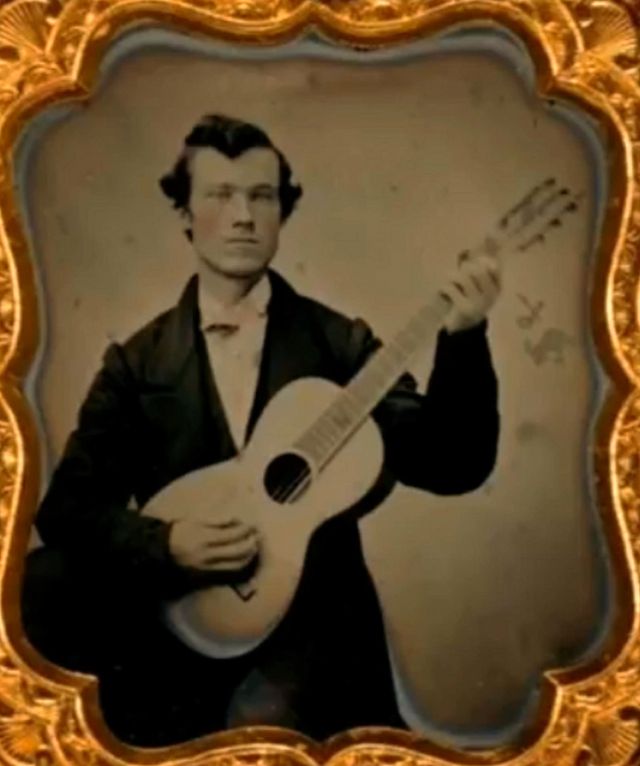
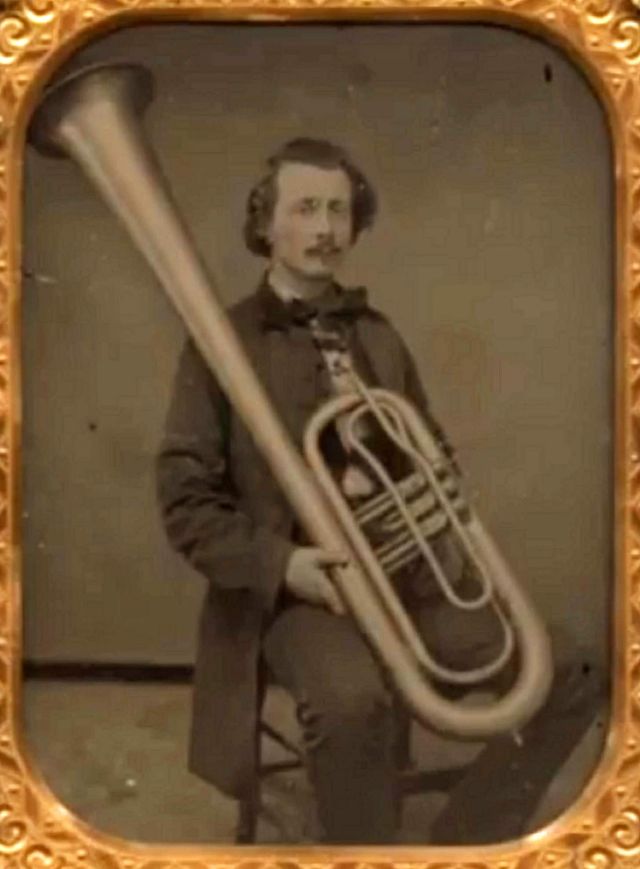
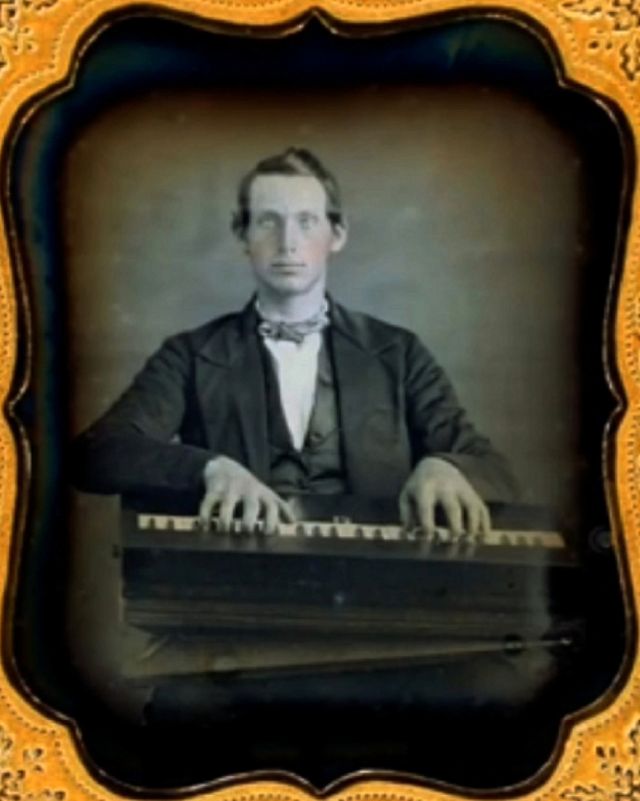
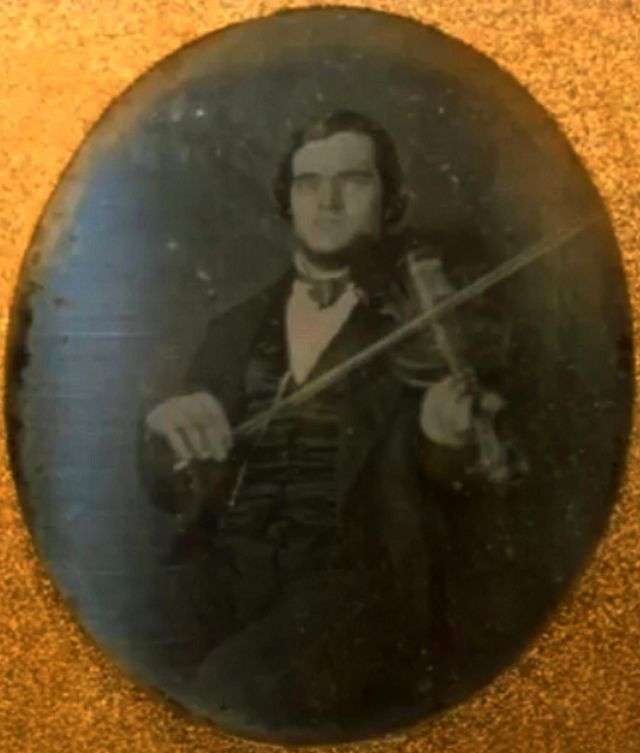
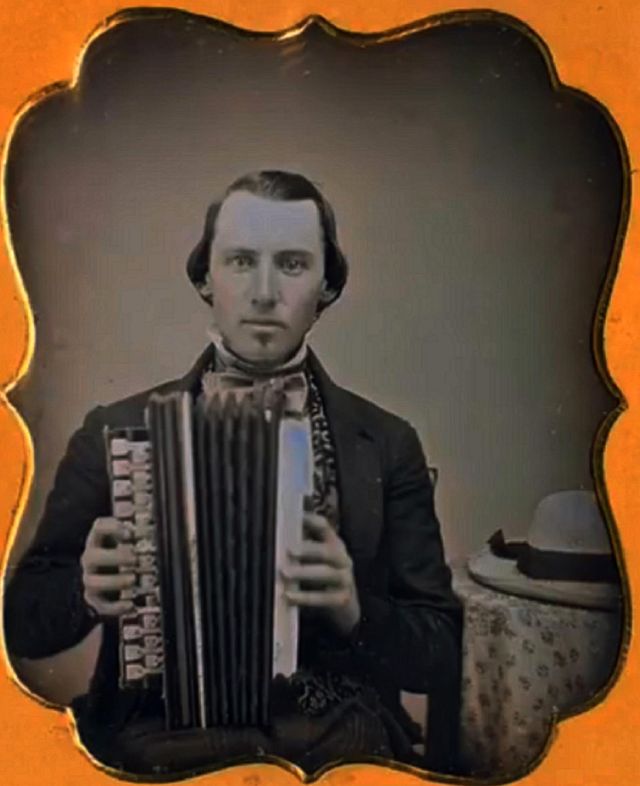
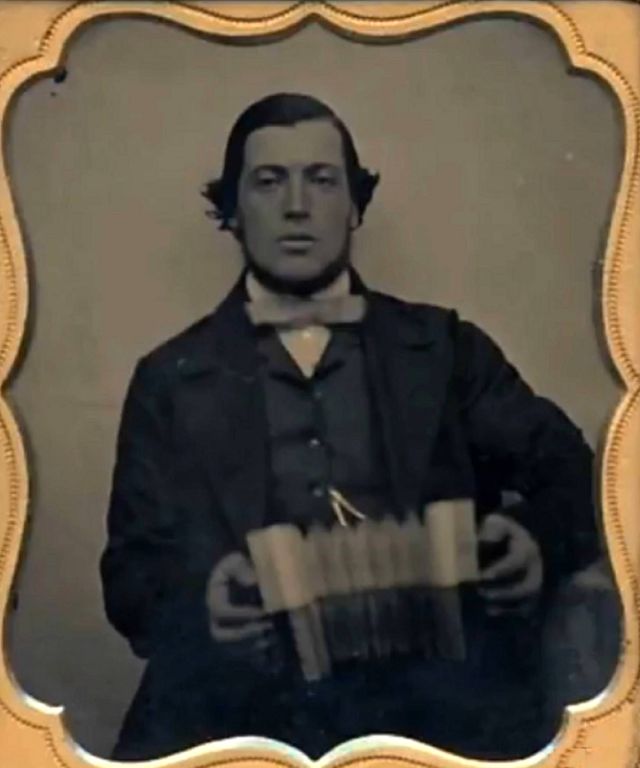
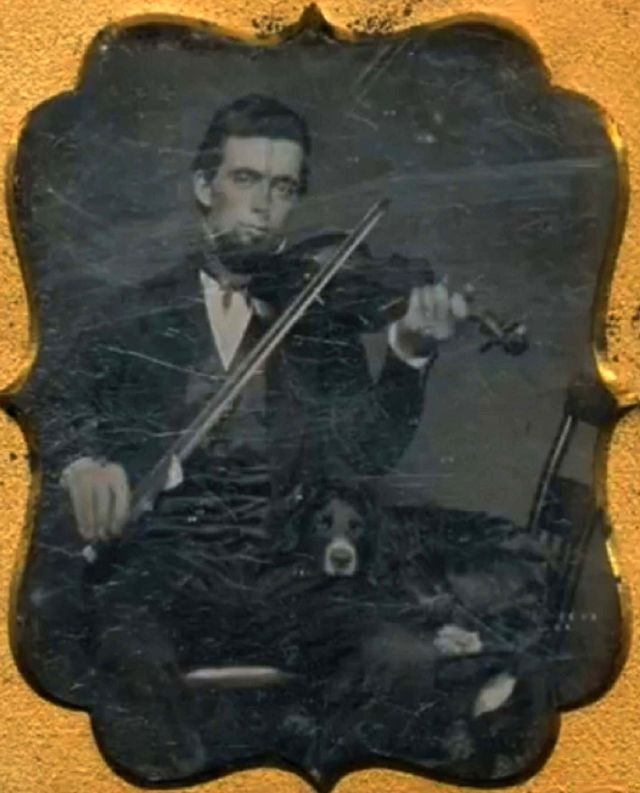
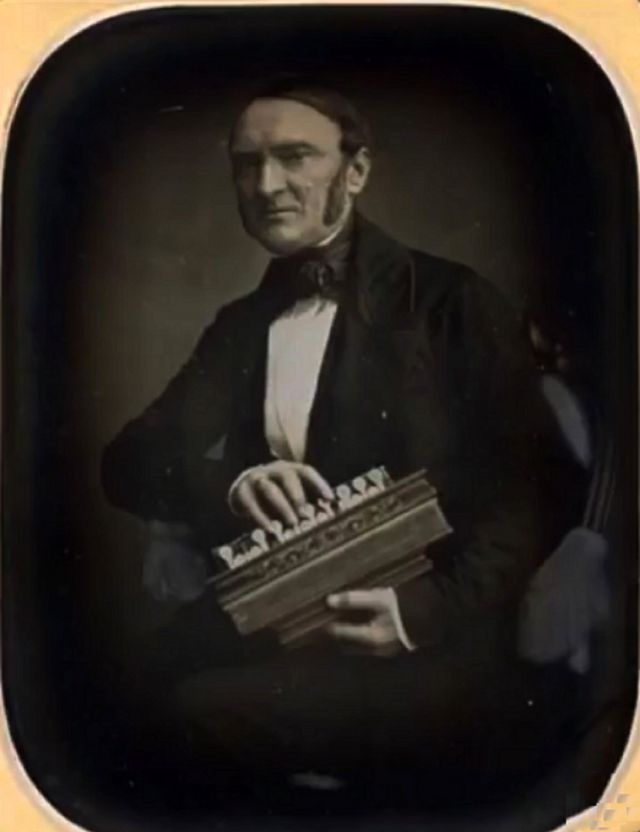
These amazing photographs that captured portraits of musicians in the 1850s and 1860s.

Bringing You the Wonder of Yesterday – Today
These amazing photographs that captured portraits of musicians in the 1850s and 1860s.

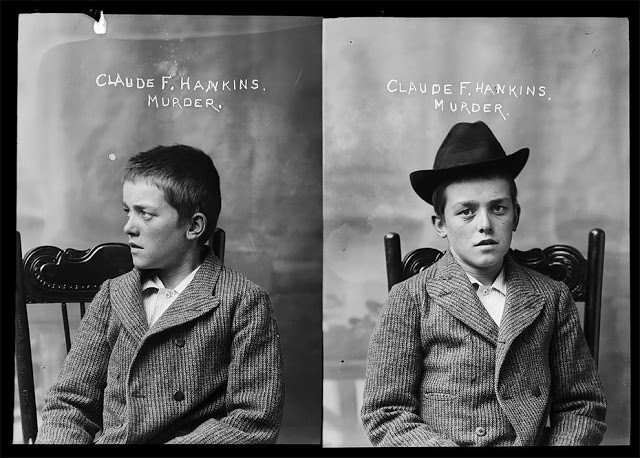
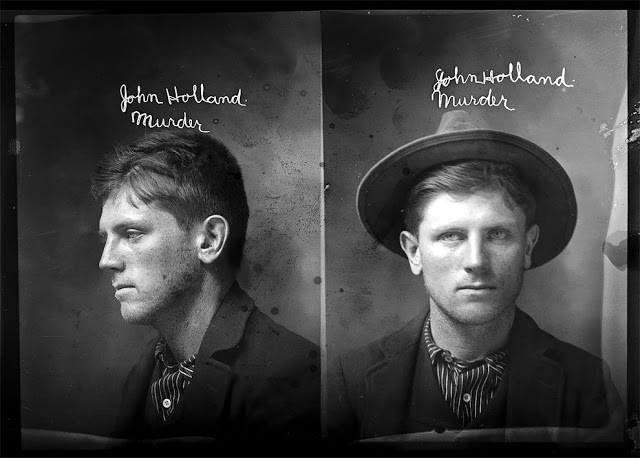
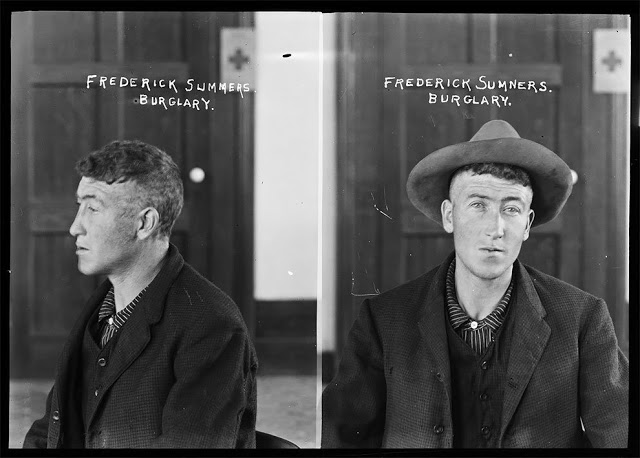
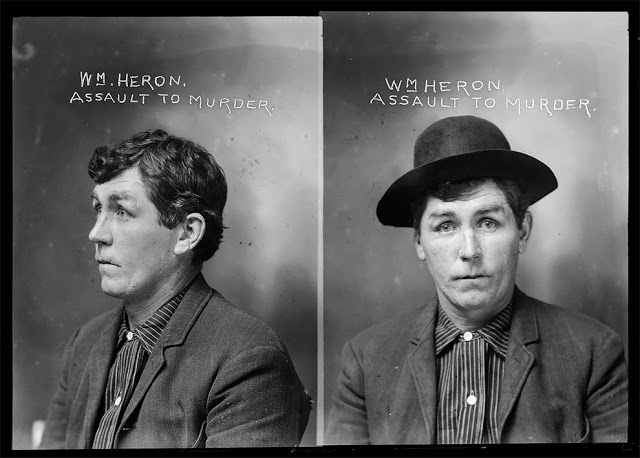
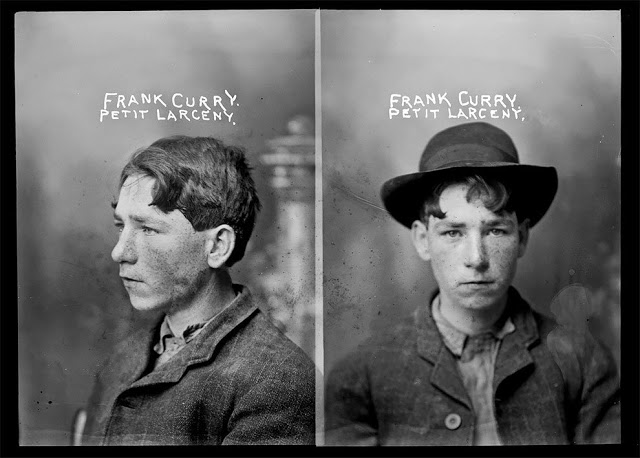
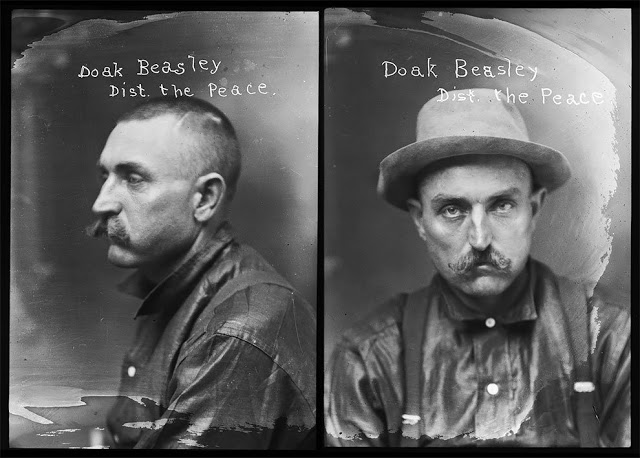
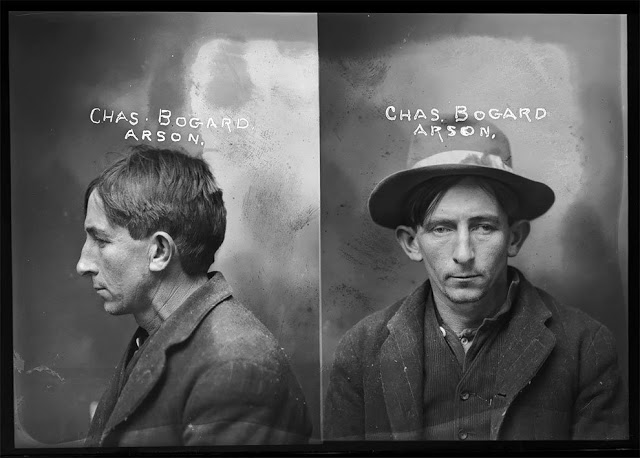
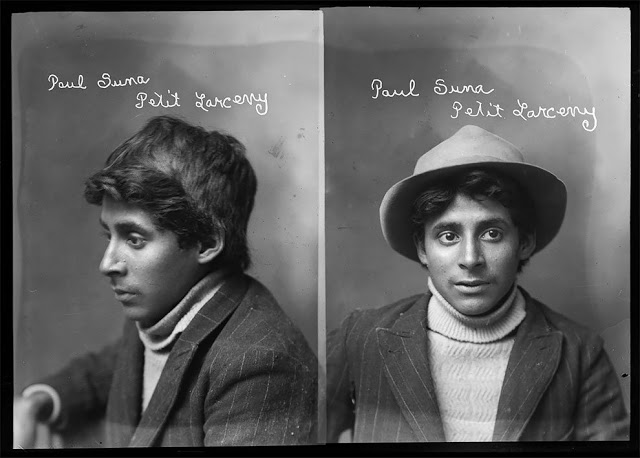
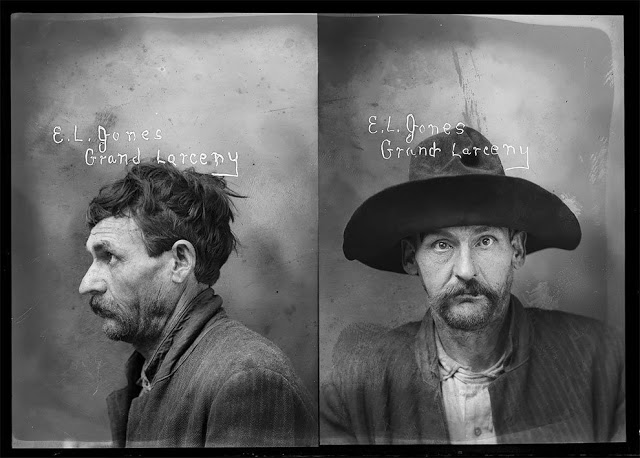
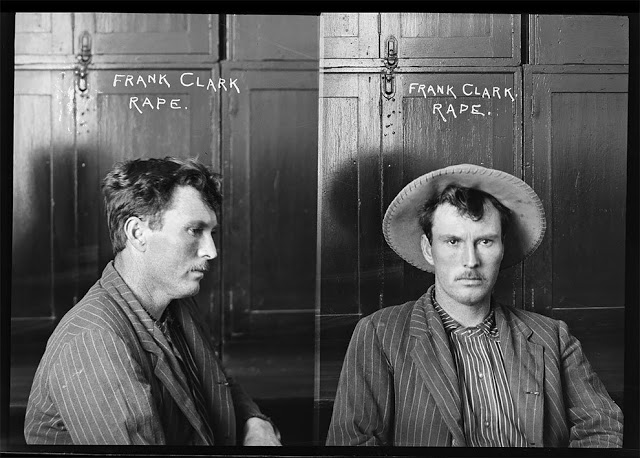
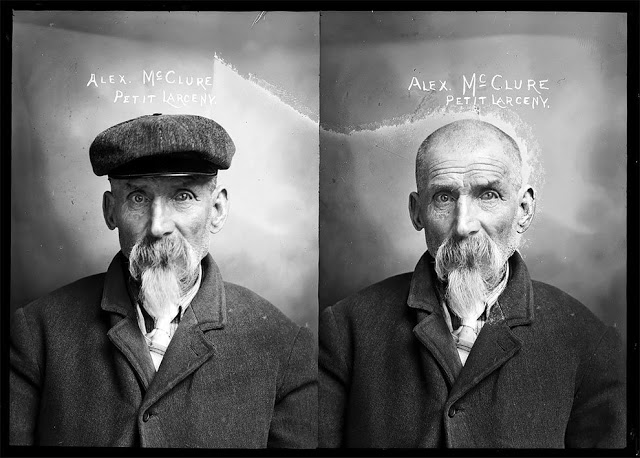
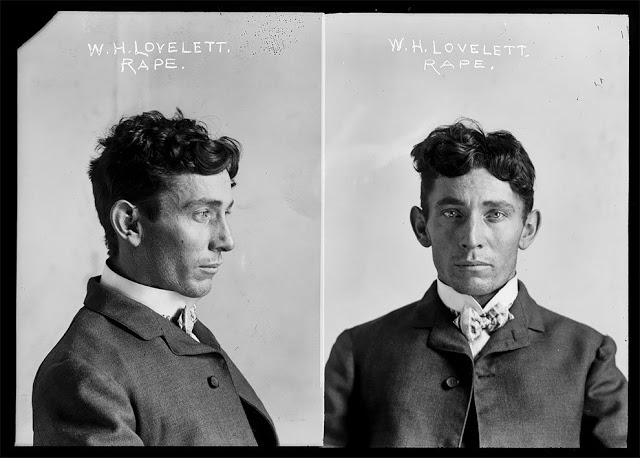
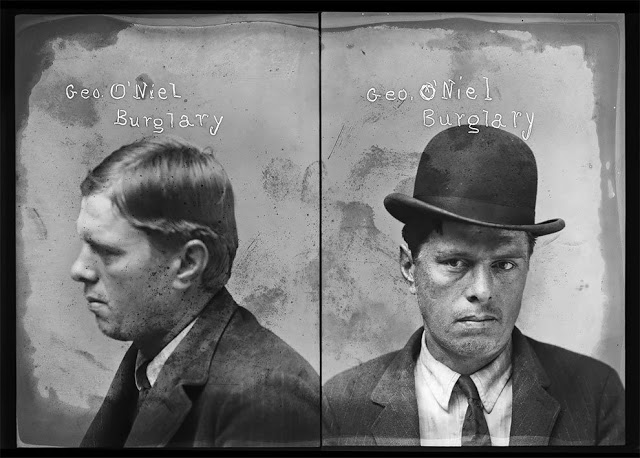
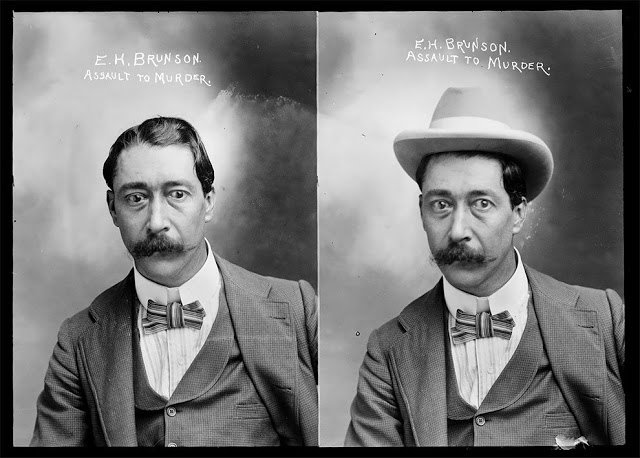
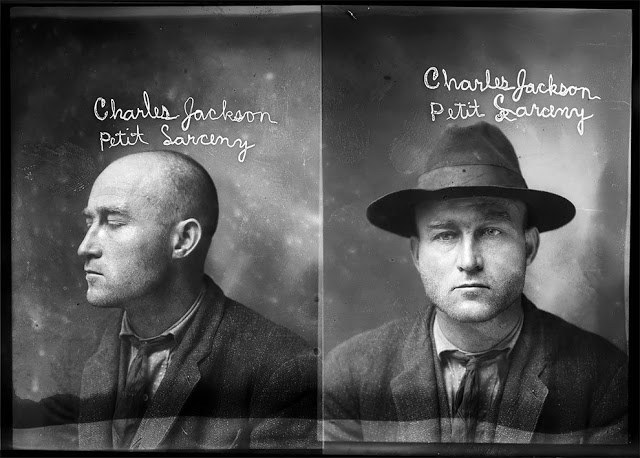
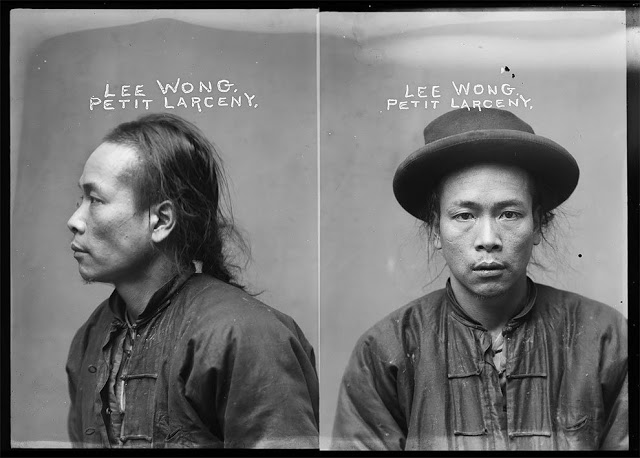
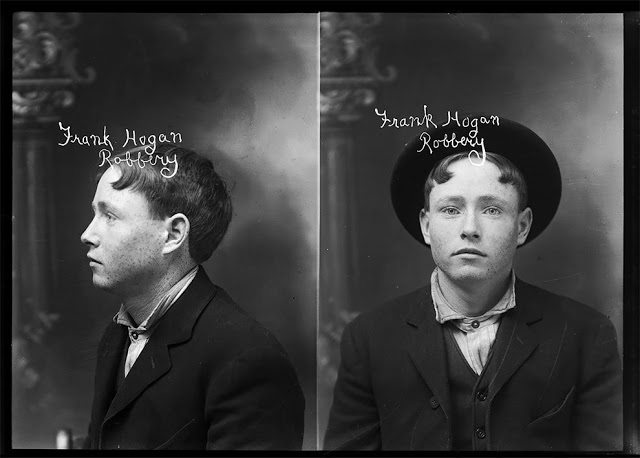
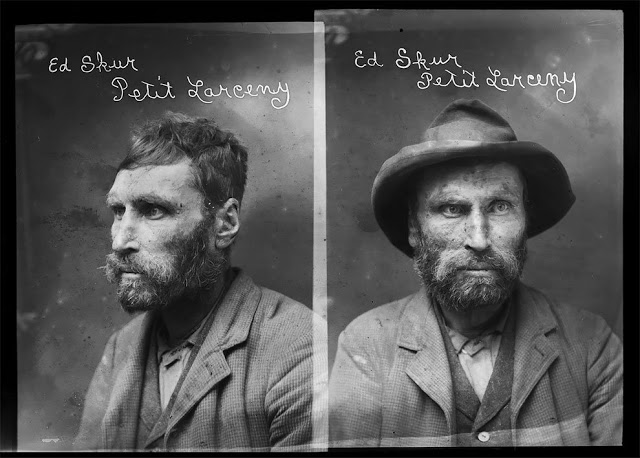
“Some years ago I discovered a cache of glass negative mug shots taken in the early 20th century; each negative was inscribed with the man’s name and alleged crime. In order to research the life of each man pictured in the 500 negatives, I spent the next three years traveling back and forth from New York to the small Northern California town where the photos were taken. I discovered the photographs were taken by Clara Smith, a town photographer more accustomed to taking images of brides and babies than newly arrested suspects. The only extant records of the men’s crimes were the newspapers of the time, so I read through every copy of the daily newspaper(s) from 1901 to 1908 to find news of the men pictured in the images. The project resulted in the book, Prisoners, a collection of 70 images with accompanying narrative text on each subject.” — Arne Svenson
In Prisoners, New York artist and photographer Arne Svenson presents some two dozen portraits of turn-of-the-century prisoners, which the artist developed from found negatives. Each image (about one to two feet) is a diptych mug-shot (full face and profile), with the criminal’s name and crime etched into the emulsion and visible above the subject’s head. The crimes range from petty larceny to murder in various ages and races.





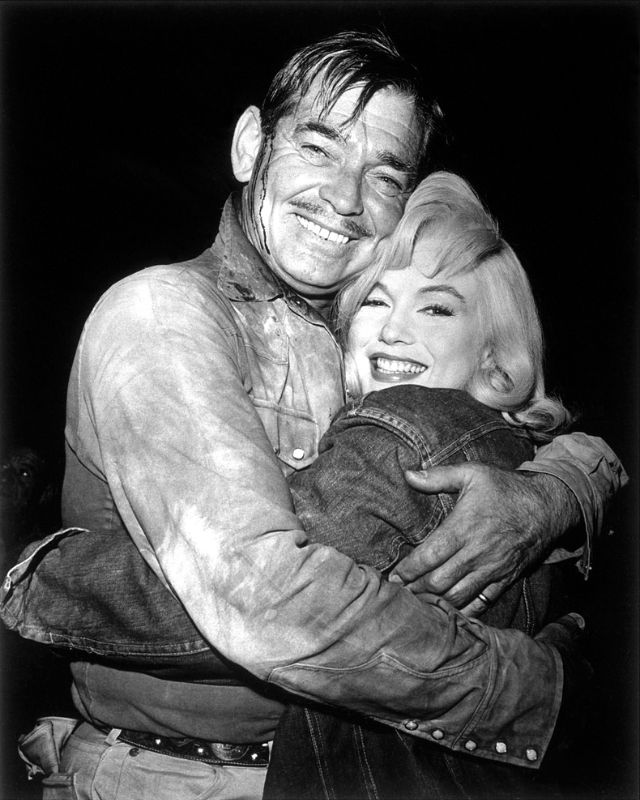
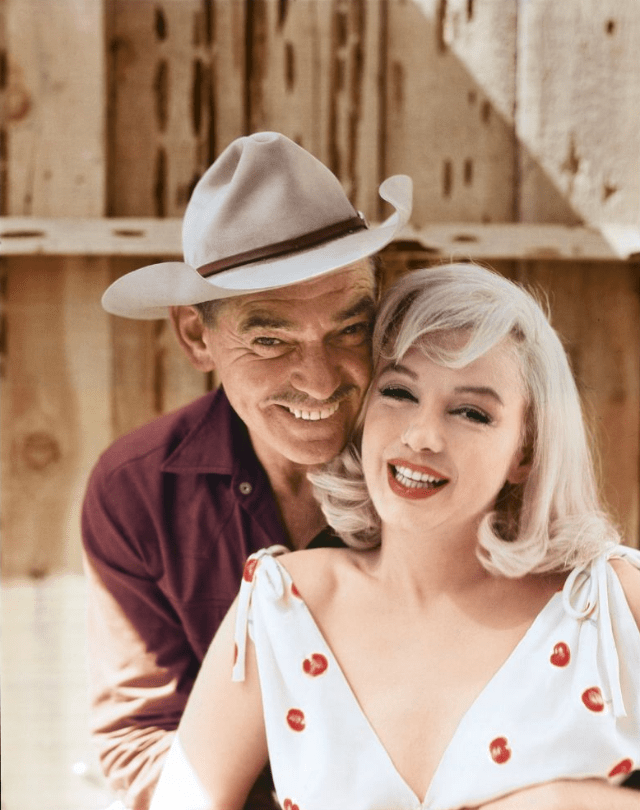
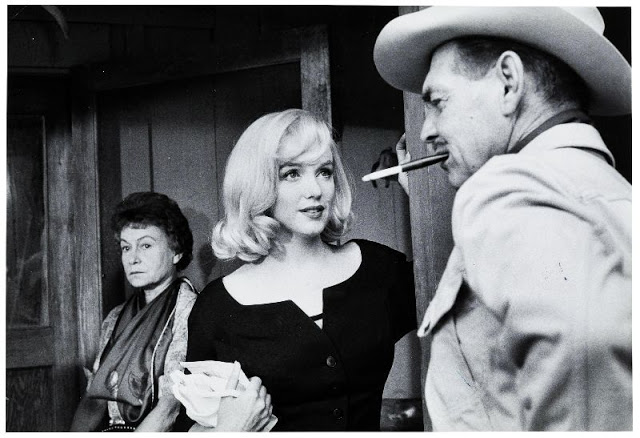
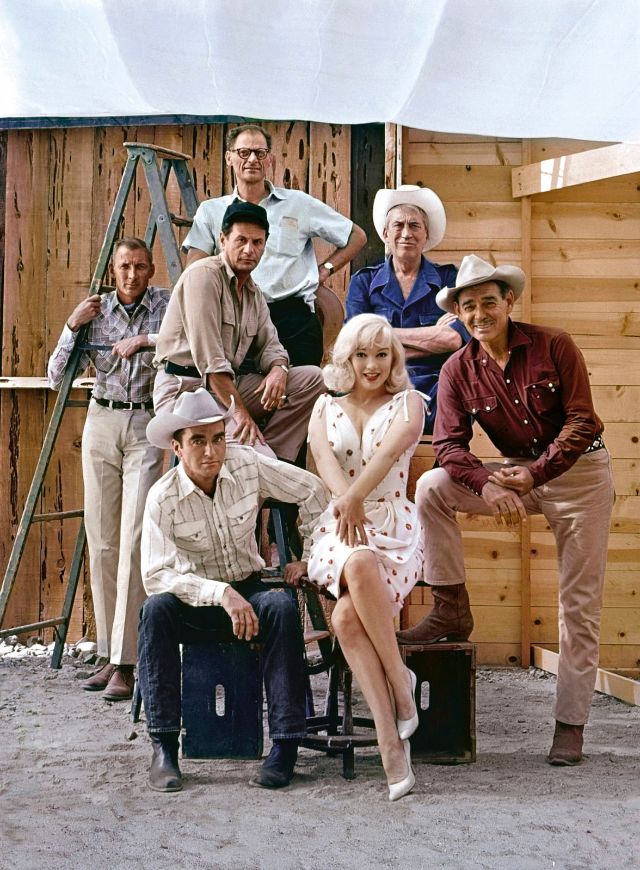
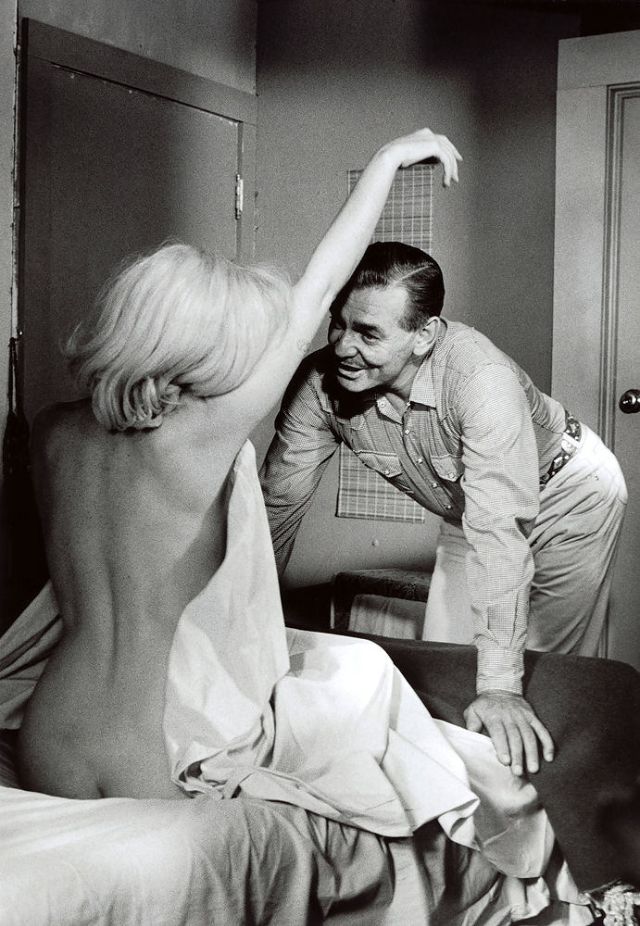
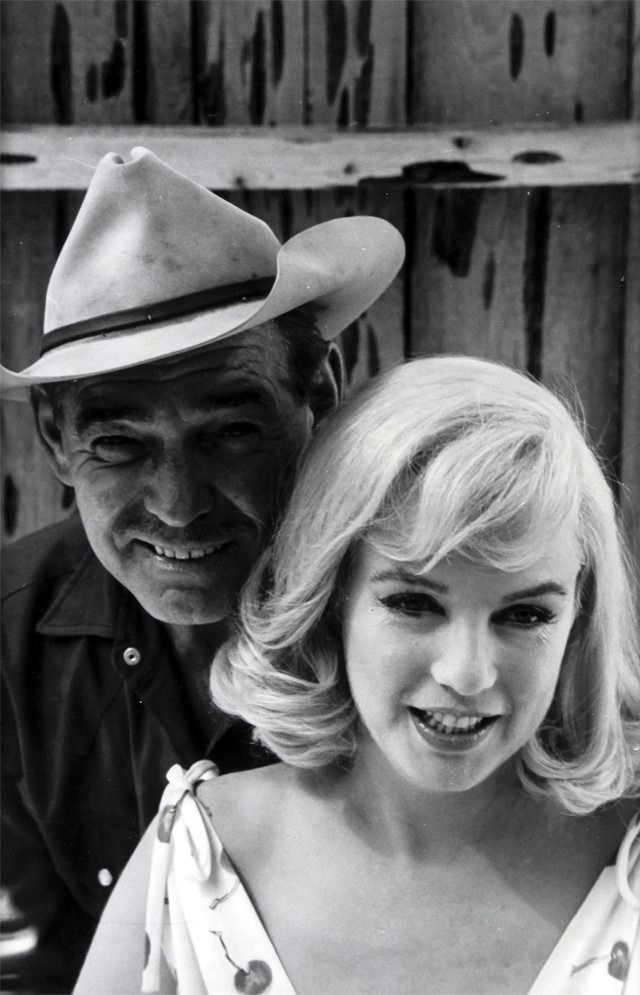
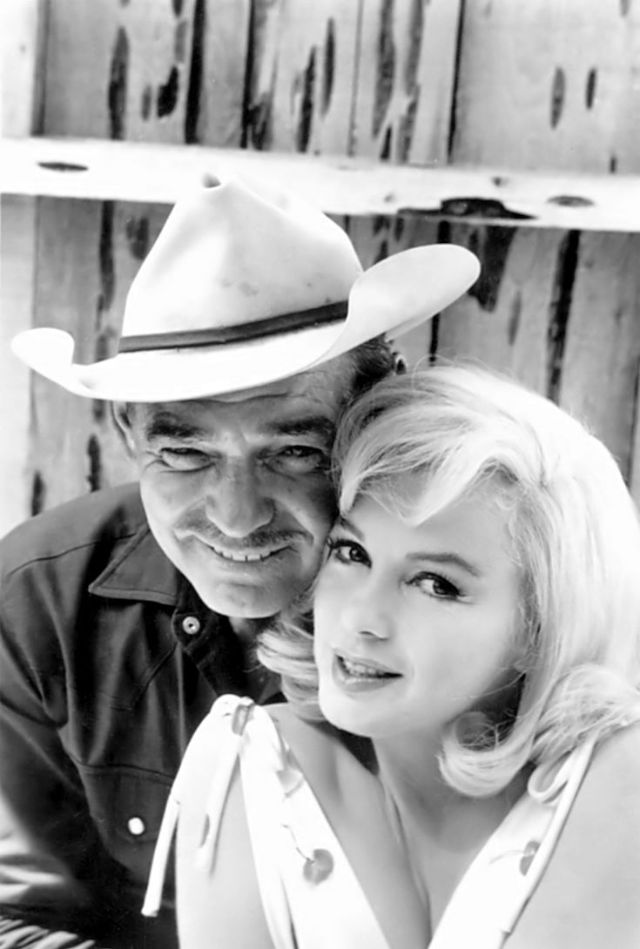
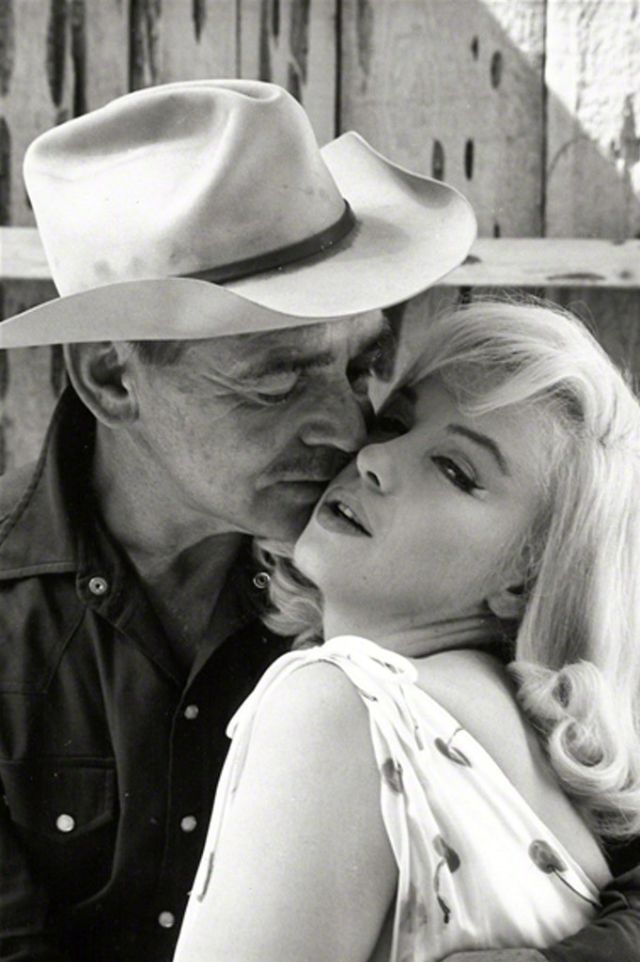
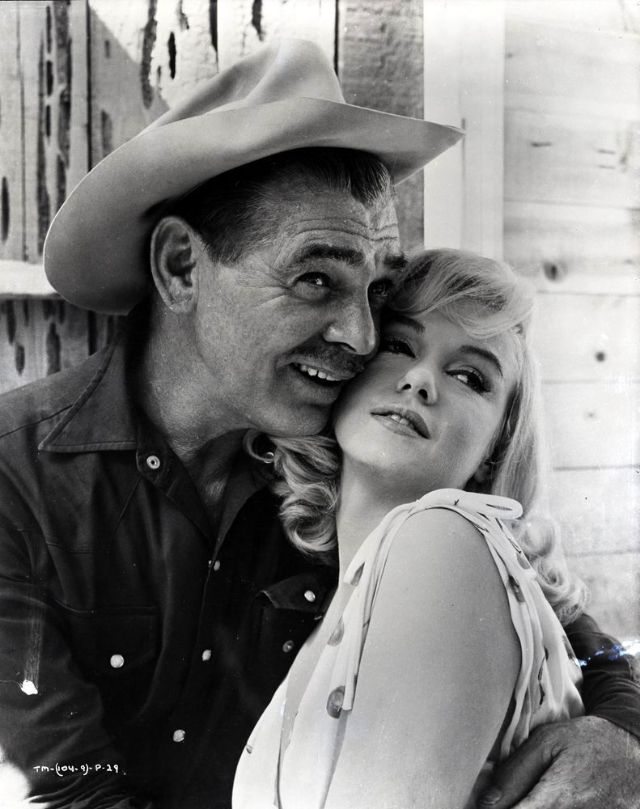
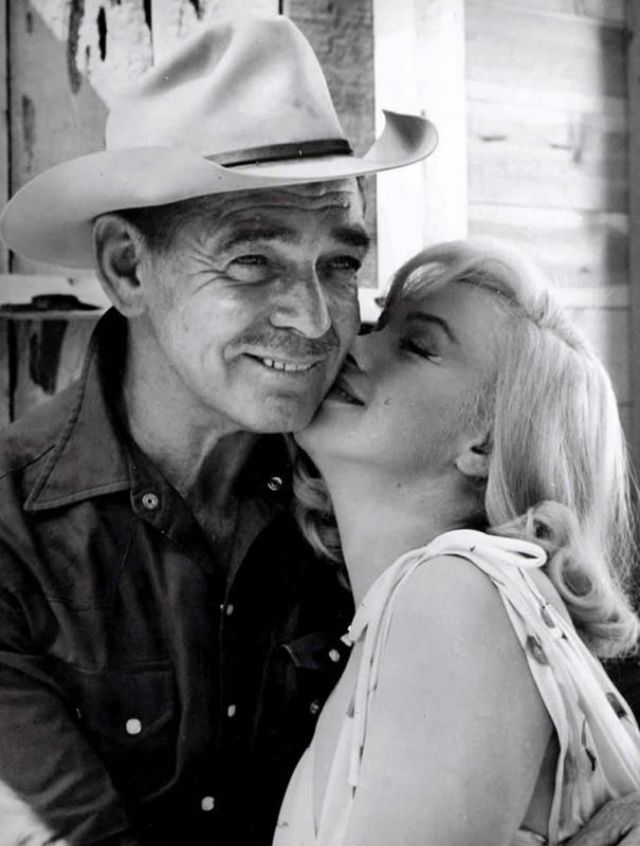
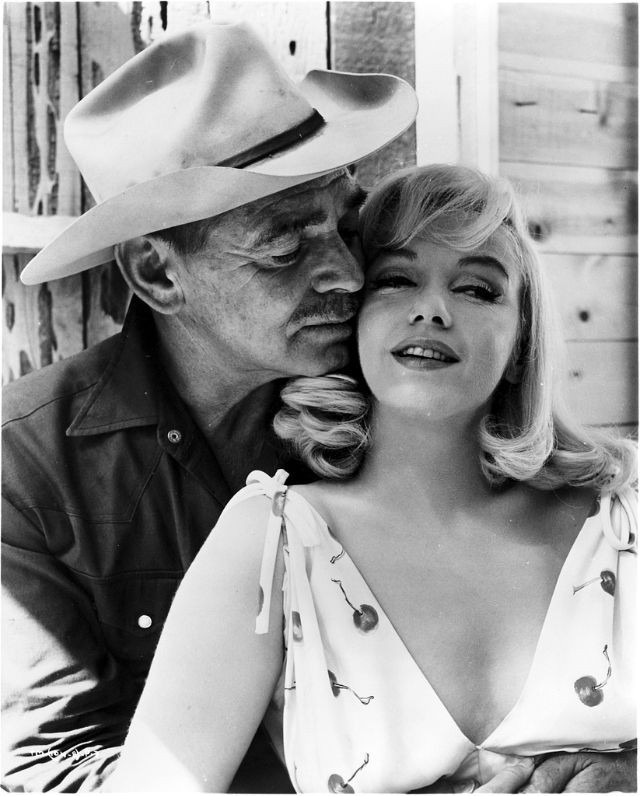
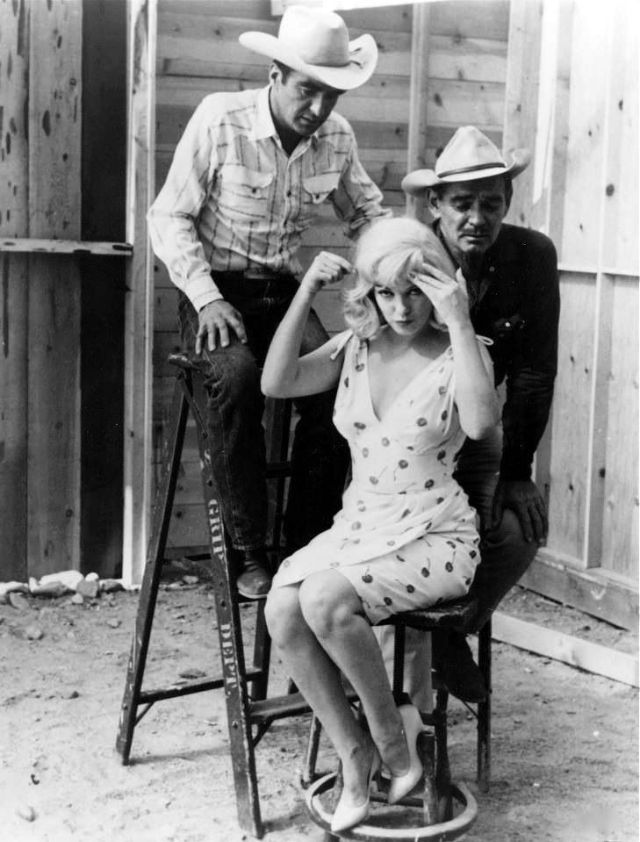
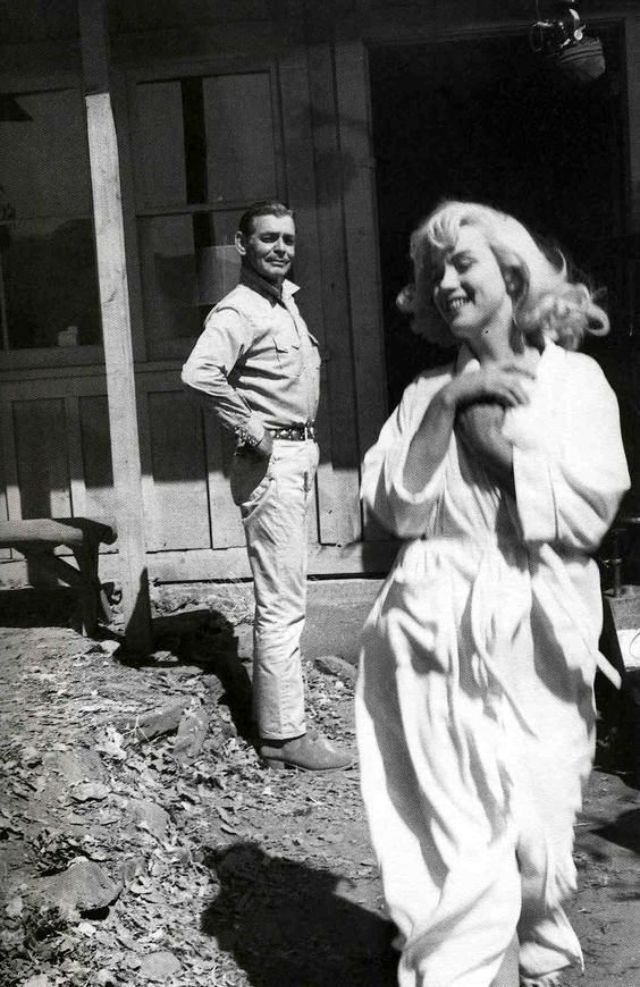
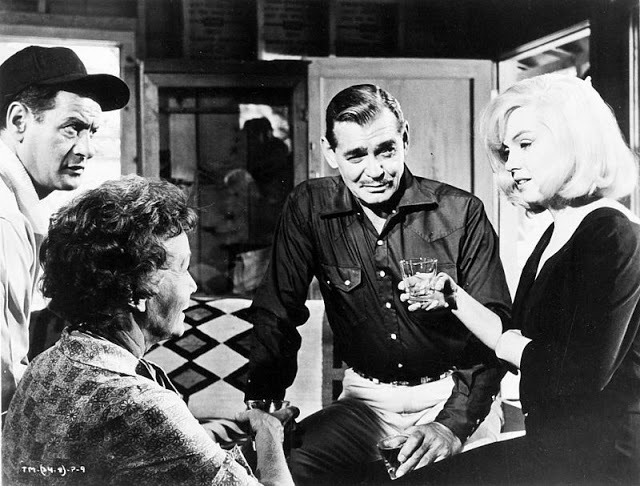
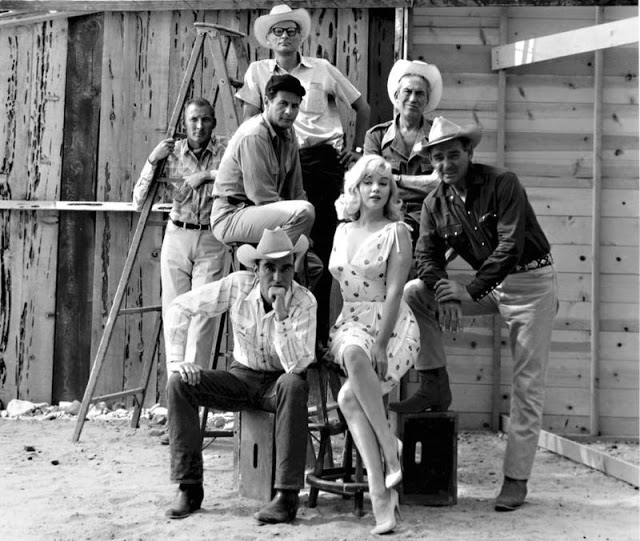
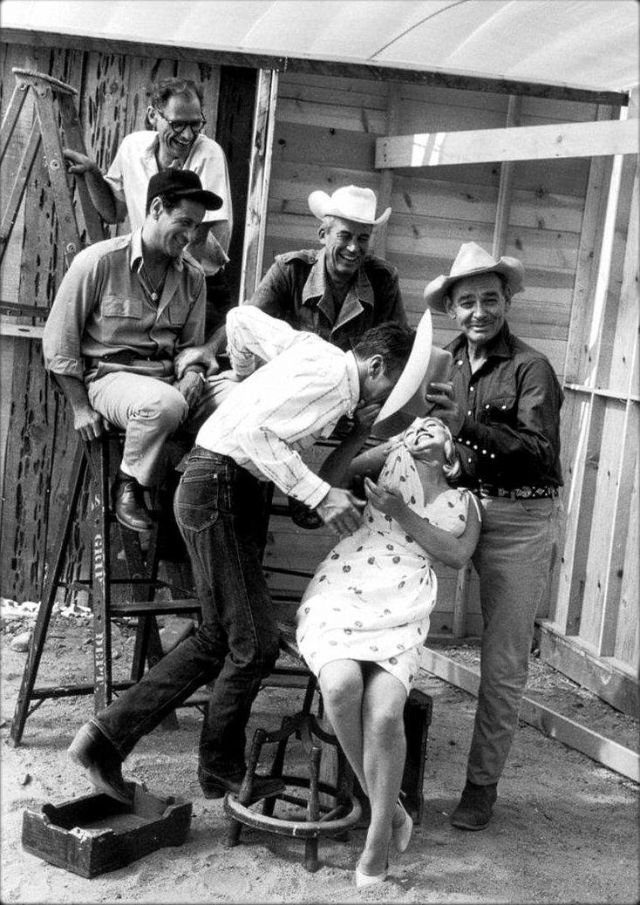
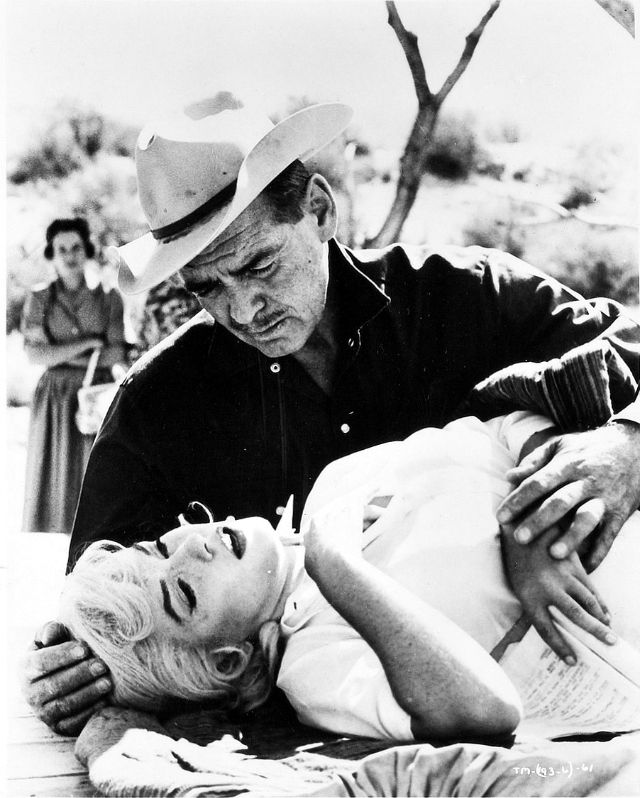
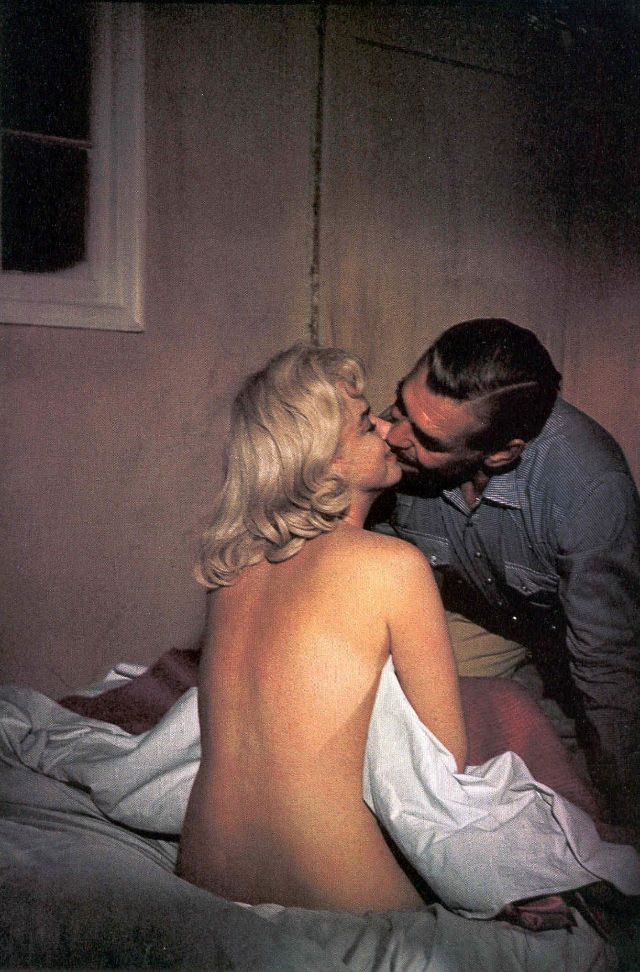
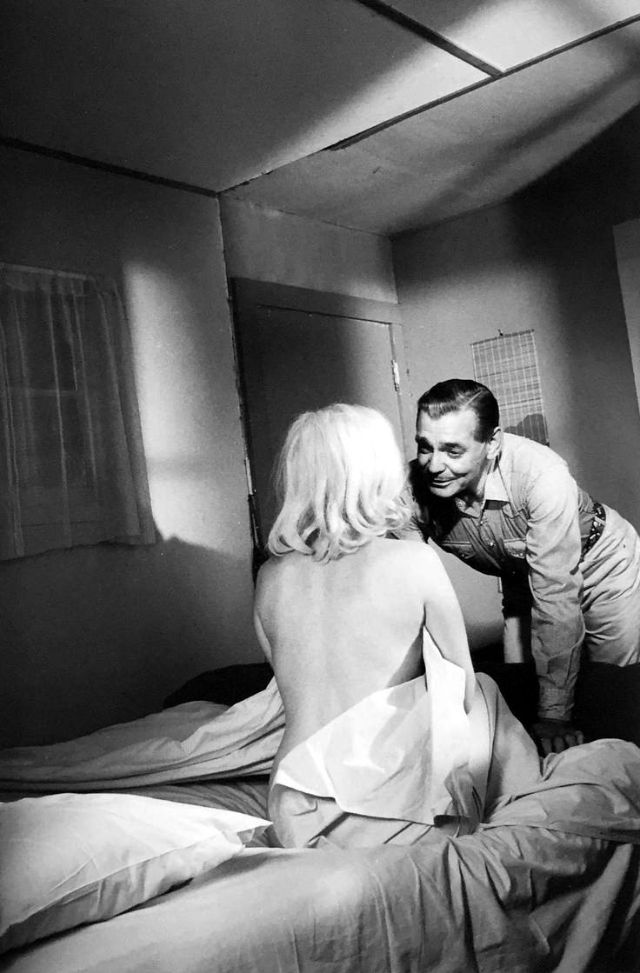
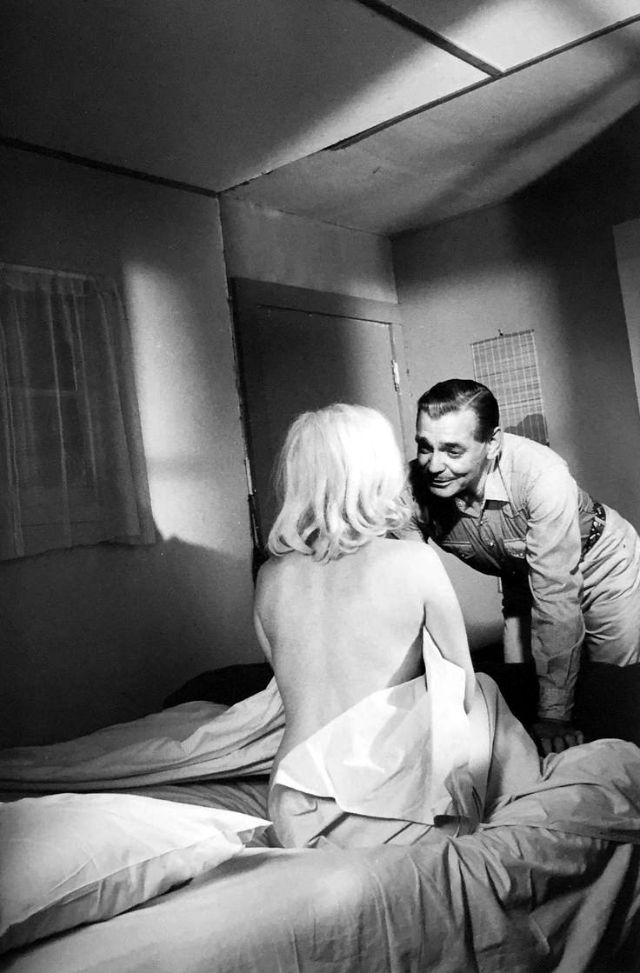
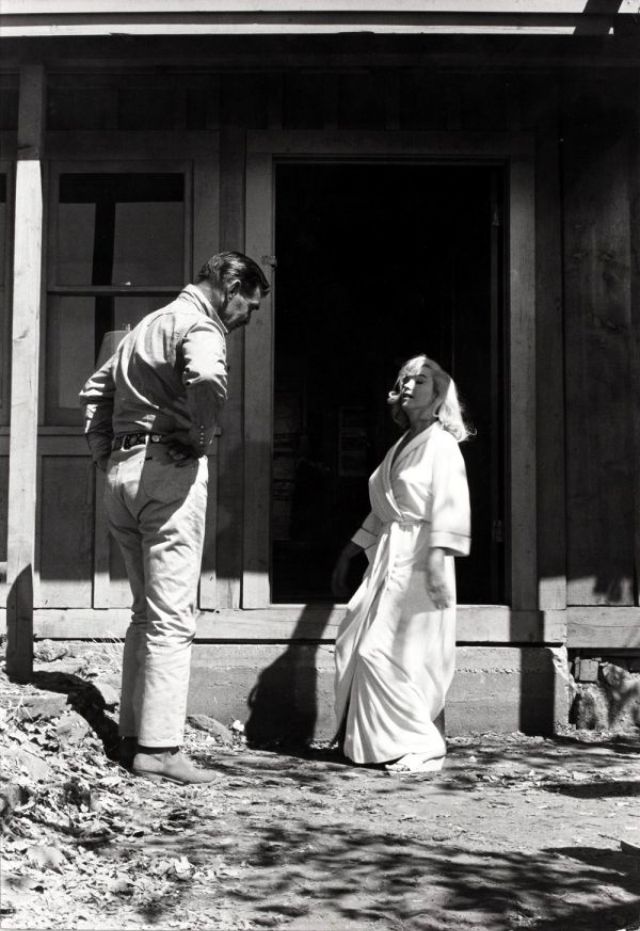
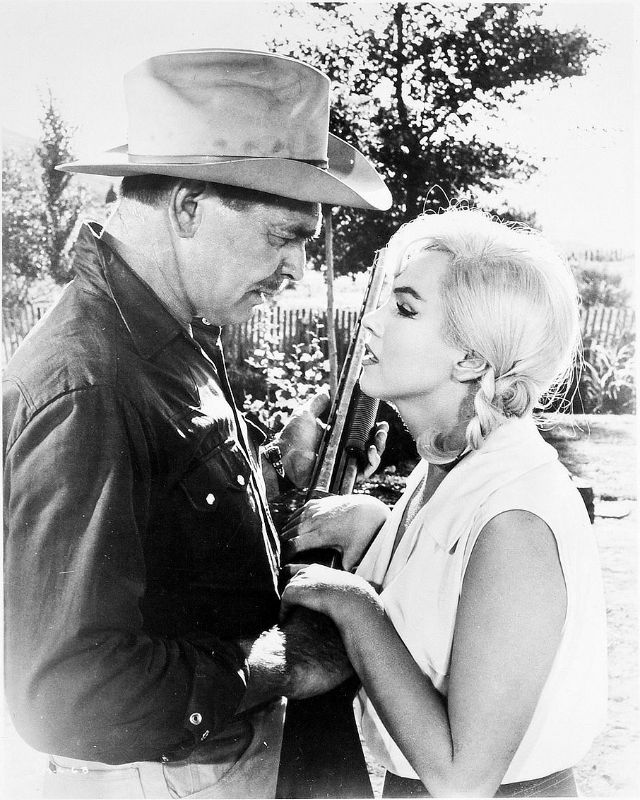
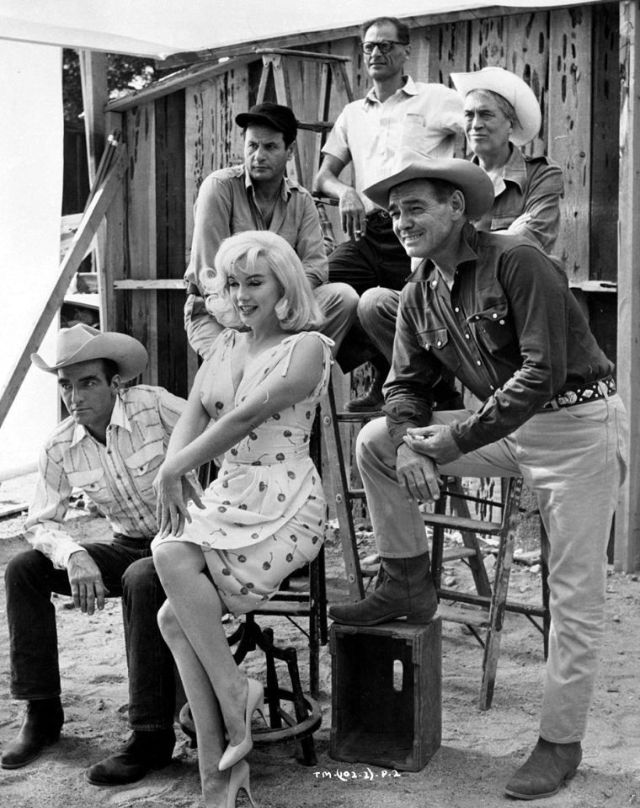
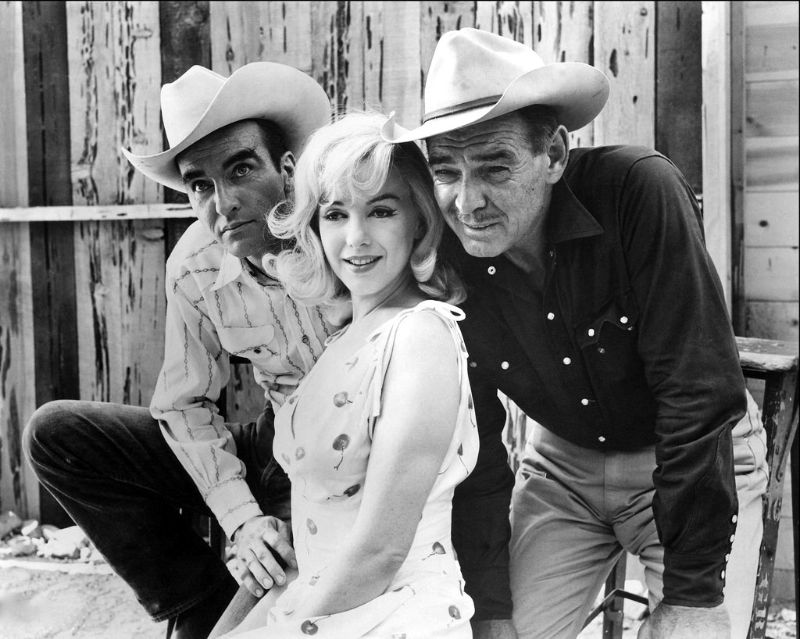
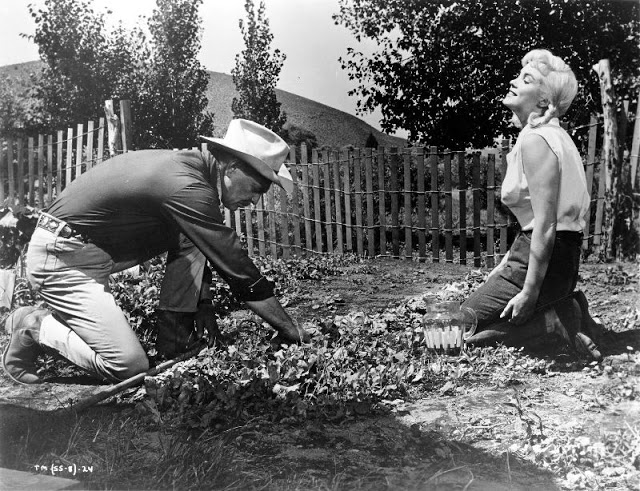
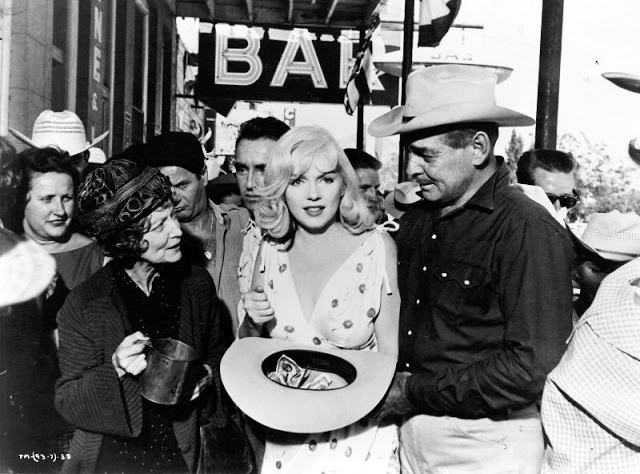
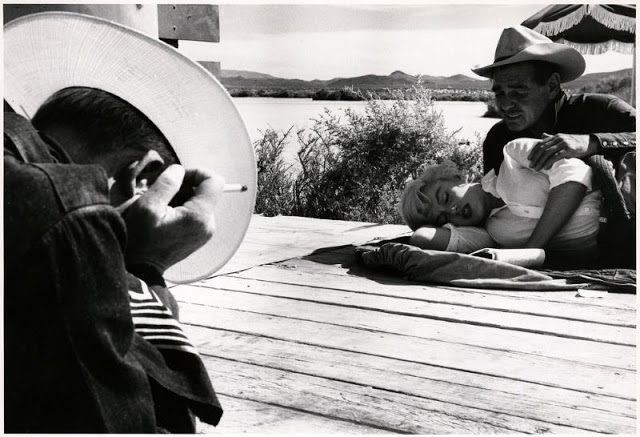
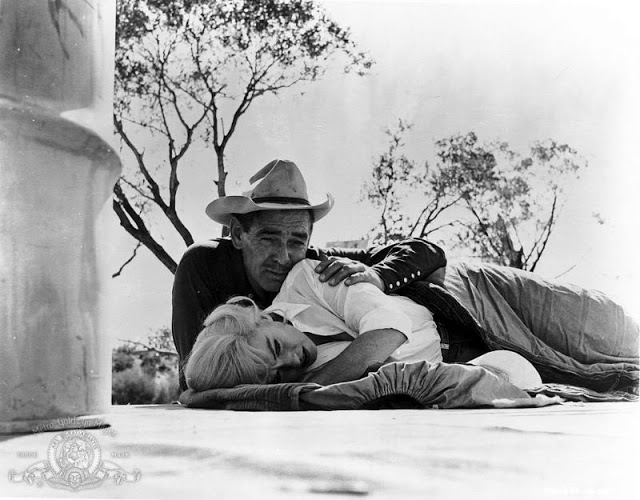
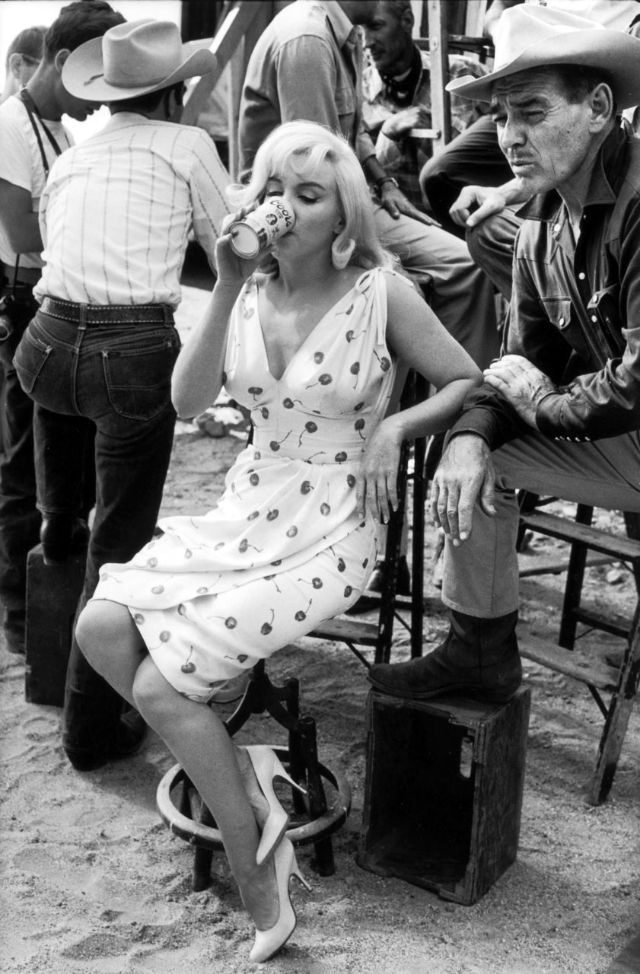
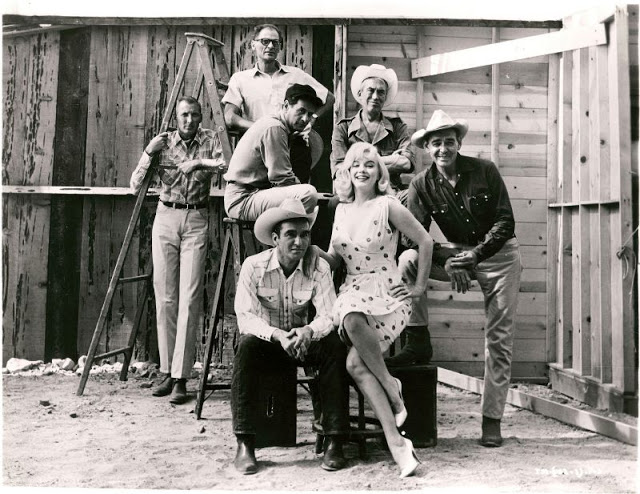
The Misfits is a 1961 American drama film written by Arthur Miller, directed by John Huston, and starring Clark Gable, Marilyn Monroe and Montgomery Clift. The supporting cast features Thelma Ritter, Eli Wallach and Kevin McCarthy. It marked the last completed film of both Gable and Monroe. For Gable, the film was posthumously released, while Monroe died the following year.
The plot centers on a recently divorced woman (Monroe) and her time spent with a cowboy (Gable), his tow truck-driving friend (Wallach) and his rodeo-riding friend (Clift) in the Western Nevada desert in the 1960s. The film was a commercial failure at the time of its release, but received positive critical comments for its script and performances, and is highly regarded today.
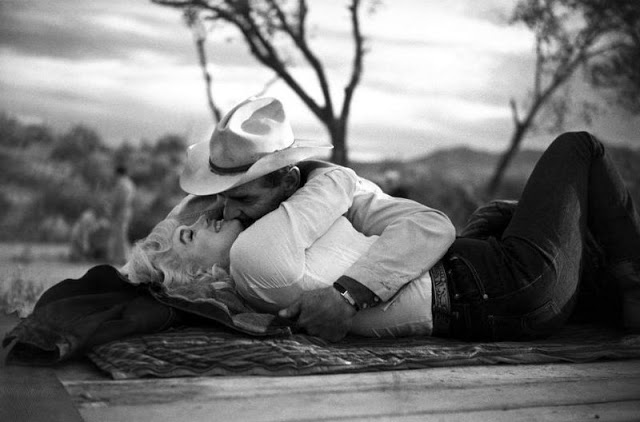
Here below are lovely photos that captured behind the scenes of Marilyn Monroe and Clark Gable while filming “The Misfits” in 1960.
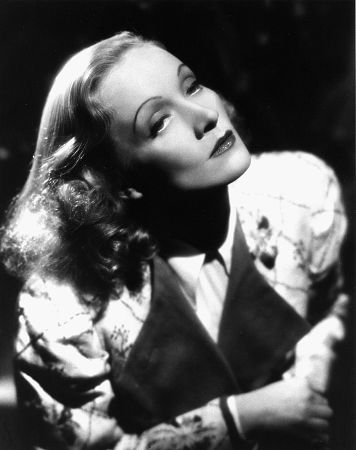
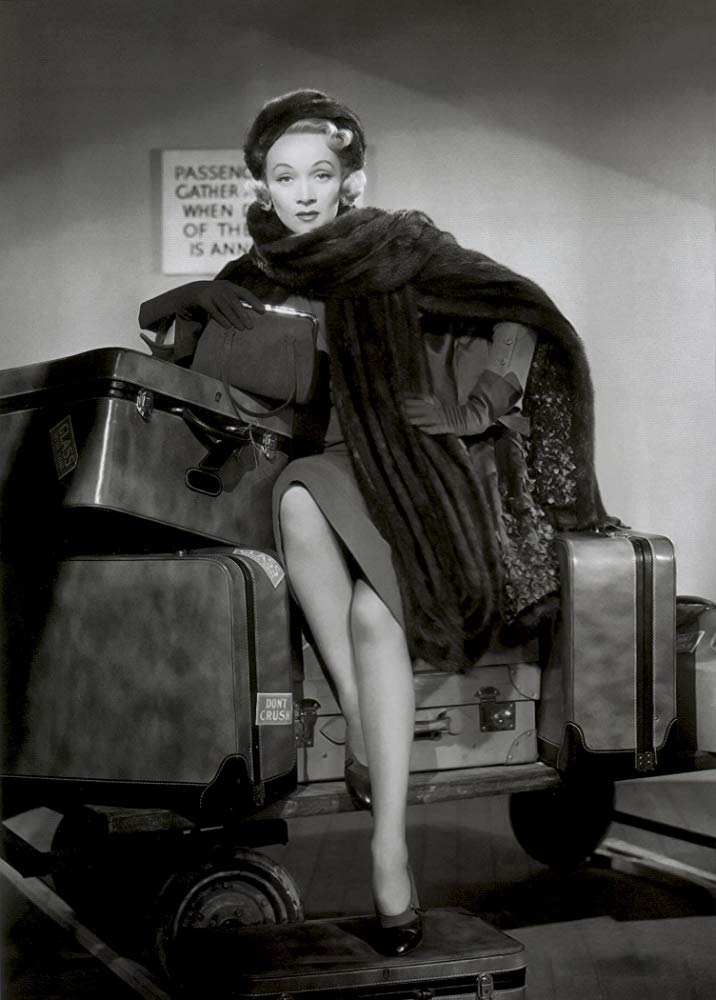
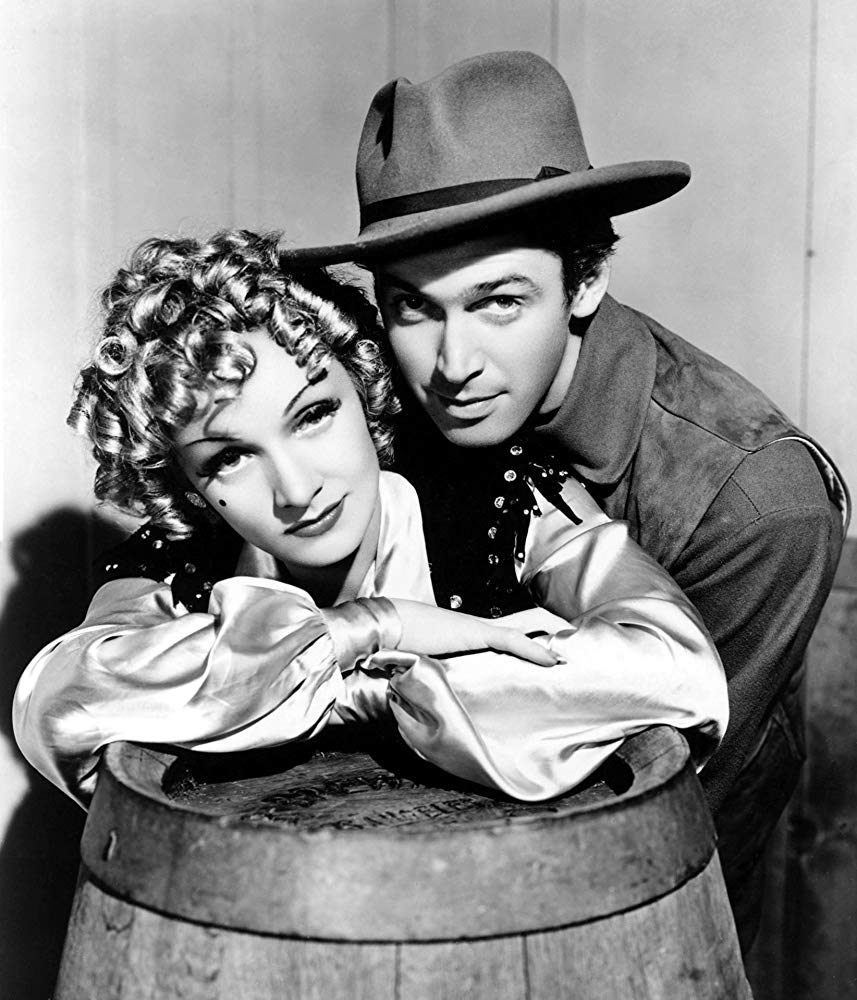
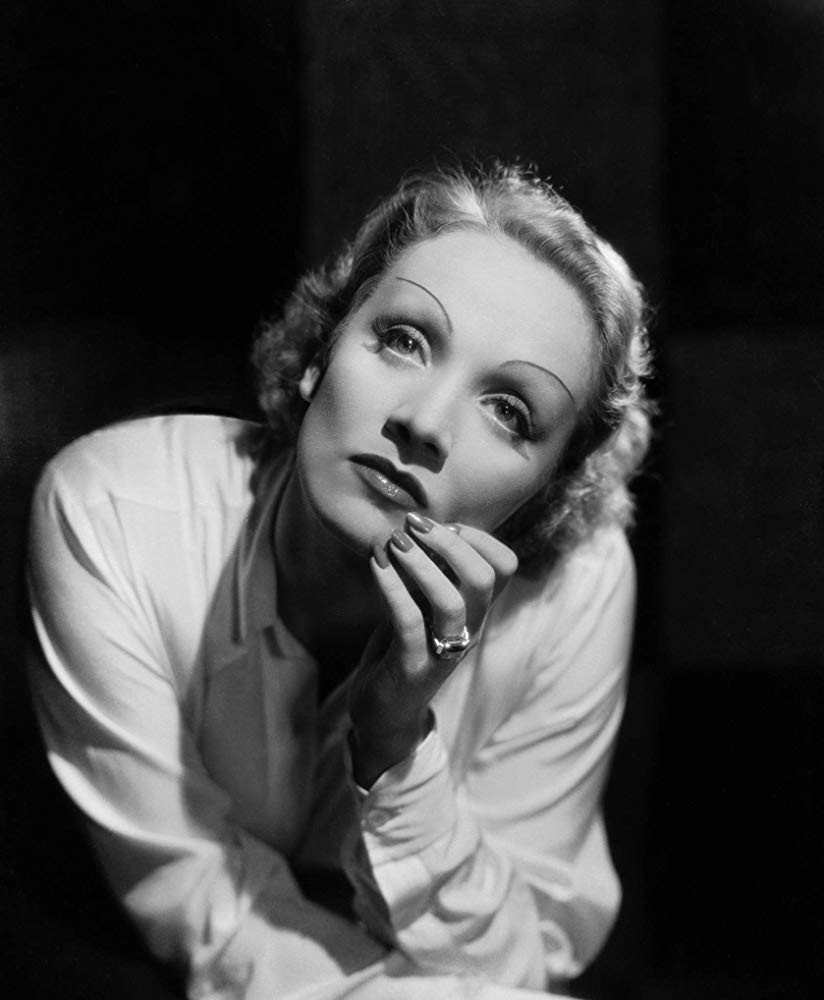
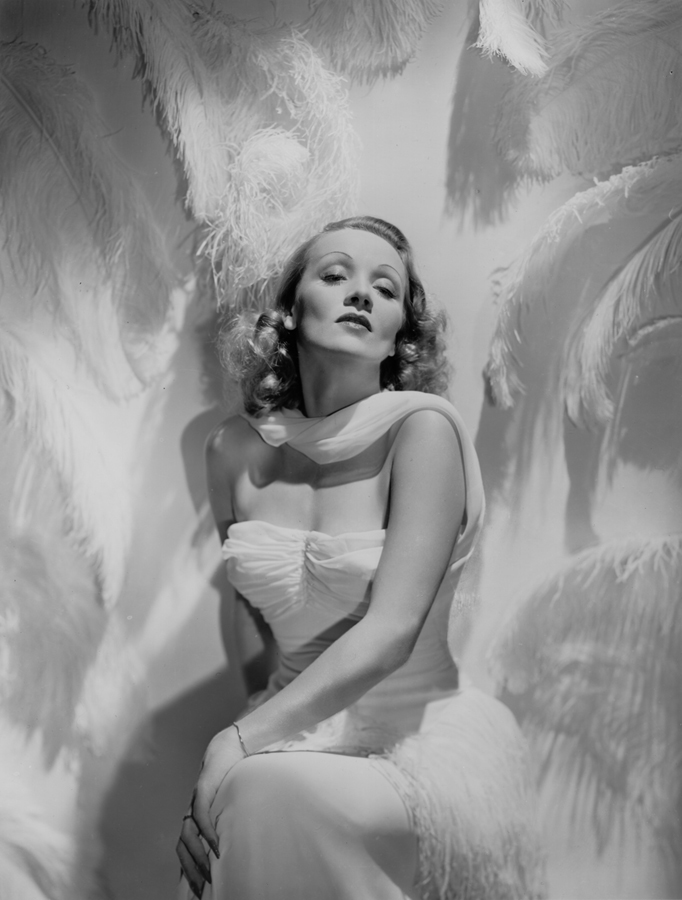
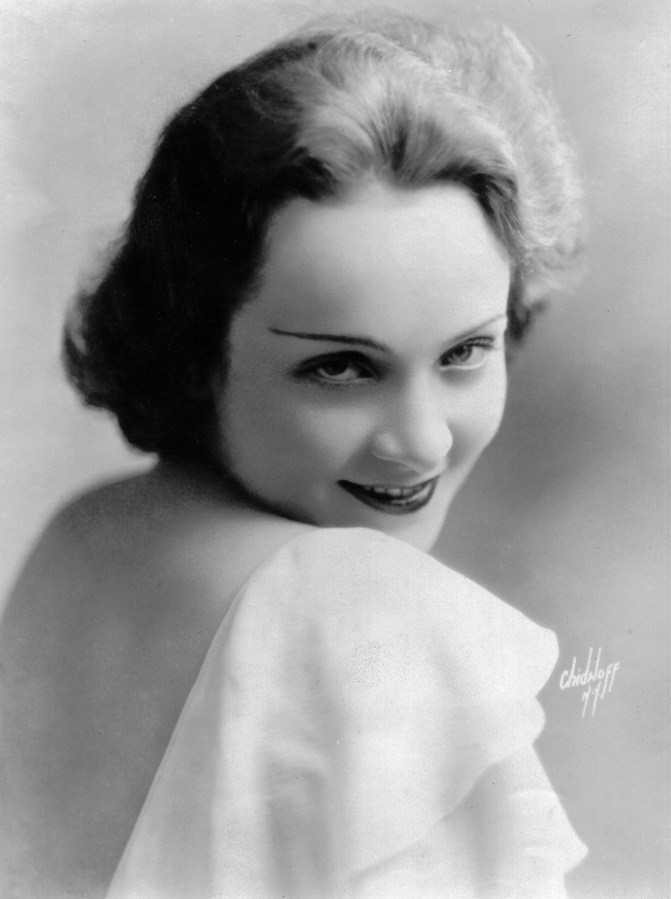
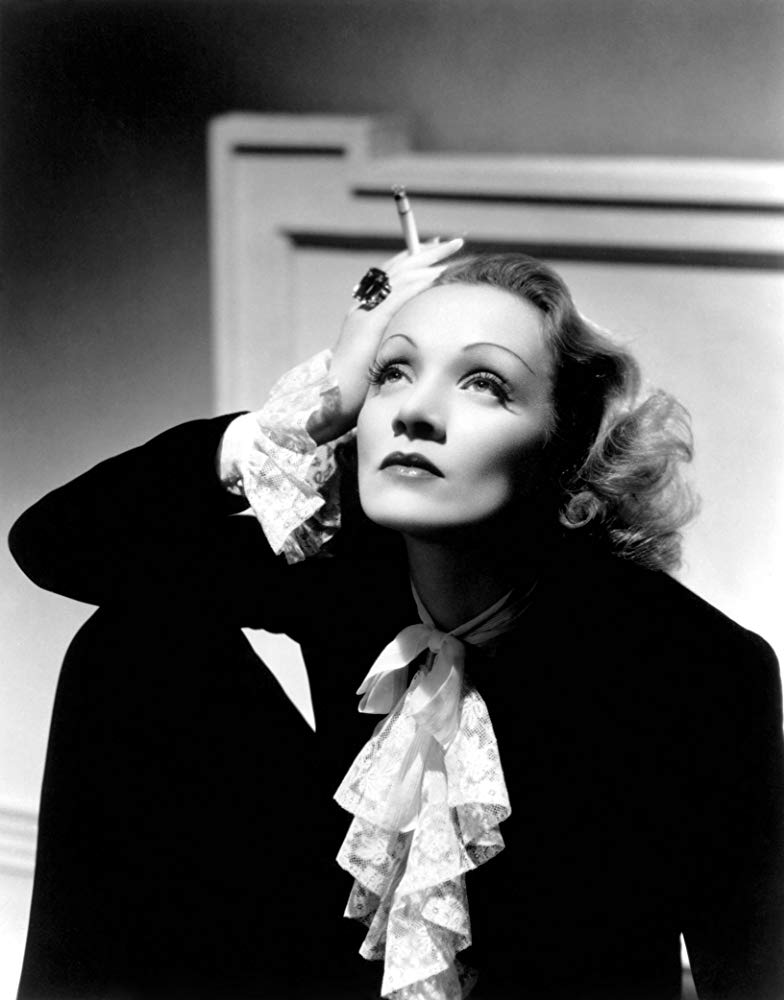
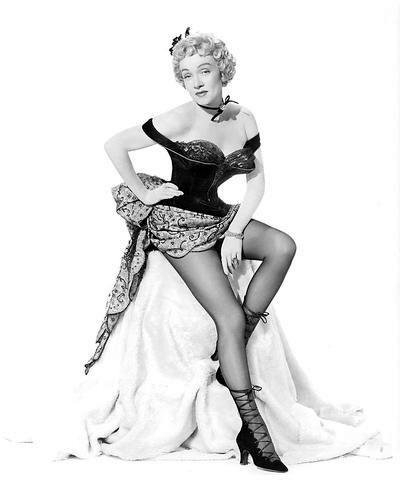
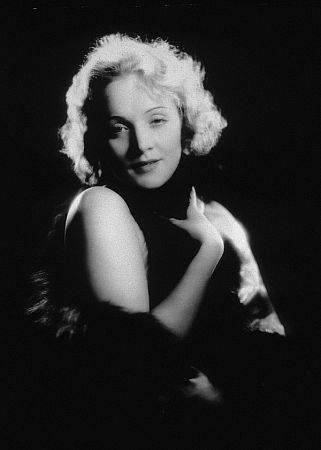
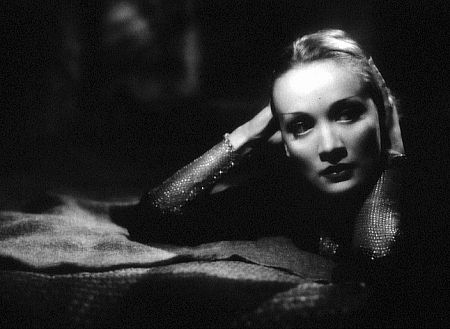
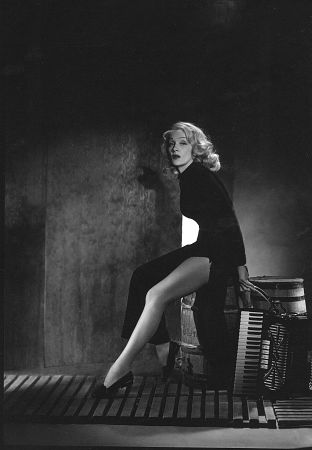
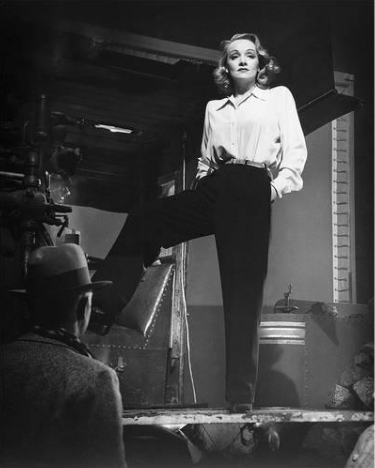
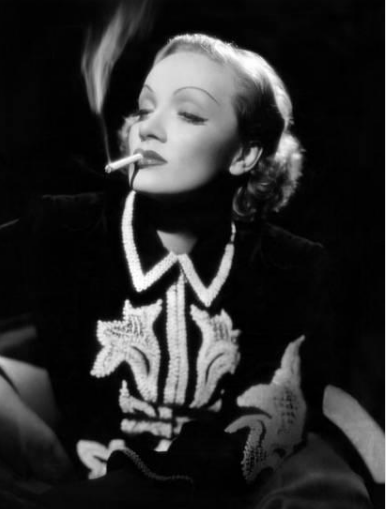
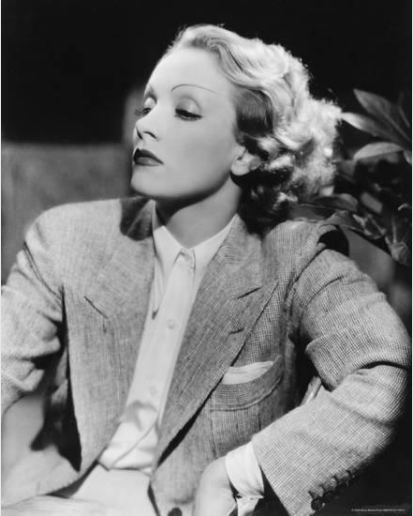
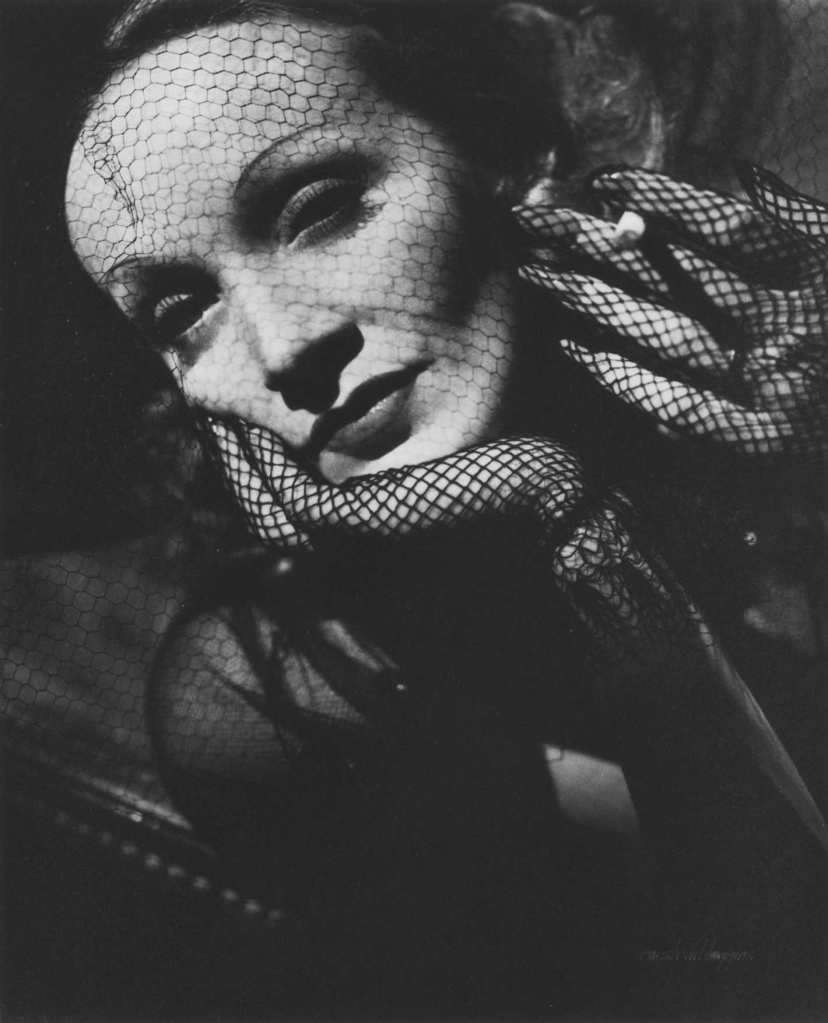
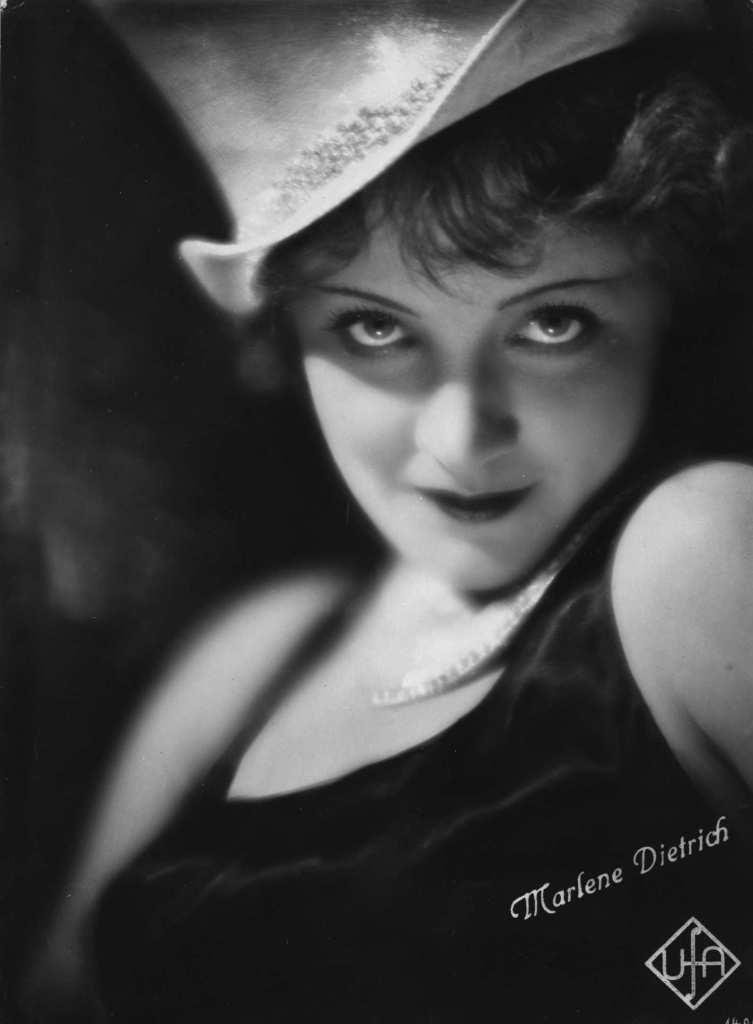
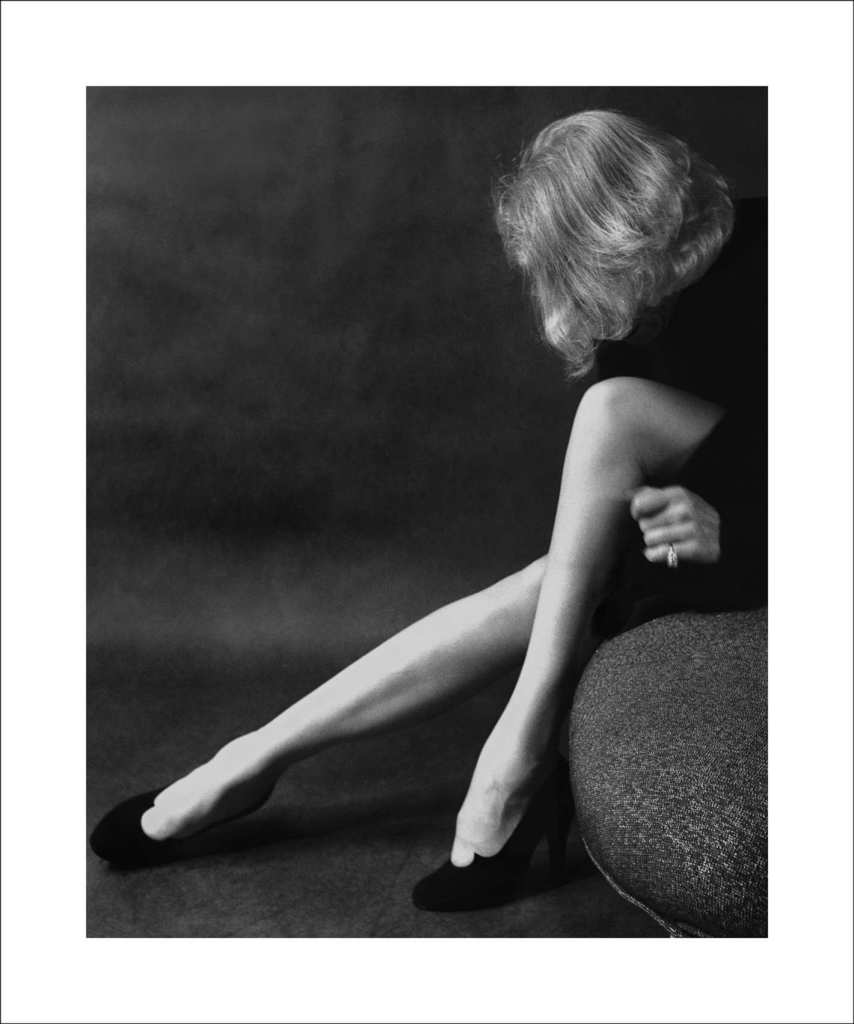
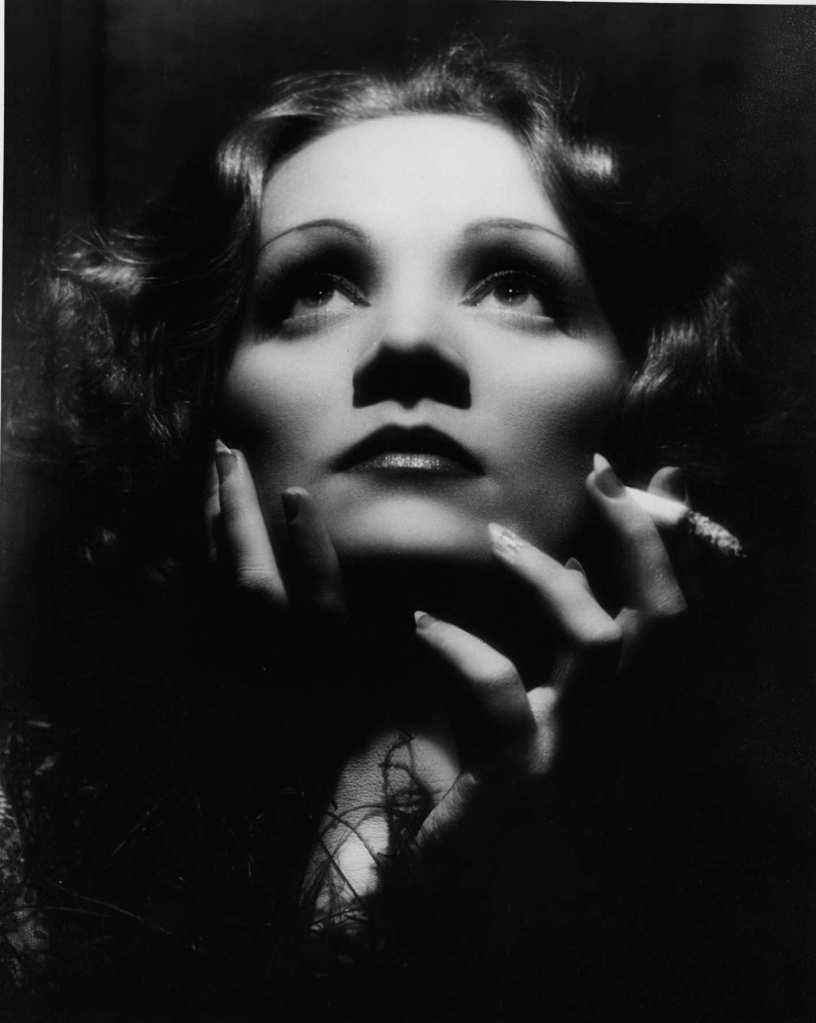
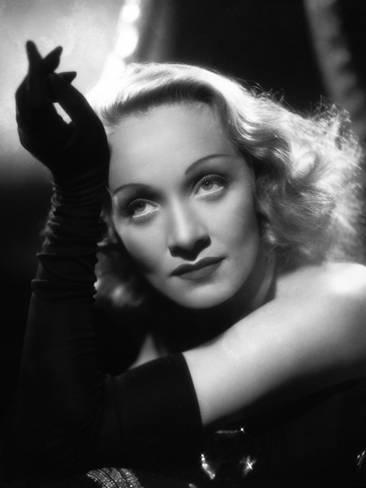
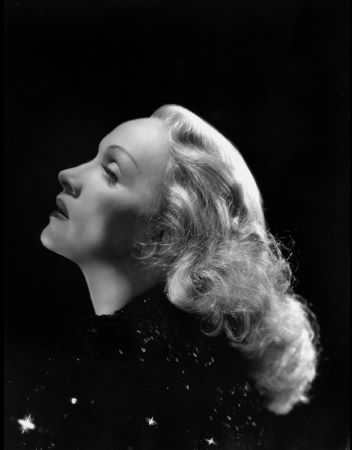
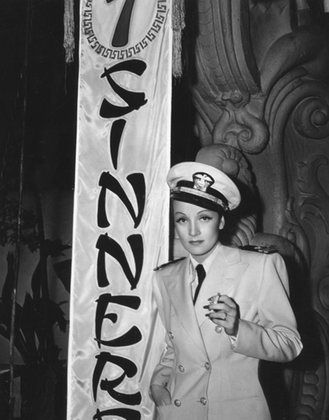
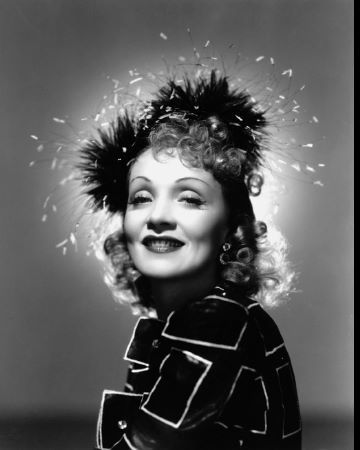
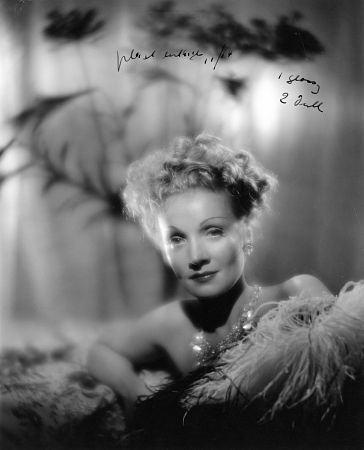
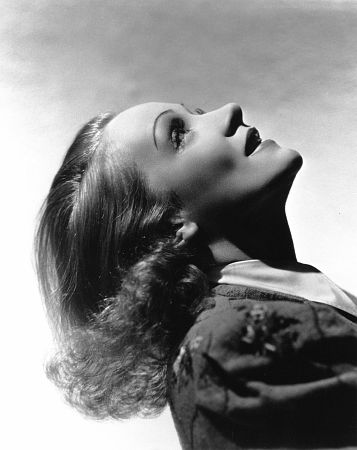
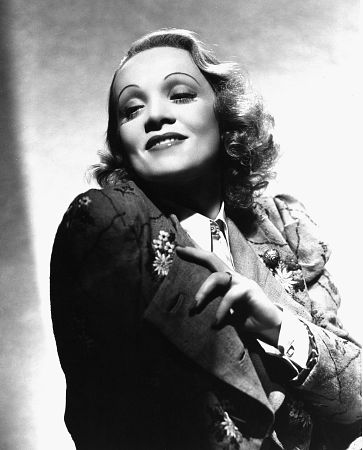
Marie Magdelene Dietrich was born in Berlin, Germany on December 27, 1901. Her father was an army officer who had served in the Franco-Prussian War. Because of his constant absences from the family due to his army duties, Marlene and the rest had to rely on themselves. When he died, while she was 11, Marlene’s mother married Eduard von Losch. Marlene enjoyed music and attended concerts. She was adept at playing the violin and piano. By the time she was in her mid-teens, Marlene had discovered the stage. Acting was to be her vocation. In 1921, Marlene applied for an acting school run by Max Reinhardt. She was accepted. She appeared in several stage production, but never had more than a couple of spoken lines. In short, she wasn’t setting the stage world on fire. She attempted films for the first time in 1922 Her first film was The Little Napoleon (1923) which was followed by Love Tragedy (1923). On this last project, she met Rudolf Sieber and married him in 1924. The union lasted until his death in 1976 although they didn’t live together that whole time. The remainder of her early film career was generally filled with bit roles that never amounted to a whole lot. After being seen in the German production of The Blue Angel (1930) in 1930, Marlene was given a crack at Hollywood. Her first US film was Morocco (1930) with Gary Cooper later that year followed, by Dishonored (1931) in 1931. This latter movie had her cast as a street walker who is appointed a spy. The film was a rather boring affair but was a success because of Marlene’s presence. Movie goers were simply attracted to her. In 1932, Marlene filmed Shanghai Express (1932) which proved to be immensely popular raking in $3 million. Once again, she was cast as a prostitute. The next film was Blonde Venus (1932) which turned out to be a horrible production. Her co-star was Cary Grant and once again she was cast as a prostitute. Marlene seemed to be typecast as a woman of low morals and she wanted different parts. Some films such as Desire (1936) in 1936 didn’t do that but she wanted to expand. Her chance came in 1939 in Destry Rides Again (1939) when she was cast as “Frenchy”, a Western saloon hostess. This began a new direction for Marlene since it shed the typecasting which she was forced to endure during her career. All through the 1940s, she appeared in well-produced, well-directed films such as Manpower (1942), The Spoilers (1942), The Lady Is Willing (1942) and Pittsburgh (1942) all in 1942. Afterwards the roles came fewer, perhaps one to two films every year. In 1945, Marlene didn’t appear in any. She only made seven productions in the 1950’s. Her last role of any substance was Judgment at Nuremberg (1961) in 1961. Despite the lack of theatrical roles, Marlene still made appearances on the stage. However, by 1979, she was a shell of her former self. After breaking her leg in one performance, she never made a go of it in show business again. Spending the last 12 years of her life bed-ridden, Marlene died on May 6, 1992 in Paris, France of natural causes at the age of 90.
(Text bt Denny Jackson via IMDB.com)

























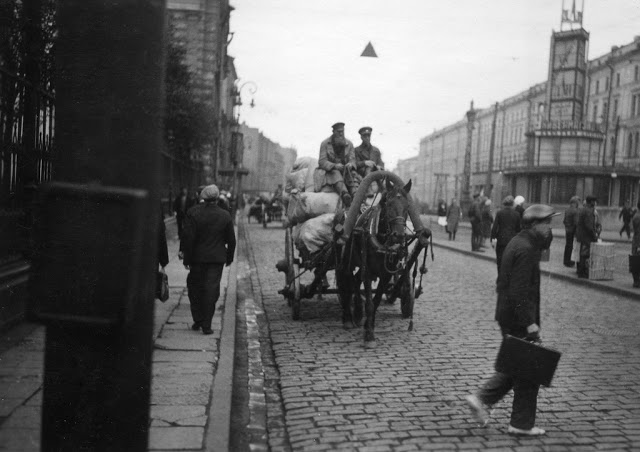
Eirik Sundvor (1902 – 1992) was a Norwegian journalist of Avisa Nidaros from 1924 to 1940, and 1945 to 1957. Sundvor fled to England where he was the editor of the Norwegian Tidend in London with his wife during the war. He was responsible for the release of the first free Norwegian newspaper in Finnmark in 1945.
After Avisa Nidaros entered as a daily newspaper, Sundvor moved back to Bergen, where he originally came from. Here he worked as a correspondent for Dagbladet in Western Norway.
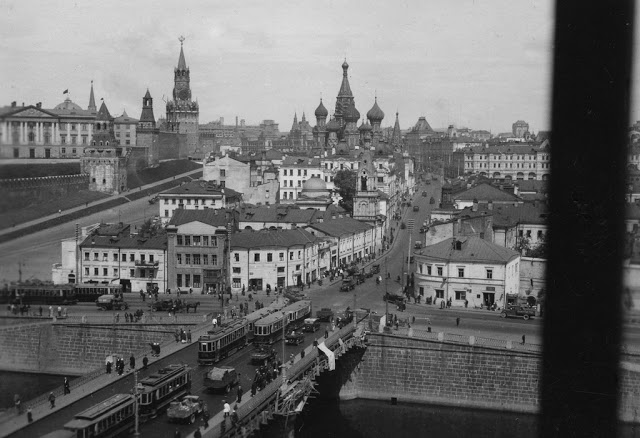
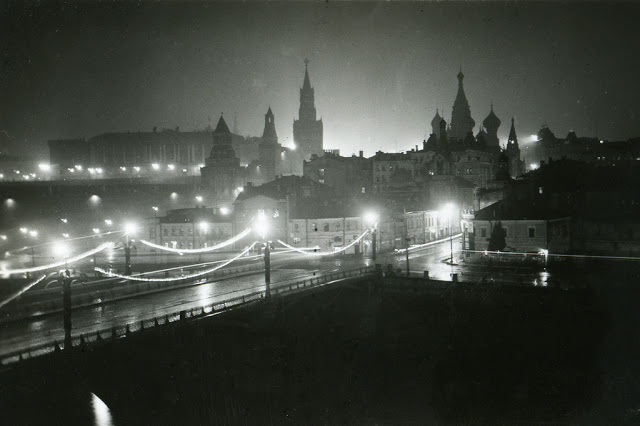
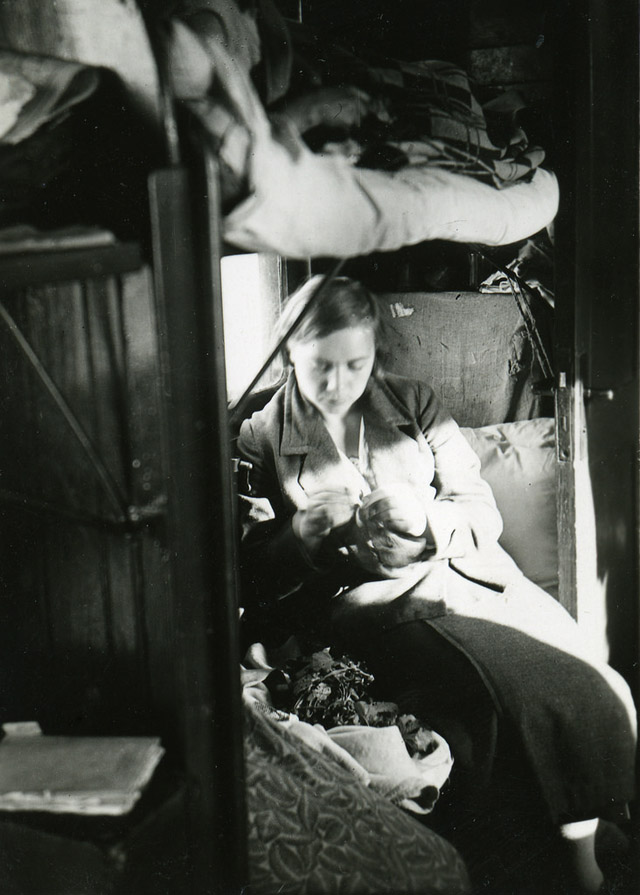
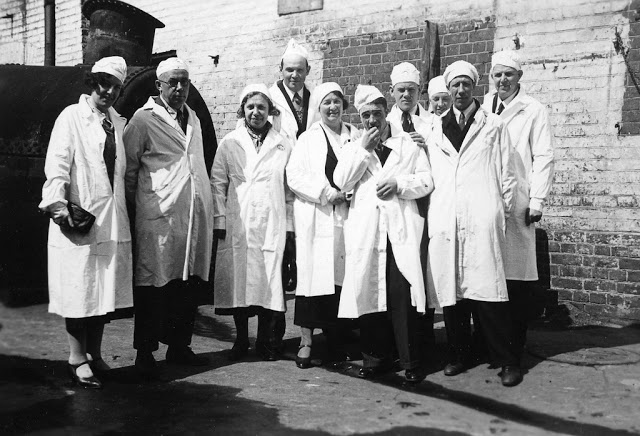
These amazing photos are from a trip to the Soviet Union made by Eirik Sundvor. They document everyday life of Moscow in 1935.
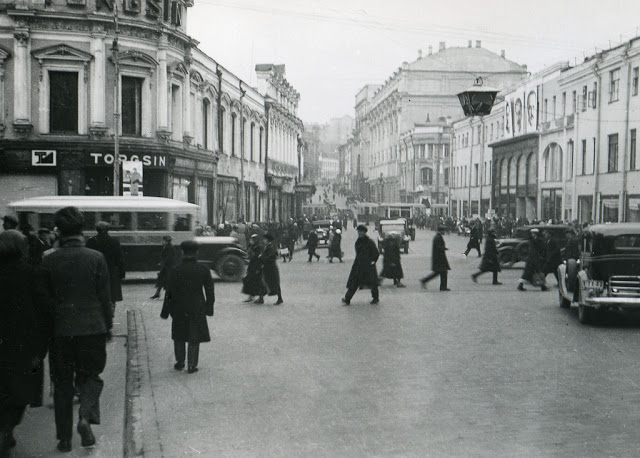
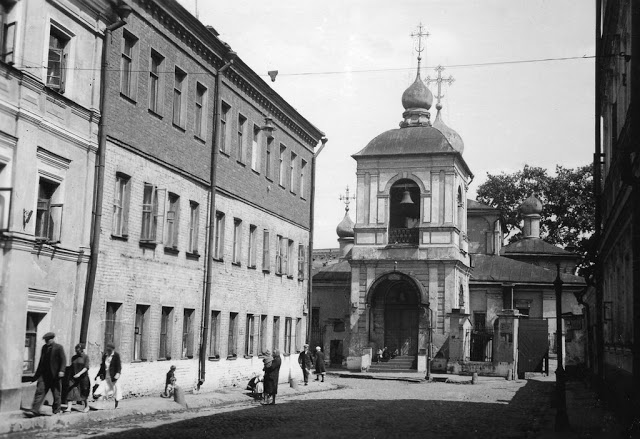
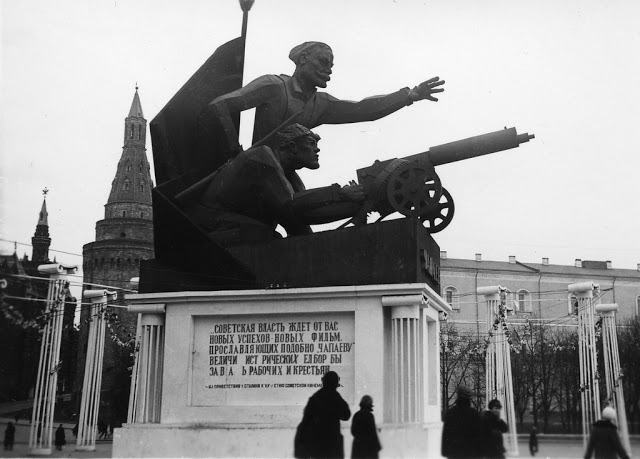
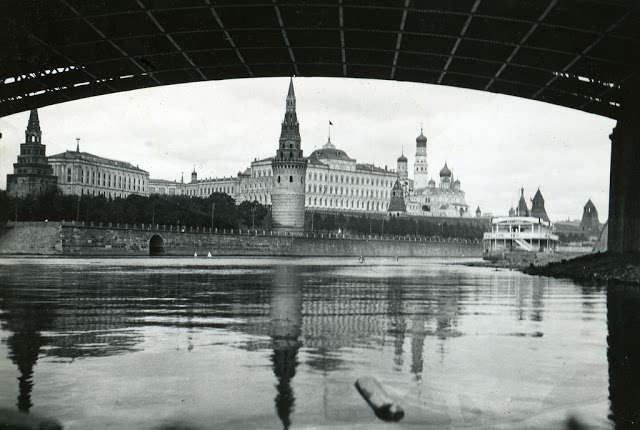
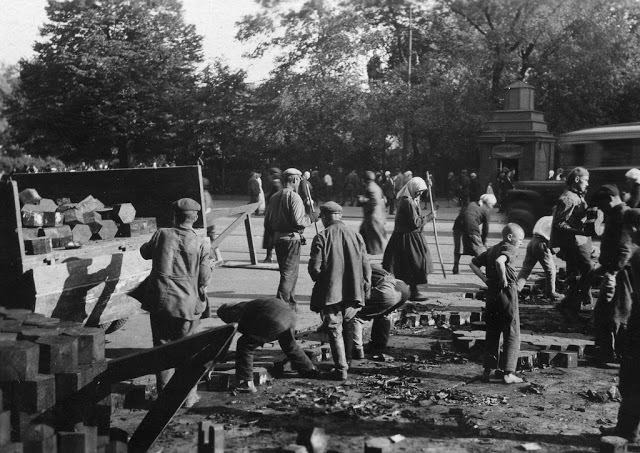

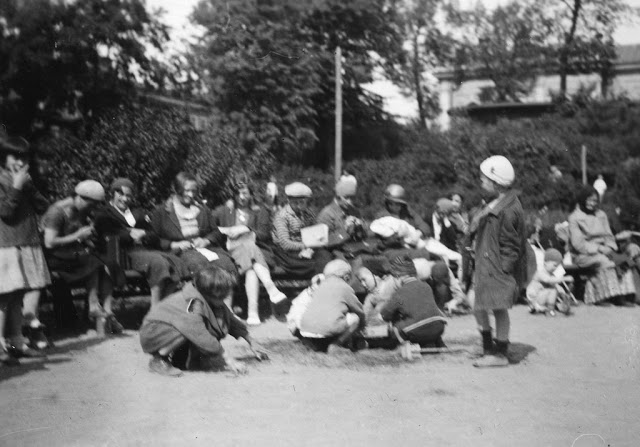
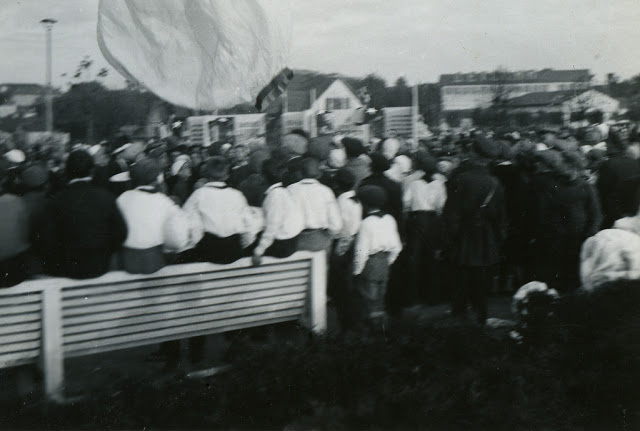
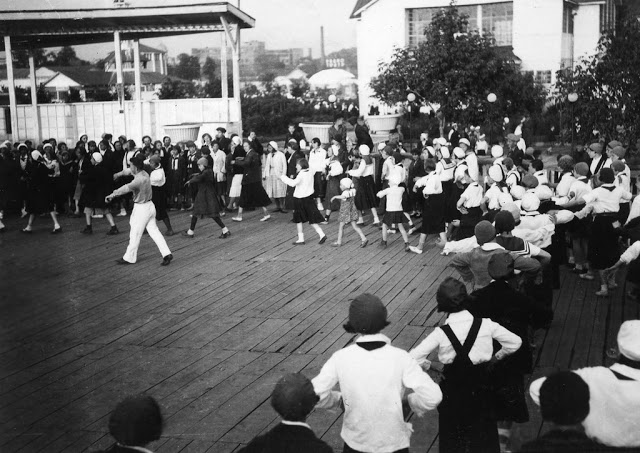
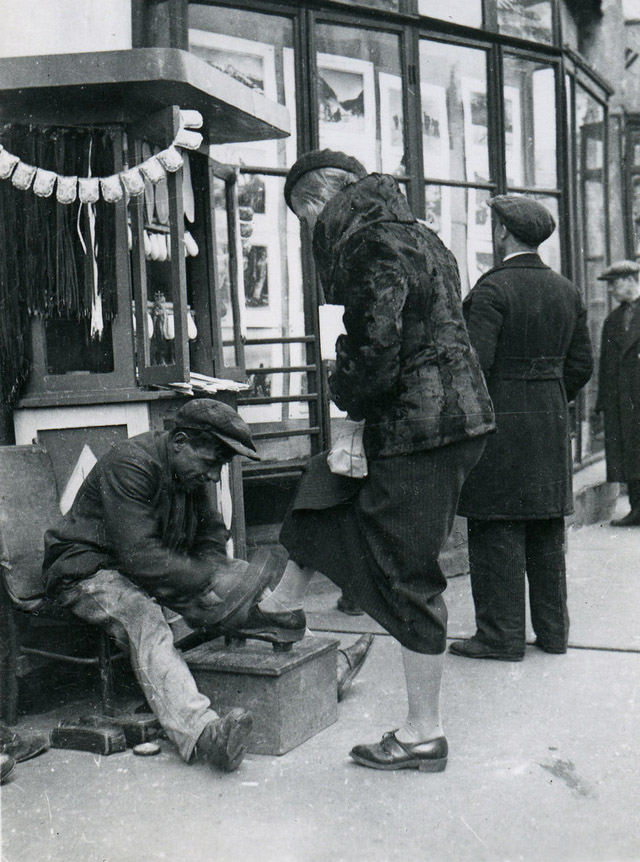
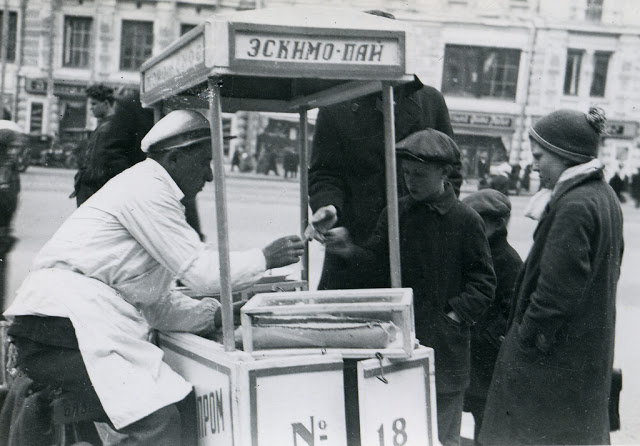
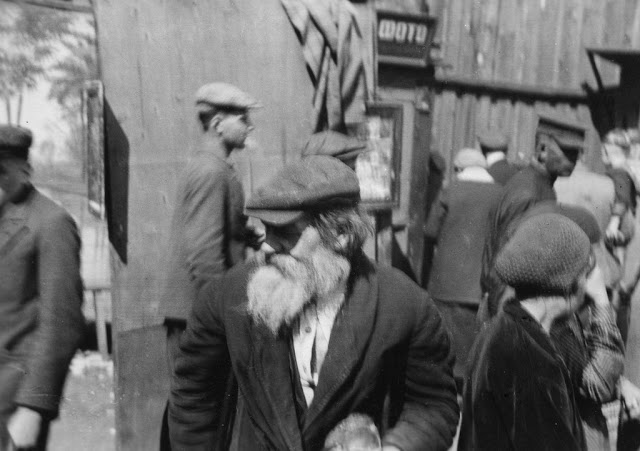
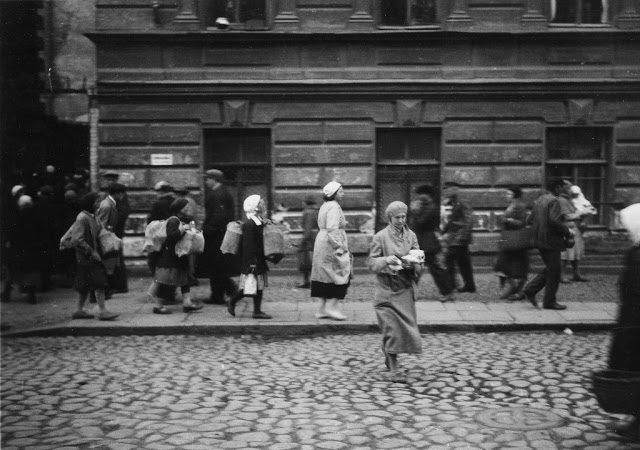
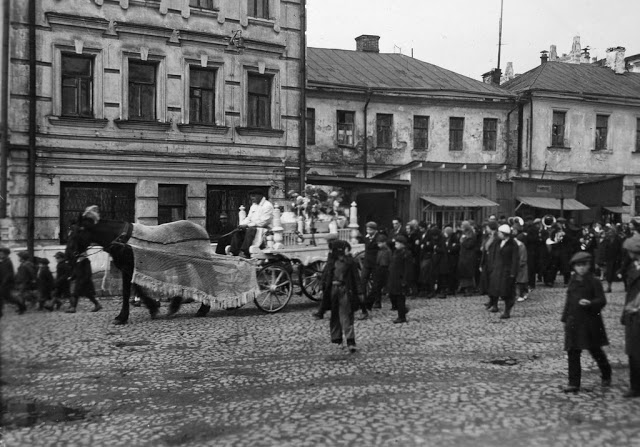
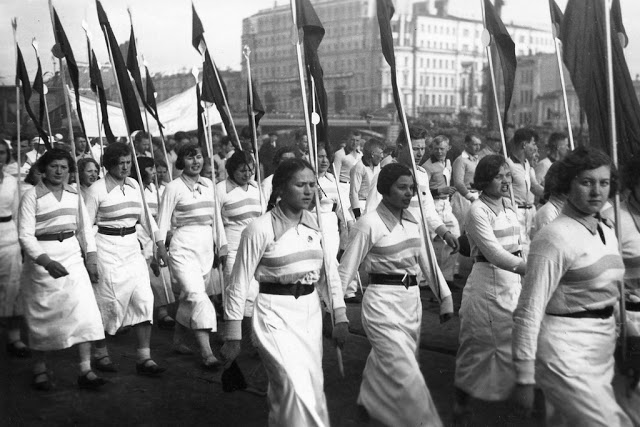
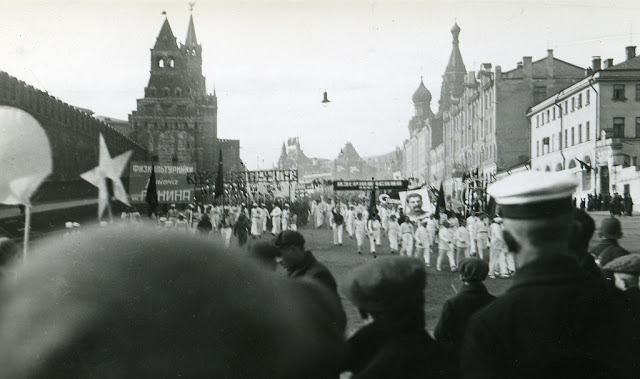
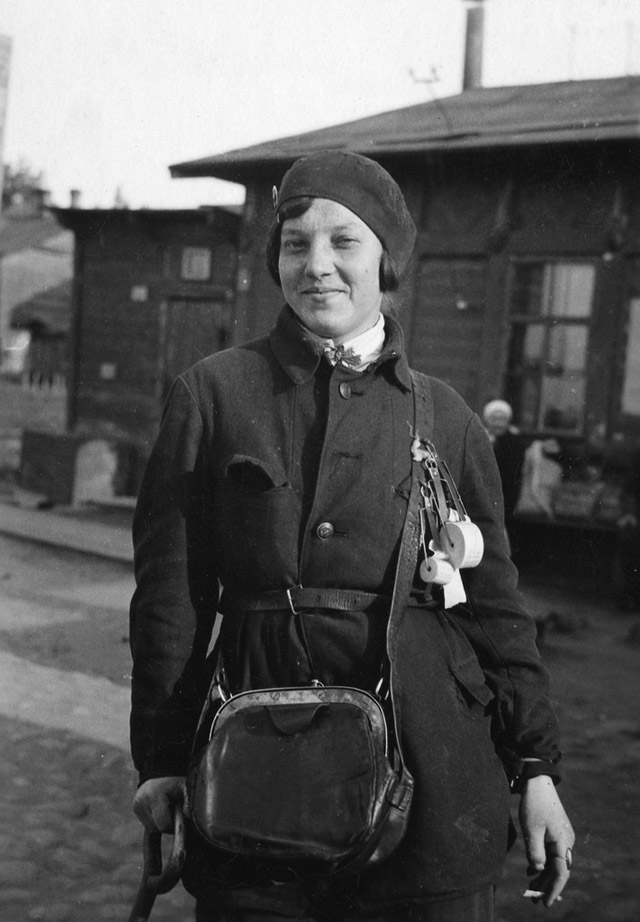
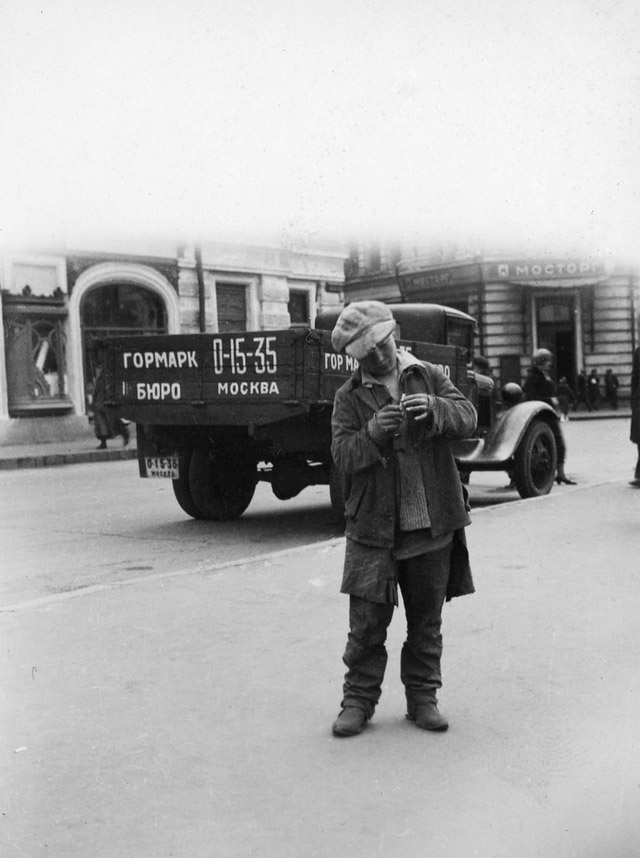
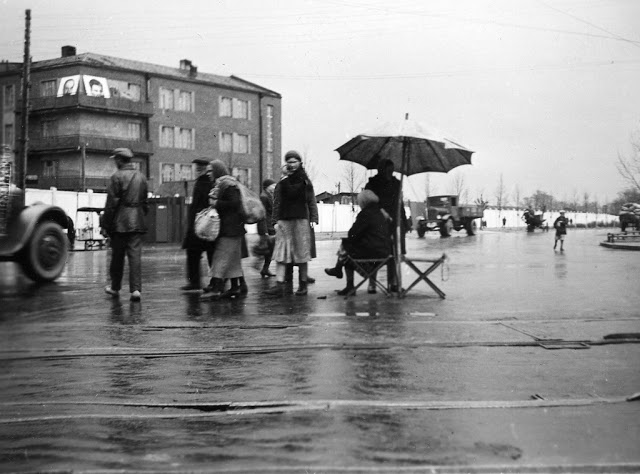
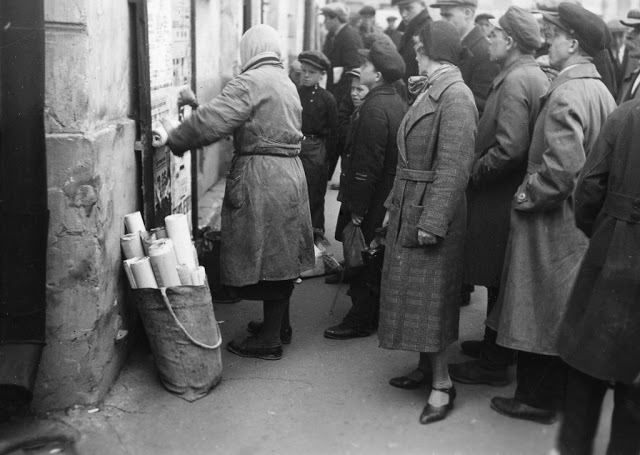
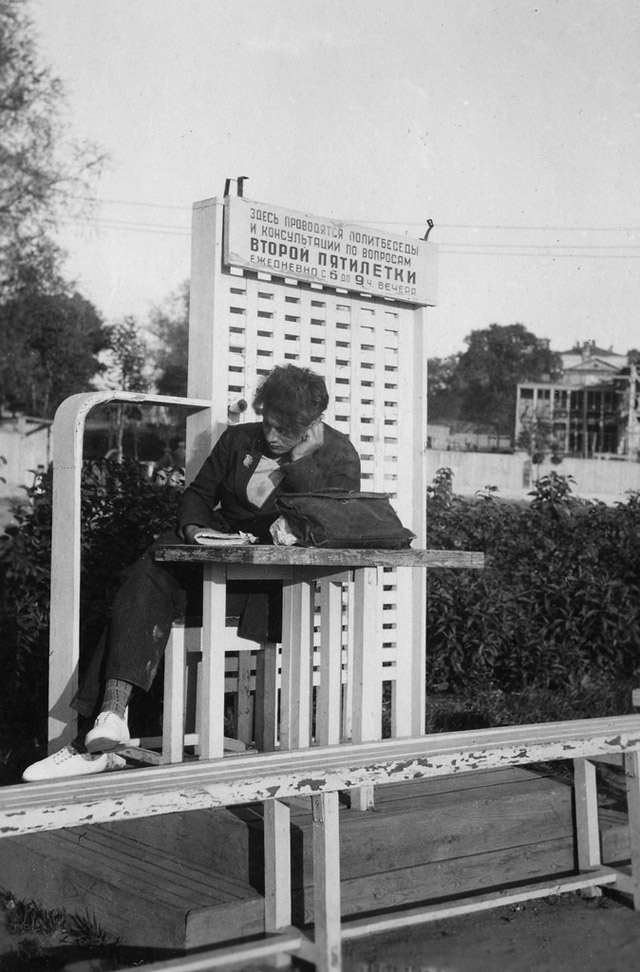
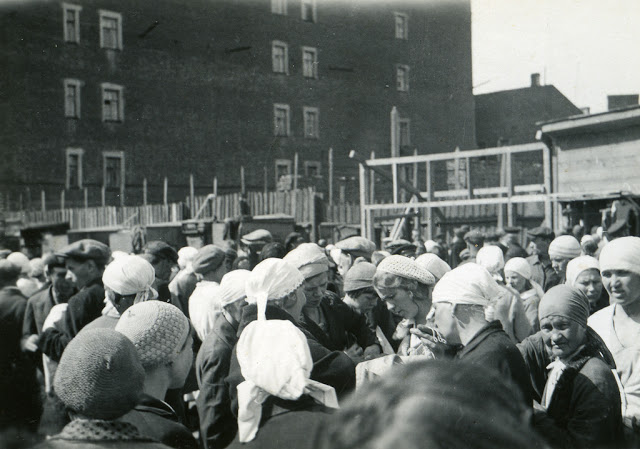
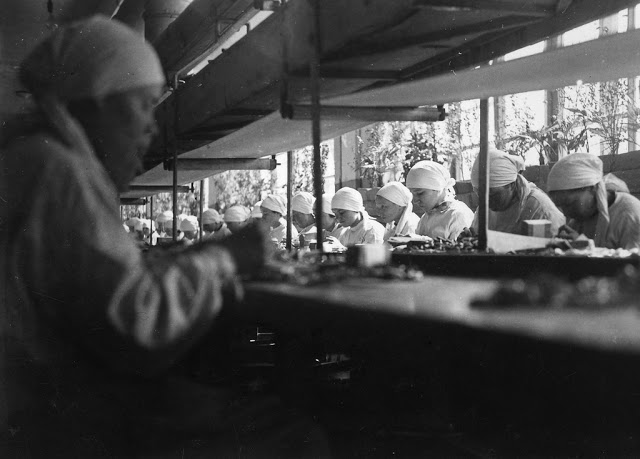
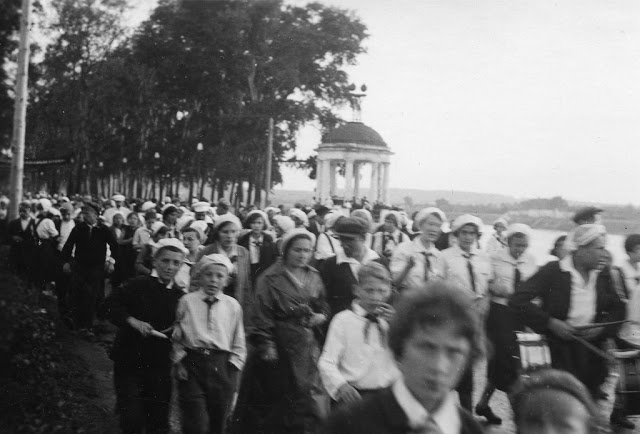
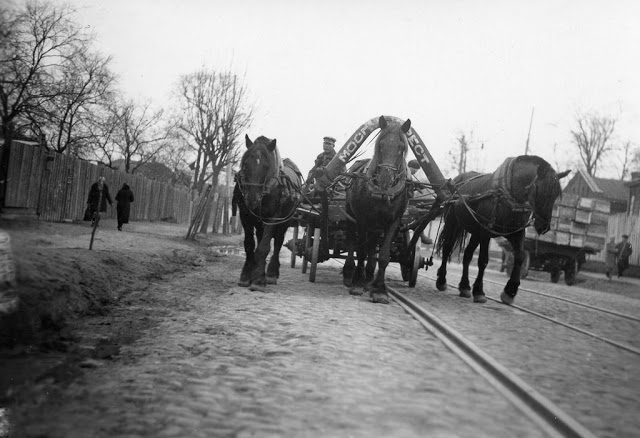
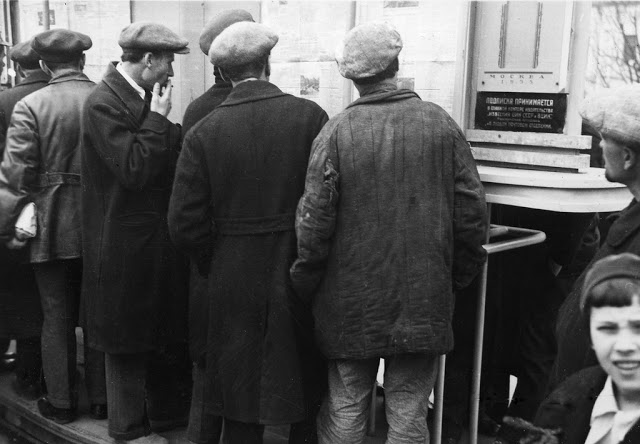
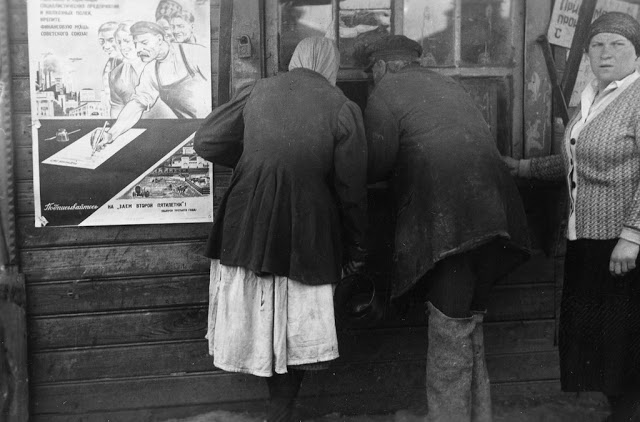
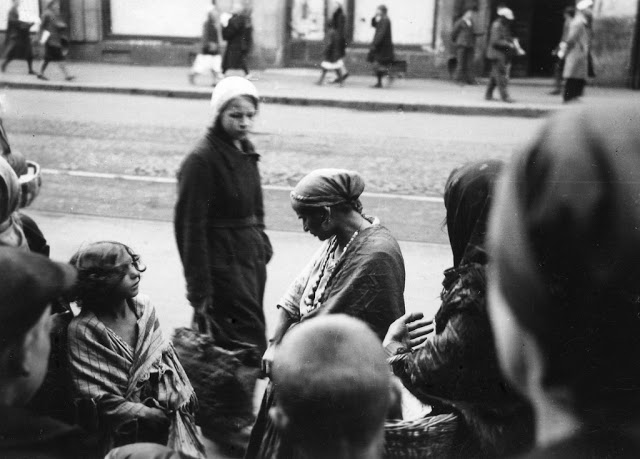
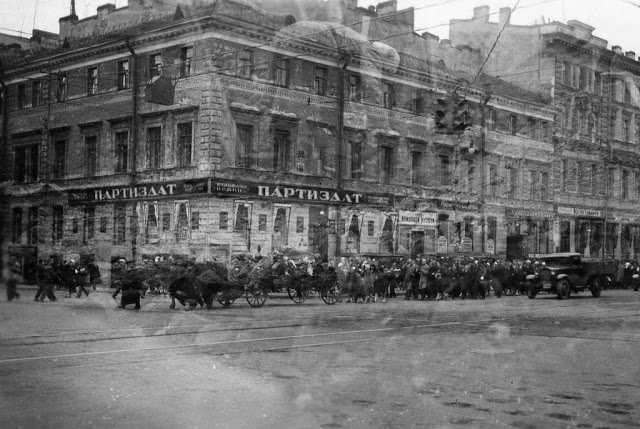
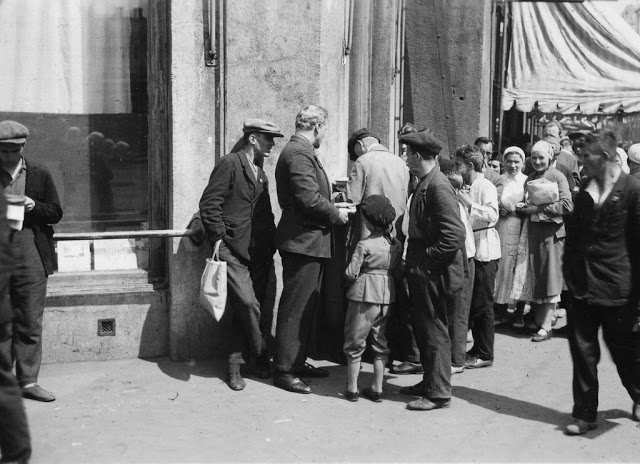
(Photos by Eirik Sundvor)


Become a paid subscriber to get access to the rest of this post and other exclusive content.

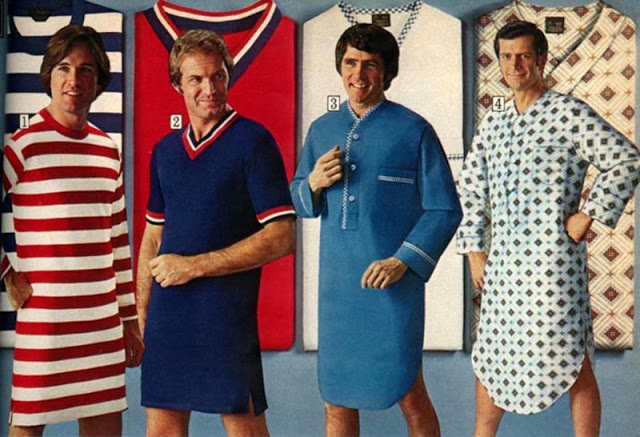
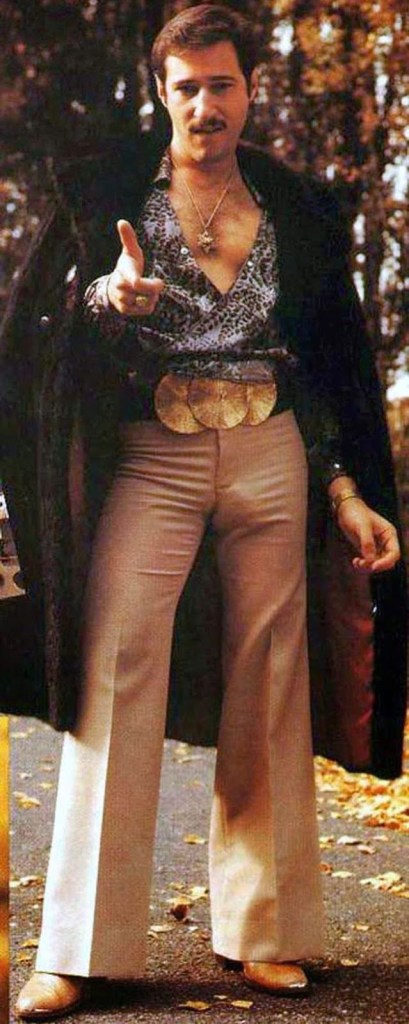
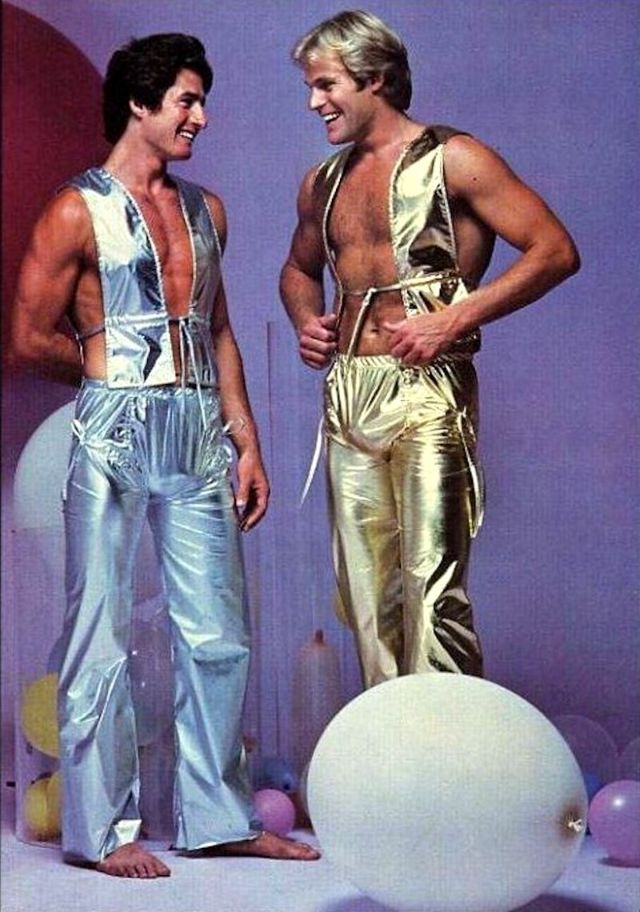
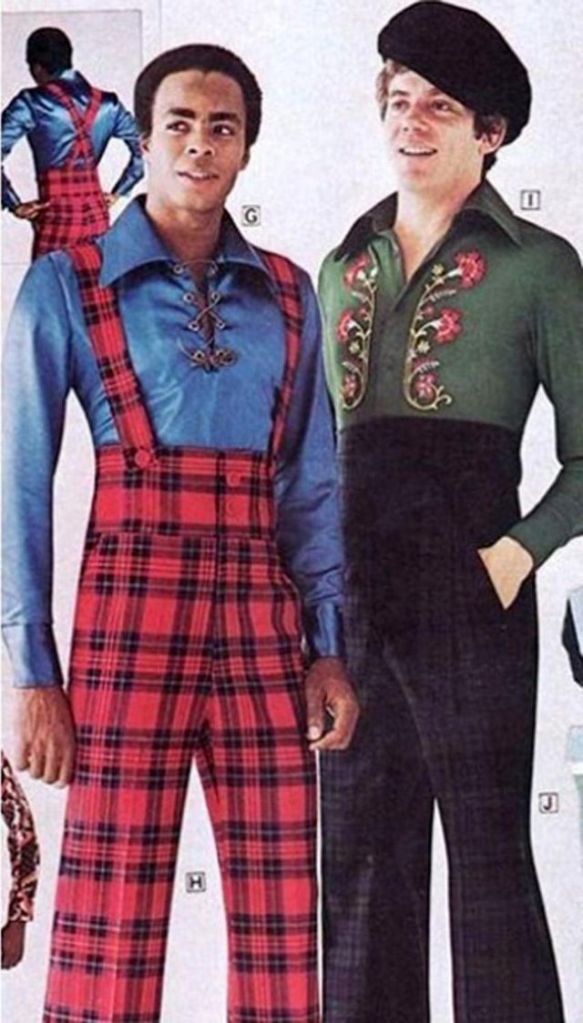
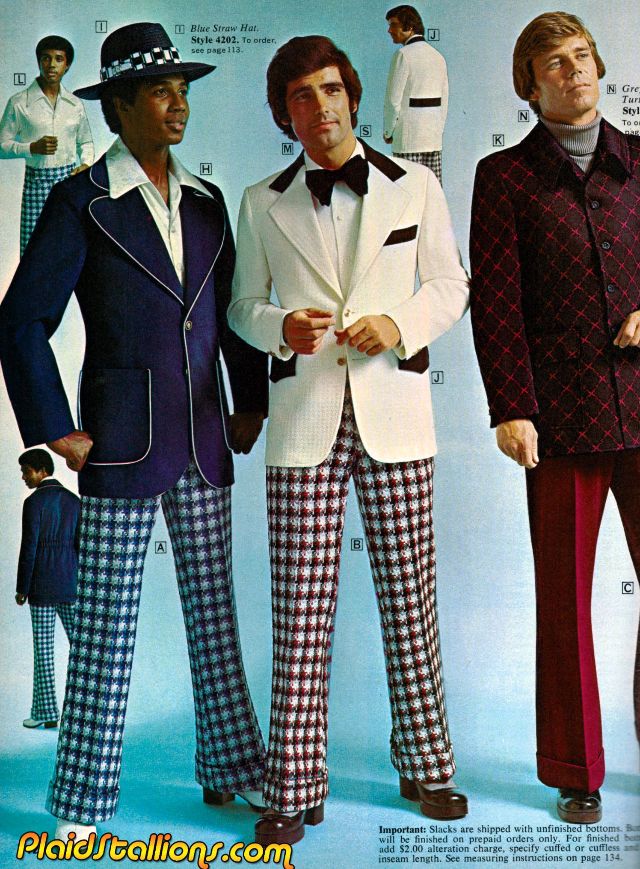
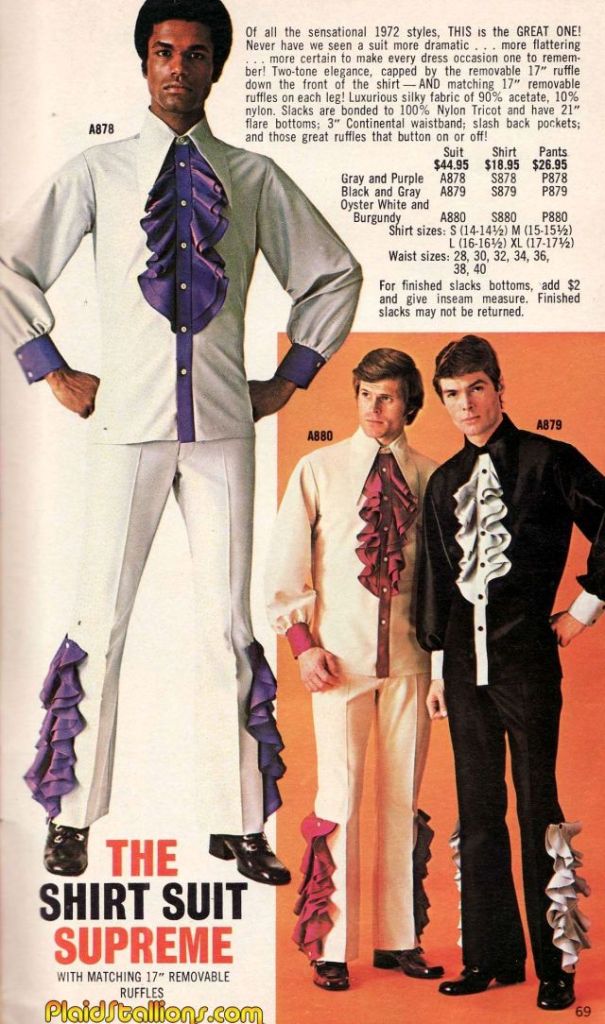
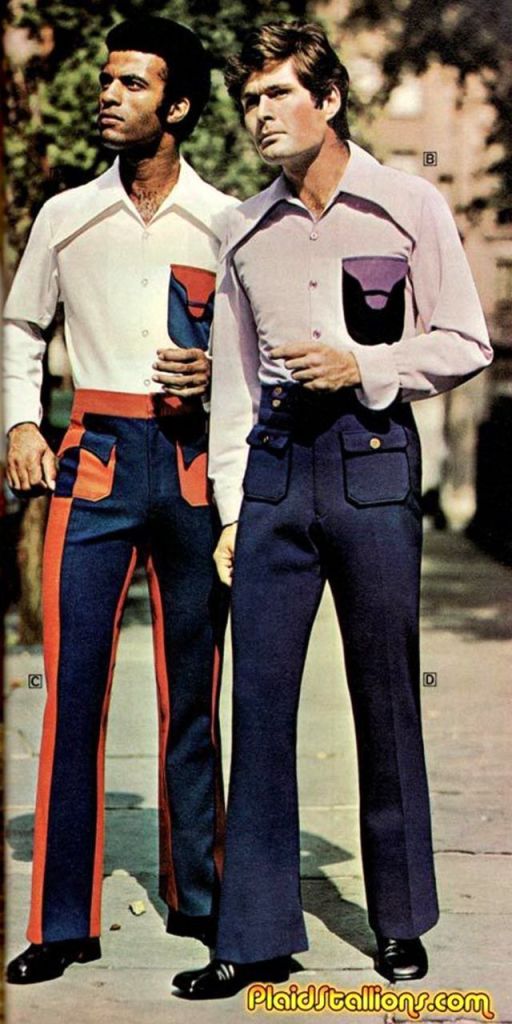
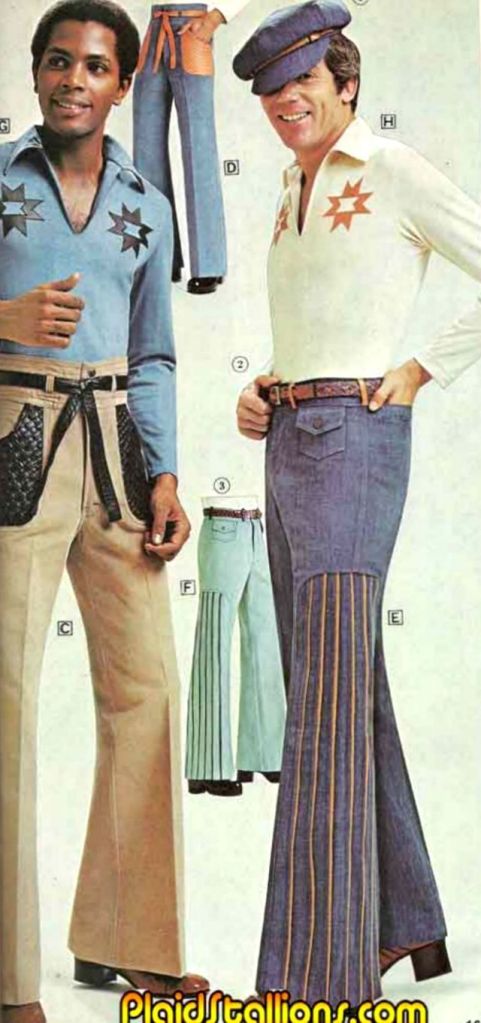
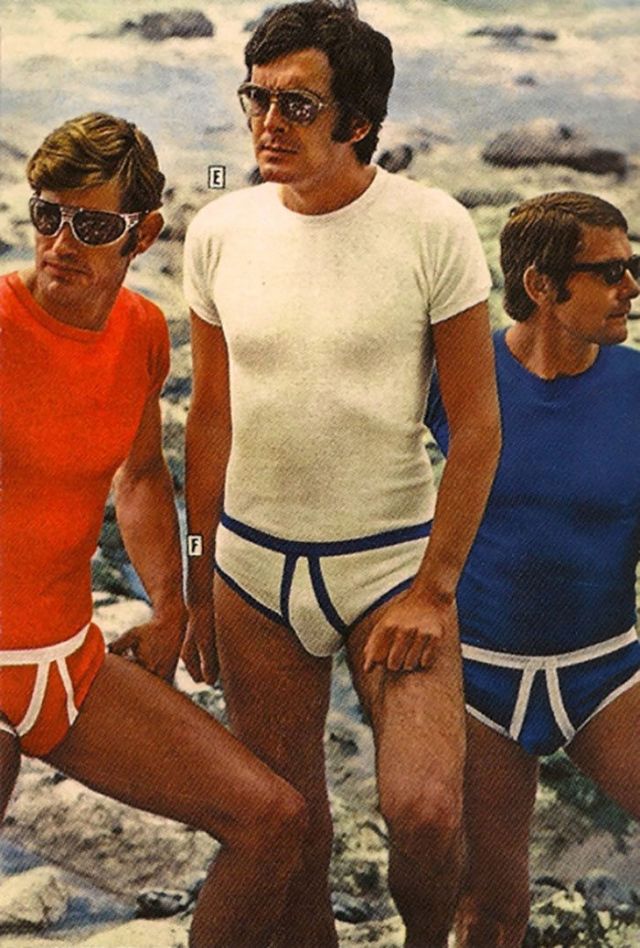
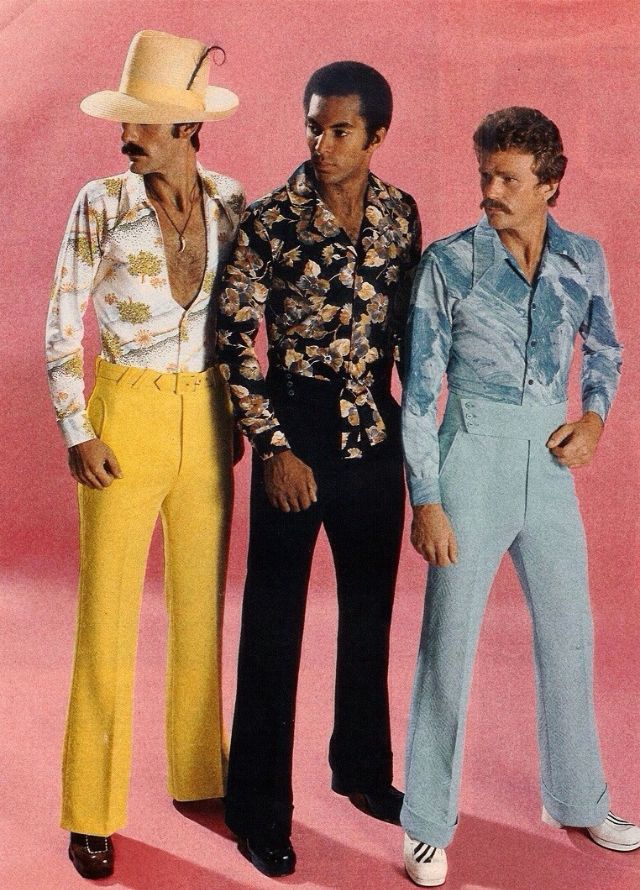
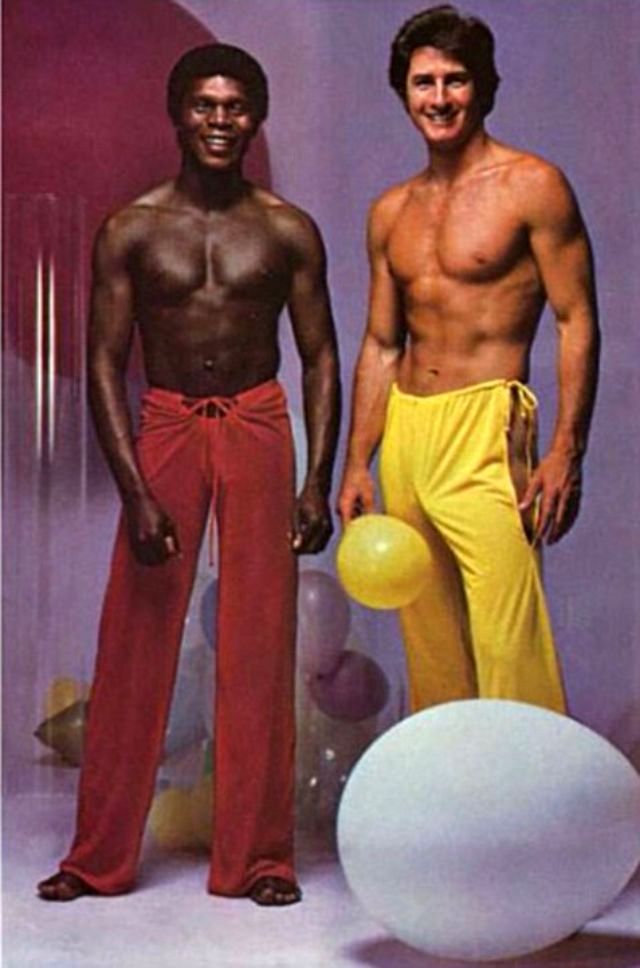
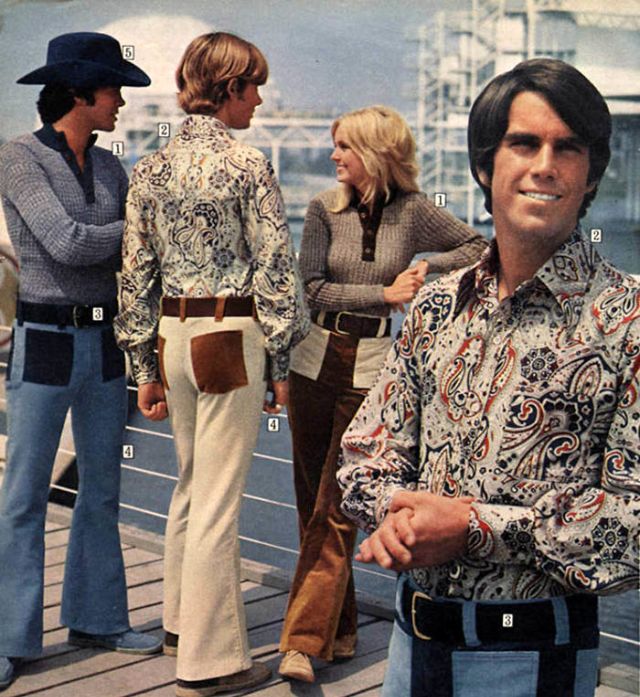
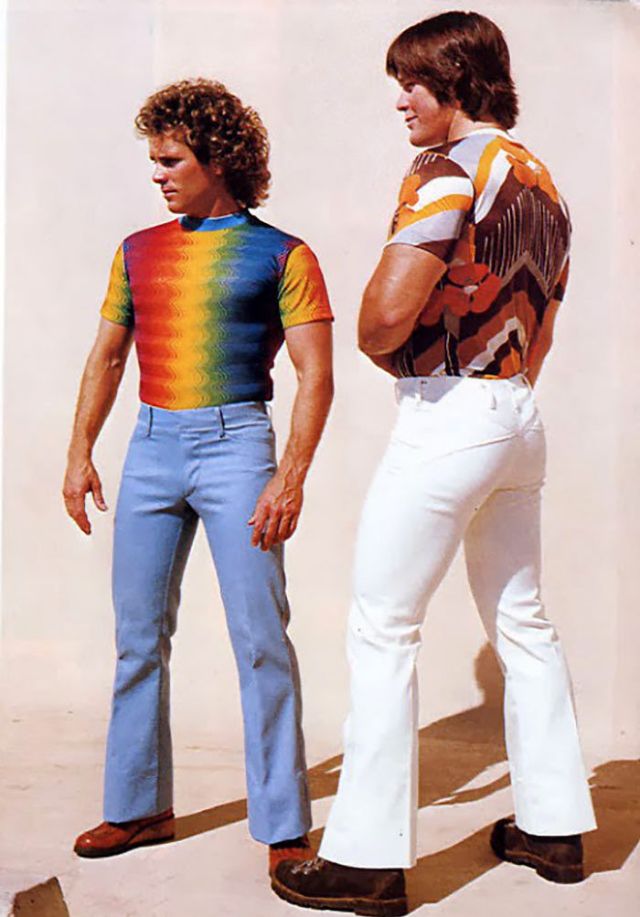
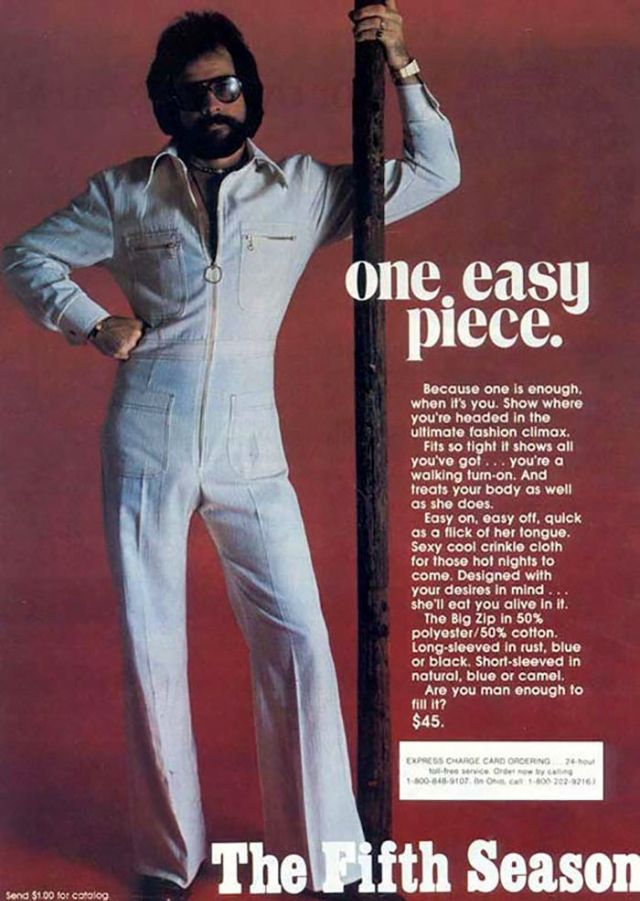
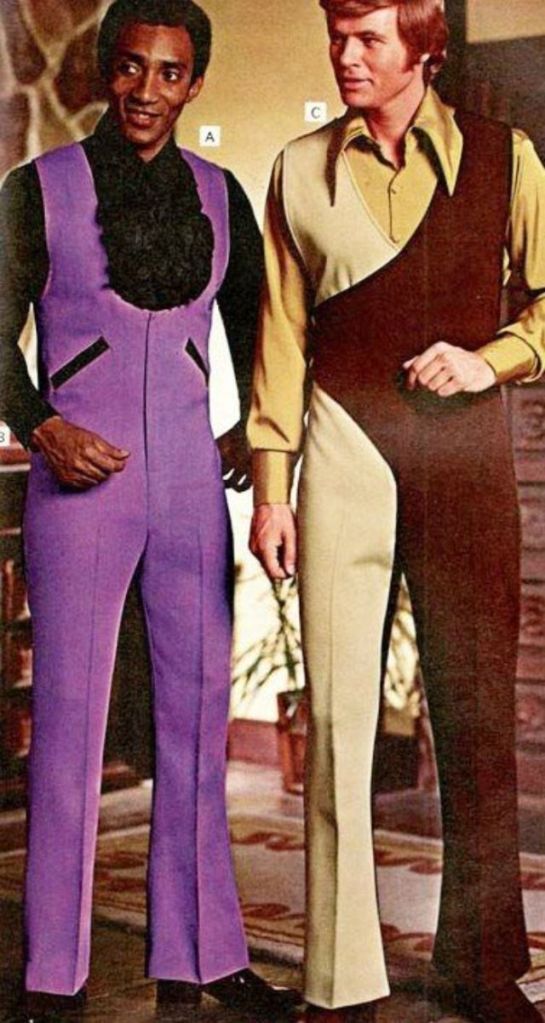
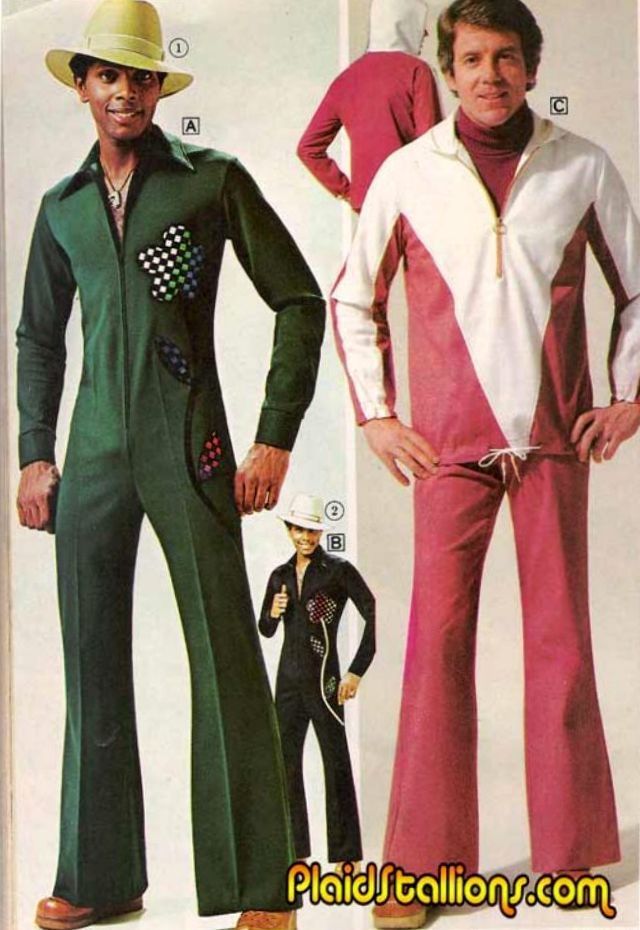
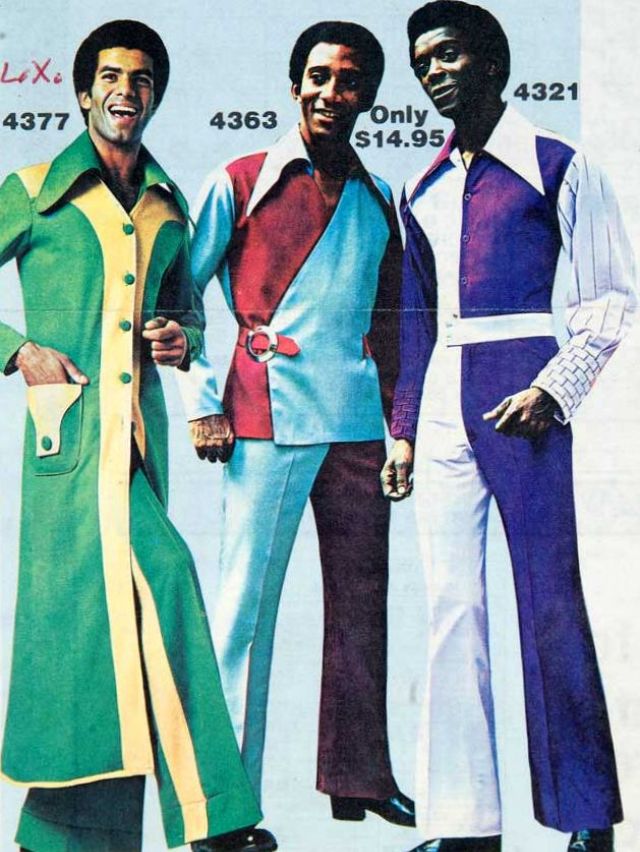
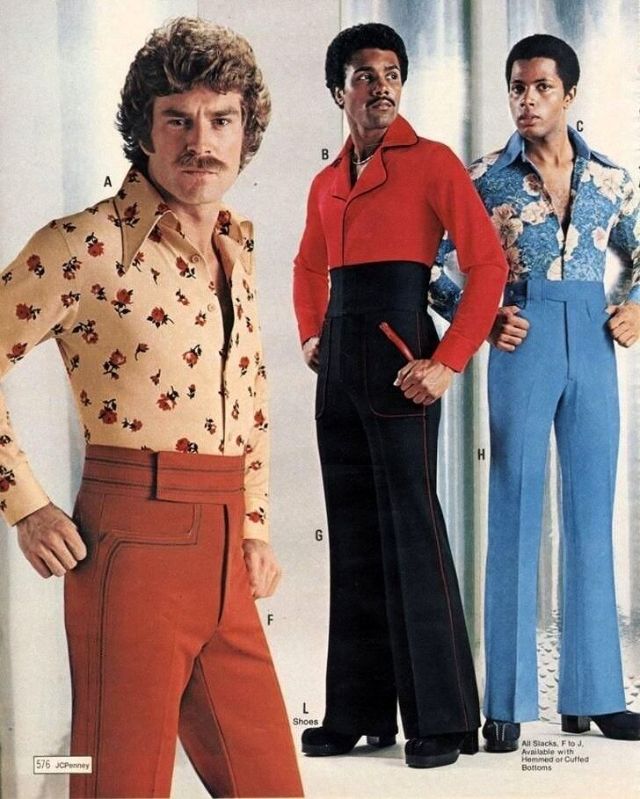
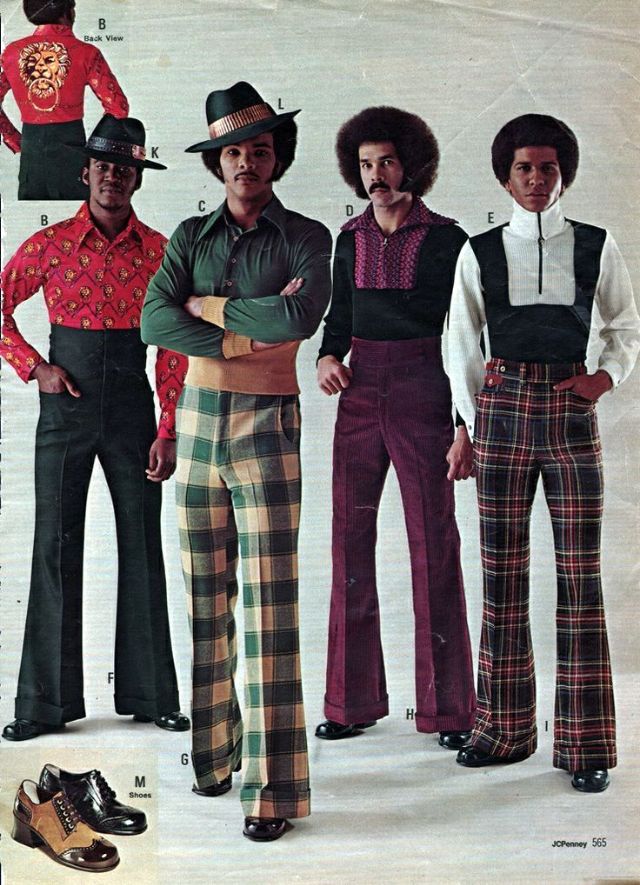
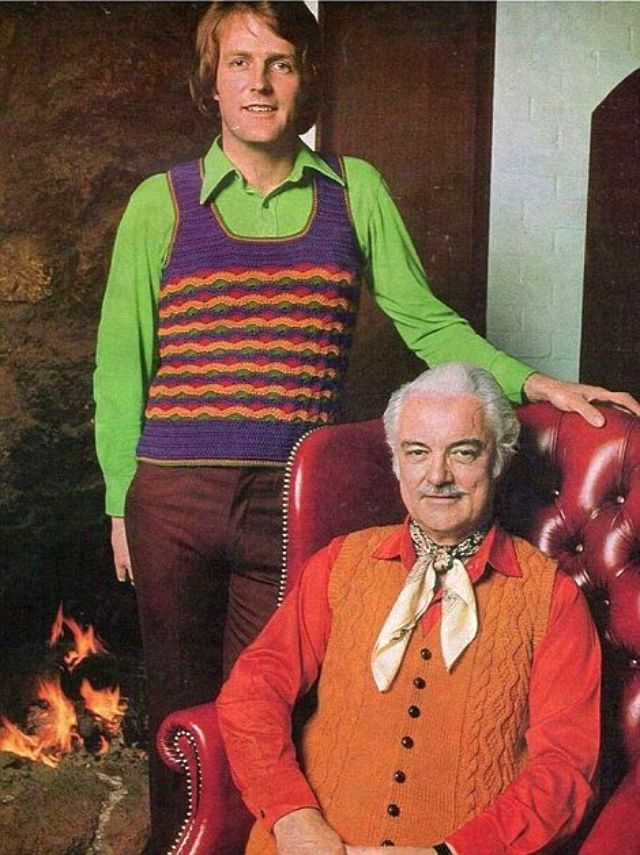
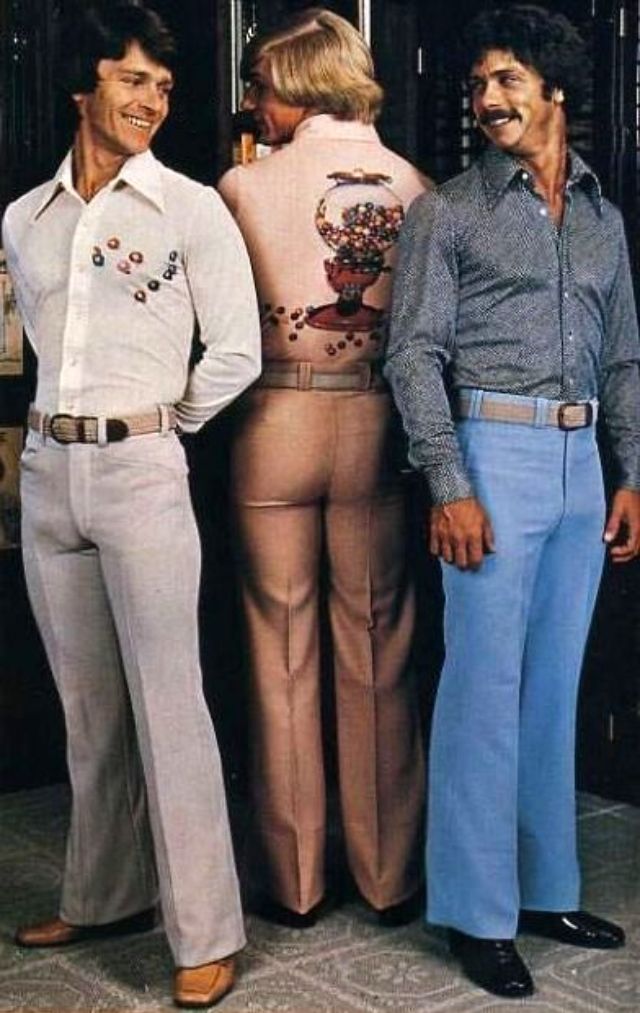
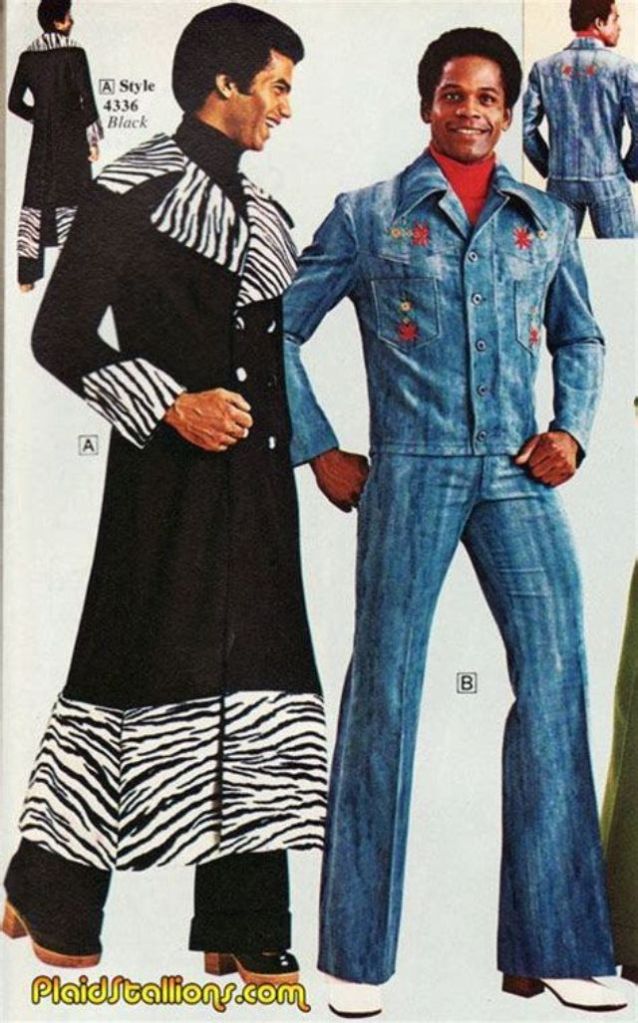
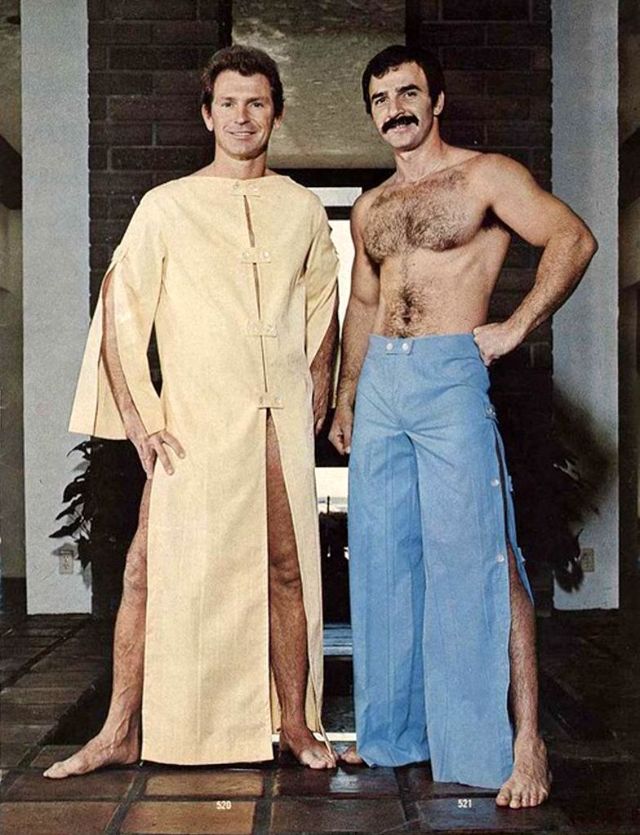
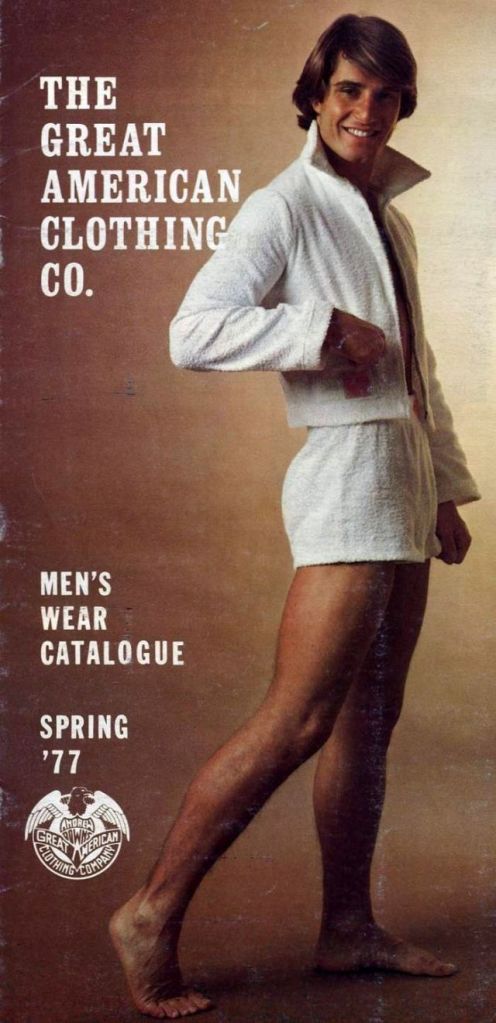
Men’s fashion in the 1970s changed fashion history. Never before did men have so many choices. Wide flare jeans, platform boots and leisure suits…
As well as their bold use of colour, peacock looks usually included satin shirts, ruffles, tunics, turtlenecks, Cuban heeled boots, bell-bottoms, and braided belts.
Suits also featured bright colours and unusual styles. In particular, double-breasted designs in corduroy and crushed velvet were popular.
Take a look at these pics to see what men’s fashion looked like in the 1970s.


















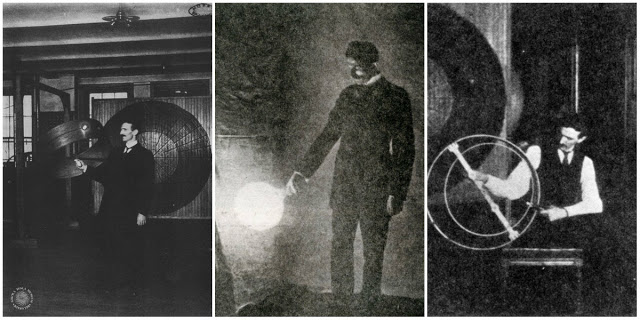
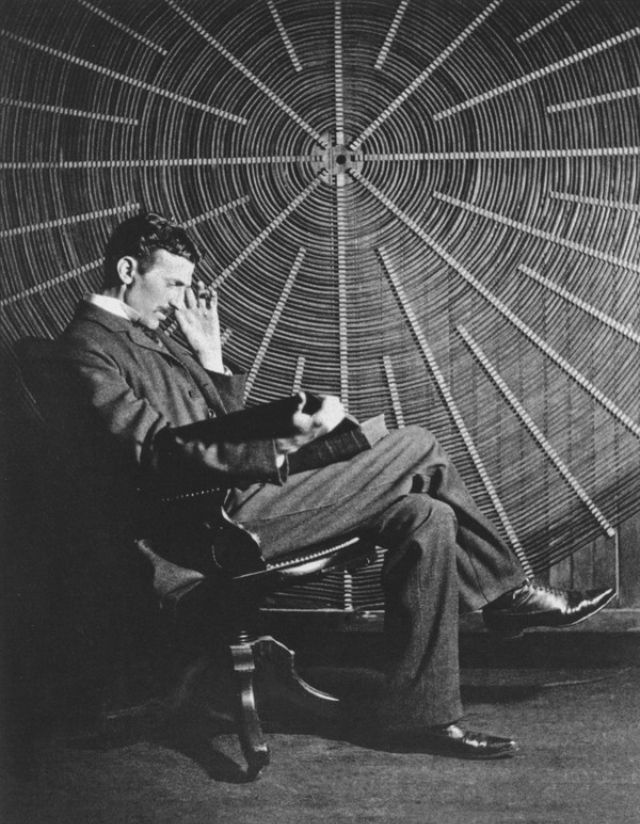
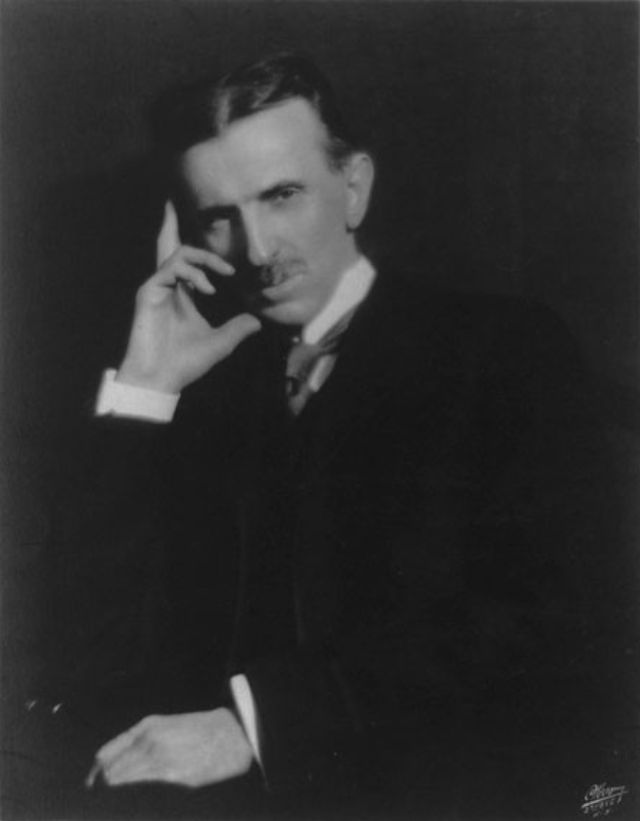
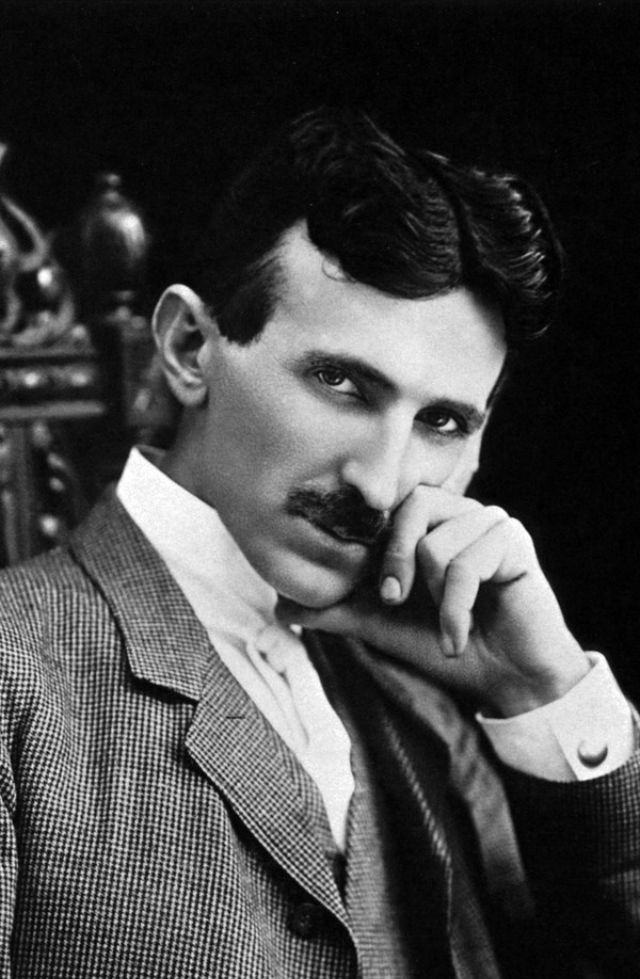
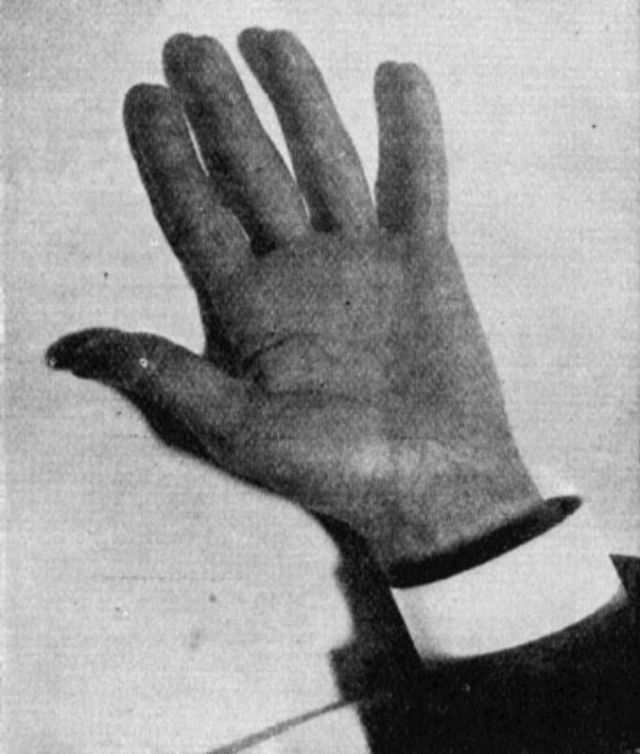
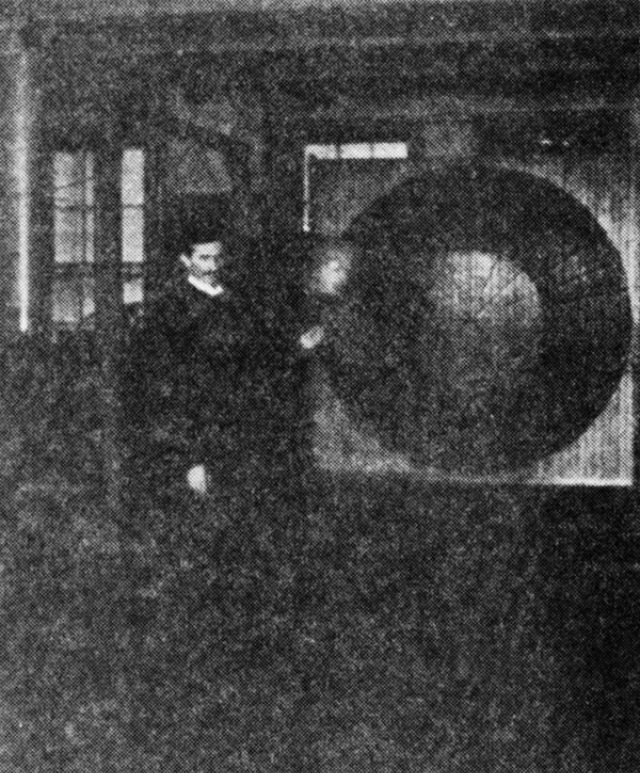
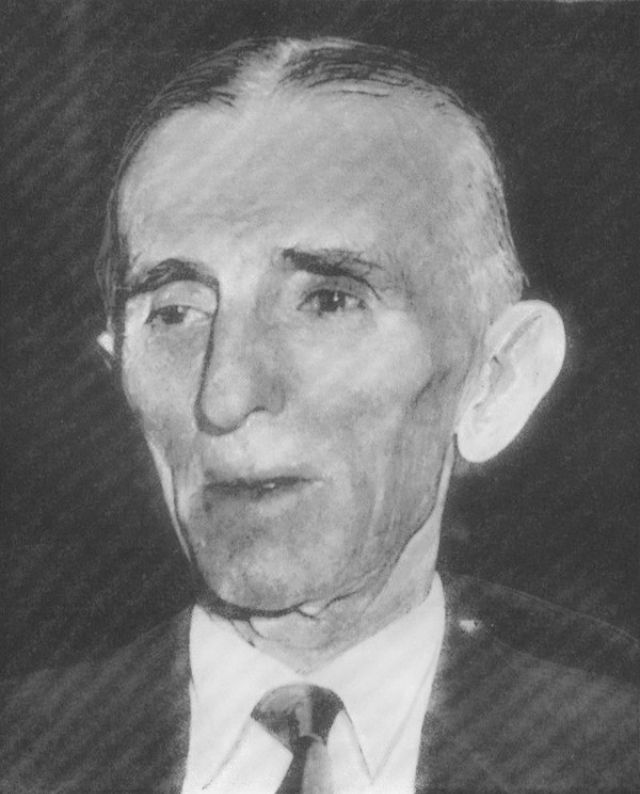
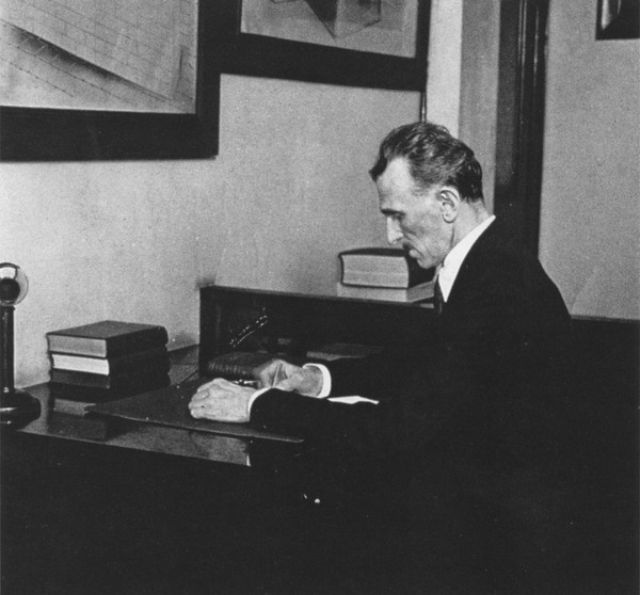
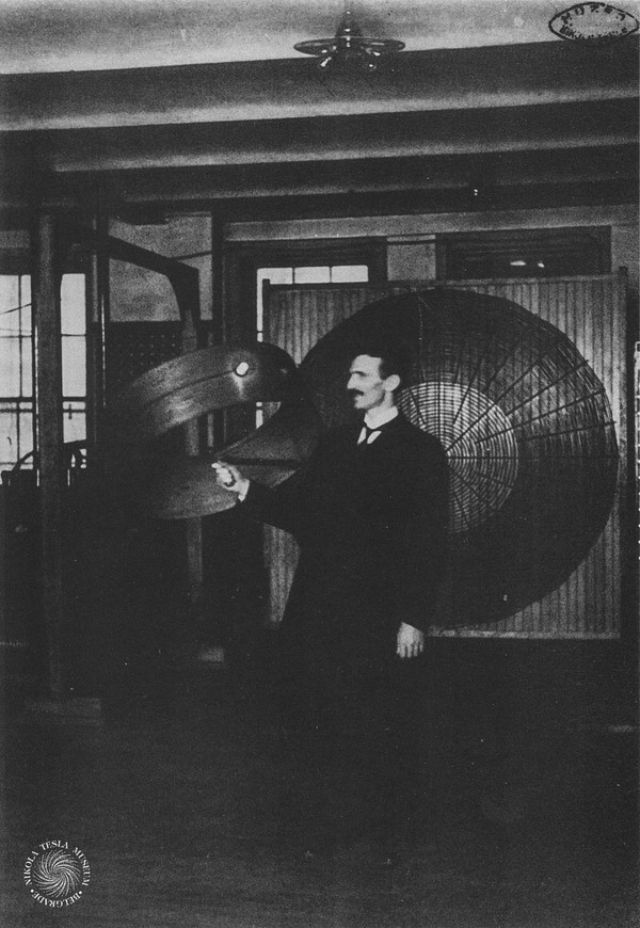
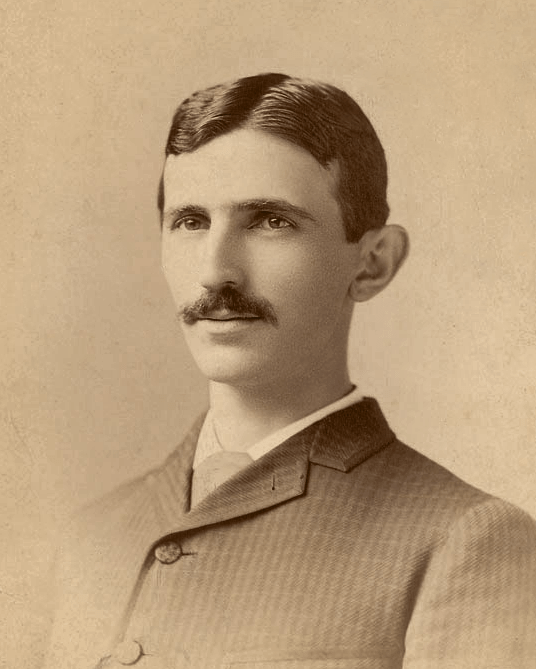
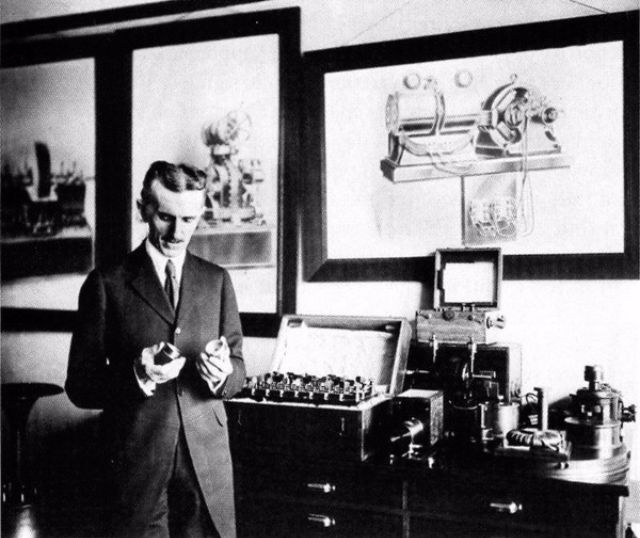
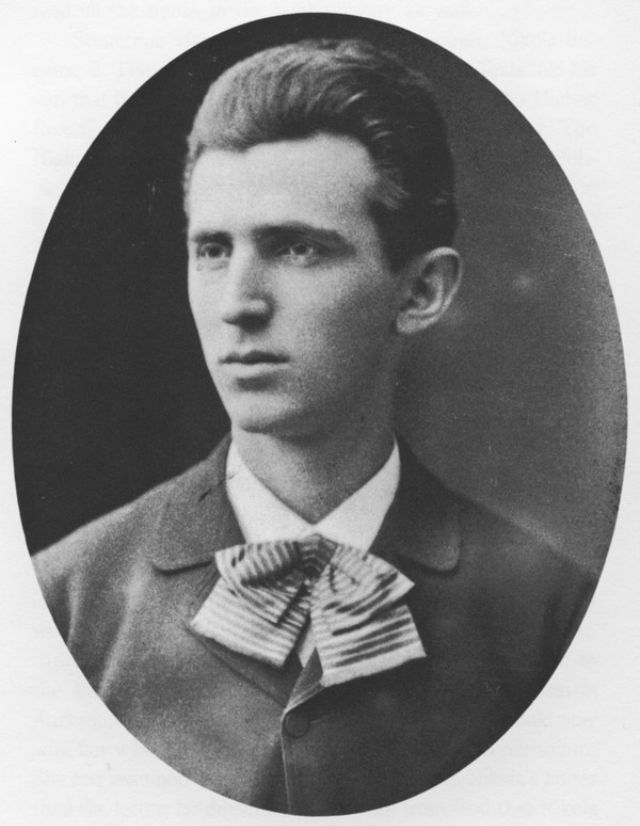
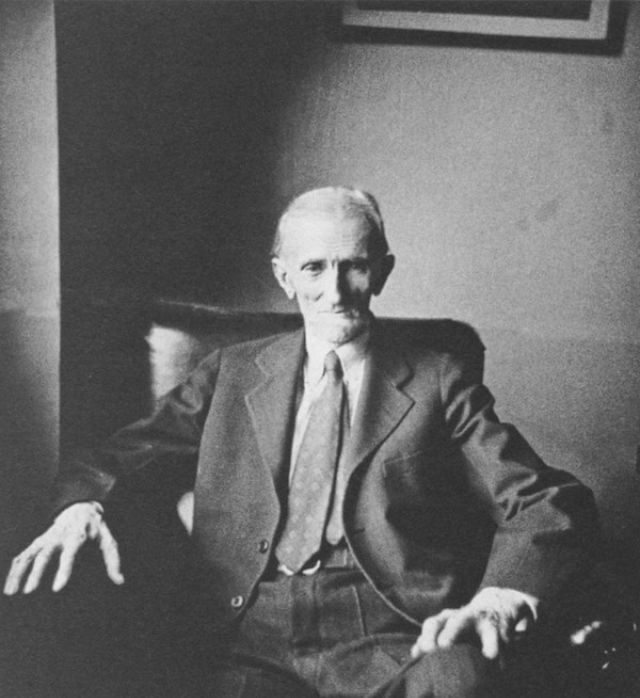
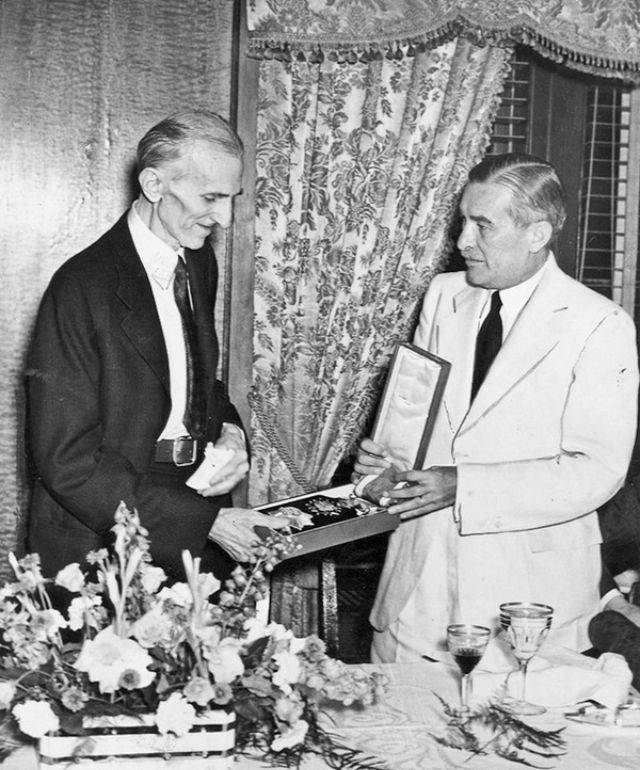
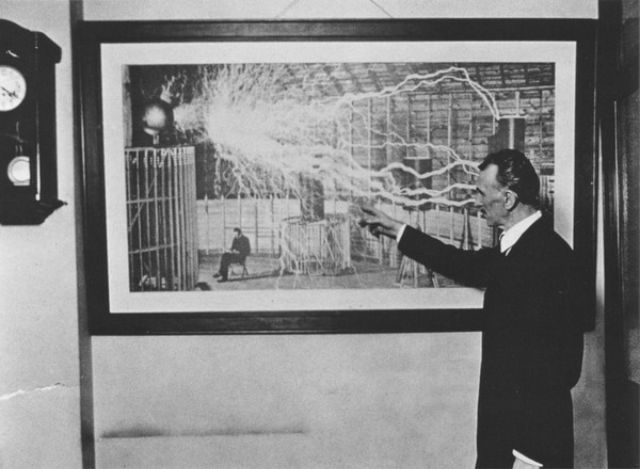
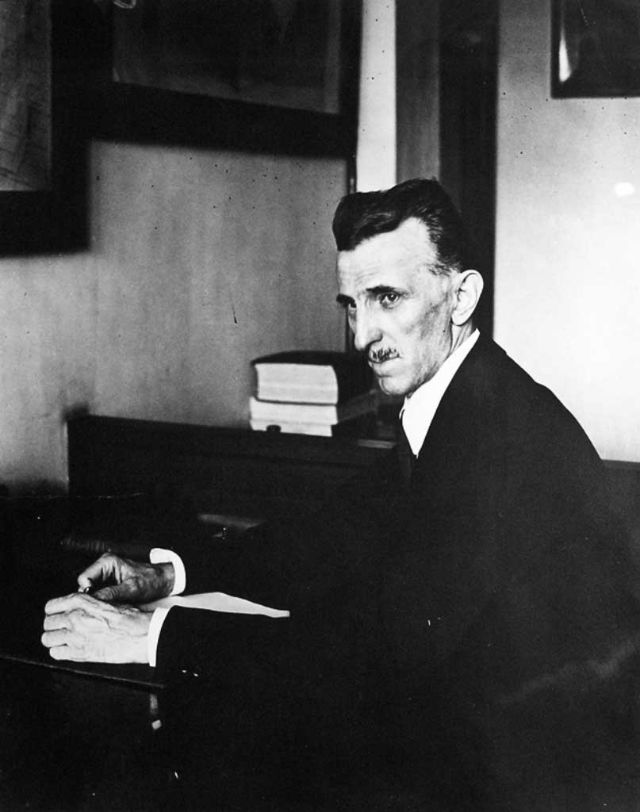
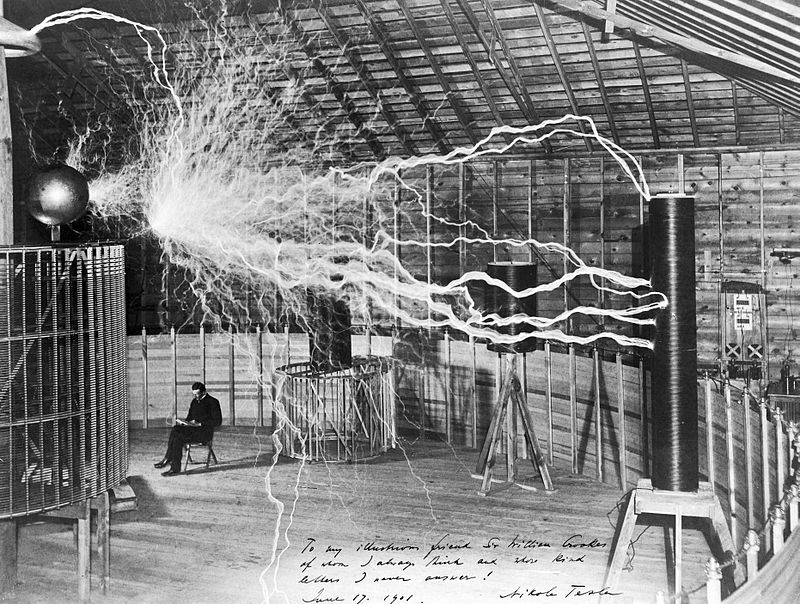
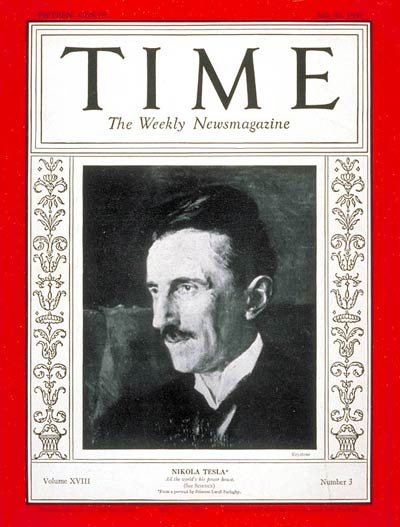
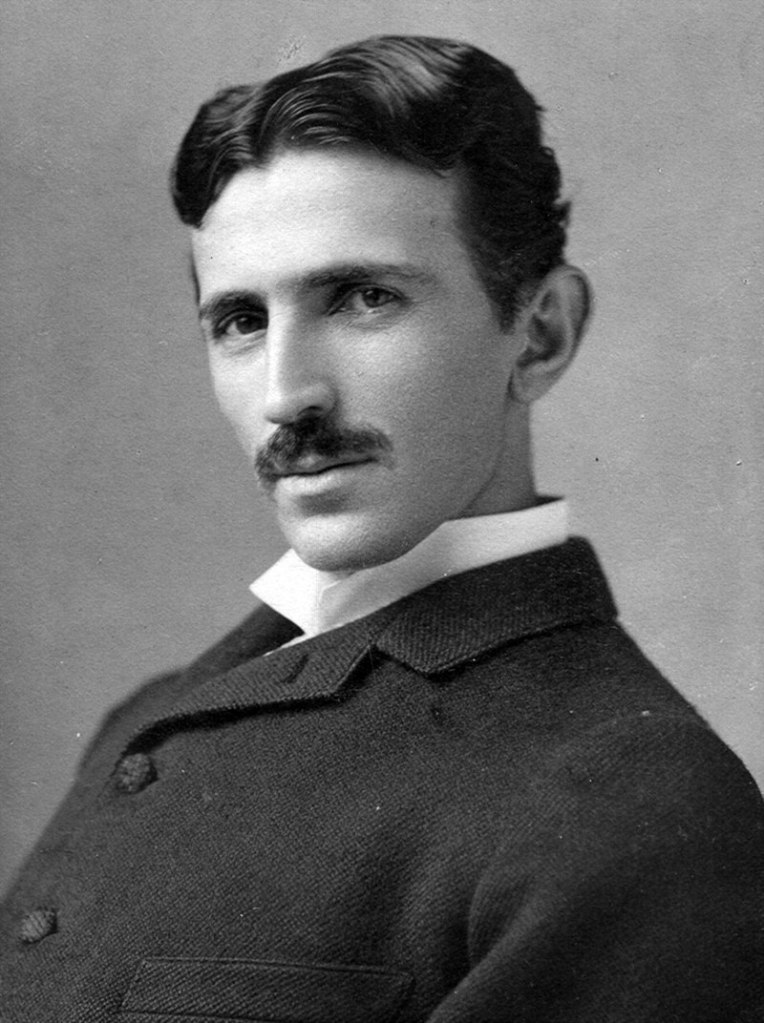
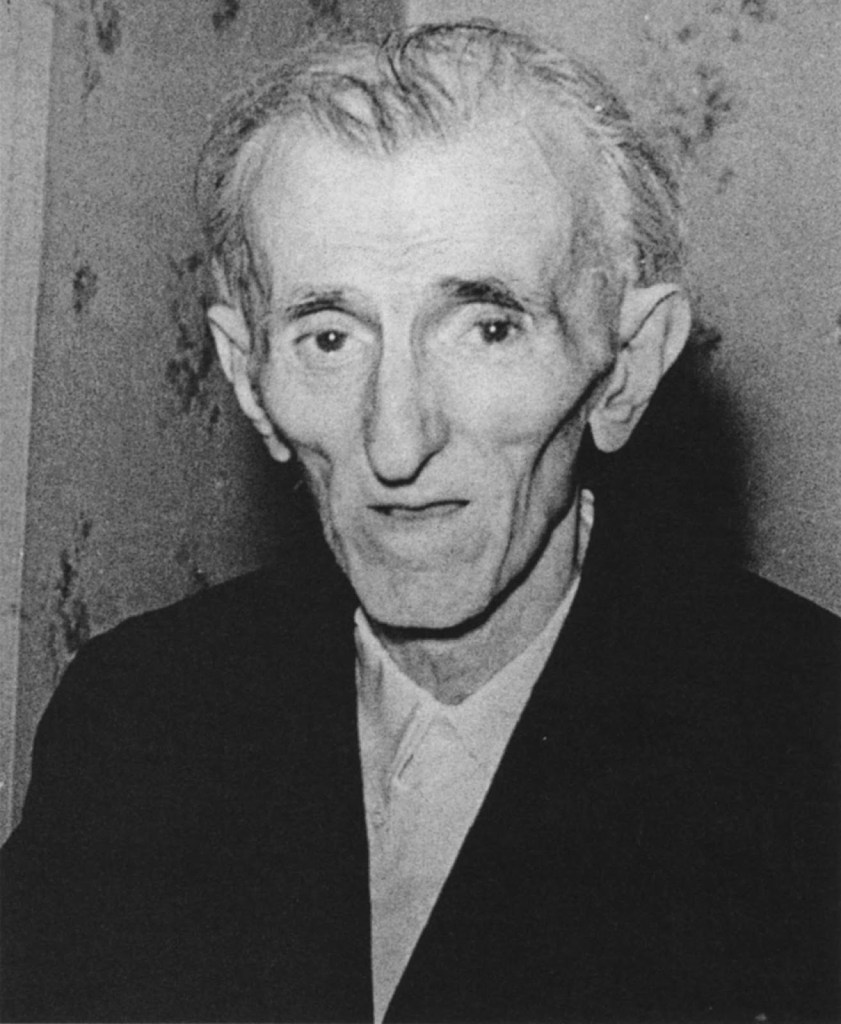
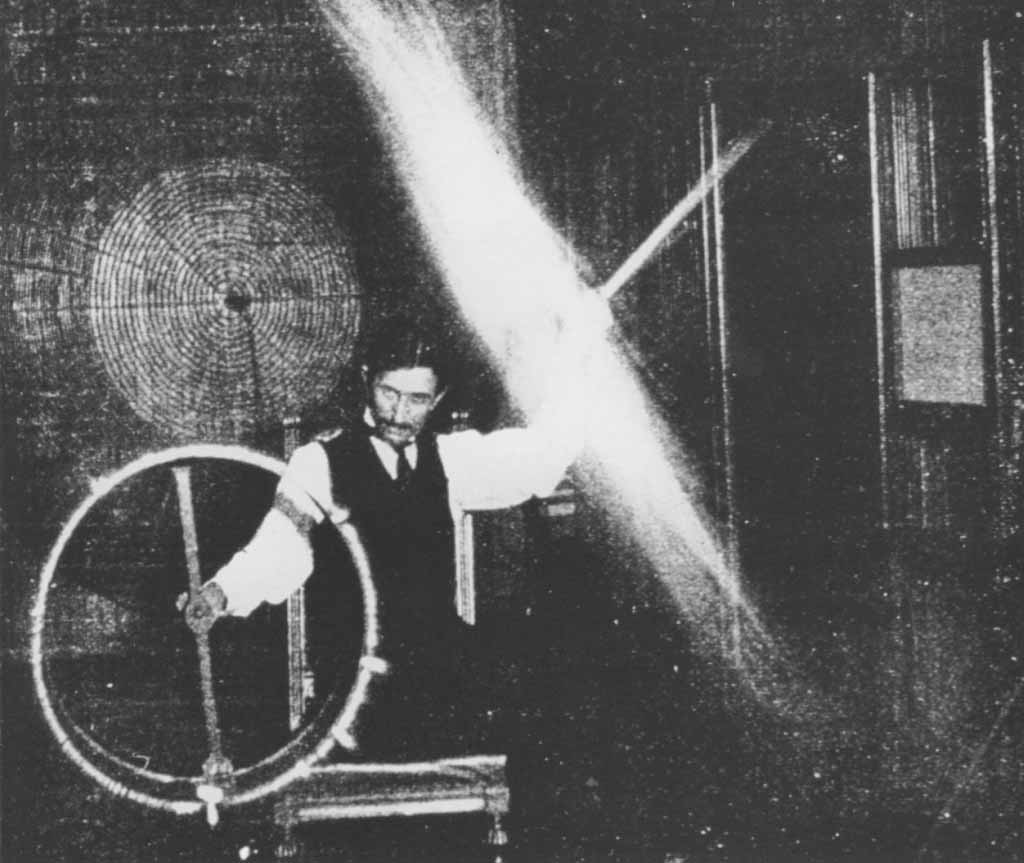
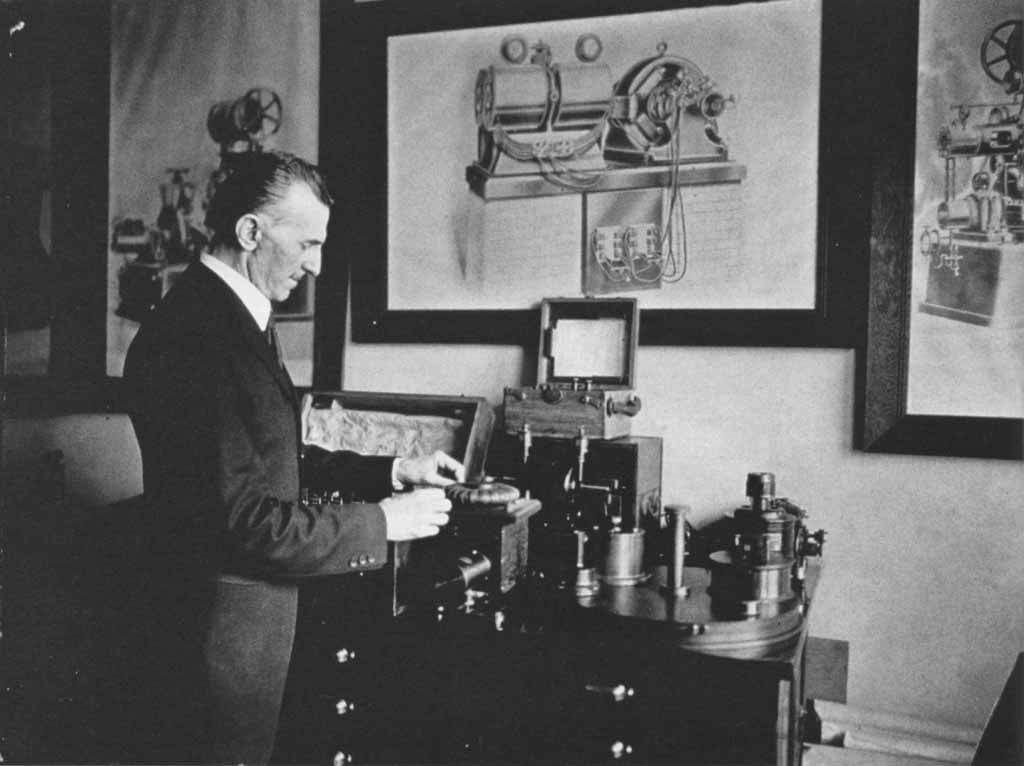
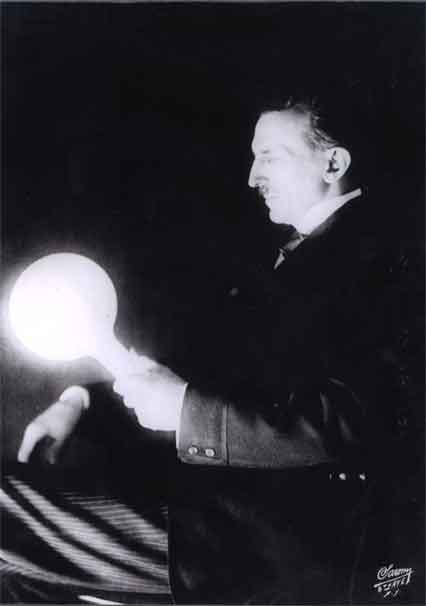
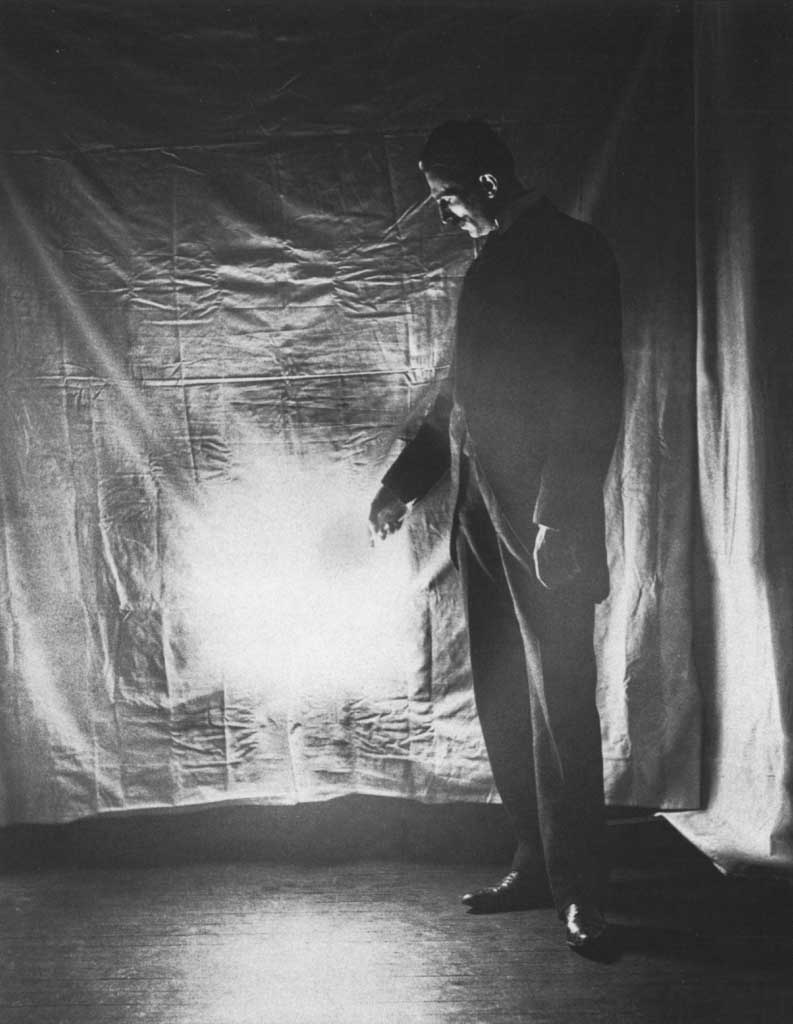
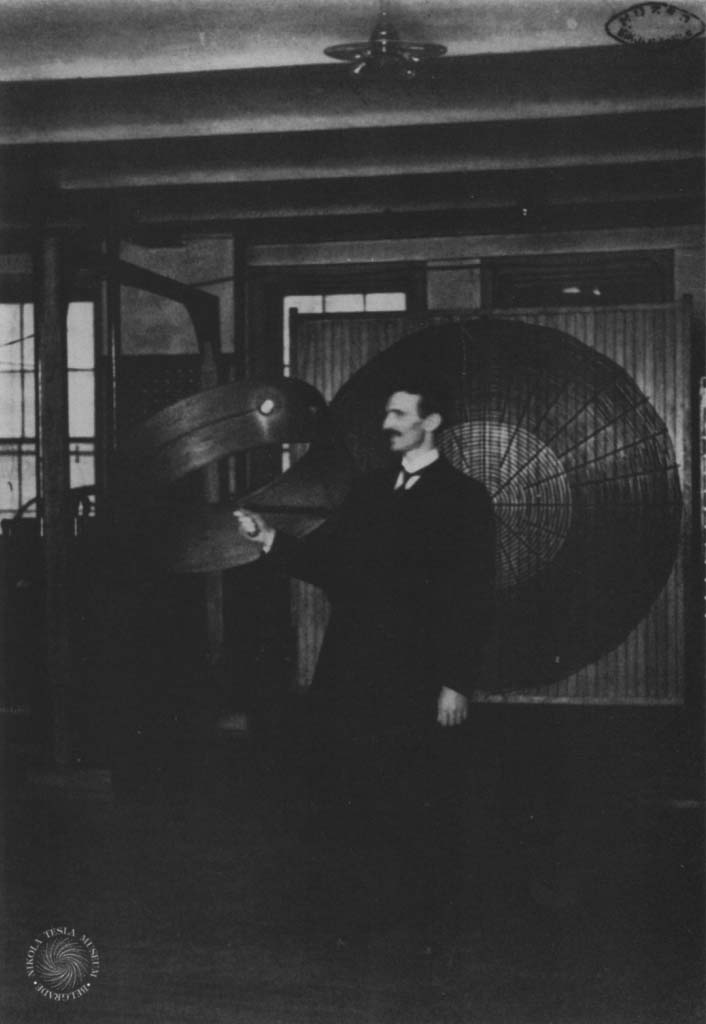
Nikola Tesla (10 July 1856 – 7 January 1943) was a Serbian-American inventor, electrical engineer, mechanical engineer, and futurist best known for his contributions to the design of the modern alternating current (AC) electricity supply system.
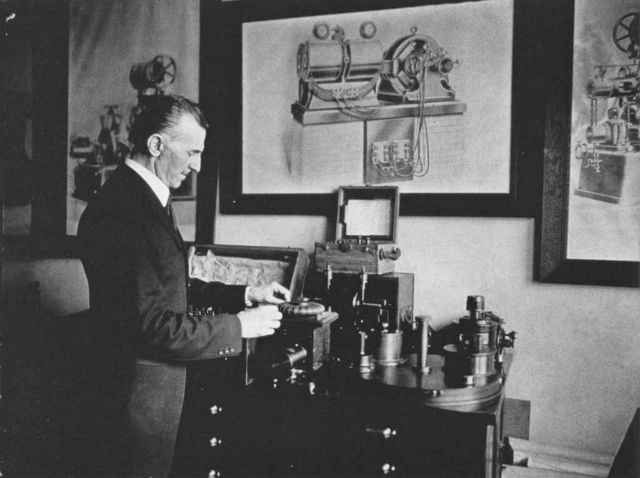
Born and raised in the Austrian Empire, Tesla studied engineering and physics in the 1870s without receiving a degree, gaining practical experience in the early 1880s working in telephony and at Continental Edison in the new electric power industry. In 1884 he emigrated to the United States, where he became a naturalized citizen. He worked for a short time at the Edison Machine Works in New York City before he struck out on his own. With the help of partners to finance and market his ideas, Tesla set up laboratories and companies in New York to develop a range of electrical and mechanical devices. His alternating current (AC) induction motor and related polyphase AC patents, licensed by Westinghouse Electric in 1888, earned him a considerable amount of money and became the cornerstone of the polyphase system which that company eventually marketed.
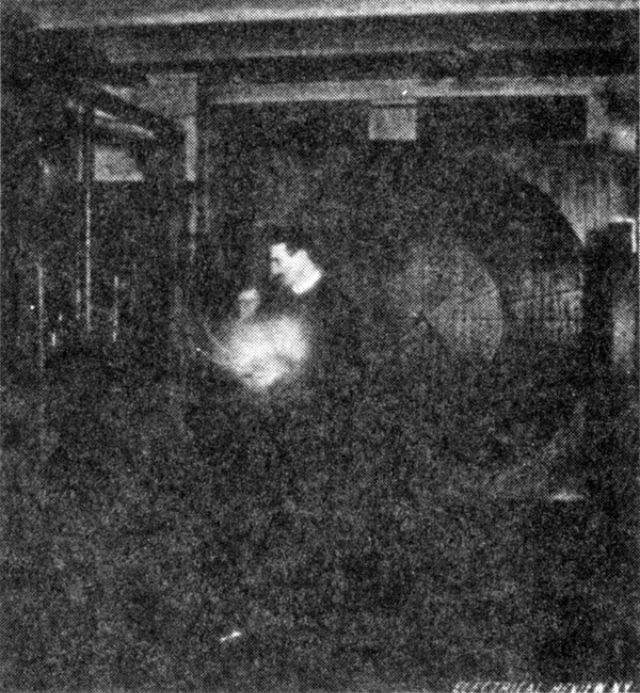
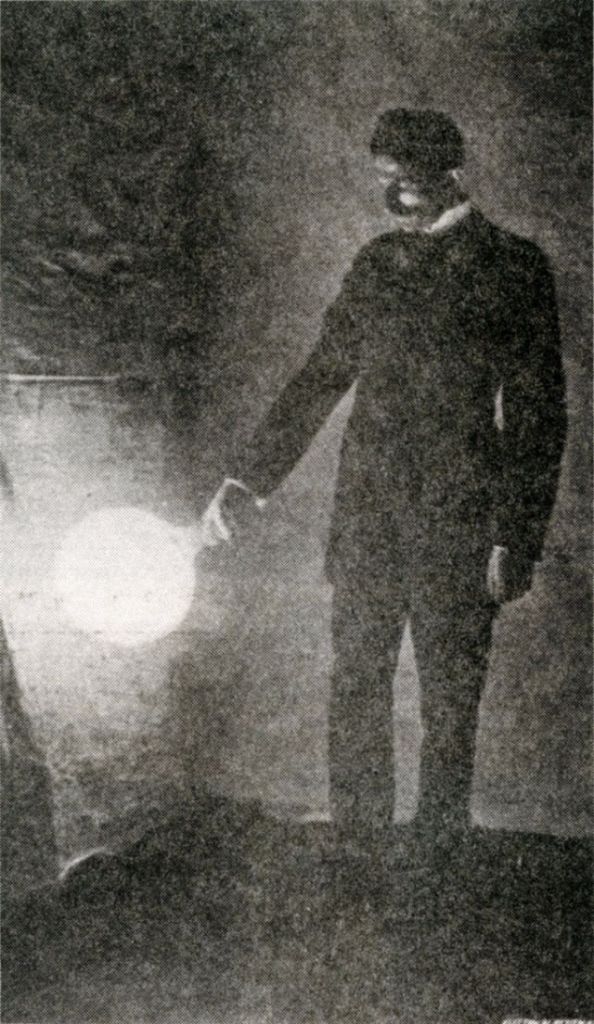
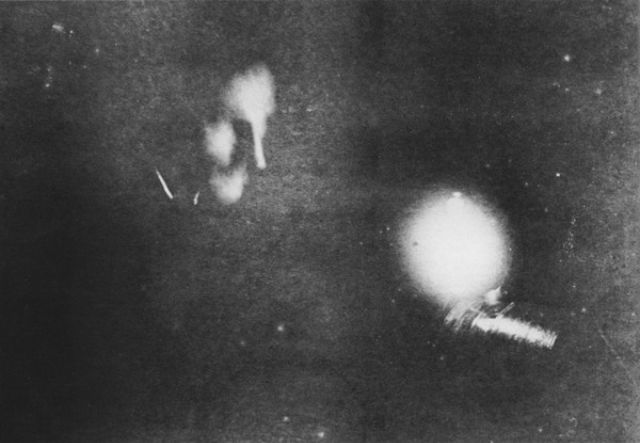
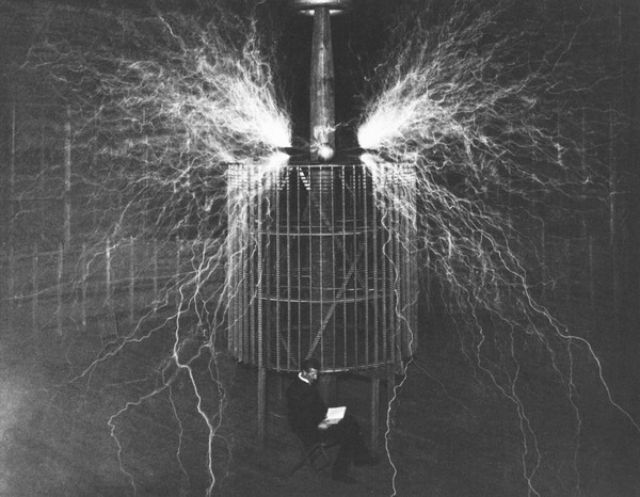
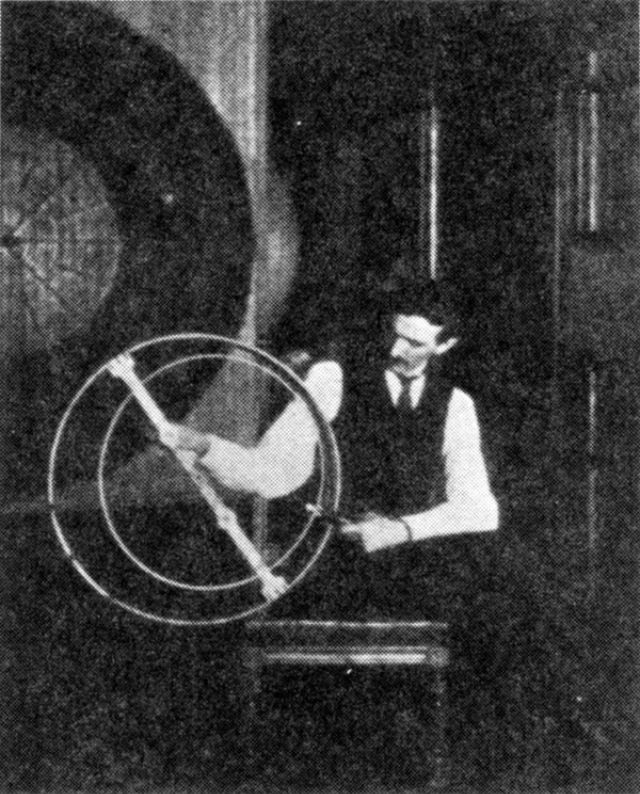
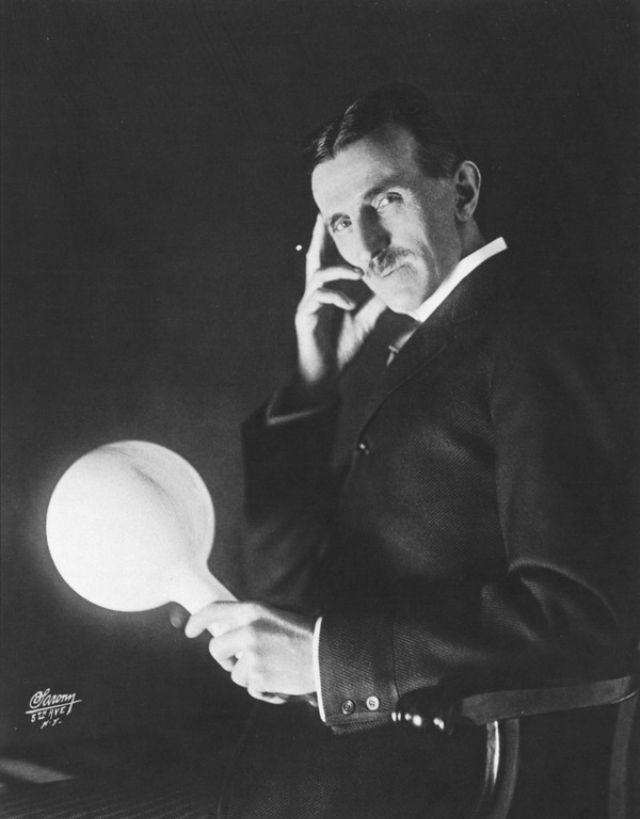
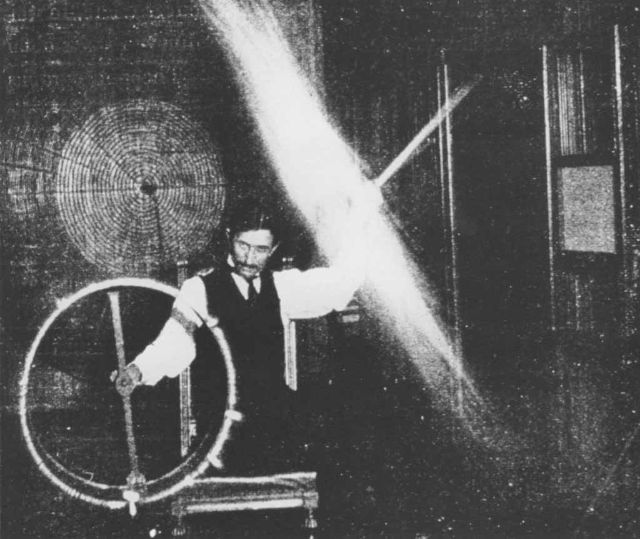
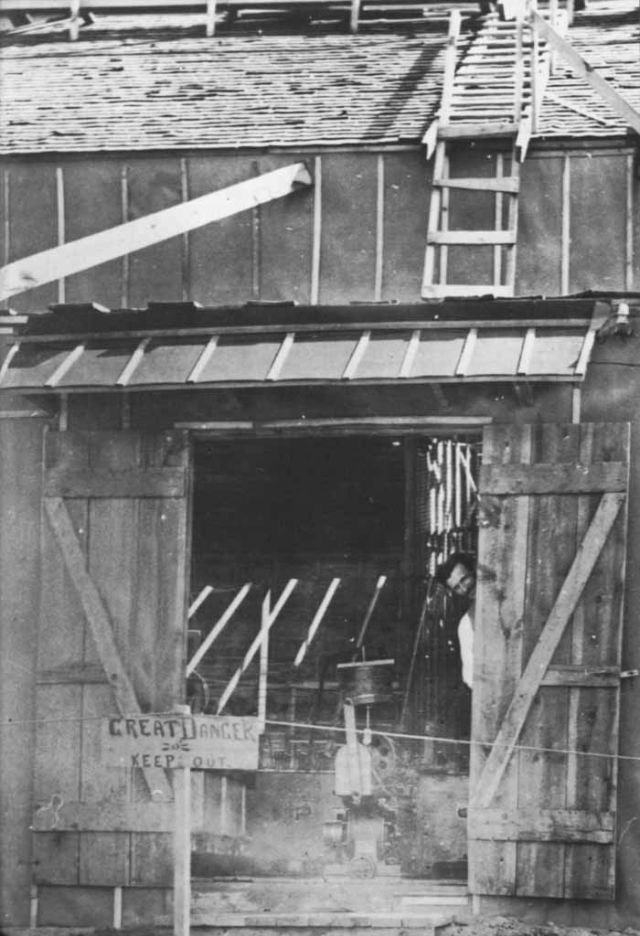
Attempting to develop inventions he could patent and market, Tesla conducted a range of experiments with mechanical oscillators/generators, electrical discharge tubes, and early X-ray imaging. He also built a wireless-controlled boat, one of the first-ever exhibited. Tesla became well known as an inventor and demonstrated his achievements to celebrities and wealthy patrons at his lab, and was noted for his showmanship at public lectures. Throughout the 1890s, Tesla pursued his ideas for wireless lighting and worldwide wireless electric power distribution in his high-voltage, high-frequency power experiments in New York and Colorado Springs. In 1893, he made pronouncements on the possibility of wireless communication with his devices. Tesla tried to put these ideas to practical use in his unfinished Wardenclyffe Tower project, an intercontinental wireless communication and power transmitter, but ran out of funding before he could complete it.
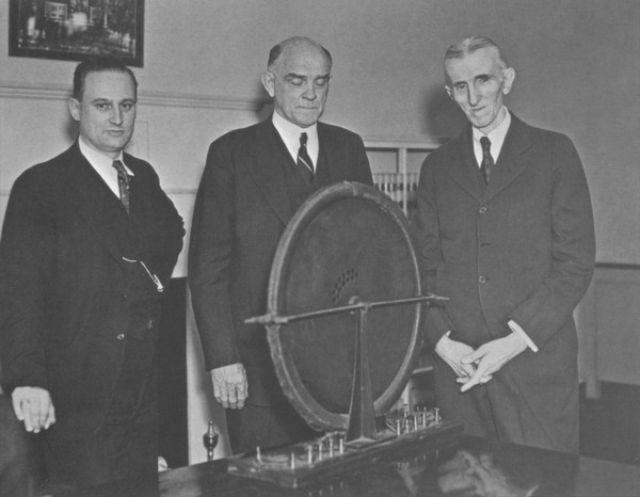
After Wardenclyffe, Tesla experimented with a series of inventions in the 1910s and 1920s with varying degrees of success. Having spent most of his money, Tesla lived in a series of New York hotels, leaving behind unpaid bills. He died in New York City in January 1943. Tesla’s work fell into relative obscurity following his death, until 1960, when the General Conference on Weights and Measures named the SI unit of magnetic flux density the tesla in his honor. There has been a resurgence in popular interest in Tesla since the 1990s.