Rare Portraits of Men and Women From Around the World in Their Traditional Costumes at the 1893 Chicago World’s Fair

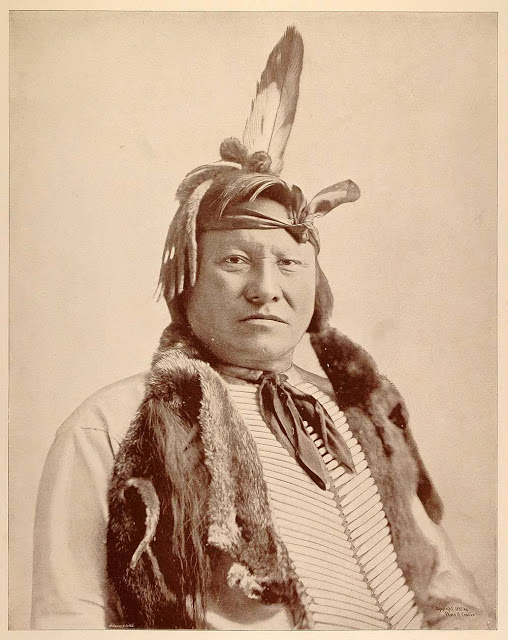
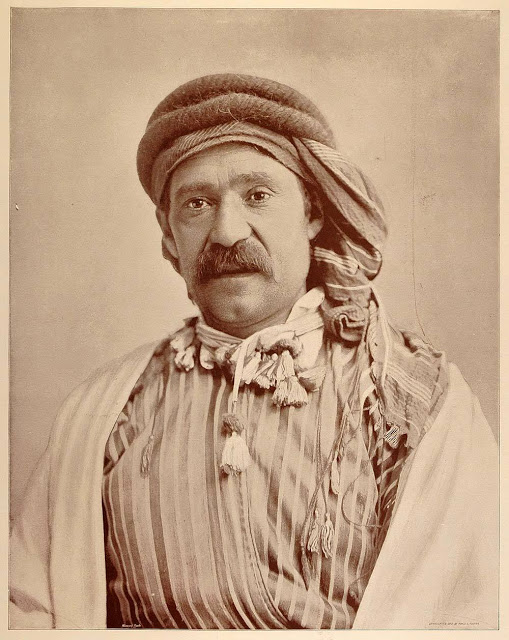
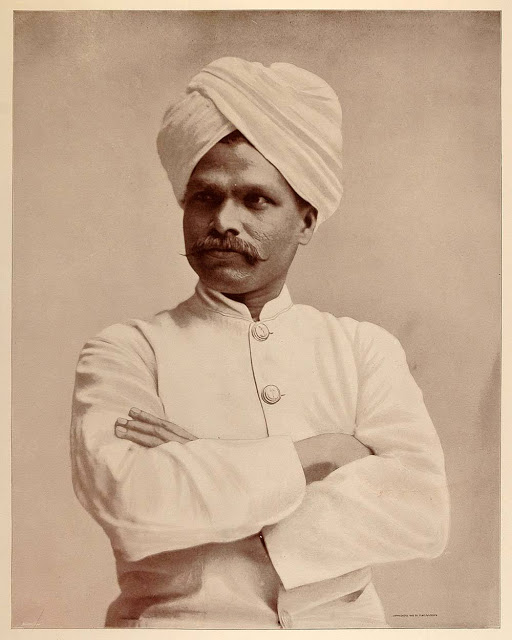
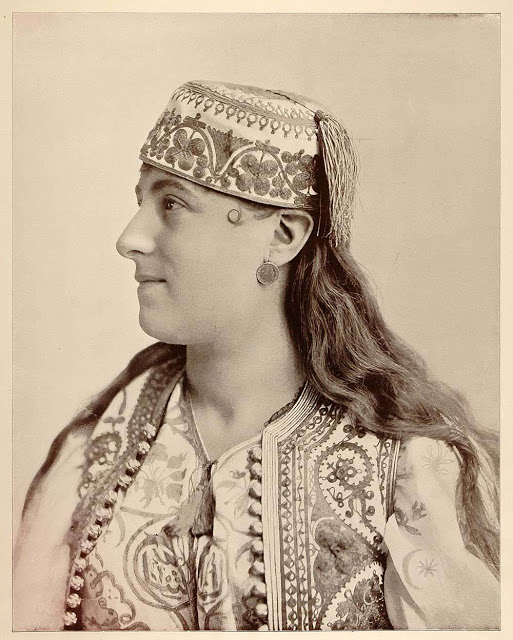
Here’s a rare set of large-format photographic portrait images of the different ethnic people who represented various countries of the world at the 1893 Chicago World’s Fair, also known as the World Columbian Exposition.

The World Columbian Exposition was held from May to October 1893 in Chicago in honor of the 400th anniversary of Columbus’ discovery of the new world. In competition with many other cities, Chicago was finally designated the official site and the Exposition was built on 630 acres in and around Jackson Park. It was a spectacular display of progress and prosperity, and included among its many wonders electrical exhibits, exhibits from other countries, and a popular amusement area on Midway Plaisance with carnival rides, among them the first Ferris Wheel. Most of the fair’s architecture was based on classical design which gave the area around the Court of Honor the name “The White City.”

Mrs. Theresa Joseph (the wife of Mr. D. Joseph), an East Indian woman from Ceylon (now known as Sri Lanka).
Ke-Ne-Wa-Na, a Native American woman of the Lakota Sioux tribe.
Rain-in-the-Face, a Native American war chief of the Lakota Sioux tribe who, with Sitting Bull, defeated Custer at the Battle of Little Big Horn in 1876.
Ah Que, a Chinese woman married to Wong Ki.
Hallad Abdalah, a Syrian Bedouin sheik.
Toendoora, a lovely young Javanese woman from the island of Java.
Mr. D. Joseph, an East Indian from Ceylon (now known as Sri Lanka).
Rebecca Meise Alithensil, a Jewish woman.
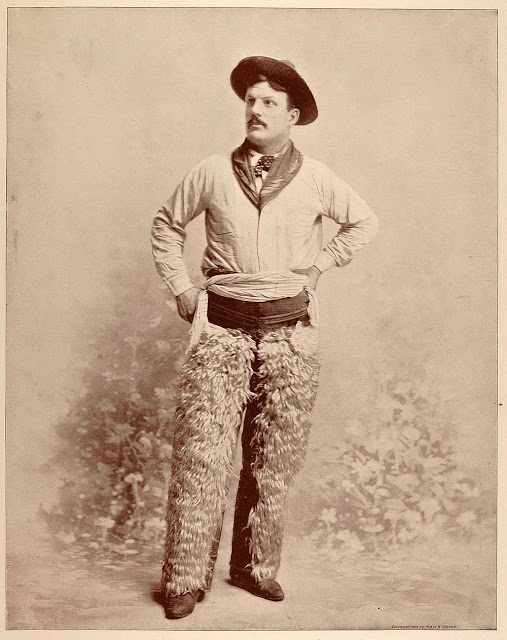
Harry Shanton, the American cowboy who performed with Buffalo Bill’s rough riders as the “Laramie Kid.”
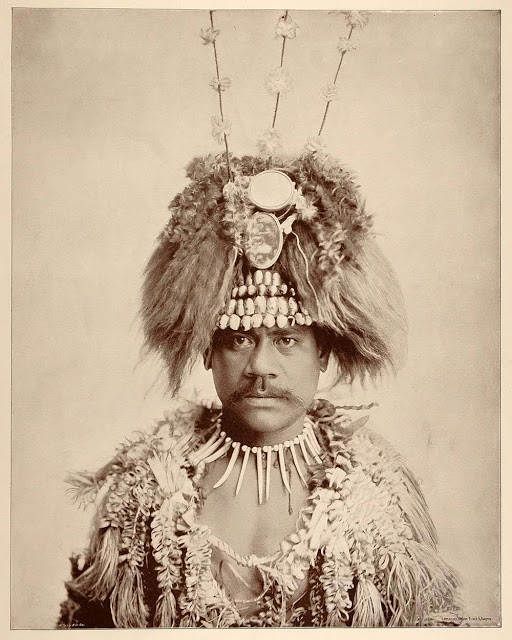
William, a Samoan man, in his traditional costume and elaborate headdress.
Milhim Ouardy, the Syrian swordsman at the Moorish Palace on the Midway Plaisance.
William Aeko, a Hawaiian singer from Honolulu, Hawaii.
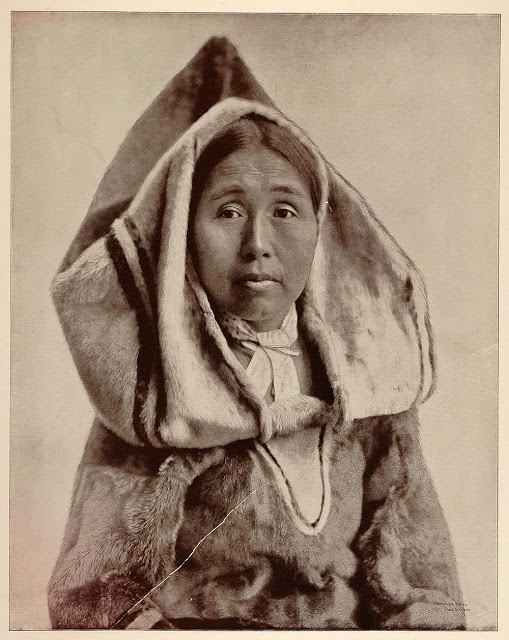
Mary Dookshoode Annanuck, an Inuit woman.
Yoo-Ka-Lucke, an Inuit man dressed in clothing made of undressed seal skin.
Margarette Olsen, a young Swedish peasant woman from Dalecarlia, Sweden.
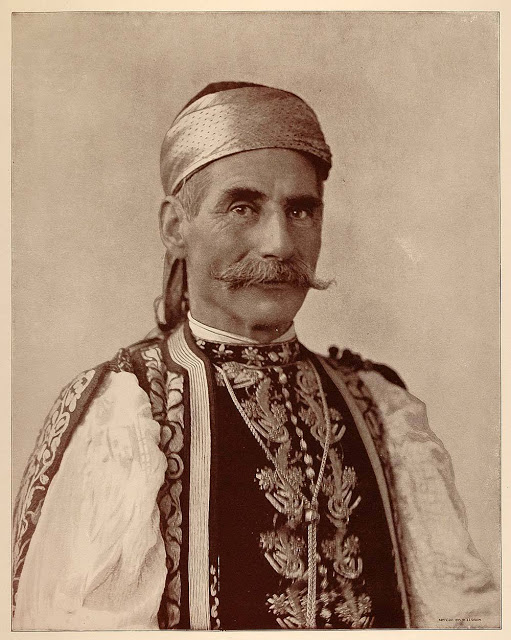
Nichan, an Armenian man in the uniform of the Janizaries, a Turkish military band of soldiers. The figure on the left is a Greek man.
Mr. E. Ruscheweyh, the leader of the German Infantry Band which performed at the German Village on the Midway Plaisance.
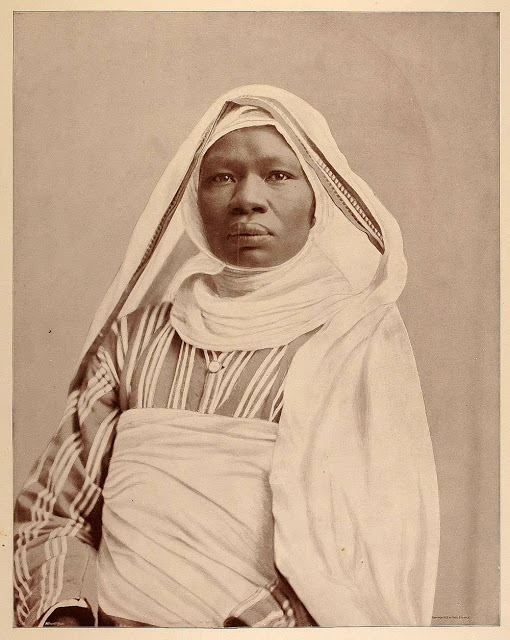
Mahbouba Um Zanuba, a forty-year-old woman from the Sudan who was said to have been the mother of twenty-three children.

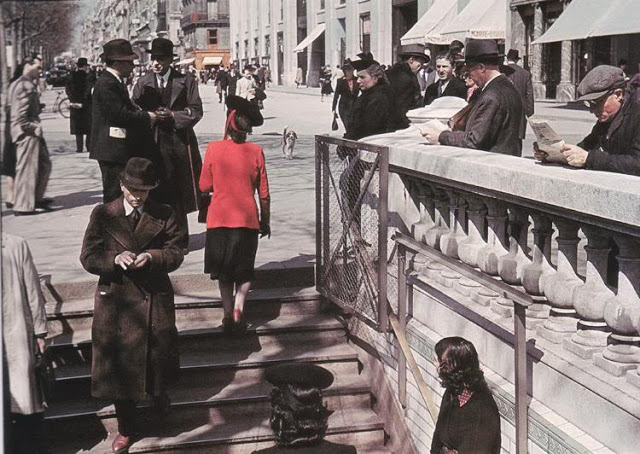
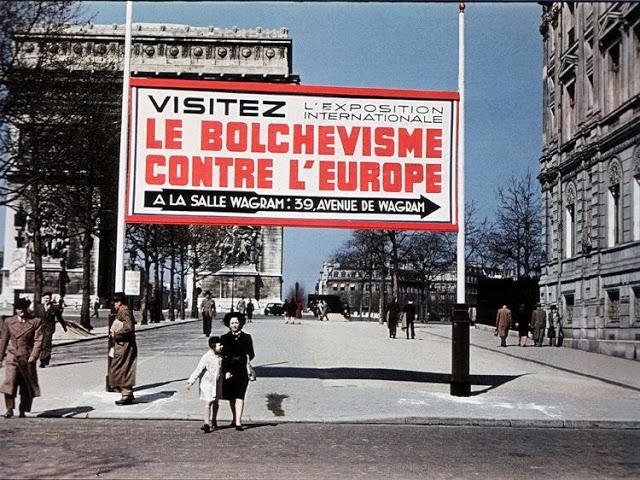
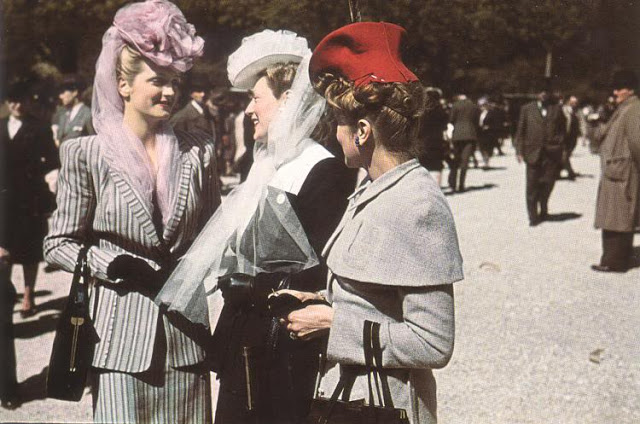
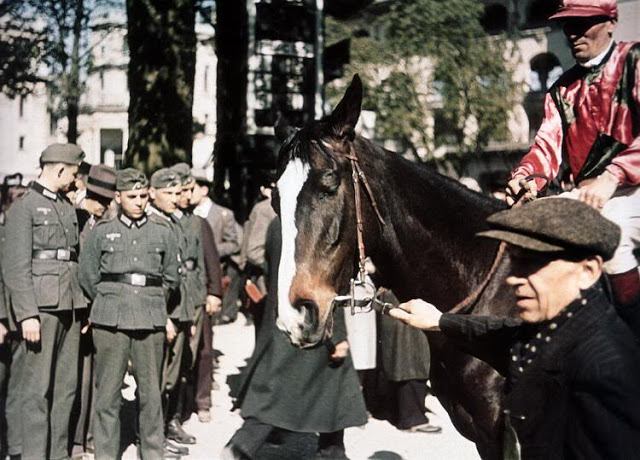
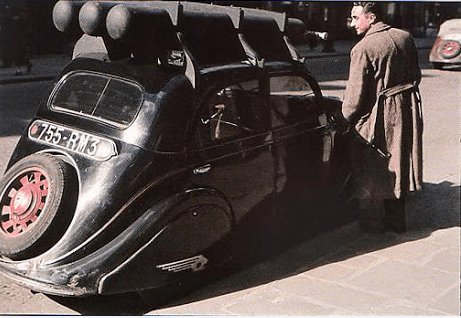
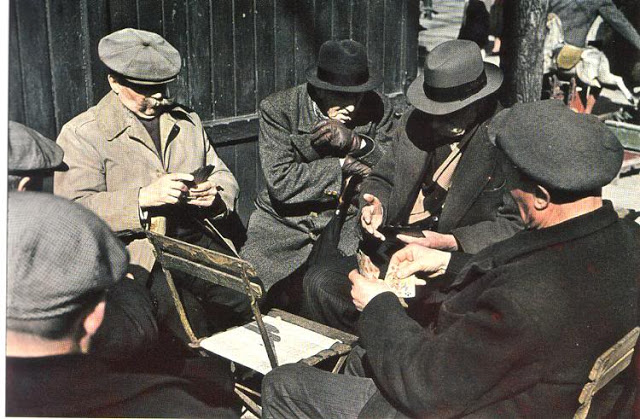
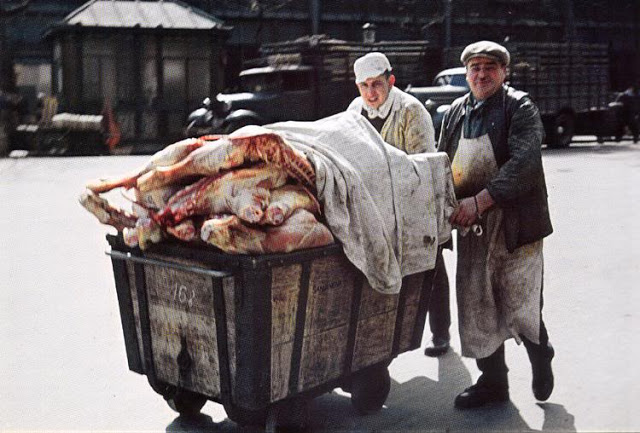
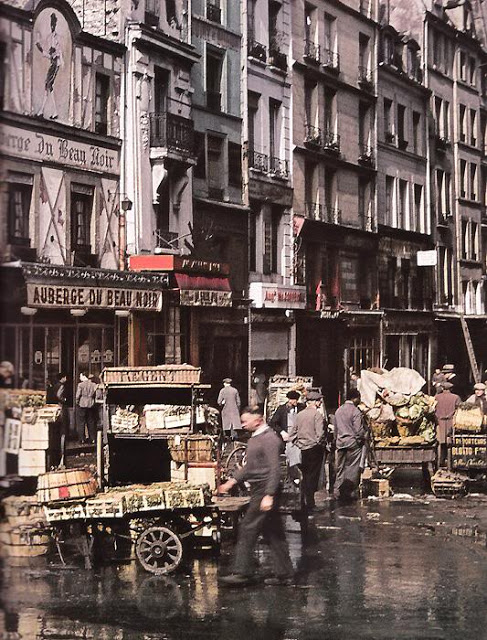
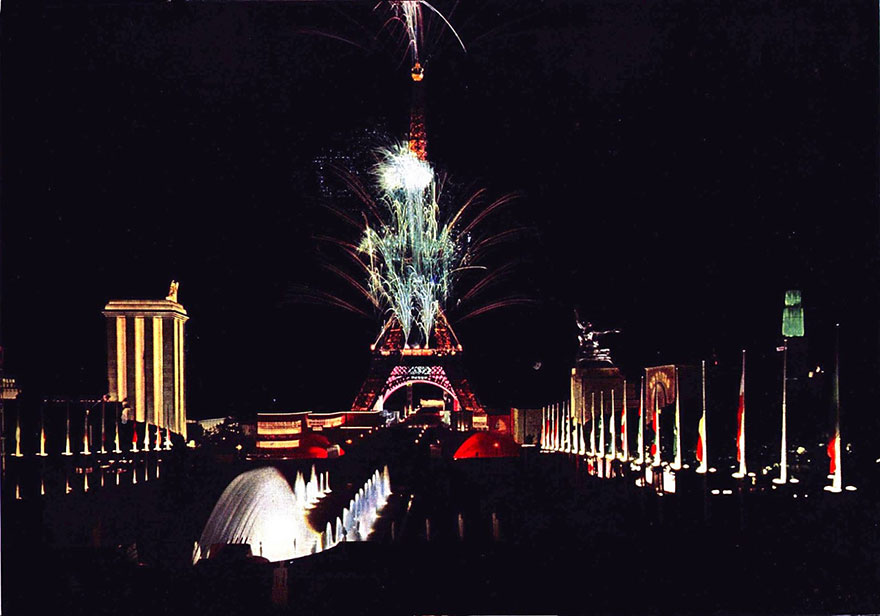
44 Amazing Color Photographs of Paris in the Early 1940s

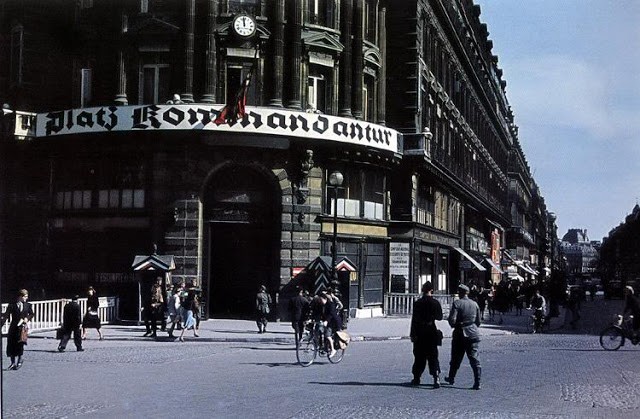
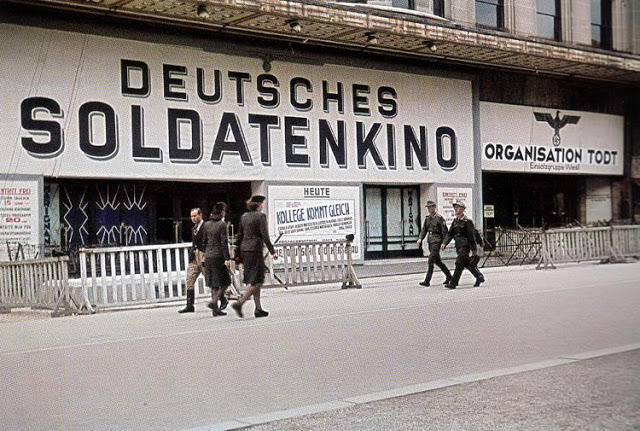
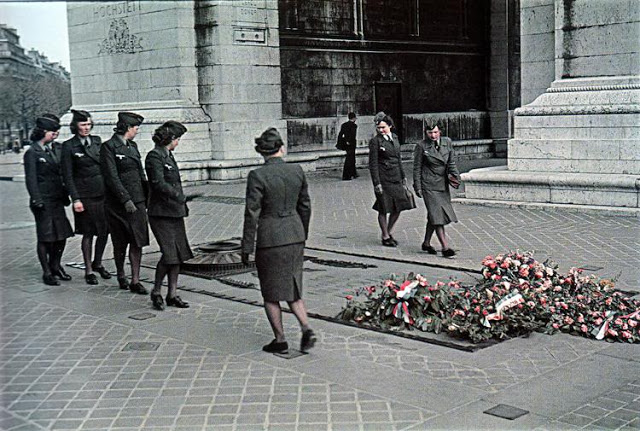
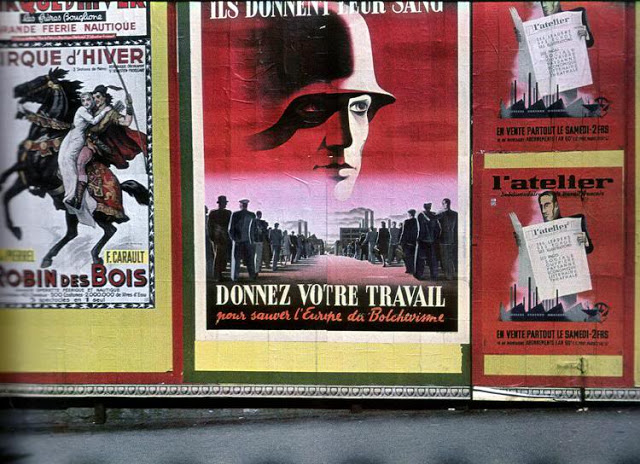
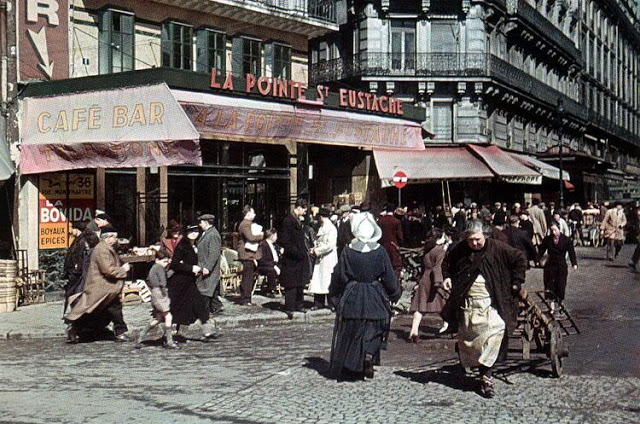
The Military Administration in France was an interim occupation authority established by Nazi Germany during World War II. It remained in existence from May 1940 to December 1944. As a result of the defeat of France and its Allies in the Battle of France, the French cabinet sought a cessation of hostilities.

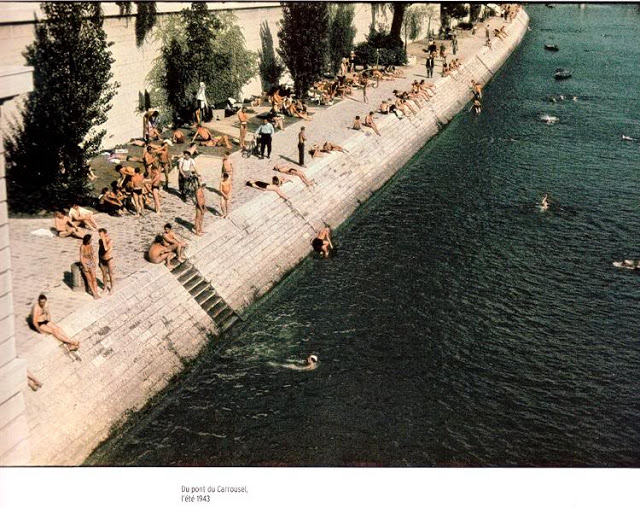
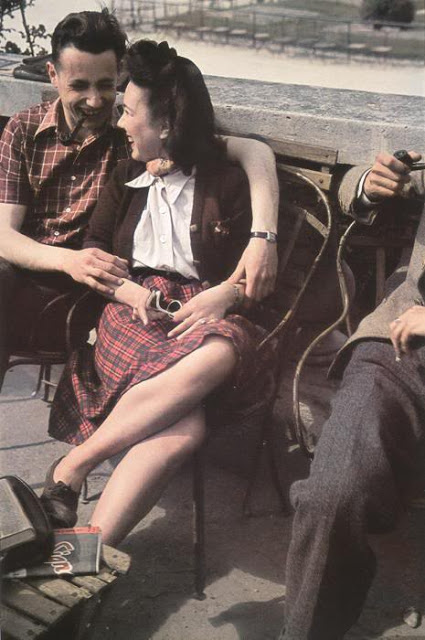
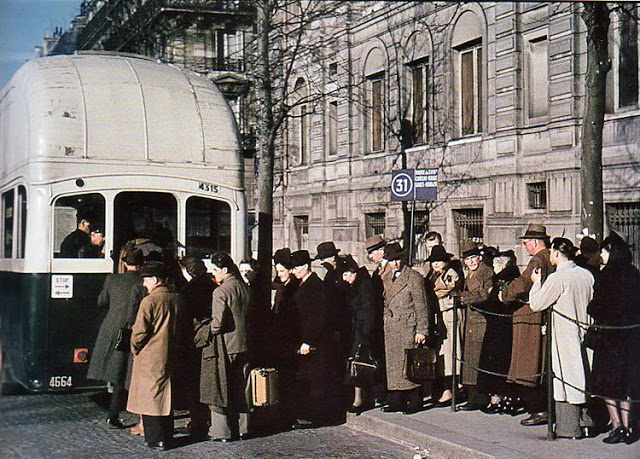
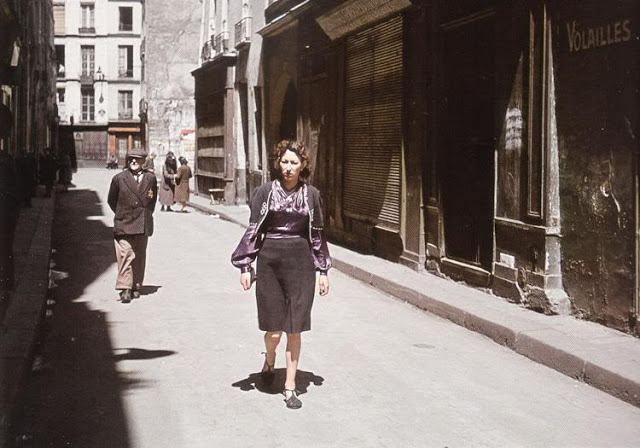
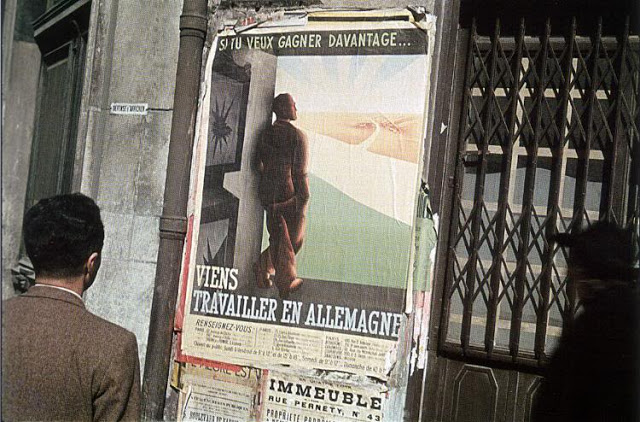
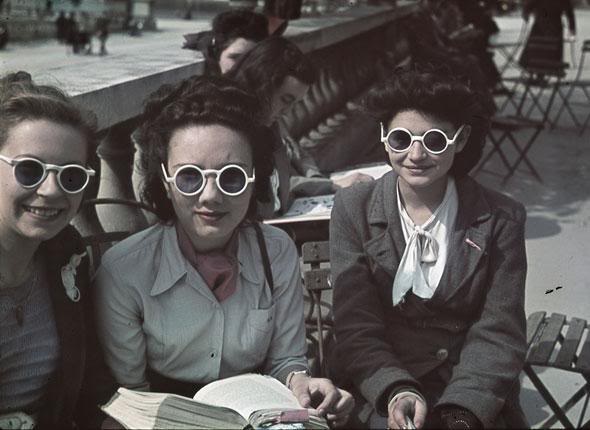
These photographs were taken by French photographer André Zucca from the early 1940s show Paris as sunny, airy, bursting with color. Its inhabitants appear carefree, content and refreshingly unaware of their proclivity for looking très chic. It’s all very much at odds with the prevailing image of the French capital suffering and smoldering under the yoke of its Nazi occupiers.
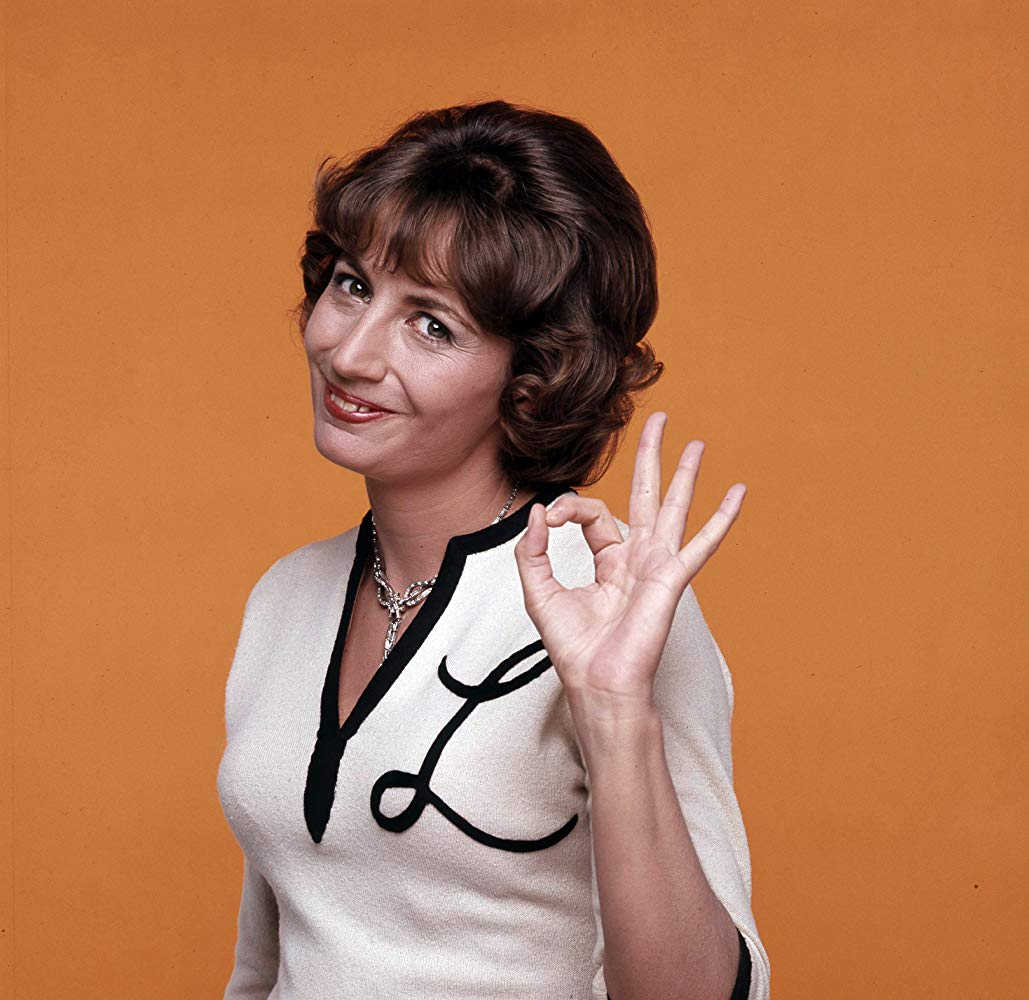
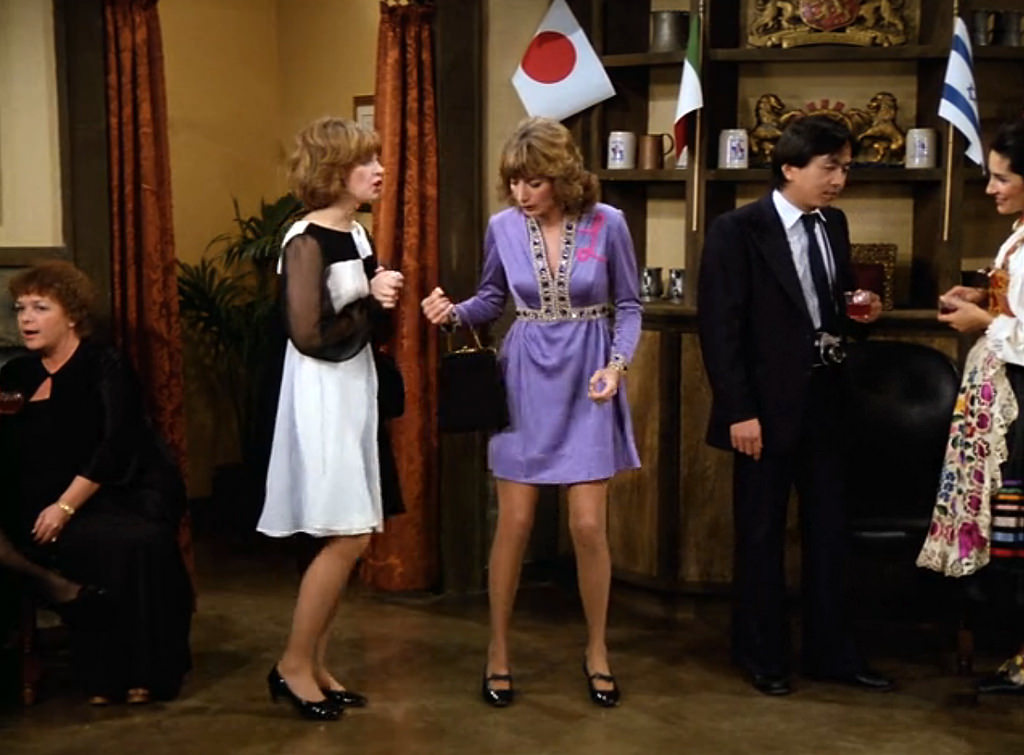
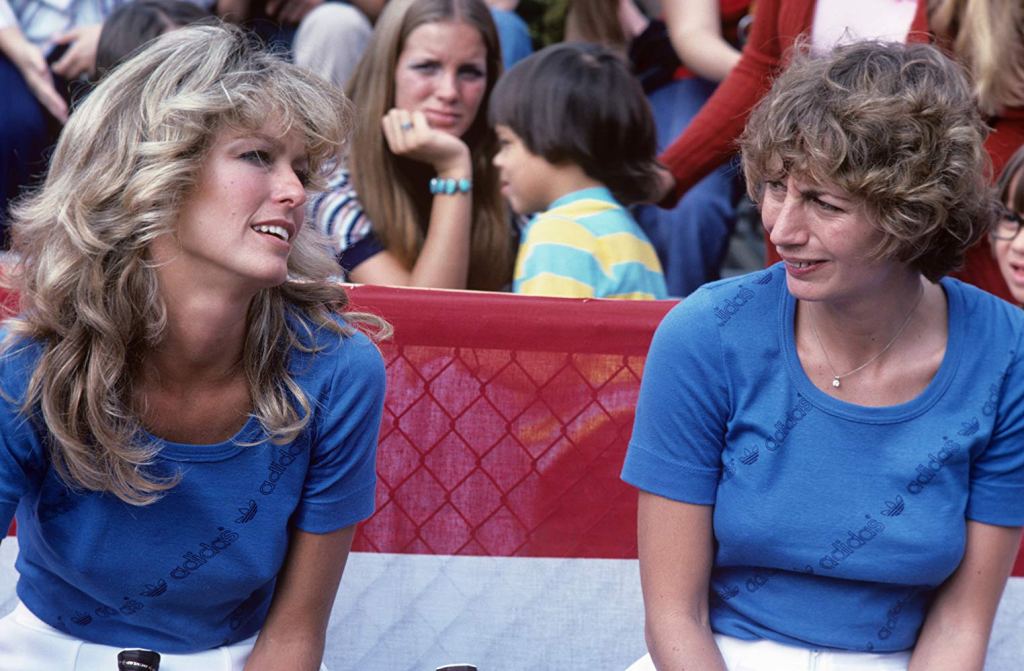
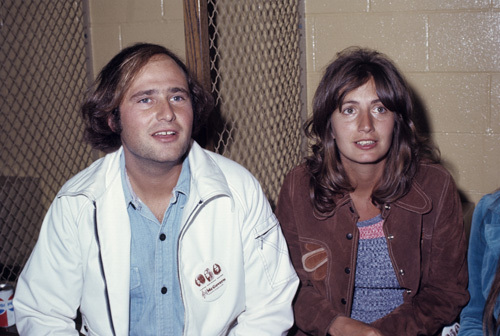
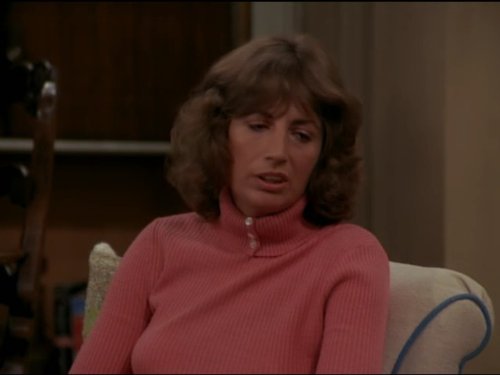
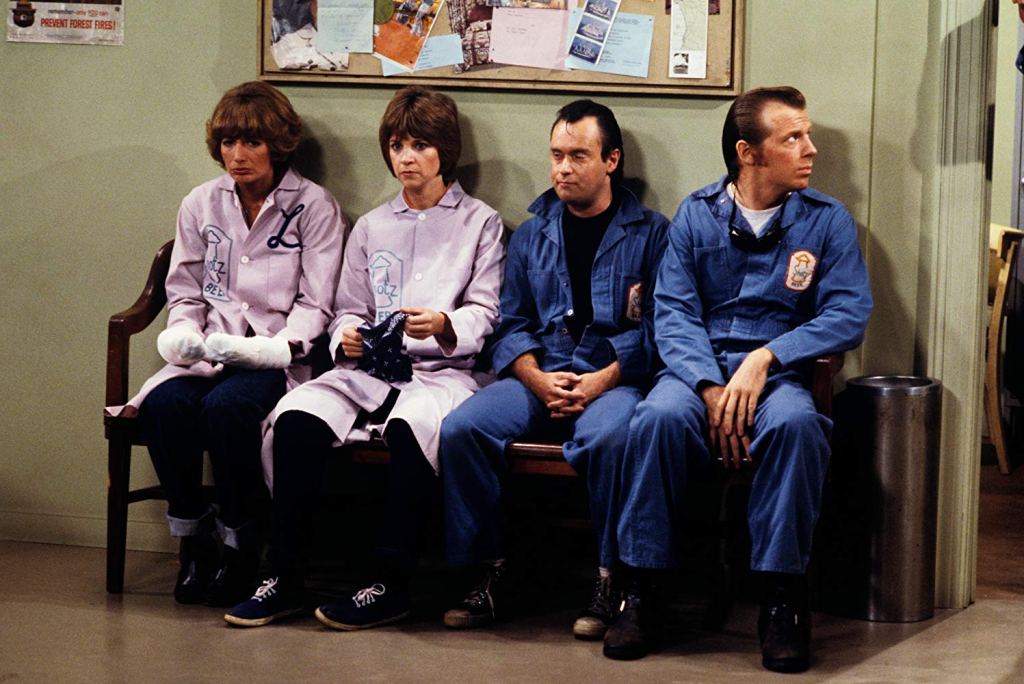
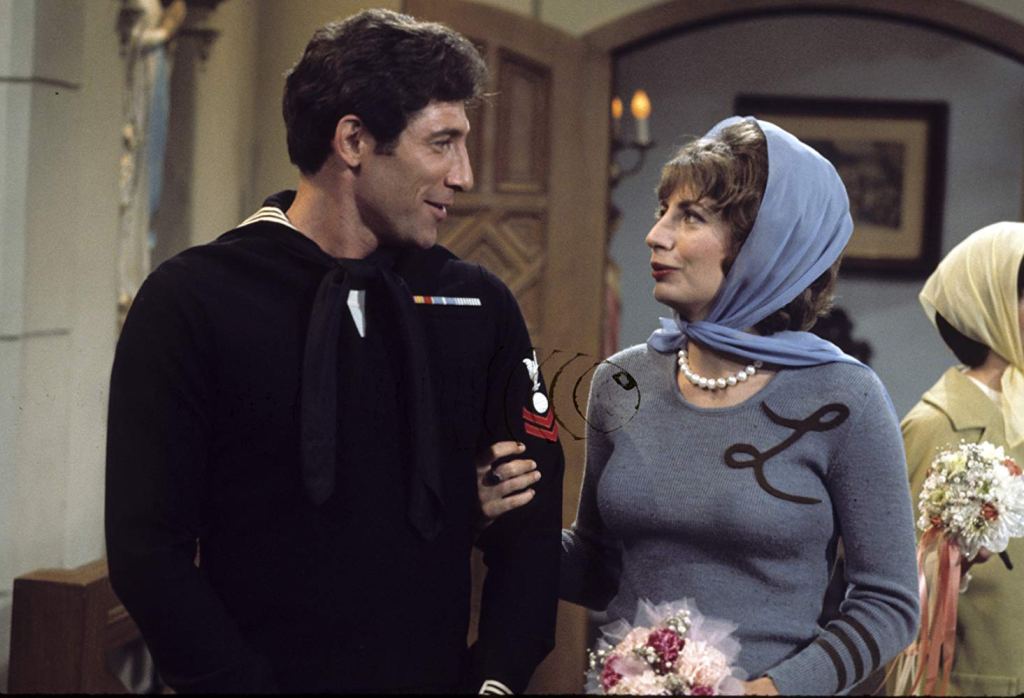
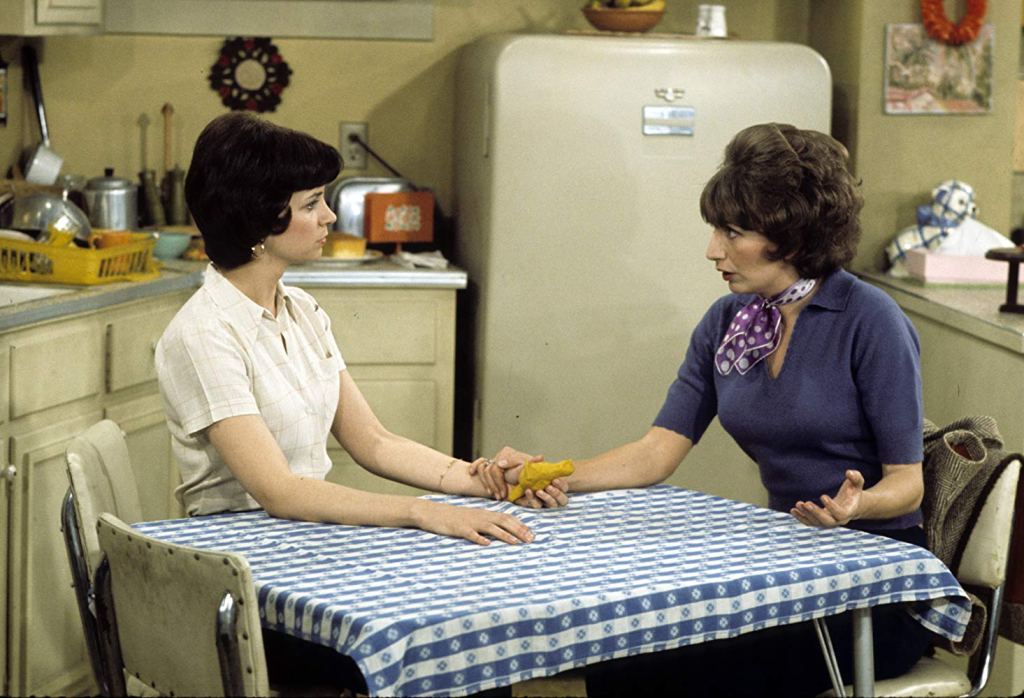
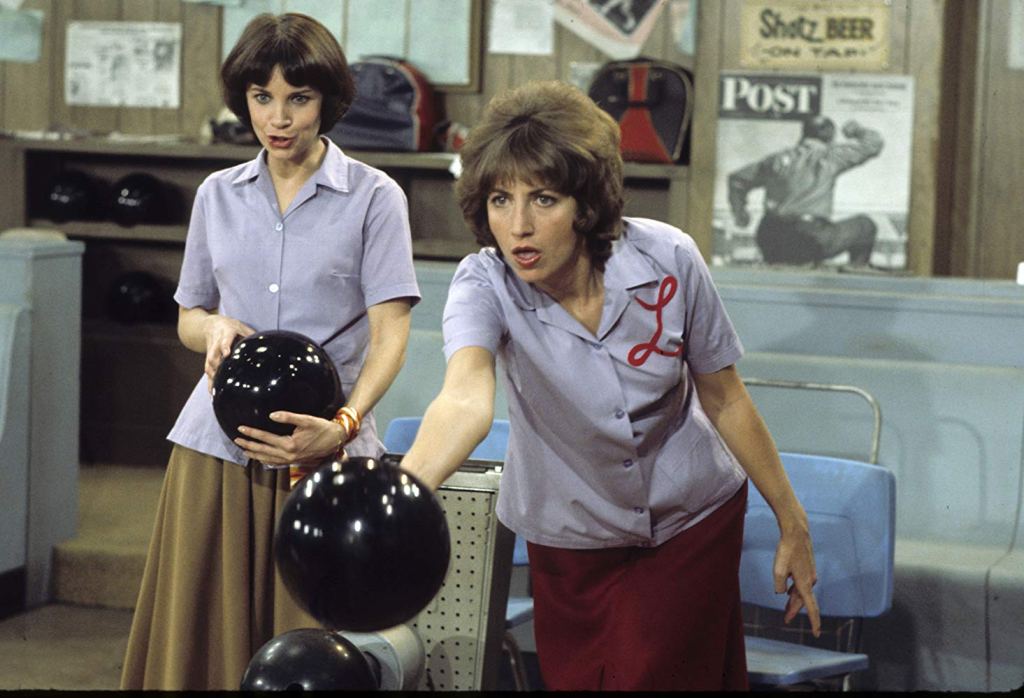
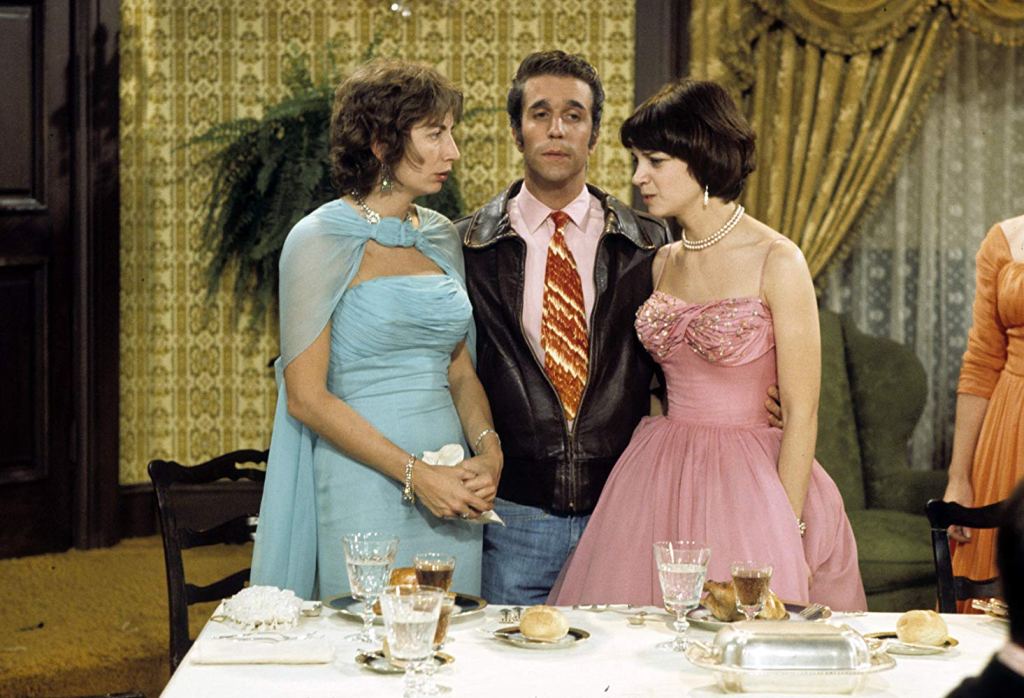
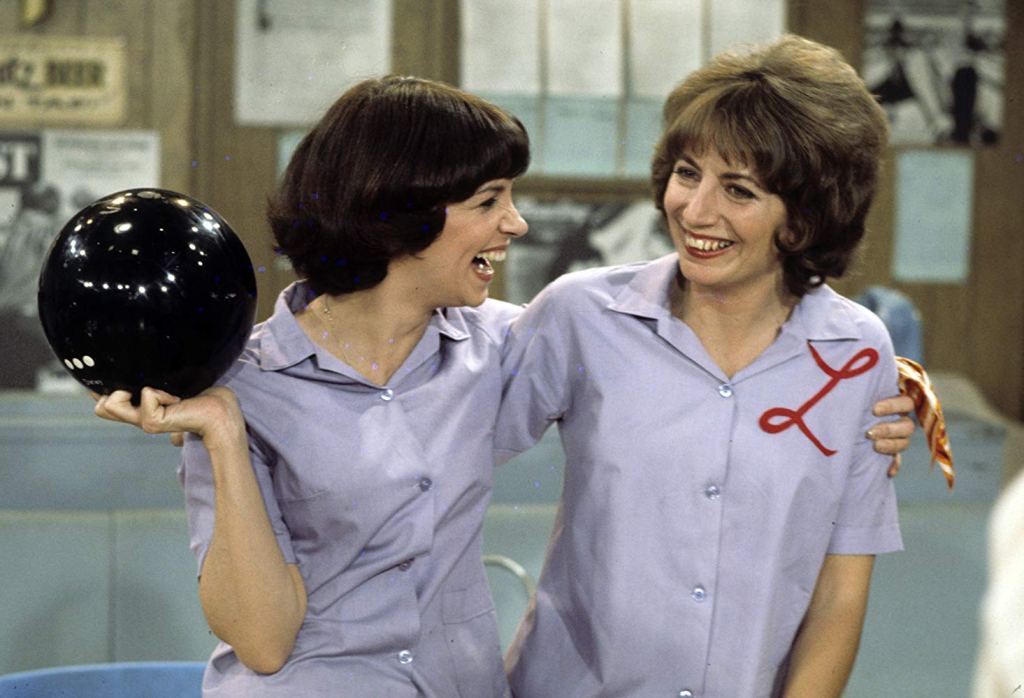
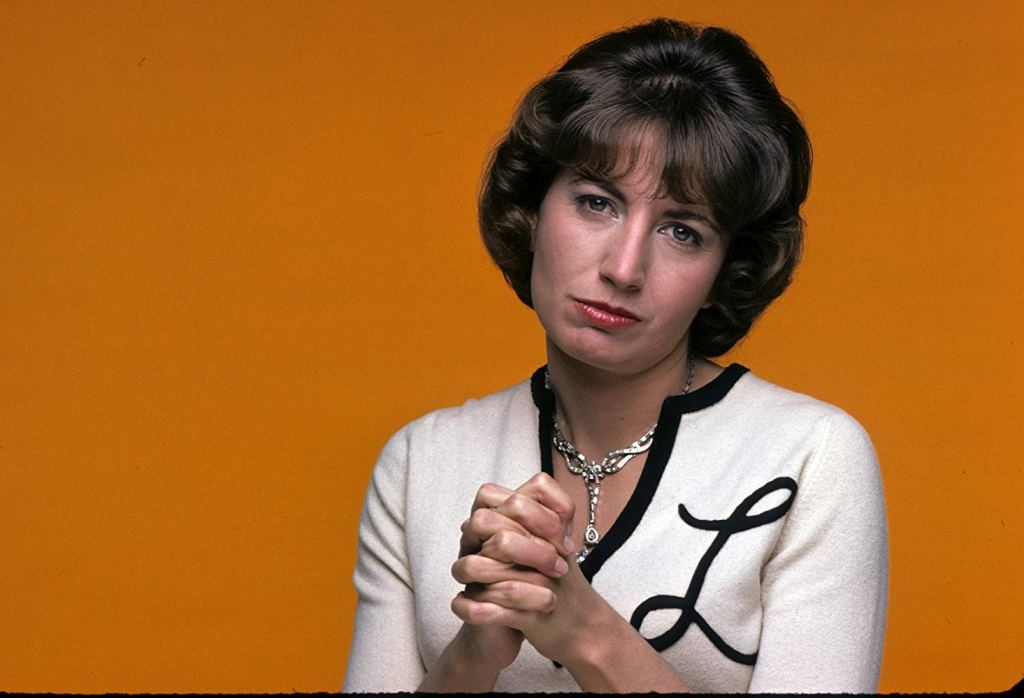
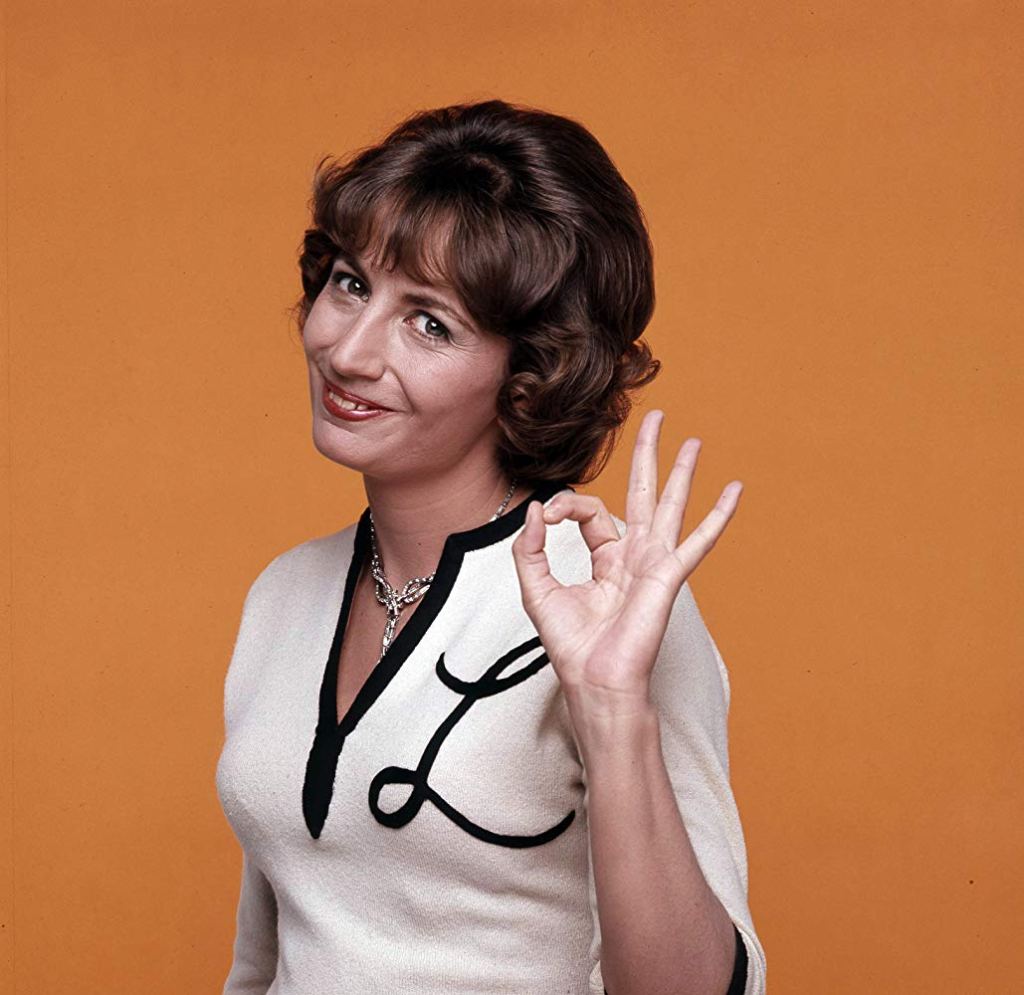
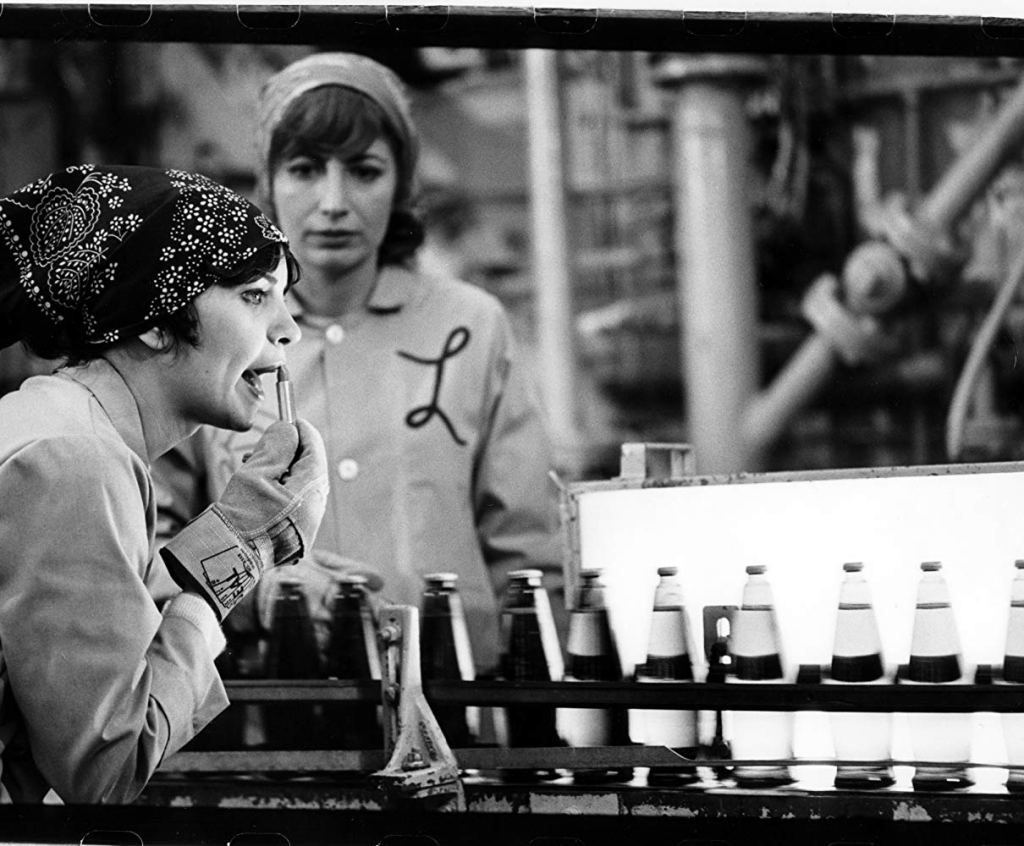
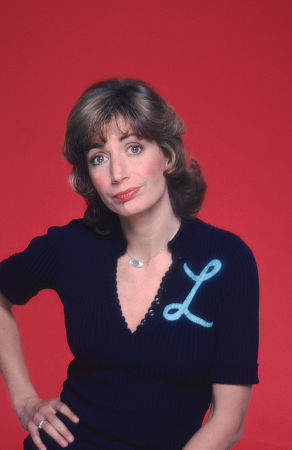
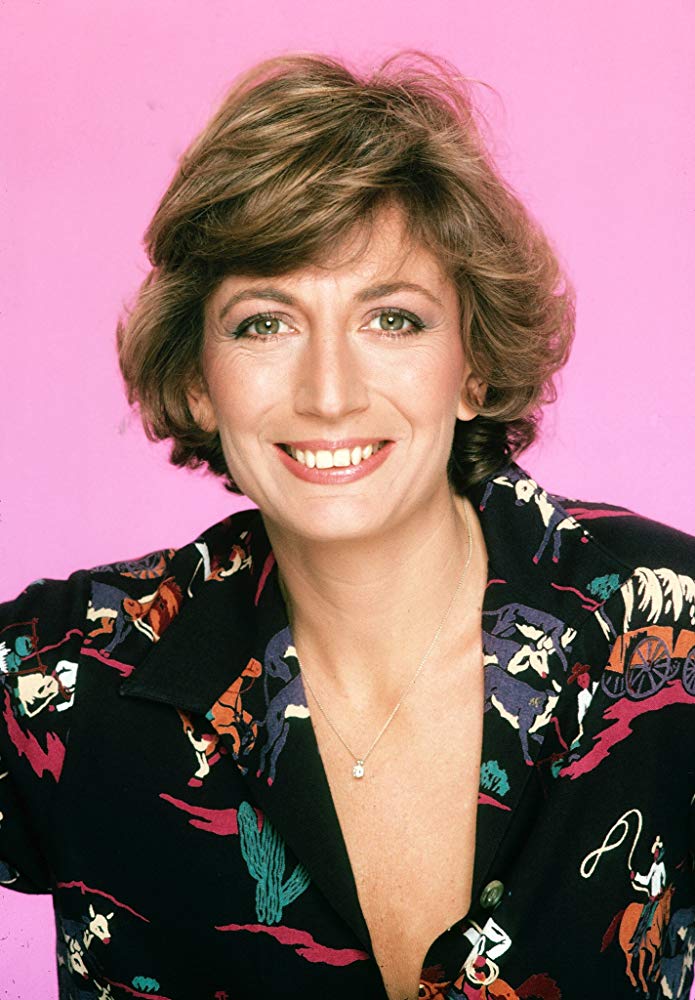
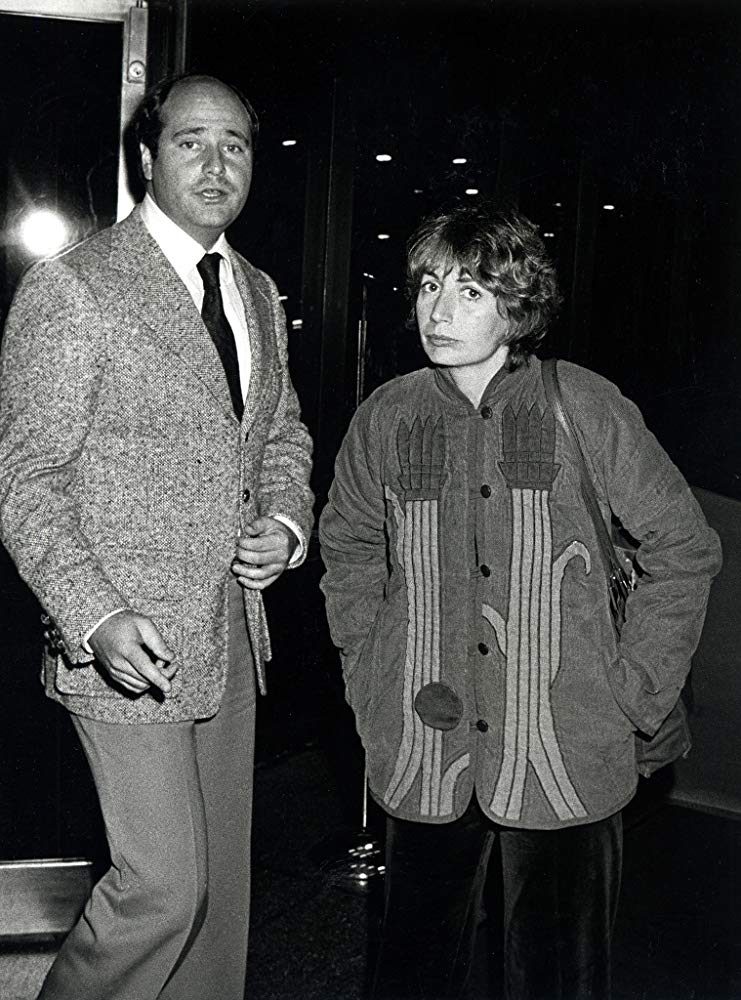
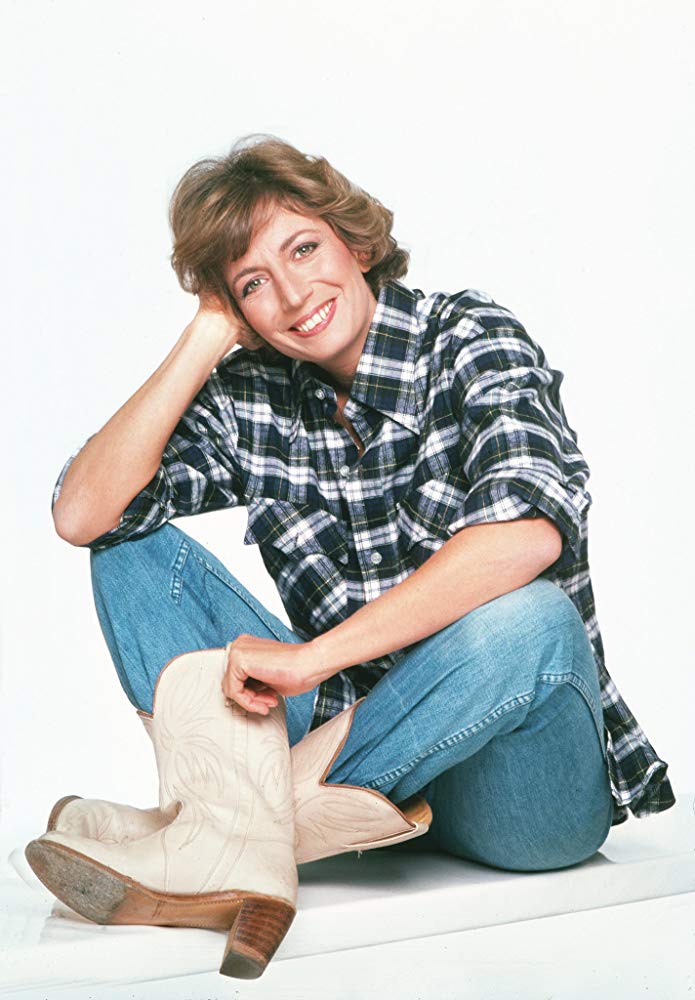
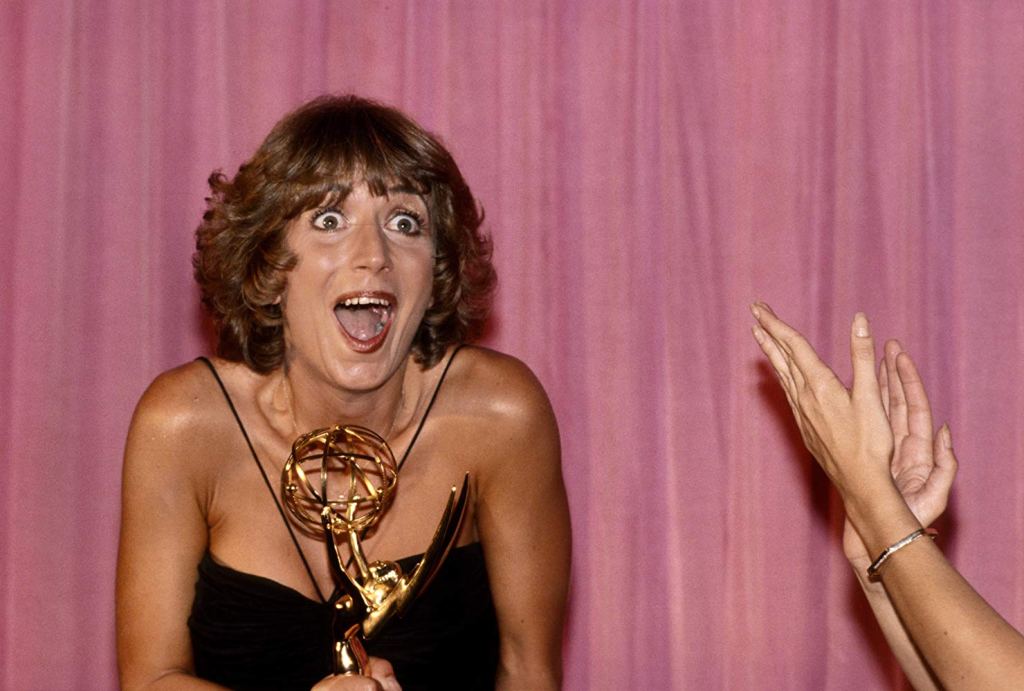
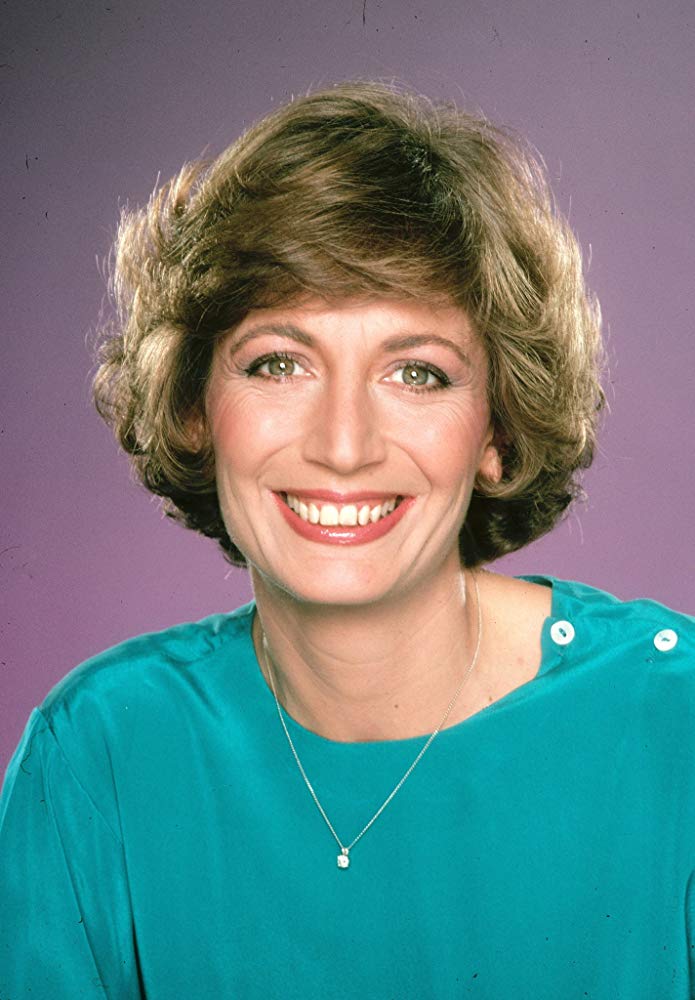
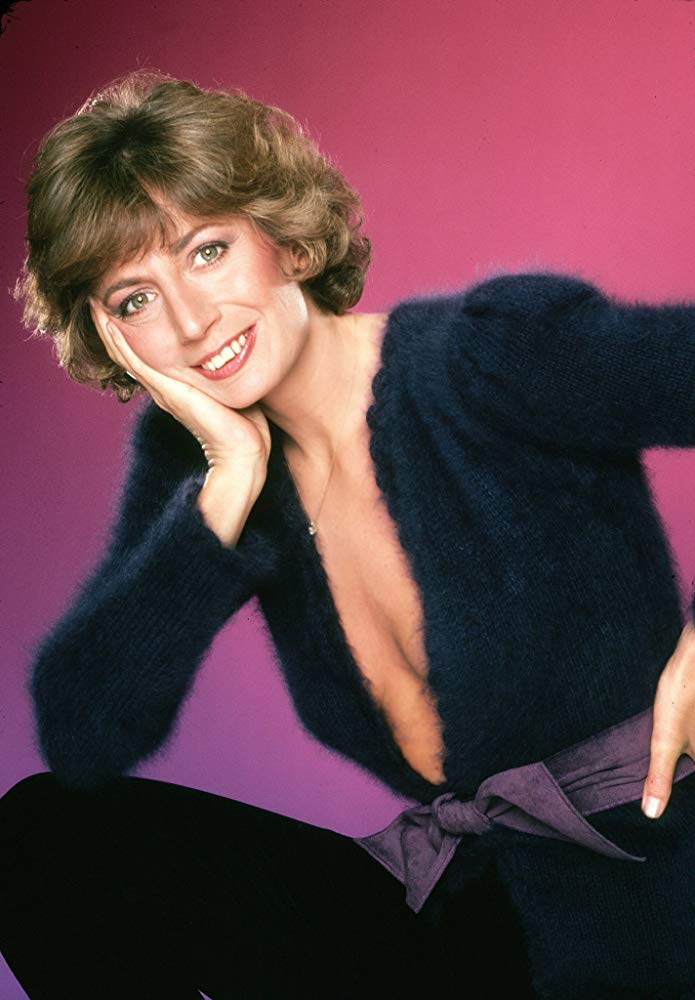
43 Vintage Photos of Actress & Director Penny Marshall during the 1970s

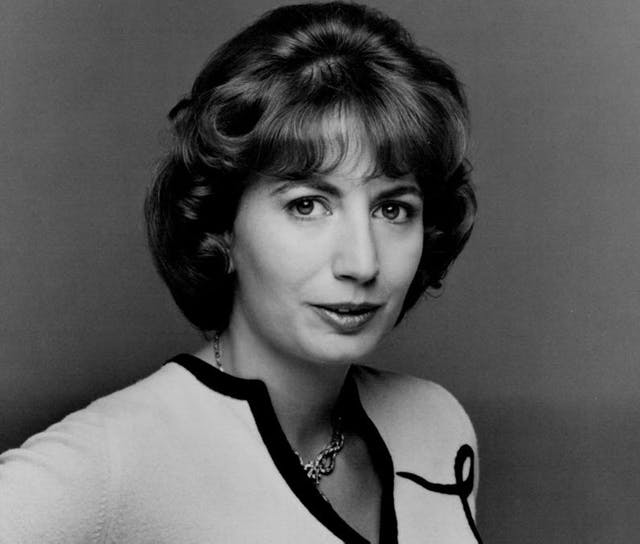
Penny Marshall was born Carole Penny Marshall on October 15, 1943 in the Bronx, New York. The Libra was 5′ 6 1/2″, with brown hair and green eyes. She was the daughter of Marjorie (Ward), a tap dance teacher, and Anthony “Tony” Marshall, an industrial film director. She was the younger sister of filmmakers Garry Marshall and Ronny Hallin. Her father was of Italian descent, originally surnamed “Masciarelli,” and her mother was of German, Scottish, English, and Irish ancestry.

Penny was known in her family as “the bad one”… because not only did she walk on the ledge of her family’s apartment building, but she snuck into the movies as a child and even dated a guy named “Lefty.” She attended a private girls’ high school in New York and then went to the University of New Mexico for two and a half years. There, Penny got pregnant with daughter, Tracy Reiner, and soon after married the father, Michael Henry, in 1961. The couple divorced two years later in 1963. She worked as a secretary for awhile. Her film debut came from her brother Garry Marshall, who put her in the movie How Sweet It Is! (1968) with the talented Debbie Reynolds and James Garner. She also did a dandruff commercial with Farrah Fawcett – the casting people, of course, giving Farrah the part of the “beautiful girl” and Penny the part of the “plain girl.” This only added to Penny’s insecurity with her looks.

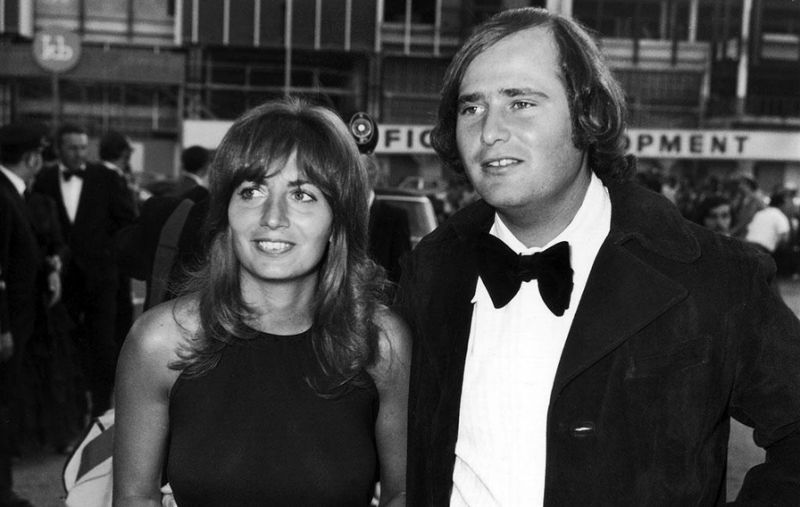
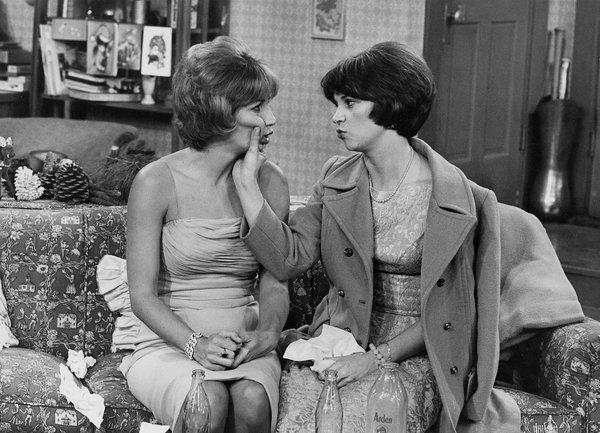
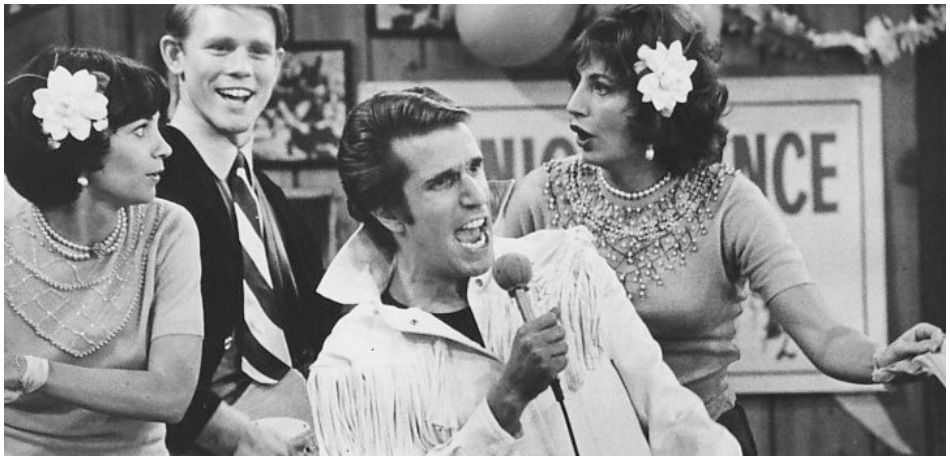
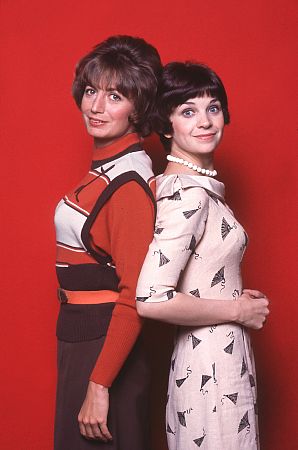
She then married Rob Reiner on April 10, 1971, shortly after getting her big television break as Oscar Madison’s secretary, Myrna Turner, on The Odd Couple (1970). She also played Mary Richards’ neighbor, Paula Kovacks, on Mary Tyler Moore (1970) for a couple of episodes. However, her Laverne & Shirley (1976) fame came when her brother needed two women to play “fast girls” who were friends of Arthur Fonzarelli and would date Fonzie and Richie Cunningham on Happy Days (1974). Penny had been working on miscellaneous writing projects (“My Country Tis Of Thee”, a bicentennial spoof for Francis Ford Coppola and “Paper Hands” about the Salem Witch Trials) with writing partner Cindy Williams. Cindy happened to be a friend and ex-girlfriend of Henry Winkler’s, so Garry asked the two to play the parts of these girls. The audience saw their wonderful chemistry, and loved them so much, a spin-off was created for them.

Penny was well-known as Laverne DeFazio. She and Rob had divorced in 1980. The show ended three years later, half a year after Cindy Williams left the show due to pregnancy (her first baby, Emily, from now ex-husband Bill Hudson)… they wanted Williams to work the week she was supposed to deliver.

Soon after, Penny began directing such films as Jumpin’ Jack Flash (1986), Big (1988) and A League of Their Own (1992). Her hobbies included needlepoint, jigsaw puzzles and antique shopping. She was best friends with actress Carrie Fisher and was godmother to Carrie’s daughter, Billie.

Penny died at 75 on December 17, 2018 in Los Angeles, California.

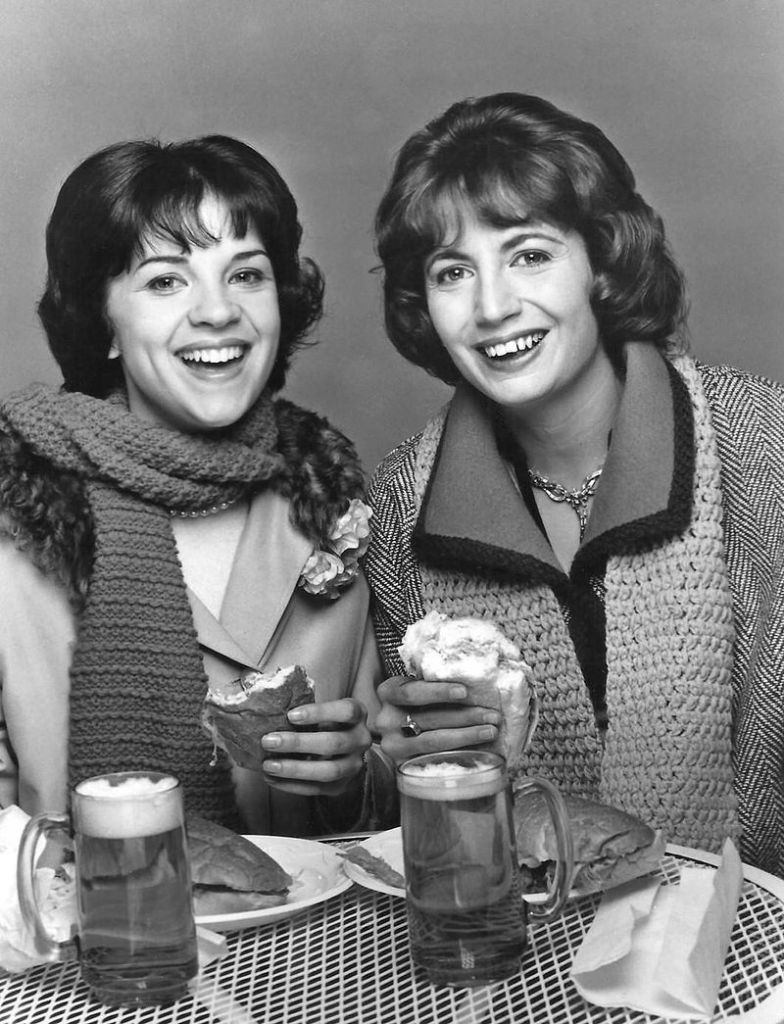
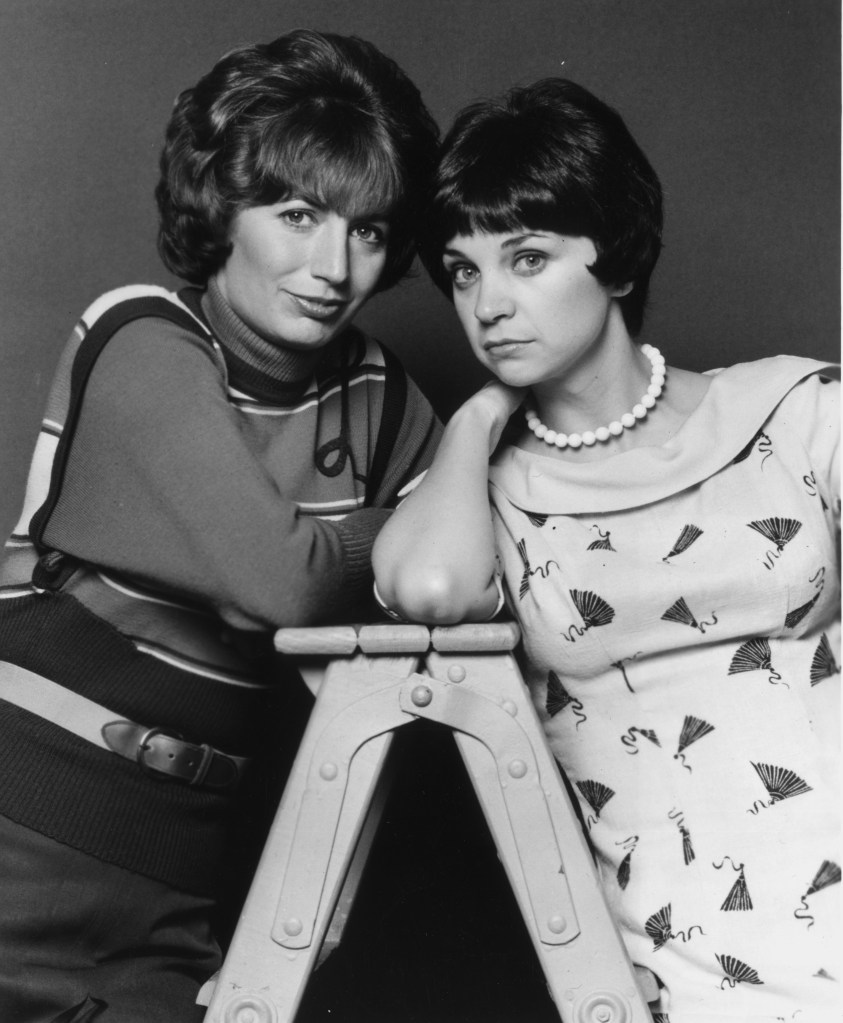
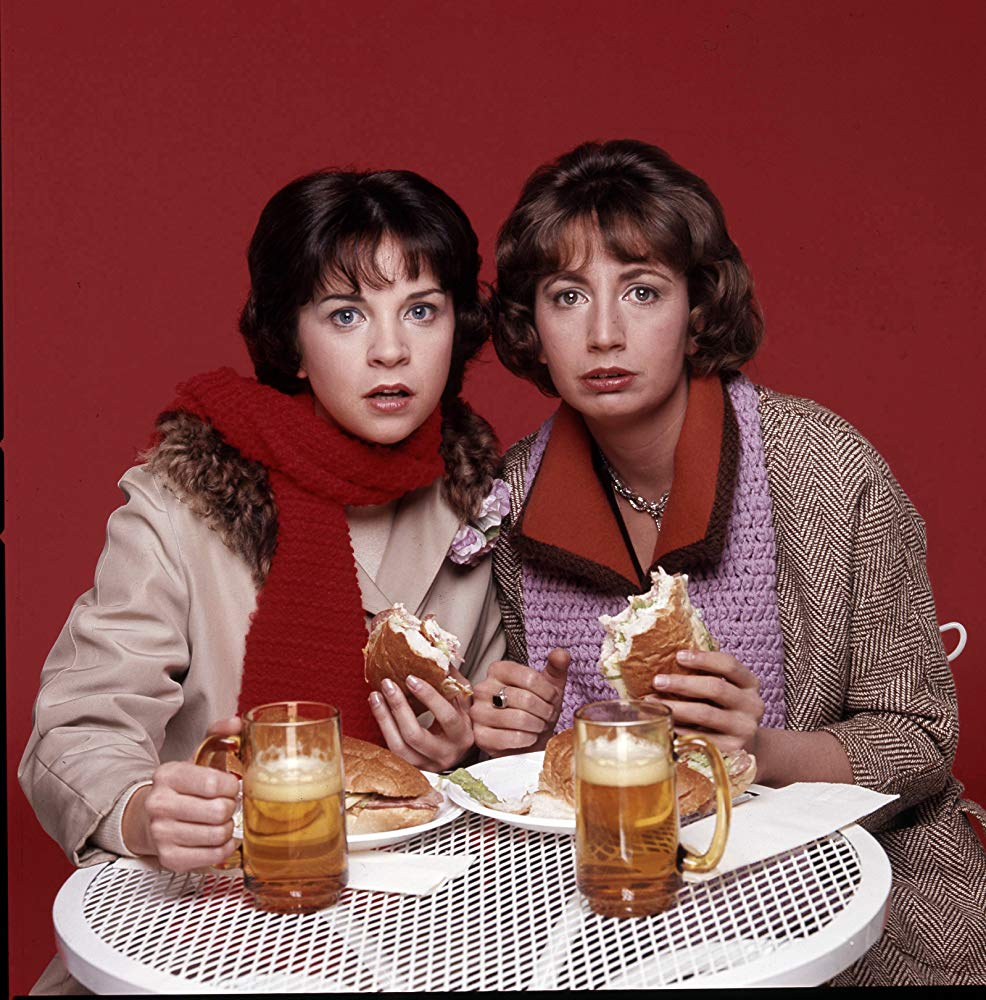
American actors Penny Marshall (L) and Cindy Williams lean towards each other while standing on either side of a ladder in a promotional portrait for the TV show, ‘Laverne & Shirley.’

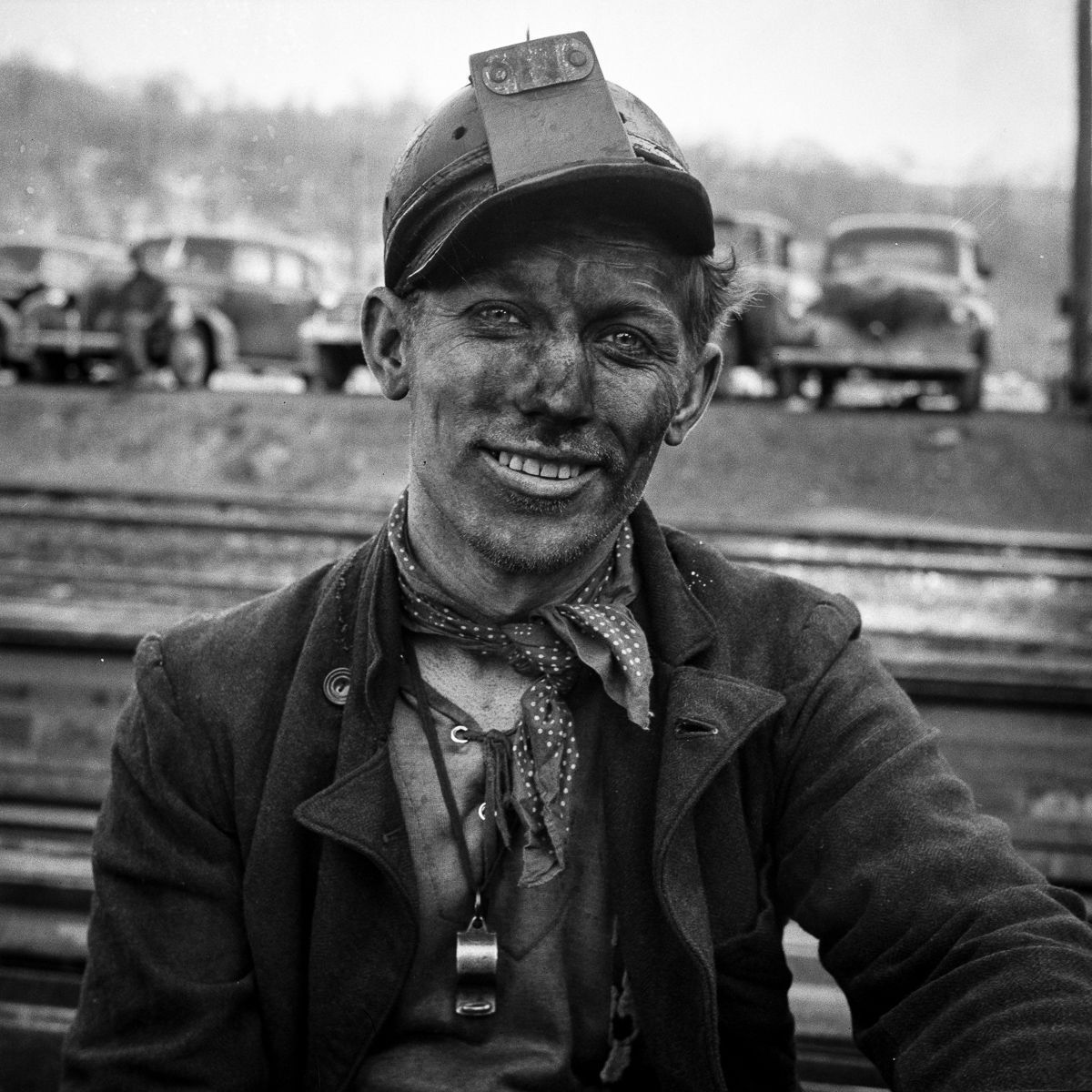
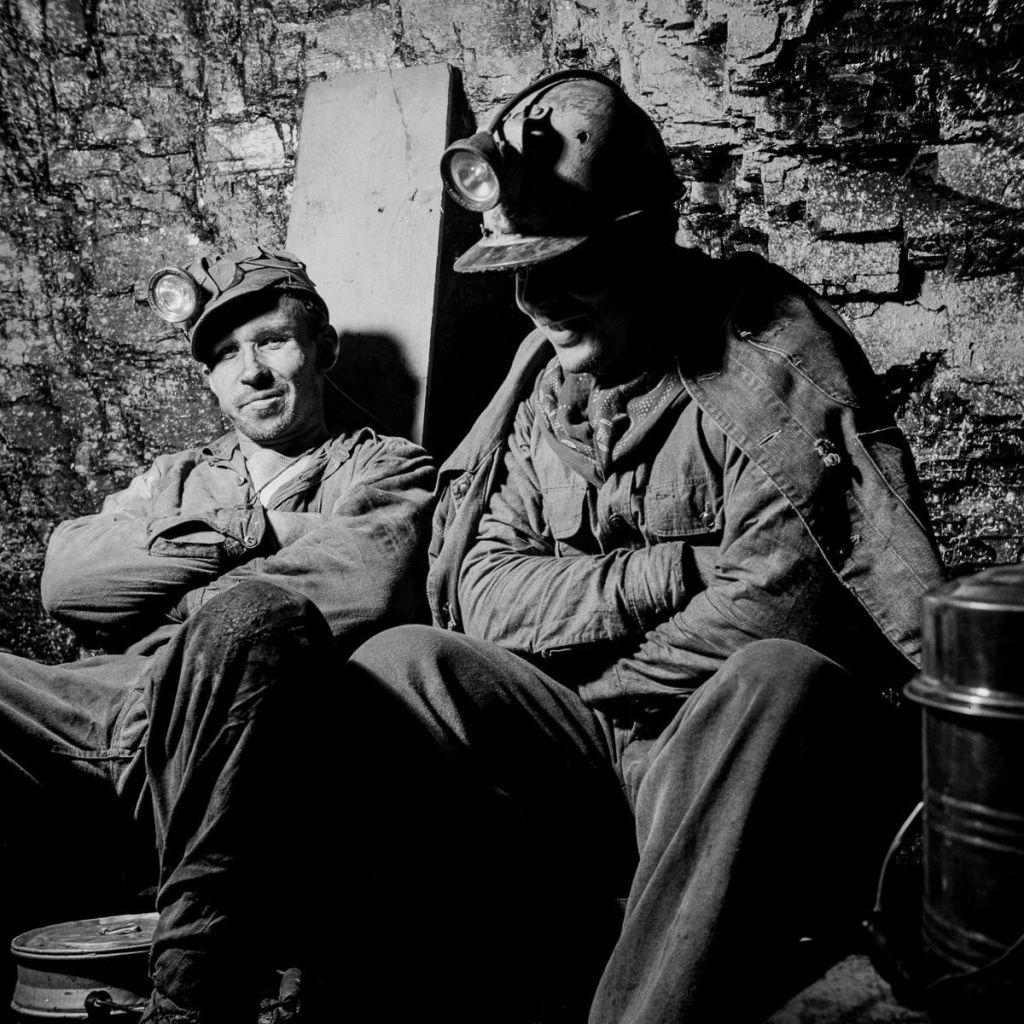
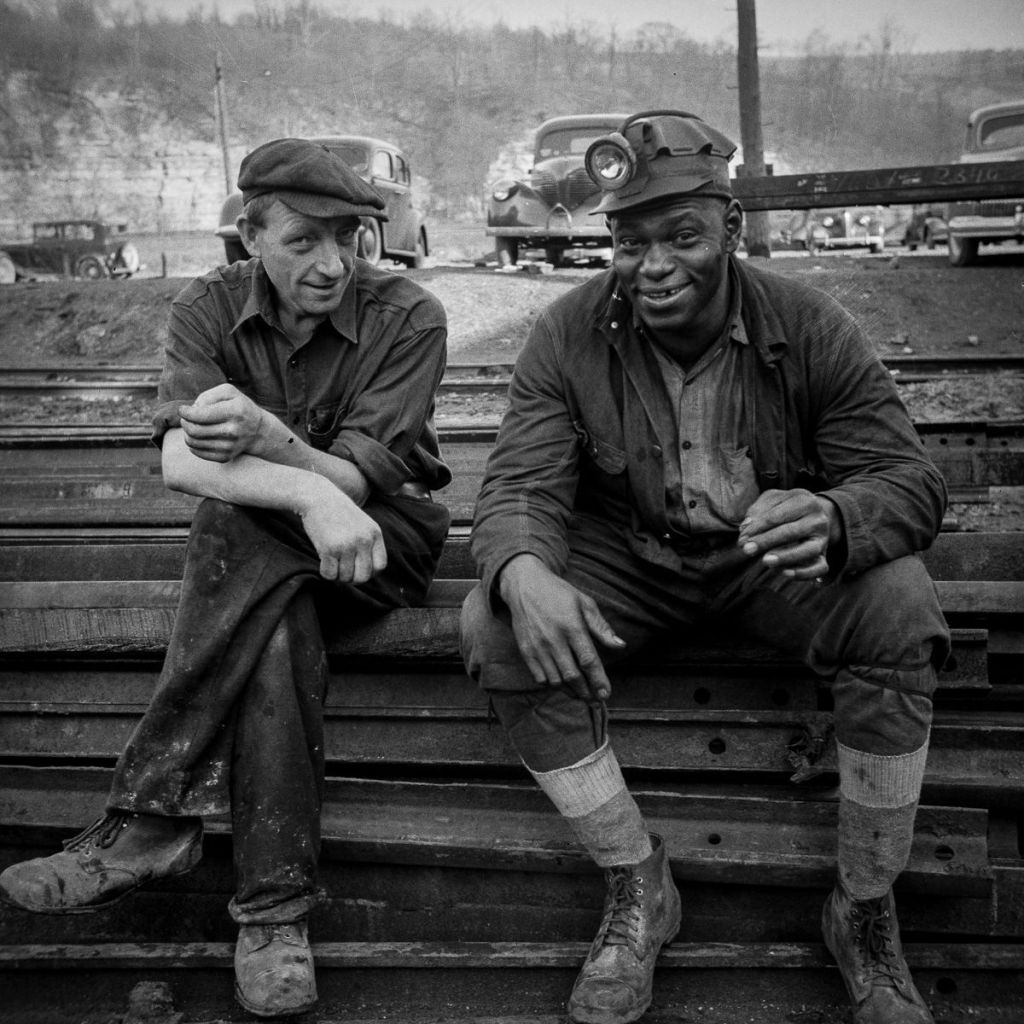
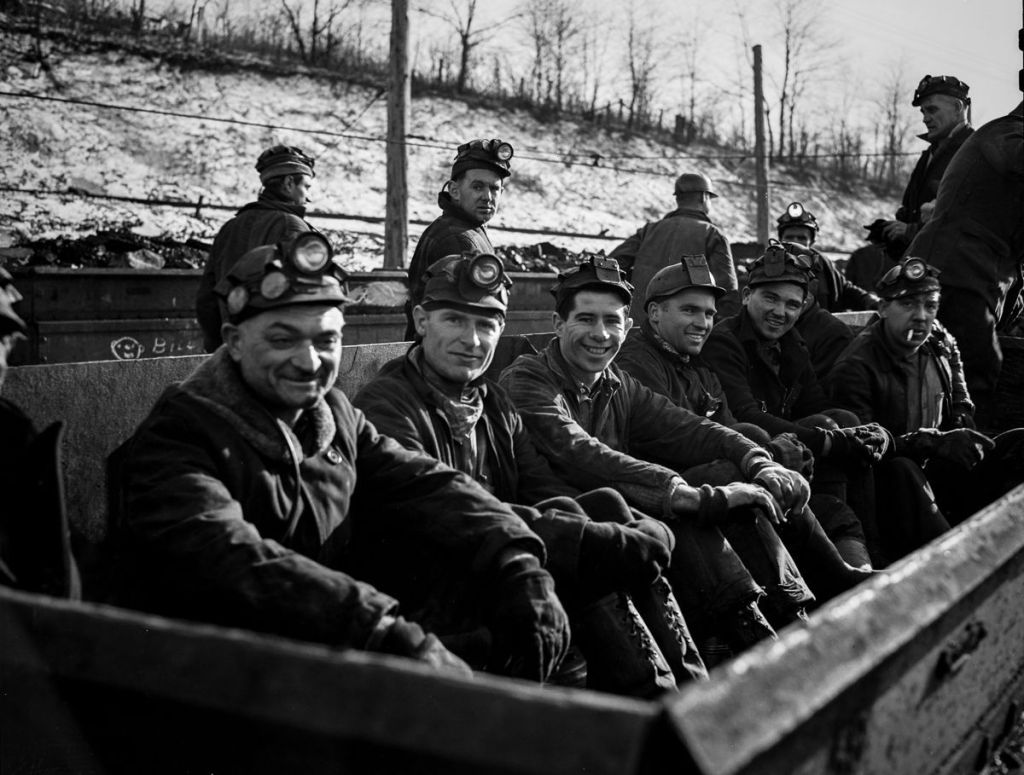
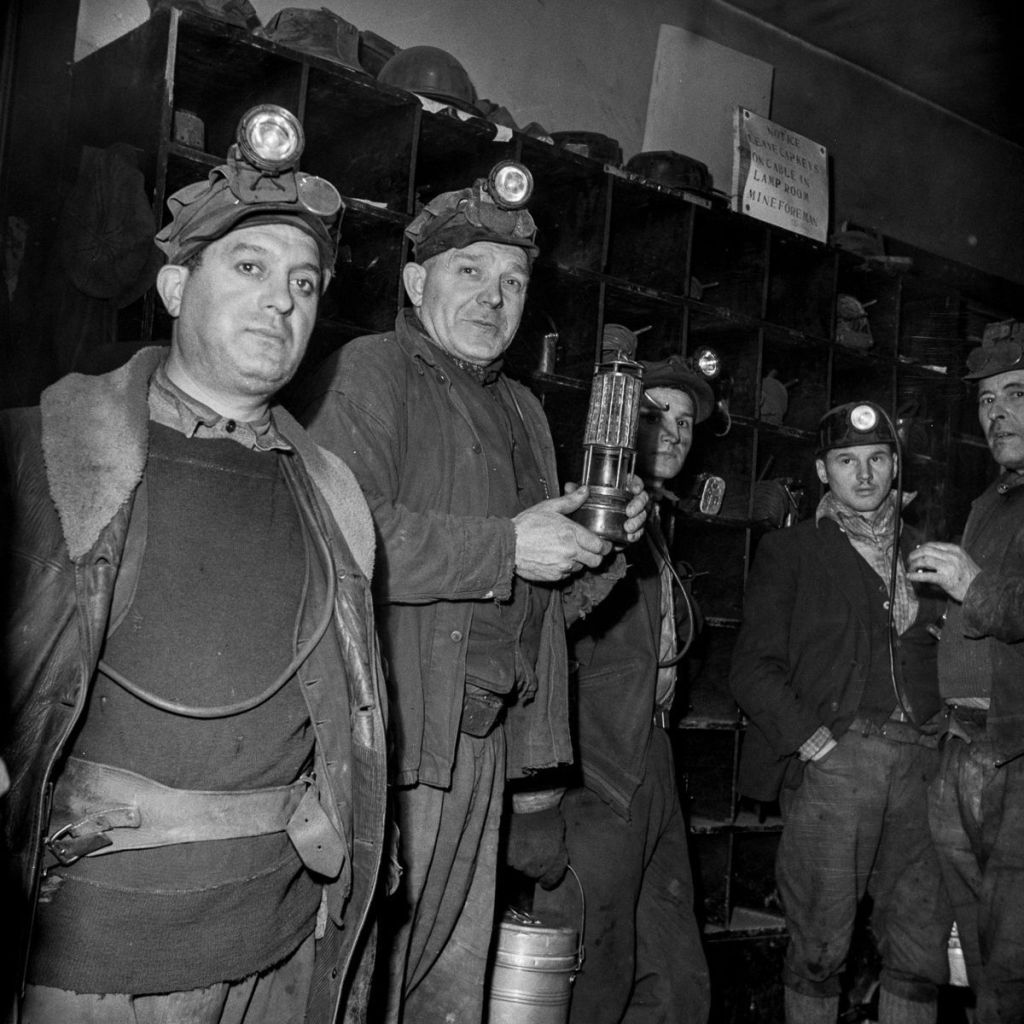
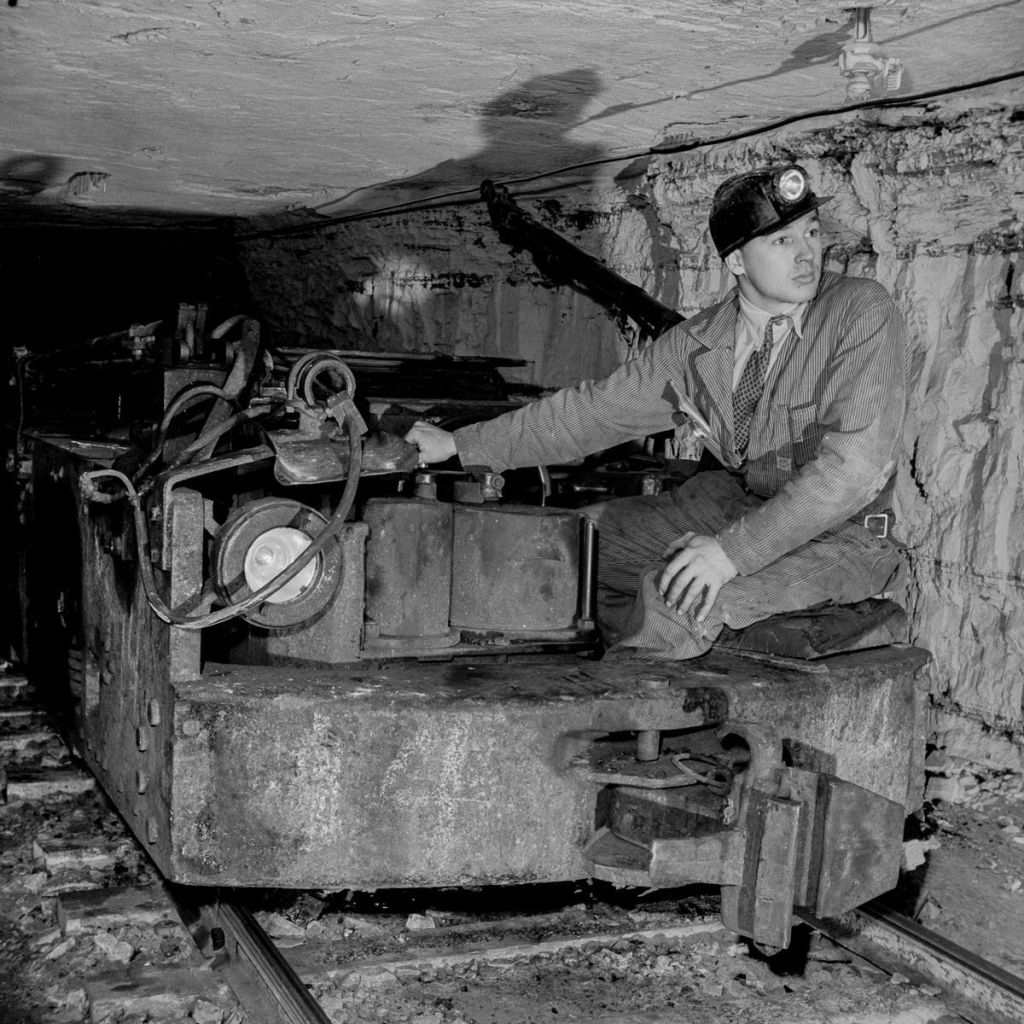
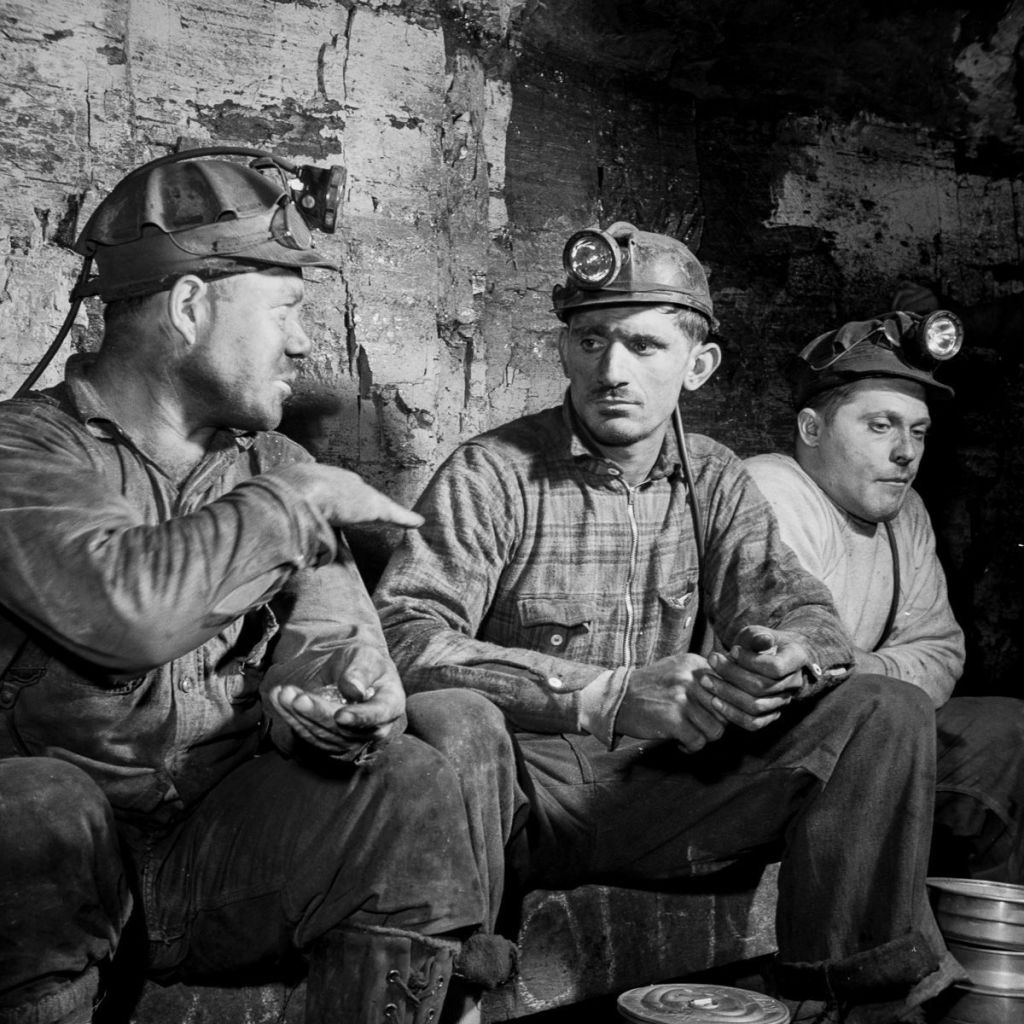
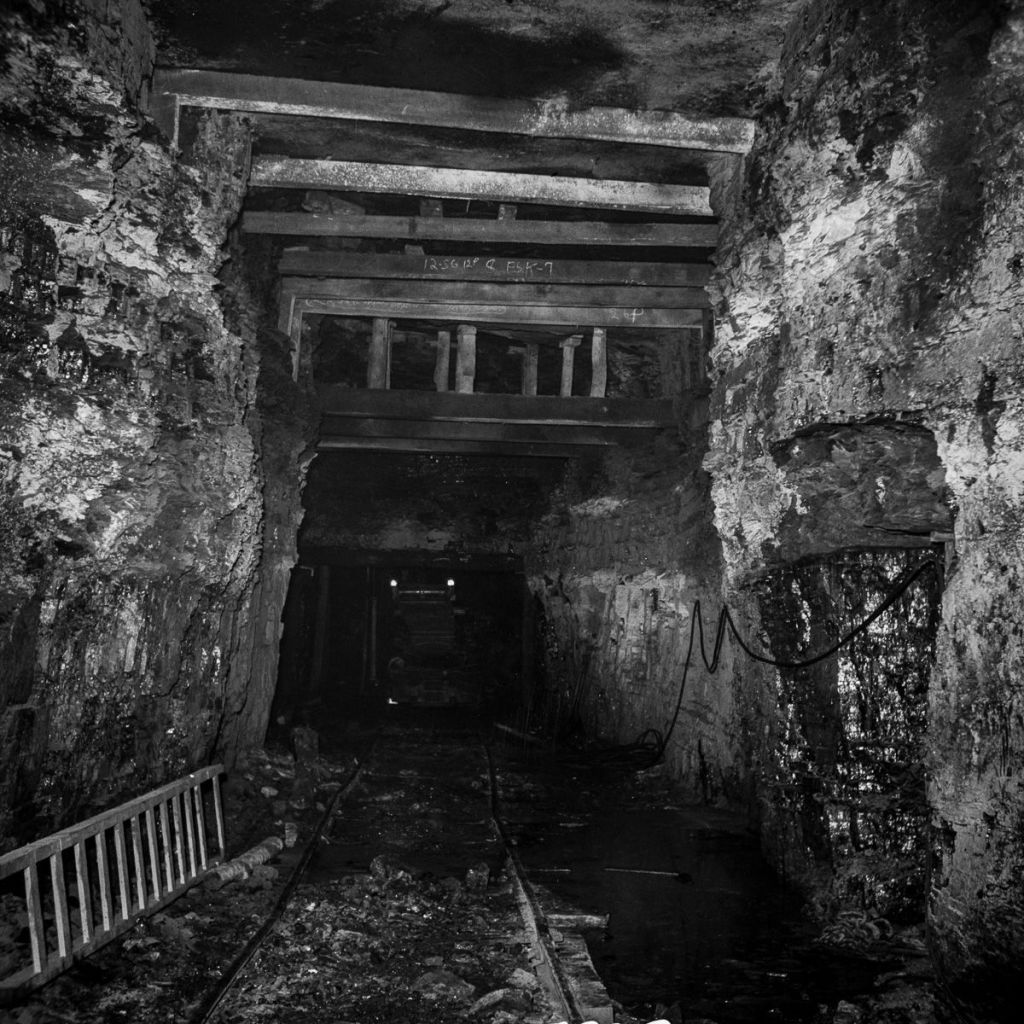
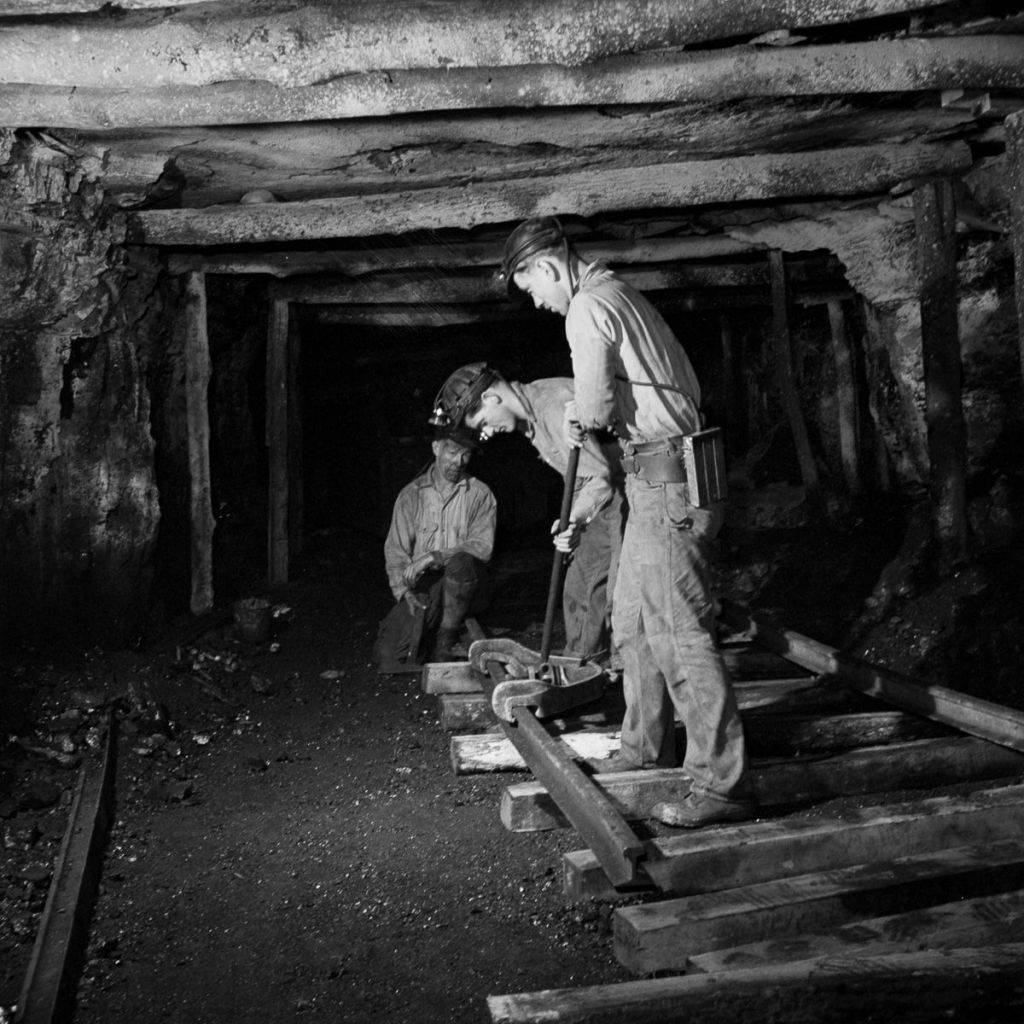
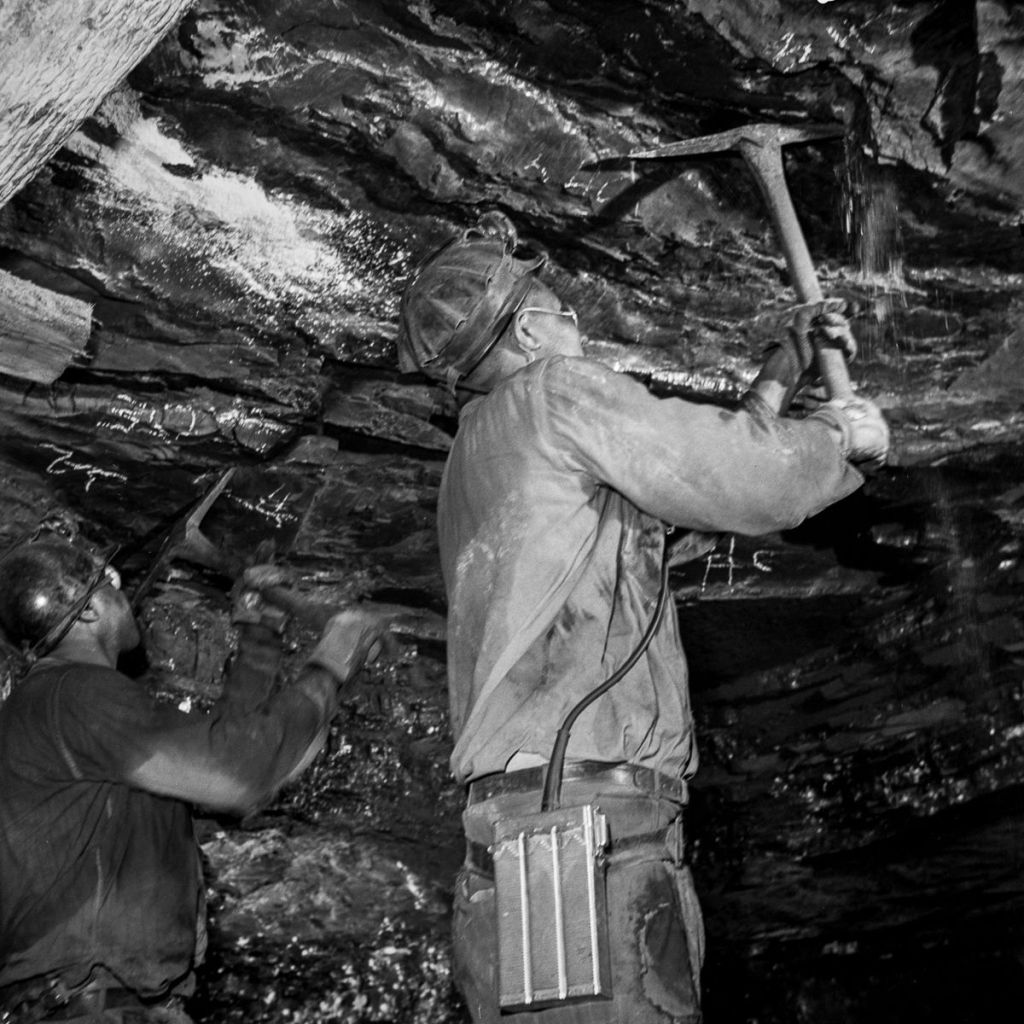
34 Vintage Photos of Pennsylvania Coal Miners at Work in 1942

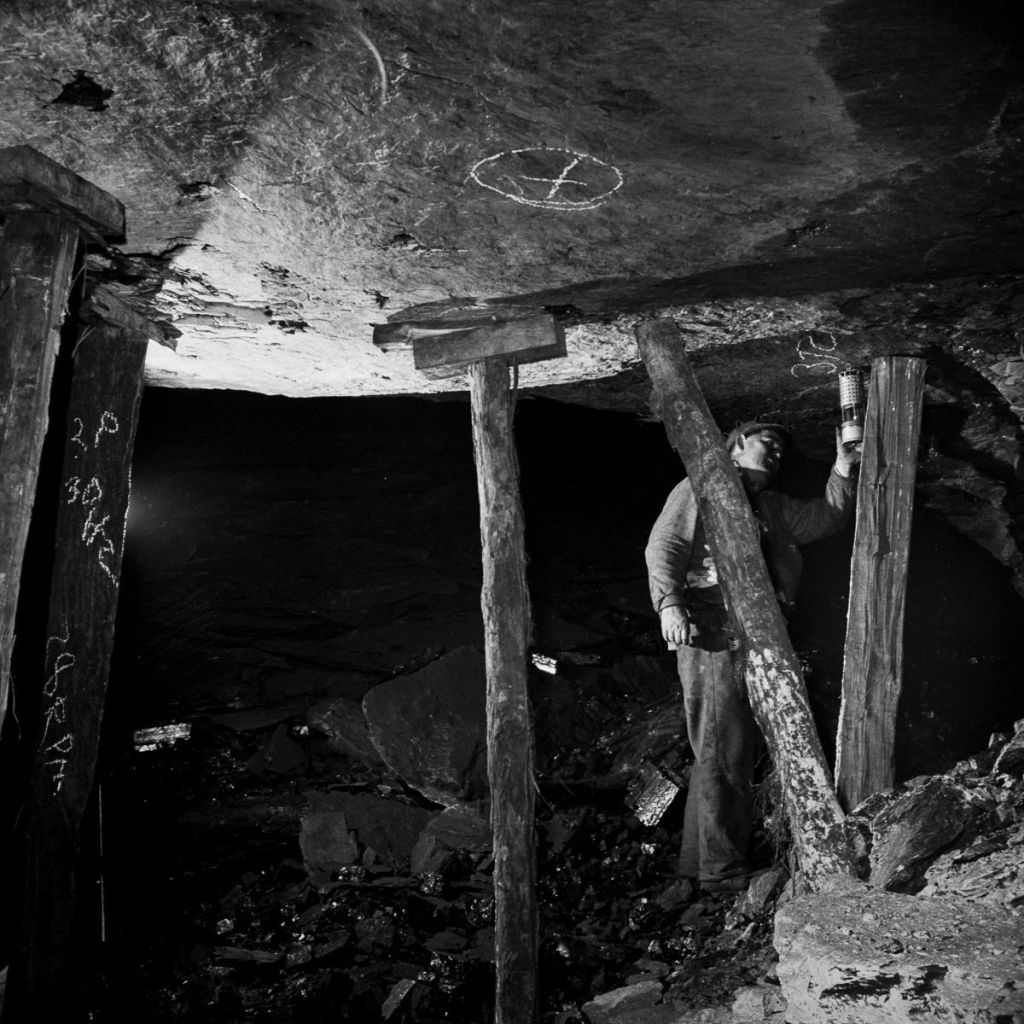
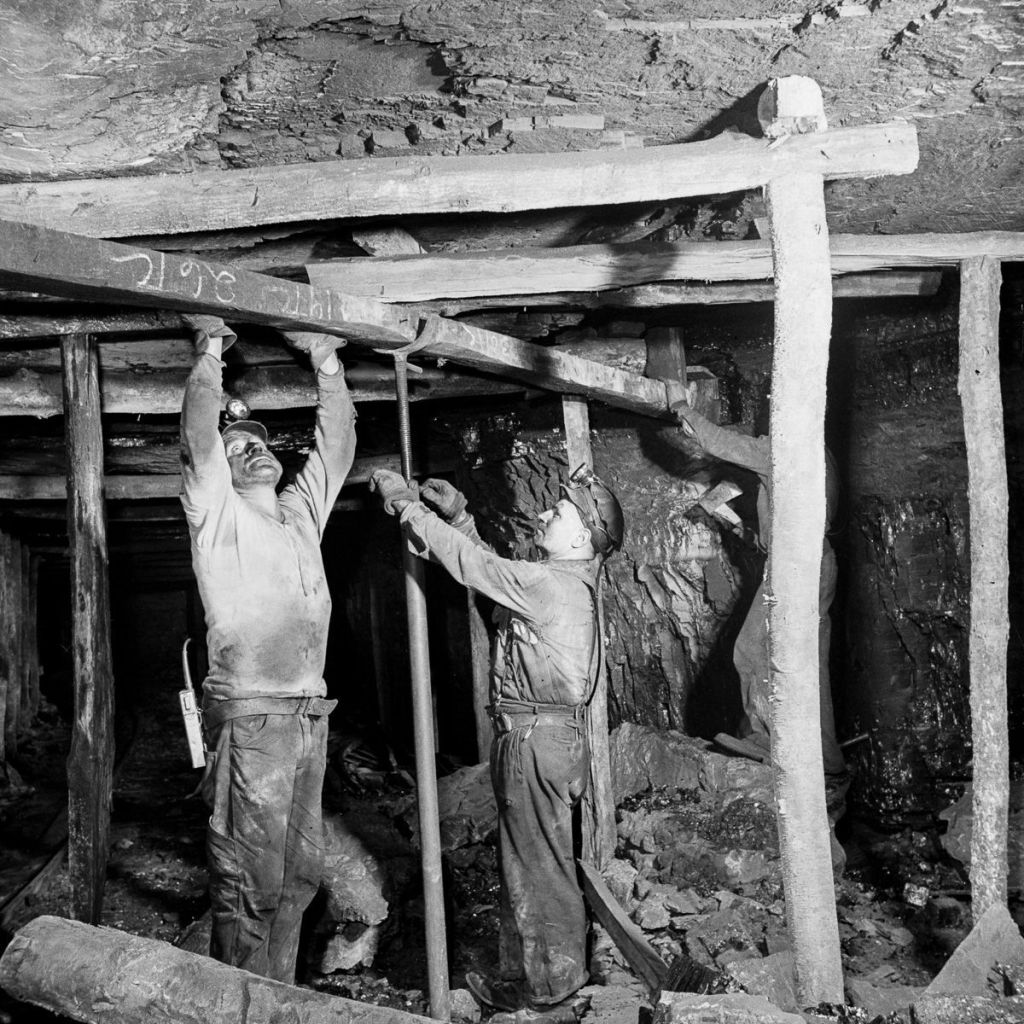
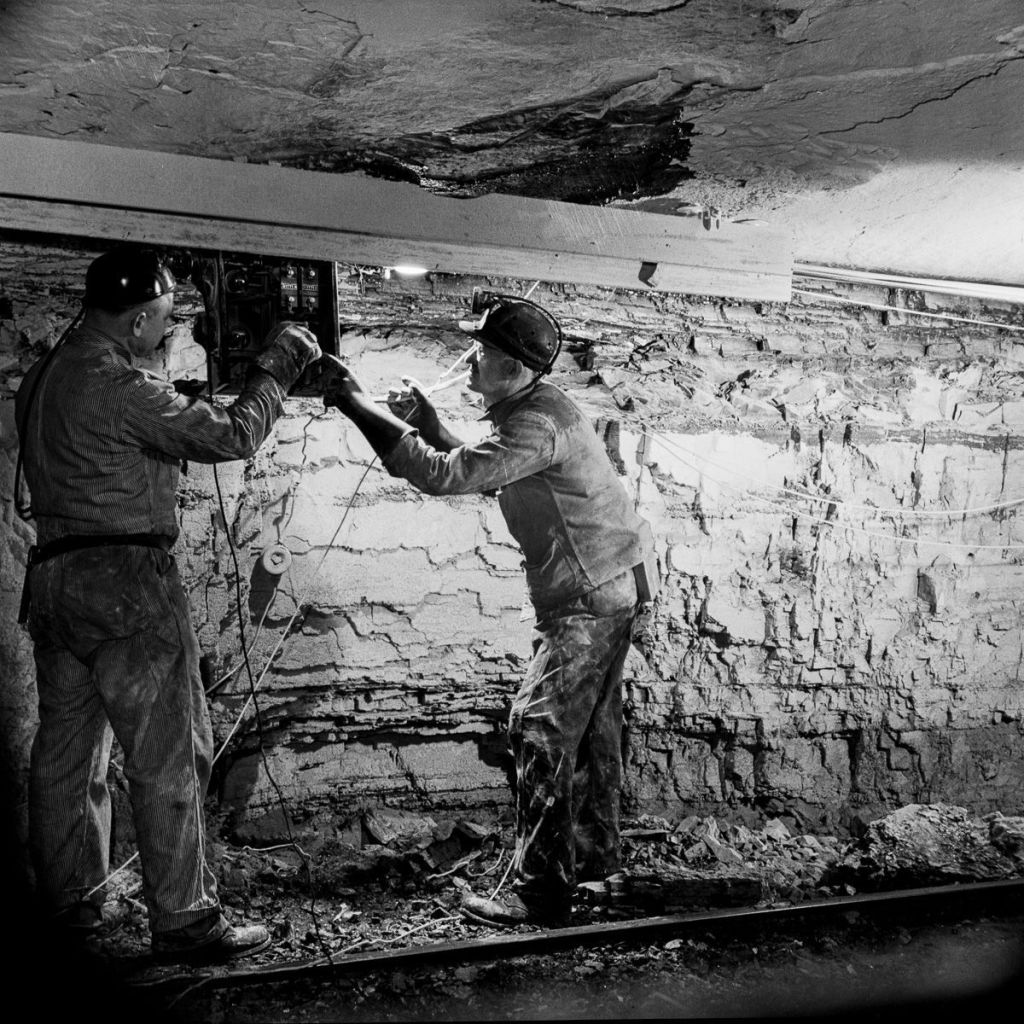
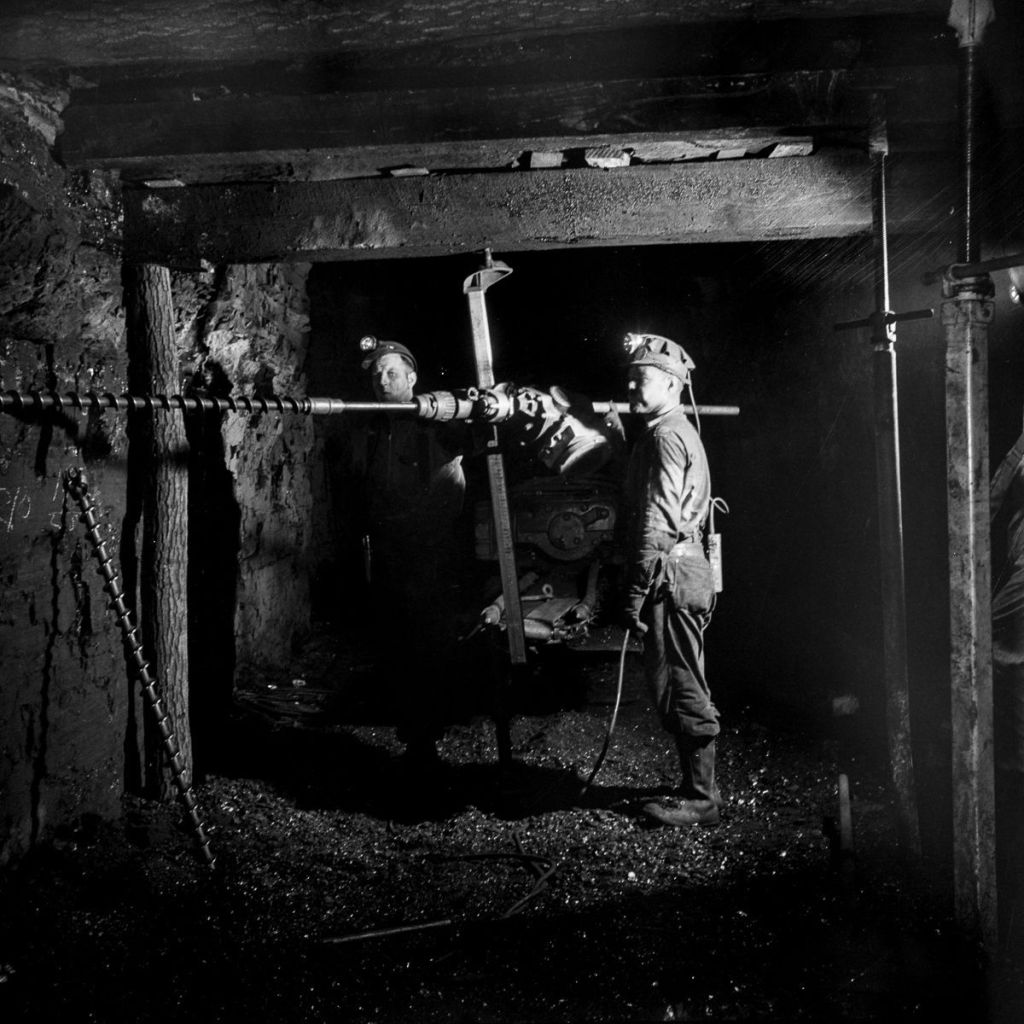
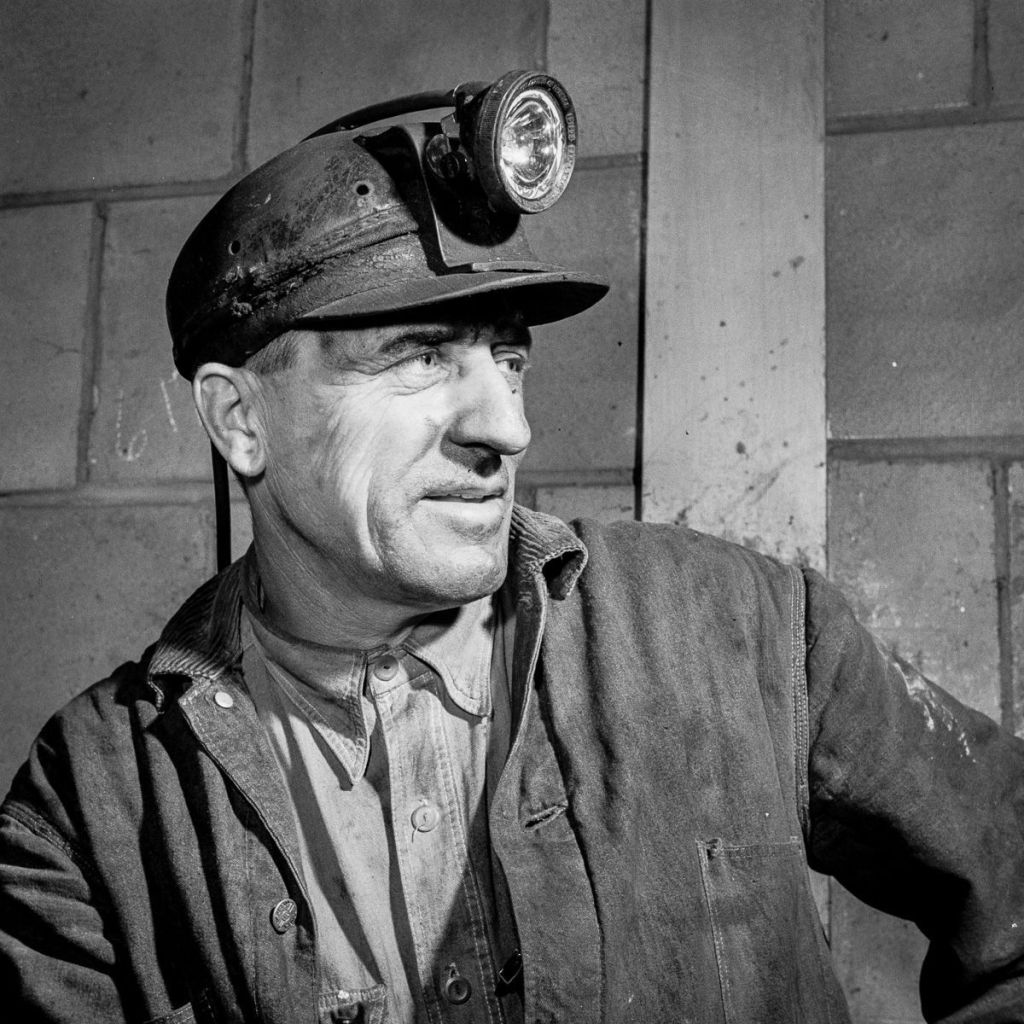
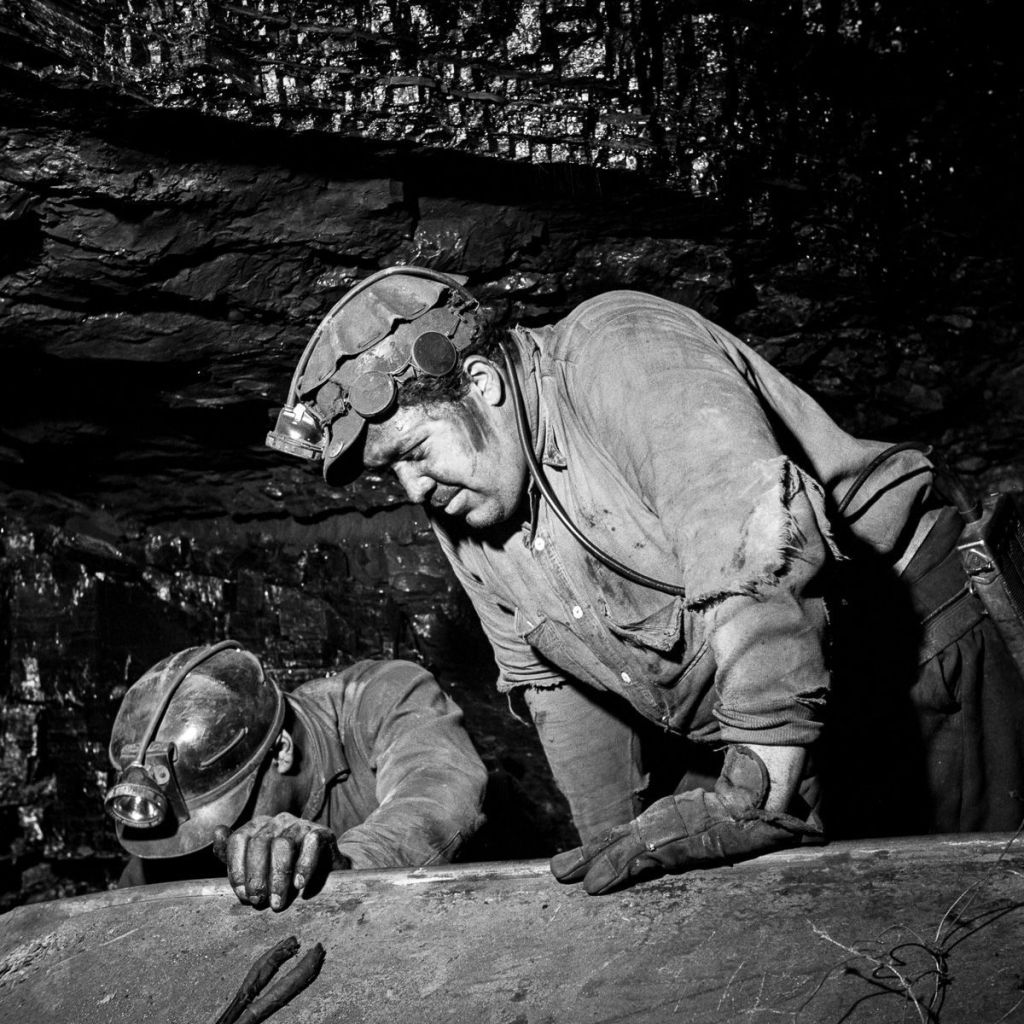
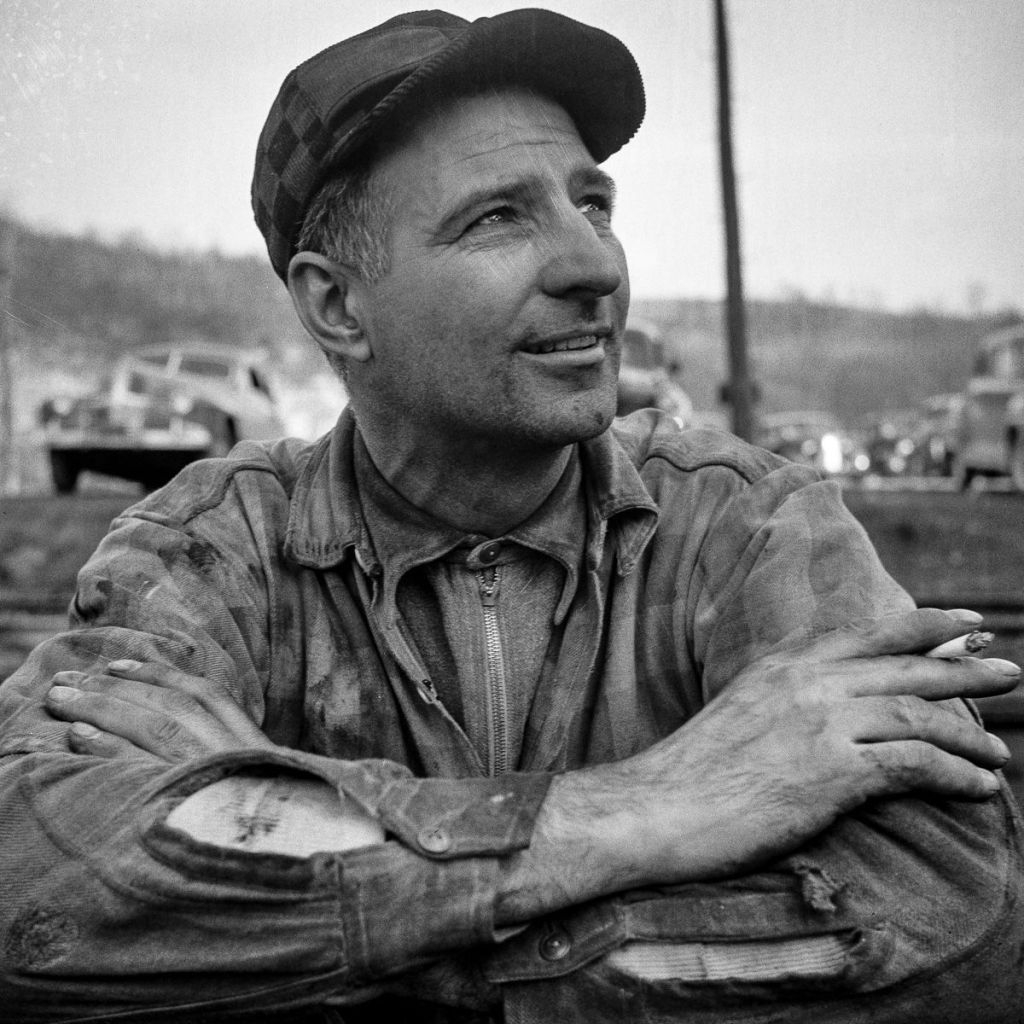
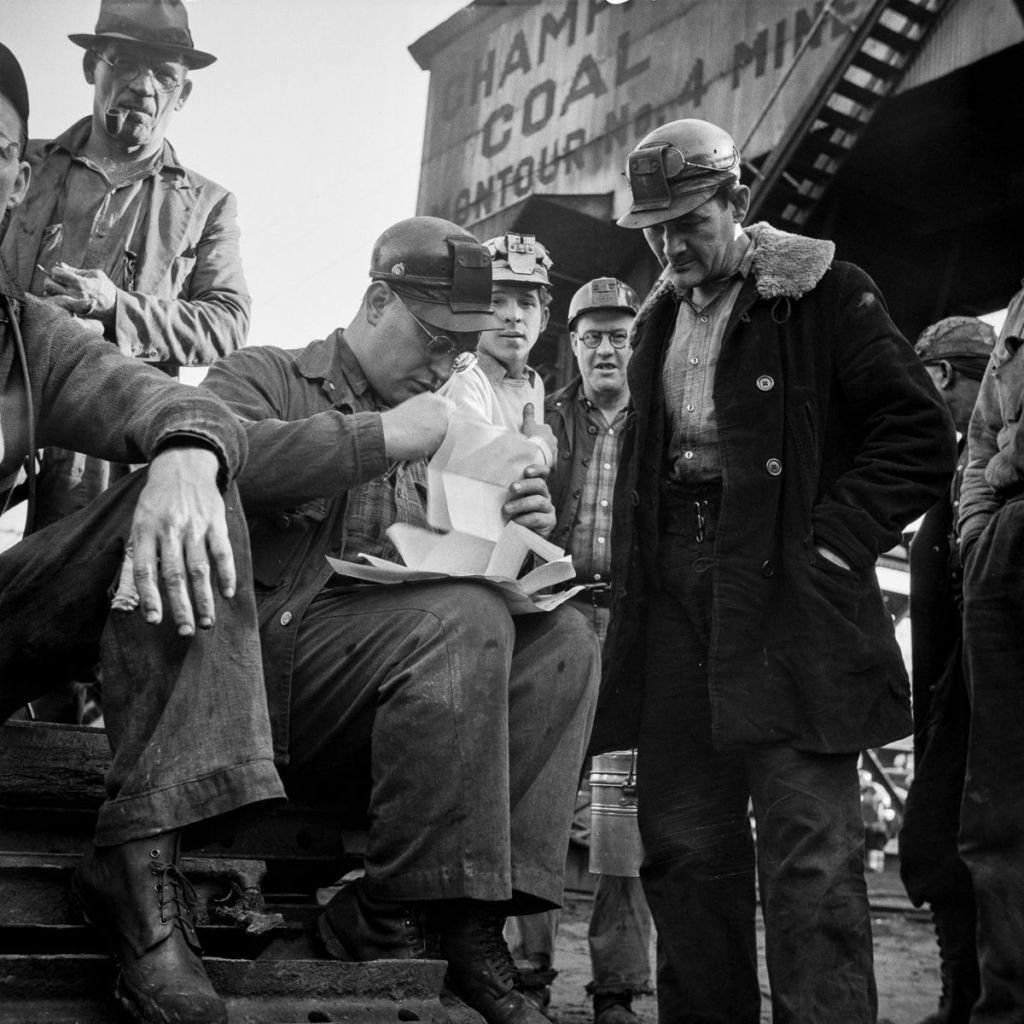
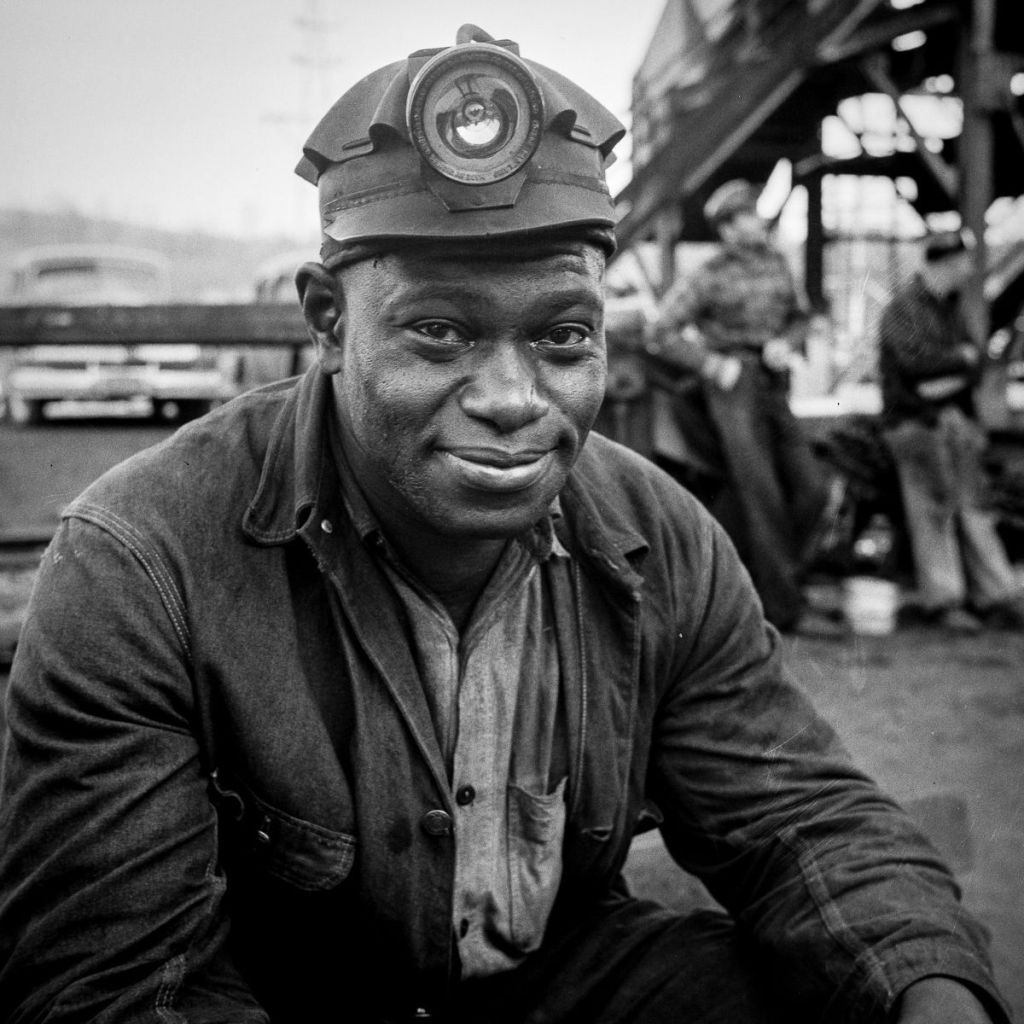
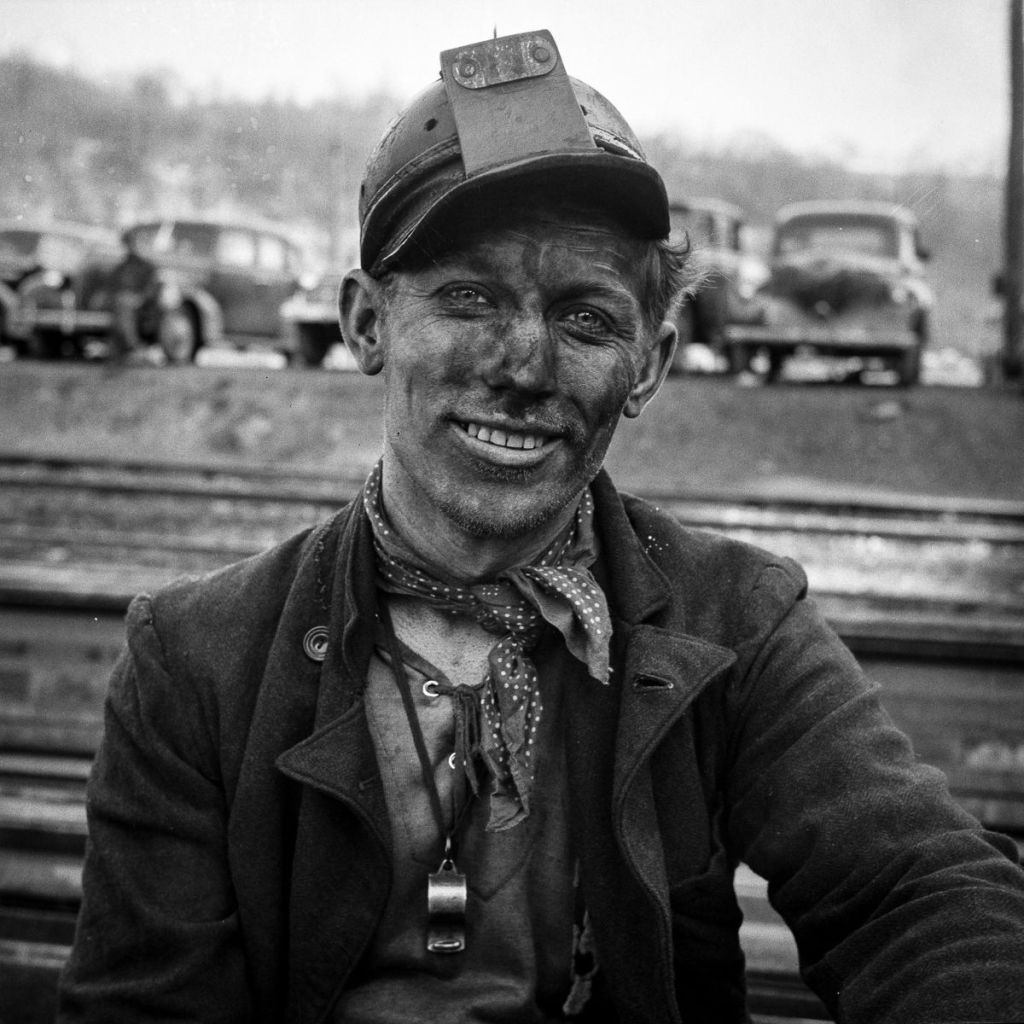
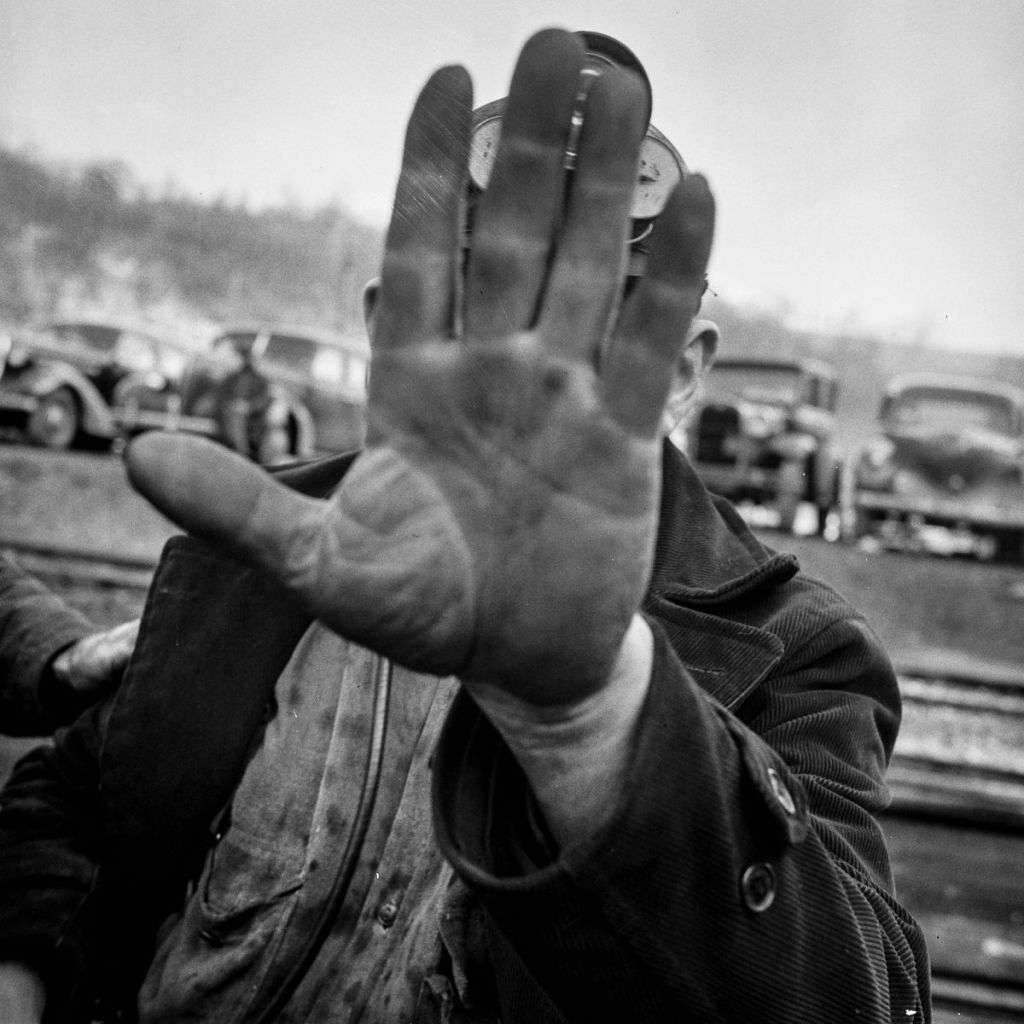
In 1942, Office of War Information photographer John Collier visited the Montour No. 4 Mine of the Pittsburgh Coal Company in Washington County, Pennsylvania.

Montour No. 4 was a mine for bituminous coal, one of the most volatile forms, requiring the miners to vigilantly monitor for the presence of flammable gases.

Collier followed the miners as they moved underground through the near-horizontal drift mine, laying track for machinery, drilling and blasting with dynamite, all the while maintaining caution for possible collapses or explosions.

Miners prepare to ride down into the mine.
A helpful sign on a safety door.
Miners pick up safety lamps from the lamp room.
A miner tests for the presence of flammable gas using a safety lamp.
Miners install timber supports.
Miners adjust a block signal.
Miners drill a hole for blasting.
A miner detonates a stick of dynamite.
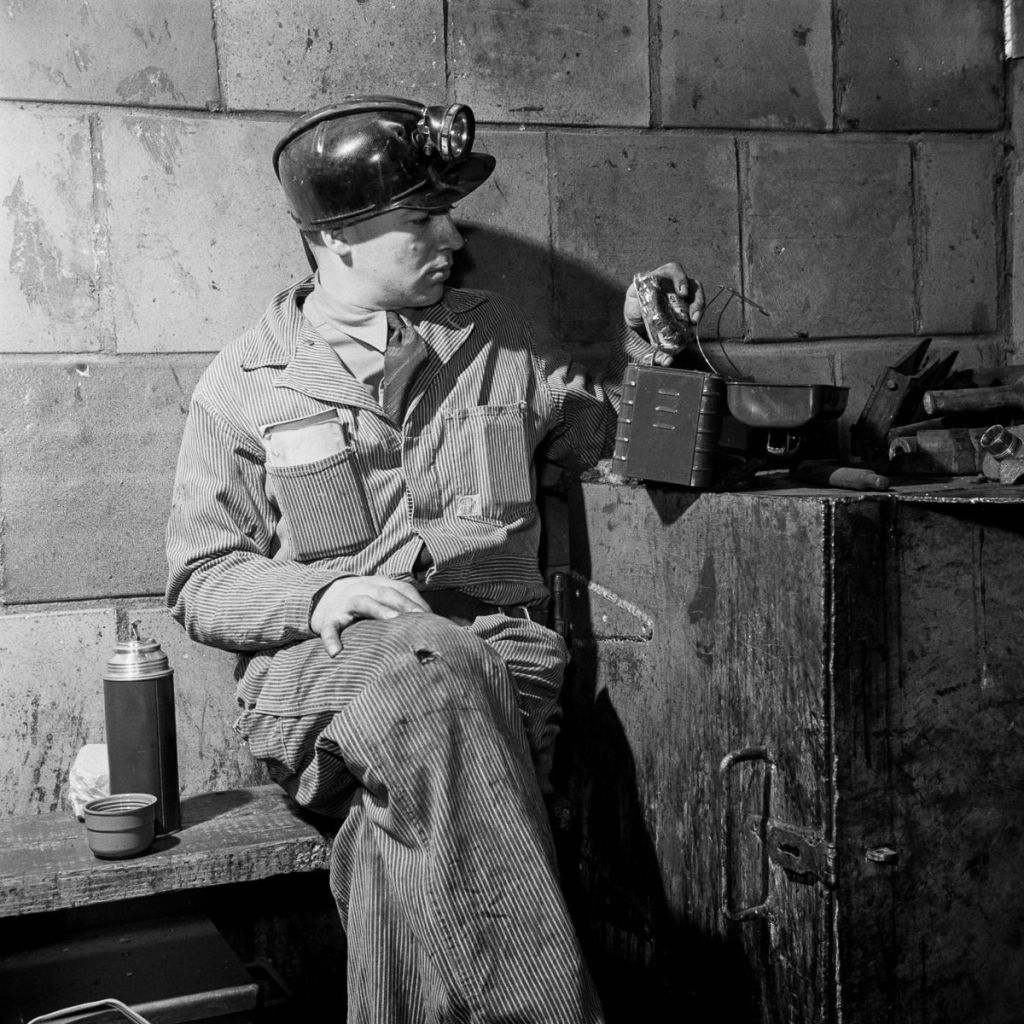
Miners break for lunch in the machine shop.
A miner tests for flammable gas using a safety lamp.
A mechanic.
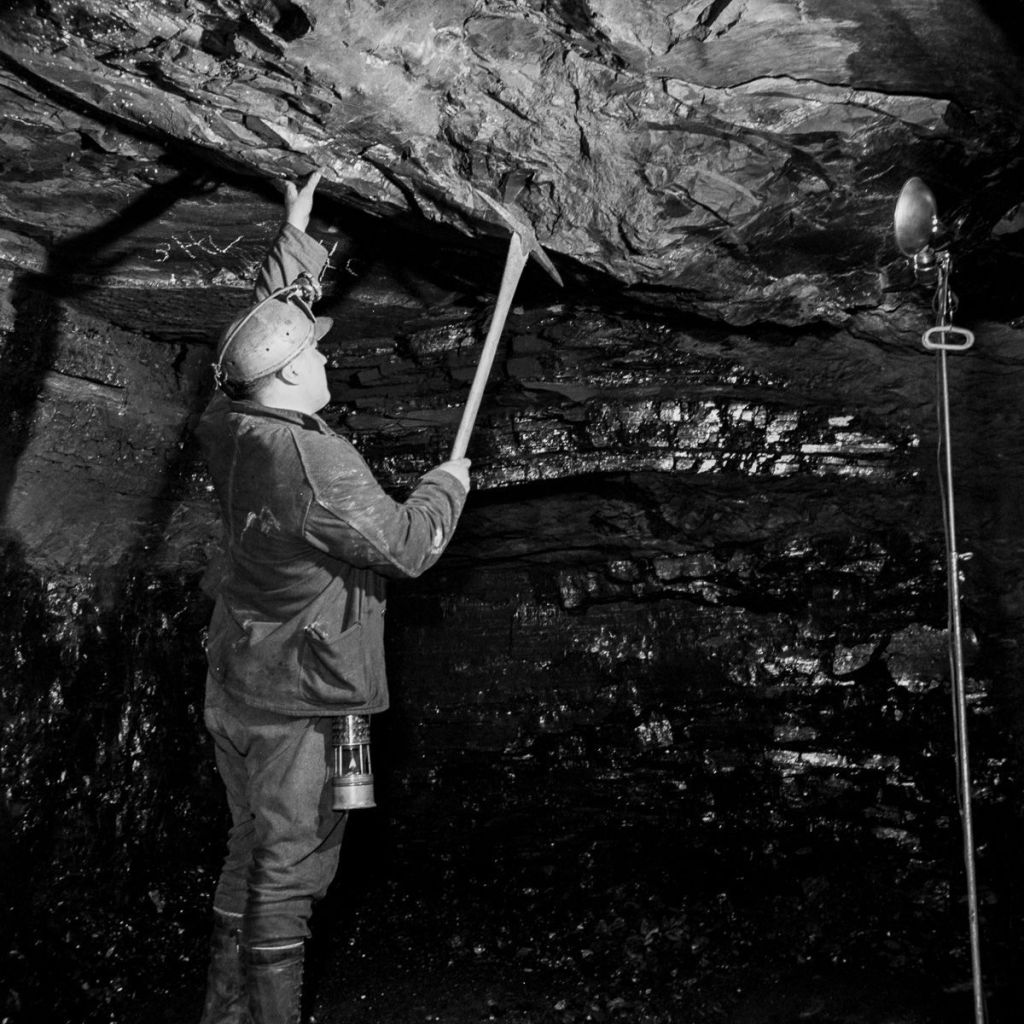
A miner tests the stability of the tunnel roof.
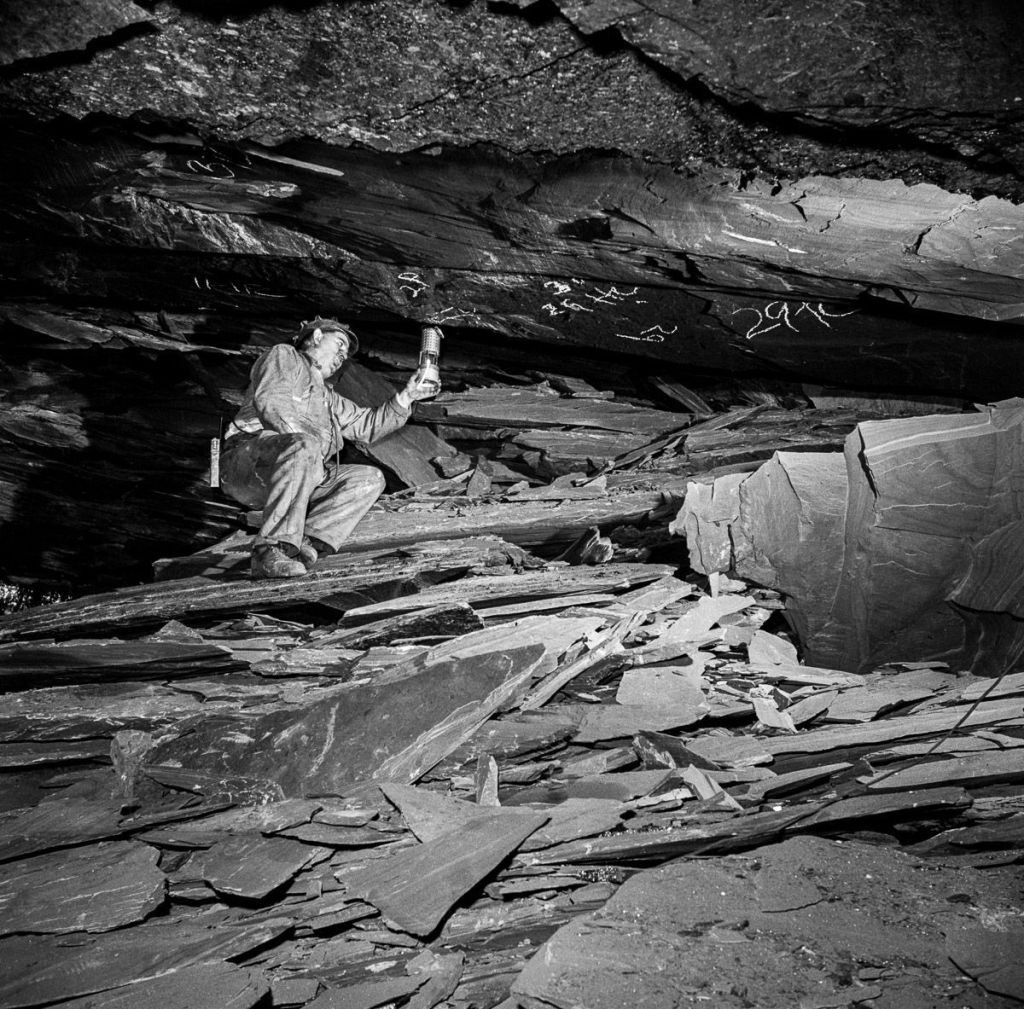
A section of the mine with an unusually high roof due to poor ceiling quality.
Miners lay track for machinery.
Miners pull down an unstable roof.
Miners operate a machine for gathering coal.
Miners drill a hole for blasting.
Mechanics repair equipment.
The section foreman and assistant mine superintendent review the day’s work.
The mine foreman waits for the afternoon shift.
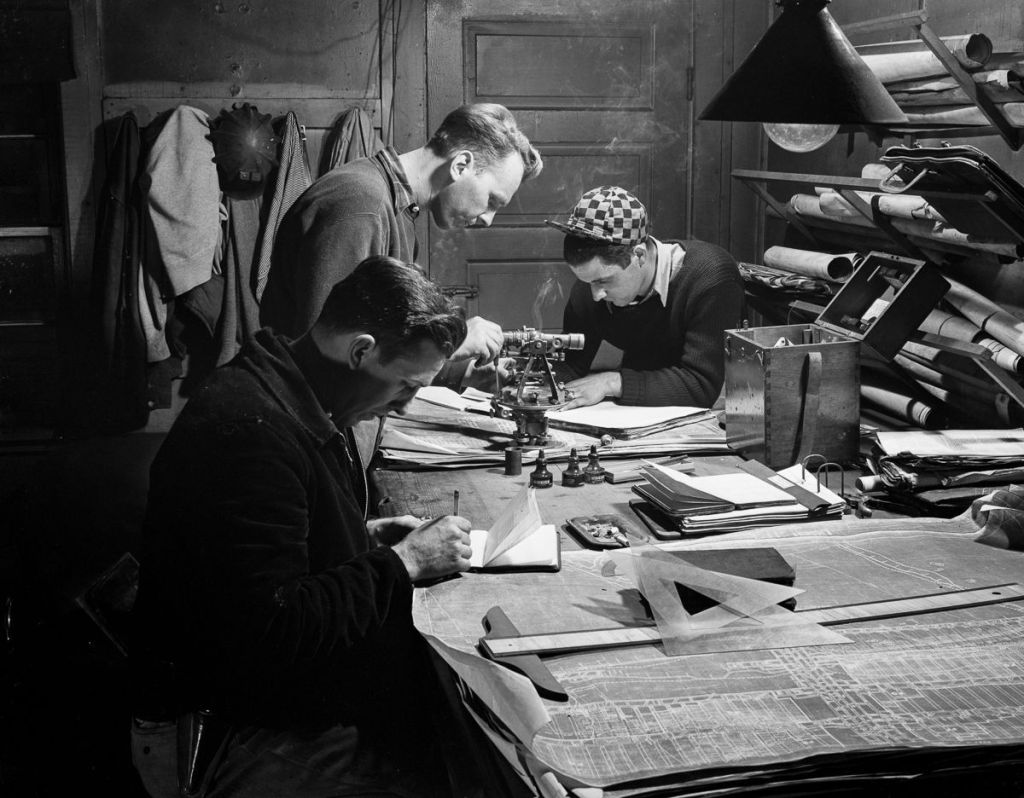
Mine engineers check surveys after a day’s work.

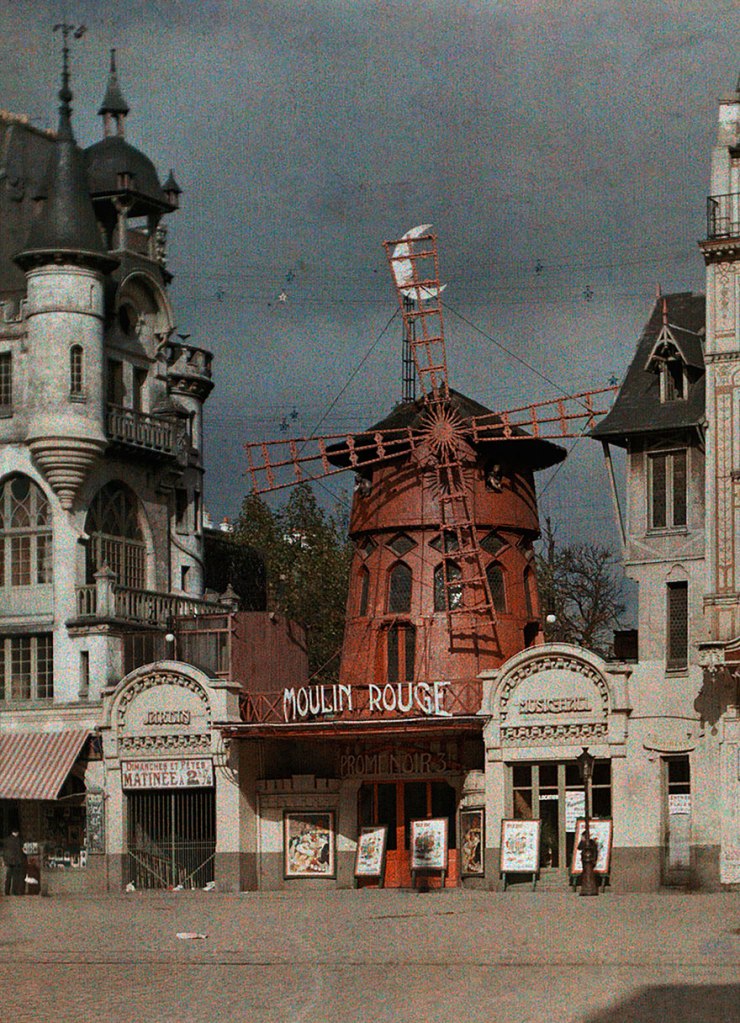
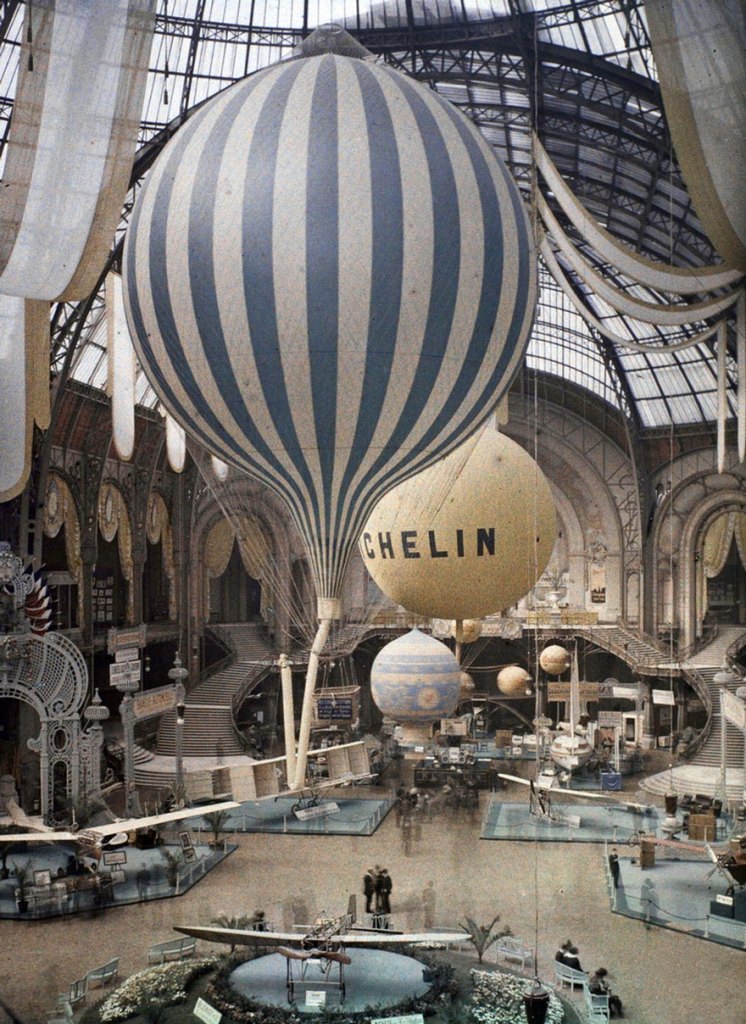
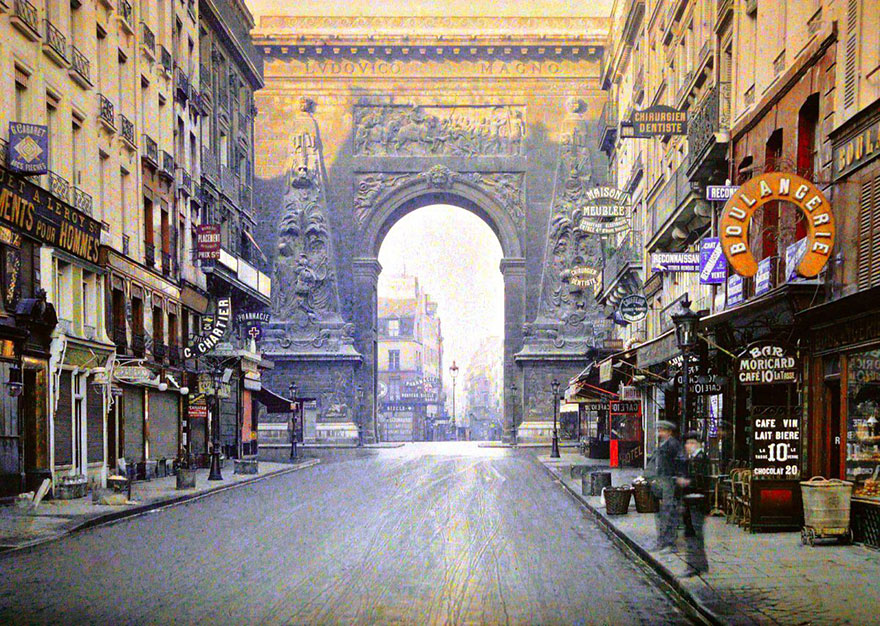
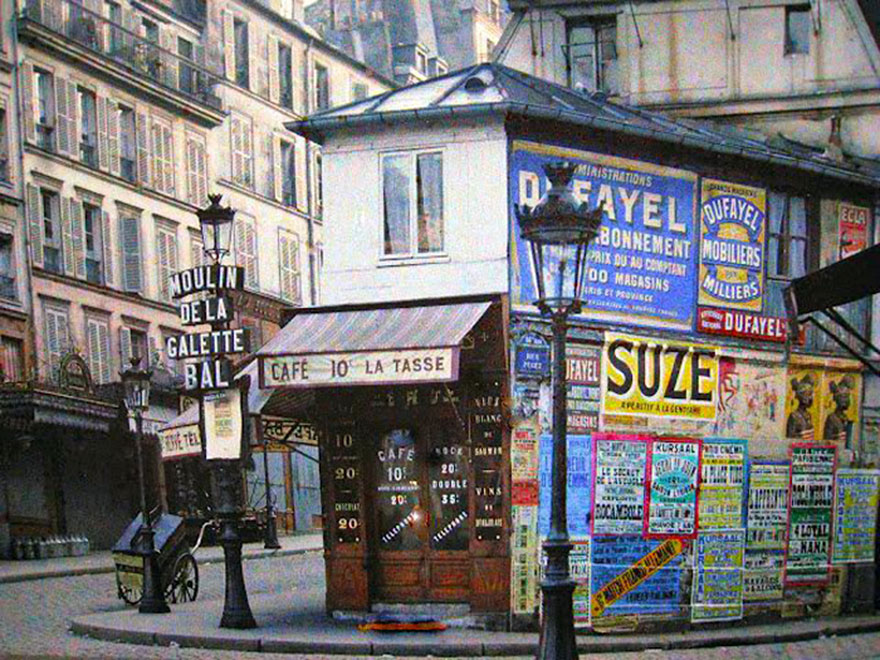
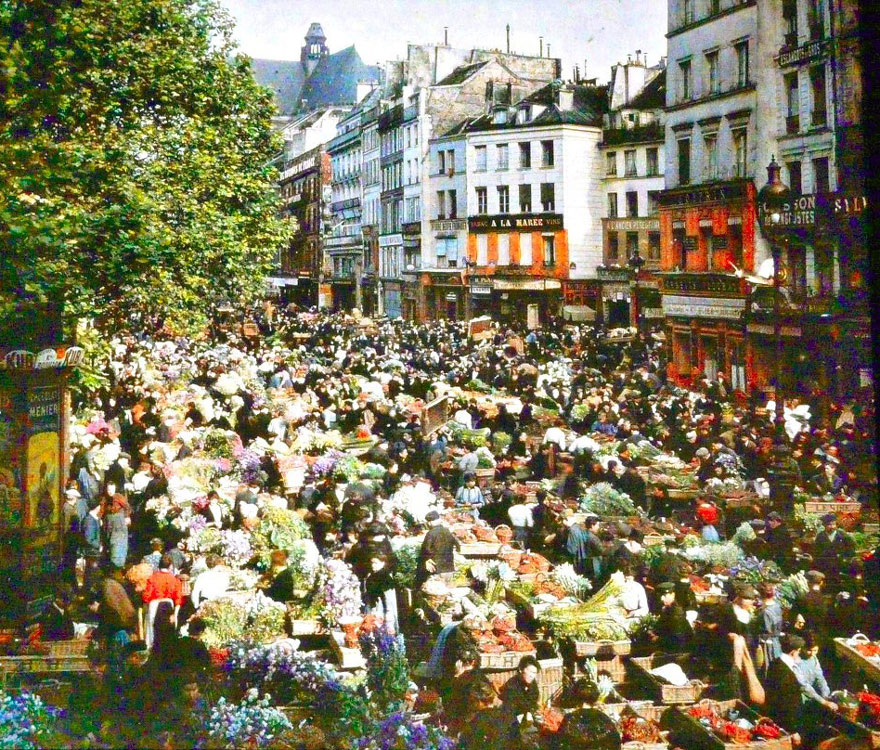
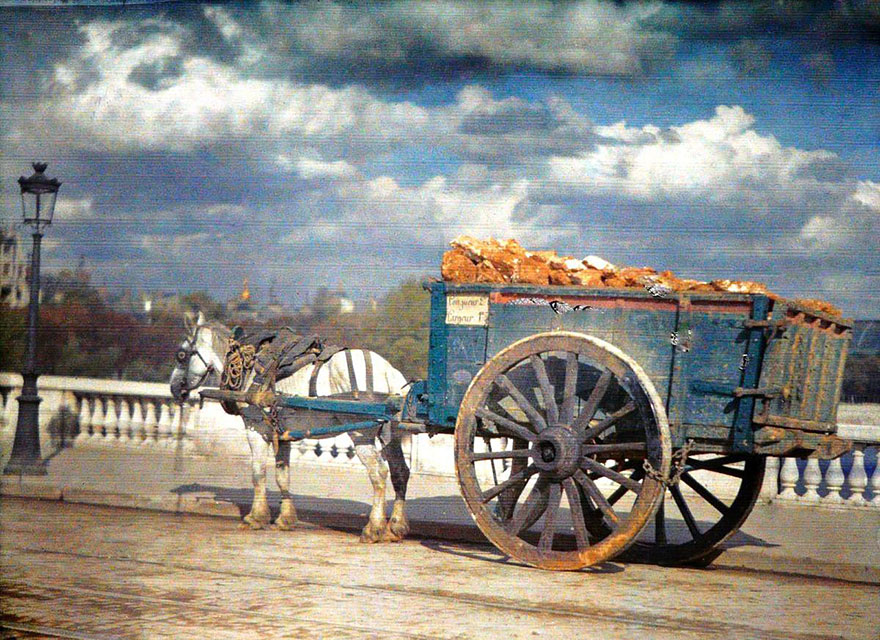
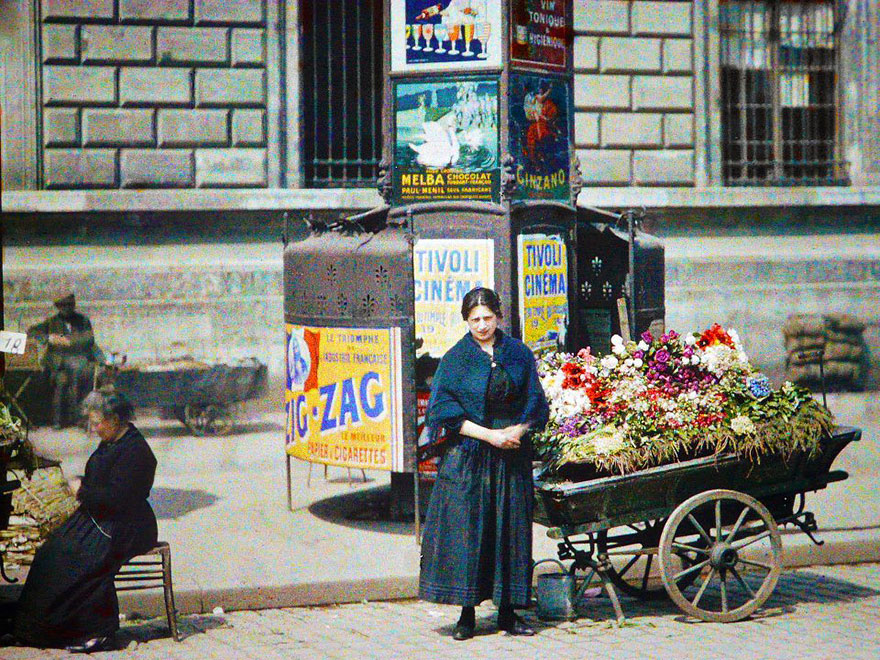
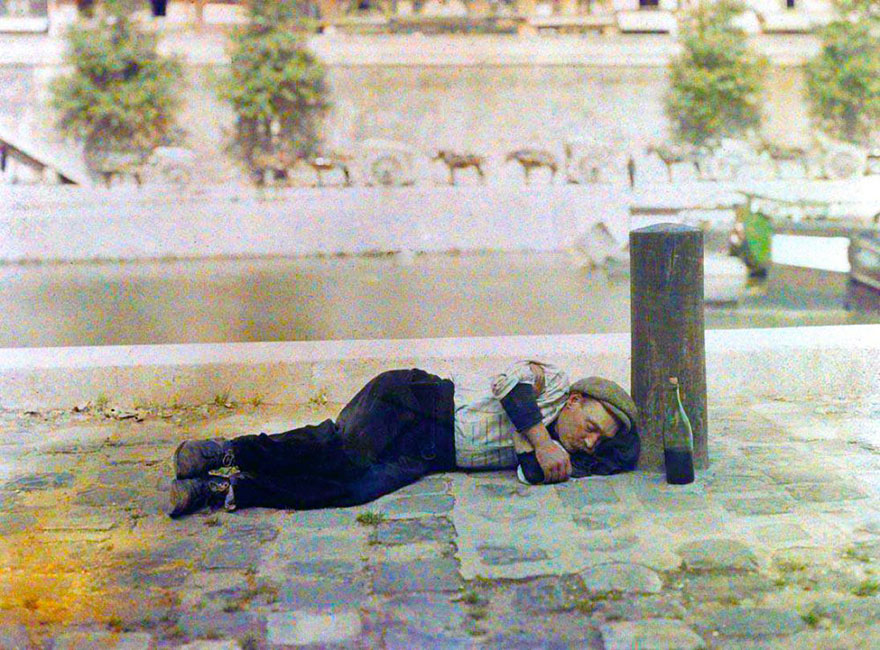
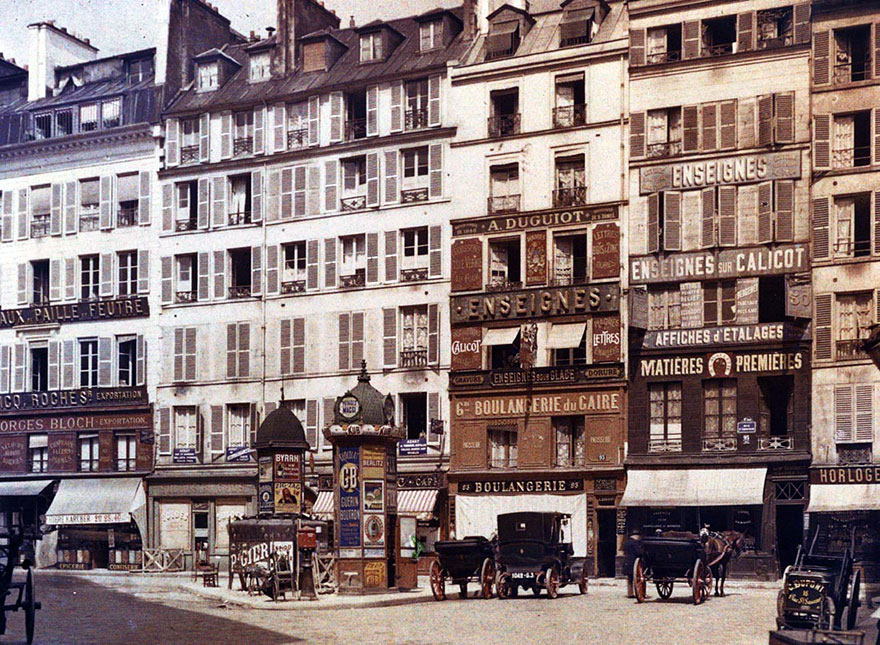
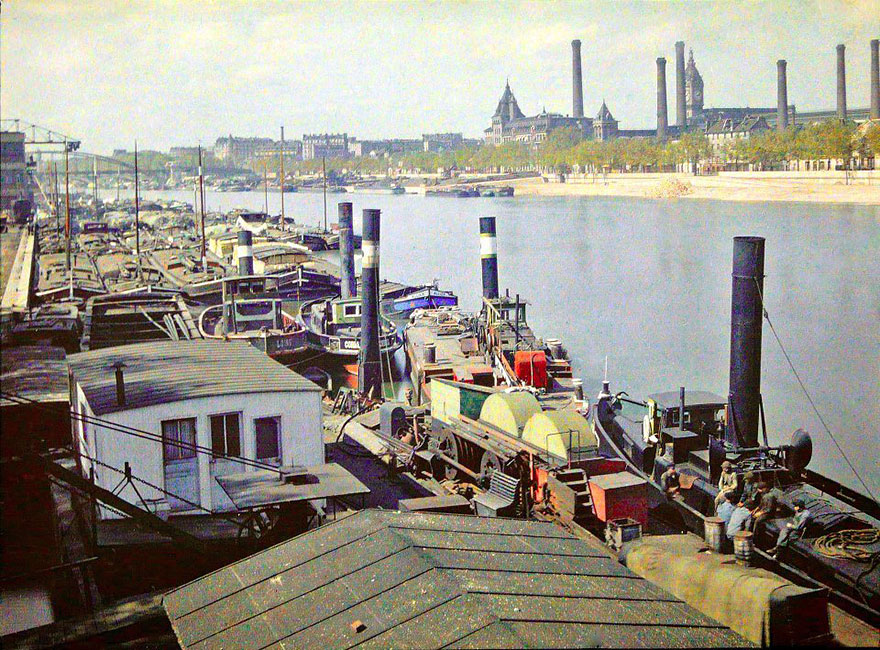
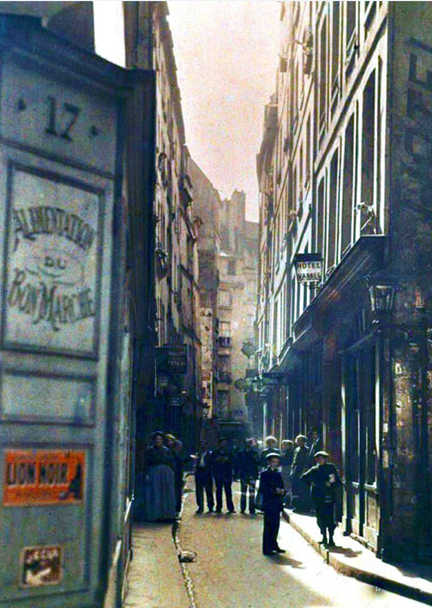
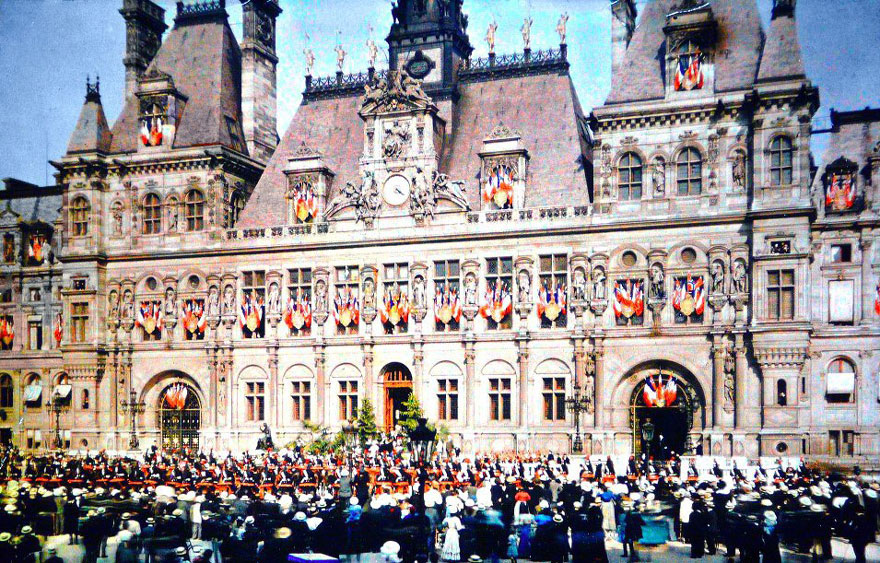
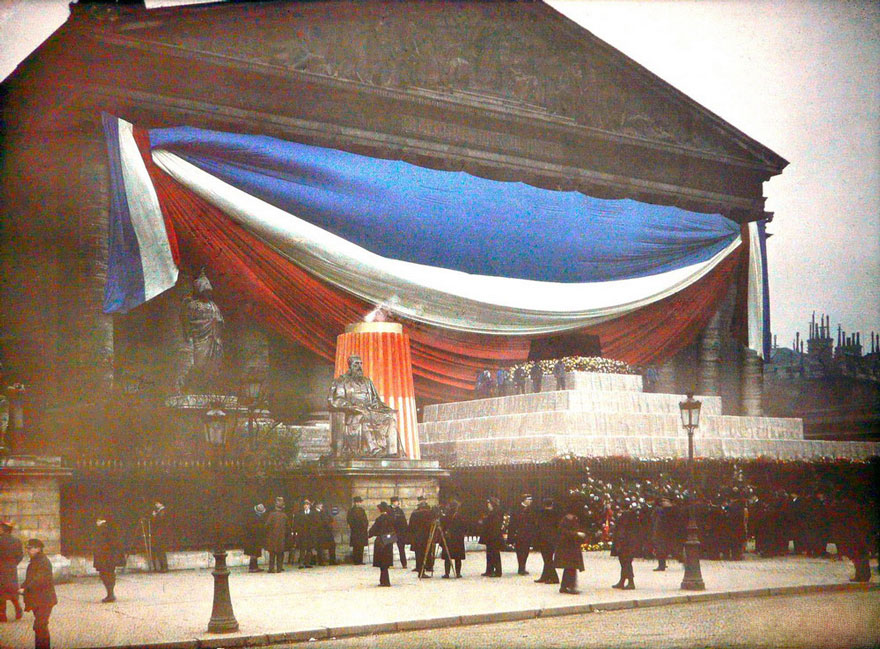
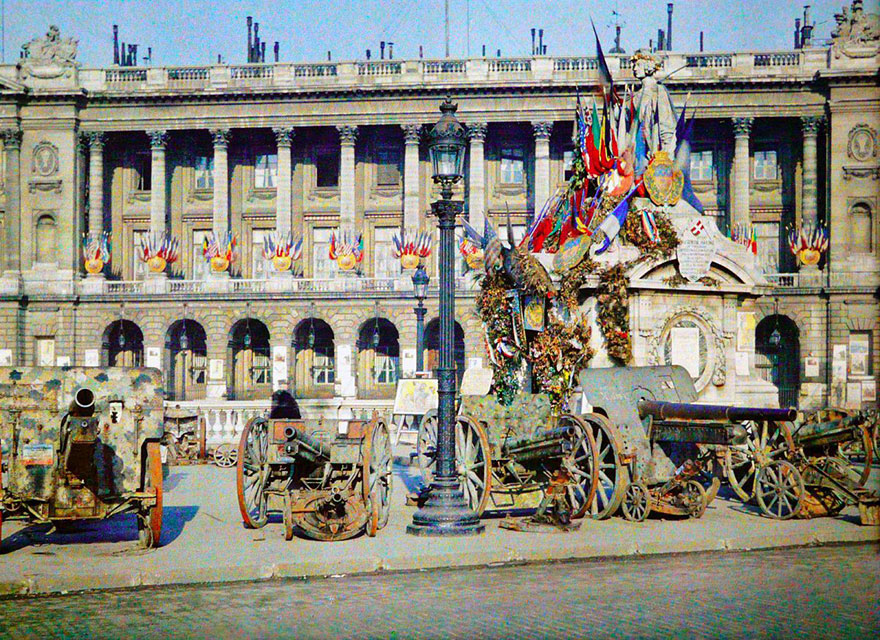
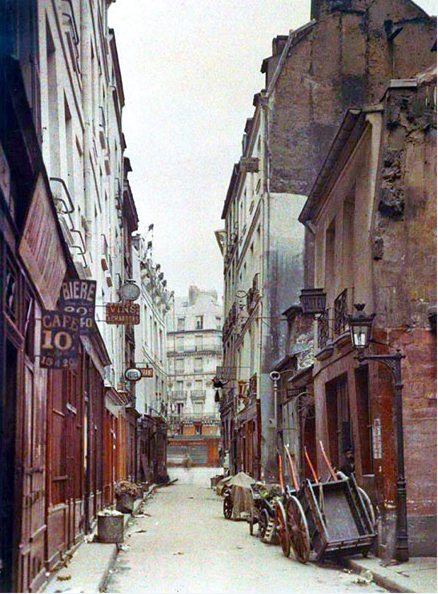
58 Rare Color Photos of Life in Paris in 1914

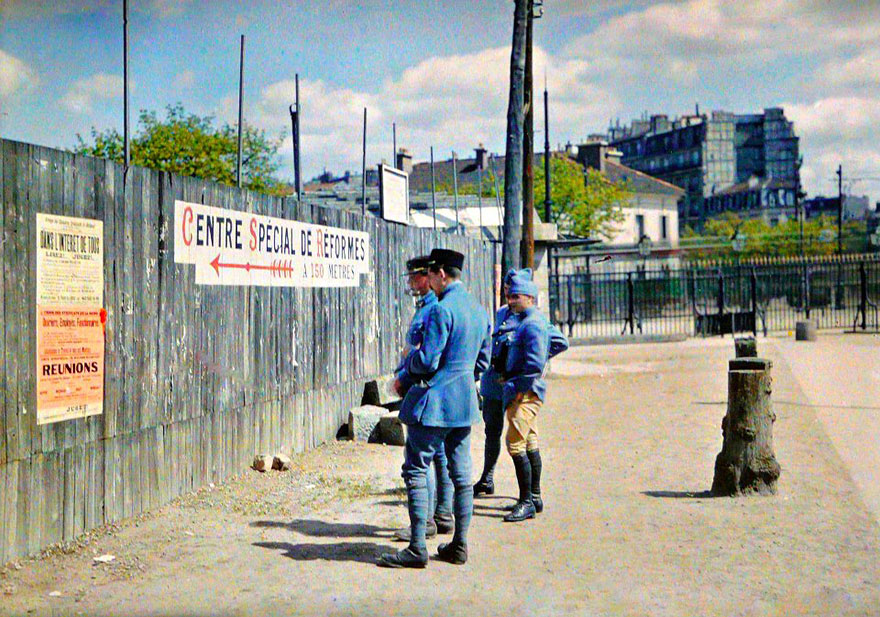
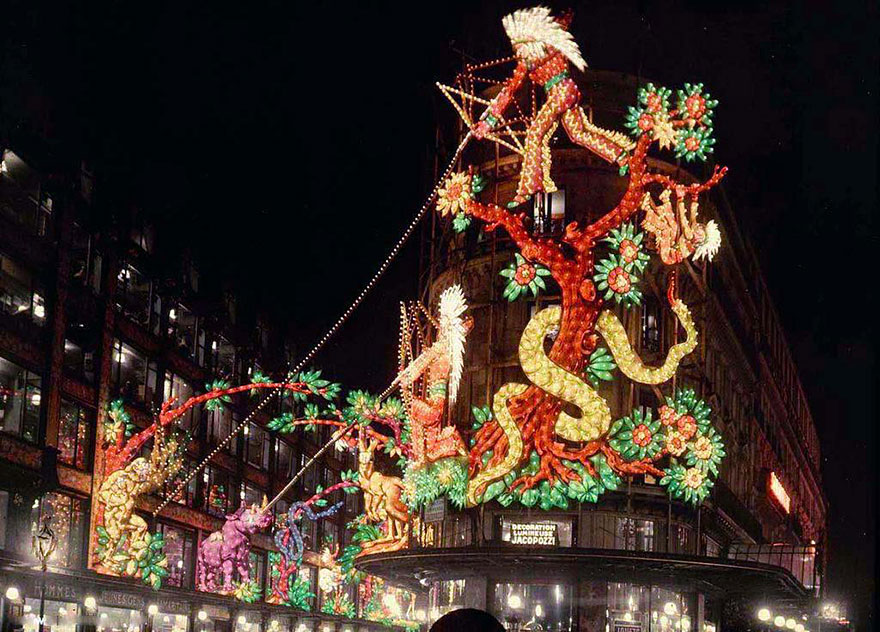
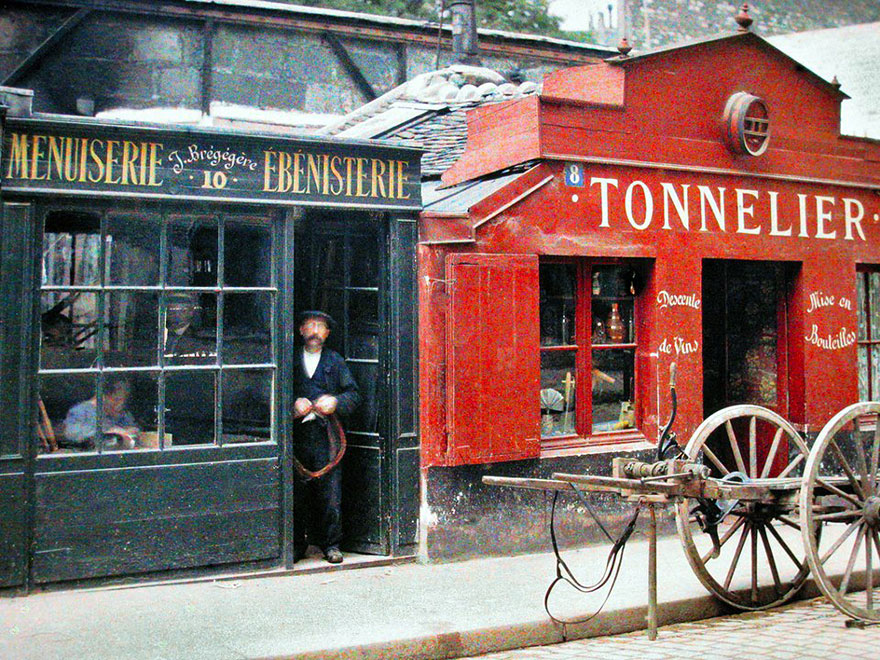
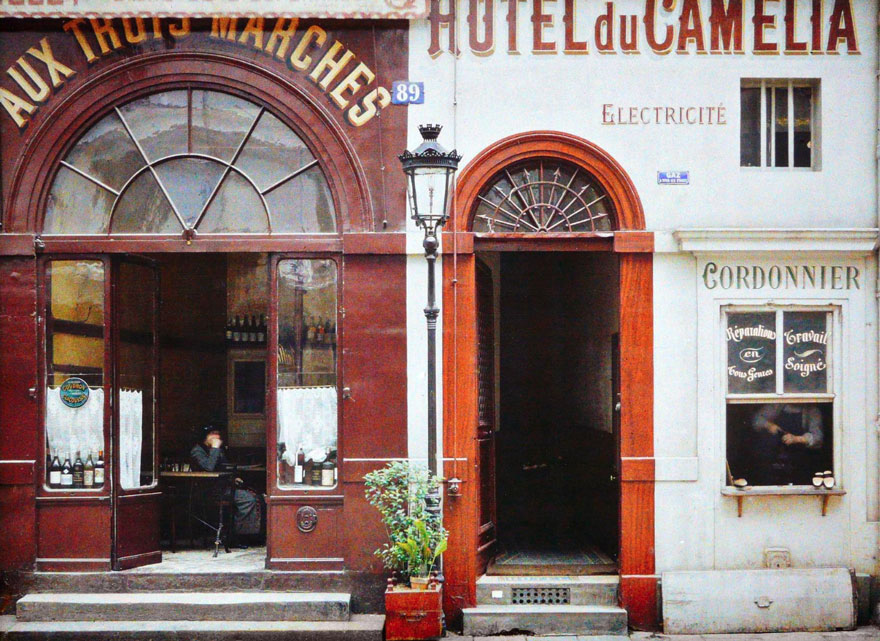
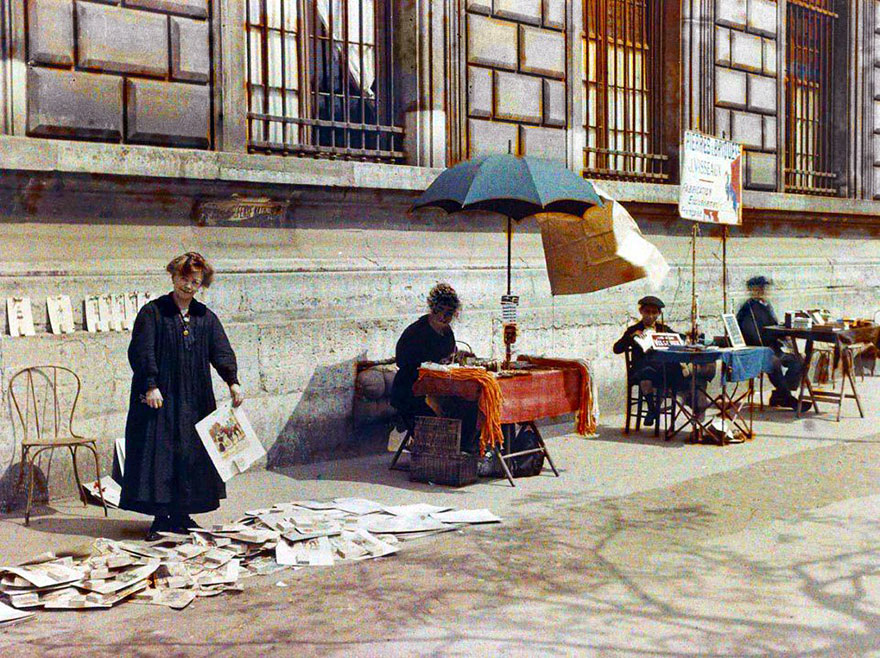
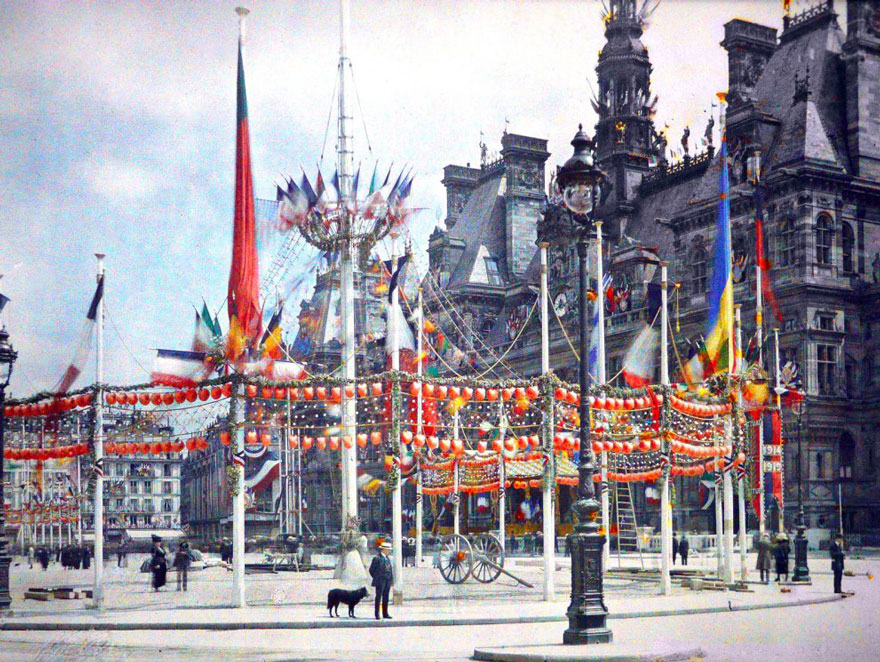
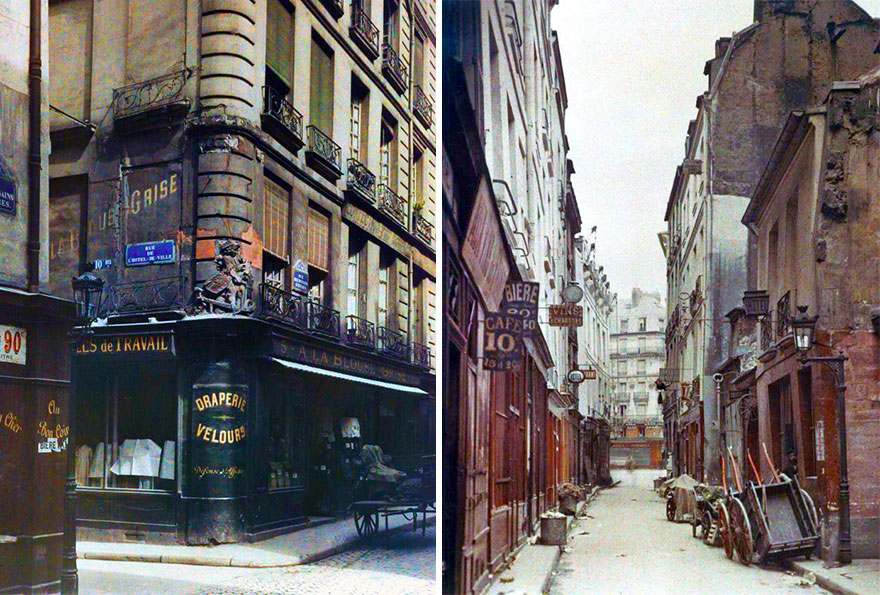
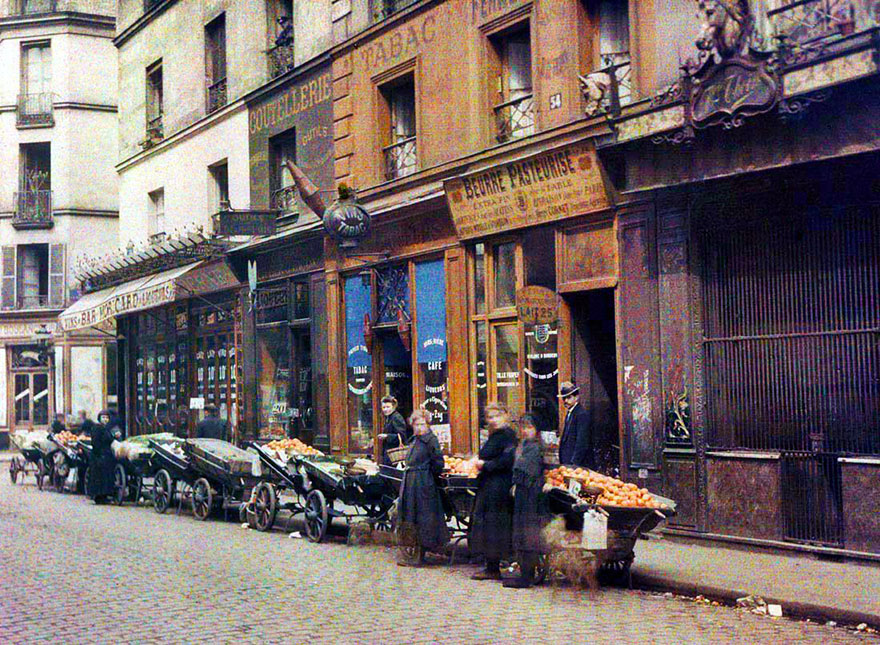
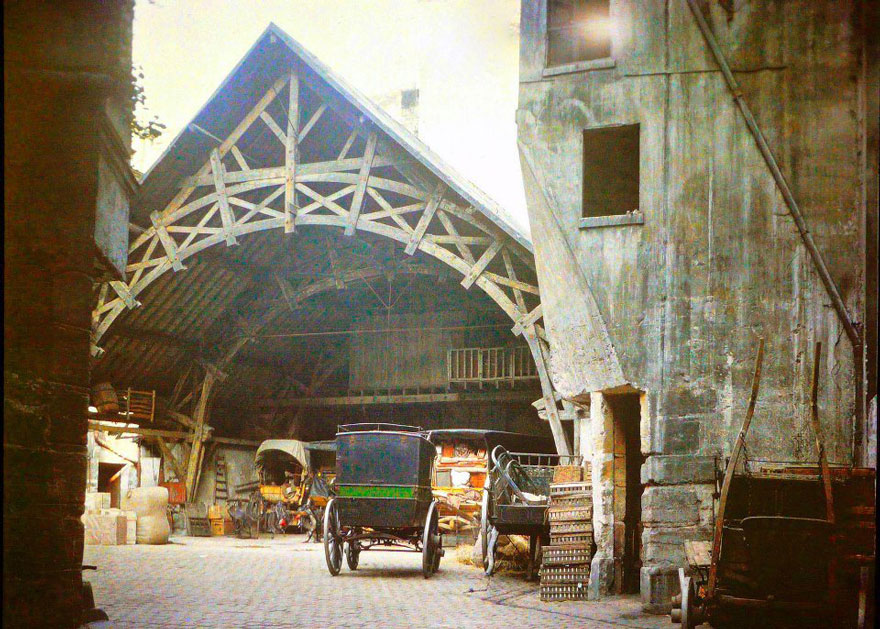
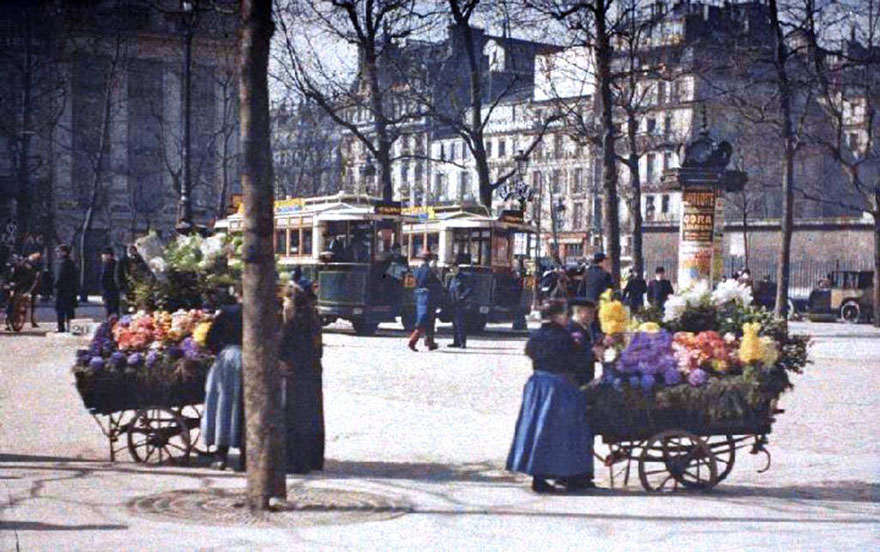
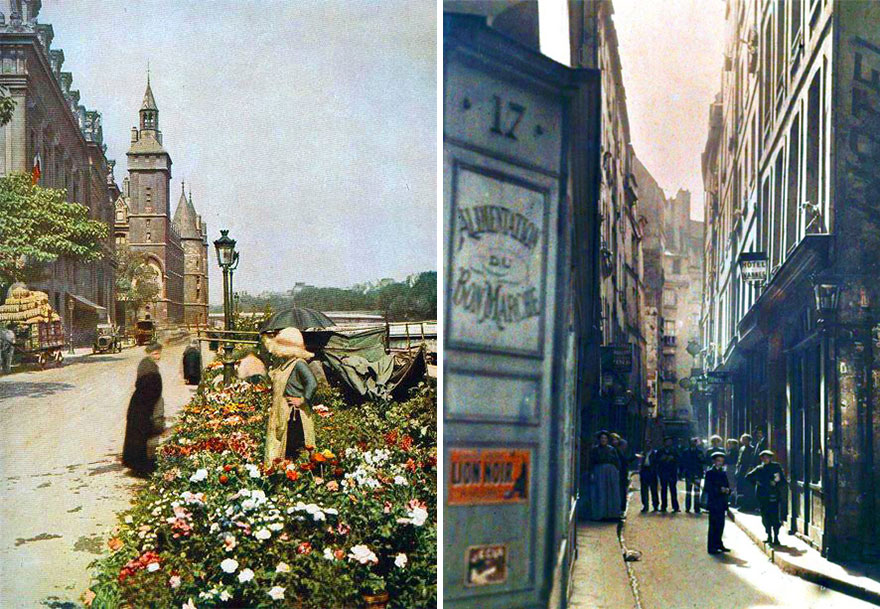
Tired of the endless series of black and white photos that were popular in the day, French banker Albert Kahn decided to do something about it. In 1909, he commissioned four photographers to take their cameras all around the world, and using Autochrome Lumière, to document in color what they saw.

One of the cities on the list was Paris, and in 1914, Leon Gimpel, Stephane Passet, Georges Chevalier, and Auguste Leon began their work. Their photos show us that the daily bustle of Paris life was much more colorful than we imagined, with storefronts painted bright red, or walls plastered with colorful photos.

31 Vintage Photographs of American Presidential Phone Calls

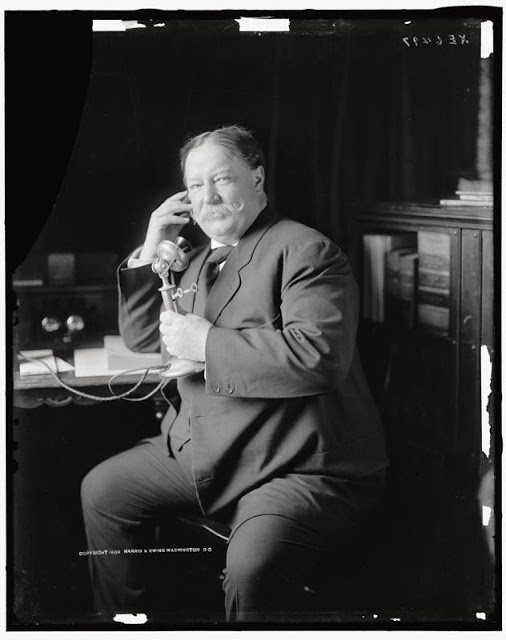
President William Howard Taft on the phone. Taft was the 27th U.S President serving from 1909 – 1913.
President Woodrow Wilson speaks on the telephone. Thomas Woodrow Wilson was the 28th U.S. President serving from 1913 – 1921.
President Calvin Coolidge speaks on the telephone in 1928. John Calvin Coolidge, Jr was the 30th U.S President serving from 1923 – 1929.
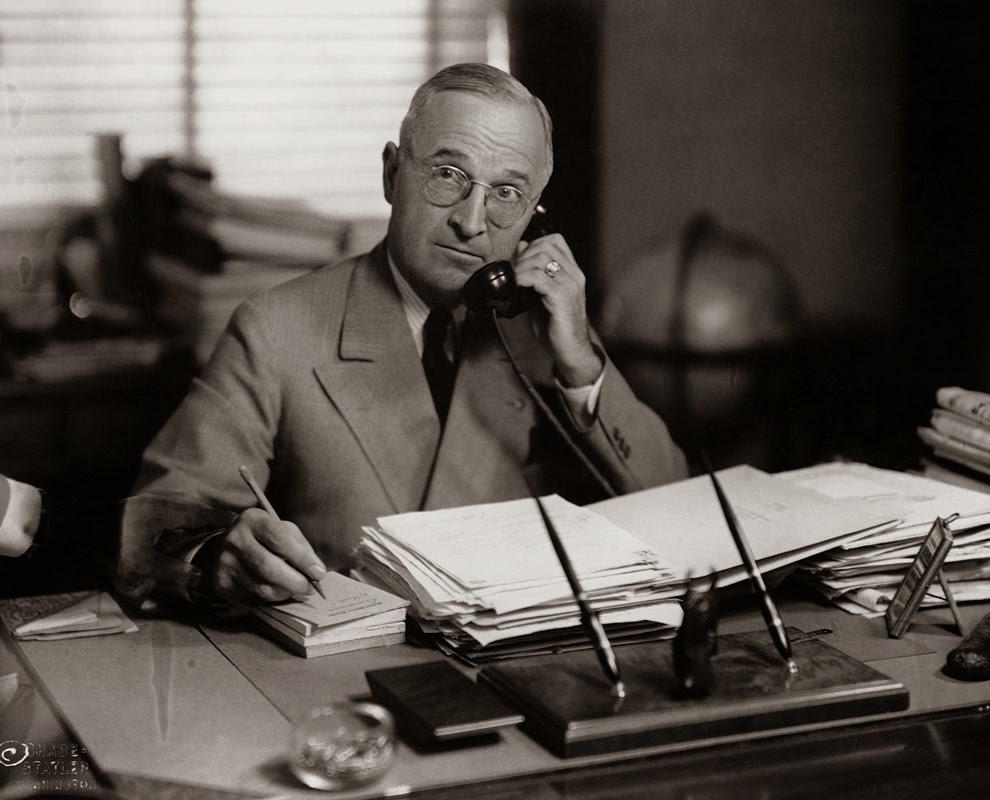
President Harry Truman talks on the telephone in his office, Washington D.C., 1945. Harry S. Truman was the 33rd U.S. President serving from 1945 – 1953.
President Dwight Eisenhower conversing by phone at his desk, circa 1954. Dwight David Eisenhower was the 34th U.S. President serving from 1953 – 1961.
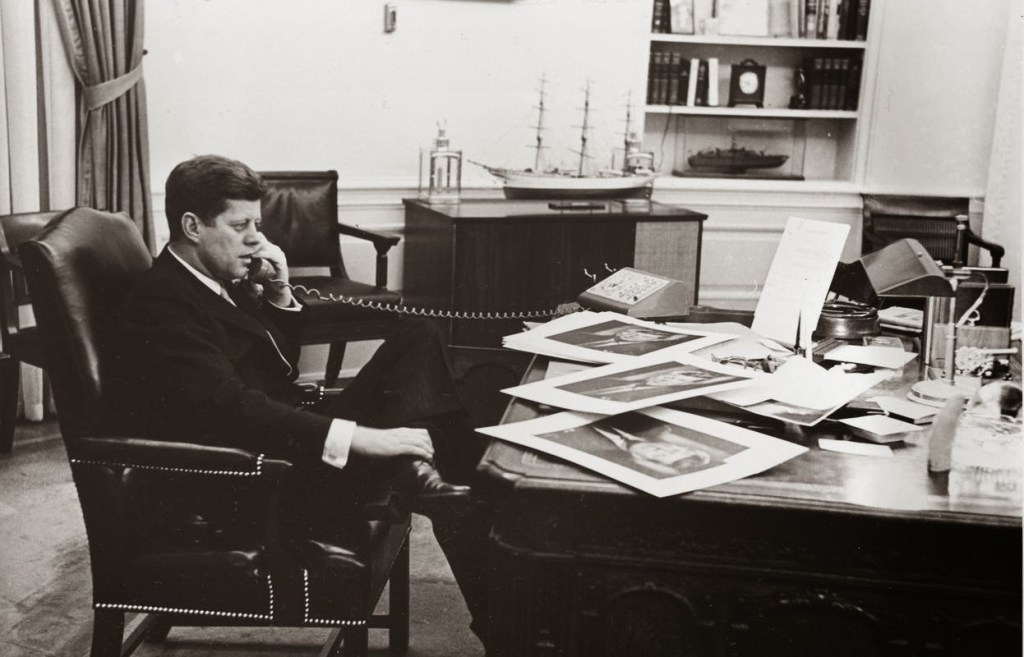
President John F. Kennedy is shown as he ends his official day after 7:30 pm with a final phone call to his press secretary from his Oval Office desk at the White House in Washington, D.C., March 16, 1961. Spread on the desk are copies of his then newly designated official portrait which he autographed. John Fitzgerald Kennedy was the 35th U.S. President serving from 1961 until his assassination in 1963.
President John F. Kennedy stands behind his desk in the Oval Office as he talks on the telephone in 1961. The bandage over Kennedy’s left eye covers a cut suffered when he hit his head on a table while retrieving an item for daughter Caroline. A Navy doctor gave him five stitches. John Fitzgerald Kennedy was the 35th U.S. President serving from 1961 until his assassination in 1963.
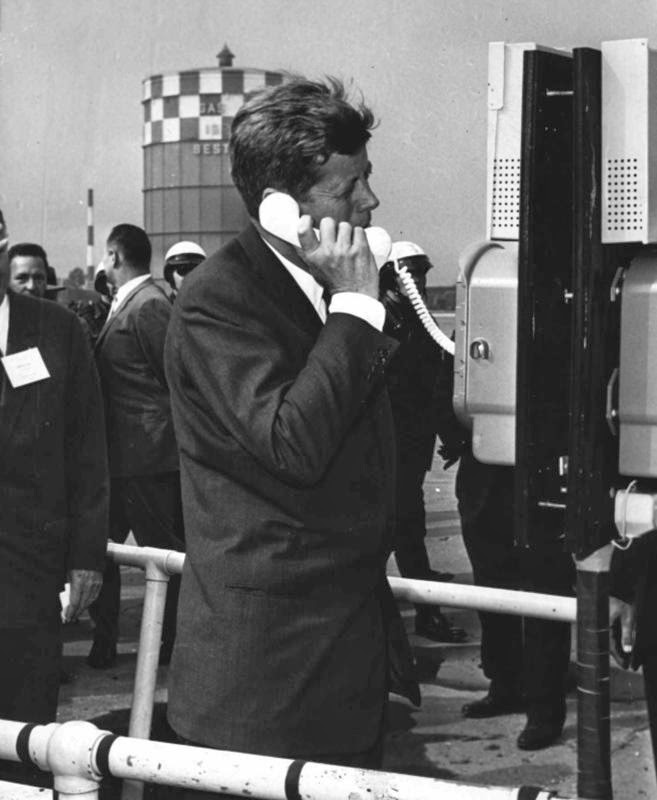
President John F. Kennedy takes a telephone call at a special installation at Detroit’s City Airport Oct. 6, 1962, before boarding a helicopter for a flight to Flint, Michigan. John Fitzgerald Kennedy was the 35th U.S. President serving from 1961 until his assassination in 1963.
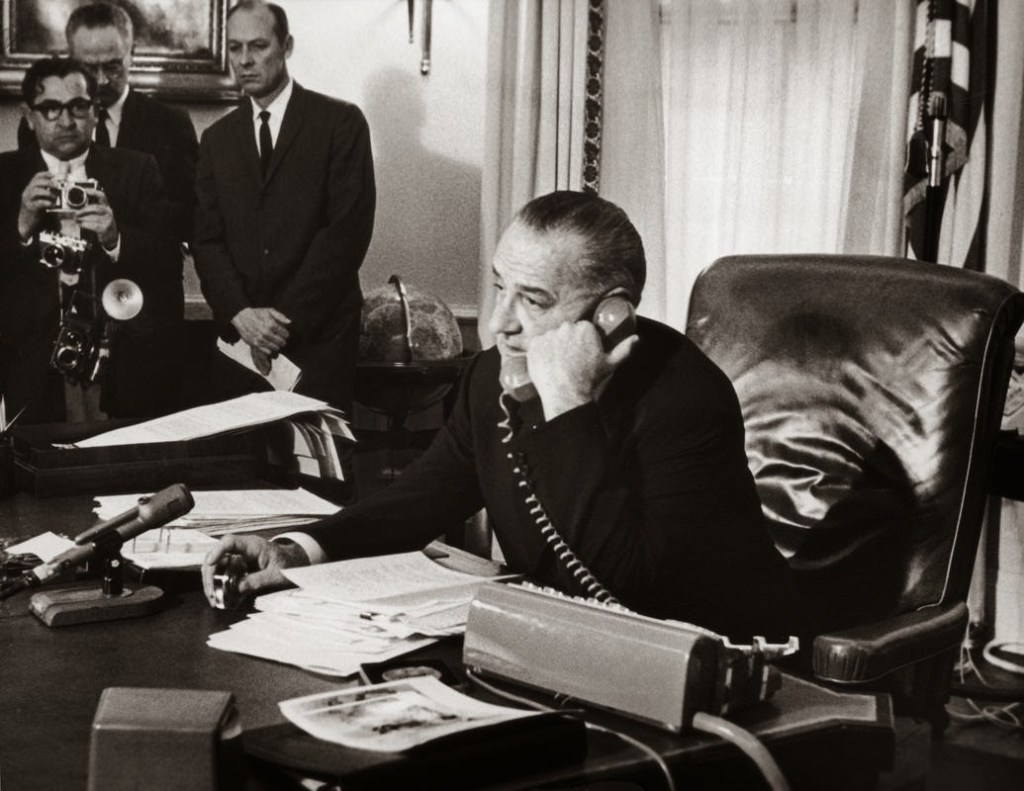
President Lyndon Johnson talks on the telephone at the White House in Washington, D.C. on an unknown date. Lyndon Baines Johnson was the 36th U.S. Presdident serving from 1963 – 1969.
President Lyndon Johnson talks on the telephone from the Oval Office in 1964. Lyndon Baines Johnson was the 36th U.S. Presdident serving from 1963 – 1969.
In his Washington office, President Lyndon B. Johnson congratulates astronauts Virgil Grissom and John Young after their triple orbit of the Earth, 1965. Lyndon Baines Johnson was the 36th U.S. President serving from 1963 – 1969.
President Richard Nixon speaks to astronauts on the Moon on July 20, 1969. Richard Milhous Nixon was the 37th U.S. President serving from 1969 until his resignation in 1974.
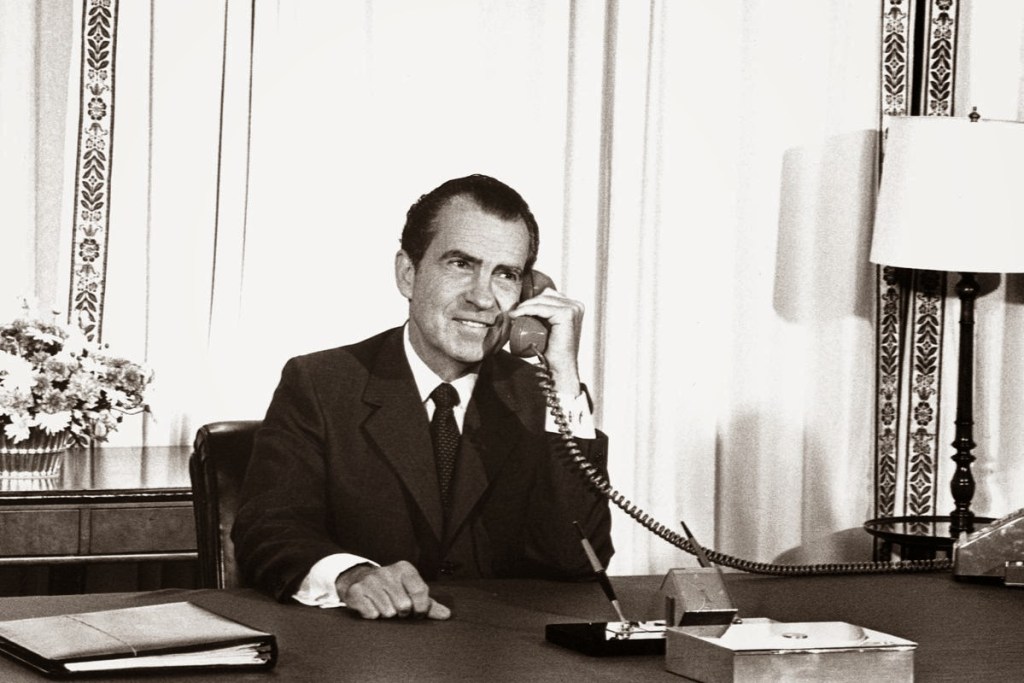
President Richard Nixon on the telephone at his Oval Office desk. Richard Milhous Nixon was the 37th U.S. President serving from 1969 until his resignation in 1974.
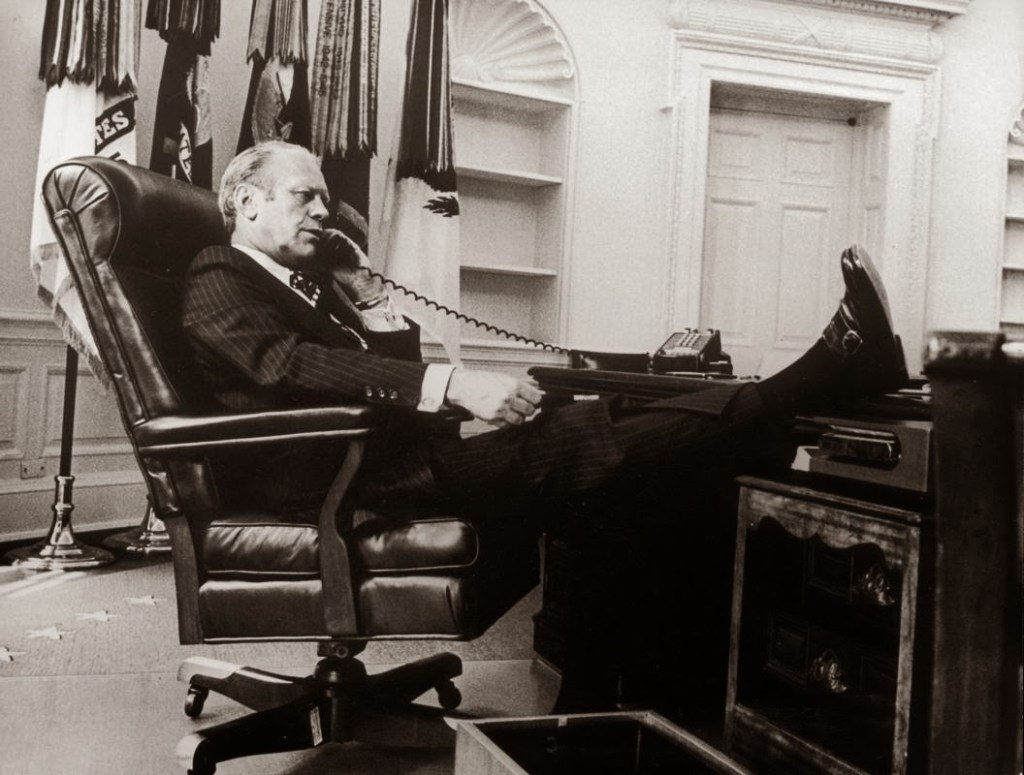
President Gerald Ford, seated in an armchair with his foot on the desk, talking on the telephone in the oval office, Washington, D.C., 1974. Gerald Rudolph “Jerry” Ford, Jr. was the 38th U.S. President serving from 1974 – 1977.
President Gerald Ford, while at Camp David, MD, speaks by phone to Henry Kissinger on Middle East agreement on September 1, 1975. Gerald Rudolph “Jerry” Ford, Jr. was the 38th U.S. President serving from 1974 – 1977.
President Gerald R. Ford takes a phone call while his daughter Susan Ford adjusts her father’s cummerbund before a white tie diplomatic reception on October 5, 1974, in Washington, D.C. Gerald Rudolph “Jerry” Ford, Jr. was the 38th U.S. President serving from 1974 – 1977.
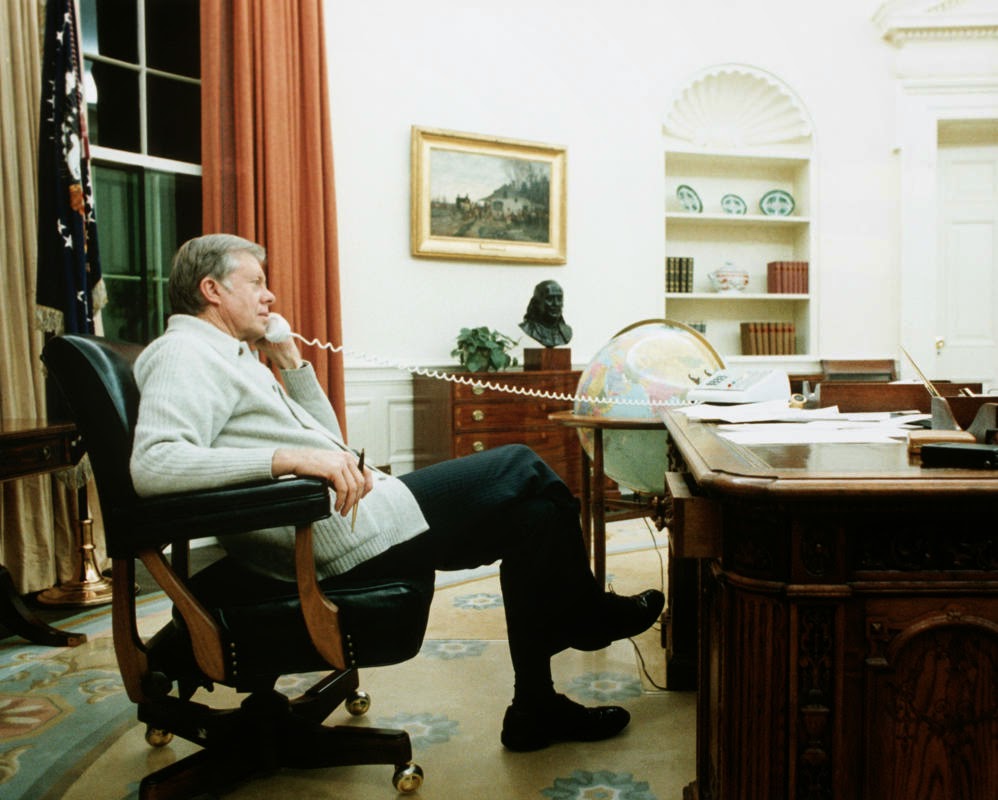
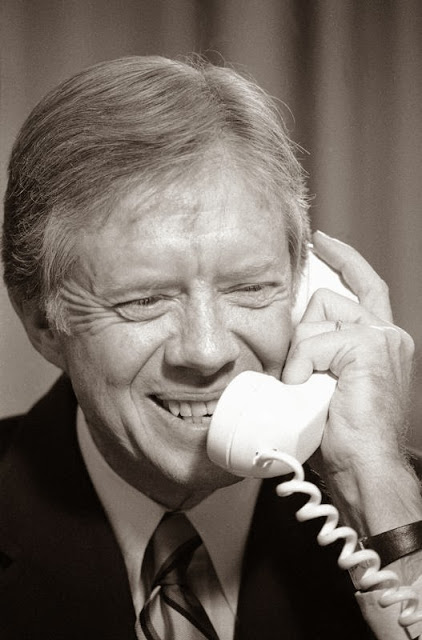
President Jimmy Carter speaks on the phone in the Oval Office in Washington, DC. James Earl “Jimmy” Carter, Jr. was the 39th U.S. President serving from 1977 – 1981.
President-elect Jimmy Carter is pictured at Blair House in Washington, Thursday, Jan. 14, 1977 as he talks by telephone with British Prime Minister James Callaghan in London. Carter made the call and others in preparation for vice President-elect Walter Mondale’s upcoming meeting with foreign leaders. James Earl “Jimmy” Carter, Jr. was the 39th U.S. President serving from 1977 – 1981.
President Jimmy Carter’s appreciation shows as he thanks Canadian Prime Minister Joe Clark from the Oval Office of the White House, Washington on Jan. 31, 1980 for Canada’s help in getting American diplomats out of Iran. Carter said the act was one of ‘personal and political courage’ as he extended the appreciation of Americans to the Canadians. James Earl “Jimmy” Carter, Jr. was the 39th U.S. President serving from 1977 – 1981.
President Ronald Reagan telephones Vice President Bush at 5:58 a.m. regarding the Grenada situation from the White House, Washington, DC on October 22, 1983. Ronald Wilson Reagan was the 40th U.S. President serving from 1981 – 1989.
President George H. W. Bush speaks by telephone from the Oval Office of the White House, Tuesday, Jan. 22, 1991 in Washington to the ‘March for Life’ rally being held on the Ellipse. The 18th annual rally and march was to memorialize the Supreme Court Roe V. Wade abortion decision. George Herbert Walker Bush was the 41st U.S. President serving from 1989 to 1993.
President George H. W. Bush, using a telephone hook-up addresses the demonstrators gathered on the Ellipse behind the White House, January 22nd, 1990. Bush told anti-abortion protesters he stood with them in their efforts to make abortion illegal and urged Americans to consider the “self evident moral superiority” of adoption over abortion. George Herbert Walker Bush was the 41st U.S. President serving from 1989 to 1993.
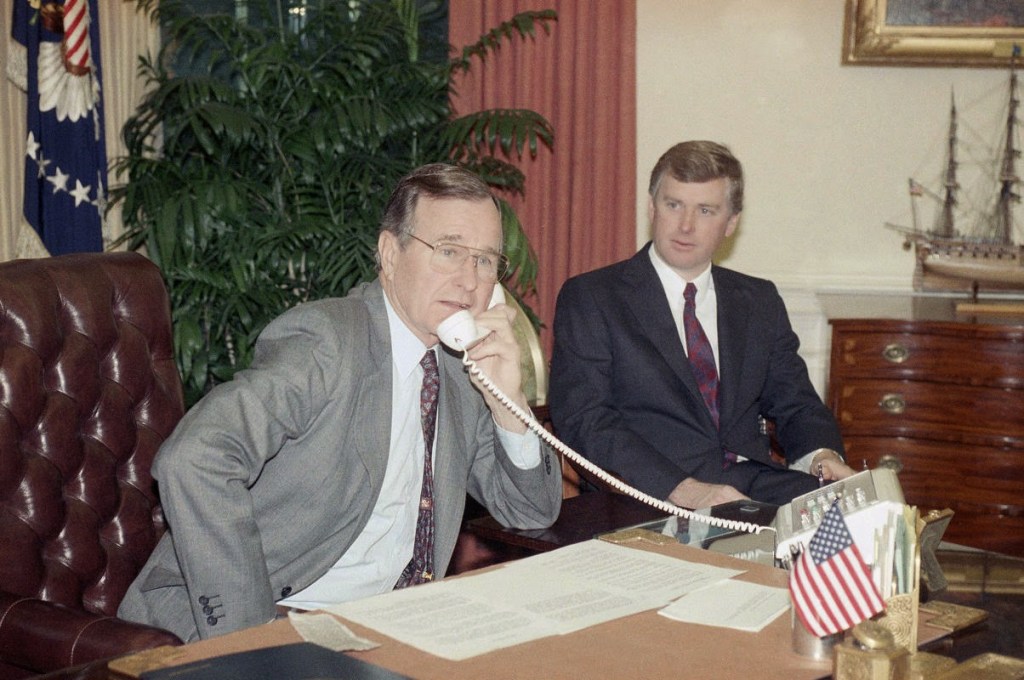
President George H. W. Bush, left, speaks to the orbiting Columbia astronauts with Vice Pres. Dan Quayle from the Oval Office, Thursday, Jan. 18, 1989, Washington, D.C. George Herbert Walker Bush was the 41st U.S. President serving from 1989 to 1993.
President Bill Clinton talks on the phone to Russian President Boris Yeltsin from his vacation home on Martha’s Vineyard in Massachusetts Tuesday, Aug. 25, 1998. The President discussed the recent political upheaval of Yeltsin’s cabinet. Willam Jefferson Clinton was the 42nd U.S. President serving from 1993 – 2001.
President Bill Clinton speaks via telephone from the Oval Office of the White House to an unidentified member of the House in Washington Thursday, August 11, 1994, lobbying for votes for the crime bill. The White House kept an open telephone line to the Democratic cloakroom so the President could personally woo wavering lawmakers. Willam Jefferson Clinton was the 42nd U.S. President serving from 1993 – 2001.
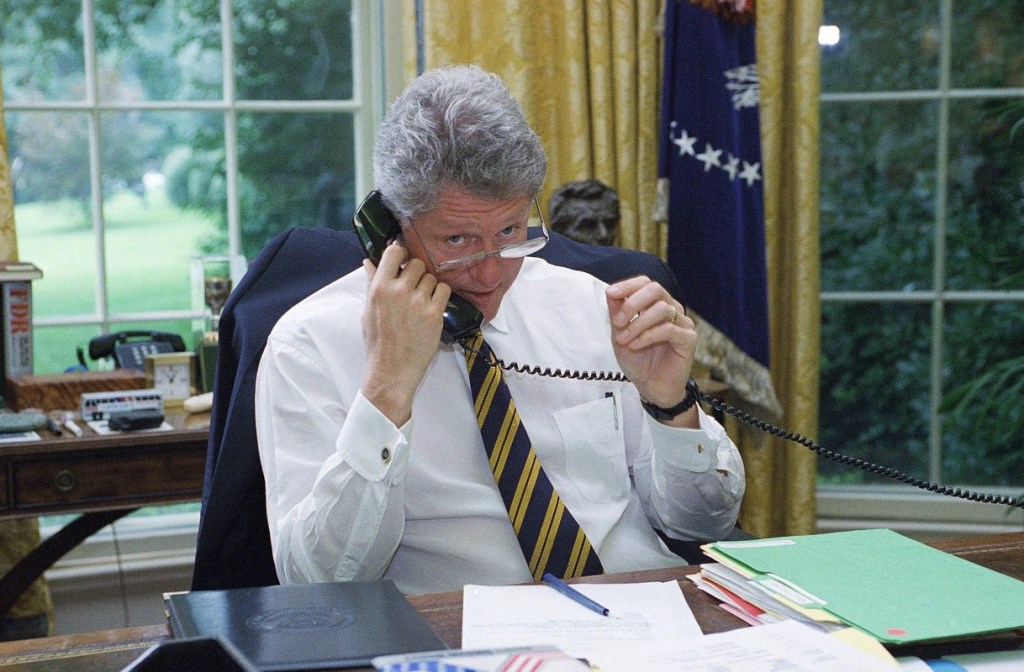
President Bill Clinton talks on the telephone in the Oval Office in the White House in Washington on March 16, 2000. Willam Jefferson Clinton was the 42nd U.S. President serving from 1993 – 2001.
President George W. Bush speaks with British Prime Minister Tony Blair during a phone call in the Oval Office, Sunday morning, Dec. 14, 2003. George Walker Bush was the 43rd U.S. President serving from 2001 – 2009.
President George W. Bush speaks with crew members of the Space Shuttle Discovery during a telephone call from the Oval Office of the White House Tuesday, July 11, 2006. George Walker Bush was the 43rd U.S. President serving from 2001 – 2009.
President Barack Obama on the phone in the Oval Office. Barack Hussein Obama II was the 44th U.S. President serving from 2009 – 2017.
President Barack Obama spoke by telephone with Iranian President Hassan Rouhani — the first direct conversation between leaders in Washington and Tehran since 1979 — raising the possibility a deal can be reached over Iran’s controversial nuclear program, 2013. Barack Hussein Obama II was the 44th U.S. President serving from 2009 – 2017.
President Donald Trump speaks on the phone in the Oval Office. Donald John Trump is the 45th U.S. President and served from 2017 to 2021.

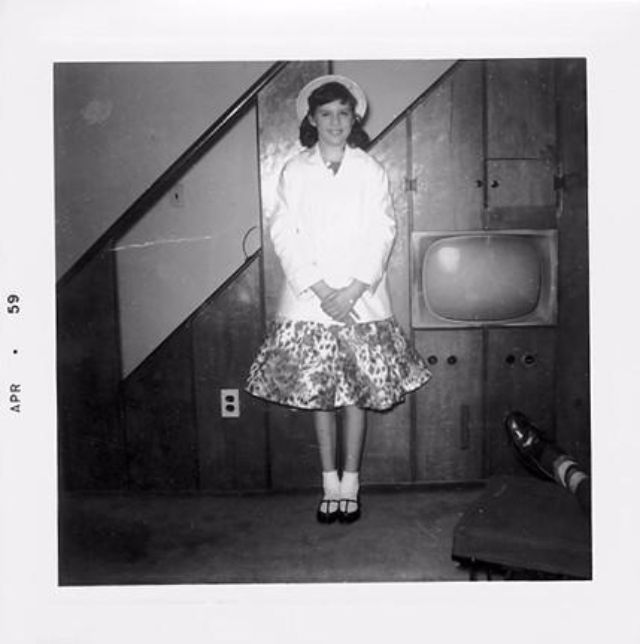
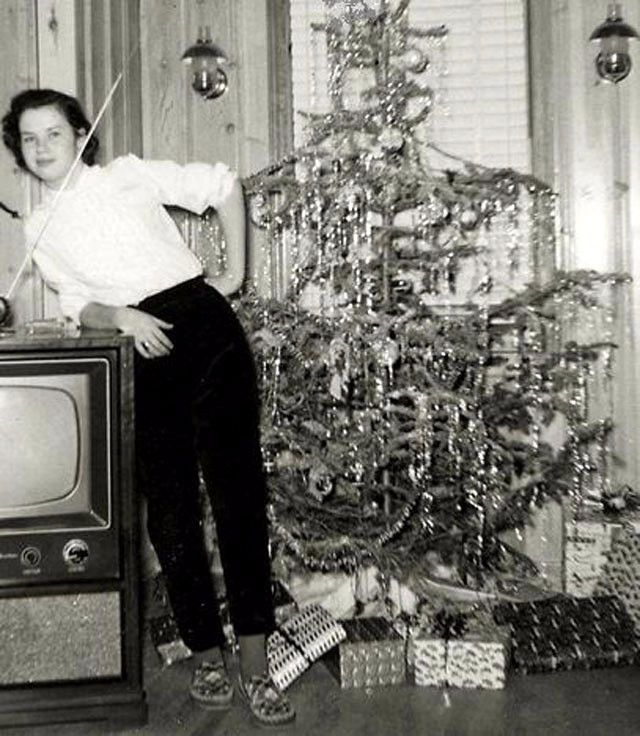
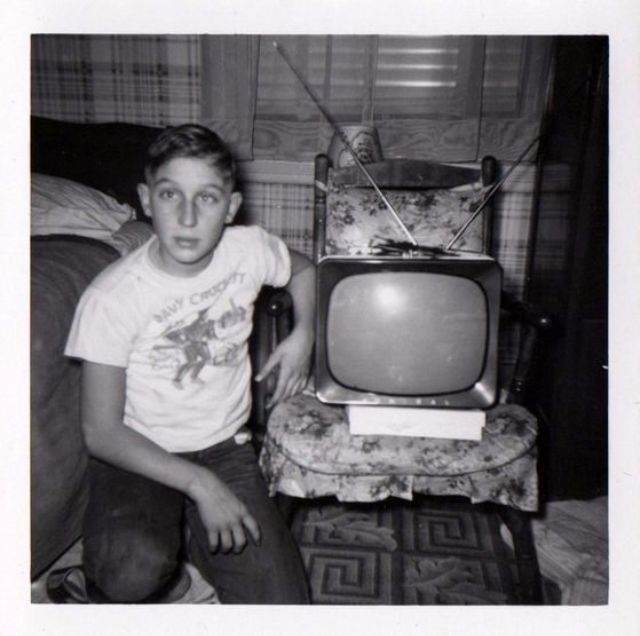
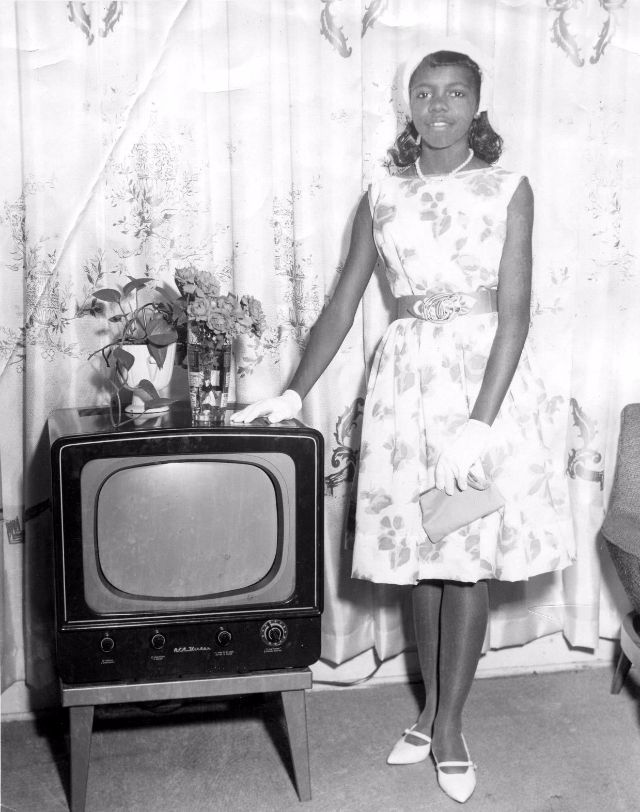
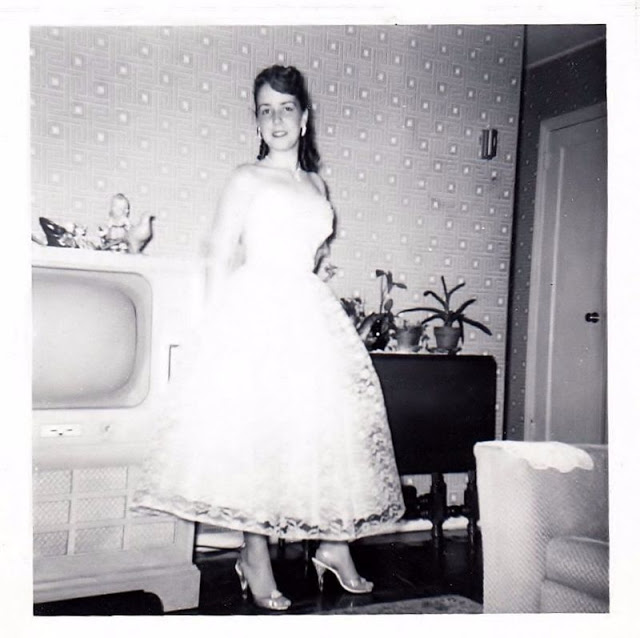
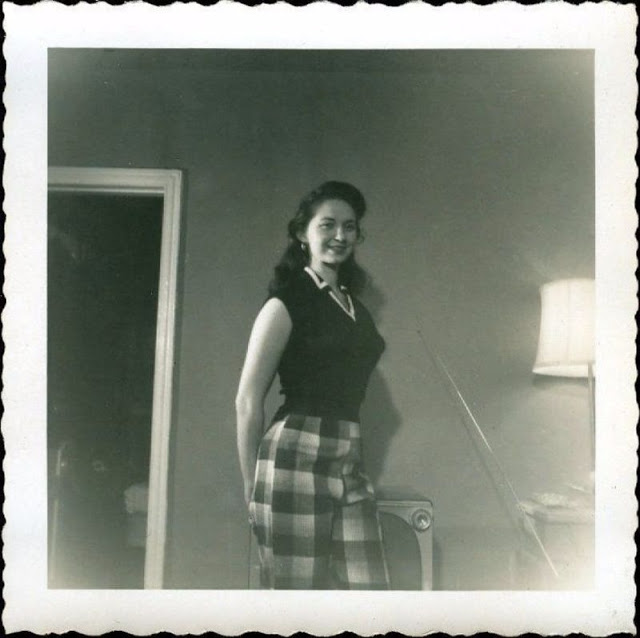
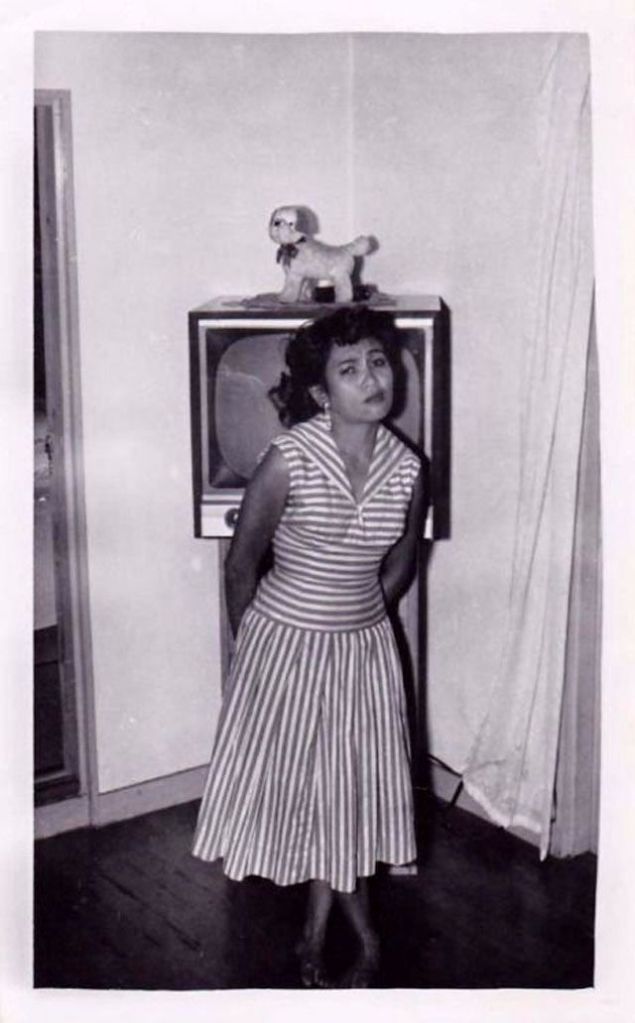
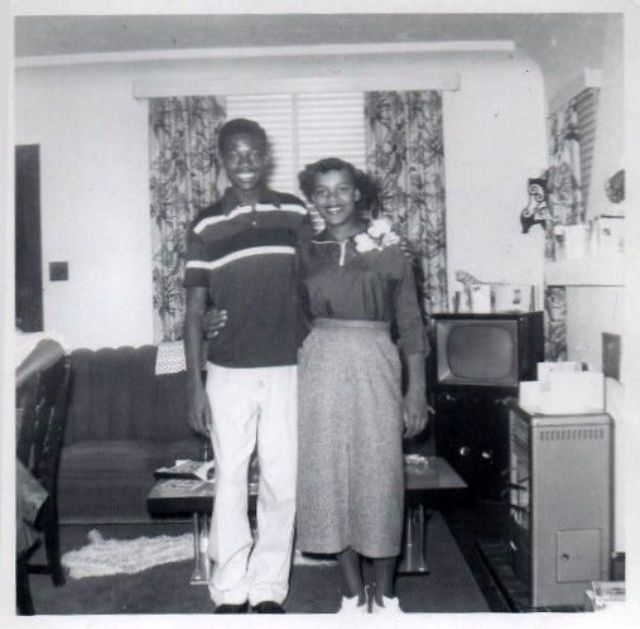
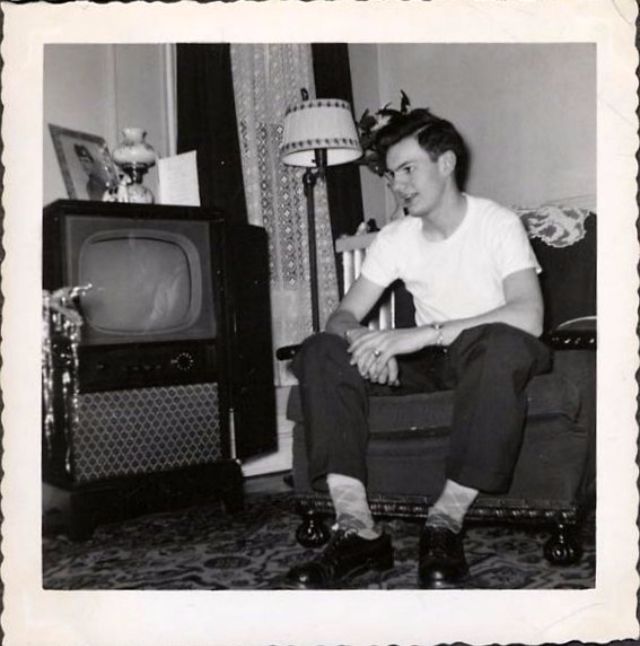
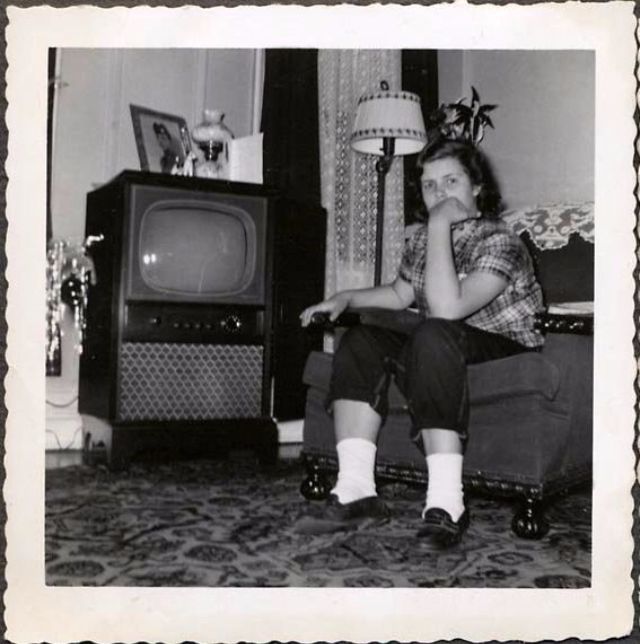
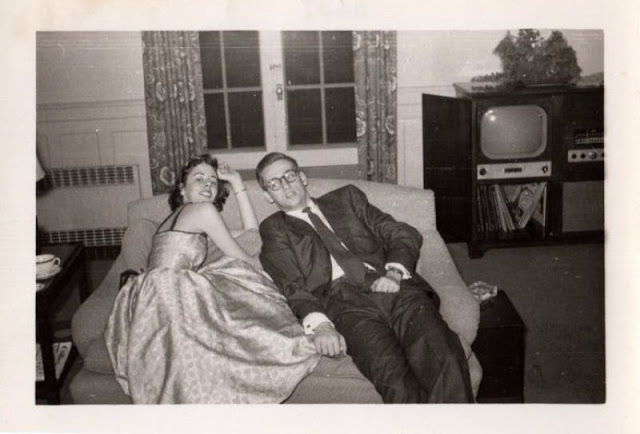
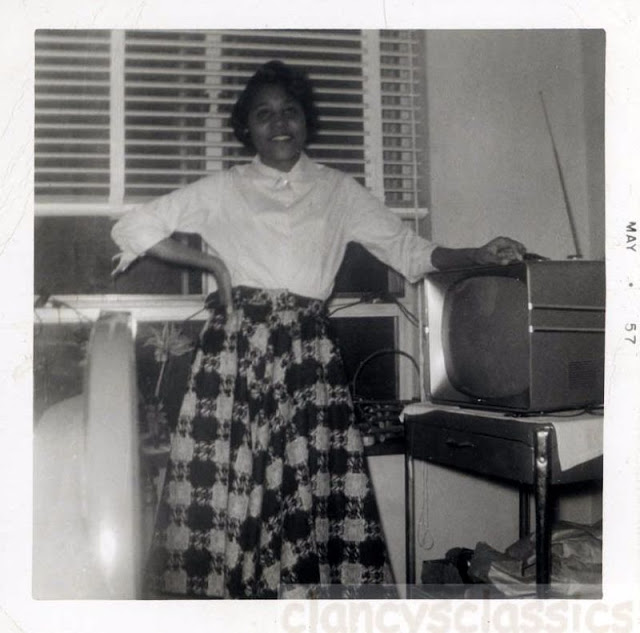
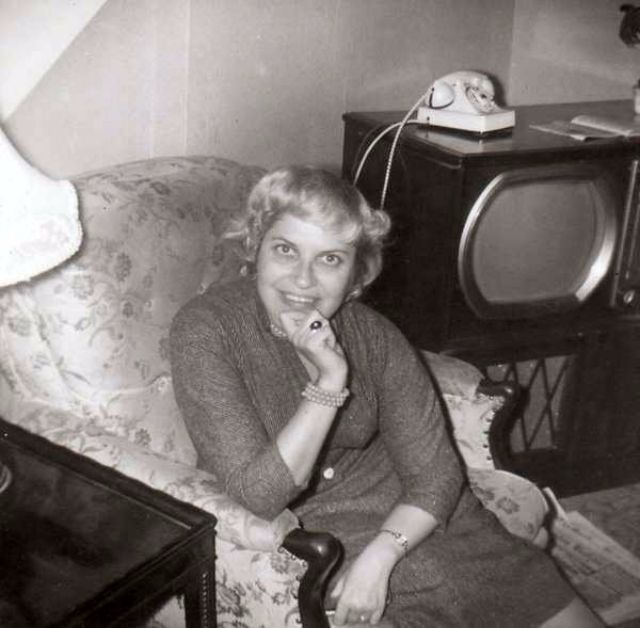
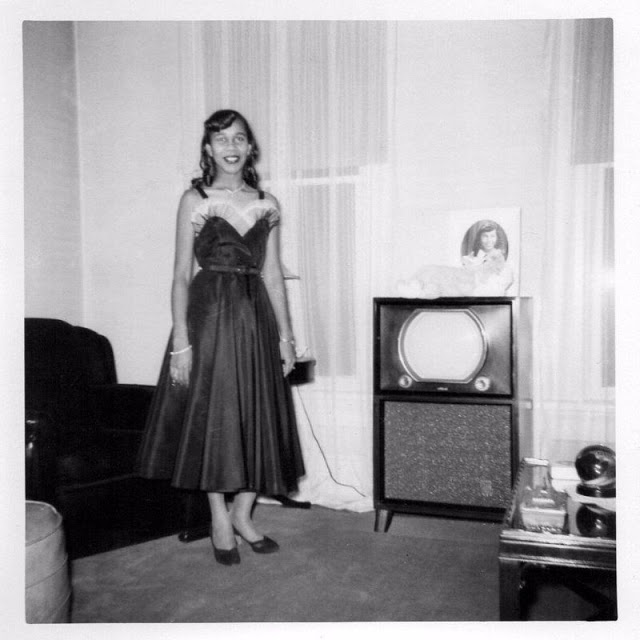
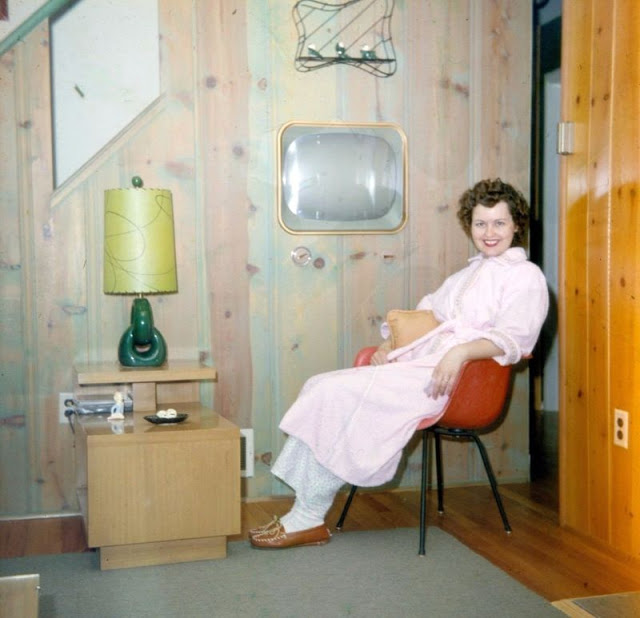
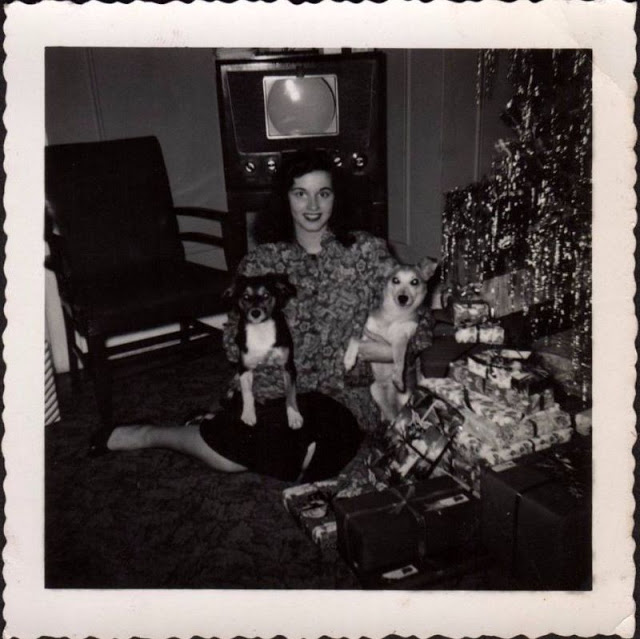
36 Vintage Photos Showing People Posing With Their TVs in the 1950s

Television is the first audiovisual device that changed the way people see entertainment. It opened the realm of recreation and mass communication. It made possible for people and families to watch live events in the comforts of their drawing room.

By 1950s, the aftermath of World War II had faded away. Economy was booming again and people had cash in their wallets. It was the popular period of television. Popularity of radio and print media began to fade away gradually, as television set its hold on people’s life.

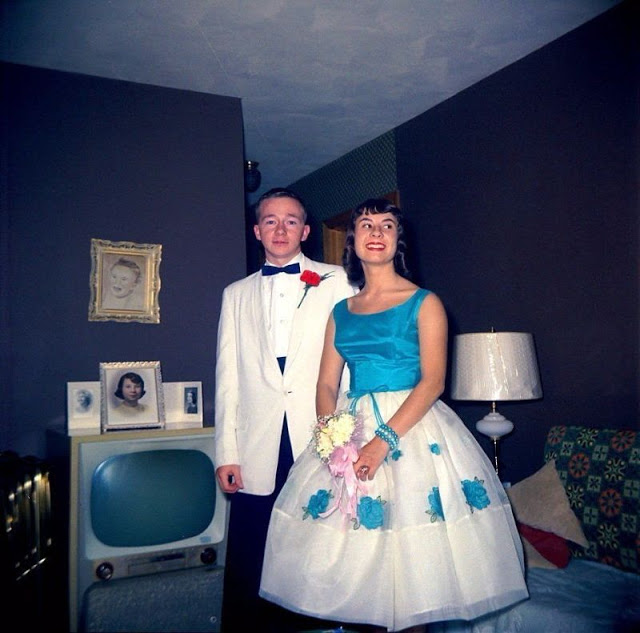
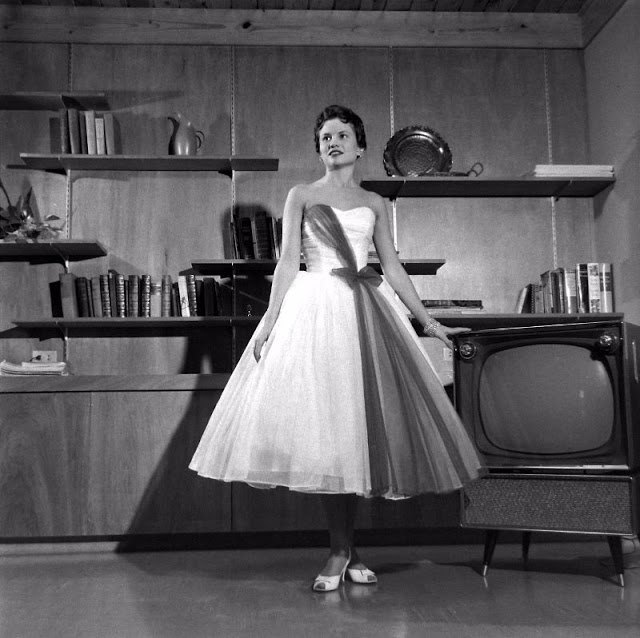
Here is an interesting collection of retro photos that shows people posing with their televisions in the 1950s.
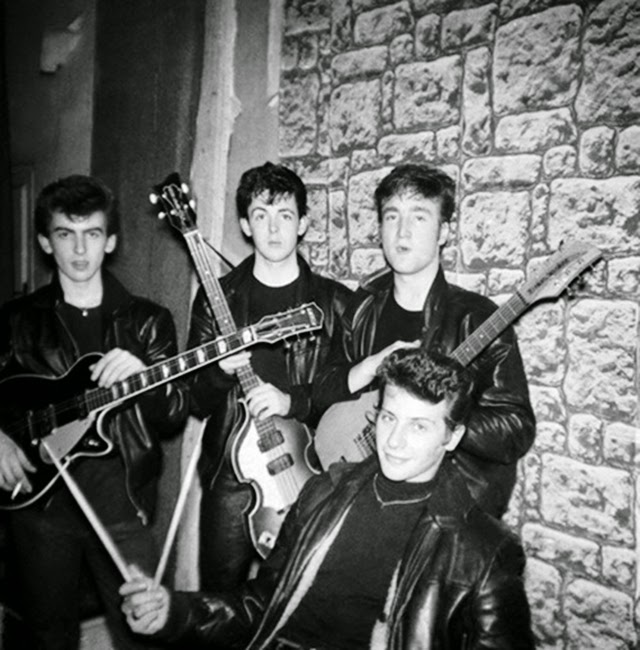
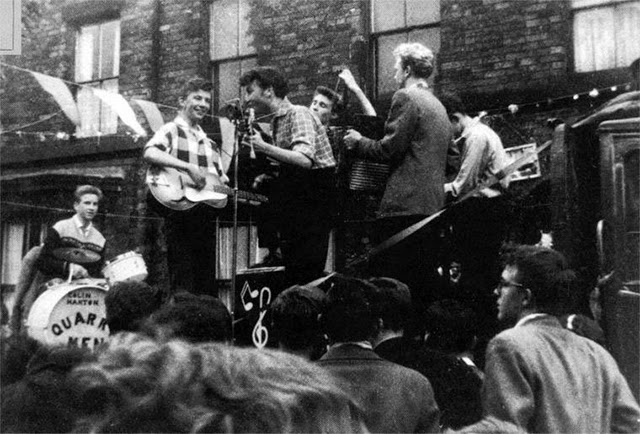
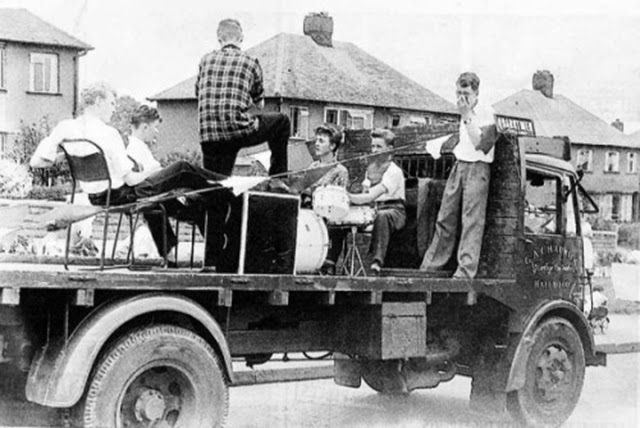
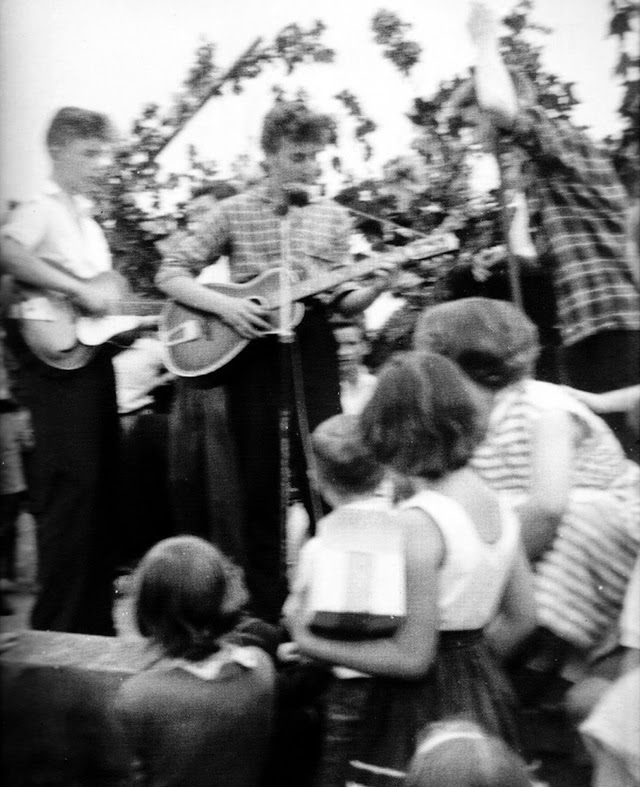
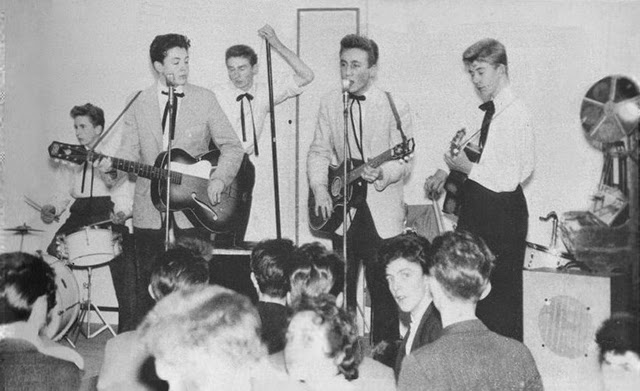
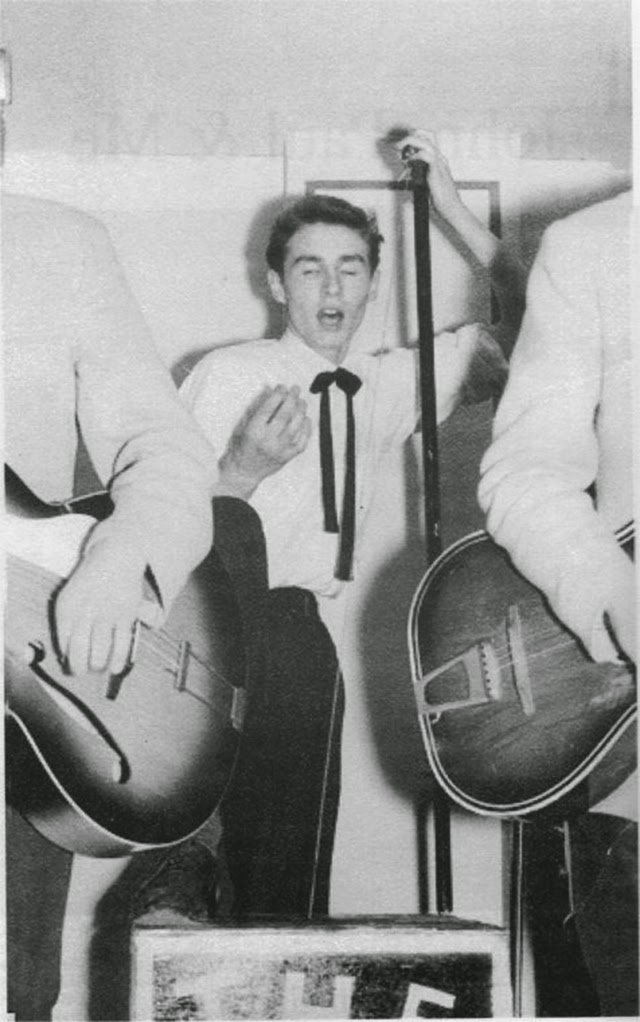
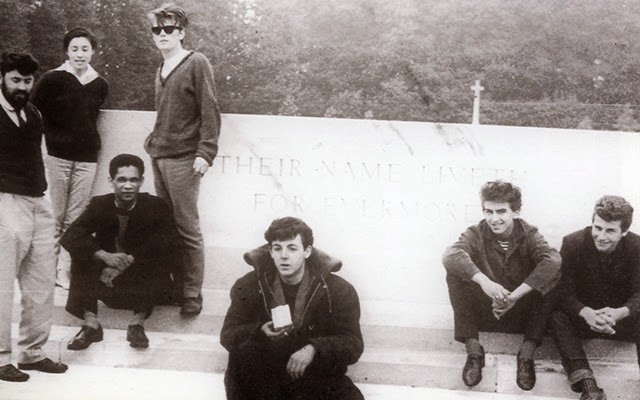
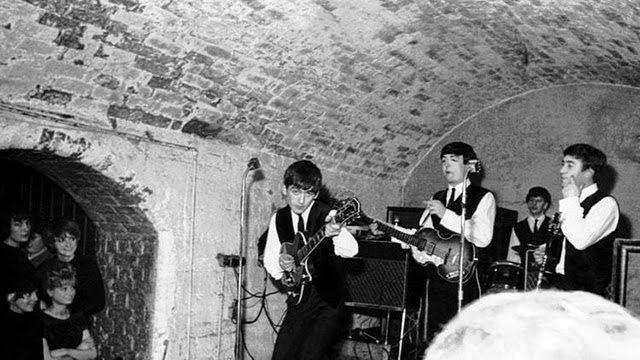
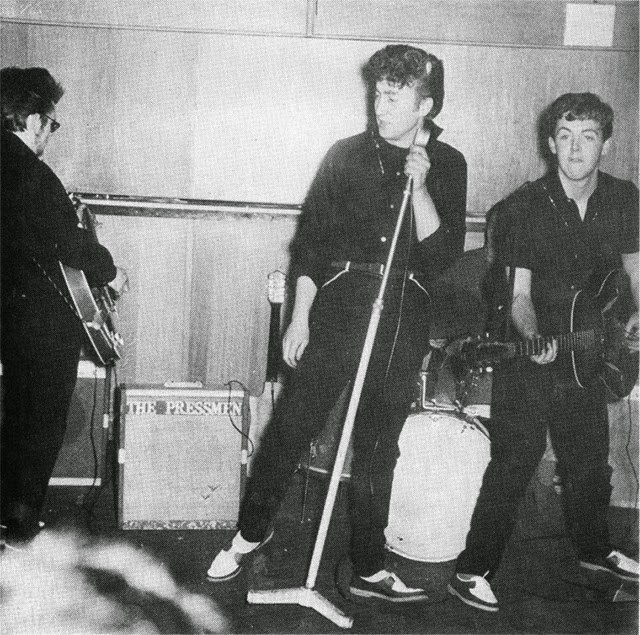
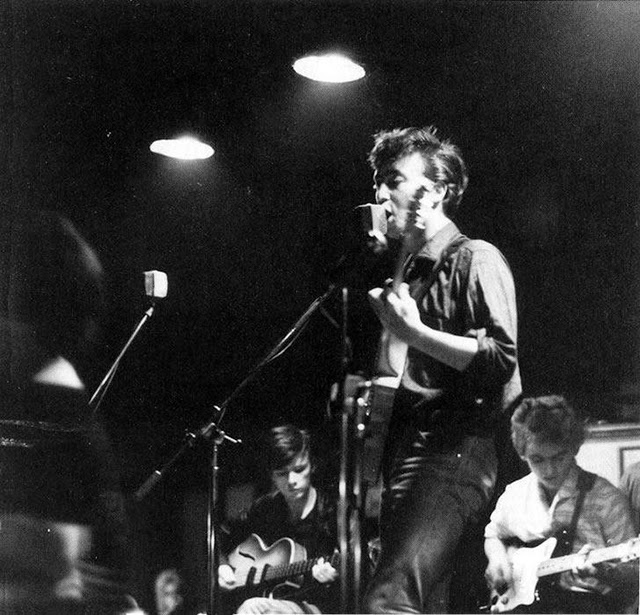
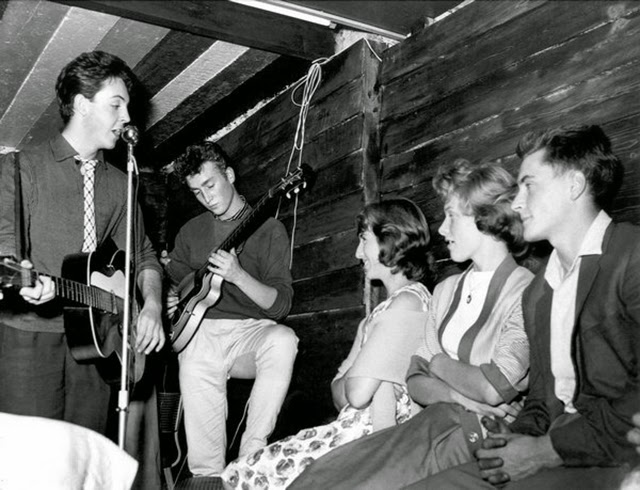
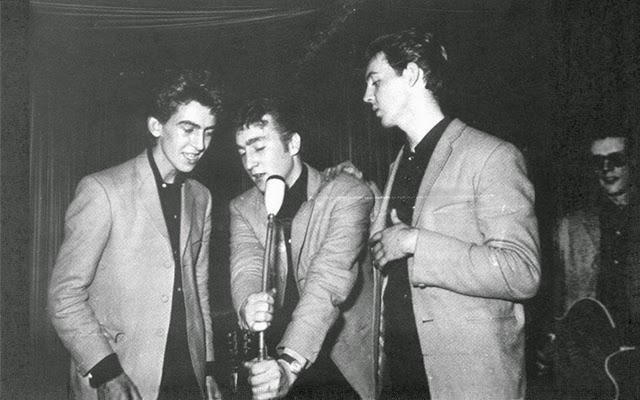
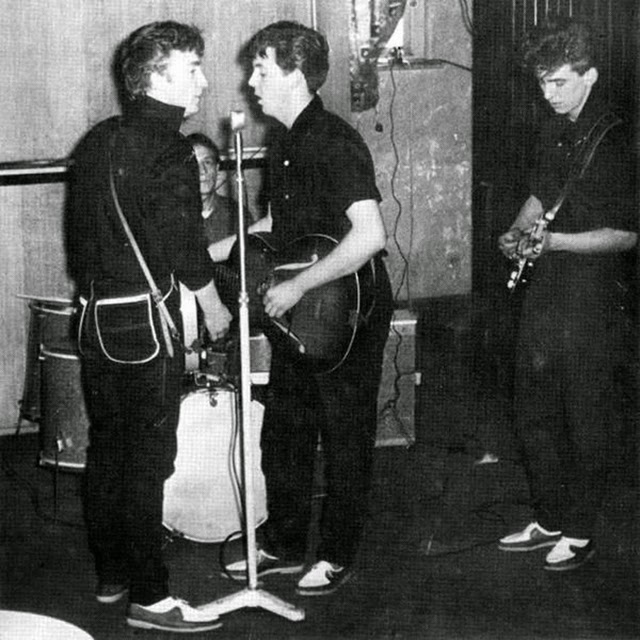
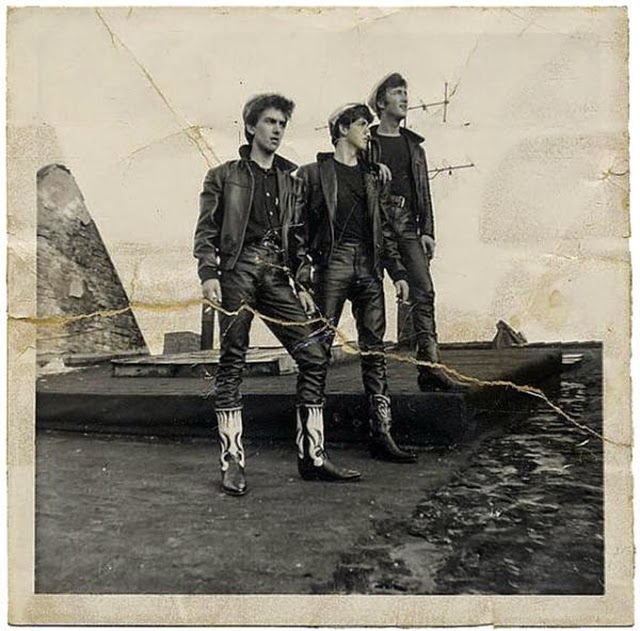
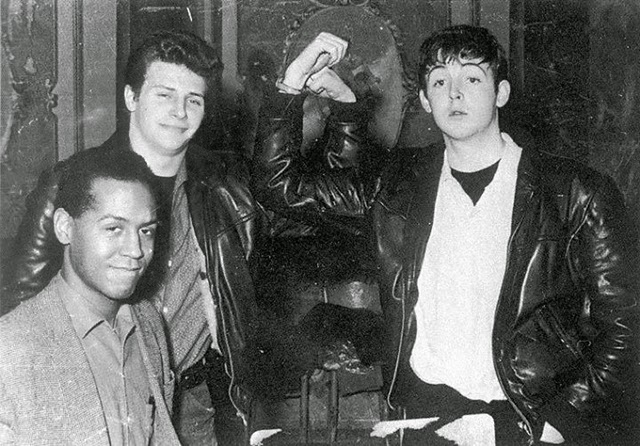
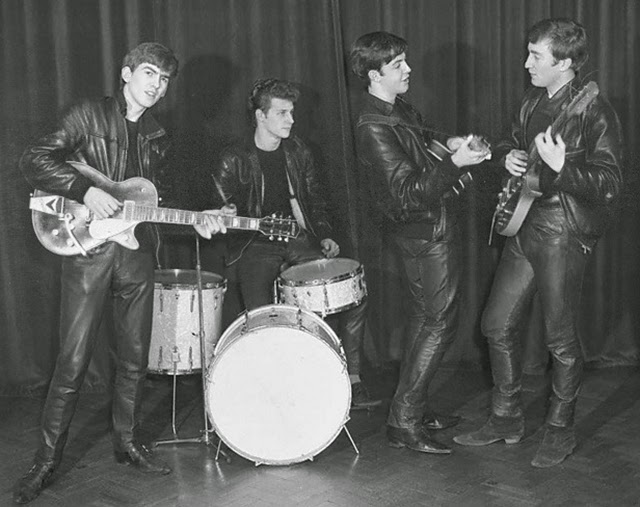
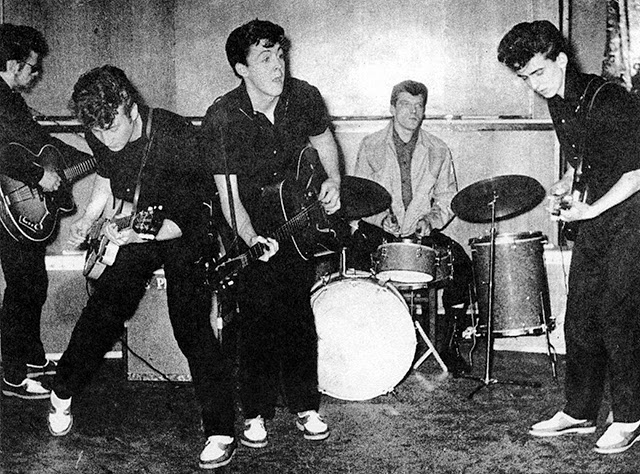
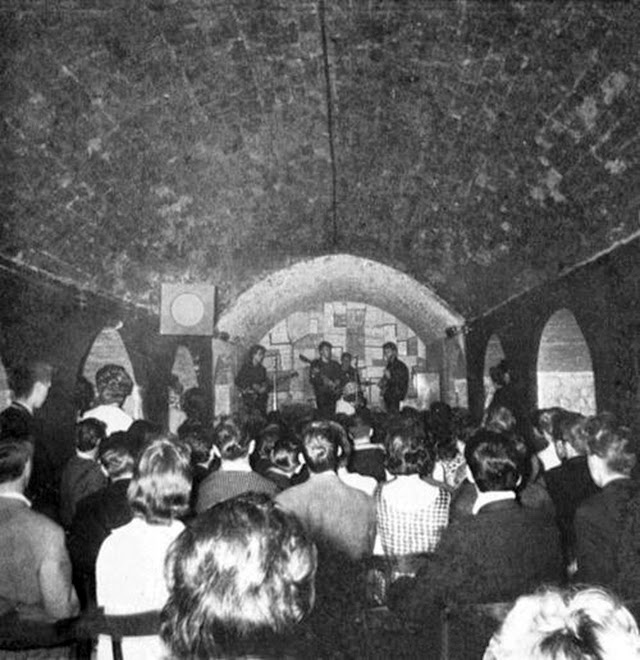
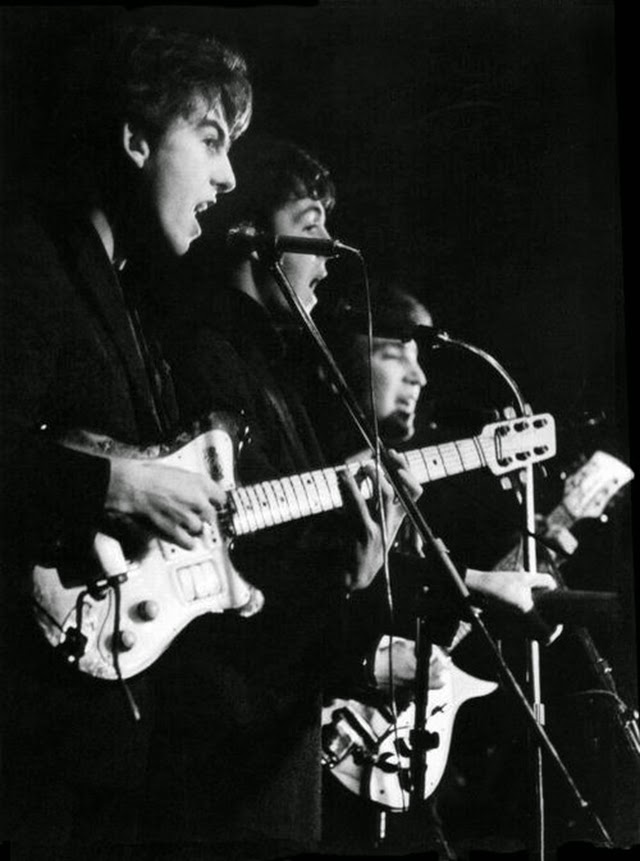
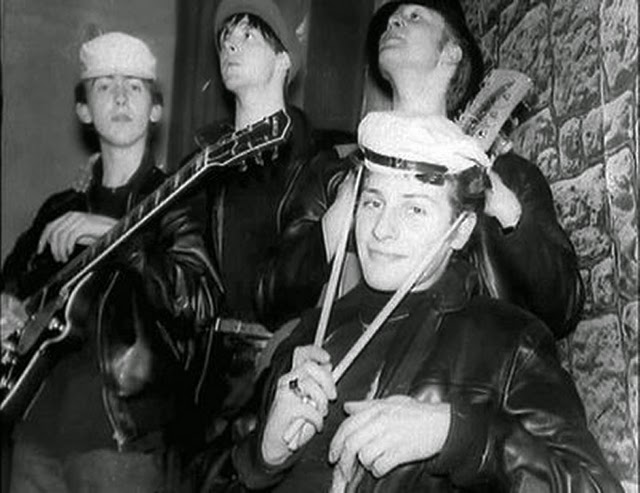
42 Rare Vintage Photographs of The Quarrymen (aka The Beatles) From the Late 1950s

The Quarrymen are a British skiffle/rock and roll group, formed by John Lennon in Liverpool in 1956, which eventually evolved into the Beatles in 1960. Originally consisting of Lennon and several school friends, the Quarrymen took their name from a line in the school song of Quarry Bank High School, which they attended.
Lennon started a skiffle group that was very briefly called the Blackjacks, but changed the name before any public performances. Some accounts credit Lennon with choosing the new name; other accounts credit his close friend Pete Shotton with suggesting the name. The Quarrymen played at parties, school dances, cinemas and amateur skiffle contests before Paul McCartney joined the band in October 1957. George Harrison joined the band in early 1958 at McCartney’s recommendation, though Lennon initially resisted because he felt Harrison (still 14 when he was first introduced to Lennon) to be too young. Both McCartney and Harrison attended the Liverpool Institute.

The group made an amateur recording of themselves in 1958, performing Buddy Holly’s “That’ll Be the Day” and “In Spite of All the Danger”, a song written by McCartney and Harrison. The group moved away from skiffle and towards rock and roll, causing several of the original members to leave. This left only a trio of Lennon, McCartney, and Harrison, who performed under several other names, including Johnny and the Moondogs and Japage 3 before returning to the Quarrymen name in 1959. In 1960, the group changed its name to the Beatles, and went on to have an extremely successful recording career.

Here’s a gallery of 42 rarely seen photographs of the band from the late 1950s.
Yesterday Today

Bringing You the Wonder of Yesterday - Today

Skip to content ↓