














Bringing You the Wonder of Yesterday – Today

Television is the first audiovisual device that changed the way people see entertainment. It opened the realm of recreation and mass communication. It made possible for people and families to watch live events in the comforts of their drawing room.
By 1950s, the aftermath of World War II had faded away. Economy was booming again and people had cash in their wallets. It was the popular period of television. Popularity of radio and print media began to fade away gradually, as television set its hold on people’s life.
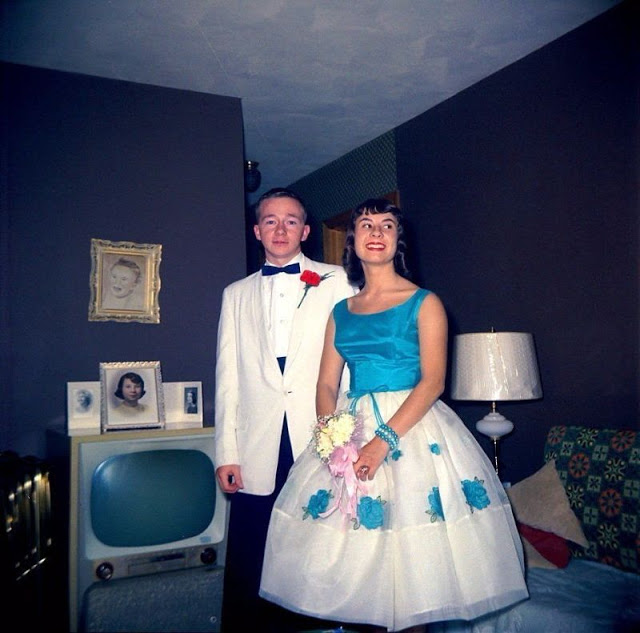
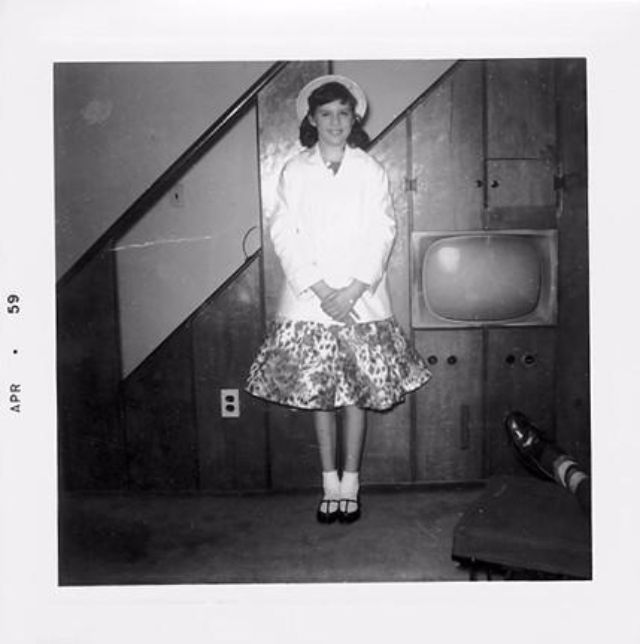
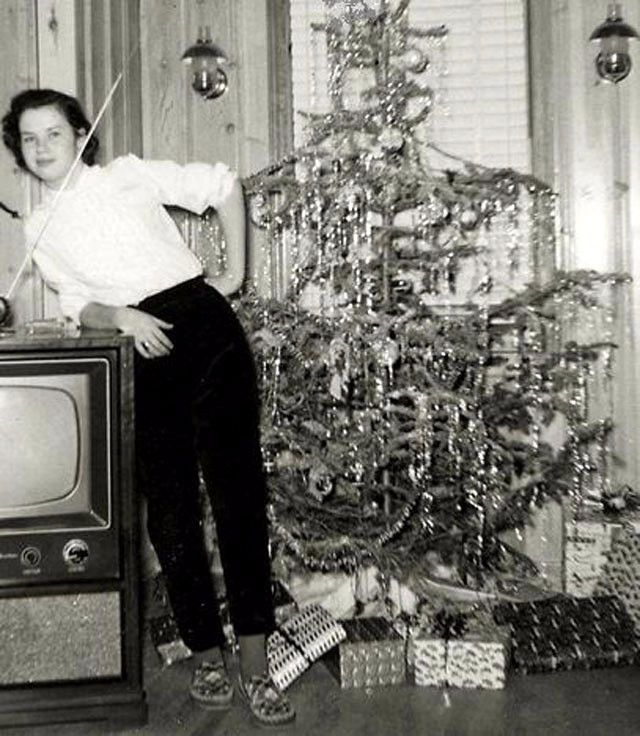
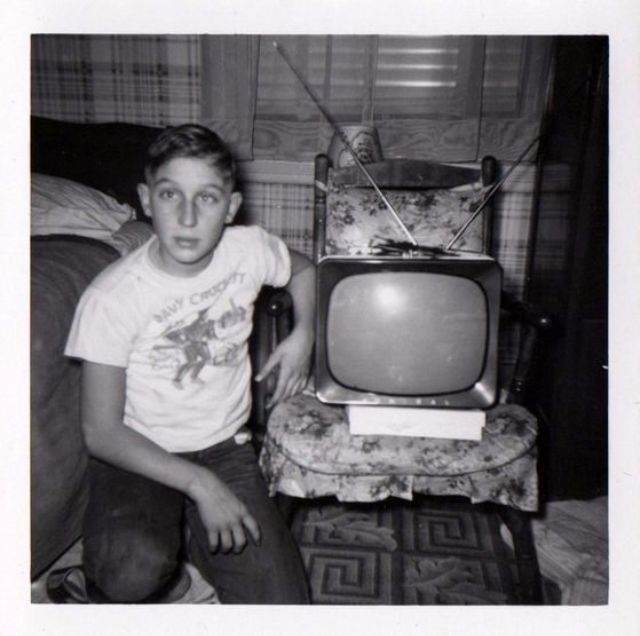
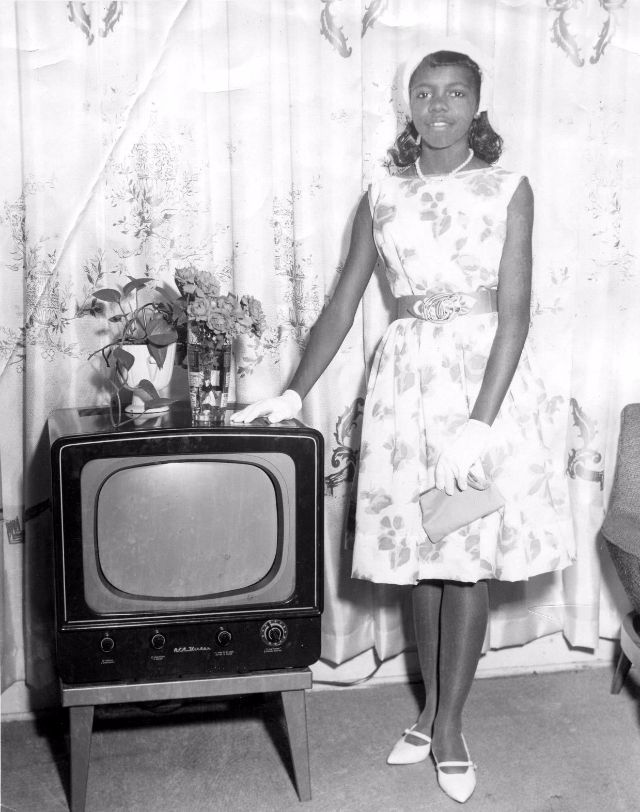
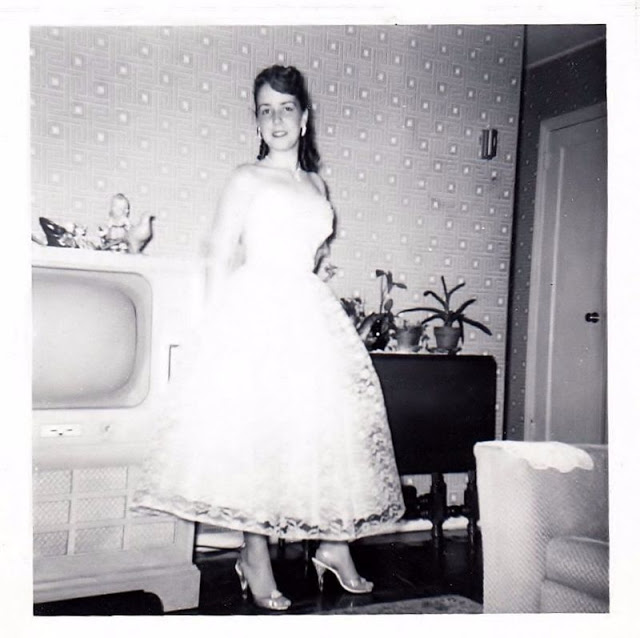
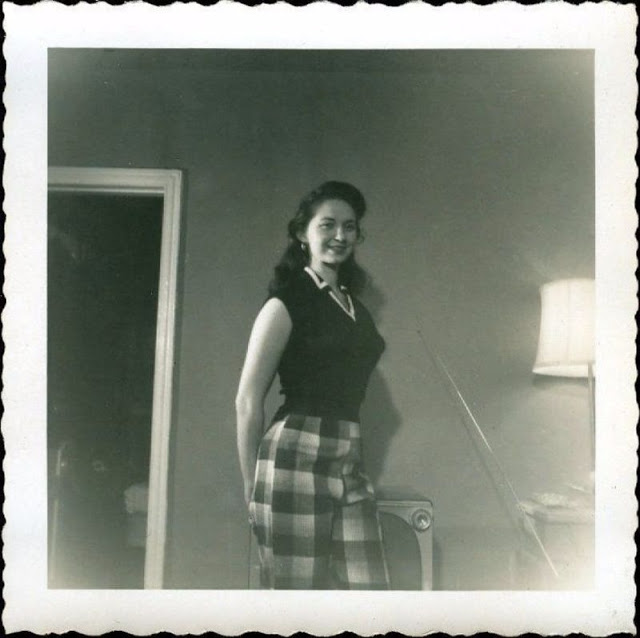
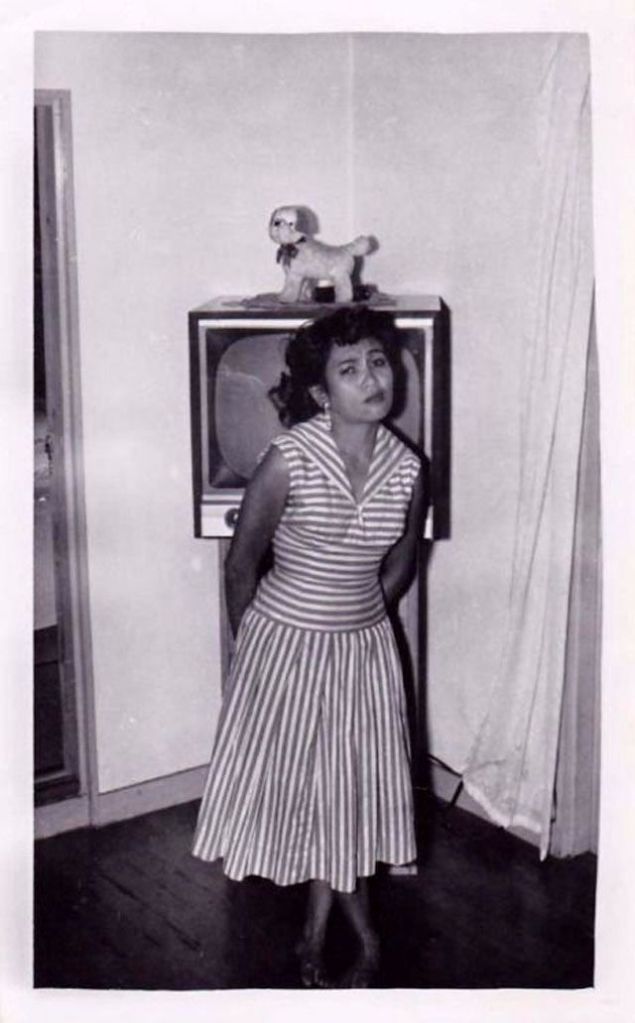
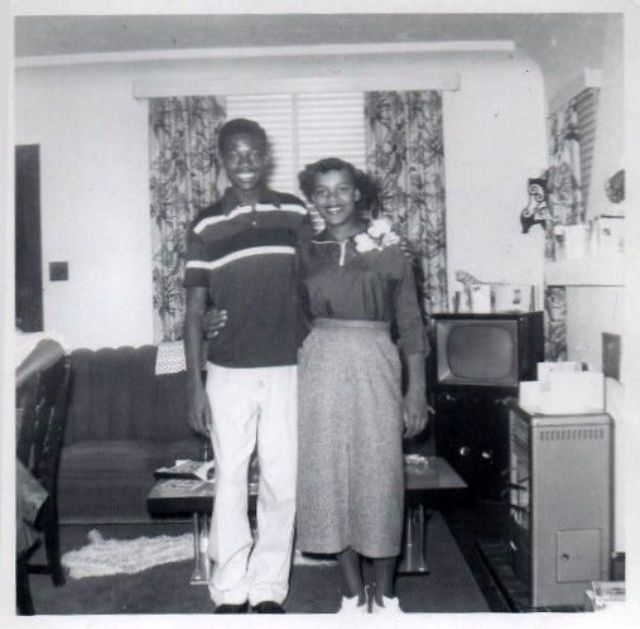
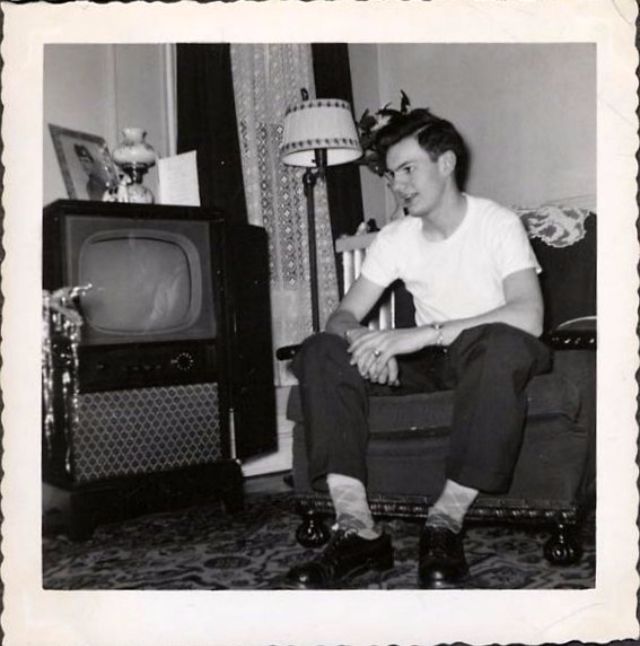
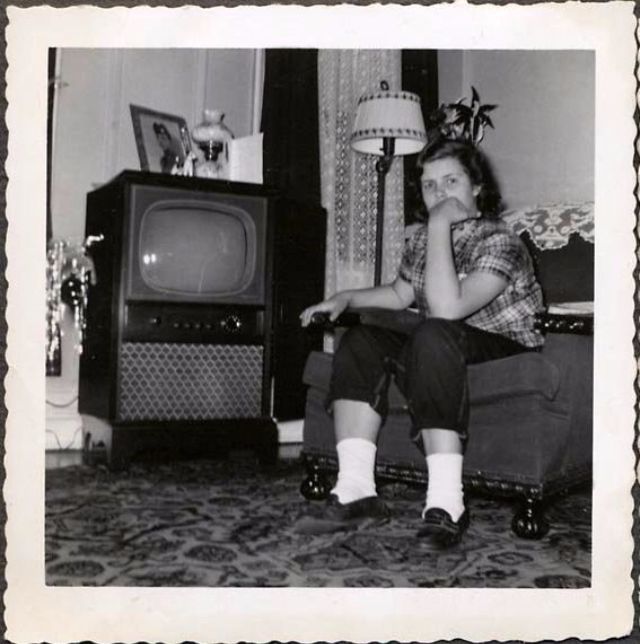
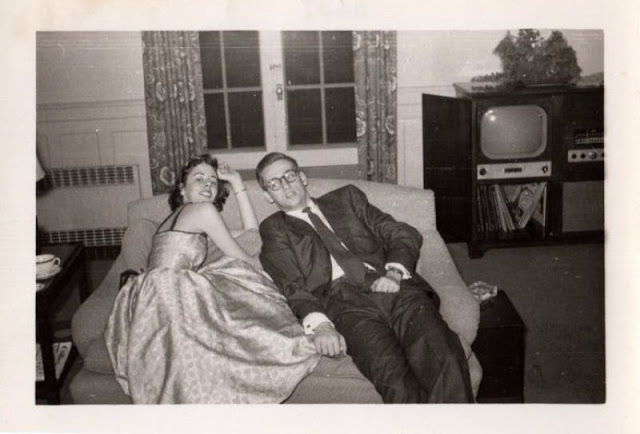
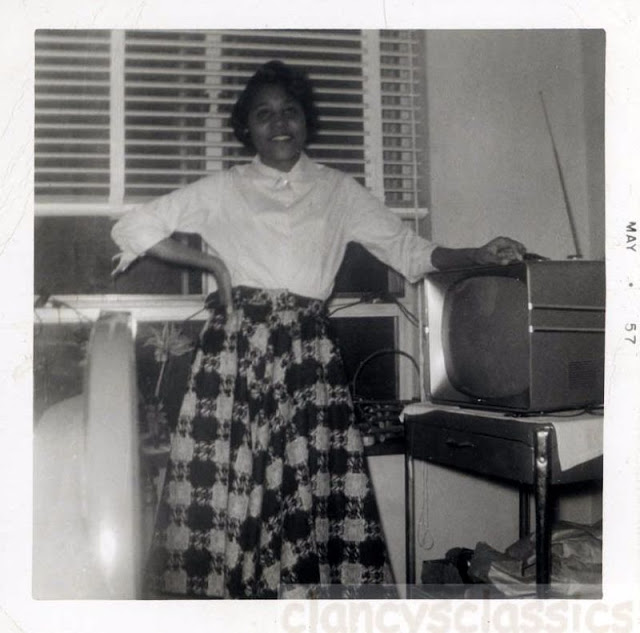
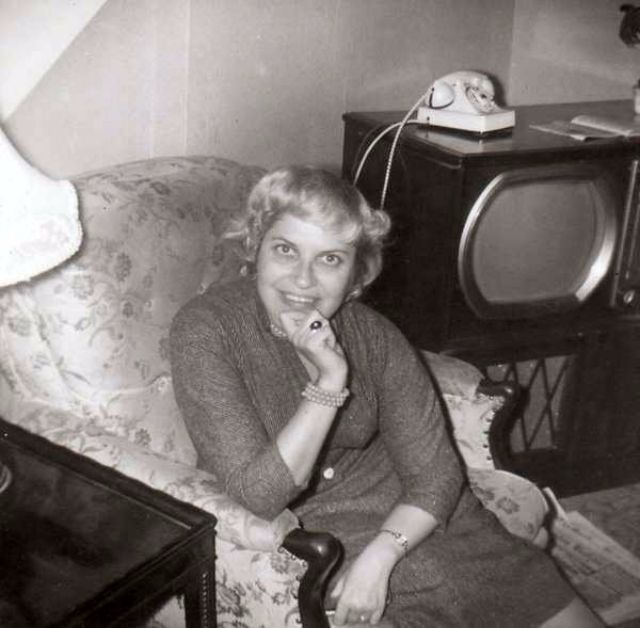
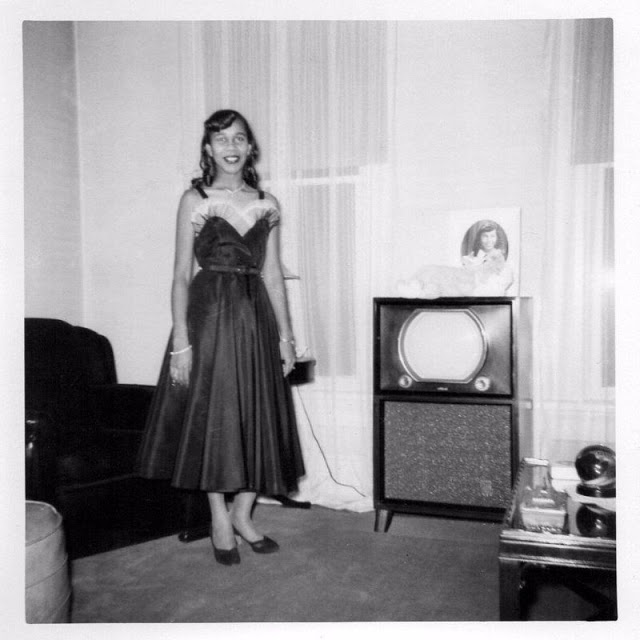
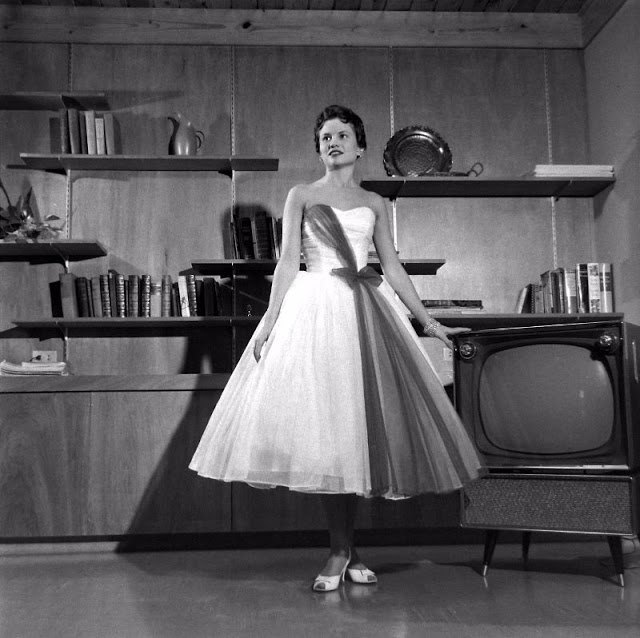
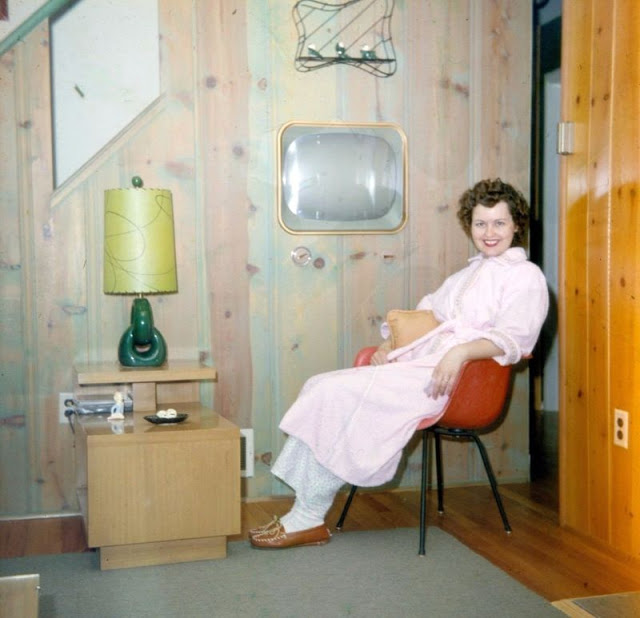
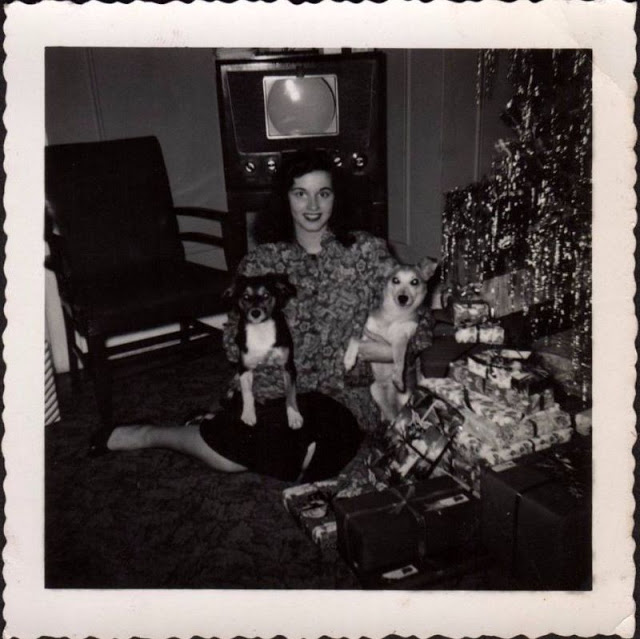
Here is an interesting collection of retro photos that shows people posing with their televisions in the 1950s.




































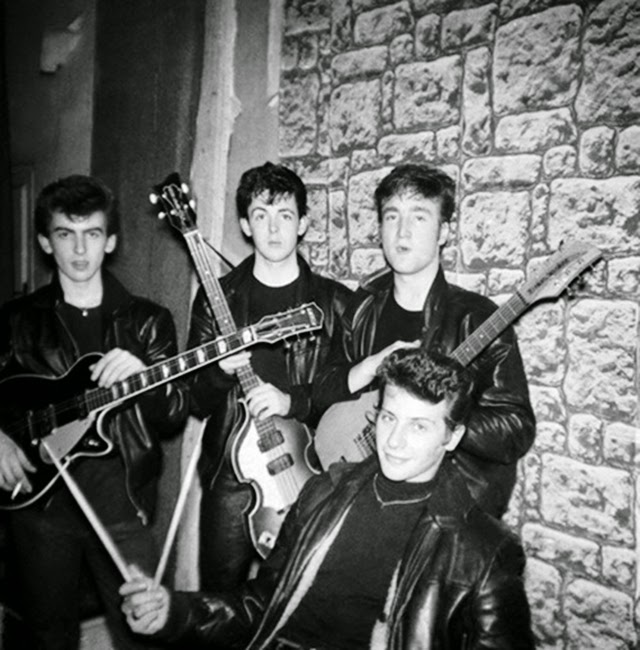
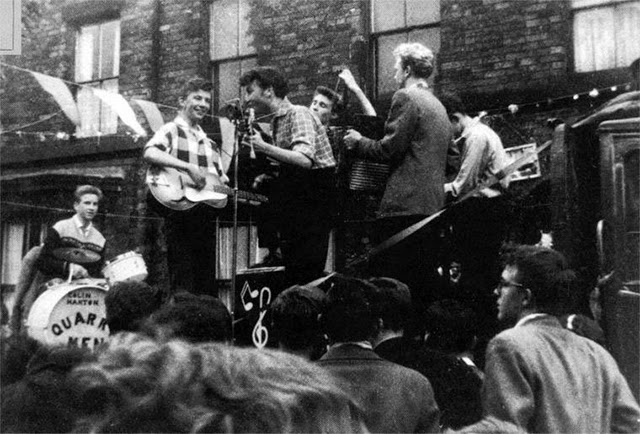
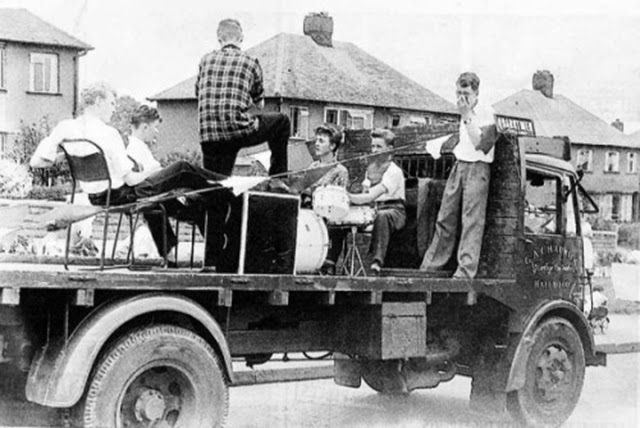
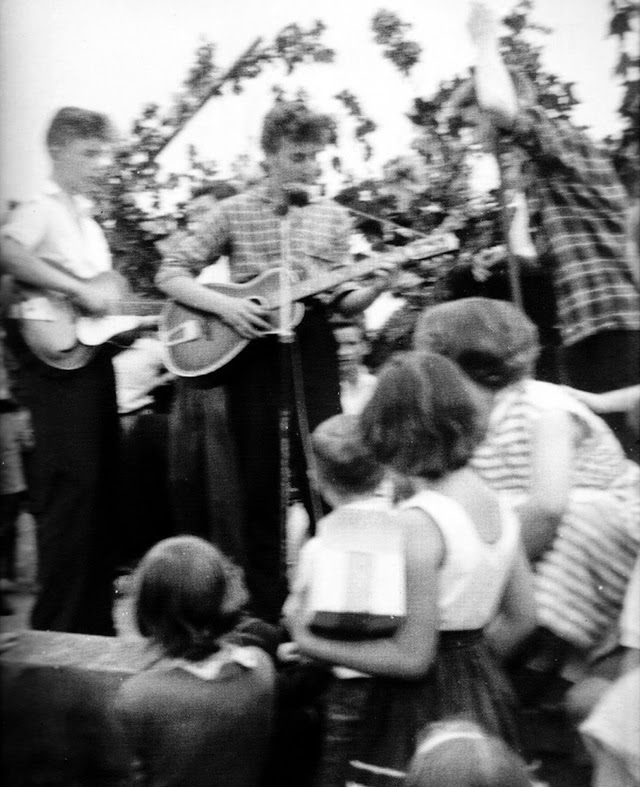
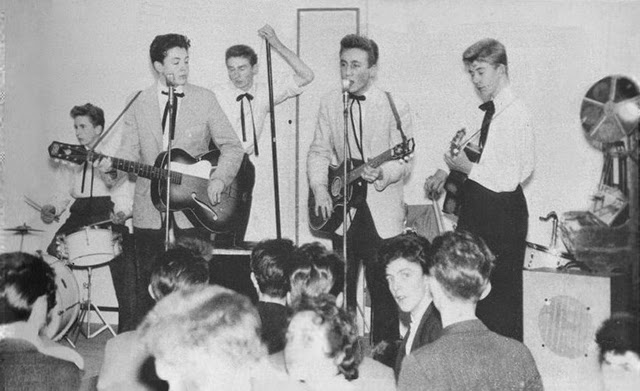
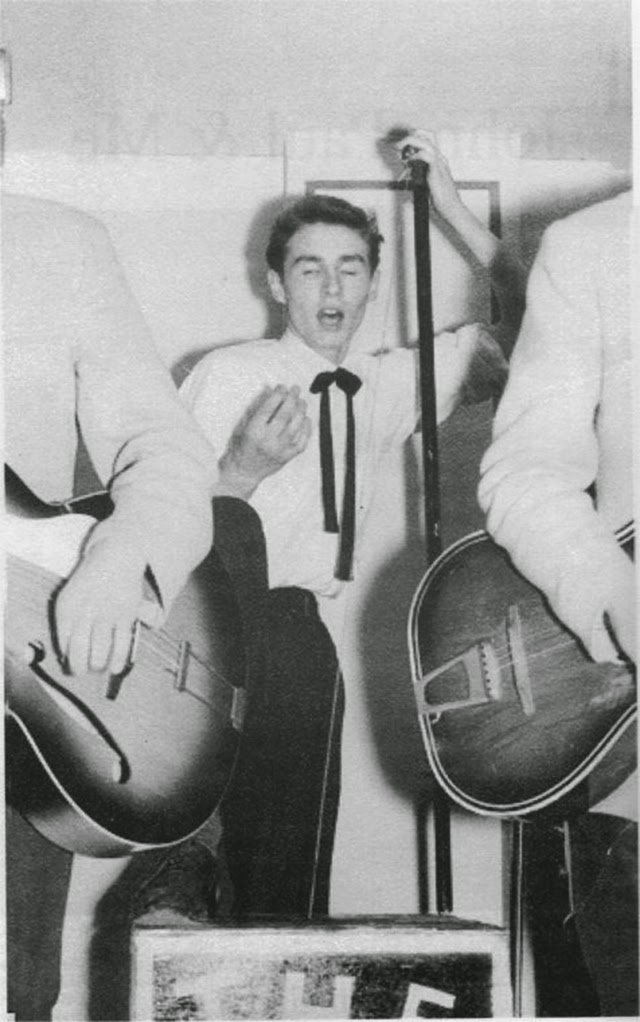
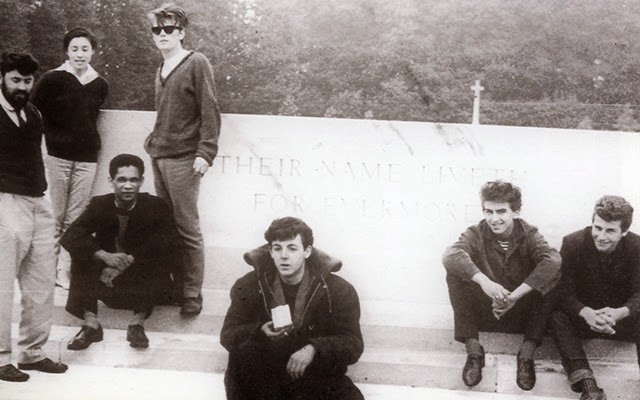
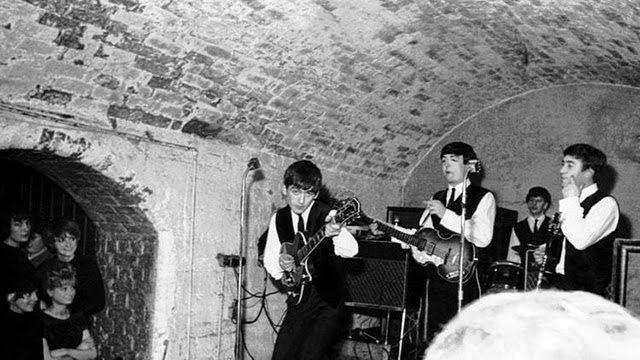
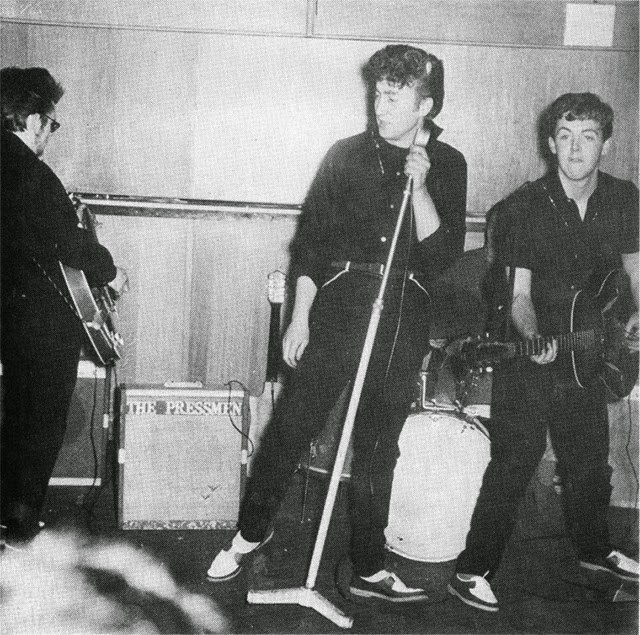
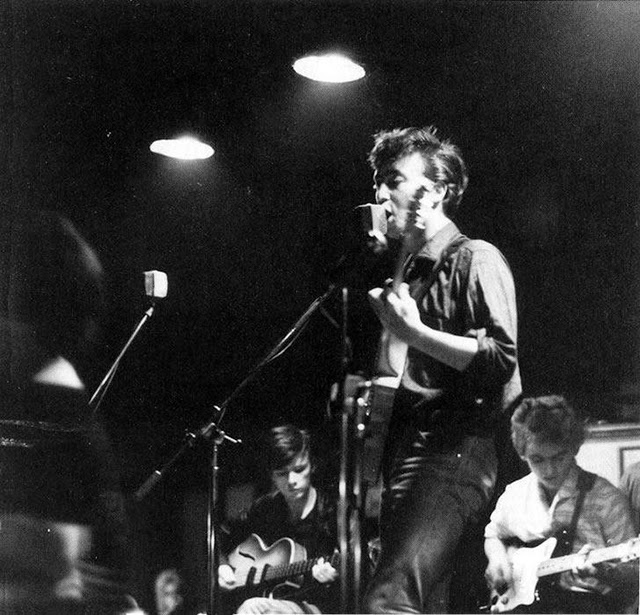
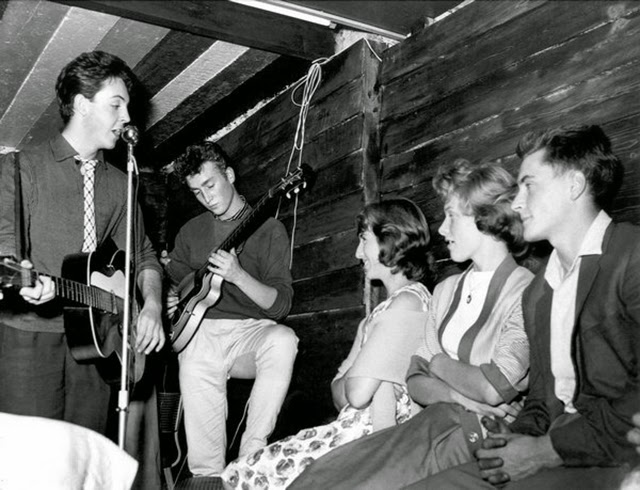
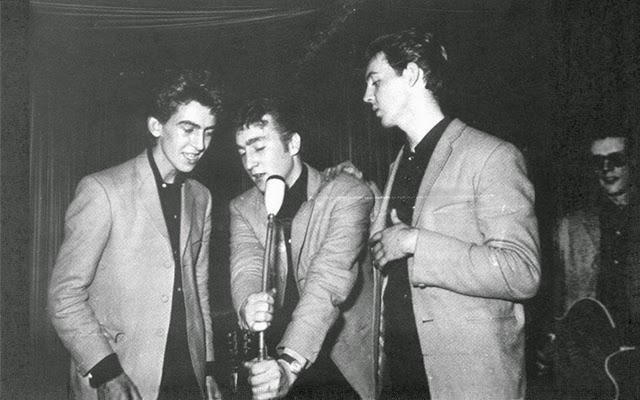
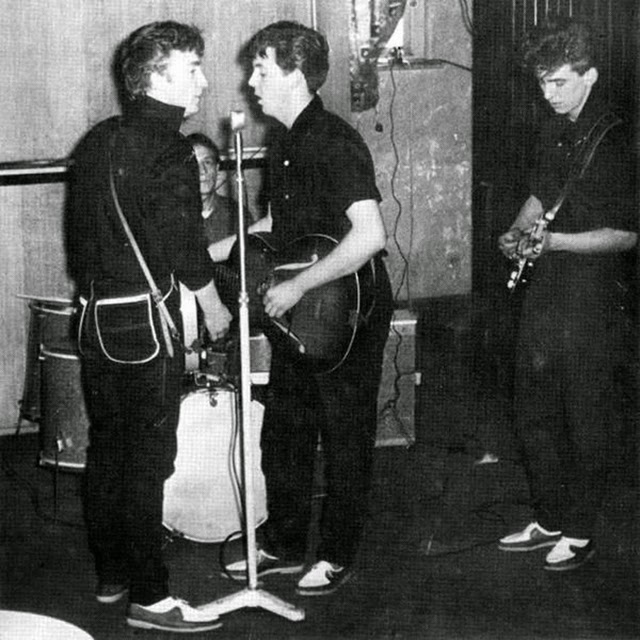
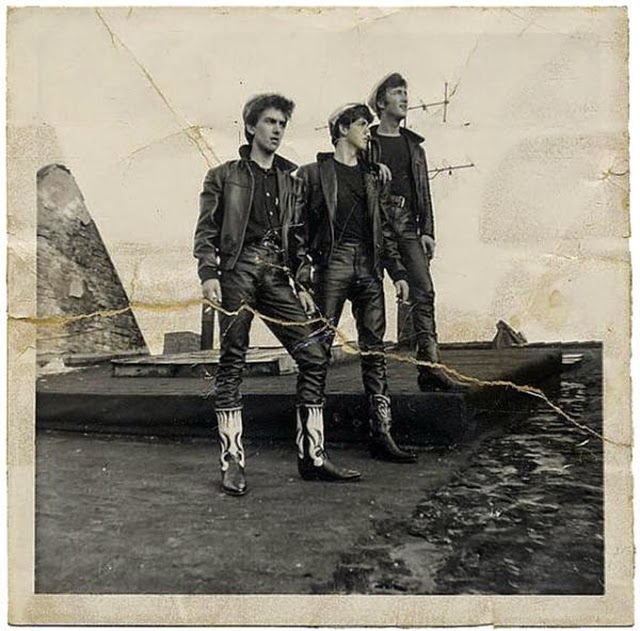
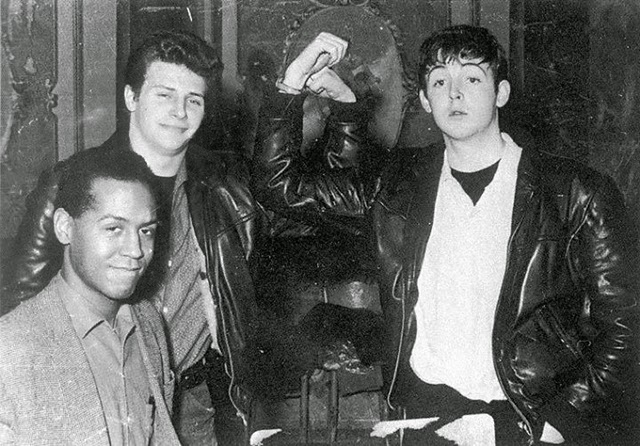
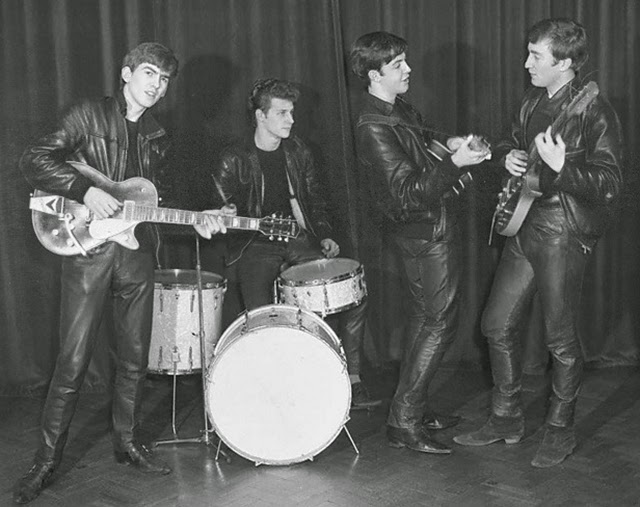
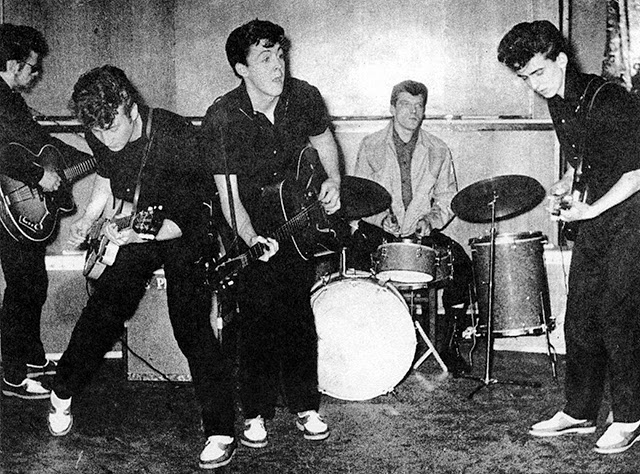
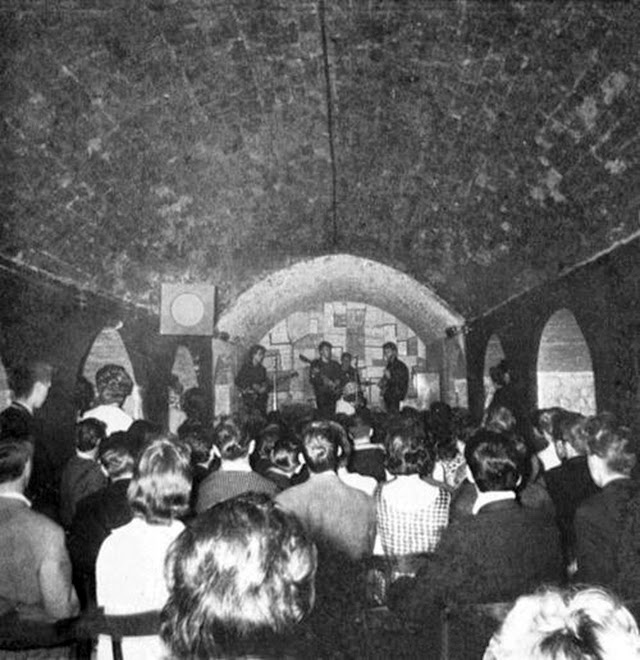
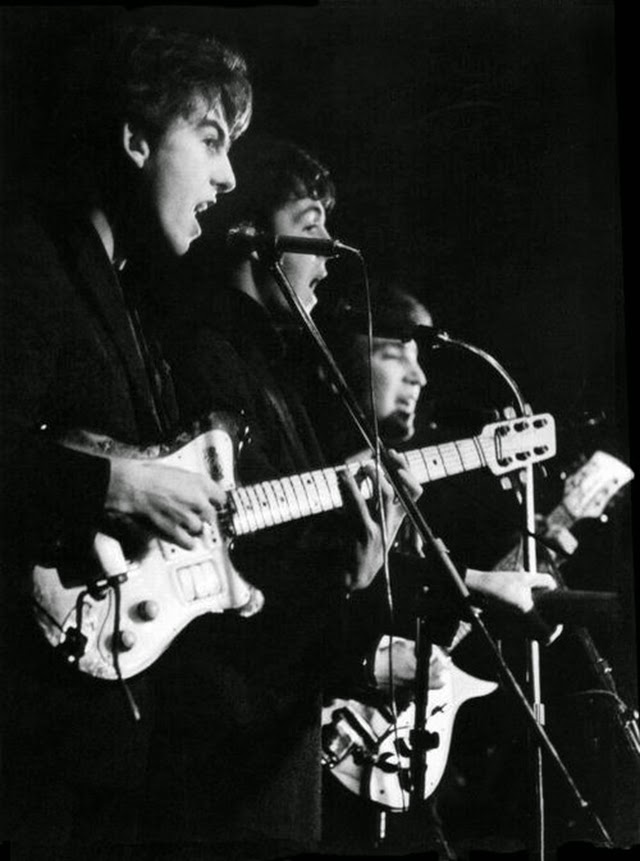
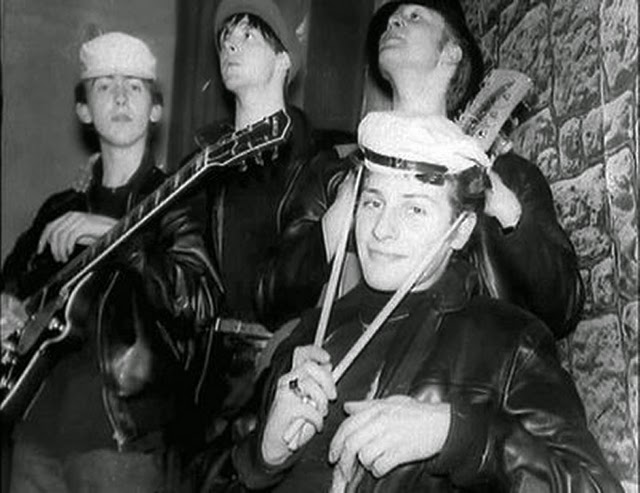
The Quarrymen are a British skiffle/rock and roll group, formed by John Lennon in Liverpool in 1956, which eventually evolved into the Beatles in 1960. Originally consisting of Lennon and several school friends, the Quarrymen took their name from a line in the school song of Quarry Bank High School, which they attended.
Lennon started a skiffle group that was very briefly called the Blackjacks, but changed the name before any public performances. Some accounts credit Lennon with choosing the new name; other accounts credit his close friend Pete Shotton with suggesting the name. The Quarrymen played at parties, school dances, cinemas and amateur skiffle contests before Paul McCartney joined the band in October 1957. George Harrison joined the band in early 1958 at McCartney’s recommendation, though Lennon initially resisted because he felt Harrison (still 14 when he was first introduced to Lennon) to be too young. Both McCartney and Harrison attended the Liverpool Institute.
The group made an amateur recording of themselves in 1958, performing Buddy Holly’s “That’ll Be the Day” and “In Spite of All the Danger”, a song written by McCartney and Harrison. The group moved away from skiffle and towards rock and roll, causing several of the original members to leave. This left only a trio of Lennon, McCartney, and Harrison, who performed under several other names, including Johnny and the Moondogs and Japage 3 before returning to the Quarrymen name in 1959. In 1960, the group changed its name to the Beatles, and went on to have an extremely successful recording career.
Here’s a gallery of 42 rarely seen photographs of the band from the late 1950s.

















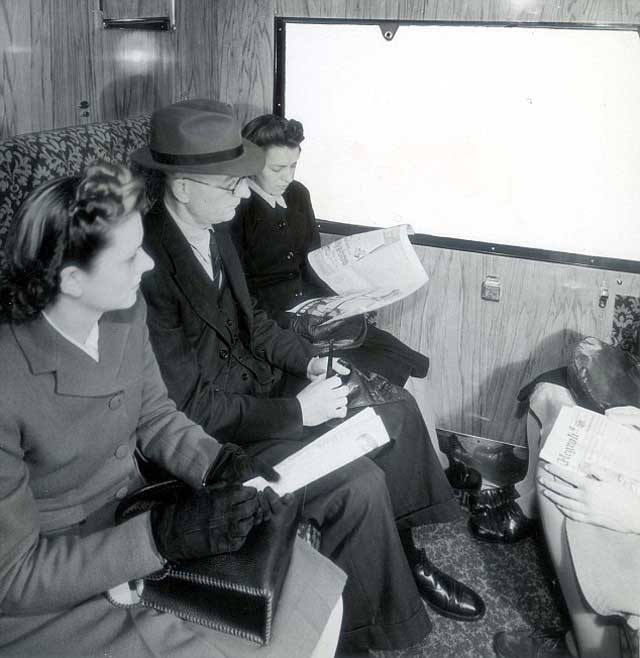
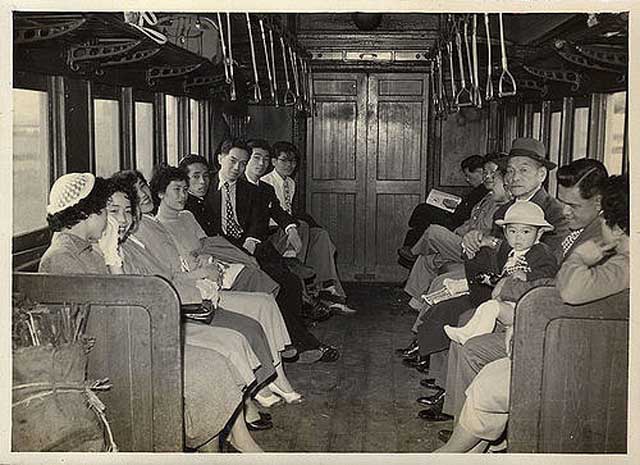
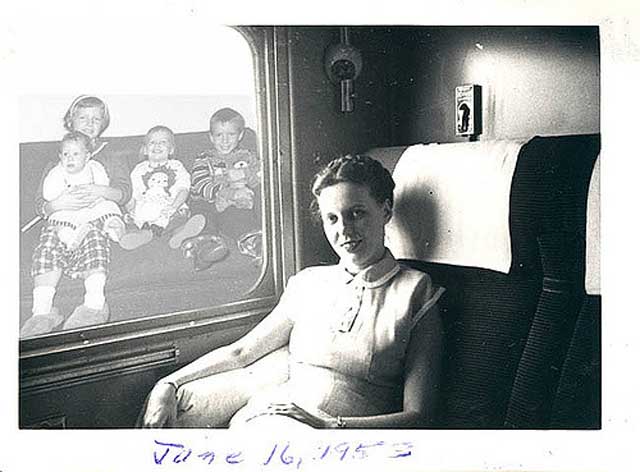
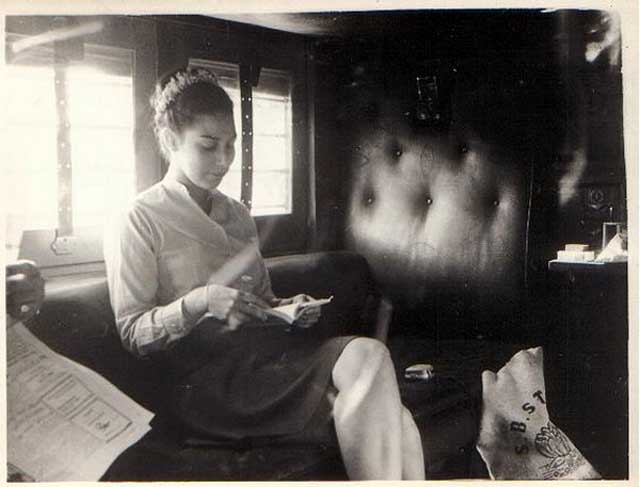
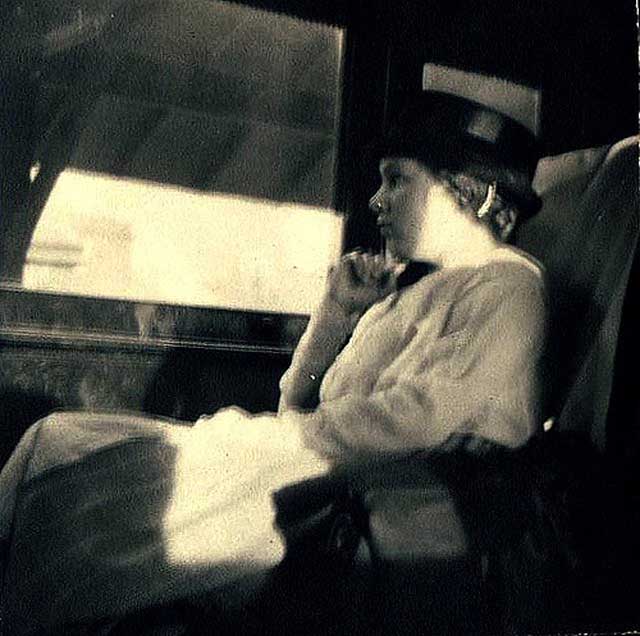
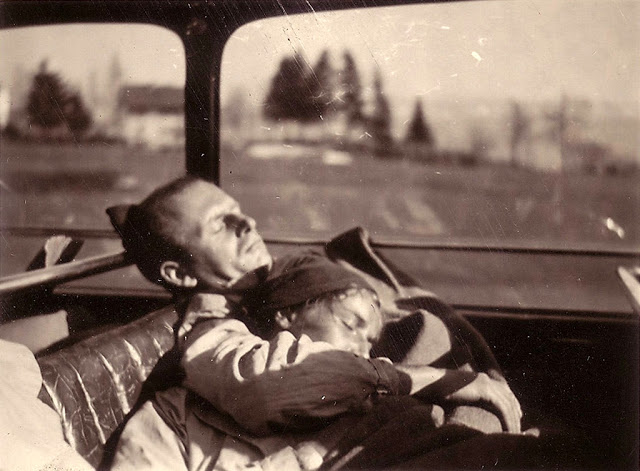
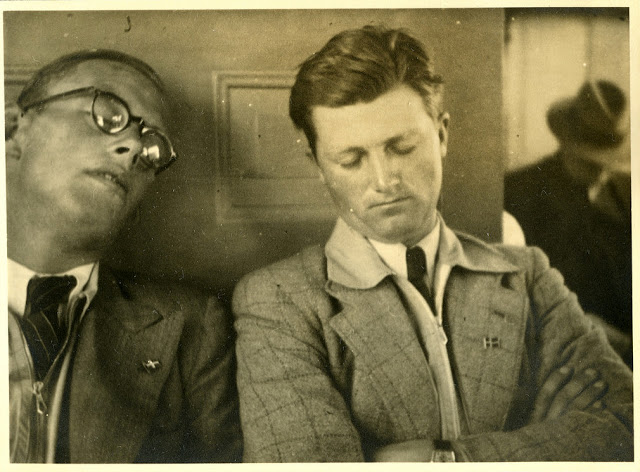
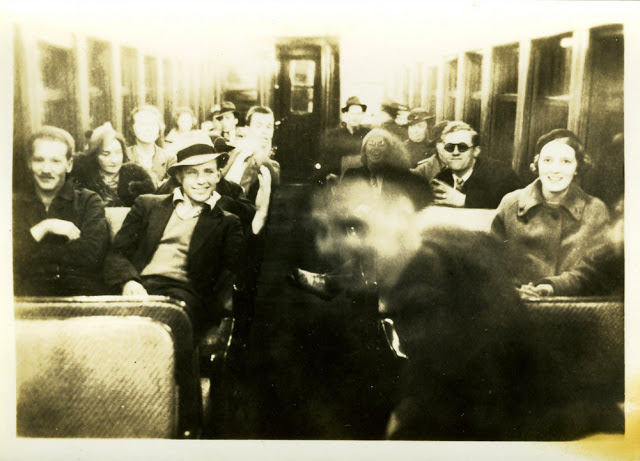
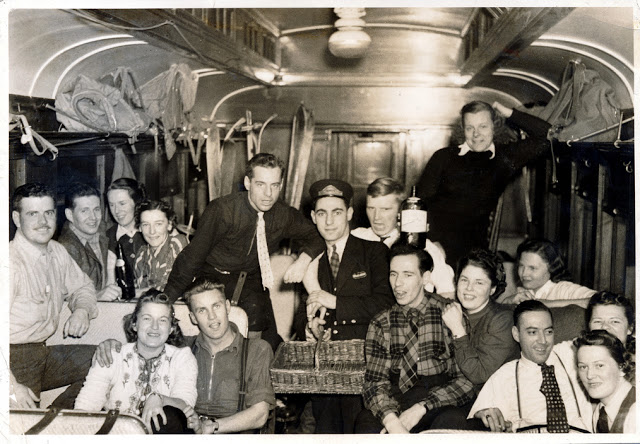
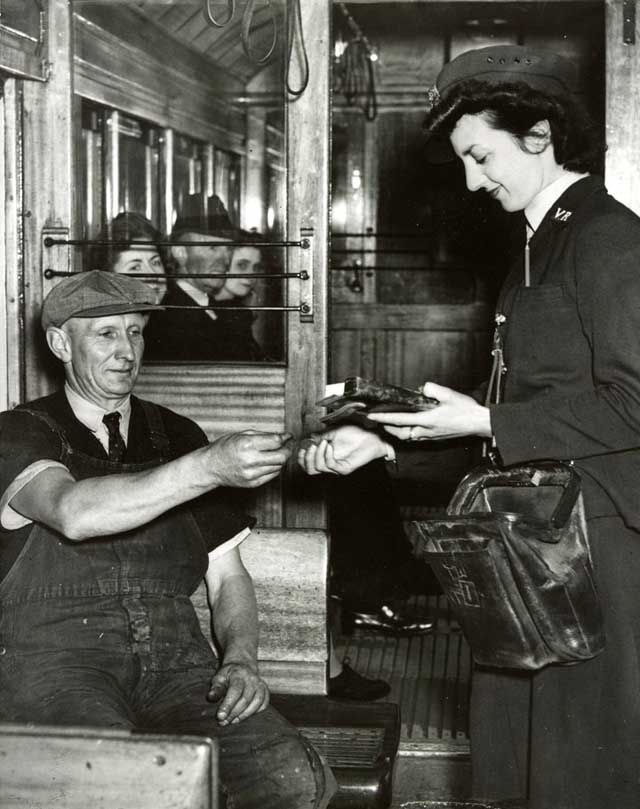
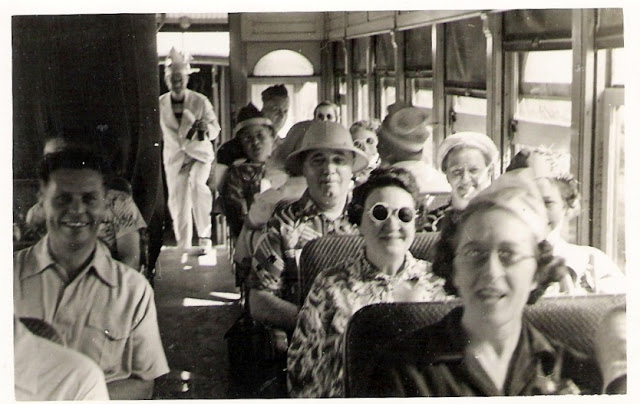
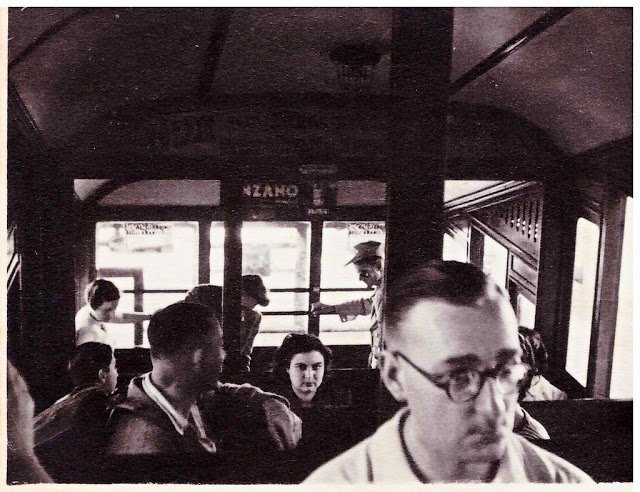
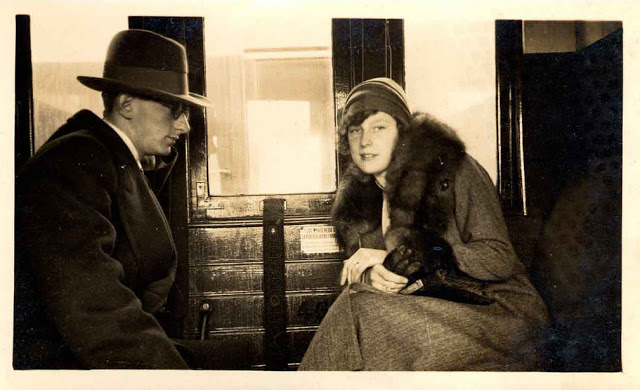
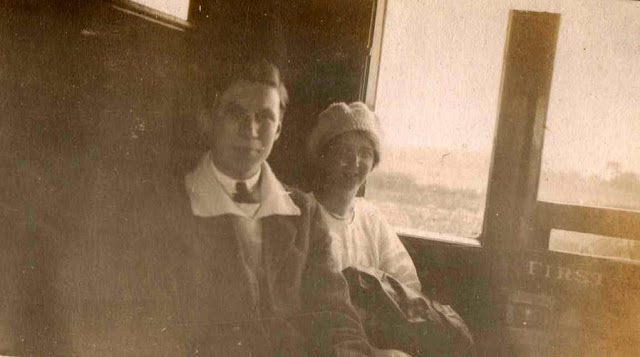
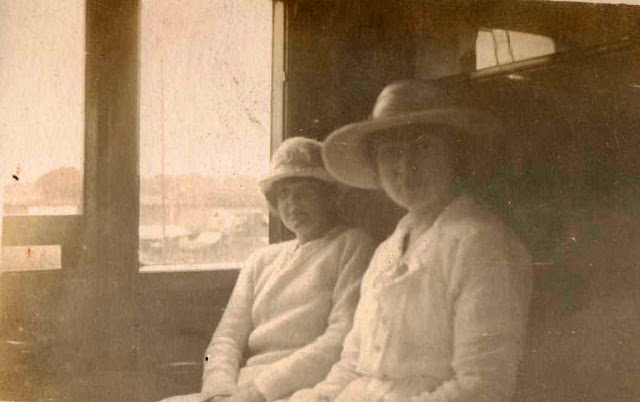
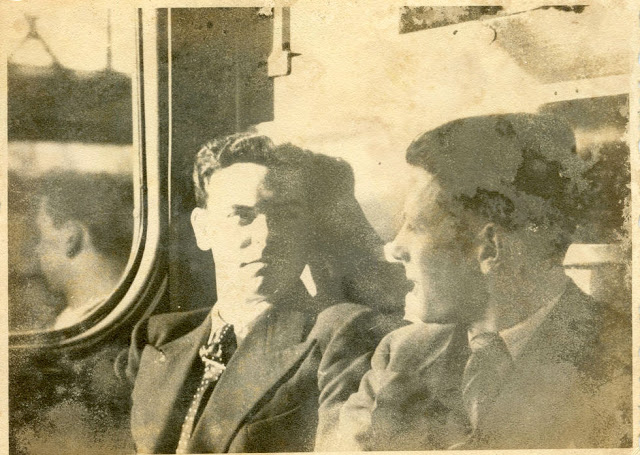
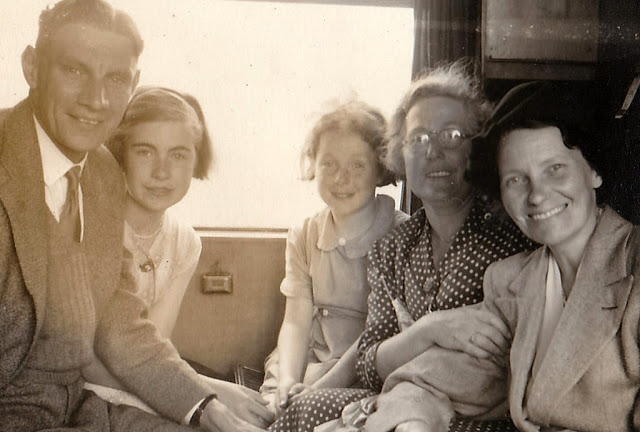
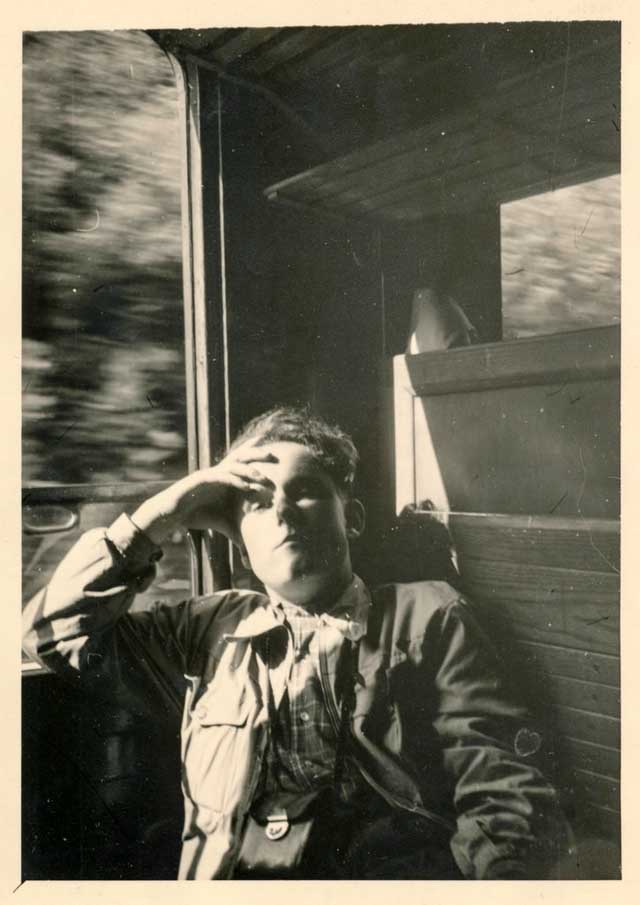
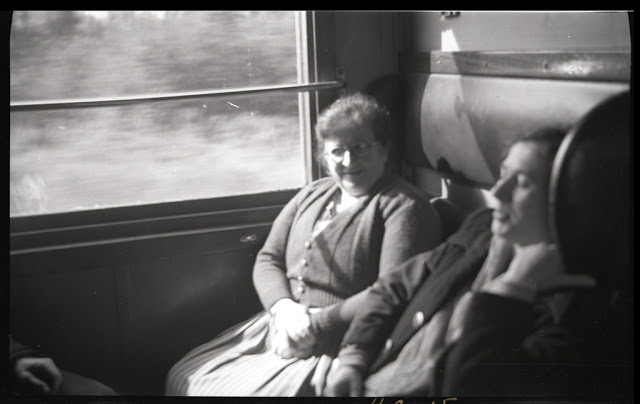
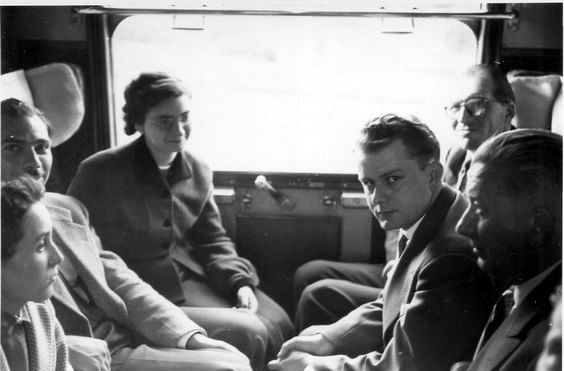
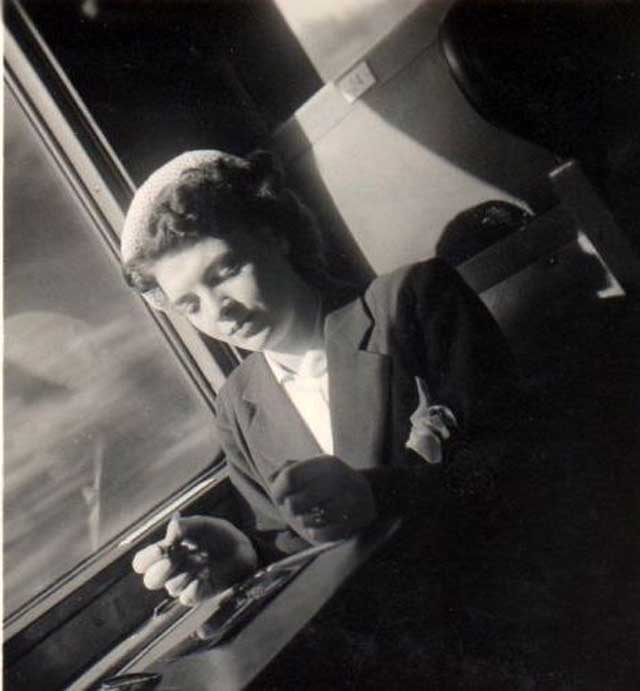
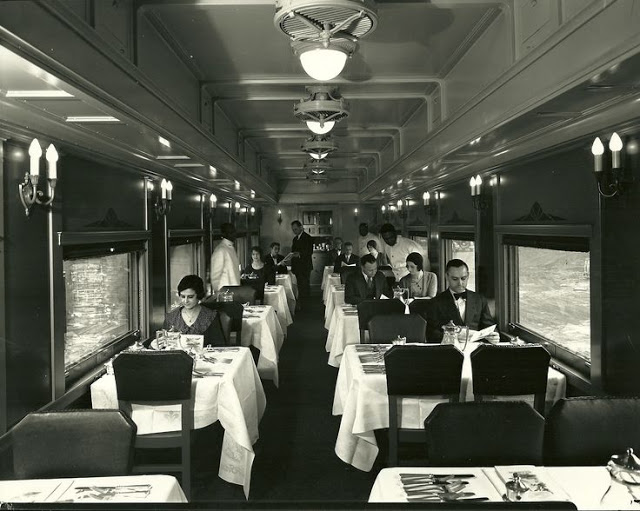
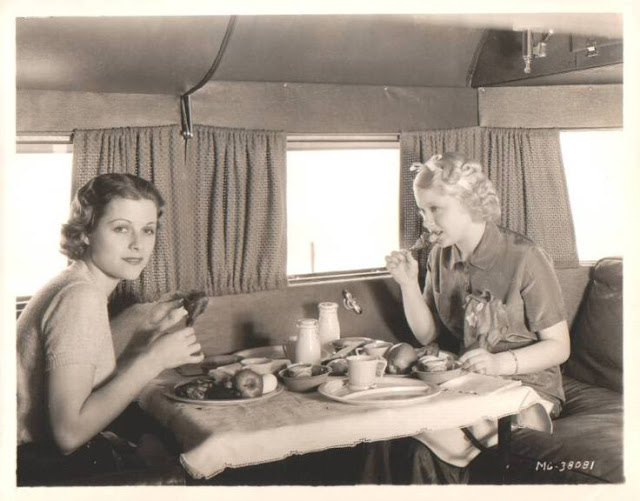
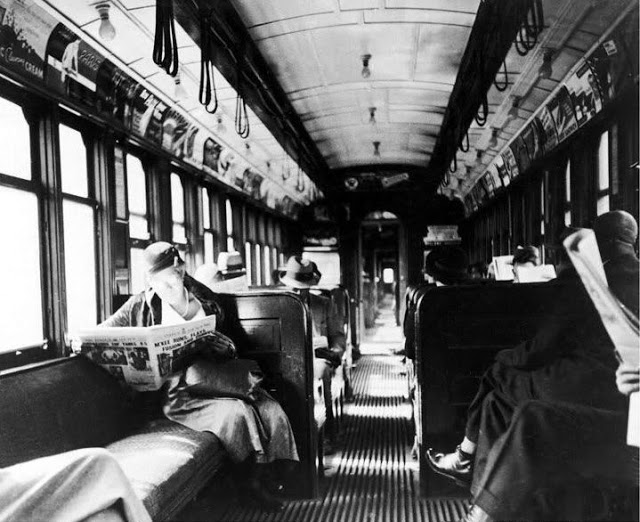
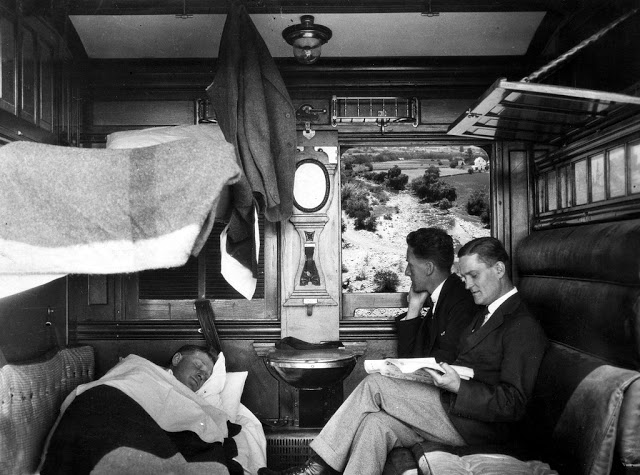
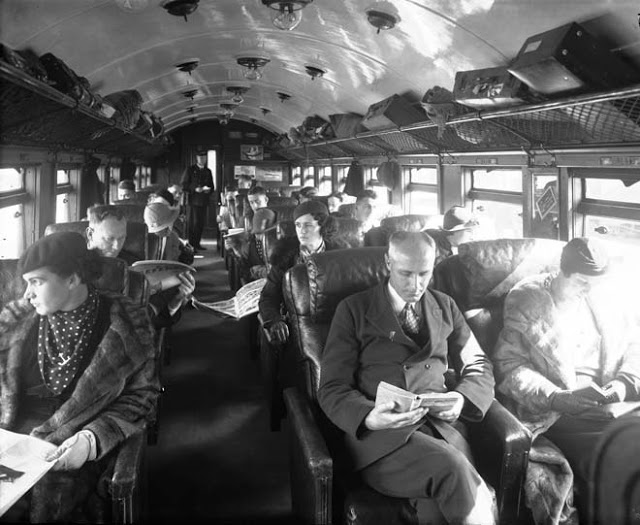
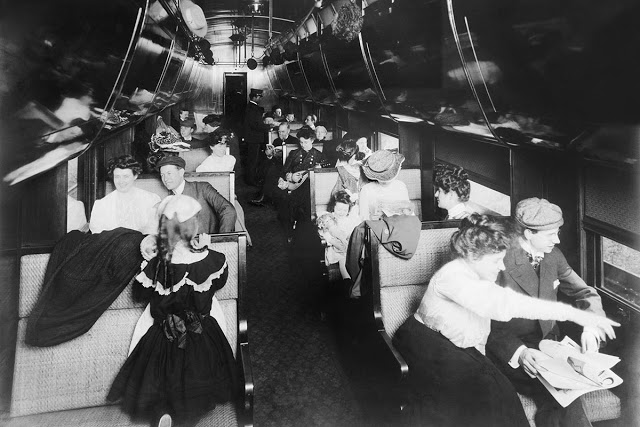
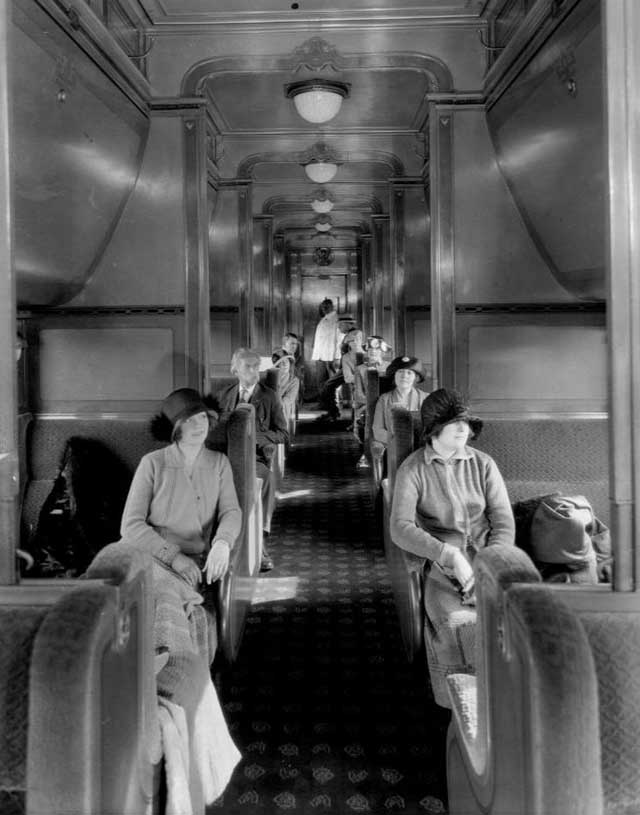
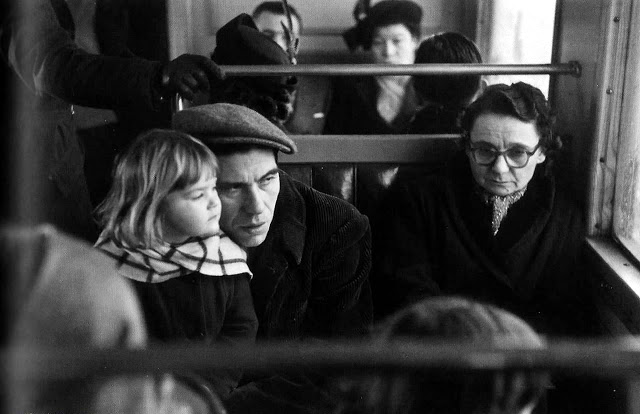
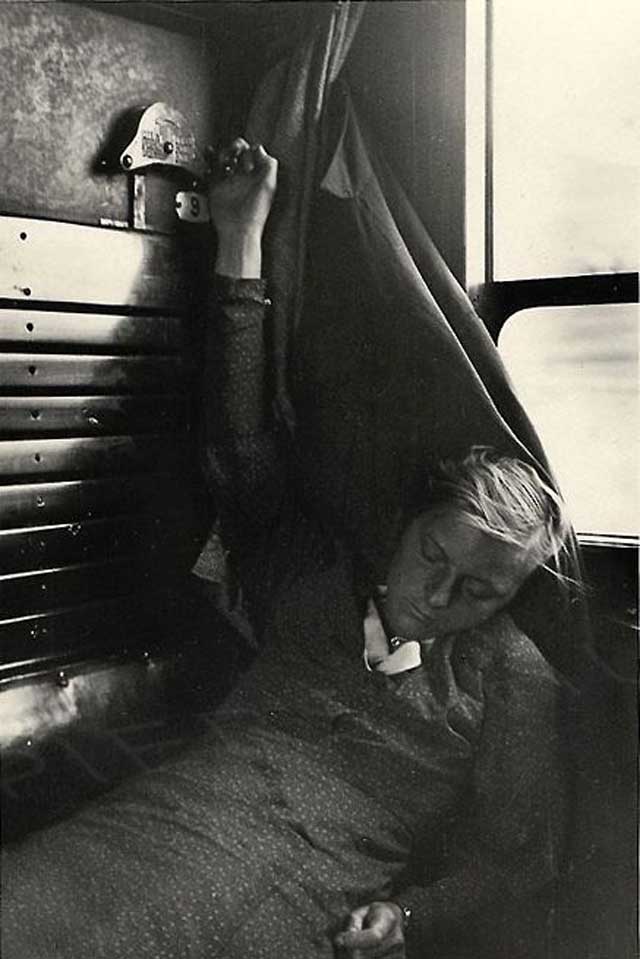
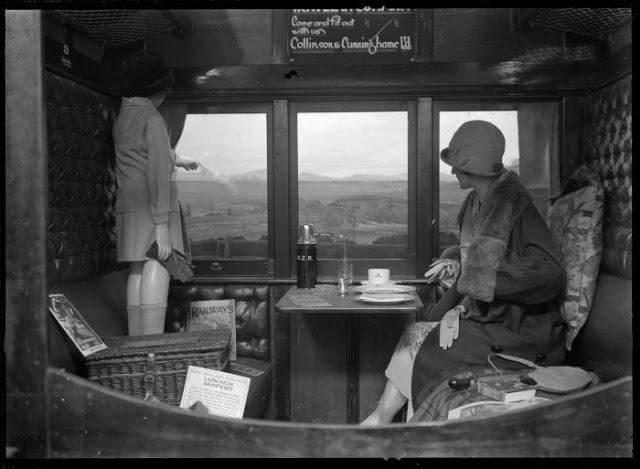
Trains were one of the main and essential means of transportation in the early 20th century. Not only important for the military, transportation of goods, it was also popular for traveling.
These interesting snapshots show what passengers on the trains in the early 20th century looked like.
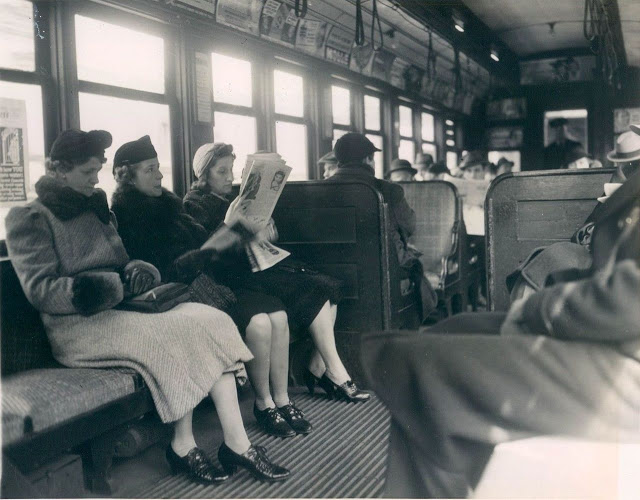
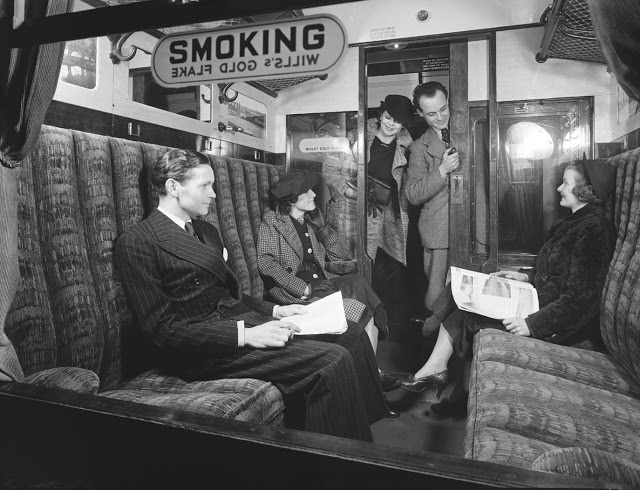
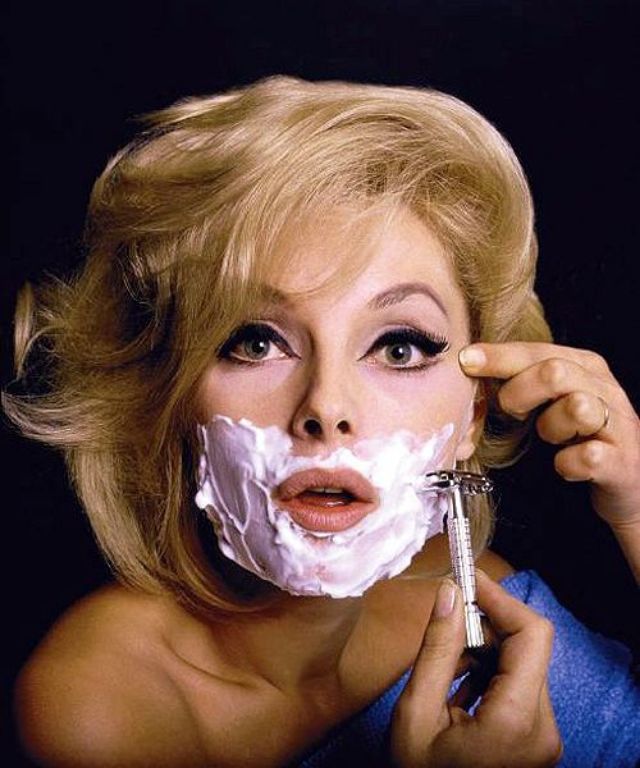
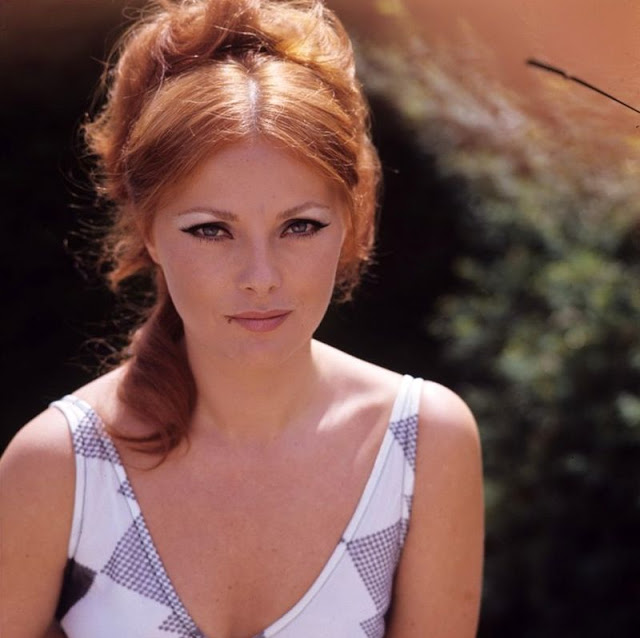
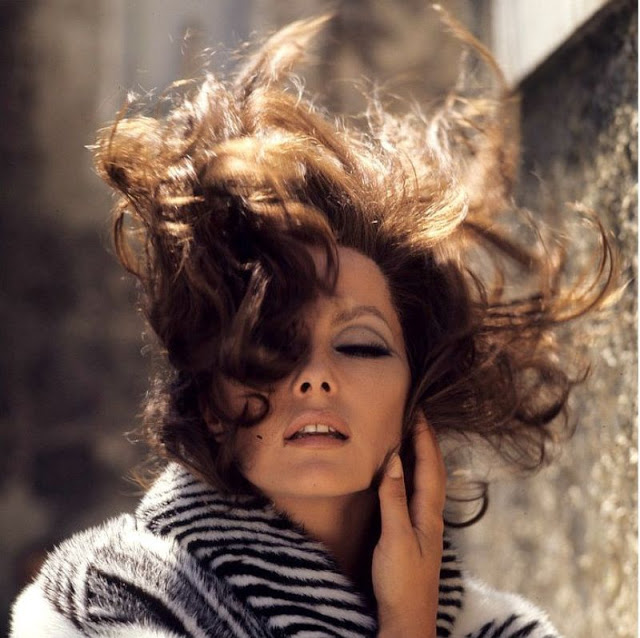
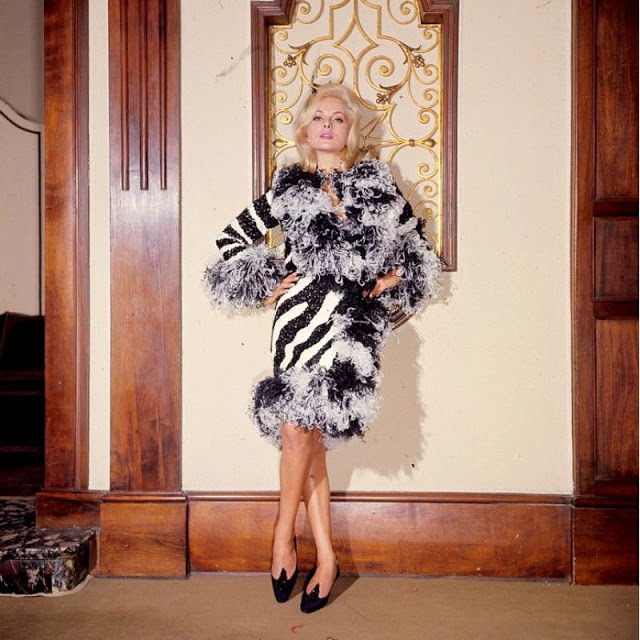
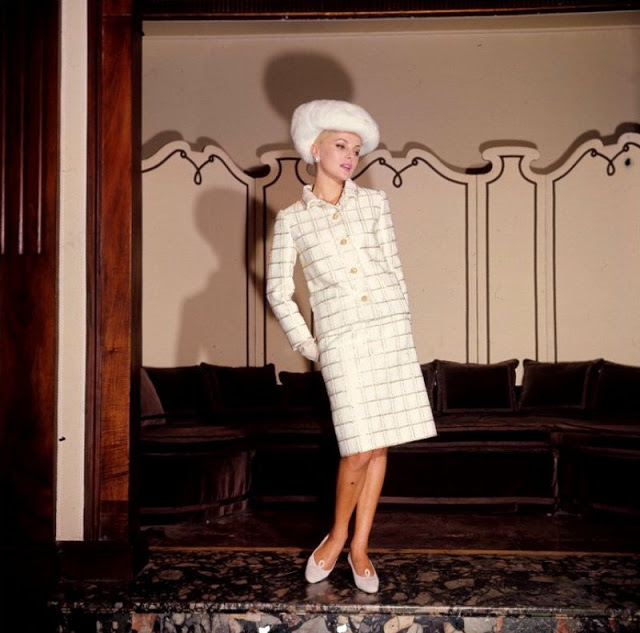
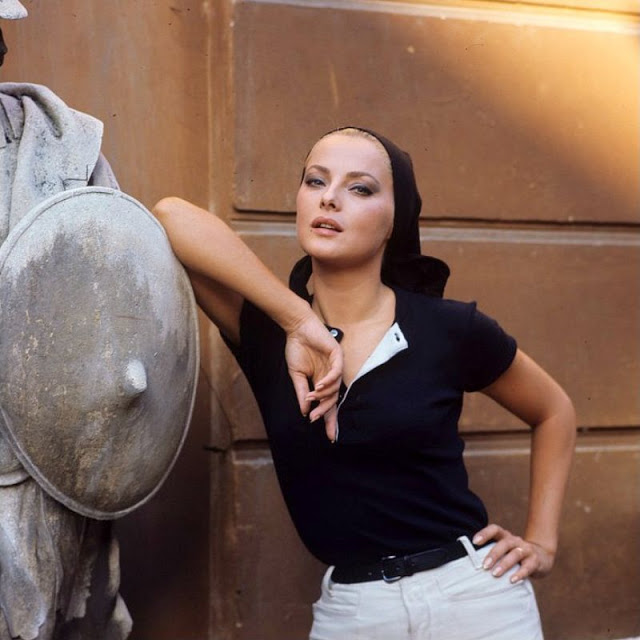
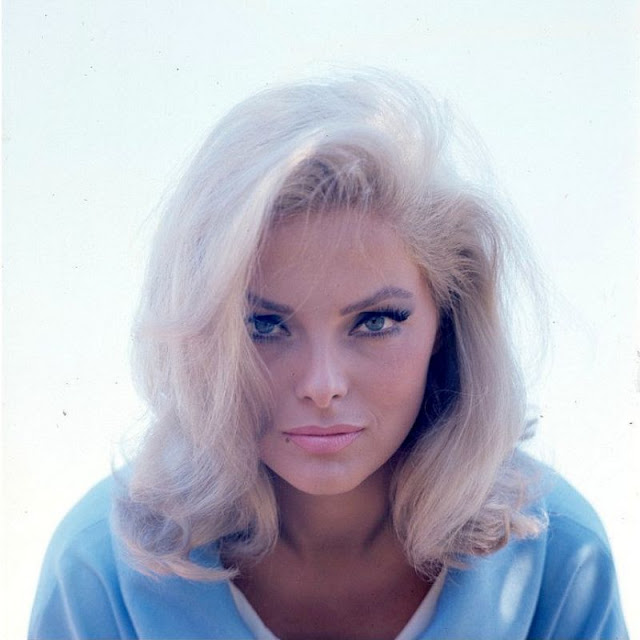
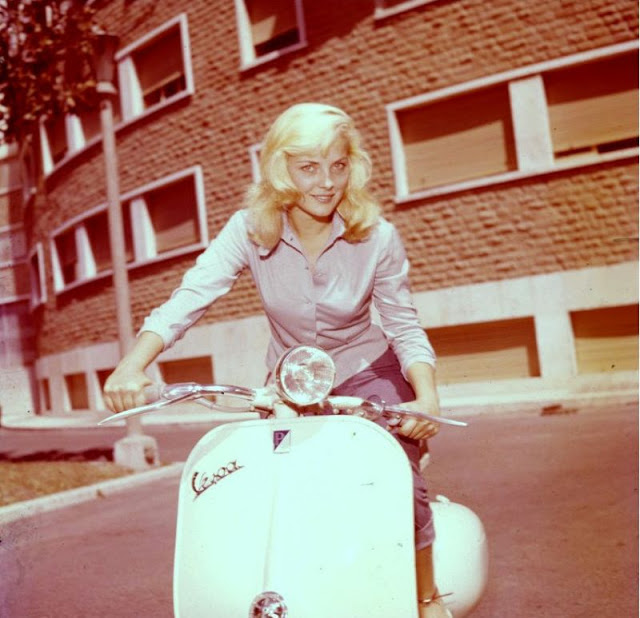
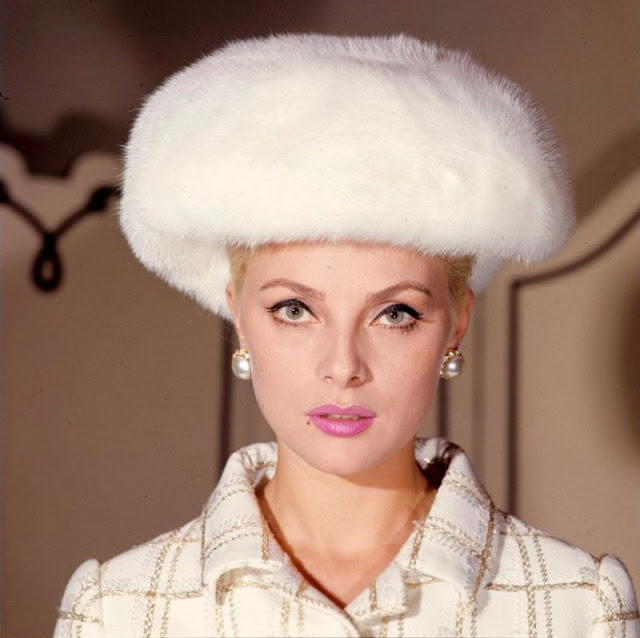
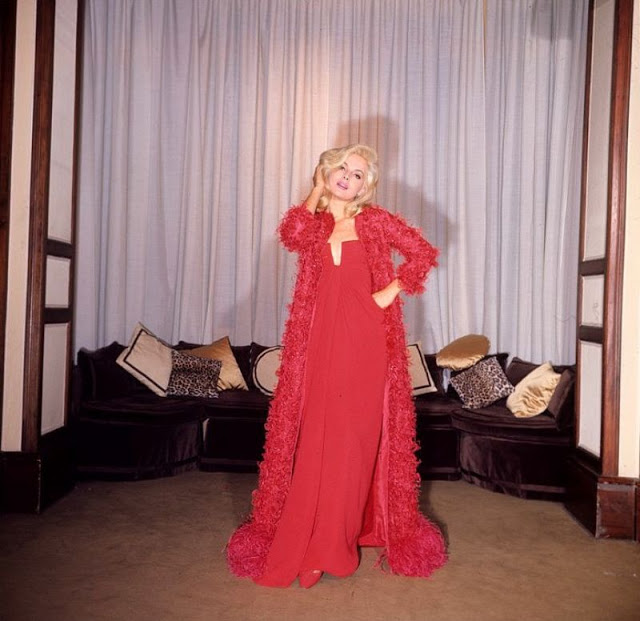
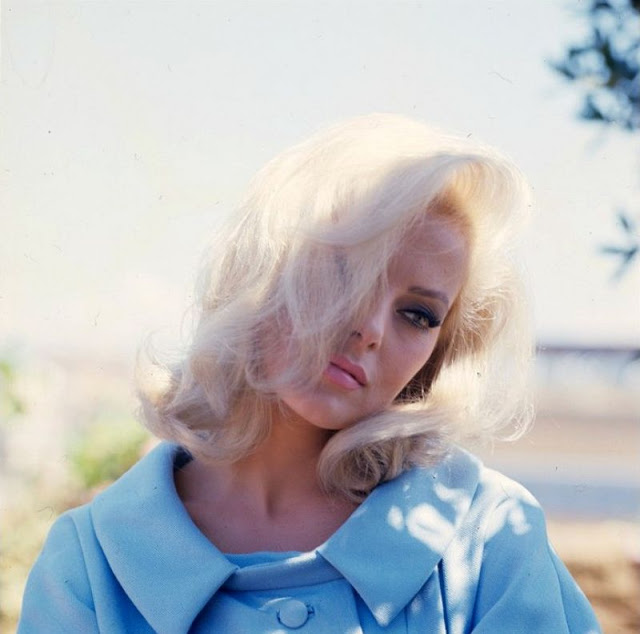
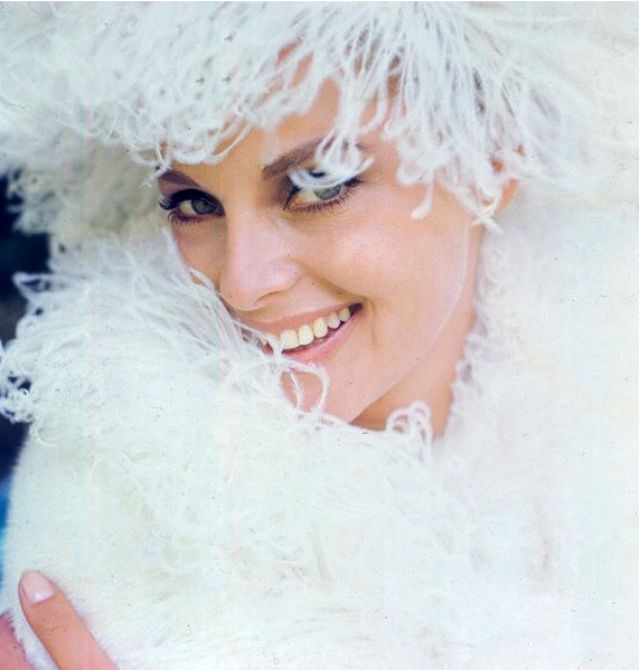
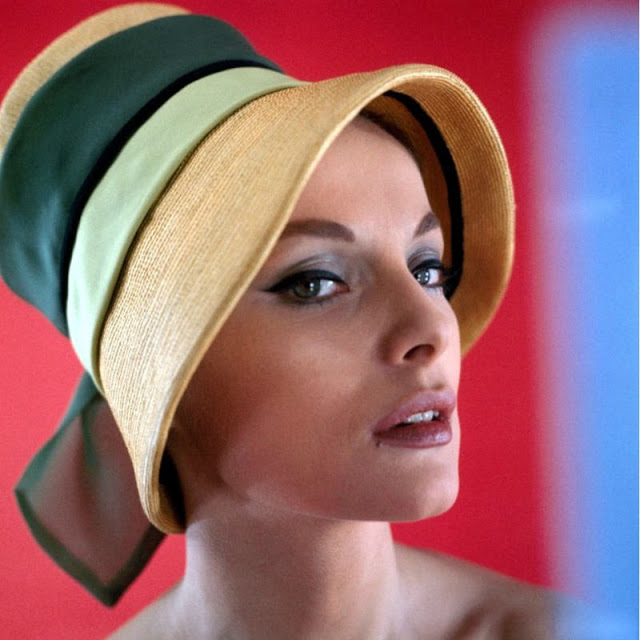
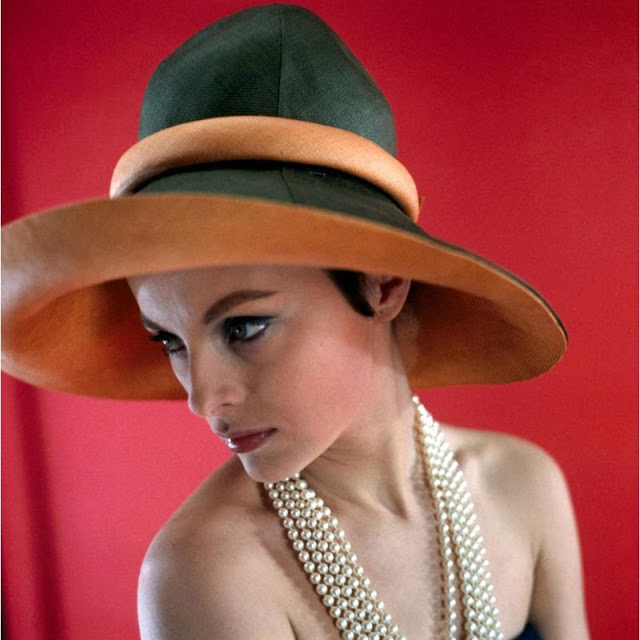
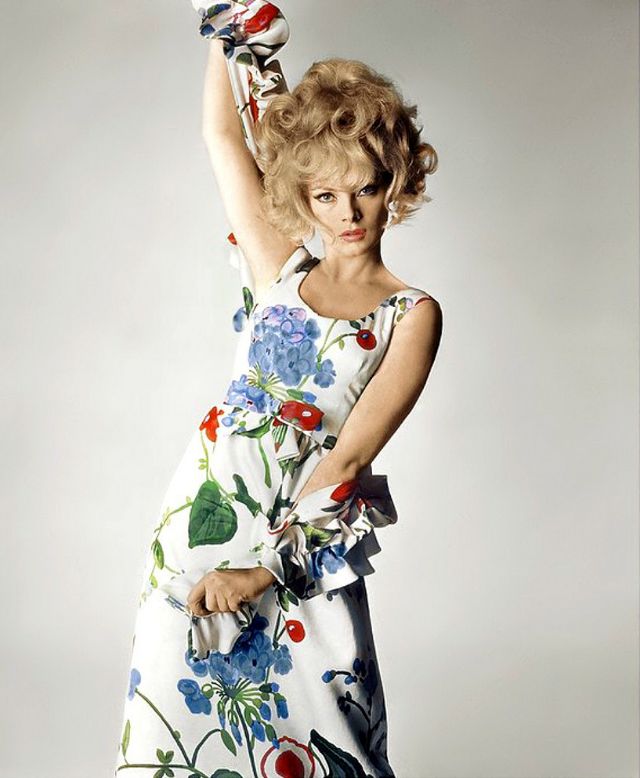
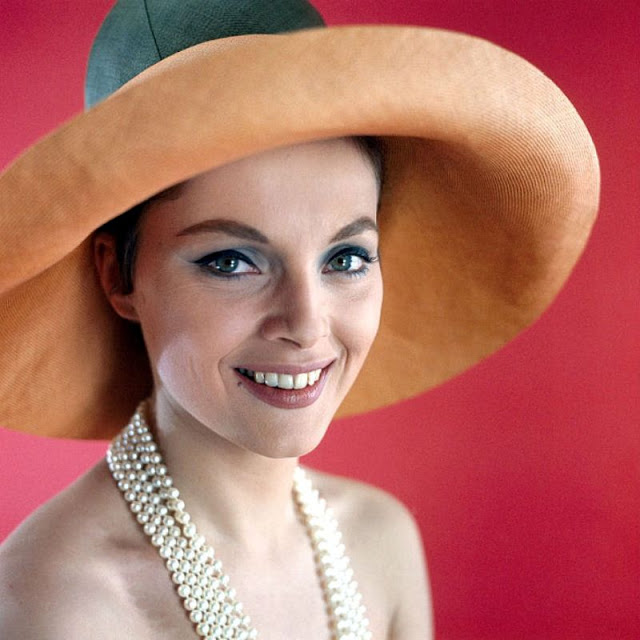
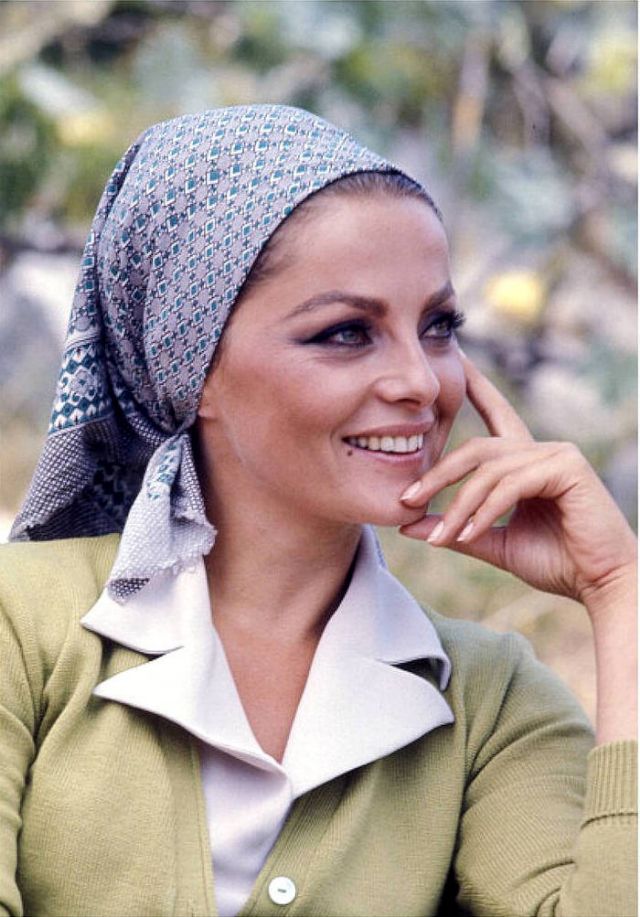
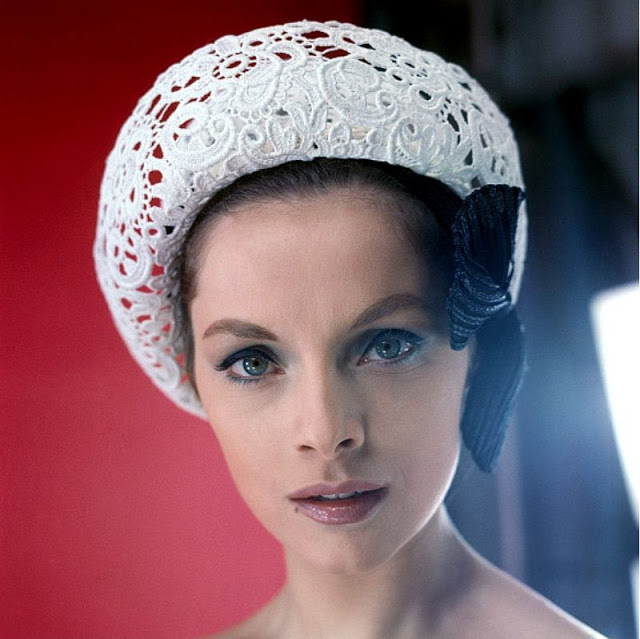
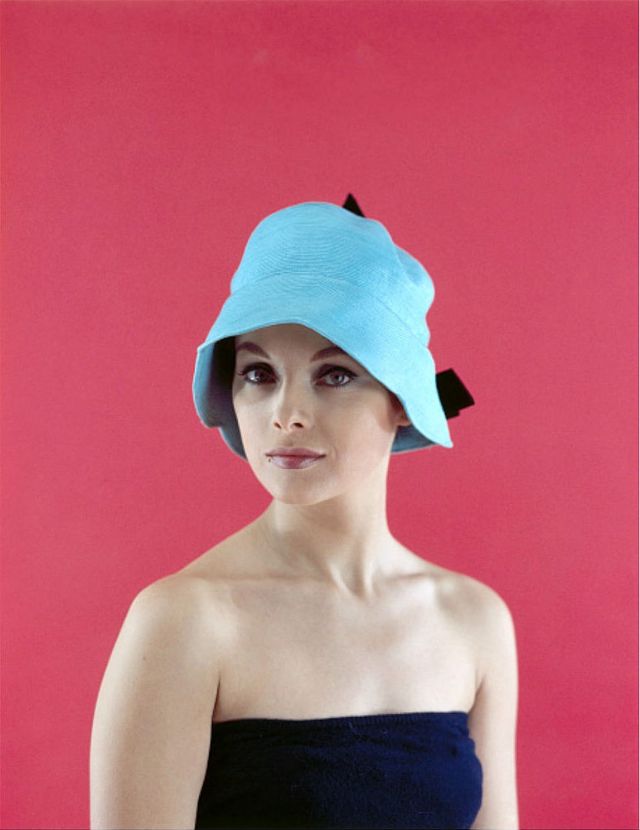
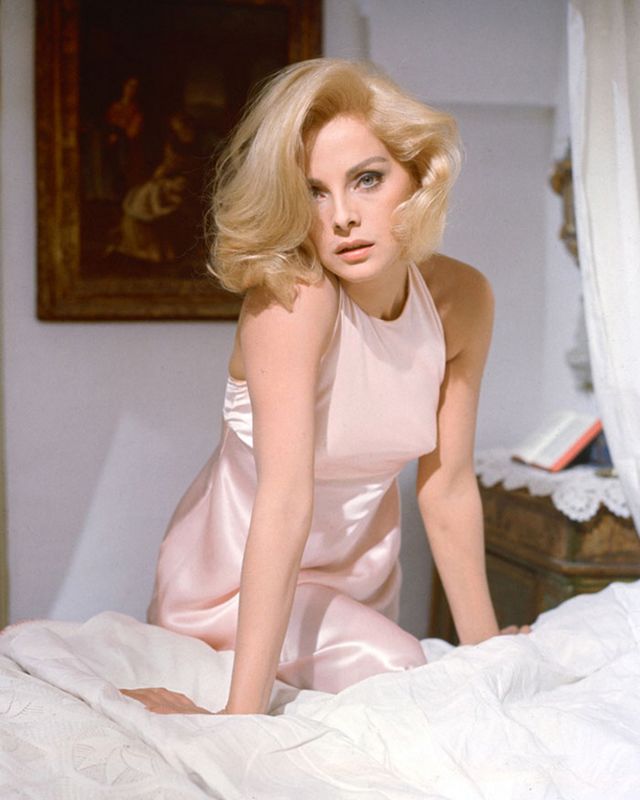
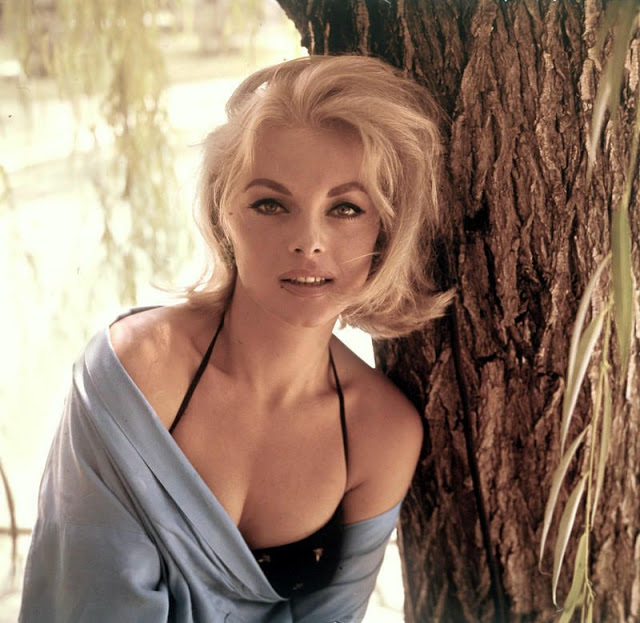
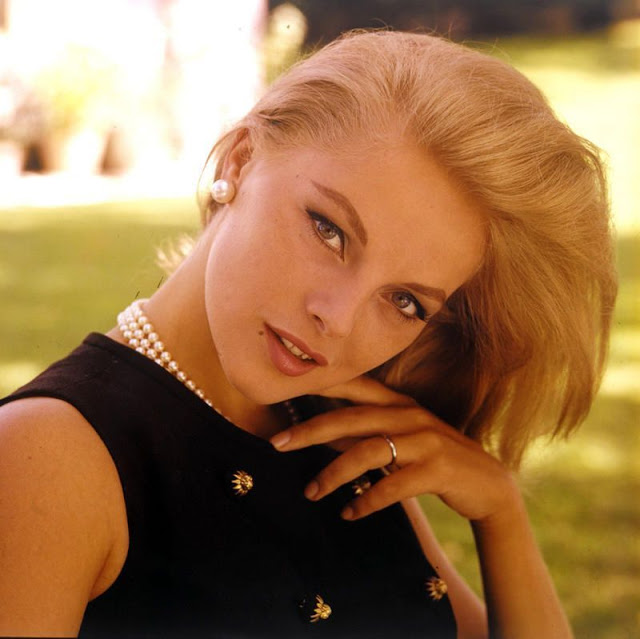
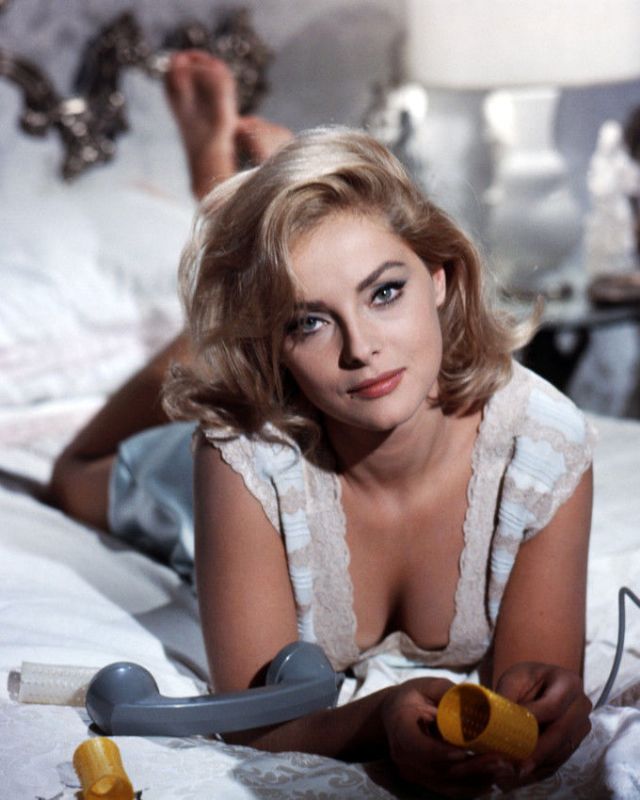
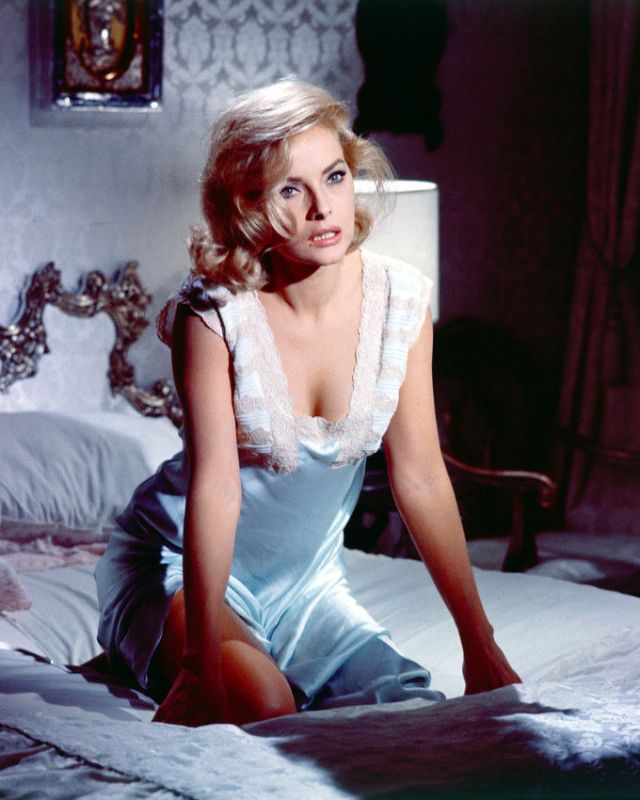
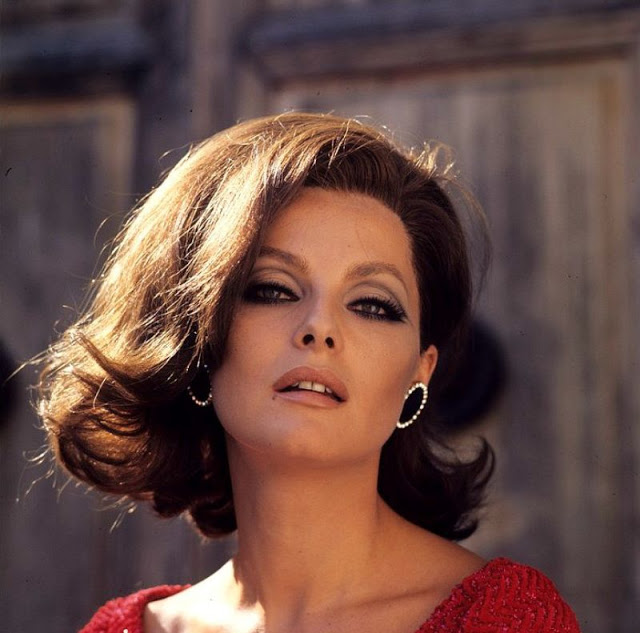
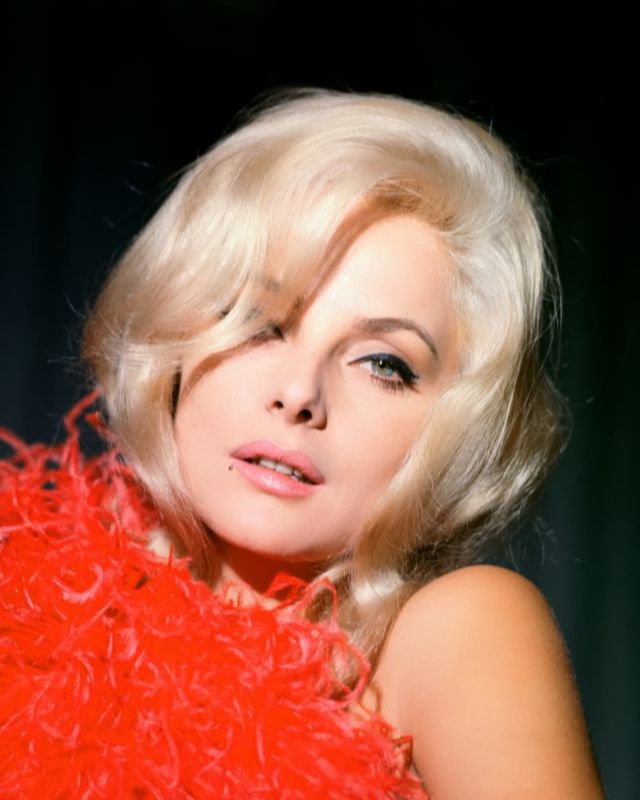
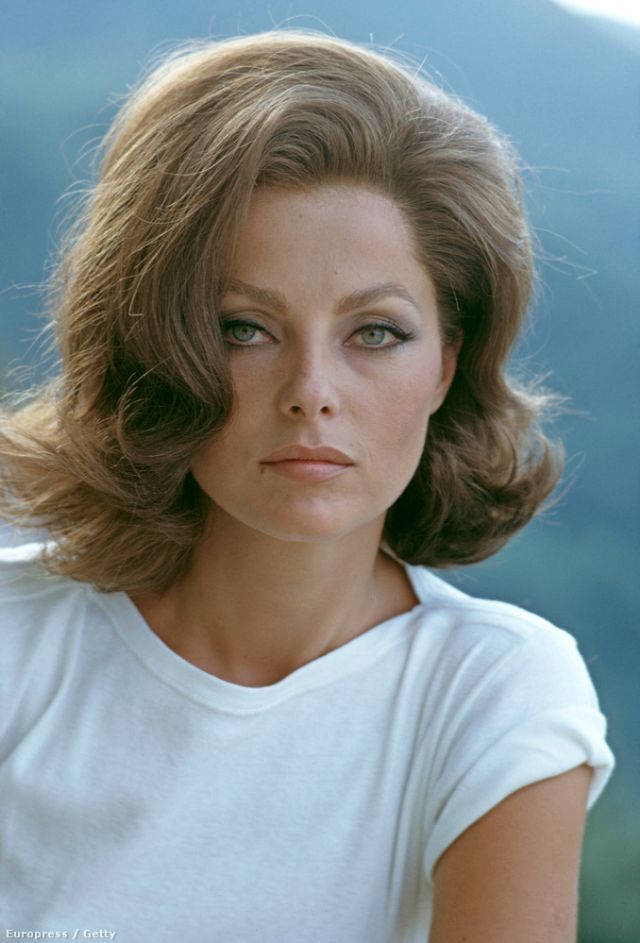
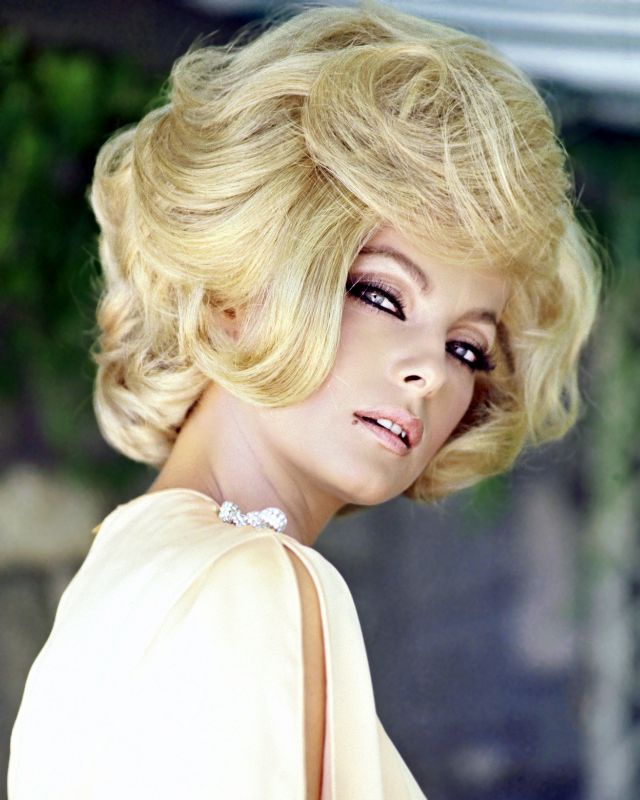
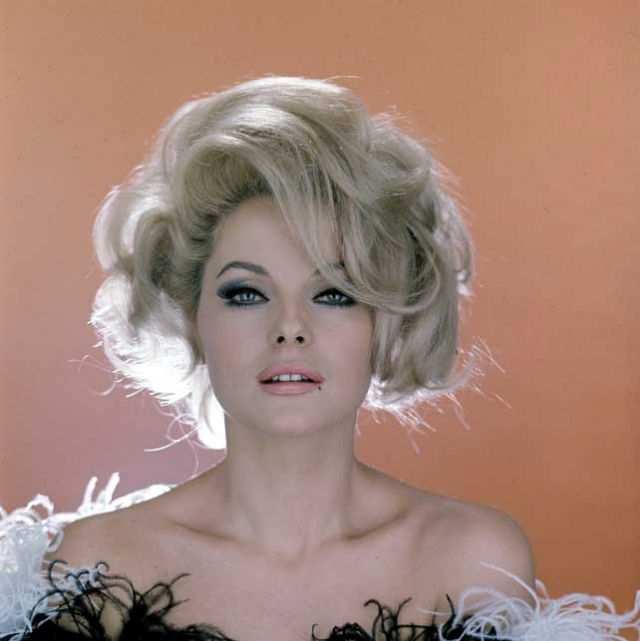
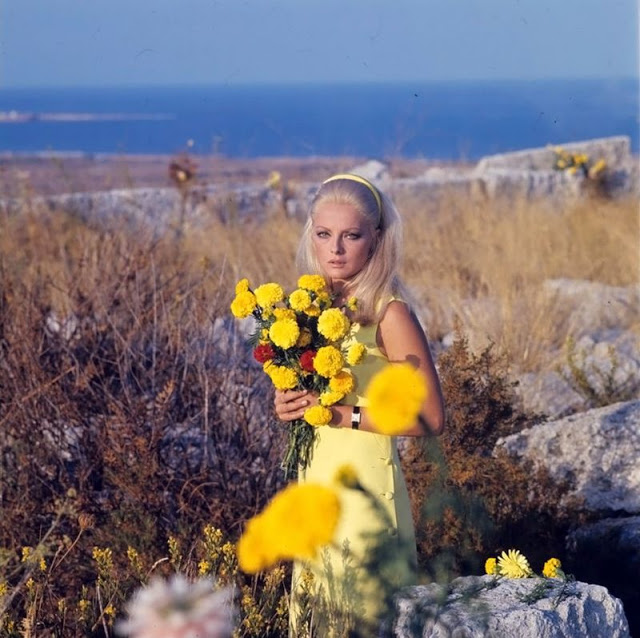
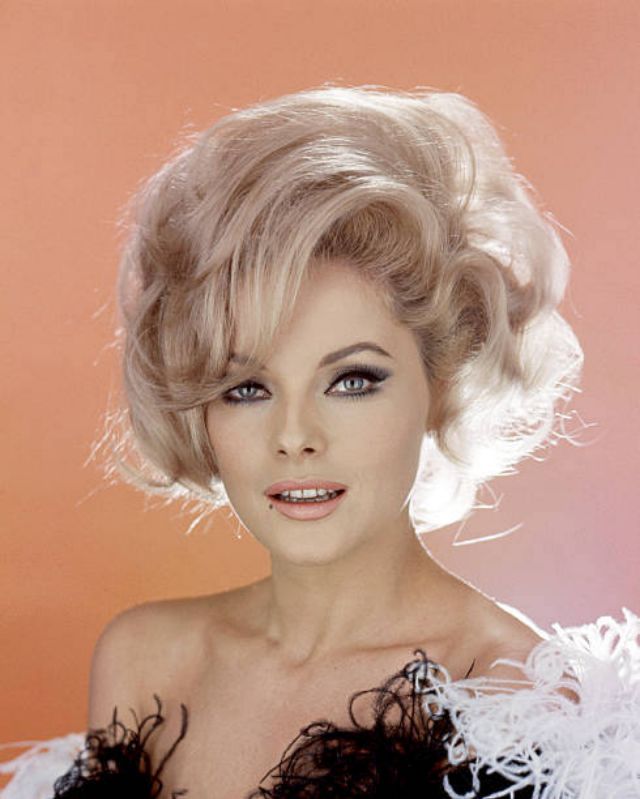
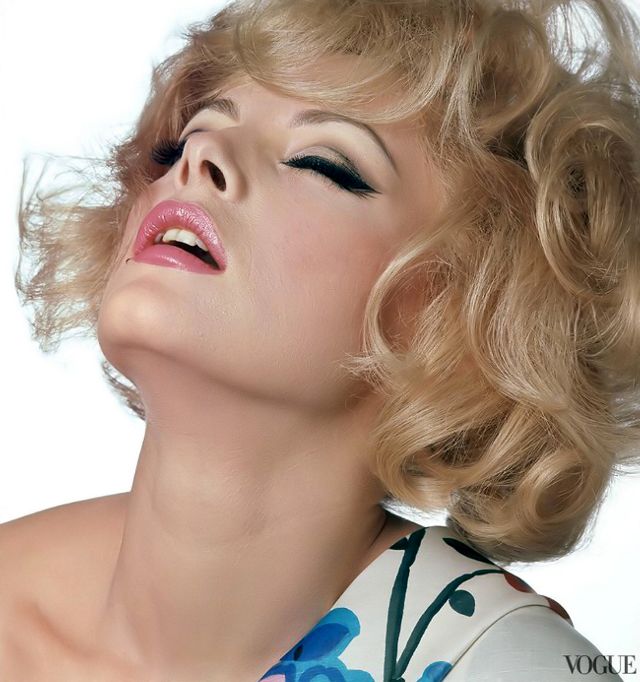
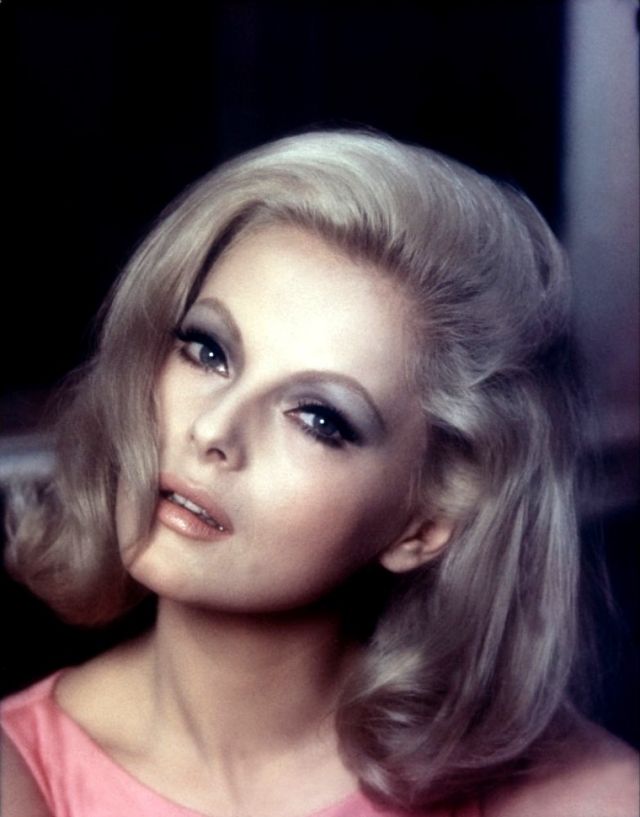
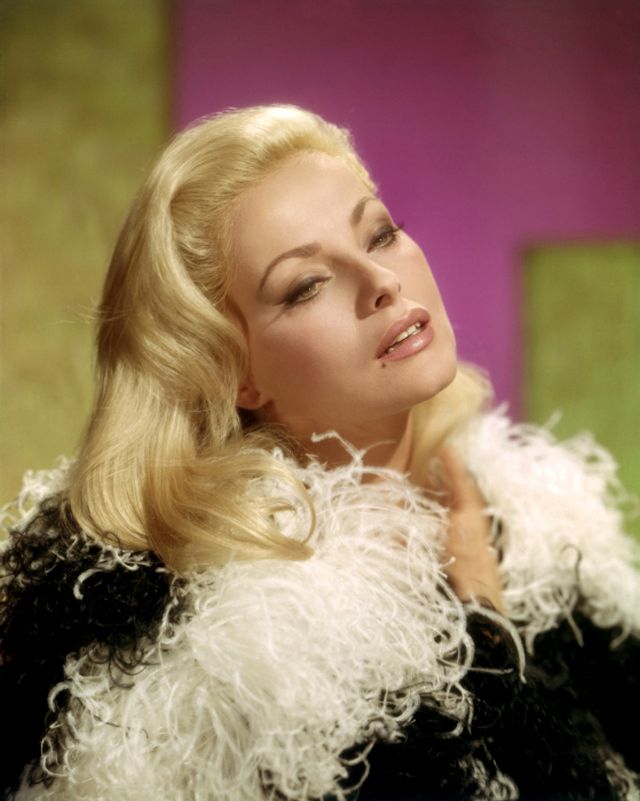
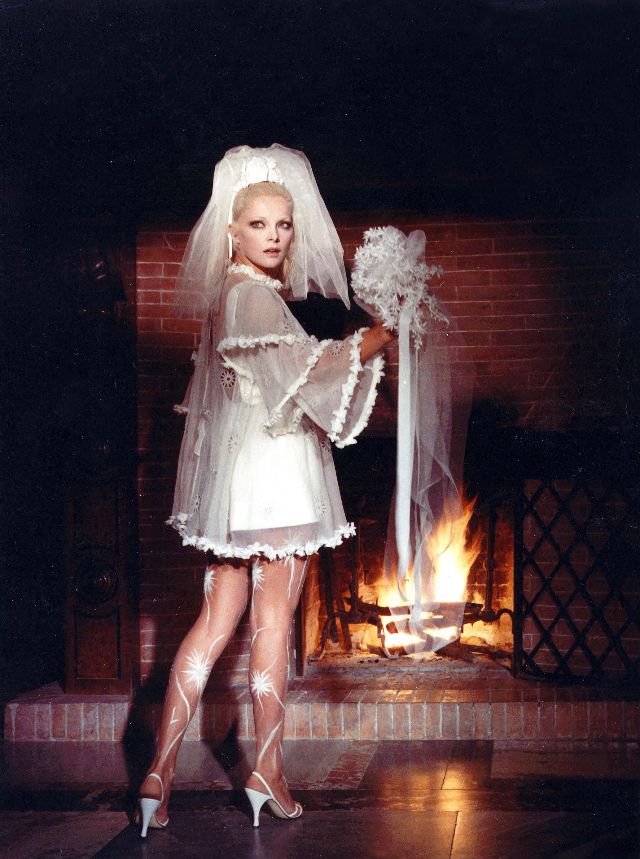
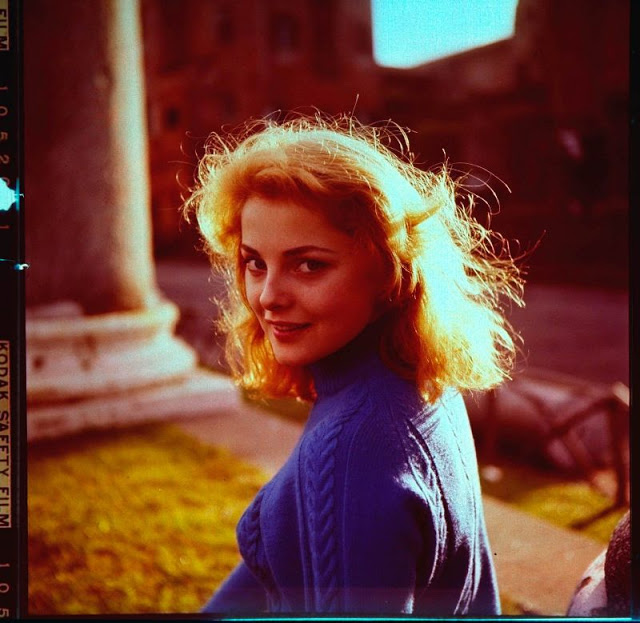
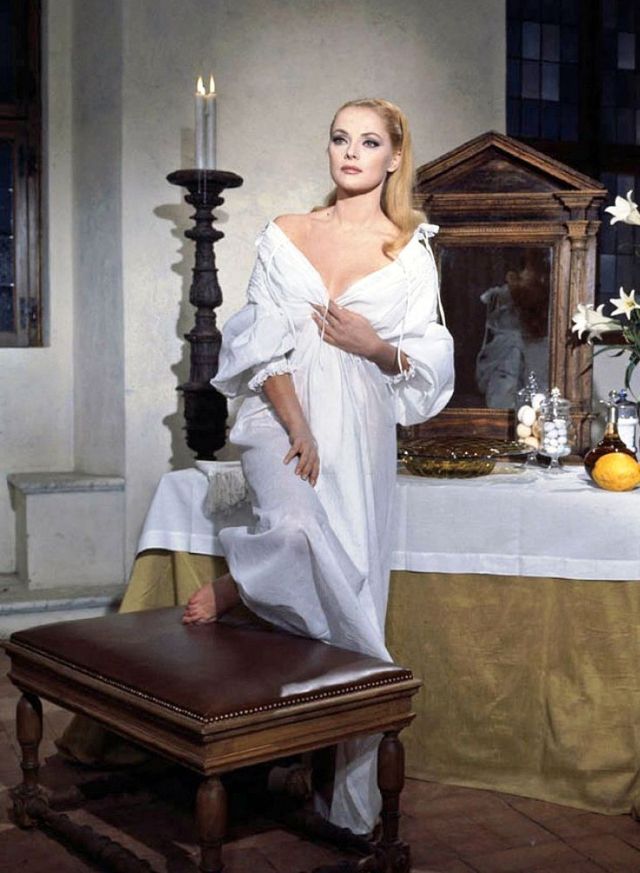
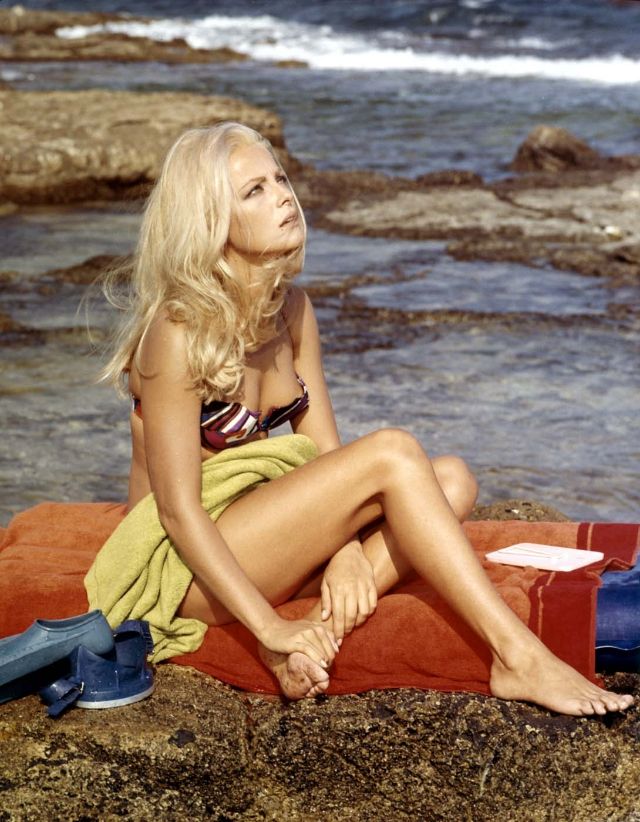
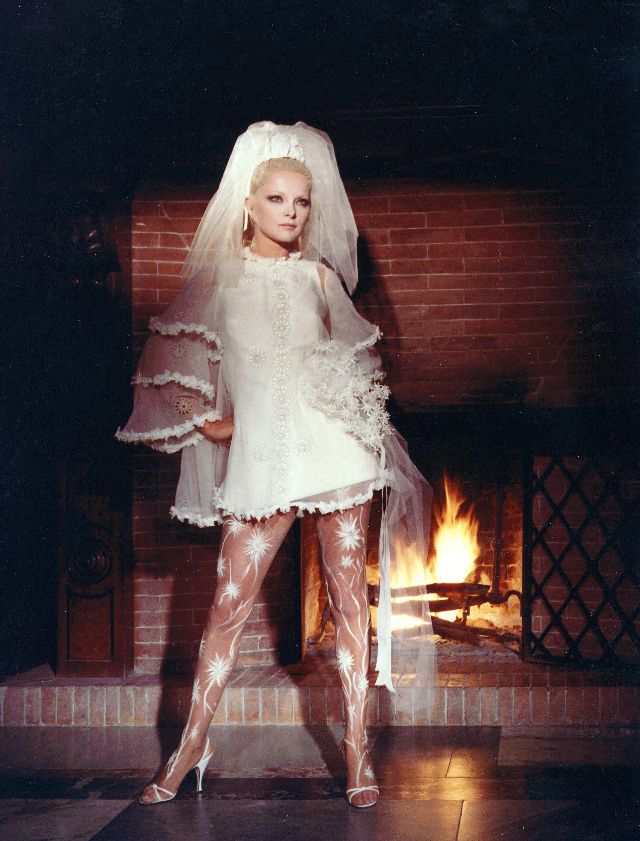
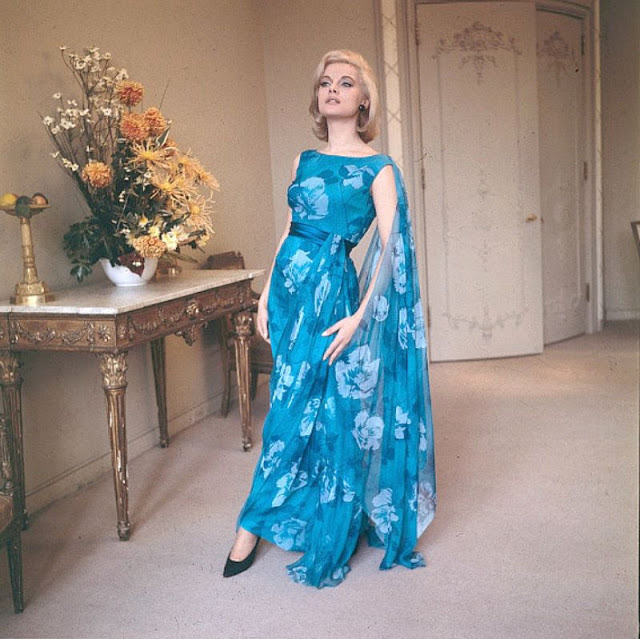
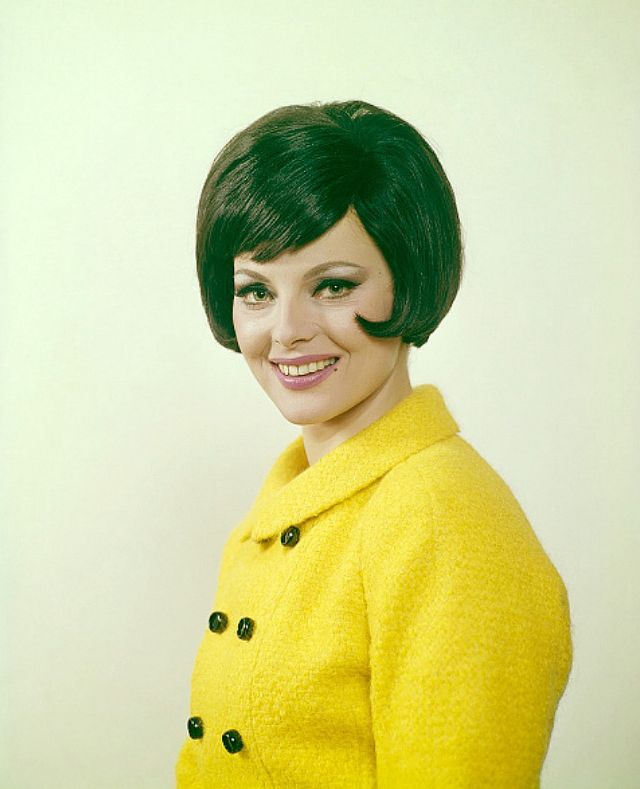
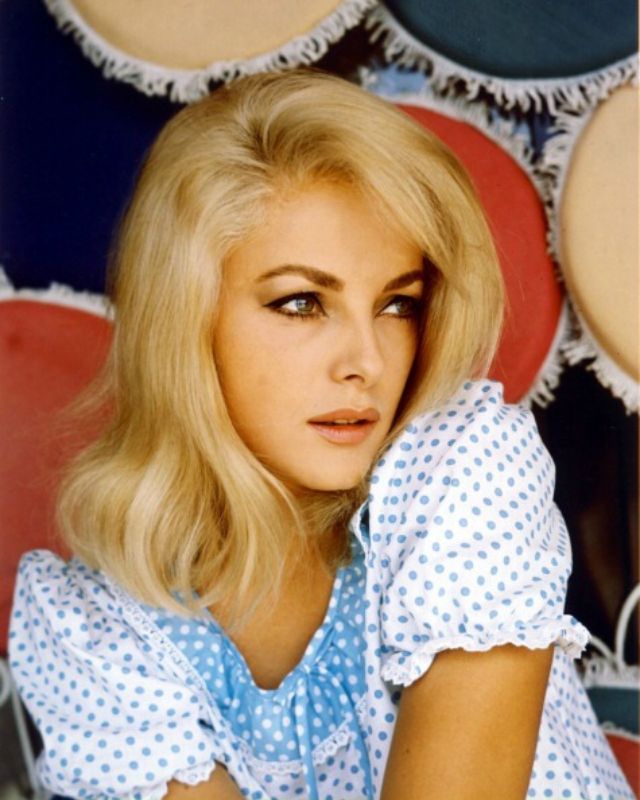
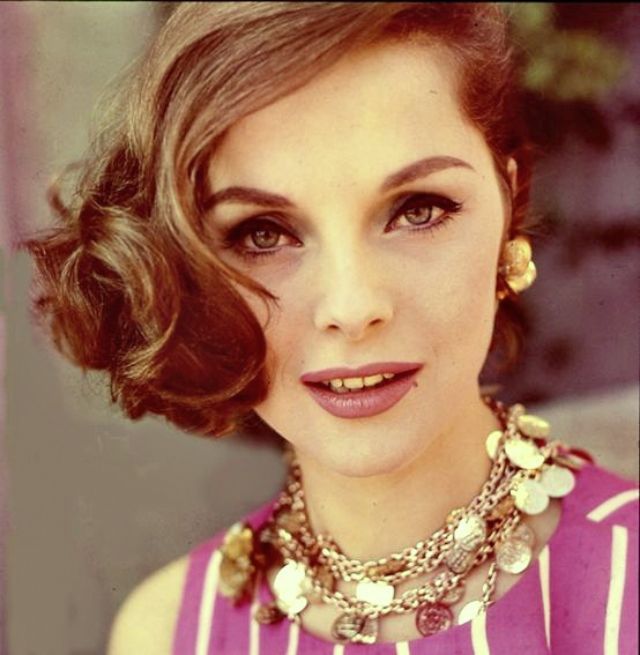
Stunning Italian actress Virna Lisi, a brief but lovely Hollywood import in the 1960’s, was merely one of a plethora of European movie beauties who proved over the course of their long careers, that they were capable of more than just visual performances.
Born Virna Lisa Pieralisi on November 8, 1936, she began her film career as a 17-year-old teen with a co-starring part with the musical drama …e Napoli canta! (1953) (Naples Sings!). Cast initially for her photographic beauty, she gained more experience in such early pictures as Lettera napoletana (1954) and La corda d’acciaio (1954) before earning her first top-billed movie lead in Piccola santa (1954) opposite Rosario Borelli. Other late 50’s/early 60’s films that helped steam up her image included New Moon (1955), Eighteen Year Olds (1955), La rossa (1955), The Doll That Took the Town (1957), Lost Souls (1959) opposite Jacques Sernas, Don’t Tempt the Devil (1963) (Don’t Tempt the Devil), Sua Eccellenza si fermò a mangiare (1961) (His Excellency Stayed to Dinner], the Italian-made spectacle, Duel of the Titans (1961) and an innocent role in the French-made Eva (1962) starring the scheming Jeanne Moreau in the title role.
The pert and sexy star later made a decorative dent in late 1960’s Hollywood as a tempting blue-eyed blonde opposite the likes of Jack Lemmon in How to Murder Your Wife (1965), Frank Sinatra in Assault on a Queen (1966) and Tony Curtis in Not with My Wife, You Don’t! (1966). Confined once again to the same type of glamour roles (she turned down the title role of “Barbarella”), she returned to Europe within a couple of years but hardly fared better with such nothing special movies as Anyone Can Play (1967), The Girl Who Couldn’t Say No (1968), The Christmas Tree (1969), The Statue (1971), Bluebeard (1972) and White Fang (1973) and its sequel Challenge to White Fang (1974).
Come middle age, however, a career renaissance occurred for Virna. She began to be perceived as more than just a tasty dish and was given a wide variety of quality mature performances. As the stature of her films improved, she began winning foreign awards right and left for such European pictures as Beyond Good and Evil (1977), The Cricket (1980), Time for Loving (1983), Merry Christmas… Happy New Year (1989) and Va’ dove ti porta il cuore (1996) (Follow Your Heart). It all culminated in the lifetime role of the malevolent “Caterina de Medici” in Queen Margot (1994) for which she captured both the César and Cannes Film Festival awards, not to mention the Italian Silver Ribbon award.
Virna continued reigning supreme on TV as a character lead and support player into the millennium with parts in such TV movies as the title role in Anna’s World (2004) and Donne sbagliate (2007) (Steel Women) as well as Italian TV series work. Starring as the matriarch in the excellent family film drama The Best Day of My Life (2002), Virna would find her last excellent movie role in the award-winning dramedy Latin Lover (2015). Having passed away on December 14, 2014, at age 78, of lung cancer, the actress received a couple of award nominations posthumously for her work here. Survived by her son Corrado, her longtime husband (from 1960), architect Franco Pesci (1934-2013), died a year earlier. (IMDB)

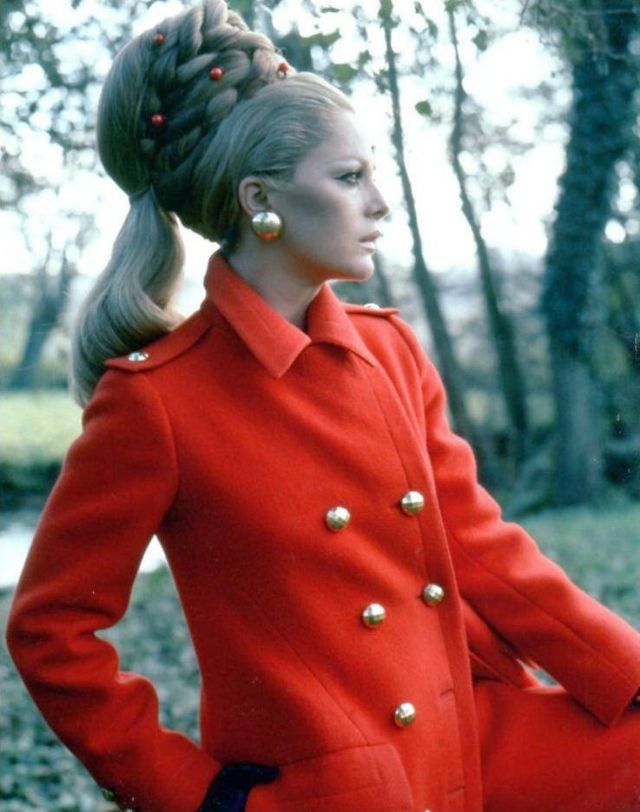












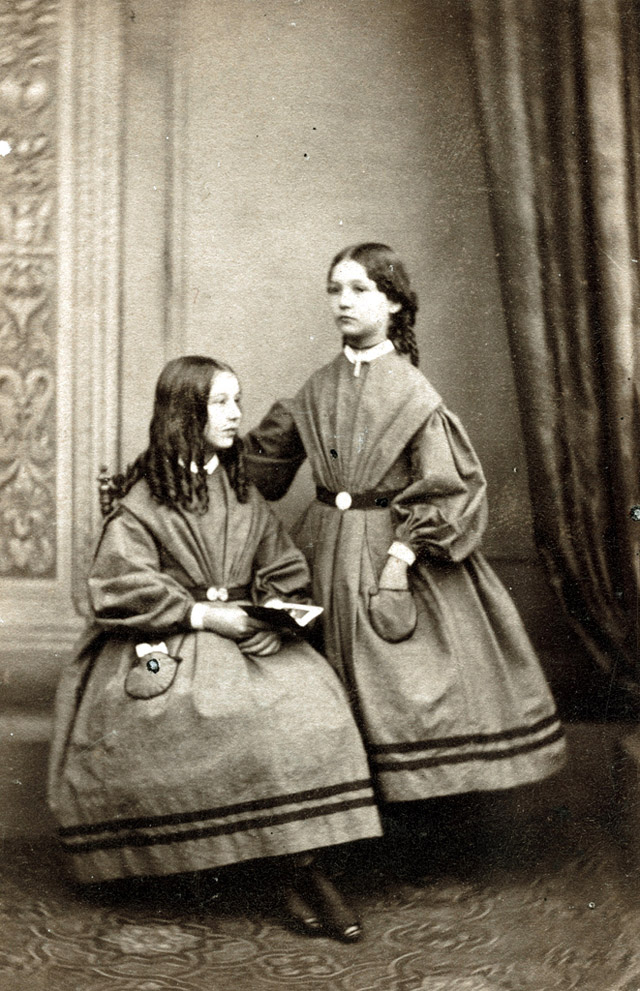
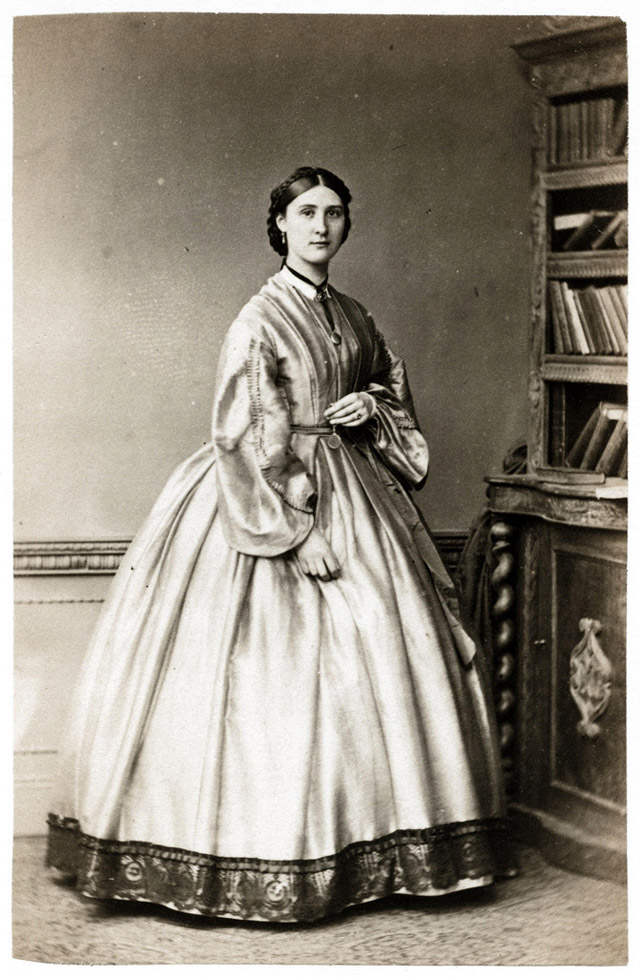
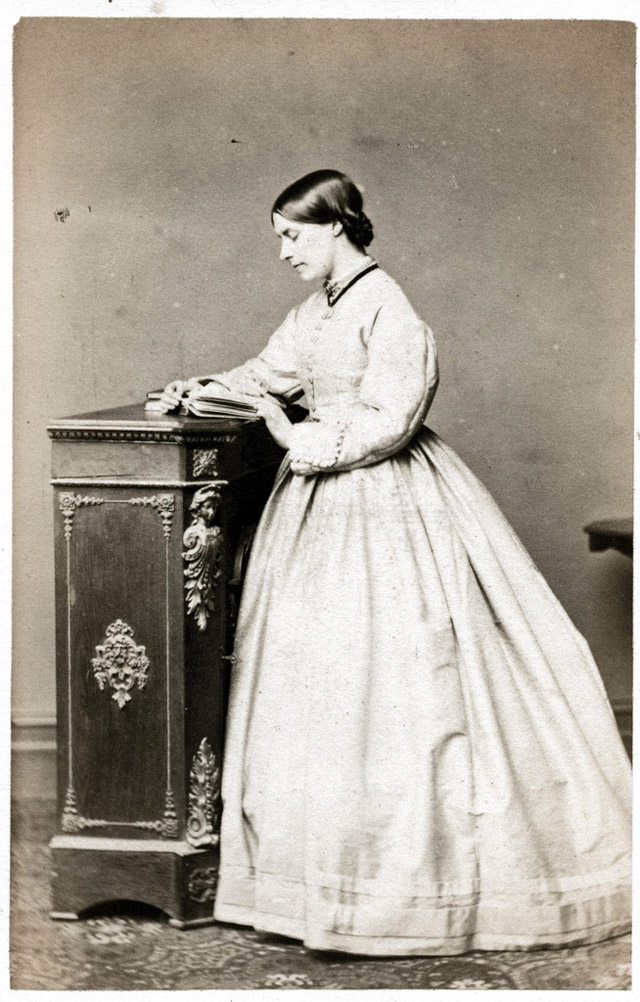
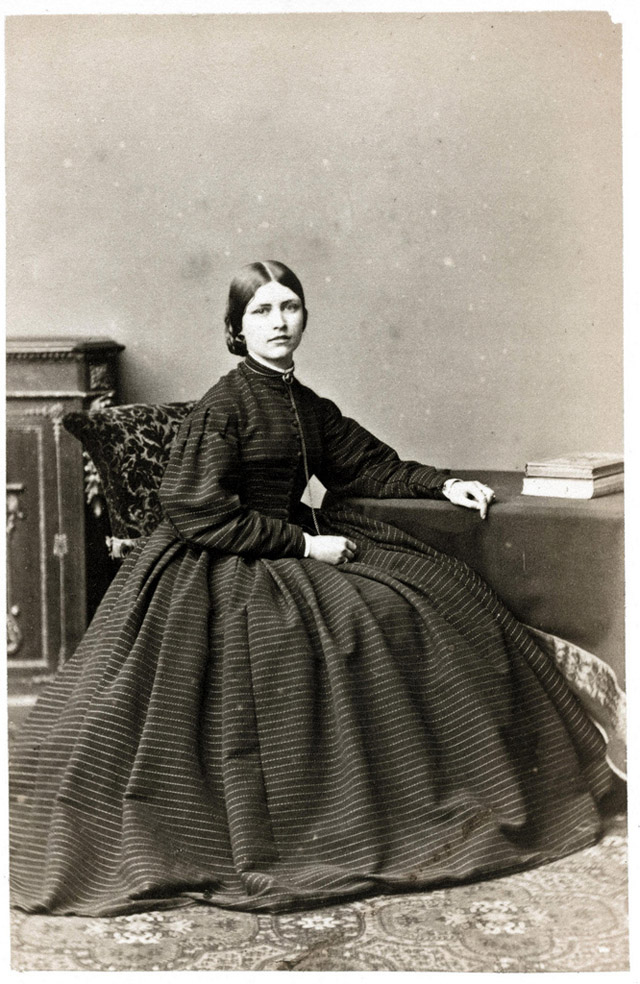




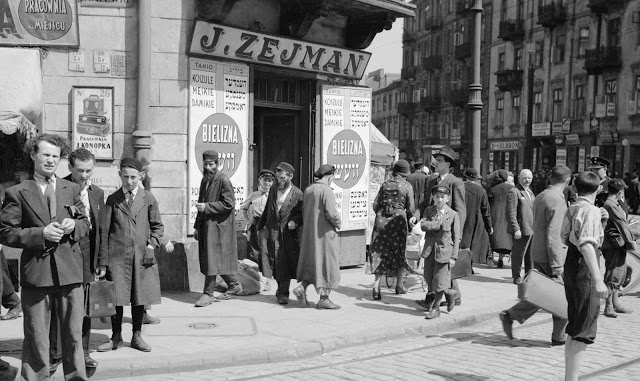
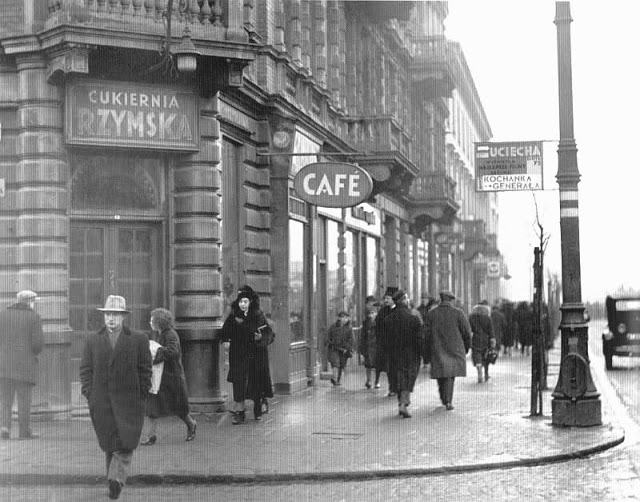
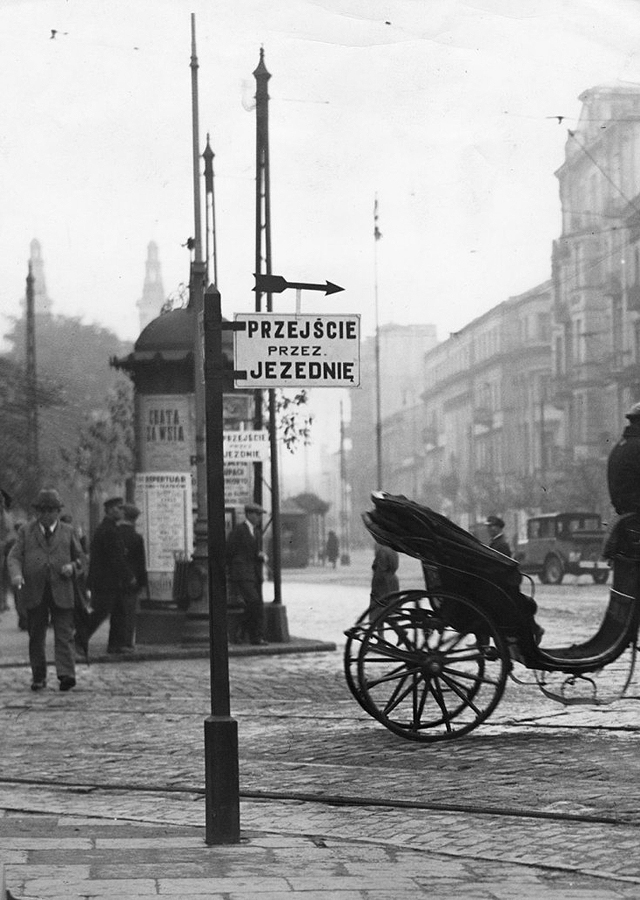
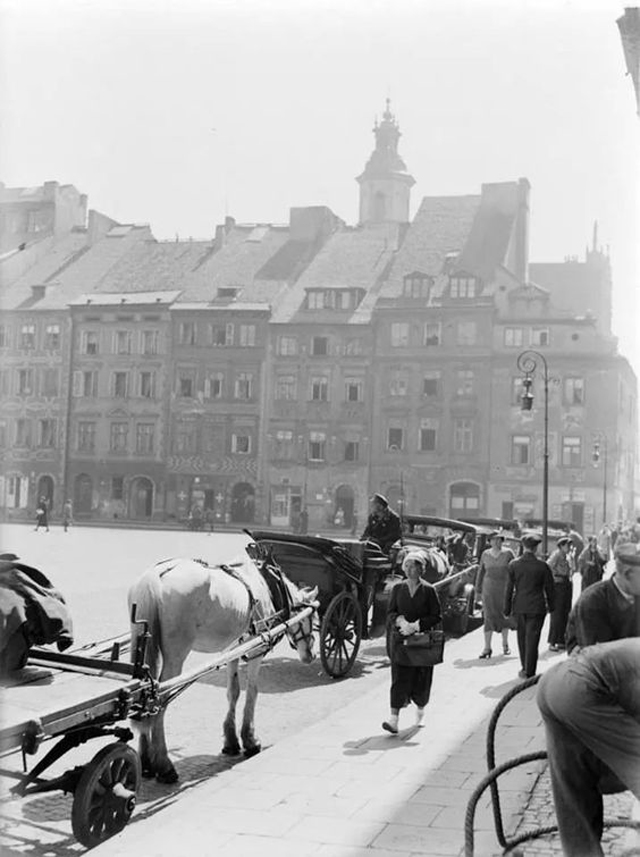
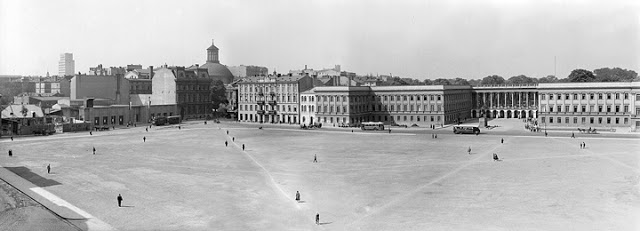
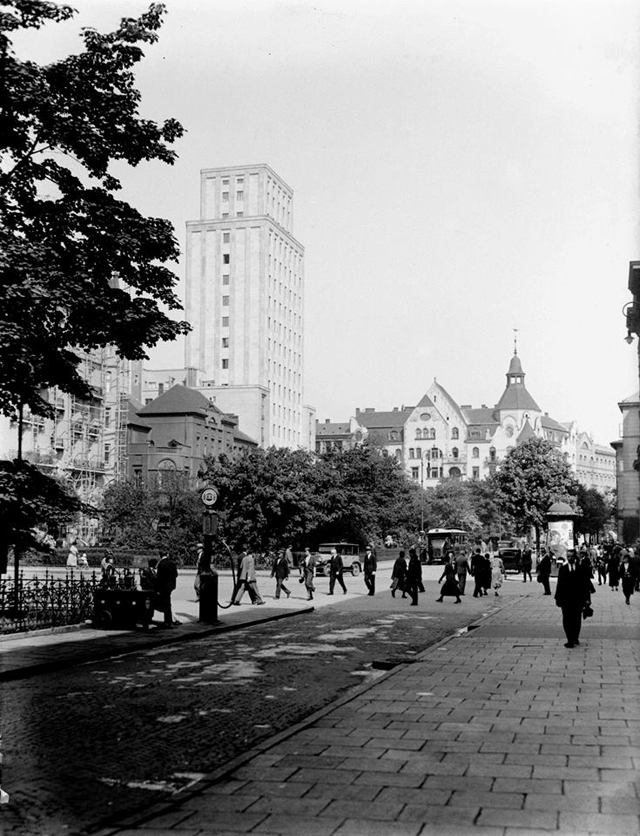
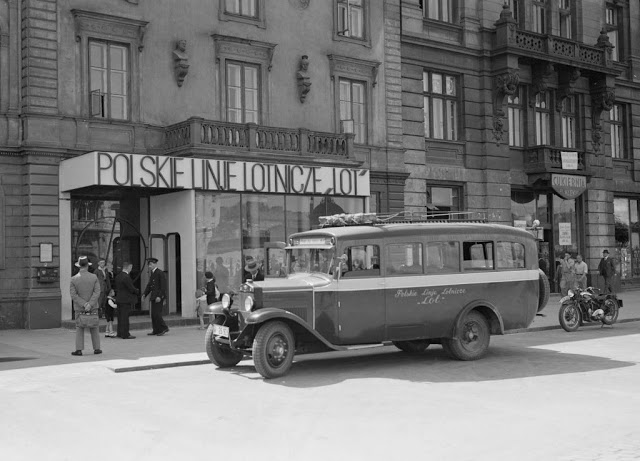
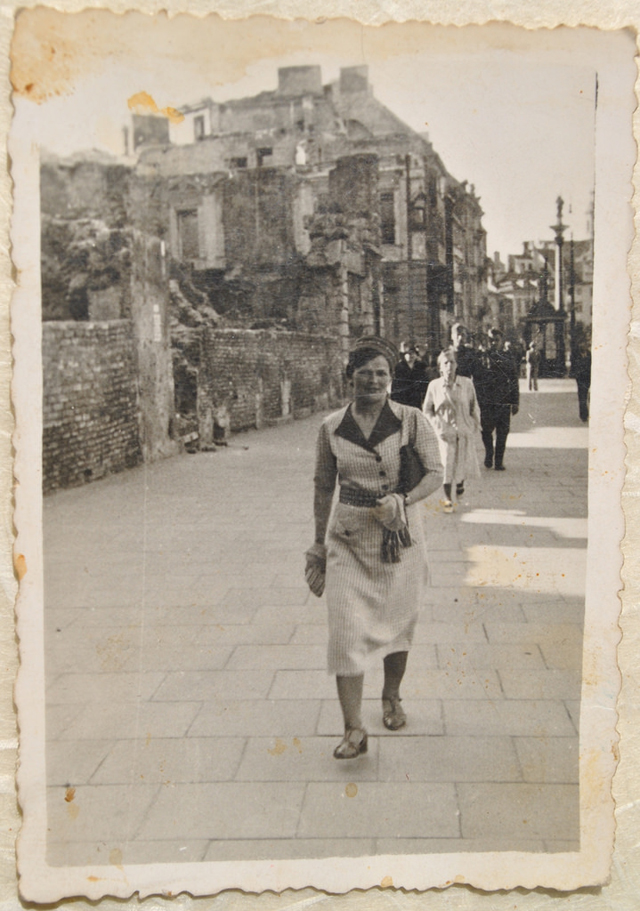
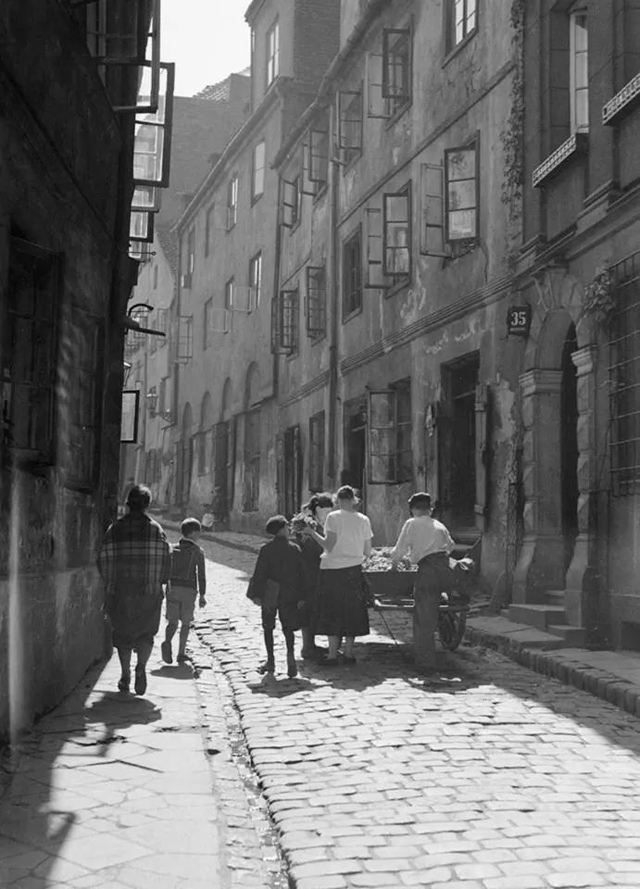
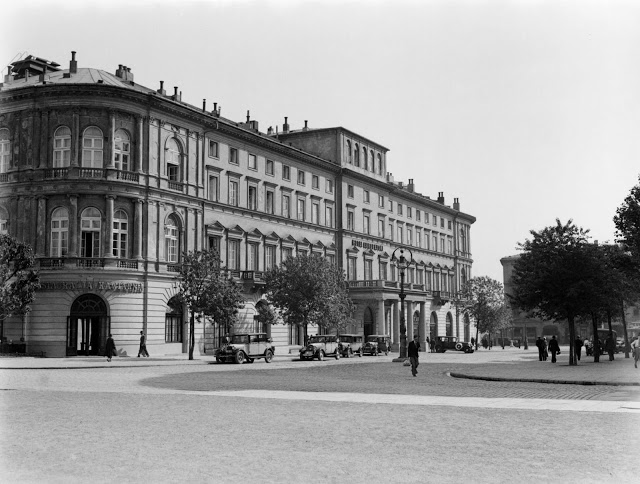
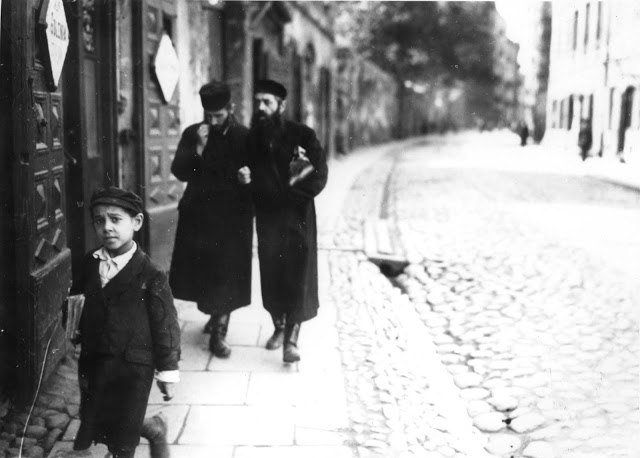
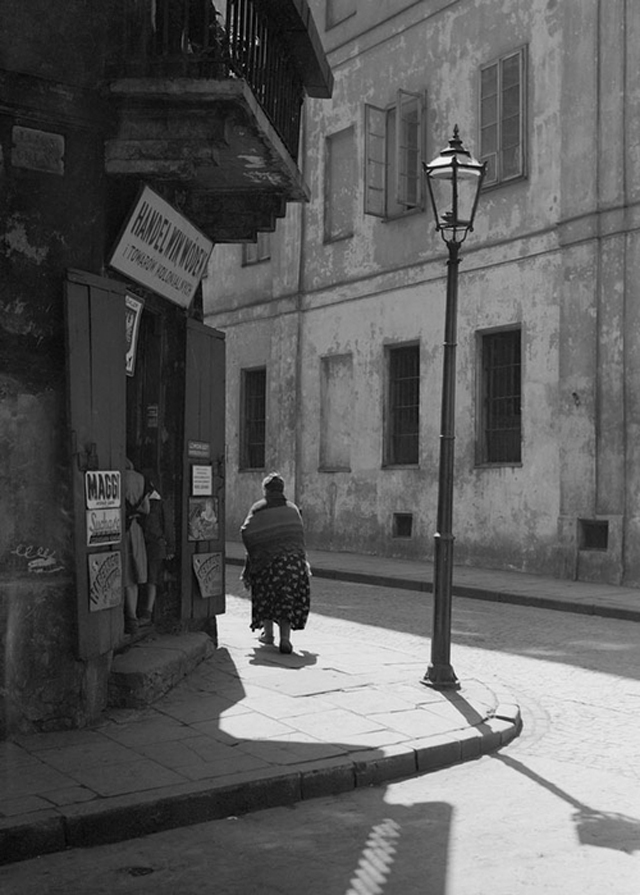
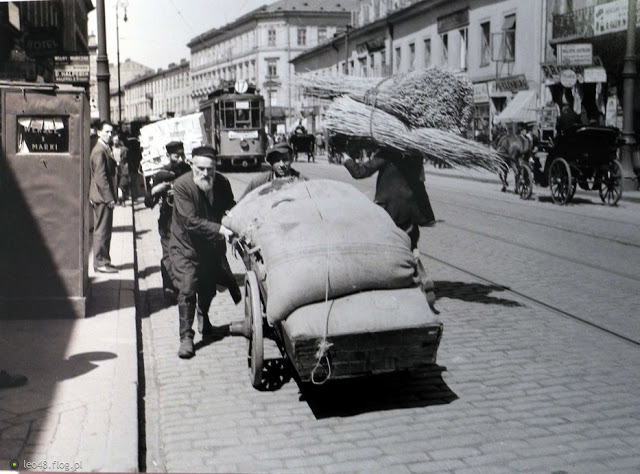
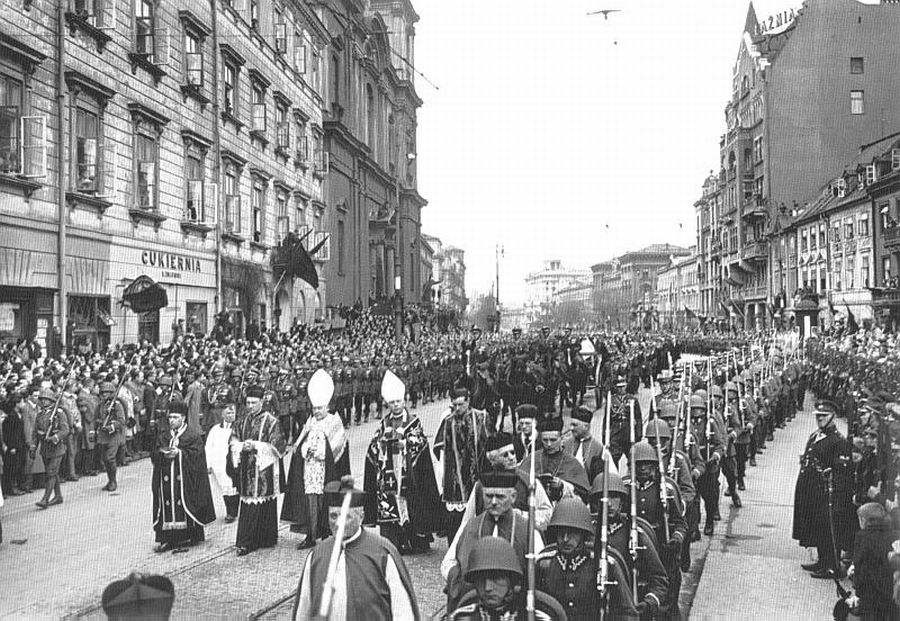
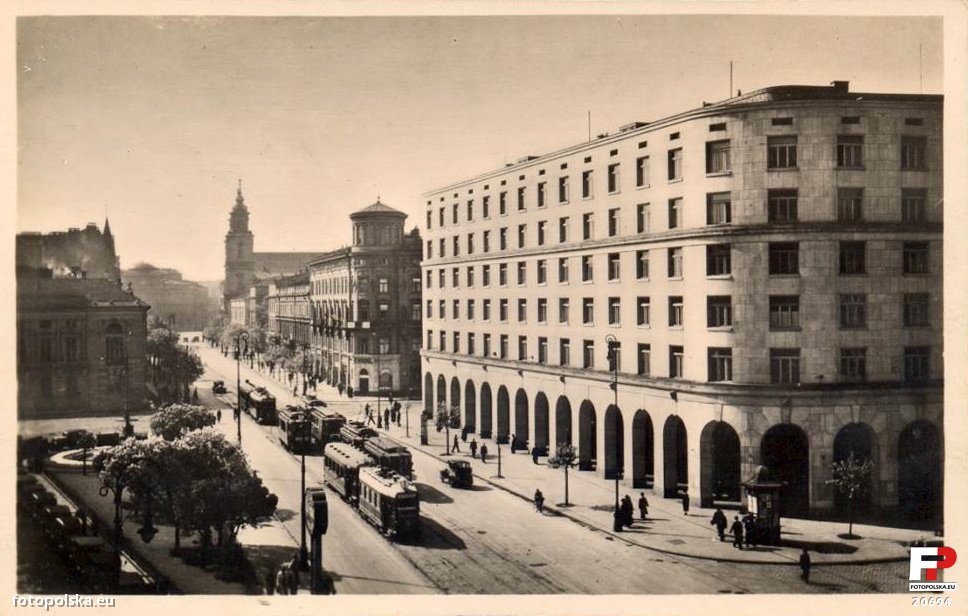
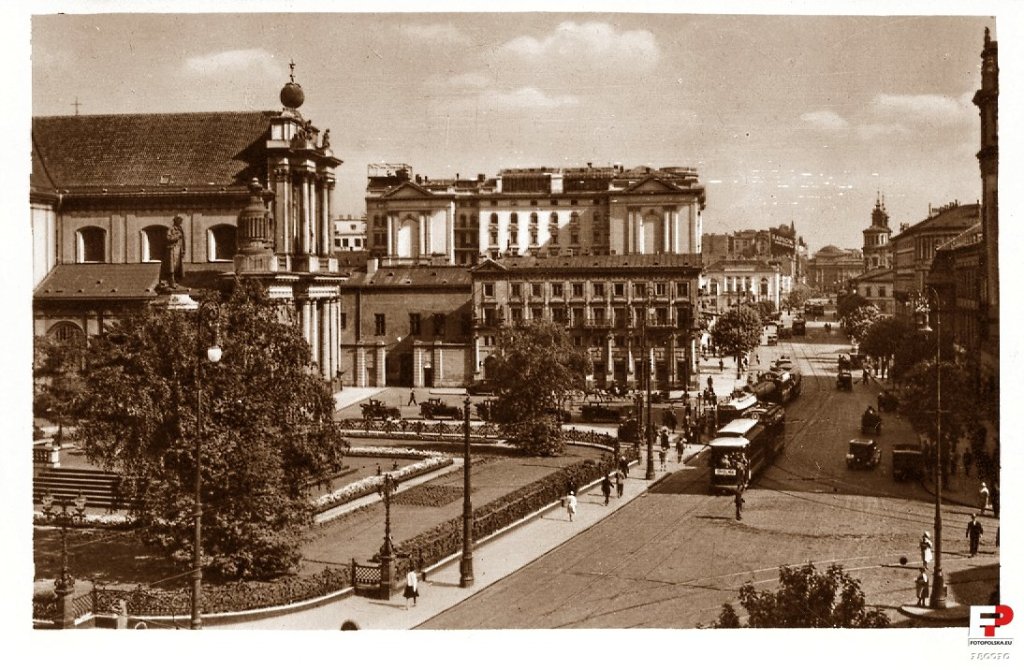
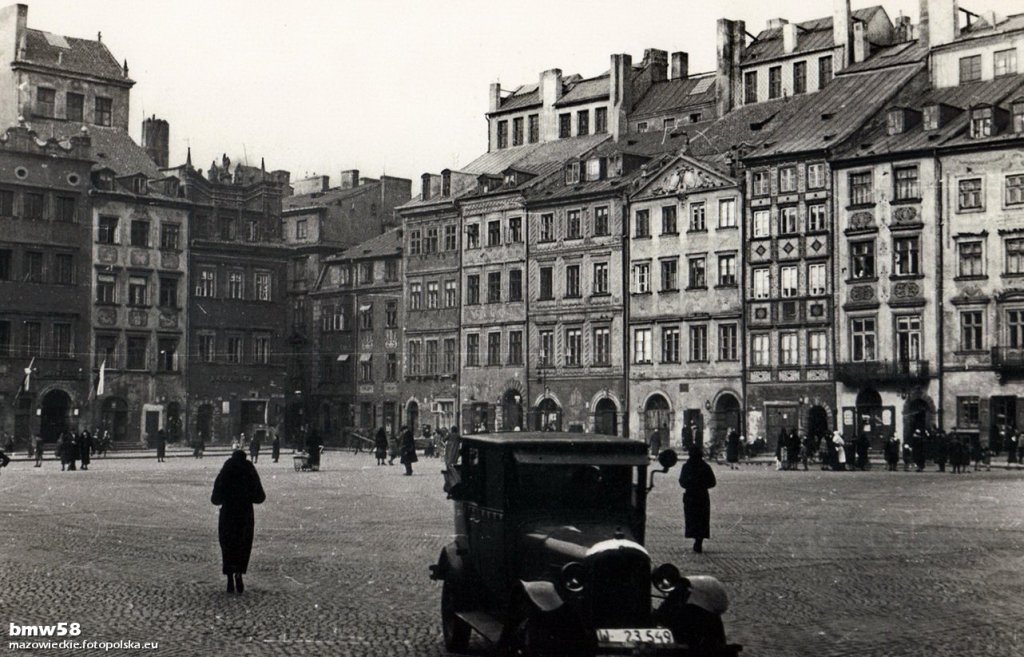
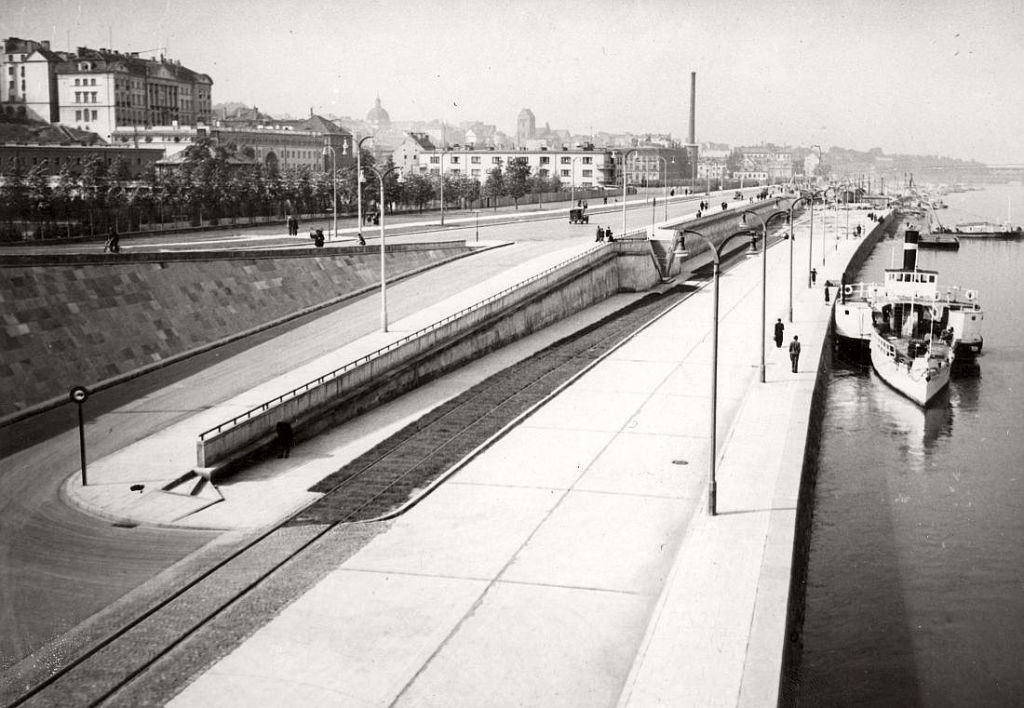
The city of Warsaw, capital of Poland, flanks both banks of the Vistula River. A city of 1.3 million inhabitants, Warsaw was the capital of the resurrected Polish state in 1919.
Before World War II, the city was a major center of Jewish life and culture in Poland. Warsaw’s prewar Jewish population of more than 350,000 constituted about 30 percent of the city’s total population. The Warsaw Jewish community was the largest in both Poland and Europe, and was the second largest in the world, second only to New York City.
Following the German invasion of Poland on September 1, 1939, Warsaw suffered heavy air attacks and artillery bombardment. German troops entered Warsaw on September 29, shortly after its surrender.
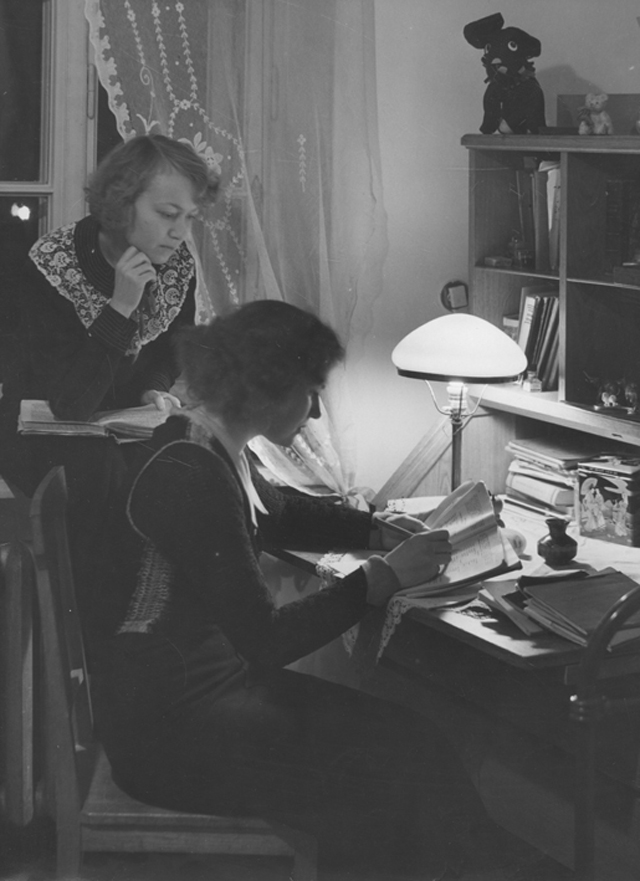
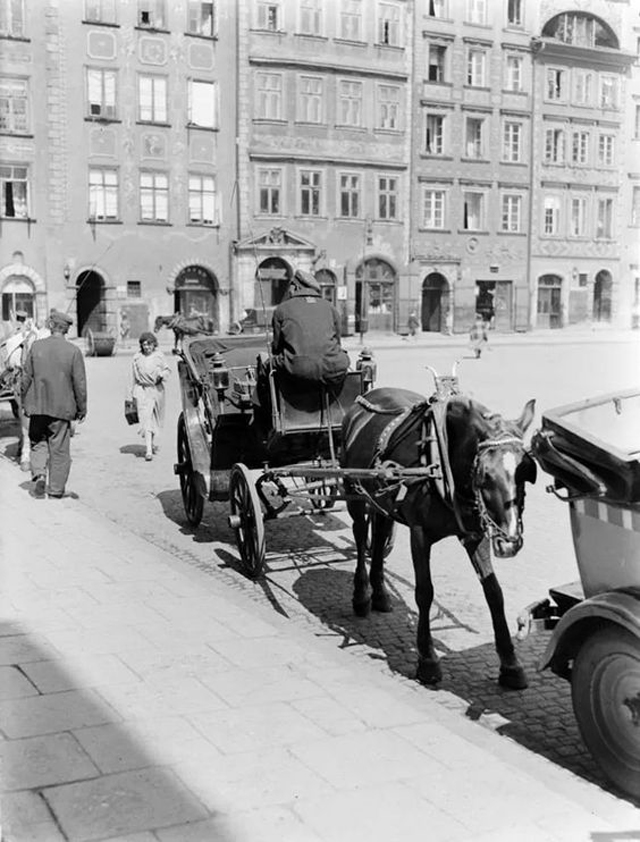
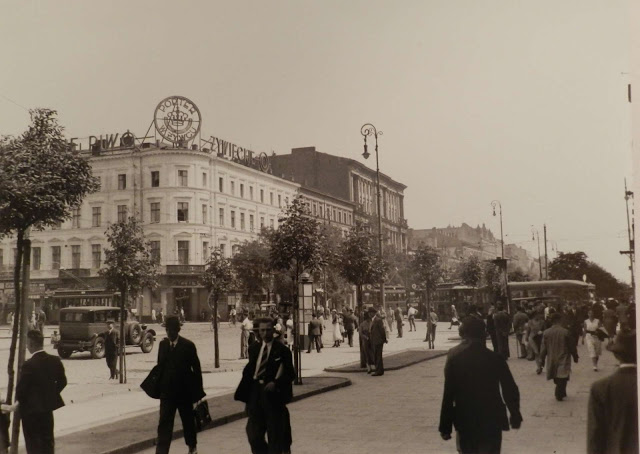
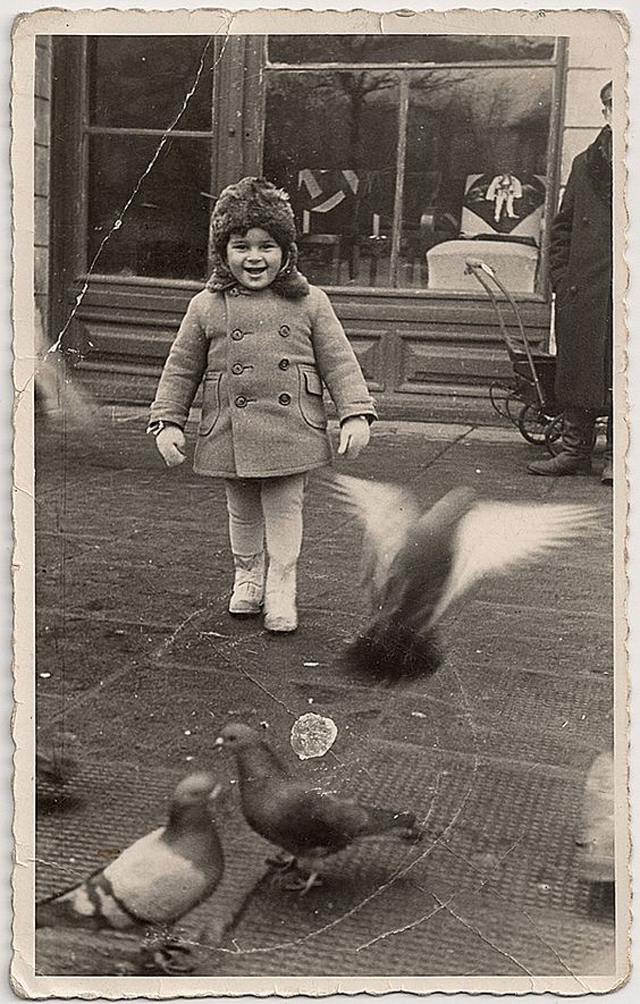
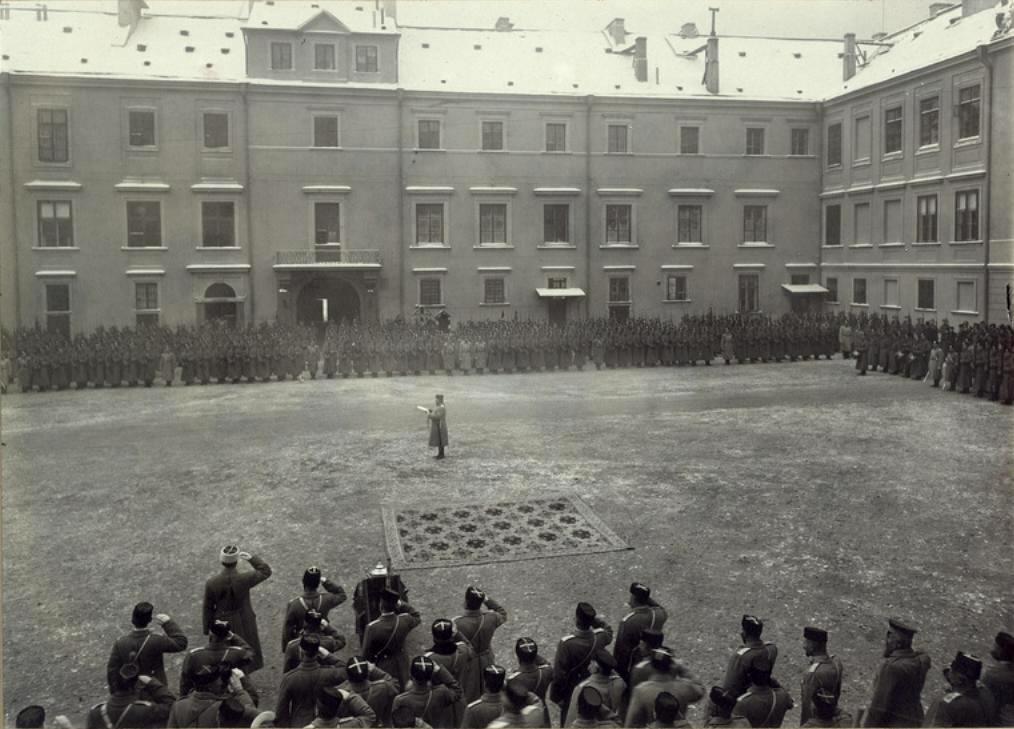
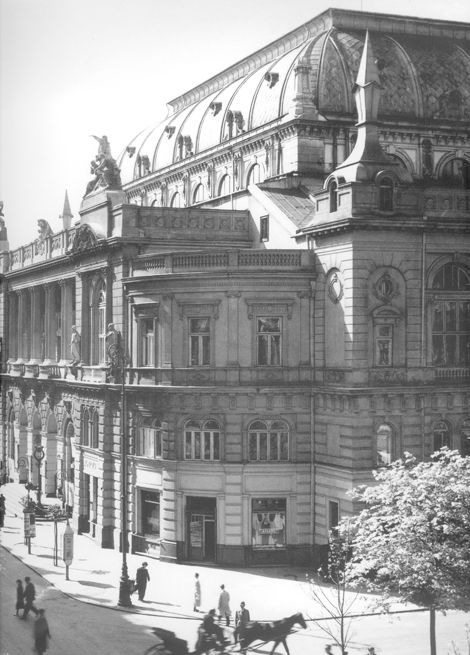
Take a look at the capital of Poland in the 1930s to see everyday life of Warsaw before World War II.













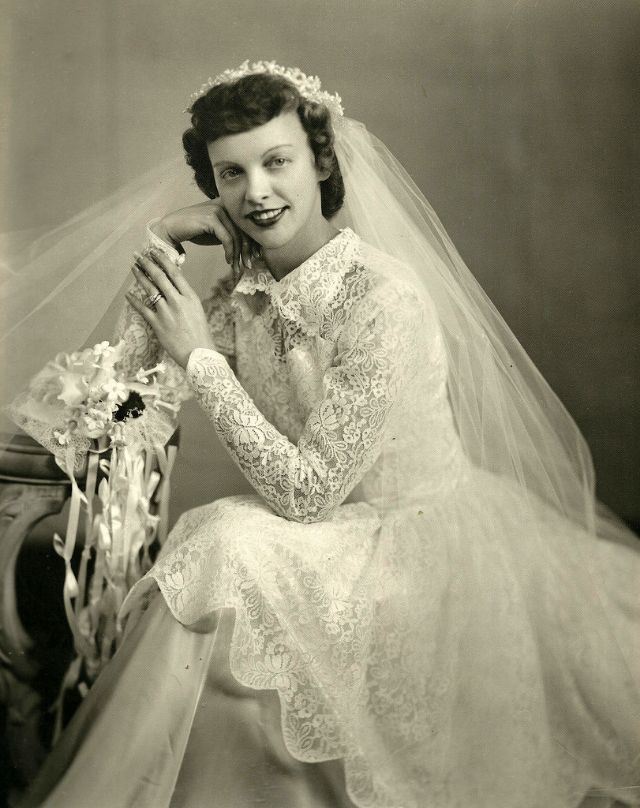
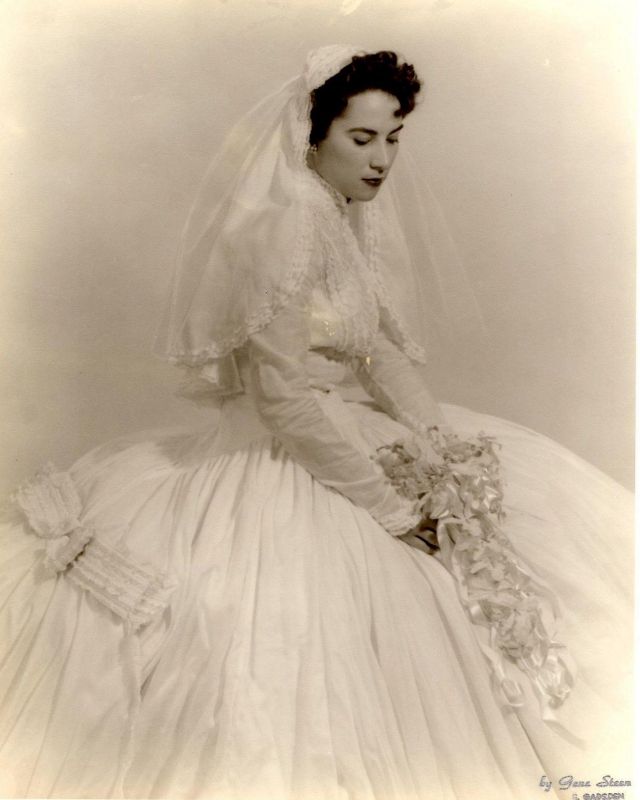
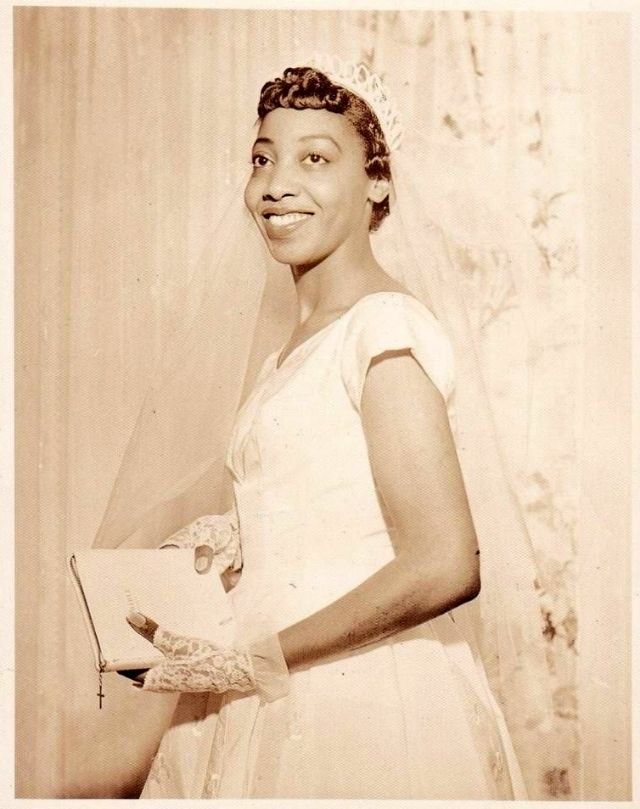
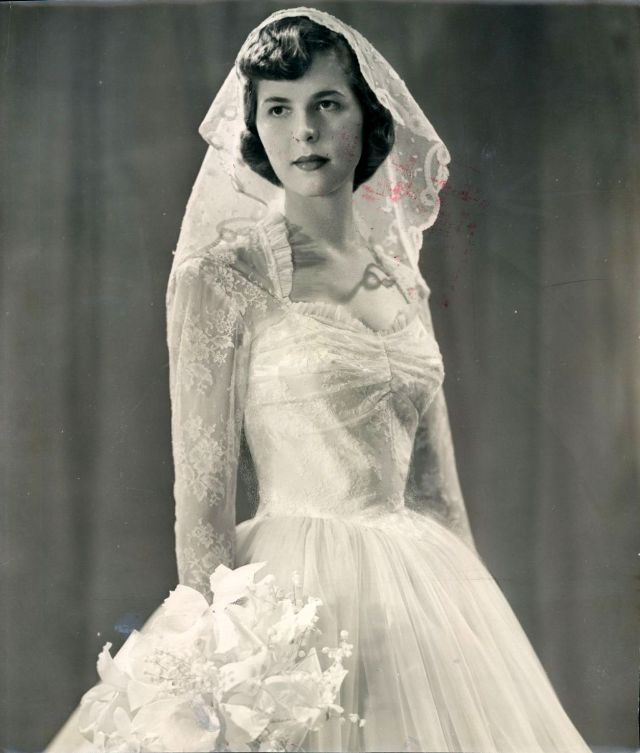
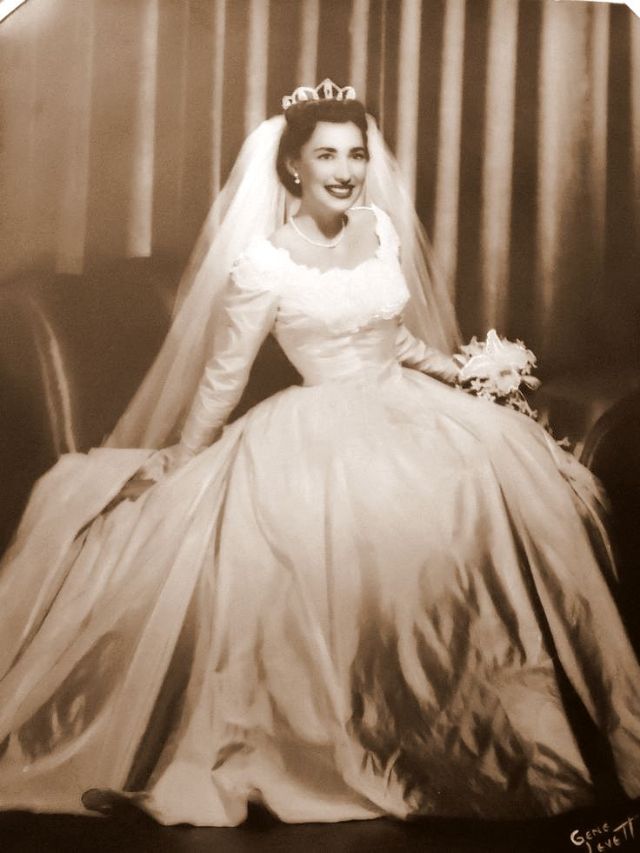
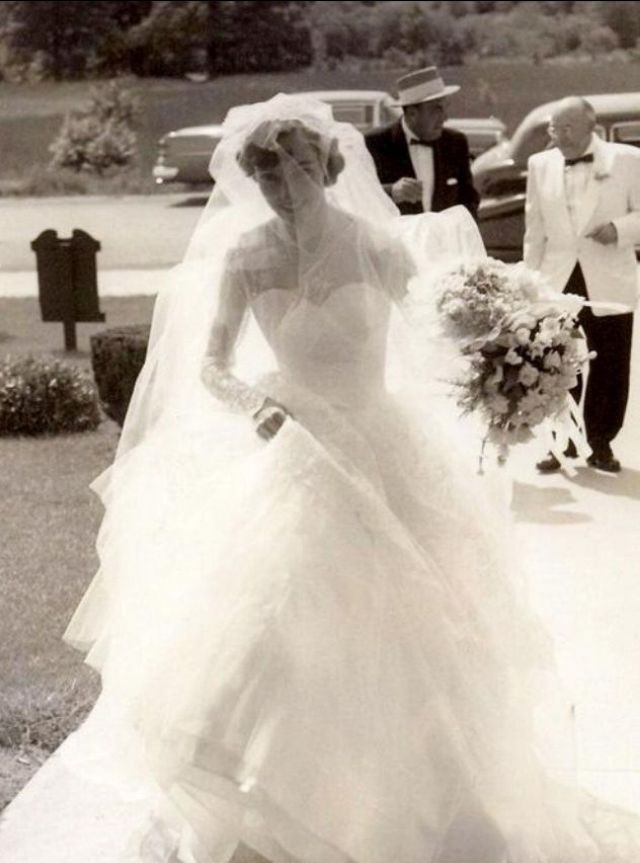
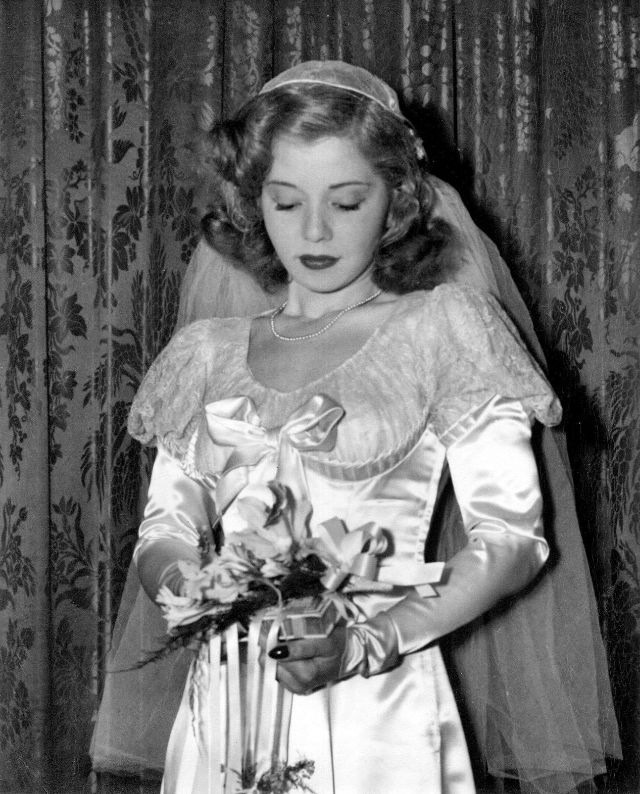
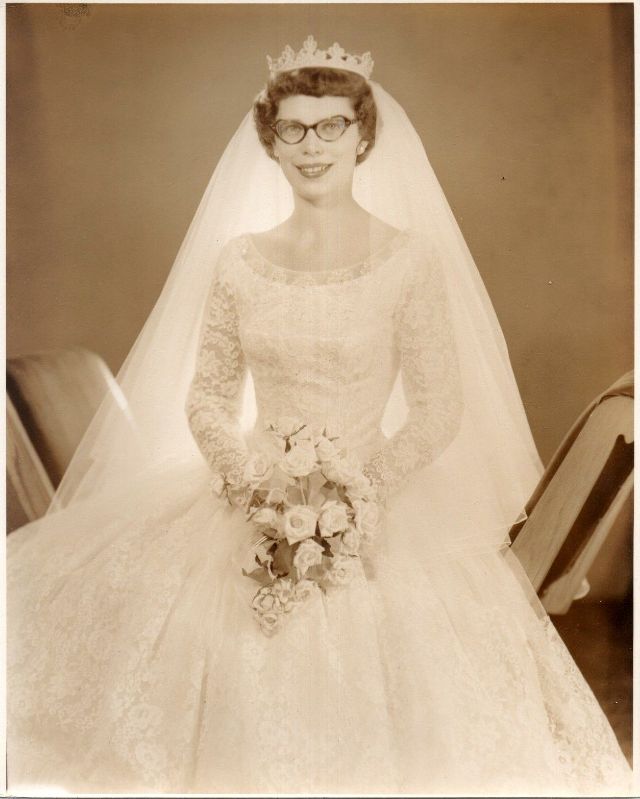
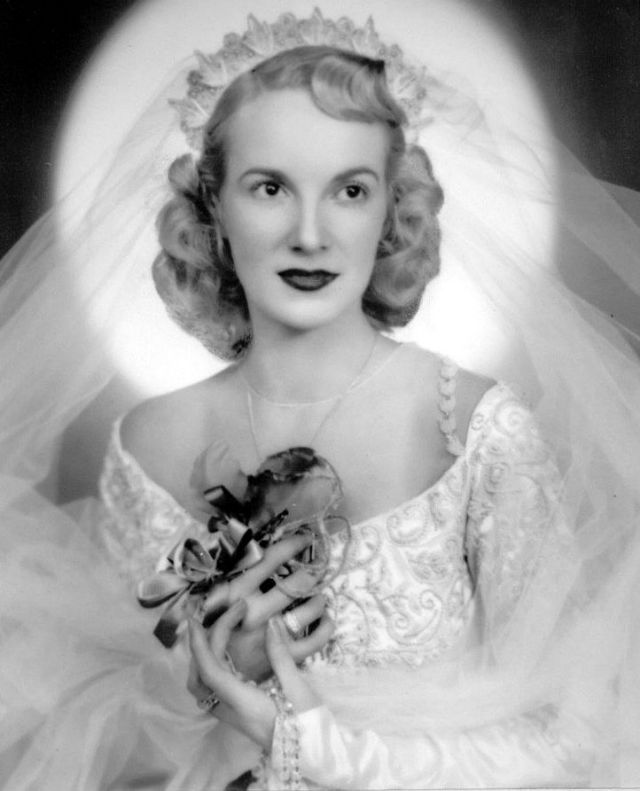
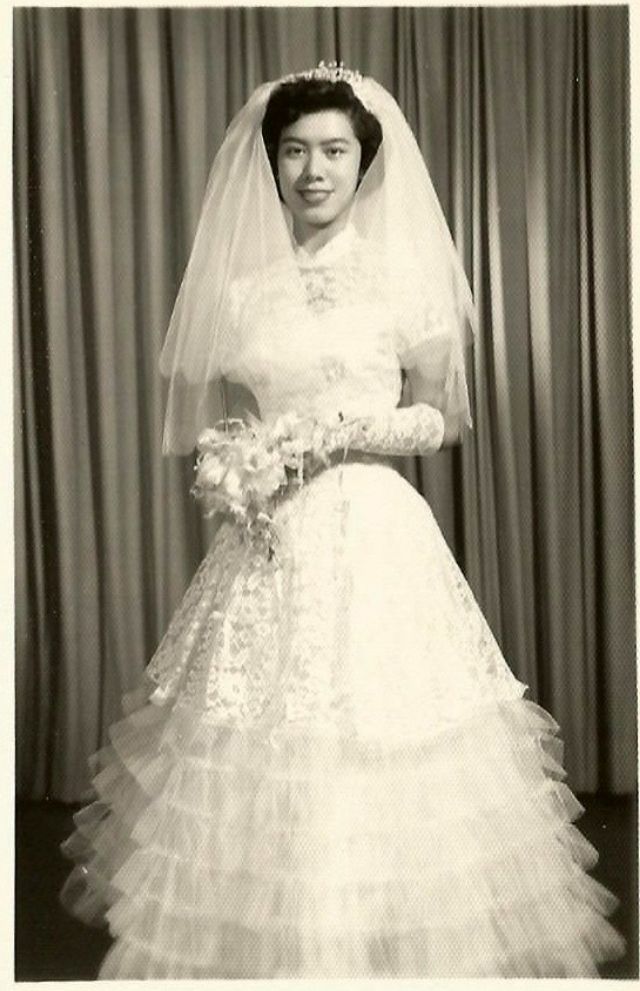
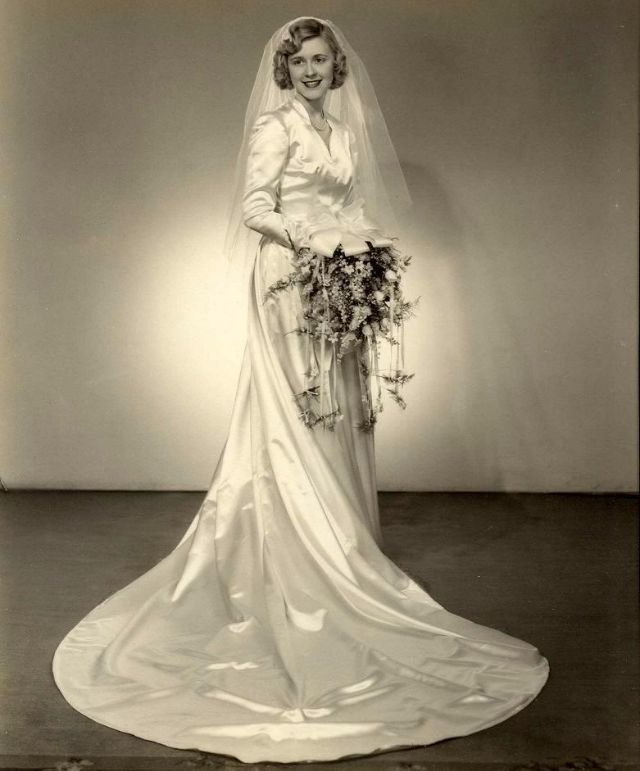
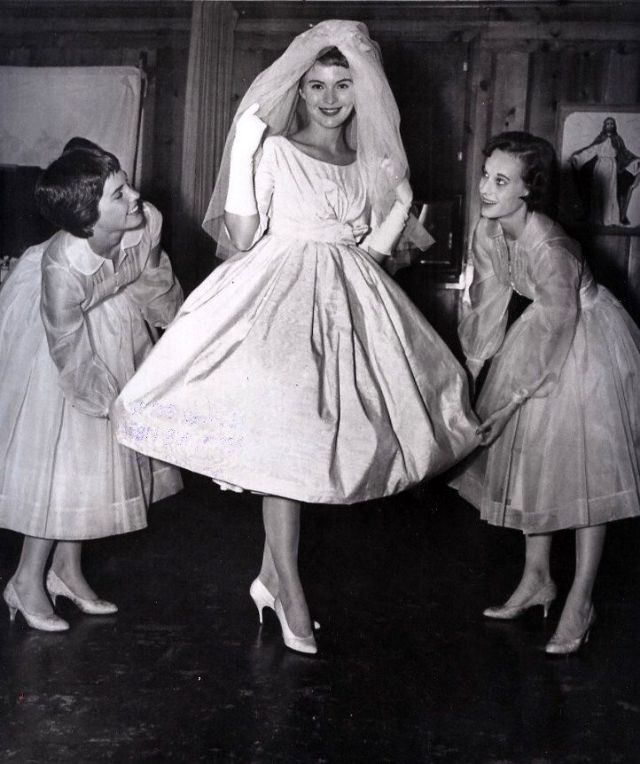
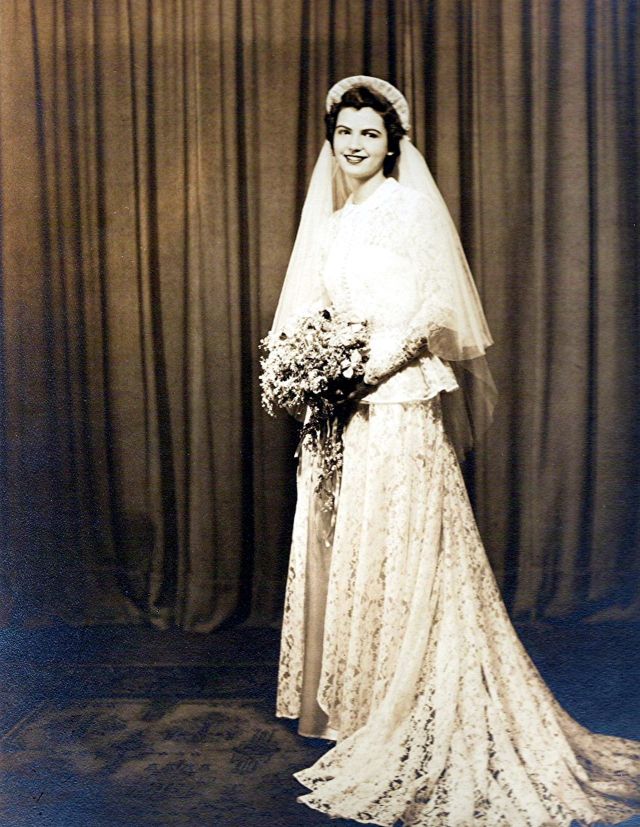
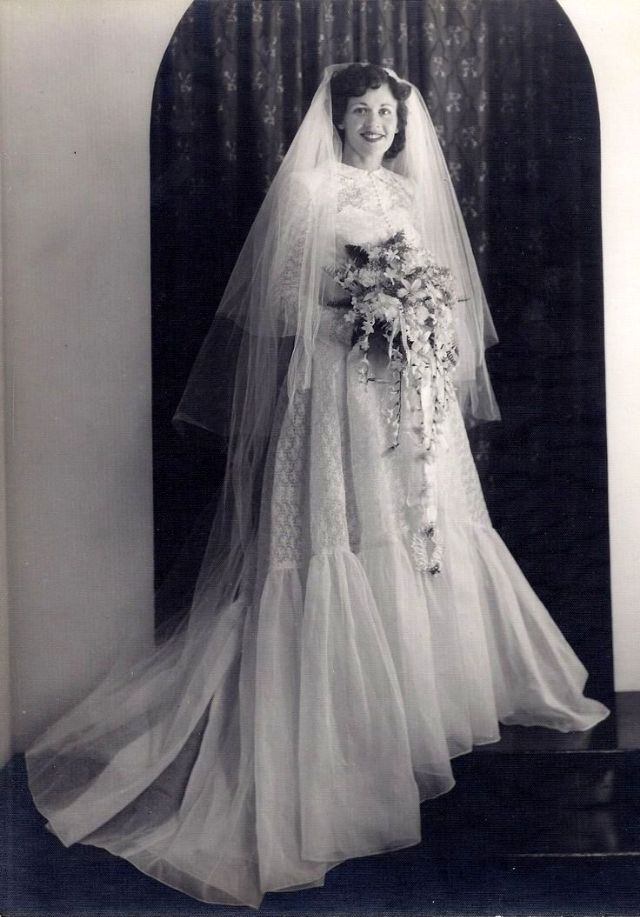
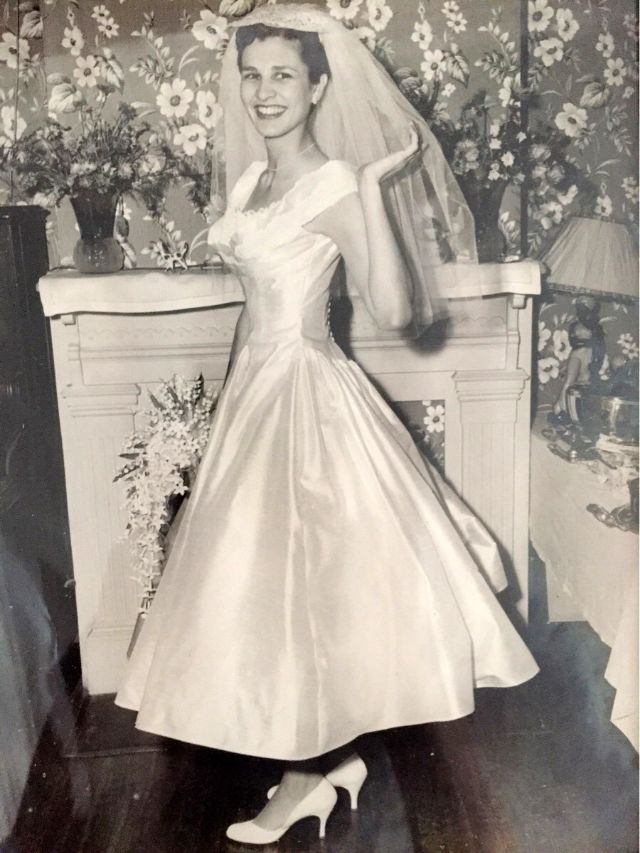
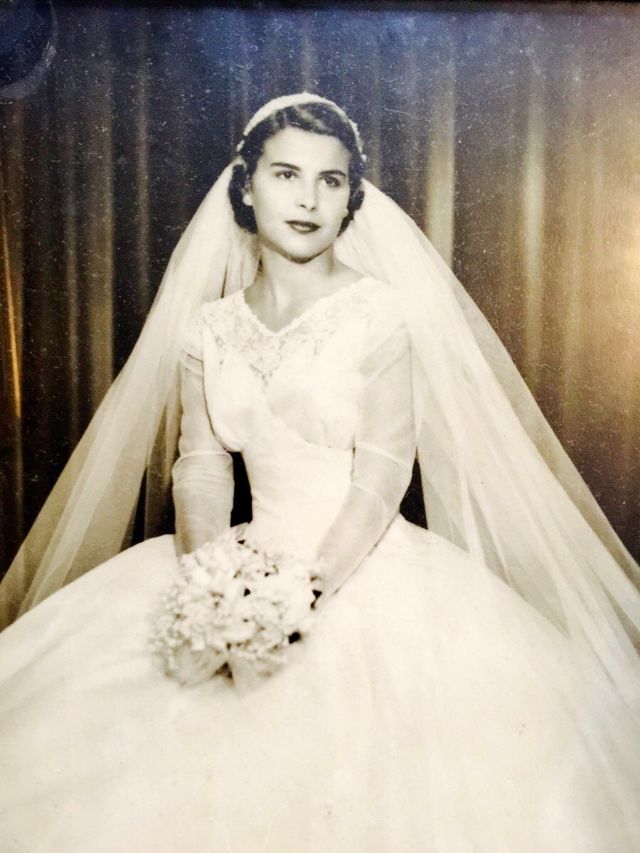
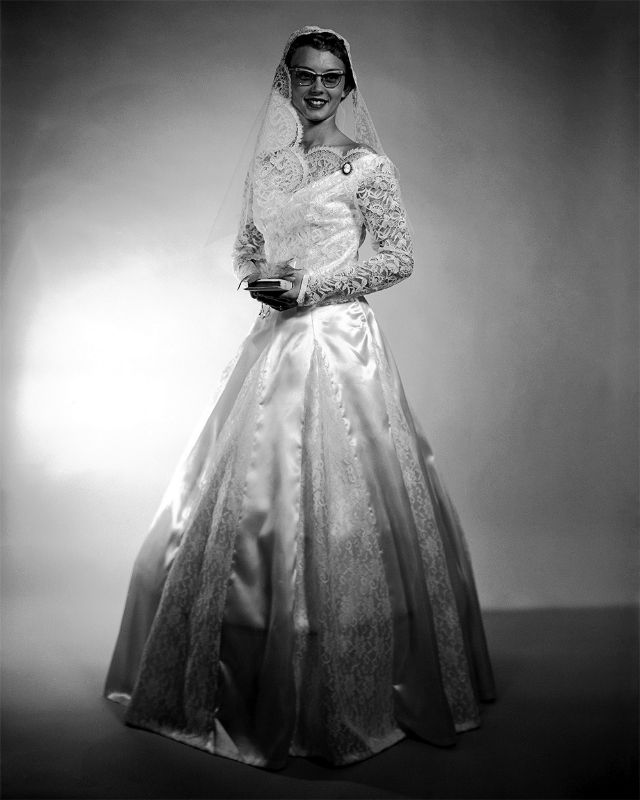
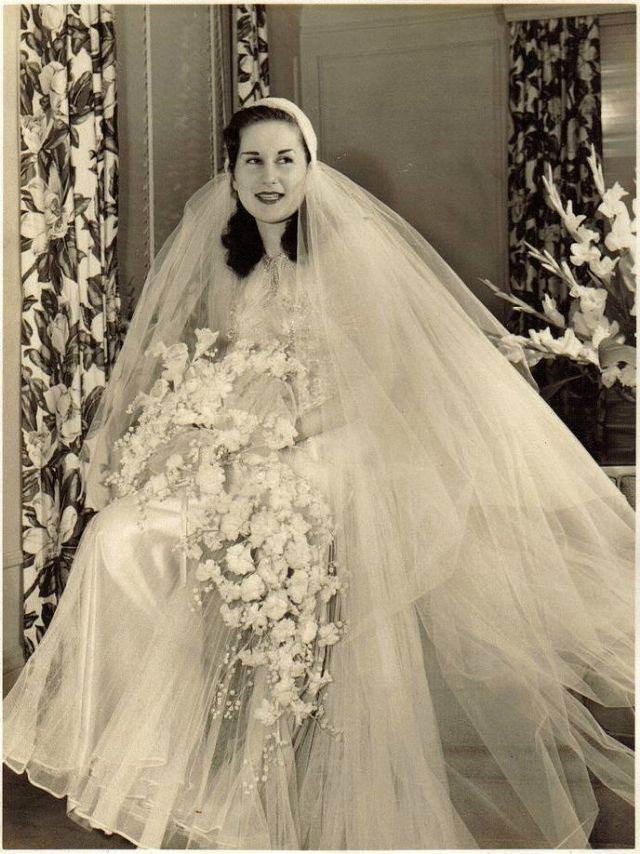
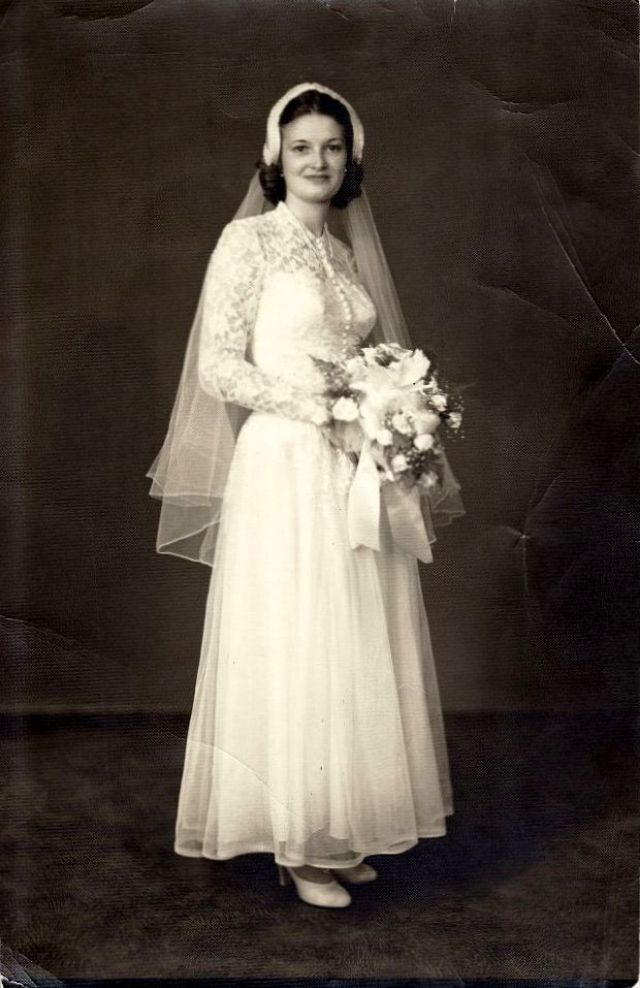
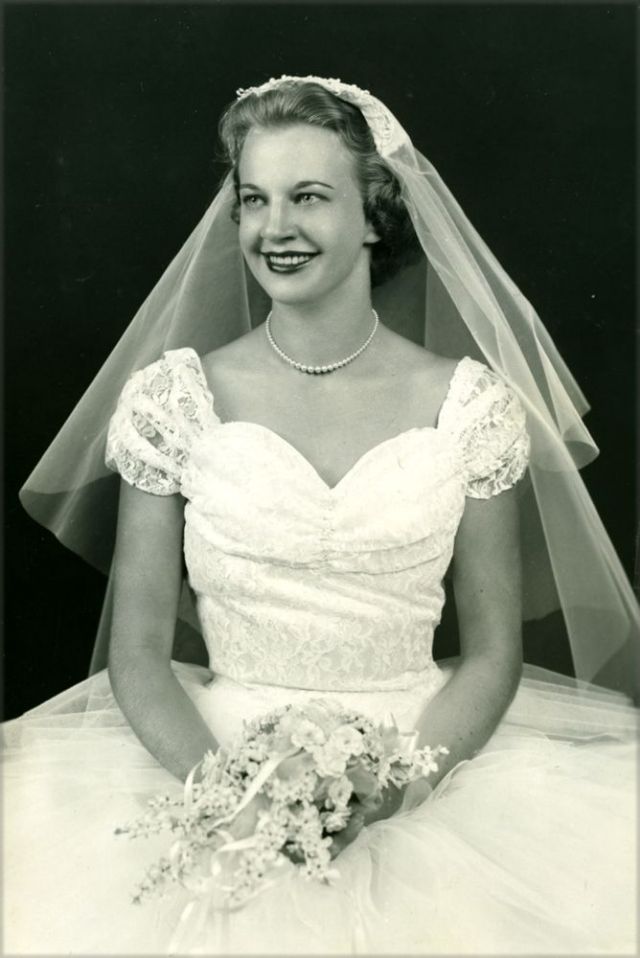
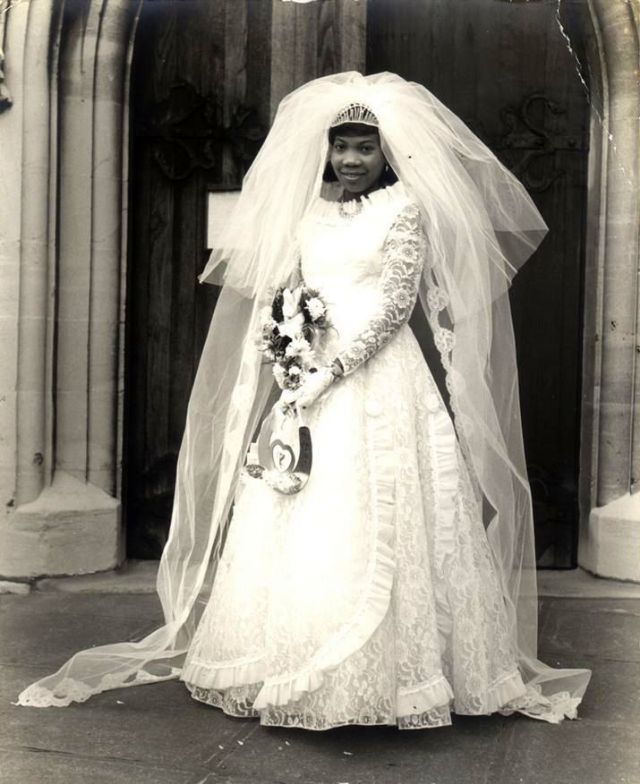
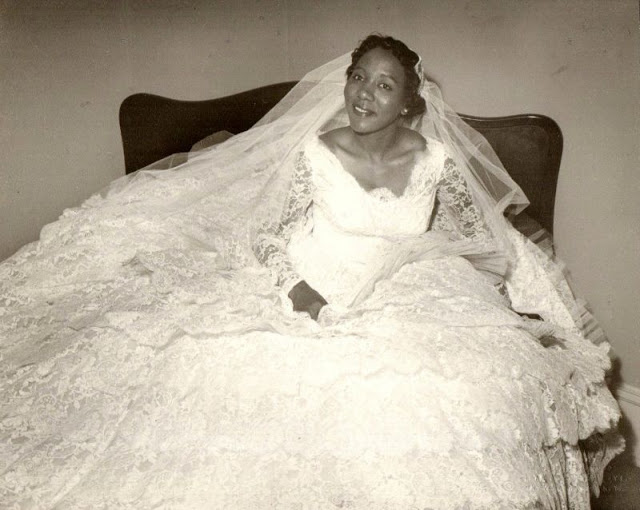
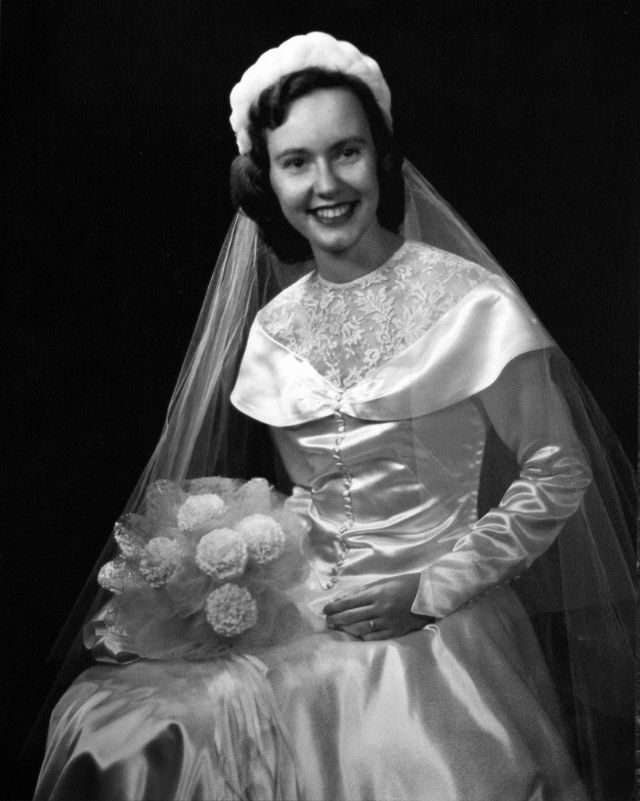
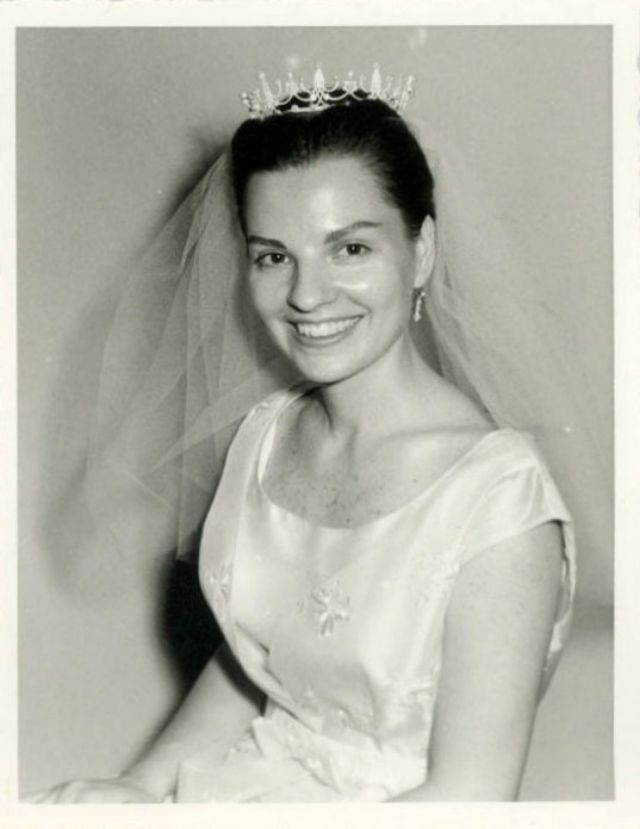
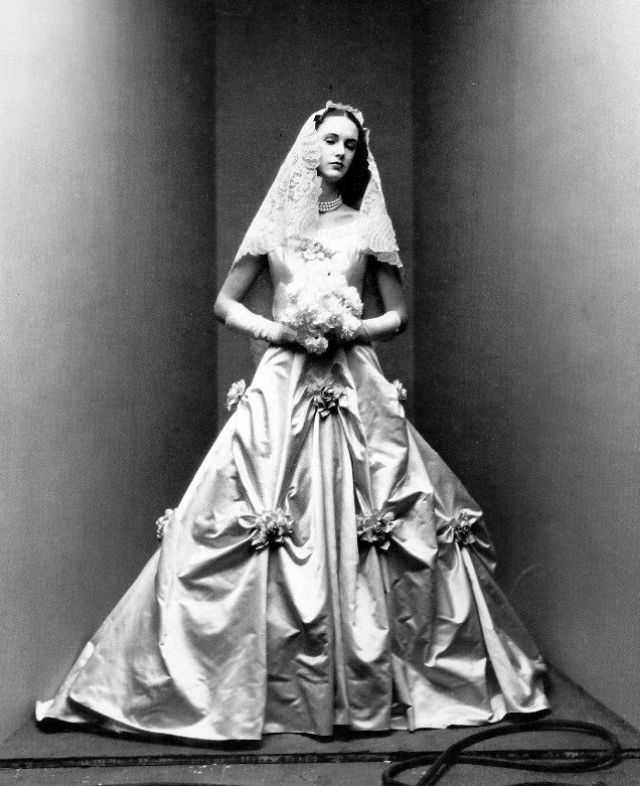
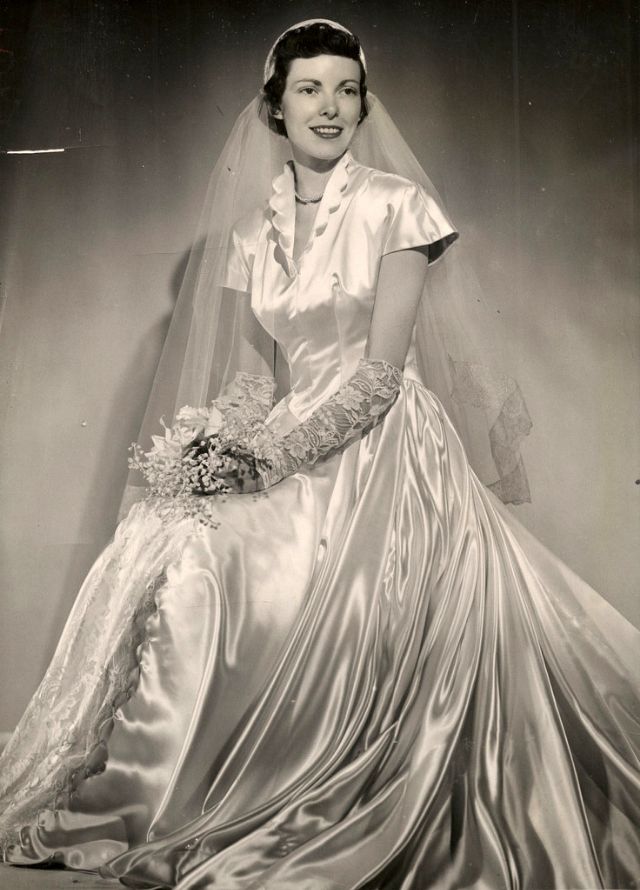
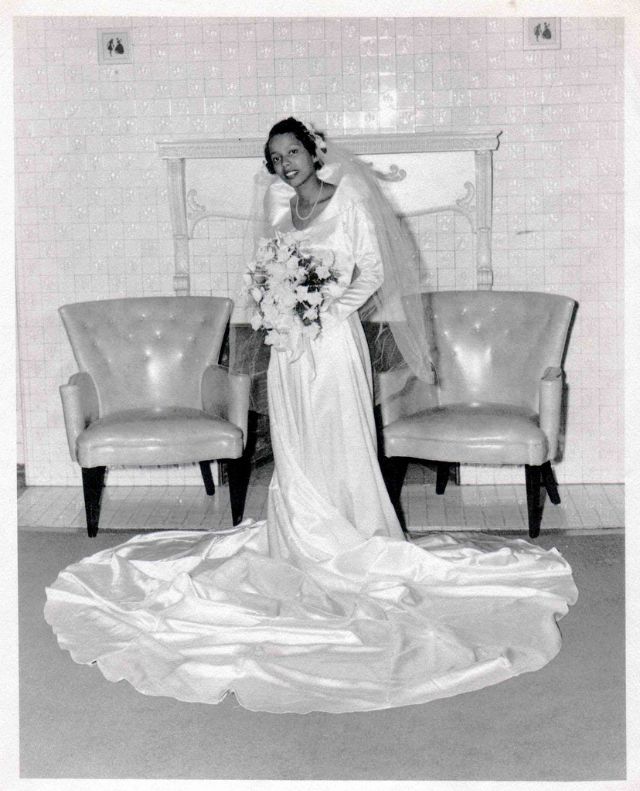
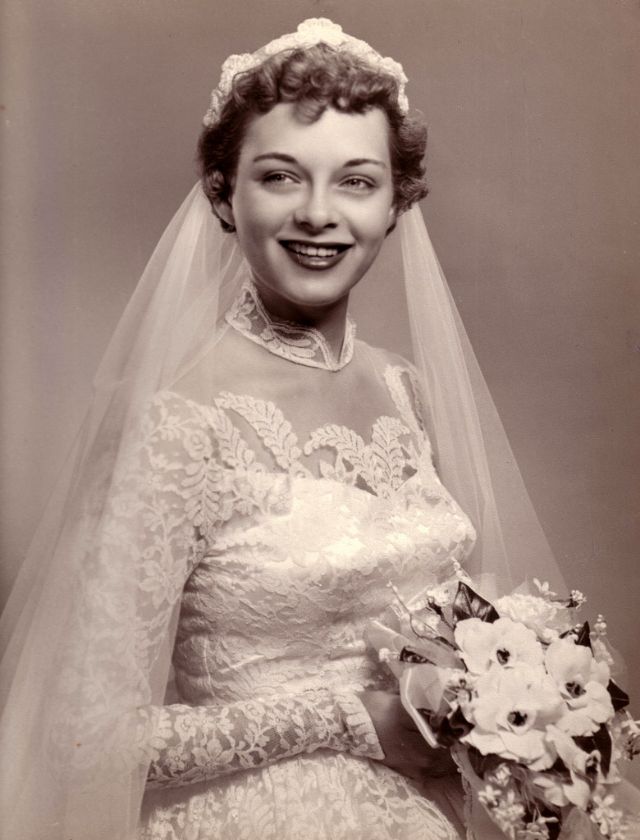
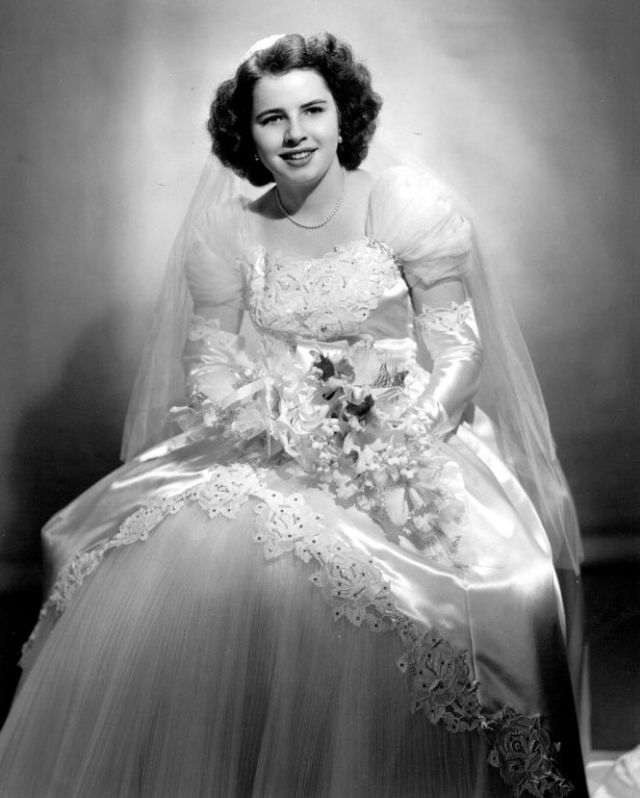
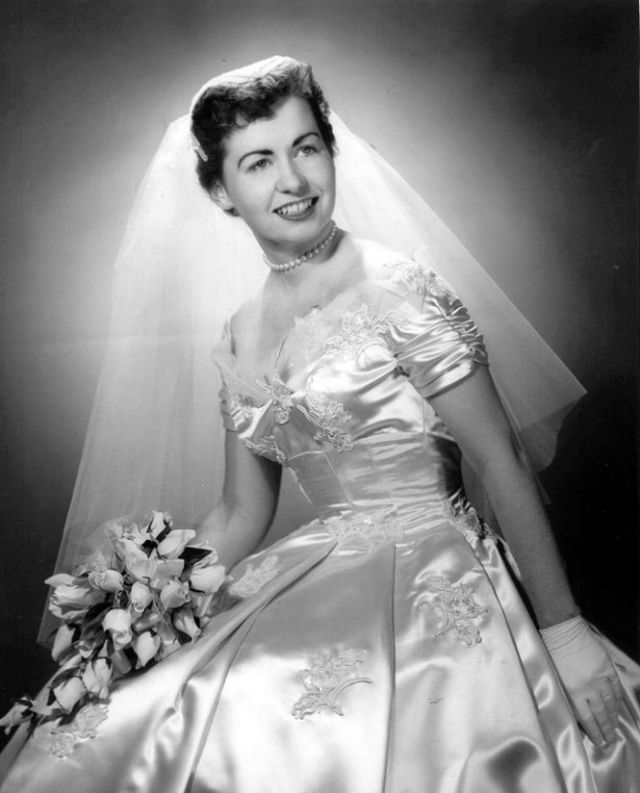
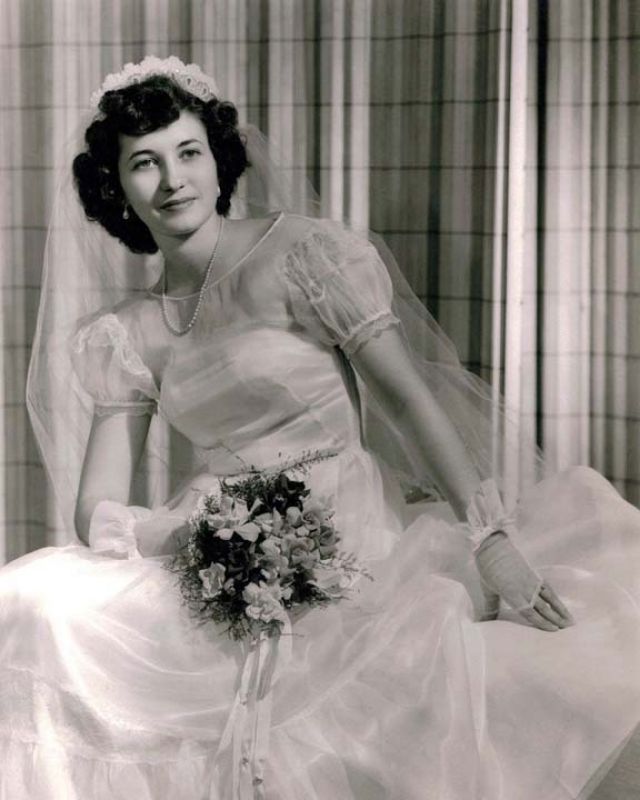
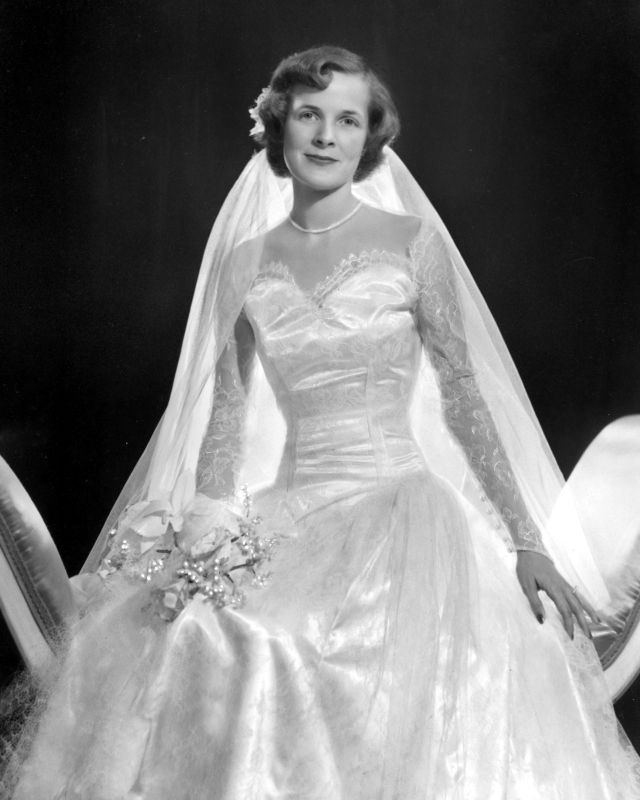
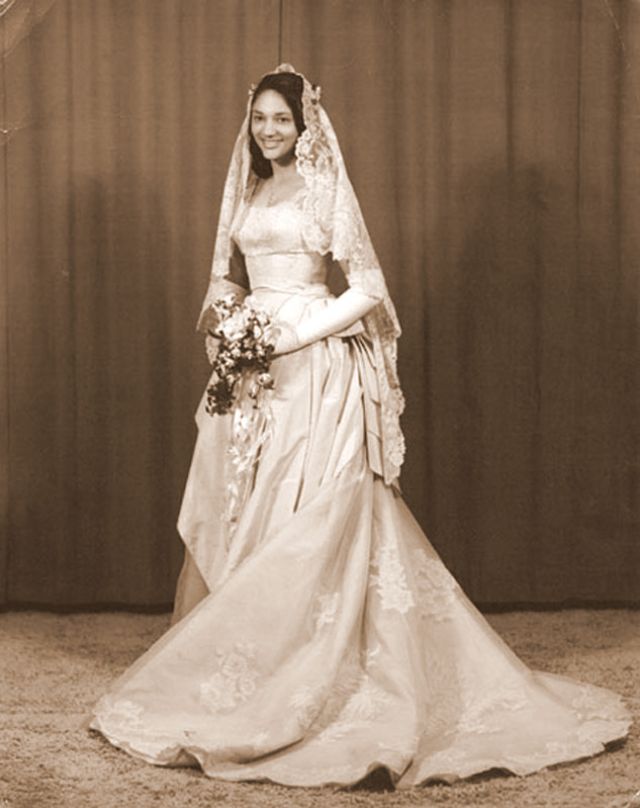
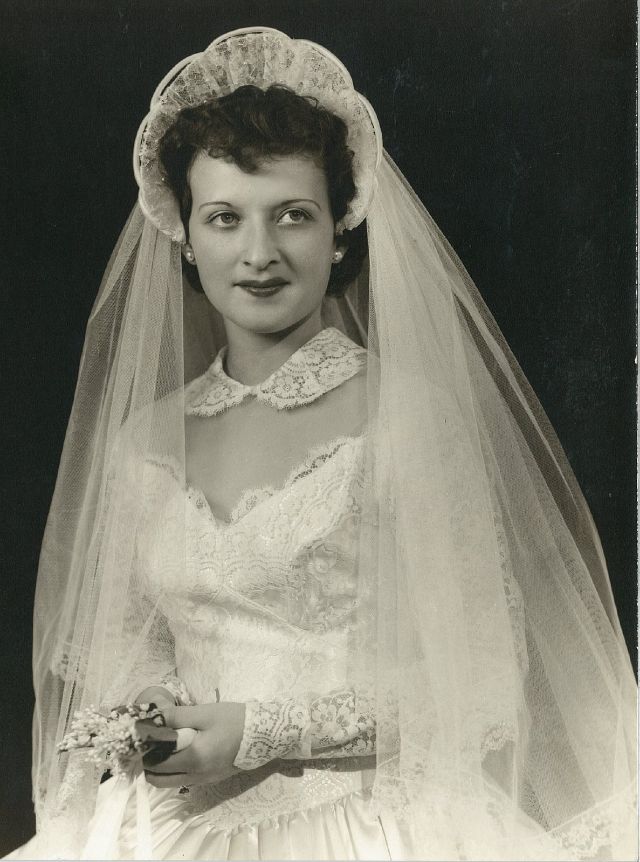
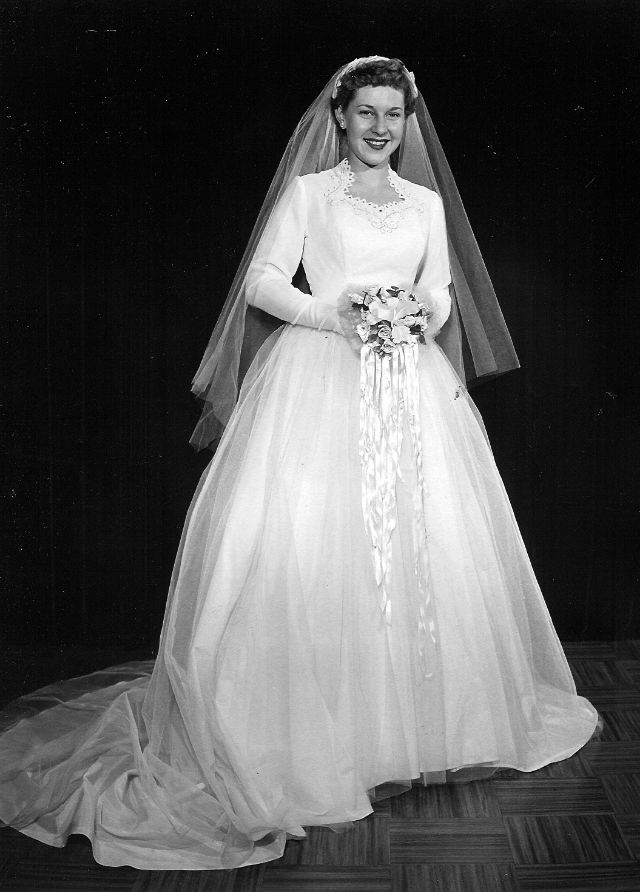
After the shortages of World War II, women were ready for a little luxury. And brides didn’t want to skimp on the lace or fabric.
In 1947, French designer Christian Dior caused a sensation when he introduced his “new look,” hour-glass dresses with long, flowing skirts – skirts made of yards and yards of cloth.
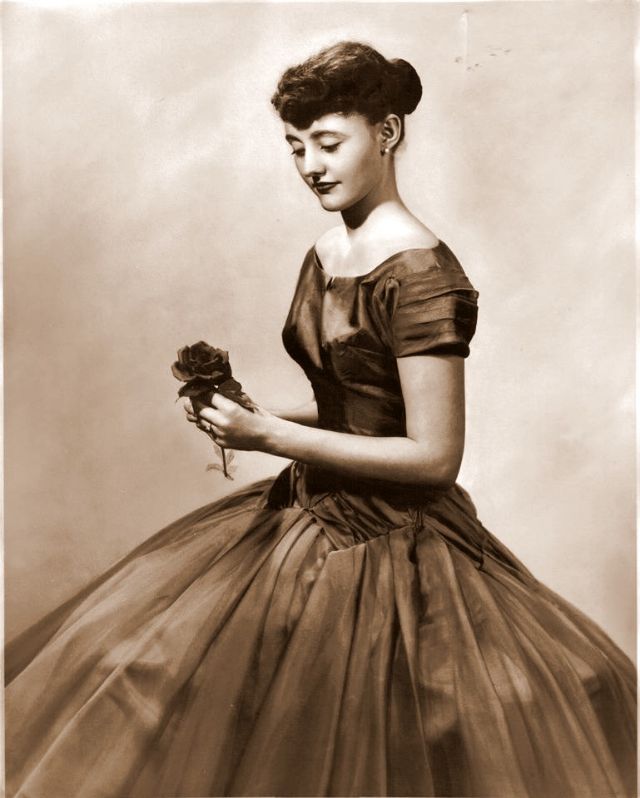
The billowing skirts and wasp-waist designs evolved in the 1950s and may have peaked around 1956. There are also many other notable designs in this period.
Check out these glamorous photos to see what brides looked like in the 1950s.
























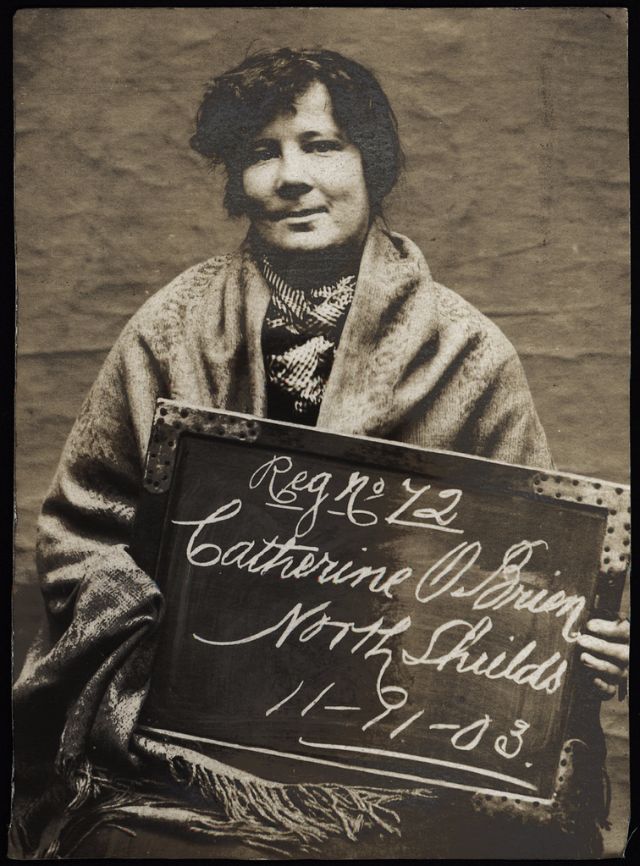
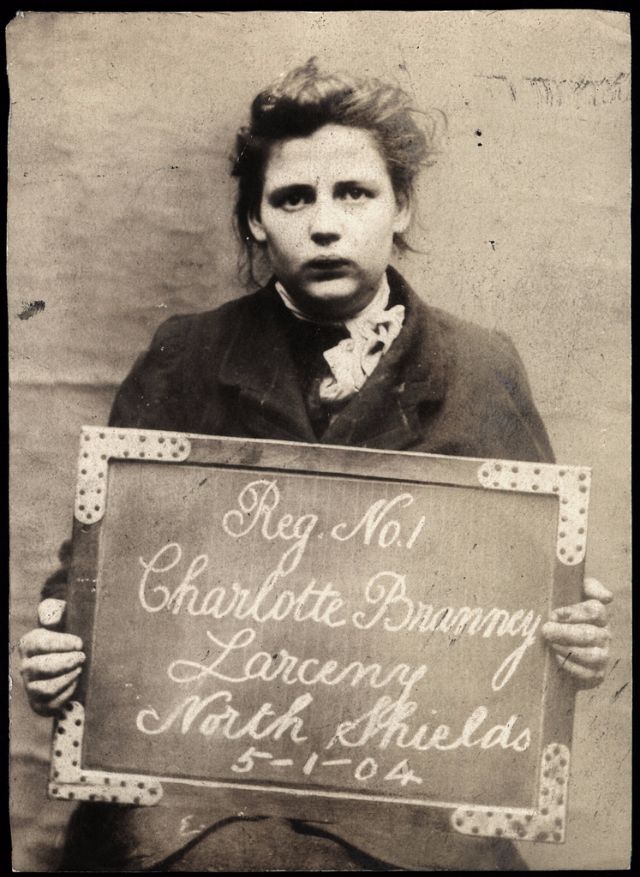
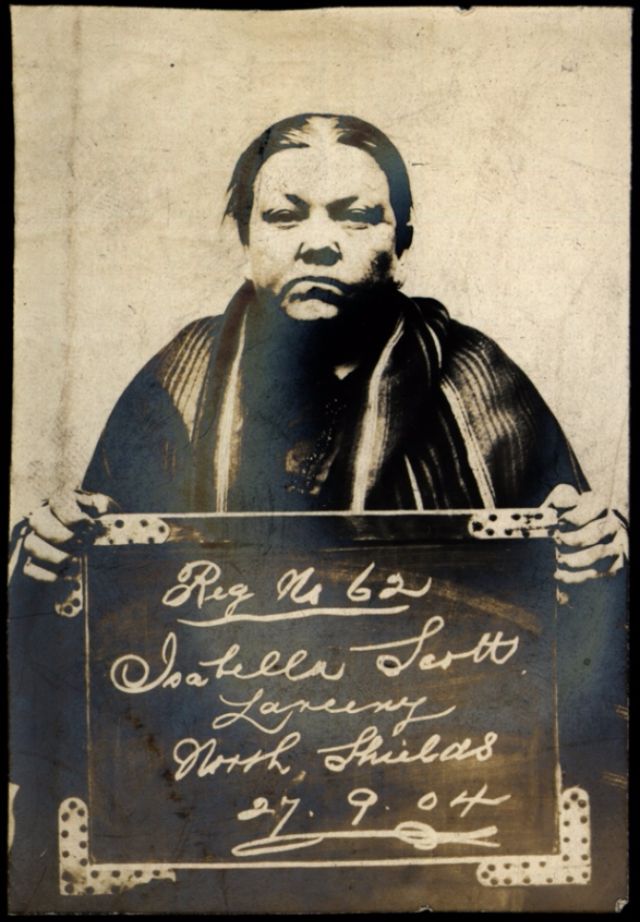
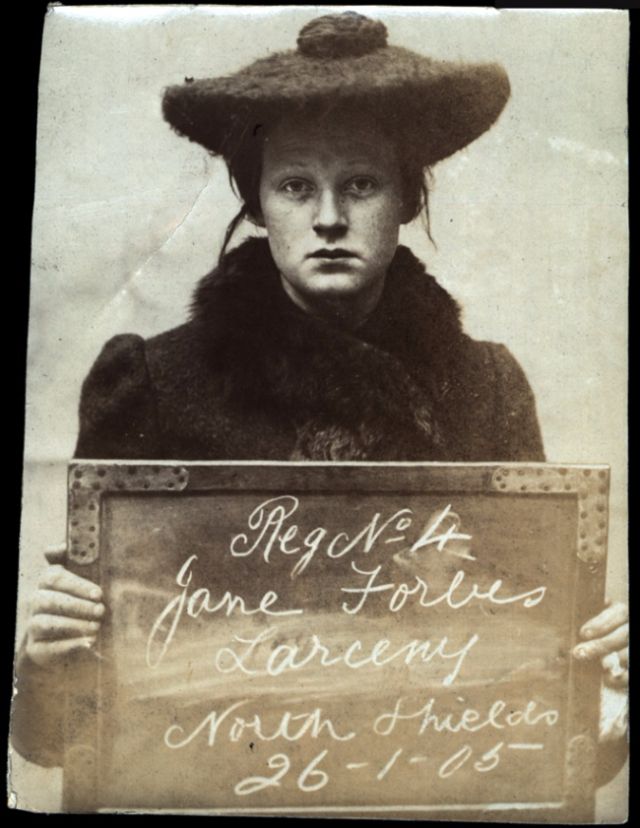

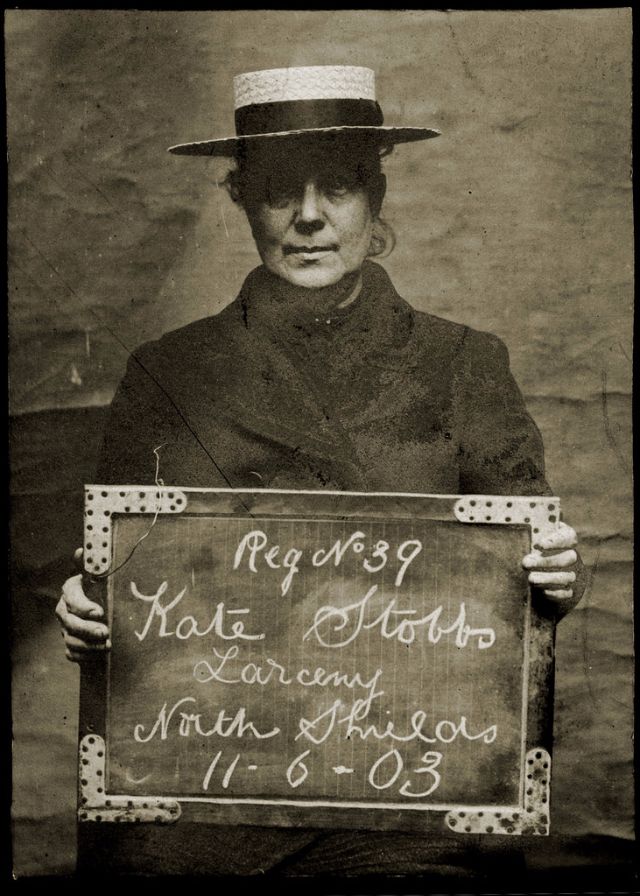
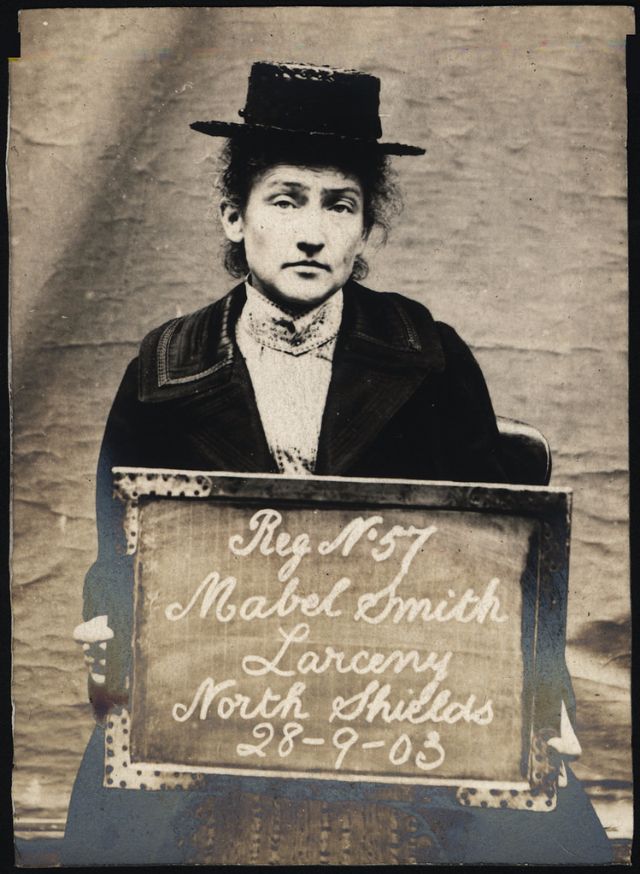
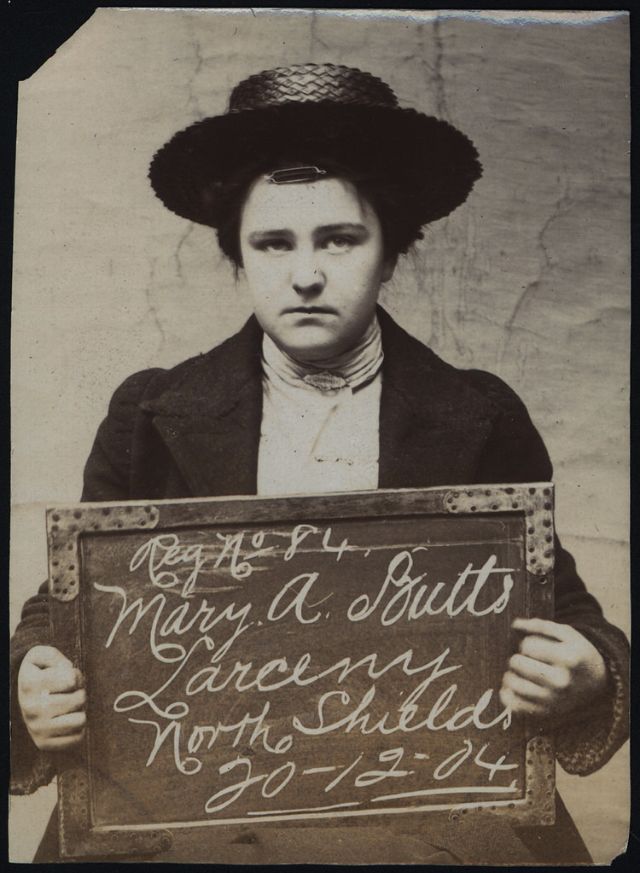
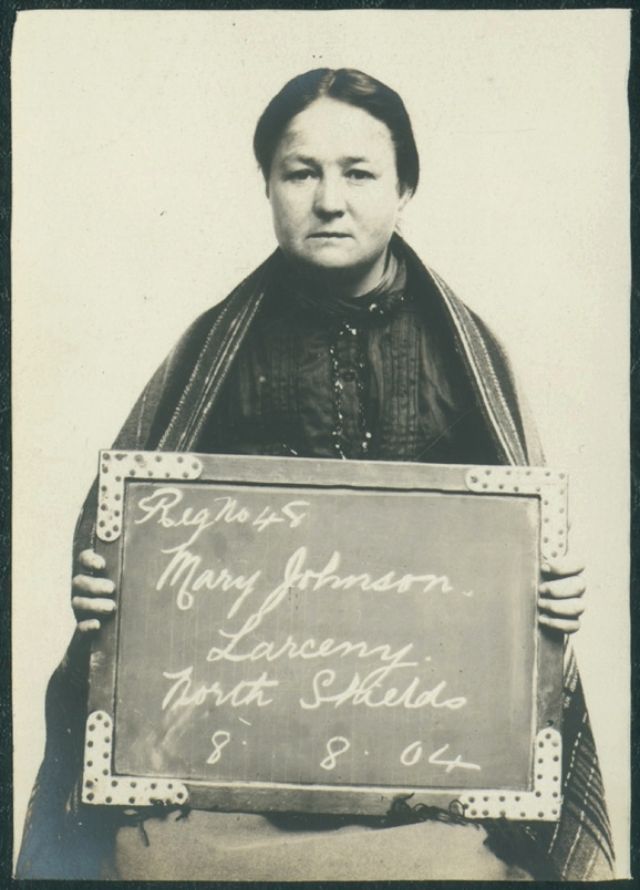
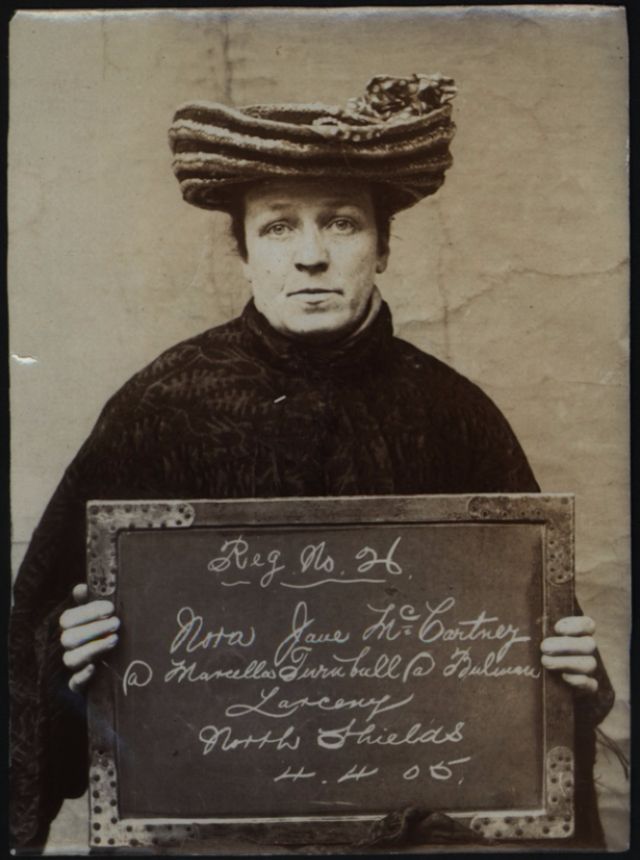


(Photos from Tyne & Wear Archives & Museums)
