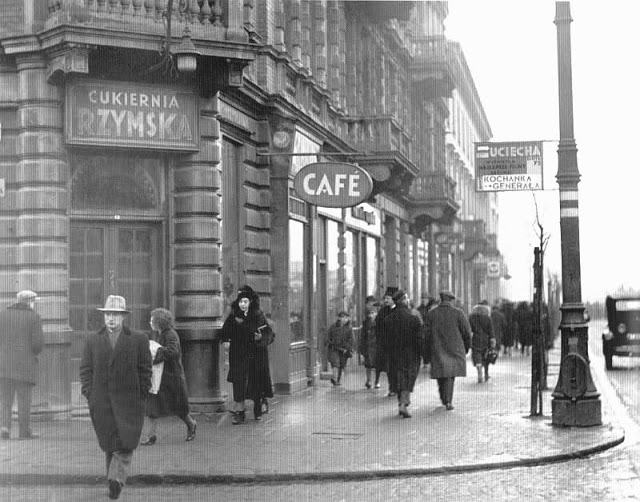
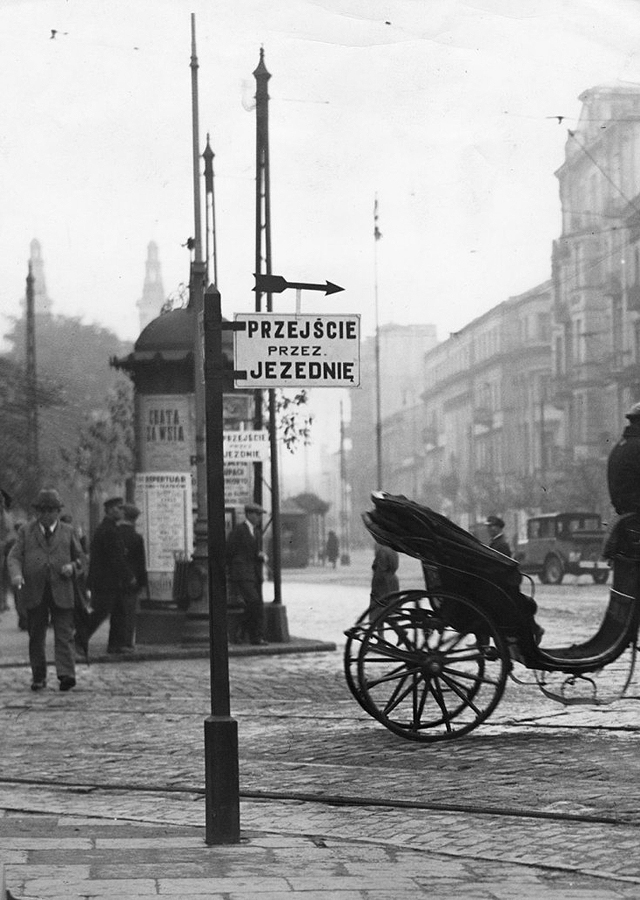
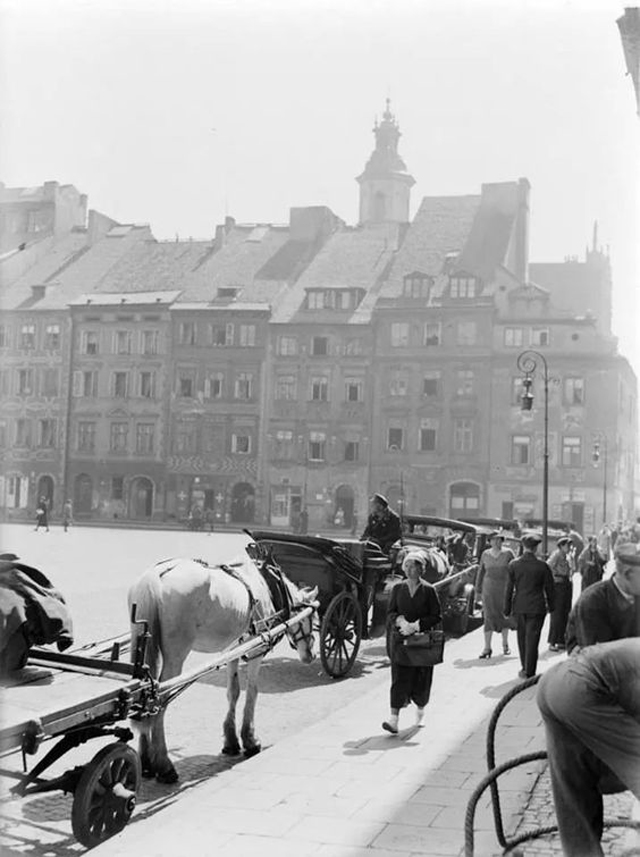
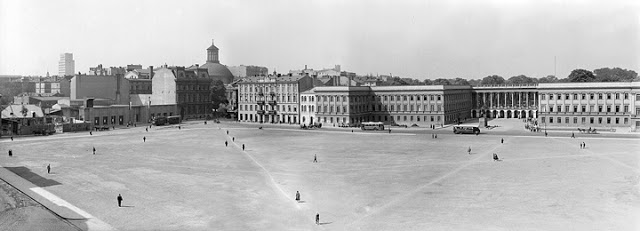
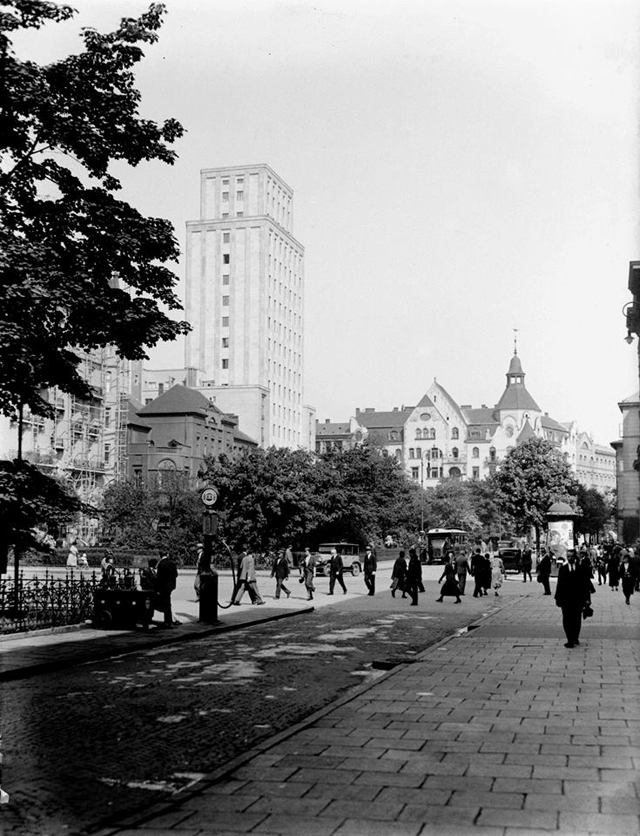
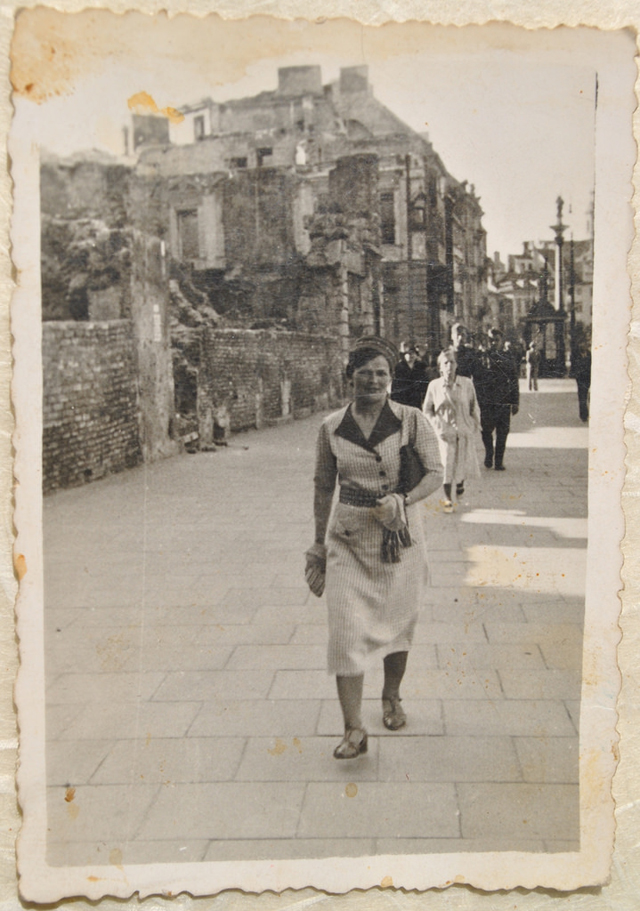
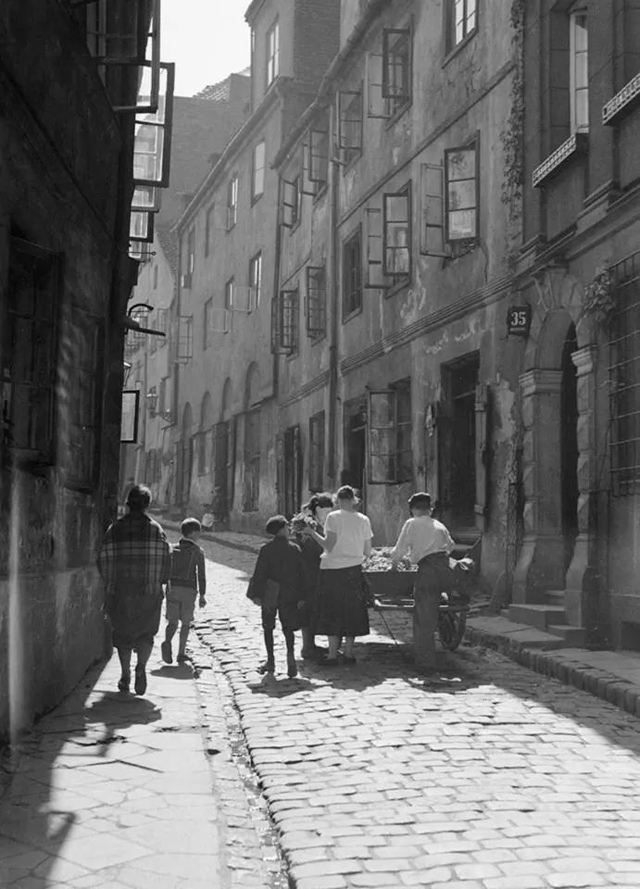
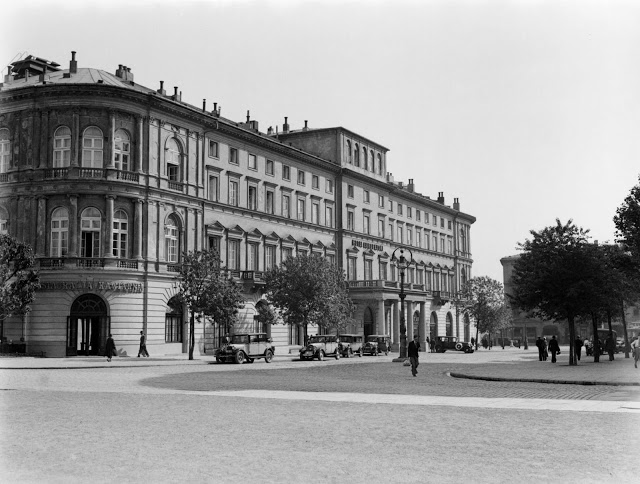
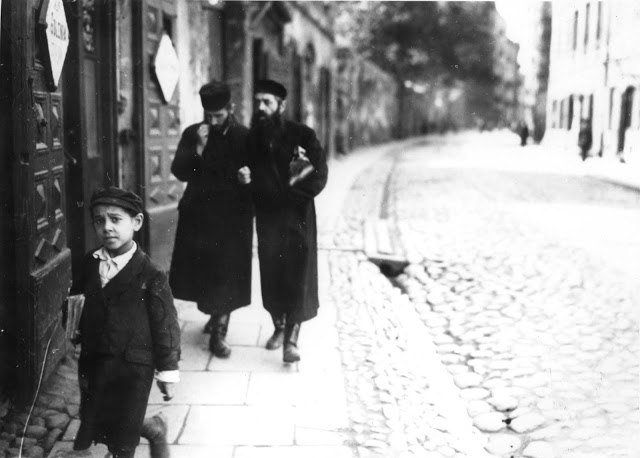
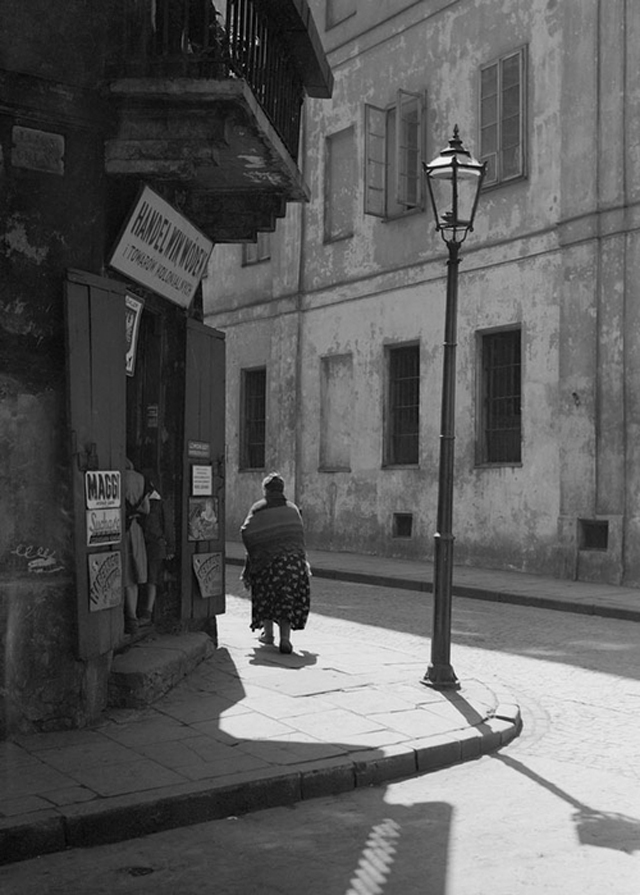
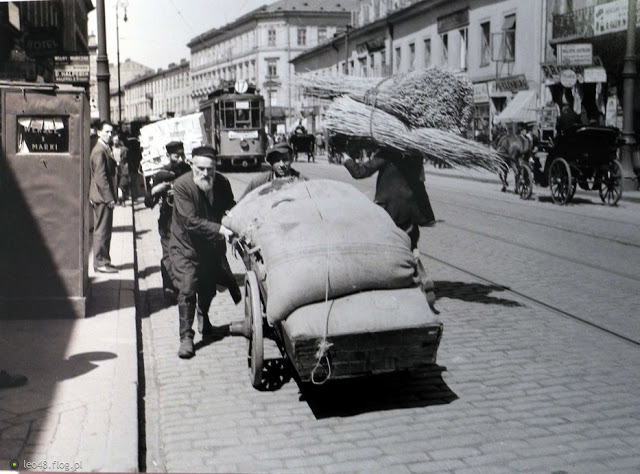
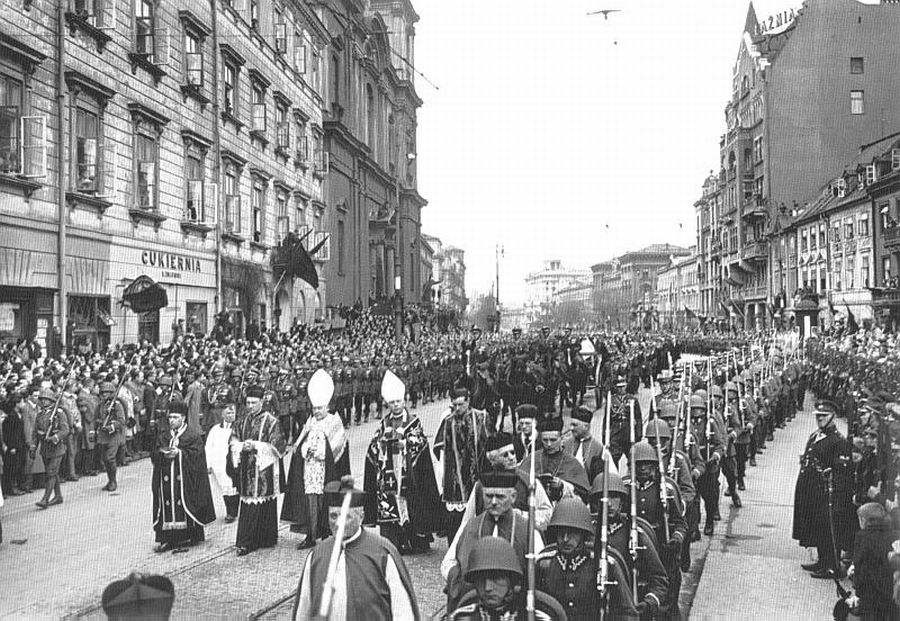
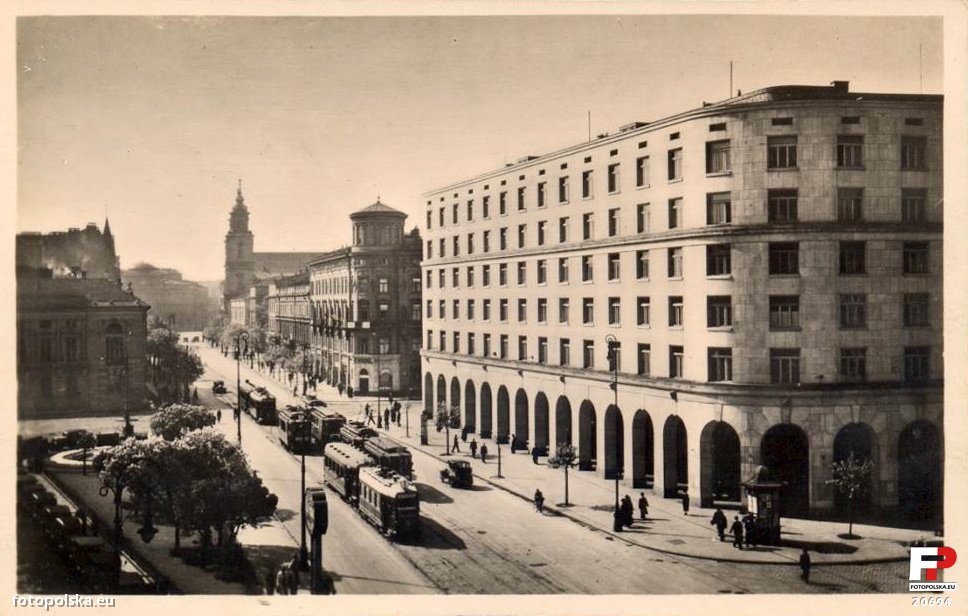
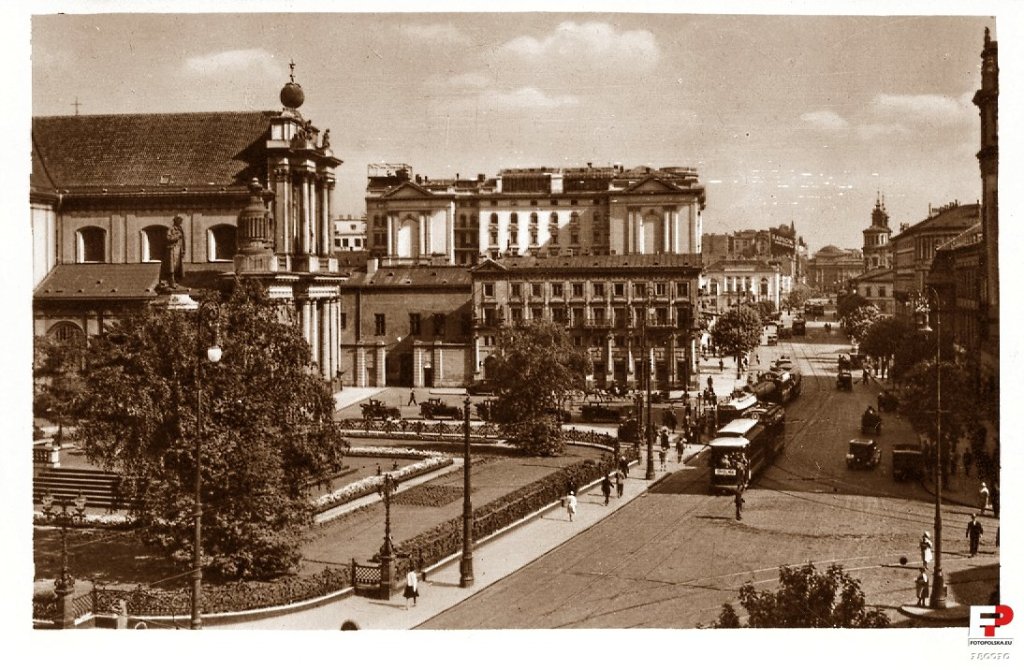
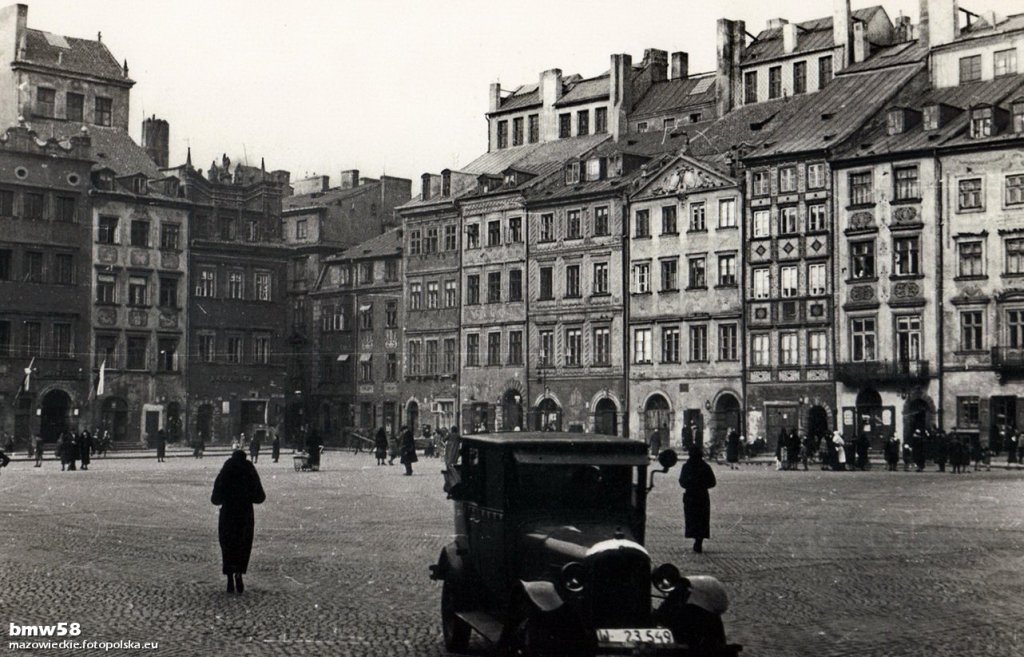
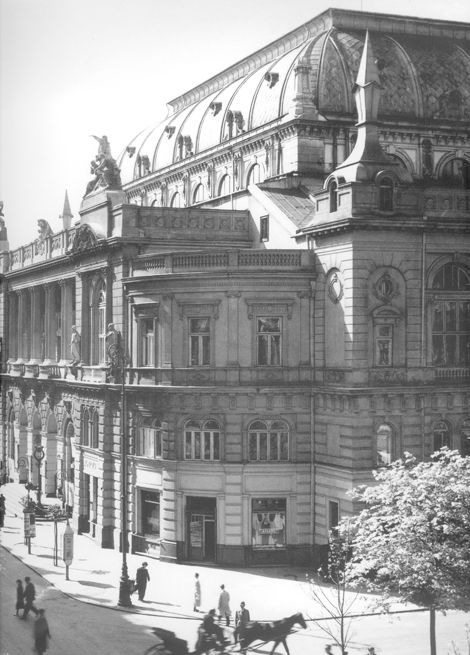
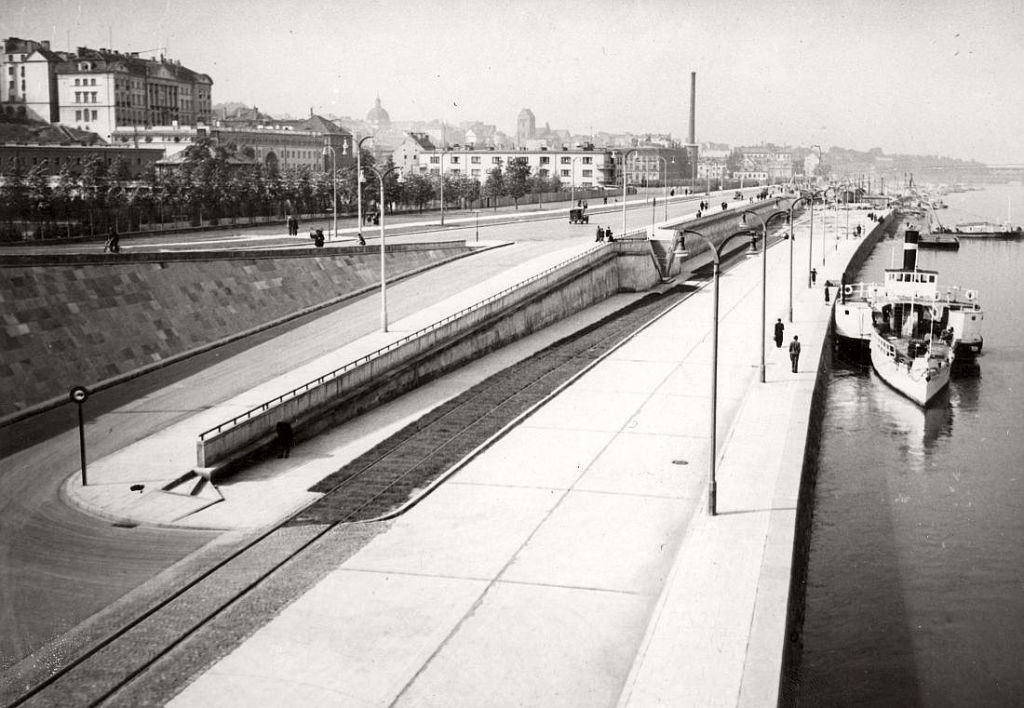
The city of Warsaw, capital of Poland, flanks both banks of the Vistula River. A city of 1.3 million inhabitants, Warsaw was the capital of the resurrected Polish state in 1919.
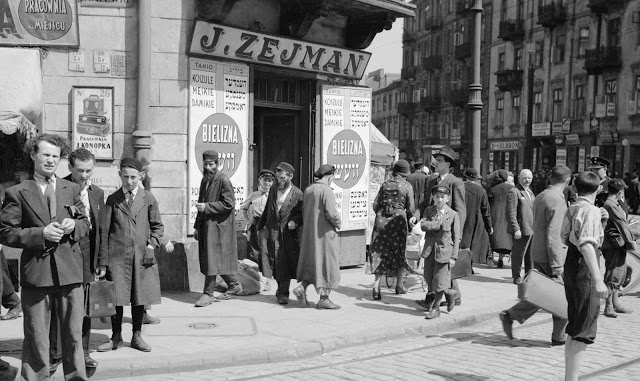
Before World War II, the city was a major center of Jewish life and culture in Poland. Warsaw’s prewar Jewish population of more than 350,000 constituted about 30 percent of the city’s total population. The Warsaw Jewish community was the largest in both Poland and Europe, and was the second largest in the world, second only to New York City.
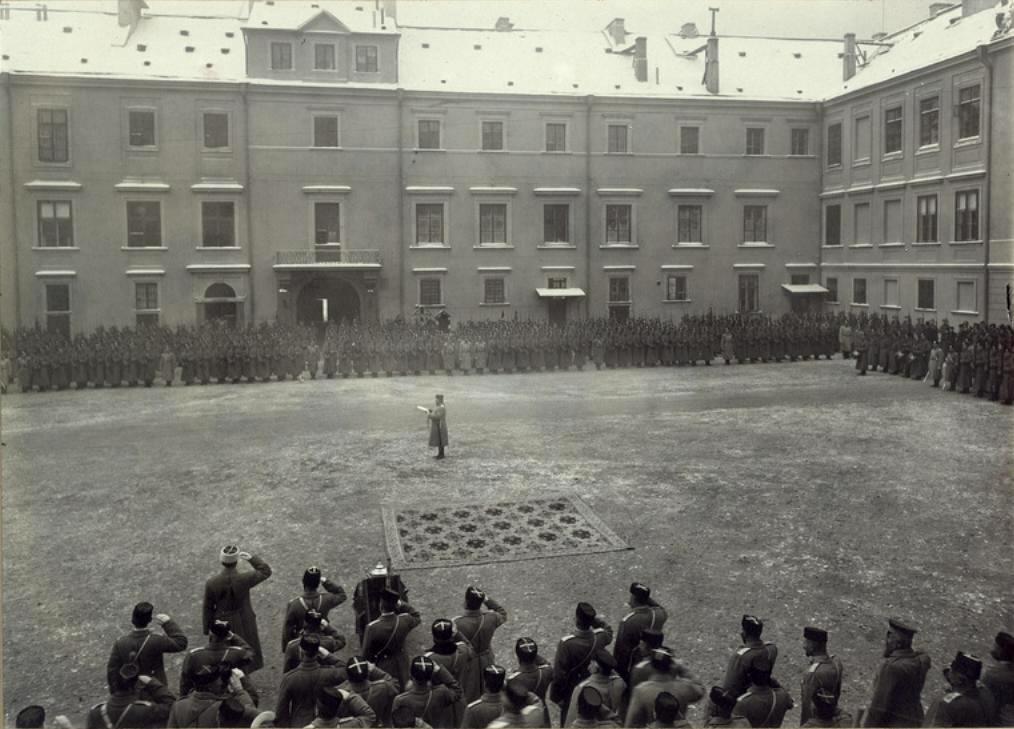
Following the German invasion of Poland on September 1, 1939, Warsaw suffered heavy air attacks and artillery bombardment. German troops entered Warsaw on September 29, shortly after its surrender.
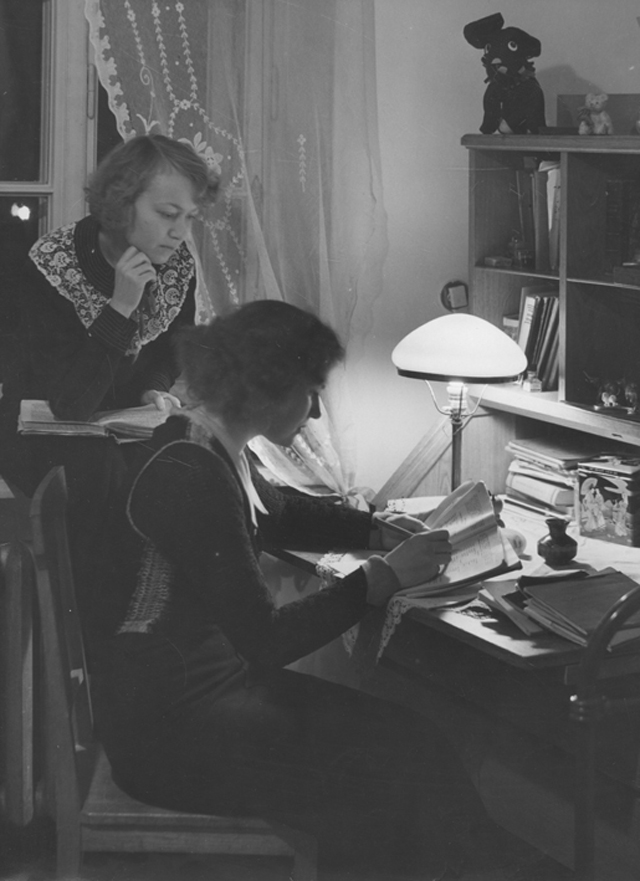
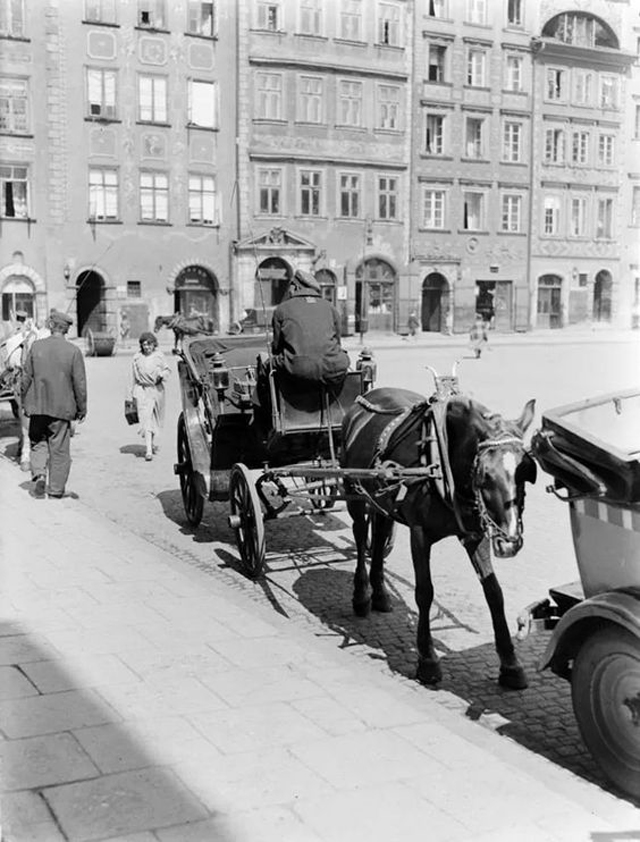
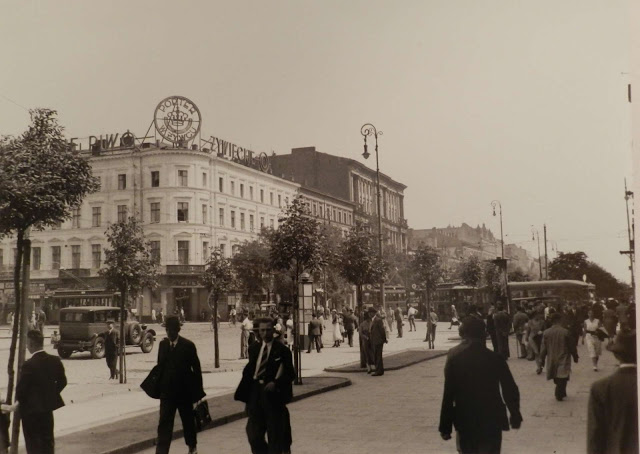
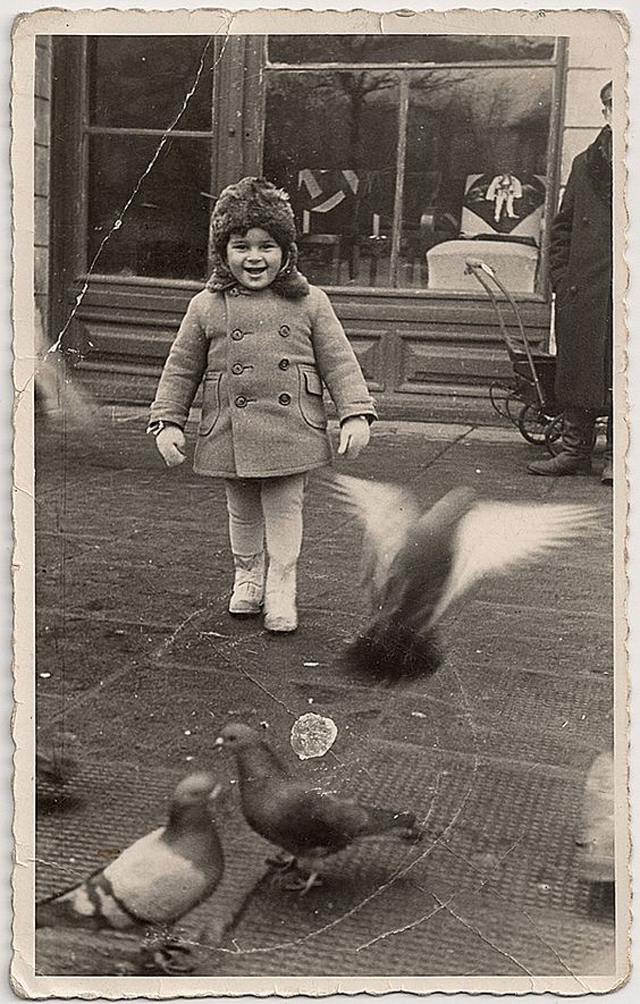
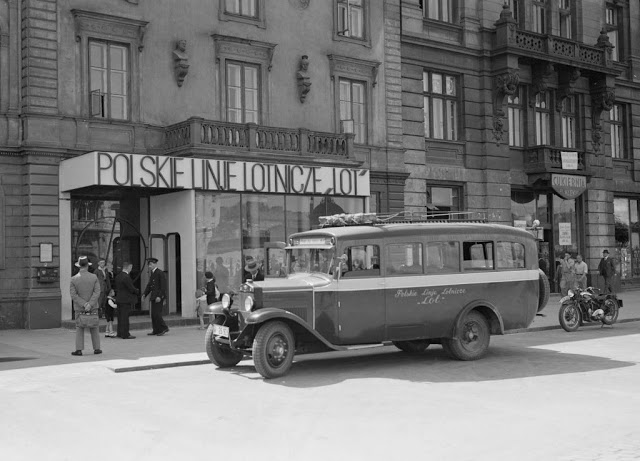
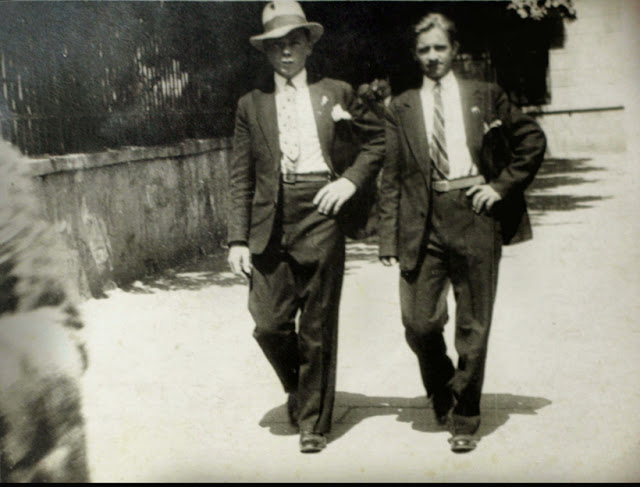
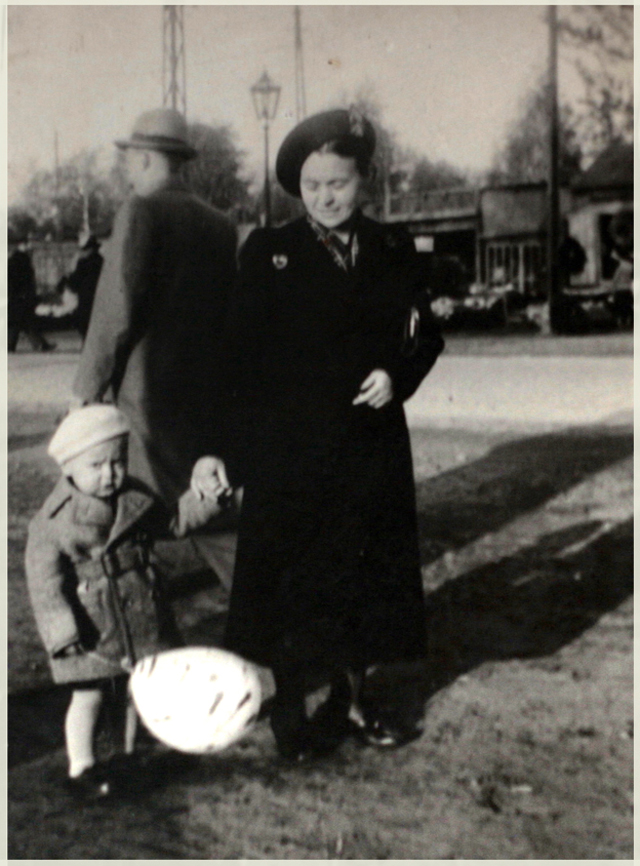
Take a look at the capital of Poland in the 1930s to see everyday life of Warsaw before World War II.
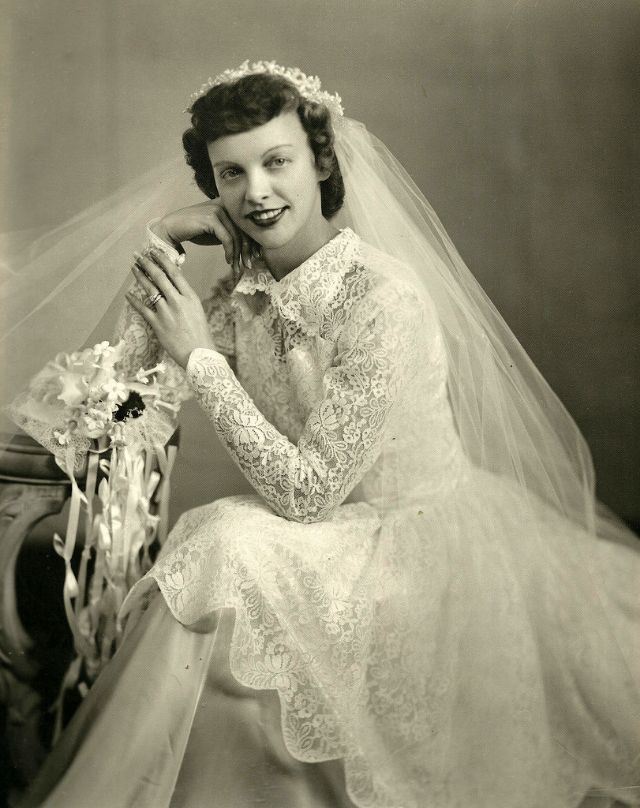
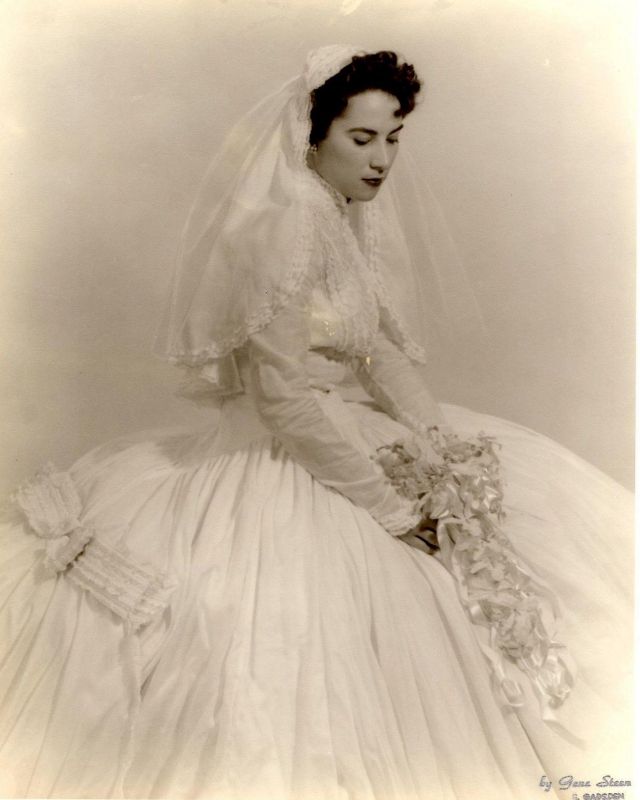
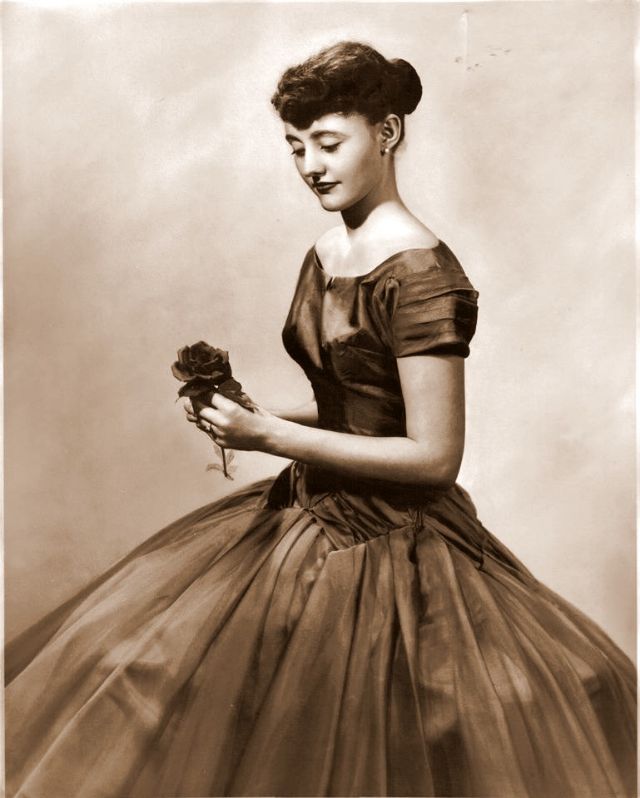
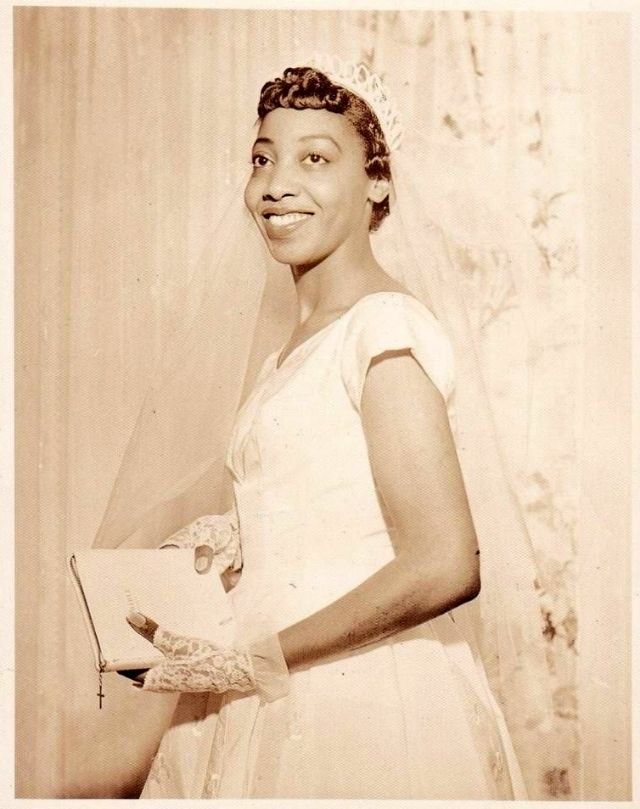
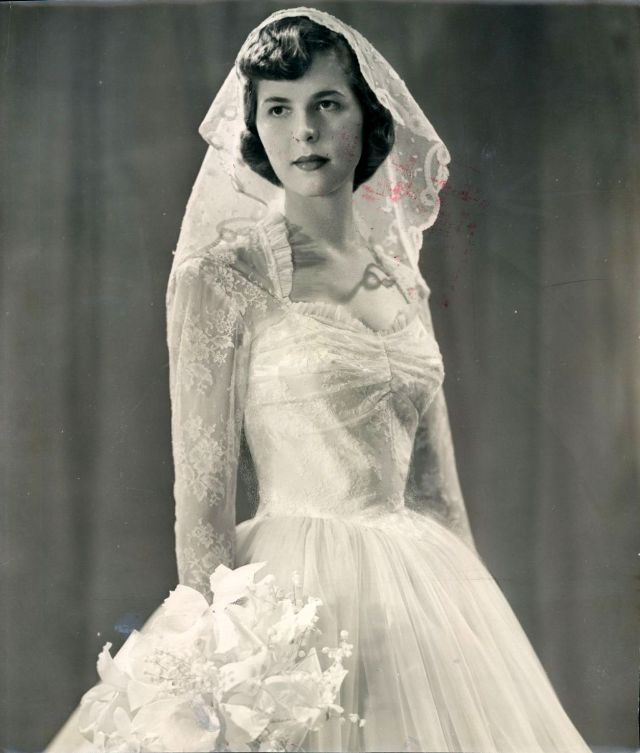
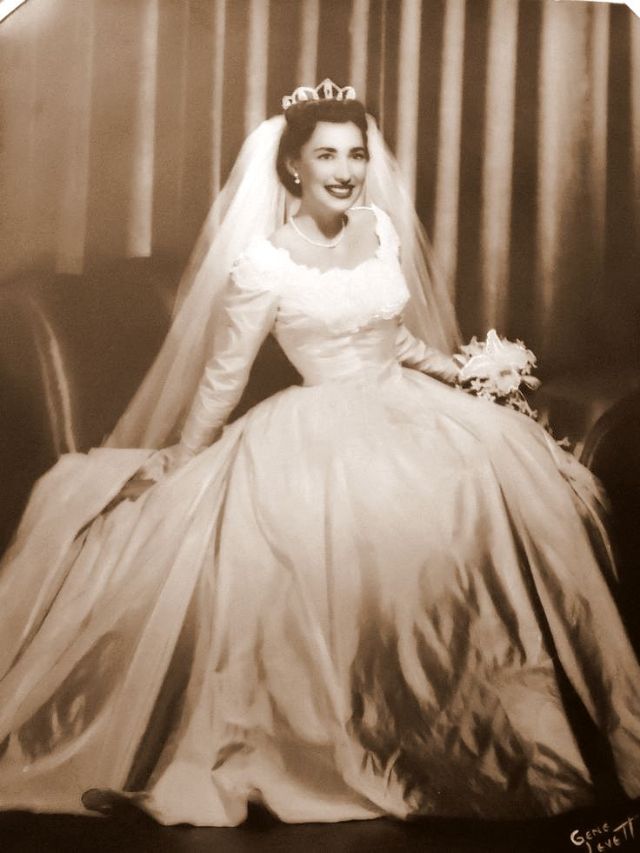
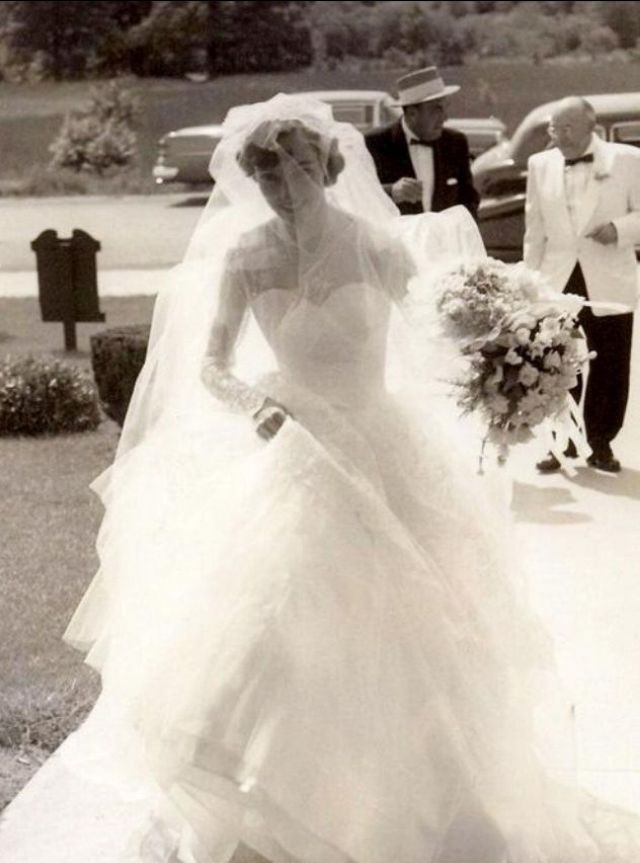
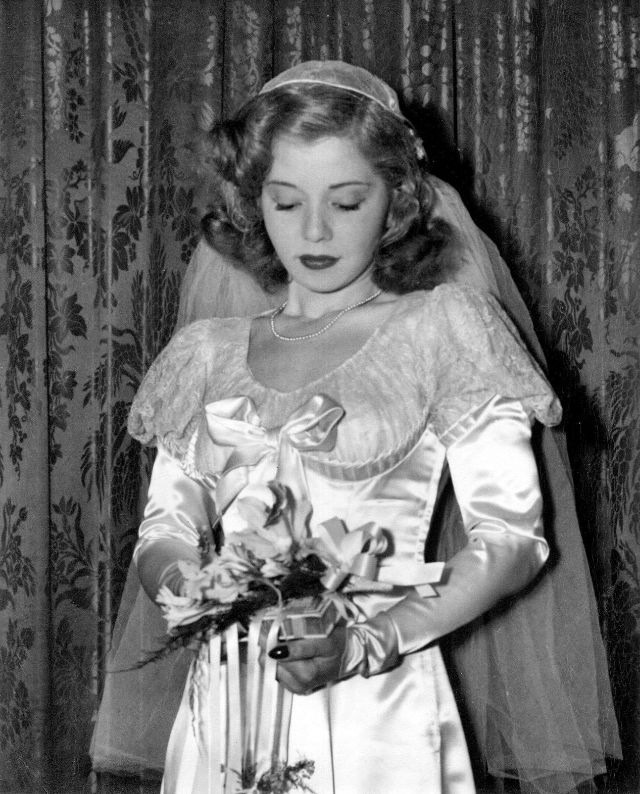
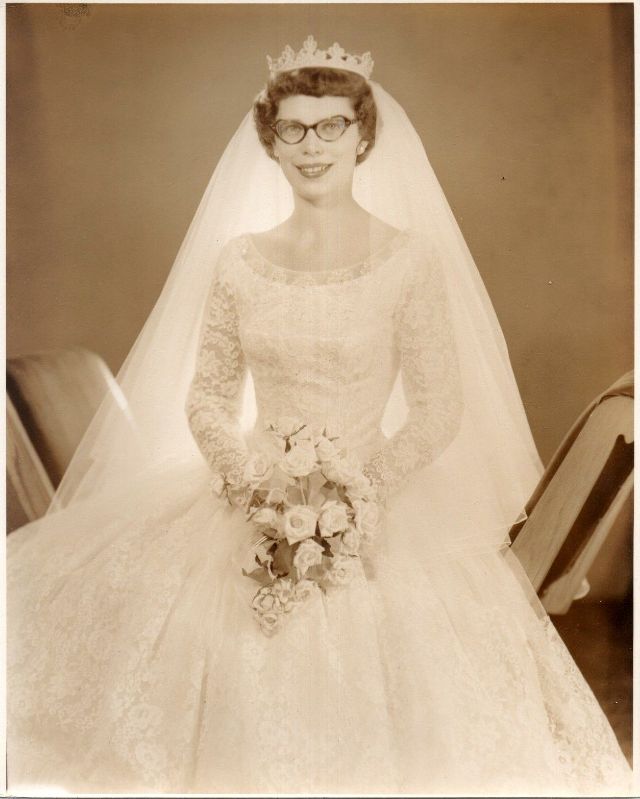
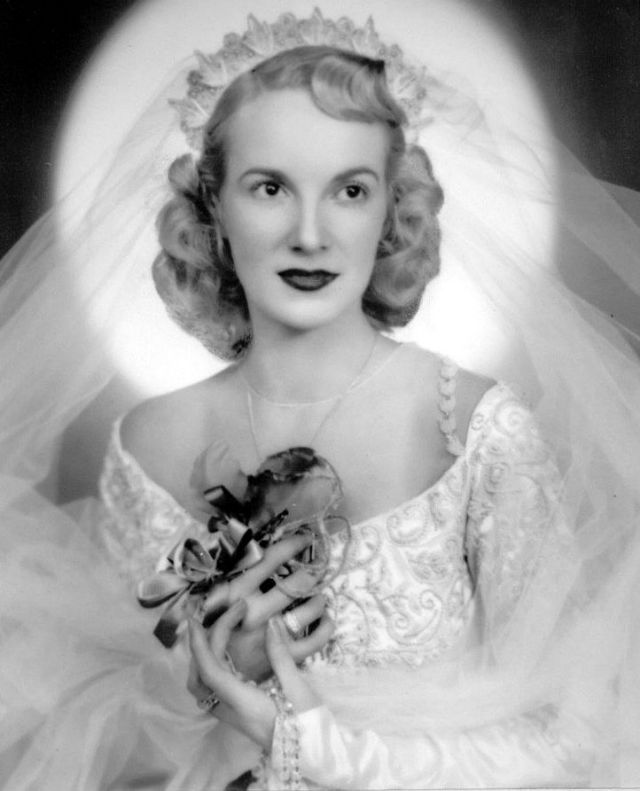
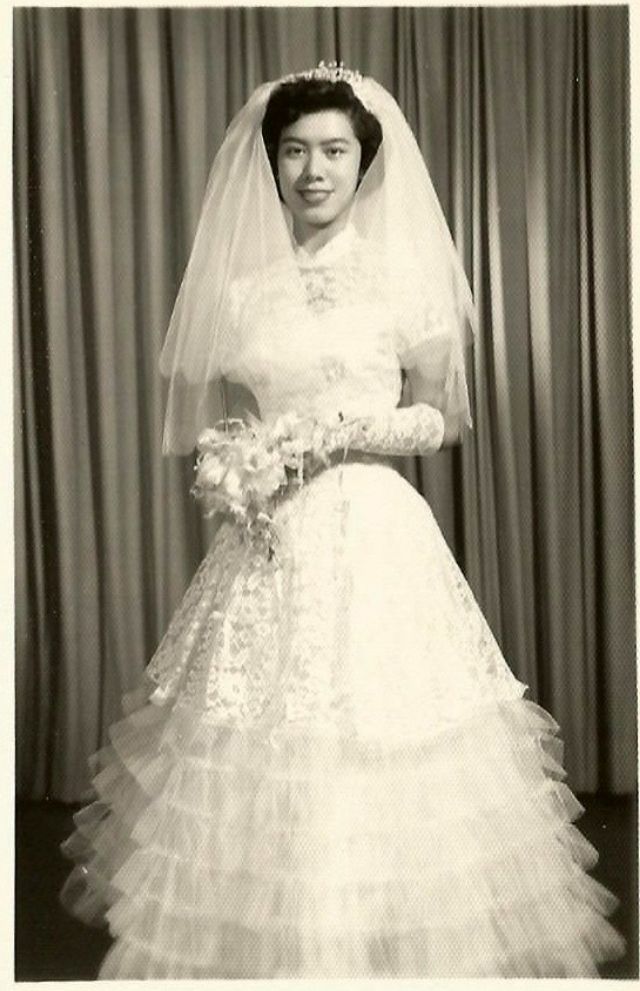
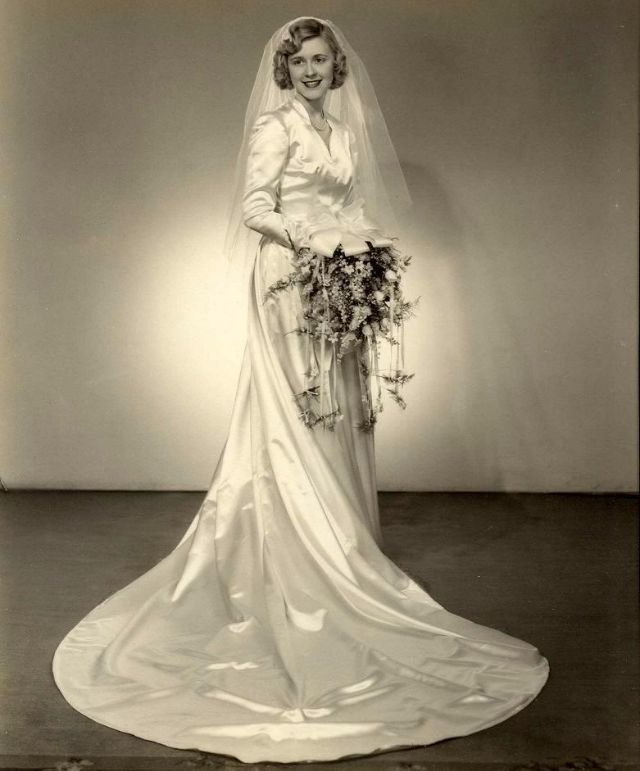
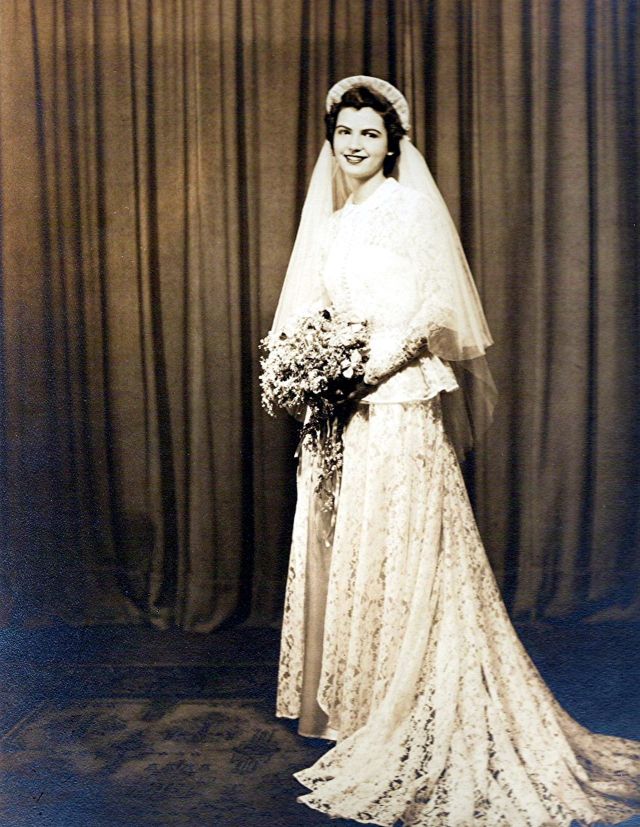
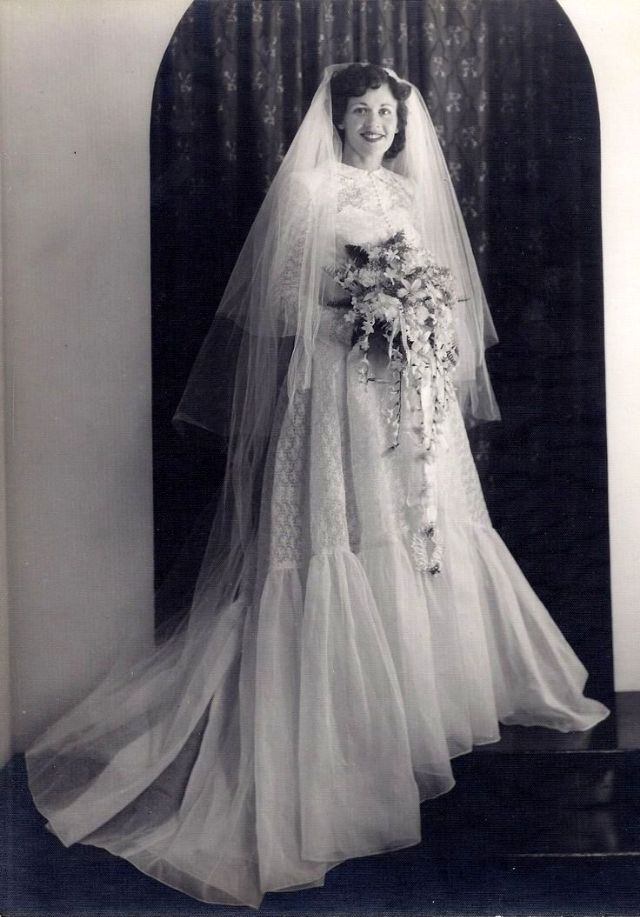
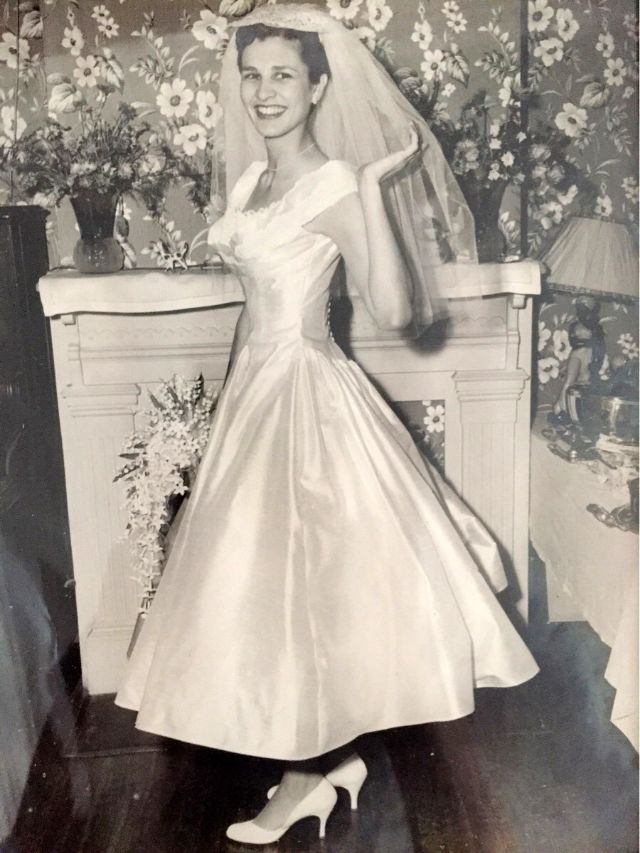
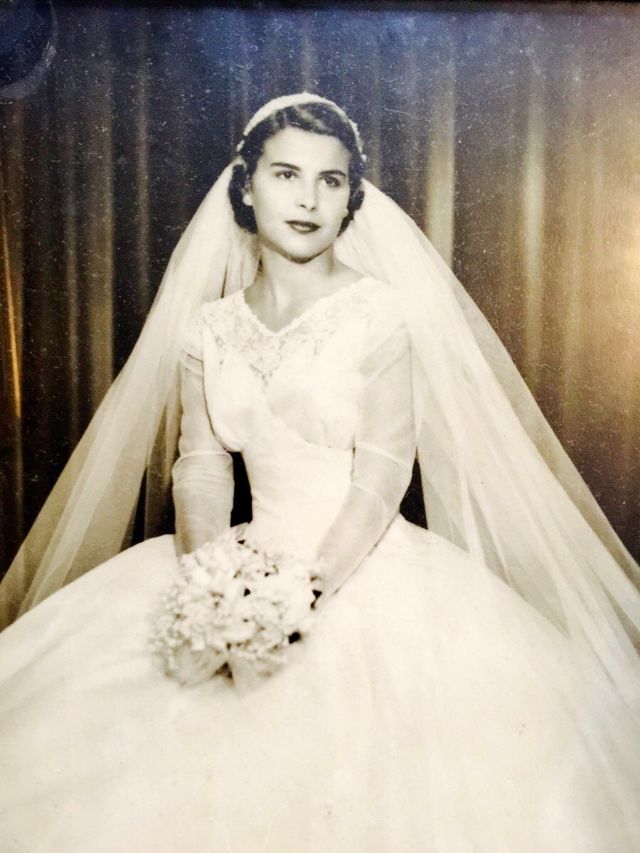
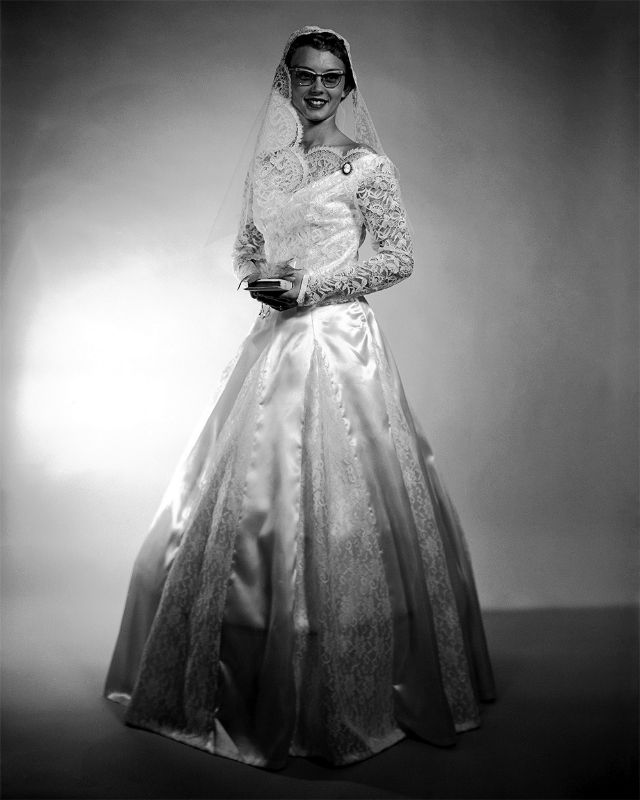
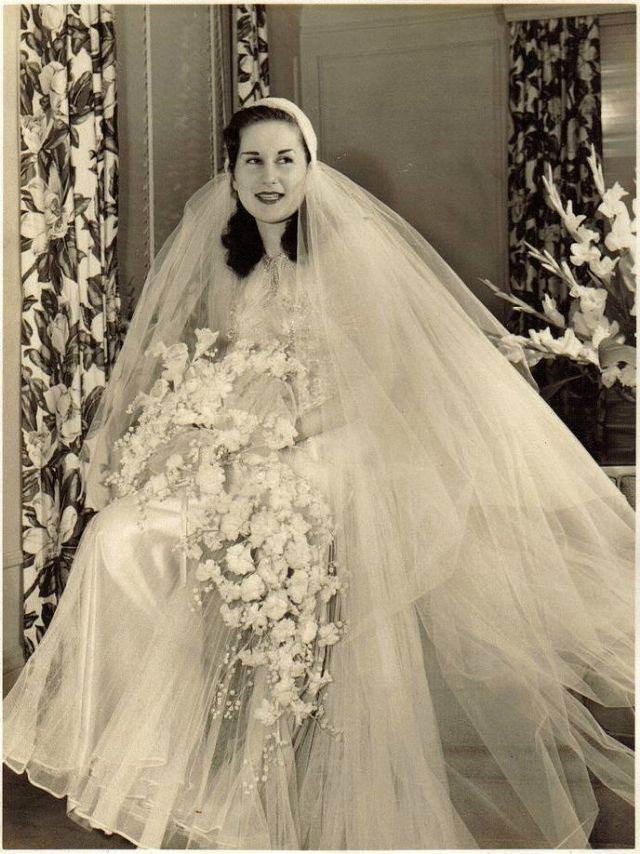
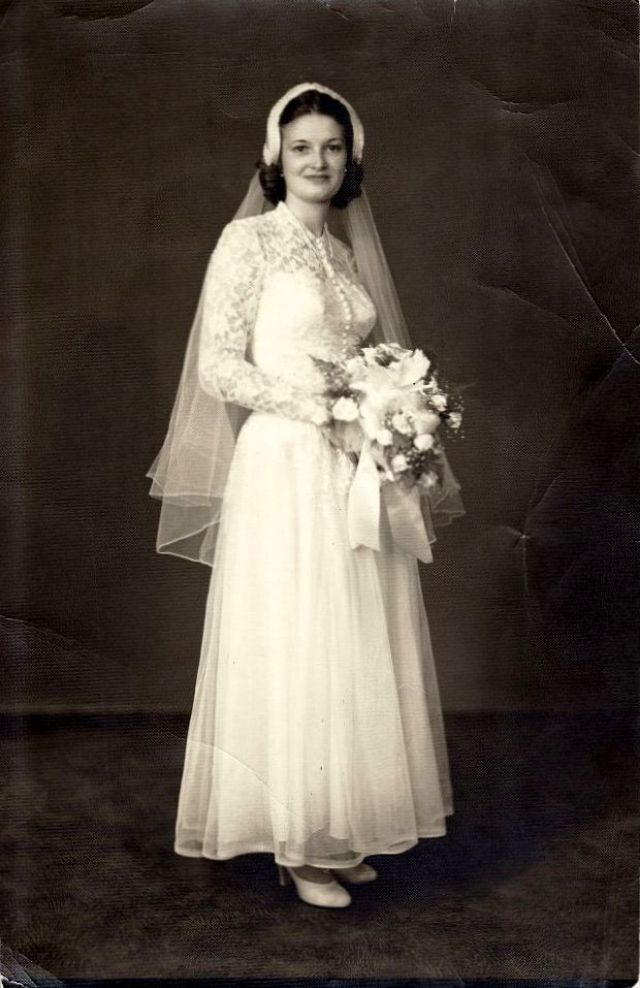
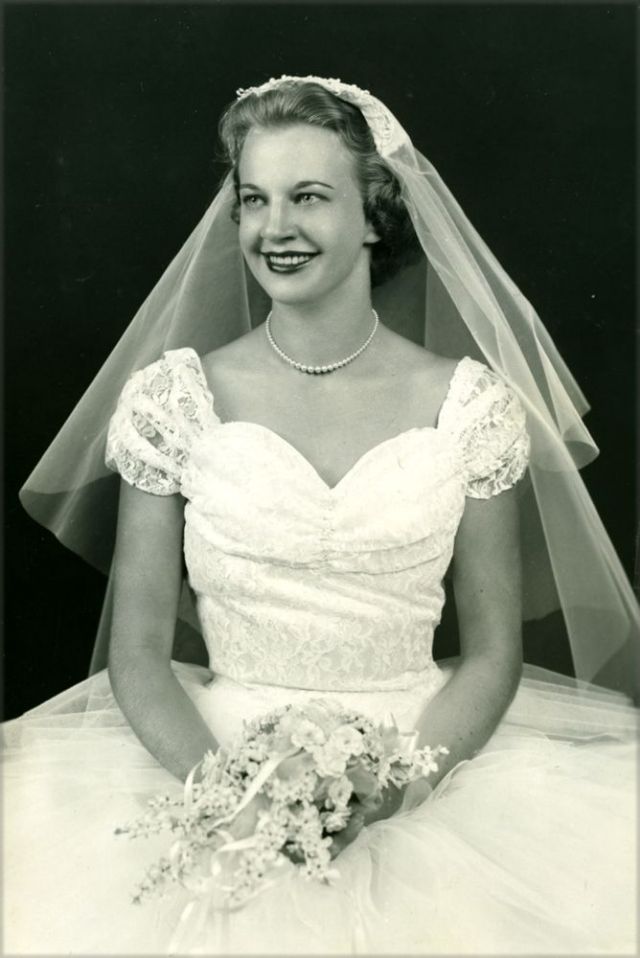
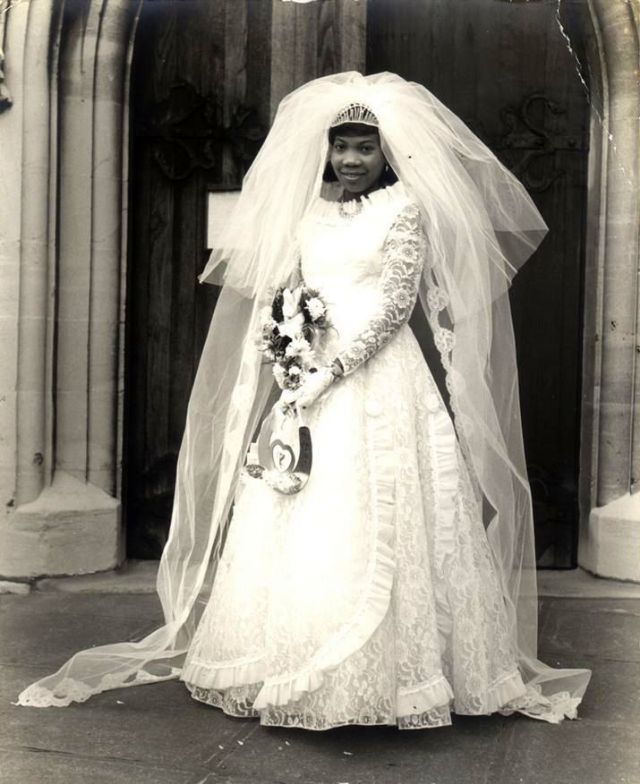
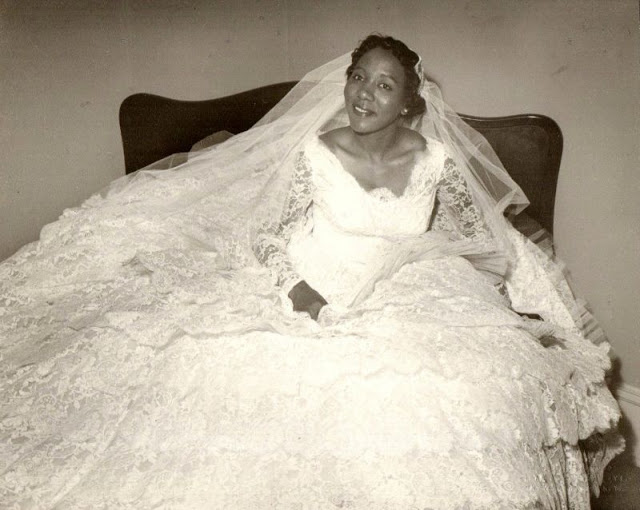
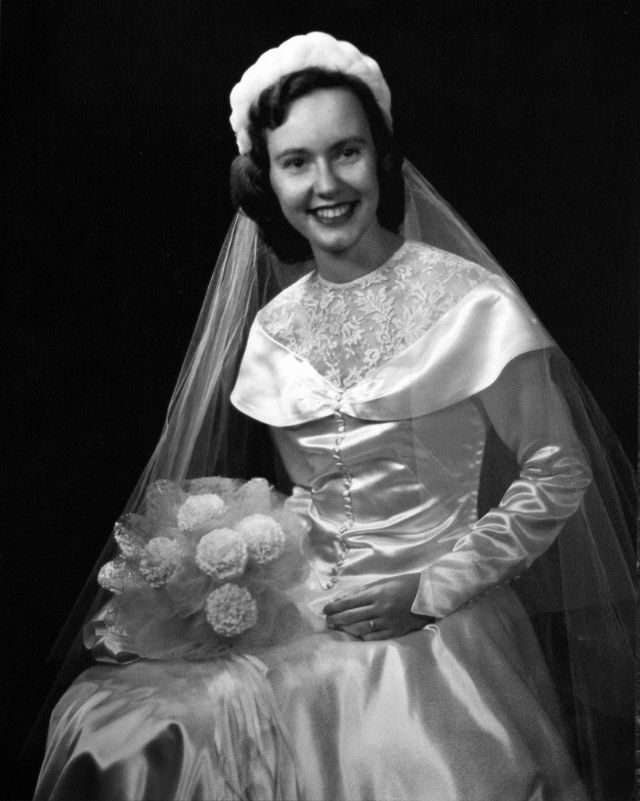
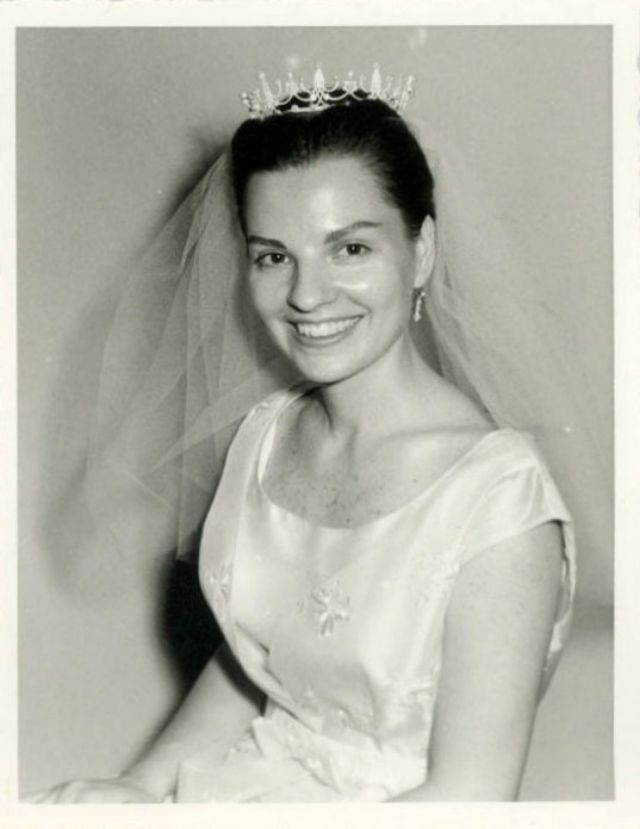
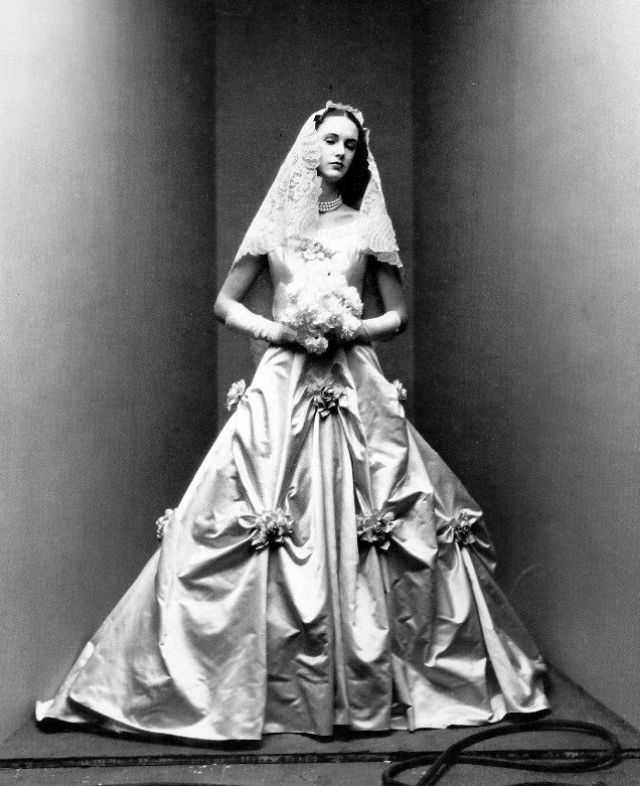
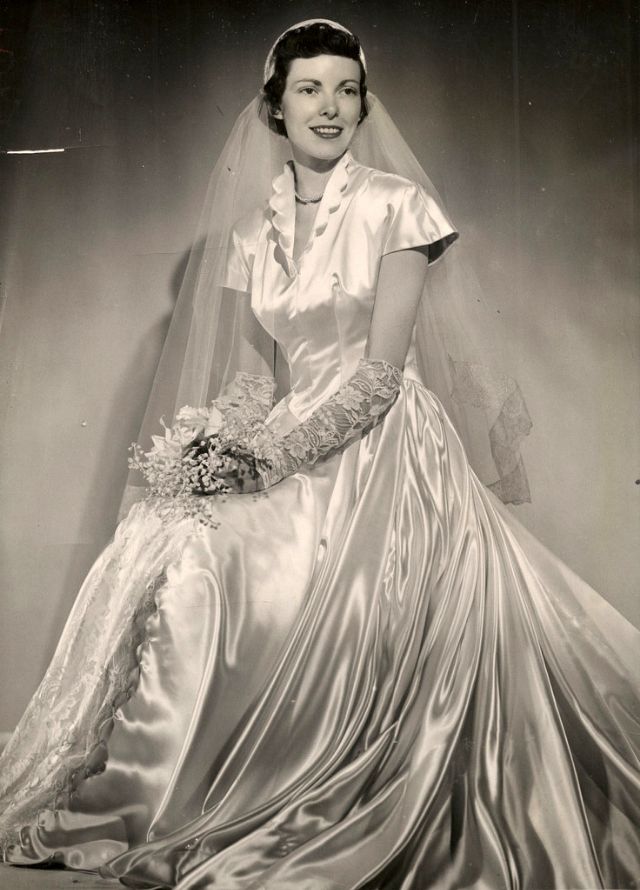
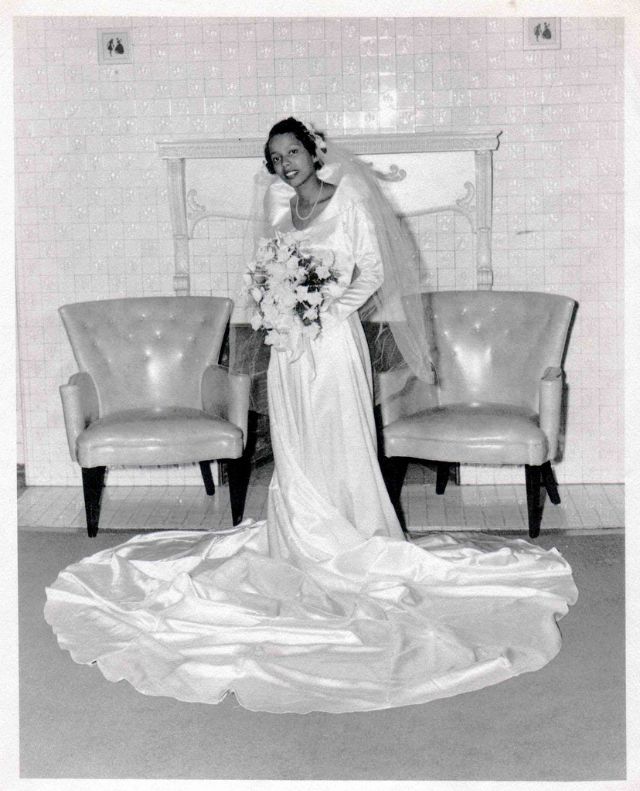
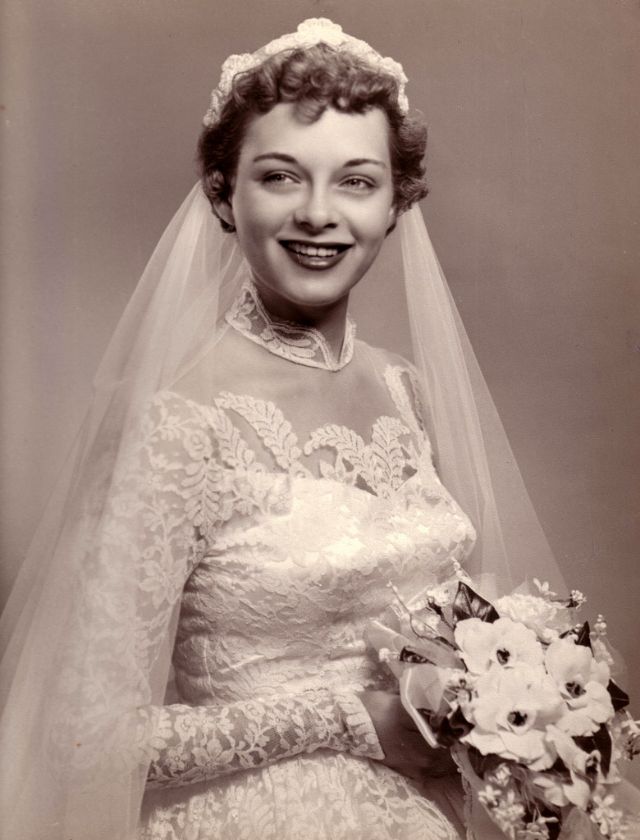
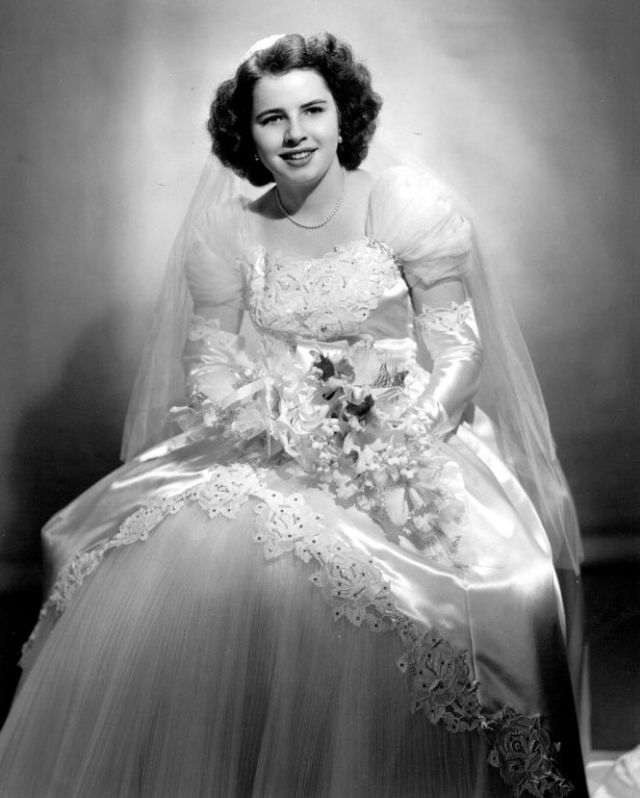
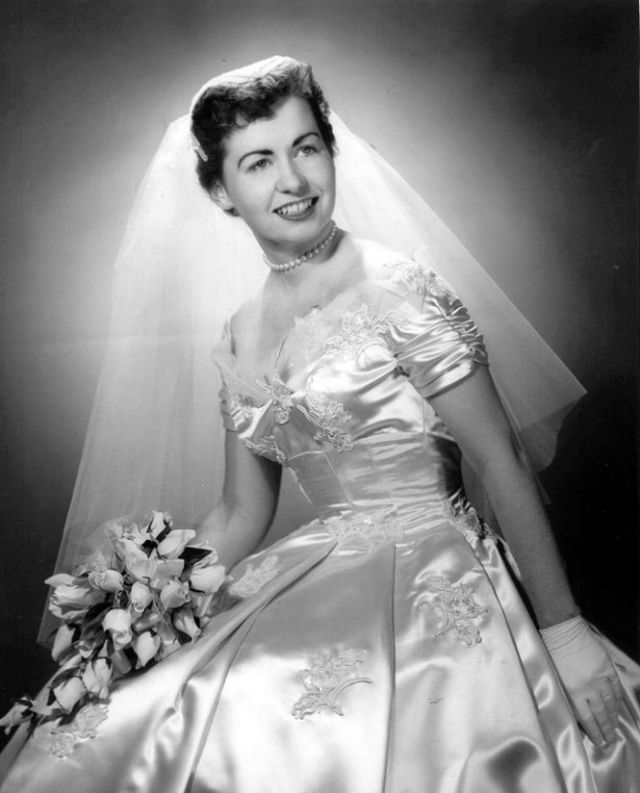
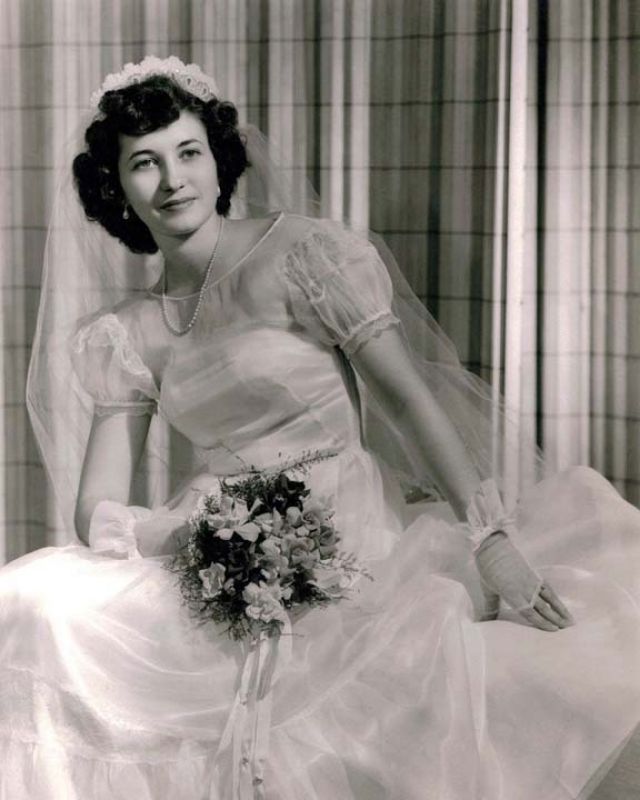
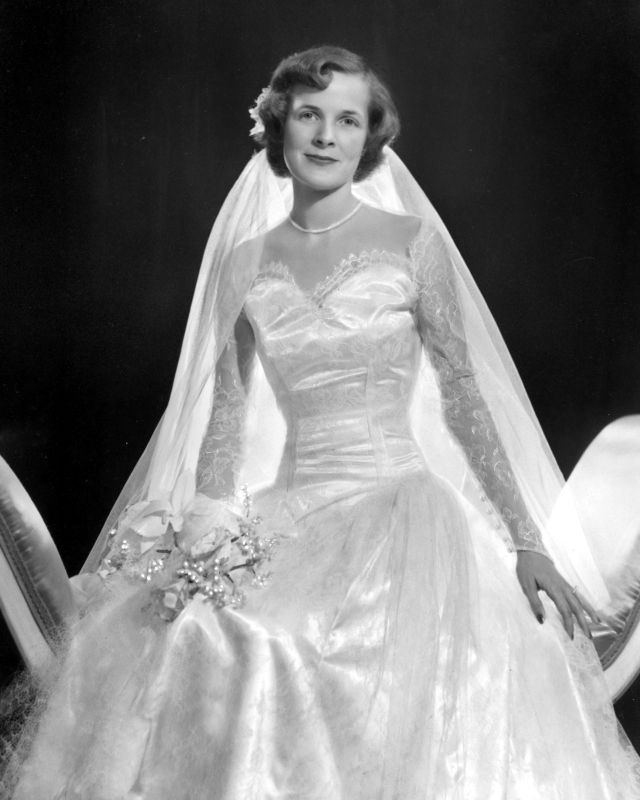
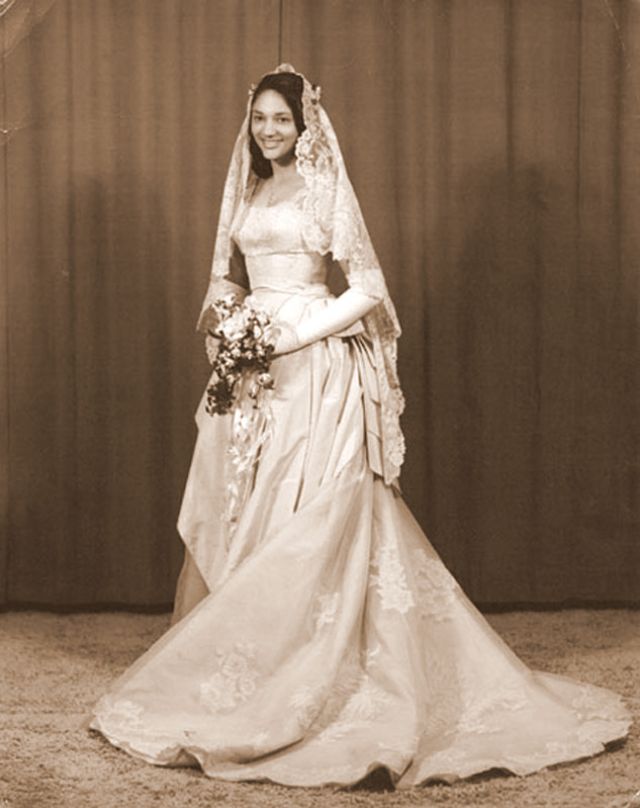
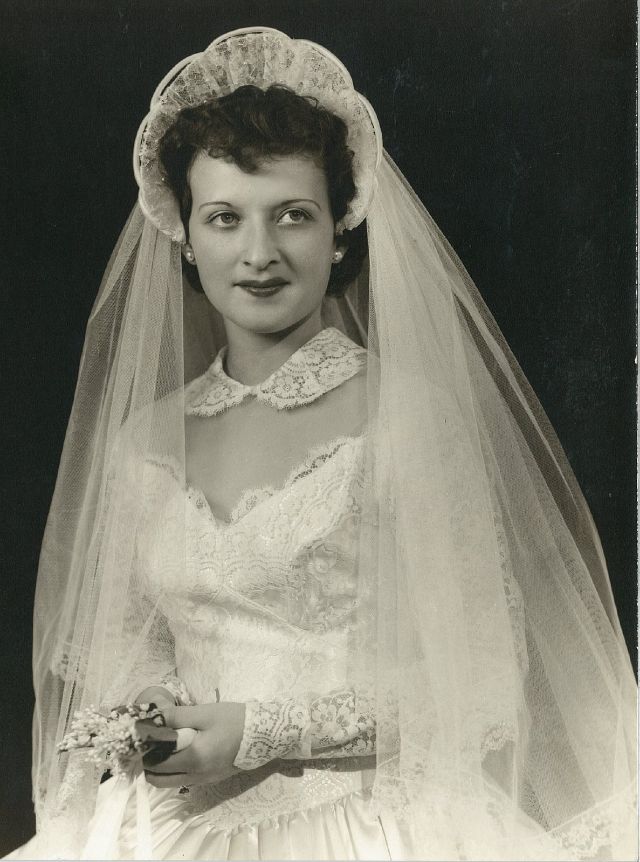
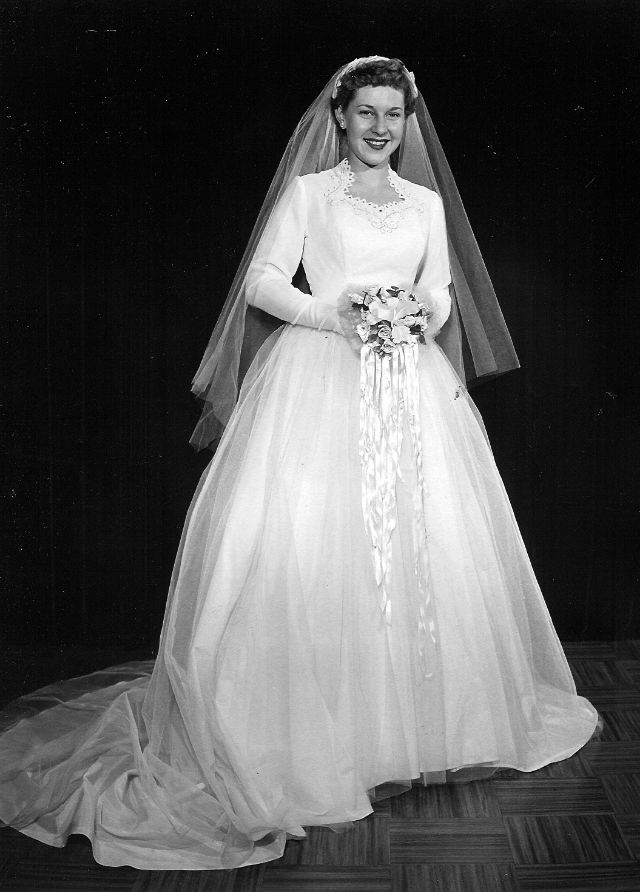
After the shortages of World War II, women were ready for a little luxury. And brides didn’t want to skimp on the lace or fabric.
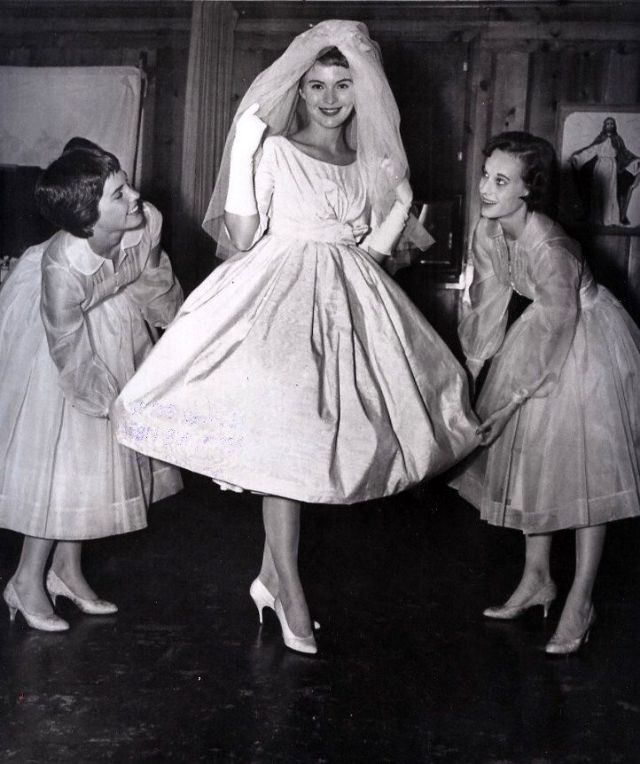
In 1947, French designer Christian Dior caused a sensation when he introduced his “new look,” hour-glass dresses with long, flowing skirts – skirts made of yards and yards of cloth.
The billowing skirts and wasp-waist designs evolved in the 1950s and may have peaked around 1956. There are also many other notable designs in this period.
Check out these glamorous photos to see what brides looked like in the 1950s.
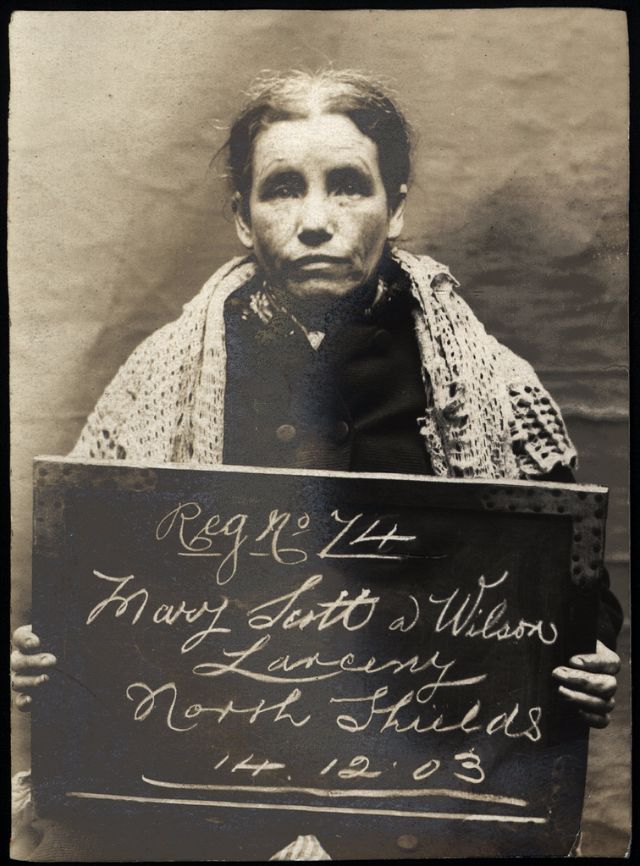
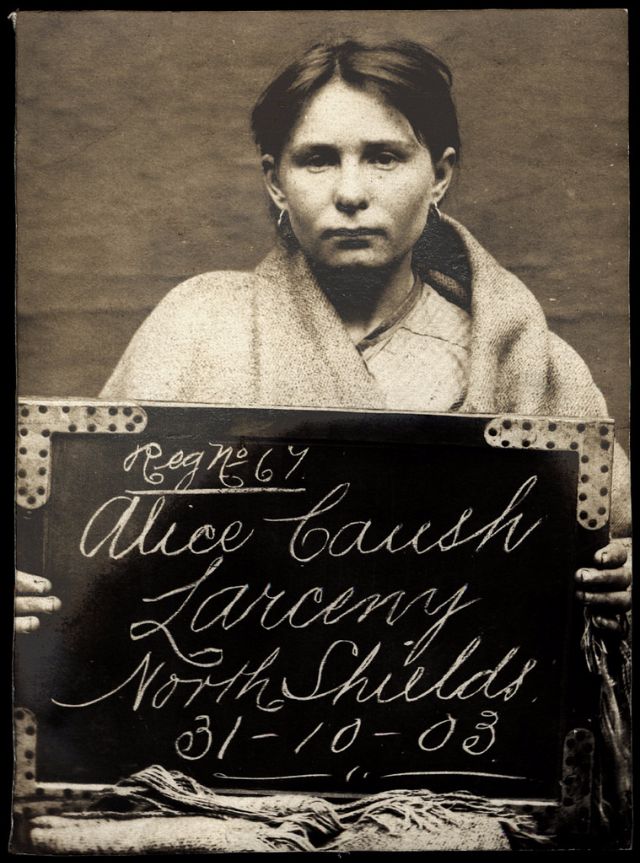
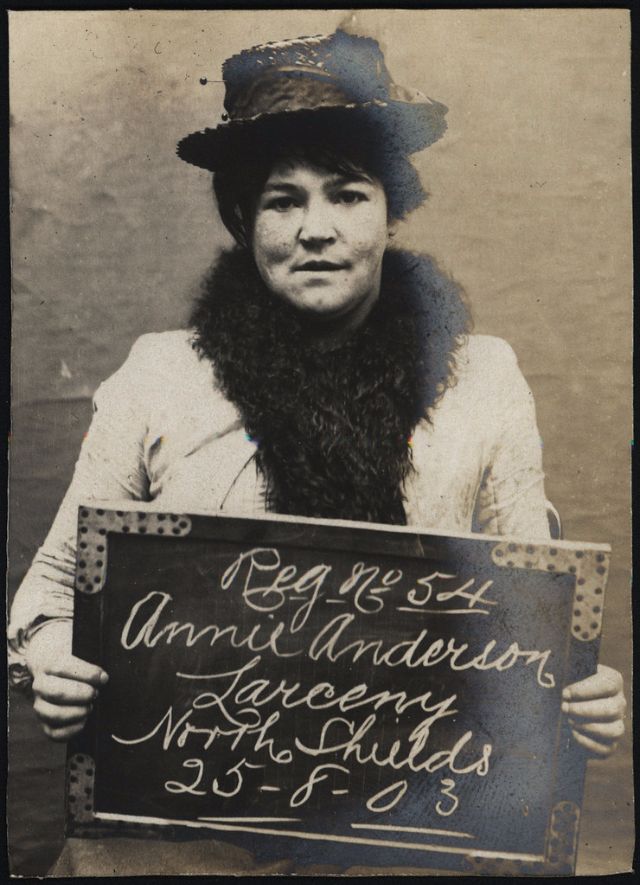
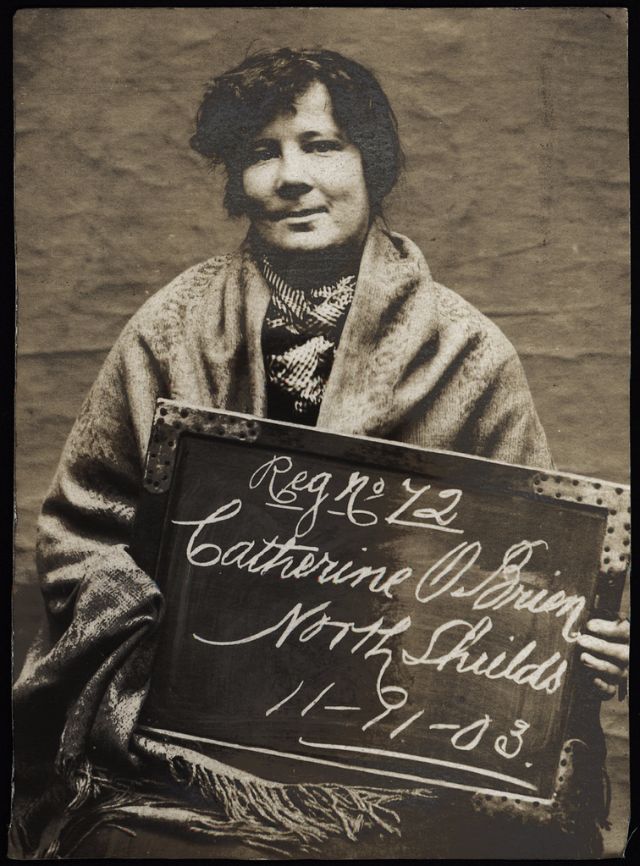
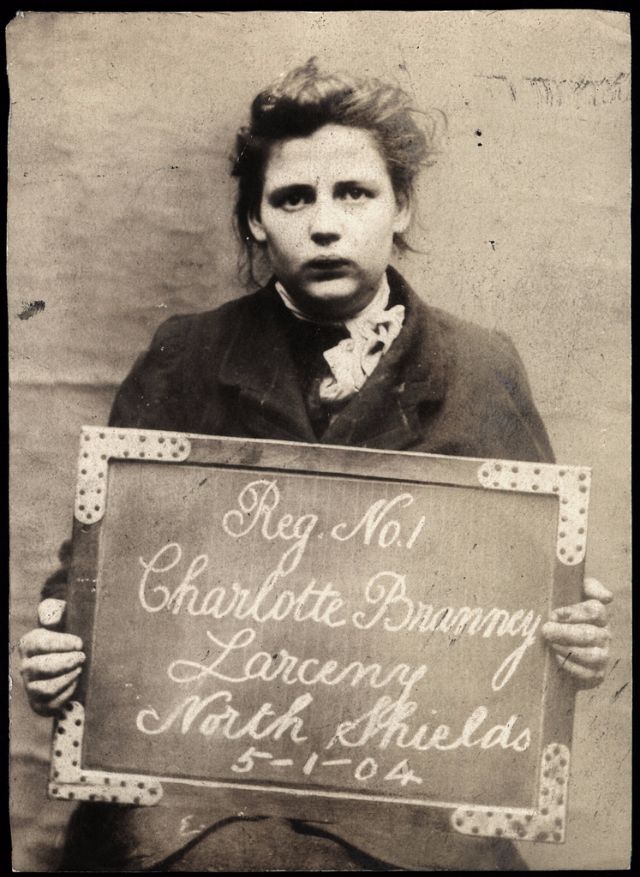
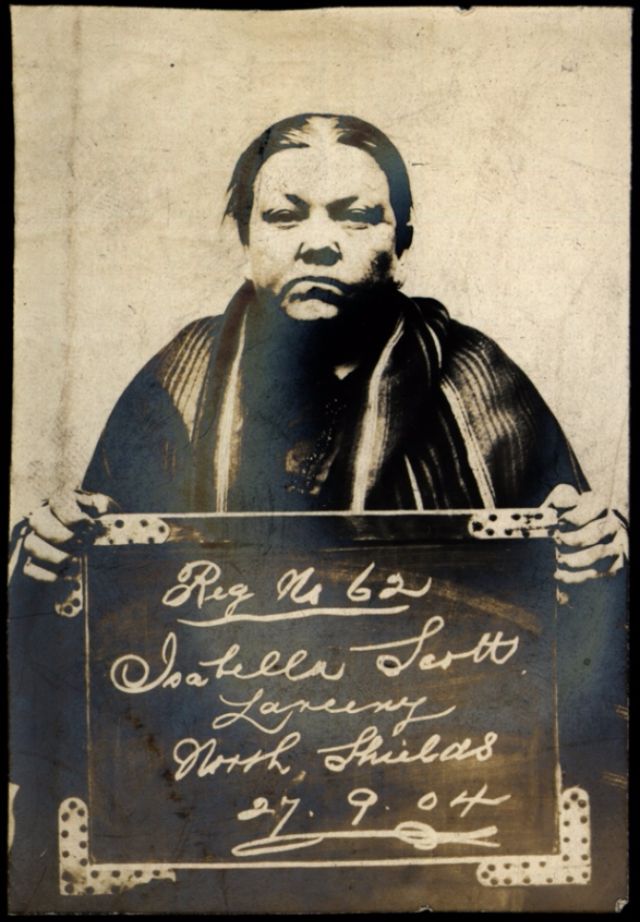
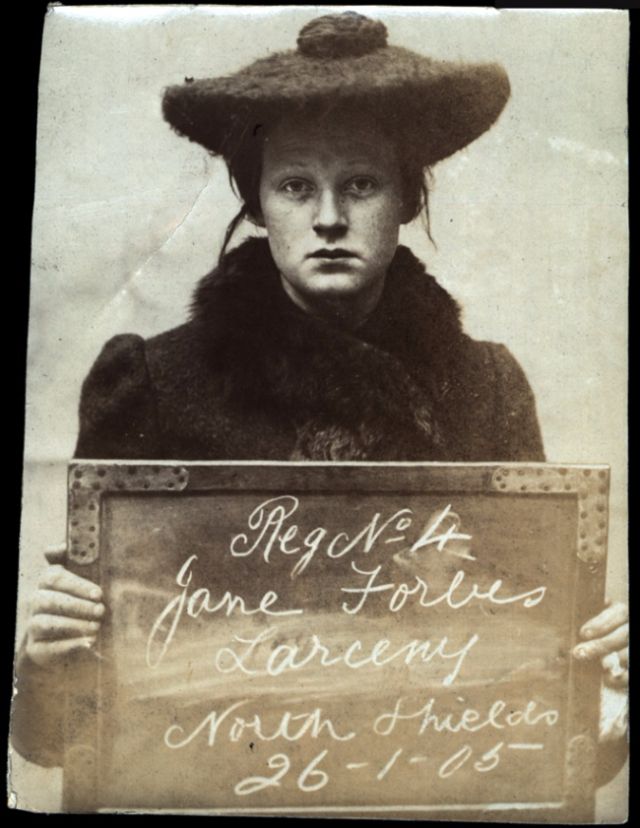
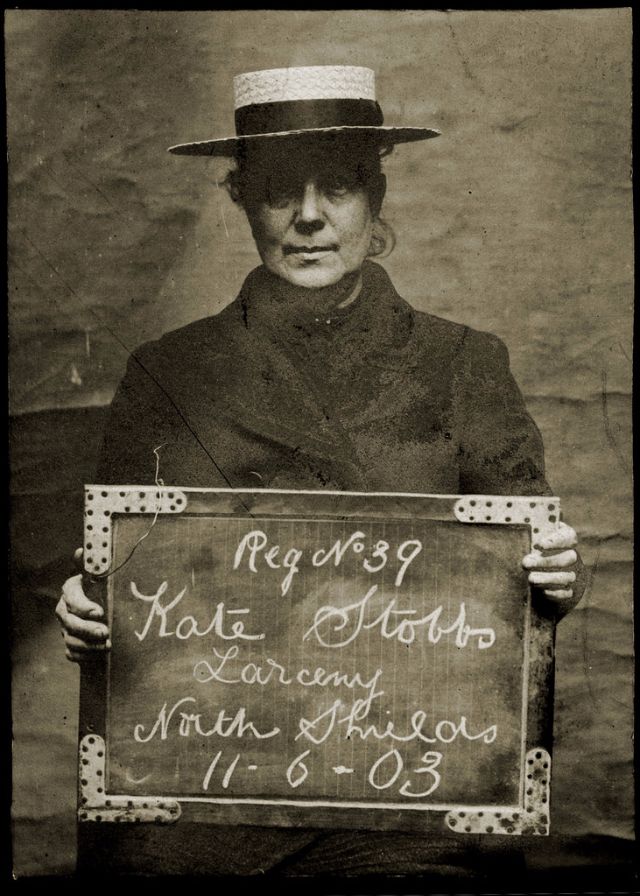
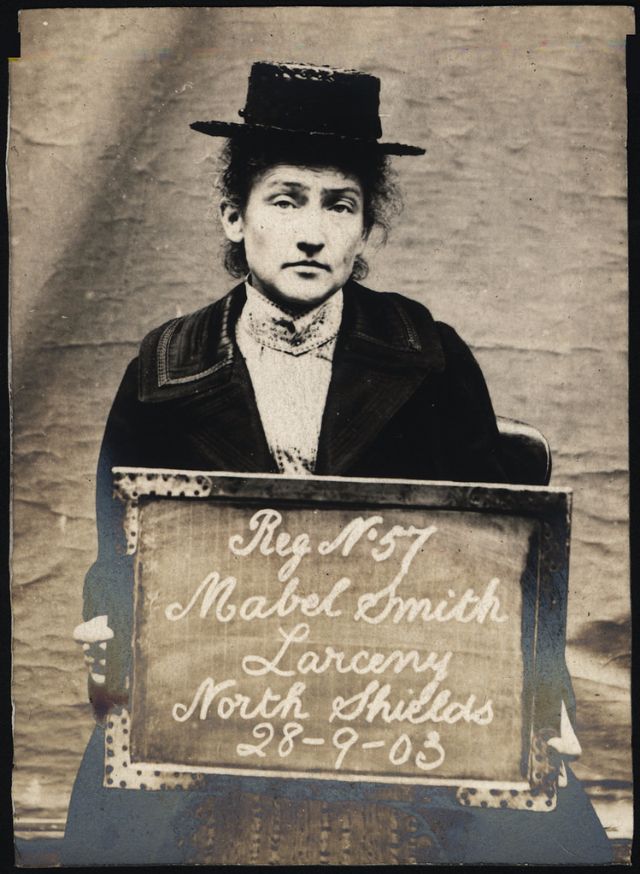
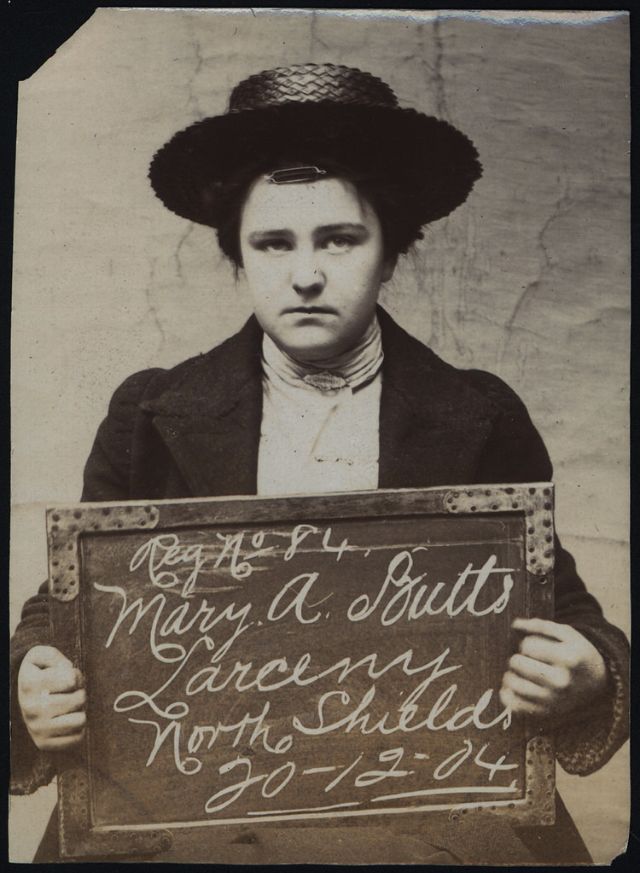
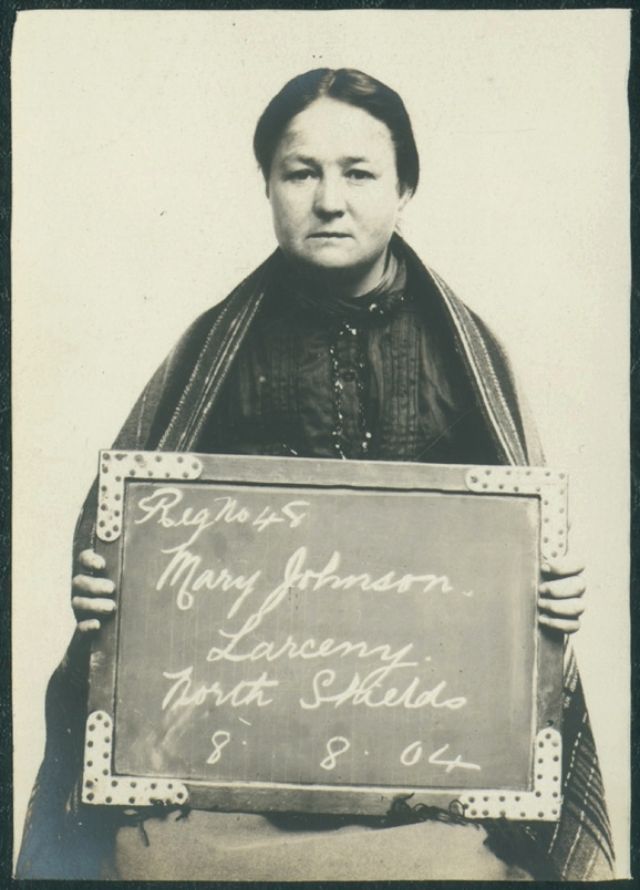
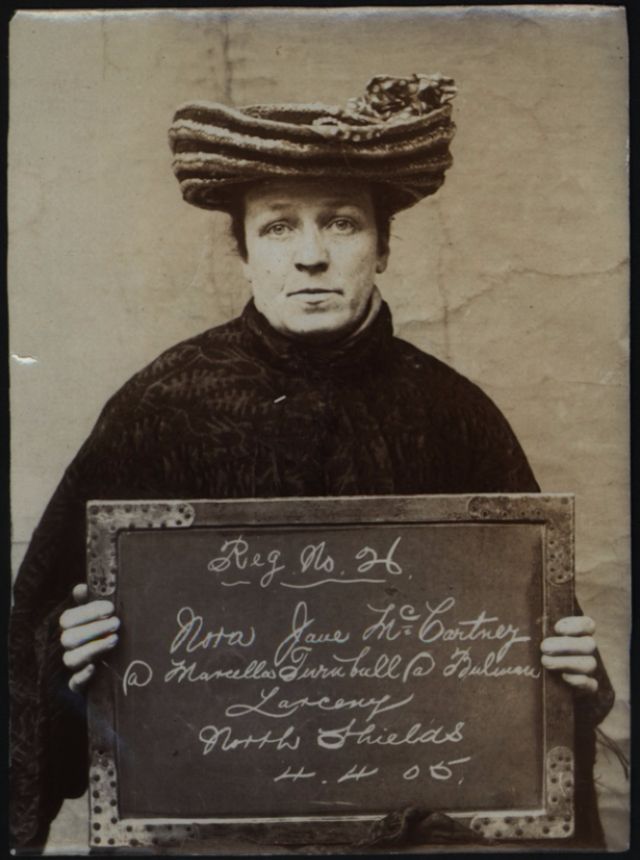
Alice Caush arrested for larceny, 31st October 1903Annie Anderson arrested for alleged theft of a watch, 25th August 1903Catherine Buck arrested for stealing sheets, 3 February 1905Catherine Mackenzie arrested for larceny, 15th February 1904Catherine O’Brien arrested on 11th November 1903Charlotte Branney arrested for larceny, 5th January 1904Isabella Scott arrested for larceny, 27 September 1904Jane Forbes arrested for larceny, 26th January 1905Jane Thompson, alias Gordon, arrested for stealing a pair of boots, 13th July 1904Kate Stobbs arrested for stealing from her landlady, 11th June 1903Mabel Smith arrested for larceny, 28th September 1903Mary A. Butts arrested for larceny, 20th December 1904Mary Johnson arrested for larceny, 8 August 1904Mary Scott, alias Wilson, arrested for stealing clothes, 14th December 1903Nora Jane McCartney, alias Marcella Turnbull, alias Bulman, arrested for larceny, 4 April 1905Sarah Patterson arrested for trying to steal money from a gas meter, 14th March 1904Susannah Adamson arrested for stealing a man’s purse, 15th February 1904
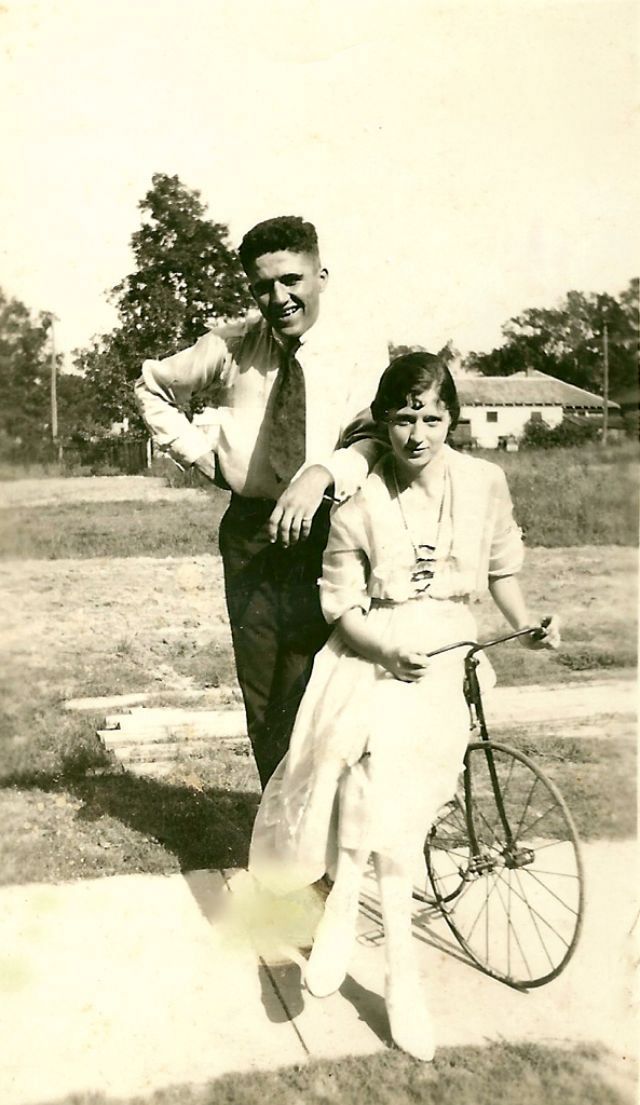
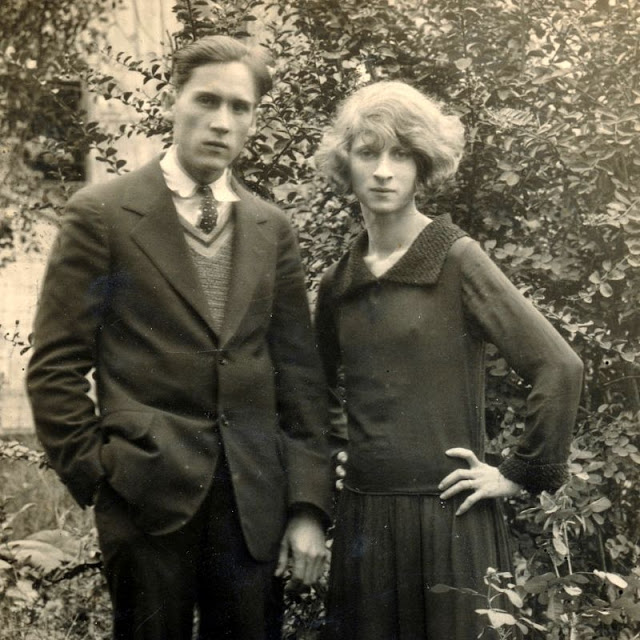
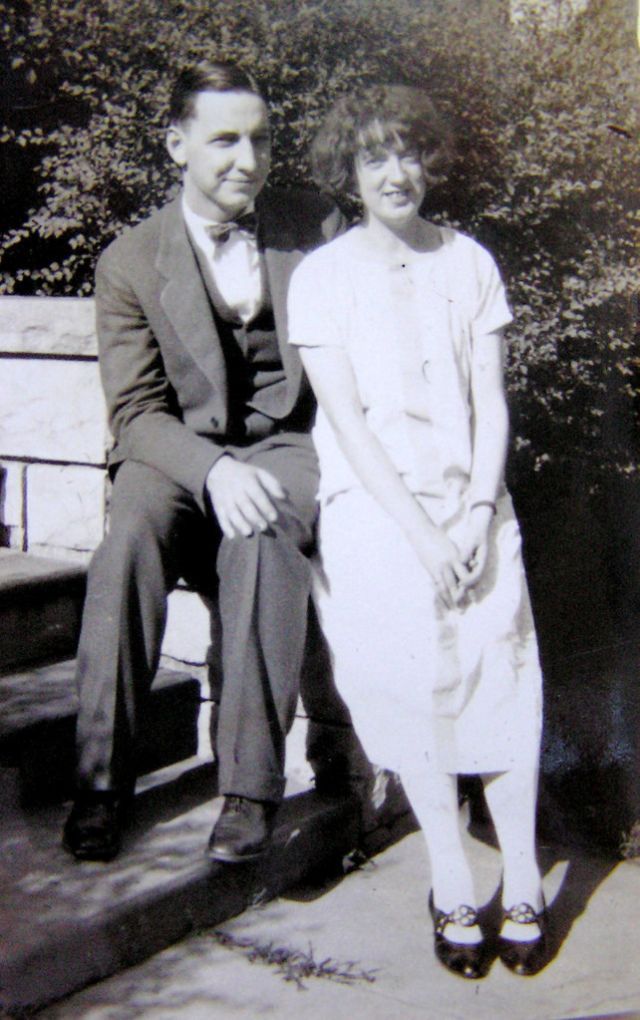
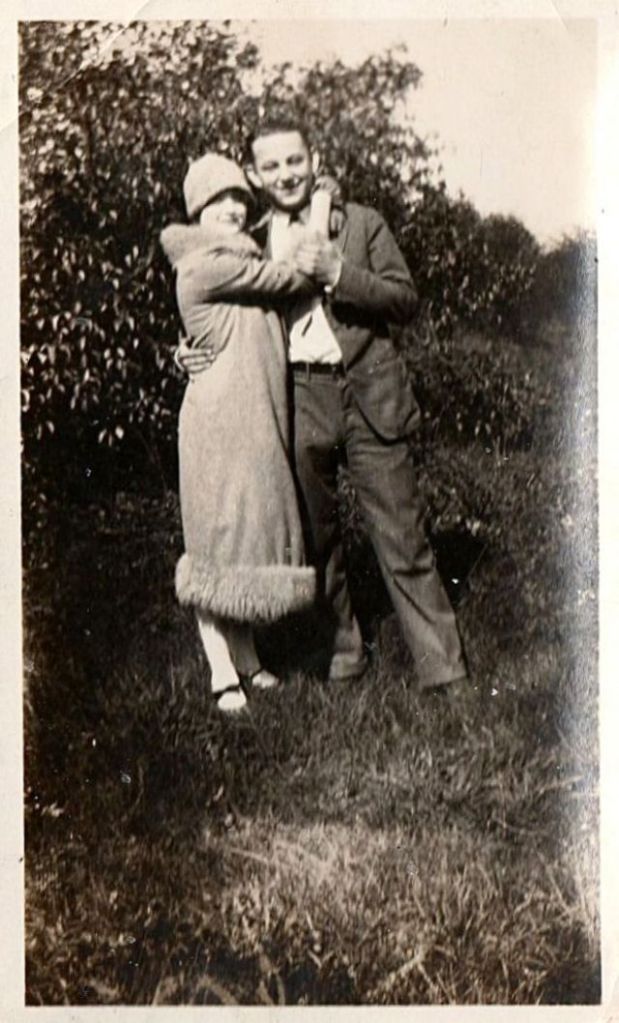
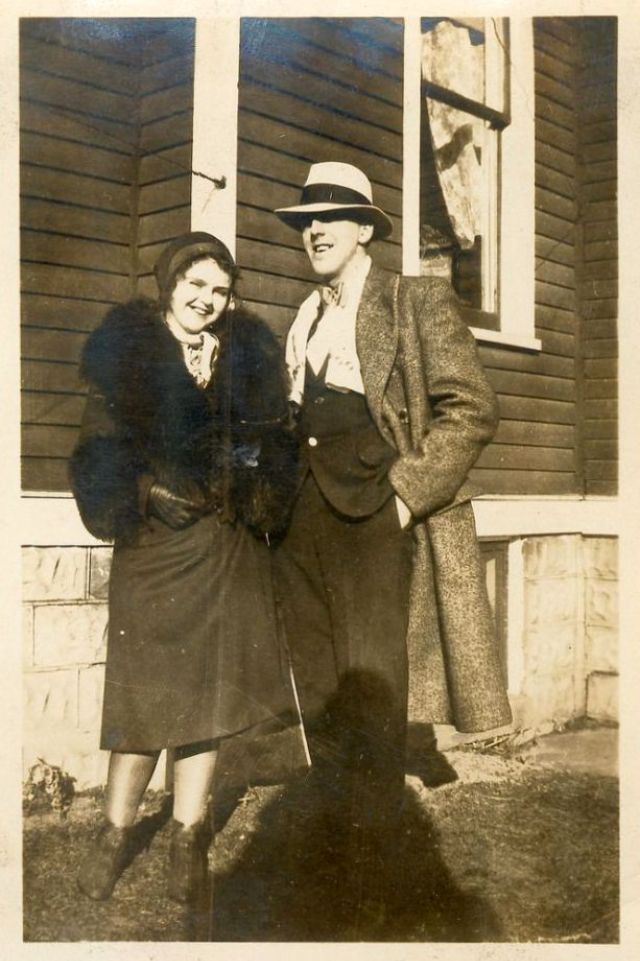
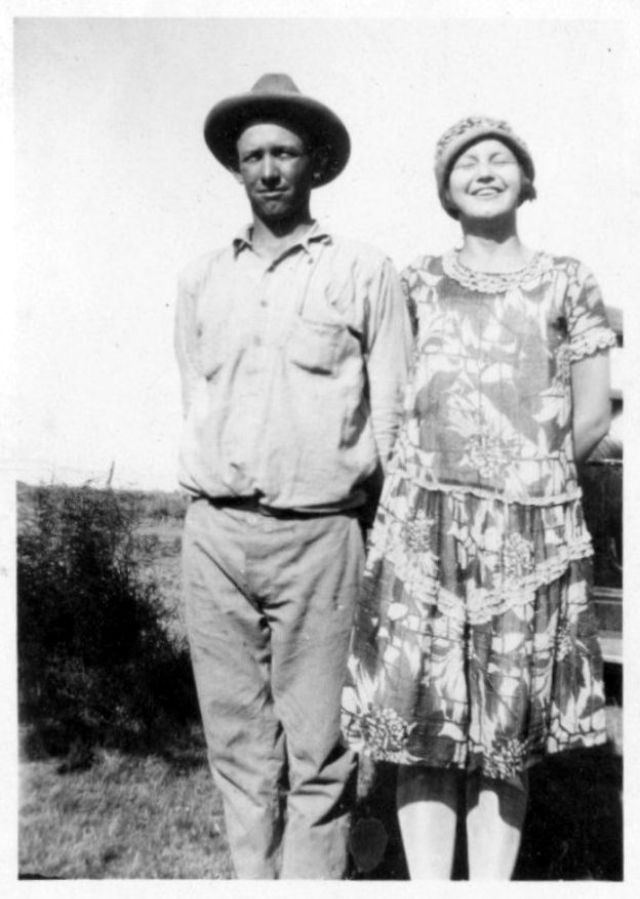
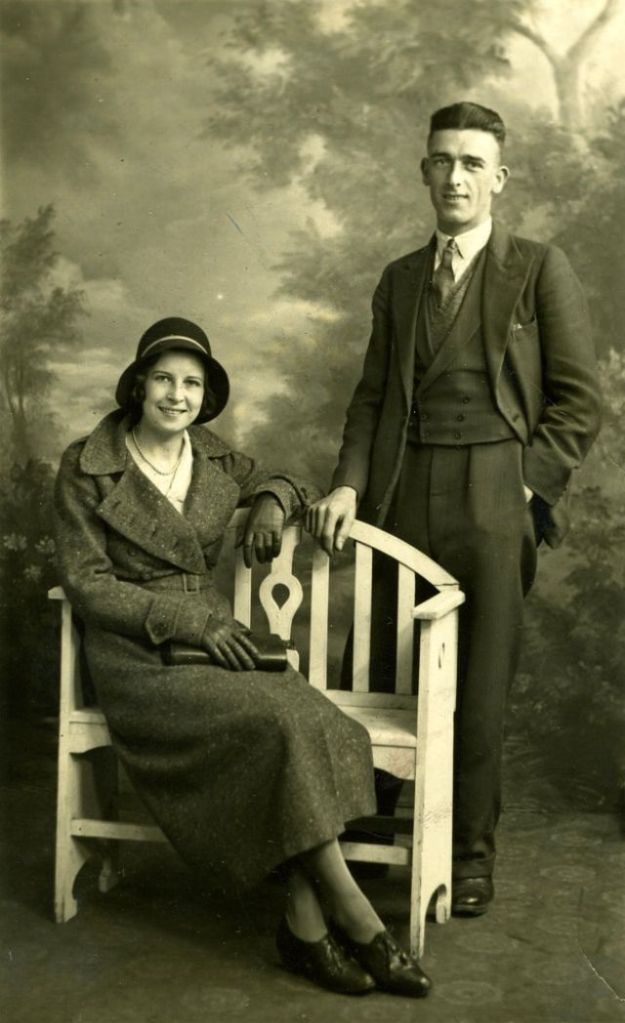
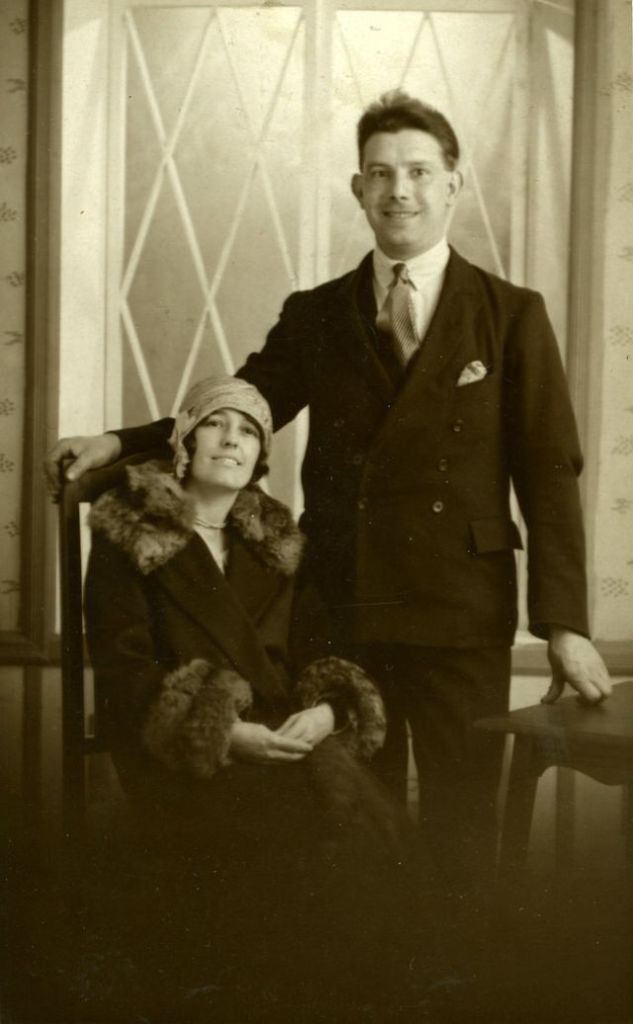
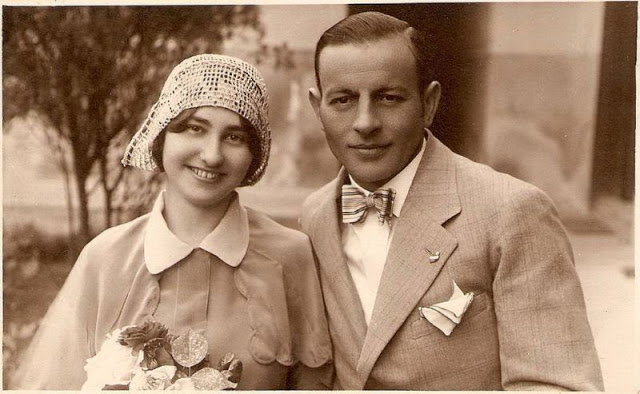
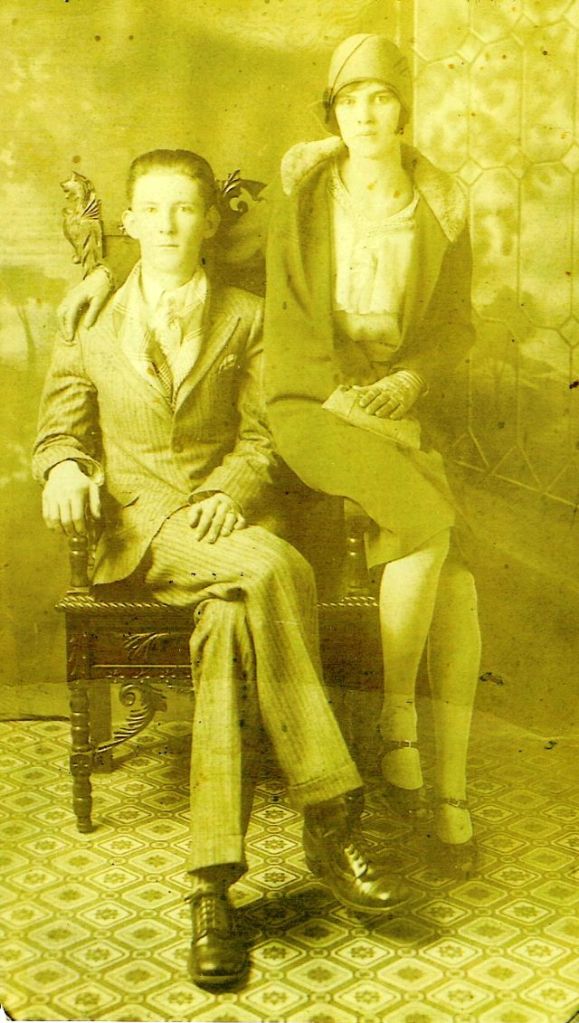
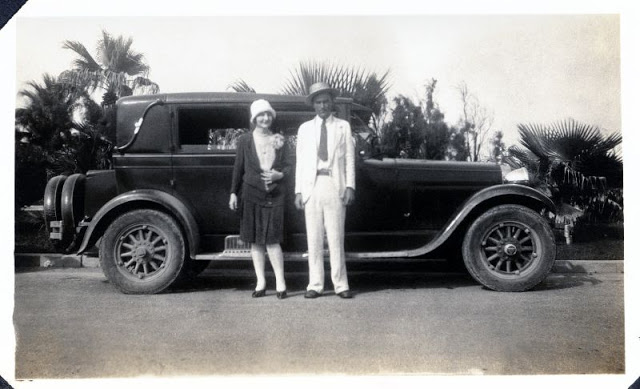
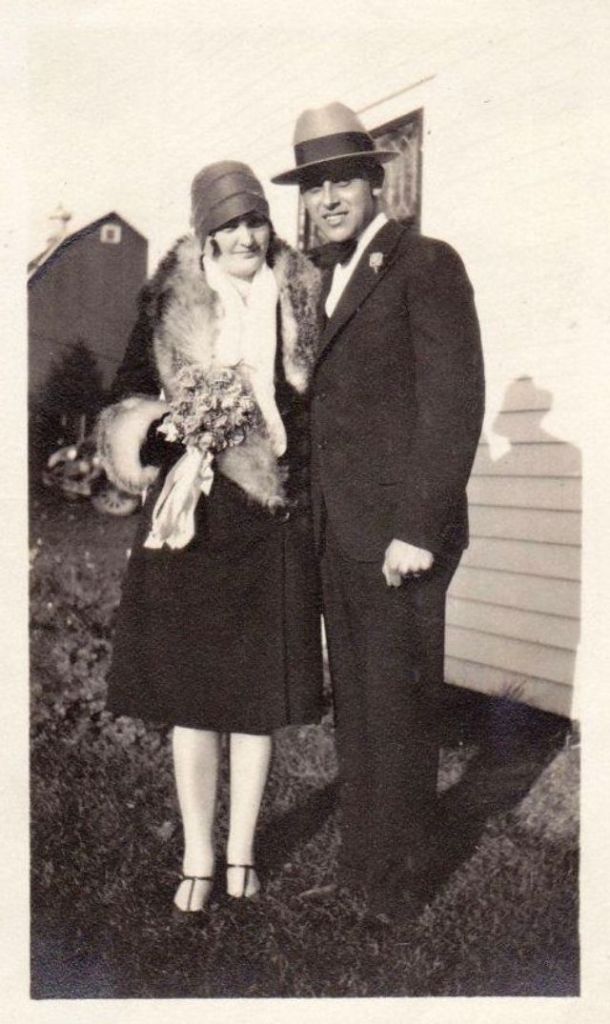
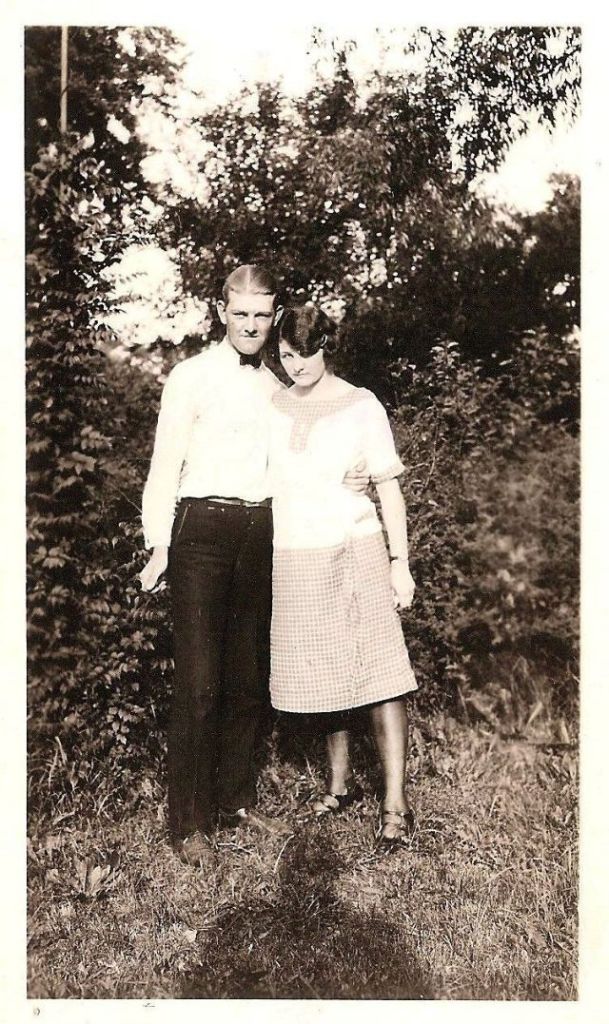
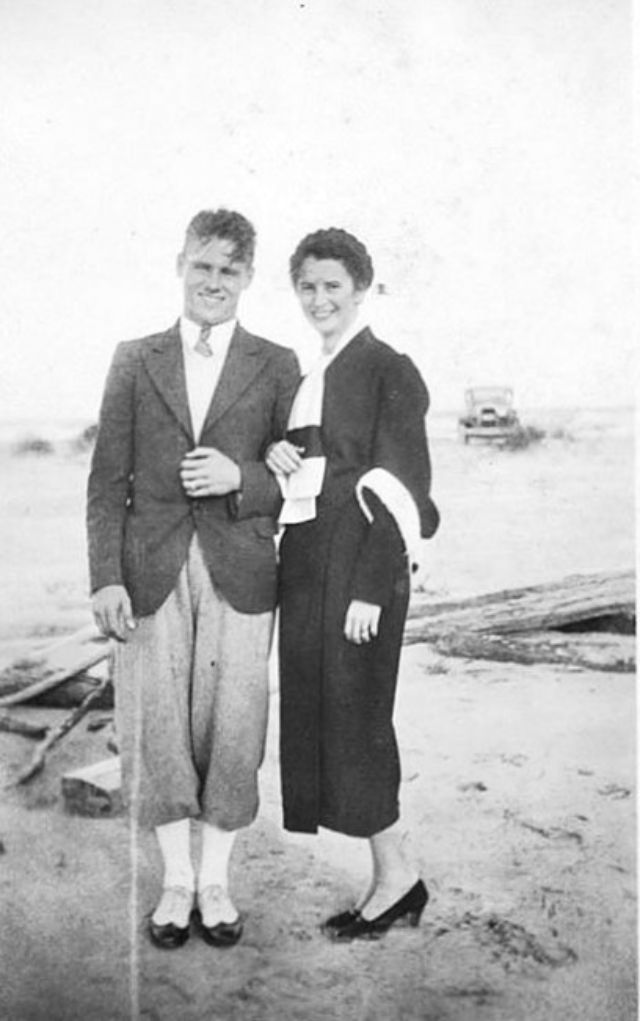
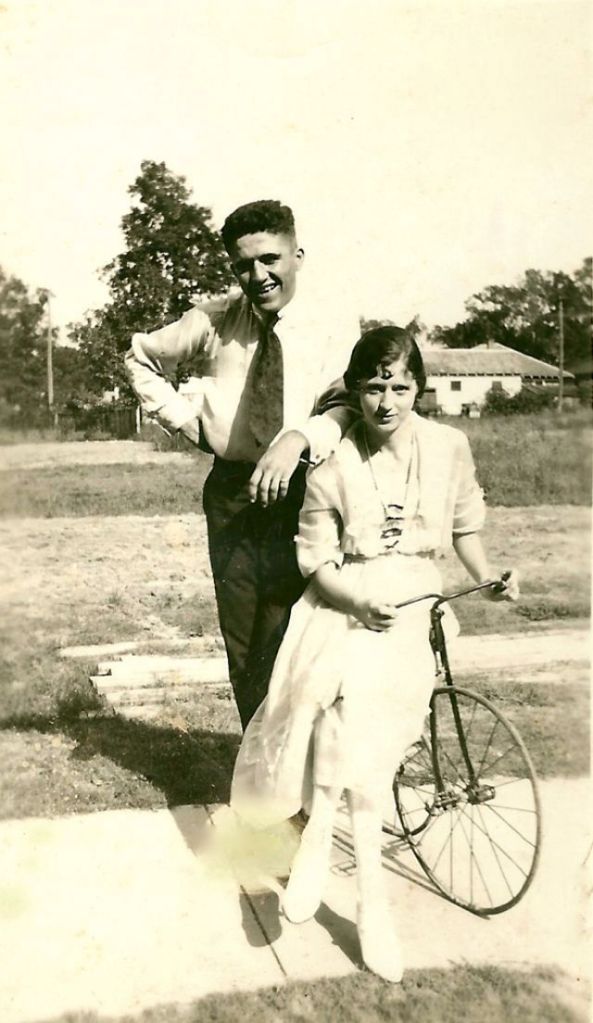
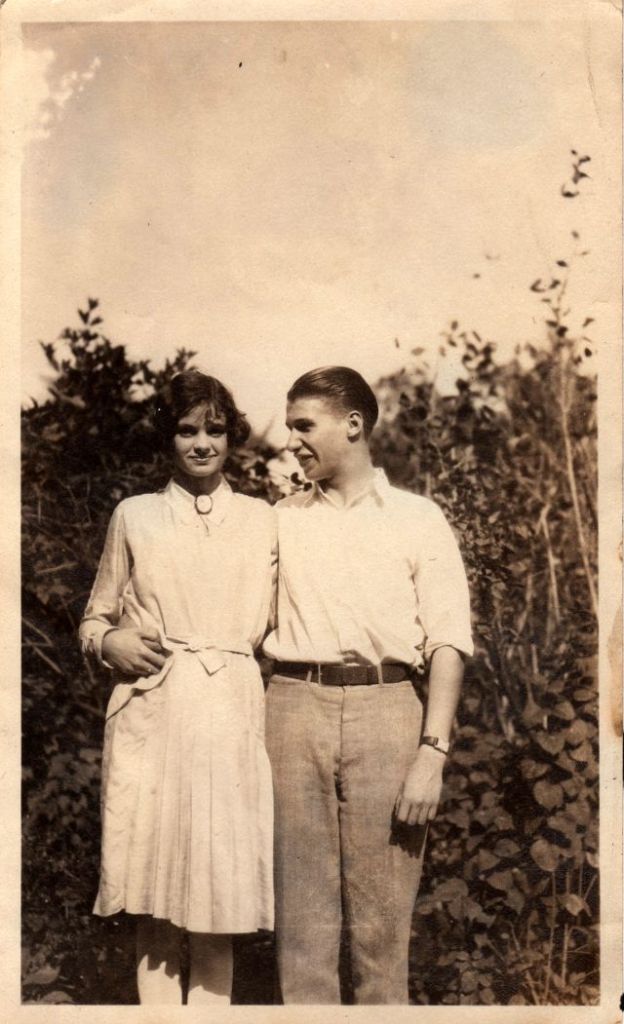
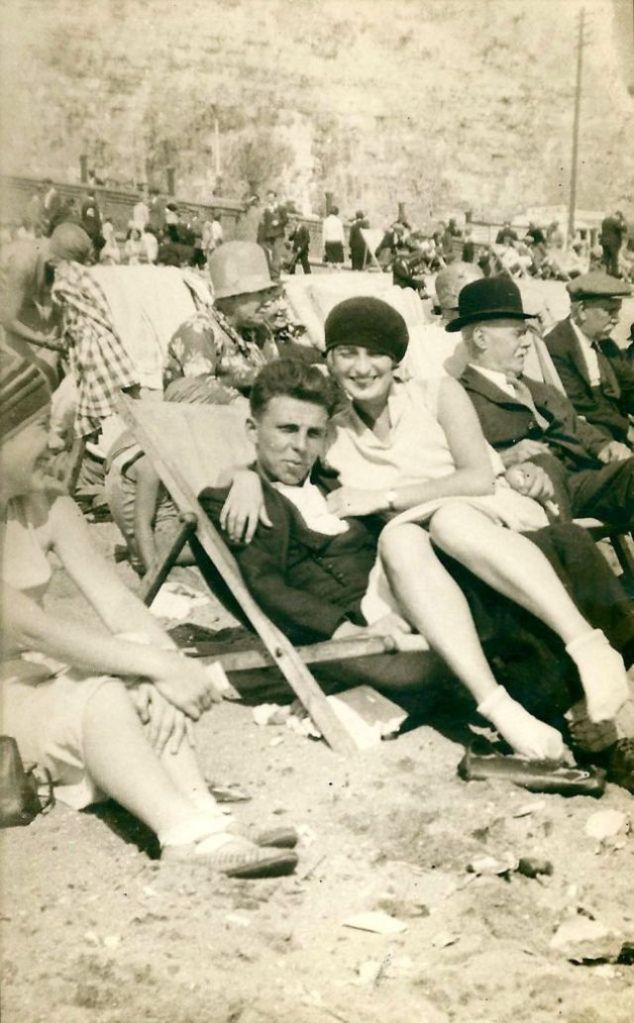
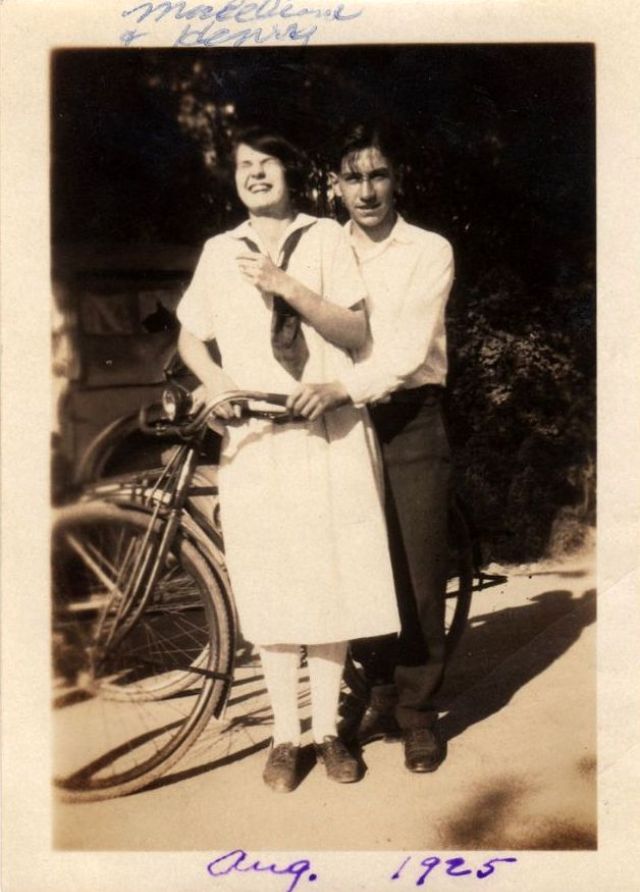
Society changed quickly after World War I: customs, technology, manufacturing all rocketed into the 20th century. Fashion is shaped and influenced by the society and events which surround it.
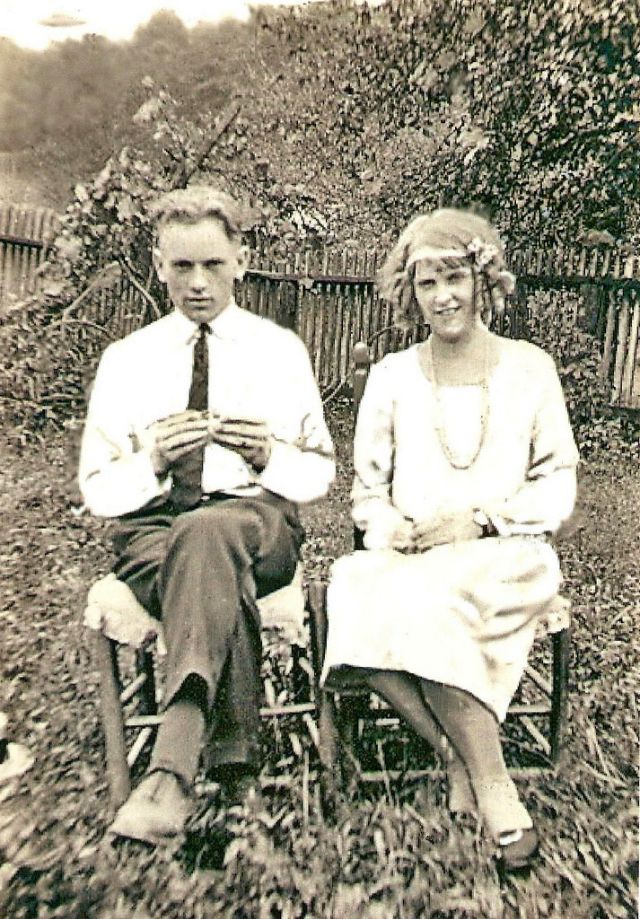
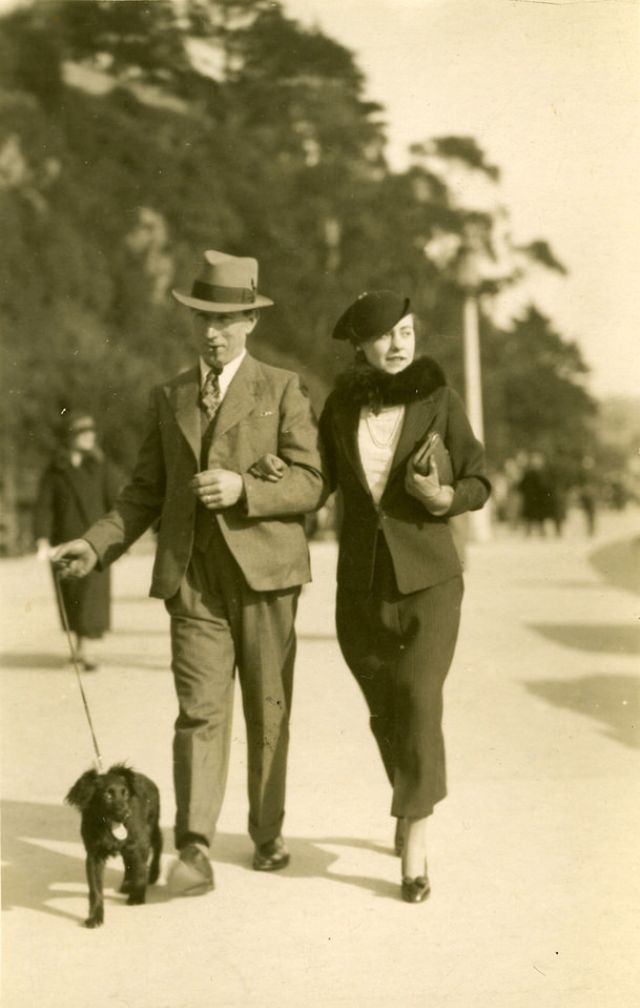
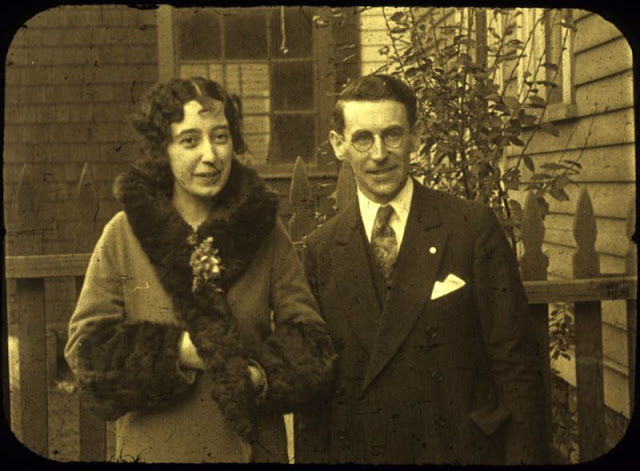
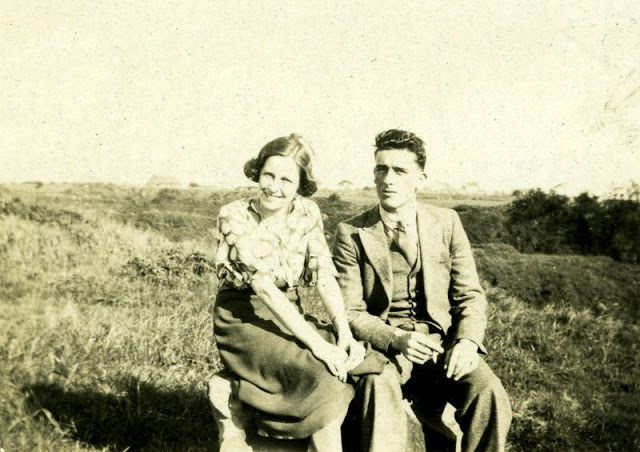
1920s fashion was the perfect blend between style and function. Beautiful clothes that allowed women to move. “Fashion is not something that exists in dresses only. Fashion is in the sky, in the street, fashion has to do with ideas, the way we live, what is happening.” – Coco Chanel
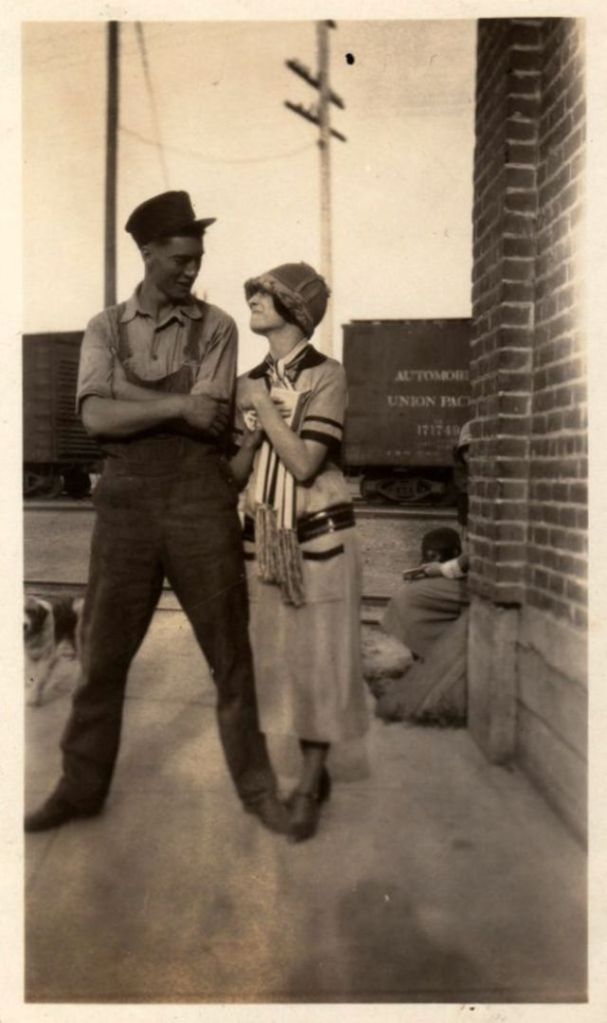
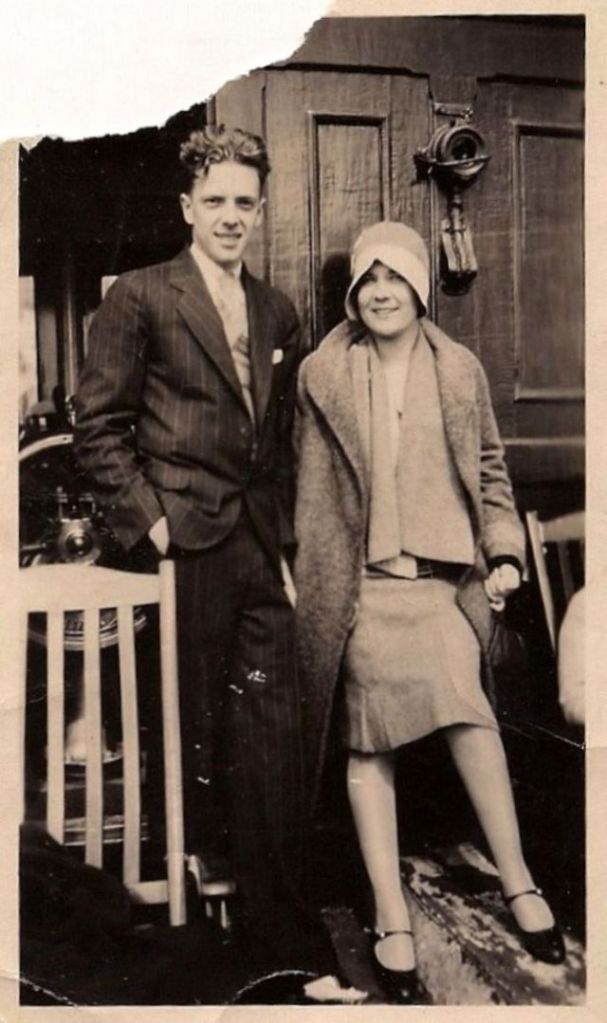
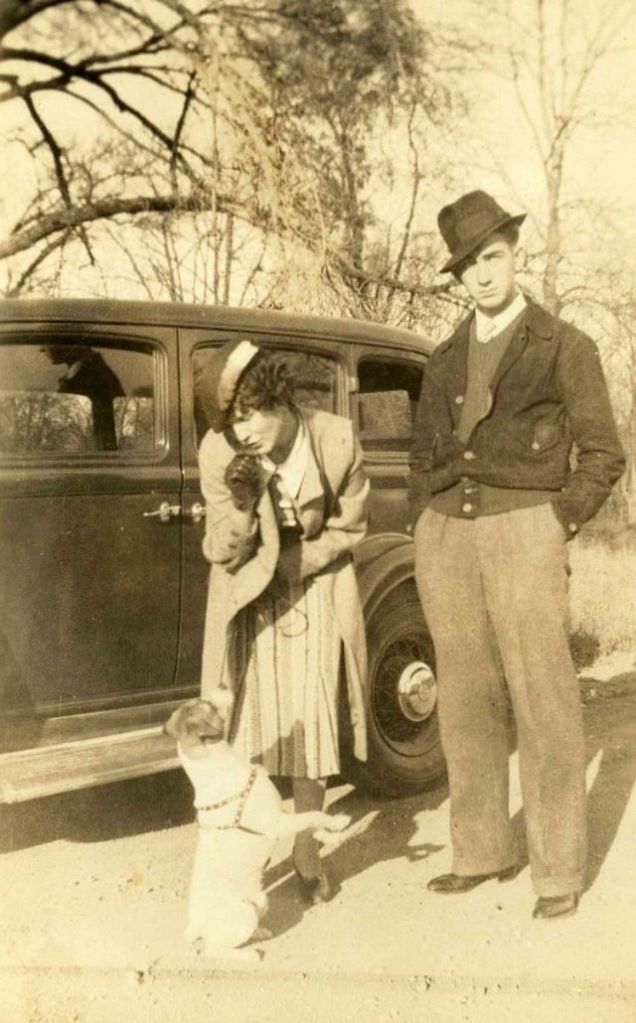
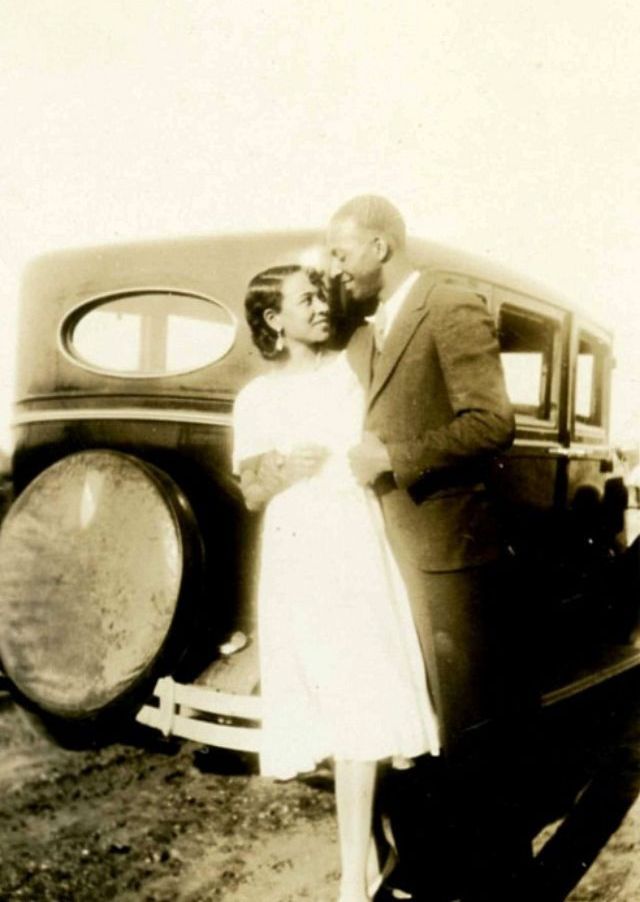
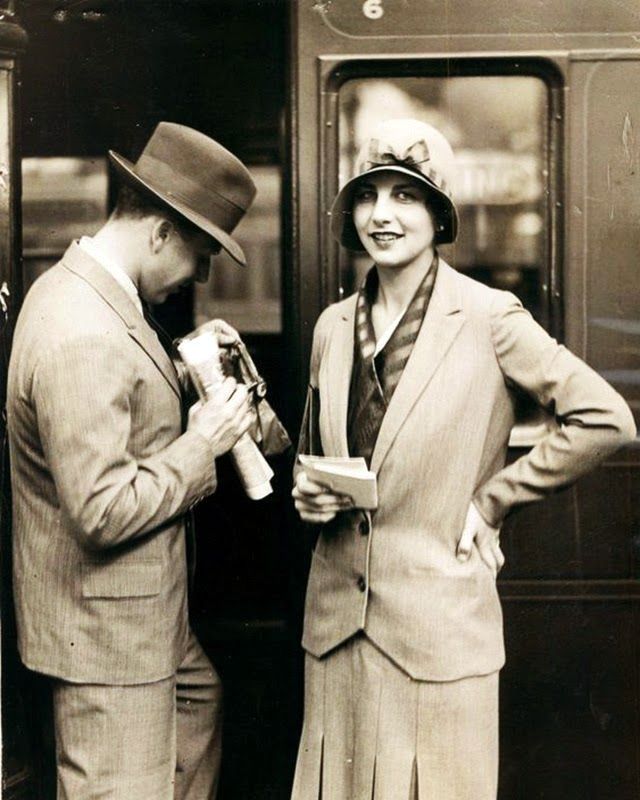
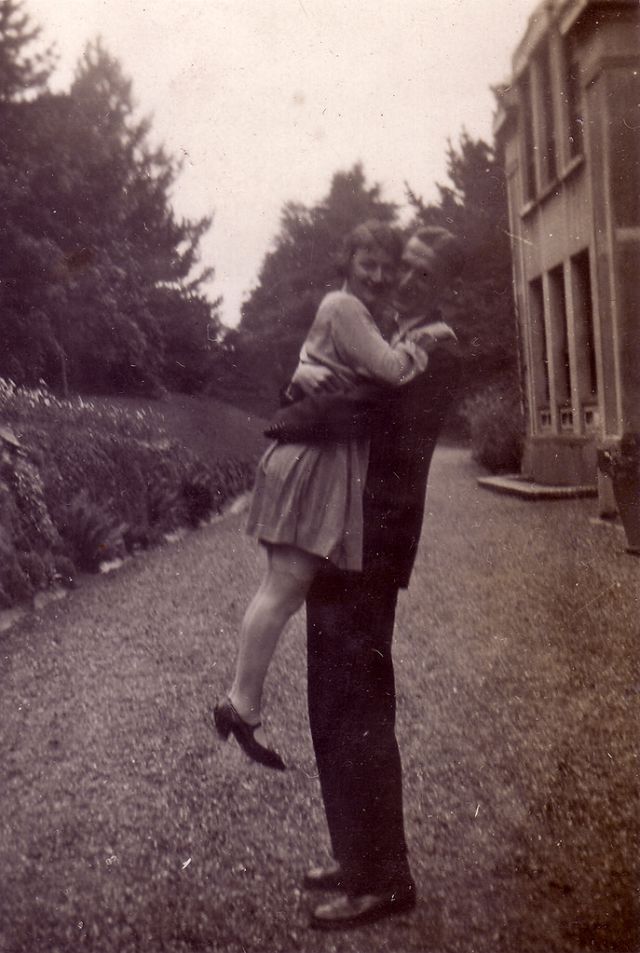
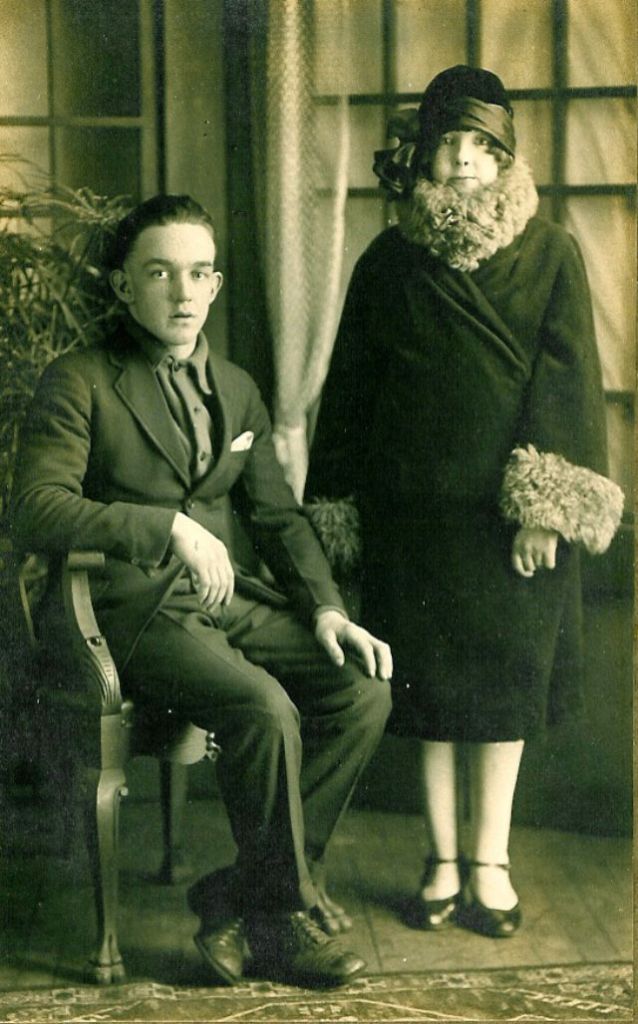
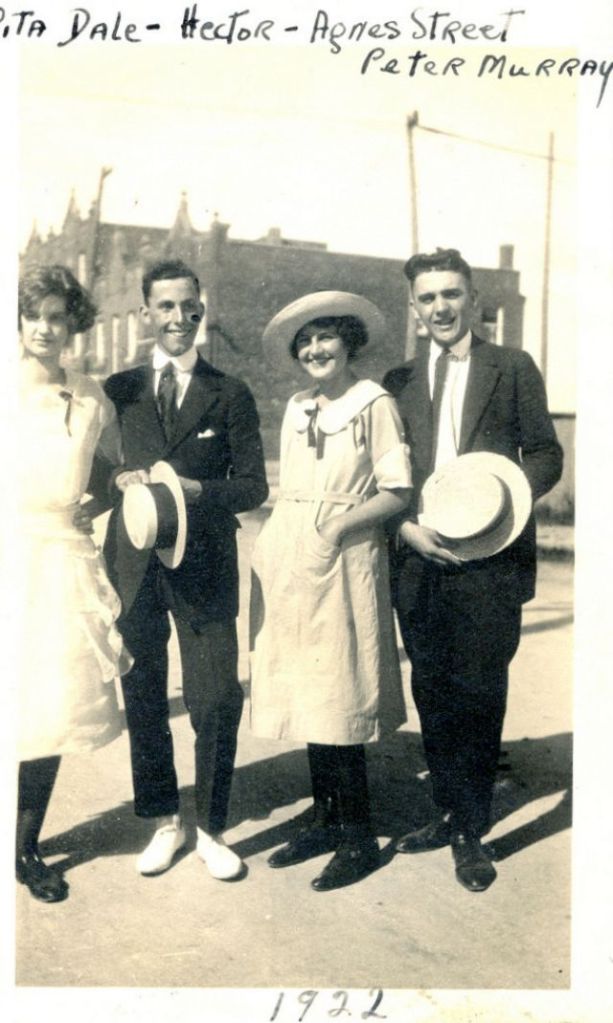
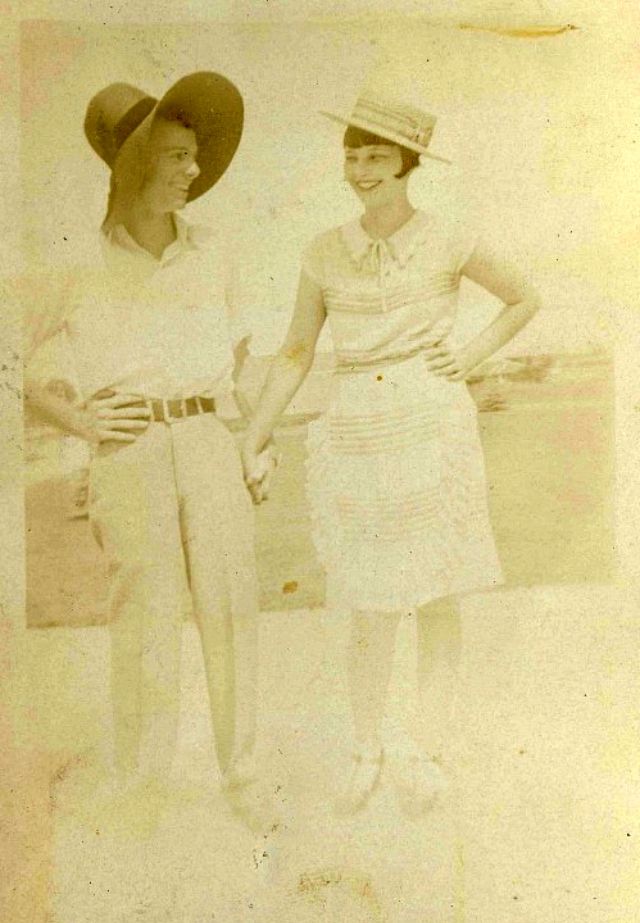
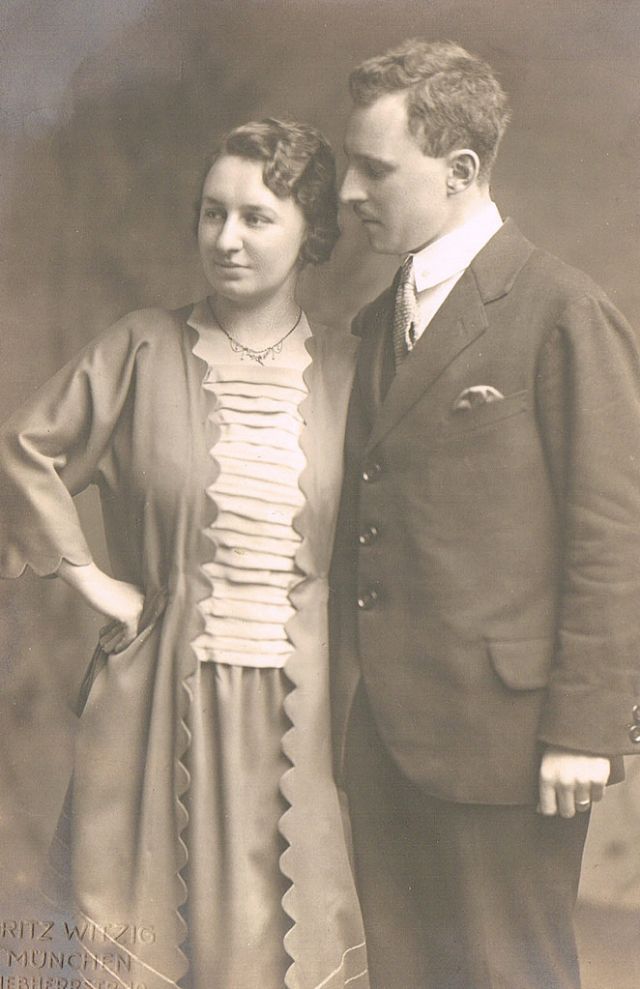
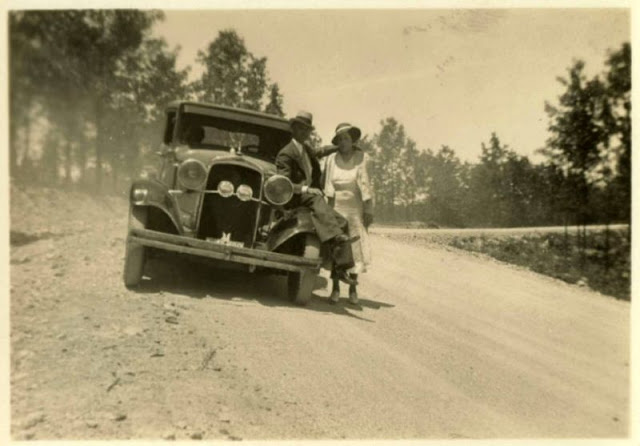
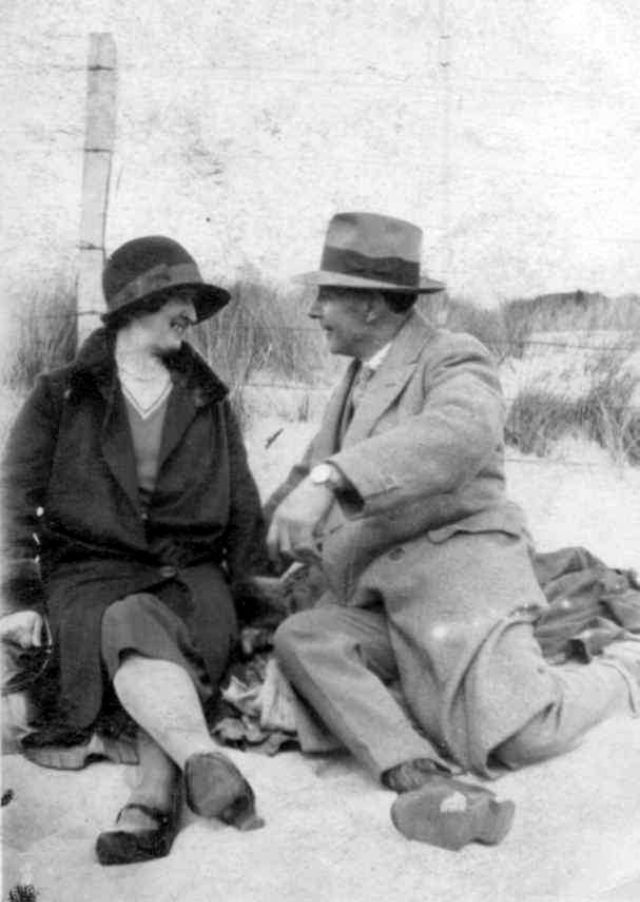
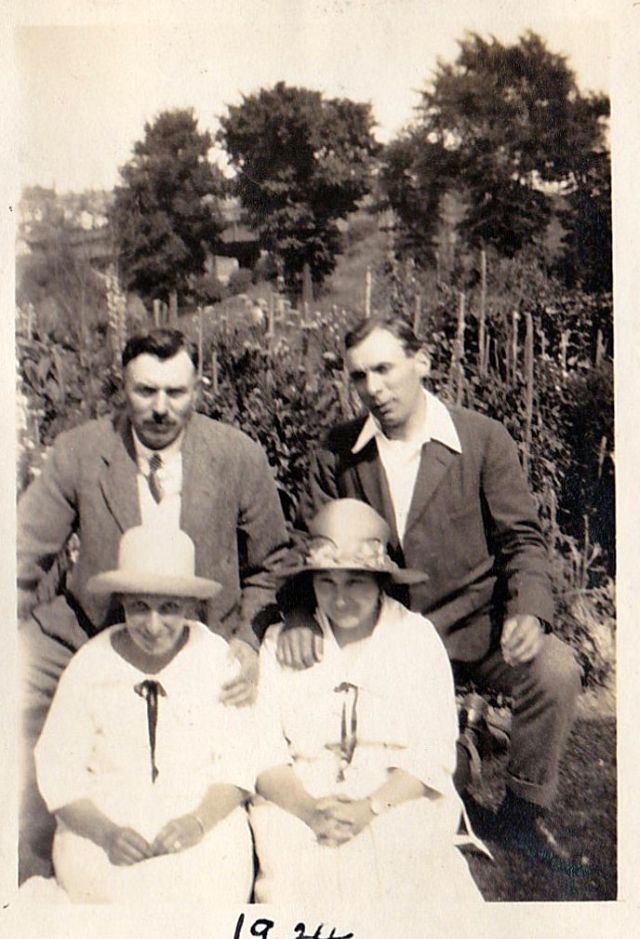
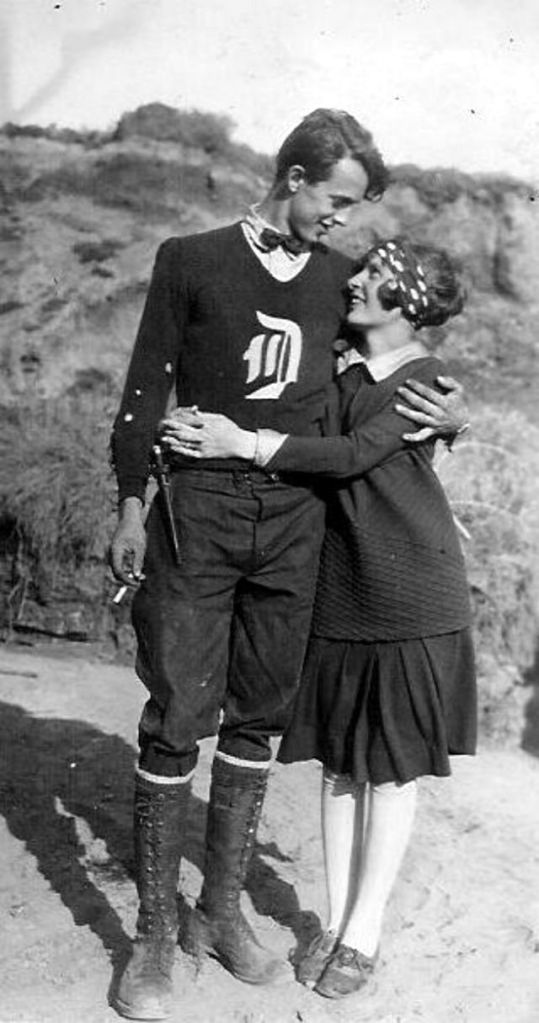
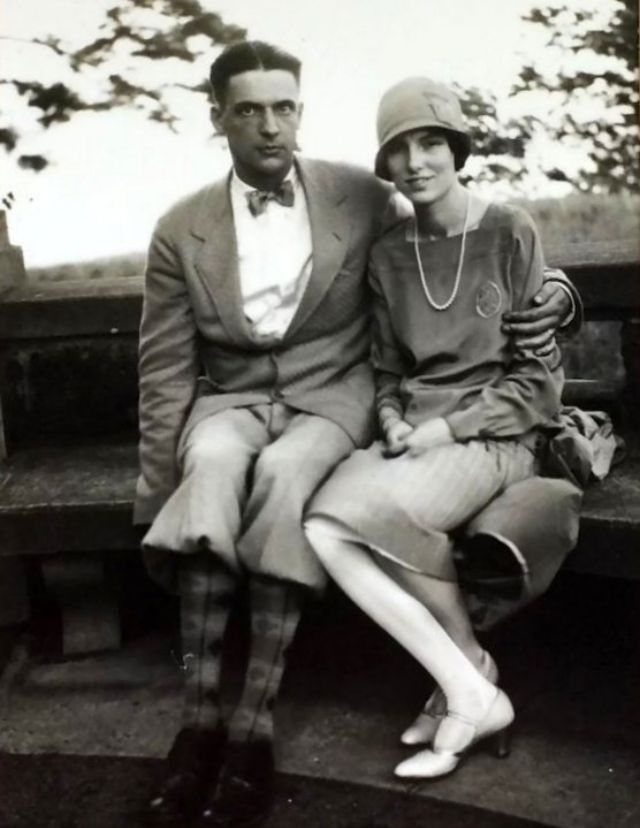
1920s fashion is still famous because it was a huge shift from the previous era. Even 90 years after The Roaring Twenties ended, almost everyone still recognizes the style: Cloche hats, flapper dresses, high heeled shoes, men’s fashion (suits and sportswear),…
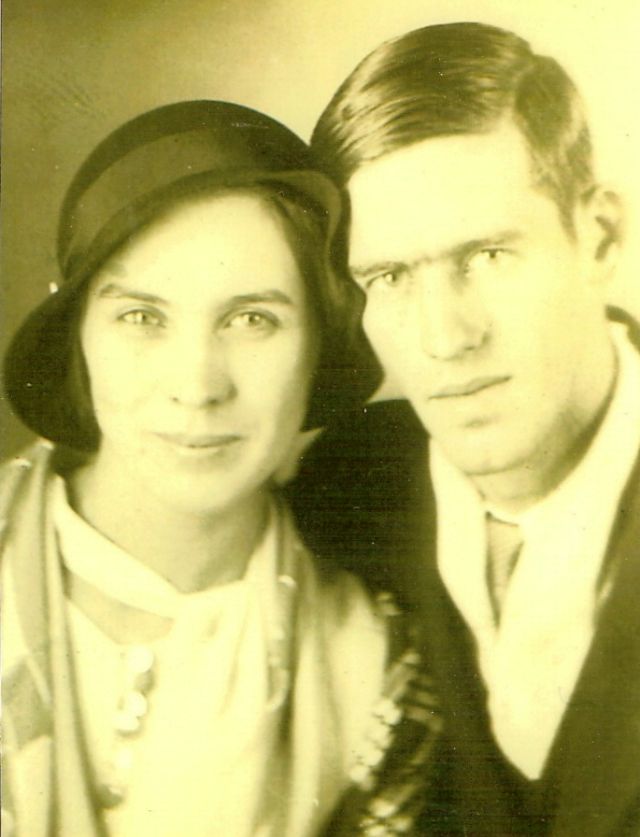
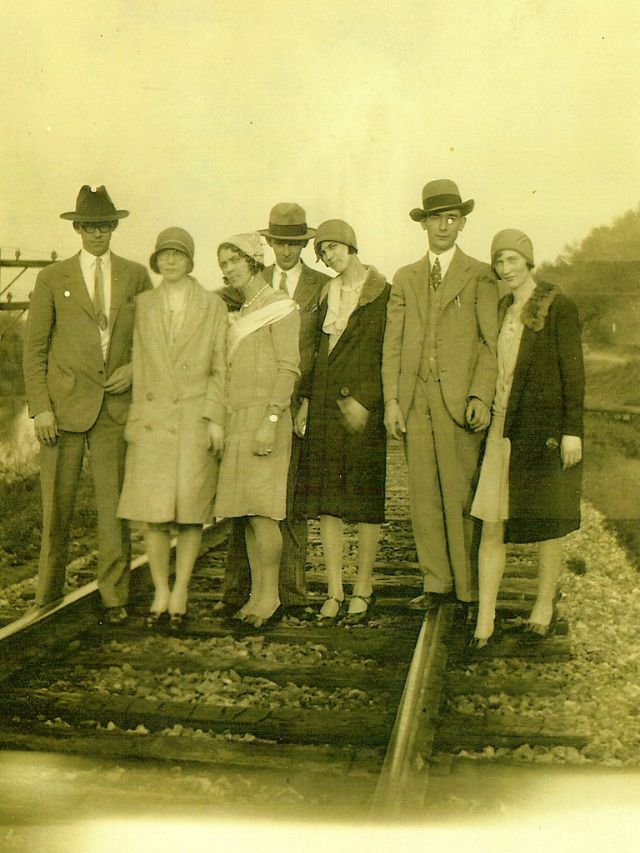
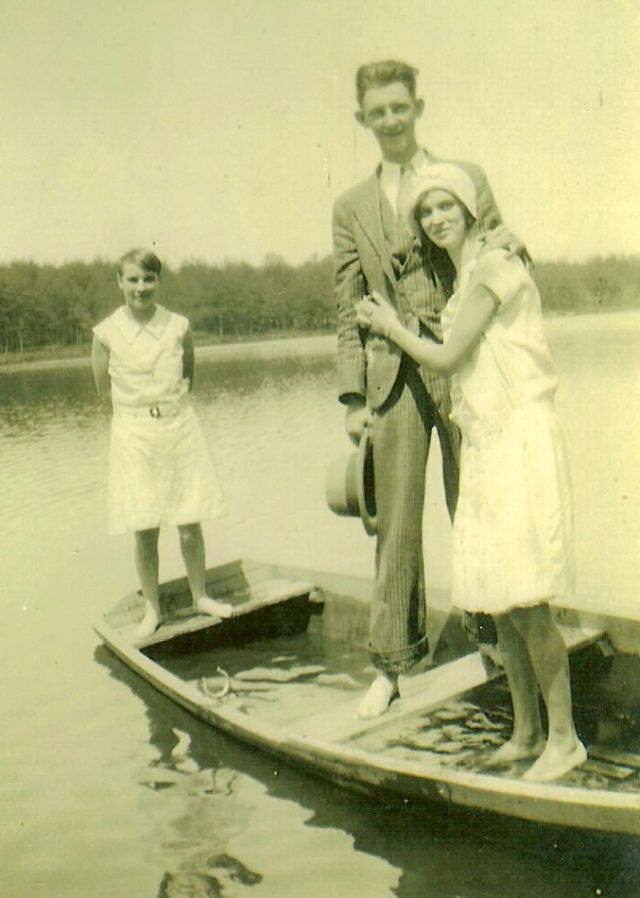
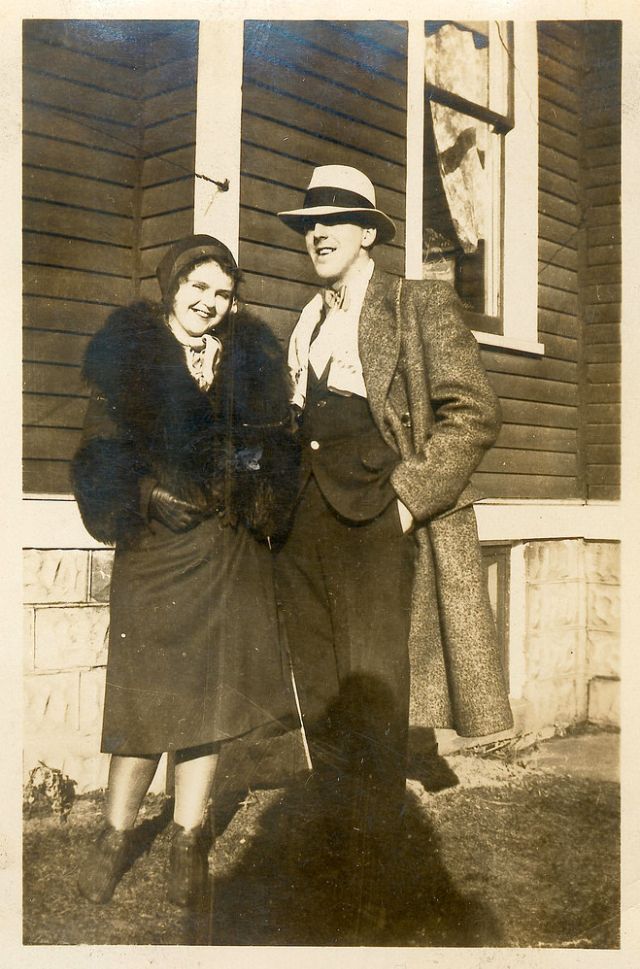
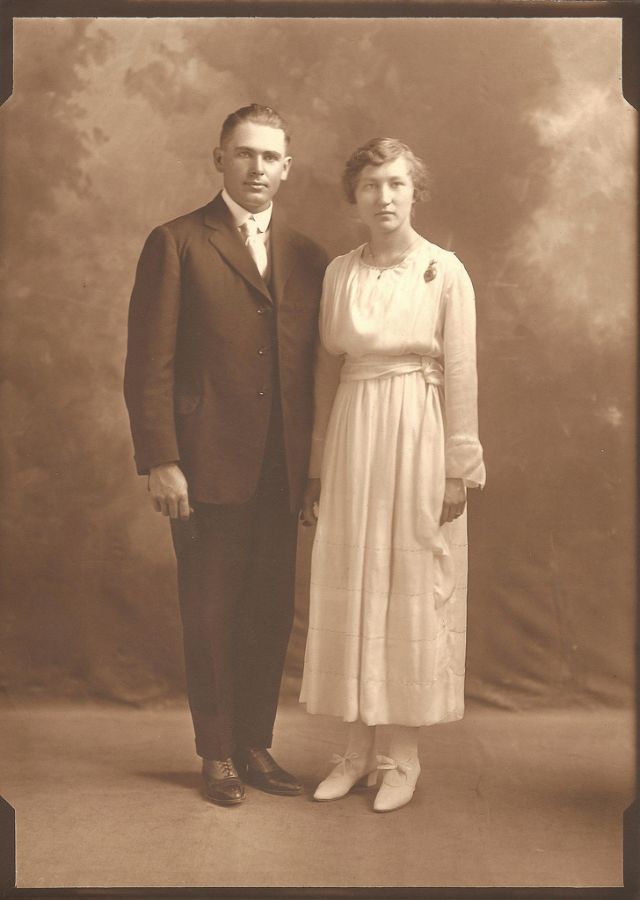
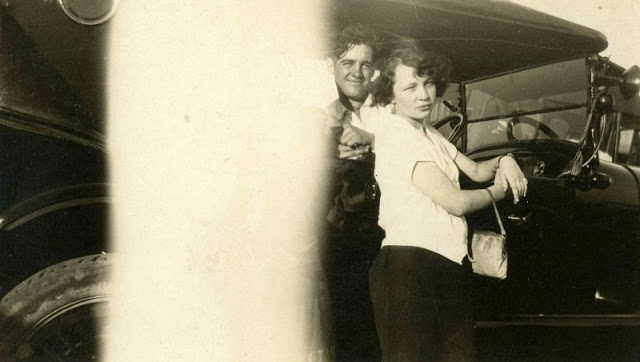
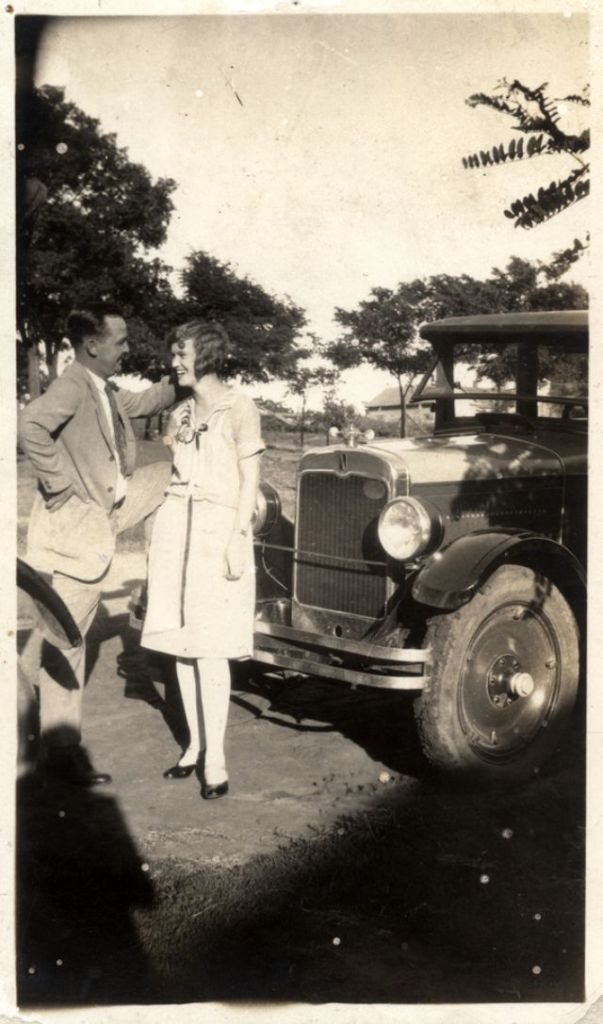
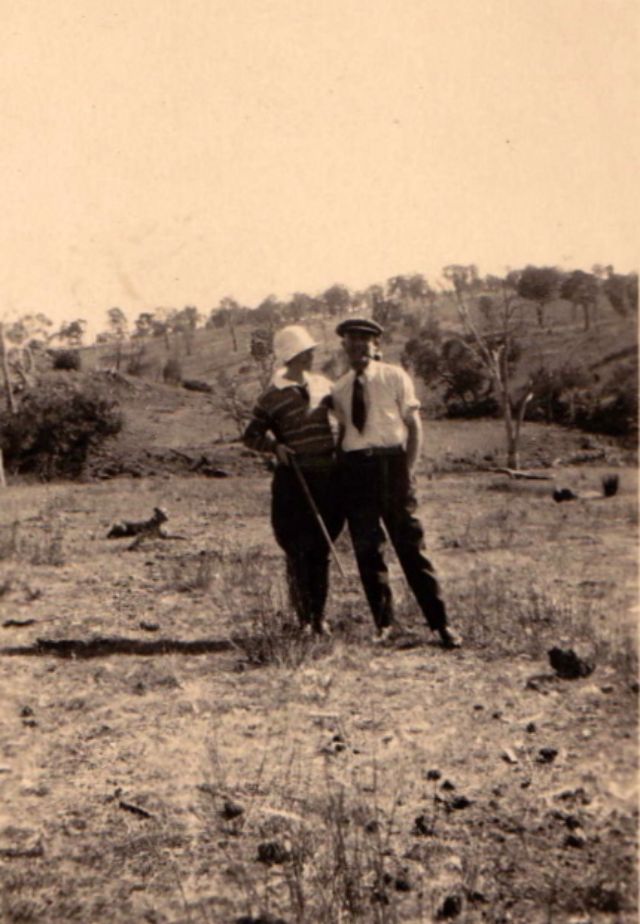
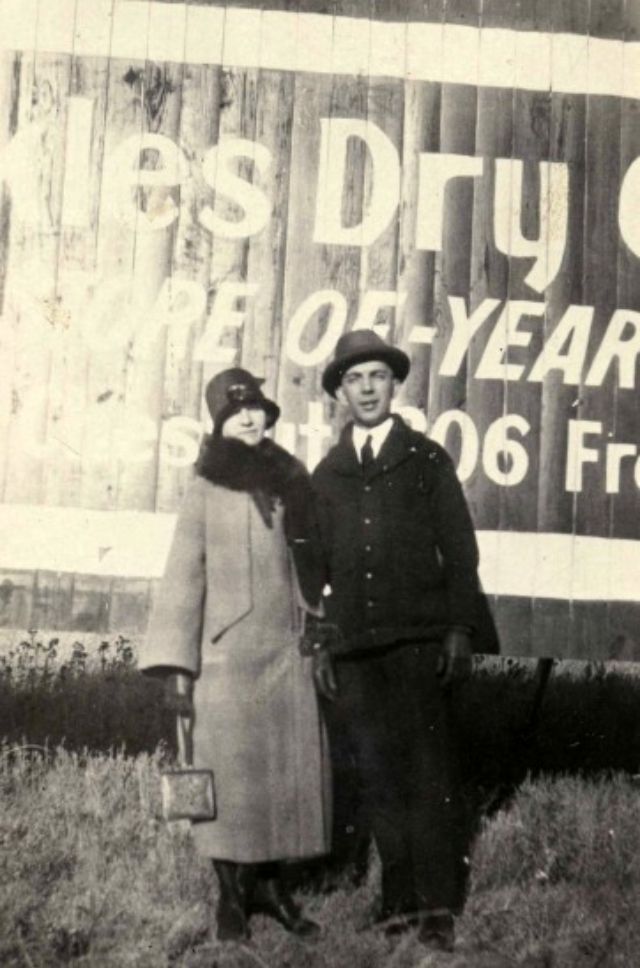
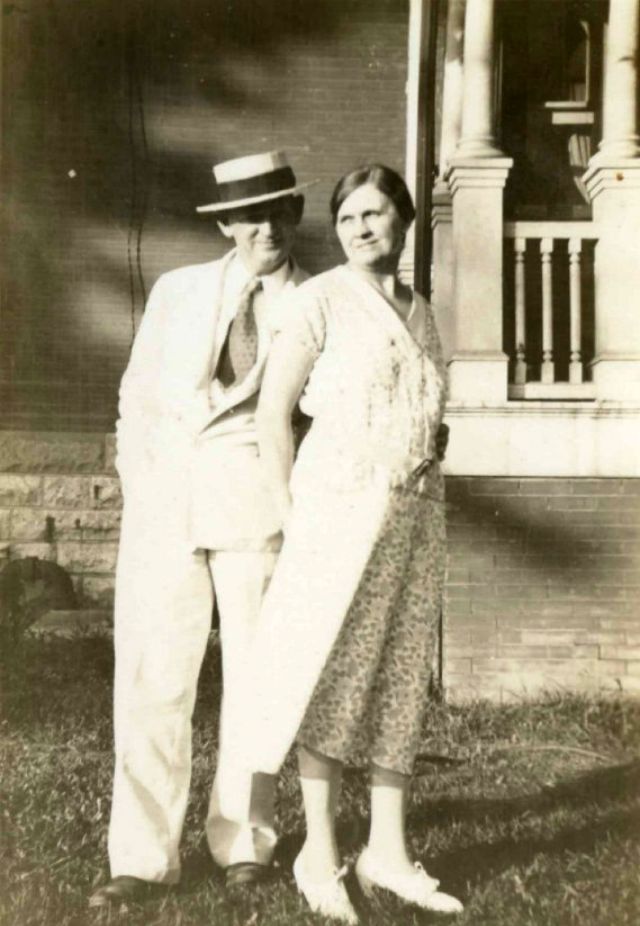
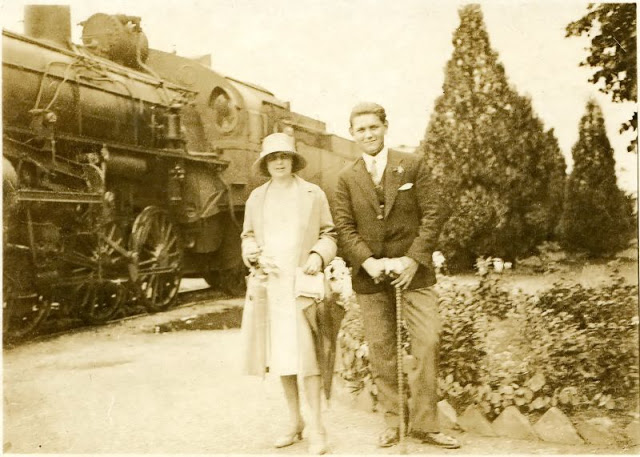
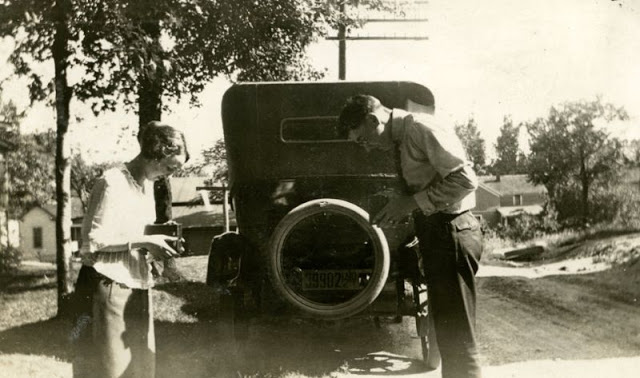
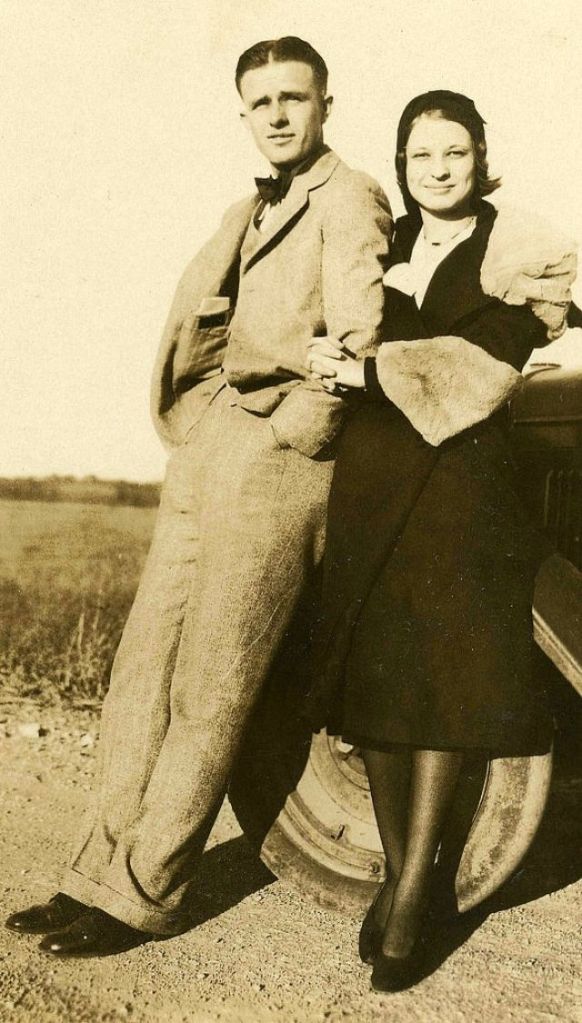
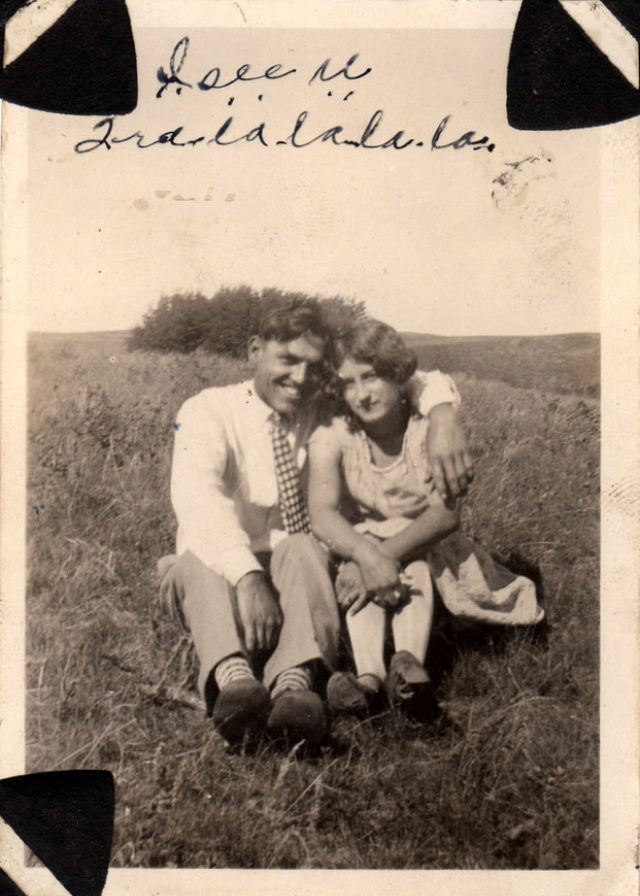
Take a look at these photos of couples to see what the 1920s fashion styles looked like.
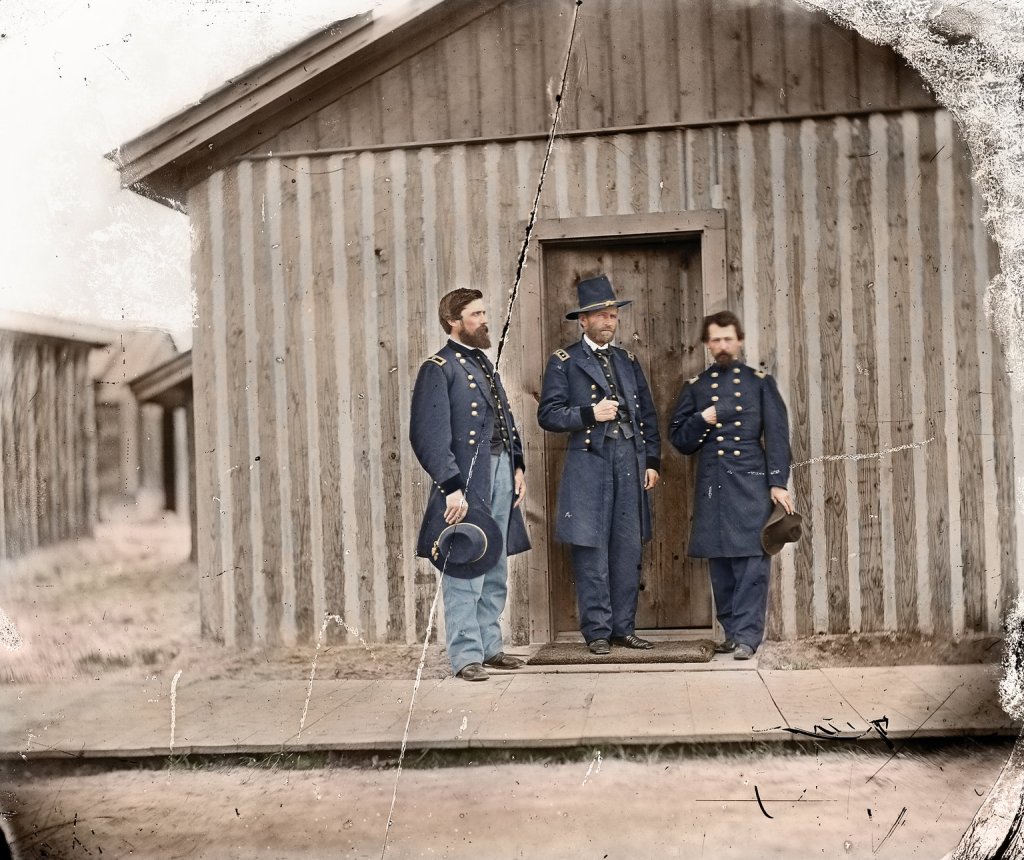
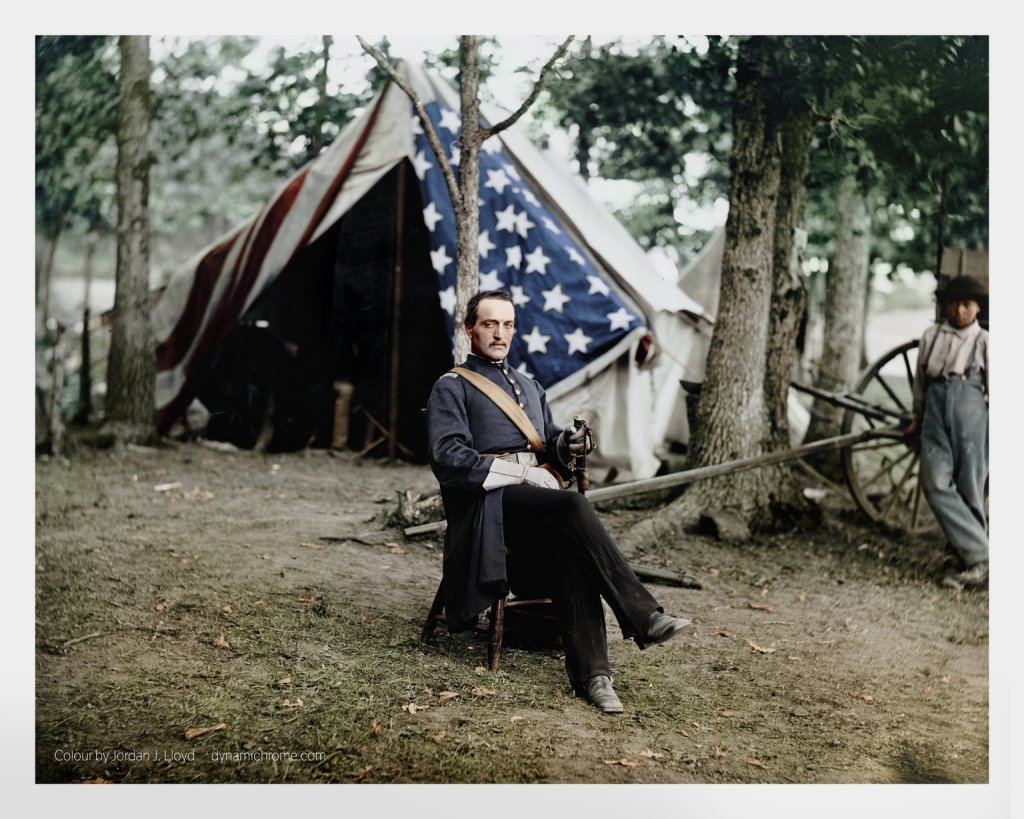
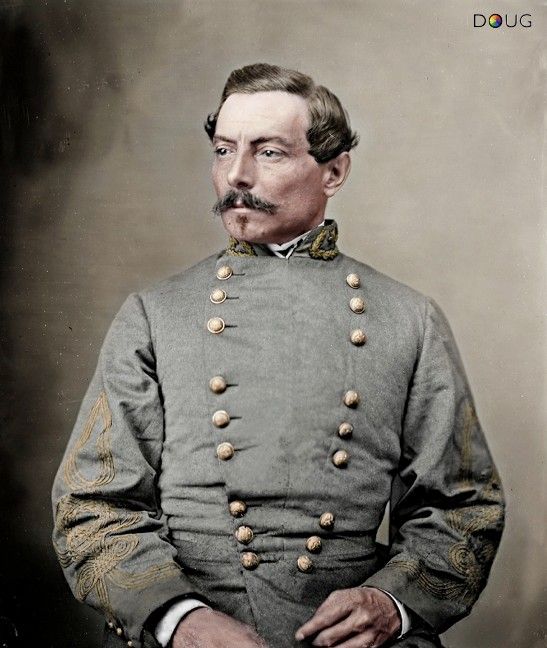
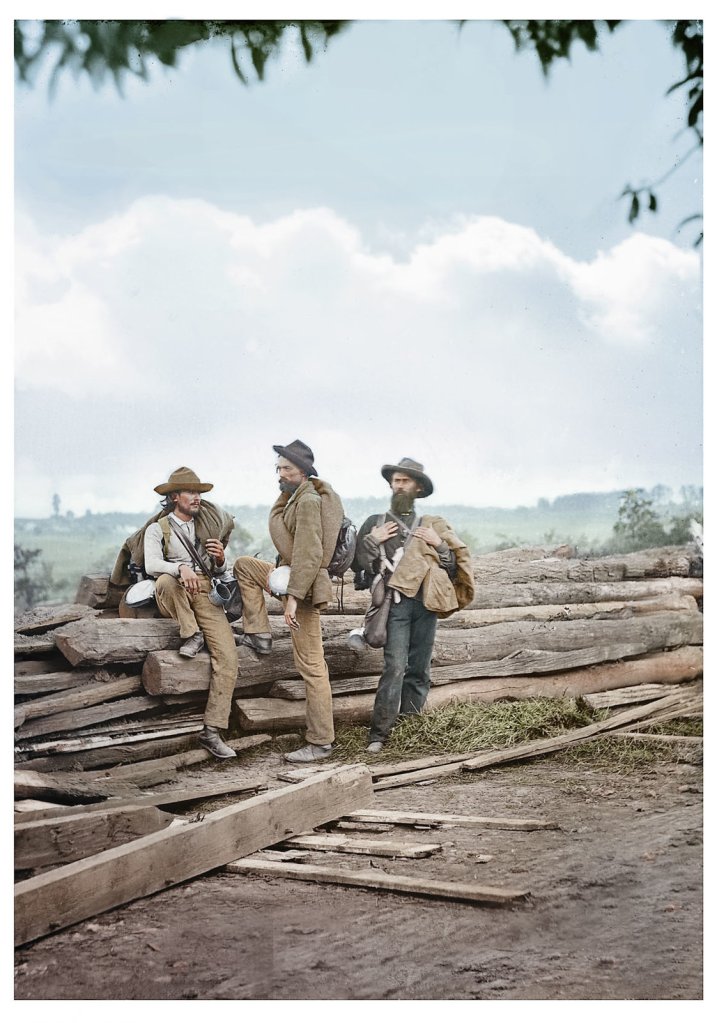
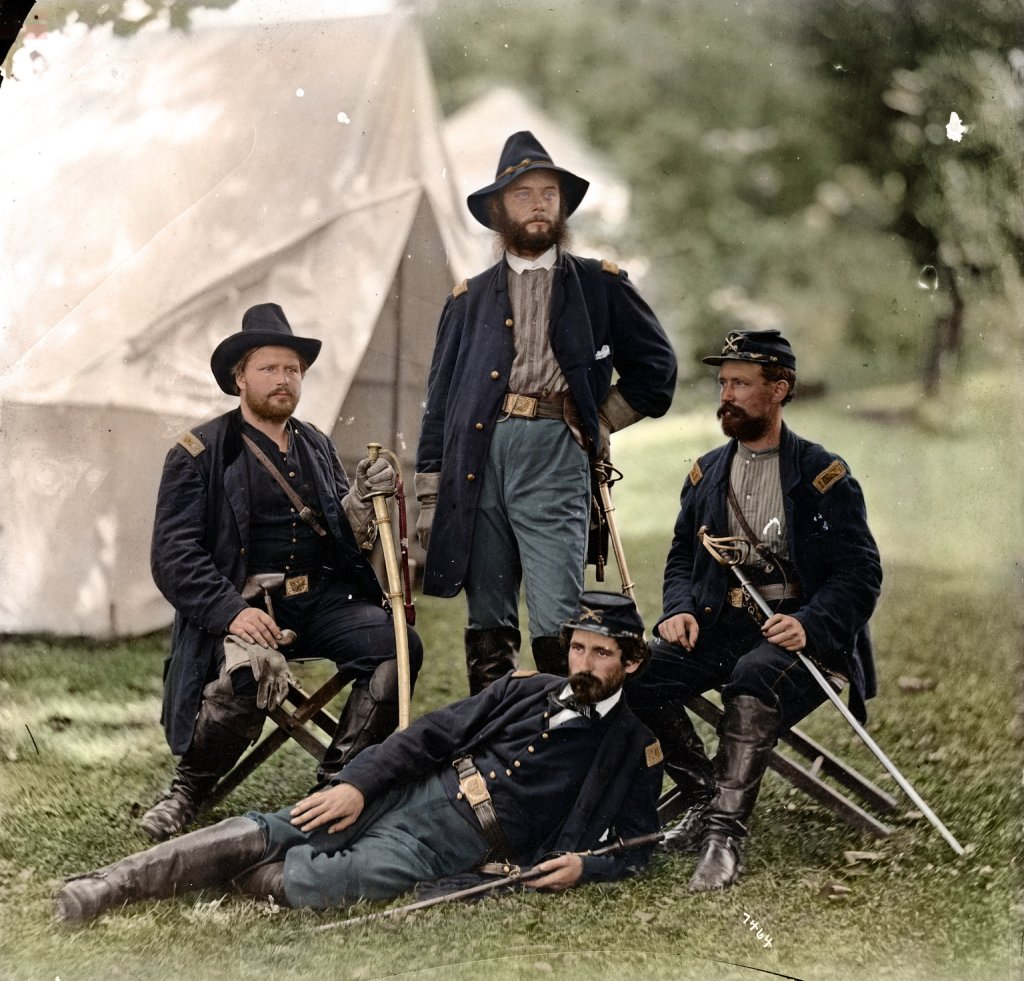
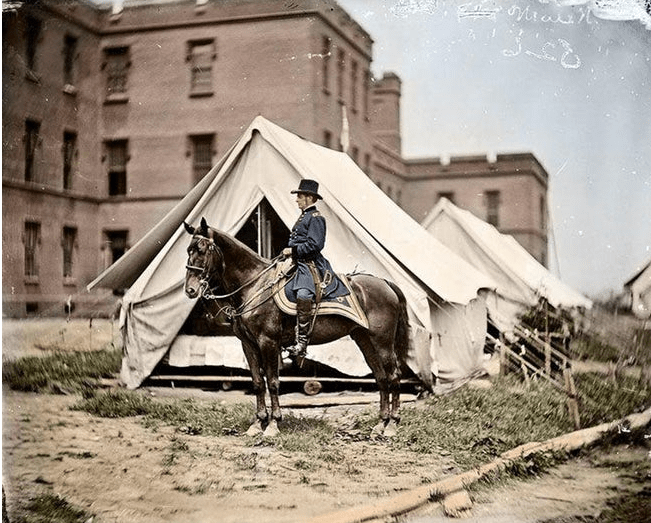
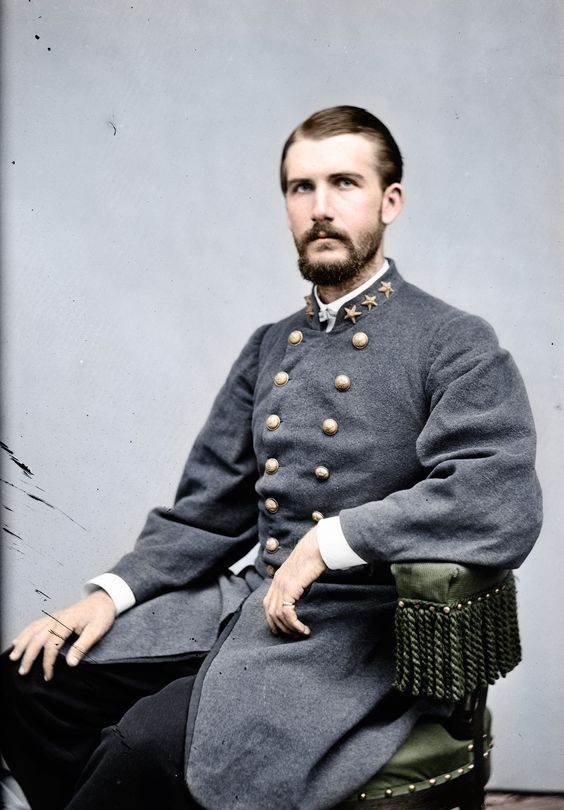
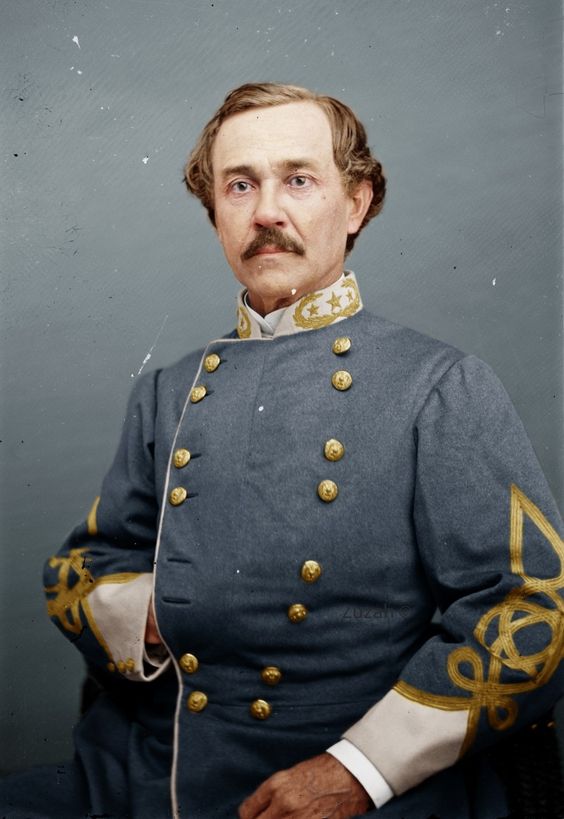
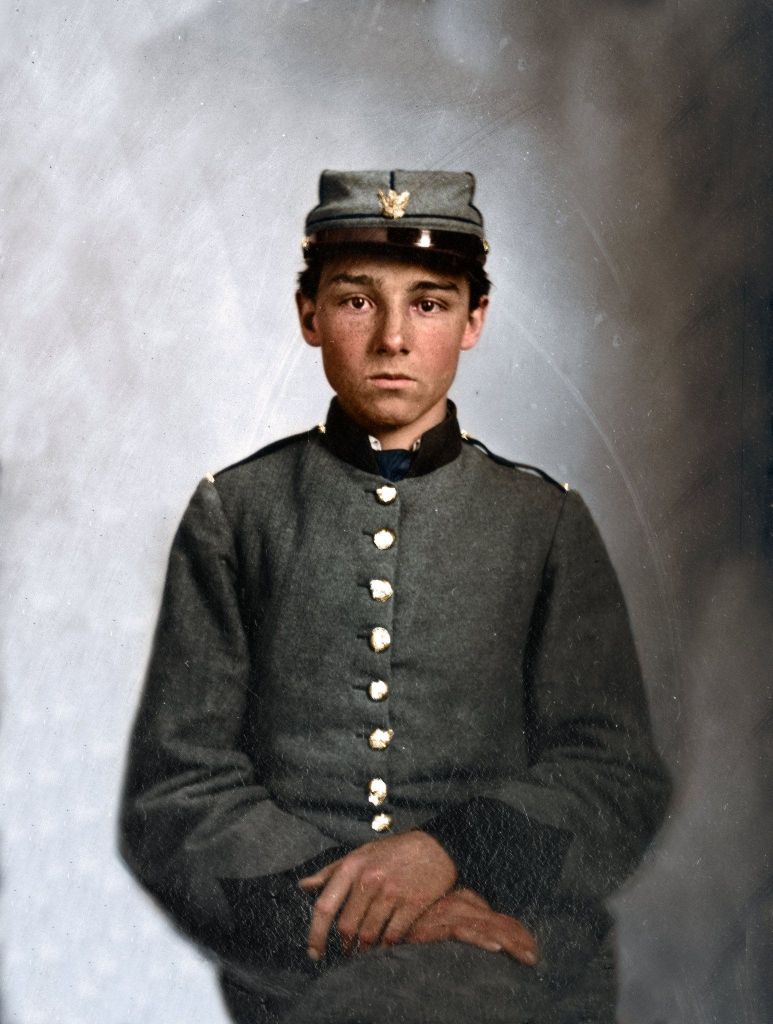
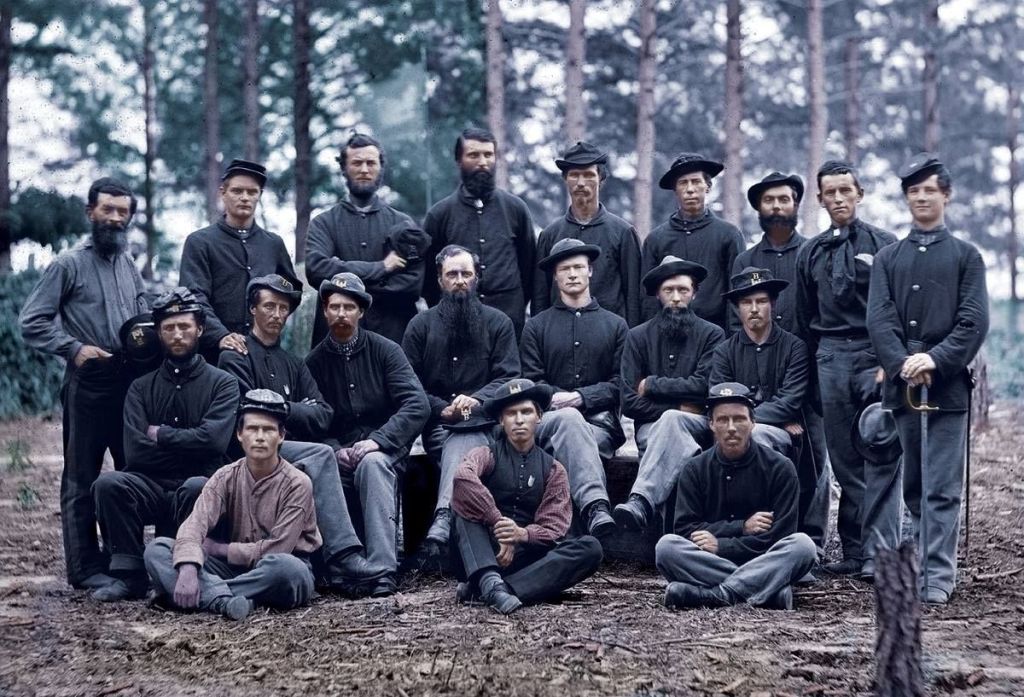
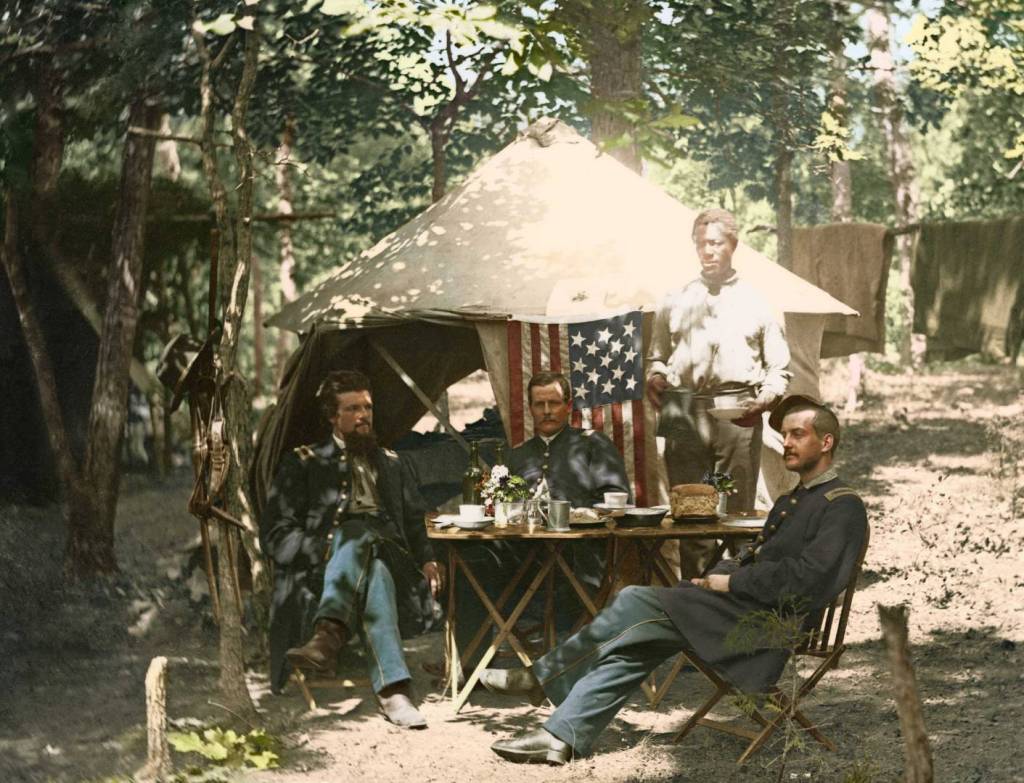
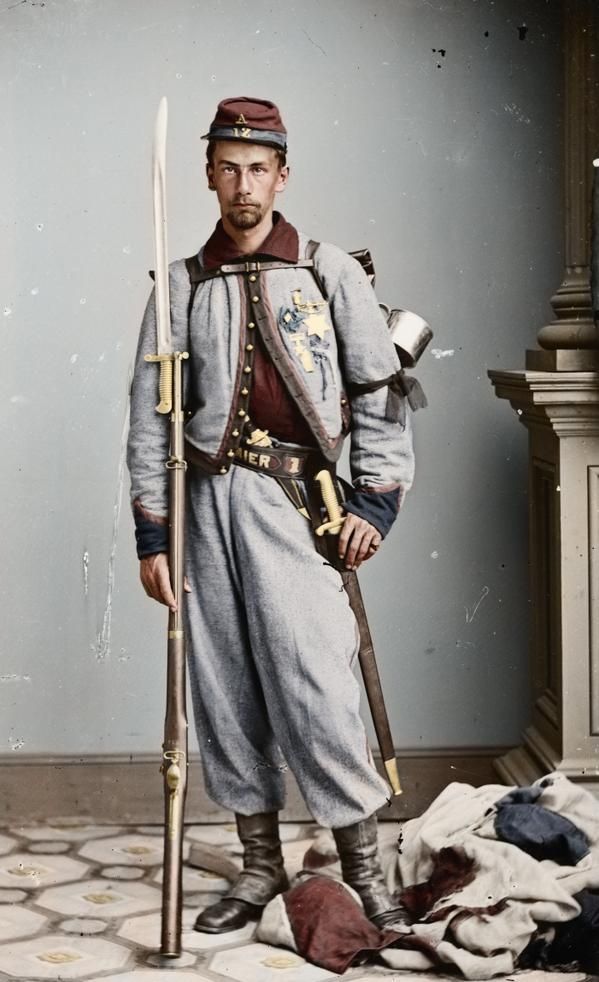
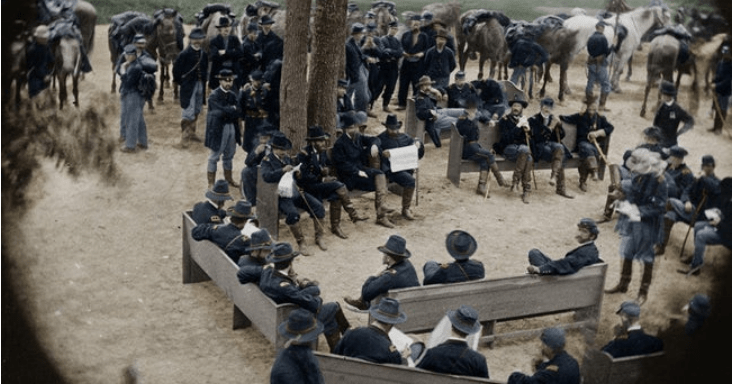
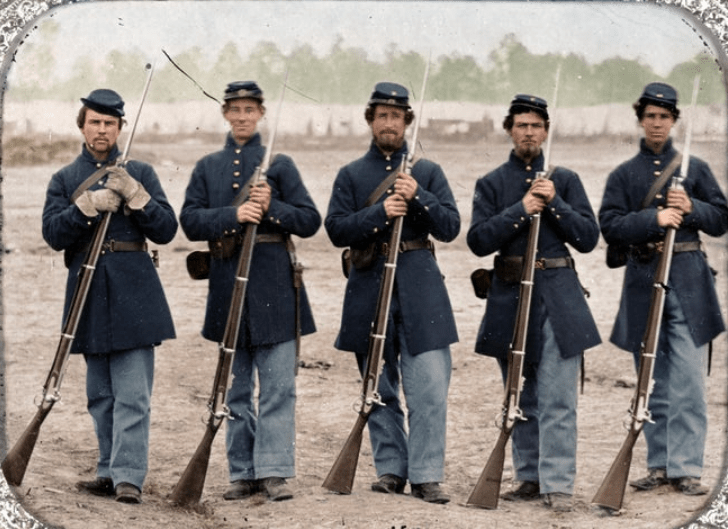
The Civil War is the central event in America’s historical consciousness. While the Revolution of 1776-1783 created the United States, the Civil War of 1861-1865 determined what kind of nation it would be. The war resolved two fundamental questions left unresolved by the revolution: whether the United States was to be a dissolvable confederation of sovereign states or an indivisible nation with a sovereign national government; and whether this nation, born of a declaration that all men were created with an equal right to liberty, would continue to exist as the largest slaveholding country in the world.
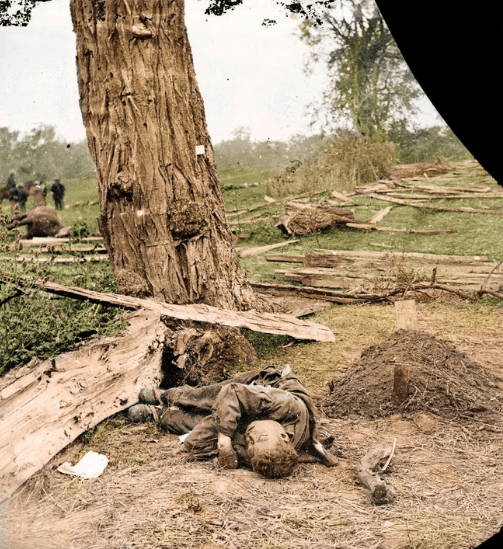
Northern victory in the war preserved the United States as one nation and ended the institution of slavery that had divided the country from its beginning. But these achievements came at the cost of 625,000 lives–nearly as many American soldiers as died in all the other wars in which this country has fought combined. The American Civil War was the largest and most destructive conflict in the Western world between the end of the Napoleonic Wars in 1815 and the onset of World War I in 1914.
The Civil War started because of uncompromising differences between the free and slave states over the power of the national government to prohibit slavery in the territories that had not yet become states. When Abraham Lincoln won election in 1860 as the first Republican president on a platform pledging to keep slavery out of the territories, seven slave states in the deep South seceded and formed a new nation, the Confederate States of America. The incoming Lincoln administration and most of the Northern people refused to recognize the legitimacy of secession. They feared that it would discredit democracy and create a fatal precedent that would eventually fragment the no-longer United States into several small, squabbling countries.
The event that triggered war came at Fort Sumter in Charleston Bay on April 12, 1861. Claiming this United States fort as their own, the Confederate army on that day opened fire on the federal garrison and forced it to lower the American flag in surrender. Lincoln called out the militia to suppress this “insurrection.” Four more slave states seceded and joined the Confederacy. By the end of 1861 nearly a million armed men confronted each other along a line stretching 1200 miles from Virginia to Missouri. Several battles had already taken place–near Manassas Junction in Virginia, in the mountains of western Virginia where Union victories paved the way for creation of the new state of West Virginia, at Wilson’s Creek in Missouri, at Cape Hatteras in North Carolina, and at Port Royal in South Carolina where the Union navy established a base for a blockade to shut off the Confederacy’s access to the outside world.
But the real fighting began in 1862. Huge battles like Shiloh in Tennessee, Gaines’ Mill, Second Manassas, and Fredericksburg in Virginia, and Antietam in Maryland foreshadowed even bigger campaigns and battles in subsequent years, from Gettysburg in Pennsylvania to Vicksburg on the Mississippi to Chickamauga and Atlanta in Georgia. By 1864 the original Northern goal of a limited war to restore the Union had given way to a new strategy of “total war” to destroy the Old South and its basic institution of slavery and to give the restored Union a “new birth of freedom,” as President Lincoln put it in his address at Gettysburg to dedicate a cemetery for Union soldiers killed in the battle there.
For three long years, from 1862 to 1865, Robert E. Lee’s Army of Northern Virginia staved off invasions and attacks by the Union Army of the Potomac commanded by a series of ineffective generals until Ulysses S. Grant came to Virginia from the Western theater to become general in chief of all Union armies in 1864. After bloody battles at places with names like The Wilderness, Spotsylvania, Cold Harbor, and Petersburg, Grant finally brought Lee to bay at Appomattox in April 1865. In the meantime Union armies and river fleets in the theater of war comprising the slave states west of the Appalachian Mountain chain won a long series of victories over Confederate armies commanded by hapless or unlucky Confederate generals. In 1864-1865 General William Tecumseh Sherman led his army deep into the Confederate heartland of Georgia and South Carolina, destroying their economic infrastructure while General George Thomas virtually destroyed the Confederacy’s Army of Tennessee at the battle of Nashville.
By the spring of 1865 all the principal Confederate armies surrendered, and when Union cavalry captured the fleeing Confederate President Jefferson Davis in Georgia on May 10, 1865, resistance collapsed and the war ended. The long, painful process of rebuilding a united nation free of slavery began. (battlefields.org)
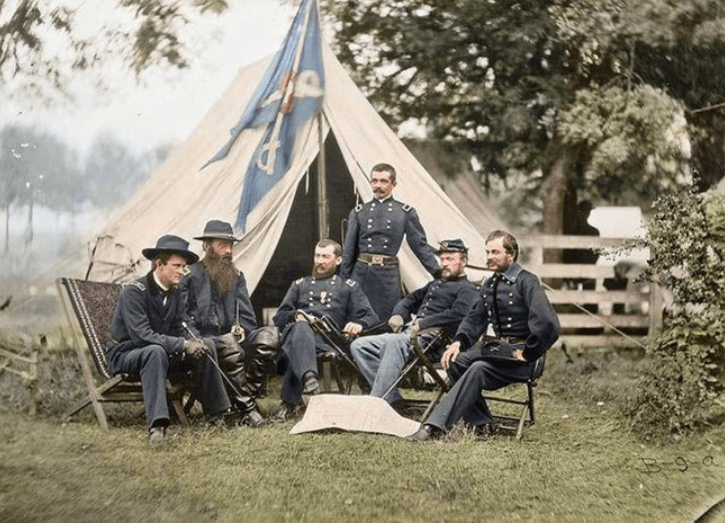
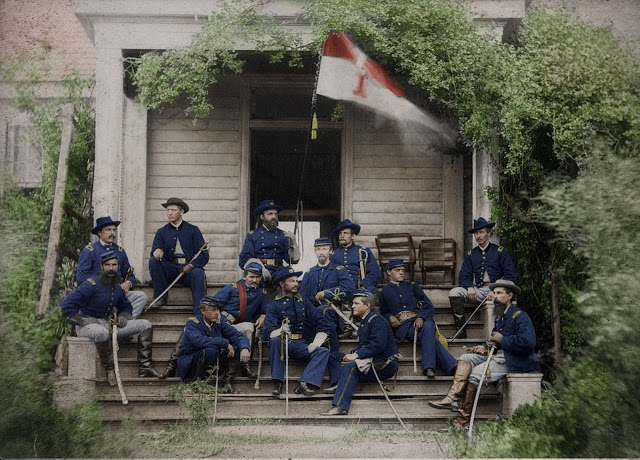
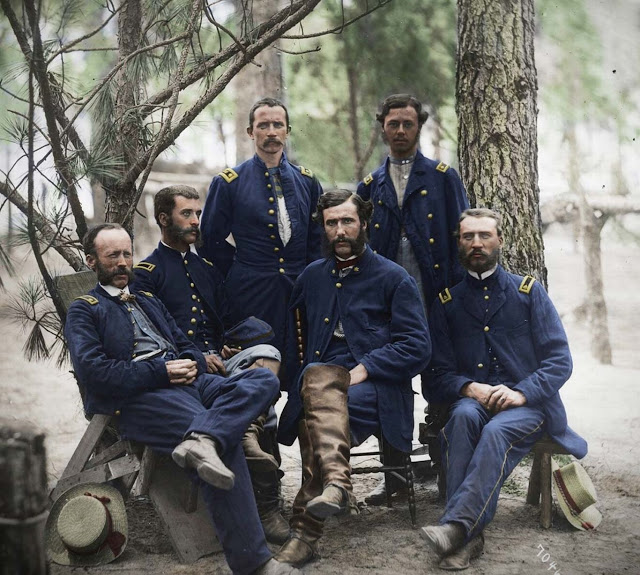
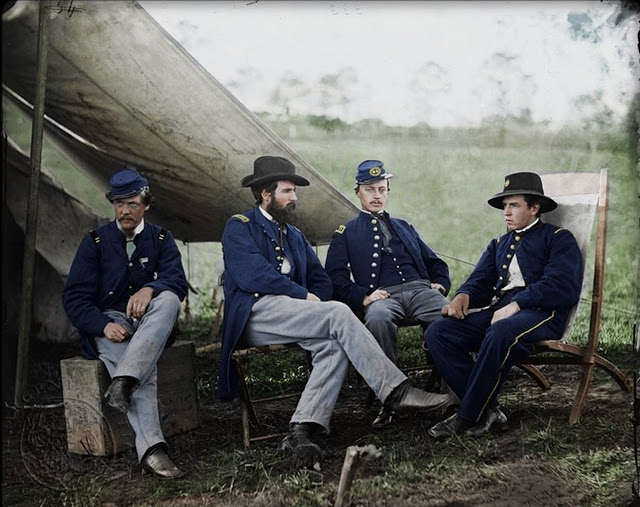
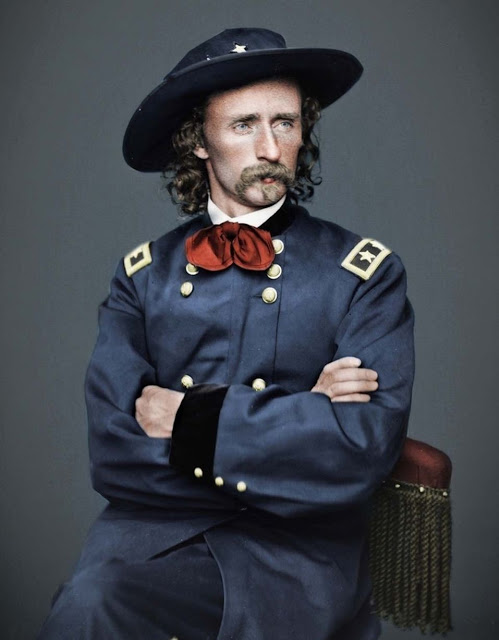
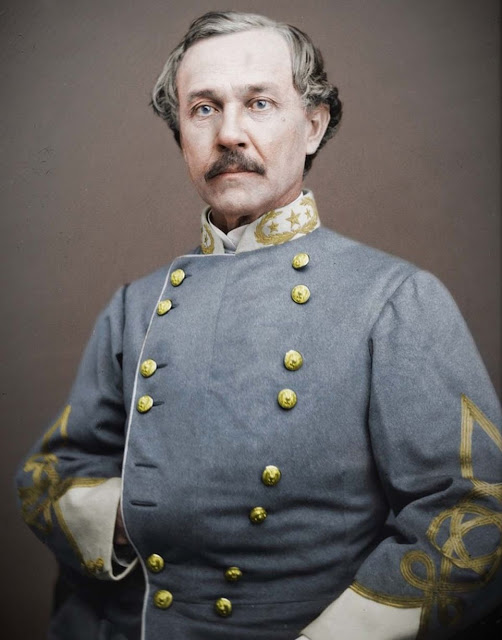
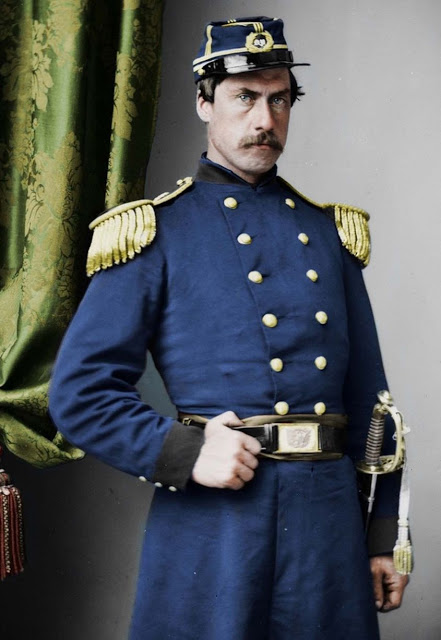
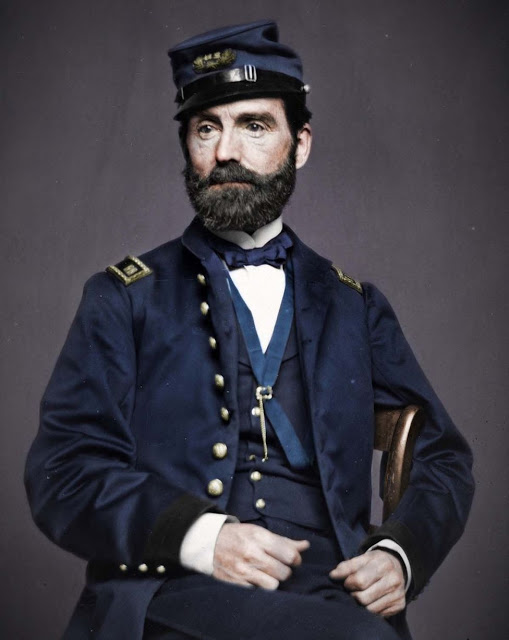
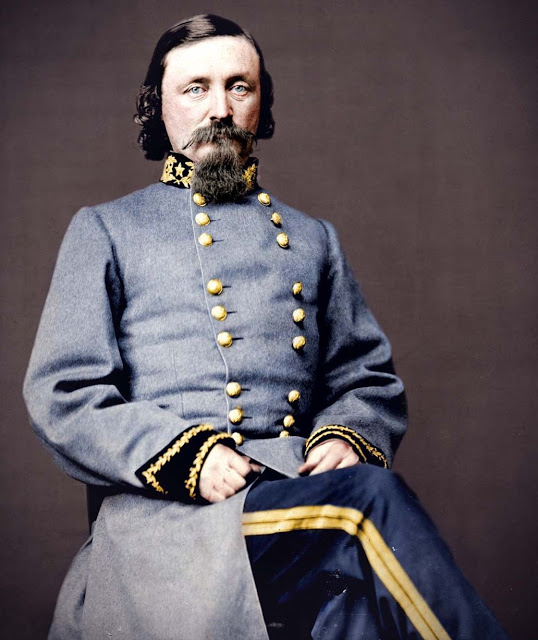
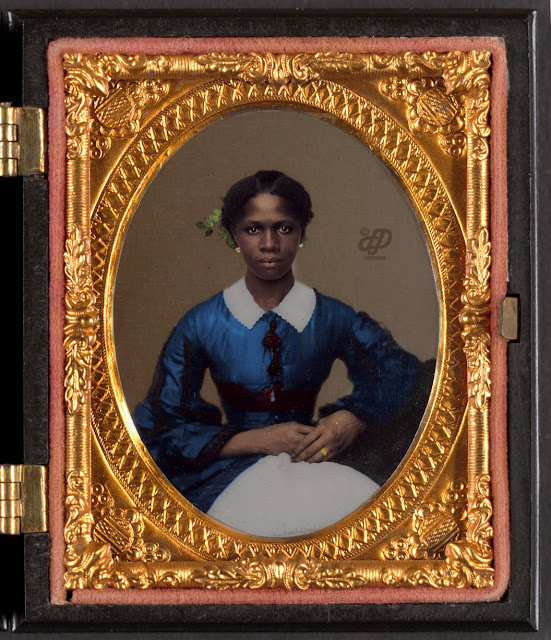
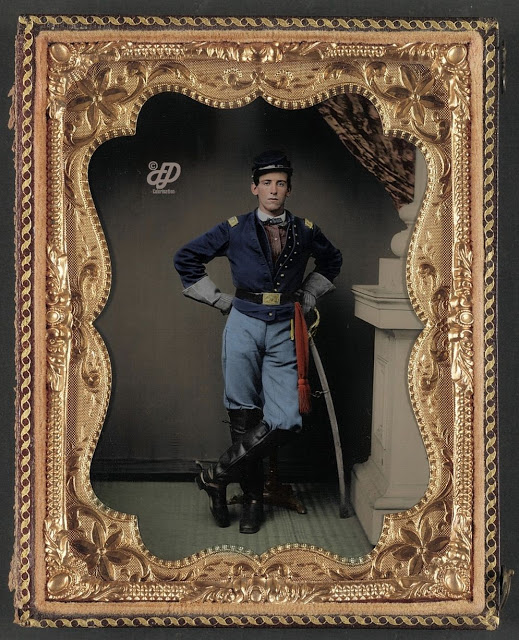
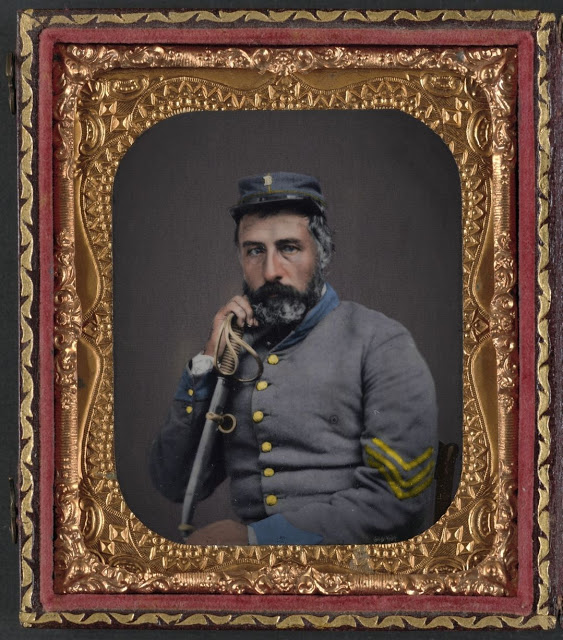
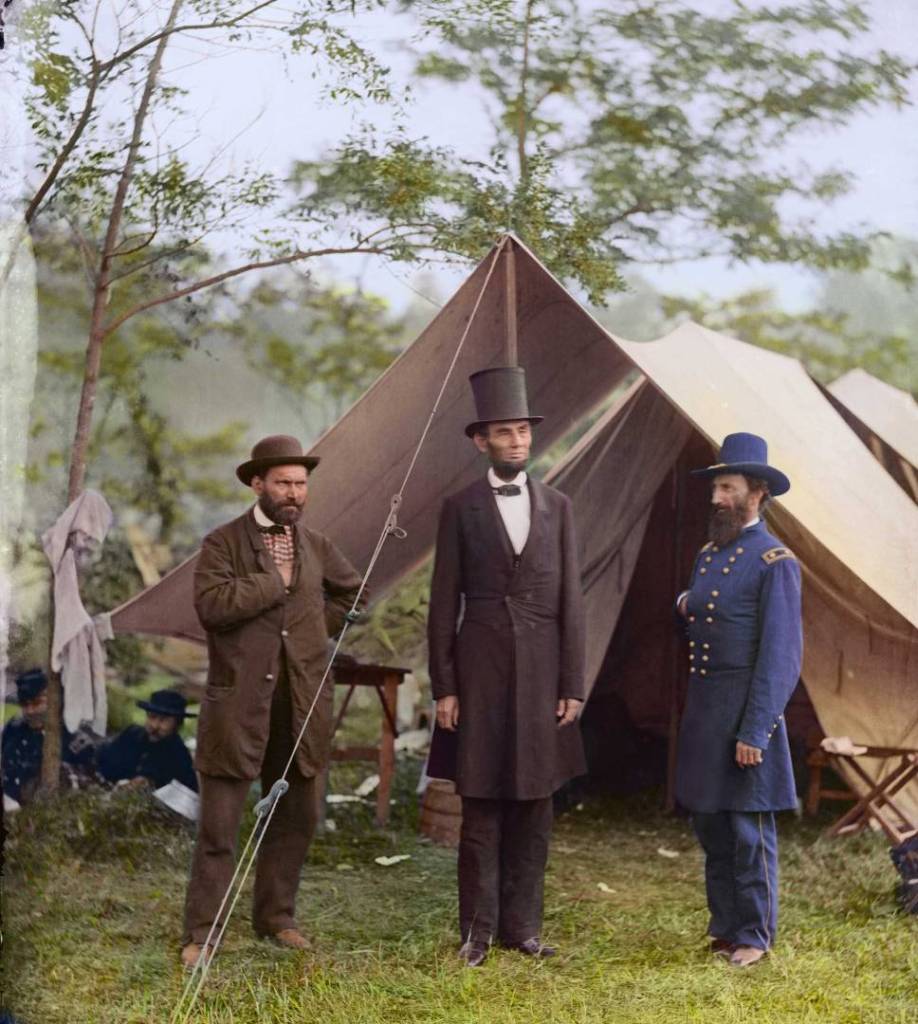
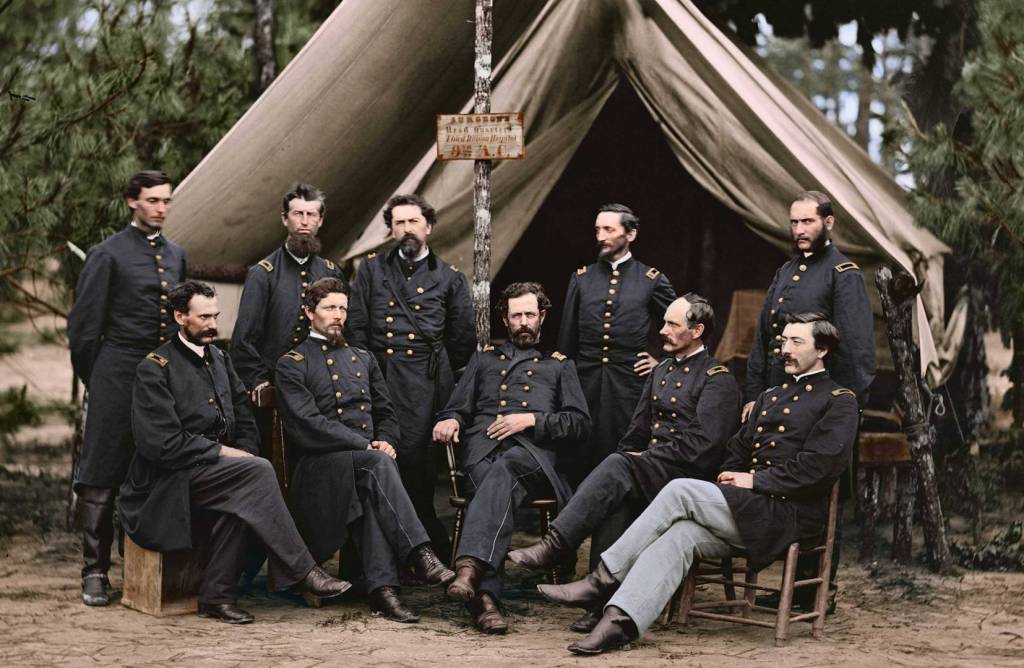
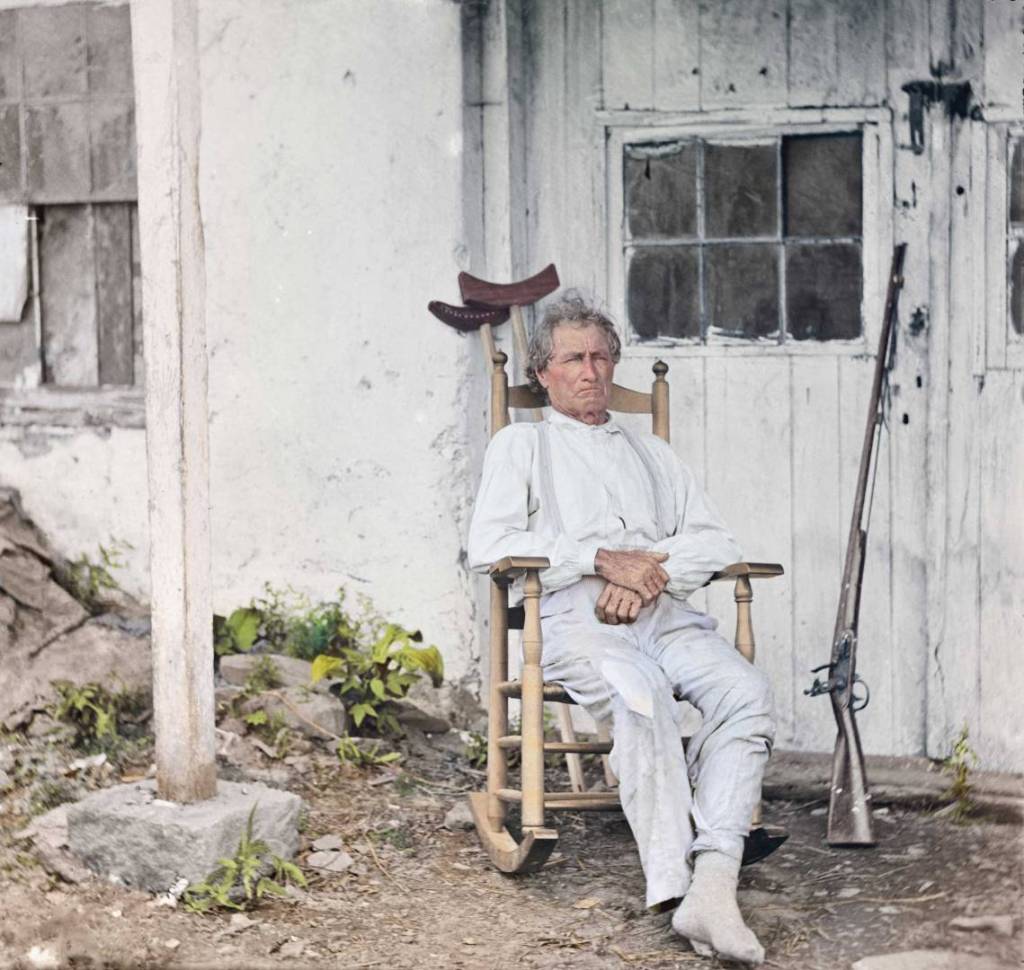
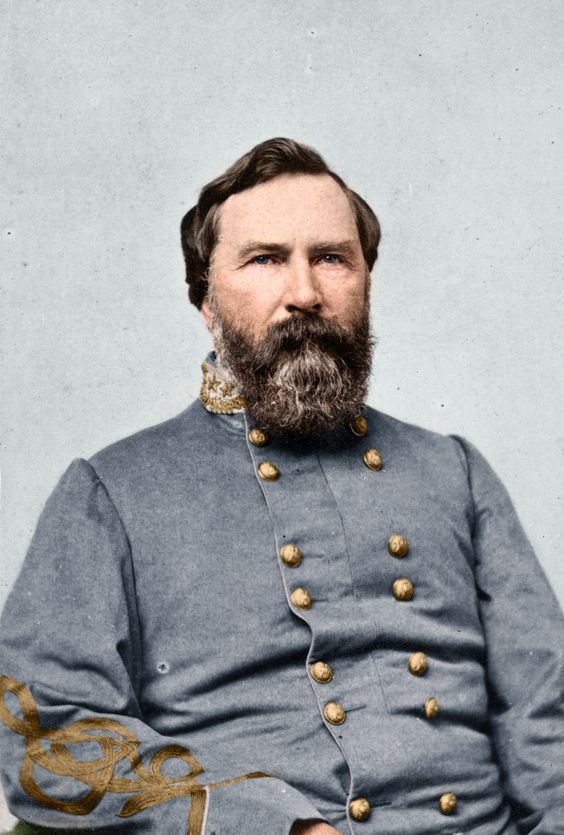
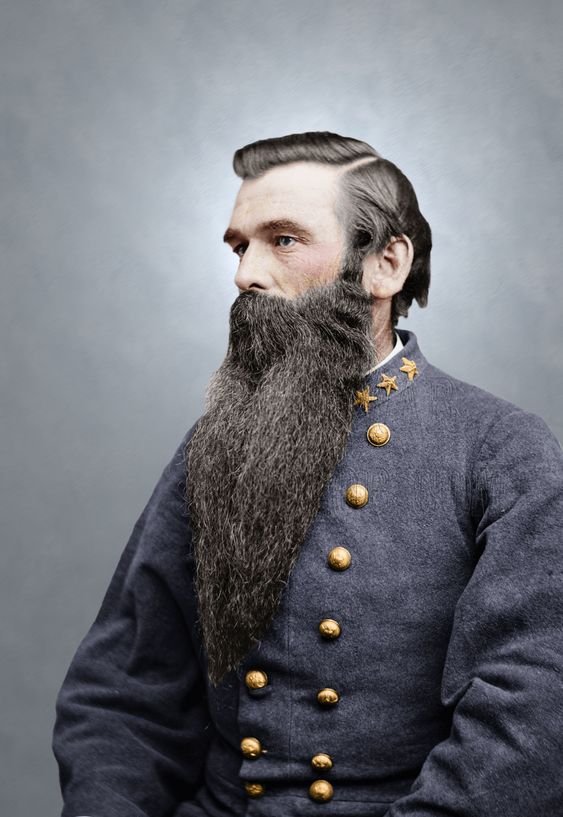
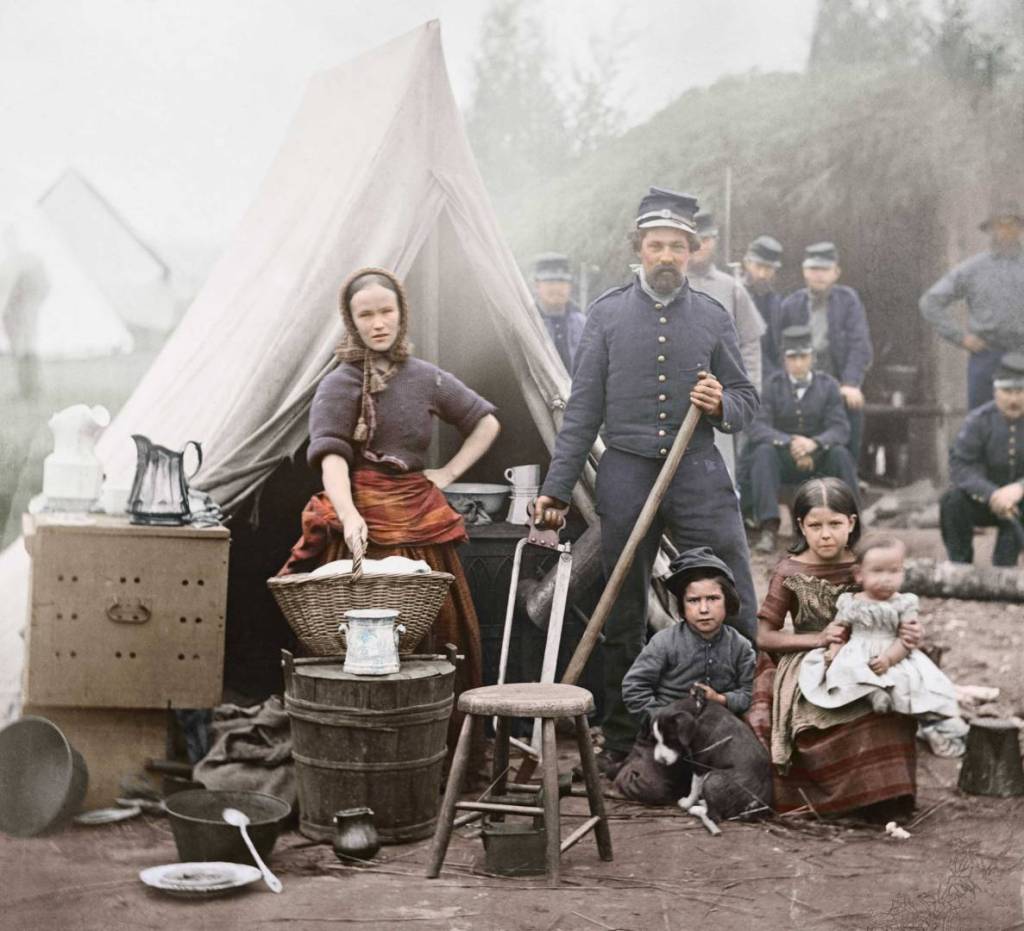
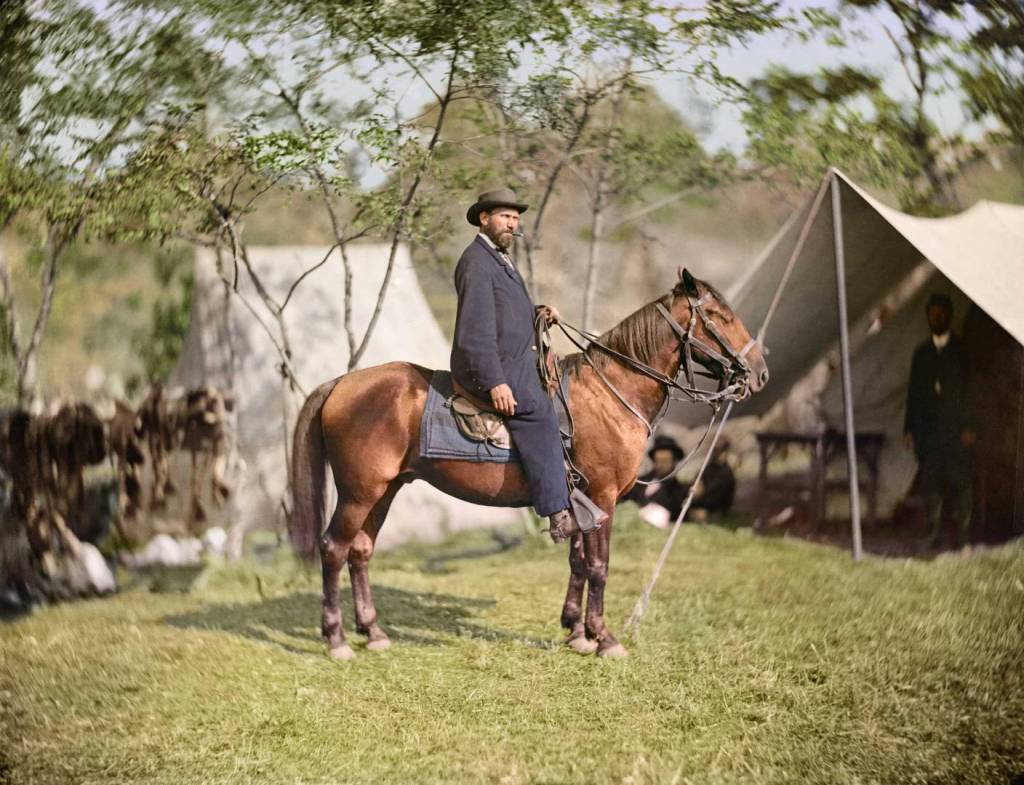
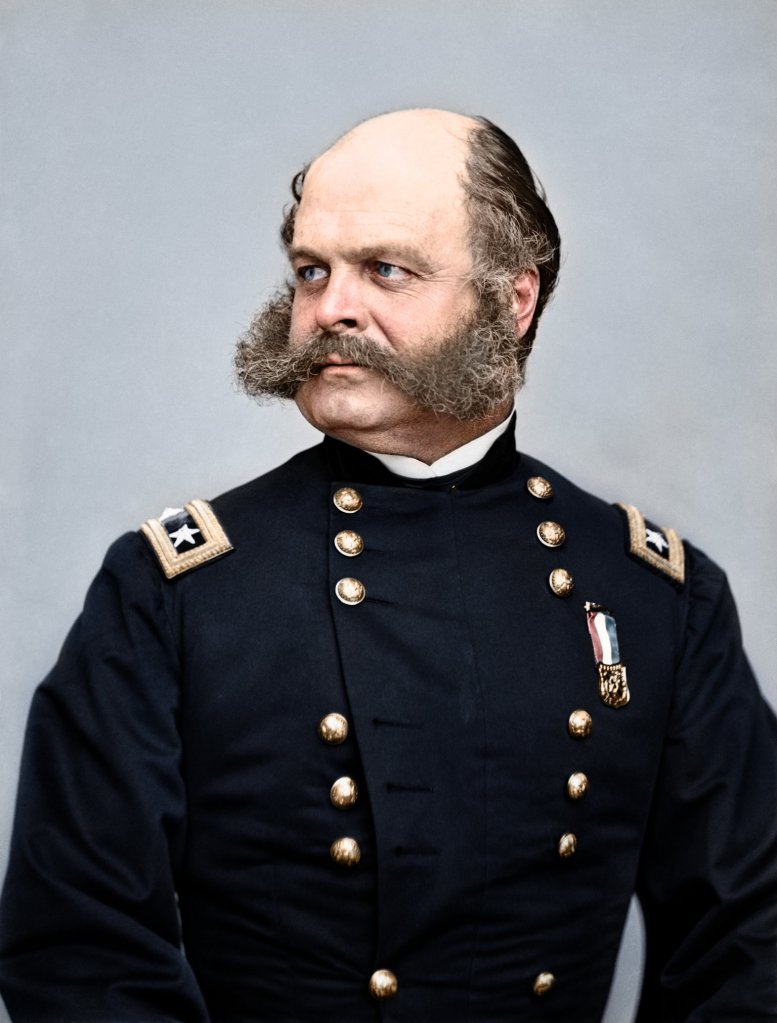
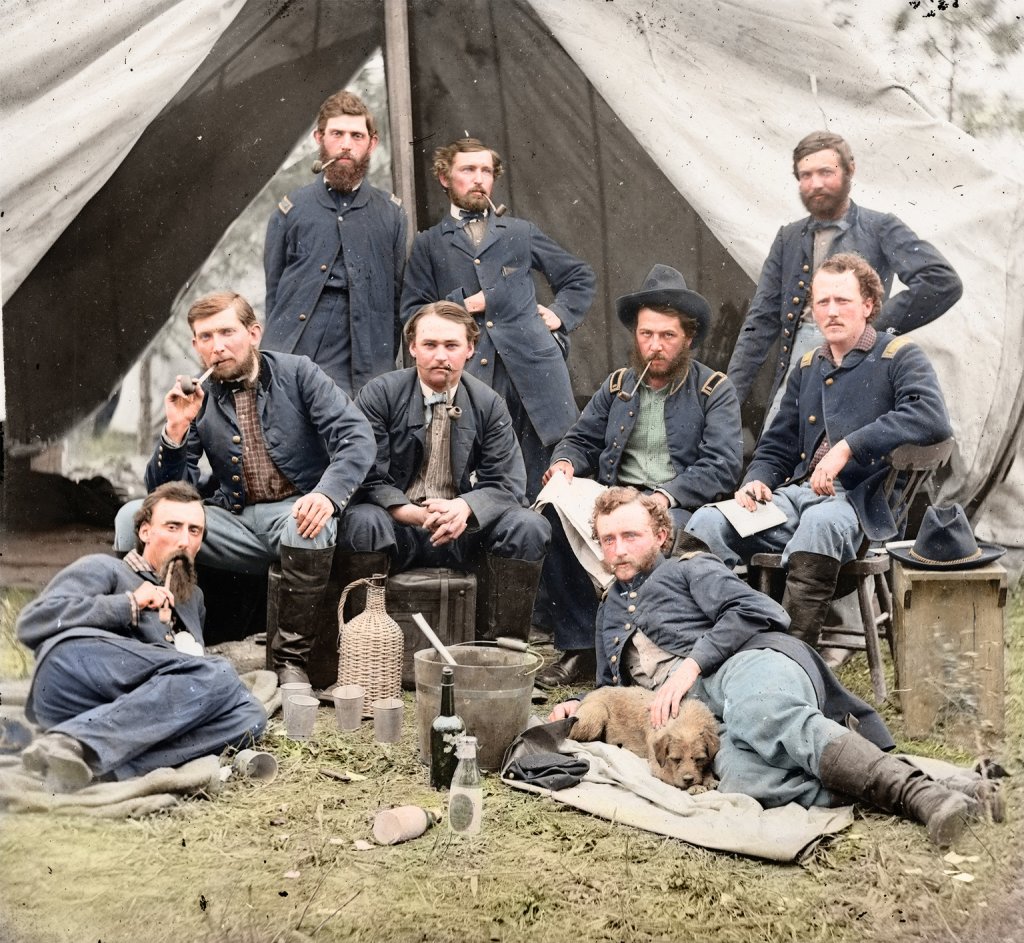
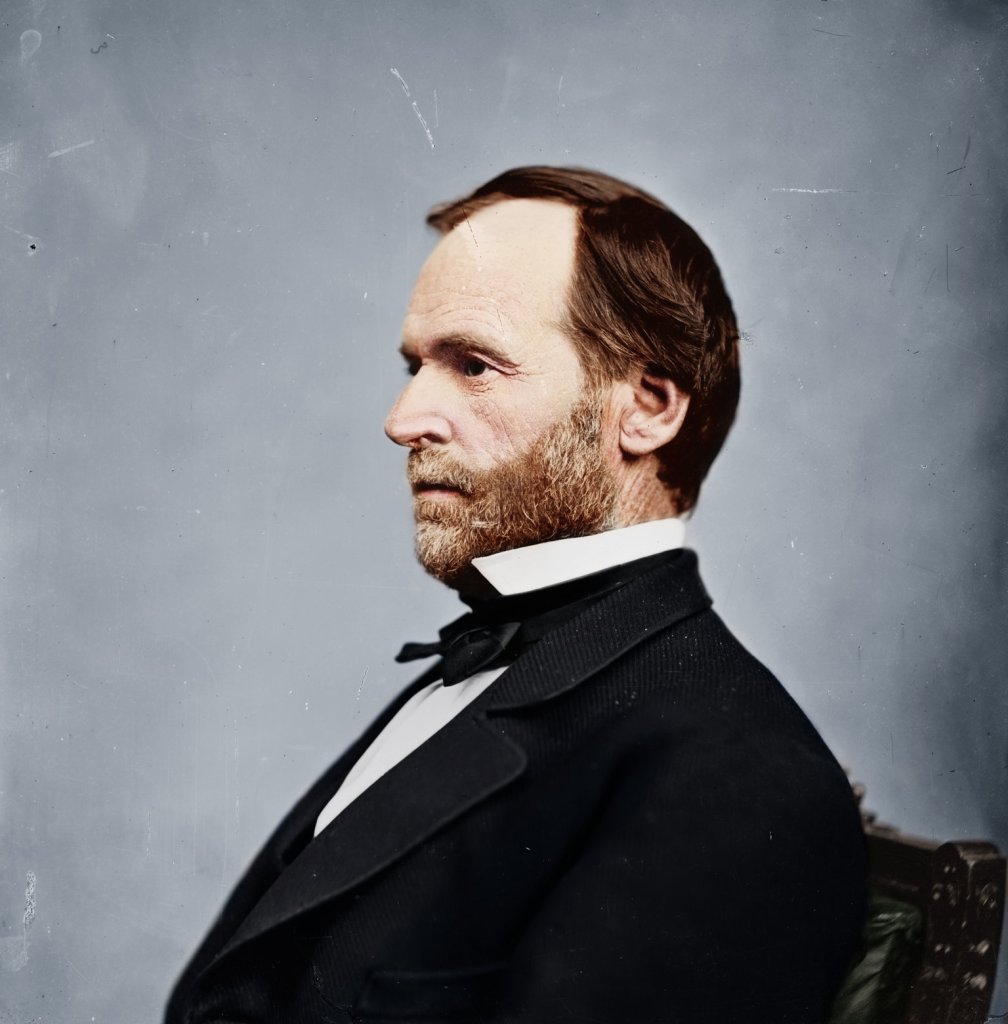
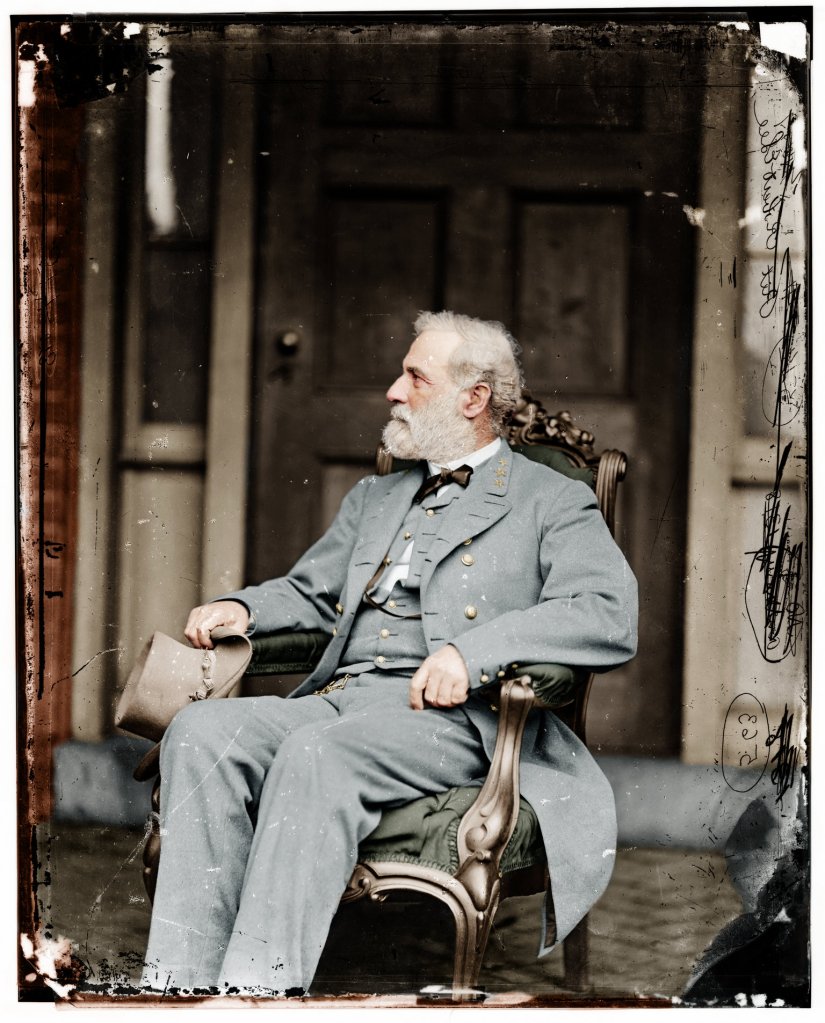
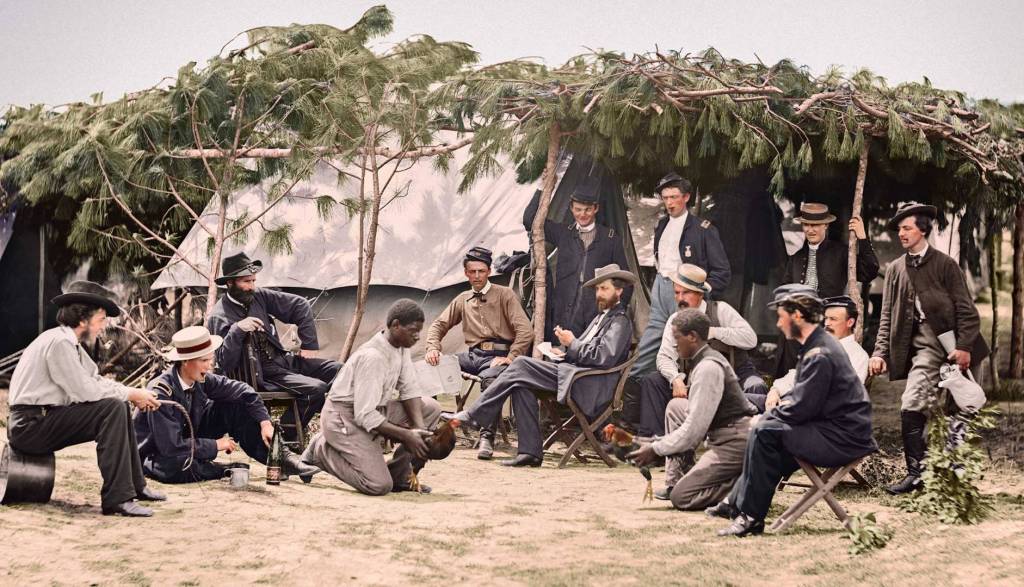
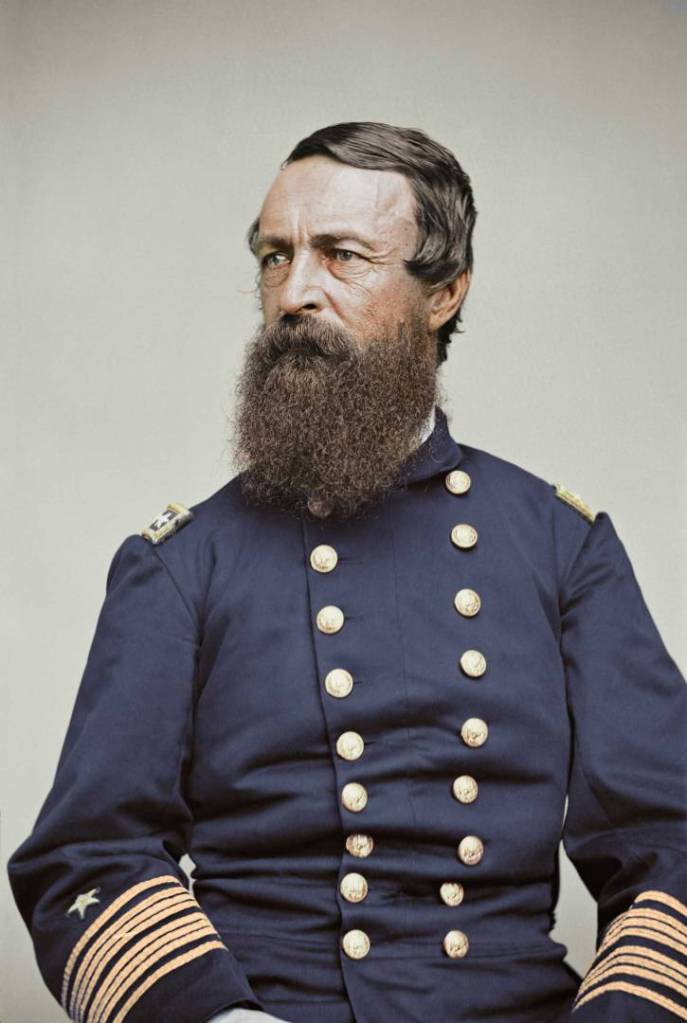
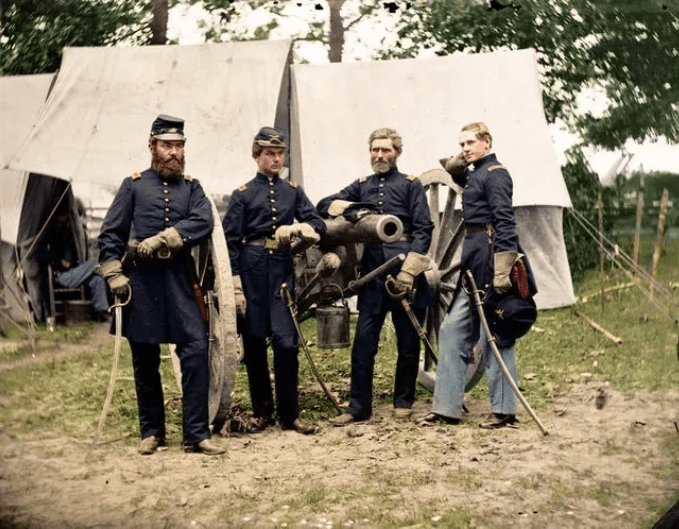
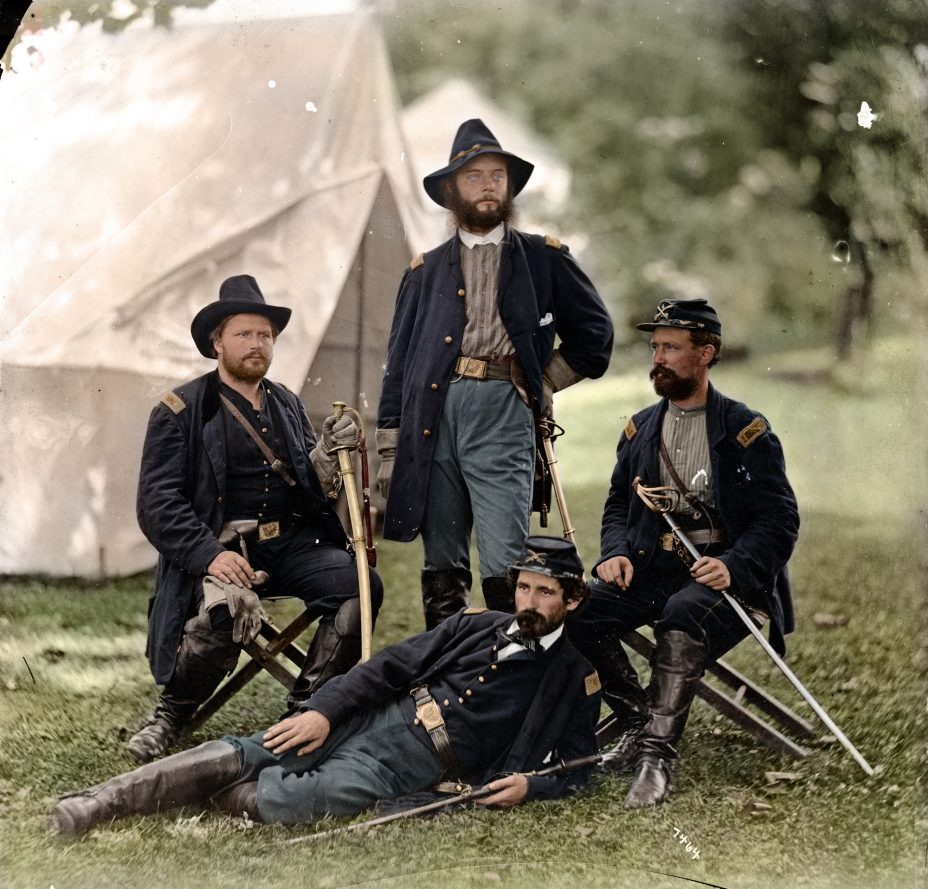
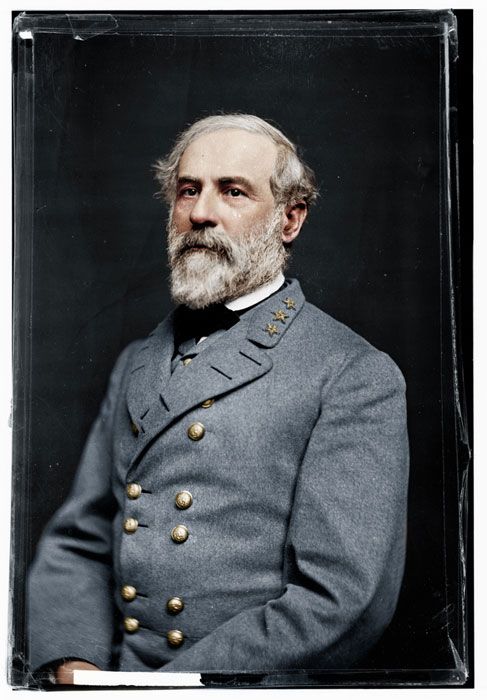
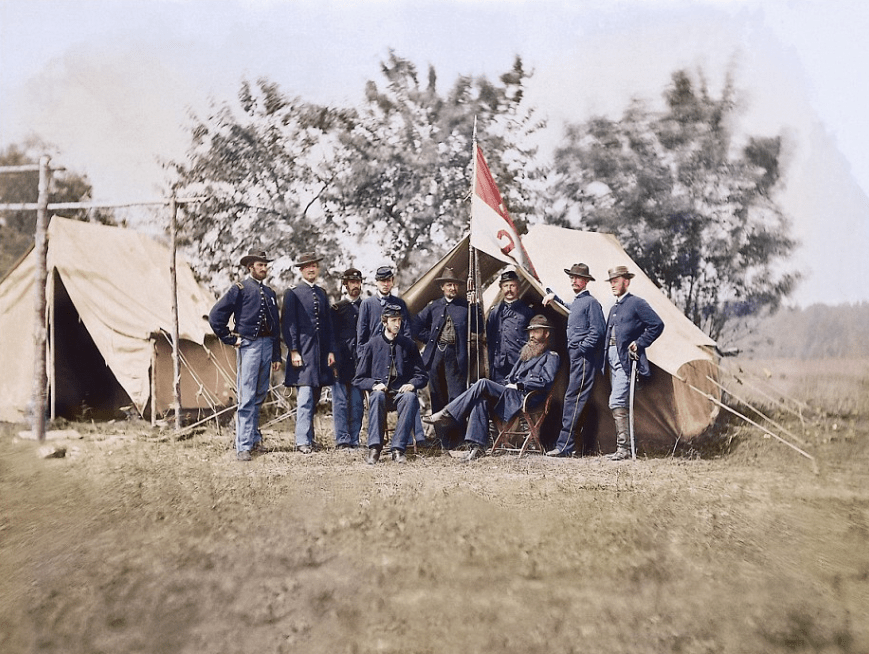
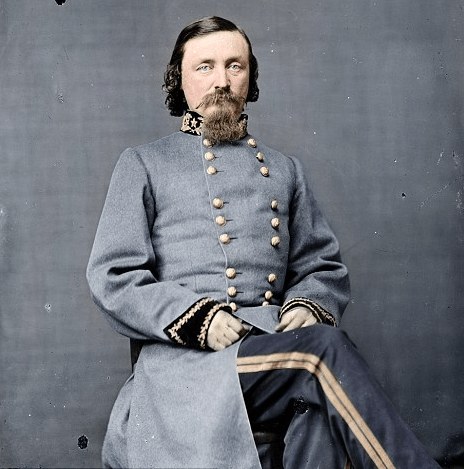
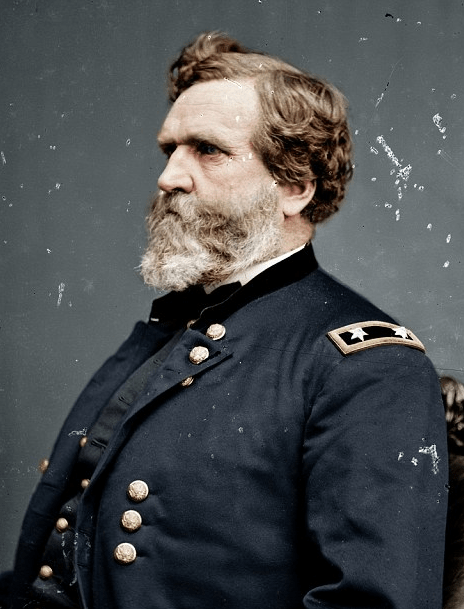
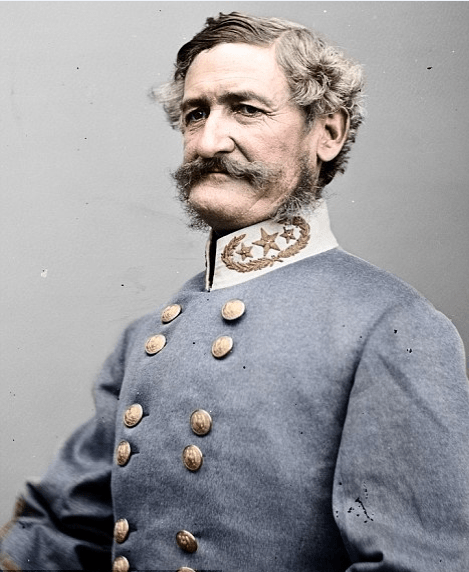
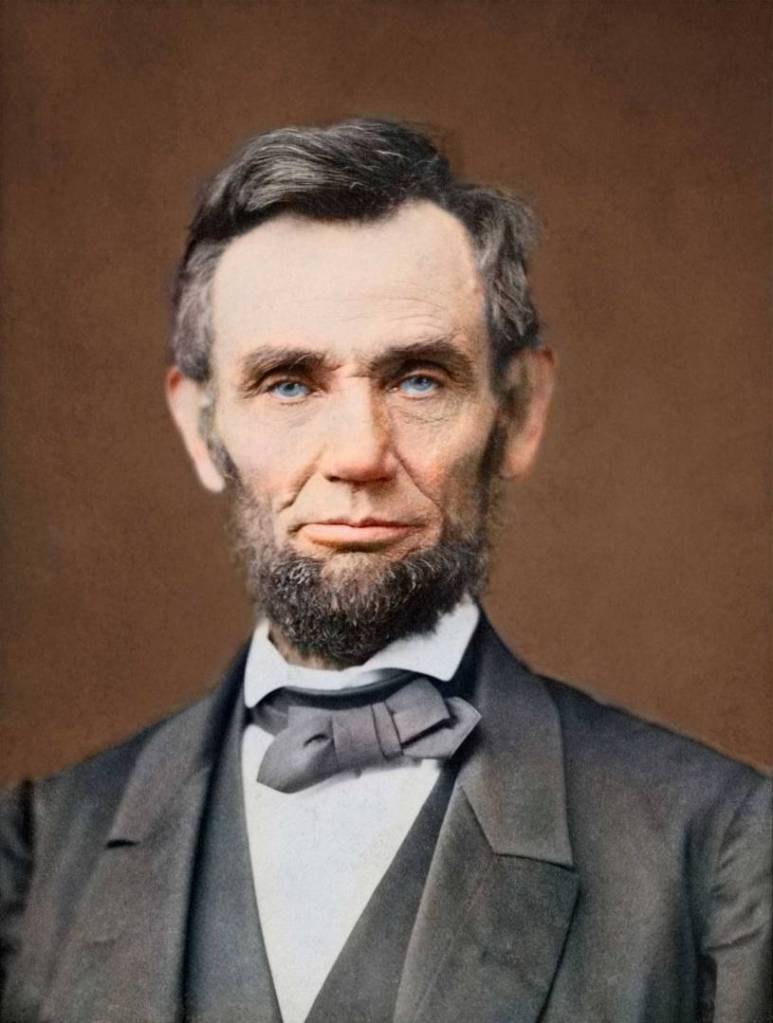
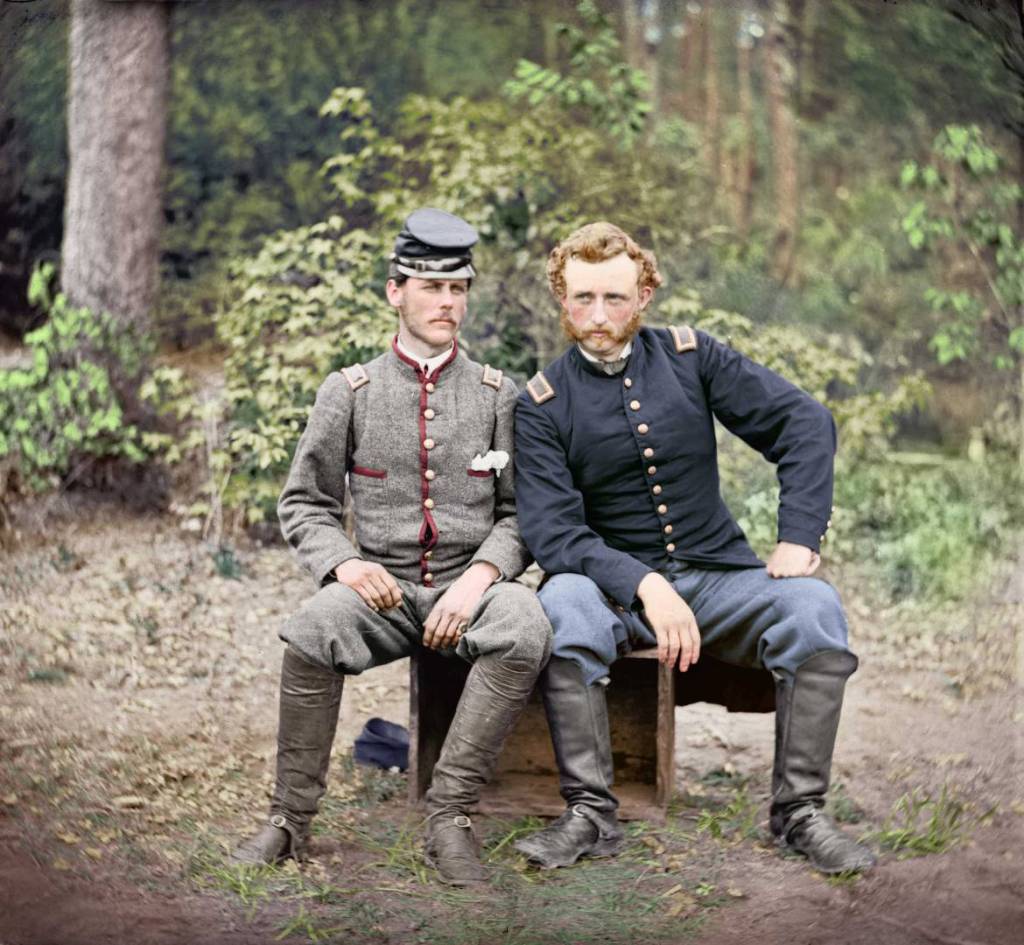
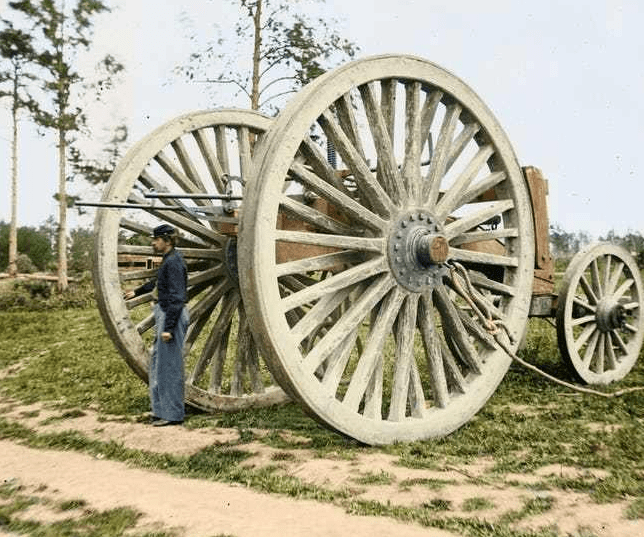
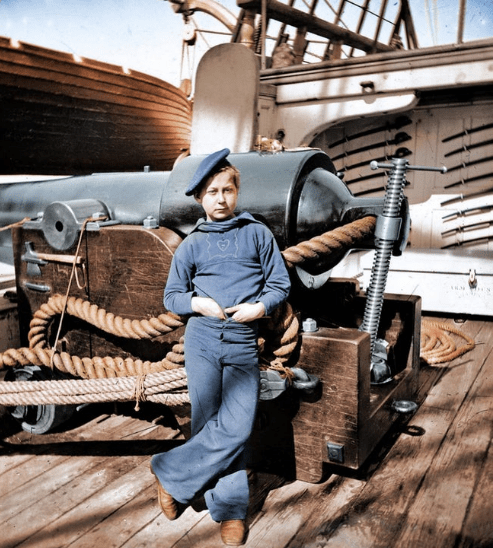
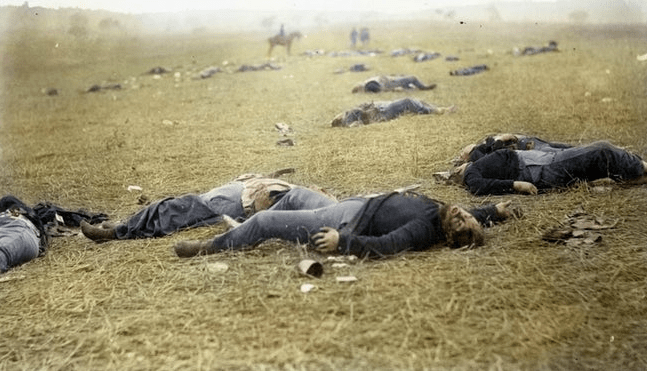
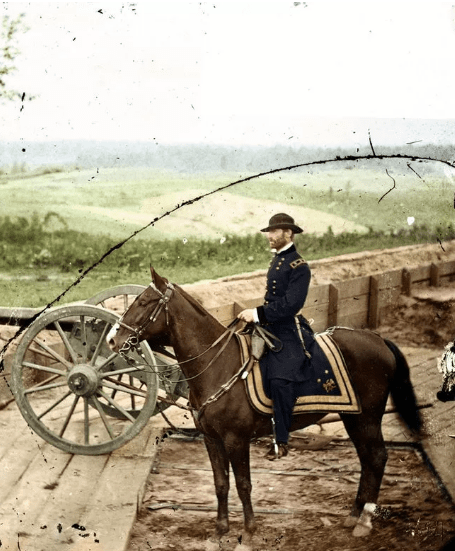
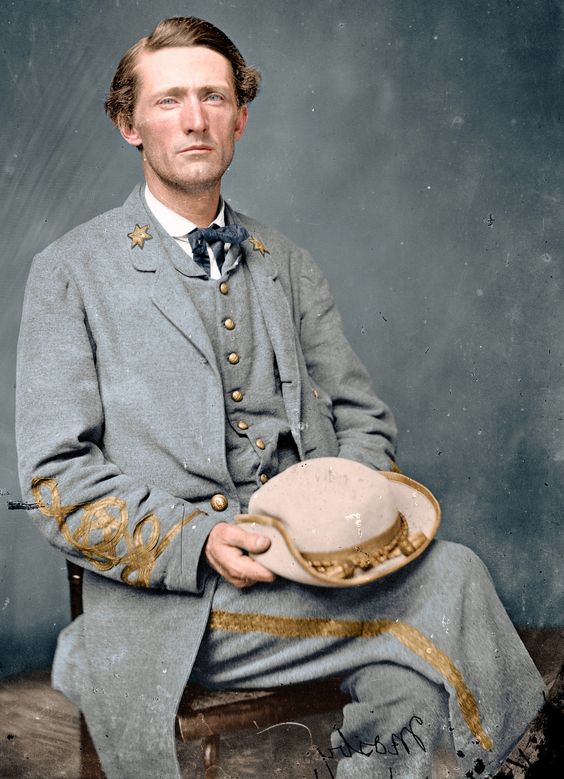
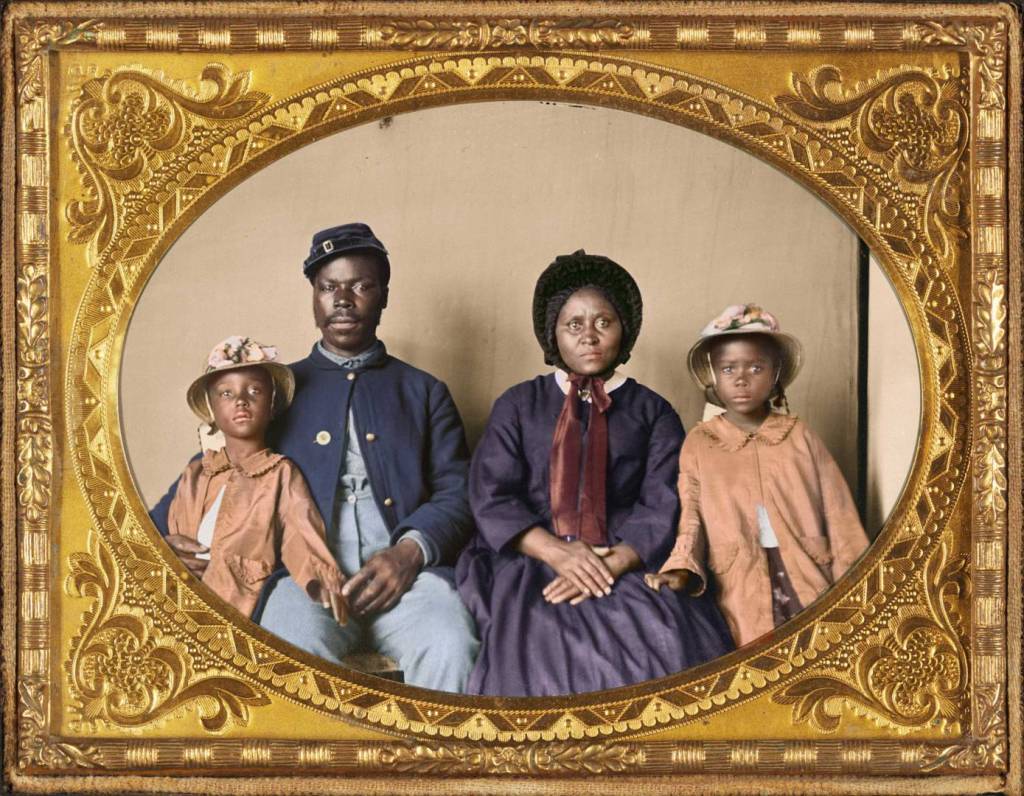
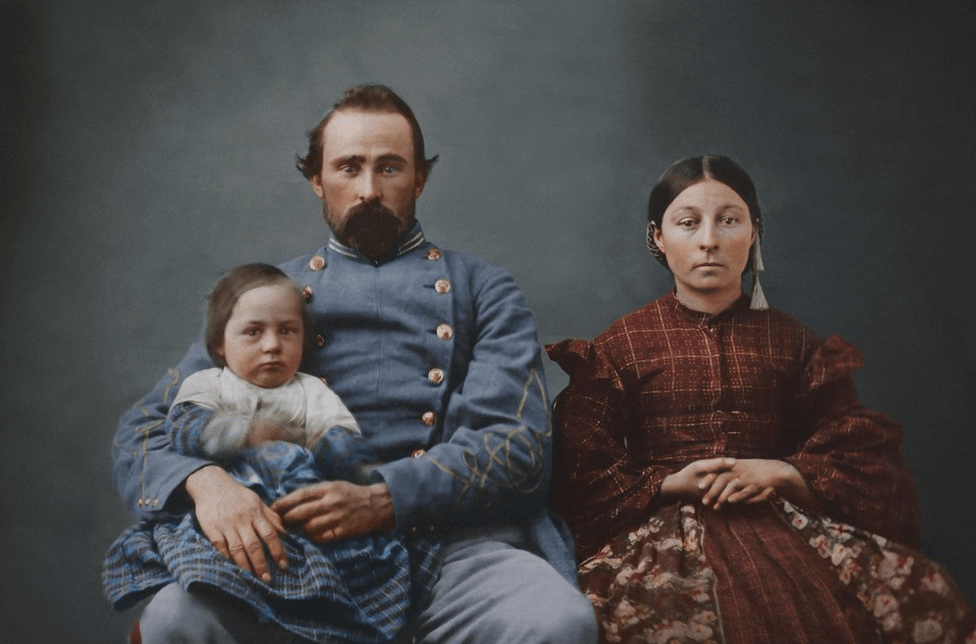
General Aldred Torbert and his staff during the American Civil War on the vine-covered veranda of a Virginia mansion occupied as their headquarters.Surgeons of the 4th Division of the 9th Corps are pictured in Petersburg, Virginia in 1864.A group of officers relax away from the battlefront at the headquarters of the Army of the Potomac, 1863.Major General George Armstrong Custer (1839–1876) was a US Army officer and cavalry commander in the Civil War and the American-Indian Wars.Brig. Gen. Joseph R. Anderson, of the Confederates (1813–1892) was a civil engineer and industrialist.Lieutenant Colonel A.B. Elder of the 10th New York Infantry.This portrait shows a General posing sternly against a sombre grey backdrop.Major General George Edward Pickett of the Confederate States Army during the Civil War.An unidentified African American woman is pictured in 1861 in this stunning framed photograph.An unidentified soldier in first lieutenant’s uniform, red sash, leather gauntlets, and spurs with cavalry sword, 1861.A Confederate sergeant in uniform – sometime between 1861 and 1865.Allan Pinkerton, President Lincoln, and Maj. Gen. John A. McClernand; at the main eastern theater of the war, Battle of Antietam, Sept.-Oct. 1862Surgeons of the 3rd Division before hospital tent in Petersburg, Va., Aug. 1864.John L. Burns, the “old hero of Gettysburg,” with gun and crutches in Gettysburg, Penn., July, 1863.Lieutenant General Ulysses S. Grant, his friend Brigadier General John Rawlins (left), and an unknown lieutenant colonel in 1865.Union Captain Cunningham poses next to the command tent in Bealeton, Va., 1863.Confederate General Pierre Gustave Toutant Beauregard, 1863Three Confederate prisoners at Gettysburg, Pa. in 1863.Union Colonel James H. Childs (middle, standing) and several other officers at Westover Landing, Va. in 1862.General James LongstreetConfederate Colonel John Shackleford ‘Shac’ Green of the 6th Virginia Volunteer CavalryWashington, District of Columbia. Tent life of the 31st Penn. Inf. (later, 82d Penn. Inf.) at Queen’s farm, vicinity of Fort Slocum, 1861Allan Pinkerton (“E. J. Allen”) of the Secret Service on horseback in Antietam, Md., Oct. 1862.Major General Ambrose Burnside, the commander of the Union Army of the Potomac. He is best known for leading the army to a crushing defeat at the Battle of Fredericksburg and for his distinctive facial hair, which later became known as the sideburn.The staff of Brigadier General Andrew Porter in 1862. George Custer (of the Battle of Little Bighorn fame) is shown reclining next to a dog on the right.General William Tecumseh Sherman in civilian clothes.Confederate General Robert E. Lee at his home in Richmond, Va. less than a week after surrendering.Cock fighting at Gen. Orlando B. Willcox’s headquarters in Petersburg, Va., 1864.Portrait of Rear Adm. David D. Porter, officer of the Federal Navy, 1860Artillery Officers, Fair Oaks, VA, June 1862Union Officers, Westover Landing, August 1862General Robert E. LeeBrigadier General David McMurtrie Gregg sitting with his senior staff, taken in June 1862, possibly near Fredericksburg, VirginiaMajor General George E. Pickett, who led the ill-fated ‘Pickett’s Charge’ at the behest of Robert E. Lee, against whom he bore a grudge for the rest of his lifeMajor General George H. Thomas pulled an arrow out of his own chest during battle.Confederate Brigadier General Henry Hopkins Sibley was dismissed from the army after several blunders indirectly related to his alcoholismPortrait of President Abraham Lincoln, 1863.Capt. Custer of the 5th Cavalry is seen with Lt. Washington, a prisoner and former classmateSoldier Next to Sling Cart, Drewry’s Bluff, VA, 1865Powder Monkey, Charleston, SC, 1865Dead Union Soldiers, Gettsyburg, July 1863General William T. Sherman, November 1864General Joseph Hooker, 1862Col. J.B. Duman, C.S.A.General Joseph R. Anderson, C.S.A.Edwin Francis Jemison (December 1, 1844 – July 1, 1862) was a Private in the Confederate States Army who was killed in action on July 1, 1862 at the Battle of Malvern Hill reportedly by a direct hit from a cannonball, which decapitated him.Union Engineering CompanyBealeton, Virginia. Officer’s mess, Company E, 93d New York Volunteers, Aug., 1863Private Francis Brownell, Recipient of the First Medal of Honor Awarded During the Civil War, 1865Union Buried, Confederate Unburied, Antietam, 1862Ulysses S. Grant and His War Council, May 21, 1864Union Soldiers, Massachusetts Volunteer Militia, 1861-1865Union Generals, Sheridan’s Valley Campaign, 1864Confederate Colonel John Singleton Mosby aka ‘The Gray Ghost’ of the 43rd Virginia Volunteer Cavalry BattalionUnidentified African American soldier in Union uniform with wife and two daughters, 1863-1865Confederate soldier and family, 1861-1865
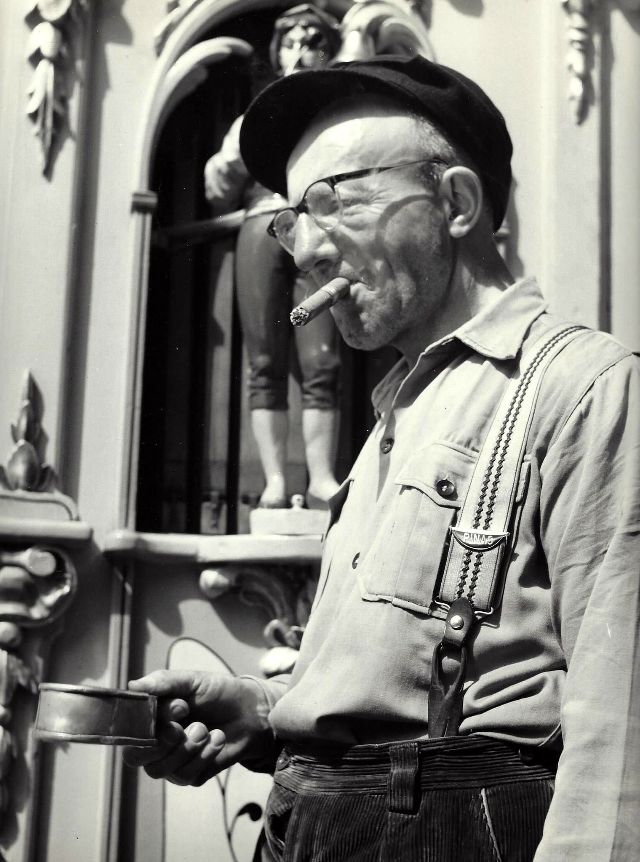
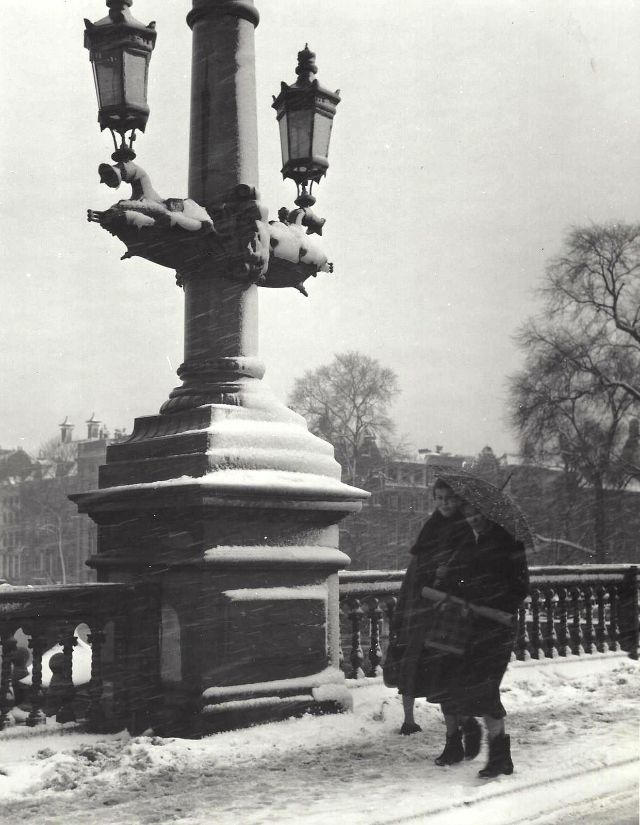
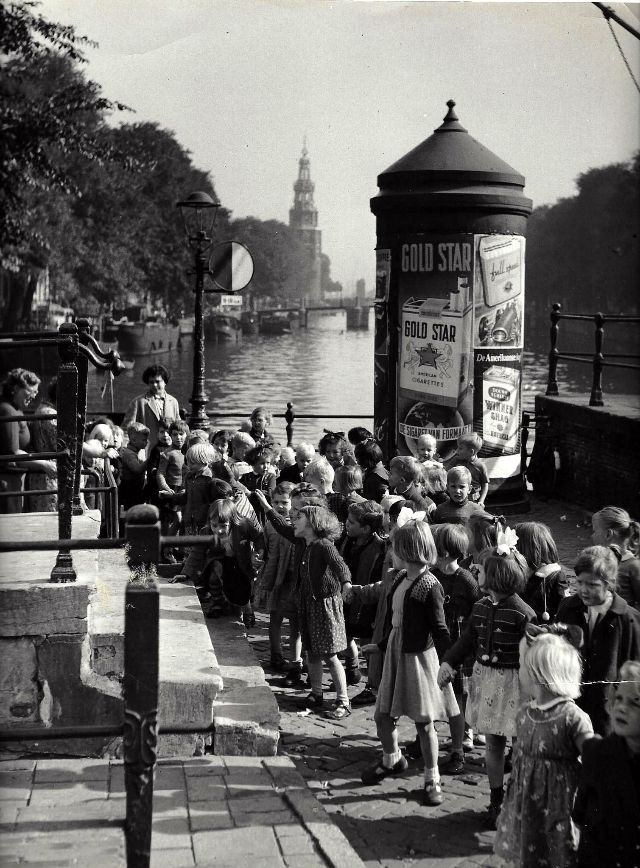
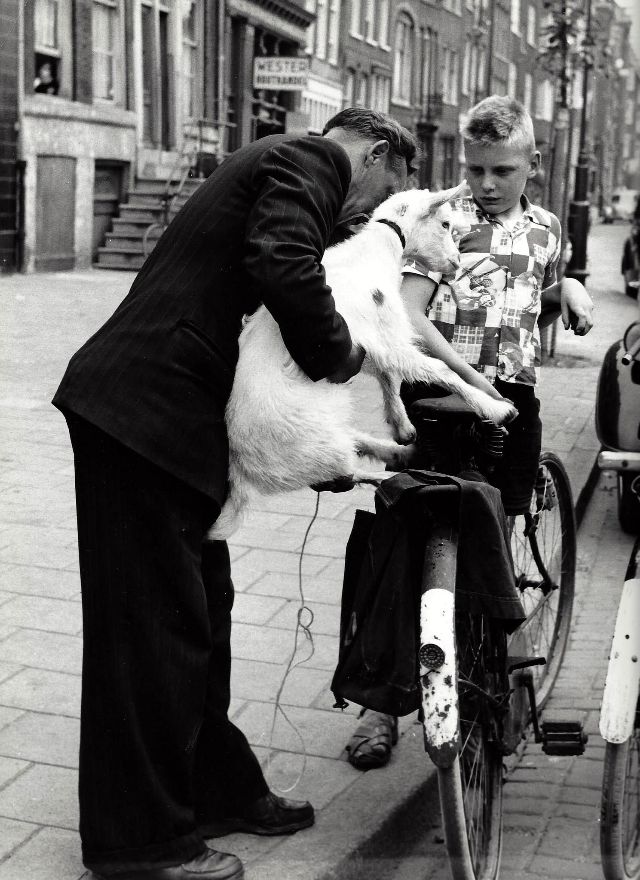
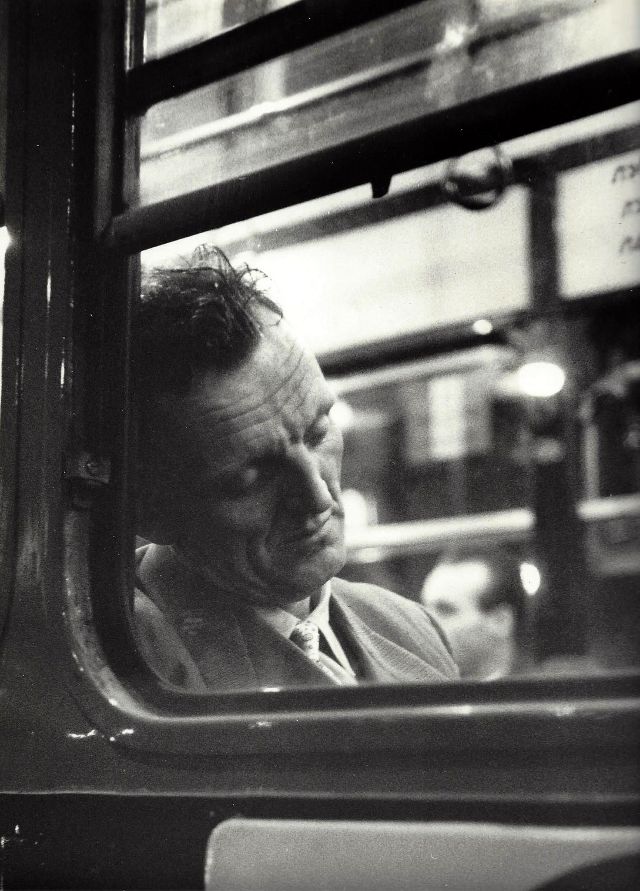
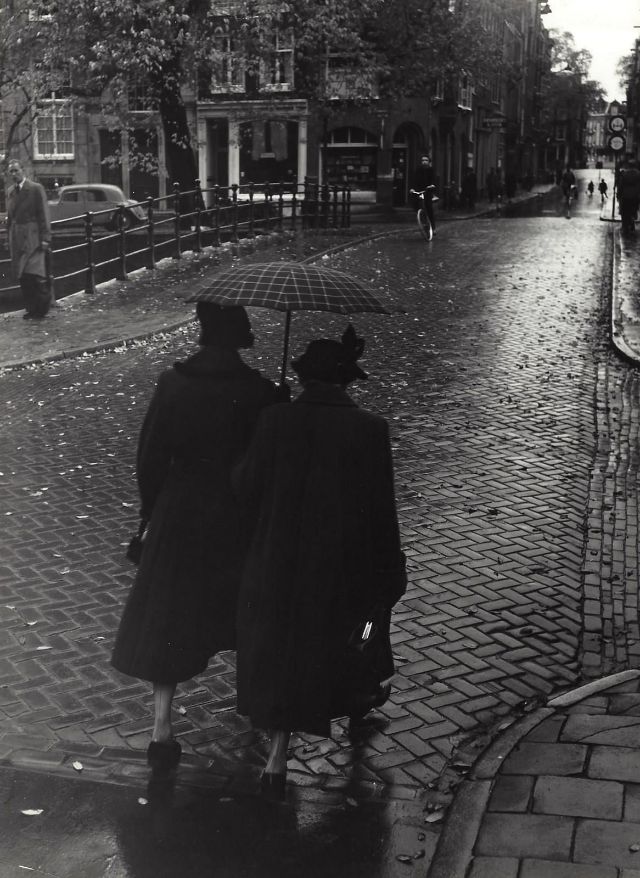
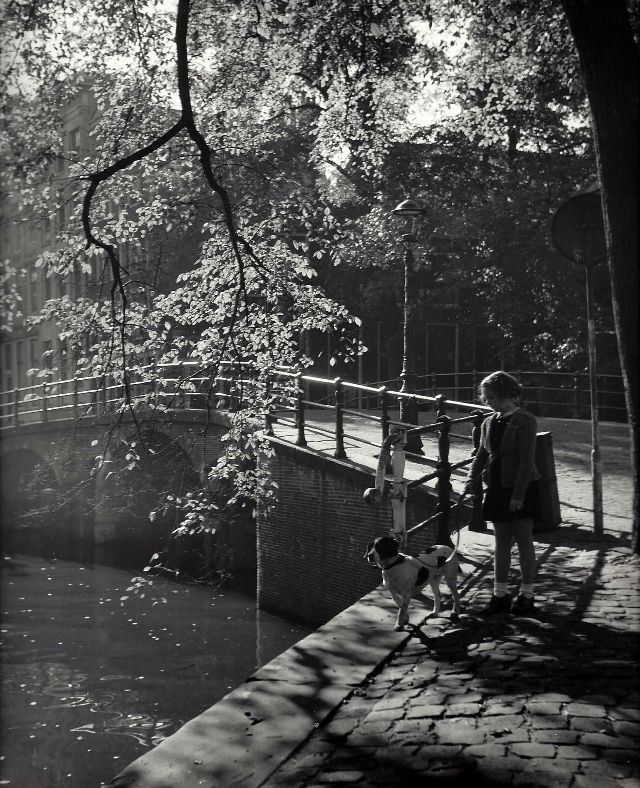
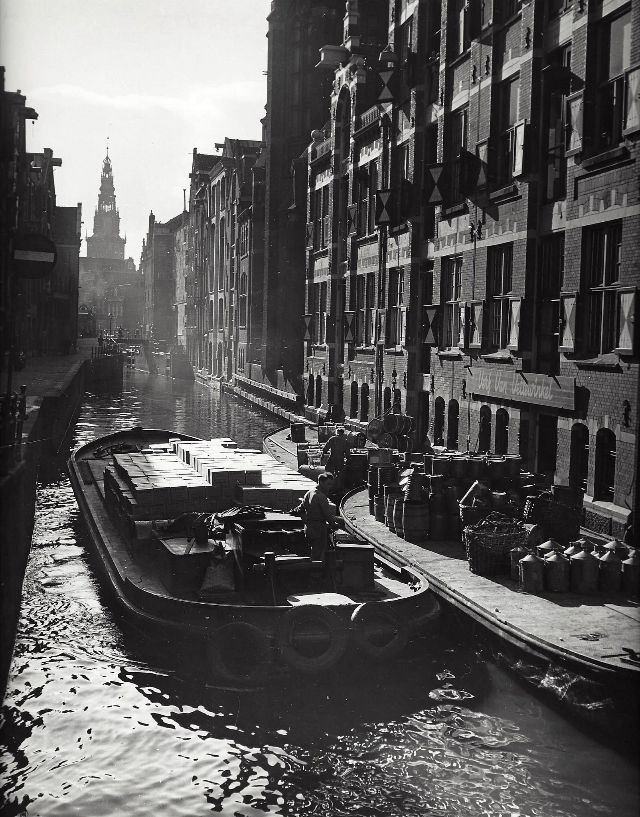
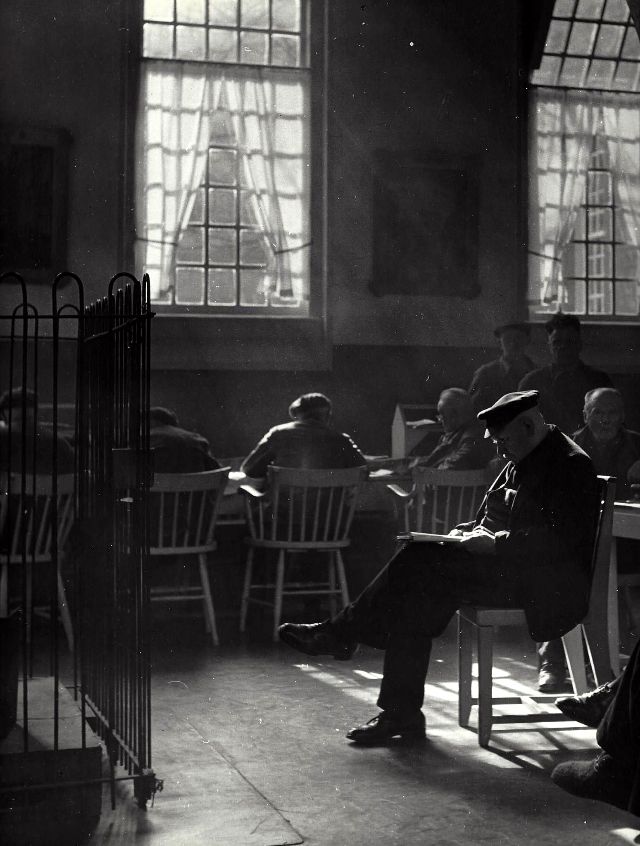
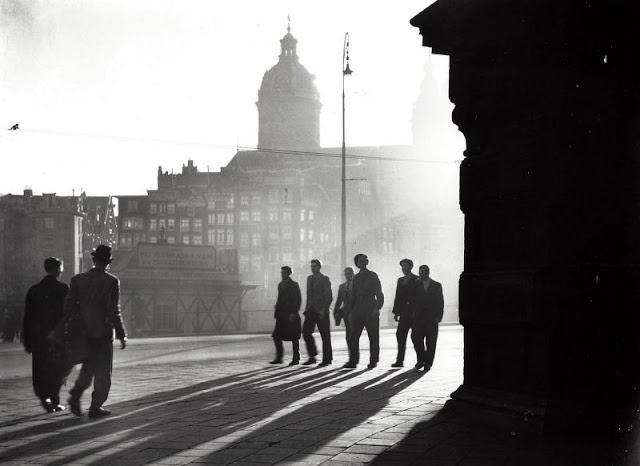
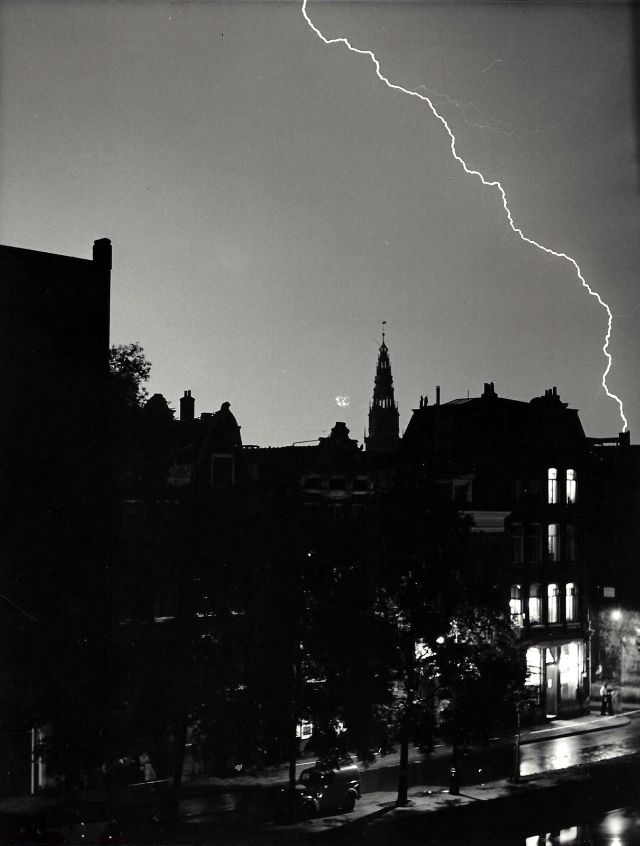
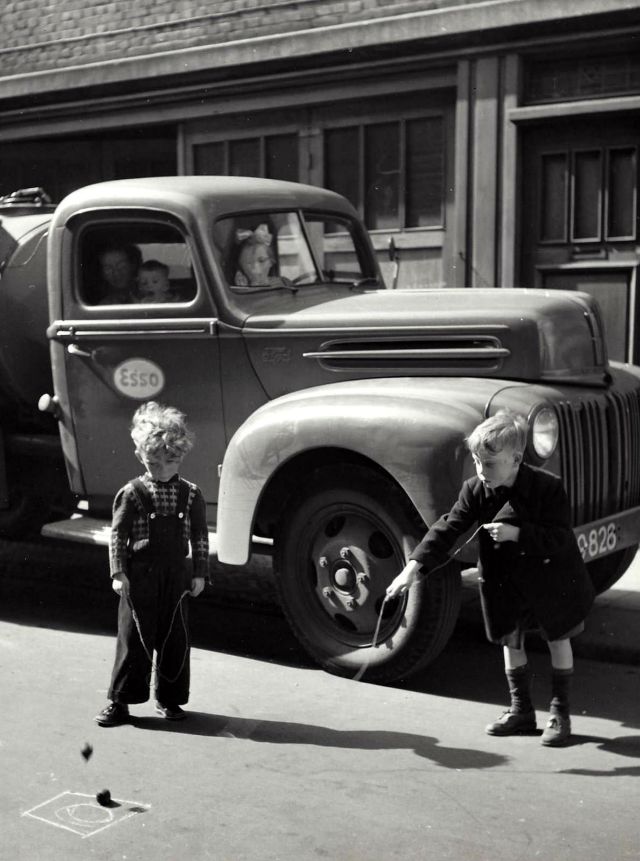
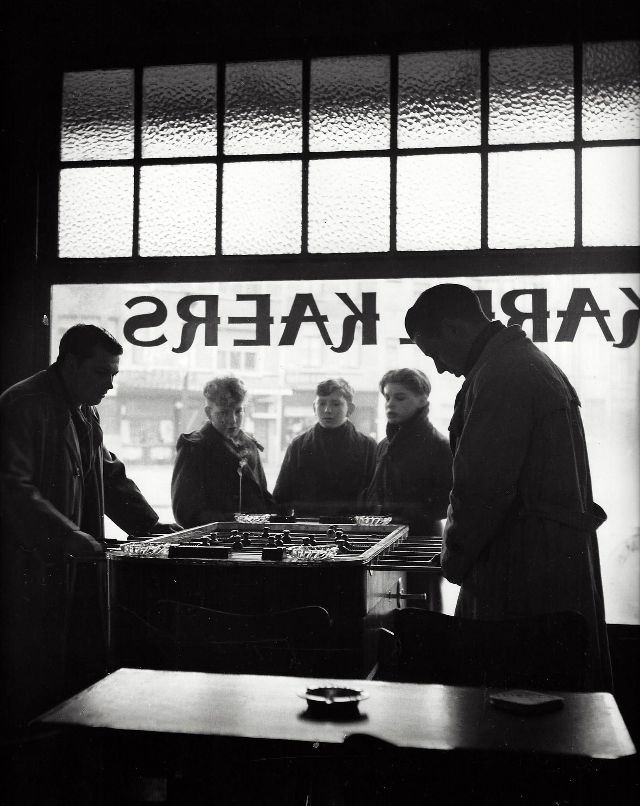
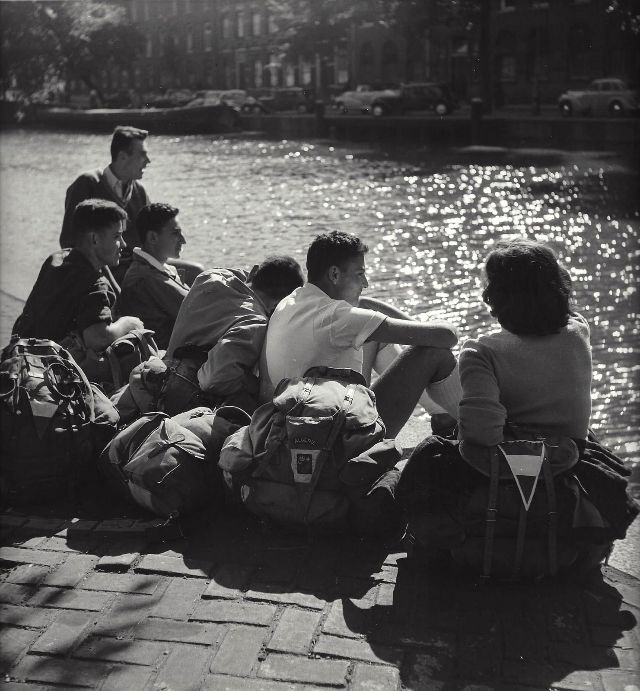
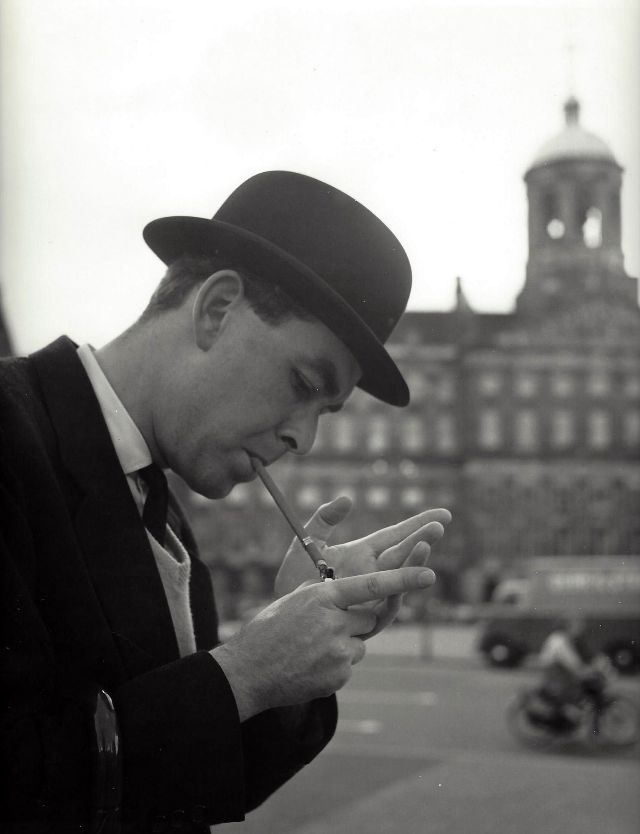
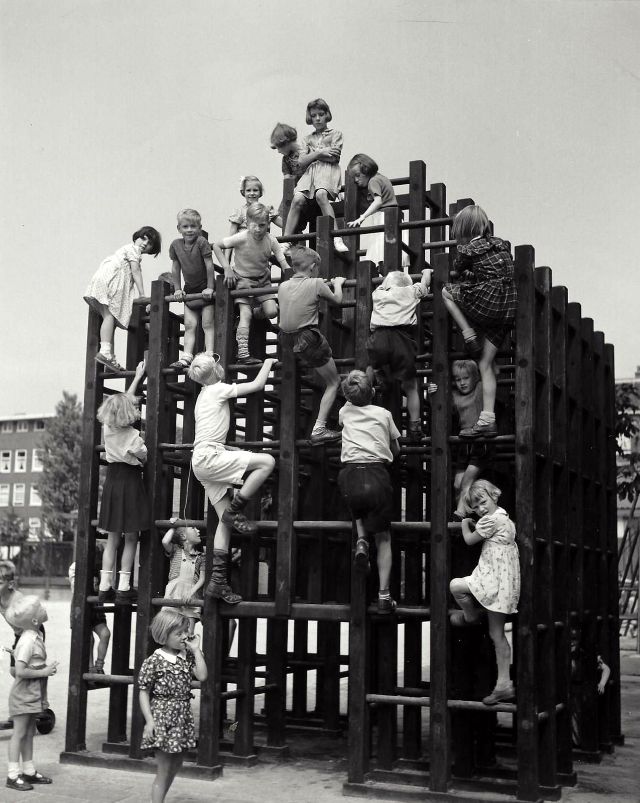
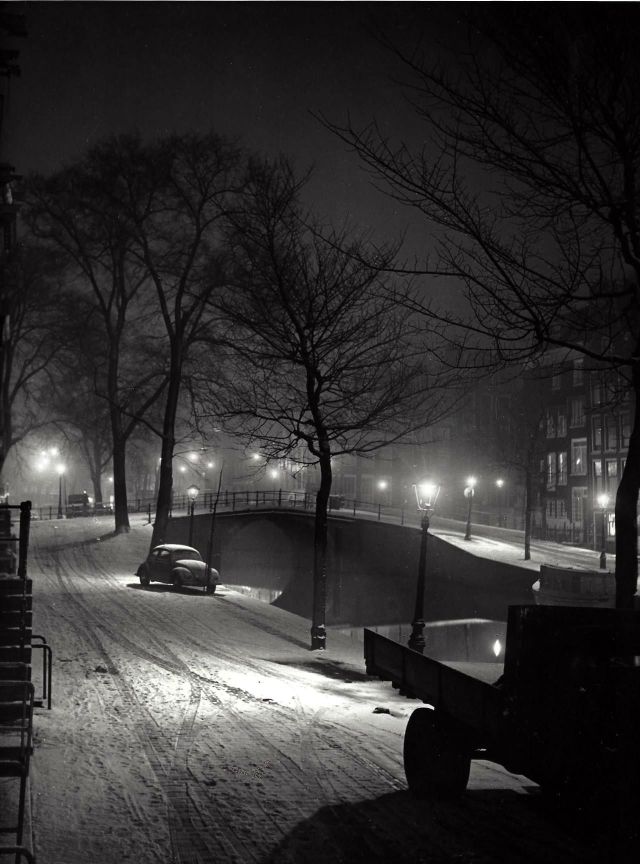
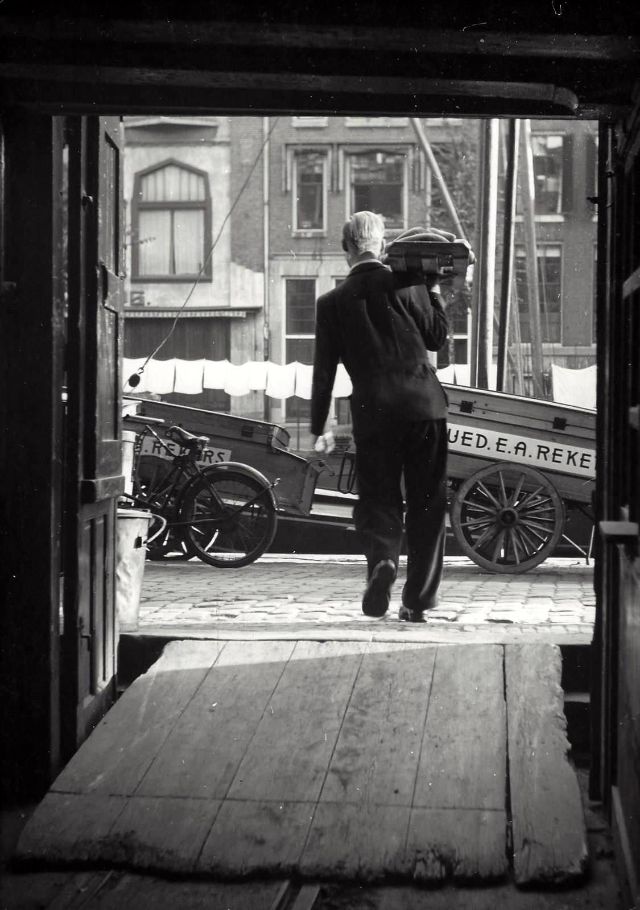
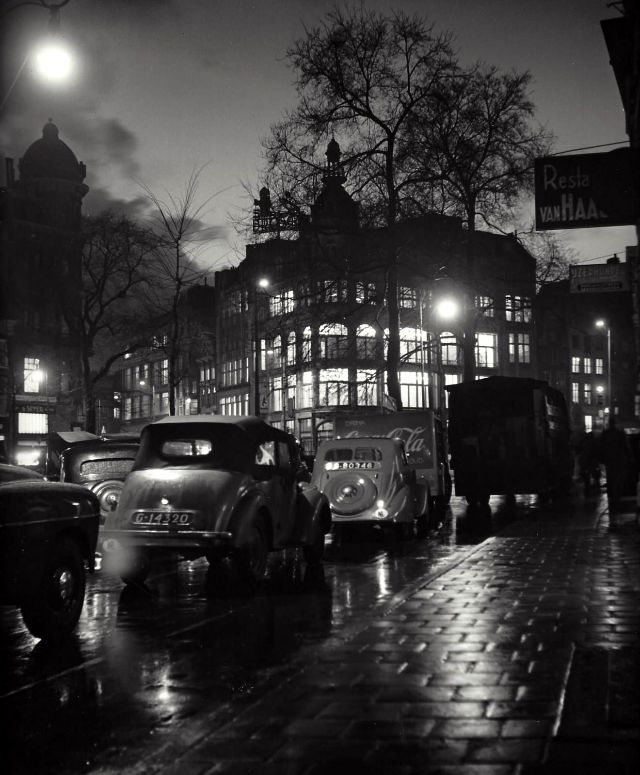
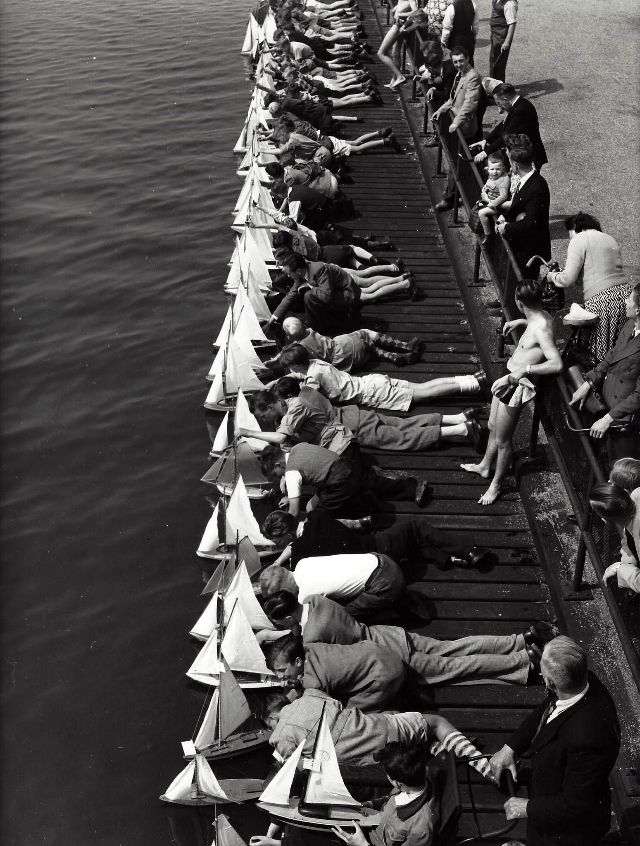
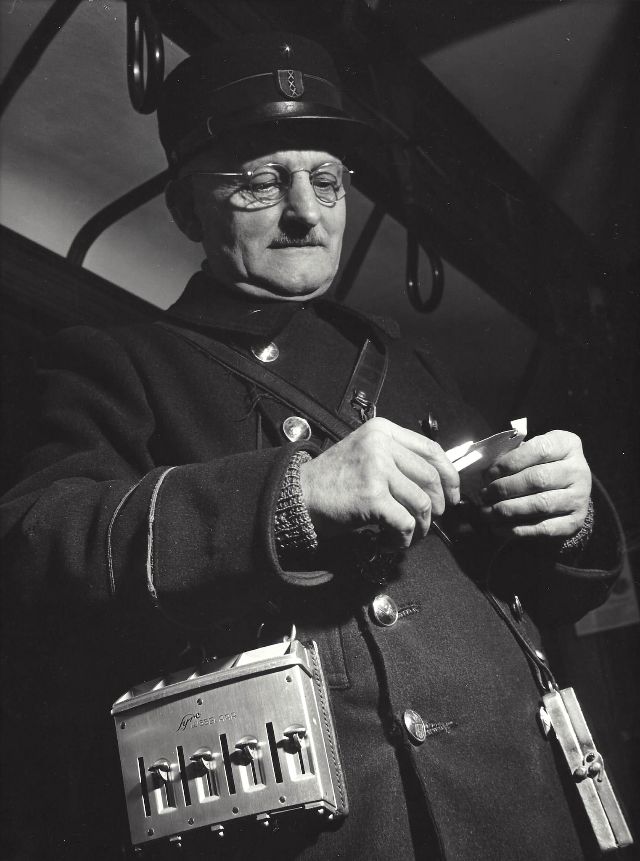
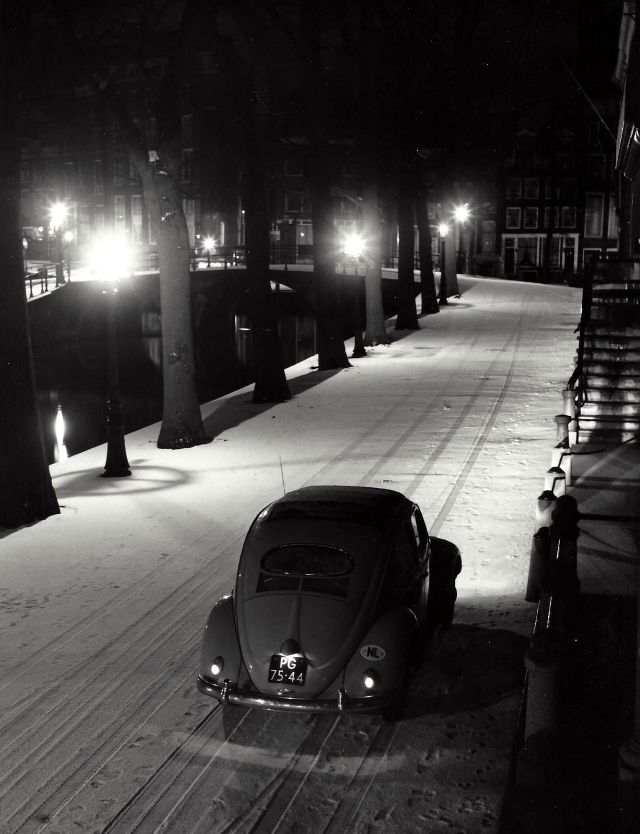
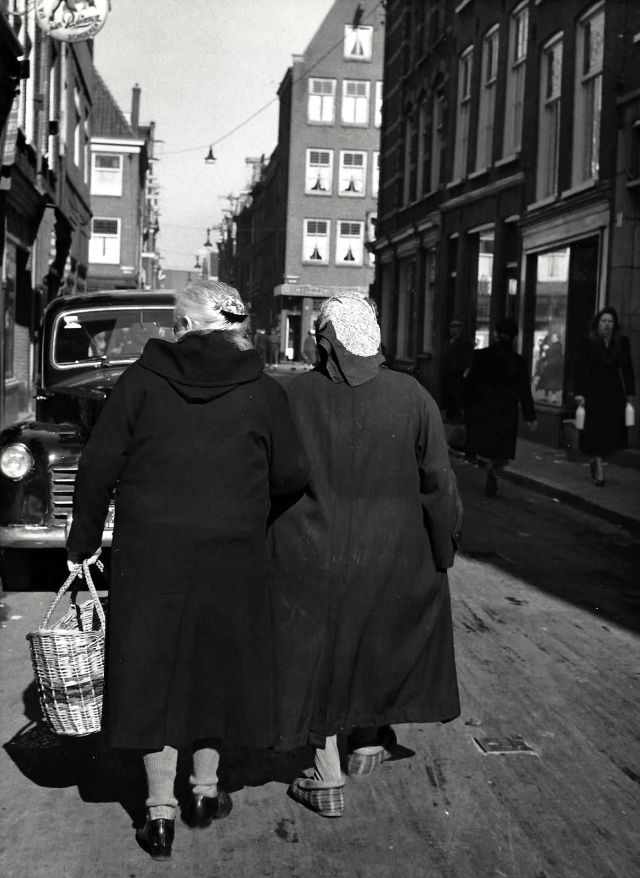
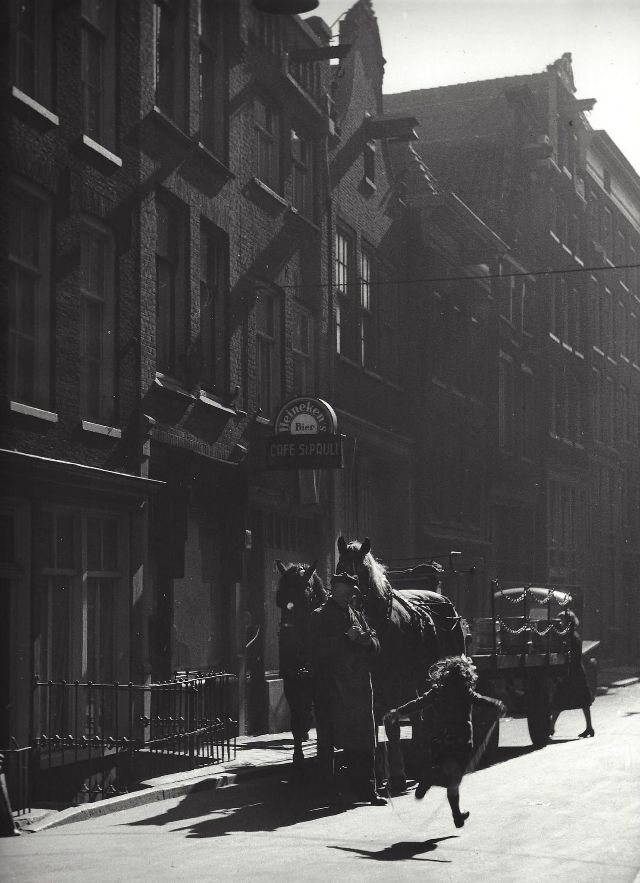
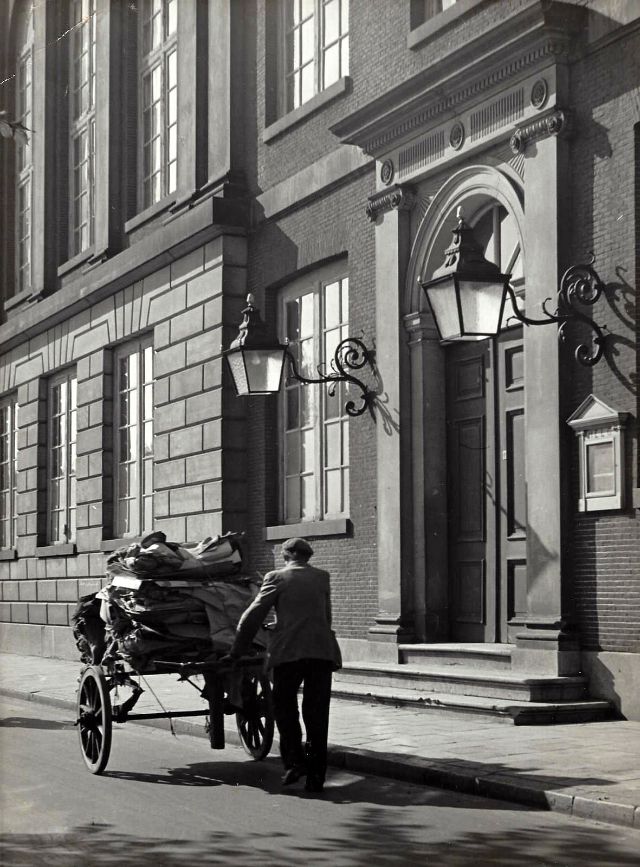
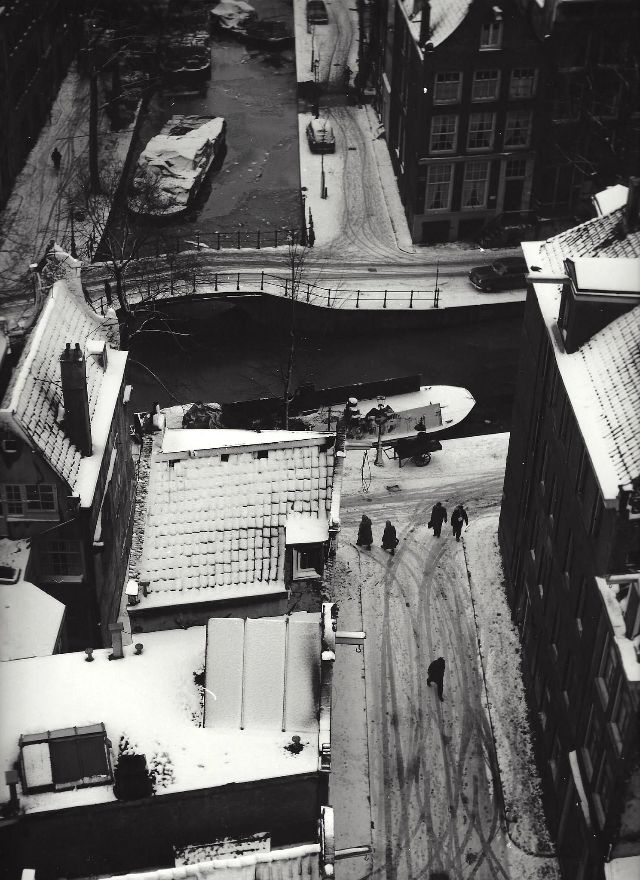
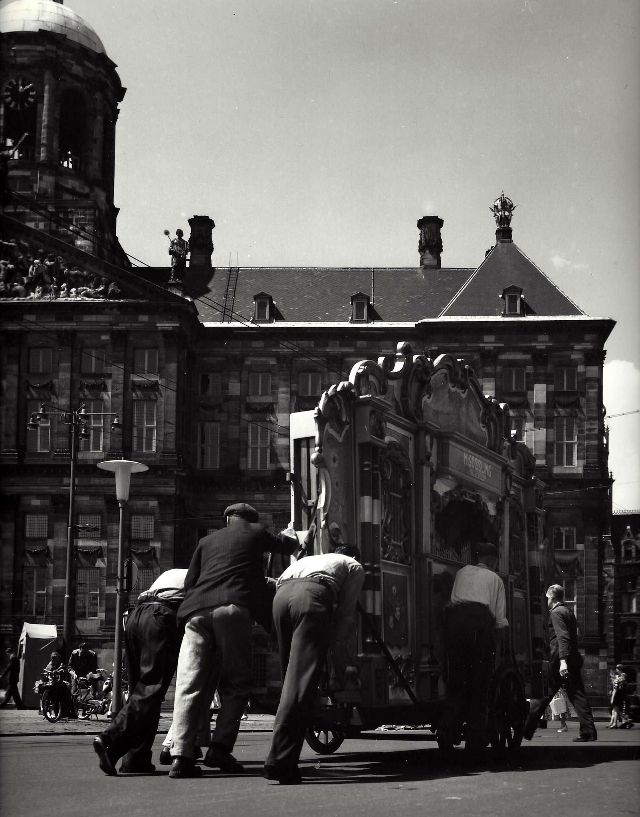
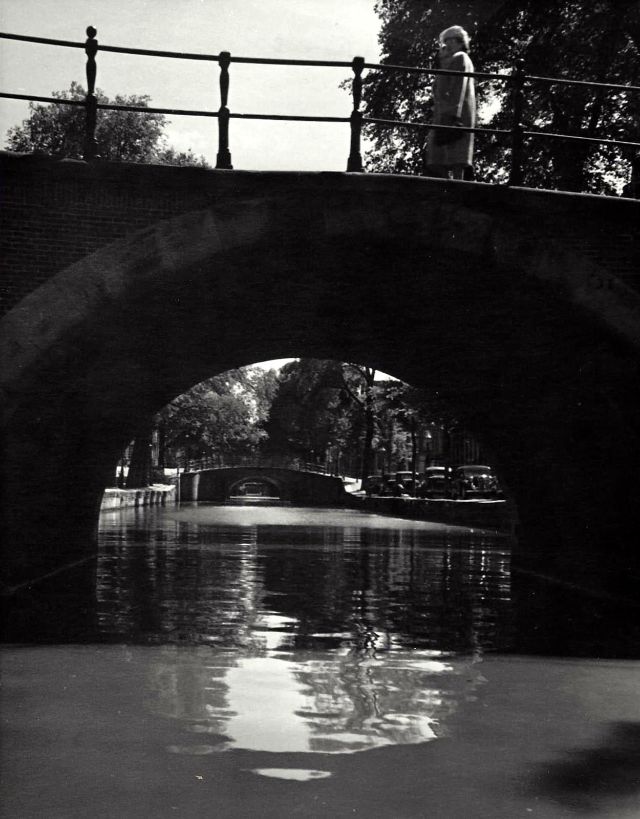
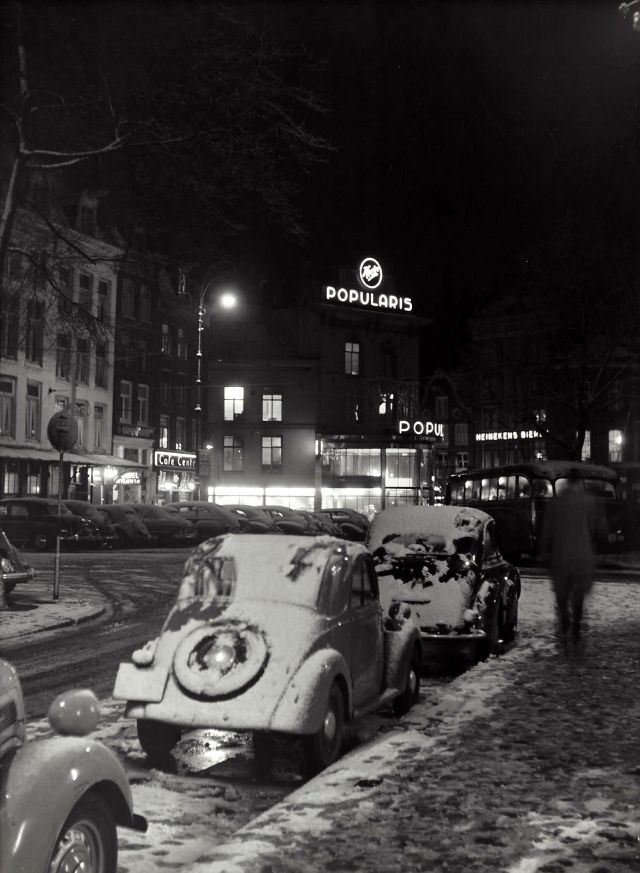
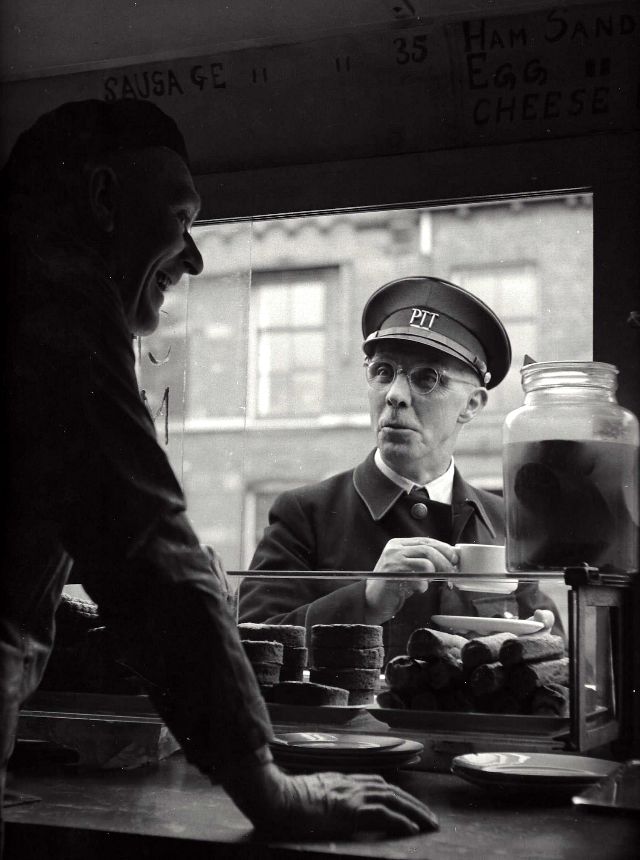
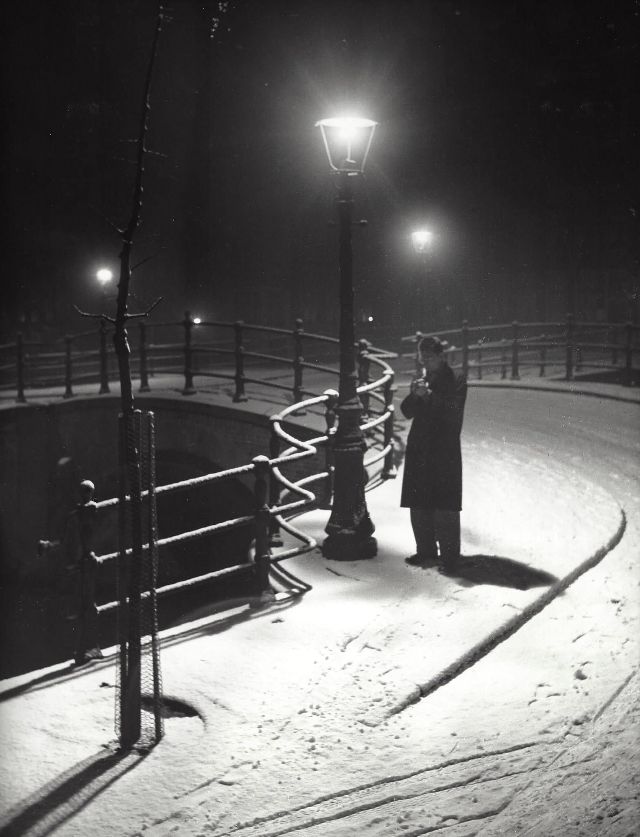
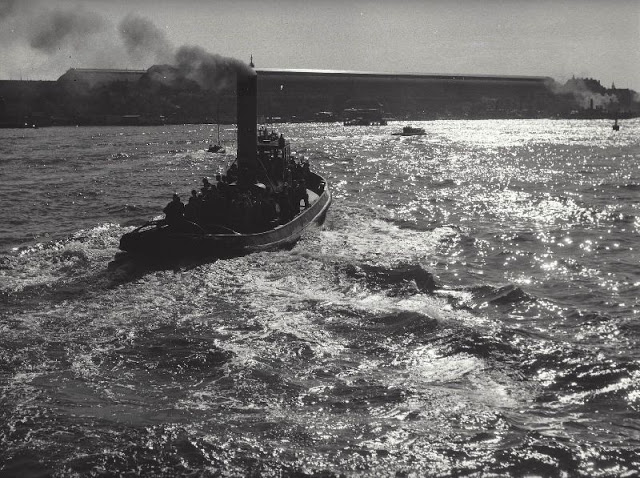
Amsterdam, beautiful city built on pilings. An inexhaustible source of subject matter for innumerable photographers. Not that it’s such a megalomaniac capital – it’s more of a village with urban traditions. But it’s that smallness which often provides photography with the impact and attention it deserves.
Kees Scherer (1920-1993) was born in the Amsterdam working-class district called ‘de Jordaan’. Shortly after WWII, he began working as a freelance photographer and reached the pinnacle of photojournalism with high-profile reports about the flood disaster in the province of Zeeland (1953) and the Hungarian uprising (1956).
Scherer initiated World Press Photo in 1955 with Bram Wisman. In addition to his extensive work in colour, Scherer’s early work in black and white has also been receiving increasing attention in recent years. He depicted his favourite cities in exhaustive detail, namely Paris, New York, and especially Amsterdam.
Here is a collection of impressive black and white photos that Scherer documented everyday life of Amsterdam in the 1950s.
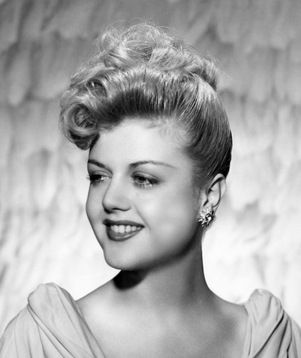
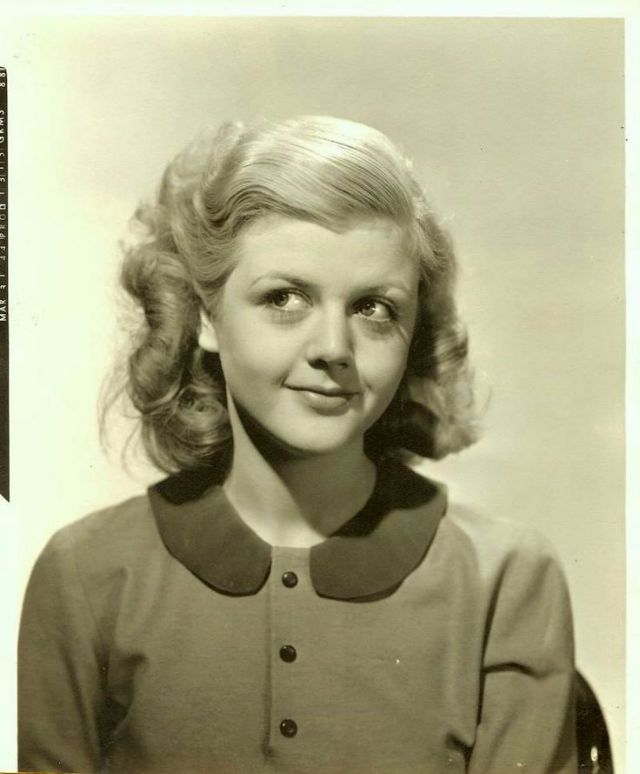
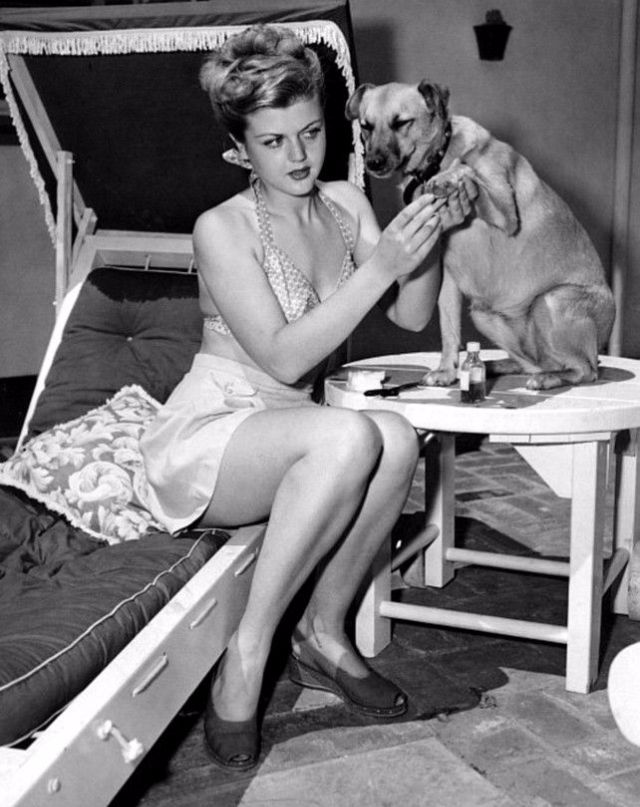
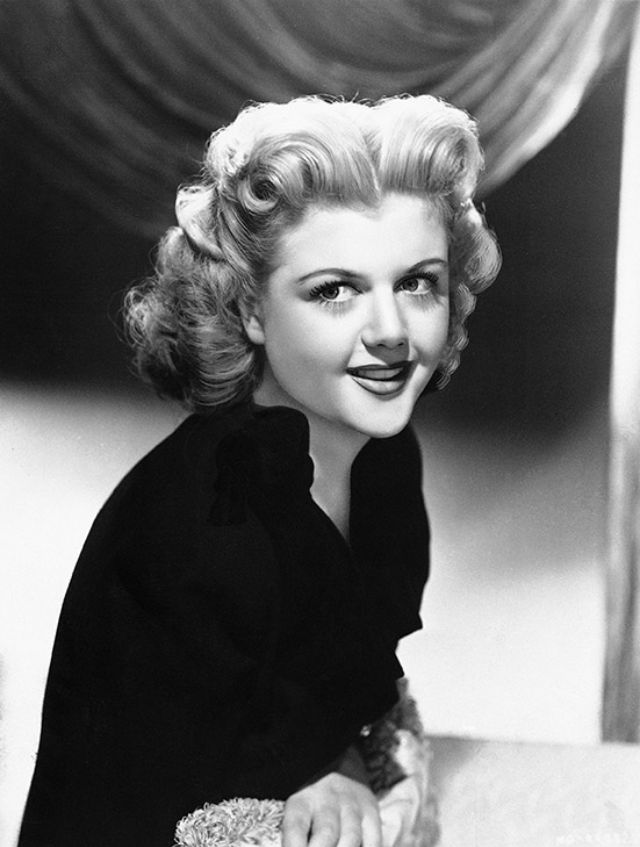
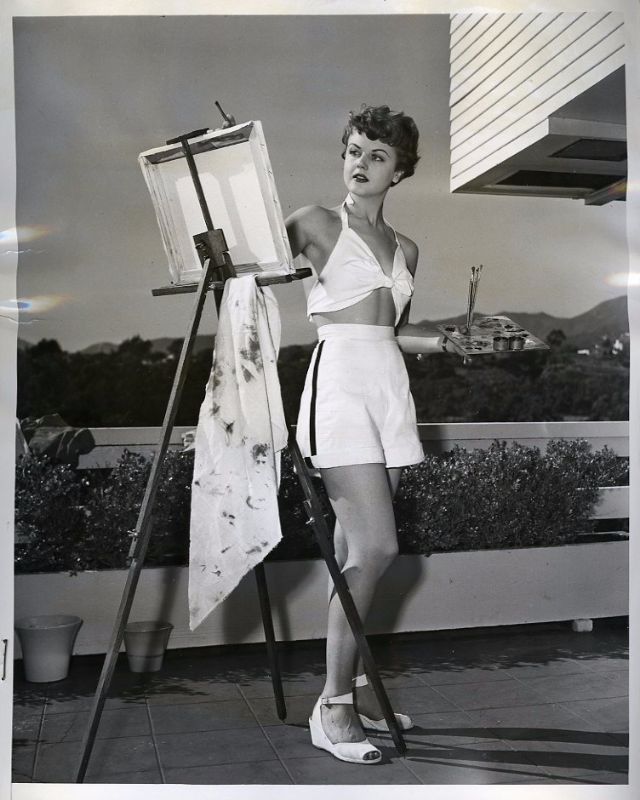
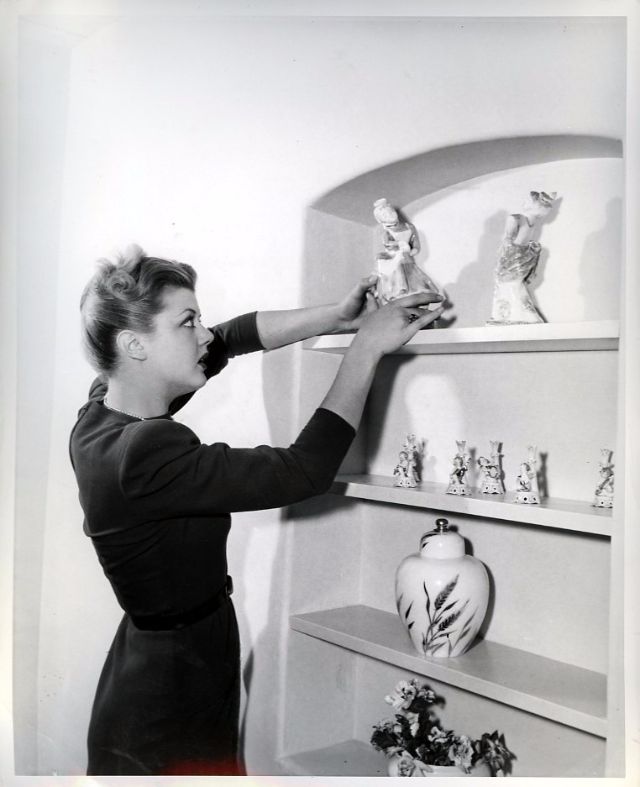
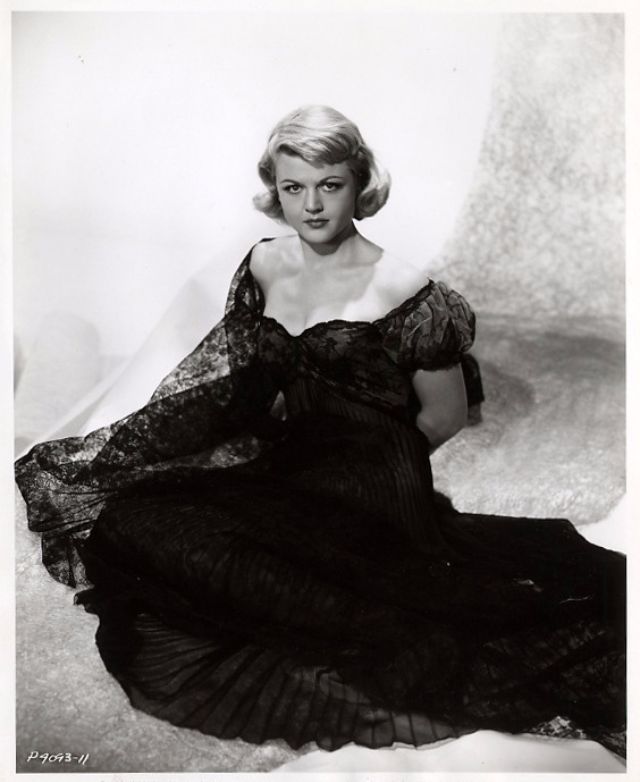
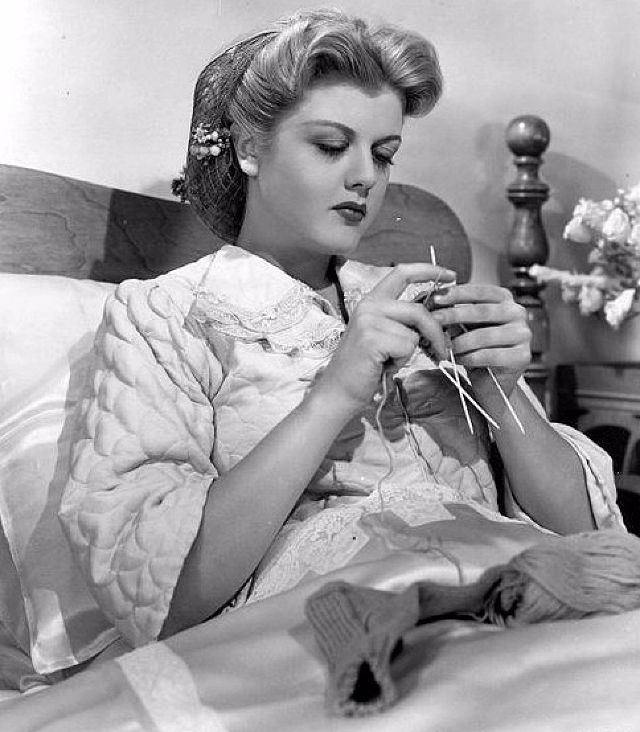
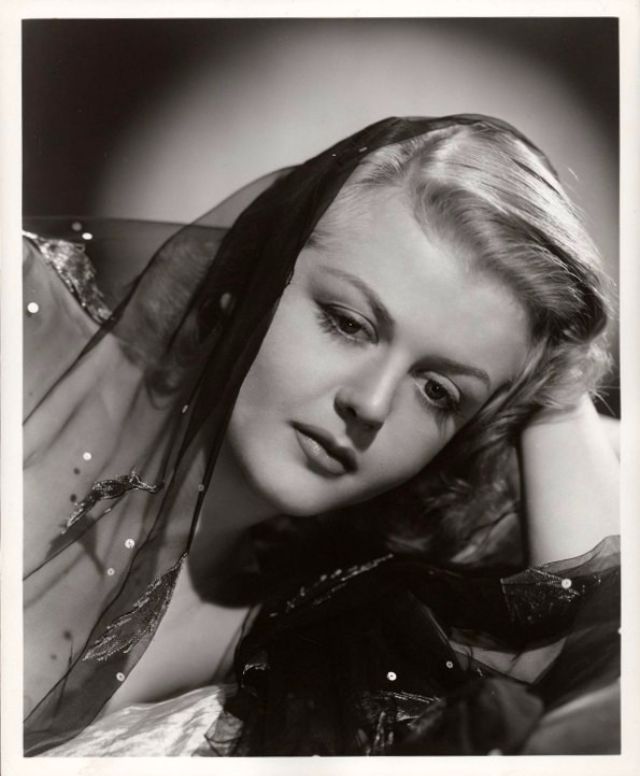
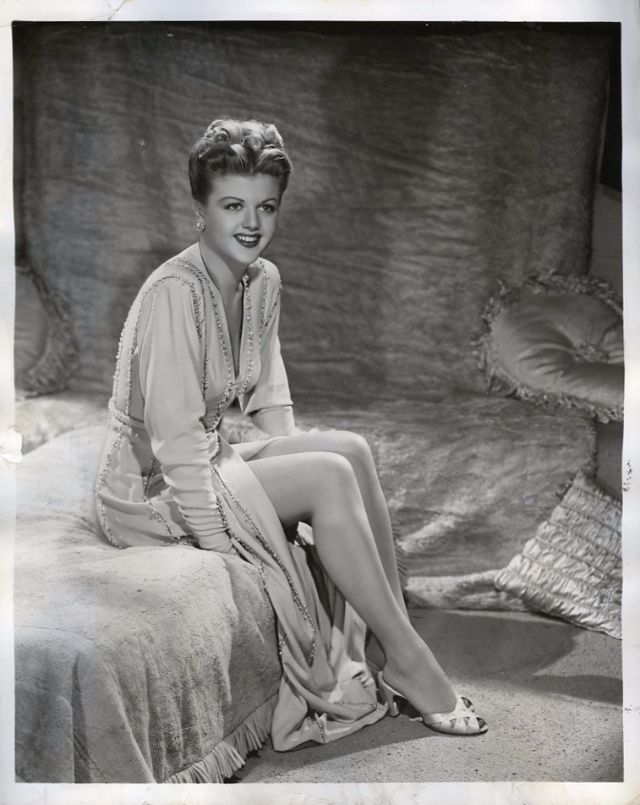
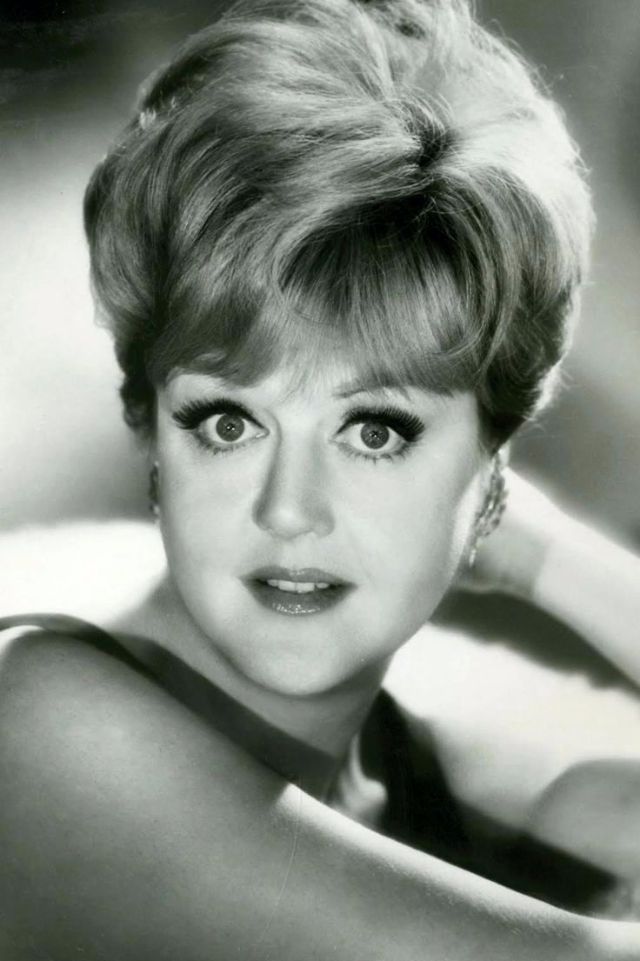
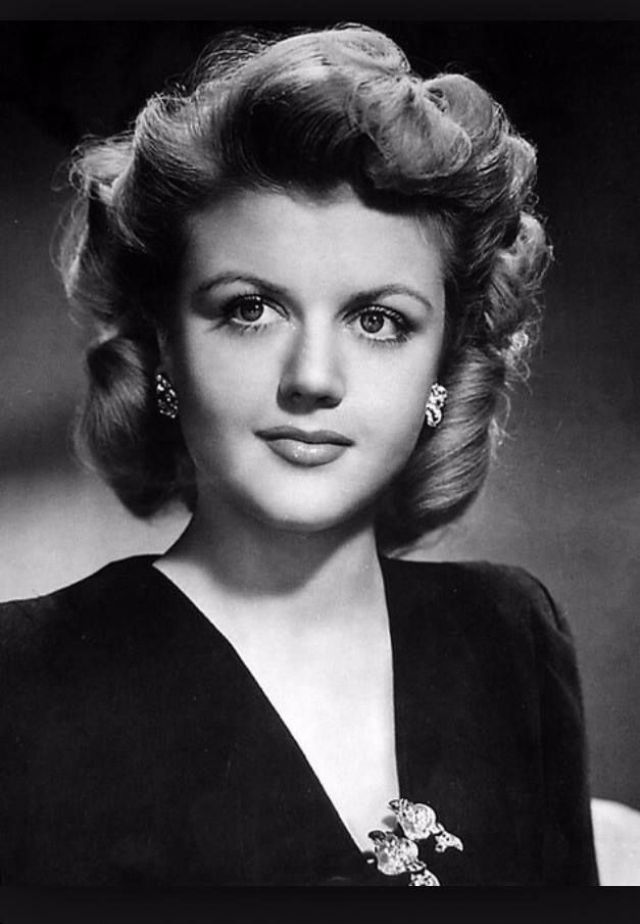
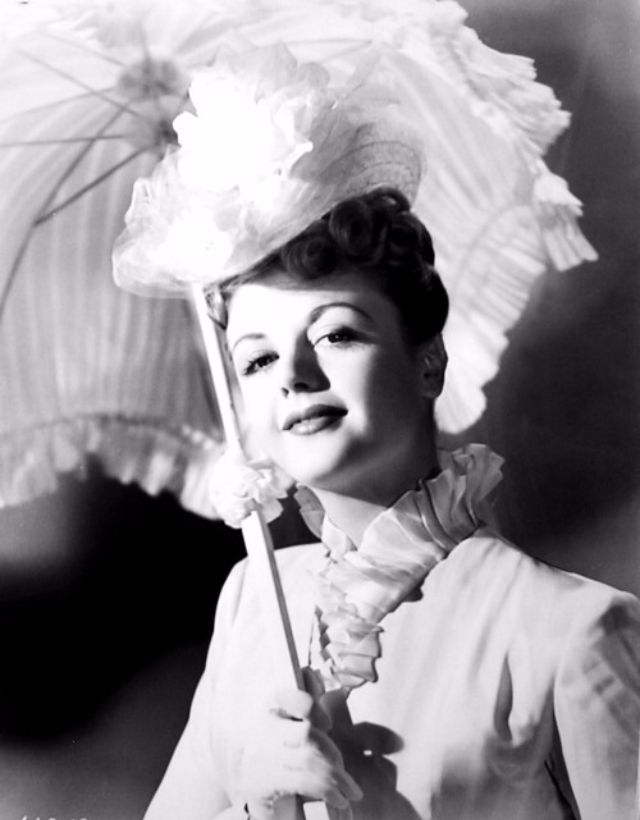
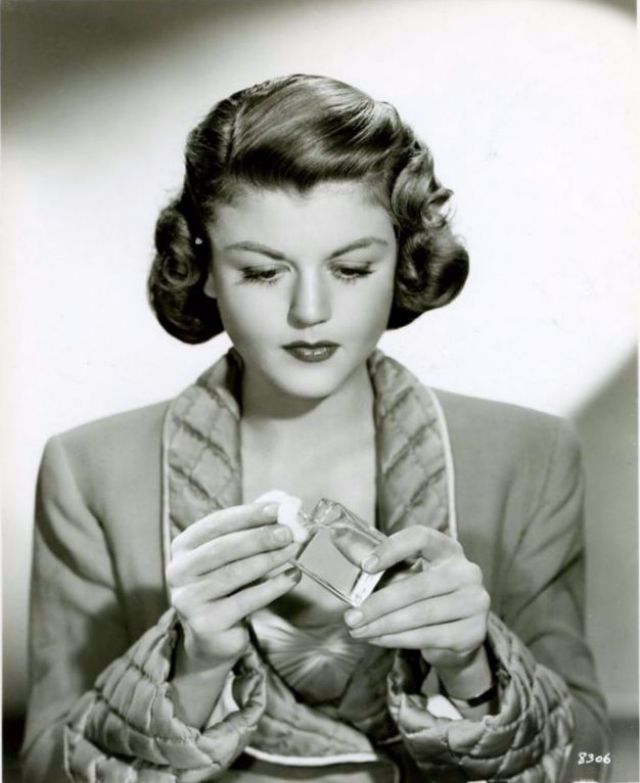
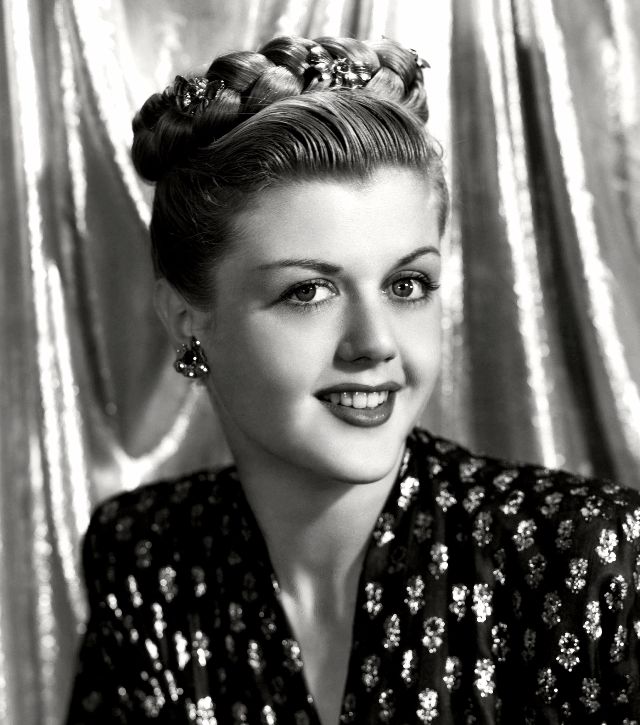
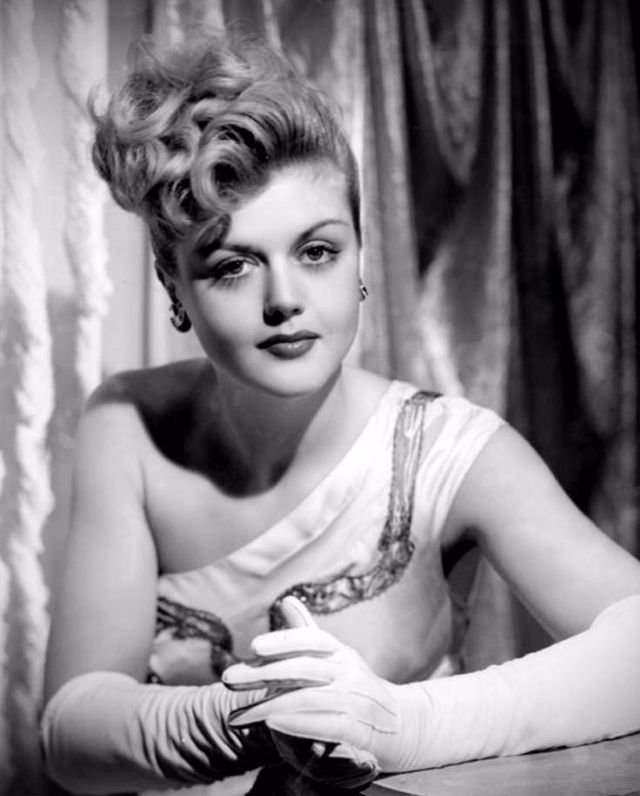
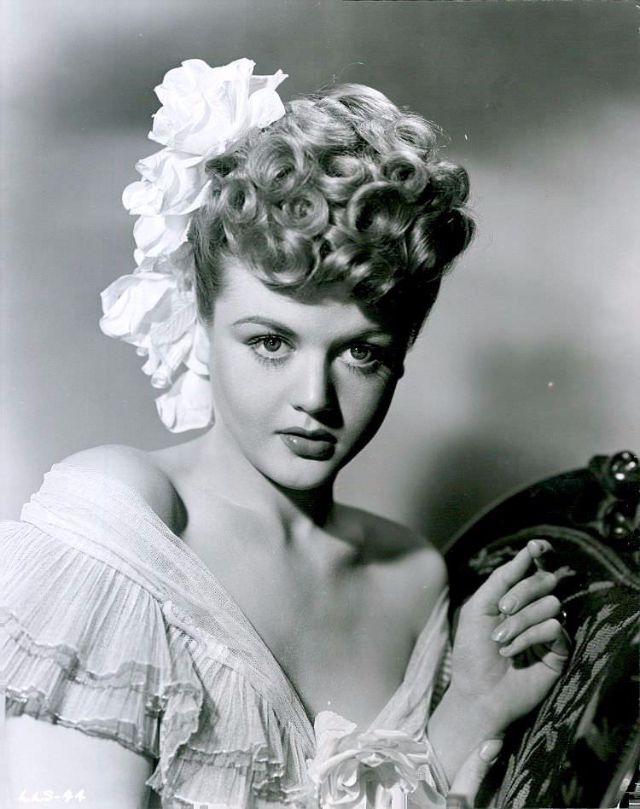
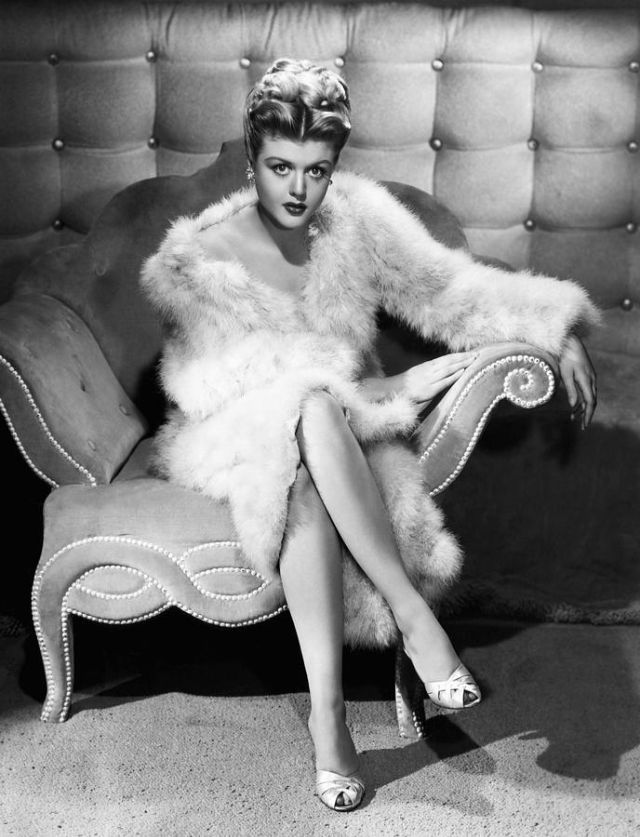
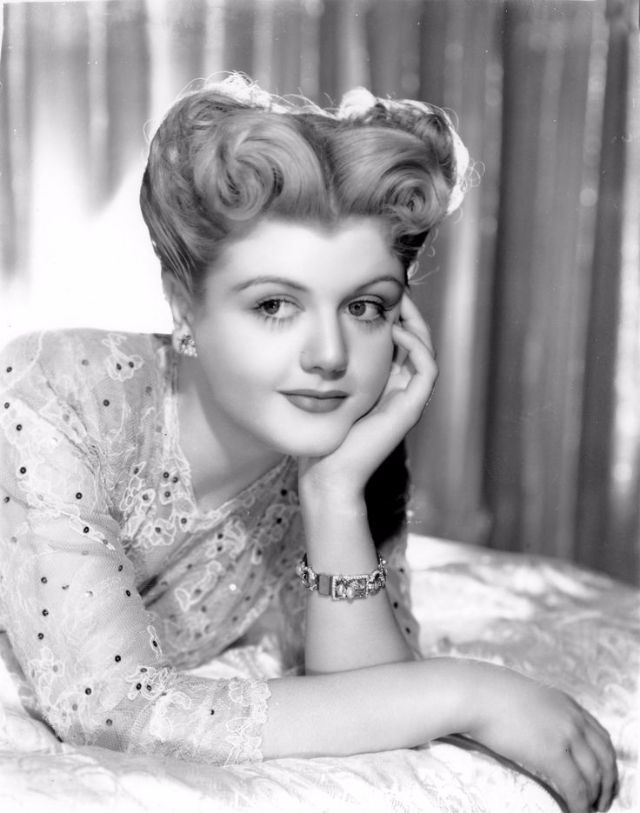
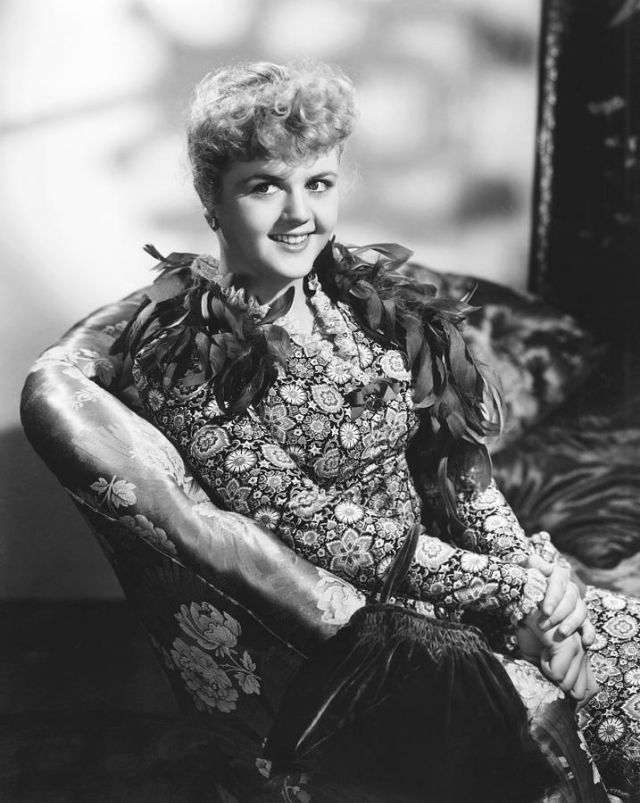
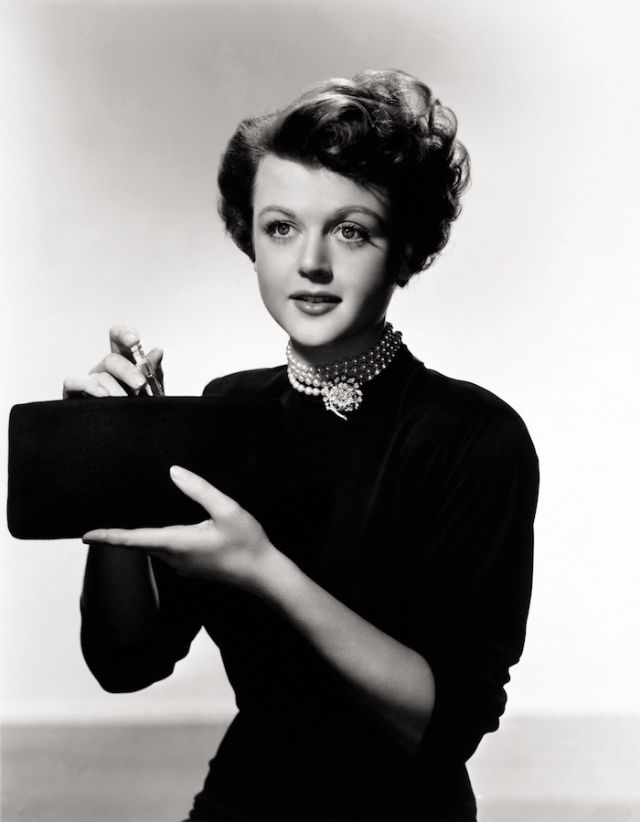
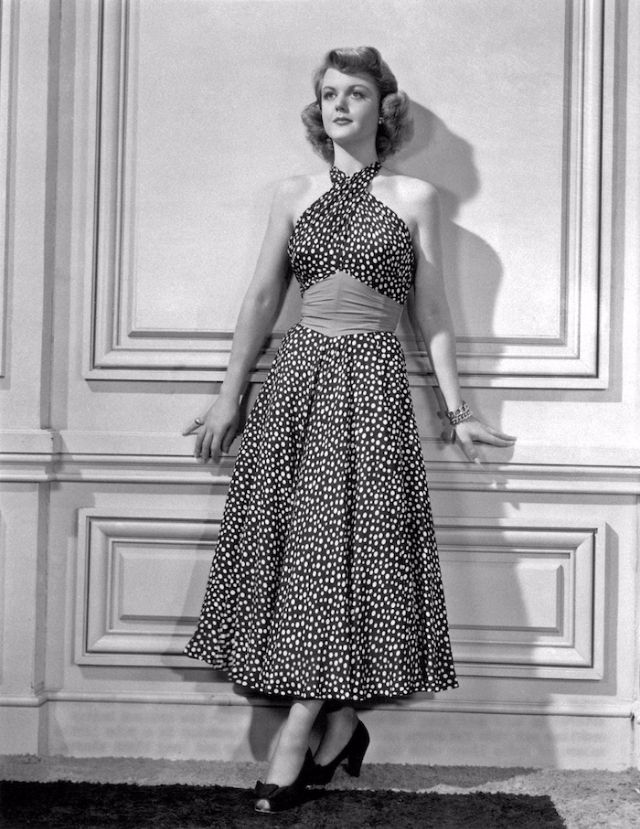
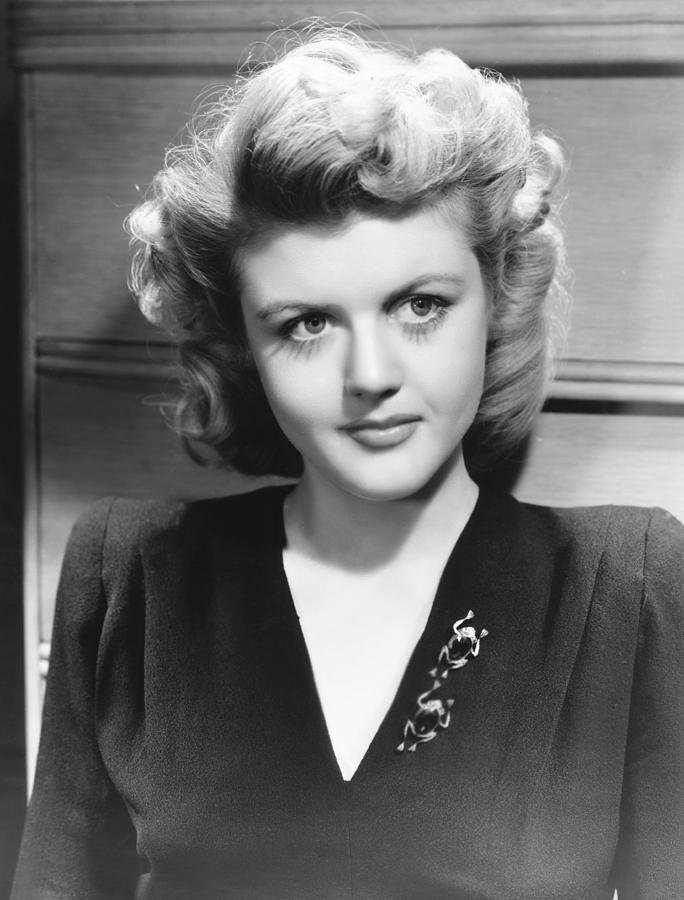
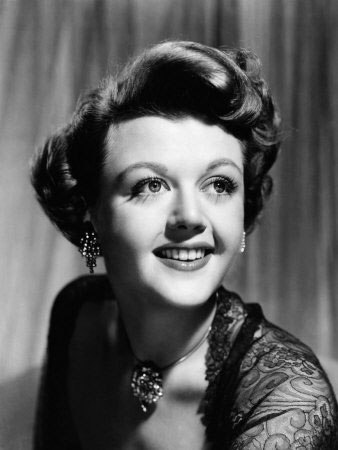
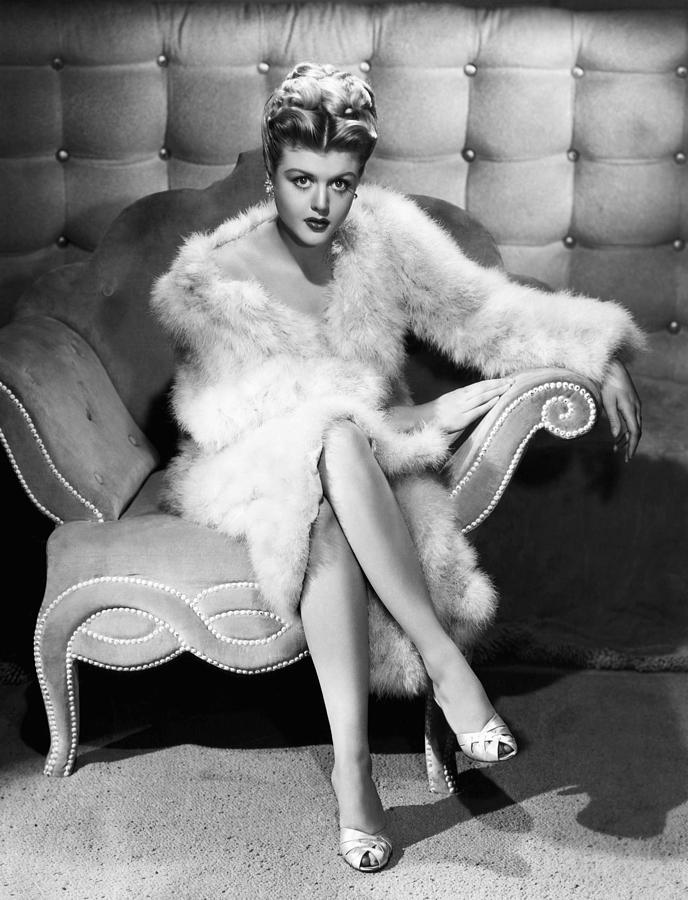
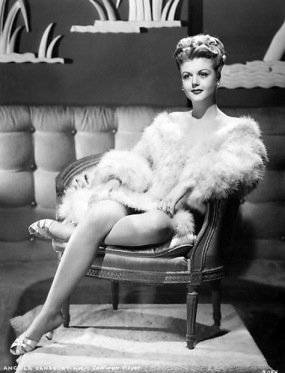
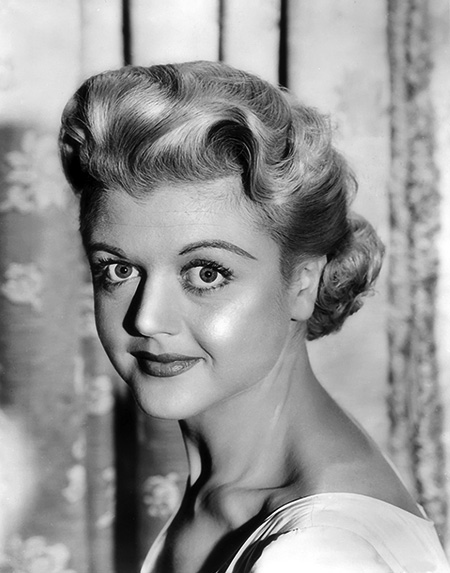
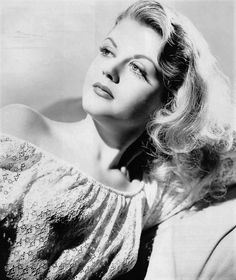
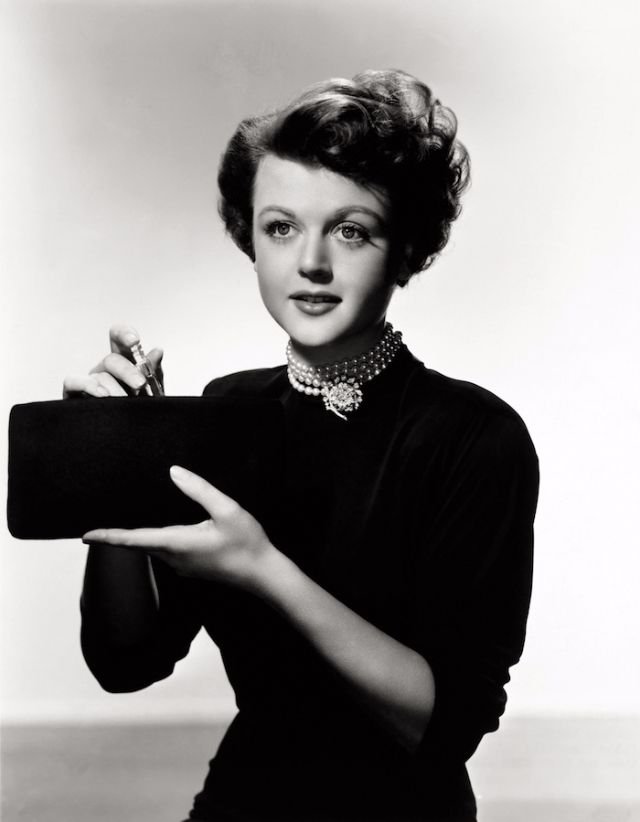
Dame Angela Brigid Lansbury DBE (born October 16, 1925) is an English-American-Irish actress who has appeared in theatre, television, and film. Her career has spanned seven decades, much of it in the United States, and her work has attracted international acclaim.
Lansbury was born to Irish actress Moyna Macgill and English politician Edgar Lansbury, an upper-middle-class family in Regents Park, central London; her paternal grandfather was the British Labour Party leader George Lansbury. To escape the Blitz, in 1940 she moved to the United States with her mother and two brothers, and studied acting in New York City. Proceeding to Hollywood in 1942, she signed with Metro-Goldwyn-Mayer and obtained her first film roles, in Gaslight (1944) and The Picture of Dorian Gray (1945), earning her two Oscar nominations and a Golden Globe Award. She appeared in eleven further films for MGM, mostly in supporting roles, and after her contract ended in 1952 she began supplementing her cinematic work with theatrical appearances. Although largely seen as a B-list star during this period, her appearance in the film The Manchurian Candidate (1962) received widespread acclaim and is cited as being one of her finest performances. Moving into musical theatre, Lansbury finally gained stardom for playing the leading role in the Broadway musical Mame (1966), which earned her a range of awards.
Amid difficulties in her personal life, Lansbury moved from California to County Cork, Ireland in 1970, and continued with a variety of theatrical and cinematic appearances throughout that decade. These included leading roles in the stage musicals Gypsy, Sweeney Todd, and The King and I, as well as in the hit Disney film Bedknobs and Broomsticks (1971). Moving into television, she achieved worldwide fame as fictional writer and sleuth Jessica Fletcher in the American whodunit series Murder, She Wrote, which ran for twelve seasons from 1984 until 1996, becoming one of the longest-running and most popular detective drama series in television history. Through Corymore Productions, a company that she co-owned with her husband Peter Shaw, Lansbury assumed ownership of the series and was its executive producer for the final four seasons. She also moved into voice work, thereby contributing to animated films such as Disney’s Beauty and the Beast (1991) and 20th Century Fox’s Anastasia. Since then, she has toured in a variety of international theatrical productions and continued to make occasional film appearances.
Lansbury has received an Honorary Oscar and has won five Tony Awards, six Golden Globes, and an Olivier Award. She has also been nominated for numerous other industry awards, including the Academy Award for Best Supporting Actress on three occasions, and various Primetime Emmy Awards on eighteen occasions. In 2014, Lansbury was made a Dame Commander of the Order of the British Empire by Queen Elizabeth II. She has been the subject of three biographies.
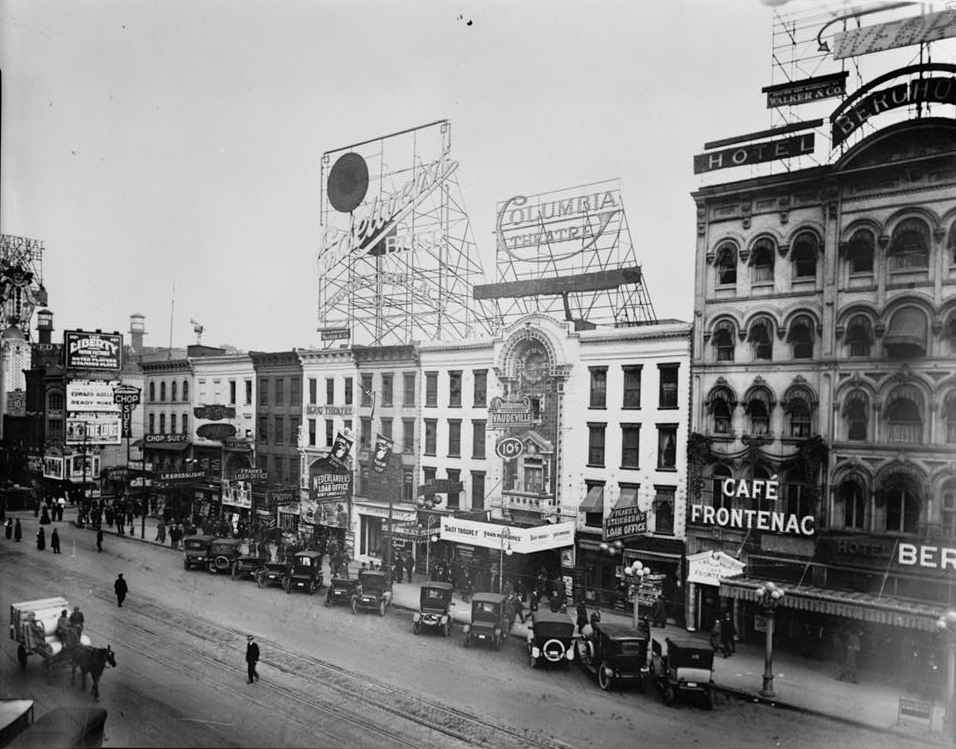
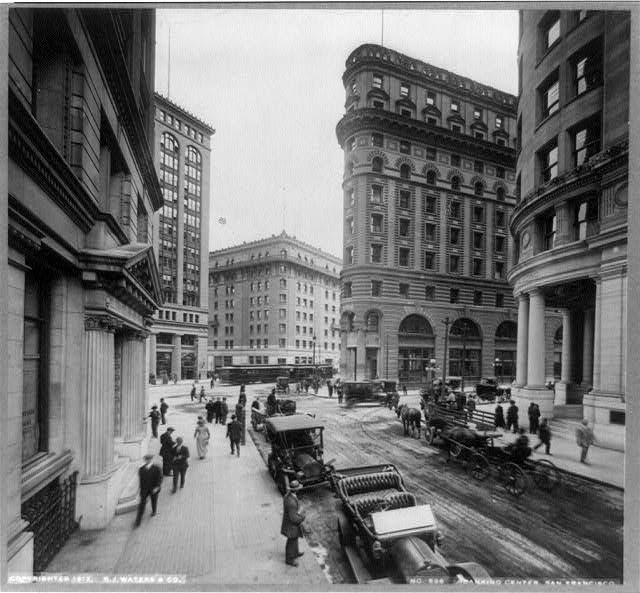
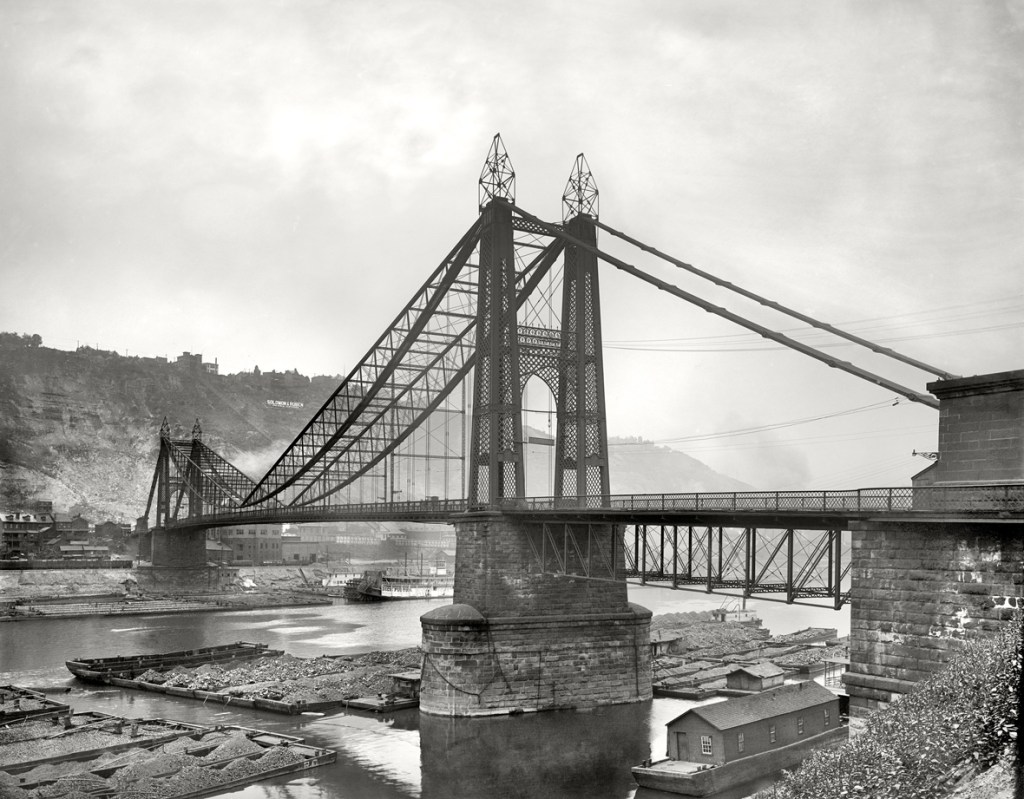
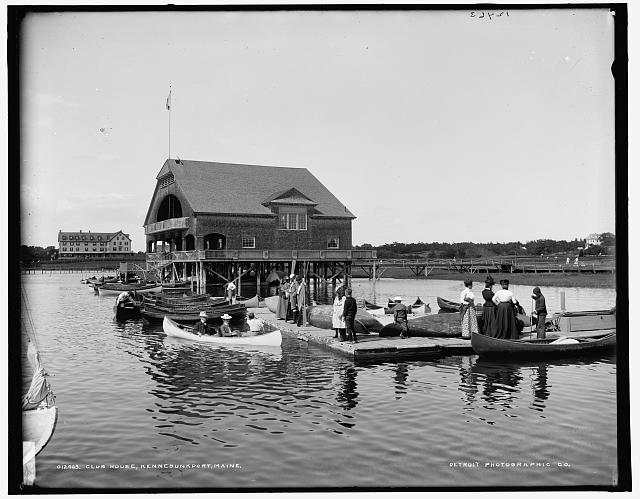
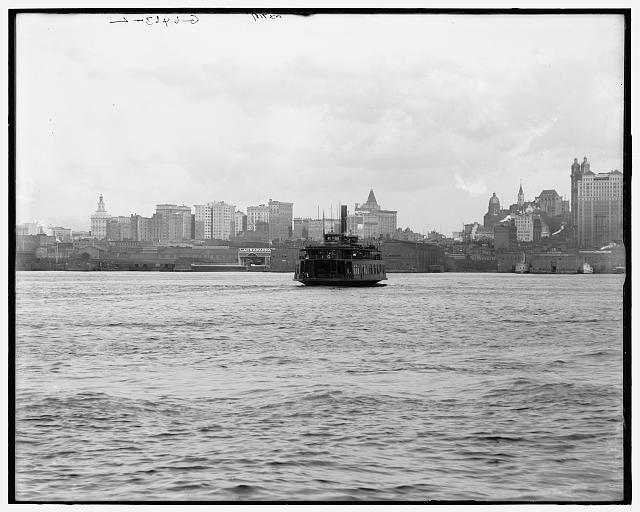
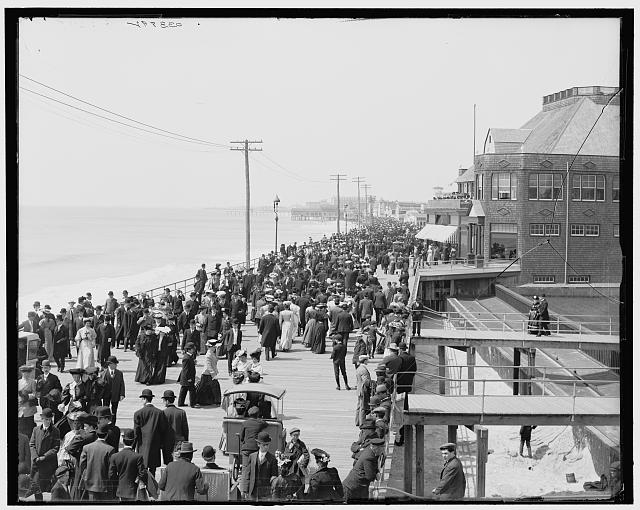
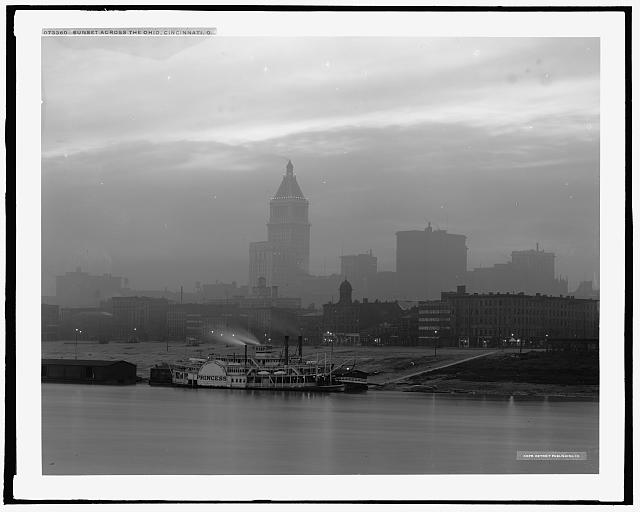
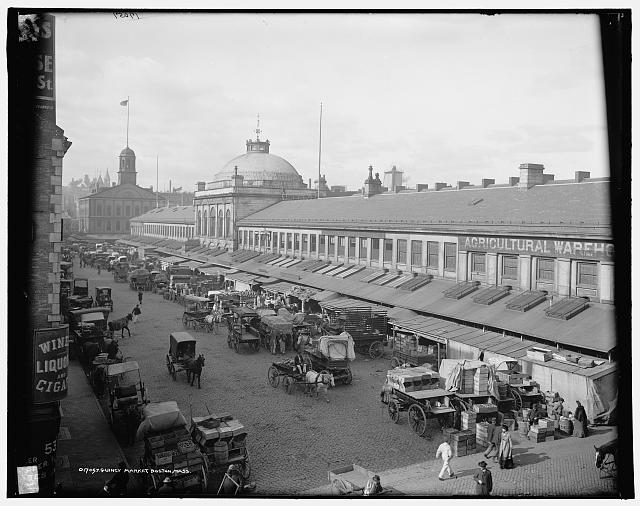
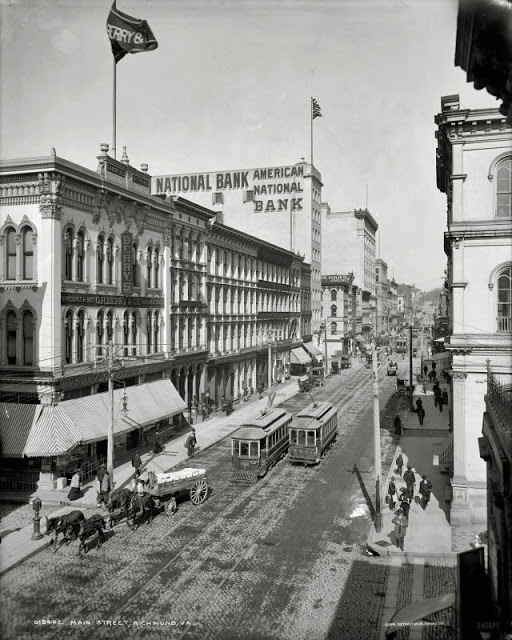
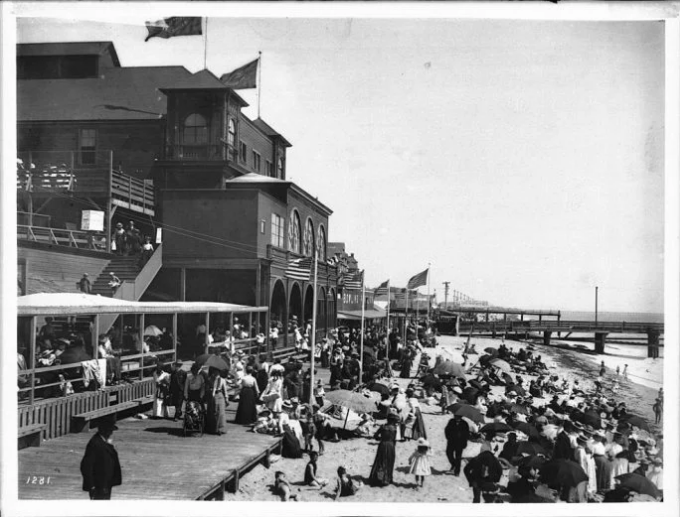
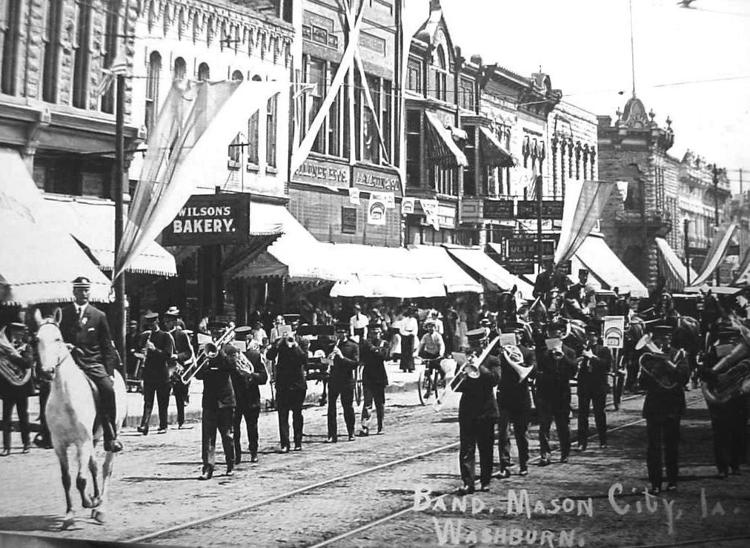
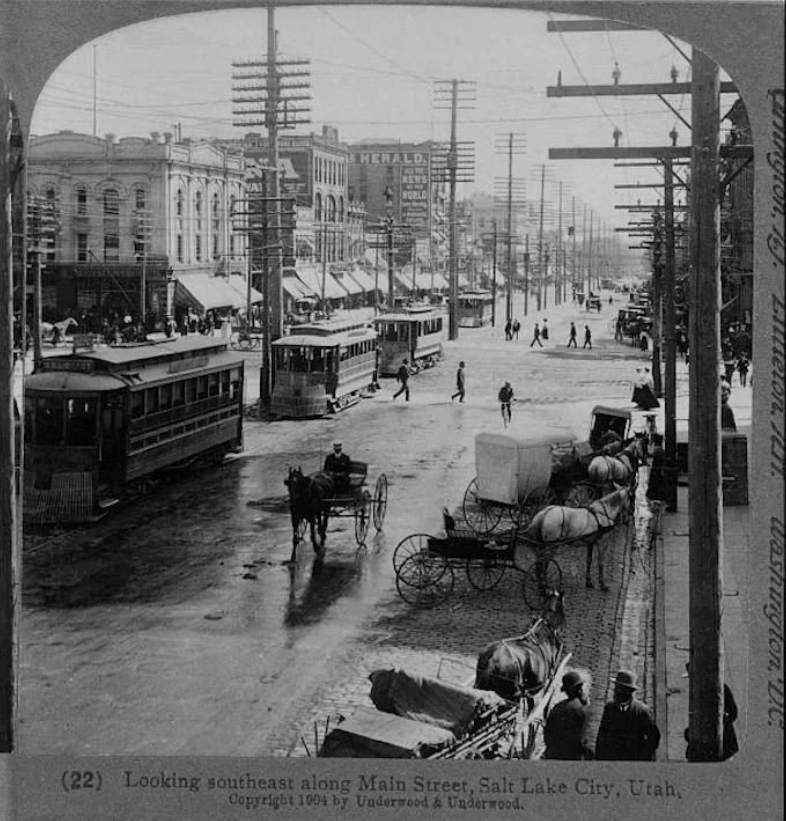
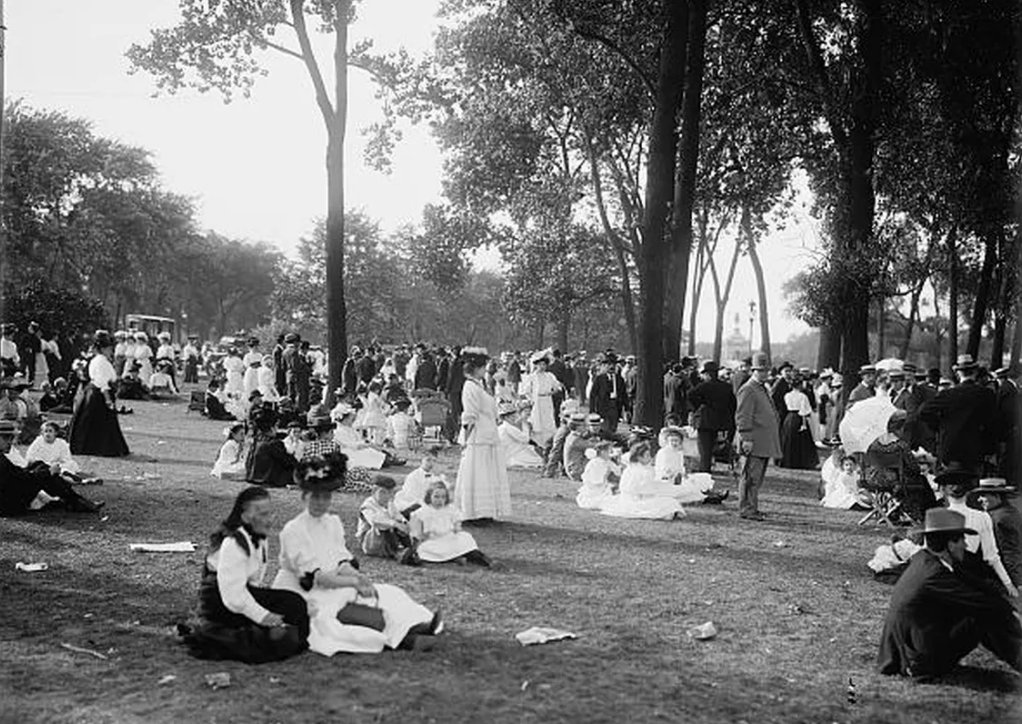
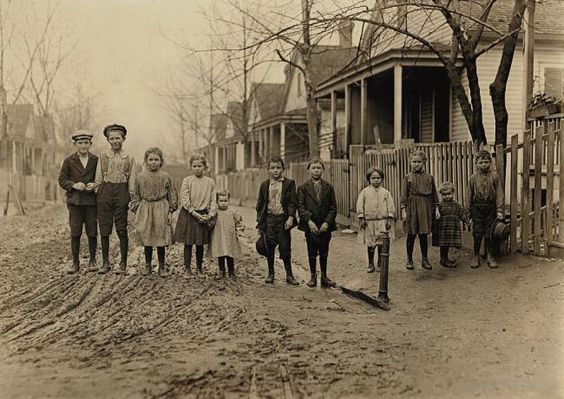
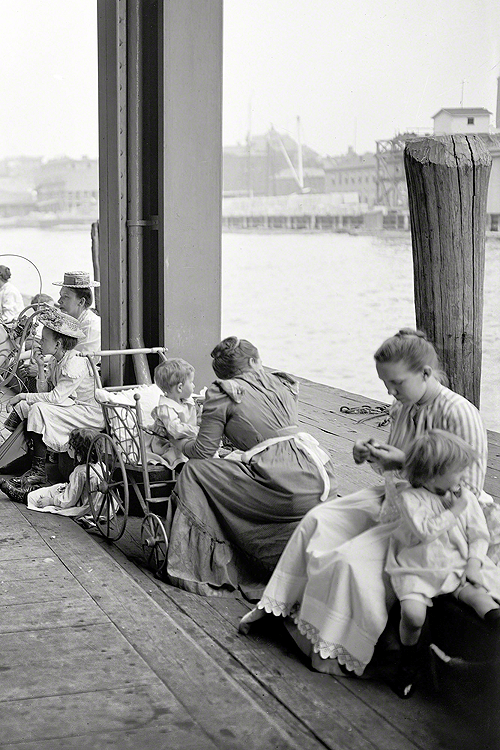
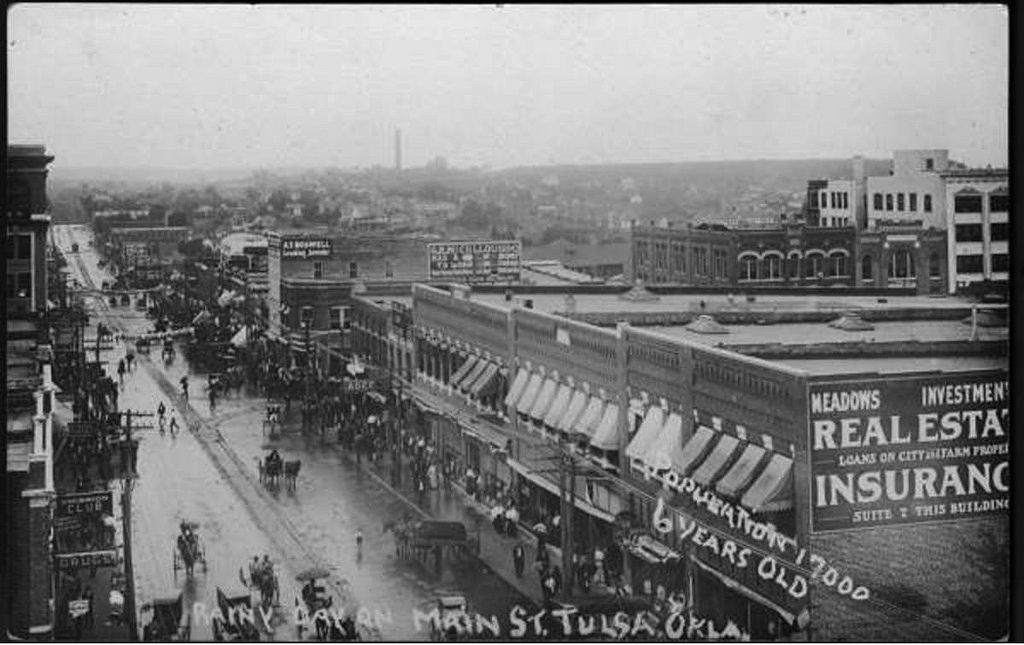
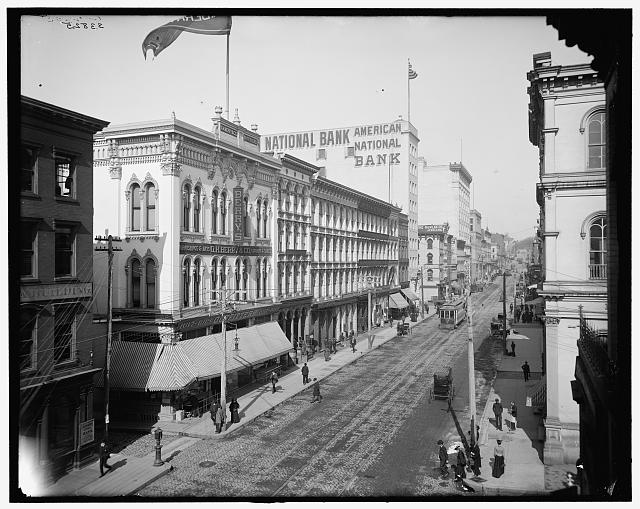
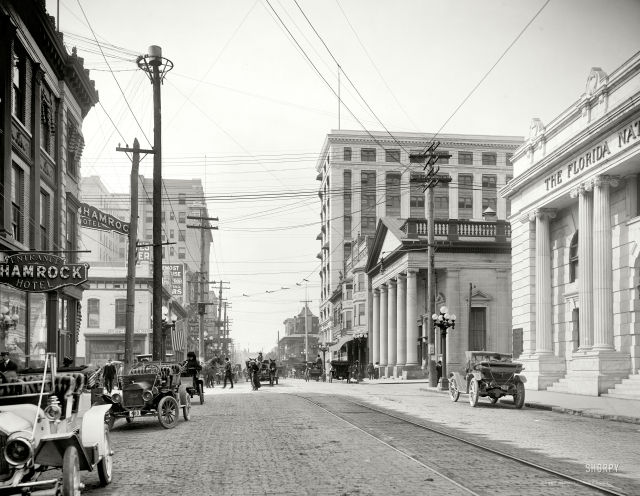
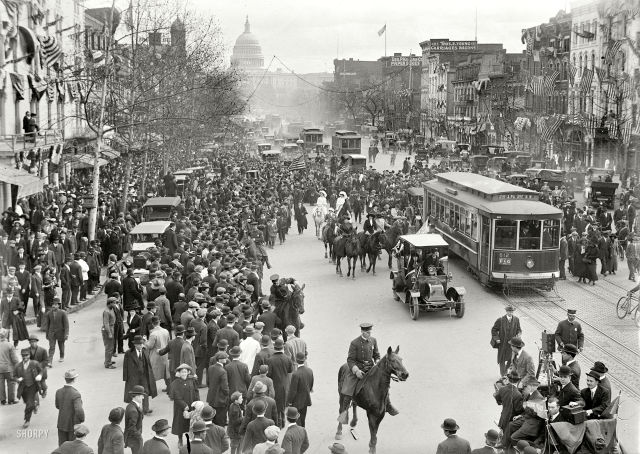
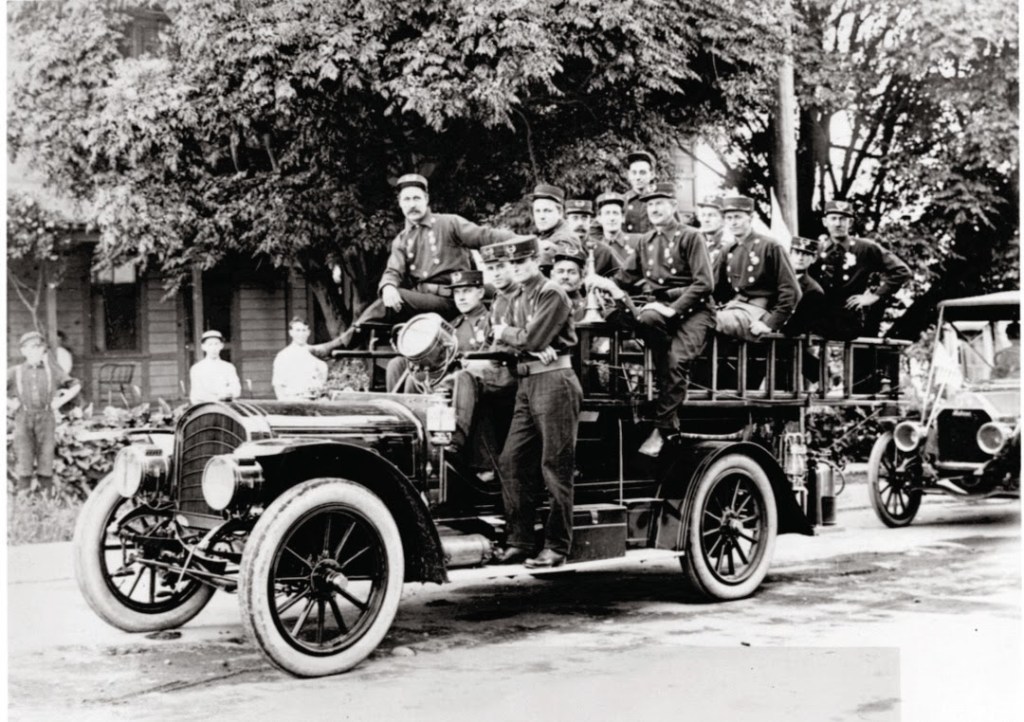
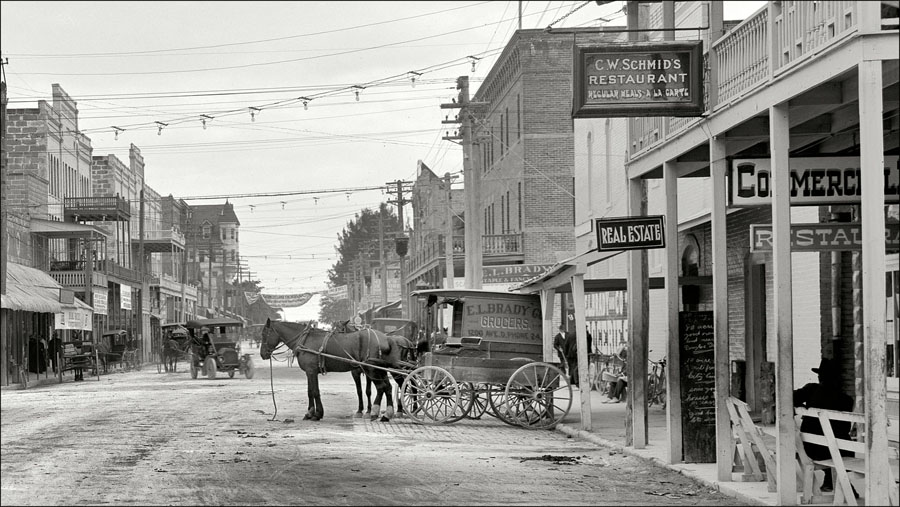
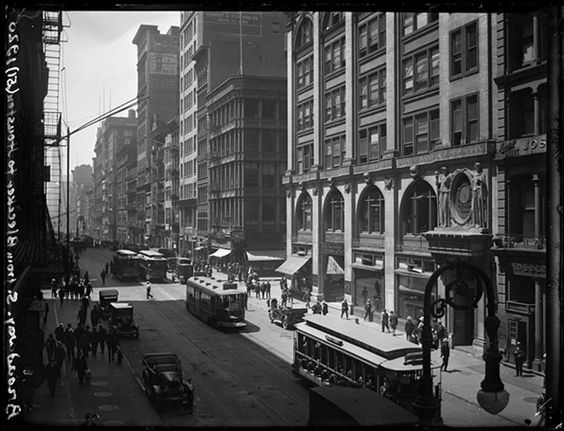
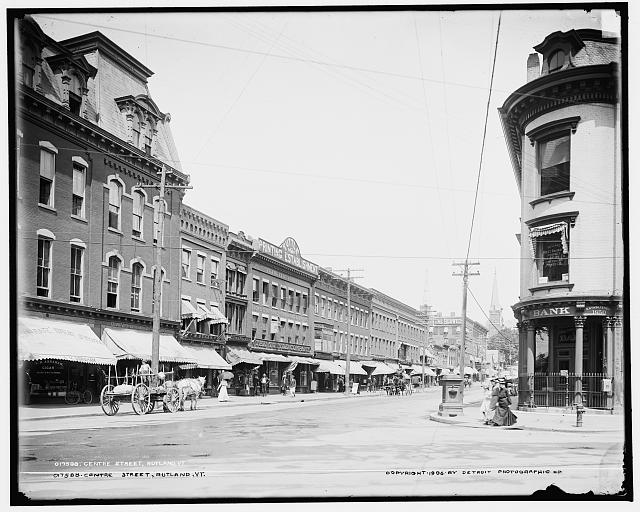
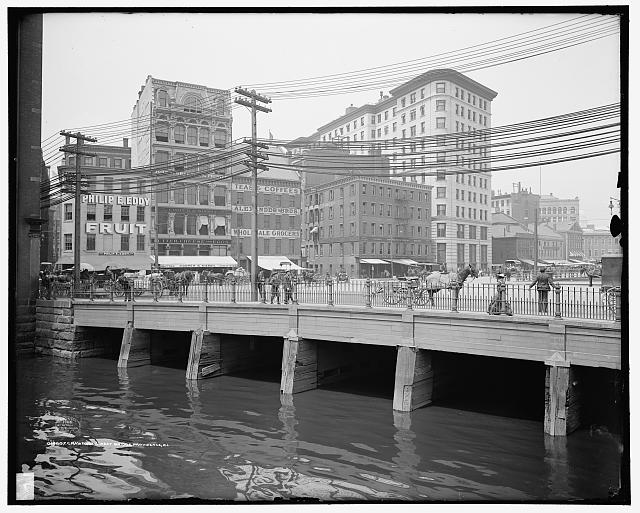
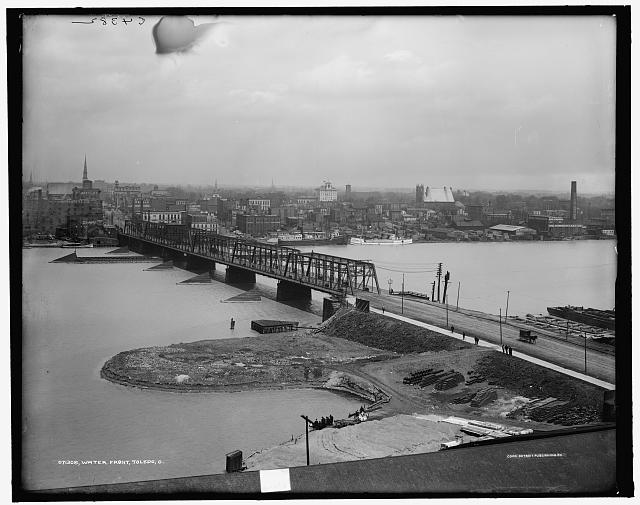
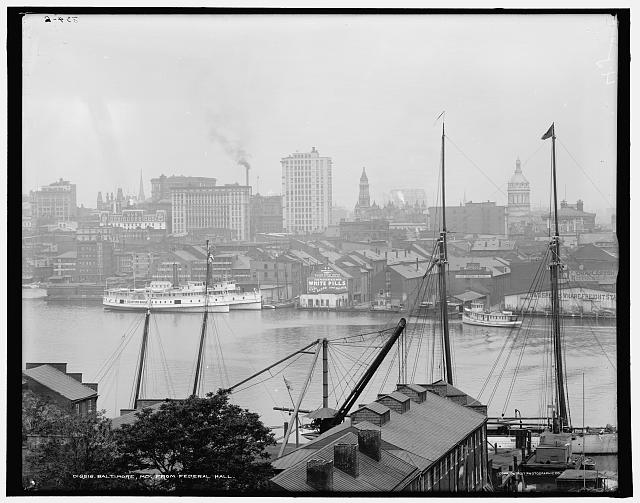
Monroe Avenue, Detroit, Michigan, 1913.San Francisco, 1912Point Bridge, Pittsburgh, Pennsylvania, 190012th St. Bascule Bridge, Chicago, Illinois, 1906Grand Avenue, Kansas City, Missouri, 1905Club house, Kennebunkport, Maine, 1901Skyline, New York from New Jersey, New York, N.Y., 1910South on the Boardwalk, Atlantic City, New Jersey, 1905Casino, Riverton Park, Portland, Maine, 1906Louisville & Nashville Railway station. Pensacola, Florida, 1906Post Office and Eagle Building. Brooklyn, N.Y 1906Oliver W., the famous trotting ostrich at Florida Ostrich Farm, Jacksonville, Florida, 1903Sunset across the Ohio, Cincinnati, Ohio, 1910Ships aground in Pensacola Harbor, after the hurricane of 1906 – Pensacola, FloridaGrand Central Station and Hotel Manhattan, New York, 1903Quincy Market, Boston, Mass., 1904The Sternwheeler “Falls City”, Vicksburg, Mississippi, 1900.Mules on the levee, New Orleans, Louisiana, 1903.The main street of Richmond, Virginia, 1905Treasury Building, Washington, D.C., 1913Dexter Avenue and the Capitol, Montgomery, Alabama, 1906Wabash Avenue, Chicago, 1907Fifth Avenue, New York, 1913Broad Street north of Spruce Street, Philadelphia, 1905Woodward Avenue, Detroit, Michigan, 1917A Santa Monica, California beach scene in the early 1900sFremont Street, Las Vegas, Newada, 1910The Great Flood of 1913 in Rushville, IndianaParade, Mason City, Iowa, 1910Main Street, Salt Lake City, 1904.Concert at Lincoln Park,Chicago, Illinois, 1910Children in Augusta, Georgia, 1911Recreation dock (amusement pier), New York. 1900Rainy Day on Main St. Tulsa, Oklahoma, 1910Battery Park Hotel, Asheville, North Carolina, 1902Broad St. looking west, Charleston, South Carolina, 1910Main Street, Richmond, Virginia, 1905A New Orleans milk cart. New Orleans, Louisiana, c. 1903Forsyth Street, Jacksonville, Florida, 1910Washington, 1913Whittier, California Fire Department in 1904US troops in Brownsville, Texas. 1916Workshop of Sanitary Ice Cream Cone Co.,Oklahoma City. 1917Delivery wagon on 12th Street (now Flagler St.) in Miami, 1908.Houston 1918Center Street, Rutland, Vermont. 1904Crawford Street Bridge, Providence, R.I., 1906Allyn House, Hartford, Conn., 1908Market Street. Harrisburg, Pennsylvania, 1916.Labor Day parade, Main St., Buffalo, N.Y.West Market Street. Indianapolis, Indiana, 1907.The Cherry Street Bridge over the Maumee River. Toledo, Ohio, 1909Baltimore, Maryland, from Federal Hall, 1903
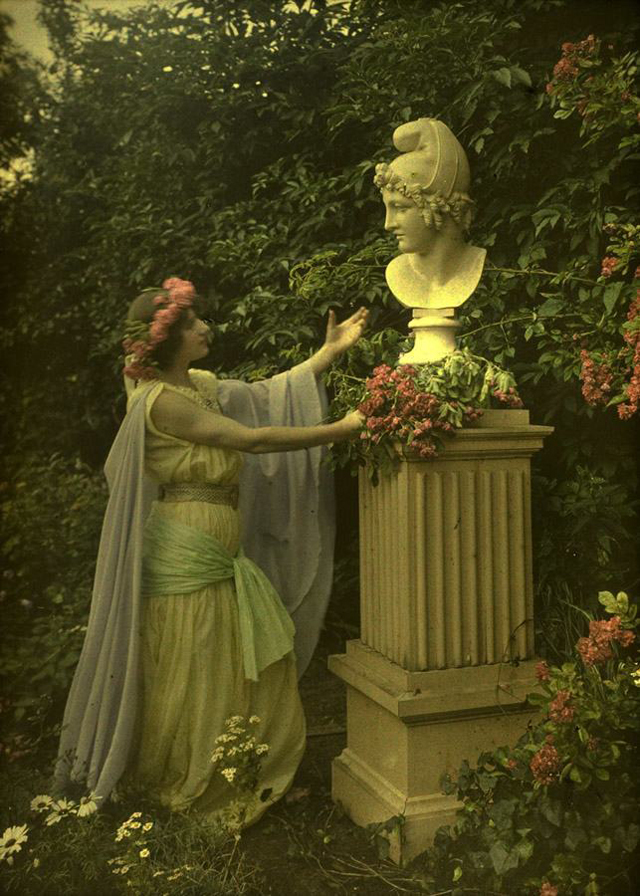
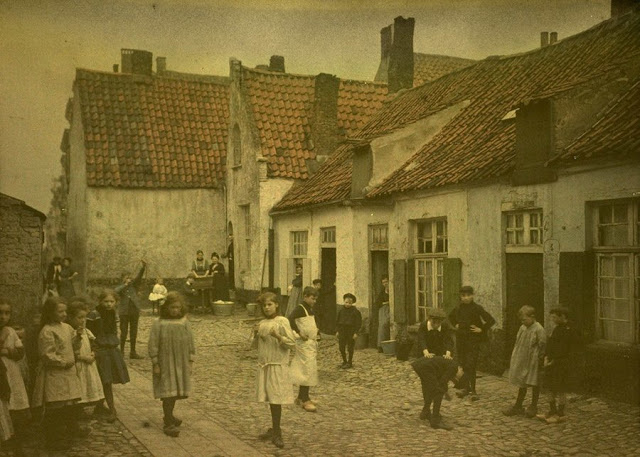
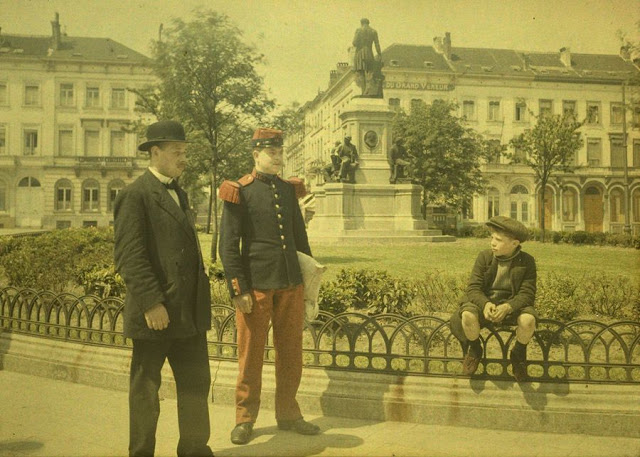
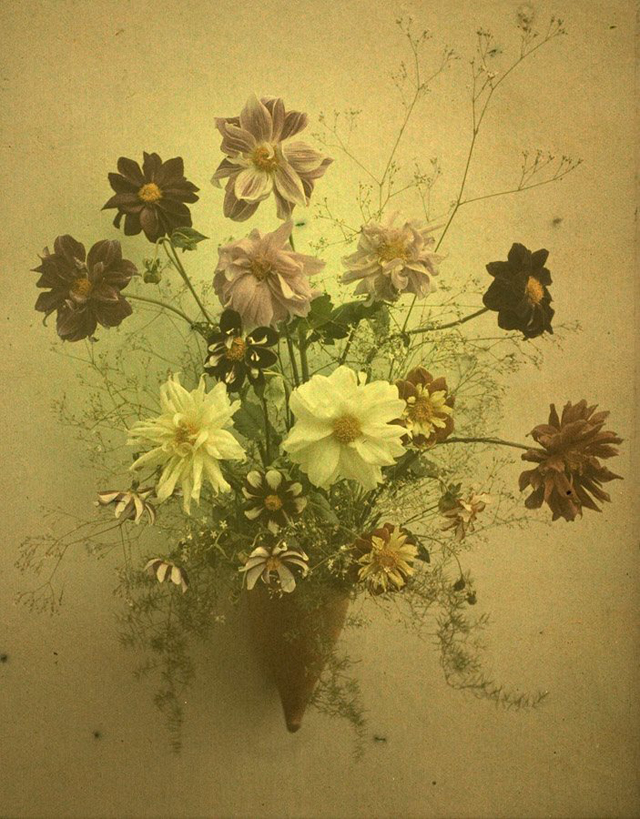
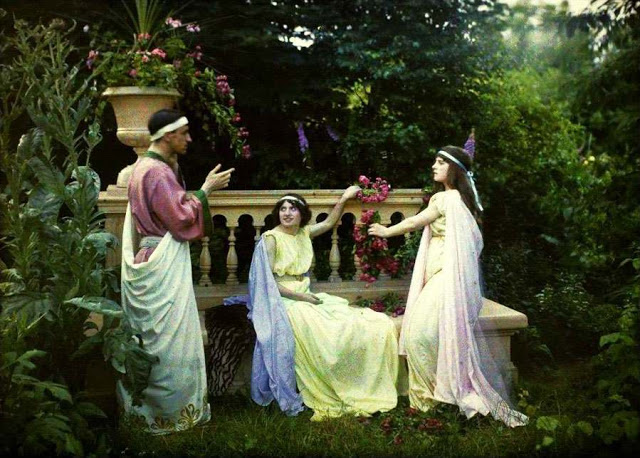
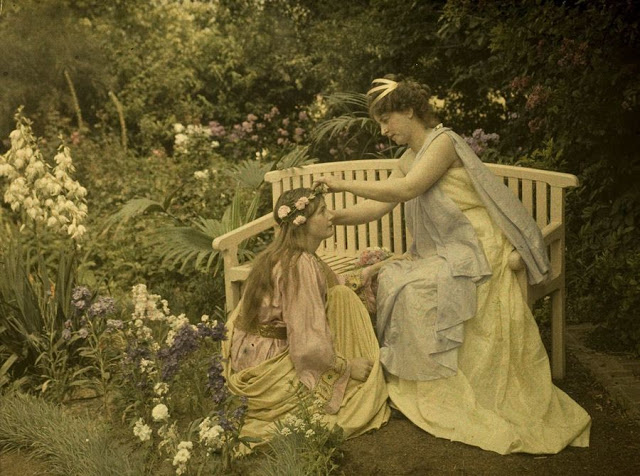
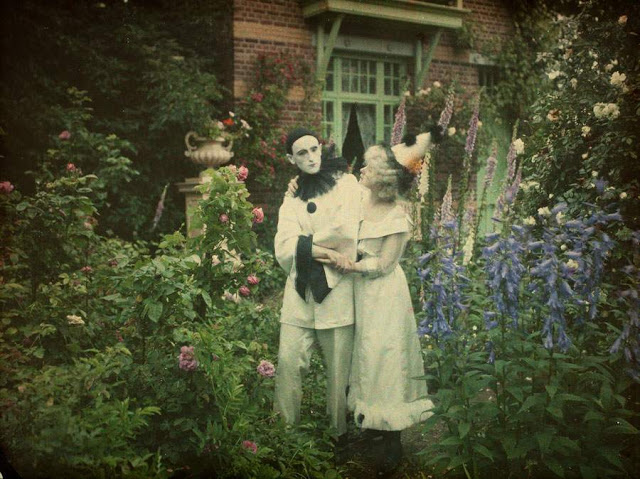
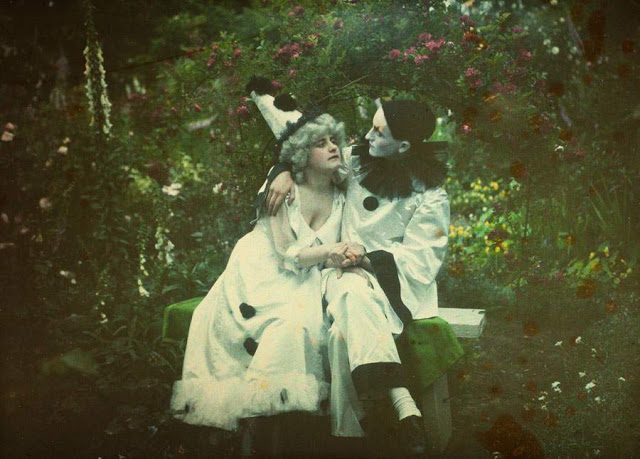
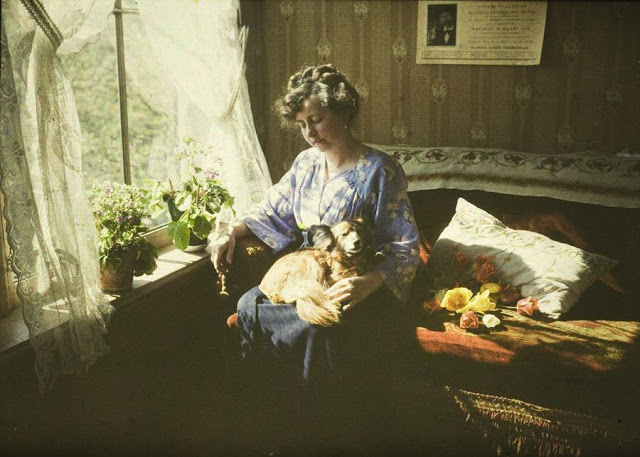
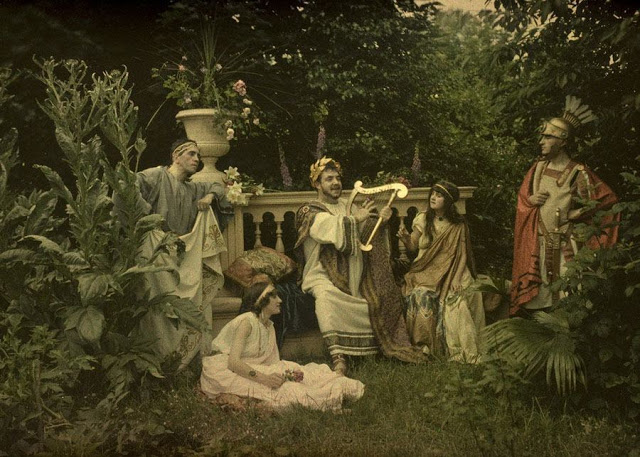
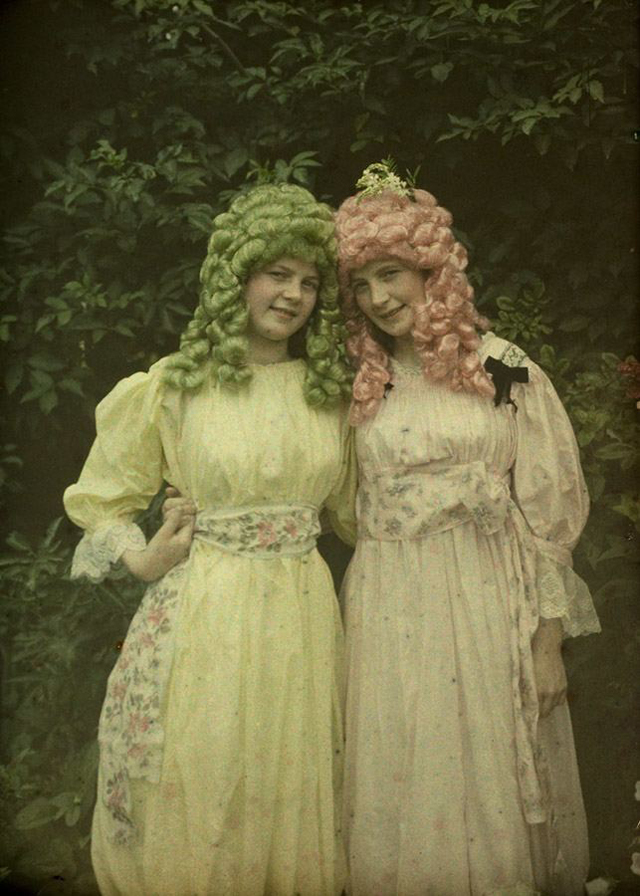
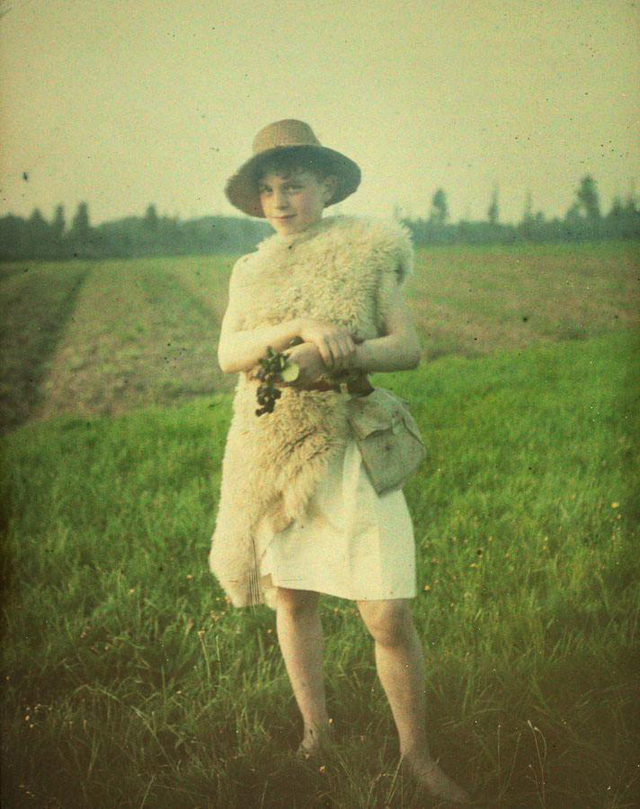
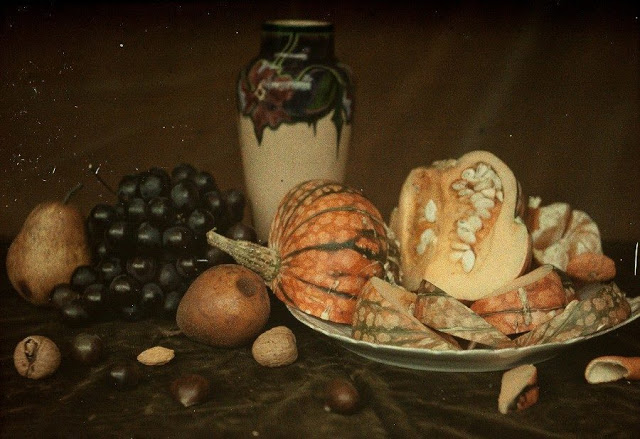
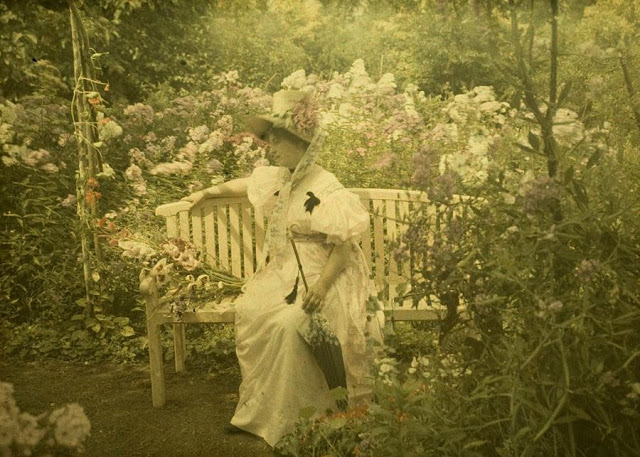
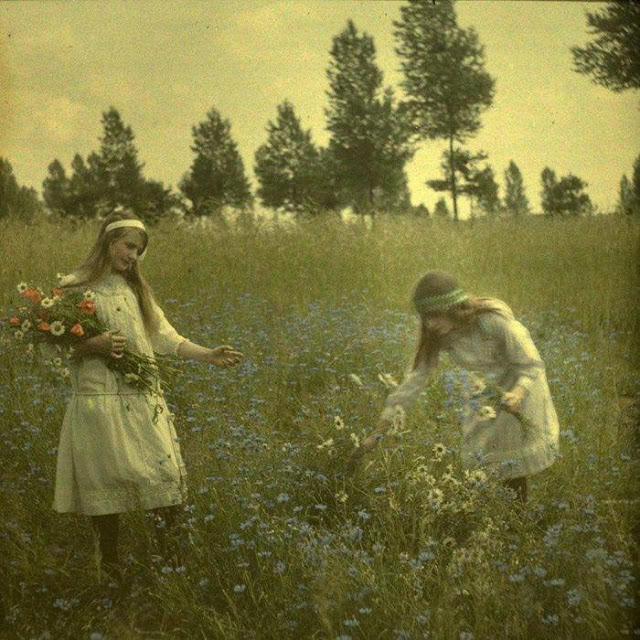
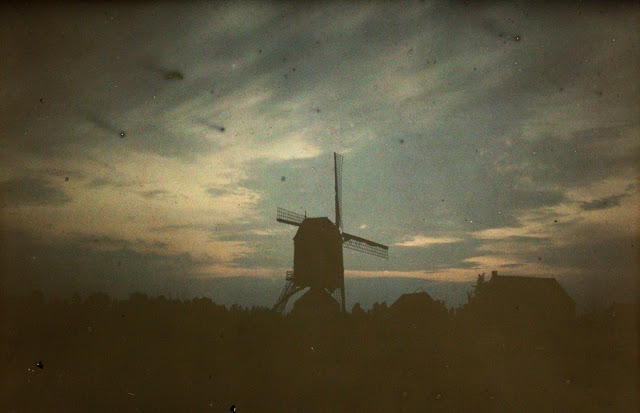
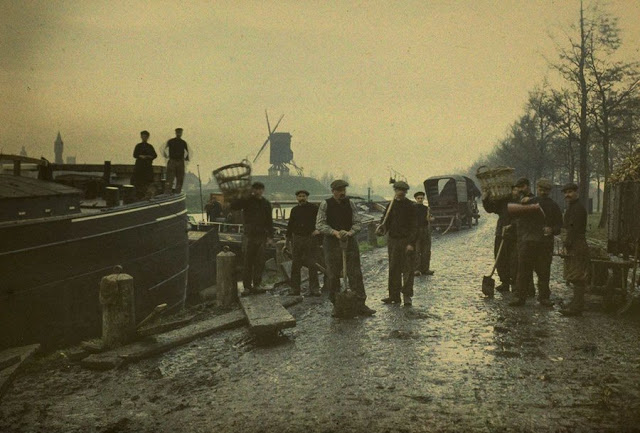
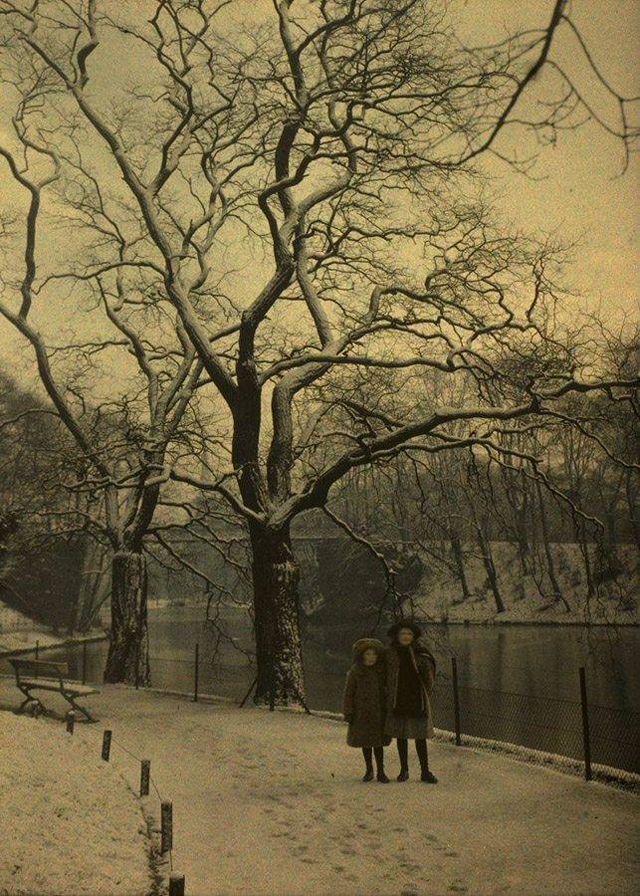
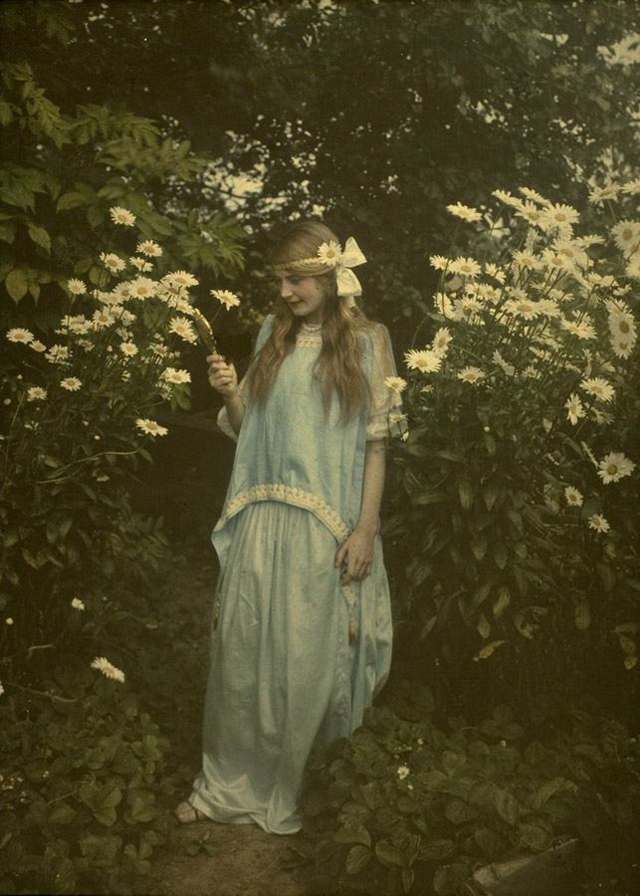
Belgian painter Alfonse Van Besten (1865-1926) embraced technology, utilizing innovative color processes to transfer black and white photographs into vivid, at times lurid Autochromes. The tableaux of his Autochromes (a technology patented by the Lumière brothers in 1903 and the first color photographic process developed on an industrial scale) are often bucolic and romantic.
Here is a dreamy Autochrome photo collection that he shot from 1910 to 1915.
Farmers on cart, ca. 1912Ancient times, ca. 1912Children at play, ca. 1912Civic and military garb, ca. 1911Dahlias, ca. 1913Garden view, ca. 1914Grecian times, 1912Groupe antique composition, ca. 1912Innocence, ca. 1912Mime in love, ca.1912Mime in love, ca.1912Modesty, 1912Musing (Mrs. A. Van Besten), ca. 1910Nero playing the harp, 1912Pink and green wigs, ca. 1912Shepherd’s boy, ca.1913Still life with brown fruit, ca.1913Symphony in white, 1912Two girls picking cornflowers, ca. 1912Van Besten painting in his gardenWashing and bleachingWindmill at twilight, ca.1913Winter at Brugge unloading barge, ca. 1912Winter scene in park, ca. 1912Young girl amidst marguerites, ca. 1912
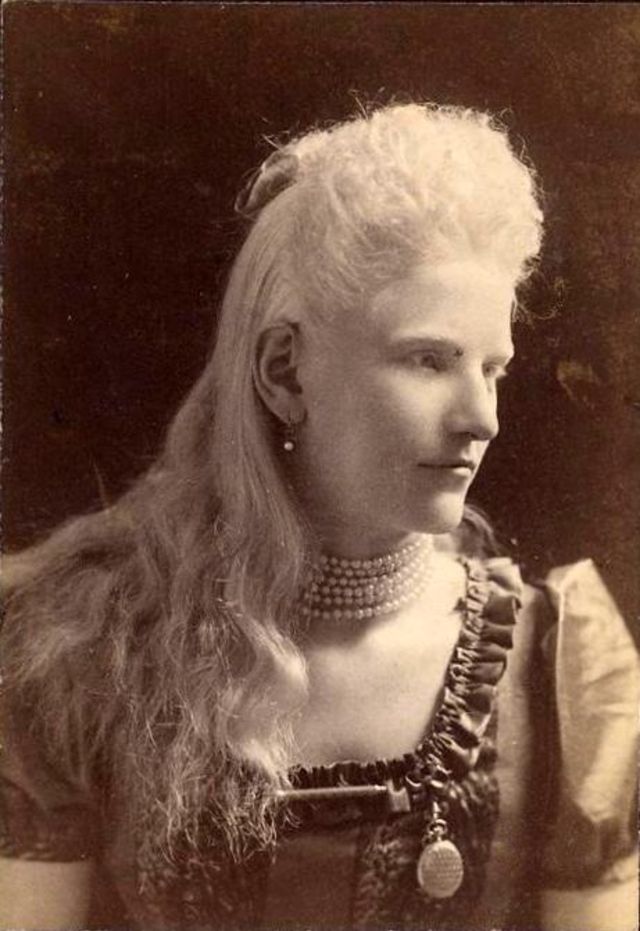
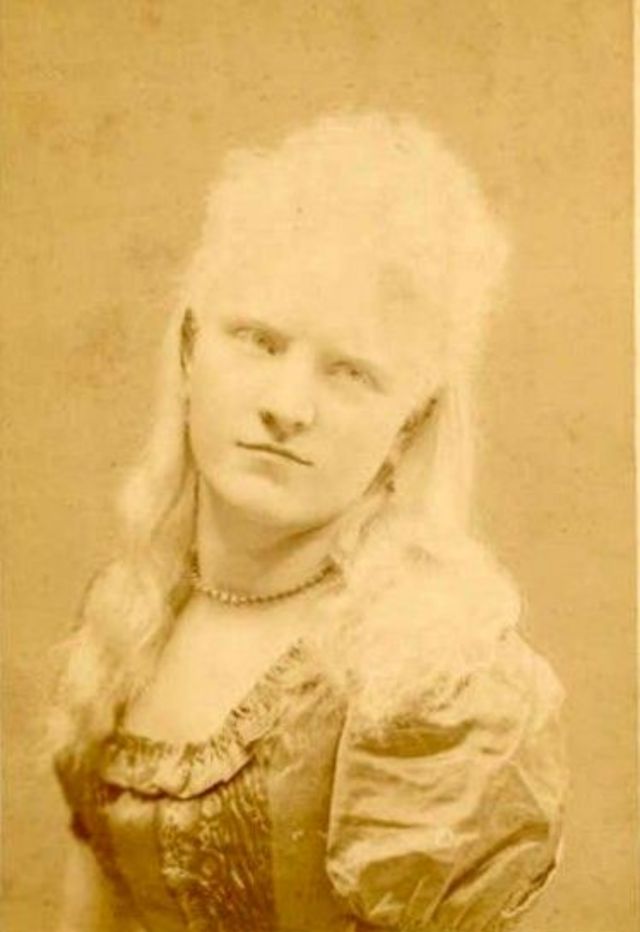
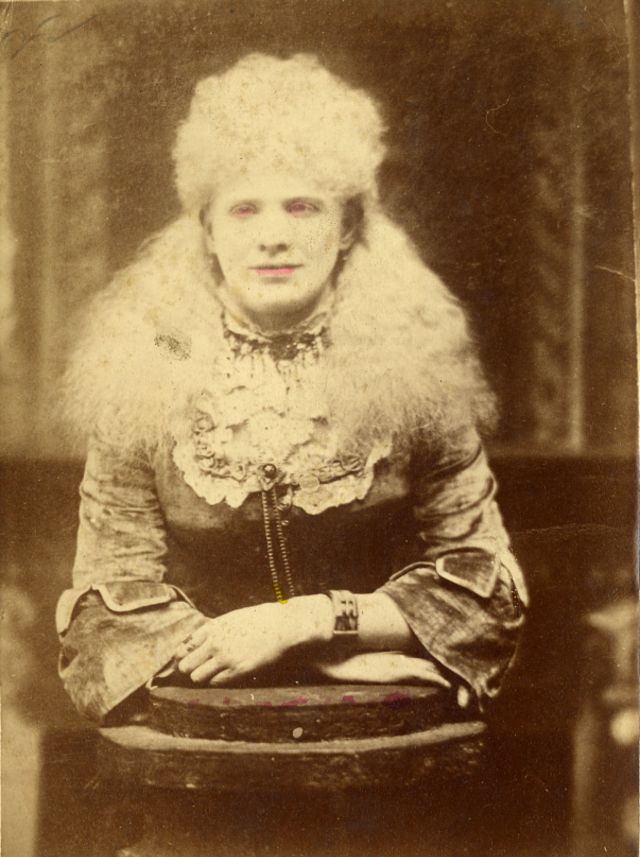
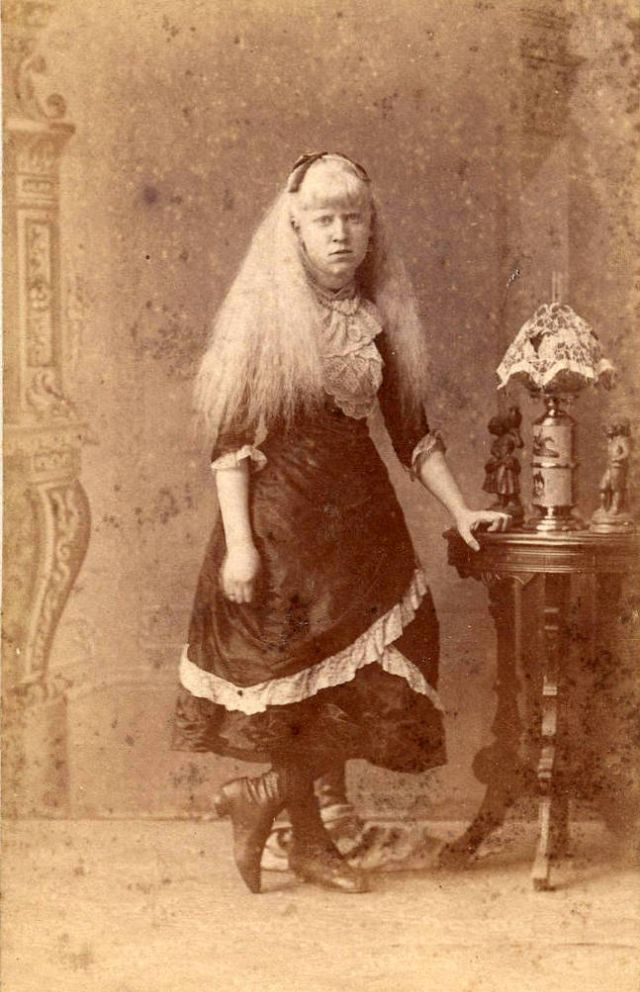
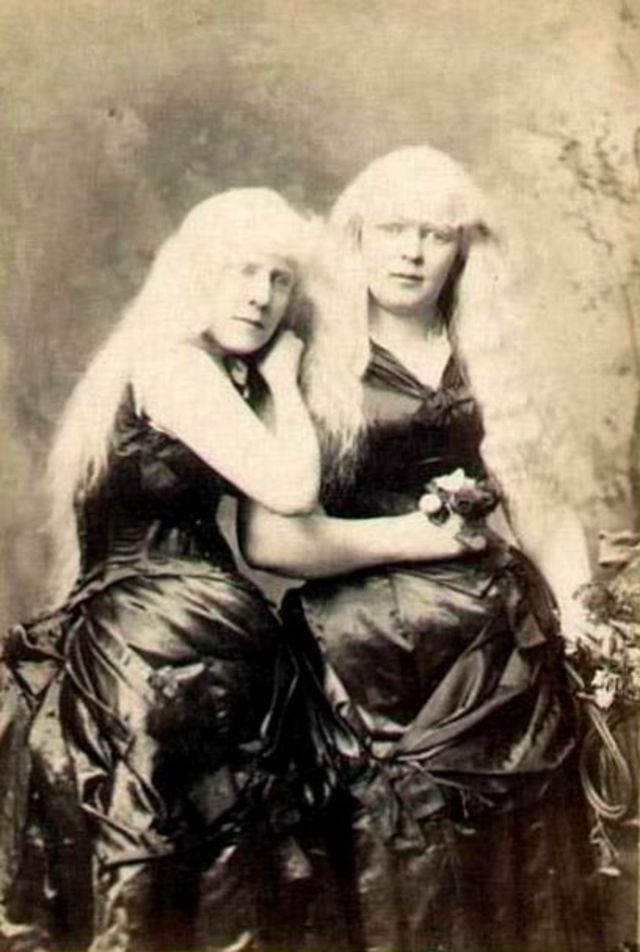
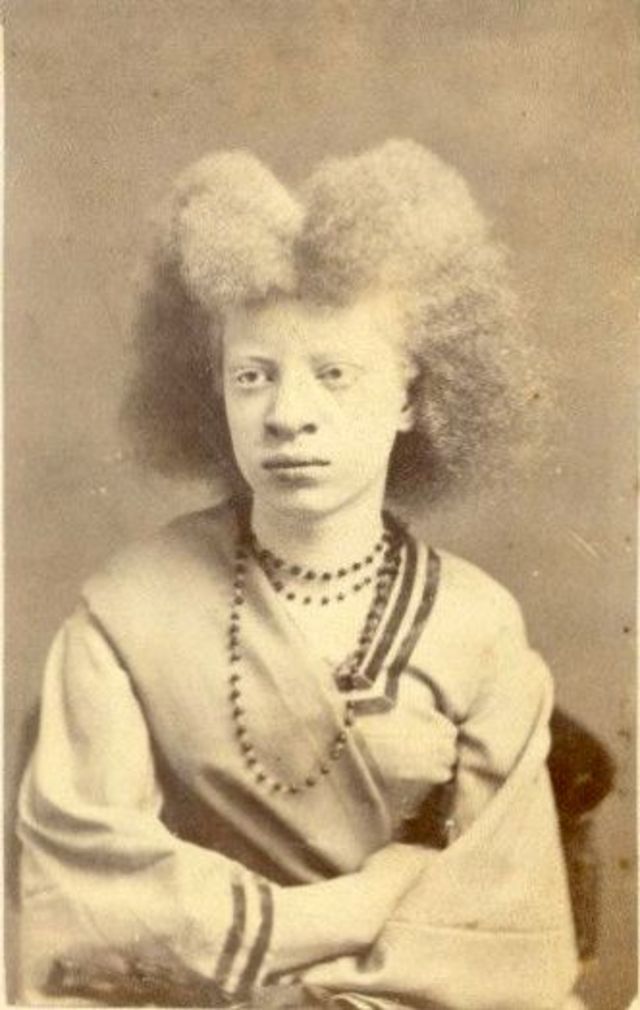
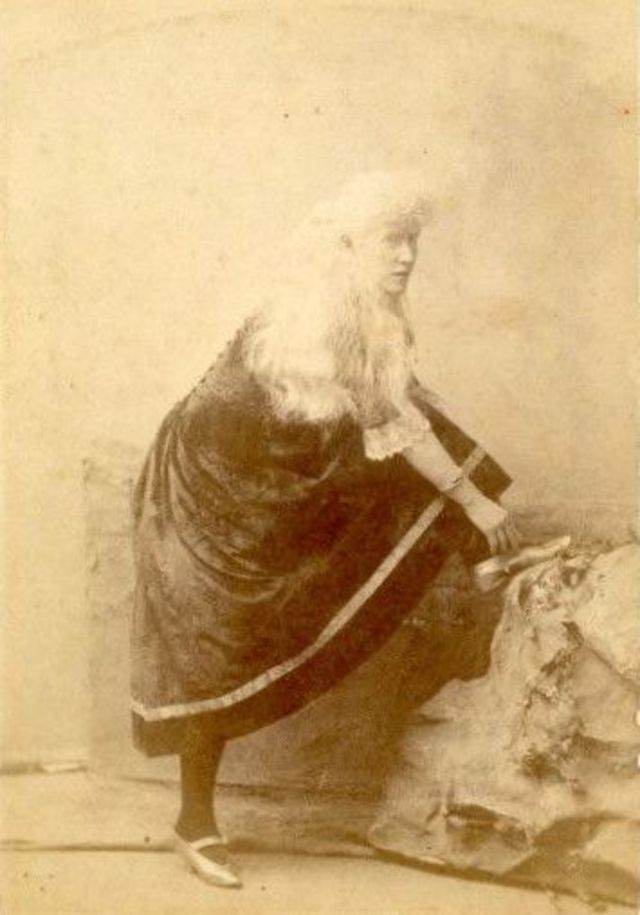
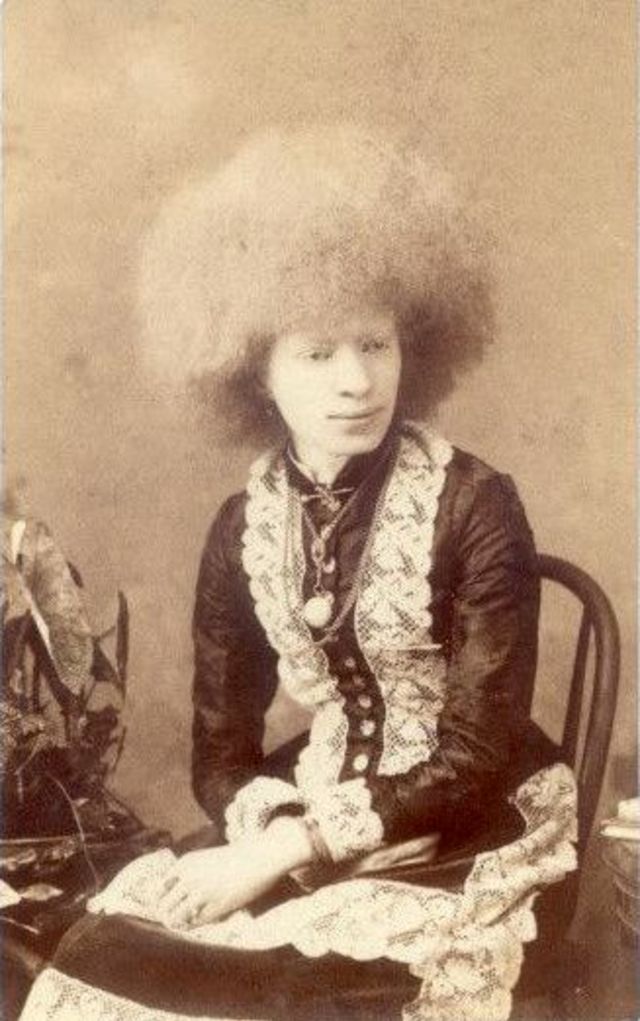
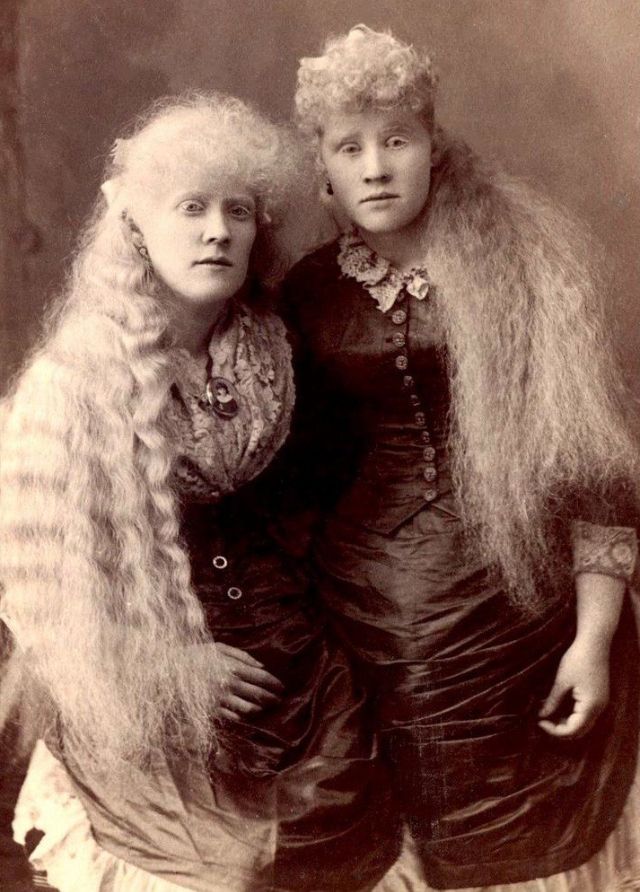
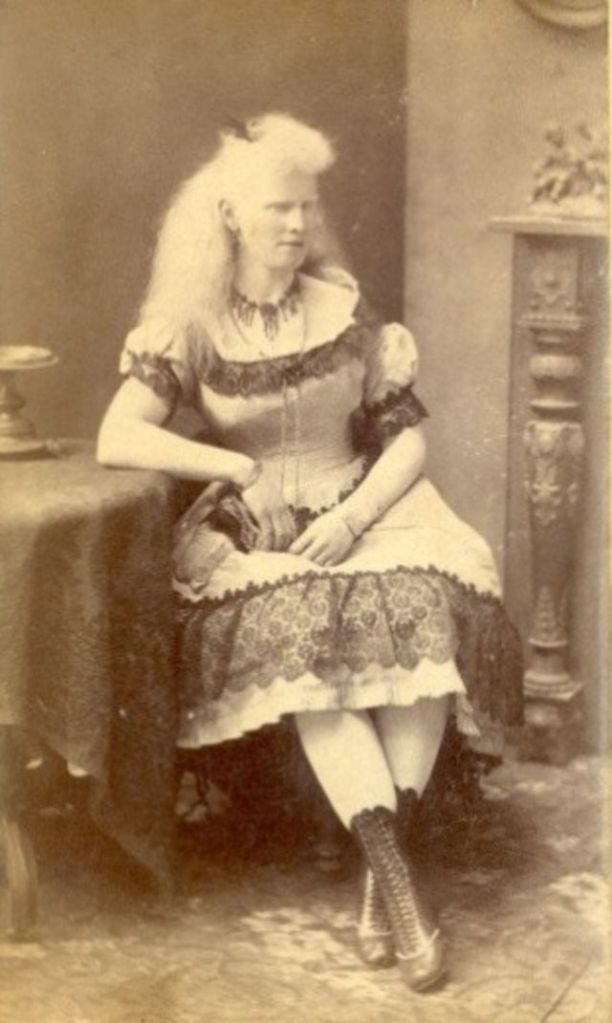
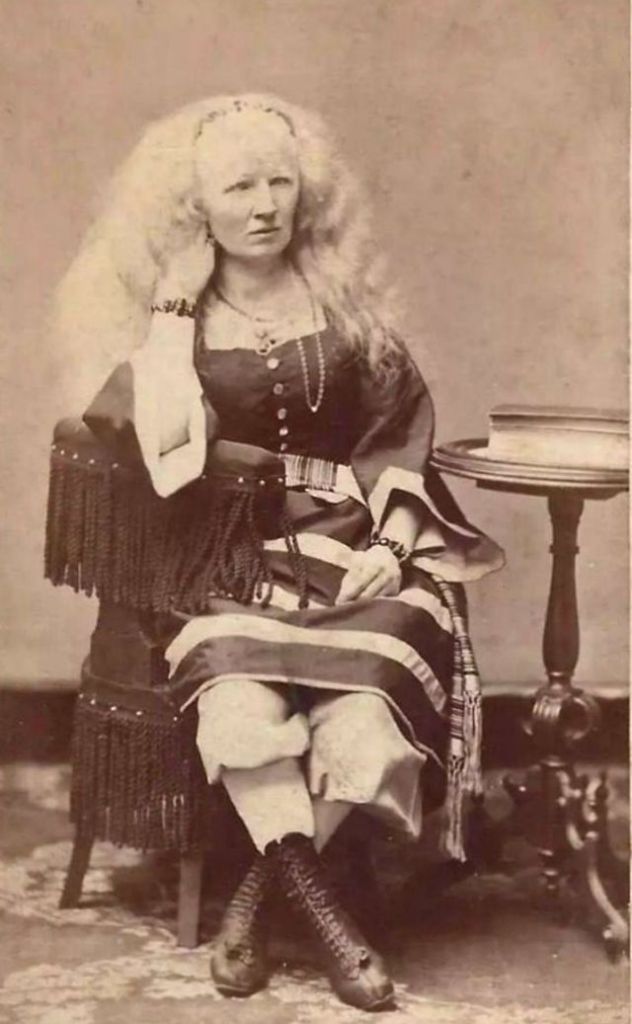
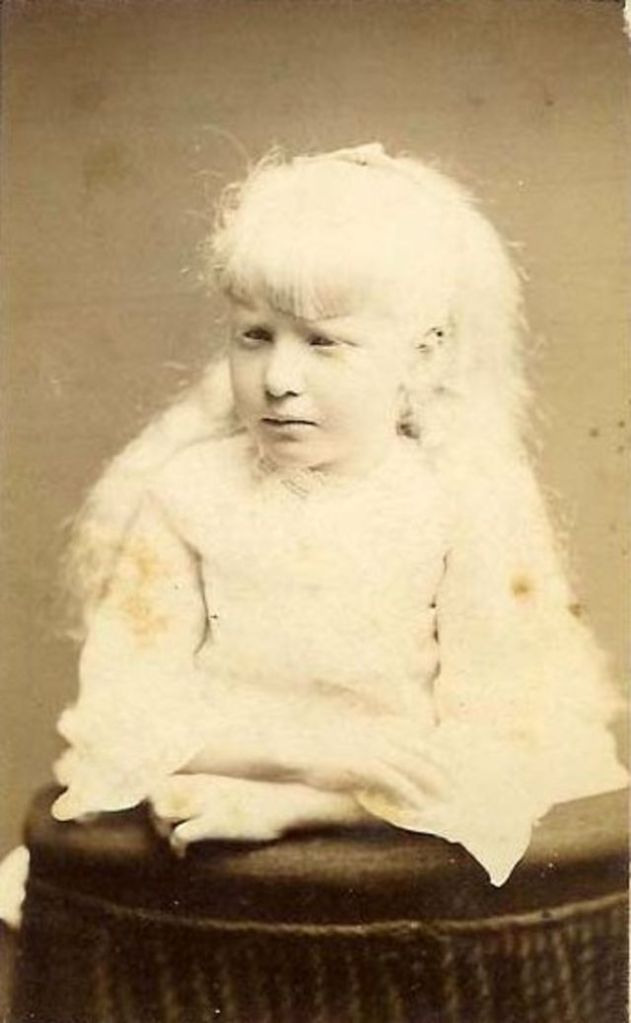
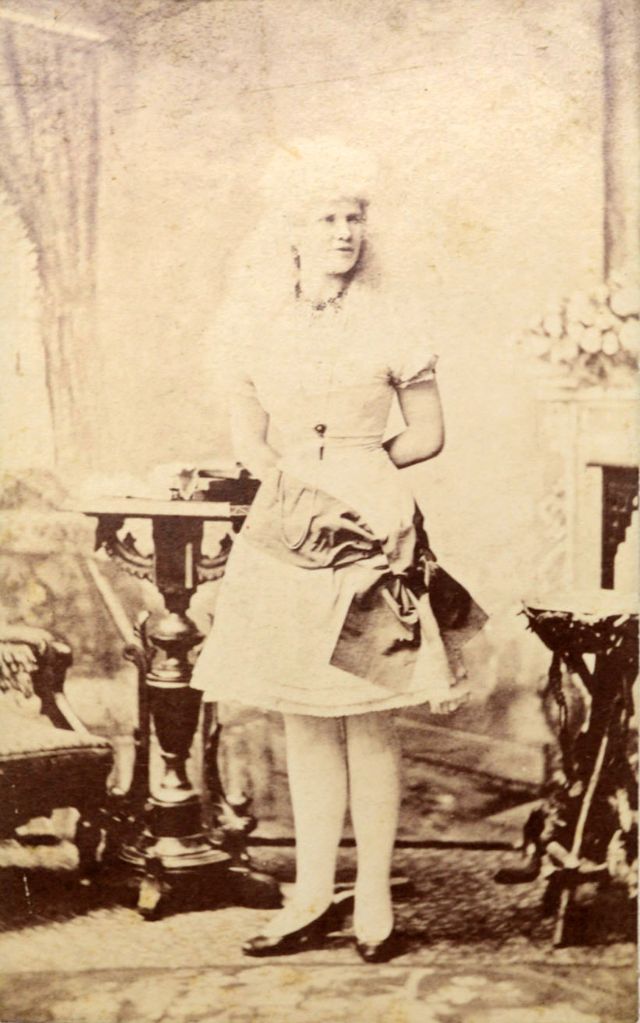
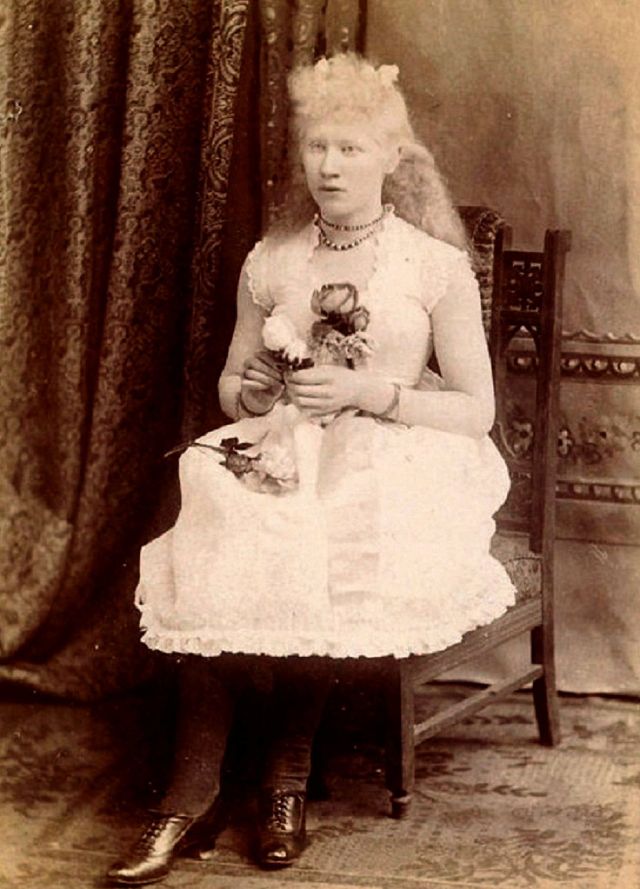
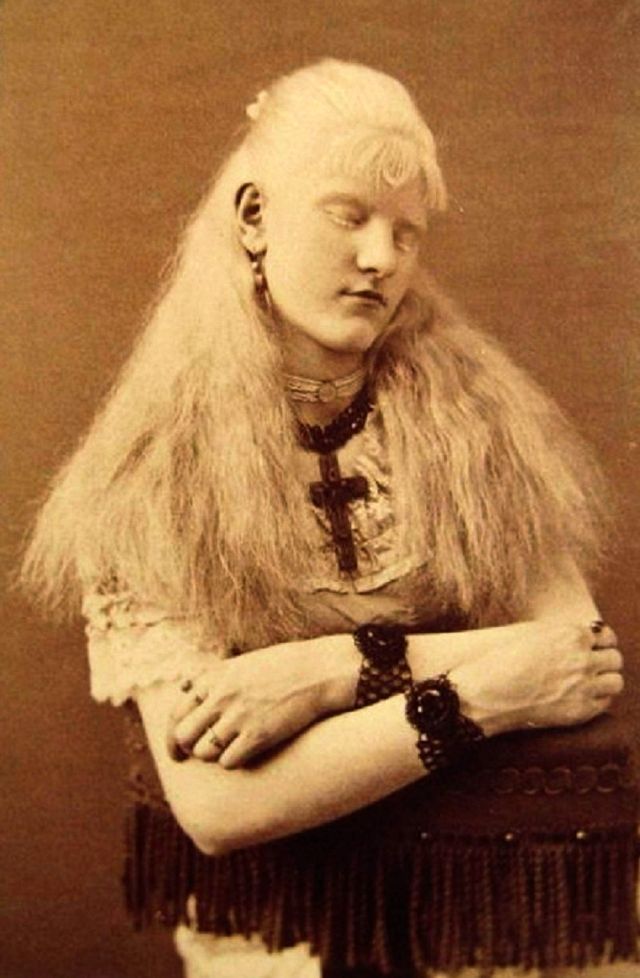
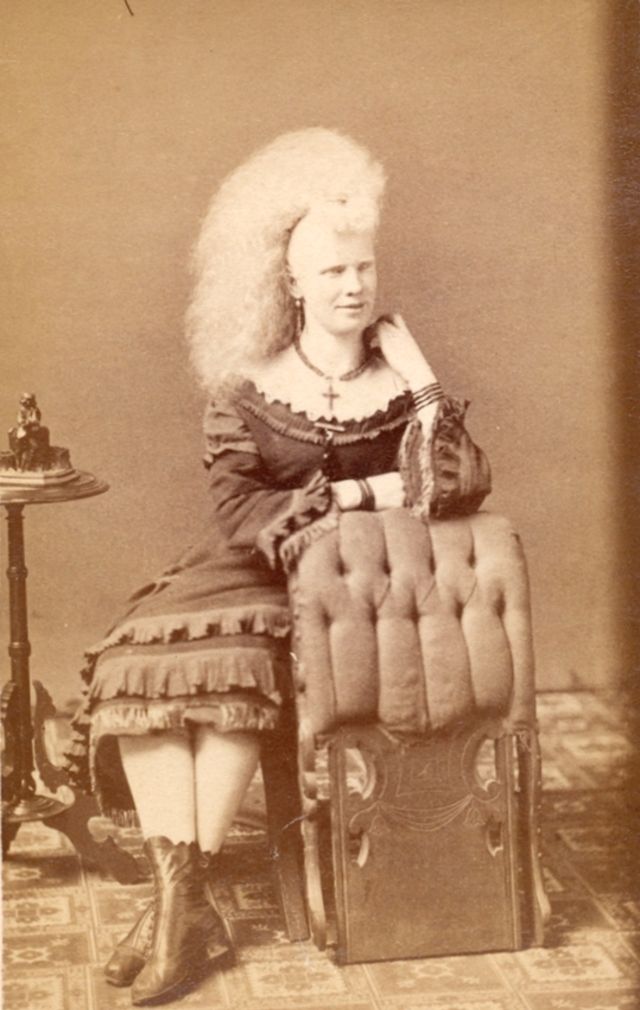
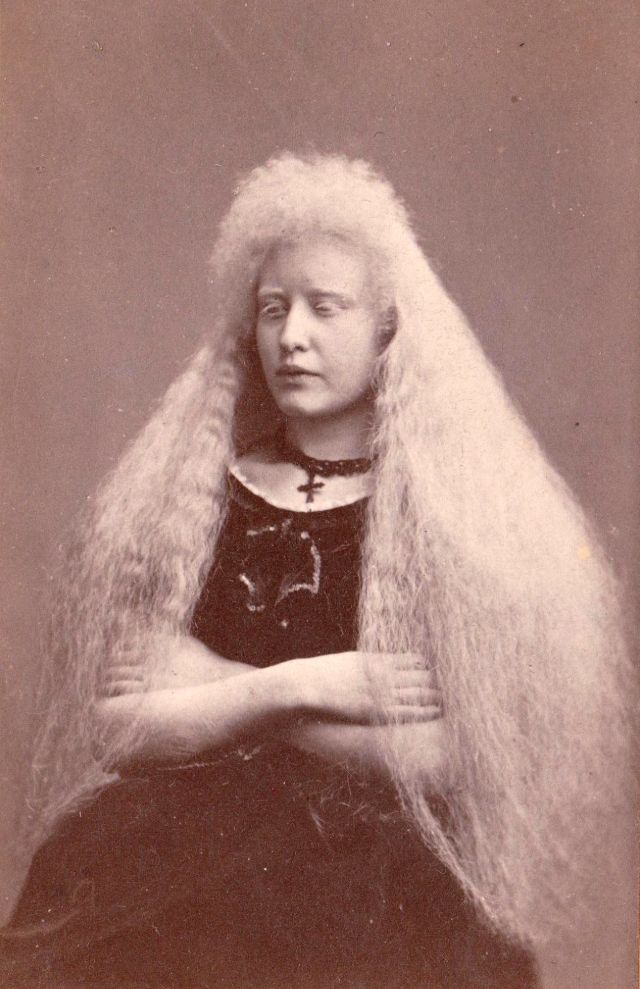
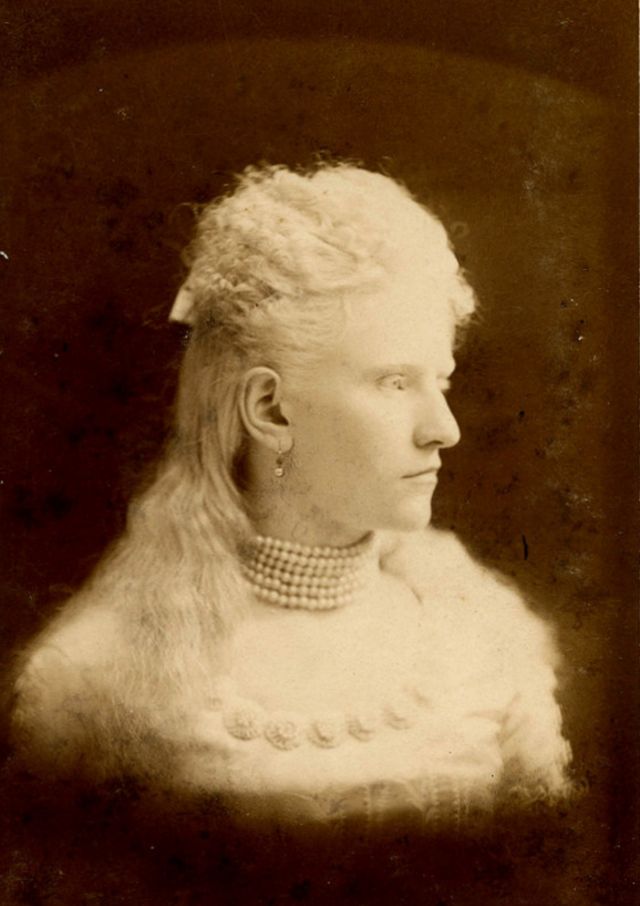
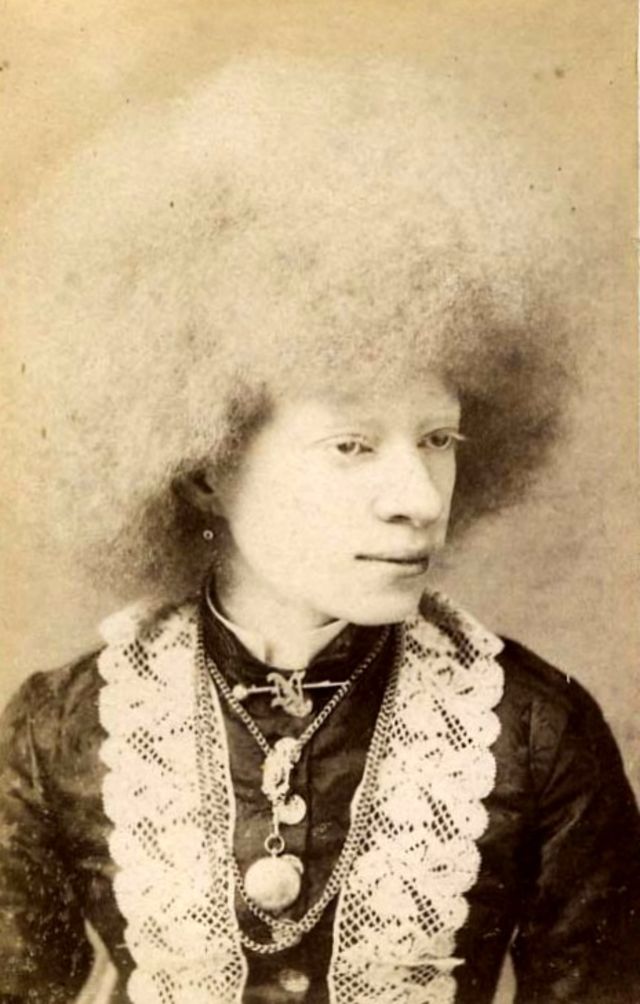
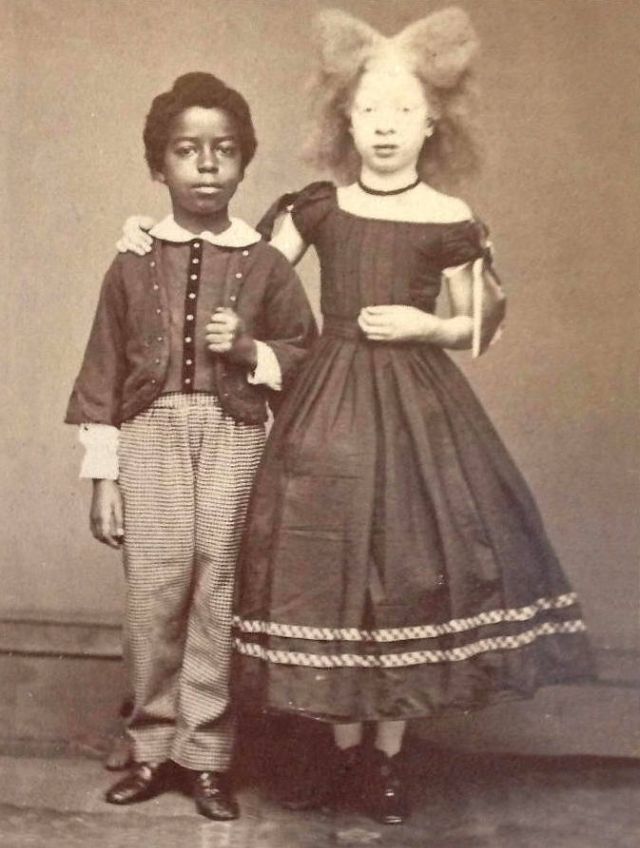
A beautiful photo collection that show albino girls named Nellie Walker, Millie Lammar in the 1870s, albino performer and Circassian beauty Aggie Zolidra, Aggie Zolutia in the 1880s, and some other beautiful girls.