The prohibition of alcohol in the United States lasted for 13 years during the 1920s and 30s. It is one of most famous—or infamous—times in recent American history. While the intention was to reduce the consumption of alcohol by eliminating businesses that manufactured, distributed, and sold it, the plan backfired.
Considered by many as a failed social and political experiment, the era changed the way many Americans viewed alcoholic beverages. It also enhanced the realization that federal government control cannot always take the place of personal responsibility.
We associate the Prohibition era with gangsters, bootleggers, speakeasies, rum-runners, and an overall chaotic situation in respect to the social network of Americans. The period began in 1920 with general acceptance by the public. It ended in 1933 as the result of the public’s annoyance with the law and the ever-increasing enforcement nightmare.
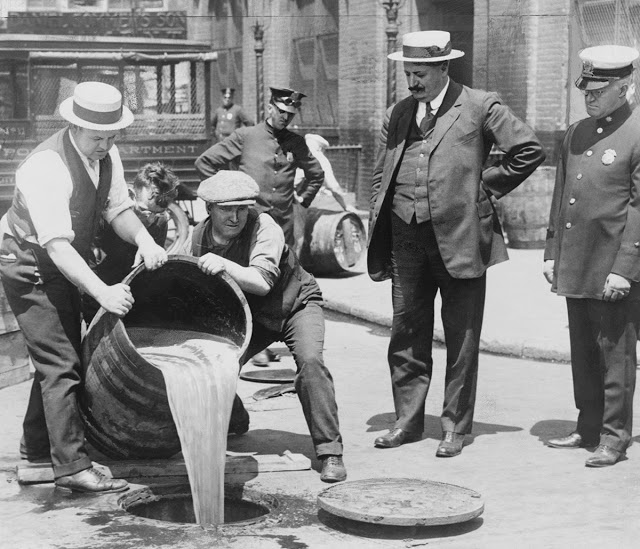
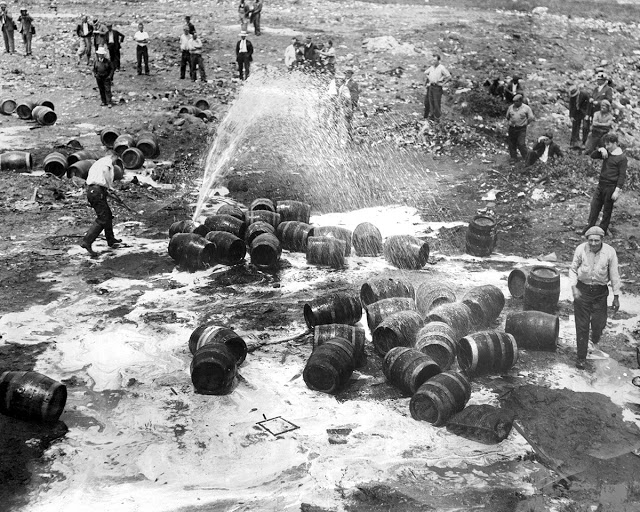
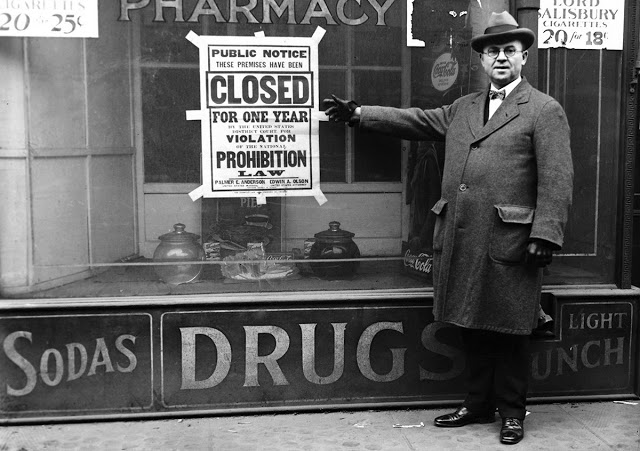
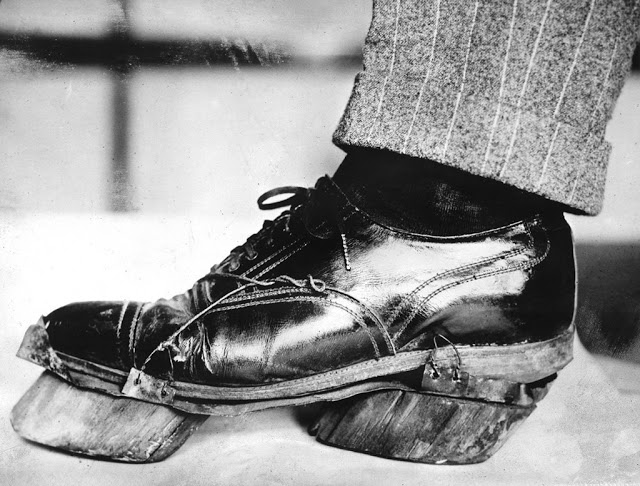
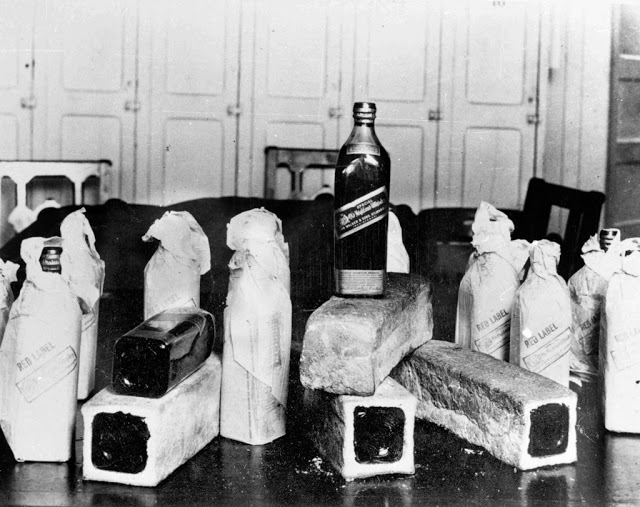
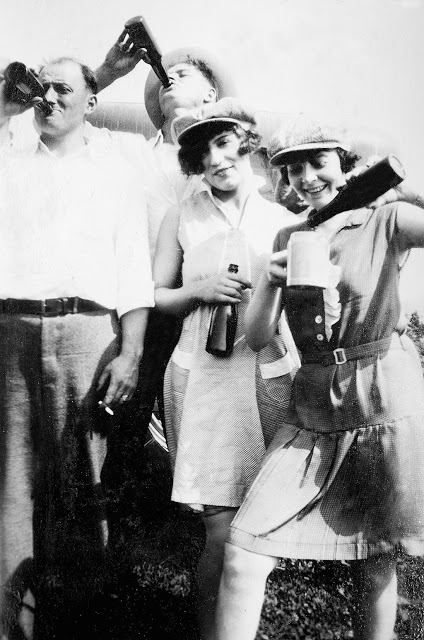
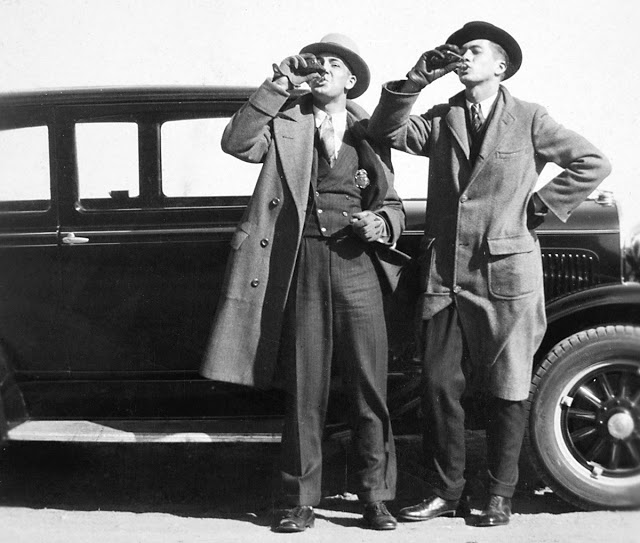
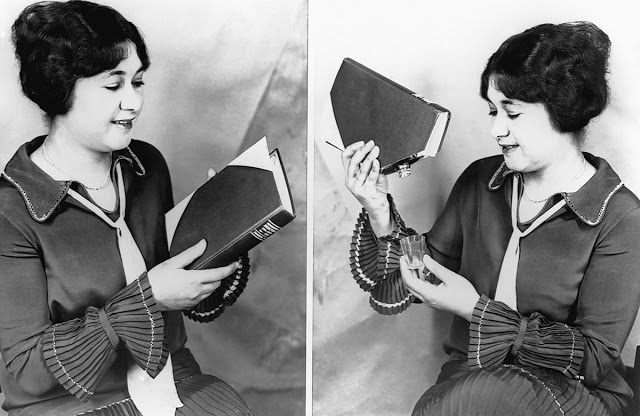
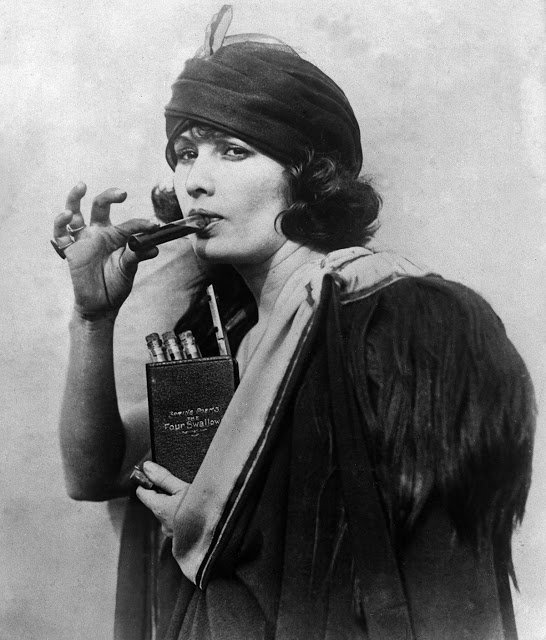
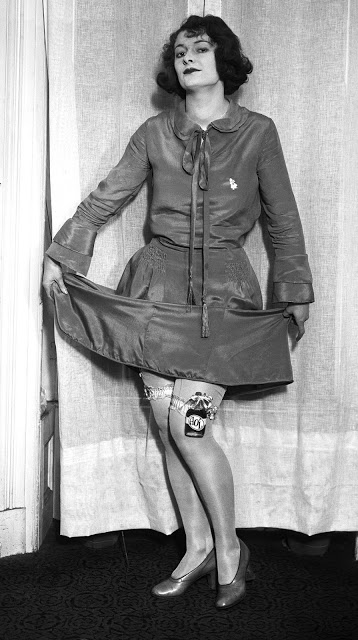
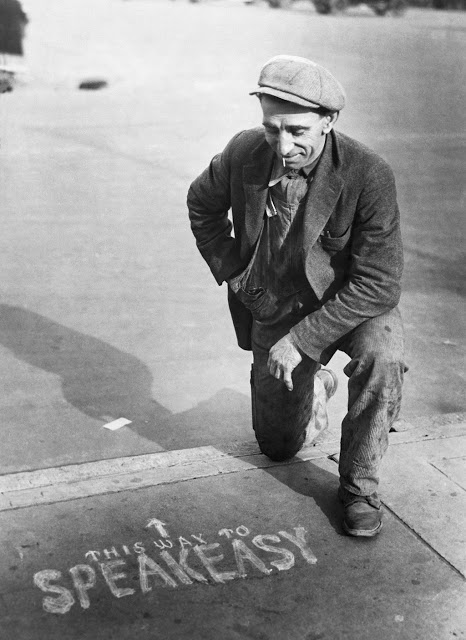
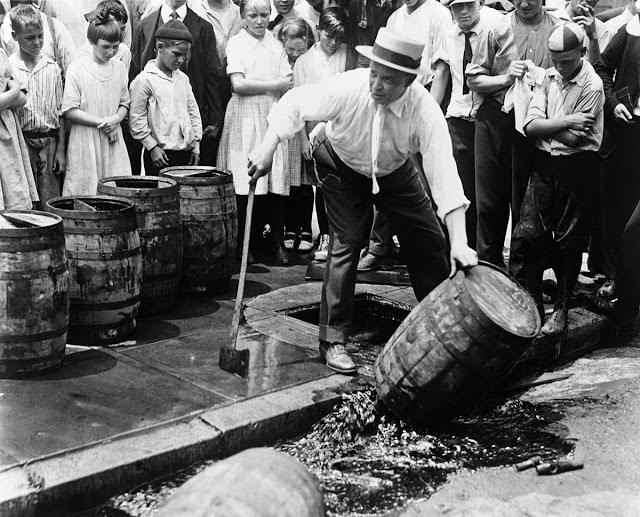
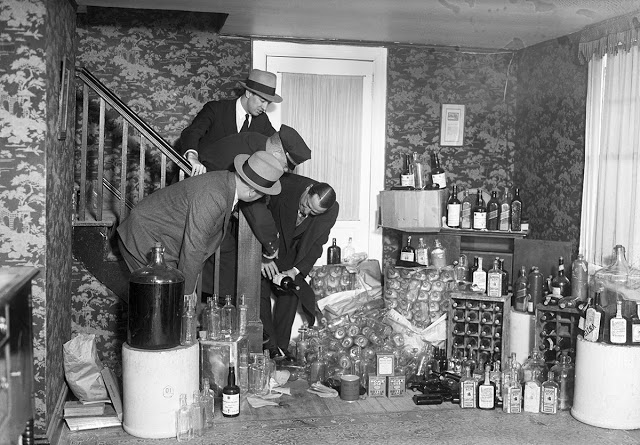
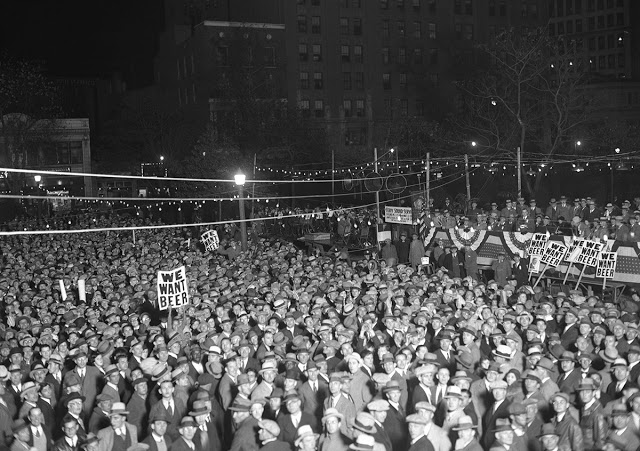
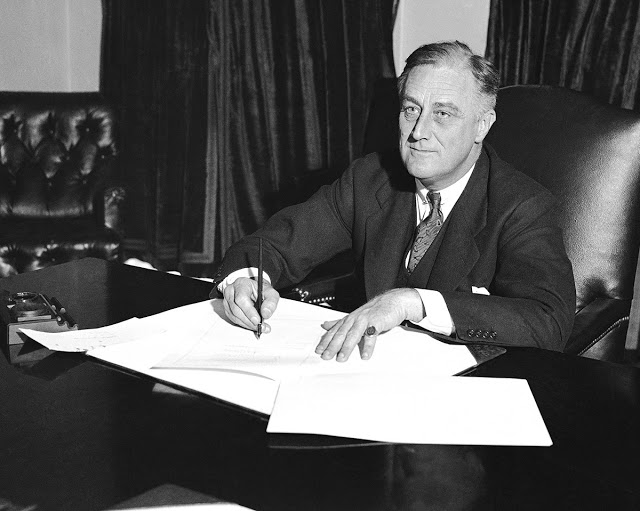
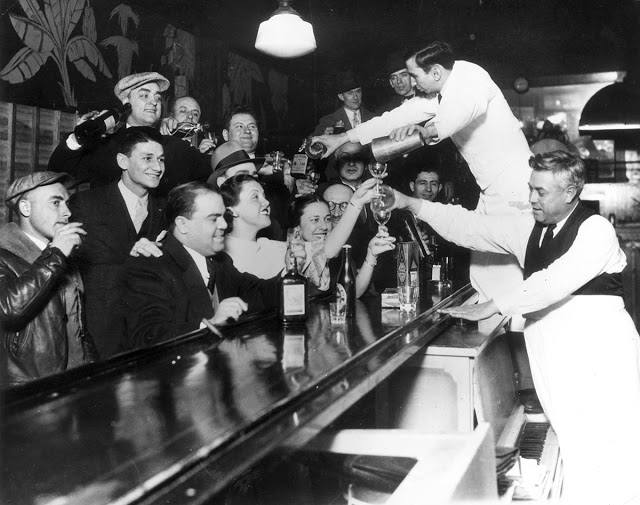
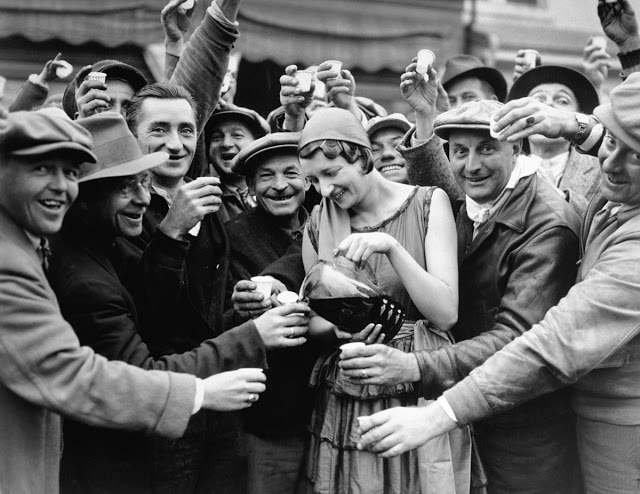
Police in New York City pour liquor from a barrel down a sewer during a 1921 raid.Tears mingle with strong beer in Newark, New Jersey, as prohibition agents destroy the unlawful liquor seized in a Hoboken raid on June 18, 1931.Huge black-and-white posters printed in bold type serve as notice that a Chicago business had been closed by the federal courts for violations of the Volstead Act.A driver tries to ensure his safety with a banner on his vehicle that reads, “I’m not a Bootlegger. Don’t shoot, I’ll stop,” near the Mexico border in 1929.The shoe of an alcohol smuggler who had been arrested at the Canadian border is strapped with wooden soles in the form of cattle hooves to camouflage their border crossing, circa 1924.Bottles of Scotch whisky smuggled in hollowed-out loaves of bread are confiscated by police on June 12, 1924.Groups of young people playfully pose with illegal drinks, circa 1922.Two police officers drink from flasks by their car, circa 1930.A woman demonstrates how to use a Prohibition-era book to conceal a liquor flask in 1927.A woman uses a dummy book, titled The Four Swallows, as a hiding place for liquor during Prohibition in 1925.A woman shows off her new initialed garter flask, which had become the latest rage in 1926.A potential customer examines an enterprising advertisement for an illegal speakeasy during Prohibition in the 1920s.Children watch as a prohibitionist destroys a barrel of beer with an ax during the 1920s.Police officers raid a Long Island, New York, home to find $20,000 worth of booze on Jan. 26, 1930.Four women chug bottles of illegal liquor, circa 1925.A woman demonstrates how her overcoat conceals two tins of booze strapped to her thighs on Sept. 3, 1928.More than 40,000 demonstrators gather in Military Park, Newark, on Nov. 1, 1931, to oppose the ban of alcohol in the US.President Franklin D. Roosevelt signs the Cullen-Harrison Act, or “Beer Bill,” the first relaxation of the Volstead Act, on Mar. 22, 1933. The new law allowed the sale of beer and wine containing 3.2% alcohol starting at midnight on April 6.Partygoers celebrate the end of Prohibition amid a tangle of confetti and ribbons in 1933.Workers in Brooklyn unload cases of liquor from marble blocks, which were used to conceal alcohol before the repeal of Prohibition, in October 1933.Bartenders at Sloppy Joe’s bar in Chicago pour a round of drinks on the house for a large group of smiling customers as it was announced that the 18th Amendment had been repealed and Prohibition had been removed from the US Constitution after 13 years.A woman serves drinks to a crowd of men who are joyfully celebrating the repeal of Prohibition in 1933.
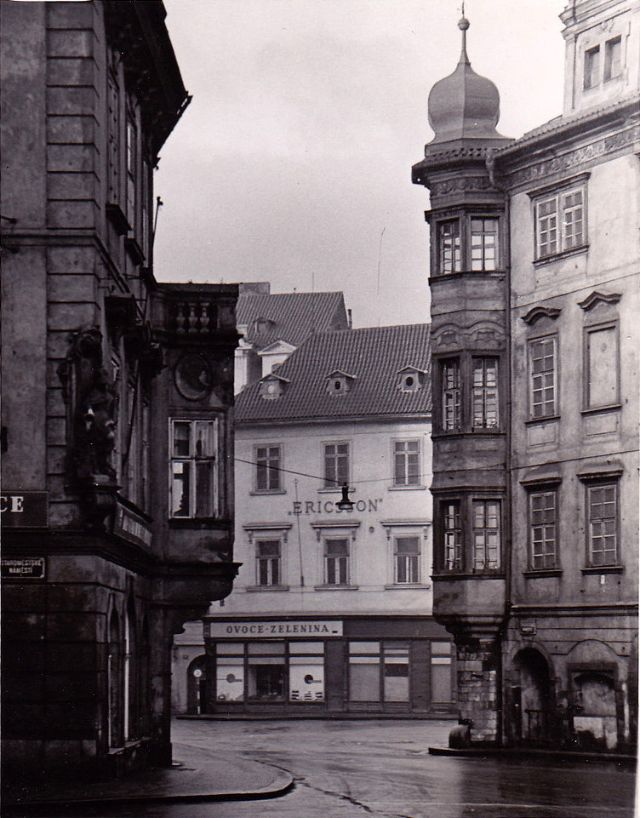
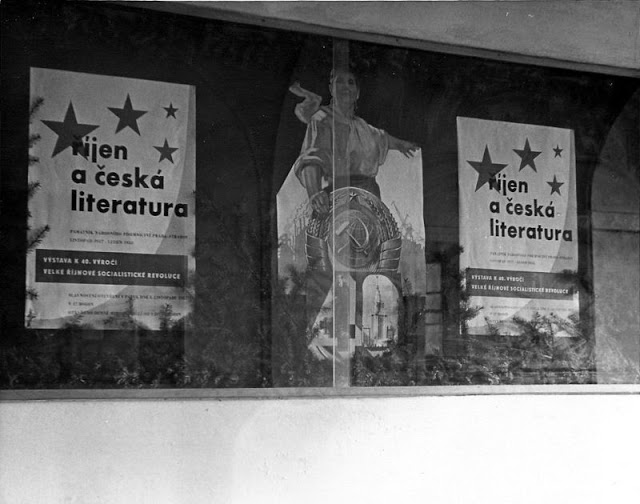
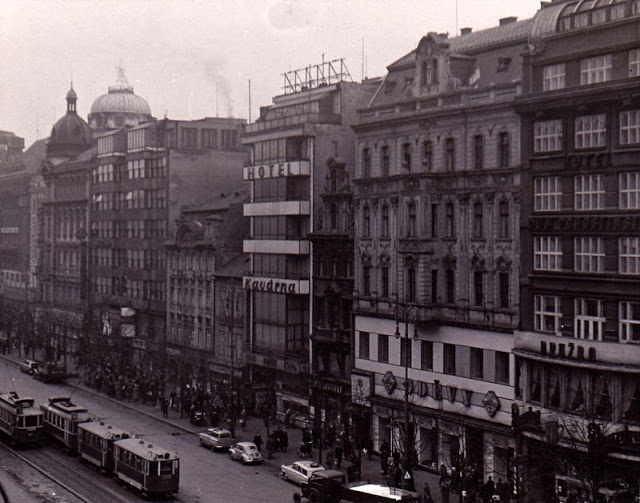
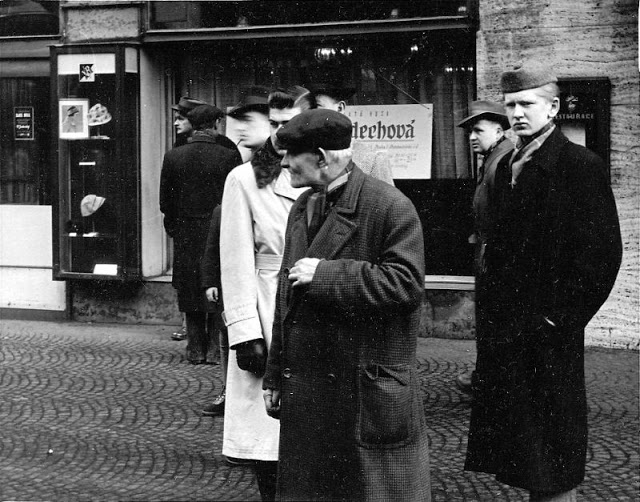
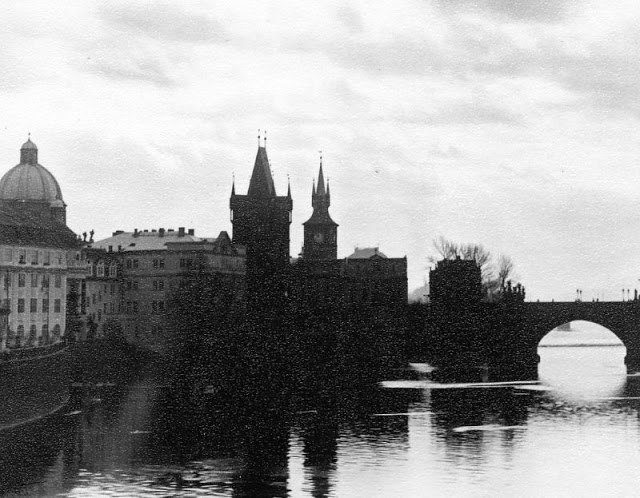
Prague is the capital and largest city in the Czech Republic, the 13th largest city in the European Union and the historical capital of Bohemia. Situated on the Vltava river, Prague is home to about 1.3 million people, while its metropolitan area is estimated to have a population of 2.7 million. The city has a temperate oceanic climate, with relatively warm summers and chilly winters.
Prague is a political, cultural, and economic centre of central Europe complete with a rich history. Founded during the Romanesque and flourishing by the Gothic, Renaissance and Baroque eras, Prague was the capital of the Kingdom of Bohemia and the main residence of several Holy Roman Emperors, most notably of Charles IV (r. 1346–1378). It was an important city to the Habsburg Monarchy and its Austro-Hungarian Empire. The city played major roles in the Bohemian and the Protestant Reformations, the Thirty Years’ War and in 20th-century history as the capital of Czechoslovakia between the World Wars and the post-war Communist era.
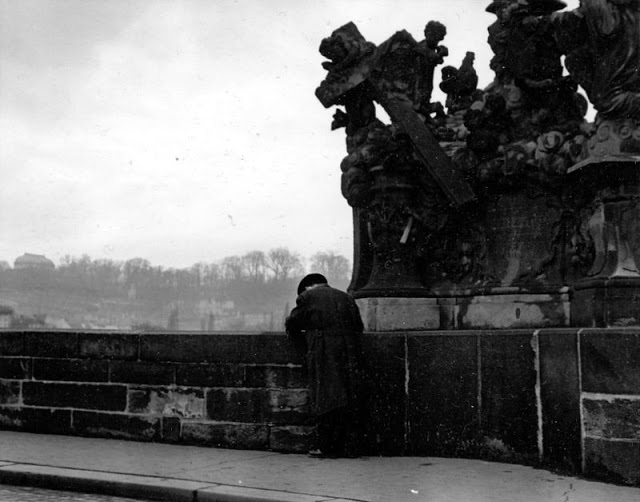
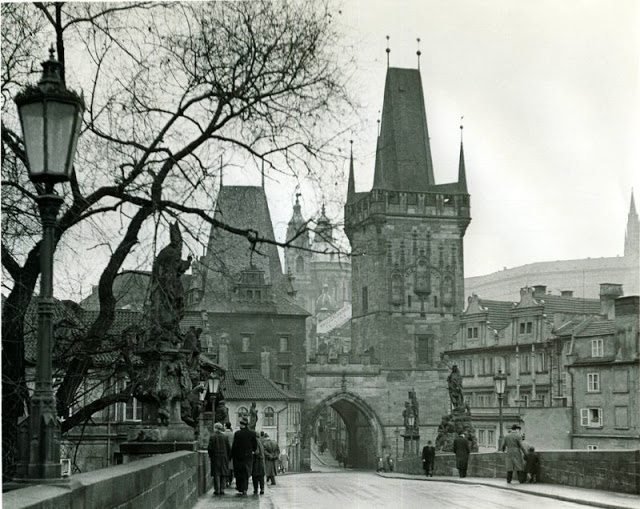
Prague is home to a number of well-known cultural attractions, many of which survived the violence and destruction of 20th-century Europe. Main attractions include Prague Castle, Charles Bridge, Old Town Square with the Prague astronomical clock, the Jewish Quarter, Petrín hill and Vyšehrad. Since 1992, the extensive historic centre of Prague has been included in the UNESCO list of World Heritage Sites.
The city has more than ten major museums, along with numerous theatres, galleries, cinemas, and other historical exhibits. An extensive modern public transportation system connects the city. It is home to a wide range of public and private schools, including Charles University in Prague, the oldest university in Central Europe.
Prague is classified as an “Alpha-” global city according to GaWC studies. In 2019, the city was ranked as 69th most liveable city in the world by Mercer. In the same year, the PICSA Index ranked the city as 13th most liveable city in the world. Its rich history makes it a popular tourist destination and as of 2017, the city receives more than 8.5 million international visitors annually. In 2017 Prague was listed as the fifth most visited European city after London, Paris, Rome, and Istanbul.
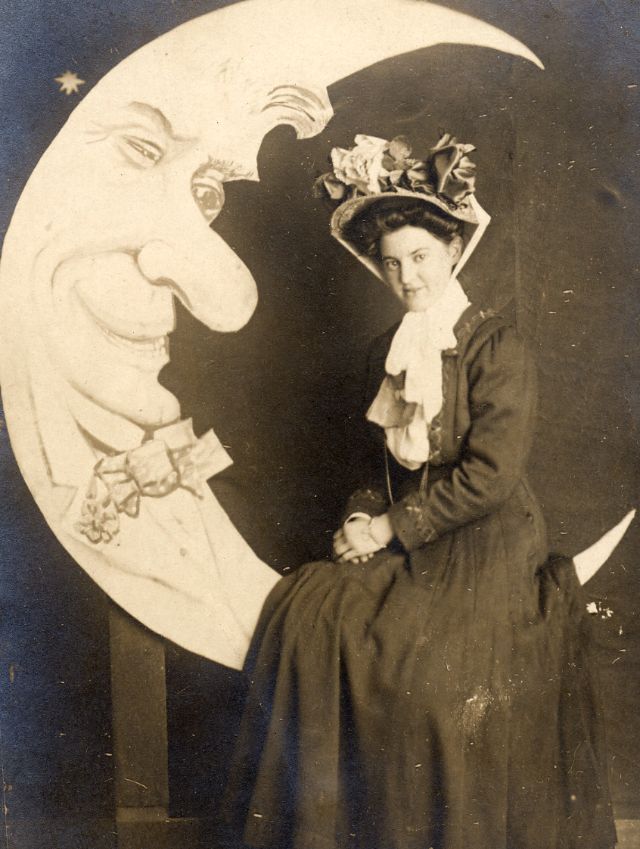
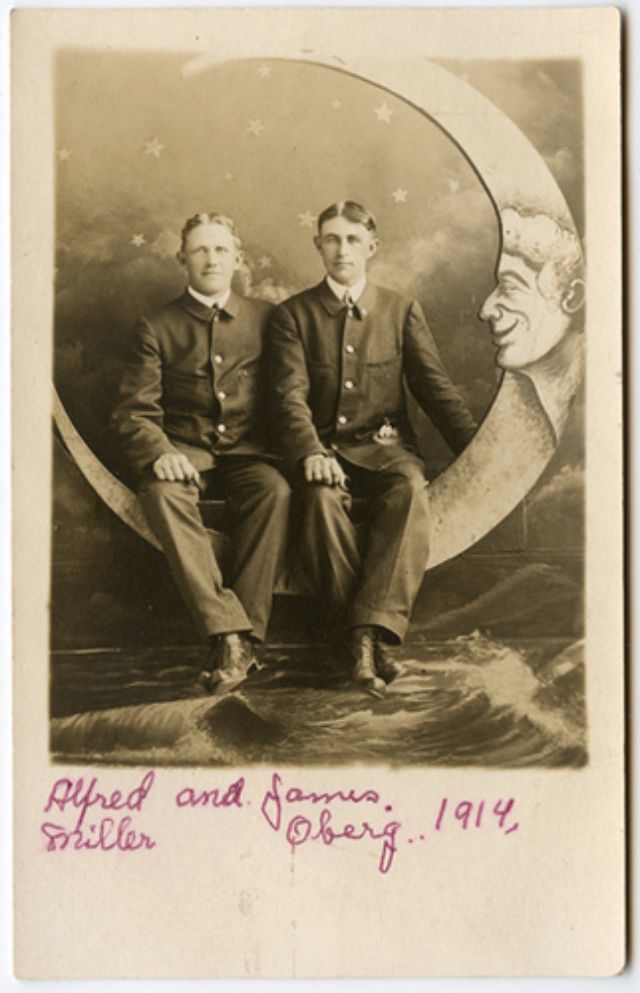
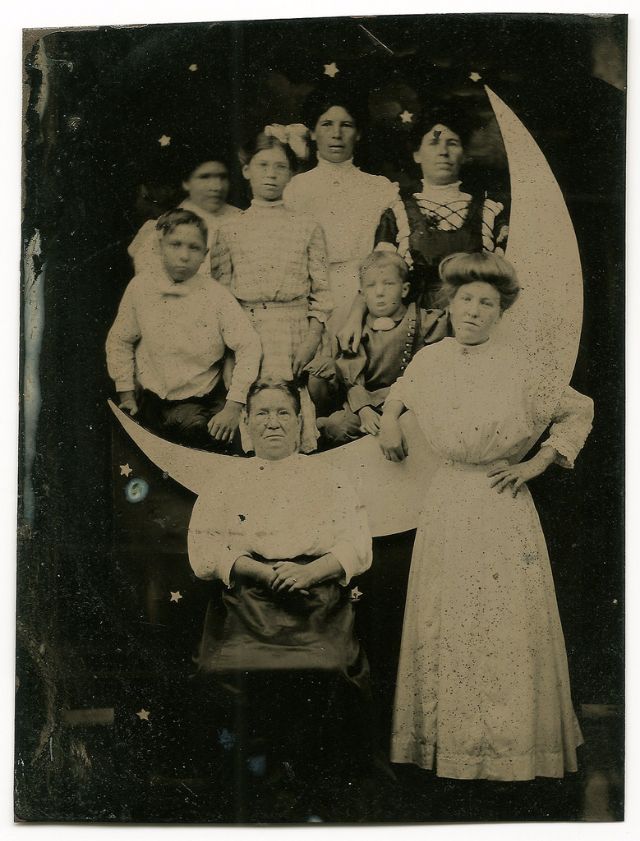
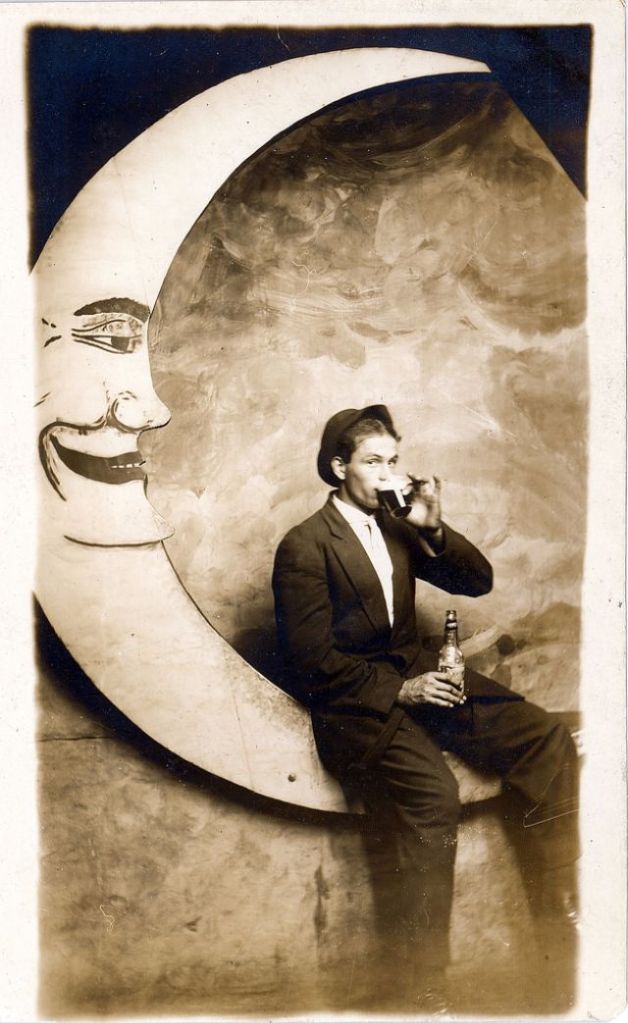
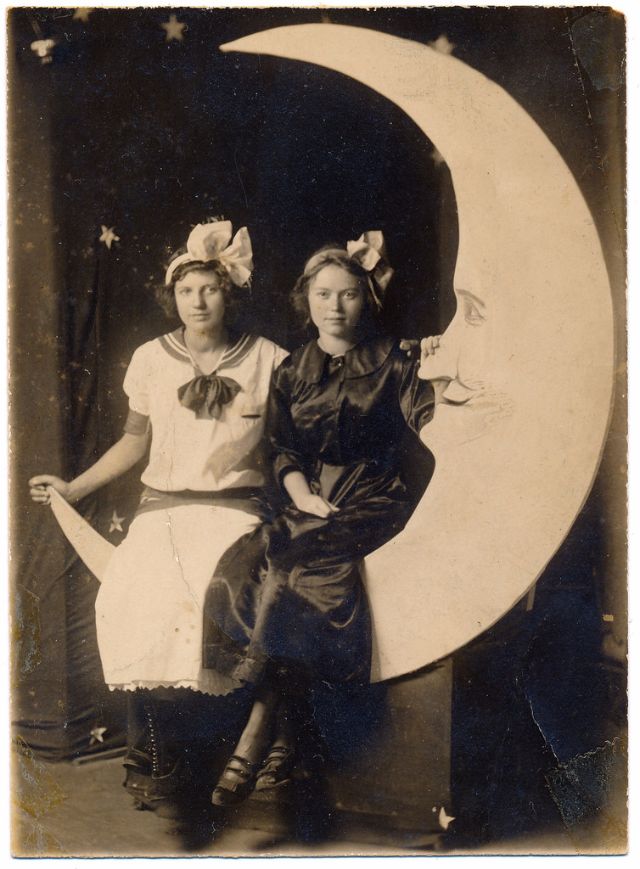
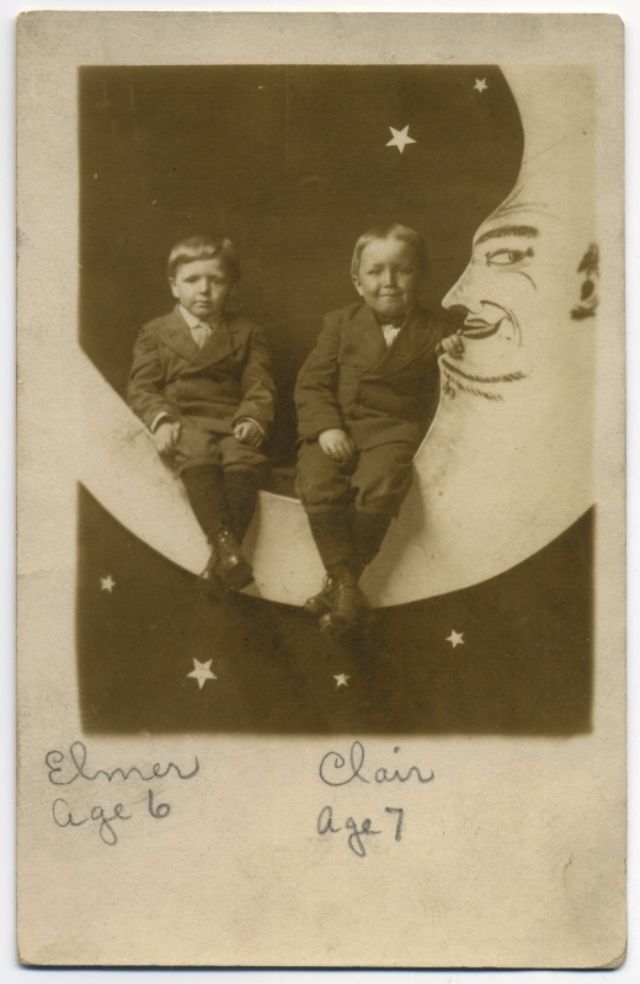
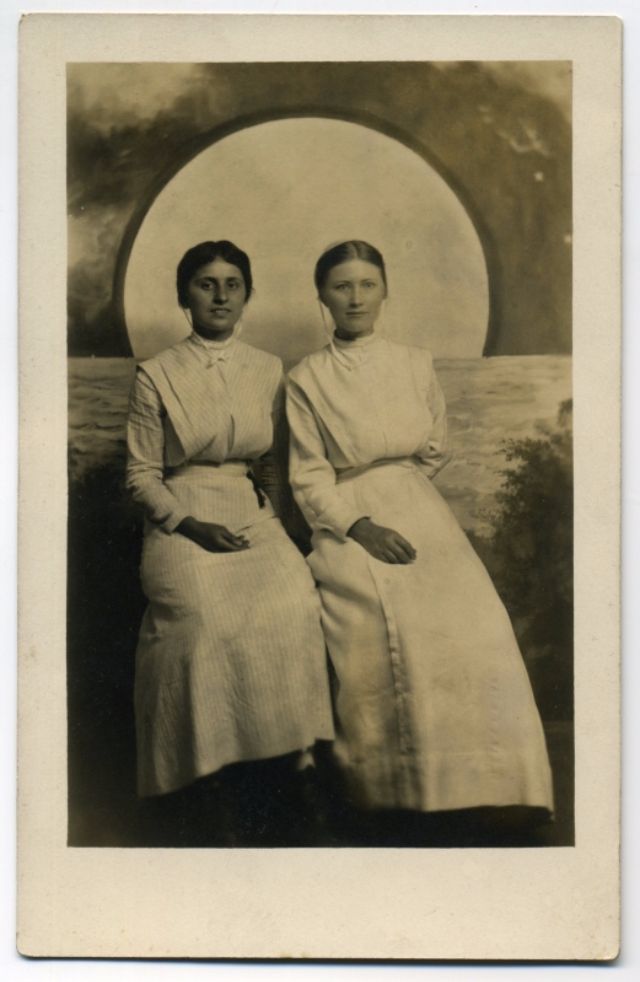
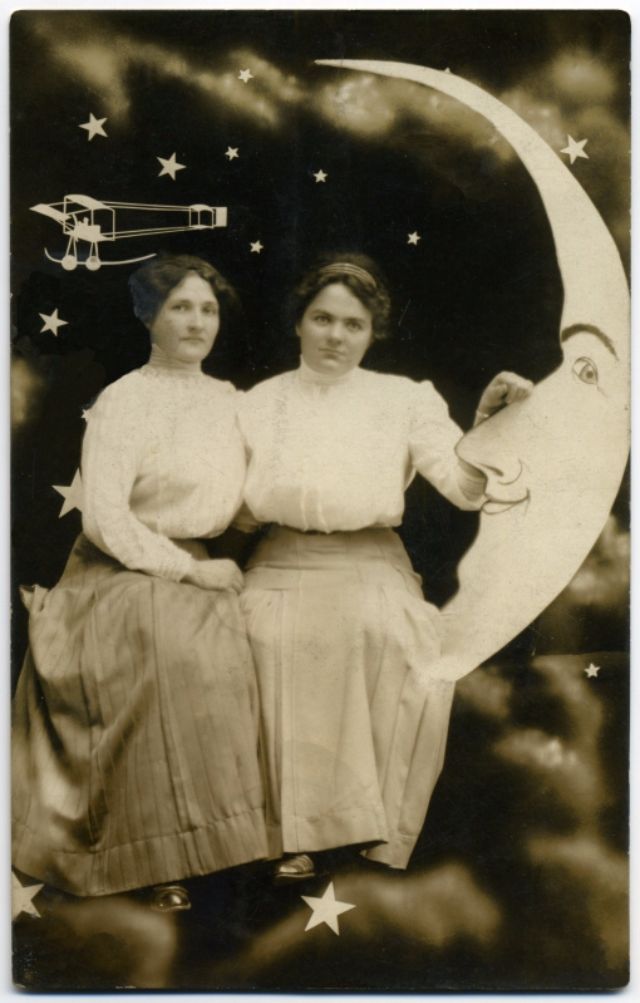
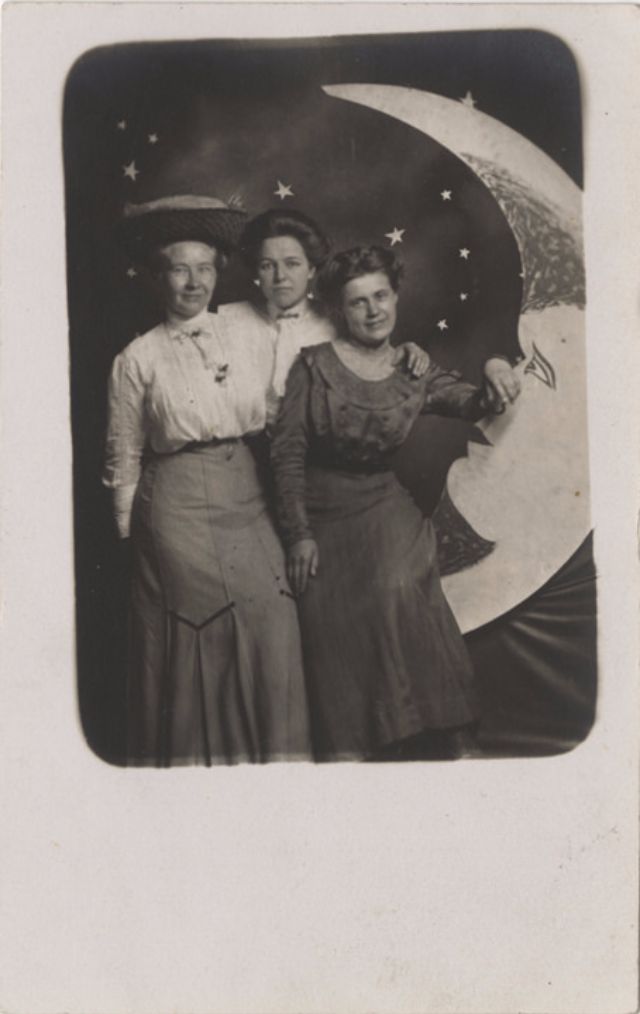
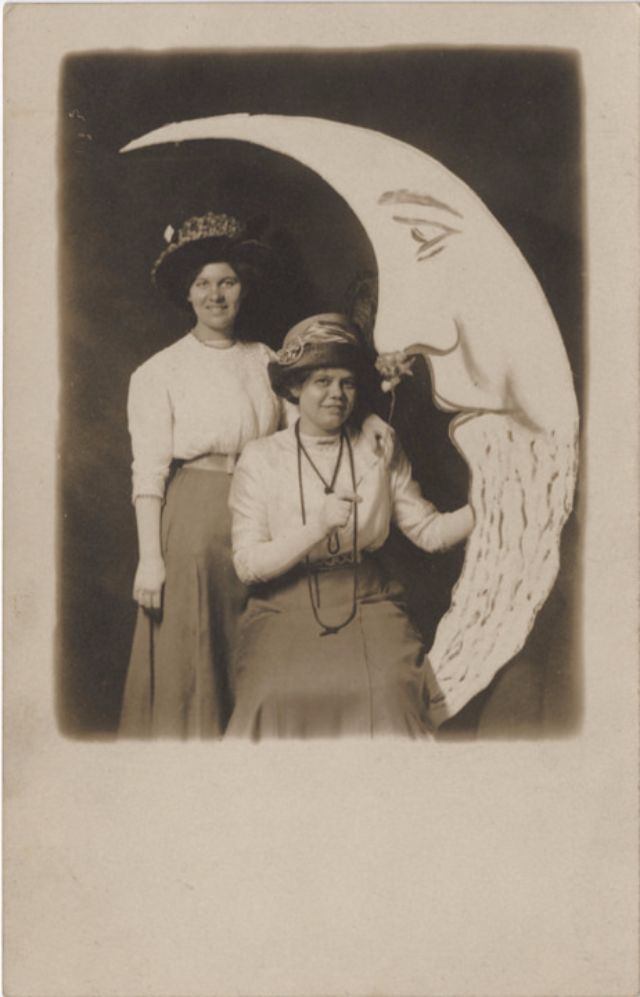
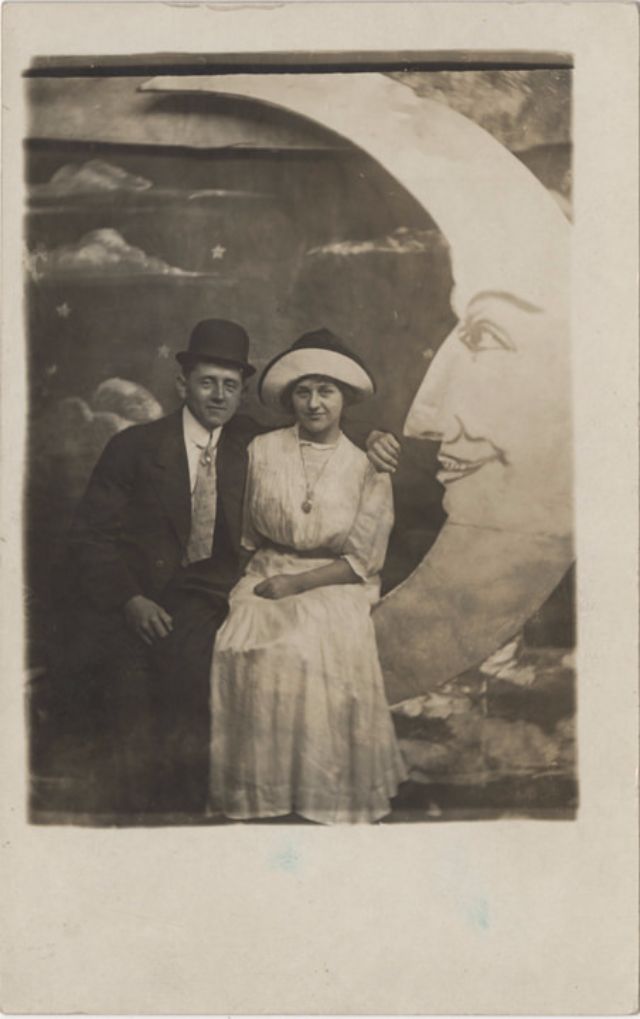
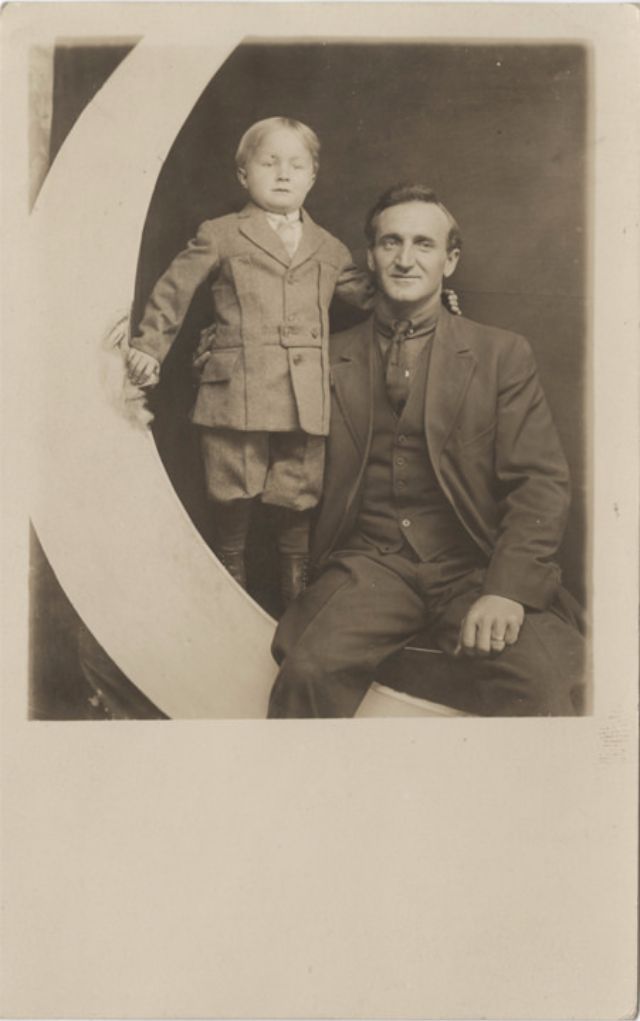
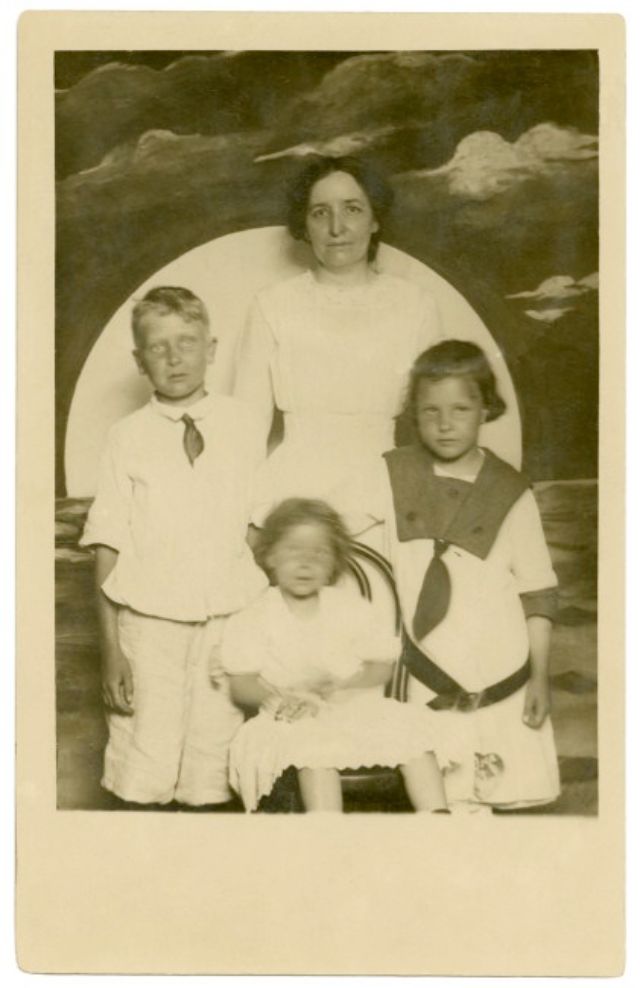
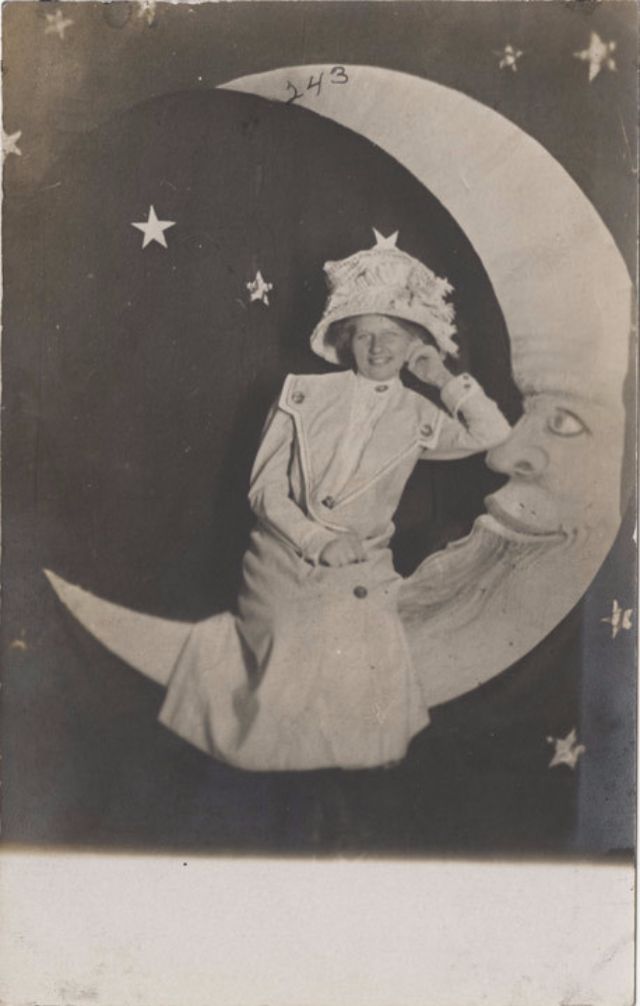
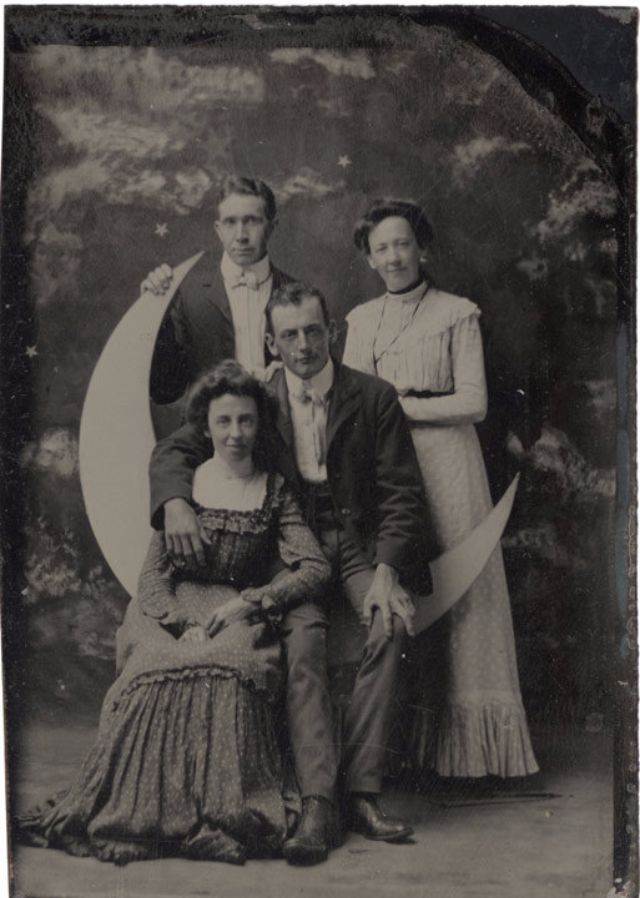
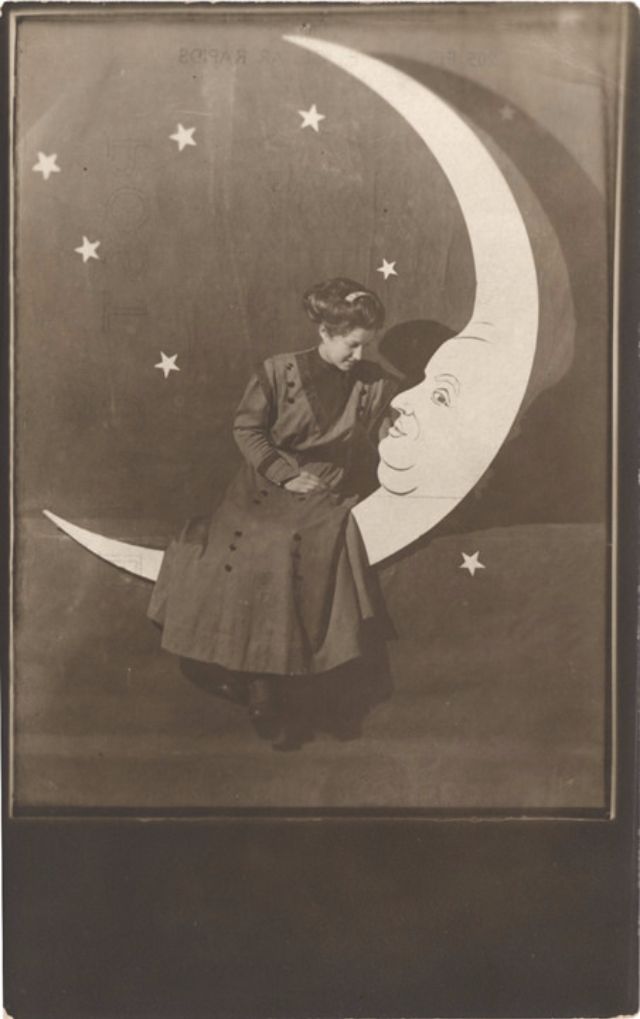
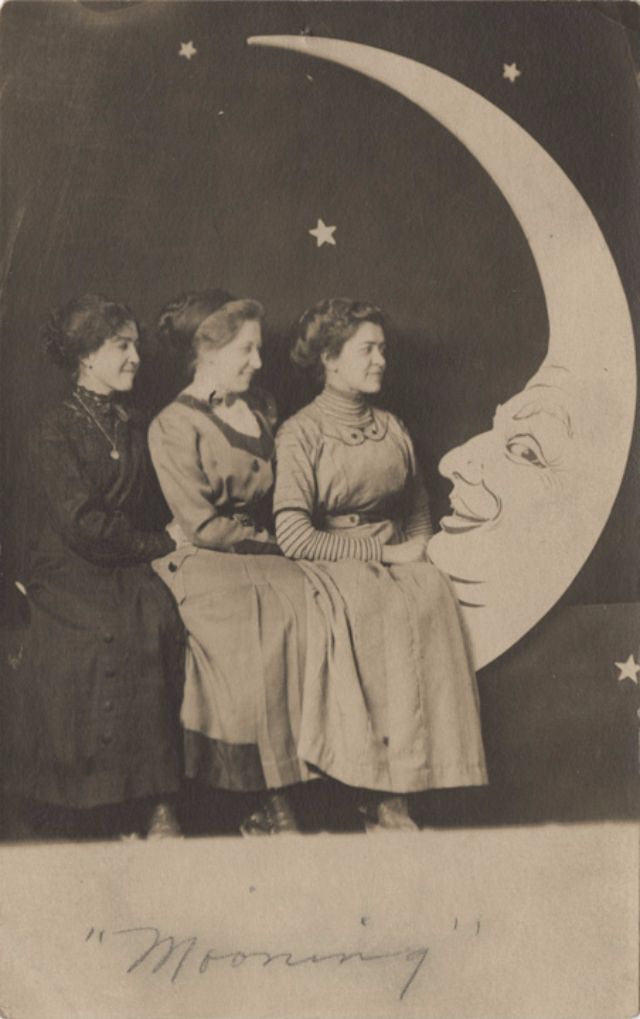
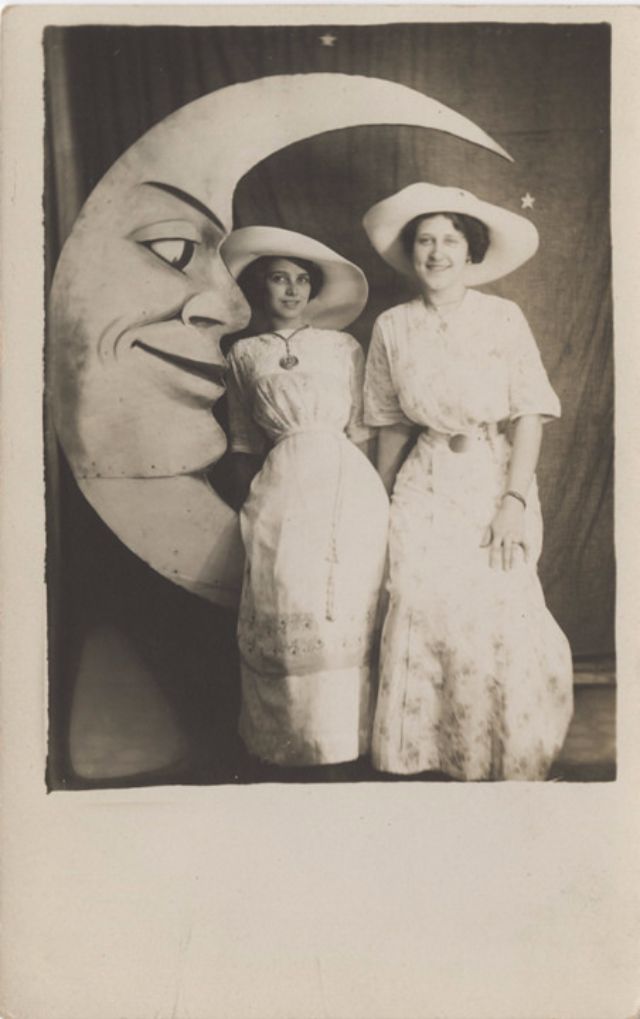
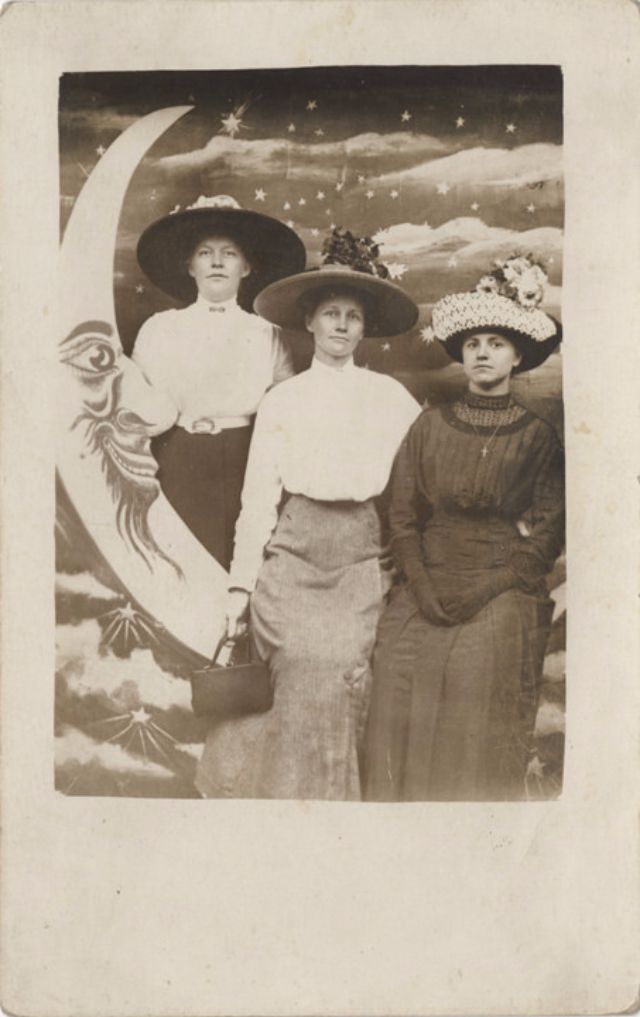
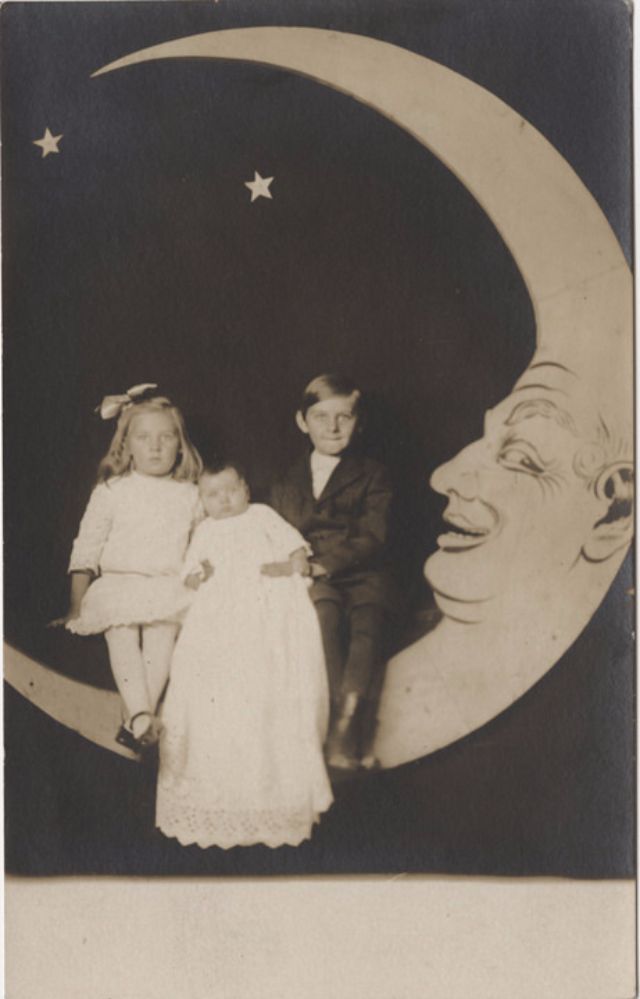
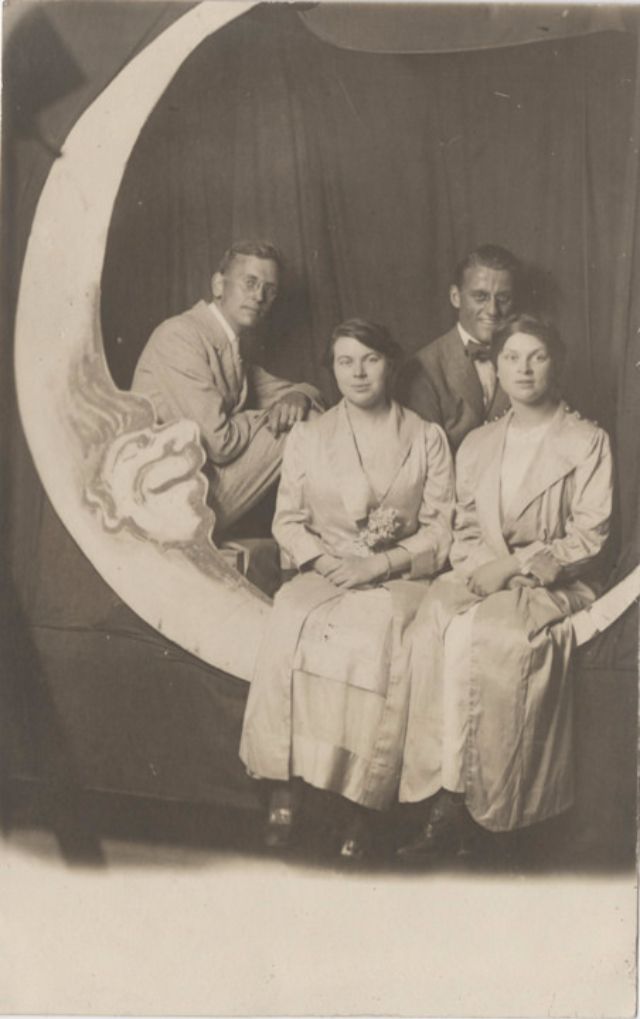
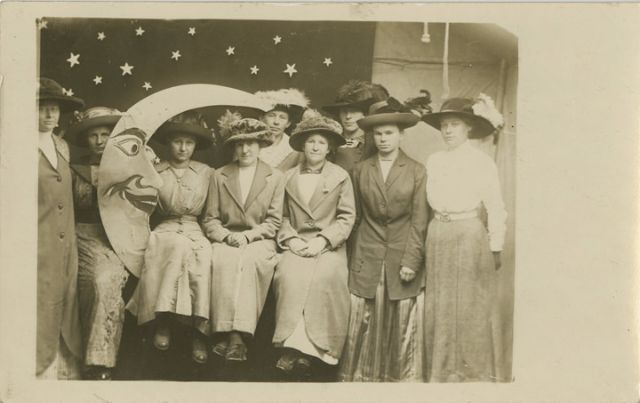
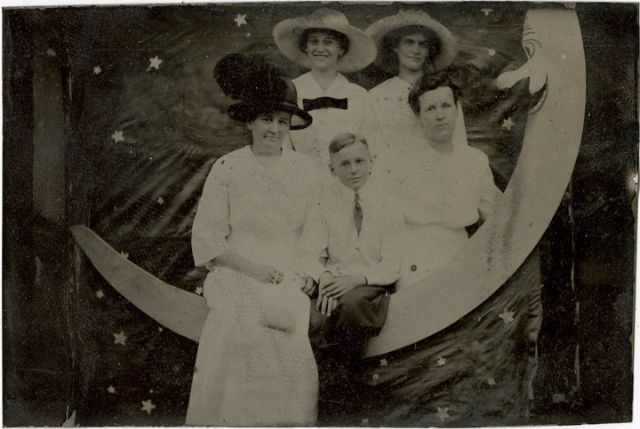
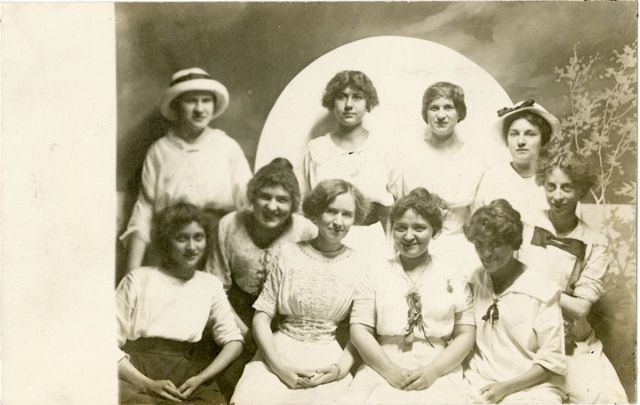
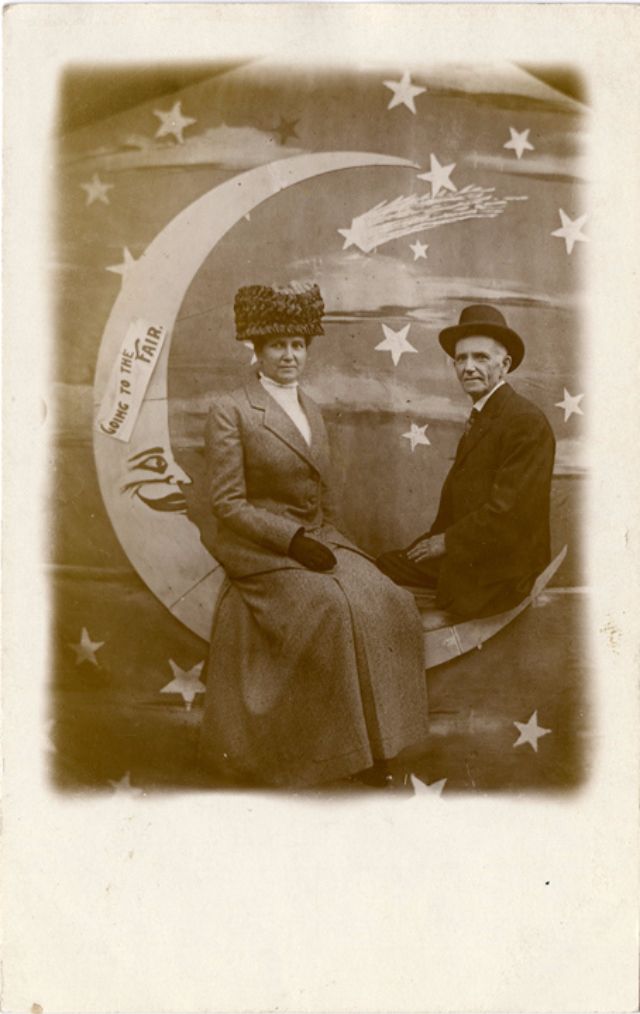
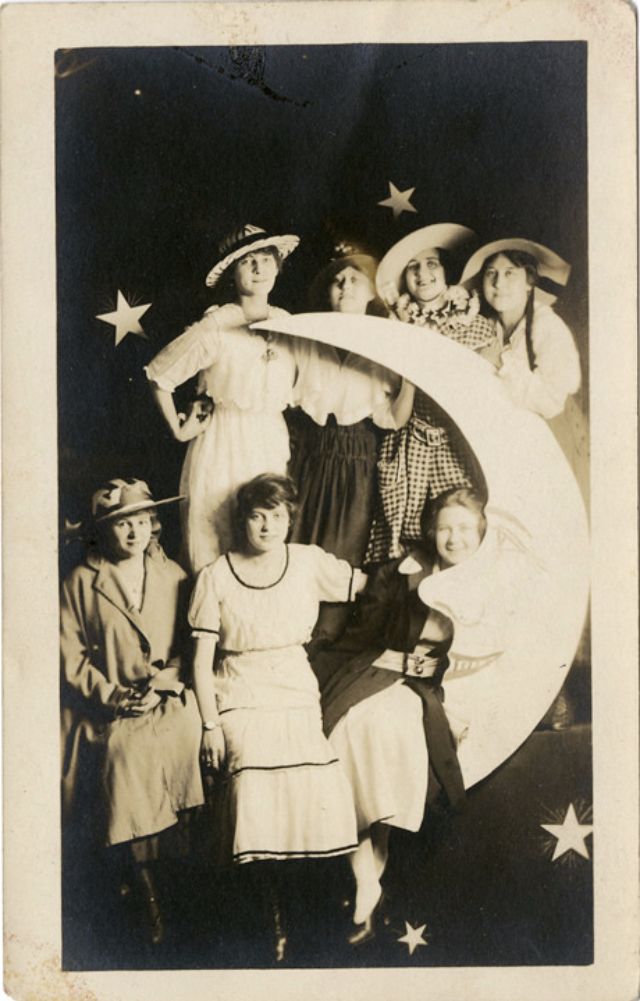
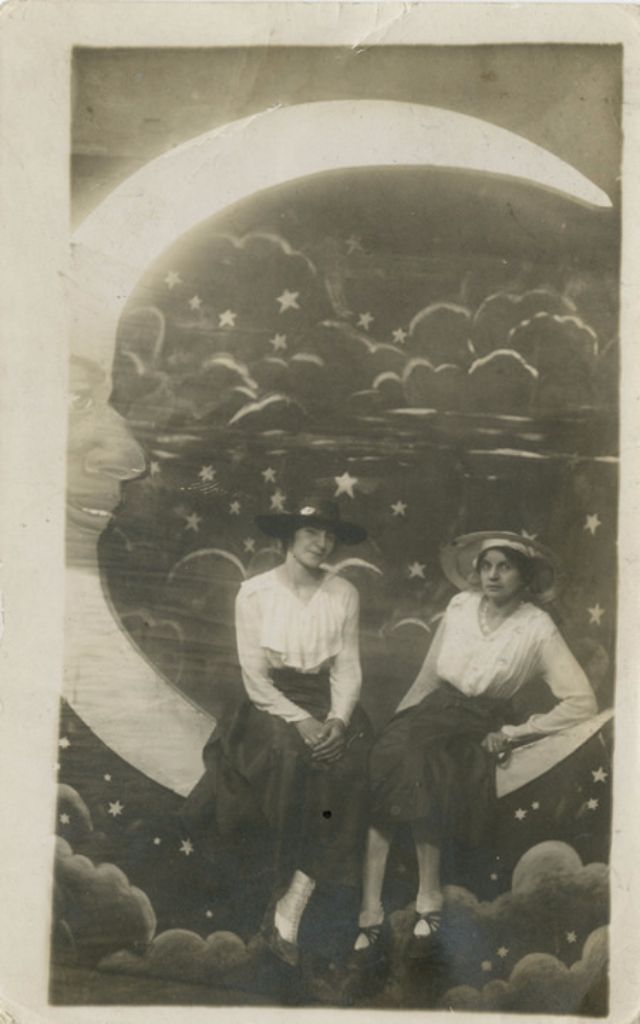
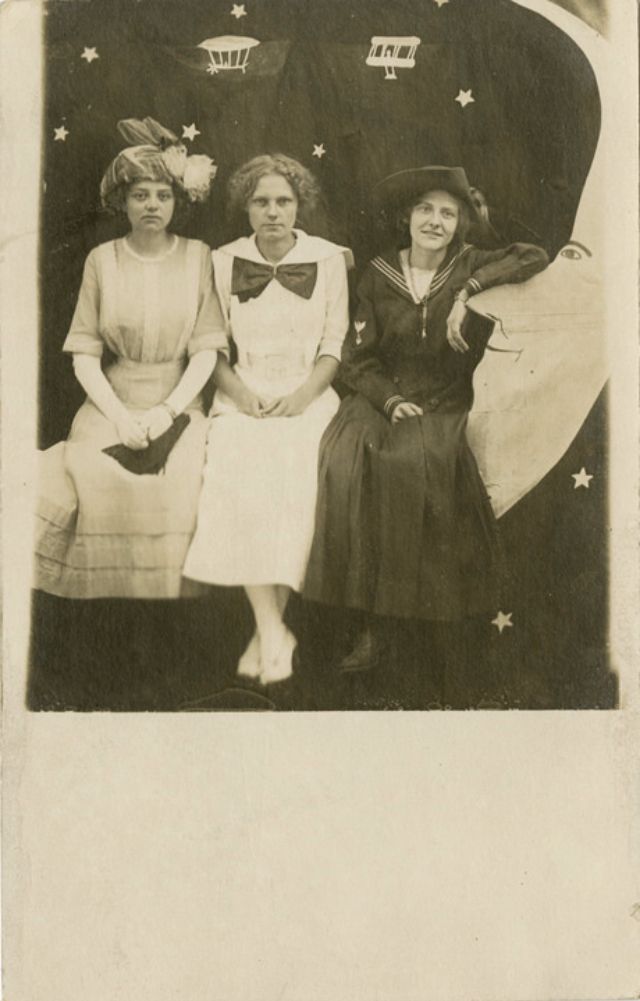
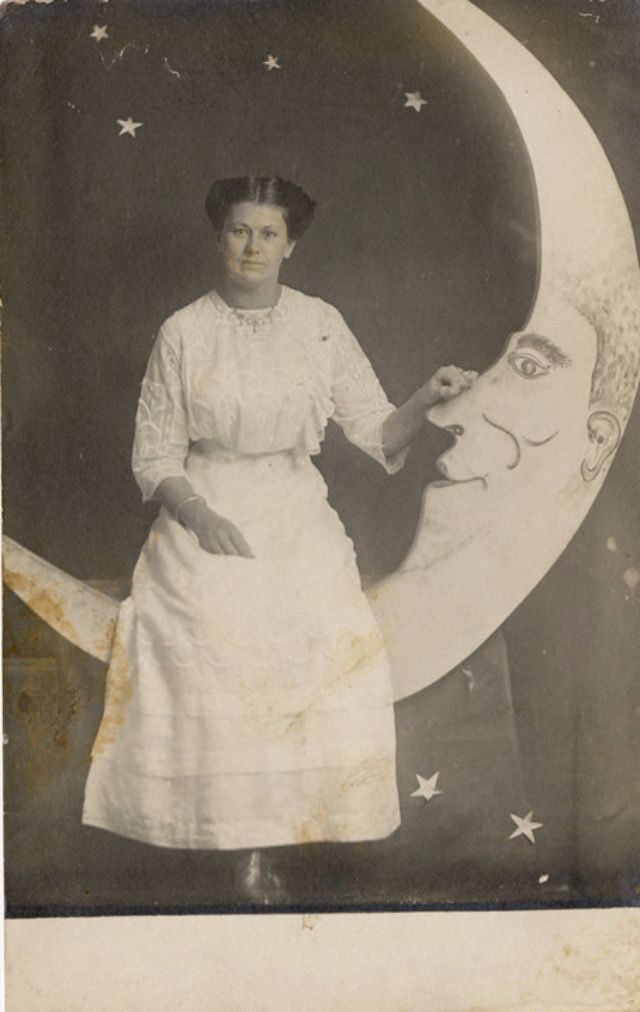
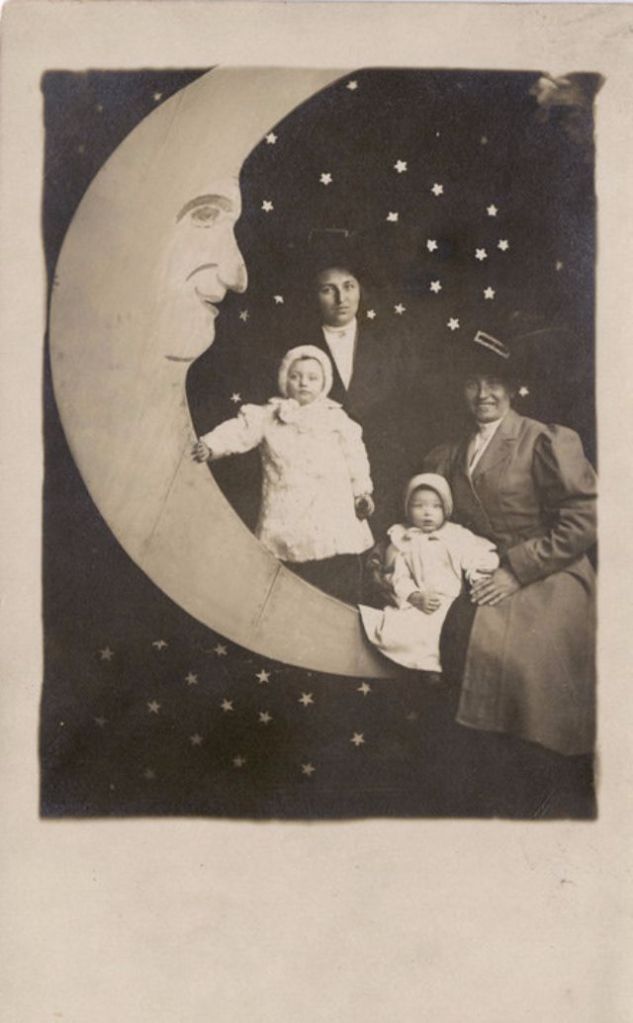
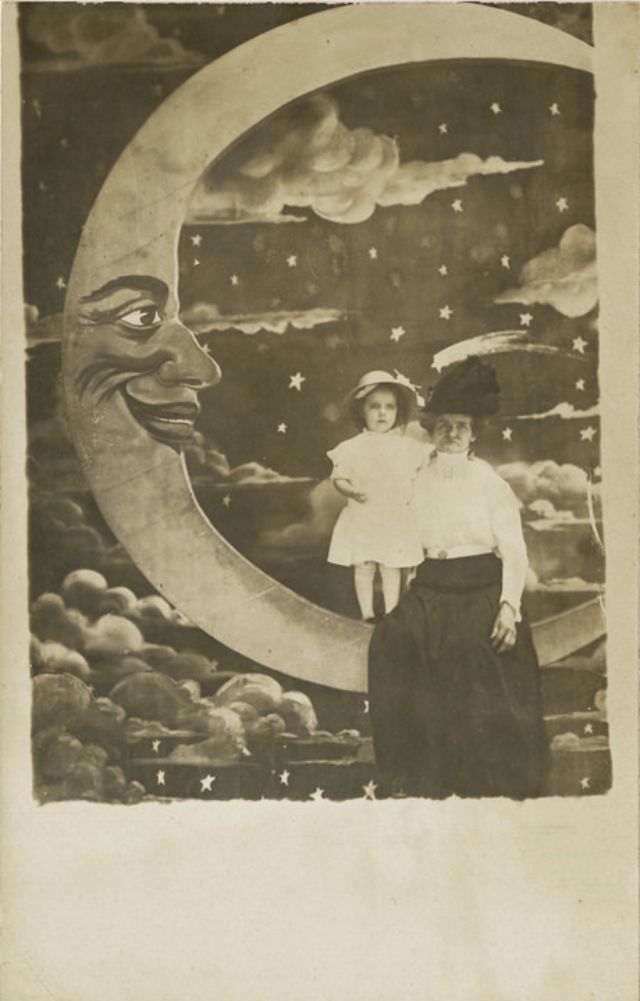
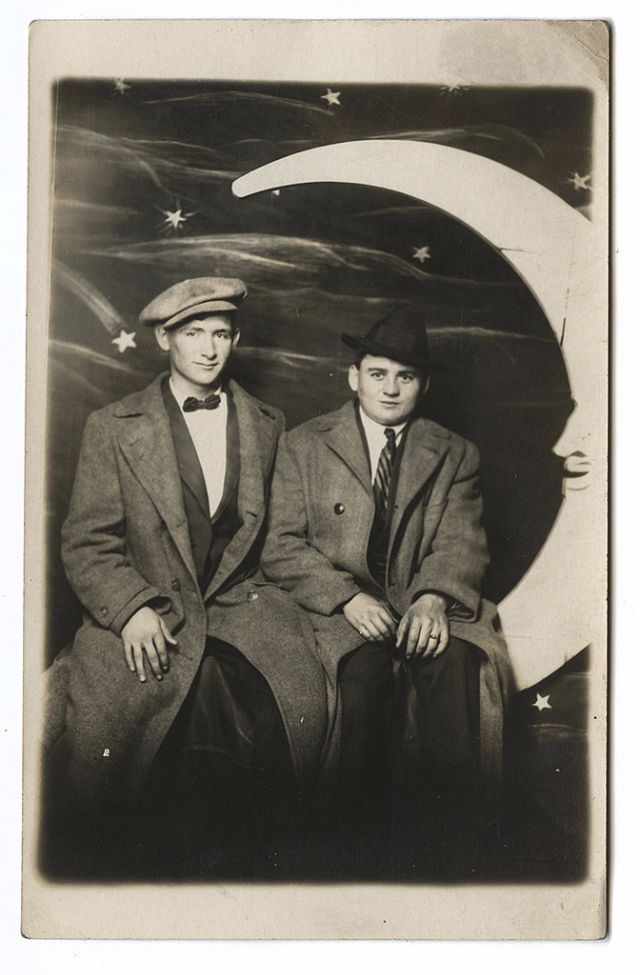
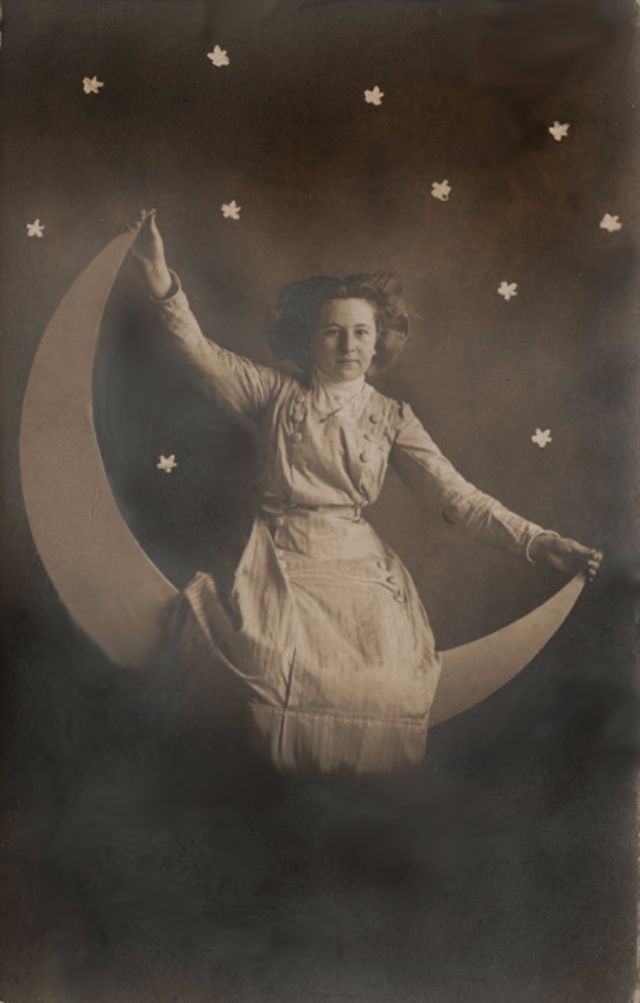
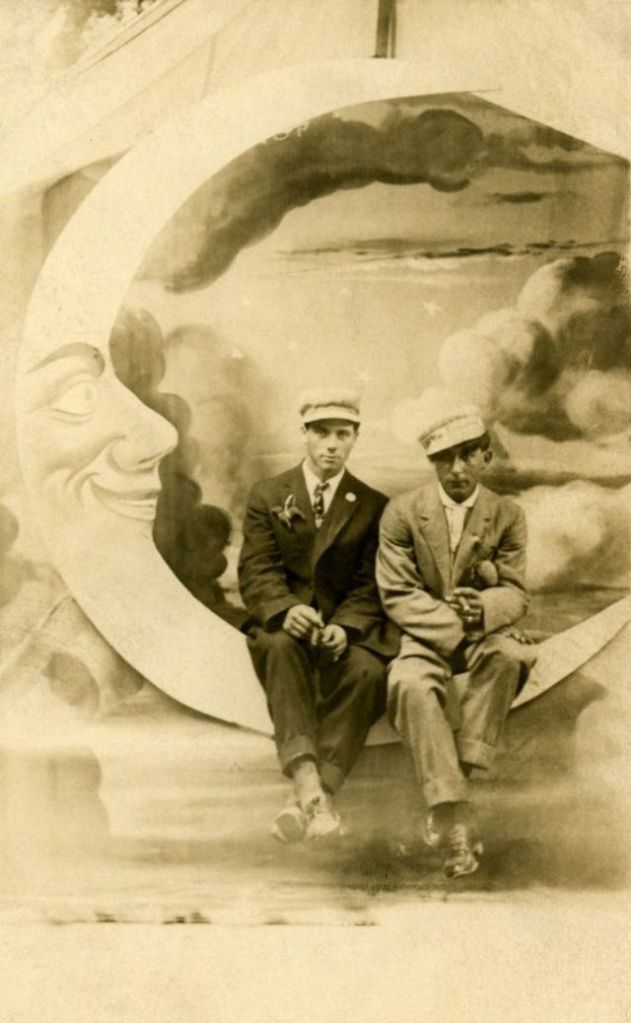
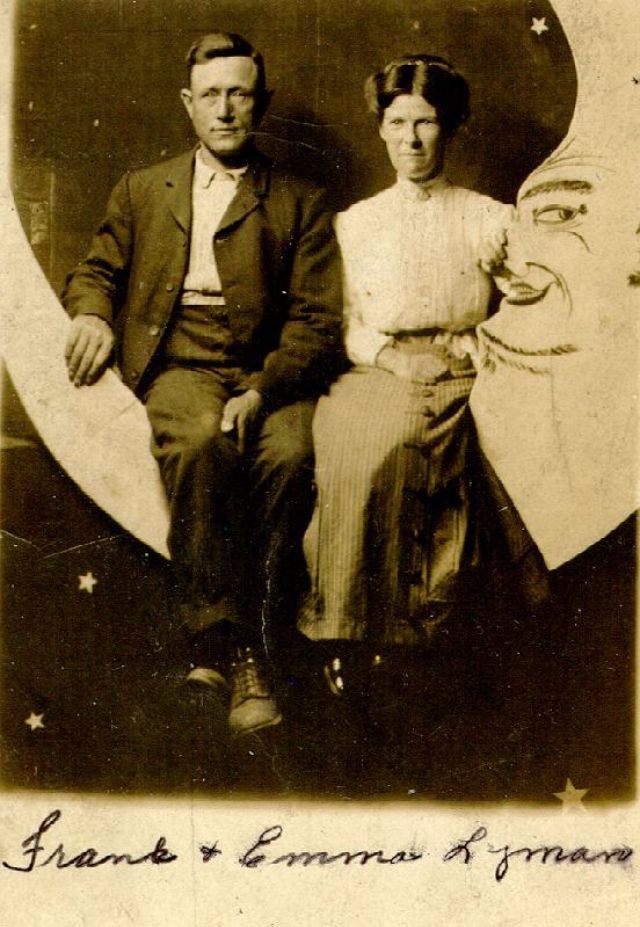
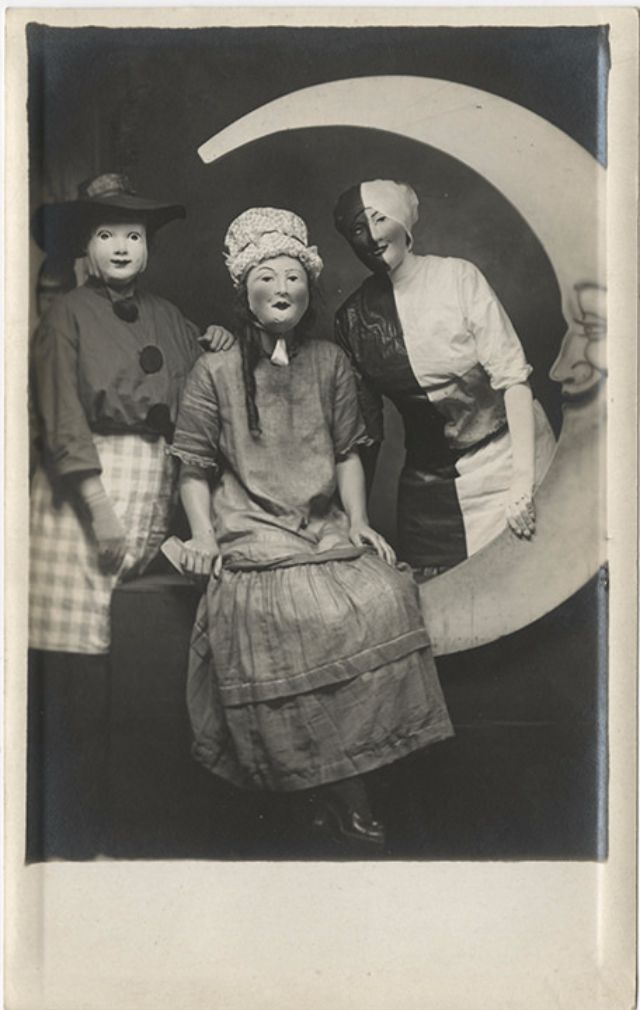
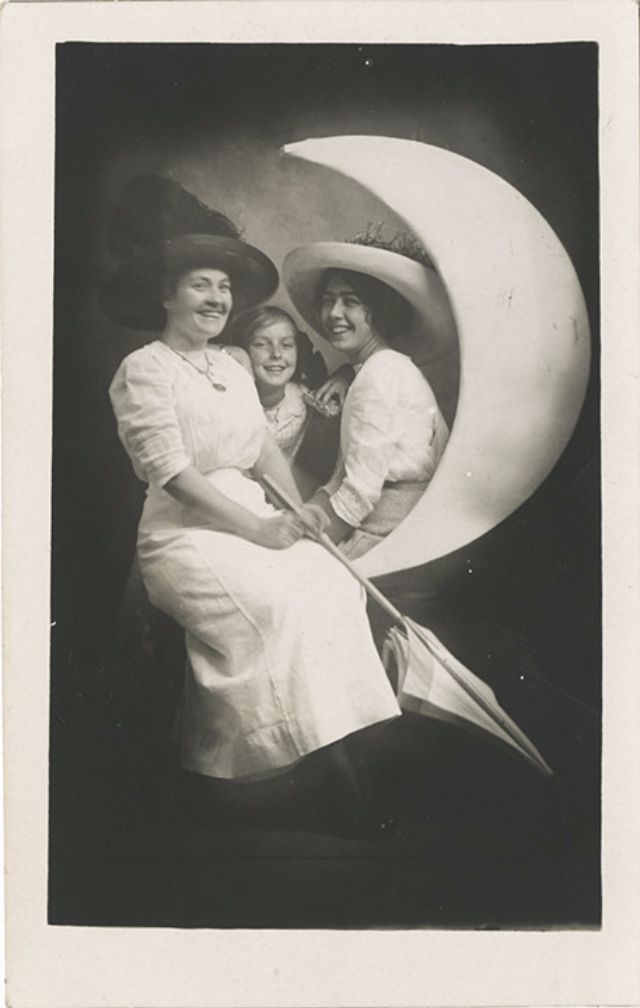
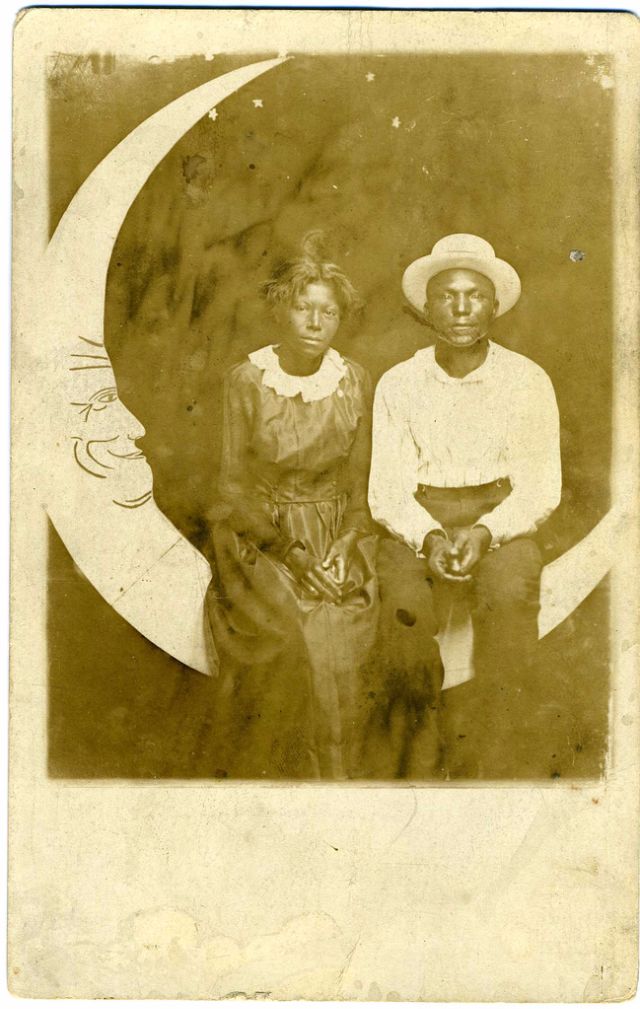
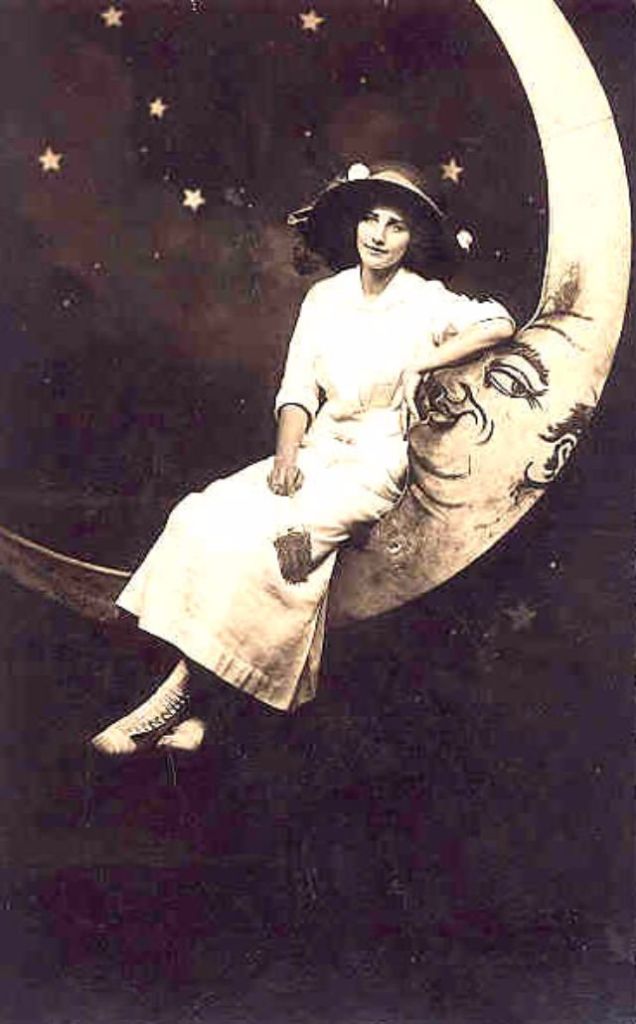
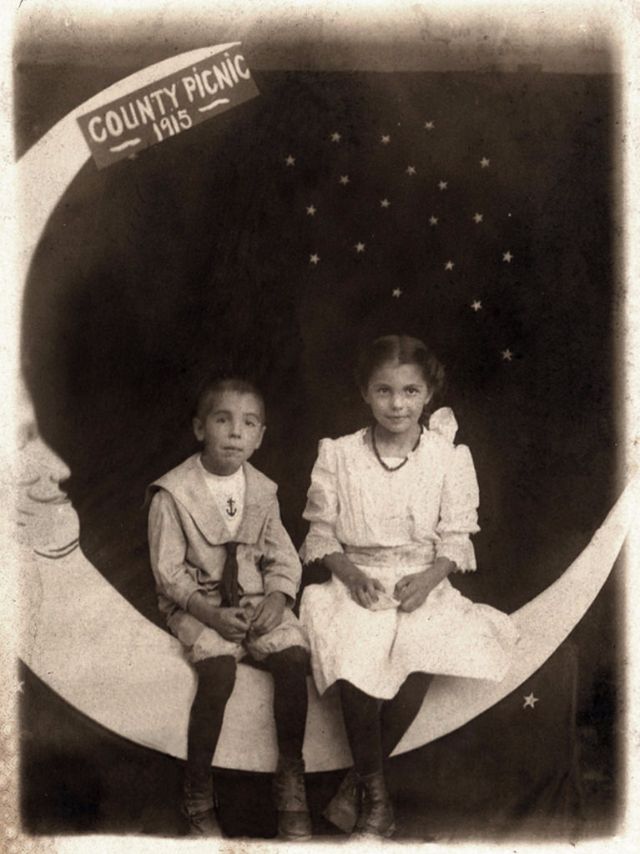
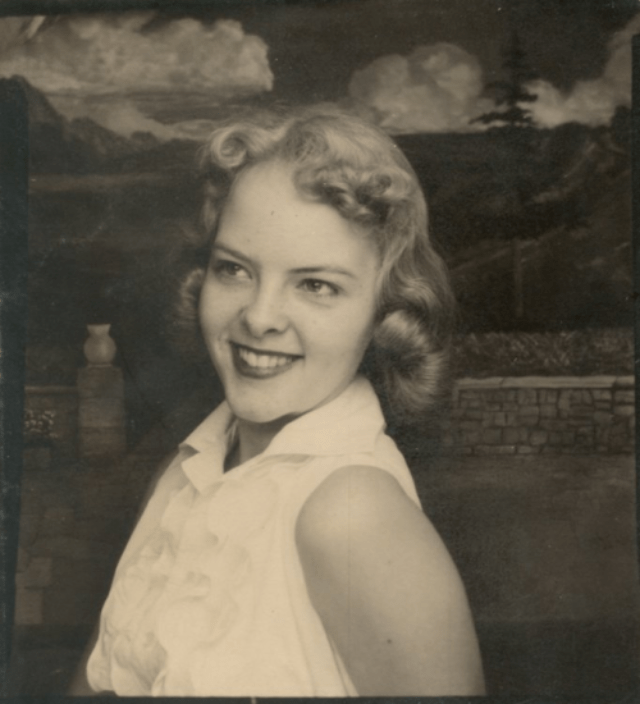
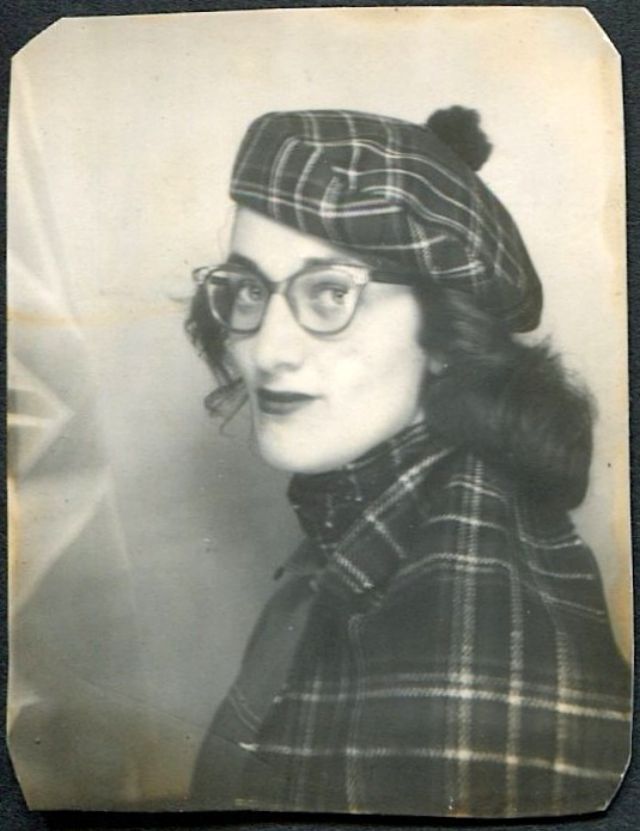
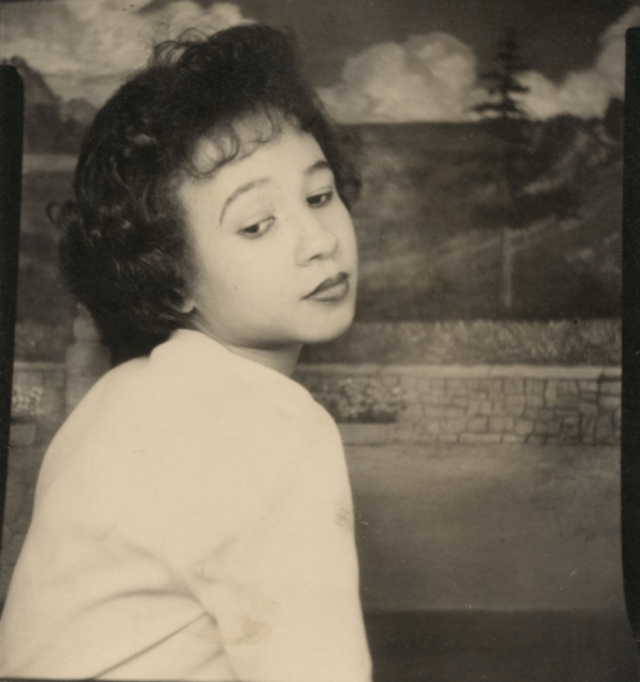
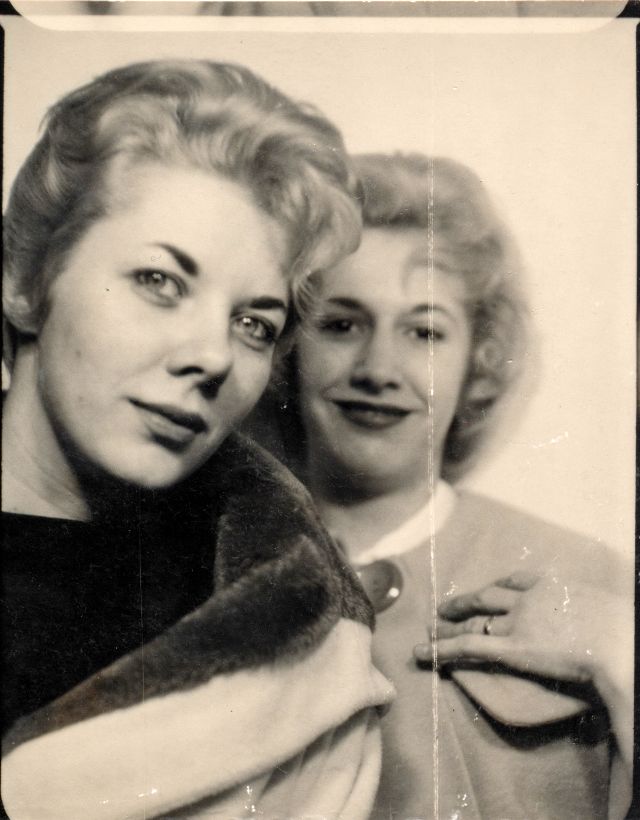
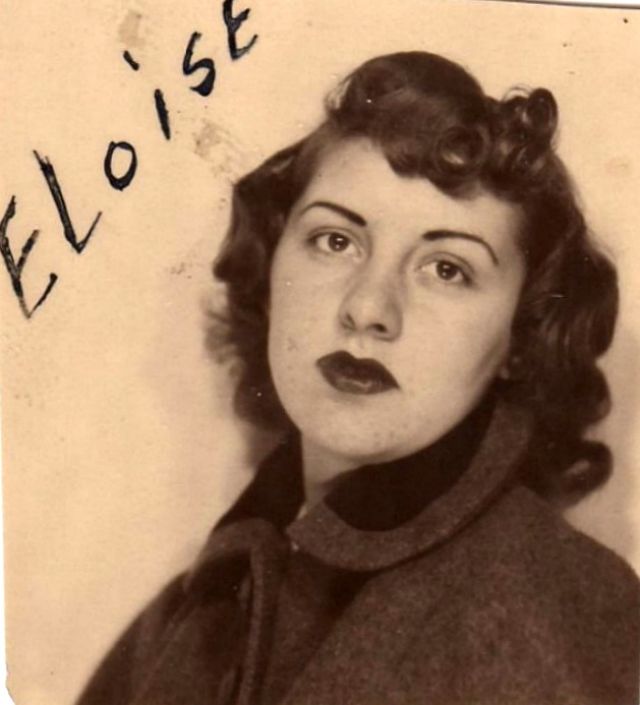
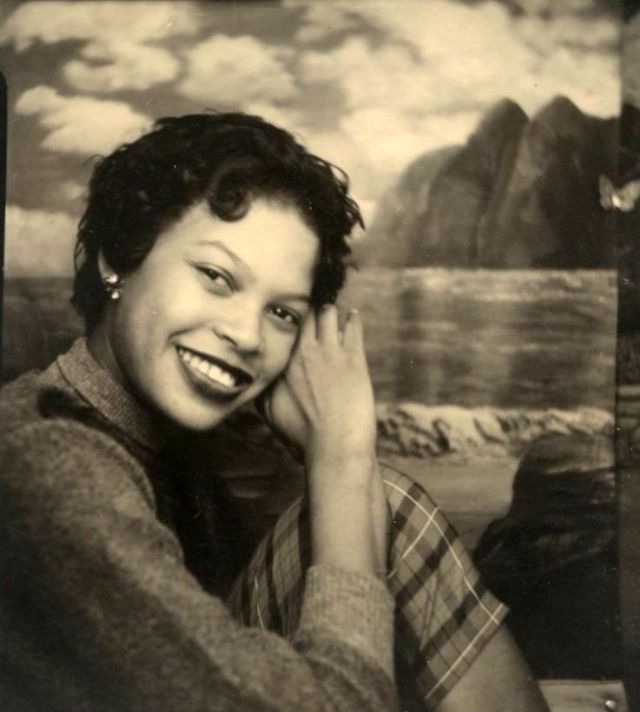
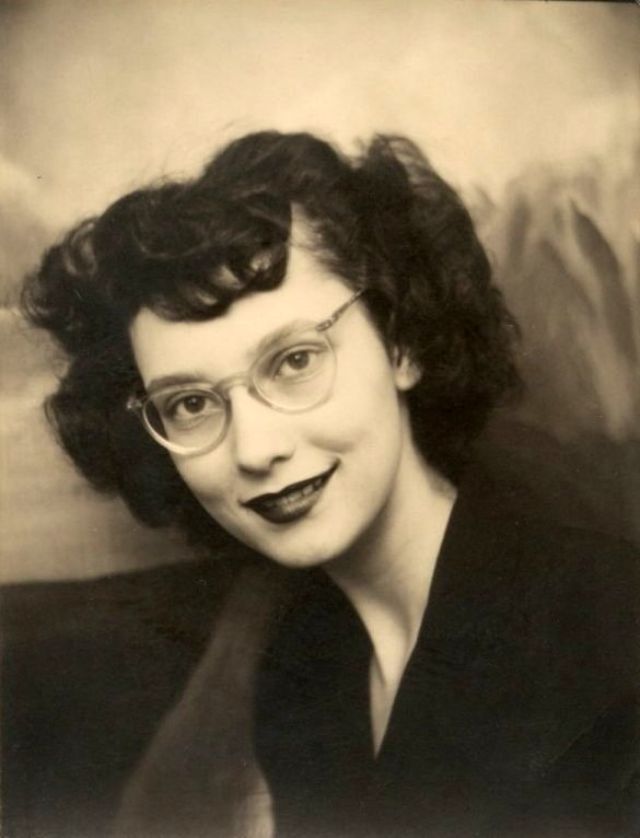
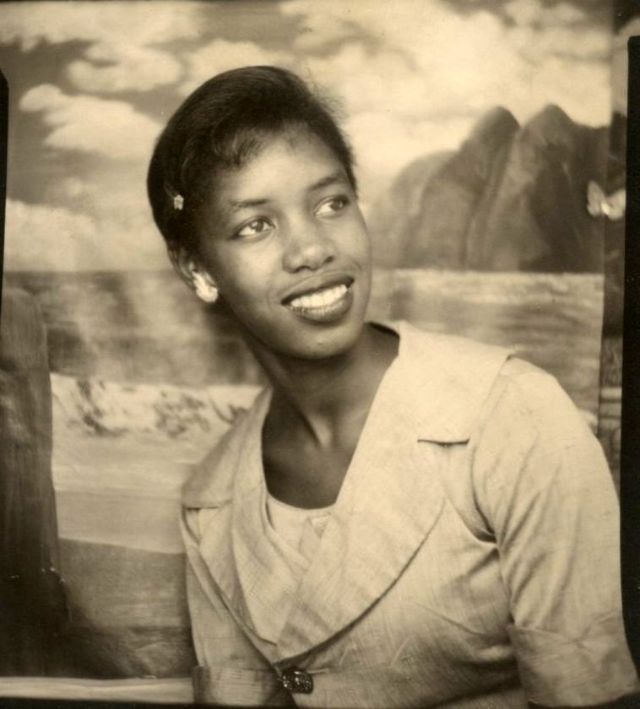
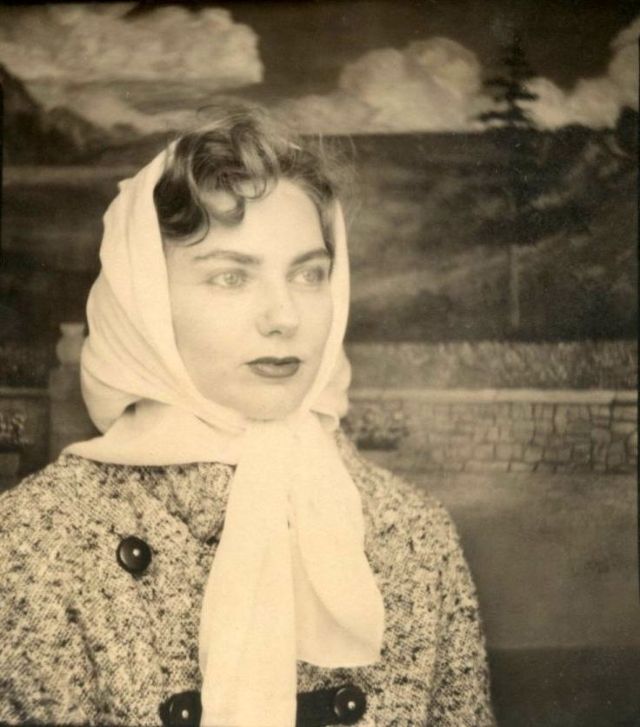
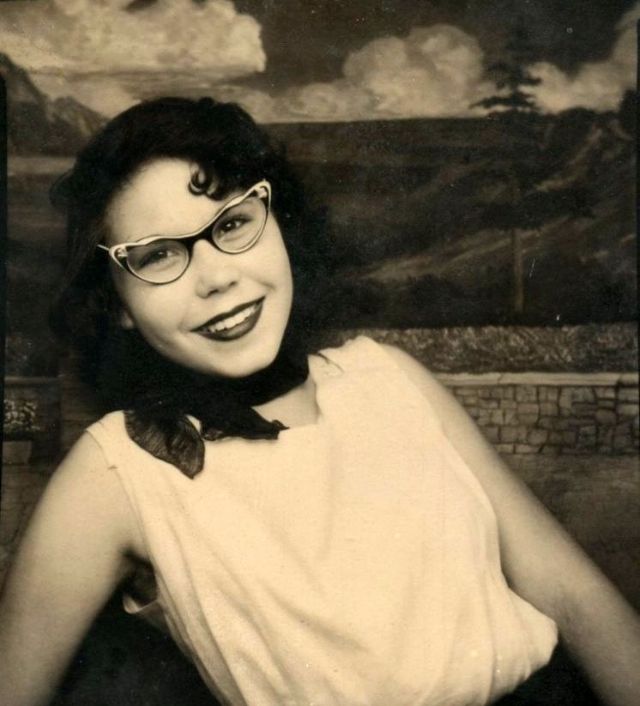
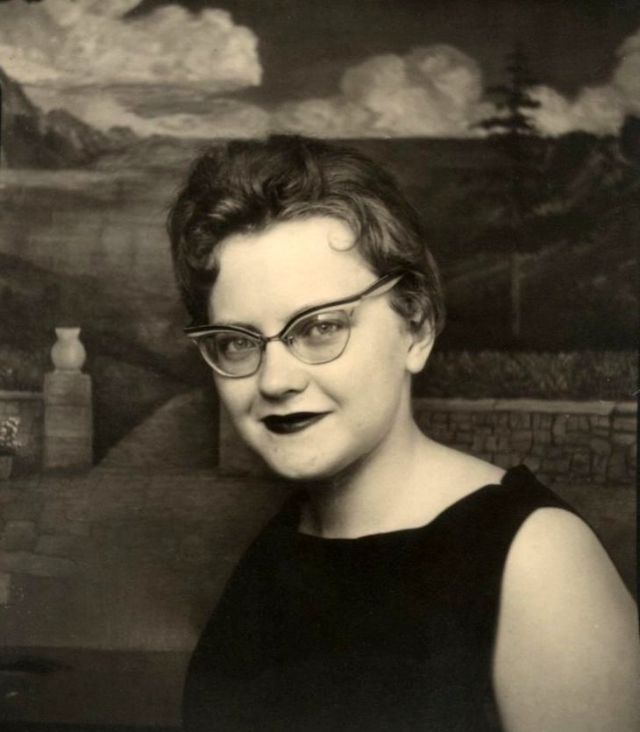
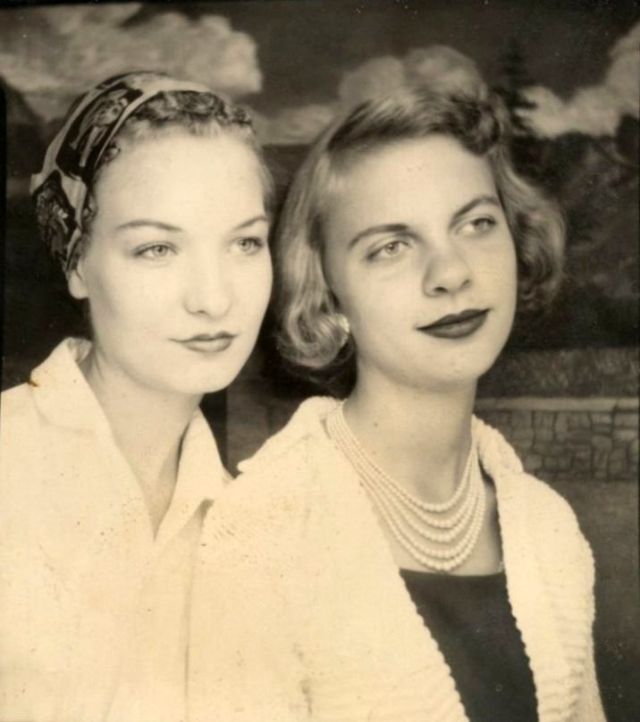
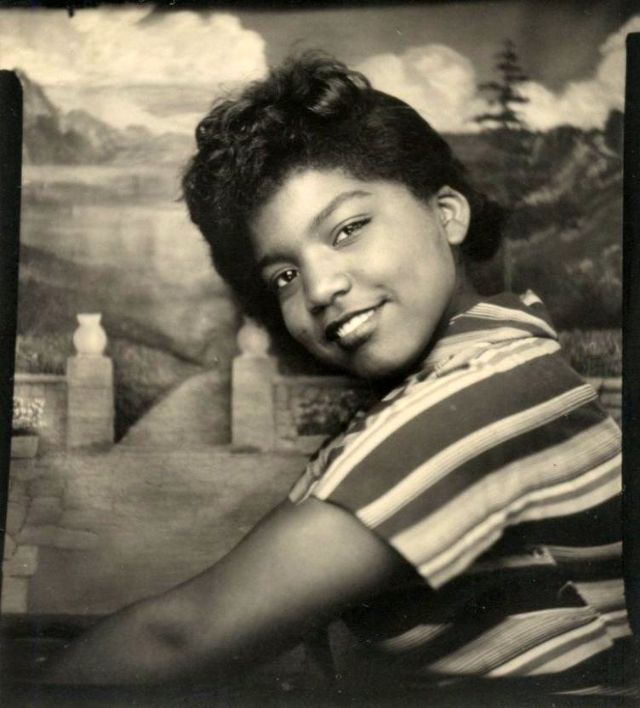
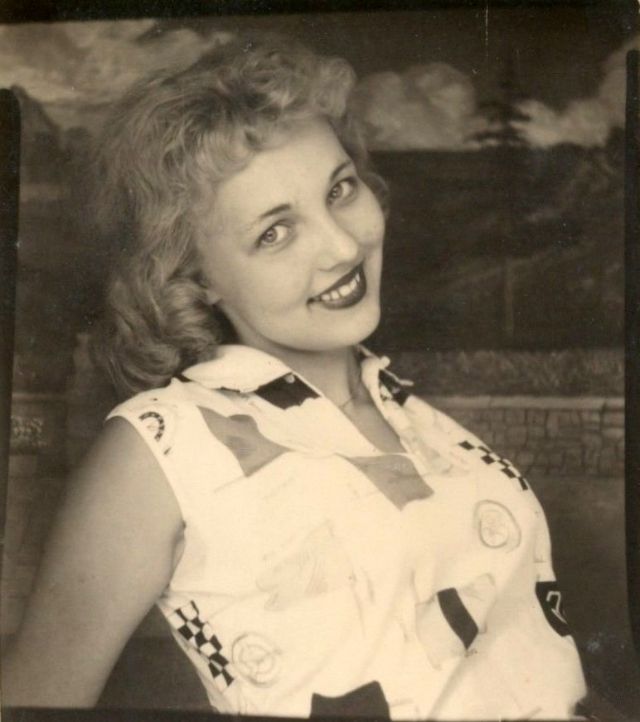
Long before Instagram, photo booths or even the common ownership of a camera, you could get your photograph taken sitting on the moon. Often a fixture at fairs, parties and carnivals, people sat in the crescent of a smiling “paper moon,” as if lifted to the stars.
A photographic phenomena primarily of the early half of the 20th century, it captivated the imagination of a world pre-Photoshop and gave many a memorable image of great times.
Here’s a collection of interesting paper moon portraits from between the 1900s and 1910s.
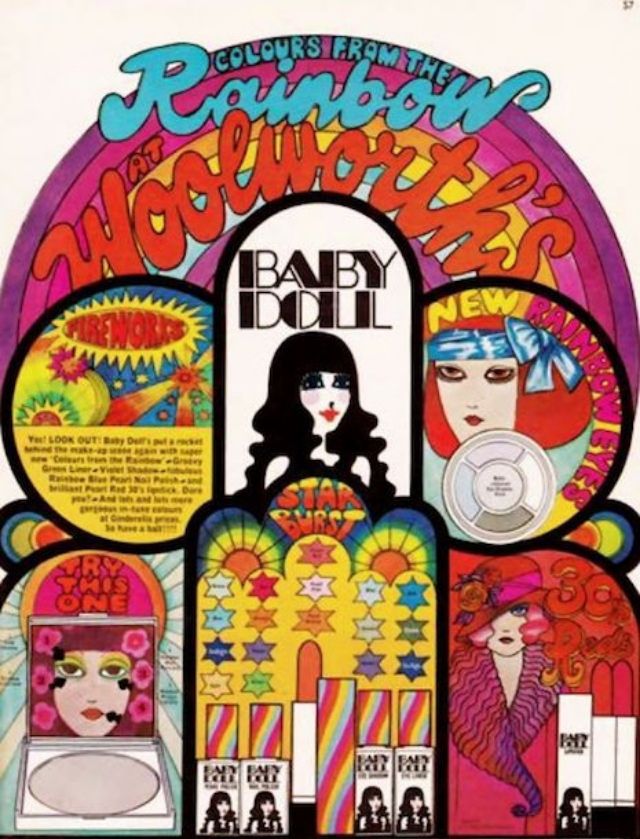
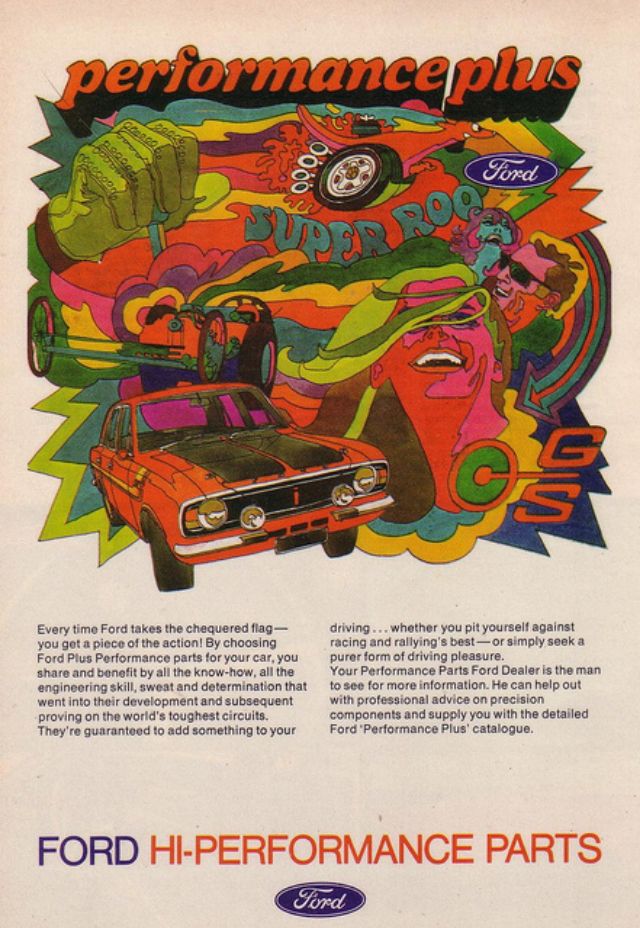
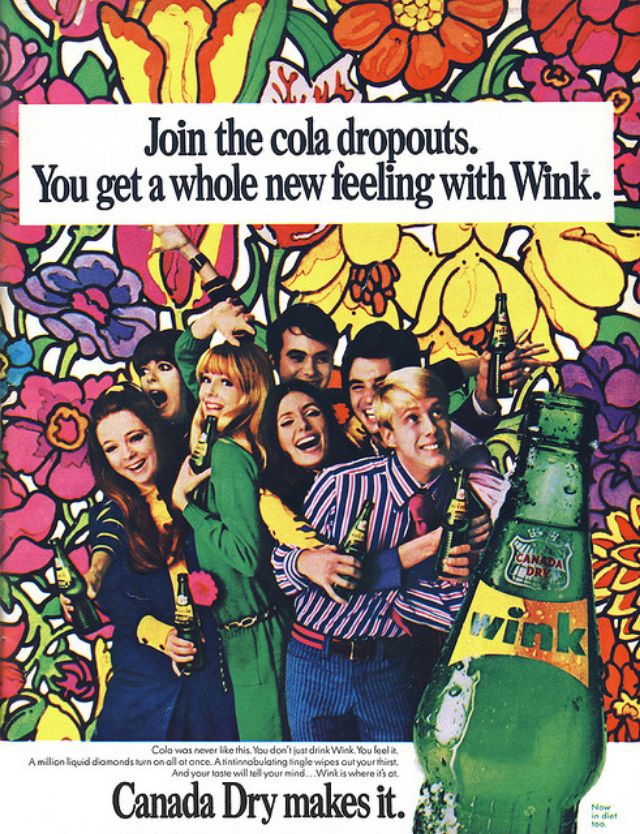
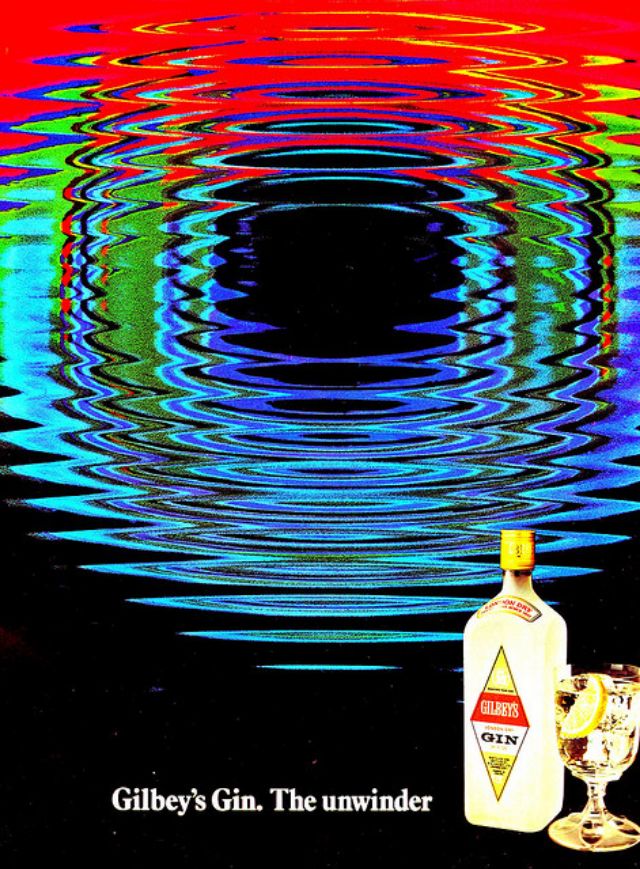
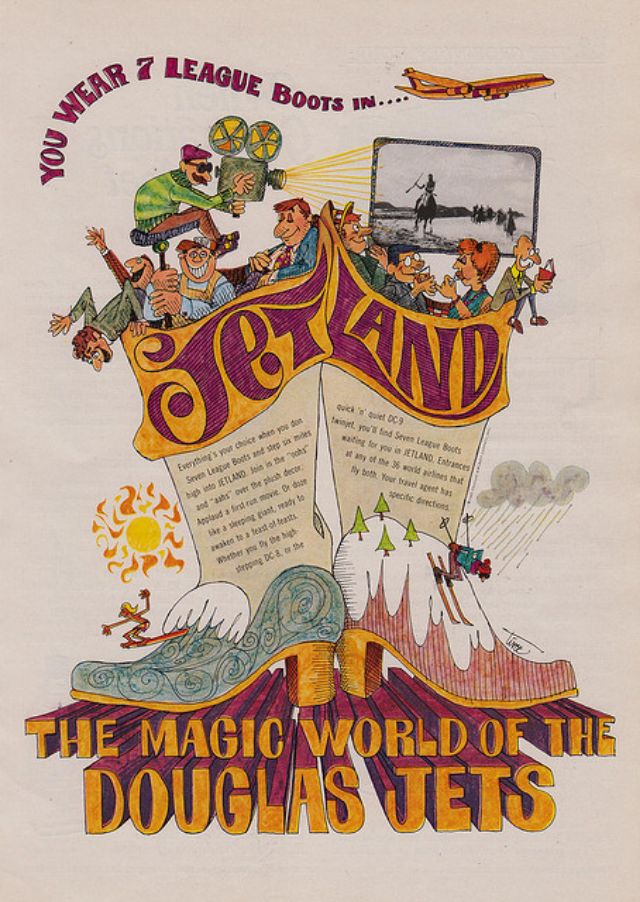
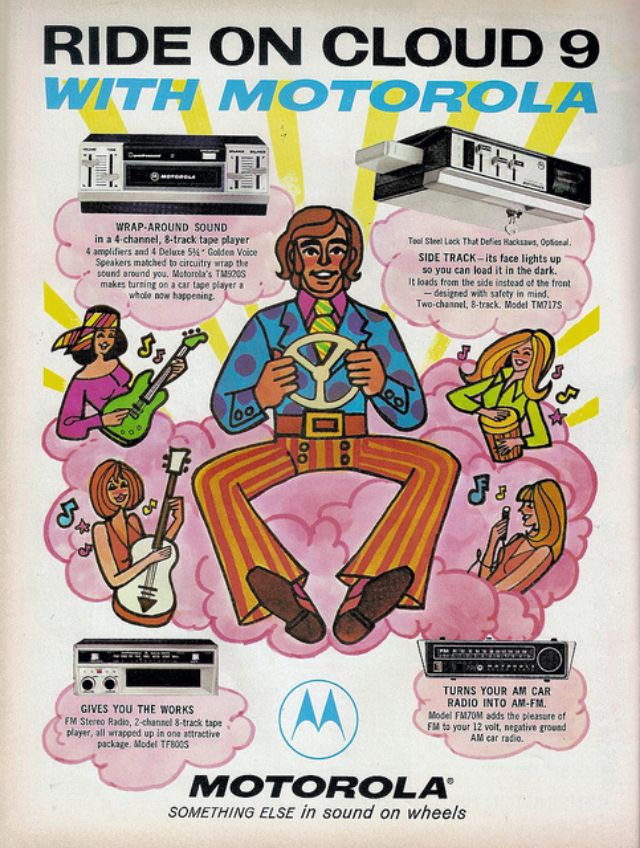
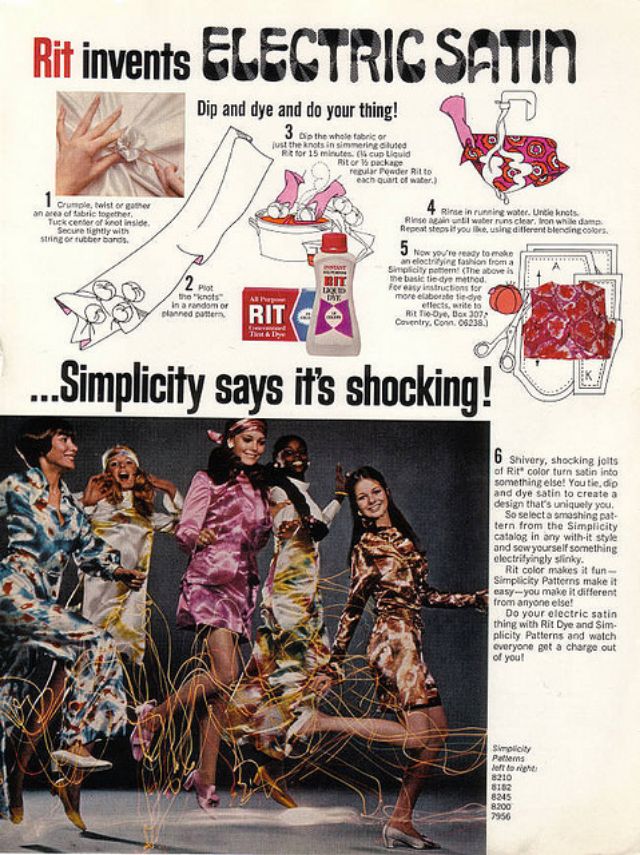
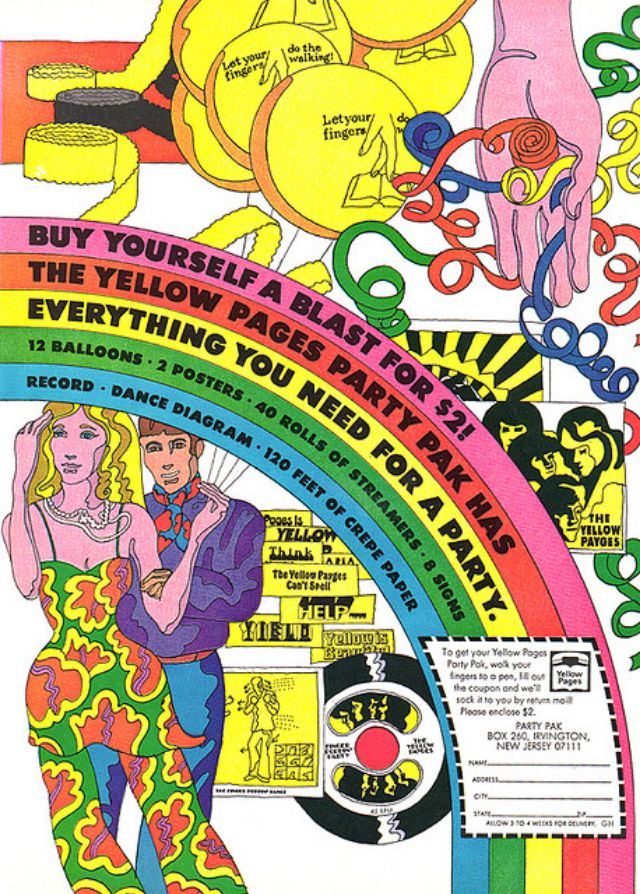
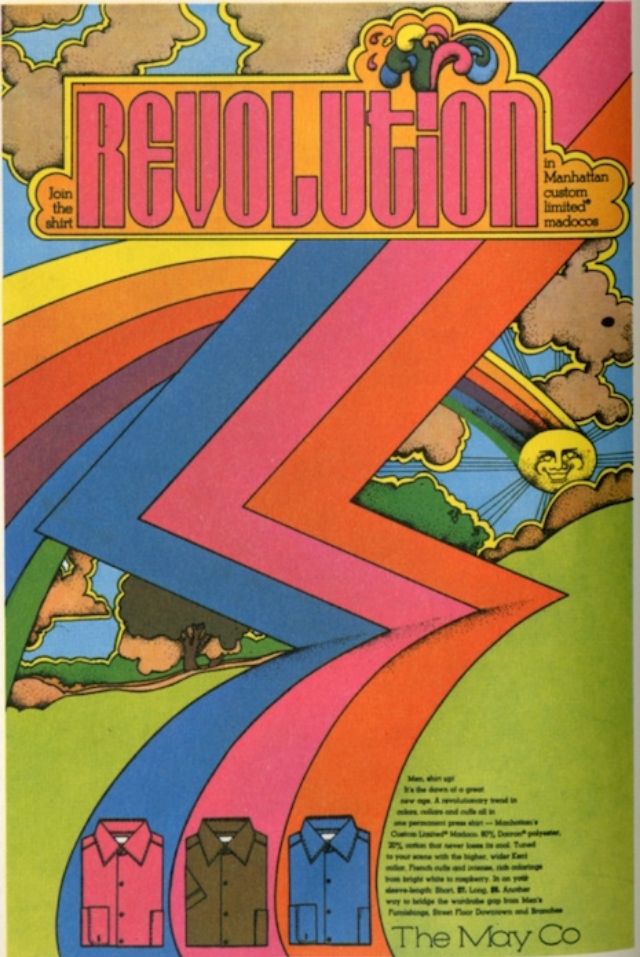
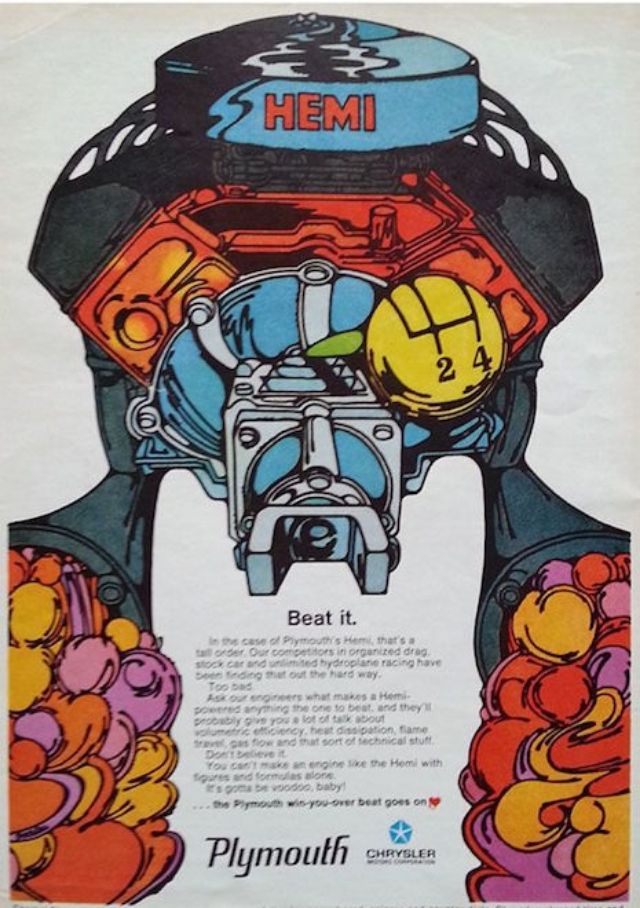
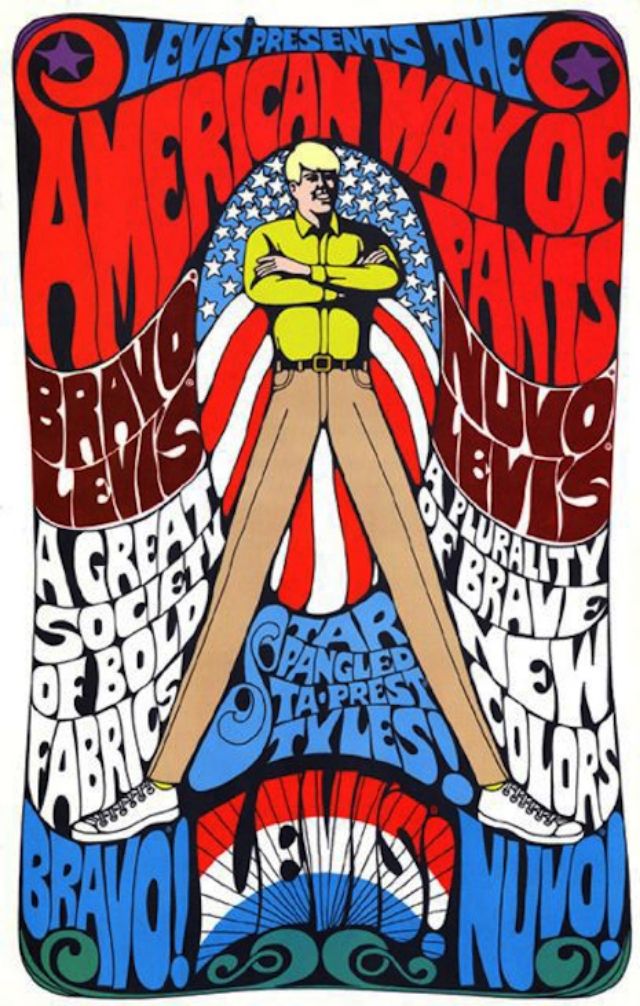
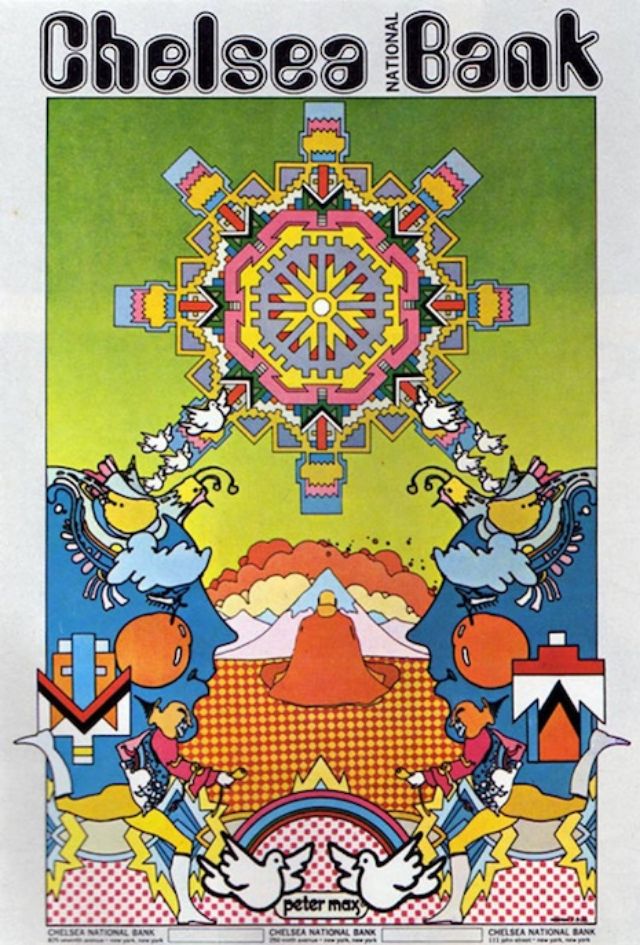
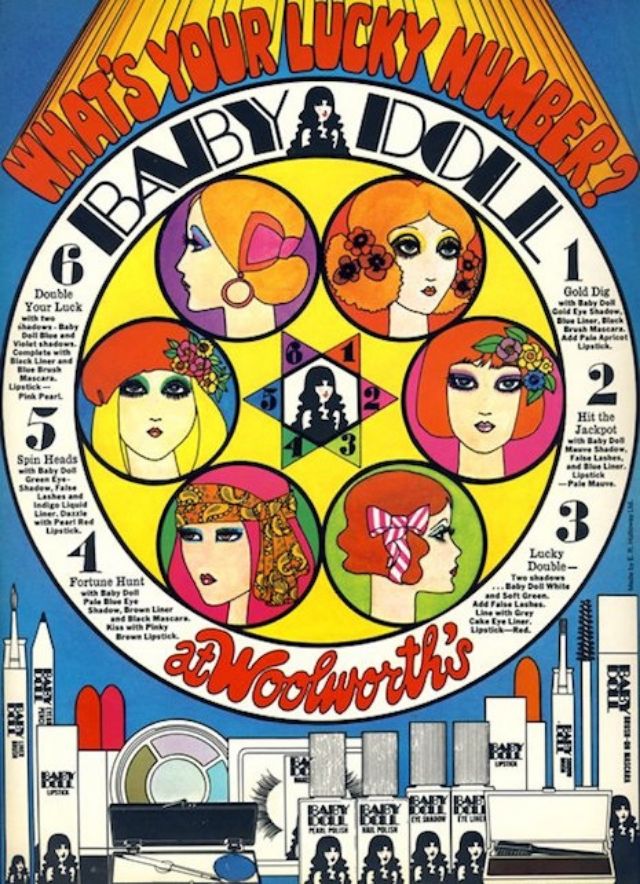
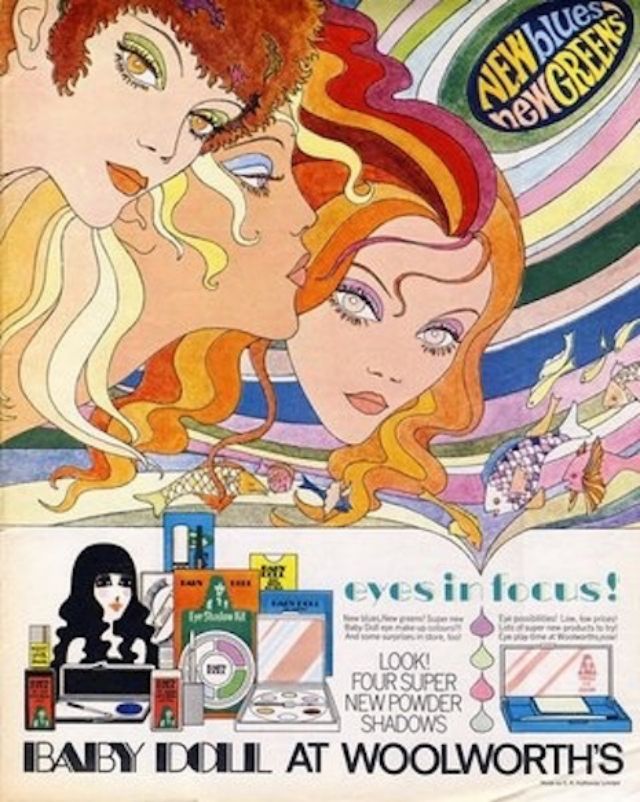
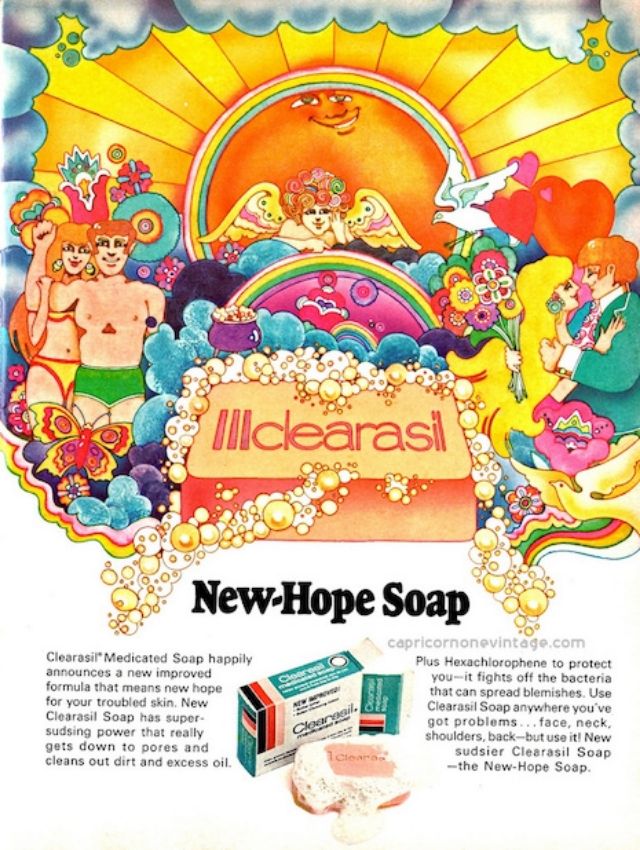
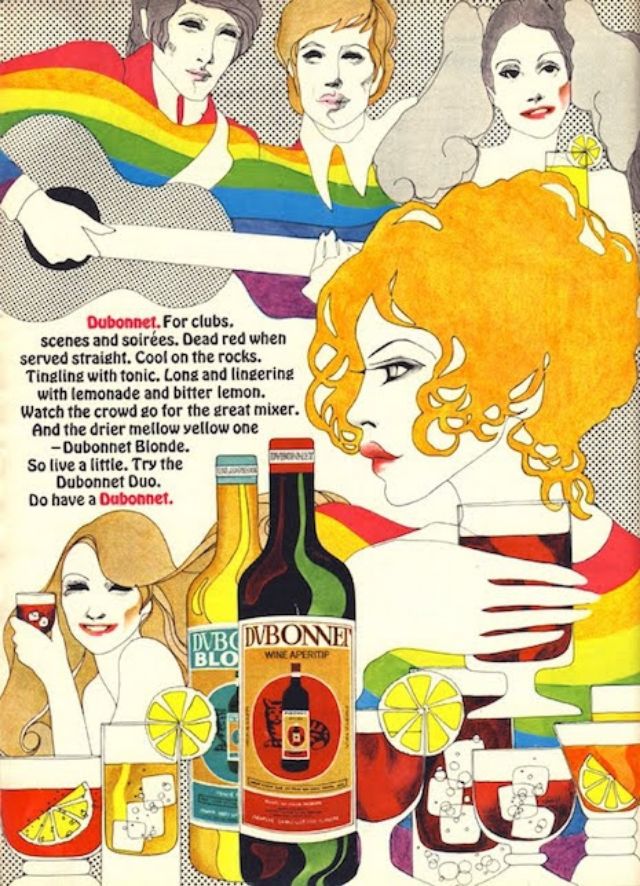
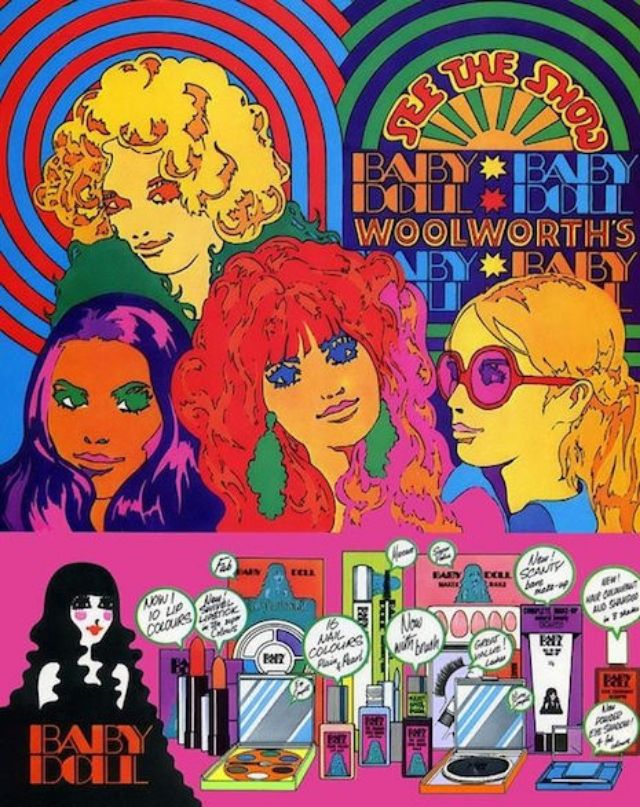
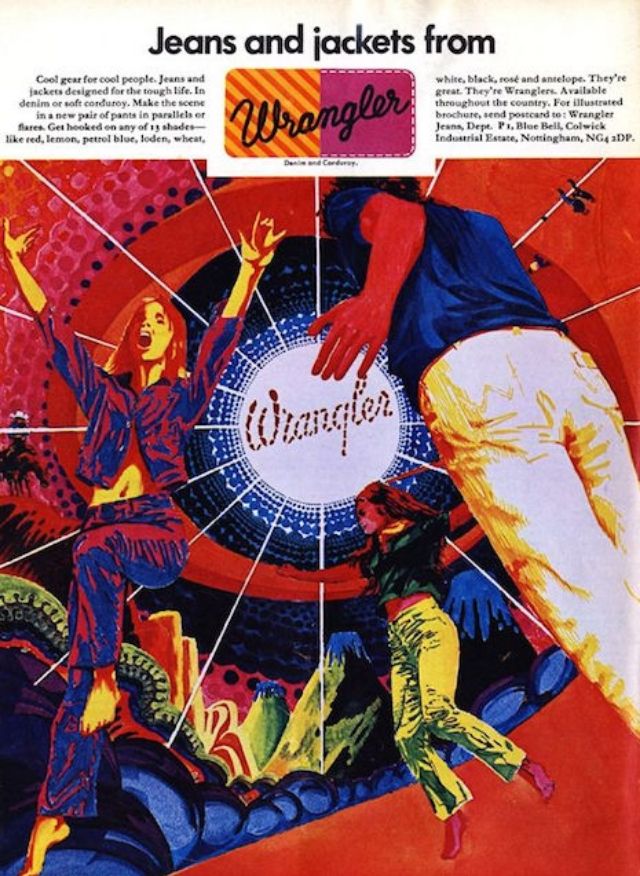
Psychedelic art is any art or visual displays inspired by psychedelic experiences and hallucinations known to follow the ingestion of psychoactive drugs such as LSD and psilocybin. The word “psychedelic” (coined by British psychologist Humphry Osmond) means “mind manifesting”. By that definition, all artistic efforts to depict the inner world of the psyche may be considered “psychedelic”.
By the late 1960s, the commercial potential of psychedelic art had become hard to ignore. General Electric, for instance, promoted clocks with designs by New York artist Peter Max. A caption explains that each of Max’s clocks “transposes time into multi-fantasy colors.” In this and many other corporate advertisements of the late 1960s featuring psychedelic themes, the psychedelic product was often kept at arm’s length from the corporate image: while advertisements may have reflected the swirls and colors of an LSD trip, the black-and-white company logo maintained a healthy visual distance.
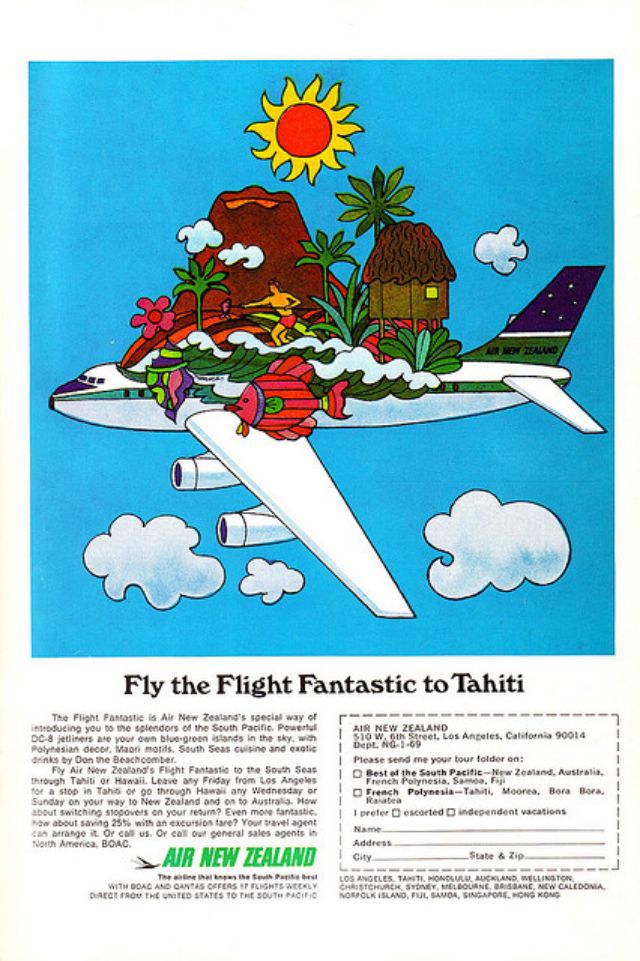
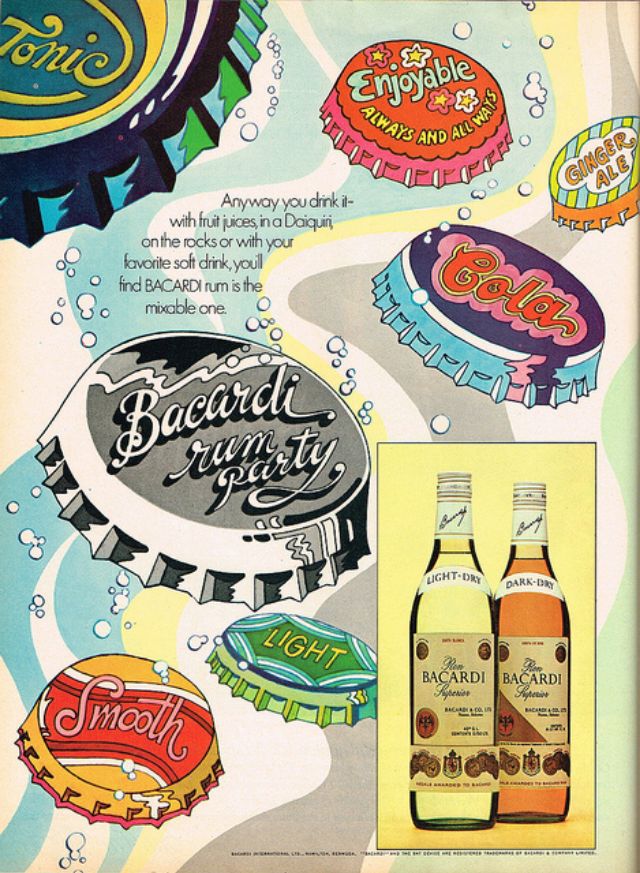
The early years of the 1970s saw advertisers using psychedelic art to sell a limitless array of consumer goods. Hair products, cars, cigarettes, and even pantyhose became colorful acts of pseudo-rebellion.
Even the term “psychedelic” itself underwent a semantic shift, and soon came to mean “anything in youth culture which is colorful, or unusual, or fashionable.” Puns using the concept of “tripping” abounded: as an advertisement for London Britches declared, their product was “great on trips!” By the mid-1970s, the psychedelic art movement had been largely co-opted by mainstream commercial forces, incorporated into the very system of capitalism that the hippies had struggled so hard to change.
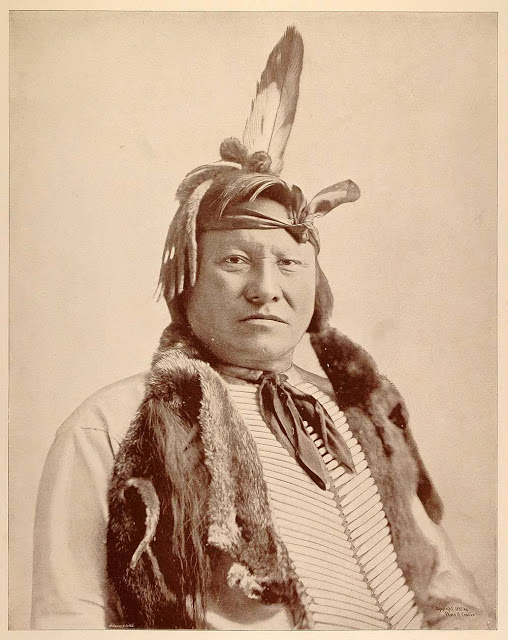
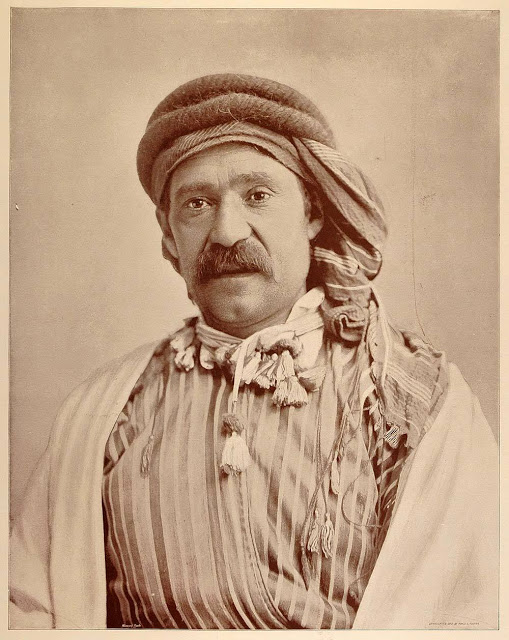
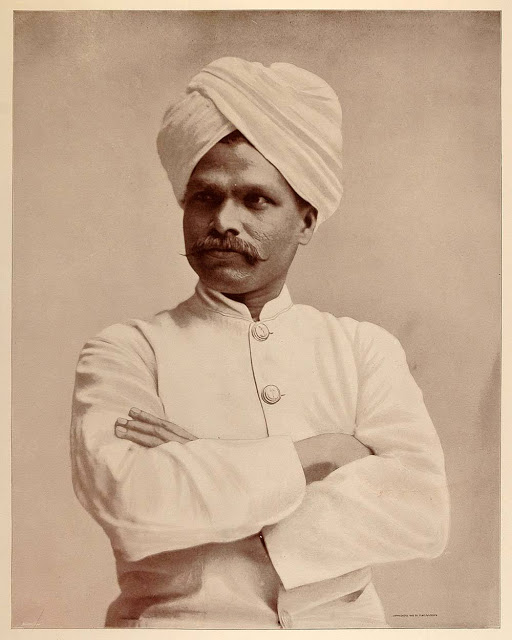
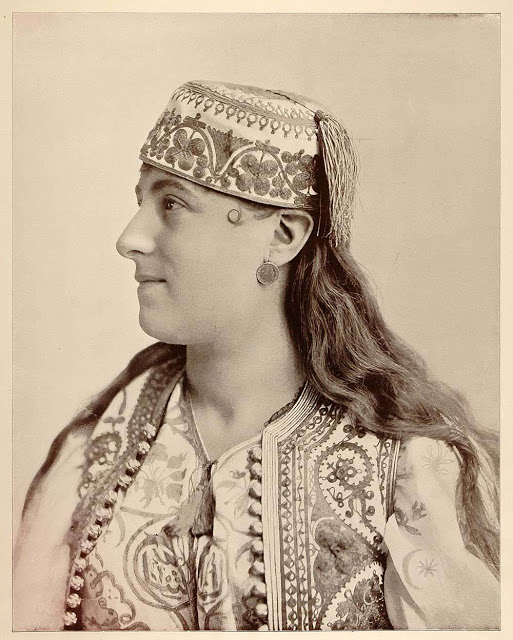
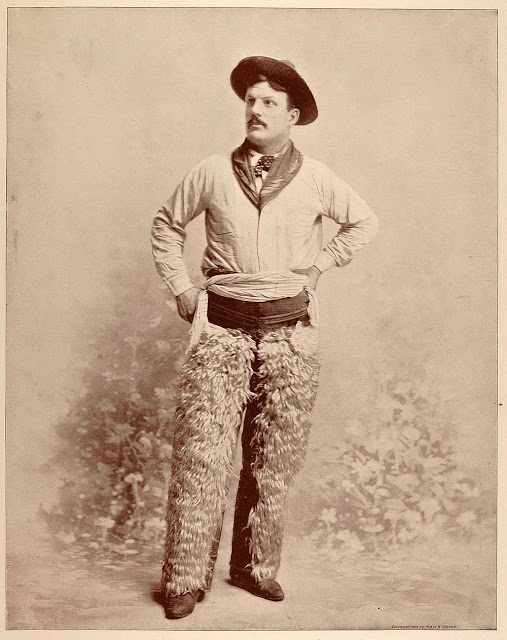
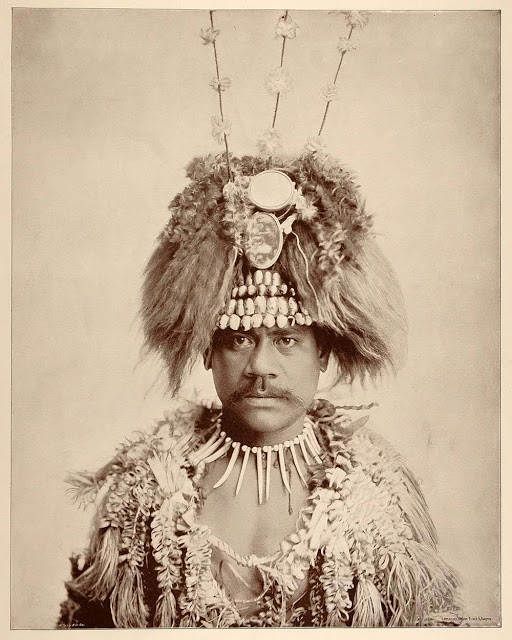
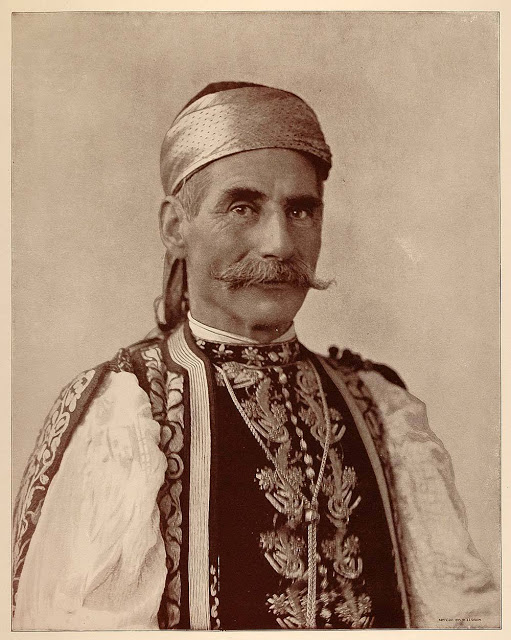
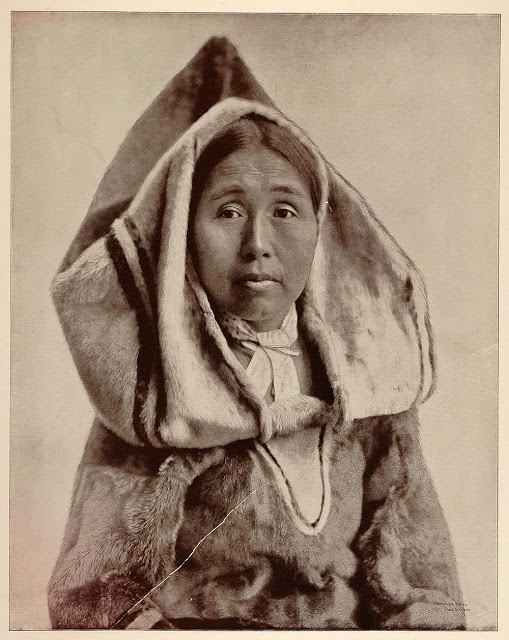
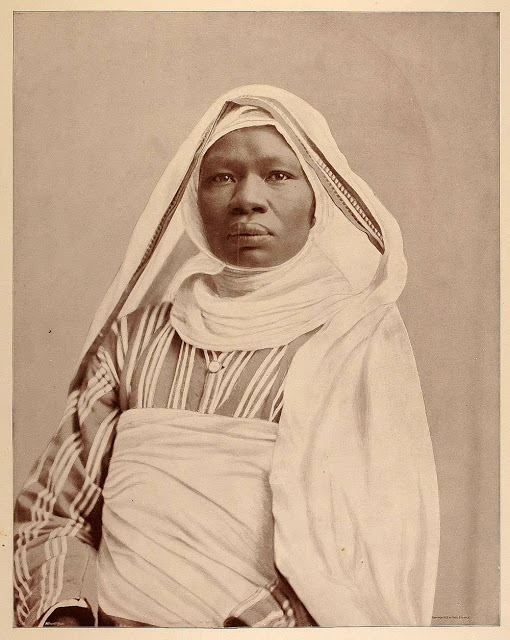
Here’s a rare set of large-format photographic portrait images of the different ethnic people who represented various countries of the world at the 1893 Chicago World’s Fair, also known as the World Columbian Exposition.
The World Columbian Exposition was held from May to October 1893 in Chicago in honor of the 400th anniversary of Columbus’ discovery of the new world. In competition with many other cities, Chicago was finally designated the official site and the Exposition was built on 630 acres in and around Jackson Park. It was a spectacular display of progress and prosperity, and included among its many wonders electrical exhibits, exhibits from other countries, and a popular amusement area on Midway Plaisance with carnival rides, among them the first Ferris Wheel. Most of the fair’s architecture was based on classical design which gave the area around the Court of Honor the name “The White City.”
Mrs. Theresa Joseph (the wife of Mr. D. Joseph), an East Indian woman from Ceylon (now known as Sri Lanka).Ke-Ne-Wa-Na, a Native American woman of the Lakota Sioux tribe.Rain-in-the-Face, a Native American war chief of the Lakota Sioux tribe who, with Sitting Bull, defeated Custer at the Battle of Little Big Horn in 1876.Ah Que, a Chinese woman married to Wong Ki.Hallad Abdalah, a Syrian Bedouin sheik.Toendoora, a lovely young Javanese woman from the island of Java.Mr. D. Joseph, an East Indian from Ceylon (now known as Sri Lanka).Rebecca Meise Alithensil, a Jewish woman.Harry Shanton, the American cowboy who performed with Buffalo Bill’s rough riders as the “Laramie Kid.”William, a Samoan man, in his traditional costume and elaborate headdress.Milhim Ouardy, the Syrian swordsman at the Moorish Palace on the Midway Plaisance.William Aeko, a Hawaiian singer from Honolulu, Hawaii.Mary Dookshoode Annanuck, an Inuit woman.Yoo-Ka-Lucke, an Inuit man dressed in clothing made of undressed seal skin.Margarette Olsen, a young Swedish peasant woman from Dalecarlia, Sweden.Nichan, an Armenian man in the uniform of the Janizaries, a Turkish military band of soldiers. The figure on the left is a Greek man.Mr. E. Ruscheweyh, the leader of the German Infantry Band which performed at the German Village on the Midway Plaisance.Mahbouba Um Zanuba, a forty-year-old woman from the Sudan who was said to have been the mother of twenty-three children.
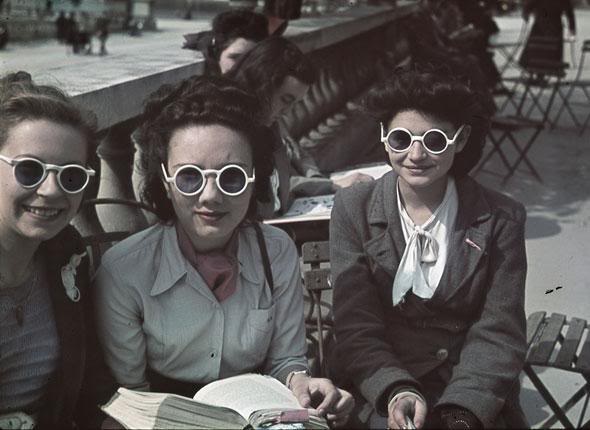
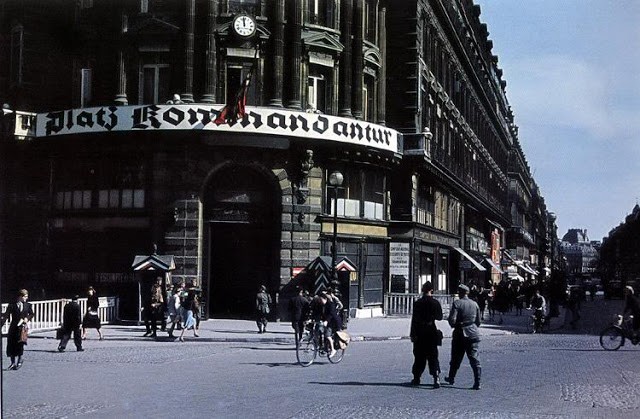
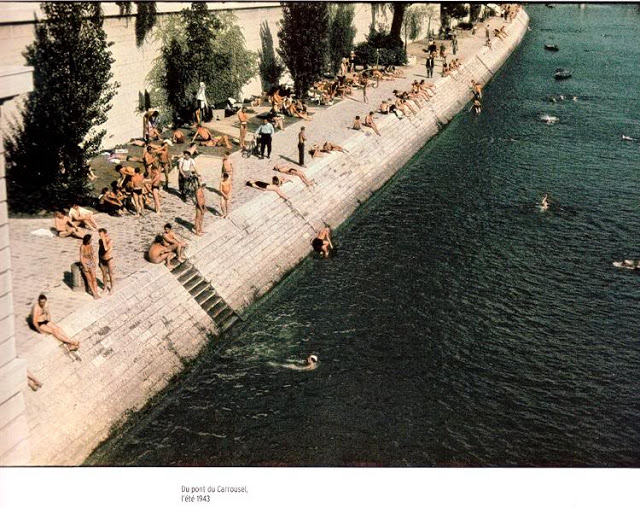
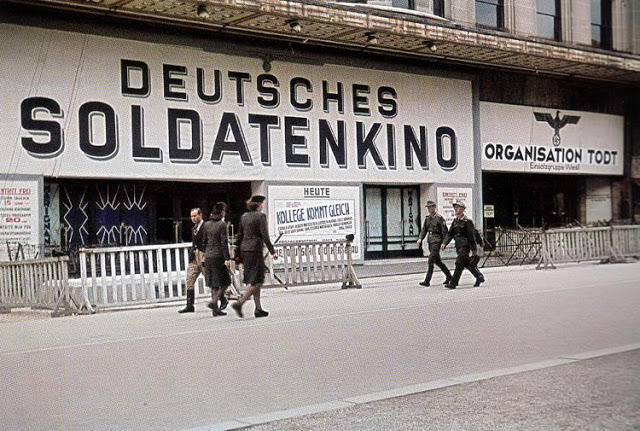
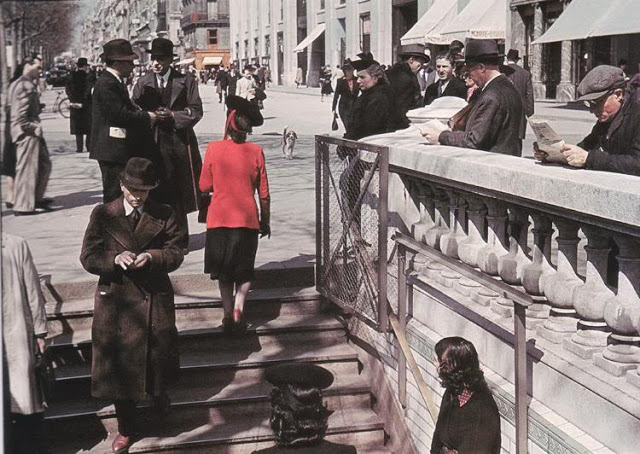
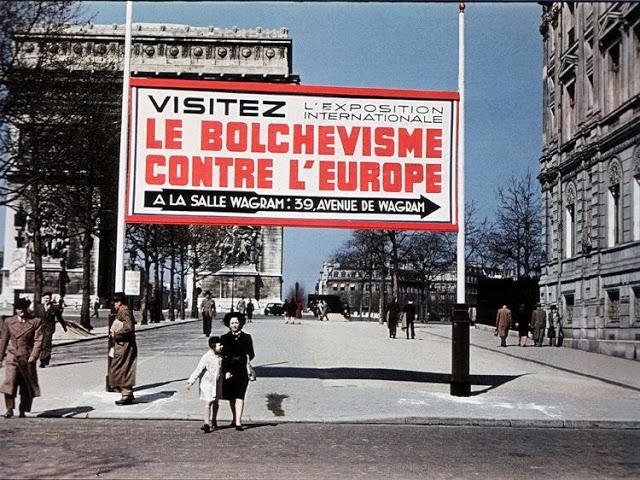
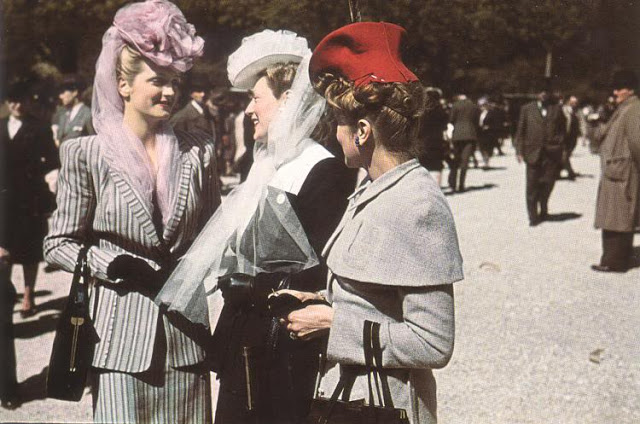
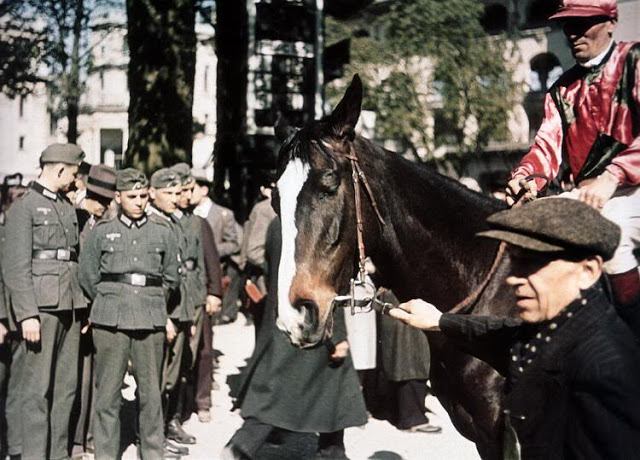
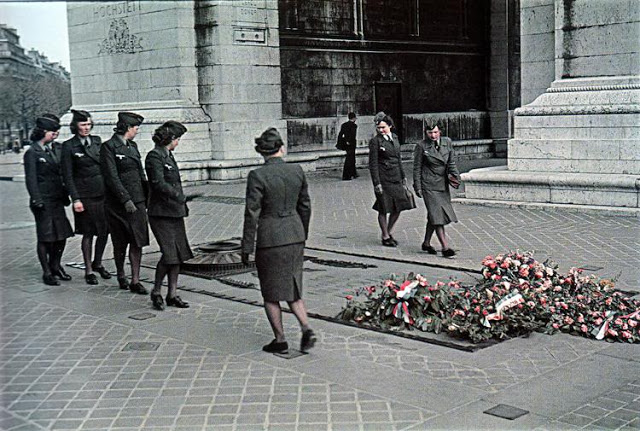
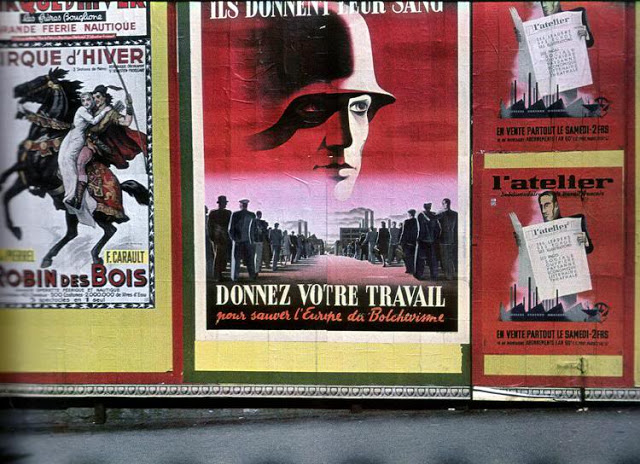
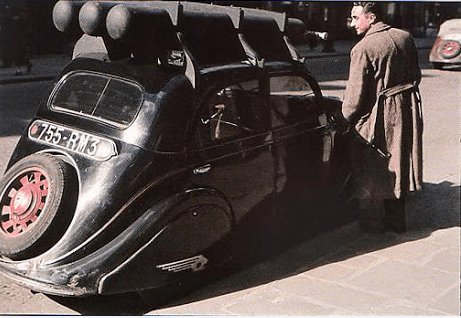
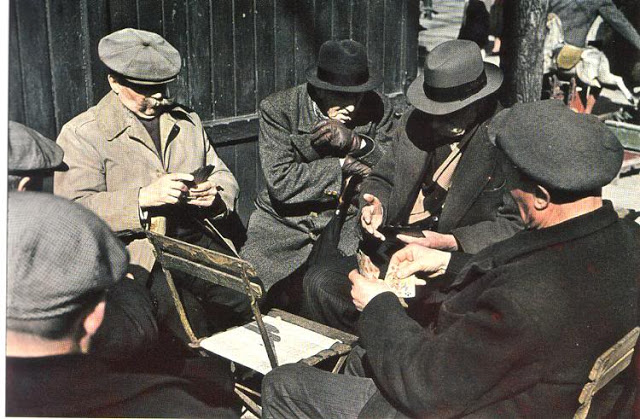
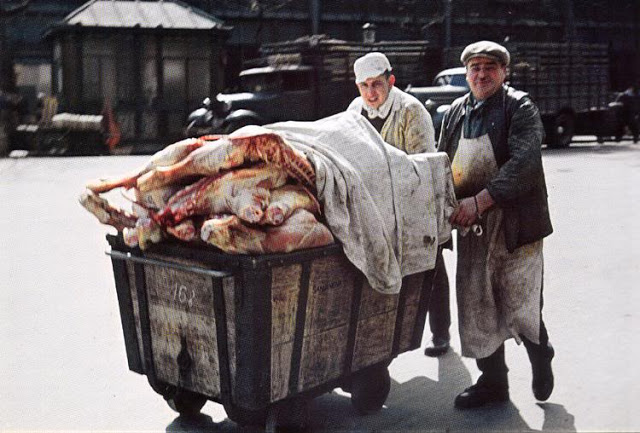
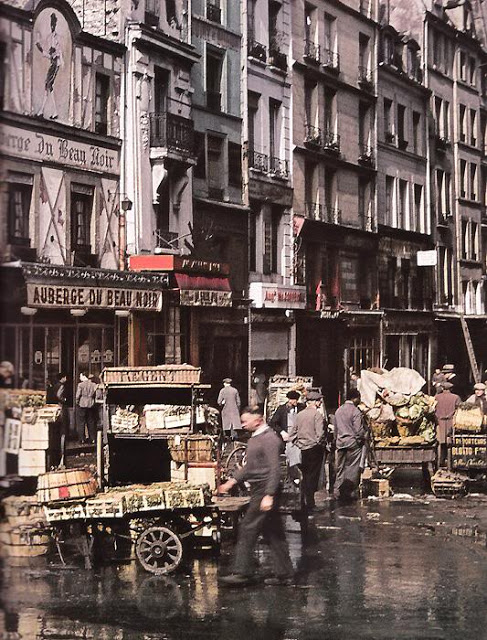
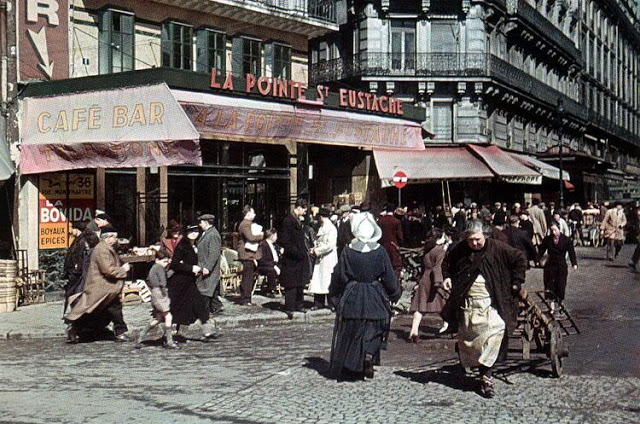
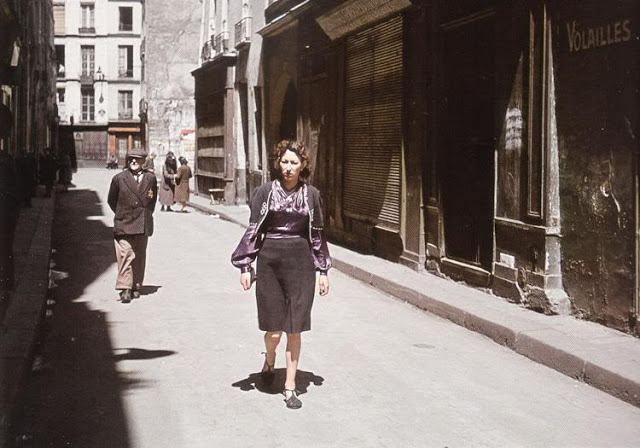
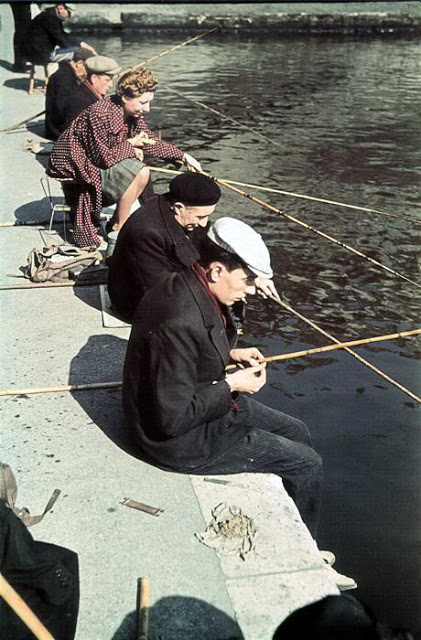
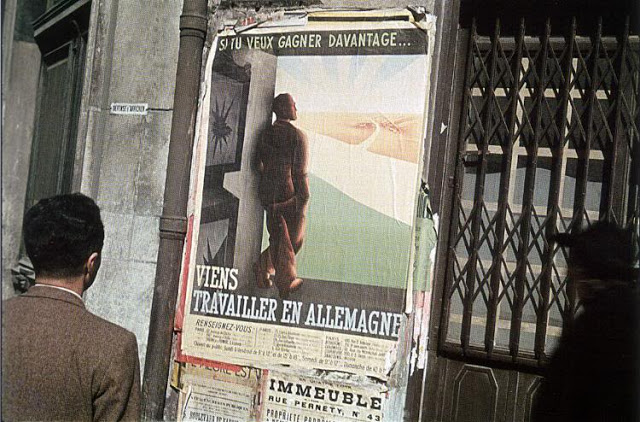
The Military Administration in France was an interim occupation authority established by Nazi Germany during World War II. It remained in existence from May 1940 to December 1944. As a result of the defeat of France and its Allies in the Battle of France, the French cabinet sought a cessation of hostilities.
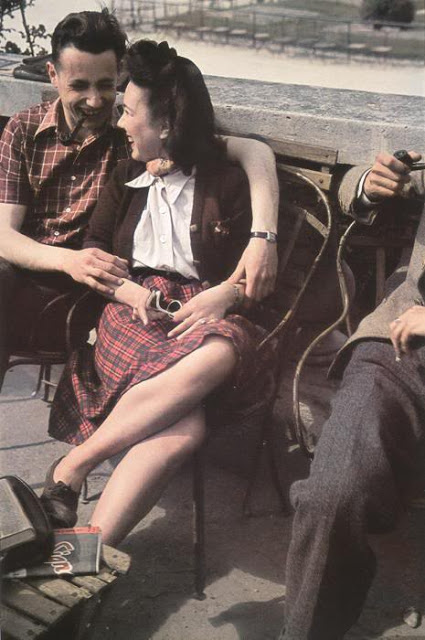
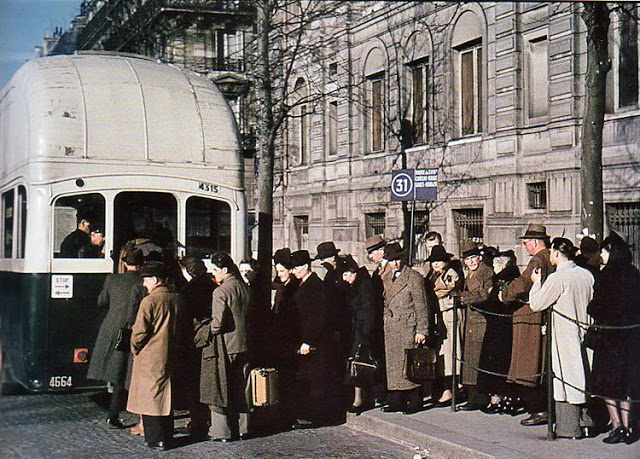
These photographs were taken by French photographer André Zucca from the early 1940s show Paris as sunny, airy, bursting with color. Its inhabitants appear carefree, content and refreshingly unaware of their proclivity for looking très chic. It’s all very much at odds with the prevailing image of the French capital suffering and smoldering under the yoke of its Nazi occupiers.
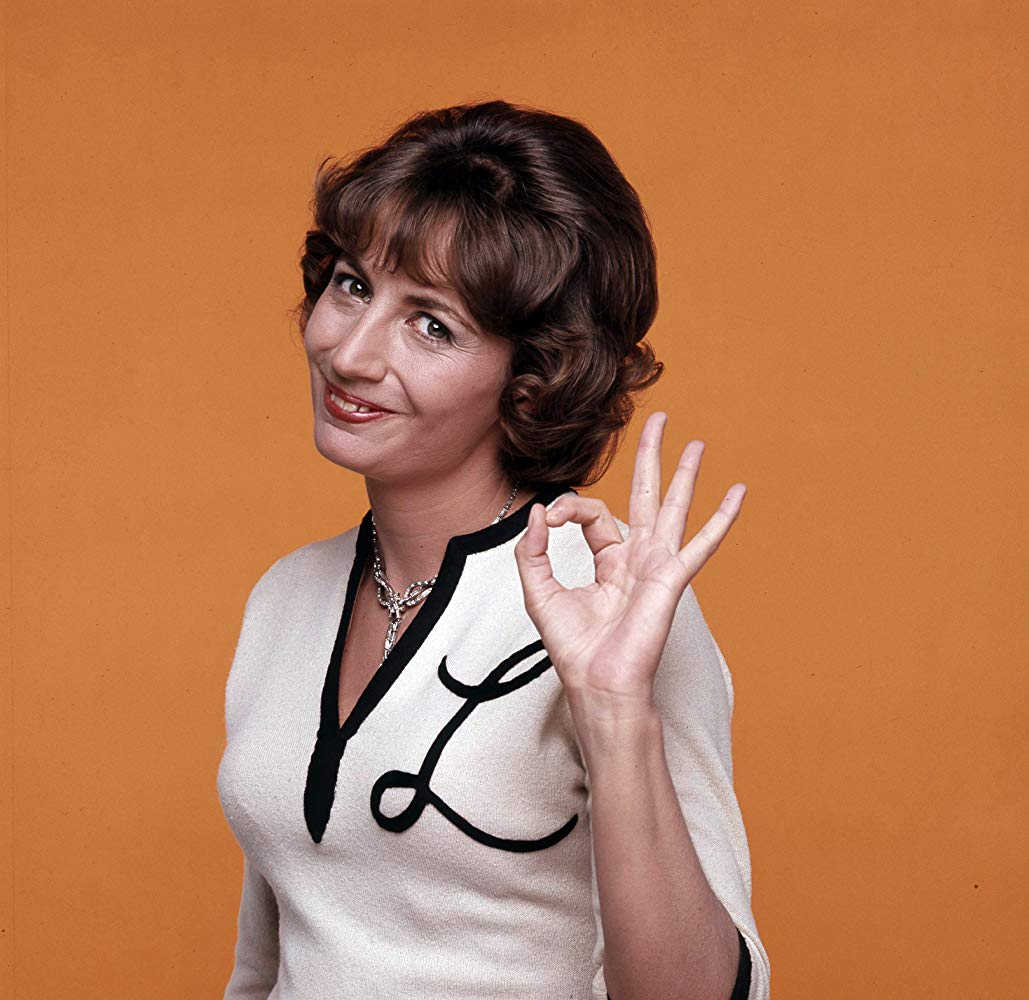
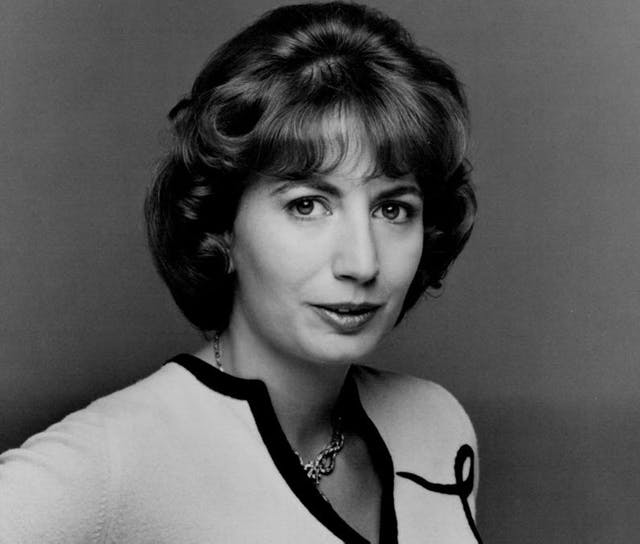
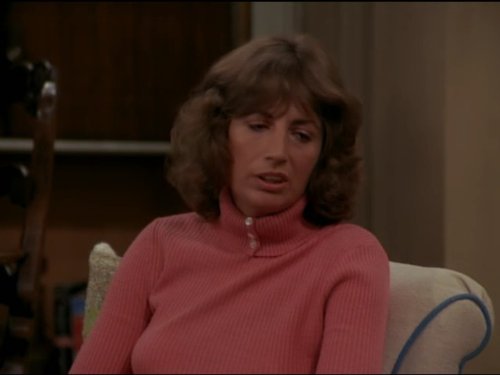
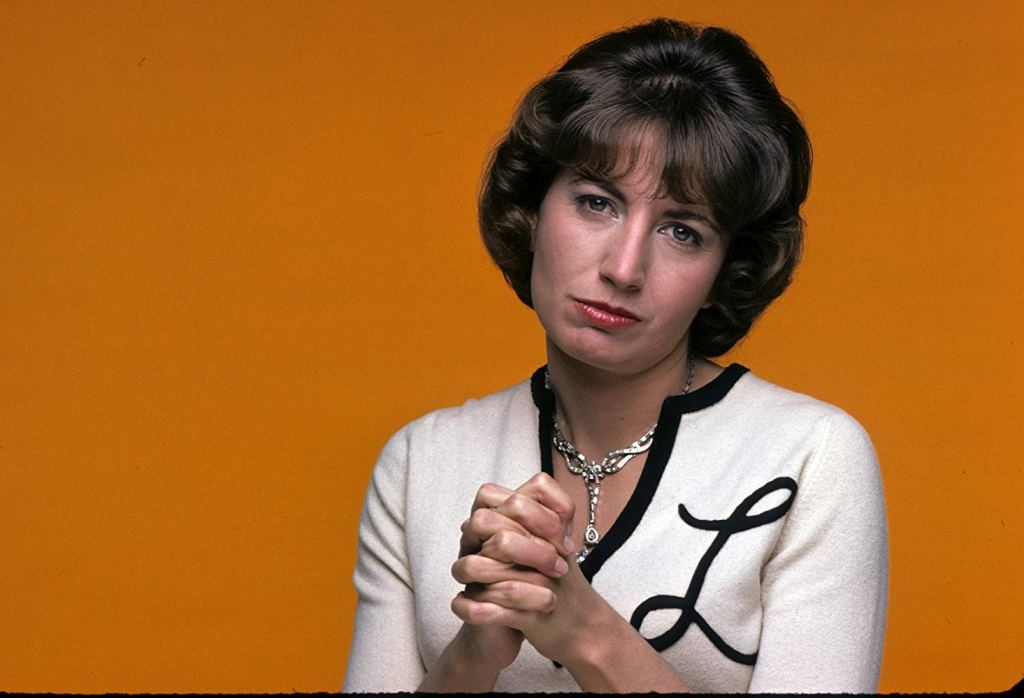
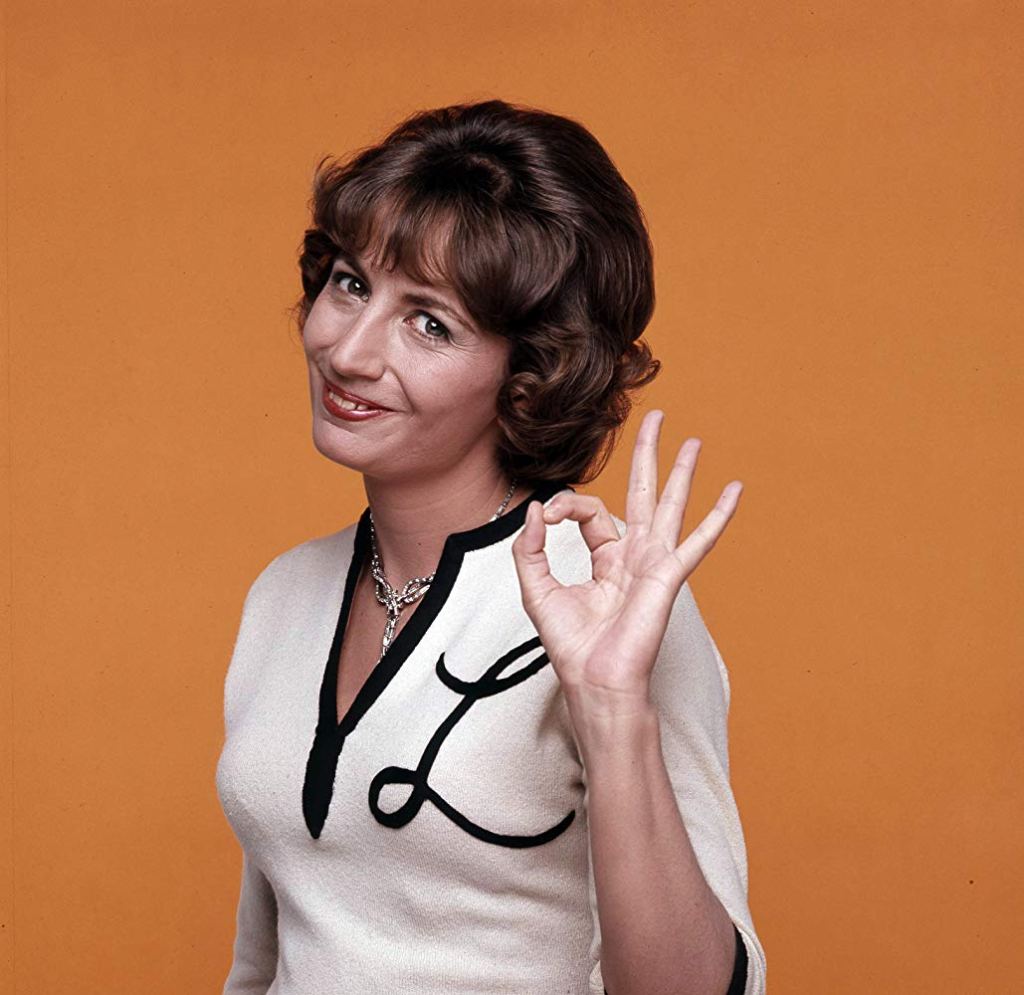
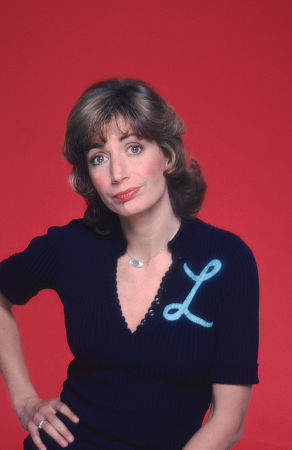
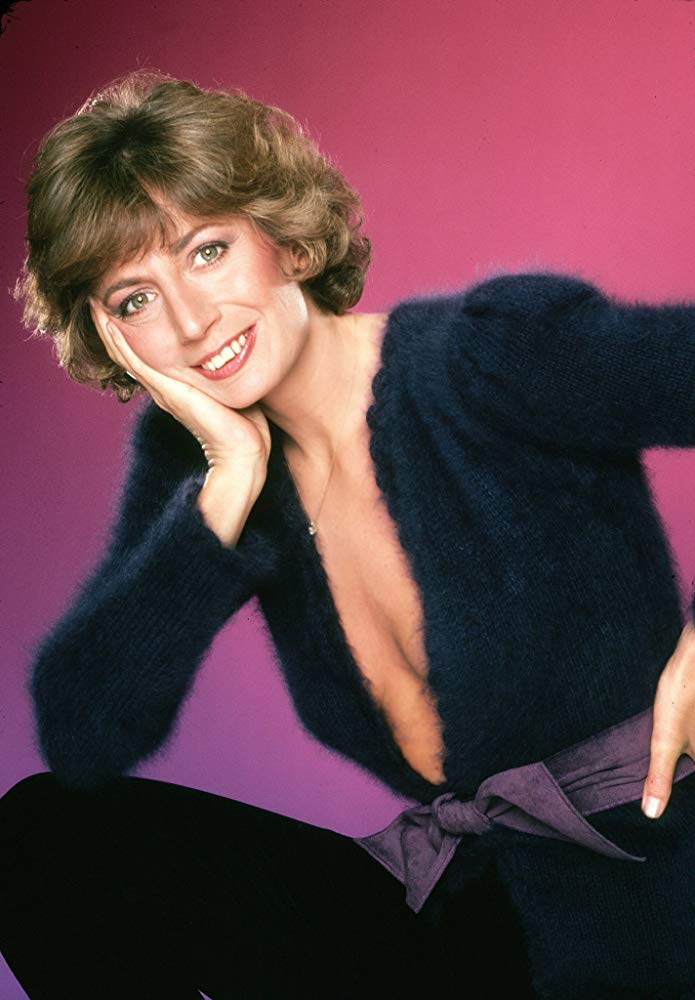
Penny Marshall was born Carole Penny Marshall on October 15, 1943 in the Bronx, New York. The Libra was 5′ 6 1/2″, with brown hair and green eyes. She was the daughter of Marjorie (Ward), a tap dance teacher, and Anthony “Tony” Marshall, an industrial film director. She was the younger sister of filmmakers Garry Marshall and Ronny Hallin. Her father was of Italian descent, originally surnamed “Masciarelli,” and her mother was of German, Scottish, English, and Irish ancestry.
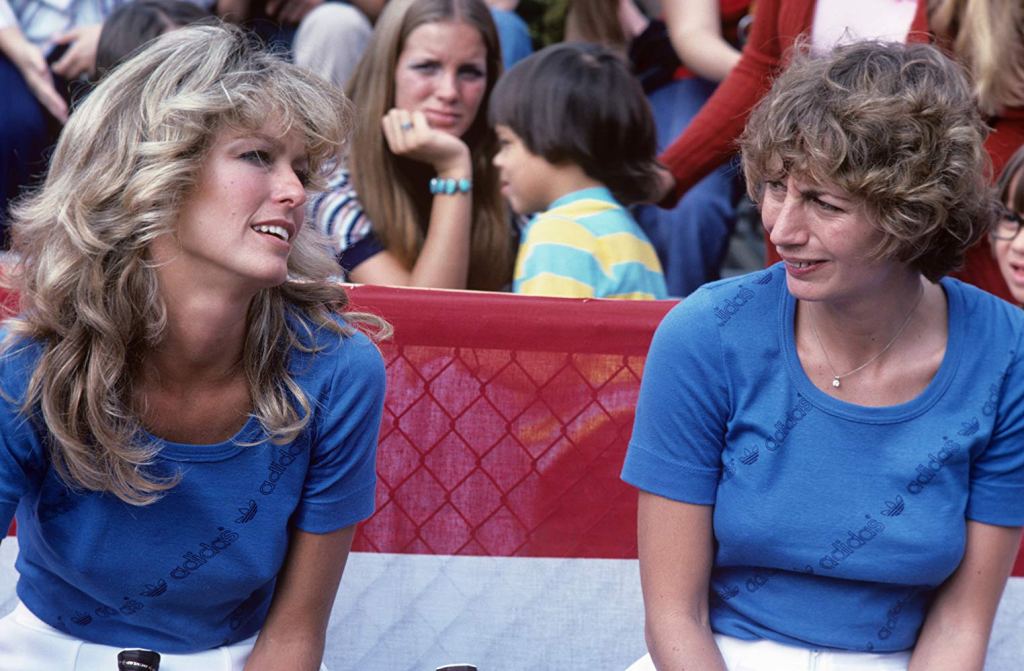
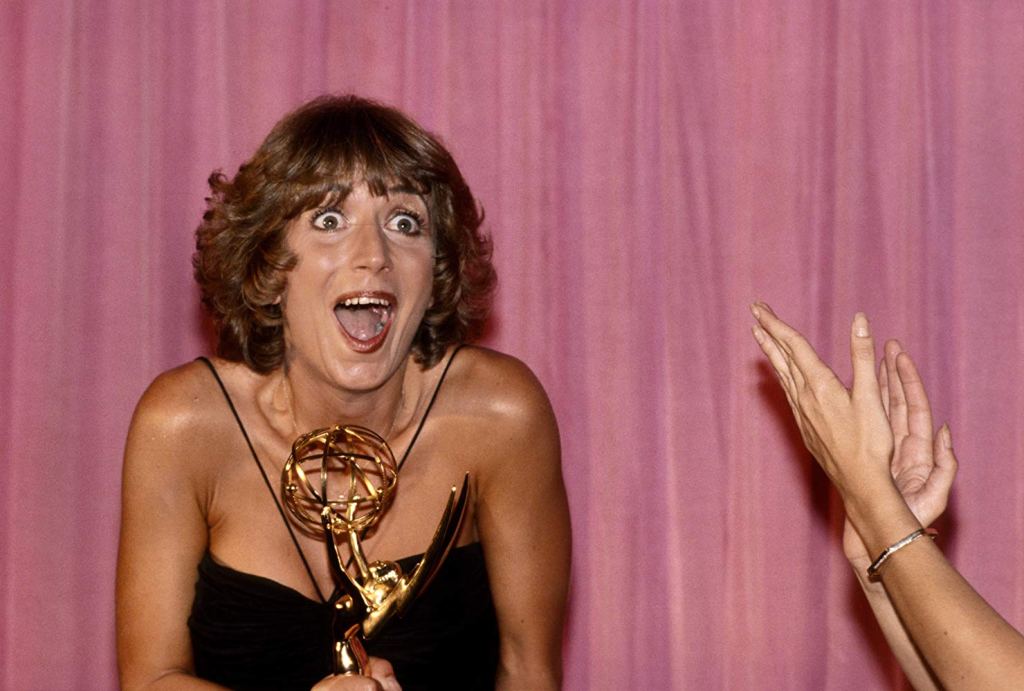
Penny was known in her family as “the bad one”… because not only did she walk on the ledge of her family’s apartment building, but she snuck into the movies as a child and even dated a guy named “Lefty.” She attended a private girls’ high school in New York and then went to the University of New Mexico for two and a half years. There, Penny got pregnant with daughter, Tracy Reiner, and soon after married the father, Michael Henry, in 1961. The couple divorced two years later in 1963. She worked as a secretary for awhile. Her film debut came from her brother Garry Marshall, who put her in the movie How Sweet It Is! (1968) with the talented Debbie Reynolds and James Garner. She also did a dandruff commercial with Farrah Fawcett – the casting people, of course, giving Farrah the part of the “beautiful girl” and Penny the part of the “plain girl.” This only added to Penny’s insecurity with her looks.
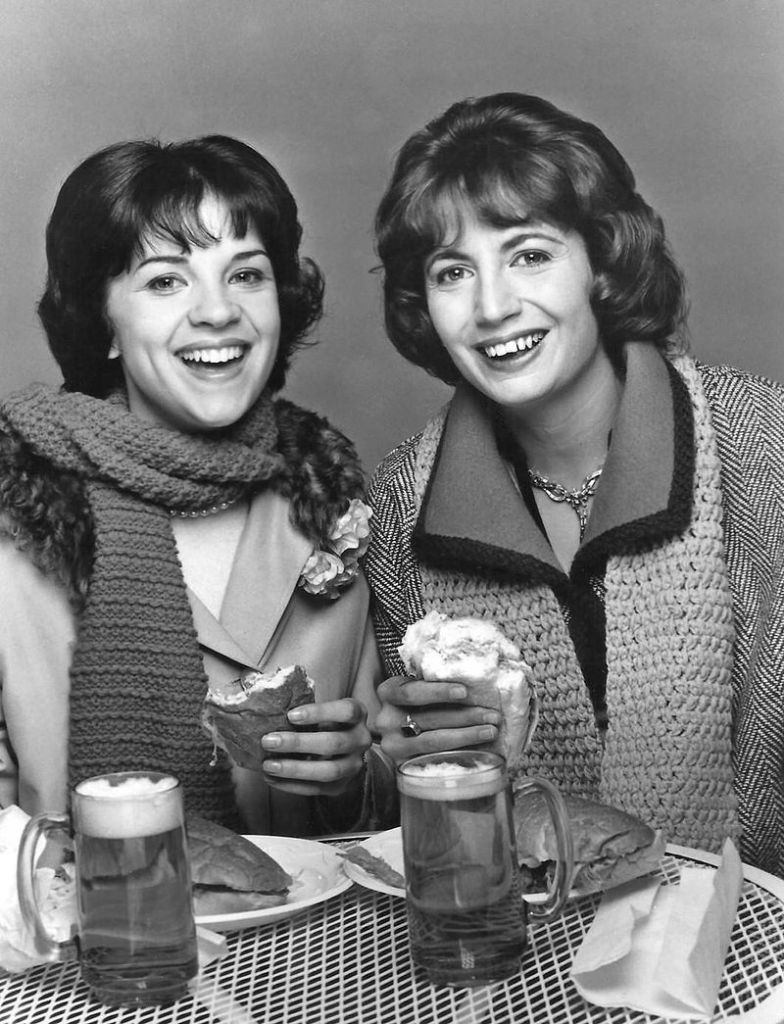
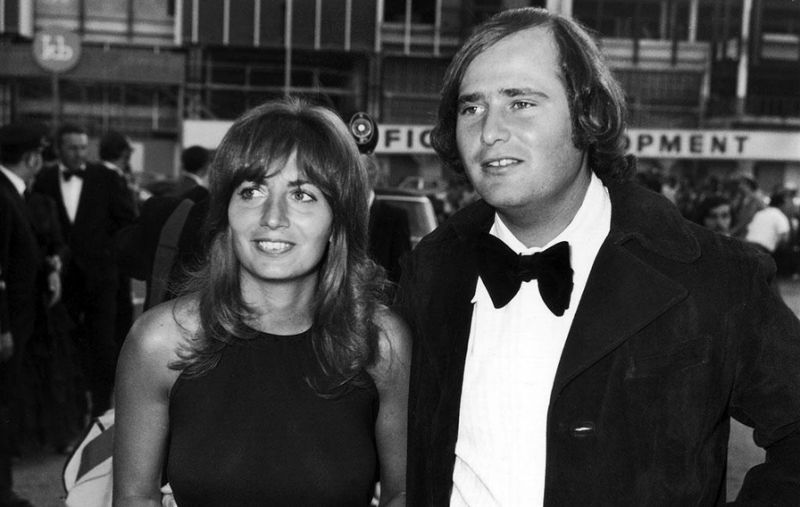
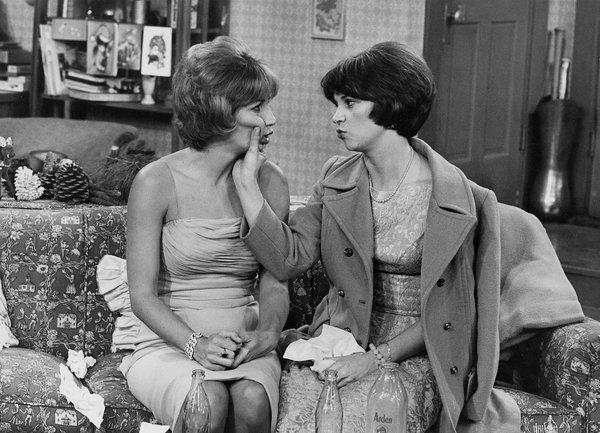
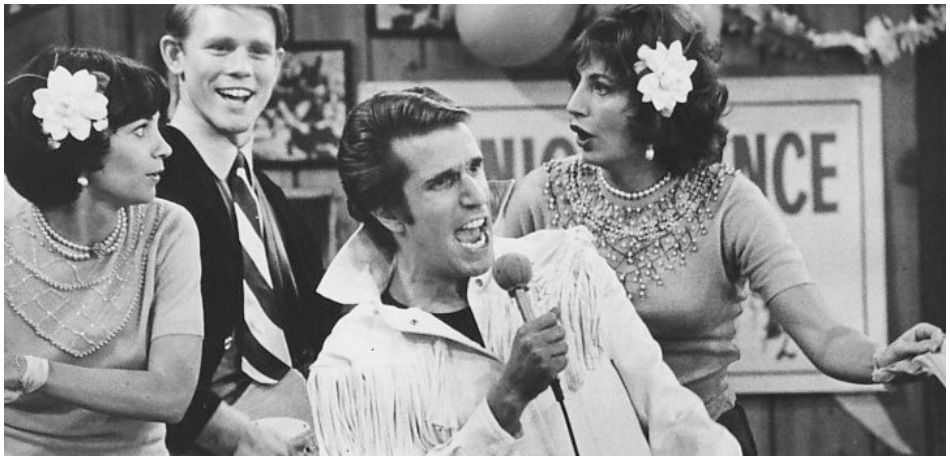
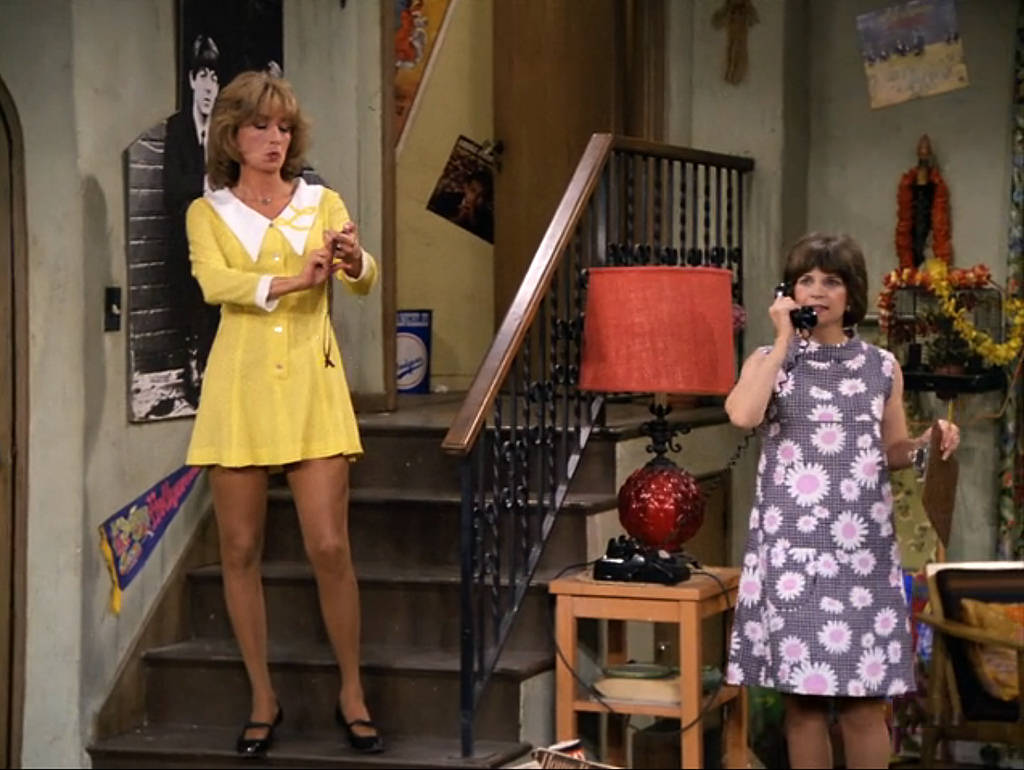
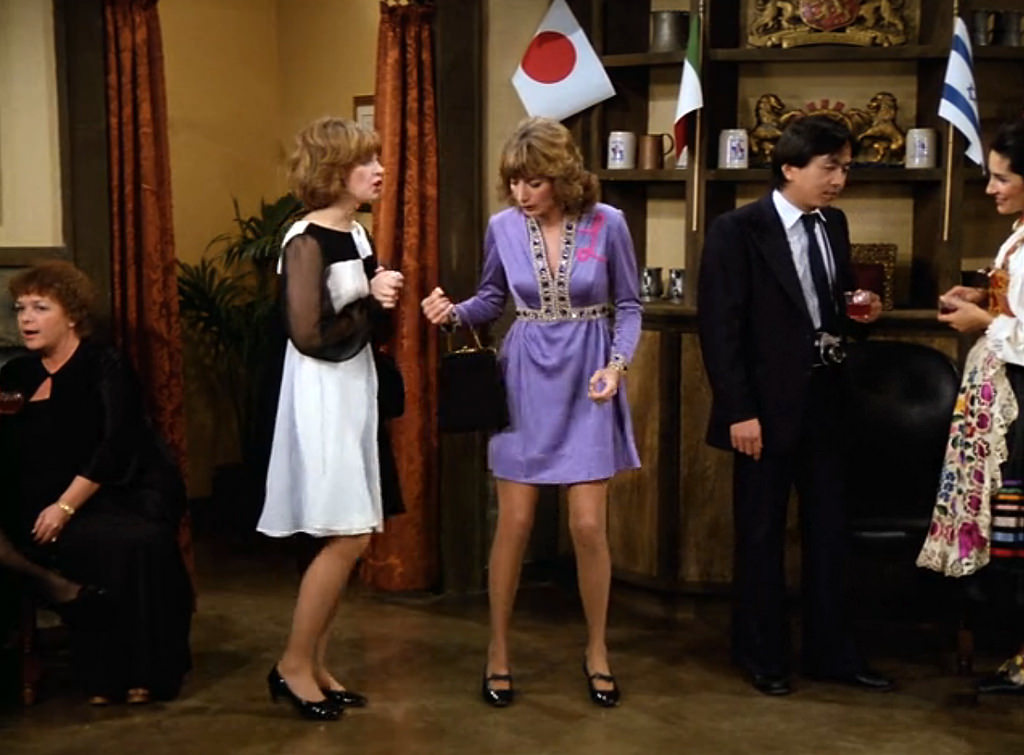
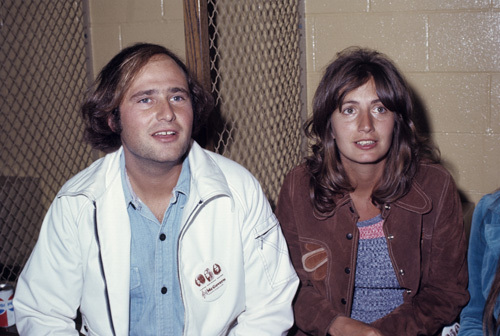
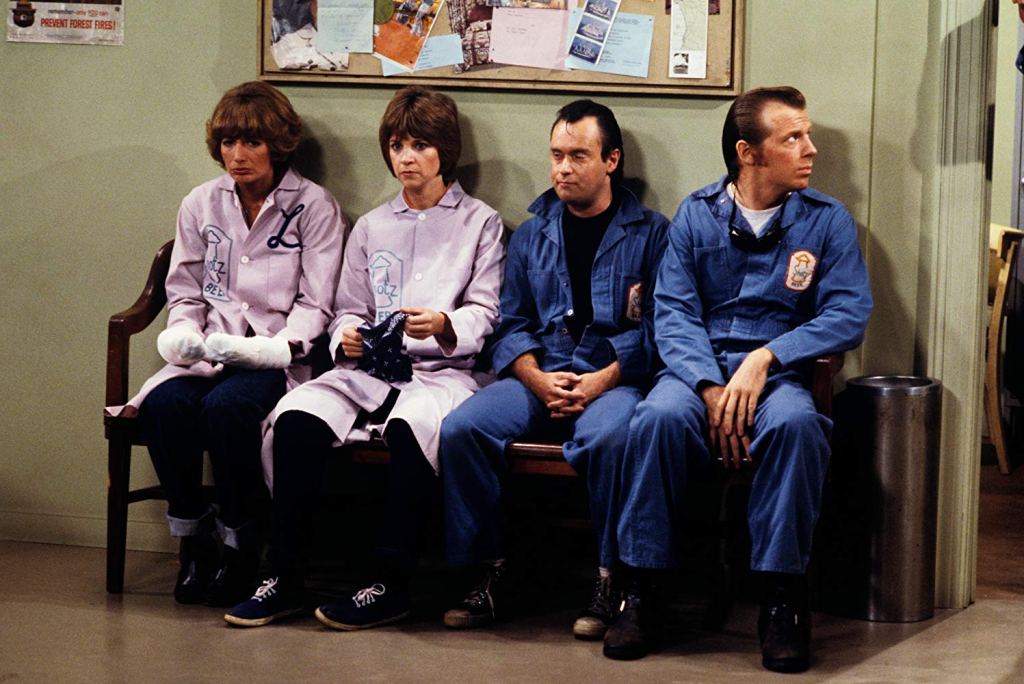
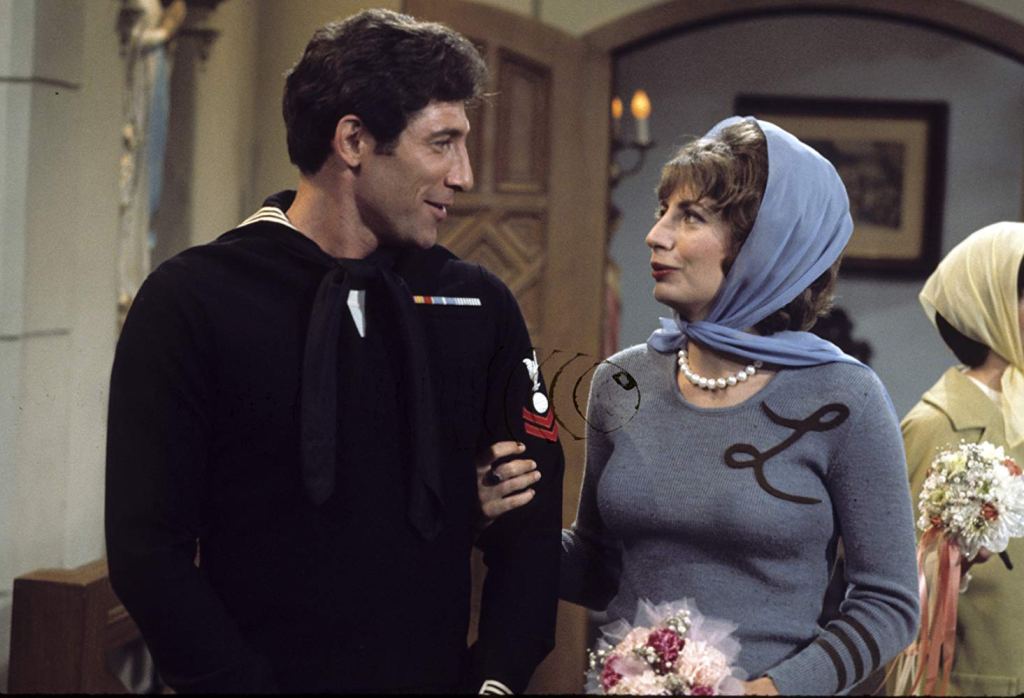
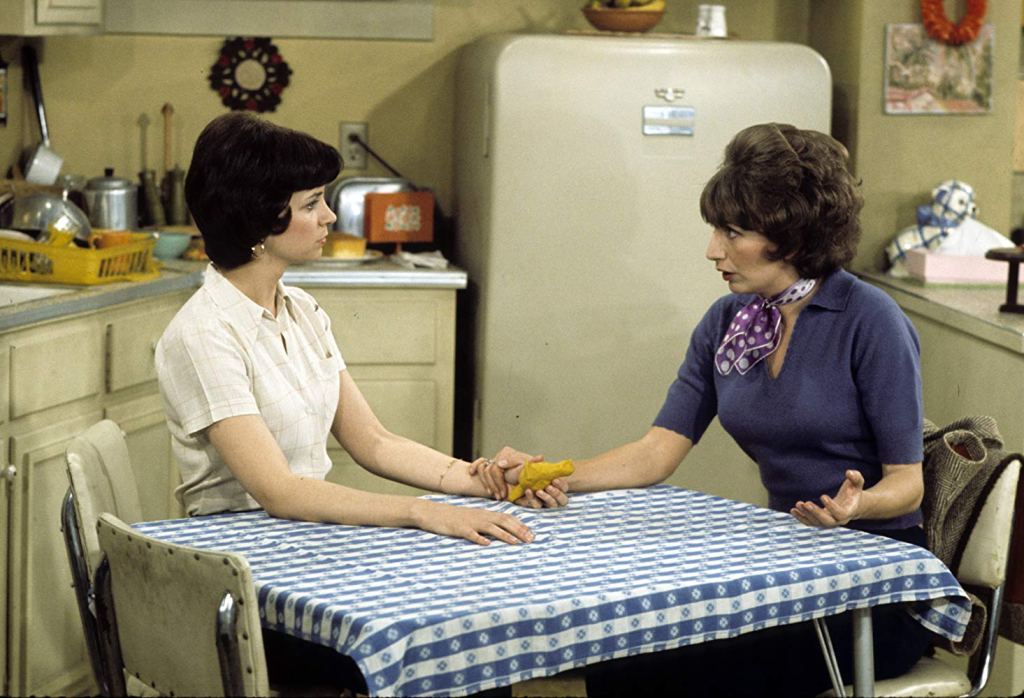
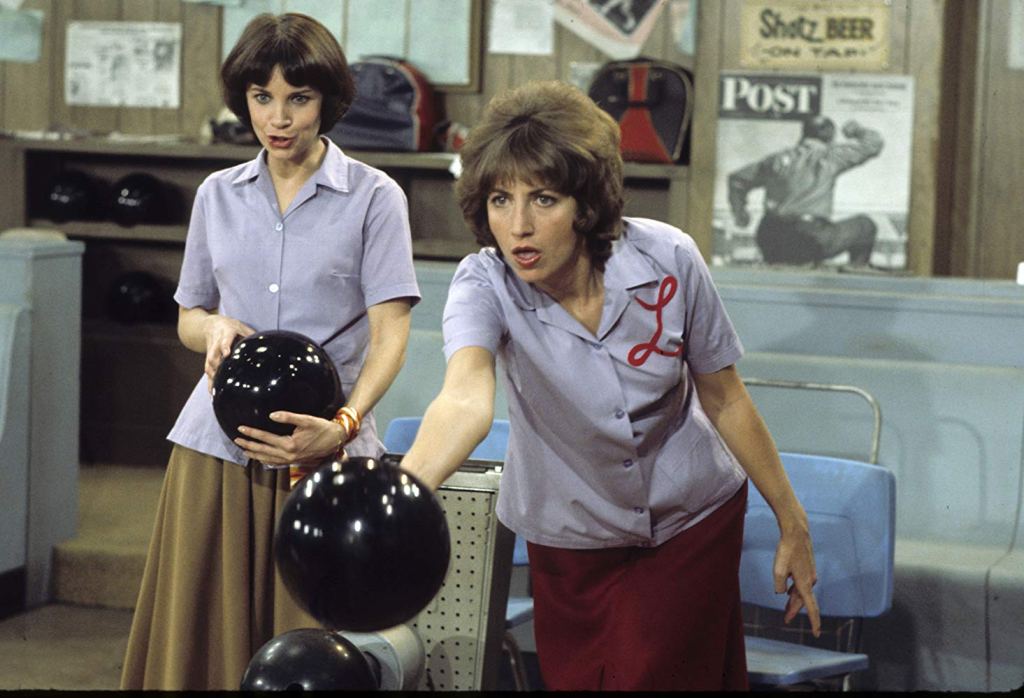
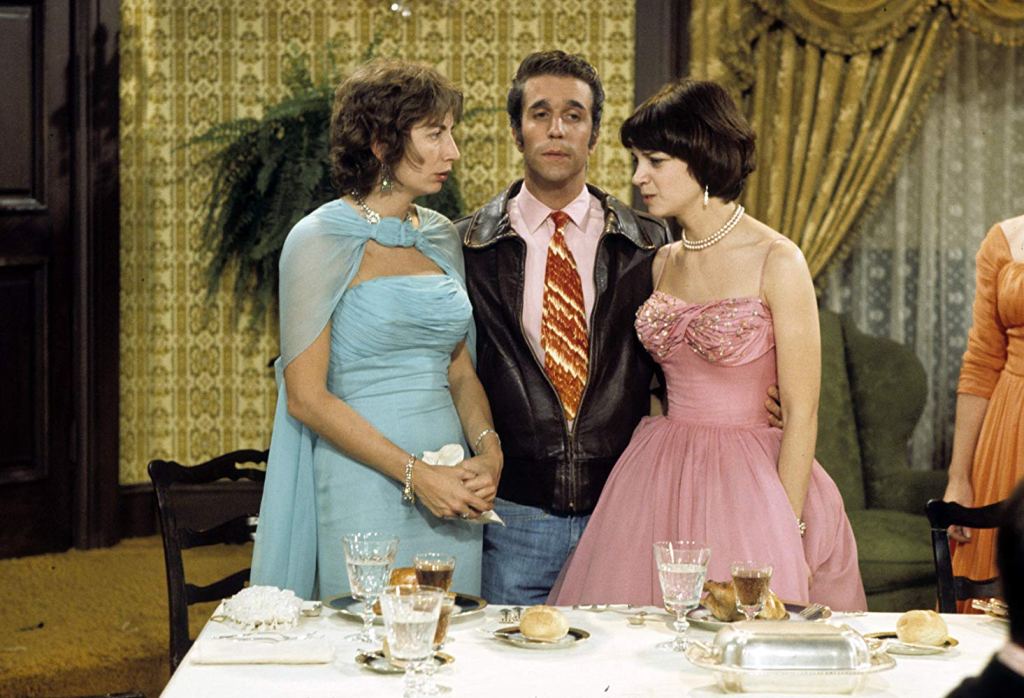
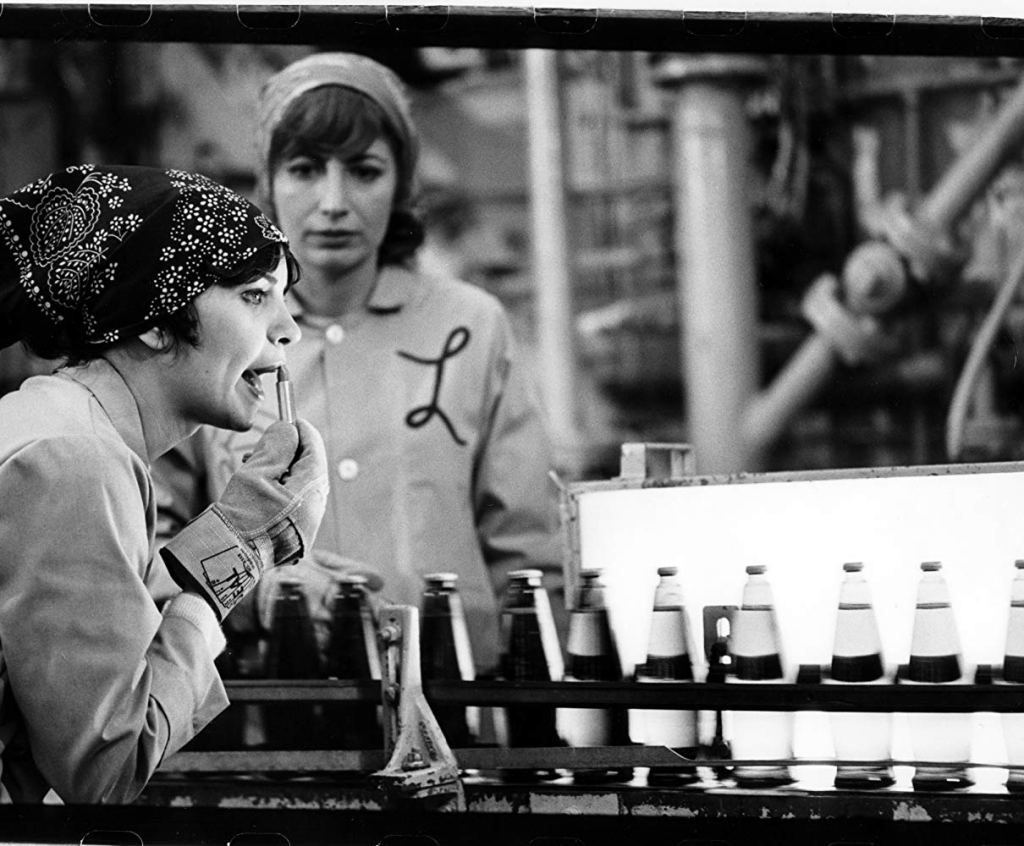
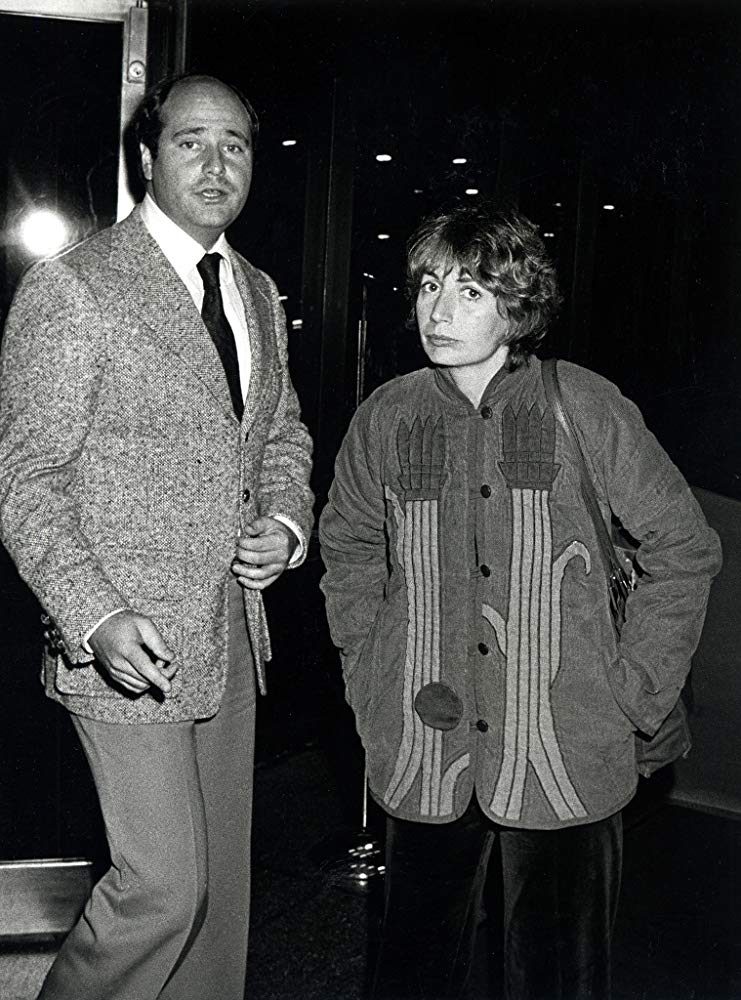
She then married Rob Reiner on April 10, 1971, shortly after getting her big television break as Oscar Madison’s secretary, Myrna Turner, on The Odd Couple (1970). She also played Mary Richards’ neighbor, Paula Kovacks, on Mary Tyler Moore (1970) for a couple of episodes. However, her Laverne & Shirley (1976) fame came when her brother needed two women to play “fast girls” who were friends of Arthur Fonzarelli and would date Fonzie and Richie Cunningham on Happy Days (1974). Penny had been working on miscellaneous writing projects (“My Country Tis Of Thee”, a bicentennial spoof for Francis Ford Coppola and “Paper Hands” about the Salem Witch Trials) with writing partner Cindy Williams. Cindy happened to be a friend and ex-girlfriend of Henry Winkler’s, so Garry asked the two to play the parts of these girls. The audience saw their wonderful chemistry, and loved them so much, a spin-off was created for them.
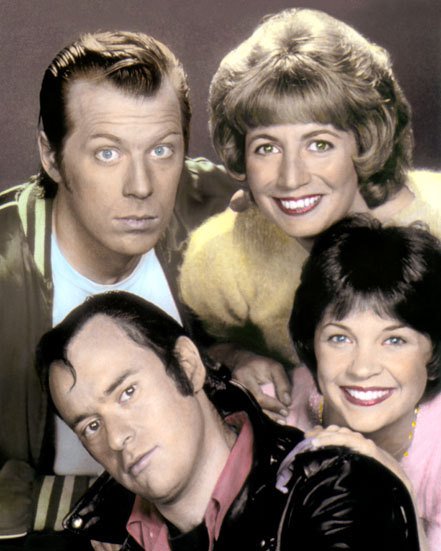
Penny was well-known as Laverne DeFazio. She and Rob had divorced in 1980. The show ended three years later, half a year after Cindy Williams left the show due to pregnancy (her first baby, Emily, from now ex-husband Bill Hudson)… they wanted Williams to work the week she was supposed to deliver.
Soon after, Penny began directing such films as Jumpin’ Jack Flash (1986), Big (1988) and A League of Their Own (1992). Her hobbies included needlepoint, jigsaw puzzles and antique shopping. She was best friends with actress Carrie Fisher and was godmother to Carrie’s daughter, Billie.
Penny died at 75 on December 17, 2018 in Los Angeles, California.
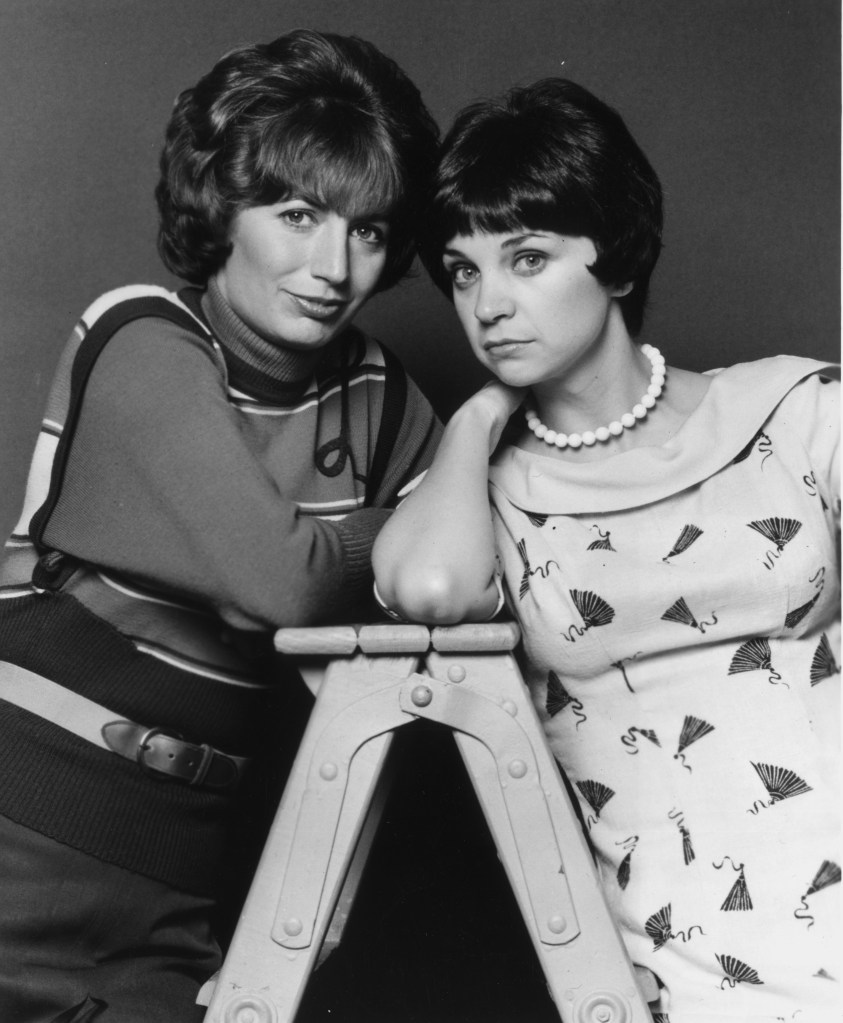
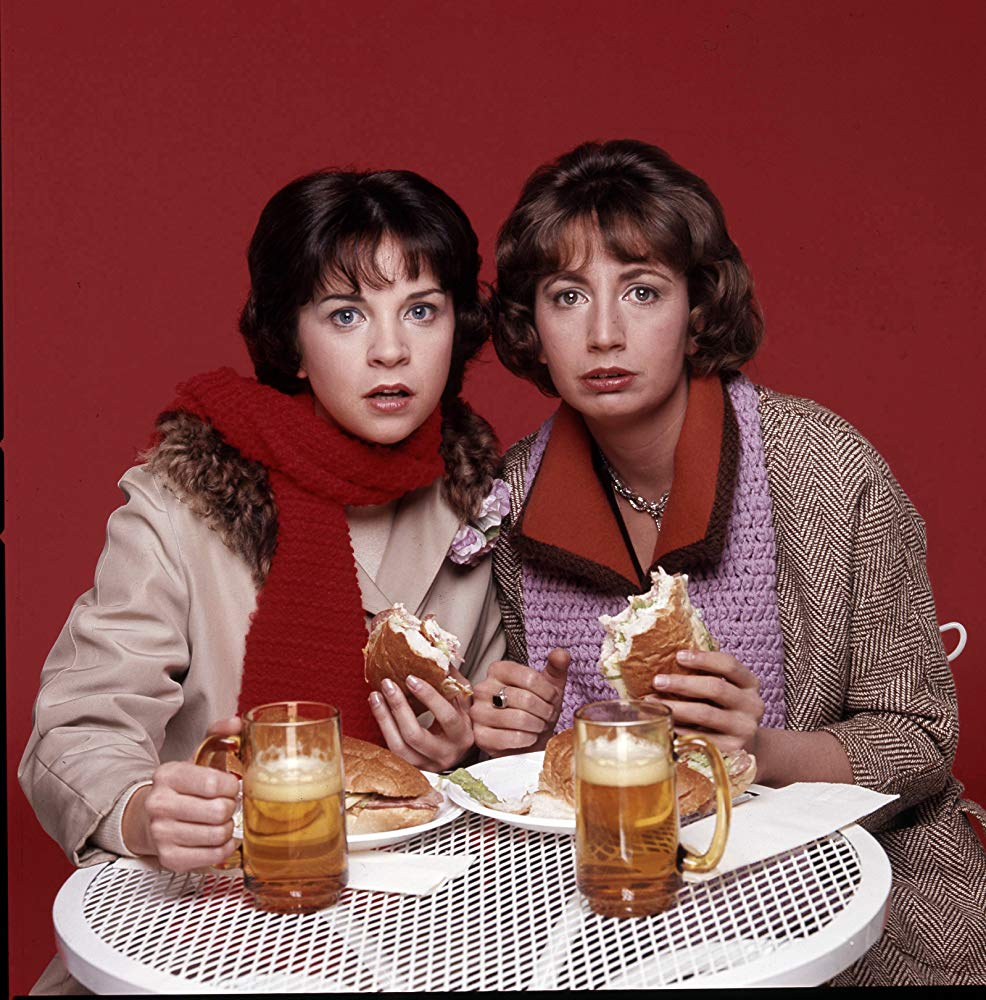
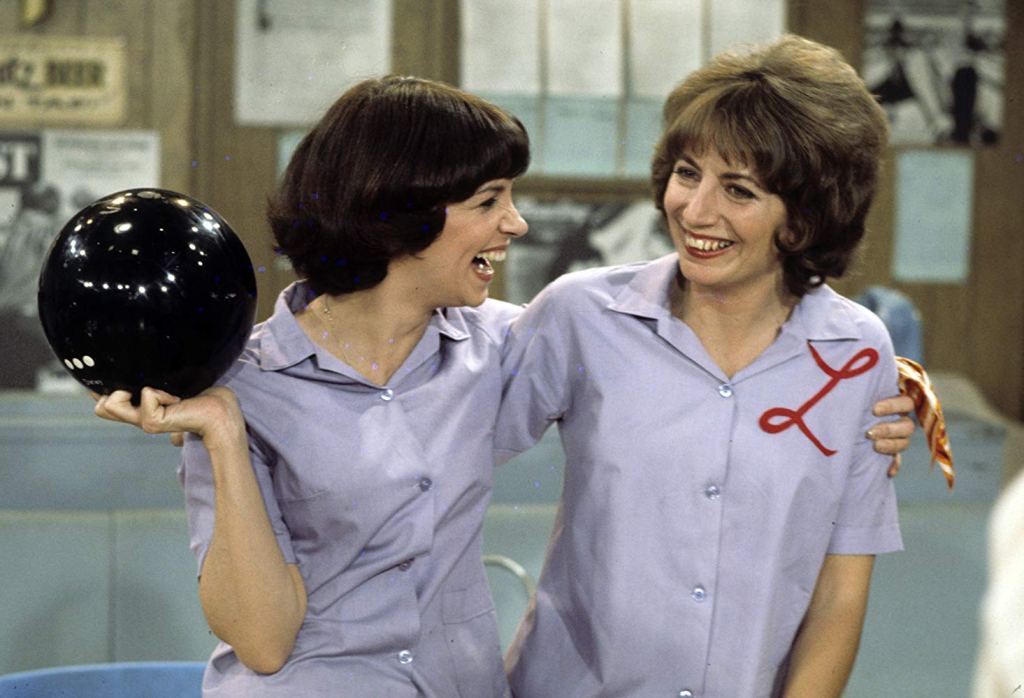
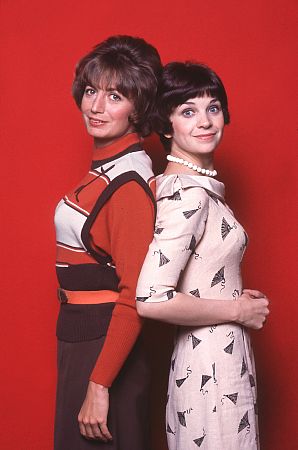
American actors Penny Marshall (L) and Cindy Williams lean towards each other while standing on either side of a ladder in a promotional portrait for the TV show, ‘Laverne & Shirley.’
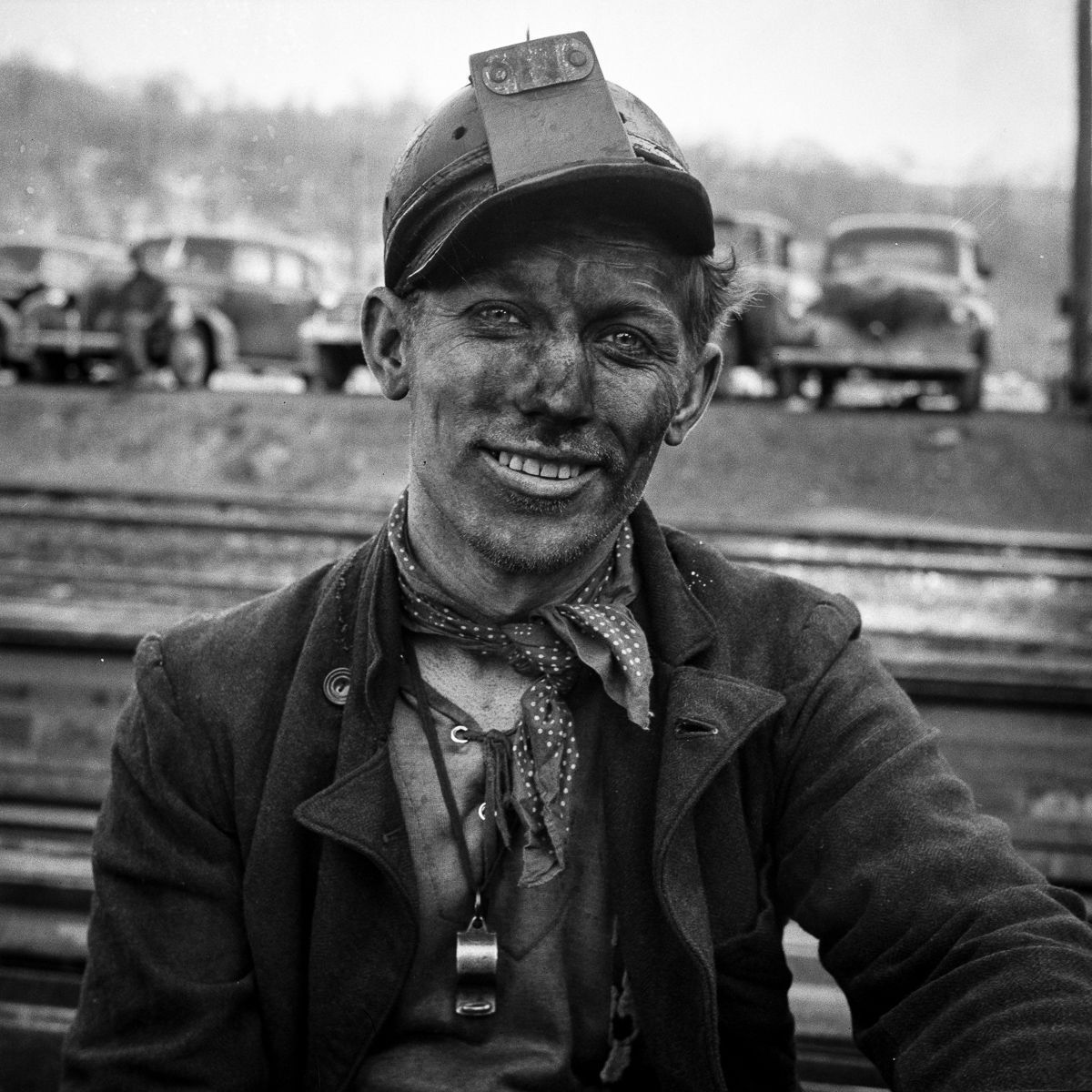
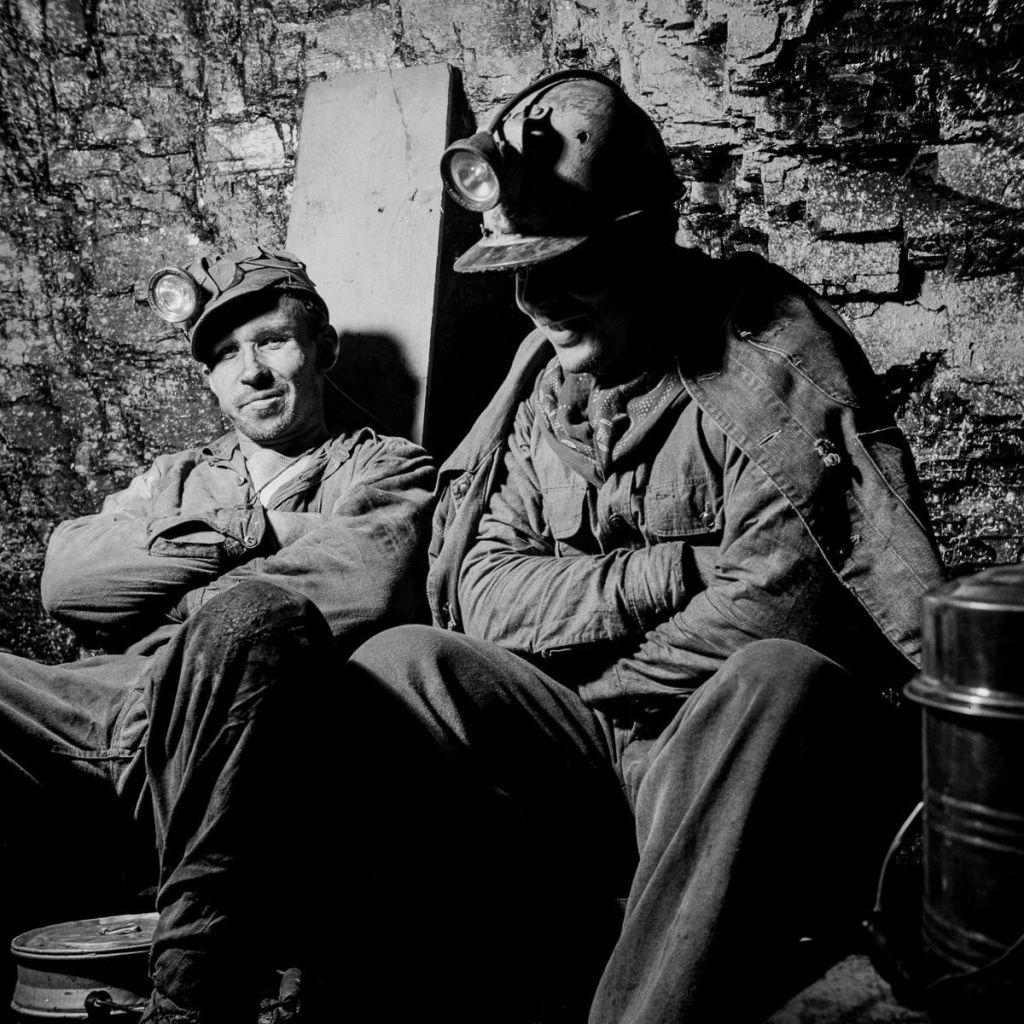
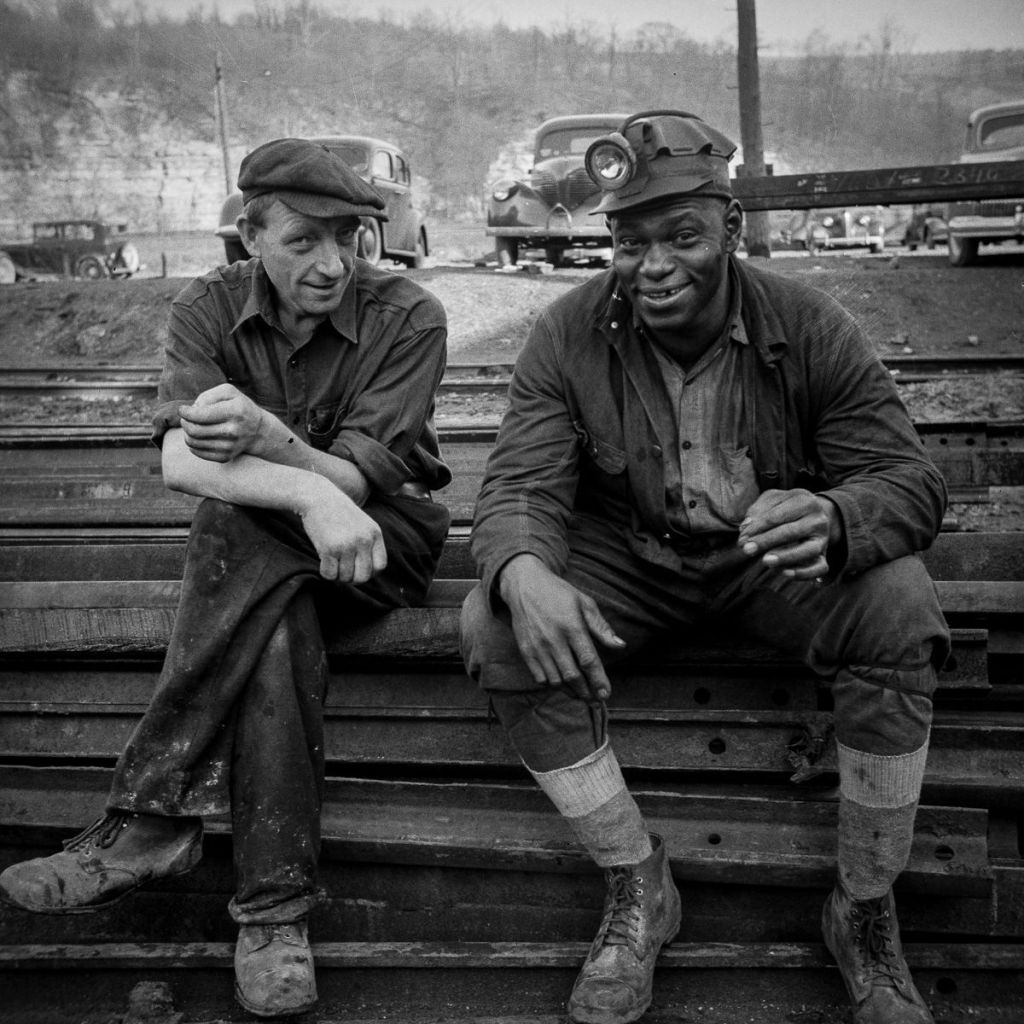
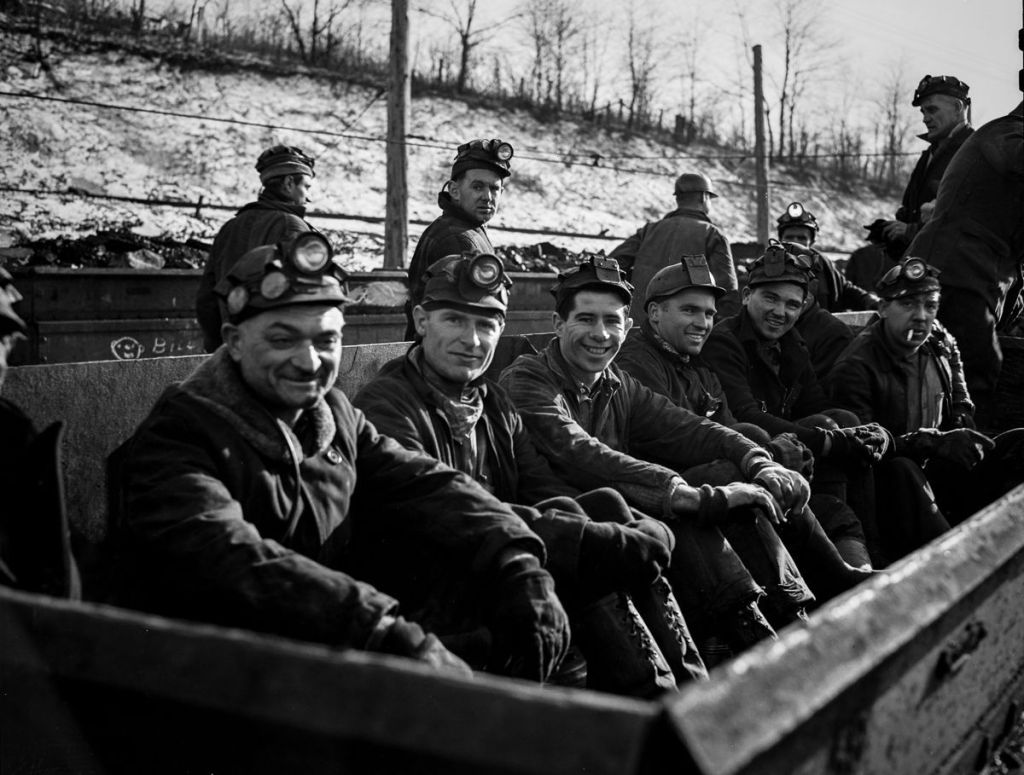
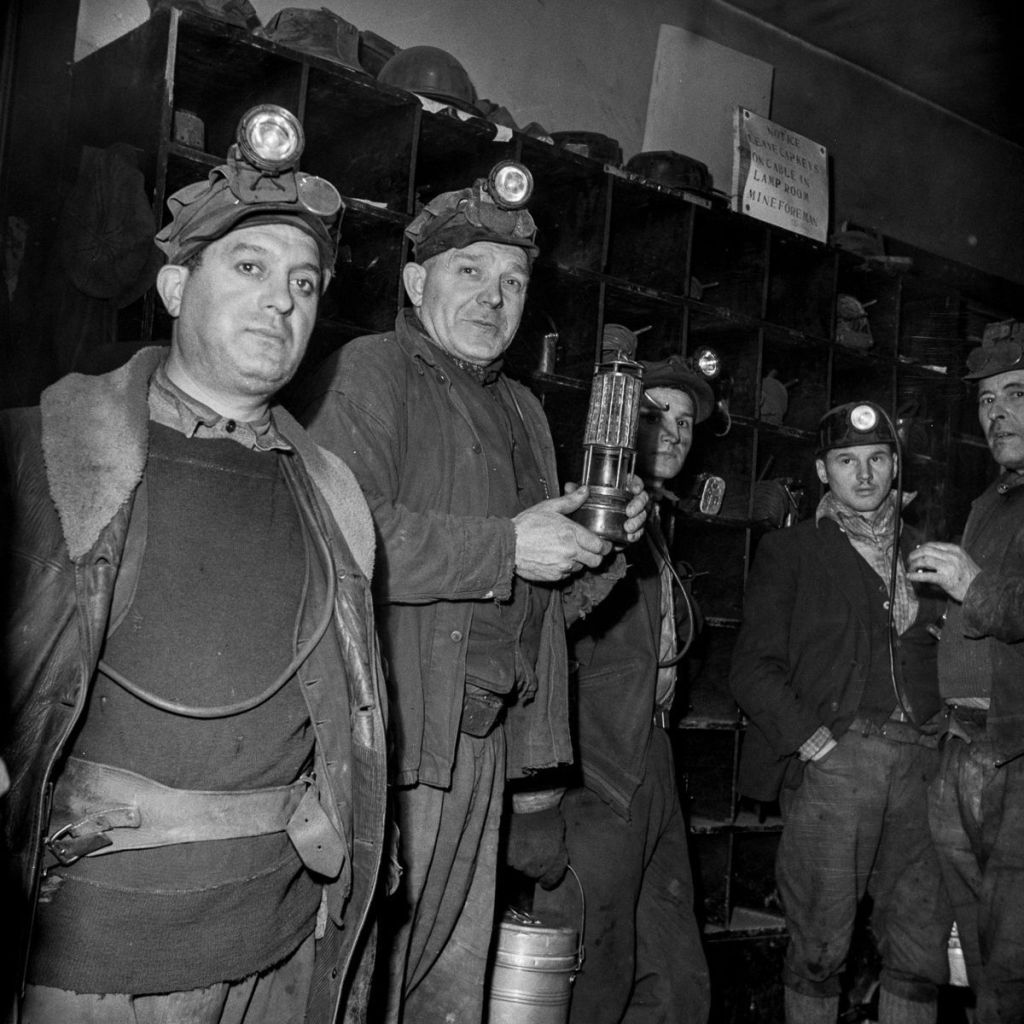
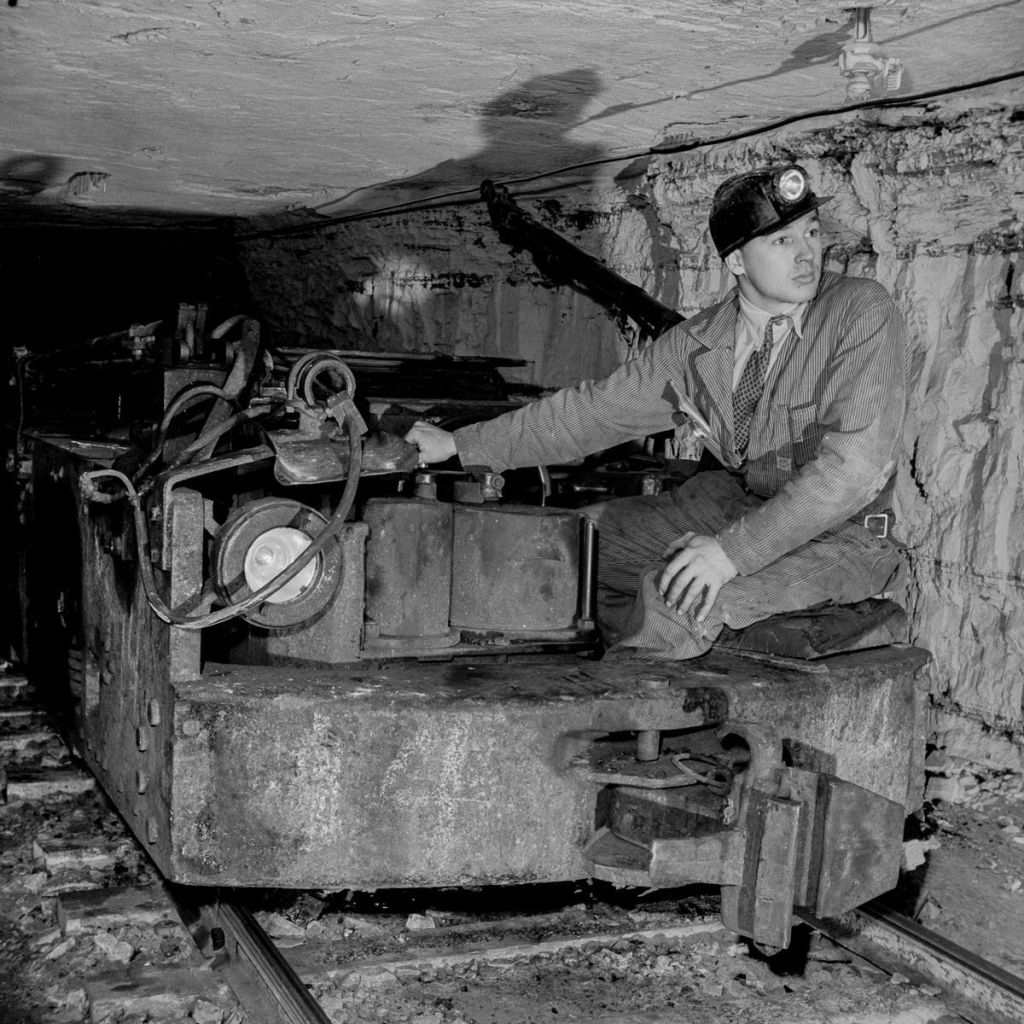
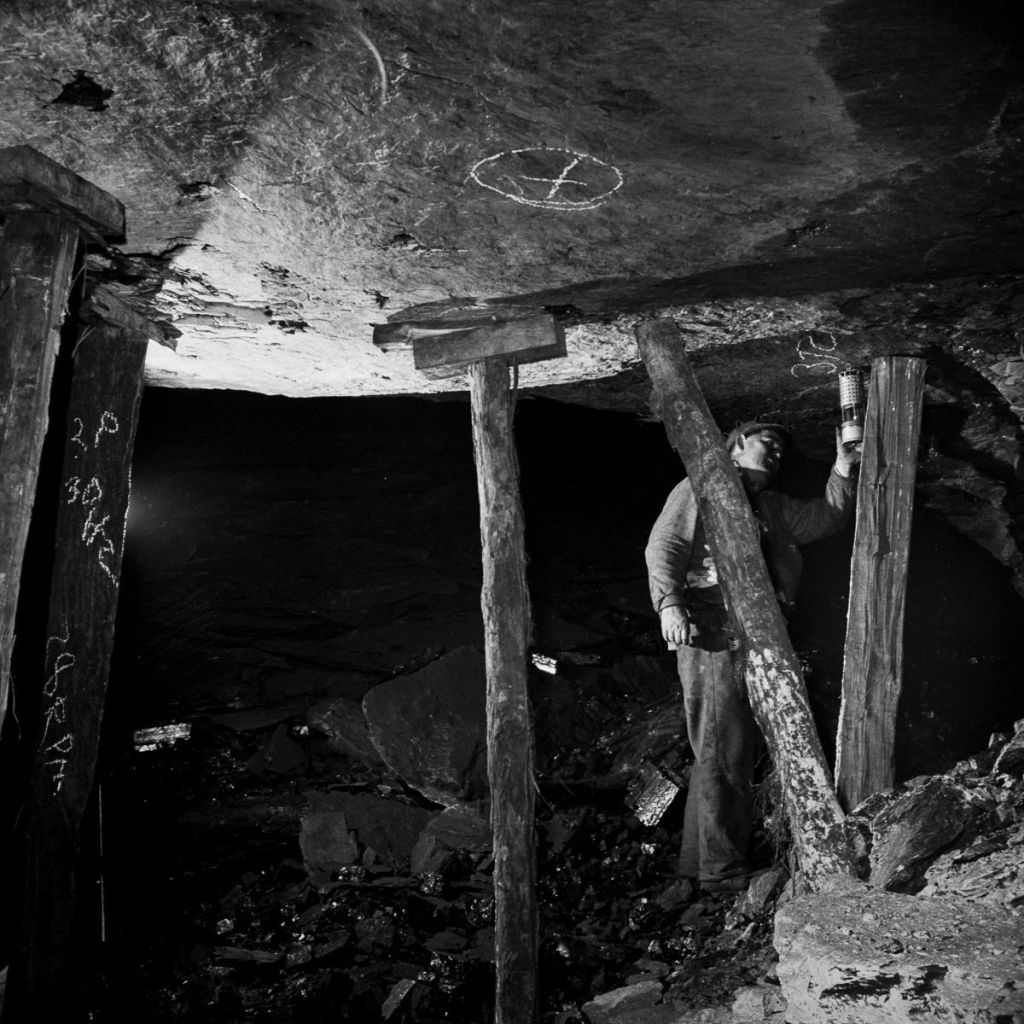
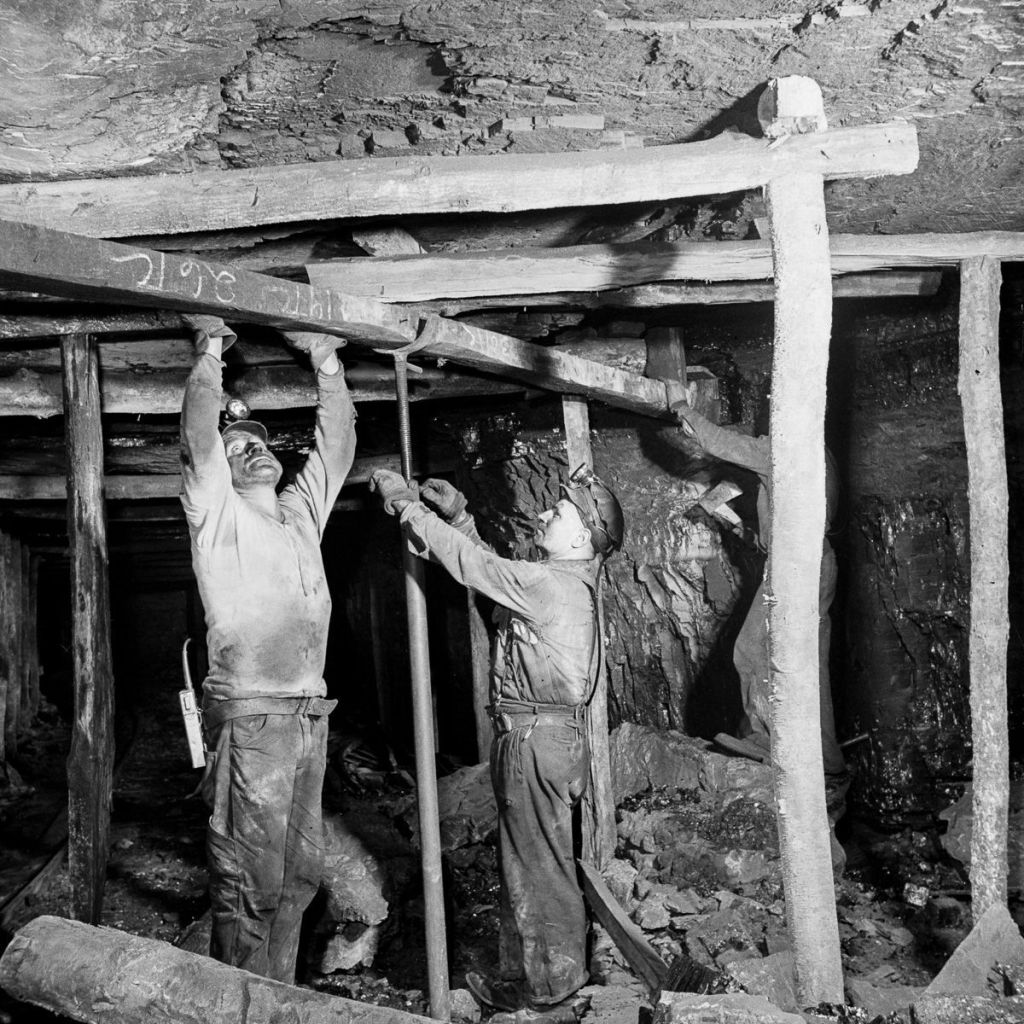
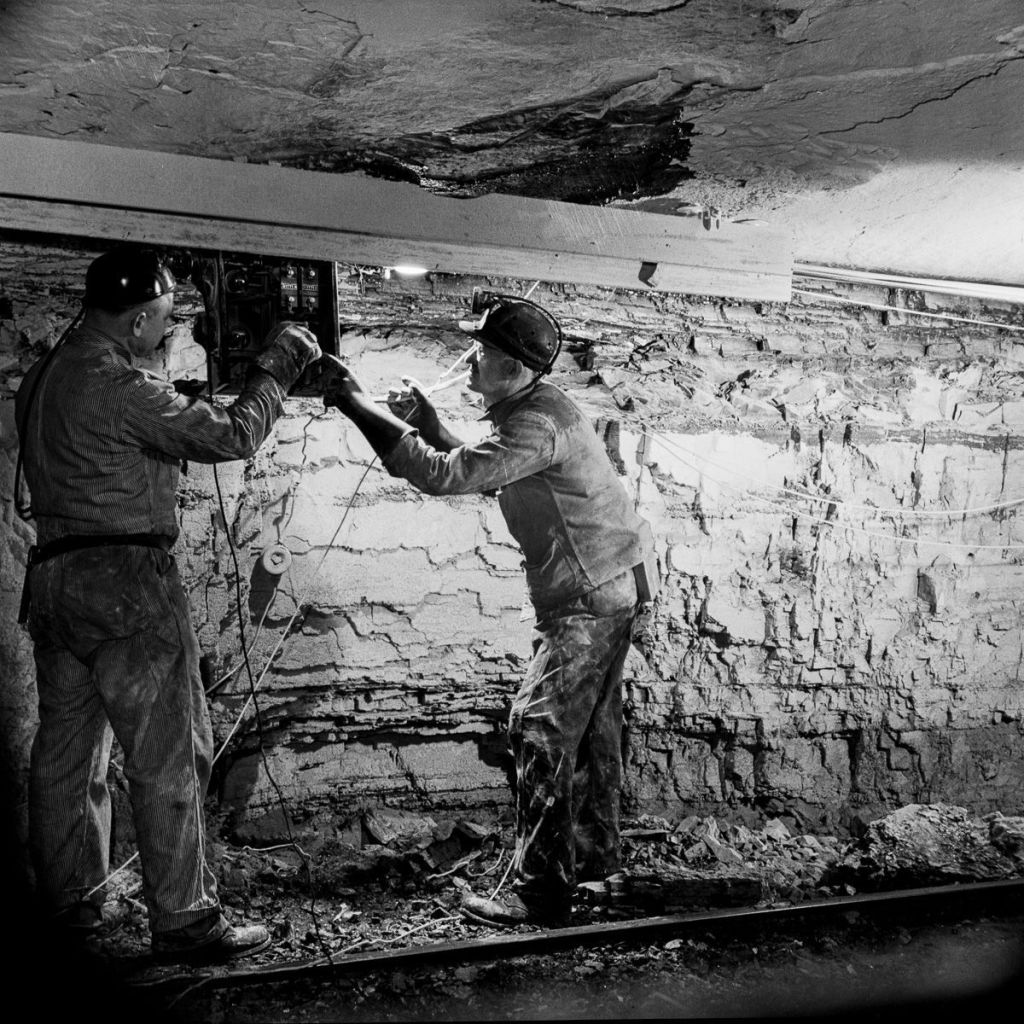
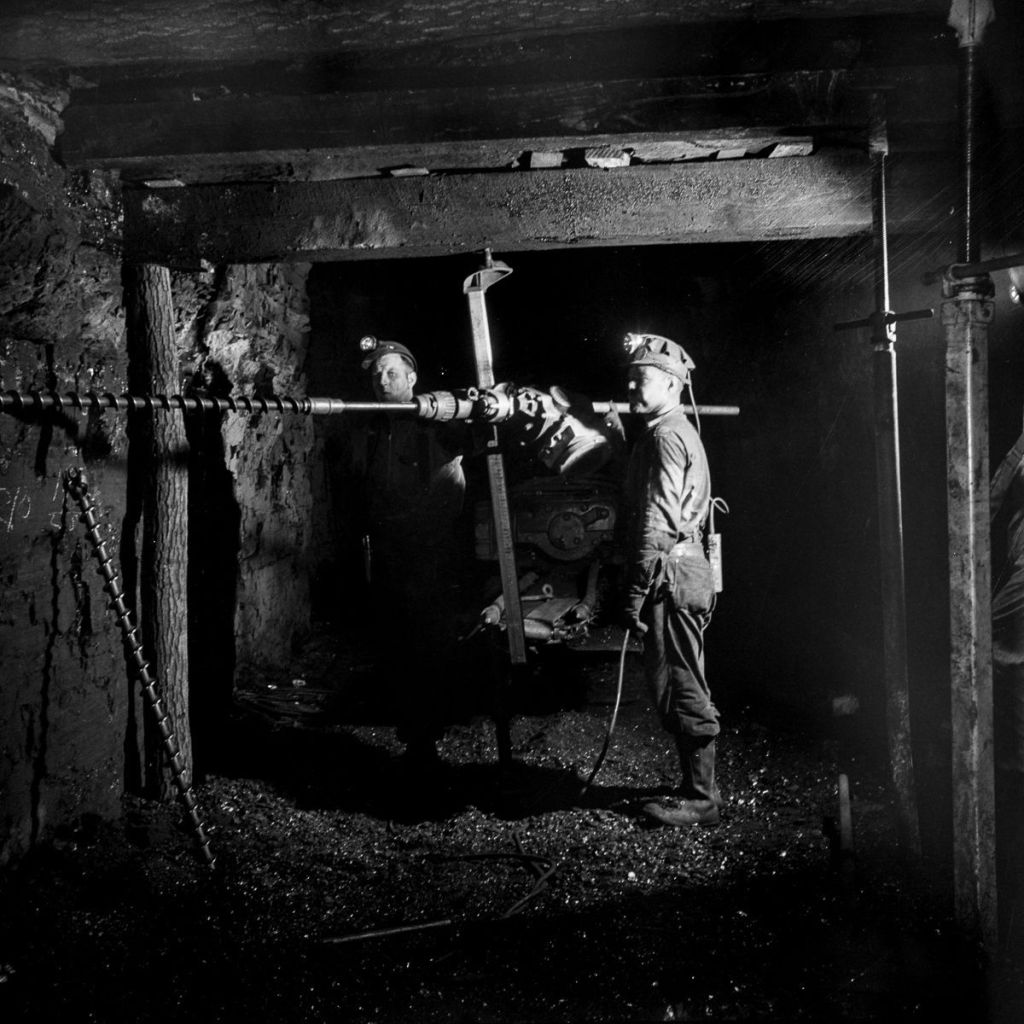
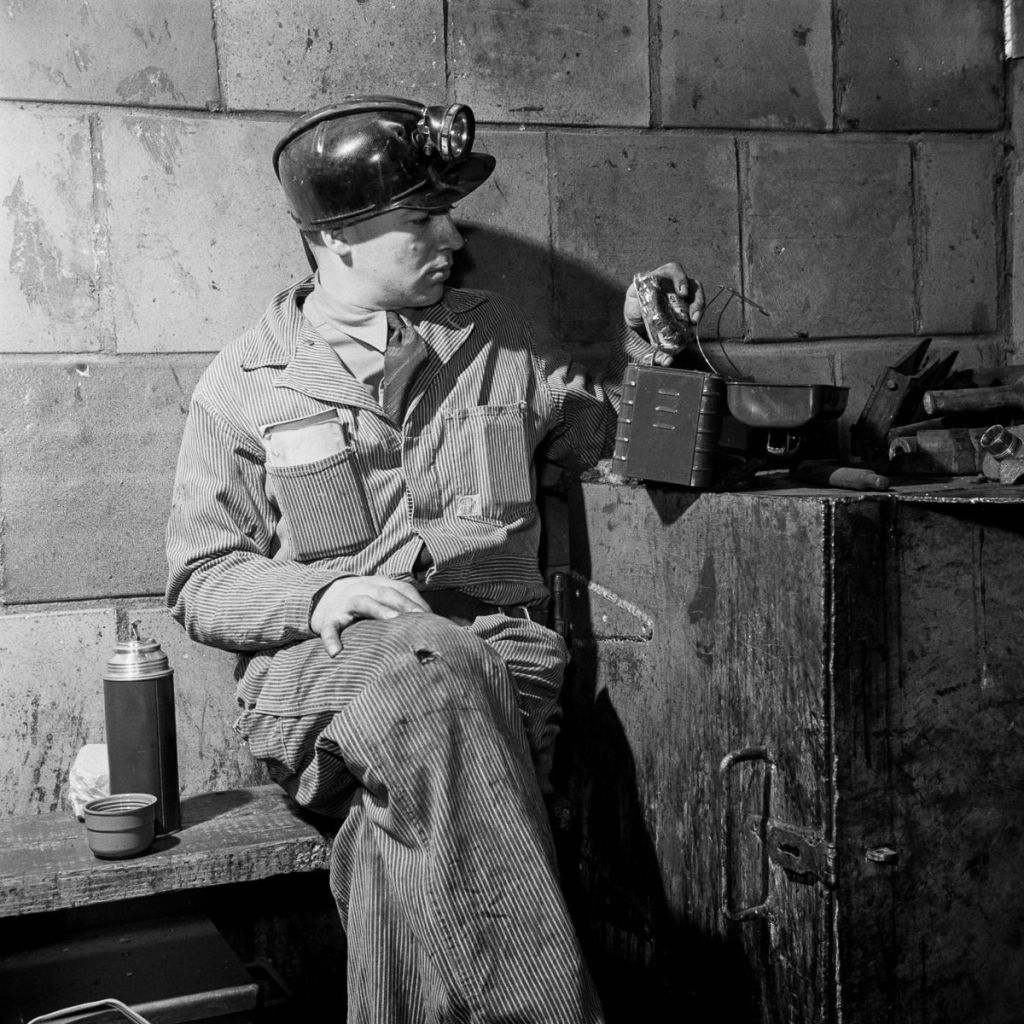
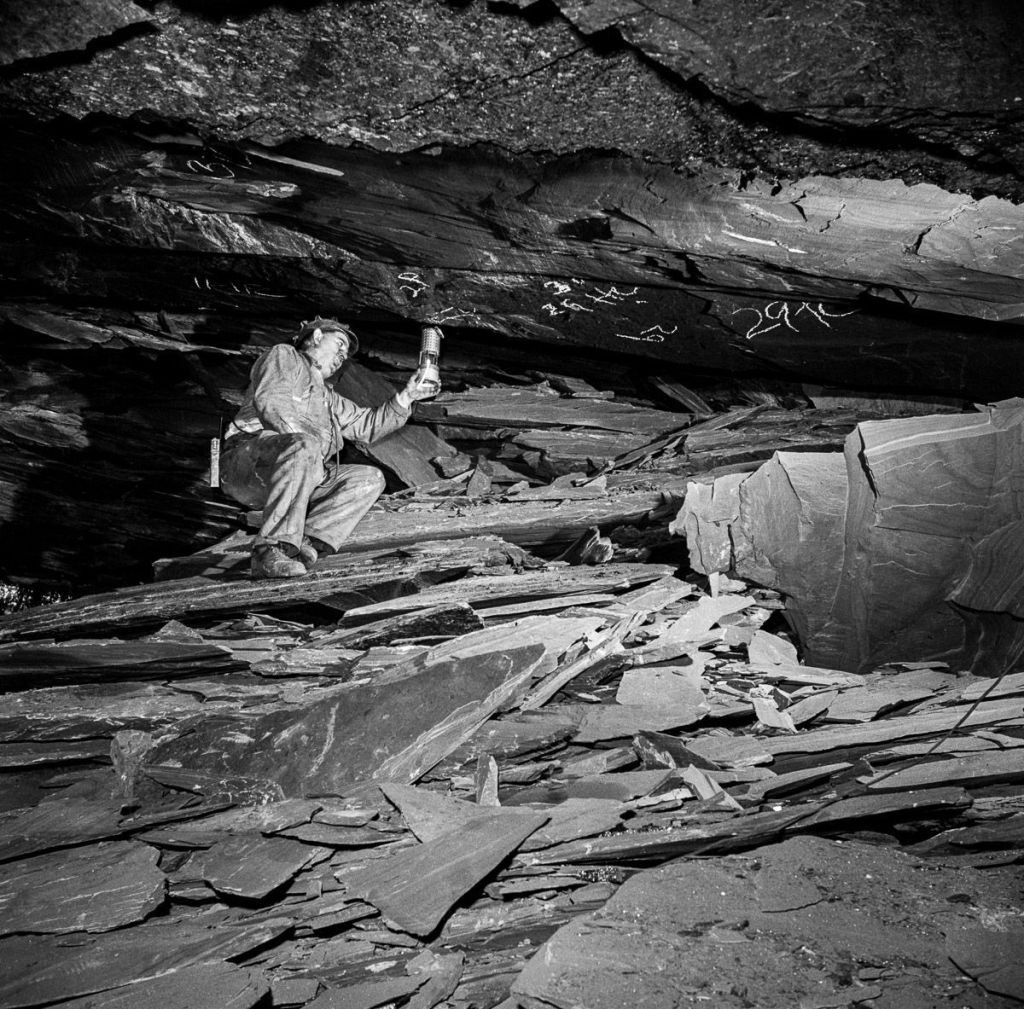
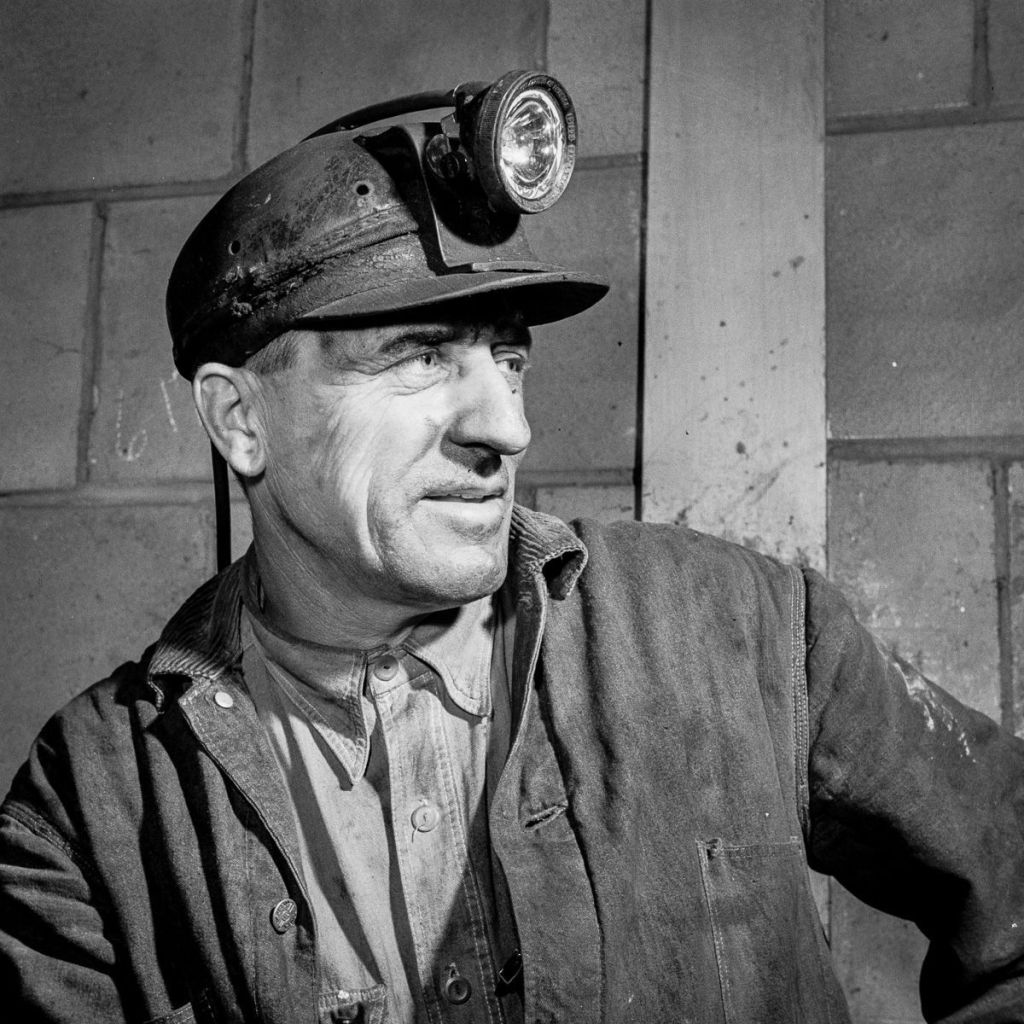
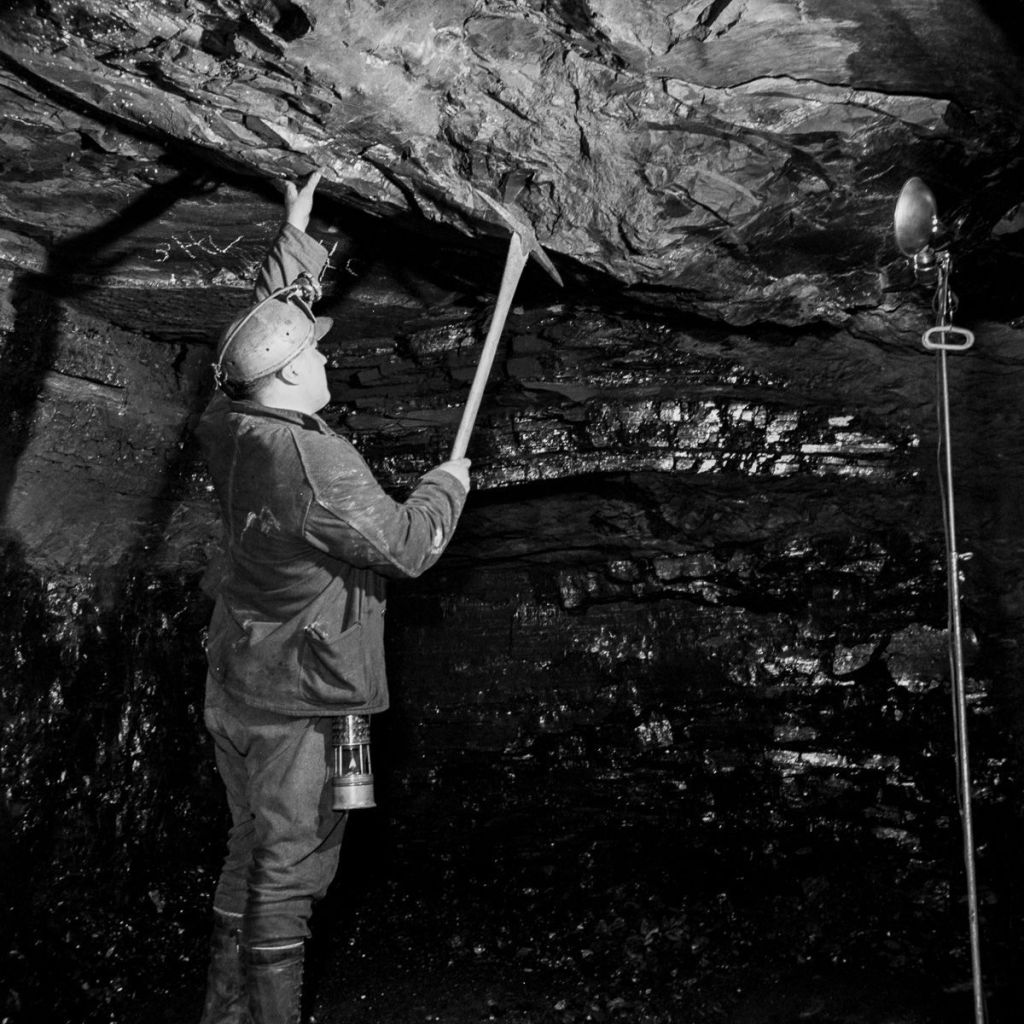
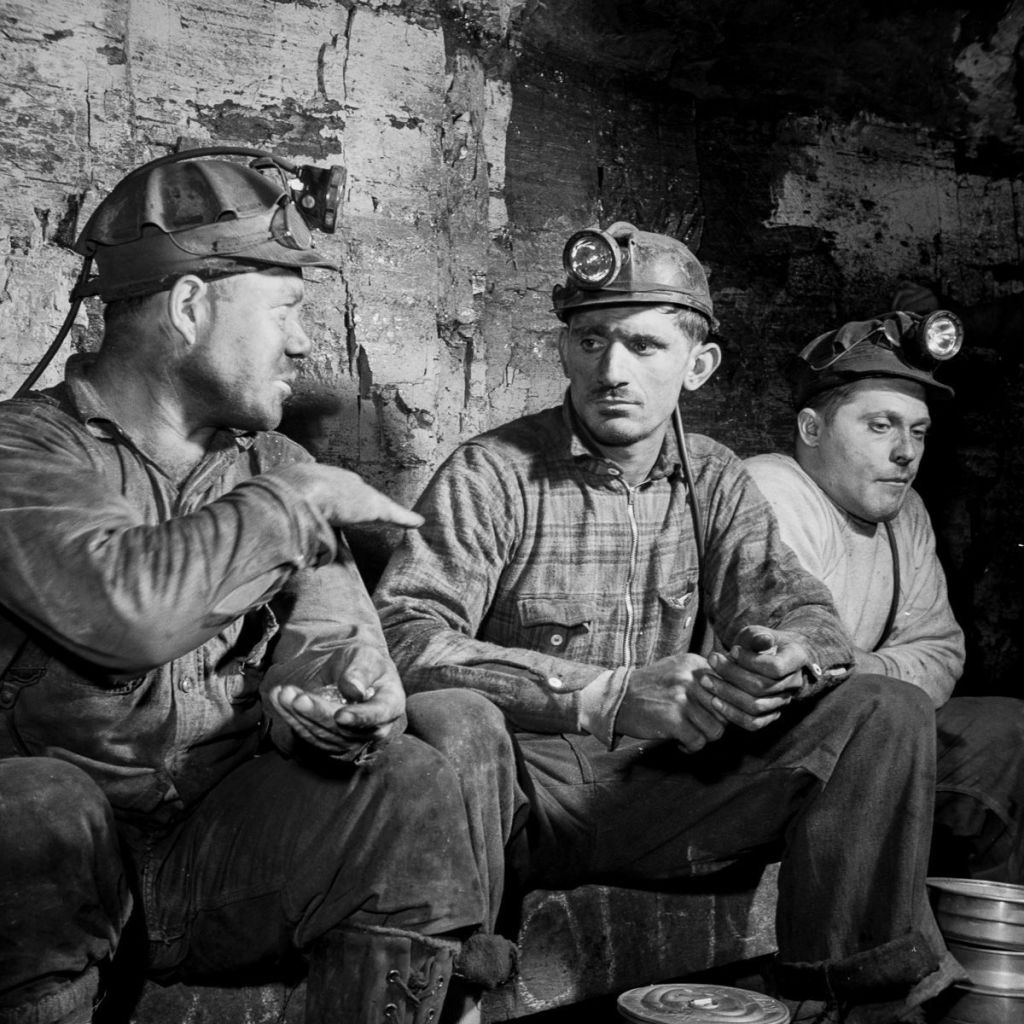
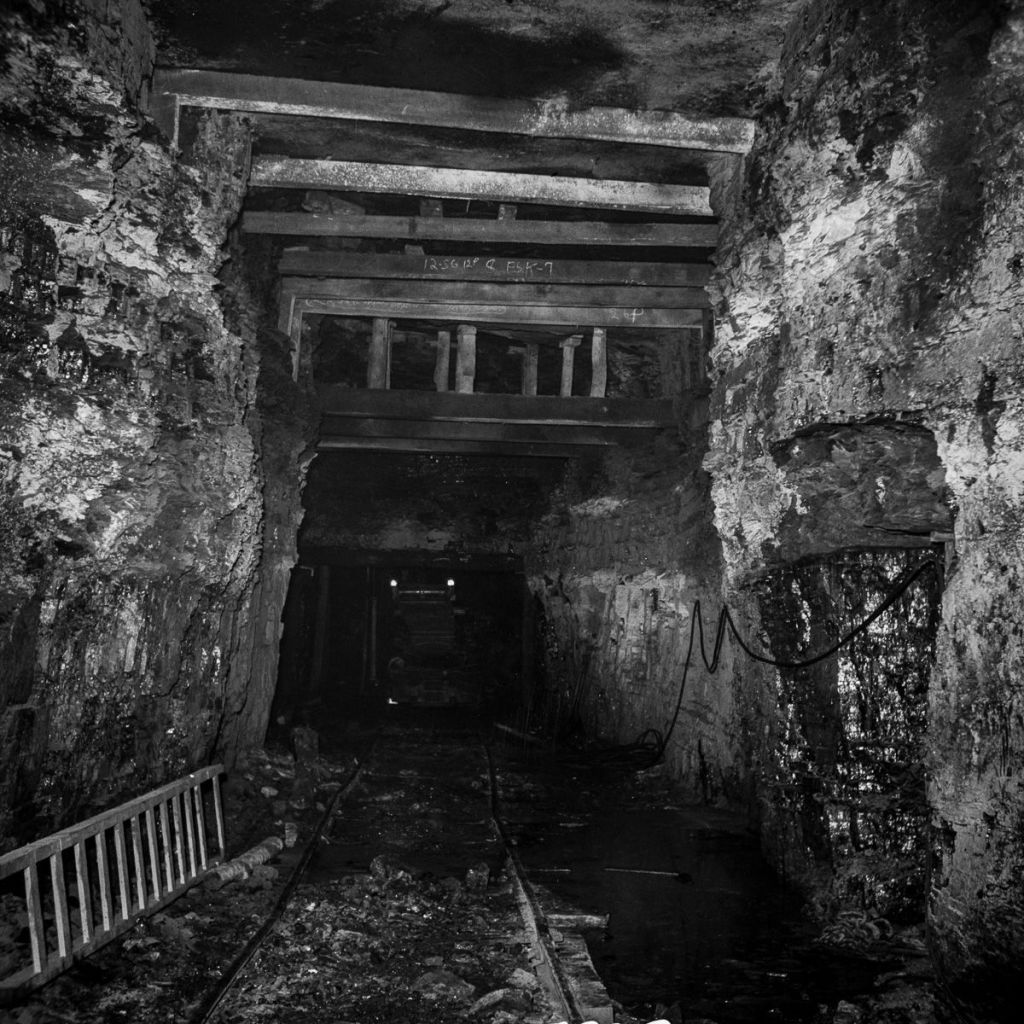
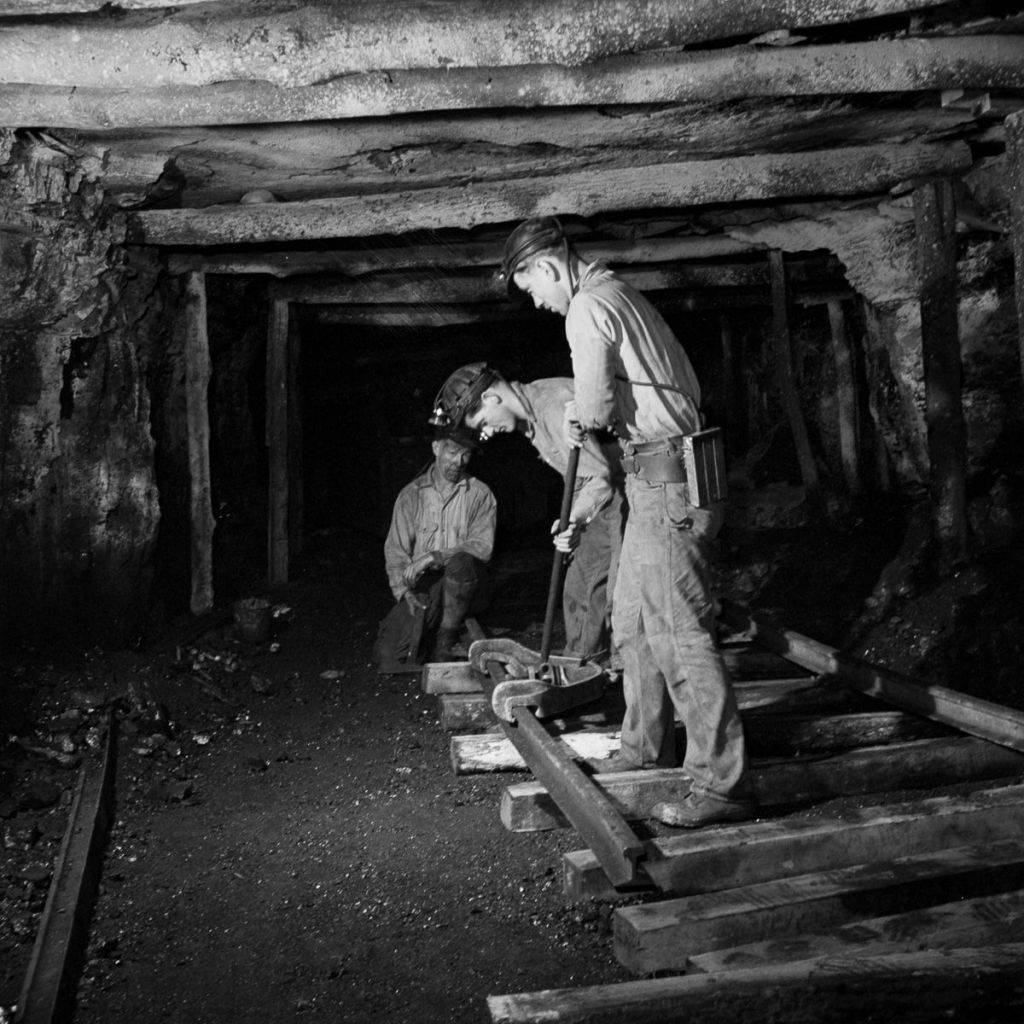
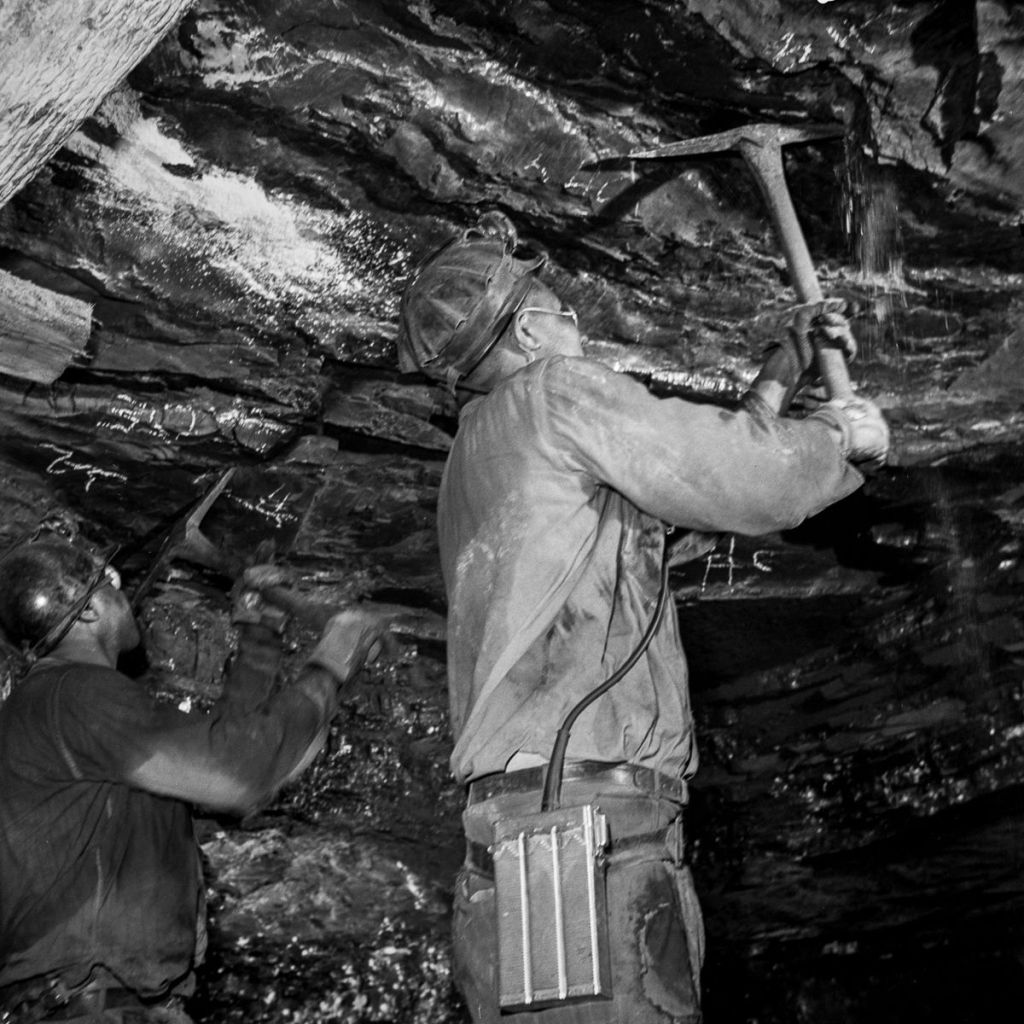
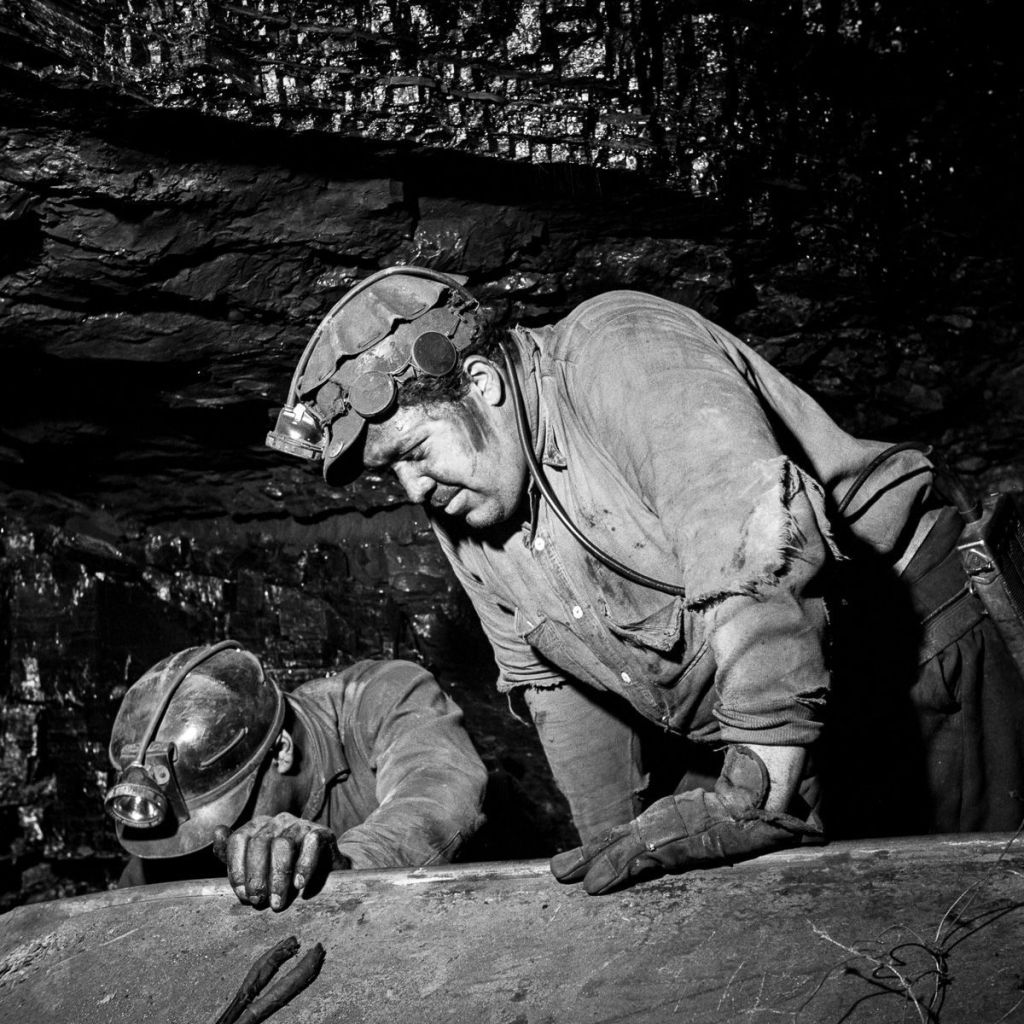
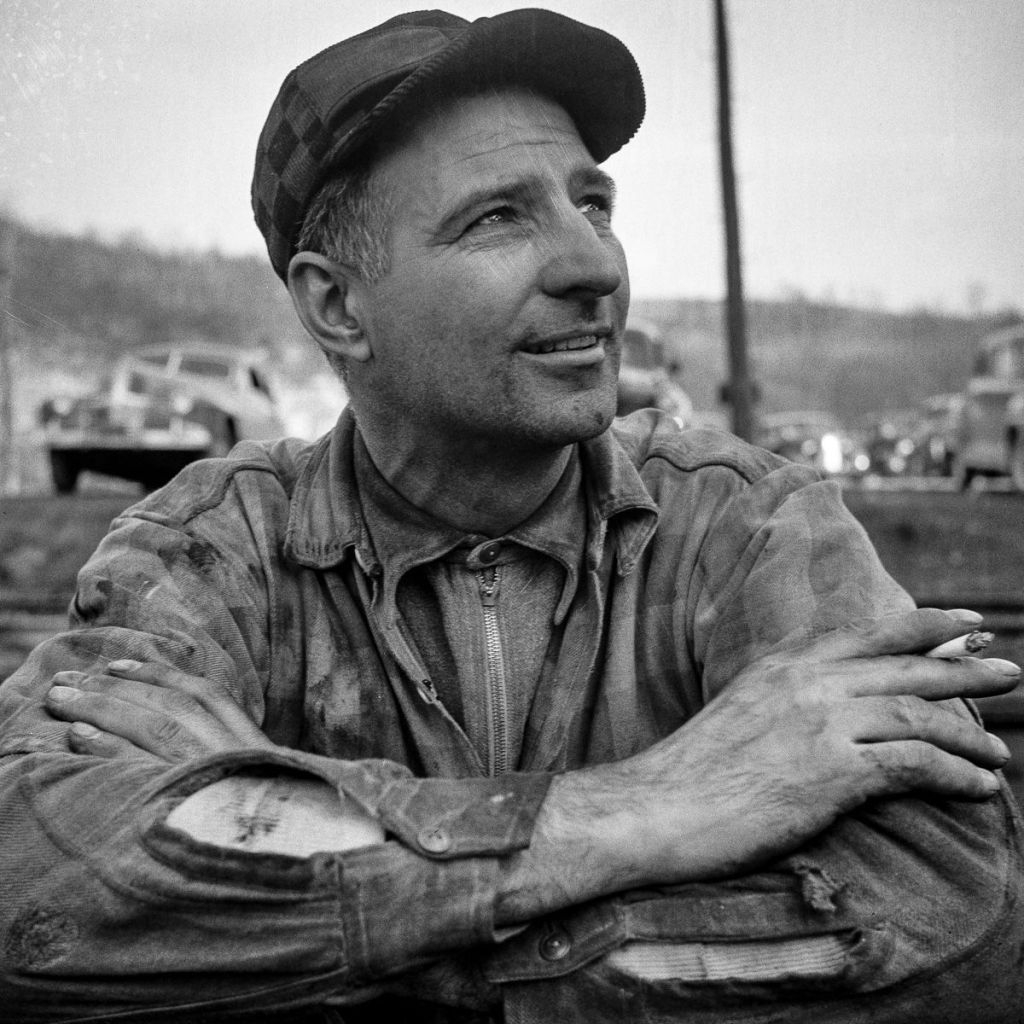
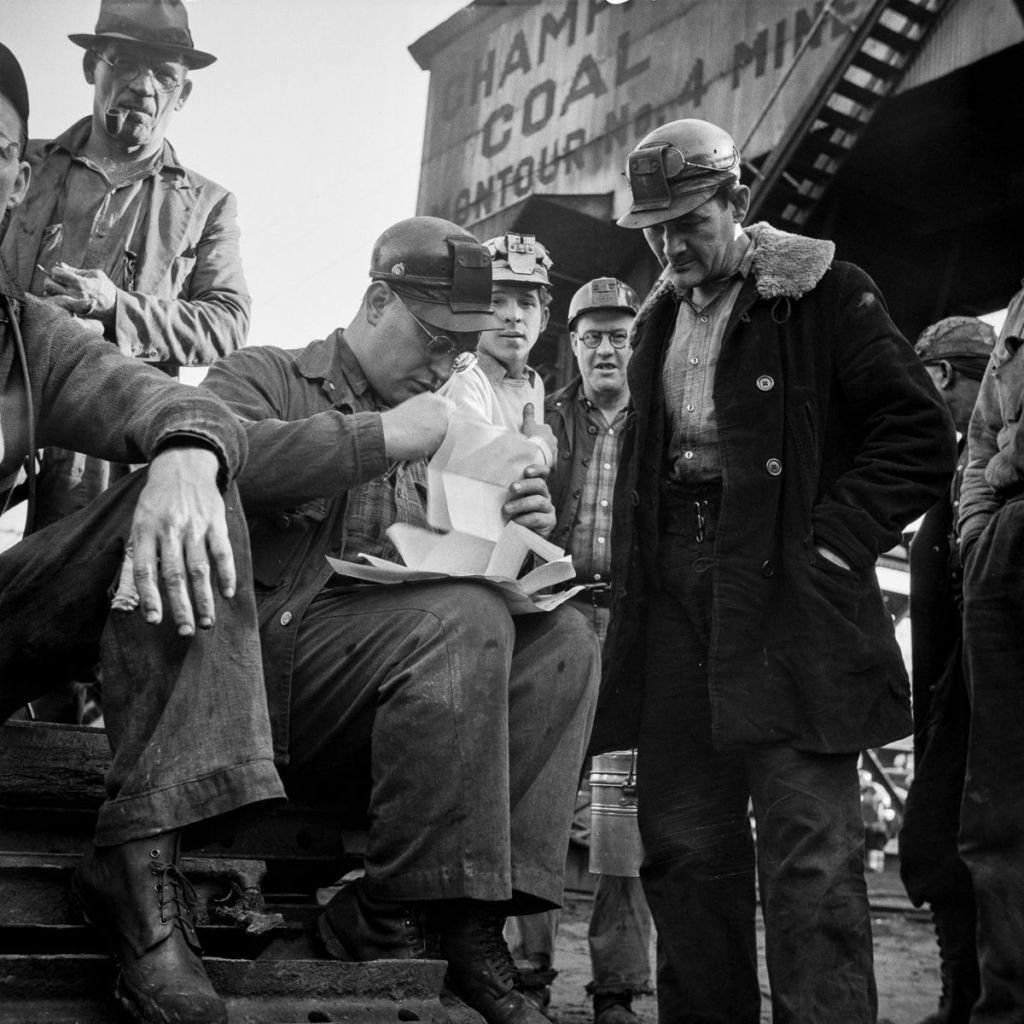
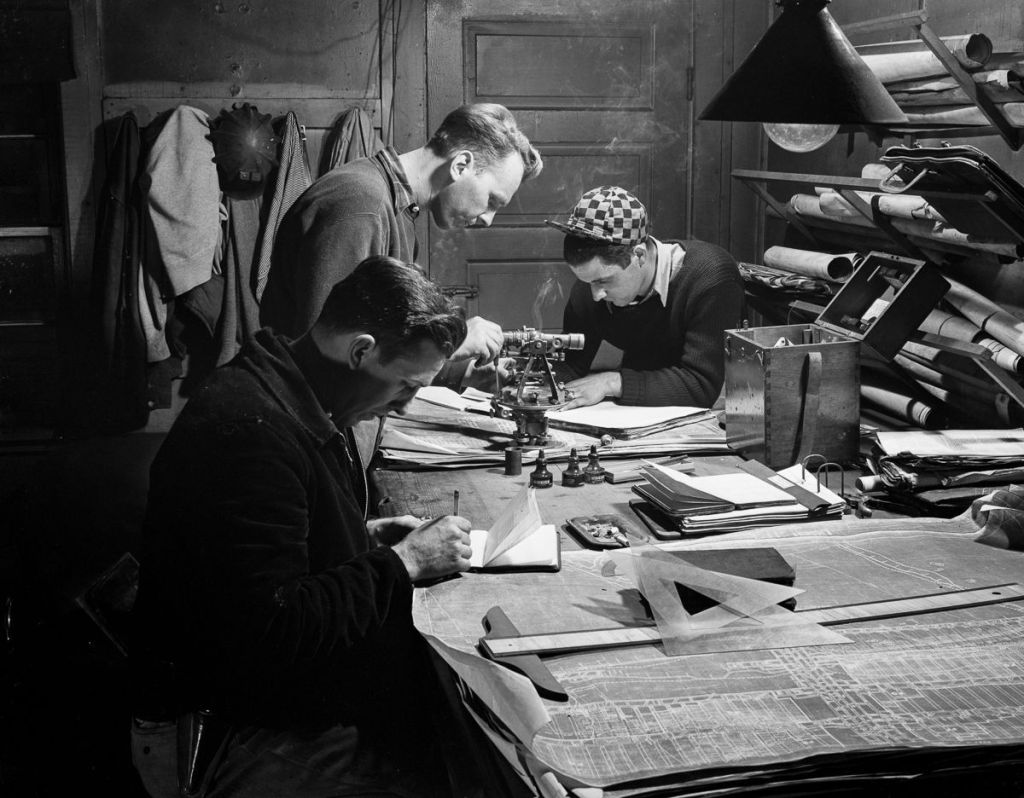
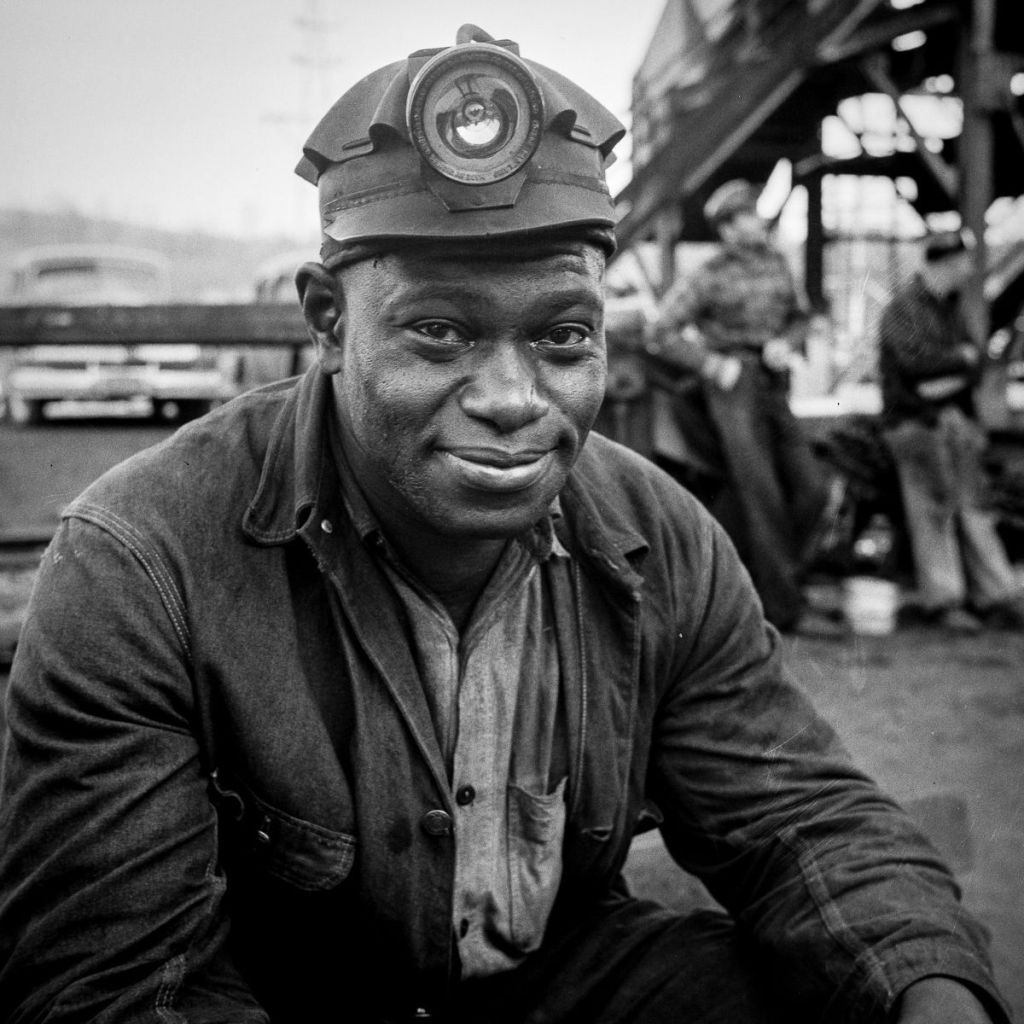
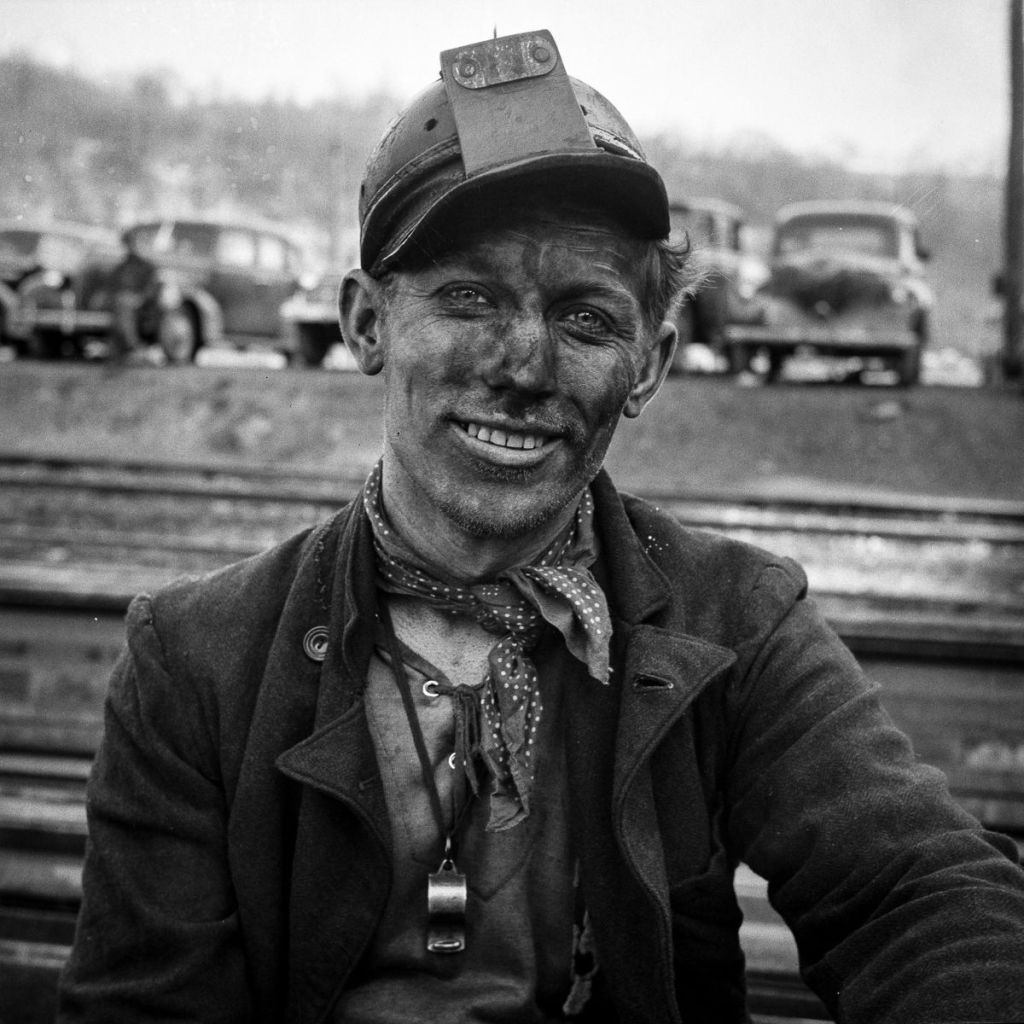
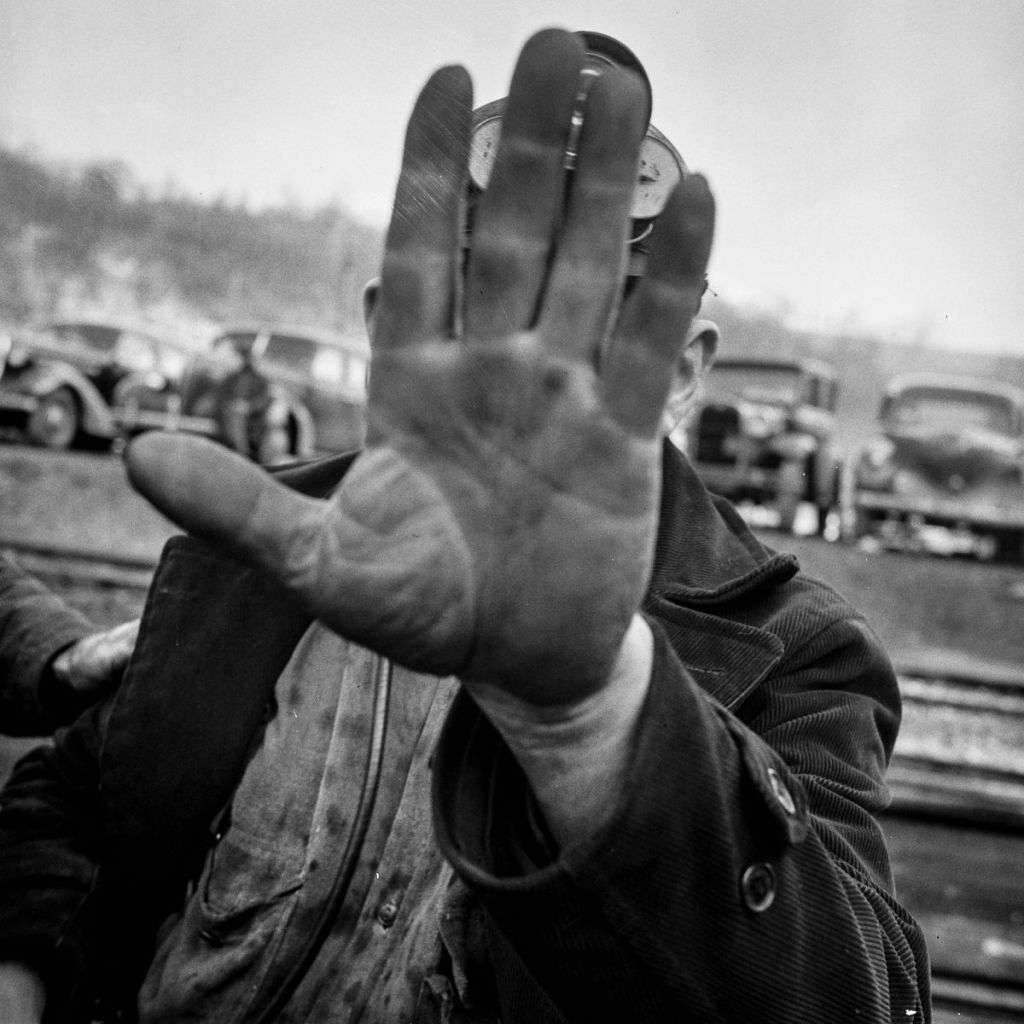
In 1942, Office of War Information photographer John Collier visited the Montour No. 4 Mine of the Pittsburgh Coal Company in Washington County, Pennsylvania.
Montour No. 4 was a mine for bituminous coal, one of the most volatile forms, requiring the miners to vigilantly monitor for the presence of flammable gases.
Collier followed the miners as they moved underground through the near-horizontal drift mine, laying track for machinery, drilling and blasting with dynamite, all the while maintaining caution for possible collapses or explosions.
Miners prepare to ride down into the mine.A helpful sign on a safety door.Miners pick up safety lamps from the lamp room.A miner tests for the presence of flammable gas using a safety lamp.Miners install timber supports.Miners adjust a block signal.Miners drill a hole for blasting.A miner detonates a stick of dynamite.Miners break for lunch in the machine shop.A miner tests for flammable gas using a safety lamp.A mechanic.A miner tests the stability of the tunnel roof.A section of the mine with an unusually high roof due to poor ceiling quality.Miners lay track for machinery.Miners pull down an unstable roof.Miners operate a machine for gathering coal.Miners drill a hole for blasting.Mechanics repair equipment.The section foreman and assistant mine superintendent review the day’s work.The mine foreman waits for the afternoon shift.Mine engineers check surveys after a day’s work.
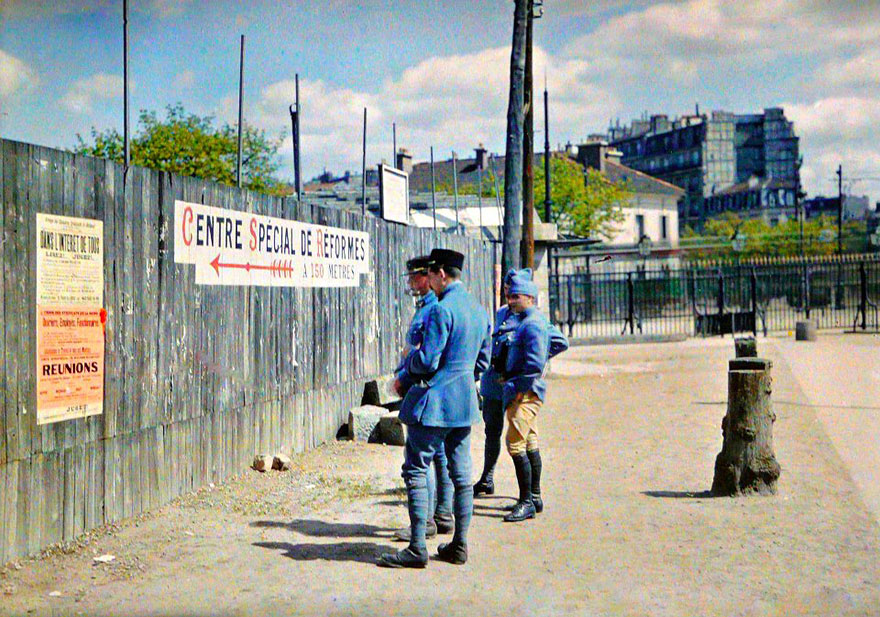
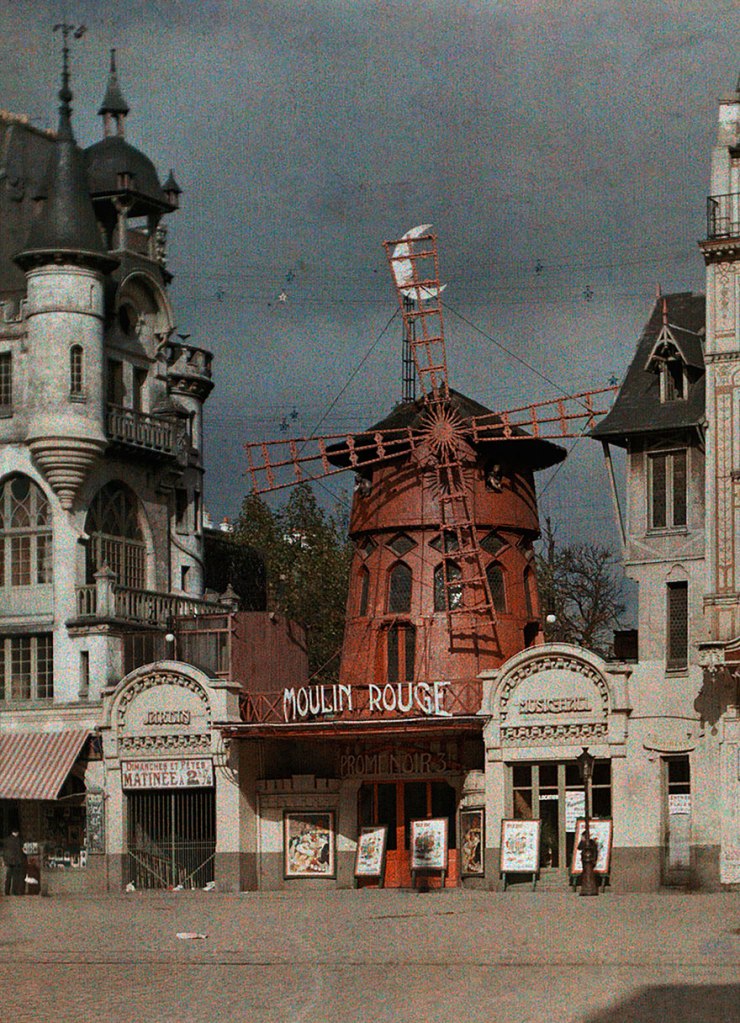
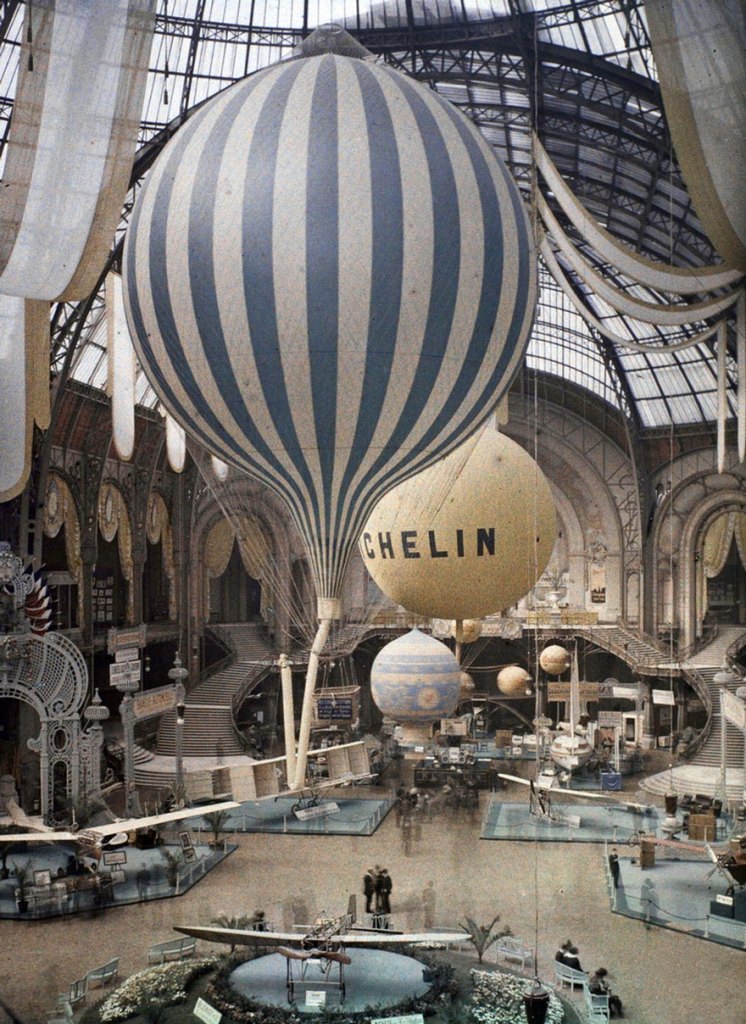
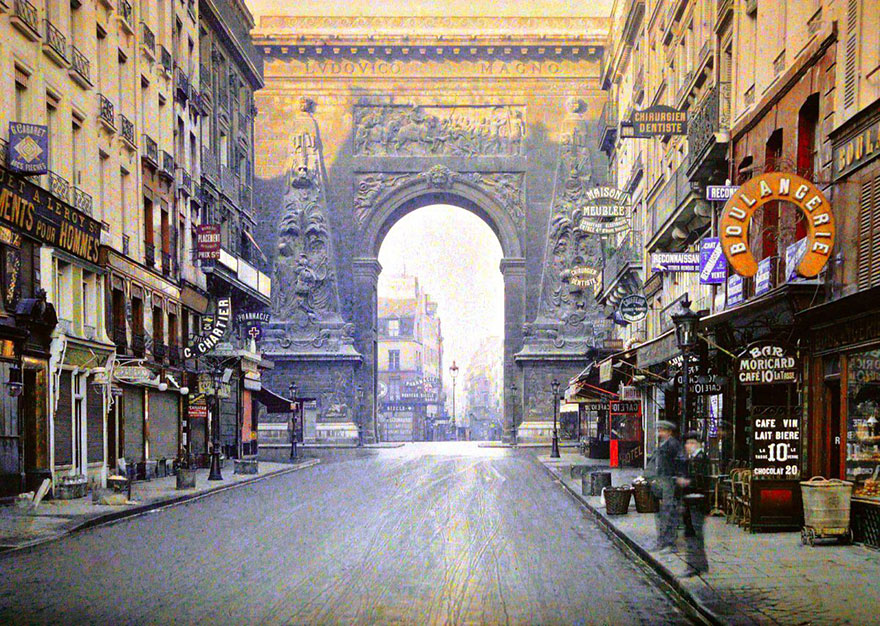
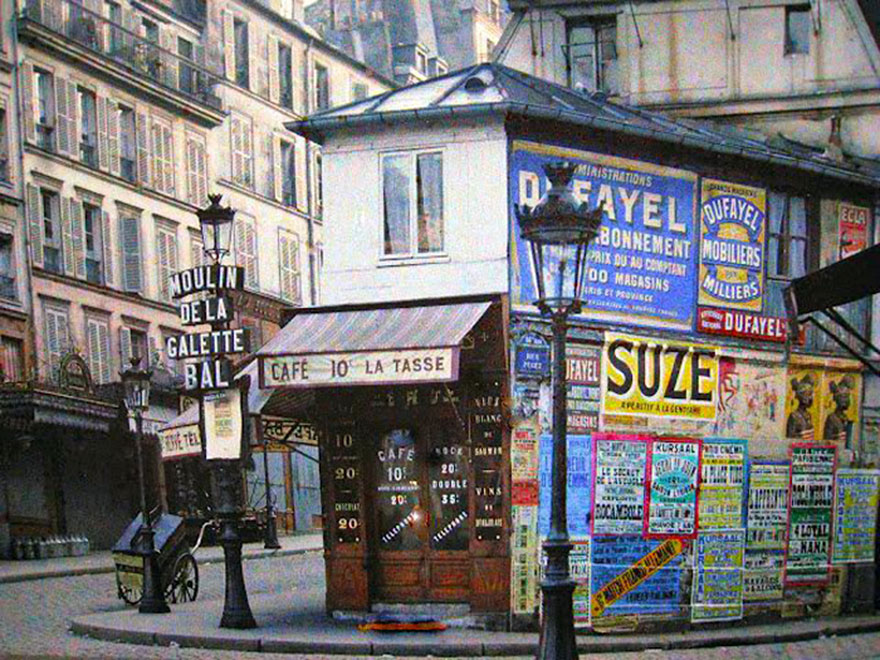
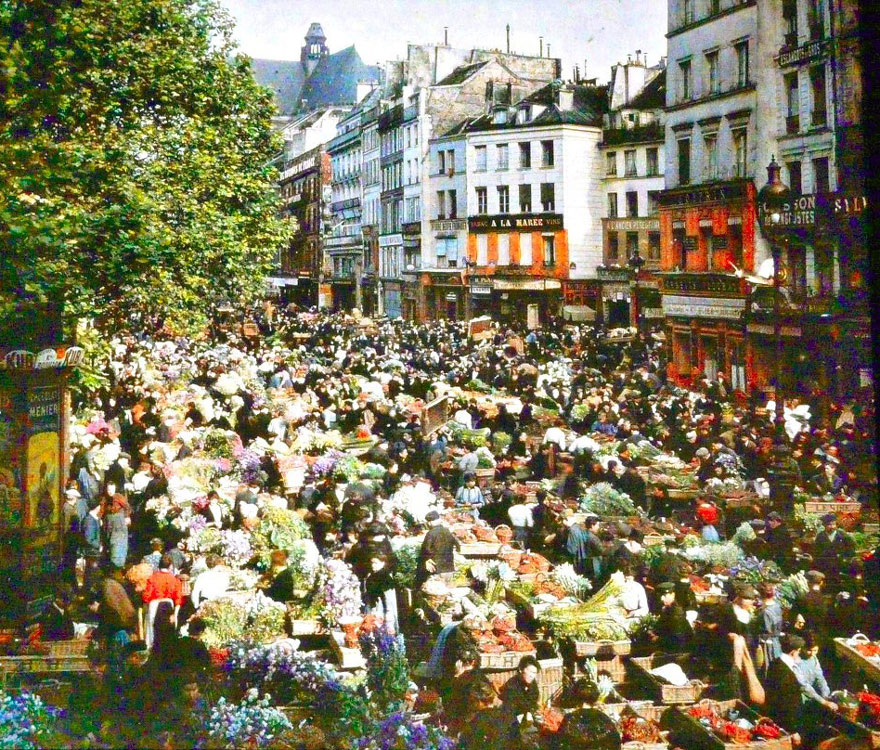
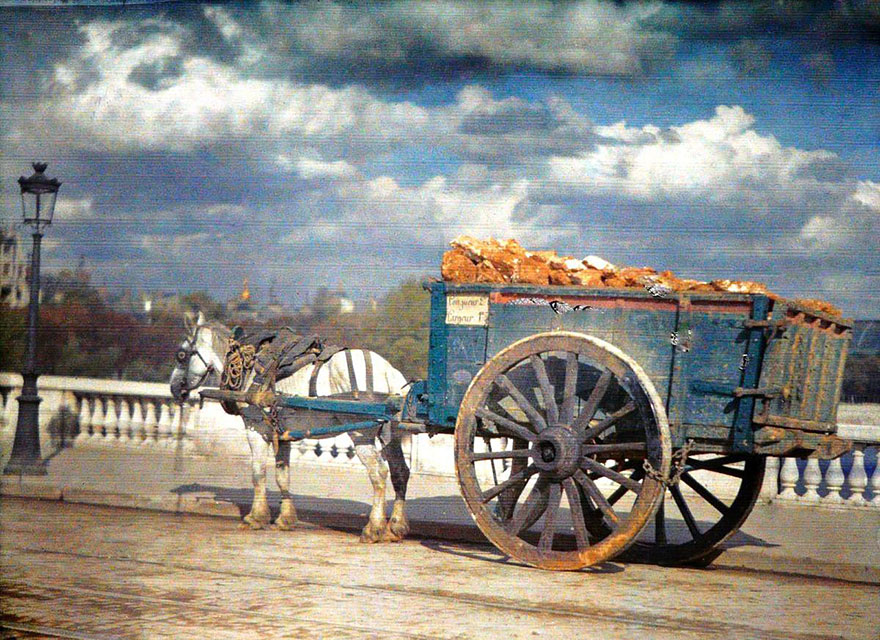
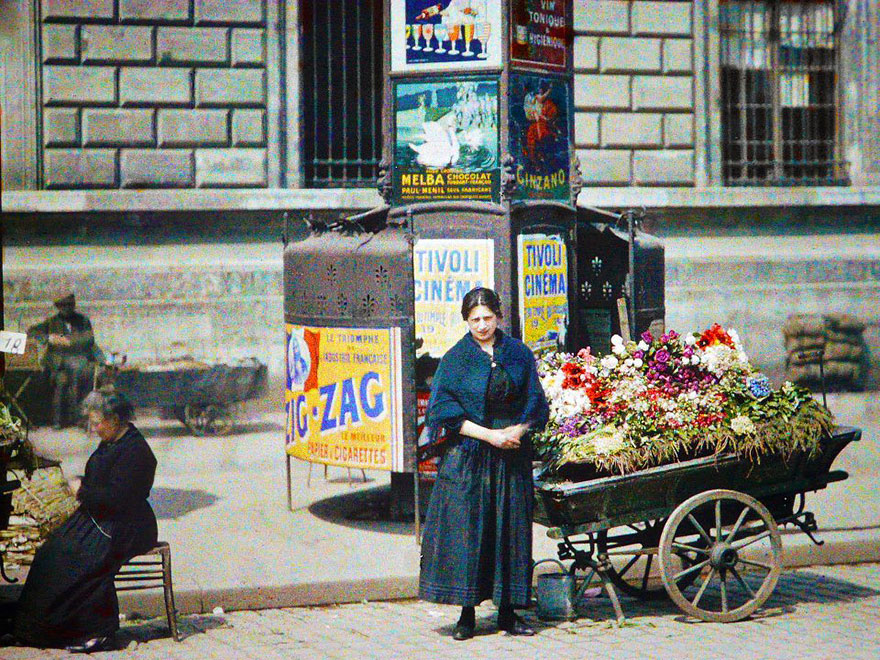
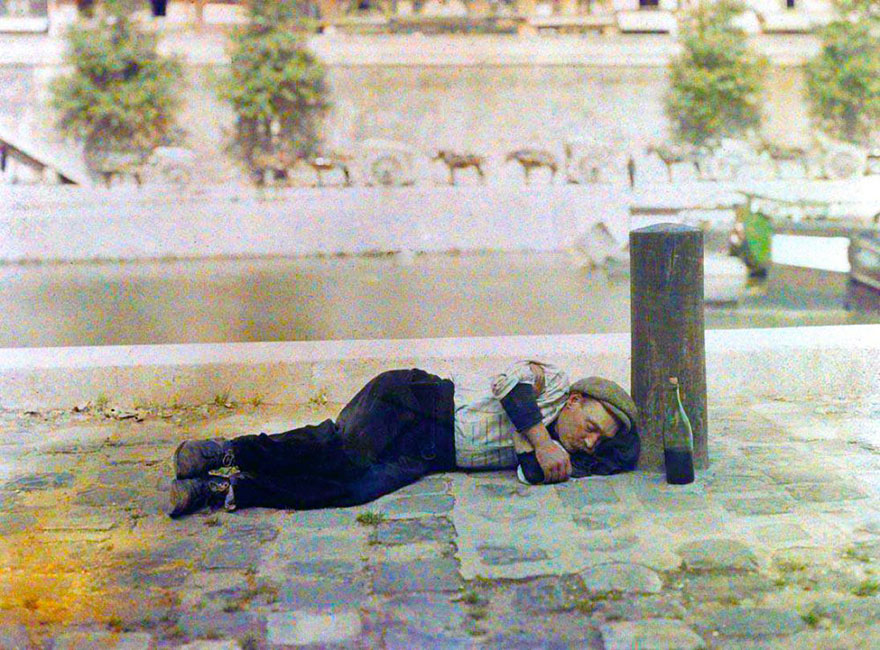
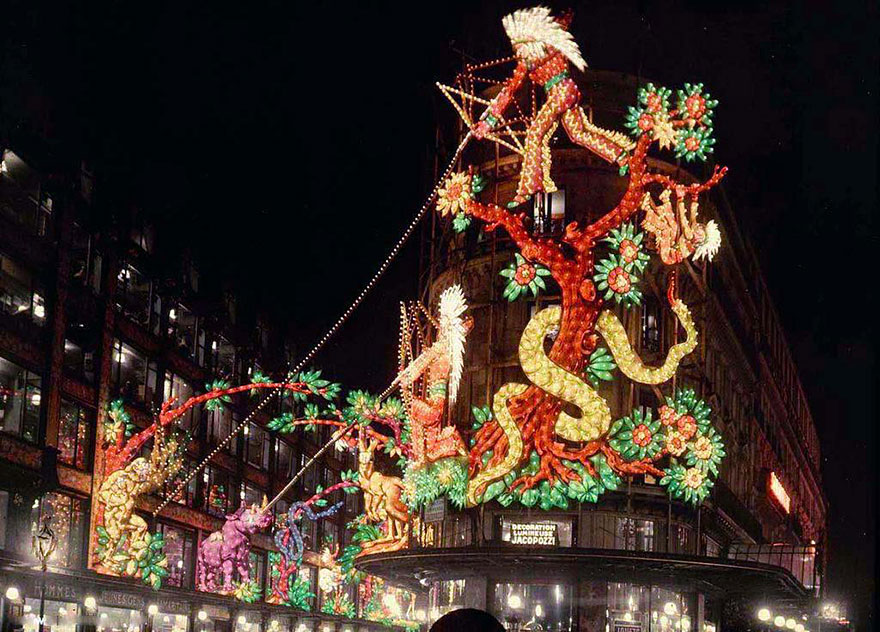
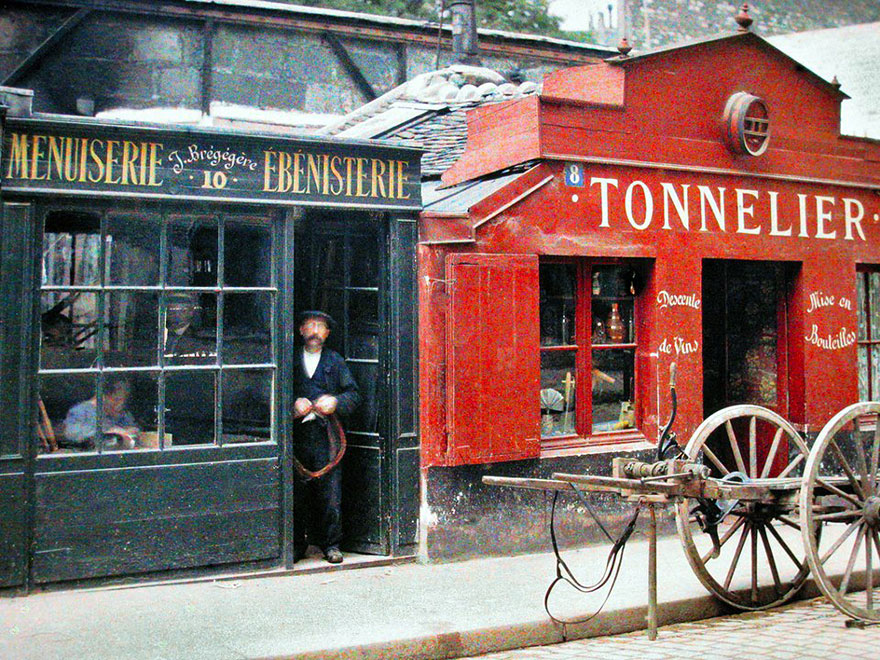
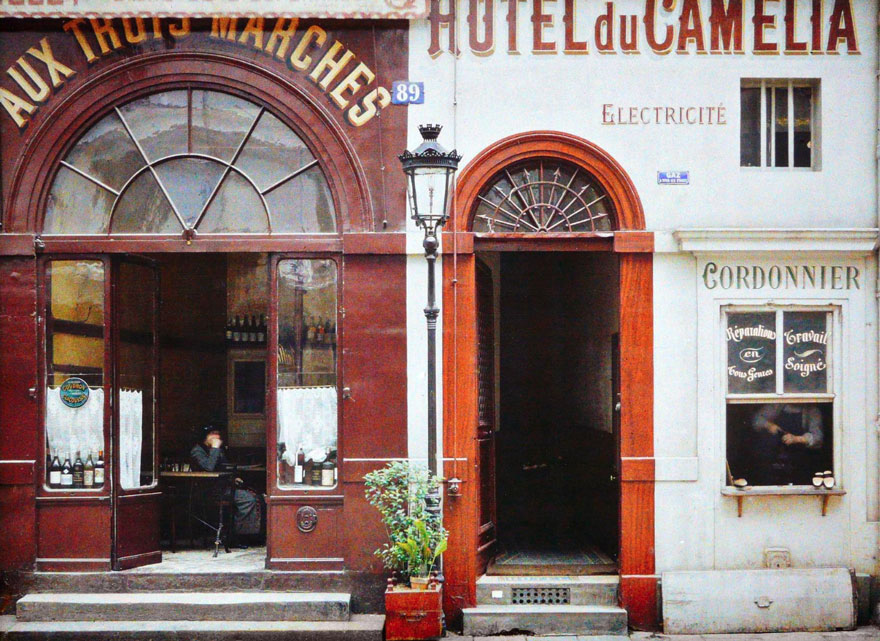
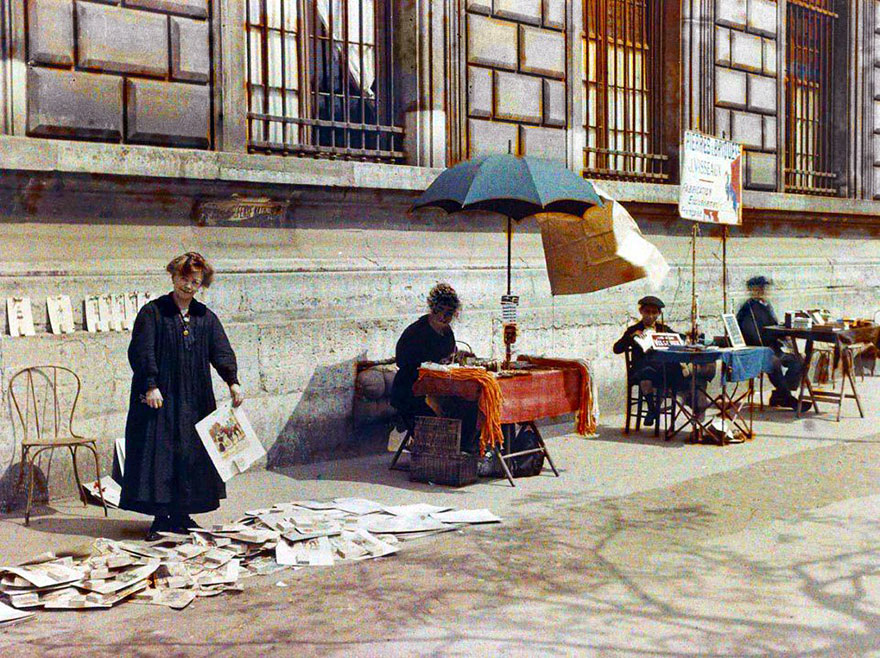
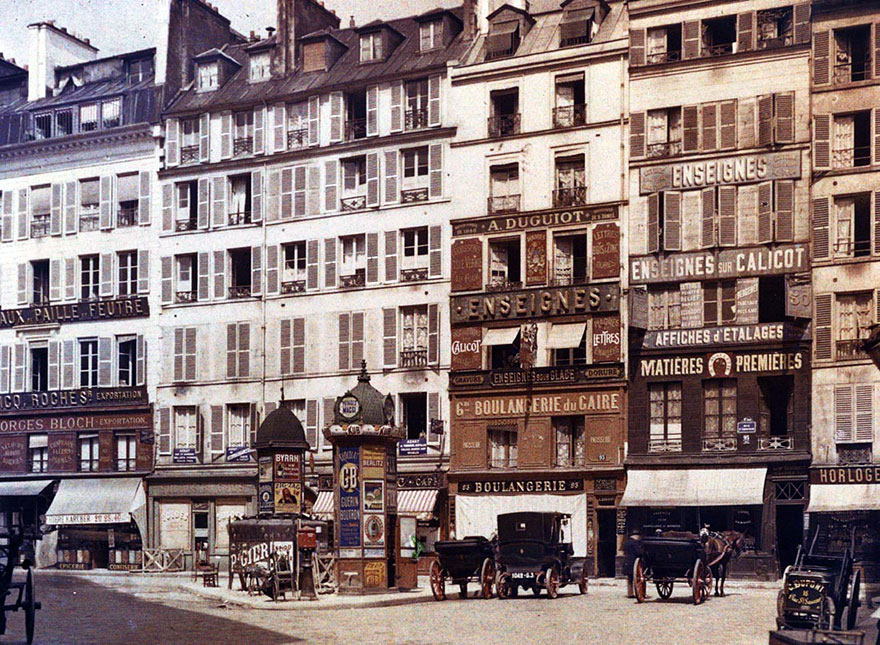
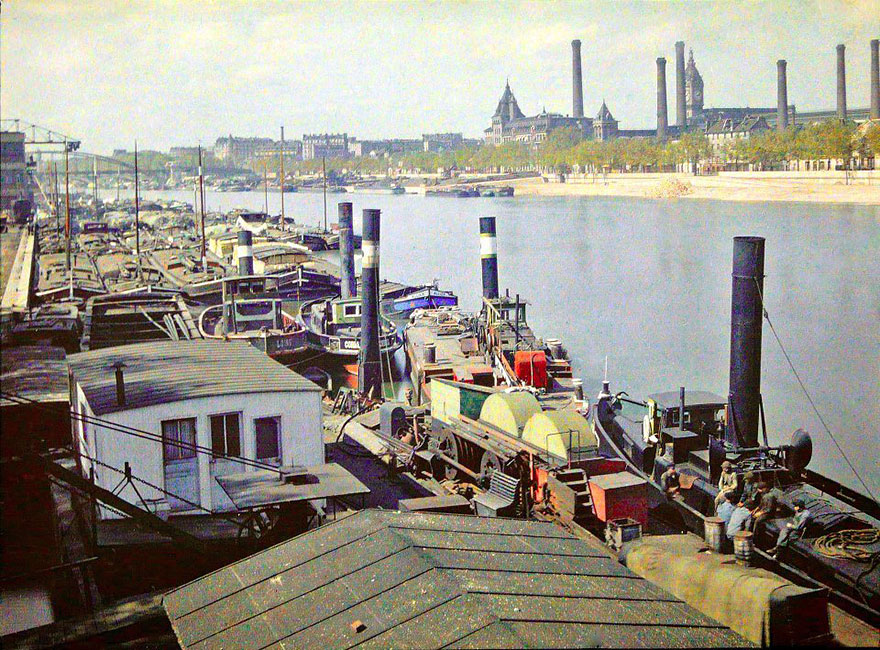
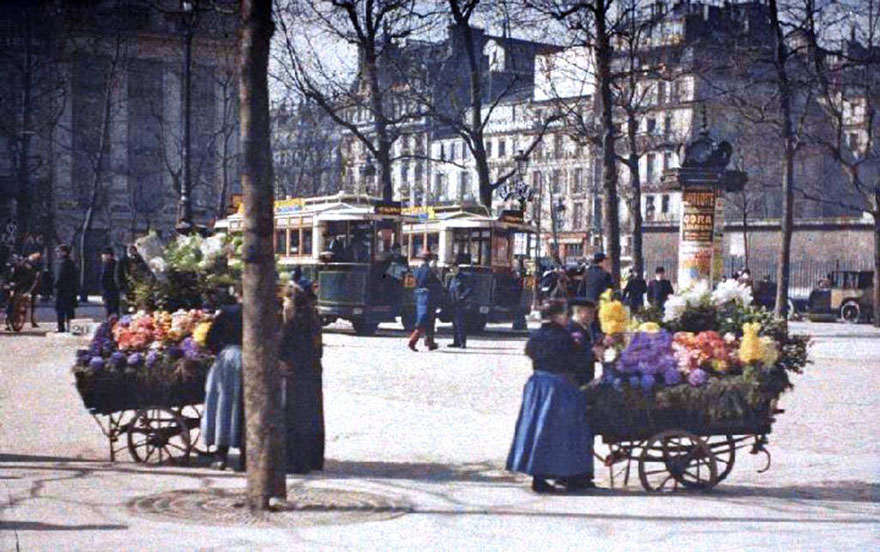
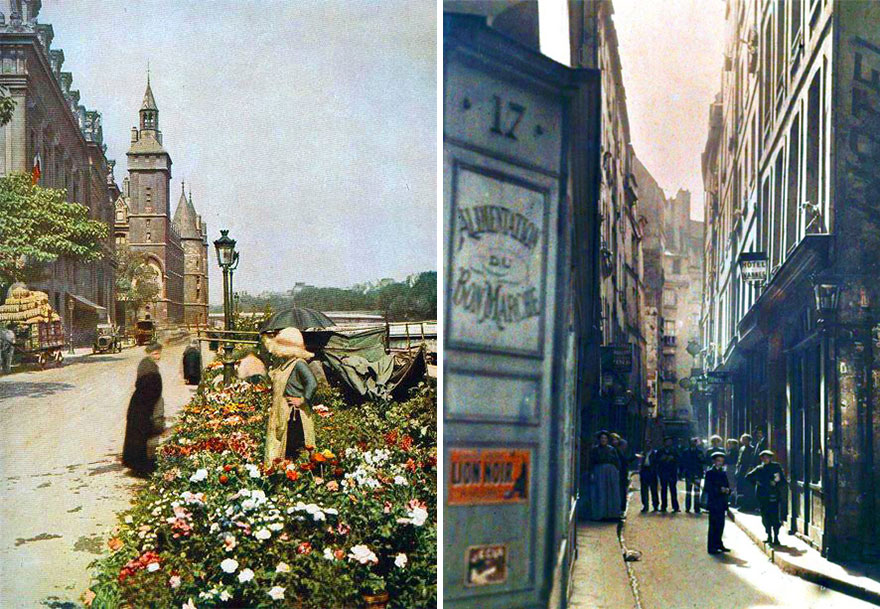
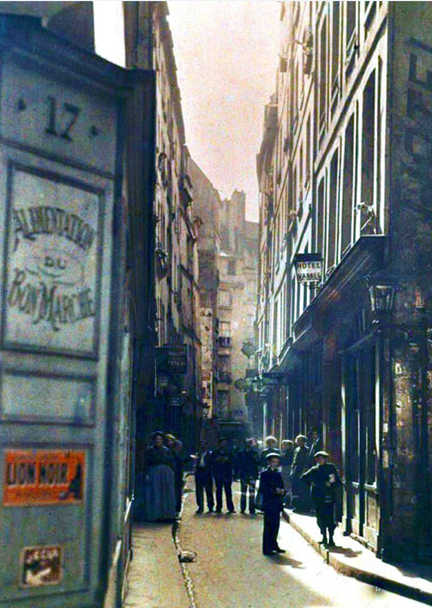
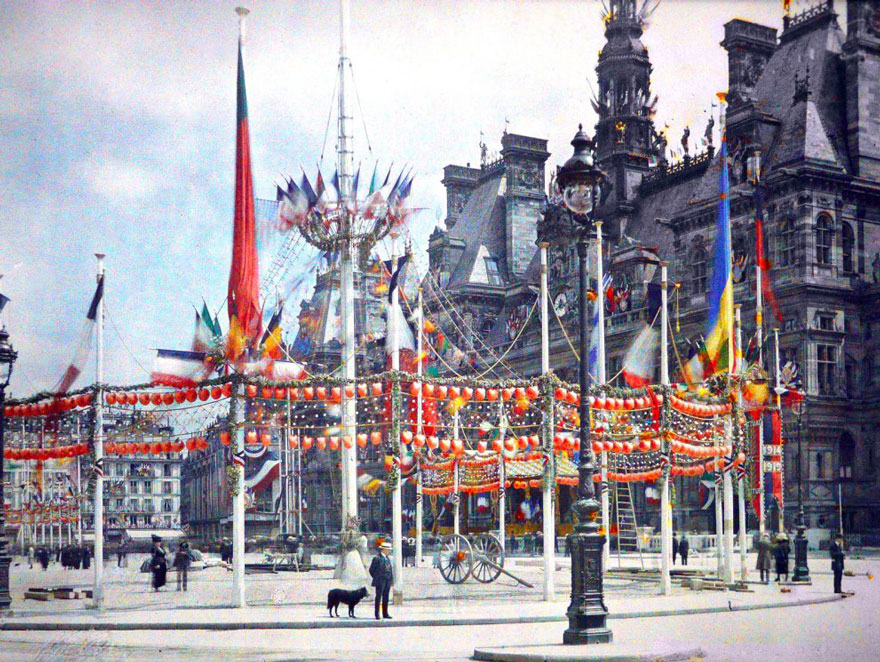
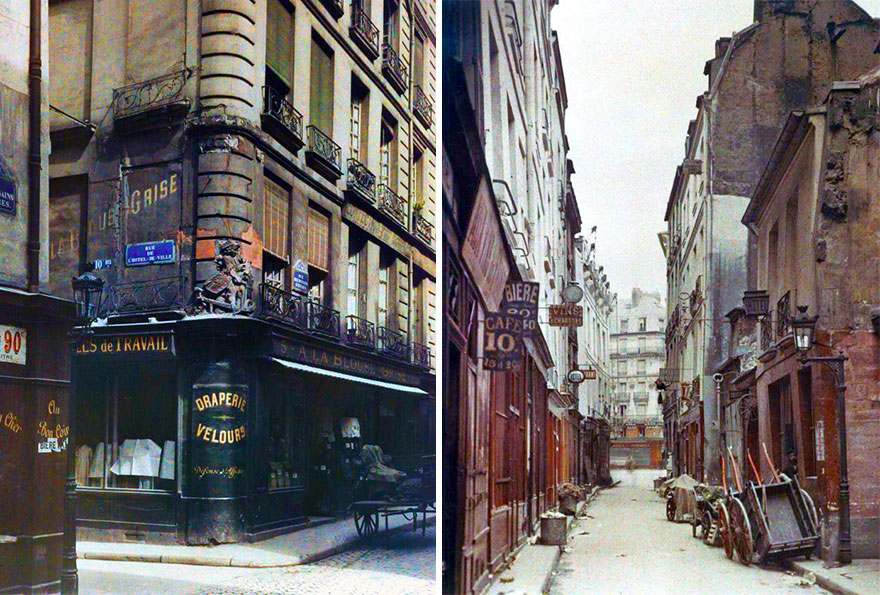
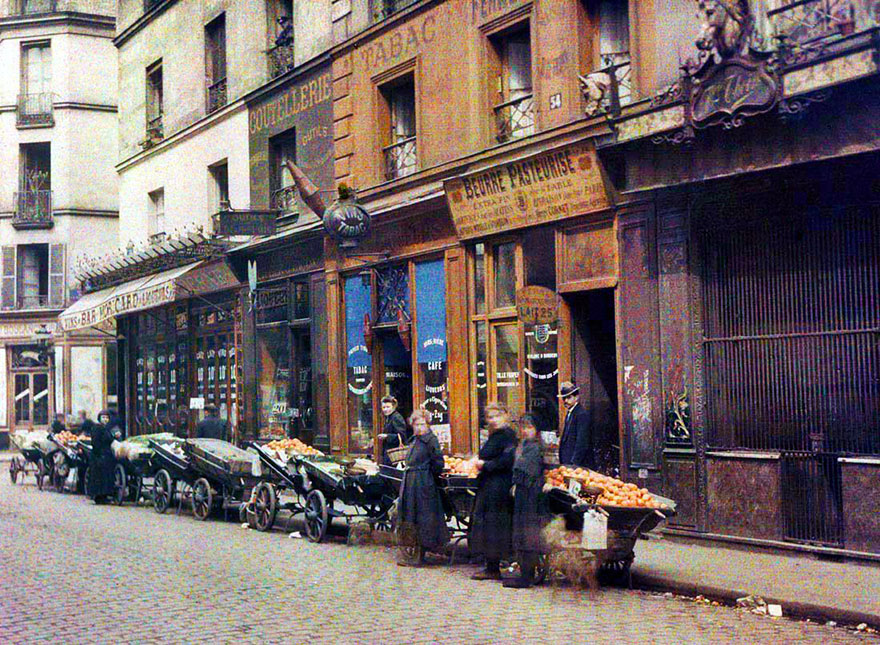
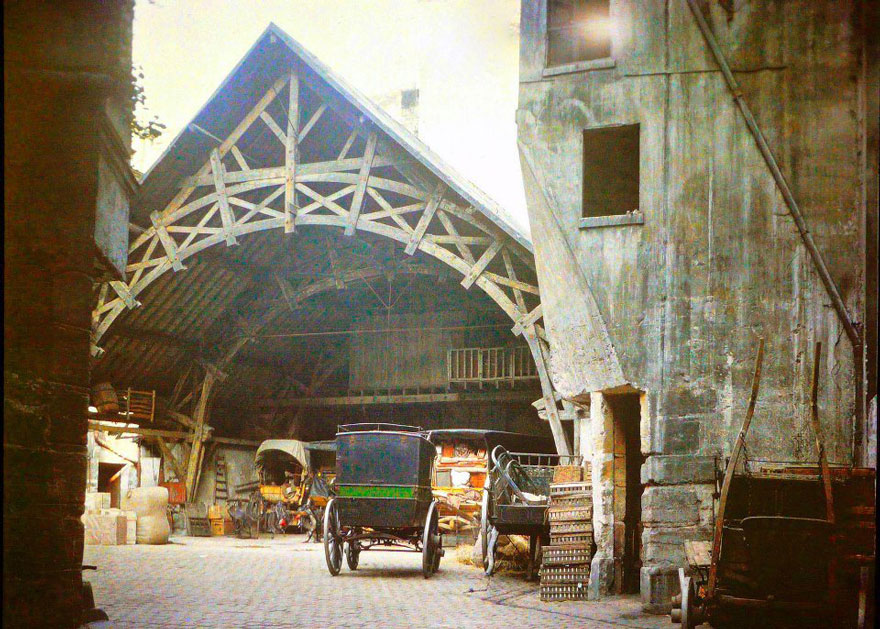
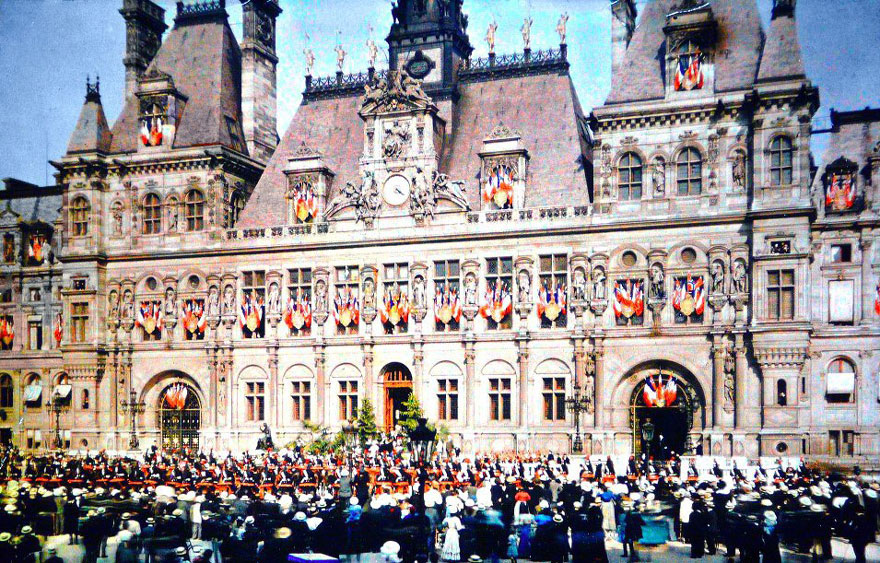
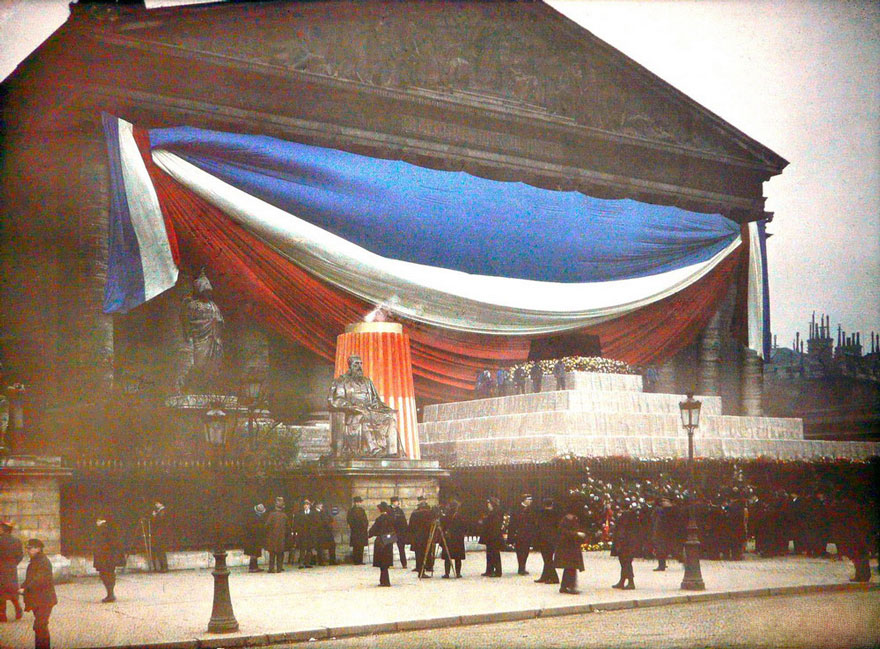
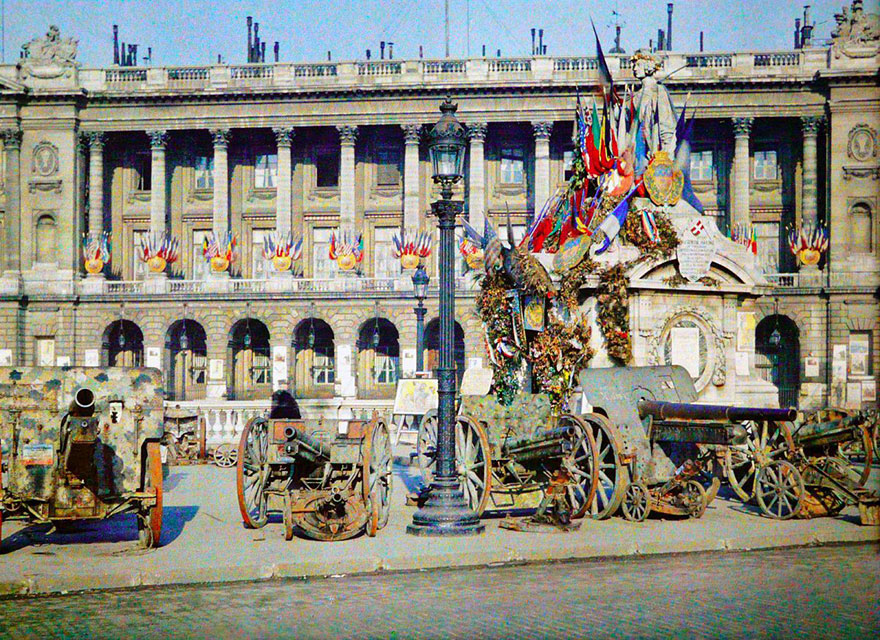
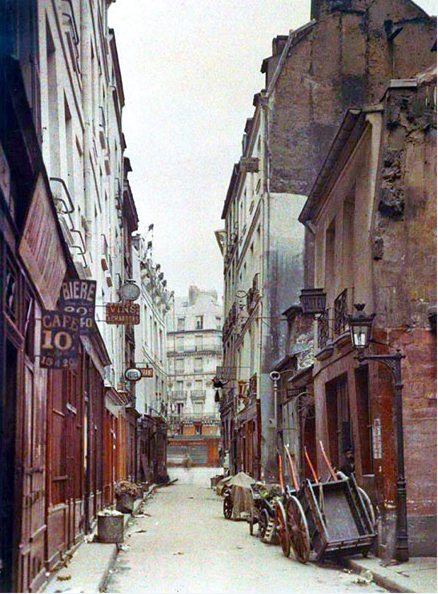
Tired of the endless series of black and white photos that were popular in the day, French banker Albert Kahn decided to do something about it. In 1909, he commissioned four photographers to take their cameras all around the world, and using Autochrome Lumière, to document in color what they saw.
One of the cities on the list was Paris, and in 1914, Leon Gimpel, Stephane Passet, Georges Chevalier, and Auguste Leon began their work. Their photos show us that the daily bustle of Paris life was much more colorful than we imagined, with storefronts painted bright red, or walls plastered with colorful photos.