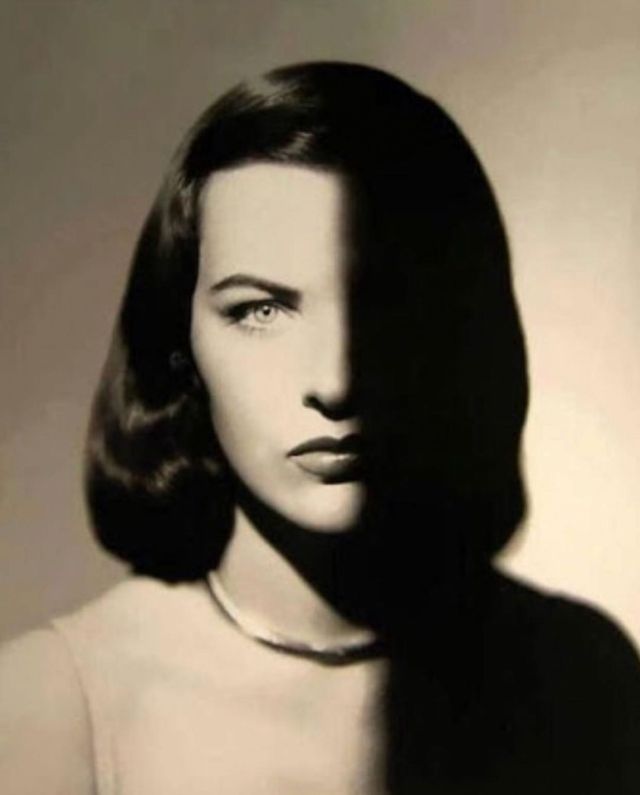
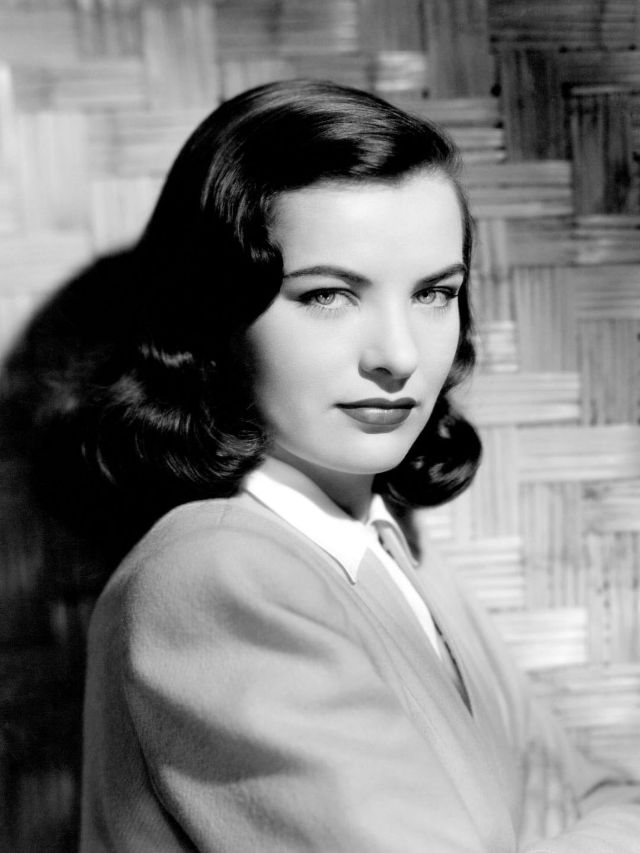
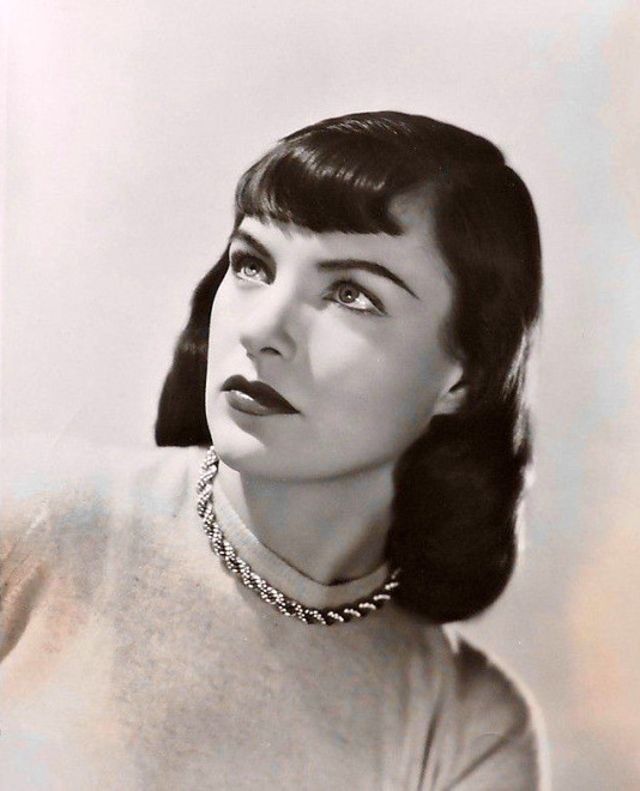
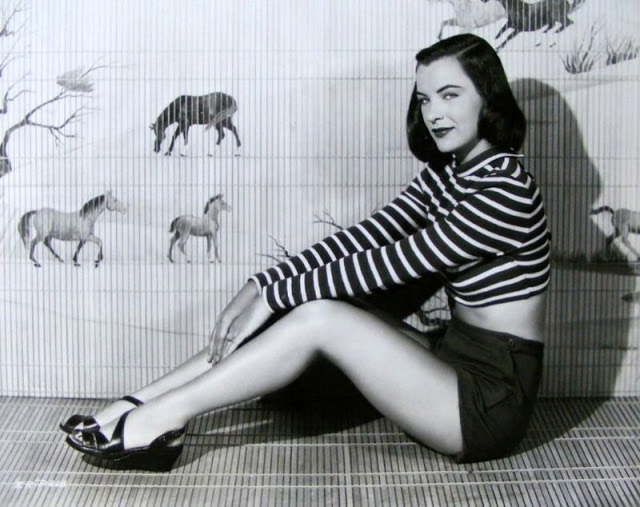
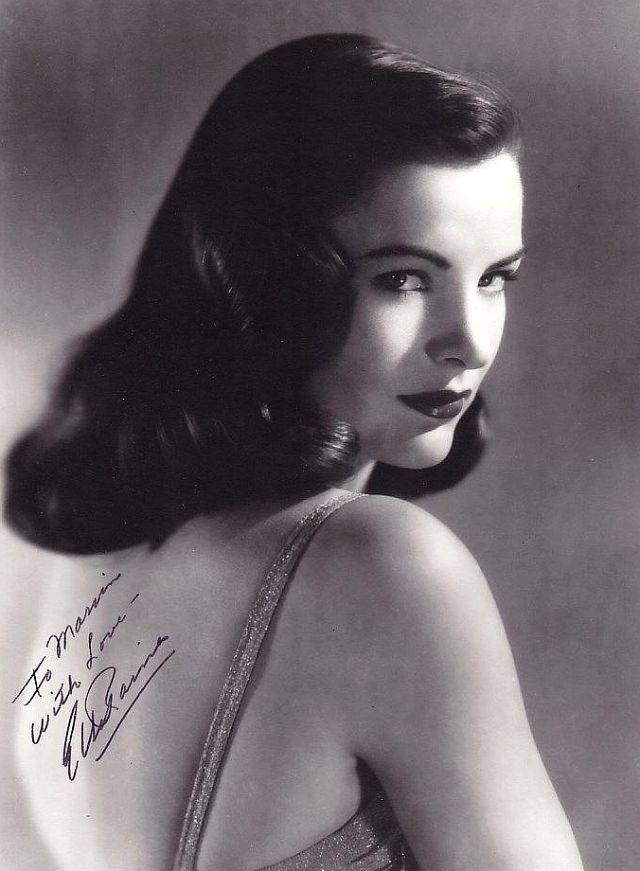
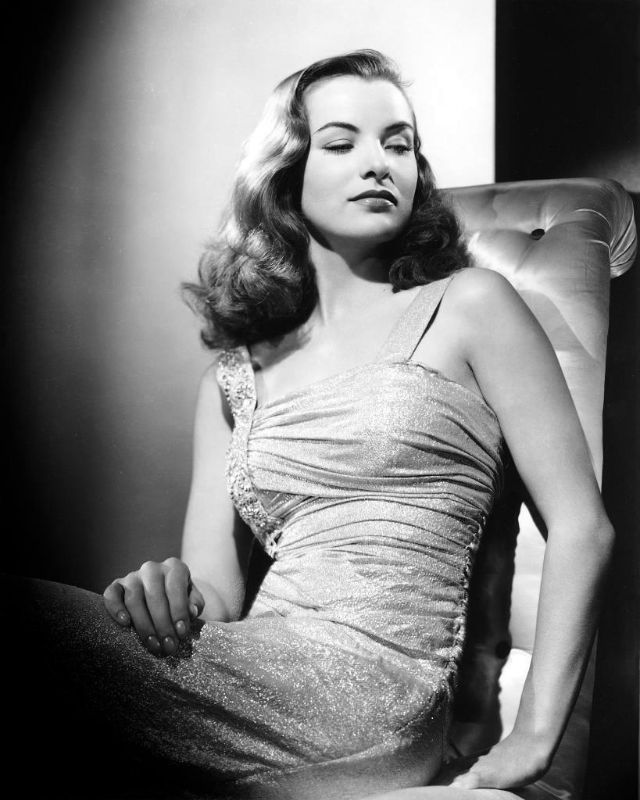
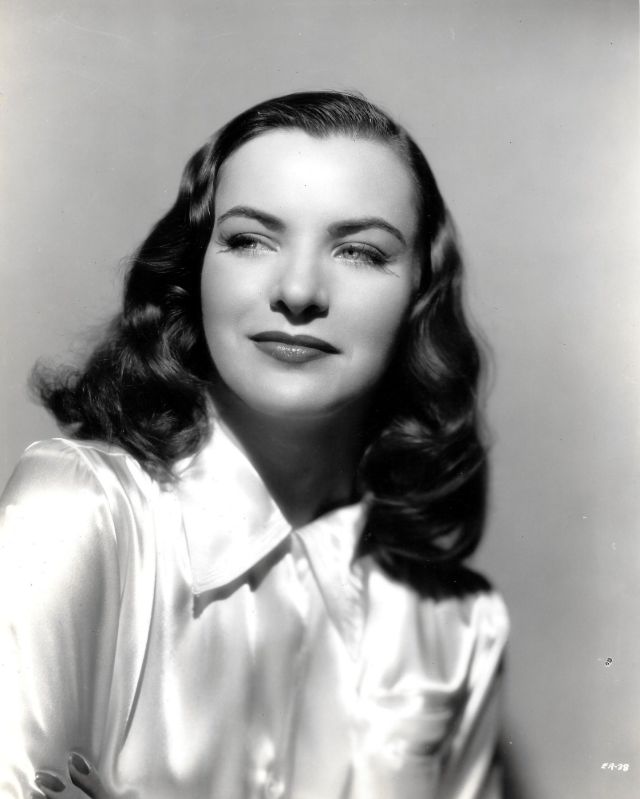
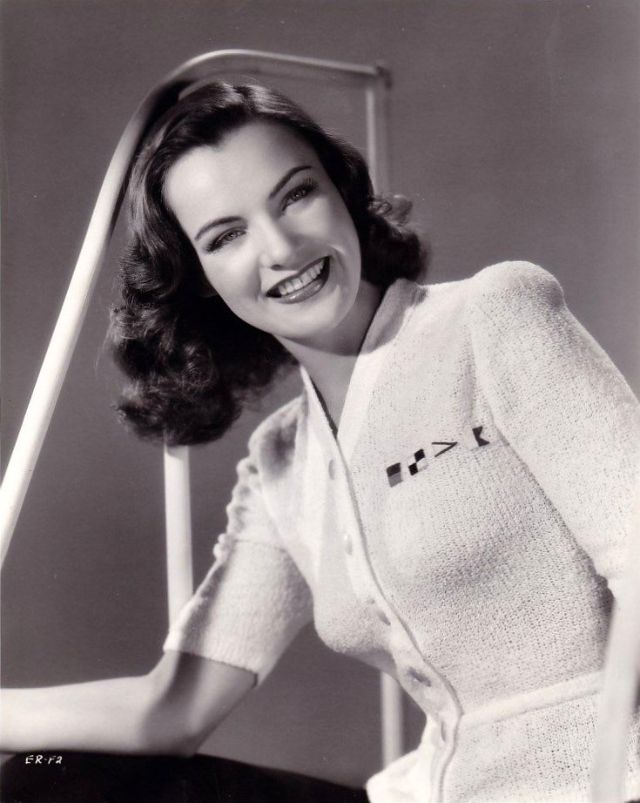
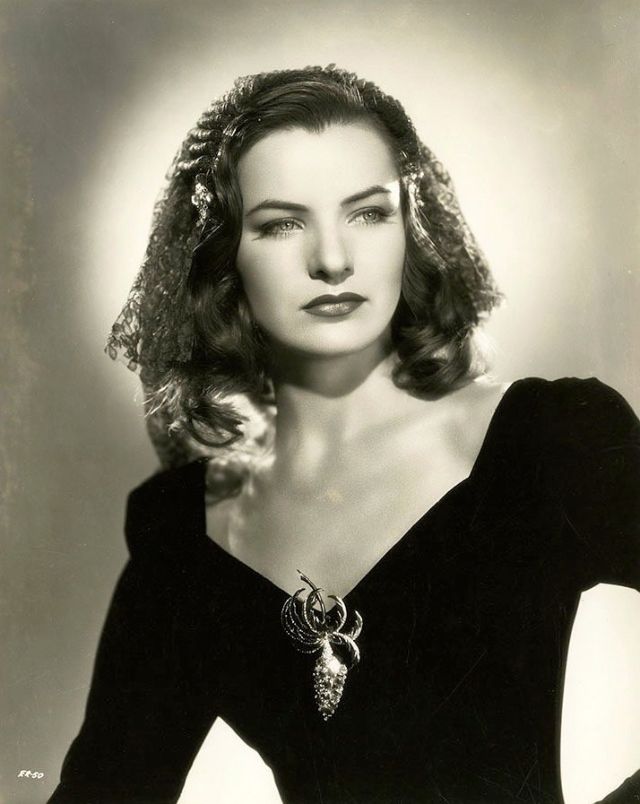
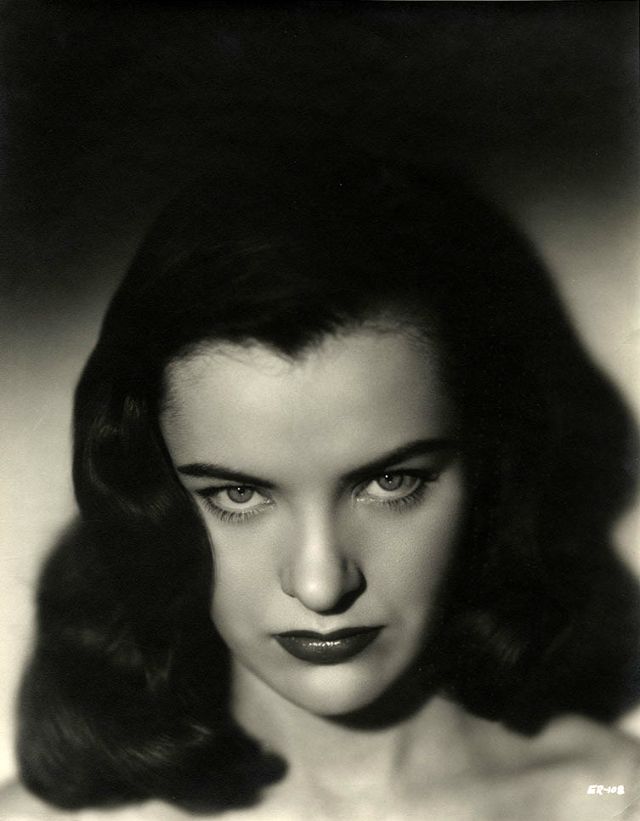
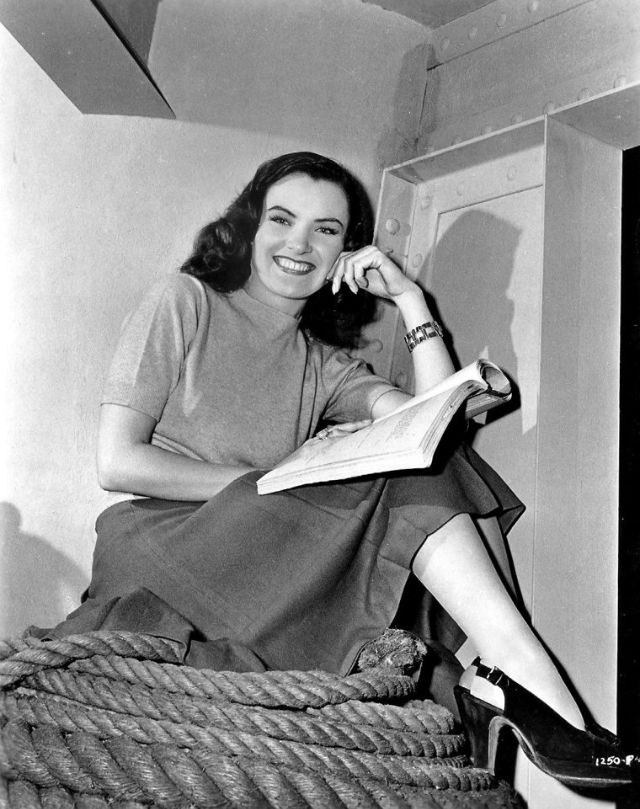
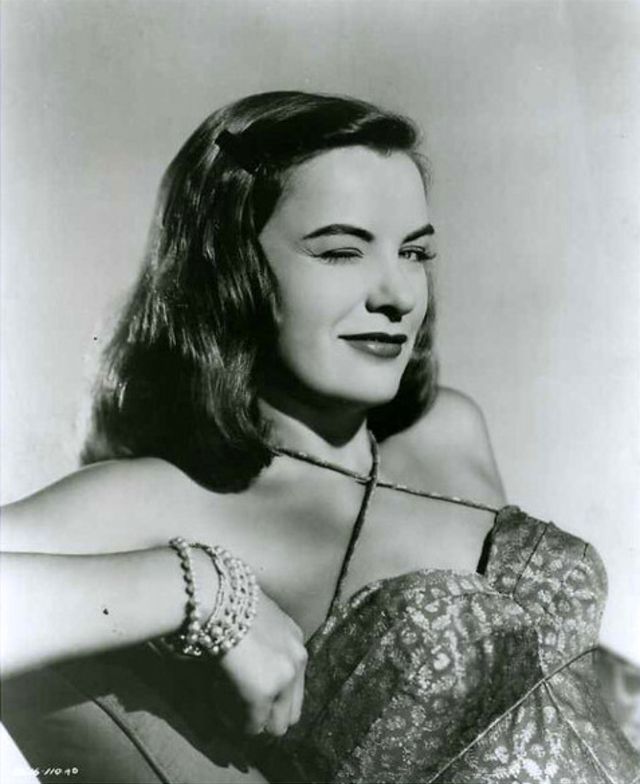
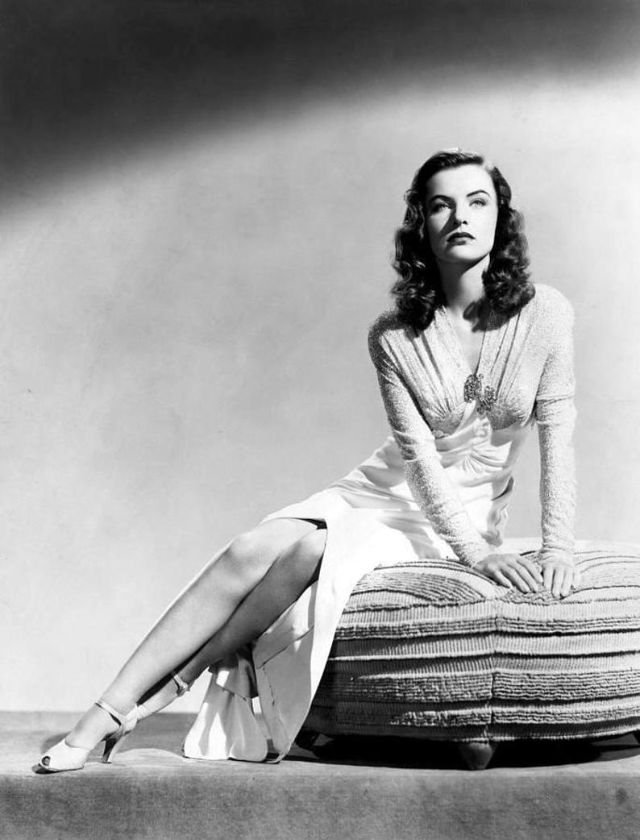
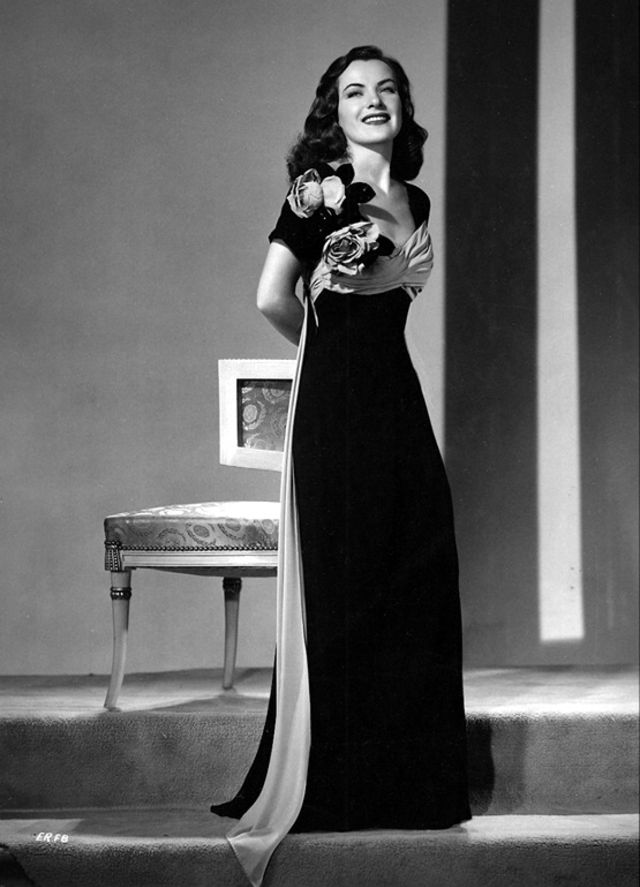
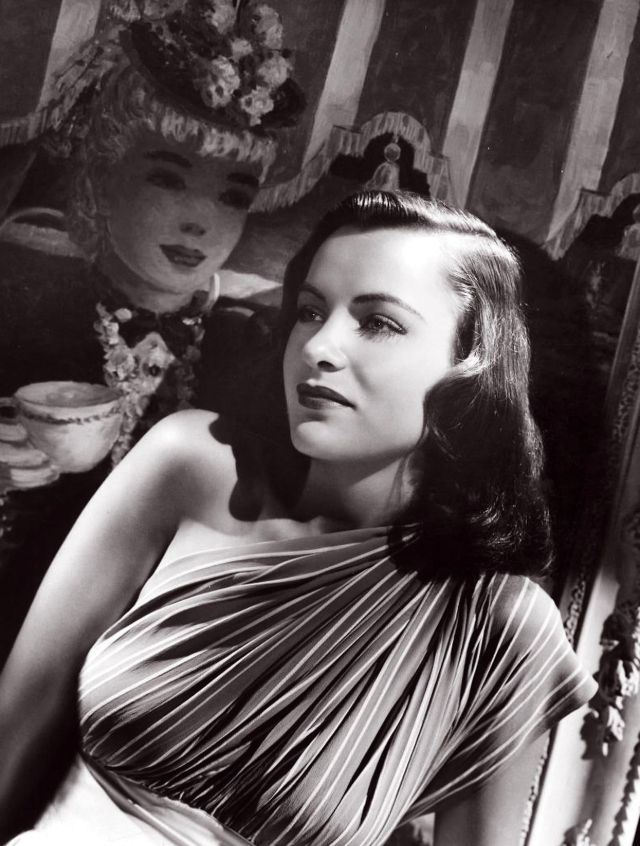
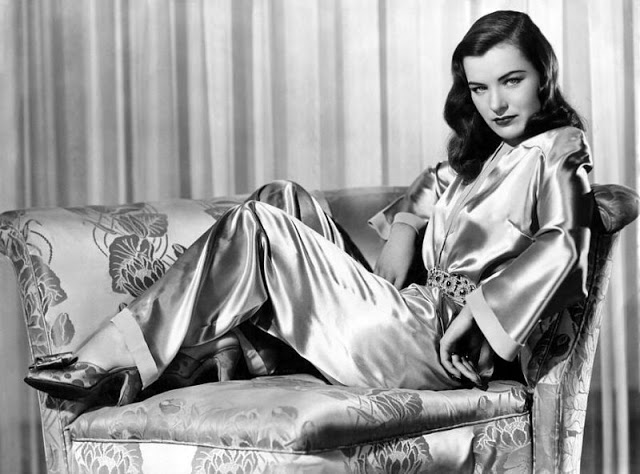
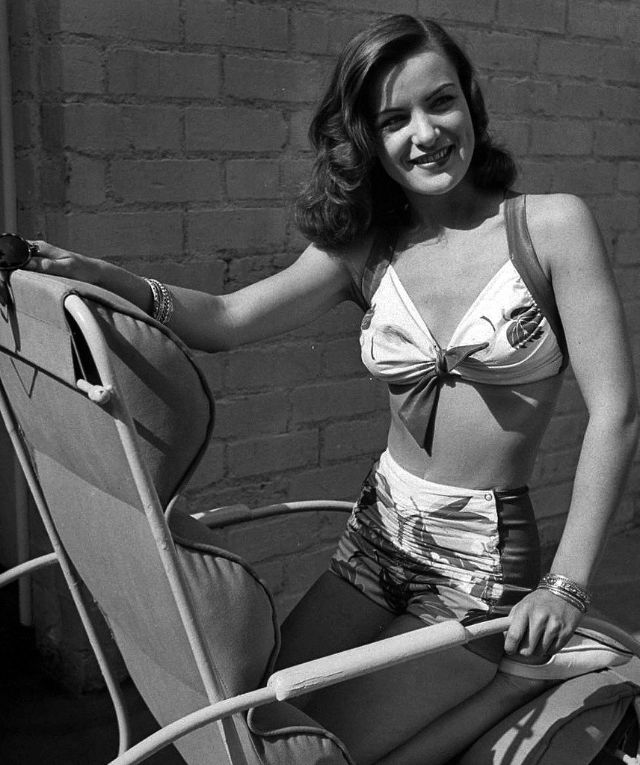
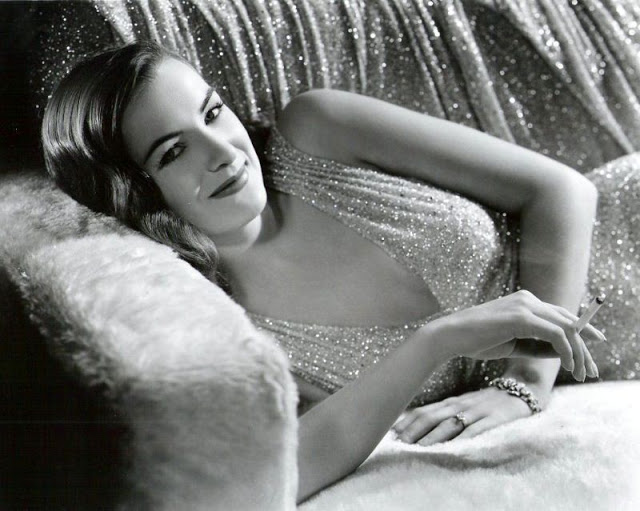
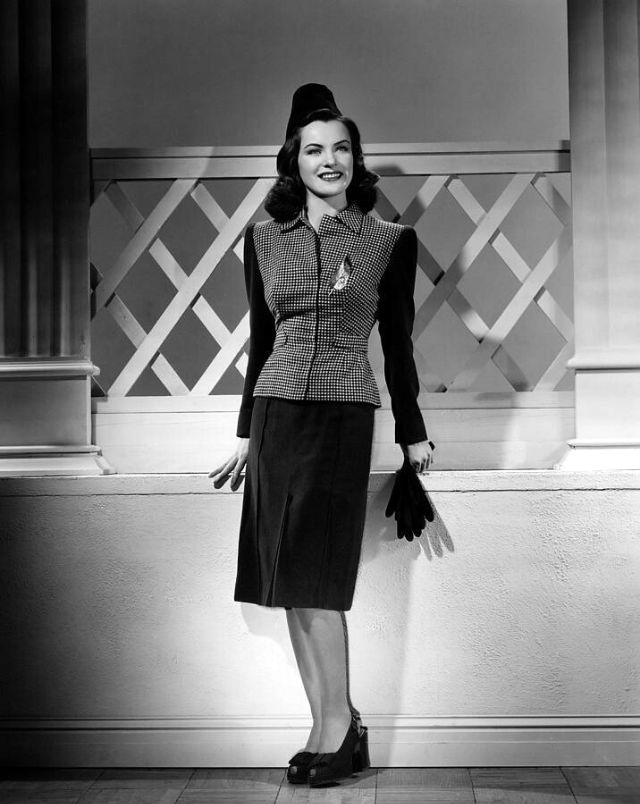
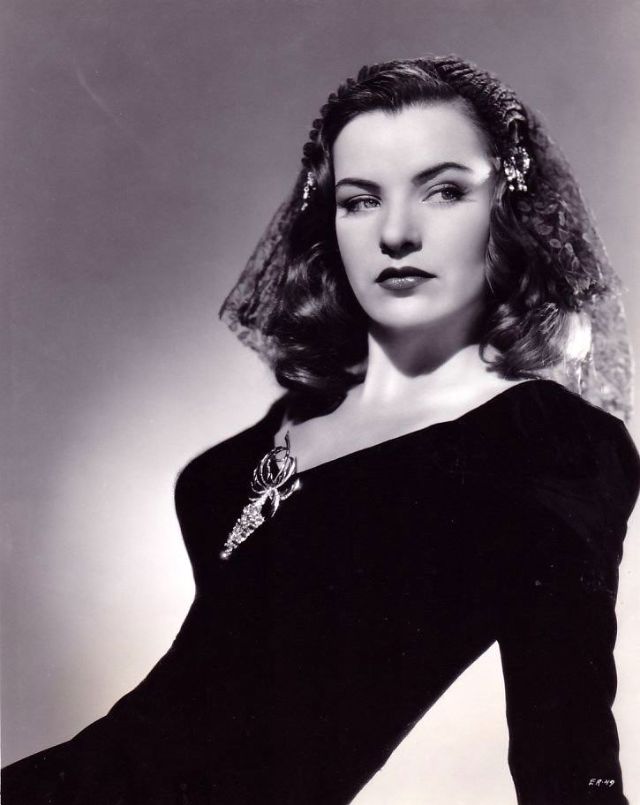
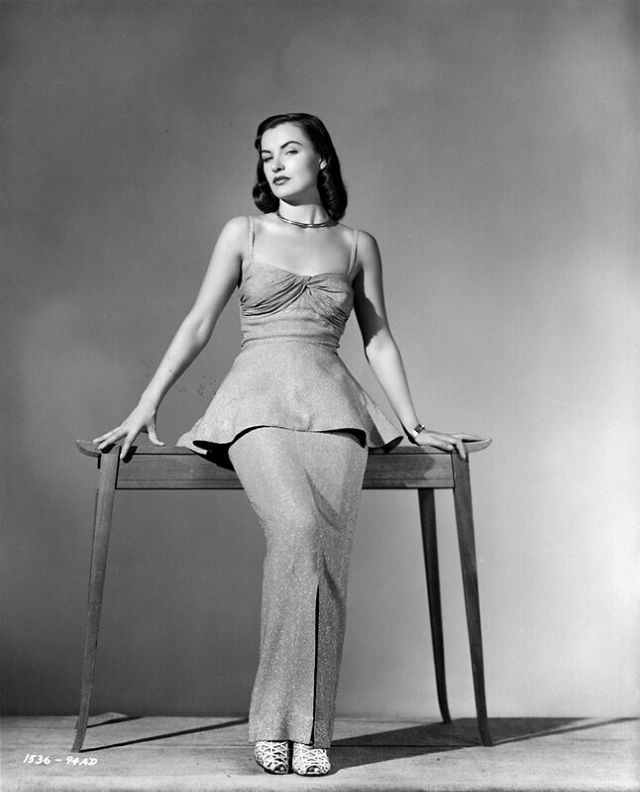
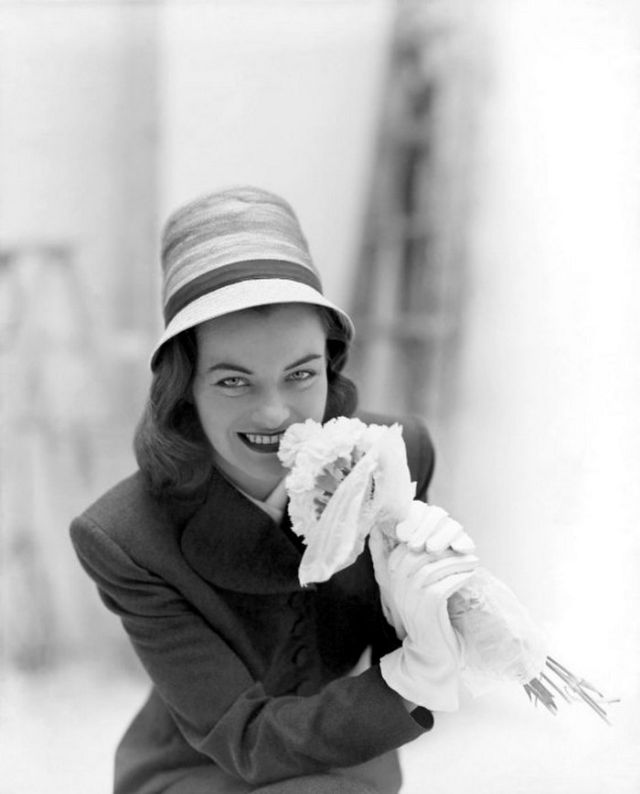
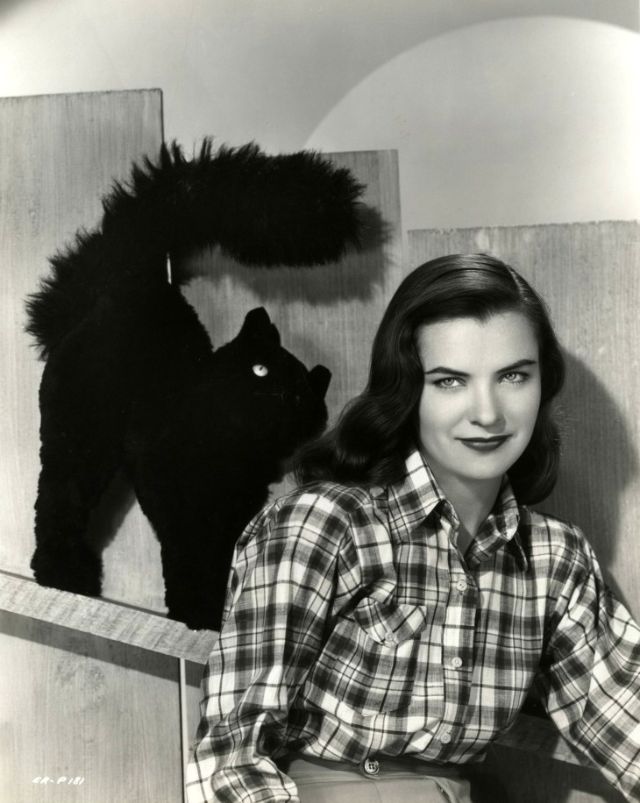
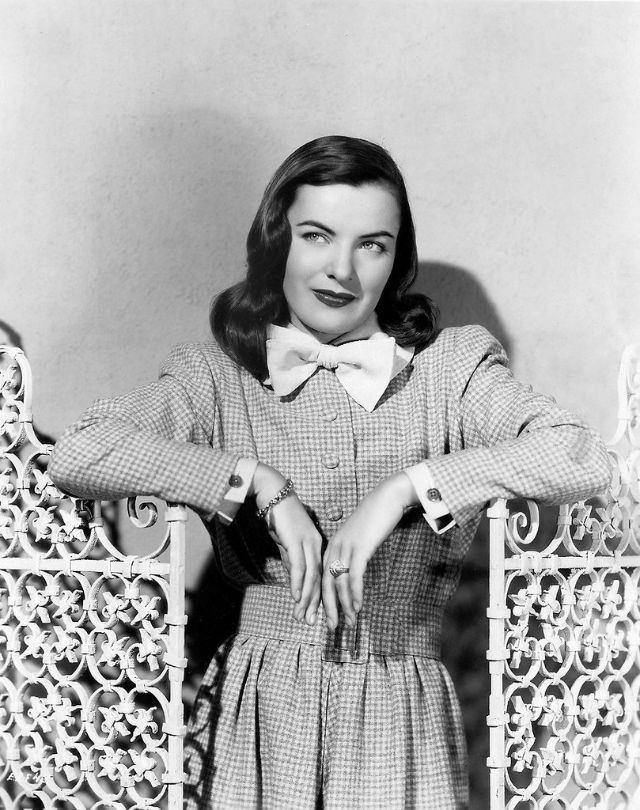
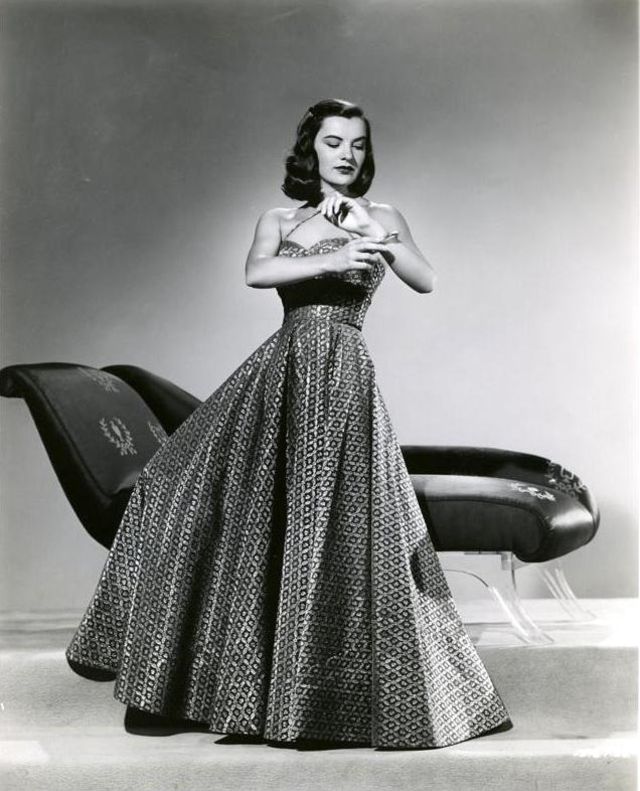
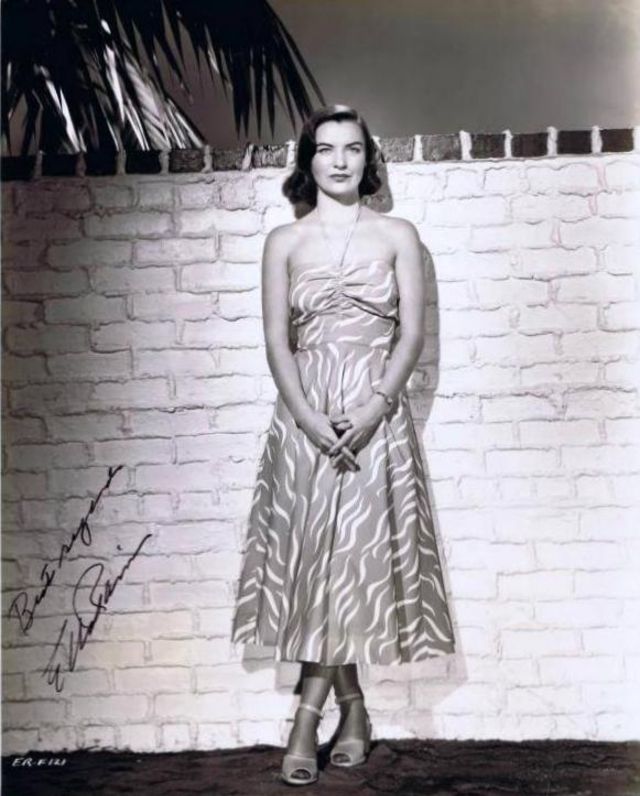
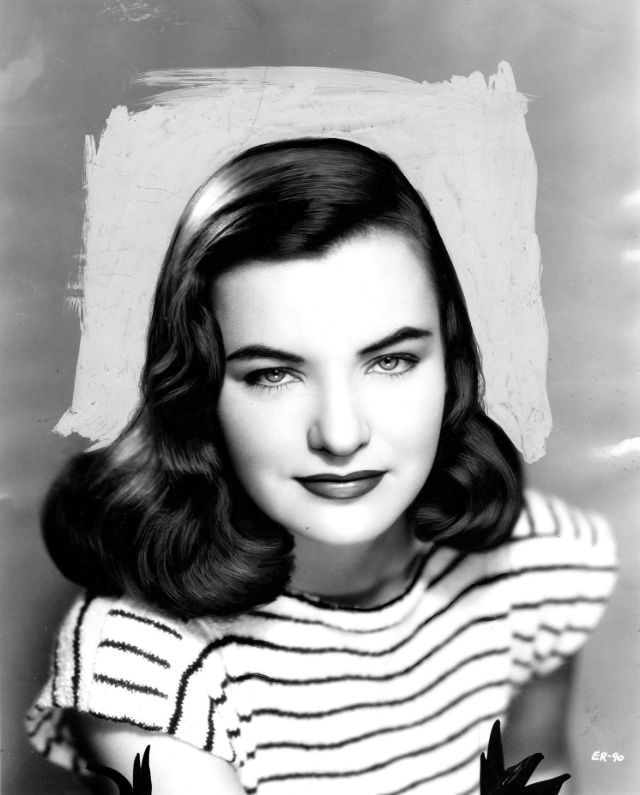
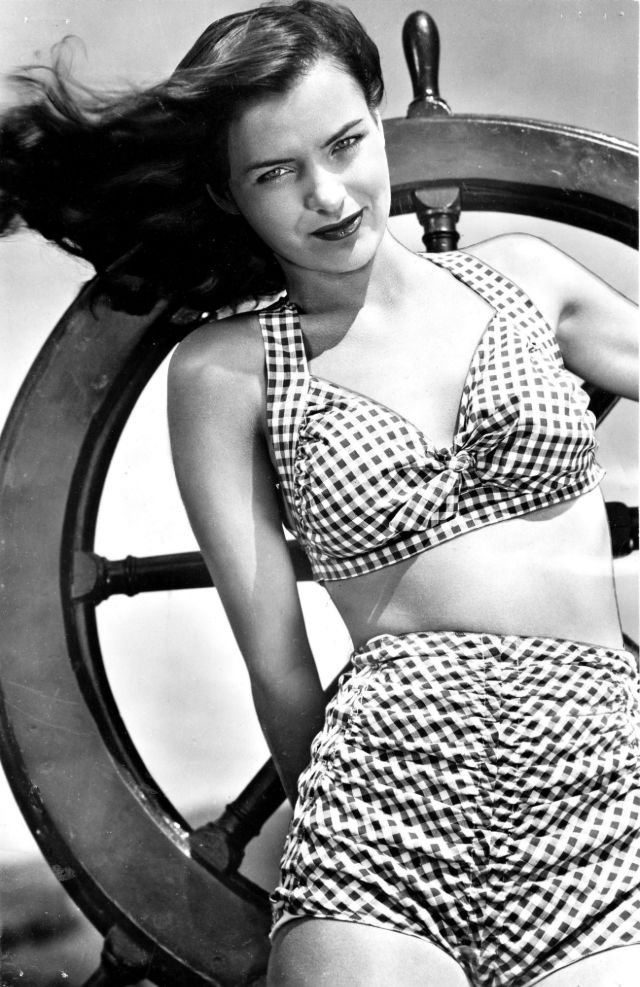
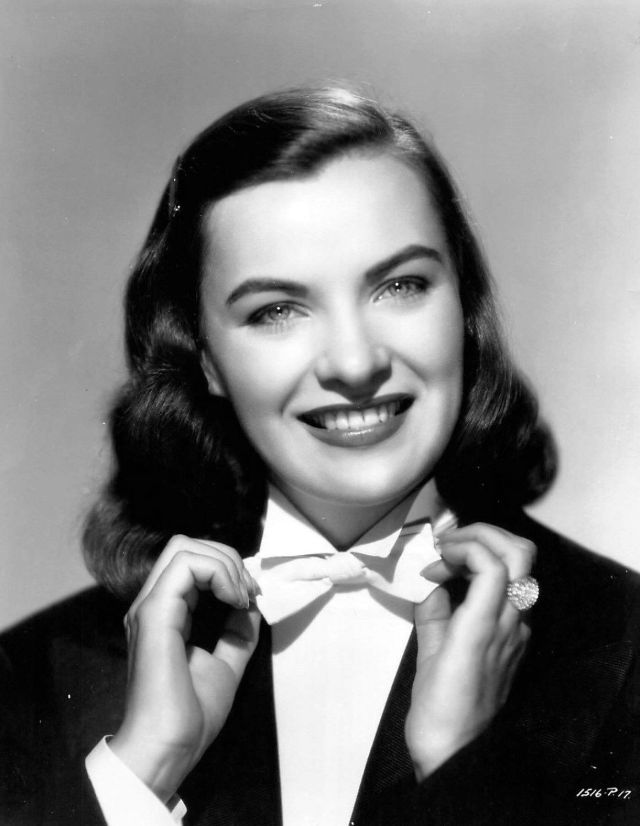
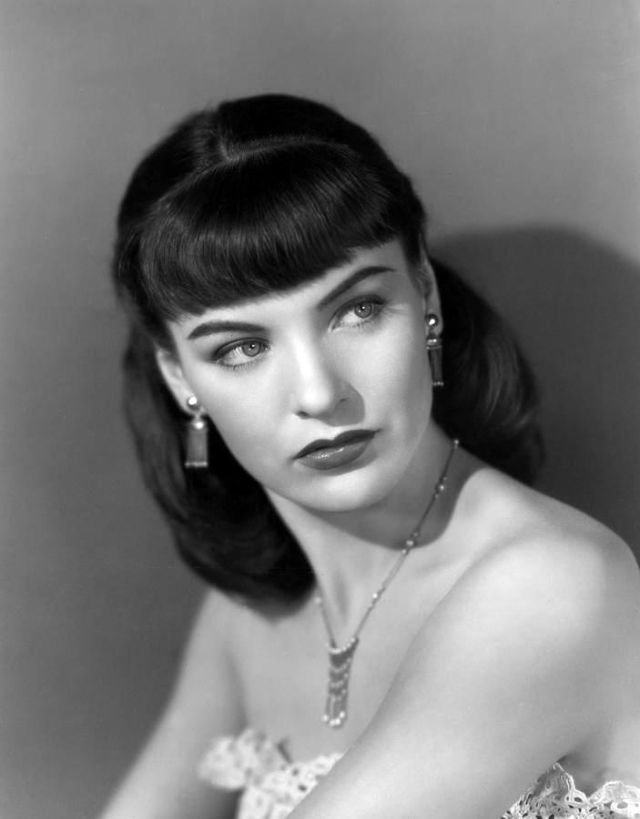
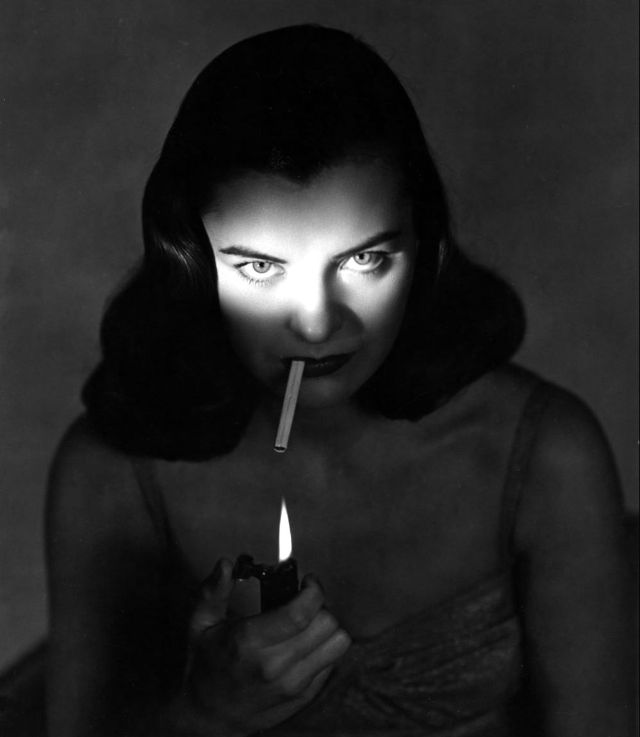
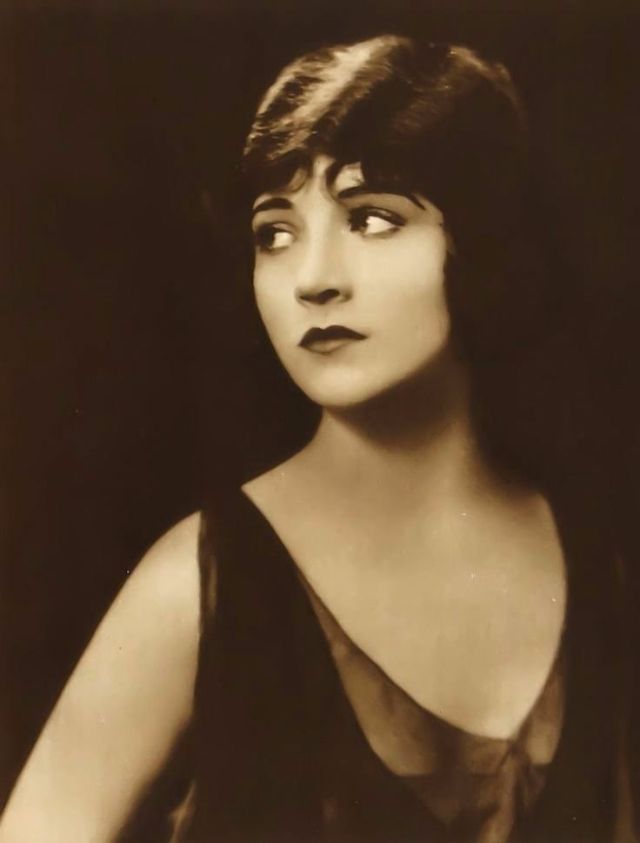
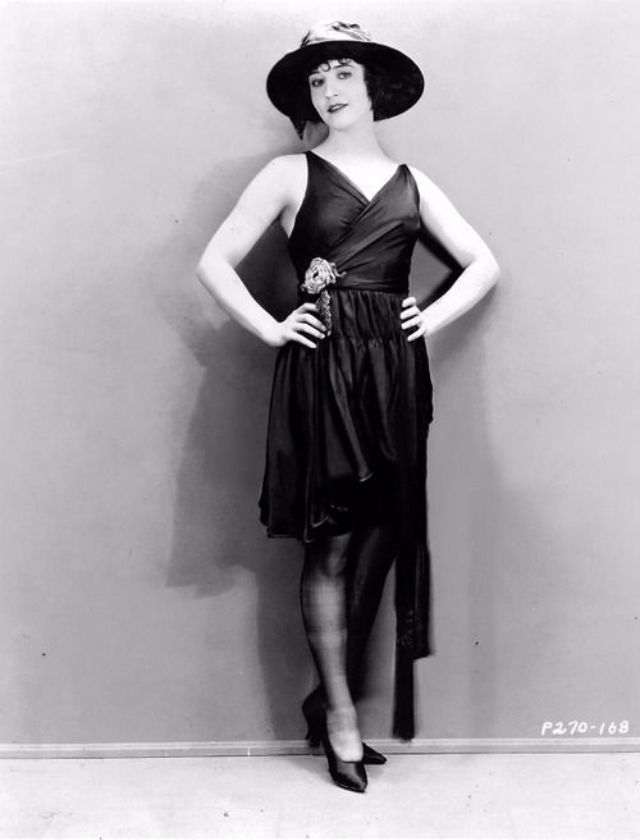
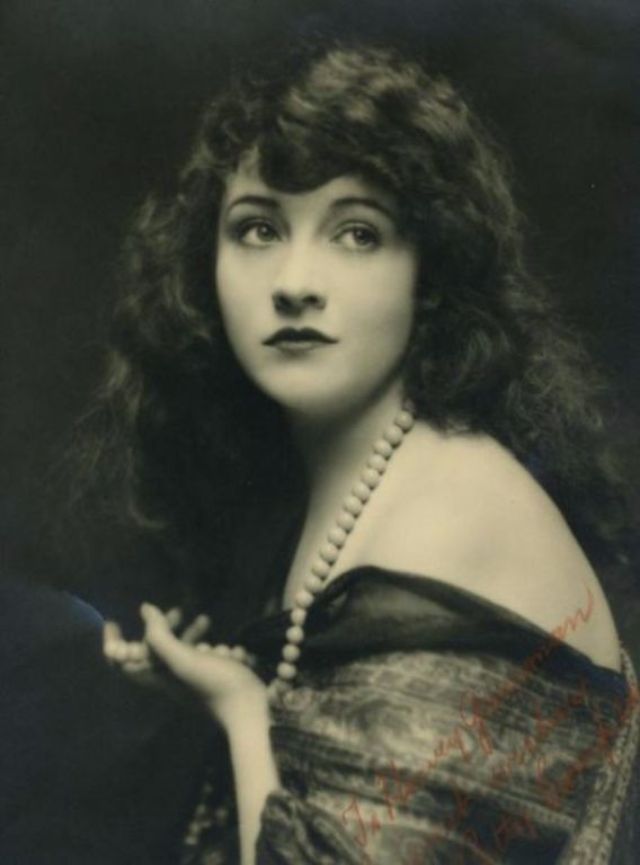
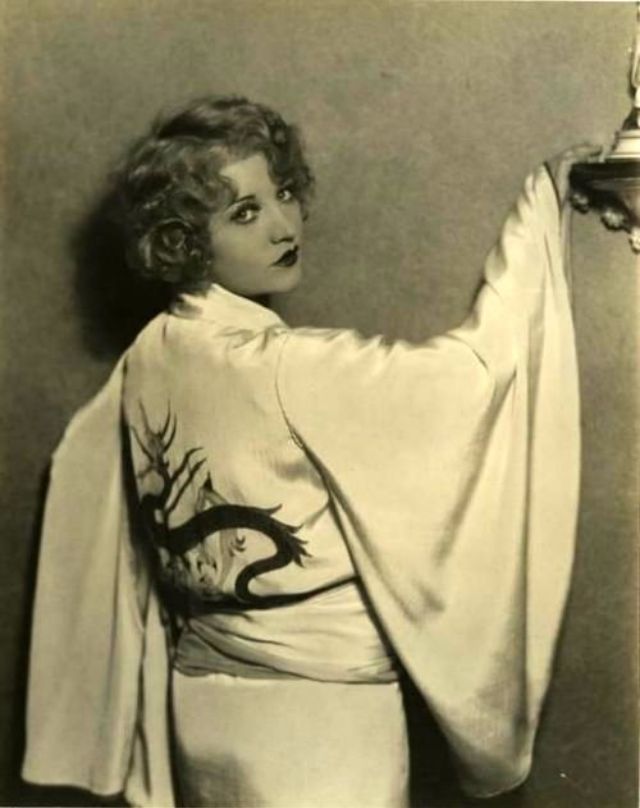
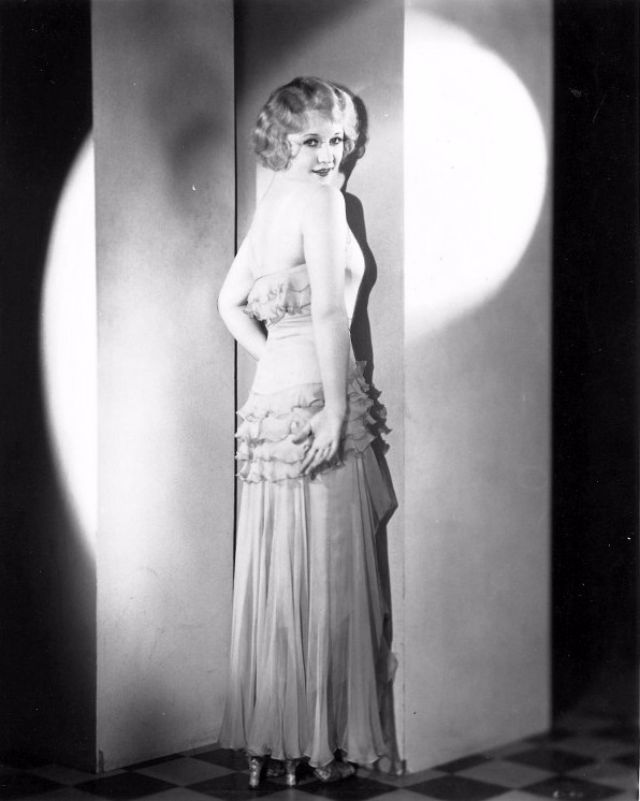
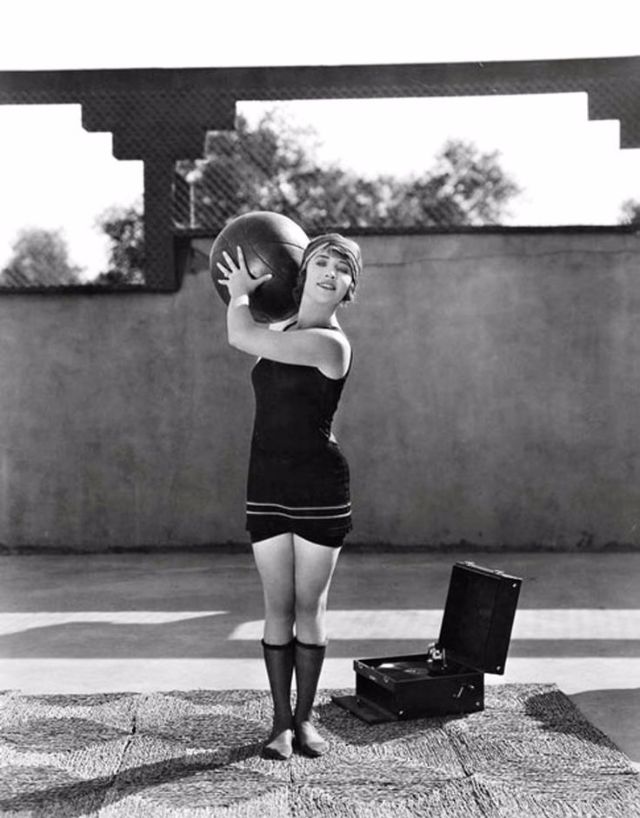
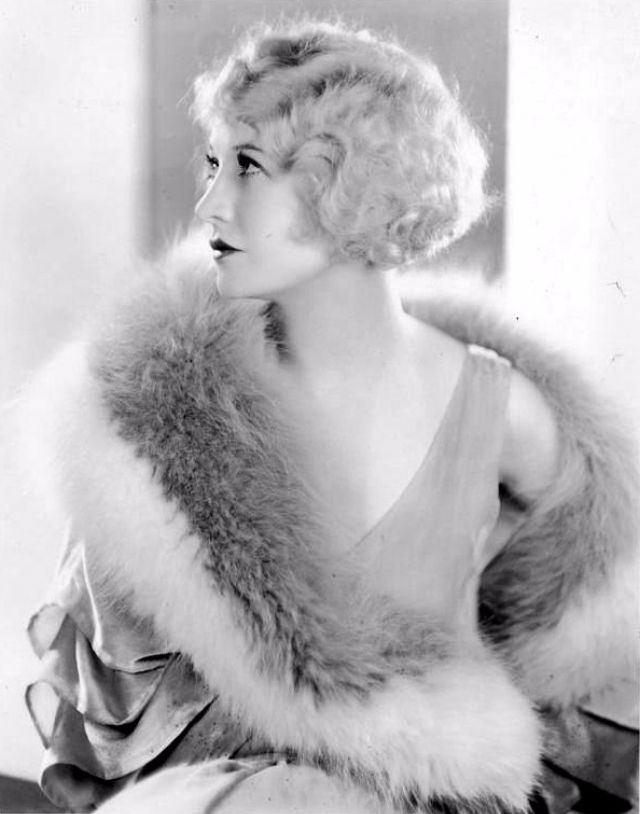
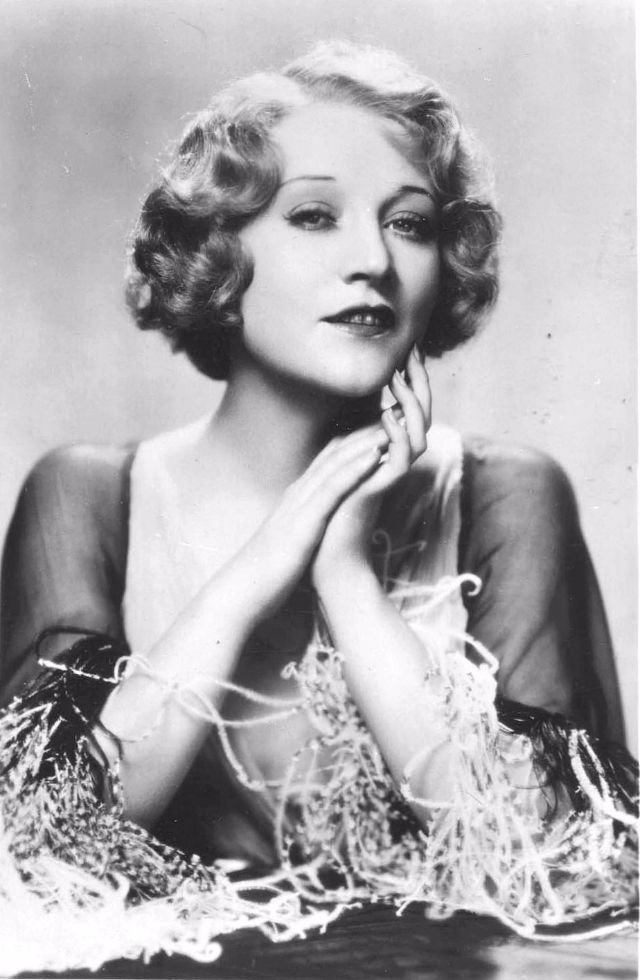
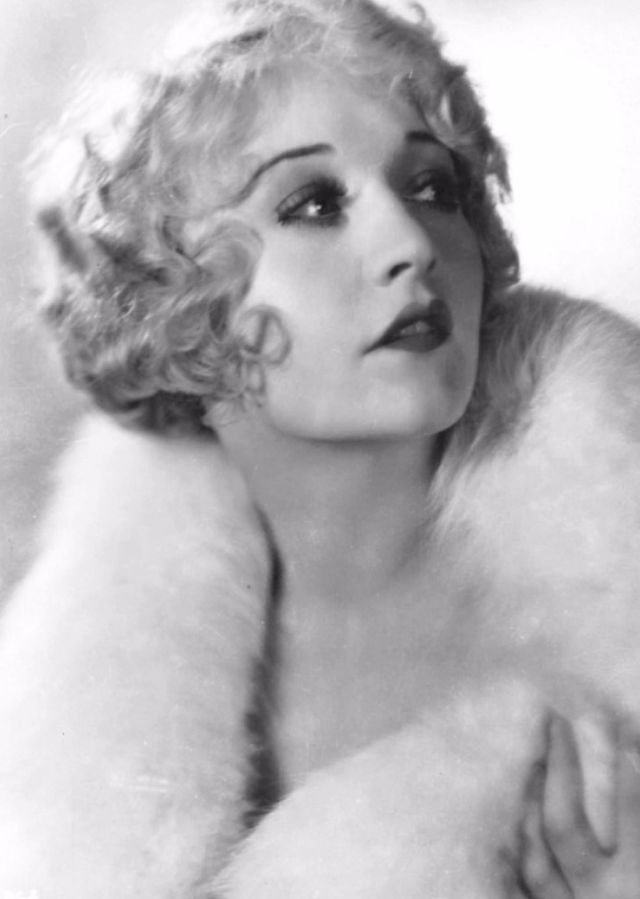
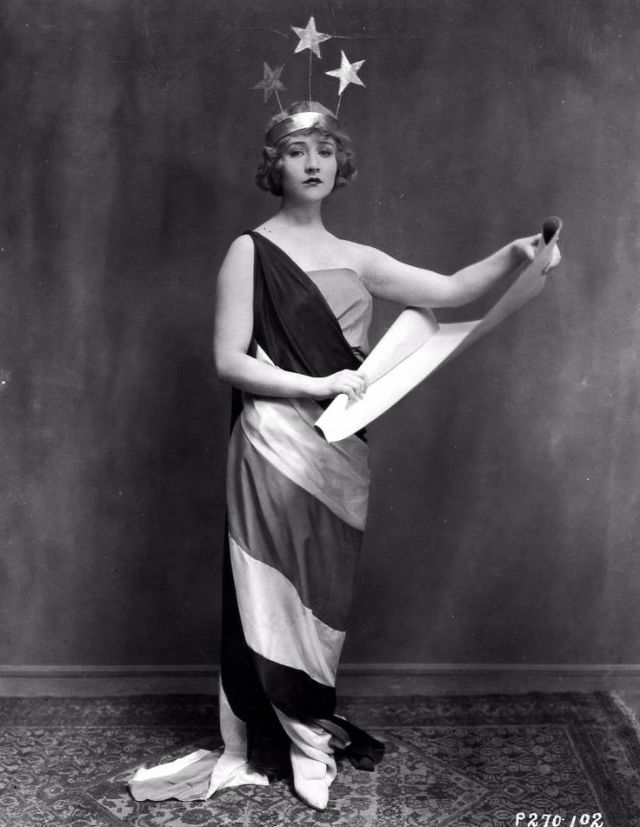
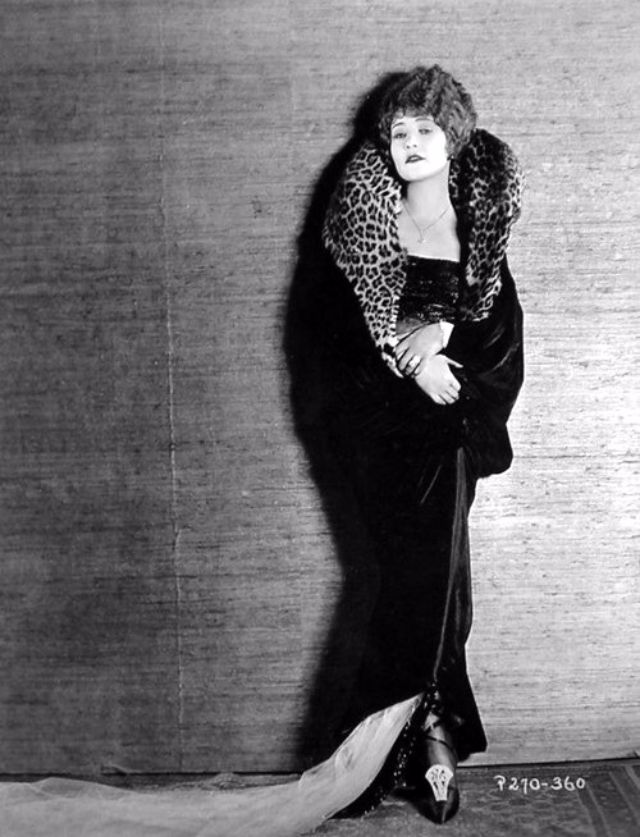
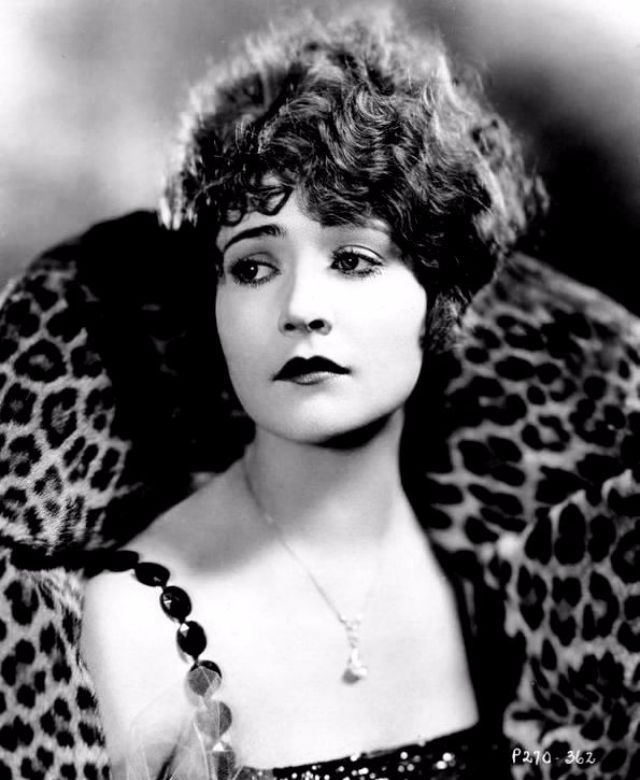
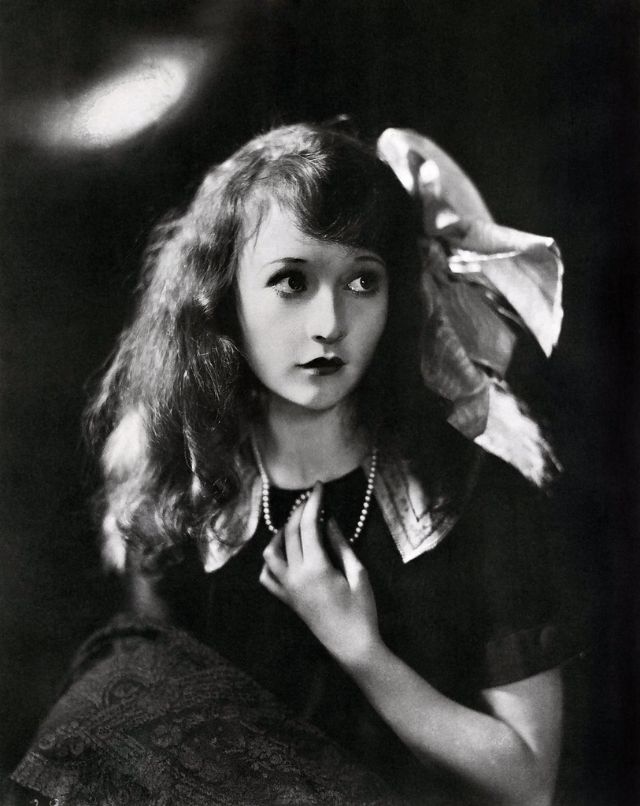
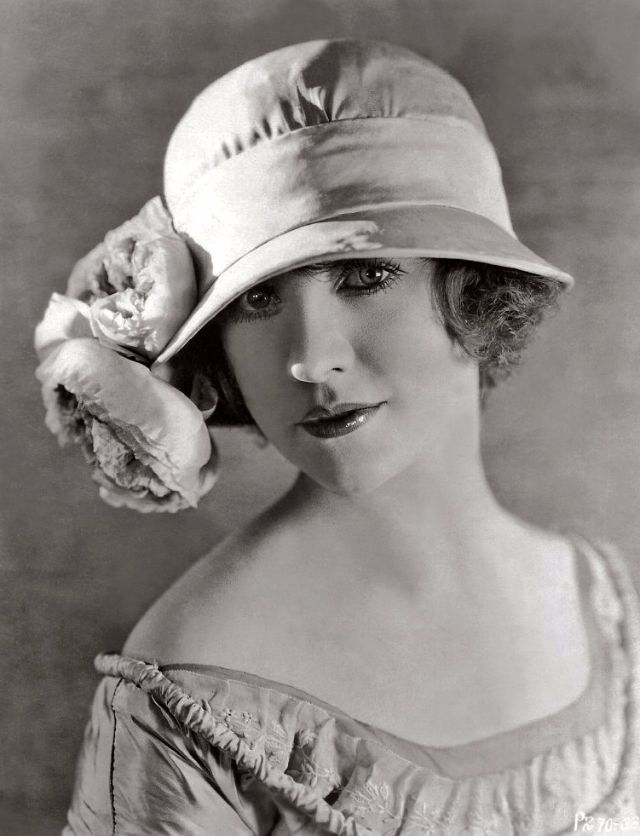
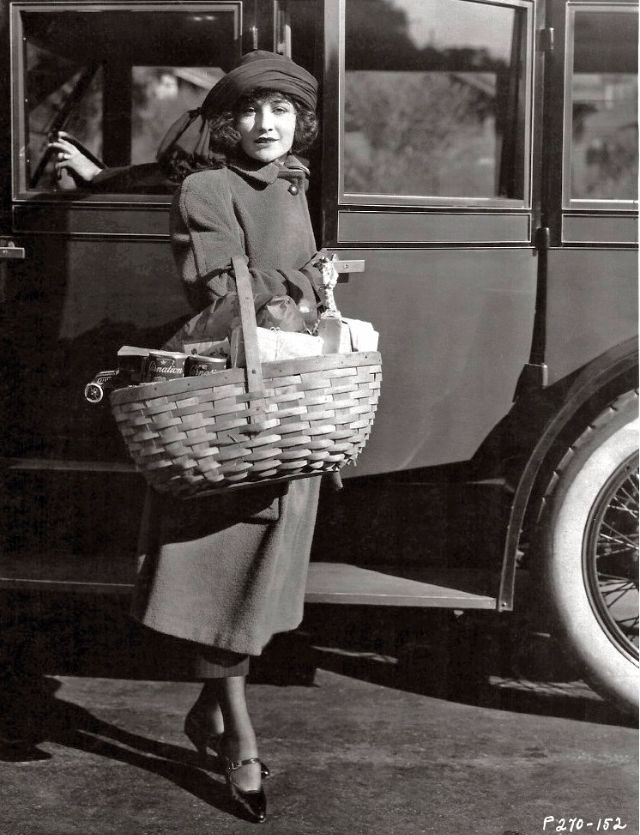
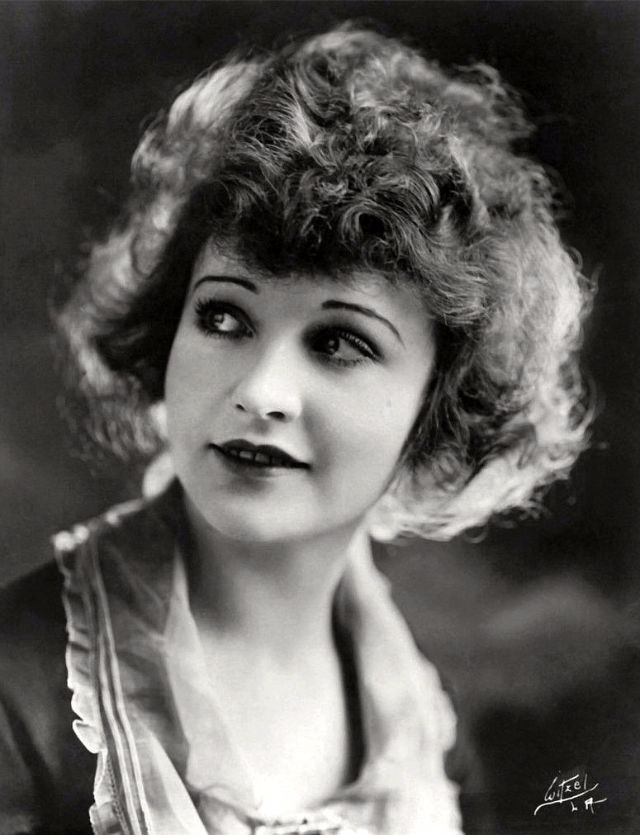
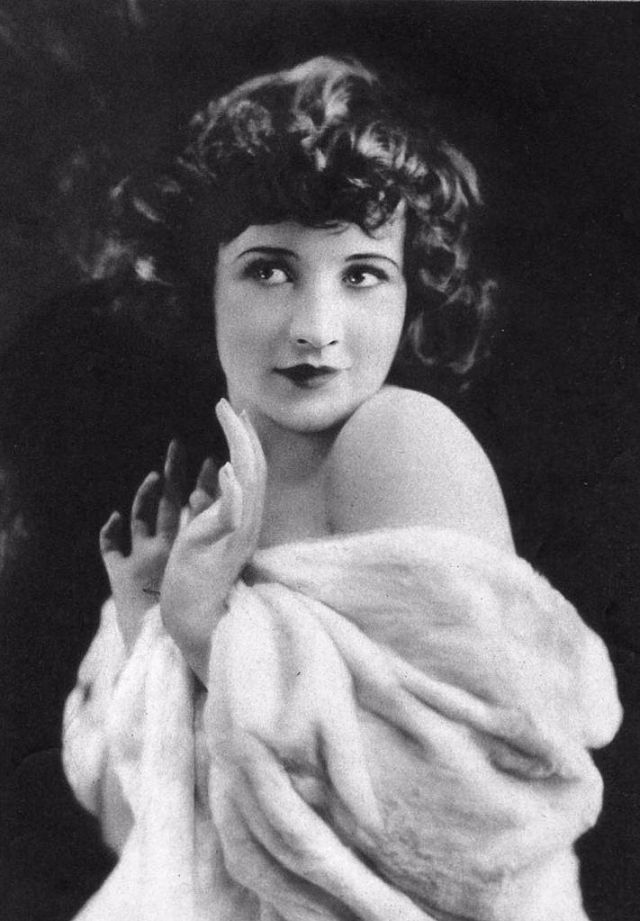
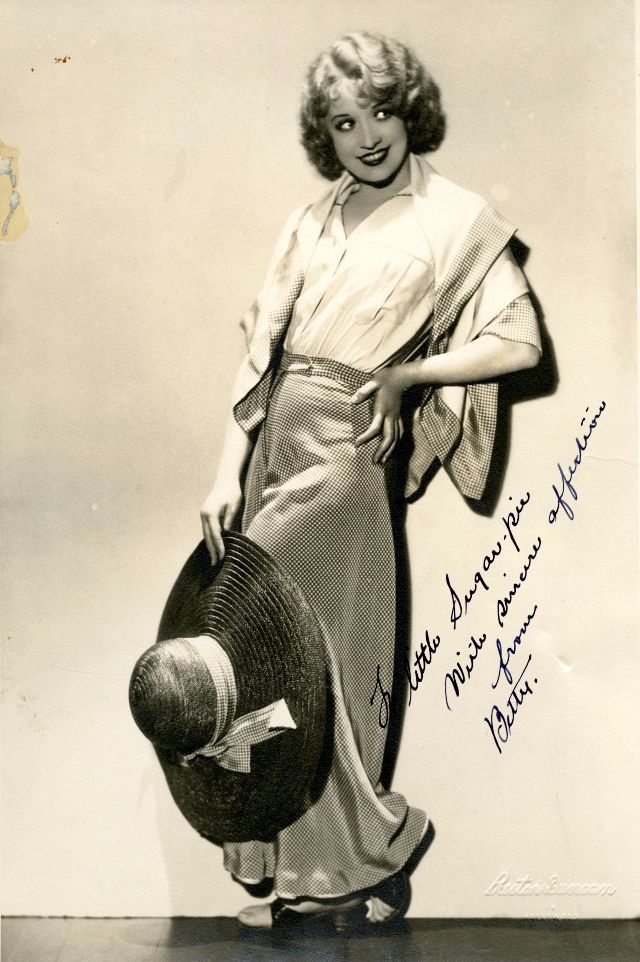
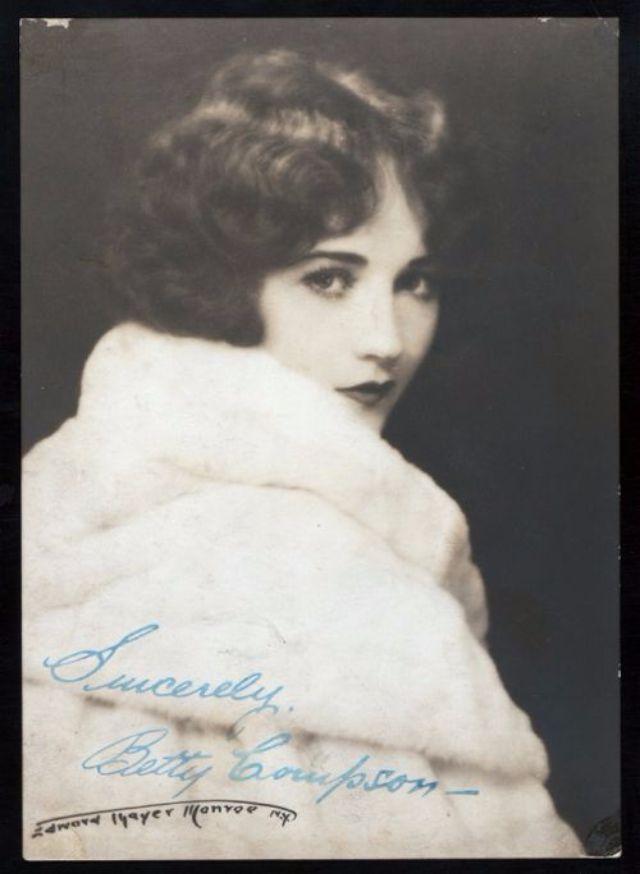
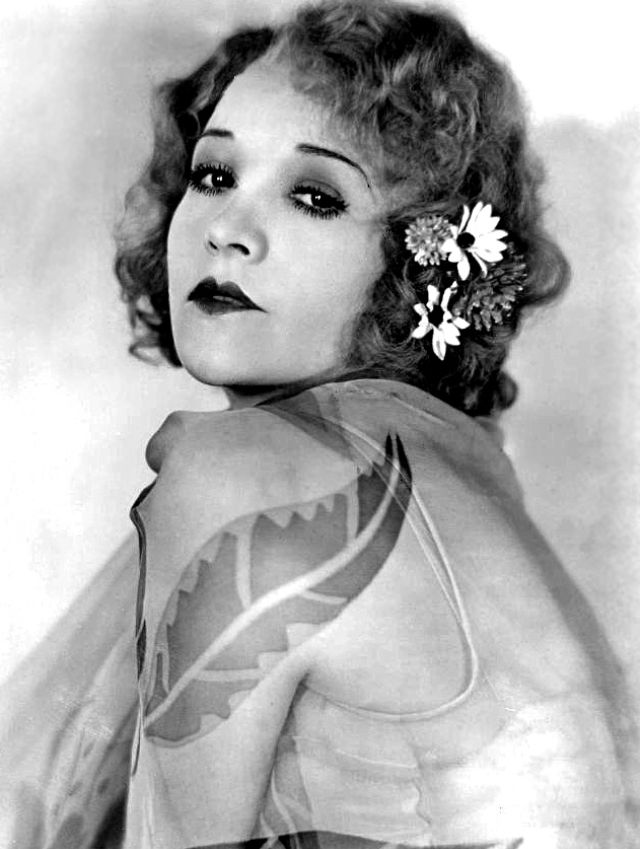
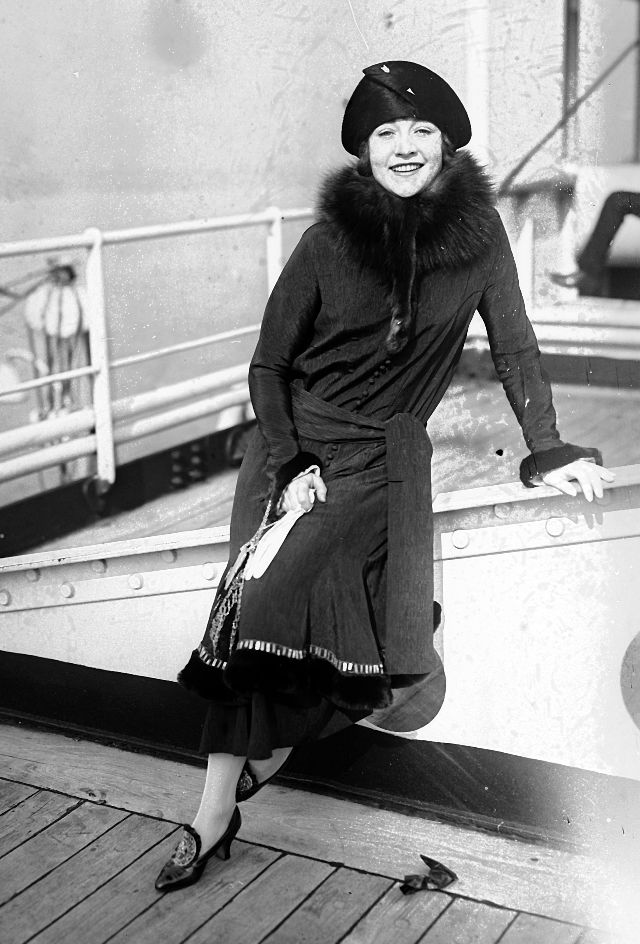
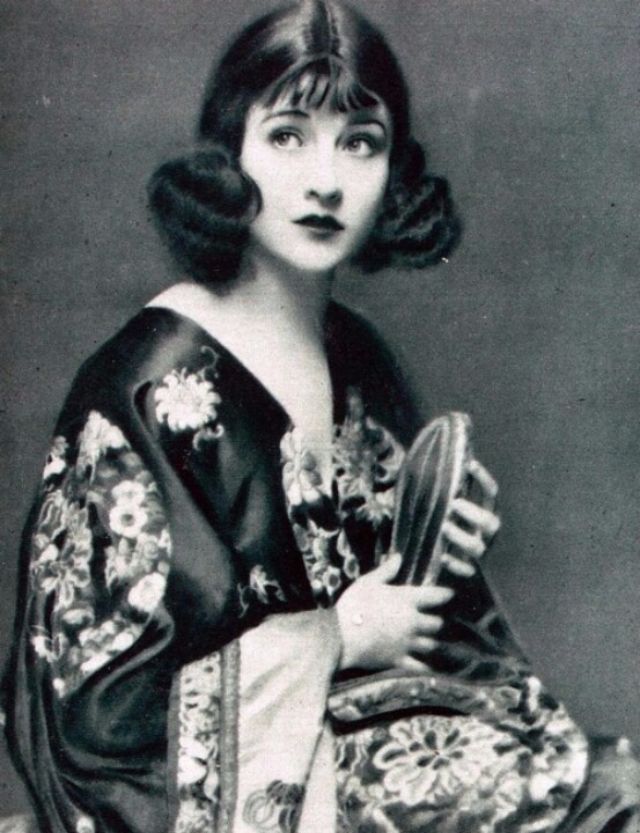
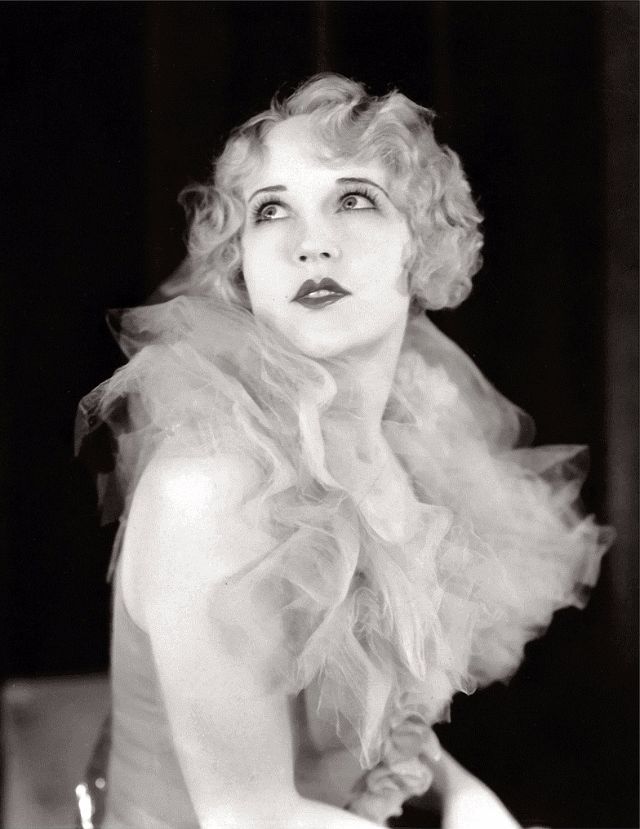
50 Glamorous Photos of Actress Ella Raines in the 1940s

Born 1920 near Snoqualmie Falls, Washington, American film and television actress Ella Raines studied drama at the University of Washington and was appearing in a play there when she was seen by director Howard Hawks. She became the first actress signed to the new production company he had formed with the actor Charles Boyer, B-H Productions, and made her film debut in Corvette K-225 (1943) which Hawks produced.

Immediately following her role in Corvette K-225, Raines was cast in the all-female war film Cry “Havoc” (also 1943). She starred in the film noir Phantom Lady, the Preston Sturges comedy Hail the Conquering Hero, and the John Wayne western Tall in the Saddle (all 1944).

Raines began appearing in such films as The Strange Affair of Uncle Harry (1945) and the thriller The Web (1947). With the exception of Brute Force (1947), in which Raines appeared with Burt Lancaster, none of her later films were nearly as successful as her earlier movies and her career began to decline.

In 1954 and 1955, Raines starred in the television series Janet Dean, Registered Nurse. She also appeared in some television series, and retired from acting in 1957, but made one further screen appearance with a guest role in the series Matt Houston in 1984.

Raines has two stars on the Hollywood Walk of Fame for her contribution to motion pictures at 7021 Hollywood Boulevard, and for television at 6600 Hollywood Boulevard.

Take a look at these glamorous photos to see the beauty of Ella Raines in the 1940s.
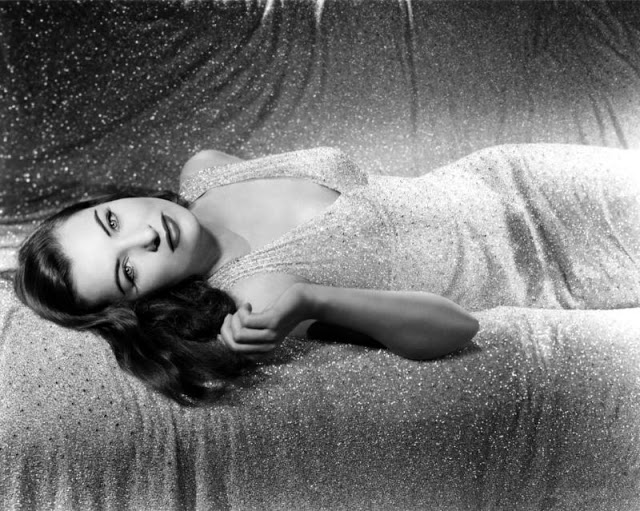
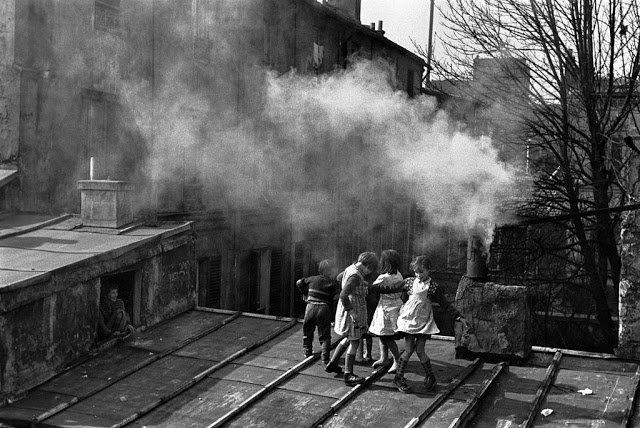
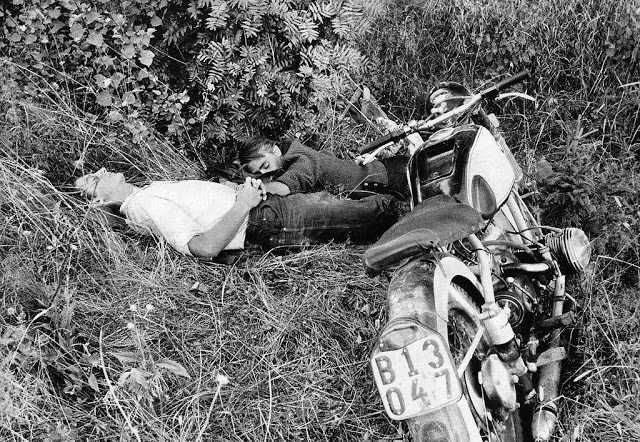
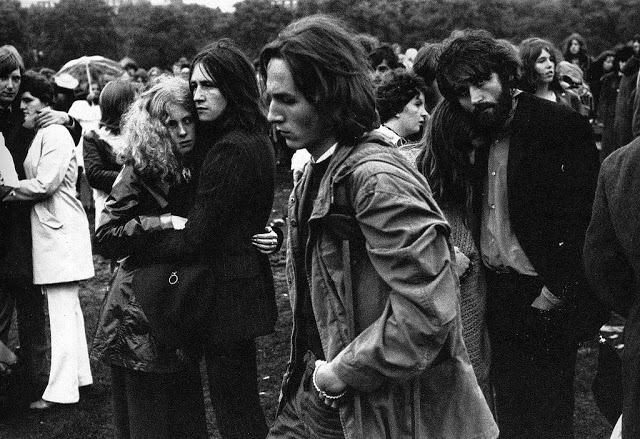
80 Amazing Black and White Photographs Show the World From the 1940s to the 1960s

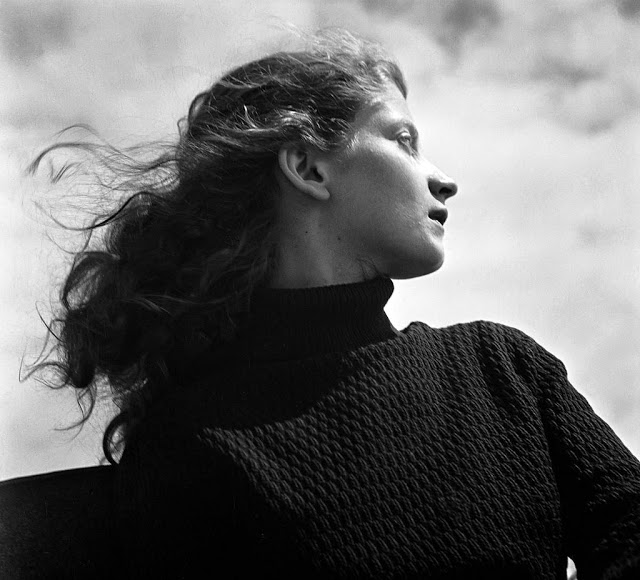
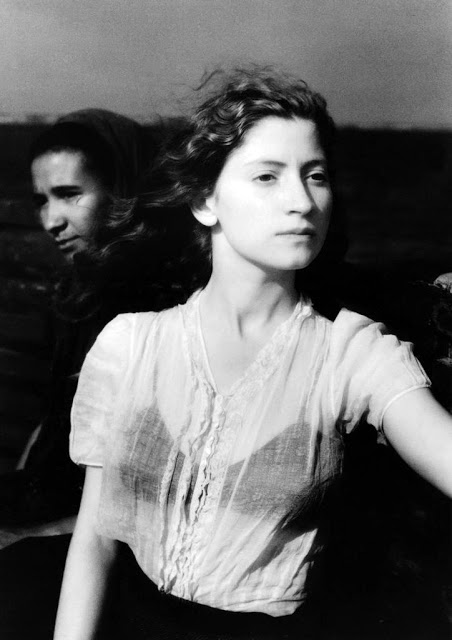
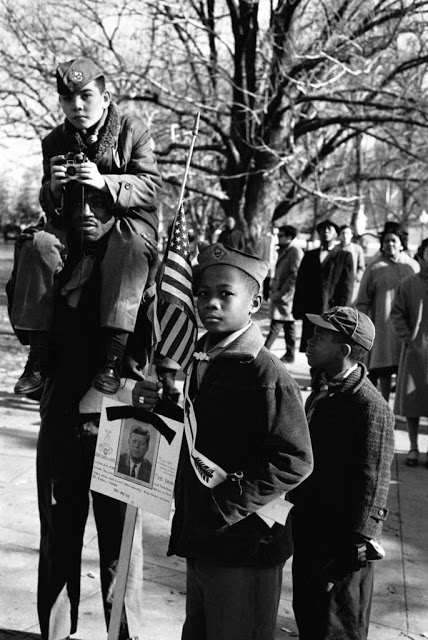
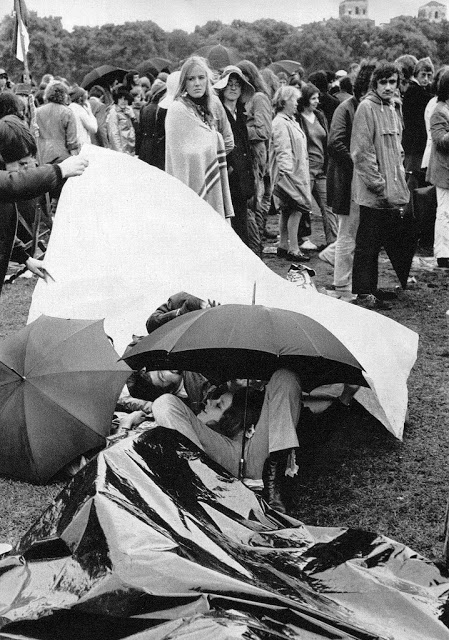
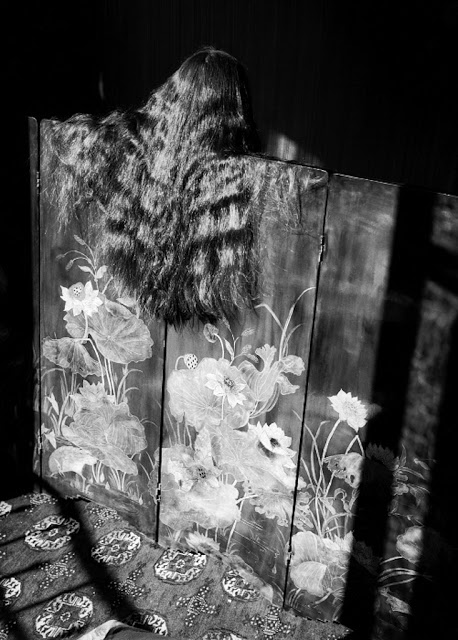
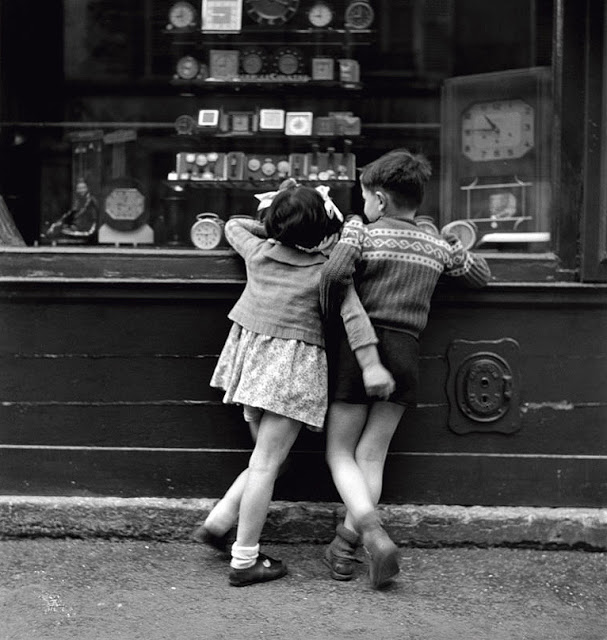
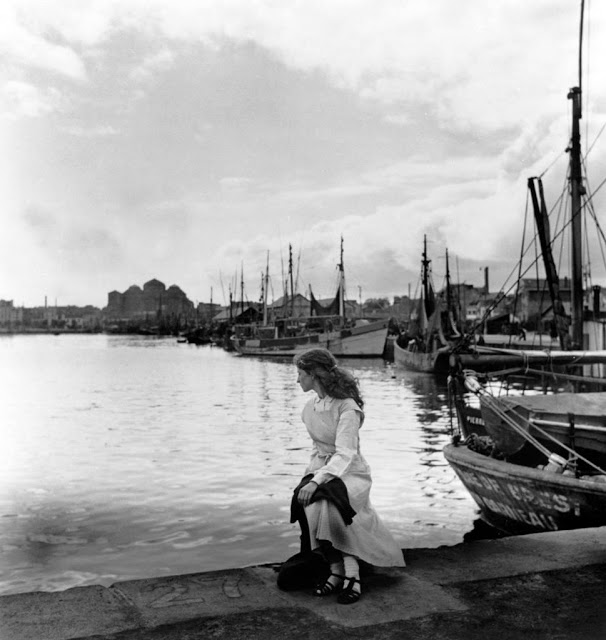
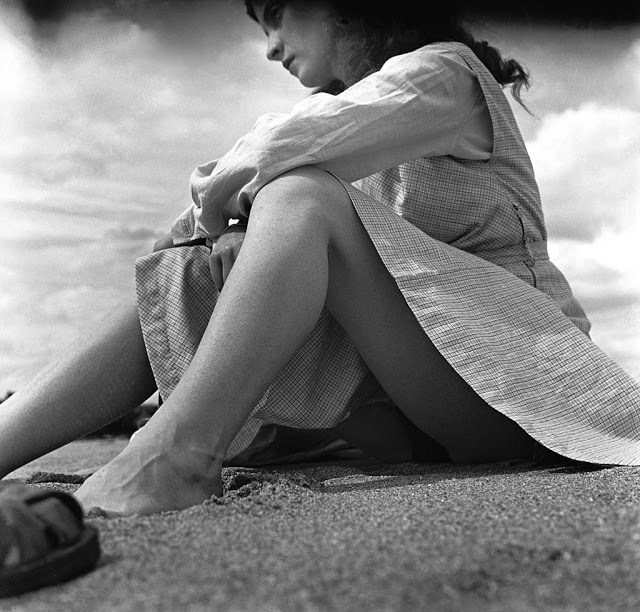
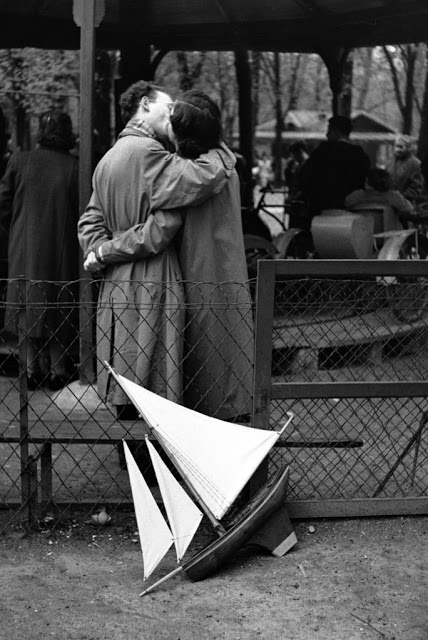
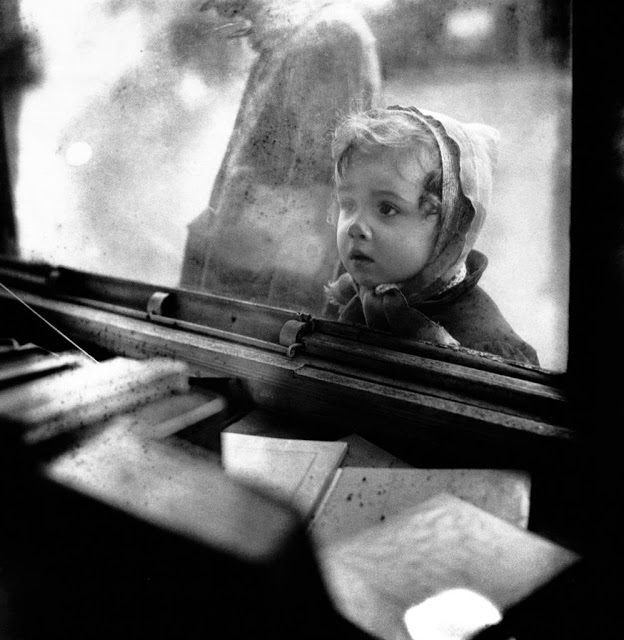
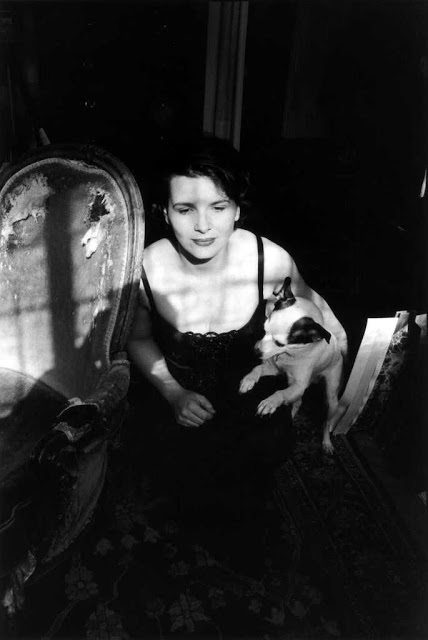
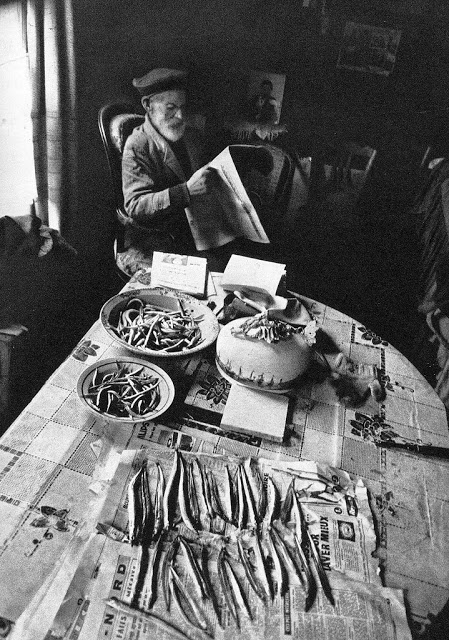
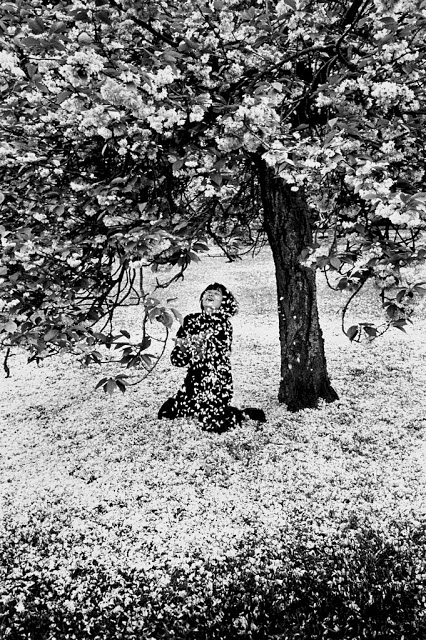
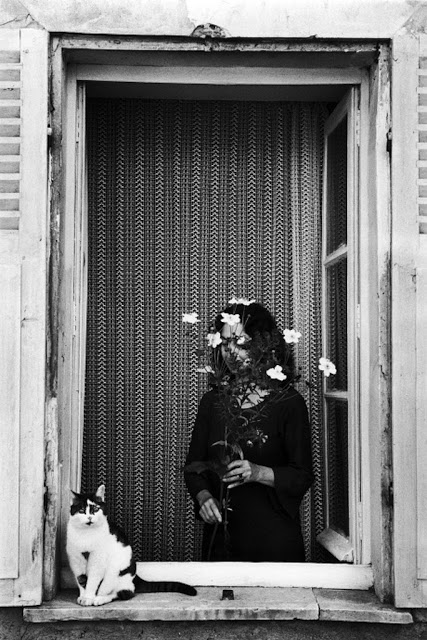
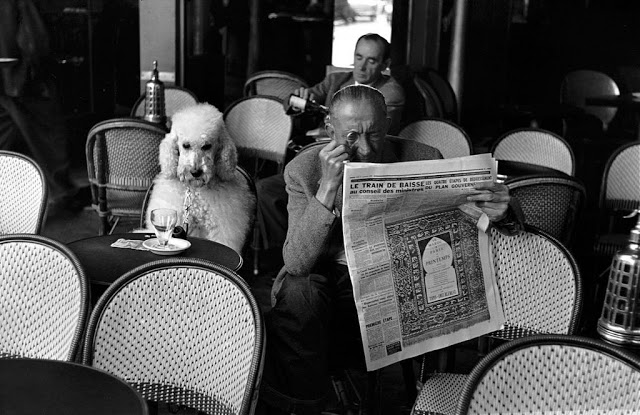
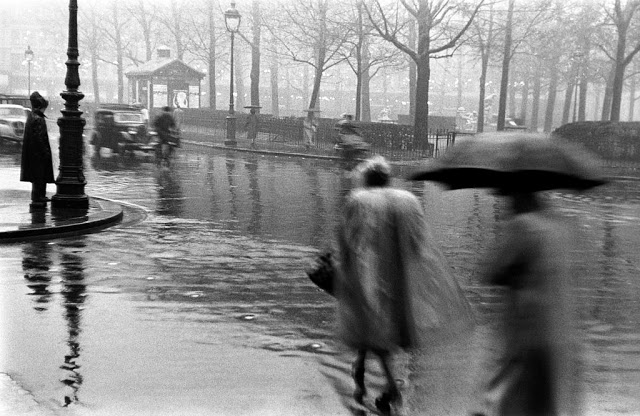
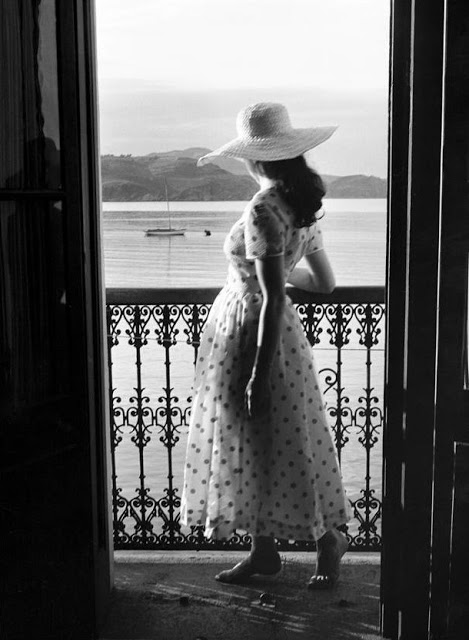
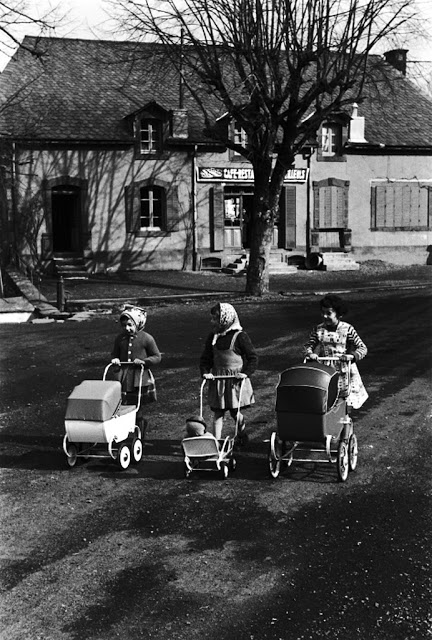
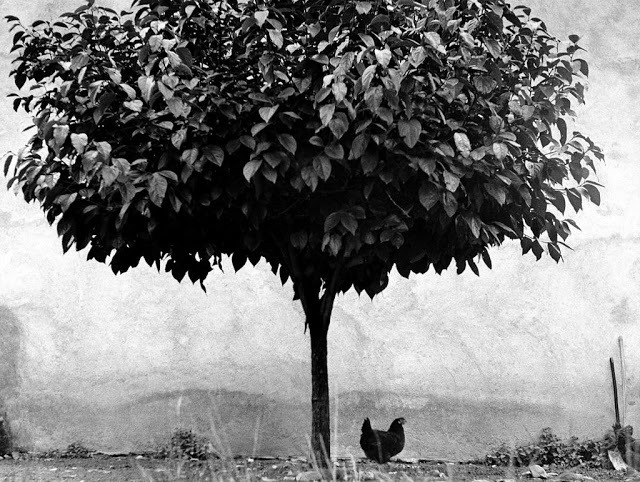
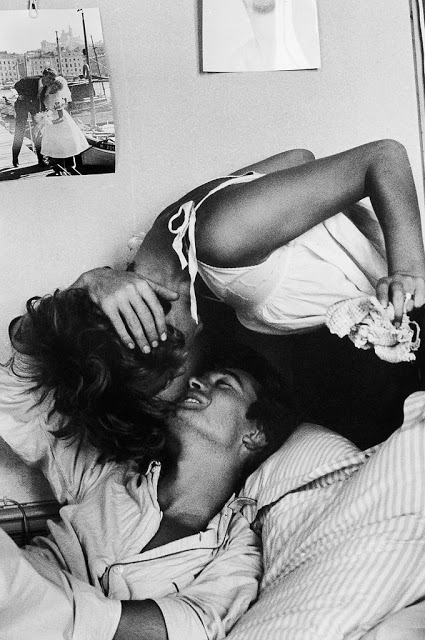
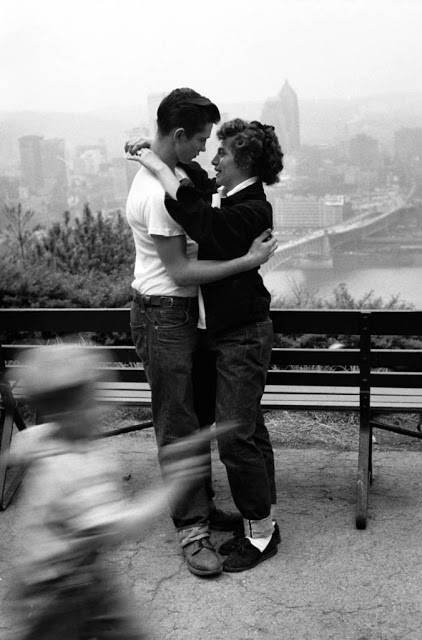
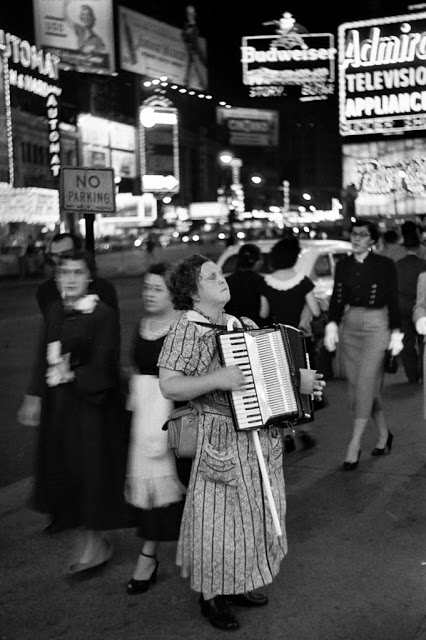
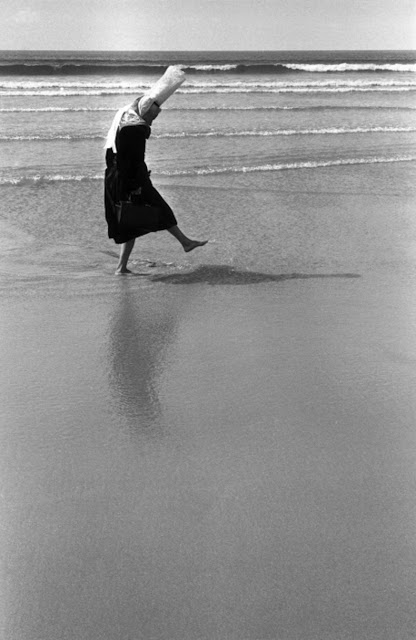
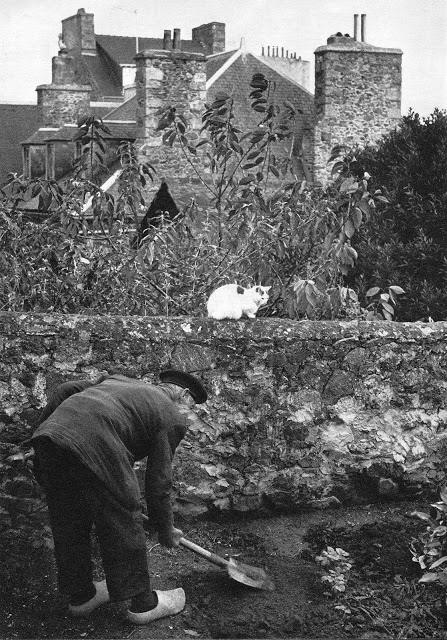
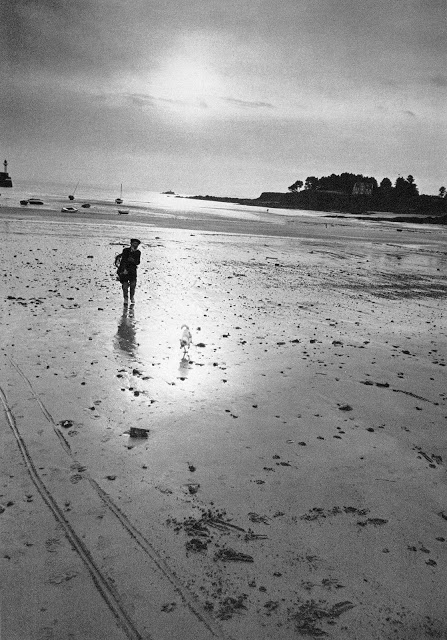
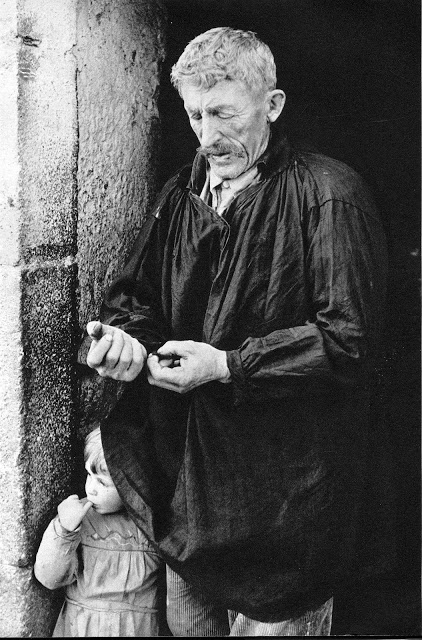
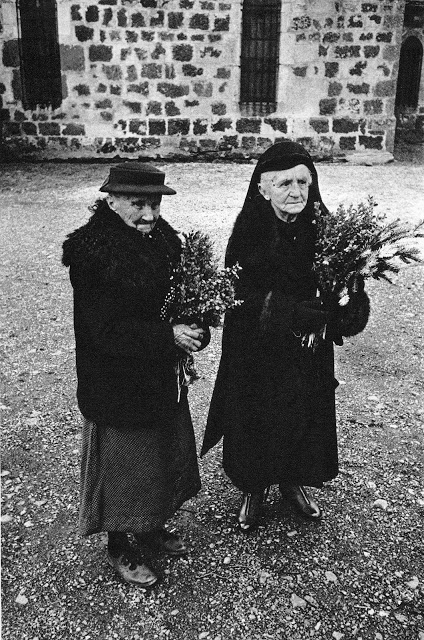
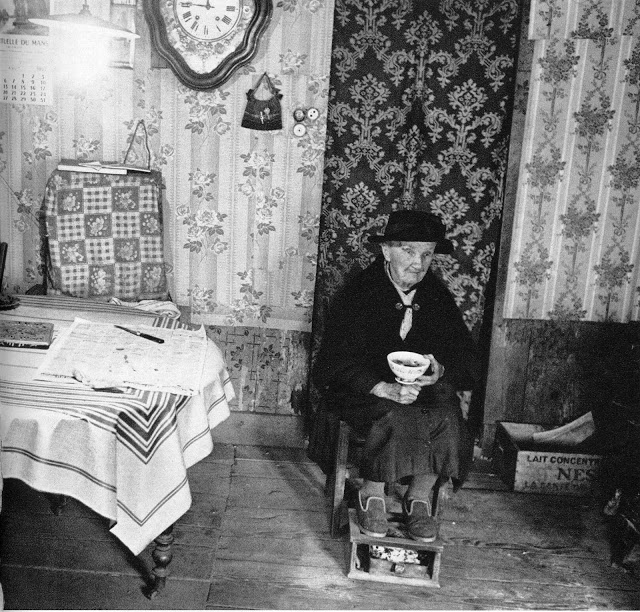
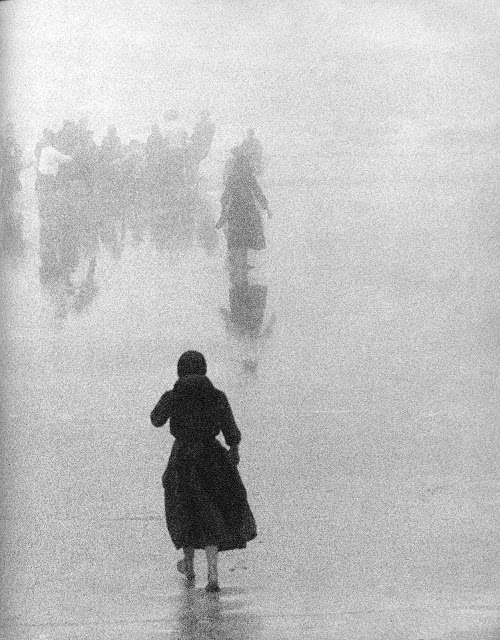
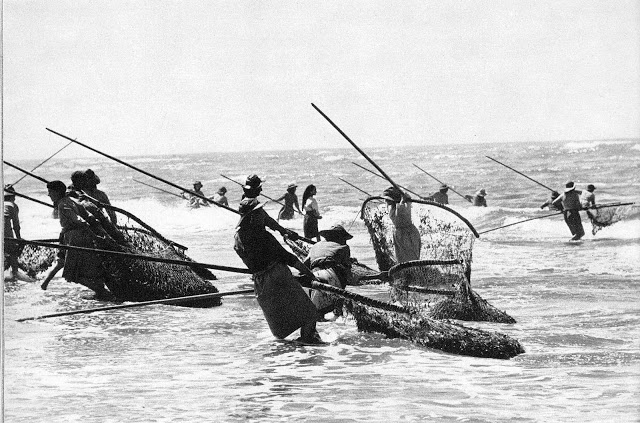
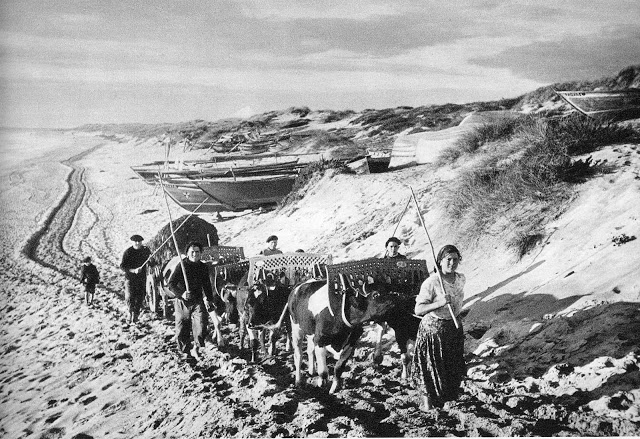
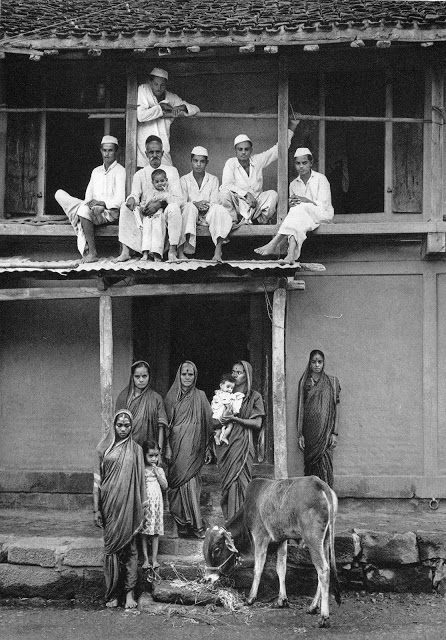
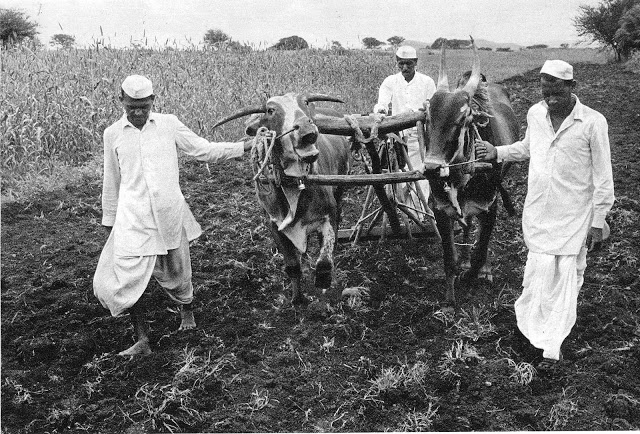
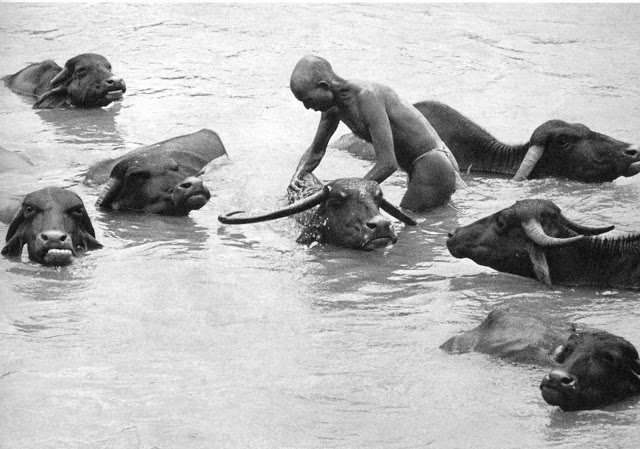
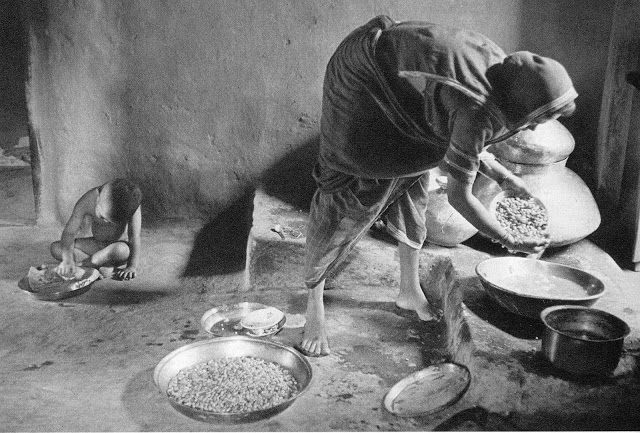
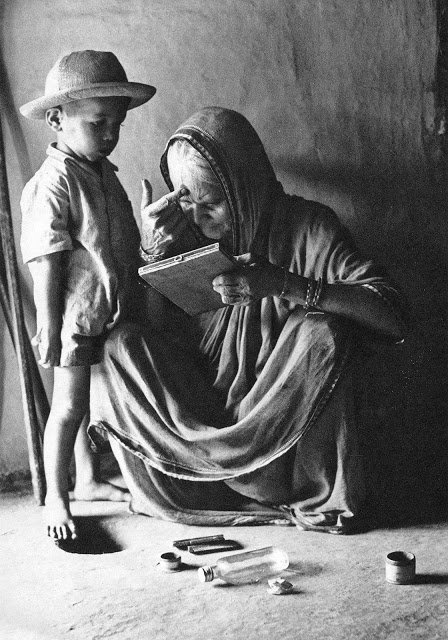
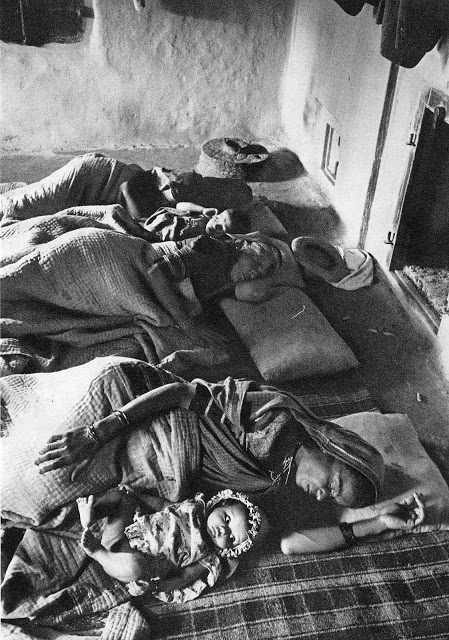
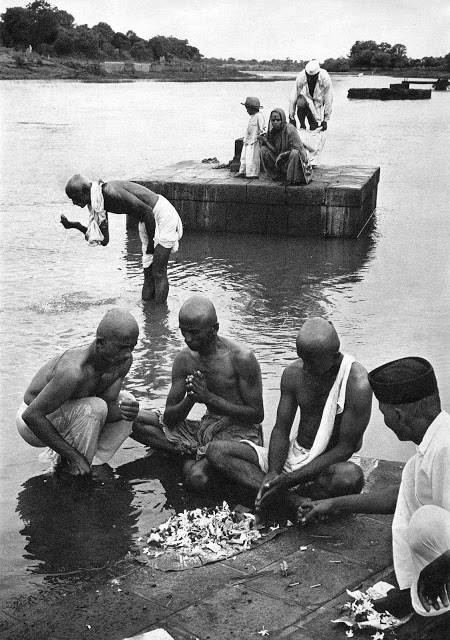
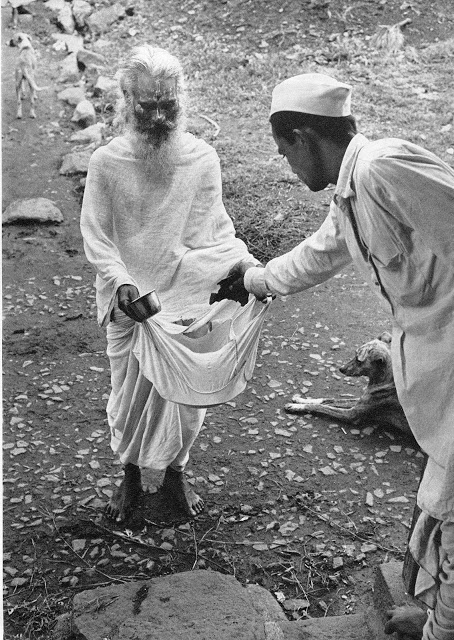
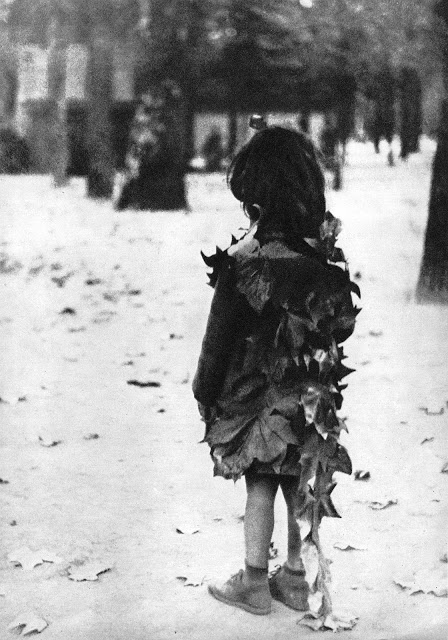
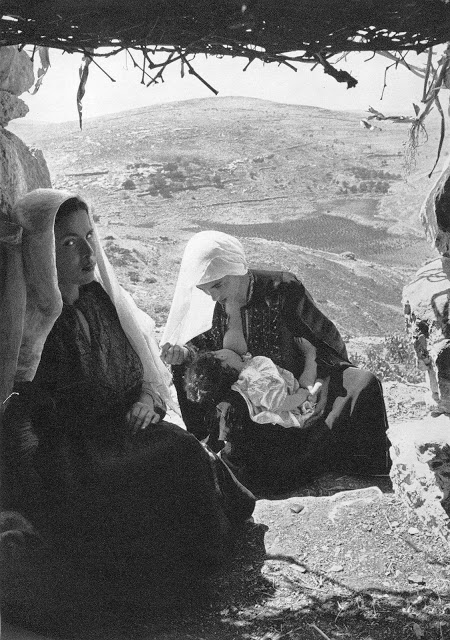
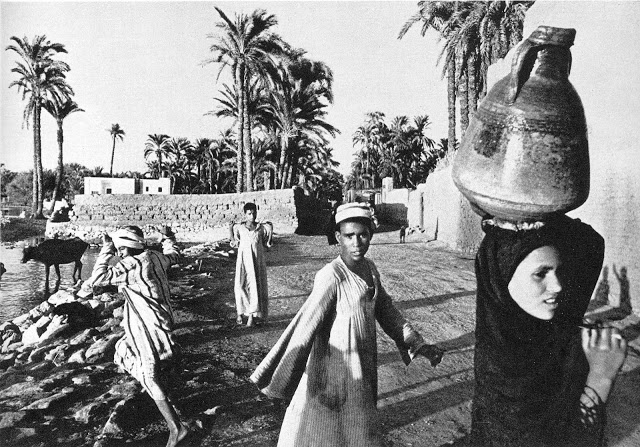
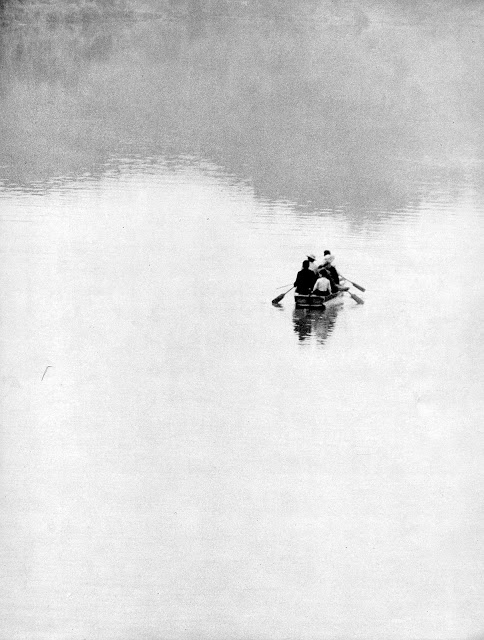
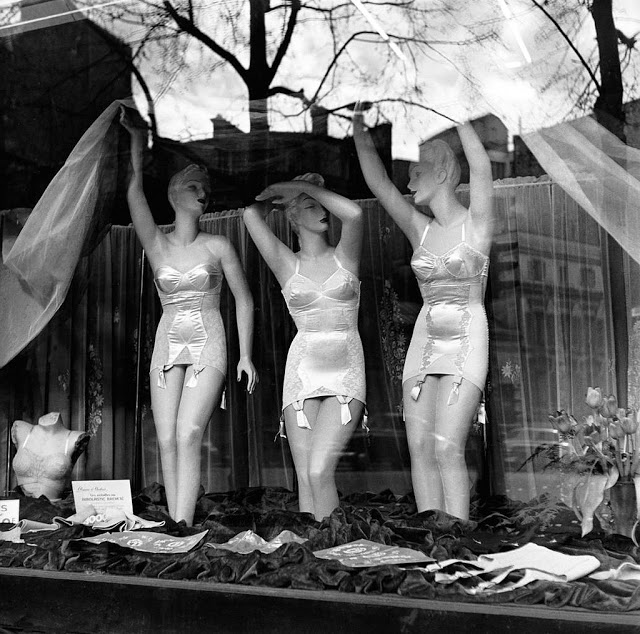
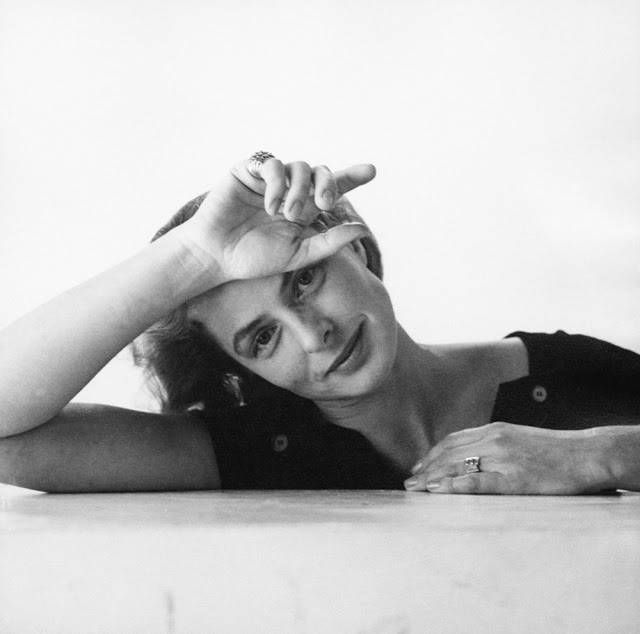
Édouard Boubat was born in Montmartre, Paris in 1923. He studied typography and graphic arts at the École Estienne and worked for a printing company before becoming a photographer. In 1943 he was subjected to service du travail obligatoire, forced labour of French people in Nazi Germany, and witnessed the horrors of World War II. He took his first photograph after the war in 1946 and was awarded the Kodak Prize the following year. He travelled the world for the French magazine Réalités, where his colleague was Jean-Philippe Charbonnier, and later worked as a freelance photographer. French poet Jacques Prévert called him a “peace correspondent” as he was humanist, apolitical and photographed uplifting subjects. His son Bernard Boubat is also a photographer.

Boubat died on June 30th, 1999, at the age of 75. Below are some of his amazing photographs that capture everyday life around the world from between the 1940s and 1960s.
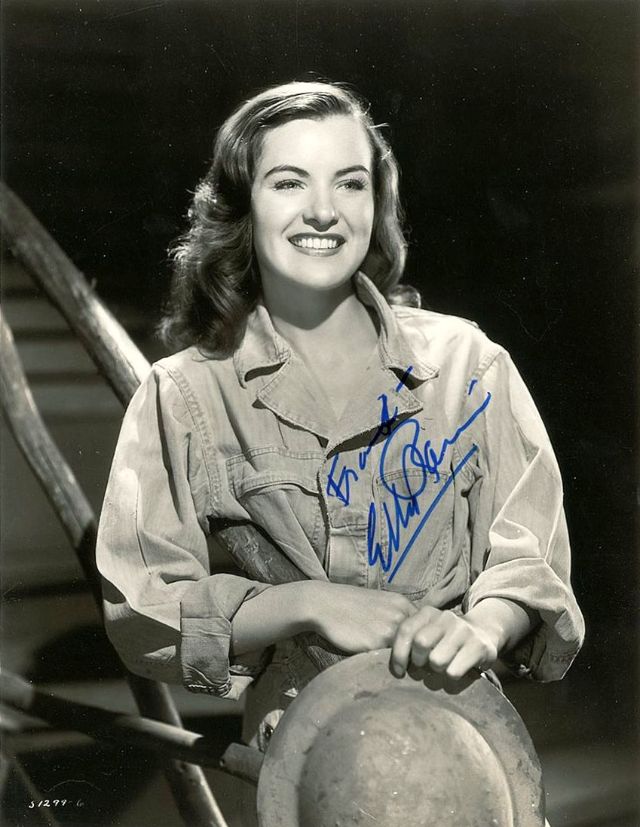
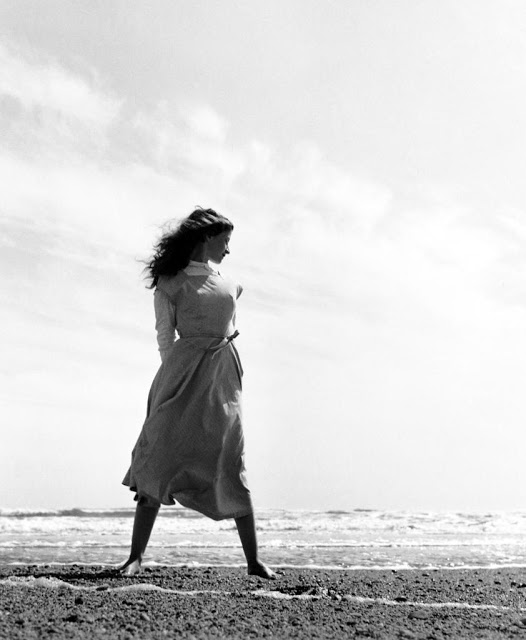
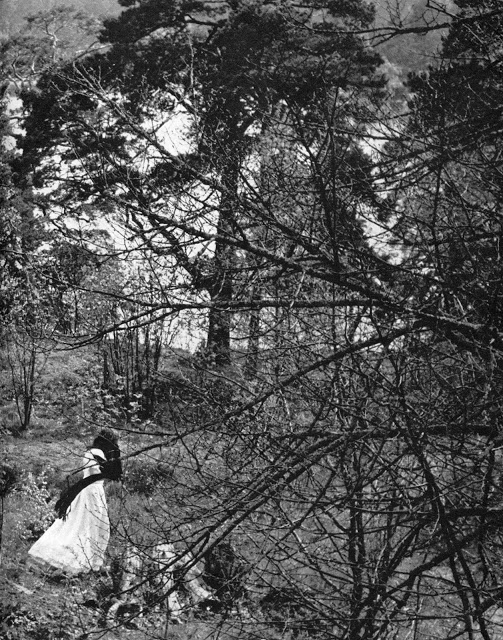
Florence with screen Florence au paravent

(Photos by Édouard Boubat)

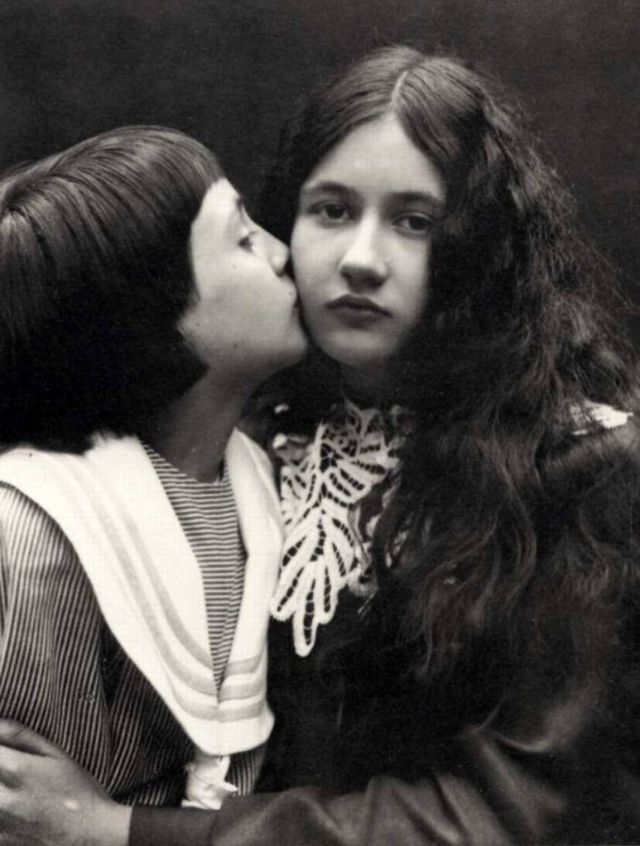
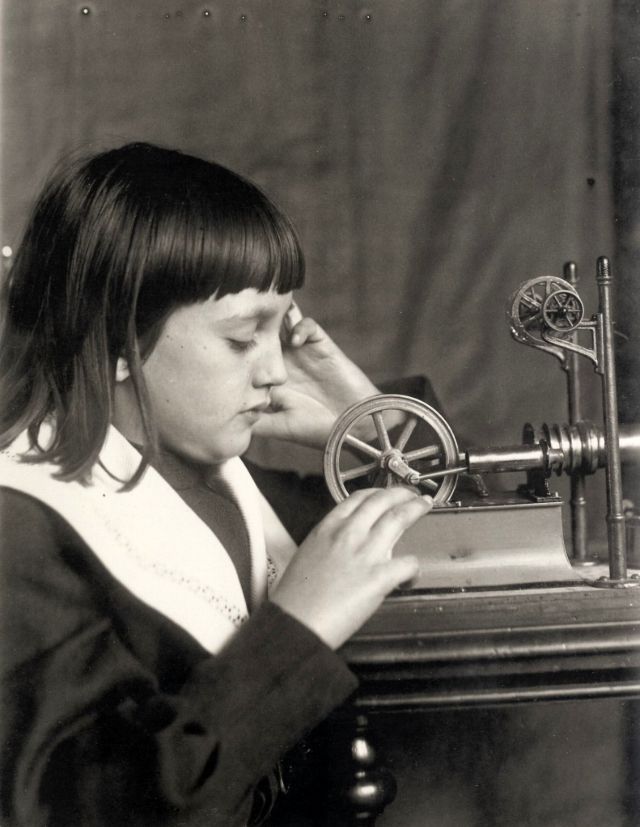
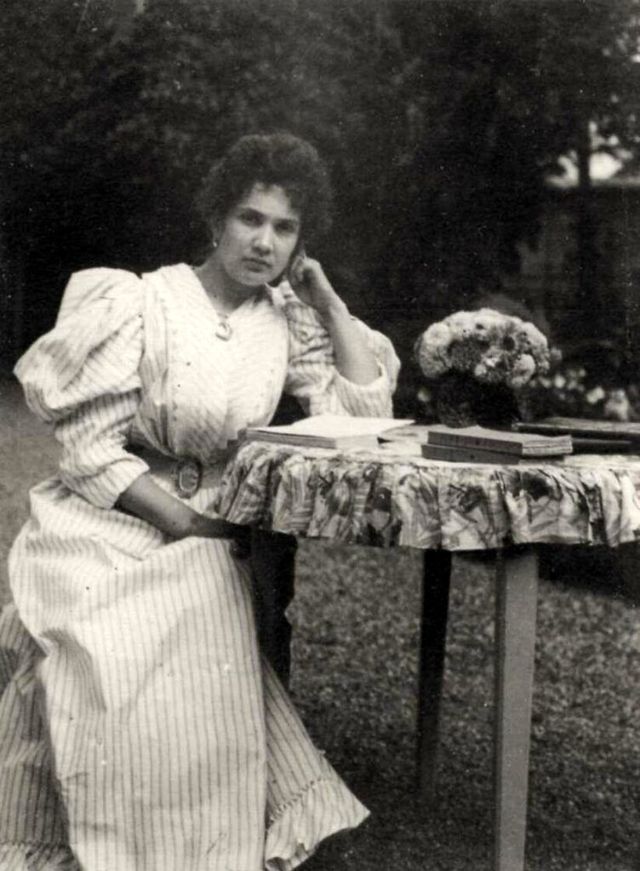
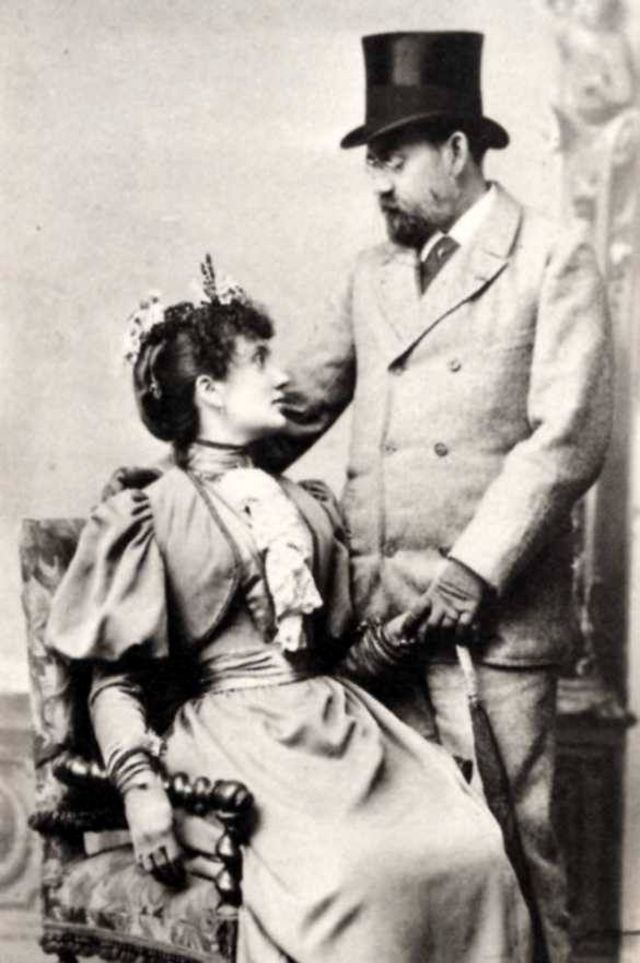
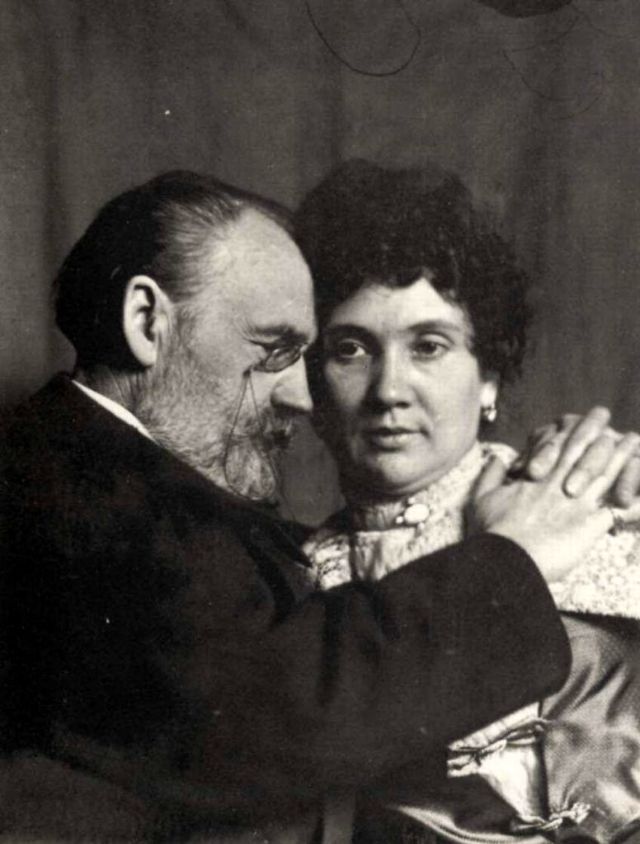
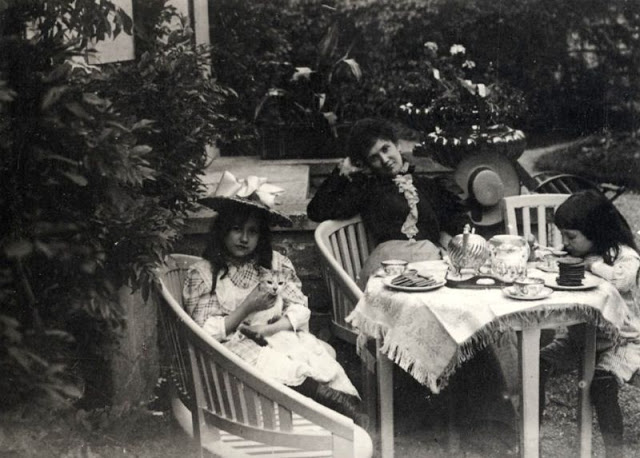
Early Edwardian Life Through the Lens of Émile Zola

Born 1840 in Paris, French novelist, playwright, journalist Émile Zola was also the best-known practitioner of the literary school of naturalism, and an important contributor to the development of theatrical naturalism.

Zola was a major figure in the political liberalization of France and in the exoneration of the falsely accused and convicted army officer Alfred Dreyfus, which is encapsulated in the renowned newspaper headline J’Accuse…! He was nominated for the first and second Nobel Prize in Literature in 1901 and 1902.

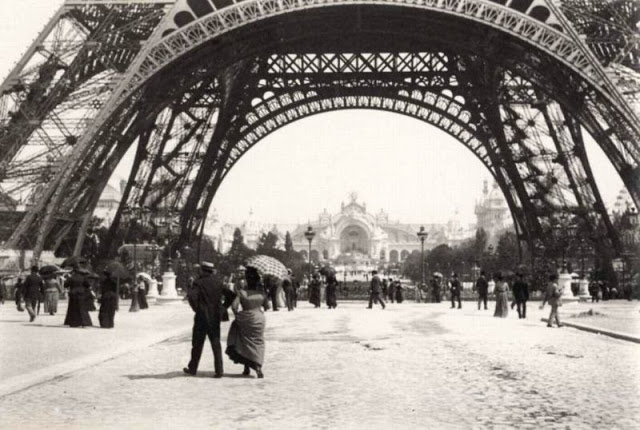
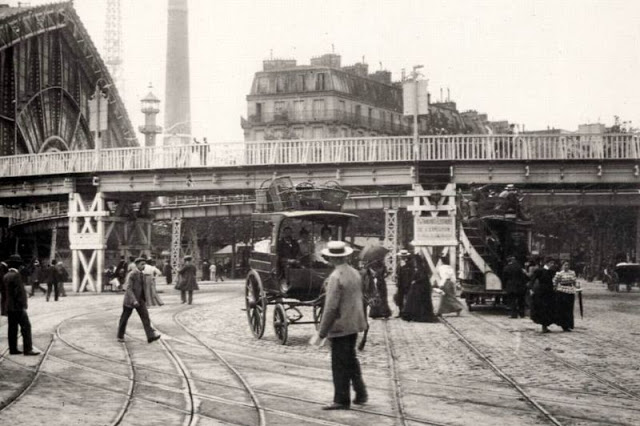
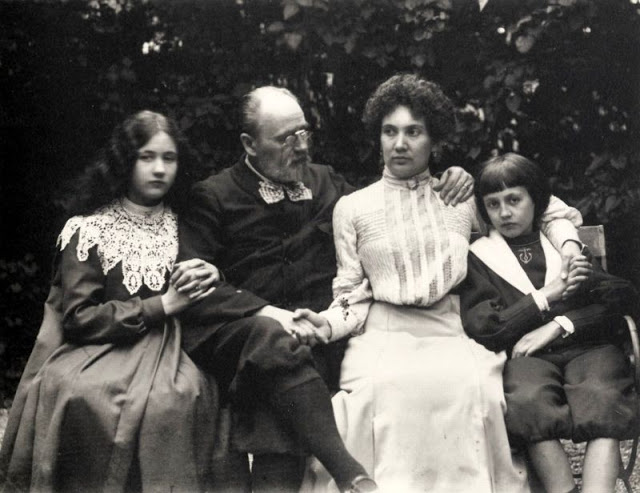
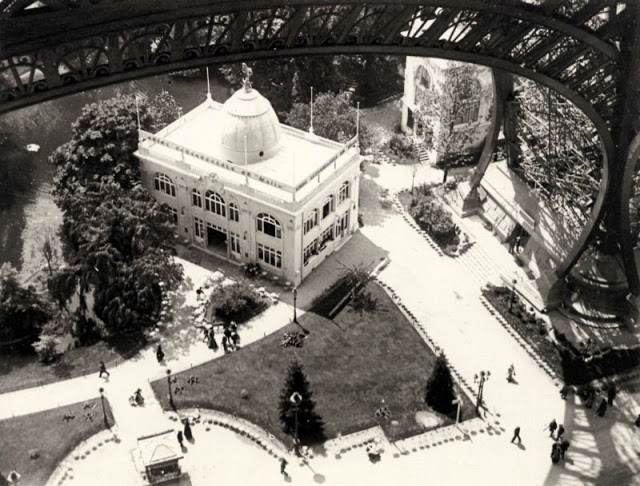
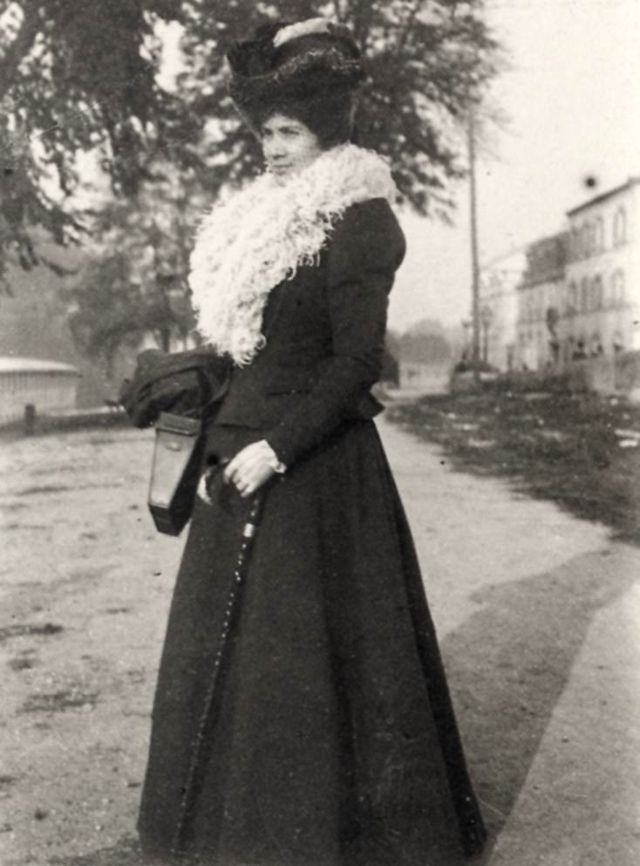
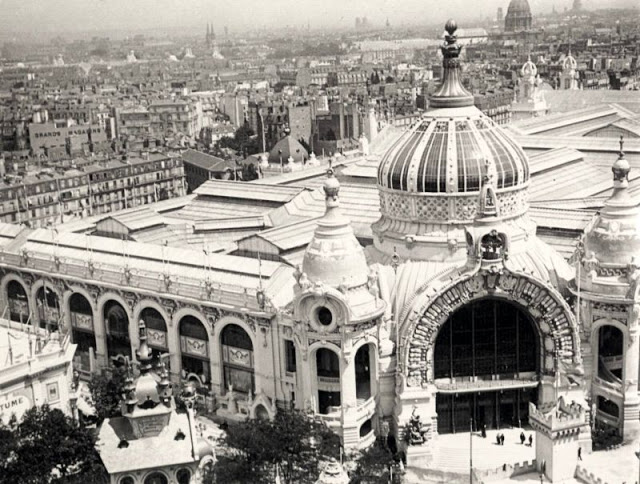
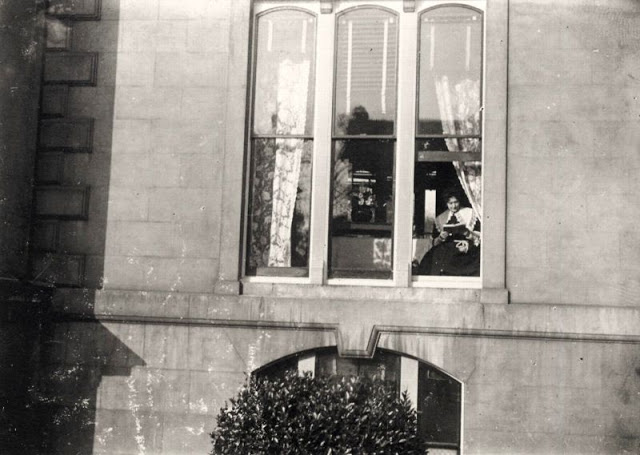
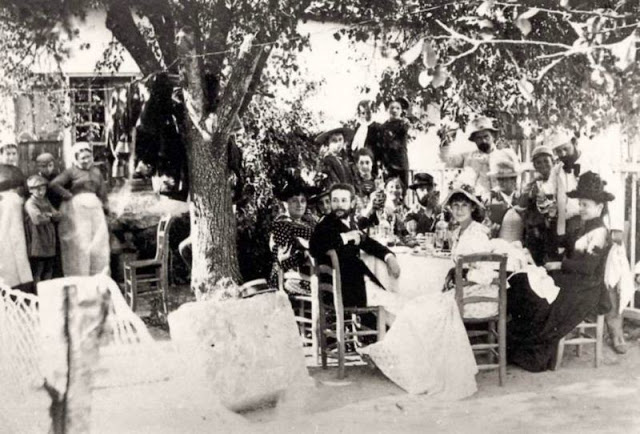
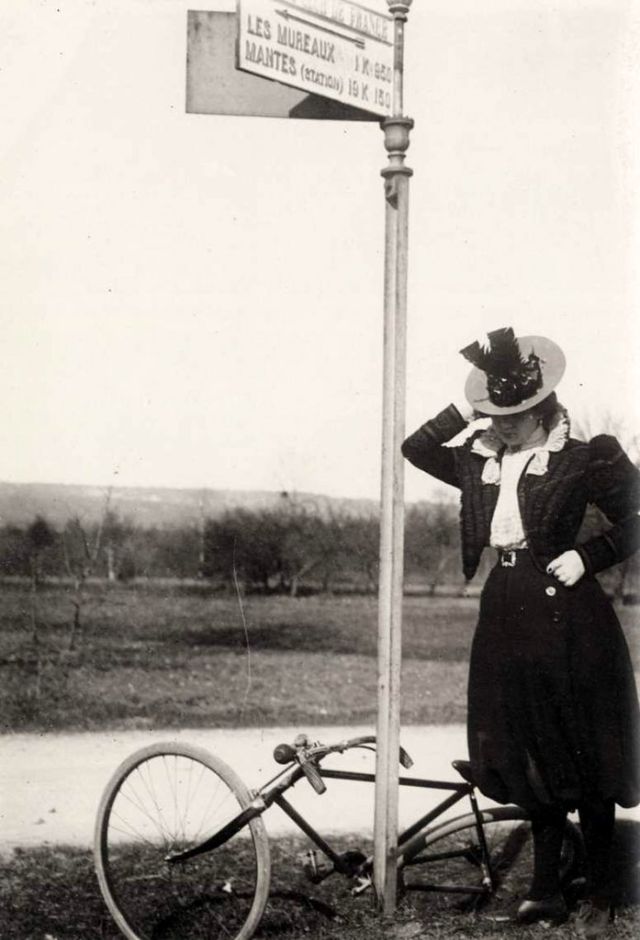
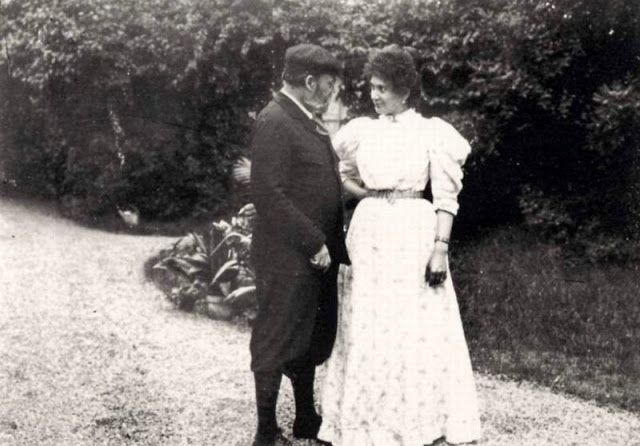
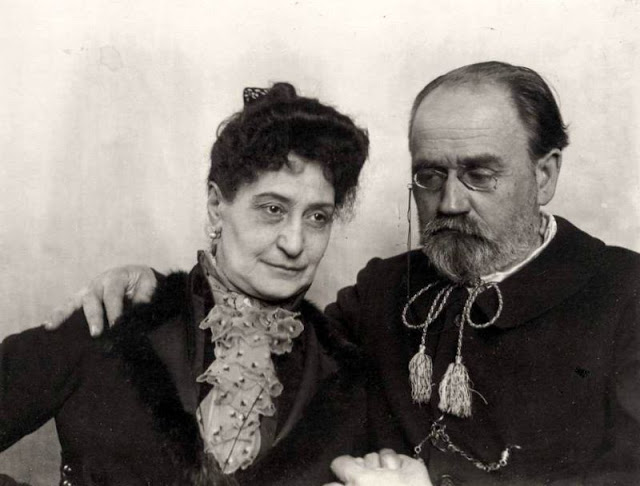
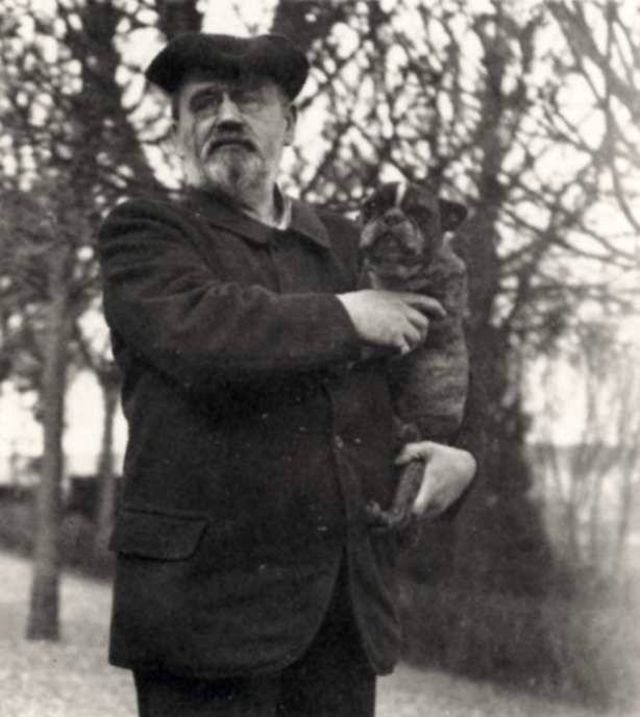
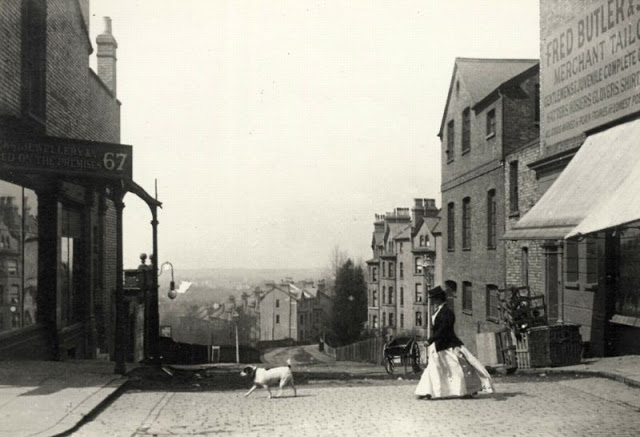
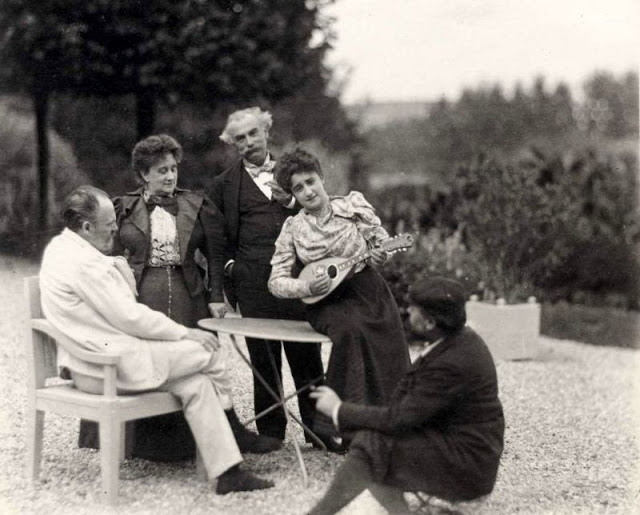
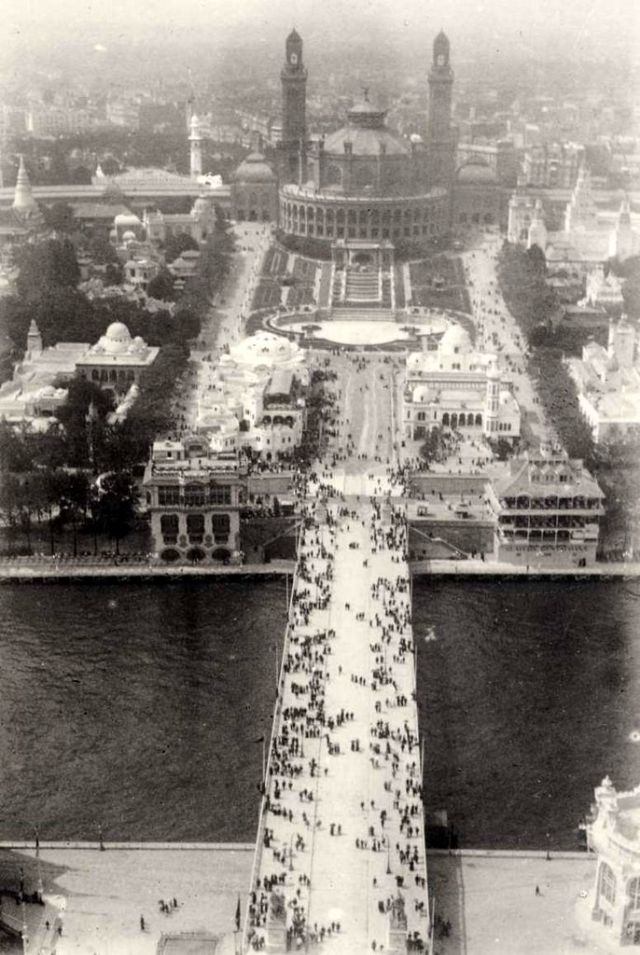
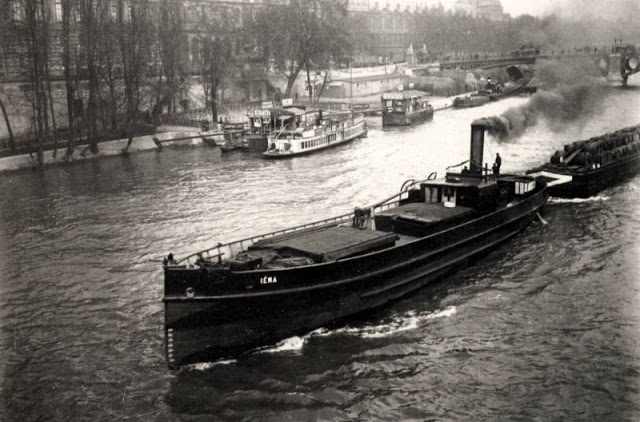
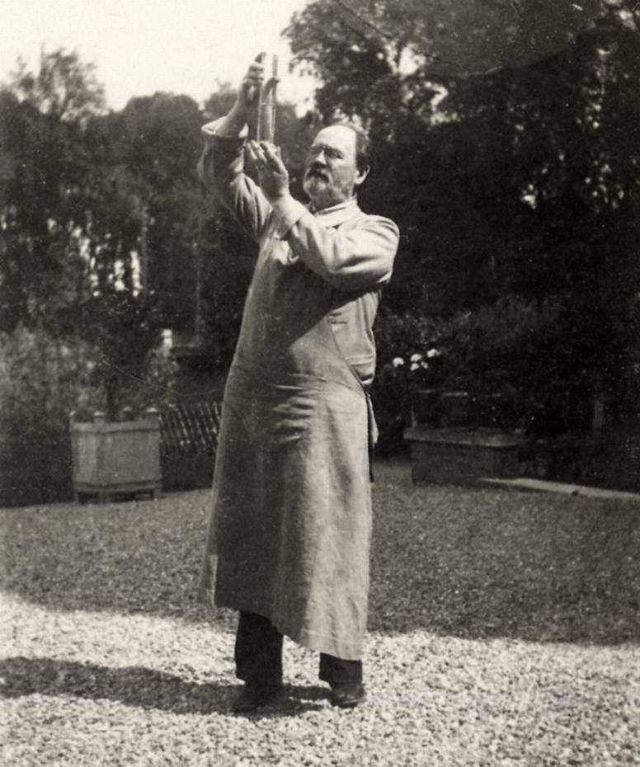
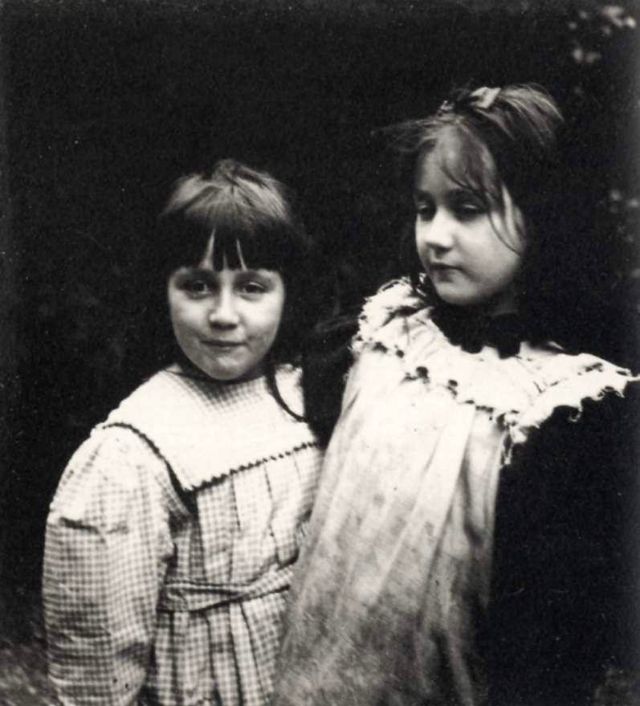
In addition, Zola was quite a talented photographer as well. A lot of the pictures in this set captured everyday life during the early Edwardian age, most of them were from the 1900 Exposition Universelle.

Zola died in 1902 of carbon monoxide poisoning caused by an improperly ventilated chimney, aged 62.

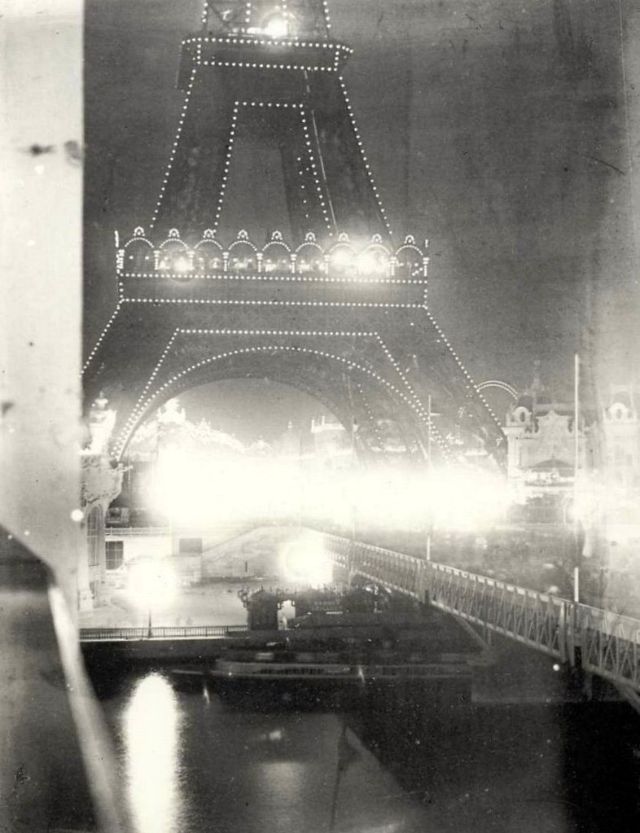
Eiffel tower and the Palais d’Electricite
Electric tram in the 1900 exhibition
Emile Zola and the children on the steps of the Indo-Chinese Pavilion, Paris, 1900
Family portrait
Flying boat in front of the Tour du Monde panorama
From the tower
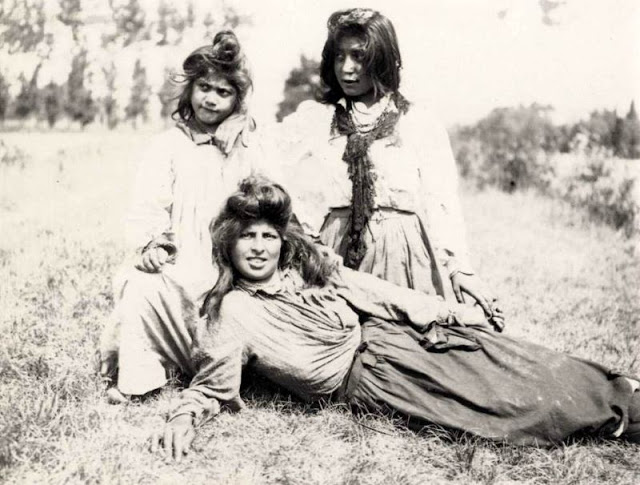
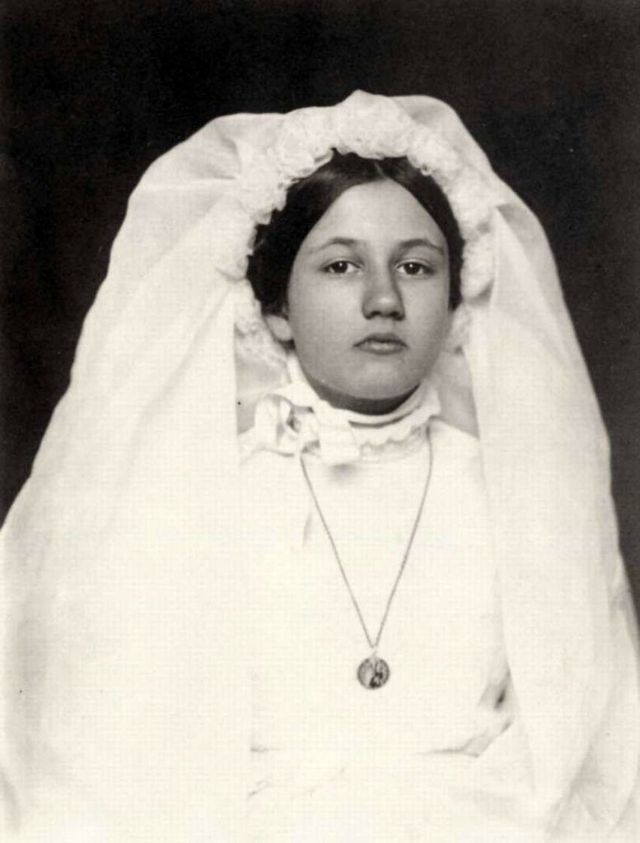
Gypsy girls
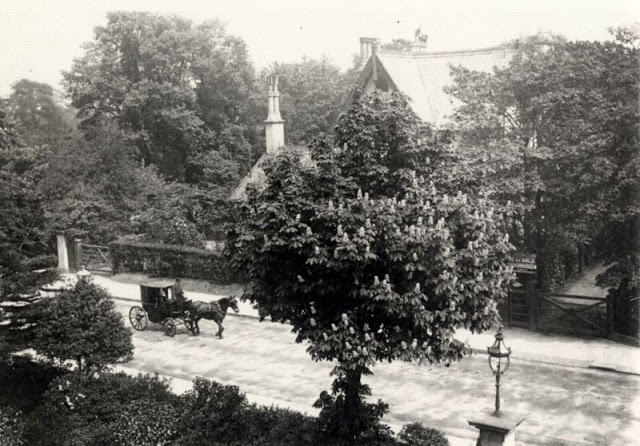
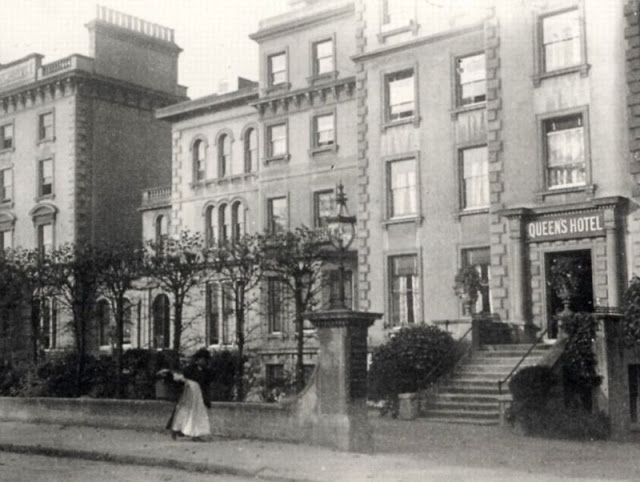
House in Upper Norwood near Queen’s Hotel
House near Queen’s Hotel
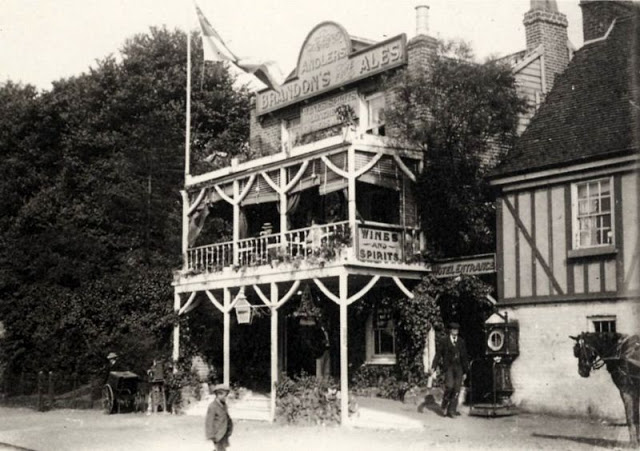
In Walton-on-Thames
Portrait of Jacques
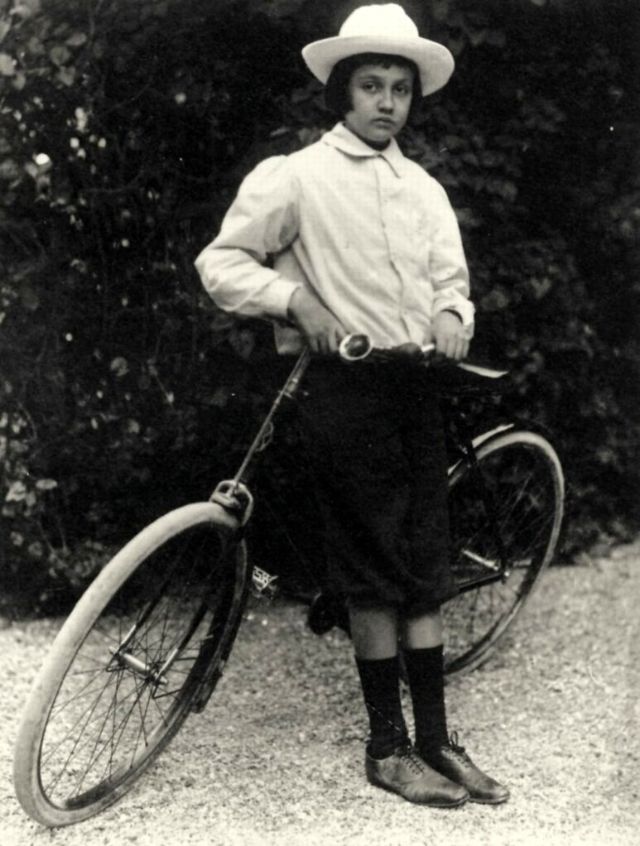
Jacques with bicycle given to him by his father
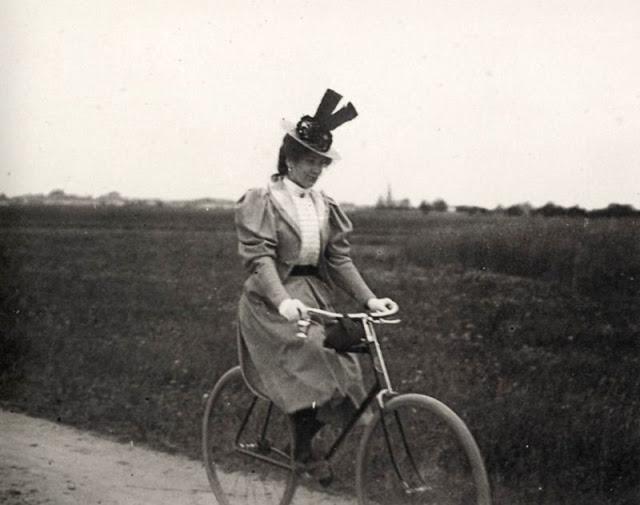
Jeanne on a bicycle
Jeanne with opera glasses
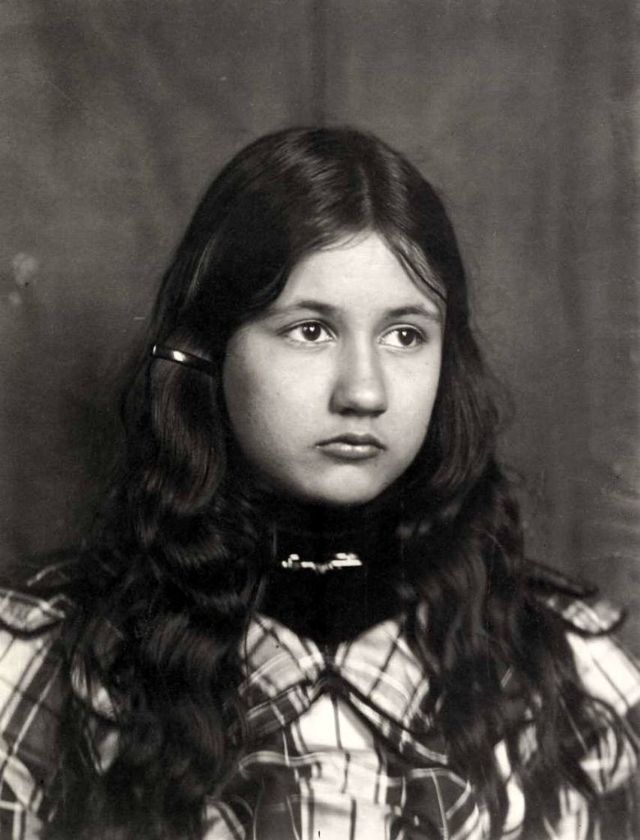
Portrait of Jeanne
Metallurgy pavilion
Moving pavement
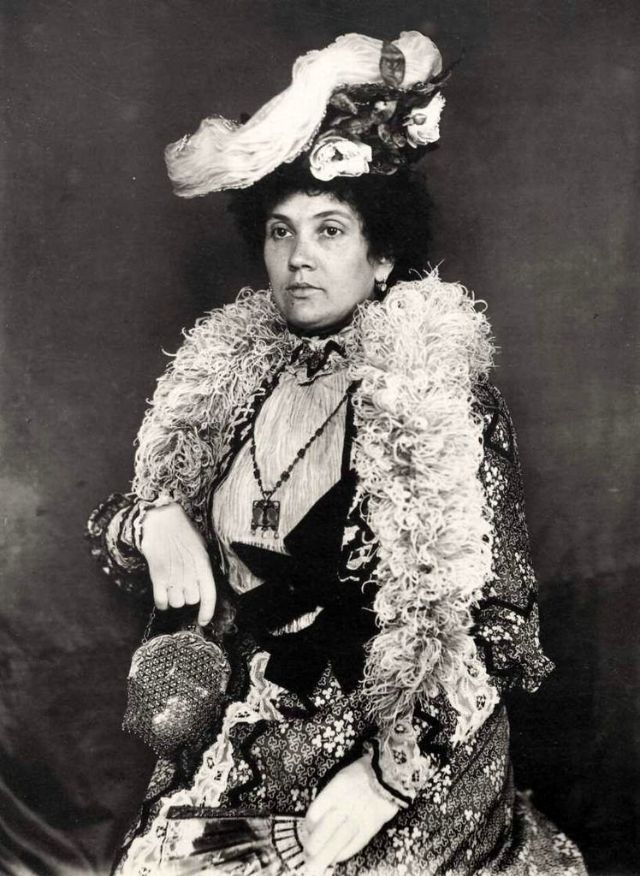
Mrs Zola in the Queen’s Hotel, Sydenham
Old Paris pavillion, and other pavillions
Open air cafe
Palace of Electricity
Paris at night
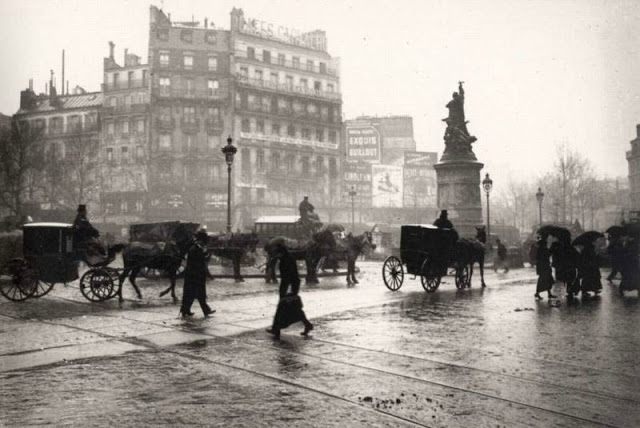
Place de Clichy
Place de Clichy
Place Prosper-Goubaux, Paris
Pont d’Iéna
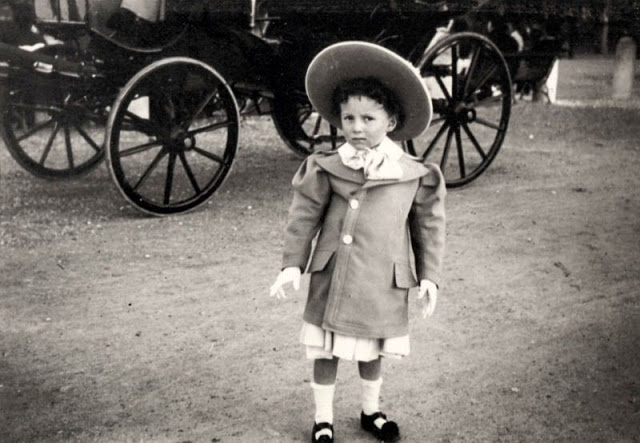
Portrait of Denise
Portrait of Denise
Portrait of Denise
Portrait of Jeanne
Portrait of Jeanne
Portrait of Jeanne
Queen’s Hotel, Upper Norwood
Rendezvous
Saying goodbye to Jeanne
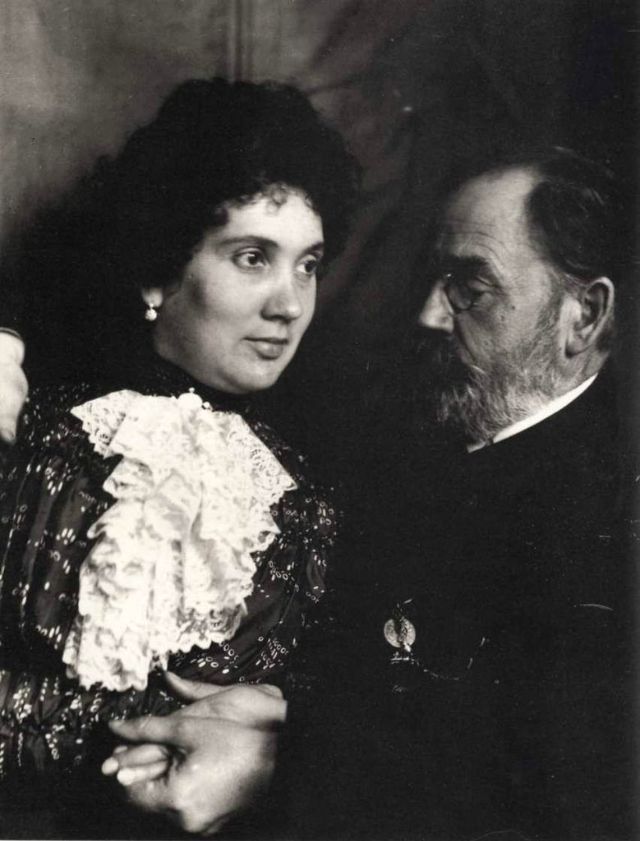
Self portrait with Alexandrine
Self portrait with dog
Self portrait with Jeanne
Self portrait
Self portrait
Street near Crystal Palace
The Devil’s Wheel at the Paris exhibition
The Zolas and Charpentiers in Medan
Trocadero from the Eiffel Tower
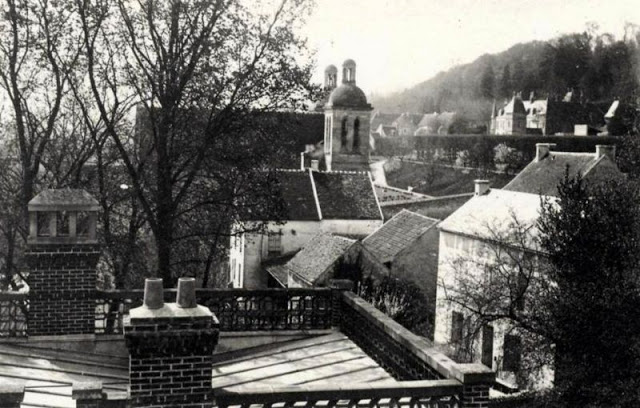
View over Medan from the terrace
Zola with his box
A young Roman
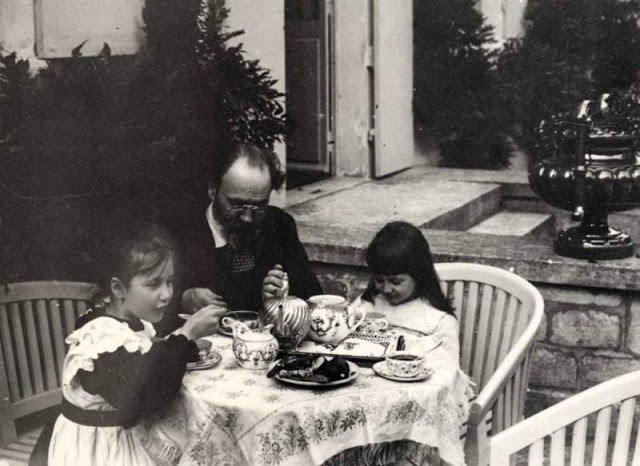
After lunch
After lunch
Boats on the Seine
Checking the developing fluid
Children playing
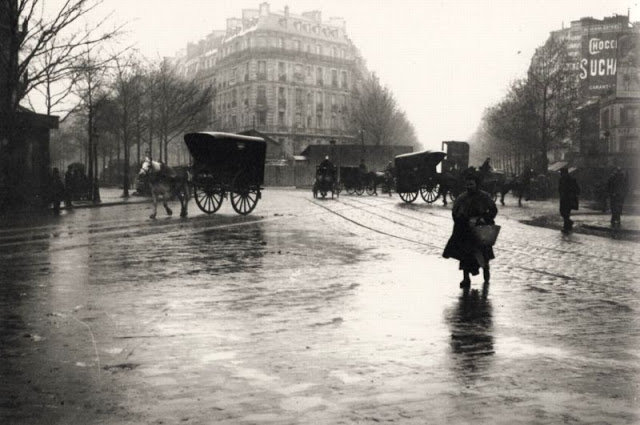
Crossroad in Paris
Denise and Jaques
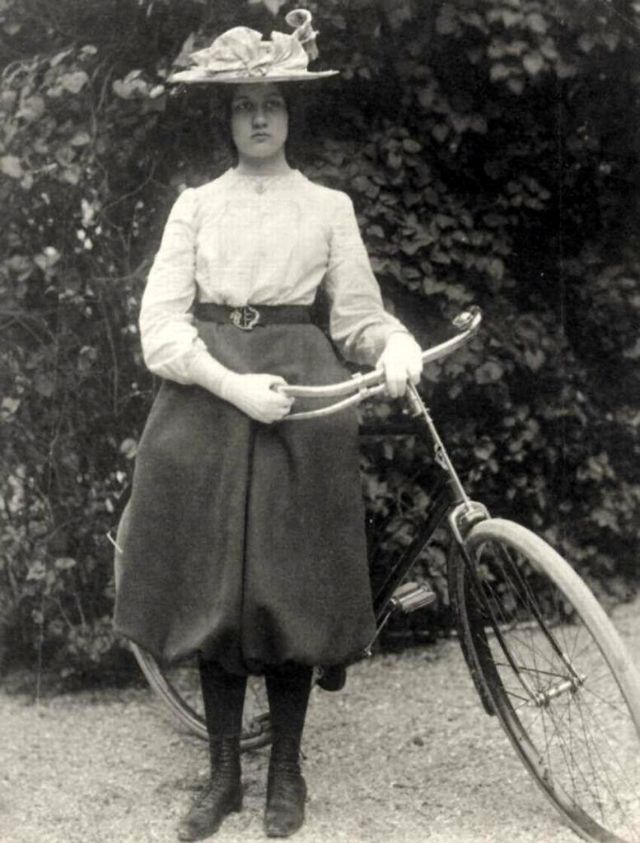
Denise with bicycle that her father gave her

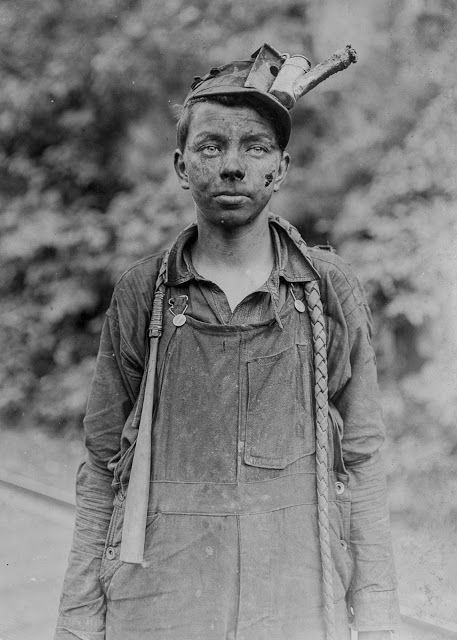
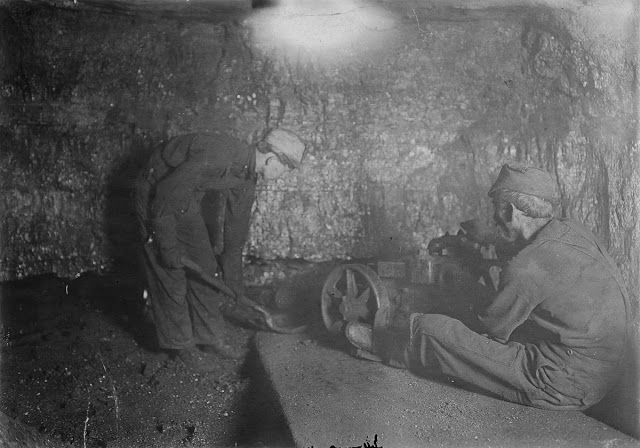
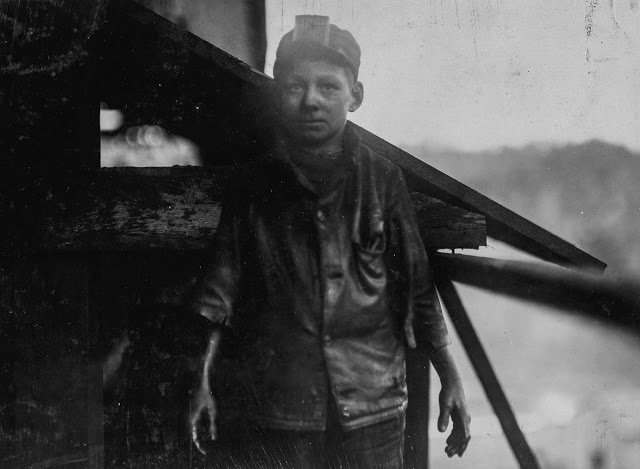
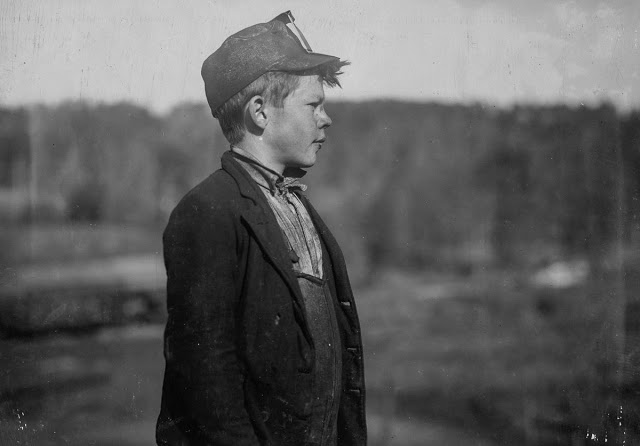
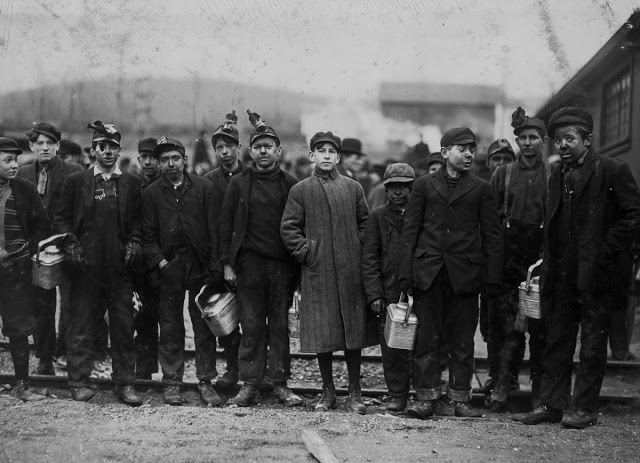
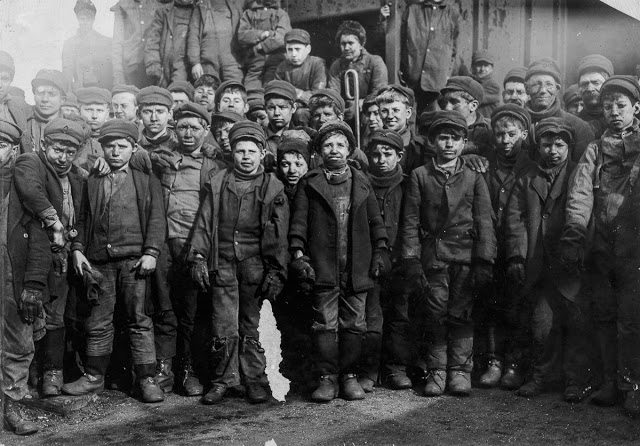
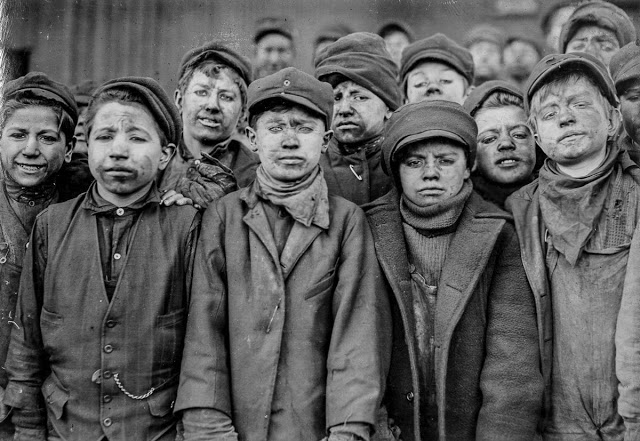
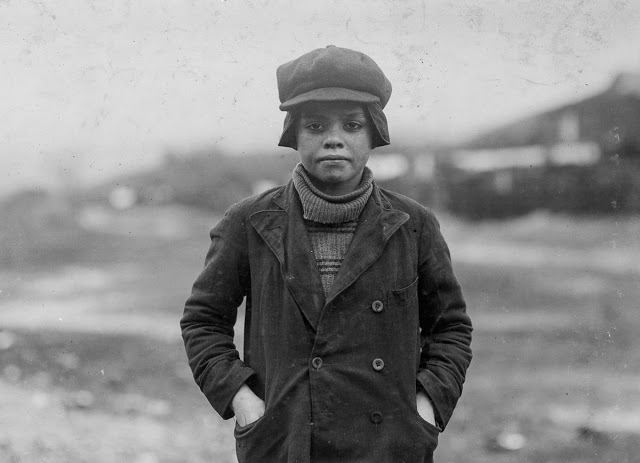
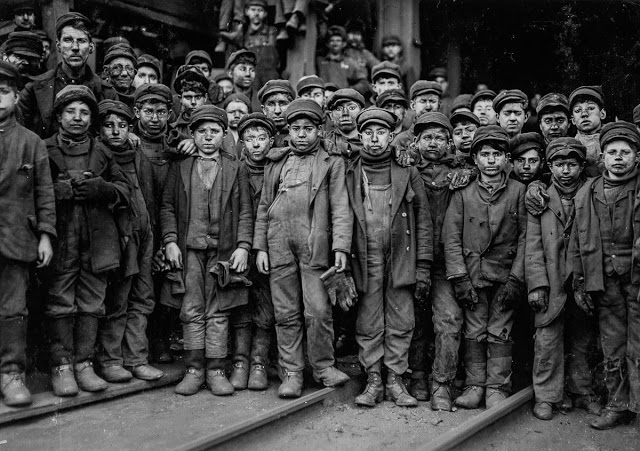
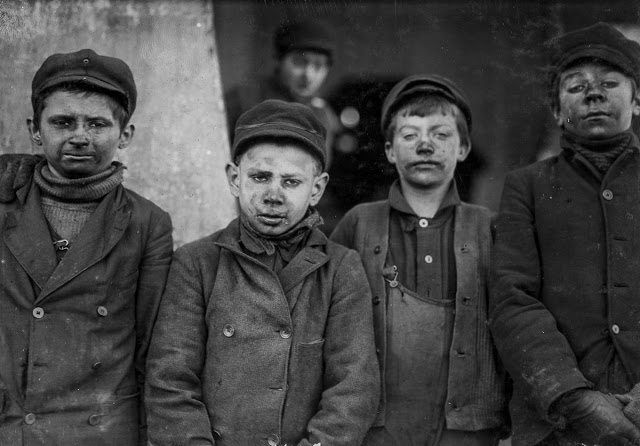
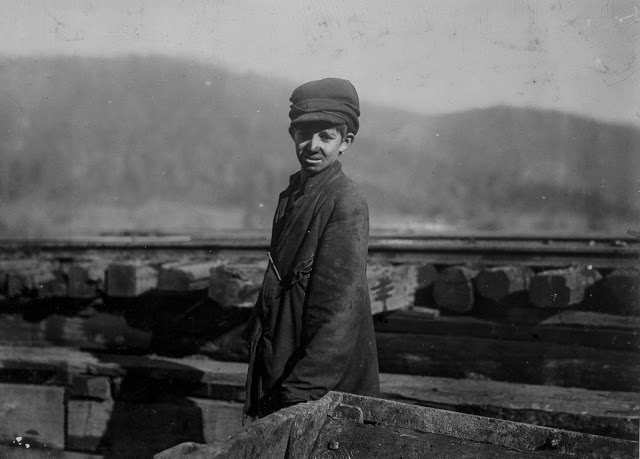
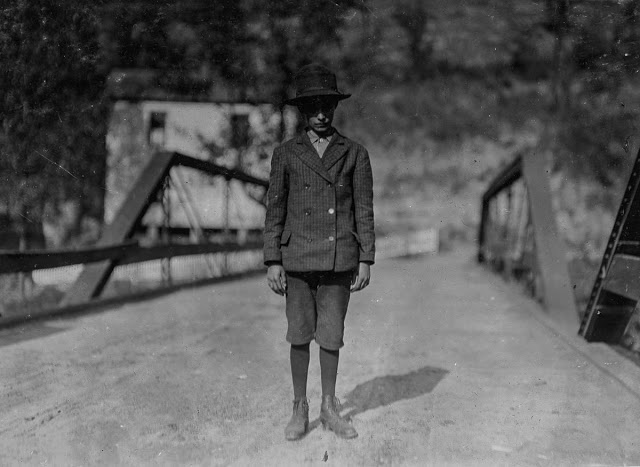
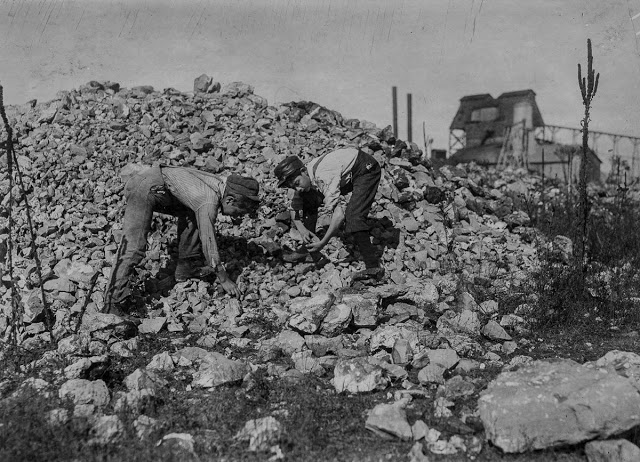
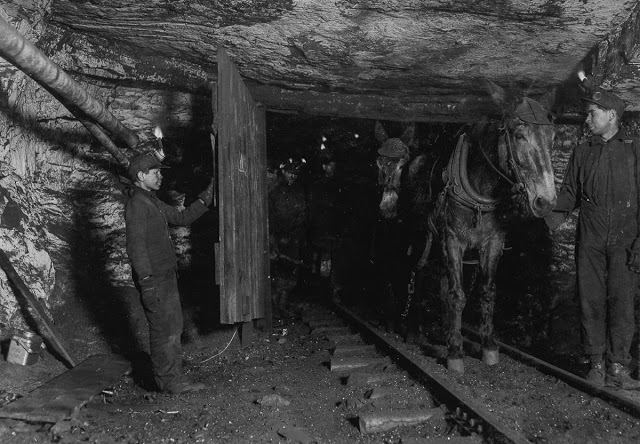
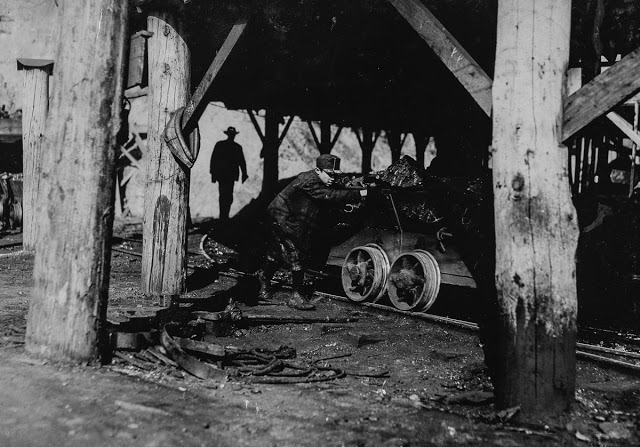
Child Labor in America – 25 Amazing Vintage Photographs That Show Boys at Coal Mines in the Early 20th Century

After the Civil War, the availability of natural resources, new inventions, and a receptive market combined to fuel an industrial boom. The demand for labor grew, and in the late 19th and early 20th centuries many children were drawn into the labor force. Factory wages were so low that children often had to work to help support their families. The number of children under the age of 15 who worked in industrial jobs for wages climbed from 1.5 million in 1890 to 2 million in 1910.
Businesses liked to hire children because they worked in unskilled jobs for lower wages than adults, and their small hands made them more adept at handling small parts and tools. Children were seen as part of the family economy. Immigrants and rural migrants often sent their children to work, or worked alongside them. However, child laborers barely experienced their youth. Going to school to prepare for a better future was an opportunity these underage workers rarely enjoyed. As children worked in industrial settings, they began to develop serious health problems. Many child laborers were underweight. Some suffered from stunted growth and curvature of the spine. They developed diseases related to their work environment, such as tuberculosis and bronchitis for those who worked in coal mines or cotton mills. They faced high accident rates due to physical and mental fatigue caused by hard work and long hours.

Lewis Hine, a New York City schoolteacher and photographer, believed that a picture could tell a powerful story. He felt so strongly about the abuse of children as workers that he quit his teaching job and became an investigative photographer for the National Child Labor Committee. Hine traveled around the country photographing the working conditions of children in all types of industries. He photographed children in coal mines, in meatpacking houses, in textile mills, and in canneries. He took pictures of children working in the streets as shoe shiners, newsboys, and hawkers. In many instances he tricked his way into factories to take the pictures that factory managers did not want the public to see. He was careful to document every photograph with precise facts and figures. To obtain captions for his pictures, he interviewed the children on some pretext and then scribbled his notes with his hand hidden inside his pocket. Because he used subterfuge to take his photographs, he believed that he had to be “double-sure that my photo data was 100% pure–no retouching or fakery of any kind.” Hine defined a good photograph as “a reproduction of impressions made upon the photographer which he desires to repeat to others.” Because he realized his photographs were subjective, he described his work as “photo-interpretation.”

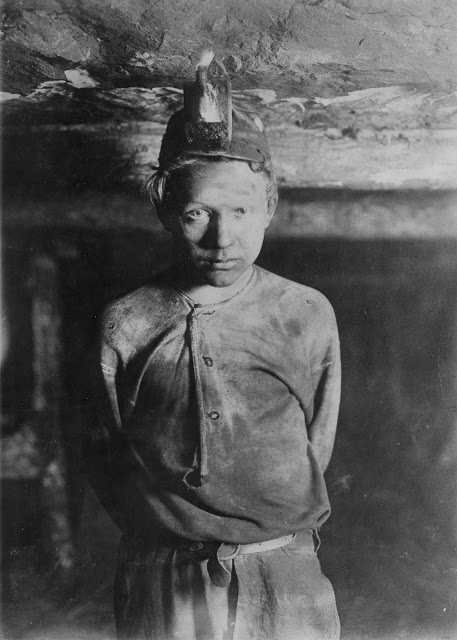
A trapper boy, one mile inside Turkey Knob Mine in Macdonald, West Virginia, 1908.
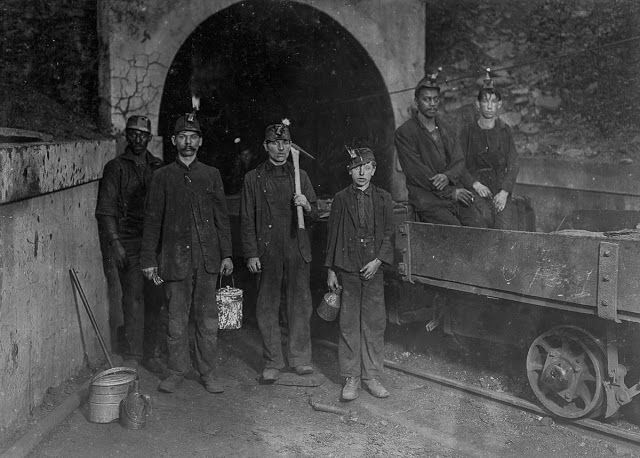
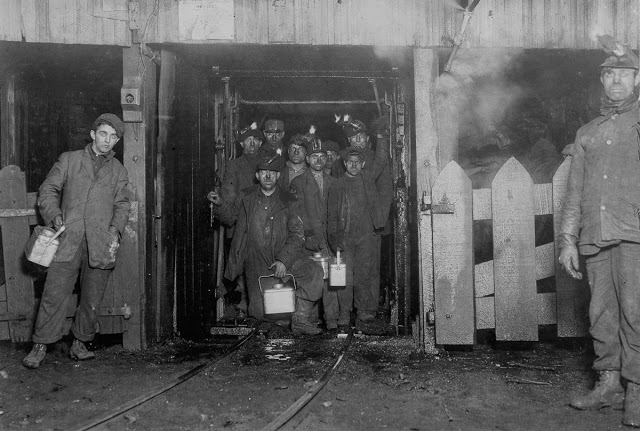
At the entrance to a West Virginia mine, 1908.
A young driver at Brown Mine in West Virginia, 1908.
A tipple boy at Turkey Knob Mine in Macdonald, West Virginia, 1908.
Frank, age 14. He had been working in a mine for three years and had been hospitalized for a year when his leg was crushed by a coal car, 1906.
A boy shovels loose rock in a mine in Red Star, West Virginia, 1908.
Shorpy Higginbotham, a worker at Bessie Mine in Alabama, 1910.
Dave, a pusher at Bessie Mine in Alabama, 1910.
Jim McNulty, 15, a leader inside a mine at Leadville Shaft in Pennsylvania, 1911.
Mine workers in Nanticoke, Pennsylvania, 1911.
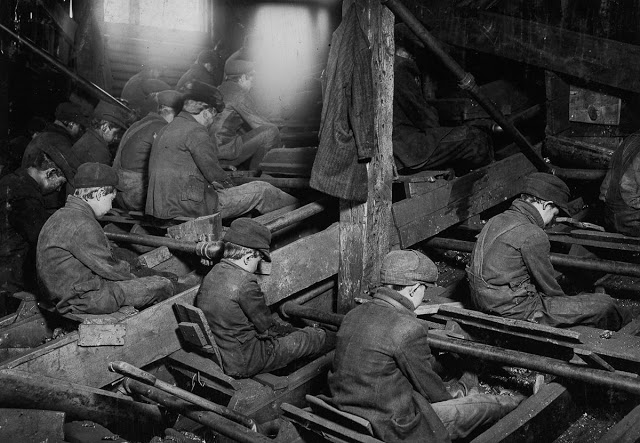
Breaker boys employed by the Pennsylvania Coal Company, 1911.
Mine worker Angelo Ross, who claims to be 13, but is likely younger, 1911.
Breaker boys employed by the Pennsylvania Coal Company, 1911.
Harley Bruce, a worker at Indian Mountain Mine in Tennessee, 1910.
Arlie Fankins, 14, a shoveler in Barnesville Mine in West Virginia, 1908.
Basil Roberts and James Hopper, both 12, cull through waste from a zinc mine in Aurora, Missouri, 1910.
Willie Bryden, age 14, holds the door for a mule cart in a Pennsylvania mine, 1911.
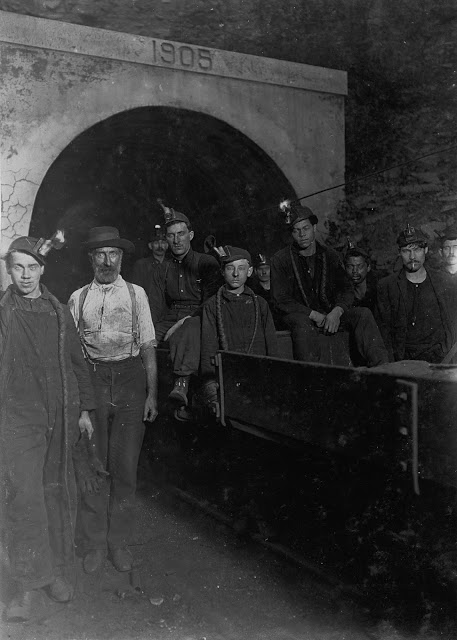
Mine workers in Gary, West Virginia, 1908.
Breaker boys at work breaking coal. The process produces clouds of dust which coat the workers’ lungs, 1911.
James O’Dell pushes a coal cart outside a mine in Coal Creek, Tennessee, 1910.
Workers wait for the cage to ascend to the surface at the end of the day, 1910.

(Images: Lewis Hine/Library of Congress)

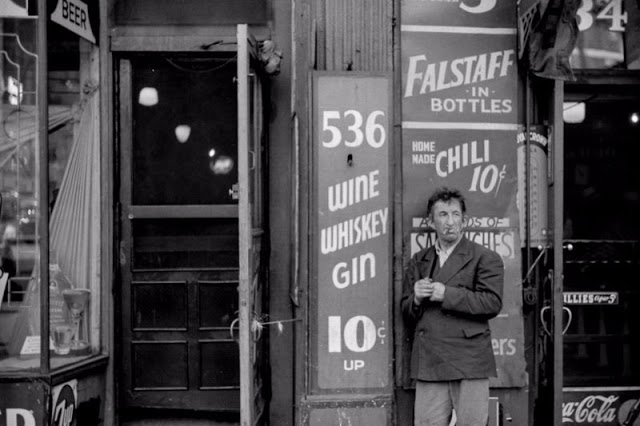
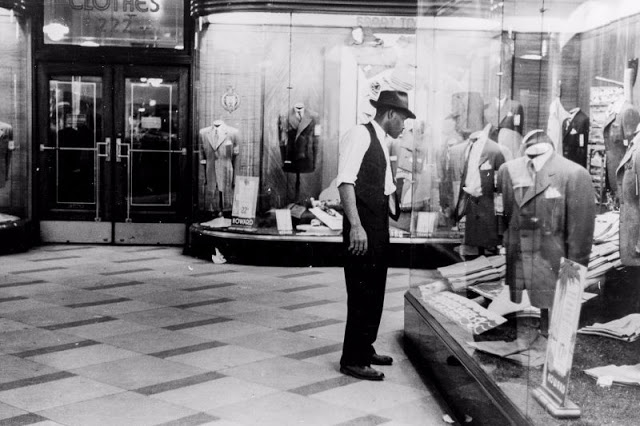
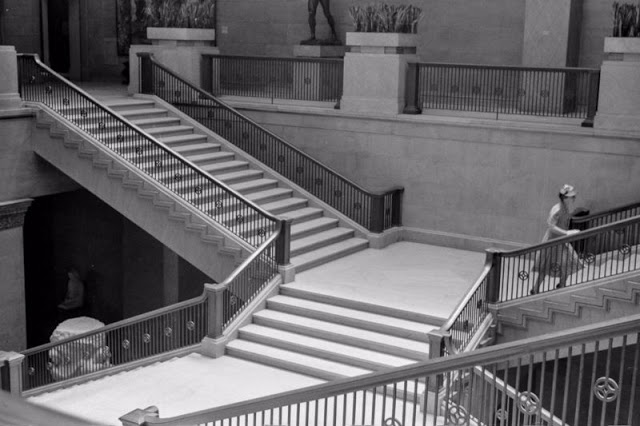
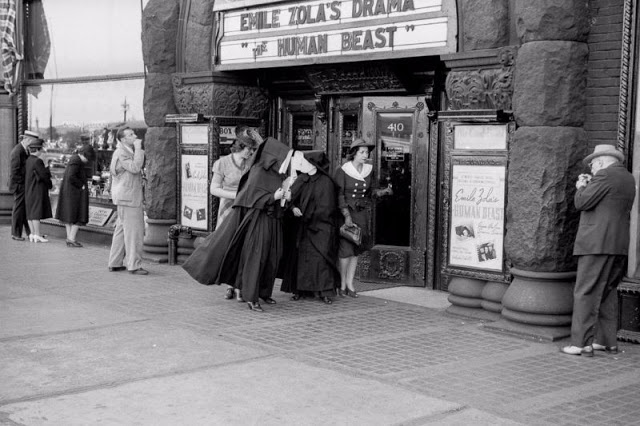
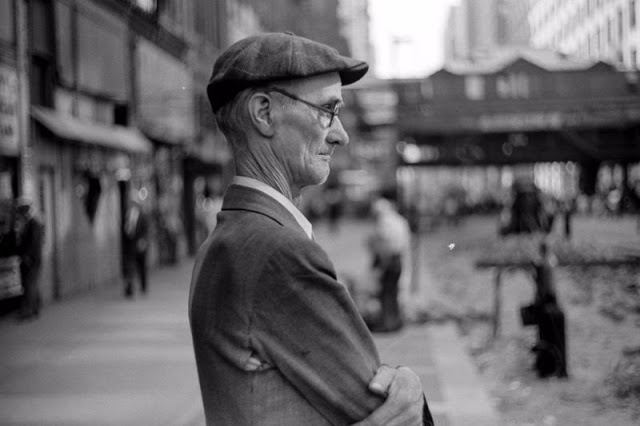
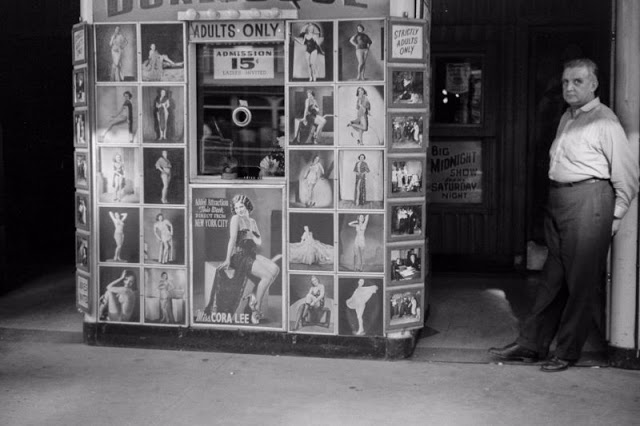
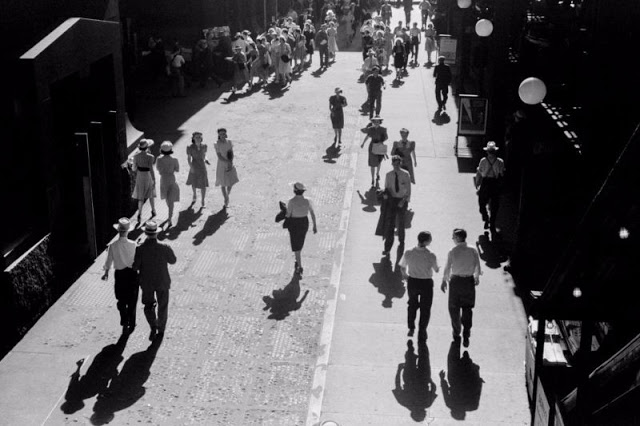
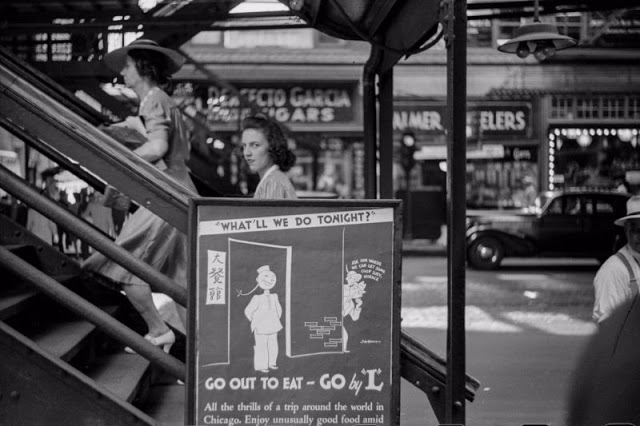
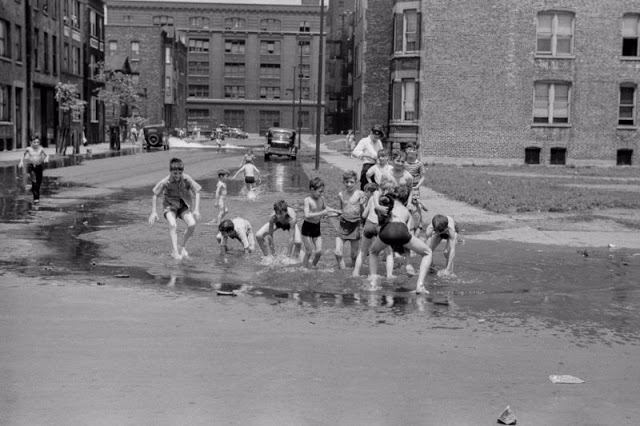
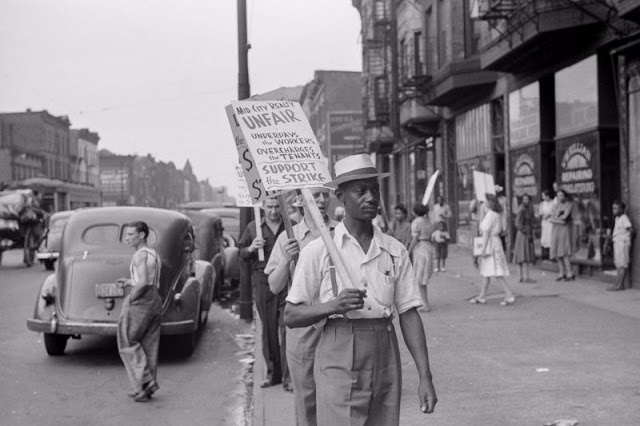
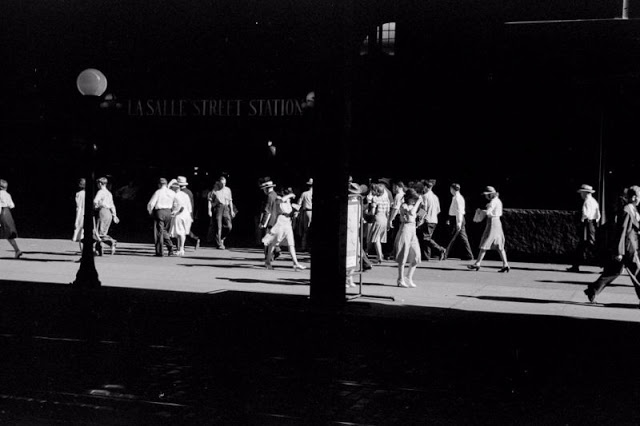
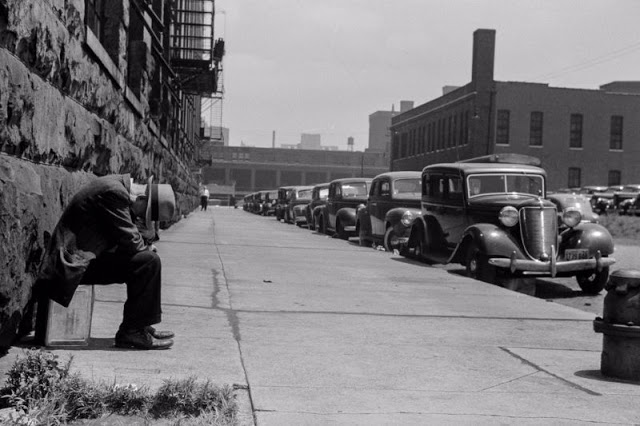
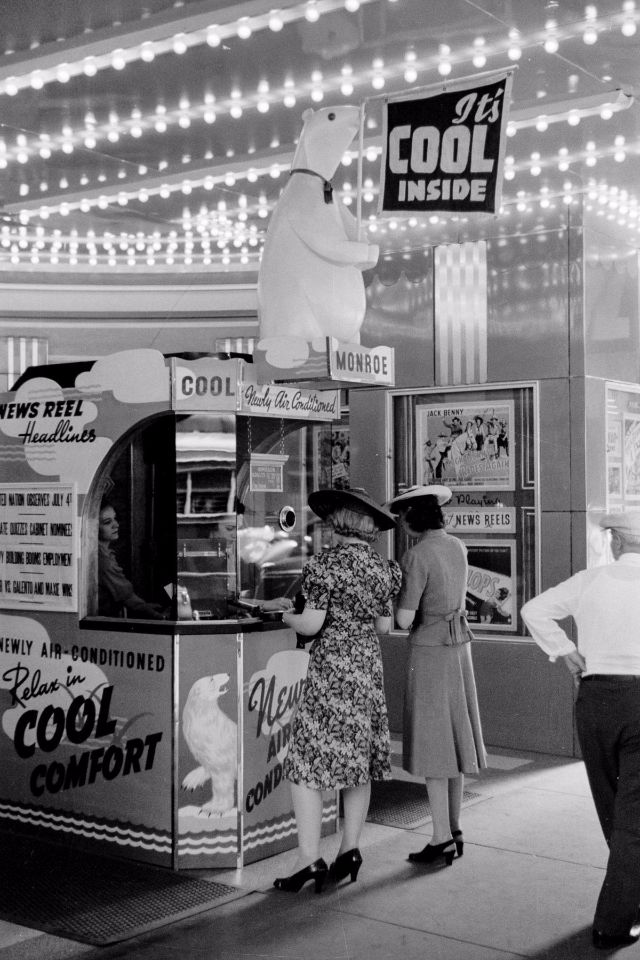
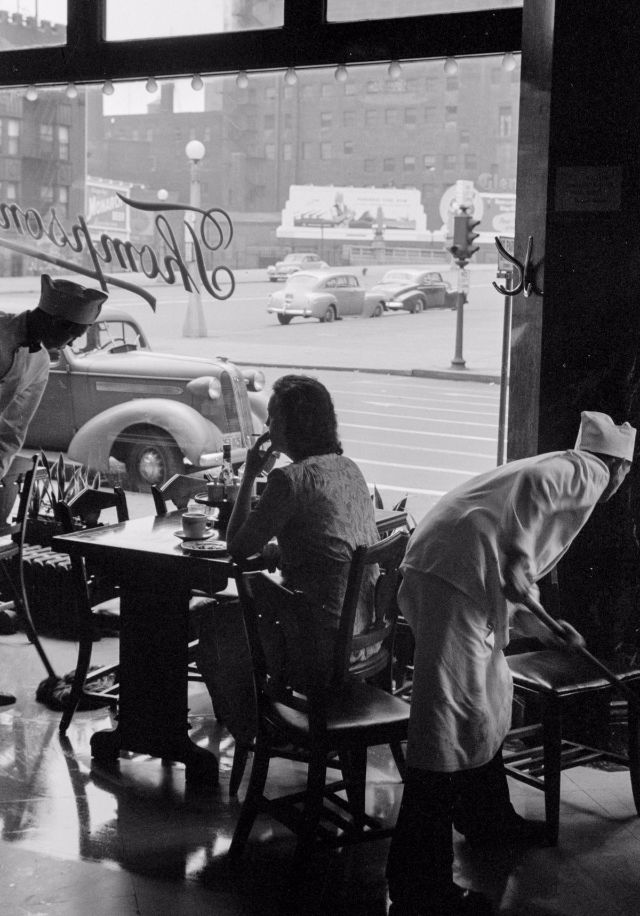
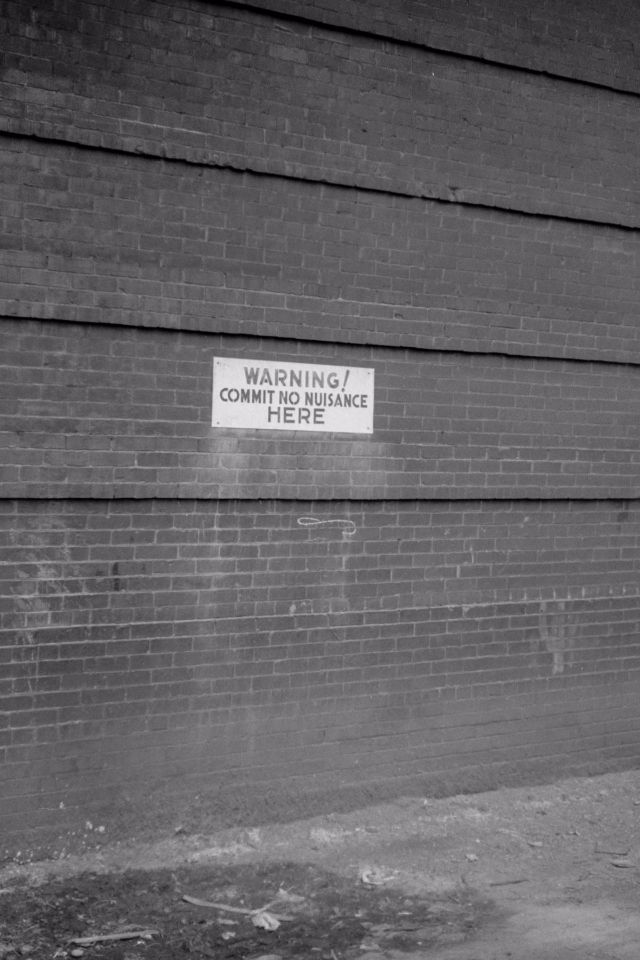
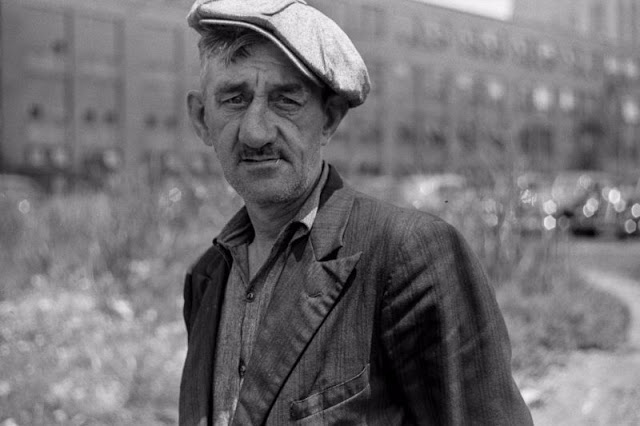
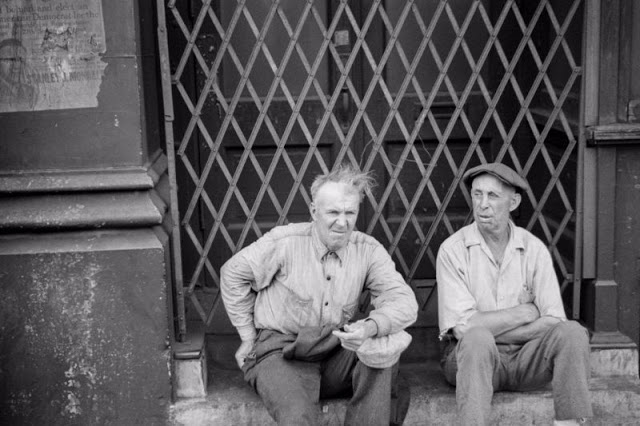
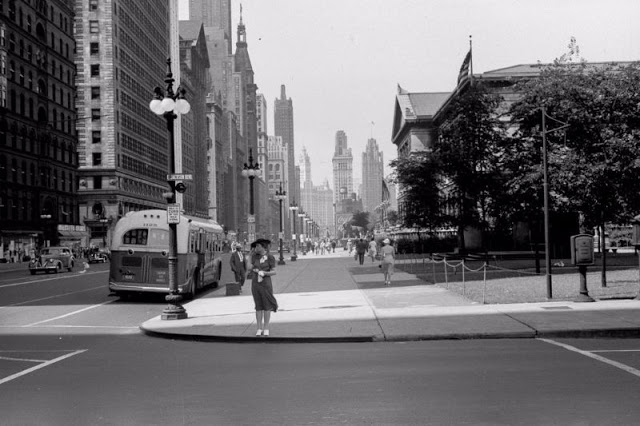
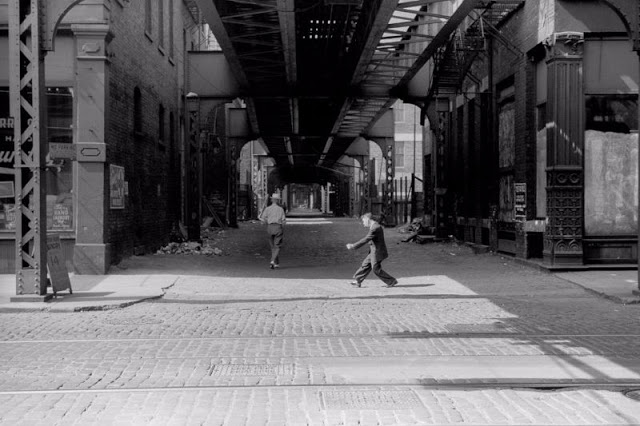
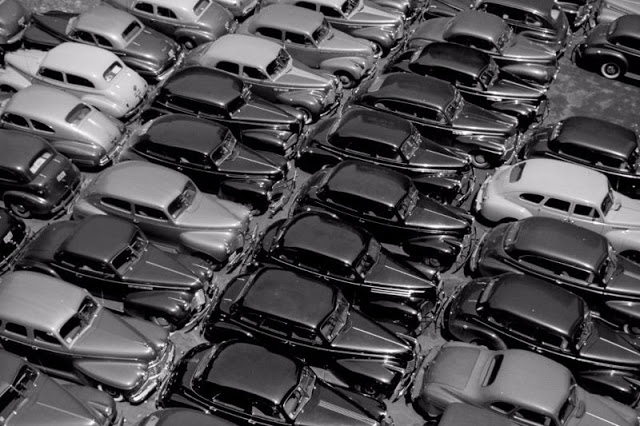
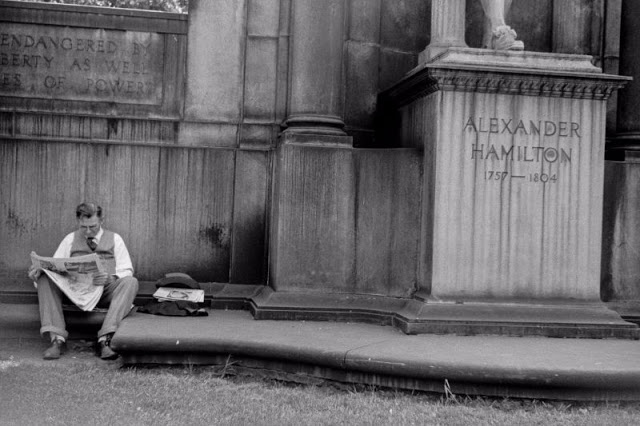
37 Vintage Photos of Chicago in 1941

In the depths of the Great Depression, the United States government created the Resettlement Administration to help provide relief for drought-stricken and impoverished farmers. The RA was restructured and renamed the Farm Security Administration in 1937.

One of the FSA’s most notable efforts was its small team of documentary photographers, who traveled the country recording the living conditions of Americans. Directed by Roy Stryker, the photographers included now-legendary documentarians Dorothea Lange, Walker Evans, Gordon Parks and Russell Lee, among others.

In 1936, 21-year-old Minnesotan John Felix Vachon got a job with the FSA as an assistant messenger while attending the Catholic University of America. He had no previous interest in photography, but his constant immersion in the work of the FSA photographers motivated him to try his own hand at shooting.

He started out by wandering around Washington with a Leica camera, and soon received training, equipment and encouragement from Stryker, Evans and other FSA photographers. By 1938, he was shooting solo assignments.

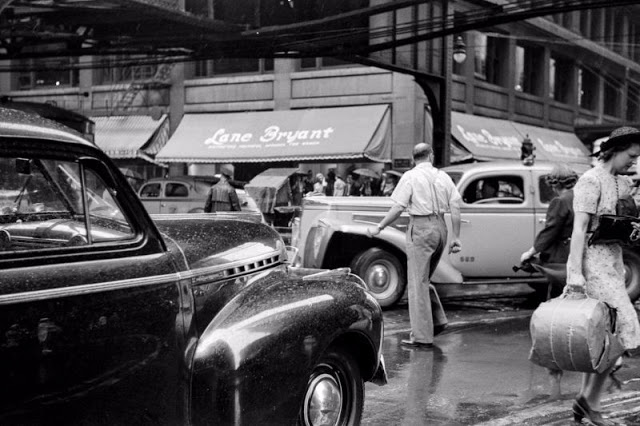
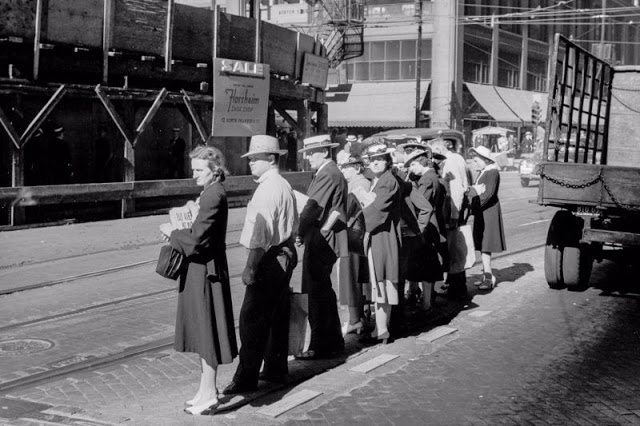
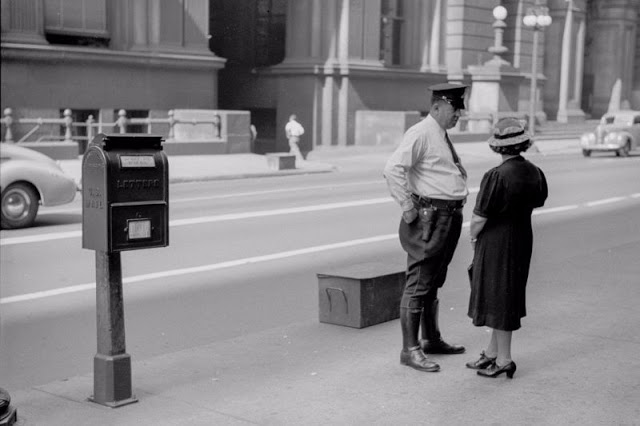
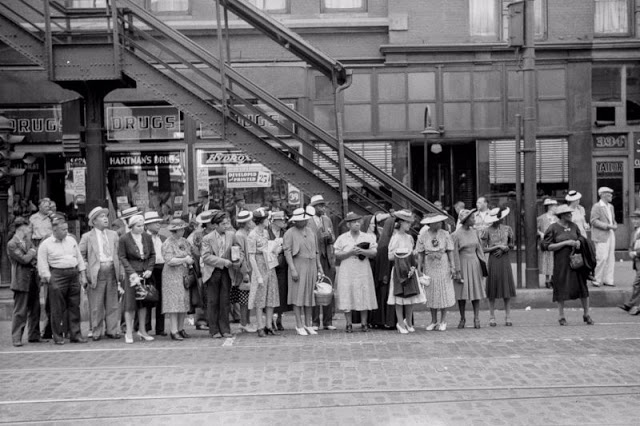
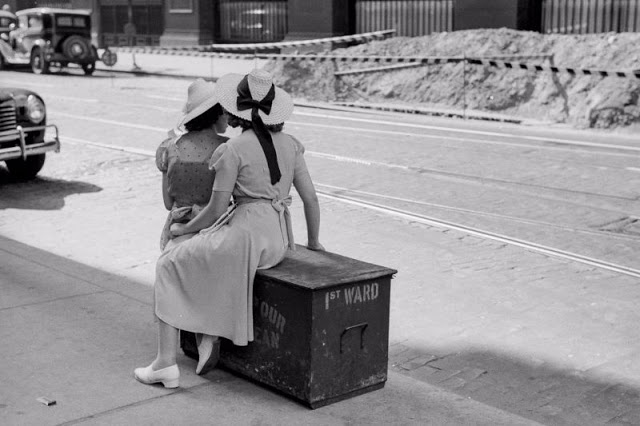
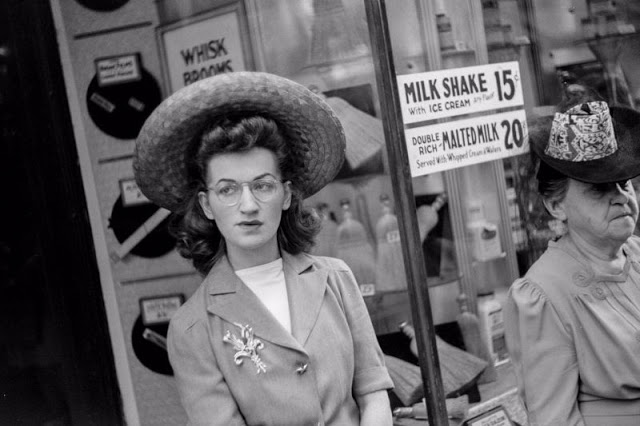
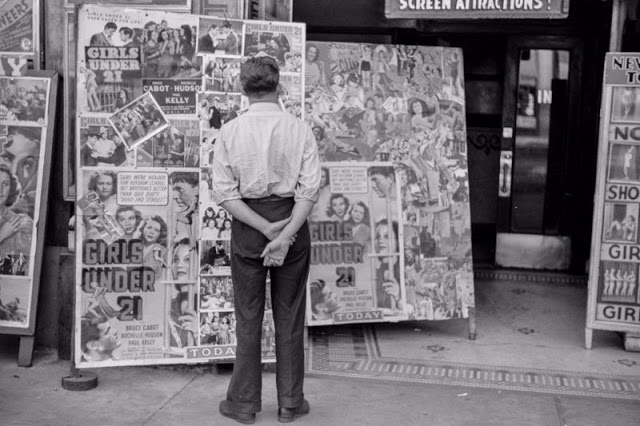
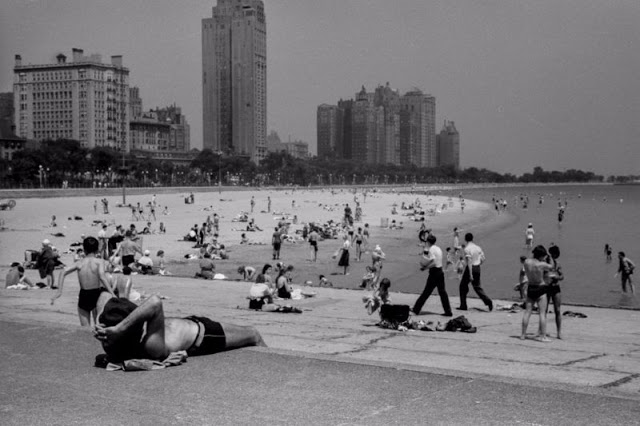
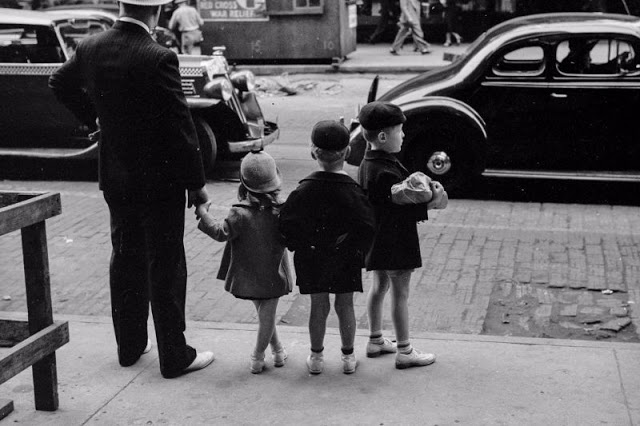
Here, the still-green photographer explores the streets of Chicago in 1941, capturing images of city life in photos that are sometimes distant and unobtrusive, but often sharply observant and quietly funny.

(Photos by John Vachon)

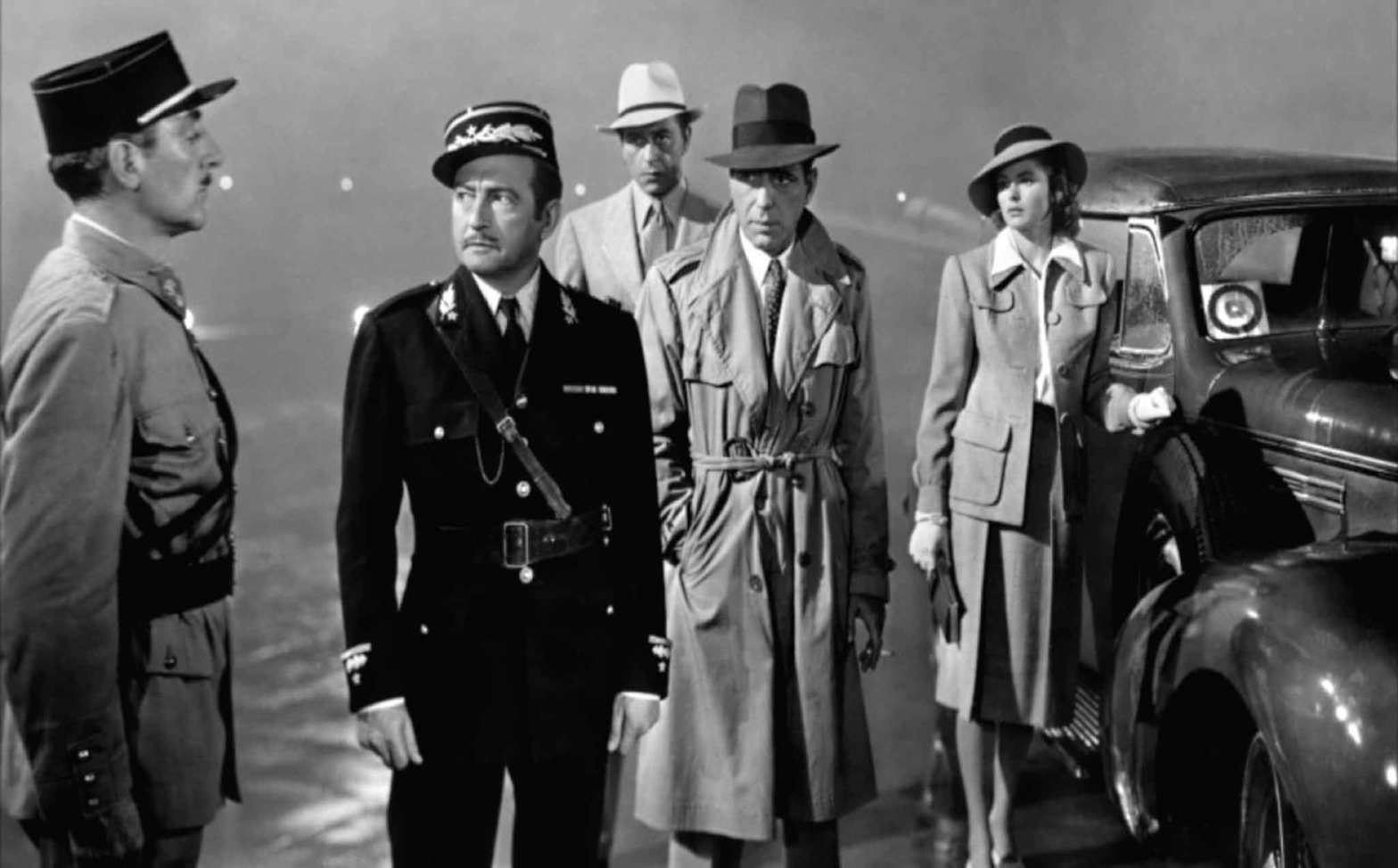
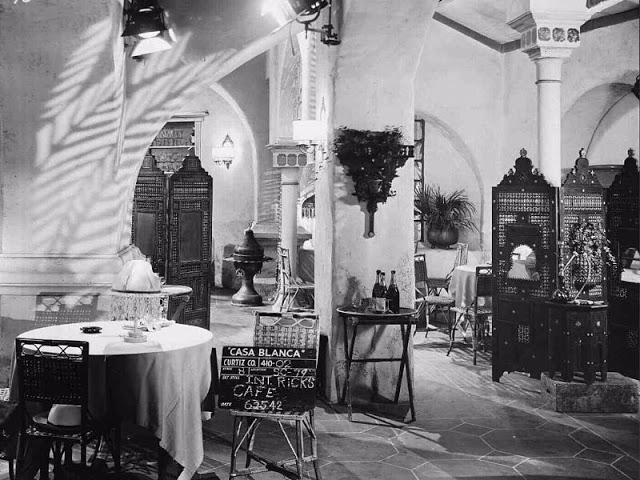
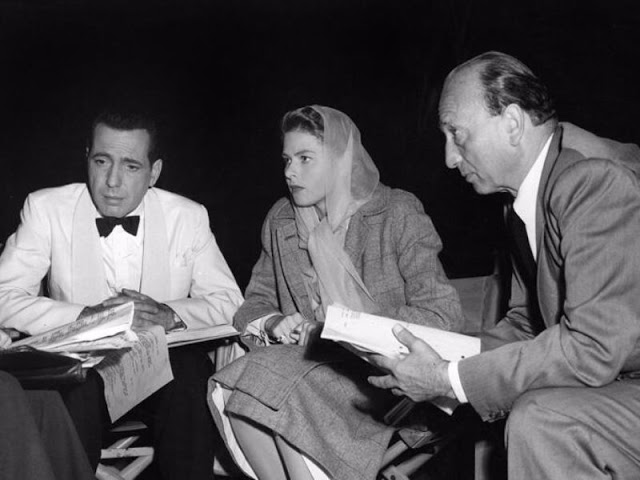
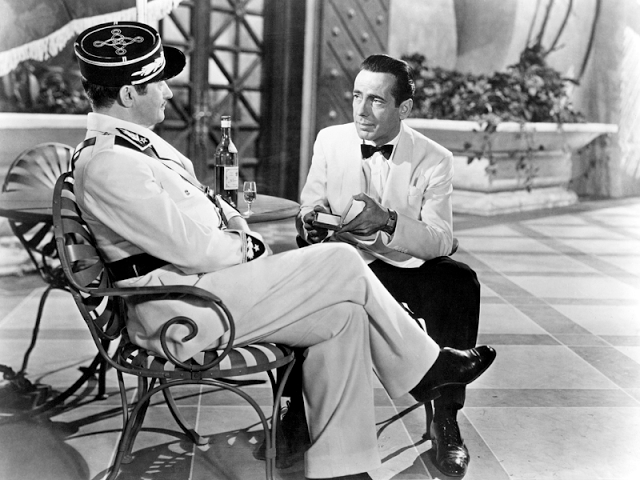
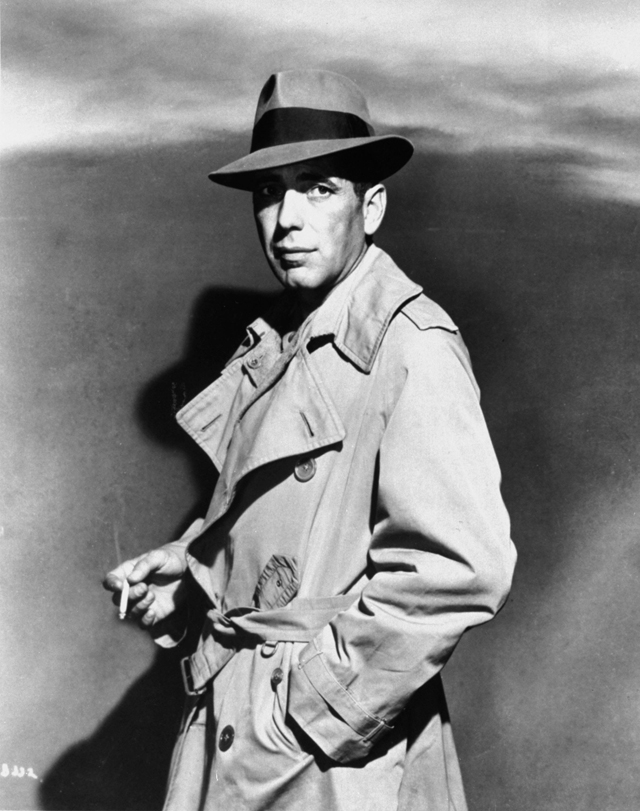
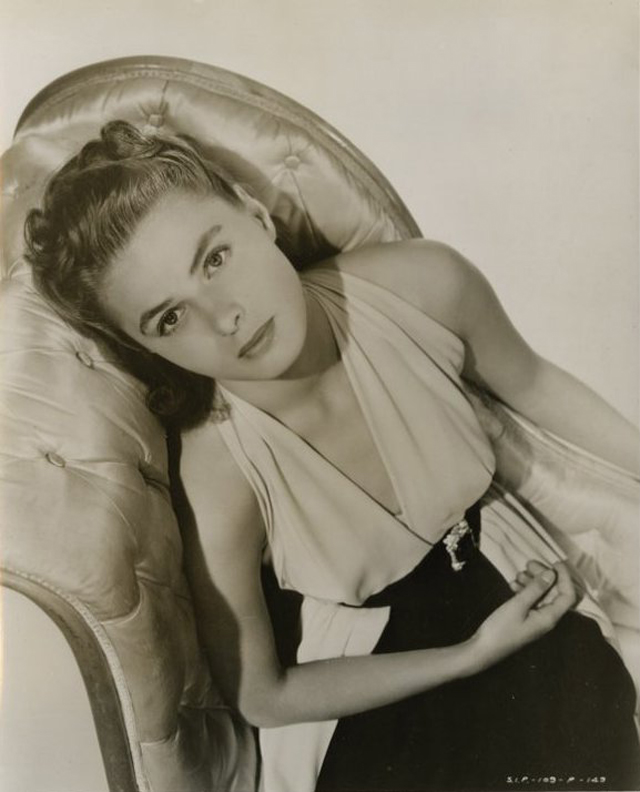
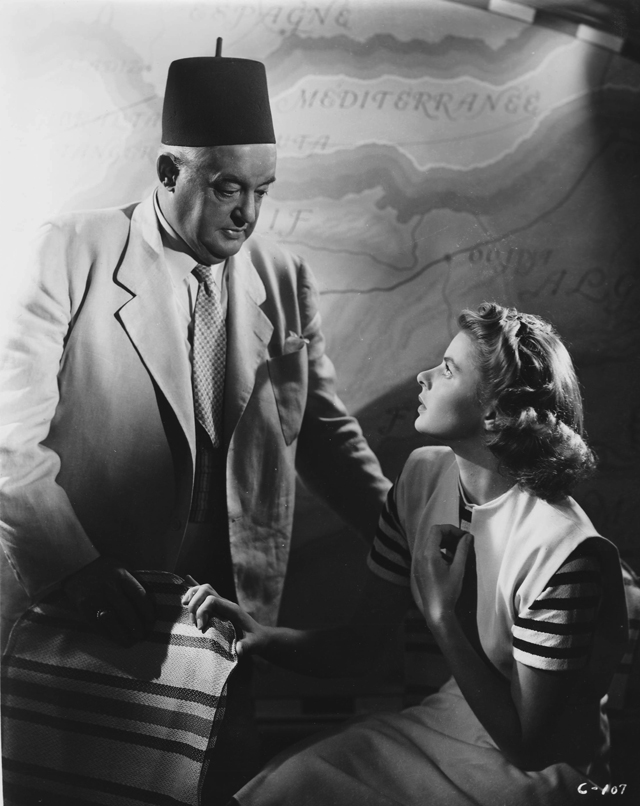
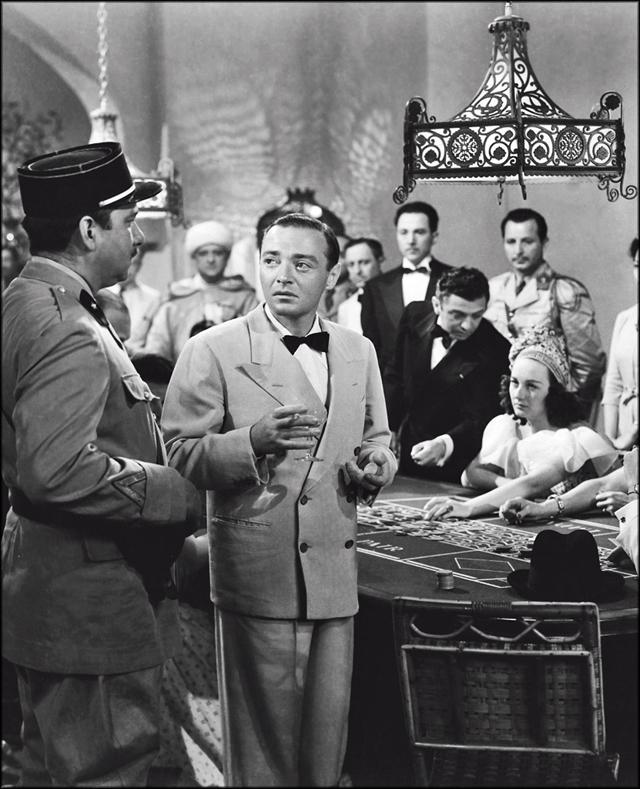
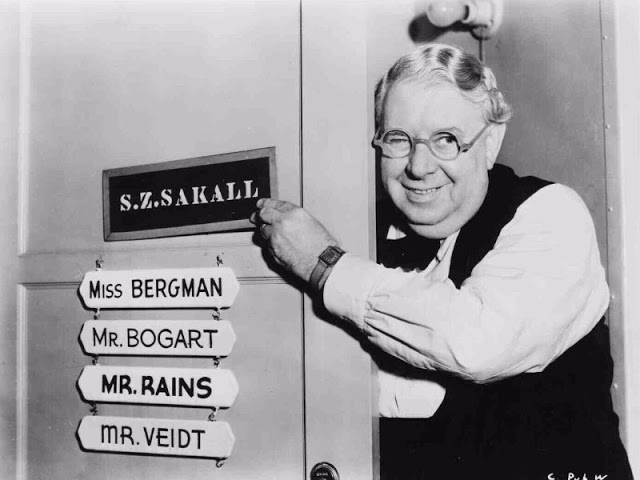
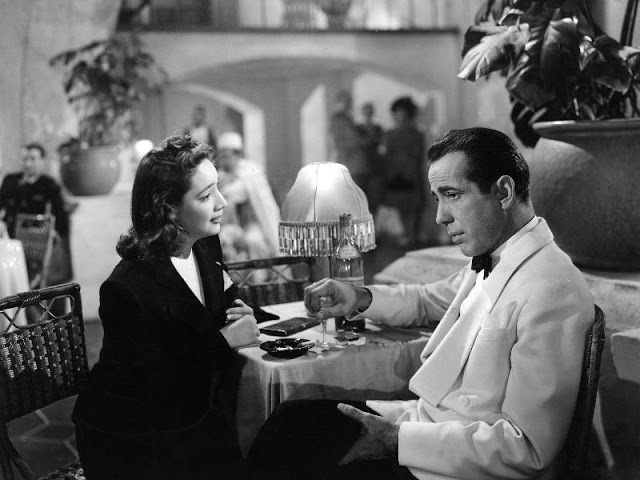
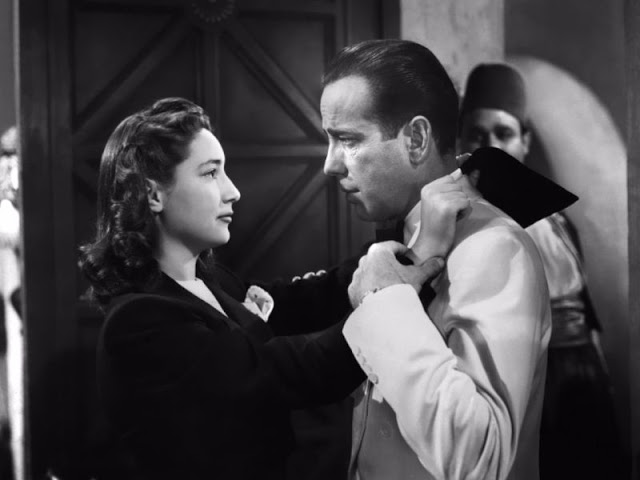
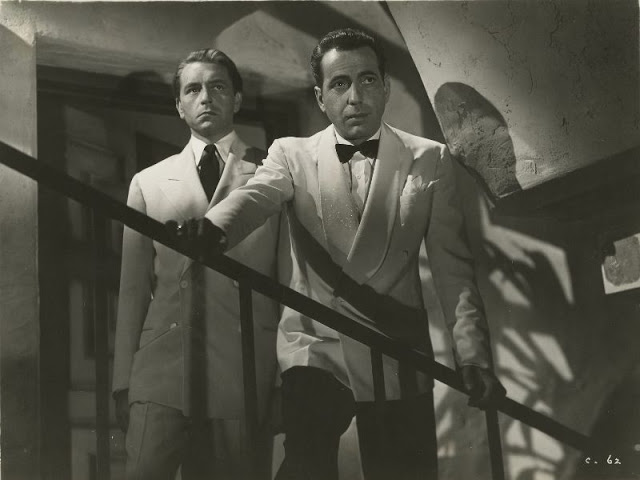
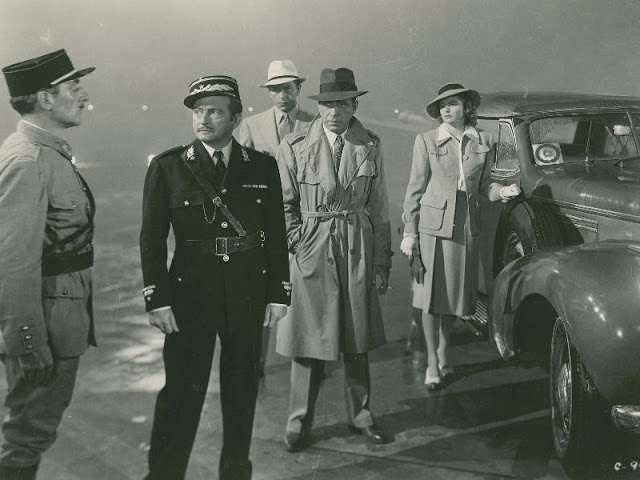
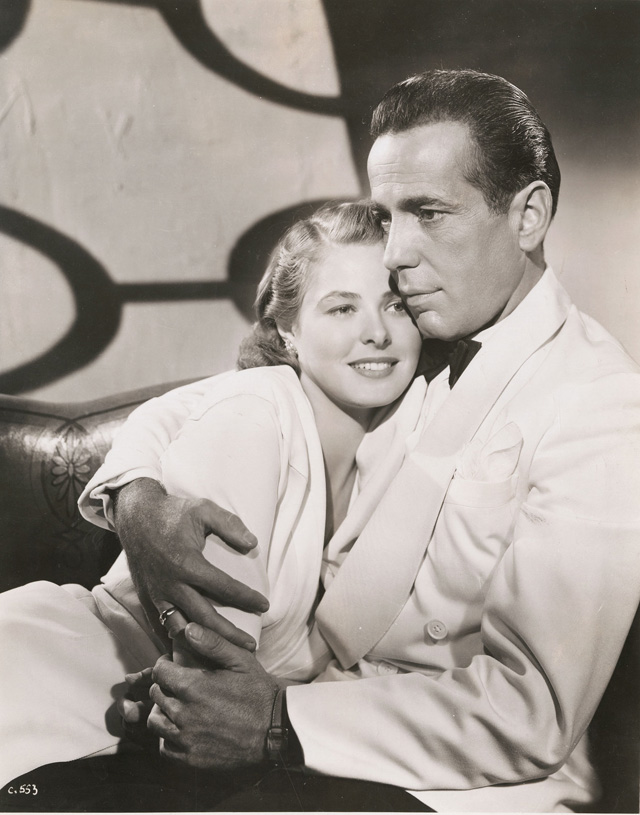
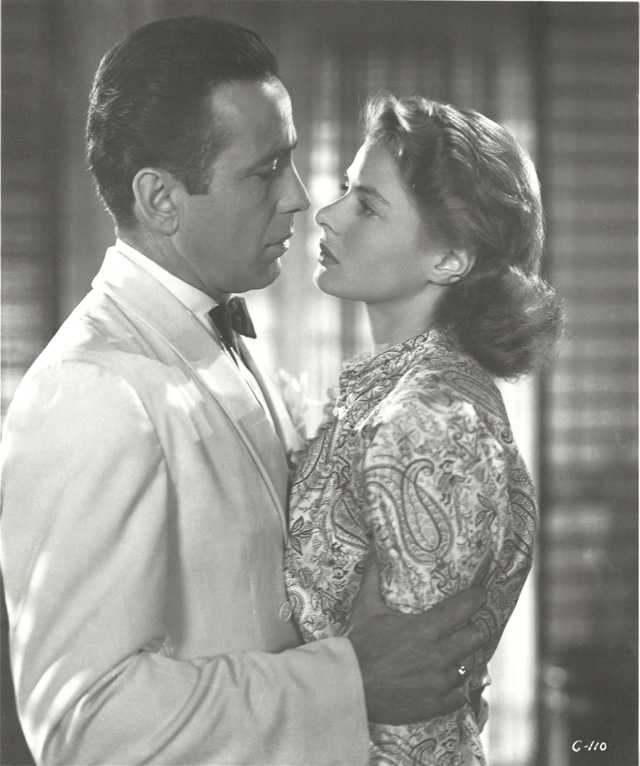
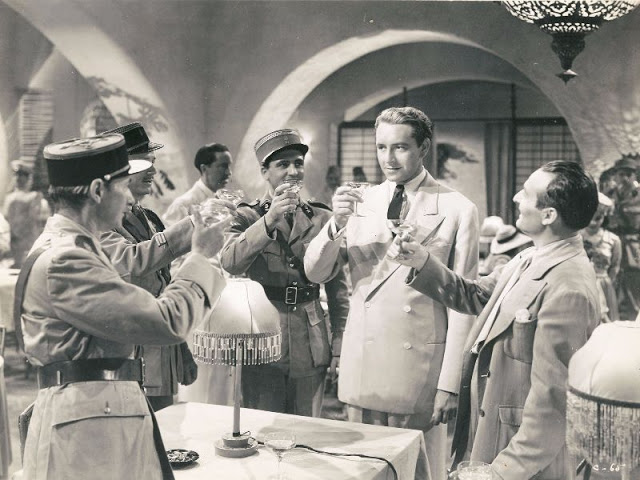
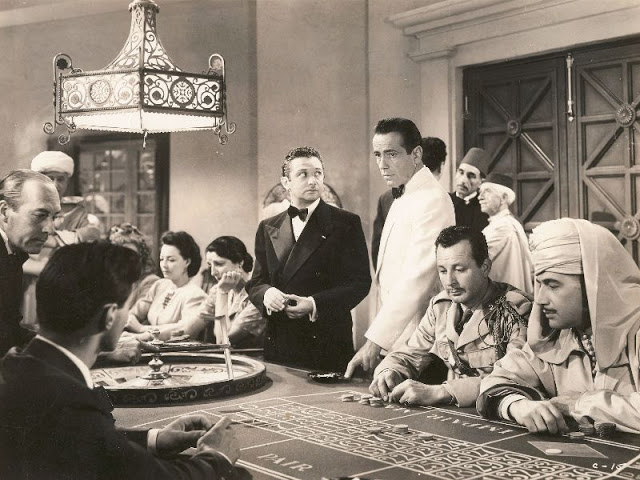
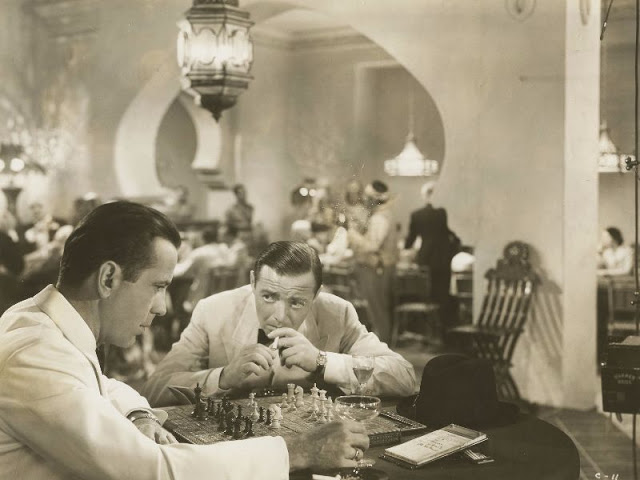
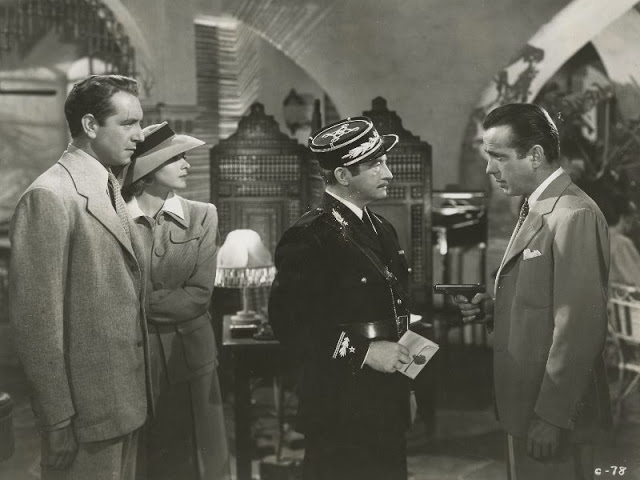
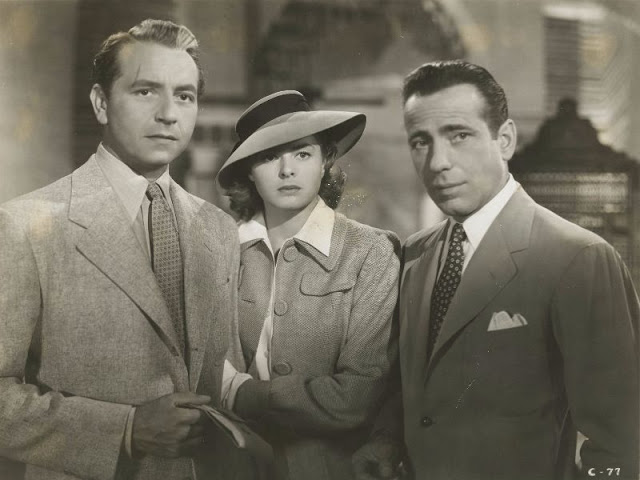
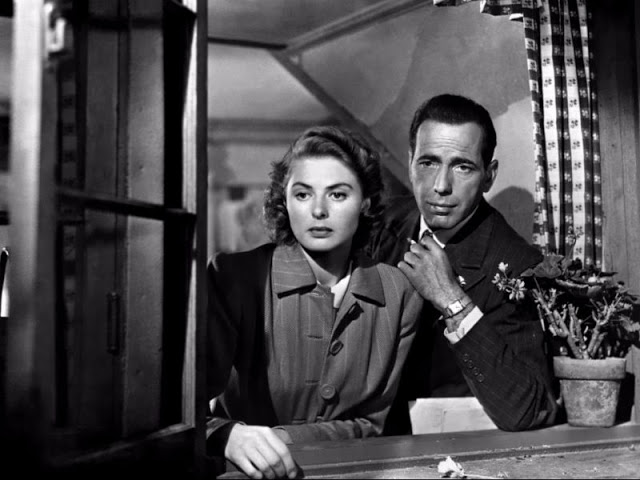
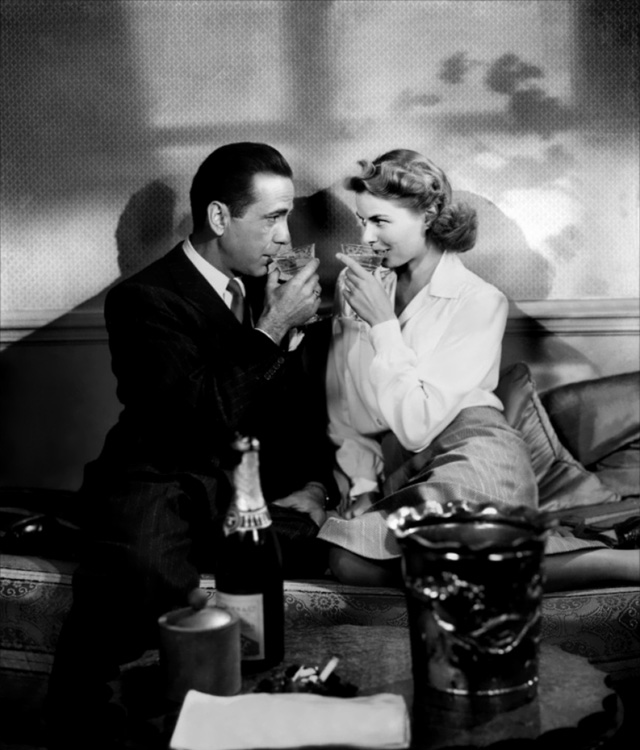
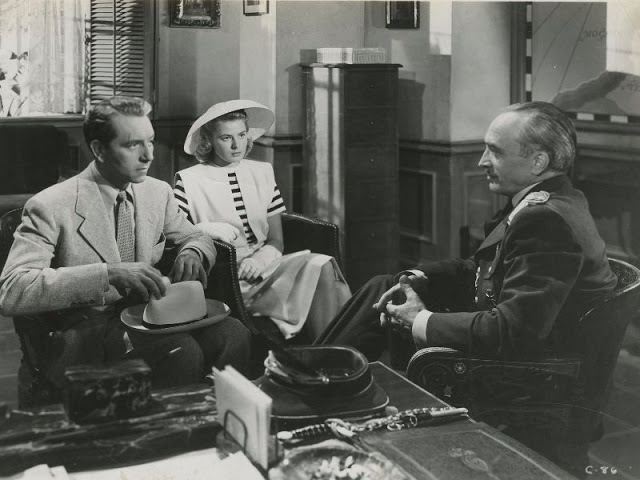
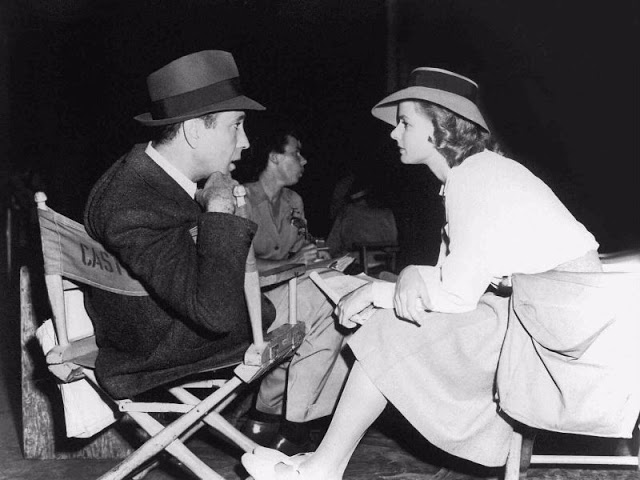
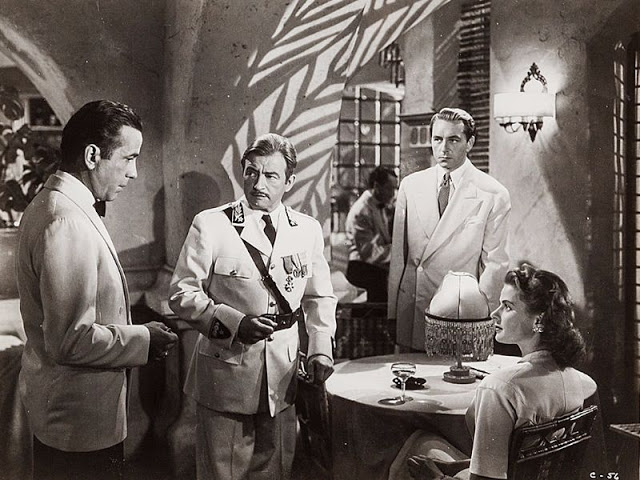
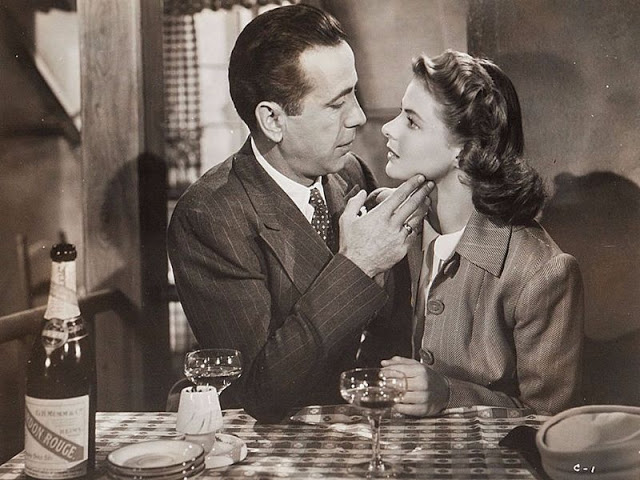
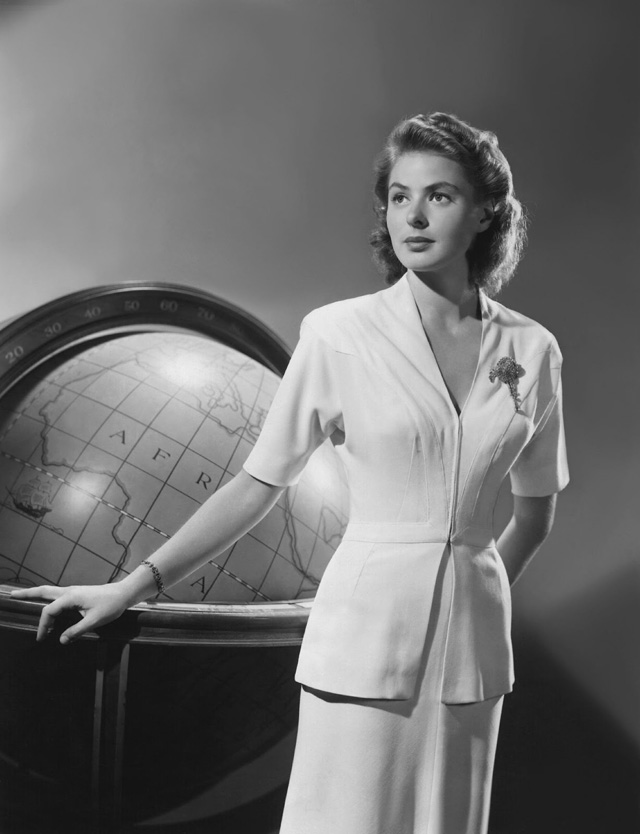
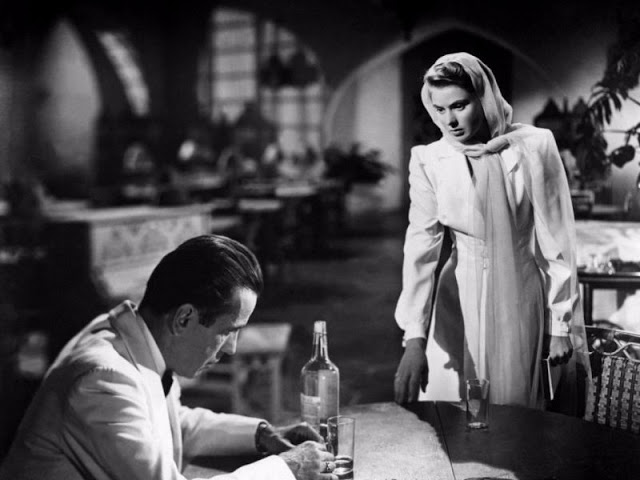
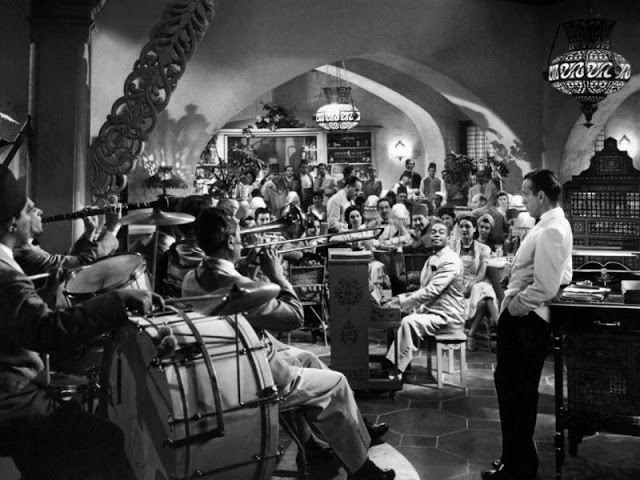
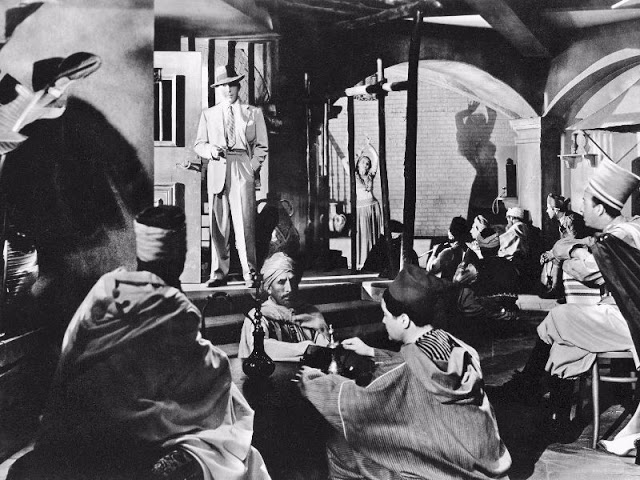
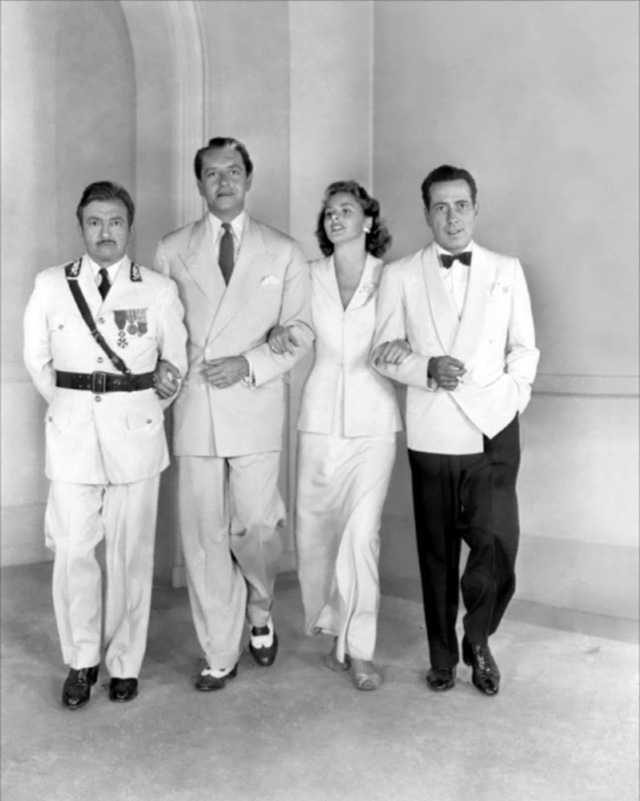
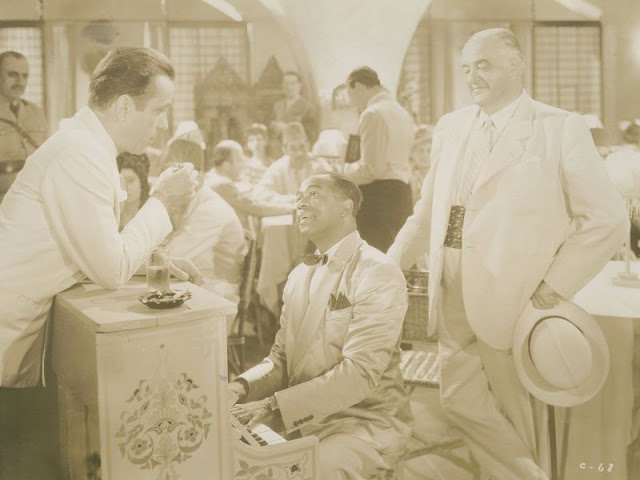
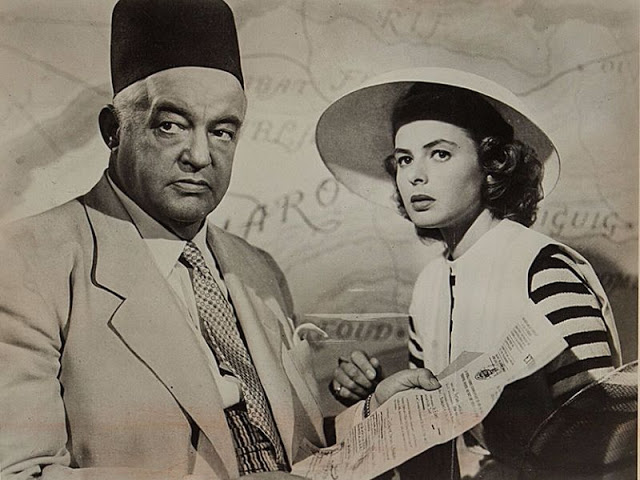
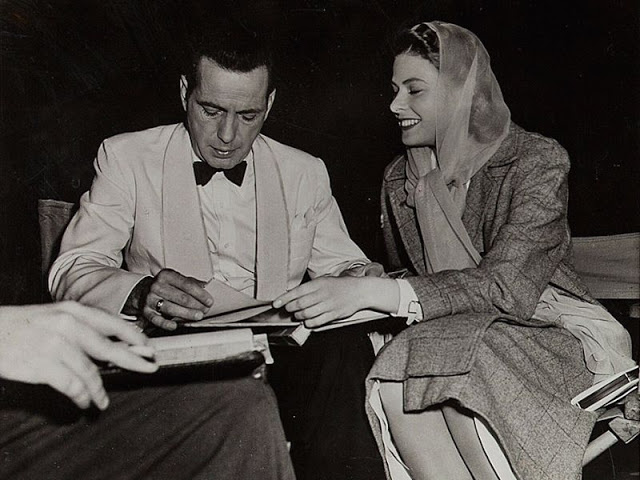
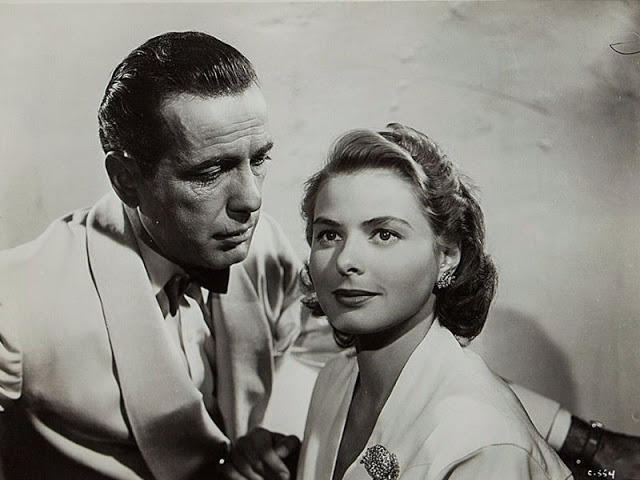
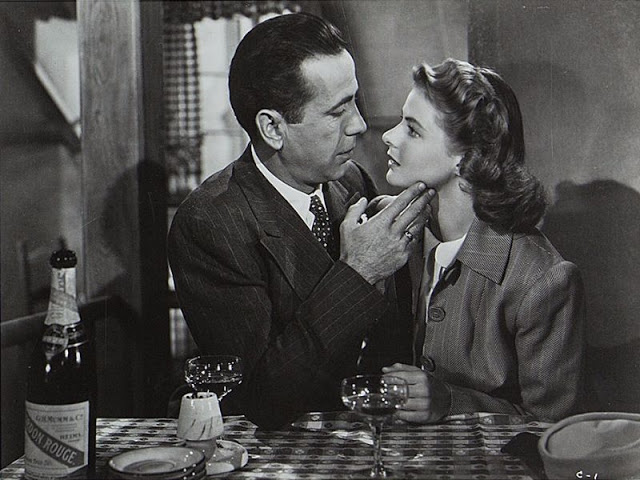
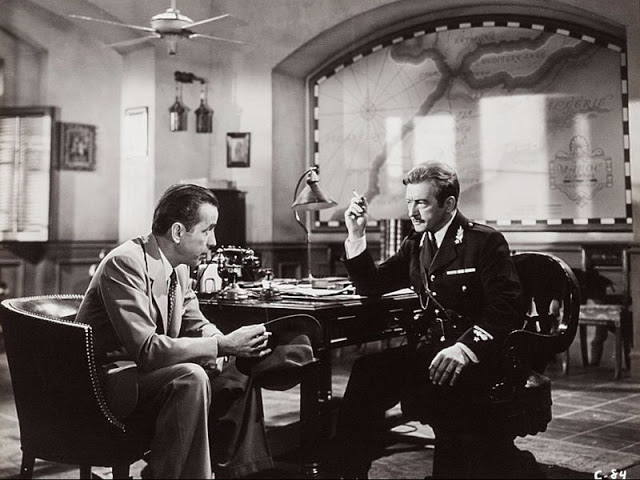
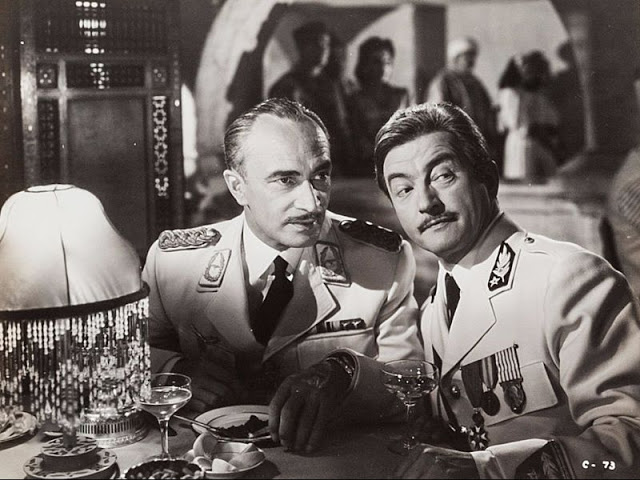
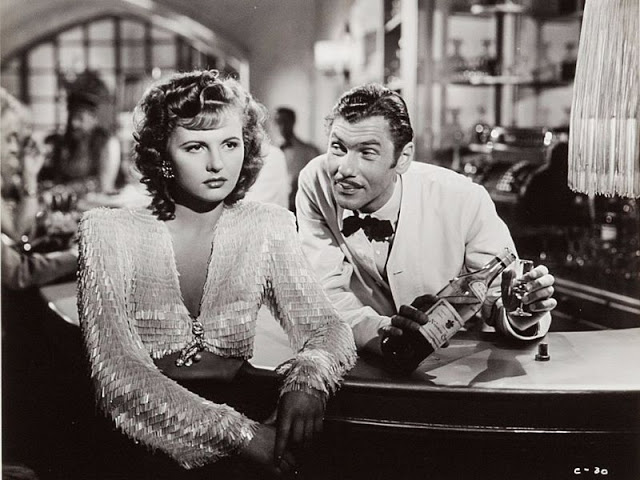
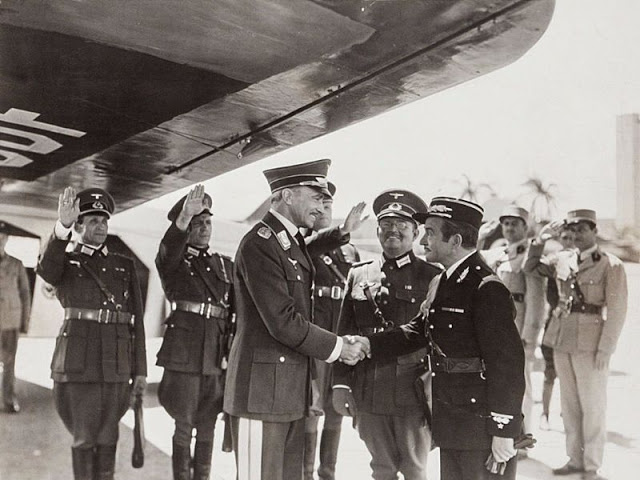
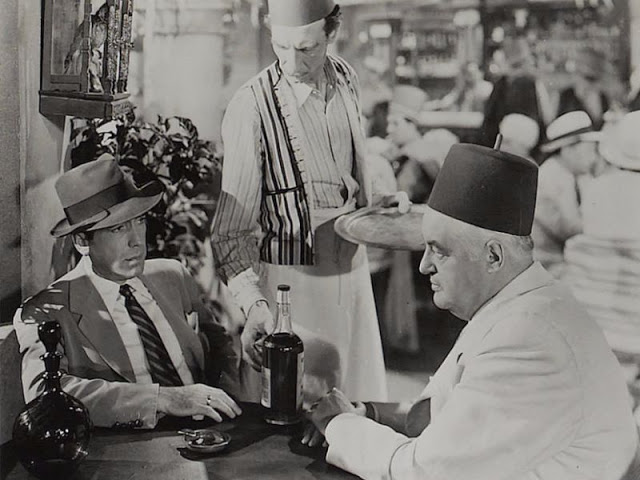
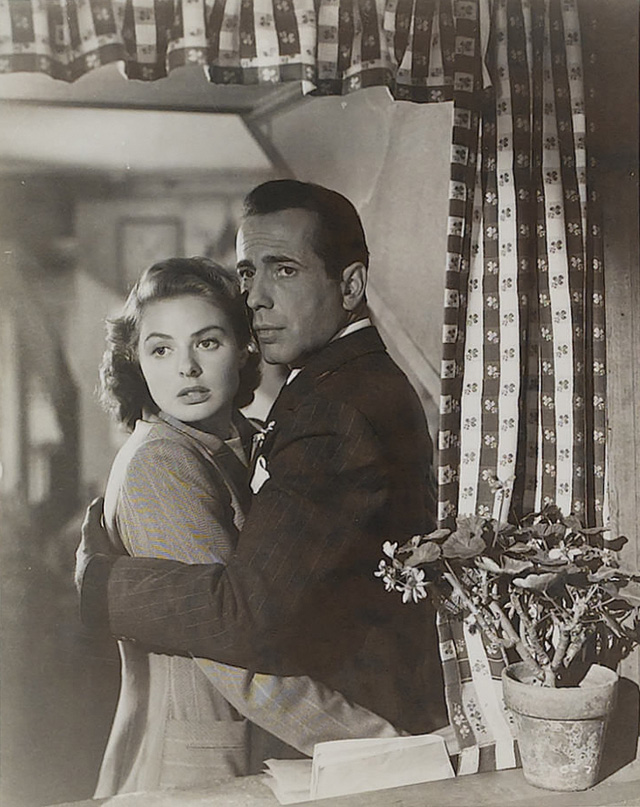
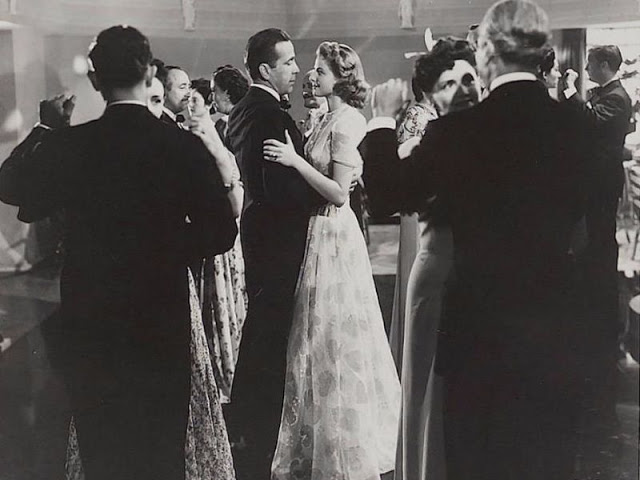
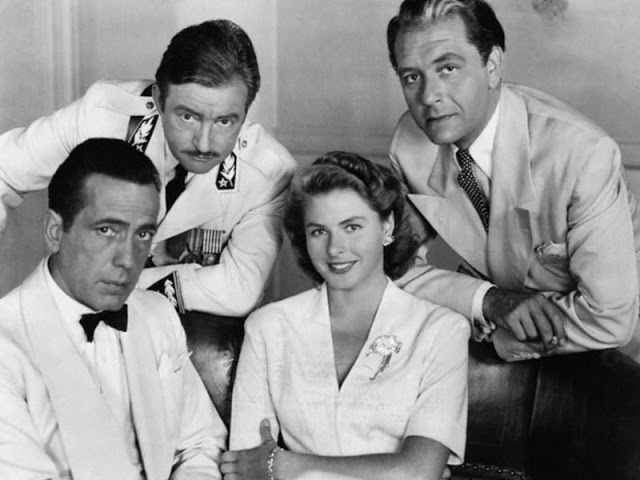
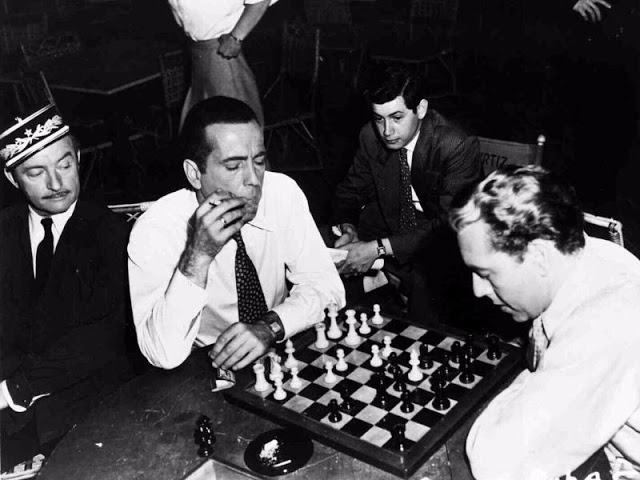
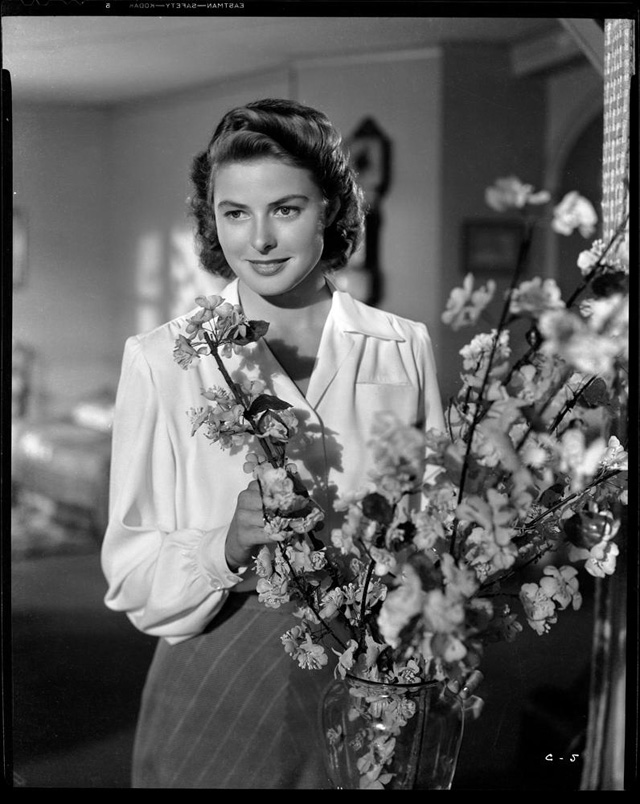
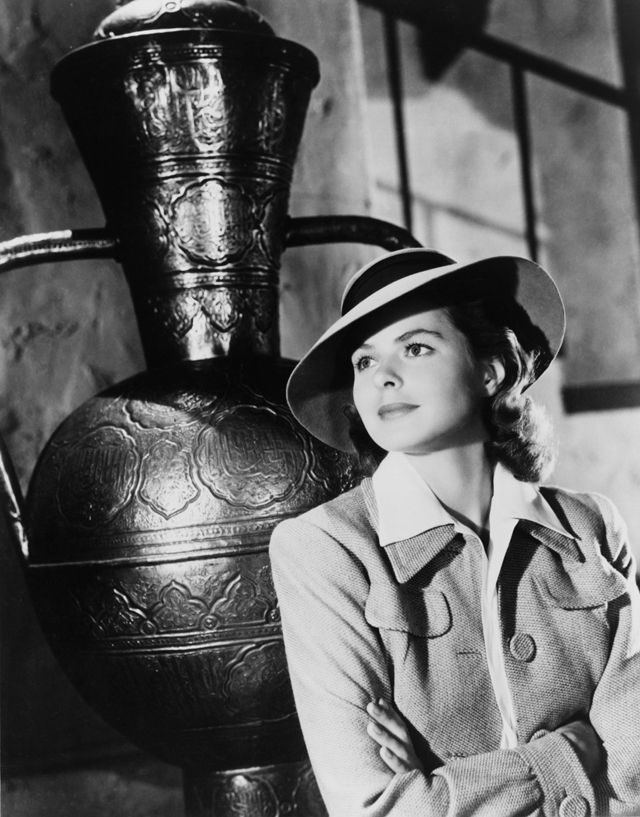
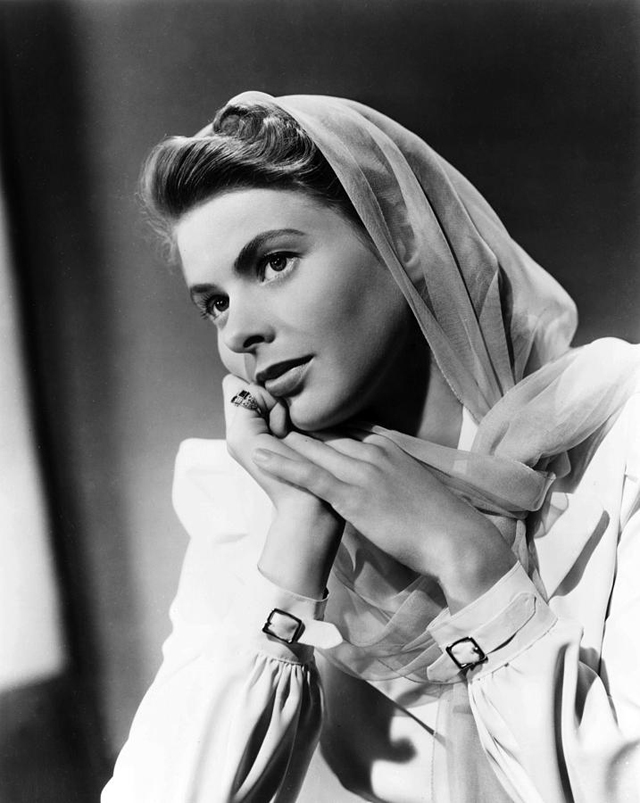
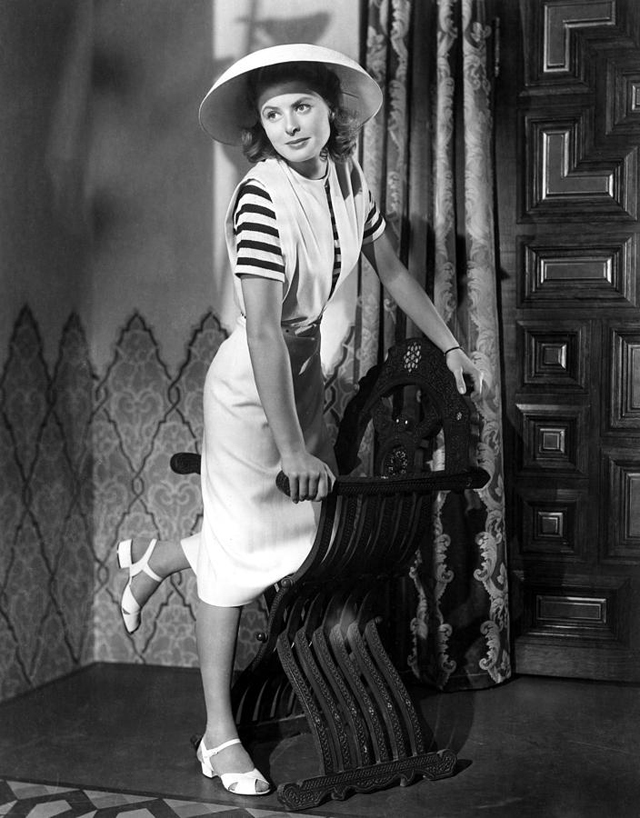
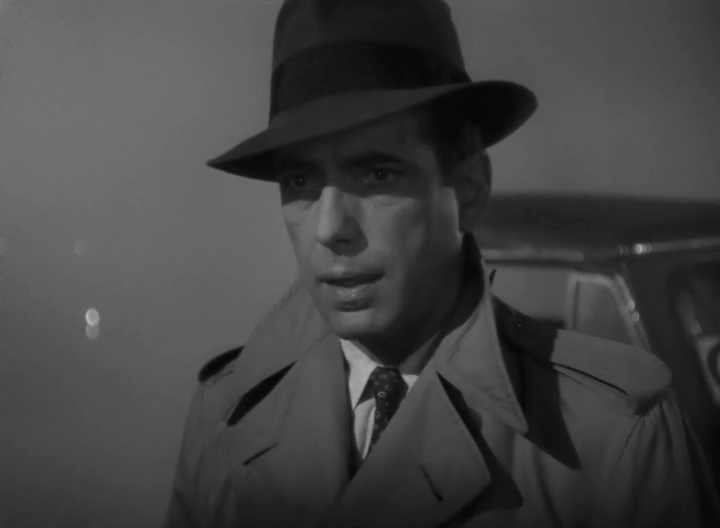
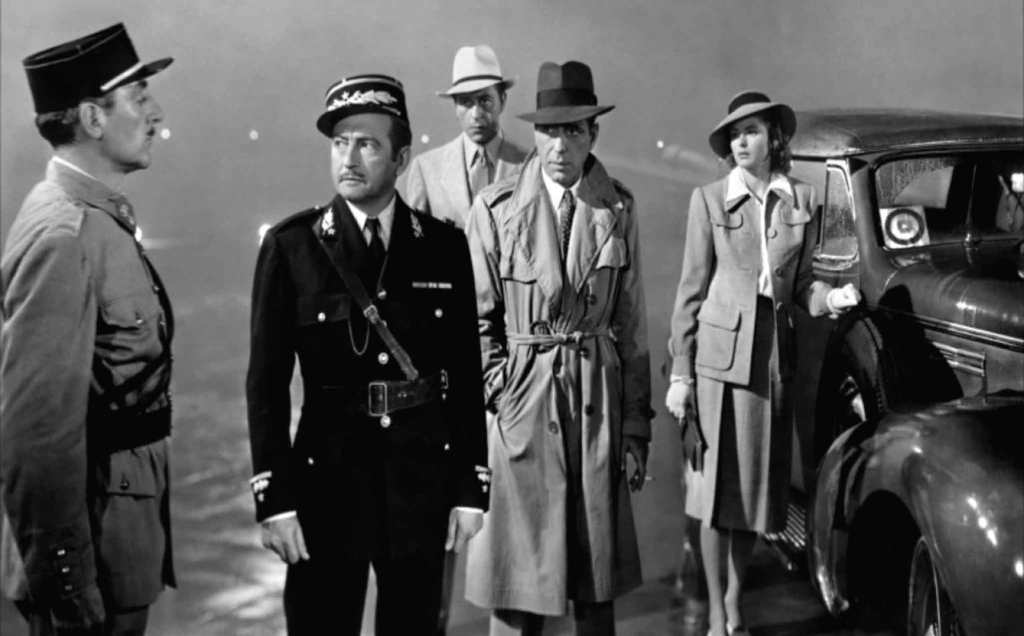
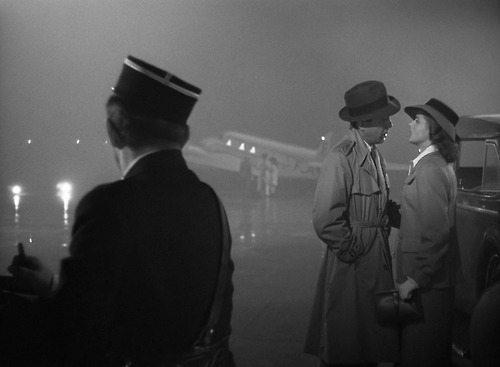
62 Interesting Behind-the-Scenes Photos From the Filming of ‘Casablanca’ in 1942

‘Casablanca’ is a 1942 American romantic drama film directed by Michael Curtiz and based on Murray Burnett and Joan Alison’s unproduced stage play Everybody Comes to Rick’s. The film stars Humphrey Bogart, Ingrid Bergman, and Paul Henreid; it also features Claude Rains, Conrad Veidt, Sydney Greenstreet, Peter Lorre, and Dooley Wilson.

Set during World War II, it focuses on an American expatriate who must choose between his love for a woman and helping her Czech Resistance leader husband escape the Vichy-controlled city of Casablanca to continue his fight against the Nazis.

Although ‘Casablanca’ was an A-list film with established stars and first-rate writers, no one involved with its production expected it to be anything out of the ordinary. It was just one of hundreds of pictures produced by Hollywood every year.

‘Casablanca’ went on to win three Academy Awards – Best Picture, Director (Curtiz) and Adapted Screenplay (the Epsteins and Koch) – and gradually its reputation grew. Its lead characters, memorable lines, and pervasive theme song have all become iconic and the film consistently ranks near the top of lists of the greatest films in history.

Here is a behind-the-scenes photo collection of the filming of ‘Casablanca’ in 1942.

25 Amazing Photos of Celebrities During the 1950s and 1960s

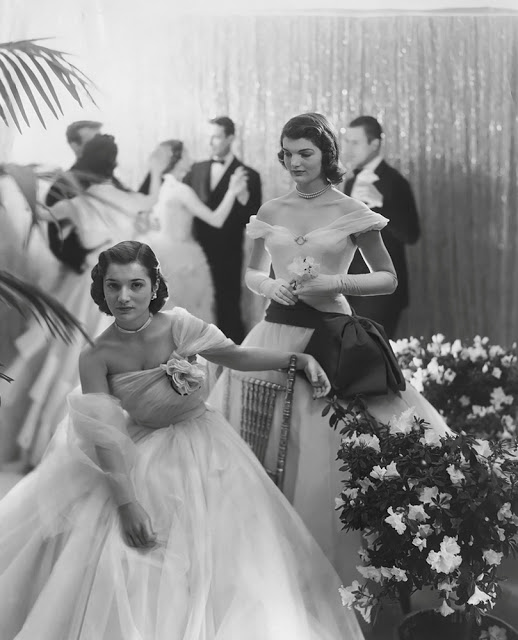
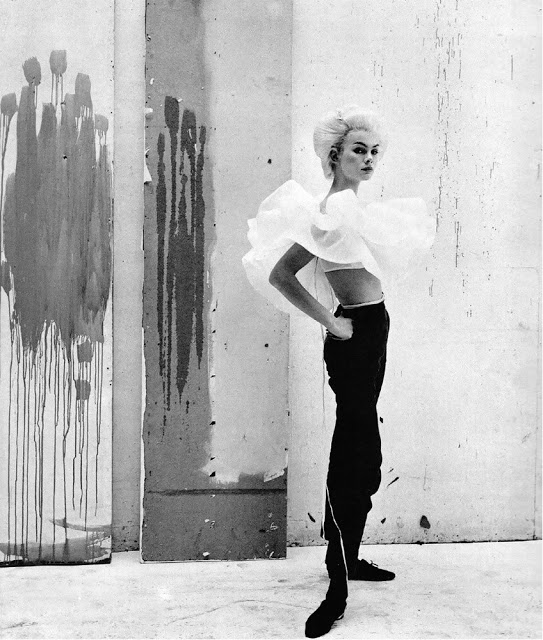
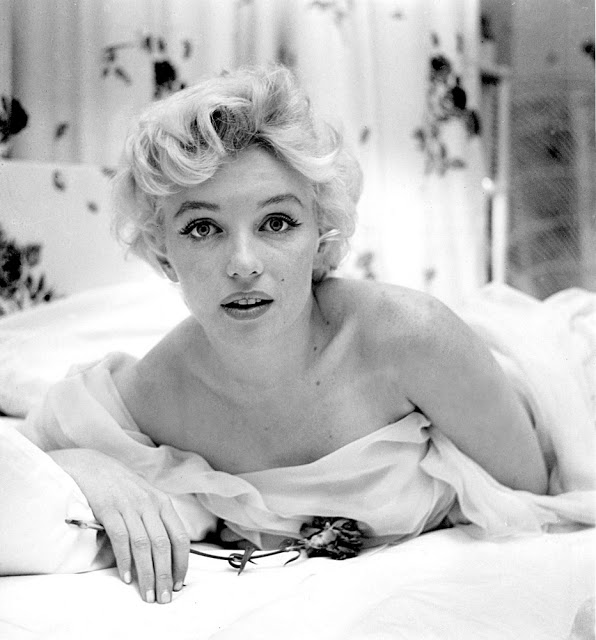
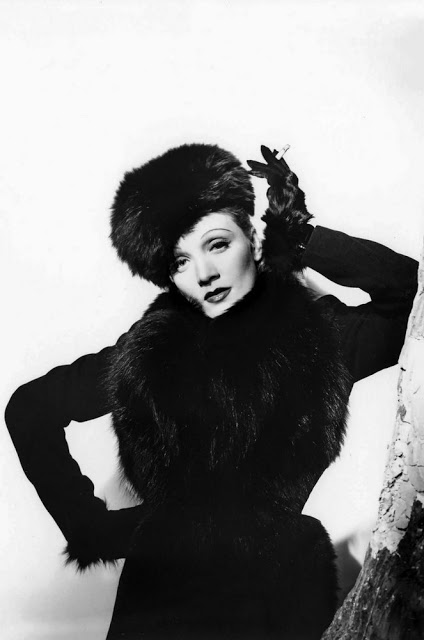
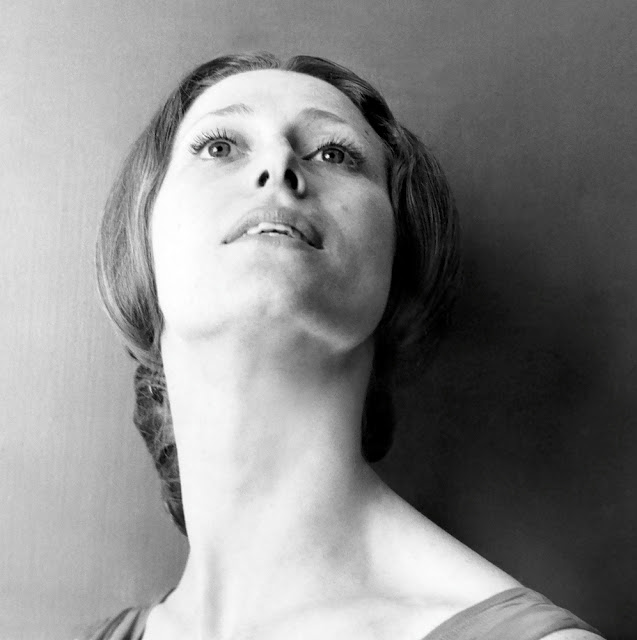
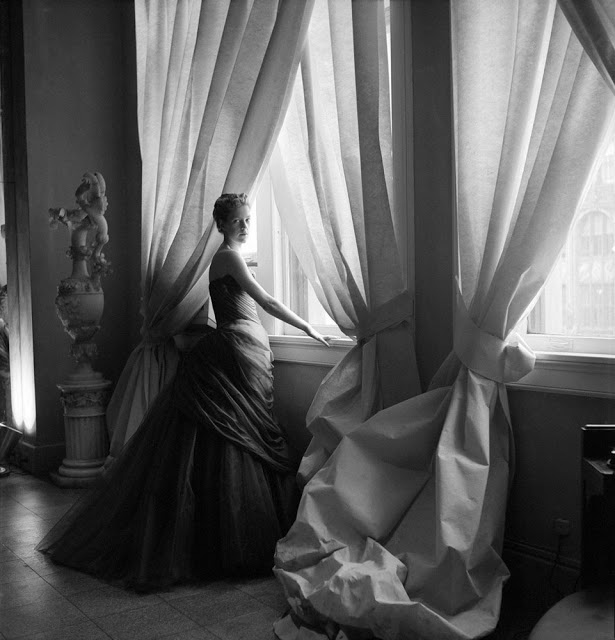
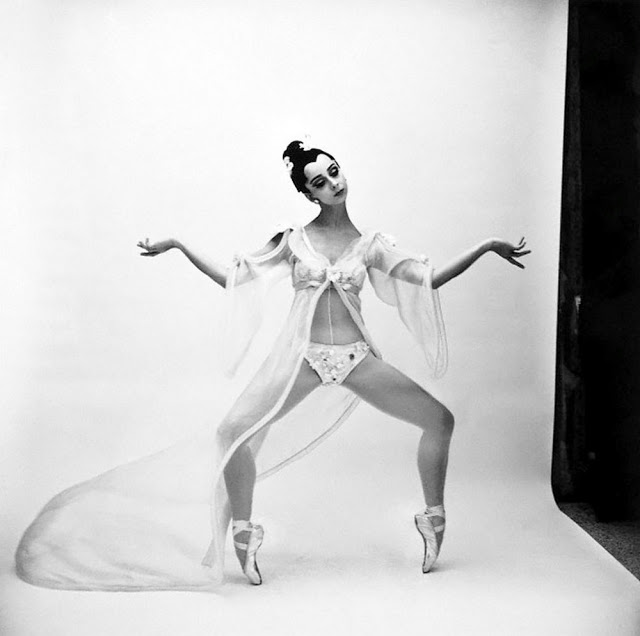
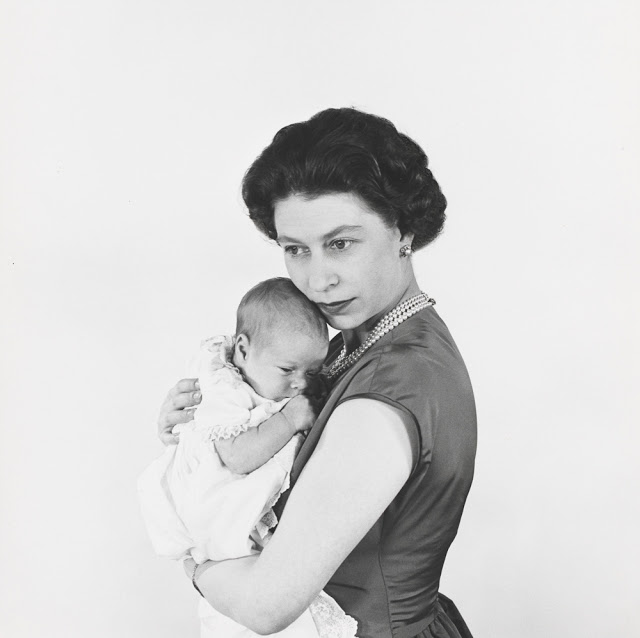
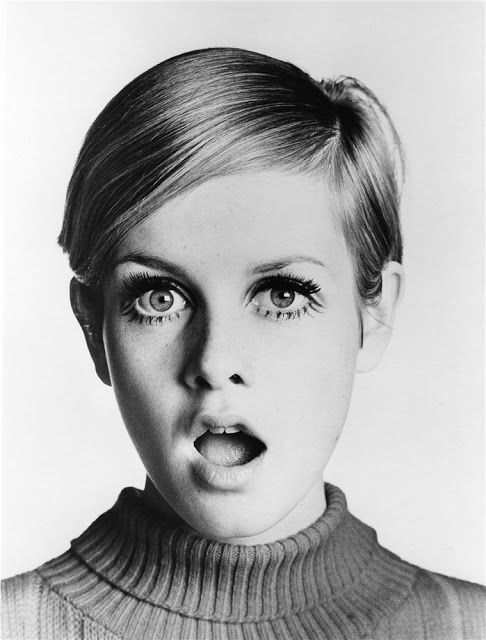
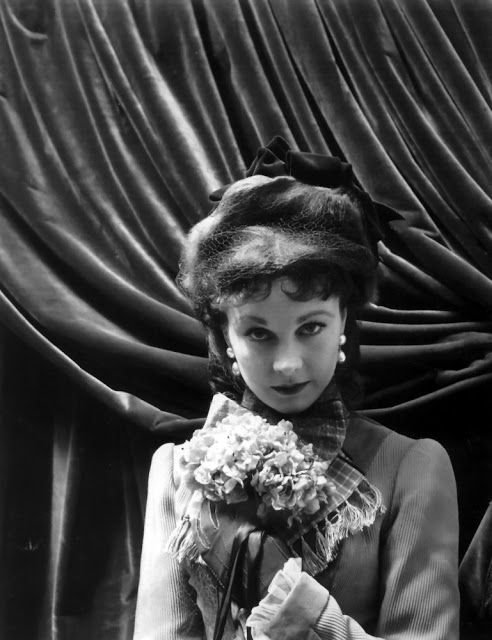
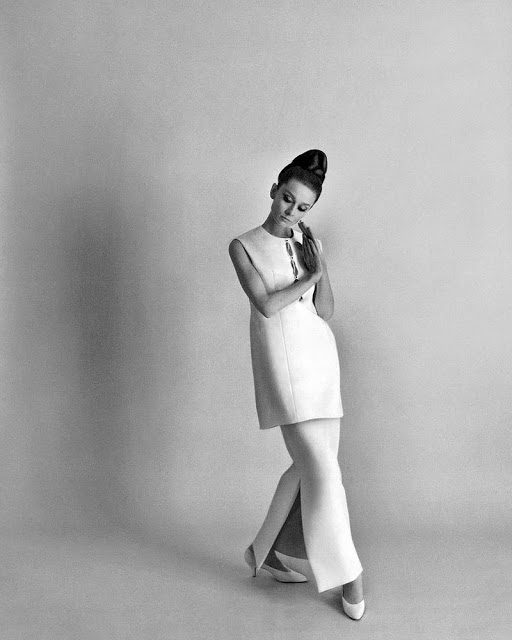
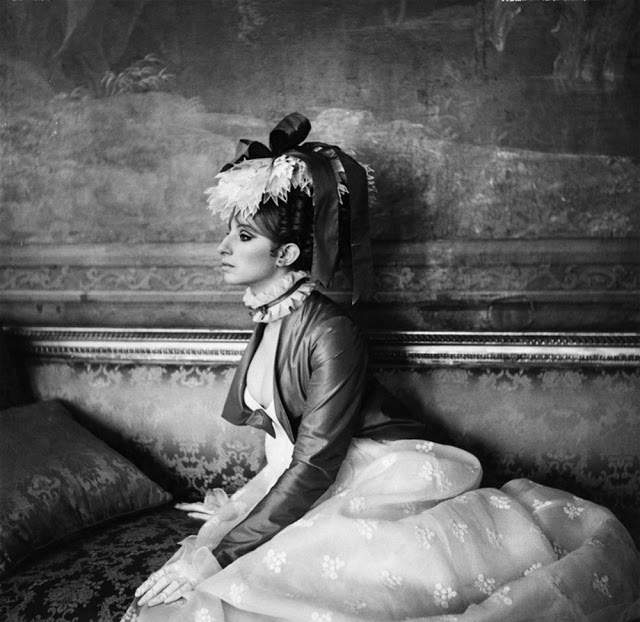
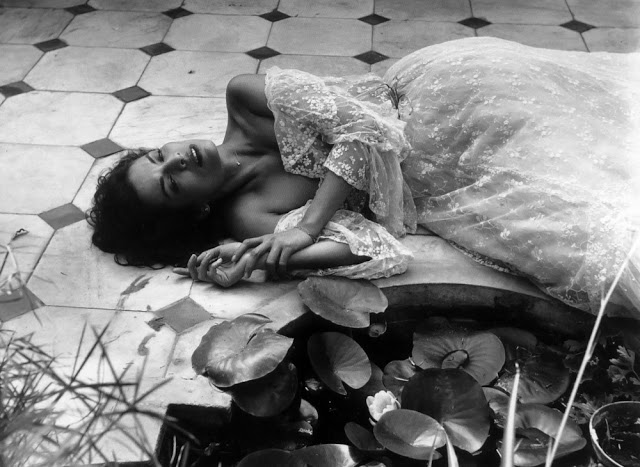
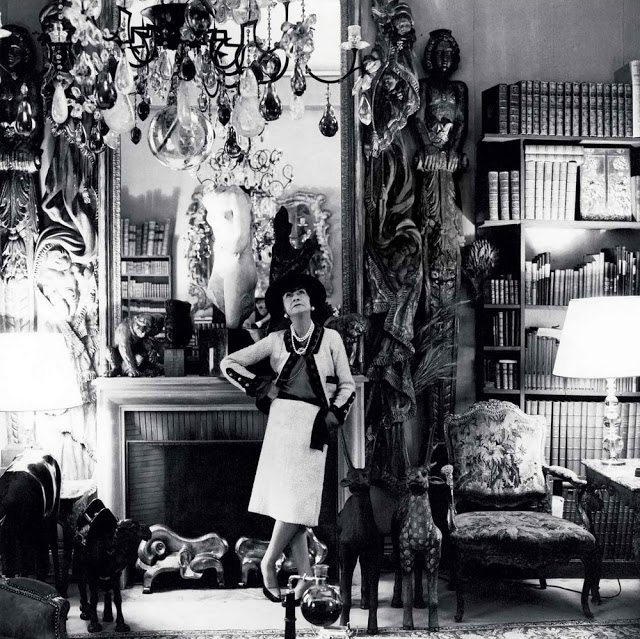
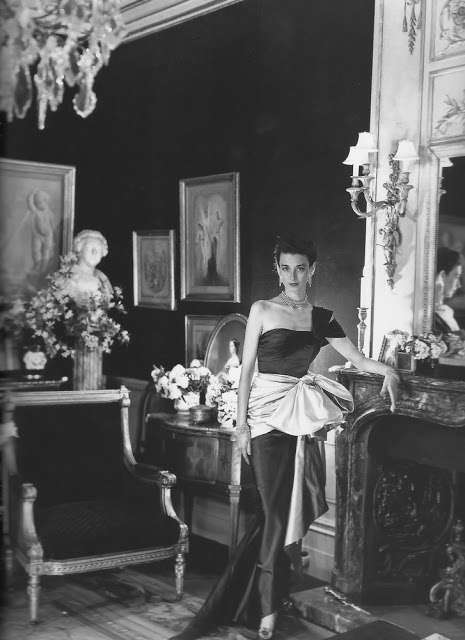
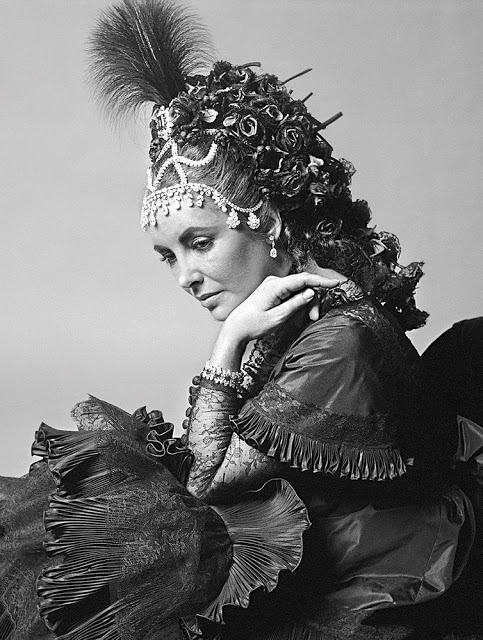
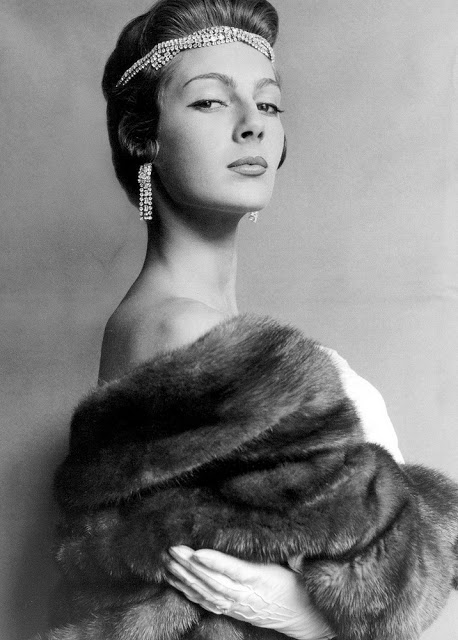
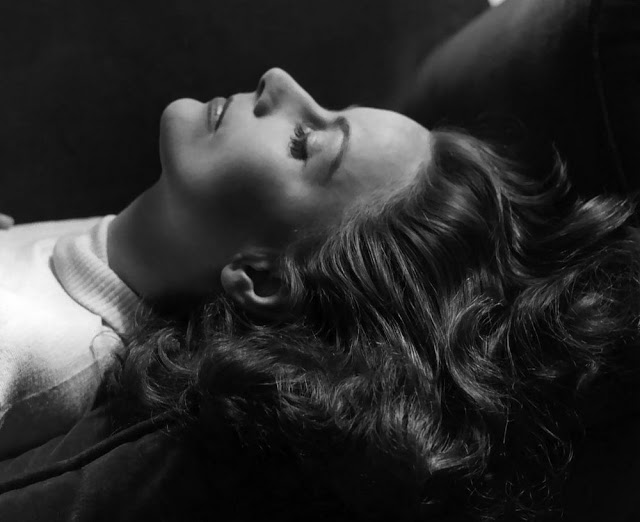
Sir Cecil Beaton (1904-1980) is one of the most celebrated British portrait photographers of the Twentieth century and is renowned for his images of elegance, glamour and style. His influence on portrait photography was profound and lives on today in the work of many contemporary photographers including David Bailey and Mario Testino.

Seeking to pursue his interest in photography, Beaton sent photos to editors and fell in with the Bright Young Things, London’s bohemian crowd. He was eventually hired as a staff photographer for Vanity Fair and Vogue, where he developed a unique style of posing sitters with unusual backgrounds. Beaton published his first collection of works in 1930 with The Book of Beauty, and his fame grew to the point where he was tapped to photograph the wedding of the Duke of Windsor and Wallis Warfield in 1937 and Queen Elizabeth’s coronation in 1953.

Cecil Beaton was a favorite photographer of celebrities and aristocrats. His famous subjects included leading ladies such as Marilyn Monroe, Grace Kelly and Audrey and Katharine Hepburn.

Jacqueline (Kennedy Onassis) and Lee Bouvier (Radziwill)
Jean Shrimpton
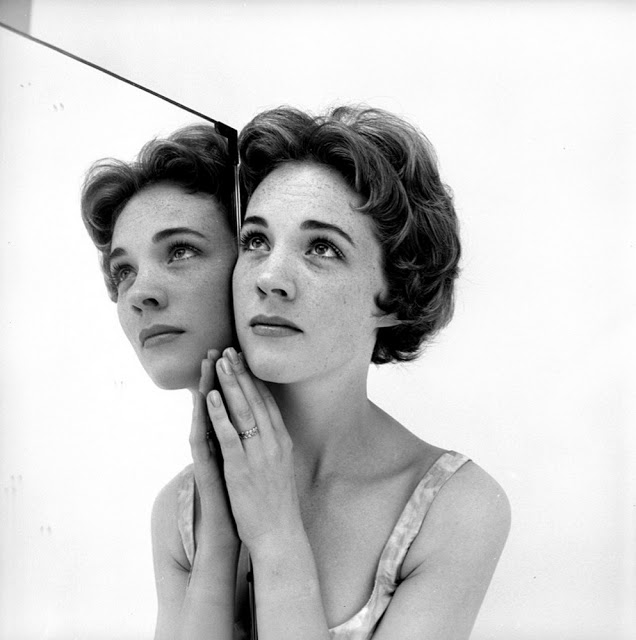
Julie Andrews
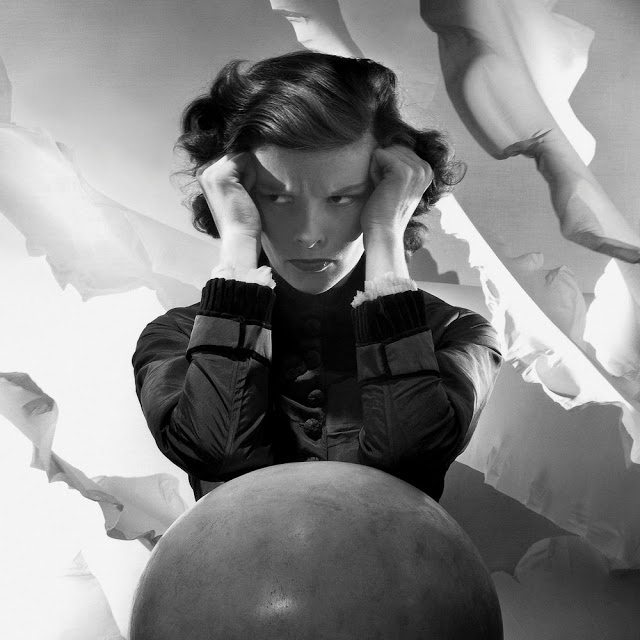
Katharine Hepburn
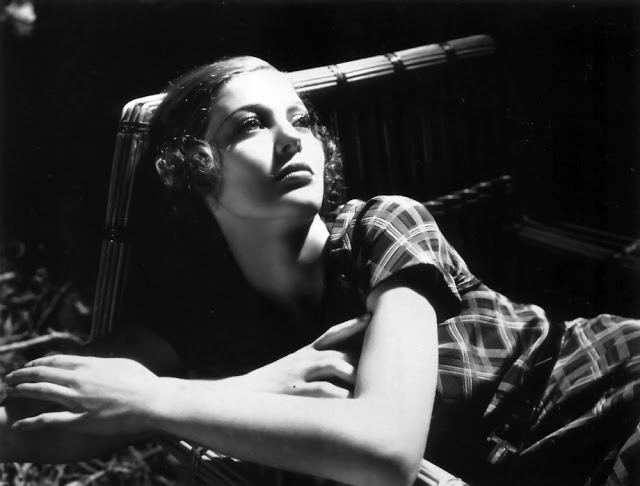
Loretta Young
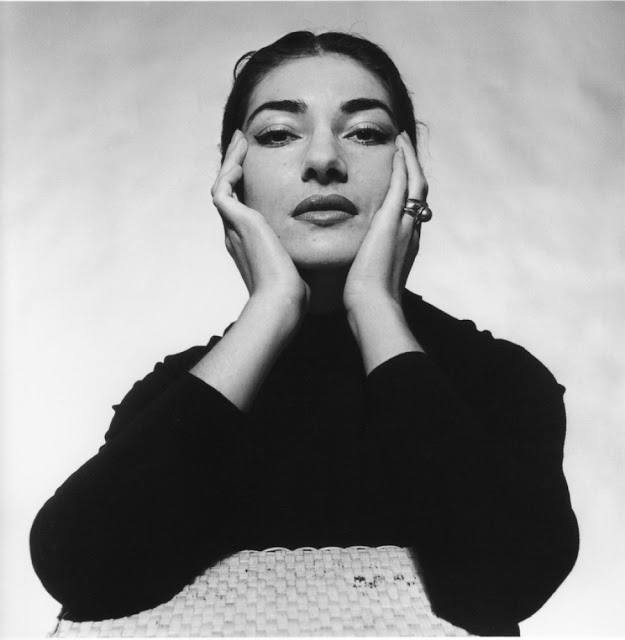
Maria Callas
Marilyn Monroe
Marlene Dietrich
Maya Plisetskaya
Nancy James
NY City Ballet dancer Mimi Paul
Queen Elizabeth II with Prince Andrew
Sandra Douglas Home
Twiggy
Vivien Leigh as Anna Karenina
Grace Kelly
Audrey Hepburn
Barbra Streisand
Bianca Jagger
Coco Chanel
Dorian Leigh
Elizabeth Taylor
Fiona Campbell-Walter
Greta Garbo
Ingrid Bergman

(Photos Taken by Cecil Beaton)

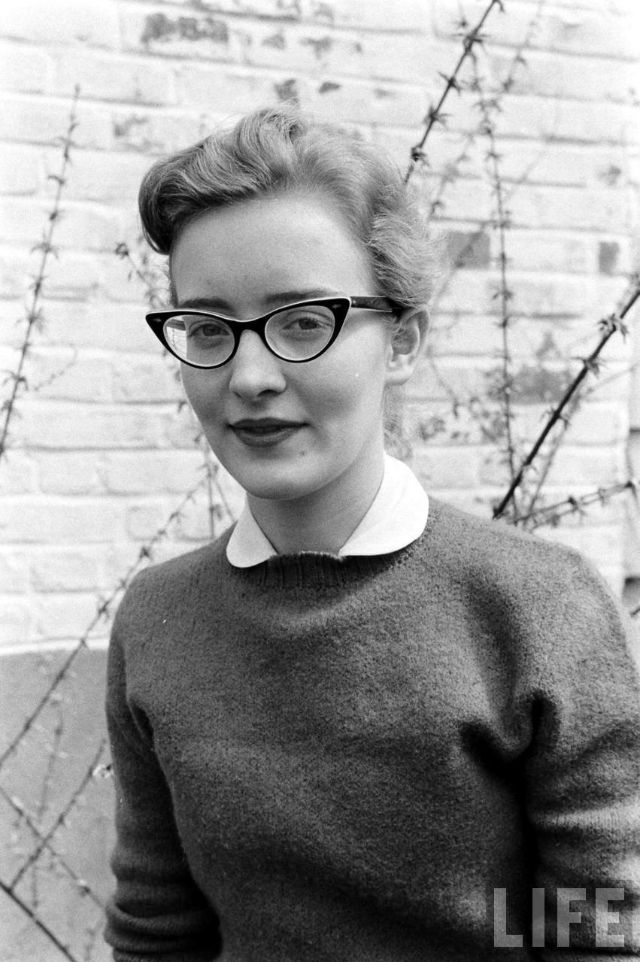
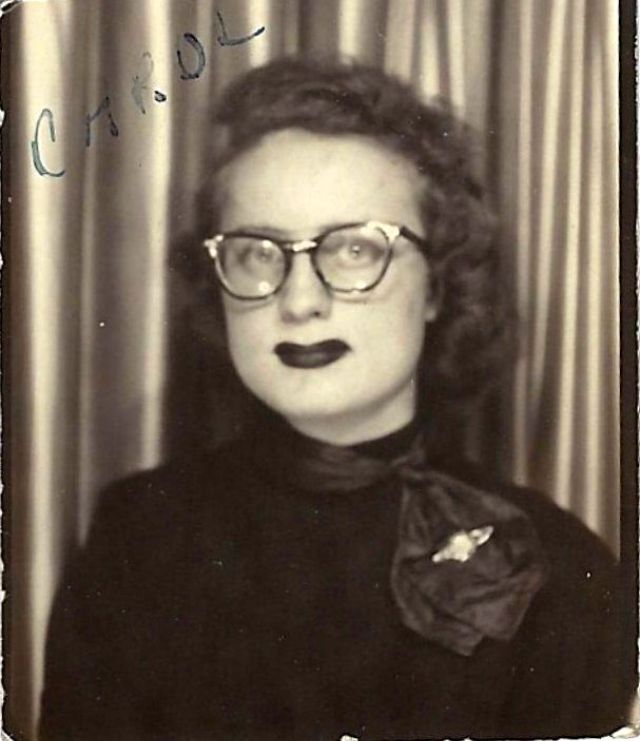
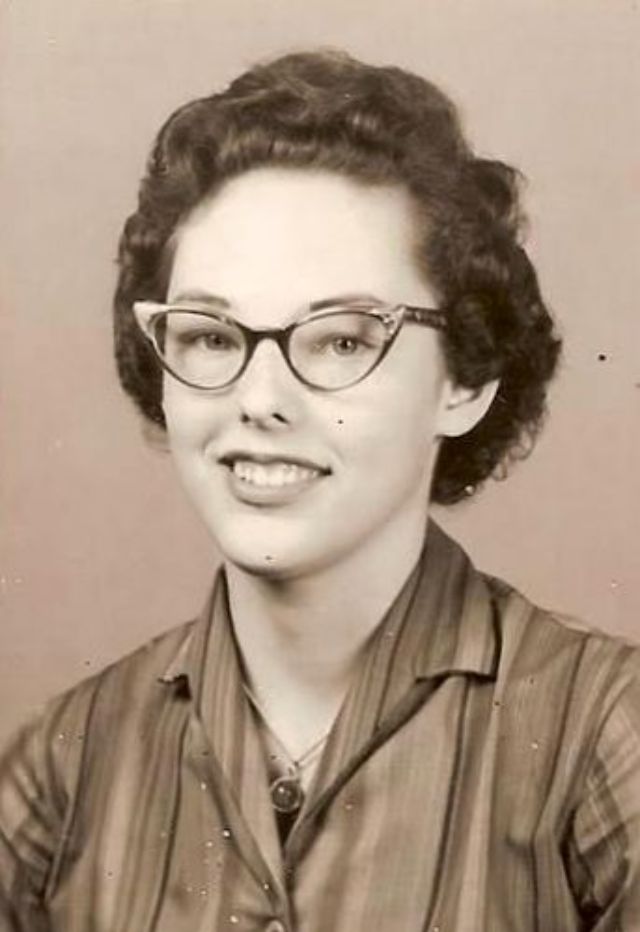
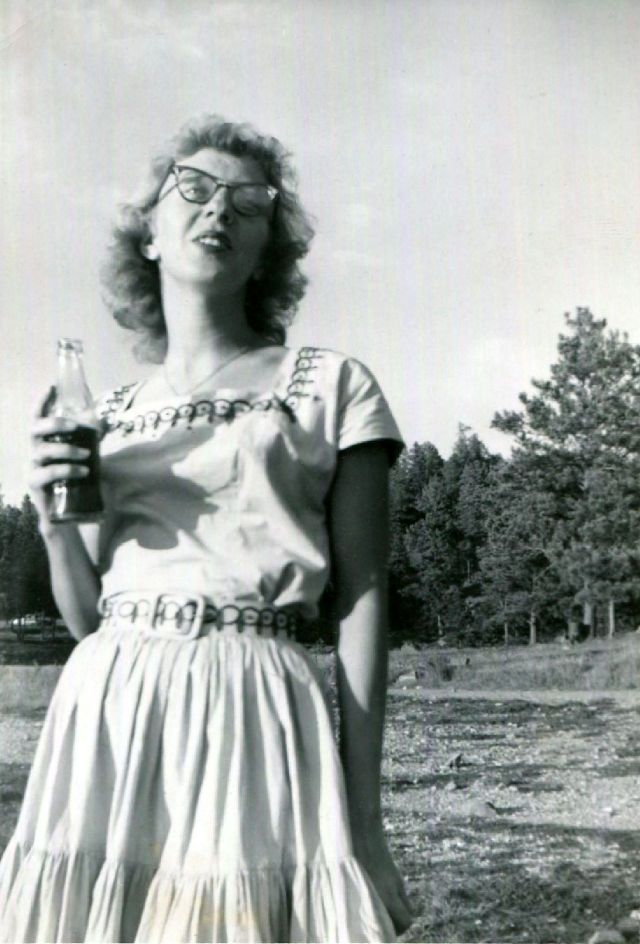
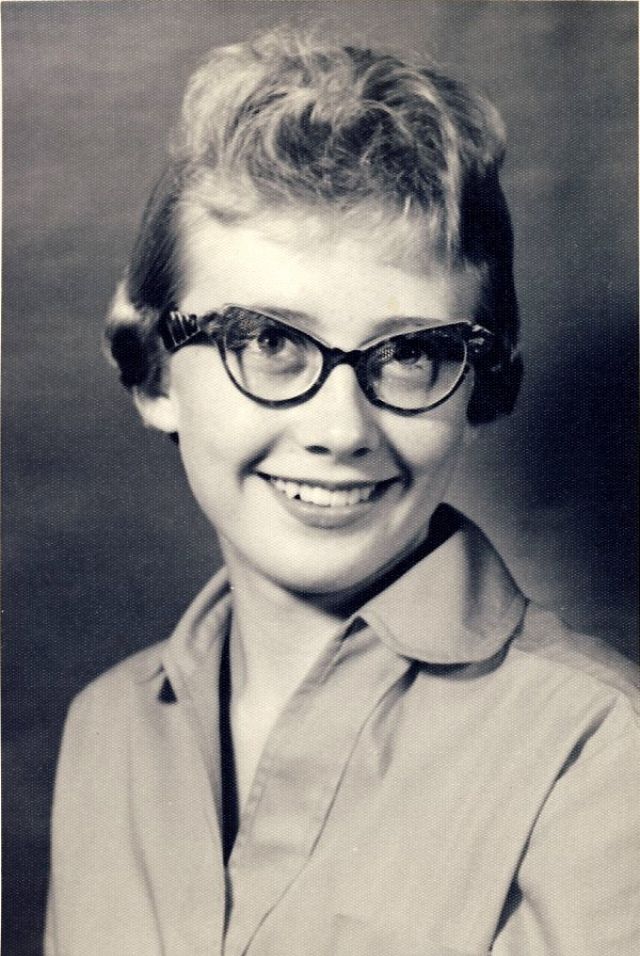
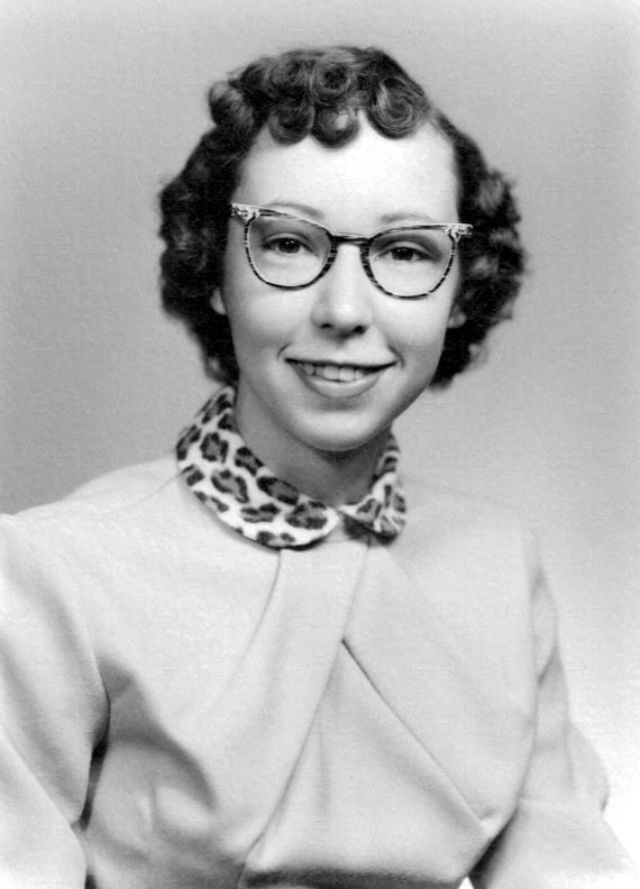
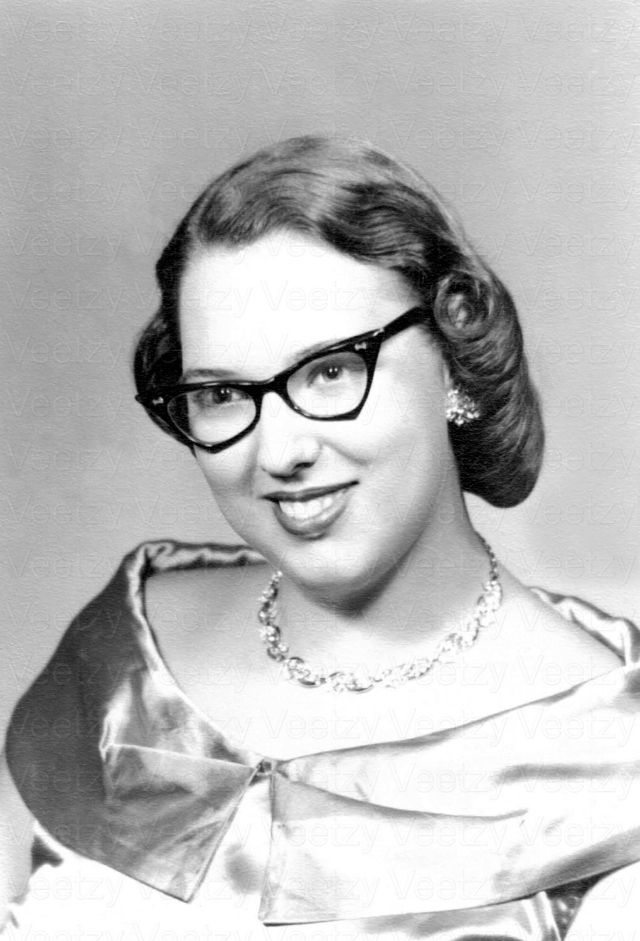
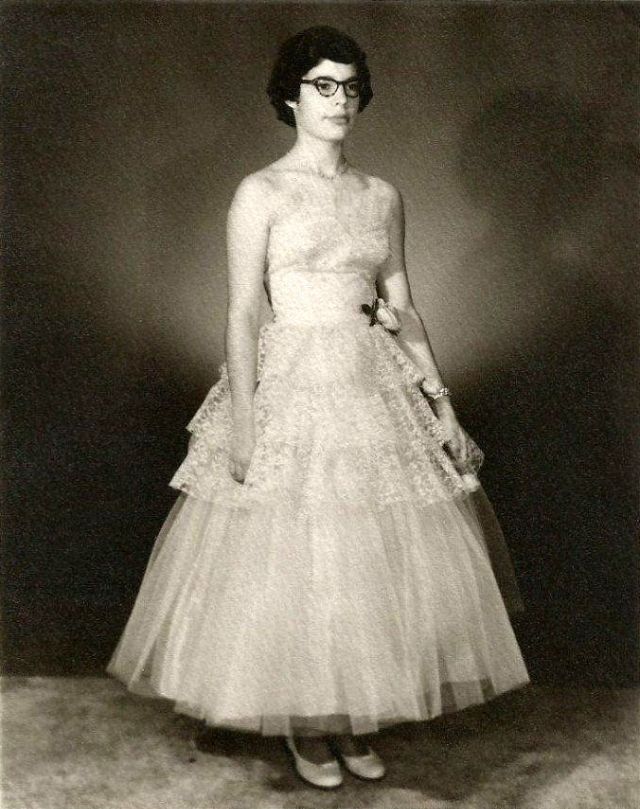
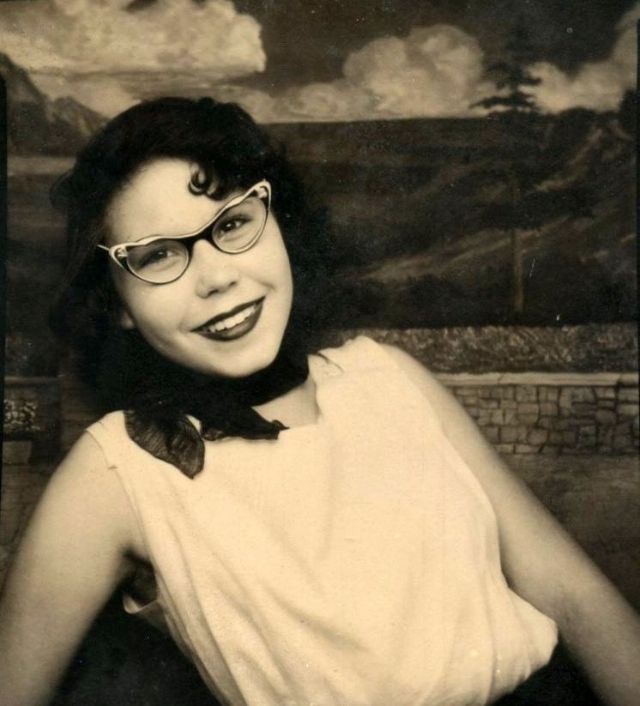
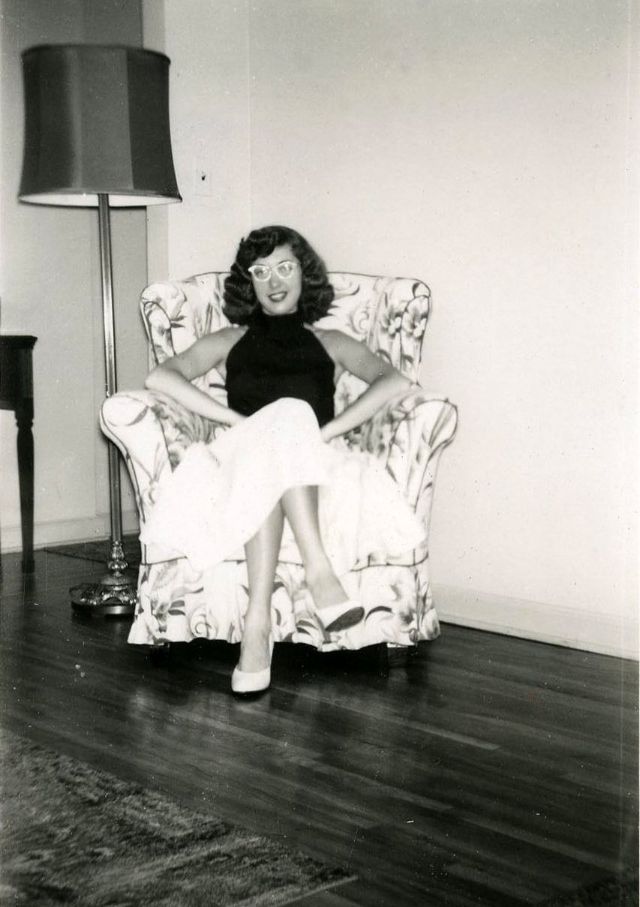
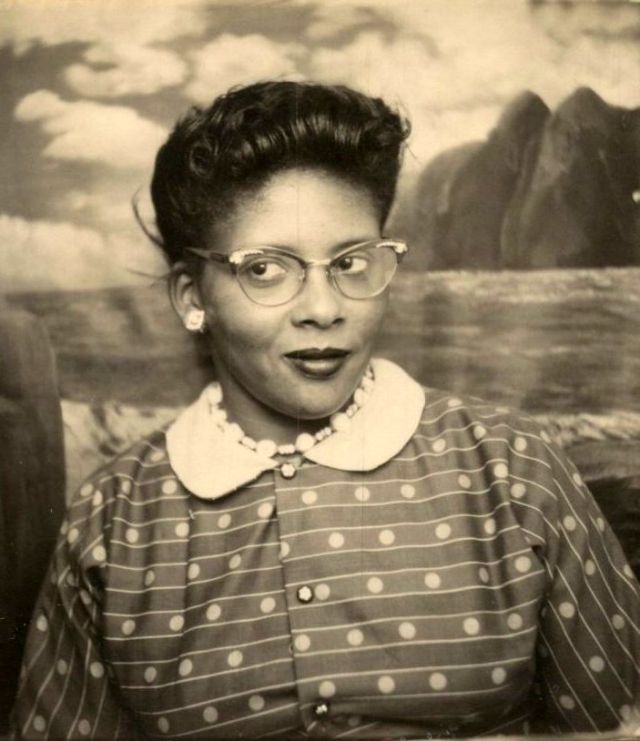
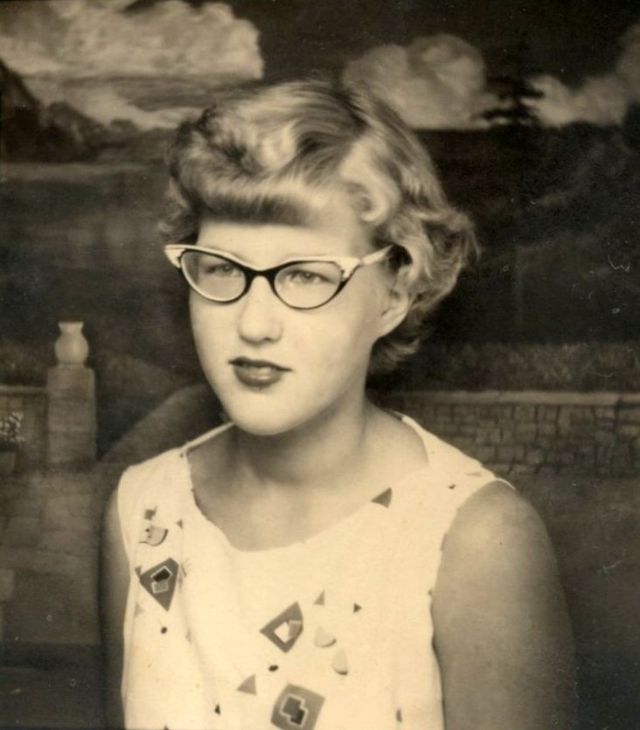
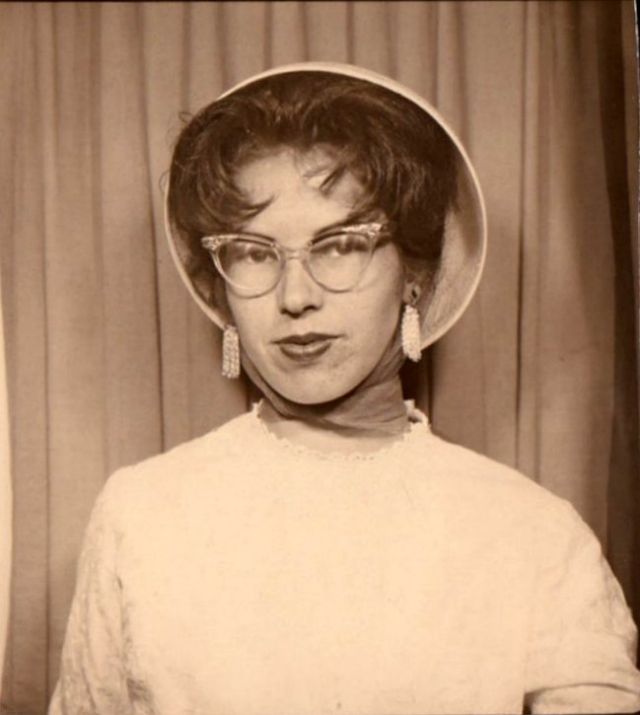
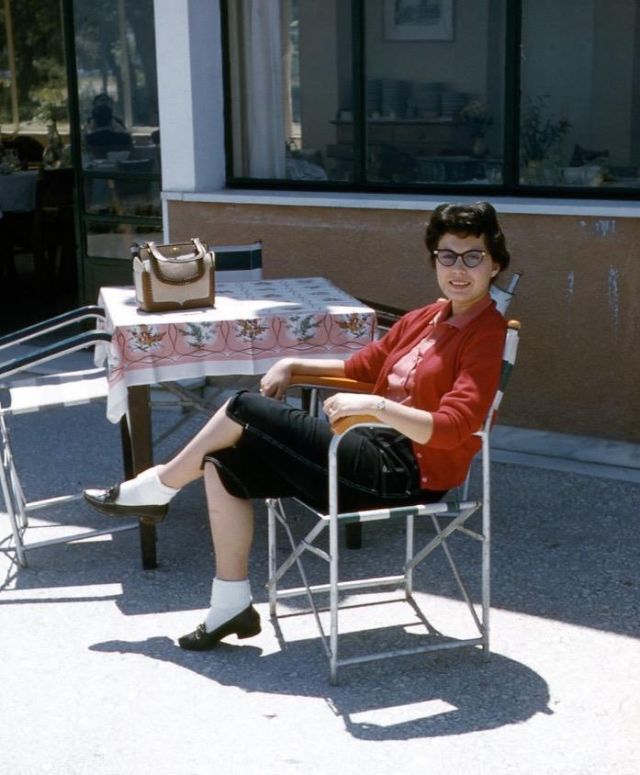
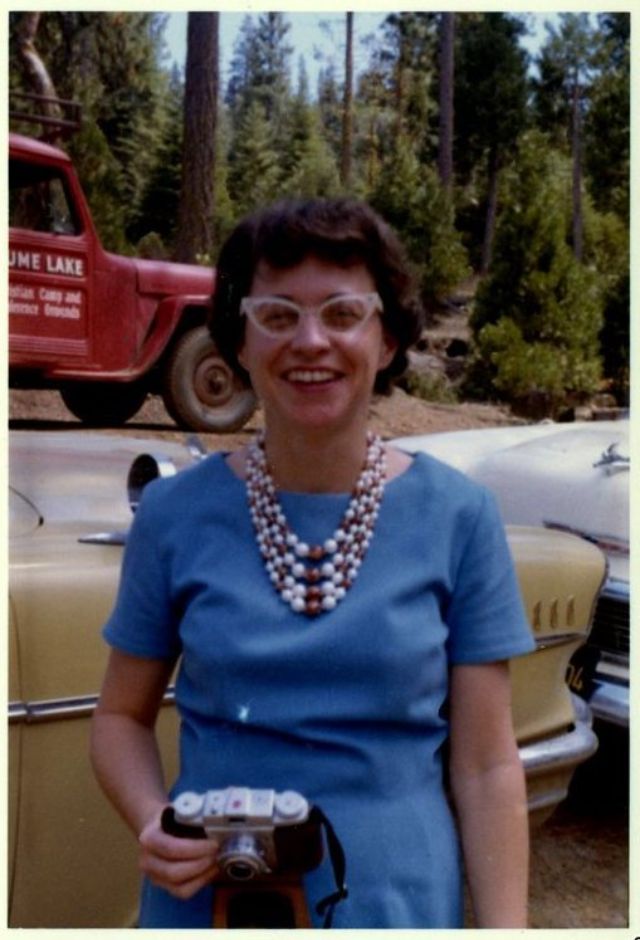
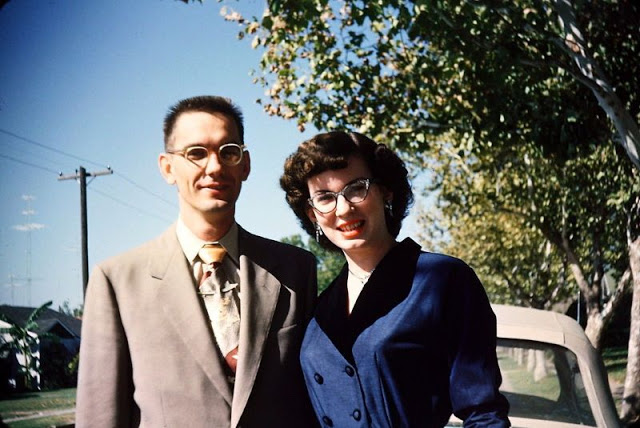
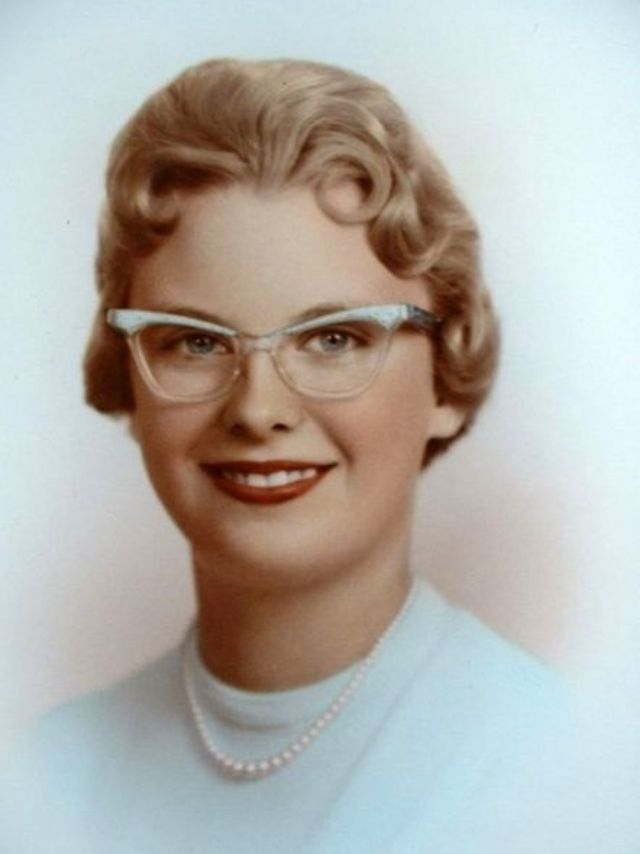
Cat Eye Frames – The Amazingly Cool Glasses Style of Women From the 1950s

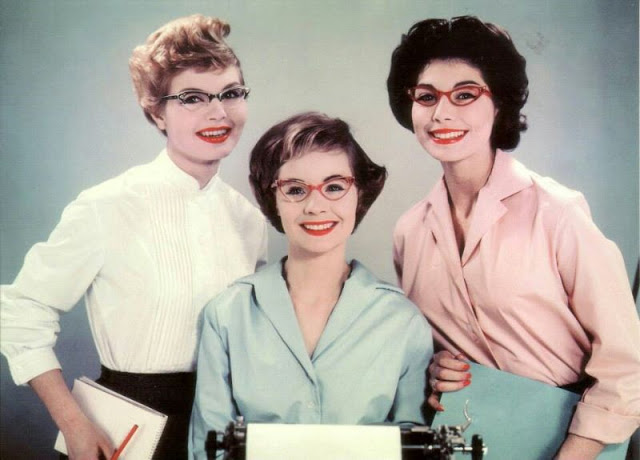
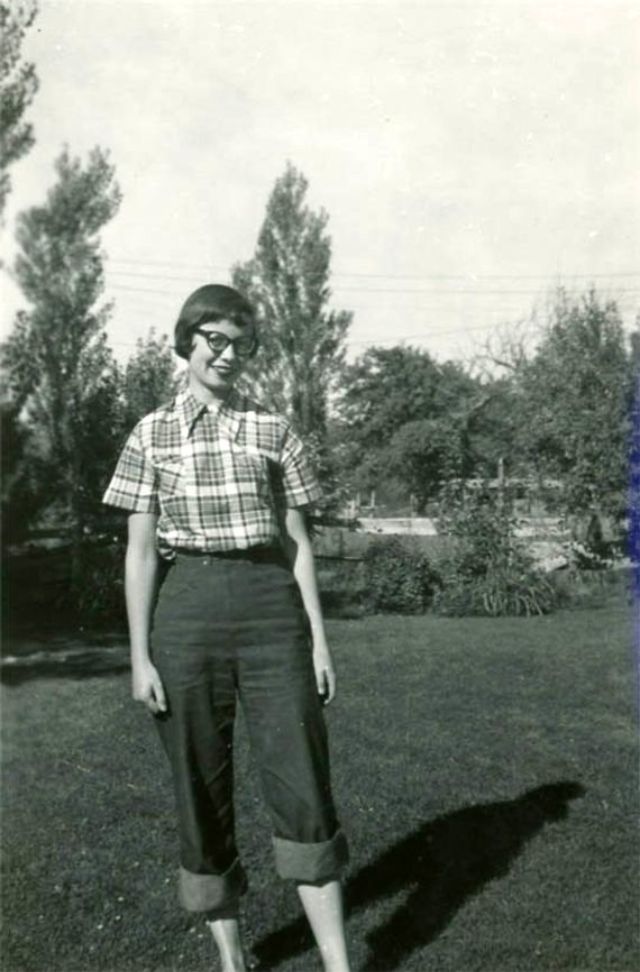
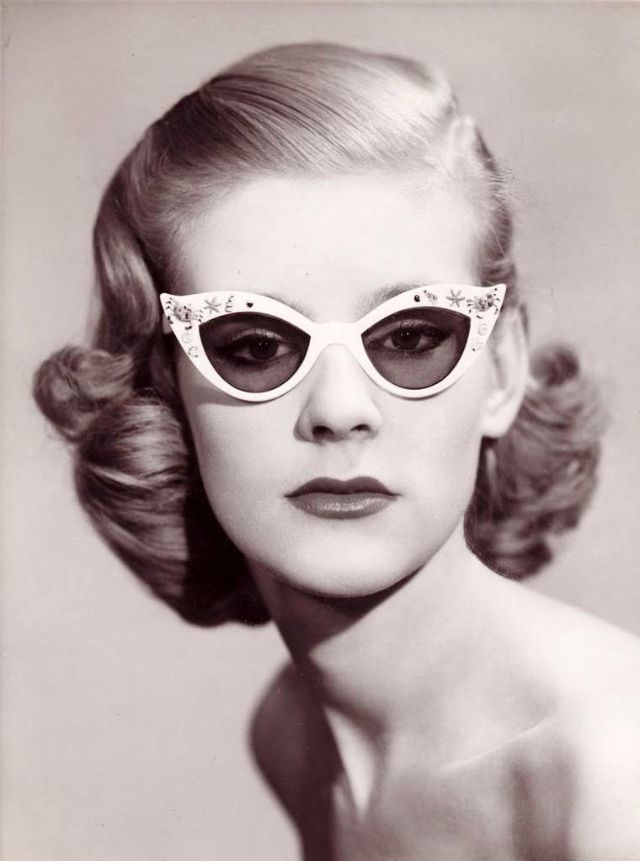
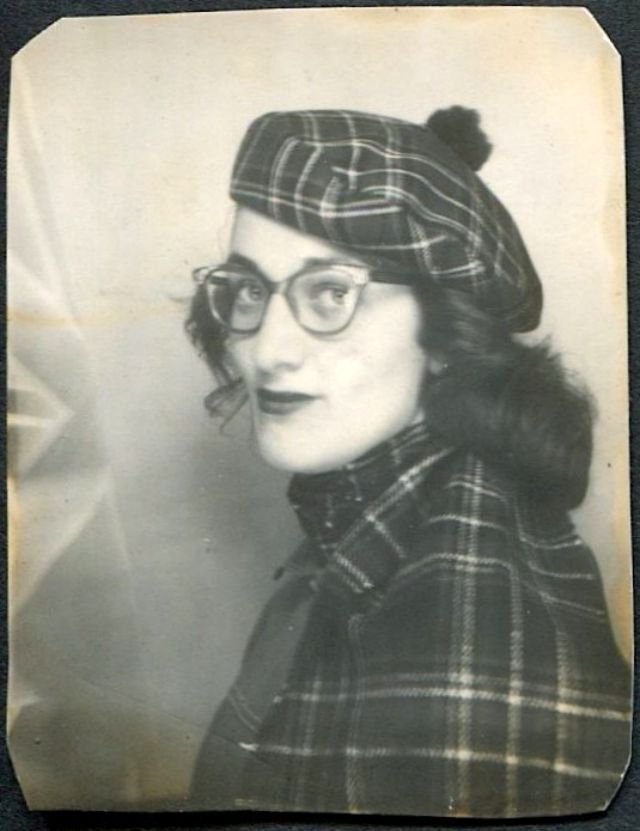
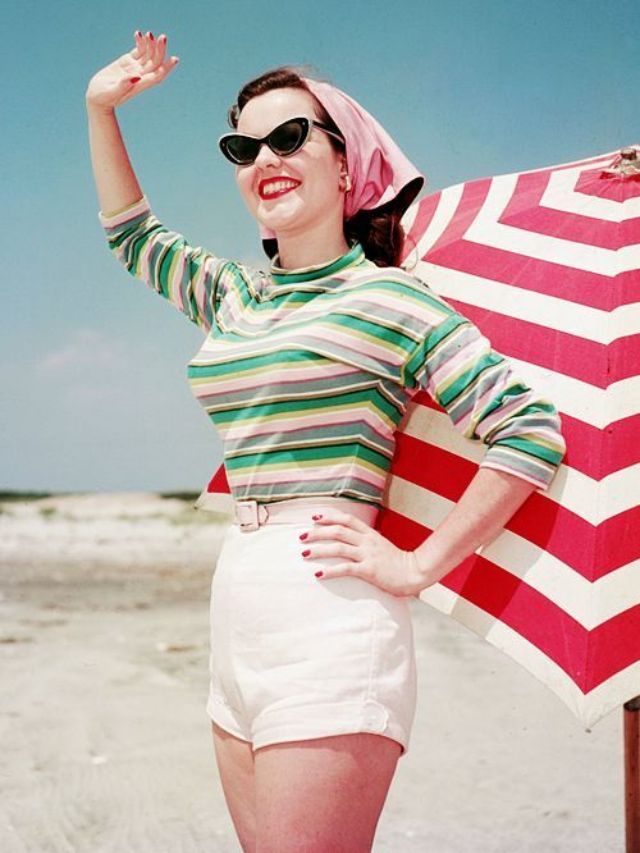
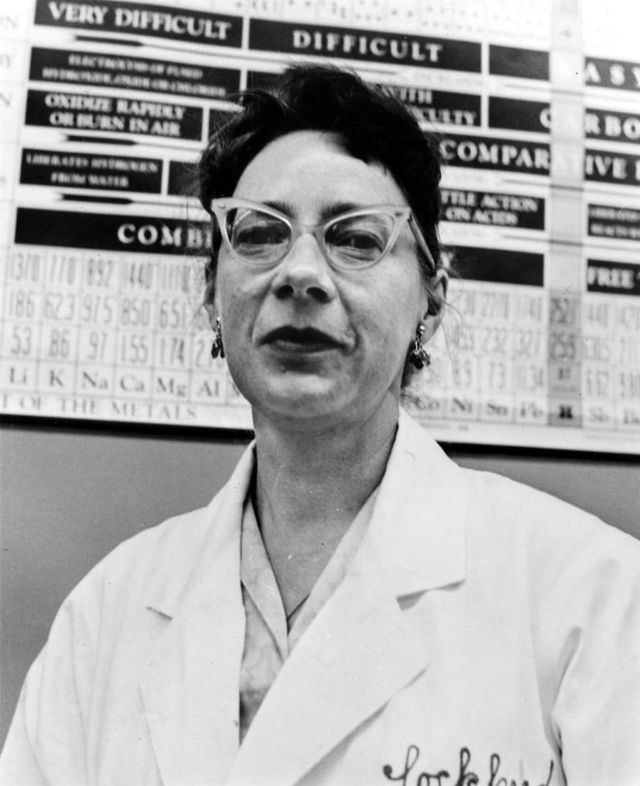
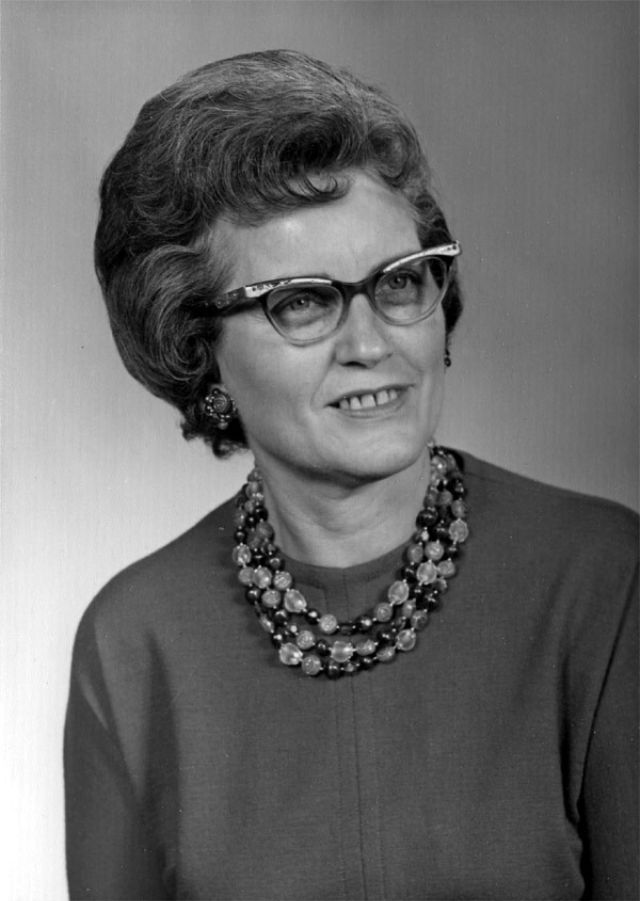
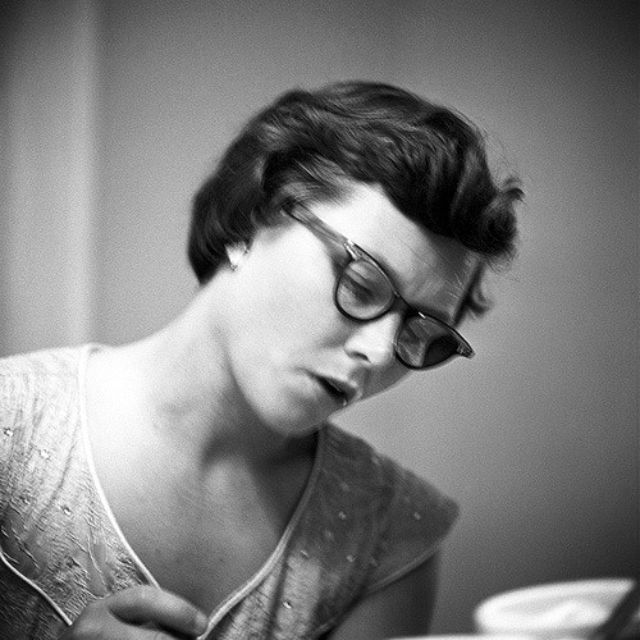
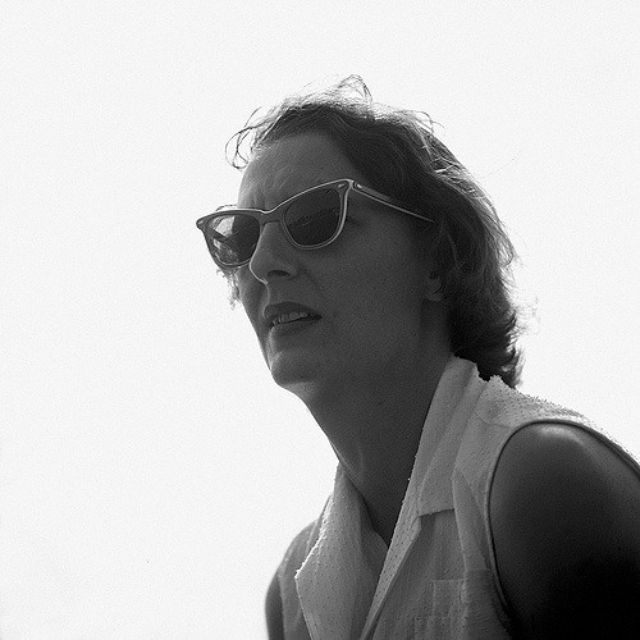
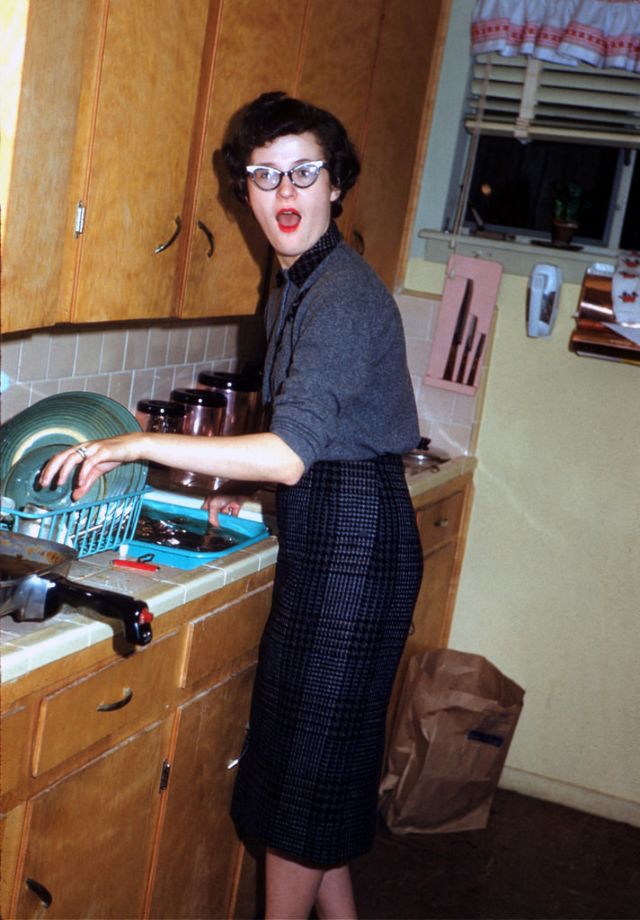
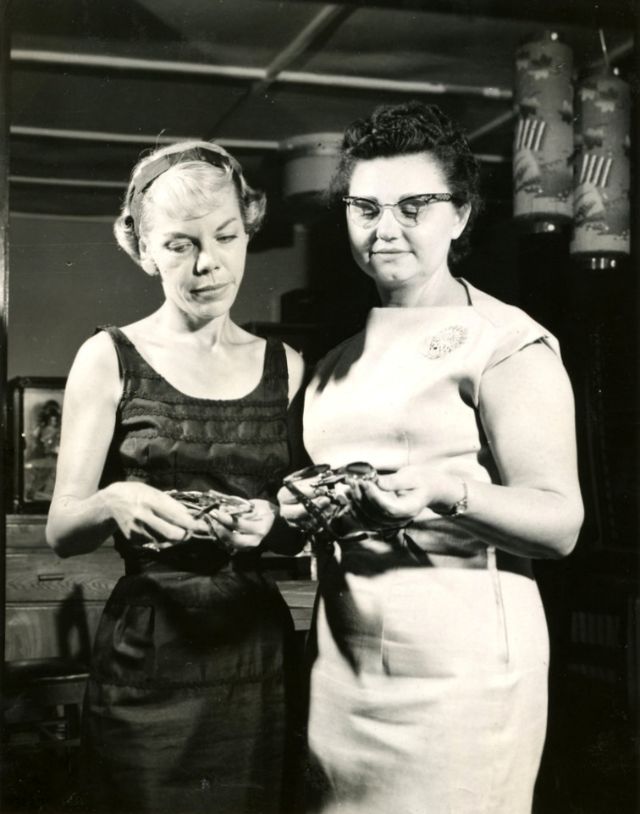
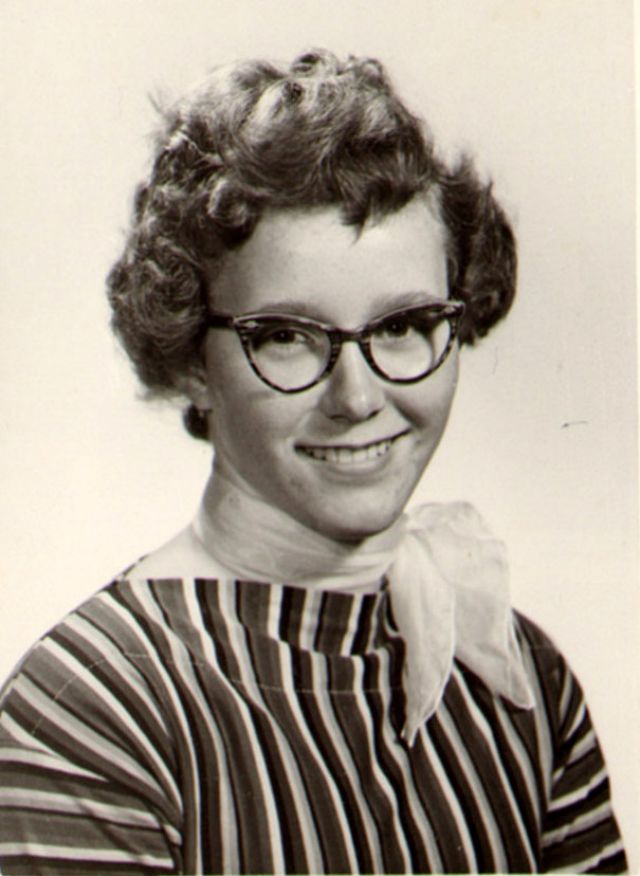
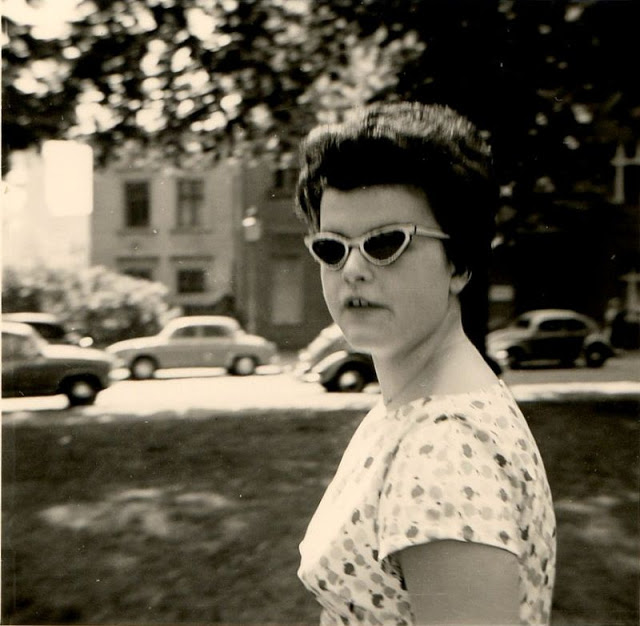
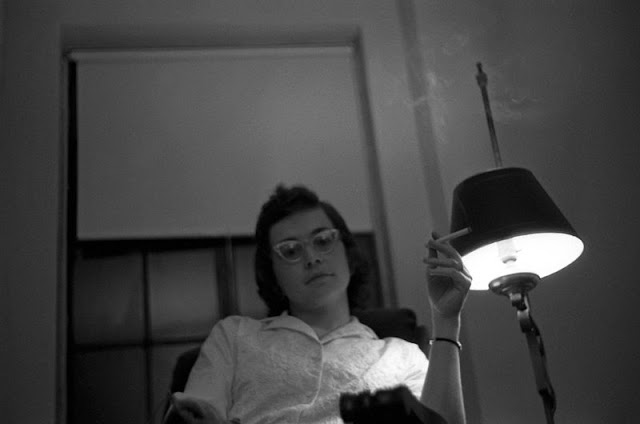
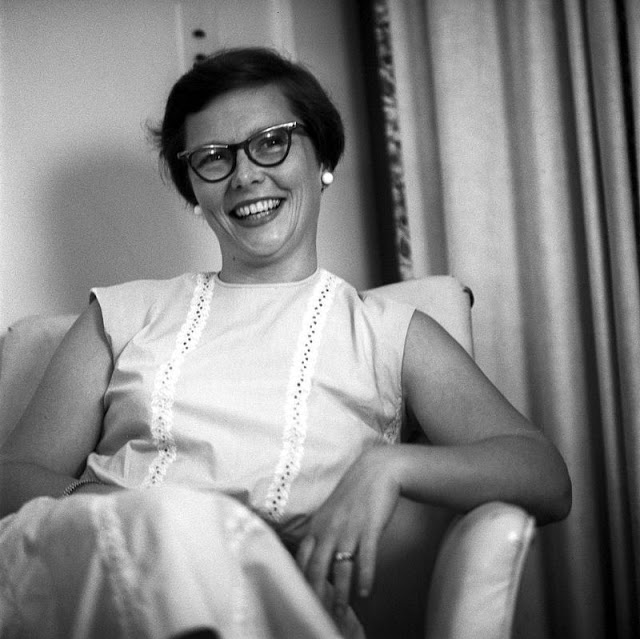
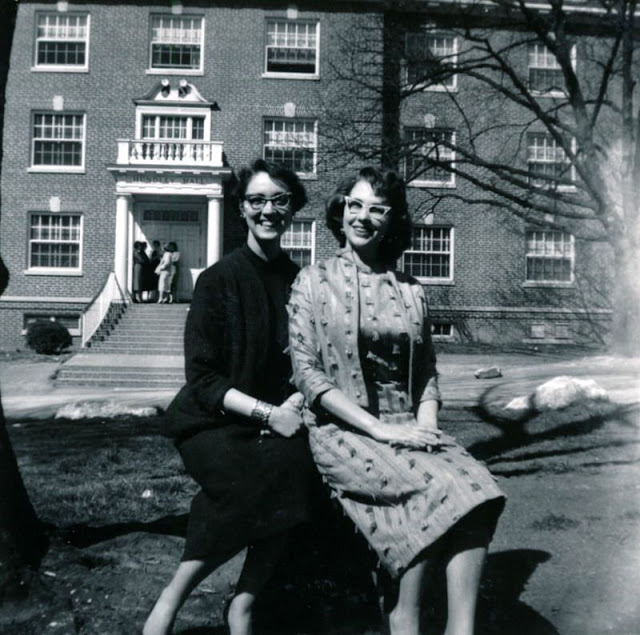
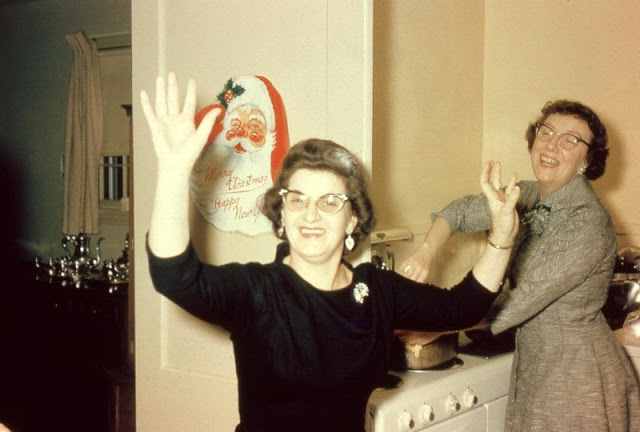
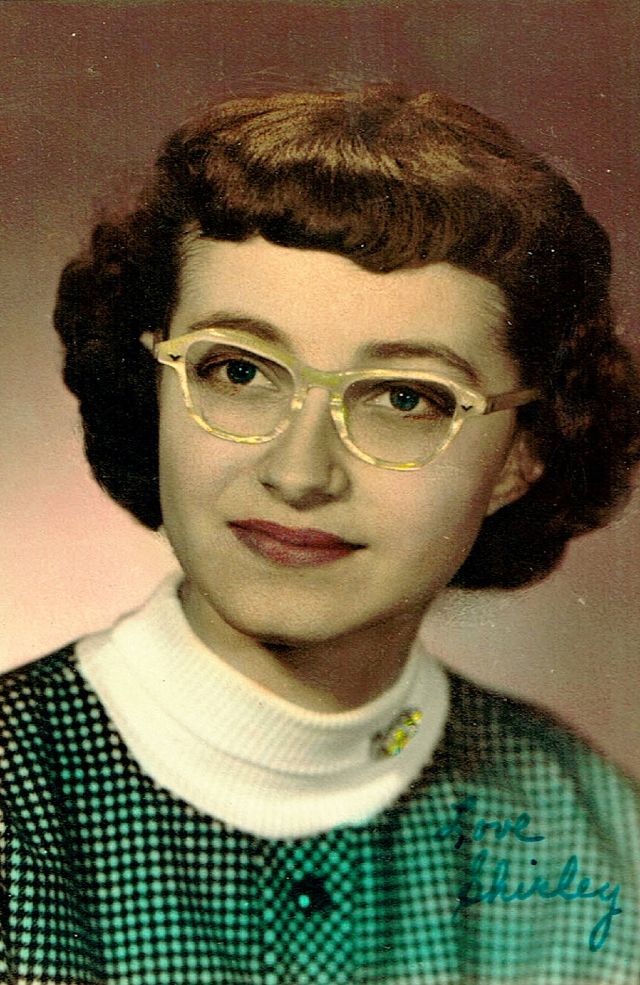
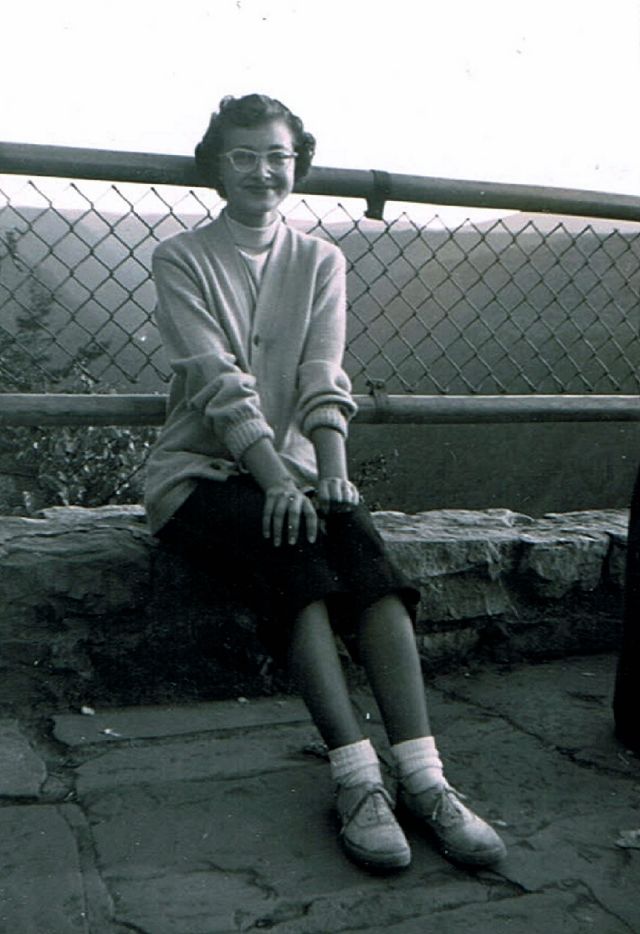
Cat eye glasses, sometimes called “cat eyes” or “cat glasses”, are a shape of women’s and sometimes men’s eyewear. They have an upsweep at the outer edges where the temples or arms join the frame front.

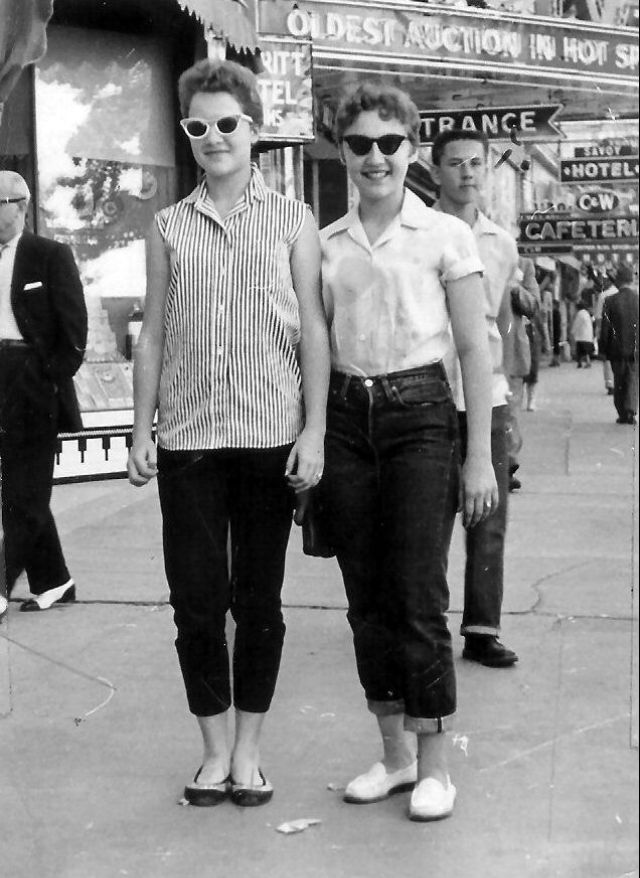
This glasses style was mainly popular in the 1950s and 1960s. A photo collection that shows women wearing these cool glasses in the 1950s.
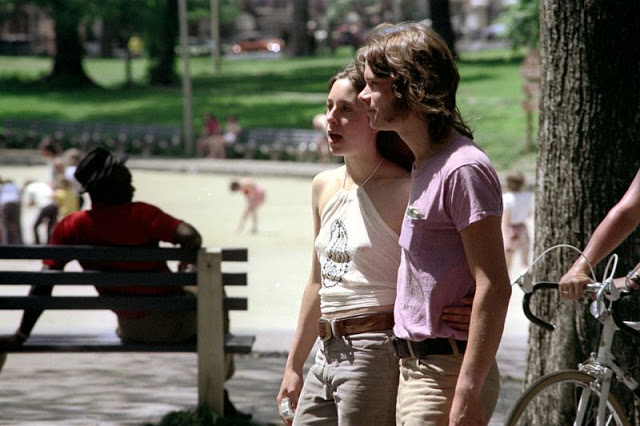
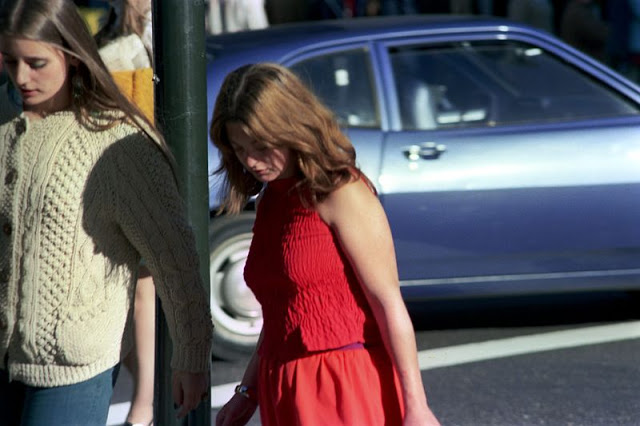
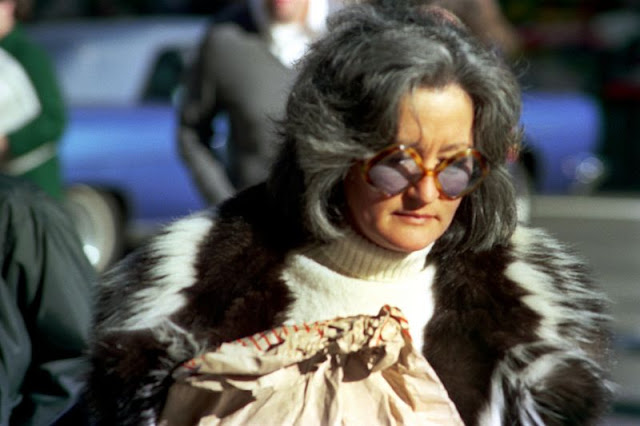
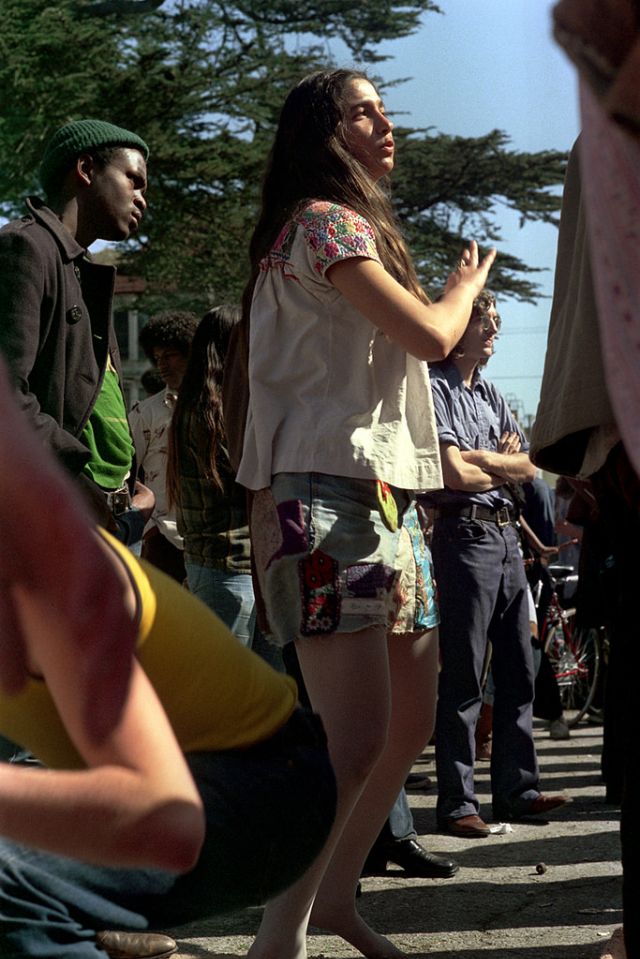
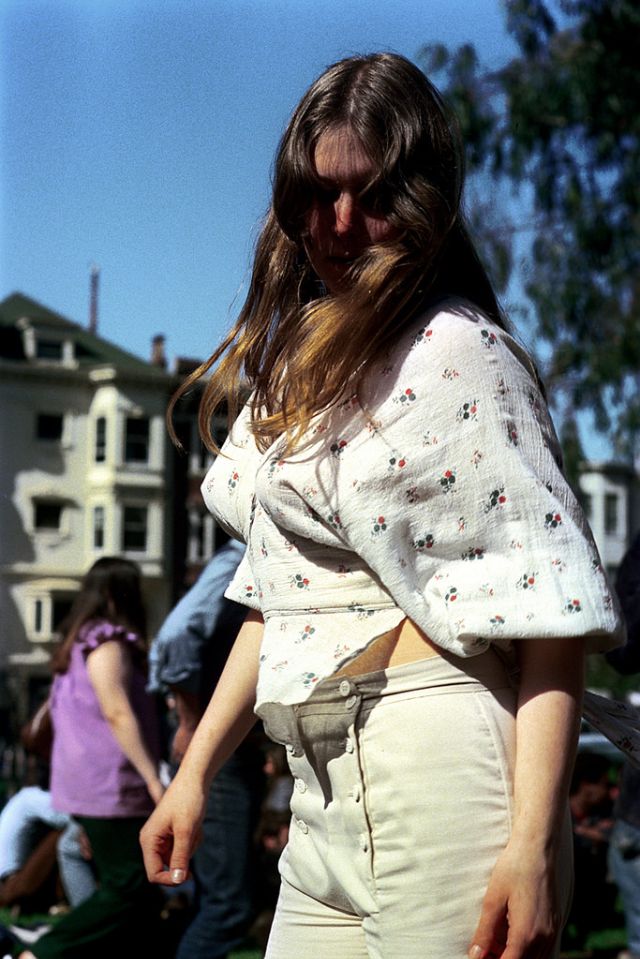
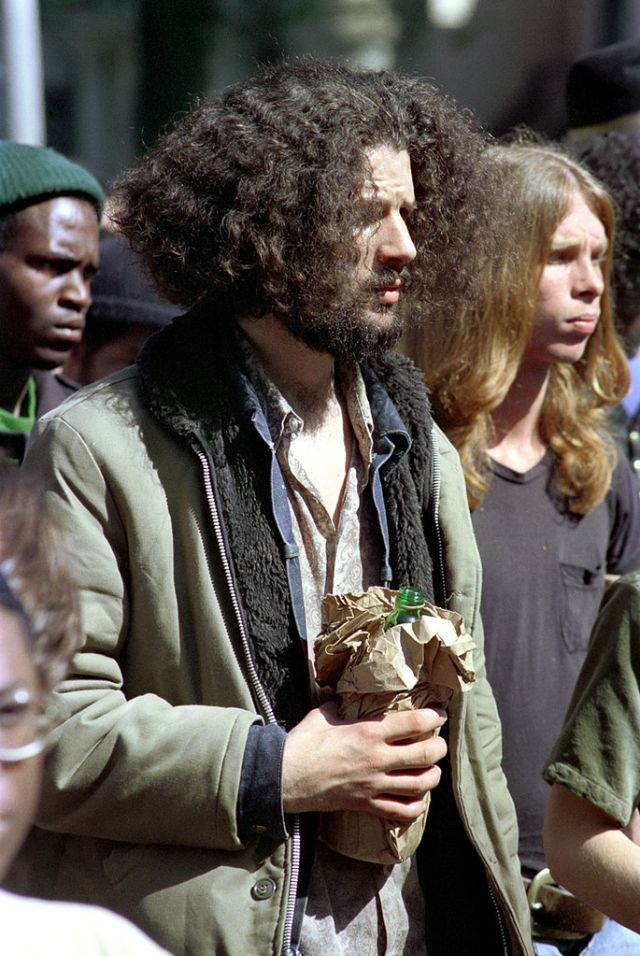
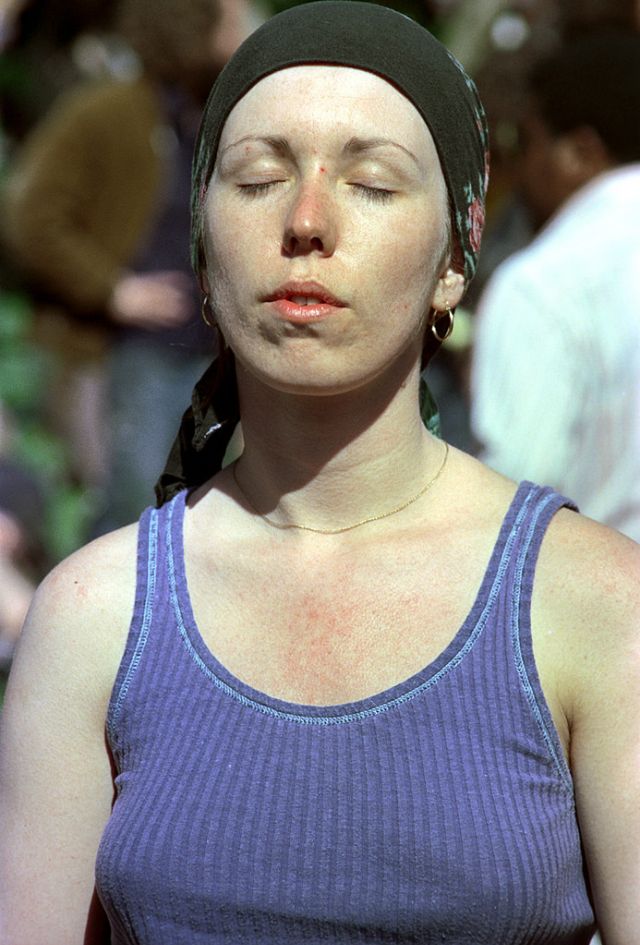
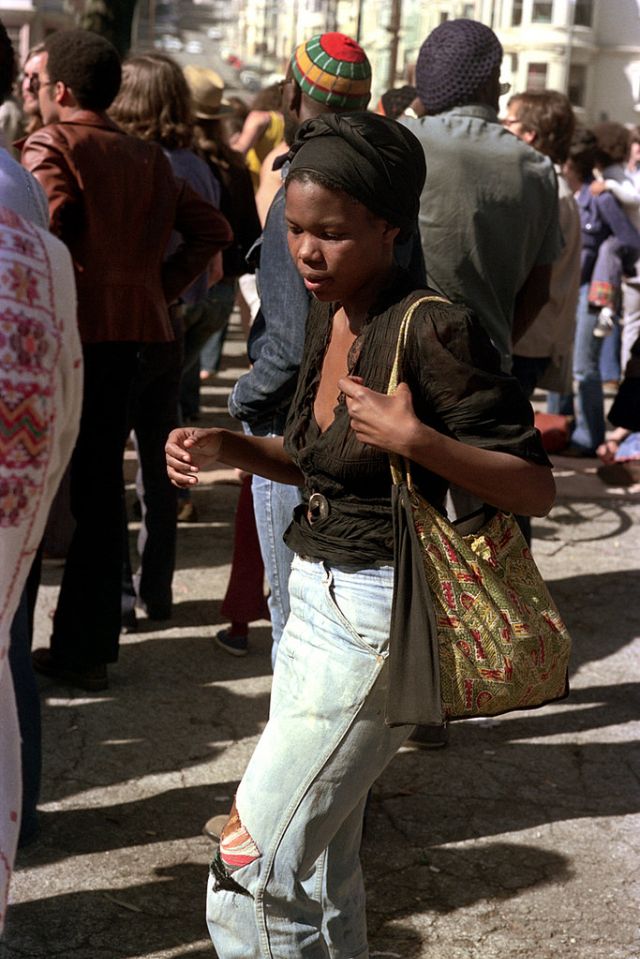
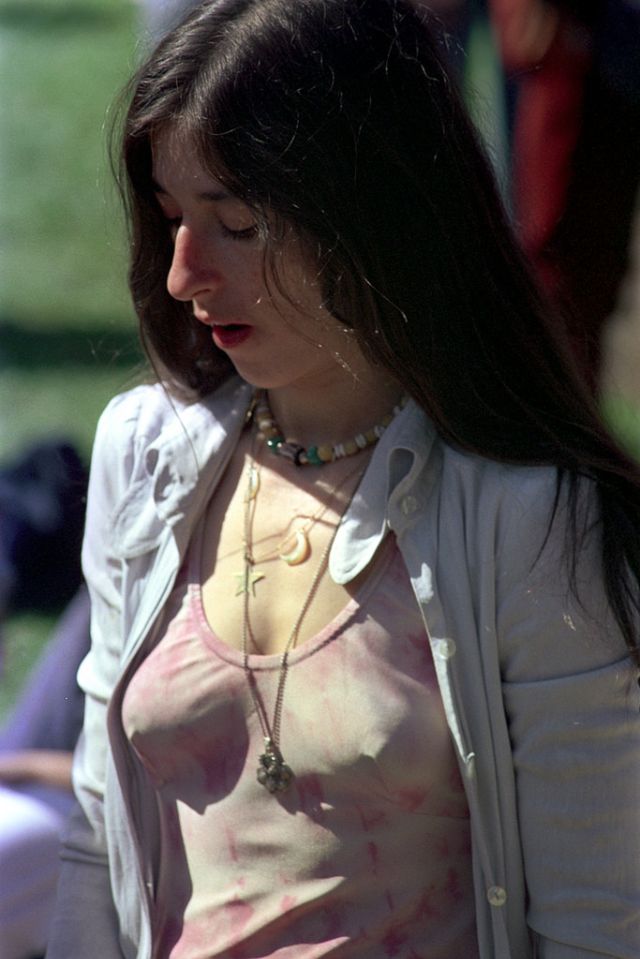
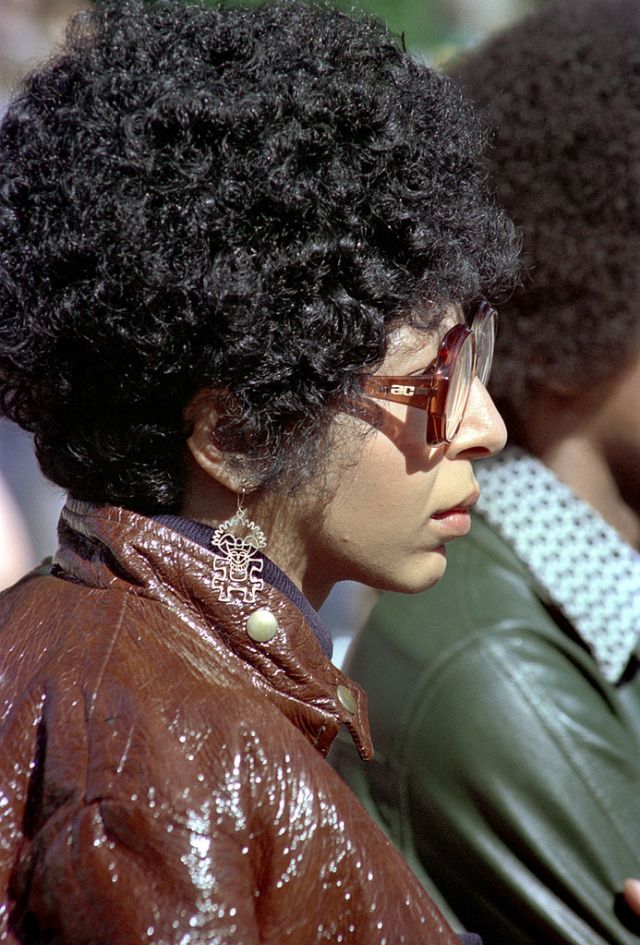
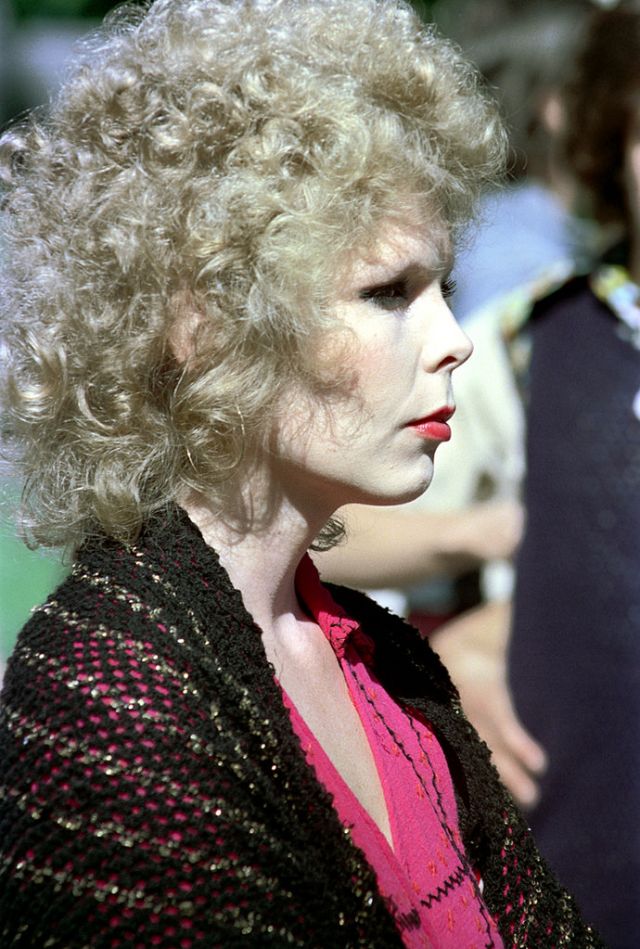
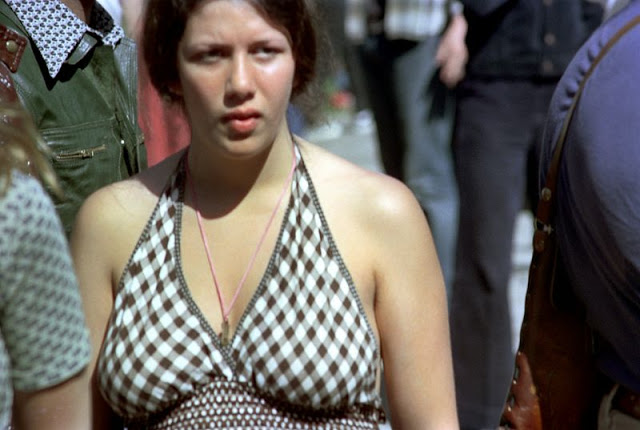
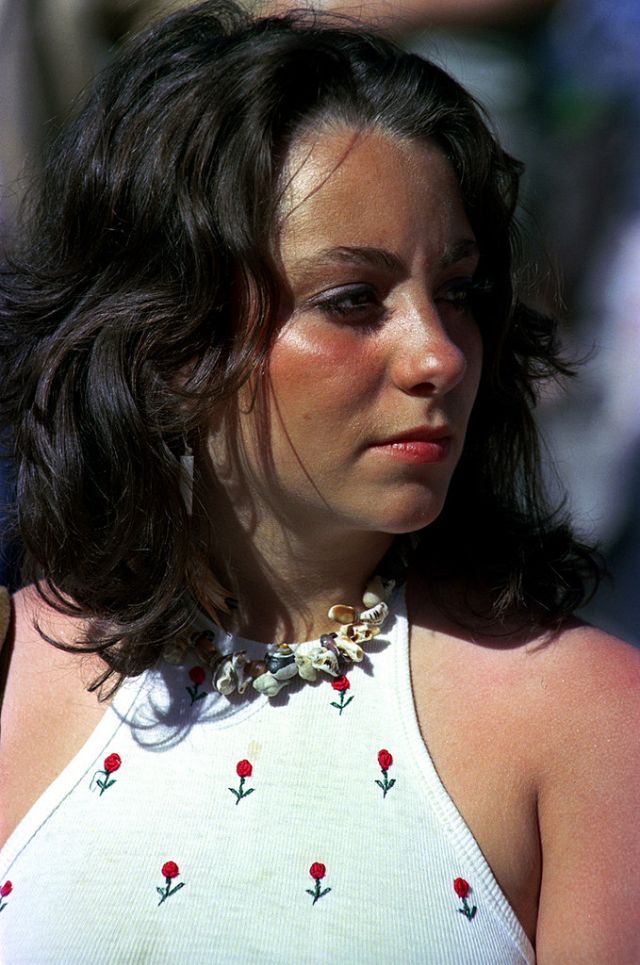
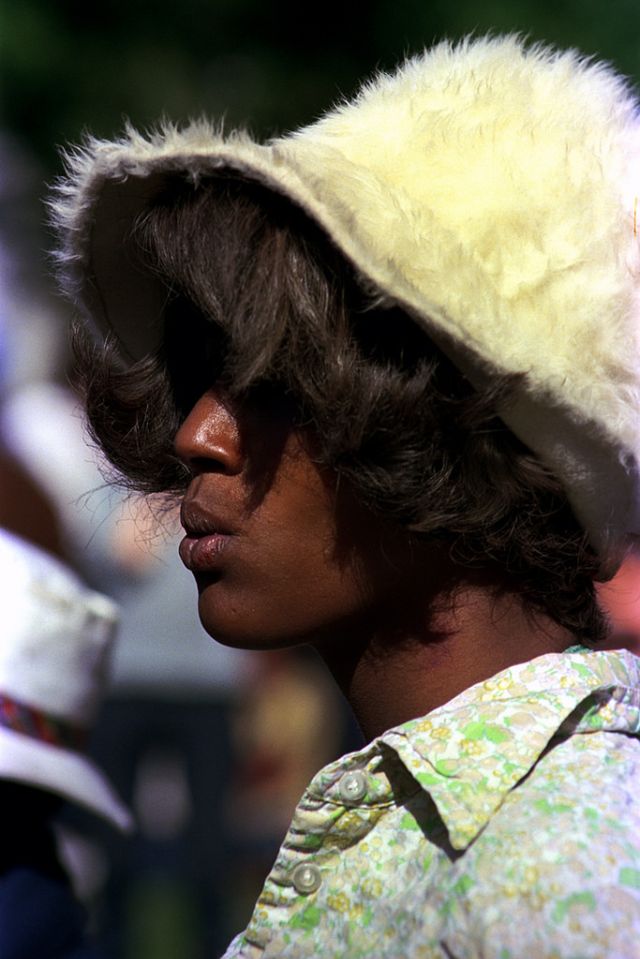
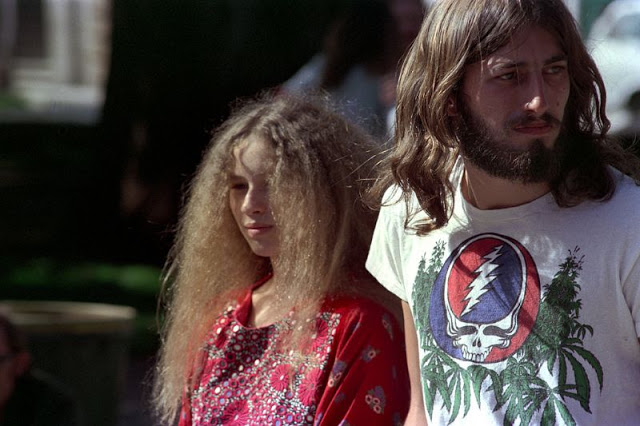
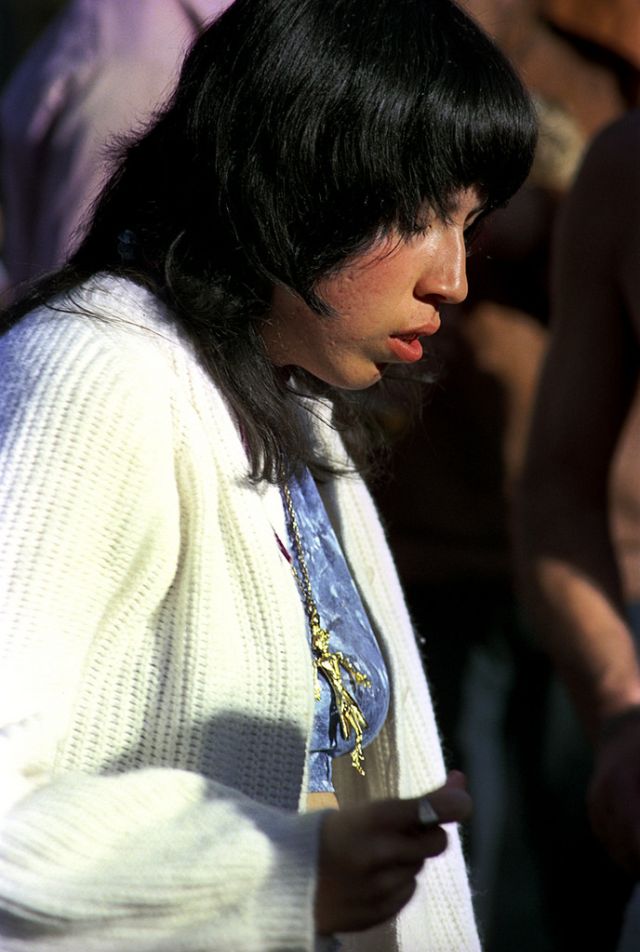
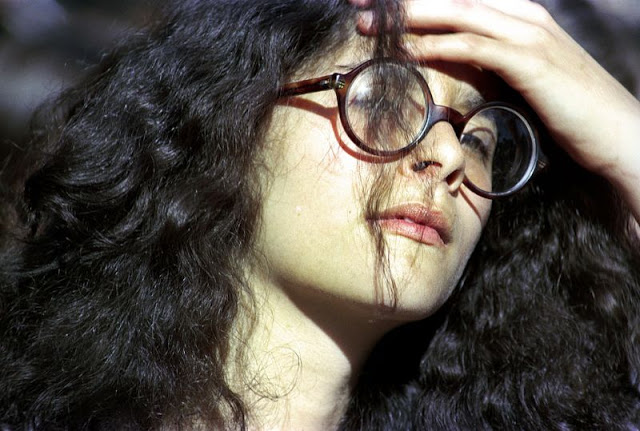
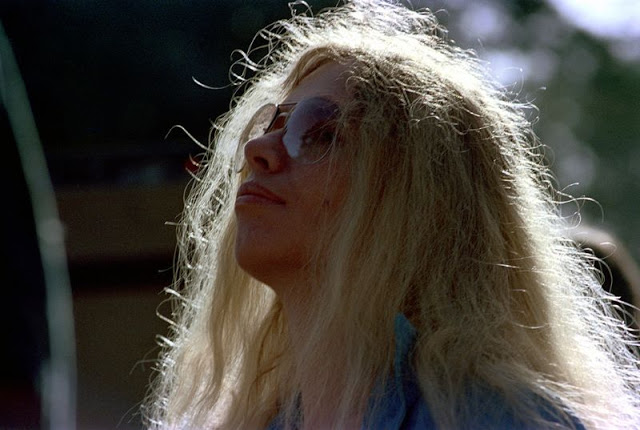
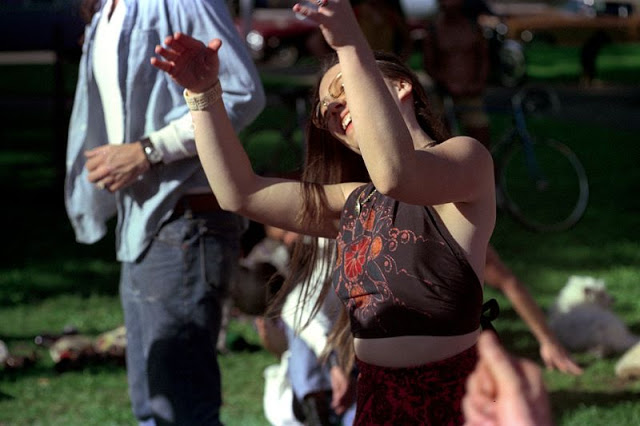
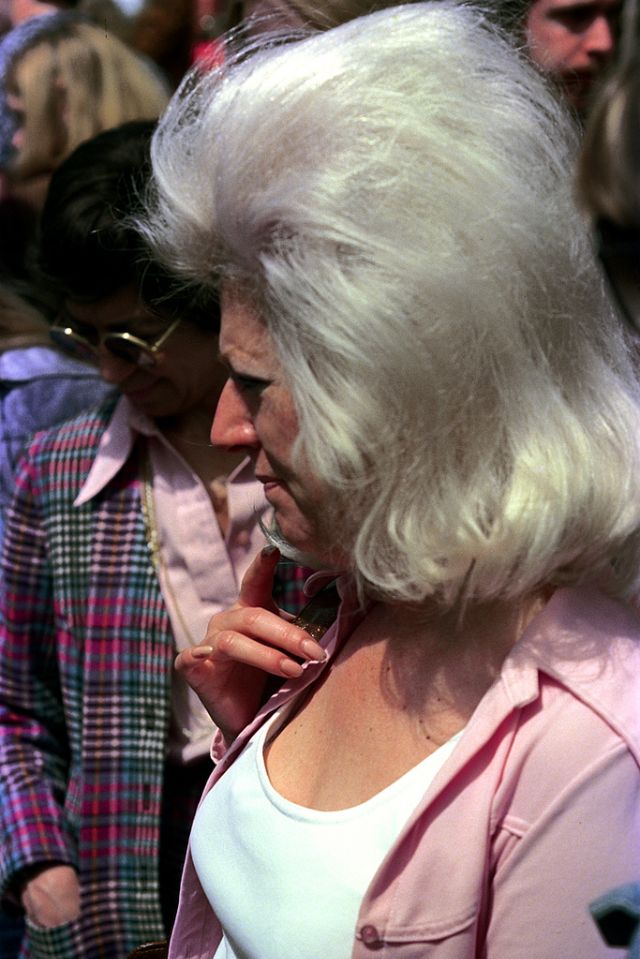
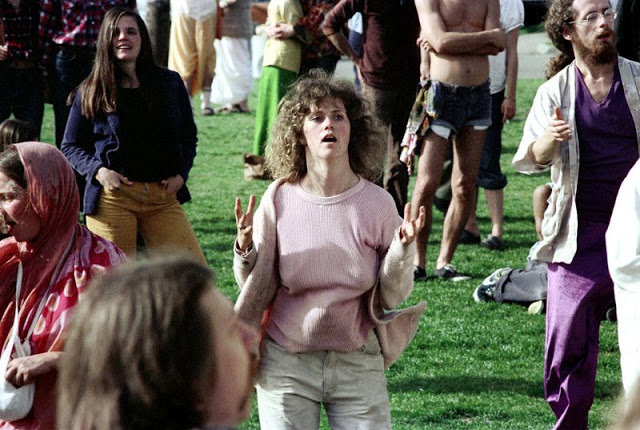
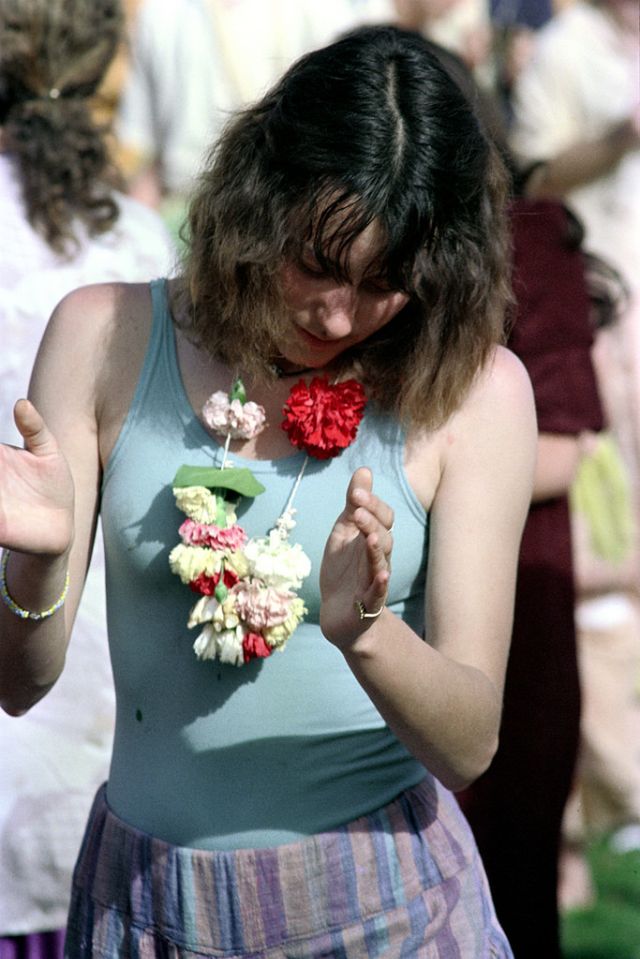
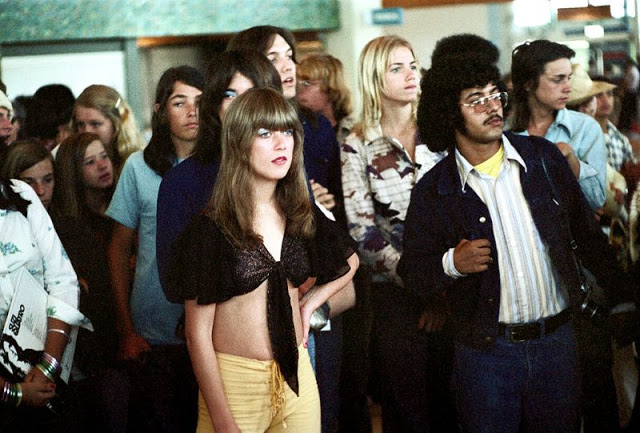
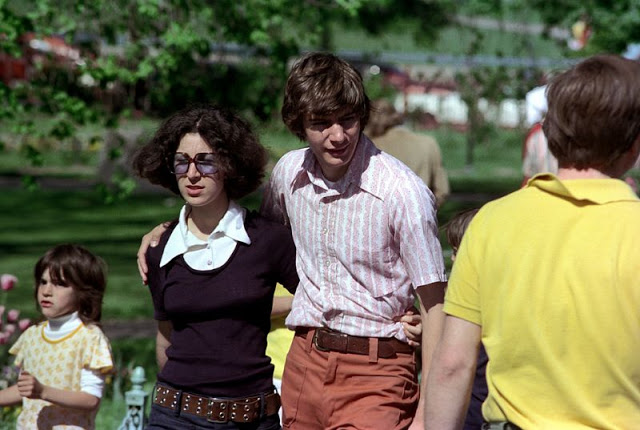
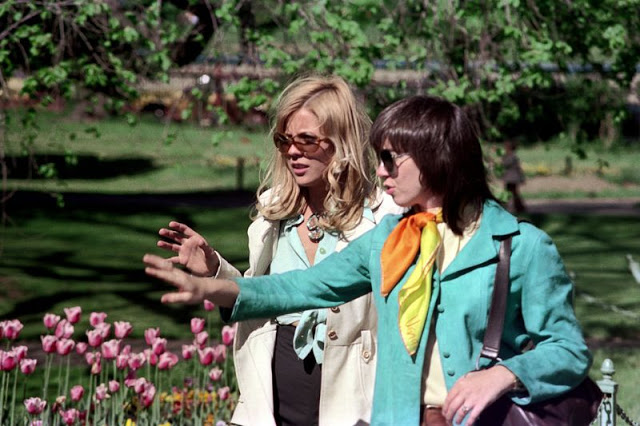
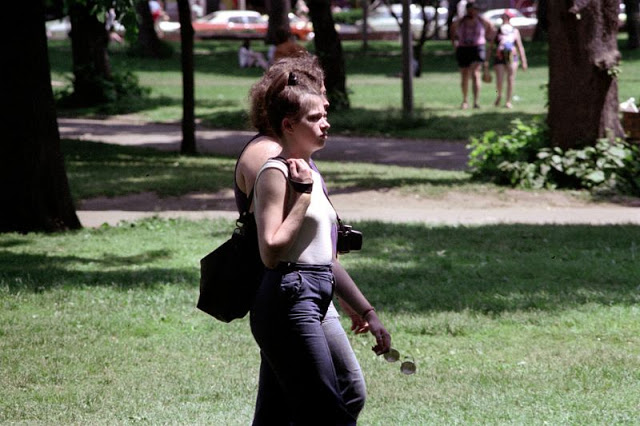
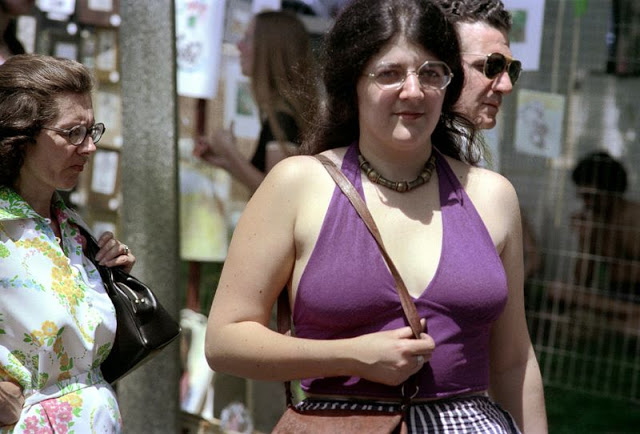
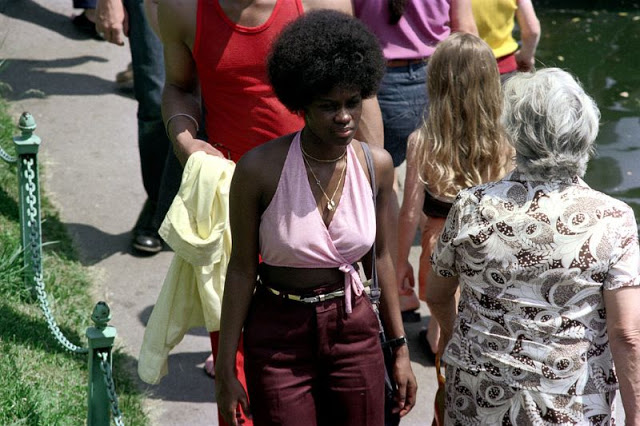
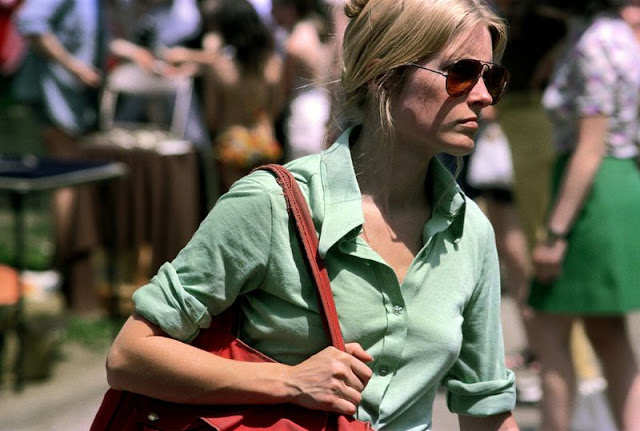
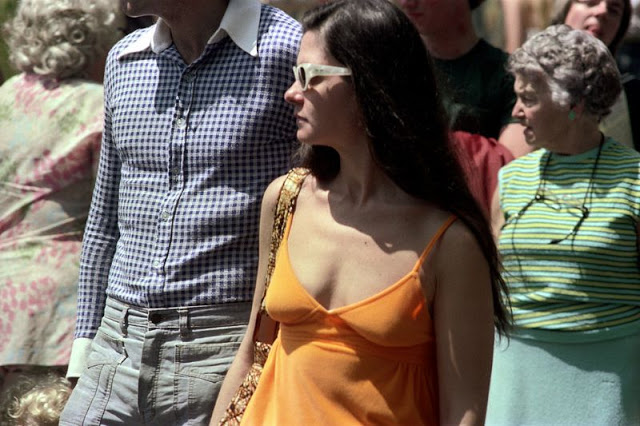
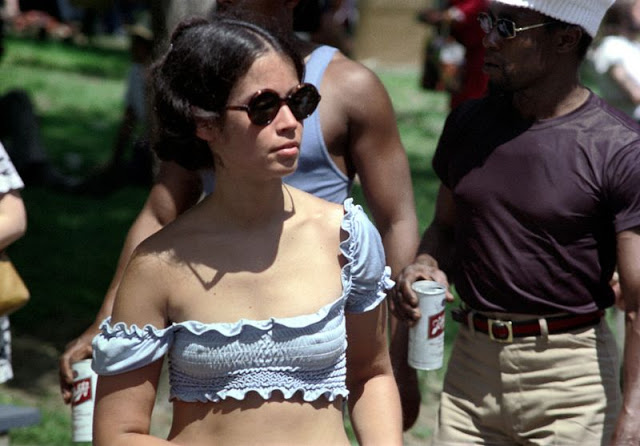
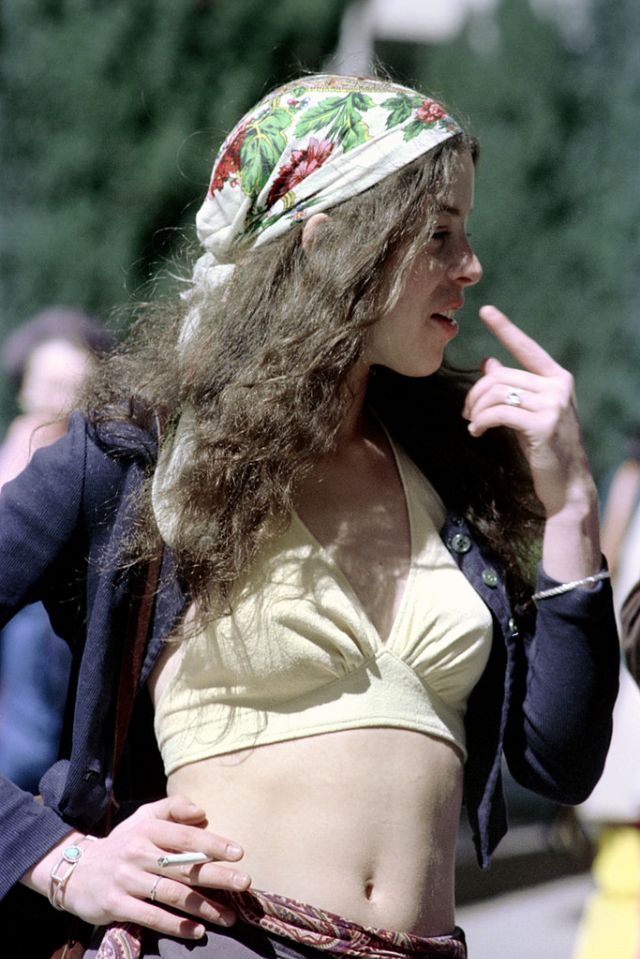
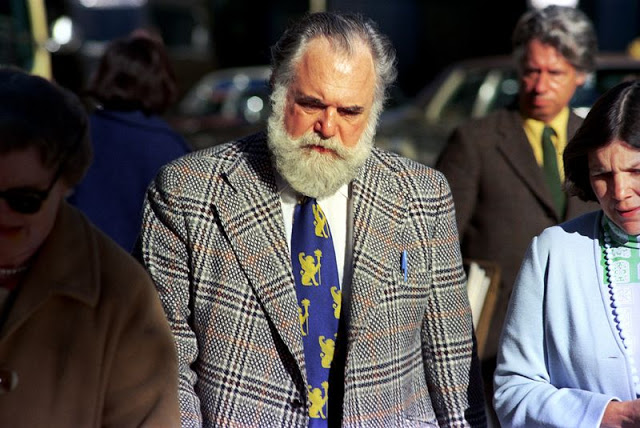
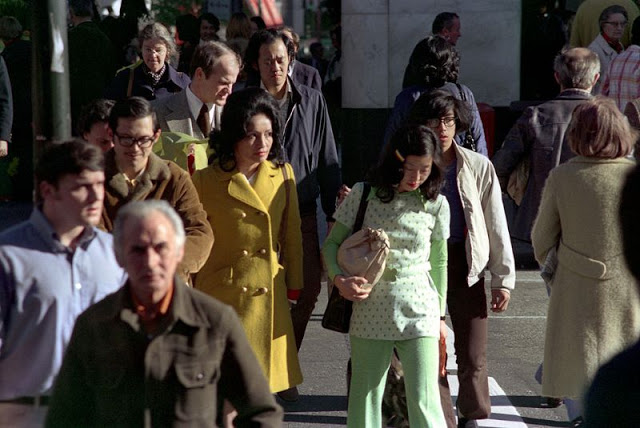
40 Wonderful Photos Showing Californian Street Fashion in the Mid-1970s

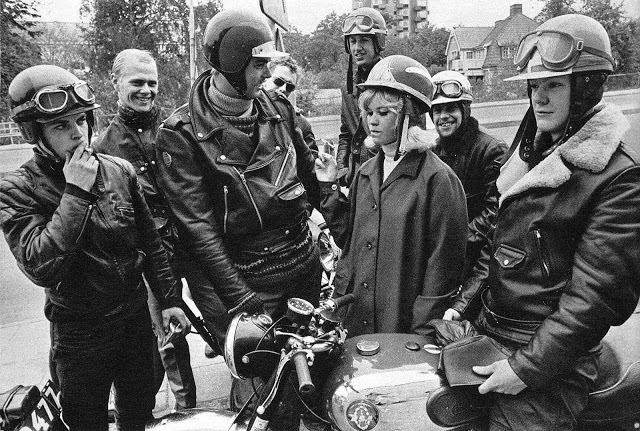
Fashion in the 1970s was about individuality. Common items included mini skirts, bell-bottoms popularized by hippies, and the androgynous glam rock and disco styles that introduced platform shoes, bright colors, glitter, and satin.
Generally the most famous silhouette of the mid and late 1970s for both genders was that of tight on top and loose on bottom. The 1970s also saw the birth of the indifferent, anti-conformist casual chic approach to fashion, which consisted of sweaters, T-shirts, jeans and sneakers.

Nick DeWolf shot these fascinating photos that shows street fashion styles of Californians in 1974.

(Photos by Nick DeWolf)

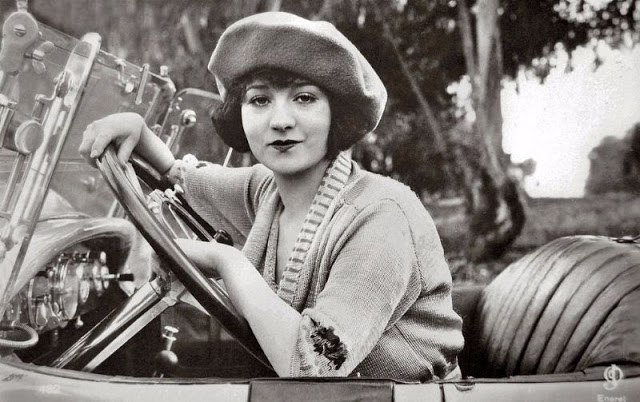
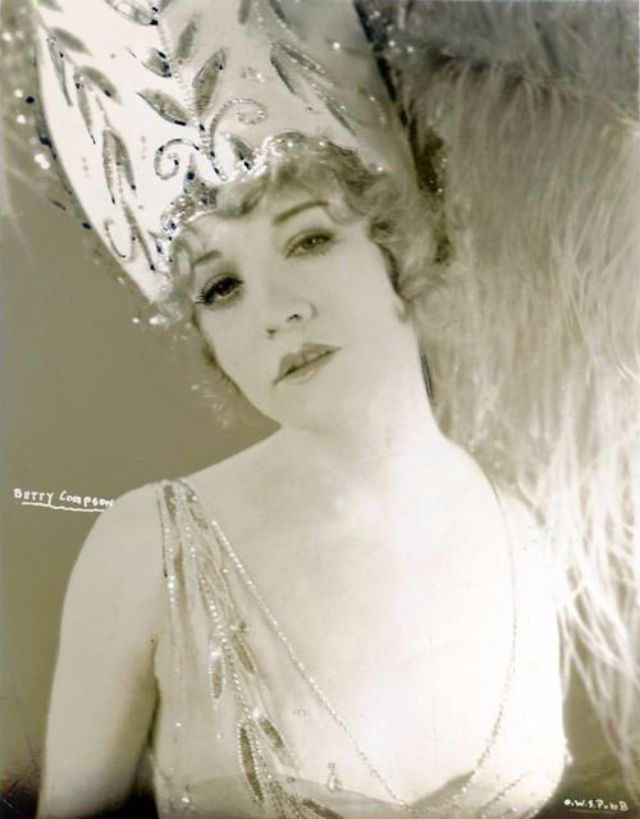
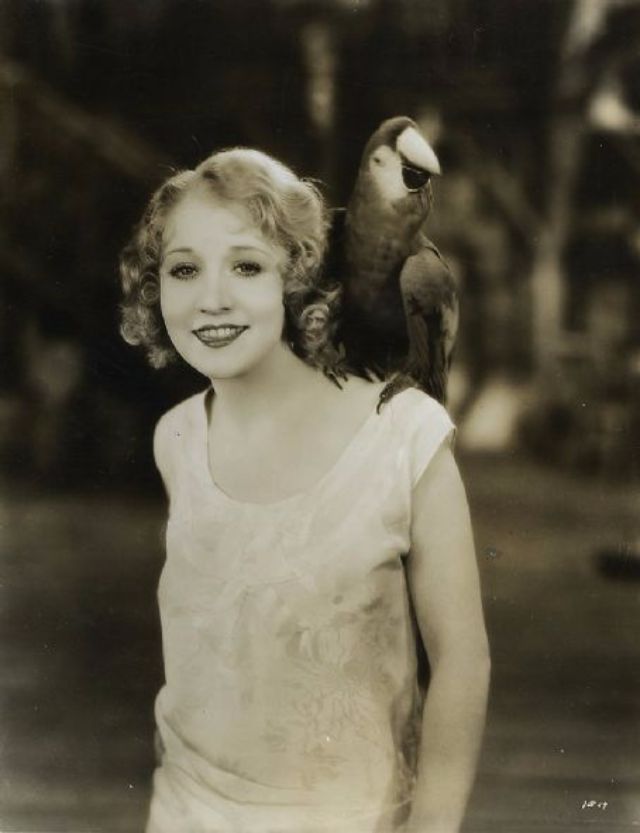
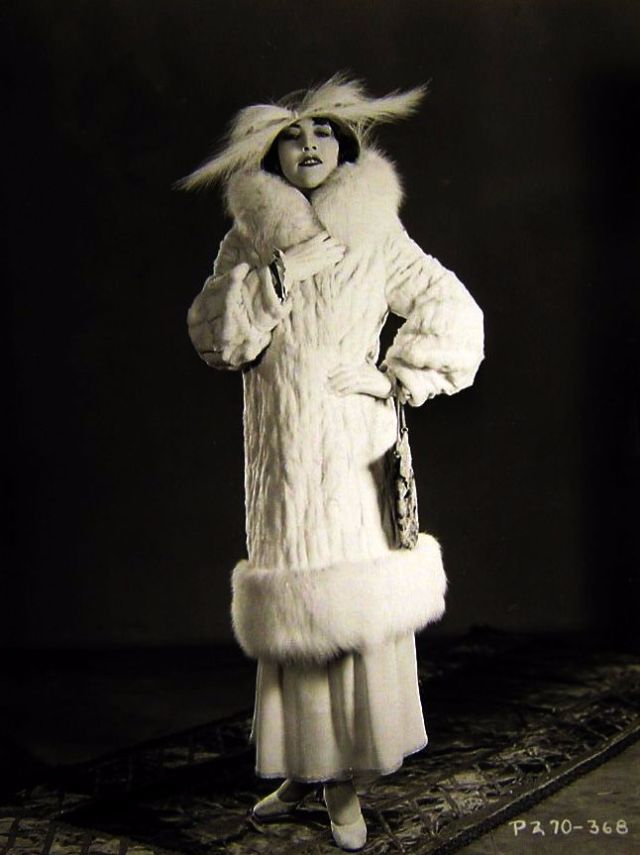
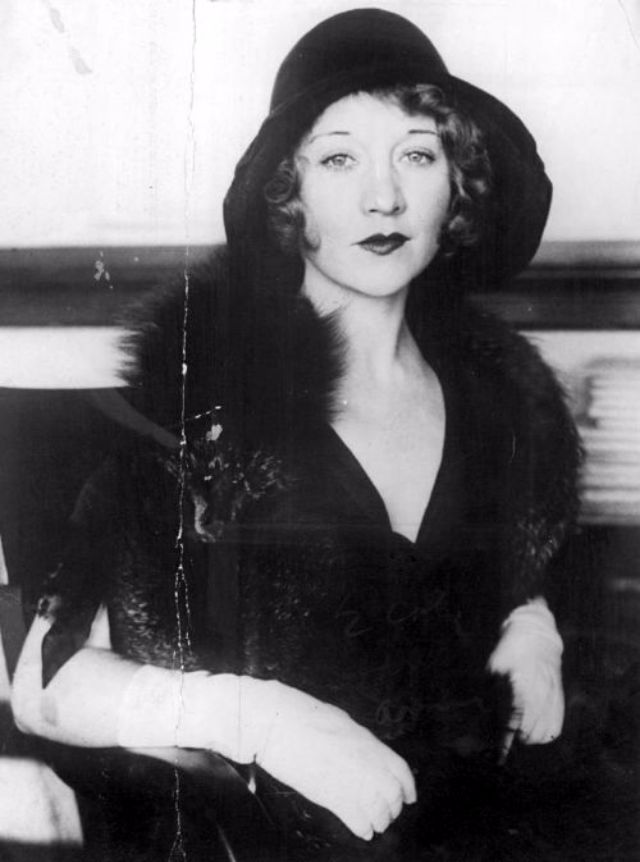
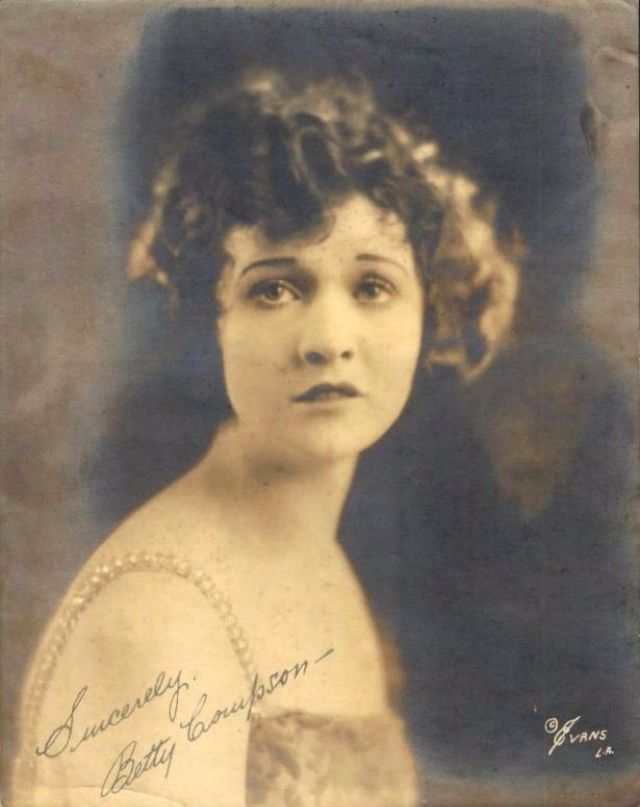
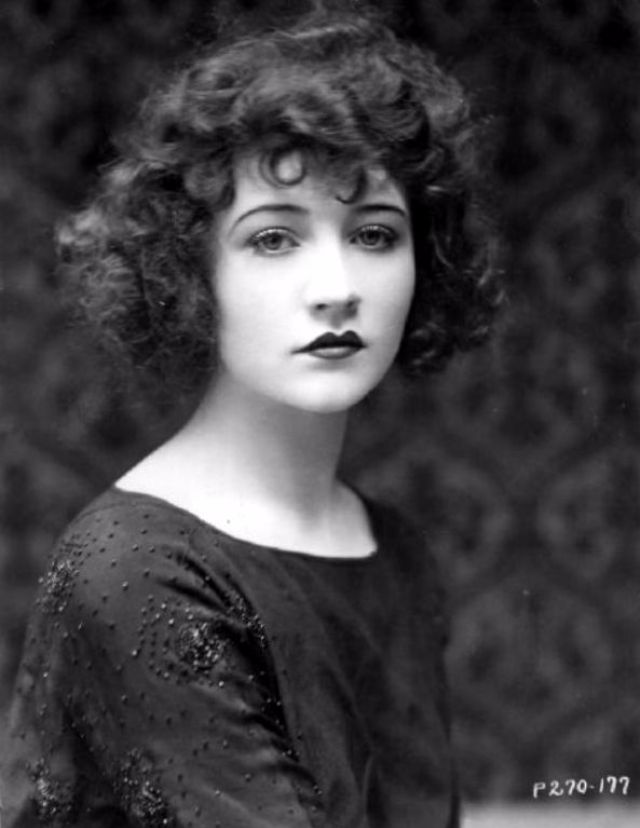
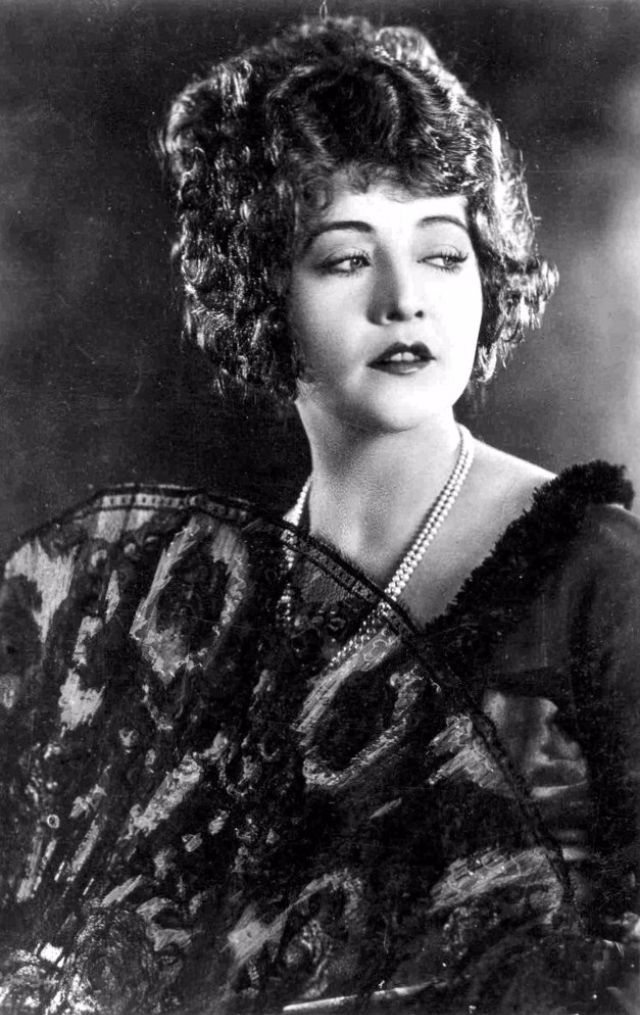
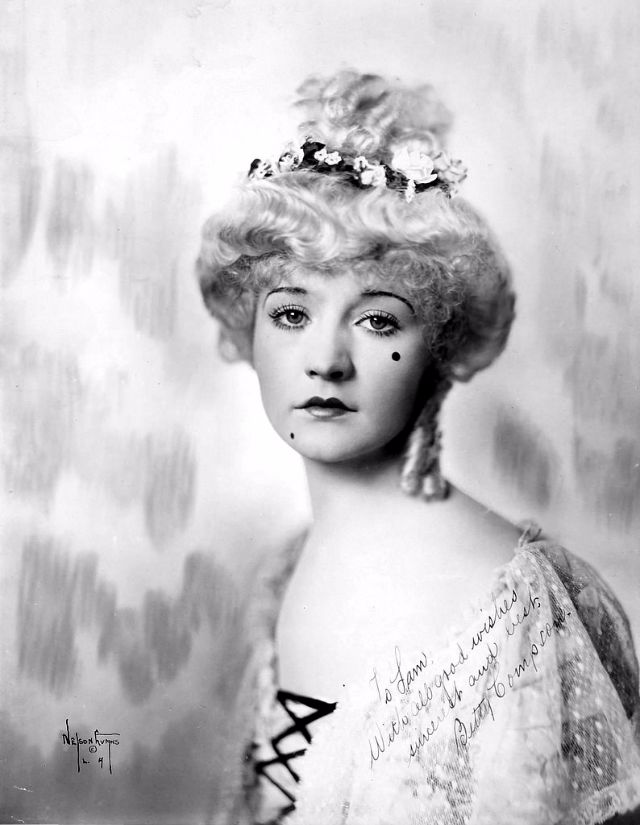
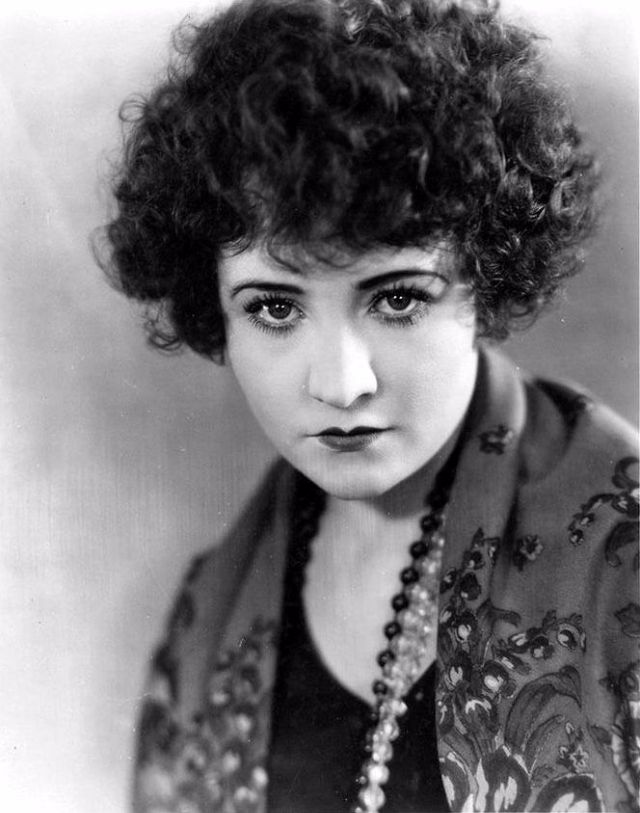
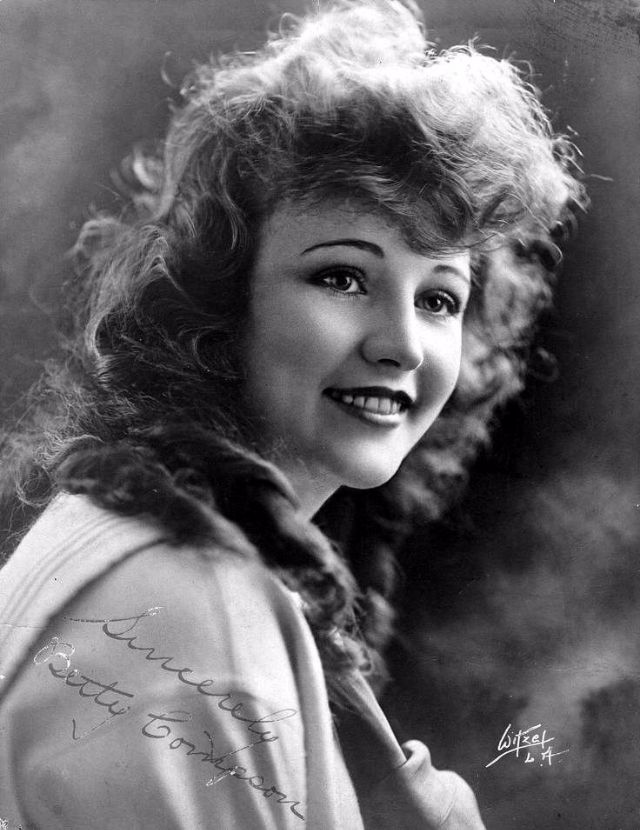
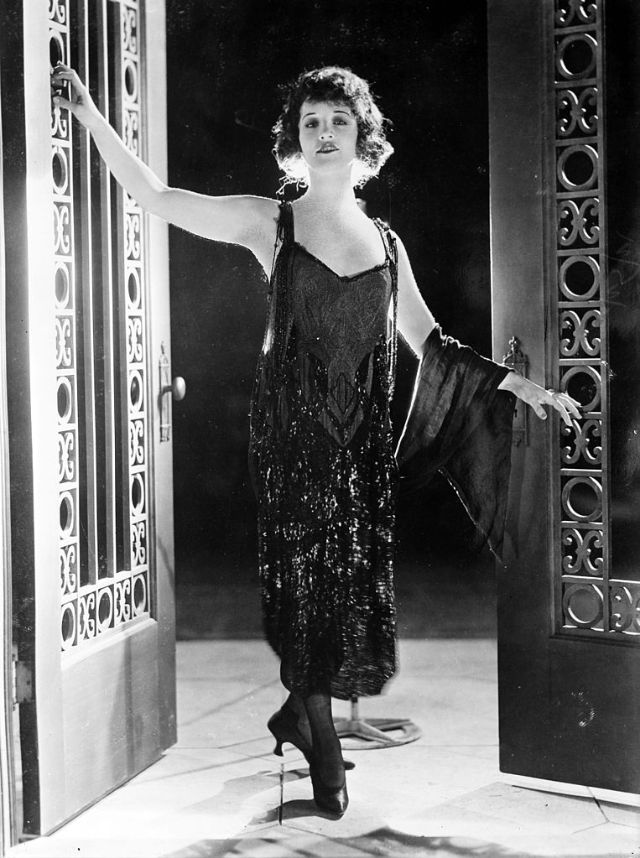
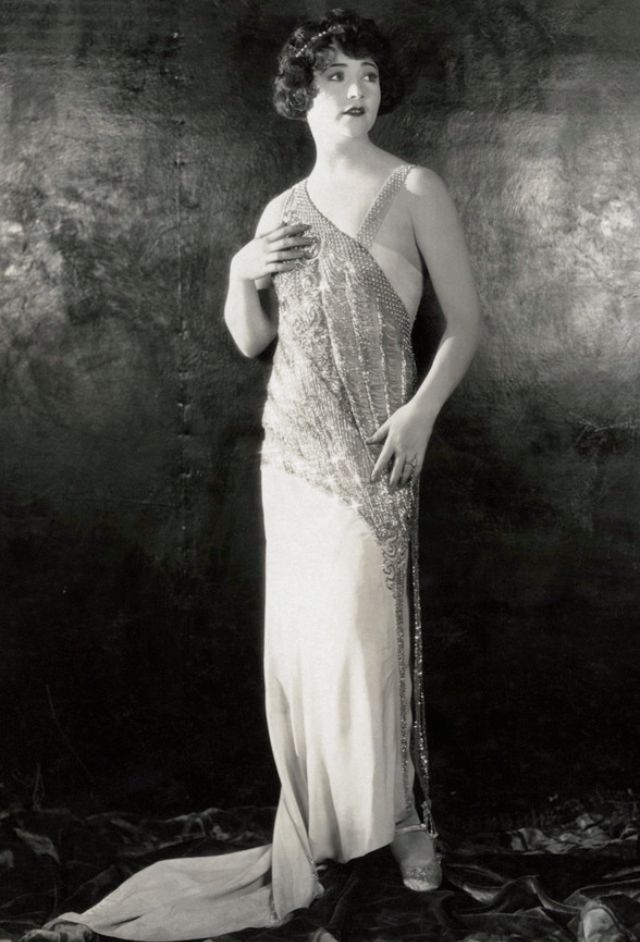
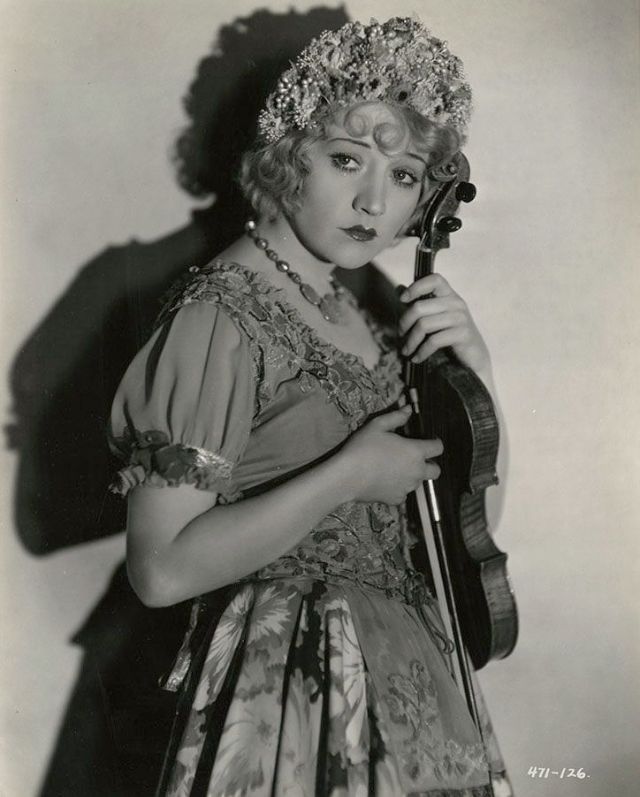
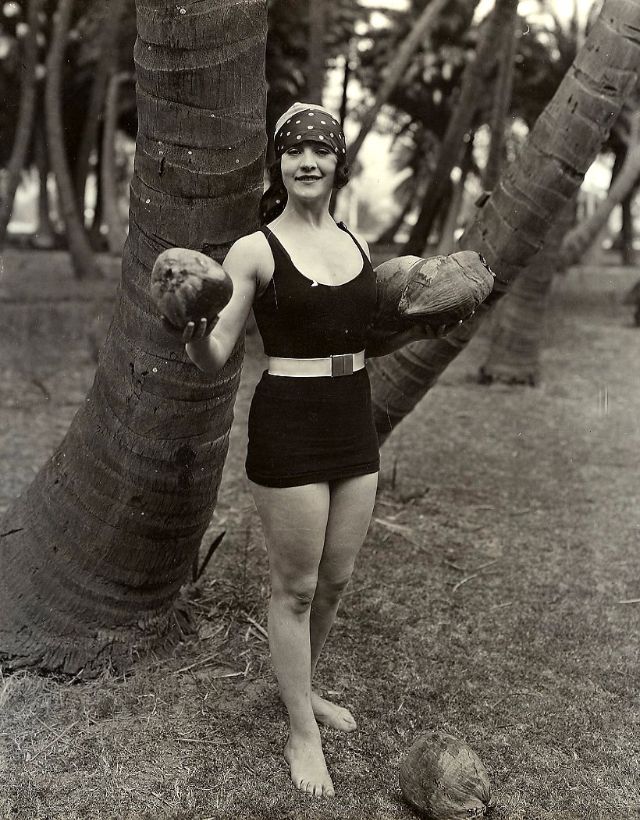
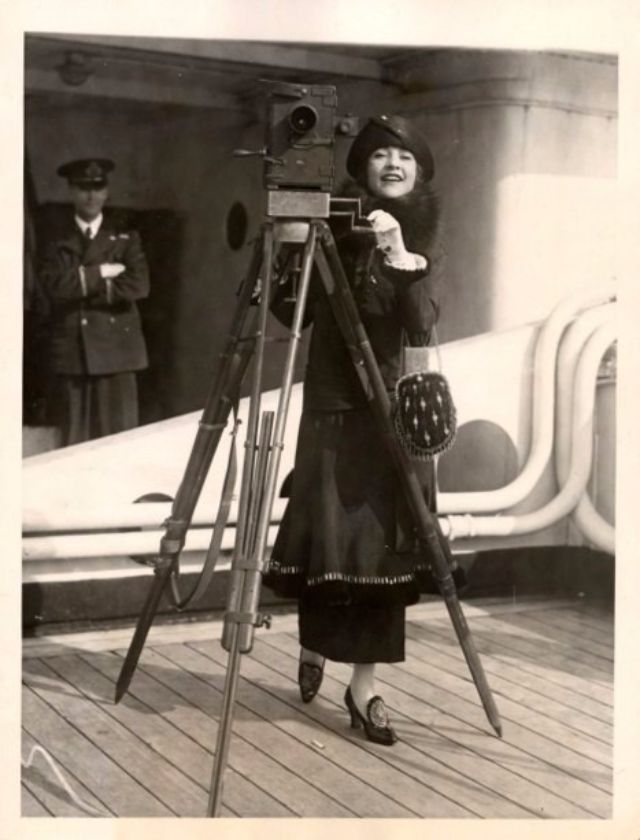
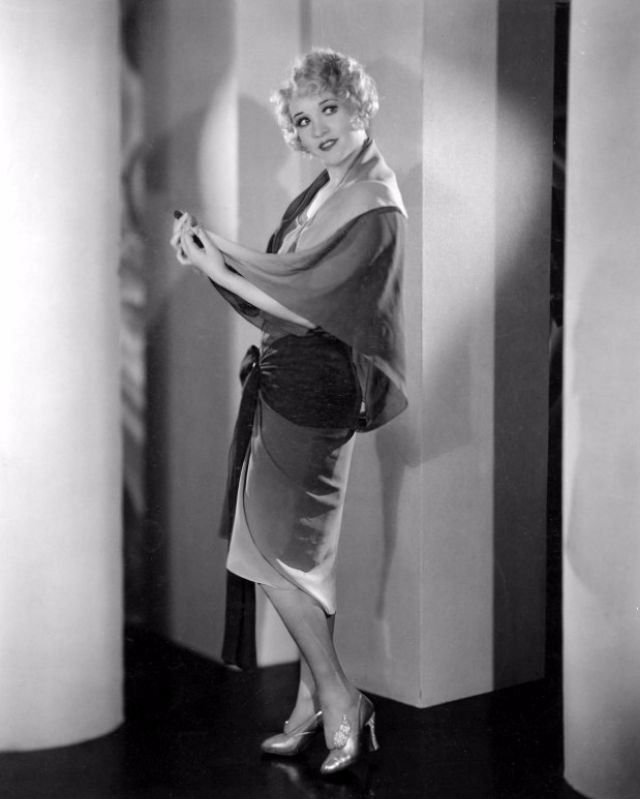
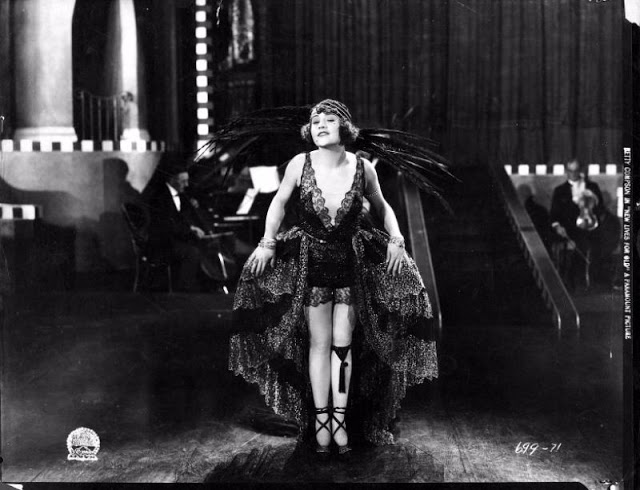
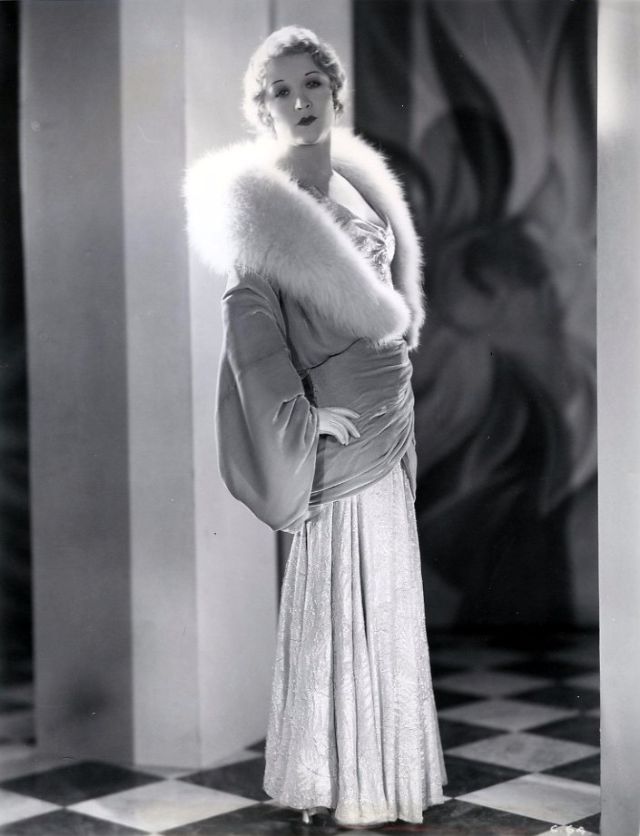
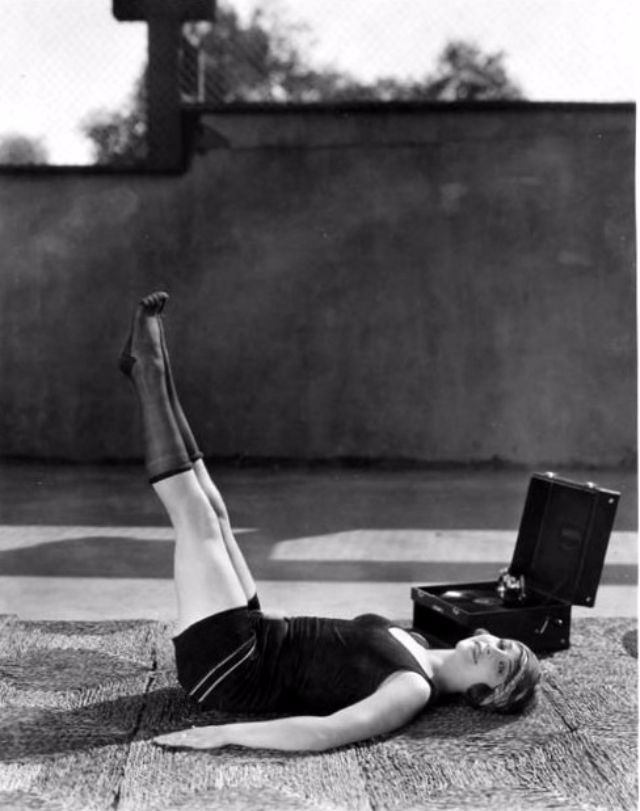
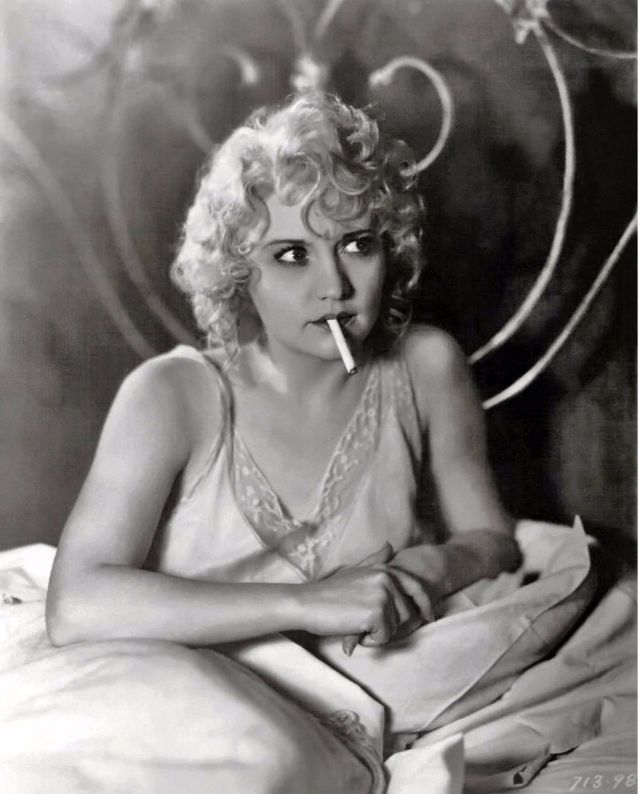
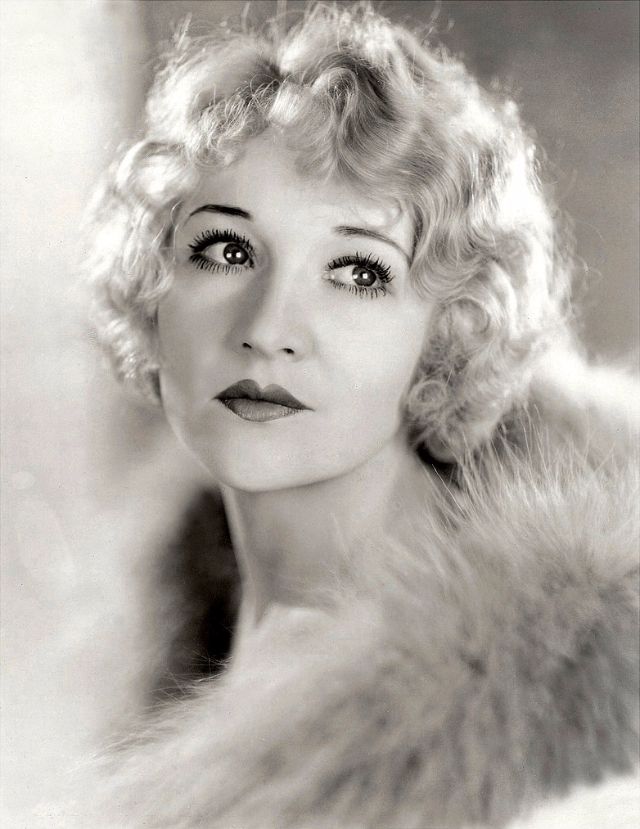
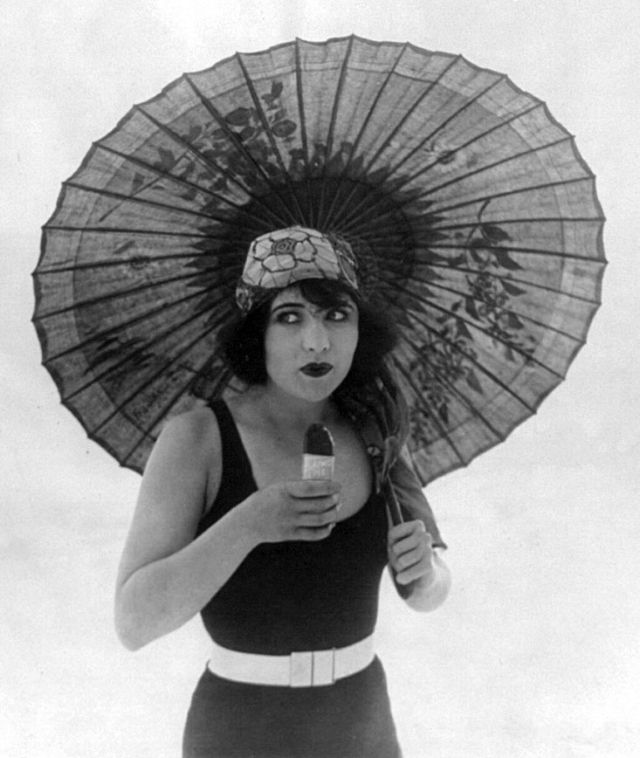
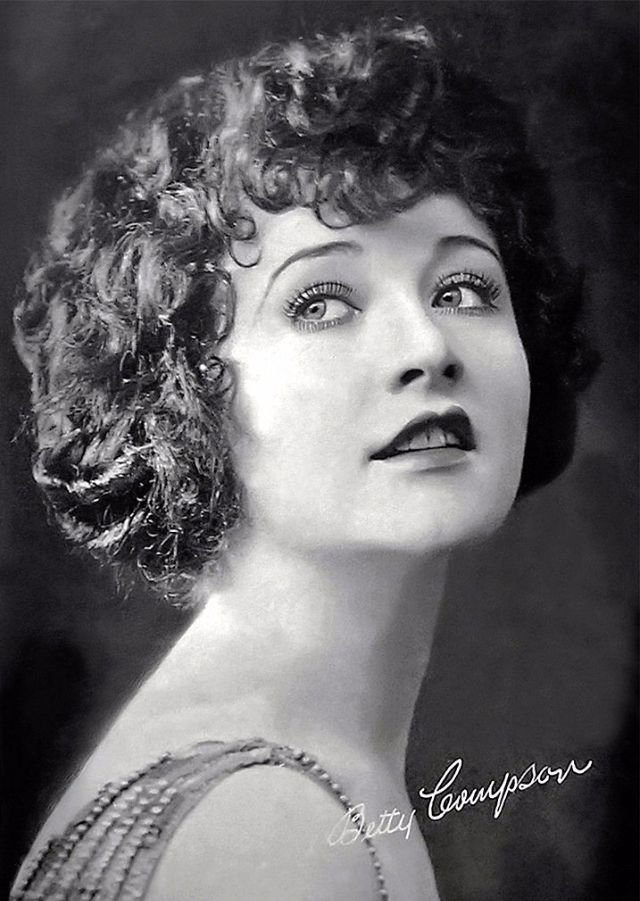
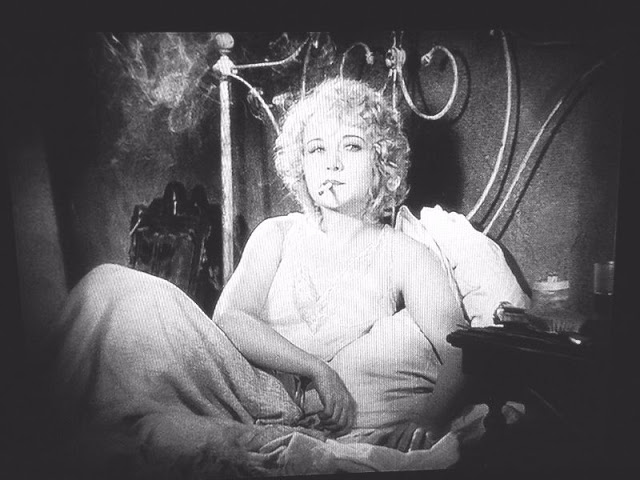
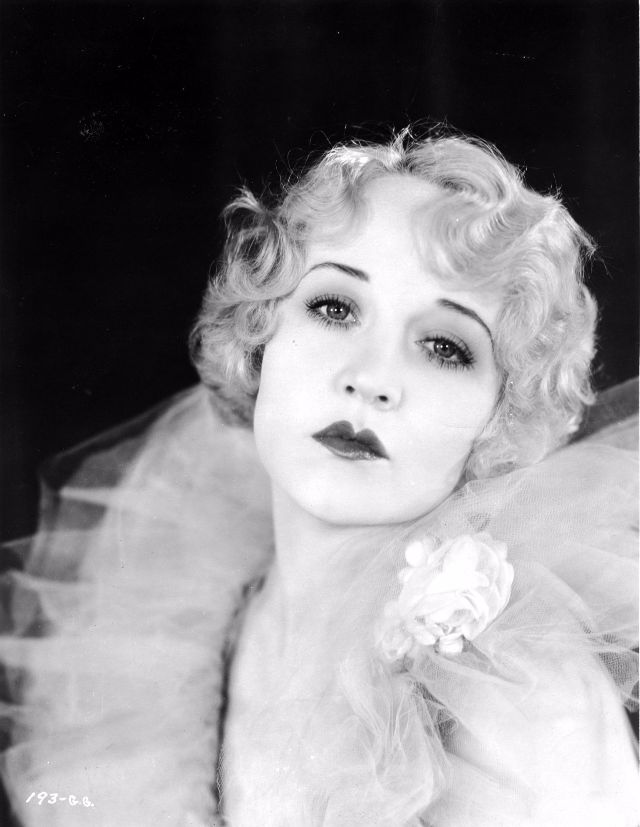
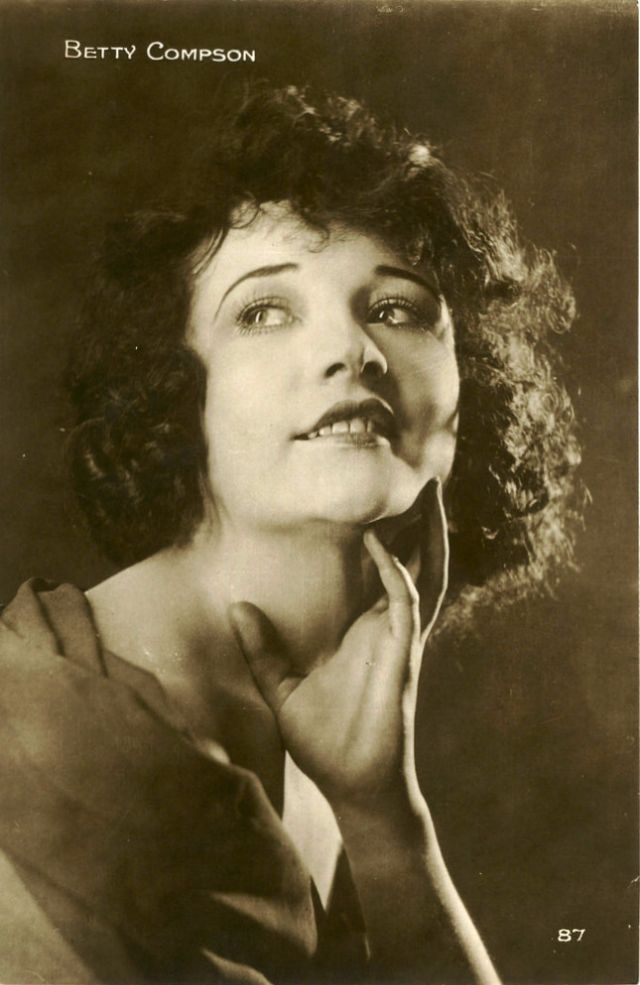
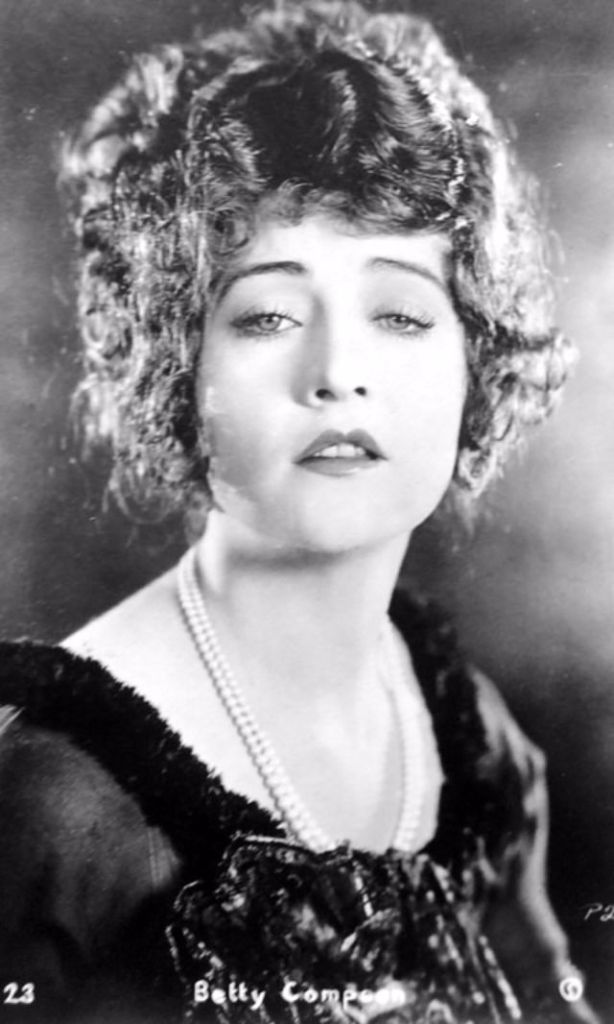
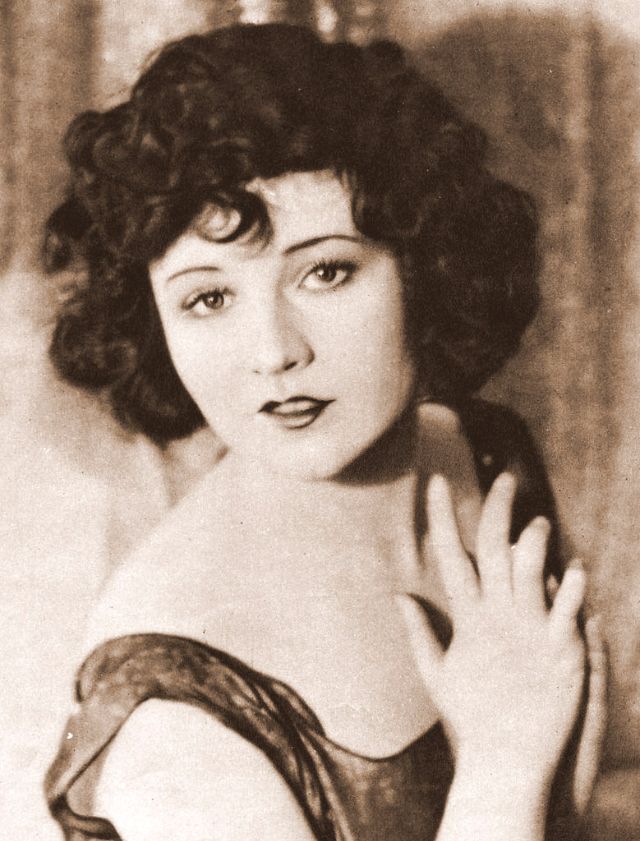
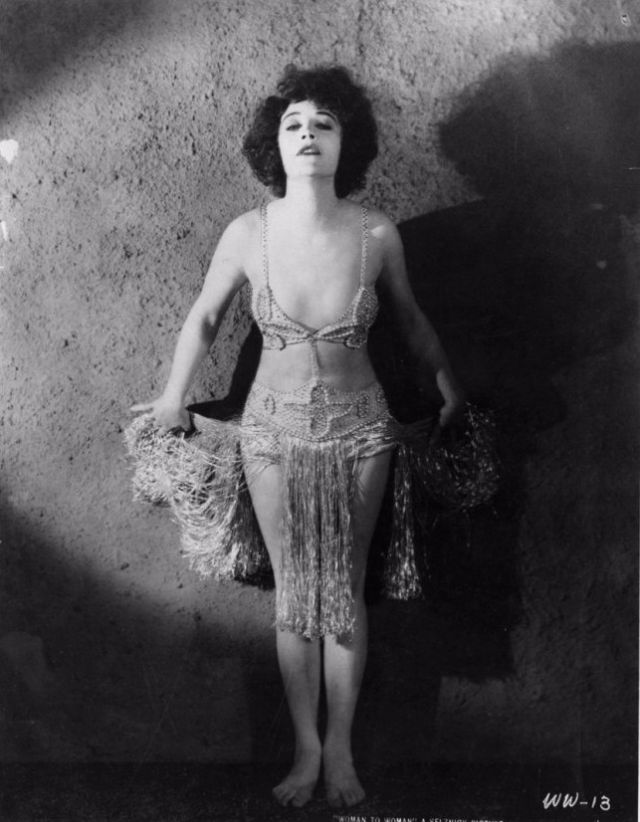
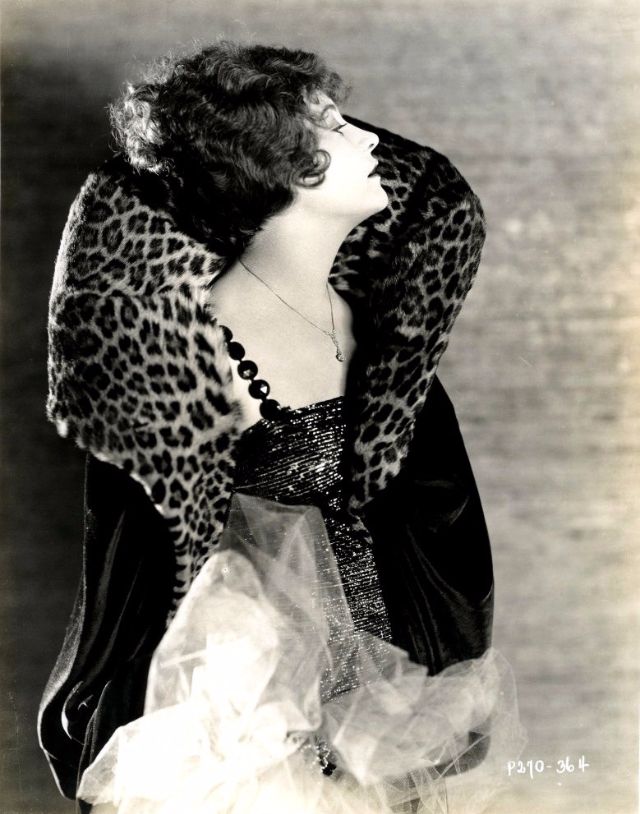
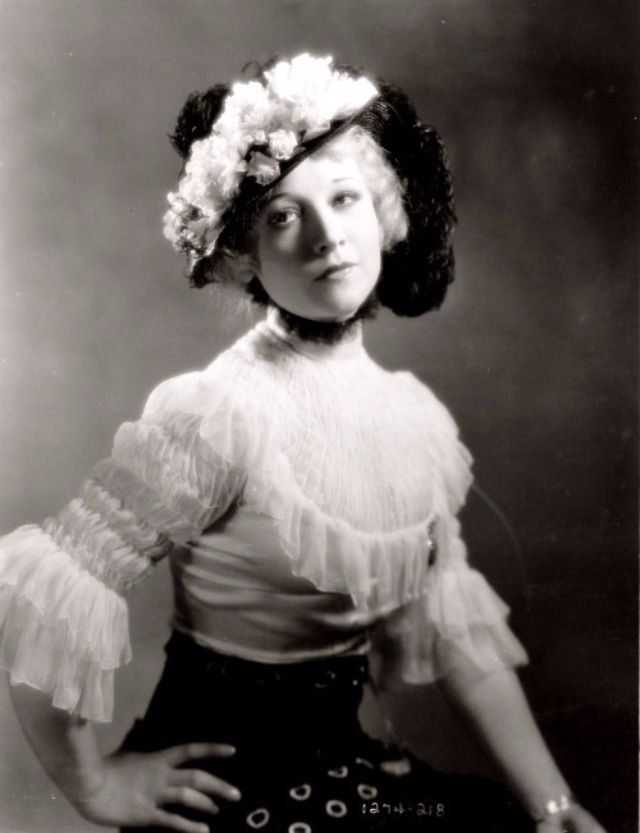
59 Stunning Photos of Actress Betty Compson From the 1920s and 1930s

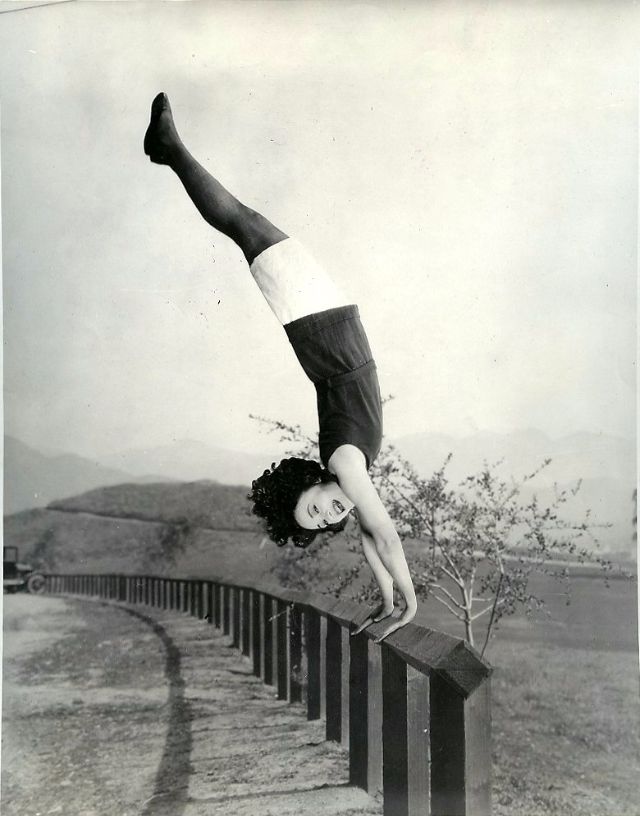
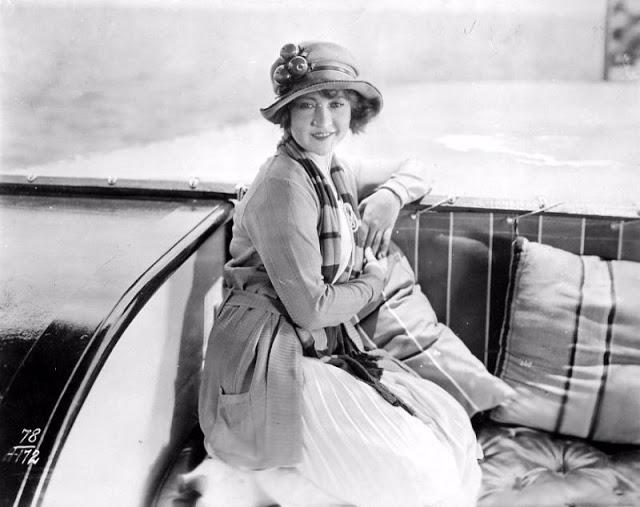
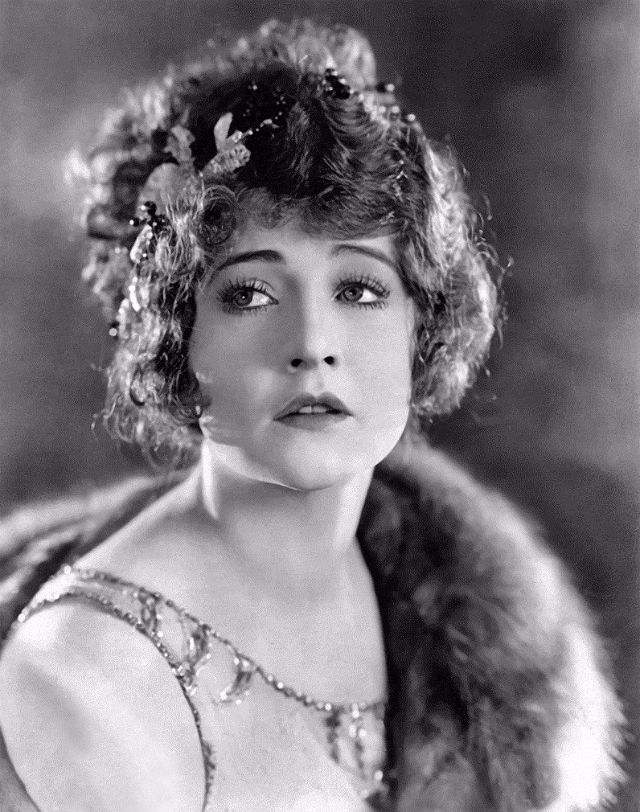
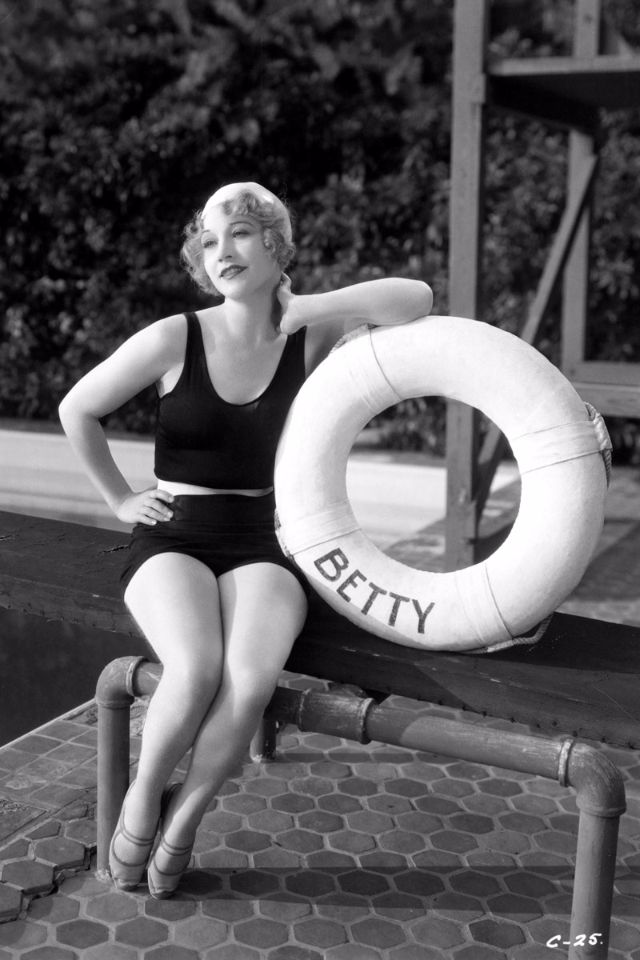
Betty Compson (1897-1974) was an American actress and film producer. Most famous in silent films and early talkies, she is best known in her performances in The Docks of New York and The Barker, the latter earning a nomination for the Academy Award for Best Actress.

Born Eleanor Luicime Compson in Beaver, Utah, she dropped out of school to help her family after her father’s death, and began her show business career as a violinist and toured with her mother in vaudeville. Betty was offered a contract with Al Christie in 1915.

Over the next five years she appeared in more than forty short films. Her career really took off when she co-starred with Lon Chaney in the 1919 drama The Miracle Man, and became one of highest paid actresses in Hollywood.

Betty was also one of the first women to run her own production company.

Yesterday Today

Bringing You the Wonder of Yesterday - Today

Skip to content ↓