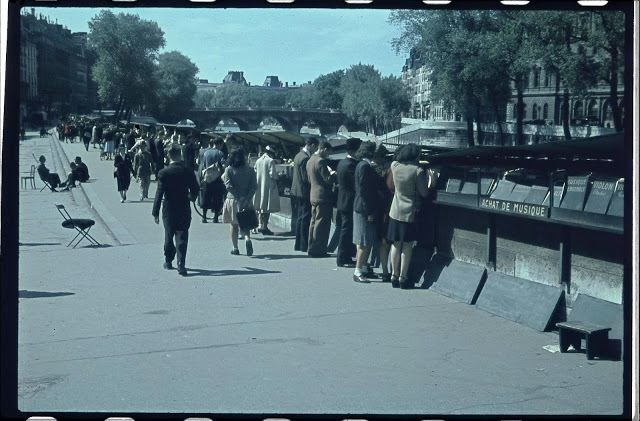
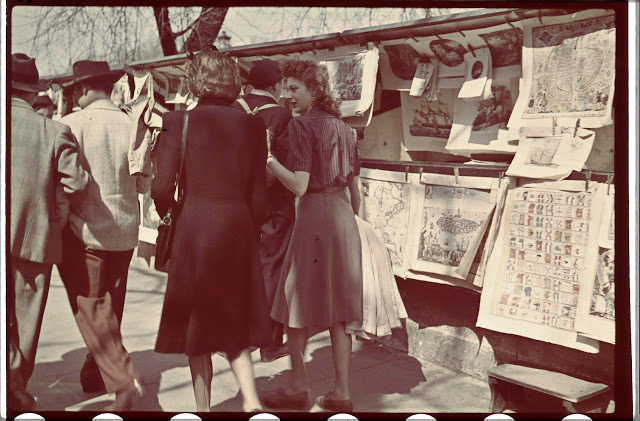
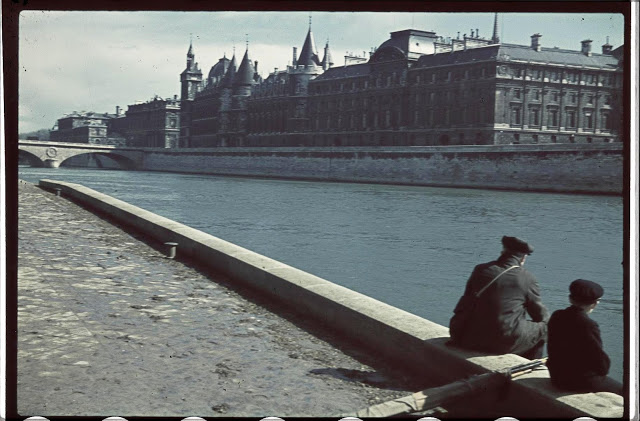
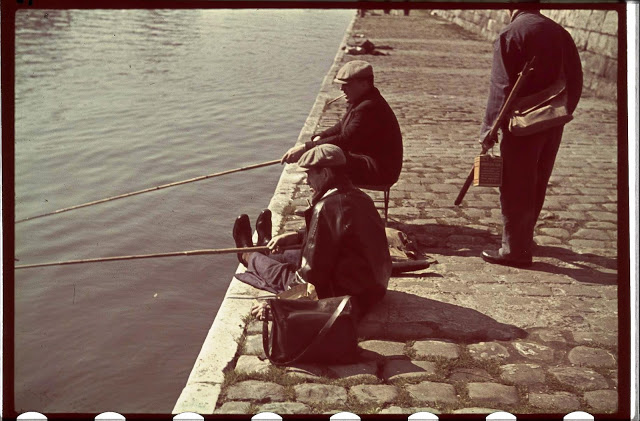
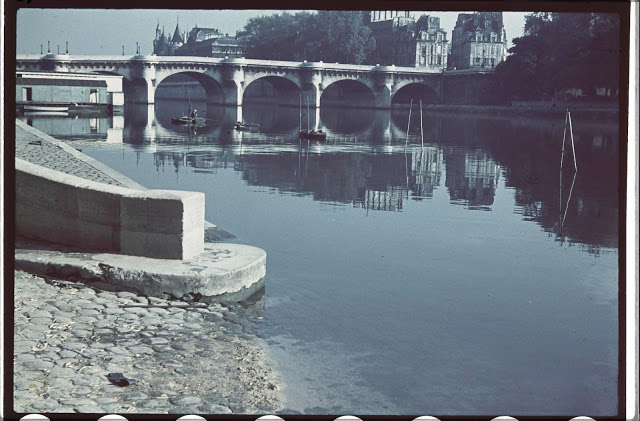
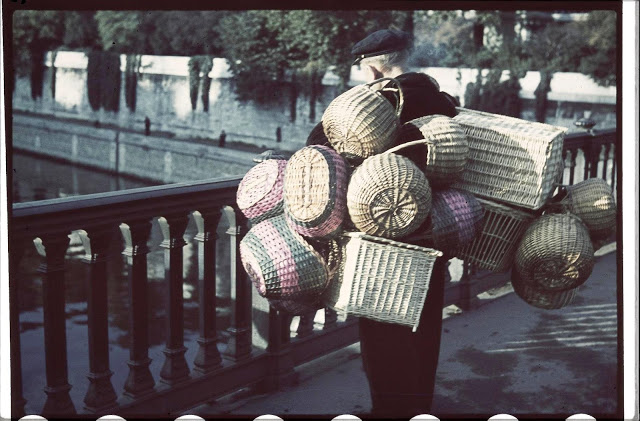
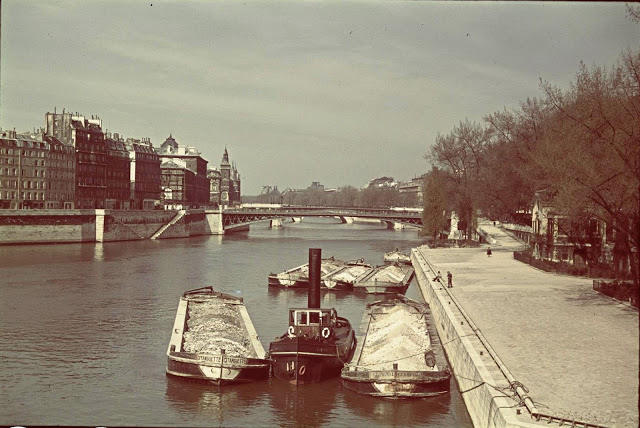
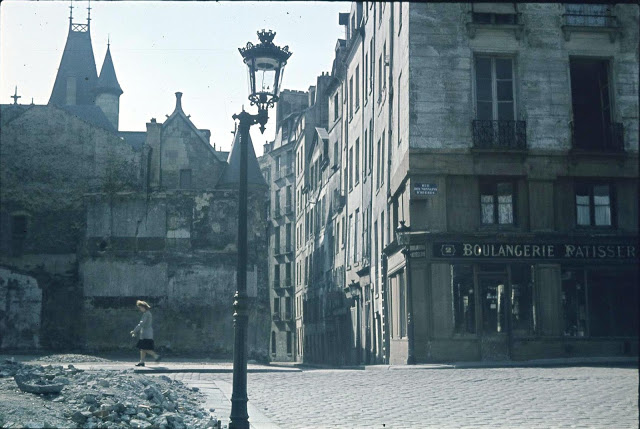
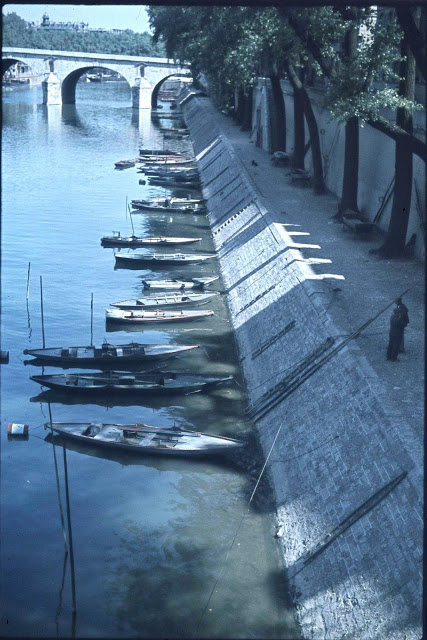
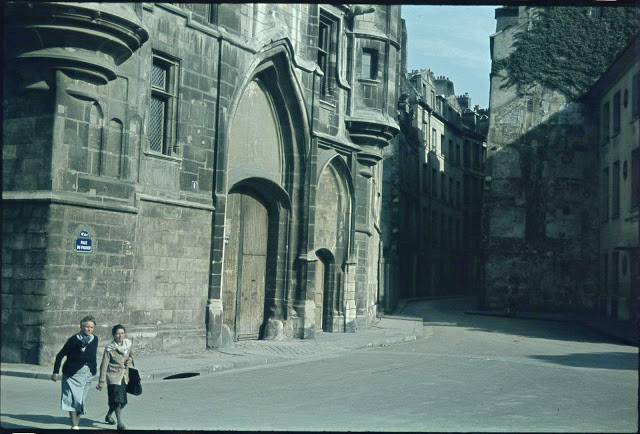
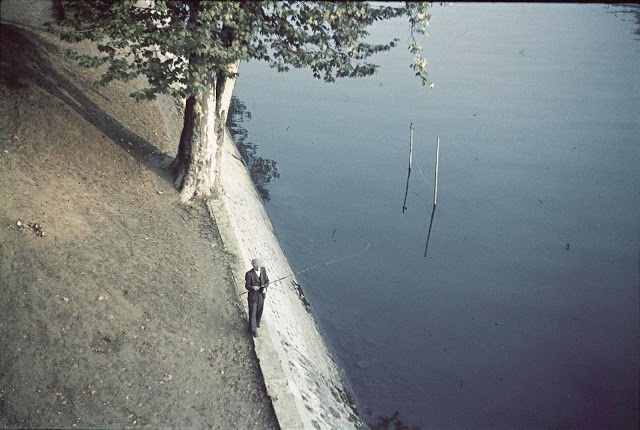
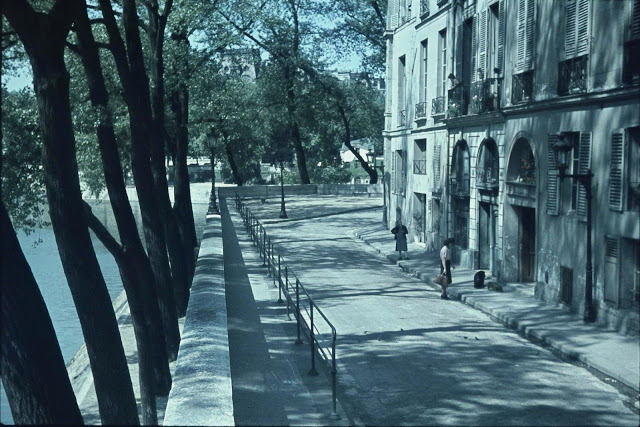
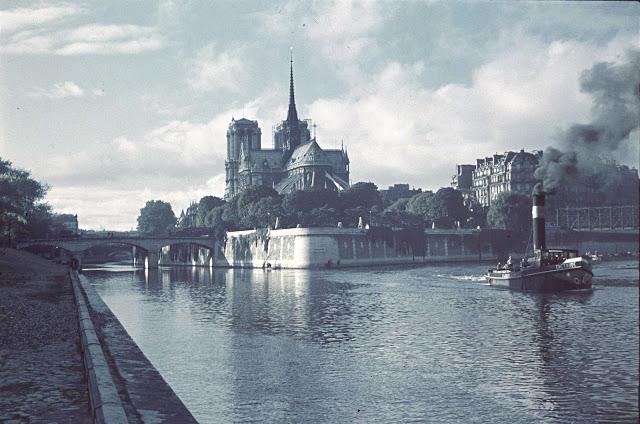
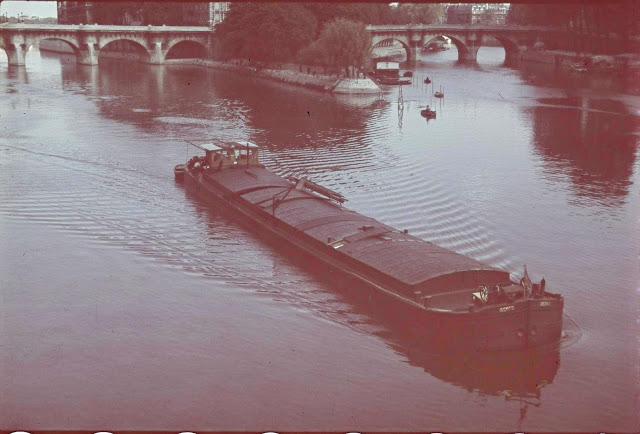
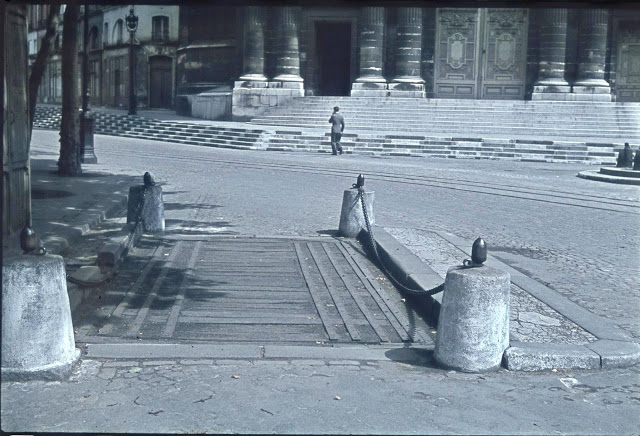
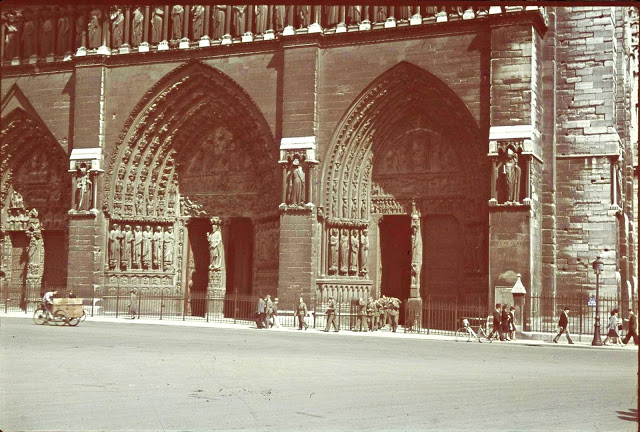
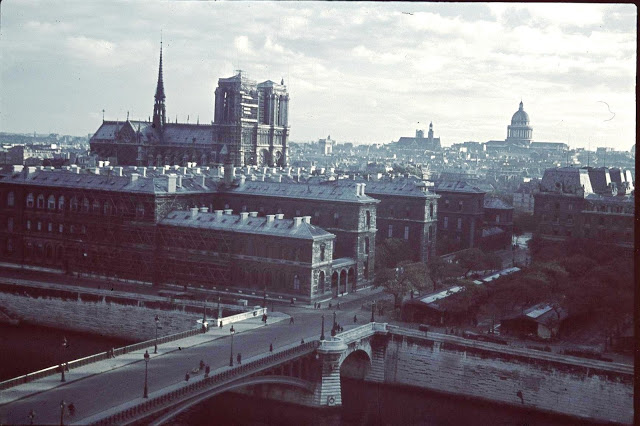
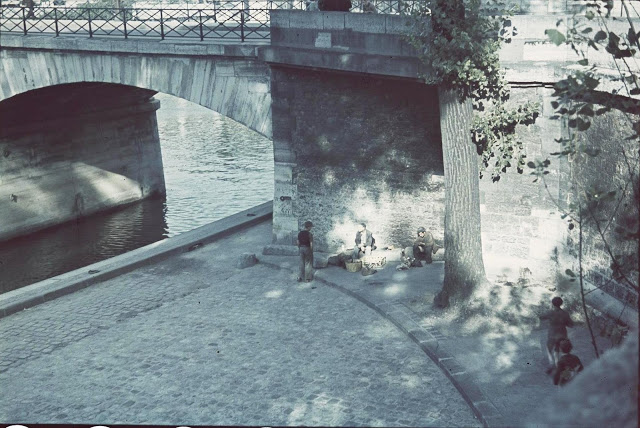
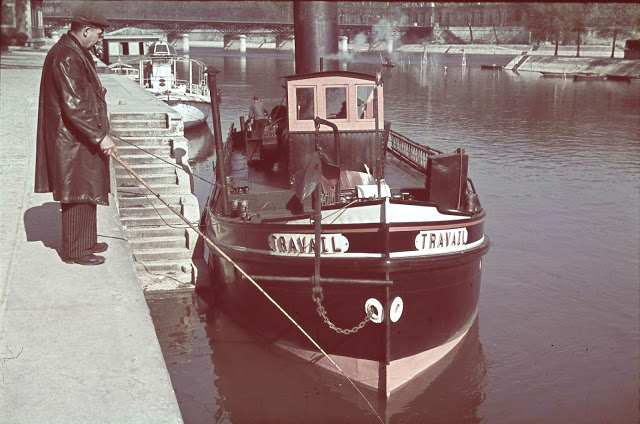
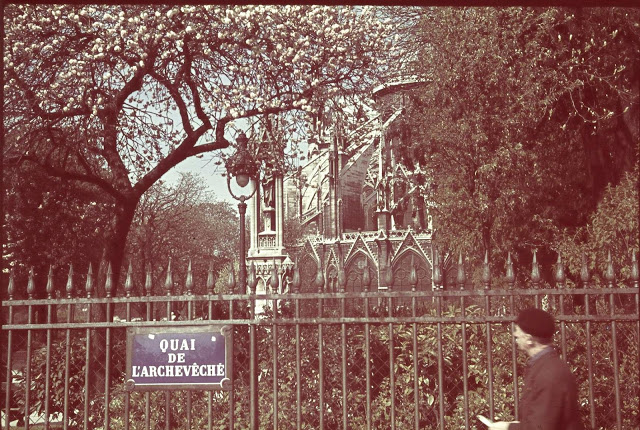
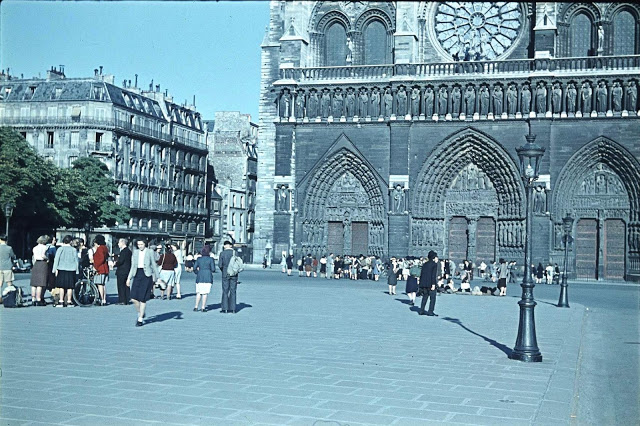
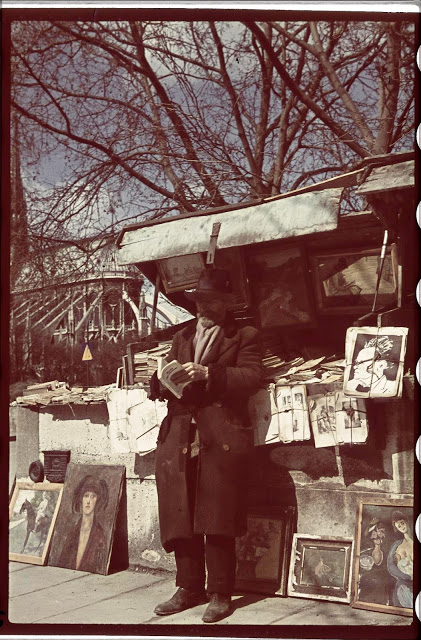
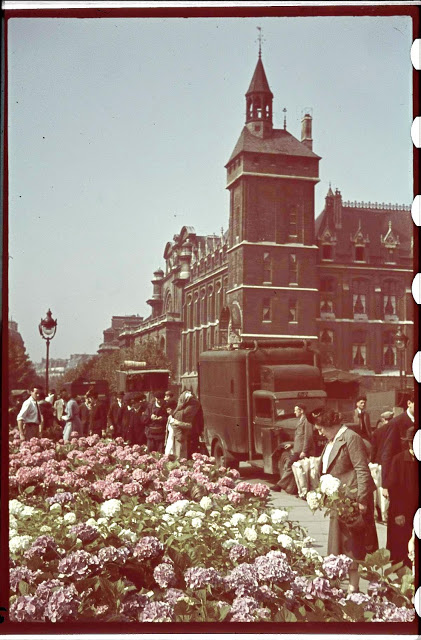
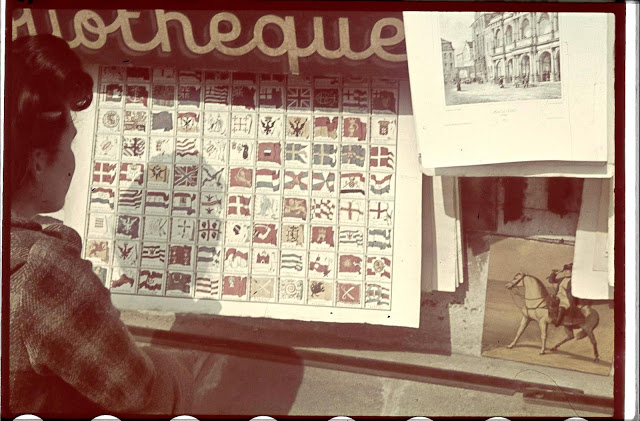
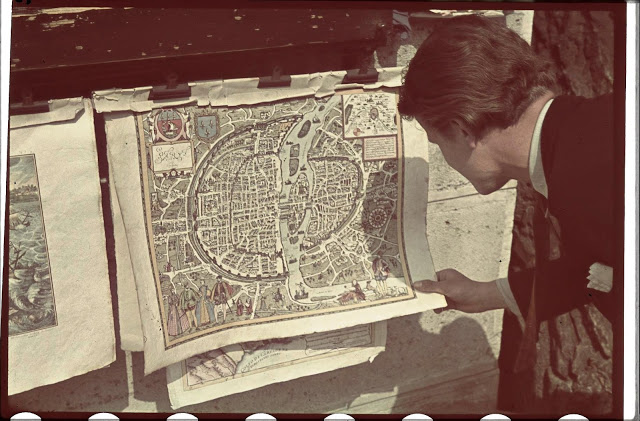
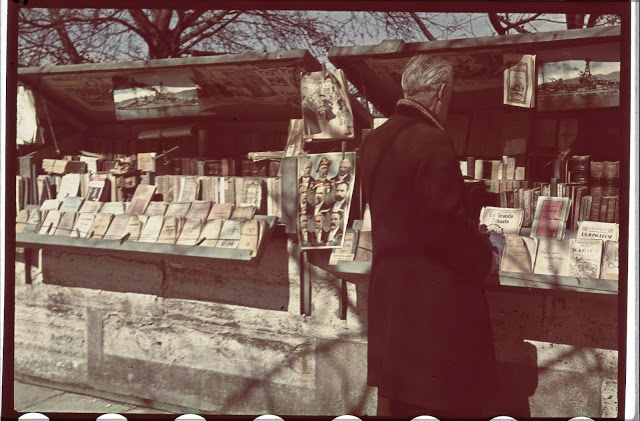
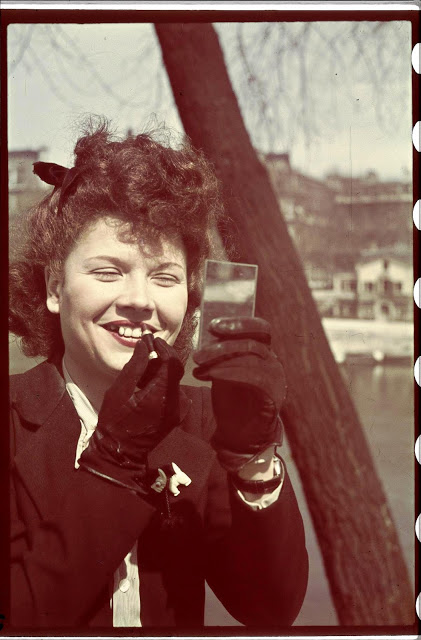
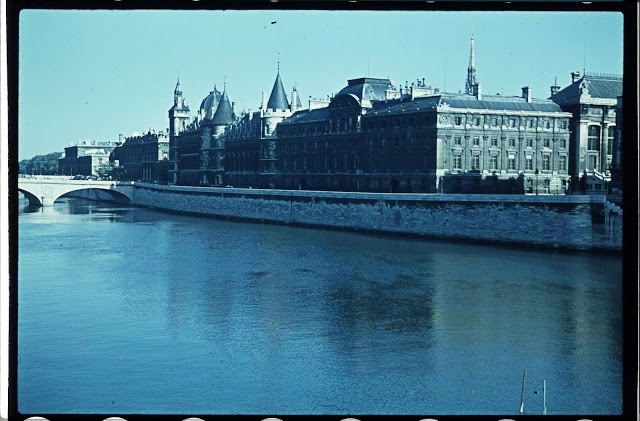
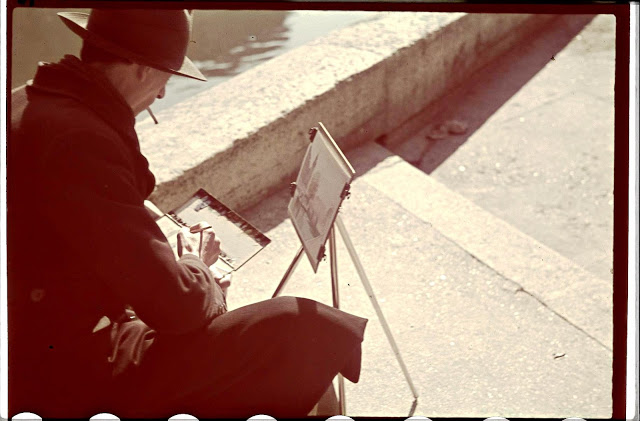
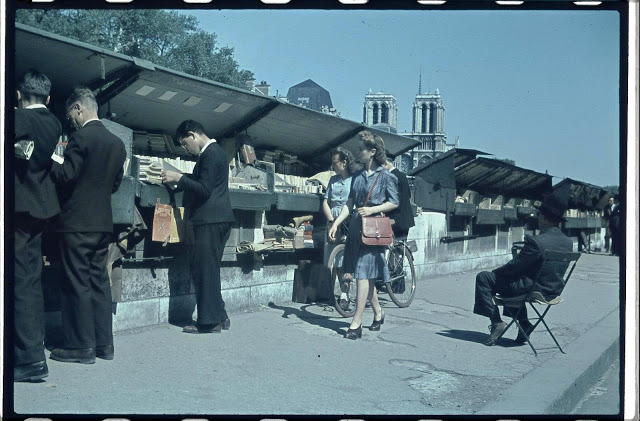
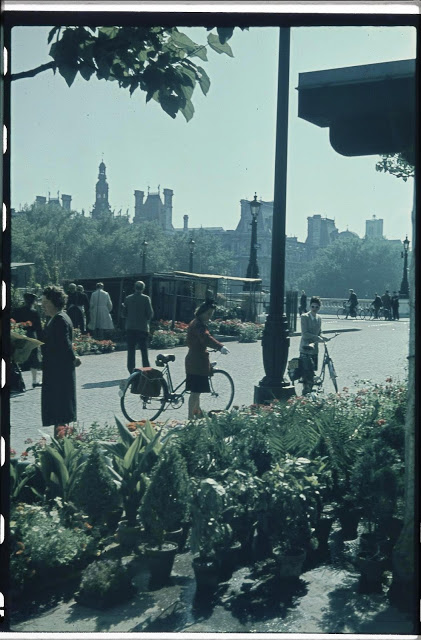
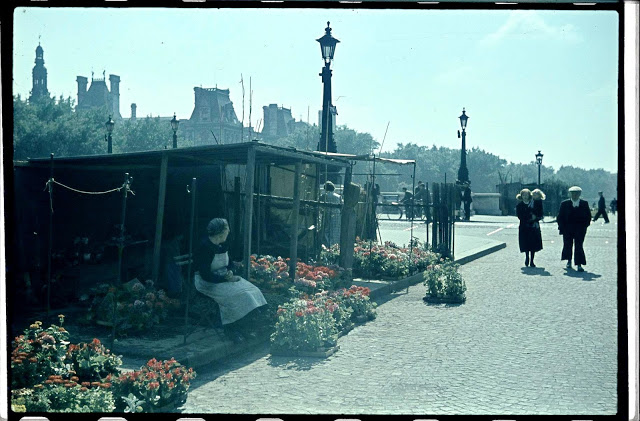
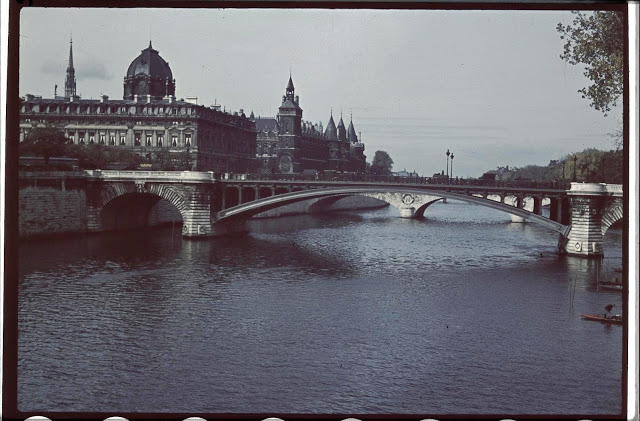
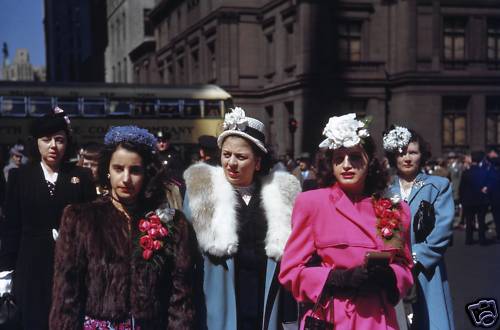
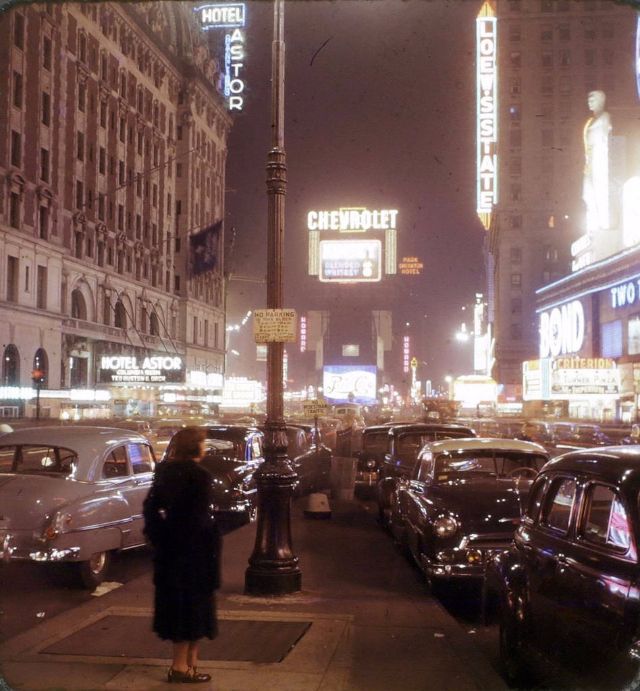
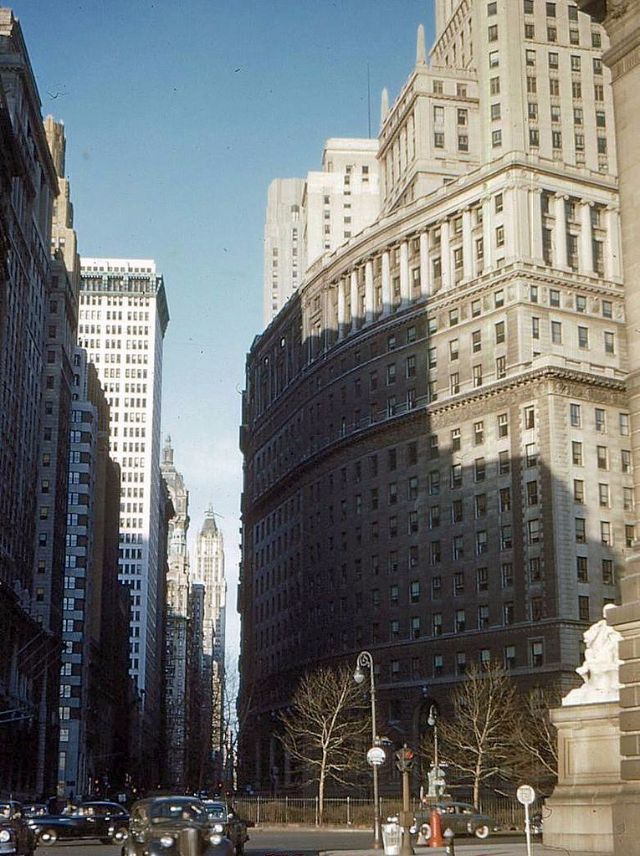
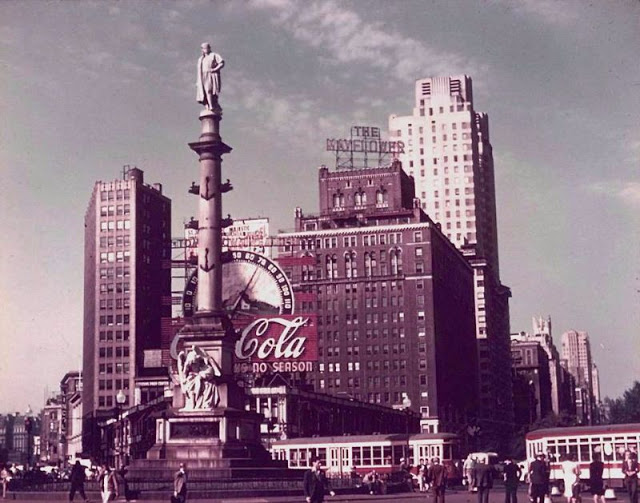
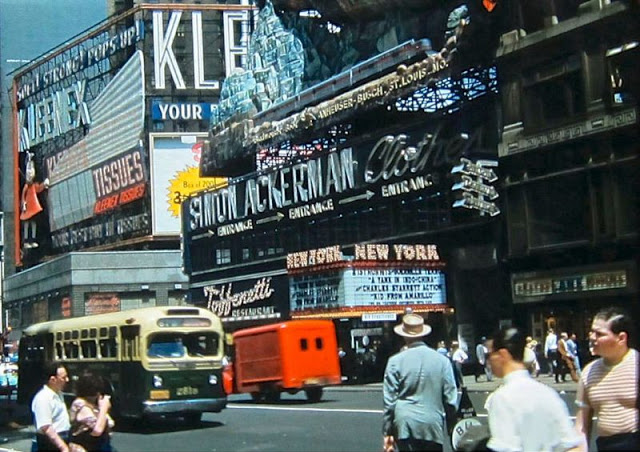
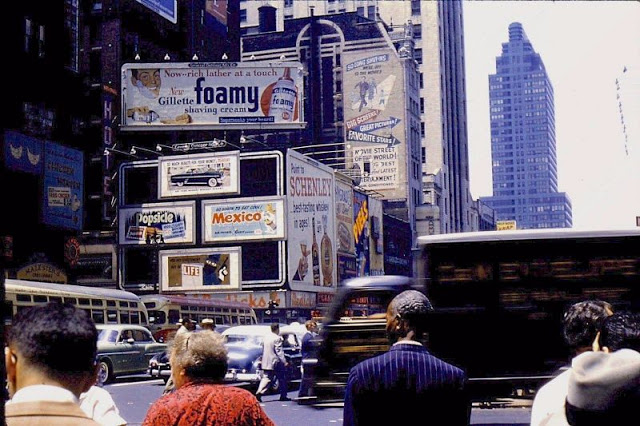
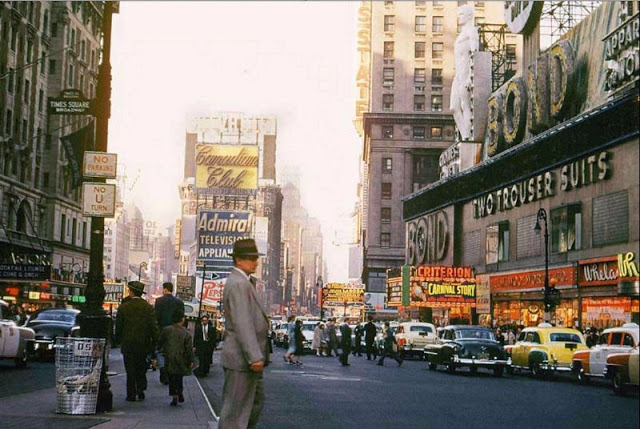
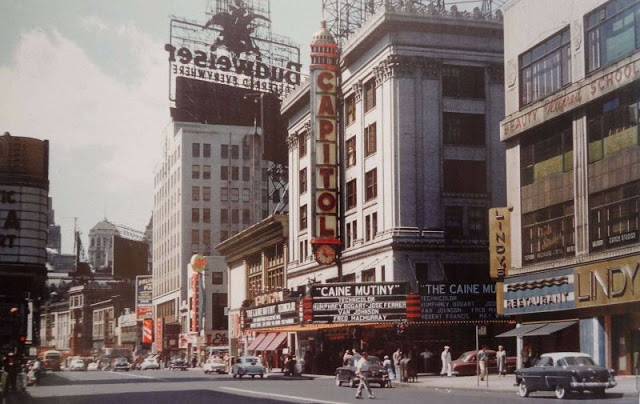
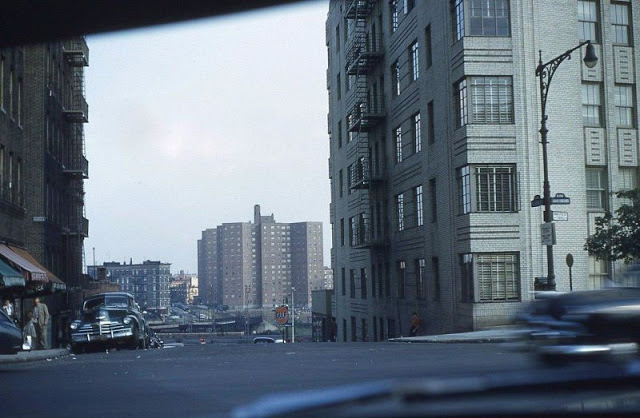
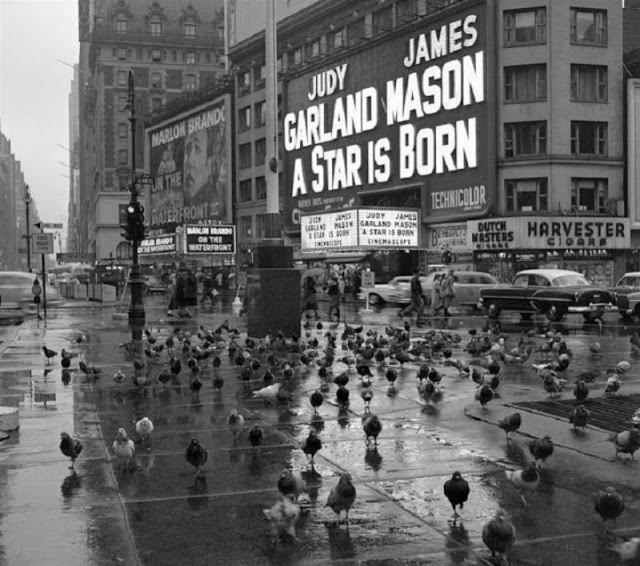
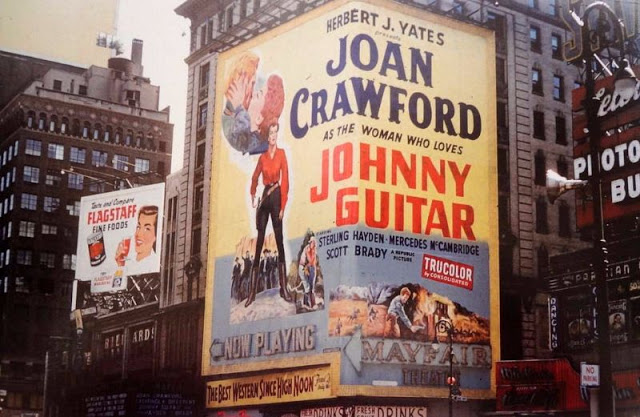
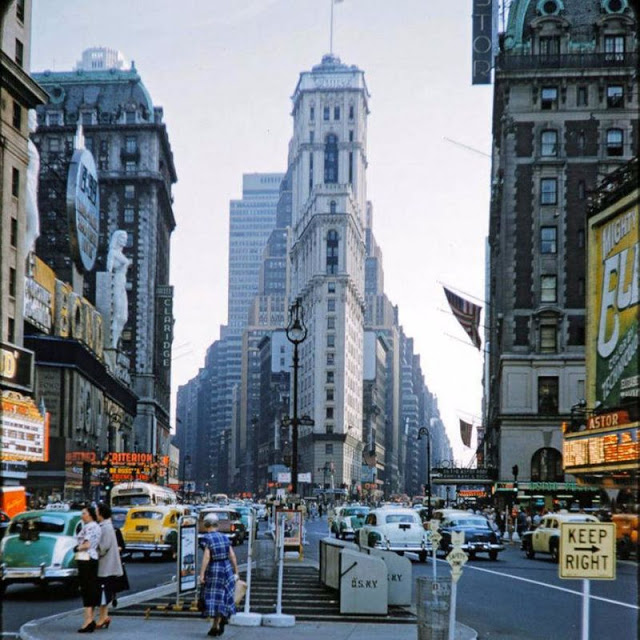
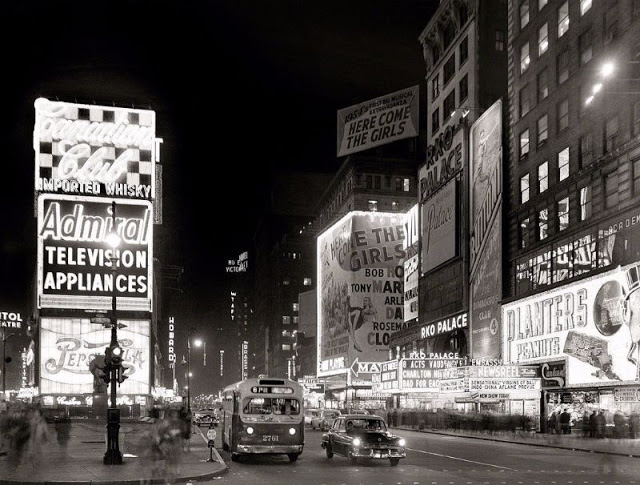
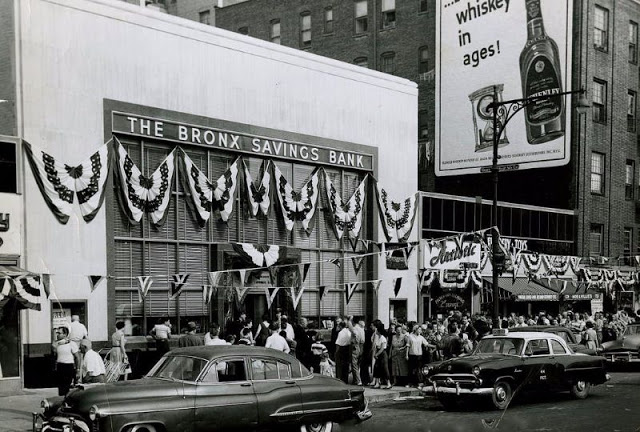
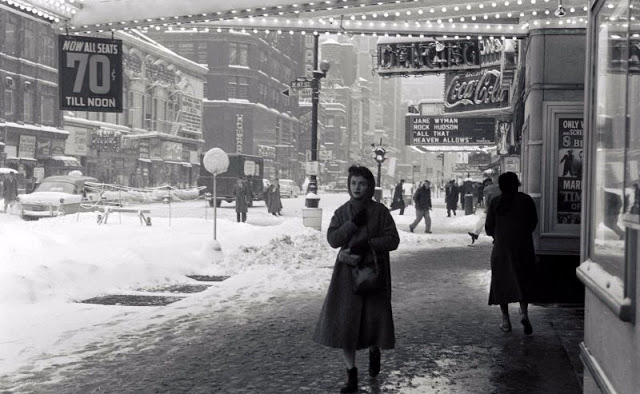
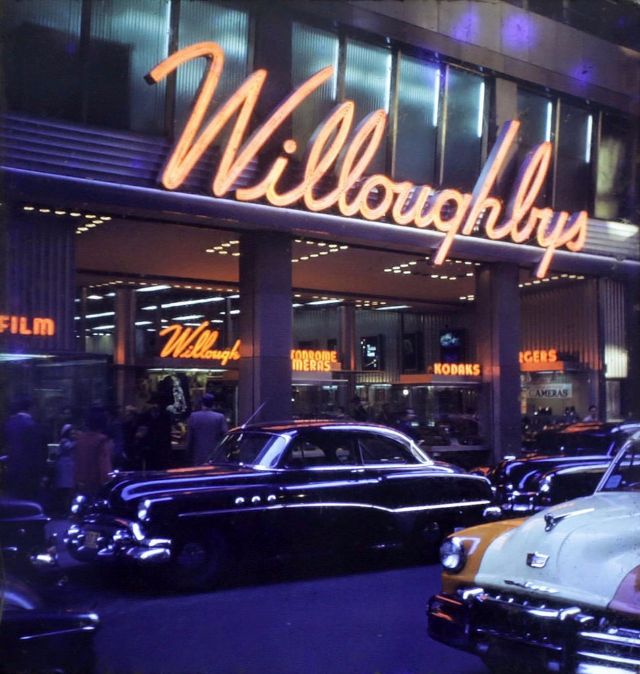
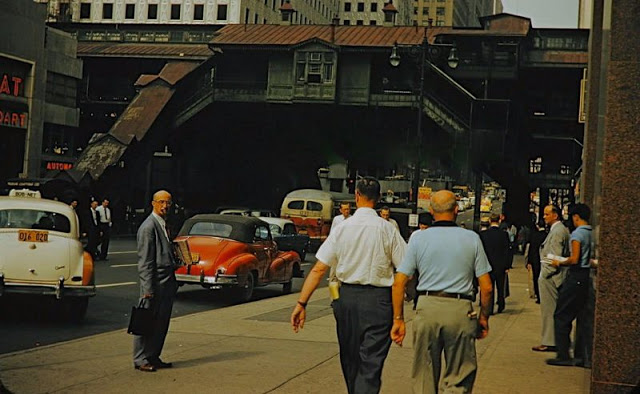
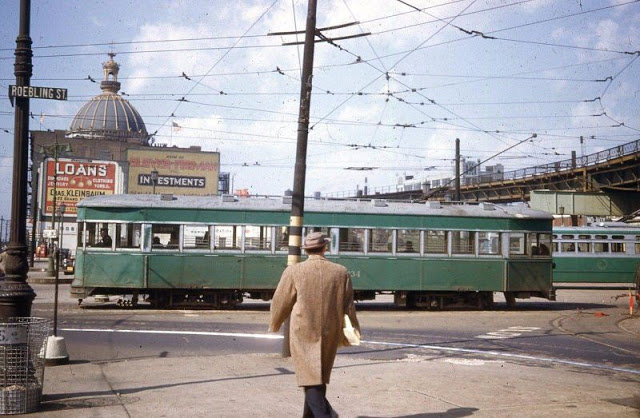
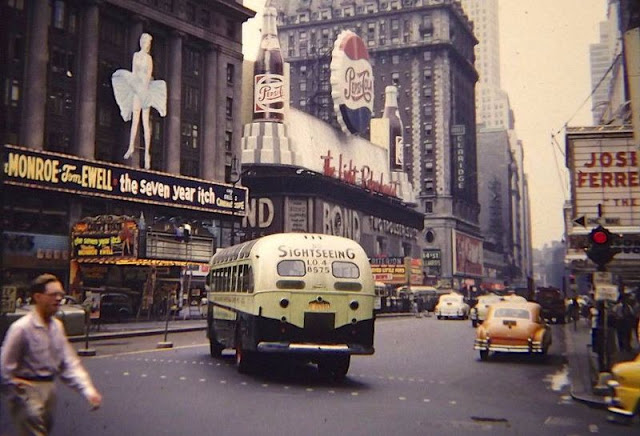
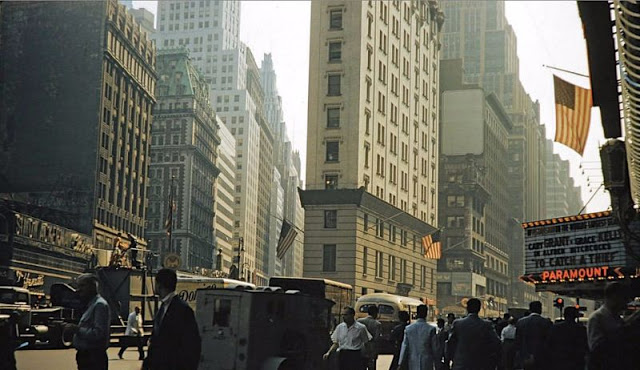
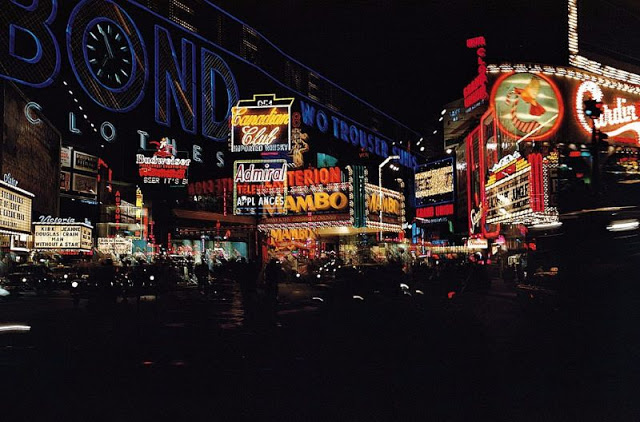
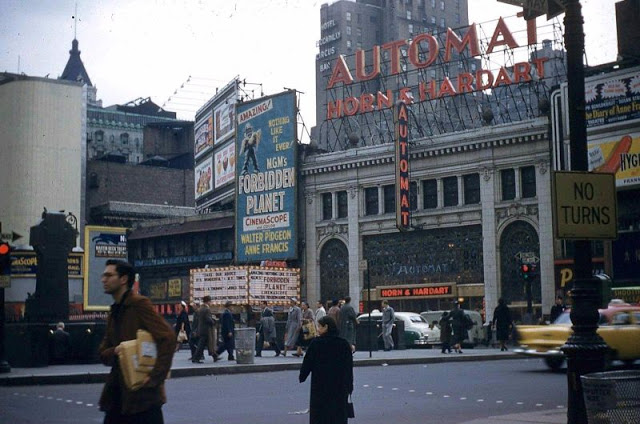
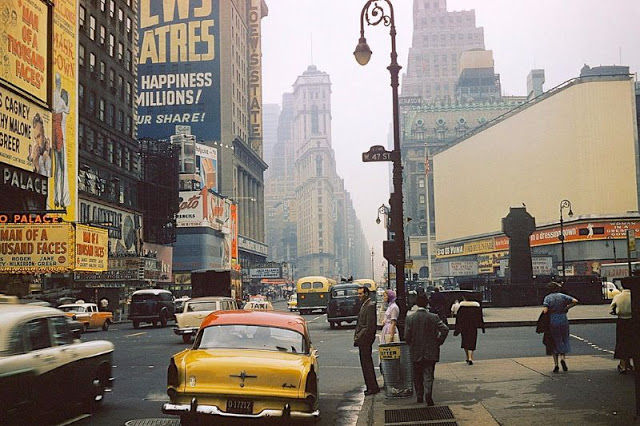
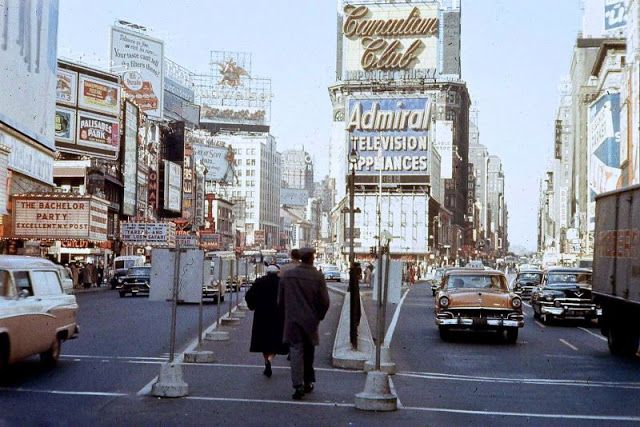
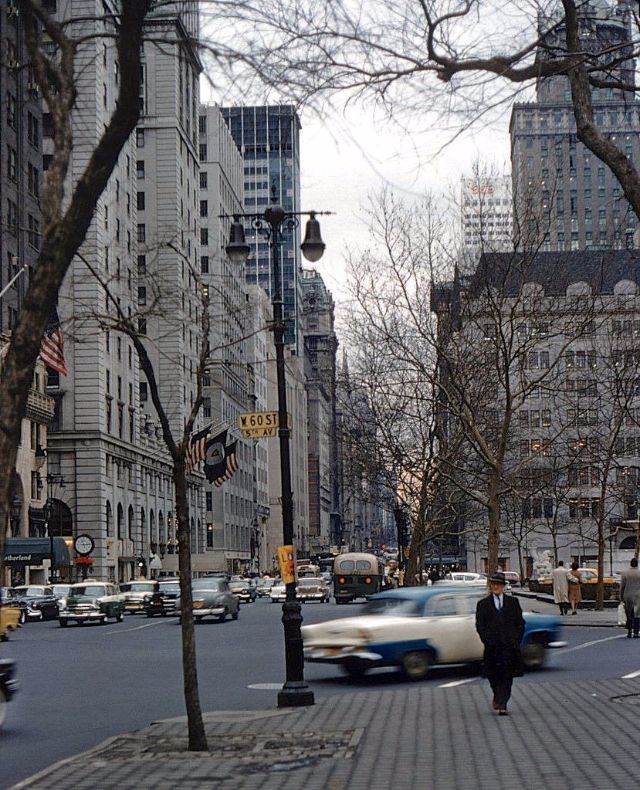
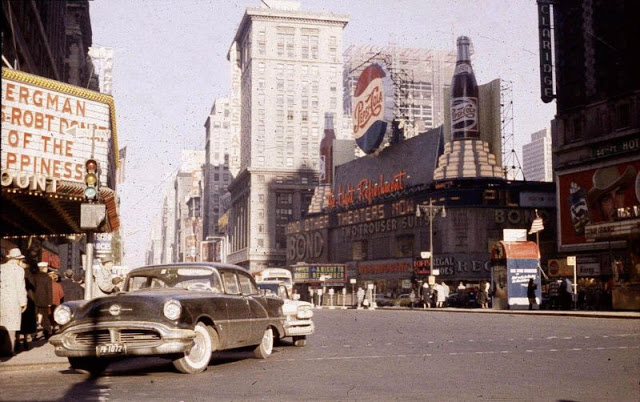
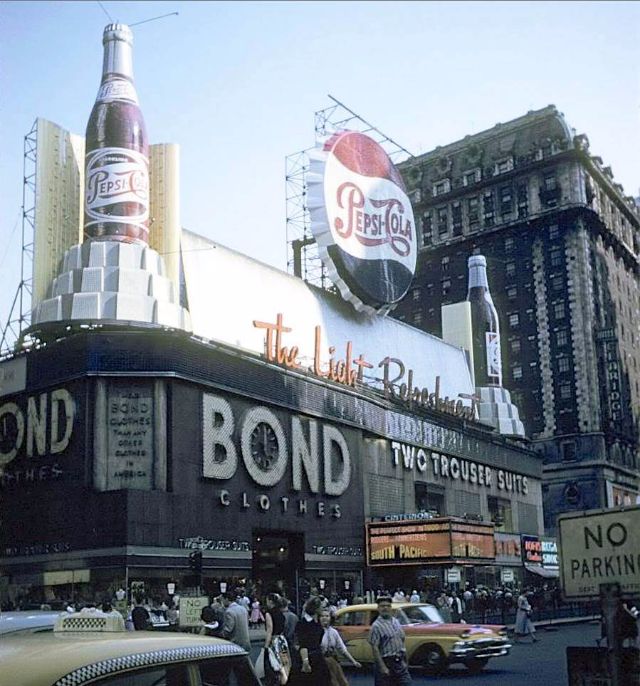
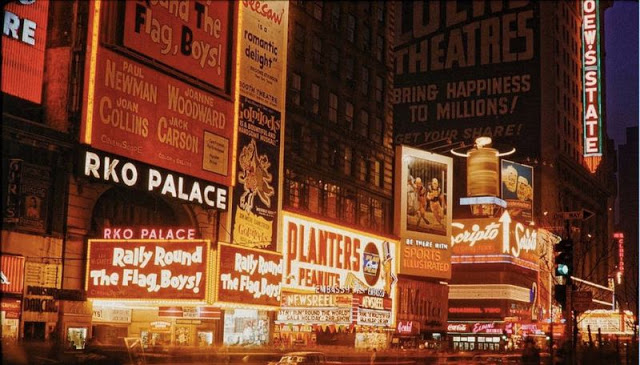
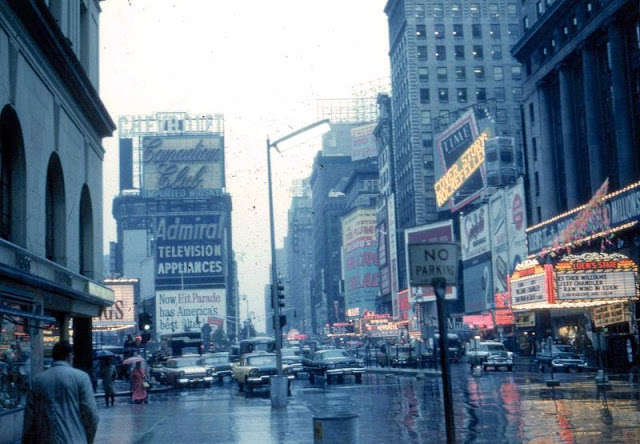
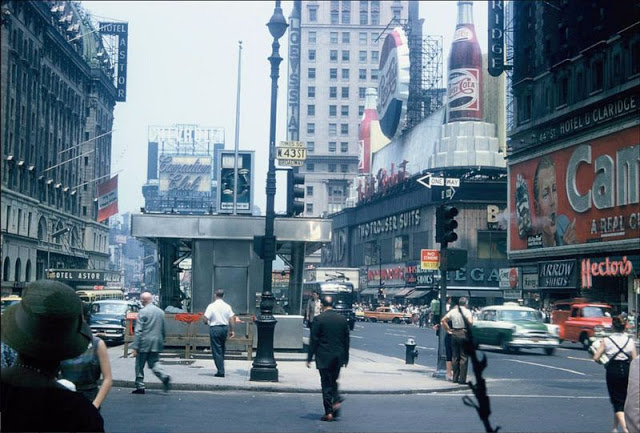
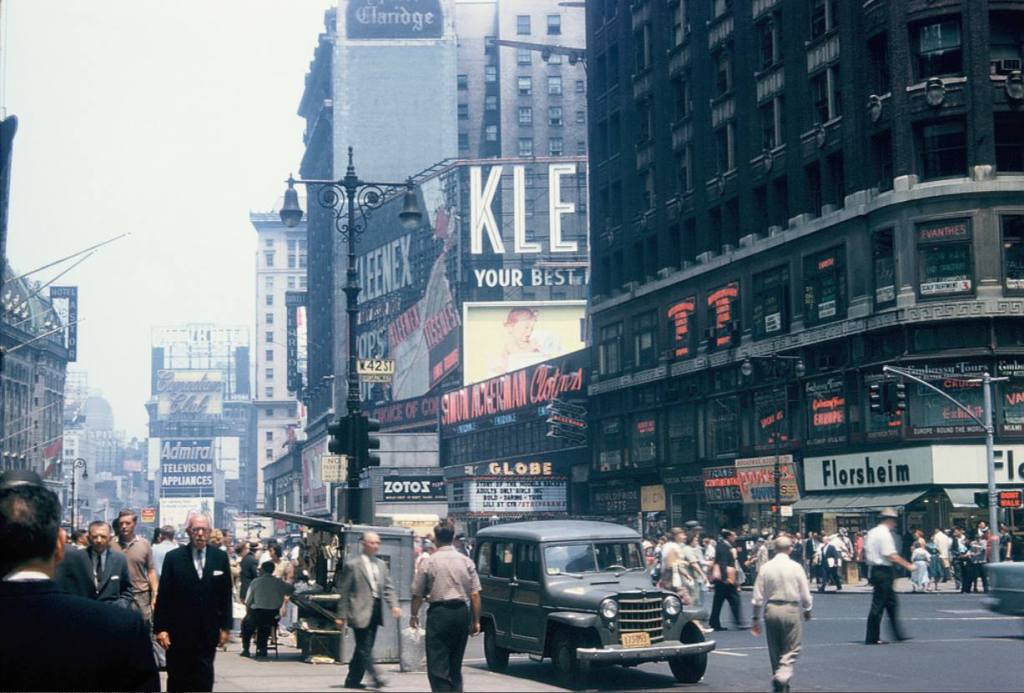
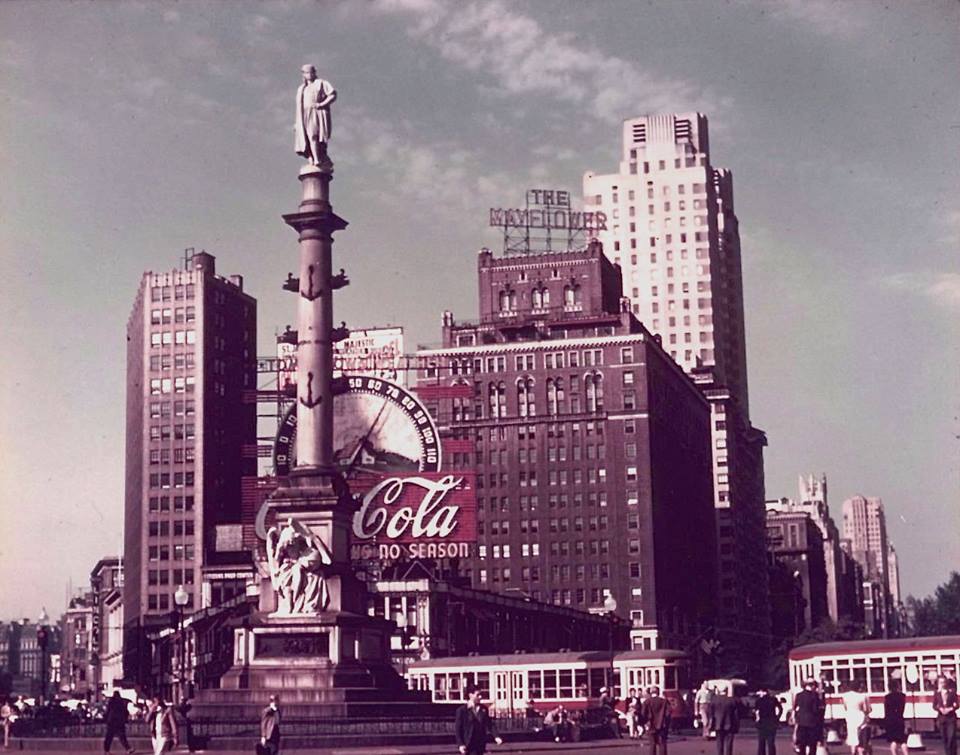
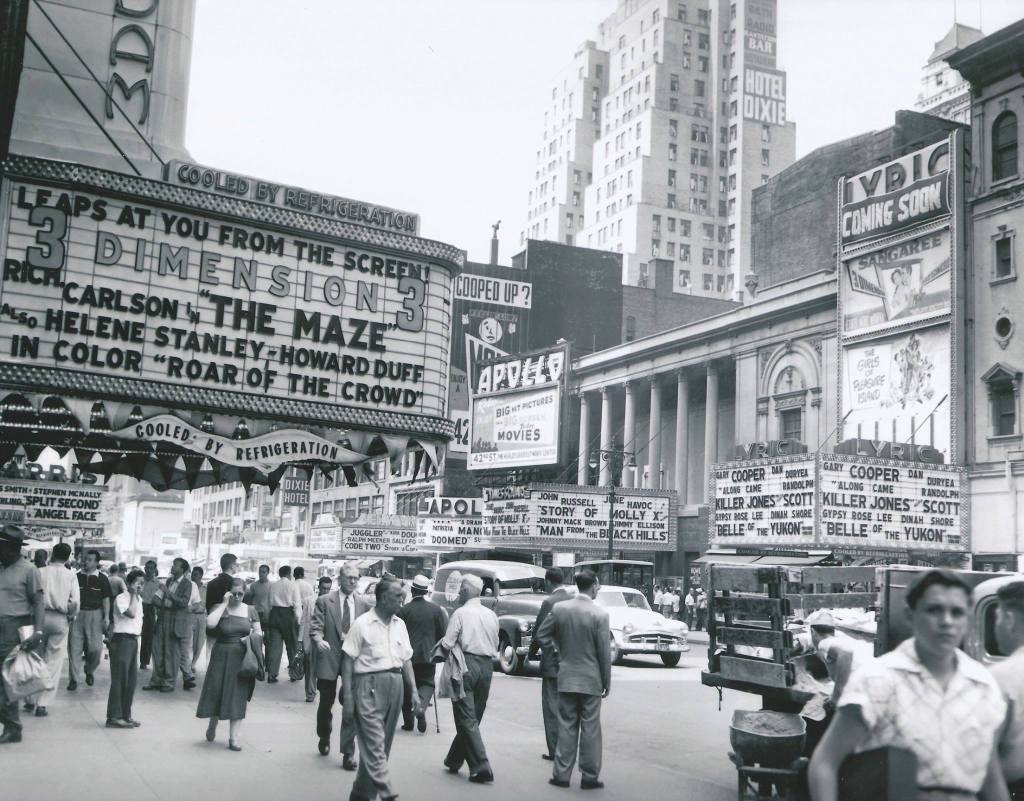
“For Parisians the Seine is a compass, a way to know where you are,” said art historian Marina Ferretti. France had a relatively easier time under German occupation during World War II. That is because Hitler did not consider West Europeans as ‘Untermenschen’. The infamous German brutality was reserved for the Russians.
These images were taken in Occupied Paris during World War II by André Zucca for Nazi German propaganda magazine Signal using rare Agfacolor film supplied by the Wehrmacht. Zucca was arrested after the 1944 liberation but never prosecuted. He worked until his death in 1976 under an assumed name.
When exhibited in Paris in 2008, Bertrand Delanoë, Mayor of Paris, ordered a notice to accompany the images stating that the pictures avoid the “reality of occupation and its tragic aspects.”
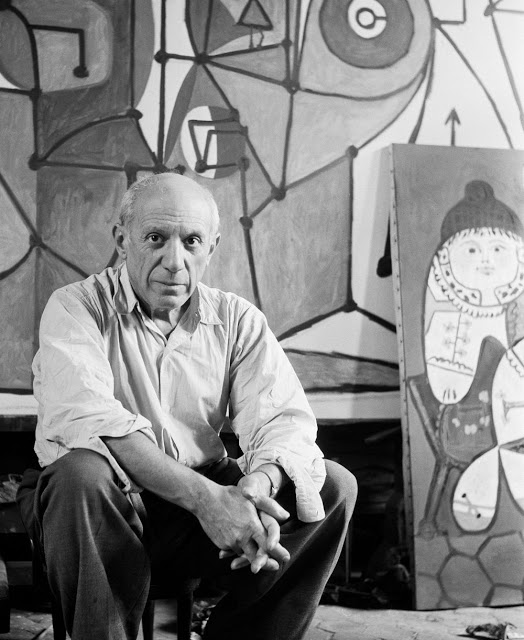
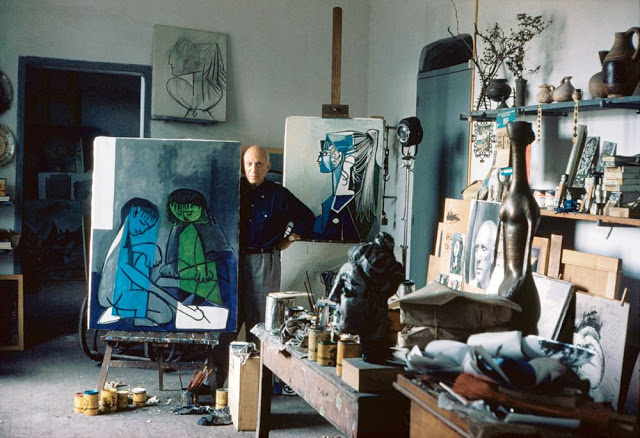
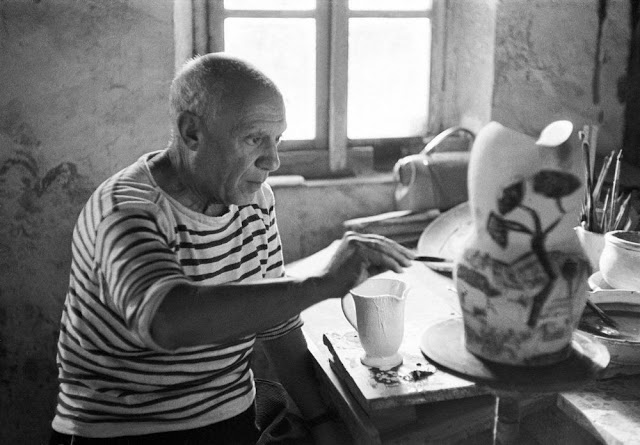
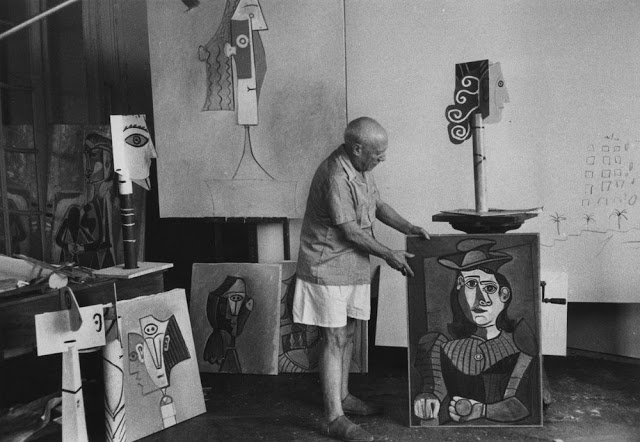
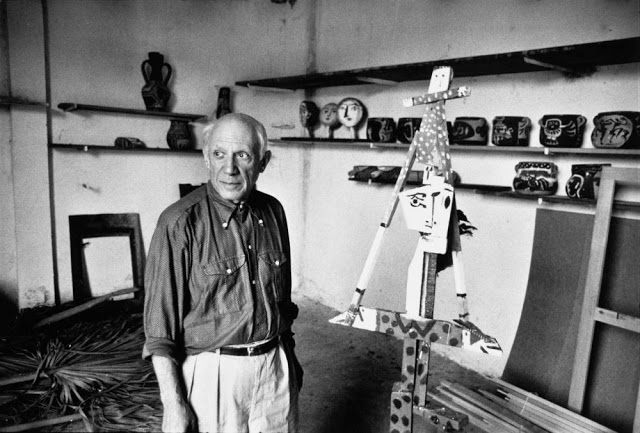
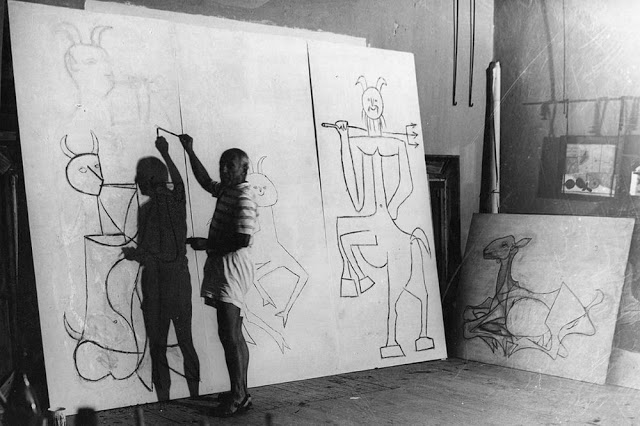
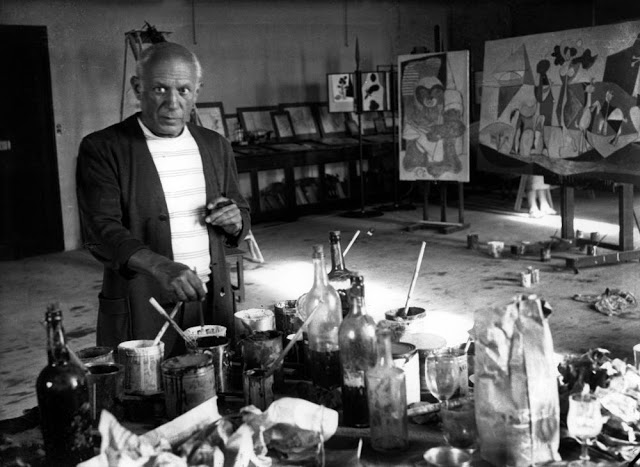
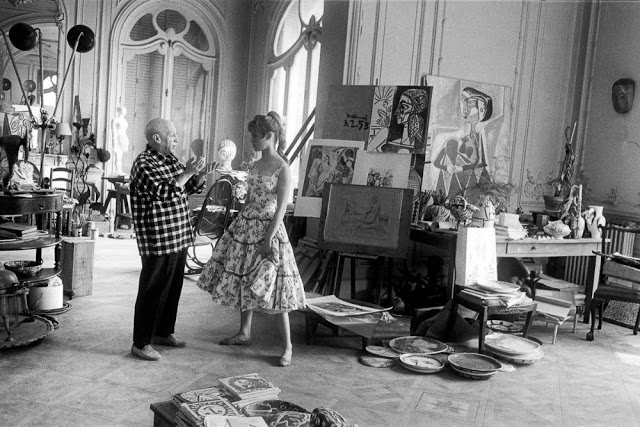
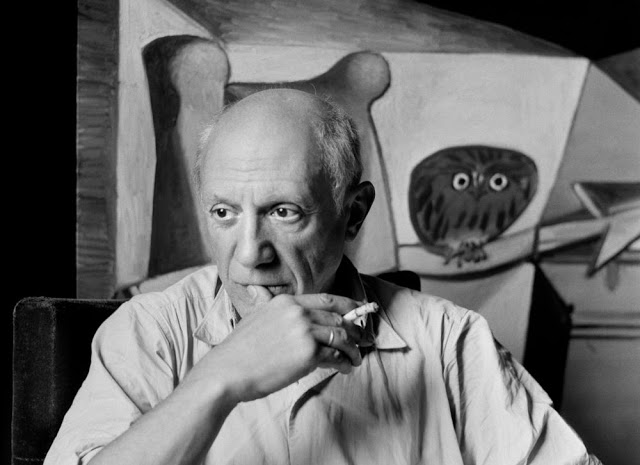
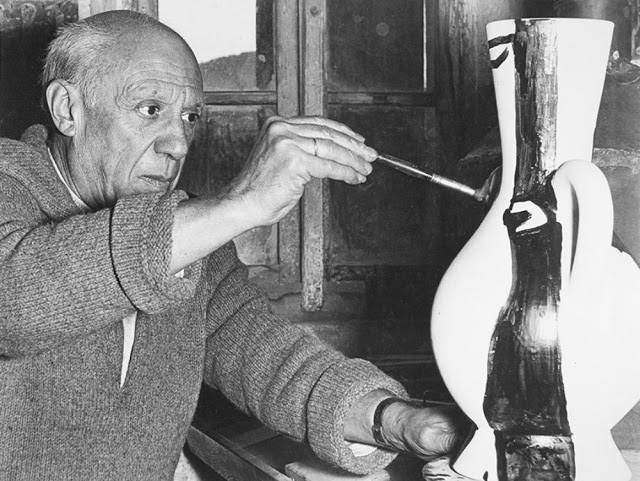
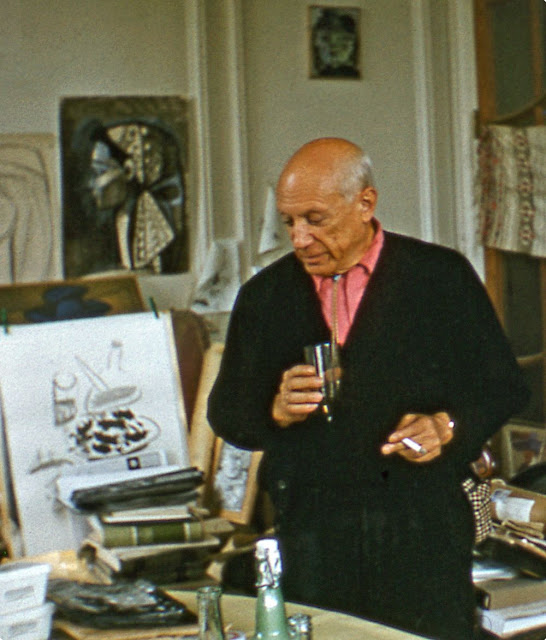
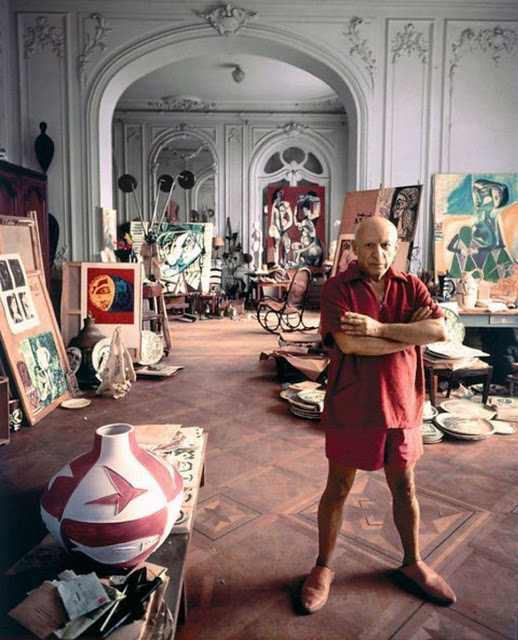
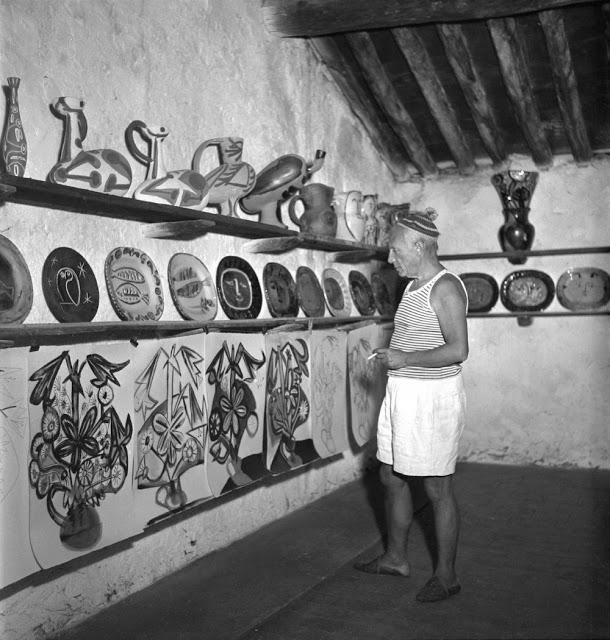
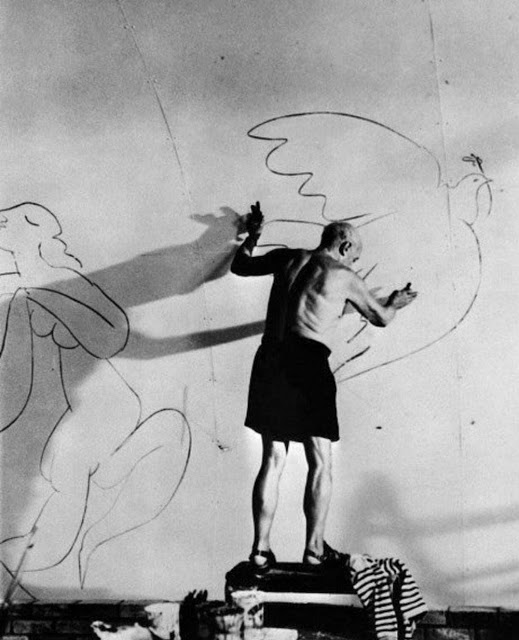
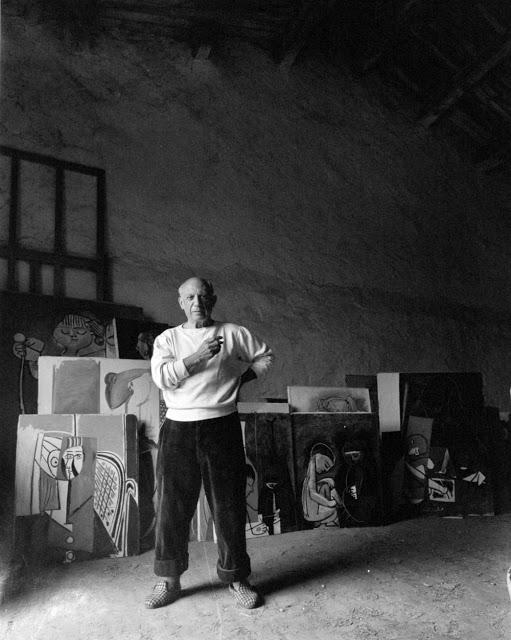
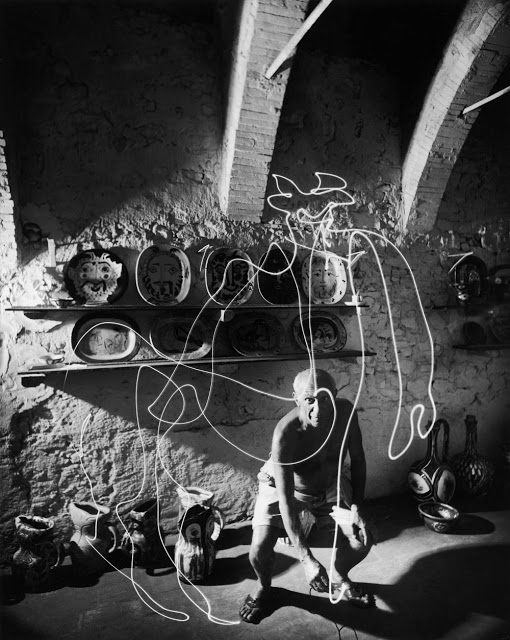
Pablo Ruiz Picasso (25 October 1881 – 8 April 1973) was a Spanish painter, sculptor, printmaker, ceramicist and theatre designer who spent most of his adult life in France. Regarded as one of the most influential artists of the 20th century, he is known for co-founding the Cubist movement, the invention of constructed sculpture, the co-invention of collage, and for the wide variety of styles that he helped develop and explore. Among his most famous works are the proto-Cubist Les Demoiselles d’Avignon (1907), and Guernica (1937), a dramatic portrayal of the bombing of Guernica by German and Italian air forces during the Spanish Civil War.
Picasso demonstrated extraordinary artistic talent in his early years, painting in a naturalistic manner through his childhood and adolescence. During the first decade of the 20th century, his style changed as he experimented with different theories, techniques, and ideas. After 1906, the Fauvist work of the slightly older artist Henri Matisse motivated Picasso to explore more radical styles, beginning a fruitful rivalry between the two artists, who subsequently were often paired by critics as the leaders of modern art.
Picasso’s work is often categorized into periods. While the names of many of his later periods are debated, the most commonly accepted periods in his work are the Blue Period (1901–1904), the Rose Period (1904–1906), the African-influenced Period (1907–1909), Analytic Cubism (1909–1912), and Synthetic Cubism (1912–1919), also referred to as the Crystal period. Much of Picasso’s work of the late 1910s and early 1920s is in a neoclassical style, and his work in the mid-1920s often has characteristics of Surrealism. His later work often combines elements of his earlier styles.
Exceptionally prolific throughout the course of his long life, Picasso achieved universal renown and immense fortune for his revolutionary artistic accomplishments, and became one of the best-known figures in 20th-century art.
Pablo Picasso died on 8 April 1973 in Mougins, France, from pulmonary edema and heart failure, while he and his wife Jacqueline entertained friends for dinner. He was interred at the Château of Vauvenargues near Aix-en-Provence, a property he had acquired in 1958 and occupied with Jacqueline between 1959 and 1962. Jacqueline prevented his children Claude and Paloma from attending the funeral. Devastated and lonely after the death of Picasso, Jacqueline killed herself by gunshot in 1986 when she was 59 years old.
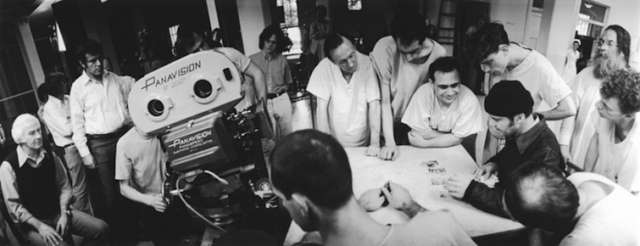
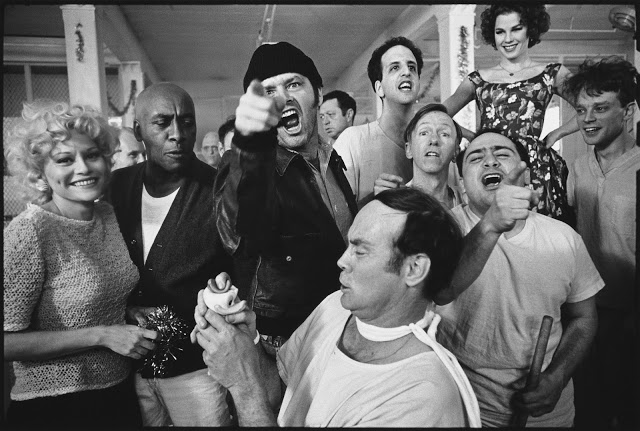
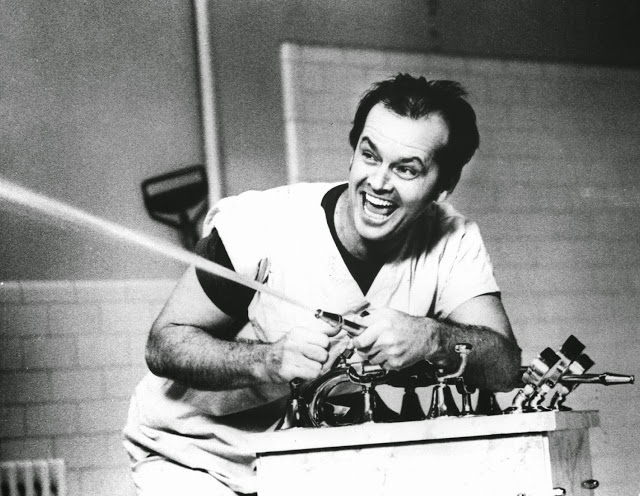
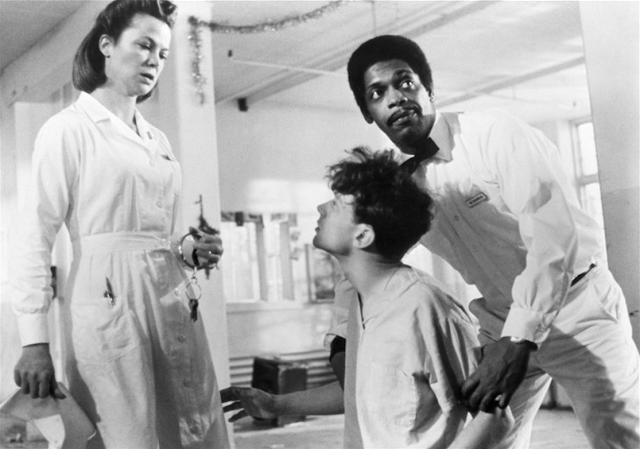
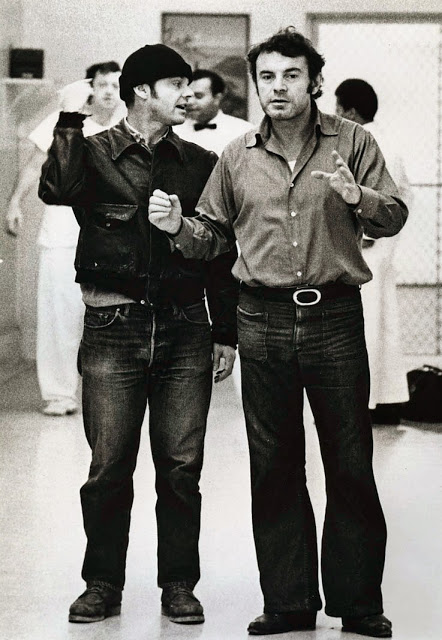
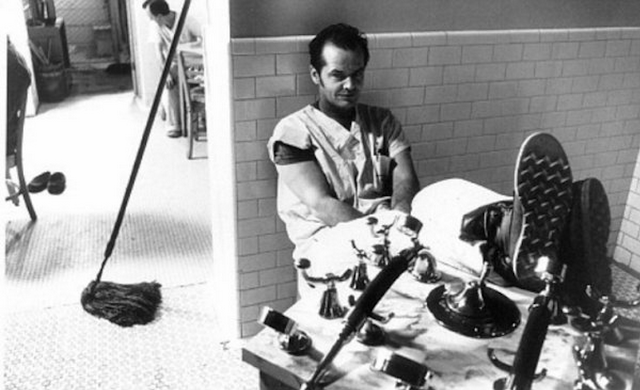
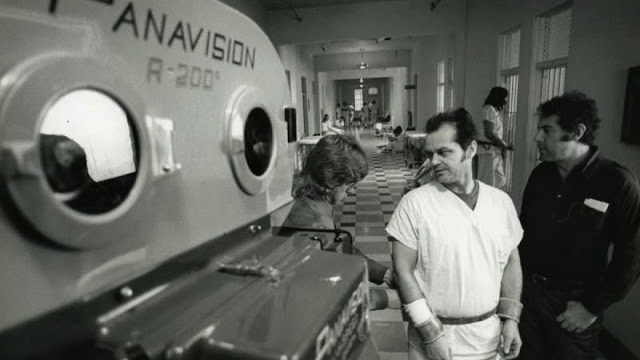
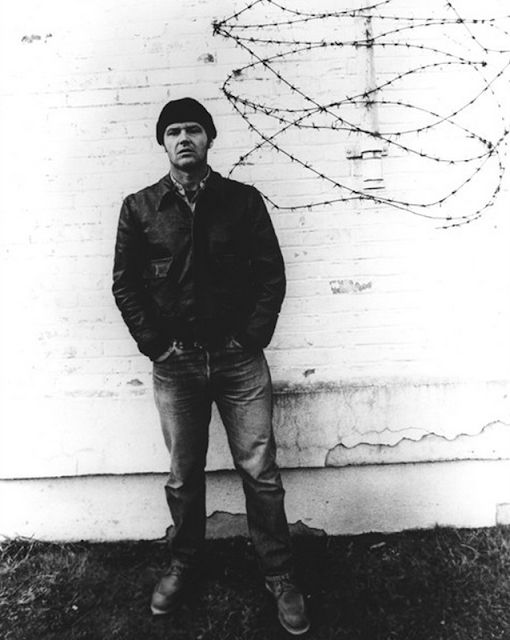
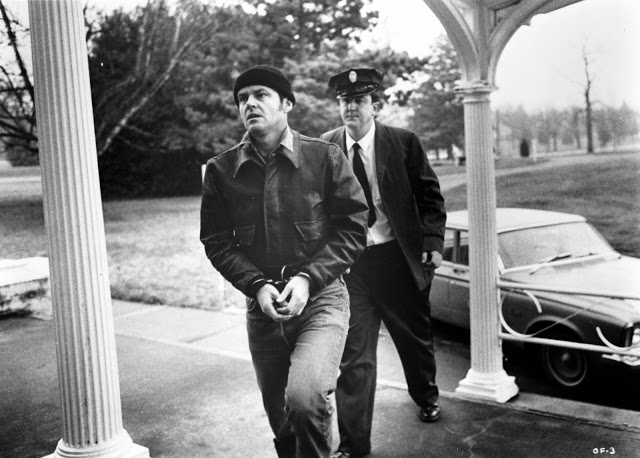
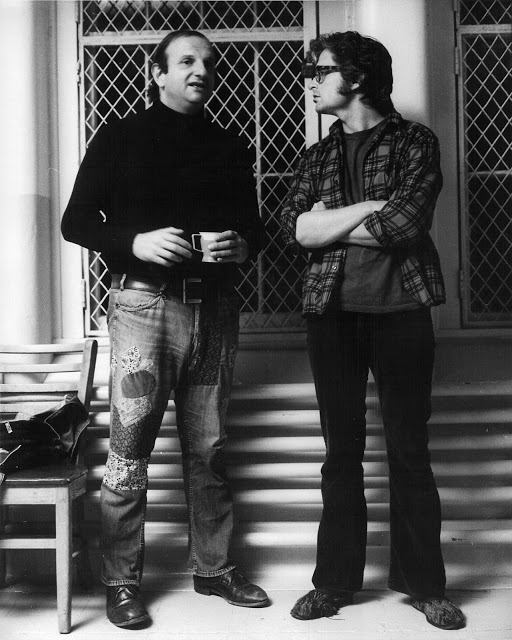
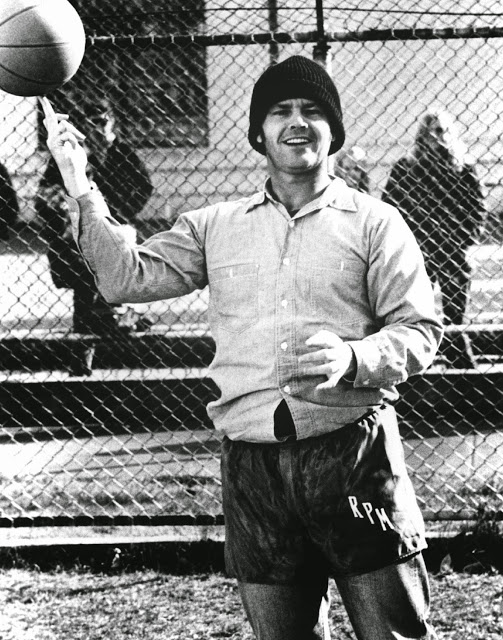
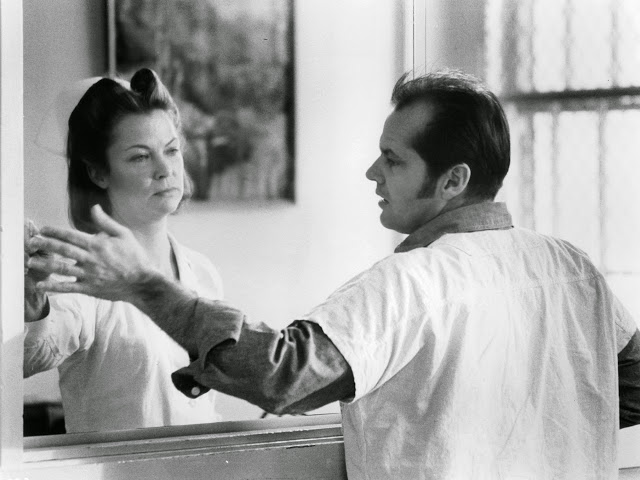
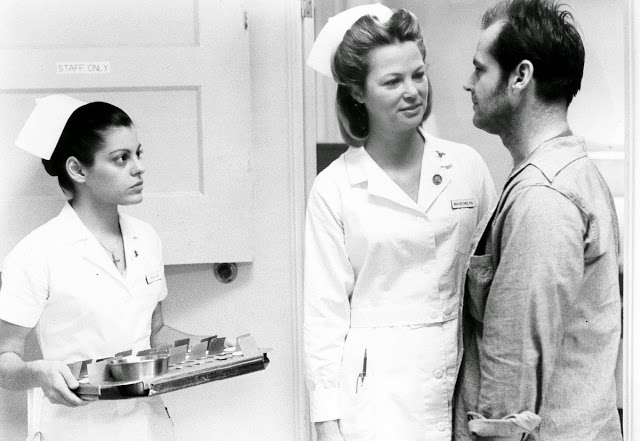
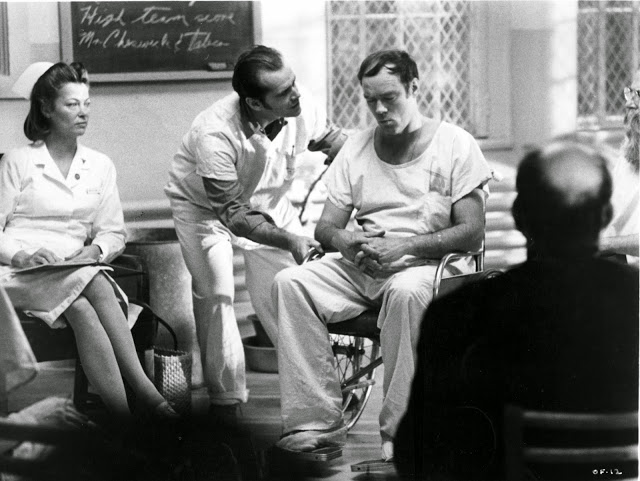
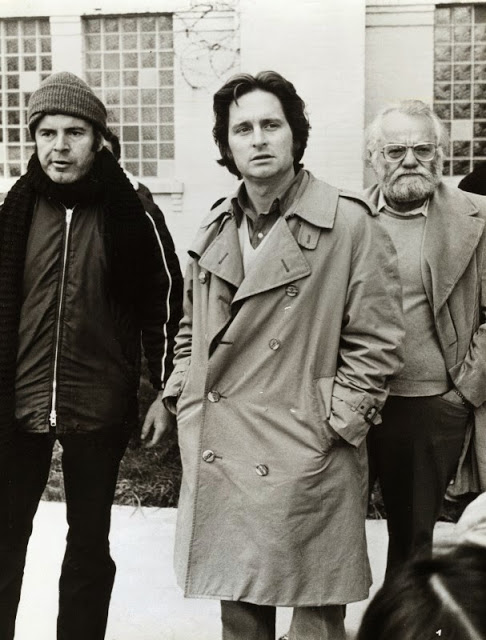
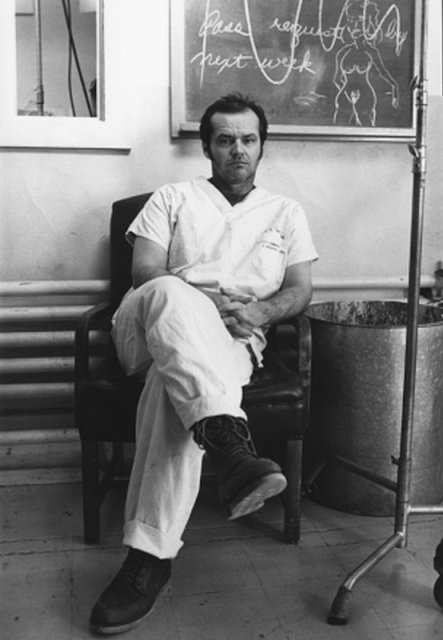
One Flew Over the Cuckoo’s Nest (1975) is one of the greatest American films of all time – a $4.4 million dollar effort directed by Czech Milos Forman. Its allegorical theme is set in the world of an authentic mental hospital (Oregon State Hospital in Salem, Oregon), a place of rebellion exhibited by a energetic, flamboyant, wise-guy anti-hero against the Establishment, institutional authority and status-quo attitudes (personified by the patients’ supervisory nurse). Expressing his basic human rights and impulses, the protagonist protests against heavy-handed rules about watching the World Series, and illegally stages both a fishing trip and a drinking party in the ward – leading to his own paralyzing lobotomy.
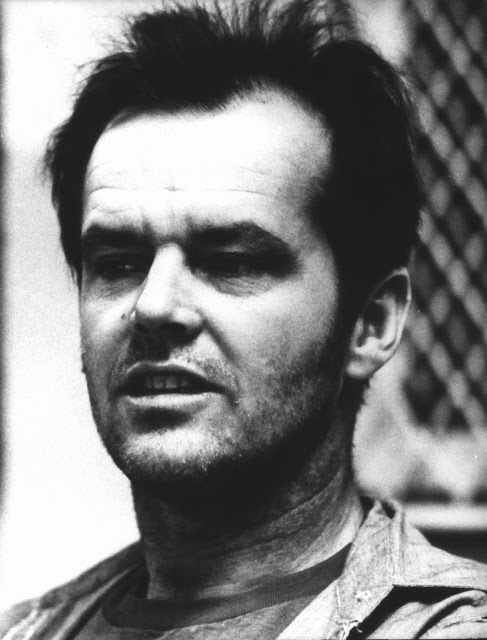
Jack Nicholson’s acting persona as the heroic rebel McMurphy, who lives free or dies (through an act of mercy killing), had earlier been set with his performances in Easy Rider (1969) and Five Easy Pieces (1970). The mid-70s baby-boomers’ counter-culture was ripe for a film dramatizing rebellion and insubordination against oppressive bureaucracy and an insistence upon rights, self-expression, and freedom.
The role of the sexually-repressed, domineering Nurse Ratched was turned down by five actresses – Anne Bancroft, Colleen Dewhurst, Geraldine Page, Ellen Burstyn, and Angela Lansbury – until Louise Fletcher accepted casting (in her debut film) only a week before filming began. And actor James Caan was also originally offered the lead role of McMurphy, and Marlon Brando and Gene Hackman were considered as well. The entire film was shot in sequence, except for the fishing scene (shot last).
It surprised everyone by becoming enormously profitable – the seventh-highest-grossing film ever (at its time), bringing in almost $300 million worldwide. The independently-produced film also swept the Oscars: it was the first film to take all the major awards (Best Picture, Best Director, Best Screenplay, Best Actor, and Best Actress) since Frank Capra’s It Happened One Night (1934).
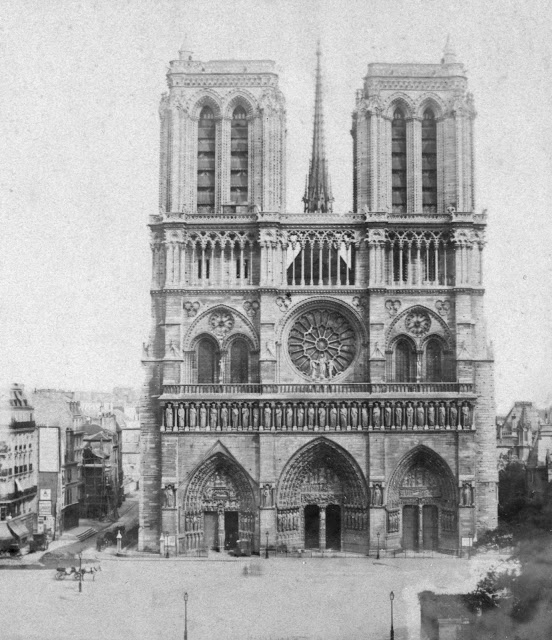
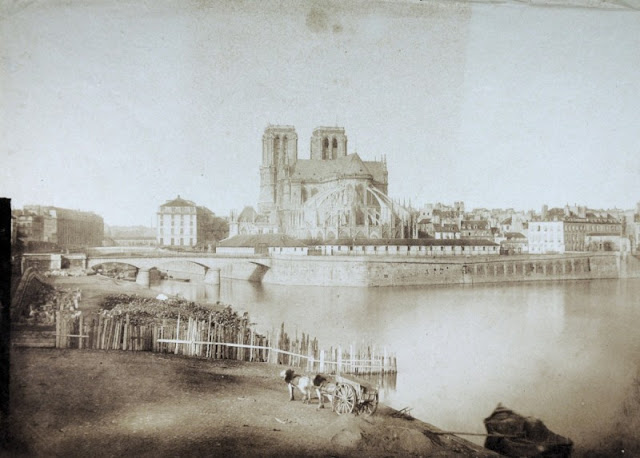
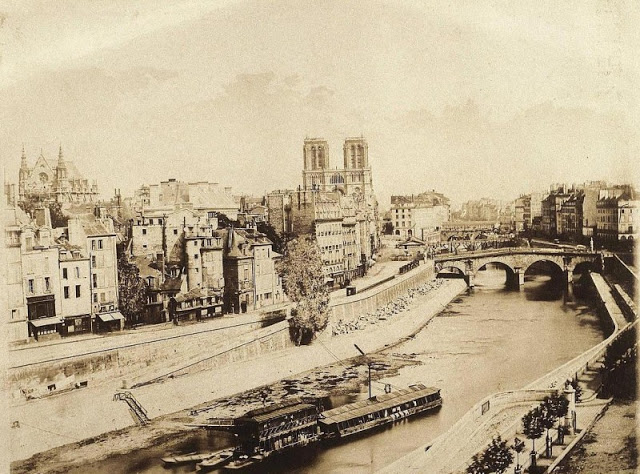
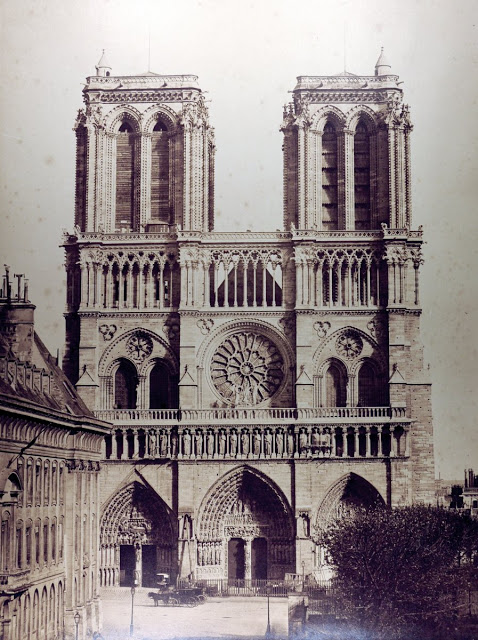
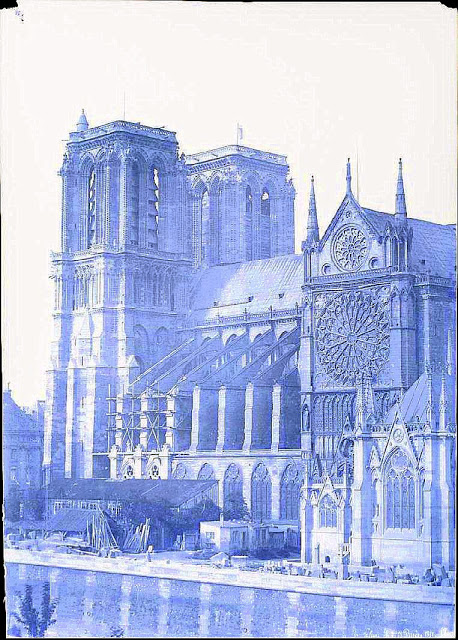
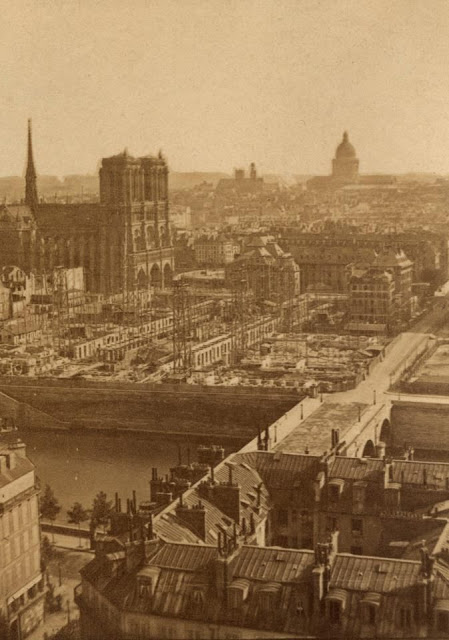
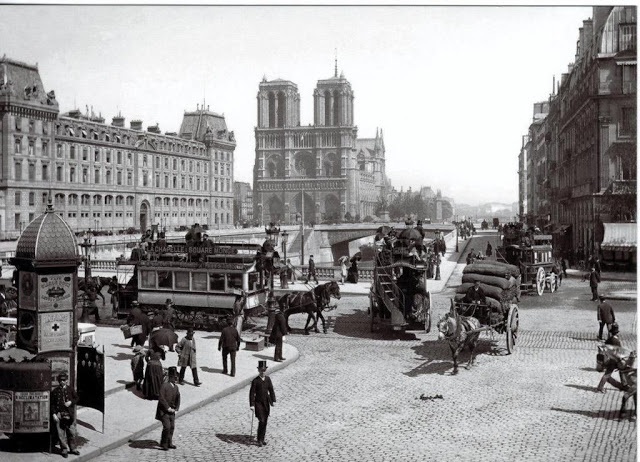
Notre-Dame de Paris, referred to simply as Notre-Dame, is a medieval Catholic cathedral on the Île de la Cité in the 4th arrondissement of Paris. The cathedral was consecrated to the Virgin Mary and considered to be one of the finest examples of French Gothic architecture. Its pioneering use of the rib vault and flying buttress, its enormous and colourful rose windows, as well as the naturalism and abundance of its sculptural decoration set it apart from the earlier Romanesque style. Major components that make Notre Dame stand out include its large historic organ and its immense church bells.
The cathedral’s construction began in 1163 under Bishop Maurice de Sully and was largely complete by 1260, though it was modified frequently in the following centuries. In the 1790s, Notre-Dame suffered desecration during the French Revolution; much of its religious imagery was damaged or destroyed. In the 19th century, the cathedral was the site of the coronation of Napoleon I and the funerals of many presidents of the French Republic.
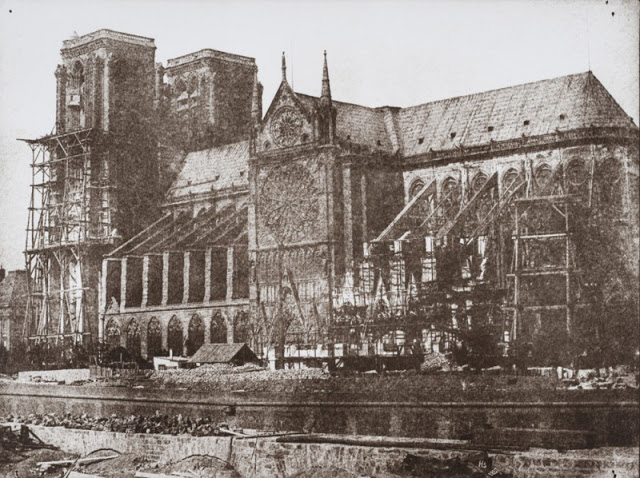
Popular interest in the cathedral blossomed soon after the 1831 publication of Victor Hugo’s novel Notre-Dame de Paris (better known in English as The Hunchback of Notre-Dame). This led to a major restoration project between 1844 and 1864, supervised by Eugène Viollet-le-Duc. The Allied liberation of Paris in 1944 was celebrated within Notre-Dame with the singing of the Magnificat. Beginning in 1963, the cathedral’s façade was cleaned of centuries of soot and grime. Another cleaning and restoration project was carried out between 1991 and 2000.
The cathedral is one of the most widely recognized symbols of the city of Paris and the French nation. As the cathedral of the Archdiocese of Paris, Notre-Dame contains the cathedra of the archbishop of Paris (Michel Aupetit). In 1805, Notre-Dame was given the honorary status of a minor basilica. Approximately 12 million people visit Notre-Dame annually, making it the most visited monument in Paris. The cathedral was renowned for its Lent sermons, founded by the Dominican Jean-Baptiste Henri Lacordaire in the 1830s. In recent years, an increasing number have been given by leading public figures and state-employed academics.
The cathedral has been progressively stripped of its original decoration and works of art. Several noteworthy examples of Gothic, Baroque, and 19th-century sculptures and a group of 17th- and early 18th-century altarpieces remain in the cathedral’s collection. Some of the most important relics in Christendom, including the Crown of Thorns, a sliver of the true cross and a nail from the true cross, are preserved at Notre-Dame.
While undergoing renovation and restoration, the roof of Notre-Dame caught fire on the evening of 15 April 2019. Burning for around 15 hours, the cathedral sustained serious damage, including the destruction of the flèche (the timber spirelet over the crossing) and most of the lead-covered wooden roof above the stone vaulted ceiling. Contamination of the site and the nearby environment resulted. Following the fire, many proposals were made for modernizing the cathedral’s design. However, on 29 July 2019, the French National Assembly enacted a law requiring that the restoration must preserve the cathedral’s ‘historic, artistic and architectural interest’. Stabilizing the structure against possible collapse was completed in November 2020, with reconstruction beginning in 2021. The government of France hopes the reconstruction can be completed by Spring 2024, in time for the opening of the 2024 Summer Olympics in Paris. President Emmanuel Macron confirmed on 14 April 2021 that the cathedral site will be formally returned to the church on 15 April 2024, and the first mass will be held in the cathedral nave on that day, even if the reconstruction is not finished by then. (Wikipedia)
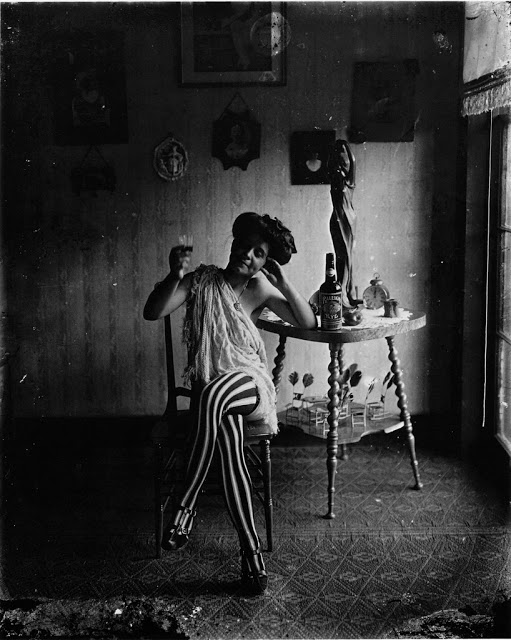
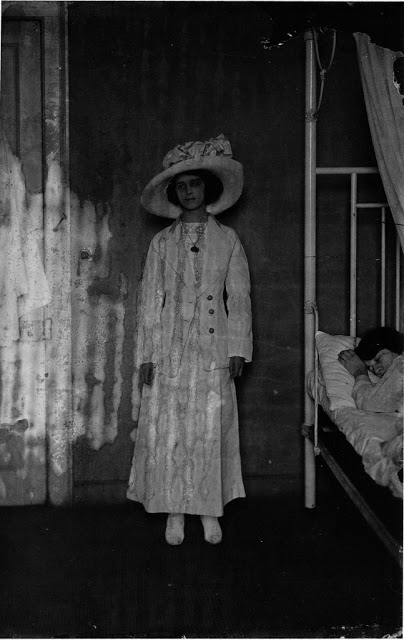
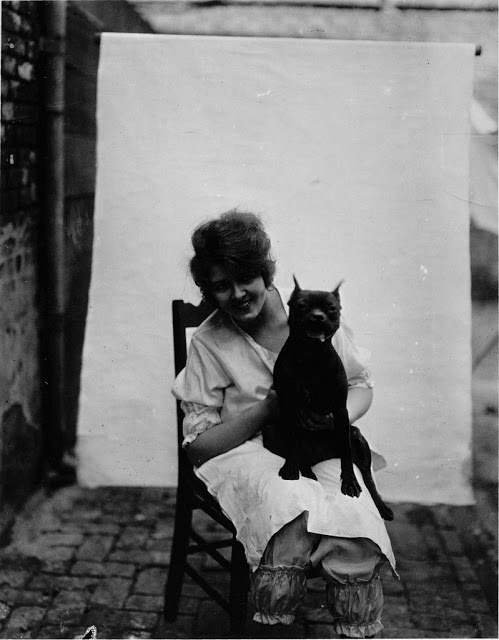
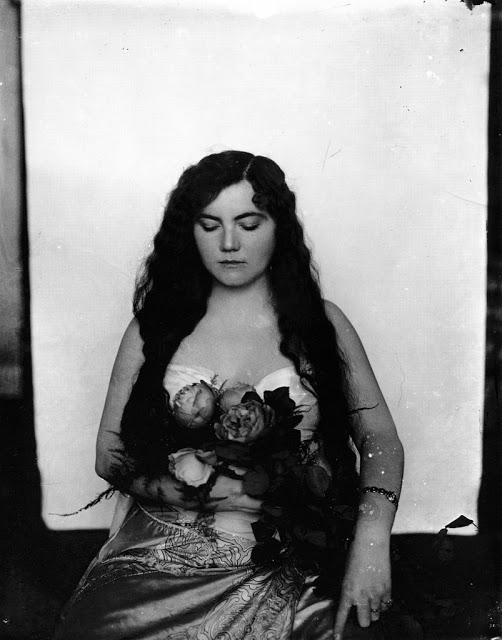
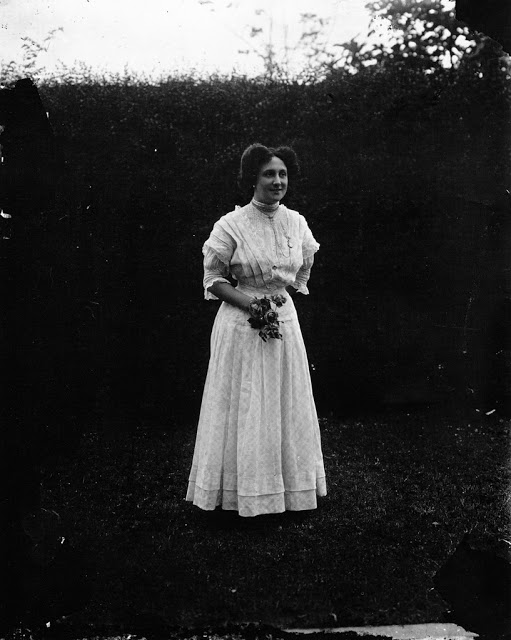
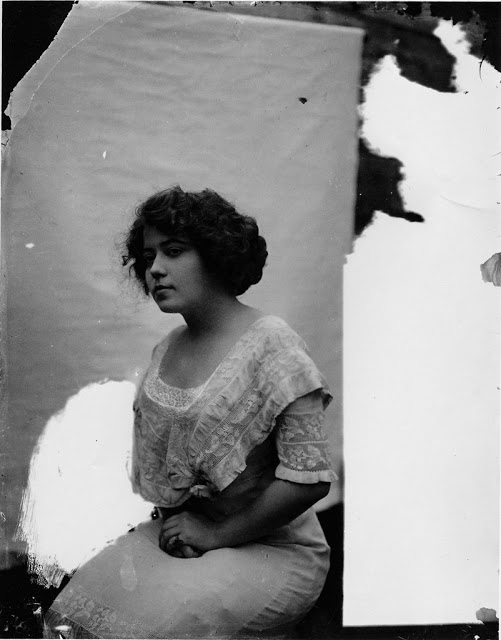
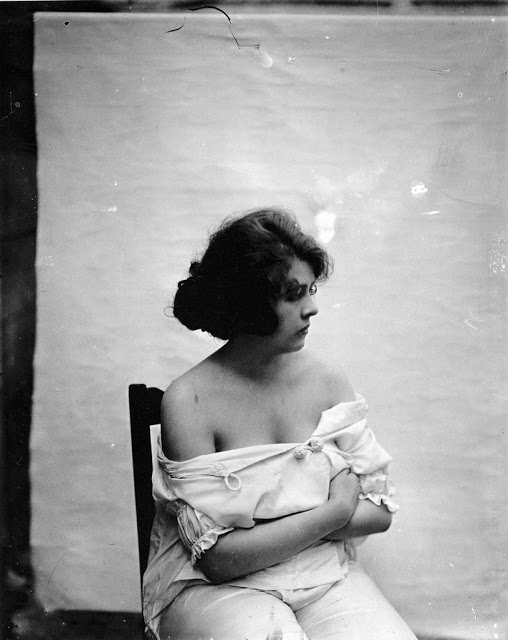
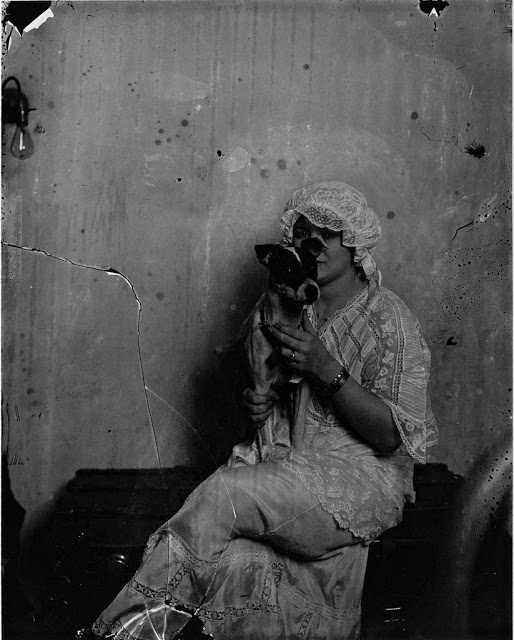
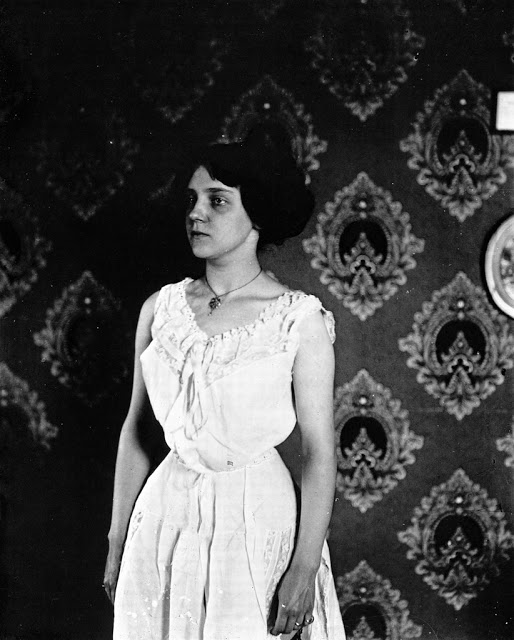
Before Storyville of New Orleans shut down in 1917, it was the only legalized red-light district in North America, and French photographer E. J. Bellocq took portraits inside of these storied brothels. The Storyville photographs not only serve as a record of the prostitutes, but also the interiors of the businesses that housed them.
All the photographs are portraits of women. Many of the negatives were badly damaged, in part deliberately, which encouraged speculation. Many of the faces had been scraped out; whether this was done by Bellocq, his Jesuit priest brother who inherited them after E. J.’s death or someone else is unknown. Bellocq is the most likely candidate, since the damage was done while the emulsion was still wet.
Myrna Loy, born Myrna Adele Williams on August 2, 1905 in Helena, Montana, was only thirteen when her father died of influenza in 1918. Her family subsequently moved to Los Angeles and already learning to dance it wasn’t long before she also took up acting. In 1923 she started dancing at Grauman’s Egyptian Theatre and after being noticed by Rudolph Valentino and his wife Natacha Rambova they helped her get her first role (albeit uncredited) in the 1925 film What Price Beauty? In the same year she appeared in Pretty Ladies along with Joan Crawford. She became one of the few stars who appeared in silent movies and make a successful transition into the sound era. Although in most of her early films she played what were called ‘exotic’ roles including Ham and Eggs at the Front (1927) where she literally blacked up. Her last role in this vein was when she played Fah Lo See in the Mask of Fu Manchu (1932). By this point she was more than fed up being typecast in these roles. The film critic Farran Smith Nehme wrote of when Loy initially read the script:
Immediately after Thirteen Women, Loy did The Mask of Fu Manchu, and found herself confronted with a script that asked her to whip a man “while uttering gleefully suggestive sounds.” She’d had it with this sort of stuff, and furthermore she’d been reading Freud and picked up a thing or two. She went to producer Hunt Stromberg and refused to film it: “I’ve done a lot of terrible things in films, but this girl’s a sadistic nymphomaniac.” Stromberg said, “What’s that?”, which lack of familiarity with less-conventional sexuality makes you wonder how Hunt Stromberg ever got anywhere as a Hollywood producer, but never mind. Loy replied, “Well, you better find out, because that’s what she is and I won’t play her that way.” Studio contracts being what they were, she did play her that way, but she succeeded in getting Stromberg to trim some excesses. “She wasn’t Rebecca of Sunnybrook Farm,” said Miss Loy, “but, as I remember, she just watched while others did the whipping.”
Only two years later she was chosen to play along side William Powell in The Thin Man. Myrna Loy once said that “I never enjoyed my work more than when I worked with William Powell. He was a brilliant actor, a delightful companion, a great friend and, above all, a true gentleman.” Director W. S. Van Dyke chose Loy after he detected a wit and sense of humor at a Hollywood party that her previous films had not revealed. Although Louis B. Mayer initially thought her unsuitable, Van Dyke insisted and the film went on to become one of the year’s biggest hits – even nominated for the Academy Award for Best Picture. Loy received excellent reviews and was acclaimed for her comedic skills. William Powell and Myrna Loy became one of Hollywood’s most popular screen couples and appeared in 14 films together. Loy later referred to The Thin Man as the film:
That finally made me … after more than 80 films.” . . . Nora had a gorgeous sense of humor; she appreciated the distinctive grace of her husband’s wit. She laughed . . . at him and with him when he was funny. What’s more, she laughed at herself. Besides having tolerance, she was a good guy. She was courageous and interested in living and she enjoyed doing all the things she did. You understand, she had a good time, always.
According to the film critic Philip French her greatest performance came in William Wyler’s The Best Years of our Lives (1946), about returning war veterans. Her scenes with husband Fredric March – putting him to bed after a drunken reunion, discussing the nature of what makes a marriage survive with their daughter – constitute a masterclass in screen acting.
During World War Two Loy raised millions of dollars in war bonds and worked tirelessly for the Red Cross. A friend of Eleanor Roosevelt she became active in liberal politics and an unabashed supporter of the Civil Rights Movement. She also spoke out against the House Un-American Activities Committee.
By the time Loy died in 1993, at the age of 88, and two years after being awarded an honorary Oscar she had appeared in an incredible 129 movies.
Subscribe to get access
Read more of this content when you subscribe today.
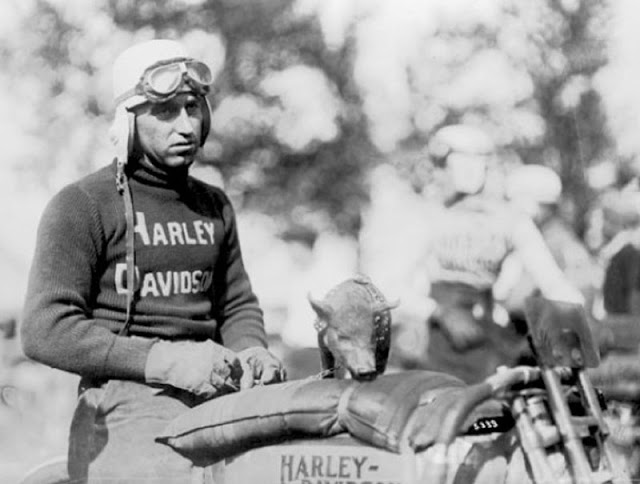
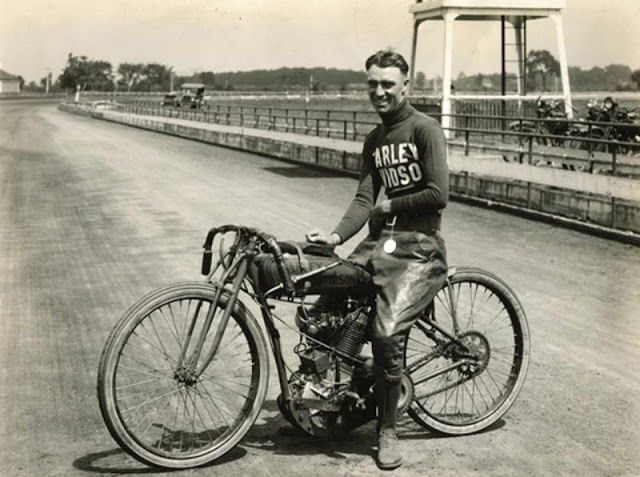
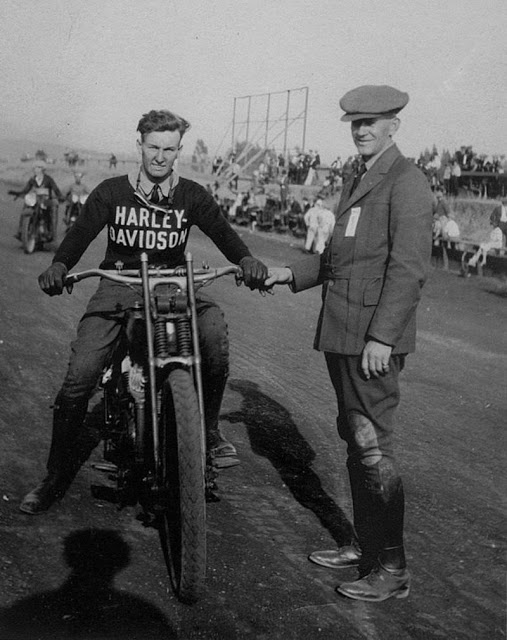
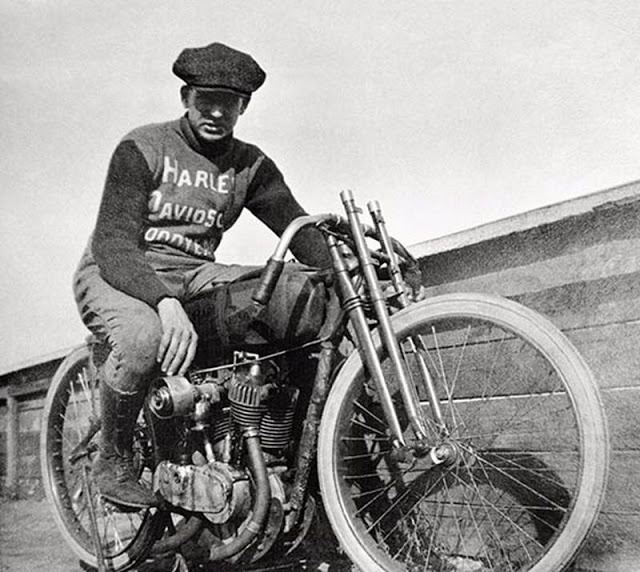
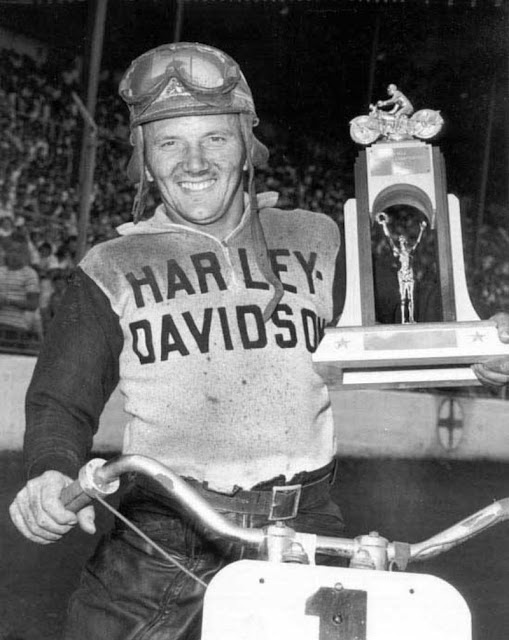
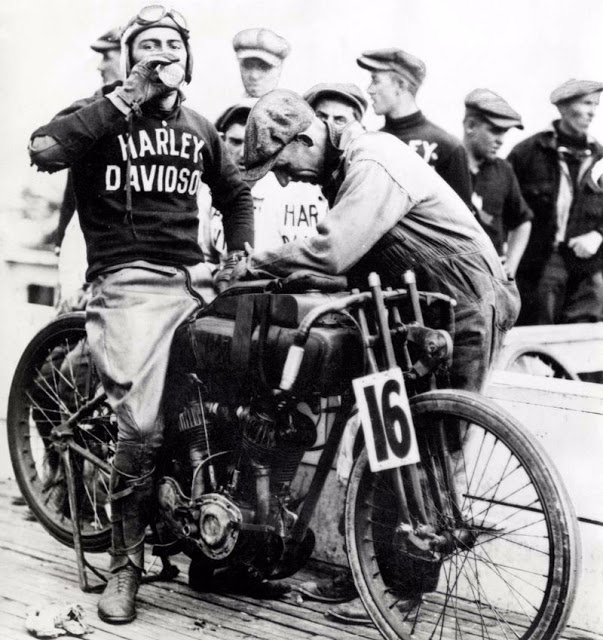
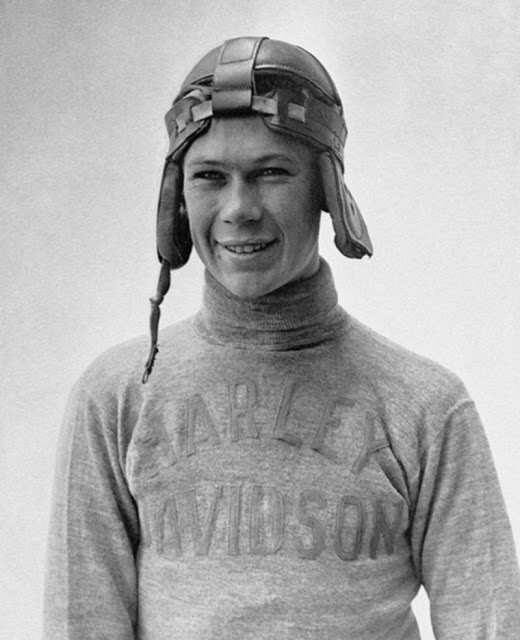
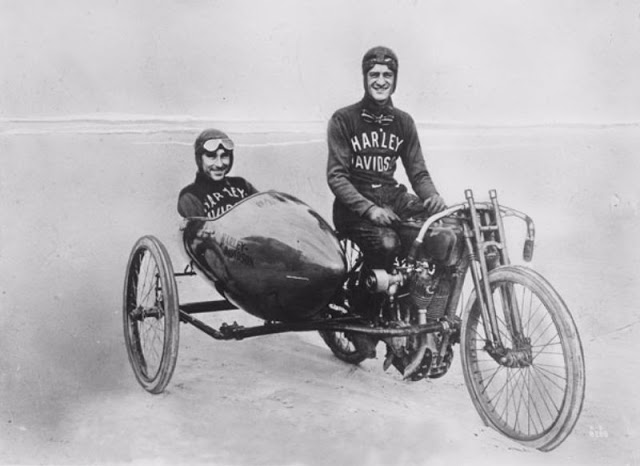
The brand Harley Davidson has become synonymous with motorcycles. Harley is a defining force in the history of motorcycle racing, cross country touring and general motorcycle club mayhem with their great machines; but Harley Davidson’s apparel history is just as rich and intriguing.
Check out these old photos of dudes wearing vintage Harley Davidson racing jerseys. The photographs are excellent and capture the beauty that is vintage motorcycle apparel…