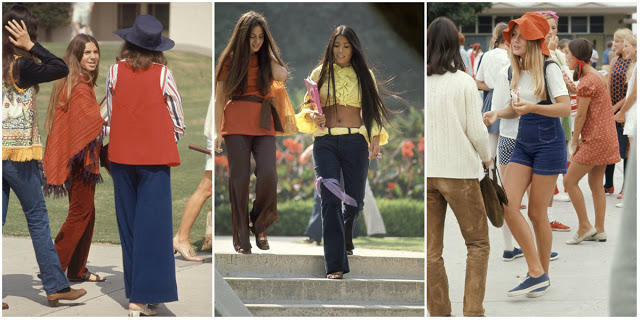
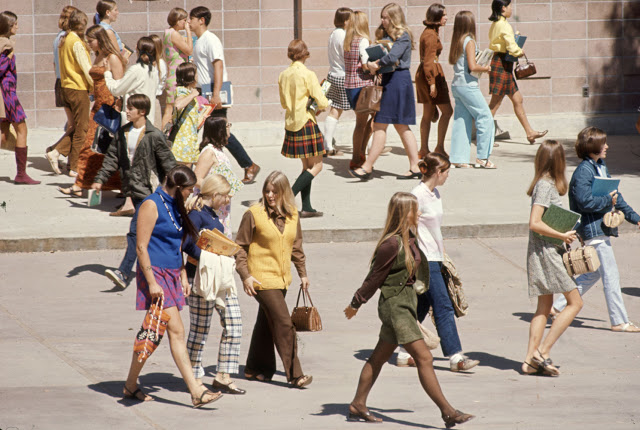
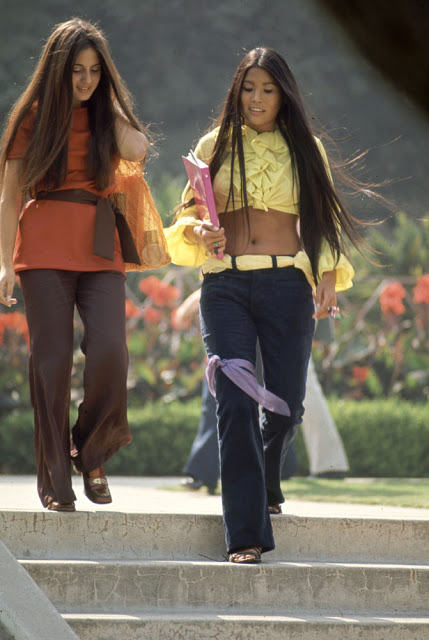
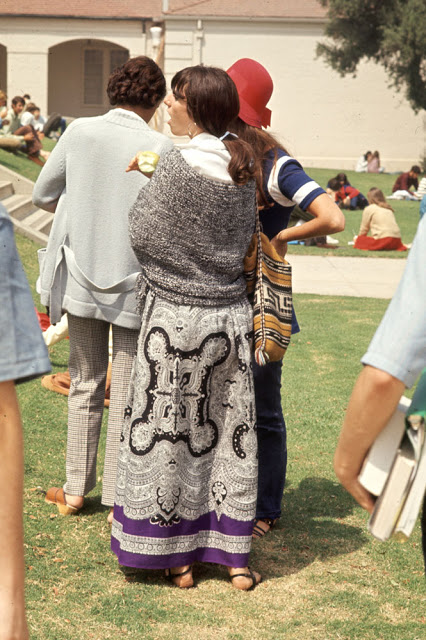
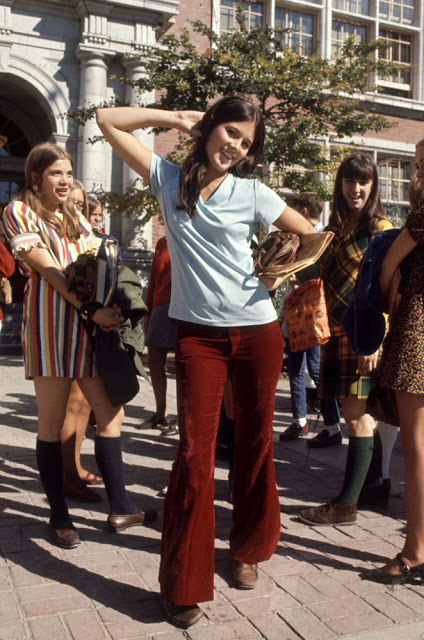
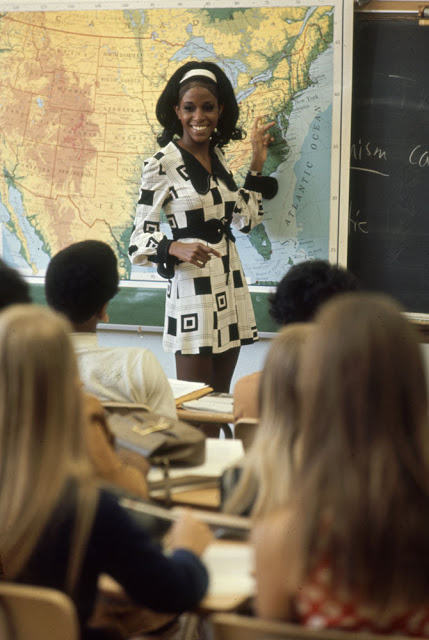
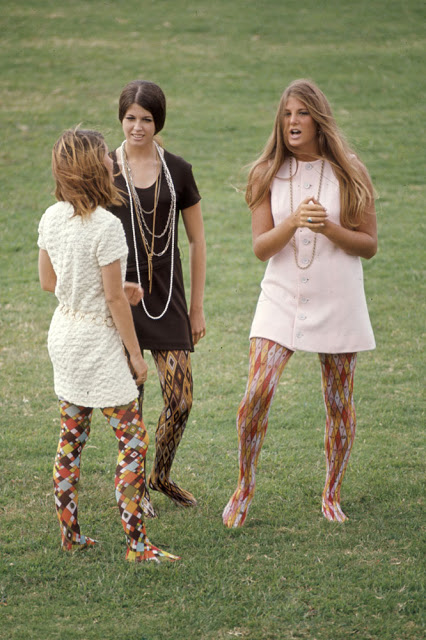
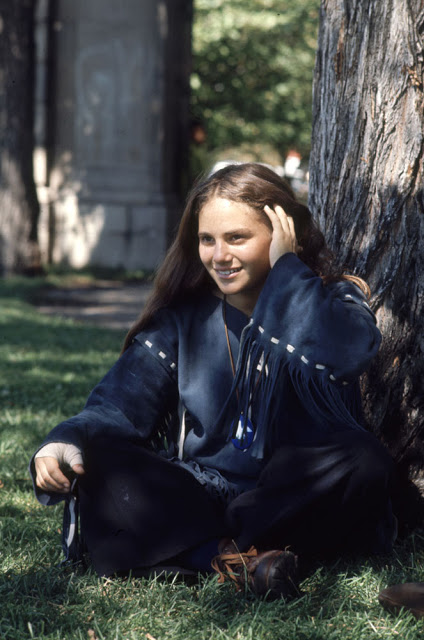
In 1969, photographer Arthur Schatz went to a California high school to do a photo-essay for LIFE magazine on an emerging trend in fashion. The results seemed to find the youth of the time developing an identity for their generation.
In contrast to the popular fashions and styles of certain decades — the Gibson Girl of the 1890s and early 1900s, the flapper of the Roaring Twenties, the “New Look” of the Fifties — there was no single reigning style in the 1960s. Even as the slim-cut trousers and shift dresses of the late Fifties crept in, Mod miniskirts and go-go boots found their way over from London to mingle with the bell-bottomed jeans and fringed vests of the latter part of the decade. By 1969, the fashion choices of tens of millions of young American men and women were as variegated and ever-evolving as the world around them.
Cultural transformation was an irresistible force during the Sixties, and across America and around the globe civil rights, women’s and gay liberation, the sexual revolution and, of course, the explosive soundtrack of R&B, soul and rock and roll informed everything from politics to fashion.
By 1969, America’s youth had not only soaked in more visual and auditory stimuli in a few years than most previous generations combined, but had re-imagined virtually all of that input in the form of sartorial self-expression. In light of that new, global sensibility, Beverly Hills high schooler Rosemary Shoong’s homemade “stunning leather Indian dress” wasn’t just a dress. It was a time and a place, man. And it was out of sight.
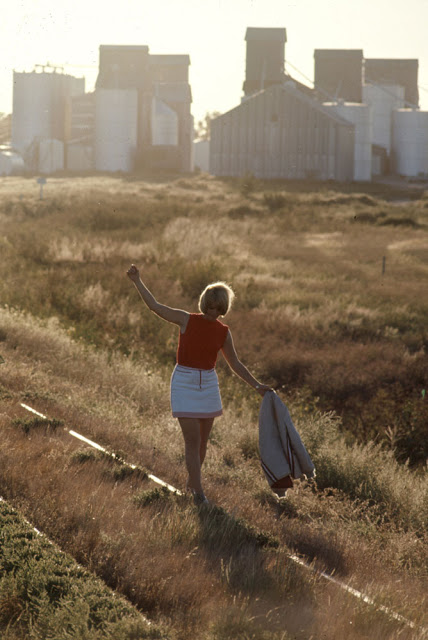
Students at Woodside High in California, 1969.High school students wearing “hippie” fashion, 1969.High schooler Lenore Reday stops traffic while wearing a bell-bottomed jump suit in Newport Beach, Calif., 1969.High school fashions, 1969.High school fashions, 1969.Southern California high school student wears old-fashioned tapestry skirt and wool shawl, 1969.Southern California high school students, 1969.High school student wearing bell bottoms and boots, 1969.Student Rosemary Shoong at Beverly Hills High School, wearing a dress she made herself, 1969.Beverly Hills High classmates show off their fashions, 1969.High school teacher Sandy Brockman wears a bold print dress, 1969.Corona del Mar High School students Kim Robertson, Pat Auvenshine and Pam Pepin wear “hippie” fashions, 1969.High schooler Nina Nalhaus wears wool pants and a homemade jacket in Denver, Colo., 1969.A Southern California high school student walks toward classmates while wearing the “Mini Jupe” skirt, 1969.Southern California high schooler wears a buckskin vest and other hippie fashions, 1969.Beverly Hills High School student Erica Farber, wearing a checkered and tiered outfit, walks with a boy, 1969.Kansas high school student wearing a mini skirt, 1969.
(Photos: Arthur Schatz—Time & Life Pictures/Getty Images)
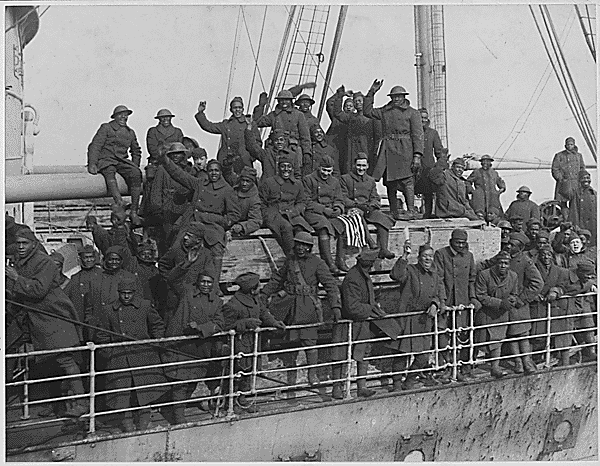
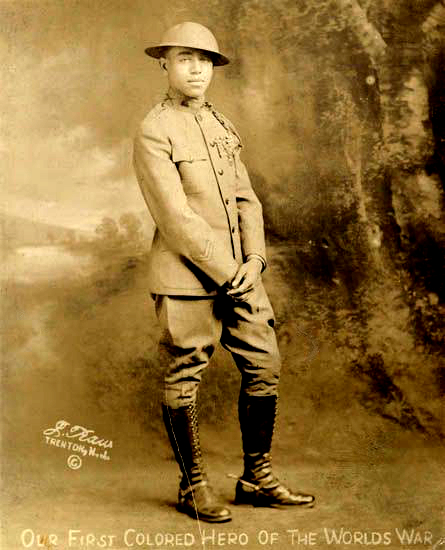
On 5 October 1917 long time secretary to Booker T. Washington, Emmett J. Scott was appointed Special Assistant to Newton D. Baker, the Secretary of War. Emmett was to serve as a confidential advisor in situations that involved the well-being of ten million African-Americans and their roles in the war. While many African Americans who served in the Great War believed that, upon returning home racial discrimination would dissipate, that did not happen. Racial hatred after World War I was probably at its worst until the start of the Second World War. So with this American discrimination of African American soldiers, these troops were often sent to Europe where they were used to fill vacancies in the French Armies. Unlike the British, the French held high opinions of black soldiers which made for a more positive environment when working together. Ironically this made African American troops more passionate about fighting for America. This newly created patriotism by African Americans then led to the creation of the 369th Infantry Regiment.
Although many African Americans were eager to fight in the war, they were being turned away from military service. When America realized that they did not have close to enough soldiers, they decided to pass the selective service act which required all men from the age 21-31 to enlist in the draft. Additionally, they decided to allow African Americans to enlist as well. This would give African Americans the opportunity that they needed to try and change the way they were perceived by white America.
The 369th Regiment was formed from the National Guard’s 15th Regiment in New York. The 15th Regiment was formed after Charles S. Whitman was elected Governor of New York. He enforced the legislation that was passed due to the efforts of the 10th Cavalry in Mexico which had passed as a law that had not manifested until 2 June 1913.
Once the United States entered into World War I, many African Americans believed that entering the armed forces would help eliminate racial discrimination throughout the United States. Many African Americans felt that it was “a God-sent blessing” so that they could prove that they deserved respect from the white Americans through service in the armed forces. Through the efforts of the Central Committee of Negro College Men and President Wilson, a special training camp to train black officers for the proposed black regiments was established.
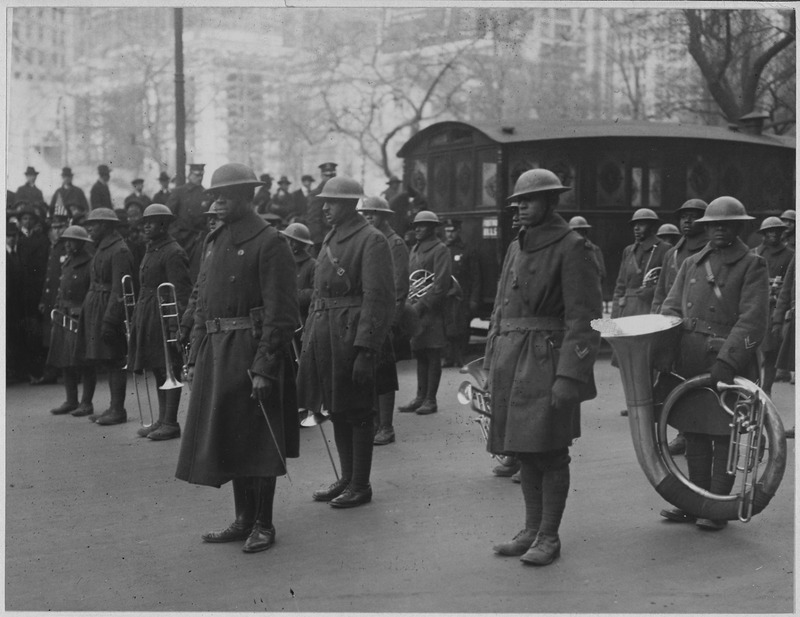
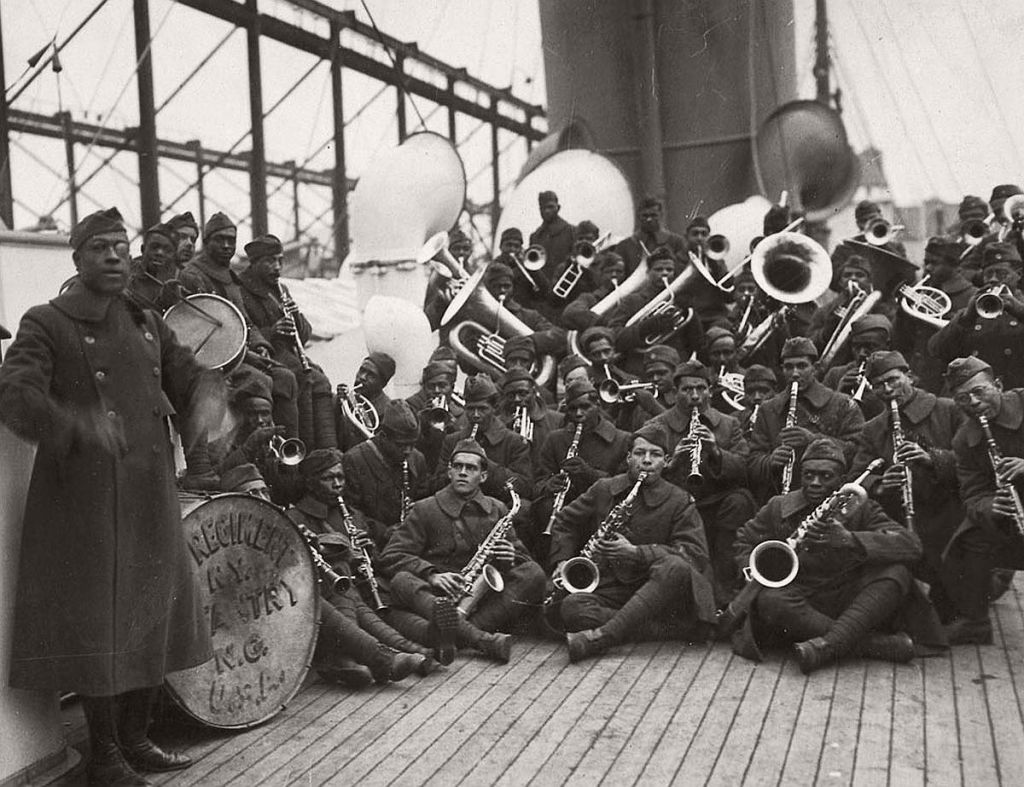
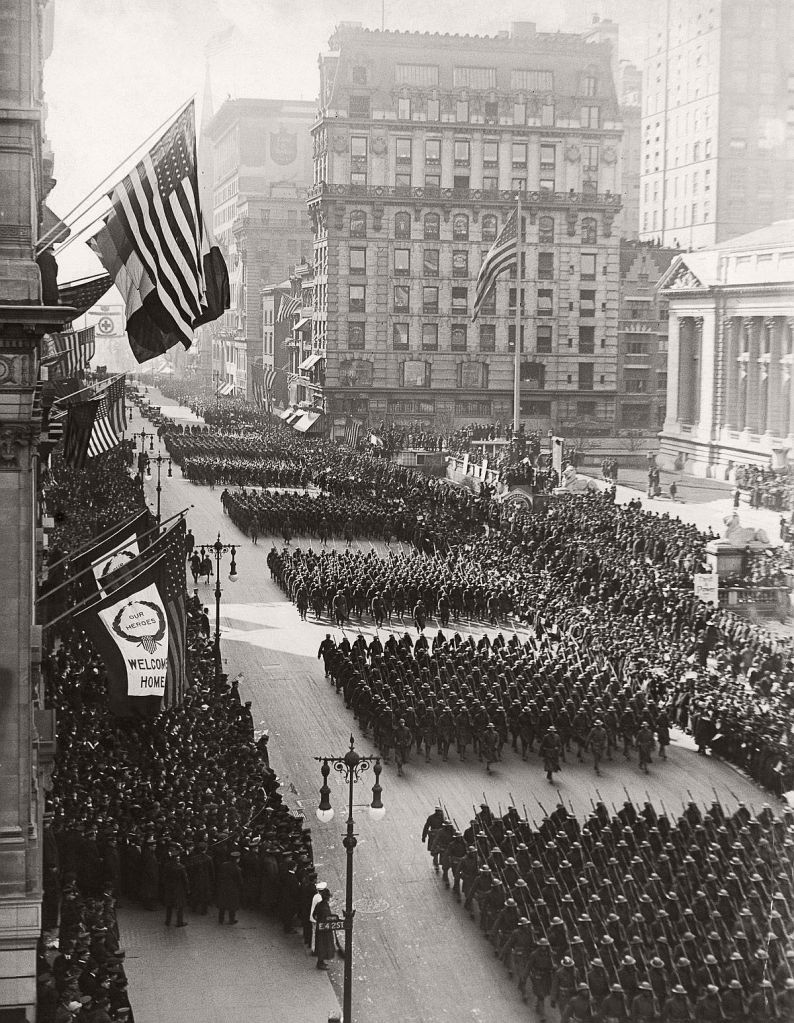
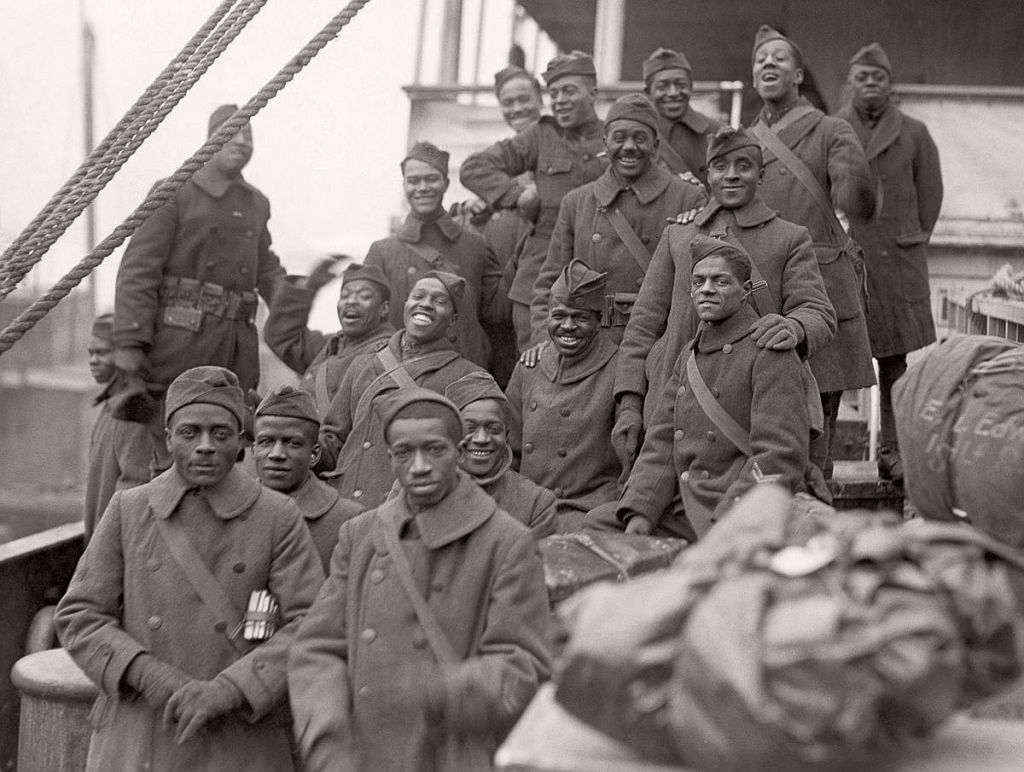
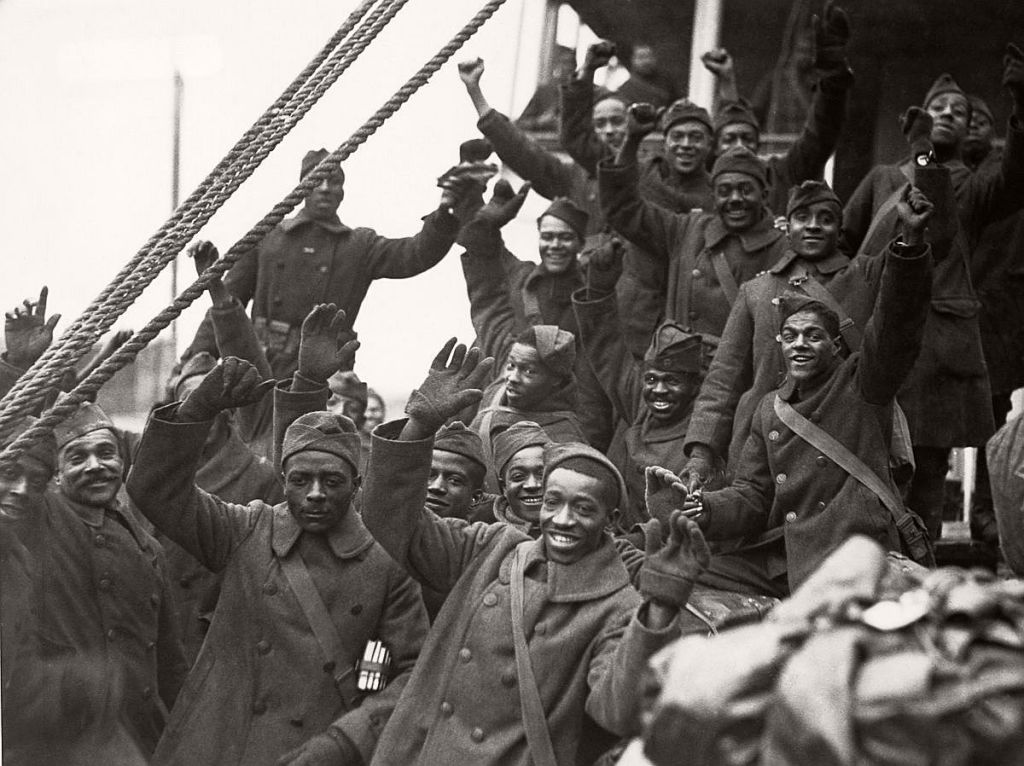
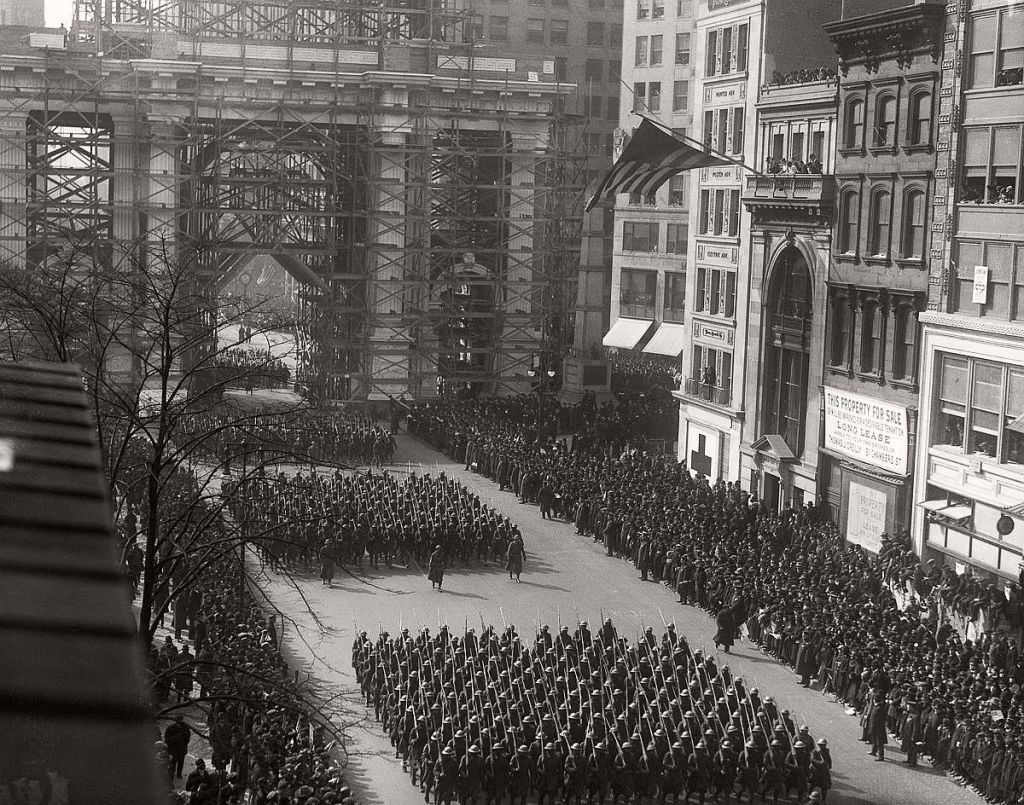
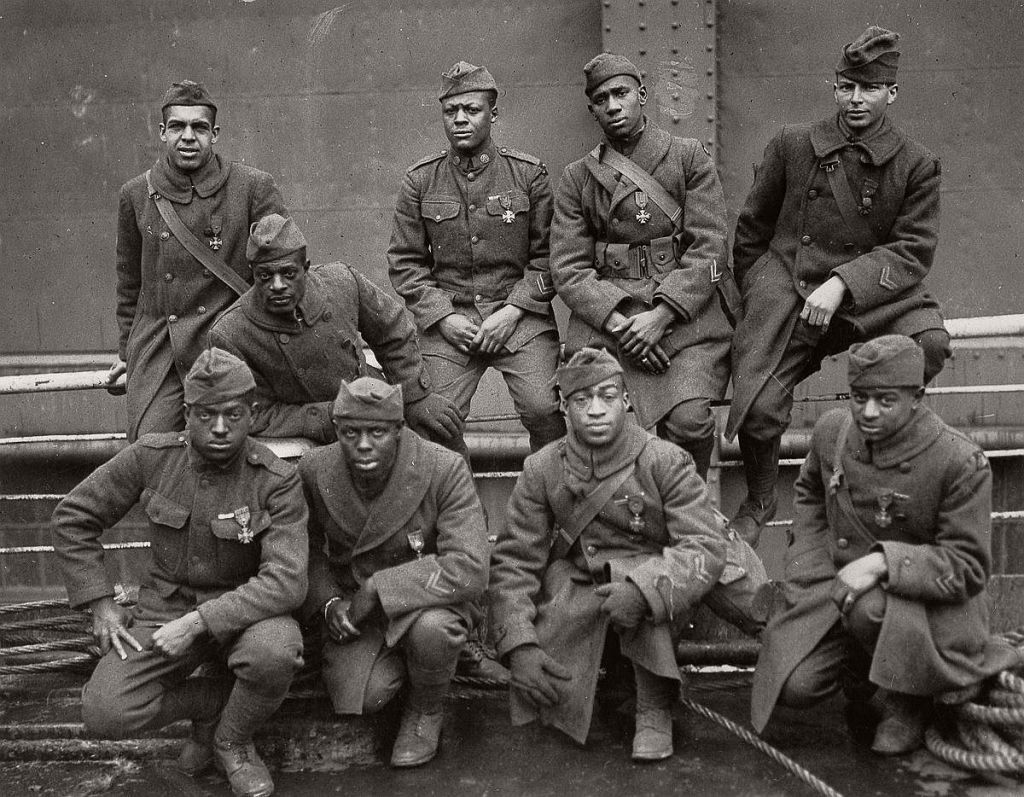
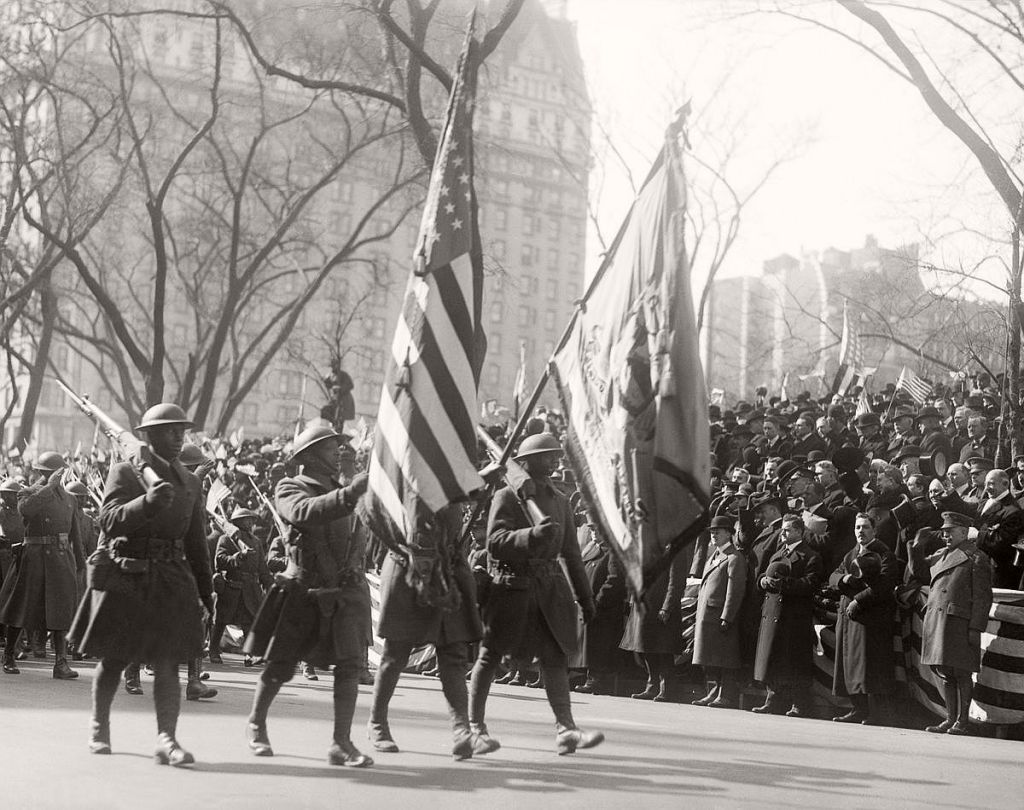
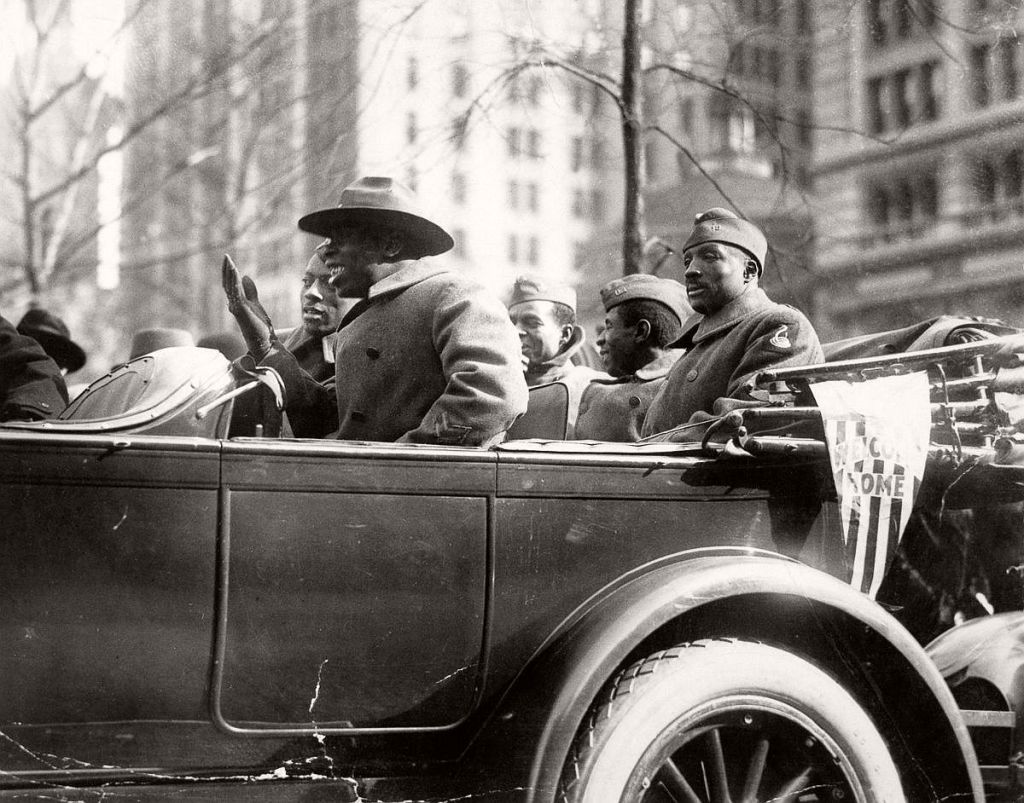
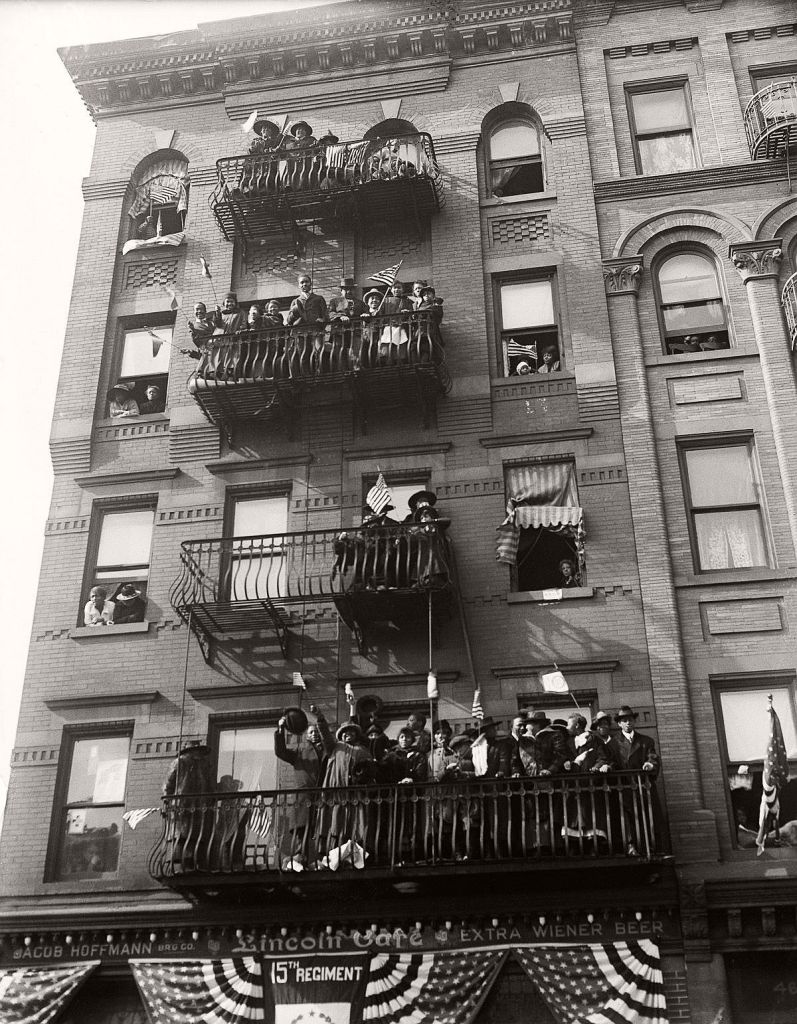
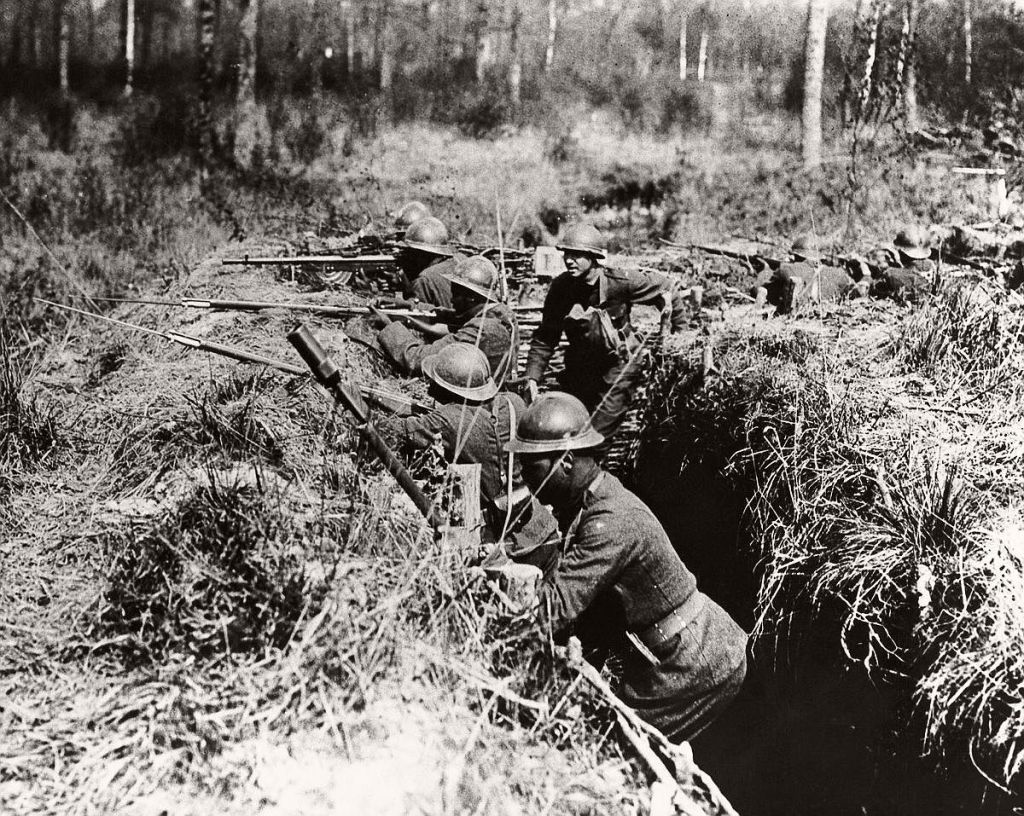
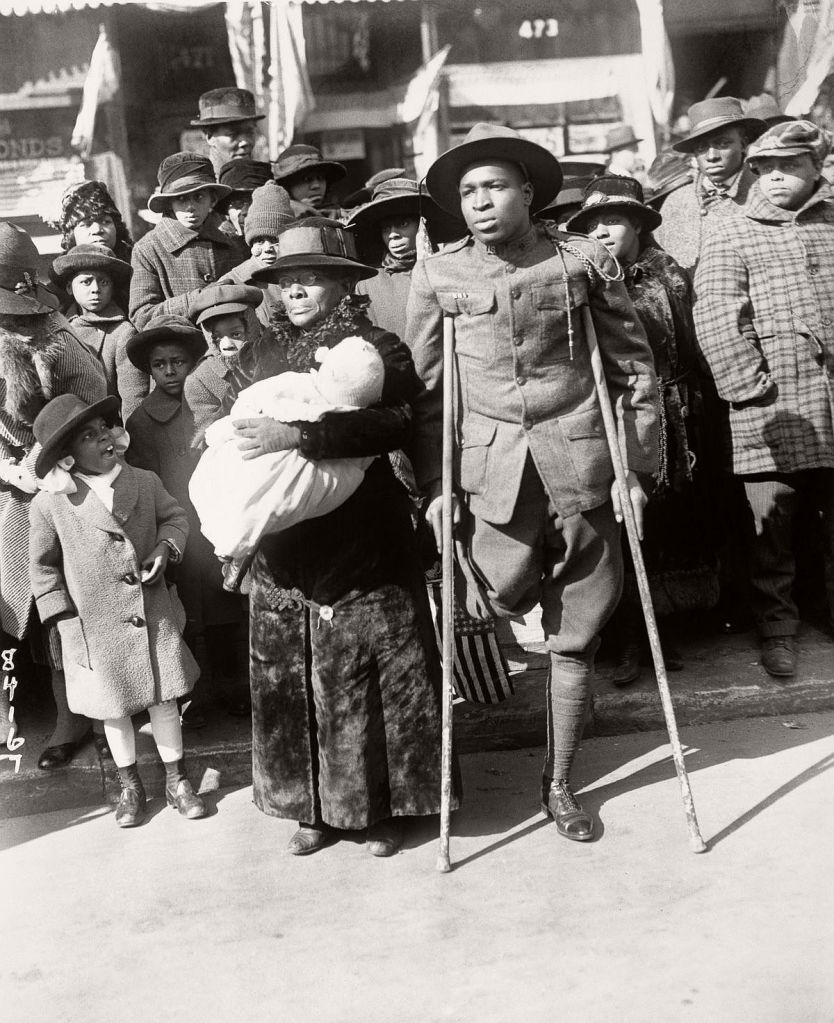
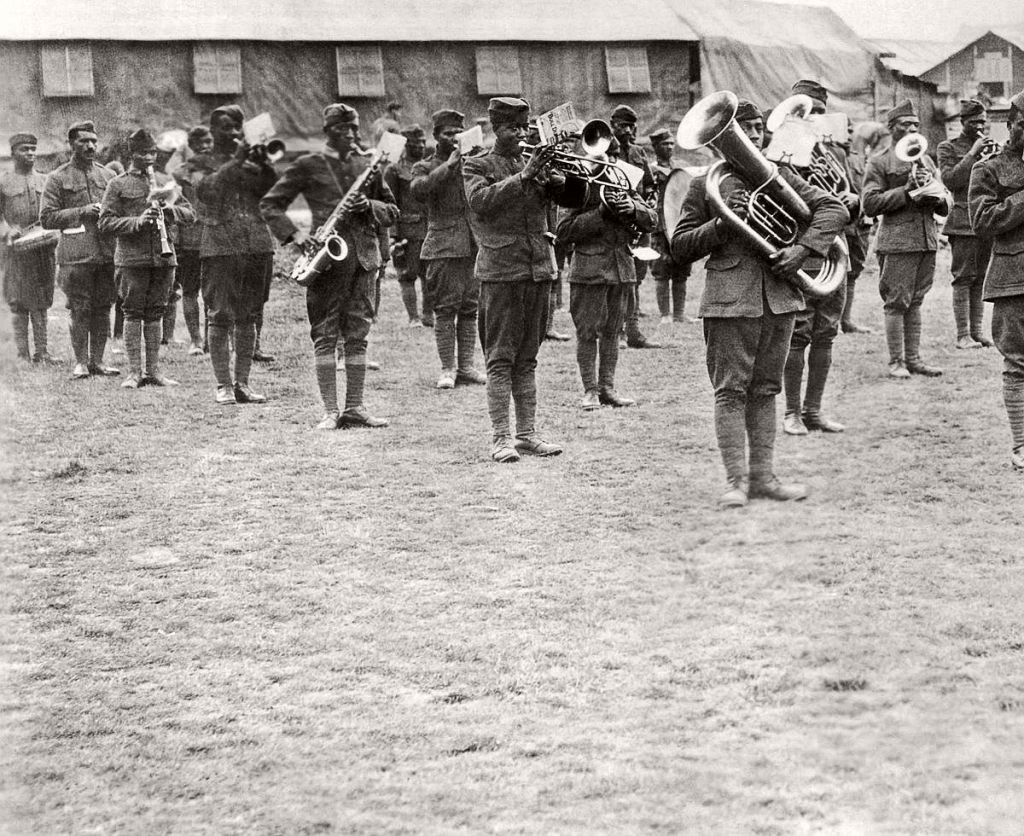
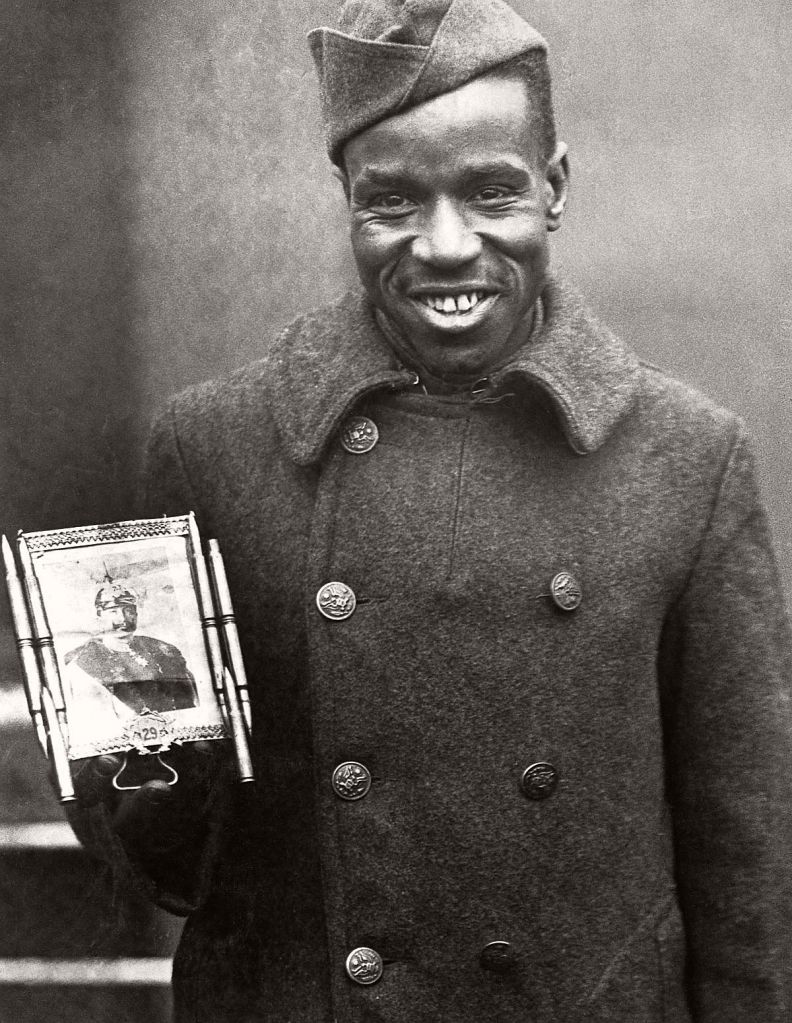
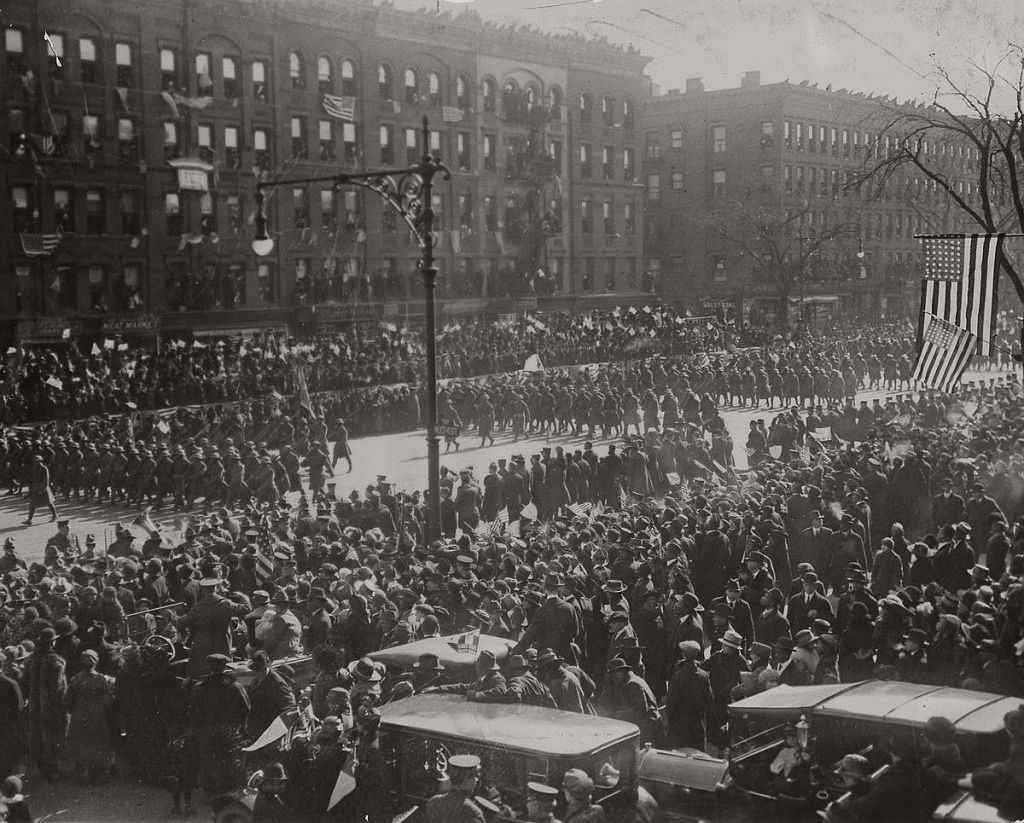
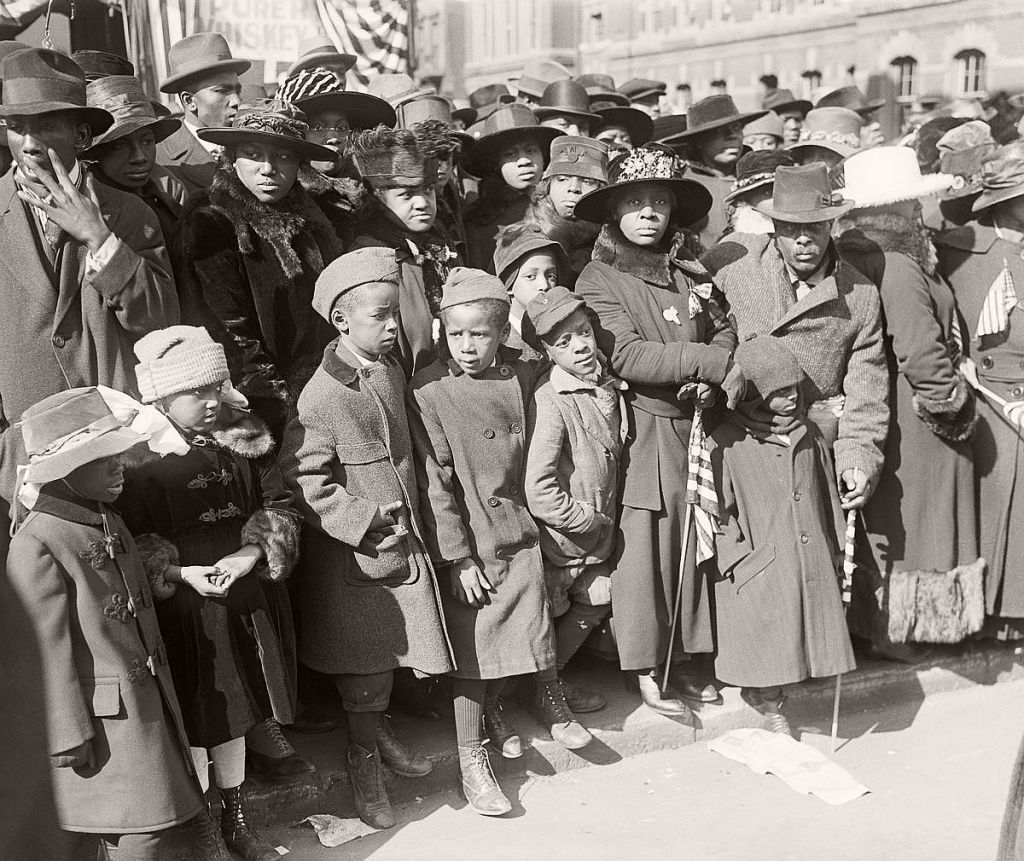
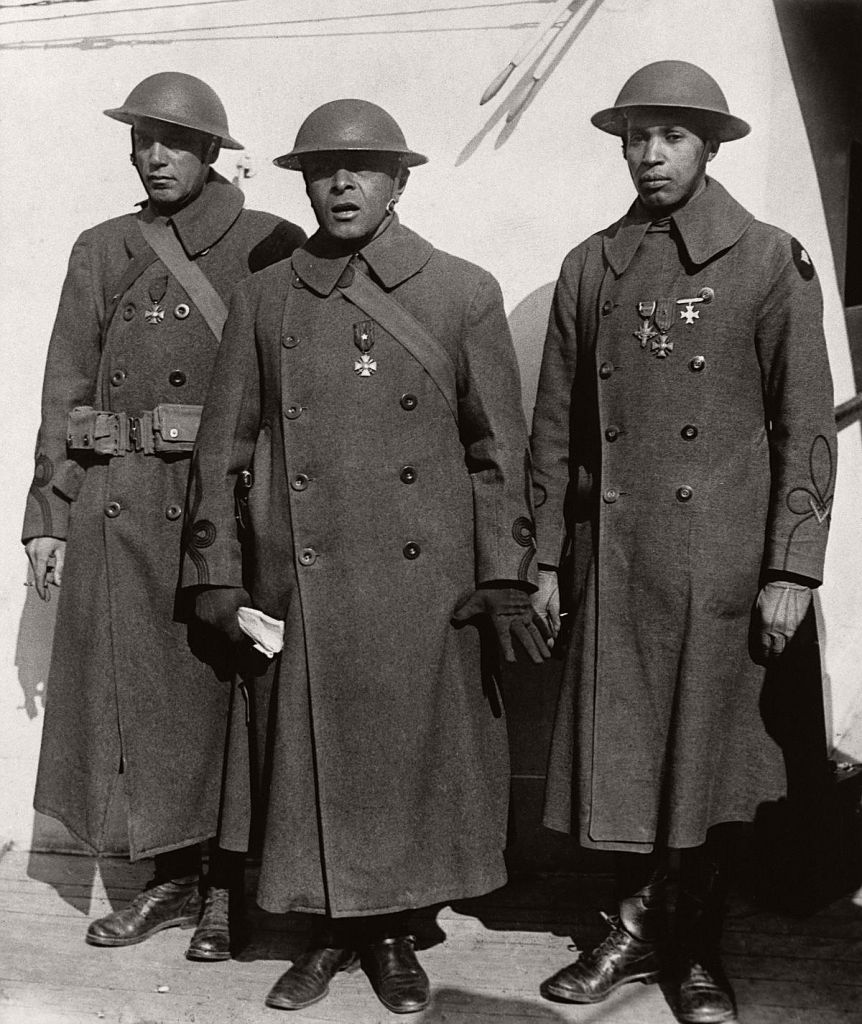
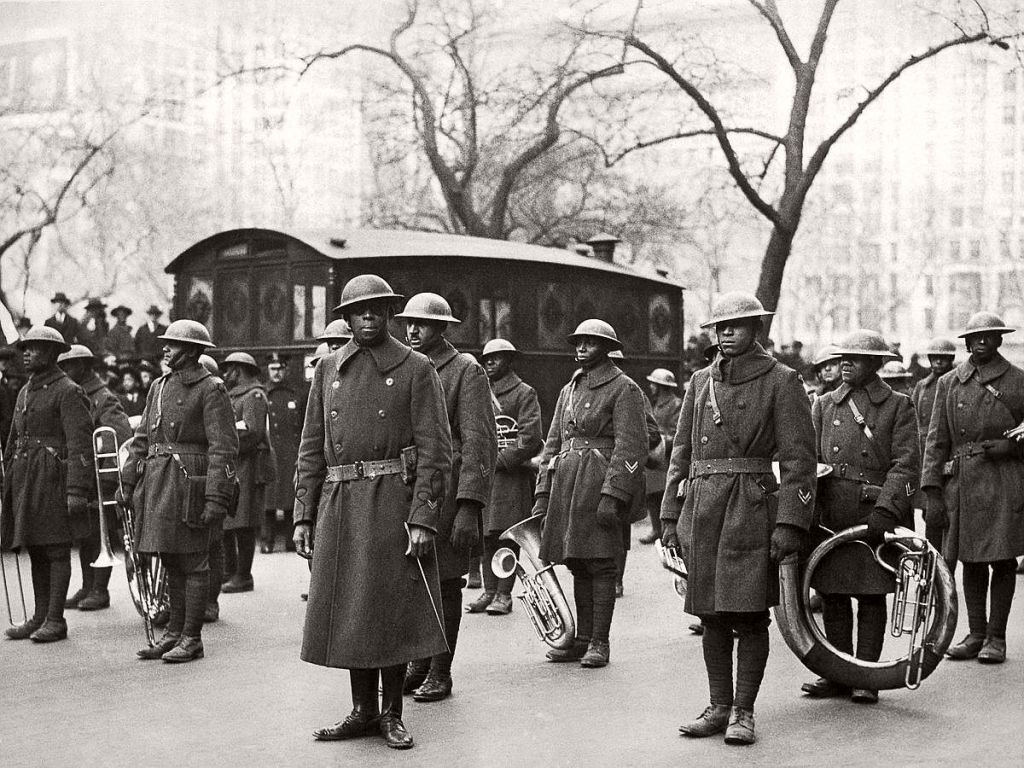
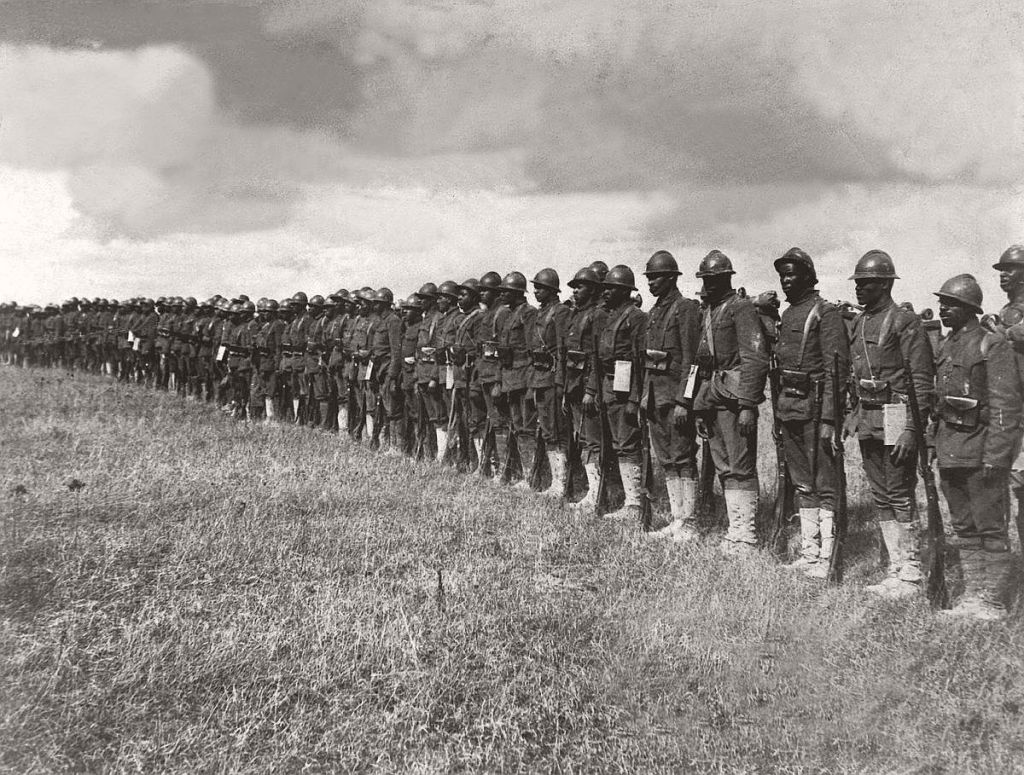
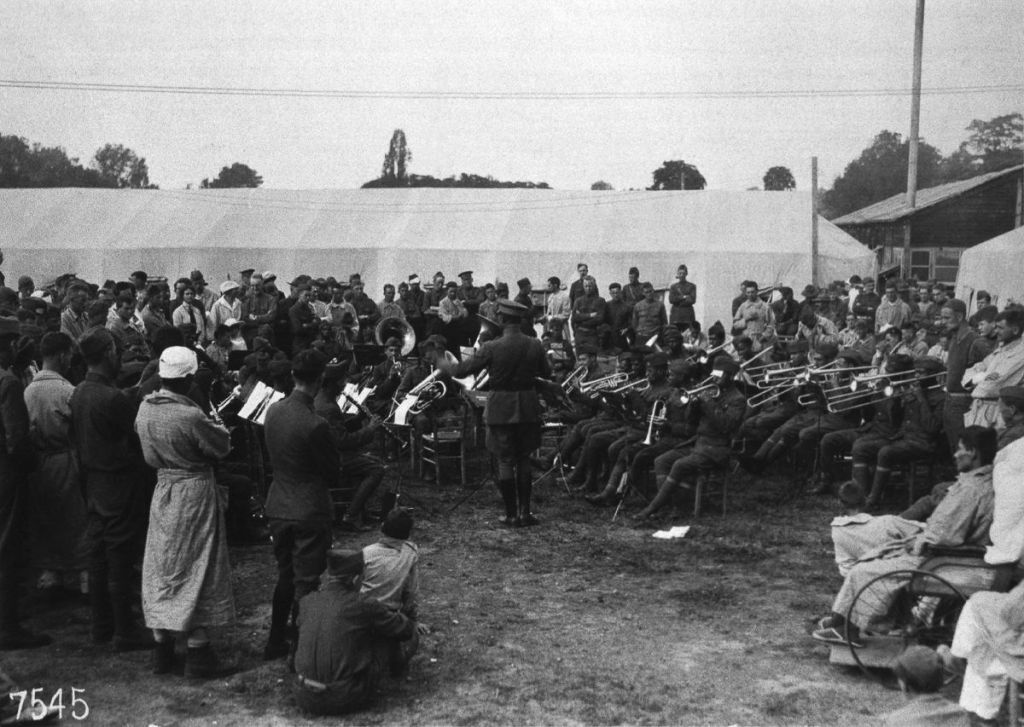
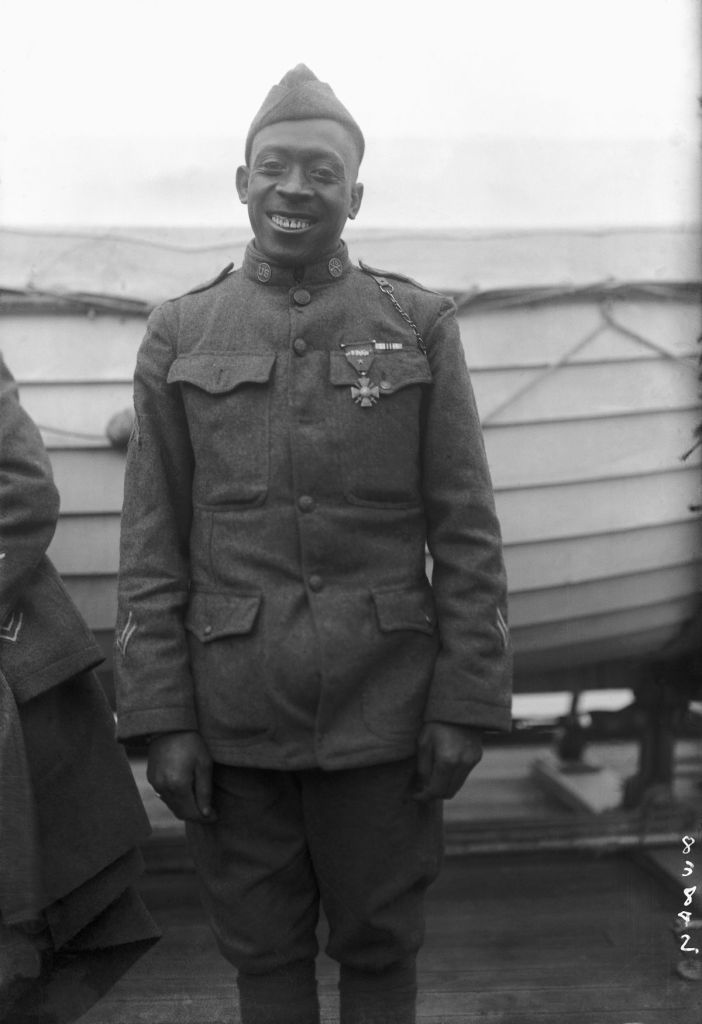
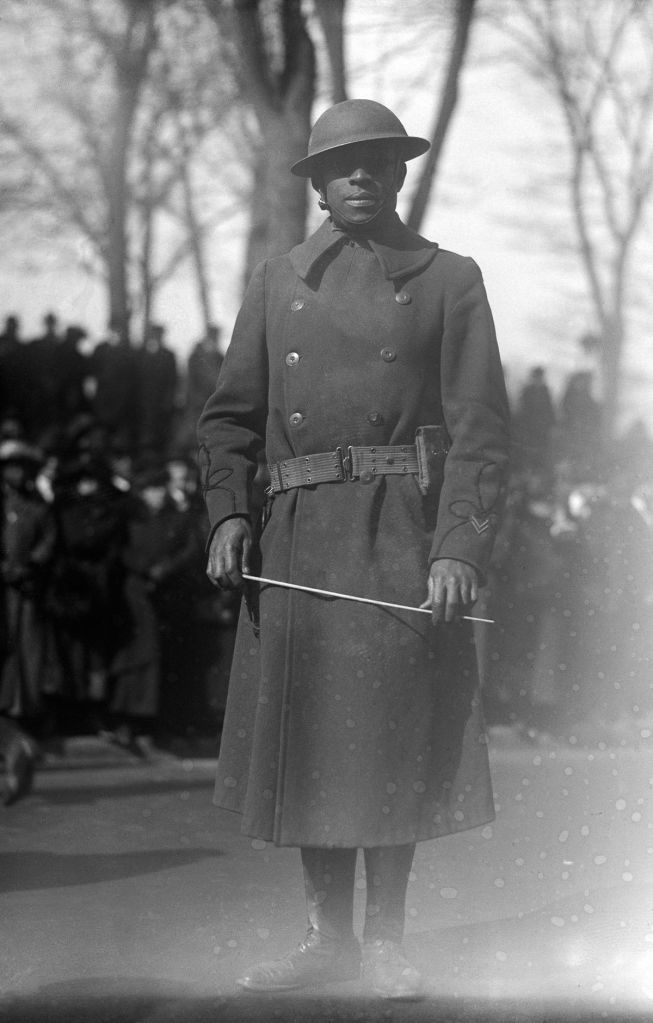
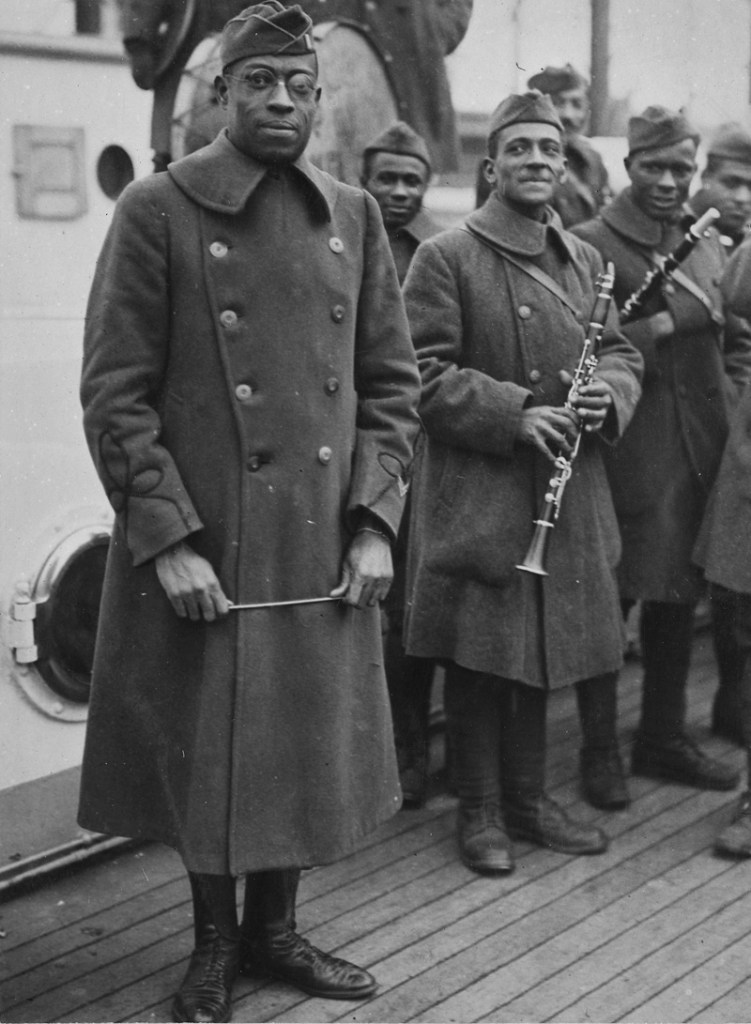
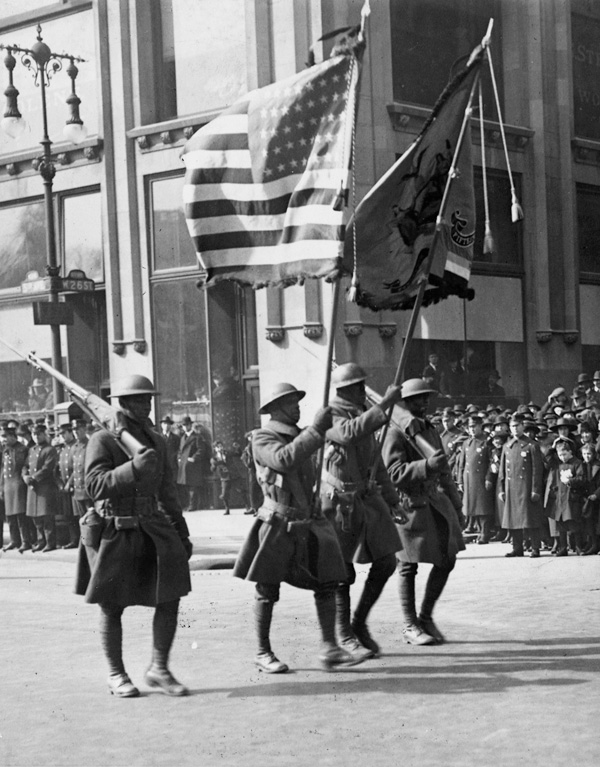
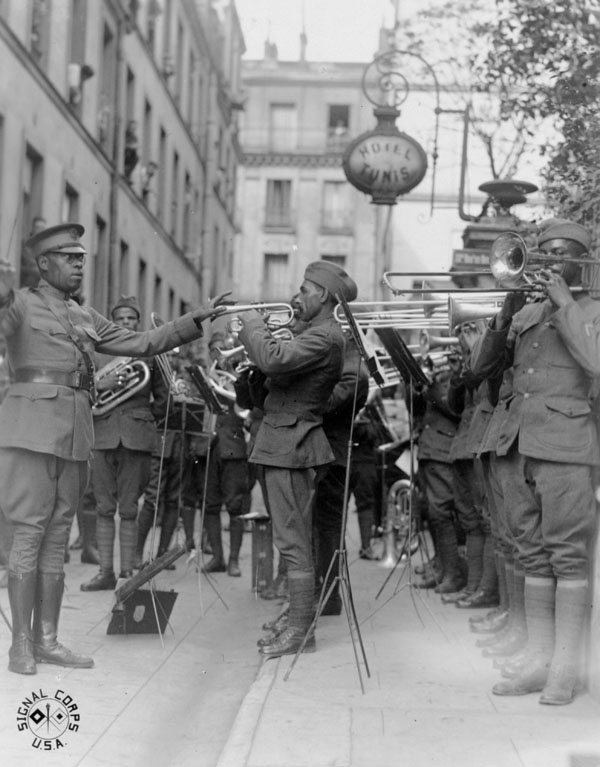
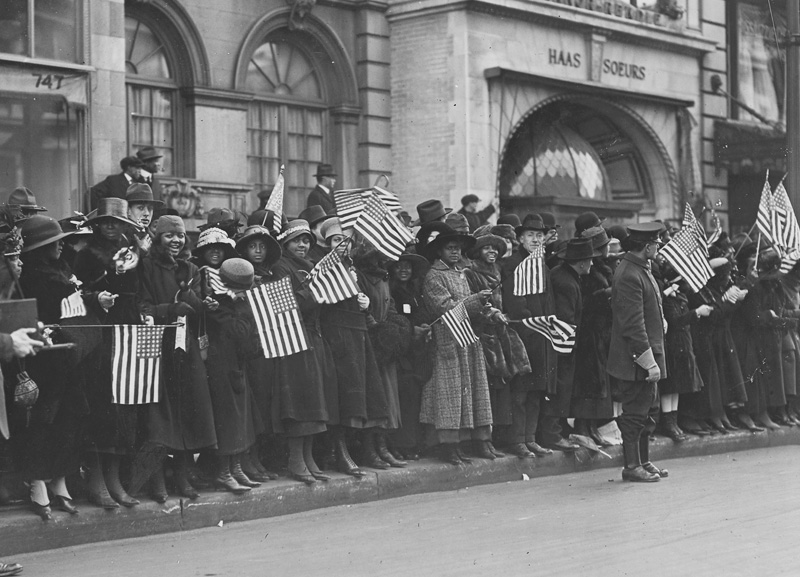
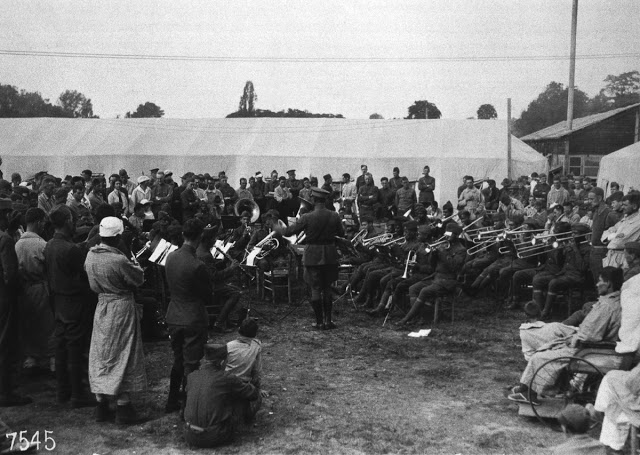
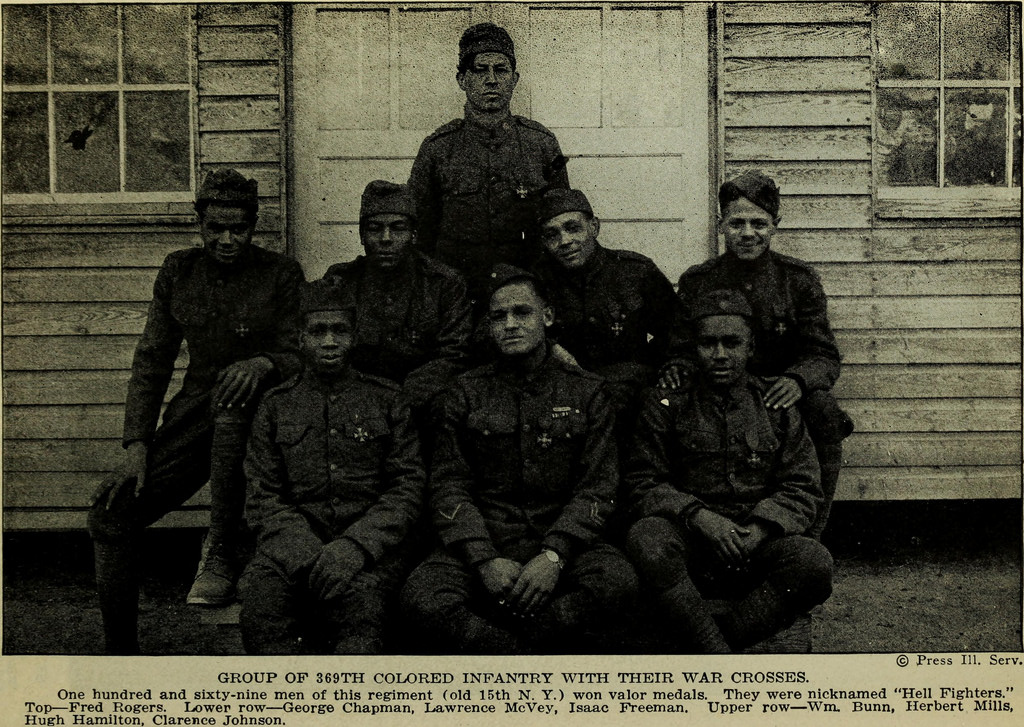
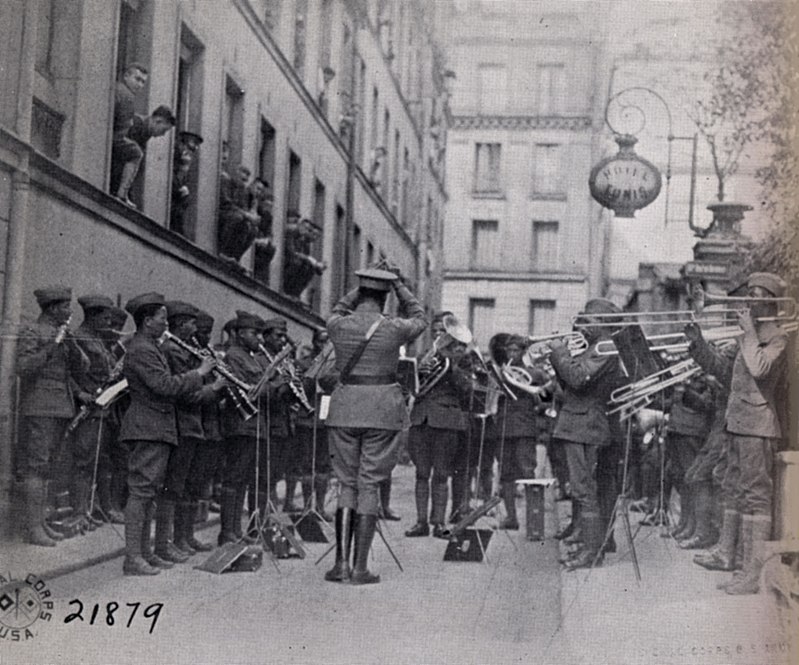
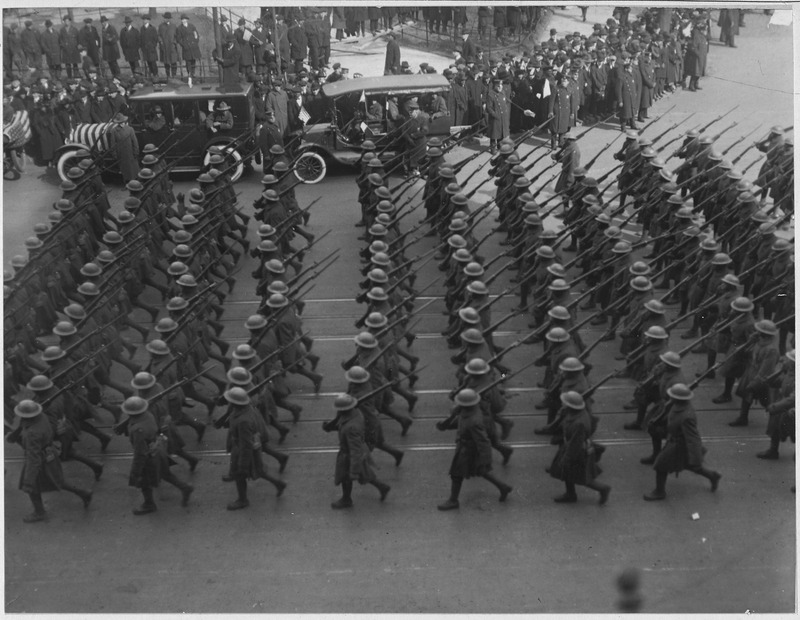
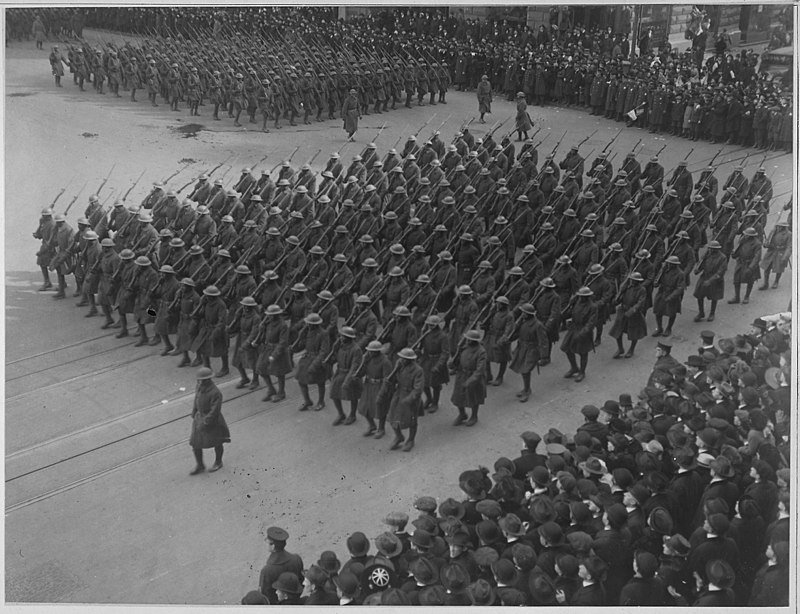
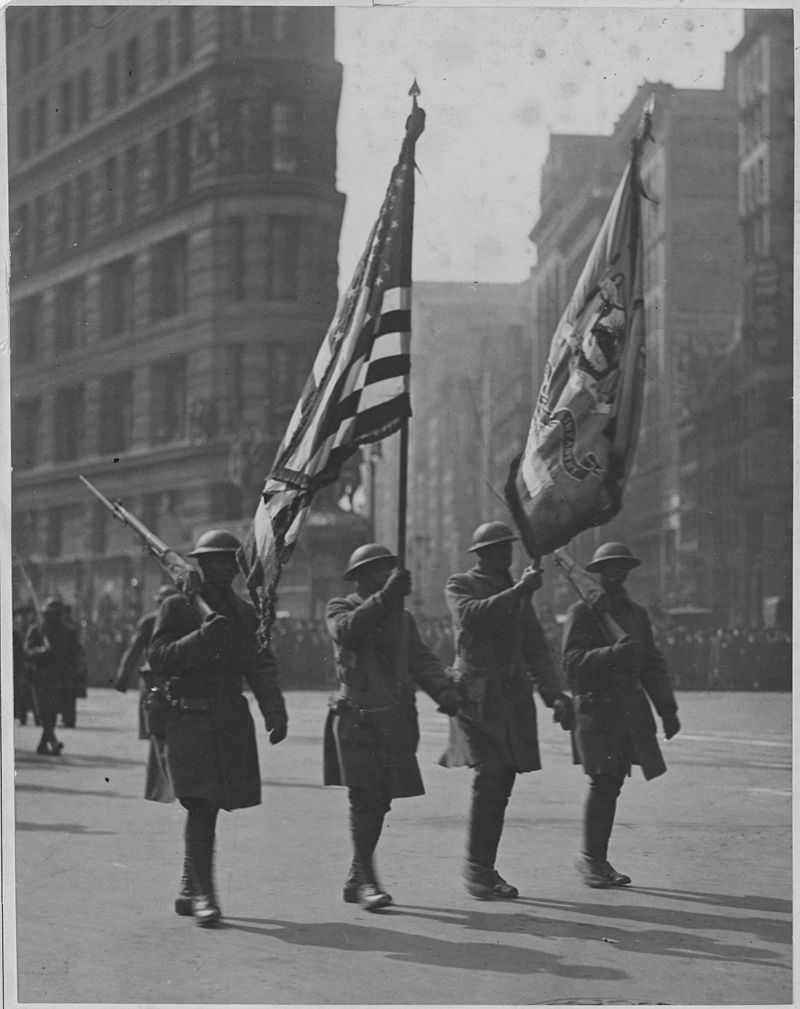
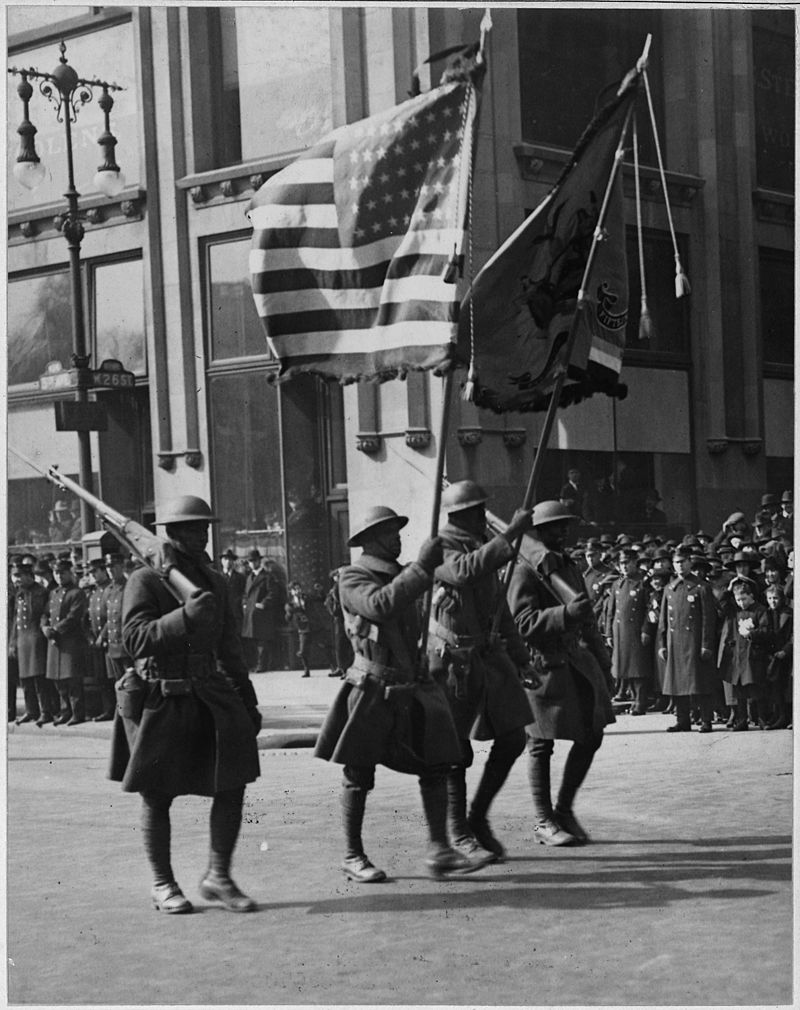
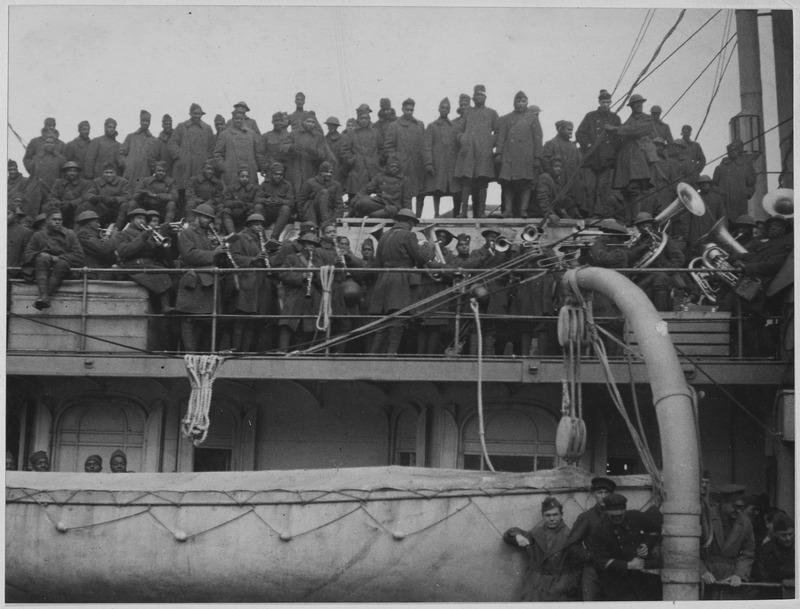
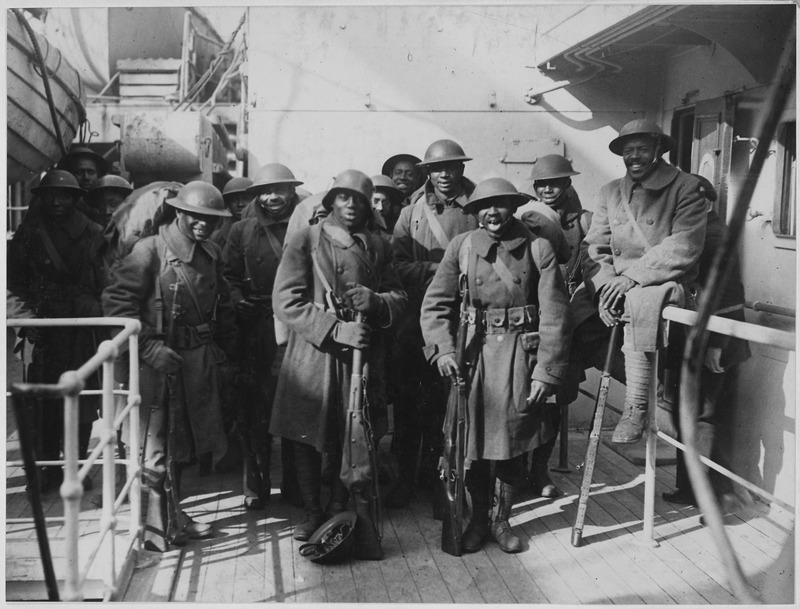
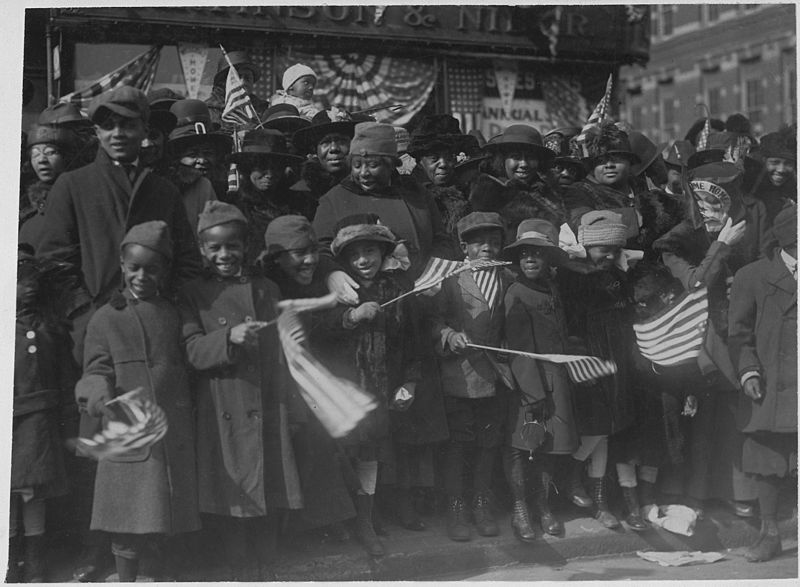
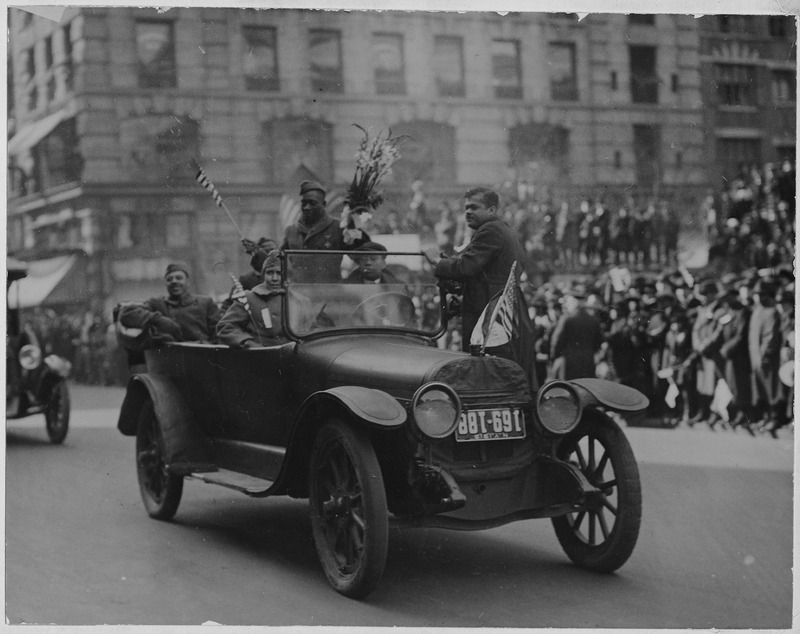
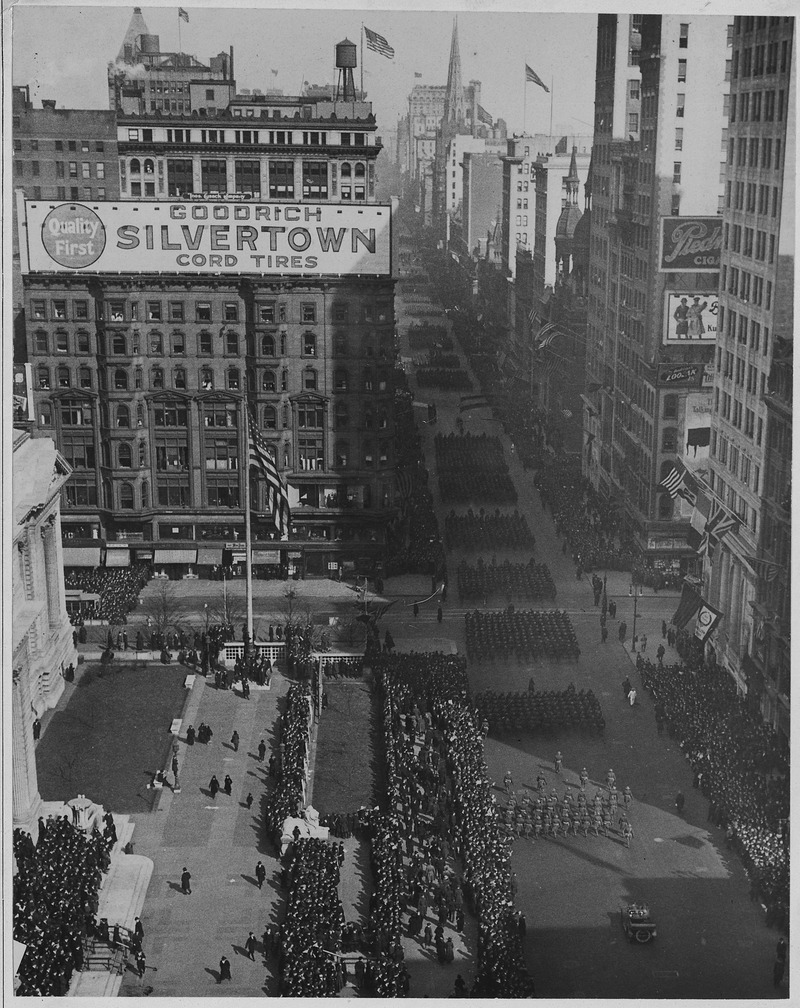
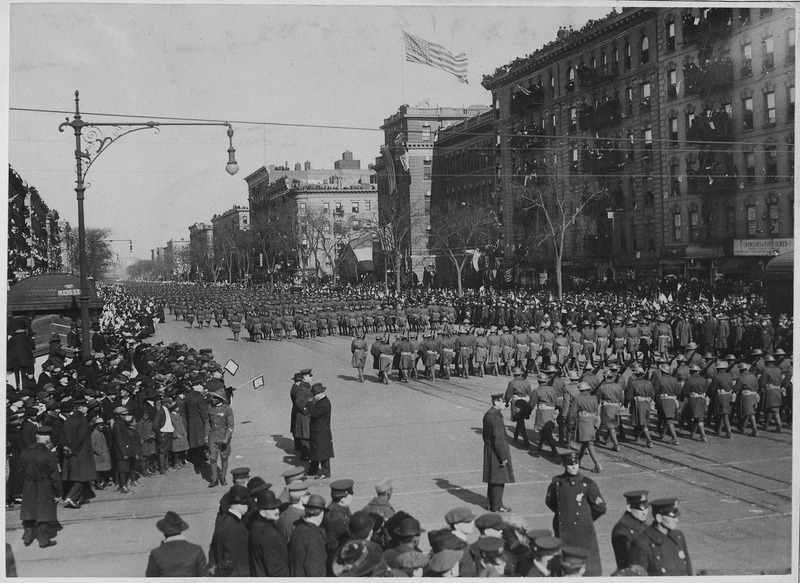
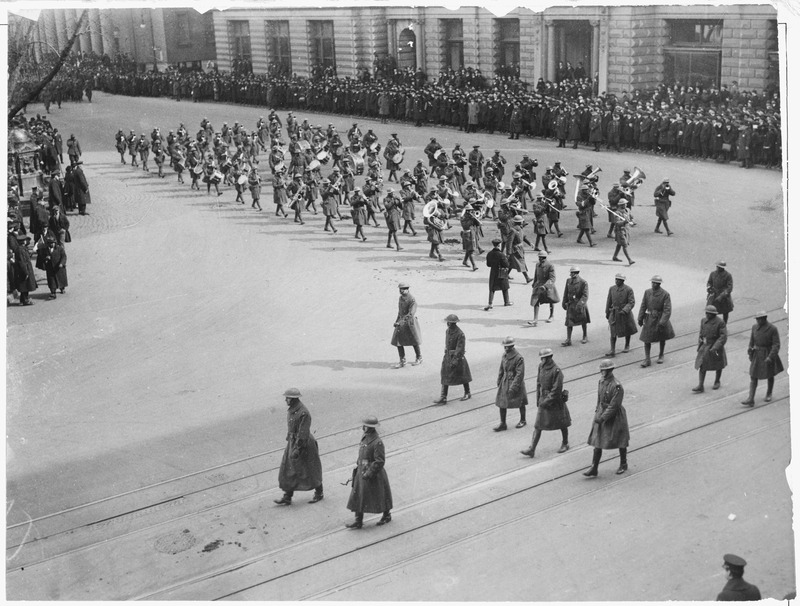
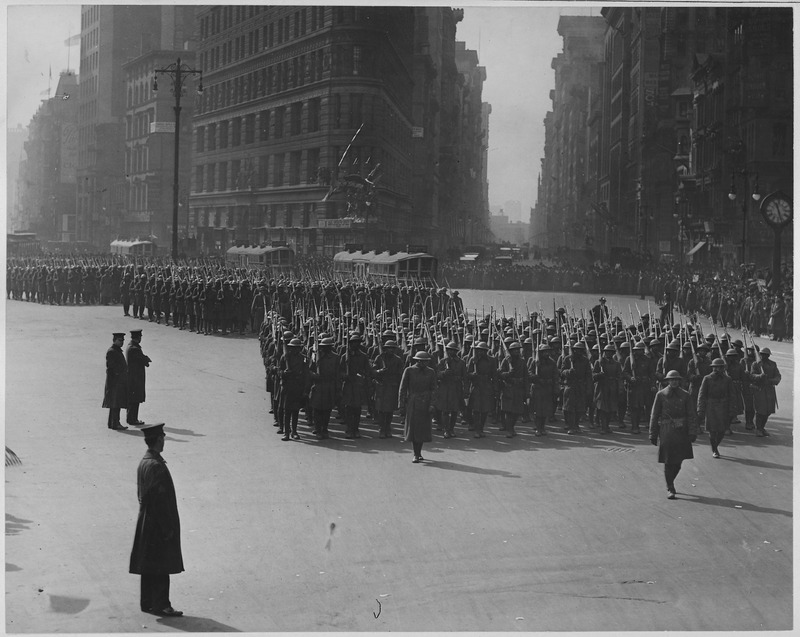
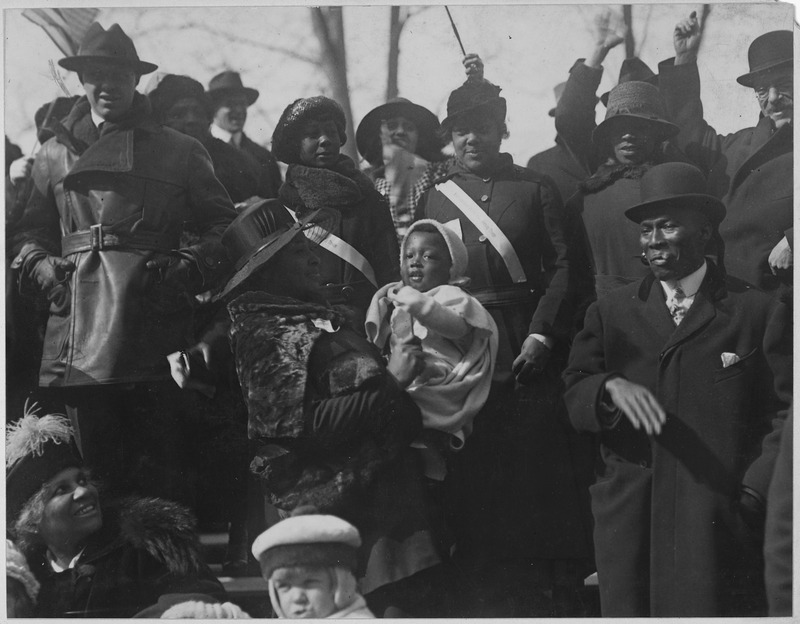
Lieut. James Reese Europe and the 369th band on their way back to New York, 1919.The 369th parades up Fifth Avenue upon their return to New York. Feb. 17, 1919.Members of the 369th arrive back in New York, 1919.Members of the 369th arrive back in New York, 1919.The 369th parades up Fifth Avenue upon their return to New York. Feb. 17, 1919.Soldiers of the 369th ‘Harlem Hellfighters’ wearing the Croix de Guerre medal pose for a photo on their trip back to New York, 1919. In this picture we see: front row (left to right) – Private Ed Williams; Herbert Taylor; Private Leon Fraitor; Private Ralph Hawkins. Back row (l-r) – Sergeant H. D. Prinas; Sergeant Dan Storms; Private Joe Williams; Private Alfred Hanley; and Corporal T. W. Taylor. When America joined the Great War, the first African-American regiment to fight was the 369th Infantry, transported to France at the end of 1917. The racism and discrimination the soldiers encountered had begun during training in America, and continued in Europe, with many white US soldiers refusing to fight alongside the 369th. After April 1918, under the control of the French Army, such discrimination lessened. Nicknamed the “Harlem Hellfighters,” the members of the 369th were renowned for bravery, ability and ferocity. On their return to New York City after 1918, they received a euphoric welcome, marching up Fifth Avenue.Feb. 17, 1919.Wounded soldiers of the 369th ride in their victory parade. Feb. 17, 1919.Spectators cheer on the 369th, formerly known as the 15th Regiment, upon their return to New York. Feb. 17, 1919.Members of the 369th in combat on the Western Front, 1918.A wounded veteran watches the victory parade of the 369th. Feb. 17, 1919.Members of the 369th Infantry band perform under the direction of Lt. James Reese Europe in France, 1918.Cpl. Fred McIntyre of the 369th poses with a bullet-framed photo of Kaiser Wilhelm which he carries for good luck, 1918.The 369th parades through the streets of Harlem. Feb. 17, 1919.Spectators gather to watch the 369th on their return parade. Feb. 17, 1919.Officers of the 369th and 370th return home bearing the Croix de Guerre medal, 1919.Lt. Reese leads the 369th band in a parade upon their return to New York City. Feb. 17, 1919.Soldiers of the 369th Infantry Regiment stand at attention, 1918.Members of the 369th Infantry band perform at an American Red Cross hospital in Paris. 1918.Sgt. Henry Johnson of the 369th poses wearing the Croix de Guerre, awarded for bravery in an outnumbered battle against German forces. Feb. 17, 1919.Lt. James Reese Europe leads the 369th band in their victory parade in New York.Lt. James Reese Europe, left, arrives in New York with the 369th Infantry, commonly known as the “Harlem Hellfighters, ” following the conclusion of World War I. On that day in 1919, the infantry unit was treated to adoring cheers throughout the streets of Manhattan.Members of the 369th Infantry march with their unit’s colors, which had been decorated in part by the French Government.Lt. Europe leads the 369th Infantry band as it entertains wounded American soldiers at a Paris hospital, 1918.A New York crowd eagerly awaits the passing of the famous 369th Infantry. Feb. 17, 1919.Members of the 369th Infantry band perform at an American Red Cross hospital in Paris, 1918.New York’s famous 369th regiment arrives home from France, 1919.Needham Roberts, 369th U.S. Infantry, Decorated with the Croix De Guerre with Palm and wearing two service stripes and two wound stripes.Soldier-Musicians of the New York National Guard’s 369th Infantry Regimental Band conduct a performance in France for troops somewhere in France in an undated Army Signal Corps photo. The 369th Regimental Band is credited with introducing jazz to Europe during their performances as ambassadors of the all-Black infantry troops serving in the re-designated National Guard’s 15th New York Infantry. The 369th arrived in France in December 1917 and initially served as a labor force to improve the port of St. Nazaire, France for follow on forces. The infantry regiment would not move on to prepare for combat operations until March 1918. The 369th Infantry, an all-Black combat unit, served with distinction under French command in WWI and received the nickname Hell Fighters of Harlem from their German enemies.369th Infantry marching on Fifth Avenue, New York City. Feb. 17, 1919.369th Infantry marching on parade, New York City. Feb. 17, 1919.Color bearers of the famous 369th Regiment at beginning of parade in honor of their return to New York City. Feb. 17, 1919.Colors of The Famous 369th Infantry in Parade in New York City. Feb. 17, 1919.The 369th New York Infantry troops listening to their band play its last tune before debarking at Hoboken, New Jersey. February, 1919.Troops of the 369th New York Infantry before debarking at Hoboken, New Jersey. February, 1919.Spectators gather to watch the 369th on their return parade. Feb. 17, 1919.Henry Johnson, one of heroes of New York’s 369th Regiment, passing along Fifth avenue during parade. He is standing in automobile with bouquet presented to him by well-wishers. Feb. 17, 1919.The 369th parades up Fifth Avenue upon their return to New York. Feb. 17, 1919.The 369th’s band parades up Lenox Avenue upon their return to New York. Feb. 17, 1919.The 369th parades up Lenox Avenue upon their return to New York. Feb. 17, 1919.Lieutenant James Reese Europe and his famous band of the 369th Infantry in the parade in Fifth Avenue. Feb. 17, 1919.Parade of returned fighters of the famous 369th Regiment at the Flatiron Building, New York City at the start of the parade. Feb. 17, 1919.Spectators gather to watch the 369th on their return parade. Feb. 17, 1919.
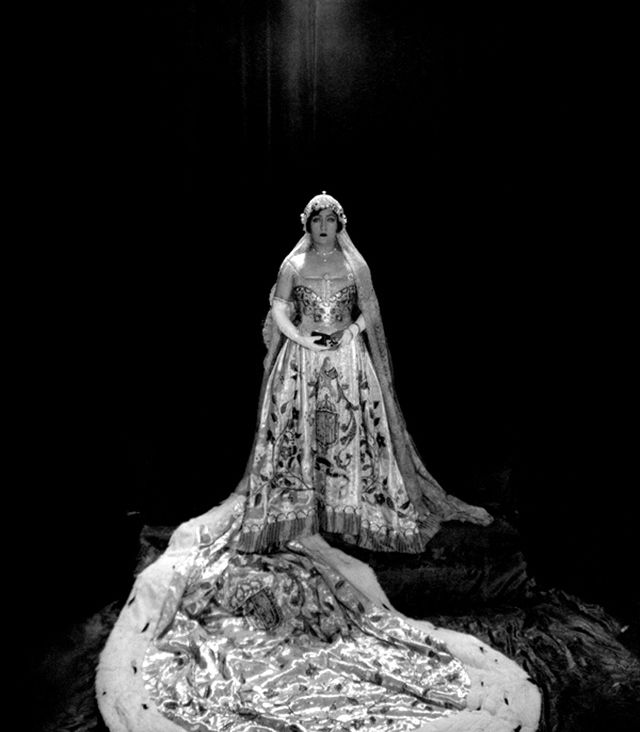
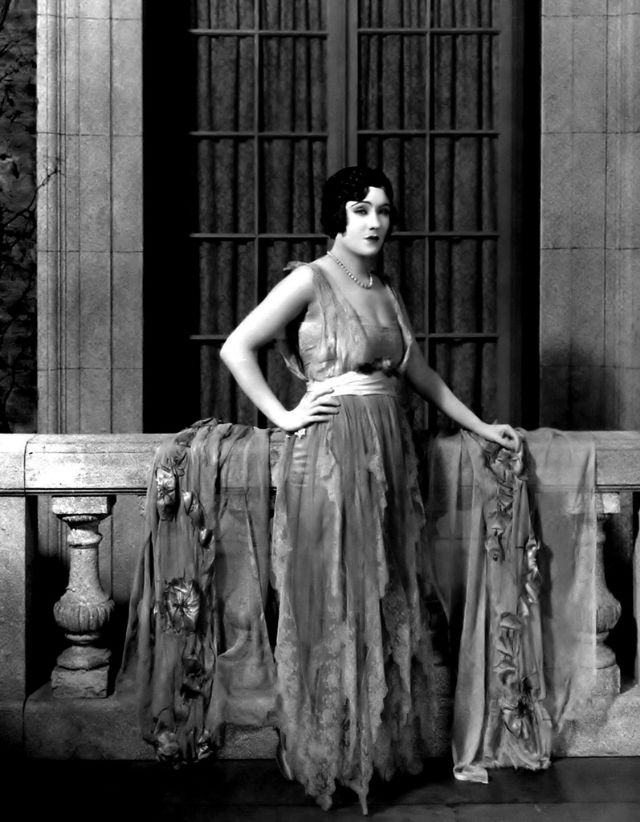
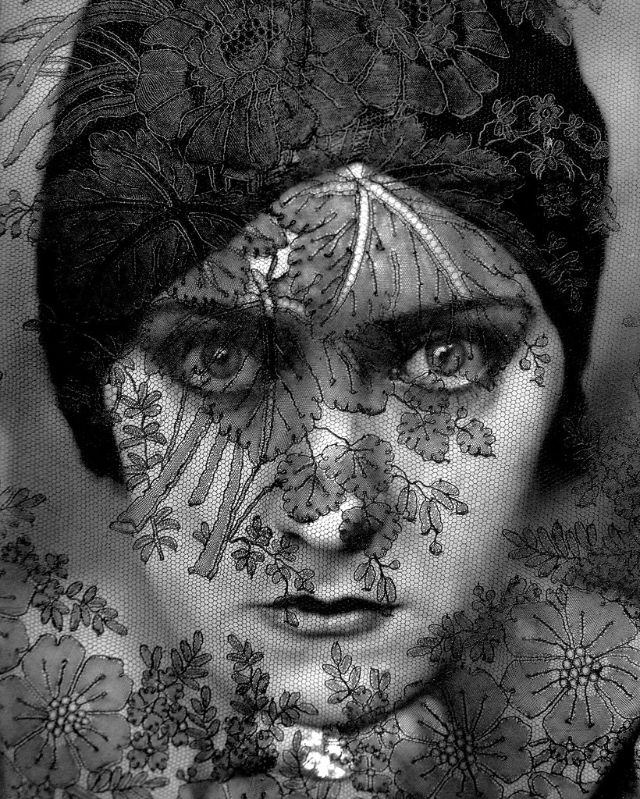
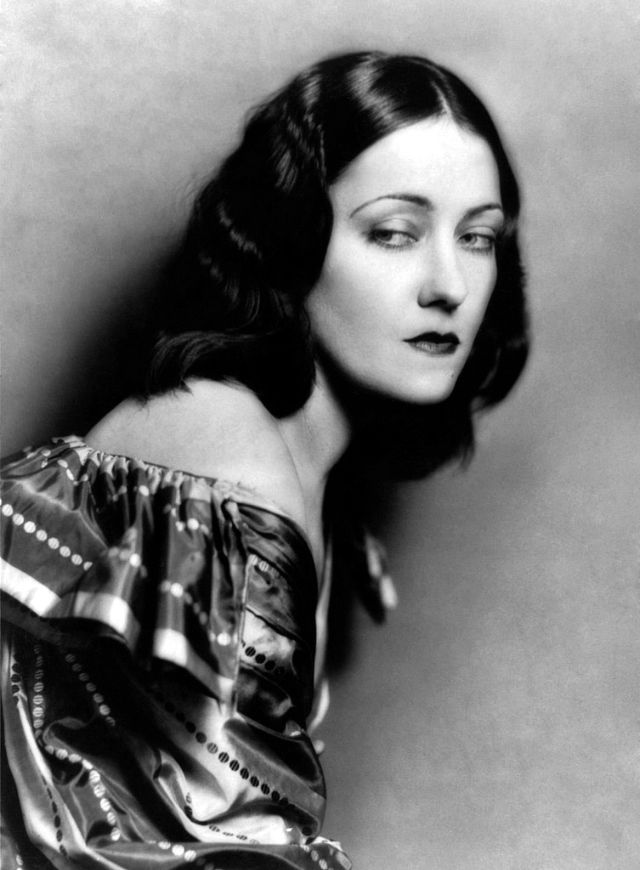
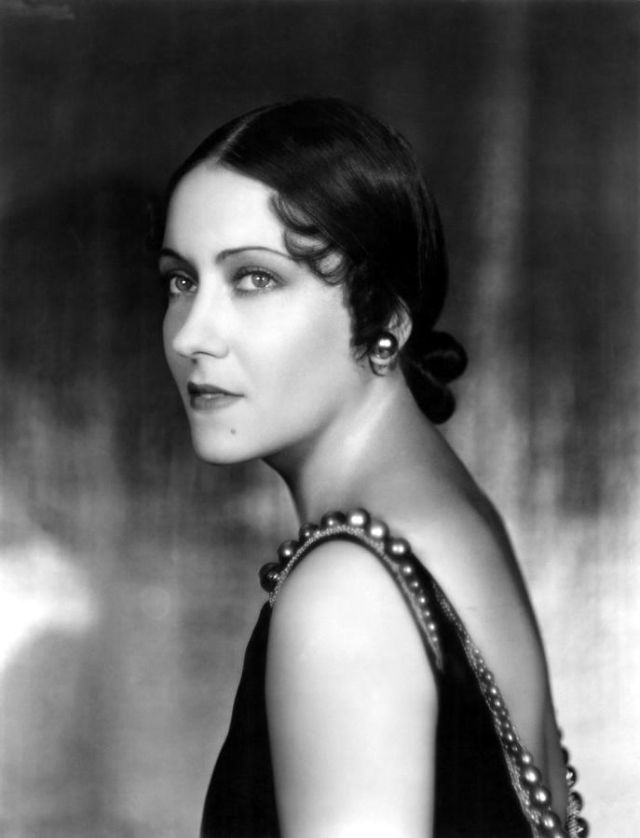
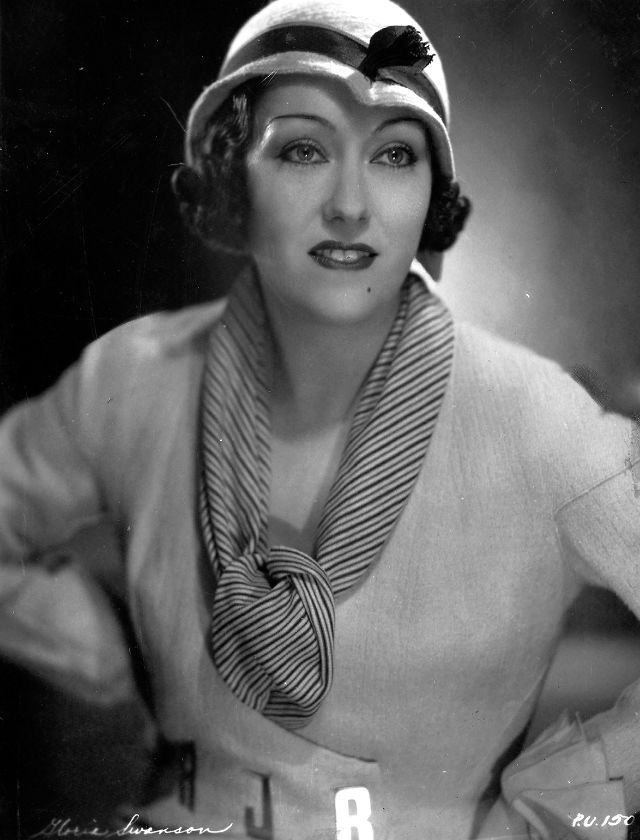
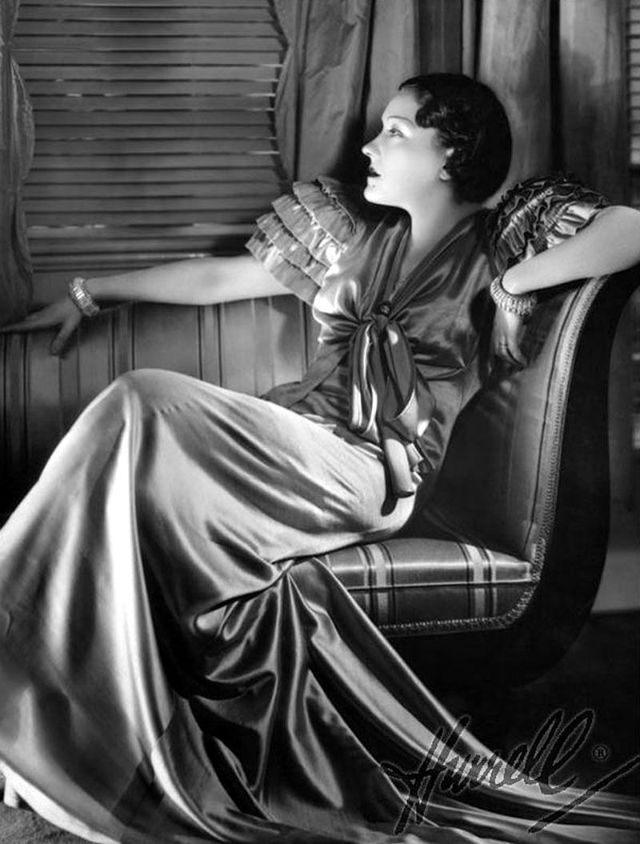
Born 1899 in Chicago, American actress and producer Gloria Swanson made her film debut in 1914 as an extra in The Song of Soul for Essanay. She reportedly asked to be in the movie just for fun.
In 1916, Swanson moved to California to appear in Mack Sennett’s Keystone comedies opposite Bobby Vernon. With their great screen chemistry, the pair became popular. In 1919, Swanson signed with Paramount Pictures and worked often with Cecil B. DeMille, who turned her into a romantic lead in such films as Don’t Change Your Husband (1919), Male and Female (1919), Why Change Your Wife? (1920), Something to Think About (1920), and The Affairs of Anatol (1921).
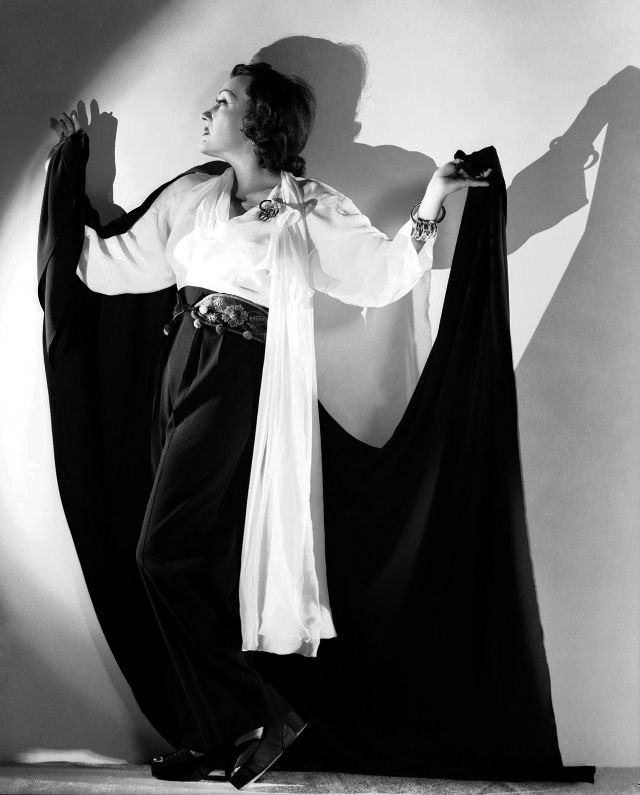
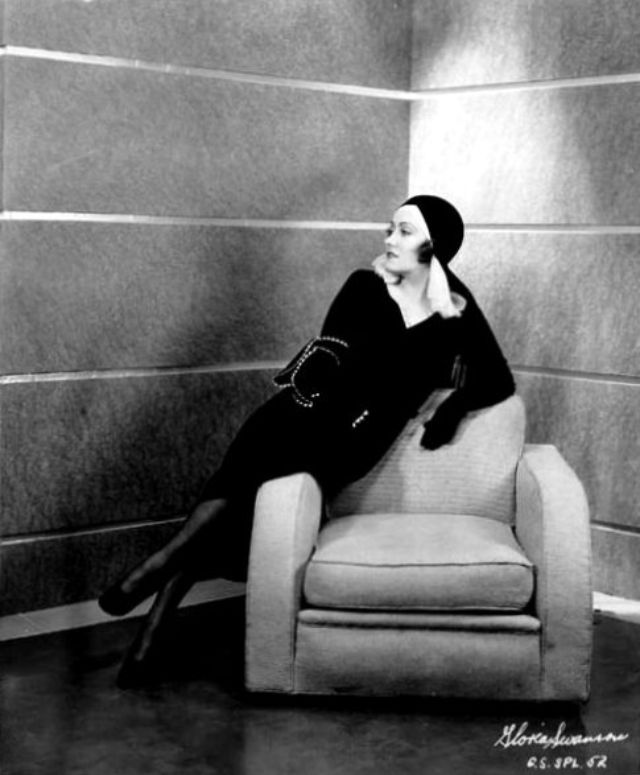
In the space of two years, Swanson rocketed to stardom and was one of the most sought-after actresses in Hollywood. She was a star in the silent film era as both an actress and a fashion icon. Throughout the 1920s, Swanson was Hollywood’s top box office magnet.
She first achieved fame acting in dozens of silent films in the 1920s and was nominated three times for an Academy Award as Best Actress, most famously for her 1950 return in Billy Wilder’s Sunset Boulevard, which also earned her a Golden Globe Award.
In 1925, Swanson joined United Artists as one of the film industry’s pioneering women filmmakers. She produced and starred in the 1928 film Sadie Thompson, earning her a nomination for Best Actress at the first annual Academy Awards. Her sound film debut performance in the 1929 The Trespasser, earned her a second Academy Award nomination. After almost two decades in front of the cameras, her film success waned during the 1930s. Swanson received renewed praise for her comeback role in Sunset Boulevard (1950). She only made three more films, but guest starred on several television shows, and acted in road productions of stage plays.
Swanson was nominated for the first Academy Award in the Best Actress category. She also produced her own films, including Sadie Thompson and The Love of Sunya. In 1929, Swanson transitioned to talkies with The Trespasser. Personal problems and changing tastes saw her popularity wane during the 1930s when she moved into theater, and later television.
In 1960, Gloria Swanson was honored with two stars on the Hollywood Walk of Fame: one for motion pictures at 6750 Hollywood Boulevard, and another for television at 6301 Hollywood Boulevard.
Shortly after returning to New York from her home in the Portuguese Riviera in 1983, Swanson died in New York City in New York Hospital from a heart ailment, aged 84.
As one of the greatest stars of early Hollywood, today, Swanson is most remembered for her portrayal of Norma Desmond in 1950’s Sunset Boulevard.
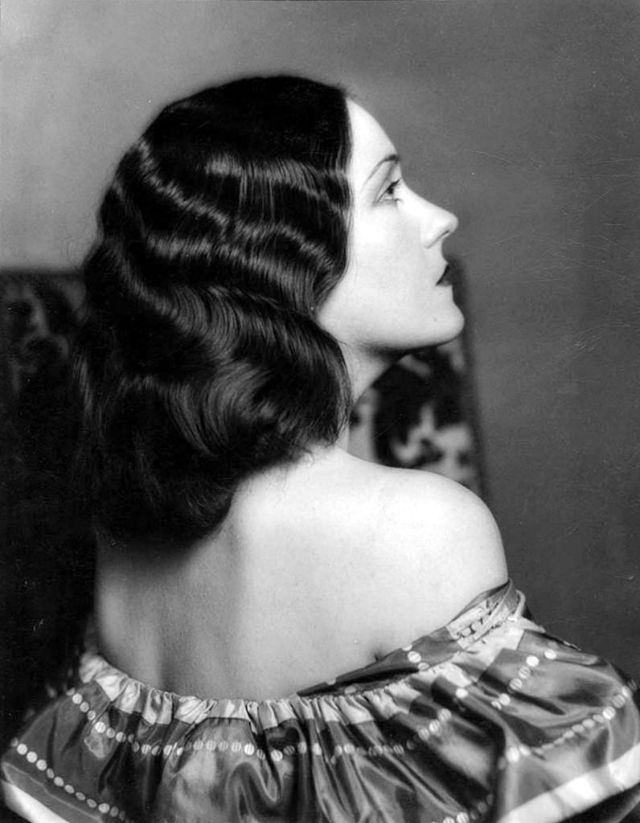
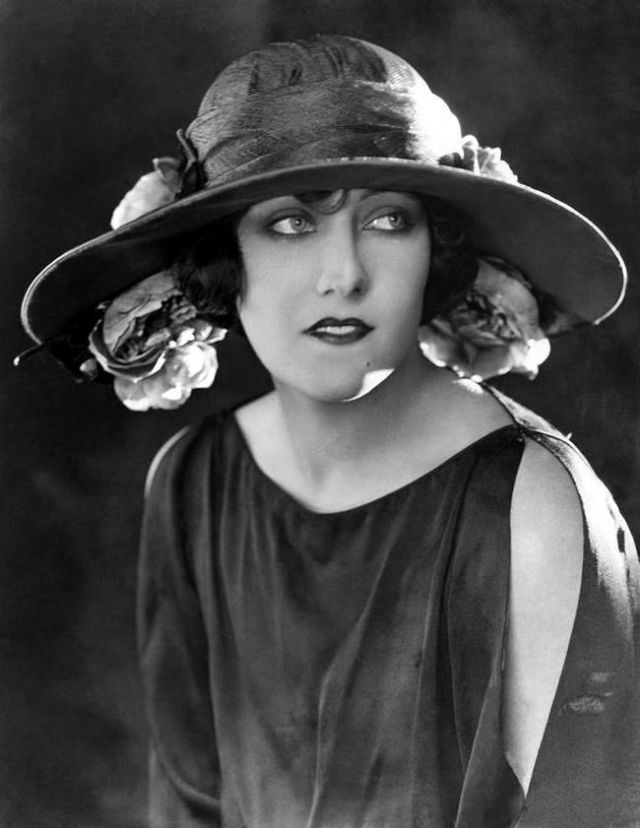
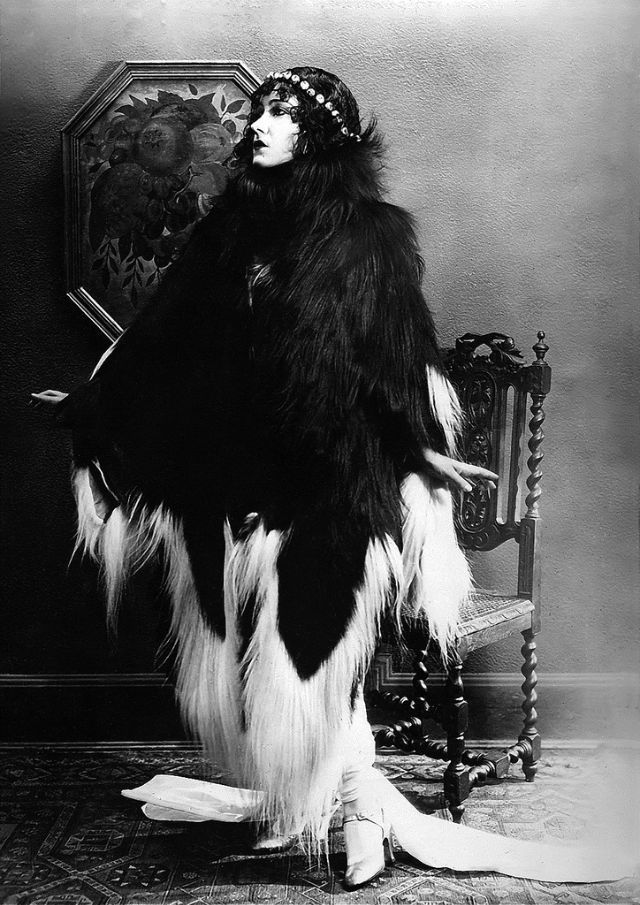
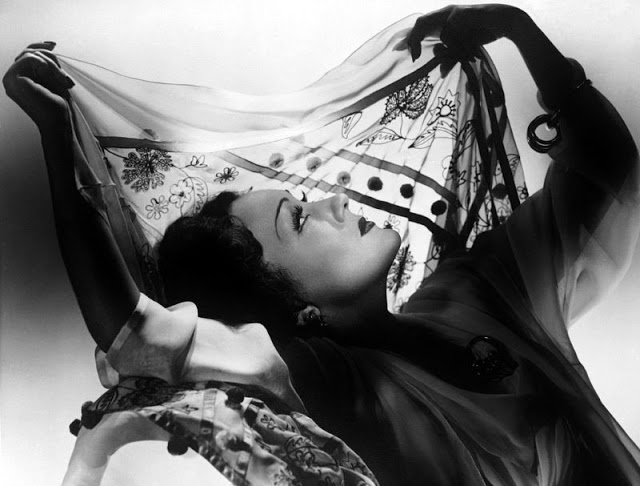
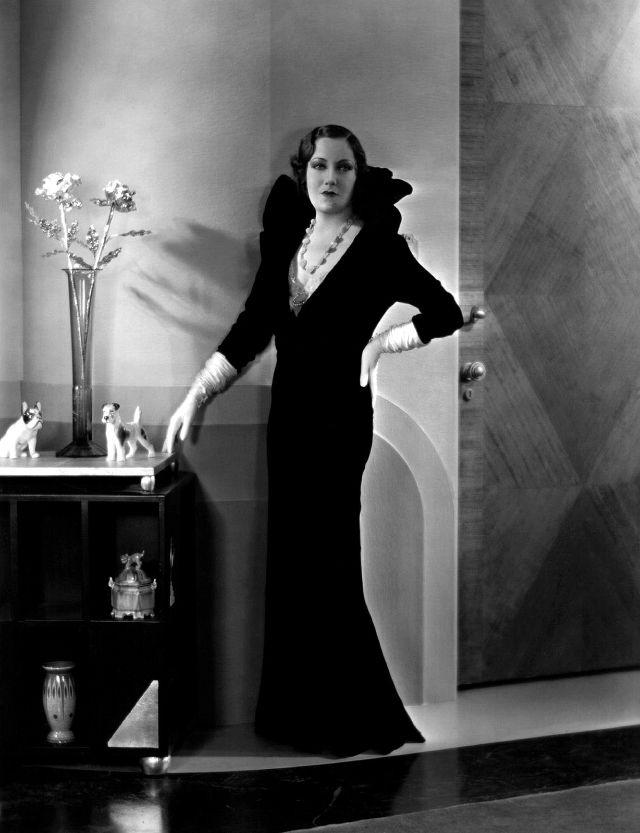
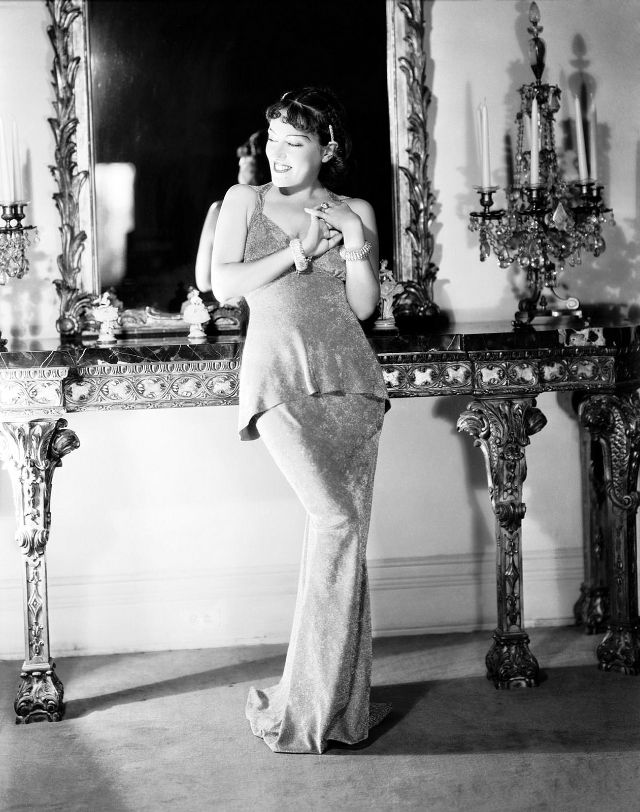
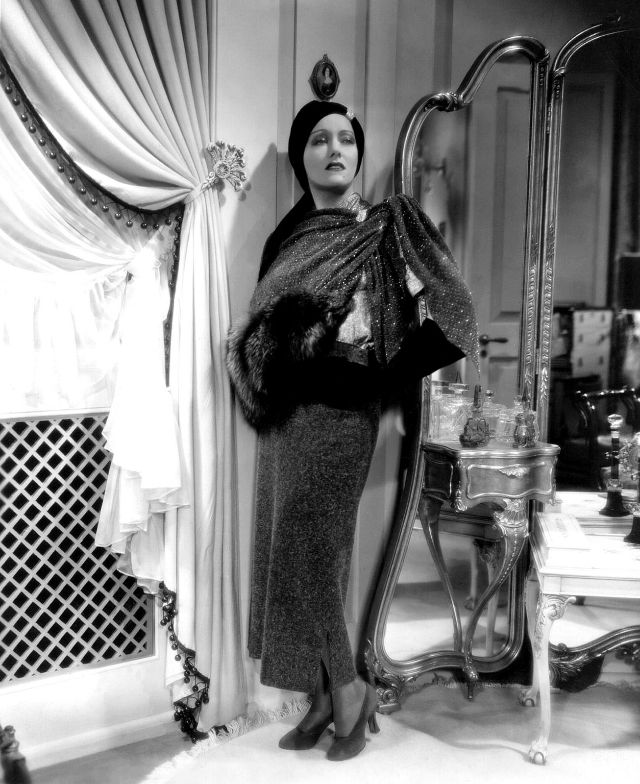
Take a look at these glamorous photos to see the beauty of young Gloria Swanson in the 1920s and 1930s.
The Gulag, “chief administration of the camps”) was the government agency in charge of the Soviet network of forced labor camps set up by order of Vladimir Lenin, reaching its peak during Joseph Stalin’s rule from the 1930s to the early 1950s. English-language speakers also use the word gulag to refer to all forced-labor camps that existed in the Soviet Union, including camps that existed in the post-Lenin era.
The Gulag is recognized as a major instrument of political repression in the Soviet Union. The camps housed a wide range of convicts, from petty criminals to political prisoners, large numbers of whom were convicted by simplified procedures, such as by NKVD troikas or by other instruments of extrajudicial punishment. In 1918–22, the agency was administered by Cheka, followed by the GPU (1922–23), OGPU (1923–34), later by the NKVD (1934–46), and in the final years by the Ministry of Internal Affairs (MVD). The Solovki prison camp, the first corrective labor camp constructed after the revolution, was established in 1918 and legalized by a decree, “On the creation of the forced-labor camps” on April 15, 1919.
The internment system grew rapidly, reaching a population of 100,000 in the 1920s. According to Nicolas Werth, the yearly mortality rate in the Soviet concentration camps strongly varied, reaching 5% (1933) and 20% (1942–1943) but dropping considerably in the post-war years (about 1 to 3% per year at the beginning of the 1950s). In 1956 the mortality rate dropped to 0.4%. The emergent consensus among scholars who utilize official archival data is that of the 18 million who were sent to the Gulag from 1930 to 1953, roughly 1.5 to 1.7 million perished there or as a result of their detention. However, some historians question the reliability of such data and instead rely heavily on literary sources that come to higher estimations. Archival researchers have found “no plan of destruction” of the gulag population and no statement of official intent to kill them, and prisoner releases vastly exceeded the number of deaths in the Gulag.[2] This can be partly attributed to the common practice of releasing prisoners who were either suffering from incurable diseases or near death.
Almost immediately following the death of Stalin, the Soviet establishment took steps in dismantling the Gulag system. A general amnesty was declared in the immediate aftermath of Stalin’s death, though it was limited to non-political prisoners and political prisoners sentenced to no more than five years. Shortly thereafter Nikita Khrushchev was elected as First Secretary, initiating the processes of de-Stalinization and the Khrushchev Thaw, triggering a mass release and rehabilitation of political prisoners. The Gulag system ended definitively six years later on 25 January 1960, when the remains of the administration were dissolved by Khrushchev. The legal practice of sentencing convicts to penal labor, though restrained, was not fully abolished and continues to this day, although to a far more limited capacity, in the Russian Federation.
Aleksandr Solzhenitsyn, winner of the Nobel Prize in Literature, who survived eight years of Gulag incarceration, gave the term its international repute with the publication of The Gulag Archipelago in 1973. The author likened the scattered camps to “a chain of islands”, and as an eyewitness he described the Gulag as a system where people were worked to death. In March 1940, there were 53 Gulag camp directorates (colloquially referred to simply as “camps”) and 423 labor colonies in the Soviet Union. Many mining and industrial towns and cities in northern and eastern Russia and in Kazakhstan such as Karaganda, Norilsk, Vorkuta and Magadan, were originally blocks of camps built by prisoners and subsequently run by ex-prisoners.(Wikipedia)
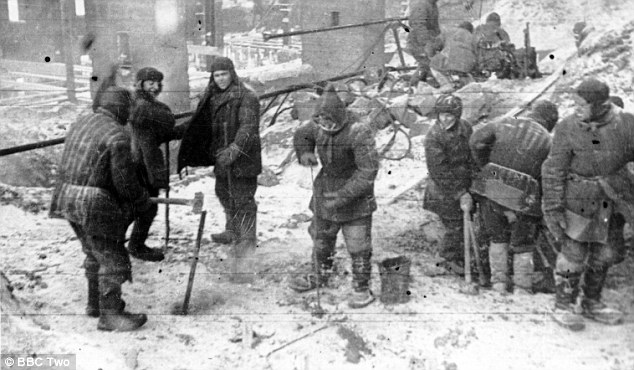
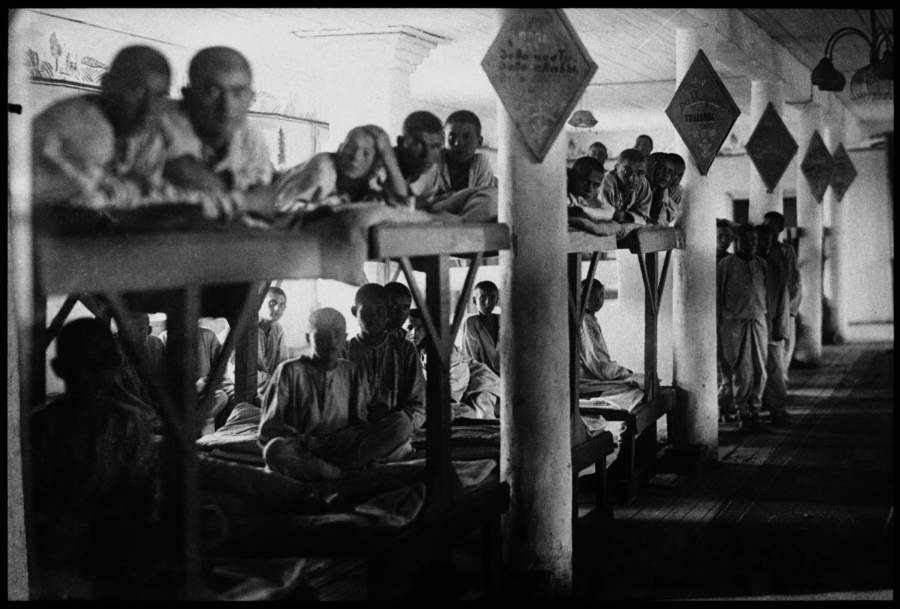
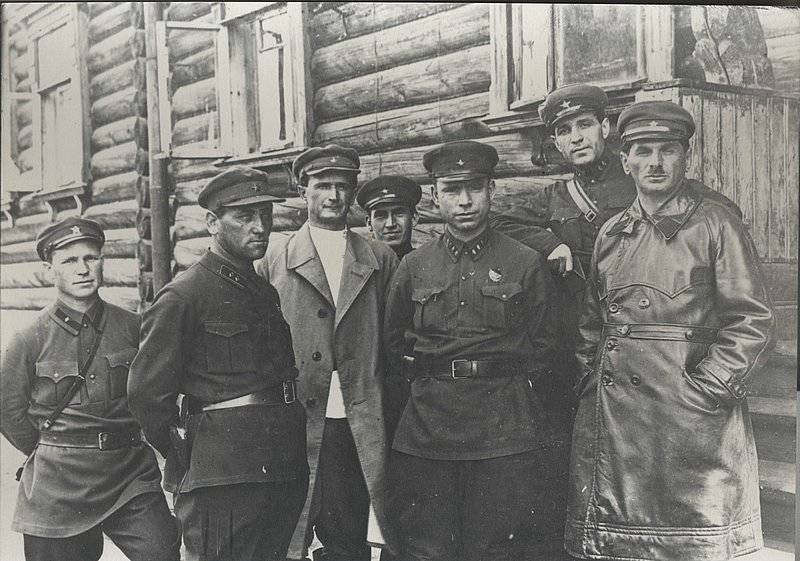
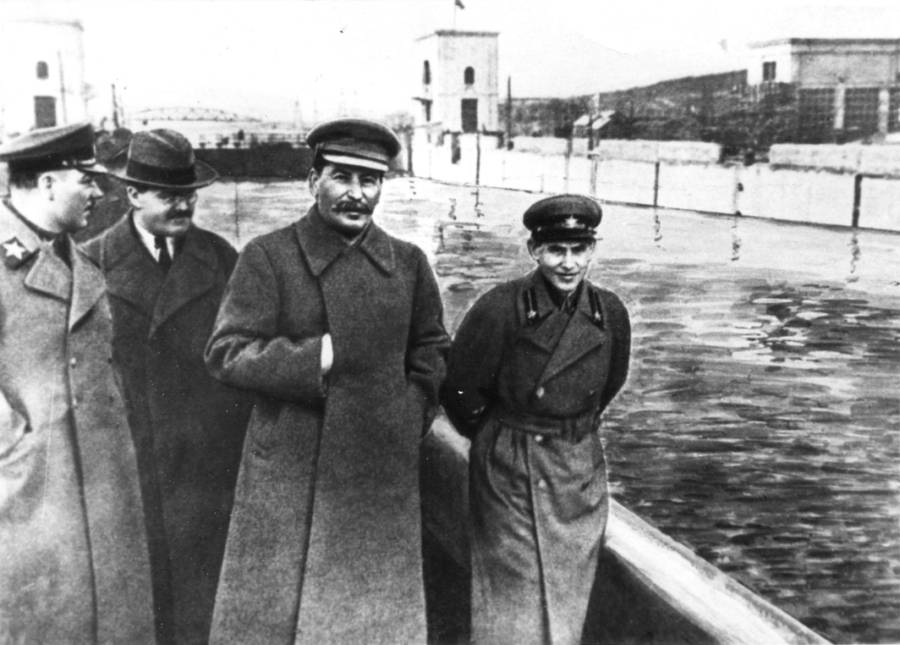
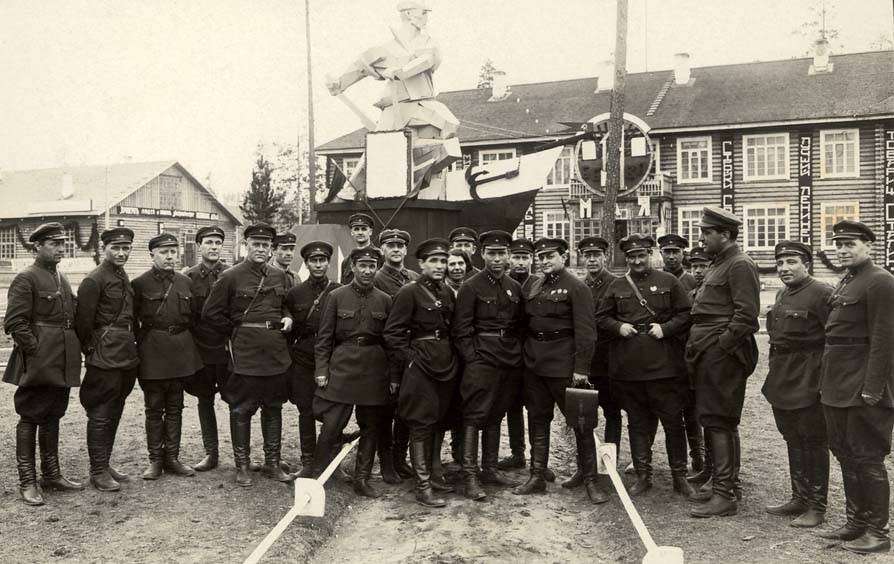
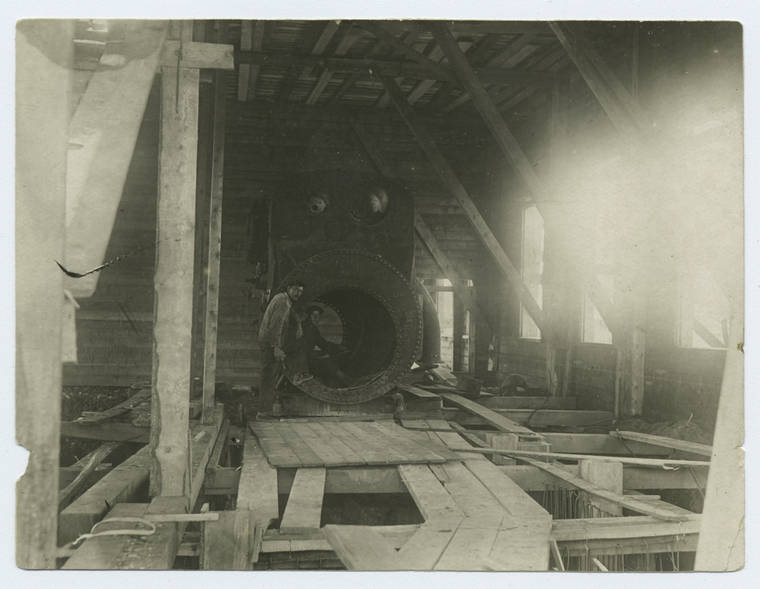
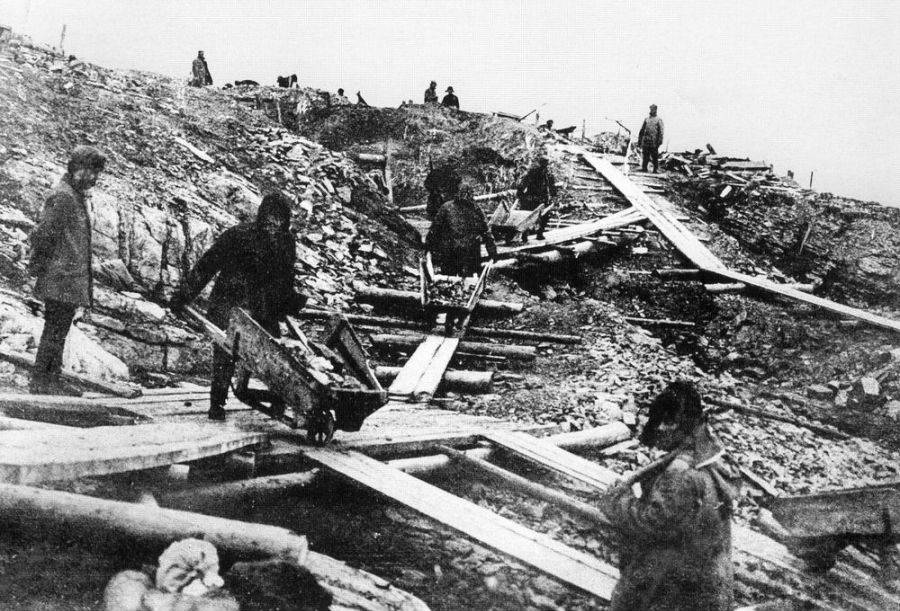
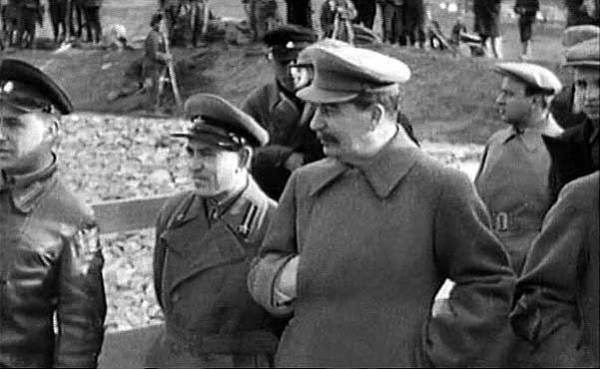
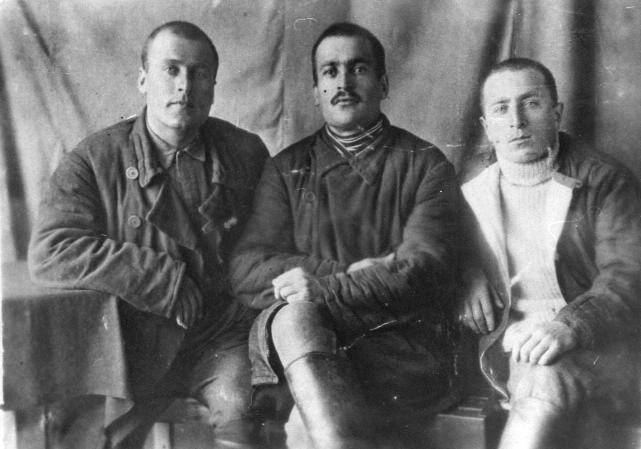
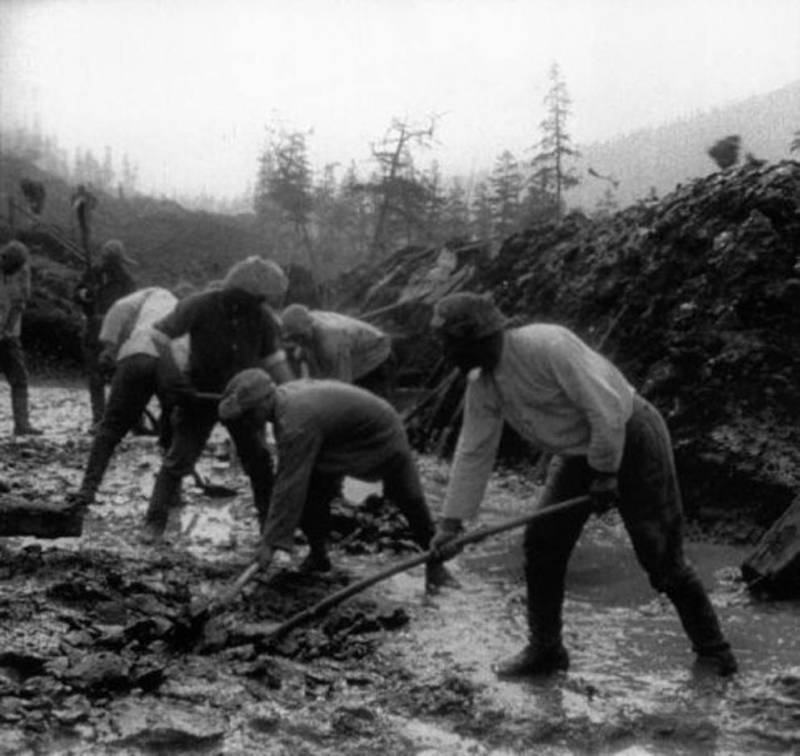
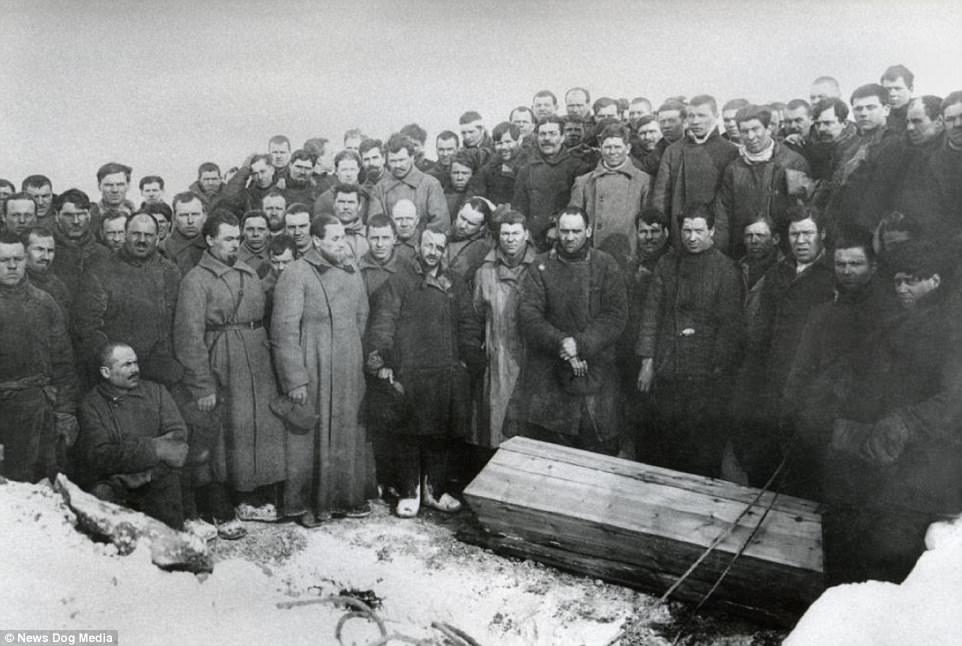
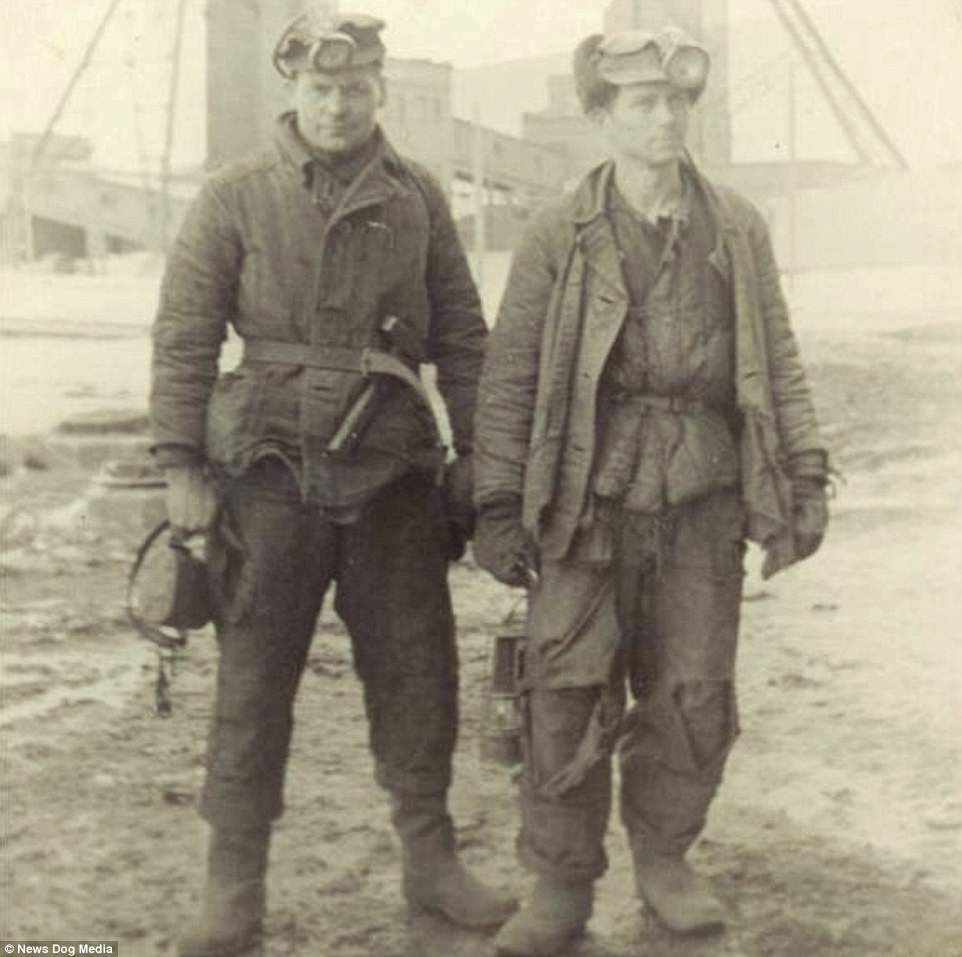
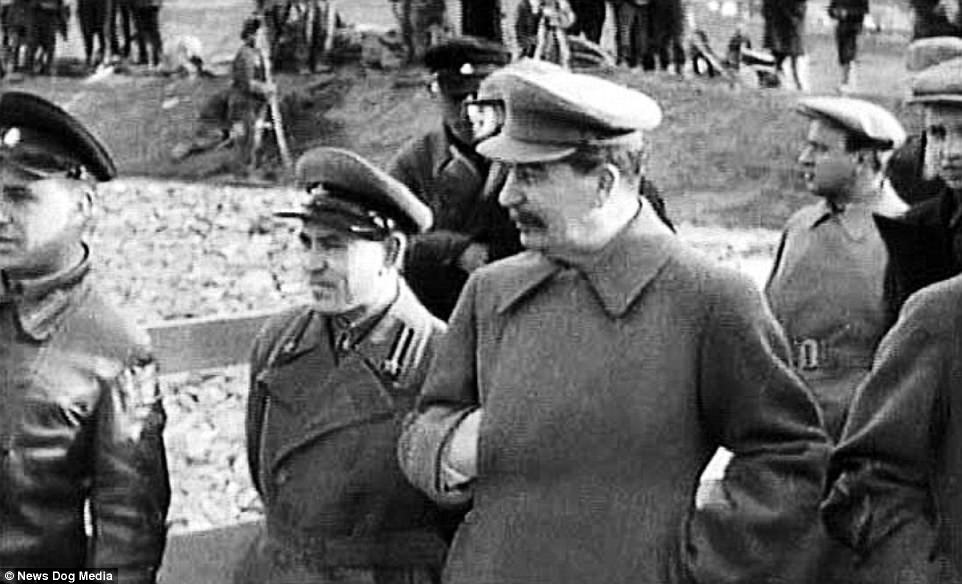
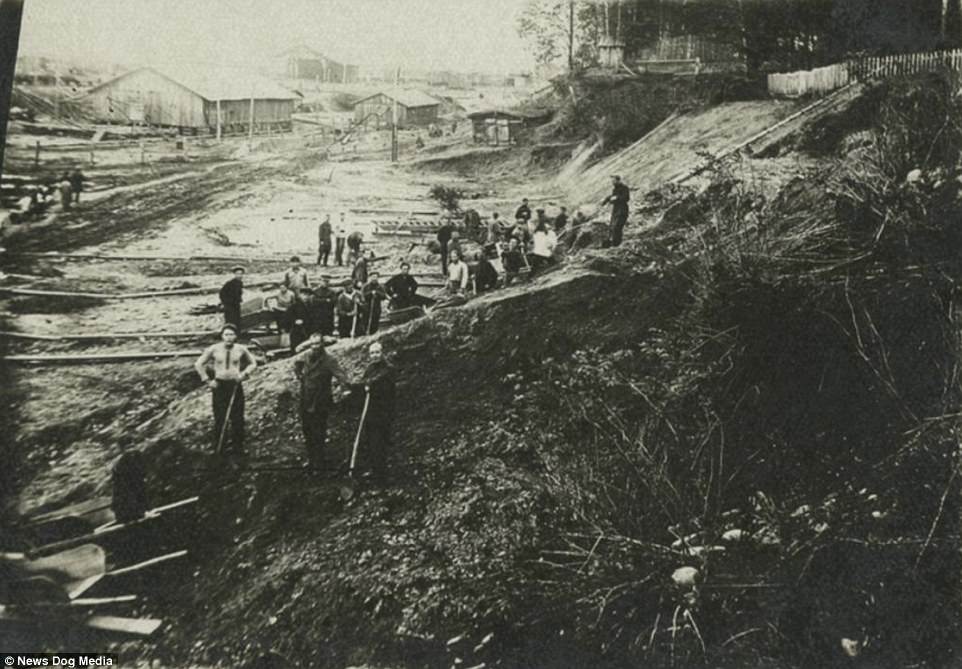
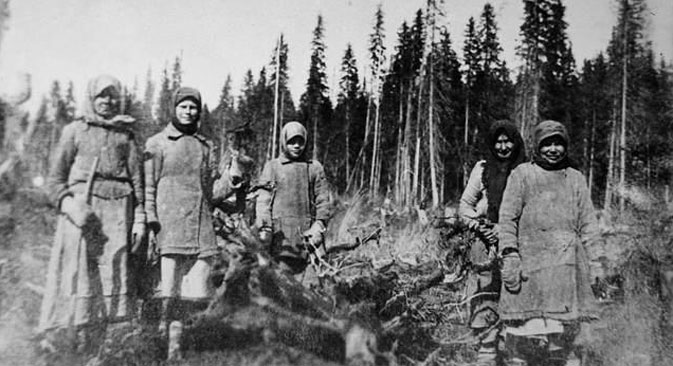
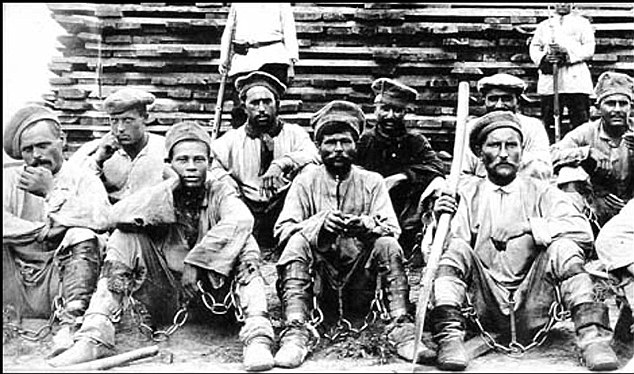
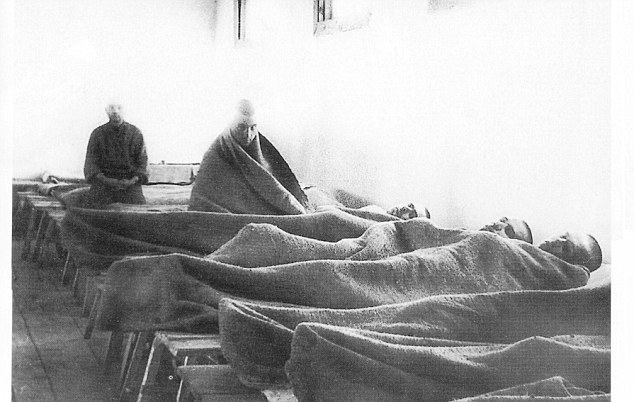
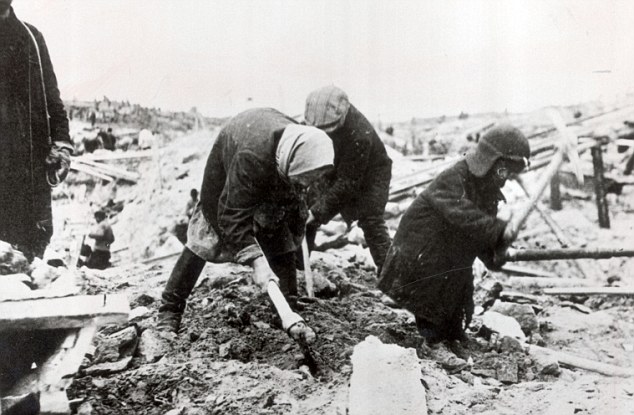
Young boys in a gulag stare at the cameraman from their beds. Molotov, USSR. Date unspecified.A miner who died working in a forced labor camp is put to rest under the ground. Vaygach Island, USSR. 1931.Polish families are deported to Siberia as part of the Soviet Union’s relocation plan. Influential families in conquered states would often be forced into labor to help systematically destroy their culture. Poland. 1941.Not every political prisoner was lucky enough to pushed into forced labor. Here, the bodies of thousand of Polish people lie dead in a mass grave. Katyn, Russia. April 30, 1943.The dead bodies of political prisoners, murdered by the secret police, lie inside of a prison camp. Tarnopil, Ukraine. July 10, 1941.Convicts sleep inside of a sod-covered house in a Siberian gulag. Siberia, USSR. Date unspecified.Posters of Stalin and Marx gaze down at the prisoners inside of their sleeping quarters. USSR. Circa 1936-1937.Prisoners at work building the White Sea–Baltic Canal, one of the first major projects in the Soviet Union made entirely through slave labor. 12,000 people died while working amid the harsh conditions at the canal. USSR. 1932.The chiefs of the gulags. These men were responsible for forcing more than 100,000 prisoners to work. USSR. July 1932Prisoners in a Soviet gulag dig a ditch while a guard looks on. USSR. Circa 1936-1937.Stalin comes out to inspect the progress on the Moscow Canal, which is being built by imprisoned workers. Moscow, USSR. April 22, 1937.A gold mine that, during Stalin’s reign, was worked through prison labor. Magadan, USSR. August 20, 1978.Philosopher Pavel Florensky after being arrested for “agitation against the Soviet system.” Florensky was sentenced to ten years of labor in Stalin’s gulags. He would not serve the full ten years. three years after this picture was taken, he was dragged out into the woods and shot. USSR. February 27, 1933.The directors of the gulag camps gather together to celebrate their work. USSR. May 1, 1934.Two Lithuanian political prisoners get ready to go to work in a coal mine. Inta, USSR. 1955.The crude lodgings that host a group of prisoners in one of Stalin’s gulags. USSR. Circa 1936-1937.Prisoners at work operating a machine inside of a gulag. USSR. Circa 1936-1937.Prisoners at work on the White Sea-Baltic Canal. USSR. Circa 1930-1933.Prisoners hammer away at the rocks in the White Sea–Baltic Canal. USSR. Circa 1930-1933.Yuriy Tyutyunnyk, a Ukranian General who fought against the Soviets in the Ukranian-Soviet War. Tyutyunnyk was allowed to live in Soviet Ukraine after the war — until 1929, when Soviet policies changed. He was arrested, taken to Moscow, imprisoned, and killed. USSR. 1929.Prisoners transport lead-zinc ore. Vaygach Island, USSR. Circa 1931-1932.Prisoners digging clay for the brickyard. Solovki Isalnd, USSR. Circa 1924-1925.Officials look over their laborers, at work on the Moscow Canal. Moscow, USSR. September 3, 1935.A “penal insulator” inside of a gulag. Vorkuta, USSR. 1945.Stalin and his men inspect the work on the Moscow-Volga Canal. Moscow, USSR. Circa 1932-1937.Gulag prisoners forced to work on a mine overseen by the USSR’s secret police. Vaygach Island, USSR. 1933.Prisoners at work in a gulag pause for a moment’s rest. USSR. Circa 1936-1937.A guard shakes hands with a prisoner, at work cutting down lumber. USSR. Circa 1936-1937.Guards walk through a gulag during an inspection. USSR. Circa 1936-1937.The prison photo and papers of Jacques Rossi, a political prisoner arrested for his connections to revolutionary leader Leon Trotsky, hang on the wall of a gulag. Norillag, USSR.Men at work on the Koylma Highway. The route would come to be known as the “Road of Bones” because the skeletons of the men who died building it were used in its foundation. USSR. Circa 1932-1940.Colonel Stepan Garanin, at one time the chief of the Kolyma Force Labor Camps, prepares for his new life as a prisoner. USSR. Circa 1937-1938.A miner who died working in a forced labour camp was surrounded by prisoners as he was buried on Vaygach Island.Two Lithuanian political prisoners get ready to go to work in a coal mine in Inta, USSR. The Inta labour camp existed from 1941 to 1948, and prisoners were mainly engaged in the mining of local coal deposits. The number of inmates at the camp reached 20,585 at its highest size. In 1948, the camp was shut down and reorganized into a special camp for political prisonersStalin and his men are pictured examining the Moscow-Volga Canal, built by prisoners in 1932.Guards walk through a gulag during an inspection in 1936. As of March 1940, there were 53 Golag camps and 432 labour colonies across the USSR. Today’s major cities in the Russian Arctic were originally camps build by prisoners and run by former prisonersConvicted men sleep inside of a sod-covered house in a Siberian gulag, Siberia, at an unknown date. Prisoners lived in squalid conditions, and many people died of starvation or exhaustion from working too many hours and not receiving enough food from the prison staffThe prisoners weren’t just for adults, however. Pictured above, young boys look at a camera from their bunk beds at a camp in Molotov, USSRPrisoners at work in a gulag pause for a moment’s rest in 1936. By the time the last Soviet gulag closed its gates, millions had died. Some worked themselves to death, some had starved, and others were simply dragged out into the woods and shot.Hunger, physical punishment and sexual harrasment – and that’s only the beginning of the suffering for women in the Gulag.Prisoners work at Belbaltlag, a Gulag camp for building the White Sea-Baltic Sea, 1932Manacled and with barely enough clothing to keep them warm, prisoners had to work in Siberian temperatures. Toture, or death, was common for anyone who didn’t comply.Prisoners with severe malnutrition in a camp hospital, most were expected to die. How much bread they got depended on how much timber they had cut the day before – a tally that could be the difference between life and deathPrisoners building a copper factory in Norilisk in 1949. Few survived the brutal conditions.Women and children work at a gulag in 1932. Prison nurseries did exist, but malnutrition, restrictive breast-feeding schedules and astonishing cruelty often resulted in the child suffering an early death
Extraordinary courage stepped up to bigotry in America during the summer of 1961. The acts of bravery came not from soldiers in battle or politicians taking a stand. No, in this case, the valor came from everyday Americans – civilians concerned about the state of their country. Eventually, there would be hundreds of them, acting over a five month period. They came from all over the U.S. They were black and white; liberal and conservative; Catholic, Protestant, and Jew. Many were college students; some from the seminary. They came to lend their presence and put their bodies on the line. Their actions were innocent and non-violent. All they set out to do was ride on a bus – or rather, insure that a person of any color could ride on a bus from one state to another. They were called “Freedom Riders.”
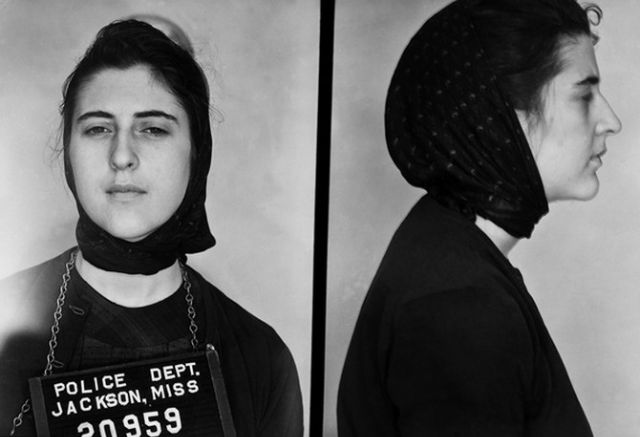
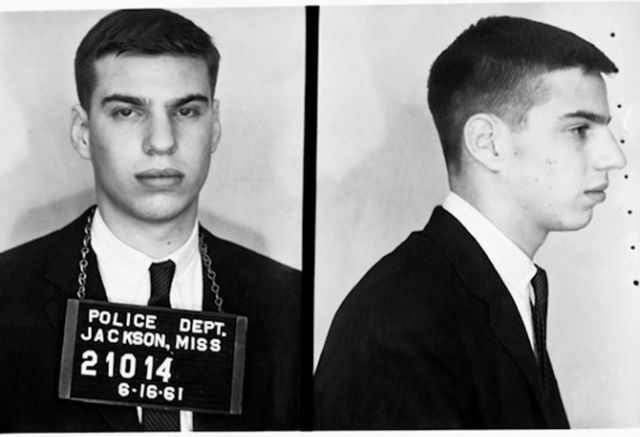
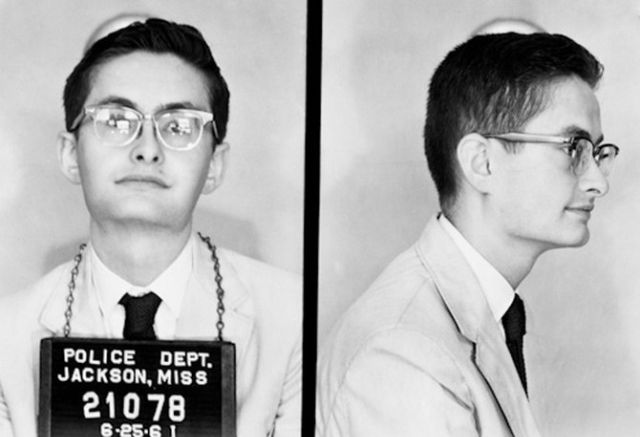
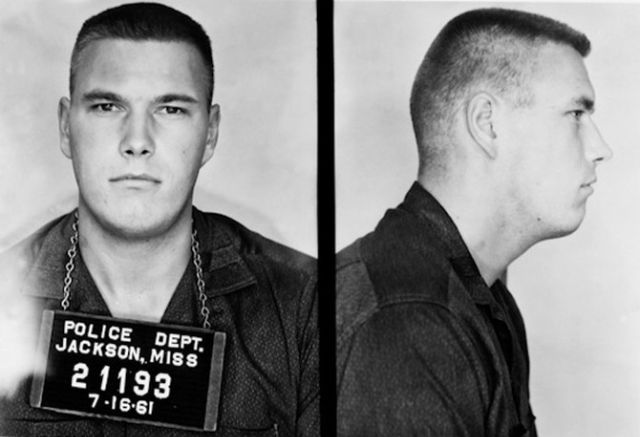
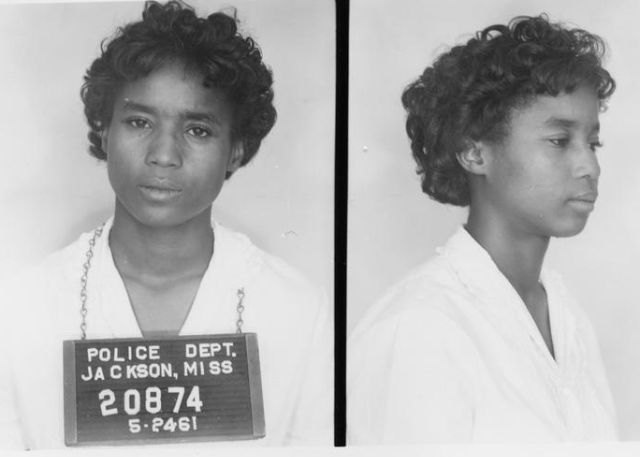
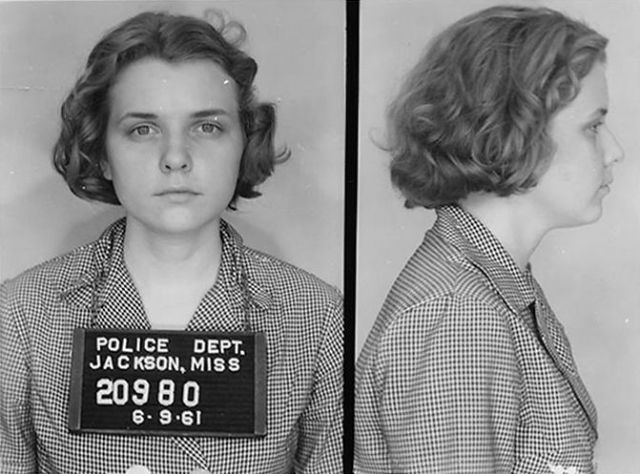
Before it was all over more than 60 “Freedom Rides” would criss-cross the South between May and November of 1961. At least 436 individuals would ride buses and trains to make their point. However, a number of the “freedom riders” were physically assaulted, chased, and/or threatened by white mobs, some beaten with pipes, chains and baseball bats. Many of the riders were also arrested and jailed, especially in Mississippi. Yet these arrests became part of the protest – and in this case, a badge of honor.
For those arrested were not criminals. Far from it. They were among America’s finest heroes. Yes, America has a long line of heroes, and none more honorable than those who fought and died in military conflicts – from the Revolutionary War through WWII, Korea, Vietnam, Iraq and Afghanistan. Those heroes occupy a special and honored place. Yet few heroes stand taller on the domestic front than those who came from the civilian population during the 1961 civil rights “freedom rides.”
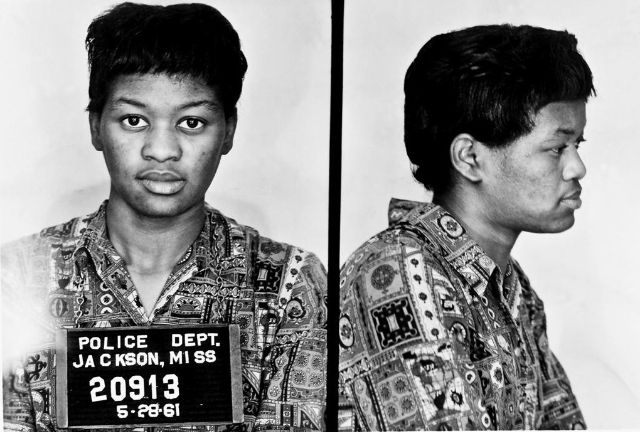
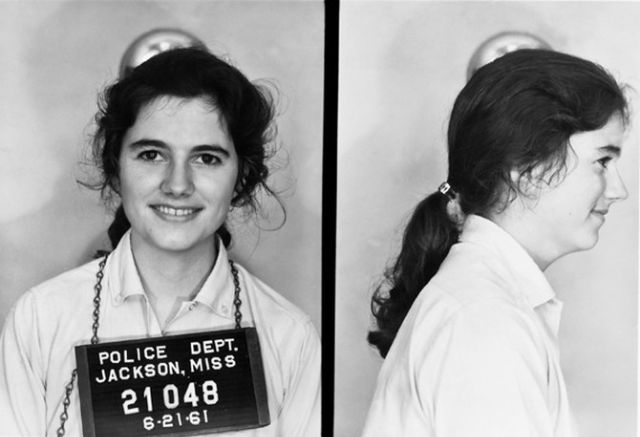
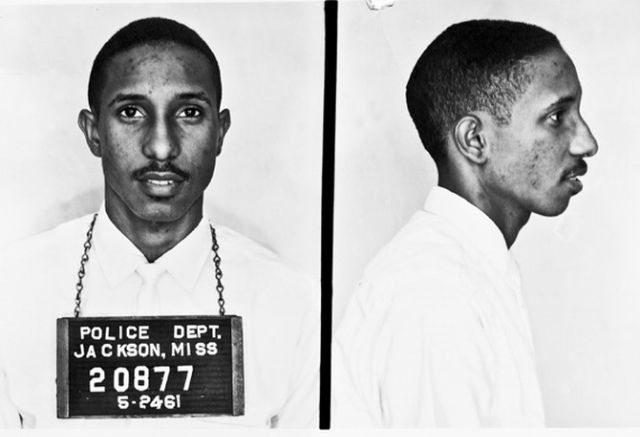
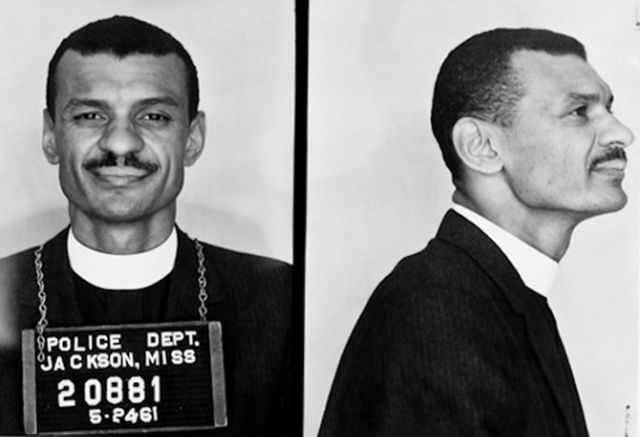
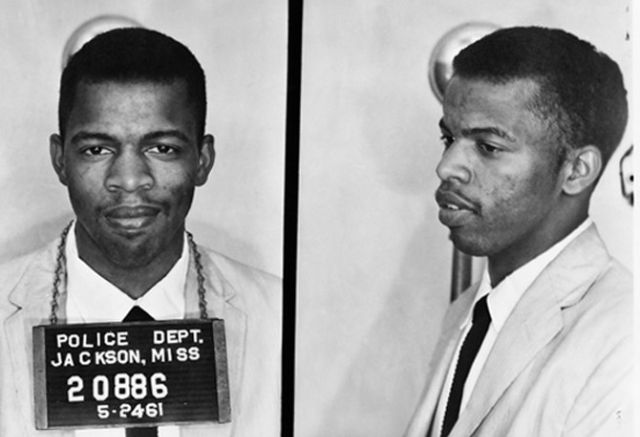
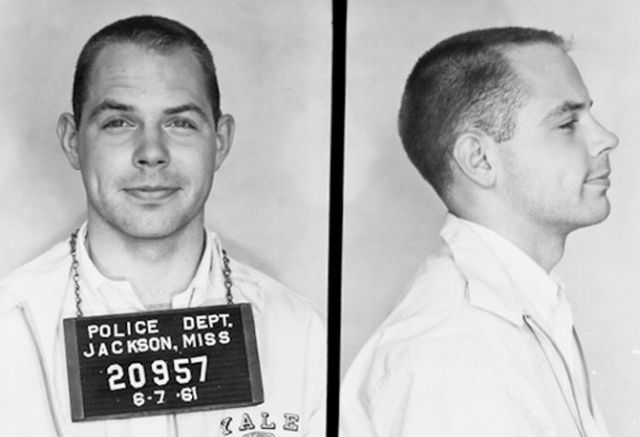
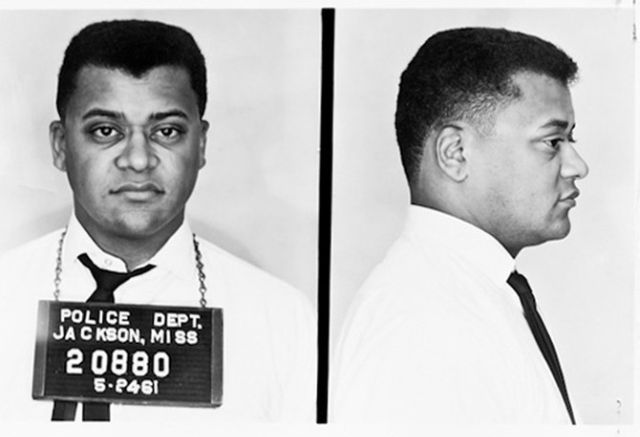
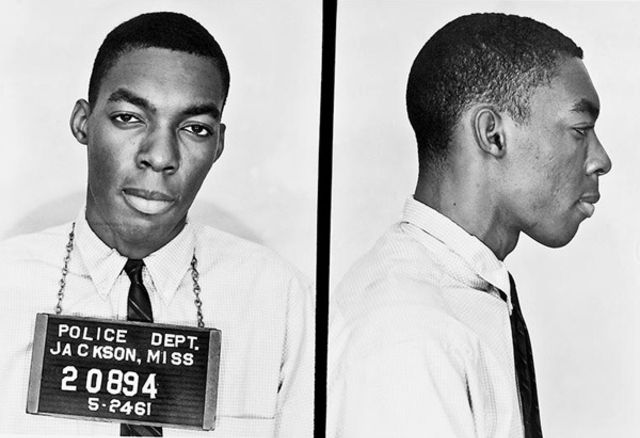
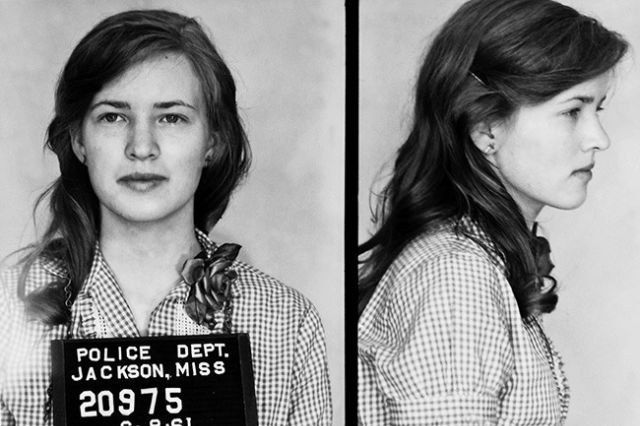
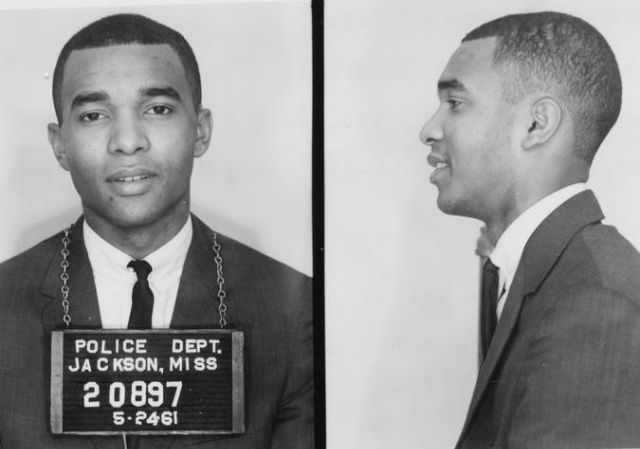
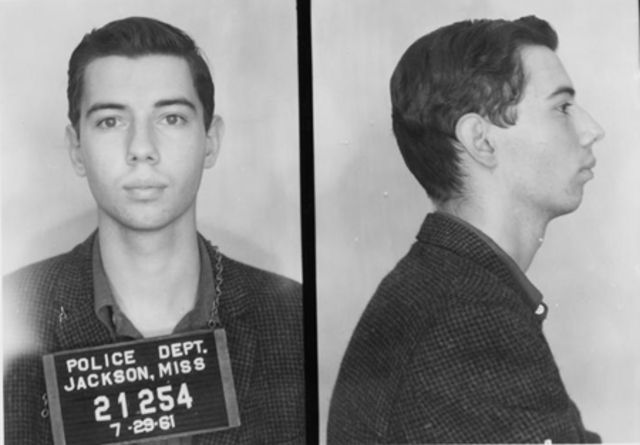
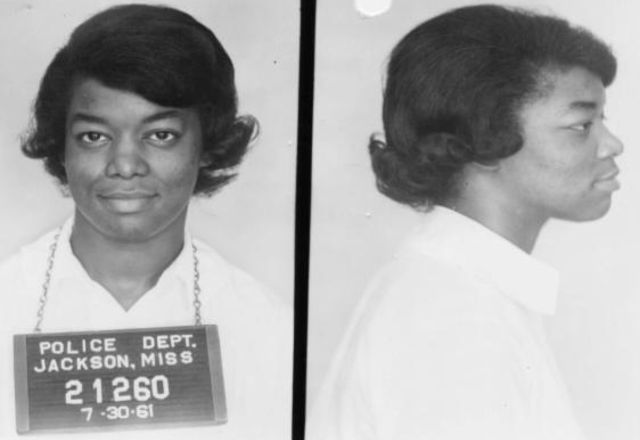
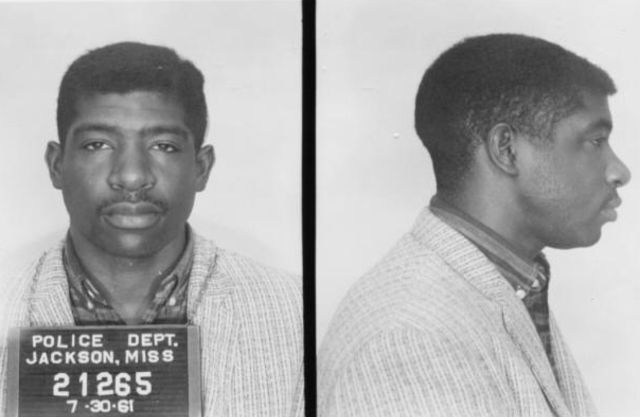
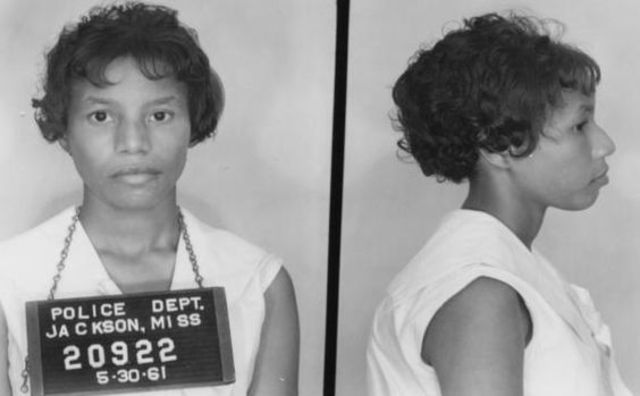
Below are some of the mugshots of the “Freedom Riders” after being arrested for protesting in Jackson, Mississippi in 1961. Most of them were sent to the brutal Parchman Prison in Mississippi.
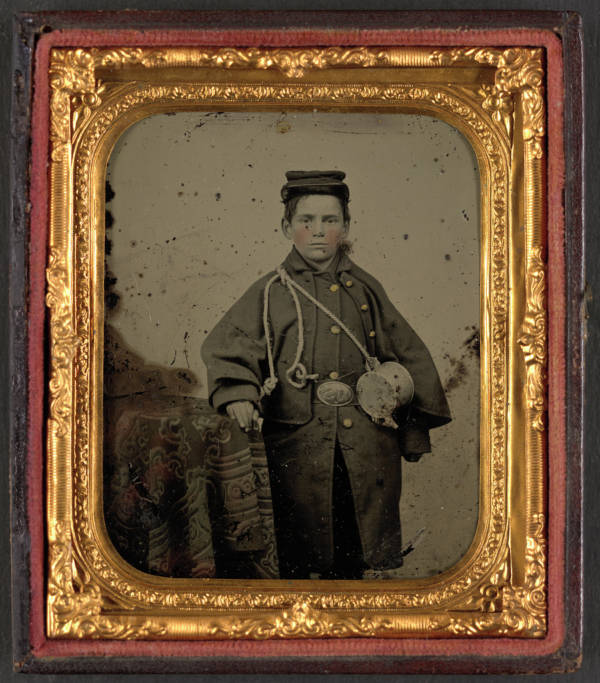
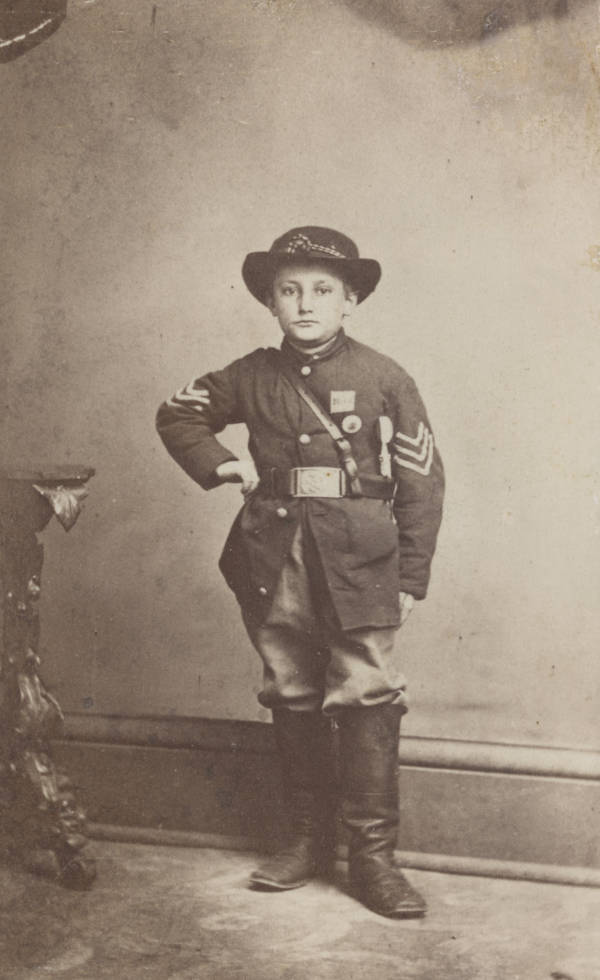
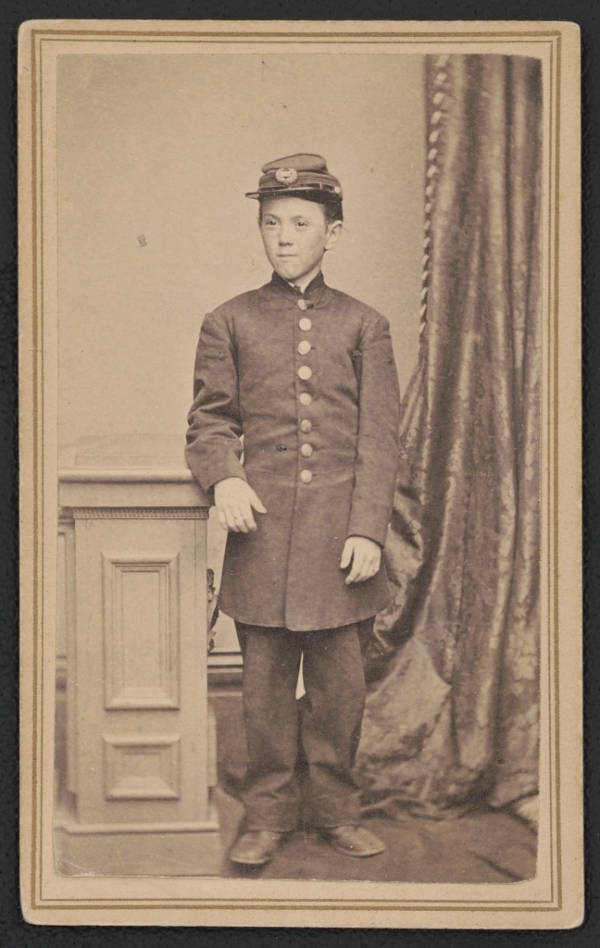
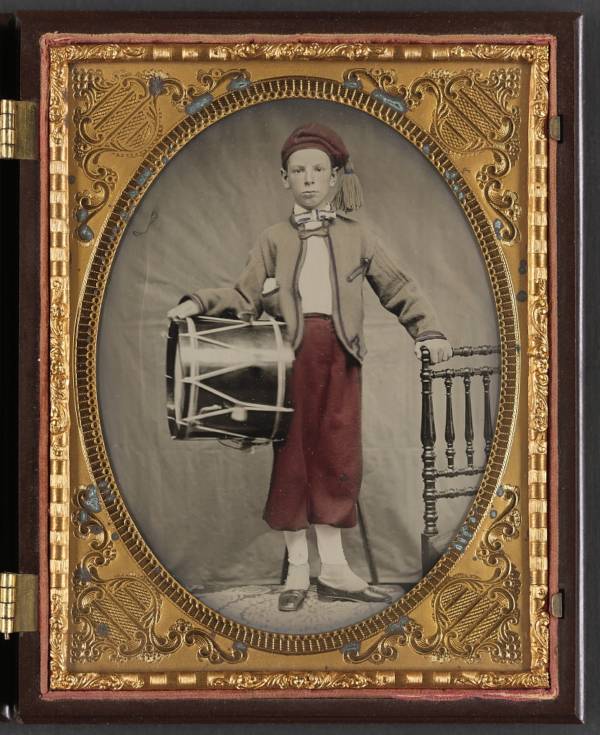
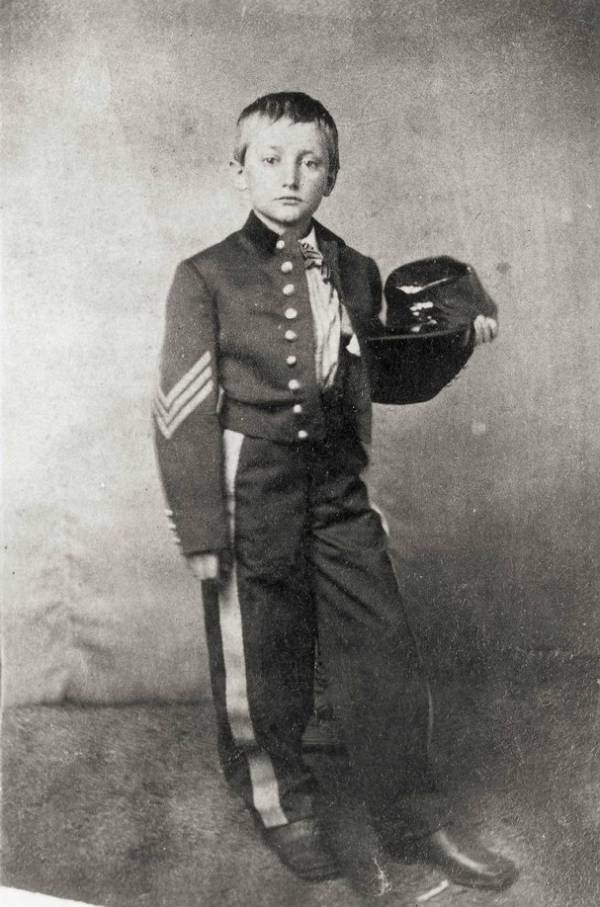
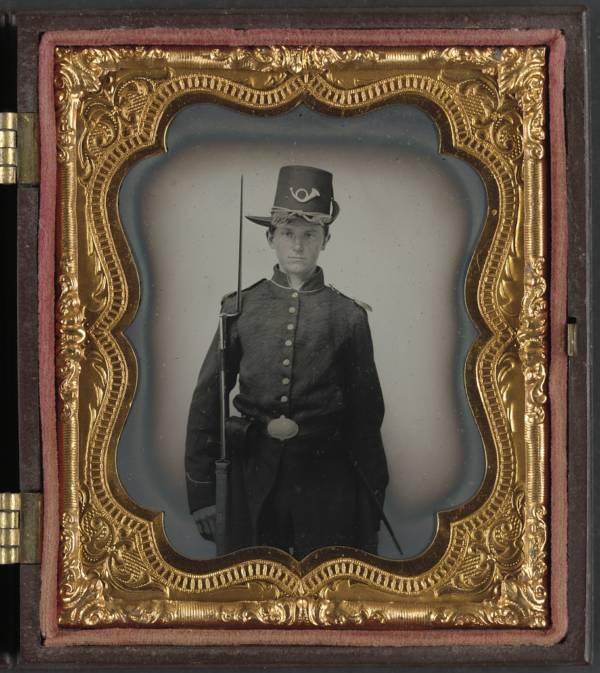
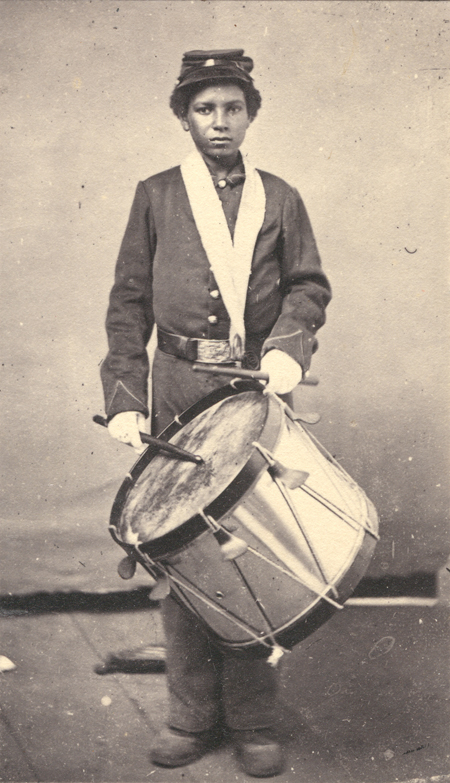
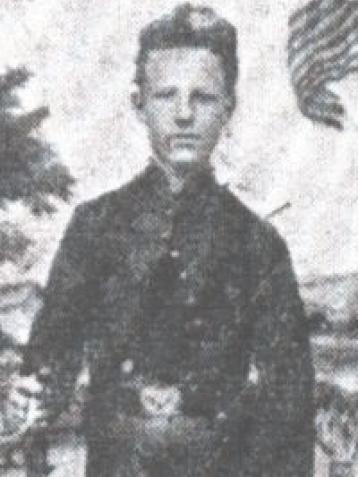
Between 250,000 and 420,000 males under 18 were involved in the American Civil War, for the Union and the Confederacy combined. It is estimated that 100,000 Union soldiers were 15 years or younger.
Given the large number of boys and young men in the American Civil War, compared to the number of older men, one author stated that it “might have been called The Boys’ War.”
When the surrender of Fort Sumter was announced, men and boys of all ages on both sides of the conflict were eager to enlist. Abraham Lincoln initially only called for 90-day enlistments. However, after the Union army was driven out of Richmond in the disastrous Peninsula campaign, and the Rebel Army began to march on to Washington, Lincoln issued a call for three hundred thousand three-year volunteers.
Boys had many of the same motives for joining the military as their adult counterparts did. In the North, boys felt a desire to set the South straight. In the South, boys wanted to repel the North, whom they viewed as a hostile invader.
A key difference between boys and adults was their attitude towards slavery: in general, boys on both sides had neutral feelings towards slavery. Thus, few were motivated to fight for it or against it.
By and large, the most popular reason boys joined the military was to escape what they viewed as a dull life on the farm. (In 1860 the population of the United States was more than 80% rural.) Nearly all dreamed of coming home as heroes. Almost none imagined the conflict would drag on as long as it did.
Boys were not spared from the horrors of war that their adult counterparts faced, including violent deaths, injuries (and poor medical treatment), and appalling living conditions when captured.
Young soldiers’ romantic illusions about military glory evaporated under the harsh realities of combat. They suffered hunger, fatigue, and discomfort, and gradually lost their innocence in combat. Every aspect of soldiering comes alive in their letters and diaries: the stench of spoiled meat, the deafening sound of cannons, the sight of maimed bodies, and the randomness and anonymity of death.
The accounts of young Union prisoners at Confederate prison camps are especially harrowing. Sixteen-year-old Michael Dougherty was shocked by the sight of “different instruments of torture: stocks, thumb screws, barbed iron collars, shackles, ball and chain. Our prison keepers seemed to handle them with familiarity.” William Smith, a fifteen-year-old soldier in the 14th Illinois Infantry, was shaken by the physical appearance of prisoners at Andersonville in Georgia, a “great mass of gaunt, unnatural-looking beings, soot-begrimes, and clad in filthy trousers.”
Michael Dougherty was the only member of his company to survive imprisonment at Andersonville Prison in Georgia.
“No one, except he was there in the prison can form anything like a correct idea of our appearance about this time. We had been in prison nearly five months and our clothing was worn out. A number were entire naked; some would have a ragged shirt and no pants; some had pants and no shirt; another would have shoes and a cap and nothing else. Their flesh was wasted away, leaving the chaffy, weather beaten skin drawn tight over the bones, the hip bones and shoulders standing out. Their faces and exposed parts of their bodies were covered with smoky black soot, from the dense smoke of pitch pine we had hovered over, and our long matted hair was stiff and black with the same substance, which water would have no effect on, and soap was not to be had. I would not attempt to describe the sick and dying, who could now be seen on every side.”
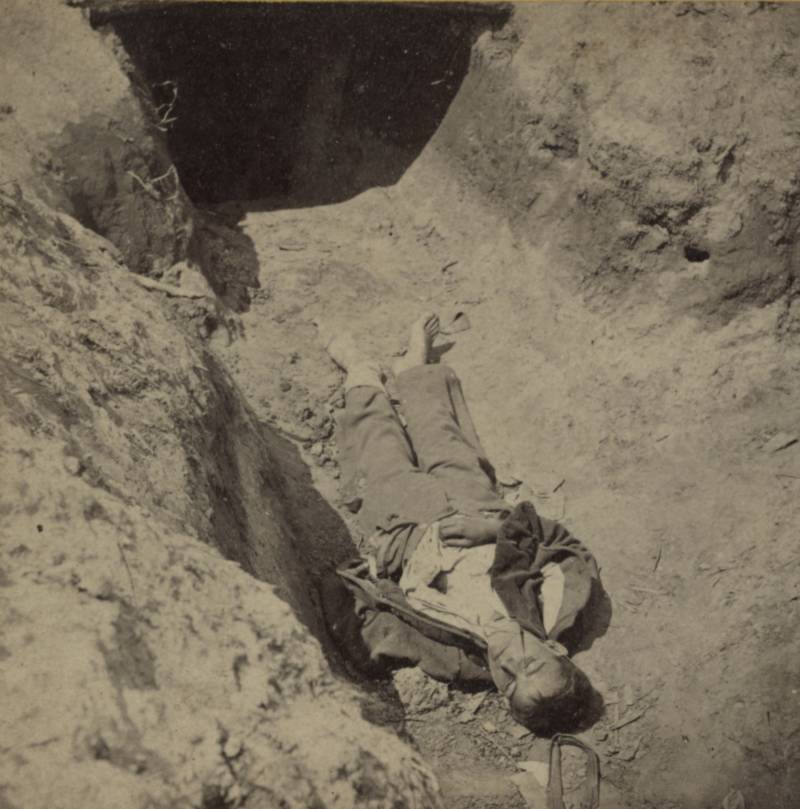
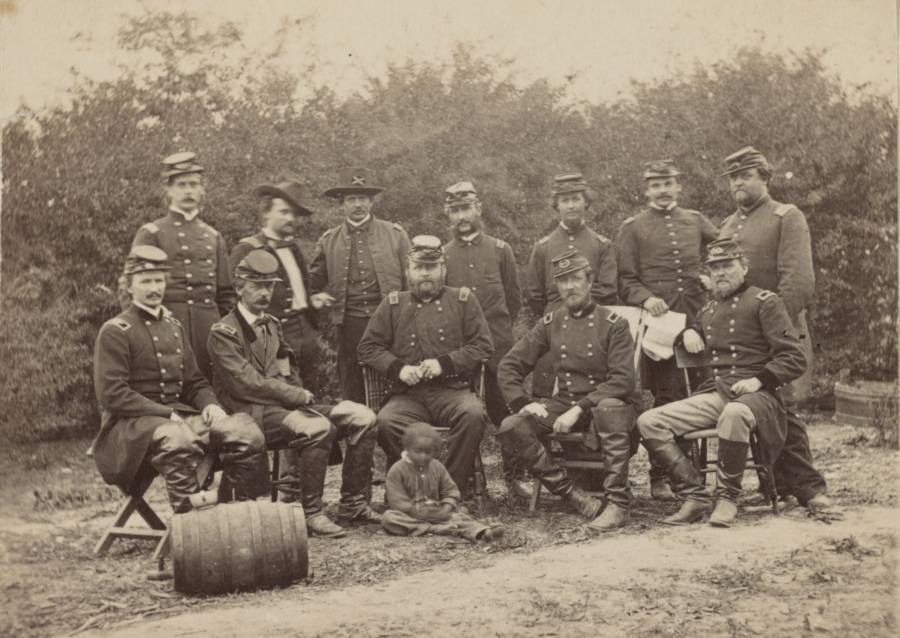
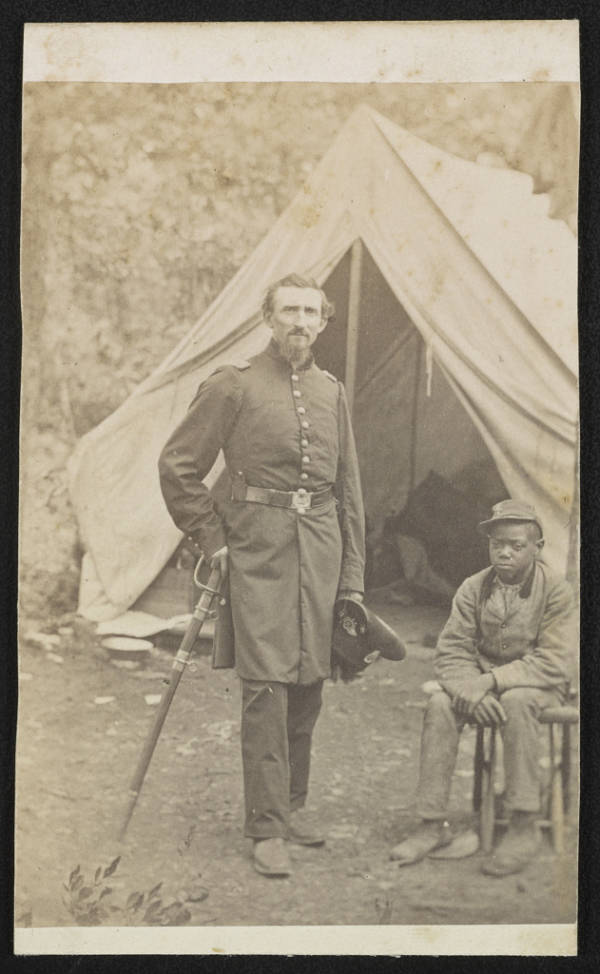
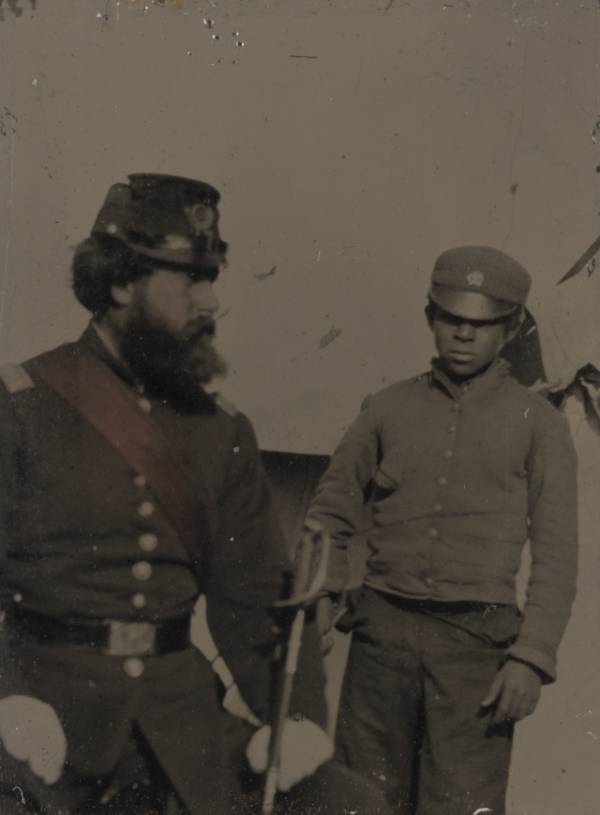
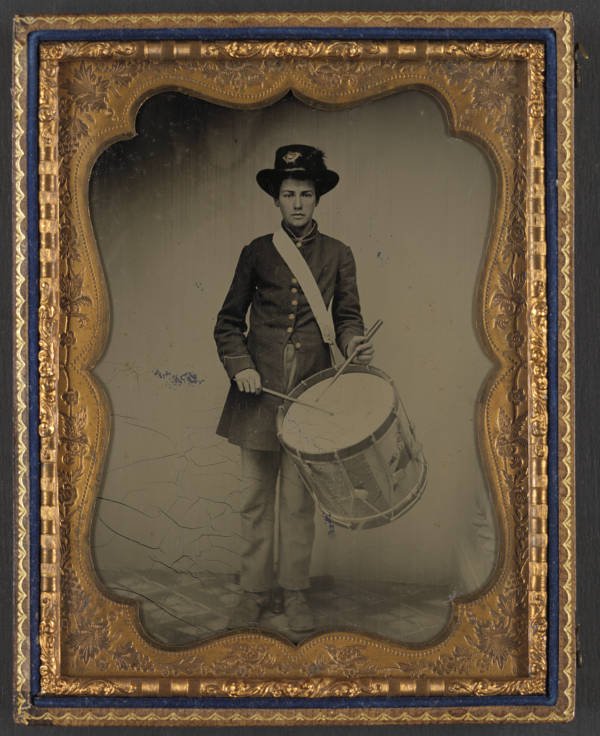
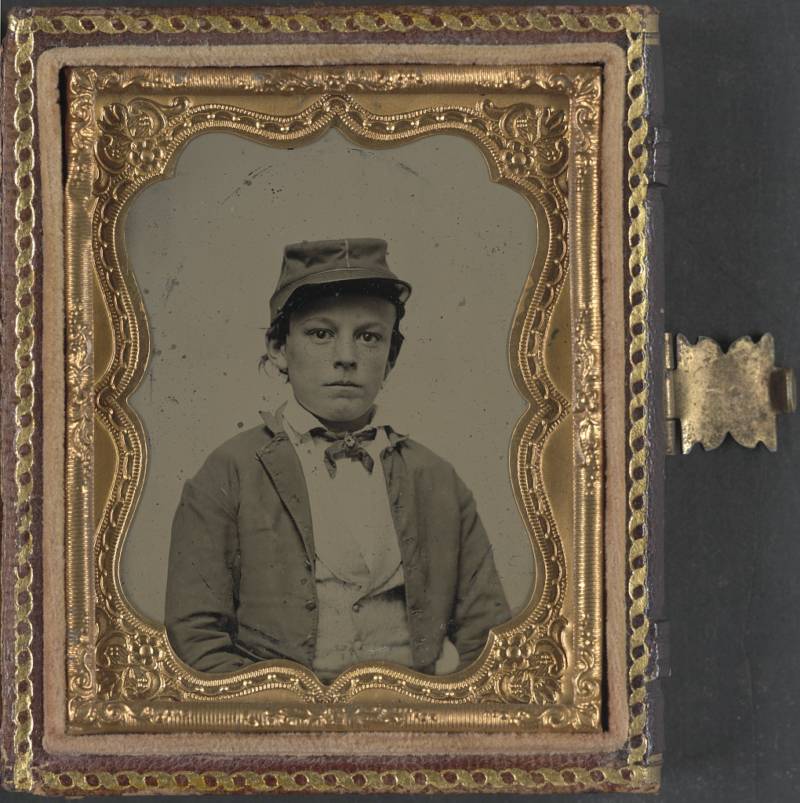
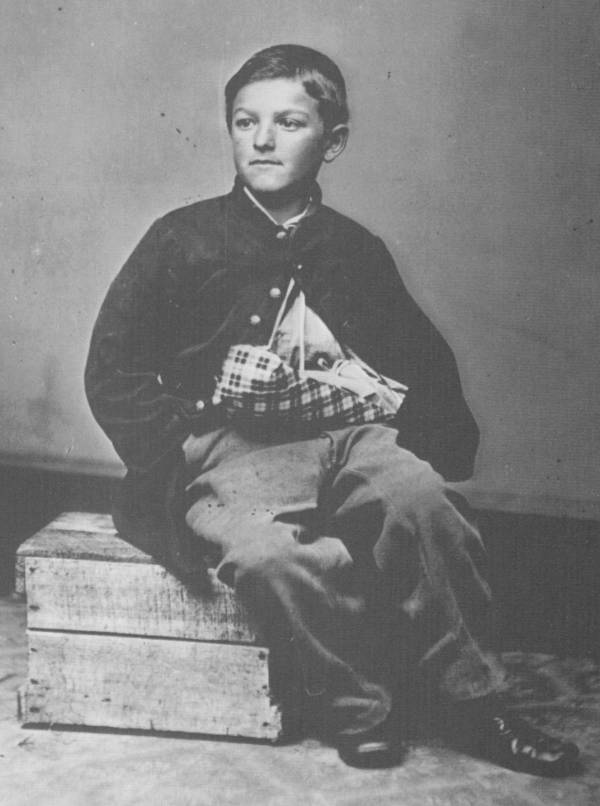
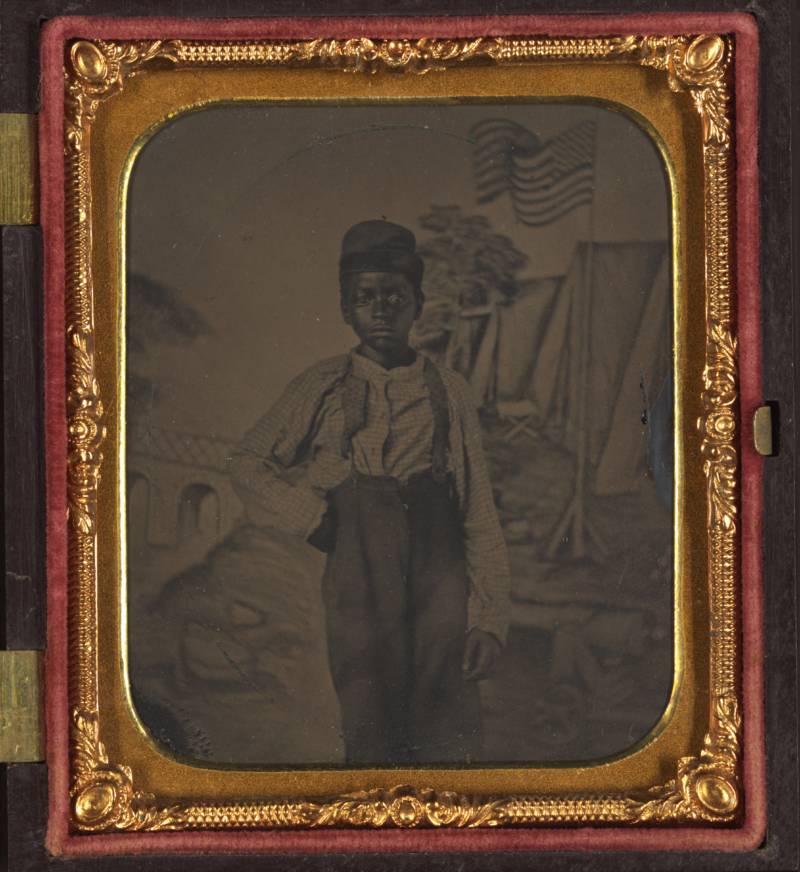
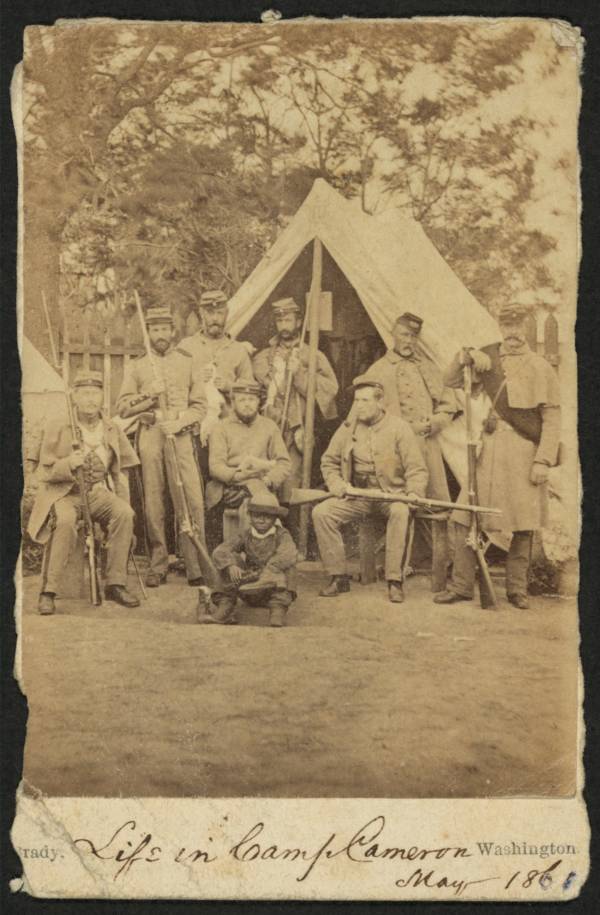
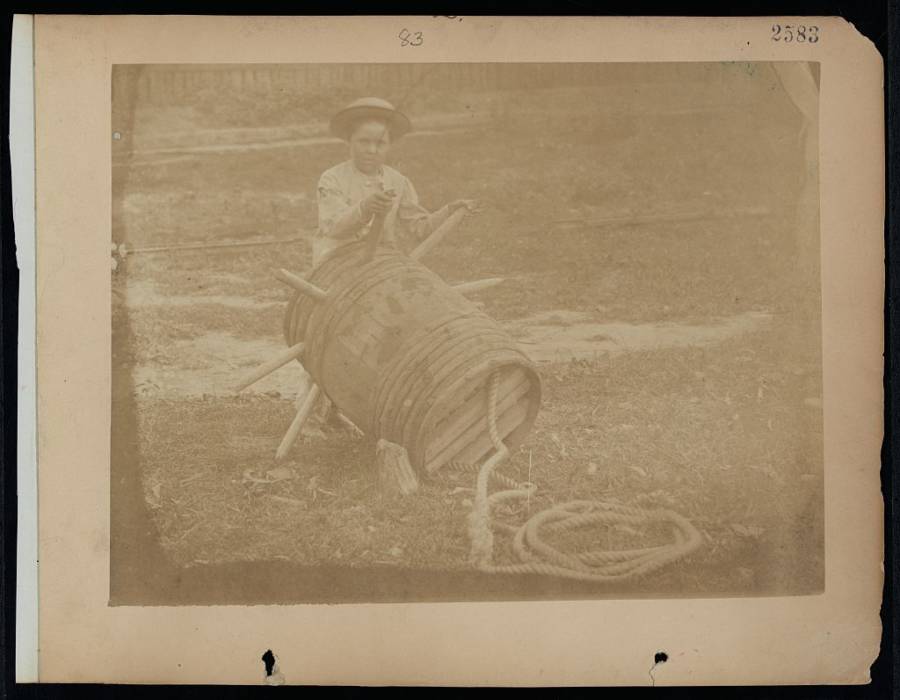
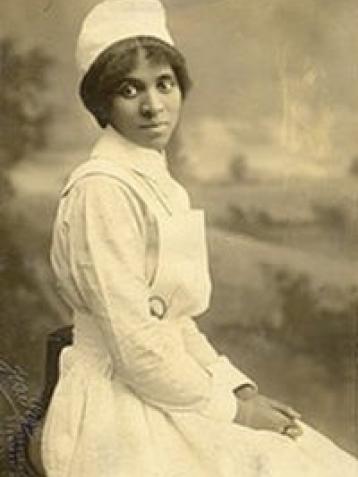
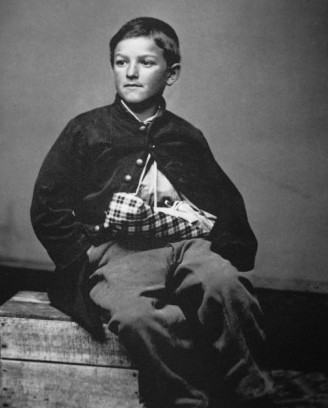
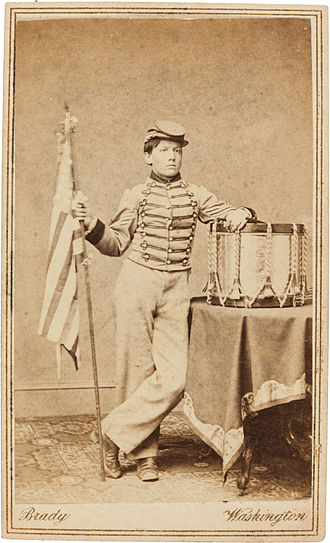
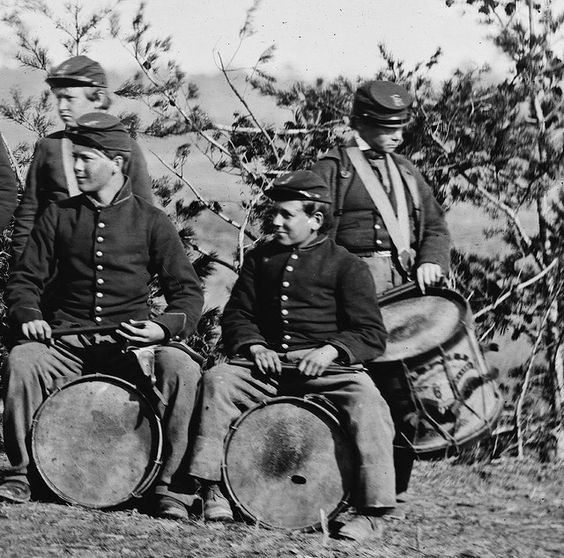
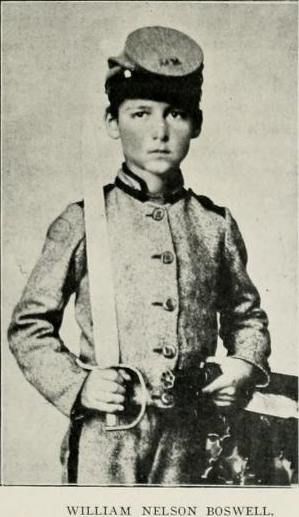
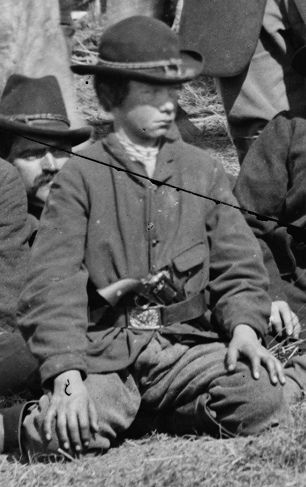
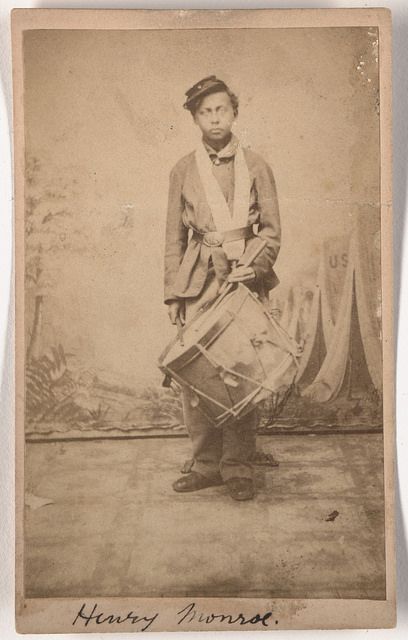
A “powder monkey” aboard the U.S.S. New Hampshire. Charleston, South Carolina. 1864Little Johnny Clem became the youngest soldier in the Union Army to kill a man when he put down his drum, grabbed a rifle, and shot a Confederate officer. Circa 1863-1865.Three drummer boys in the Confederate army. By the time this picture had been taken, these boys were veterans of nine battles. Circa 1861-1865.This photo, labelled “Captain Goodrich’s Jack” on the back, appears to show the African-American servant of an army officer. Circa 1861-1865.A 15-year-old Confederate child soldier lies dead in the trenches at Fort Mahone. Petersburg, Virginia. 1865.A group of Generals in the Union Army pose for a photo with an African-American servant boy. Cumberland Landing, Virginia. 1862.Major Luzerne Todd poses for a photograph with his African-American child servant. Arlington Grounds, Virginia. 1861.The crew of a frigate poses in front of a cannon. The boy sitting on top serves as a powder monkey, gathering gunpowder and bringing it to the cannons. Circa 1861-1865.A young African-American boy stands next to a Union Officer. He is most likely working as the officer’s servant. Circa 1861-1865A young Union drummer. Circa 1861-1865.A Union drummer boy in uniform. Circa 1861-1865.Johnny Clem in uniform, with the stripes showing off his officer’s rank. Circa 1863-1865.A portrait of a young boy in a Confederate uniform. Circa 1861-1865.William Black, the youngest soldier to injured in active duty, was 12 years old when his arm was hit by an exploding shell. Circa 1861-1865.An African-American child poses in front of a painted backdrop in the clothing of an army servant. Circa 1861-1865.Soldiers at Camp Cameron, including a young African-American servant boy. Washington, D.C. 1861-1865.Drummer boy Johnny Jacobs in his Union Army uniform. Circa 1861-1865.A child at a military camp leans against a wooden barrel with spikes. Circa 1862-1863.A young drummer boy, his cheeks made rosy to emphasize his youth, poses with his drum. Circa 1861-1865.Nathan Jones, an African-American servant boy, serving at Camp Metcalf. Virginia. Circa 1861-1865.Johnny Clem, the youngest soldier in the Union Army. At the time of this photo, he was 12 years old. 1863.Jimmy Doyle, a drummer boy who was wounded in combat. New Haven, Connecticut. 1863.A child in the uniform of the Washington Rifles. Circa 1861-1865.A Union drummer boy in uniform, holding his drum. Circa 1861-1865.Johnny Clem would survive the war, despite being captured and held prisoner by Confederate soldiers. He would even stay in the American Army after the war. When he left the service in 1915, he was a General and the last Civil War soldier still in the army. 1865.A Union child soldier poses with his rifle. Circa 1861-1865.A drummer boy named Jackson poses for a portrait during the Civil War. Jackson is believed to be a freed or escaped slave who joined the 79th Infantry Regiment – U.S. Colored Troops, an all-black unit assigned to Kansas and Arkansas during the war that incurred heavy casualties. As a drummer, Jackson would have used up to 40 different beats to convey his commanders orders to assemble for formation, head to chow, line up for pay or charge into battle. Many drummer boys also served as stretcher bearers. Edwin Jemison of Monroe, Louisiana enlisted in the Confederate Army at the age of 16 in 1861. He served in the 2nd Louisiana Volunteer Infantry Regiment and participated in the Peninsula Campaign and the Seven Days Battles in 1862. Jemison would die during the Battle of Malvern Hill.John Cook enlisted in the Union Army in Cincinnati, Ohio as a bugler for the 4th U.S Artillery at the age of 14. He would fight at Antietam and Gettysburg and would be awarded the Medal of Honor for his heroism.Charlie King was enlisted into the 49th Pennsylvania at age 12 after a company captain heard him practicing his drum near the military camp. During the Battle of Antietam on September 17th, 1862 King would die becoming the youngest known casualty of the Civil War on either side of the conflict.Orion P. Howe enlisted at the age of 12 in the 55th Illinois Volunteer Infantry as a musician along with his brother, Lyston. During the Battle of Vicksburg on May 19th, 1863, Howe, severely wounded & would eventually be awarded the Medal of Honor for his actions at Vicksburg.At age 14 Susie King Taylor married Edward King, a black officer in the 33rd United States Colored Infantry Regiment, and served as a nurse, laundress, and taught reading and writing to soldiers in his regiment until the end of the war.Edward (William) Black (1853–1872) was a drummer boy for the Union during the American Civil War. At twelve years old, his left hand and arm were shattered by an exploding shell. He is considered to be the youngest wounded soldier of the war.Rashio Crane was a 15-year-old drummer with Company D 7th Wisconsin. He was captured May 5, 1864 at the Wilderness while helping a wounded comrade. Sent to Andersonville Prison, he took sick and died July 23, 1864.Benjamin Knox was a 15-year-old private in Company H 20th Ohio, from Vicksburg to the Atlanta Campaign. He was shot in the trenches at Atlanta and died a short time later in the company quarters.Ten-year-old Willie Lawn was wounded near Suffolk, Virginia, April 23, 1863. He lost part of his right arm.Robert Henry Hendershot, known as the Drummer Boy of the Rappahannock, was an American Civil War drummer boy known for his reputed heroics at the Battle of Fredericksburg, Virginia, in December 1862.Drummers of the 61st New York Infantry, March 1863.This young Virginian, William Nelson Boswell entered the Confederate service at eleven years of age as a drummer in the 56th Virginia. His soldierly bearing on drill so attracted the attention of President Davis that with his own hands presented the little drummer with a sword.Gustav Schurmann, Twelve-year-old who served in the Civil War as bugler and orderly to Generals Philip Kearny and Daniel Sickles. He served with the “Mozart Regiment,” which was made up of New York men. He also met and befriended Tad Lincoln.Detail from a photograph of scouts and guides of the Army of the Potomac, Brandy Station, Virginia, March 1864.Henry Monroe, a member of the Massachusetts 54th Regiment, the first black regiment from the North during the Civil War.