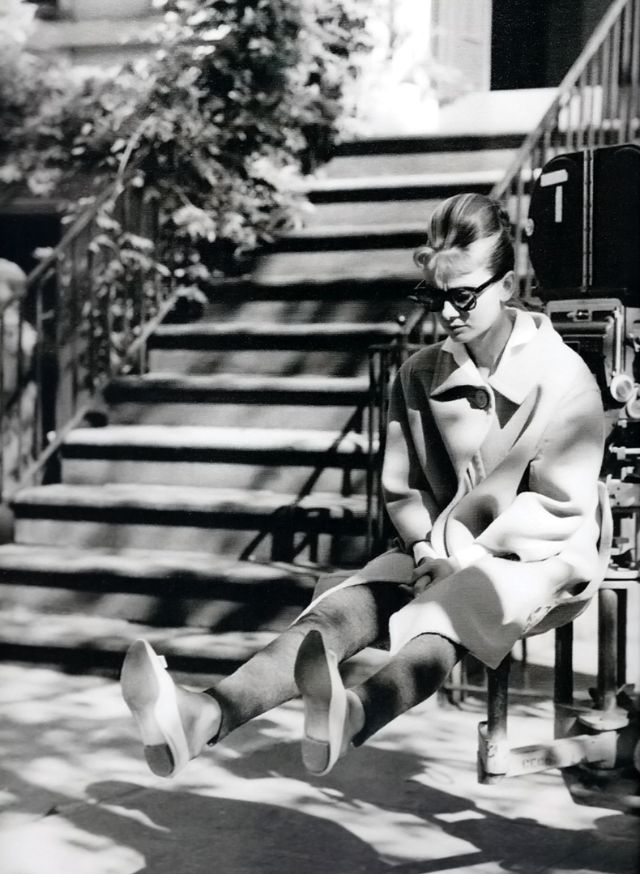
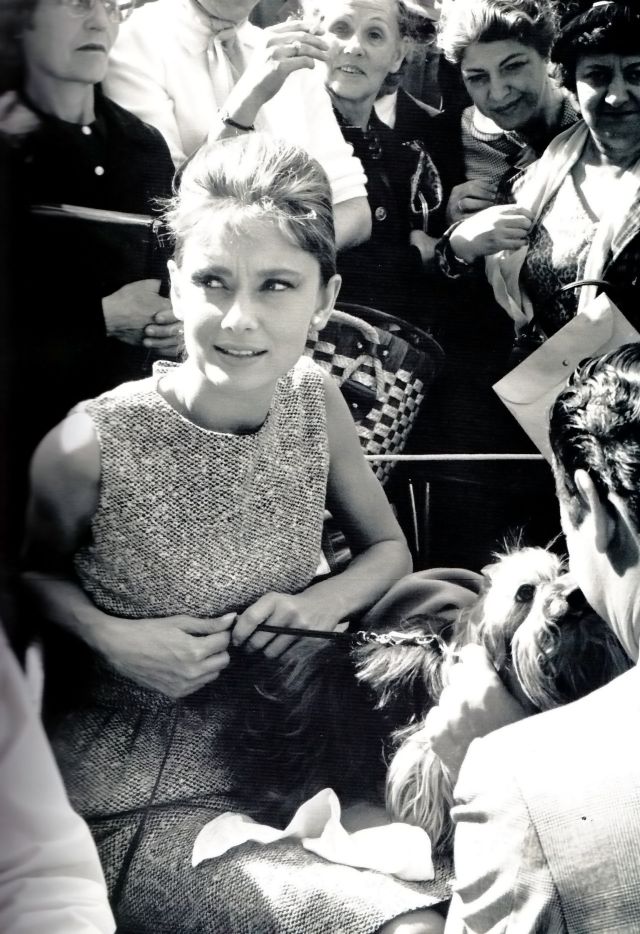
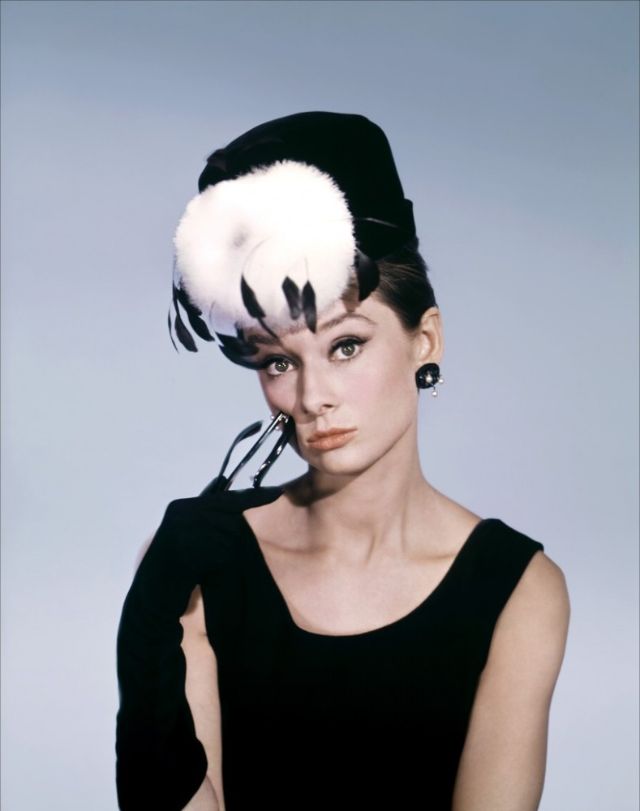
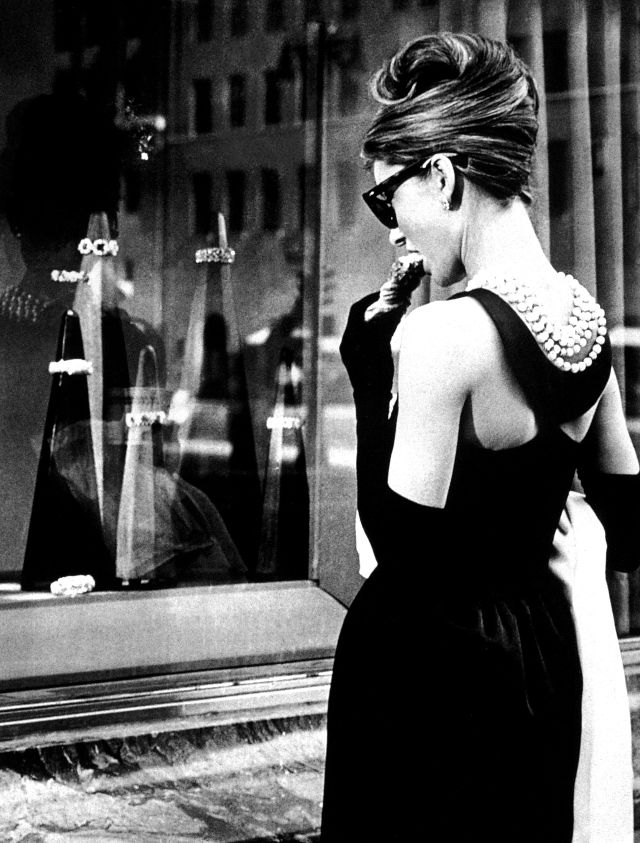
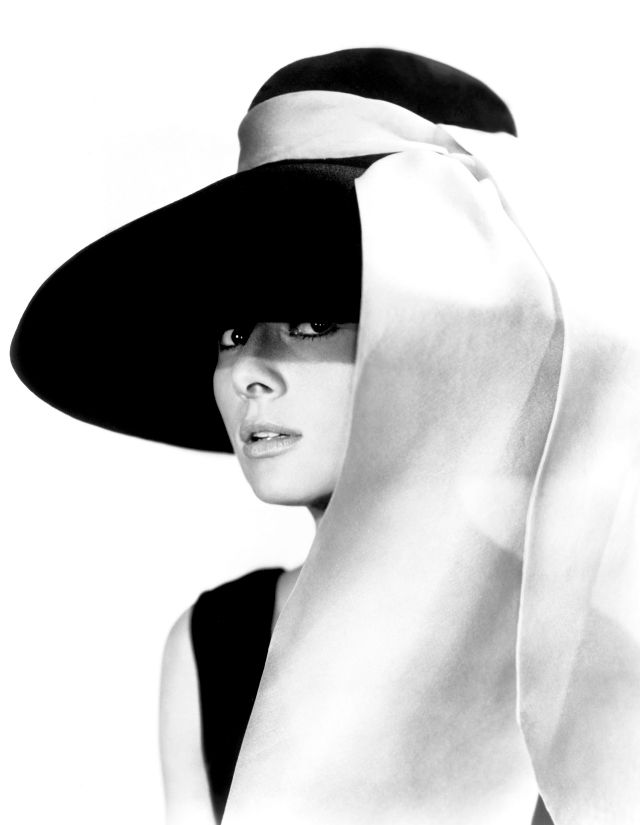
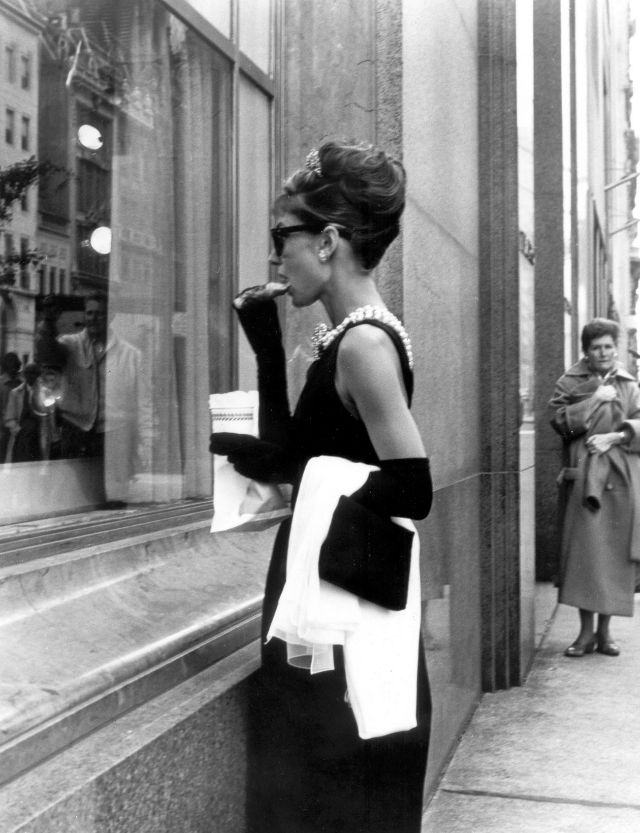
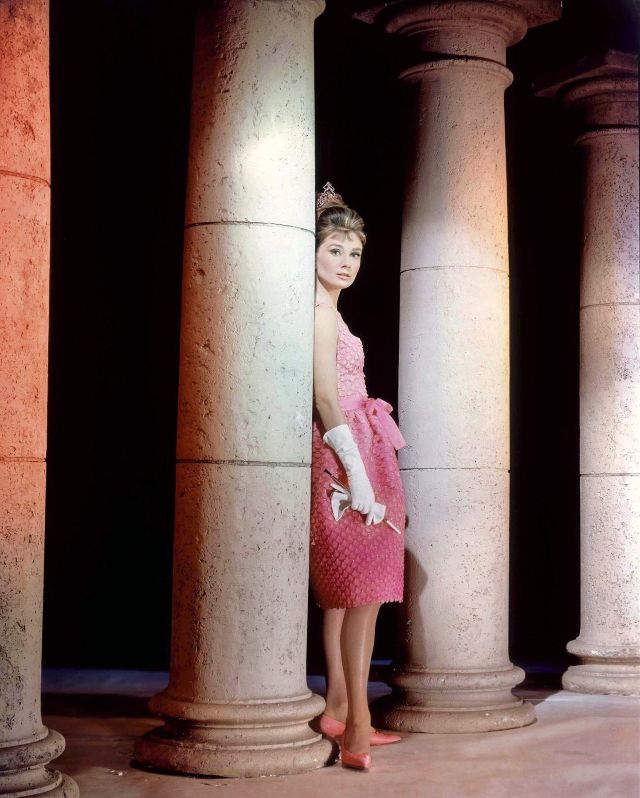
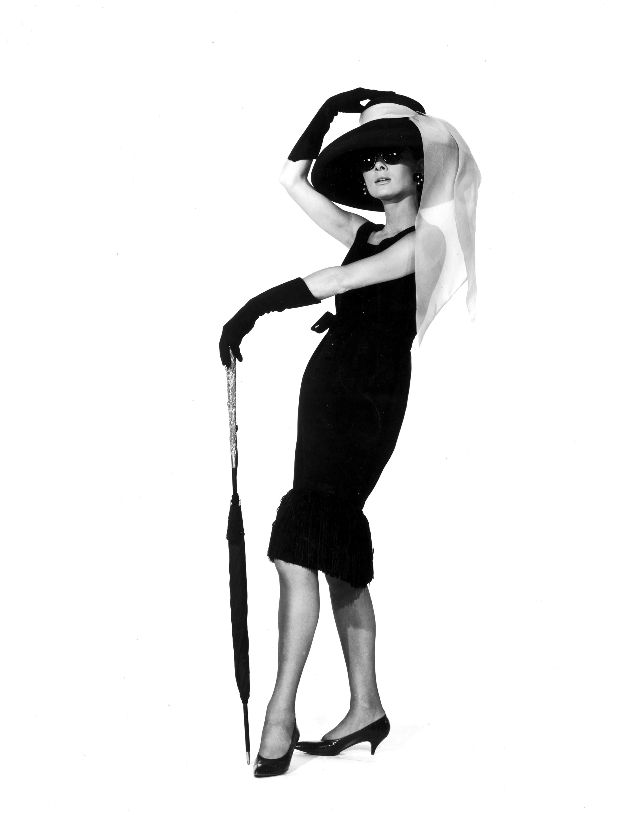
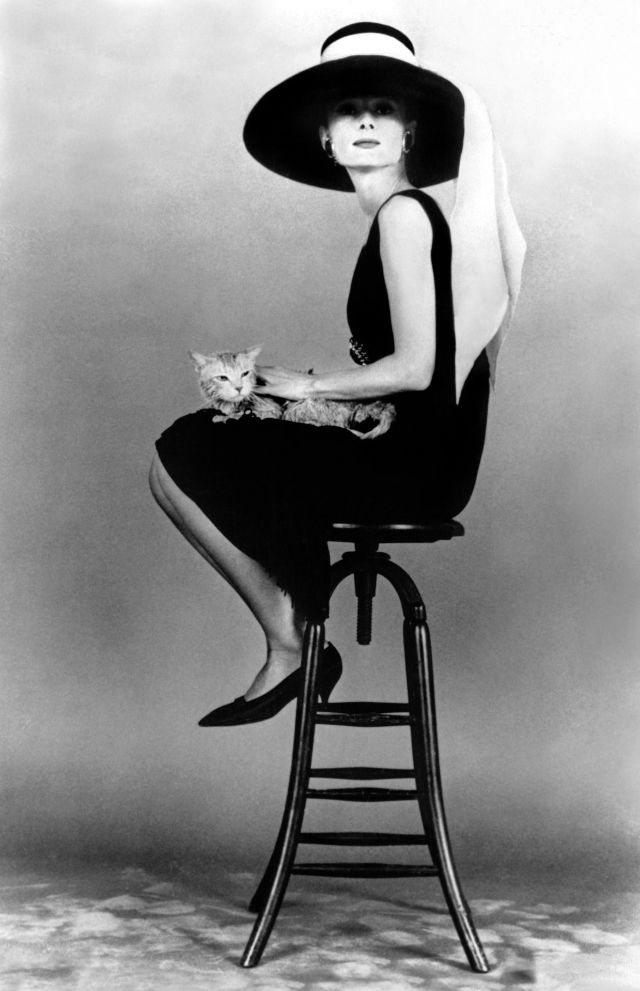
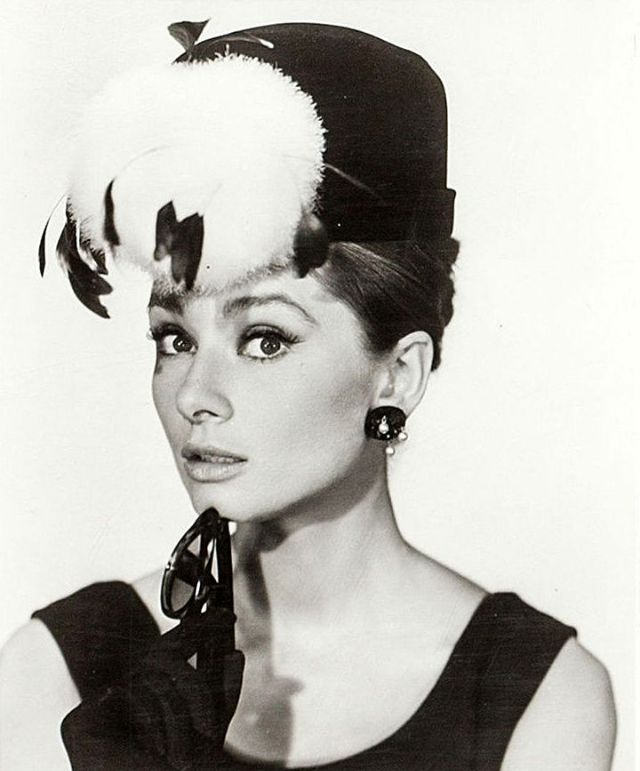
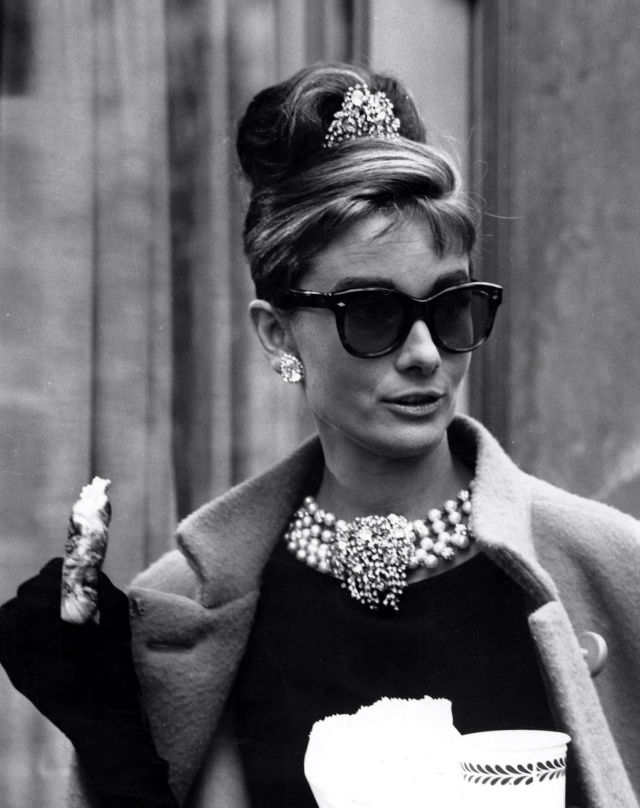
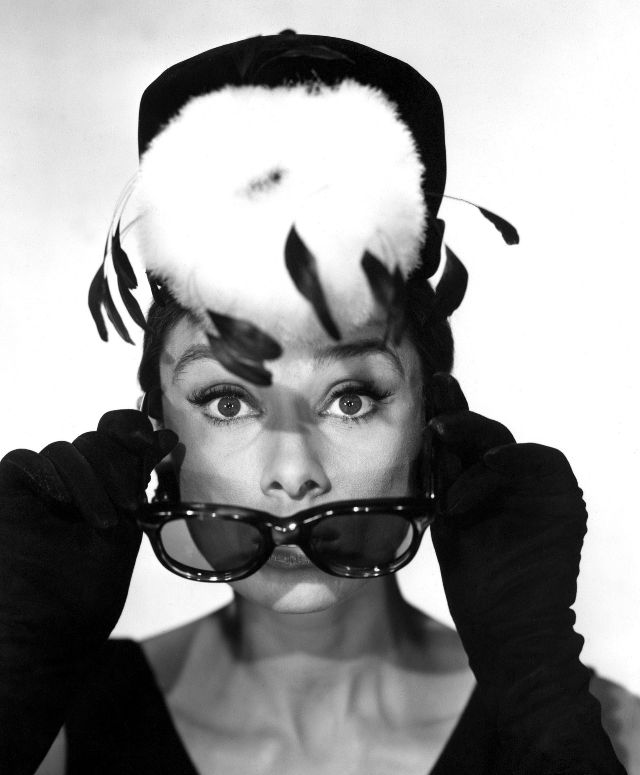
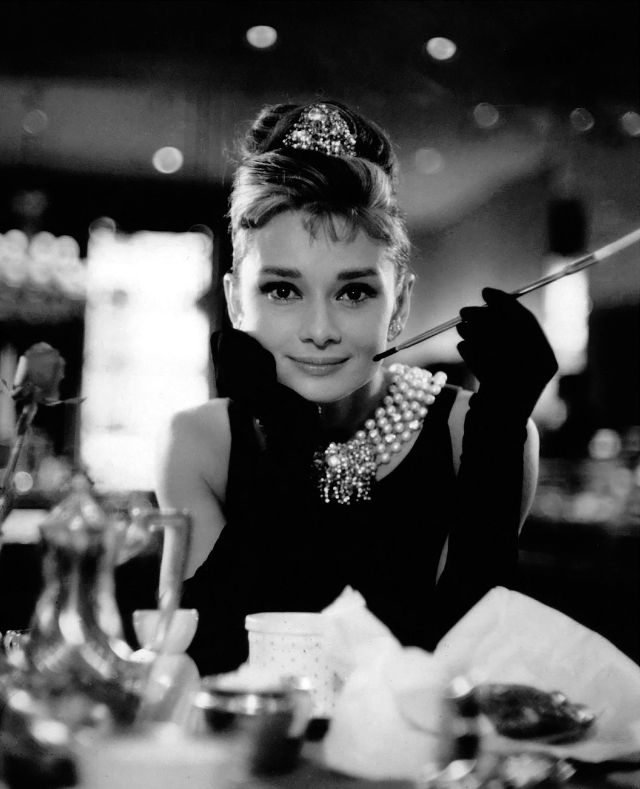
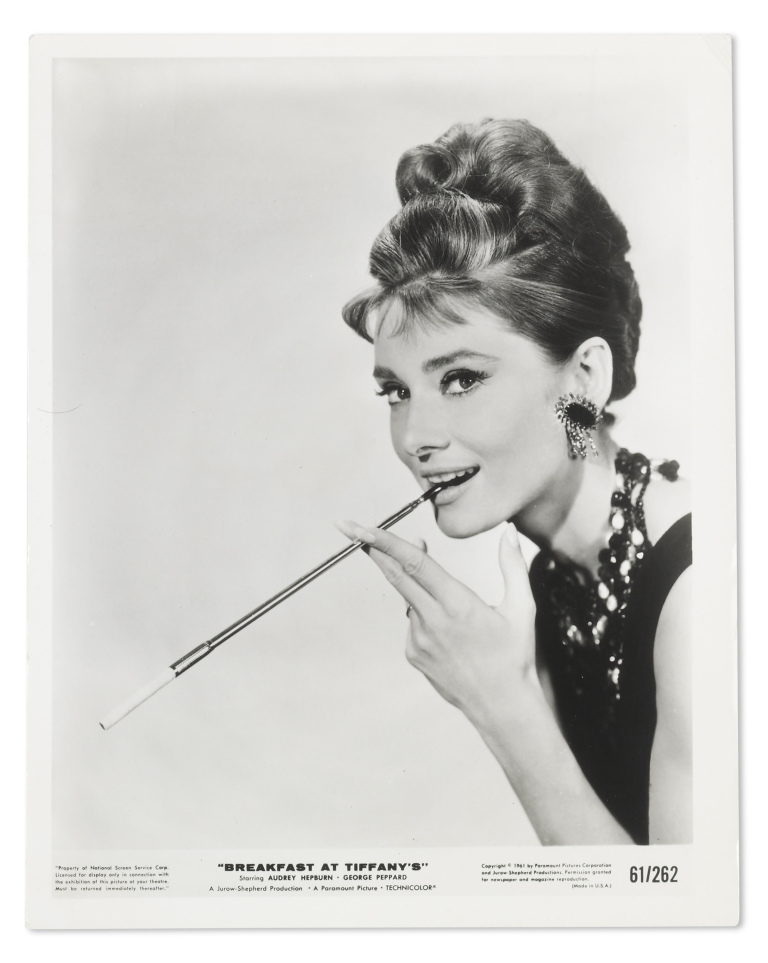
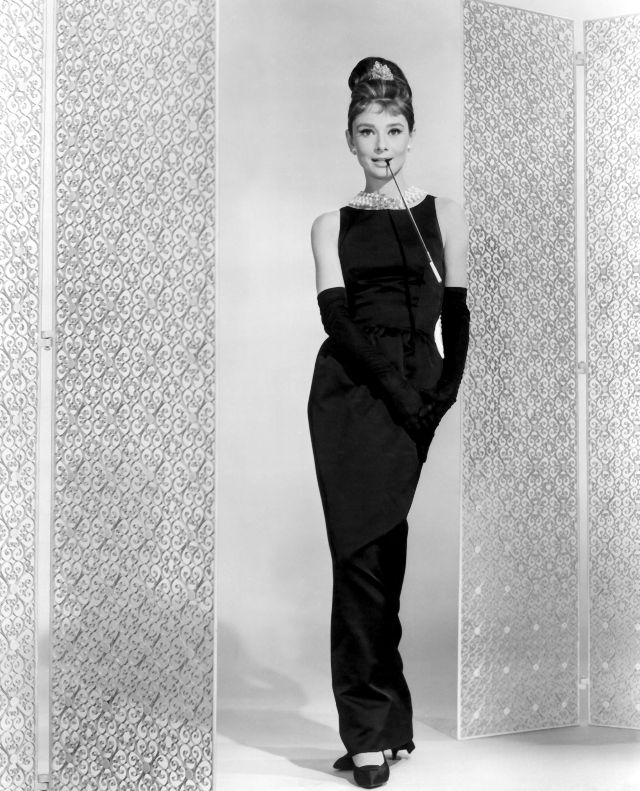
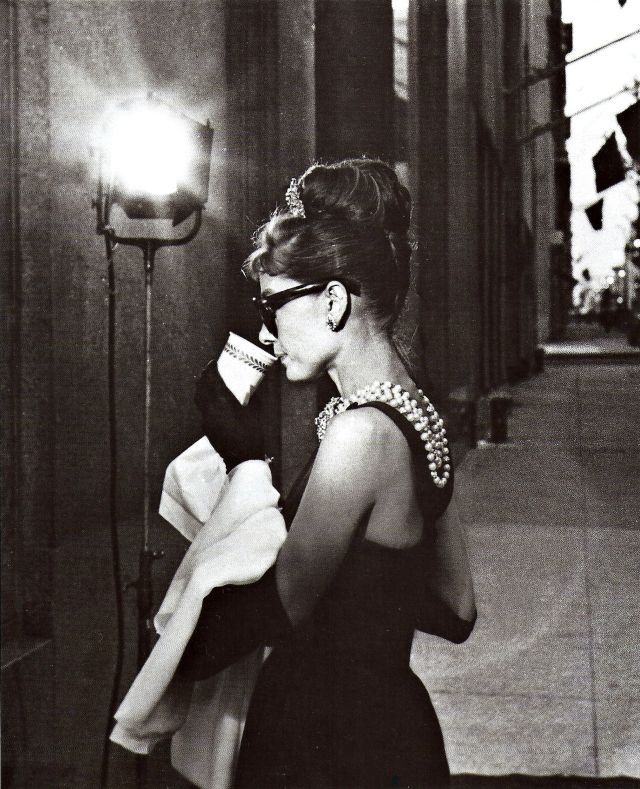
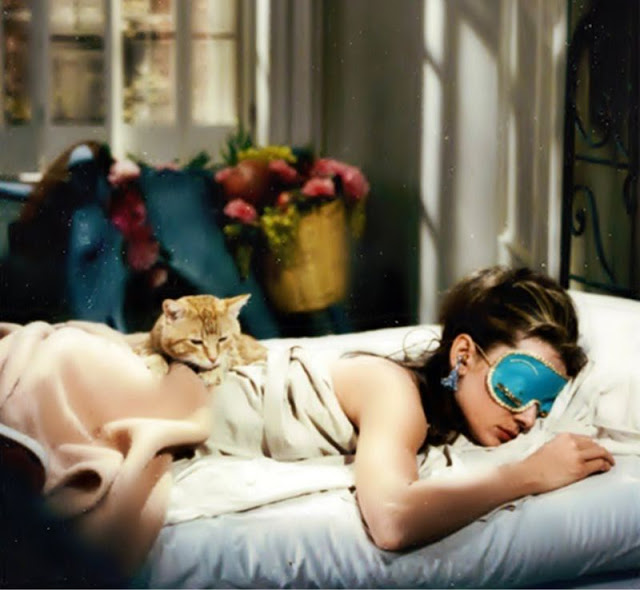
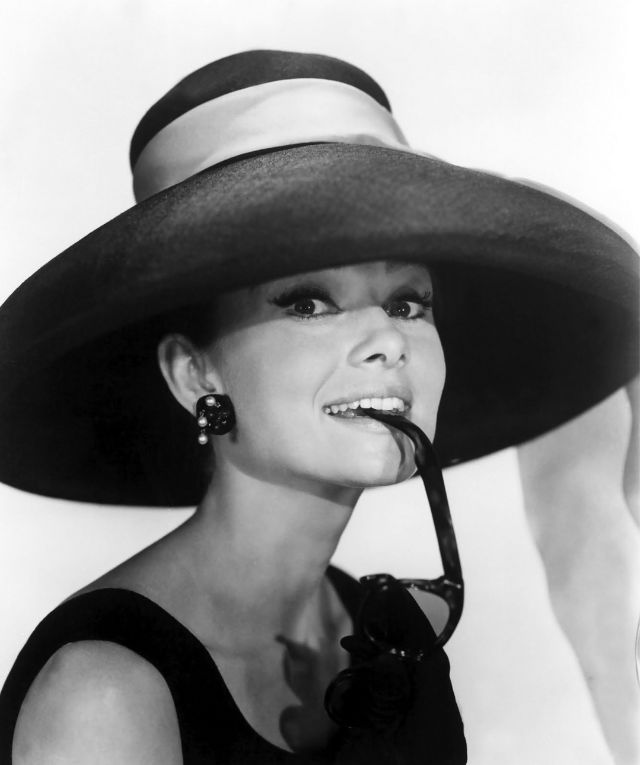
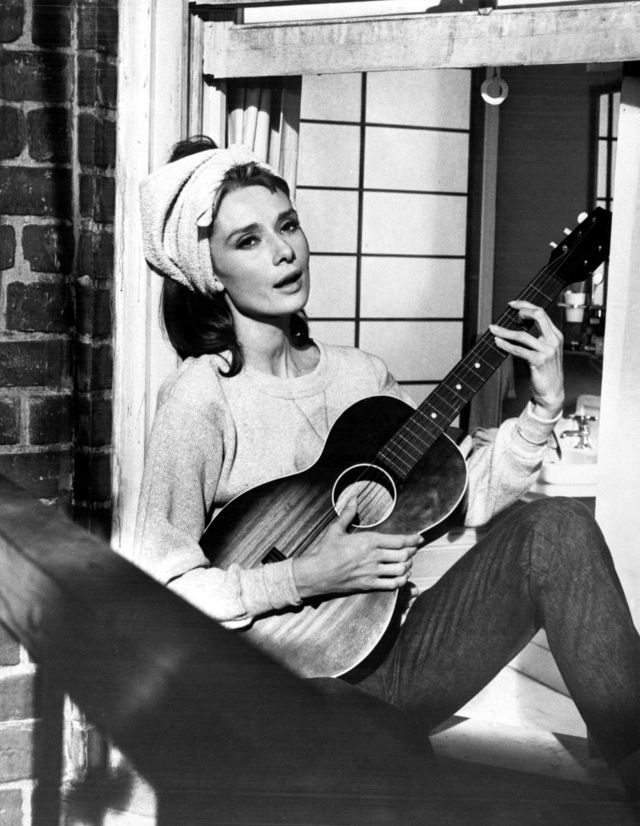
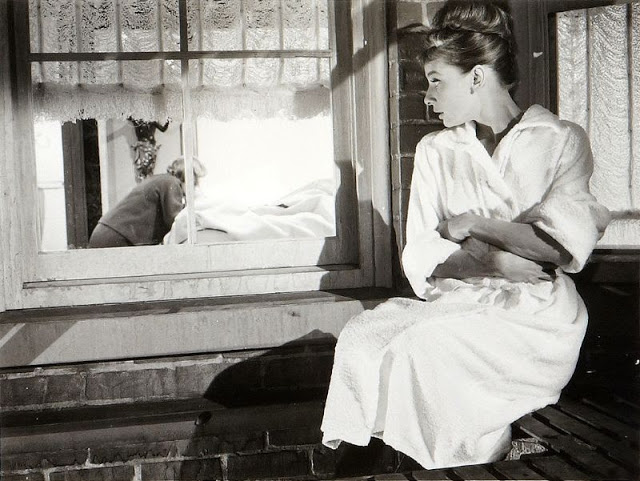
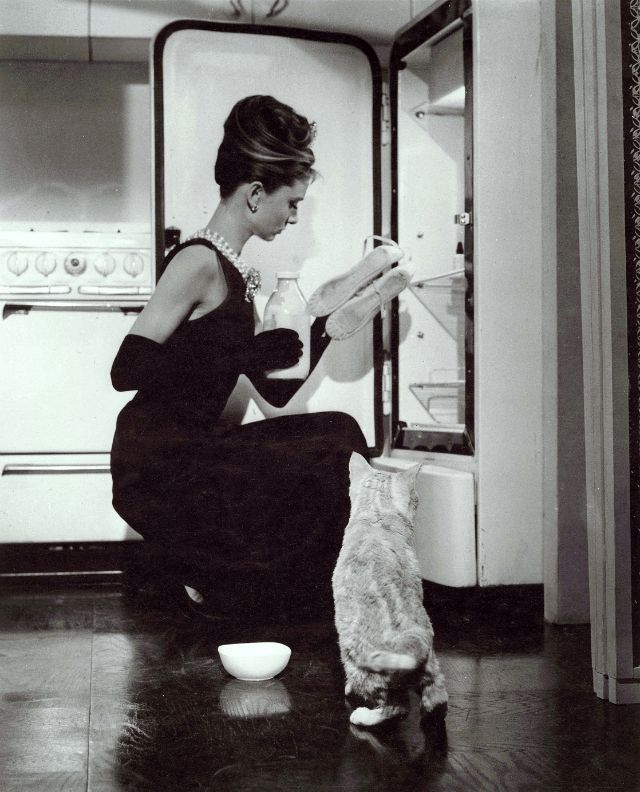
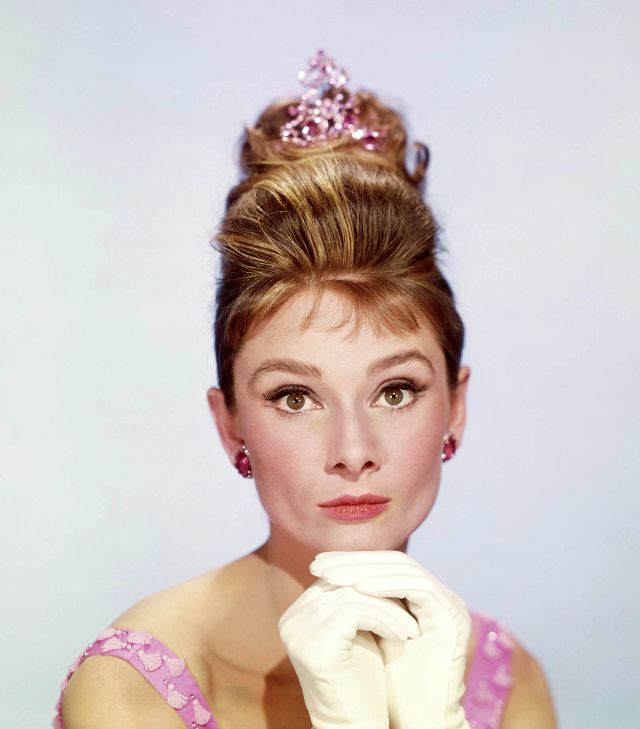
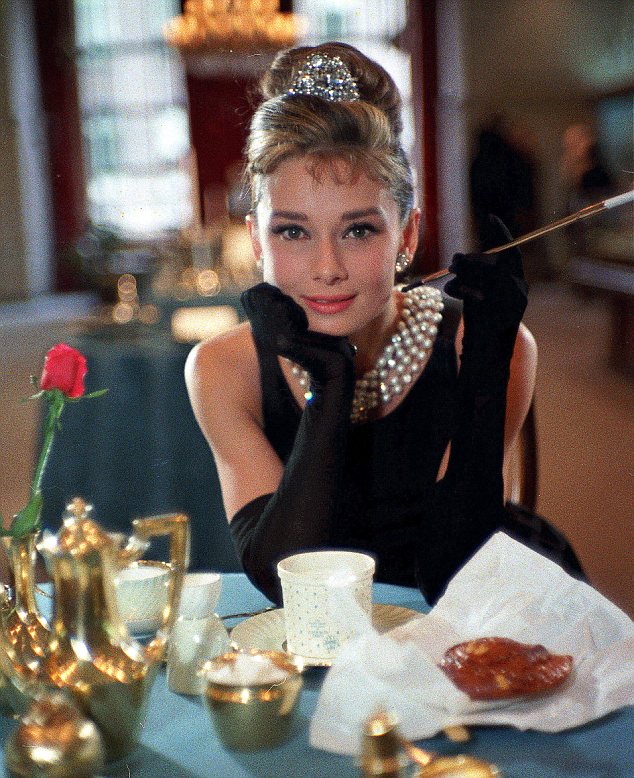
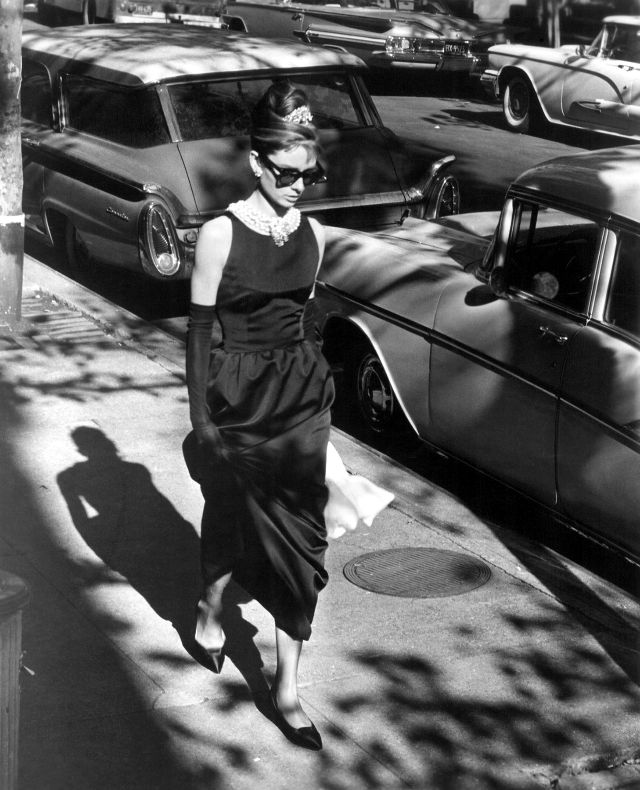
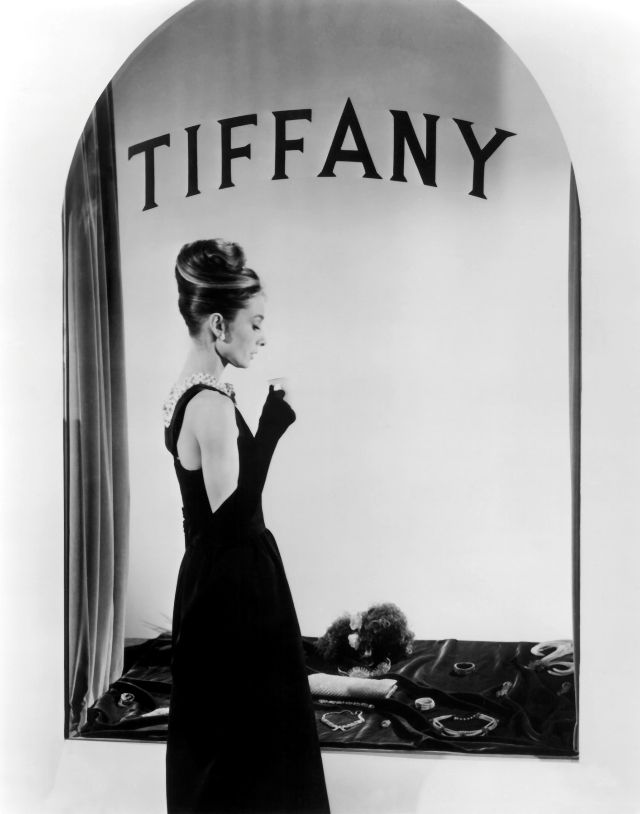
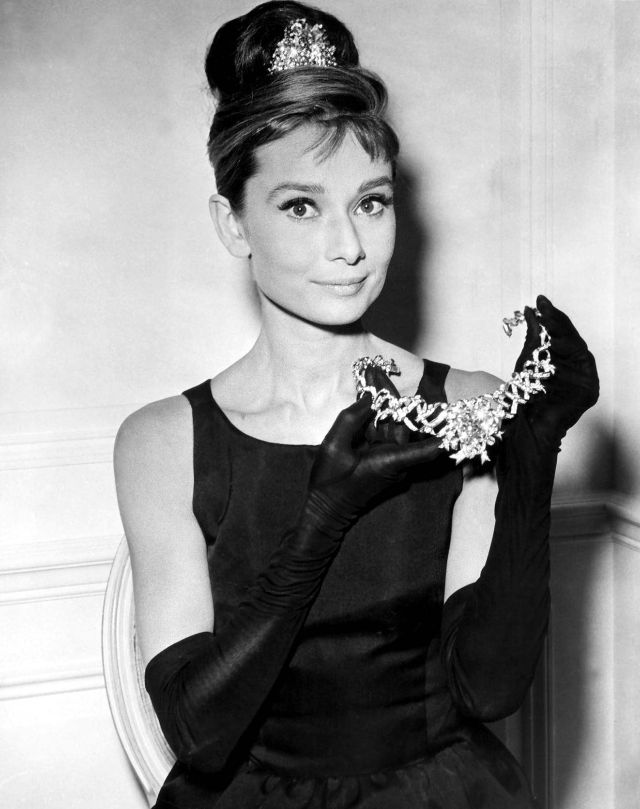
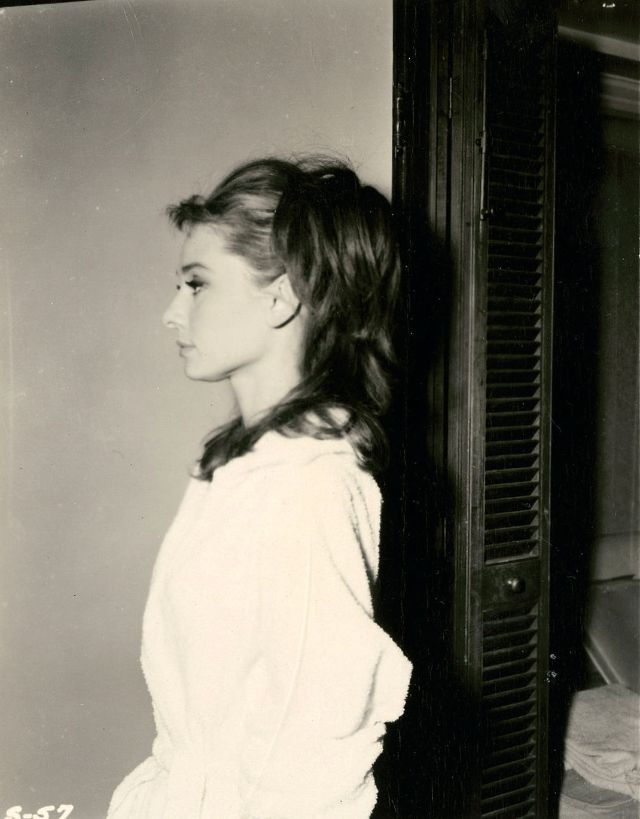
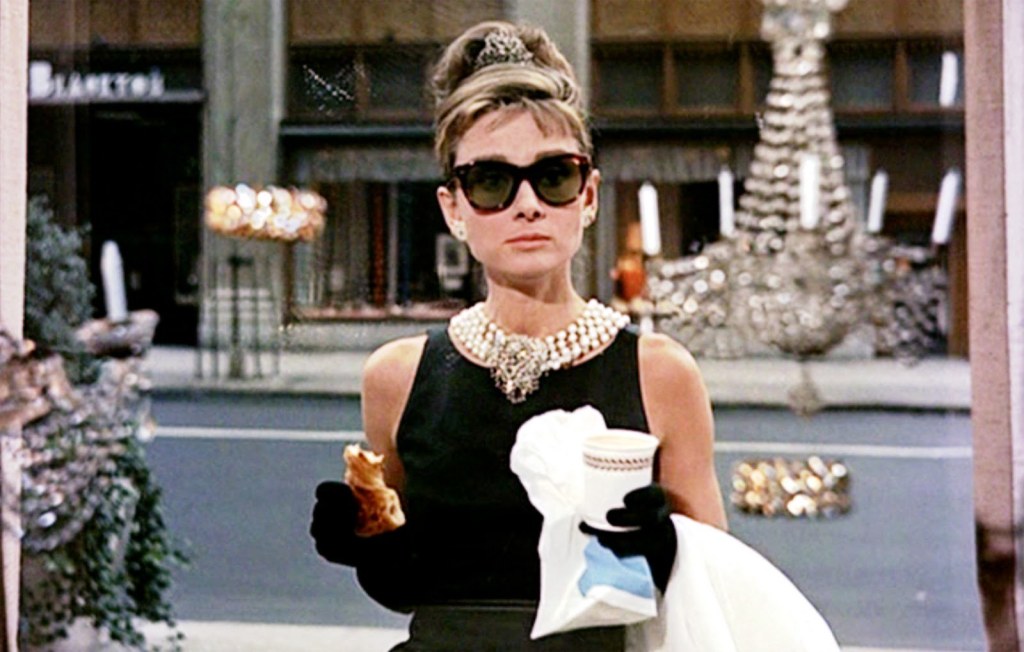
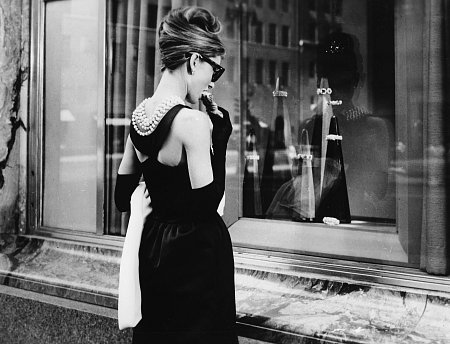
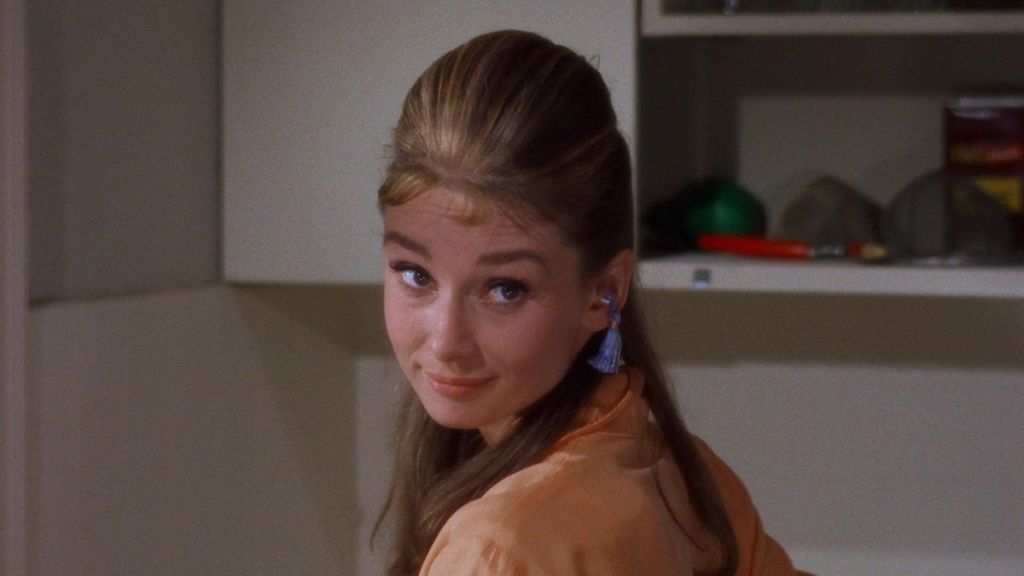
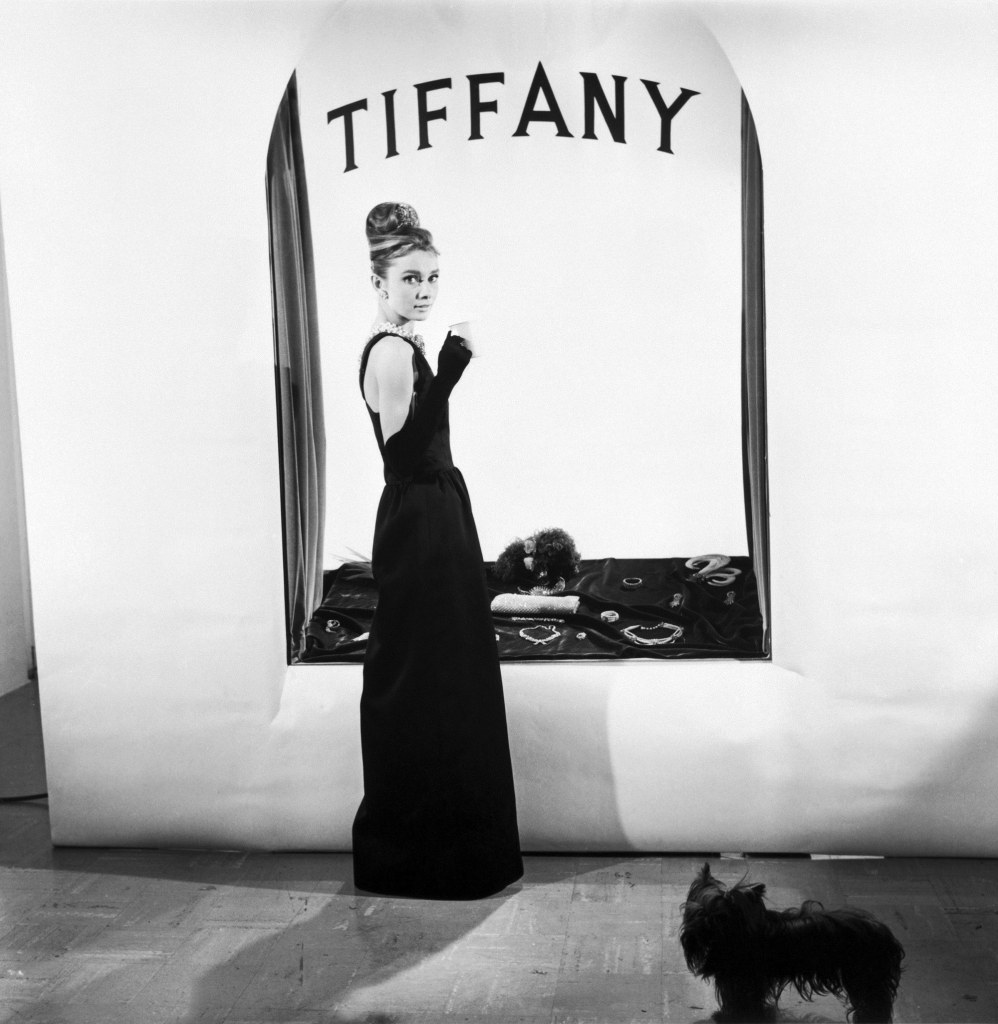
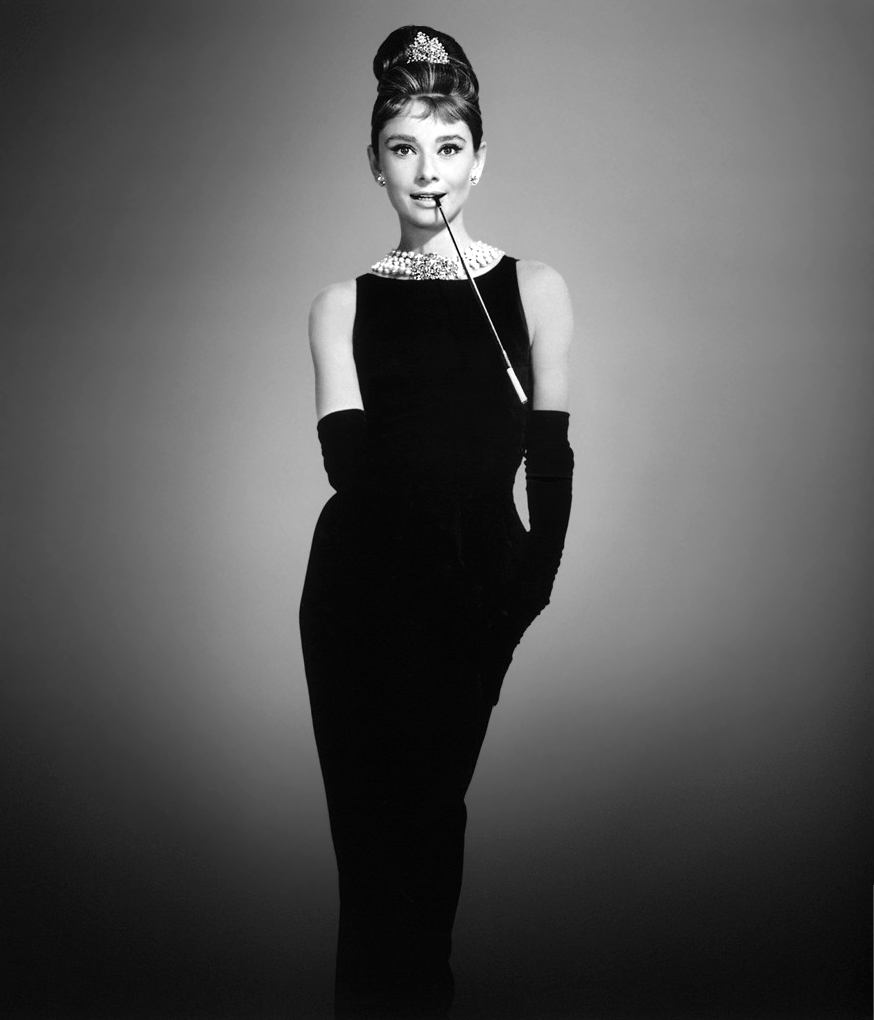
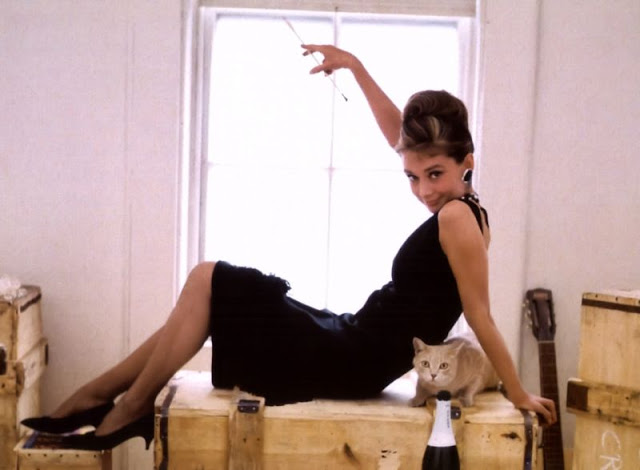
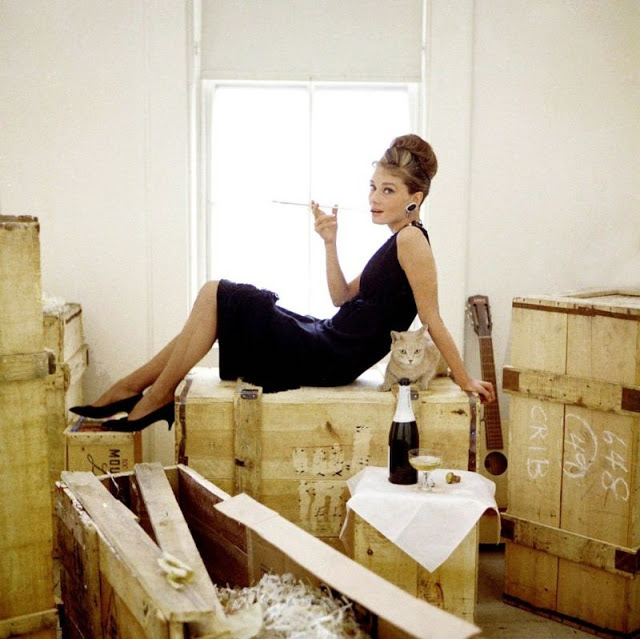
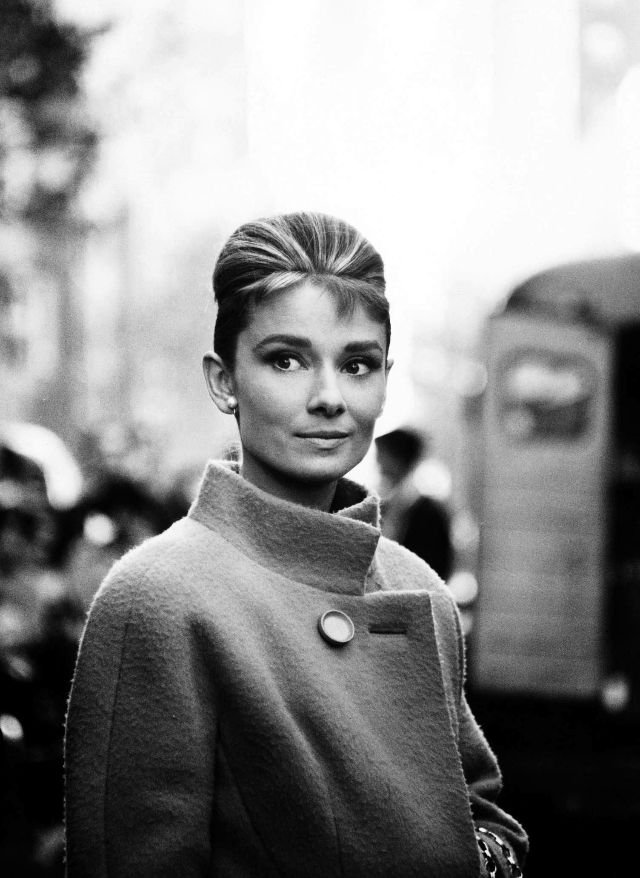
50 Beautiful Photos That Show Fashion Styles of Audrey Hepburn in “Breakfast at Tiffany’s”, 1961

Breakfast at Tiffany’s is a 1961 American romantic comedy film directed by Blake Edwards, written by George Axelrod, adapted from Truman Capote’s 1958 novella of the same name, and starring Audrey Hepburn as Holly Golightly, a naïve, eccentric café society girl who falls in love with a struggling writer (George Peppard). It also featured Patricia Neal, Buddy Ebsen, Martin Balsam, and Mickey Rooney in supporting roles.

Breakfast at Tiffany’s was theatrically released by Paramount Pictures on October 5, 1961, to critical and commercial success, grossing $14 million on a $2.5 million budget. Hepburn’s portrayal of Holly Golightly is generally considered to be one of her most memorable and identifiable roles. She regarded it as one of her most challenging roles, since she was an introvert required to play an extrovert.

The film received five nominations at the 34th Academy Awards: Best Actress (for Hepburn), Best Adapted Screenplay, Best Production Design, winning Best Original Score and Best Original Song for “Moon River”. The film is considered “culturally, historically or aesthetically” significant by the U.S. Library of Congress and was selected to be preserved in the National Film Registry in 2012.

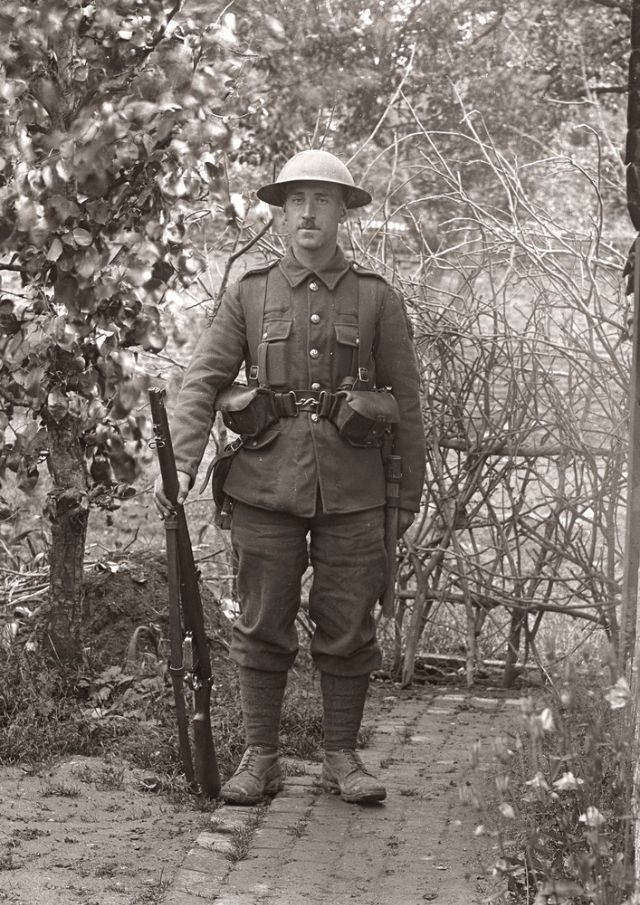
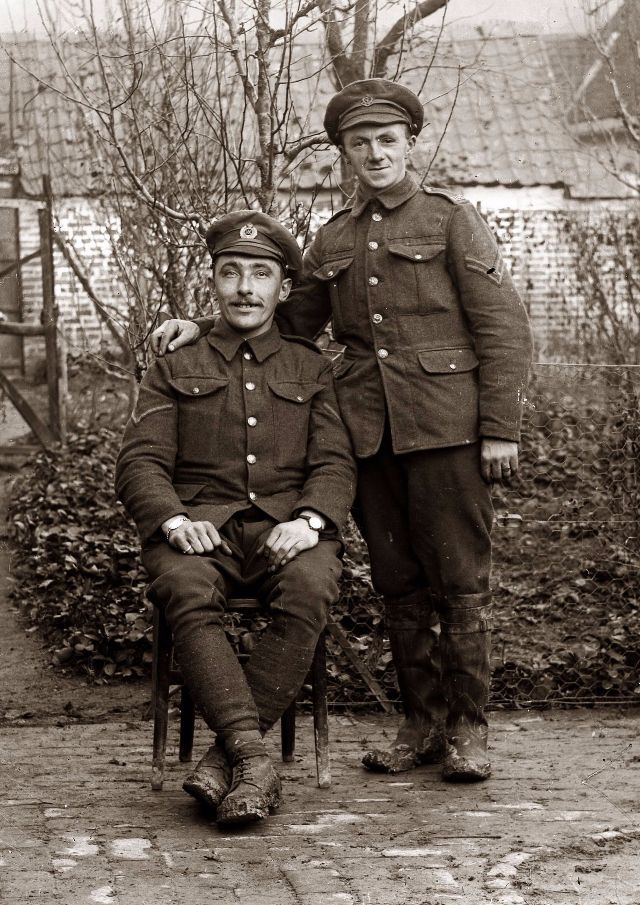
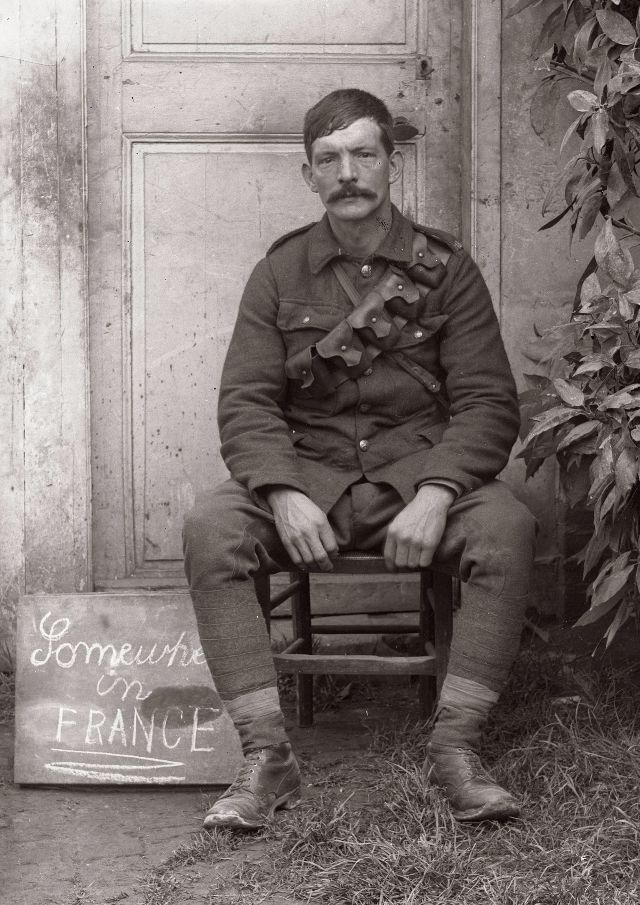
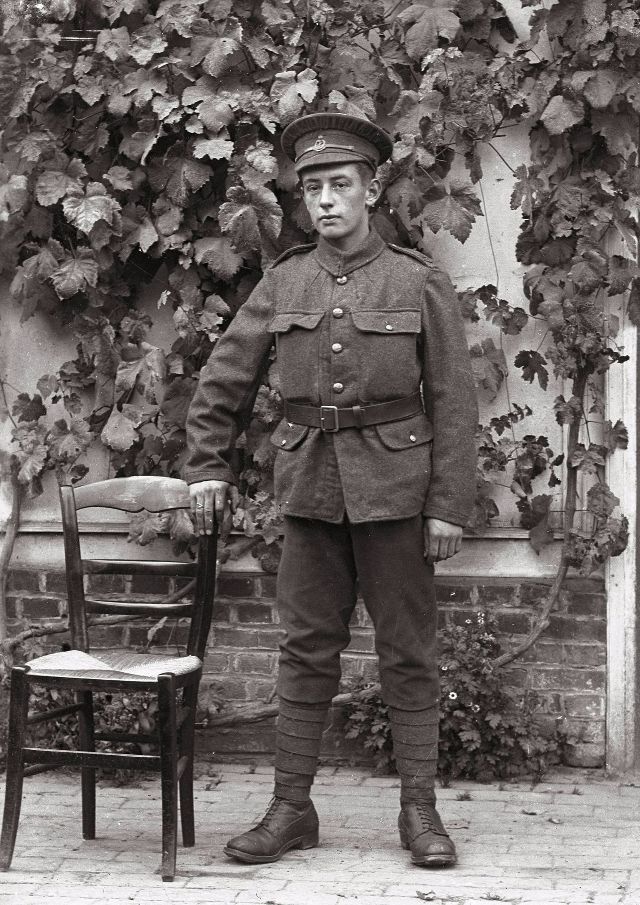
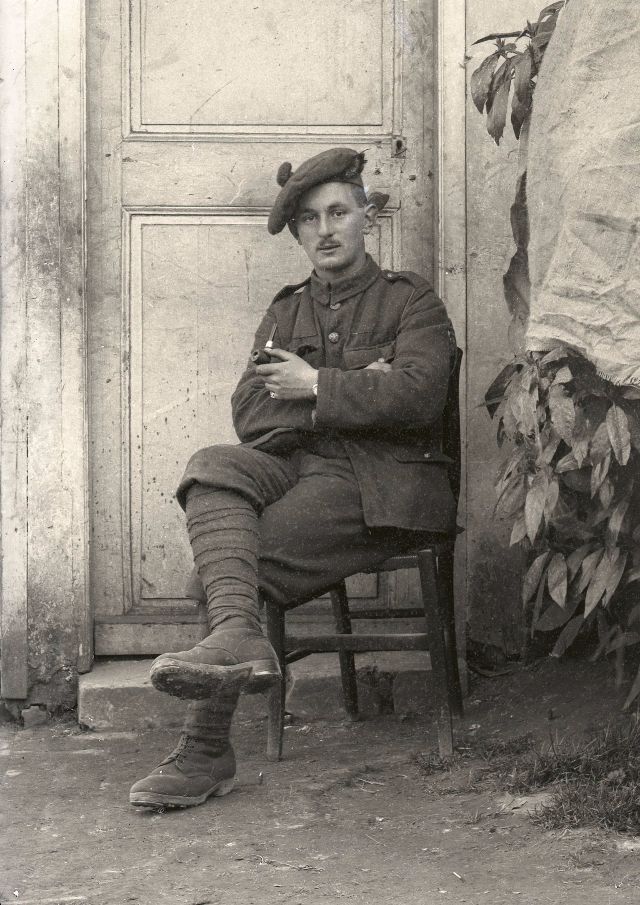
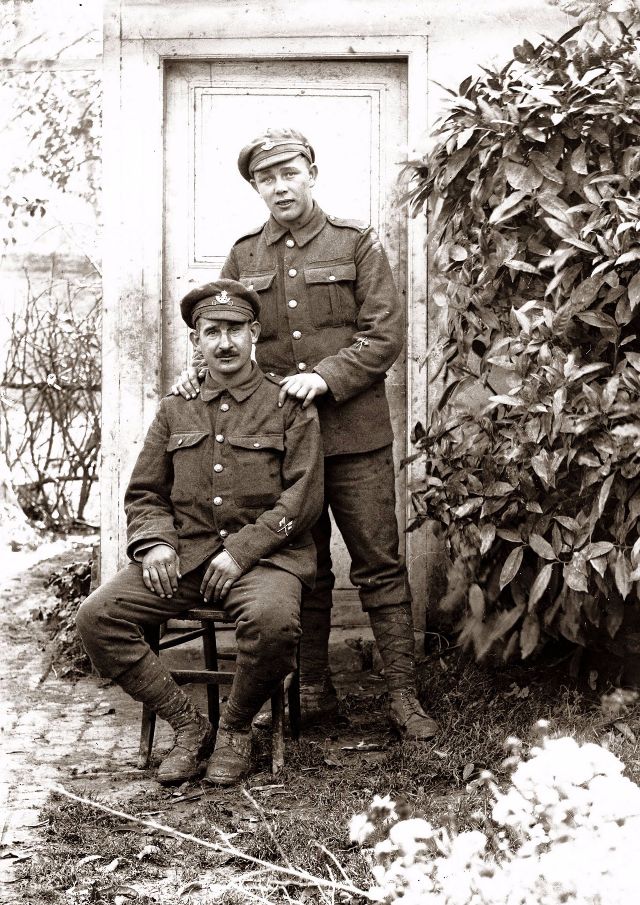
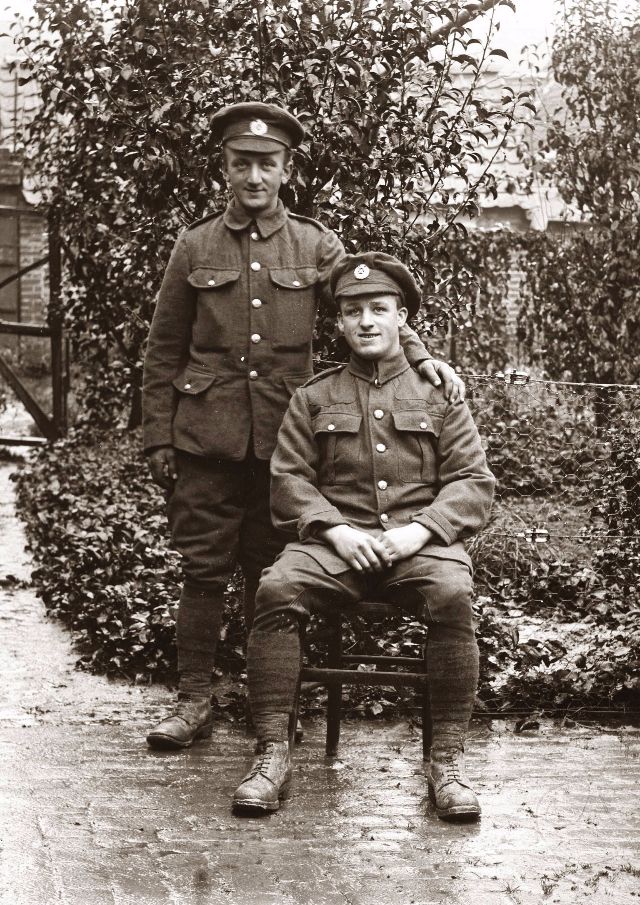
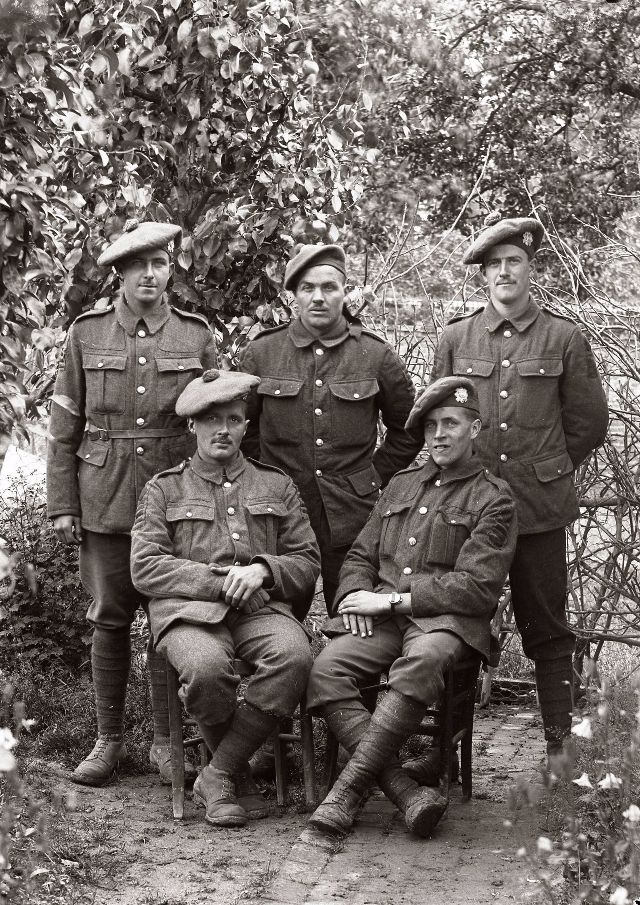
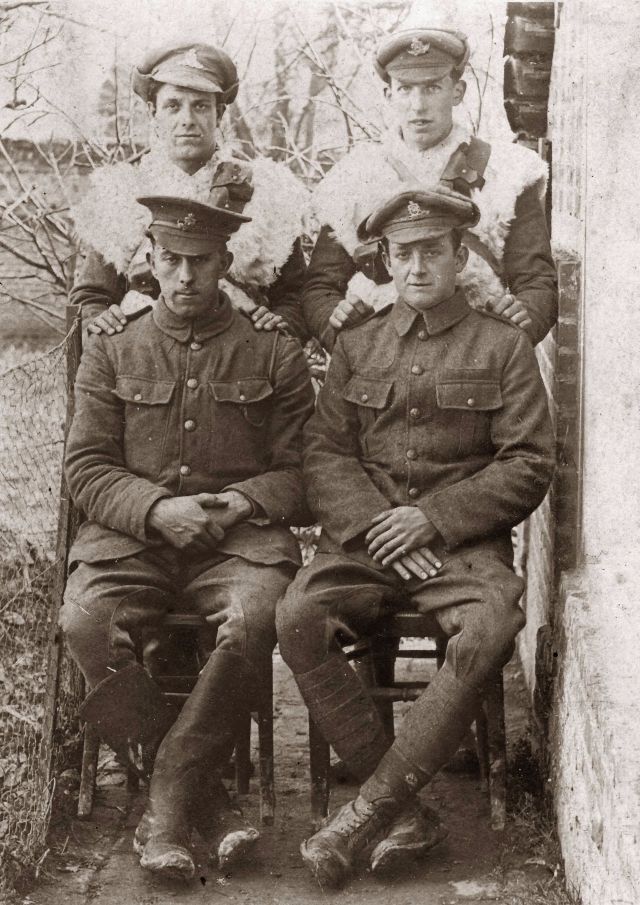
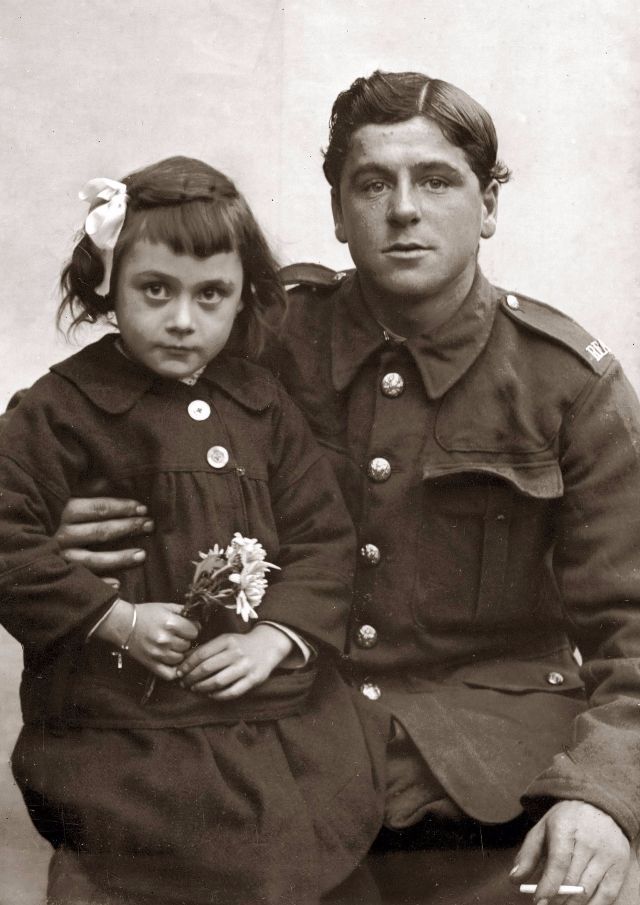
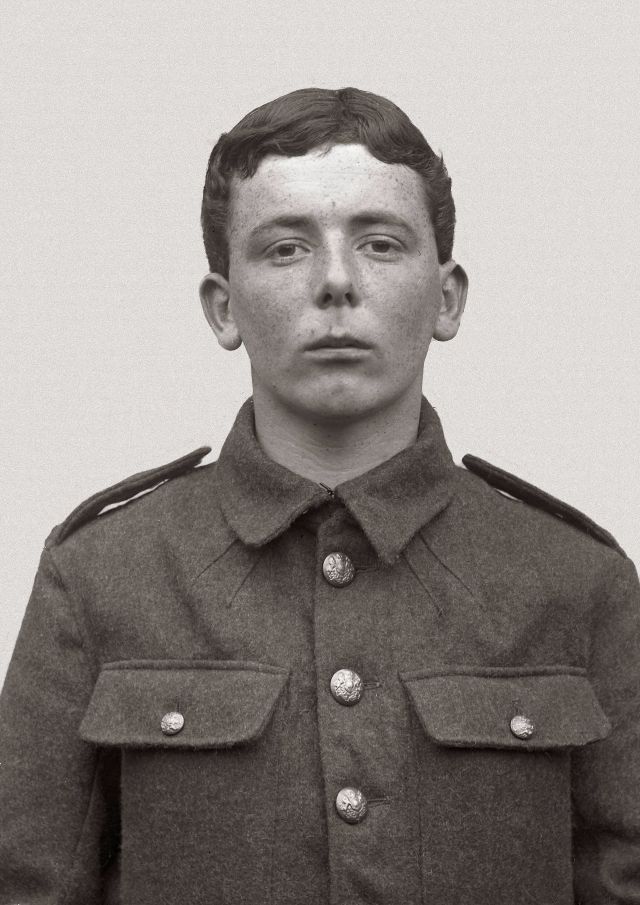
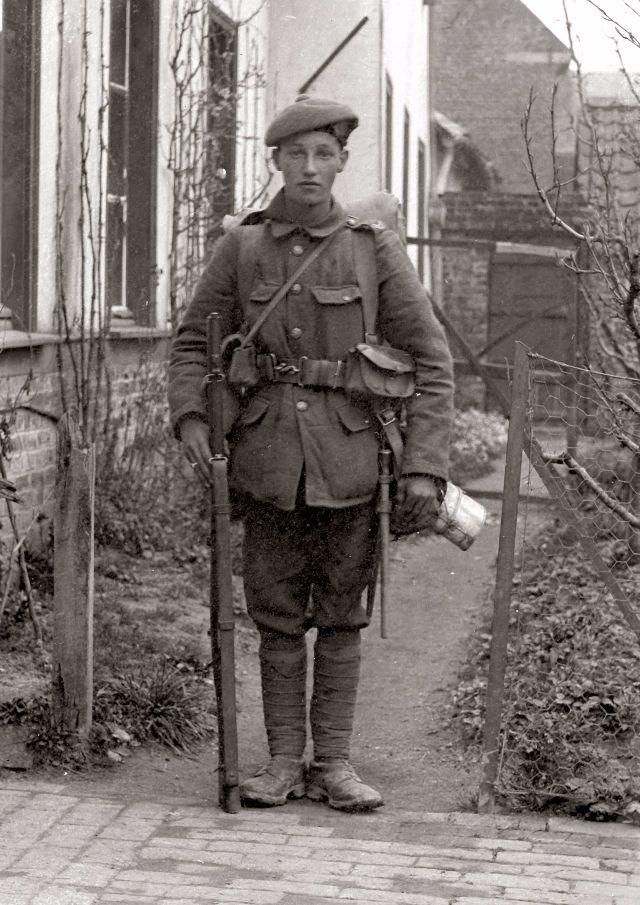
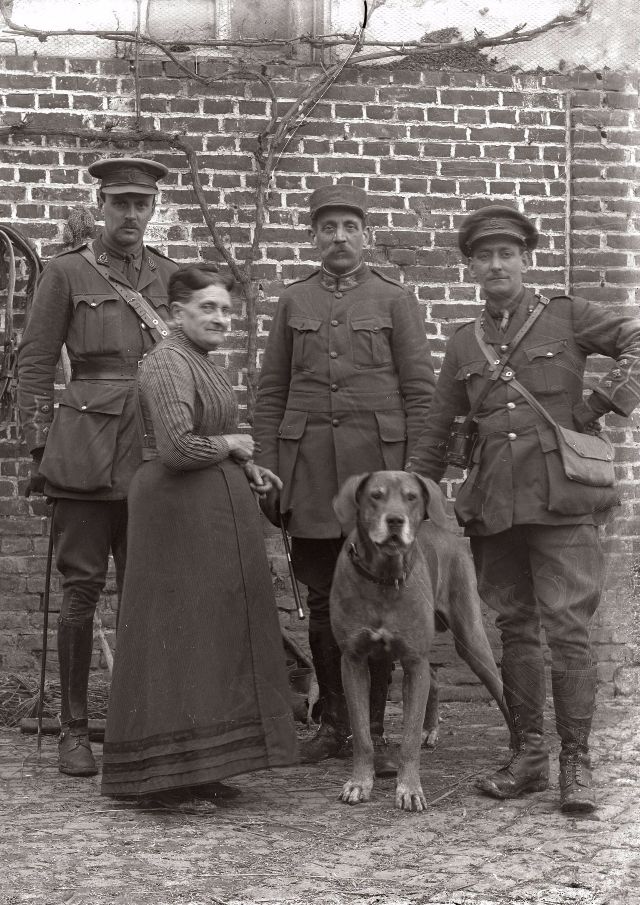
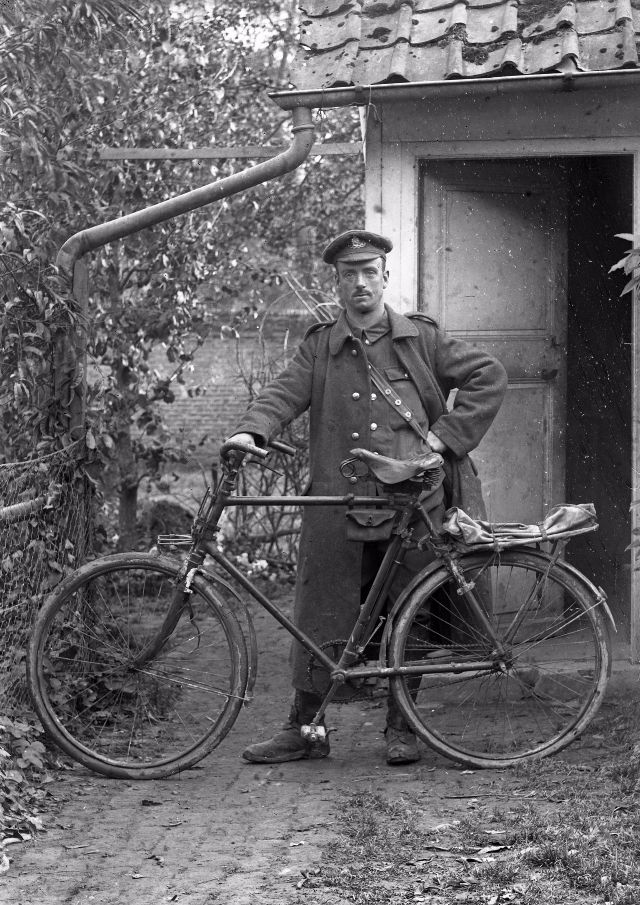
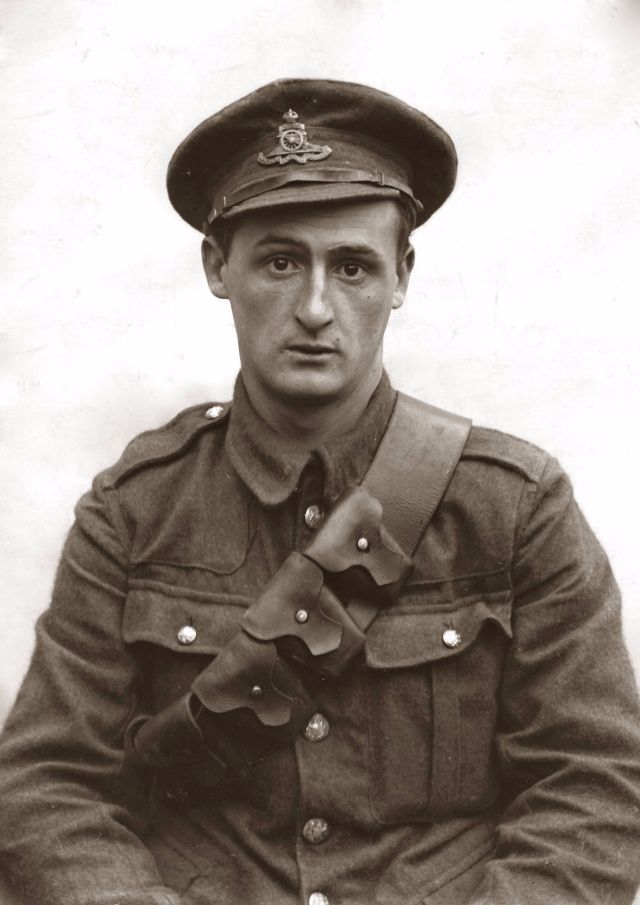
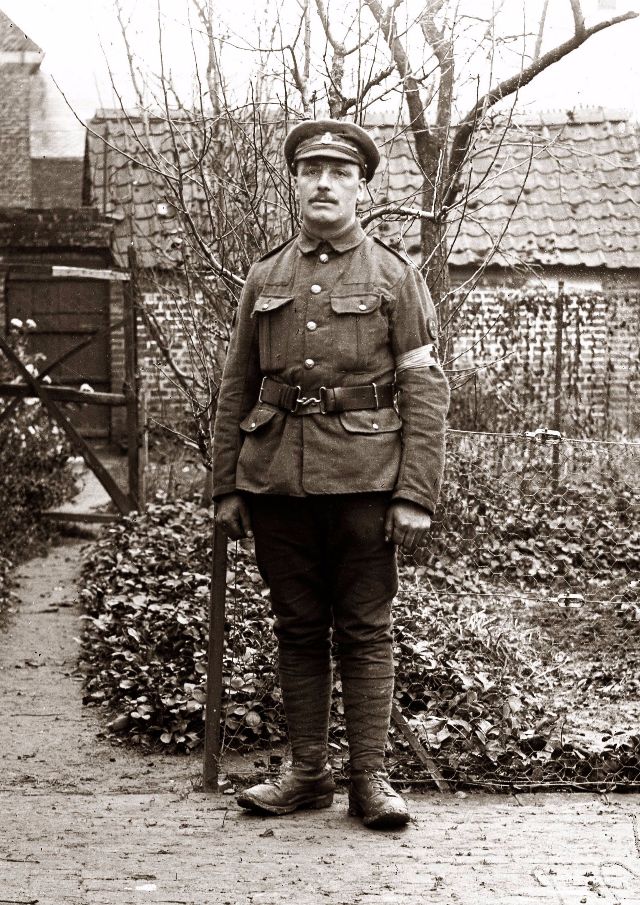
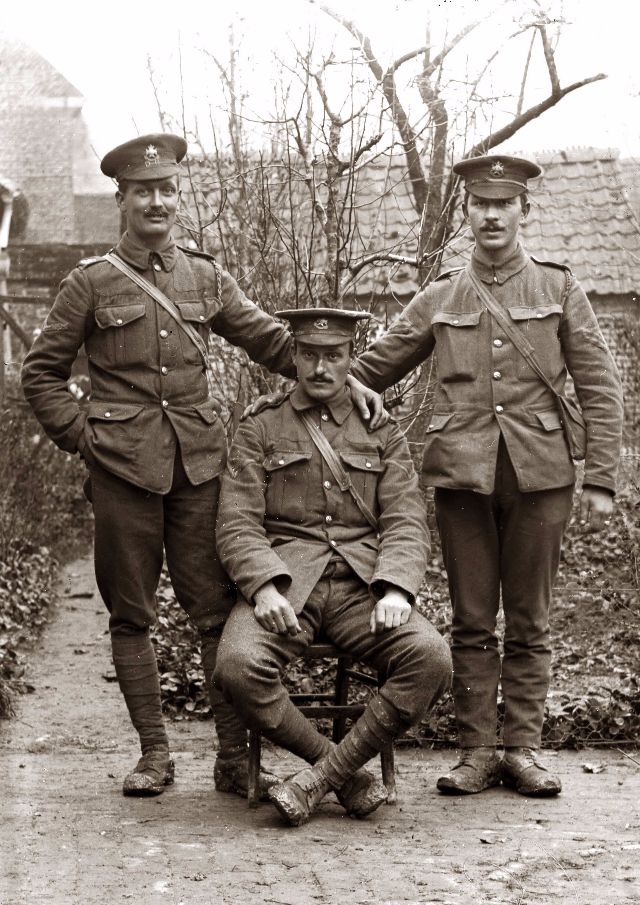
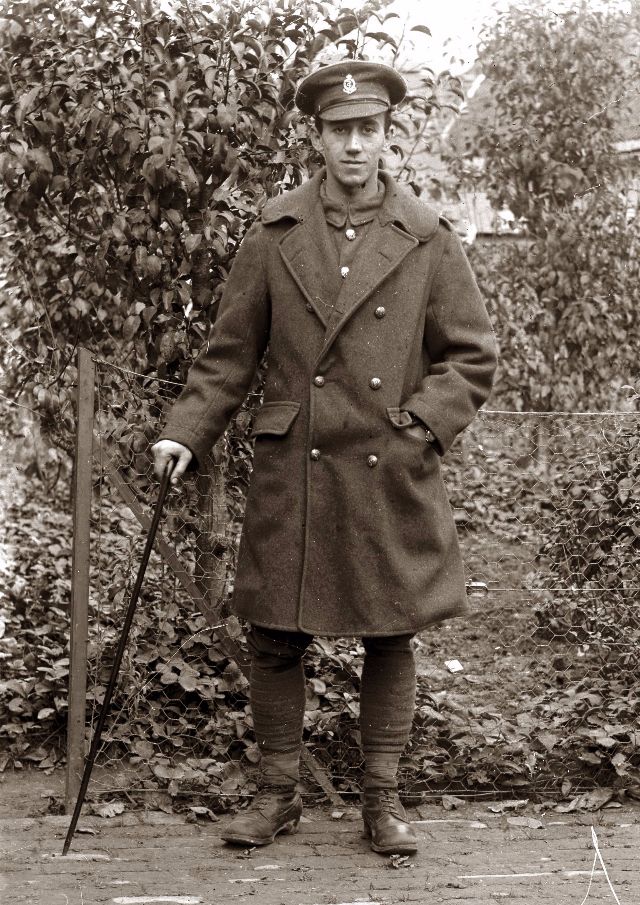
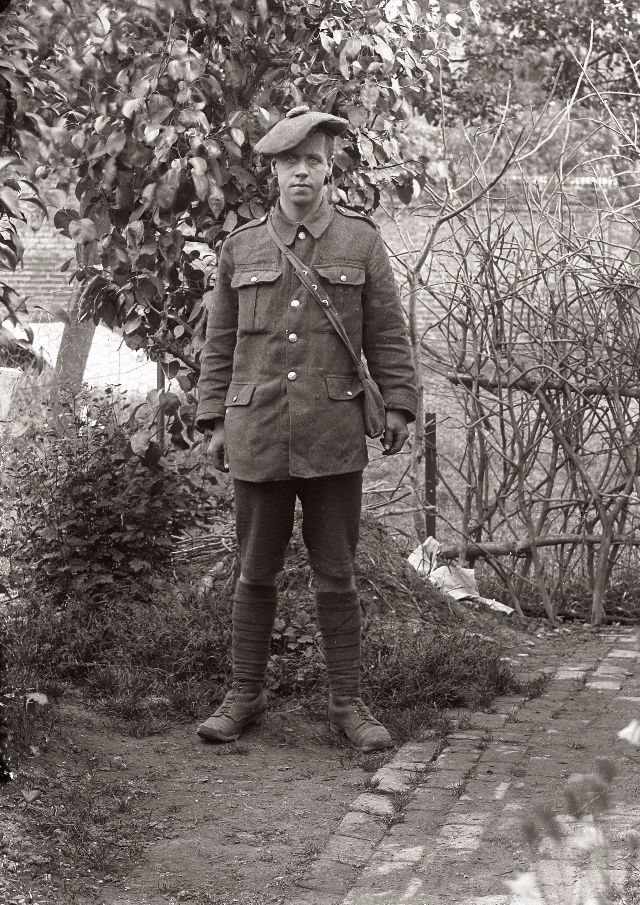
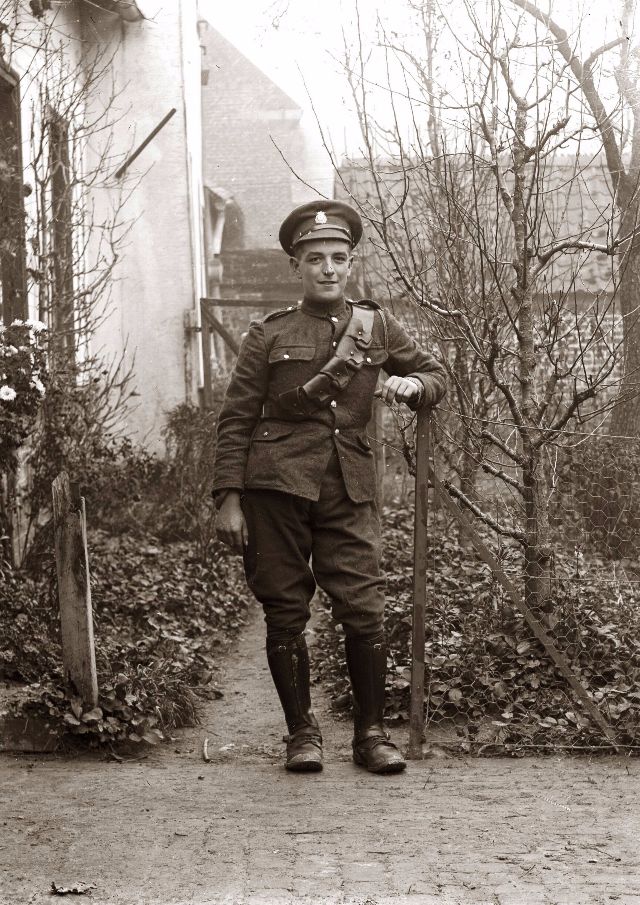
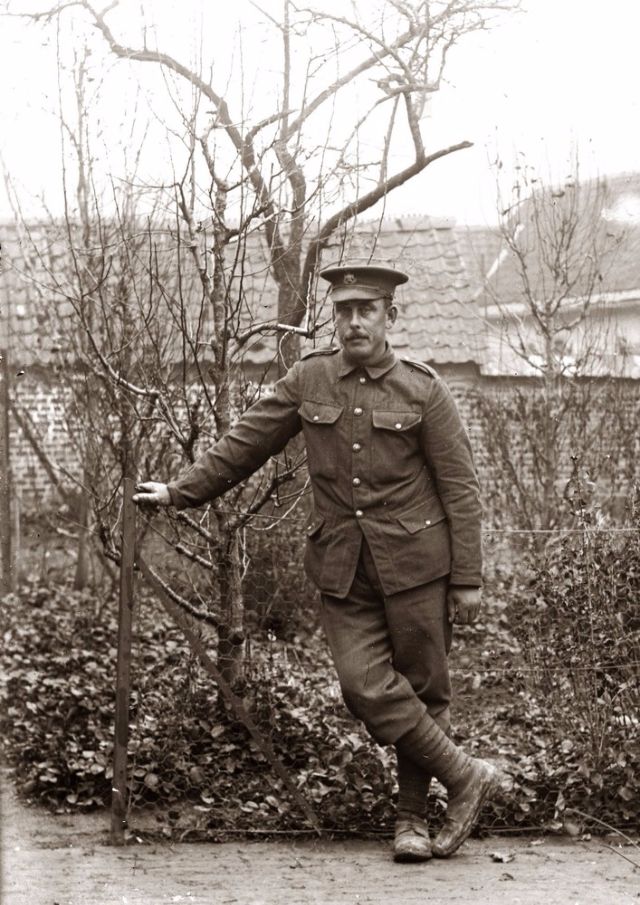
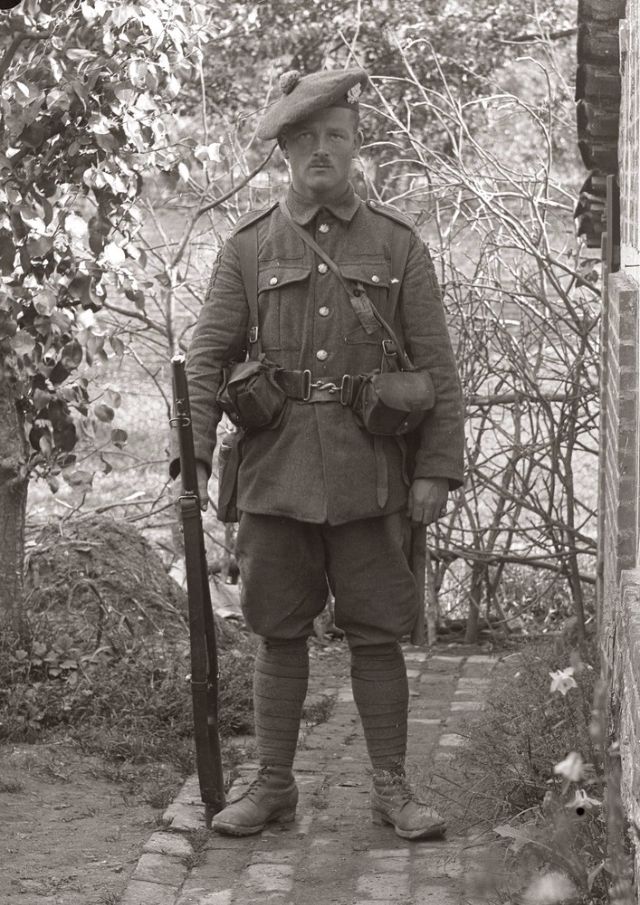
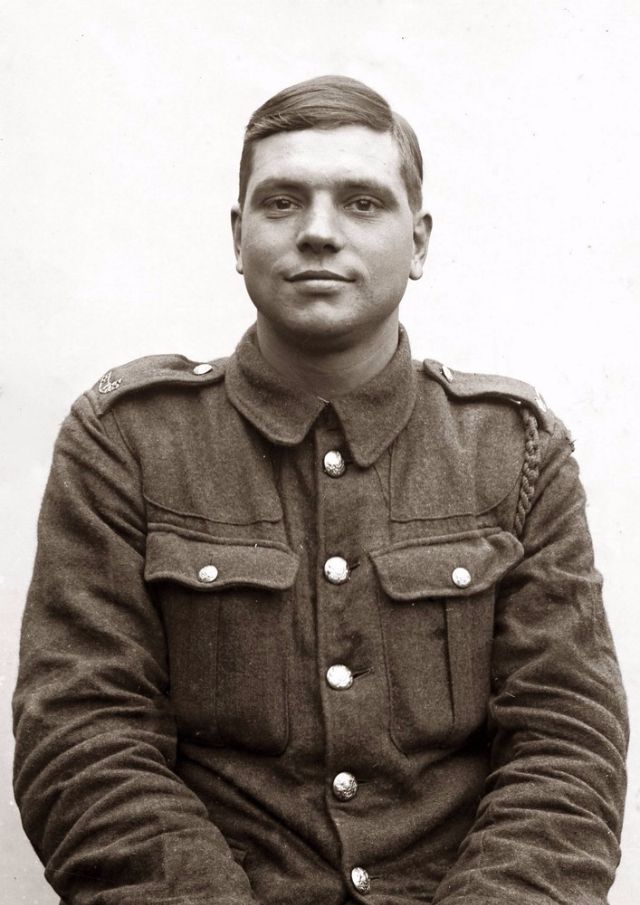
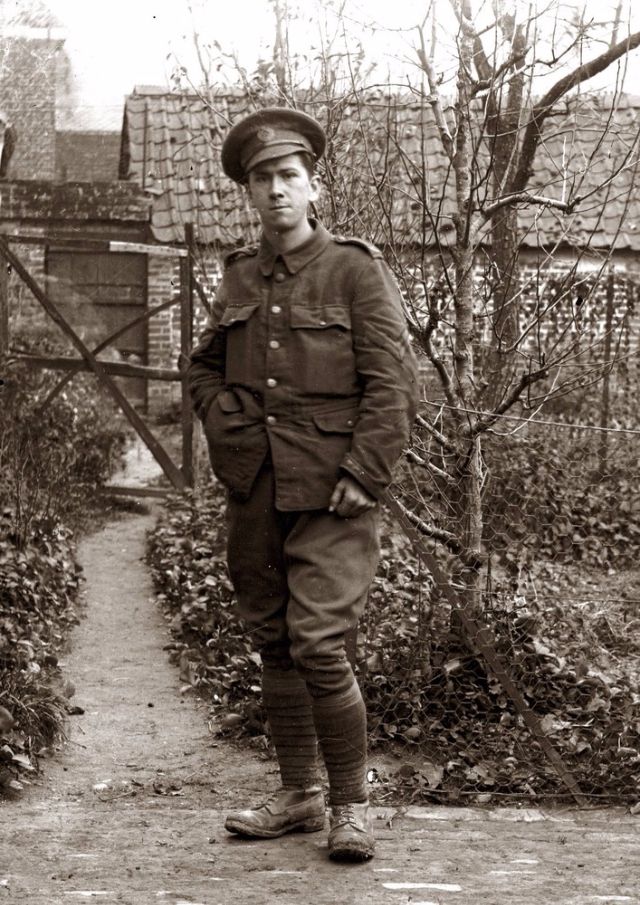
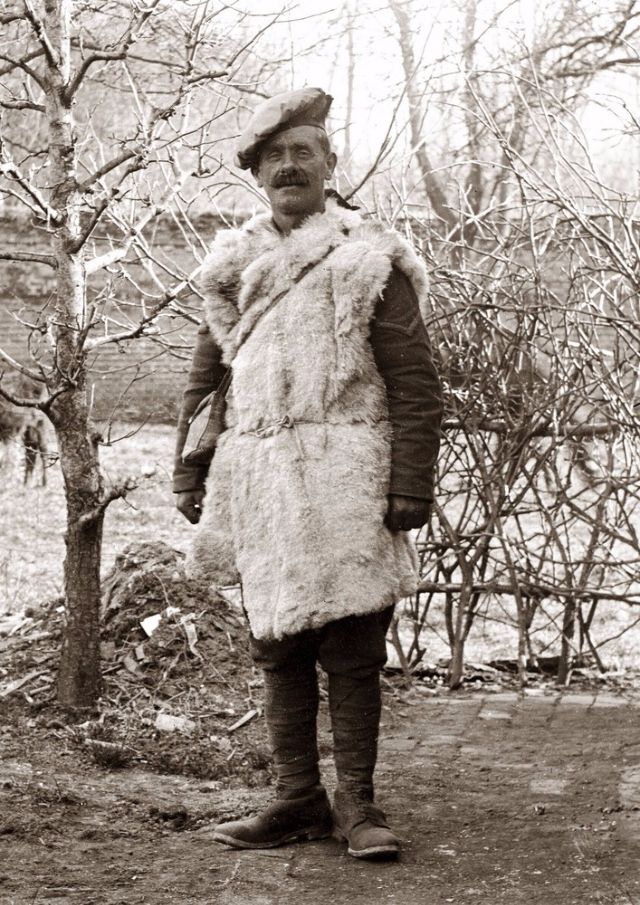
46 Amazing Portrait Photos of British Soldiers during the Great War

For much of the First World War, the small French village of Vignacourt was always behind the front lines – as a staging point, casualty clearing station and recreation area for troops of all nationalities moving up to and then back from the battlefields on the Somme. Here, one enterprising photographer took the opportunity of offering portrait photographs. A century later, his stunning images were discovered, abandoned, in a farm house.

Captured on glass, printed into postcards and posted home, the photographs enabled soldiers to maintain a fragile link with loved ones at home. Just like the selfies of today, the portraits were a mixture of the good and the indifferent, the in-focus and the out-of-focus. The images showed British and a few Australian soldiers, in formal or informal poses, during or just before the most murderous battle in the history of the British Empire.

This collection covers many of the significant aspects of British involvement on the Western Front, from military life to the friendships and bonds formed between the soldiers and civilians. With servicemen from around the world these faces are gathered together for what would become the front line of the Battle of the Somme. Beautifully reproduced, it is a unique collection and a magnificent memorial.

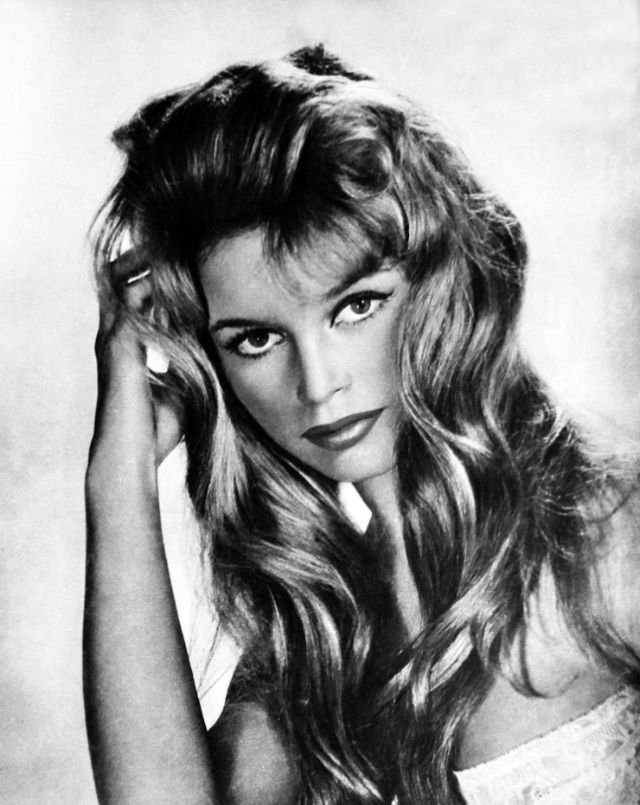
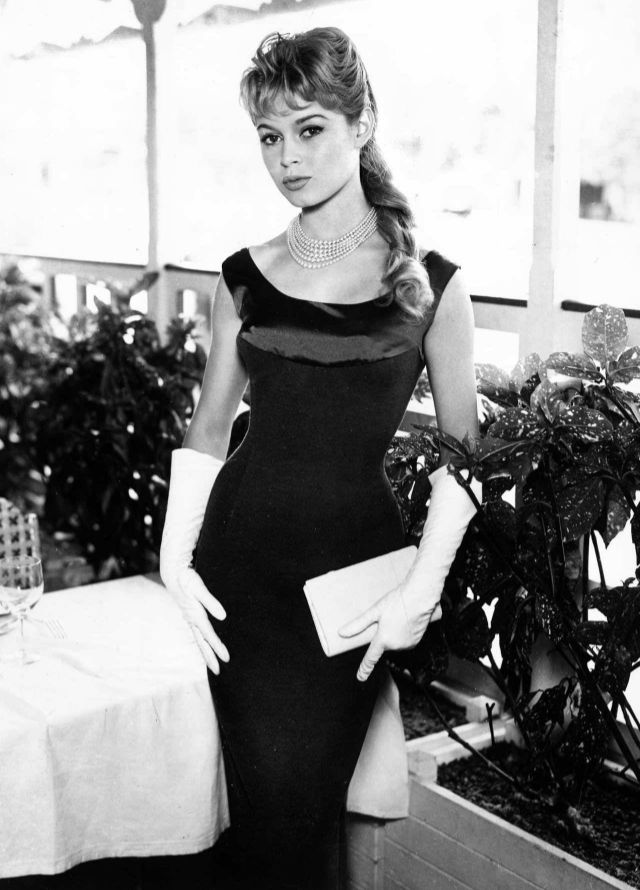
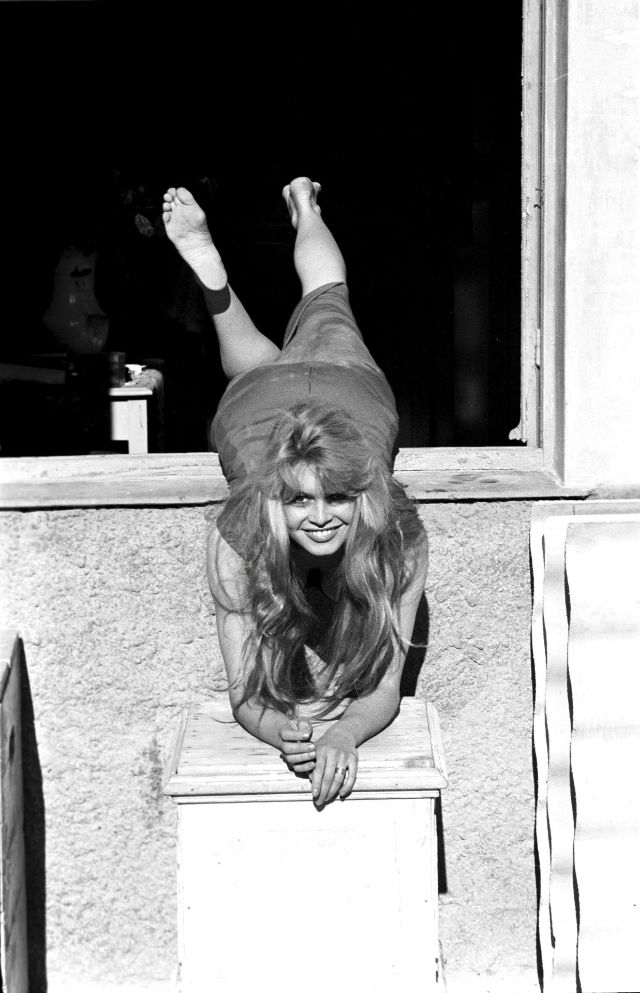
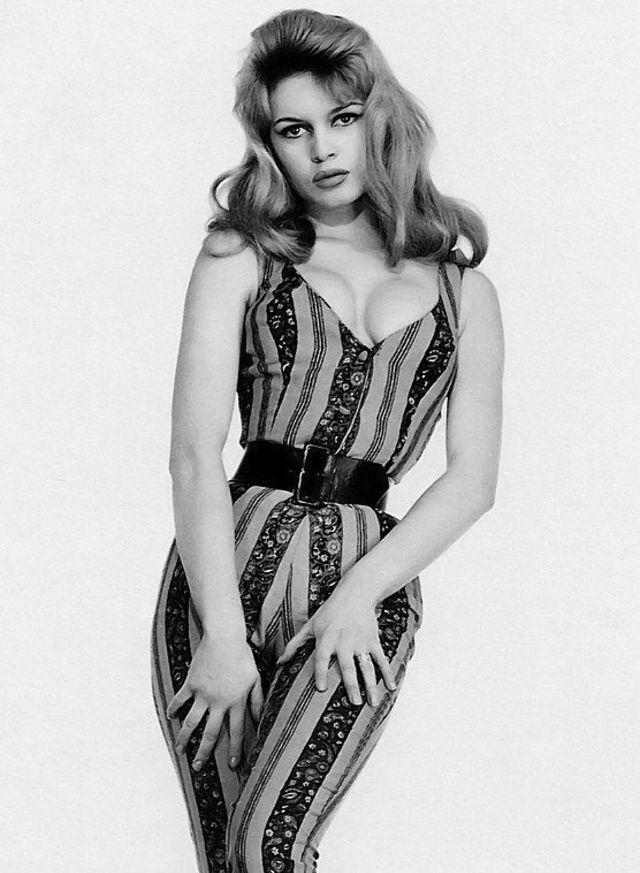
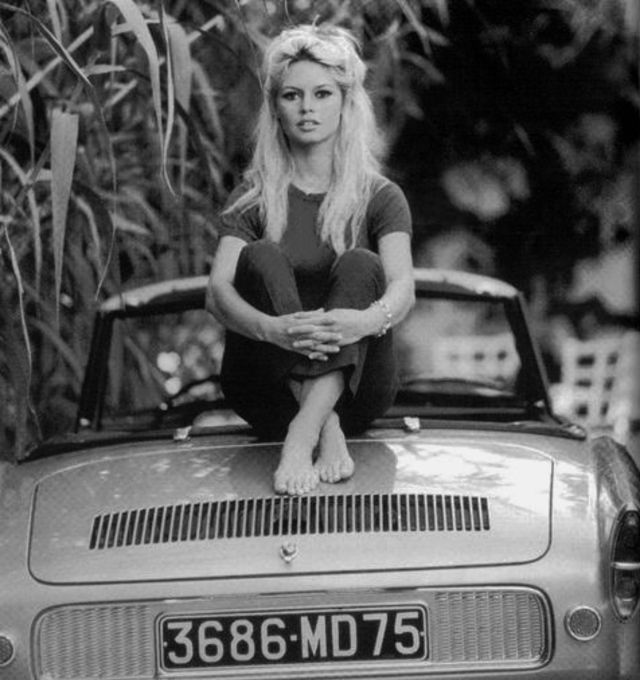
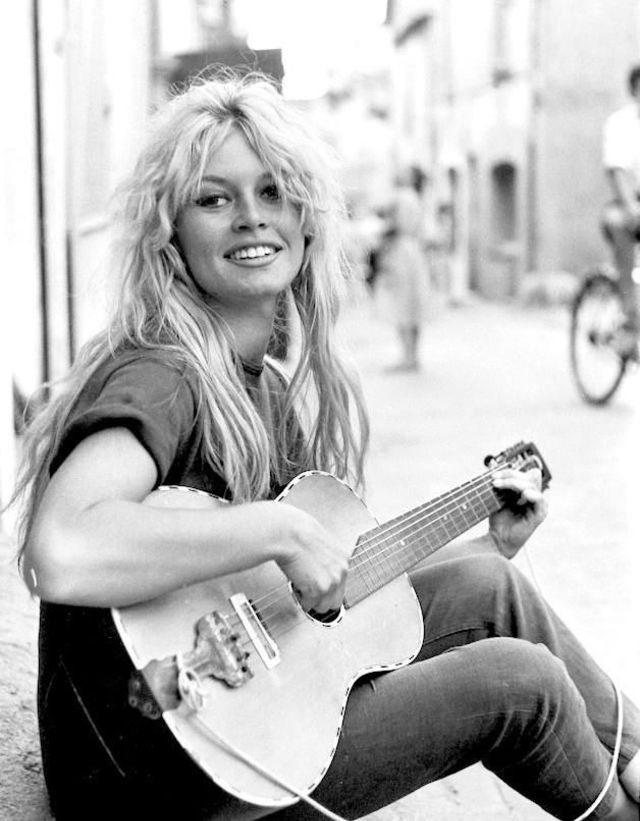
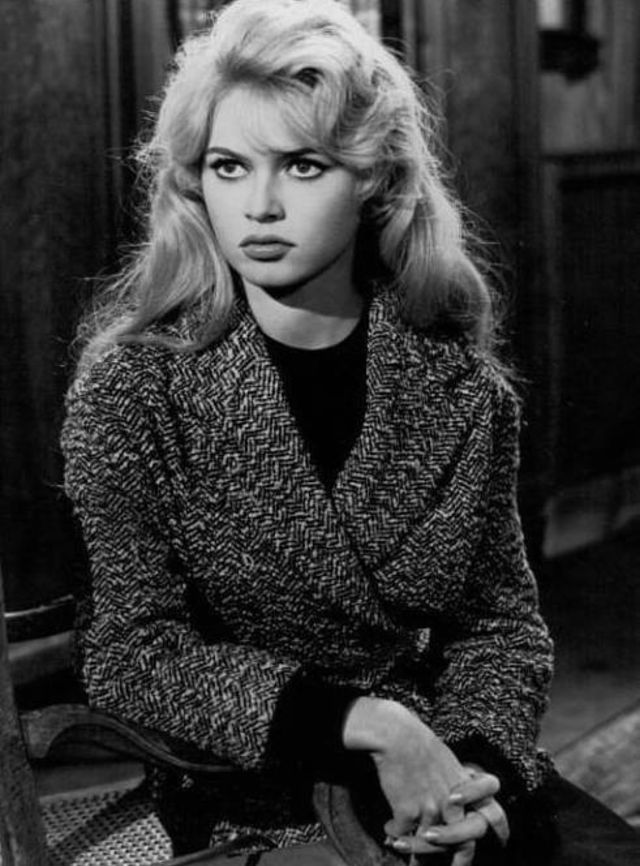
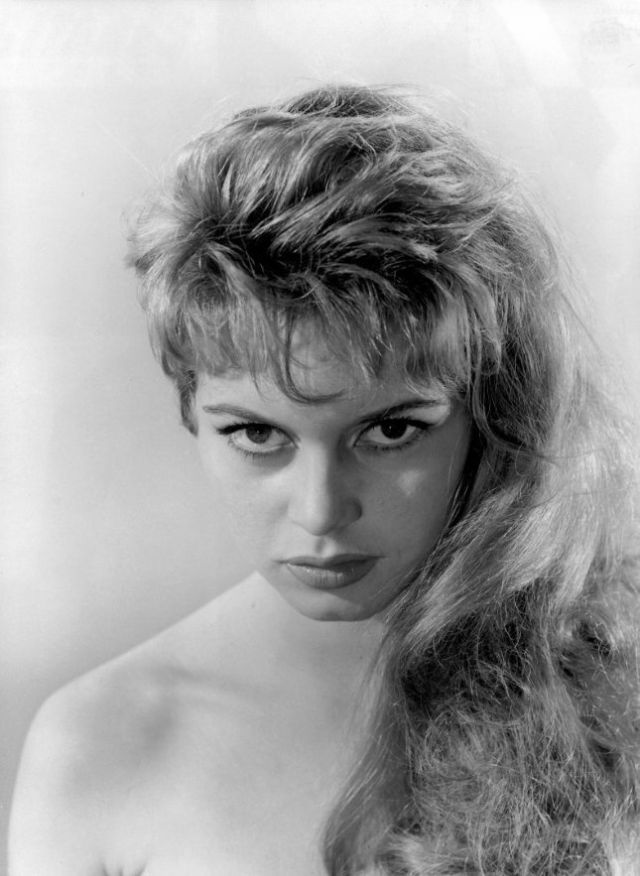
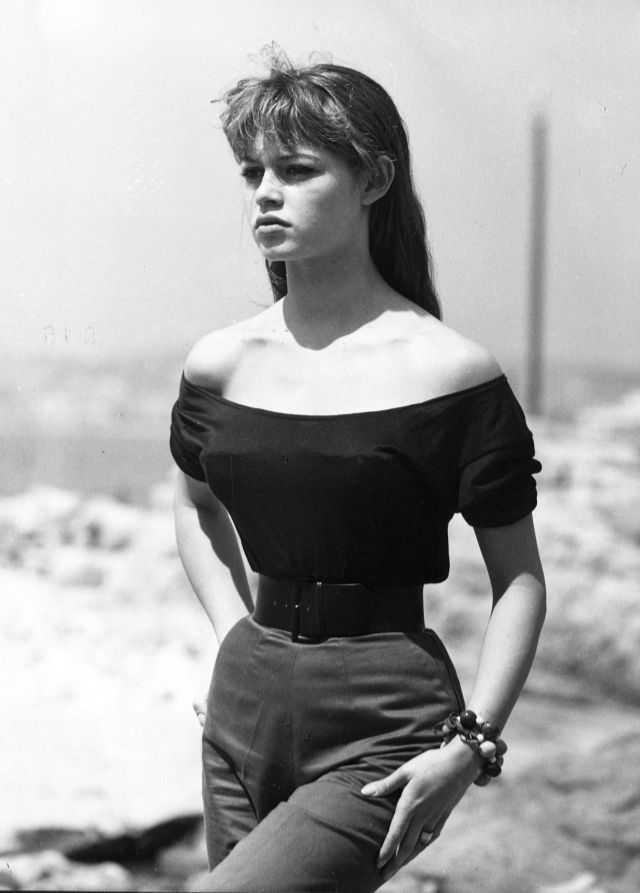
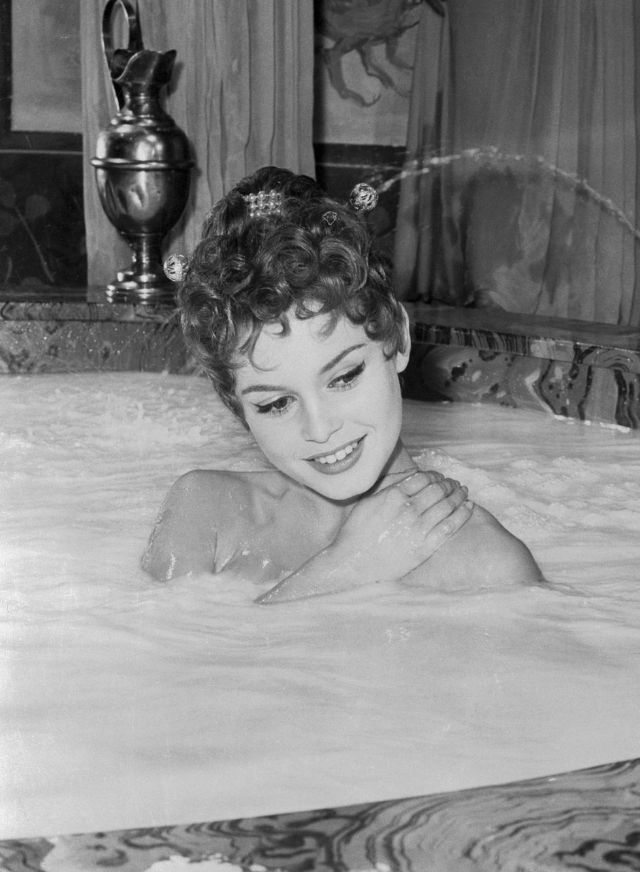
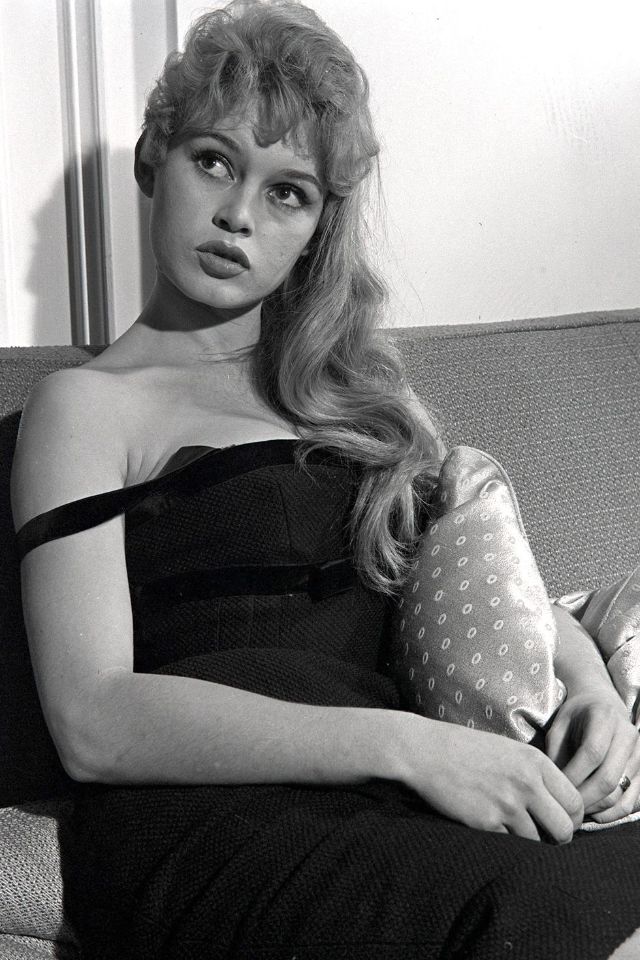
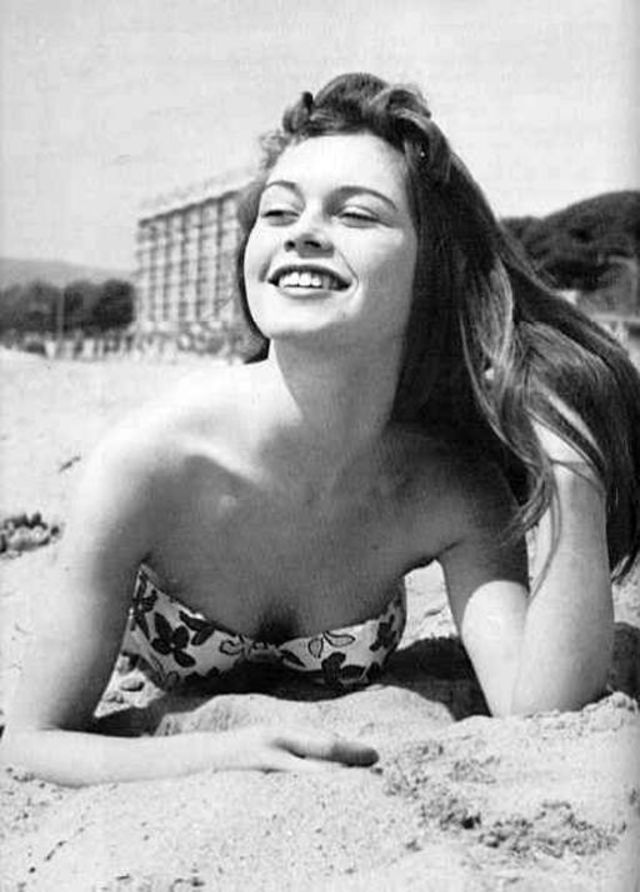
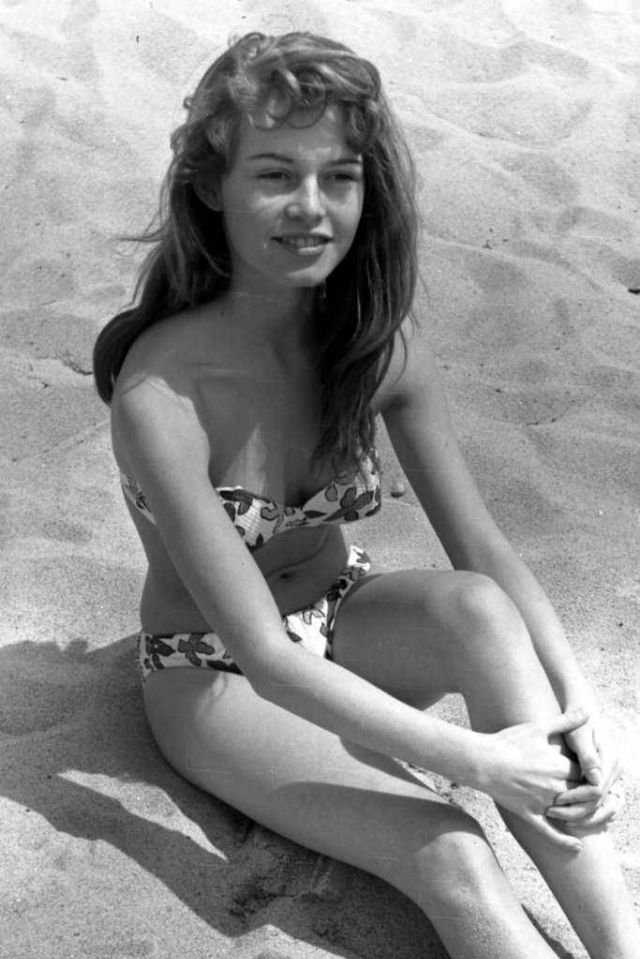
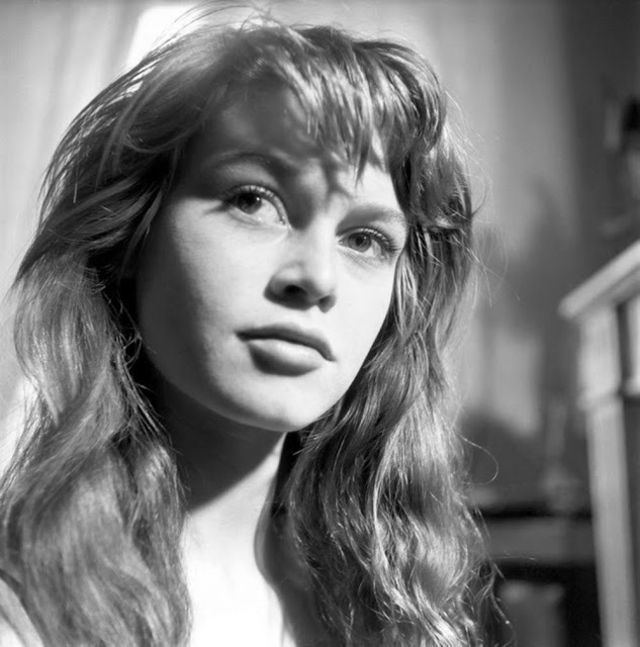
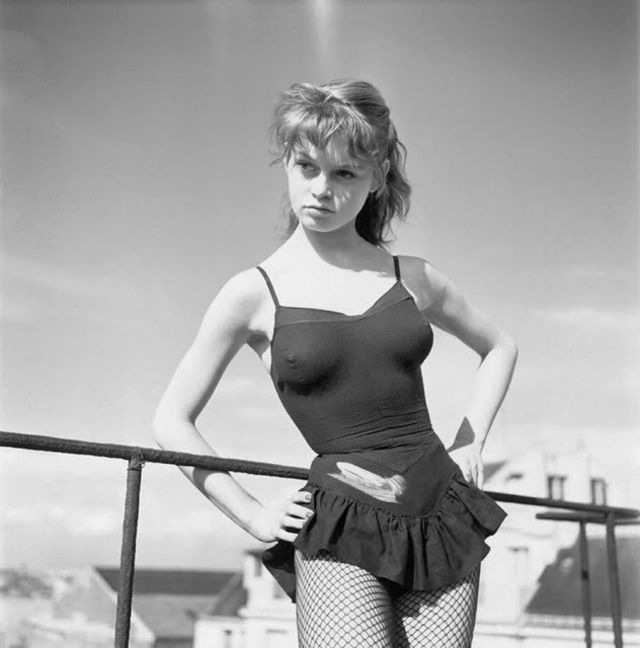
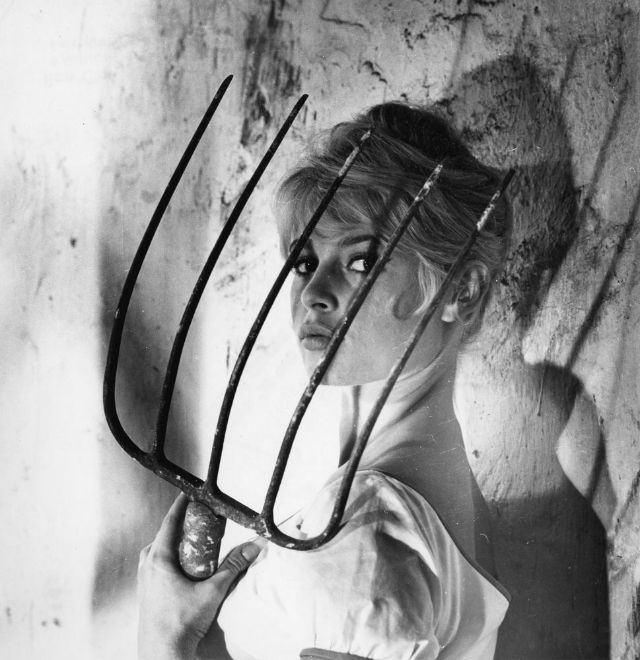
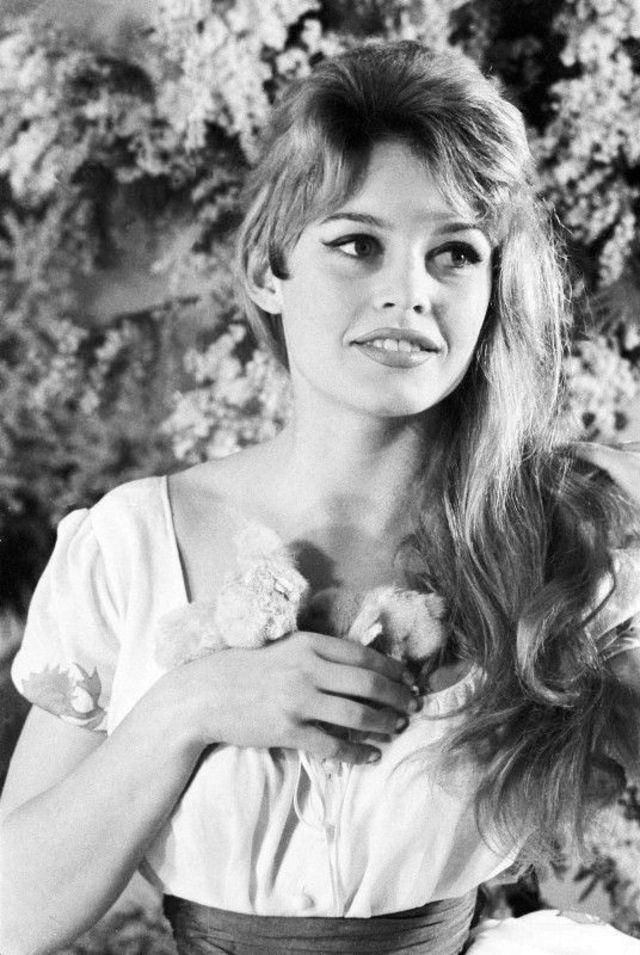
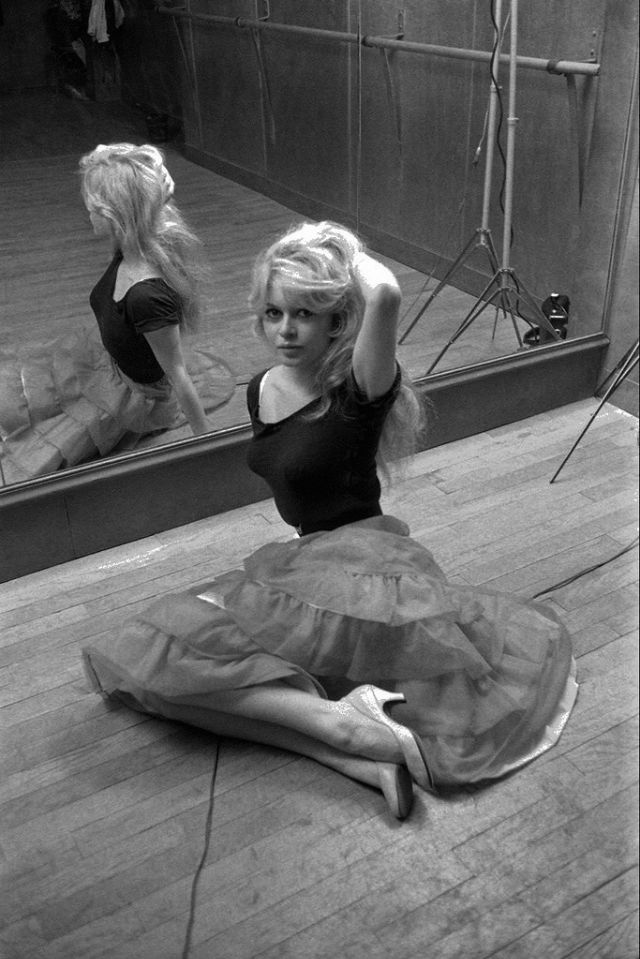
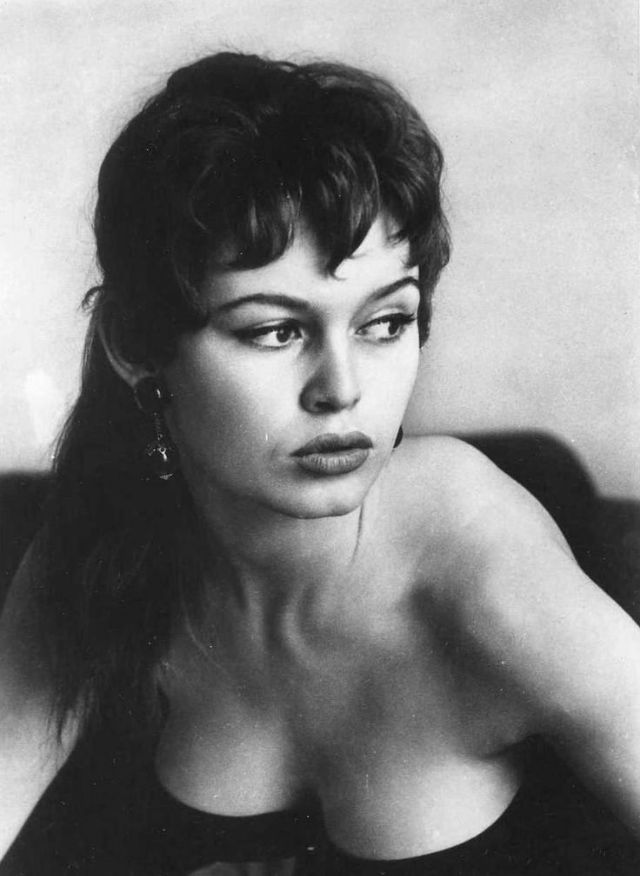
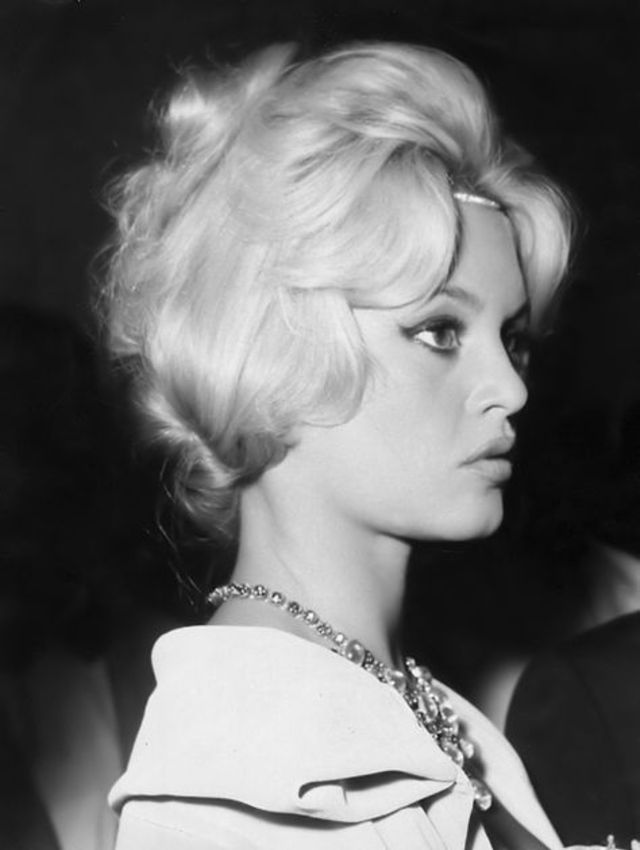
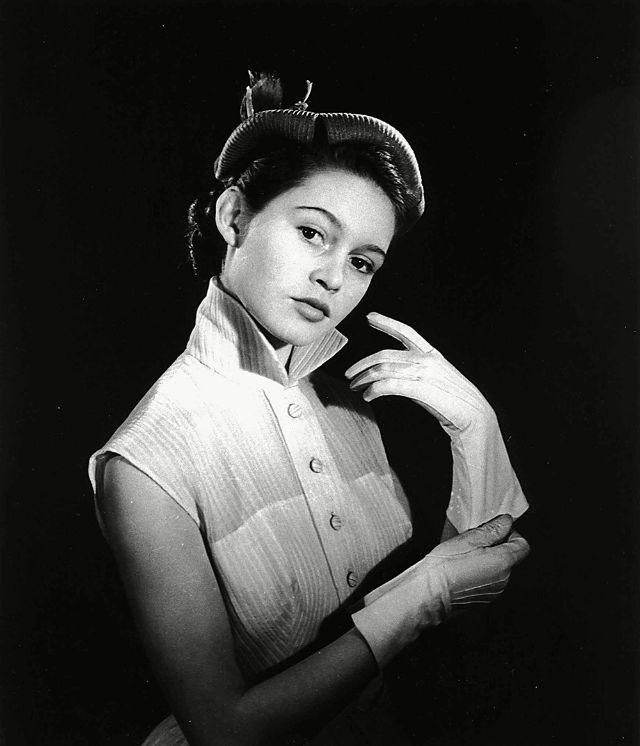
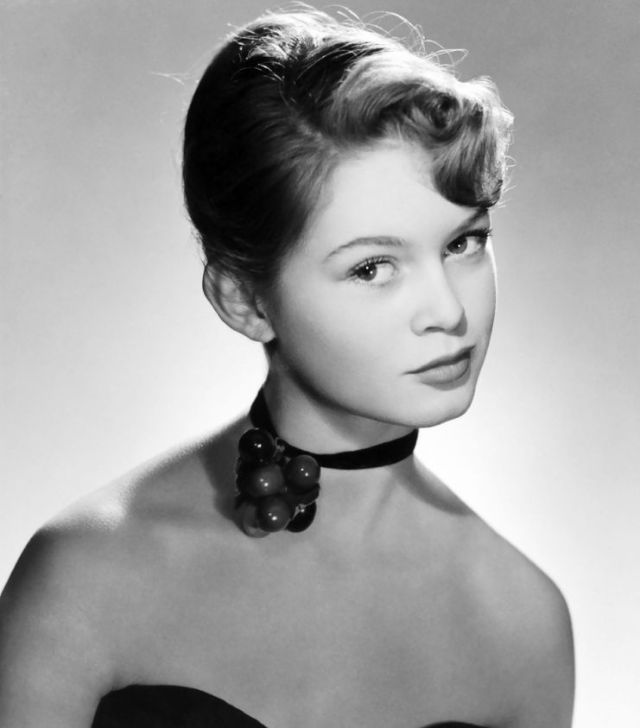
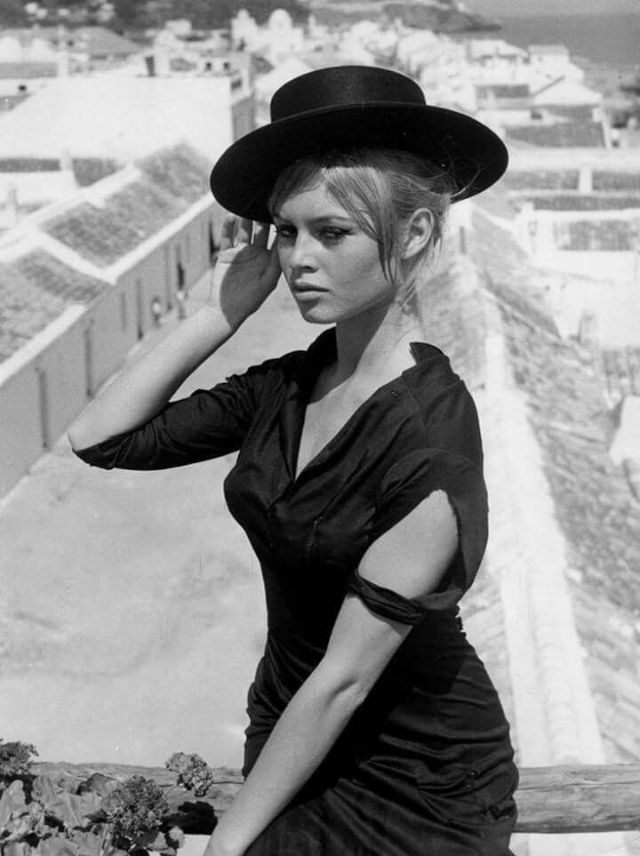
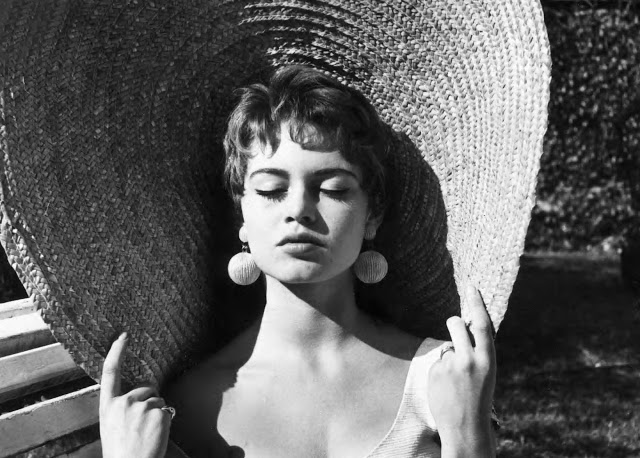
Stunning Photos of Brigitte Bardot During the 1950s

Brigitte Anne-Marie Bardot, born 28 September 1934, often referred to by her initials B.B., is a French animal rights activist and former actress and singer. Famous for portraying sexually emancipated personae with hedonistic lifestyles, she was one of the best known sex symbols of the late 1950s and 1960s. Although she withdrew from the entertainment industry in 1973, she remains a major popular culture icon.

Born and raised in Paris, Bardot was an aspiring ballerina in her early life. She started her acting career in 1952. She achieved international recognition in 1957 for her role in And God Created Woman (1956), and also caught the attention of French intellectuals. She was the subject of Simone de Beauvoir’s 1959 essay The Lolita Syndrome, which described her as a “locomotive of women’s history” and built upon existentialist themes to declare her the first and most liberated woman of post-war France. Bardot later starred in Jean-Luc Godard’s film Le Mépris (1963). For her role in Louis Malle’s film Viva Maria! (1965) she was nominated for the BAFTA Award for Best Foreign Actress.
Bardot retired from the entertainment industry in 1973. She had acted in 47 films, performed in several musicals and recorded more than 60 songs. She was awarded the Legion of Honour in 1985 but refused to accept it. After retiring, she became an animal rights activist. During the 2000s, she generated controversy by criticizing immigration and Islam in France, and she has been fined five times for inciting racial hatred. She is married to Bernard d’Ormale, a former adviser to Marine Le Pen, France’s main far-right political leader.

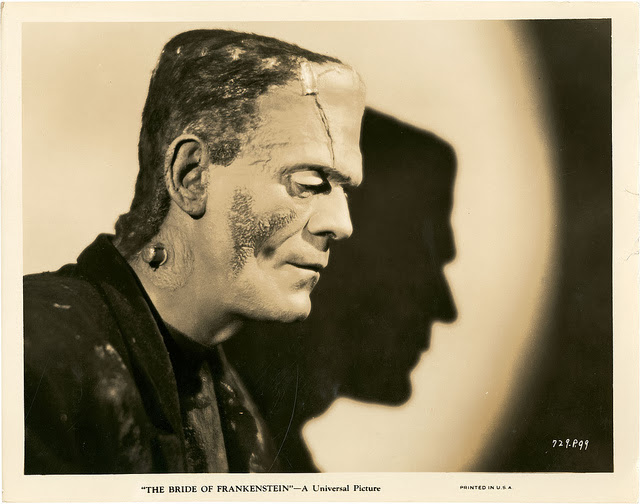
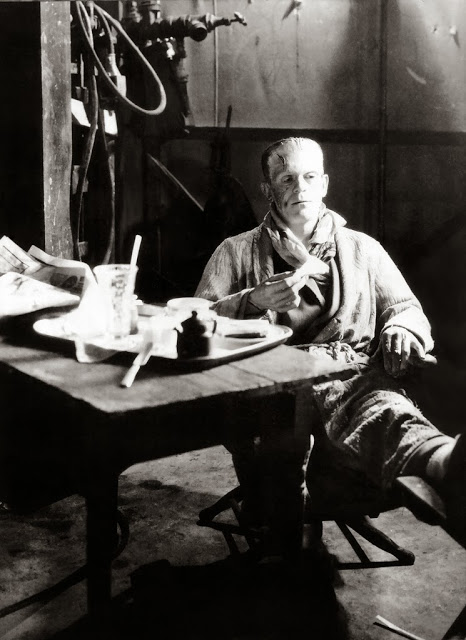
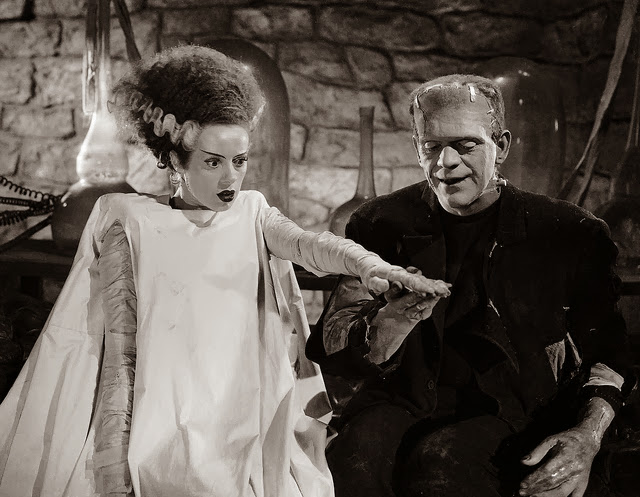
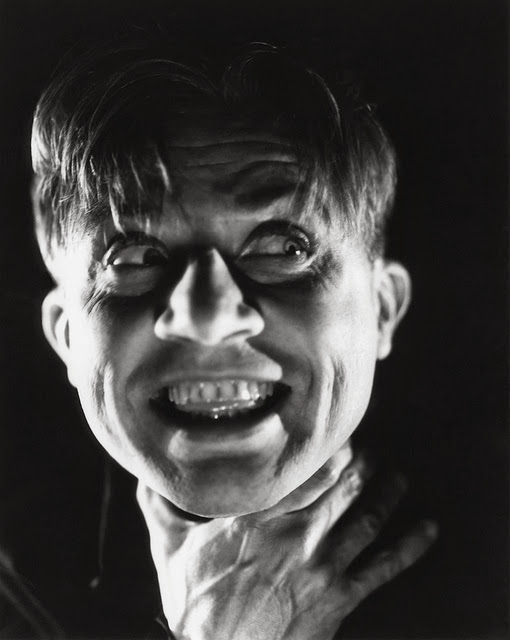
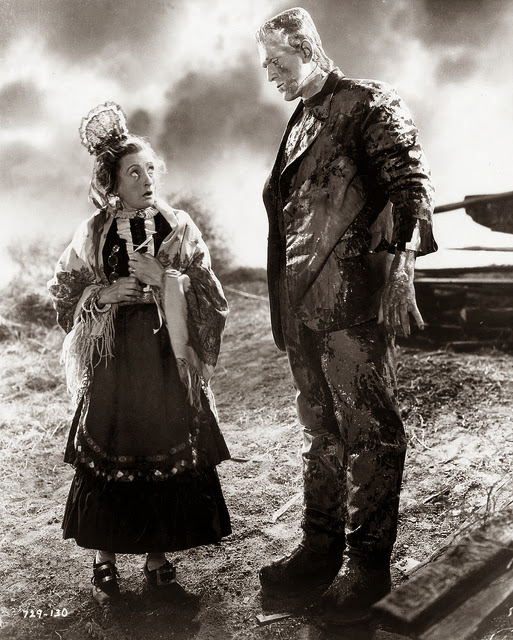
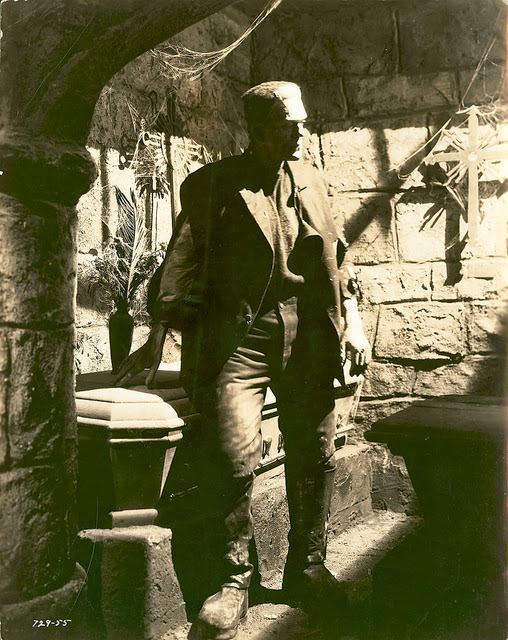
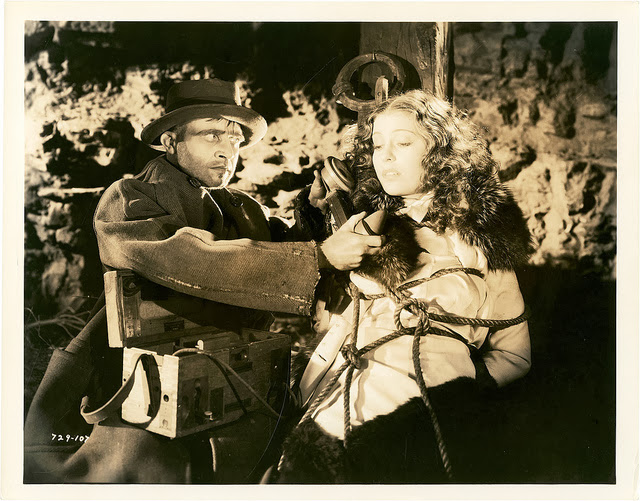
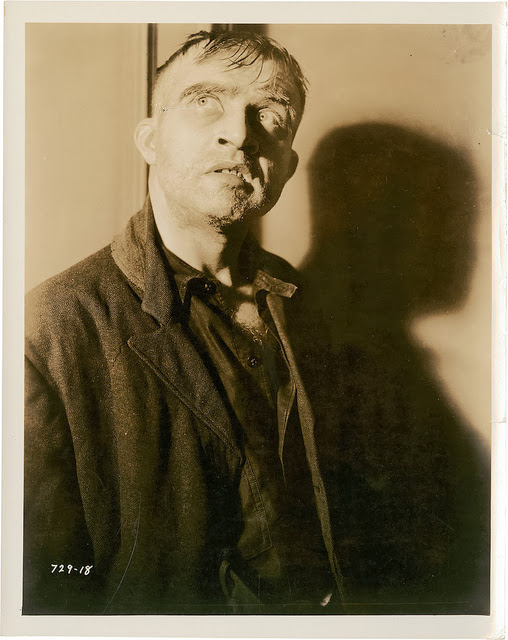
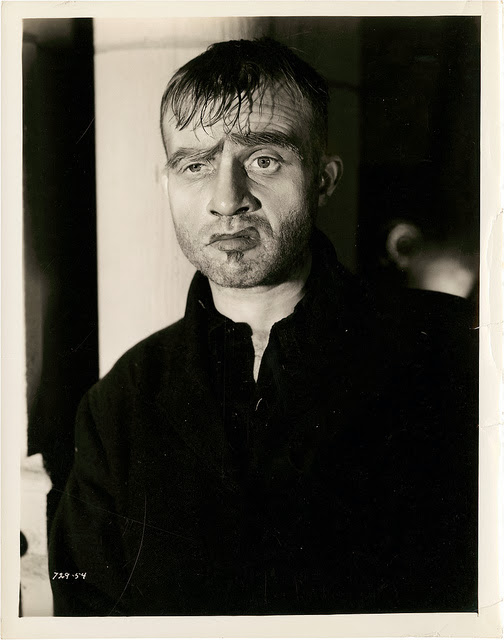
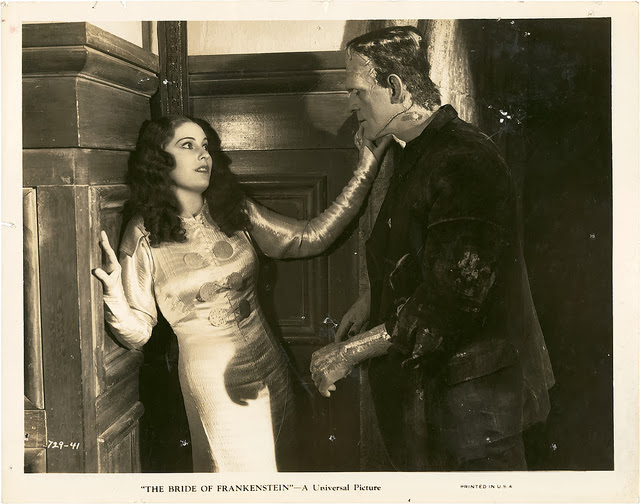
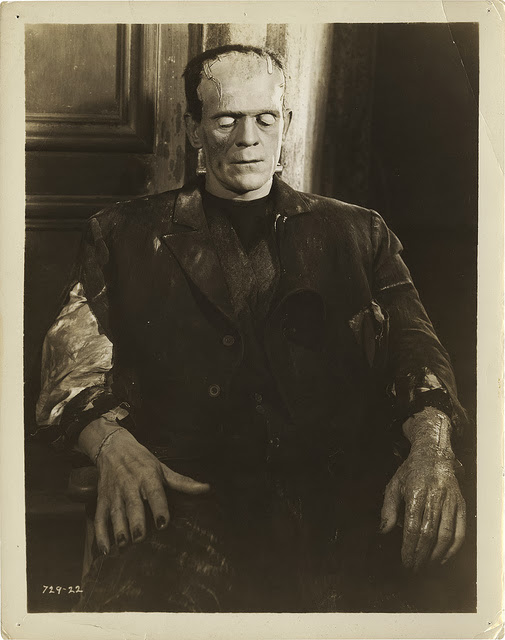
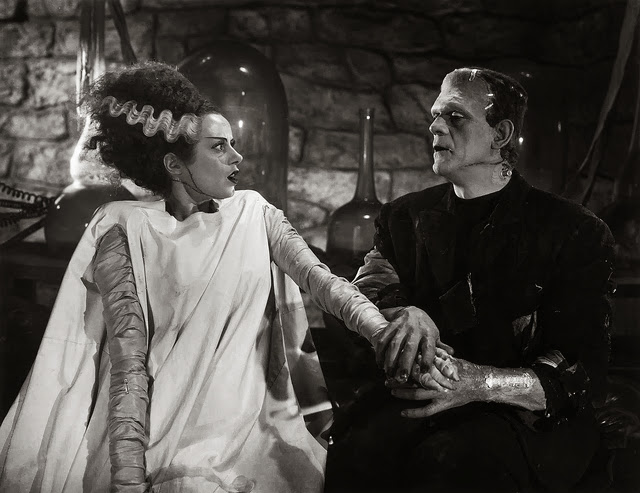
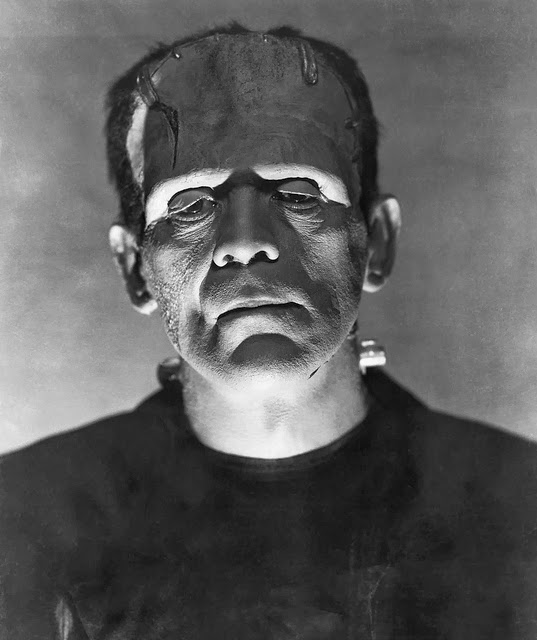
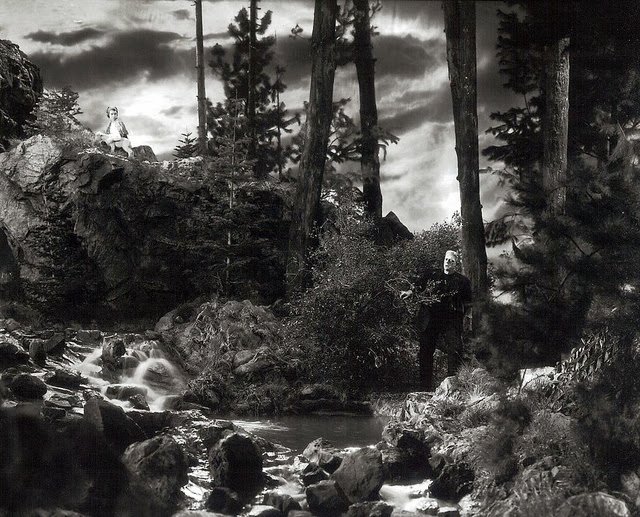
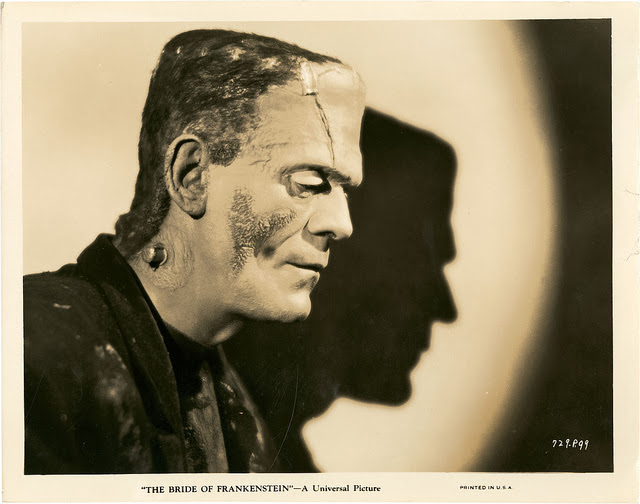
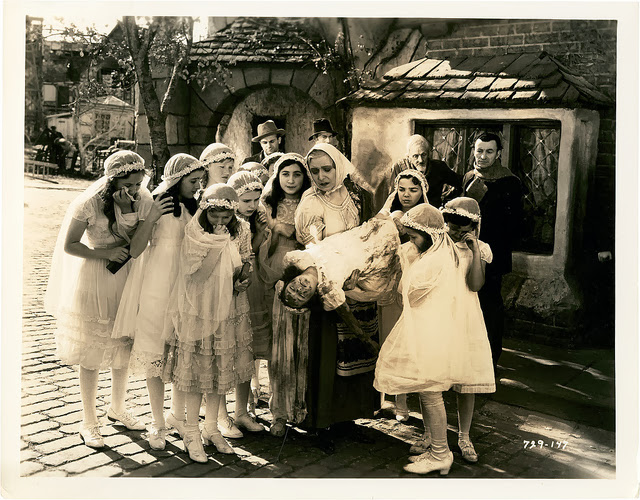
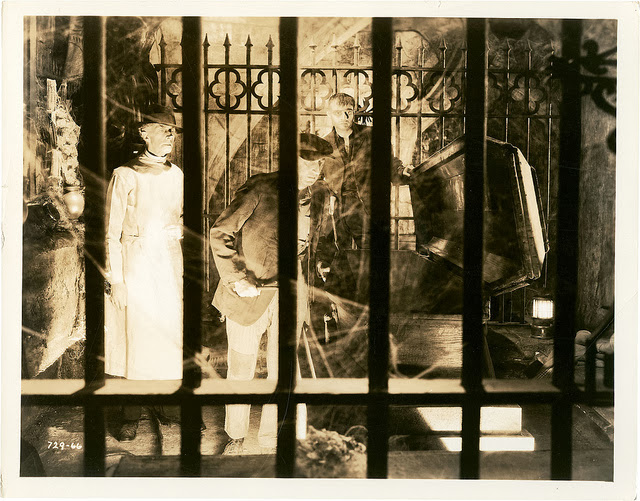
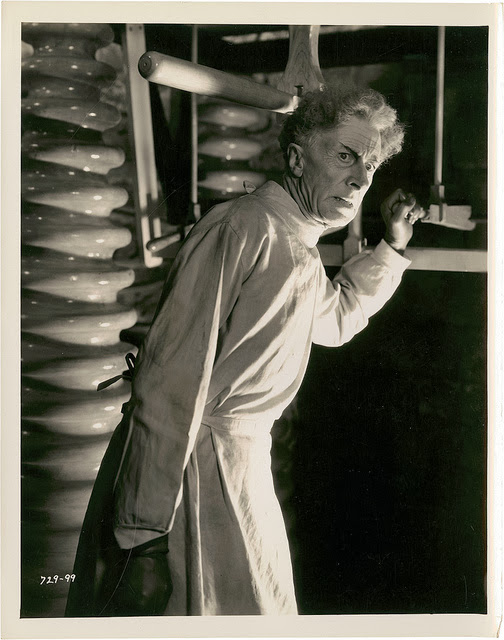
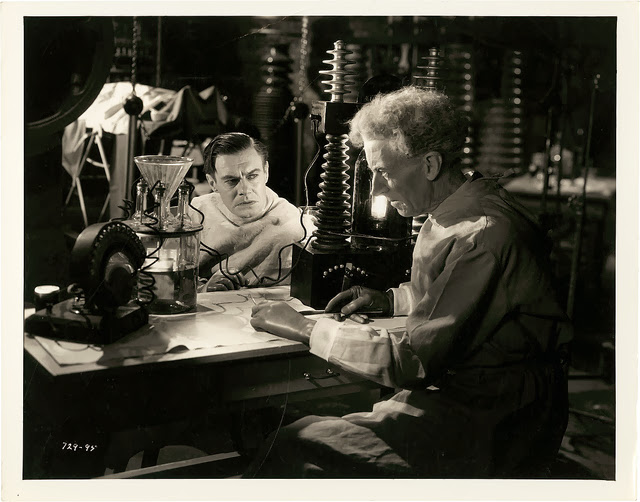
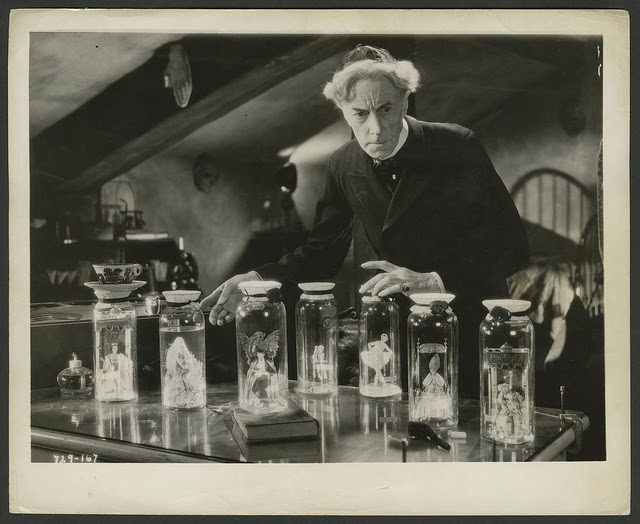
40 Vintage Photos from the 1935 Movie “Bride of Frankenstein”

Bride of Frankenstein is a 1935 American horror film, the first sequel to Frankenstein (1931). Bride of Frankenstein was directed by James Whale and stars Boris Karloff as The Monster, Elsa Lanchester in the dual role of his mate and Mary Shelley, Colin Clive as Henry Frankenstein, and Ernest Thesiger as Doctor Septimus Pretorius. Below are some of vintage photos from Bride of Frankenstein in 1935.

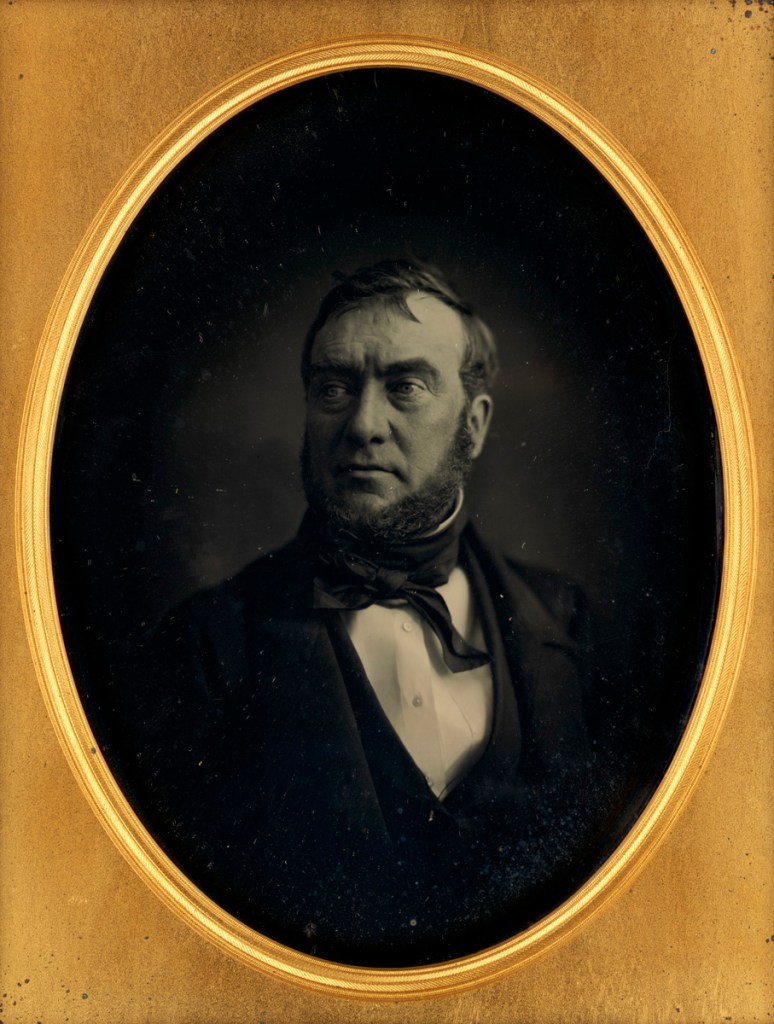
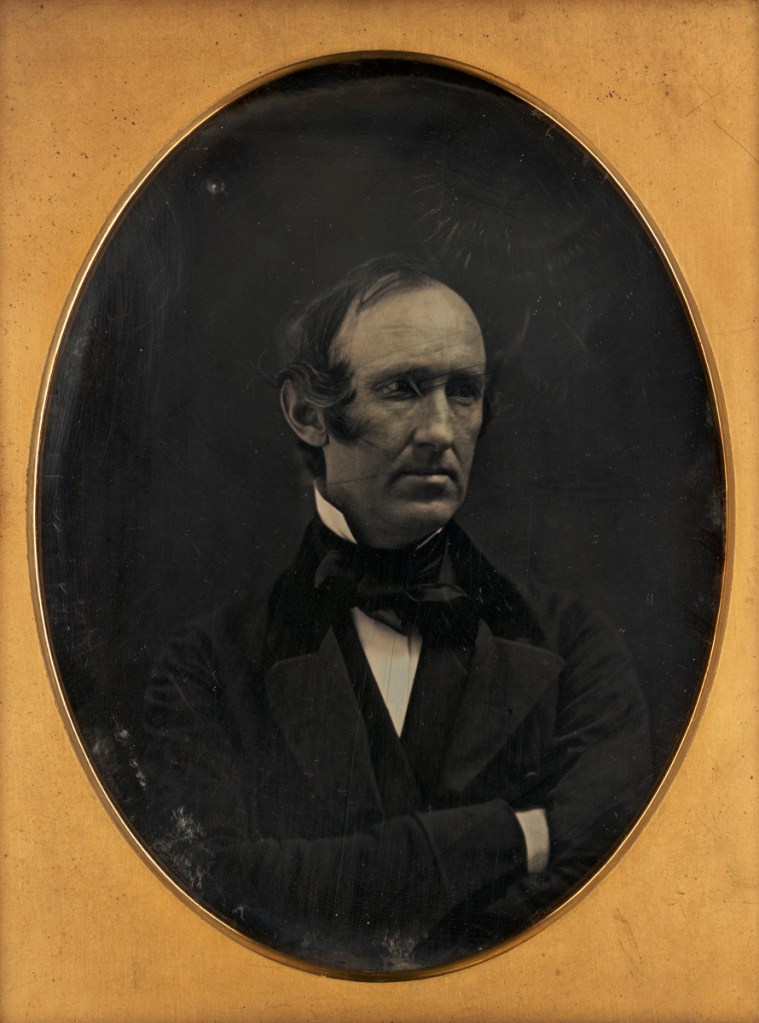
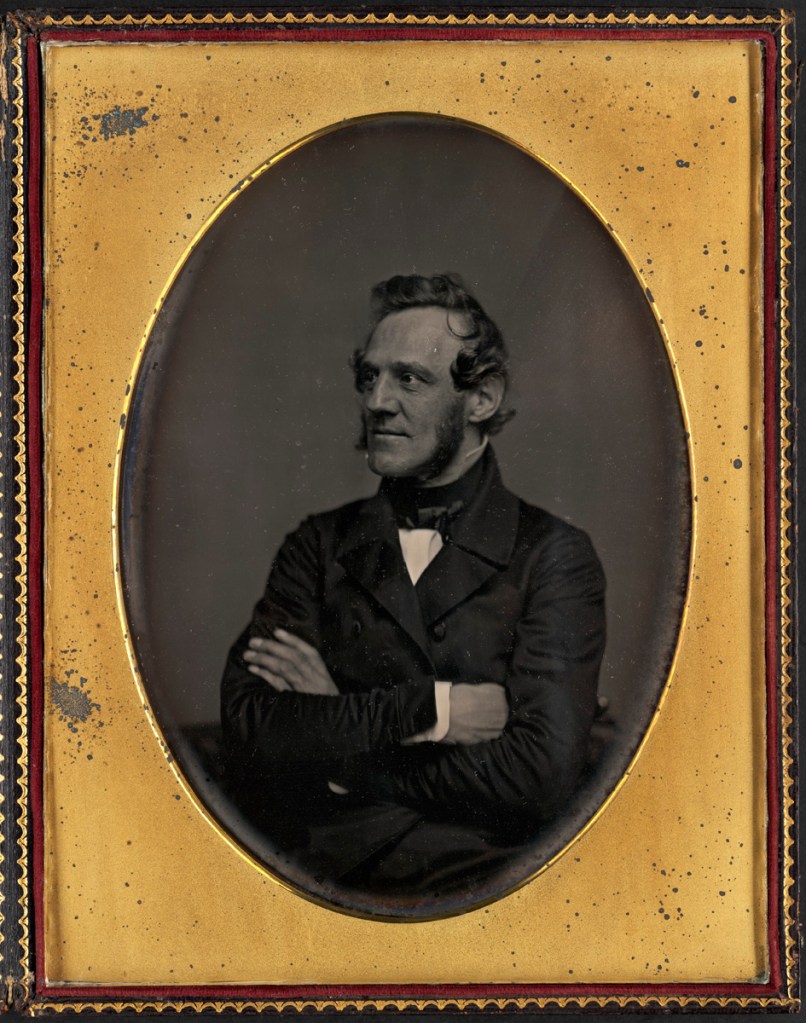
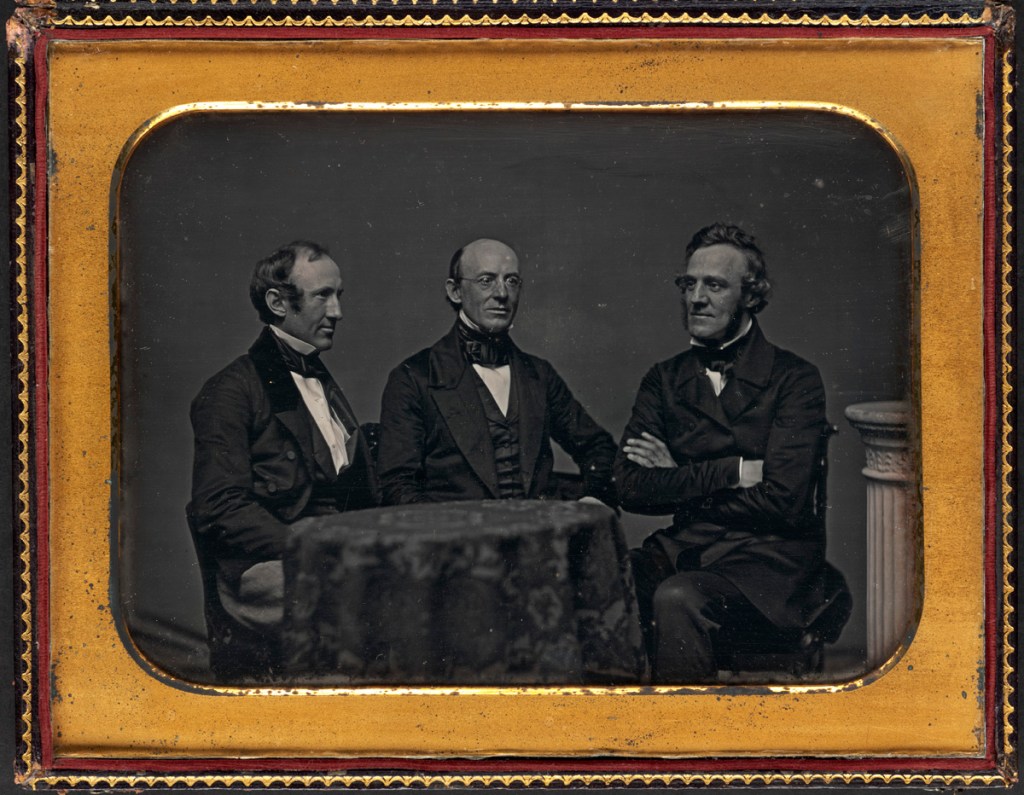
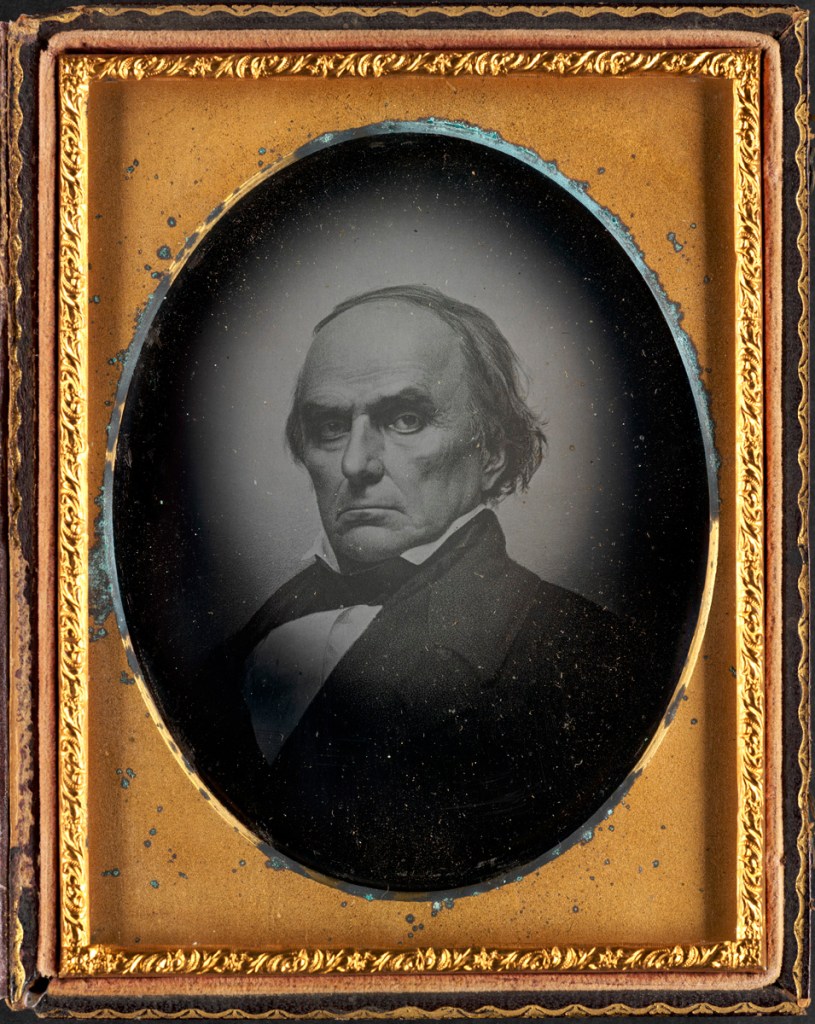
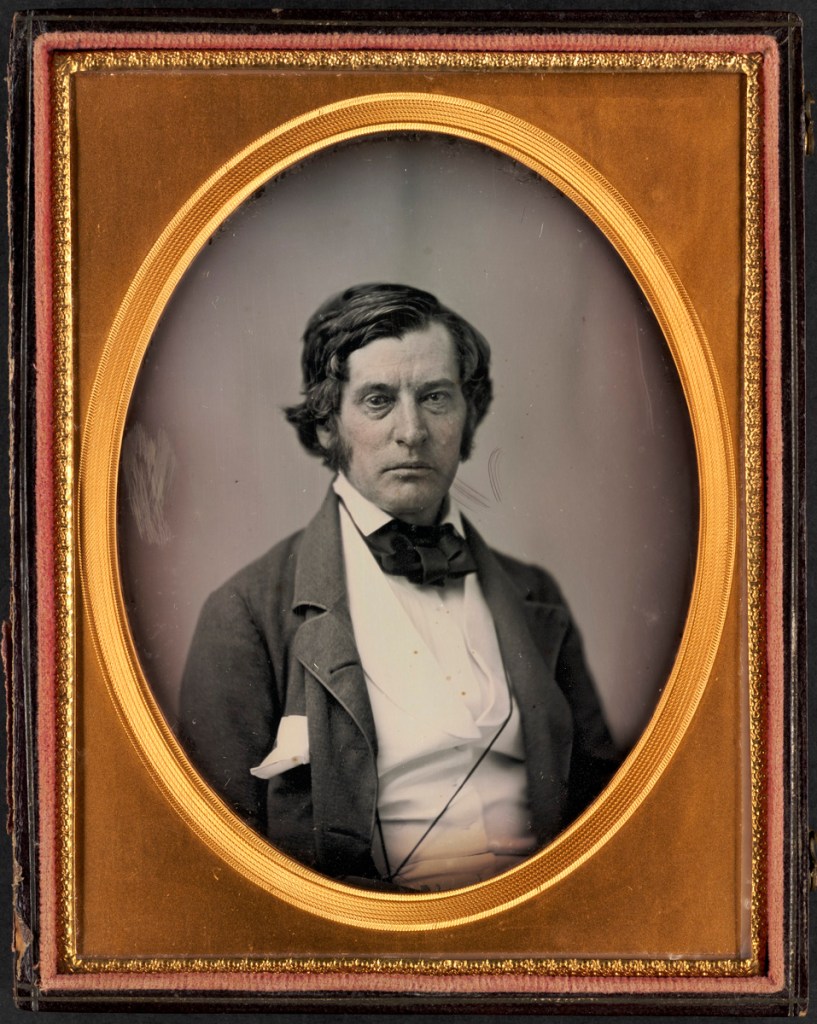
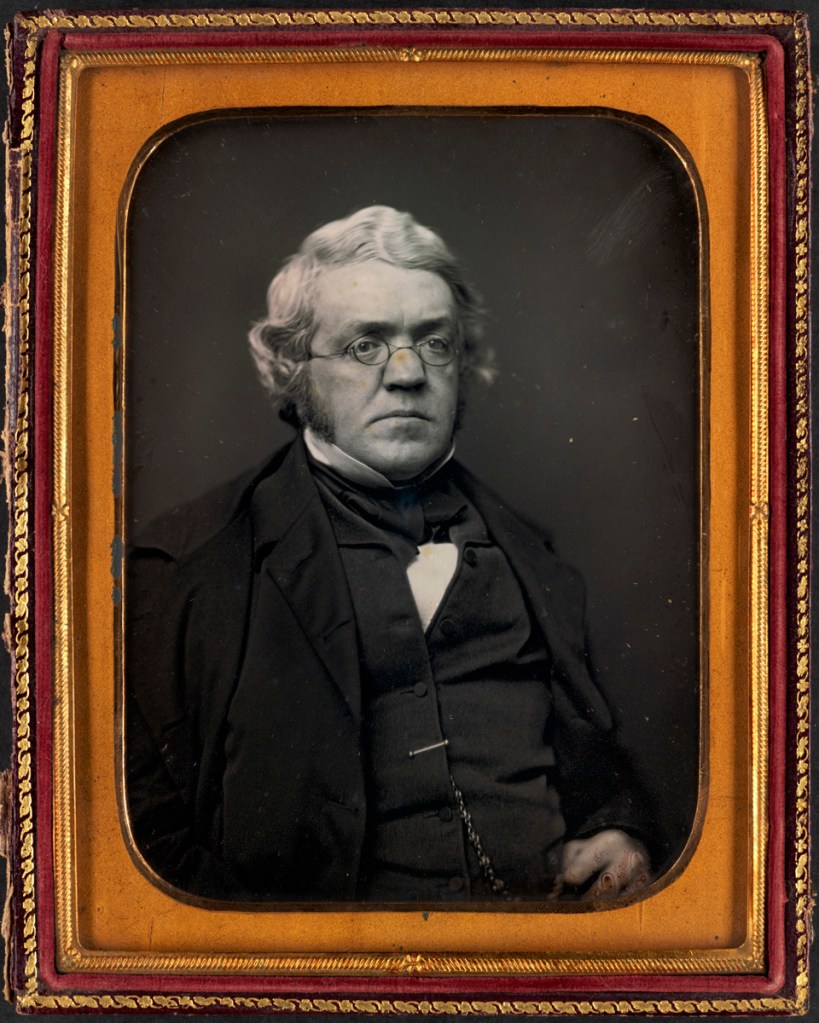
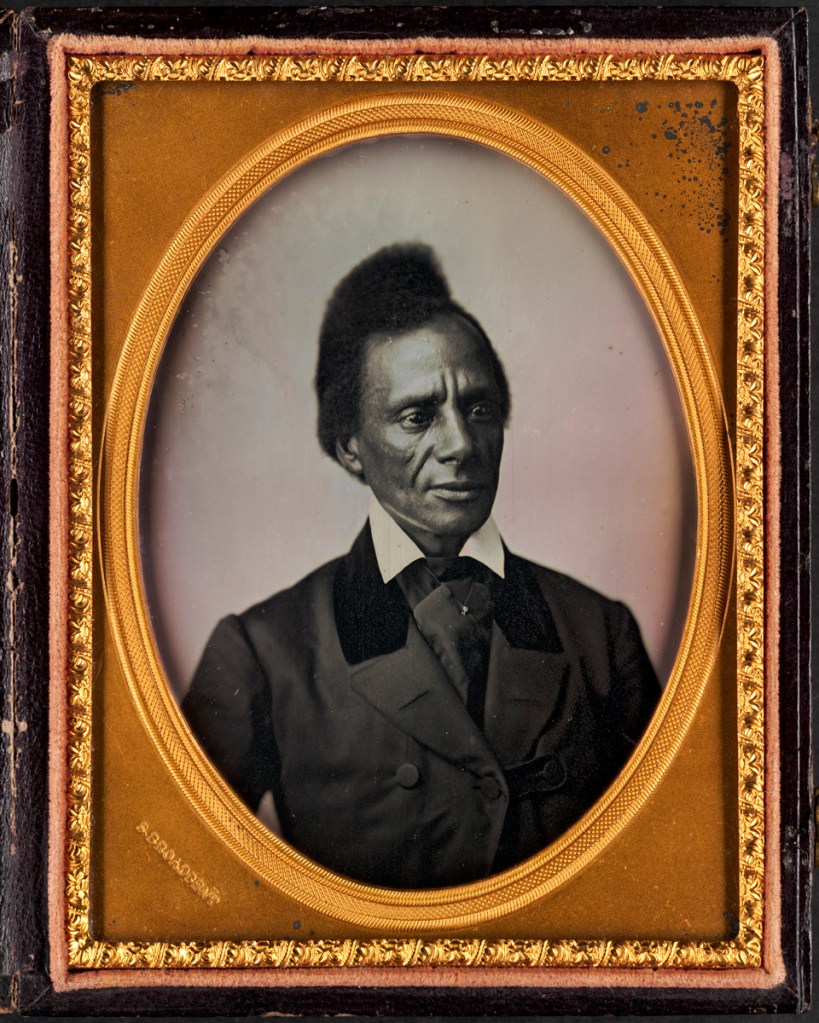
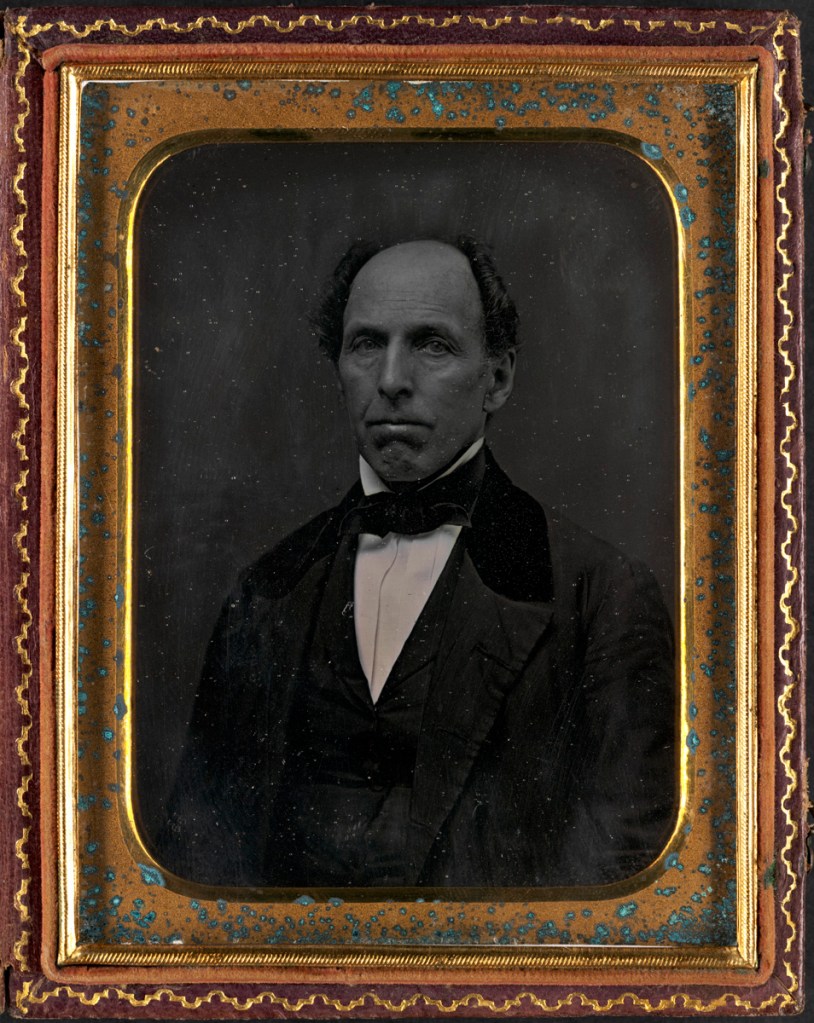
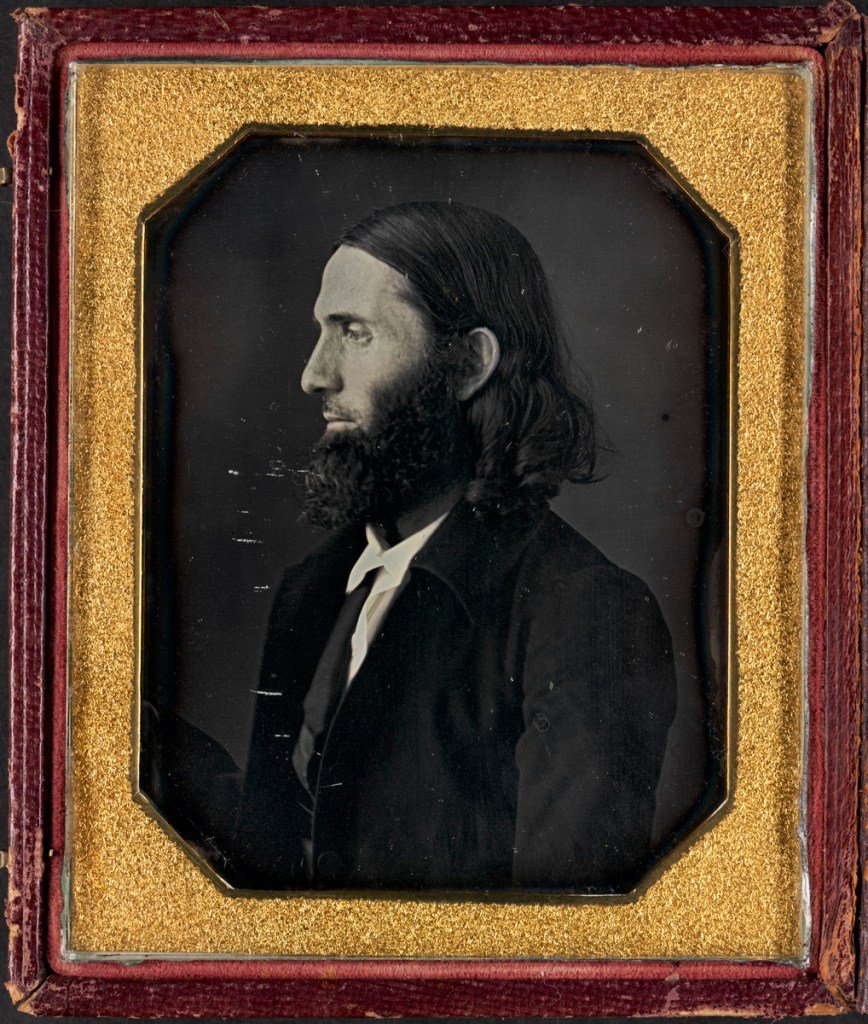
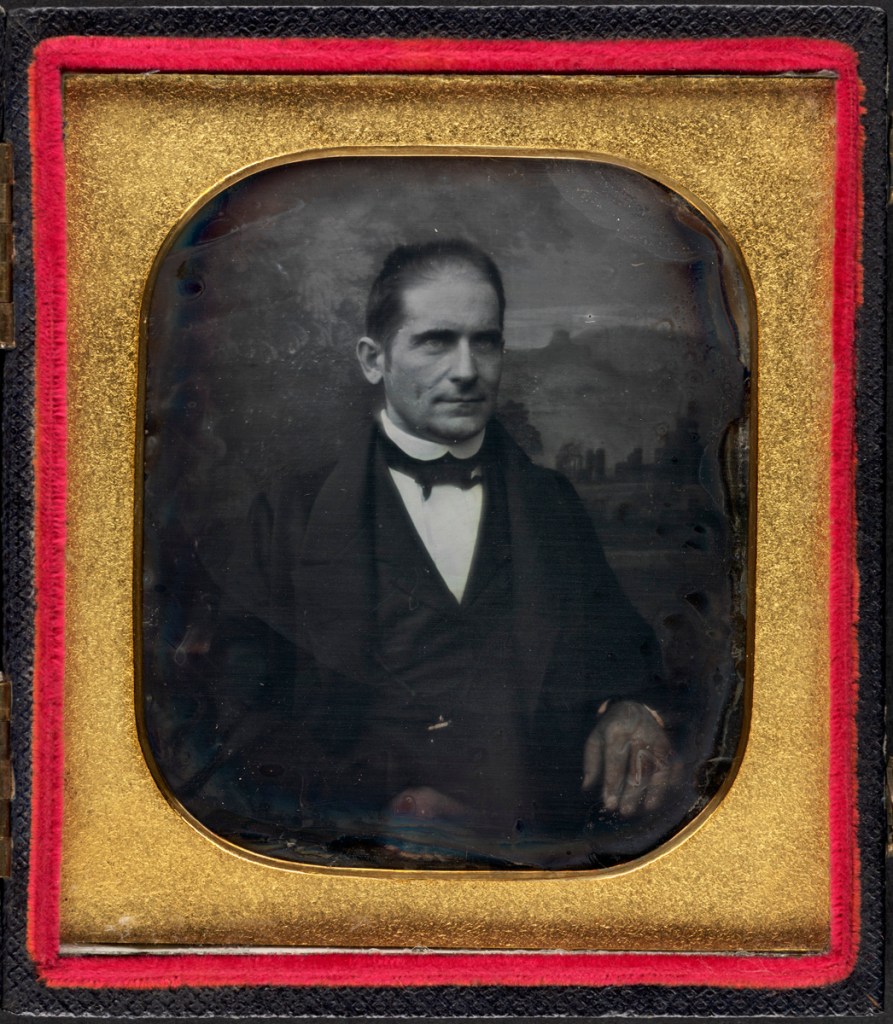
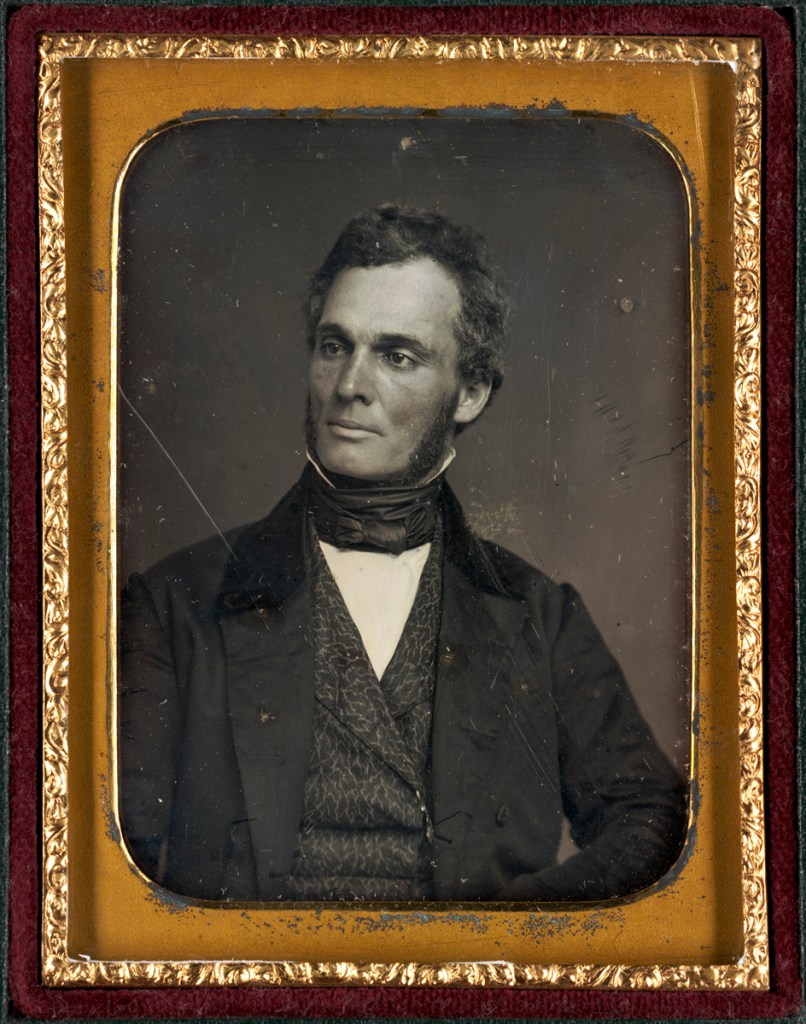
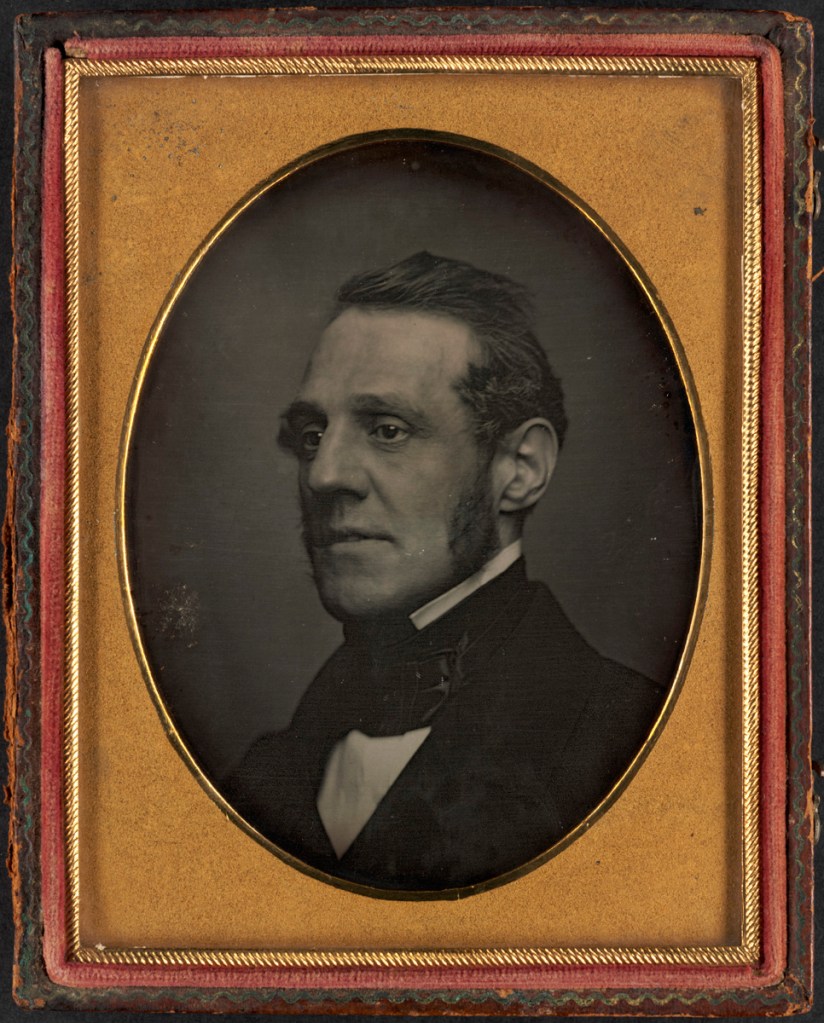
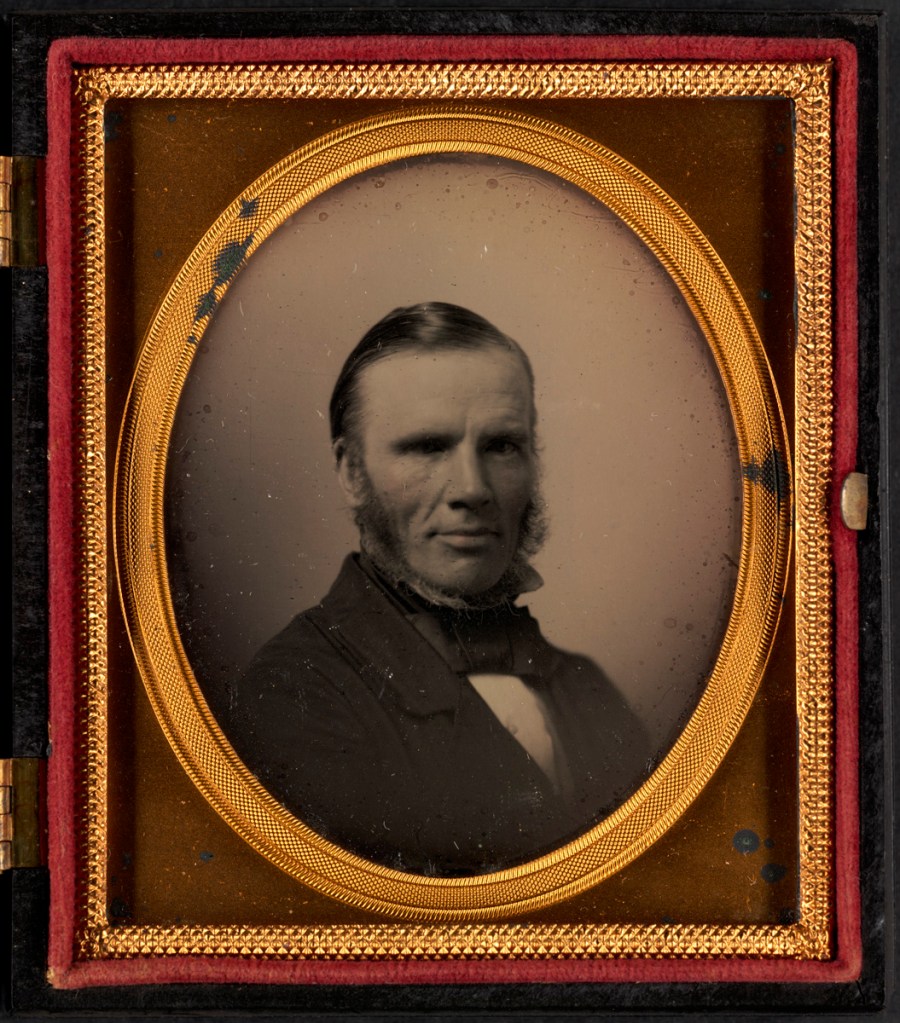
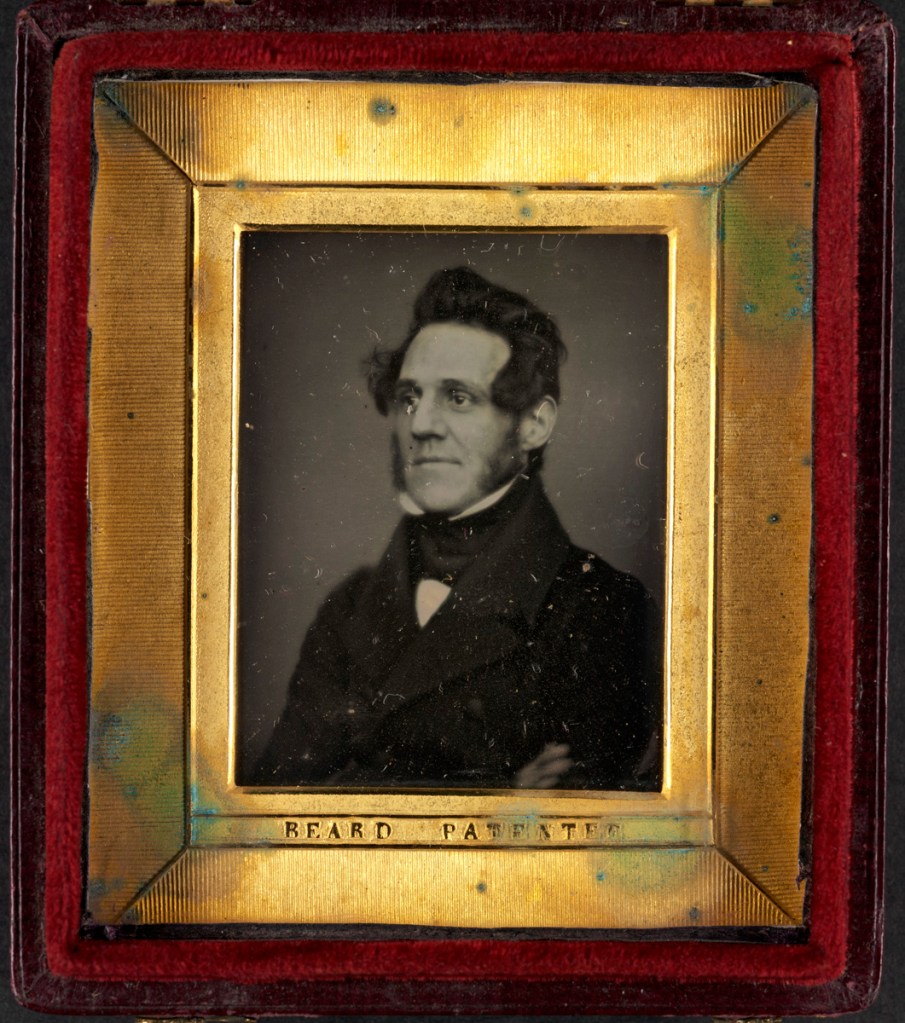
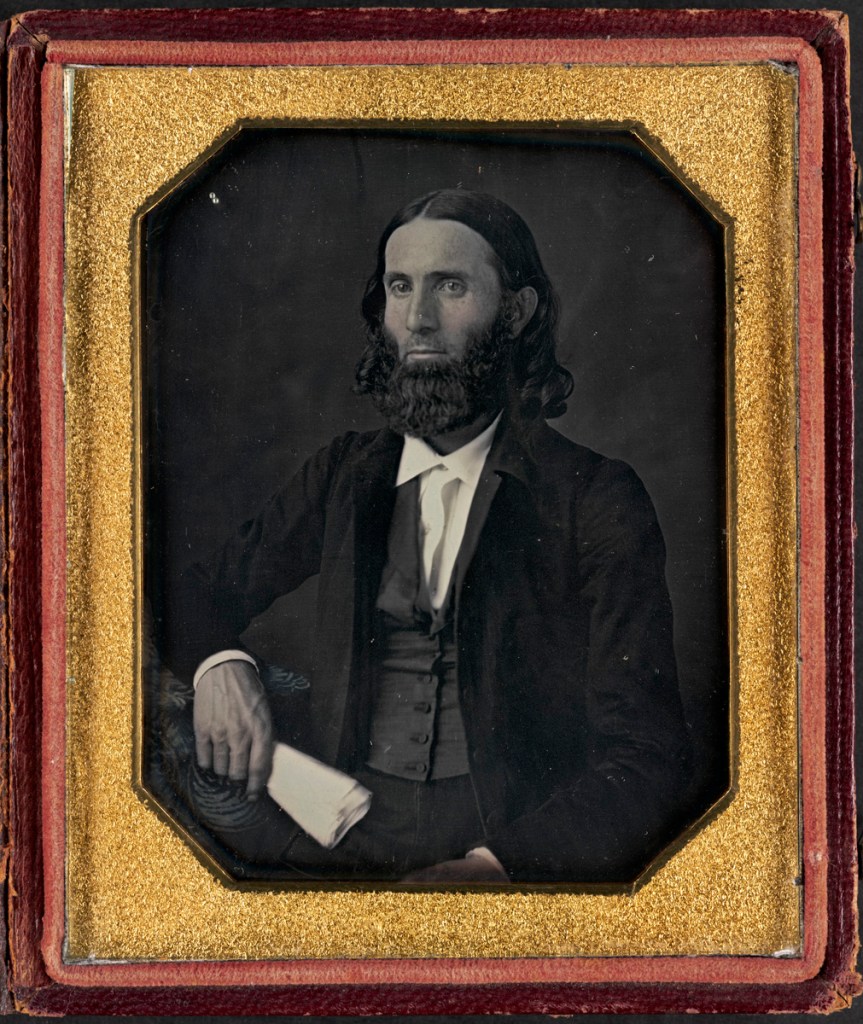
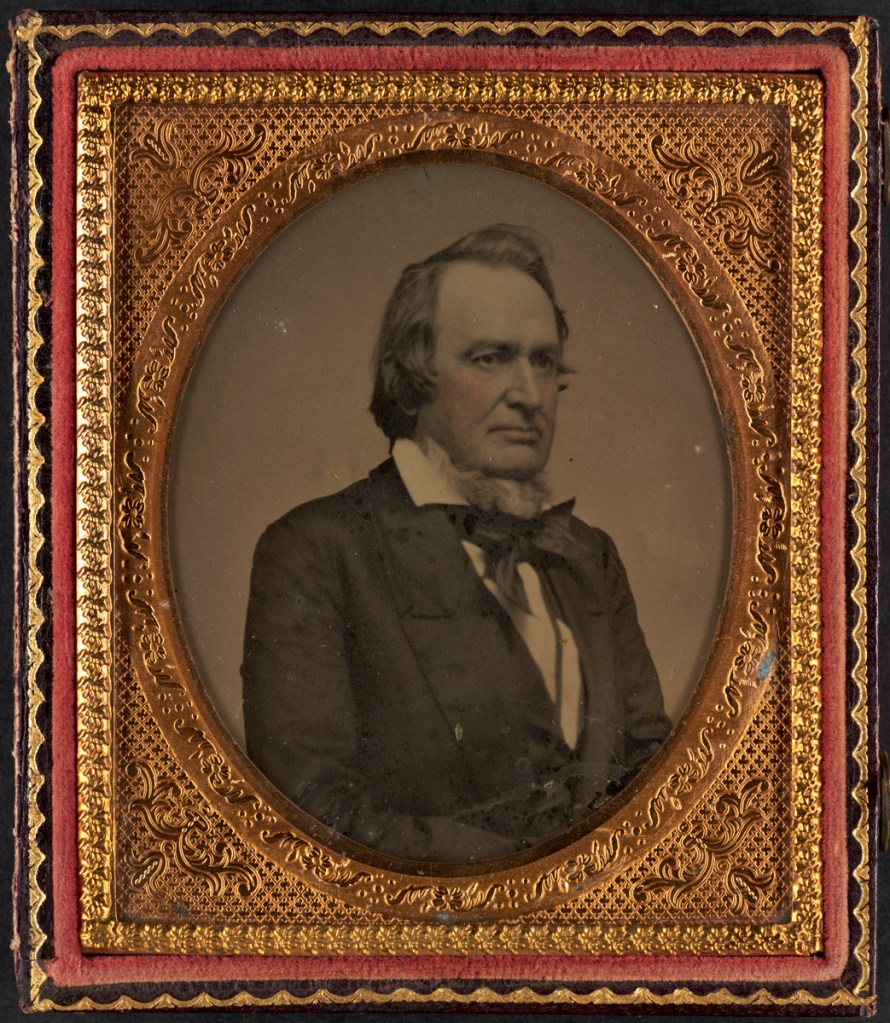
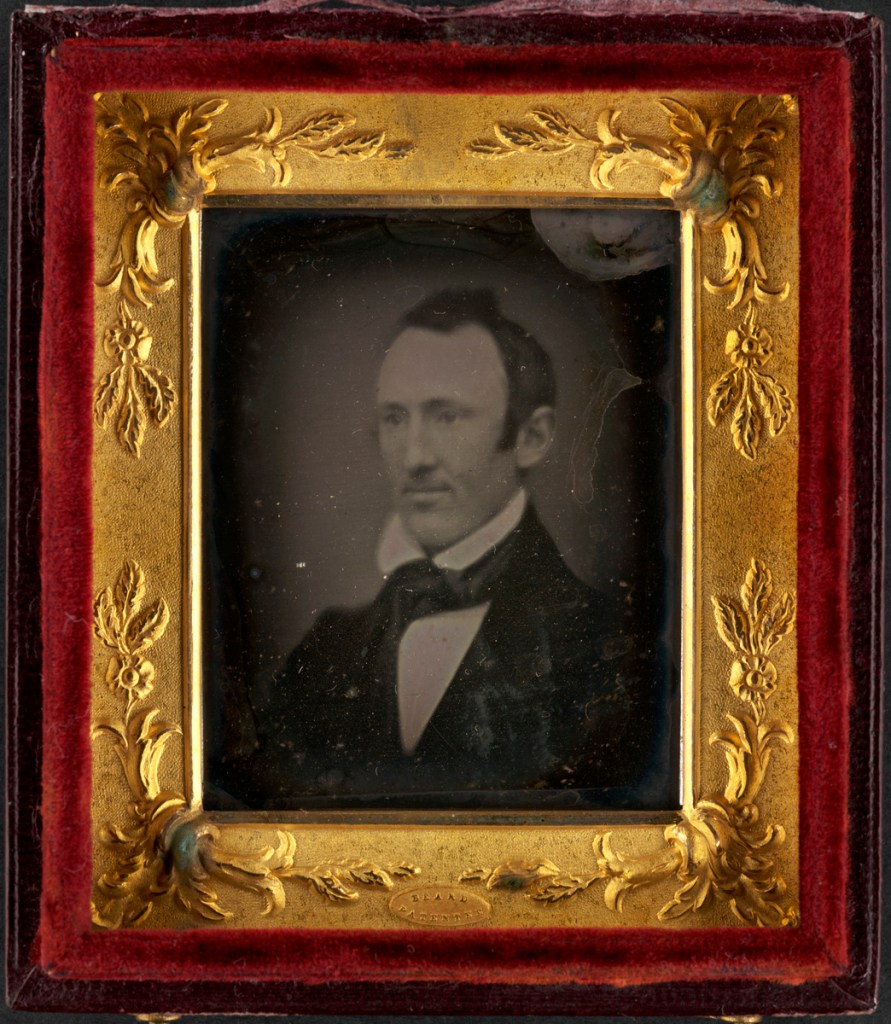
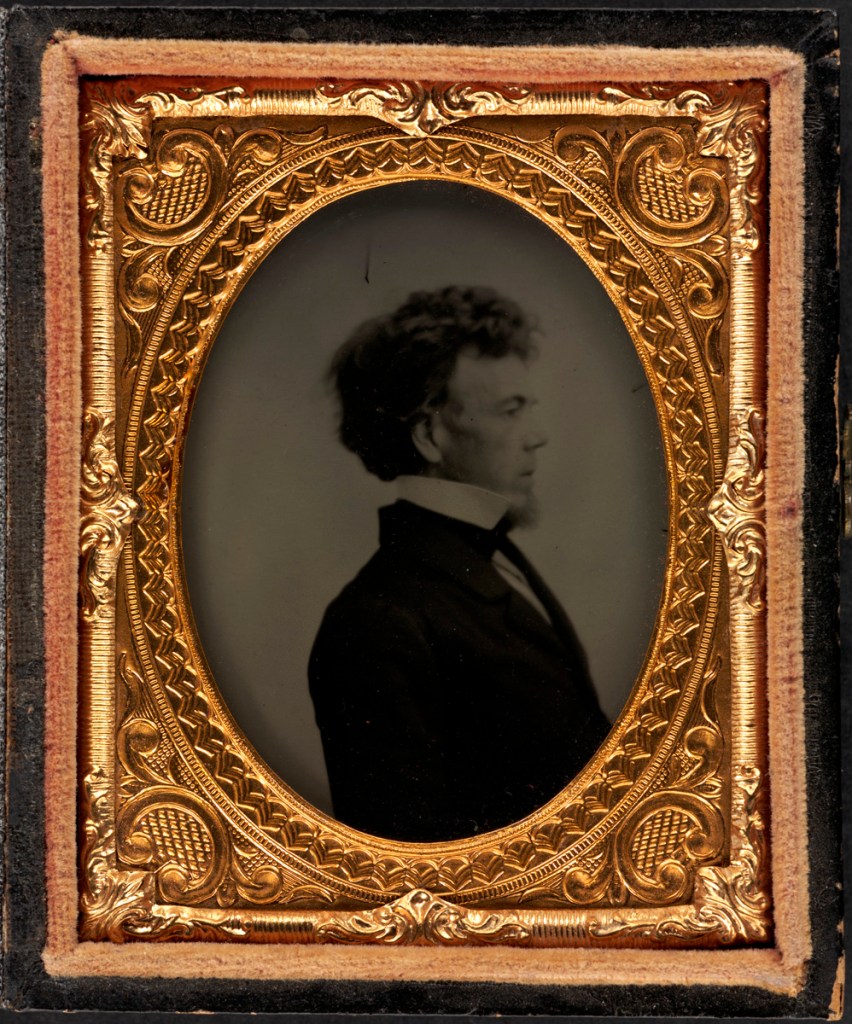
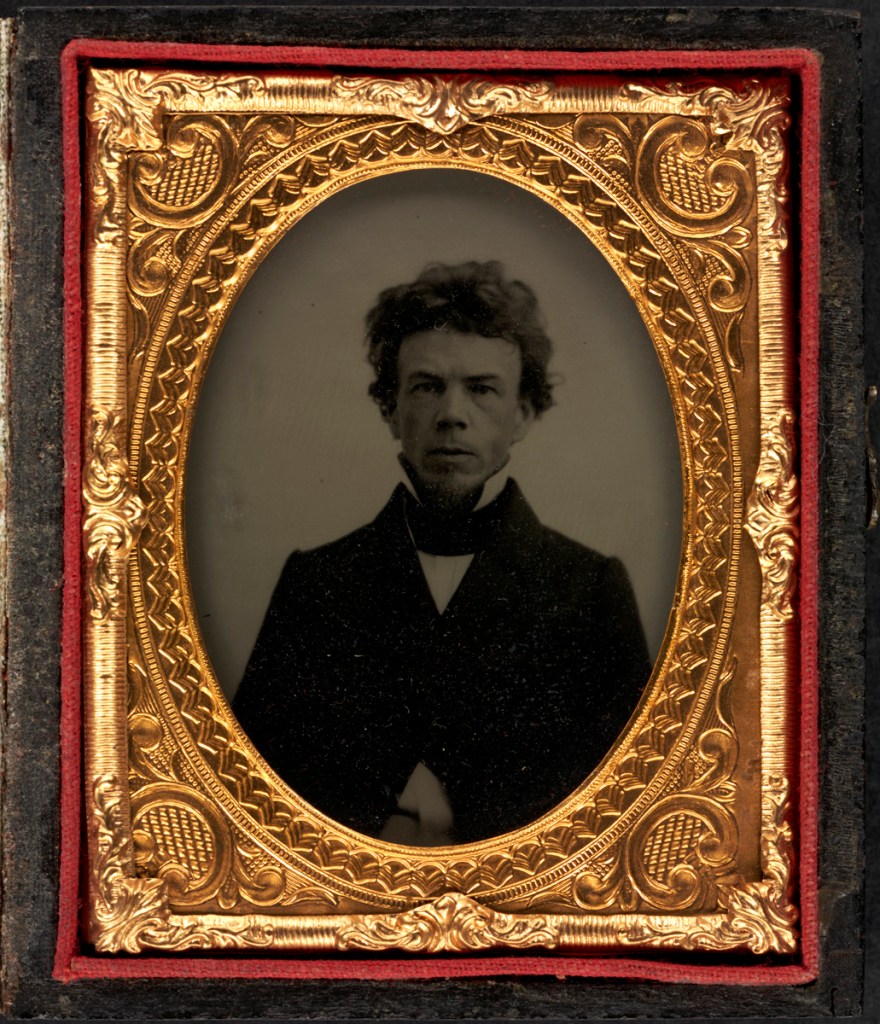
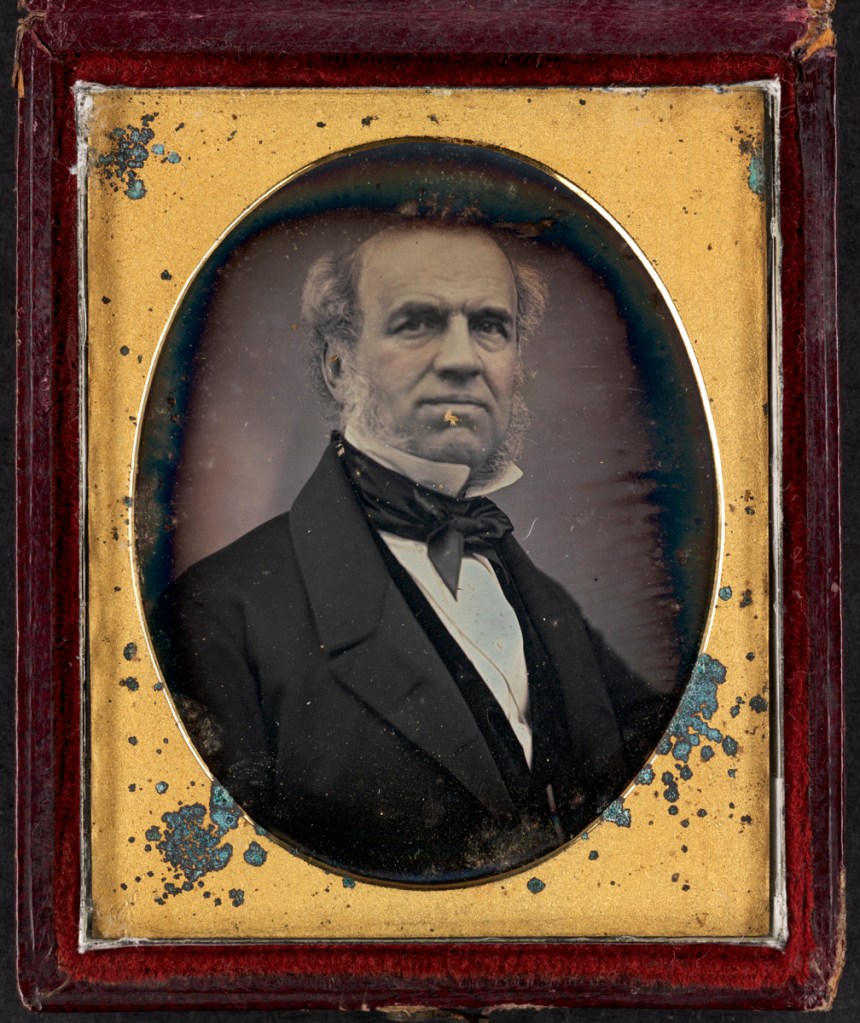
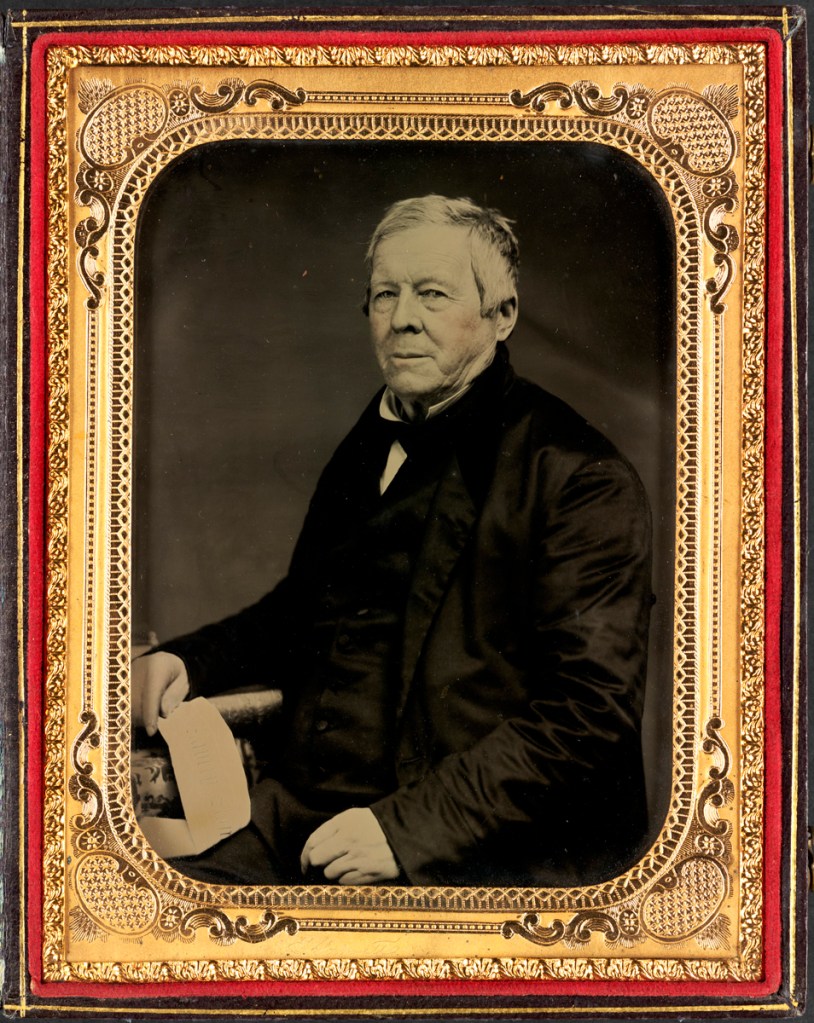
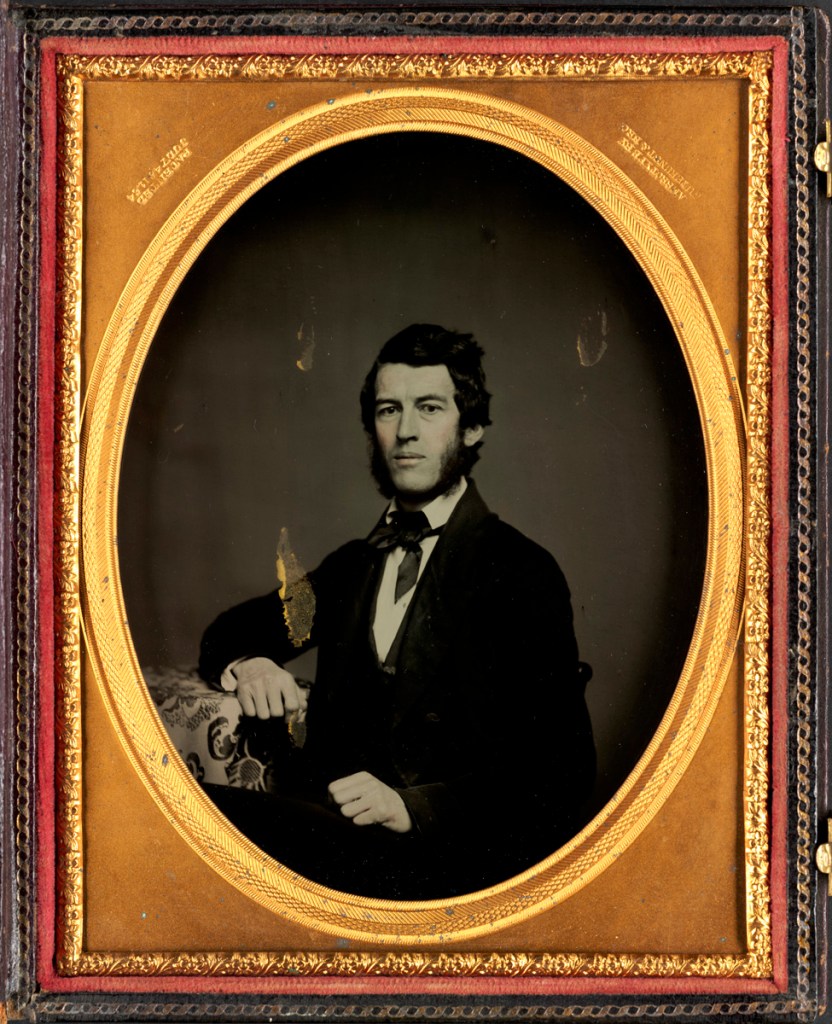
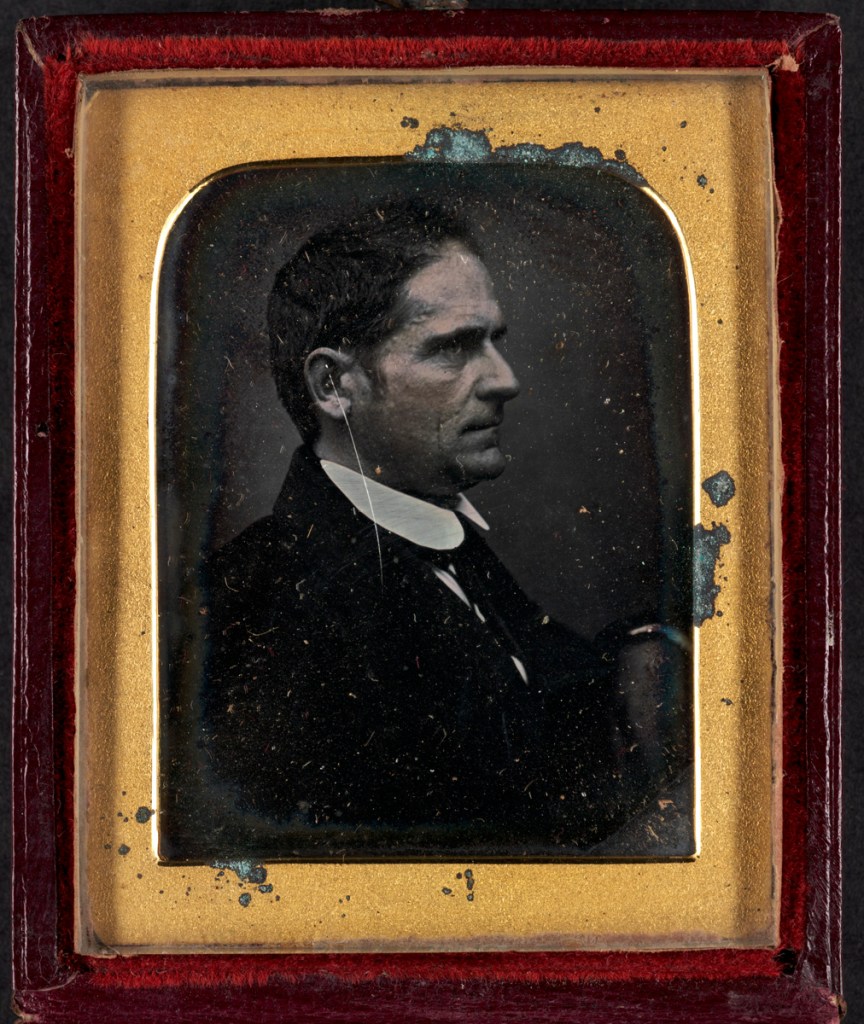
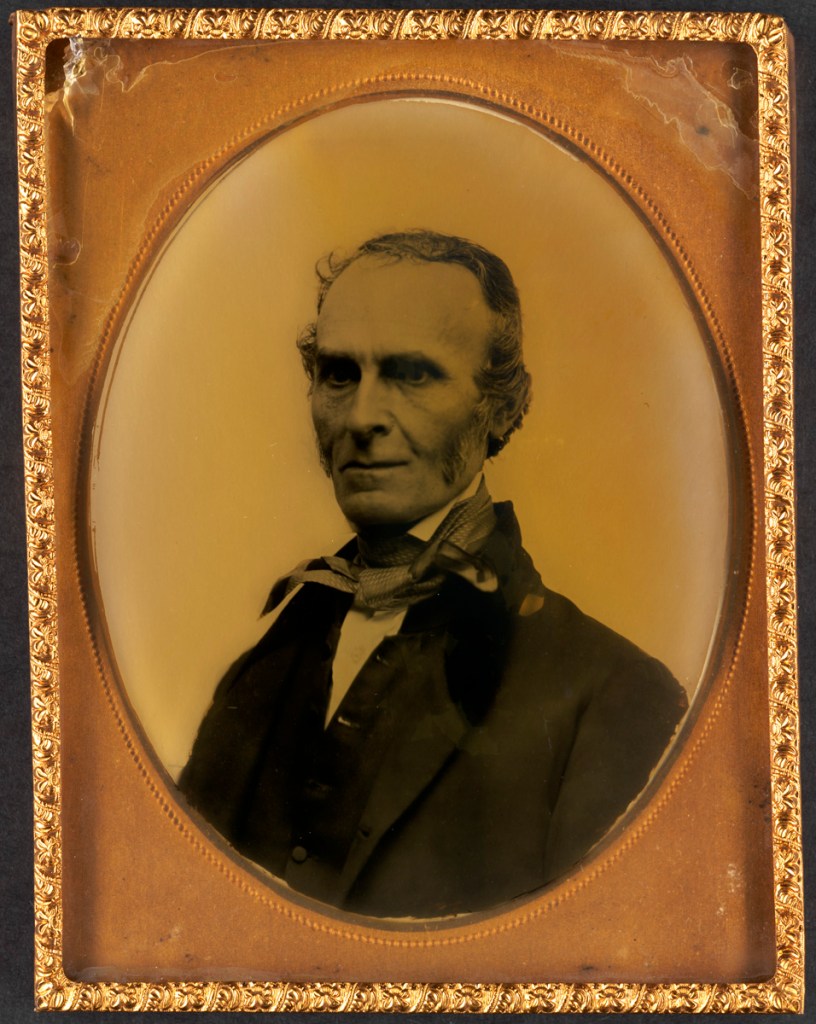
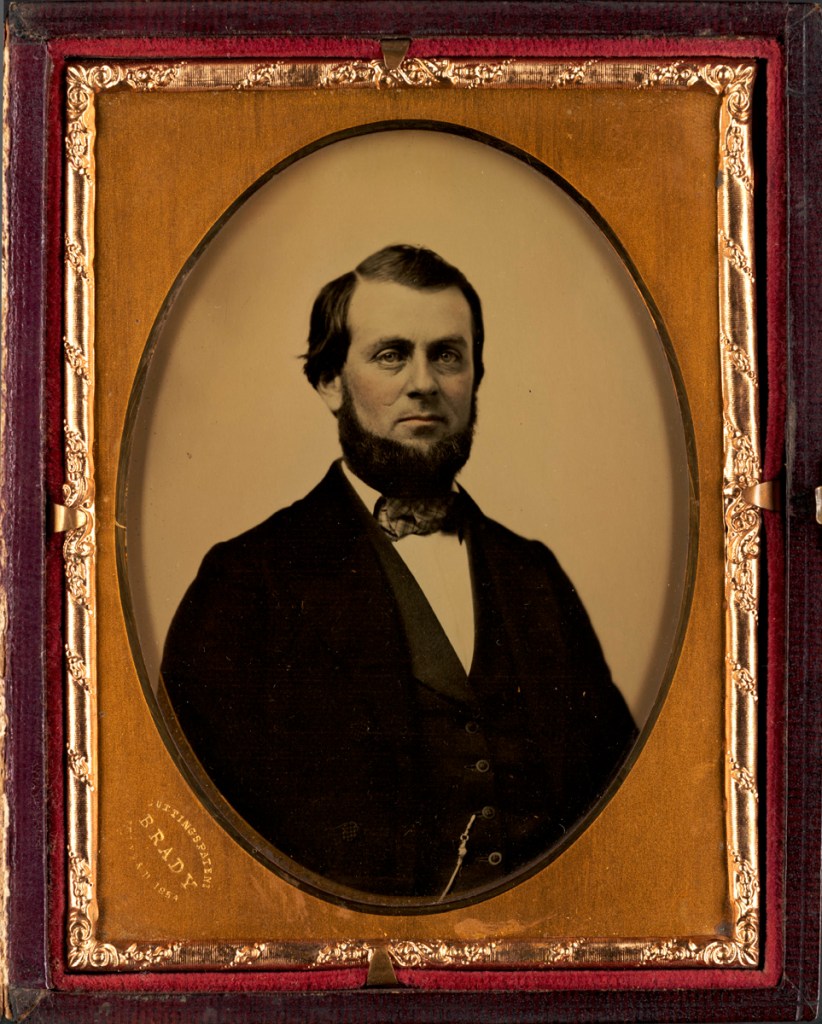
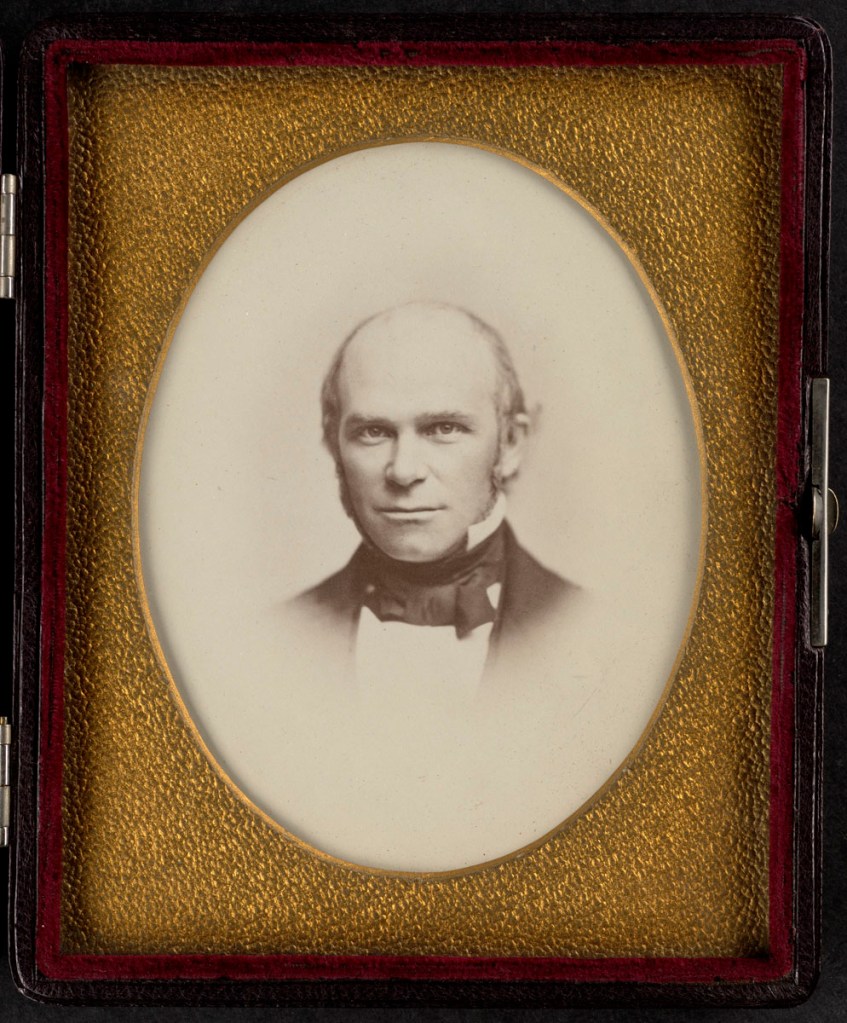
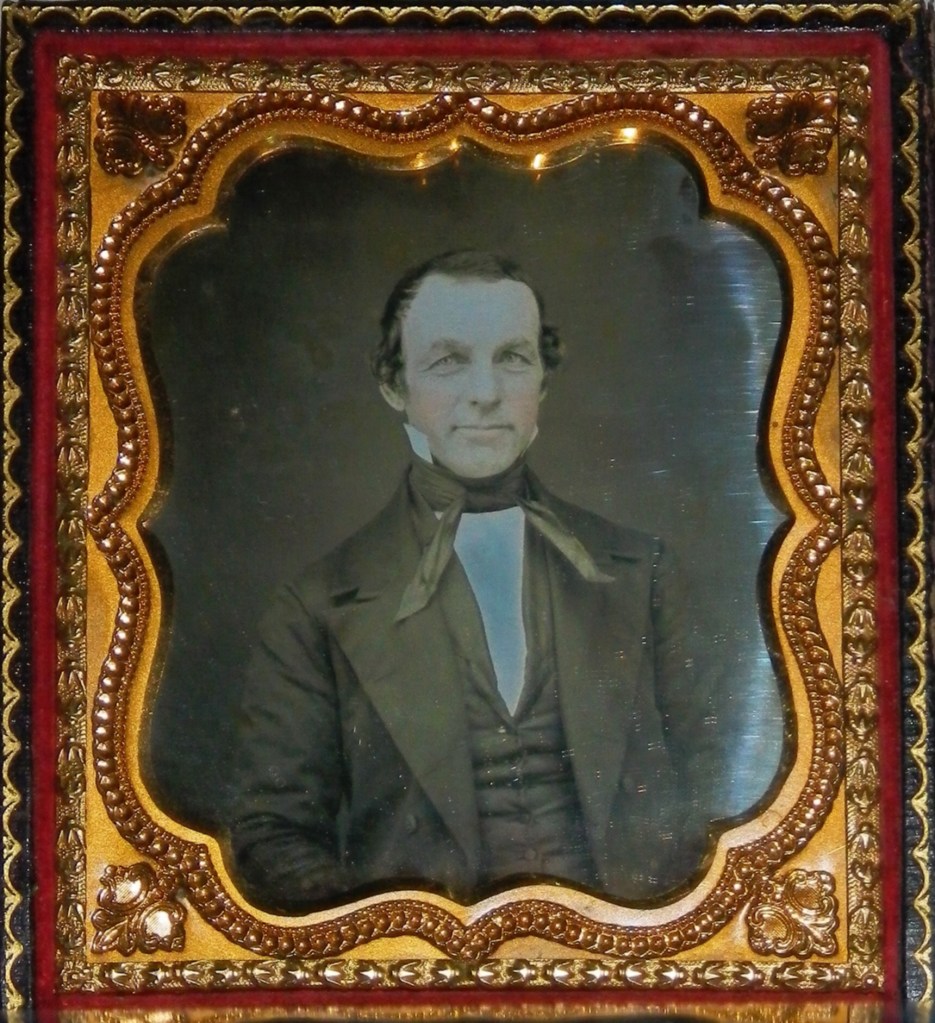
28 Extraordinary Vintage Photos of Men From Boston in the 1840s & 1850s

Joshua Bates 1850
Wendell Phillips 1850
George Thompson 1851
Wendell Phillips, William Lloyd Garrison and George Thompson 1851
Daniel Webster 1847
Charles Sumner 1855
William Makepeace Thackeray 1855
Charles Lenox Remond 1851-1856
Francis Jackson 1850
Charles Calistus Burleigh 1850
Henry Clarke Wright 1847
Robert Purvis 1850
George Thompson 1851
William Robson 1858
George Thompson 1841
Charles Calistus Burleigh 1850
Gerrit Smith 1850
Wendell Phillips 1841
Mellen Chamberlain 1855
James Haughton 1846
Thomas Garrett 1850
Passmore Williamson 1856
Henry Clarke Wright 1847
John Greenleaf Whittier 1850
Unidentified man 1854
Theodore Parker 1855
Unidentified man 1854

via Boston Public Library

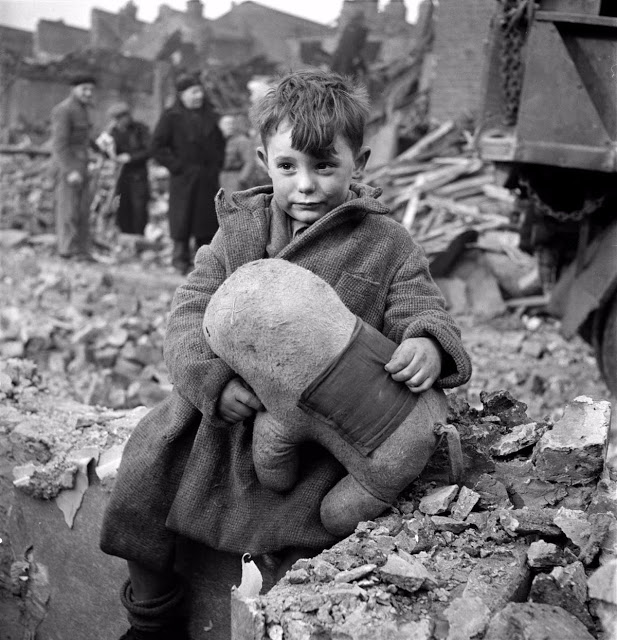
The Story Behind Toni Frissell’s Iconic Image of an Abandoned Boy Clutching a Stuffed Animal in the Rubble of 1945 London

“Here are faces that I have found memorable. If they are not all as happy as kings, it is because in this imperfect world and these hazardous times, the camera’s eye, like the eye of a child, often sees true,” wrote Toni Frissell. Those two eyes met in the below photo, one of the most heartbreaking photos to come out of the London Blitz.

Toni Frissell’s famous image of an abandoned boy clutching a stuffed animal in the rubble of 1945 London.

The boy did in fact survive the war and became a truck driver. In the photo he’s sitting outside where his house used to be. Frissell regarding this picture: “I was told he had come back from playing and found his house a shambles—his mother, father and brother dead under the rubble…he was looking up at the sky, his face an expression of both confusion and defiance. The defiance made him look like a young Winston Churchill. This photograph was used by IBM to publicize a show in London. The boy grew up to become a truck driver after the war, and walking past the IBM offices, he recognized his picture.”

The boy did in fact survive the war and became a truck driver.

Toni Frissell was one of the most famous fashion photographers of the day, working with both Cecil Beaton and Edward Steichen. During the WWII, Frissell volunteered for the American Red Cross, later becoming the official photographer of the Women’s Army Corps. She traveled to the European front twice, and spent time in London documenting the horrors of war above and below the ground.

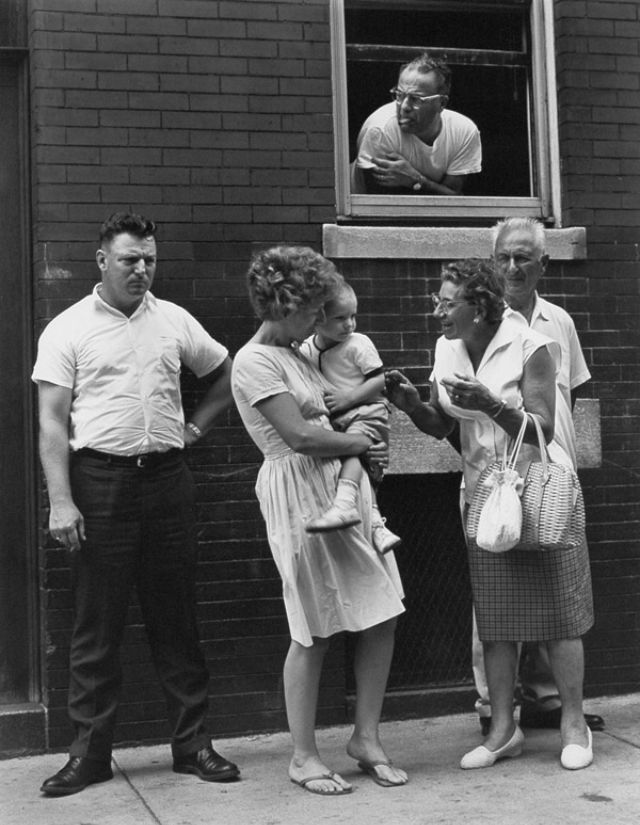
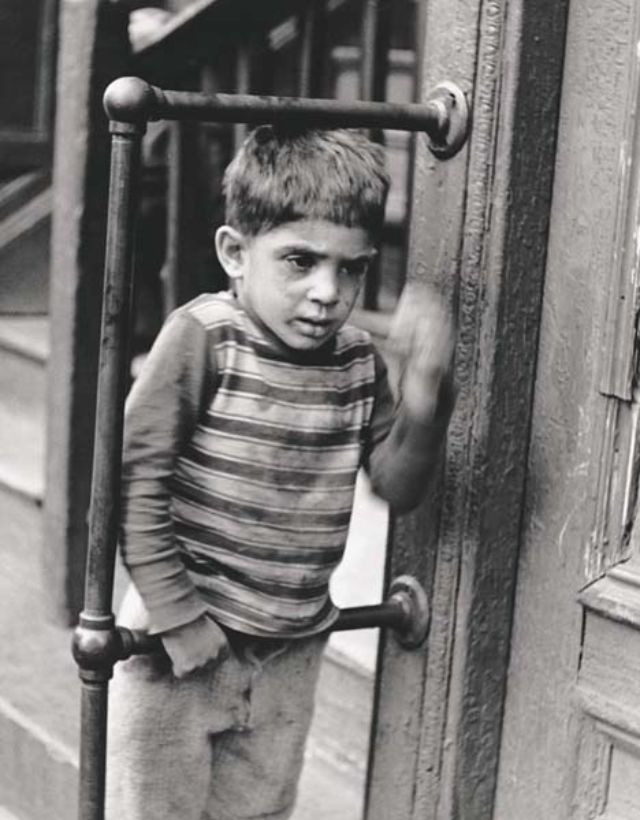
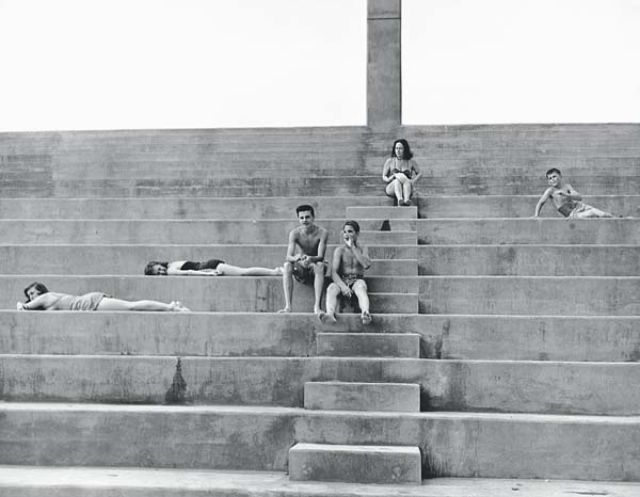
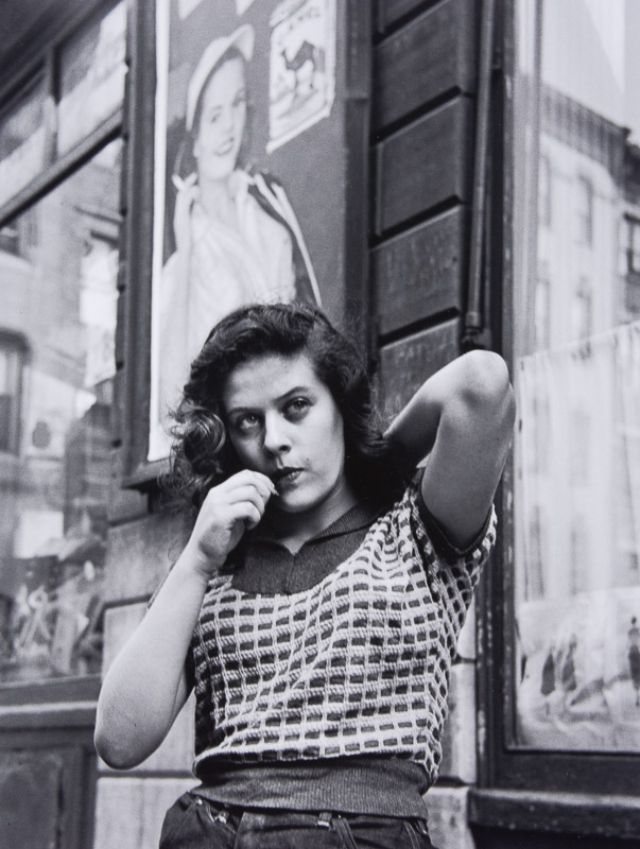
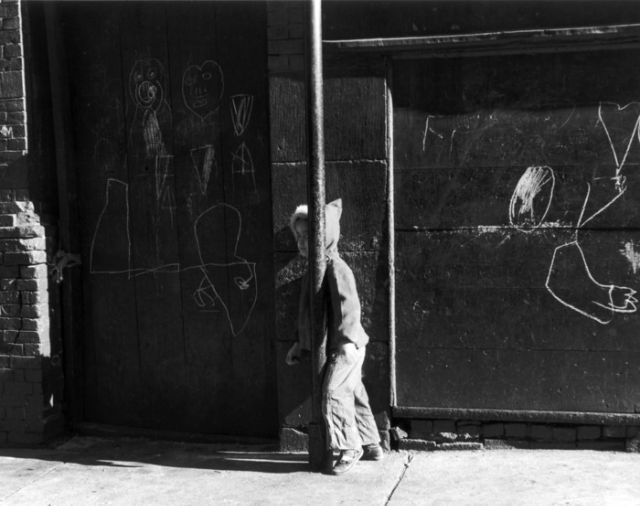
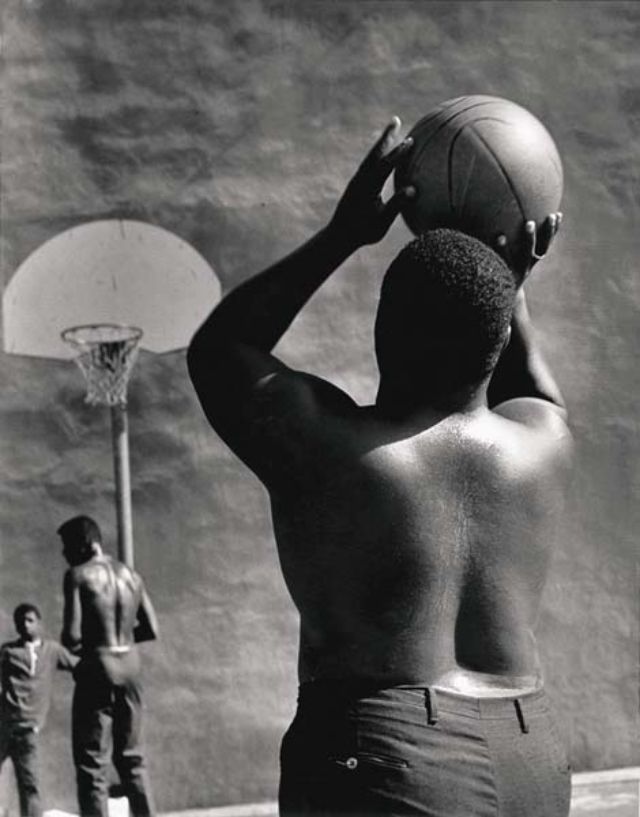
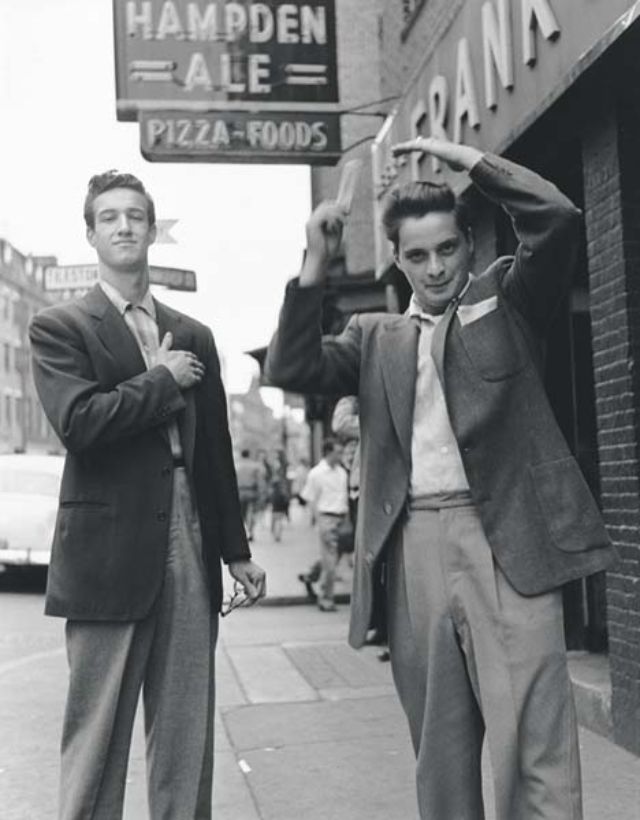
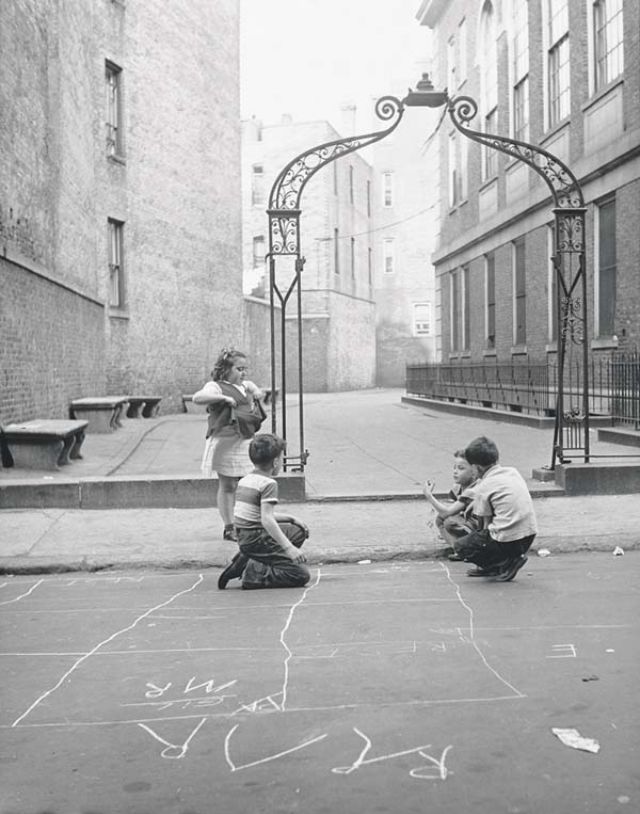
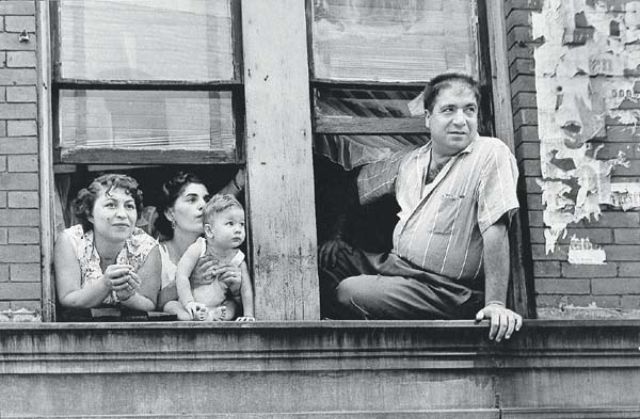
27 Vintage Photos Showing Life in Boston During the 1950s

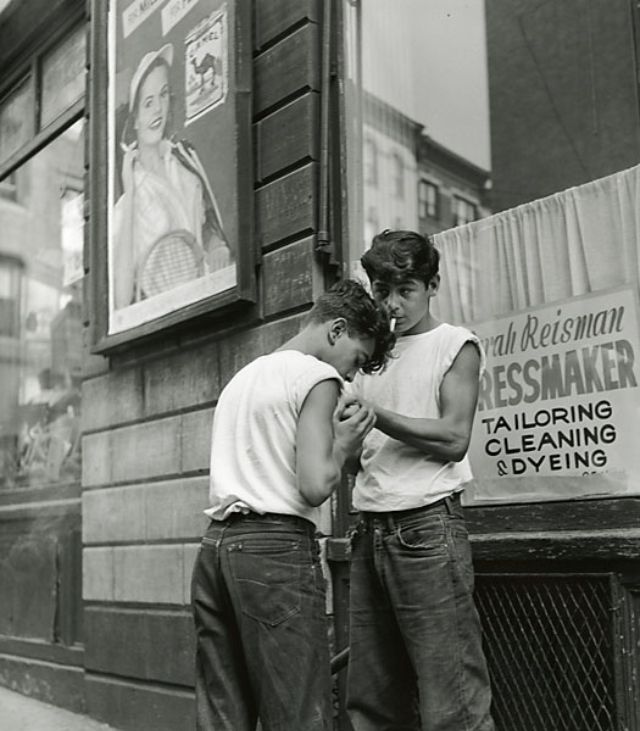
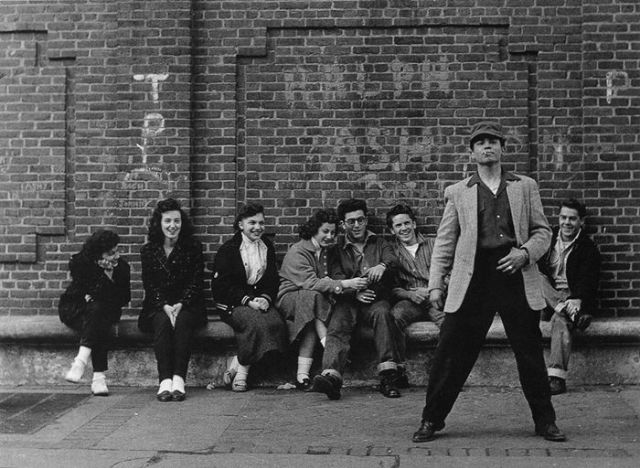
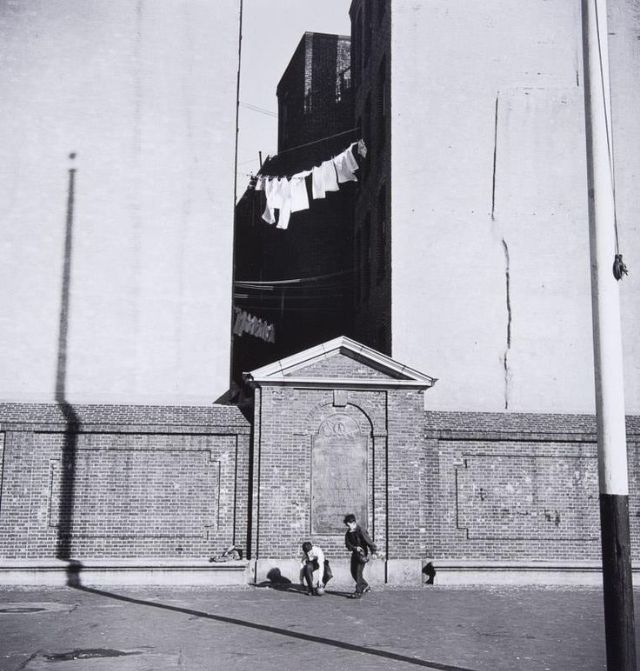
Although he was born and raised in New York City, American space physicist Jules Aarons (1921-2008) spent the majority of his life in the Boston area. He was known for his study of radio-wave propagation, and a photographer known for his street photography in Boston.

Aarons first became interested in photography as a youth, taking pictures of his family in Rockaway, New York. While pursuing his college degrees and working as a scientist, he continued to develop his craft, taking his camera with him on business trips around the world.

(Photos by Jules Aarons)

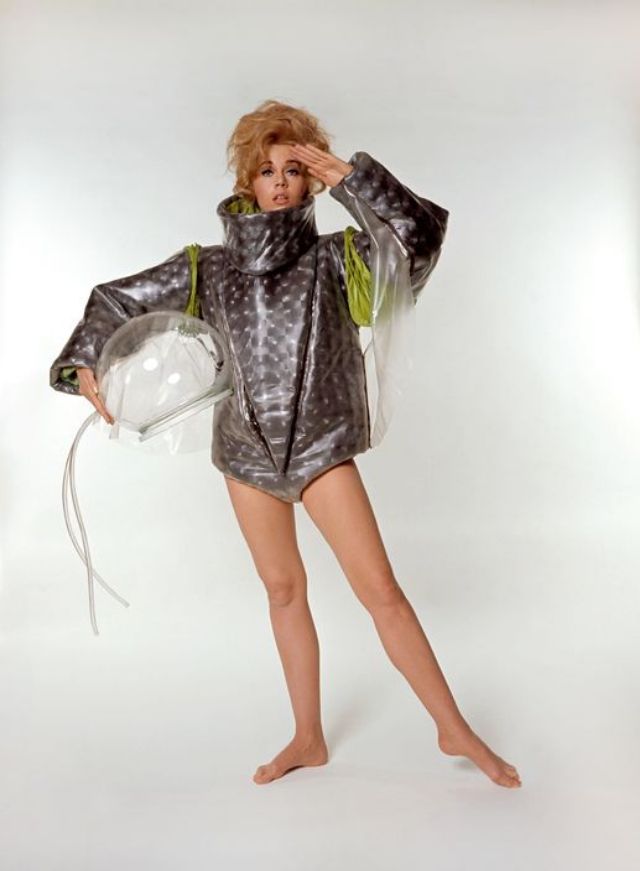
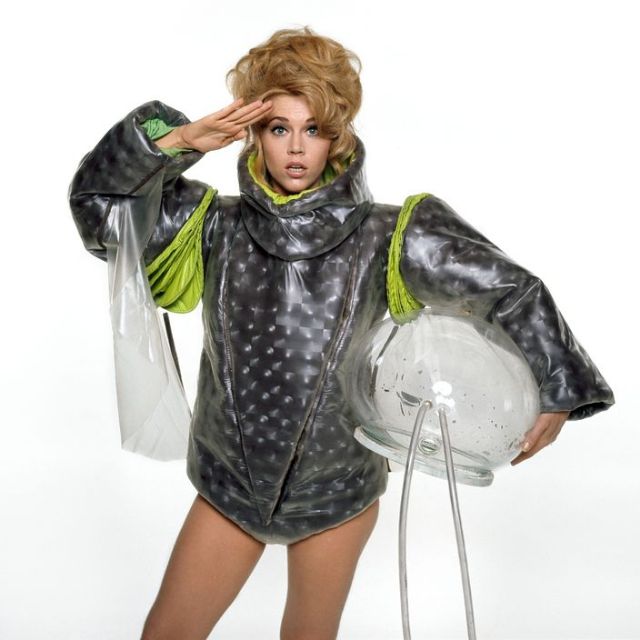
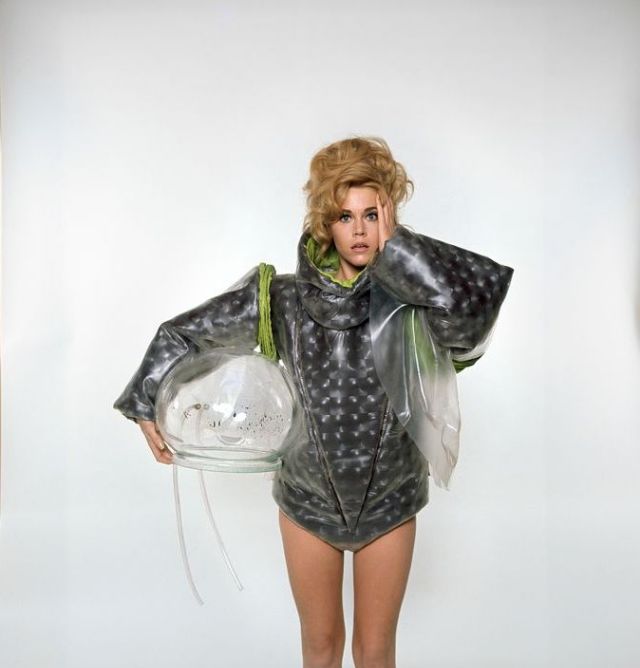
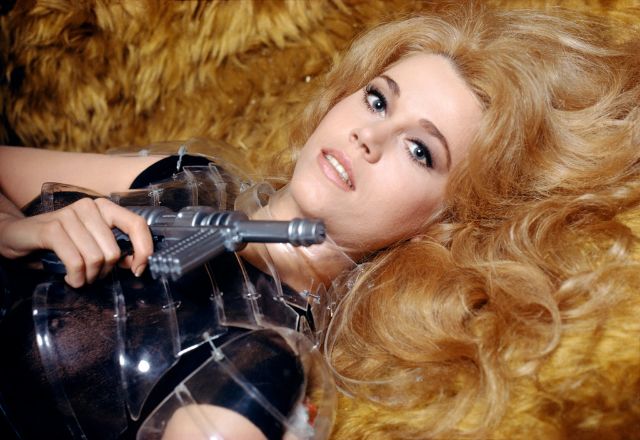
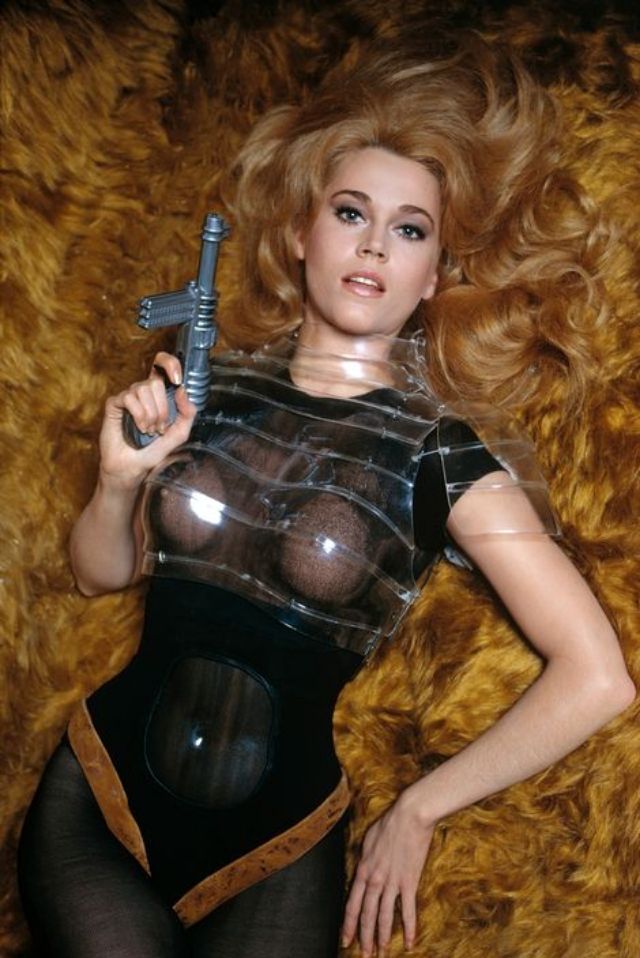
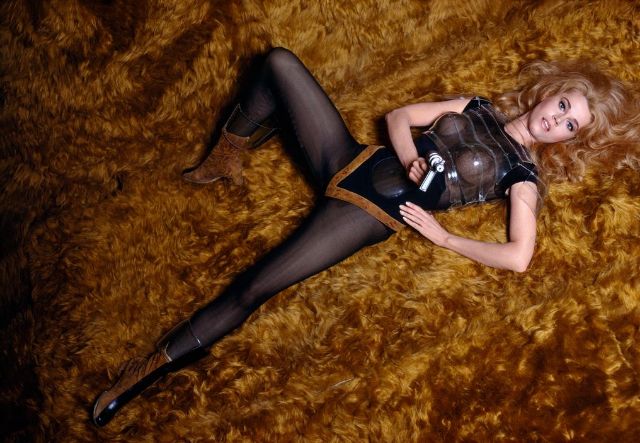
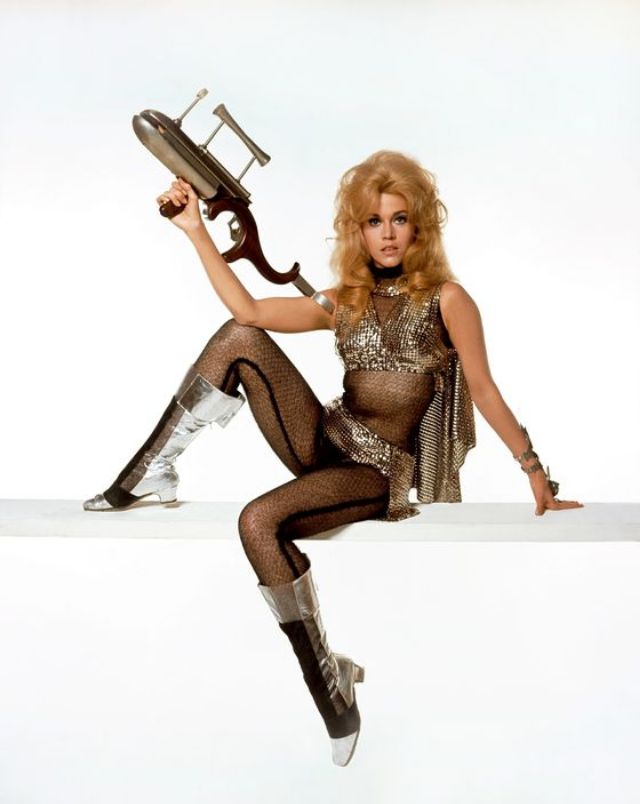
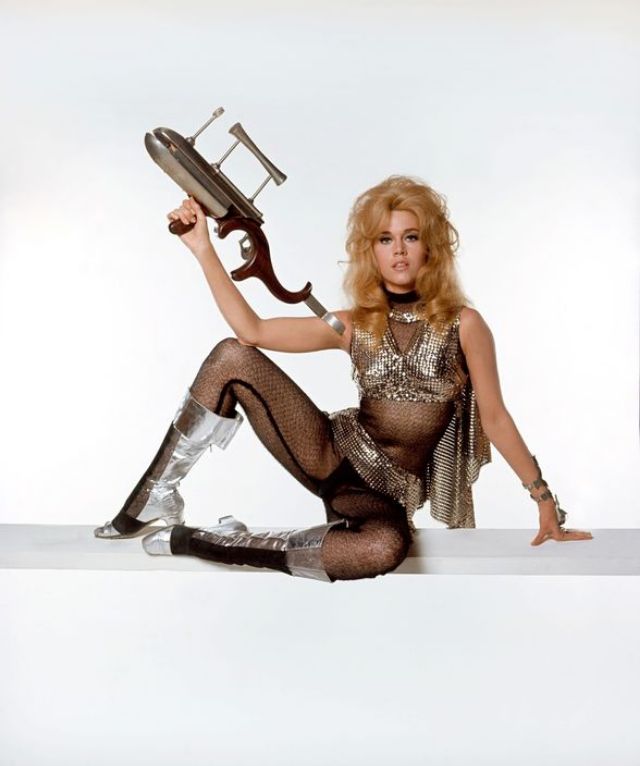
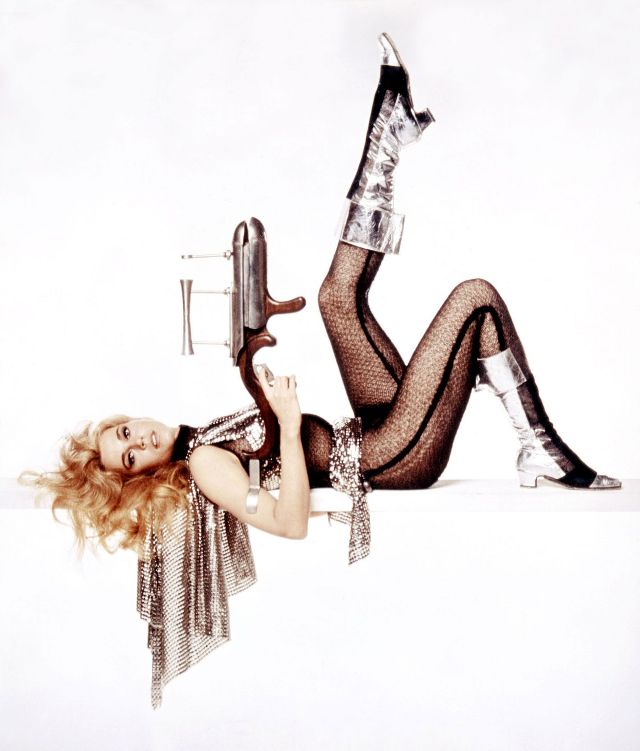
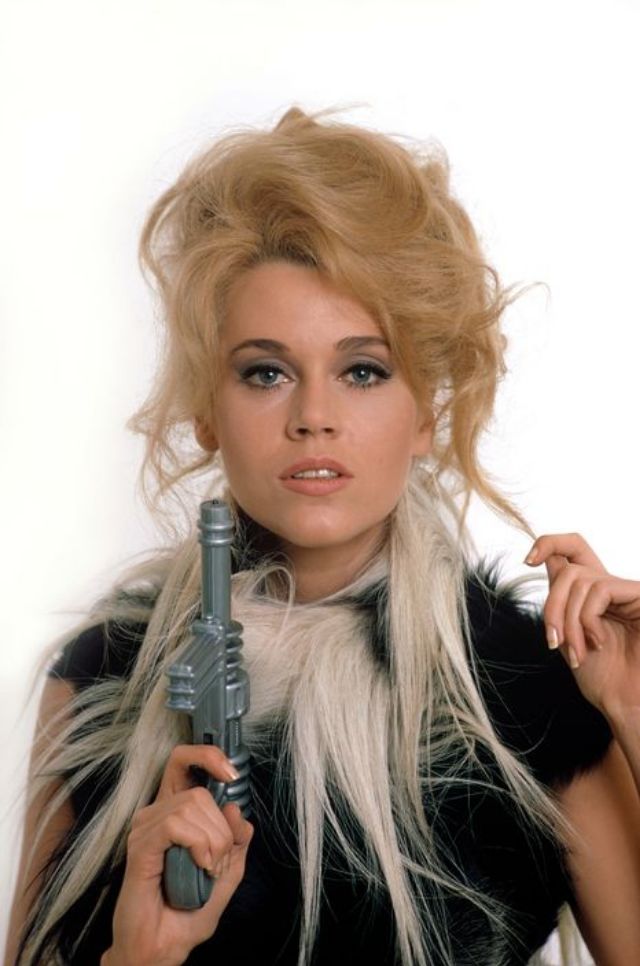
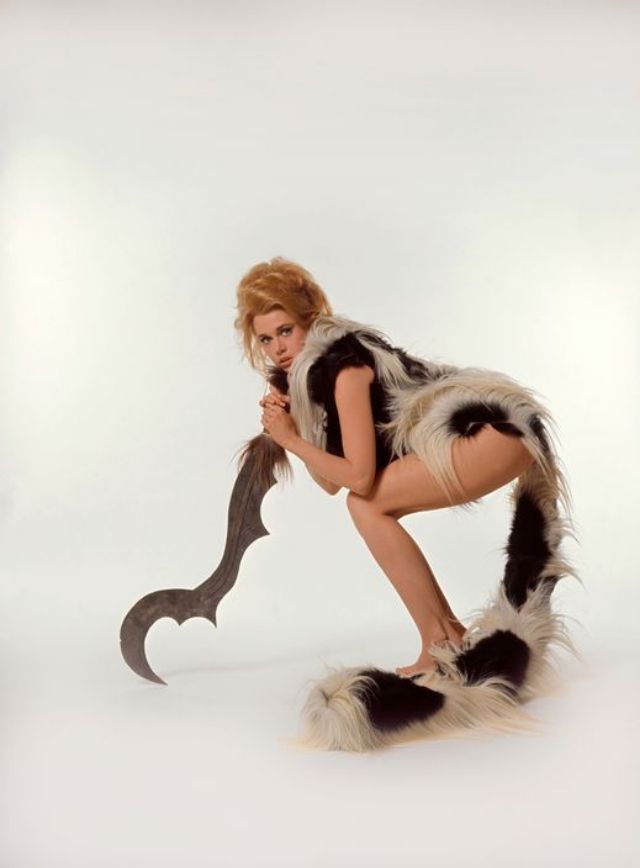
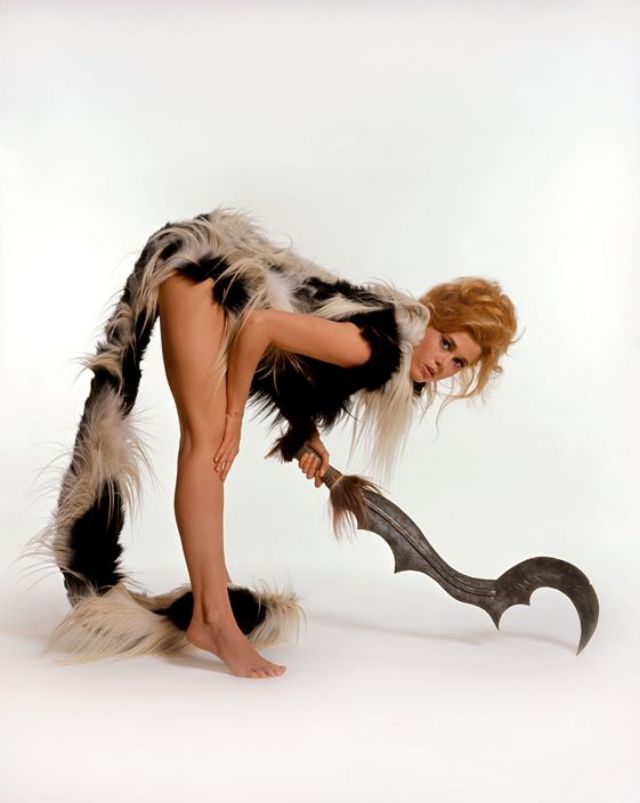
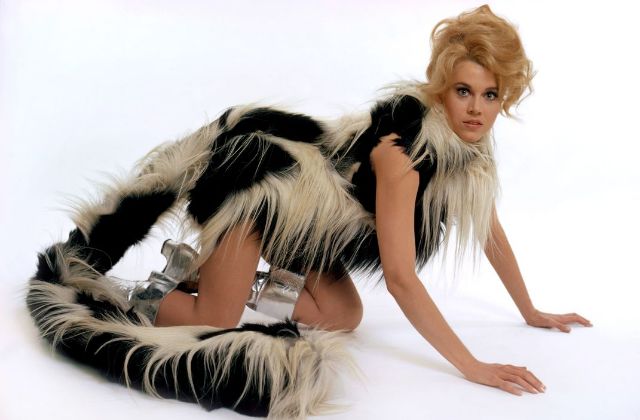
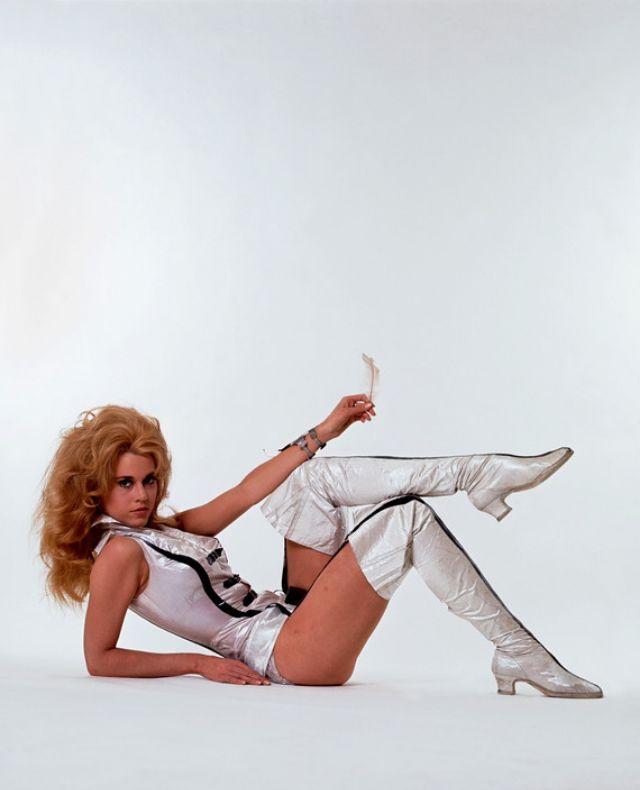
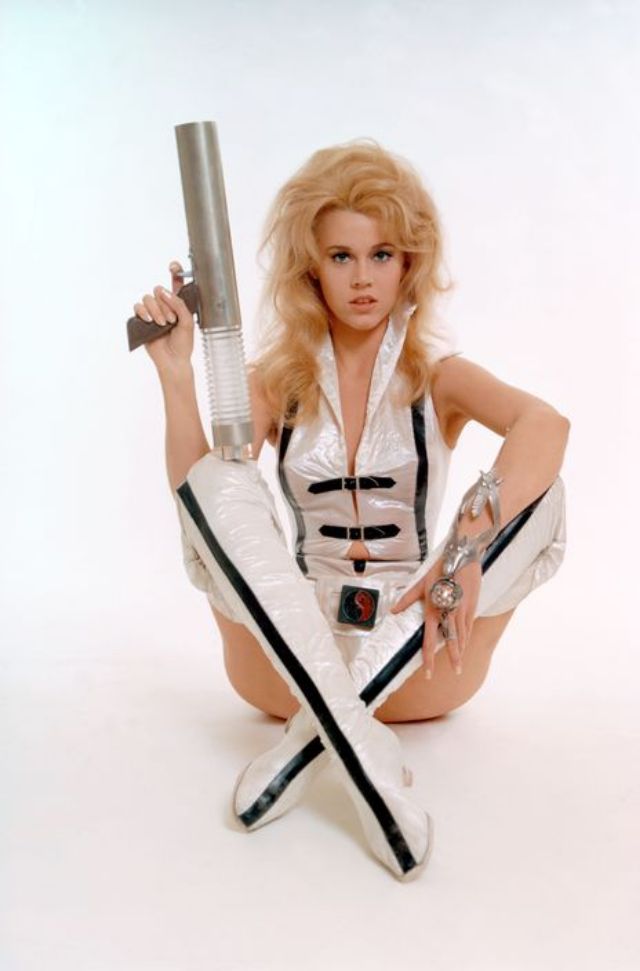
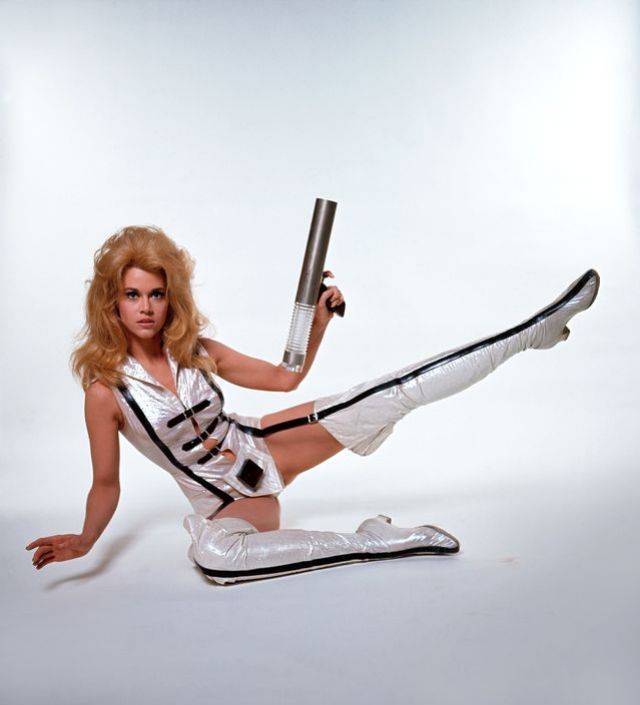
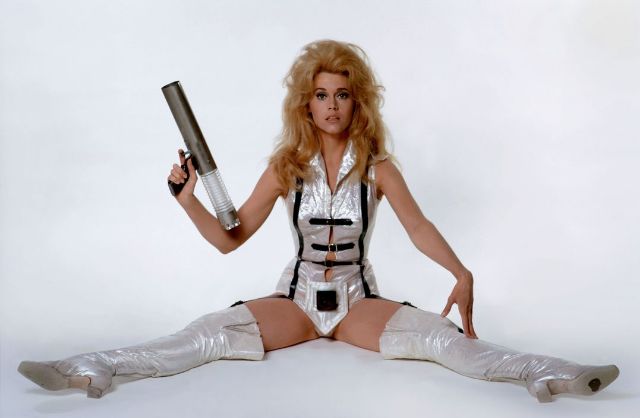
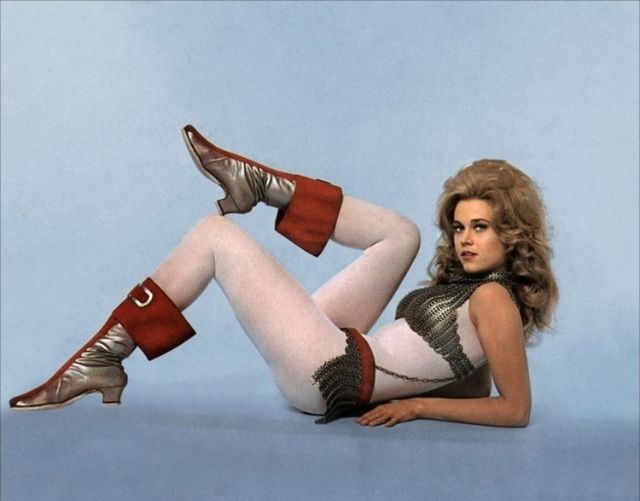
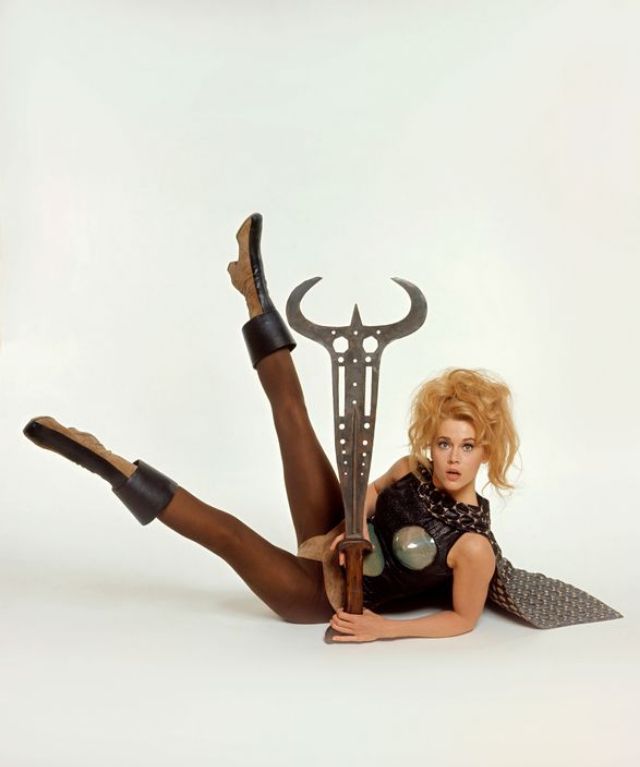
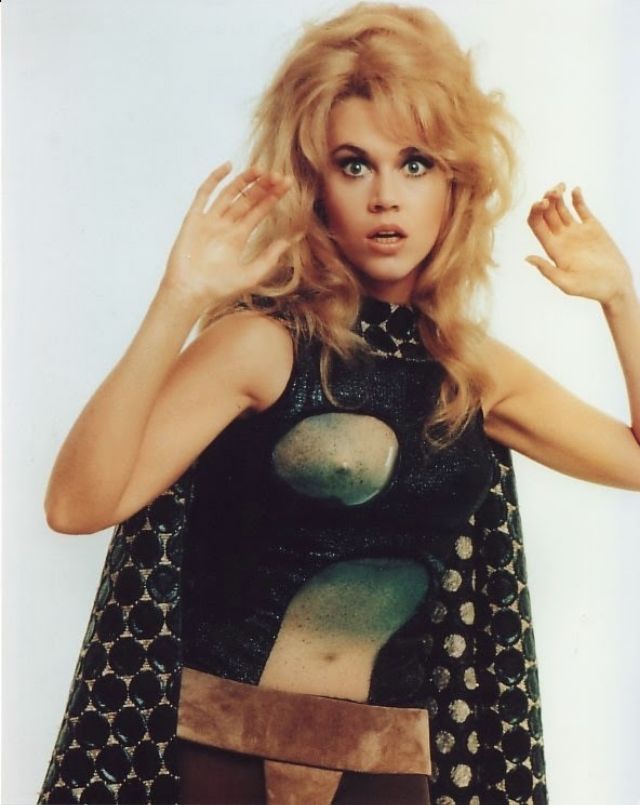
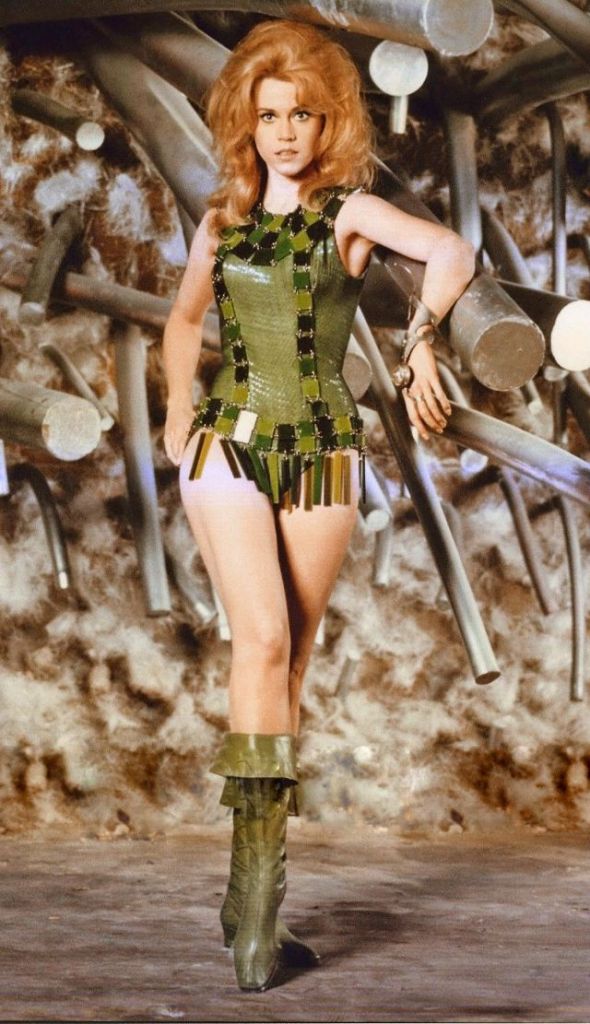
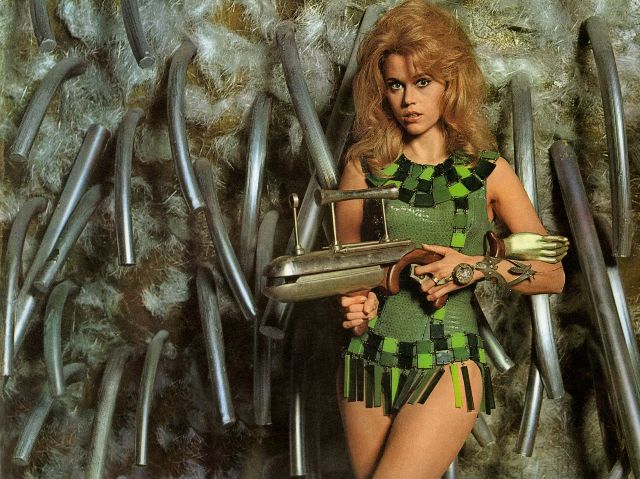
37 Behind the Scenes Photos Show Off the Costumes From the 1968 Movie ‘Barbarella’

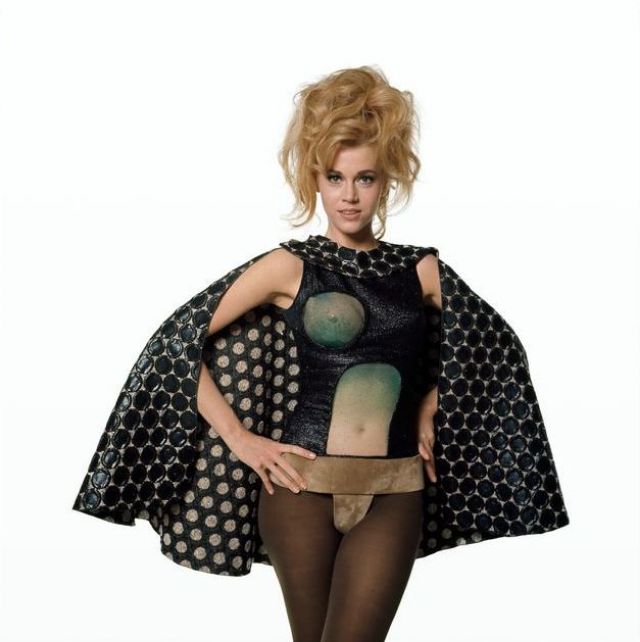
The 1968 movie Barbarella became known as not only one of Jane Fonda’s most memorable roles, but also the pinnacle of sexy sci-fi costuming. Fonda took on the titular role of Barbarella–a futuristic astronaut in the year 40,000 who is tasked with stopping the evil Durand Durand. Directed by her husband at the time, Roger Vadim, Fonda wears sexy outfits for much of the movie. Despite being a critical and commercial failure at the time of its release, the film has gone on to become a cult classic.

Beyond the laughable sets, ridiculous soundtrack and psychedelic effects there are real influential gems to be mined. Barbarella’s journey is much like a fantasy quest and key concepts like a conscious computer on a ship came before even Kubrick’s 2001: A Space Odyssey. But all that is beside the point, the truly memorable parts of the movie are the costumes and Jane Fonda underwent eight costume changes in the one film. Like in the 5th Element, Barbarella’s wardrobe for the film was conceived by a fashion designer rather than a typical film or theater costumer.

Jane Fonda’s costumes for the film were the work of Jacques Fonteray and fashion designer Paco Rabanne. Fonteray would later work on films such as Moon Raker and The Party while Rabanne’s fashion forward designs became renowned for their bold details. Influenced by armor as well as the 1960s women’s liberation movement, quite a few of the designs included nontraditional materials.

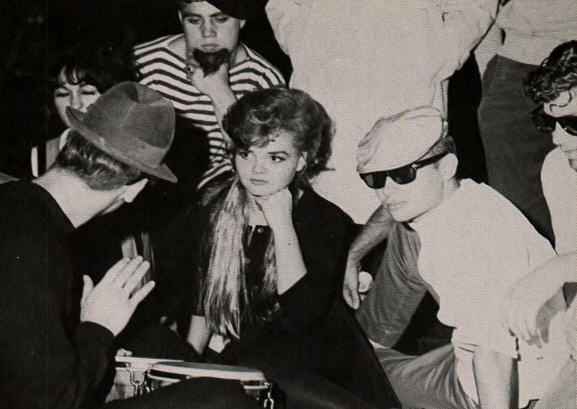
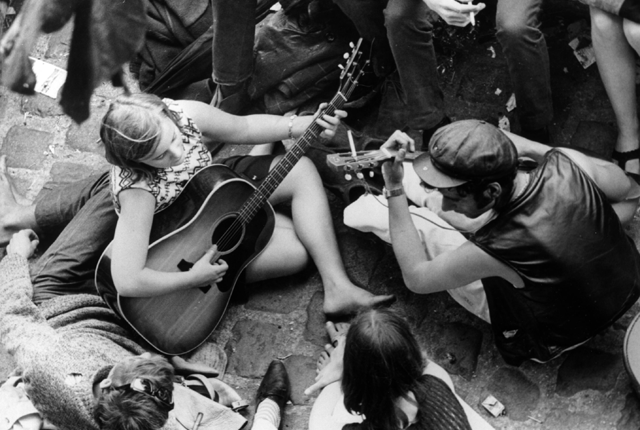
Before There Were Hippies, There Were Beatniks: 20 Vintage Photos of the Beat Generation During the 1950s & 1960s

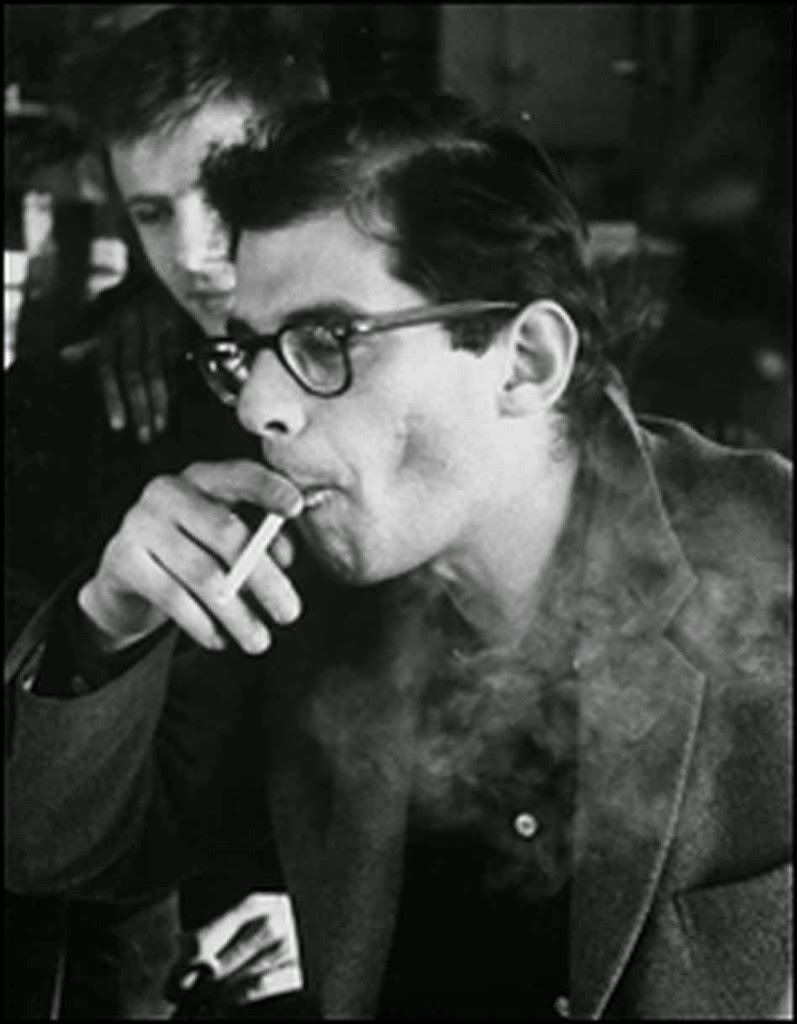
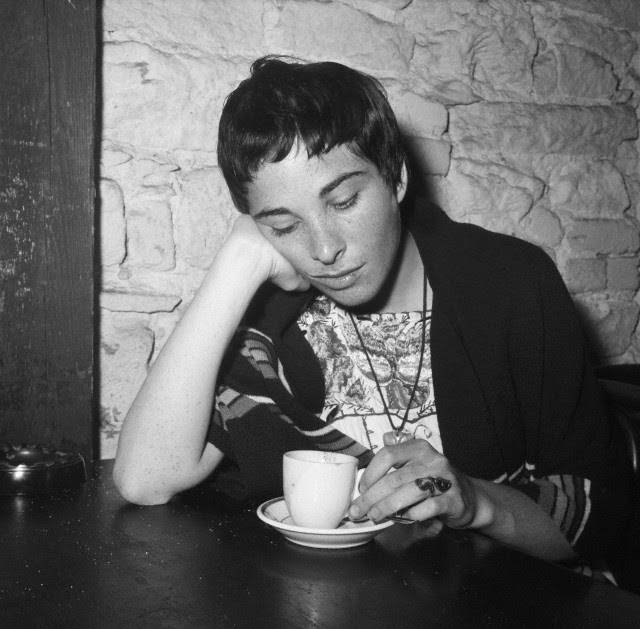
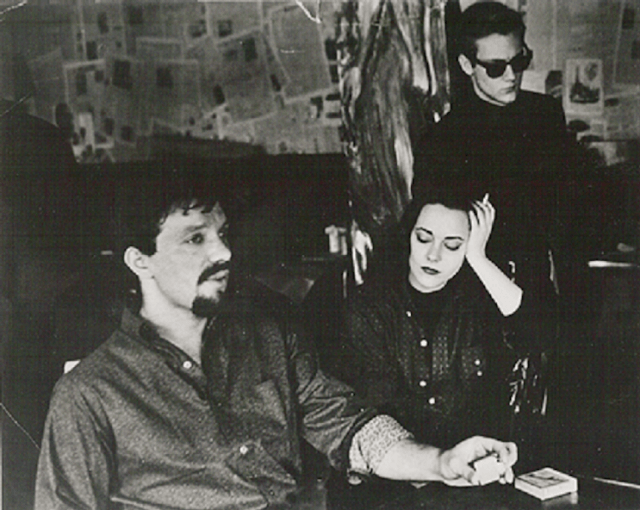
Before there were Hippies, there were Beatniks. Beatniks were followers of the Beat Generation – influential poets and authors through the late 1940s to the early ’60s.

Jack Kerouac came up with the “beat generation” concept – the underground, anti-conformist youth gathering in New York that he was a part of. He also related the term to the Biblical beatitudes and the hipster phrase of being “beaten down”. Though at first Beatniks had a prophet-like connotation, the term came to signify a stereotype of people that, as Joyce Johnson (a Beat writer) said: “sold books, sold black turtleneck sweaters and bongos, berets and dark glasses, sold a way of life that seemed like dangerous fun—thus to be either condemned or imitated.”

They were anti-materialistic, soul searching people, open to drugs and a bohemian lifestyle. They hung out in smoky coffeehouses, listened to jazz and blues, were usually proficient in art or poetry, liked to dress in all-black, and had an air of mysteriousness about them. They highly influenced culture of the decades following – Bob Dylan, the Beatles, and Pink Floyd took on Beatnik characteristics and morphed in to free-thinking hippies. Allen Ginsberg led the way for the conversion.

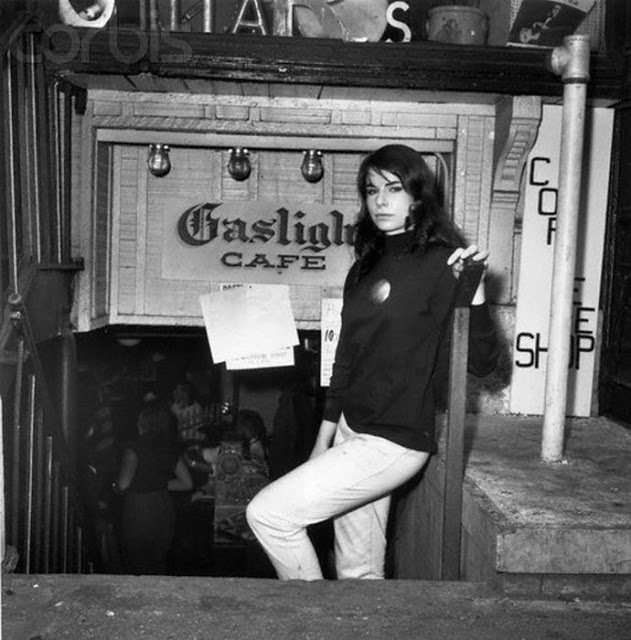
03 Feb 1959, Manhattan, New York, New York, USA — A beatnik woman stands in front of the entrance to the Gaslight Cafe, a center of beatnik poet life, in Greenwich Village, New York.

Yesterday Today

Bringing You the Wonder of Yesterday - Today

Skip to content ↓