















Bringing You the Wonder of Yesterday – Today

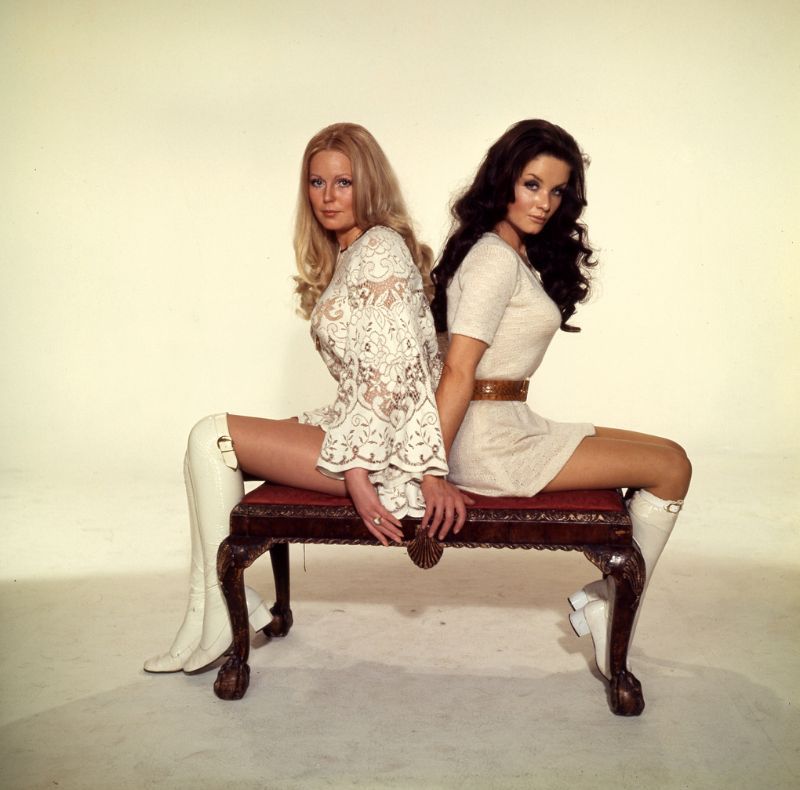
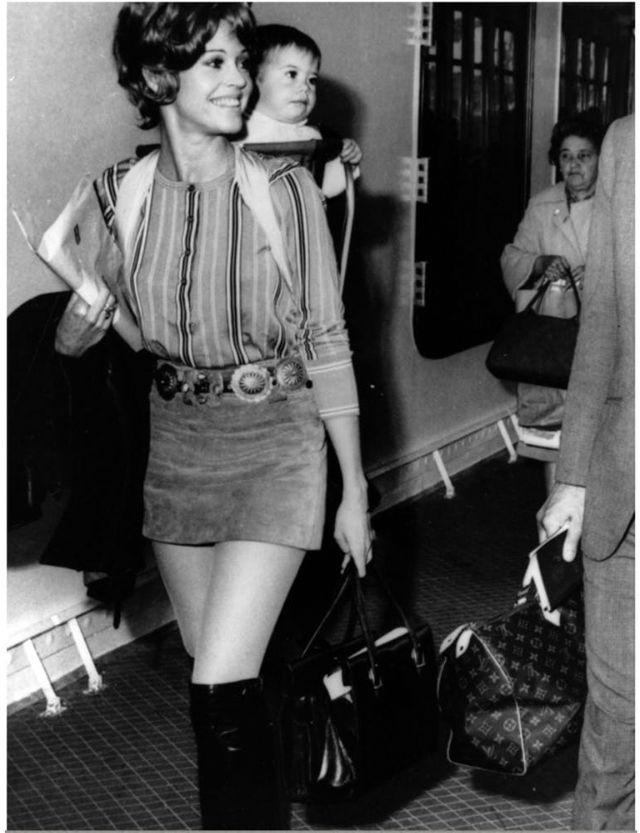
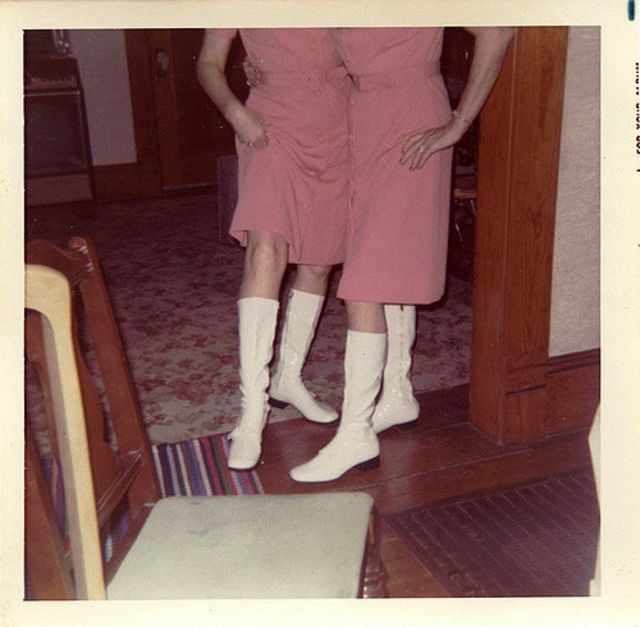
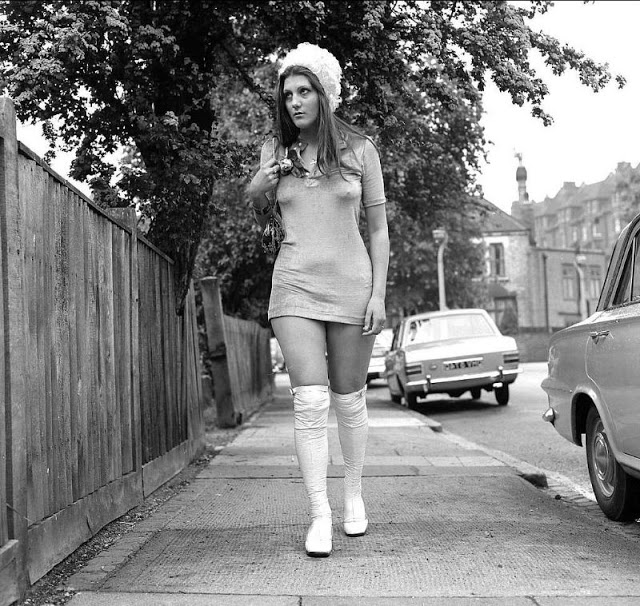
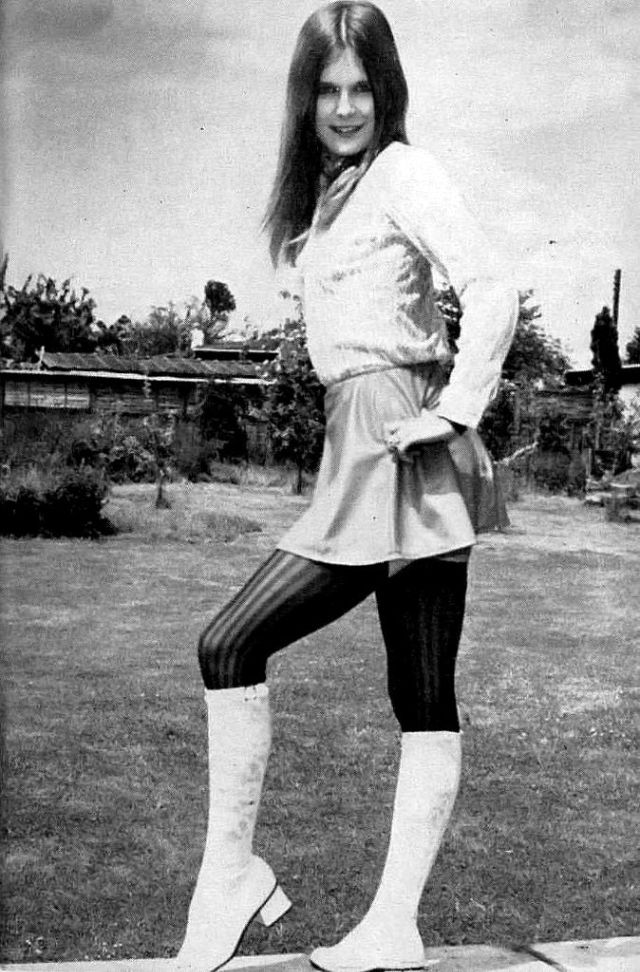
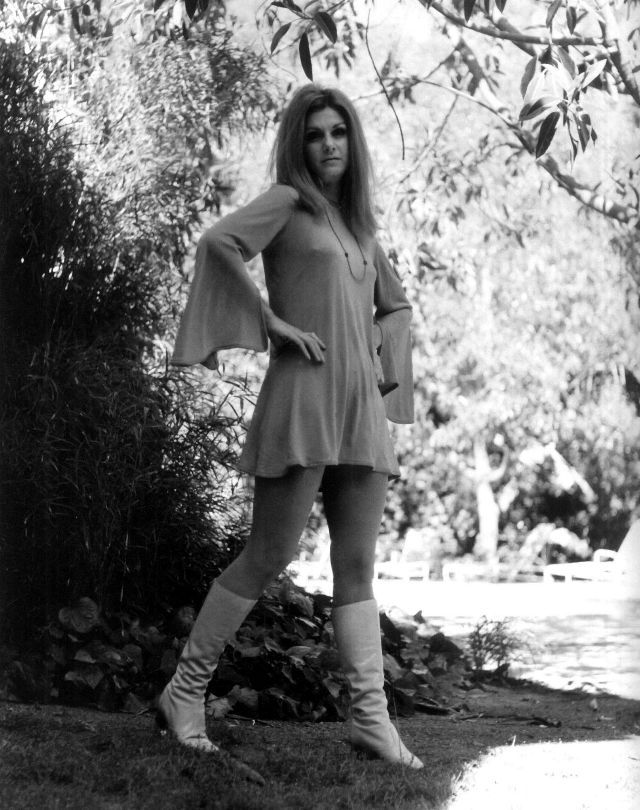
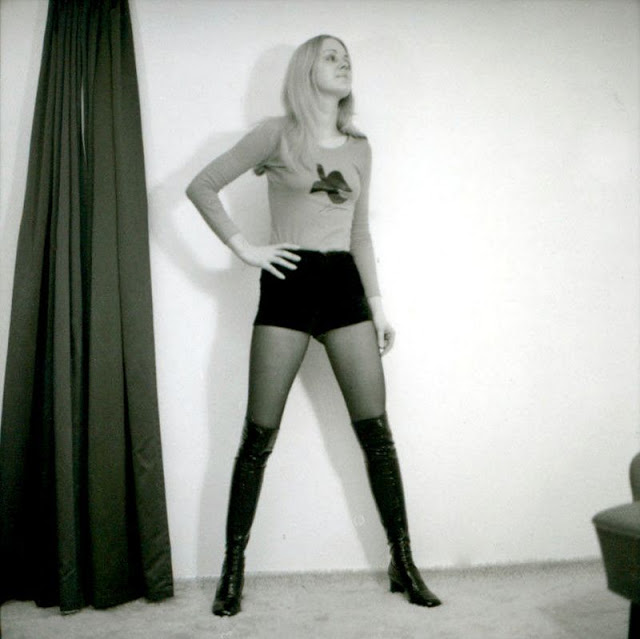
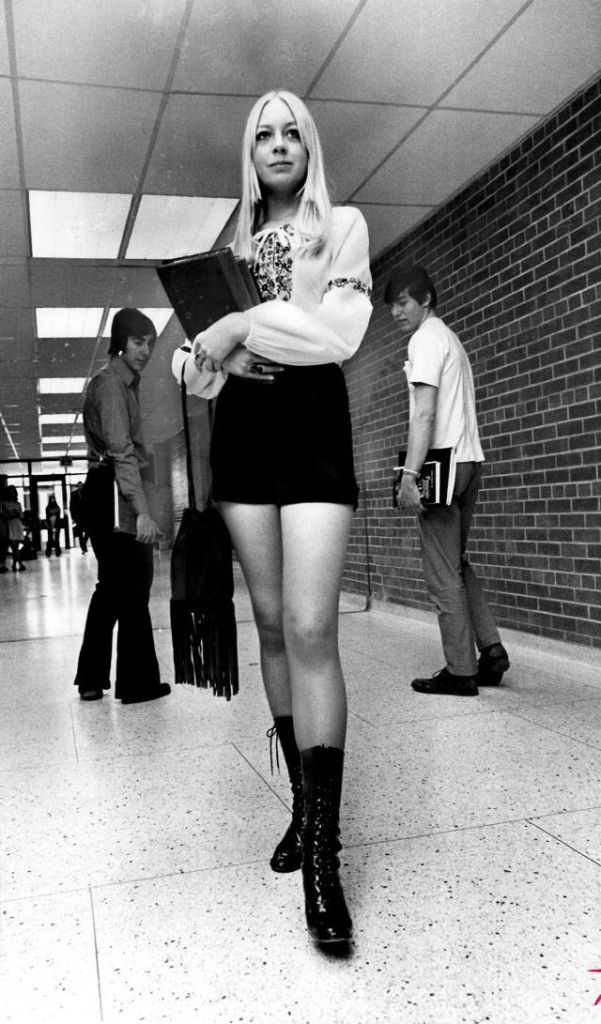
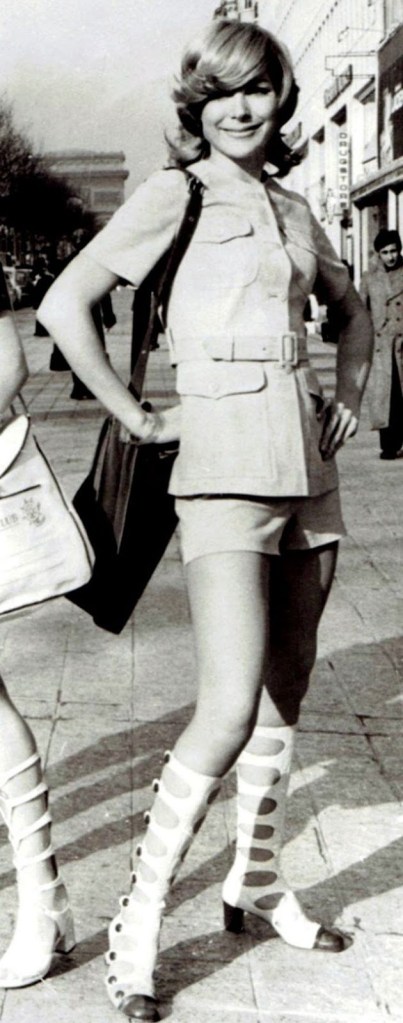
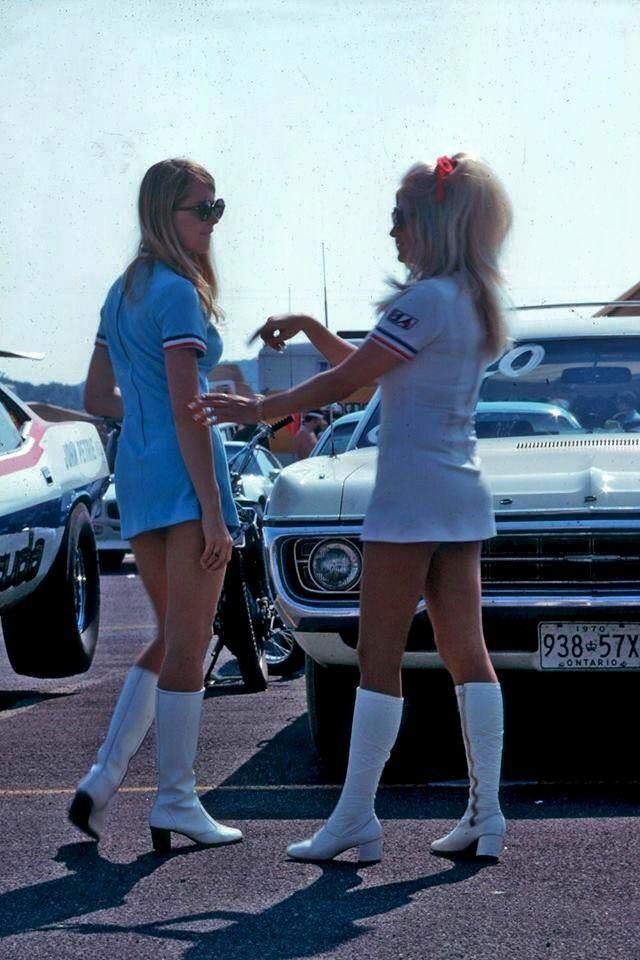
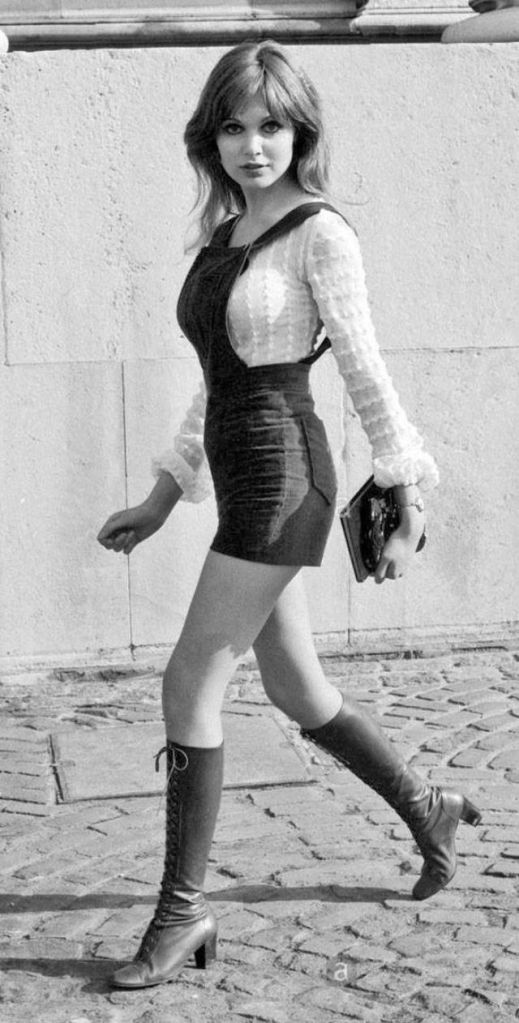
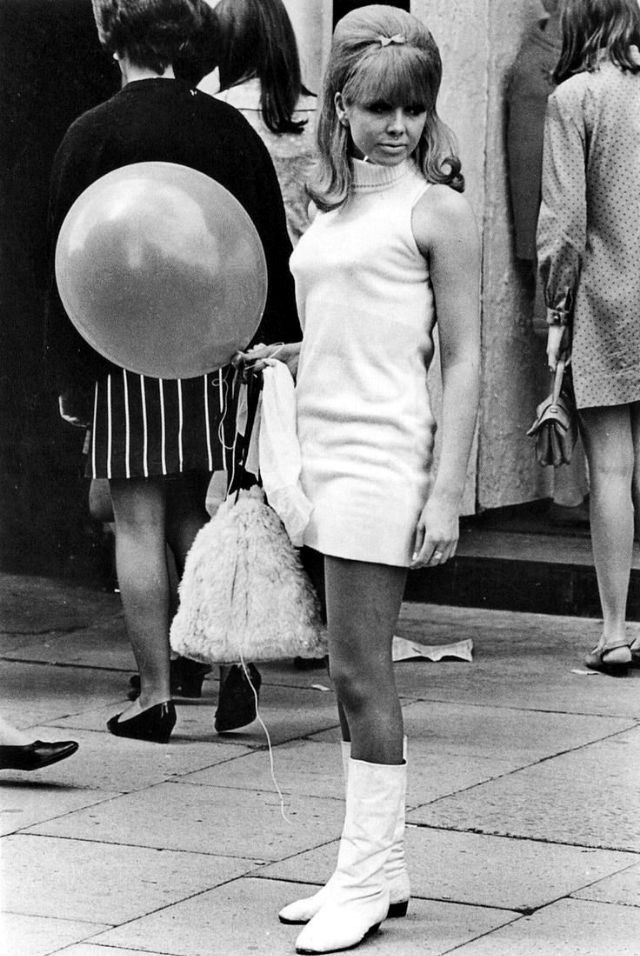
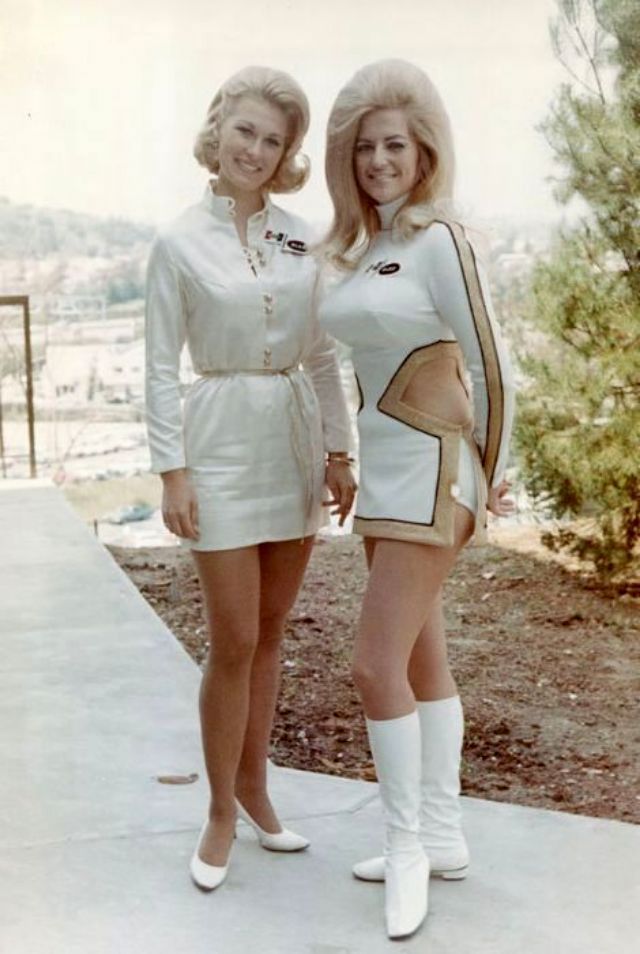
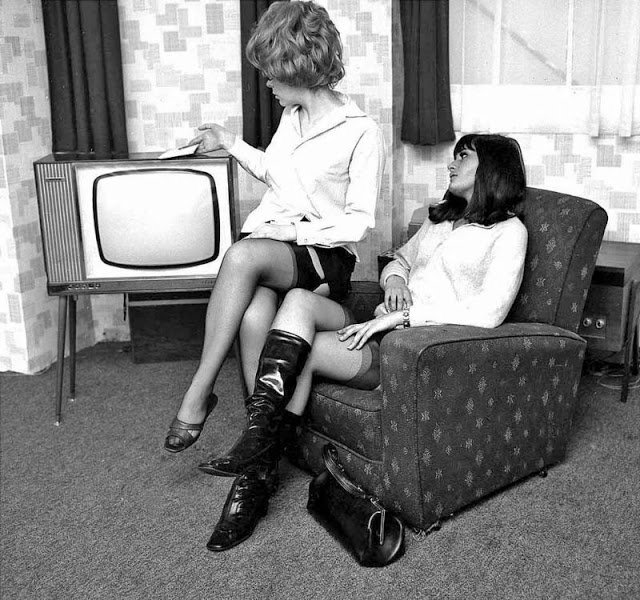
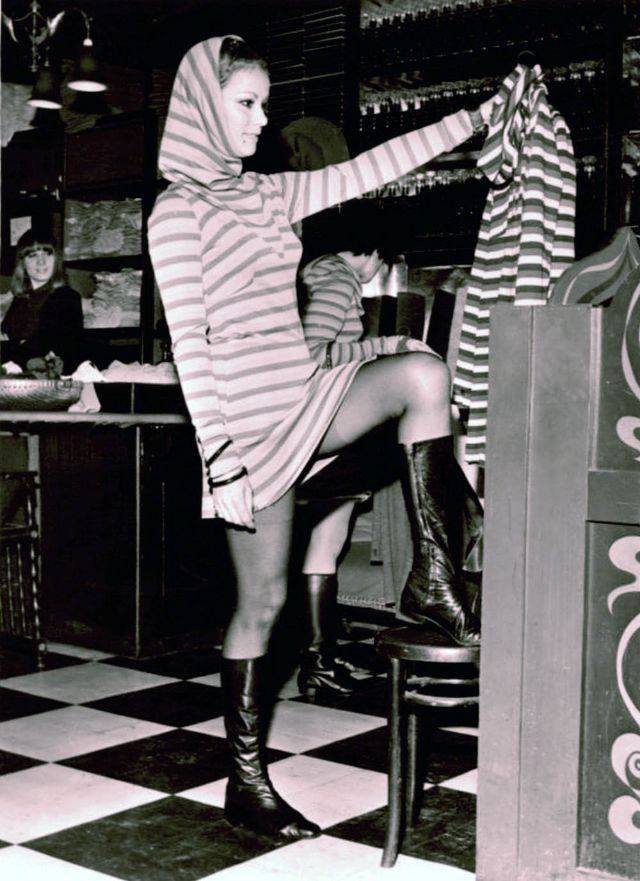
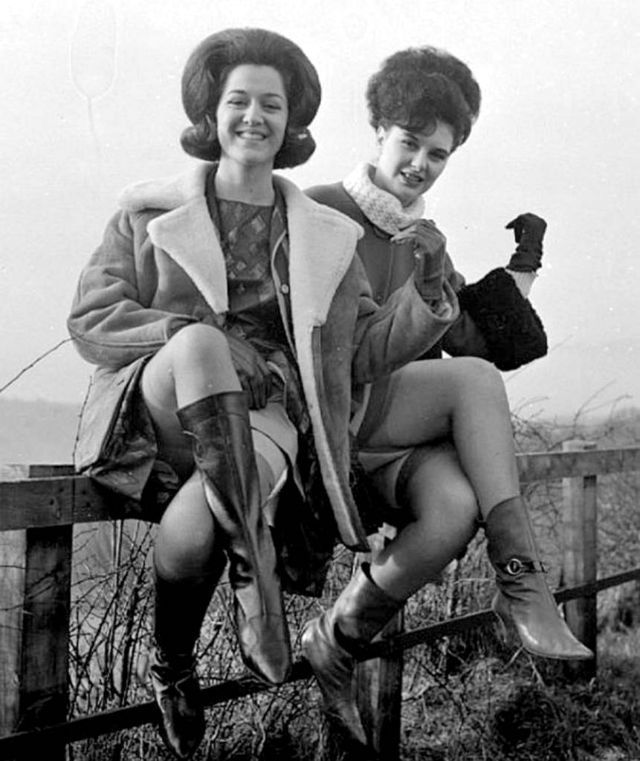
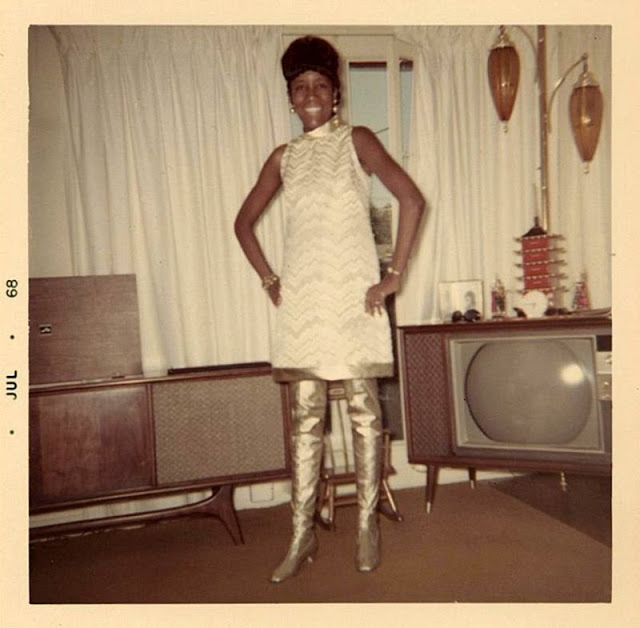
Fashion boots were revived in the early 1960s, although at first they featured fashionable high heels such as the stiletto and kitten heels. The earliest go-go boots were mid-calf, white and flat-heeled.
The term “go-go” is derived from the French expression à gogo, meaning “in abundance, galore”, which is in turn derived from the ancient French word la gogue for “joy, happiness”. The term “go-go” has also been explained as a 1964 back-formation of the 1962 slang term “go”, meaning something that was “all the rage”; the term “go-go dancer” first appeared in 1965. The go-go boot is presumed to have been named after the dance style.
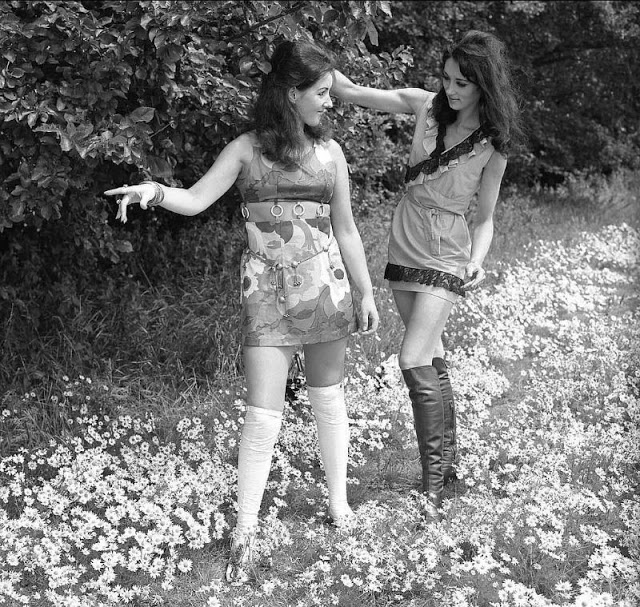
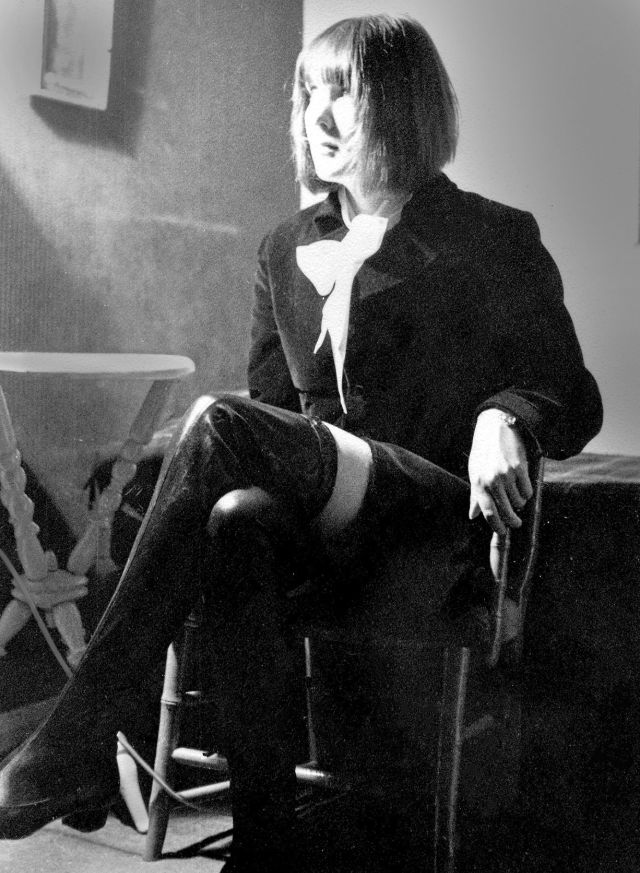
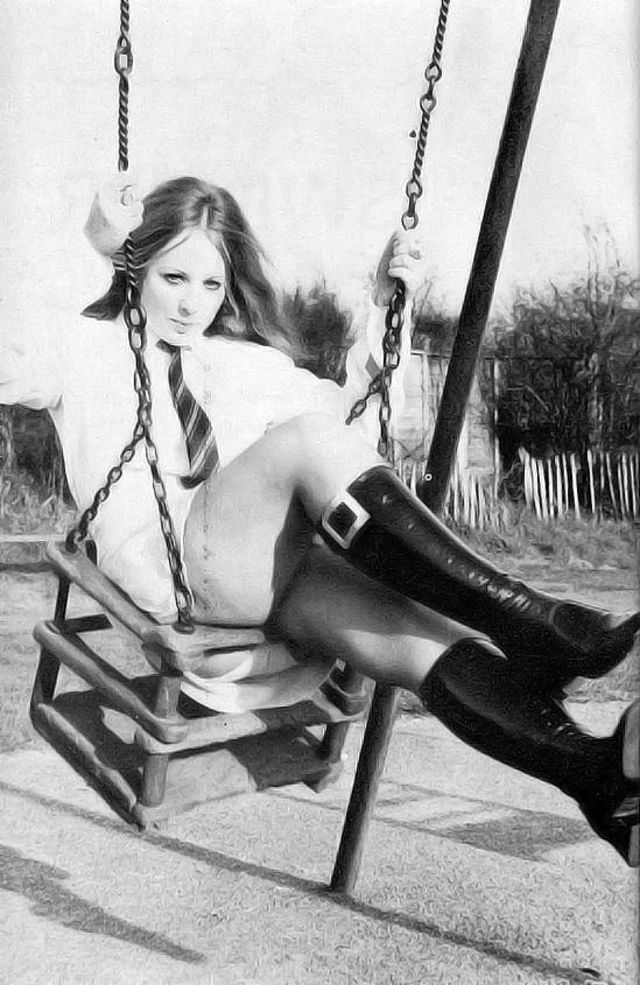
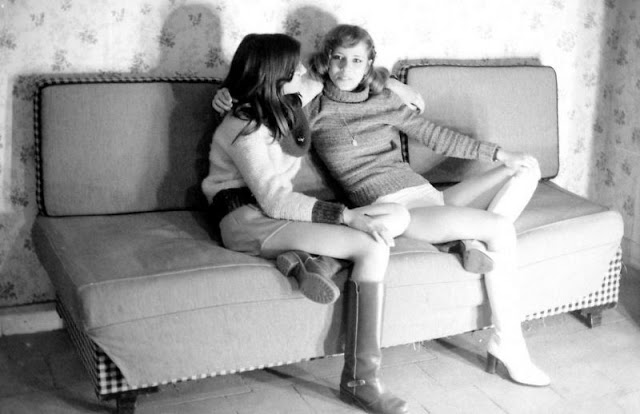
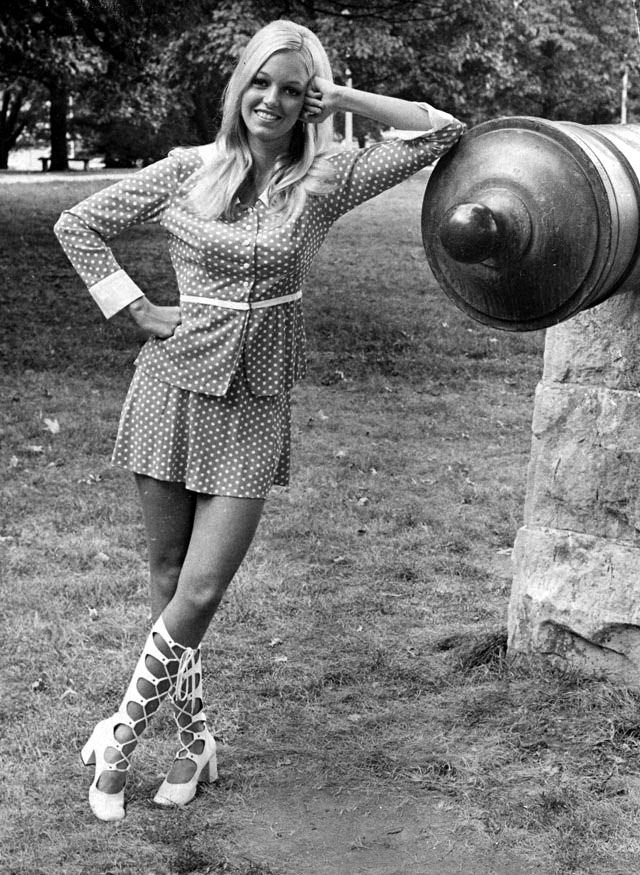
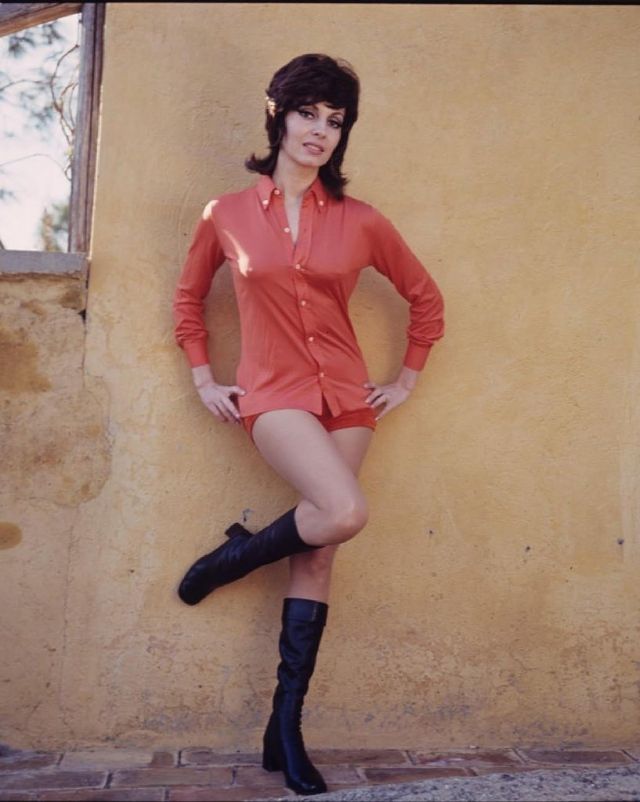
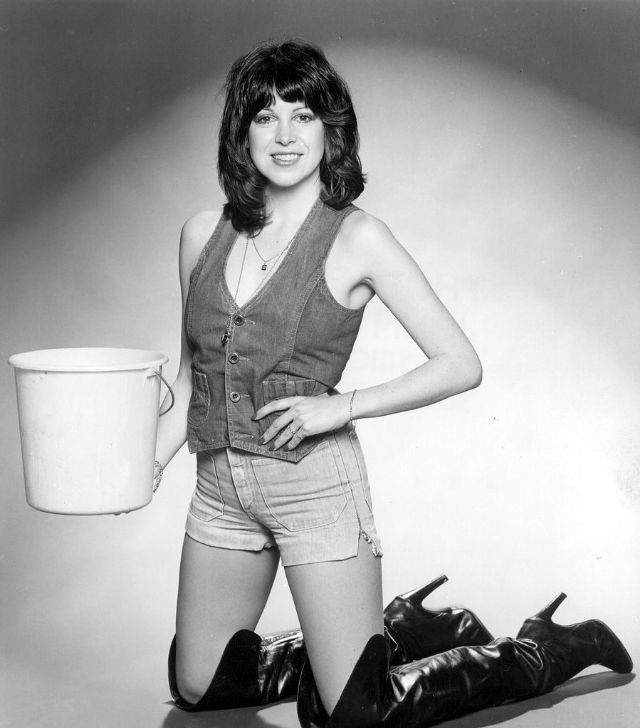
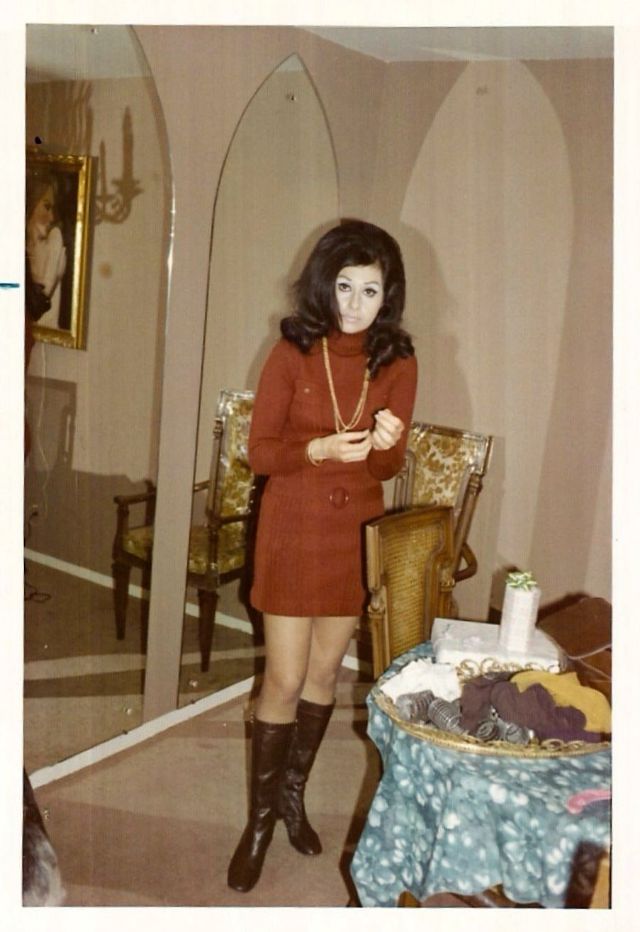
These cool pics that captured women in go-go boots in the mid-1960s and 1970s.












Read more of this content when you subscribe today.
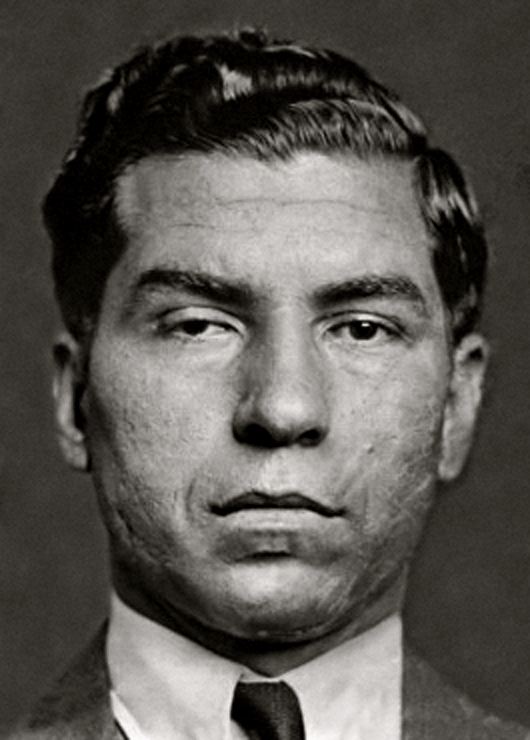
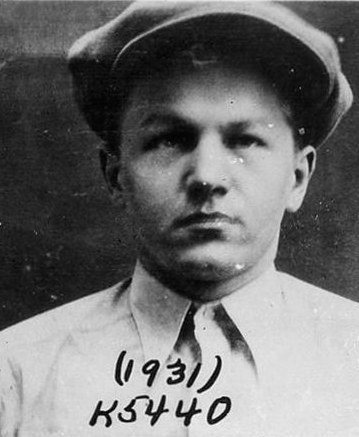
The terms “gangster” and “mobster” are mostly used in the United States to refer to members of criminal organizations associated with Prohibition. In 1920, the Eighteenth Amendment of the United States Constitution banned the sale, manufacture, and transportation of alcohol for consumption. Many gangs sold alcohol illegally for profit, and used acute violence to stake turf and protect their interest. Often, police officers and politicians were paid off or extorted to ensure continued operation. Al Capone was one of these notorious gangsters during the Depression era for the Chicago Outfit. Capone would rise to control a major portion of illicit activity such as gambling, prostitution, and bootlegging in Chicago during the early 20th century.
In New York City, by the end of the 1920s, two factions of organized crime had emerged to fight for control of the criminal underworld, one led by Joe Masseria and the other by Salvatore Maranzano. This caused the Castellammarese War, which led to Masseria’s murder in 1931. Maranzano then divided New York City into five families. Maranzano, the first leader of the American Mafia, established the code of conduct for the organization, set up the “family” divisions and structure, and established procedures for resolving disputes. In an unprecedented move, Maranzano set himself up as boss of all bosses and required all families to pay tribute to him. This new role was received negatively, and Maranzano was murdered within six months on the orders of Charles “Lucky” Luciano. Luciano was a former Masseria underling who had switched sides to Maranzano and orchestrated the killing of Masseria. As an alternative to the previous despotic Mafia practice of naming a single Mafia boss as capo di tutti capi, or “boss of all bosses,” Luciano created The Commission in 1931, where the bosses of the most powerful families would have equal say and vote on important matters and solve disputes between families. This group ruled over the National Crime Syndicate and brought in an era of peace and prosperity for the American Mafia.

Become a paid subscriber to get access to the rest of this post and other exclusive content.

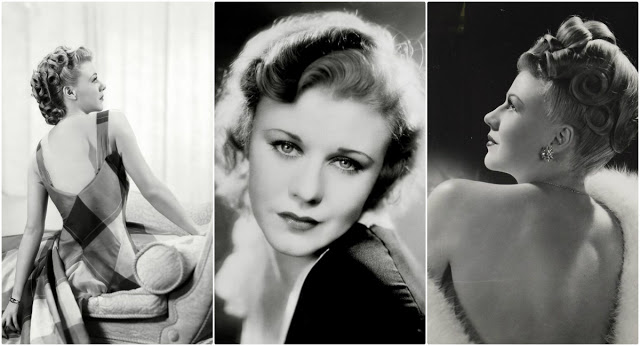
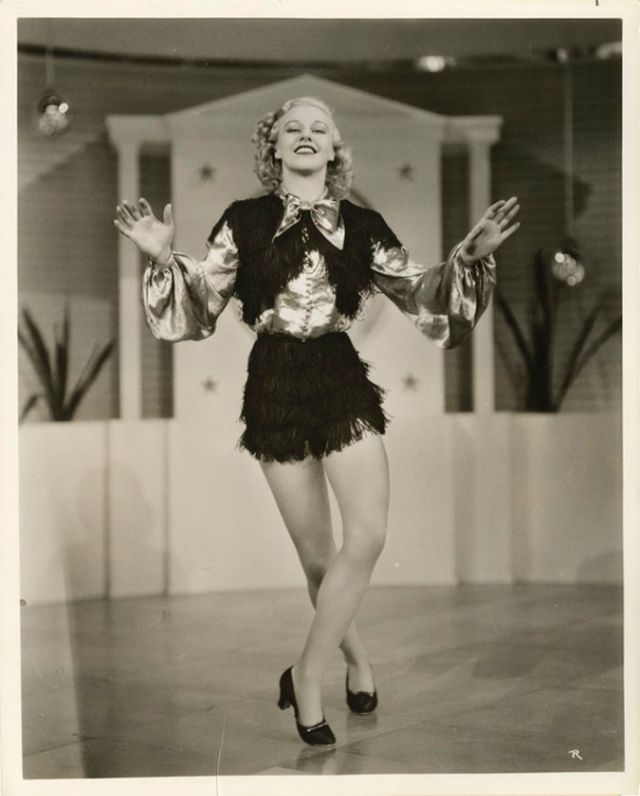
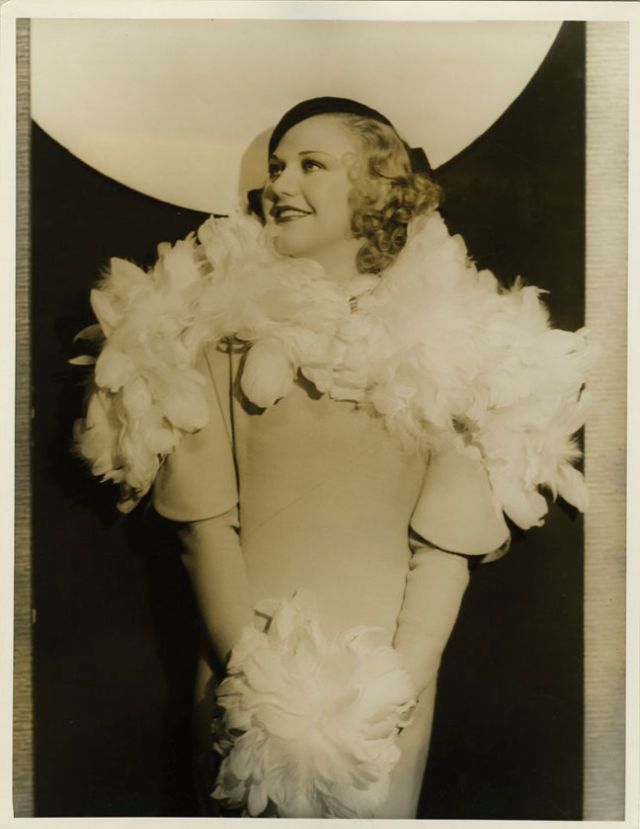
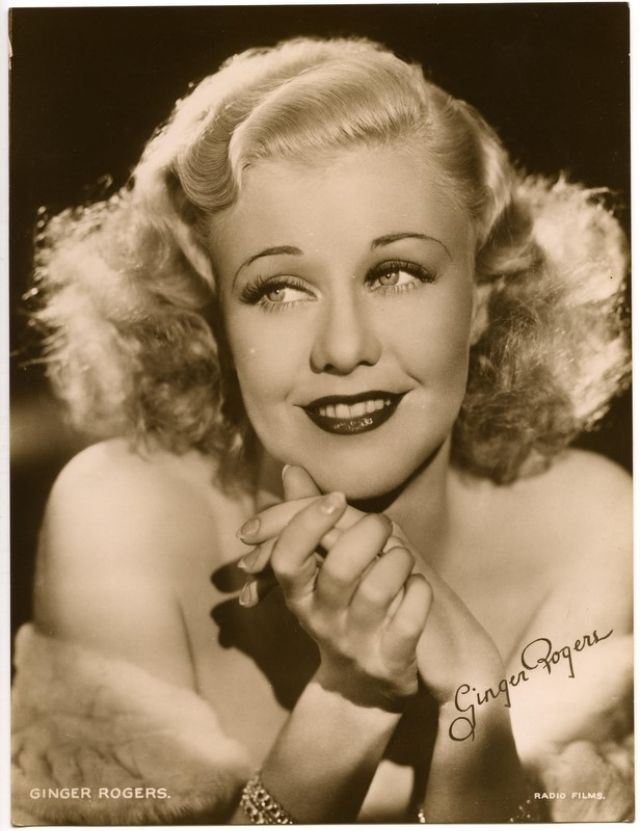
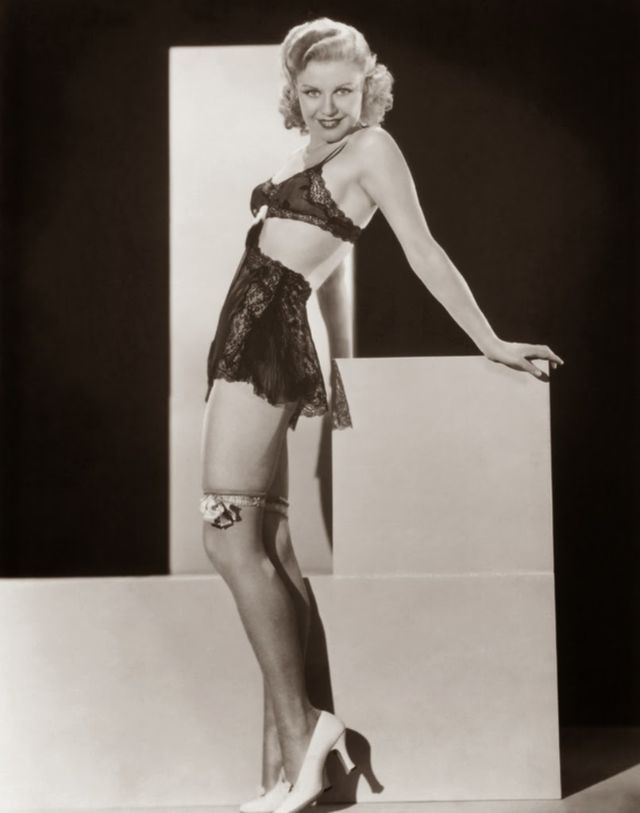
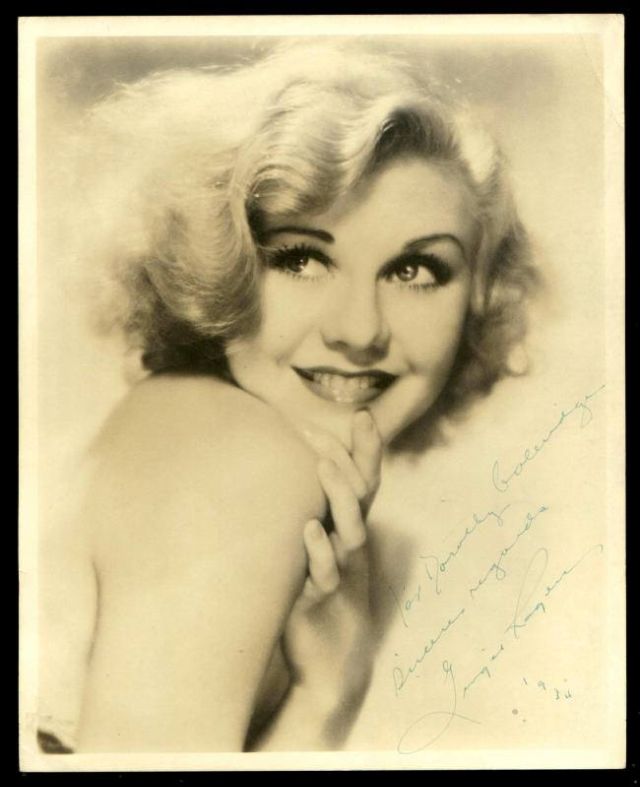
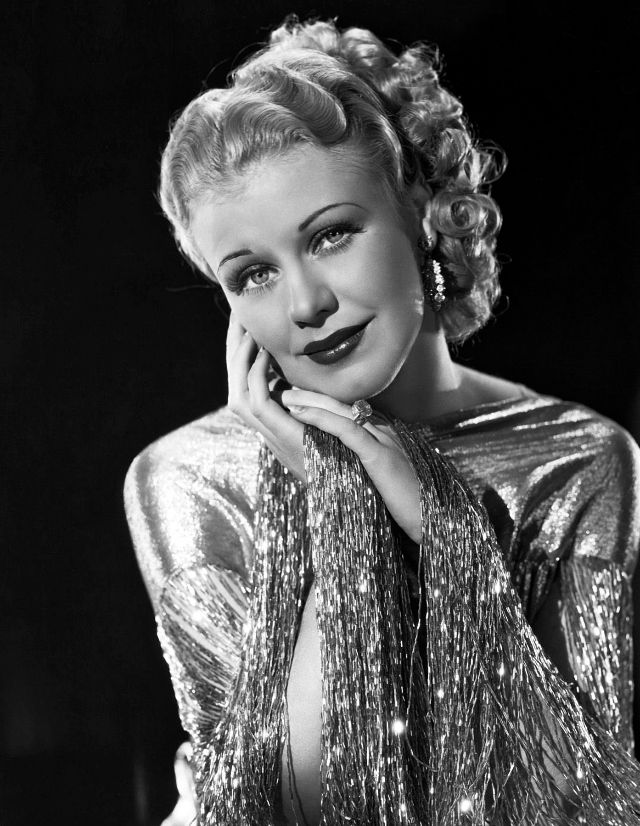
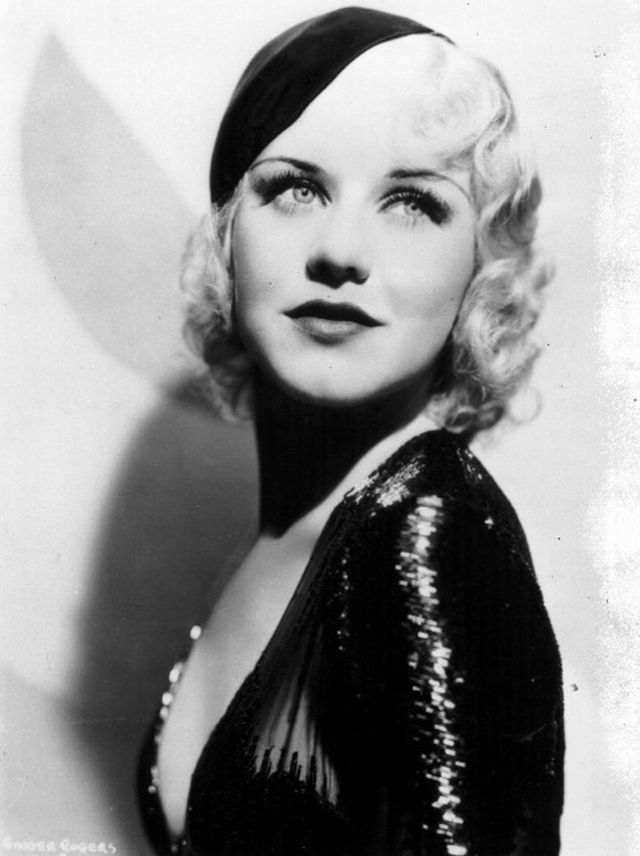
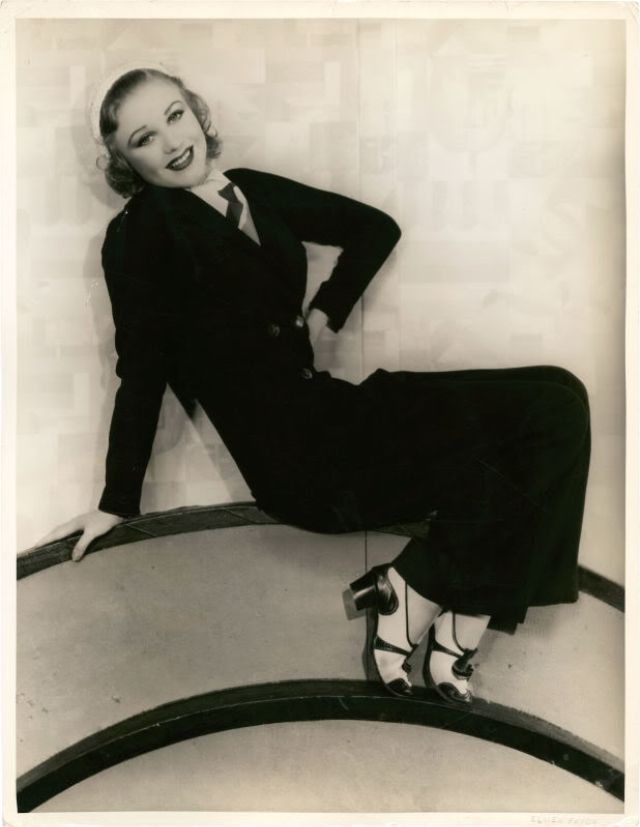
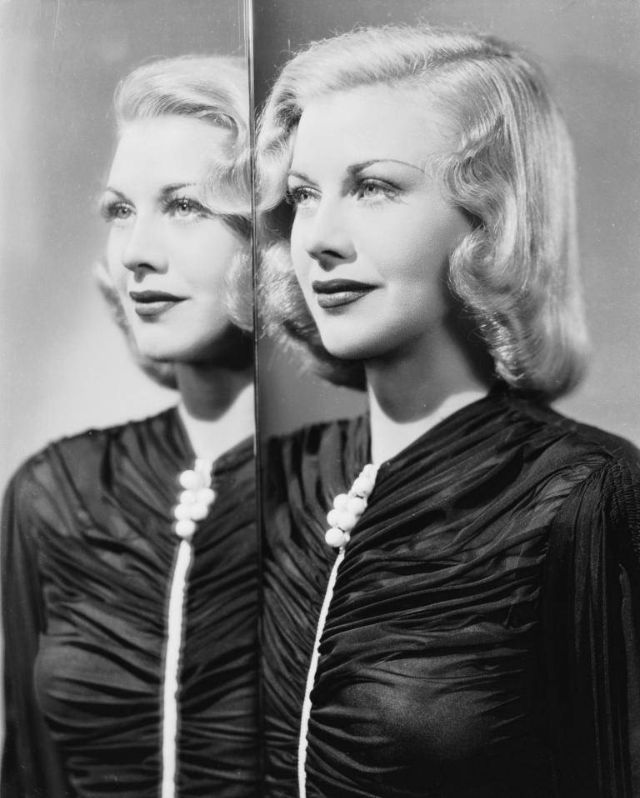
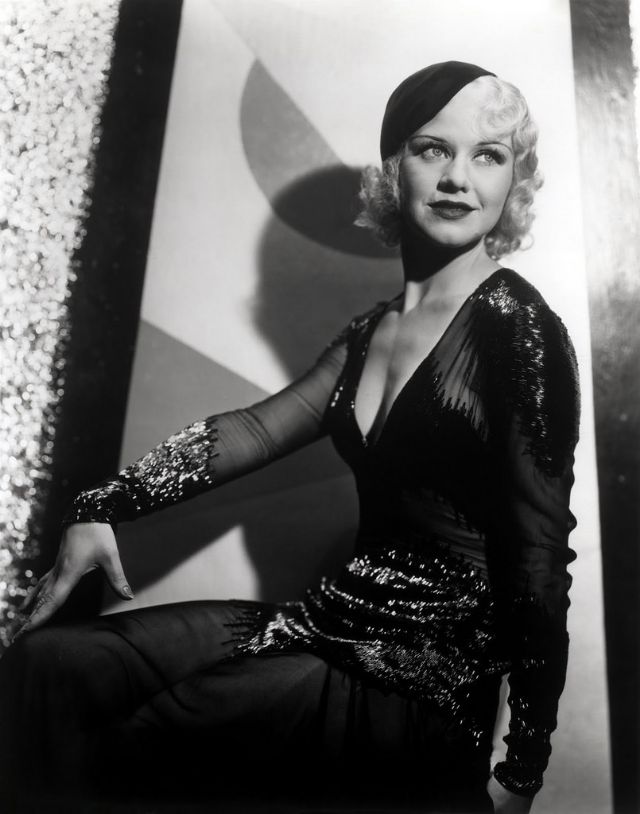
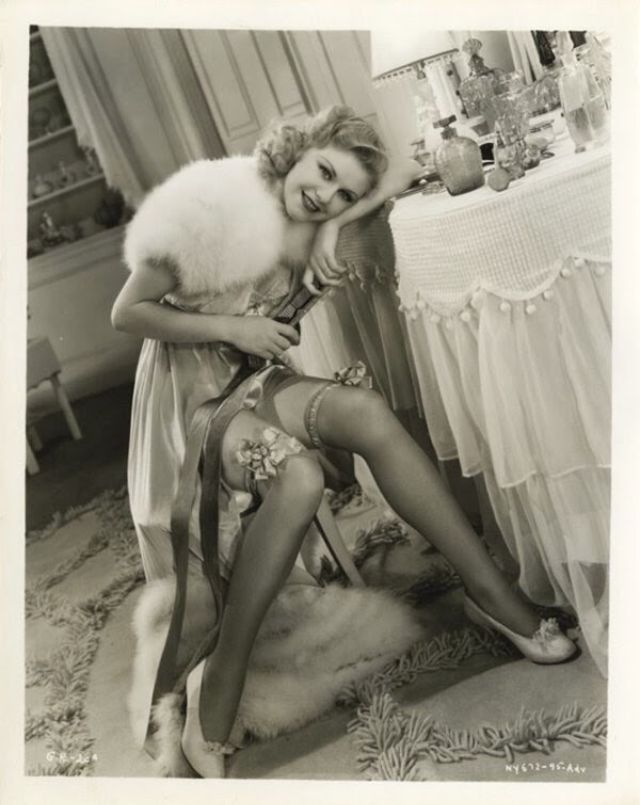
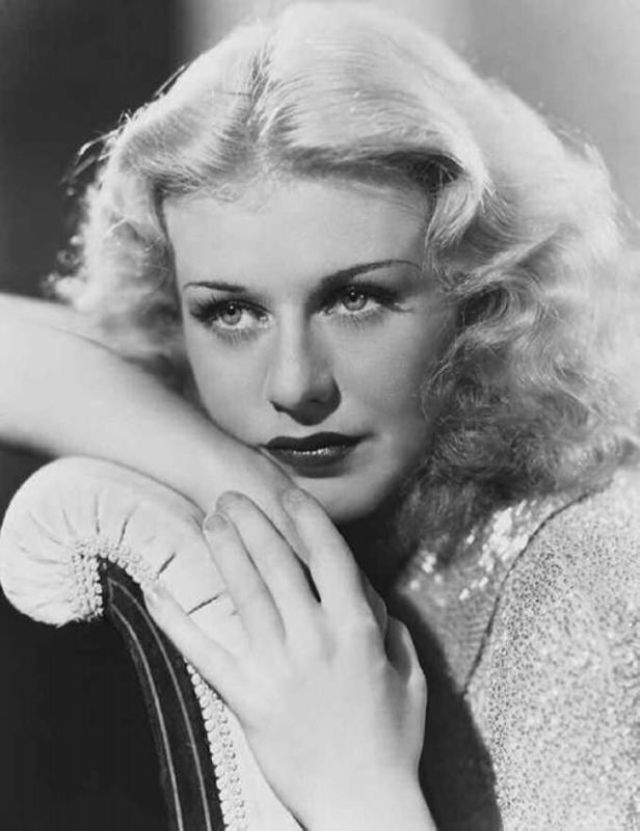
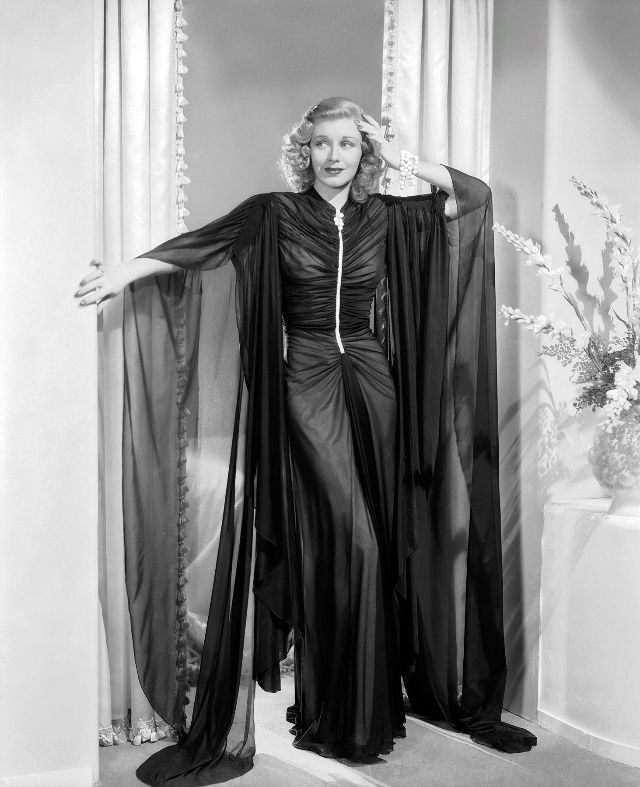
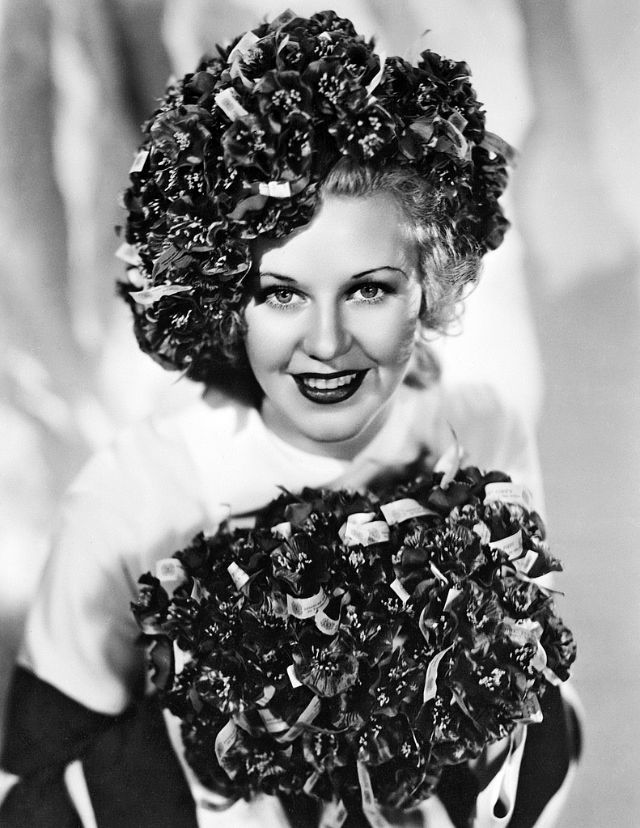
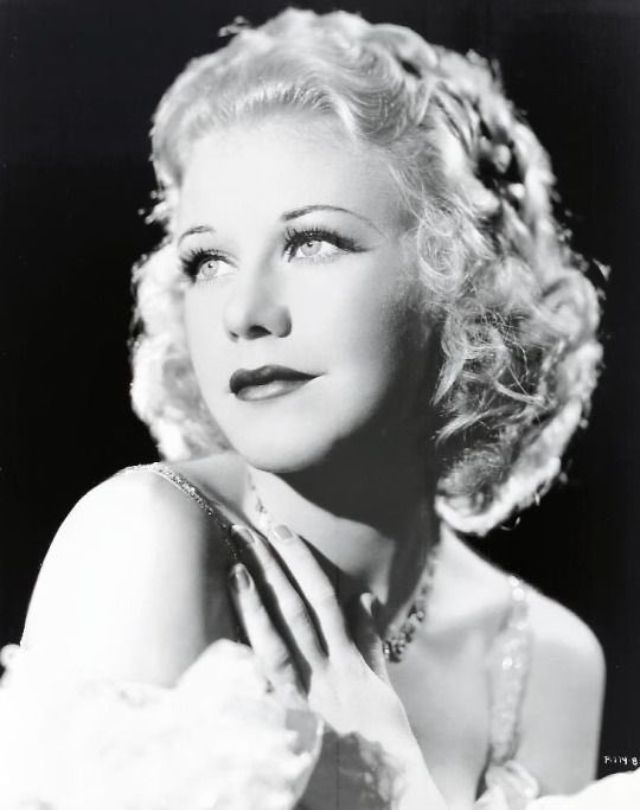
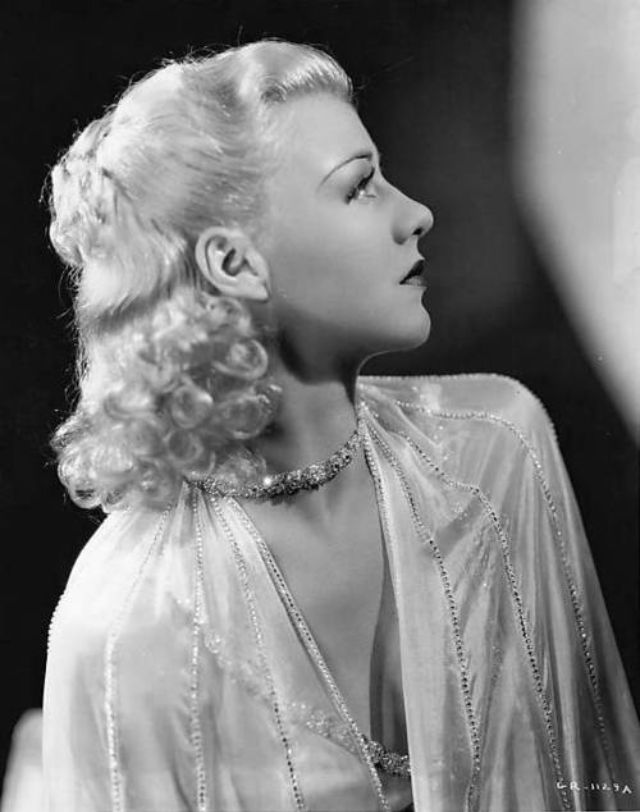
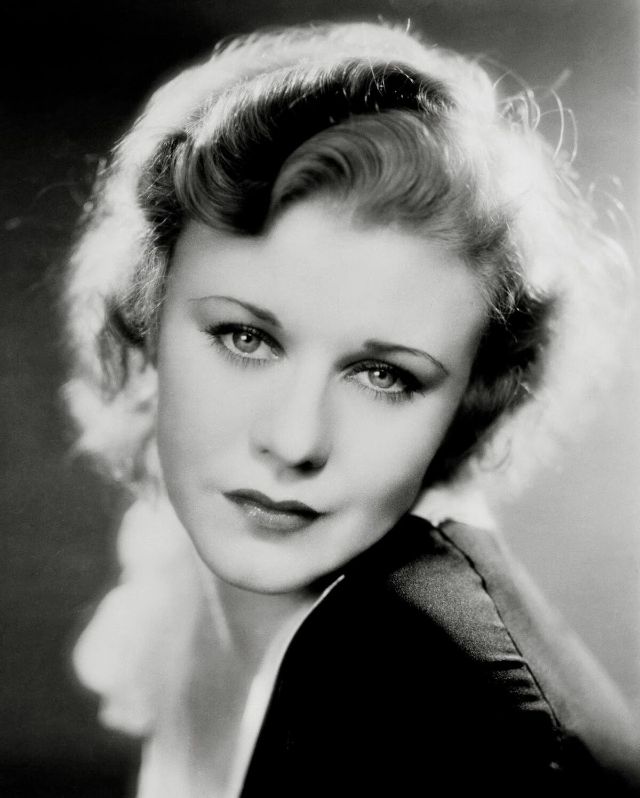
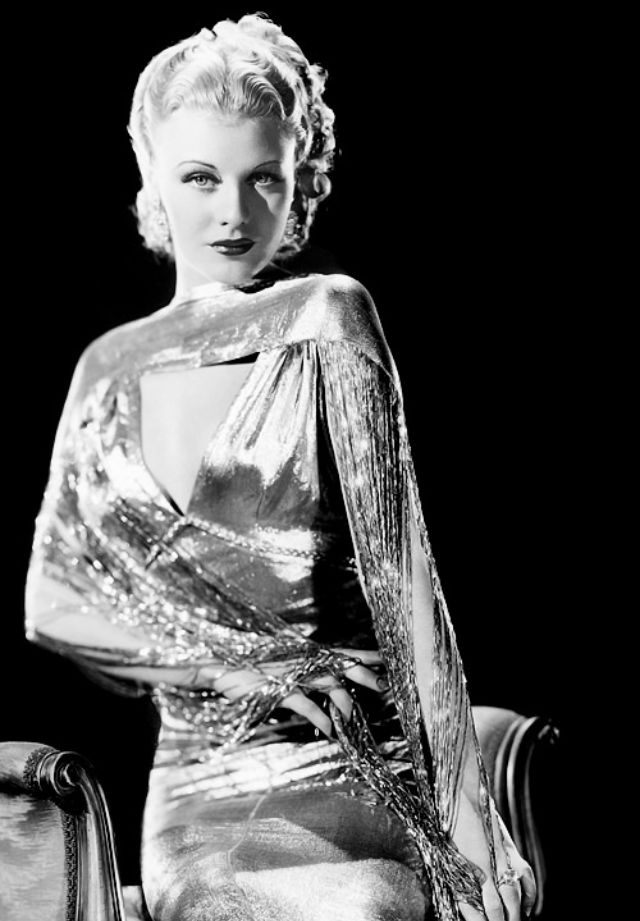
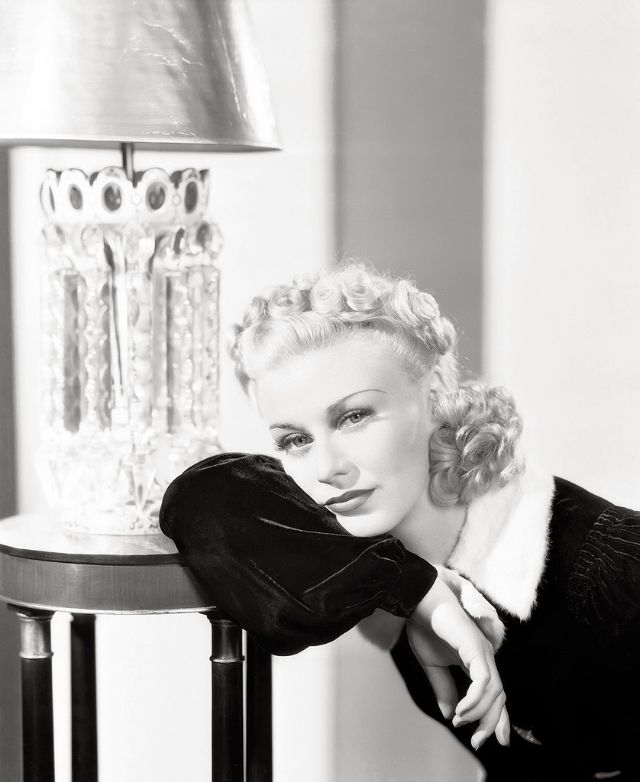
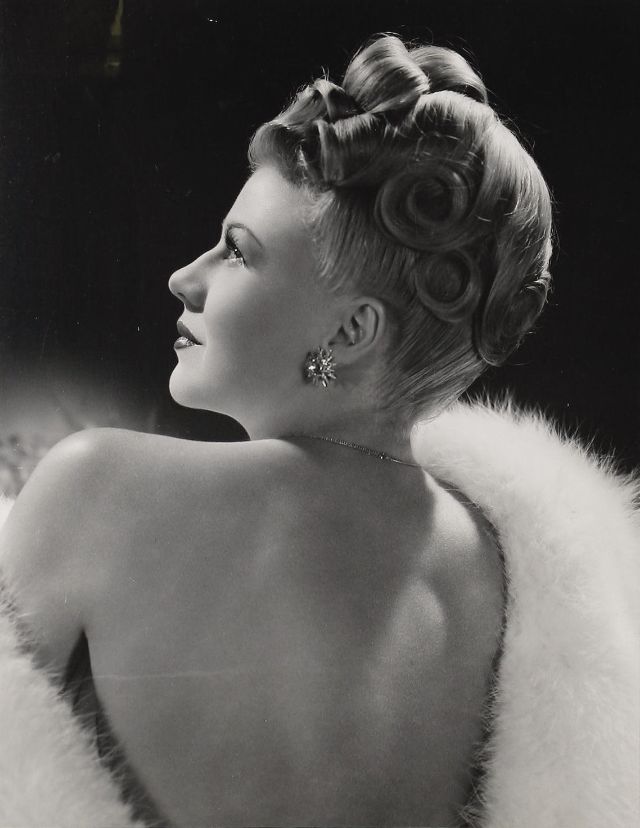
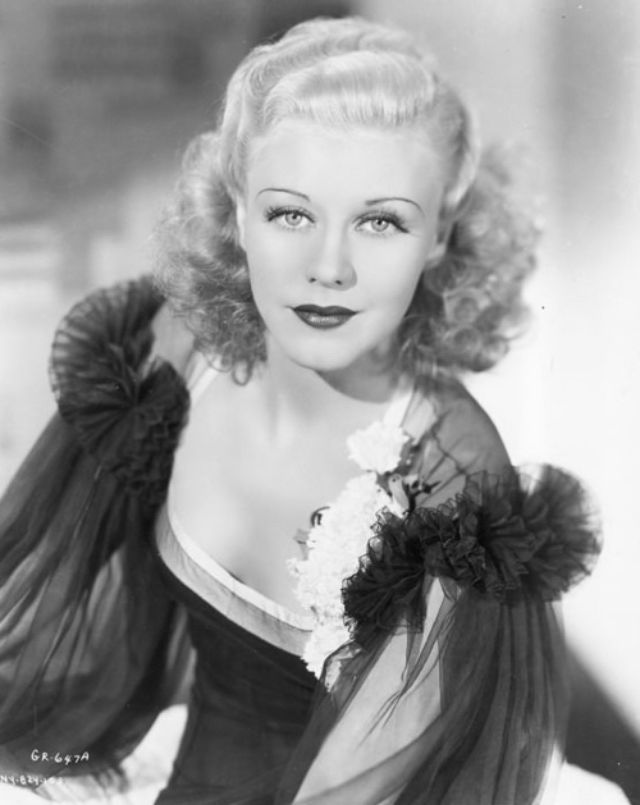
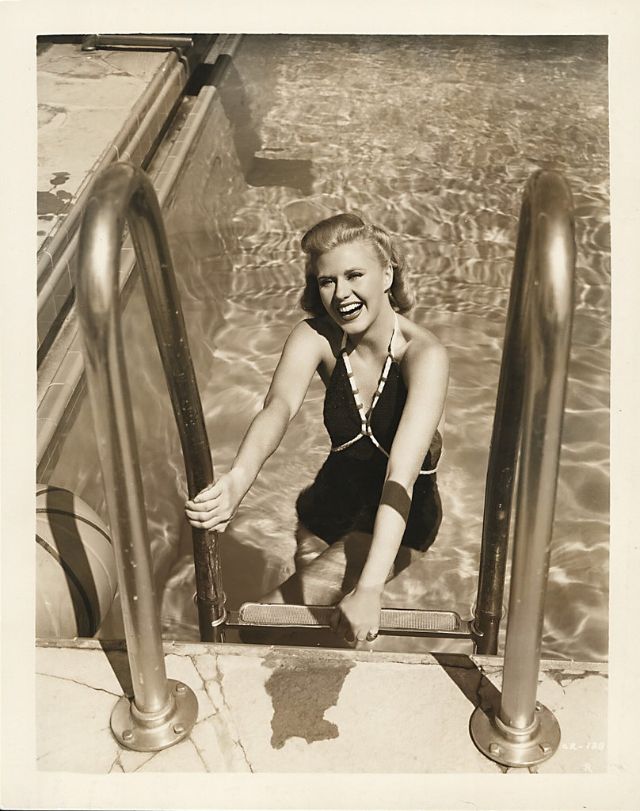
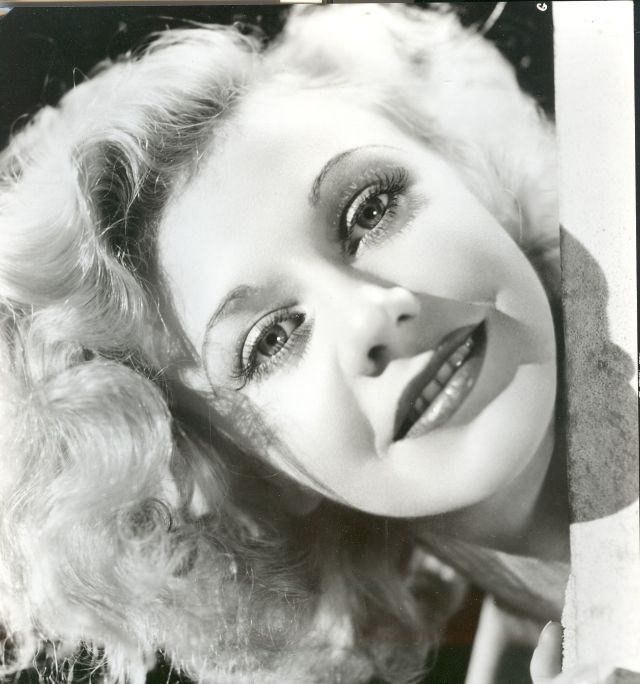
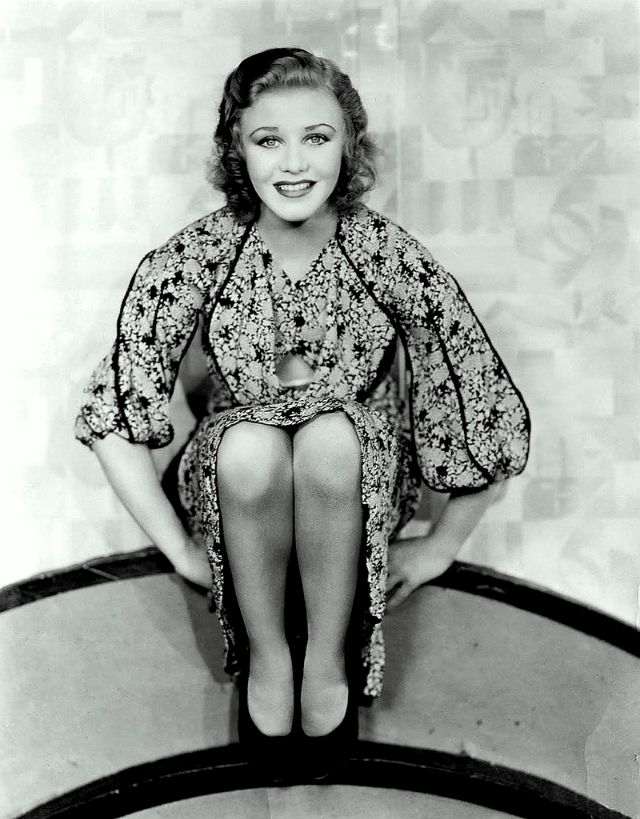
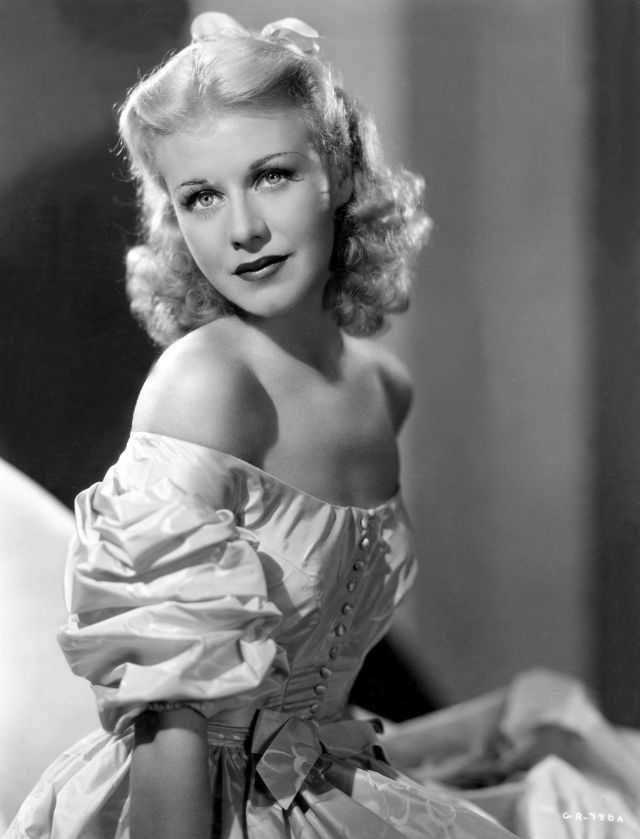
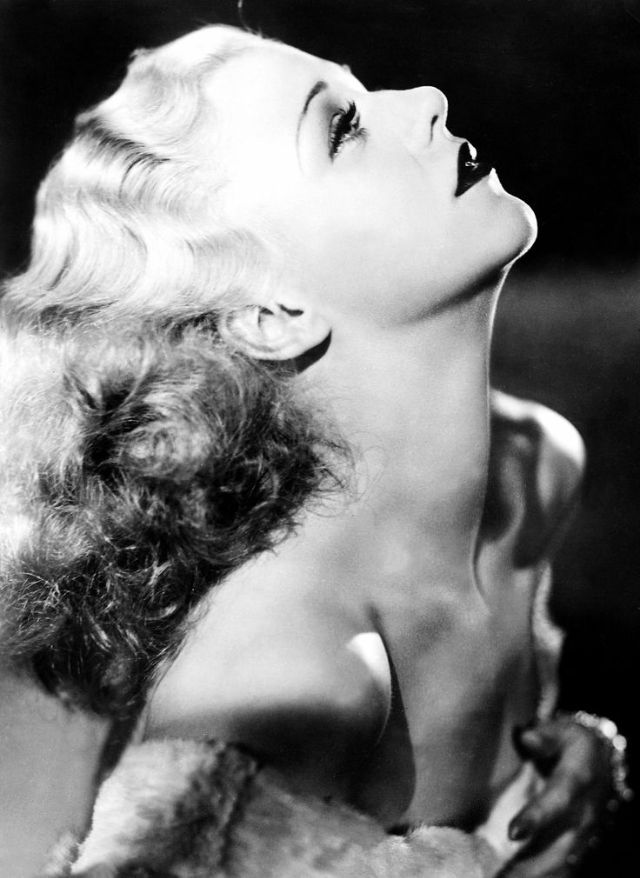
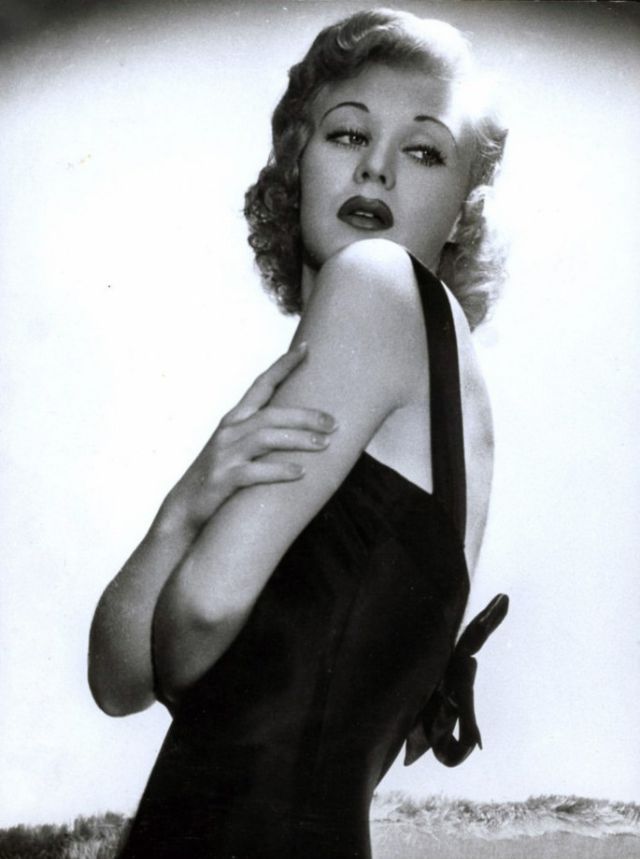
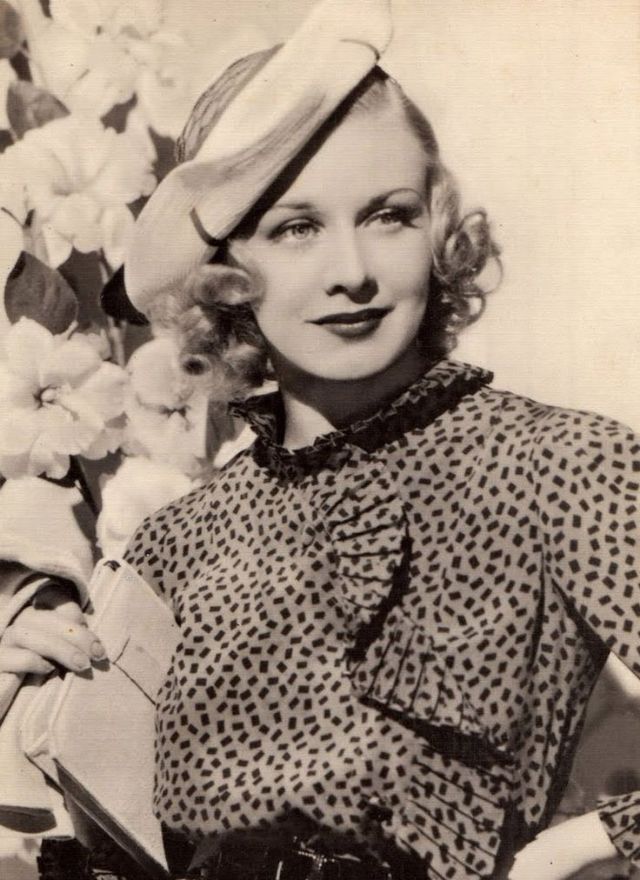
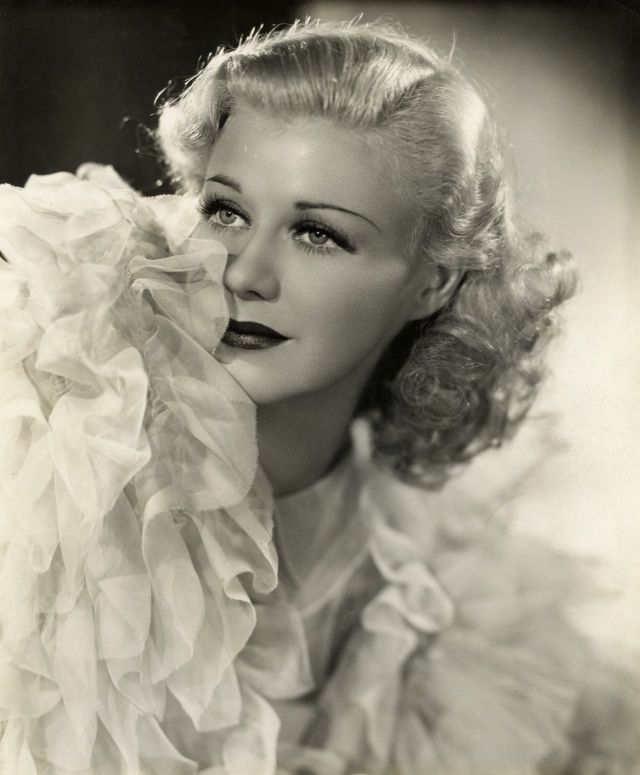
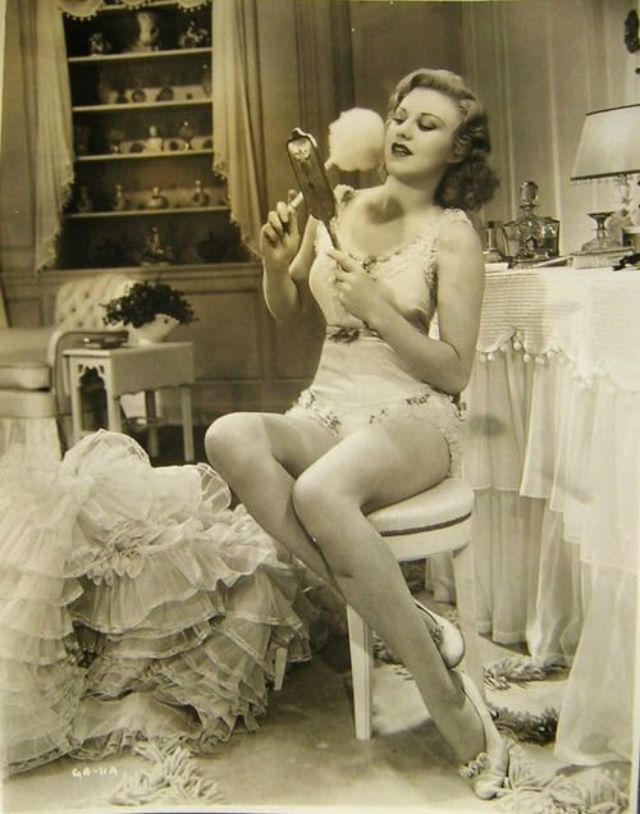
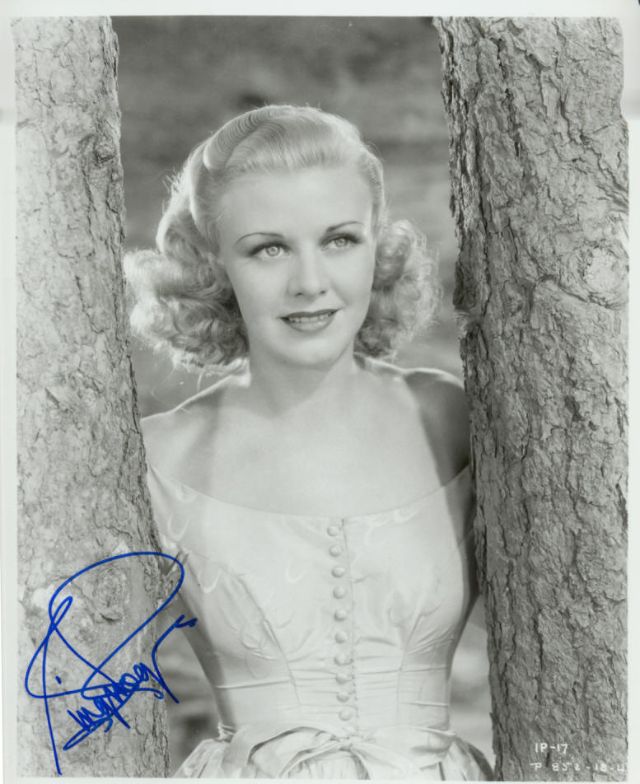
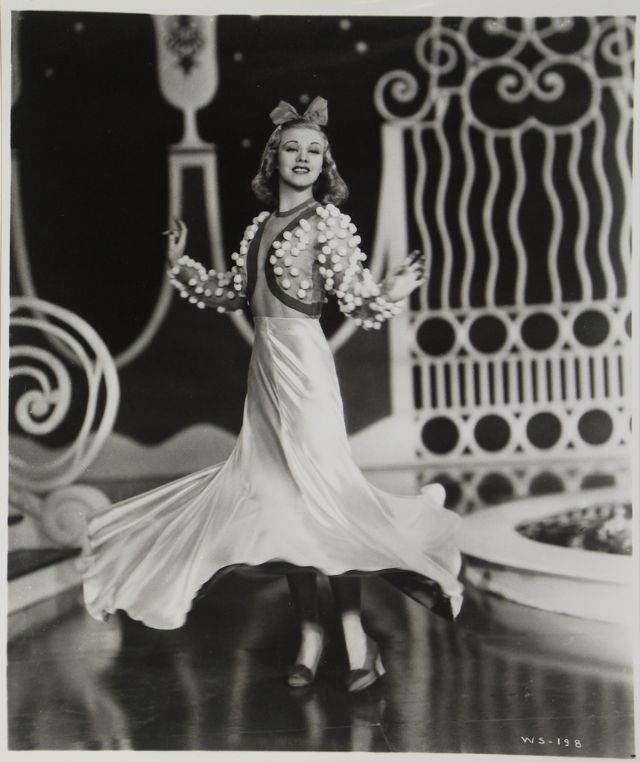
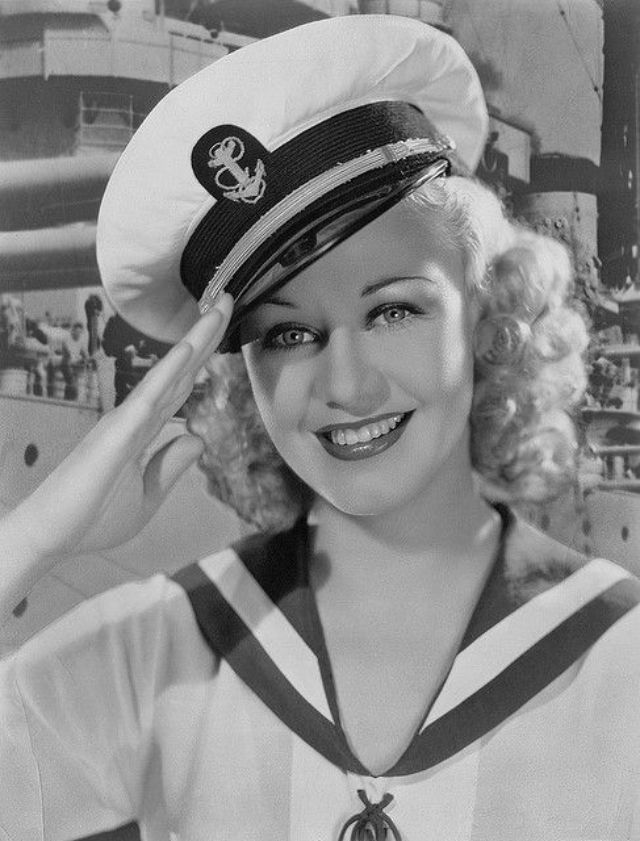
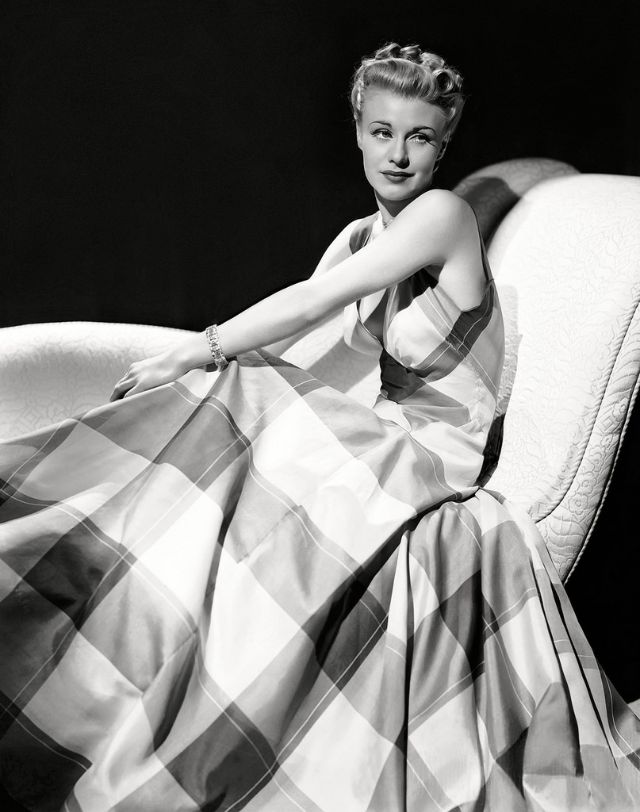
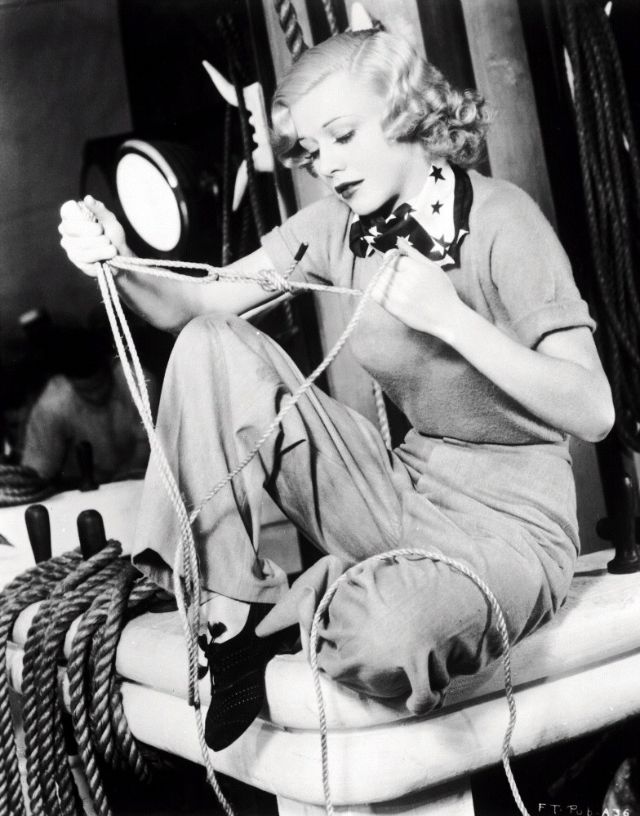
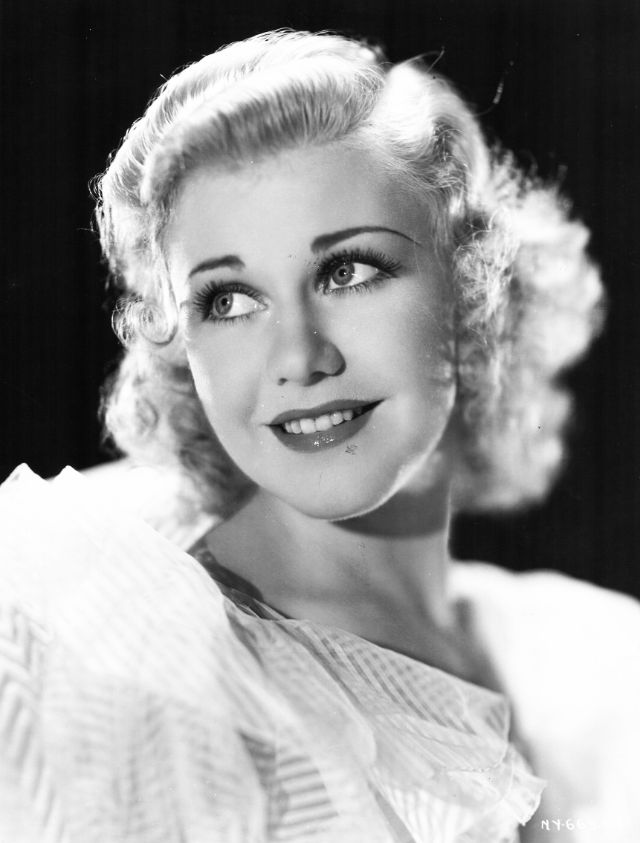
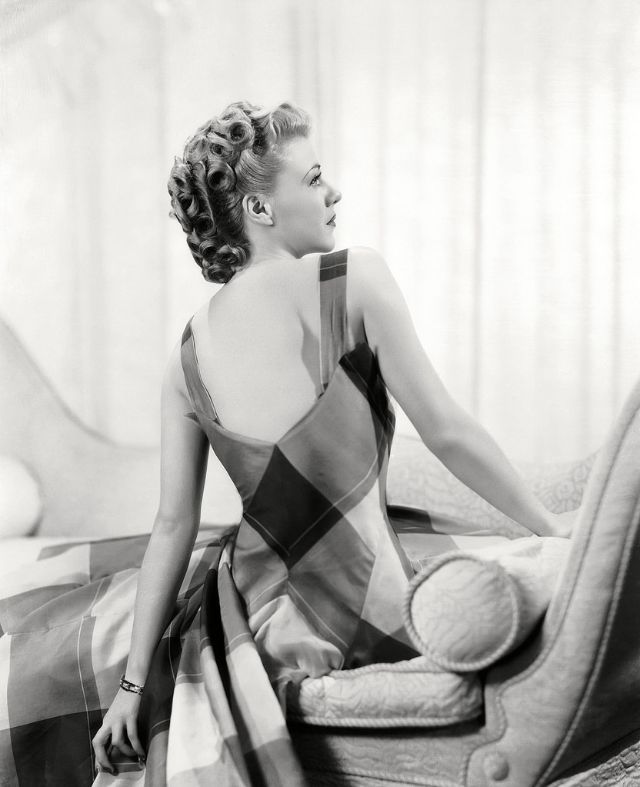
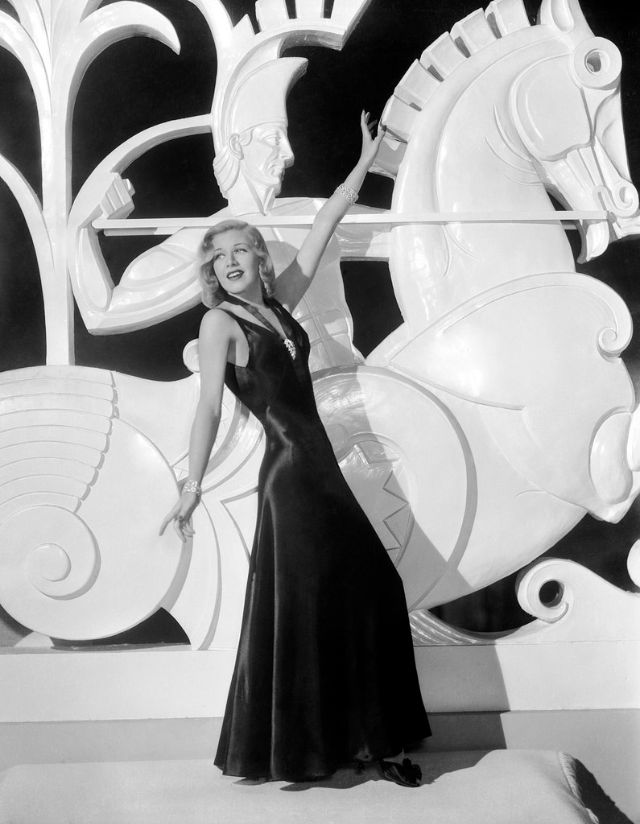
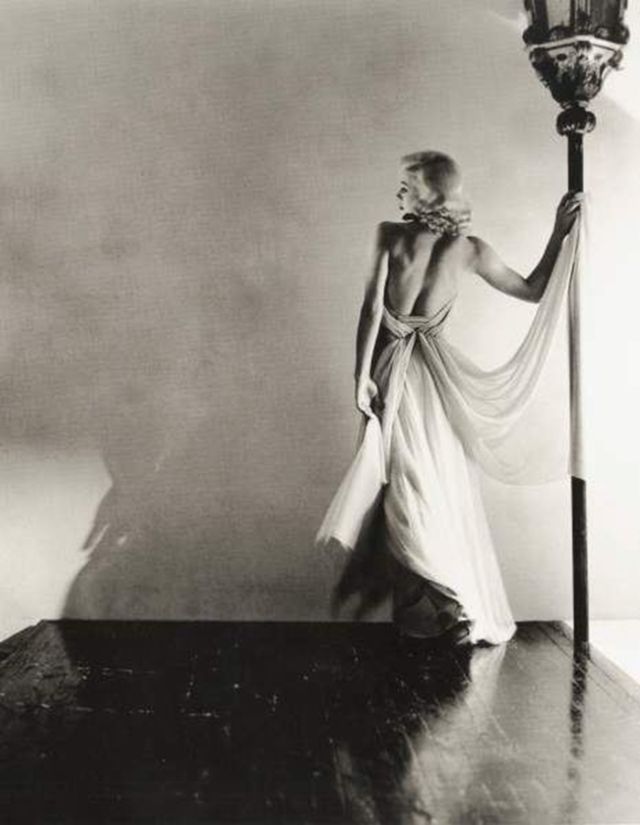
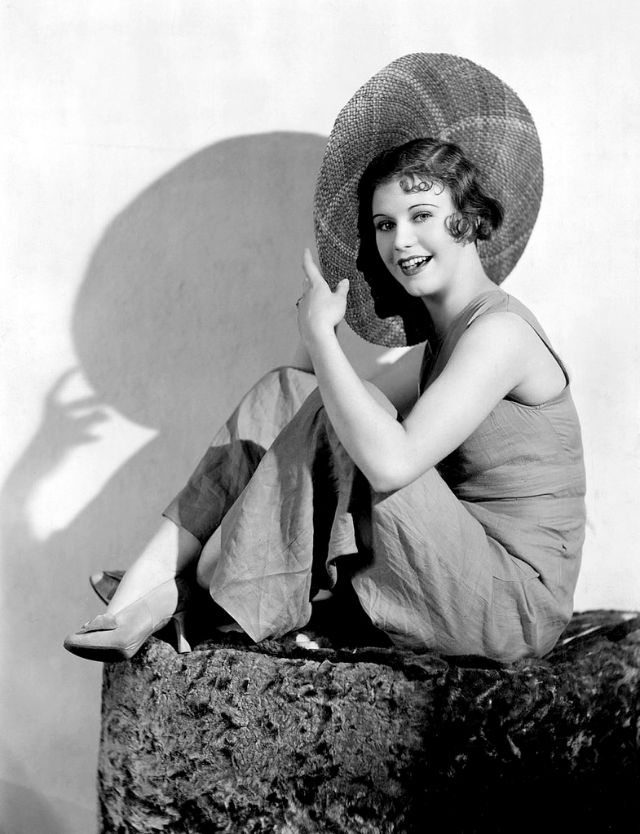
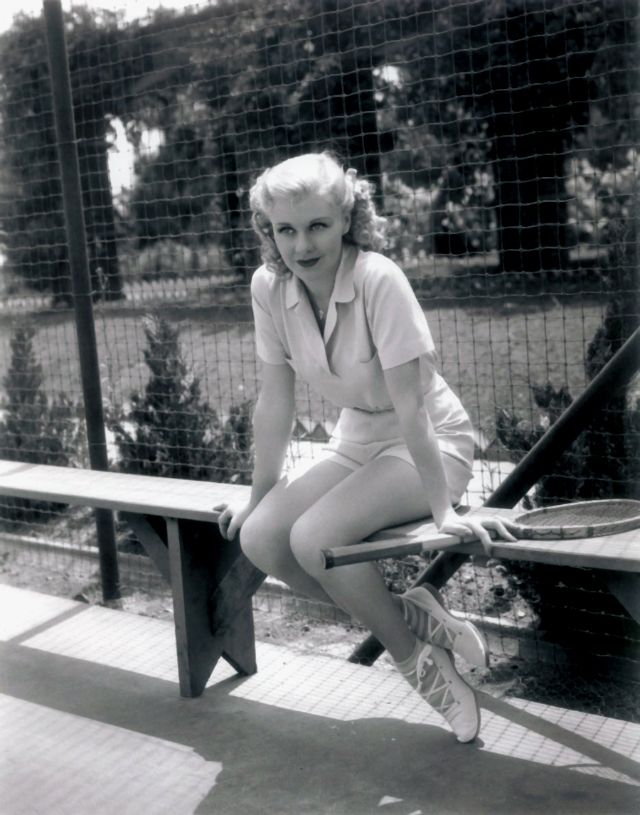
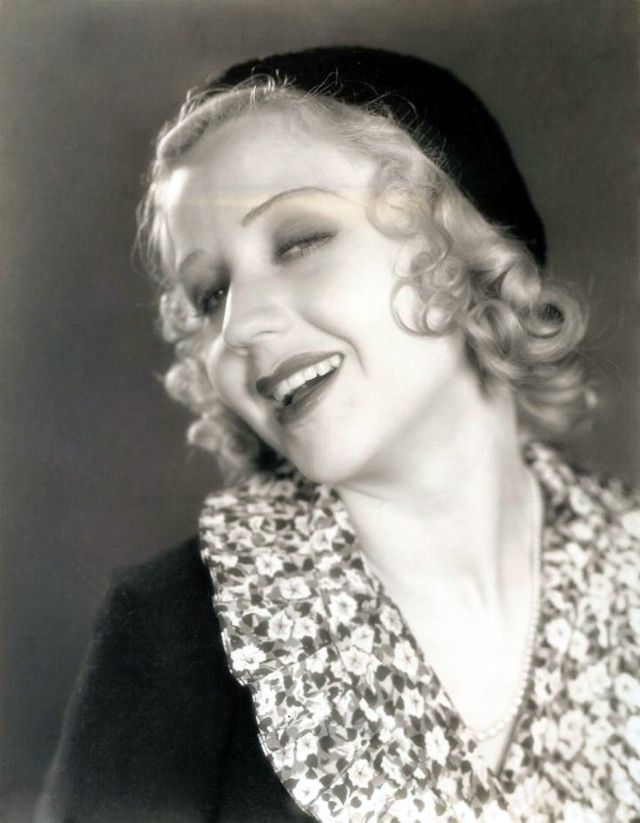
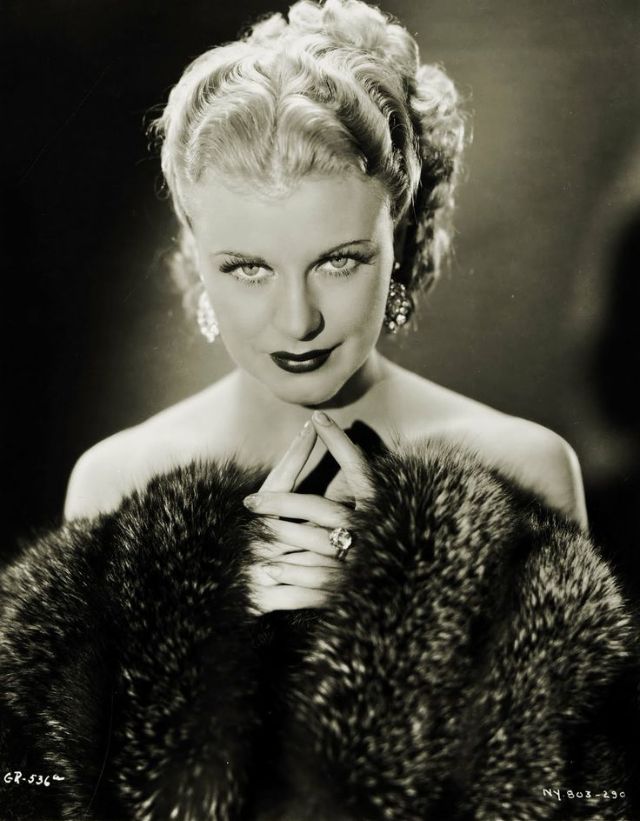
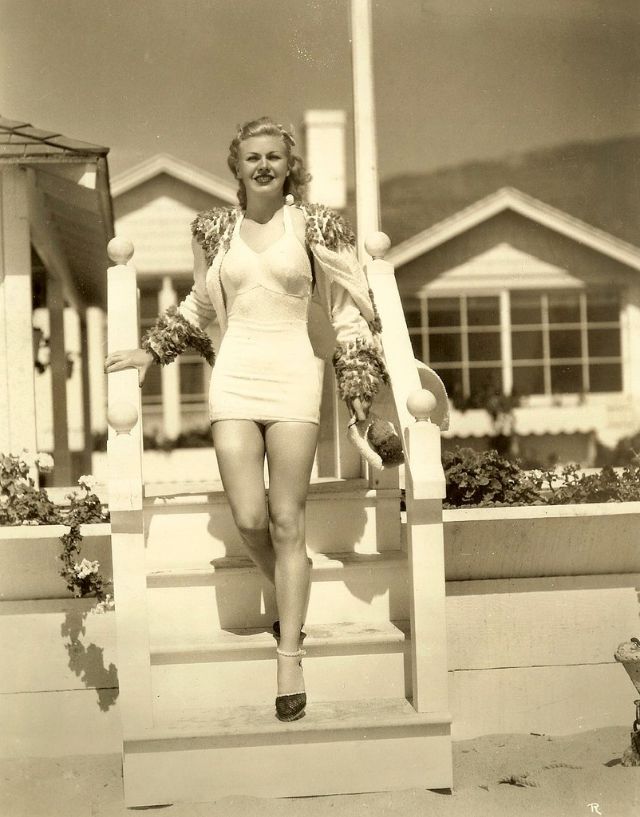
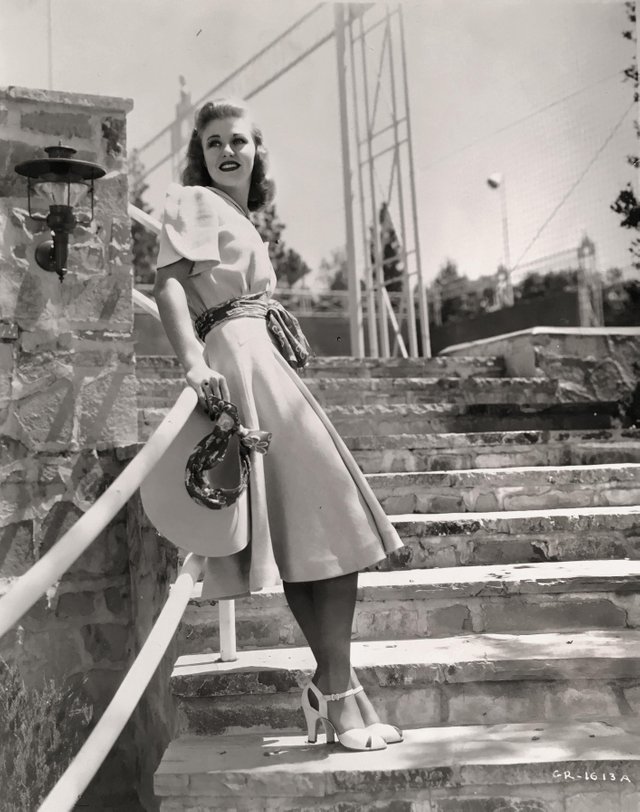
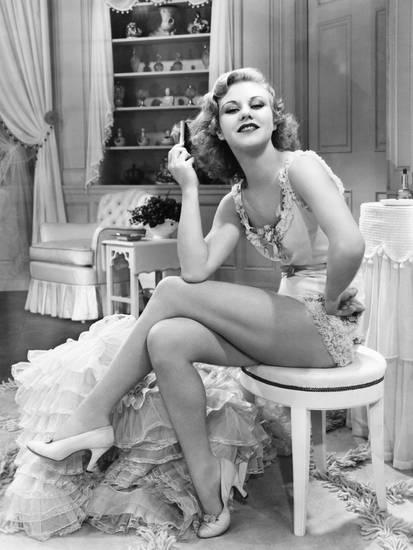
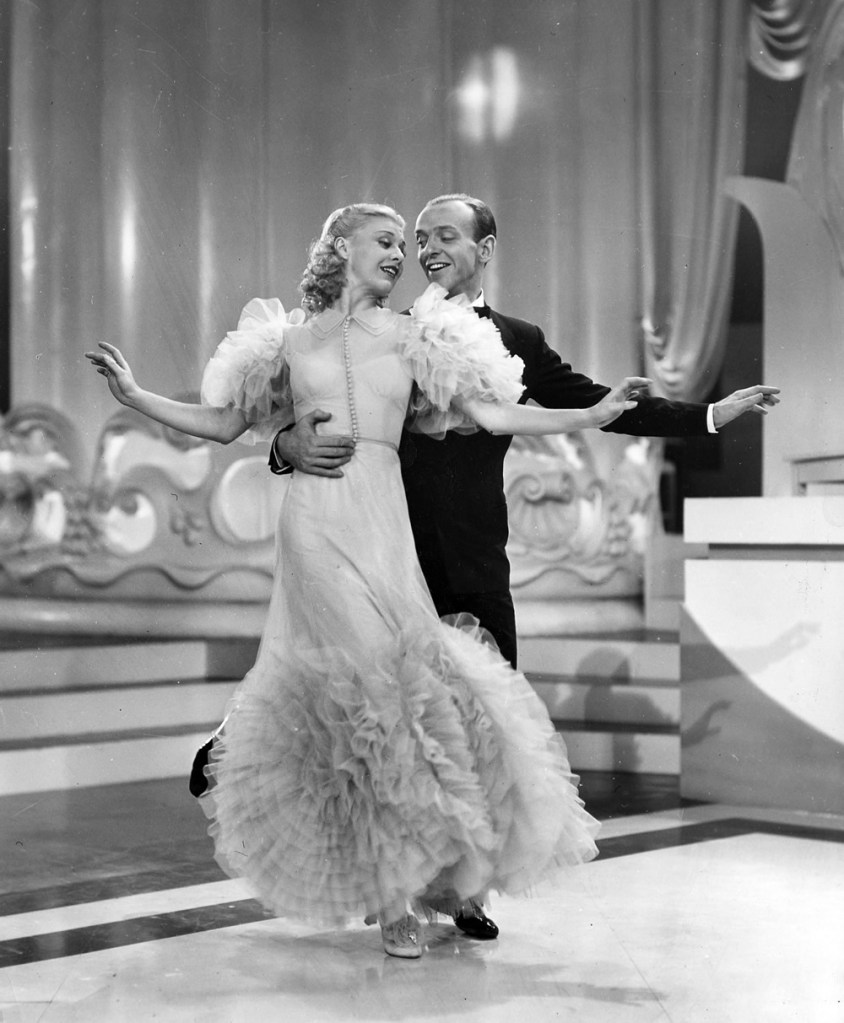
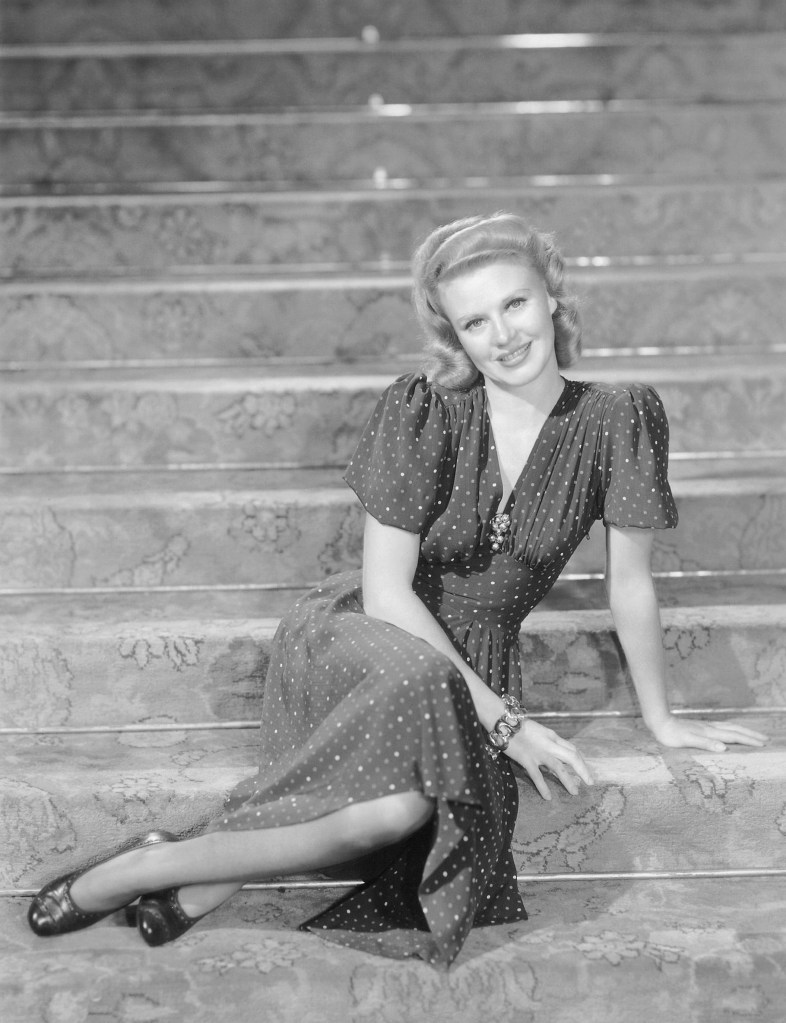
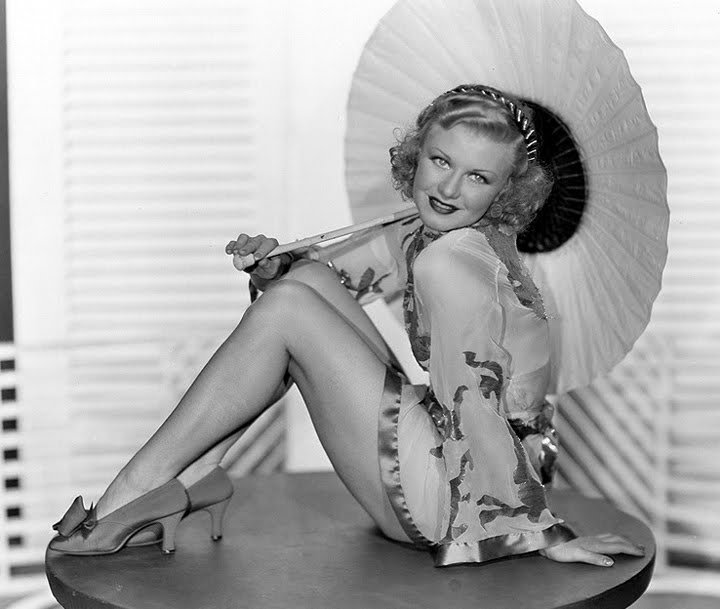
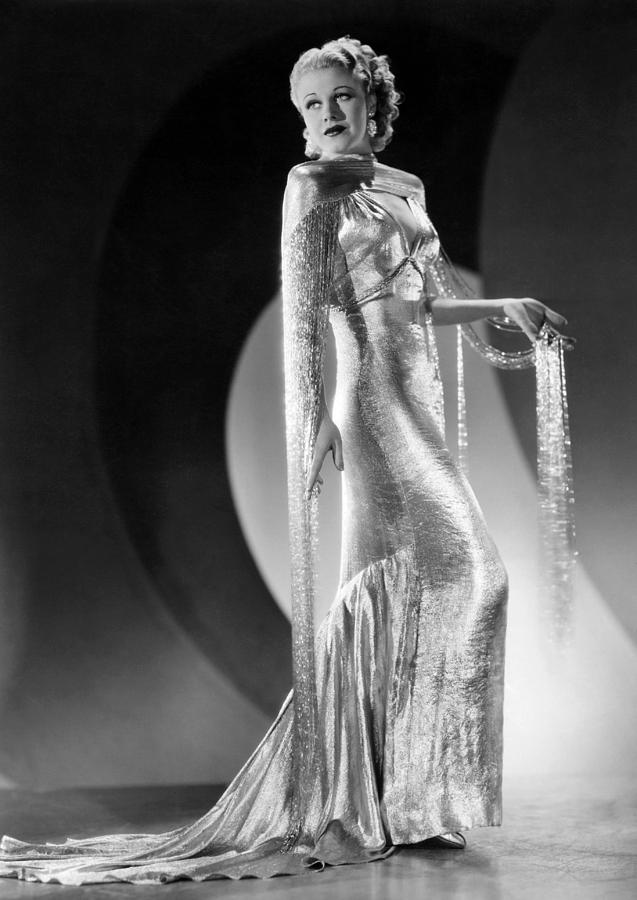
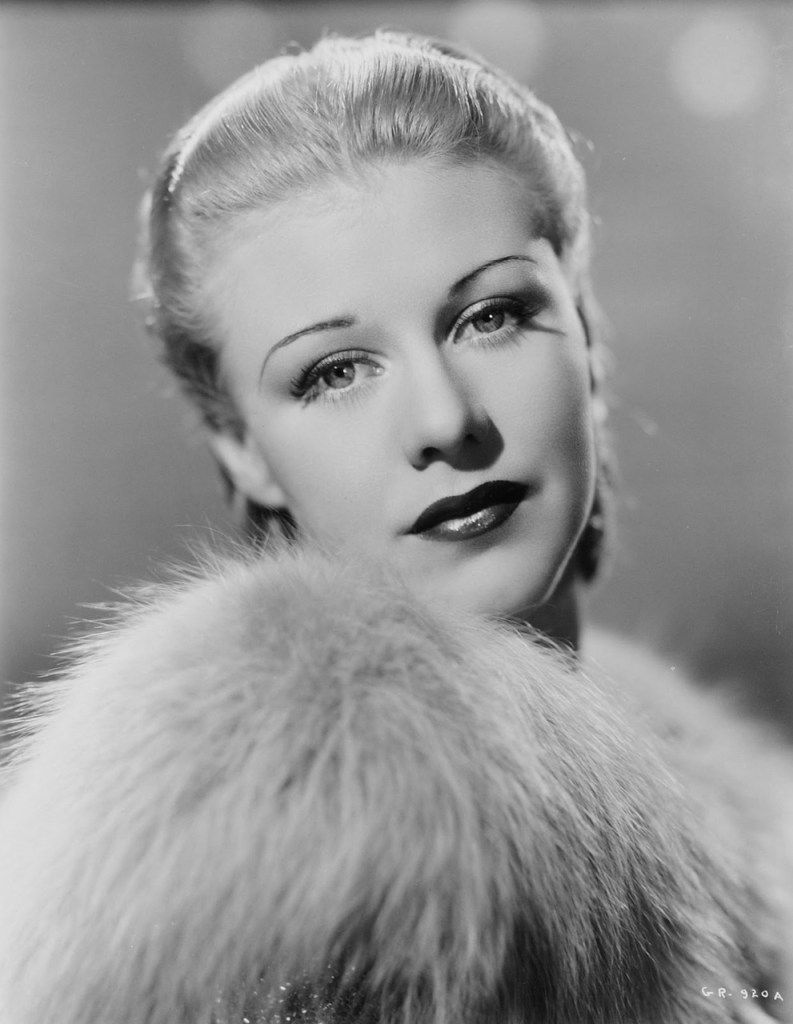
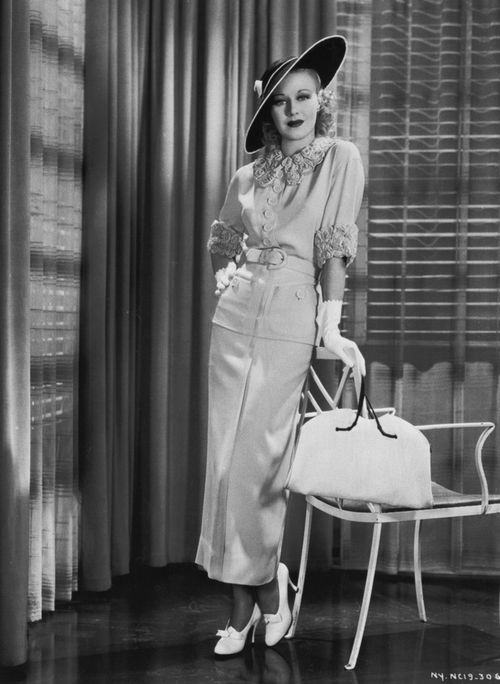
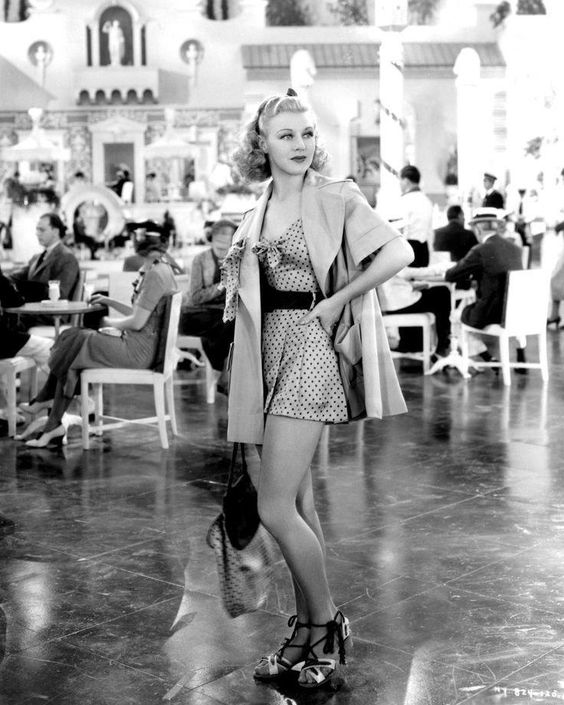
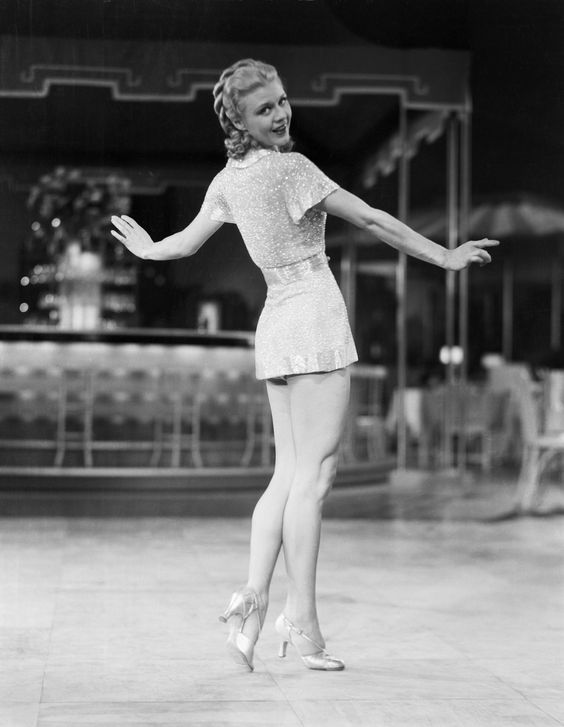
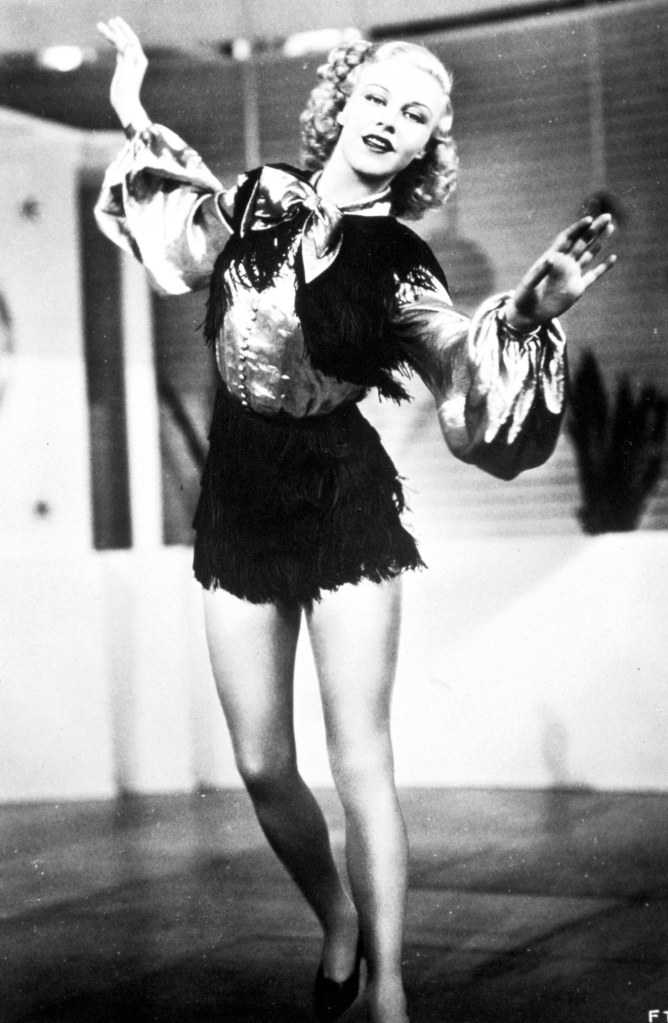
Ginger Rogers (born Virginia Katherine McMath; July 16, 1911 – April 25, 1995) was an American actress, dancer, and singer during the “Golden Age” of Hollywood and is often considered an American icon. She won an Academy Award for Best Actress for her starring role in Kitty Foyle (1940), but is best remembered for performing during the 1930s in RKO’s musical films with Fred Astaire. Her career continued on stage, radio and television throughout much of the 20th century.
Born in Independence, Missouri, and raised in Kansas City, Rogers and her family moved to Fort Worth, Texas when she was nine years old. After winning a 1925 Charleston dance contest that launched a successful vaudeville career, she gained recognition as a Broadway actress for her stage debut in Girl Crazy. This led to a contract with Paramount Pictures, which ended after five films. Rogers had her first successful film roles as a supporting actress in 42nd Street (1933) and Gold Diggers of 1933 (1933).
In the 1930s, Rogers’ nine films with Fred Astaire are credited with revolutionizing the genre and gave RKO Pictures some of its biggest successes, most notably The Gay Divorcee (1934), Top Hat (1935) and Swing Time (1936). But after two commercial failures with Astaire, she turned her focus to dramatic and comedy films. Her acting was well received by critics and audiences in films such as Stage Door (1937), Vivacious Lady (1938), Bachelor Mother (1939), The Major and the Minor (1942) and I’ll Be Seeing You (1944). After winning the Oscar, Rogers became one of the biggest box-office draws and highest paid actresses of the 1940s.
Rogers’ popularity was peaking by the end of the decade. She reunited with Astaire in 1949 in the commercially successful The Barkleys of Broadway. She starred in the successful comedy Monkey Business (1952) and was critically lauded for her performance in Tight Spot (1955) before entering an unsuccessful period of filmmaking in the mid-1950s, and returned to Broadway in 1965, playing the lead role in Hello, Dolly! More Broadway roles followed, along with her stage directorial debut in 1985 of an off-Broadway production of Babes in Arms. She continued to act, making television appearances until 1987 and wrote an autobiography Ginger: My Story which was published in 1991. In 1992, Rogers was recognized at the Kennedy Center Honors. She died of natural causes in 1995, at age 83.
During her long career, Rogers made 73 films and she ranks number 14 on the AFI’s 100 Years…100 Stars list of female stars of classic American cinema. (Wiki)
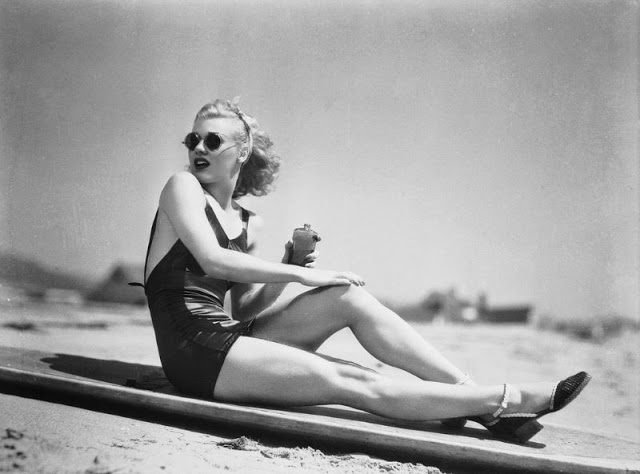
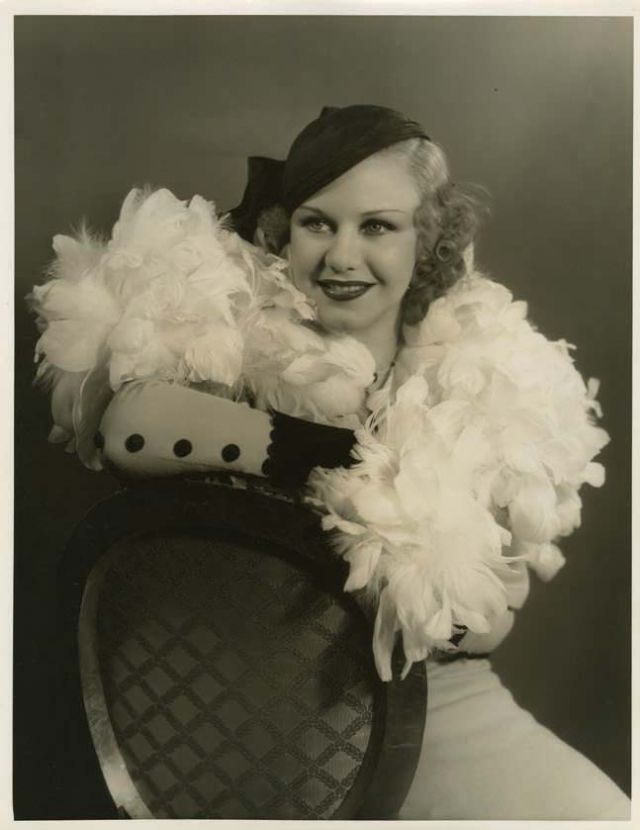
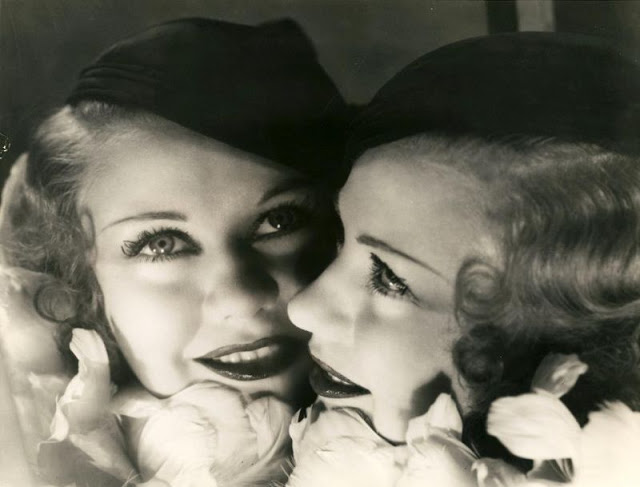
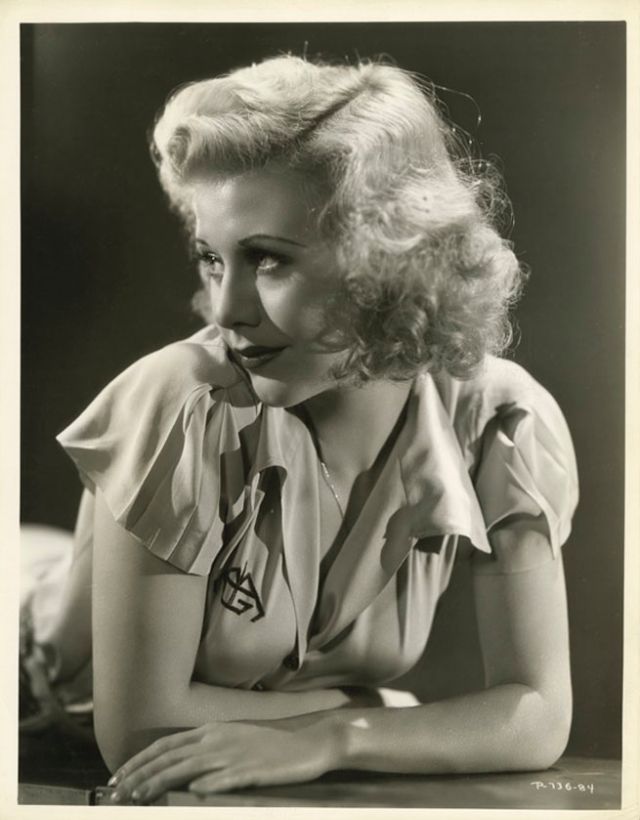
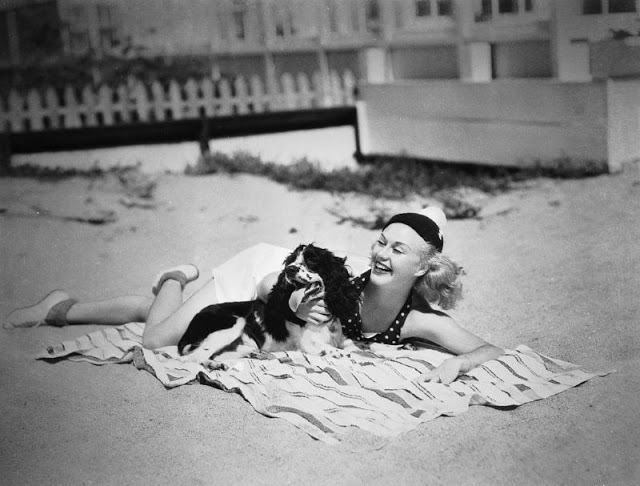
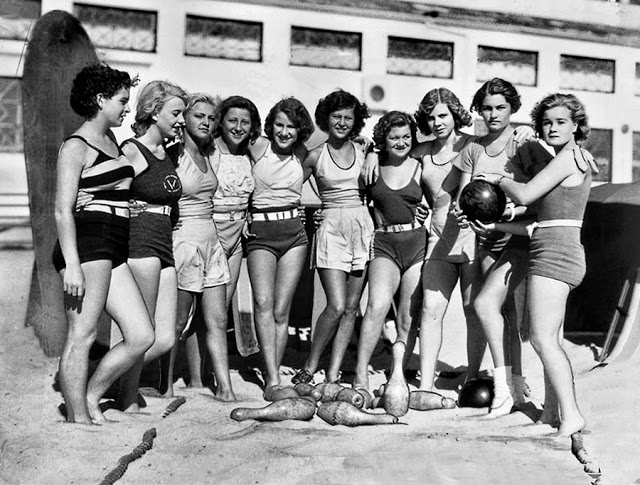
Venice is a residential, commercial and recreational beachfront neighborhood on the Westside of the city of Los Angeles. It was founded in 1905 as a seaside resort town and was an independent city until 1926, when it merged with Los Angeles.
Today, Venice is known for its canals, beaches, and the circus-like Ocean Front Walk, a two-and-a-half-mile pedestrian-only promenade that features performers, mystics, artists and vendors.
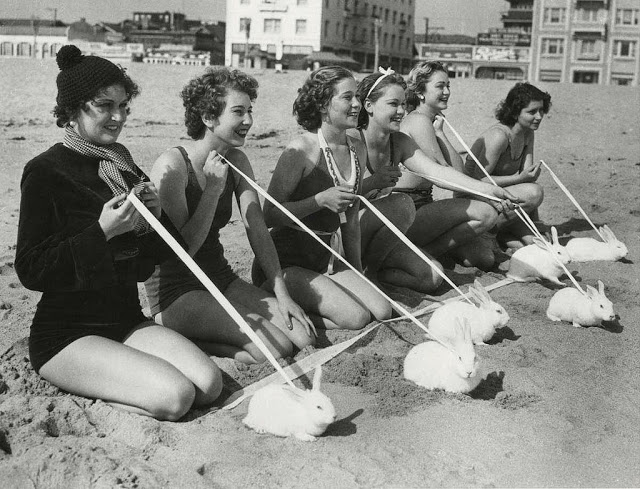
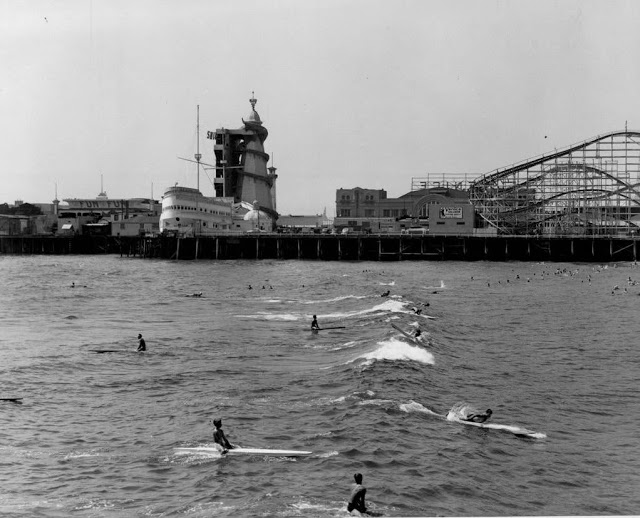
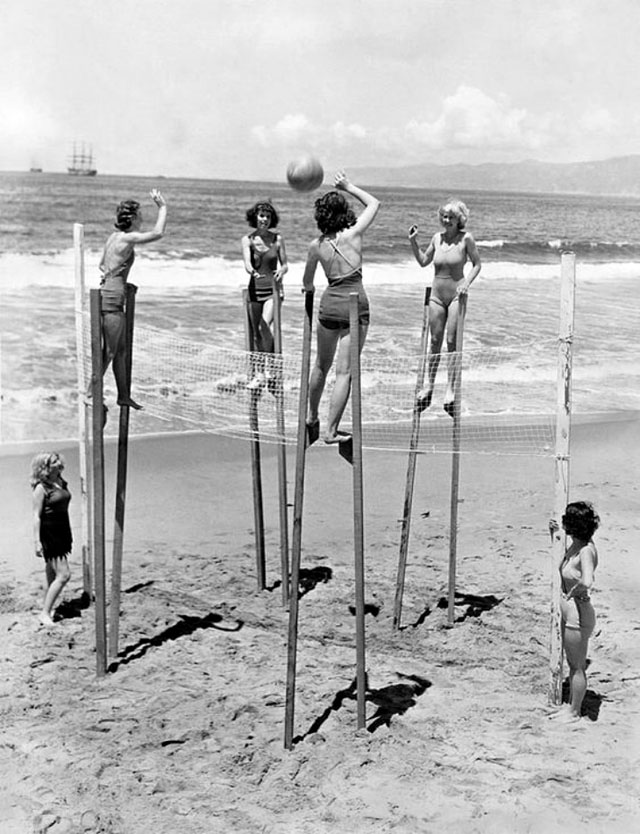
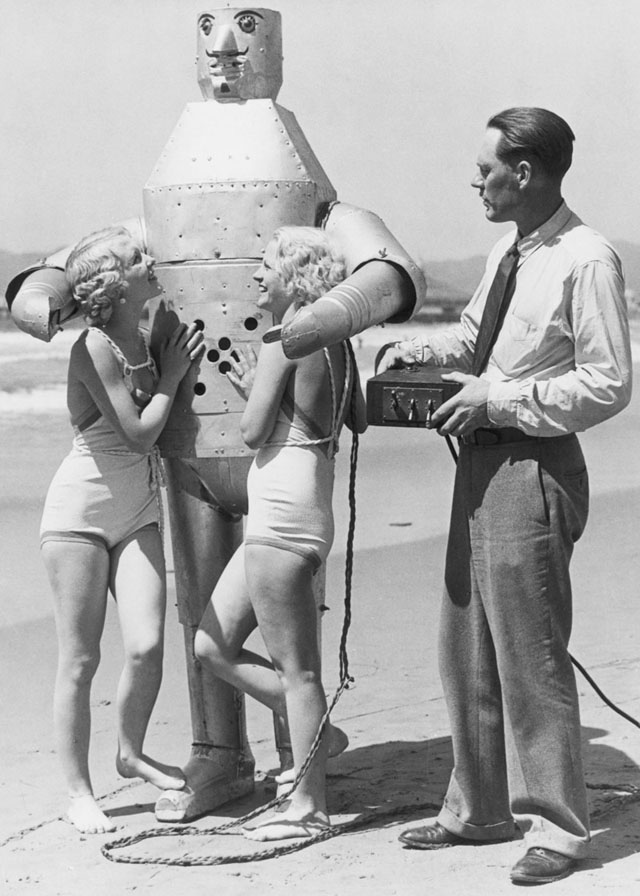
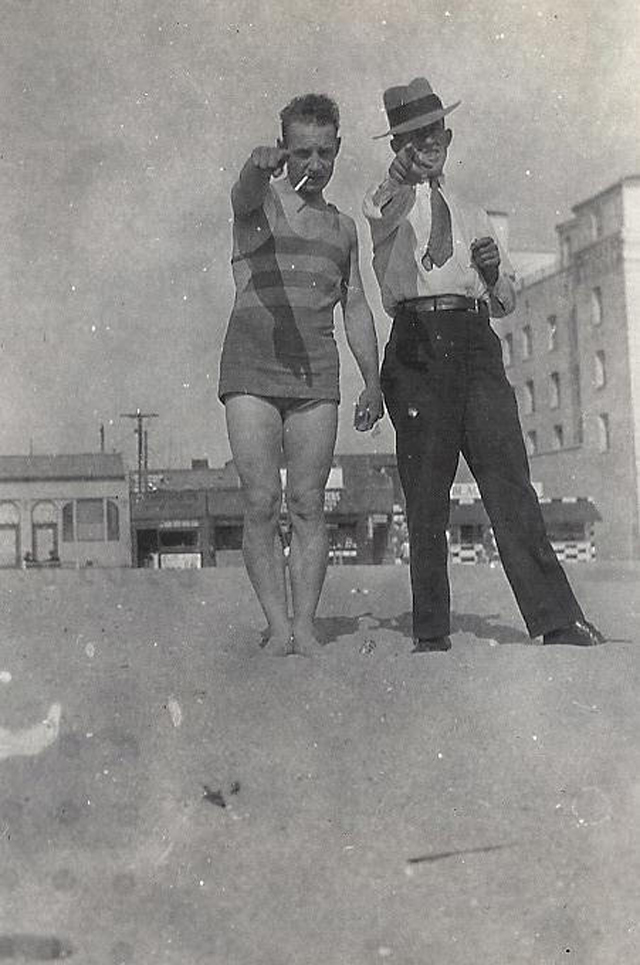
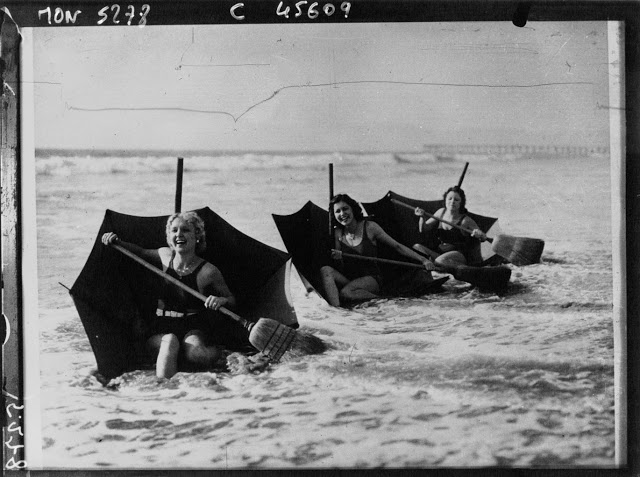
Here are some vintage snapshots capturing daily life of the beach in Venice, Los Angeles in the 1930s.












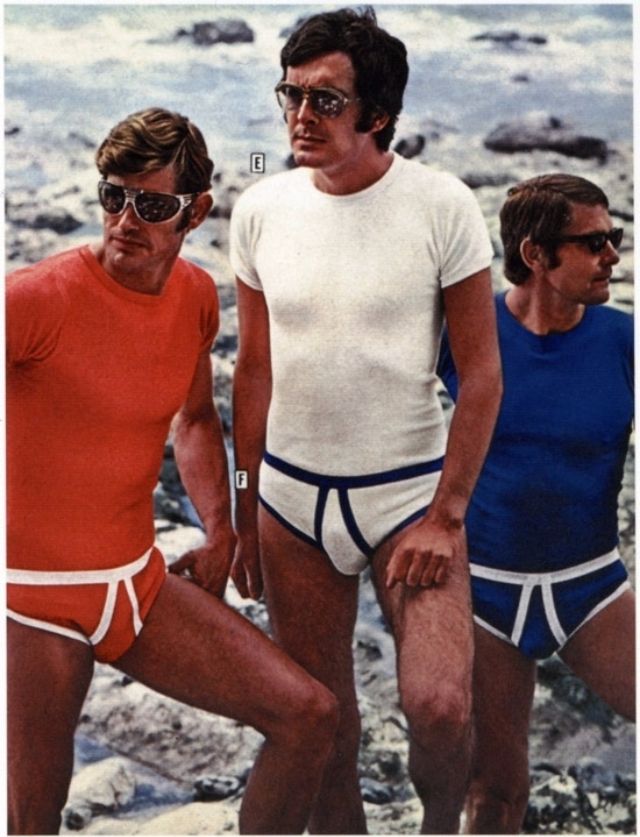
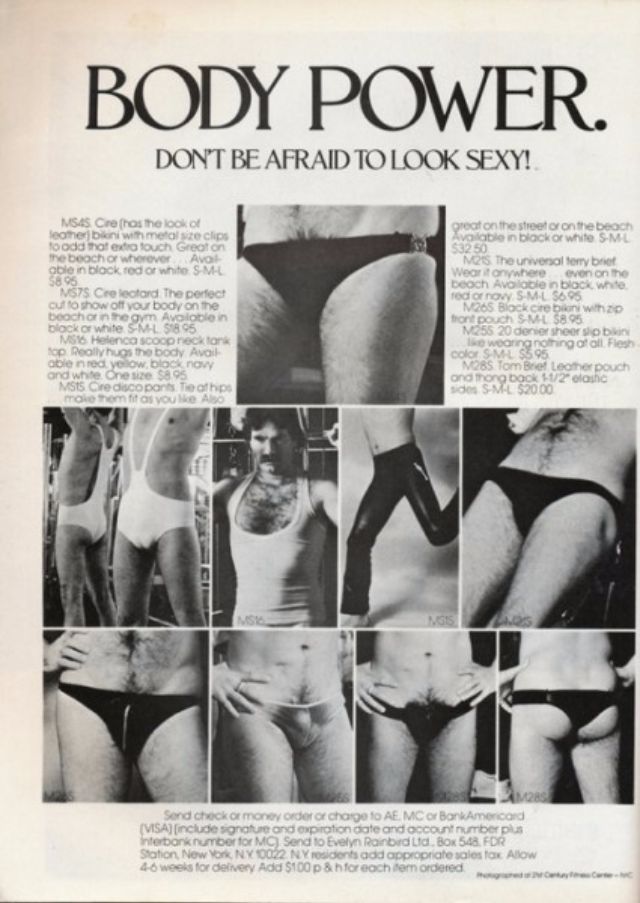
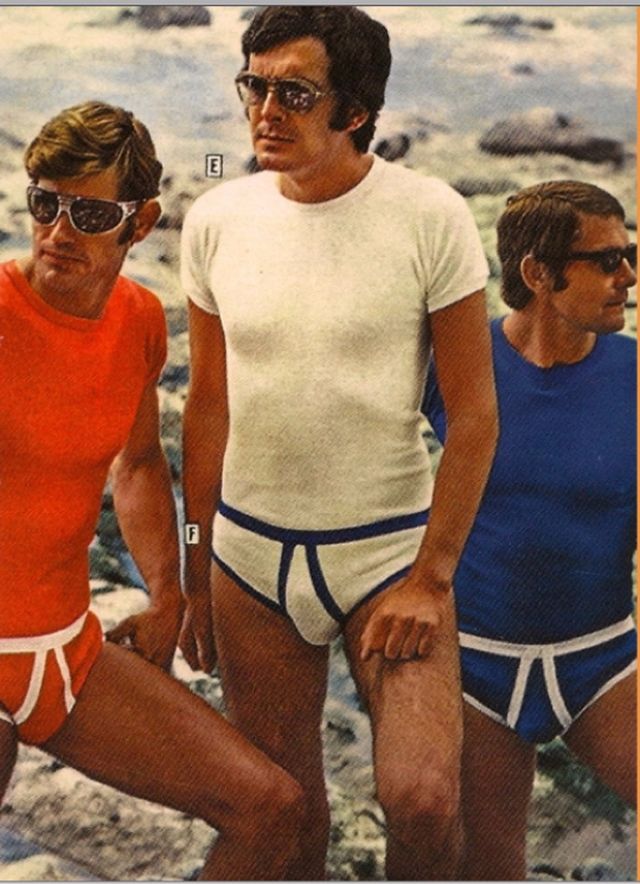
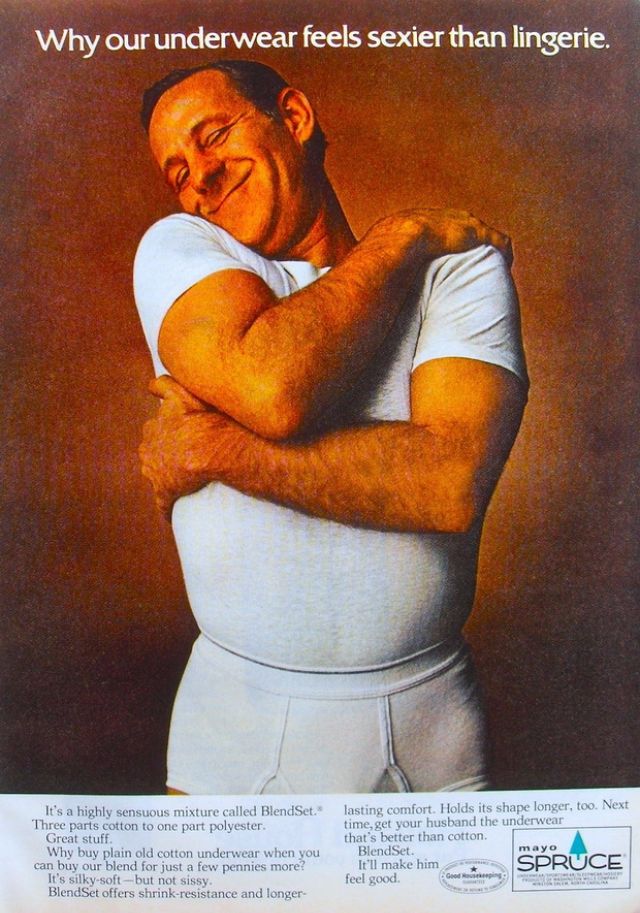
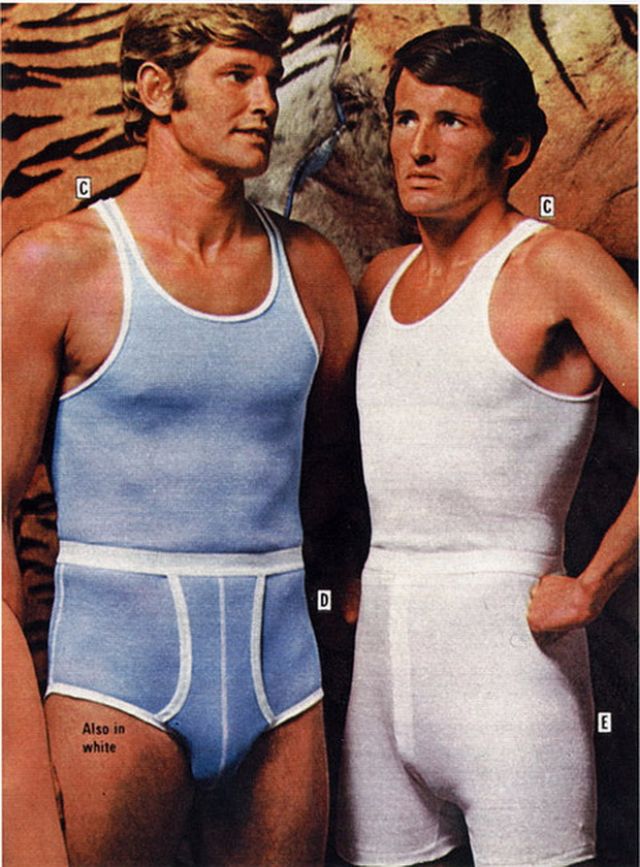
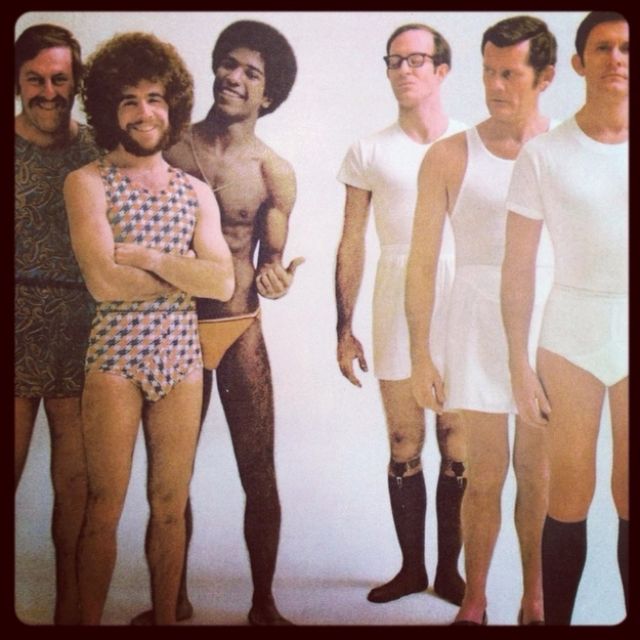
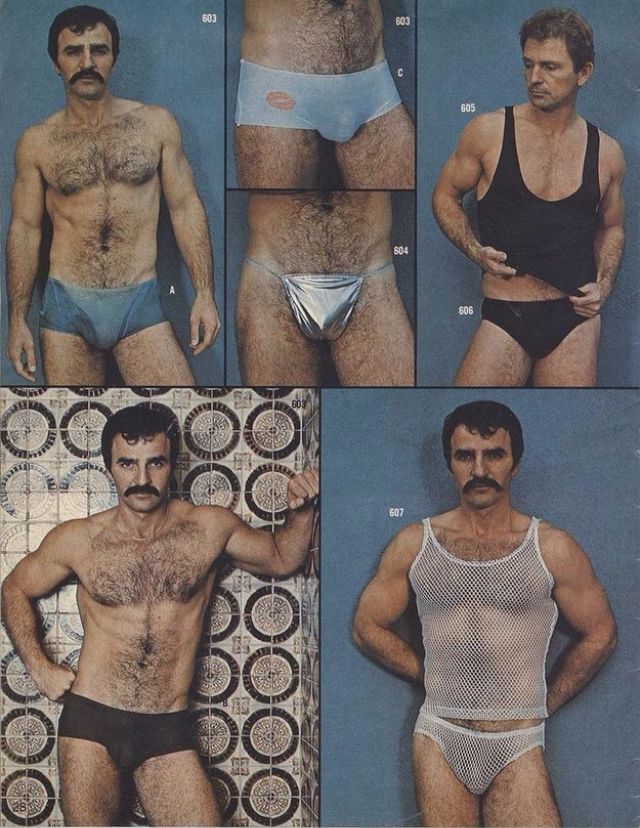
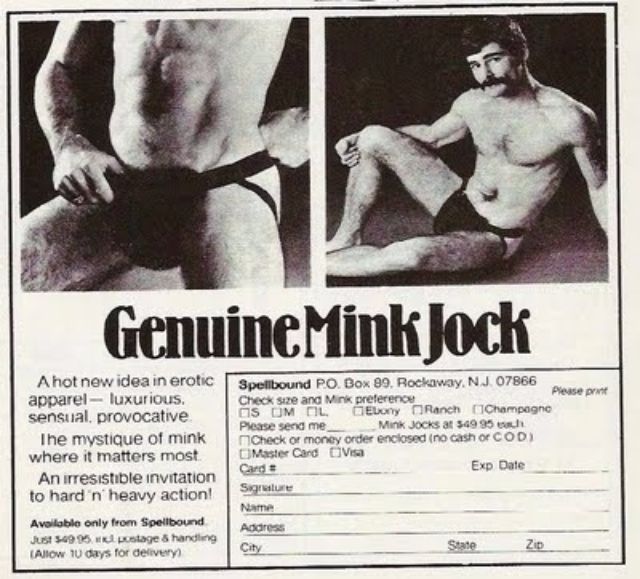
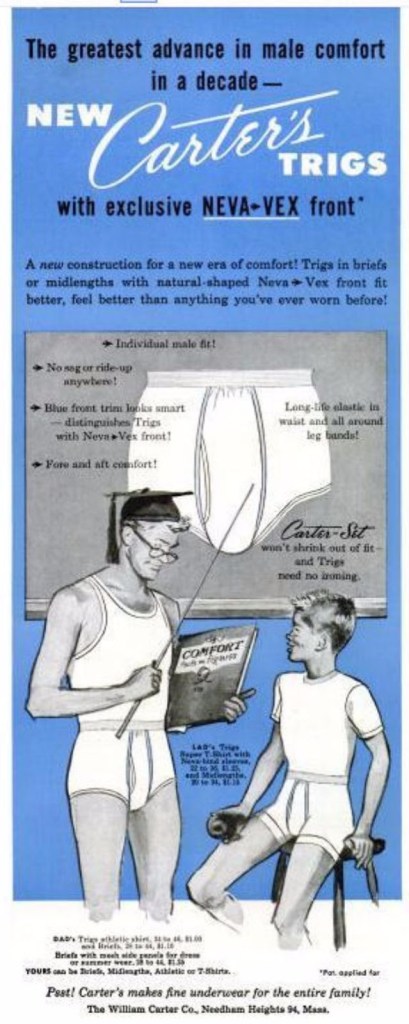
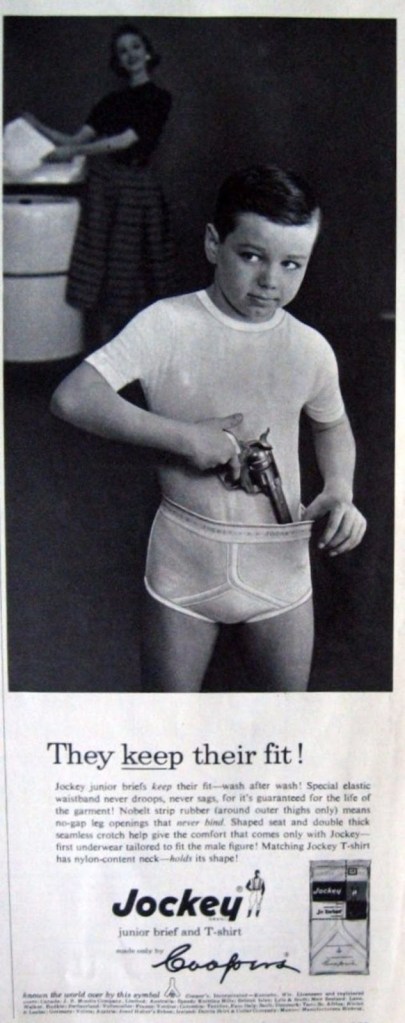
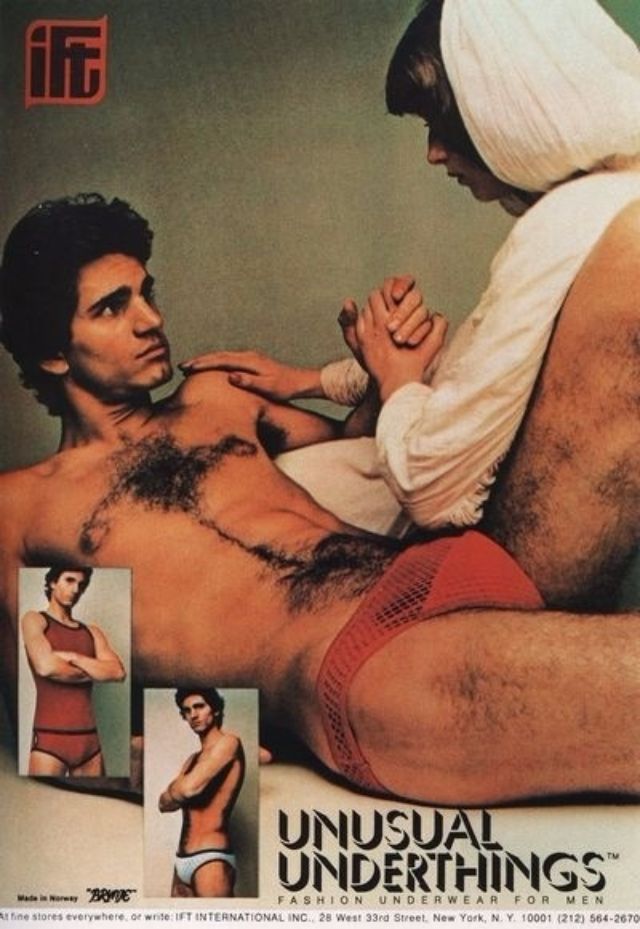
Remember the good old days when advertisers could go balls to the wall with their advertising campaigns?
Men’s underpants can be both mysterious and confounding. Selling them in magazines obviously posed problems of context and decency.
Back then sexually awkward advertising campaigns seemed normal. Or was it more a case of ignorance is bliss? Maybe the folks back then were just a little naive when it came to subliminal messaging or maybe they dared to risk it all? Whatever the case, these vintage underwear ads from the 1970s sure make for some great entertainment today.
















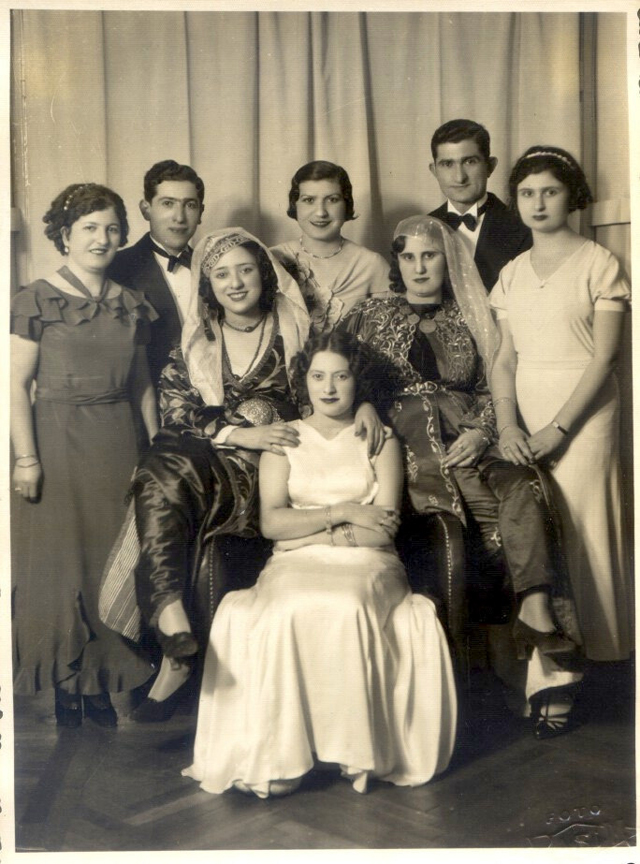
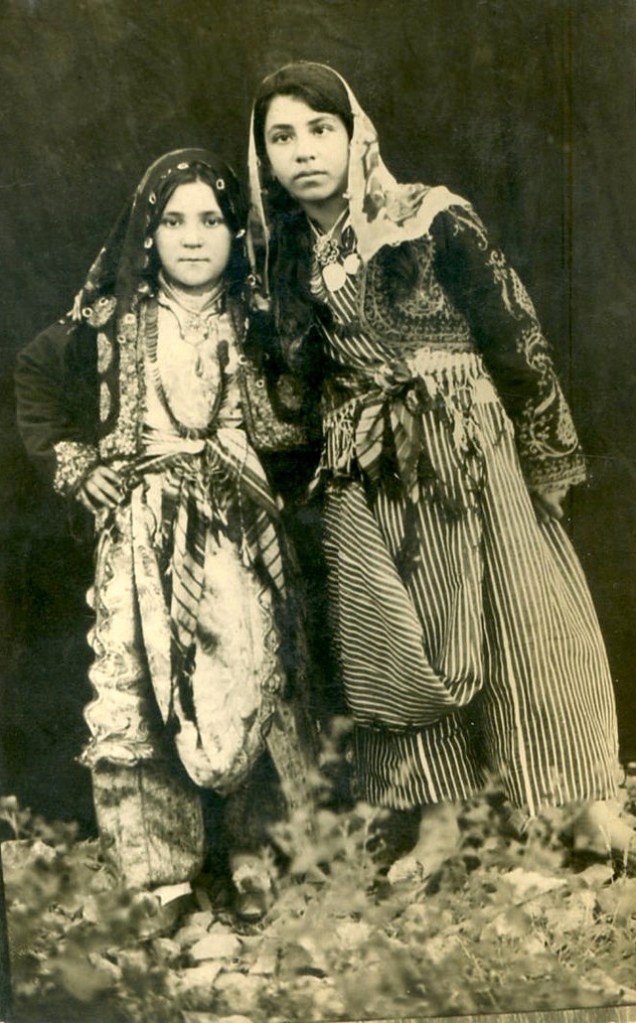
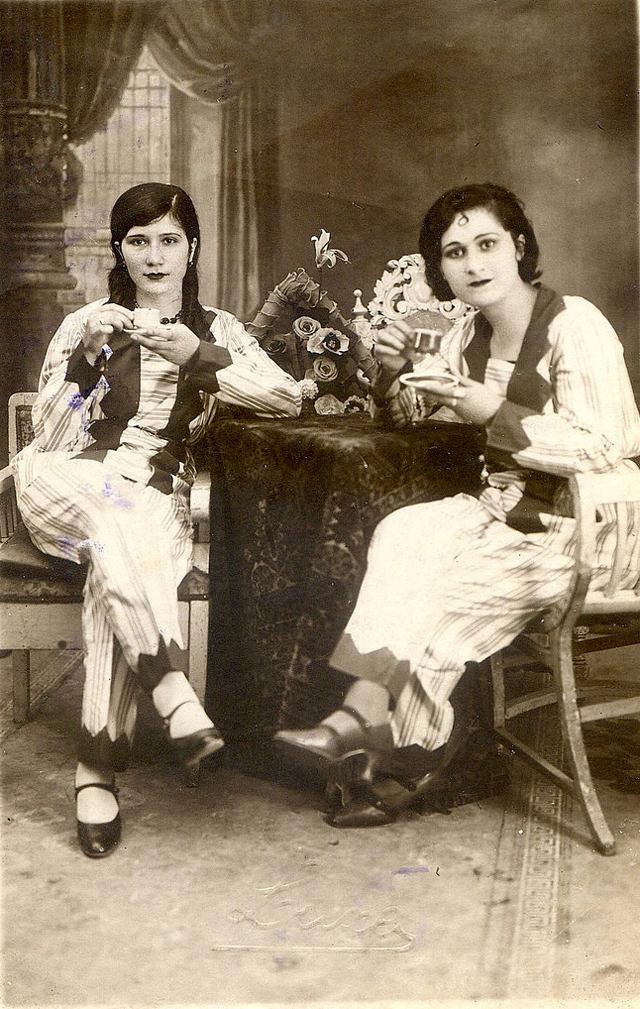
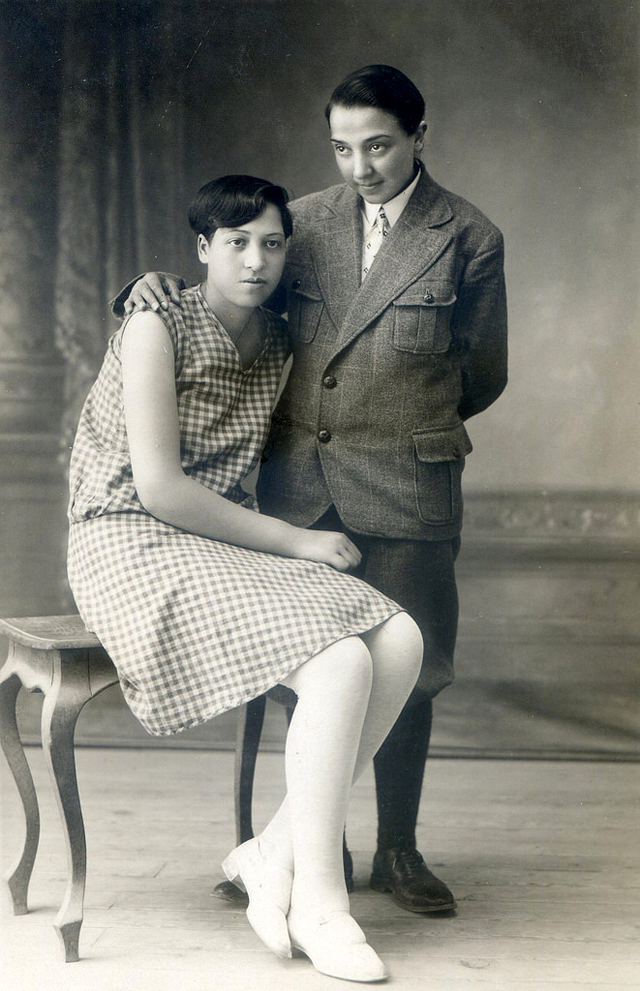
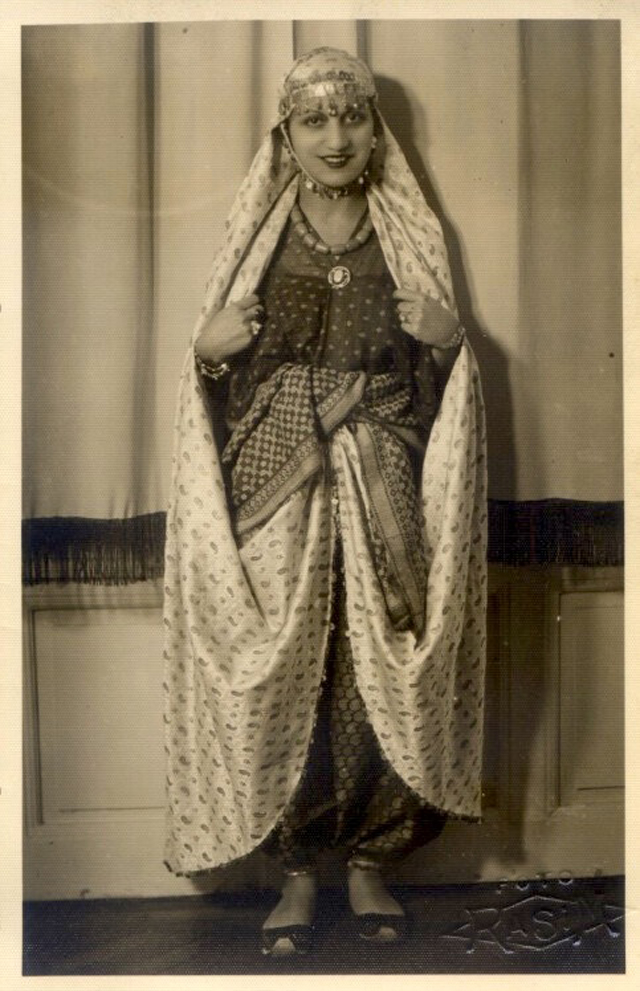
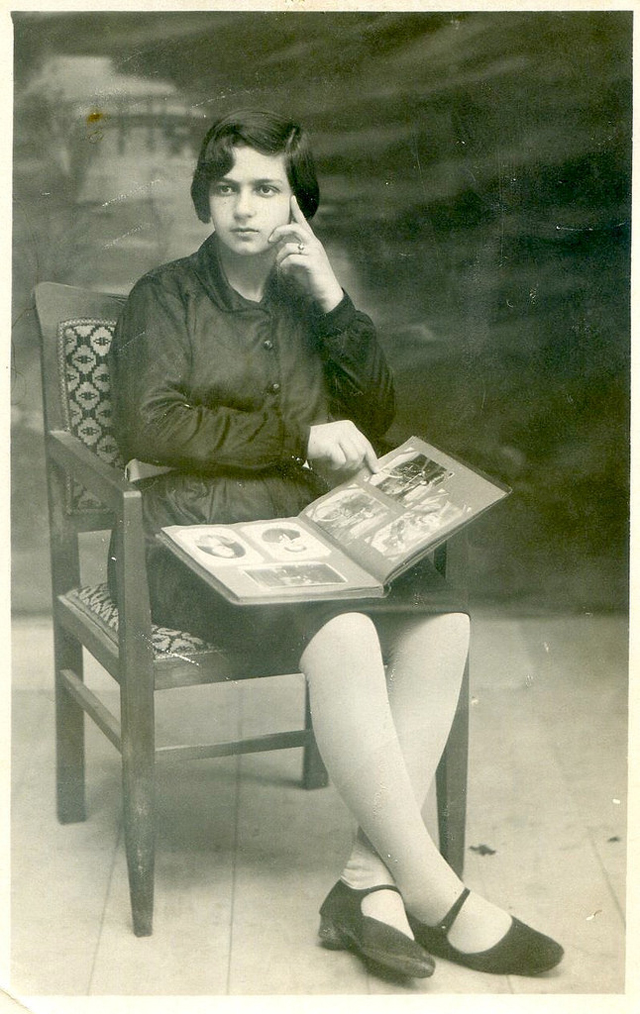
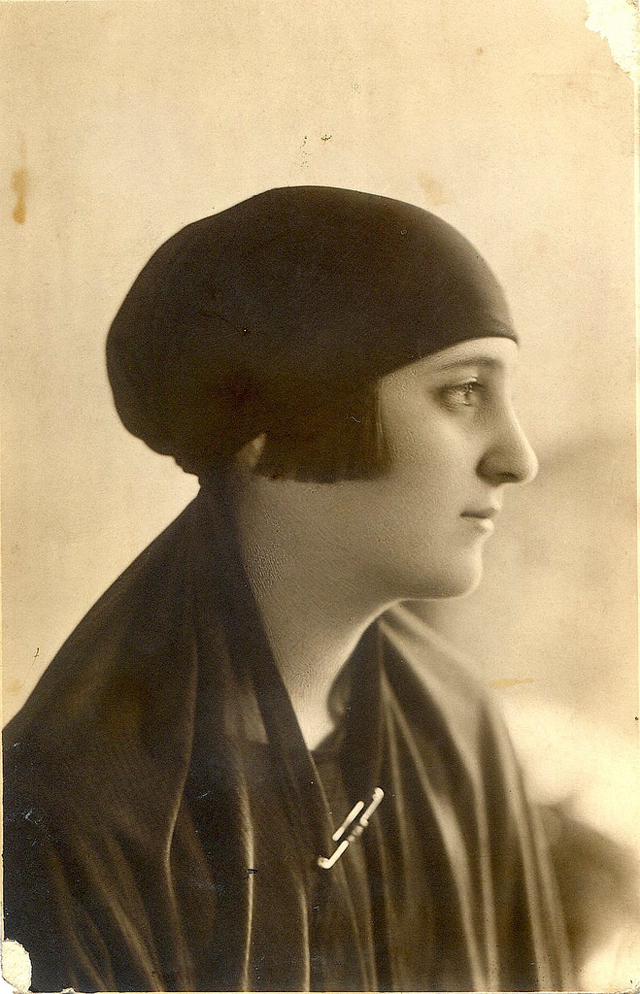
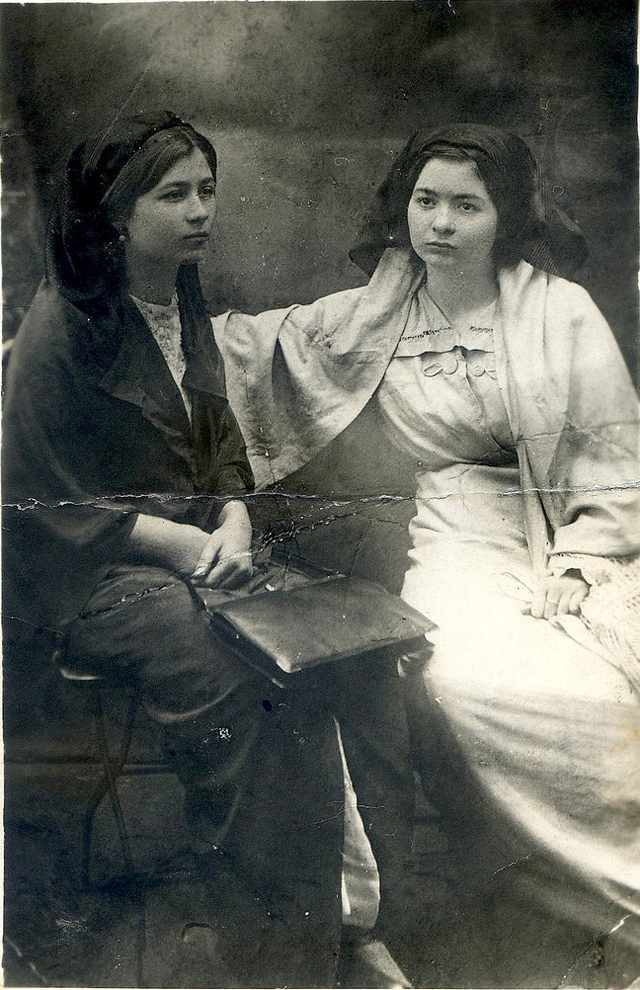
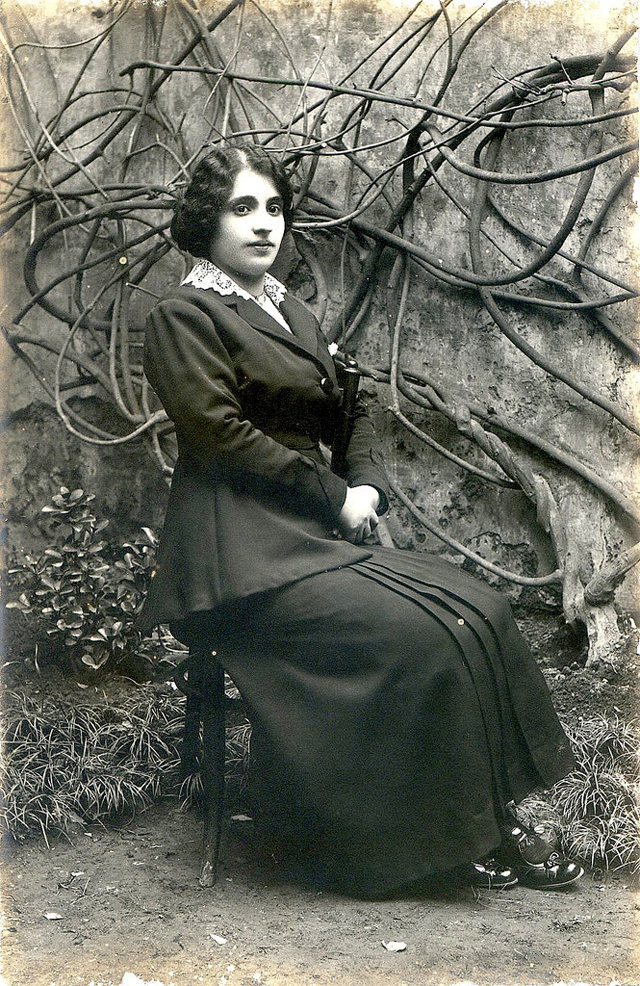
At the beginning of the 20th century, Ottoman women’s outfits were highly under the influence of European styles. Indeed, women of the Second Constitutional period, particularly in the capital city Istanbul, were closely following Paris fashions thanks to big fashion houses in Pera and Greek Ottoman tailors called modistra, who made house calls. In this period, women’s çarsaf became shorter and tighter, revealing women’s bodily features.
Furthermore, especially after the Balkan Wars and World War I, Ottoman women’s veils became more transparent or were replaced by umbrellas that women used to hide their faces, only when needed. This had a lot to do with Ottoman women’s increased activity in work life due to the conscription of men to the army.
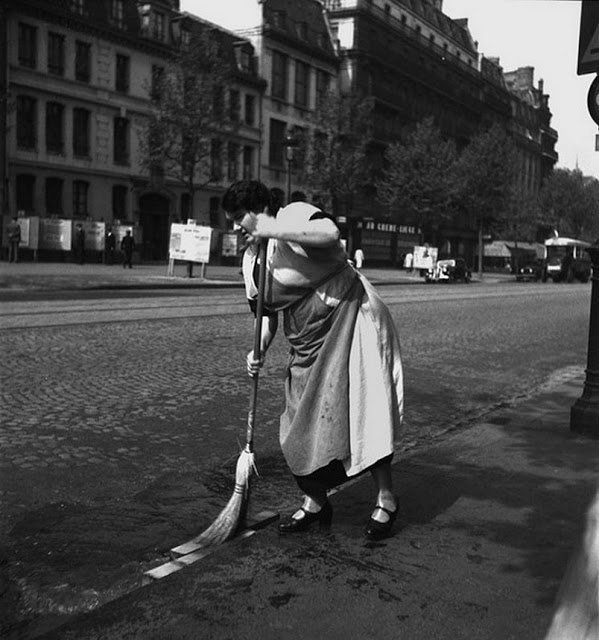
Shorter skirts, comfortable shoes and new accessories related to their educational or professional life such as books for female university students, uniforms or badges for women nurses and army staff or pants for those women street-sweepers of Istanbul were unaccustomed details of this new look.
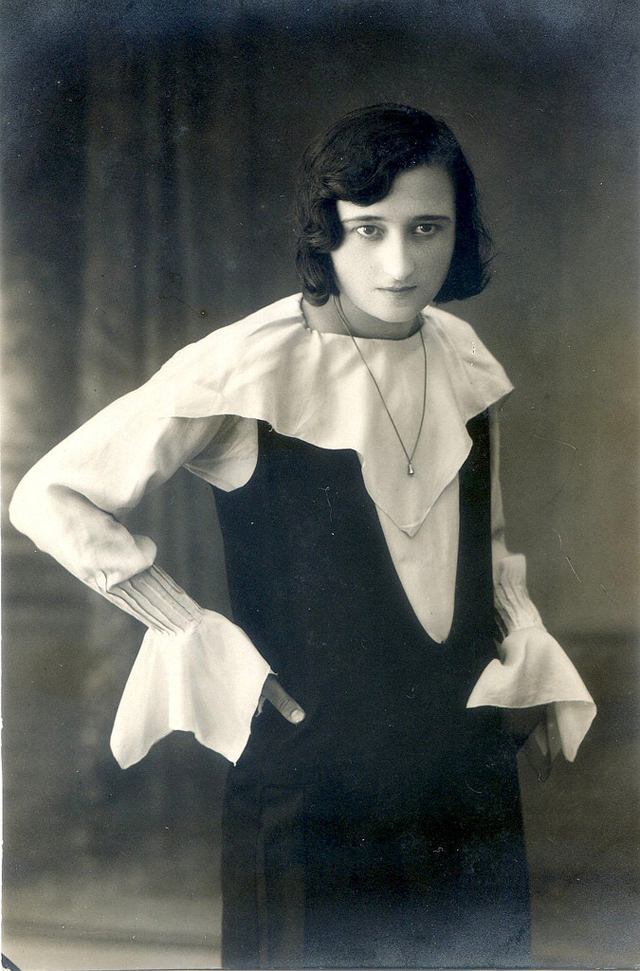
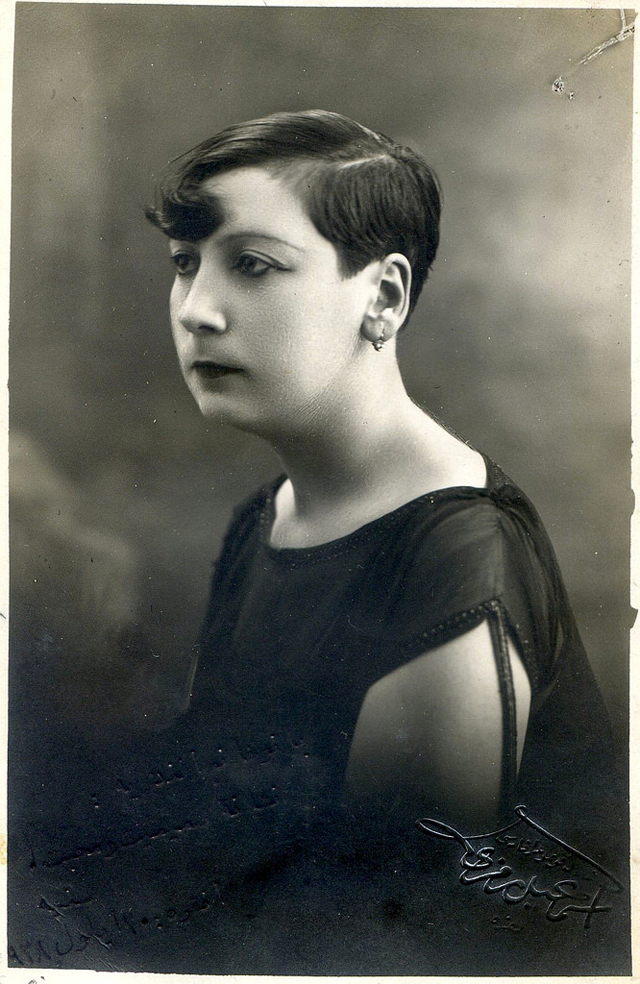
During the Armistice period, just like in Europe and the United States, Ottoman women started to follow short hair fashion of the 1920s. In Istanbul they were also under the influence of Russian refugees who had fled from the Bolshevik army. Russian women, just like the Greek tailors of the previous epoch, set an example of the new European fashions. Ottoman women changed their head covering styles and started using the headscarves called Rusbasi (Russian head) which was tied at the back of their heads and showed some of their hair and neck.
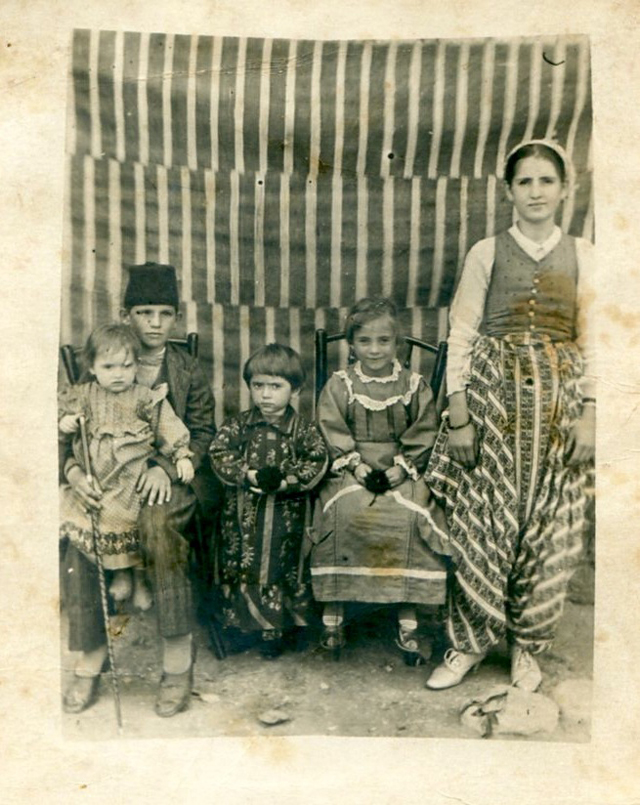
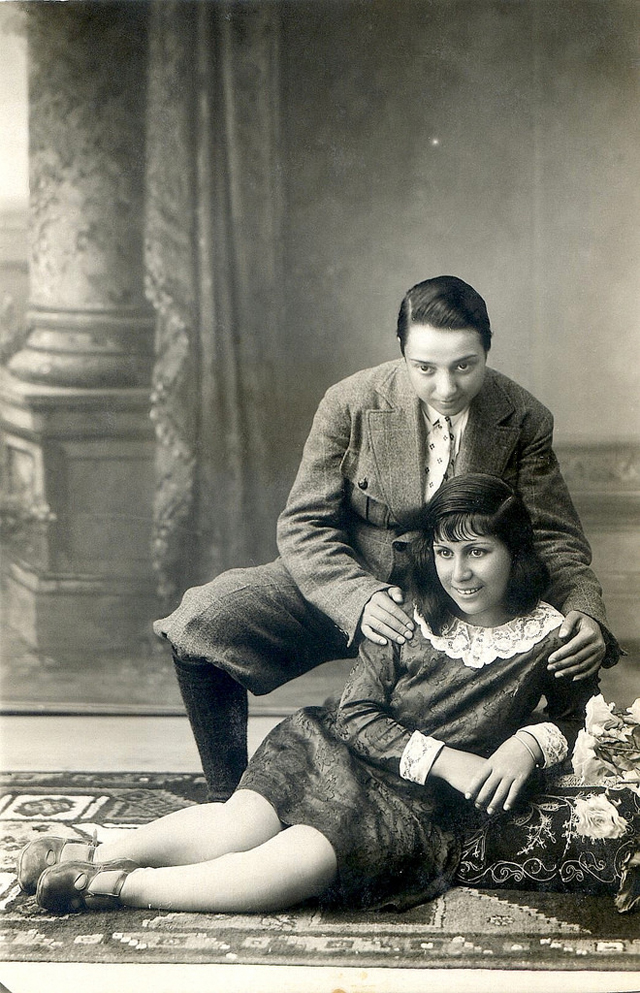
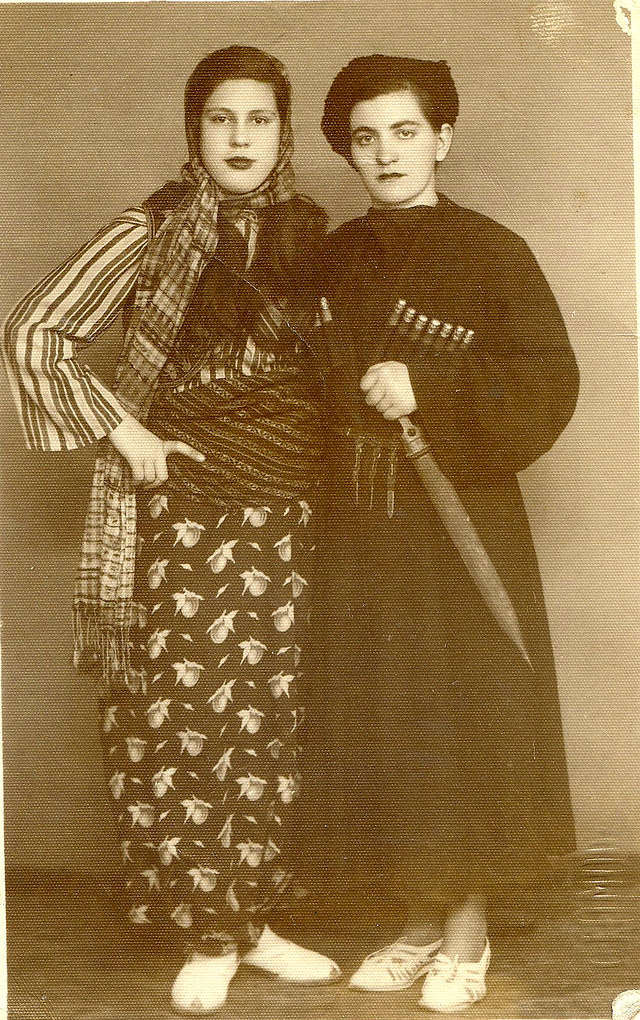
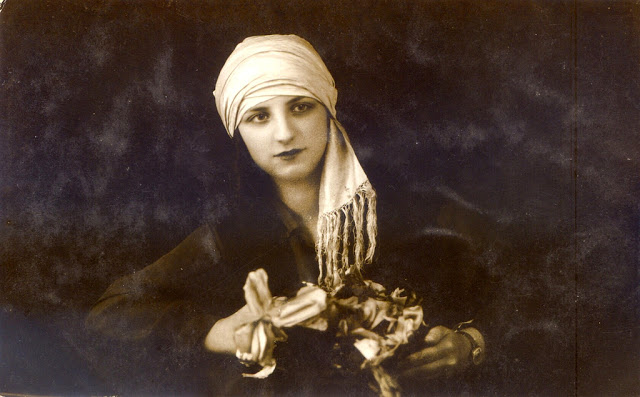
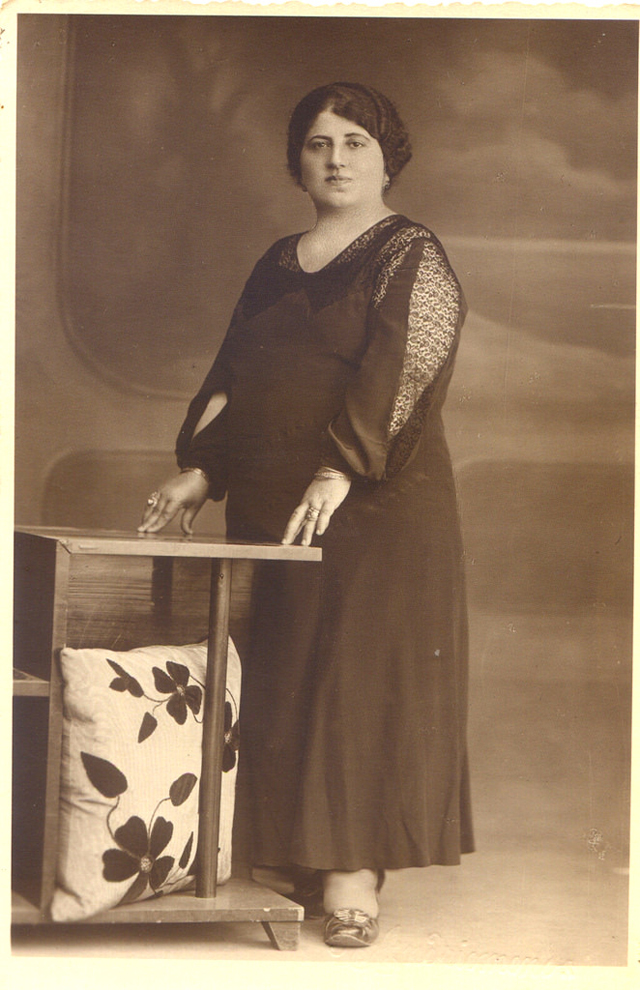
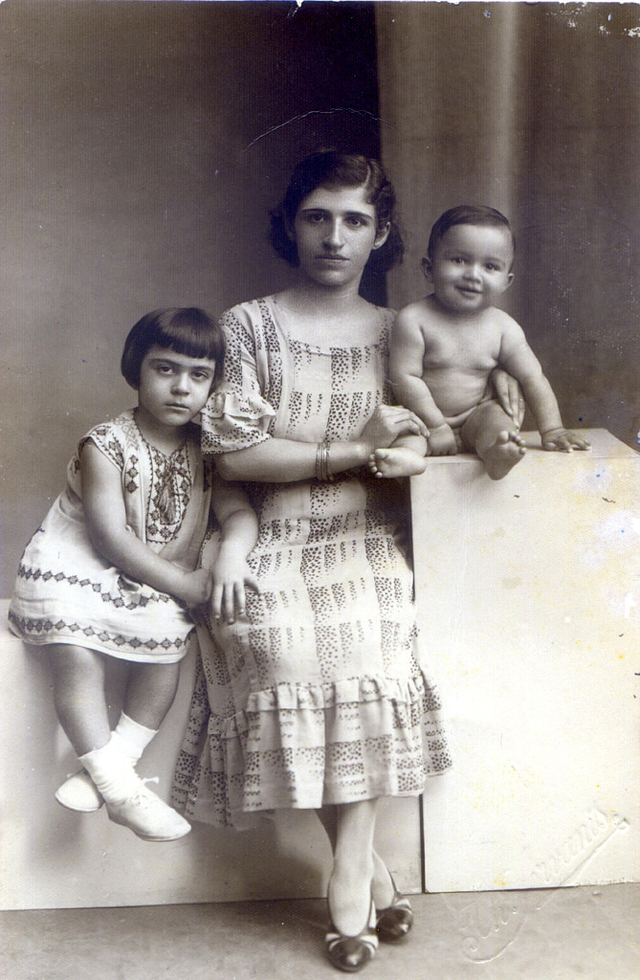
These lovely photos were taken at studios in Istanbul. They show Turkish women portraits from between the 1920s to 1930s.





















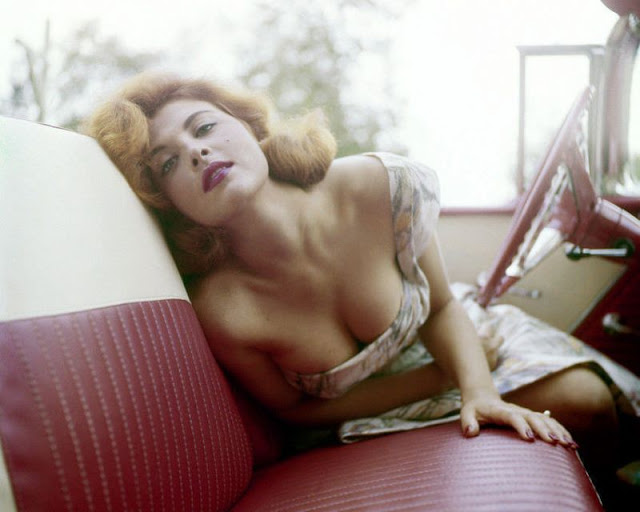
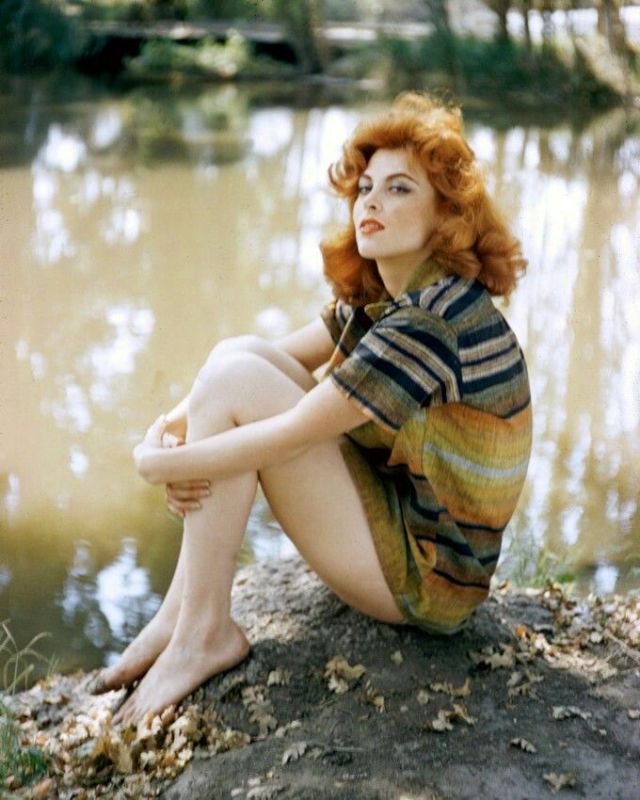
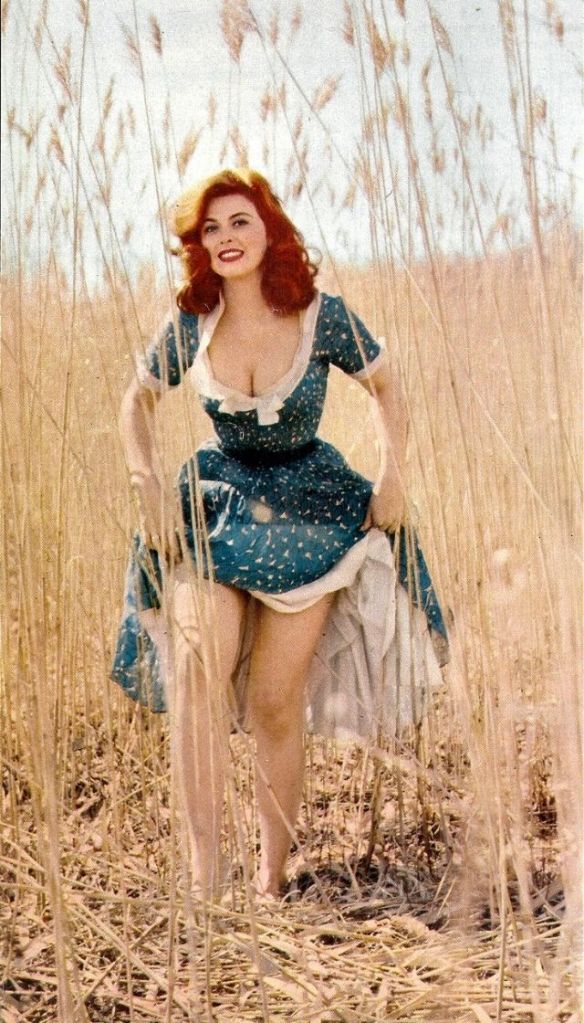
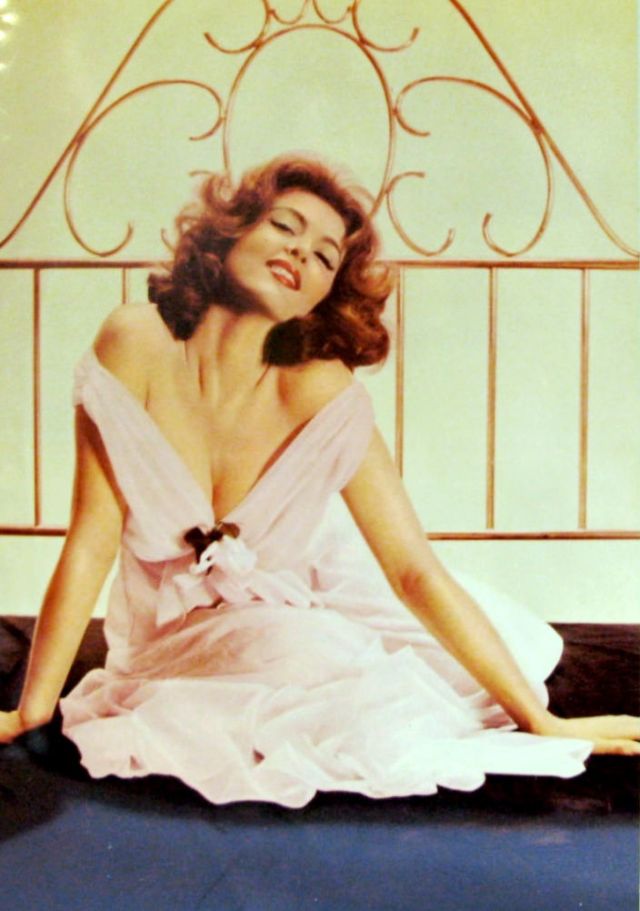
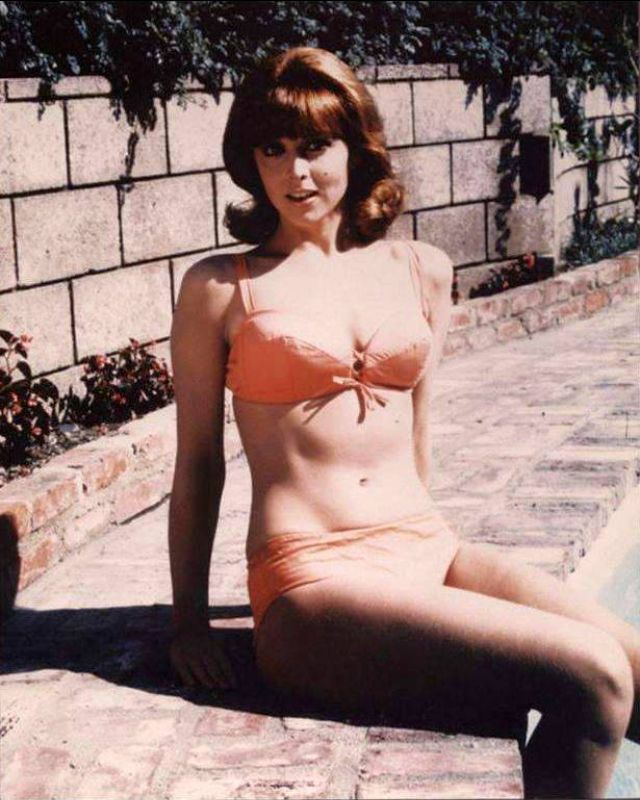
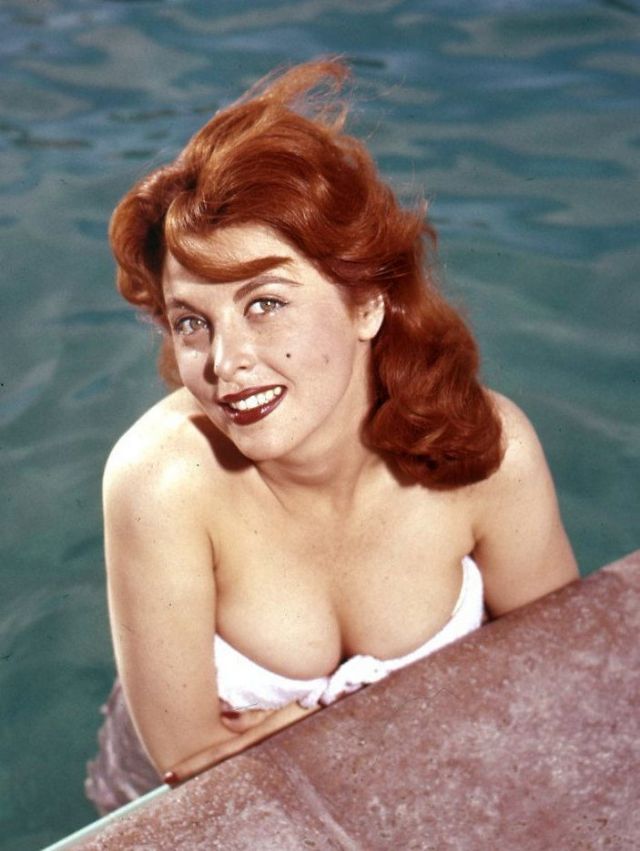
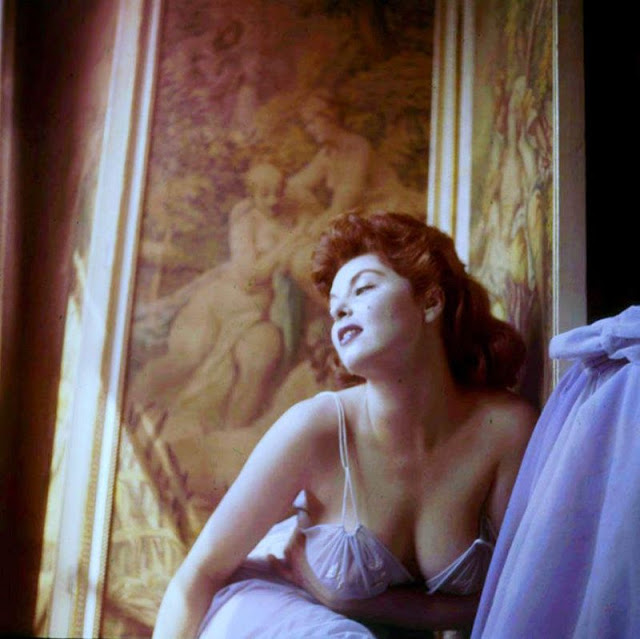
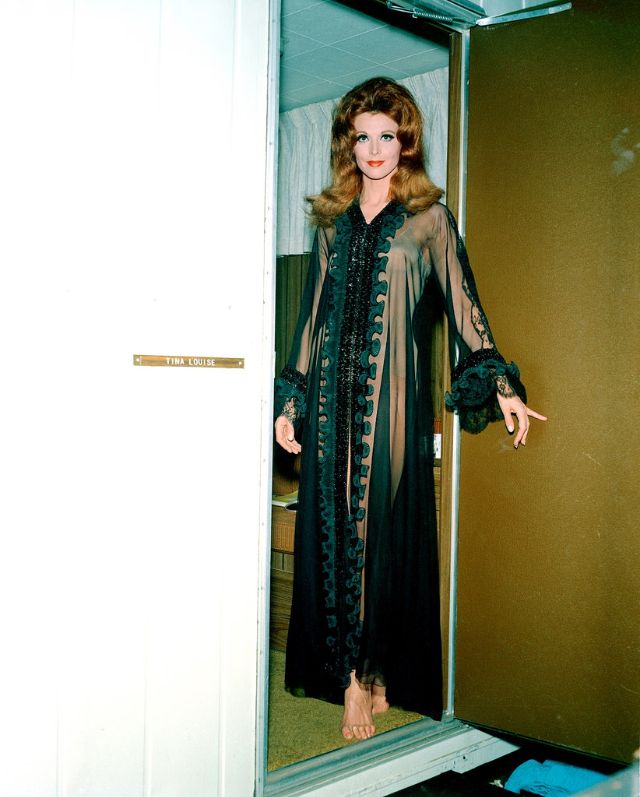
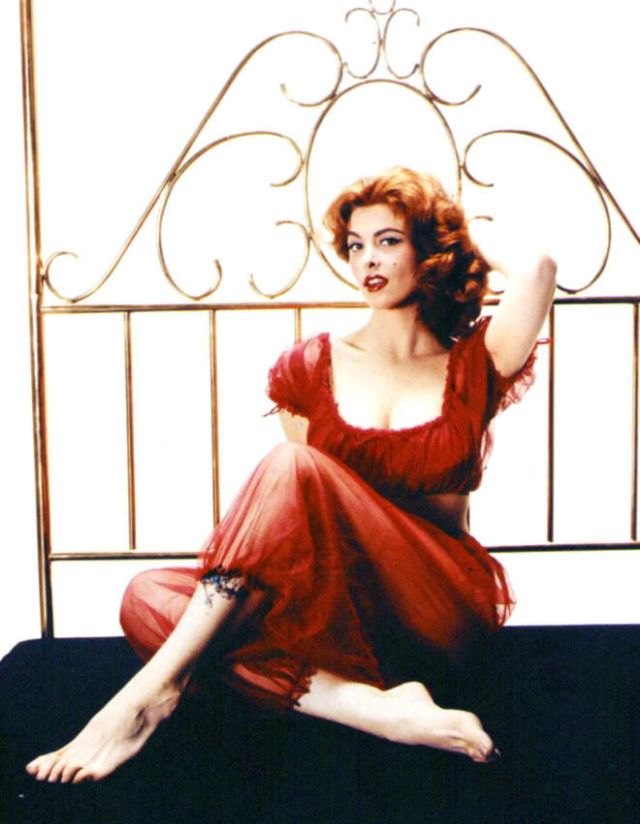
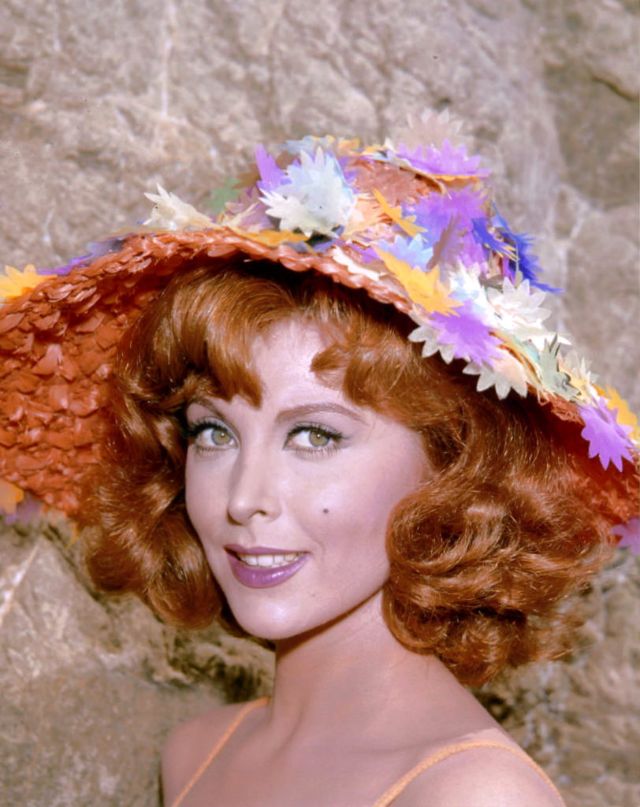
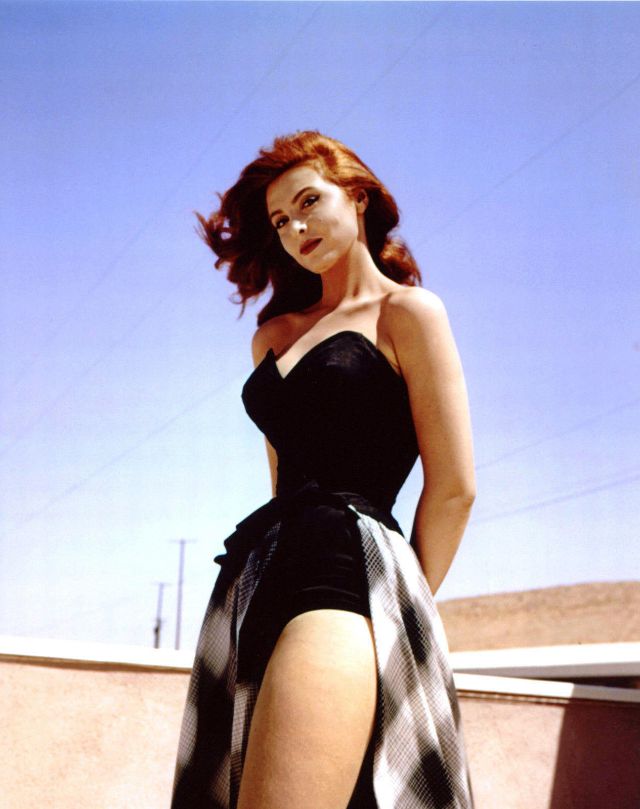
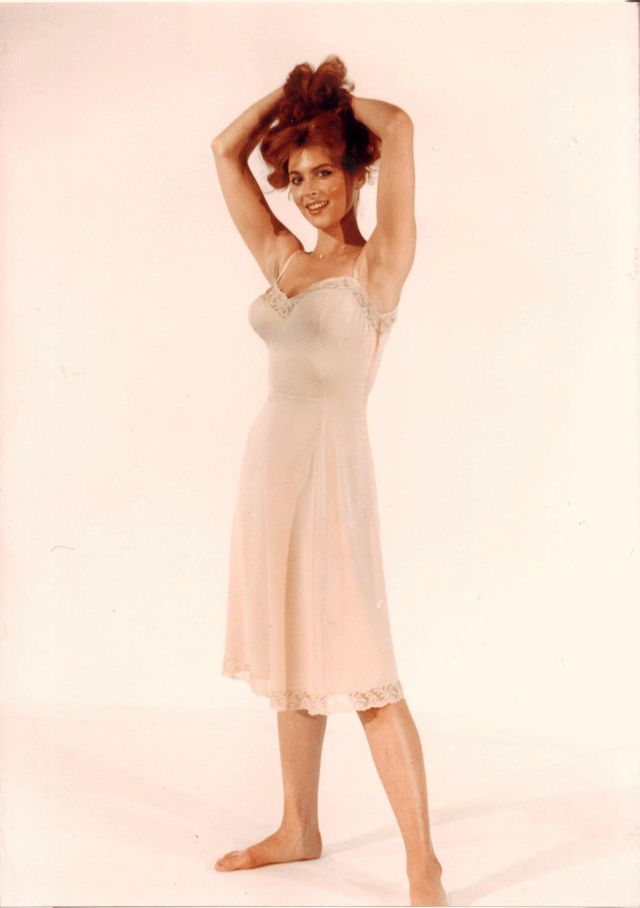
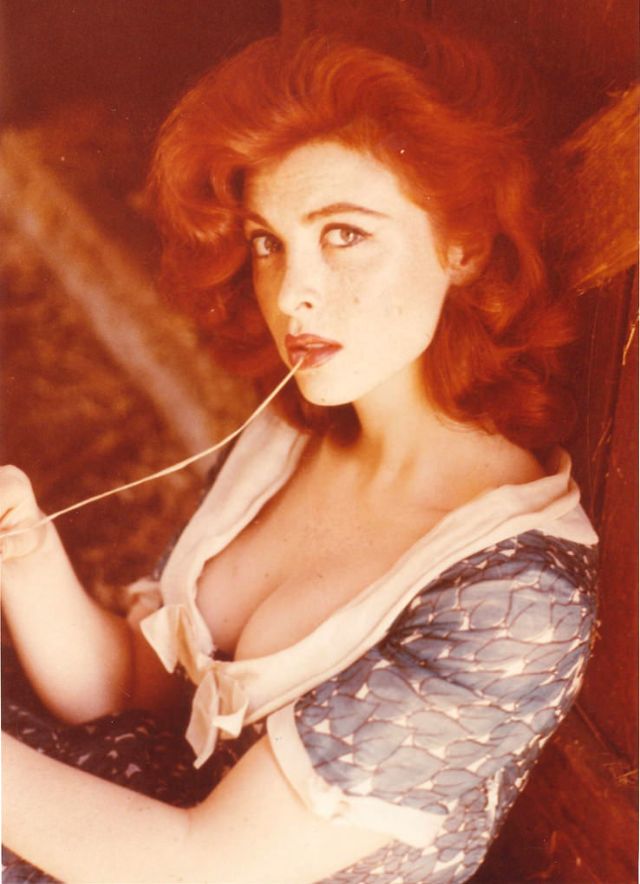
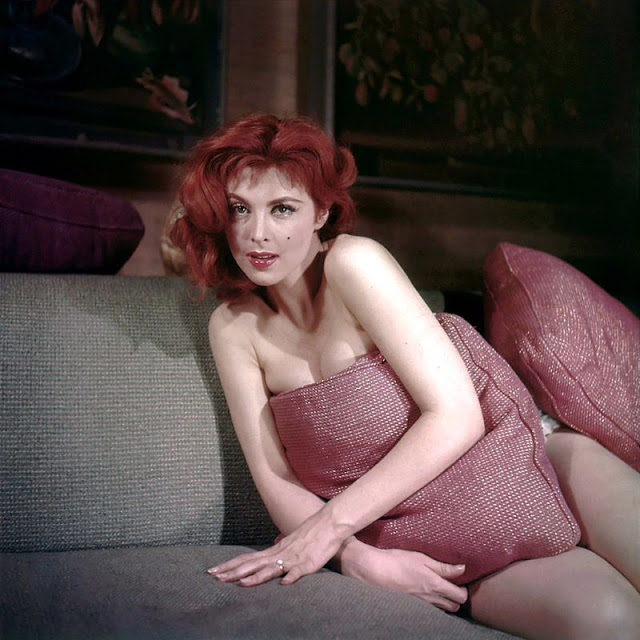
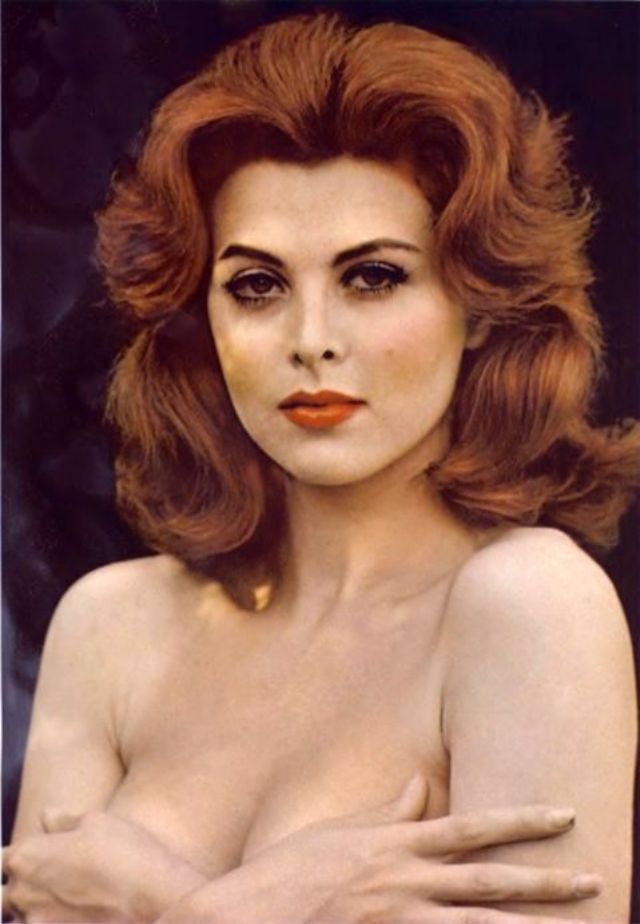
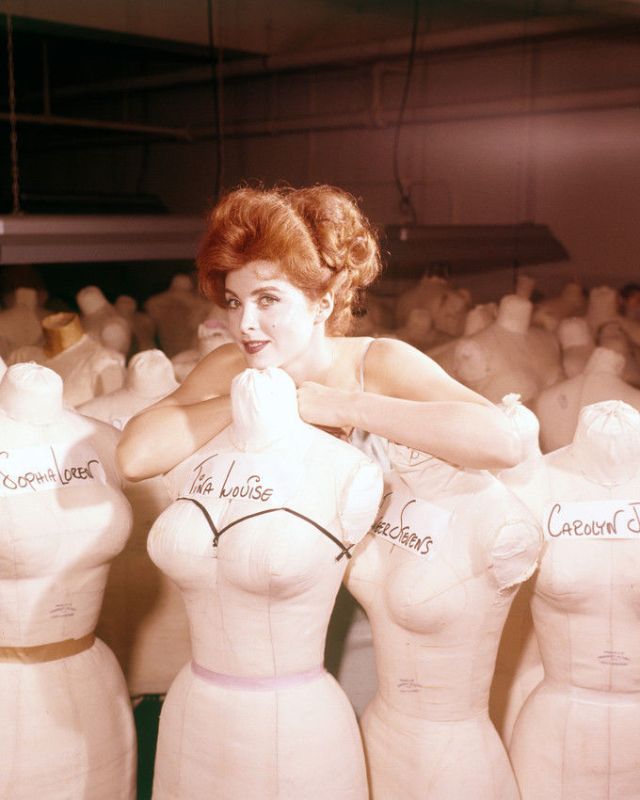
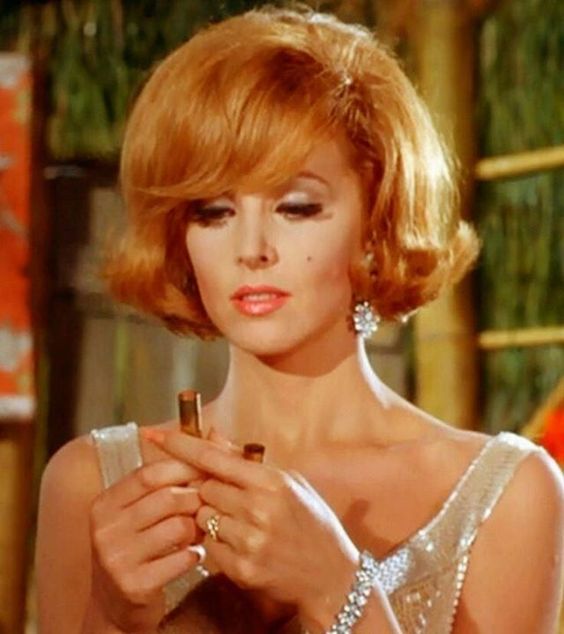
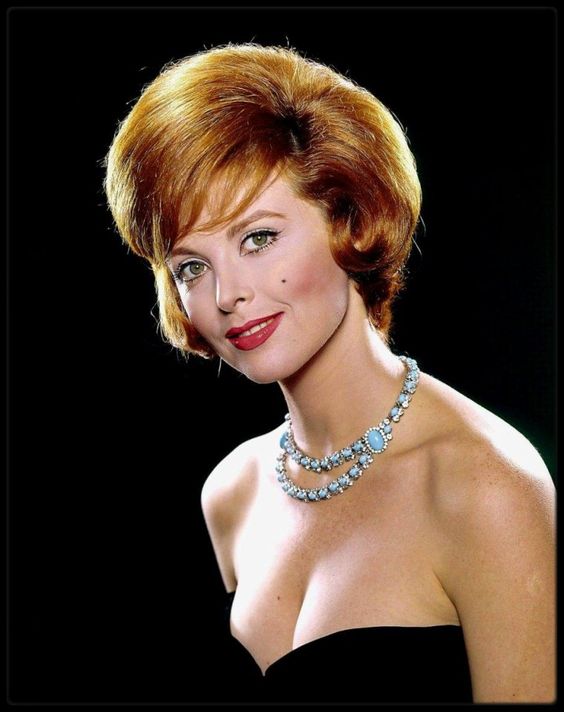
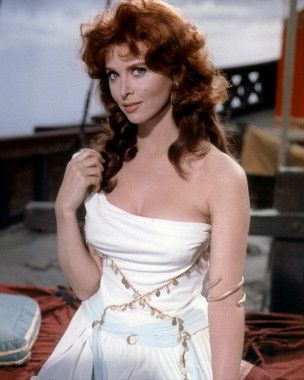
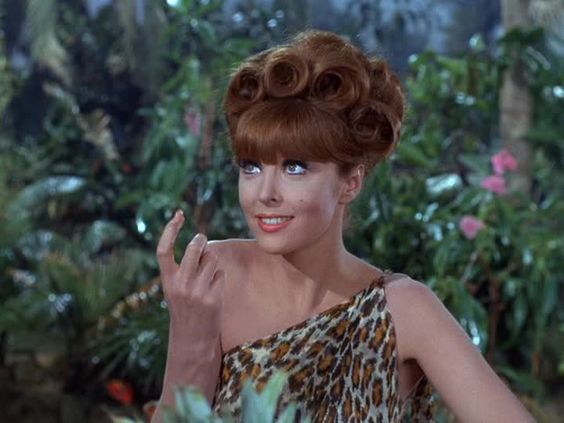
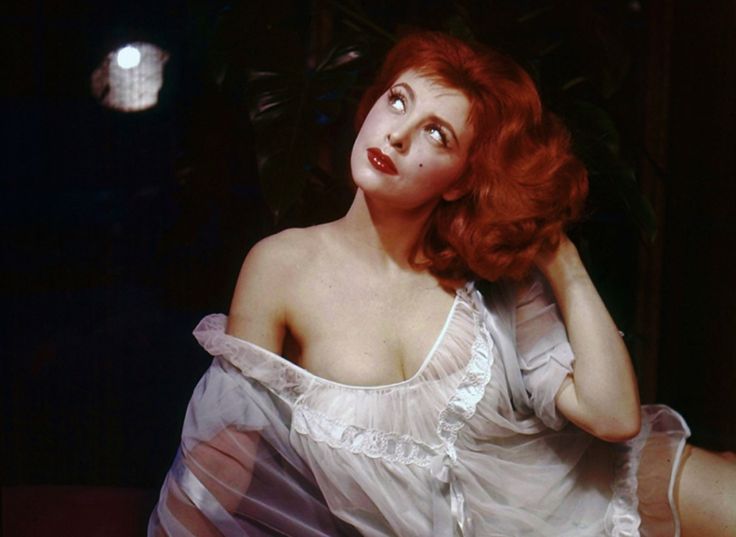
Tina Louise (née Blacker; February 11, 1934) is an American actress best known for playing movie star Ginger Grant in the CBS television situation comedy Gilligan’s Island. She began her career on stage during the mid-1950s before landing her breakthrough role in 1958 drama film God’s Little Acre for which she received the Golden Globe Award for New Star of the Year.
Louise had starring roles in The Trap, The Hangman, Day of the Outlaw, and For Those Who Think Young. She also appeared in The Wrecking Crew, The Happy Ending, and The Stepford Wives (1975).
Upon the death of Dawn Wells in 2020, Louise became the last surviving original cast member of the Gilligan’s Island TV series.























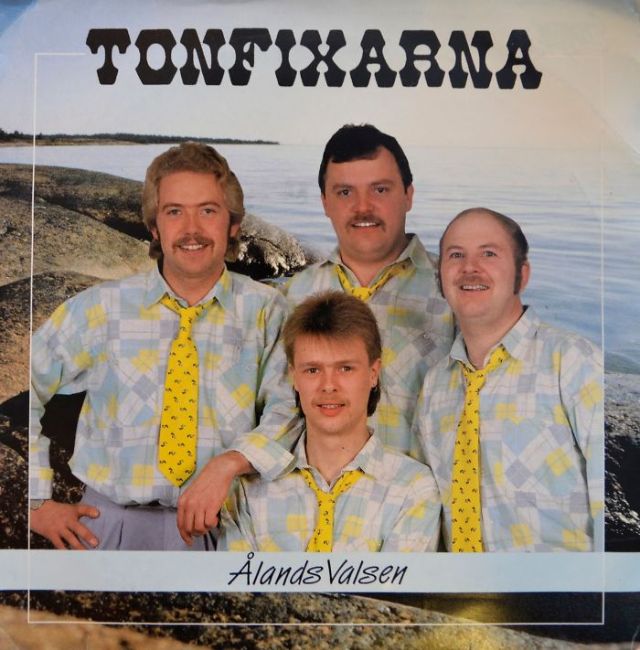
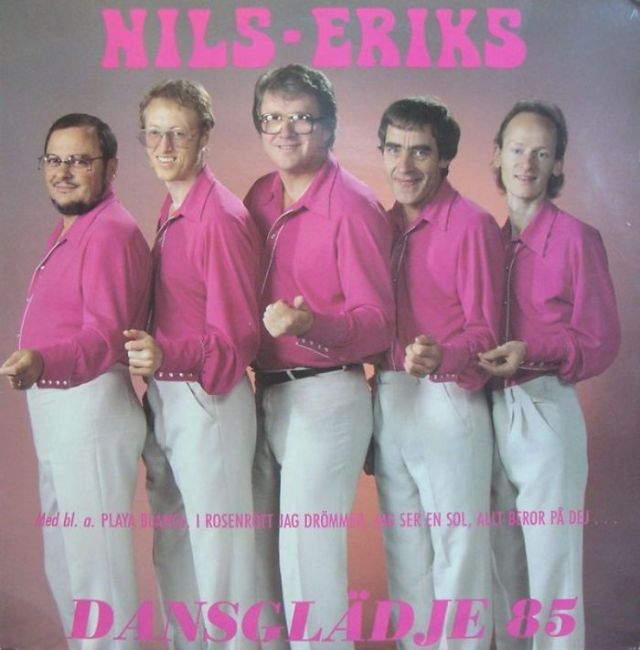
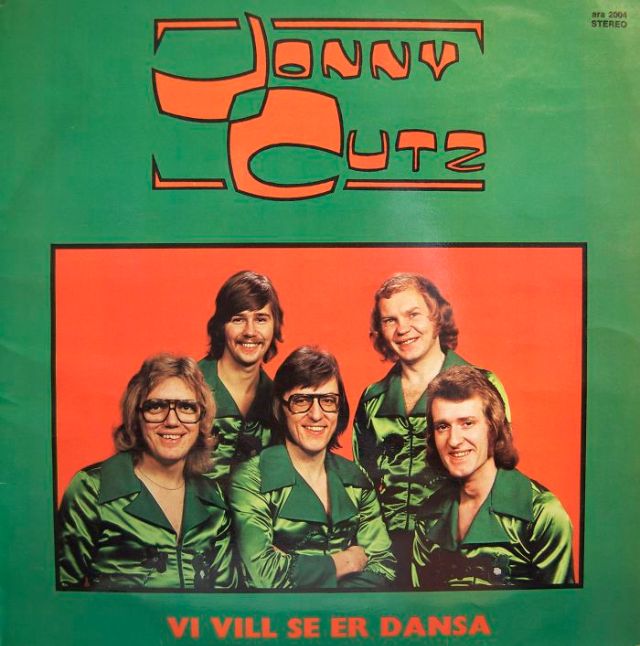
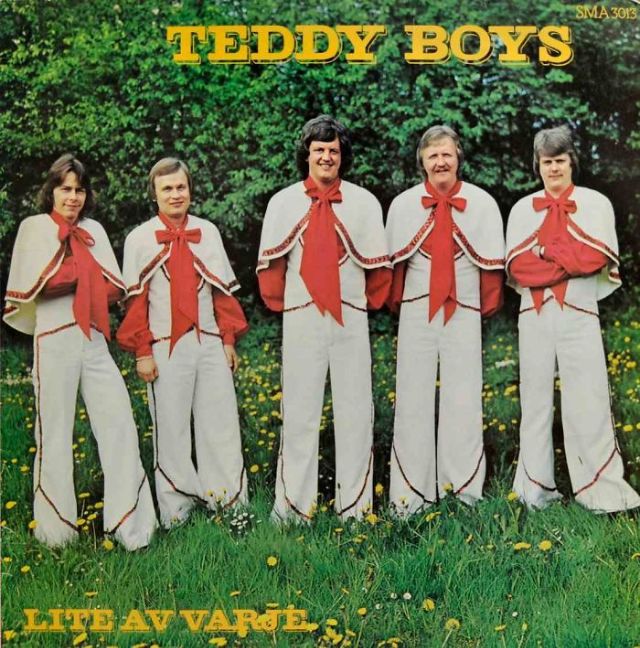
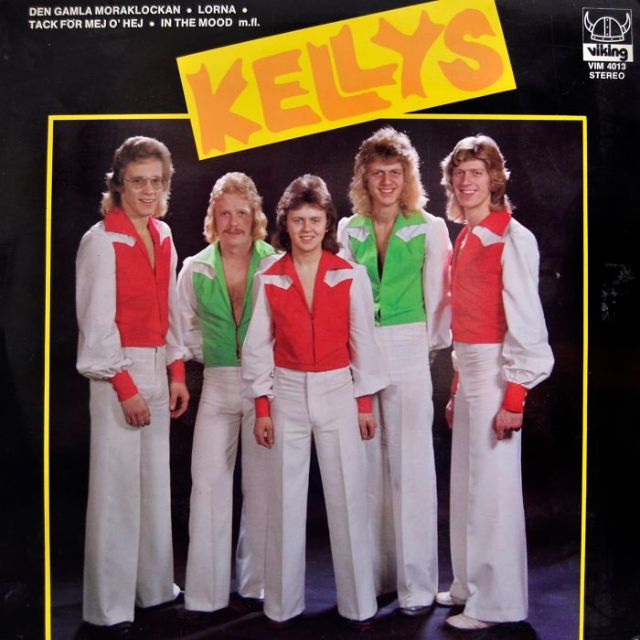
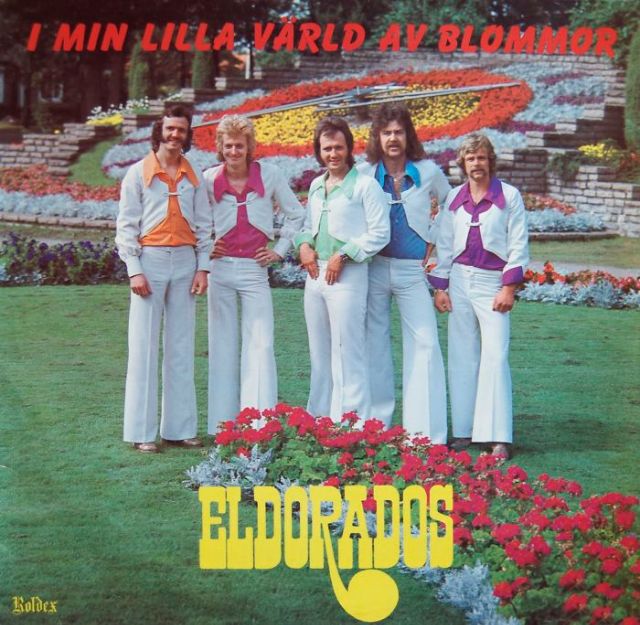
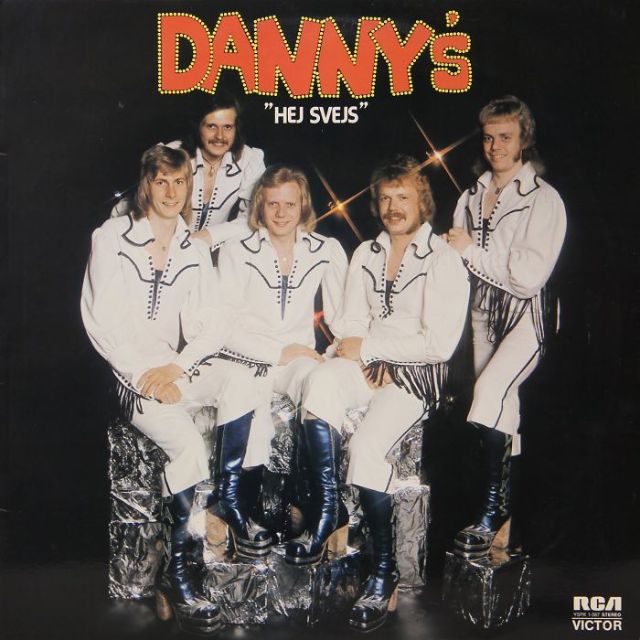
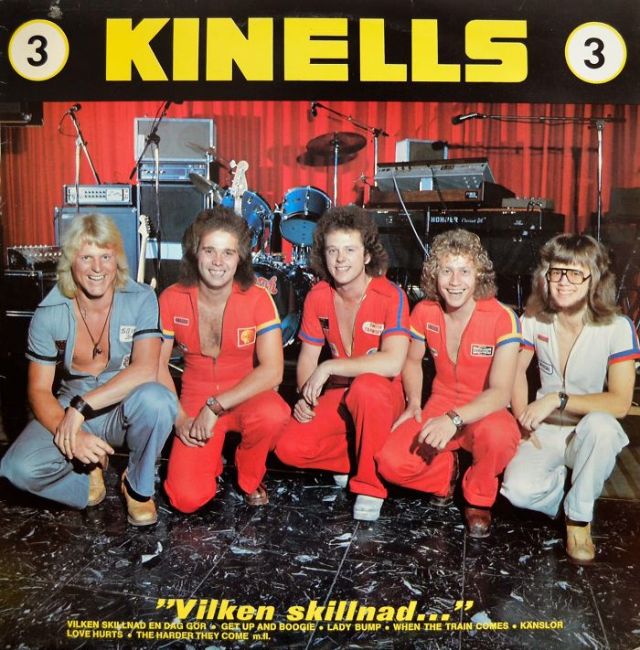
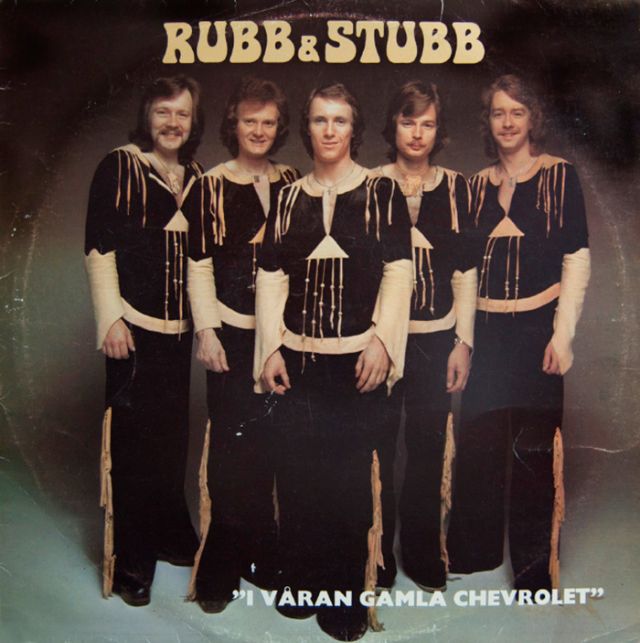
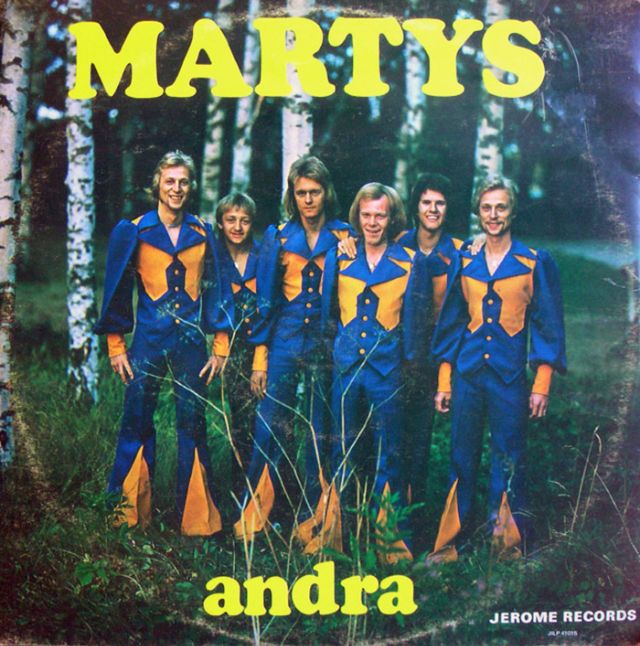
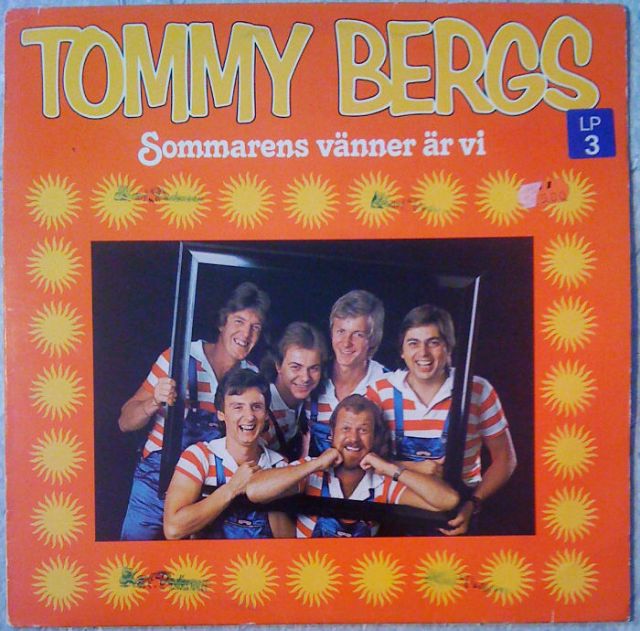
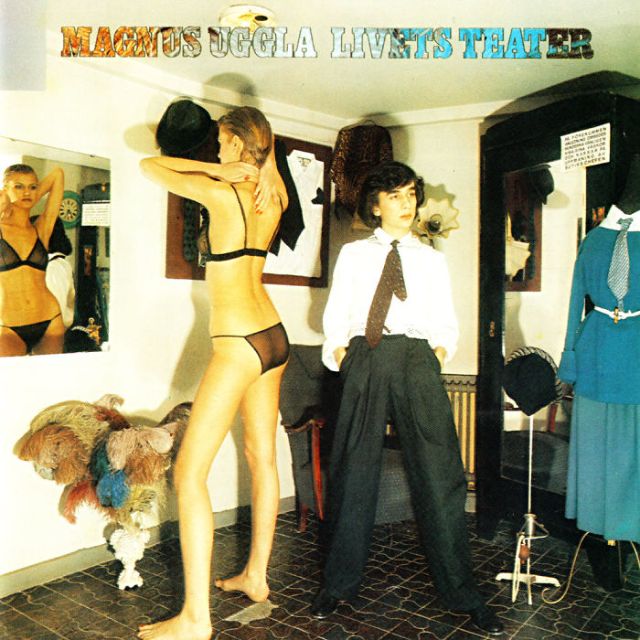
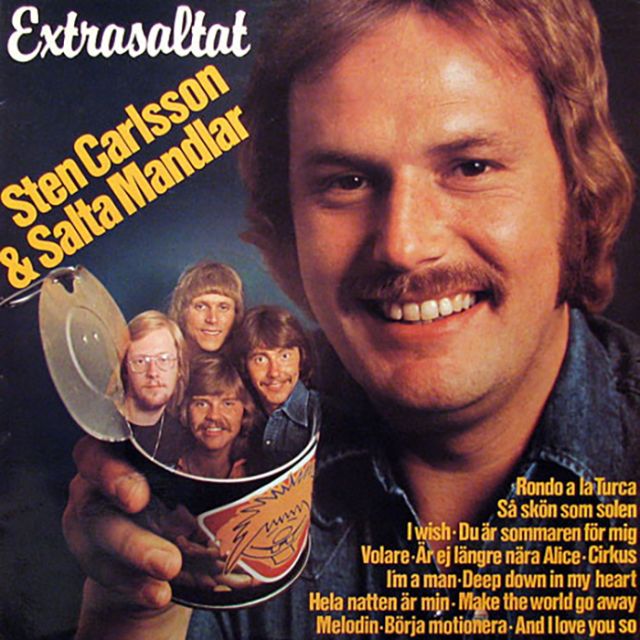
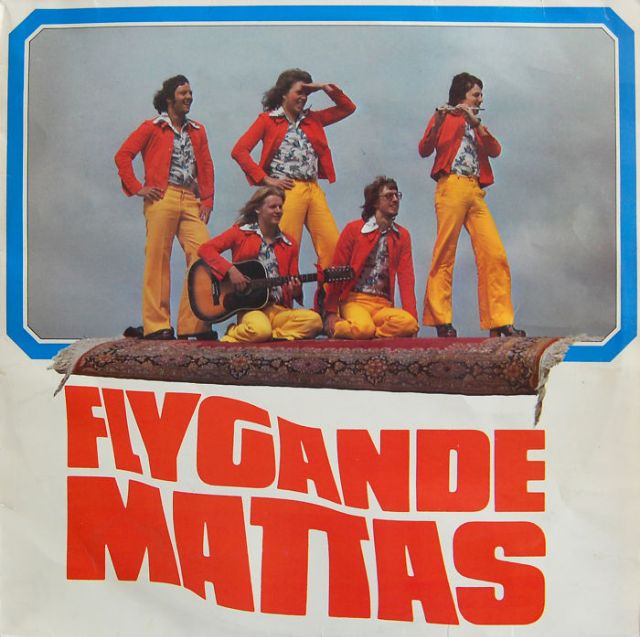
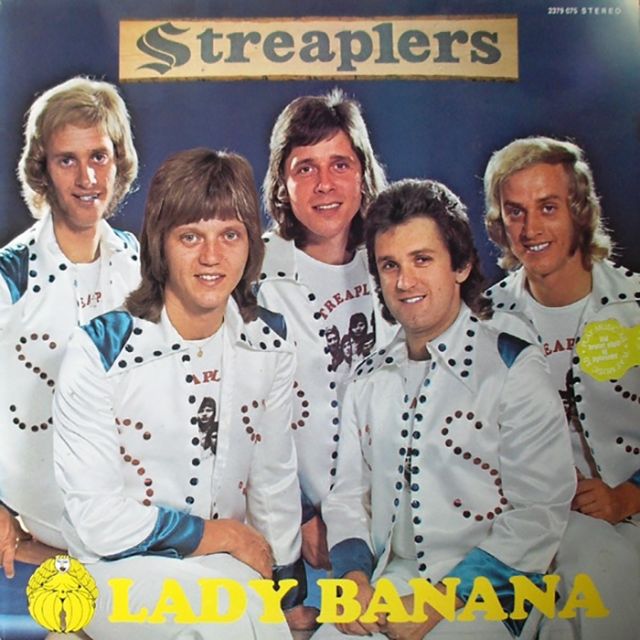
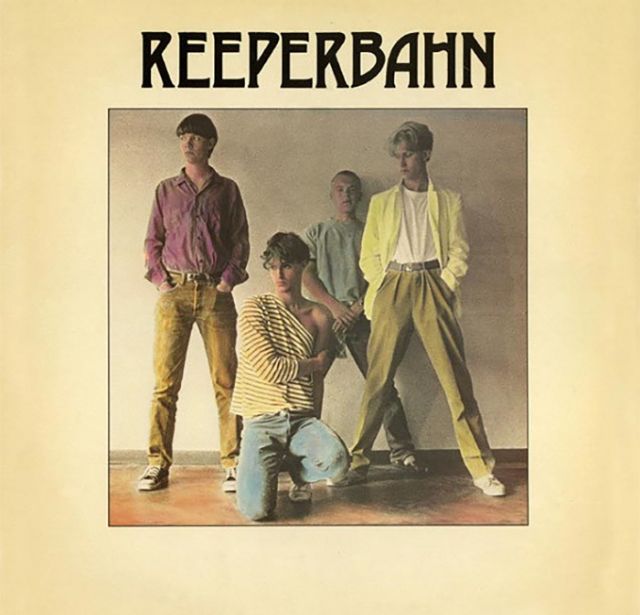
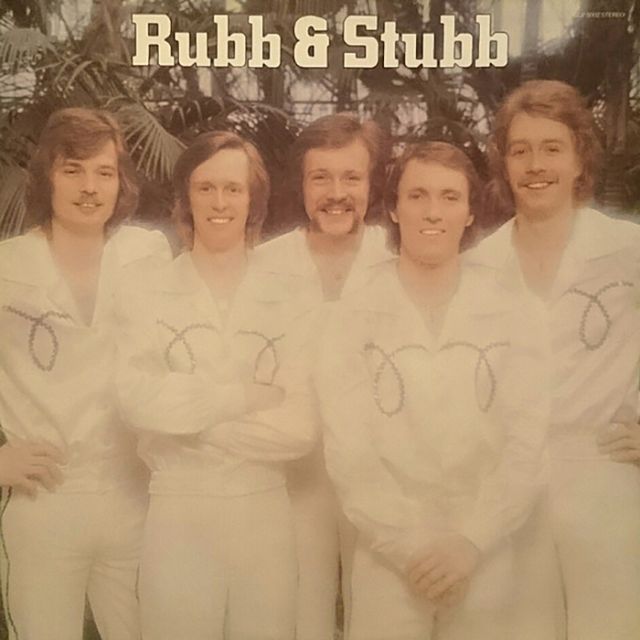
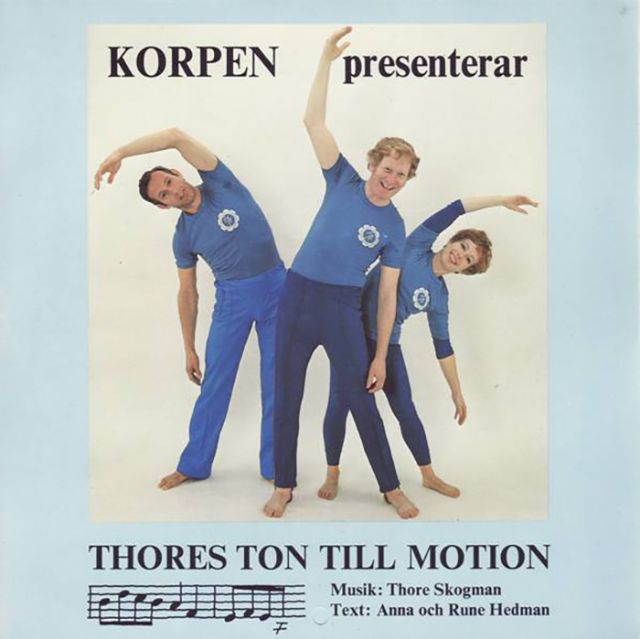
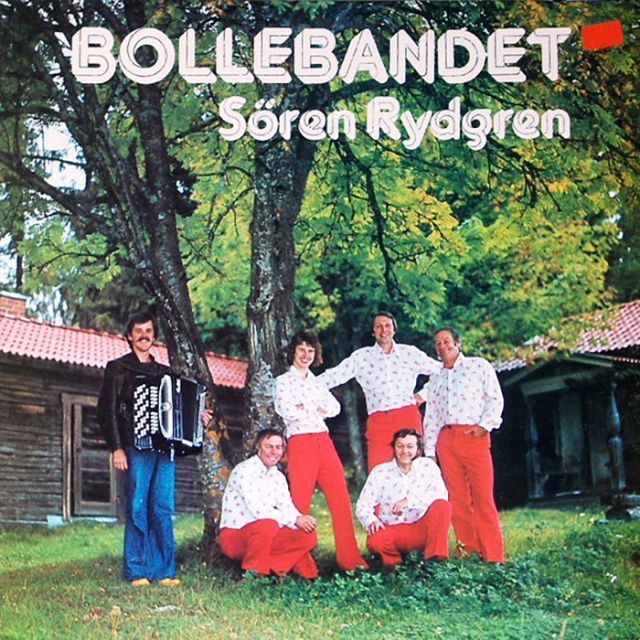
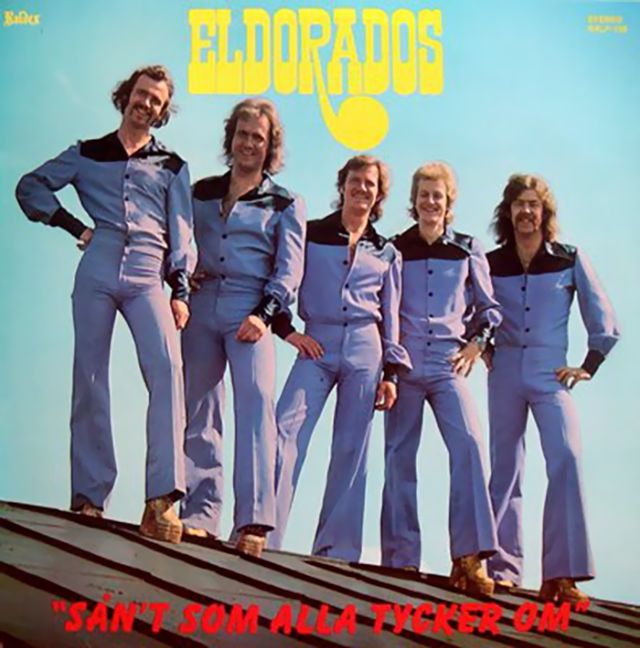
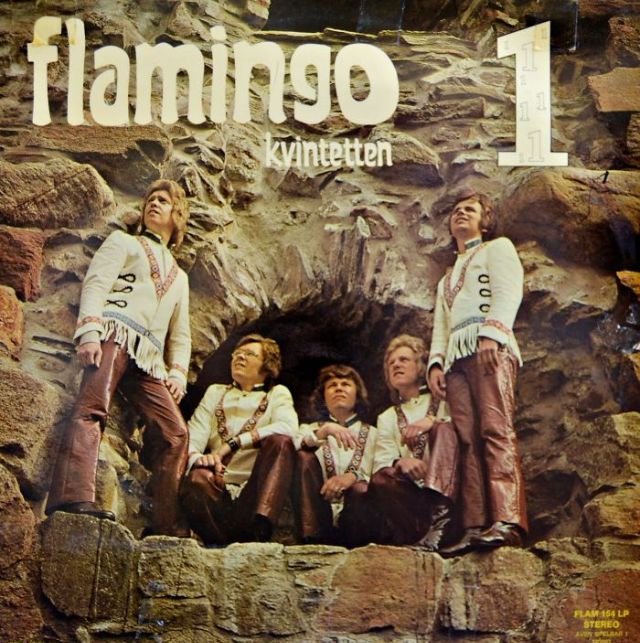
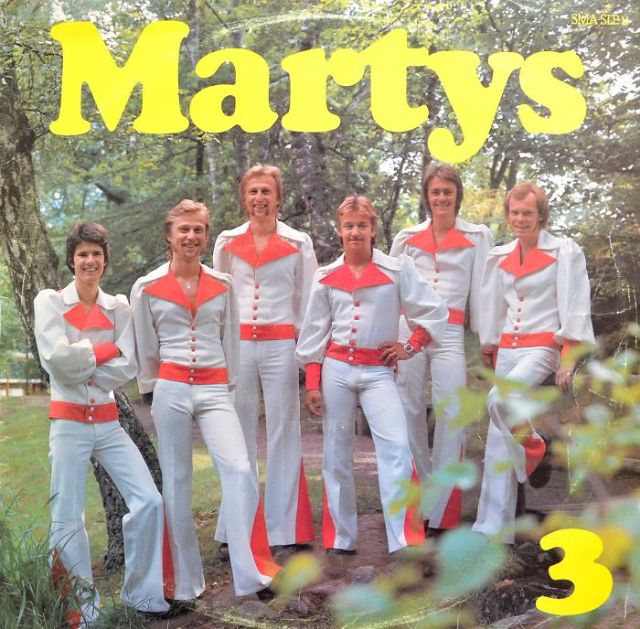
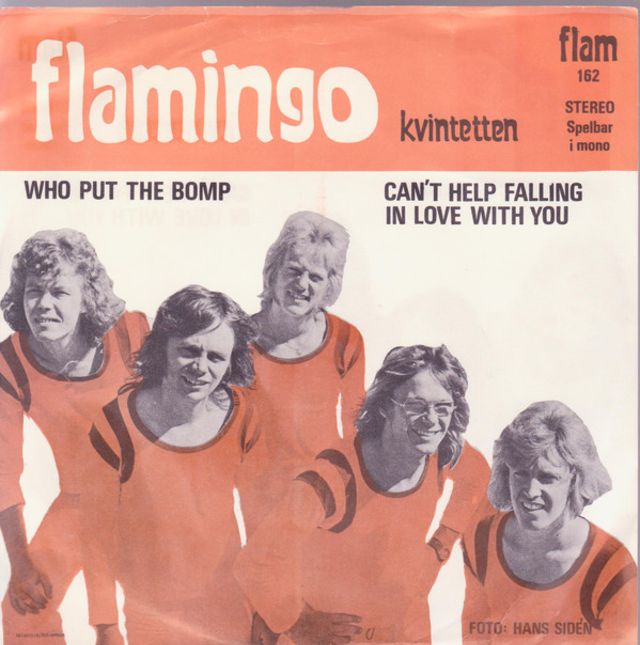
Sweden has had a long, beautiful relationship with pop music. In the 1970s there was ABBA, in the ’80s there was Roxette, and in the ’90s there was Ace of Base and The Cardigans. Music from Sweden is incredibly versatile and most often magnificent. In recent decades, the success has extended to Sweden’s surrounding countries. But sometimes the album covers are so magical that it doesn’t really matter if the songs are good or not.
Blocky fonts, stylish beards, satin outfits, ball-huggingly tight pants and some of the most hideous fashion you’re ever likely to see, it’s all here and more, designed to make your eyes bleed.