The world first learned about X-rays 120 years ago. Despite the danger, however, the judicious use of X-rays allowed great medical progress in diagnosis and treatment alike—not to mention numerous non-medical uses.
Here are 15 vintage images of X-rays at work over the decades.
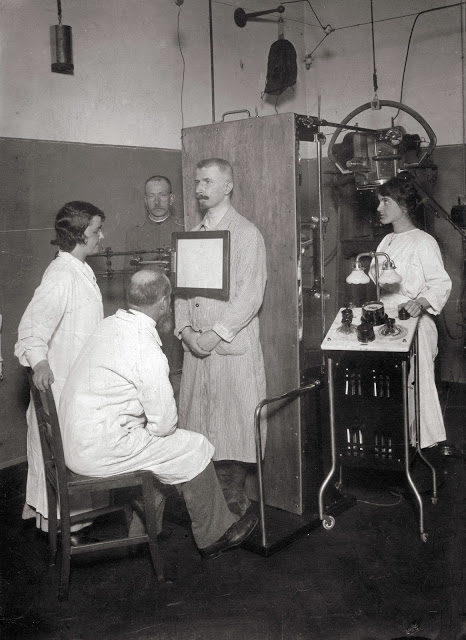
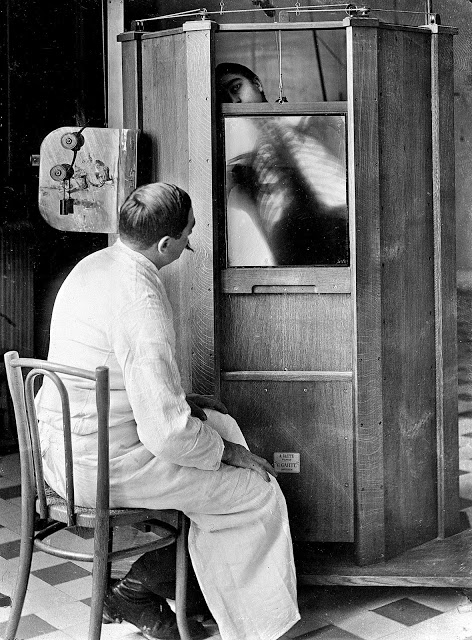
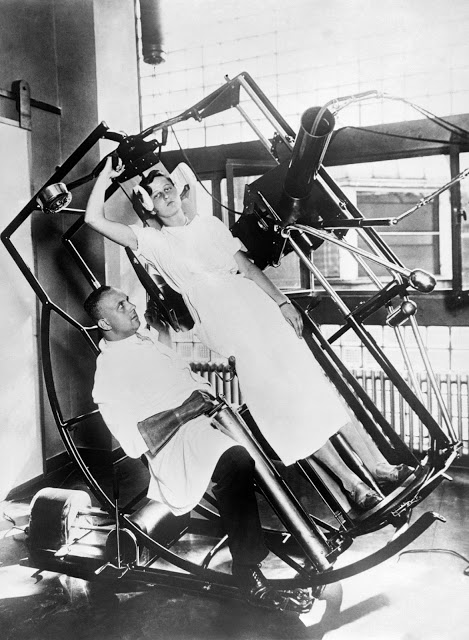
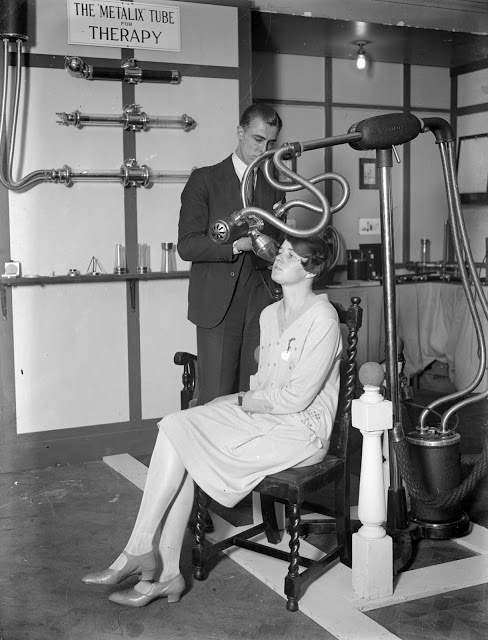
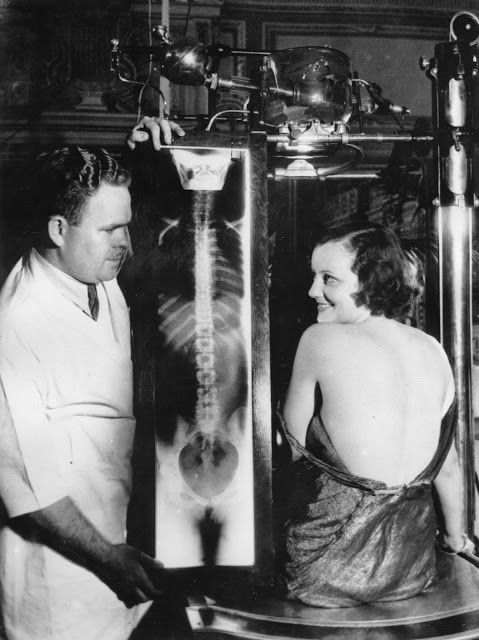
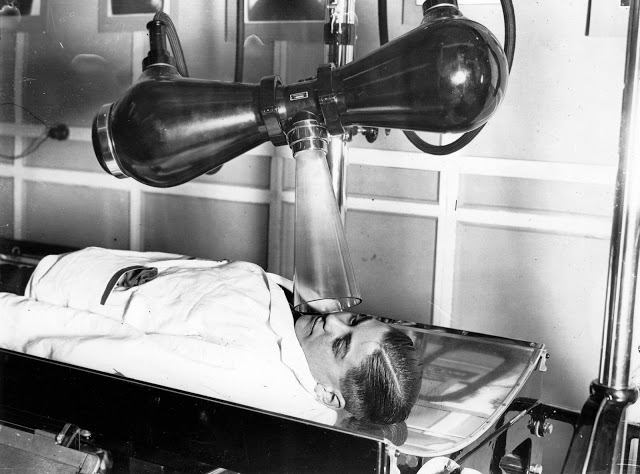
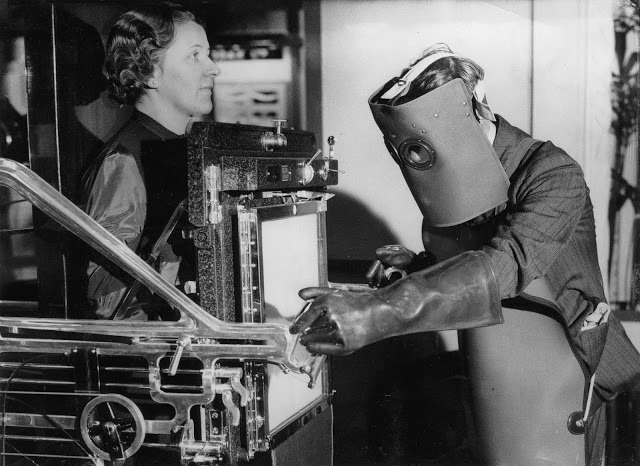
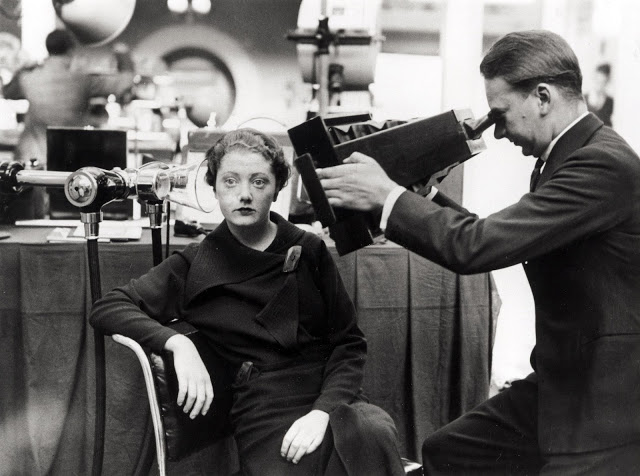
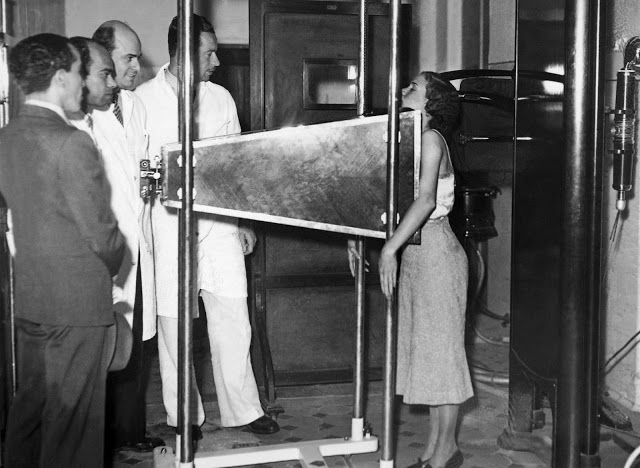
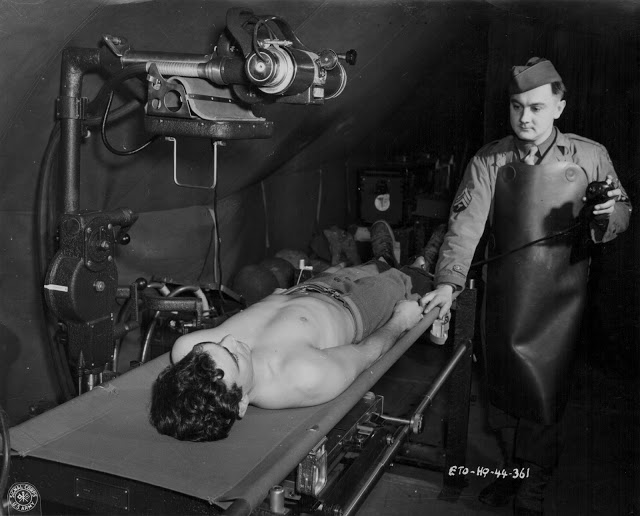
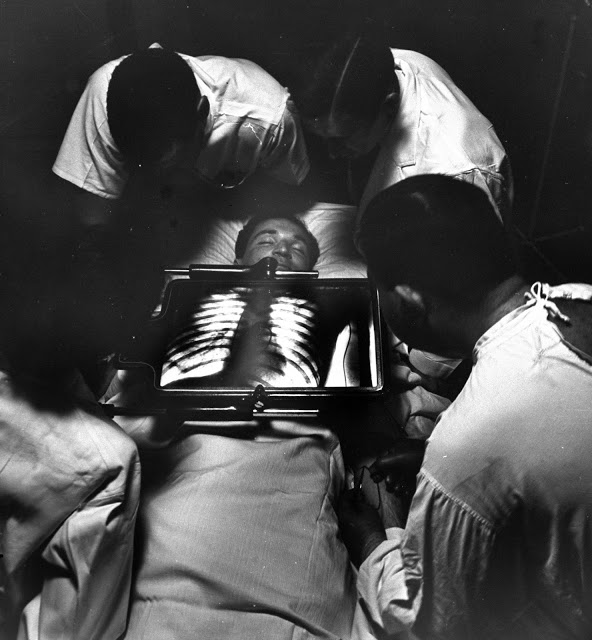
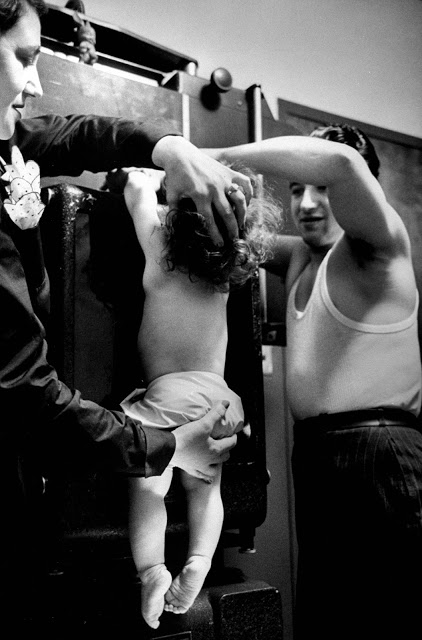
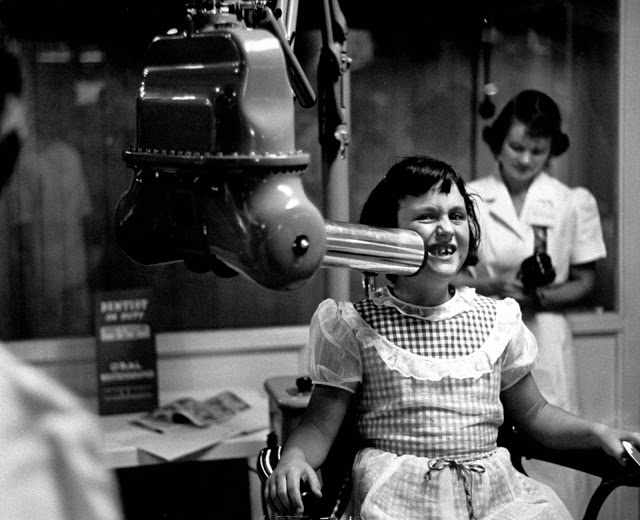
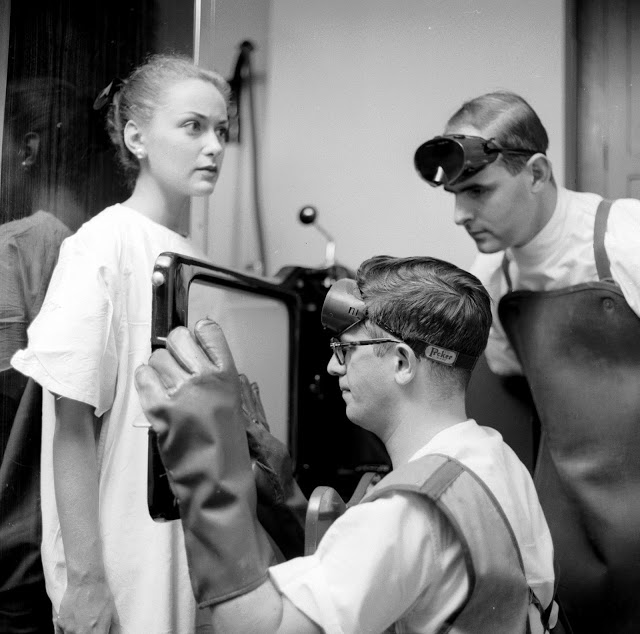
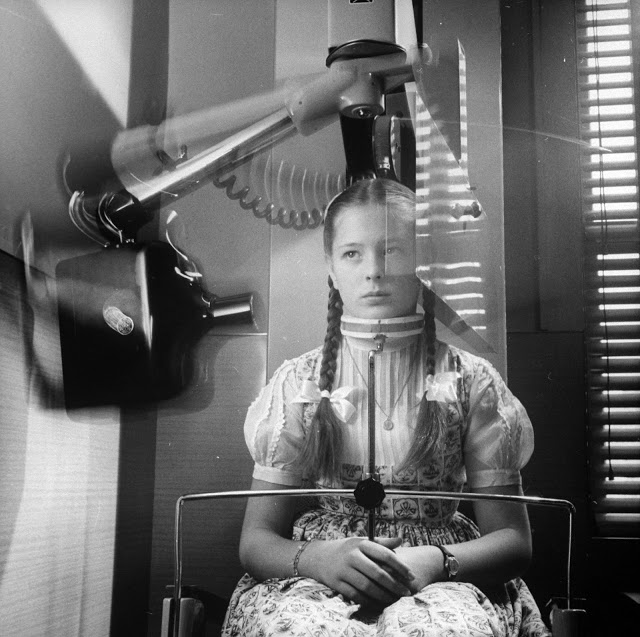
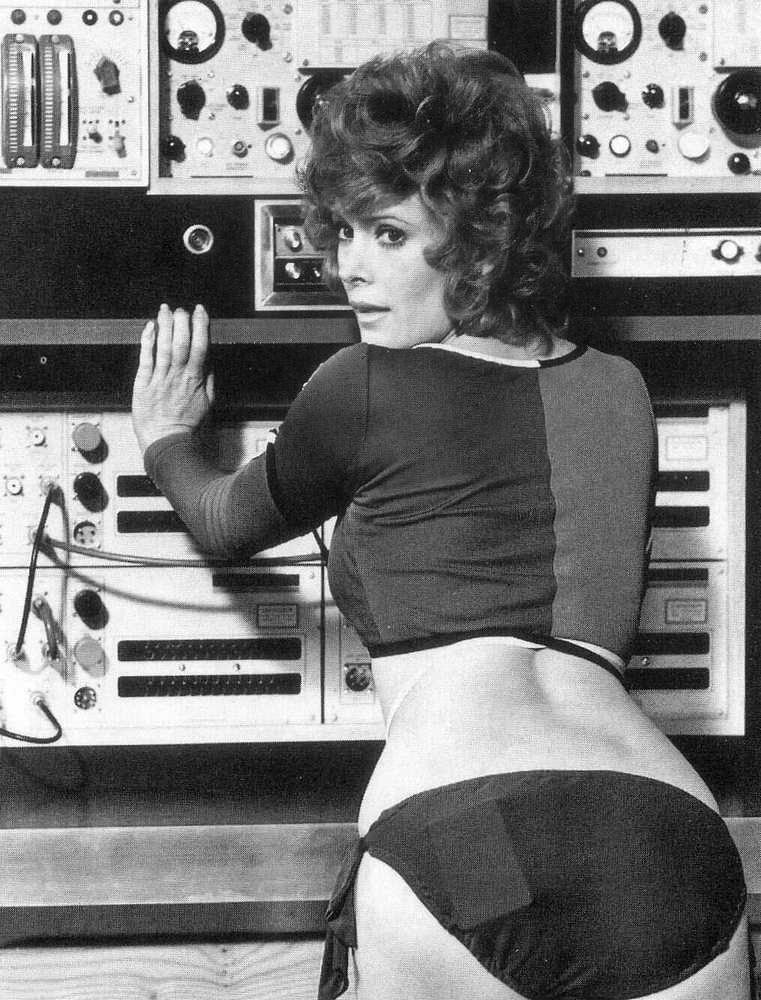
A man receiving an x-ray in Austria, circa 1910.A chest X-ray in progress at Professor Menard’s radiology department at the Cochin hospital, Paris, 1914.One of the advanced wonders at the Roentgen Institute, the modern Roentgen ‘look through’ machine, which prevents any injury to the treating physician, Frankfurt, Germany, circa 1929.A man and a woman demonstrating medical equipment at a X-ray exhibition, beside a sign reading ‘The Metalix Tube for Therapy,’ 1928.Filmstar Judith Allen with the radiograph of her back, circa 1930.An x-ray demonstration with the latest x-ray apparatus. London. 1932.The latest X-ray apparatus being operated by an radiologist wearing the old-type protectors which are no longer necessary with modern apparatus. Radiological exhibition. Central Hall. Westminster, 1934.A woman having her head x-rayed with the new shock-proof apparatus at the London Medical Exhibition, Royal Horticultural Hall. The apparatus, which is designed for the consulting room, is simple to use as it can be plugged in to any domestic lighting point’. 1934.In October 1937 in Rio de Janeiro, a radiograph invented by Professor physicist Moraes De Abreu to detect lung diseases, called Roentgen-Photographie was used on a patient.An x-ray technician with the US Medical Corps tending to a wounded soldier during World War Two, circa 1941-1945.Doctors using x-ray machine to feed venous catherter into patient’s heart, 1947.Small child being given chest x-ray at Chelsea Chest Clinic, 1949.X-ray machine, at the California dental association exhibit, California state fair, 1953.A desperate patient who has hiccups is x-rayed at the Flower-Fifth hospital Hospital in New York, 1955.X-ray machine which circles head to take panoramic picture of teeth, eliminating usual mouthful of film, 1960.
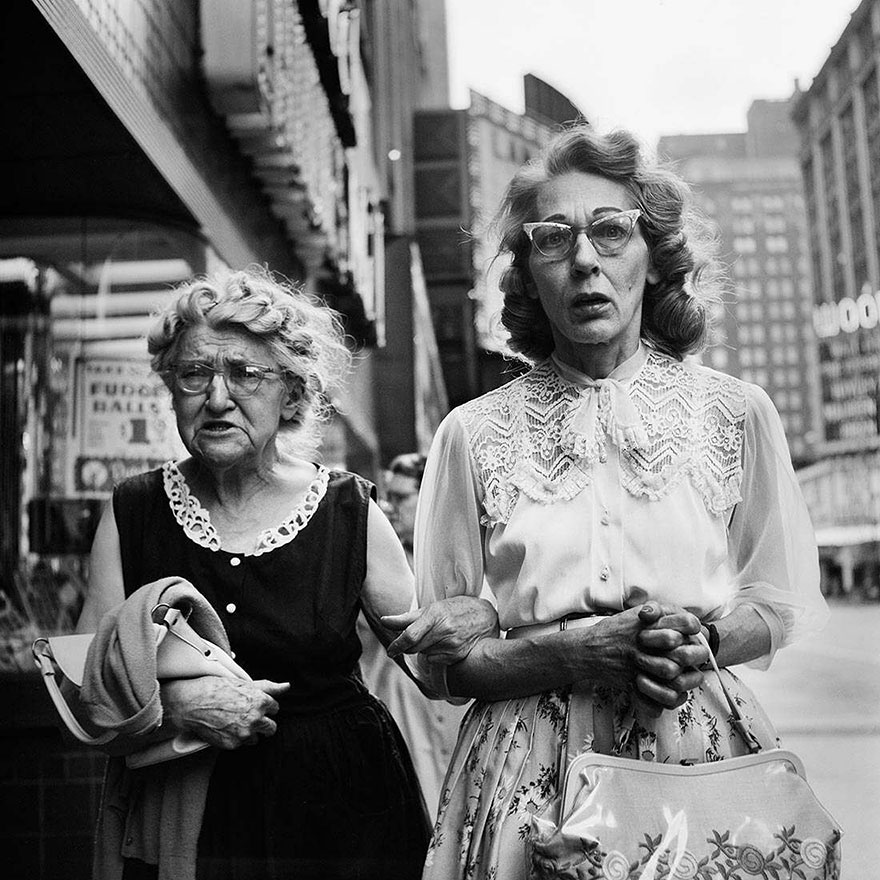
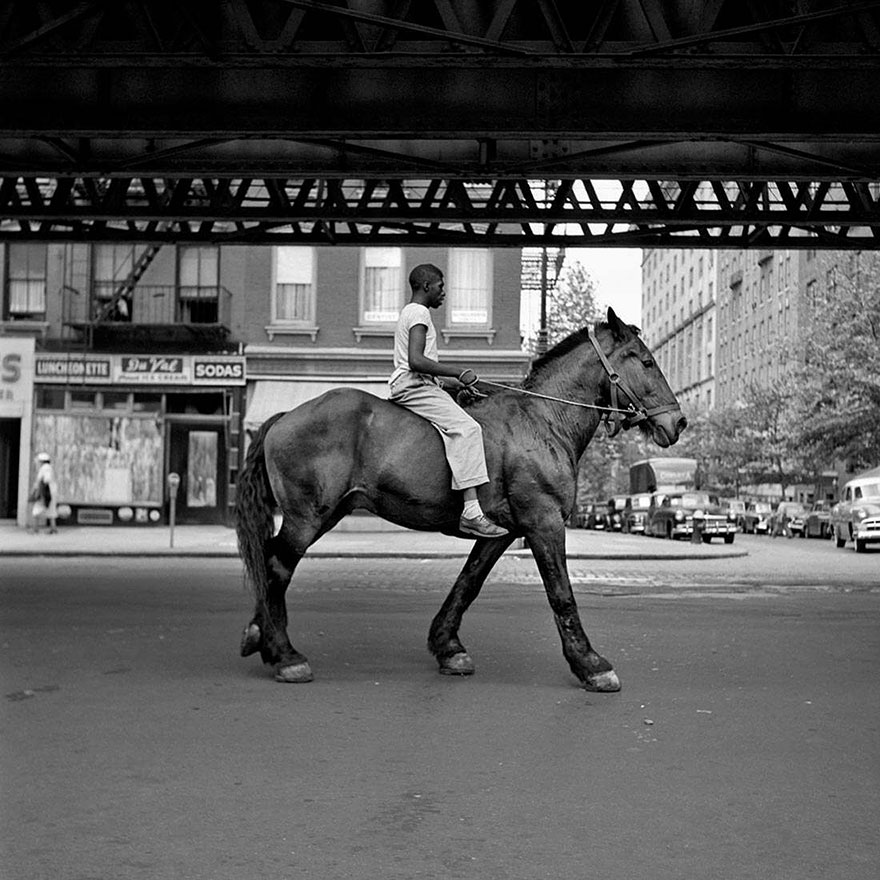
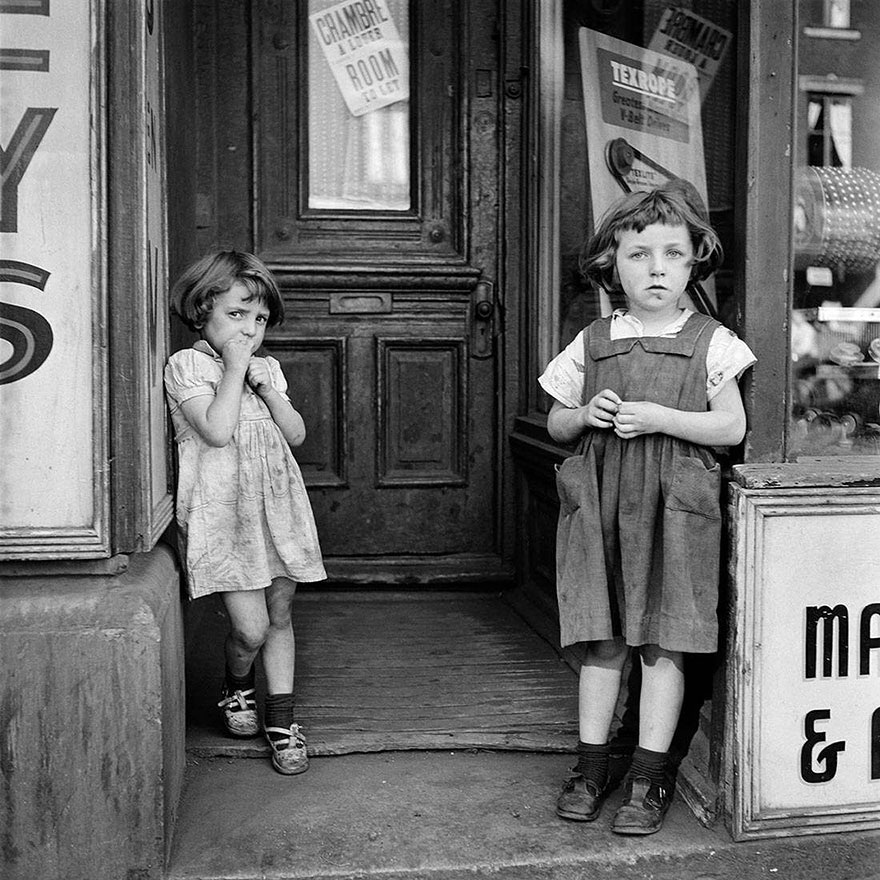
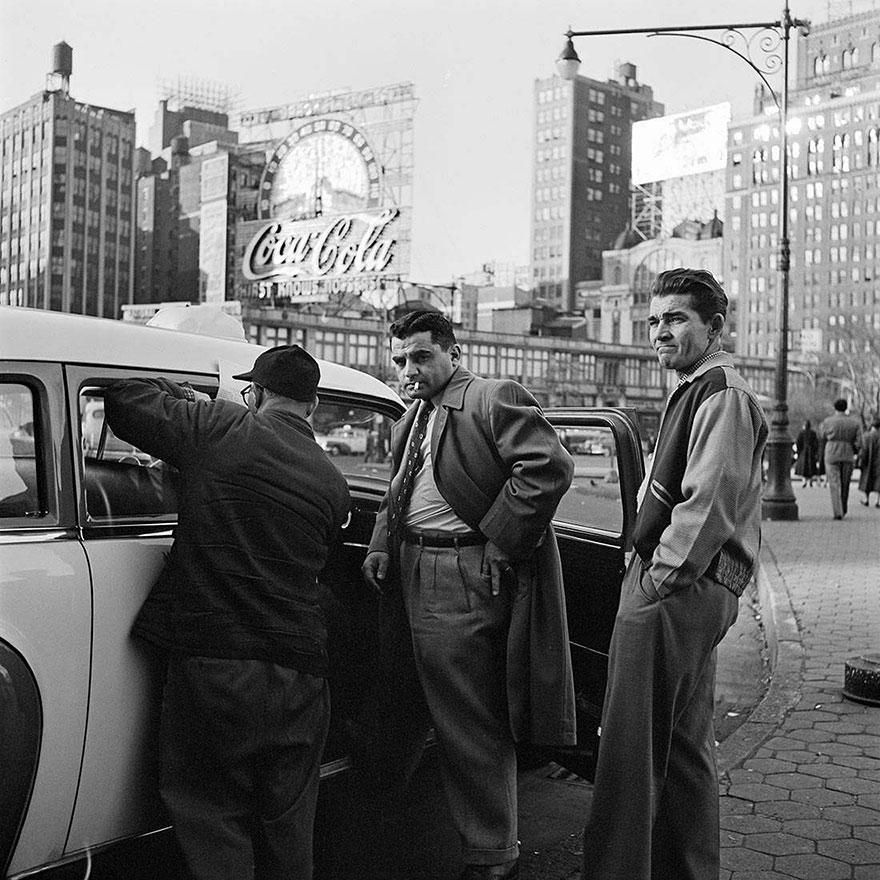
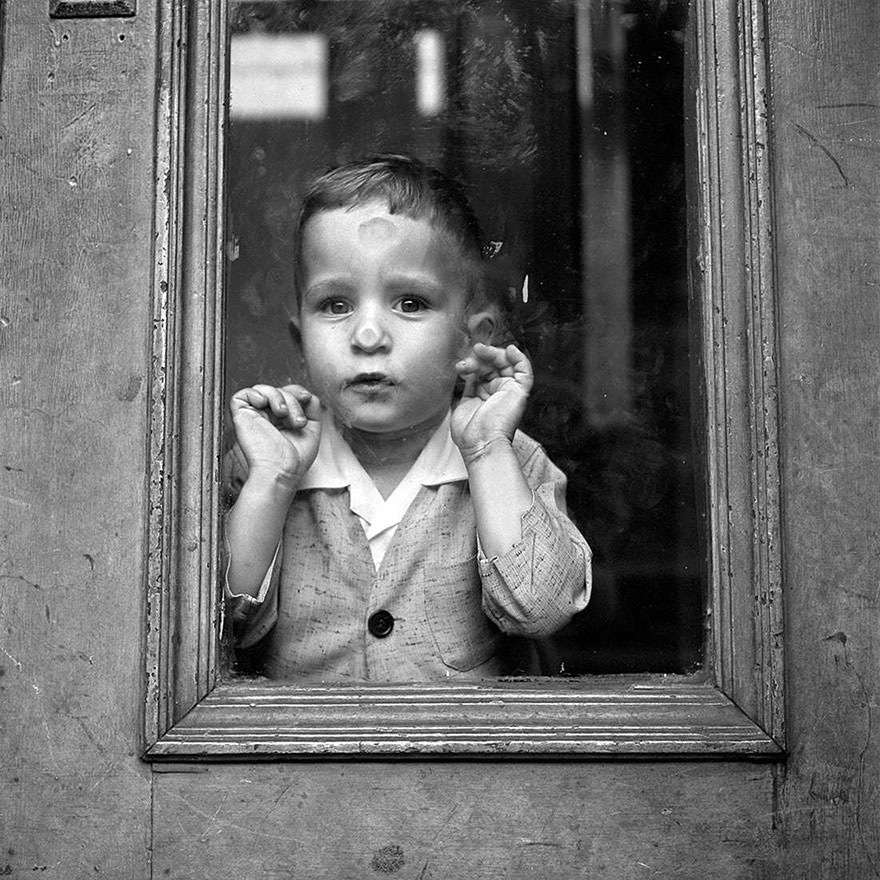
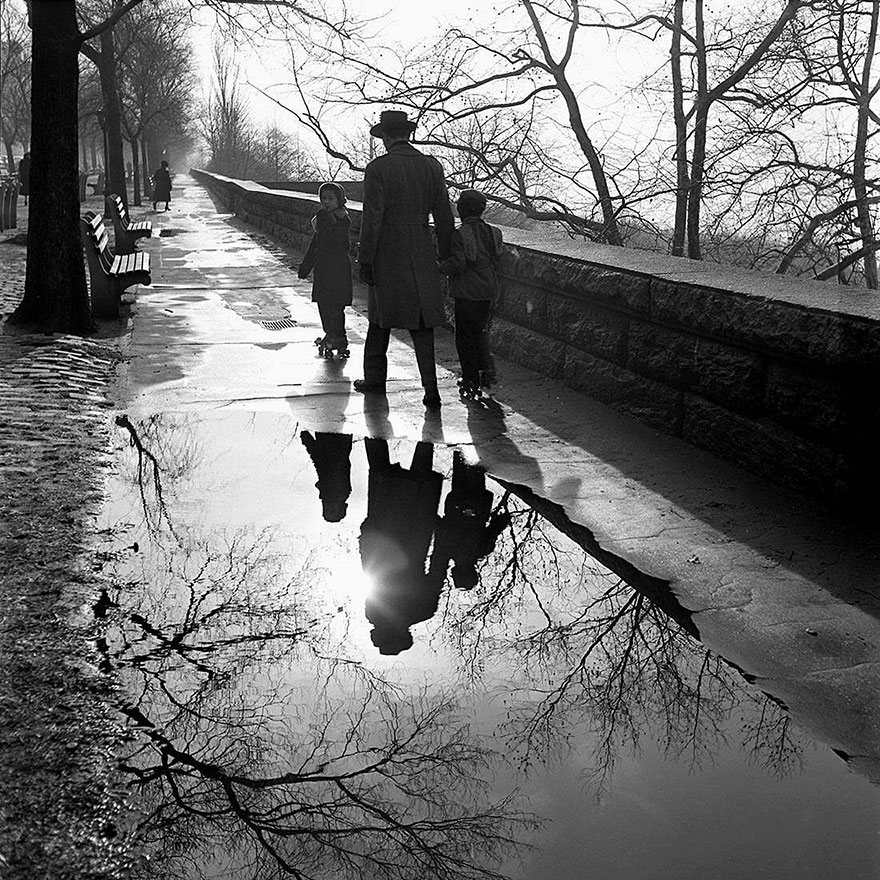
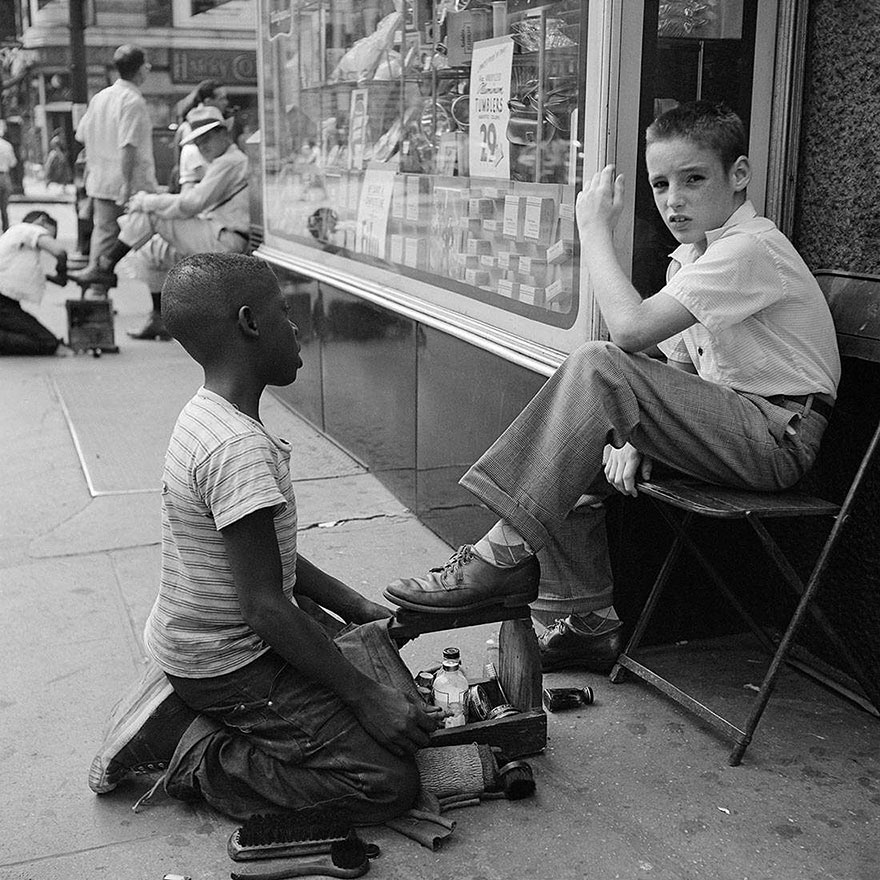
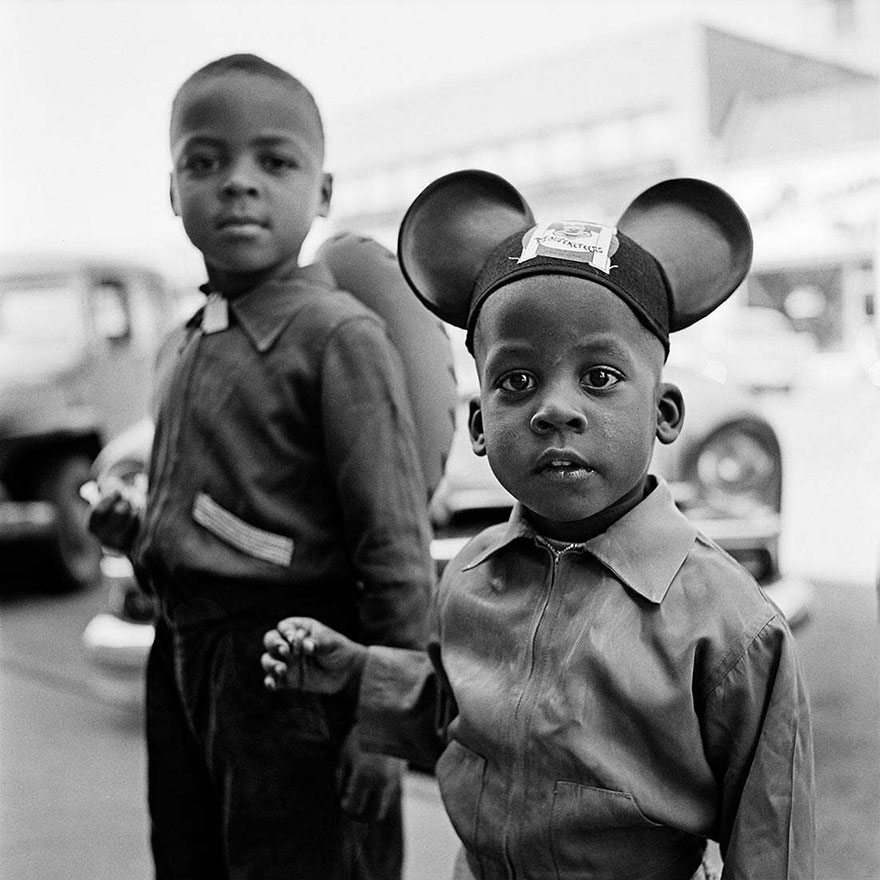
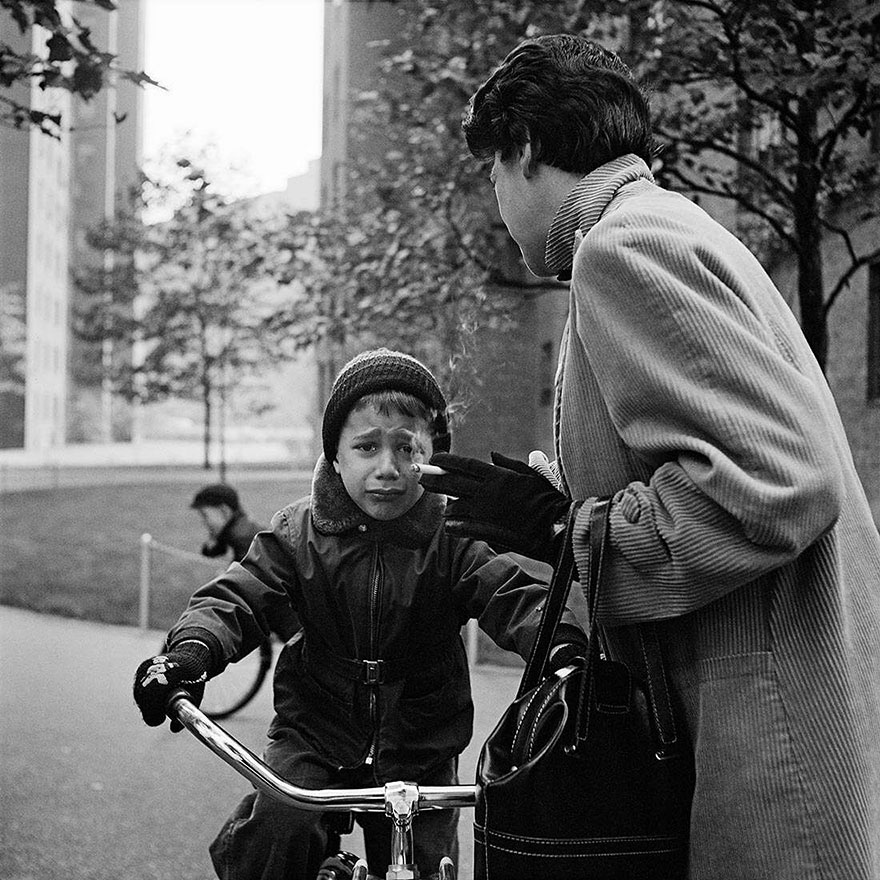
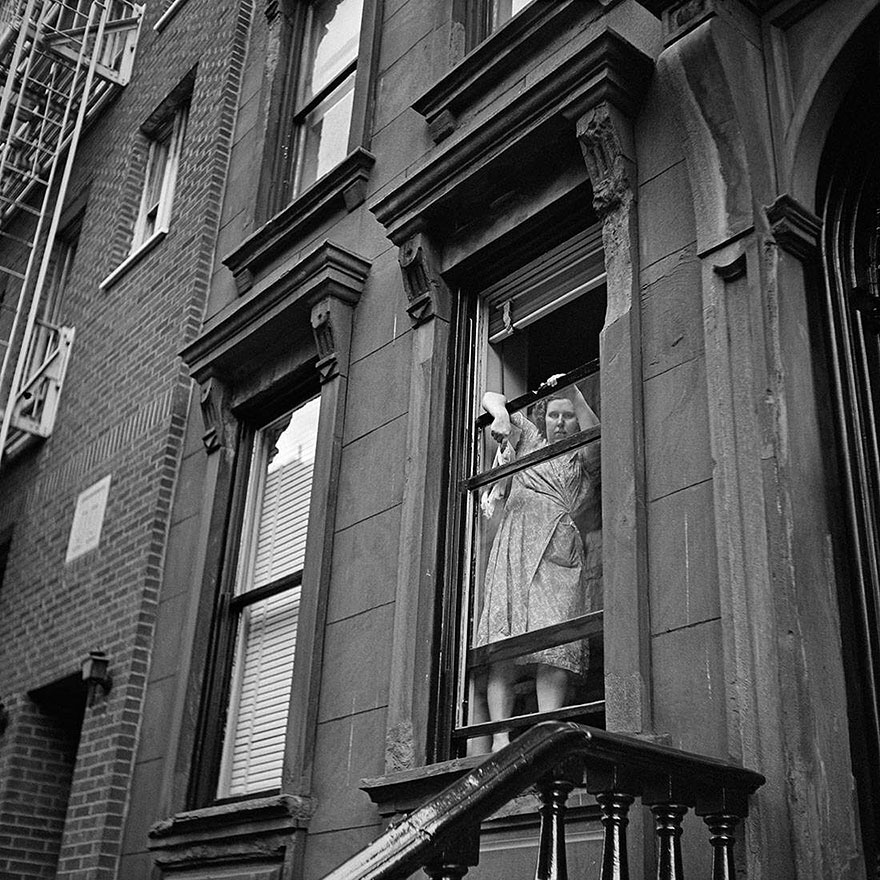
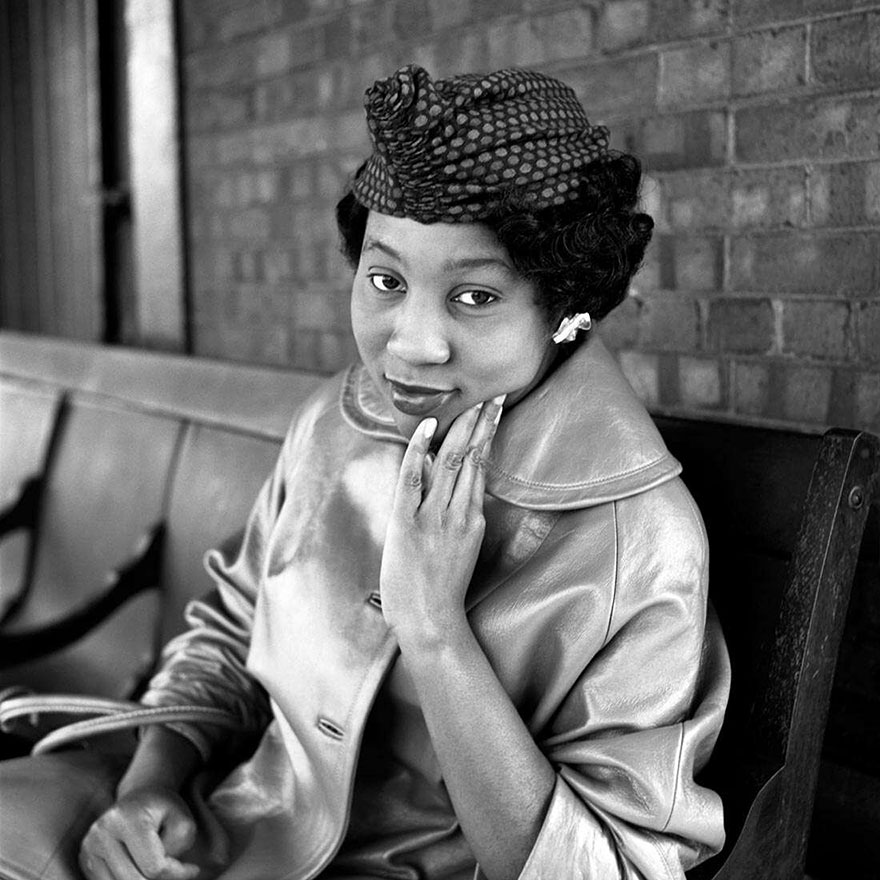
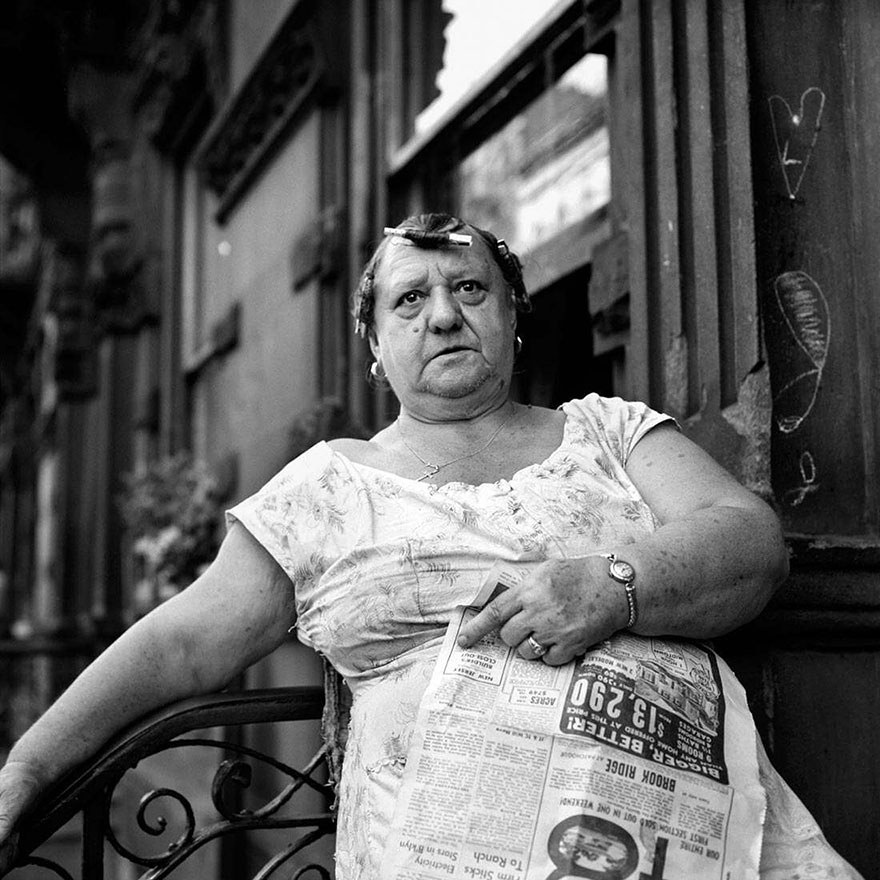
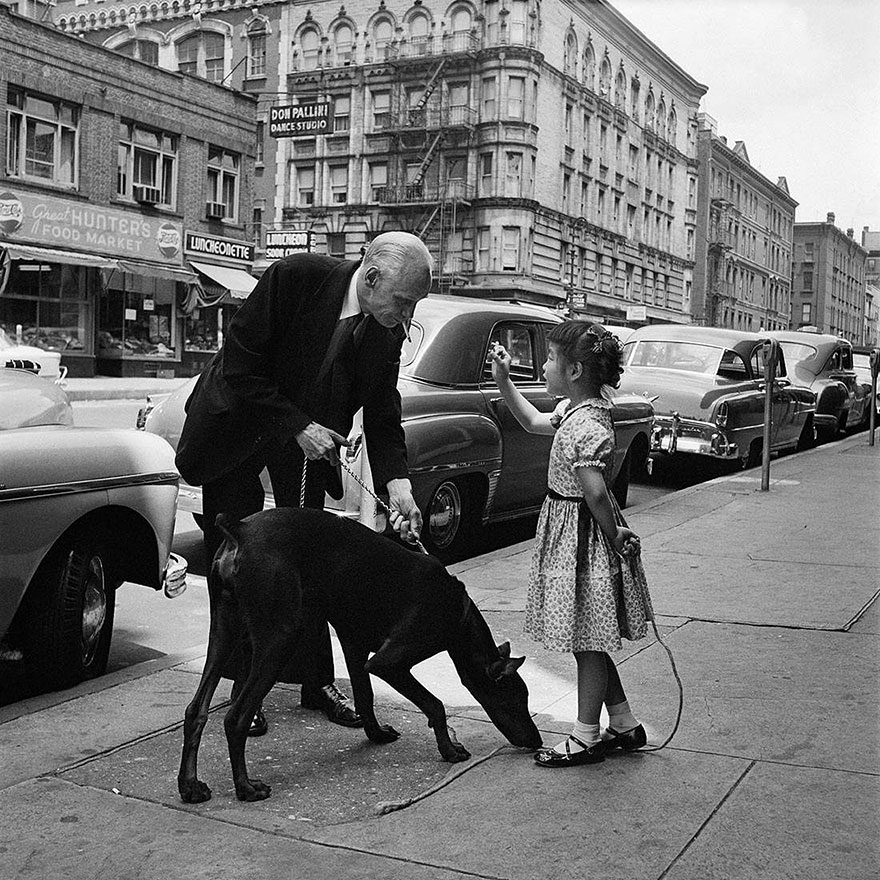
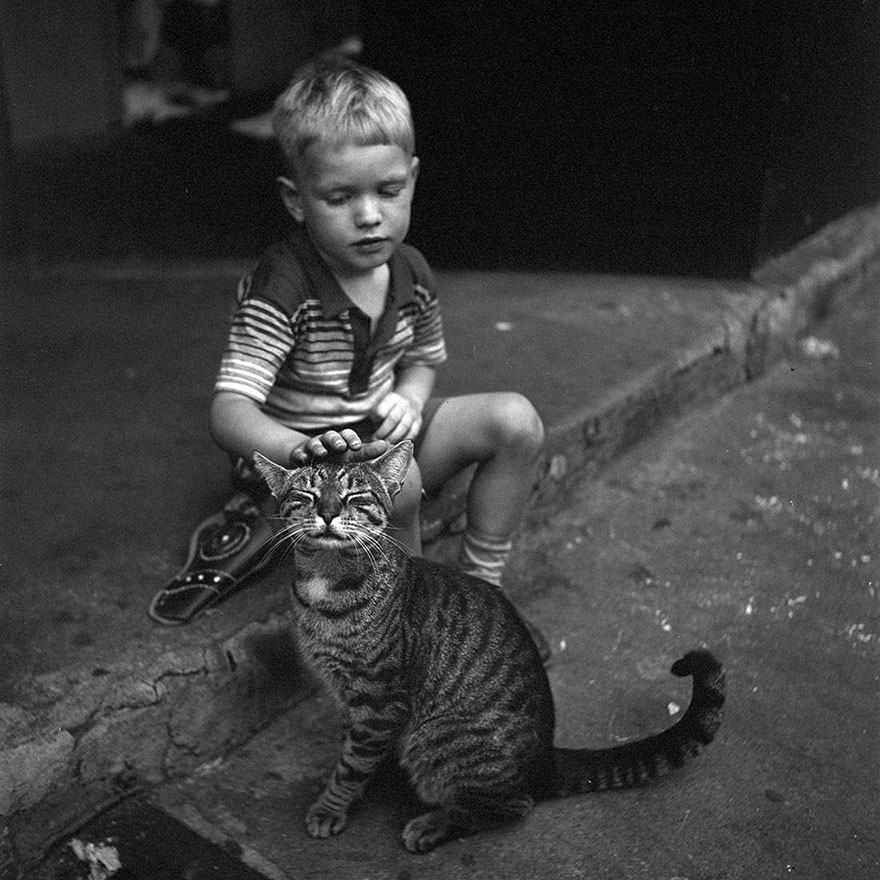
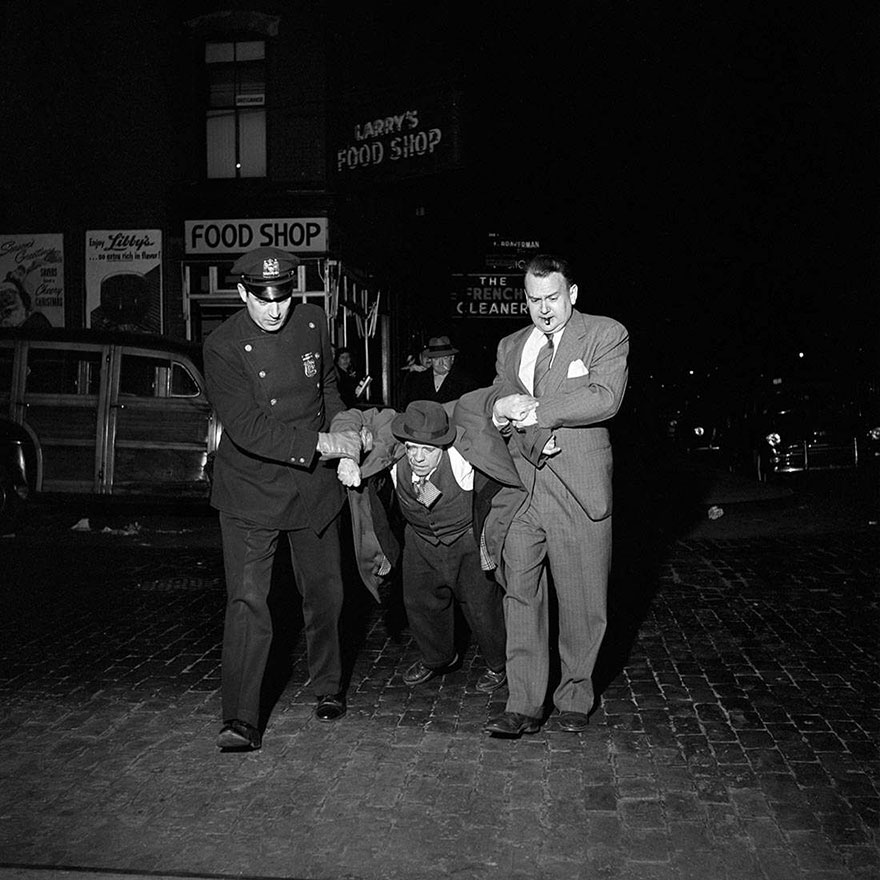
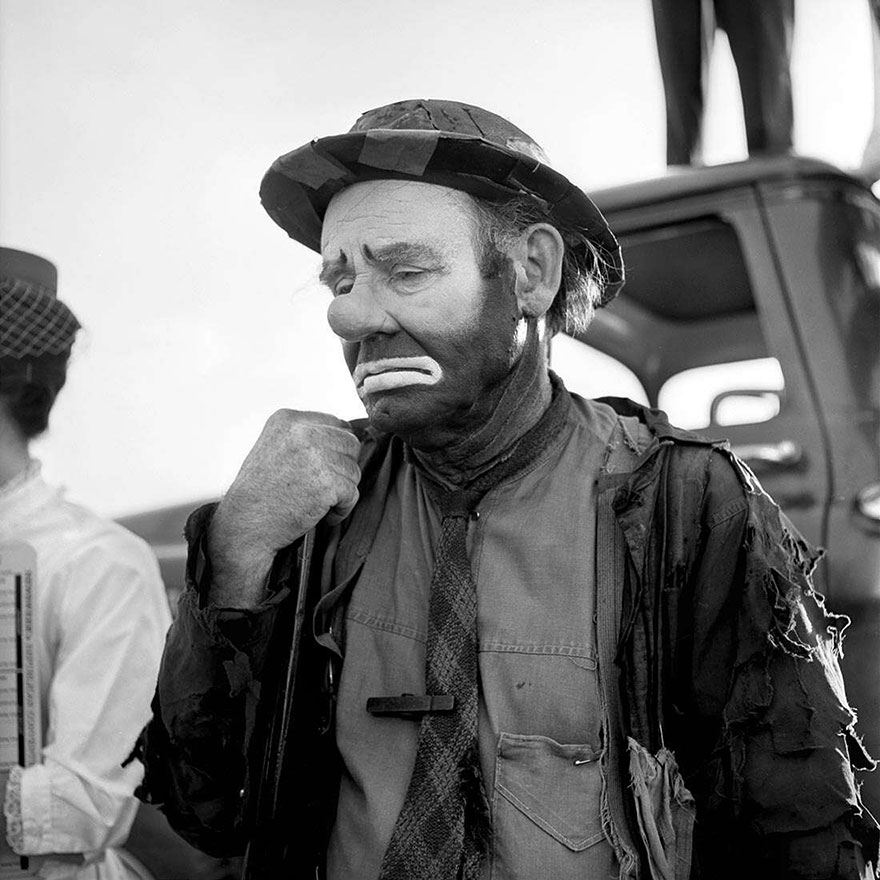
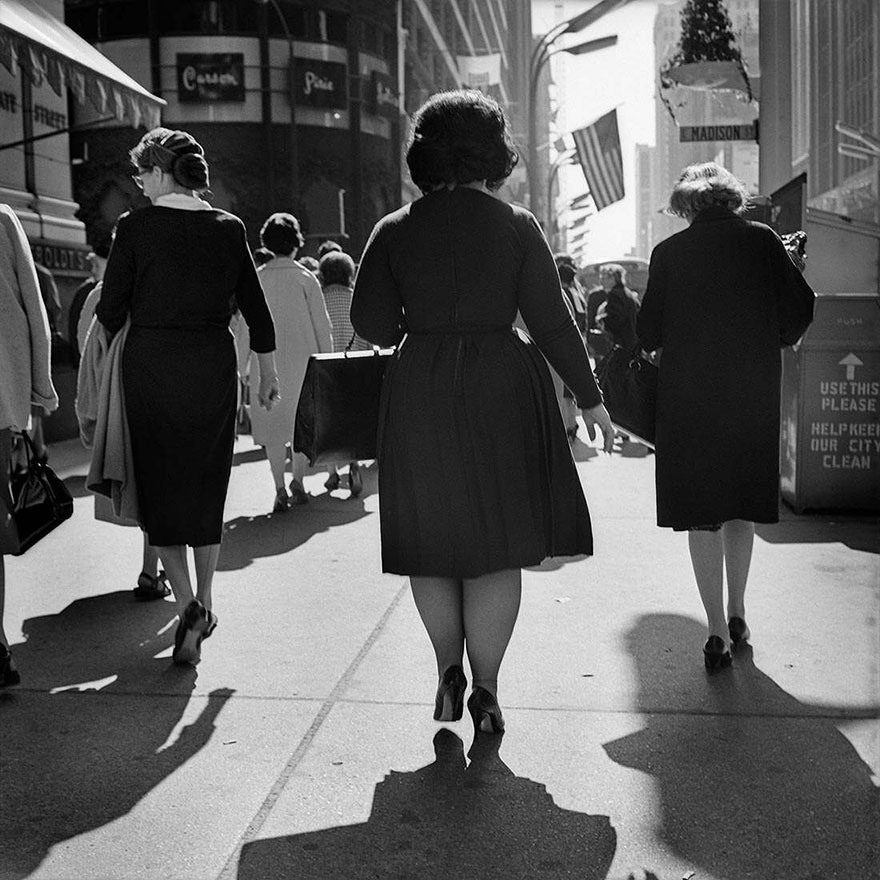
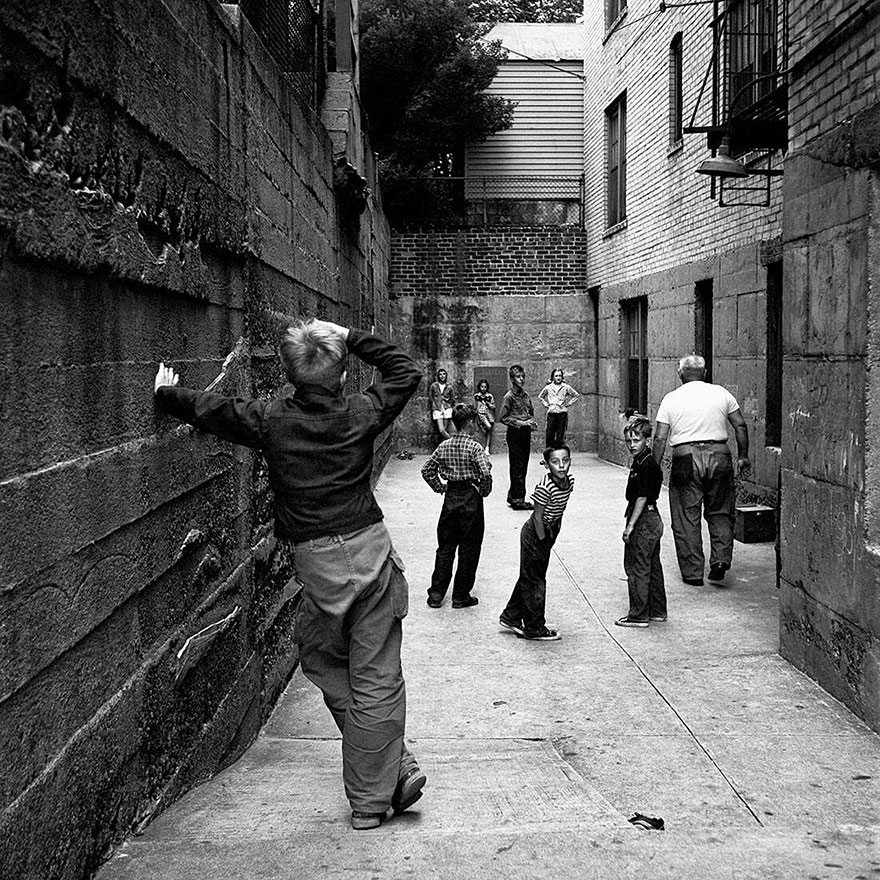
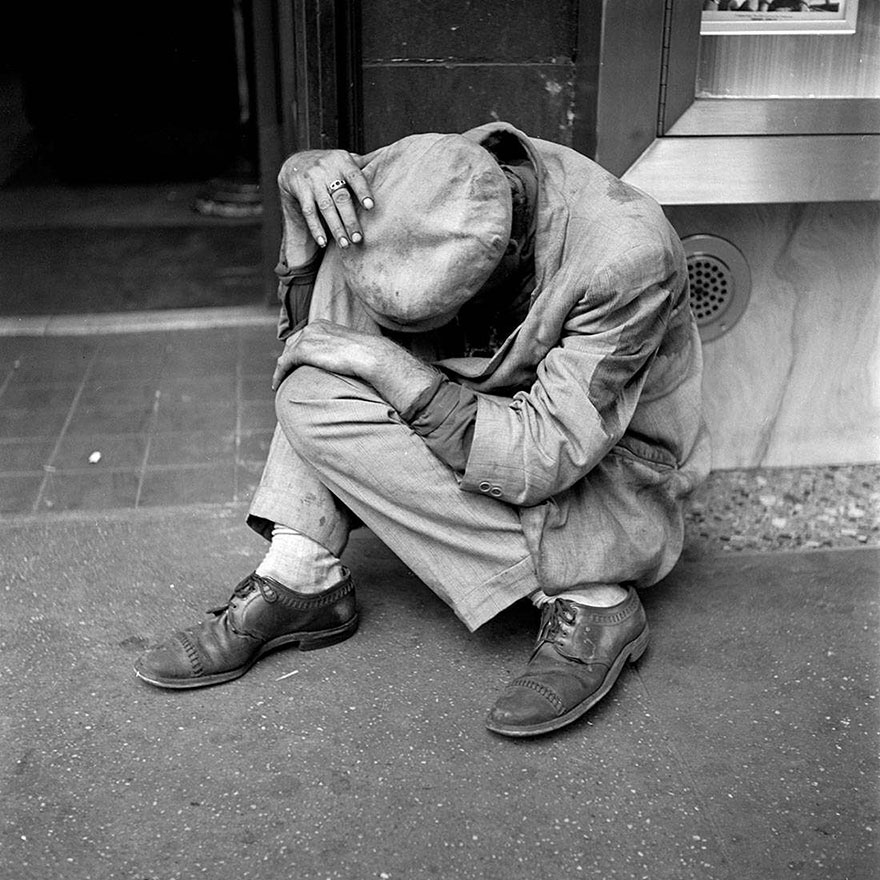
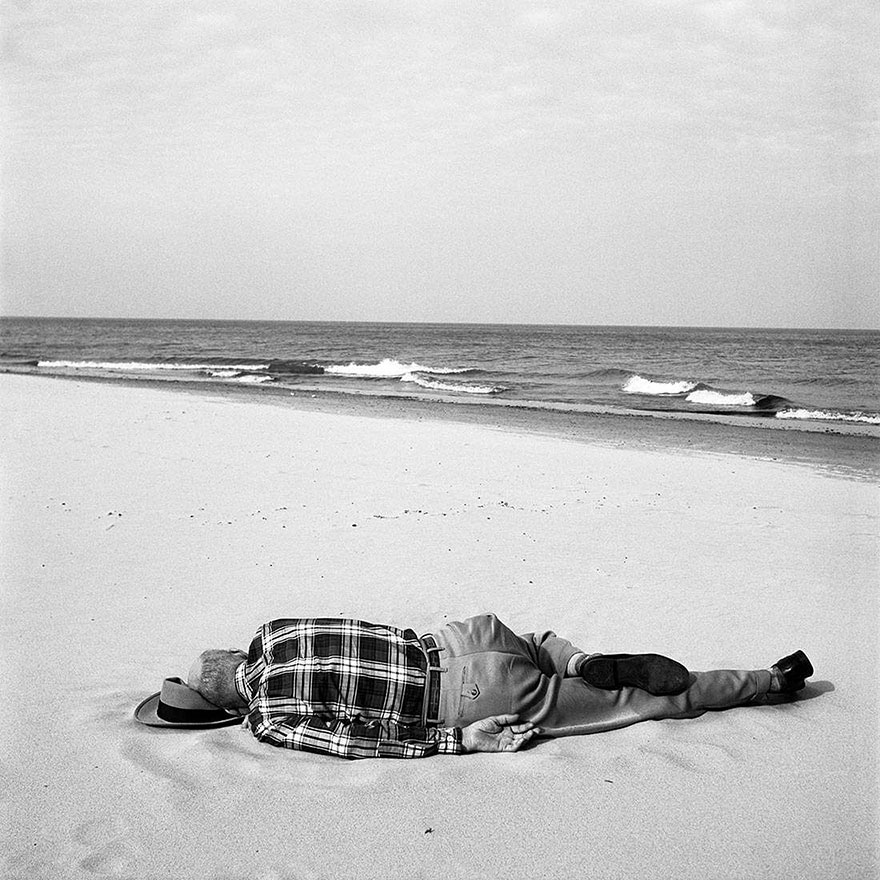
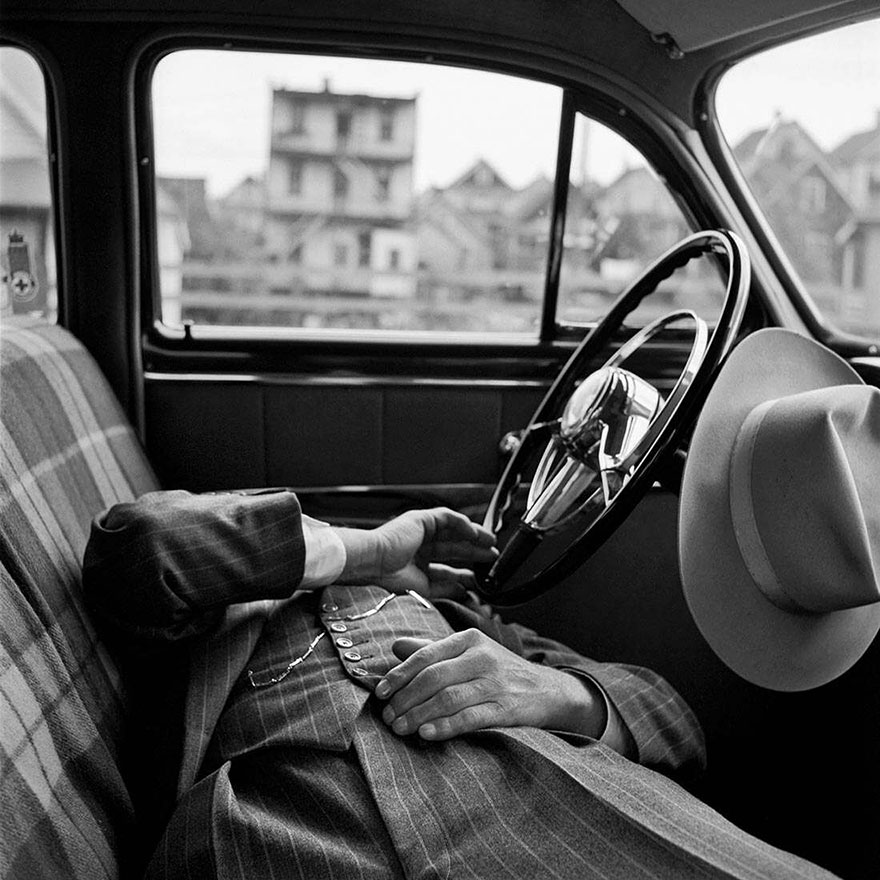
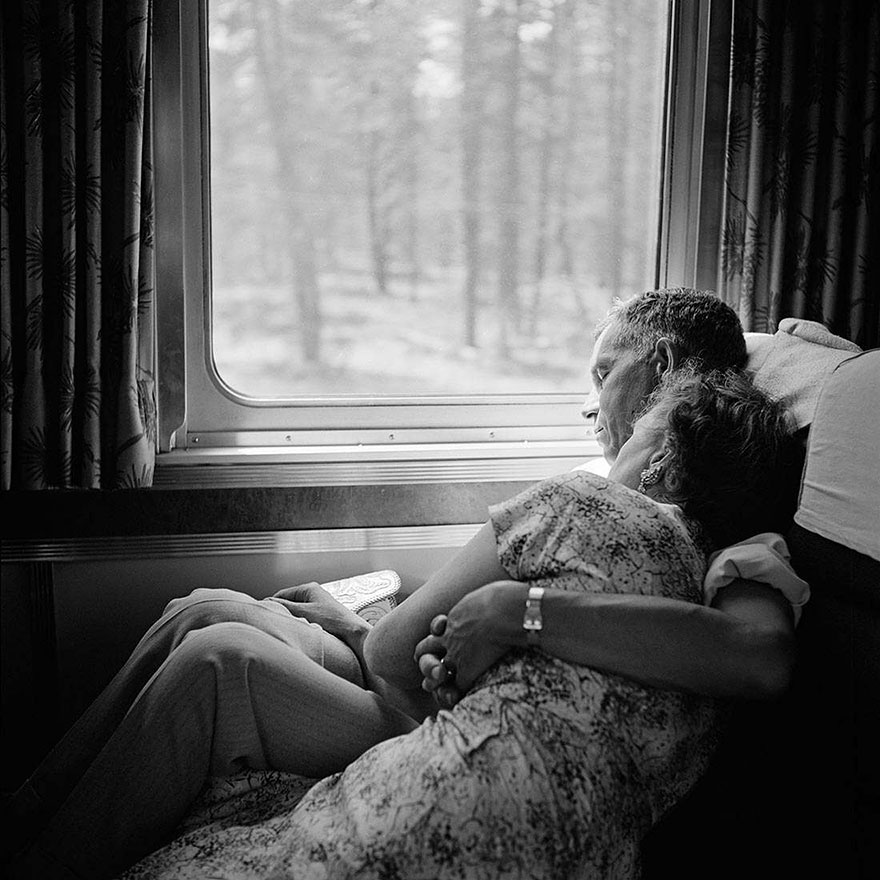
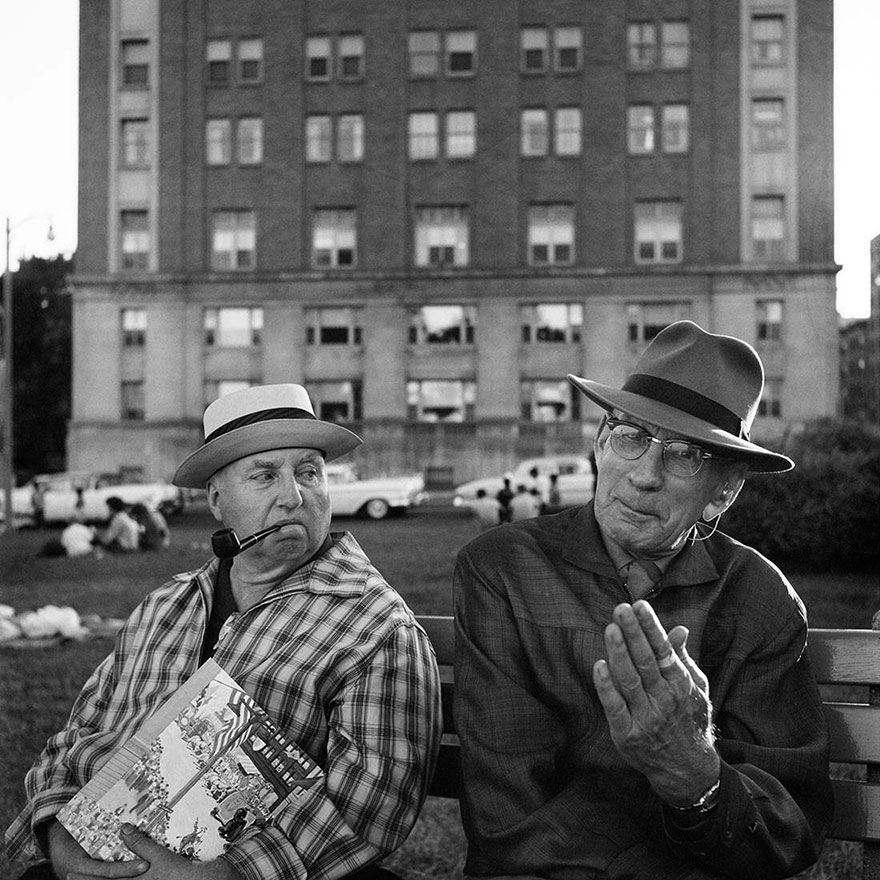
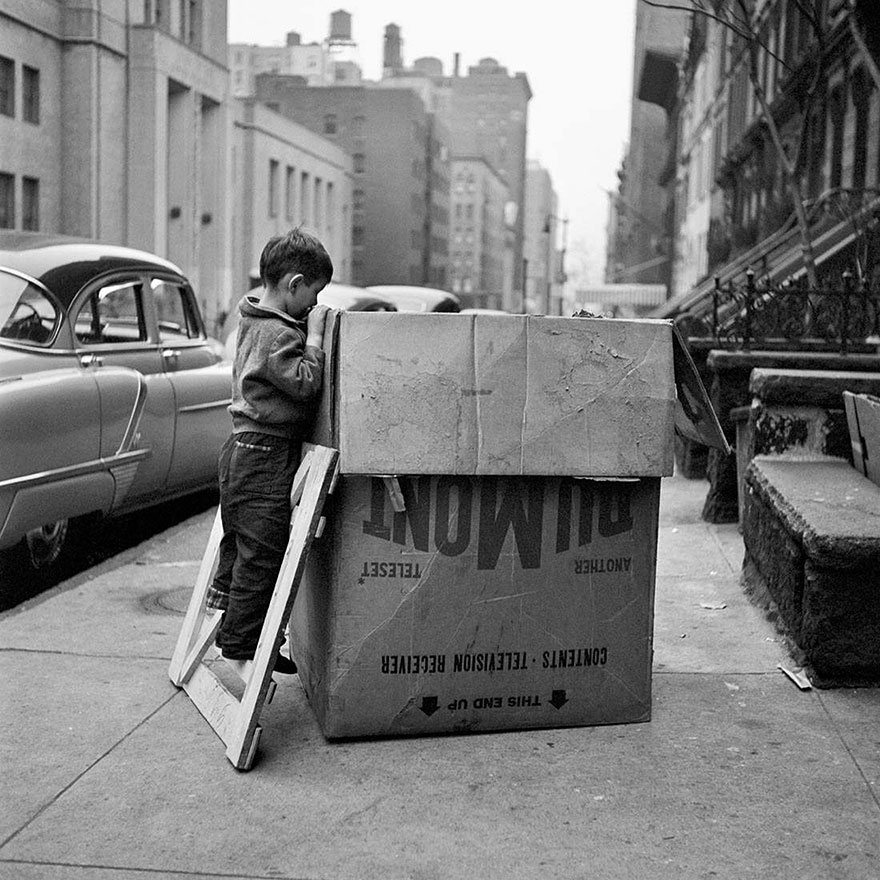
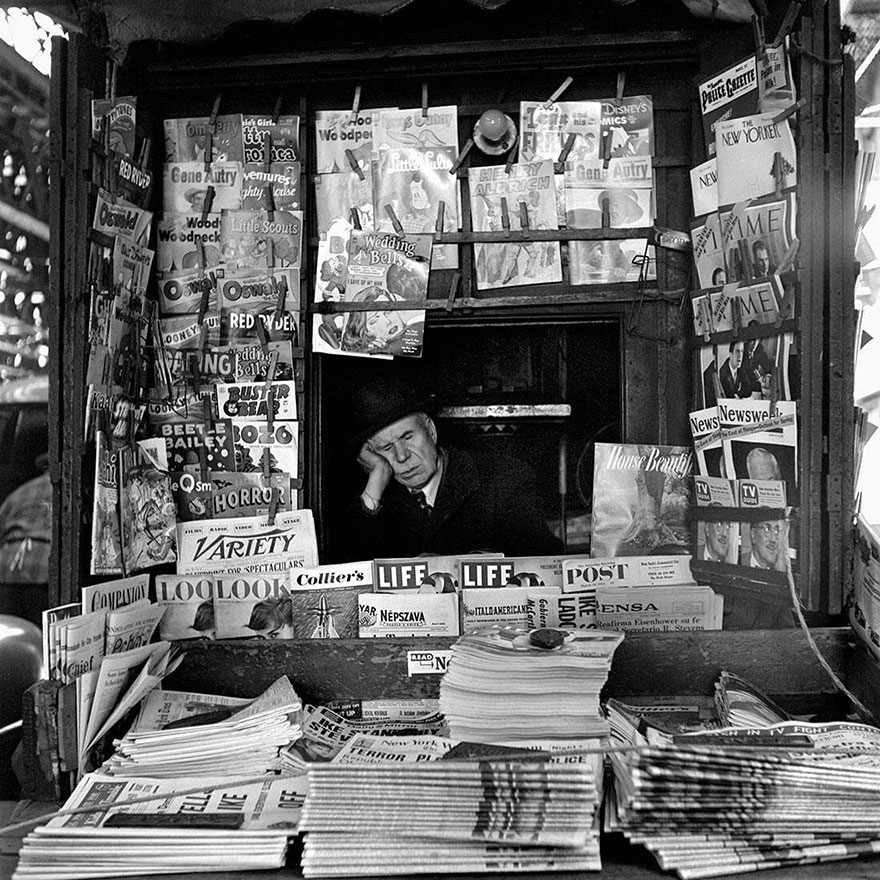
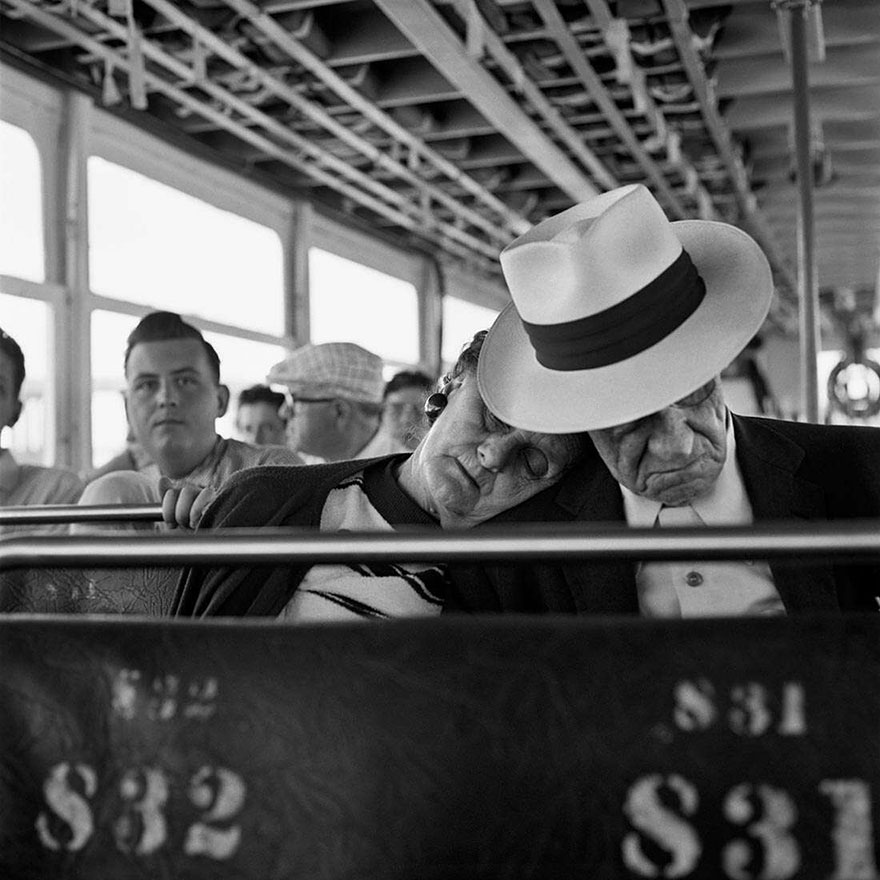
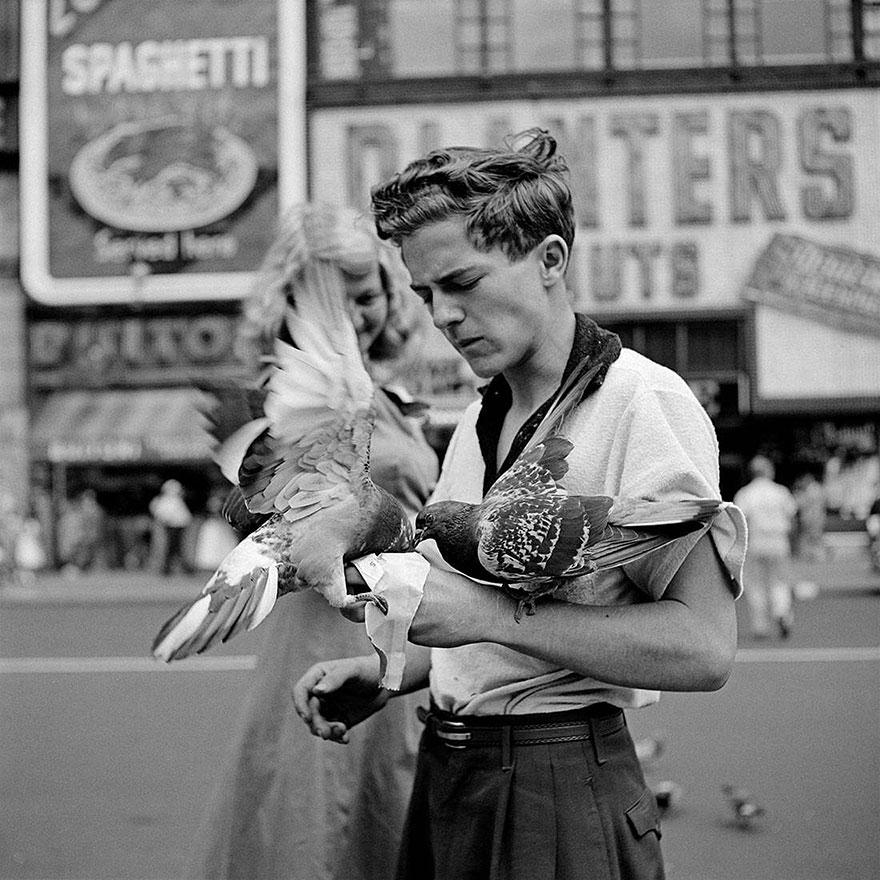
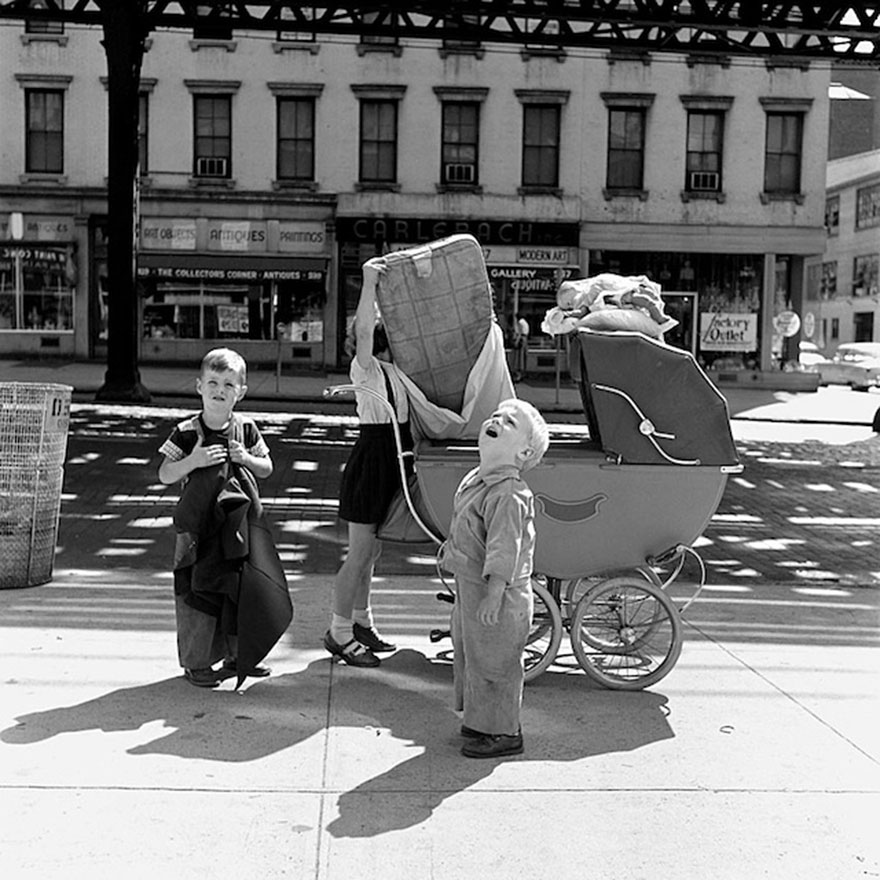
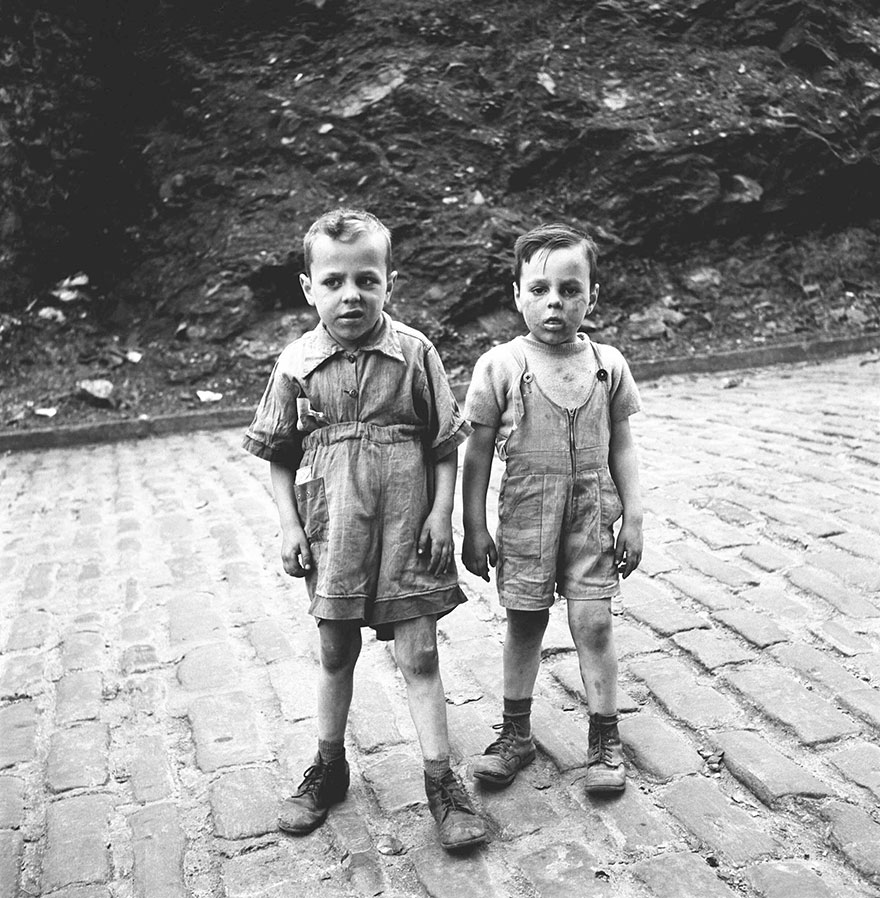
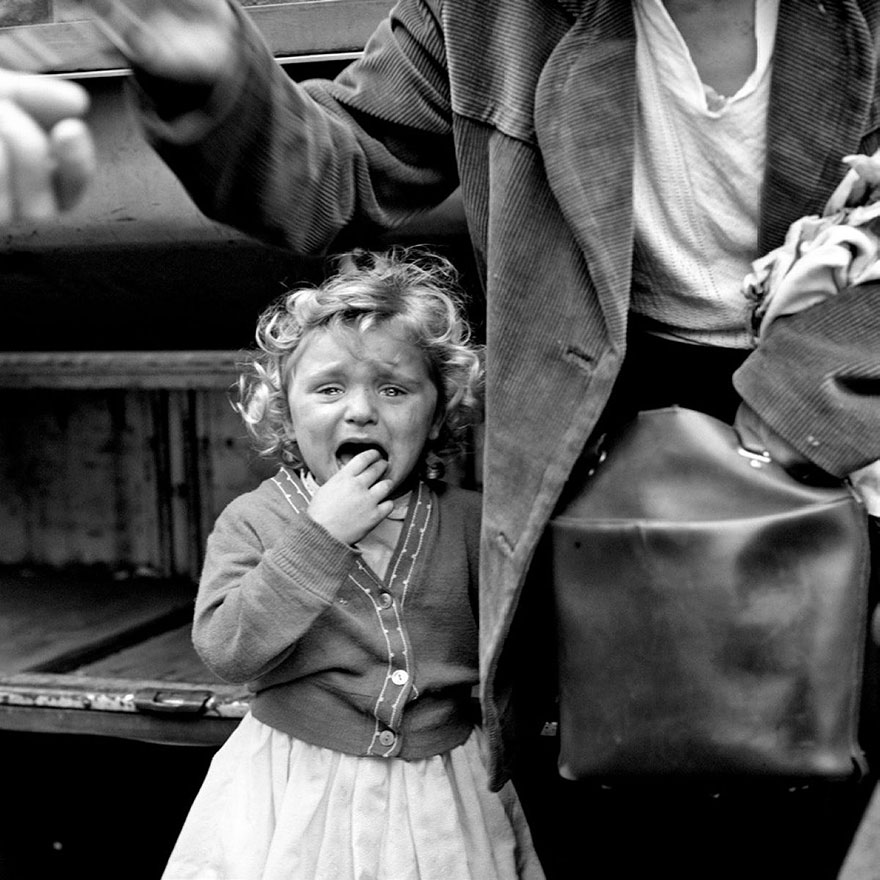
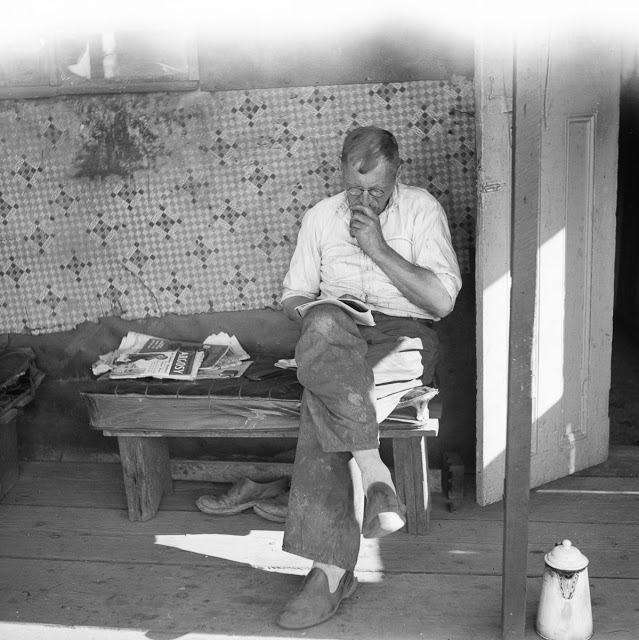
Vivian Maier, an excellent New York street photographer who took thousand of photos in the 1950s and 60s, was left woefully unacknowledged during her time. It was only in 2011, two years after her death, that her photos were recognized for their raw beauty in a collection published by historian and collector John Maloof.
Maloof discovered Maier’s photos in a bulk collection of old prints and negatives that he bought at an auction. He later purchased the rest of her collection but, in a tragic twist of fate, he only discovered the name of the photographer shortly before her death.
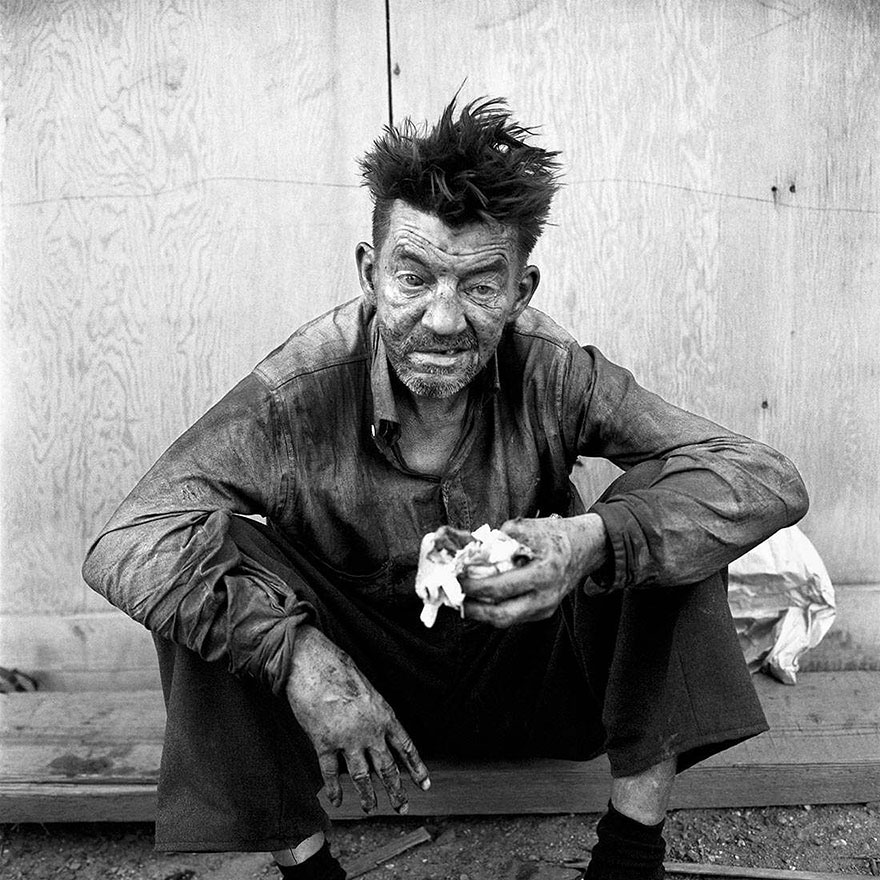
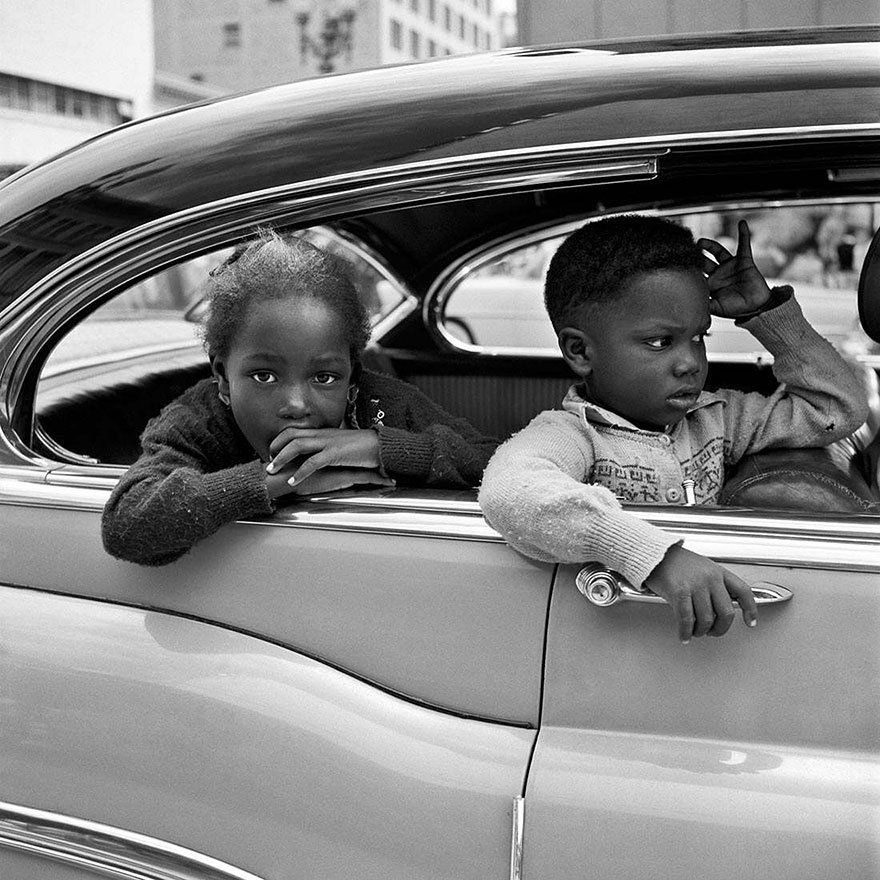
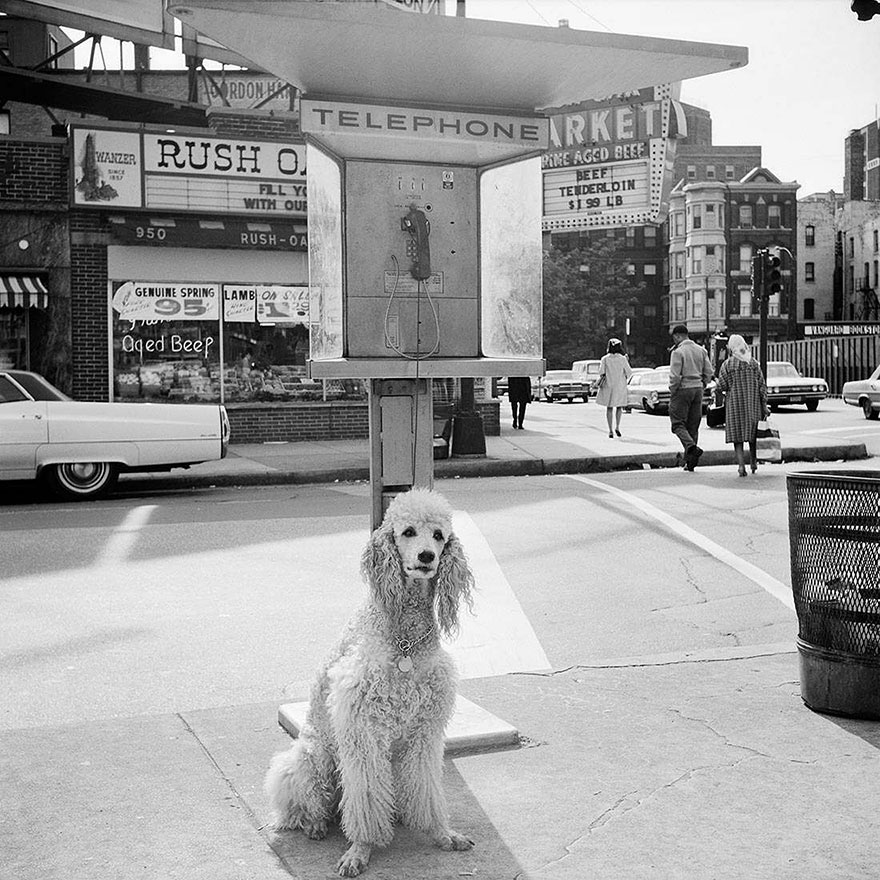
Not every photo’s location is known for certain, but most are from New York and Chicago. Her photography is raw, captivating and sensitive – it provides us with an up-close and personal look at America in the 1950s and 60s. It is especially their real and candid nature that makes them so striking. It truly feels as though one has stepped back in time through her photography to a sunny day in 1950s New York or Chicago.
Maier, who was described by some of the children she had nannied for as “a Socialist, a Feminist, a movie critic, and a tell-it-like-it-is type of person.” And some of this shows in her photos, which tend to focus on the working class and the poor.
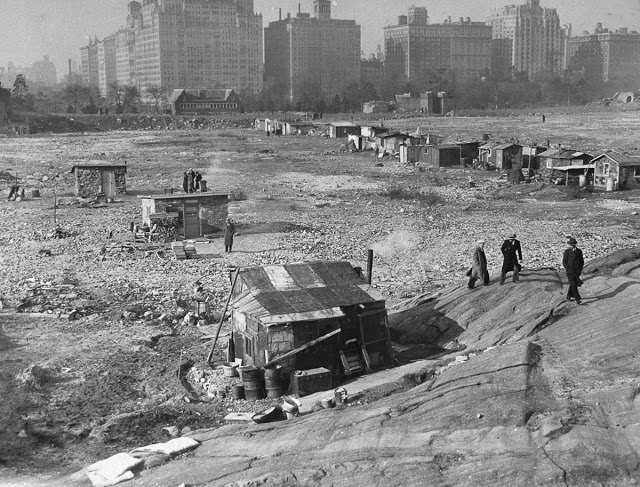
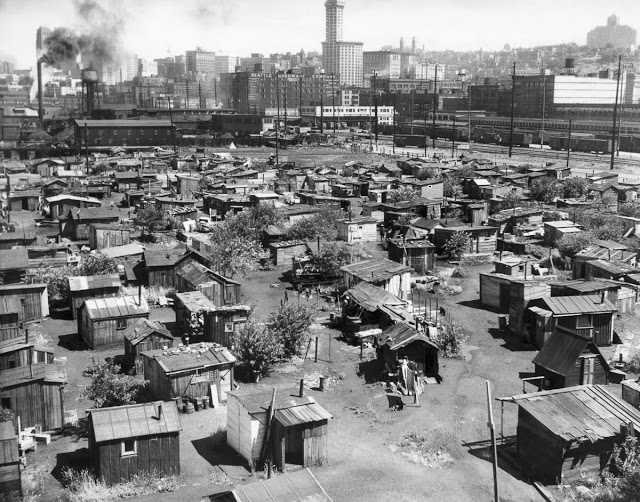
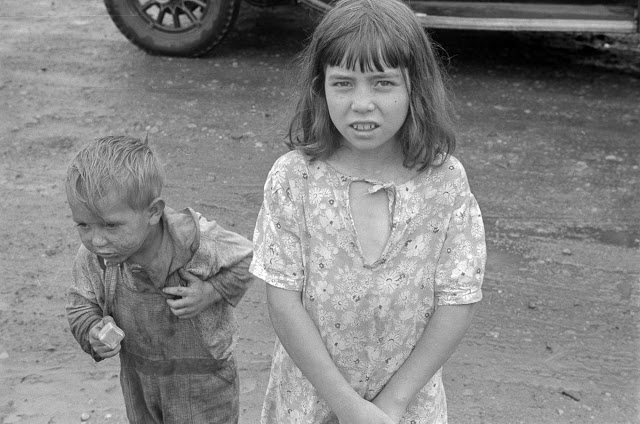
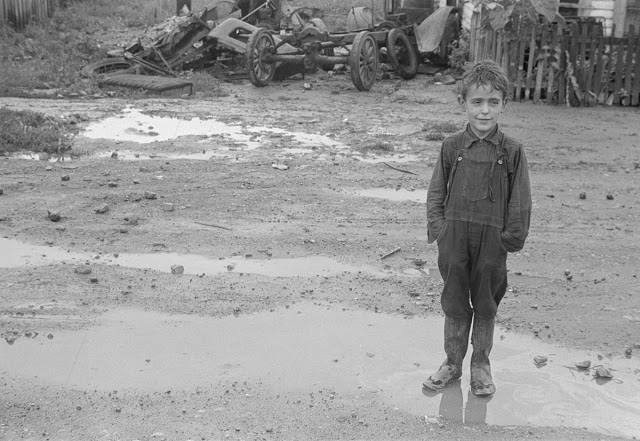
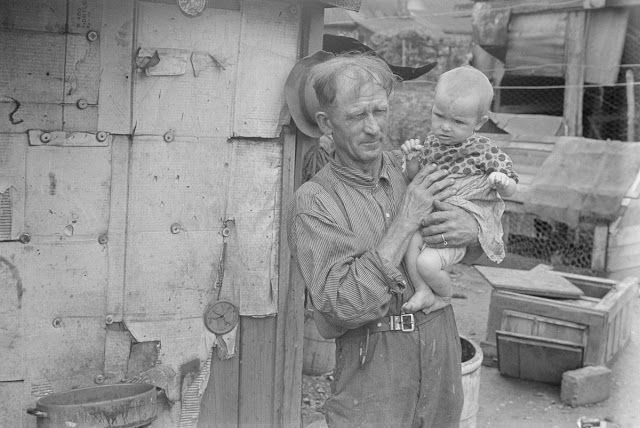
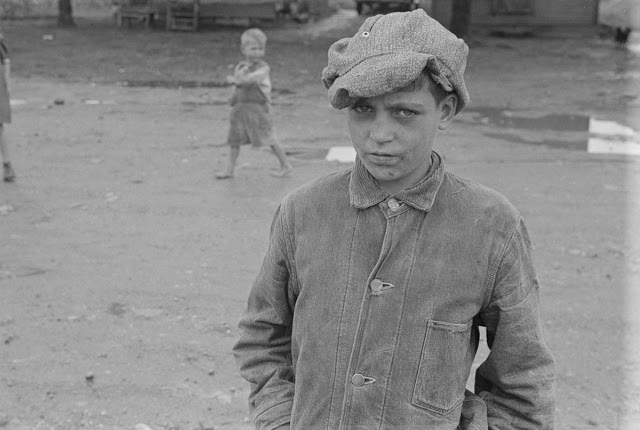
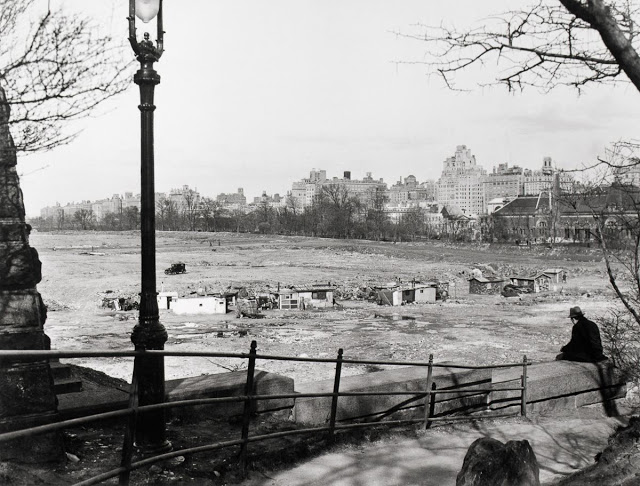
Many of the shanty towns that sprung up all over the United States during the Depression were facetiously called Hoovervilles because so many people at the time blamed President Herbert Hoover for letting the nation slide into the Great Depression.
In October of 1929, the stock market experienced a devastating crash resulting in an unprecedented number of people in the U.S. without homes or jobs, a period of history now known as the Clutch Plague.
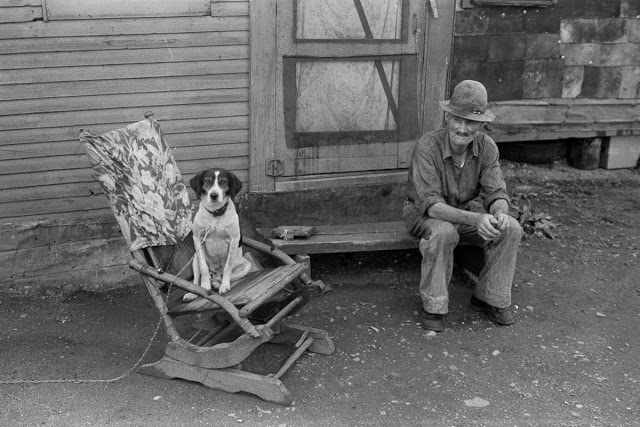
While homelessness was present prior to the crash, the group was relatively small and cities were able to provide adequate shelter through various municipal housing projects. However, as the Depression set in, demand grew and the overflow became far too overwhelming and unmanageable for government resources to keep up with.
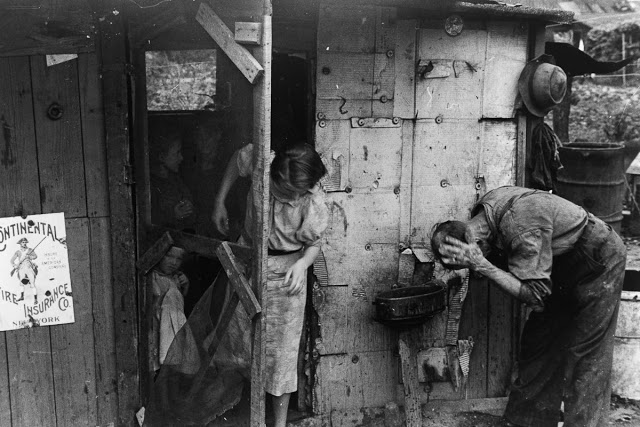
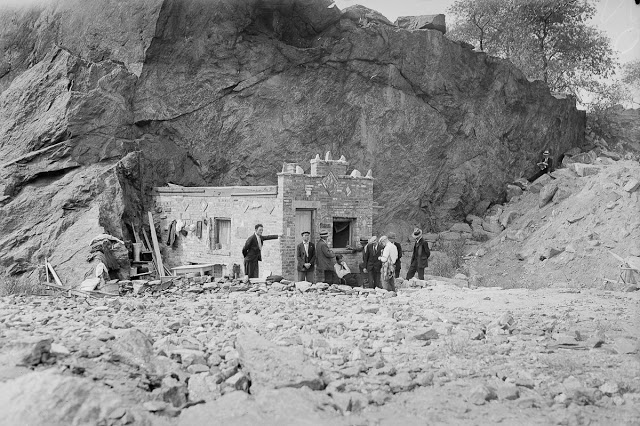
Homeless people in large cities began to build their own houses out of found materials, and some even built more permanent structures from brick. Small shanty towns—later named Hoovervilles after President Hoover—began to spring up in vacant lots, public land and empty alleys. Three of these pop-up villages were located in New York City; the largest of them was on what is now Central Park’s Great Lawn.
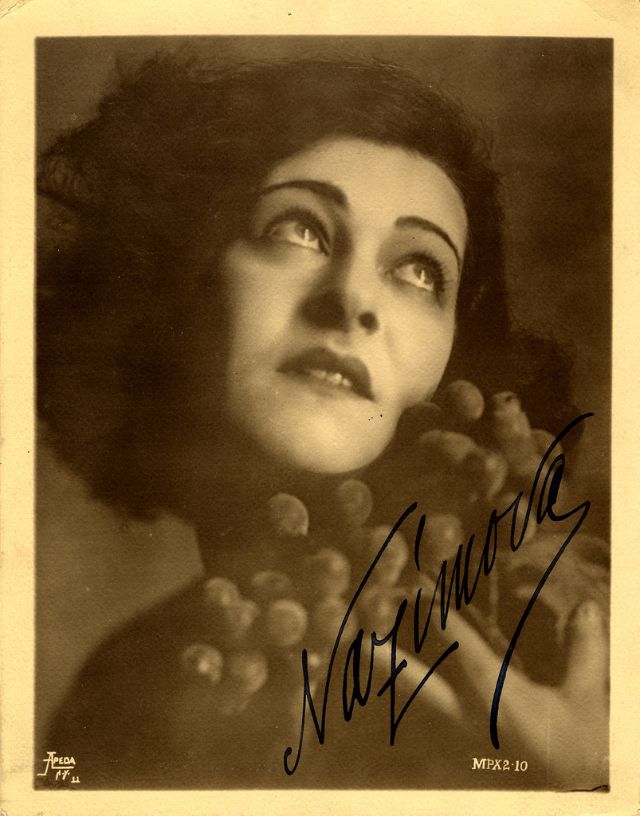
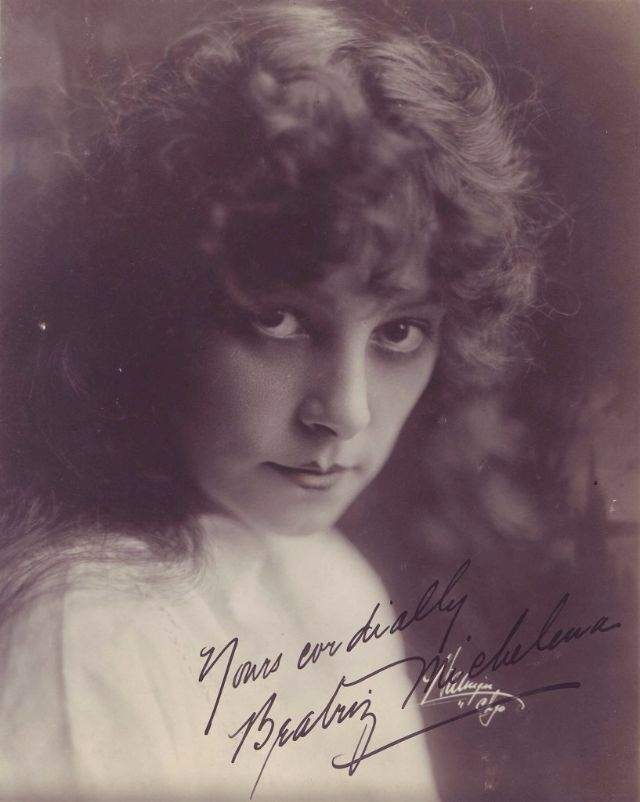
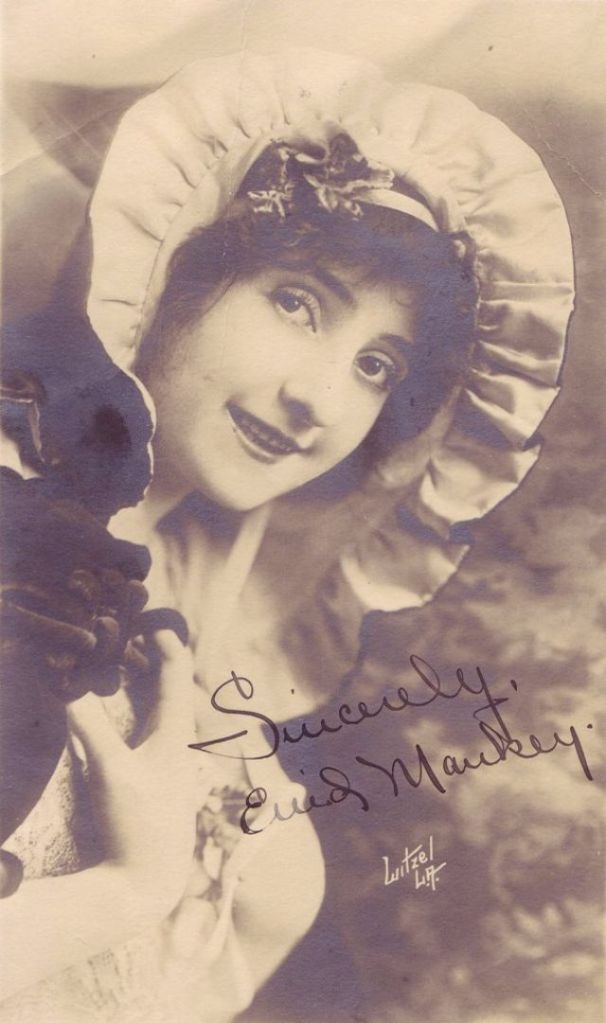
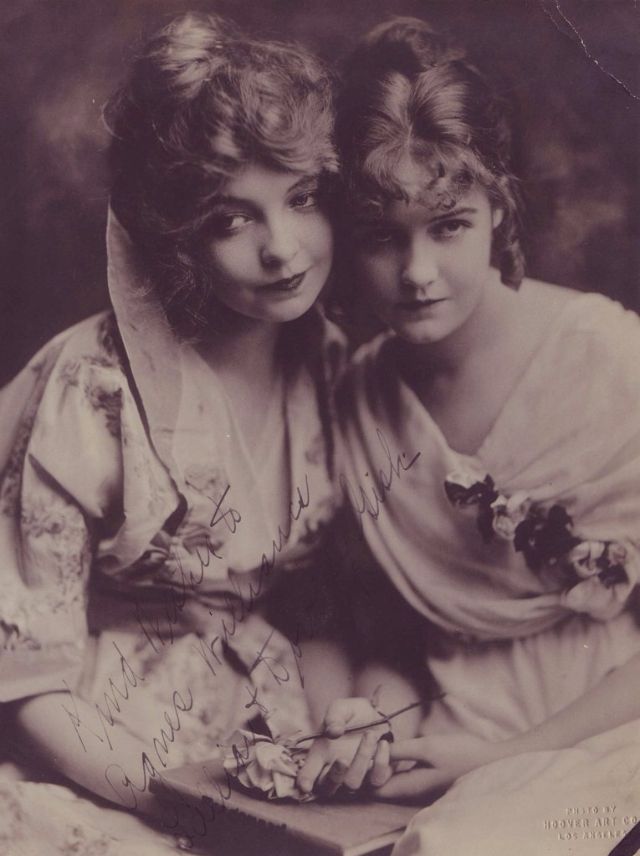
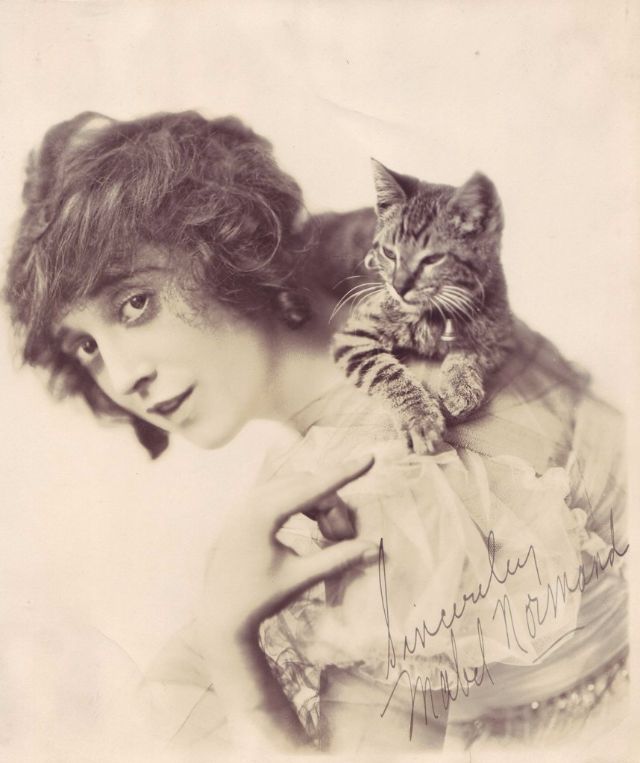
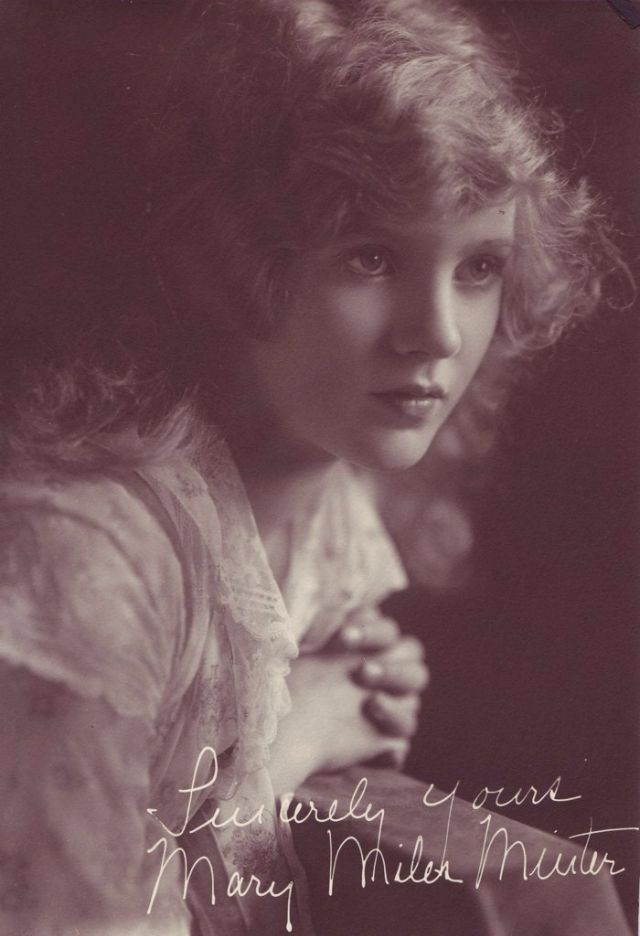
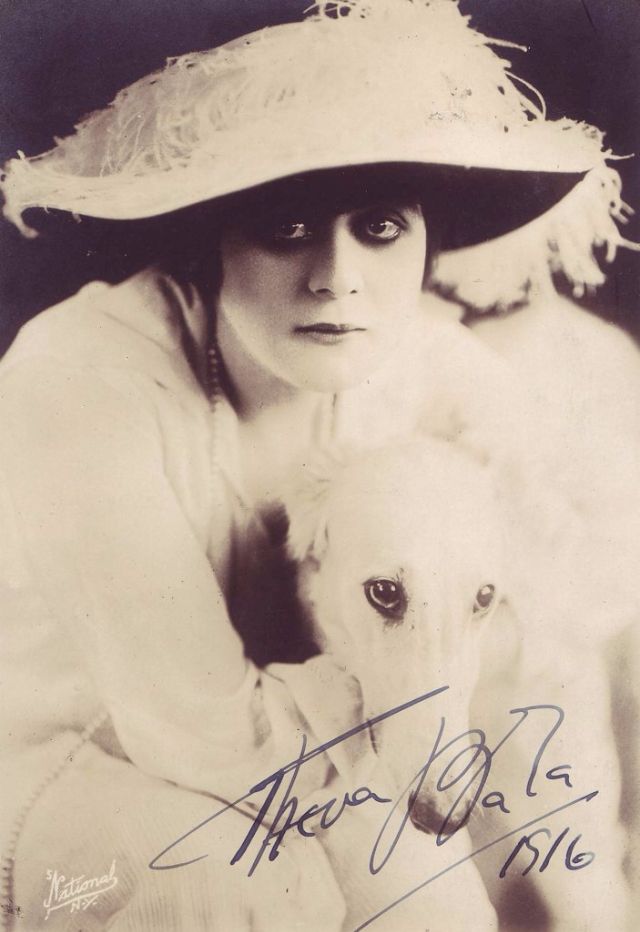
Agnes Williams was the piano player at Fargo’s first Nickelodeon Theater, also a tremendous fan of early films, she wrote letters to every actor of the era, and they often replied to her fan letters, enclosing a signed photographic print of themselves.
Alla NazimovaBeatriz MichelenaBlanche SweetDorothy DaltonDorothy GishEdna MayoEnid MarkeyFrancelia BillingtonJune EldridgeKathlyn WilliamsLillian and Dorothy GishLillian GishLois WeberMabel NormandMae MarshMarie DoroMary Miles MinterMay AllisonMyrtle StedmanNorma TalmadgePauline FrederickTheda BaraViola DanaViolet Mersereau
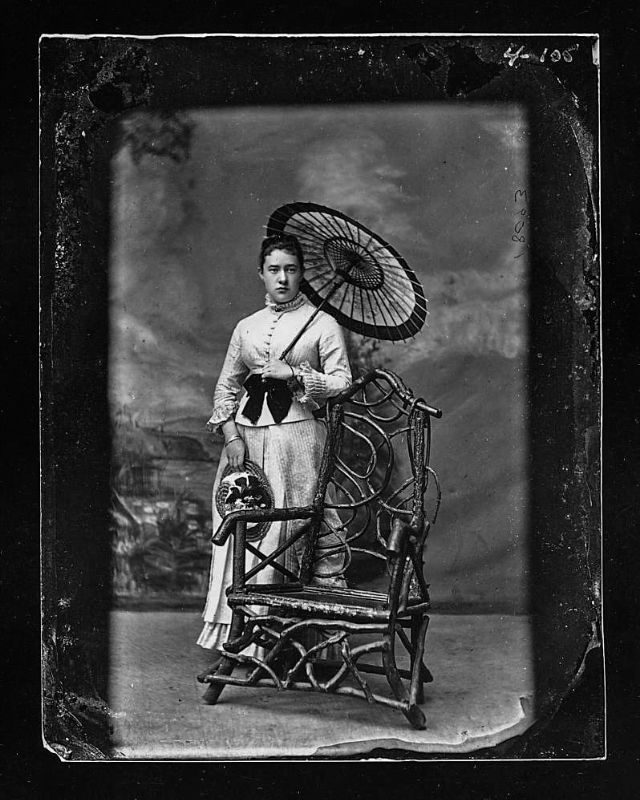
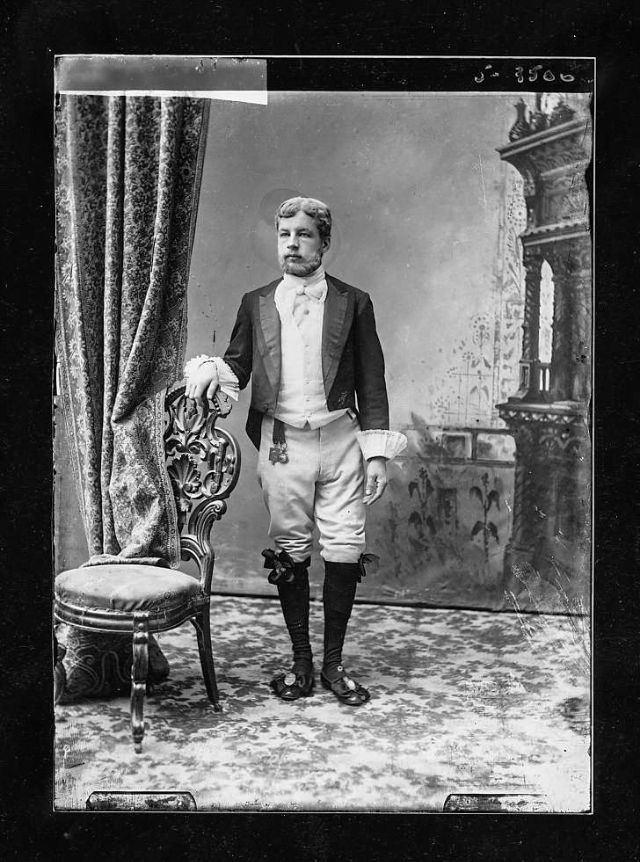
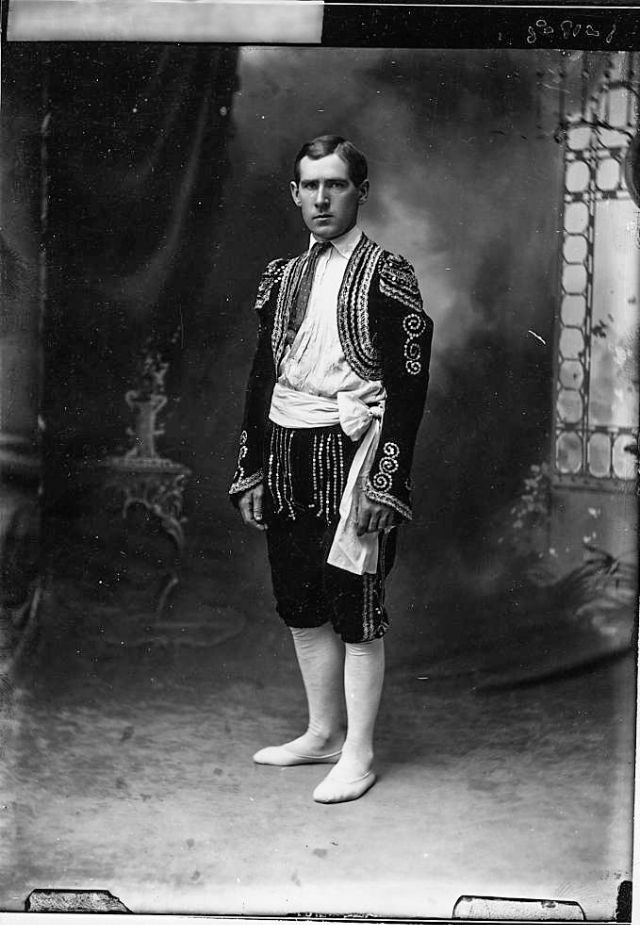
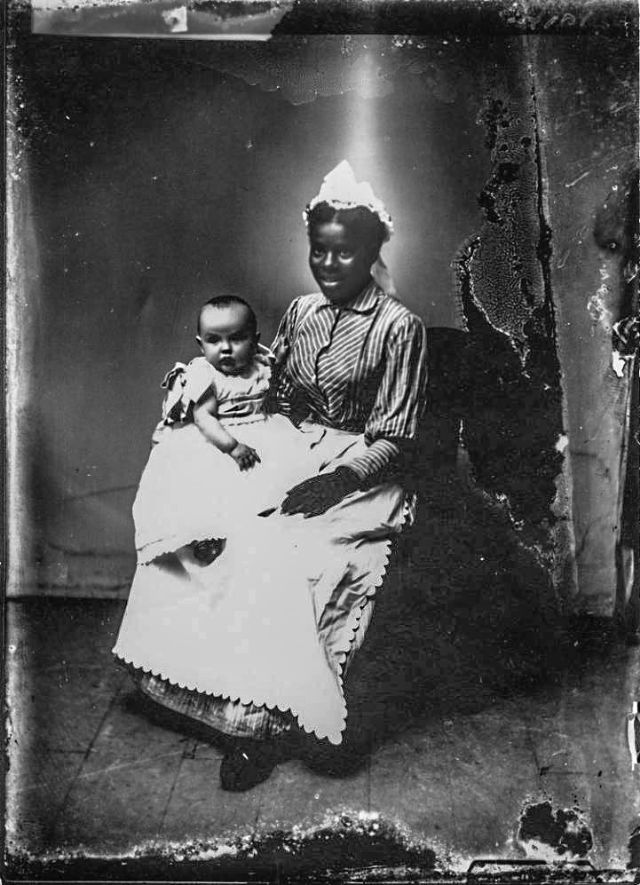
Washington G. Smith (1828-1893) and Arthur J. Telfer (1859-1954) spent almost one hundred years photographing people, events, and scenes in and around Cooperstown. At the time of his gift Telfer was 93 years old and was widely thought to be the oldest working photographer in the United States.
Washington Smith worked with partners while he learned the daguerreotype and ambrotype processes in the 1850s. In 1864 he bought the Willoughby Block in Cooperstown and established his own “Photographic Gallery” where he remained until his death in 1893.
Telfer reluctantly joined Smith in 1887; he suspected that photography was a passing fad but Smith assured him that as long as folks continued to have weddings and babies he would never want for work. Telfer continued the business after Smith’s death and for another sixty years beyond. While portraits provided the bulk of their income, both photographers ventured outside the studio to record the world around them using large view cameras and, for the most part, glass plate negatives.
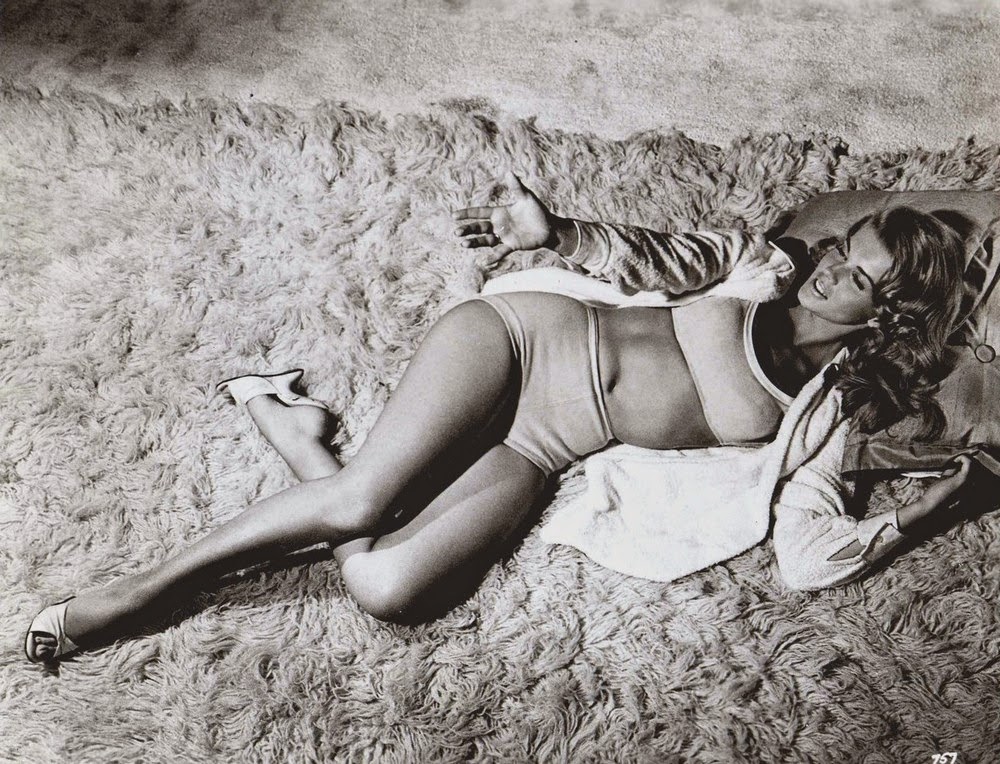
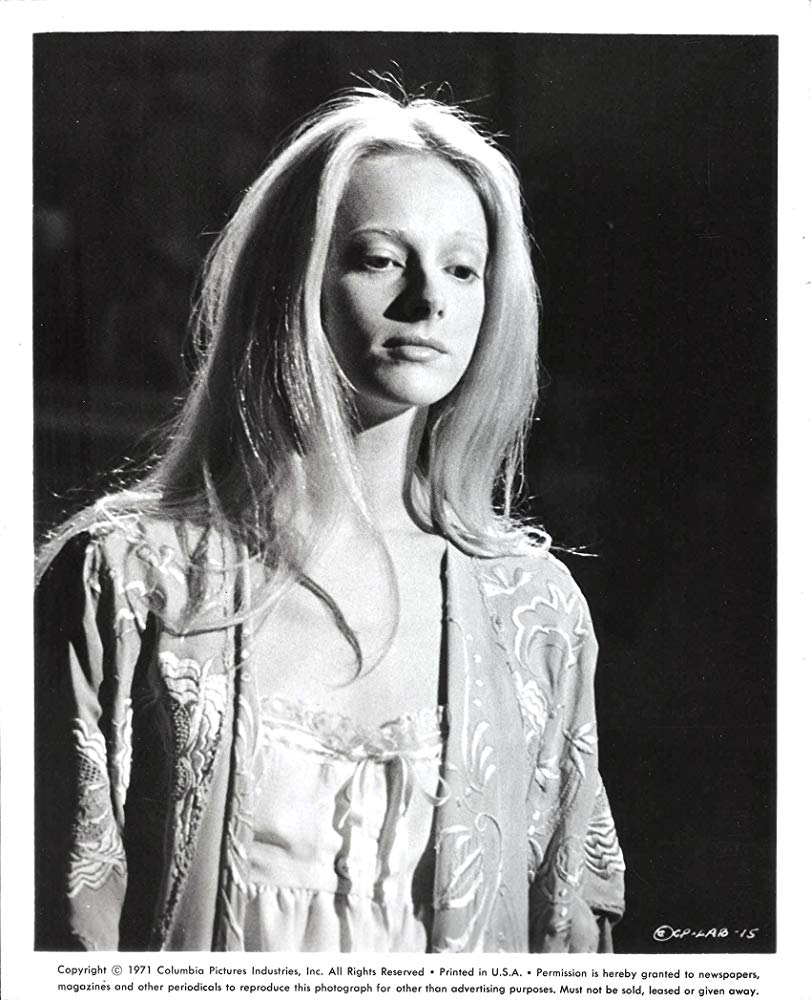
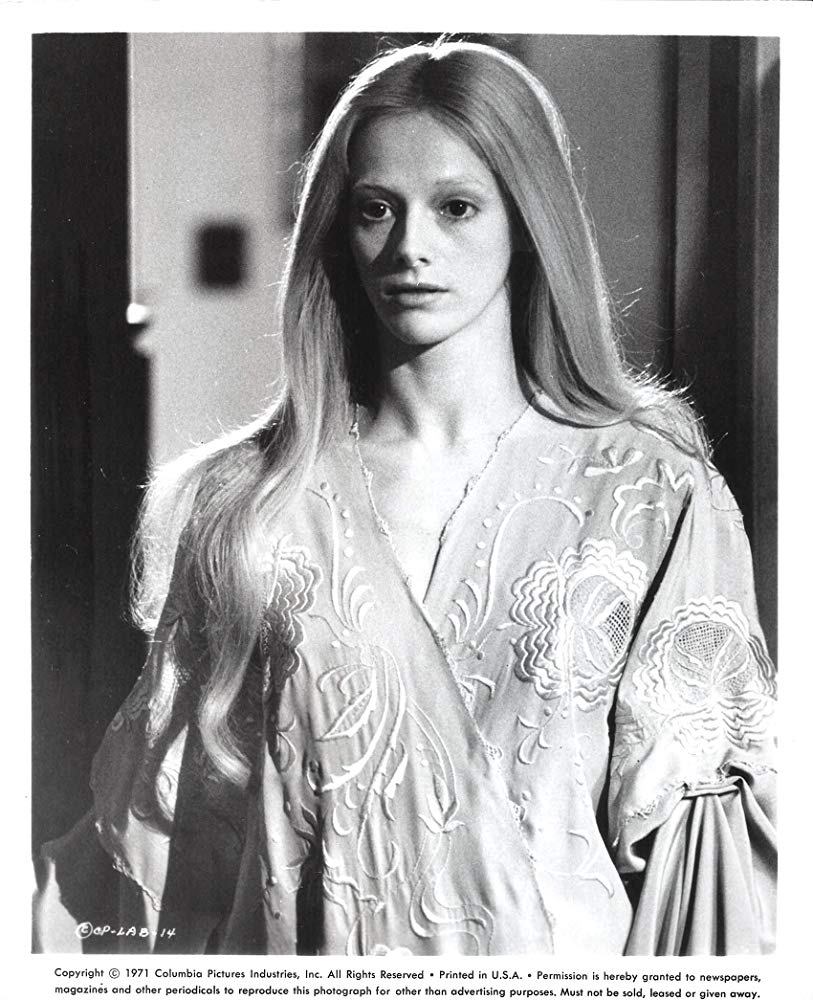
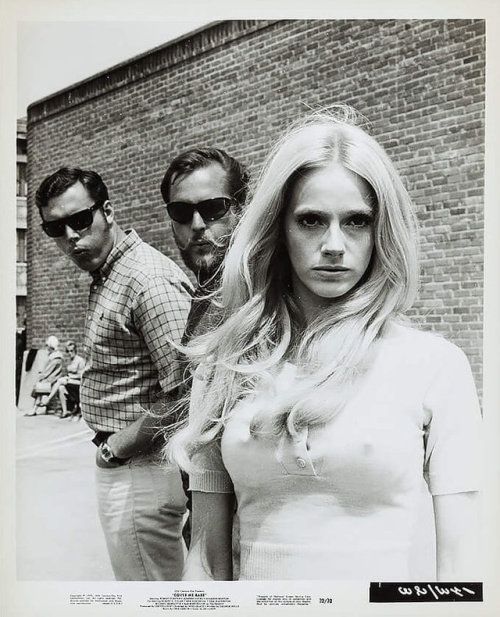
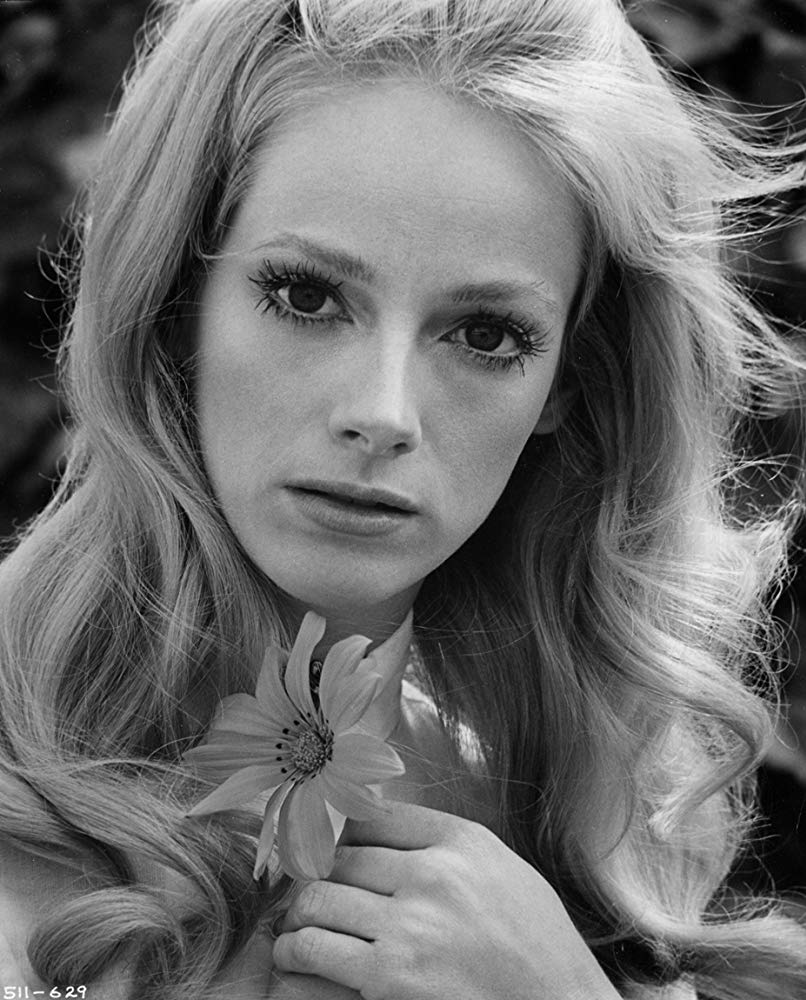
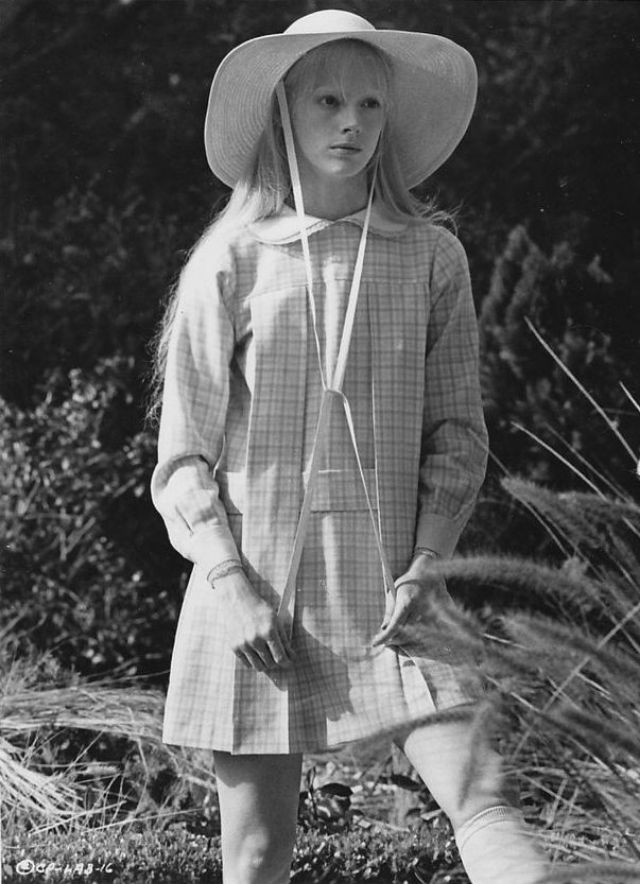
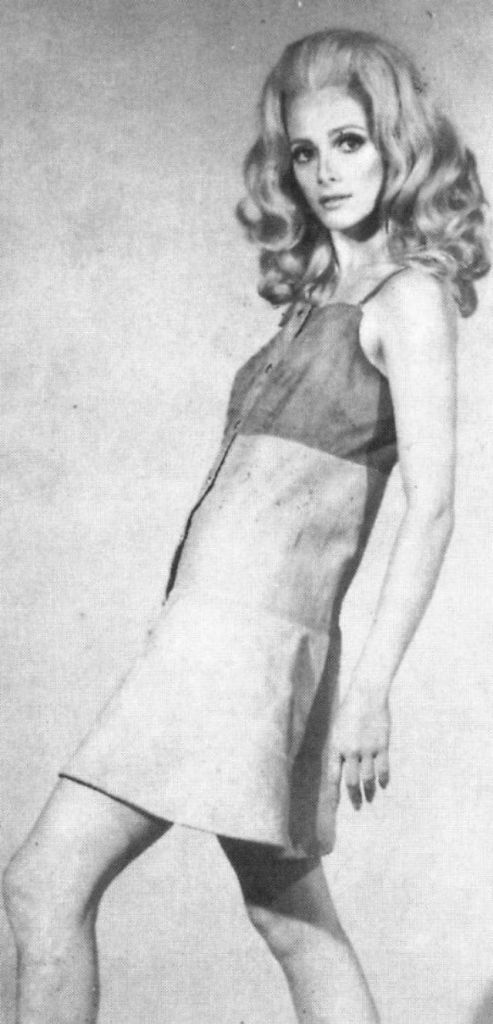
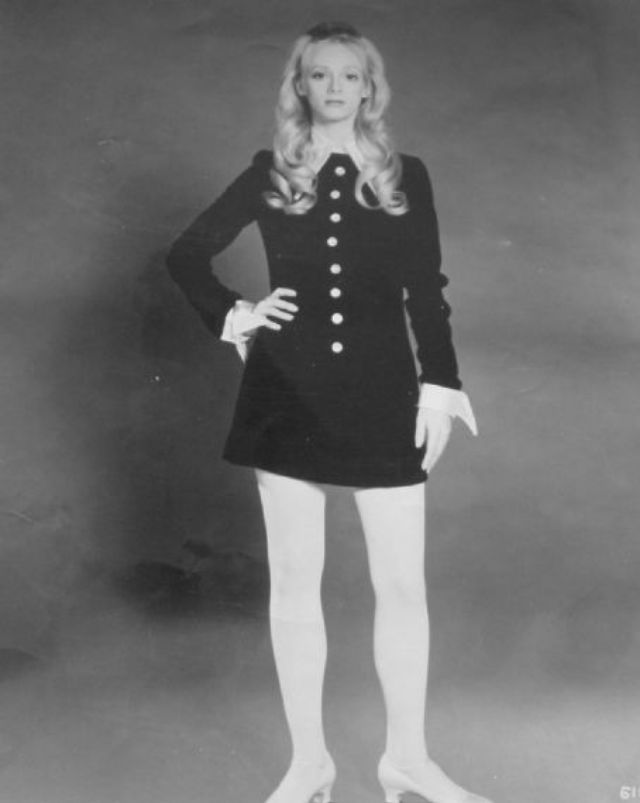
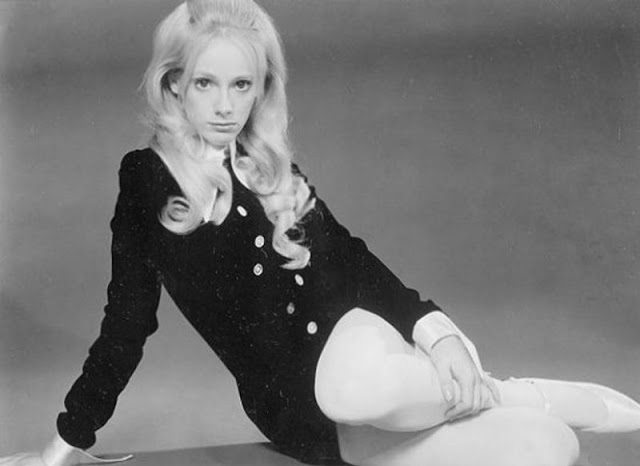
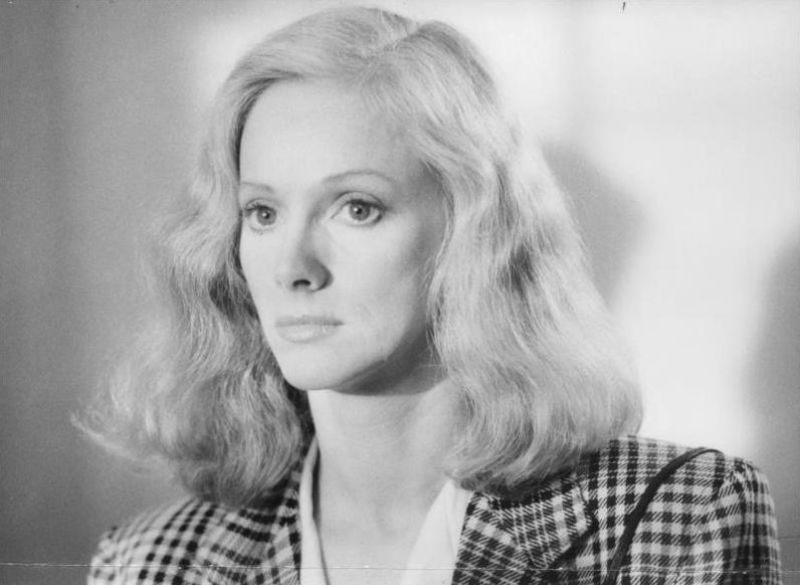
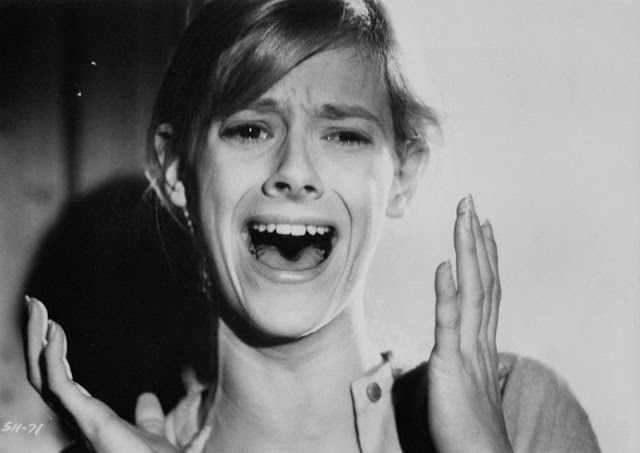
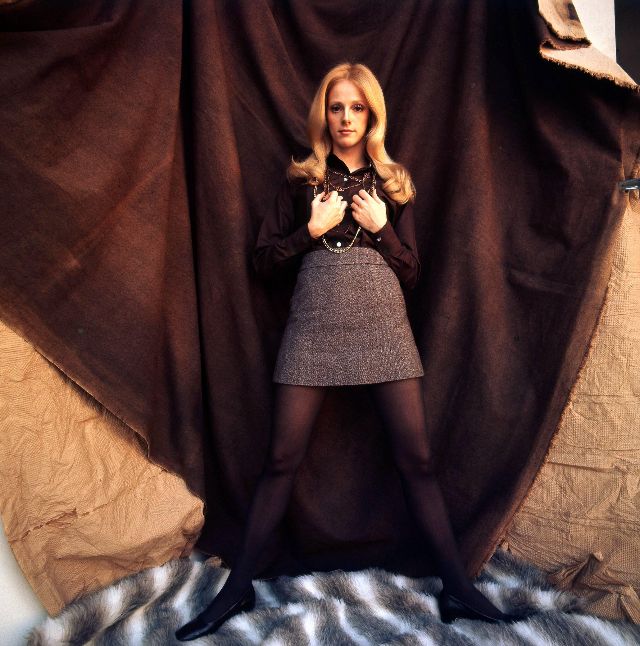
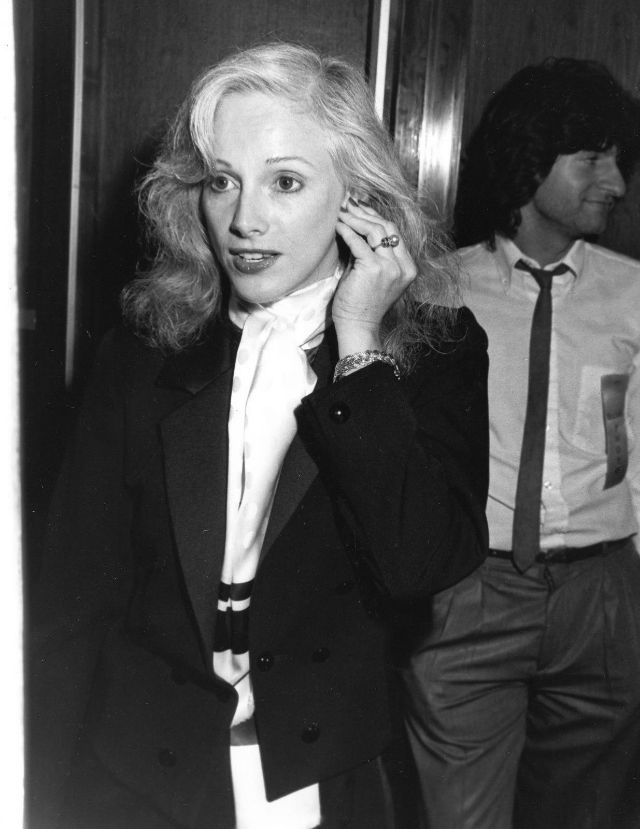
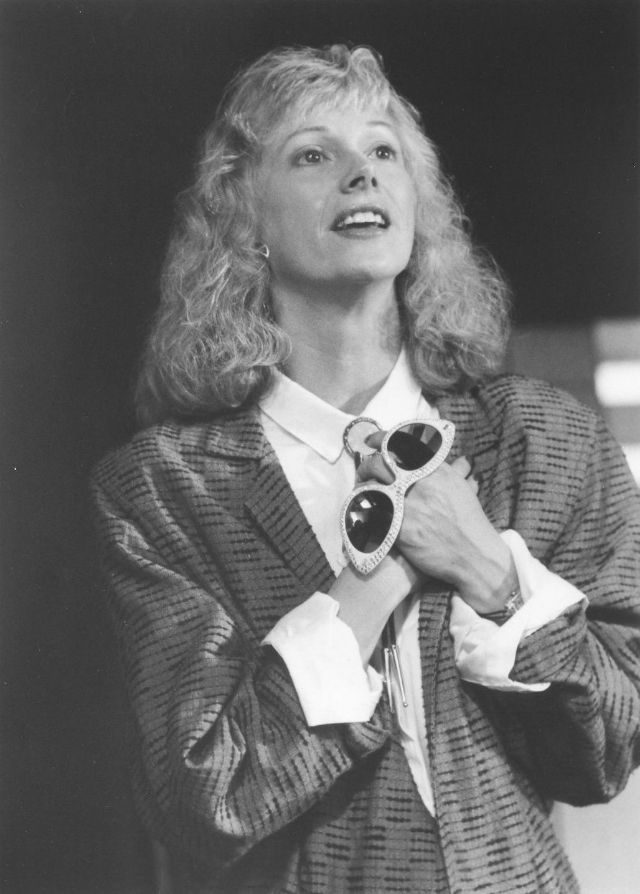
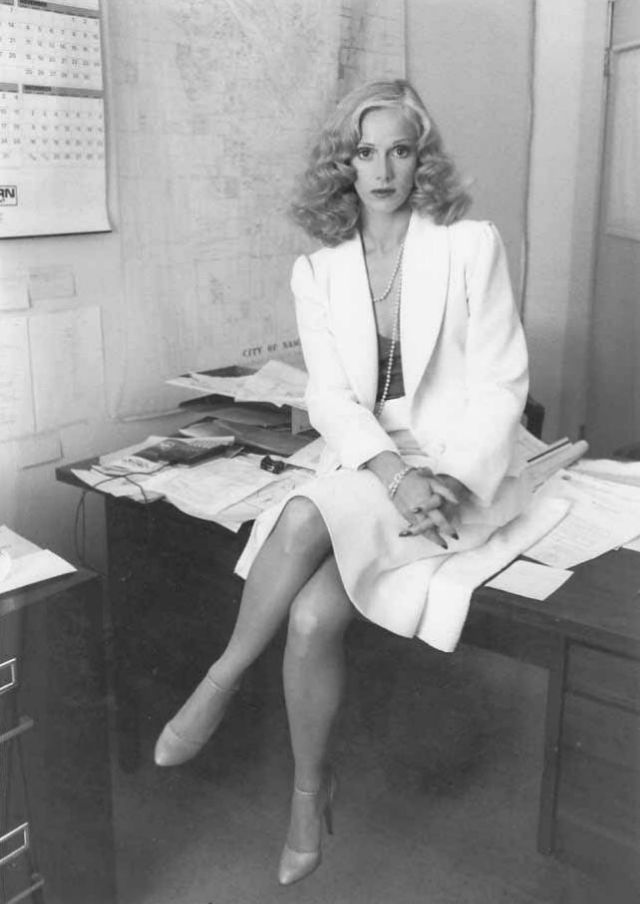
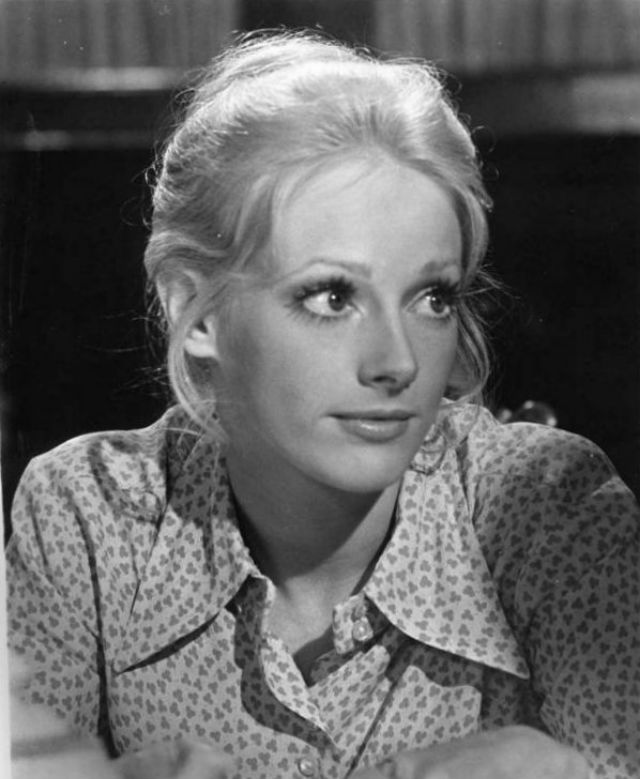
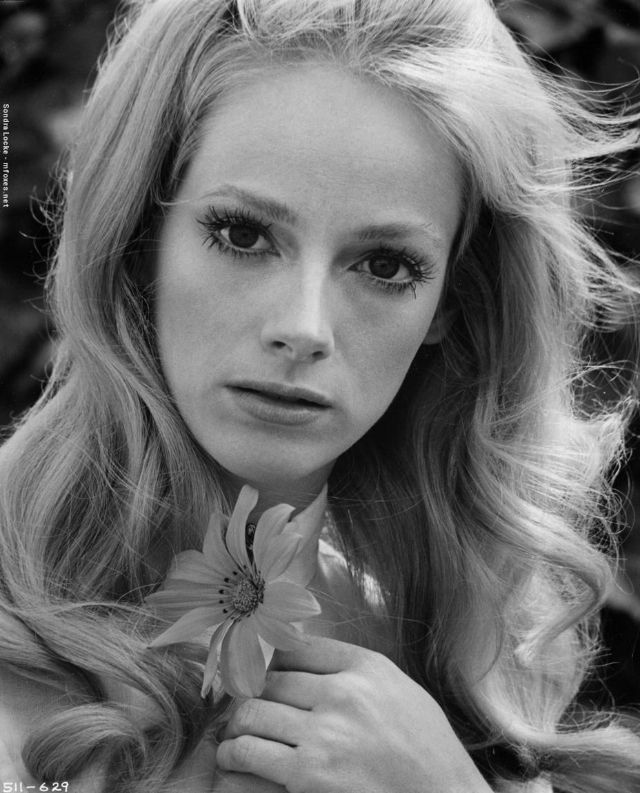
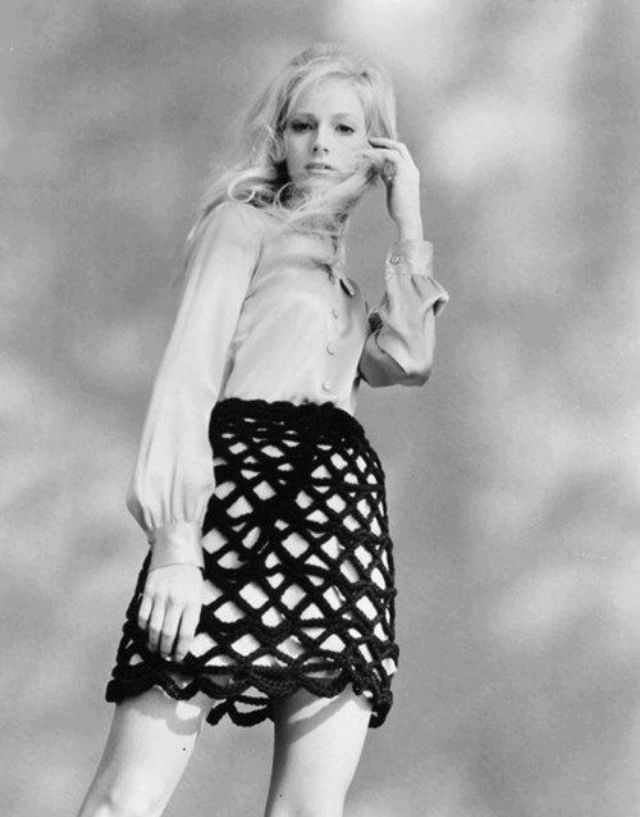
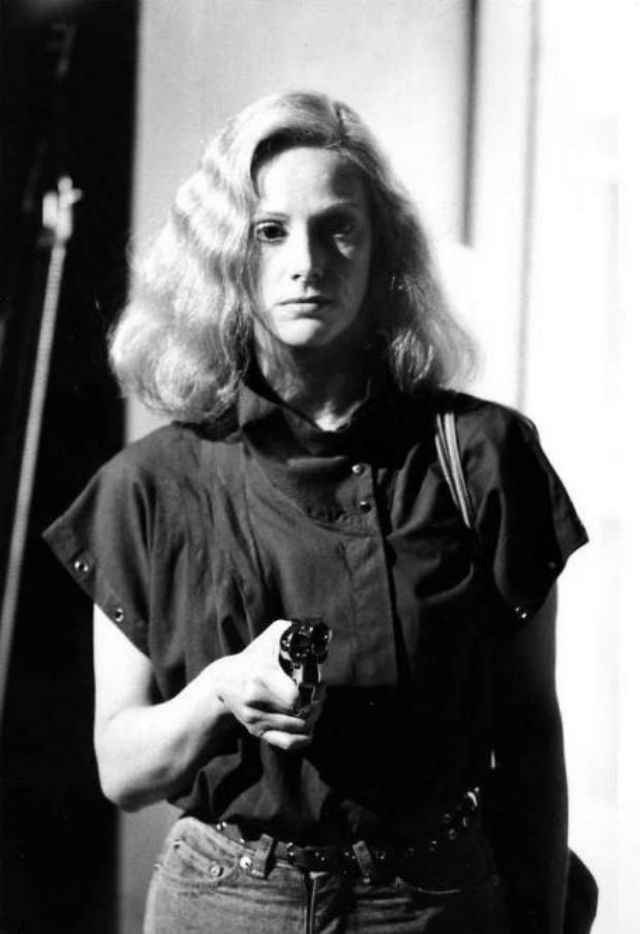
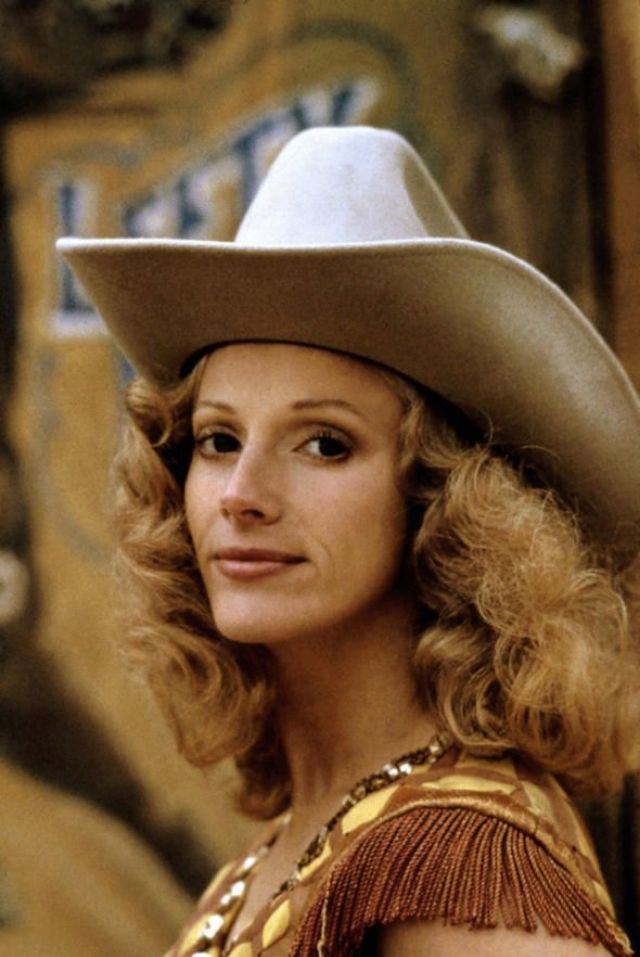
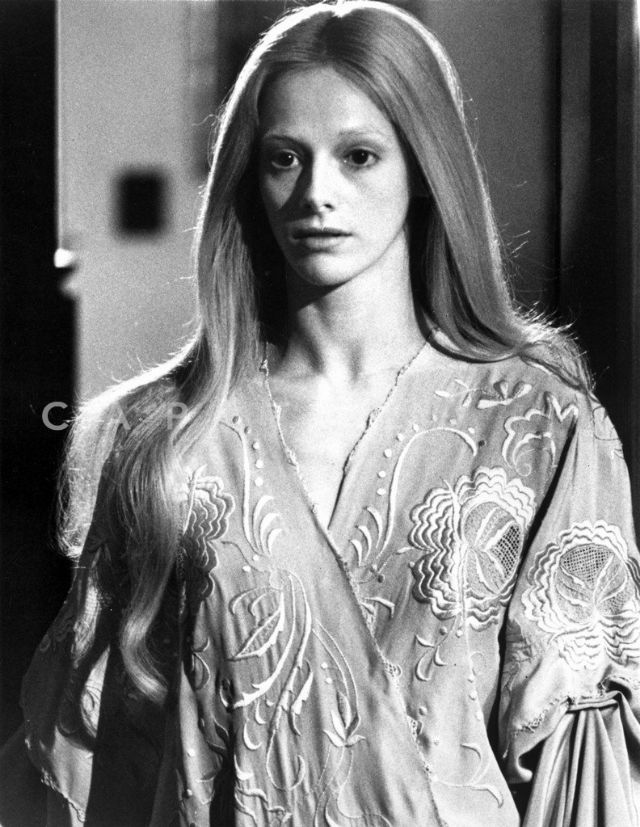
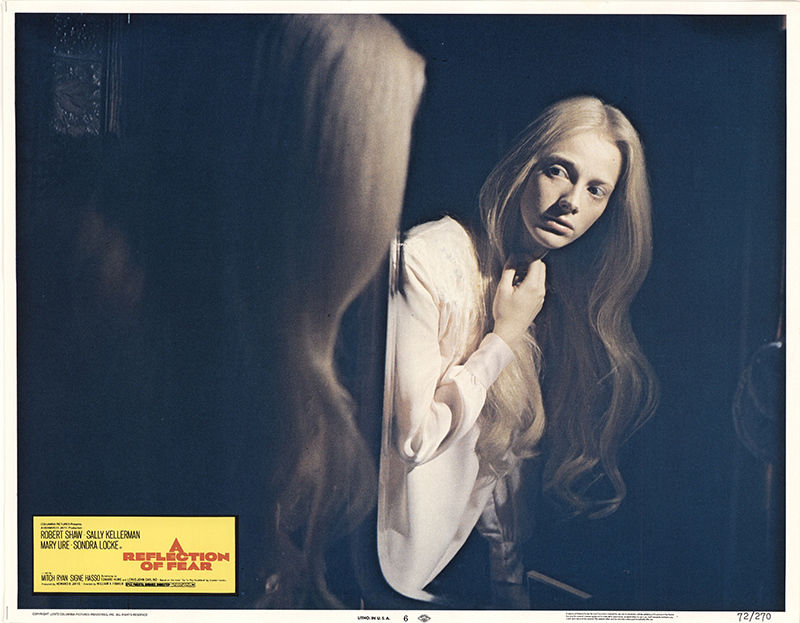
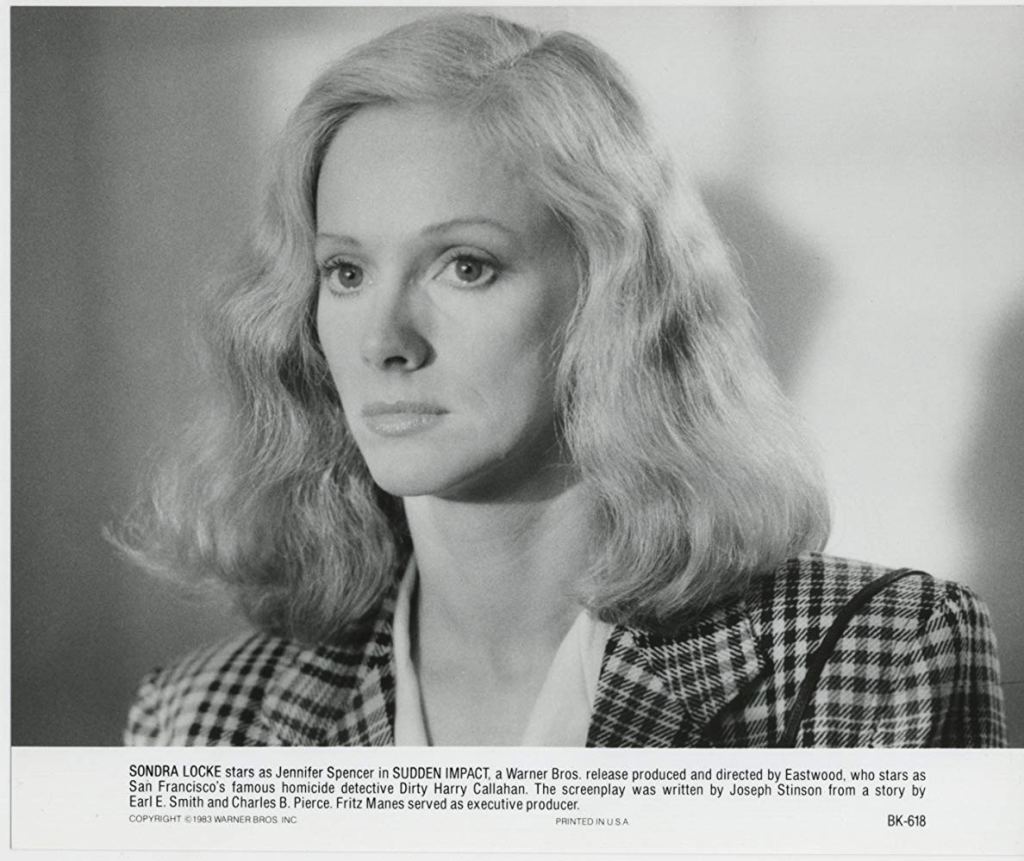
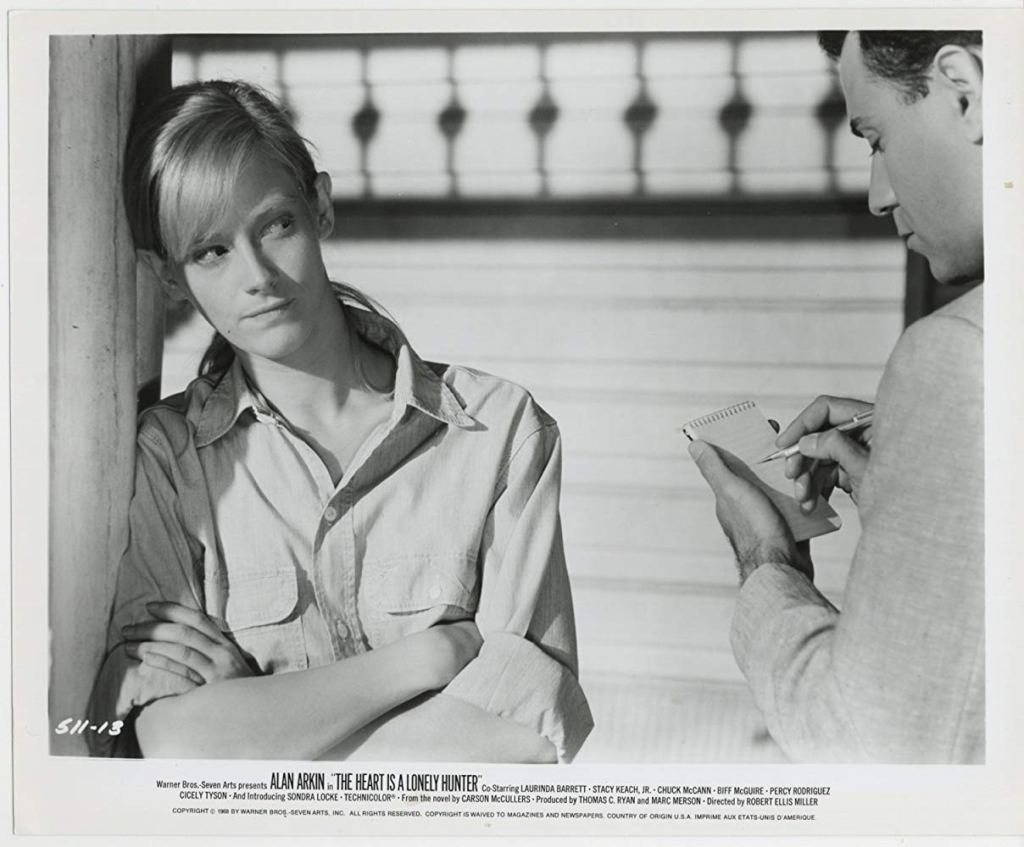
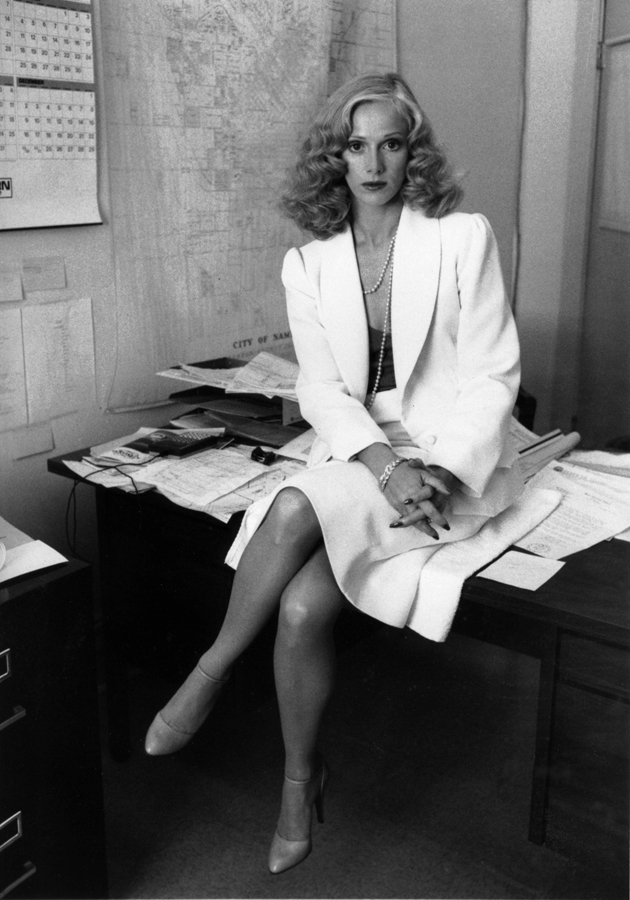
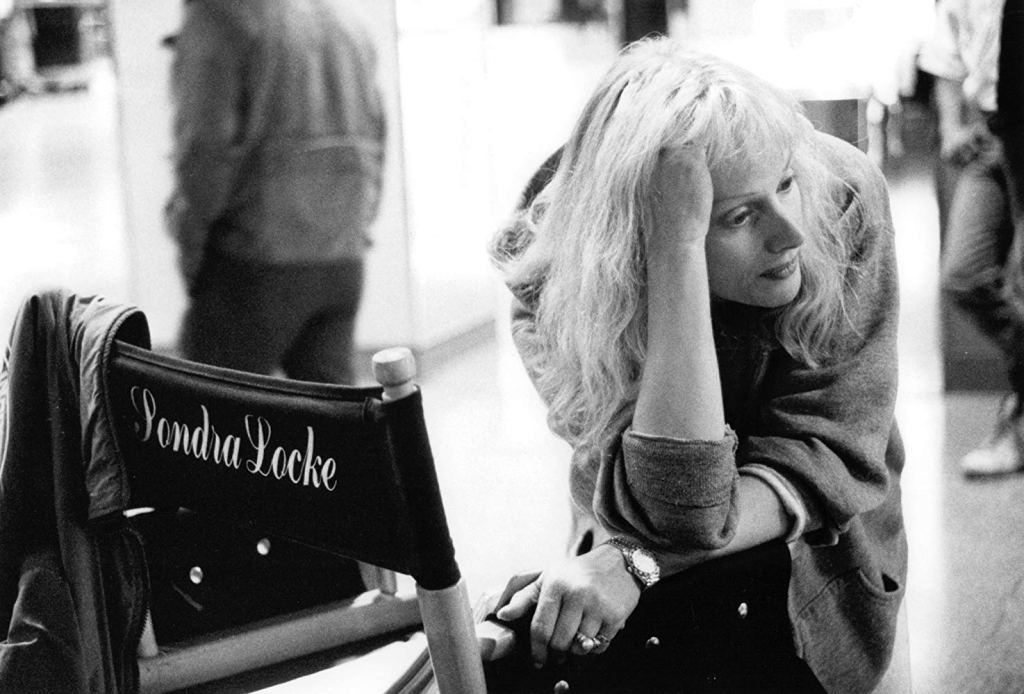
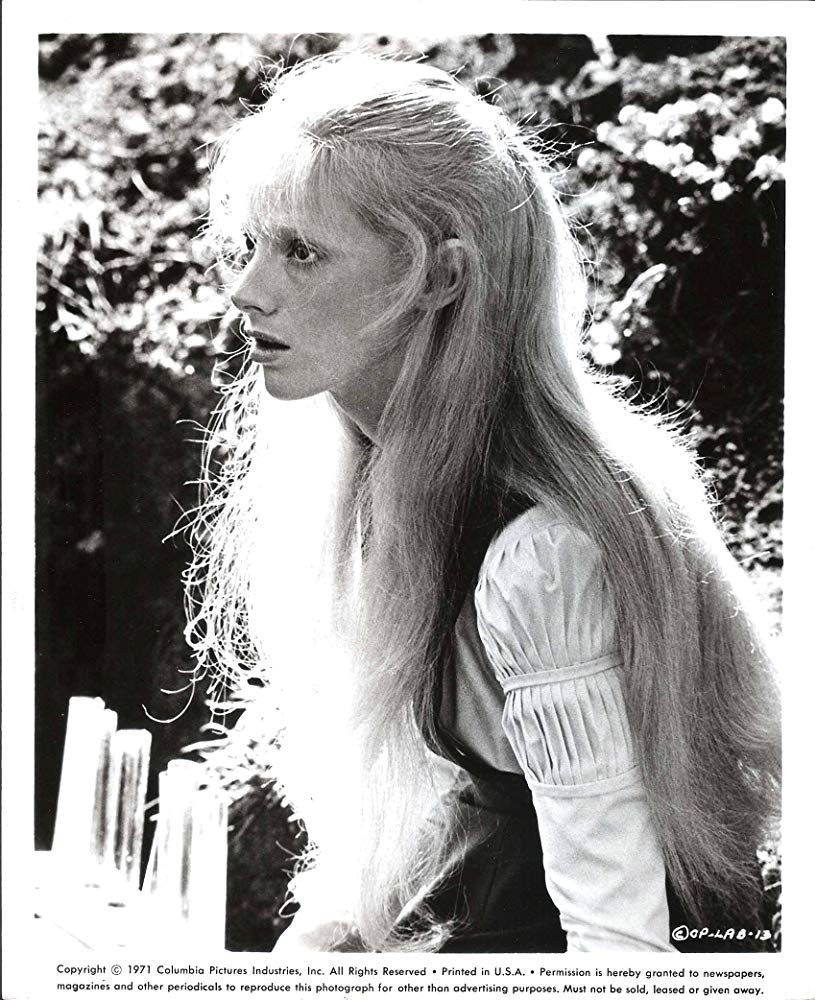
Sandra Louise Anderson (née Smith; May 28, 1944 – November 3, 2018), professionally known as Sondra Locke, was an American actress and director. She made her film debut in 1968 in The Heart Is a Lonely Hunter, for which she was nominated for an Academy Award for Best Supporting Actress. She went on to star in such hit films as Willard, The Outlaw Josey Wales, The Gauntlet, Every Which Way but Loose, Bronco Billy, Any Which Way You Can and Sudden Impact. She worked often with Clint Eastwood, who was her companion for 14 years. She also directed four films, notably Impulse.
Locke and Eastwood had an often contentious relationship for more than a dozen years, which ended in a bitter palimony suit she filed against him in 1989. They settled after about a year, but she later sued him again in the mid-’90s for what the suit claimed was a sham development and directing deal at Warner Bros that Eastwood had set up. That suit was settled out of court. She then brought a separate lawsuit against Warners, which also was settled out of court.
Her 1997 memoir was titled The Good, the Bad and the Very Ugly, riffing on one of Eastwood’s most popular film roles.
Locke died at age 74 on November 3, 2018. She died at her L.A. home, from cardiac arrest related to breast and bone cancer.
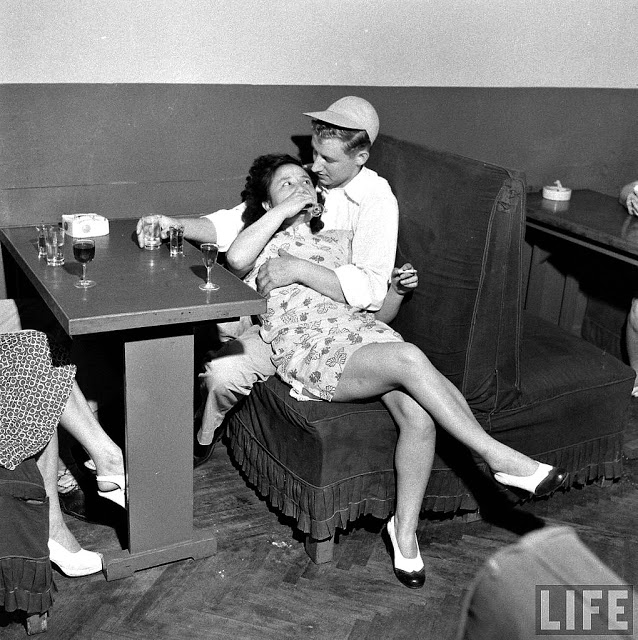
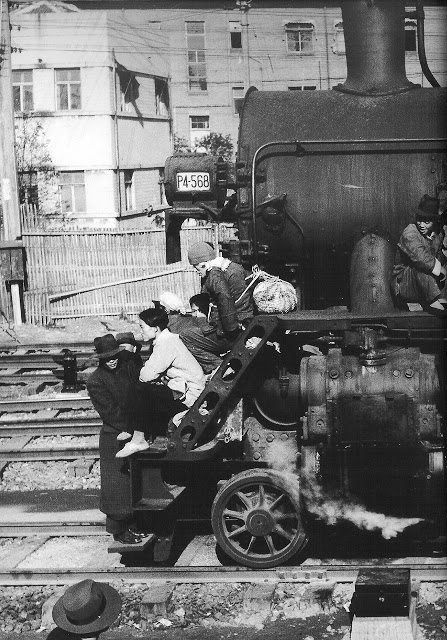
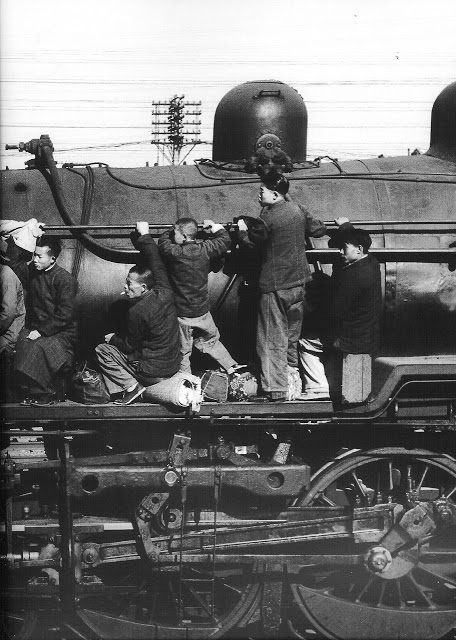
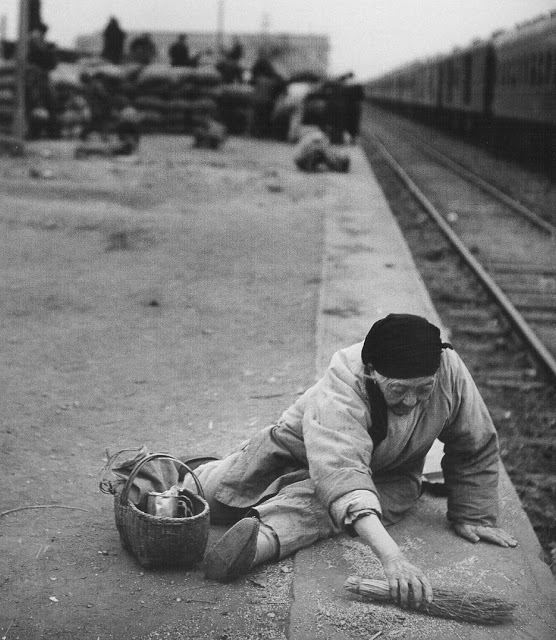
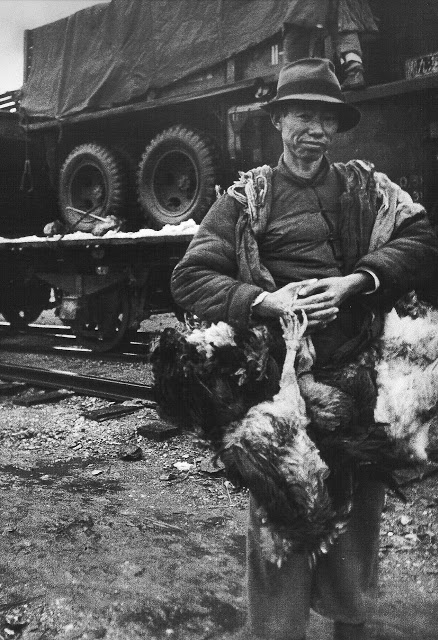
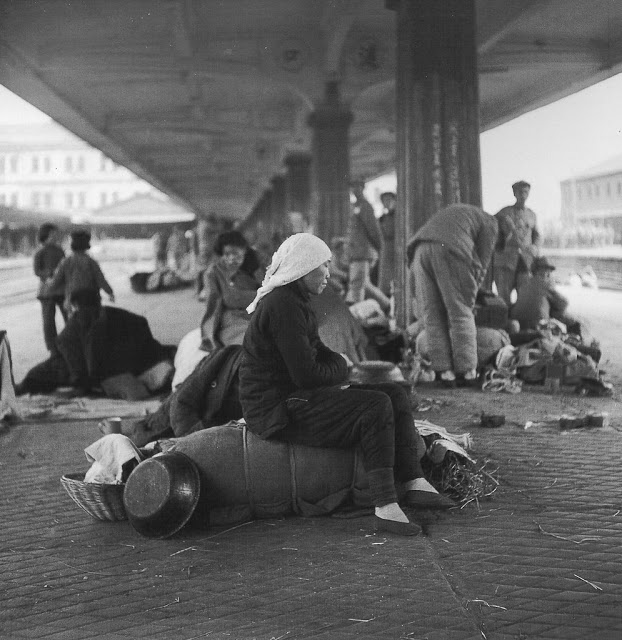
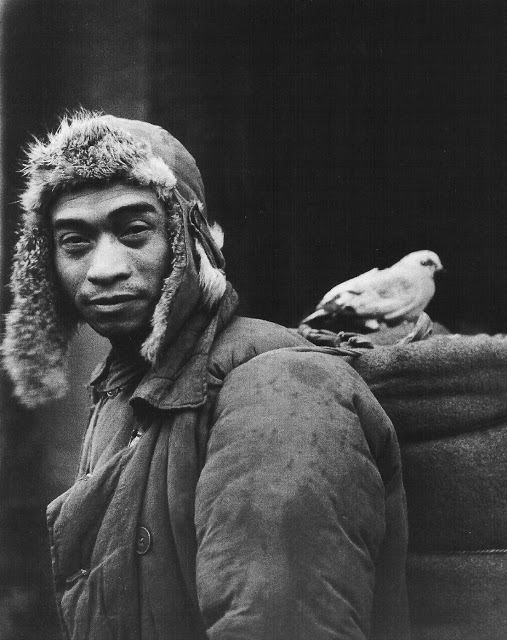
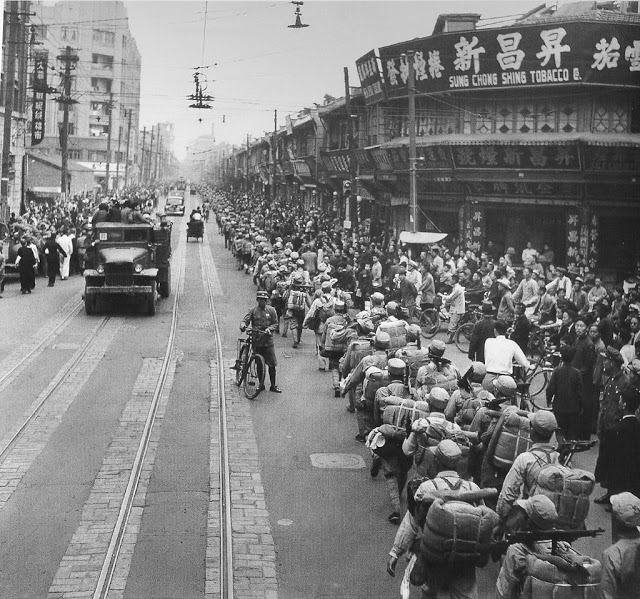
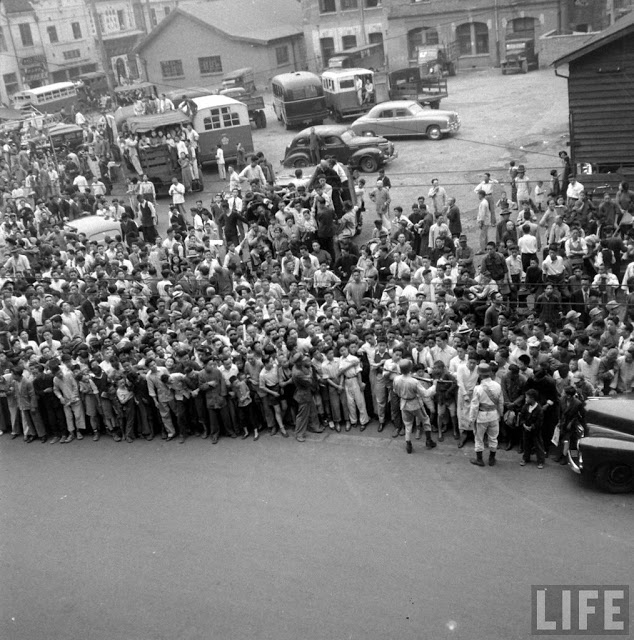
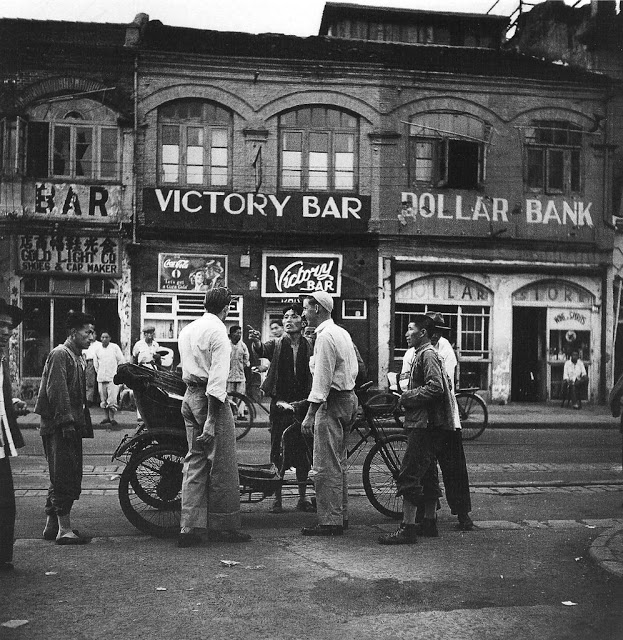
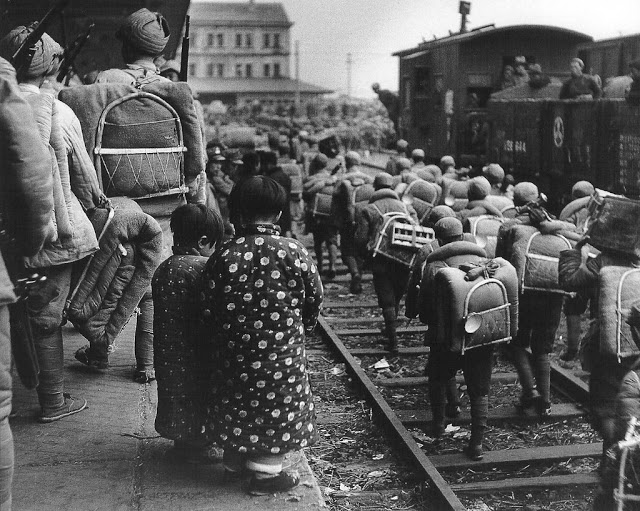
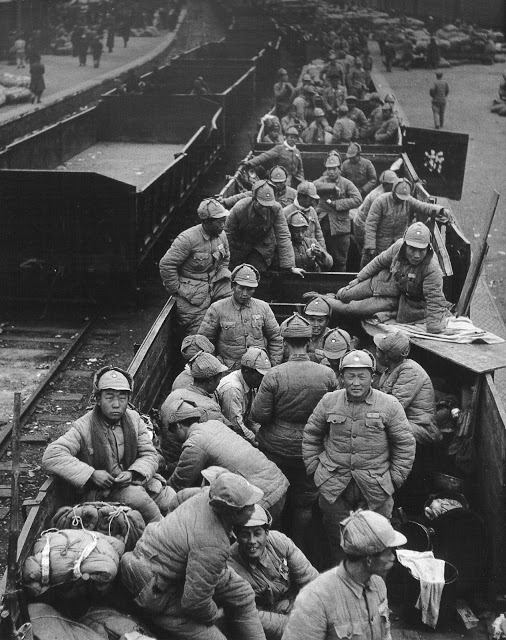
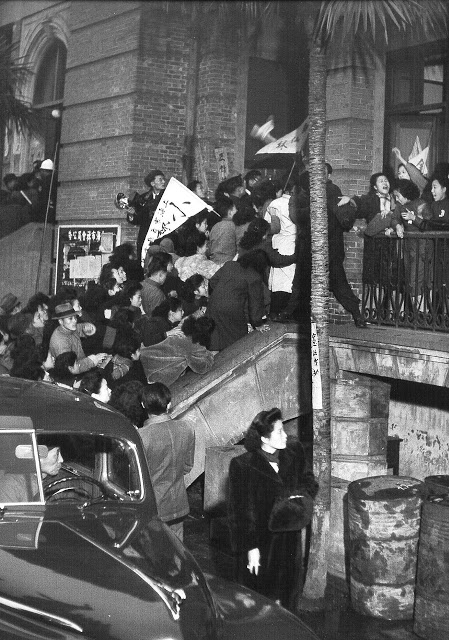
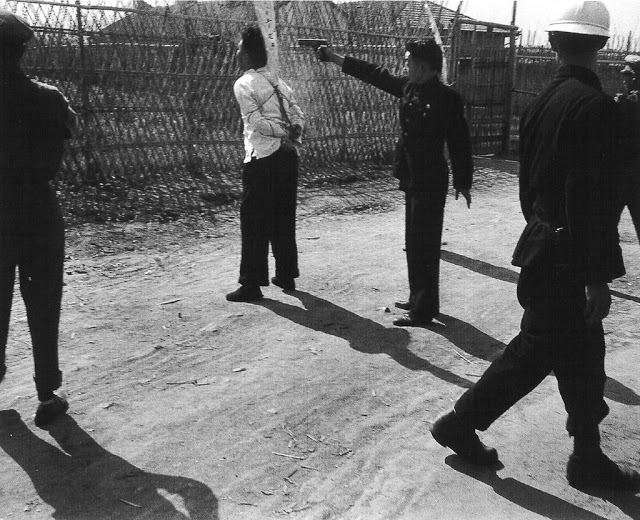
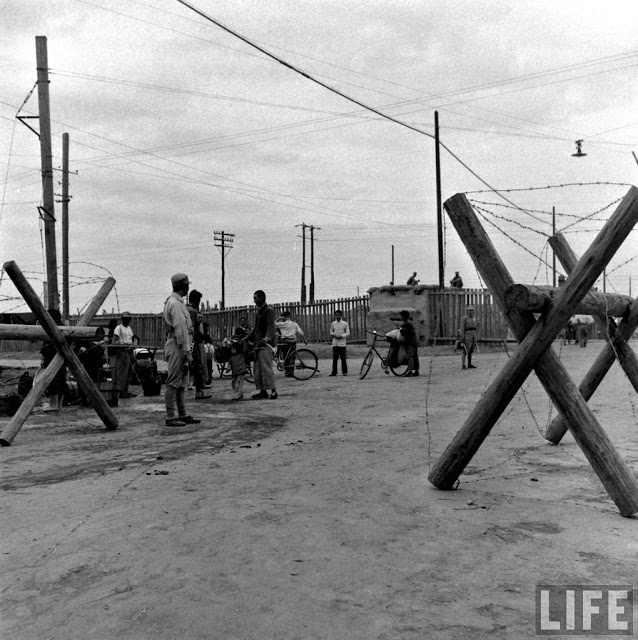
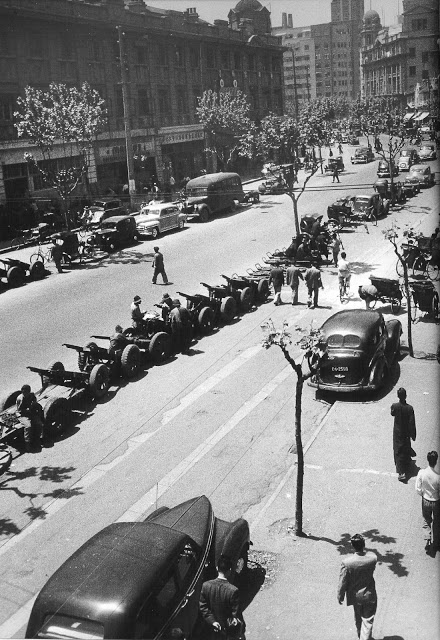
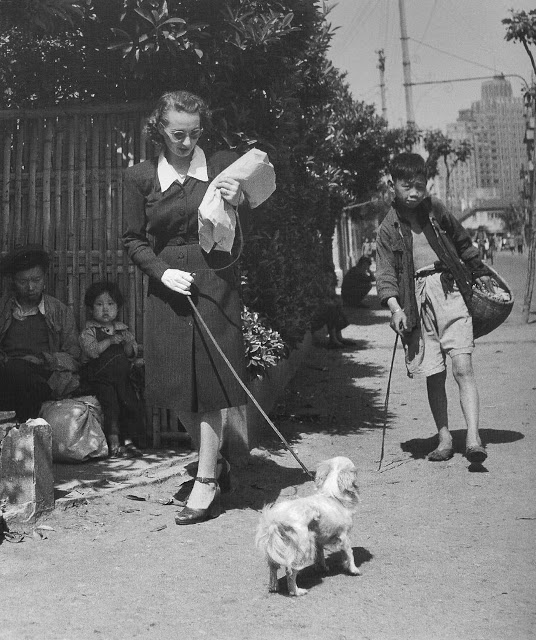
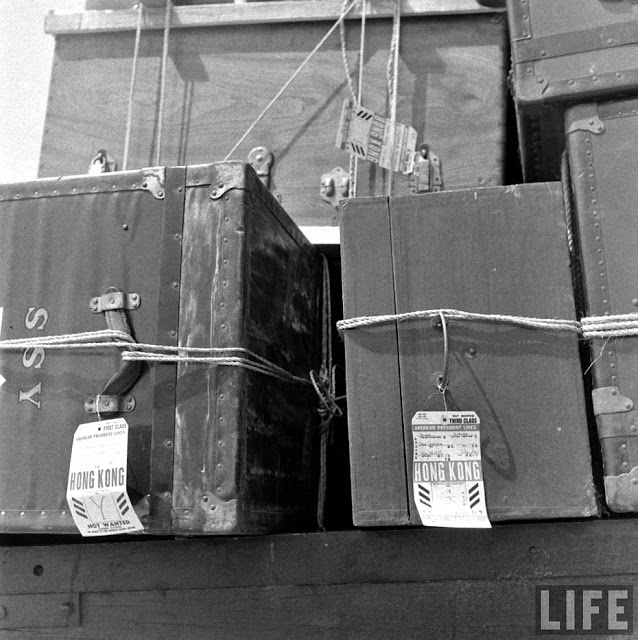
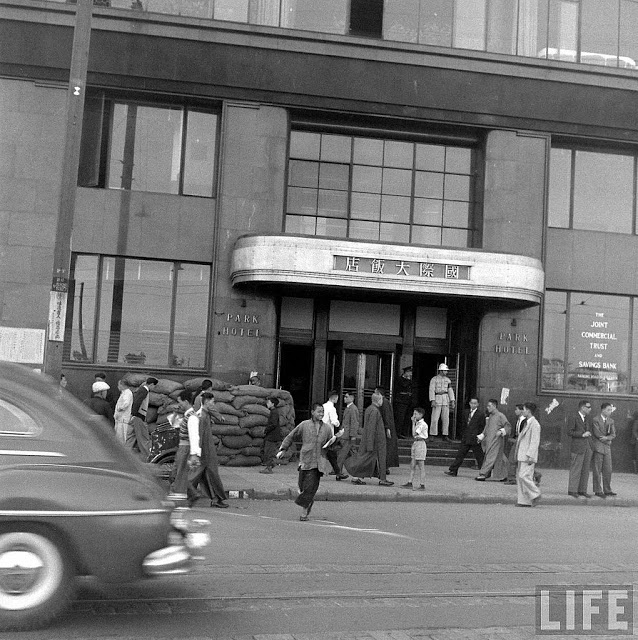
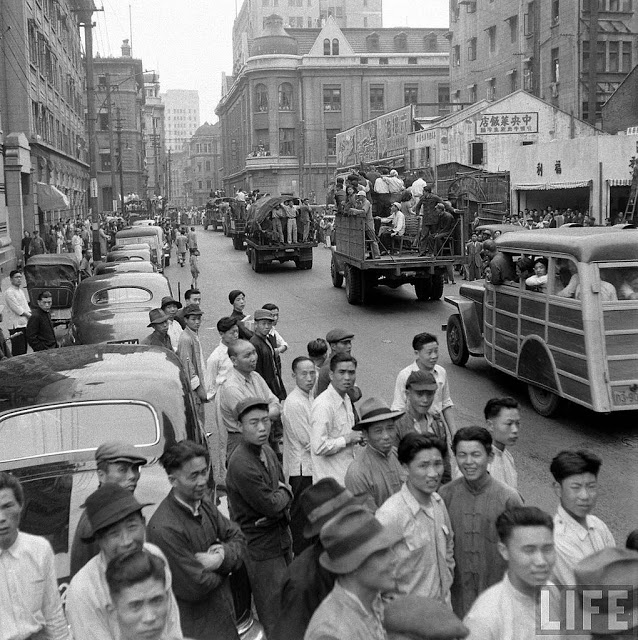
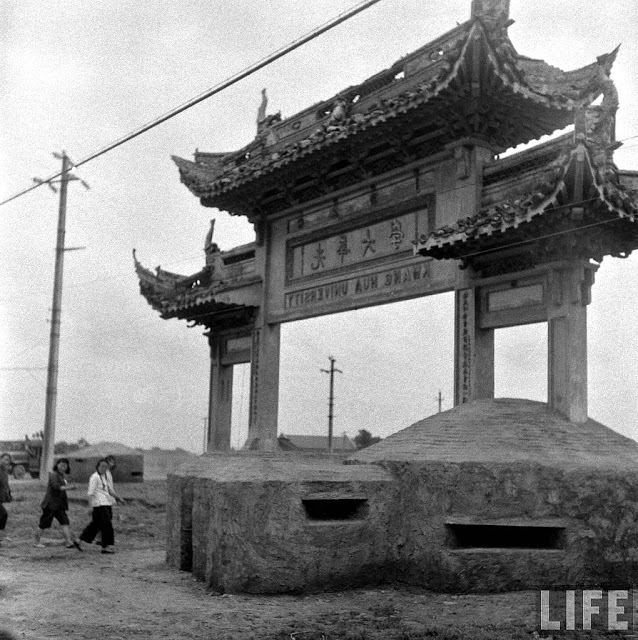
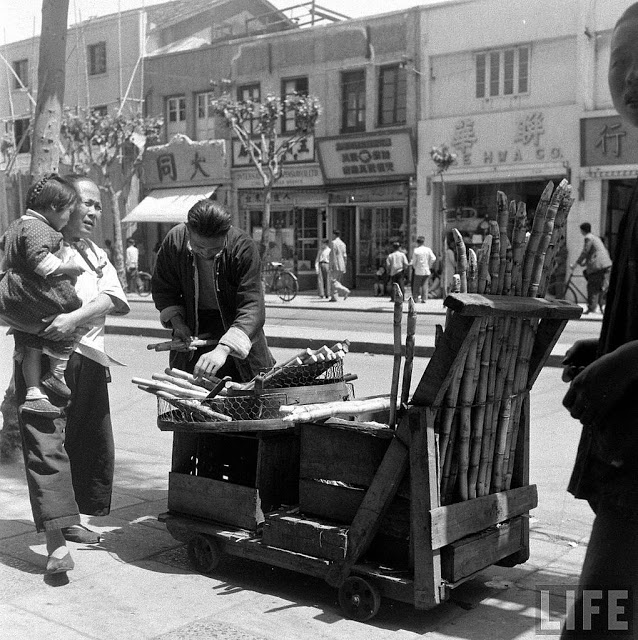
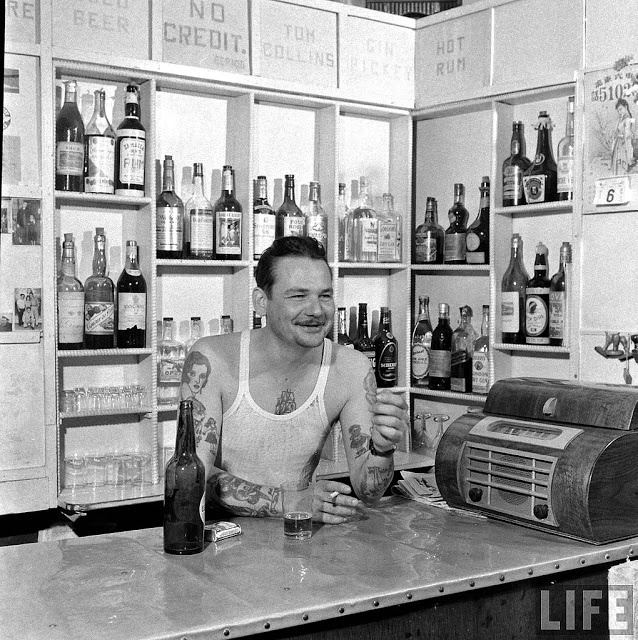
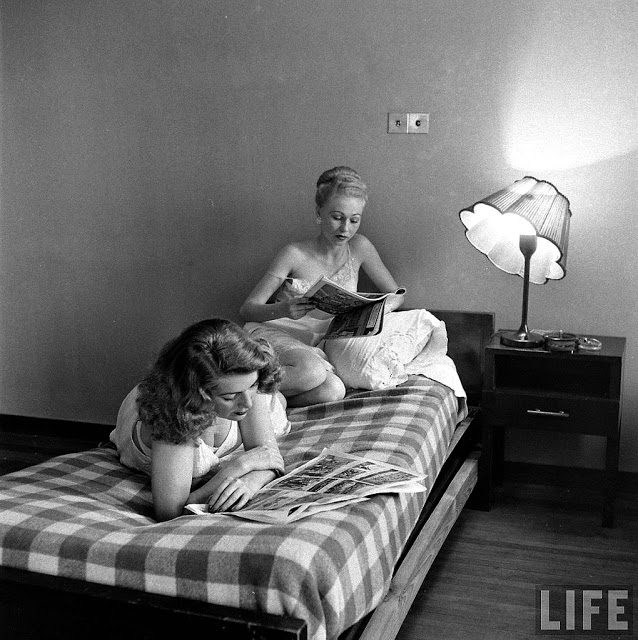
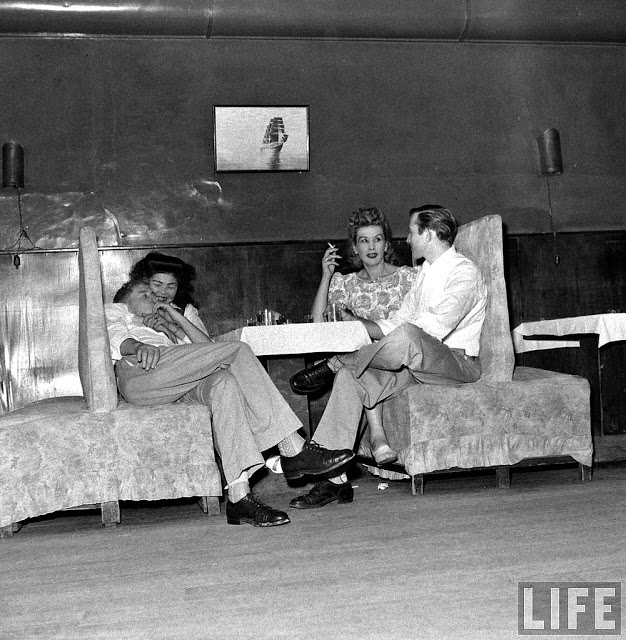
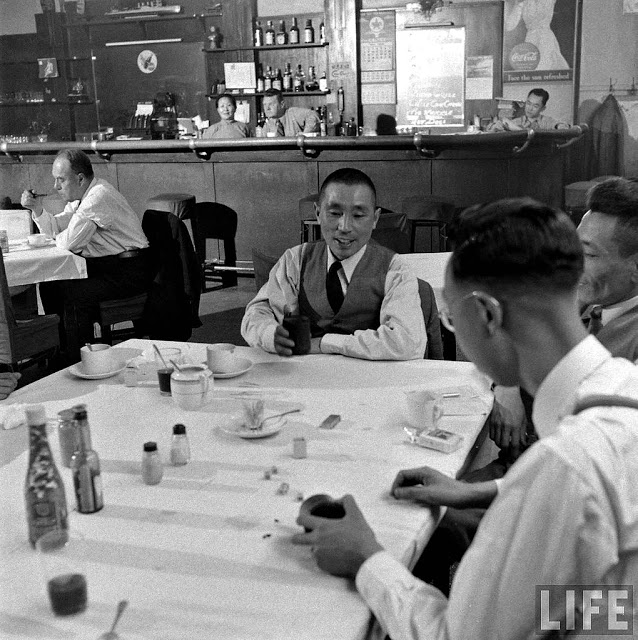
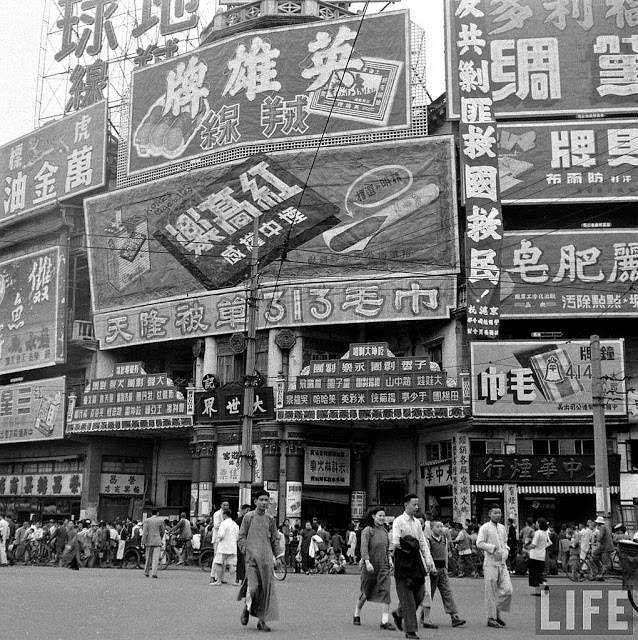
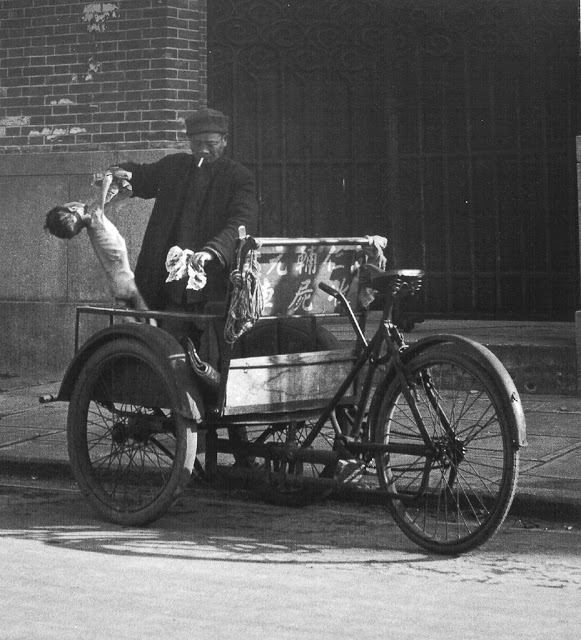
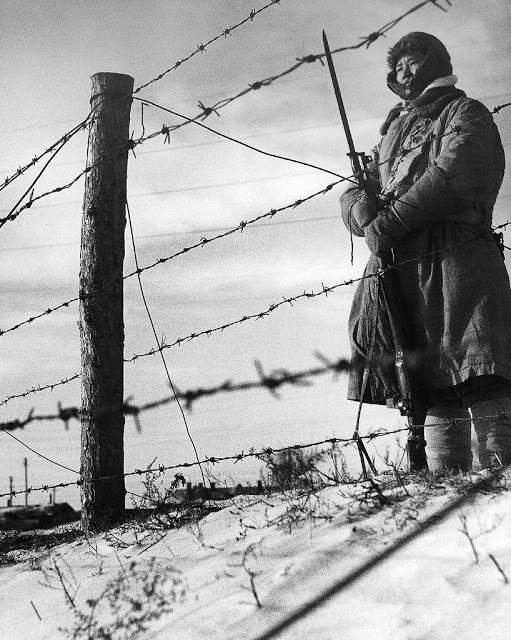
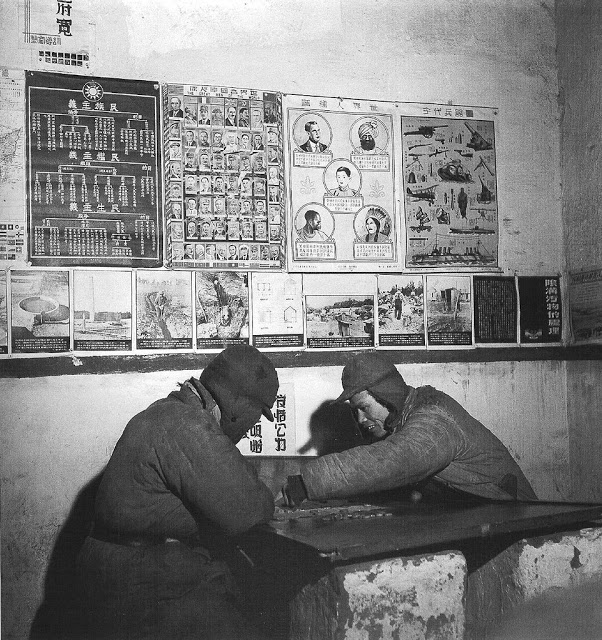
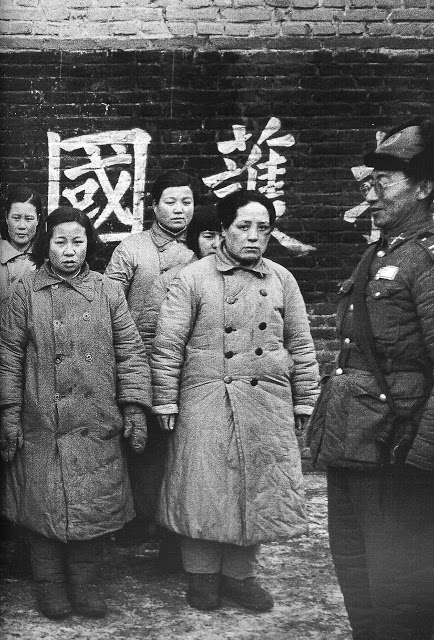
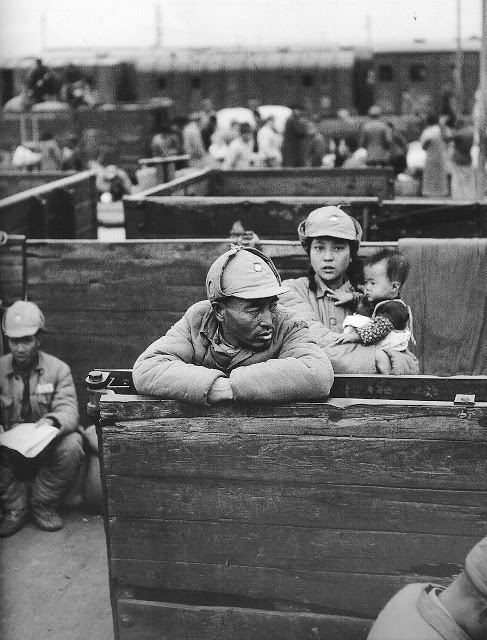
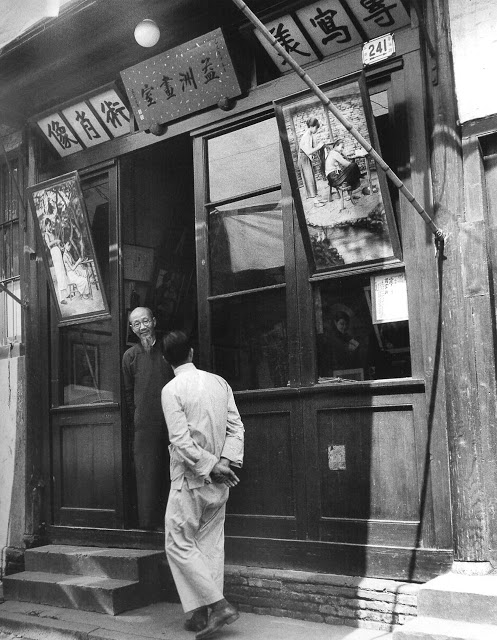
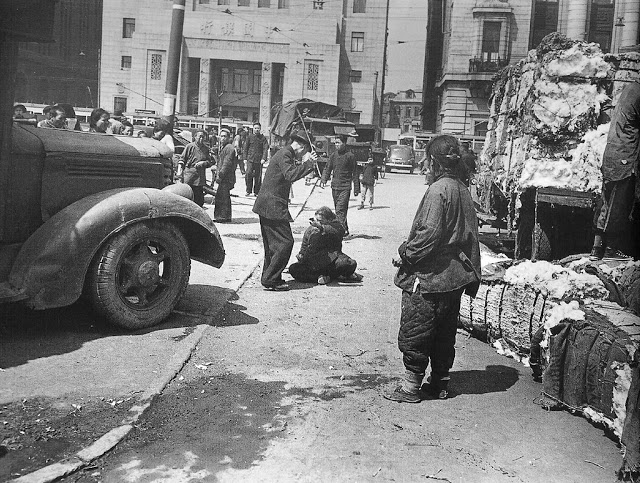
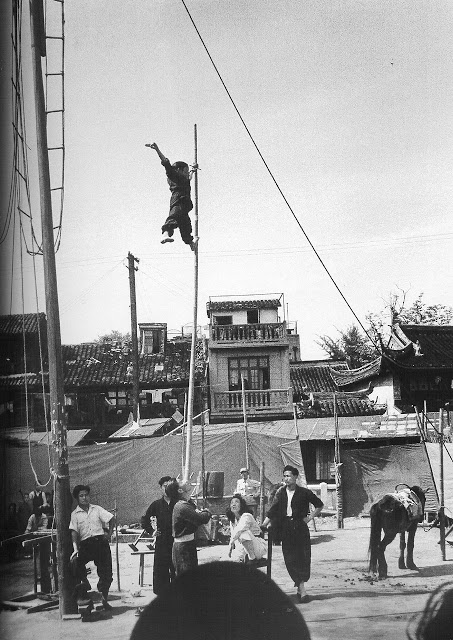
Shipping out to China in December 1947 with three ten-year-old German cameras and a plum assignment from LIFE magazine, Jack Birns was fulfilling a boyhood dream. The reality was something else: refugees and prostitutes, soldiers and beggars, street executions and urban protests photographed in difficult and often dangerous circumstances amidst the poverty, corruption, and chaos of an expanding civil war.
By then the ruling Nationalist Party had been battling the Communist threat for more than two decades, and Birns focused his camera on the human drama unfolding as war pressed ever closer to the country’s financial, cultural, and commercial capital. His effort to show China’s misery up close ran afoul of Time-Life publisher Henry R. Luce’s fervent anti-communism, and for half a century many of these historic photographs lay unpublished in Time-Life’s archives.
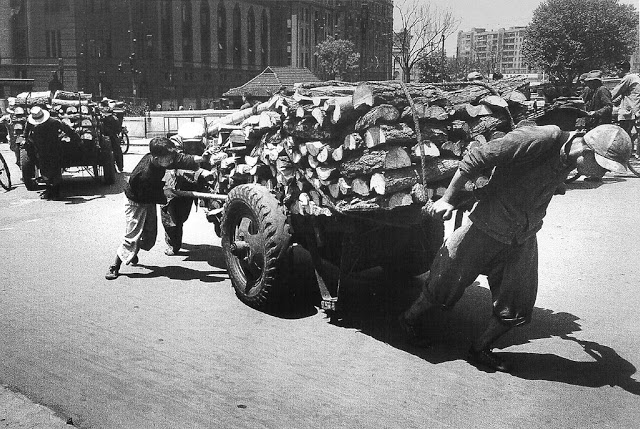
Seen through the lens of hindsight, Birns’ photographs give us a sense not only of what China was like more than fifty years ago, but also of why the warfare, weariness, and desperation of the time proved such fertile soil for communist revolution.
Today these everyday scenes of ordinary people—pedicab drivers, street vendors, bar girls, police, politicians, prisoners—tell a story of national resilience and dignity in the midst of enveloping poverty, repression, and fear. Birns’s stark black and white photographs capture the dramatic end of an era, but they also look forward, letting us glimpse how Shanghai’s past prefigures the city’s commercial and cultural revival in the 1990s.