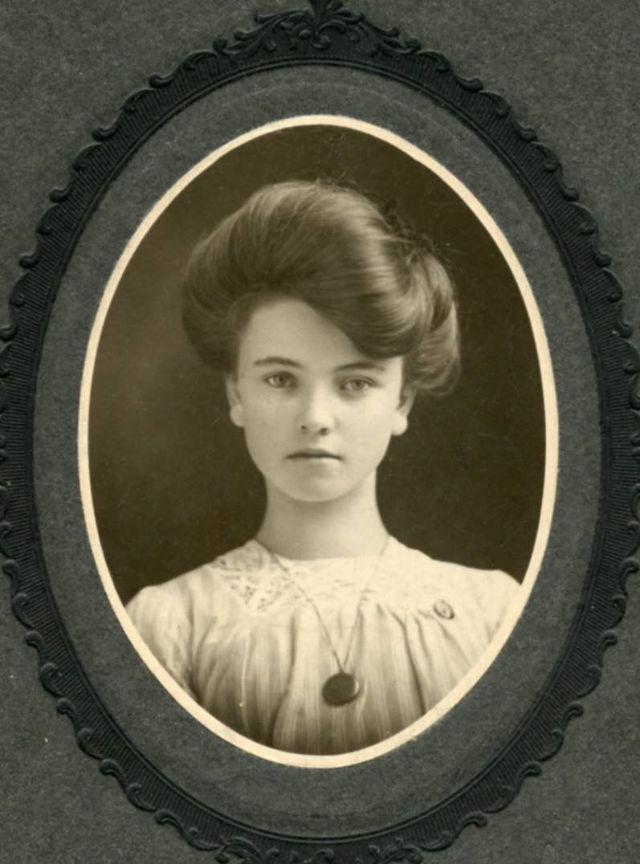
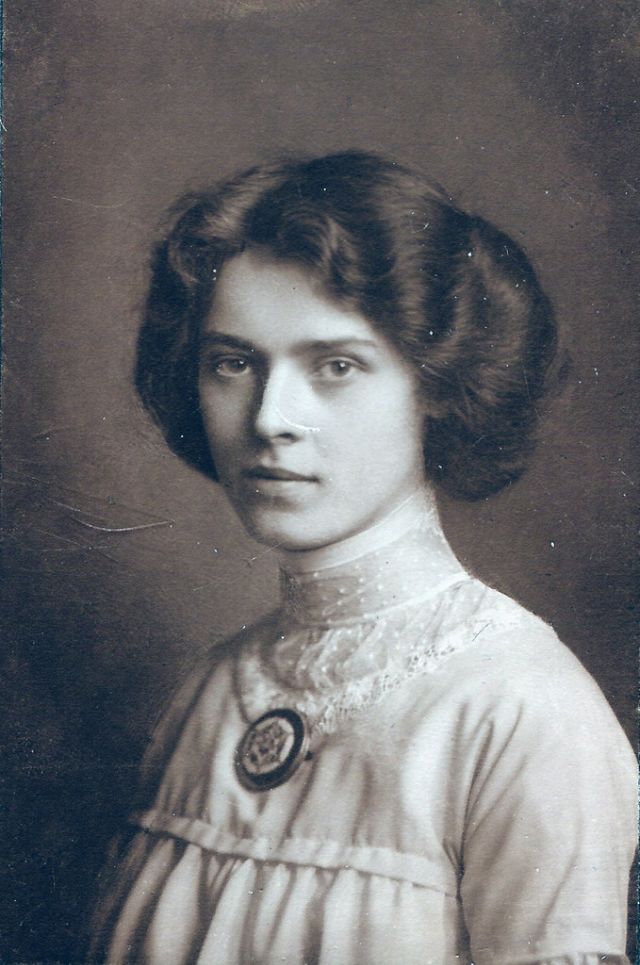
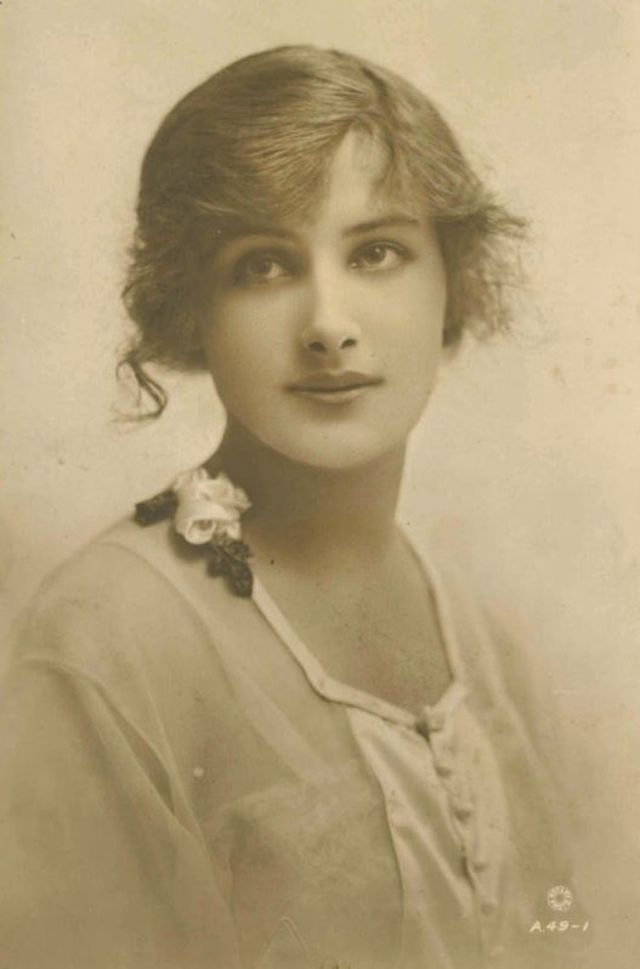
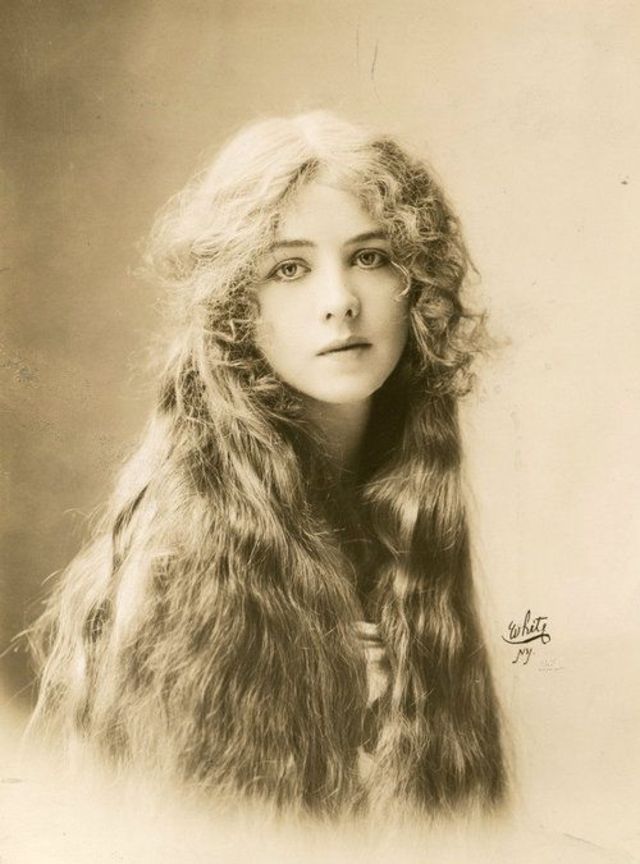
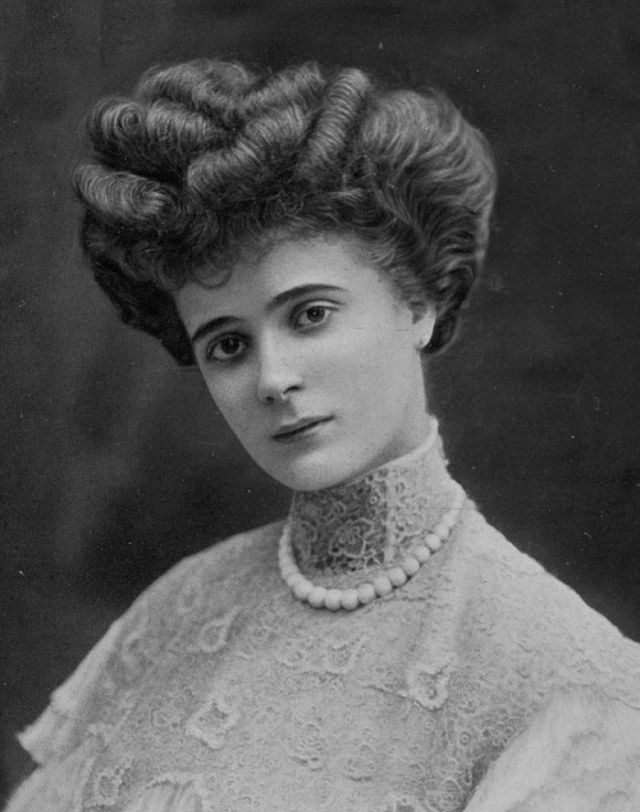
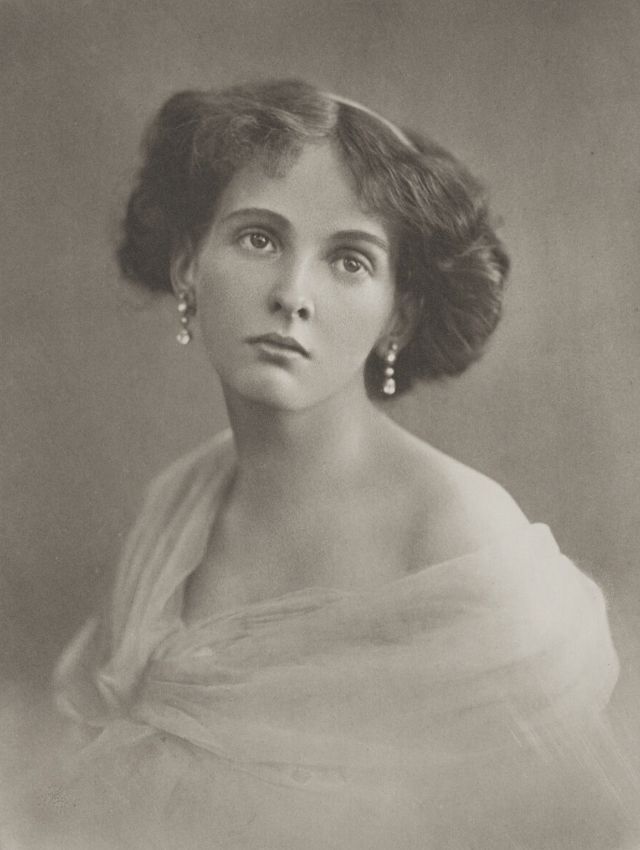
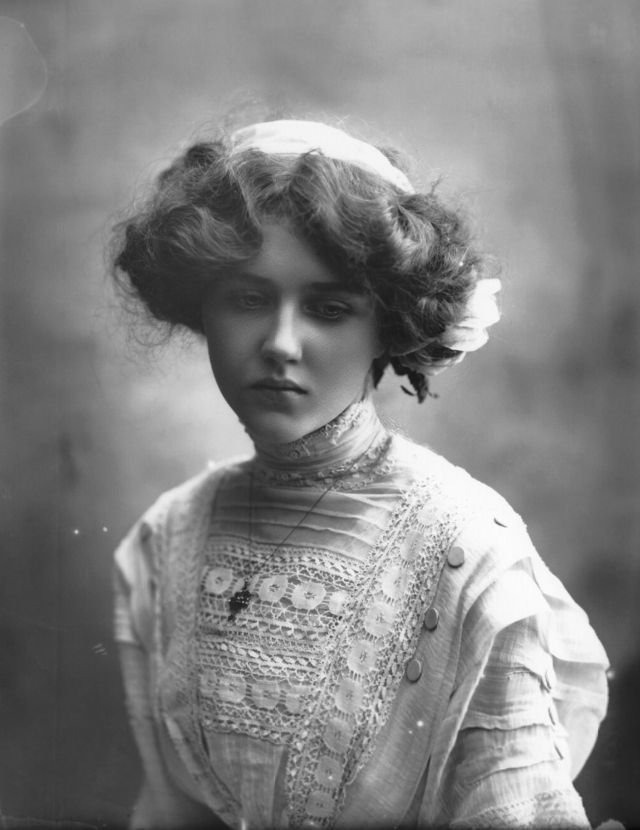
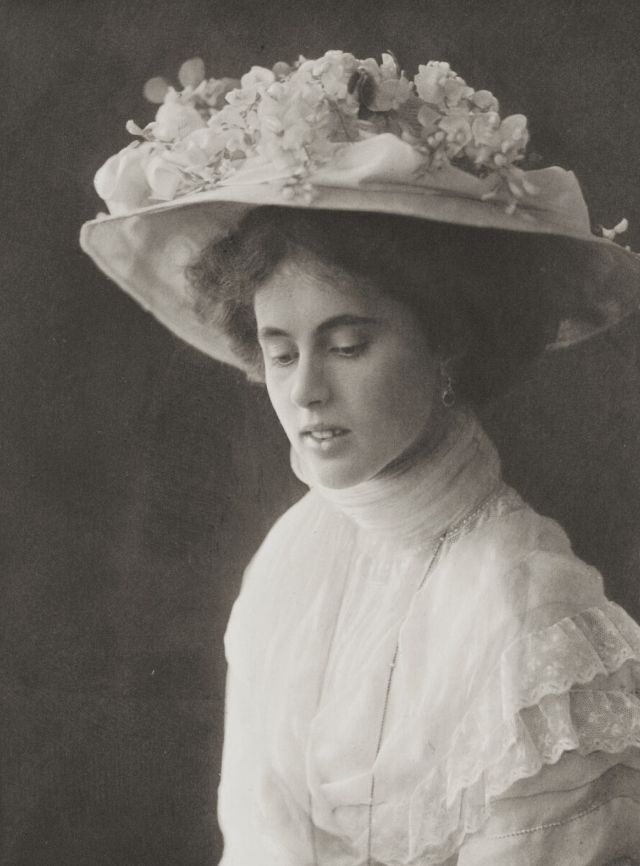
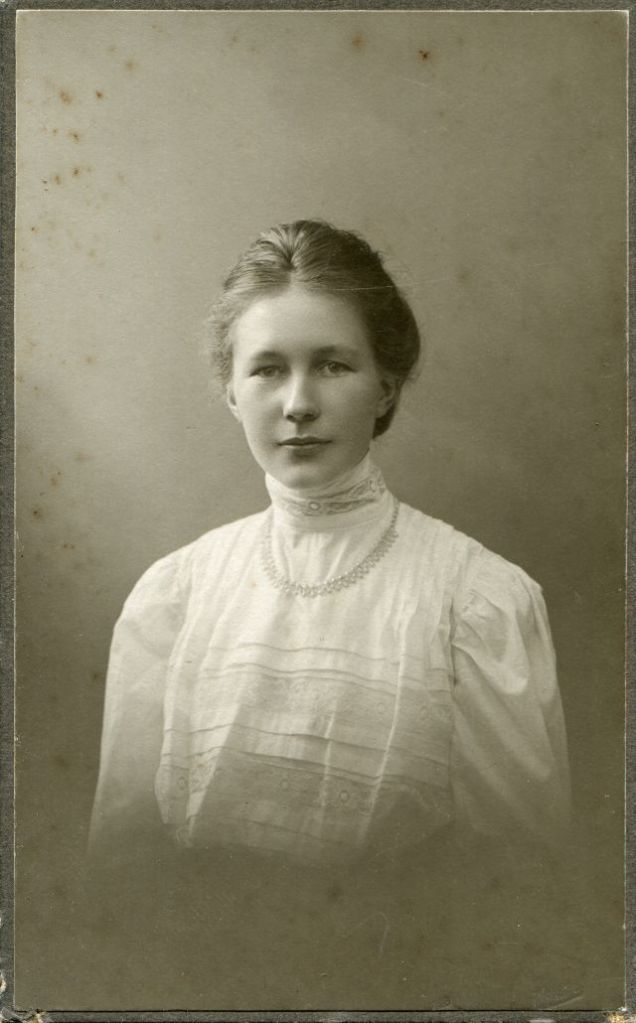
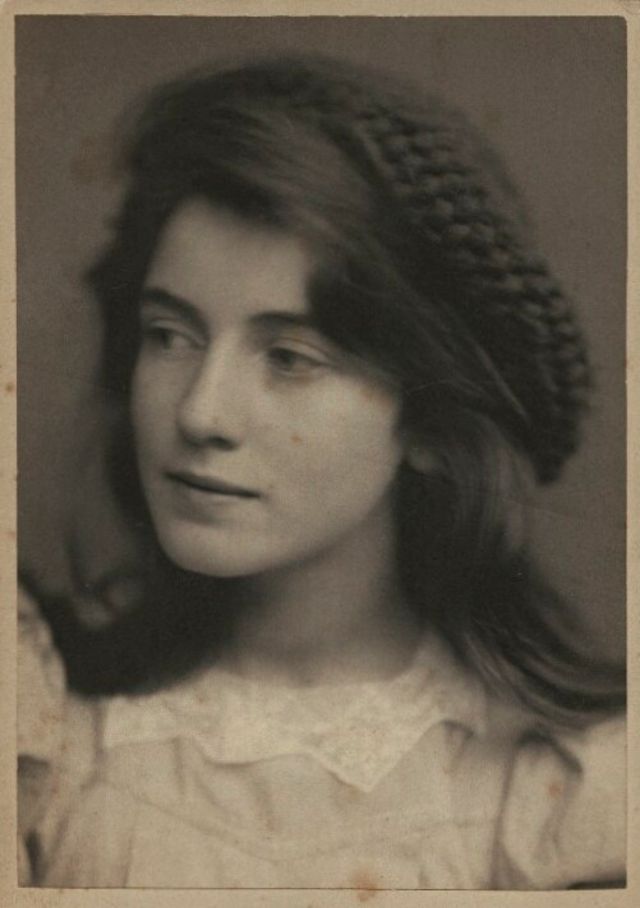
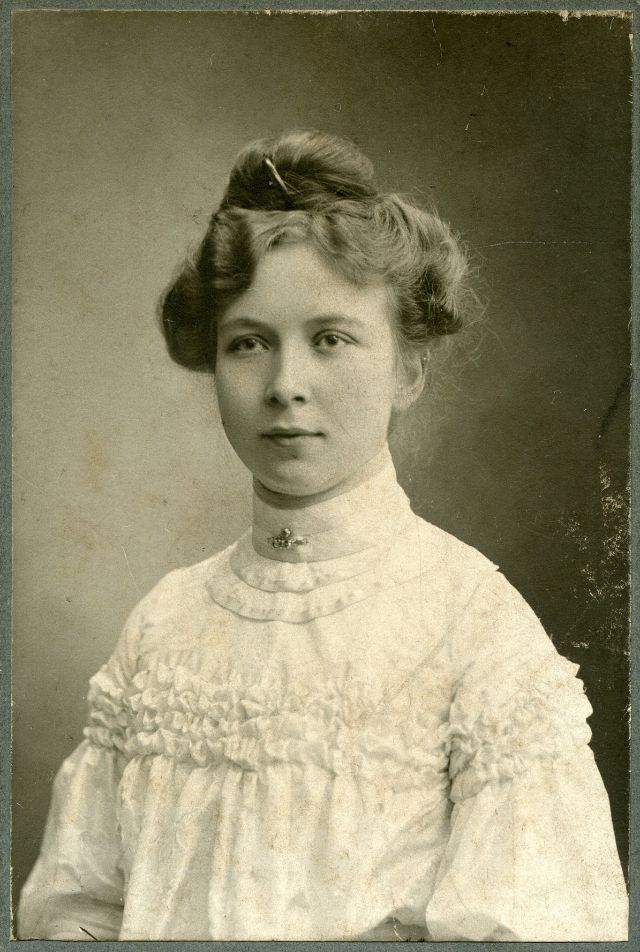
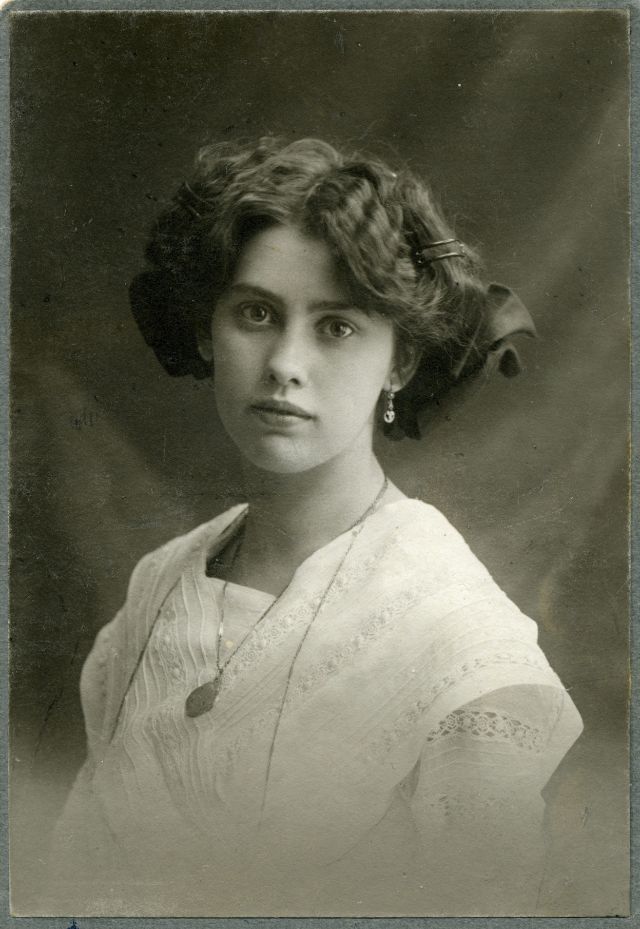
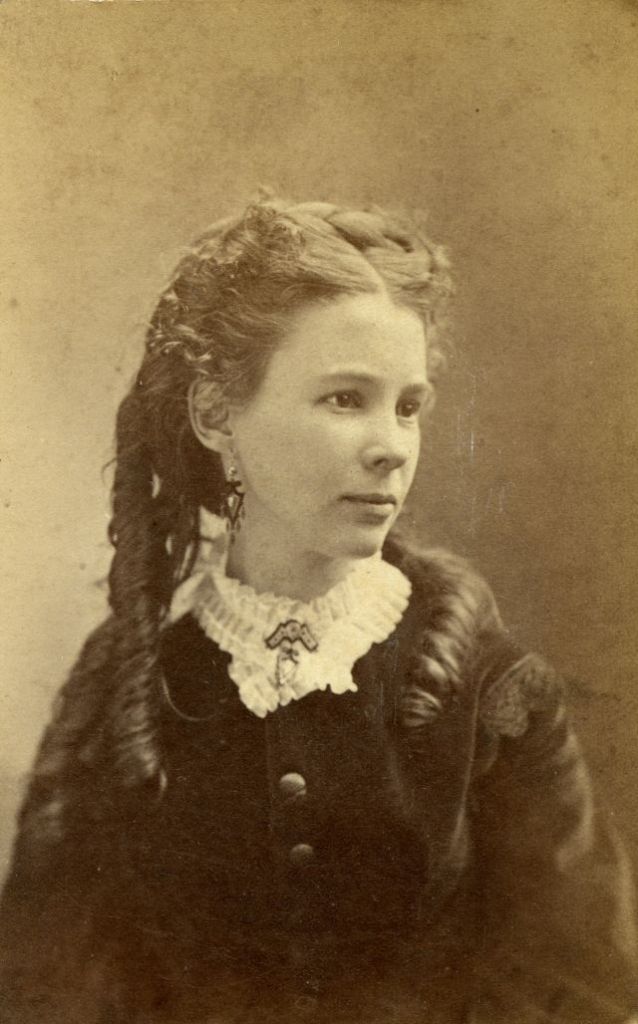
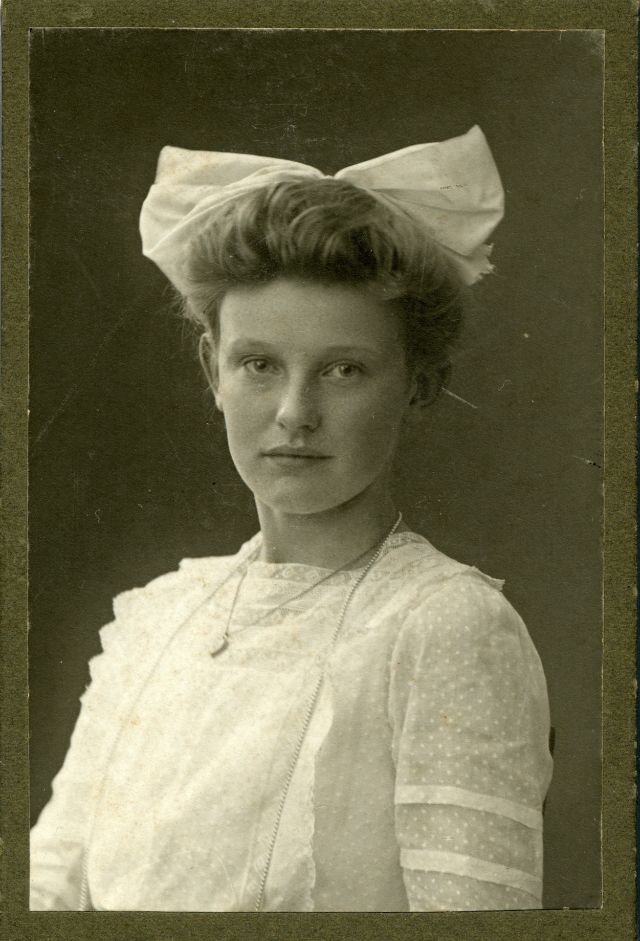
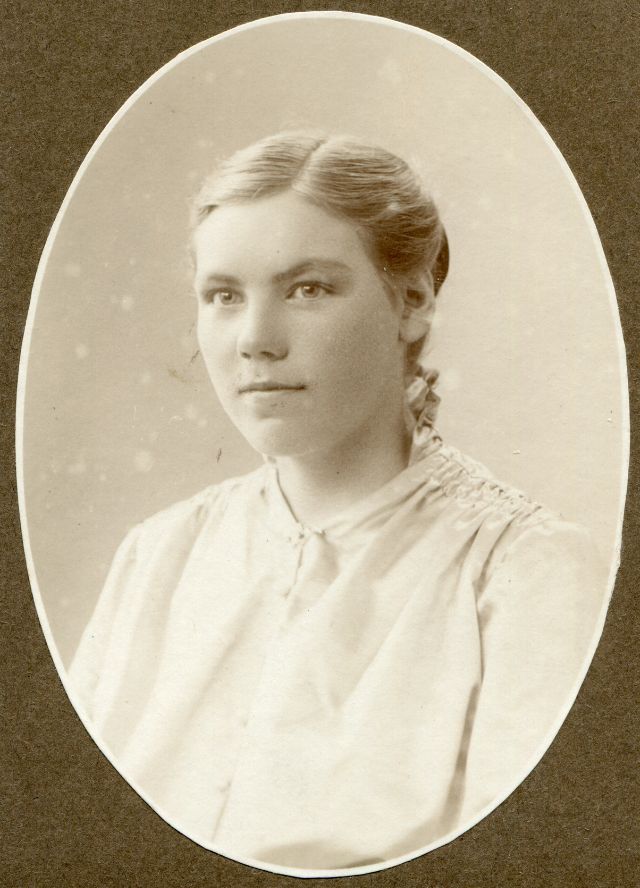
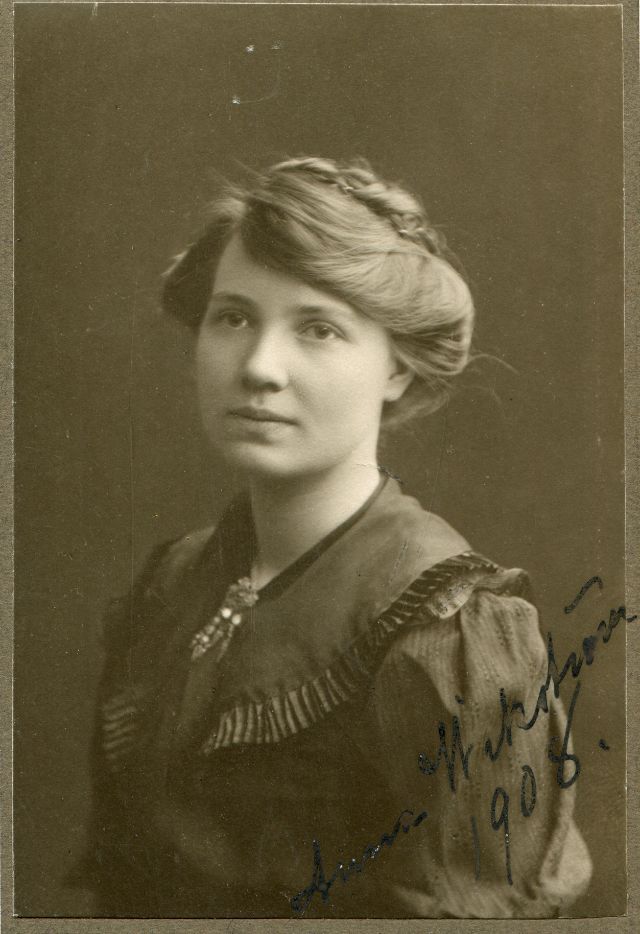
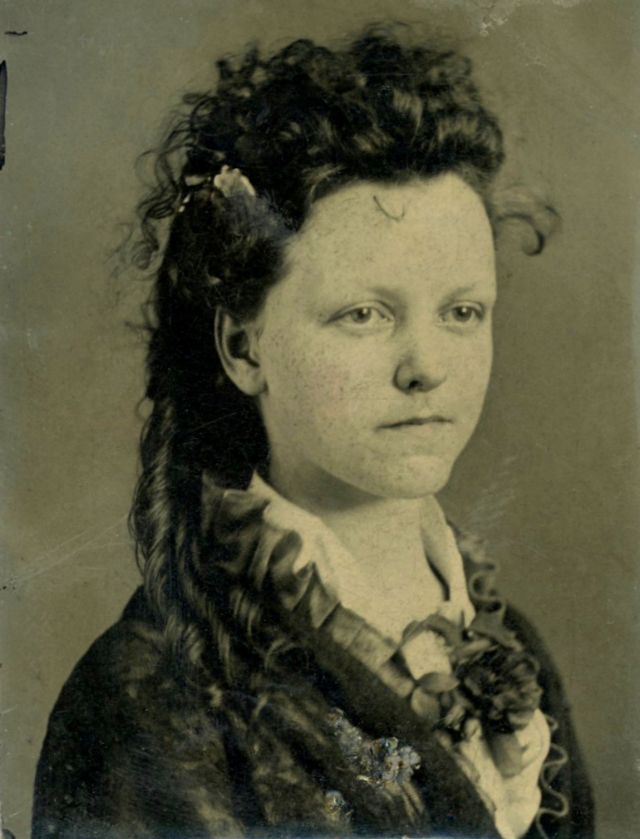
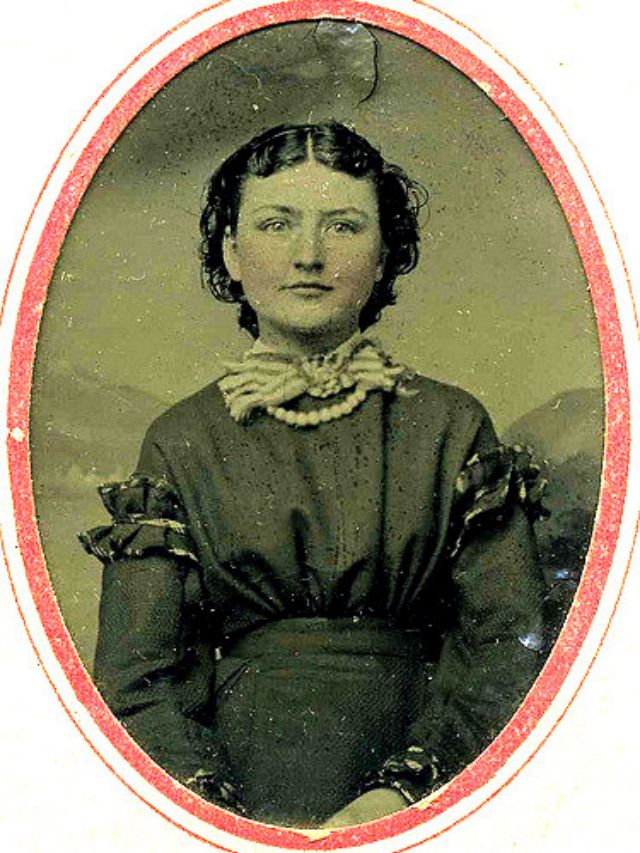
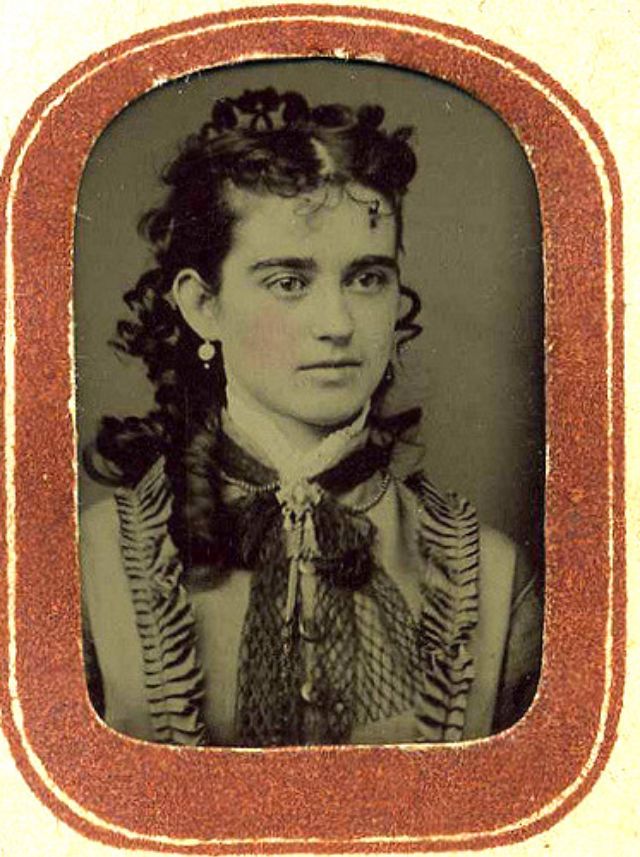
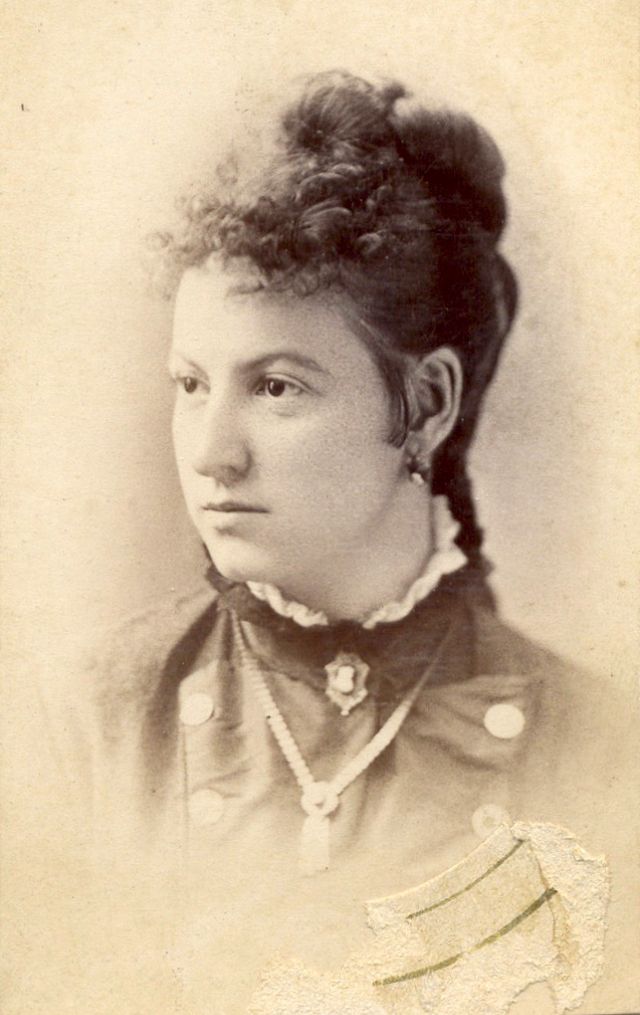
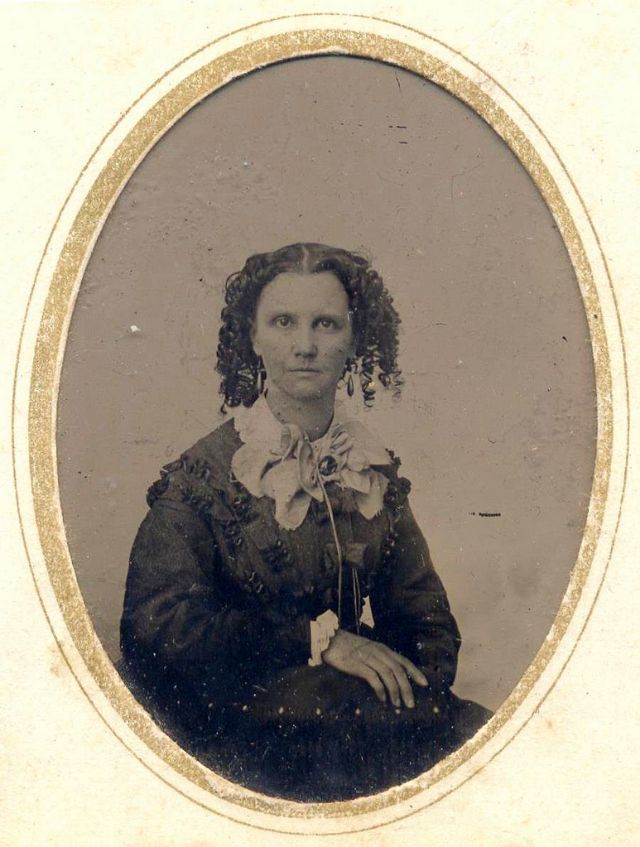
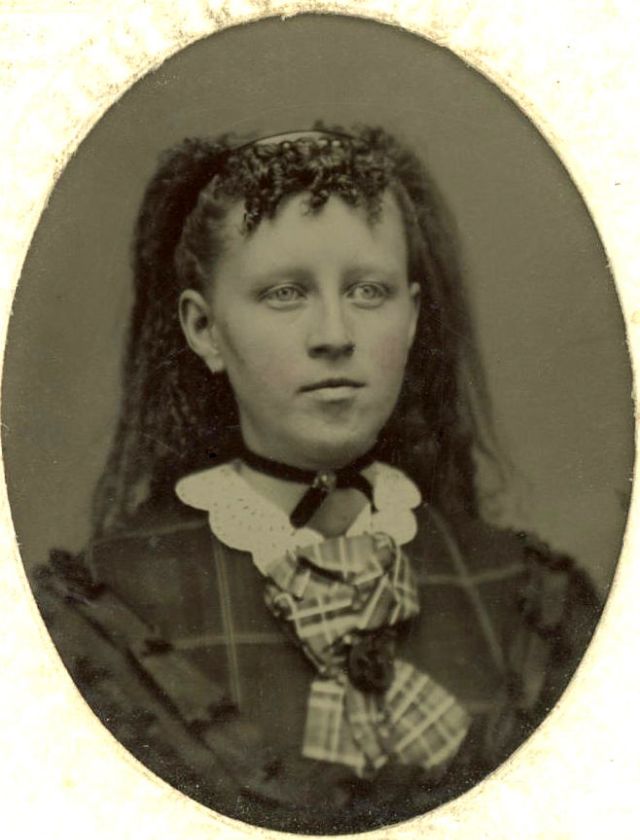
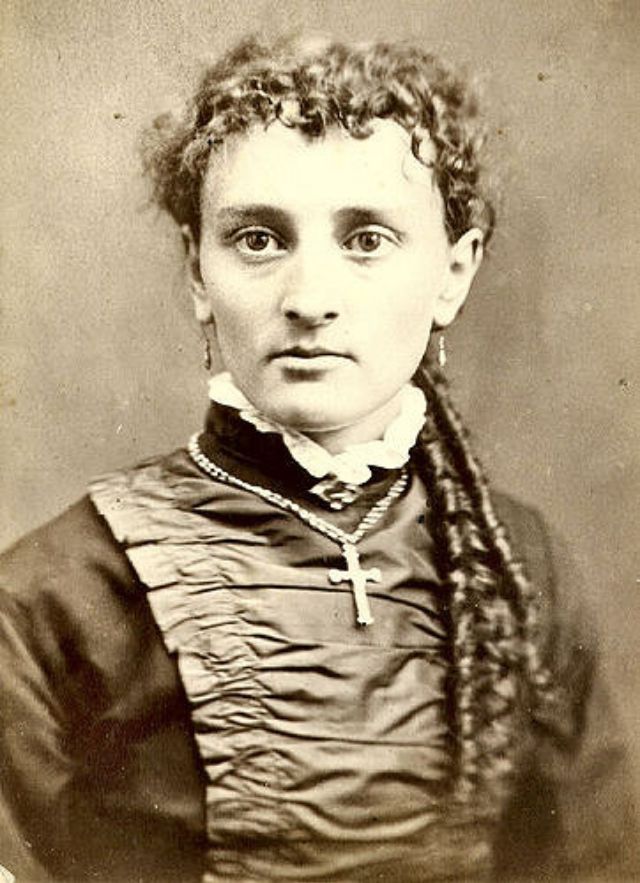
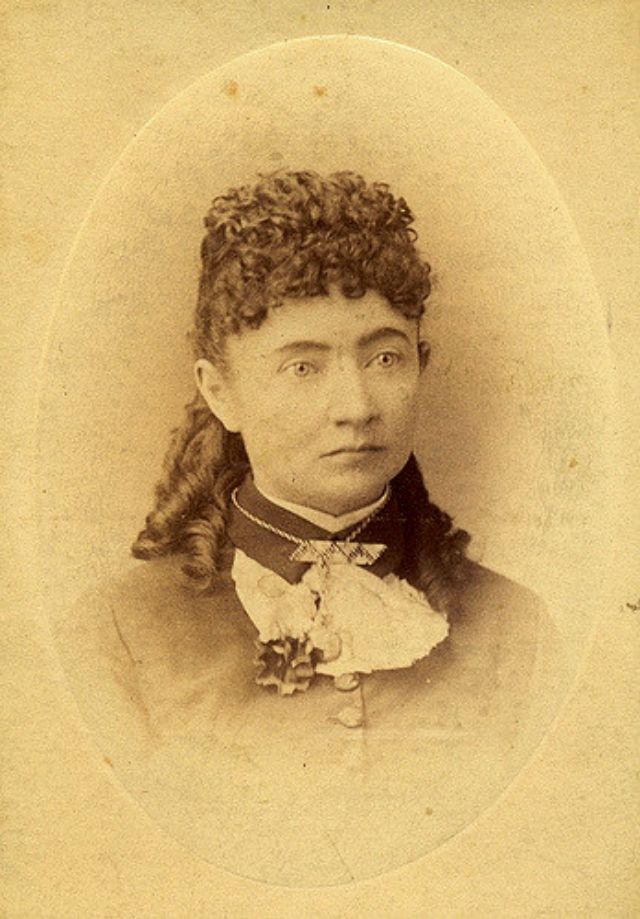
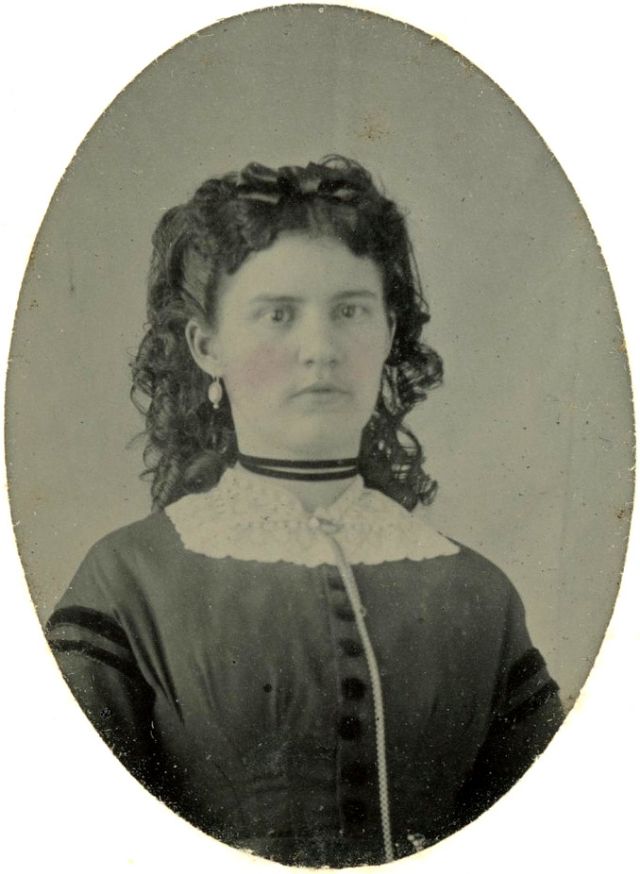
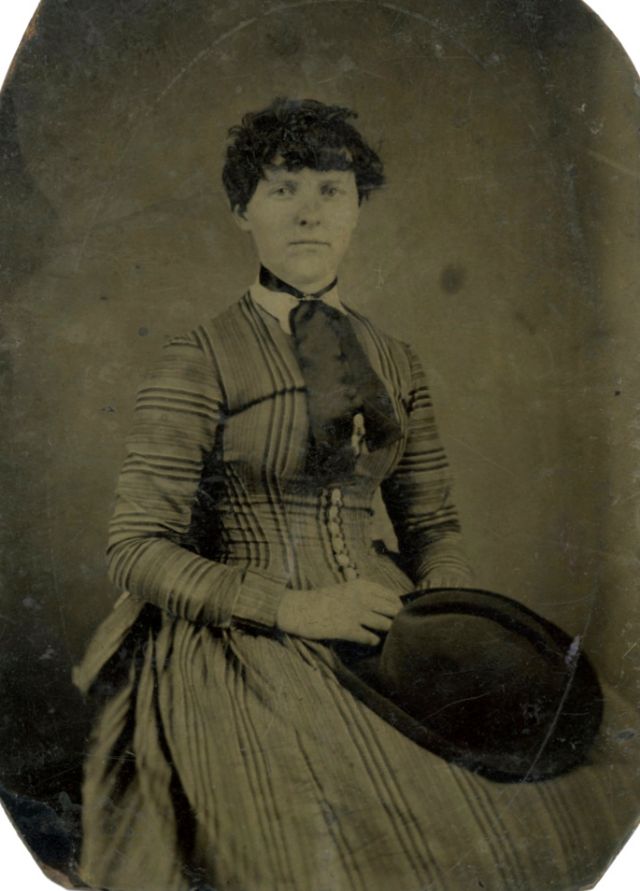
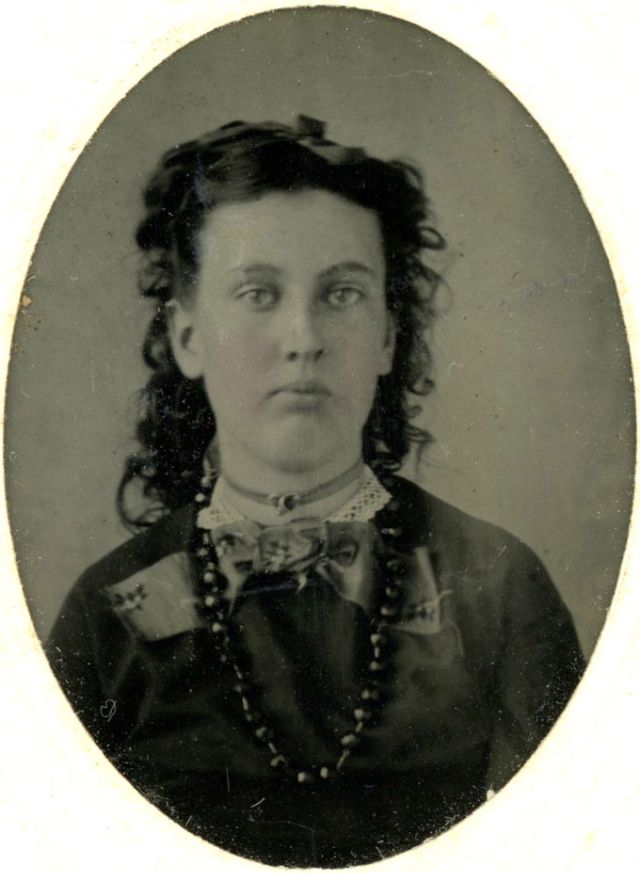
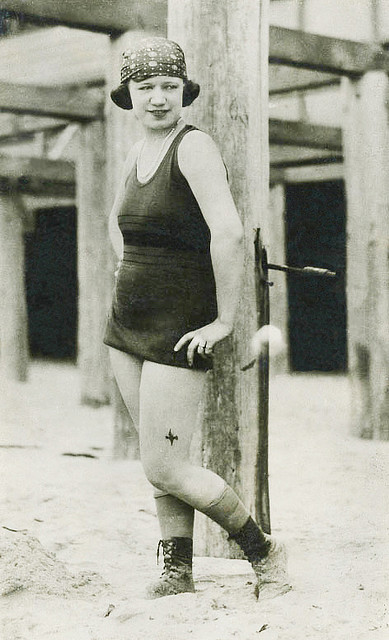
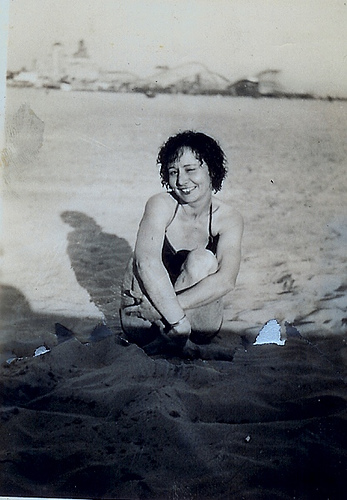
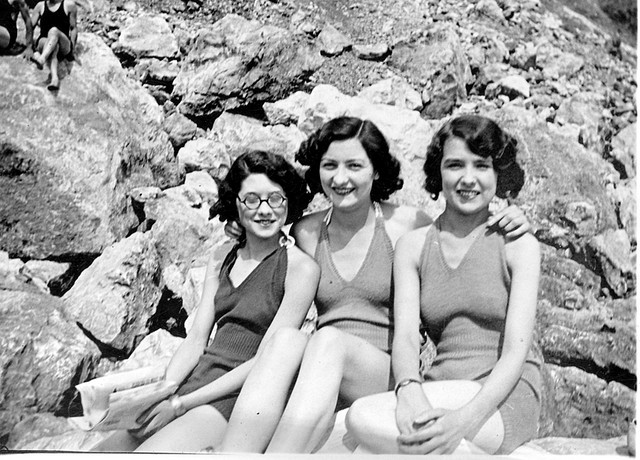
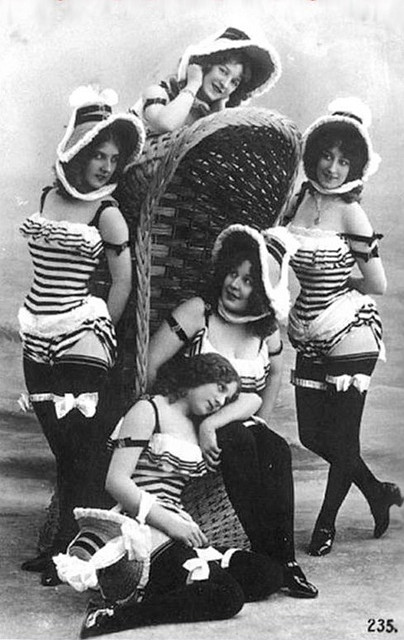
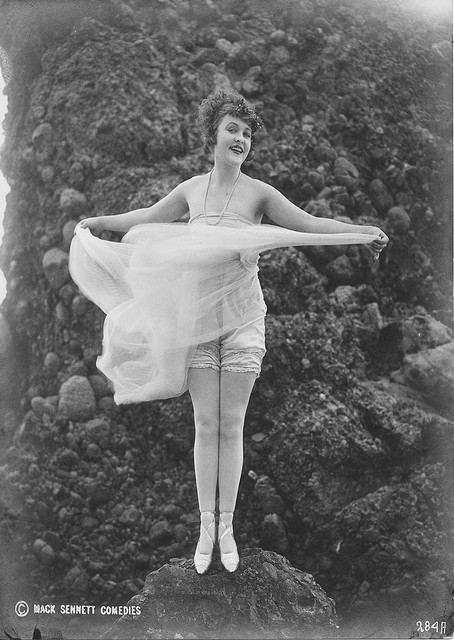
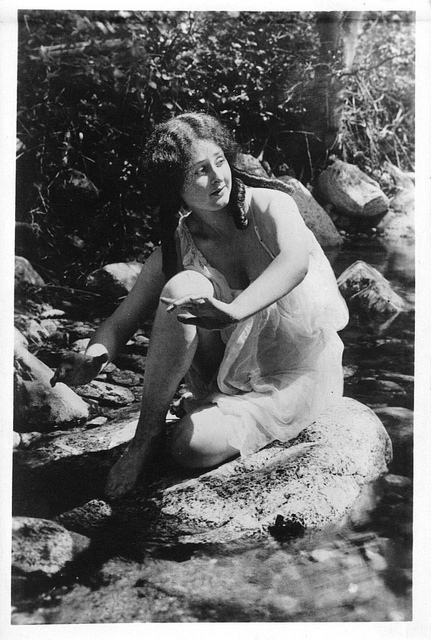
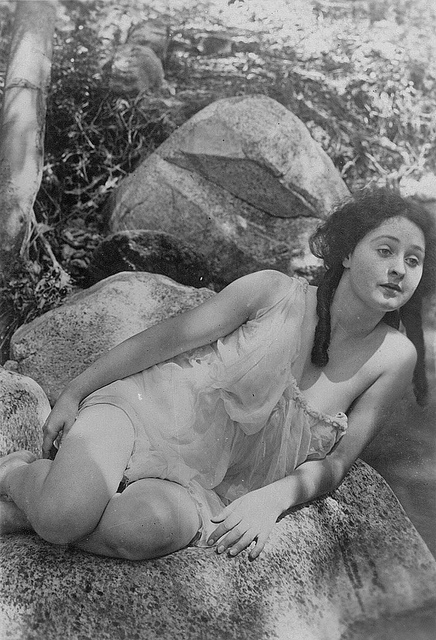
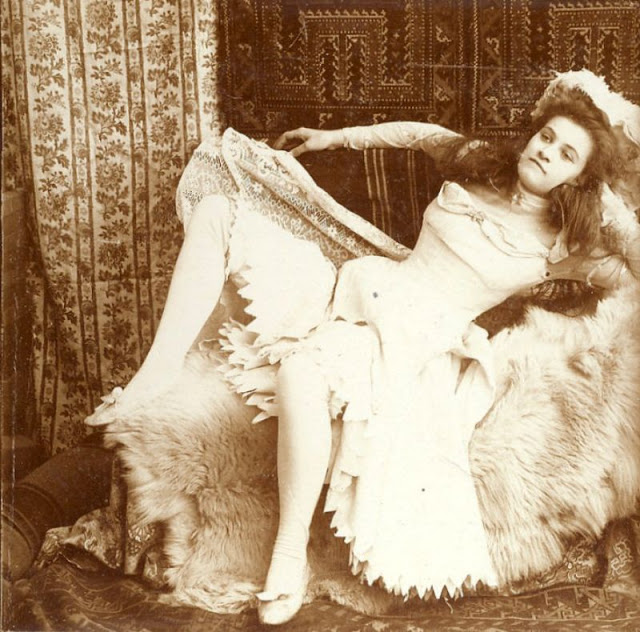
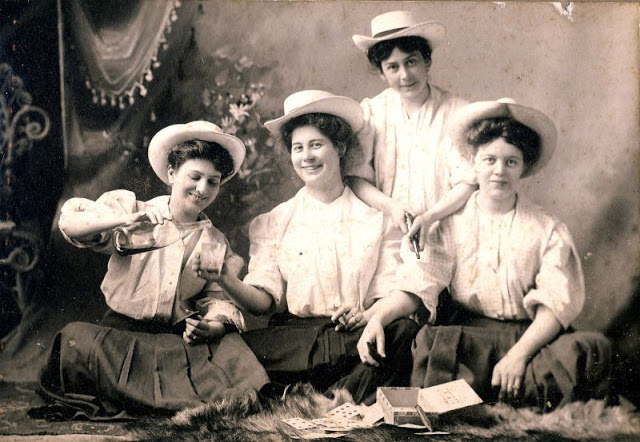
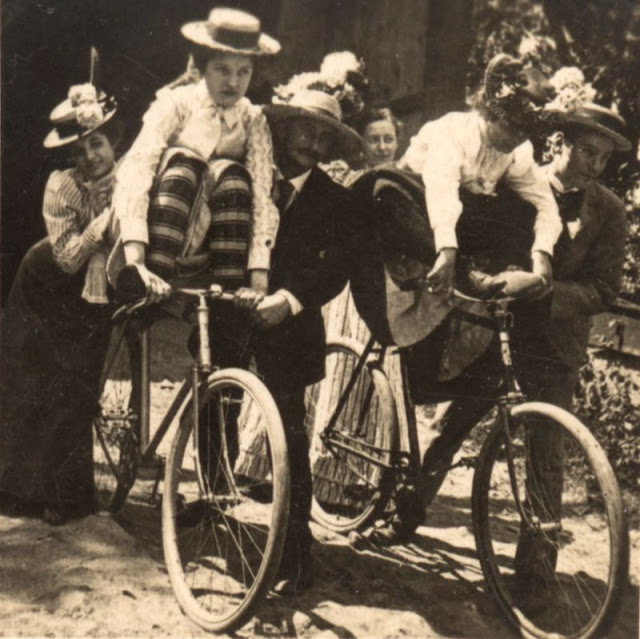
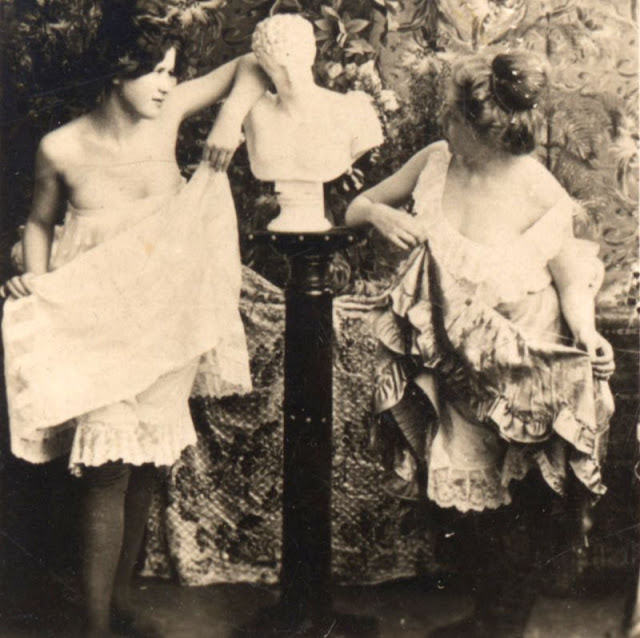
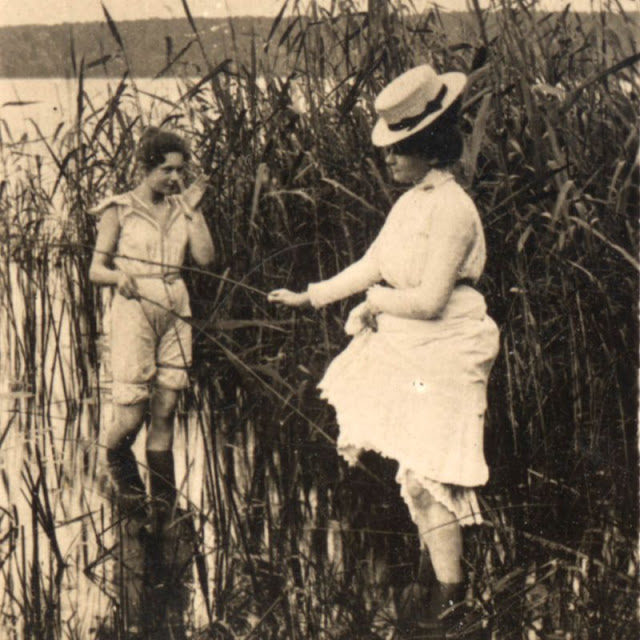
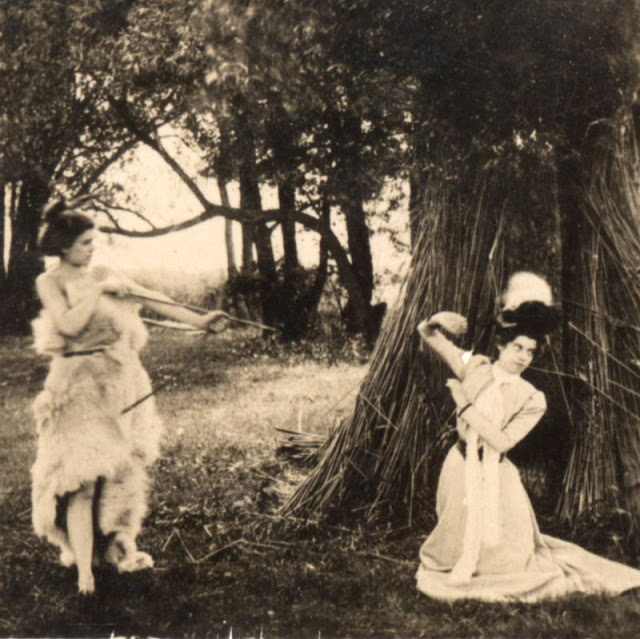
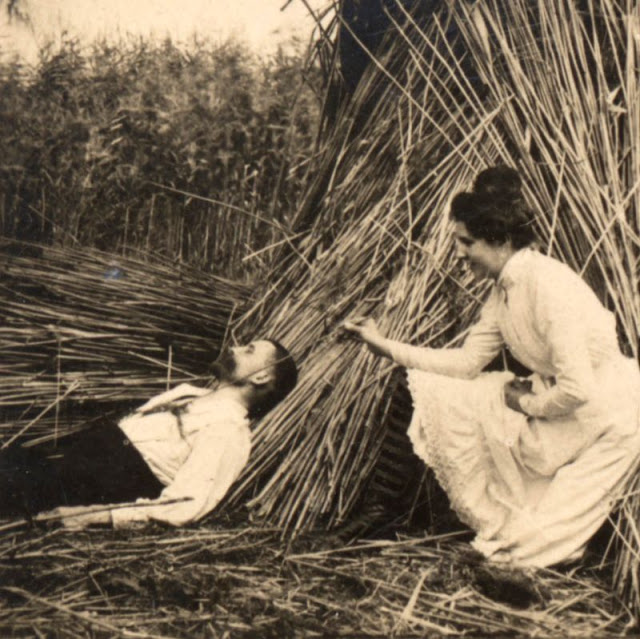
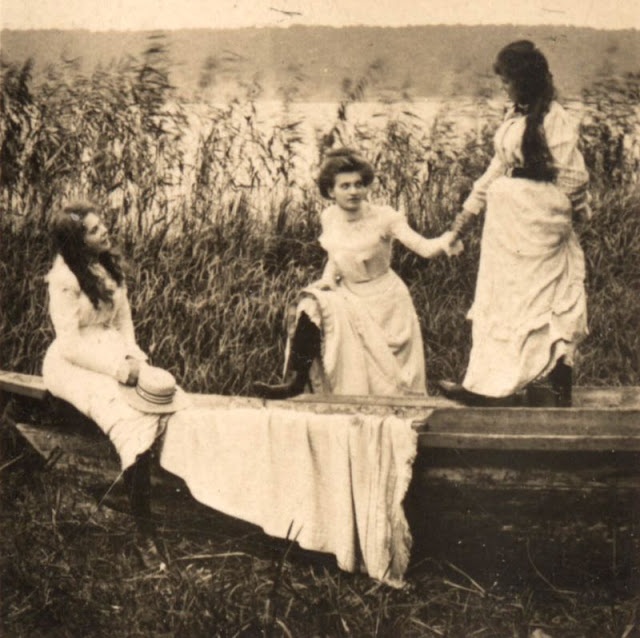
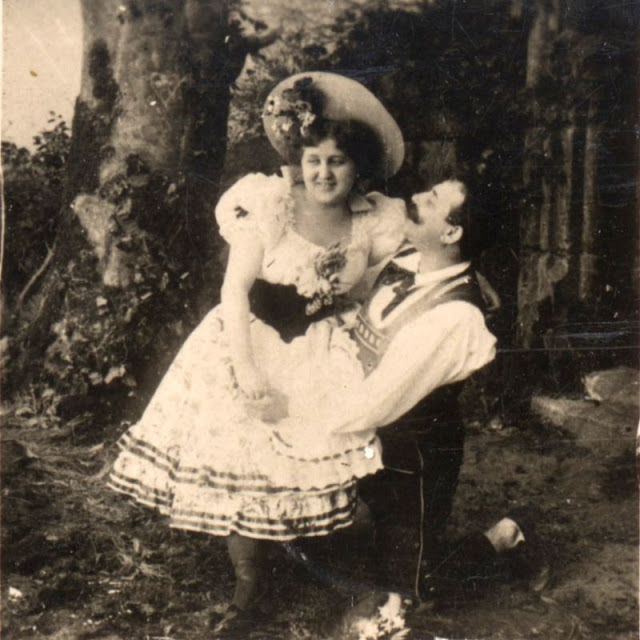
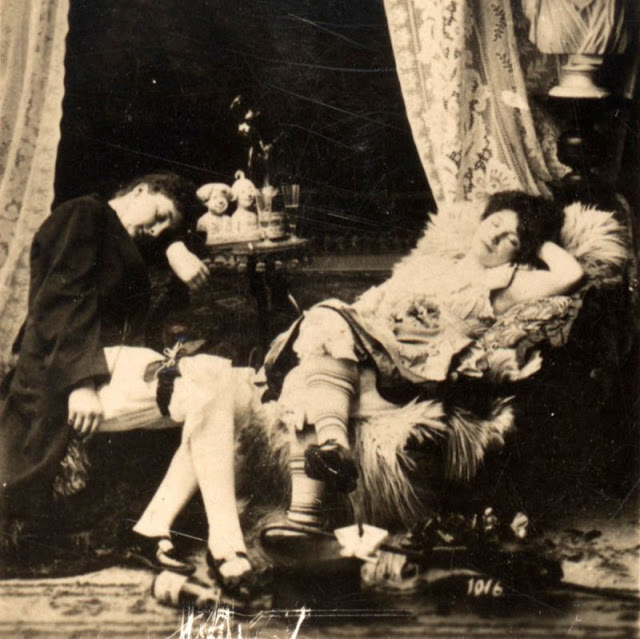
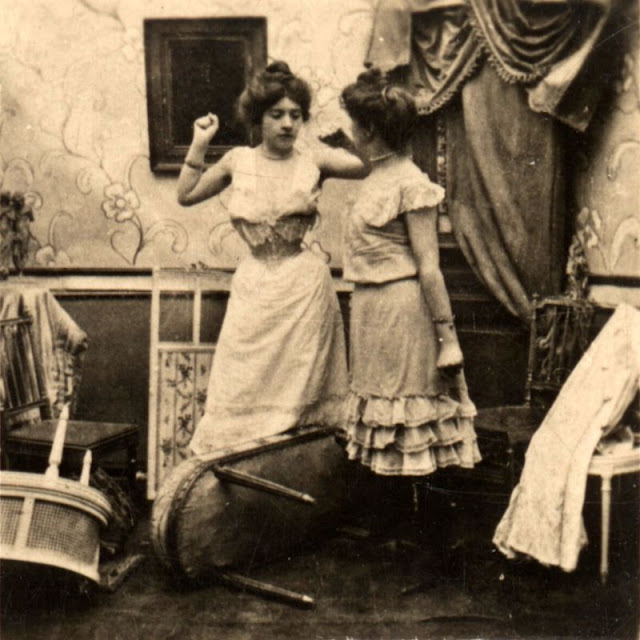
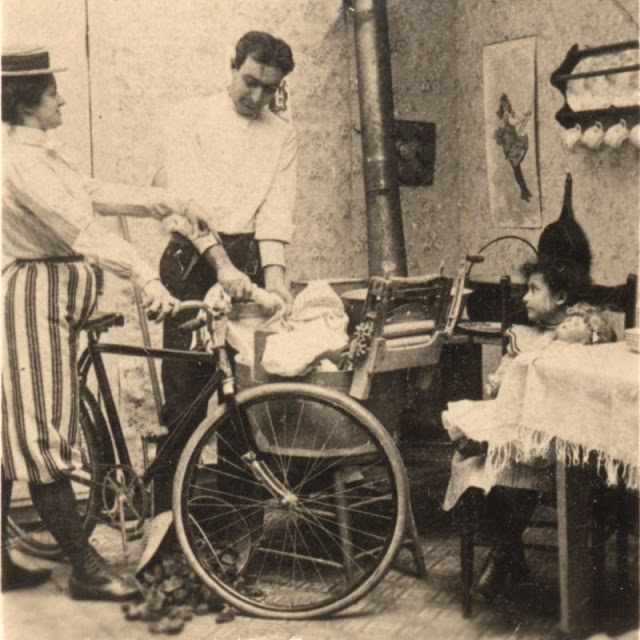
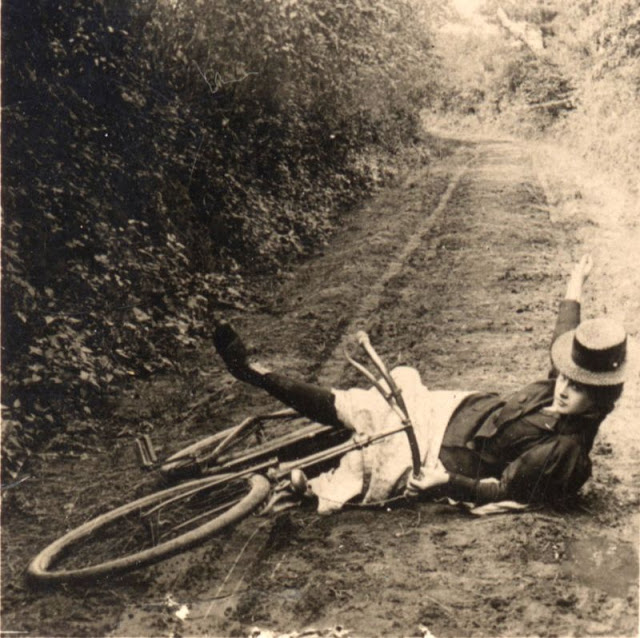
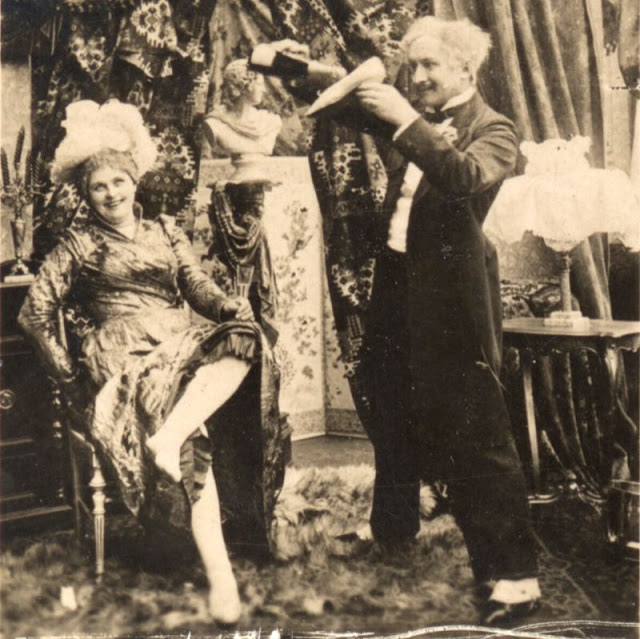
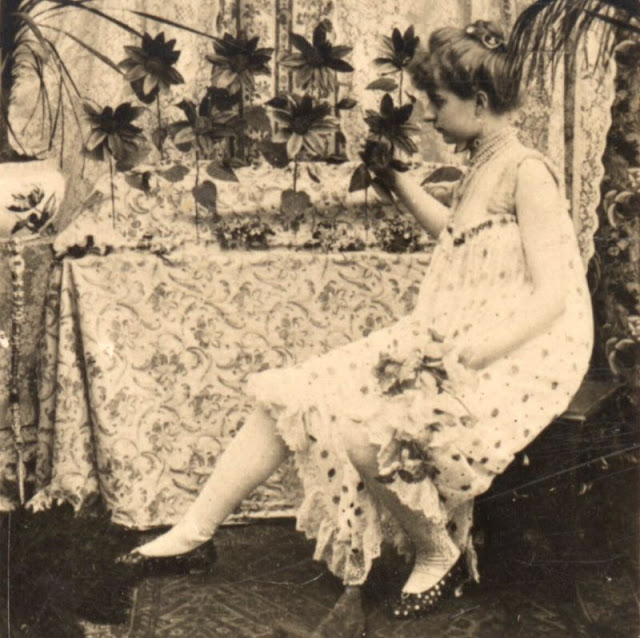
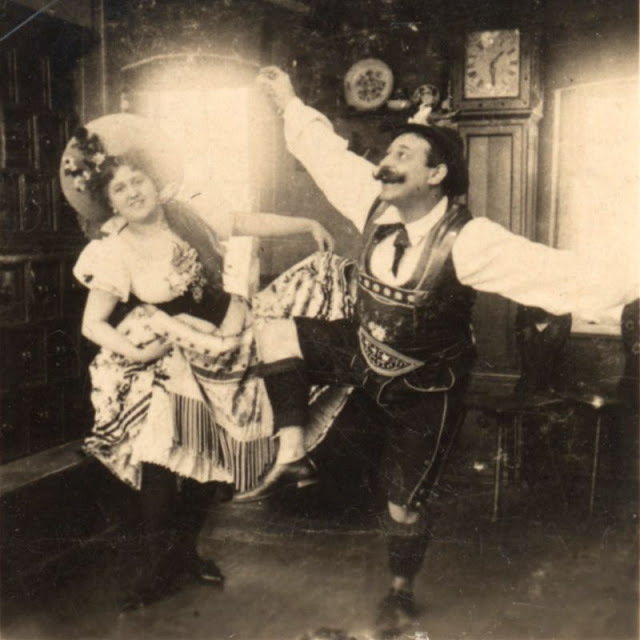
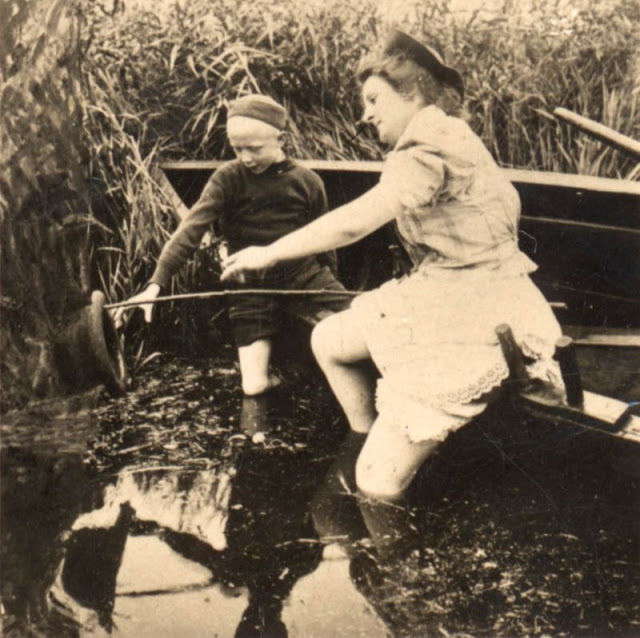
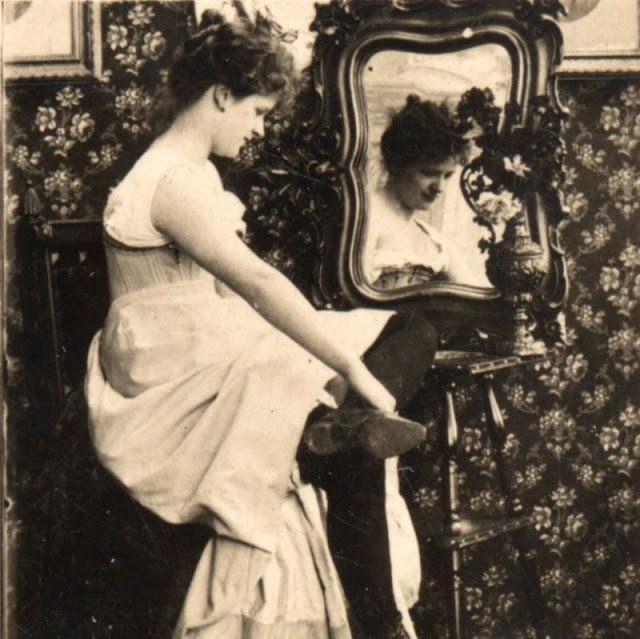
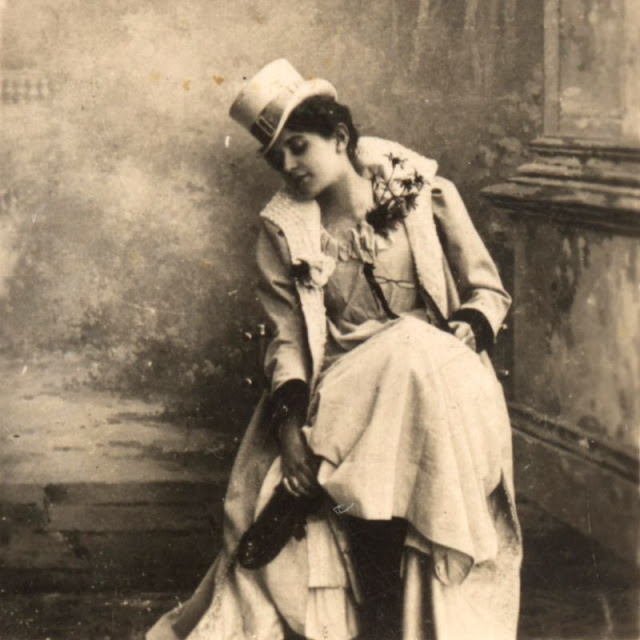
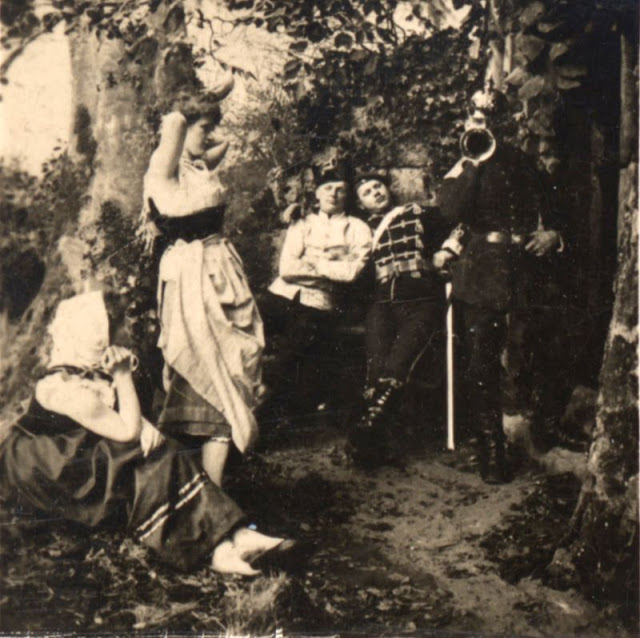
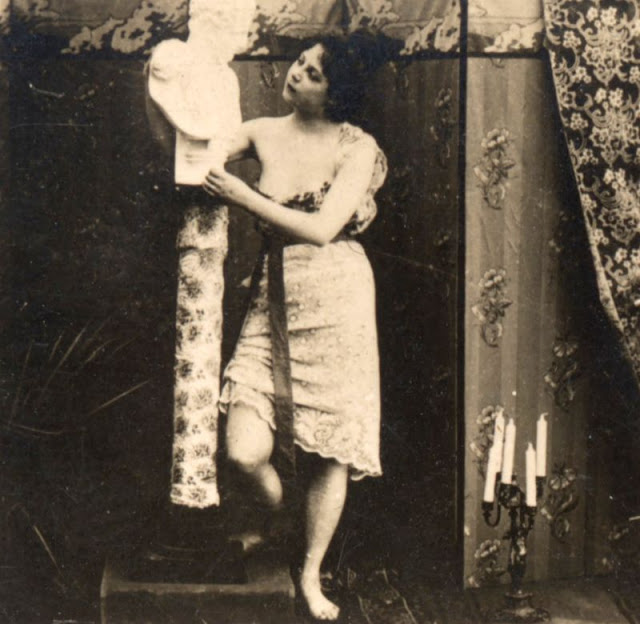
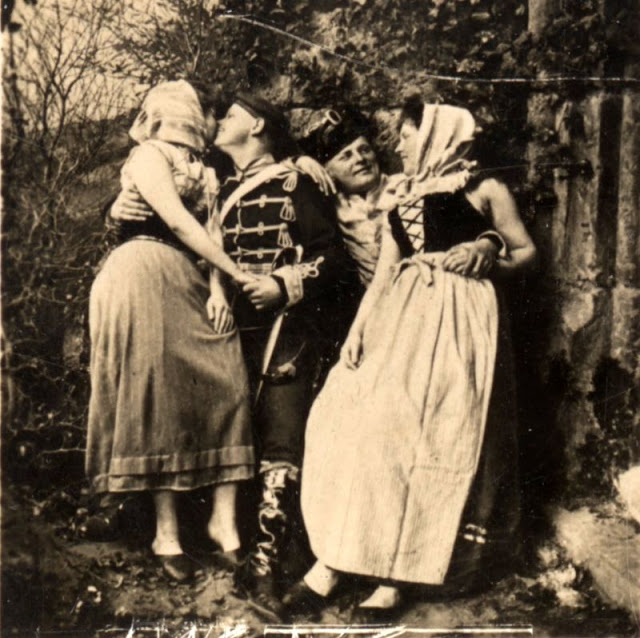
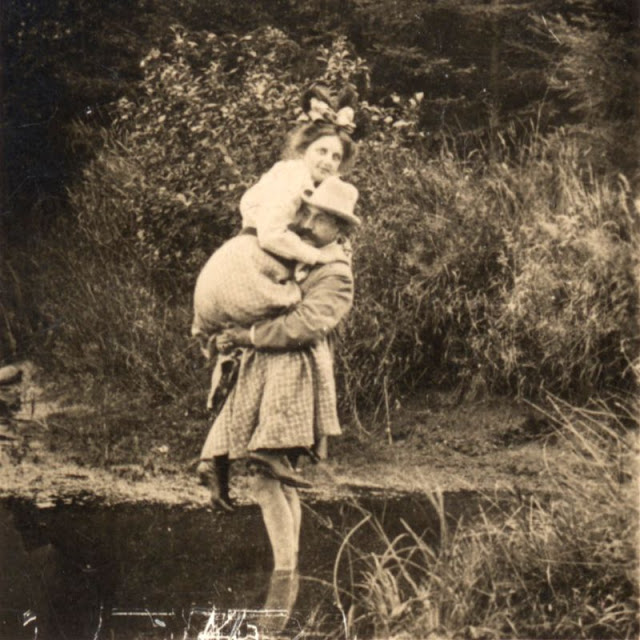
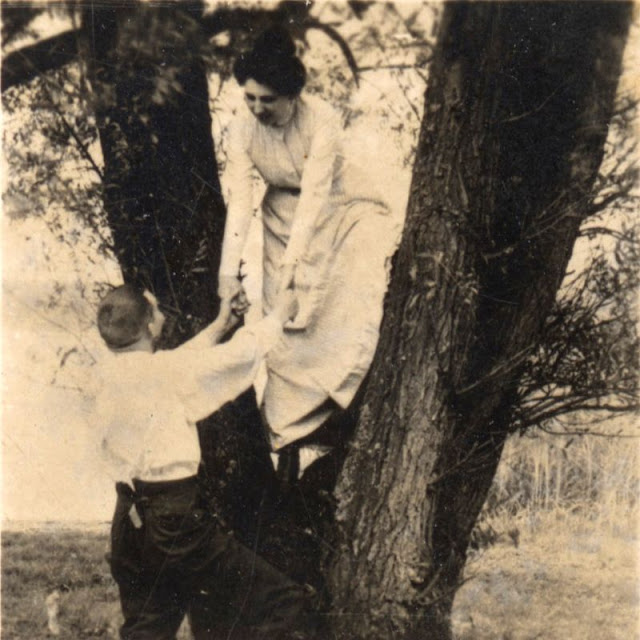
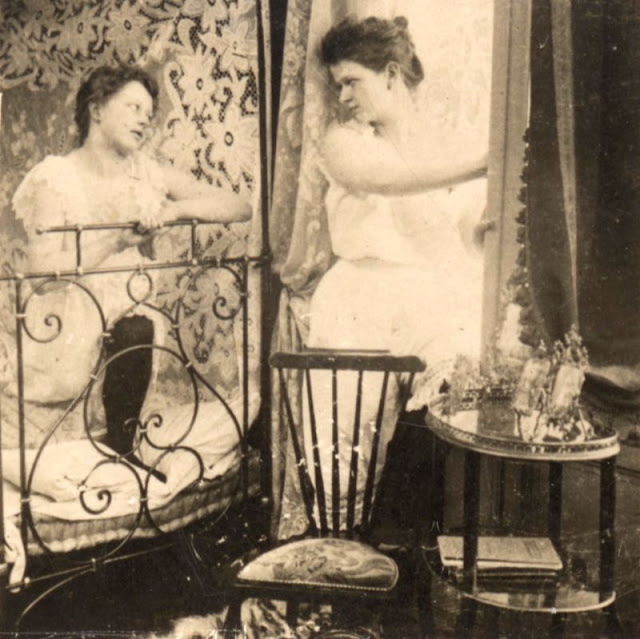
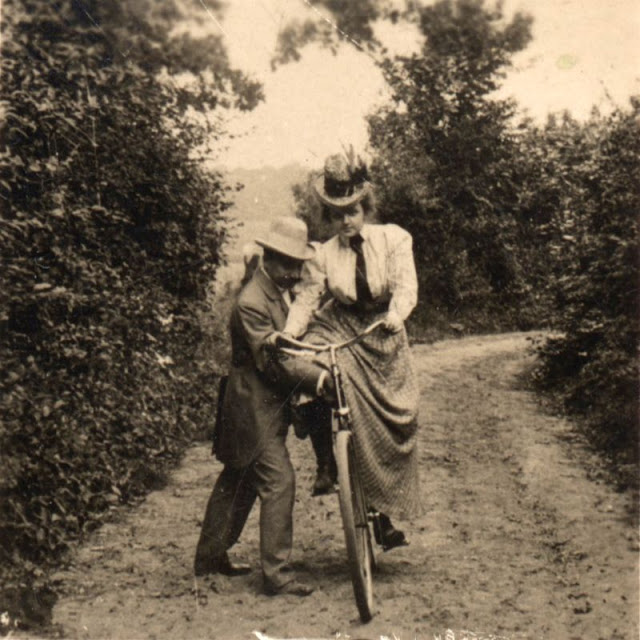
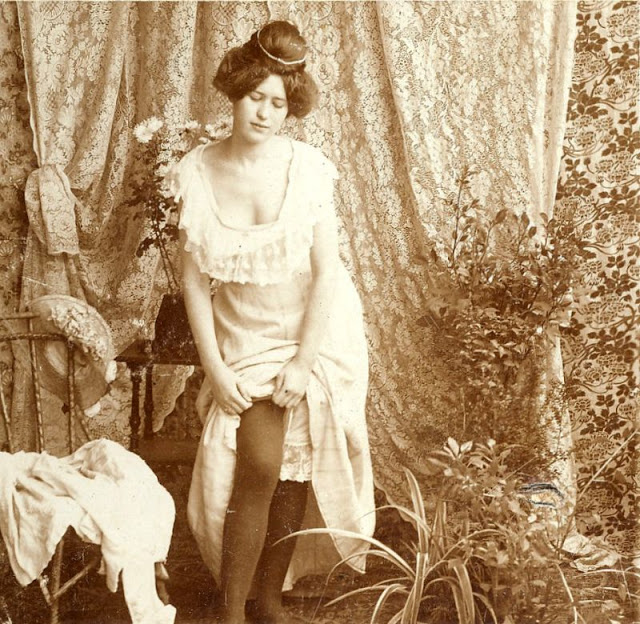
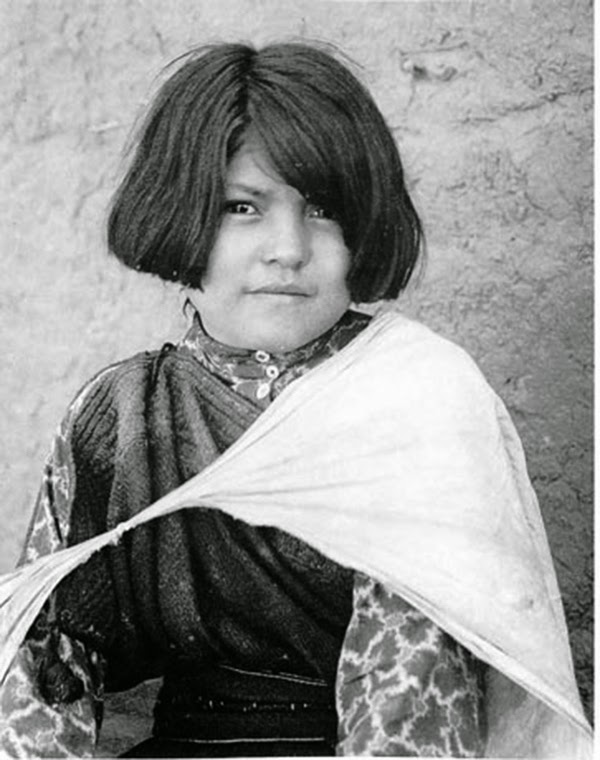
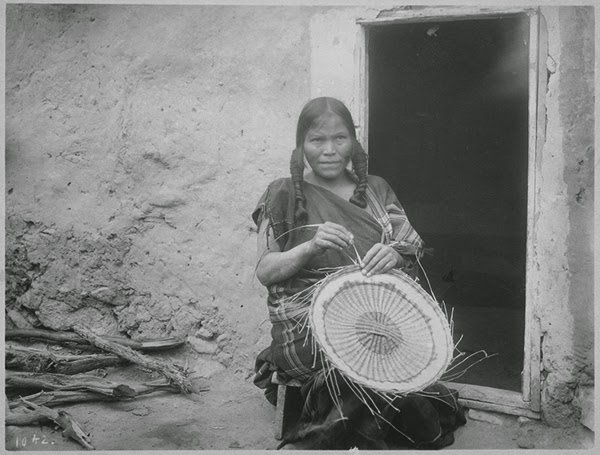
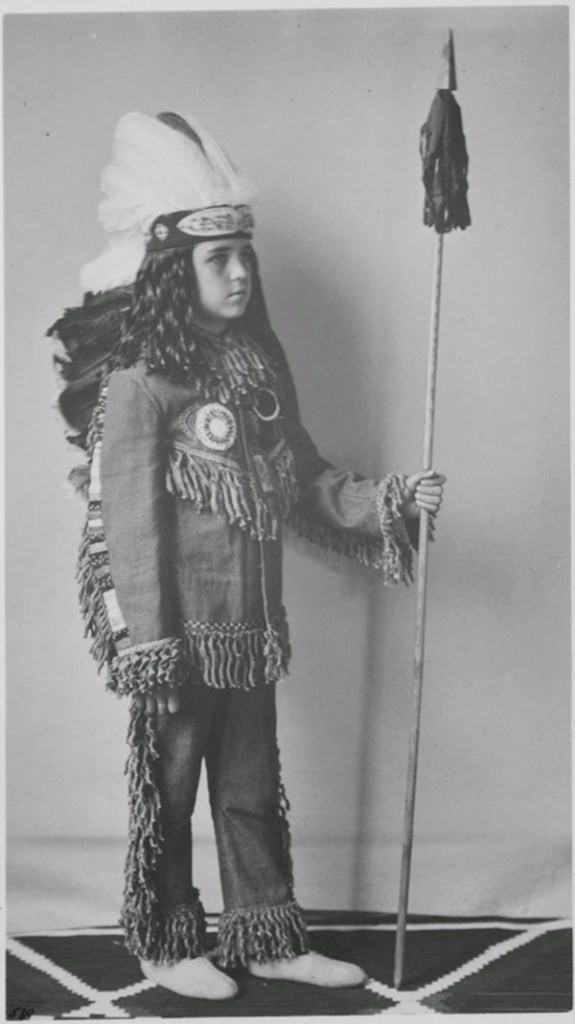
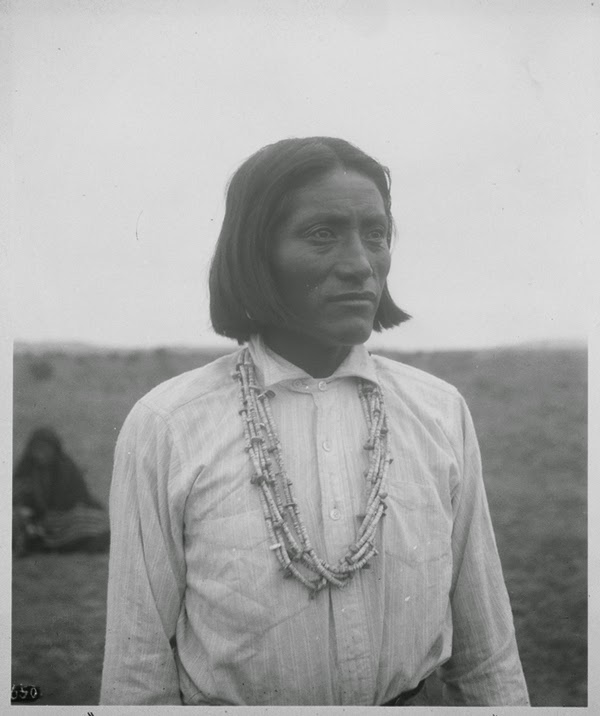
Beauty is in the eye of the beholder, according to the well-known saying. Yet it is only in the present day that our eyes need to make some effort to find beauty in so many faces. When it comes to women of the past, their appearance was unquestionably pure. One can be sure — this beauty is as real as it gets.
With Edwardian era, that has lasted from 1900 to 1912 came many life improvements that we still use today, such as electricity, cars, and vacuum cleaners, but it has also given us a fair share of bizarre facts, most of them concerning women.
According to Bored Panda, beautiful women of the Edwardian Era used Belladonna, a highly poisonous and even lethal plant, drops to make their pupils dilate, making the women look aroused. They have also smeared their faces with lead cream to make them look pale. And a faint smell of dame’s sweat was deemed very desirable by young gentlemen and even got a name as ‘bouquet de corsage’ (literally ‘smells of the bodice’).
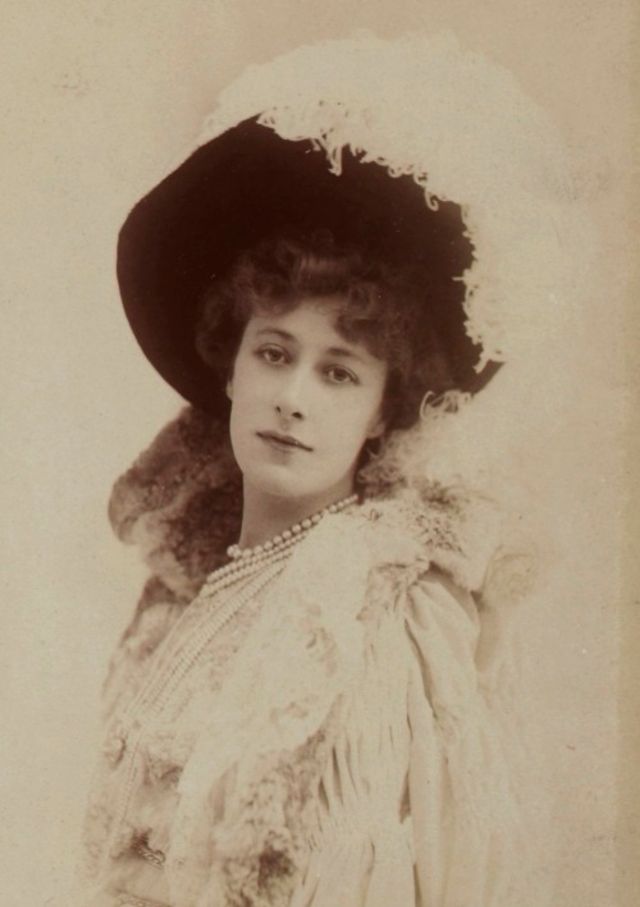
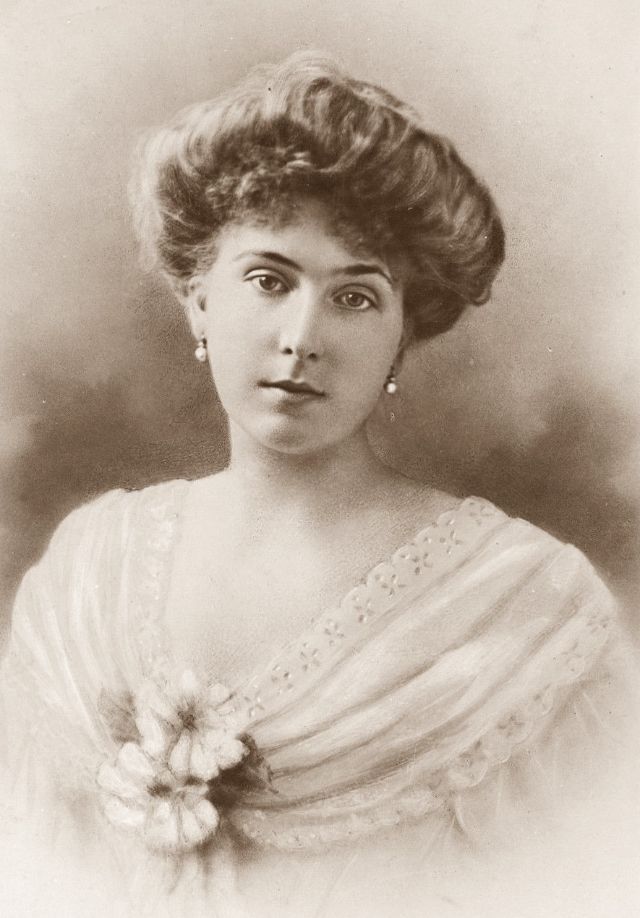
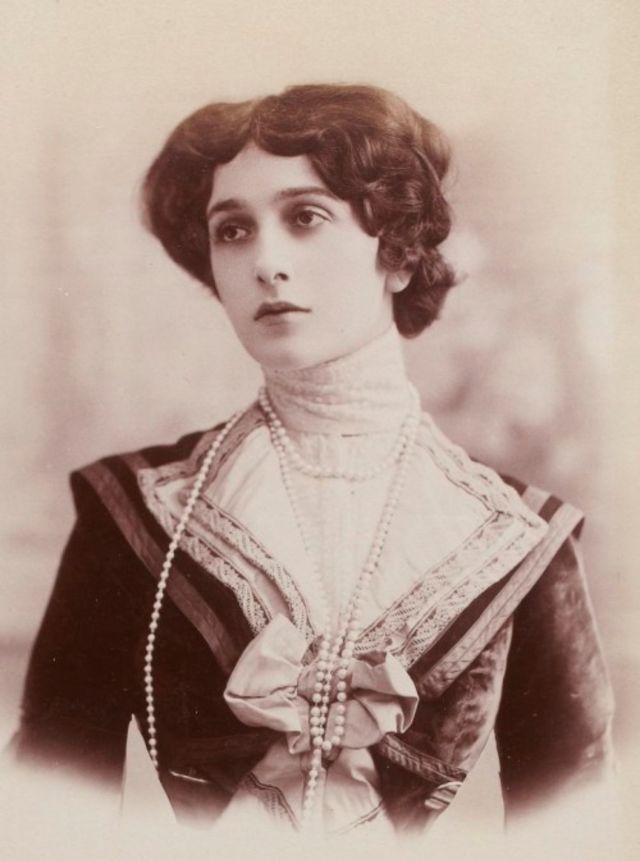
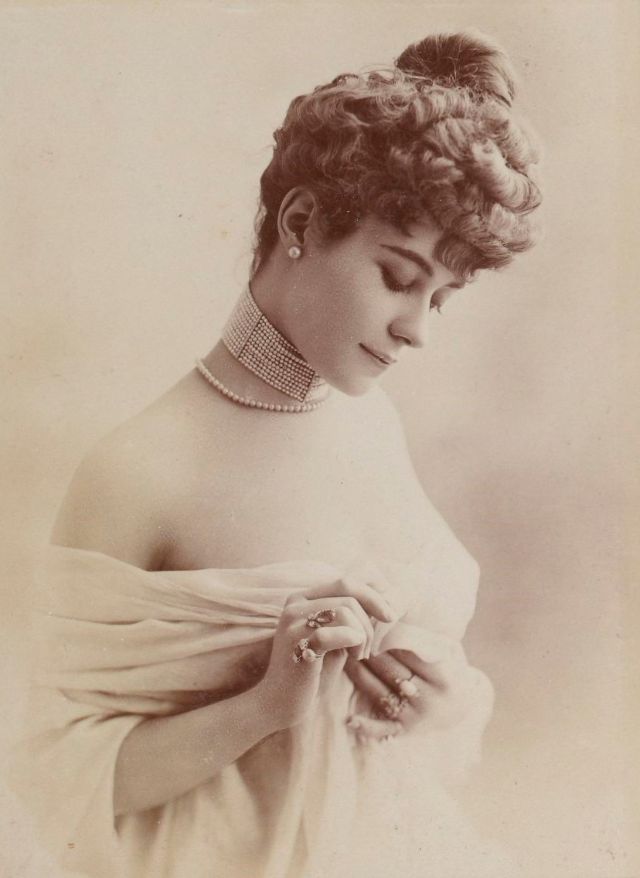
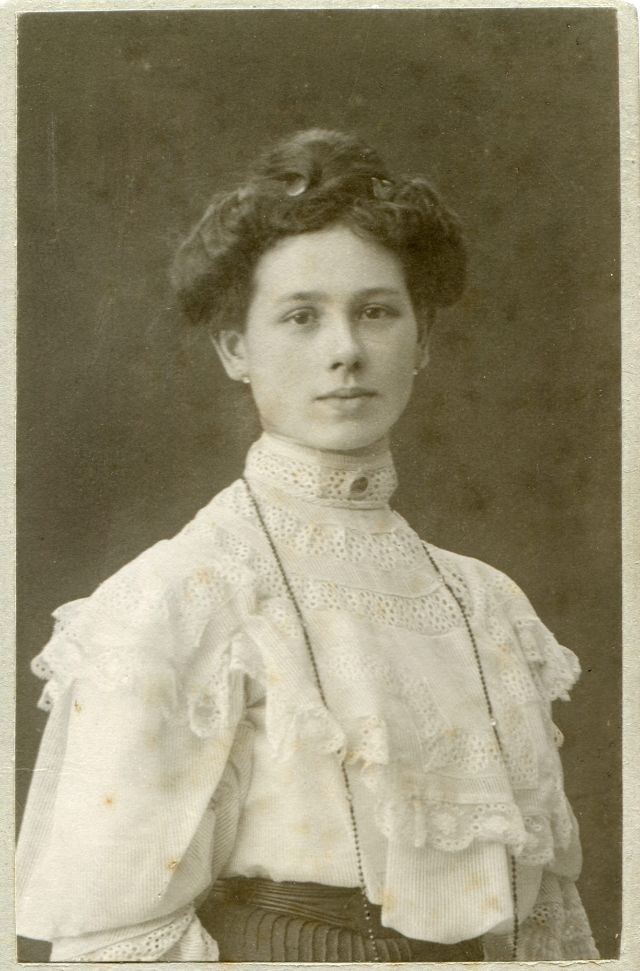
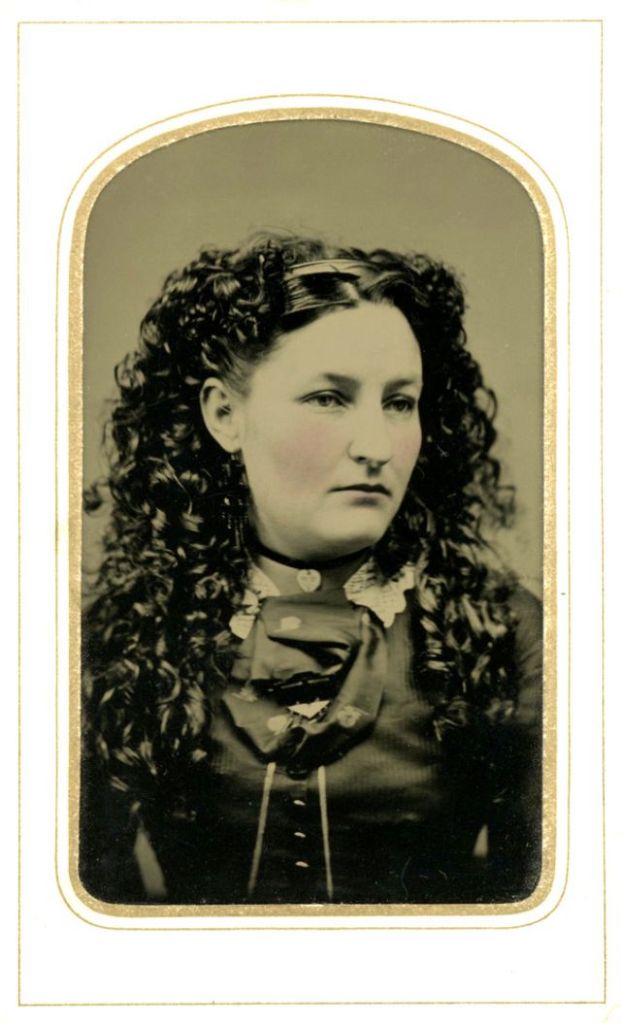
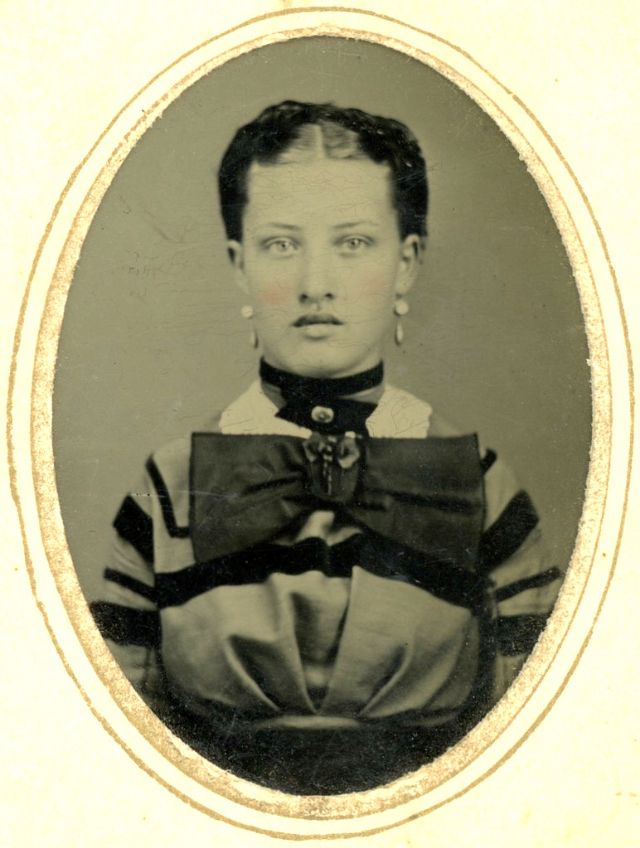
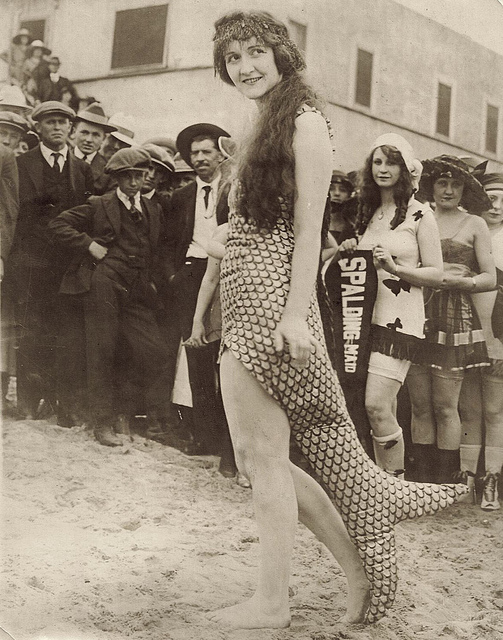
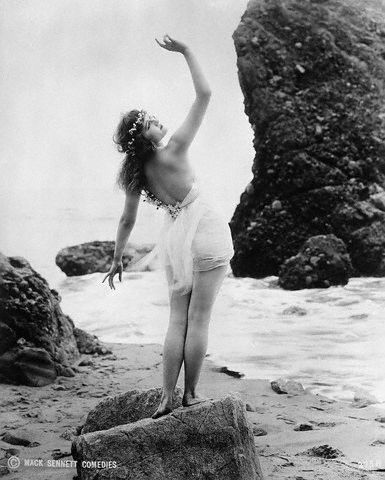
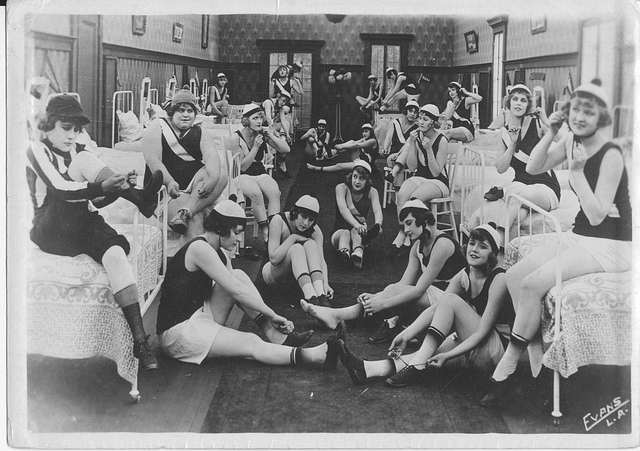
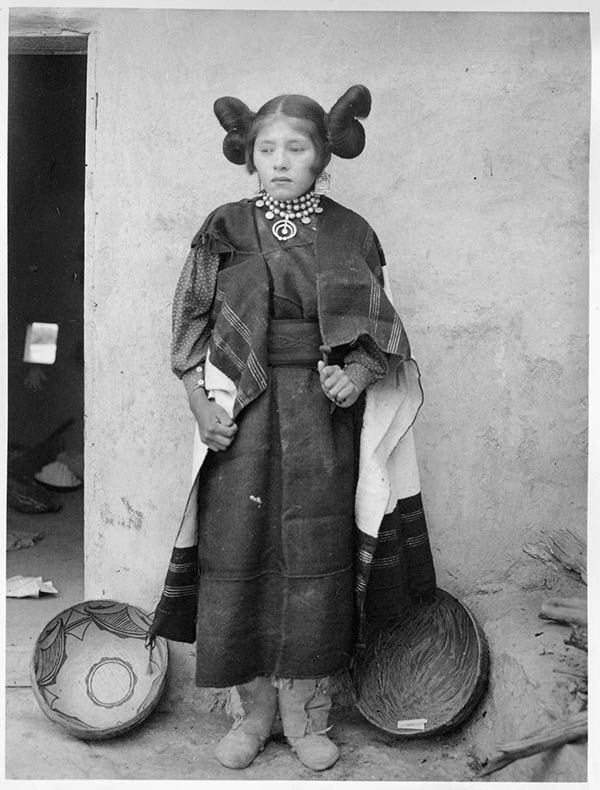
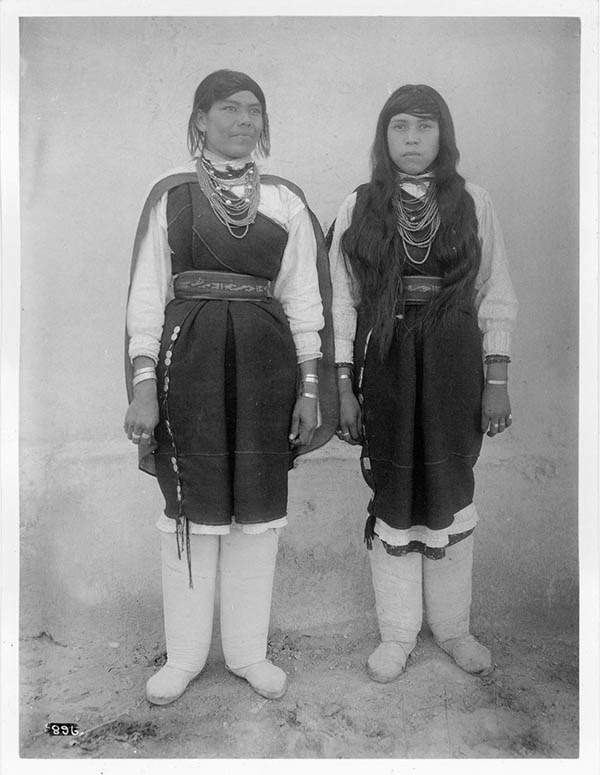
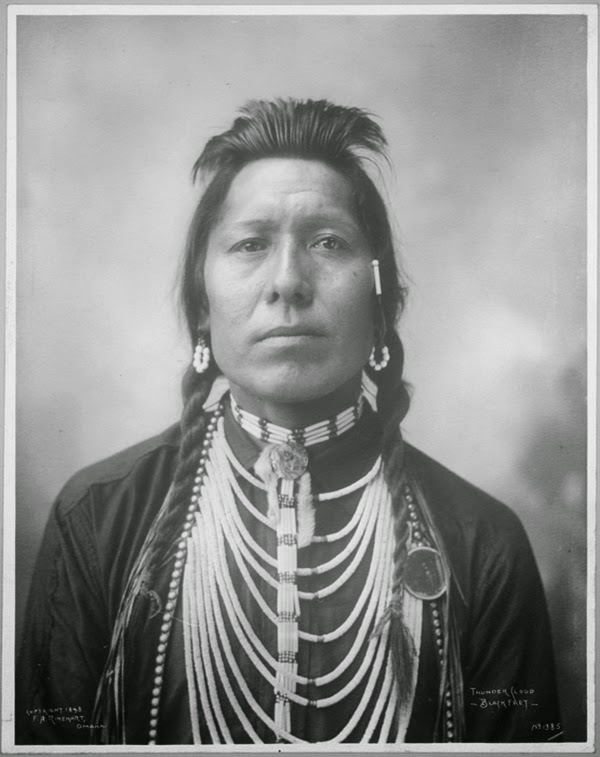
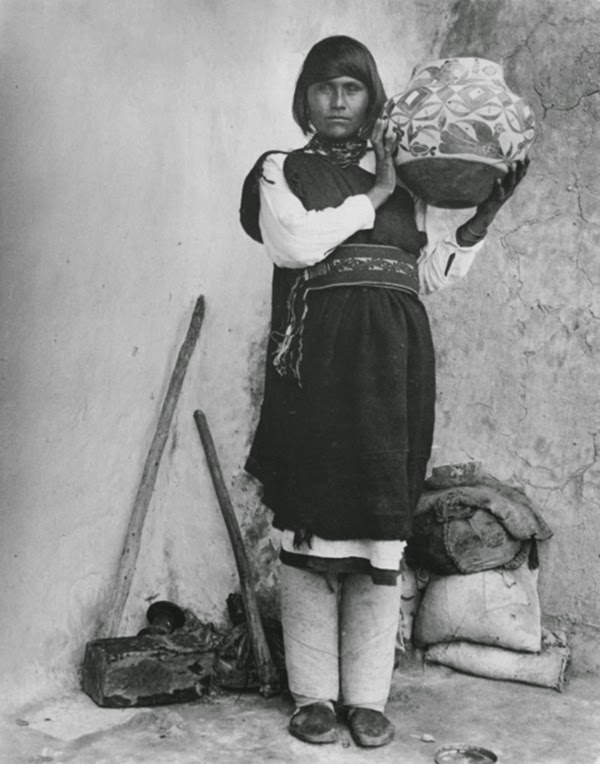
In spite of these absurd beauty trends, the era gave us some of the most beautiful women and emancipated ladies, here we gathered a gallery of 40 vintage portraits of beautiful women from between the 1900s to 1910s:
The Battle of the Bulge (16 December 1944 – 25 January 1945) was the last major German offensive campaign on the Western Front during World War II. It was launched through the densely forested Ardennes region of Wallonia in eastern Belgium, northeast France, and Luxembourg, towards the end of World War II. The furthest west the offensive reached was the village of Foy-Nôtre-Dame, south east of Dinant, being stopped by the British 21st Army Group on 24 December 1944. The German offensive was intended to stop Allied use of the Belgian port of Antwerp and to split the Allied lines, allowing the Germans to encircle and destroy four Allied armies and force the Western Allies to negotiate a peace treaty in the Axis powers’ favor. Once that was accomplished, the German dictator Adolf Hitler believed he could fully concentrate on the Soviets on the Eastern Front.
The surprise attack caught the Allied forces completely off guard. American forces bore the brunt of the attack and incurred their highest casualties of any operation during the war. The battle also severely depleted Germany’s armored forces, and they were largely unable to replace them. German personnel and, later, Luftwaffe aircraft (in the concluding stages of the engagement) also sustained heavy losses.
The Germans officially referred to the offensive as Unternehmen Wacht am Rhein (“Operation Watch on the Rhine”), while the Allies designated it the Ardennes Counteroffensive. The phrase “Battle of the Bulge” was coined by contemporary press to describe the bulge in German front lines on wartime news maps, and it became the most widely used name for the battle. The offensive was planned by the German forces with utmost secrecy, with minimal radio traffic and movements of troops and equipment under cover of darkness. Intercepted German communications indicating a substantial German offensive preparation were not acted upon by the Allies.
The Germans achieved total surprise on the morning of 16 December 1944, due to a combination of Allied overconfidence, preoccupation with Allied offensive plans, and poor aerial reconnaissance. The Germans attacked a weakly defended section of the Allied line, taking advantage of heavily overcast weather conditions that grounded the Allies’ overwhelmingly superior air forces. Fierce resistance on the northern shoulder of the offensive, around Elsenborn Ridge, and in the south, around Bastogne, blocked German access to key roads to the northwest and west that they counted on for success. Columns of armor and infantry that were supposed to advance along parallel routes found themselves on the same roads. This, and terrain that favored the defenders, threw the German advance behind schedule and allowed the Allies to reinforce the thinly placed troops. Improved weather conditions permitted air attacks on German forces and supply lines, which sealed the failure of the offensive. In the wake of the defeat, many experienced German units were left severely depleted of men and equipment, as survivors retreated to the defenses of the Siegfried Line.
The Germans’ initial attack involved 410,000 men; just over 1,400 tanks, tank destroyers, and assault guns; 2,600 artillery pieces; 1,600 anti-tank guns; and over 1,000 combat aircraft, as well as large numbers of other AFVs. These were reinforced a couple of weeks later, bringing the offensive’s total strength to around 450,000 troops, and 1,500 tanks and assault guns. Between 63,222 and 98,000 of their men were killed, missing, wounded in action, or captured. For the Americans, out of a peak of 610,000 troops, 89,000 became casualties out of which some 19,000 were killed. The “Bulge” was the largest and bloodiest single battle fought by the United States in World War II and the second bloodiest battle in American history.
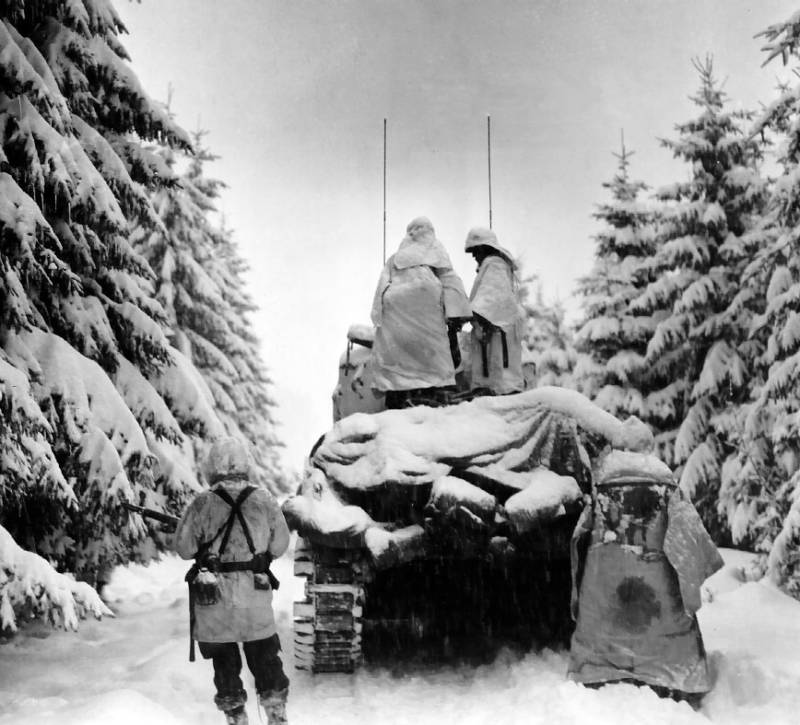
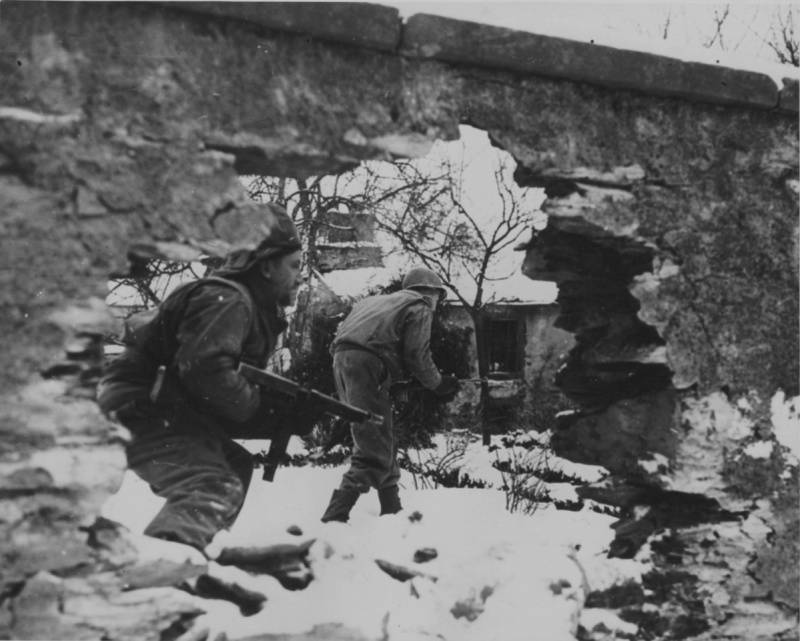
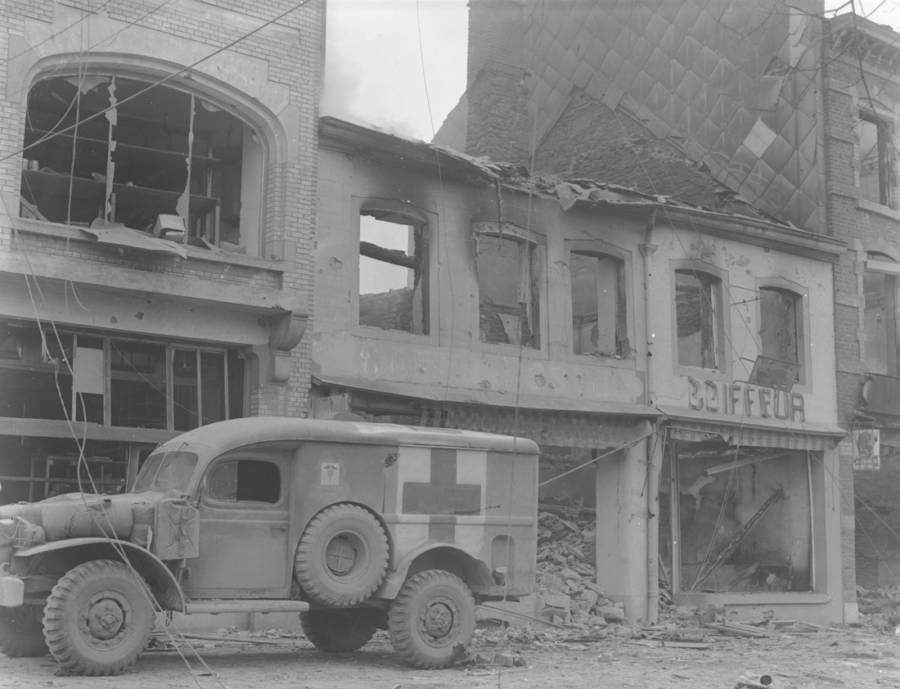
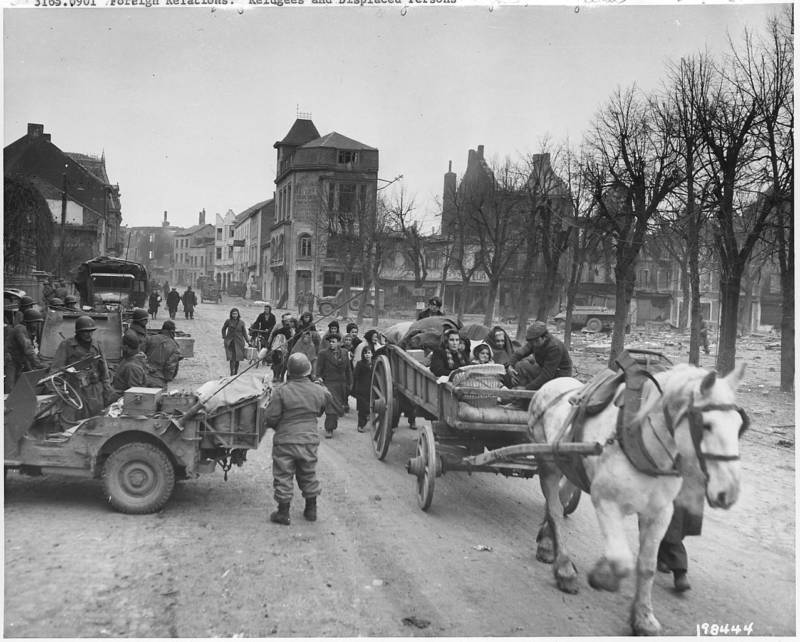
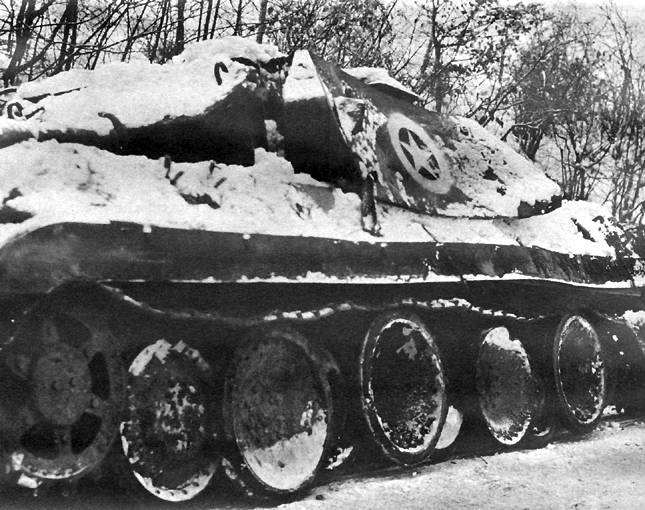
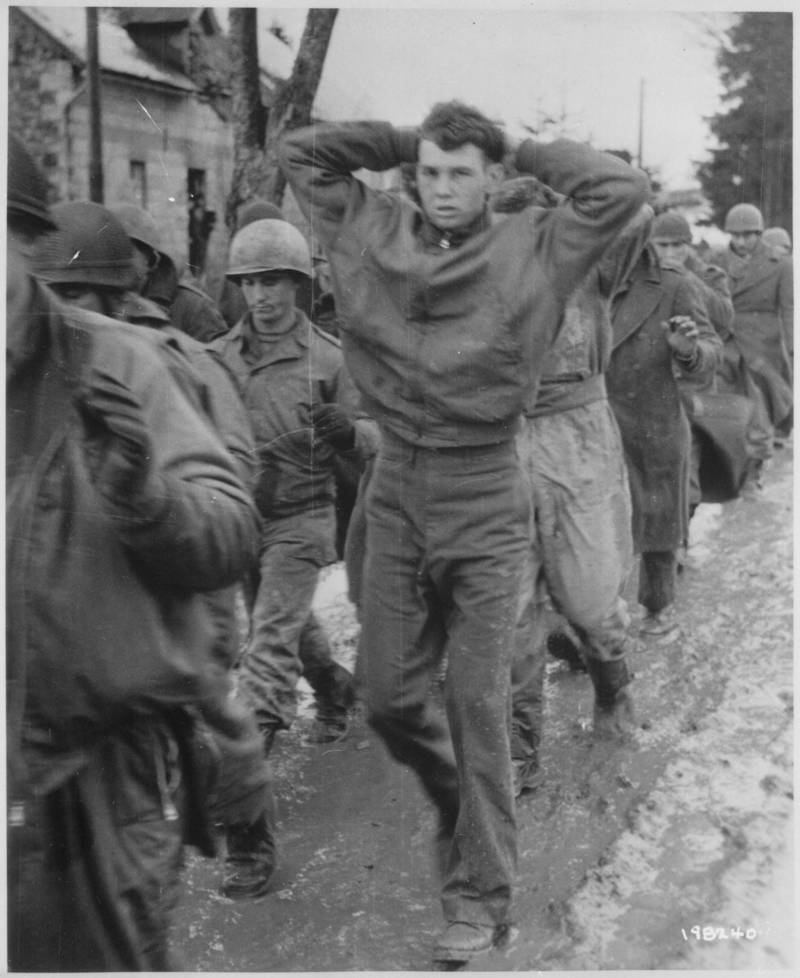
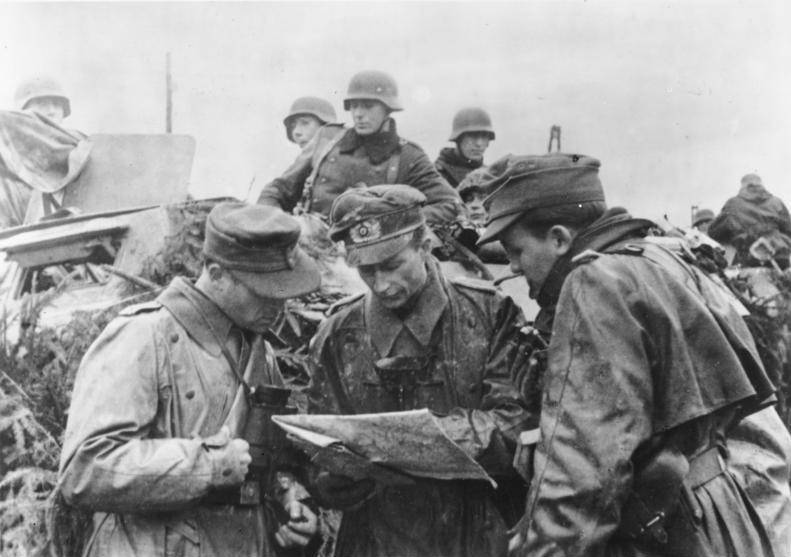
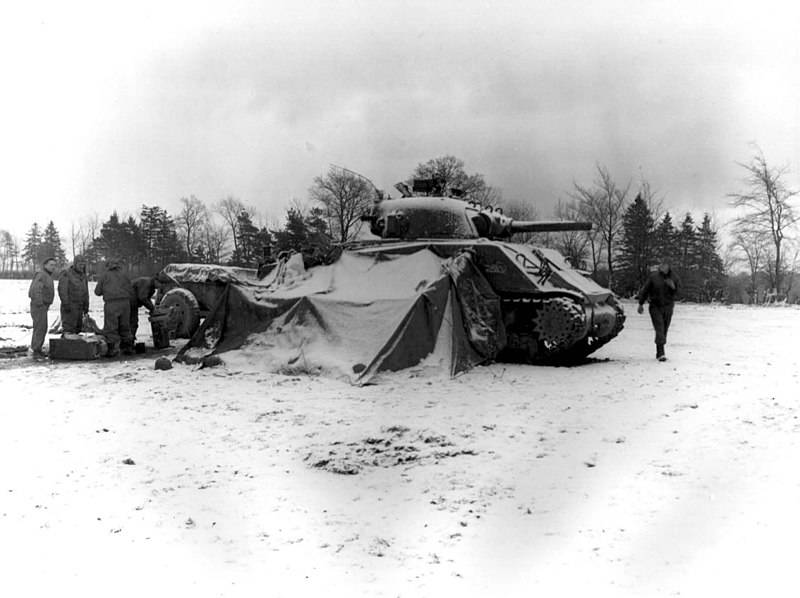
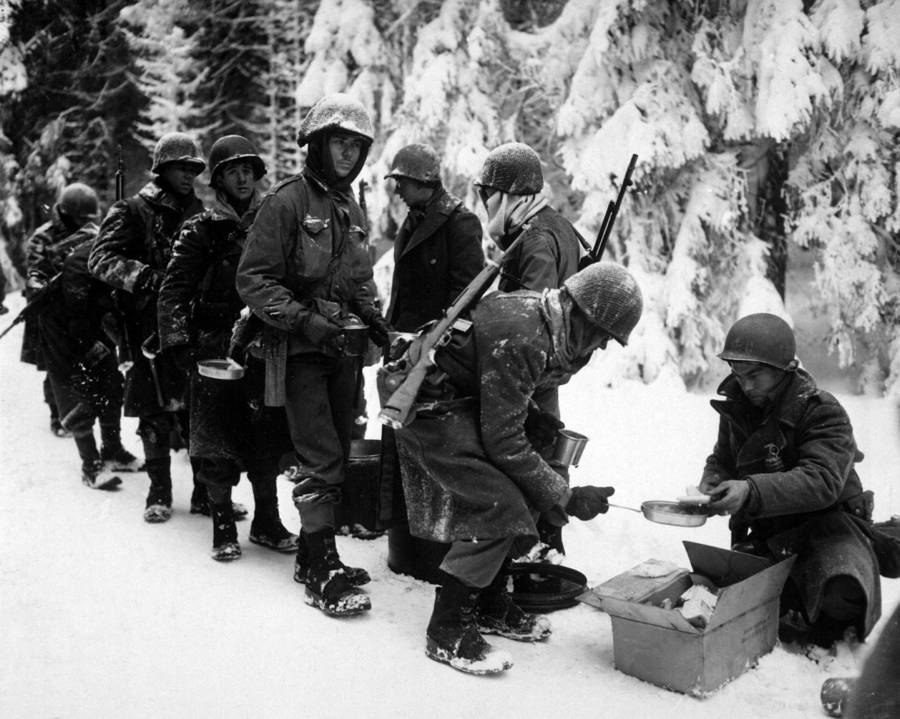
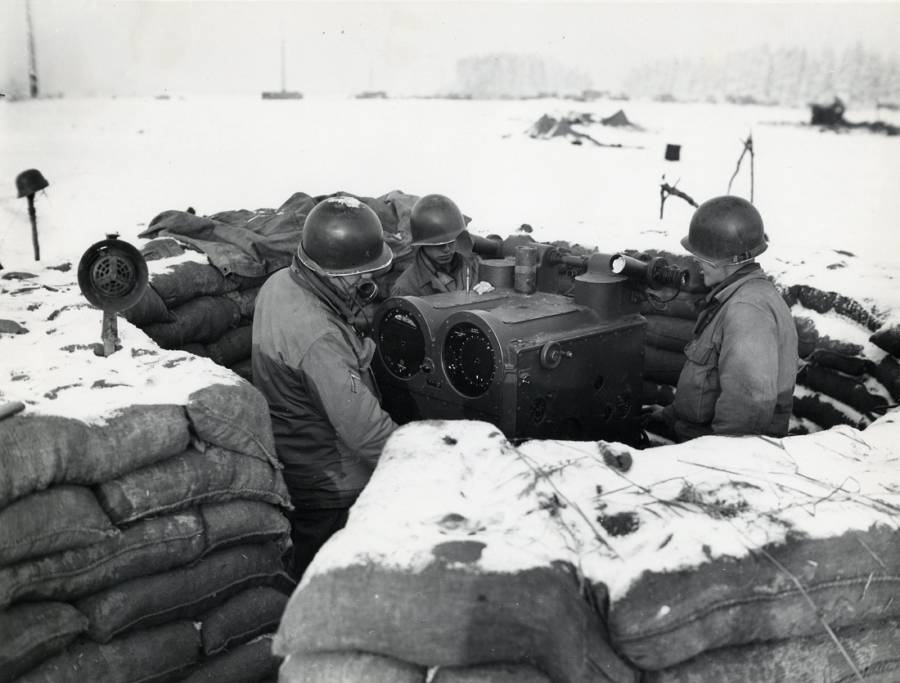
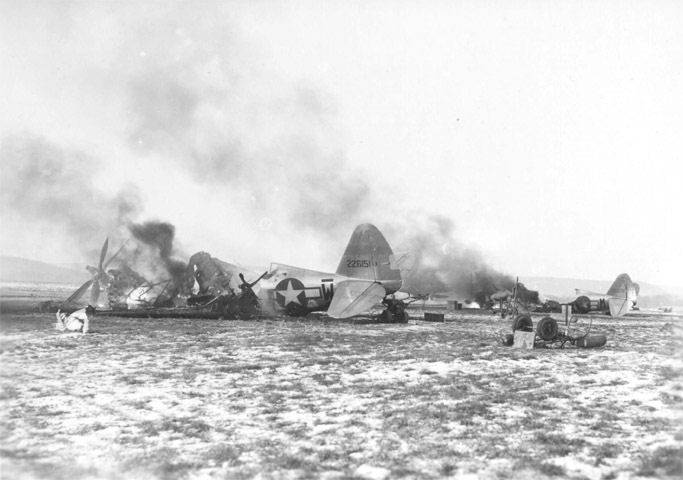
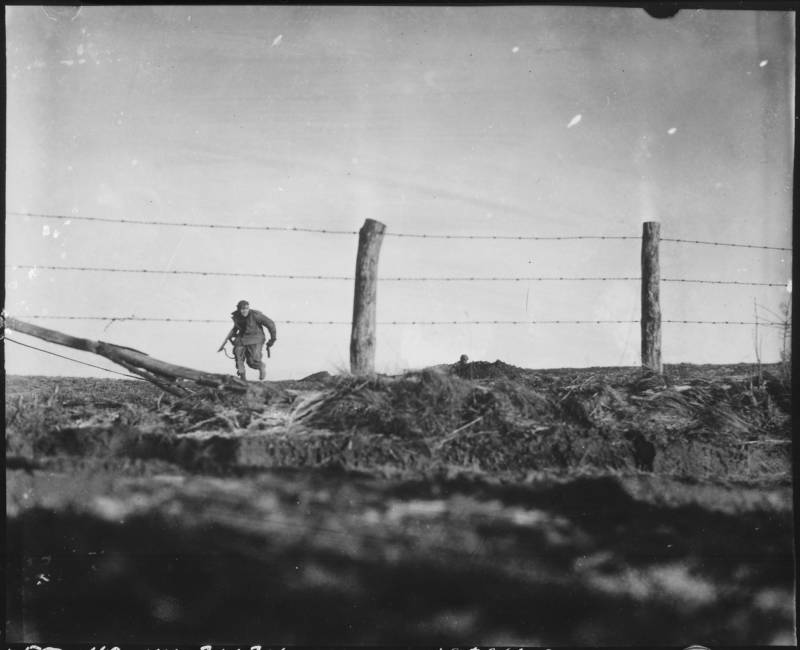
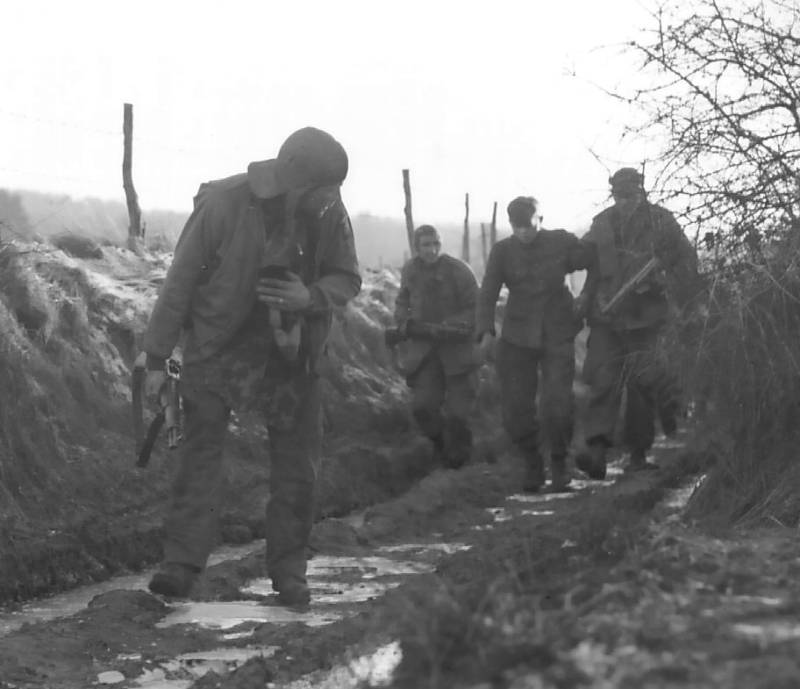
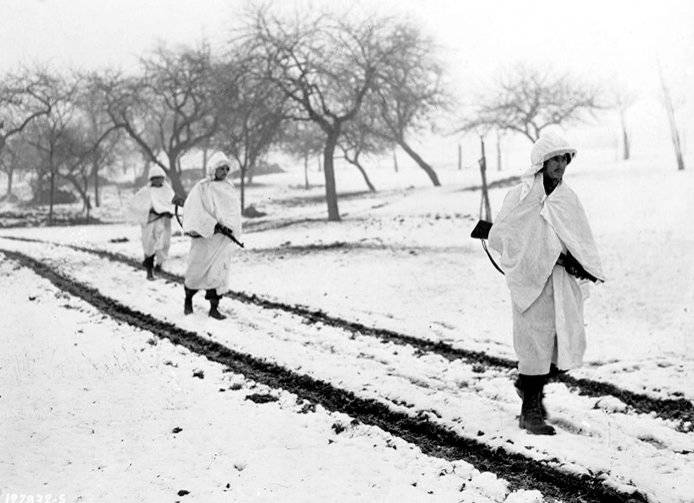
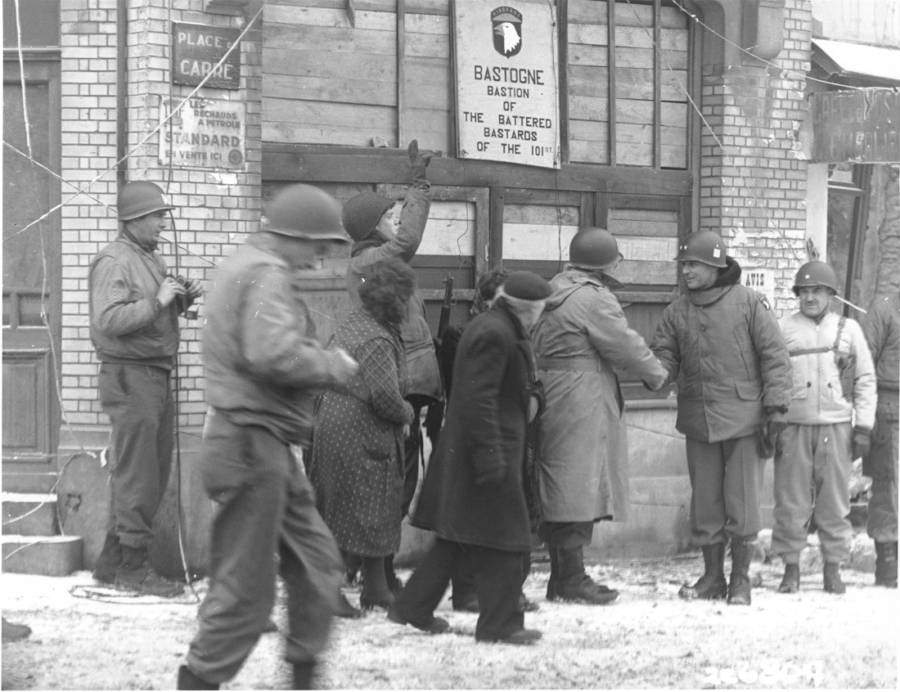
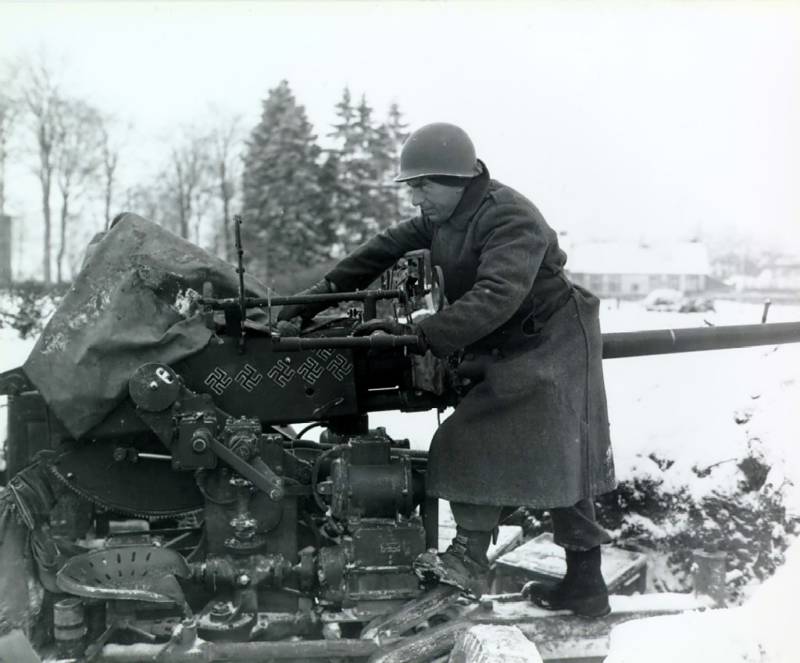
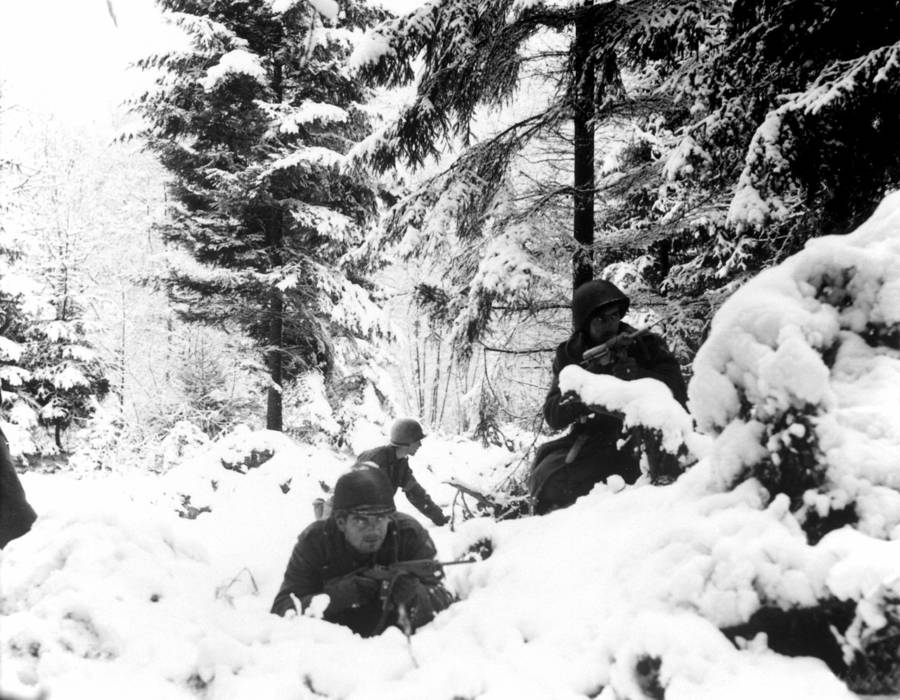
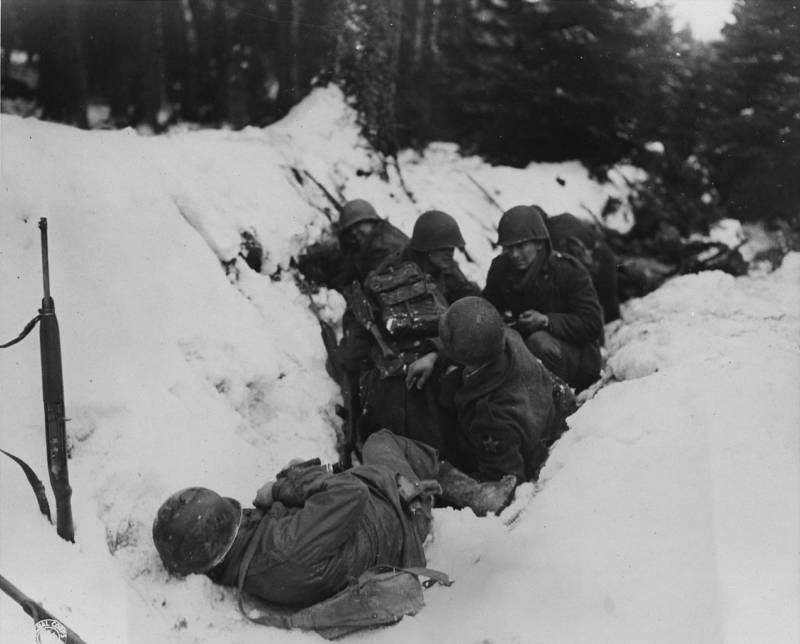
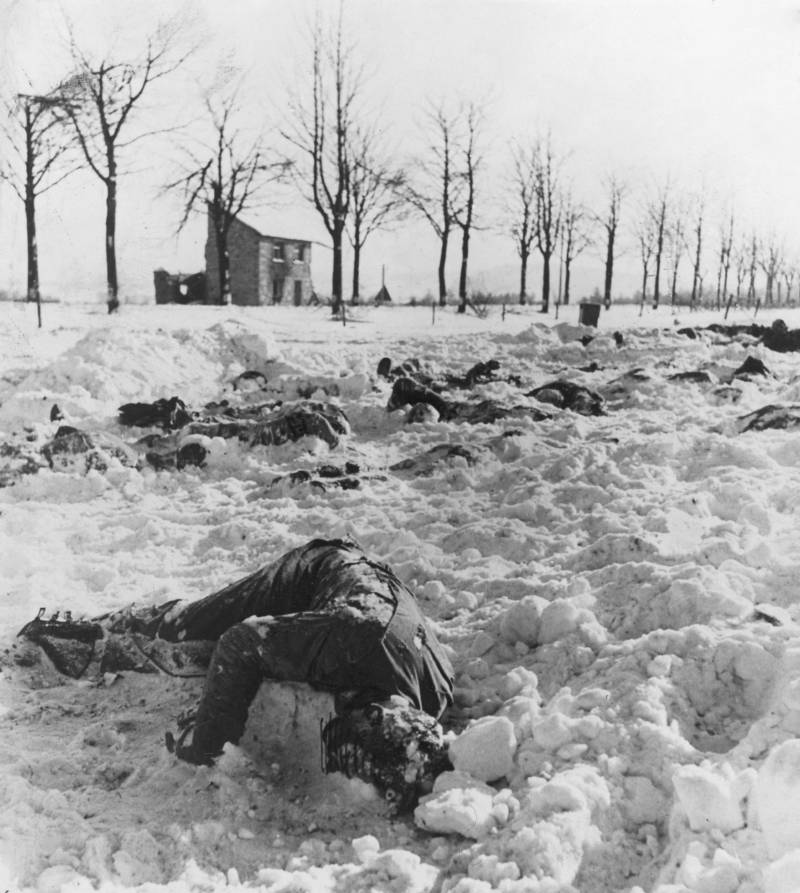
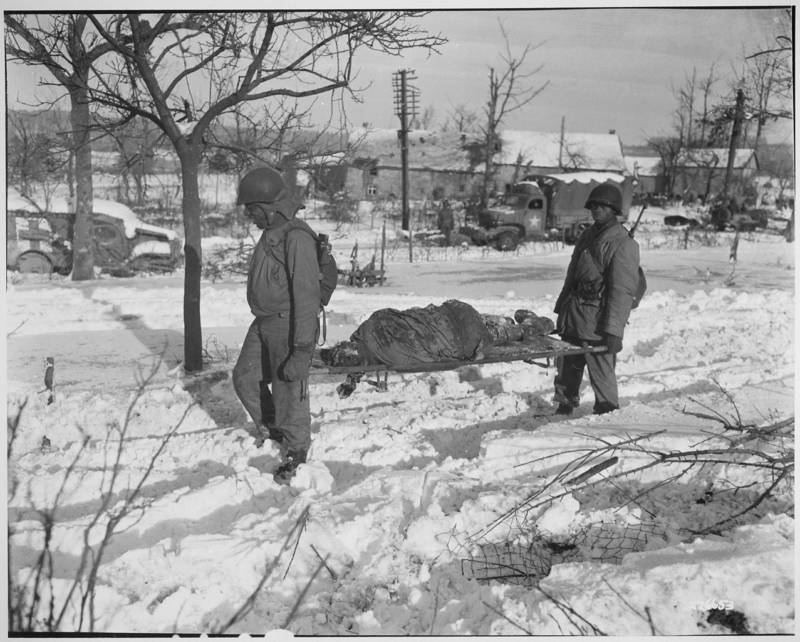
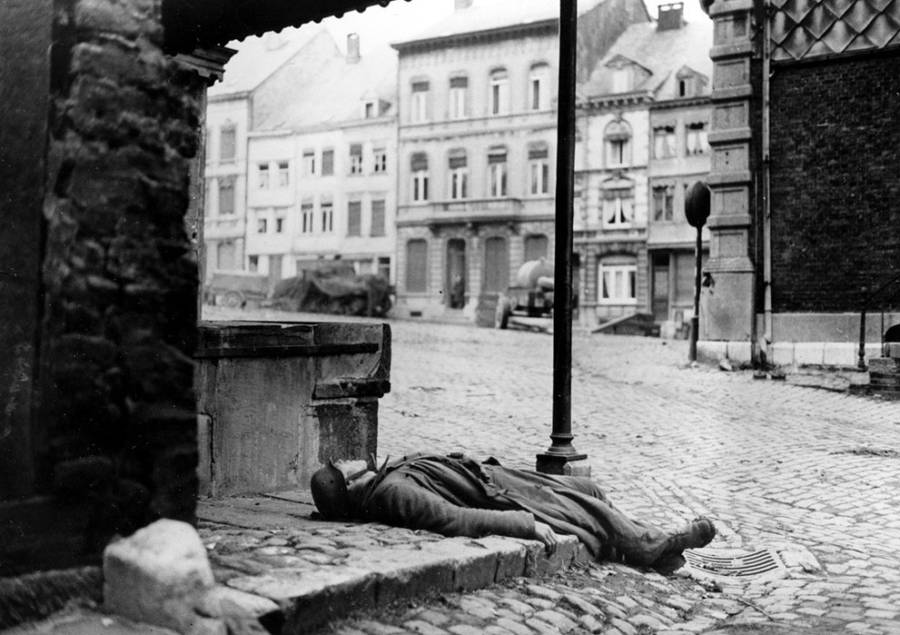
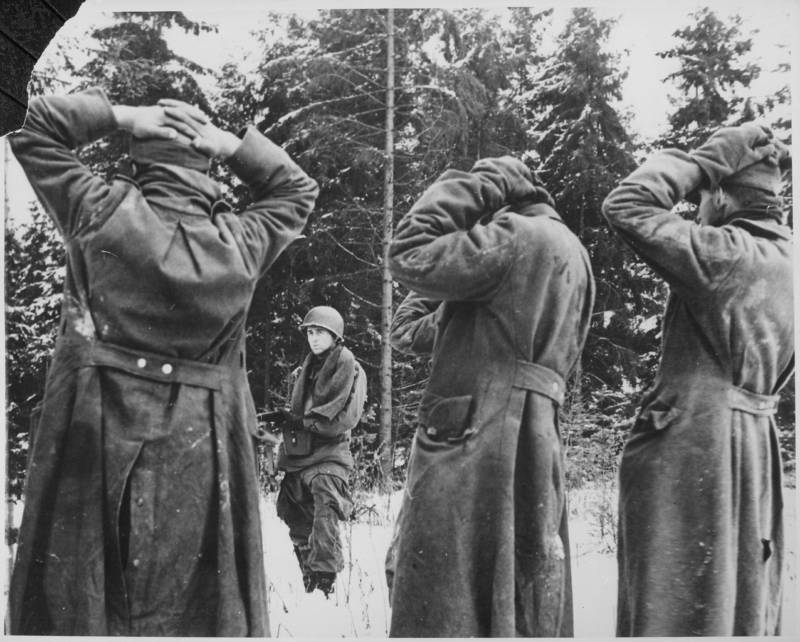
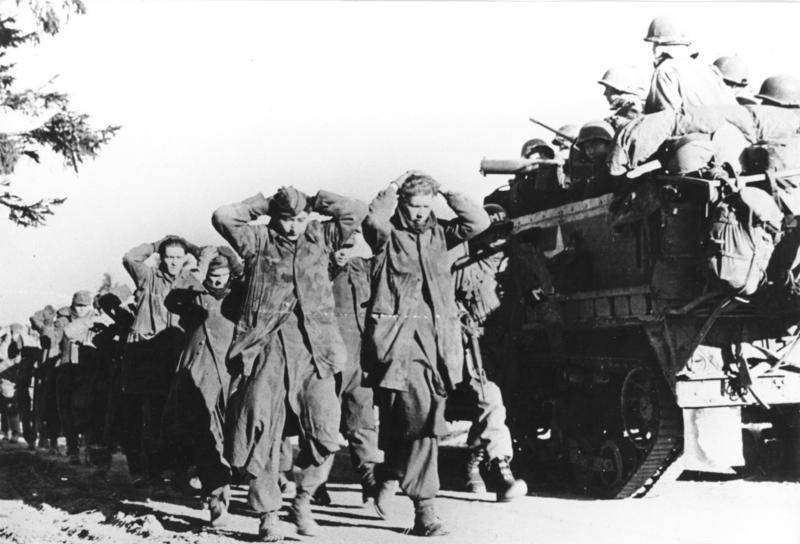
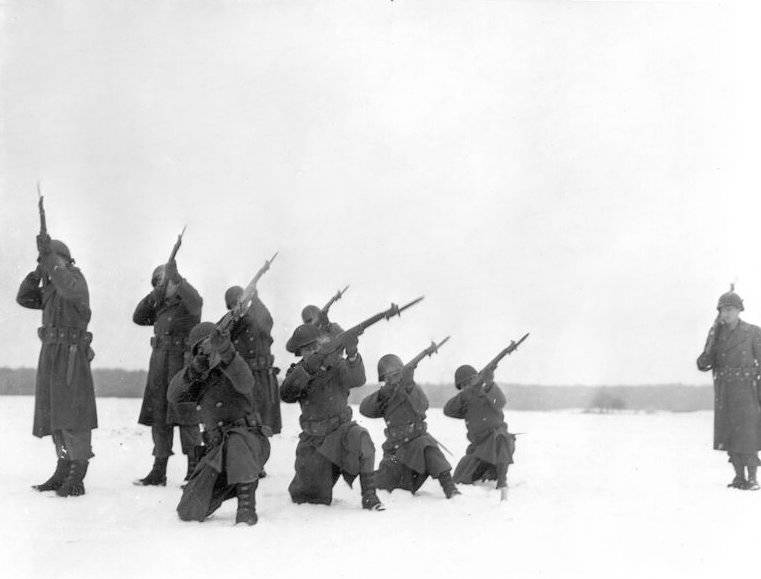
A heavily-armed German soldier marches into Belgium. Dec. 18, 1944.American prisoners-of-war from the all-Black 333rd Battalion, photographed by their Nazi captors. Many of the men captured on this day were stripped of their weapons, walked out into a field, and massacred. Near Malmedy, Belgium. December, 1944.Nazi soldiers in the Kampfgruppe Hansen fight against American soldiers. Liege, Belgium. Dec. 18, 1944.A war correspondent looks down at the dead body of a young Belgian boy, murdered by Nazi soldiers. Stavelot, Belgium. December, 1945.The bodies of Belgian civilians litter the streets. Belgium. Dec. 15, 1944.The blasted ruins of Bastogne after a raid by German bombers. Bastogne, Belgium. Dec. 26, 1944.A Nazi tank abandoned on the streets of Stavelot after crashing into the wall of a family’s home. Stavelot, Belgium. Dec. 18, 1944.American soldiers march toward Wiltz, determined to fight back and reclaim the territory they lost. Wiltz, Belgium. Circa December, 1944 – January, 1945.An American ambulance waits outside of a bombed-out building in Bastogne after an air raid. The soldiers are inside the building, searching for survivors. Bastogne, Belgium. Dec. 26, 1944.American troops help Belgian refugees flee Bastogne, a city under siege by the Nazi army.Bastogne, Belgium. December, 1944.A German tank disguised to look like an American vehicle. Belgium. December, 1944.Nazi soldiers fight their way through a forest. Luxembourg. Dec. 22, 1944.American soldiers, stripped of their equipment and one robbed of his boots, lie dead at the crossroads. Honsfeld, Belgium. Dec. 17, 1944.A row of captured American soldiers march forward. Belgium. December, 1944.The scene of the Malmedy Massacre. About 70 soldiers are stripped of their weapons, sent out into a field, and gunned down unarmed by Nazis soldiers after surrendering. Malmedy, Belgium. Dec. 17, 1944Nazi commanders inspect a map, planning their next move. Luxembourg. Jan. 4, 1945.Two American soldiers on the streets of Bastogne, a city under siege by the German army. Bastogne, Belgium. Dec. 19, 1944.American tank destroyers push through the fog, moving to cut off the German offensive. Werbomont, Belgium, Dec. 20, 1944An American patrol searches the woods for Nazi paratroopers. Between Eupen and Butgenbach, Belgium. Dec. 18, 1944.A German armored infantry car moves through the Ardennes. Belgium or Luxembourg. December, 1944.The devastated ruins of a Belgian city. Stavelot, Belgium. Dec. 30, 1944American soldiers in Bastogne walk by the dead bodies of their friends, killed in a late-night bombing on Christmas Eve. Bastogne, Belgium. Dec. 25, 1944Christmas during wartime. Brig. Gen. Anthony McAuliffe and his staff celebrate Christmas in the barracks, surrounded by Nazi soldiers. Bastogne, Belgium. Dec. 25, 1944.On the road to liberate Bastogne, the 5th Armored Regiment gathers around a tank and opens their Christmas presents. Eupen, Belgium. Dec. 25, 1944.The 347th Infantry Regiment pause for a meal in the frozen forests of Belgium. Near La Roche, Belgium. Jan. 13, 1945.Soldiers outside of Bastogne keep an eye out for German planes. Bastogne, Belgium. Jan. 11, 1945.An American soldier uses a piece of equipment stolen from the Germans to watch for their planes. Bastogne, Belgium. Jan. 11, 1945The crew of the “Black Widow” prepare to shoot at a German plane. Bastogne, Belgium. Jan. 11, 1945The destroyed rubble of an Allied plane. Bastogne, Belgium. Dec. 1944.An infantryman charges out into the open on his own, protected only by the cover fire of a brother-in-arms. Dec. 24, 1944.After running into a Nazi patrol, American soldiers drag back a prisoner: an officer of the SS. Bra, Belgium. Dec. 25, 1944.American soldiers of the 289th Infantry Regiment march along the snow-covered road on their way to cut off the Nazi offensive. January 24, 1945.American soldiers out on patrol, dressed in a crude camouflage of white bed sheets. Lellig, Luxembourg. Dec. 30, 1944.Generals of the 101st Airborne under a sign that reads: “The Bastion of the Battered Bastards of the 101st.” Bastogne, Belgium. Jan. 18, 1945.American soldiers arrive safely in Bastogne. These men had held off the Germans in Wilts, refusing to give up the ground until their last bullet was expended. Bastogne, Belgium. Dec. 20, 1944.A gunner draws a swastika on his antiaircraft gun for every Nazi plane he shoots down. Sourbrodt, Belgium. Dec. 31, 1944.American vehicles get trapped in the deep, thick snowbanks of the Belgian winter. Wallerode, Belgium. Jan. 30, 1945.American infantrymen move through the thick snow. Amonies, Belgium. Jan. 4, 1945.American Infantrymen crouch under snow-filled trenches, struggling to fend off the onslaught of the German army. Kinkelt, Belgium. Dec. 14, 1944.A soldier stumbles upon the dead body of a fallen paratrooper. Bastogne, Belgium. Jan. 12, 1945.Another shot from the site of the Malmedy Massacre, where American prisoners-of-war were gunned down, defenseless and unarmed, by their Nazi captors. Malmedy, Belgium. Dec. 11, 1944.The dead body of a soldier killed in Malmedy is carried out on a stretcher. Malmedy, Belgium. December, 1944.Troops make their way through a snowstorm. Herresbach, Belgium. Jan. 28, 1945.A tank rolls through the thick snowbanks, on its ways to reclaim a location lost to the Germans. Herresbach, Belgium. Jan. 28, 1945.American soldiers fire across an open field. Bastogne, Belgium. December, 1944.An airdrop of supplies lands on the sieged city of Bastogne. Bastogne, Belgium. Dec. 26, 1944.The British Royal Air Force drops a payload of bombs down on the German army. St. Vith, Belgium. Dec. 26, 1944.A dead German soldier lies on the streets. Stavelot, Belgium. Jan. 2, 1945.American troops take prisoners. Belgium. January, 1945.Young boys in the Hitler Youth, thrown into war in a Panzer division of the Nazi army, are captured alive by American troops. Belgium. December, 1944.American soldiers march a line of Nazi prisoners. Belgium. December, 1944.German prisoners-of-war are put to work digging graves for the men who died defending Bastogne. Bastogne, Belgium. December, 1944.A rifle squad fires a volley for men who died defending Bastogne. Bastogne, Belgium. Jan. 22, 1945.A lone soldier takes a peaceful walk through a forest outside Bastogne. Bastogne, Belgium. Dec. 27, 1944.
We often see images of the nineteenth-century women in elegant gowns with stylized hairstyles. Have you ever thought that sometimes they also had some awful hairdos? Just check out these photos to see.
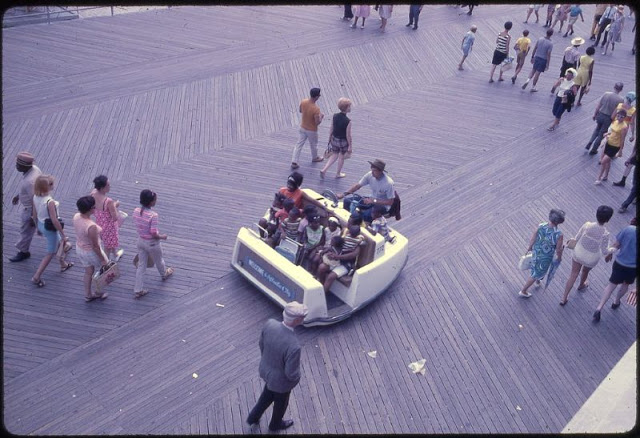
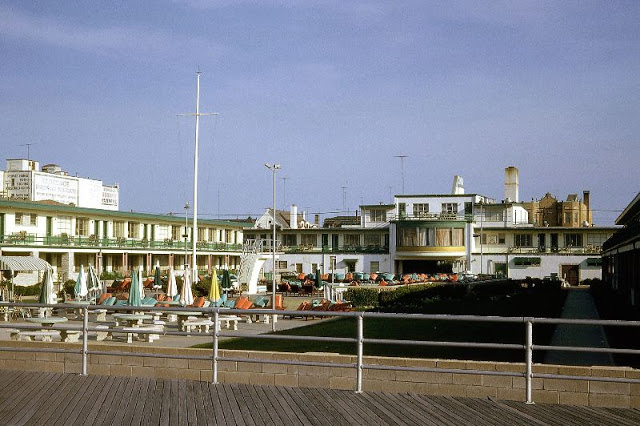
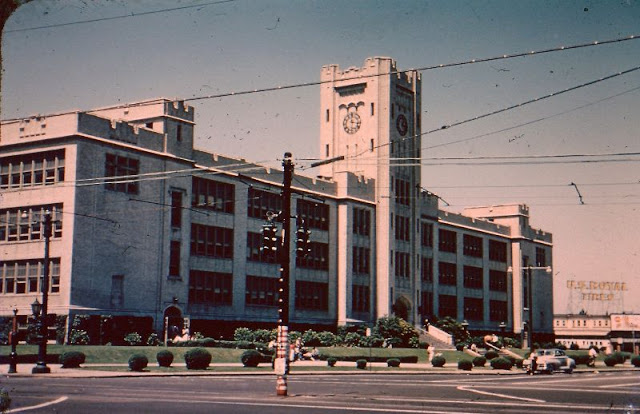
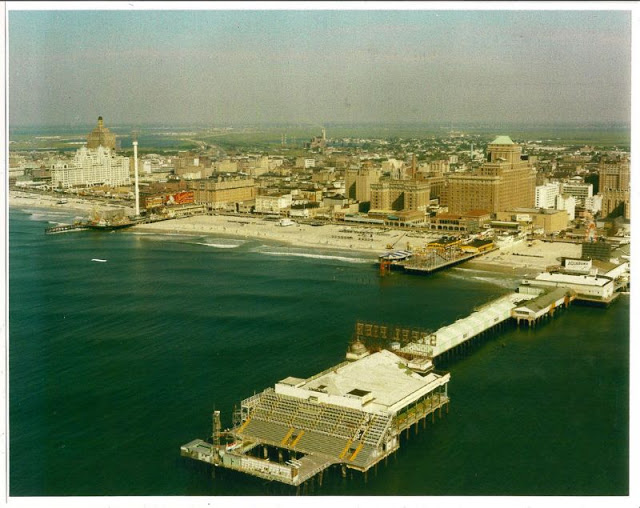
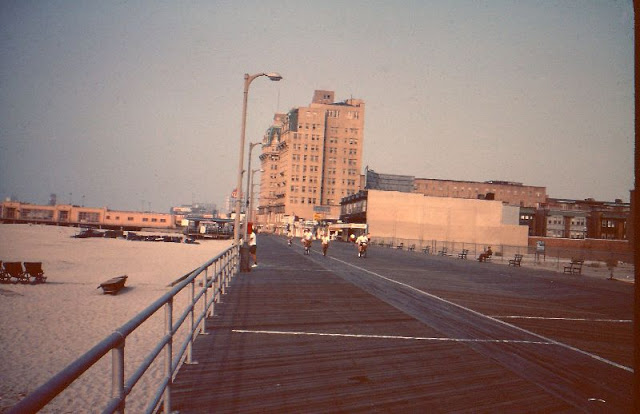
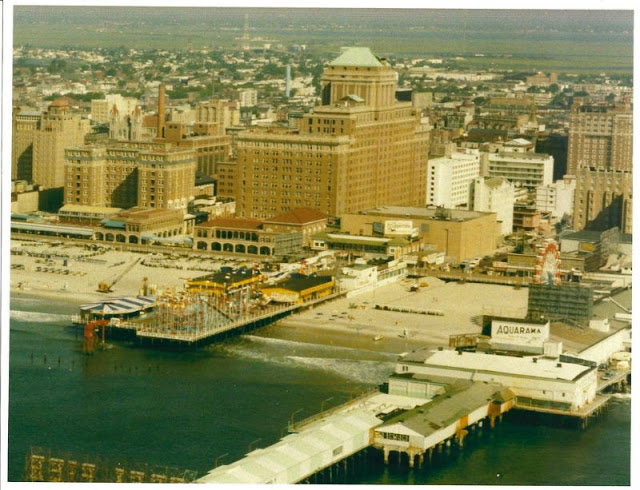
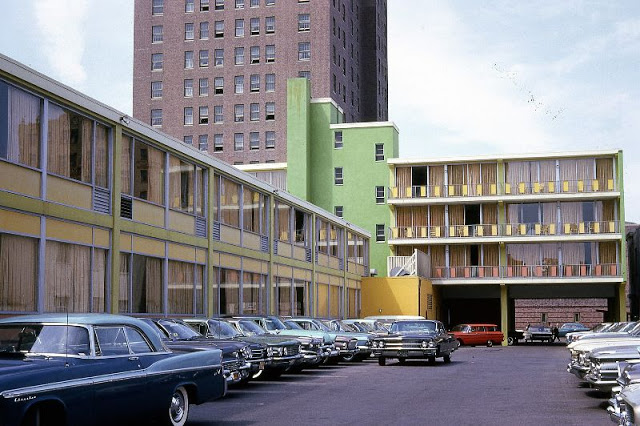
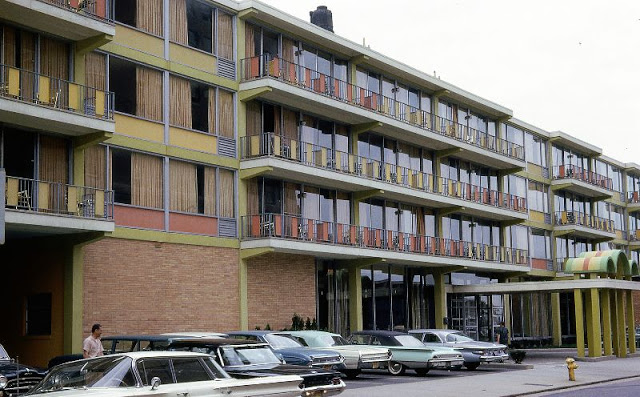
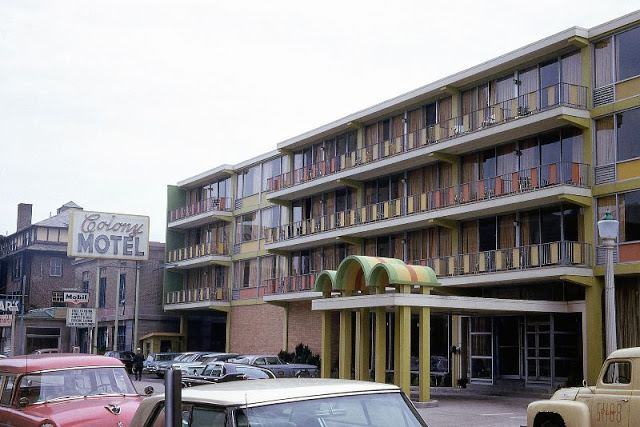
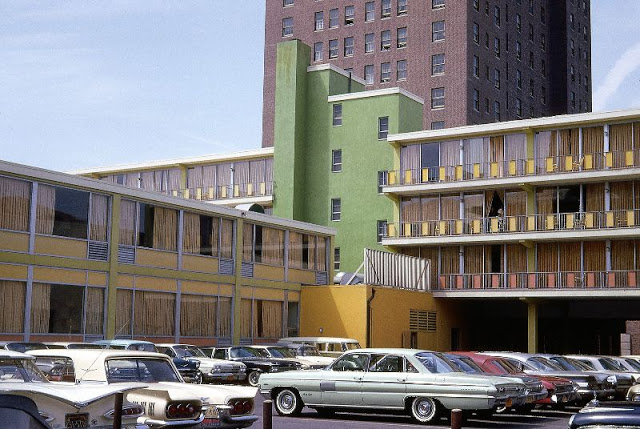
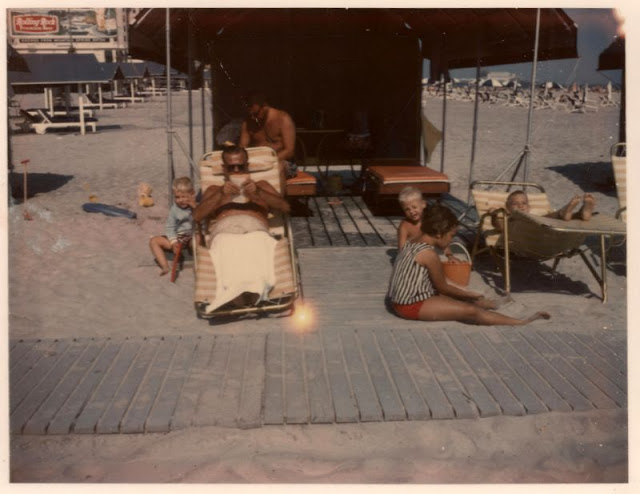
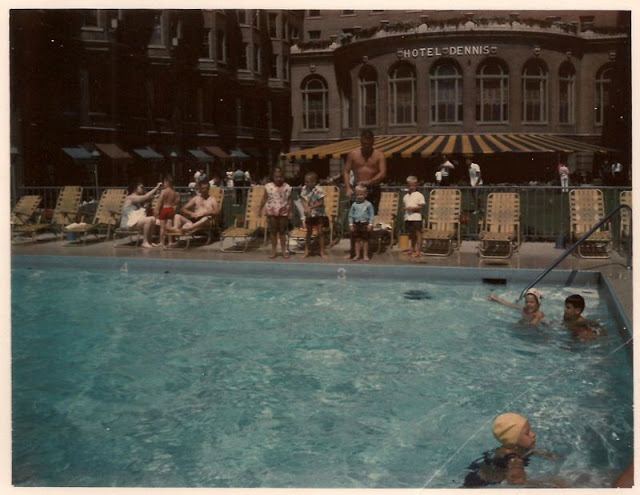
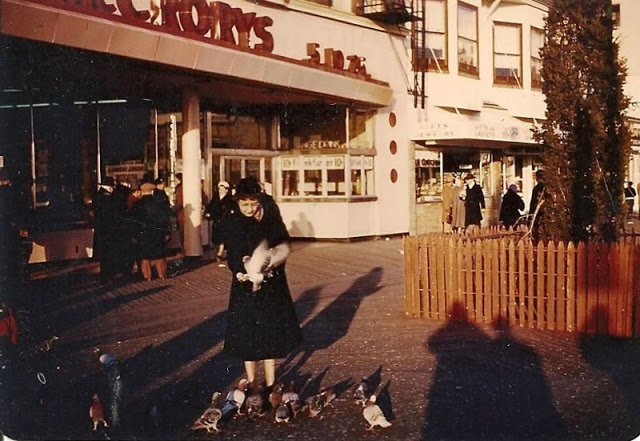
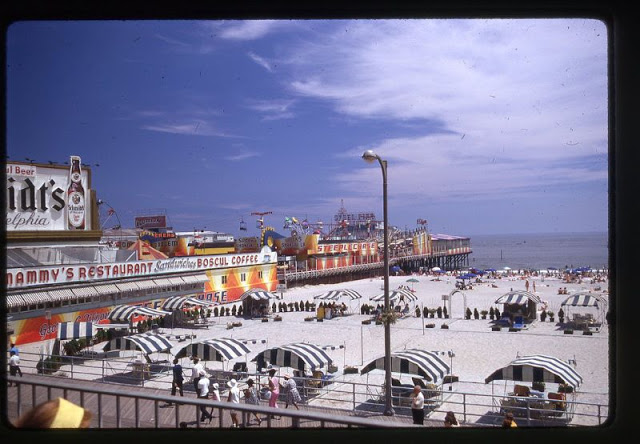
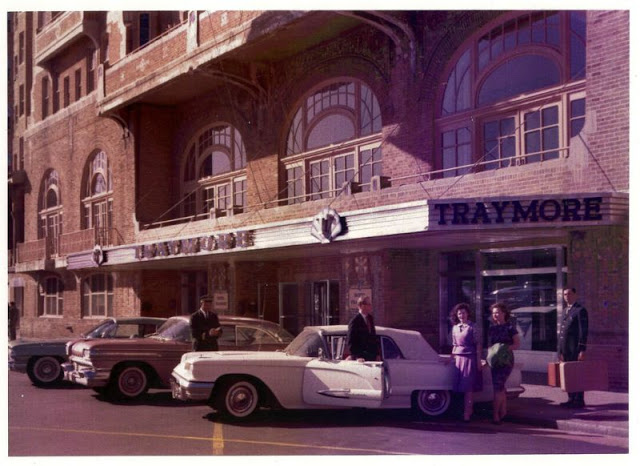
Traymore HotelTraymore HotelTraymore HotelAtlantic City beachAtlantic City Boardwalk from BalconyAtlantic City BoardwalkAtlantic City BoardwalkAtlantic City BoardwalkAtlantic City BoardwalkAtlantic City BoardwalkAtlantic City Central PierAtlantic City High SchoolAtlantic City Jitney busesAtlantic City sky needleAtlantic CityBreakers HotelChalfont Haddon Hall, Steeplechase and Steel piersColony MotelColony MotelColony MotelColony MotelDennis Hotel cabanasDennis Hotel cabanasDennis Hotel cabanasDennis Hotel swimming poolDennis HotelFeeding pigeons in front of McCrory’sGarden Pier with the amphitheaterSteel Pier and beachTraymore Hotel entrance
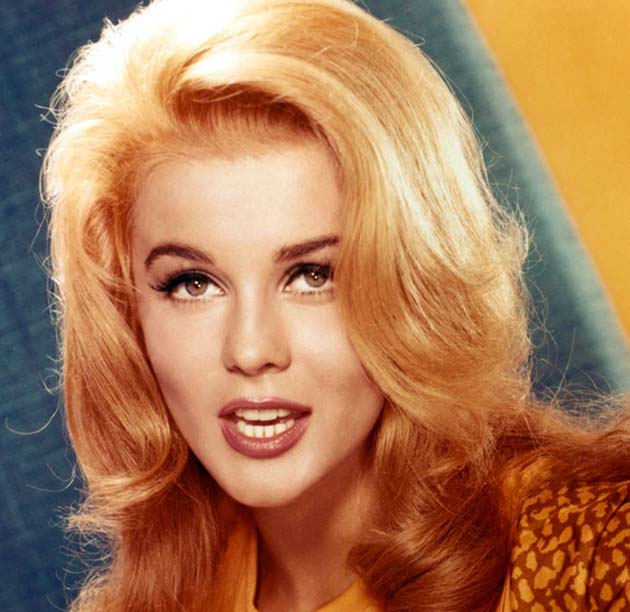
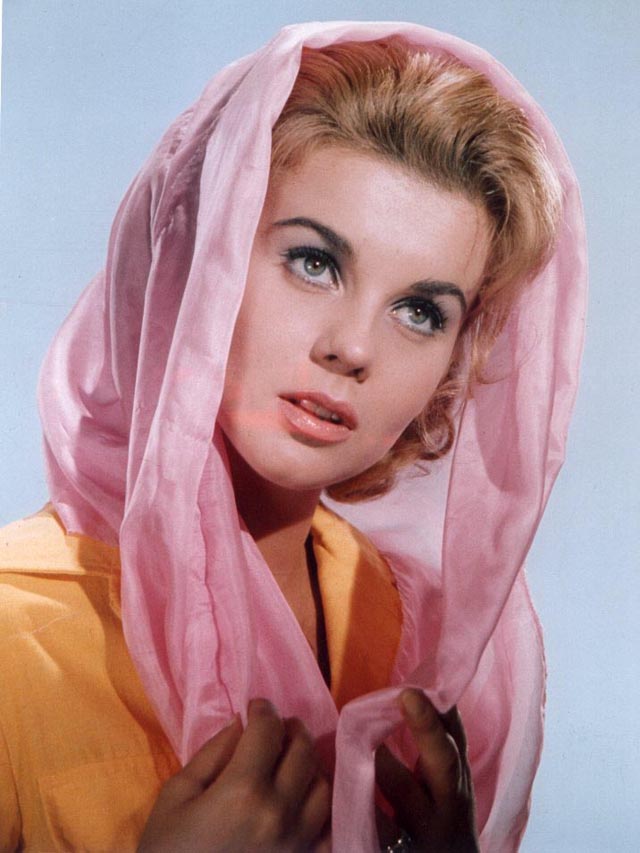
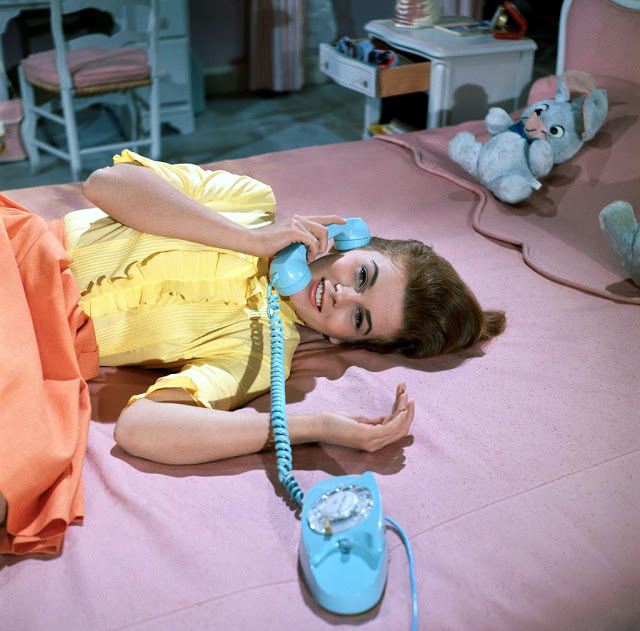
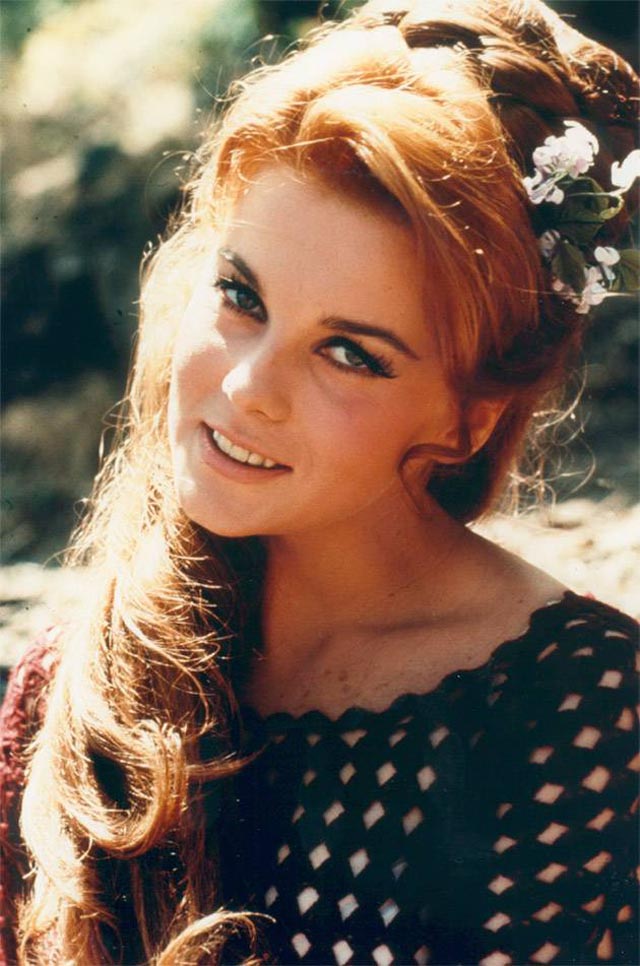
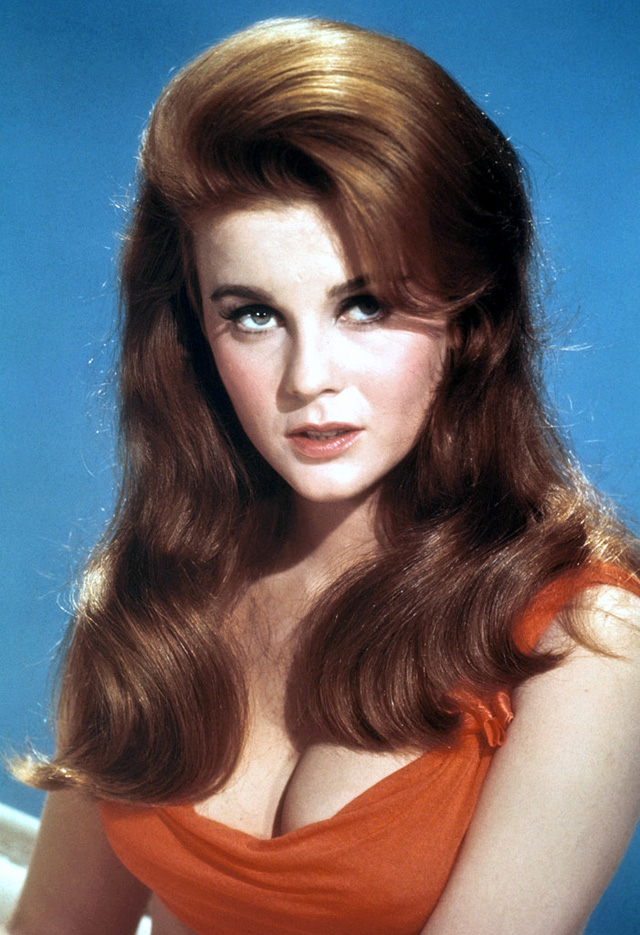
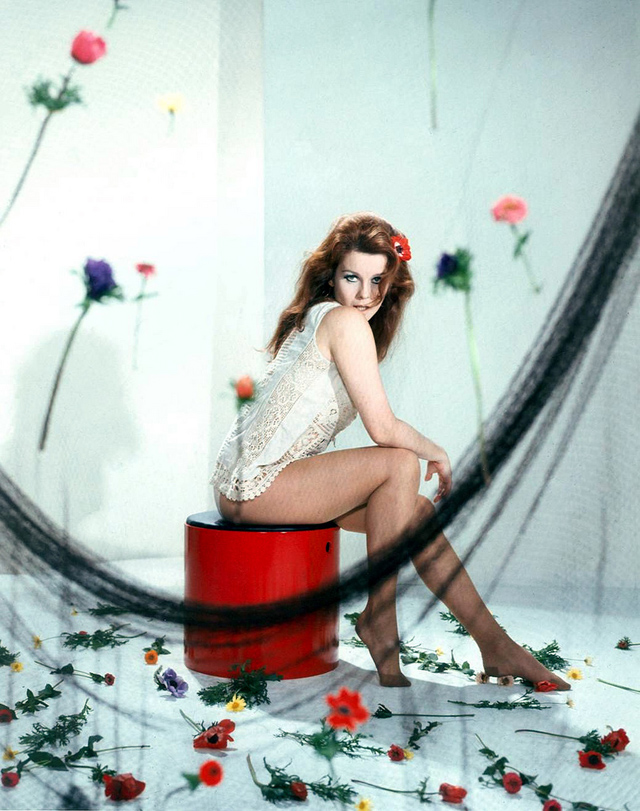
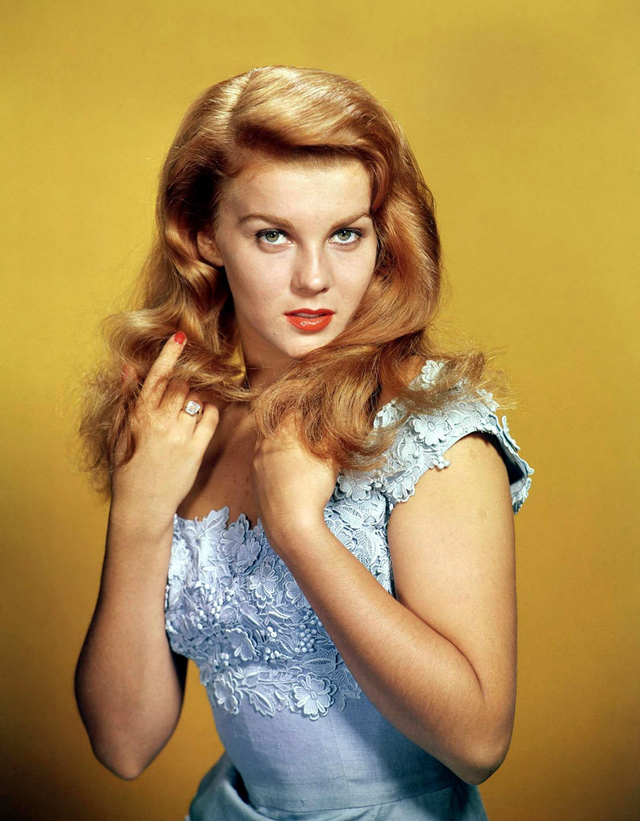
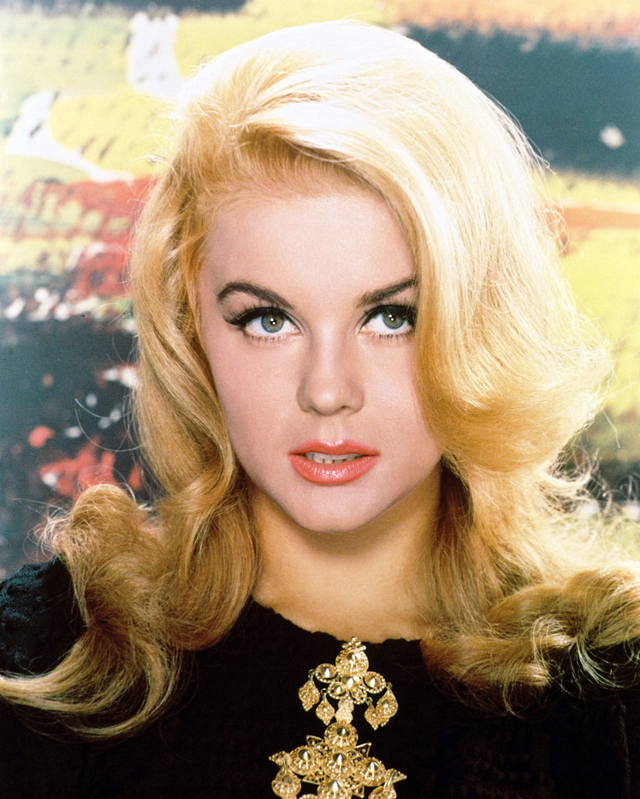
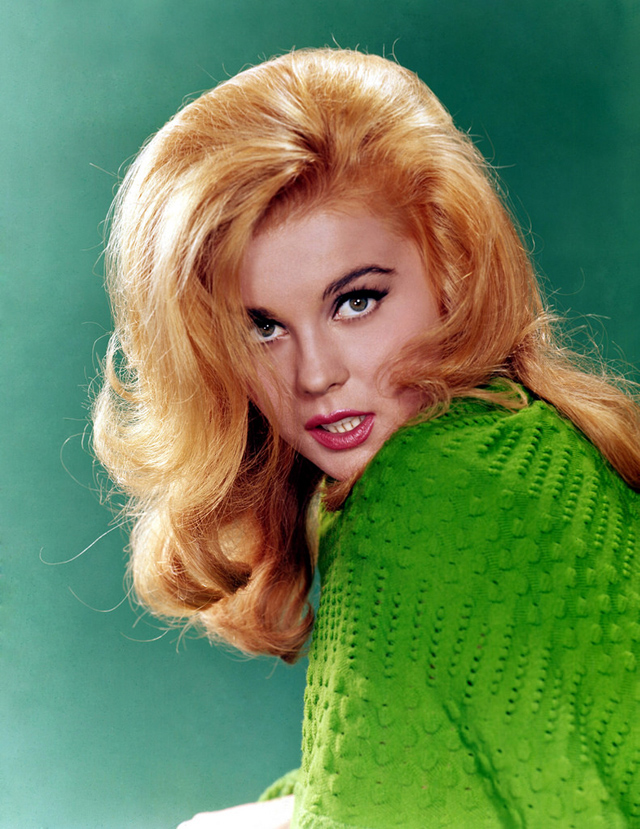
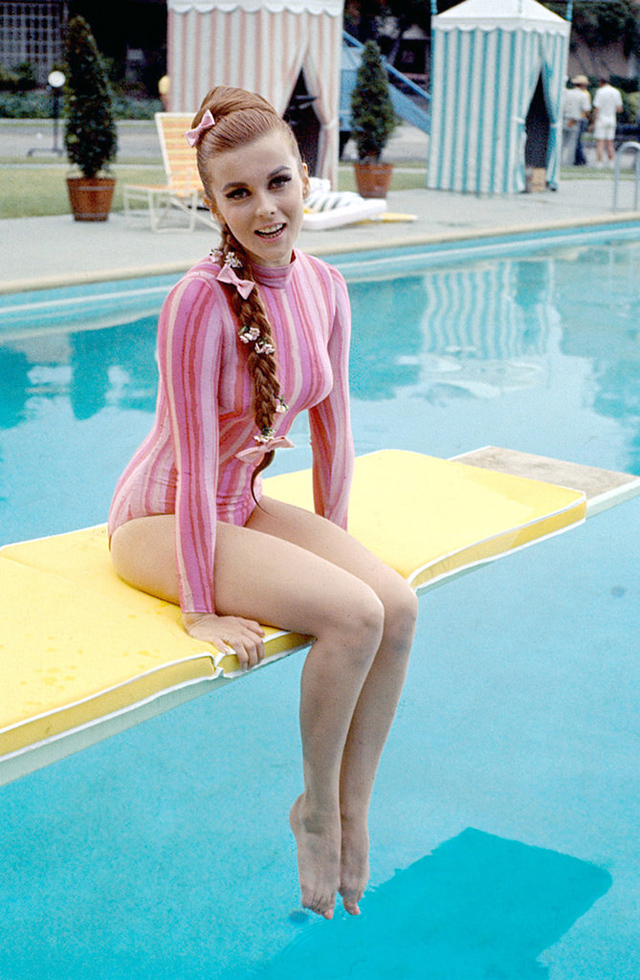
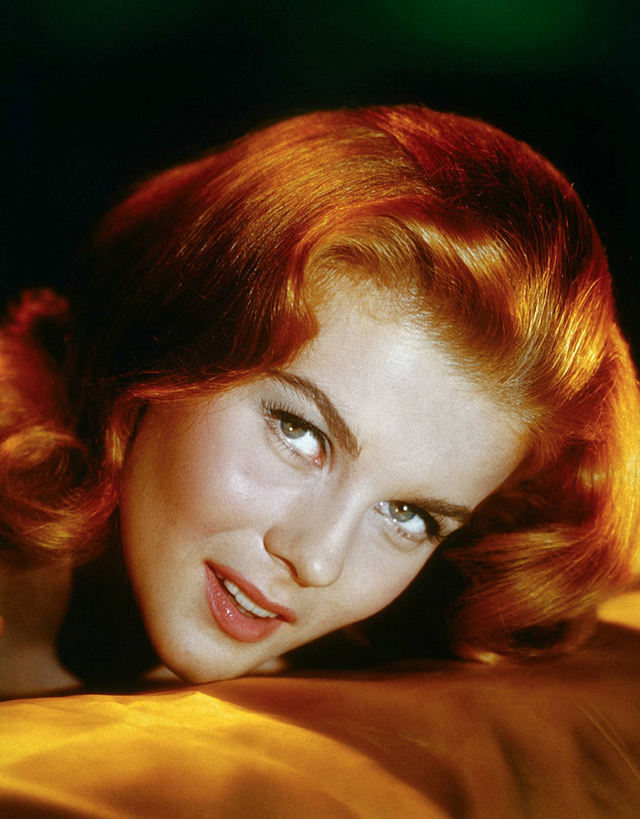
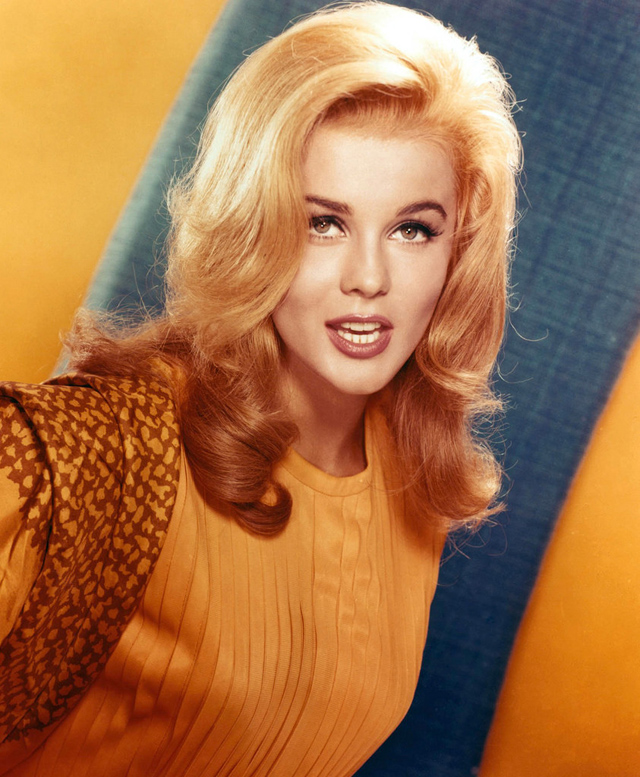
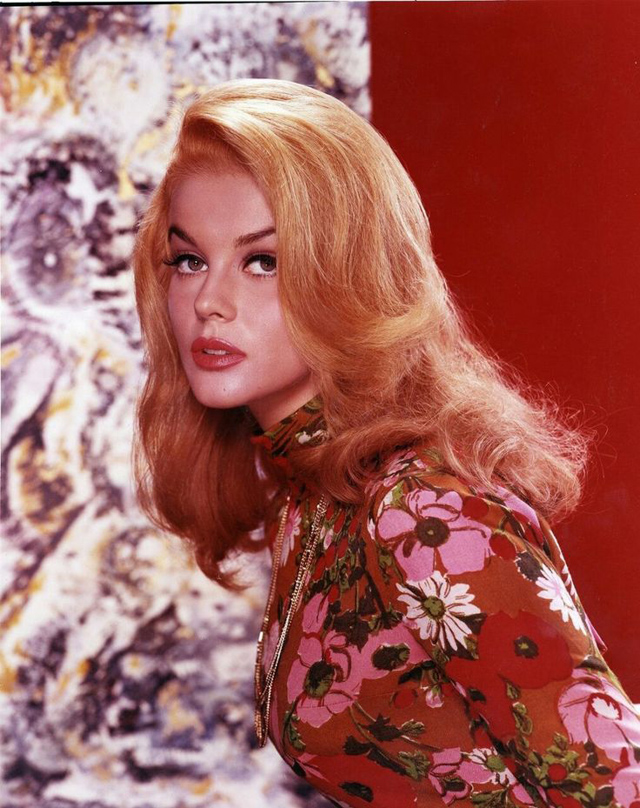
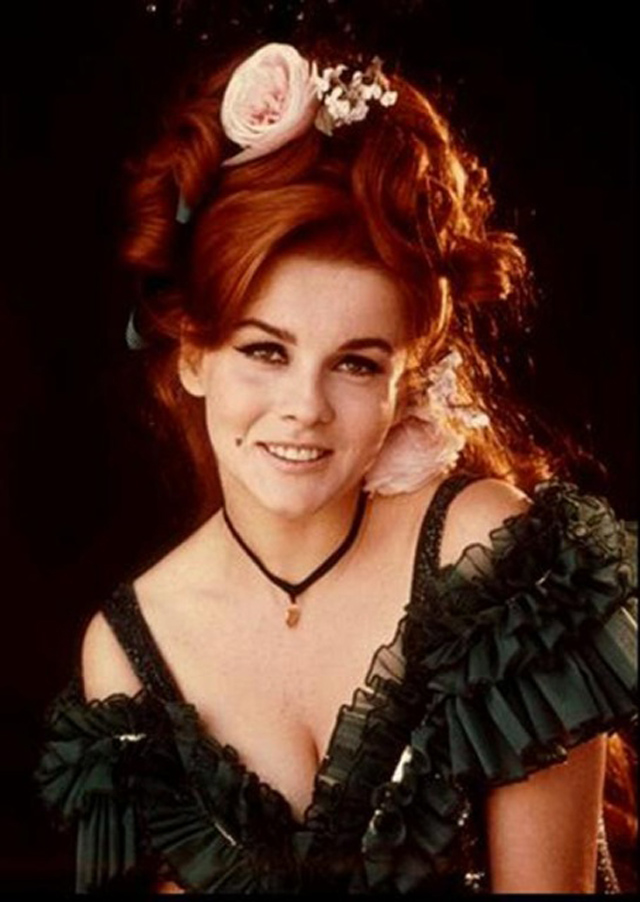
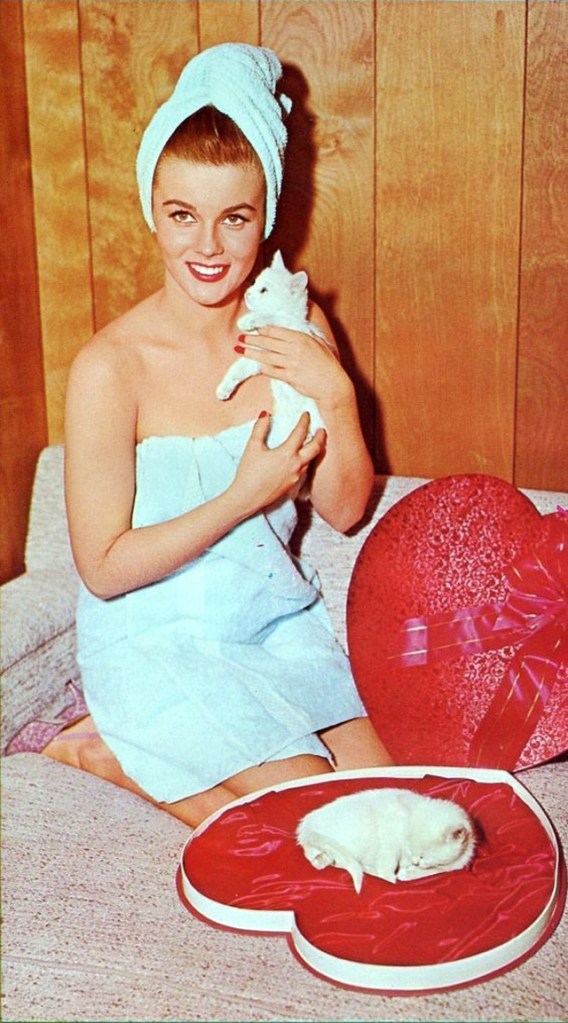
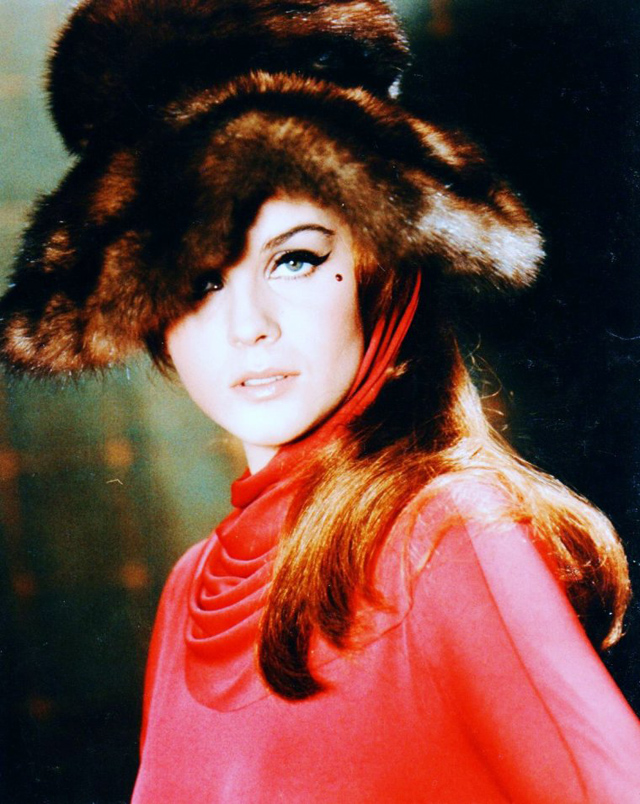
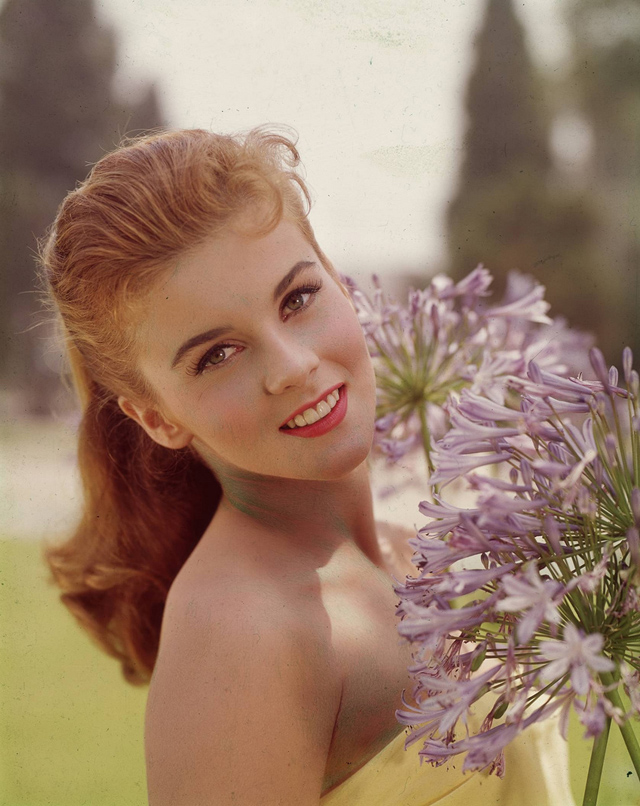
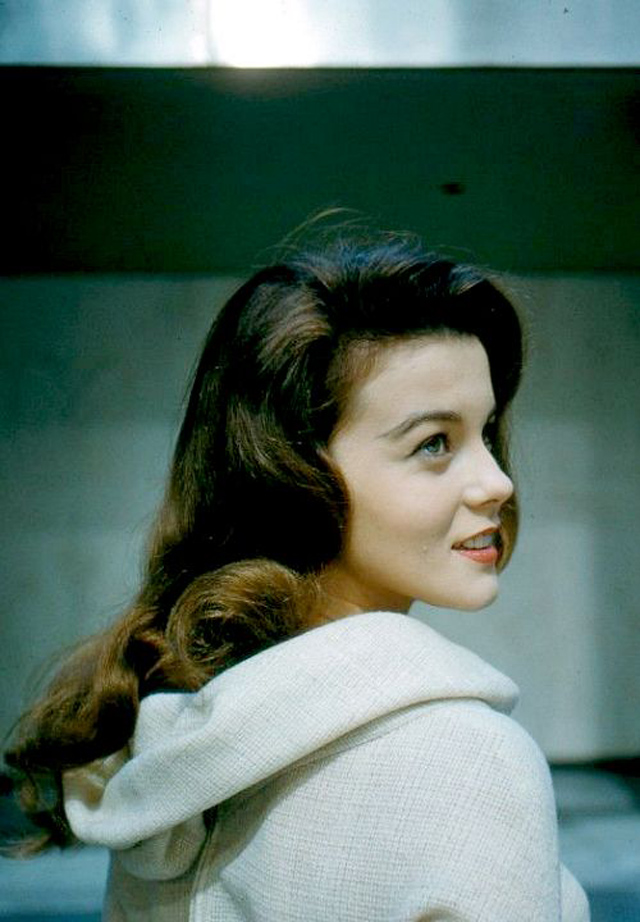
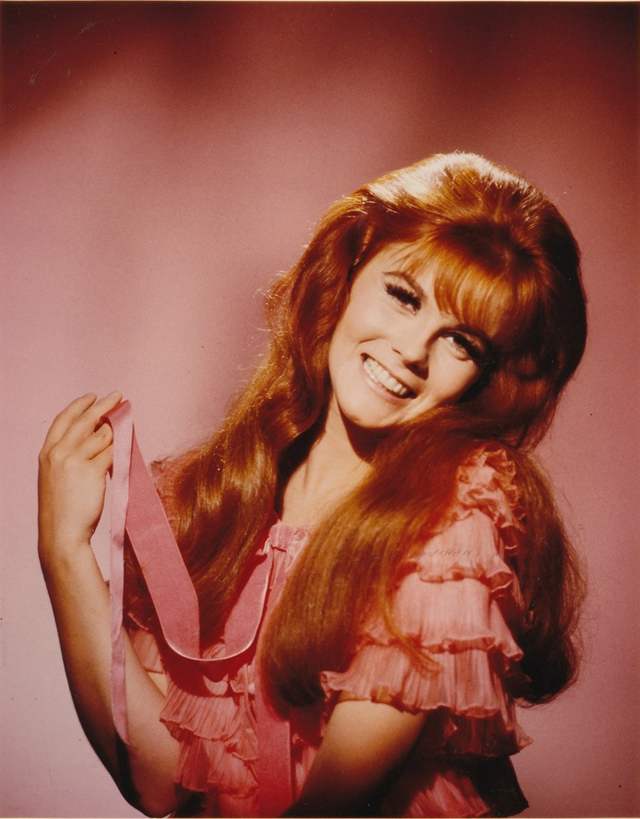
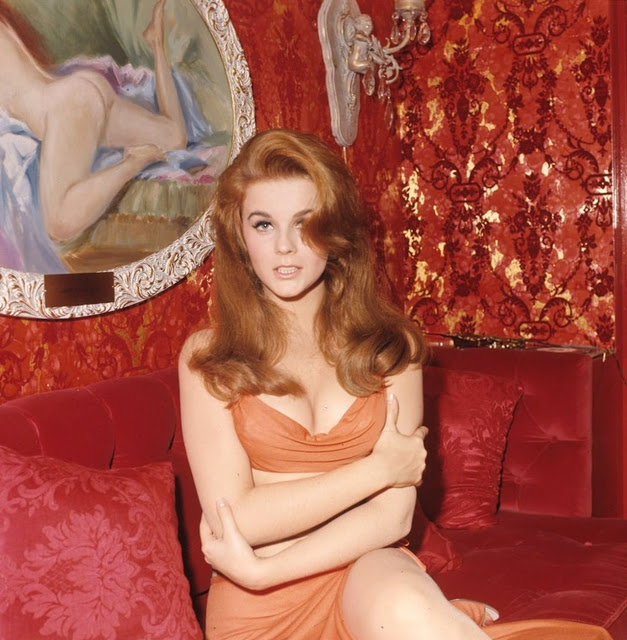
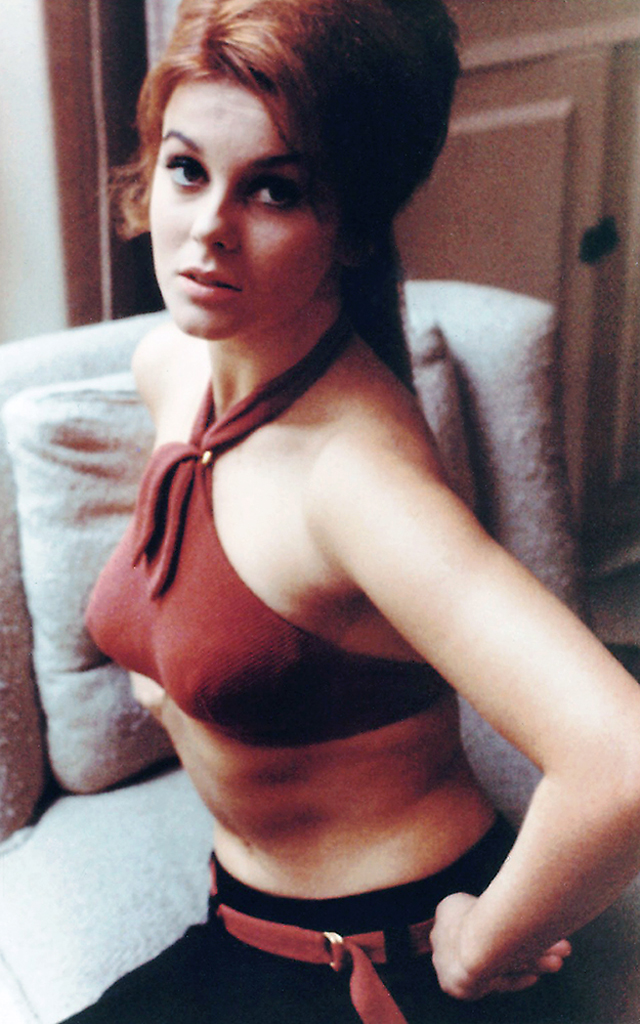
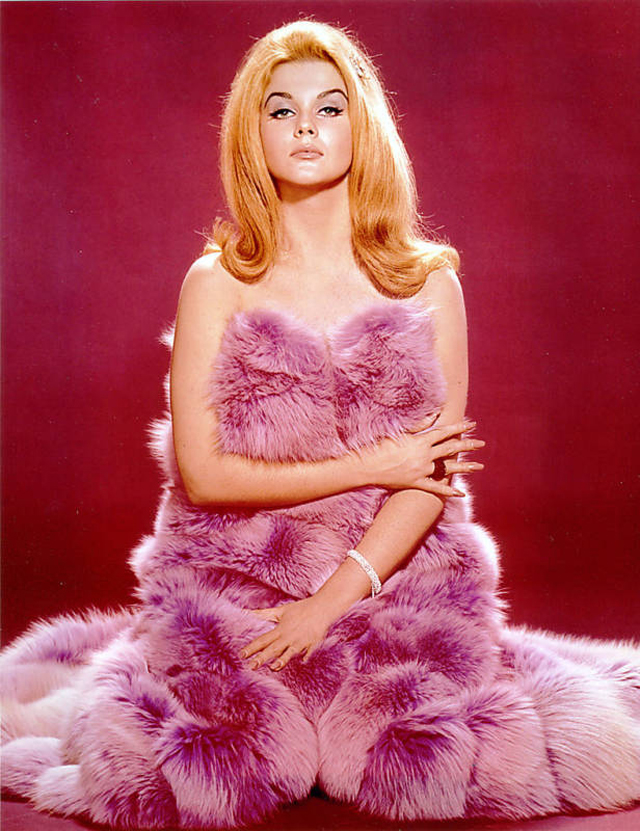
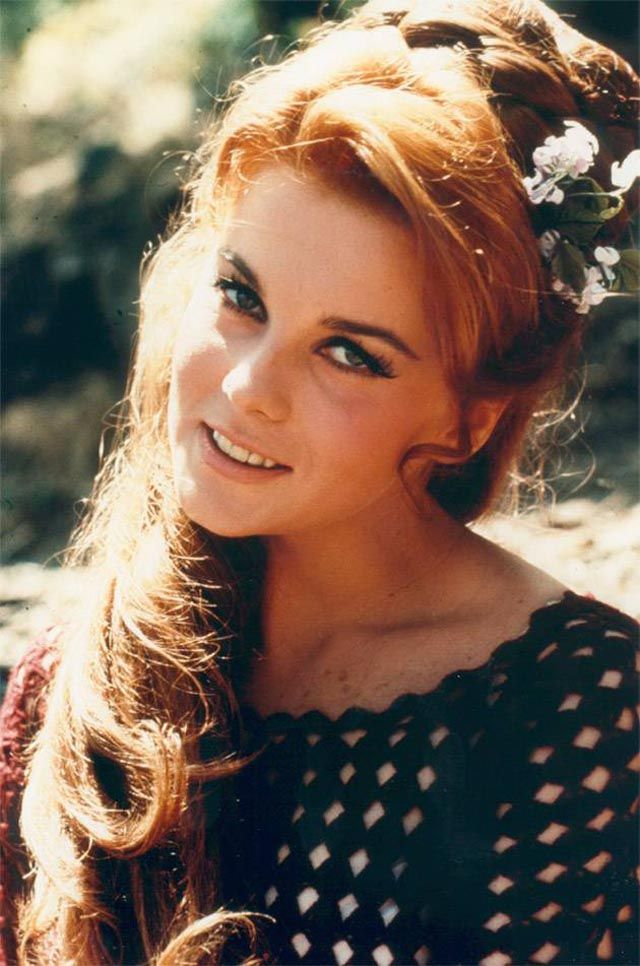
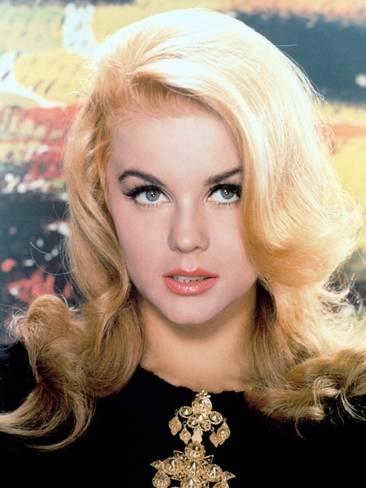
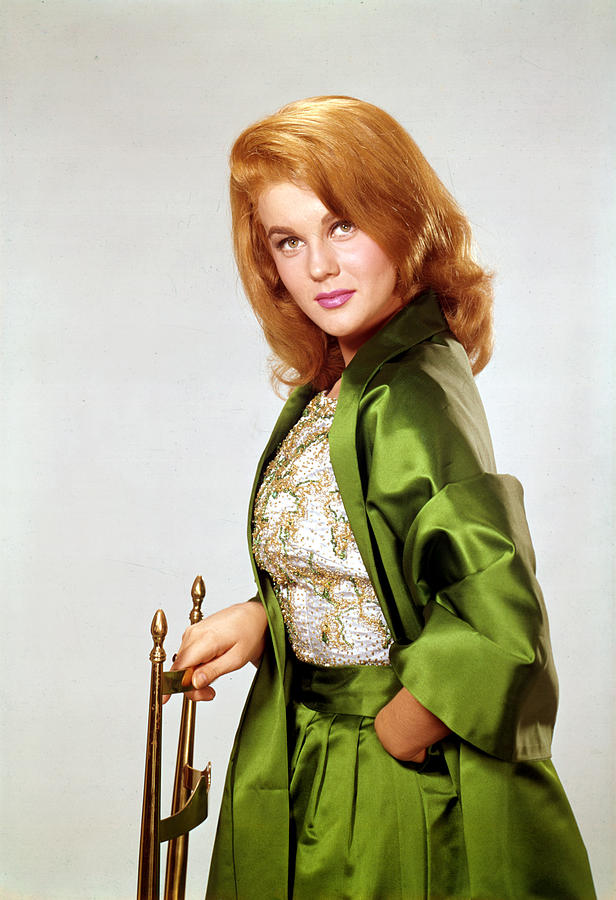
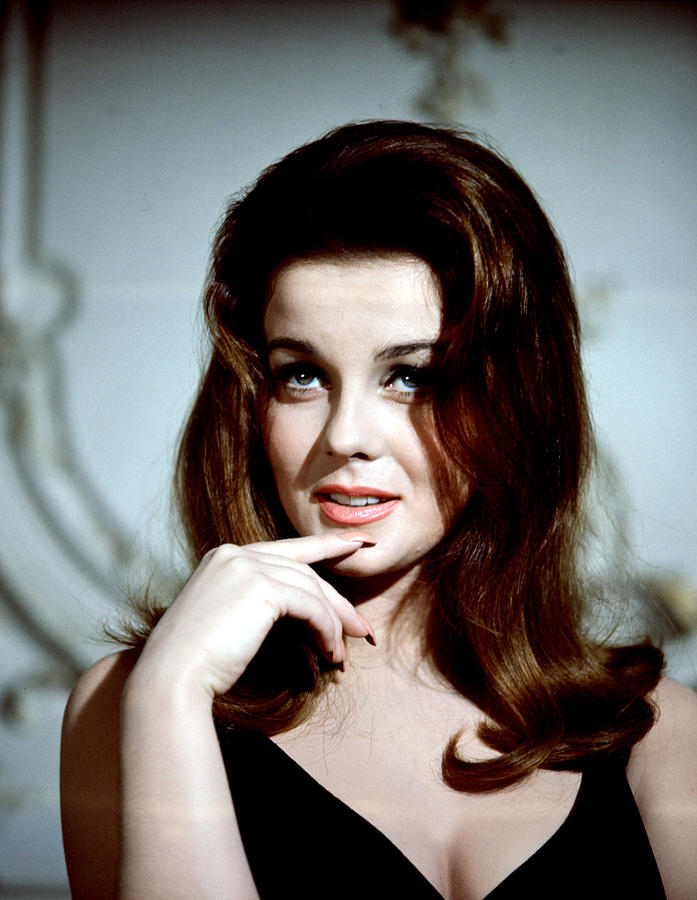
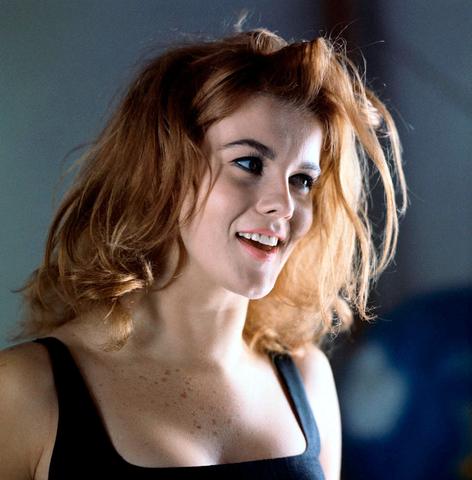
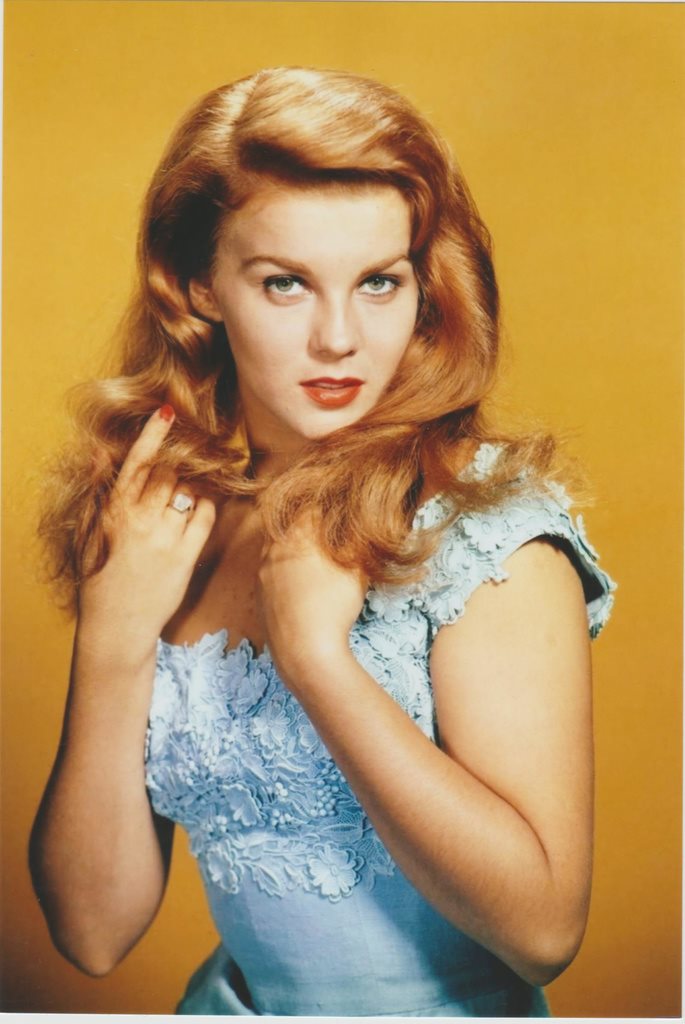
Ann-Margret Olsson (born April 28, 1941), known mononymously as Ann-Margret, is a Swedish-American actress, singer and dancer.
As an actress, Ann-Margret is known for her roles in Bye Bye Birdie (1963), Viva Las Vegas (1964), The Cincinnati Kid (1965), Carnal Knowledge (1971), The Train Robbers (1973), Tommy (1975), The Villain (1979), Newsies (1992), Grumpy Old Men (1993), Grumpier Old Men (1995), and Going in Style (2017). She has won five Golden Globe Awards and been nominated for two Academy Awards, two Grammy Awards, a Screen Actors Guild Award, and six Emmy Awards. In 2010, she won an Emmy Award for her guest appearance on Law & Order: Special Victims Unit.
Her singing and acting careers span six decades, starting in 1961; initially, she was billed as a female version of Elvis Presley. She has a sultry, vibrant contralto voice. She had a minor success in 1961 and a charting album in 1964, and she scored a disco hit in 1979. She recorded a critically acclaimed gospel album in 2001 and an album of Christmas songs in 2004.
Ann-Margret has no children, but she was the stepmother of the three children of her husband Roger Smith, an actor who later became her manager. She and Smith were married from May 8, 1967, until his death on June 4, 2017. Prior to this, she dated Eddie Fisher and was romantically linked to Elvis Presley during the filming of Viva Las Vegas in 1964.
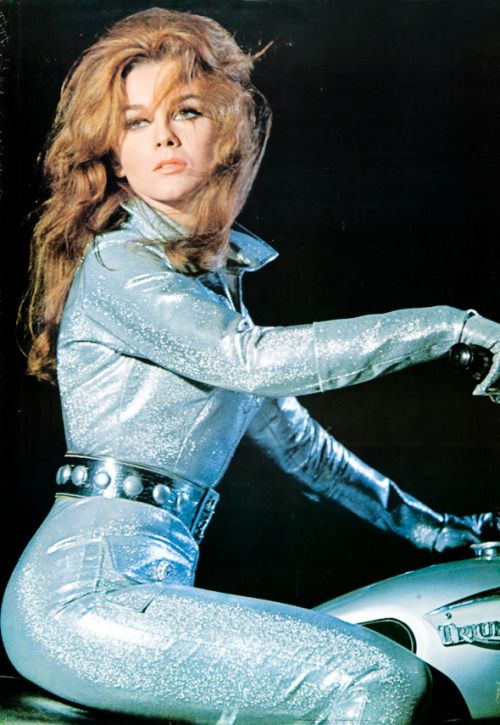
A keen motorcyclist, Ann-Margret rode a 500 cc Triumph T100C Tiger in The Swinger (1966) and used the same model, fitted with a nonstandard electric starter, in her stage show and her TV specials. She was featured in Triumph Motorcycles’ official advertisements in the 1960s. She suffered three broken ribs and a fractured shoulder when she was thrown off a motorcycle in rural Minnesota in 2000.
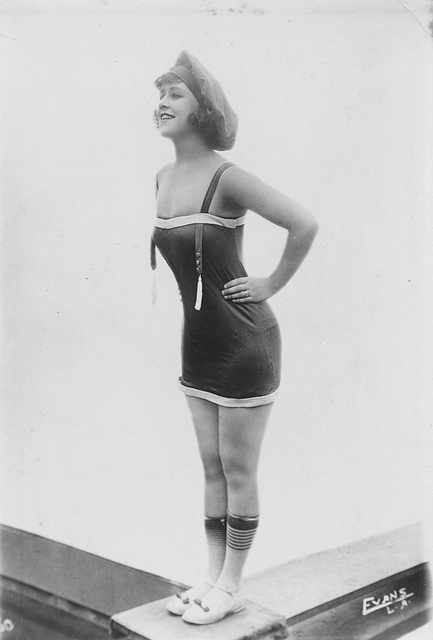
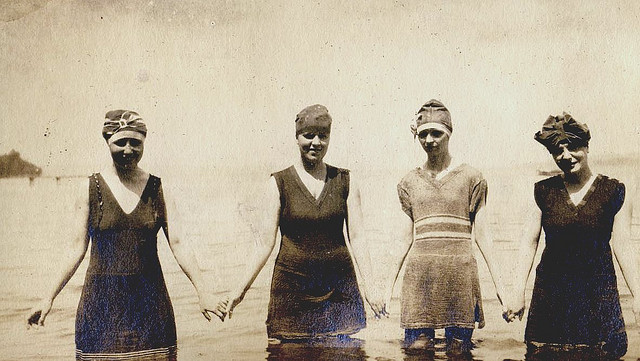
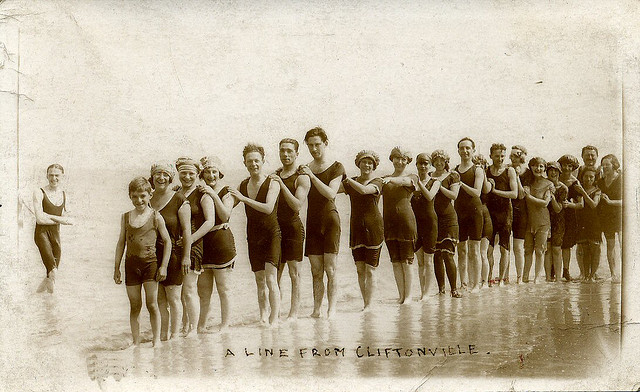
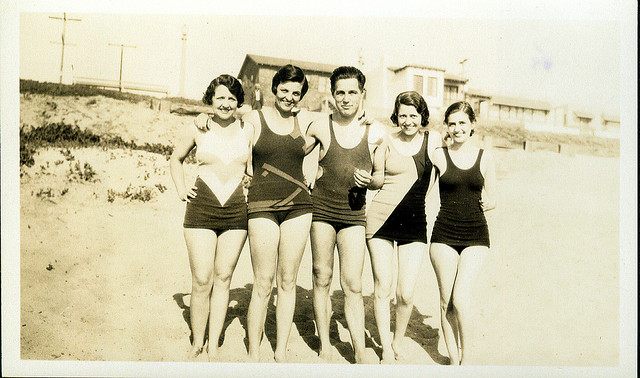
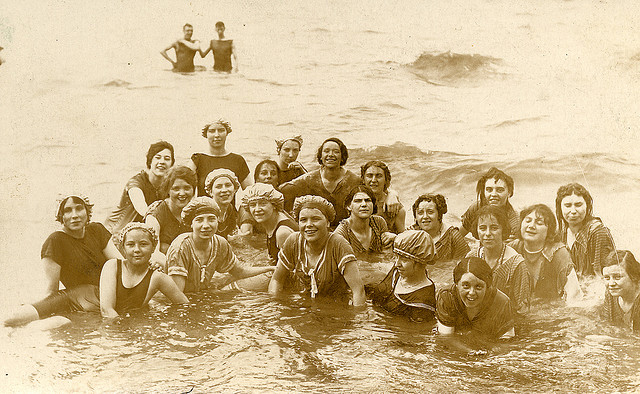
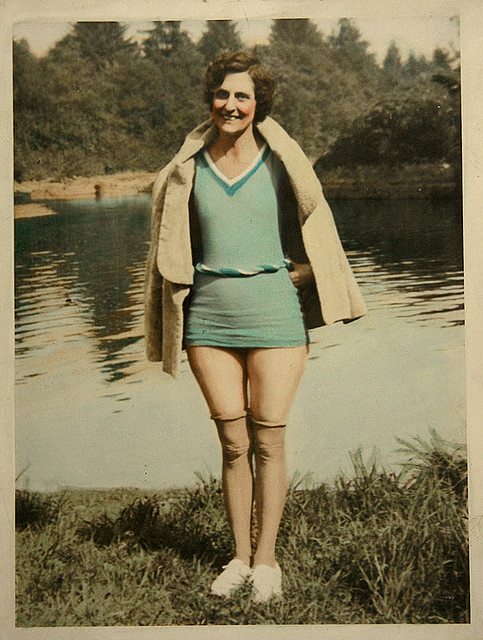
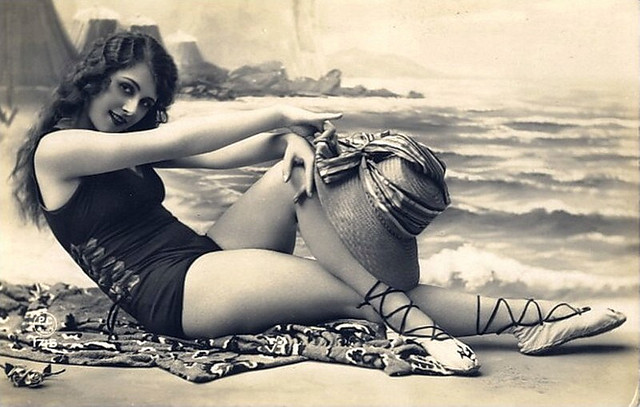
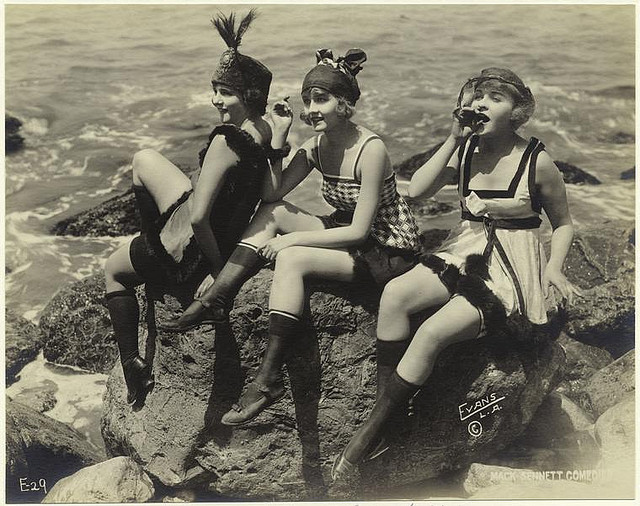
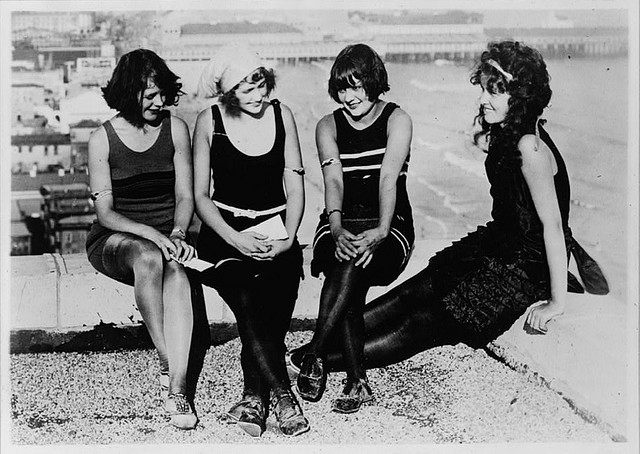
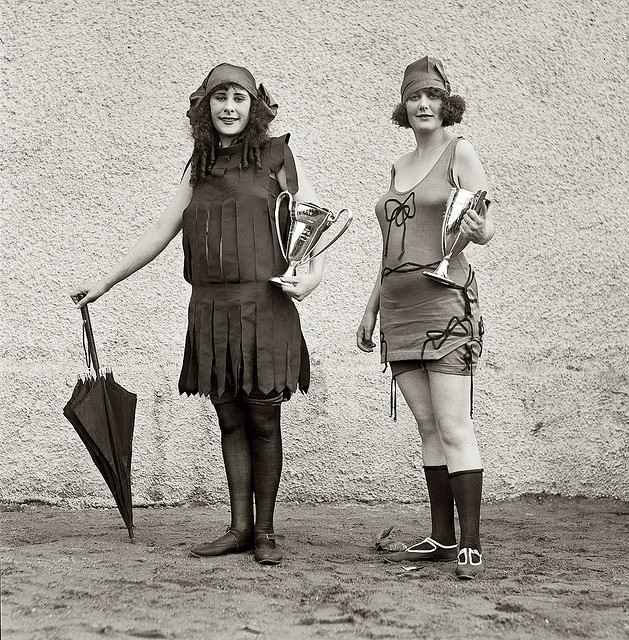
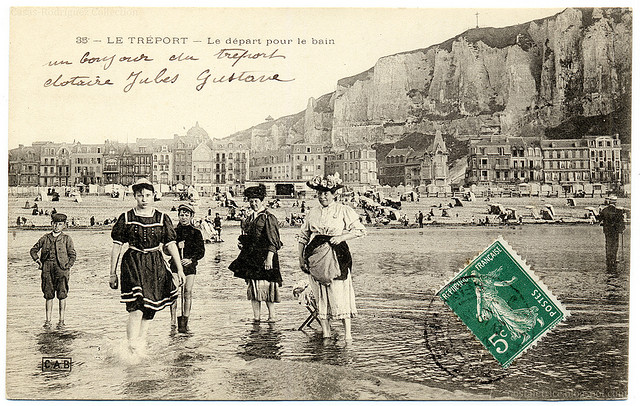
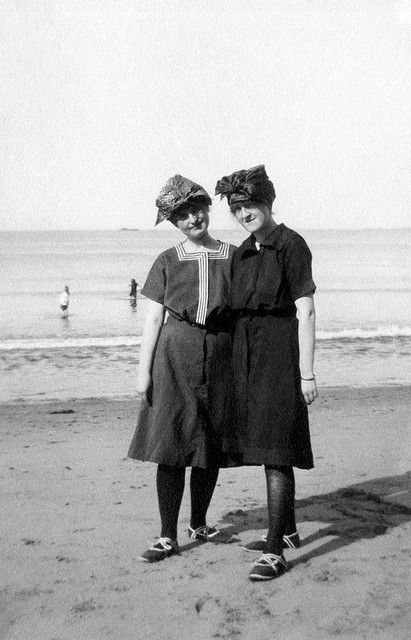
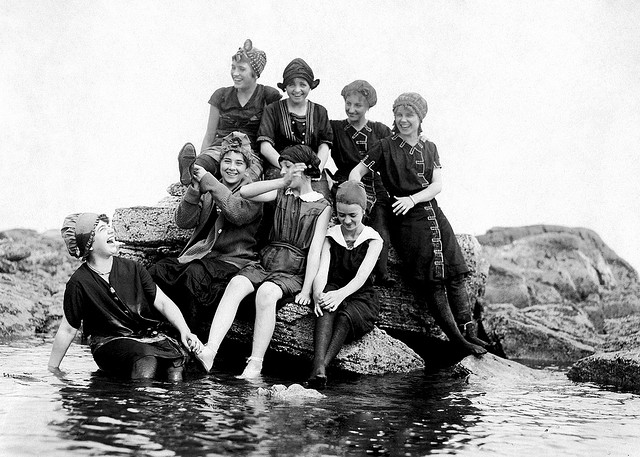
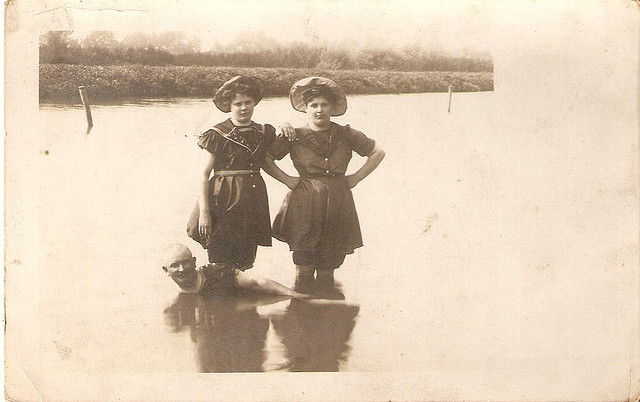
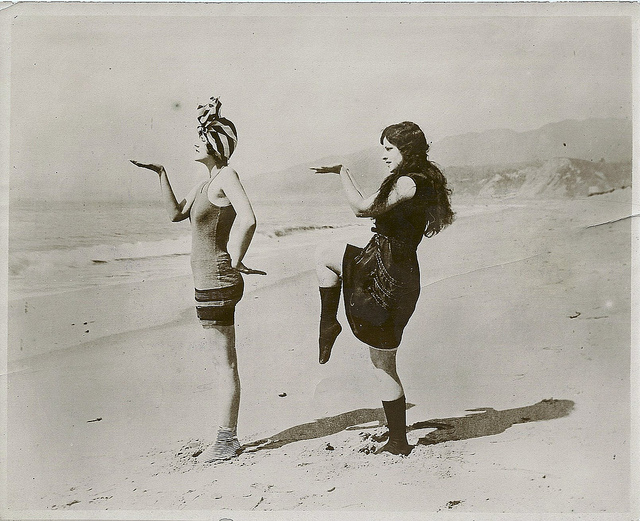
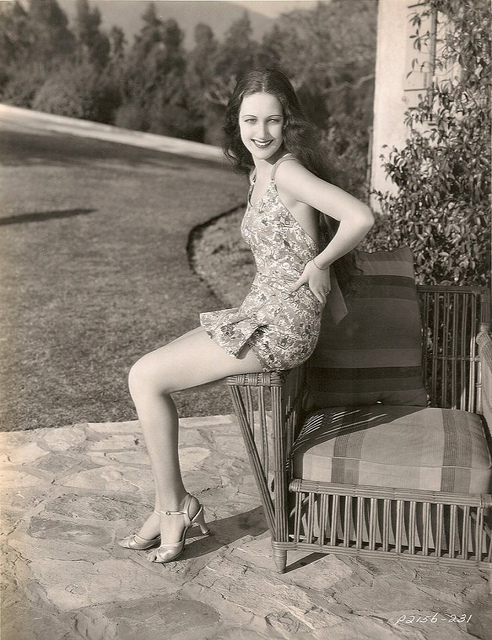
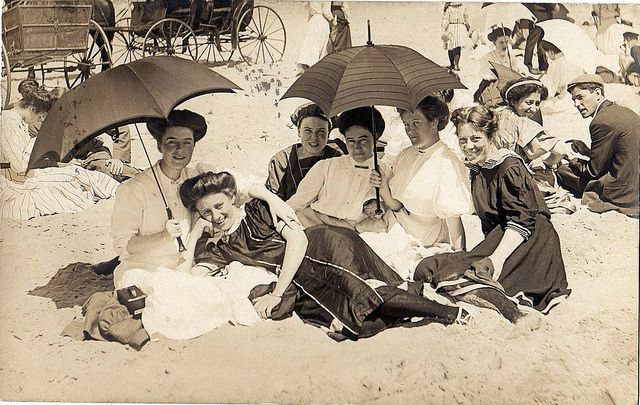
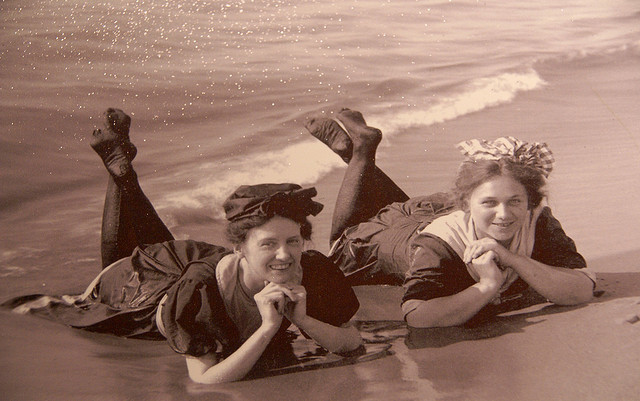
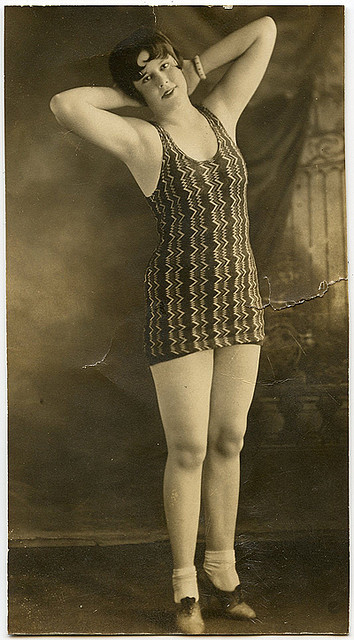
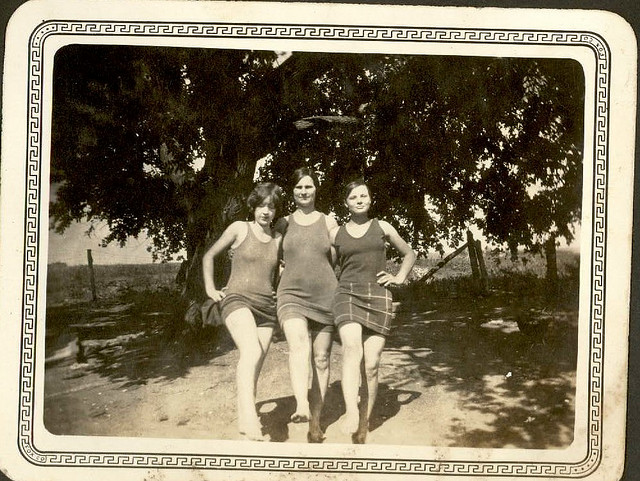
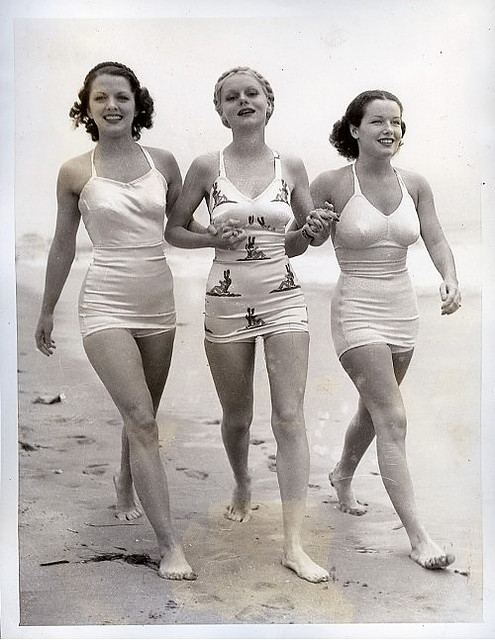
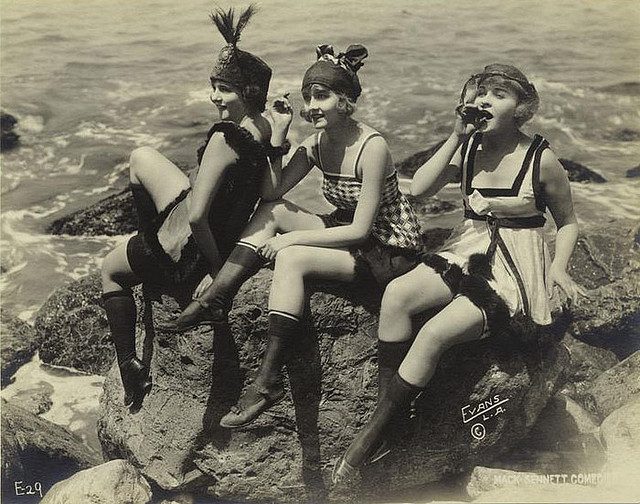
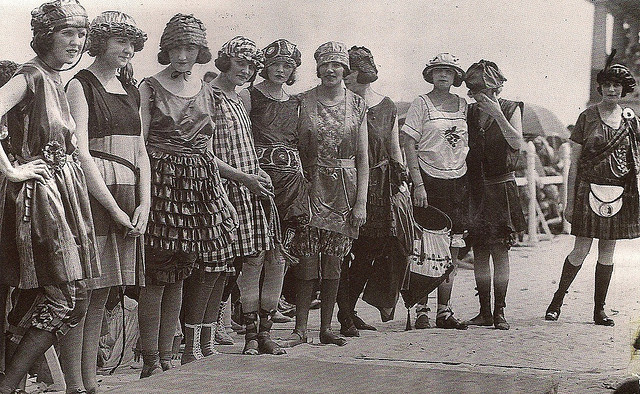
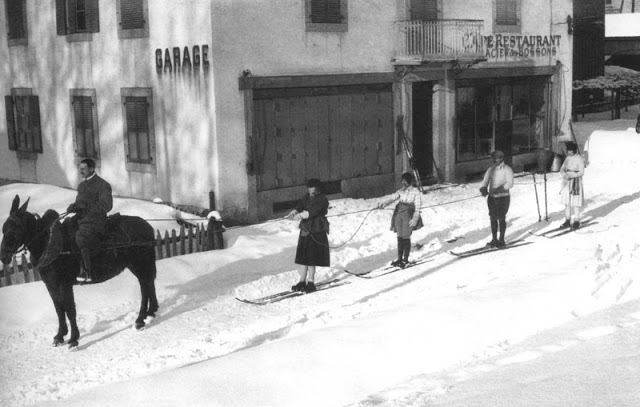
By the end of the 19th century people were flocking to the oceanside beaches for popular seaside activities such as swimming, surf bathing, and diving. The clumsy Victorian-style bathing costumes were becoming burdensome. A need for a new style bathing suits that retained modesty but was free enough to allow the young lady to engage in swimming was obvious.
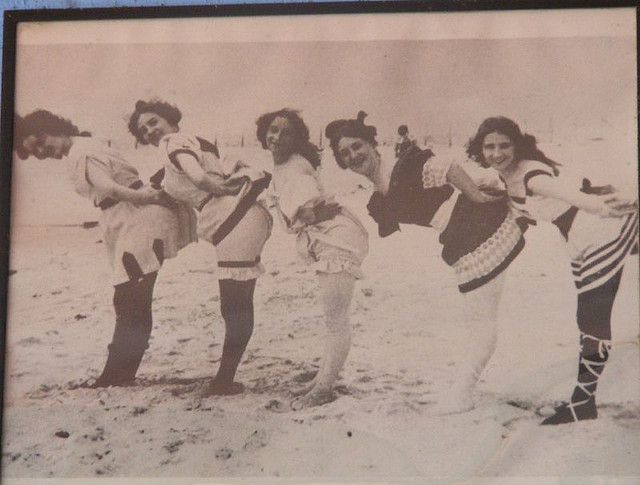
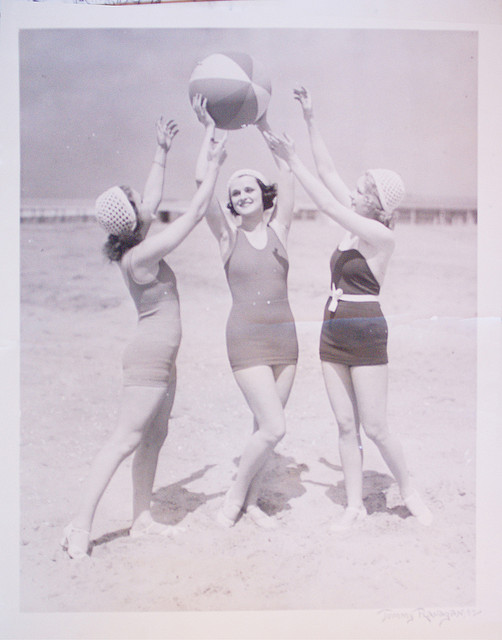
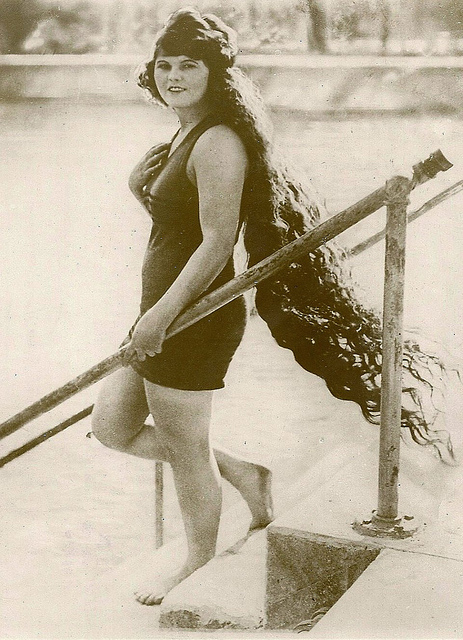
By 1910 bathing suits no longer camouflaged the contours of the female body. The yards of fabric used in Victorian bathing skirts and bloomers were reduced to show a little more of the figure and to allow for exposure to the sun.
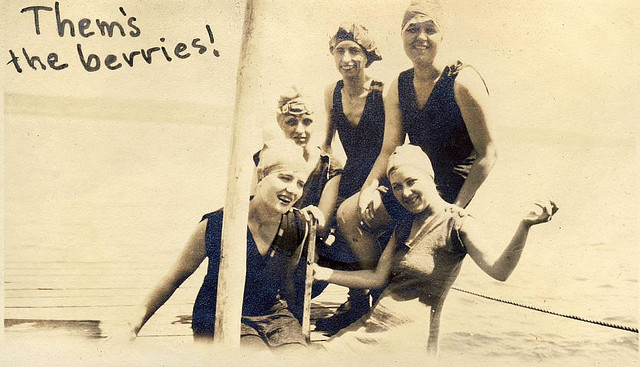
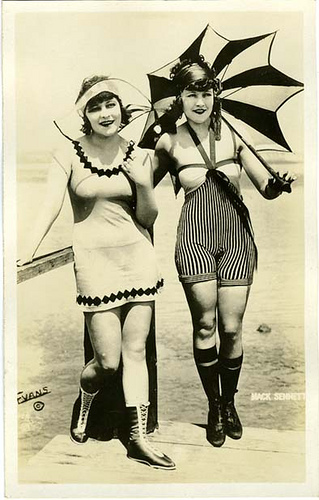
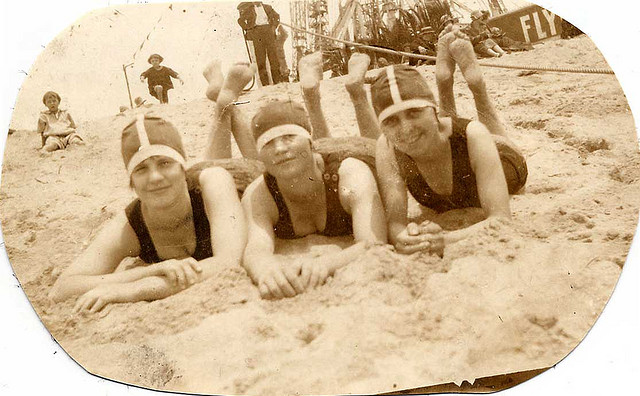
Up until the first decades of the 20th century, the only activity for women in the ocean involved jumping through the waves while holding on to a rope attached to an off-shore buoy. By 1915, women athletes started to share the actual sport of swimming with men and thus began to reduce the amount of heavy fabric used in their billowing swimsuits.
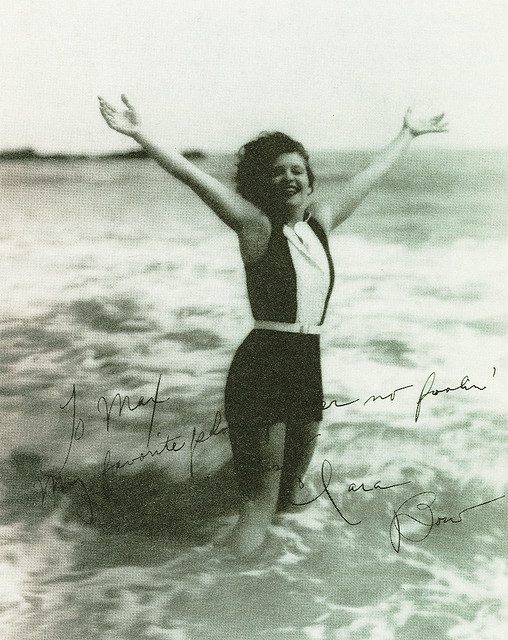
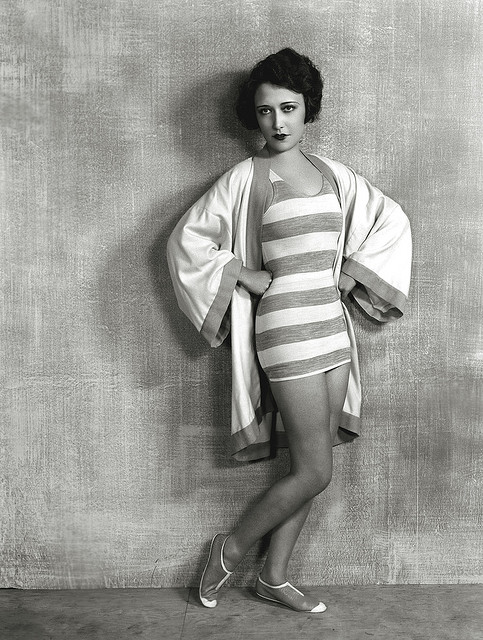
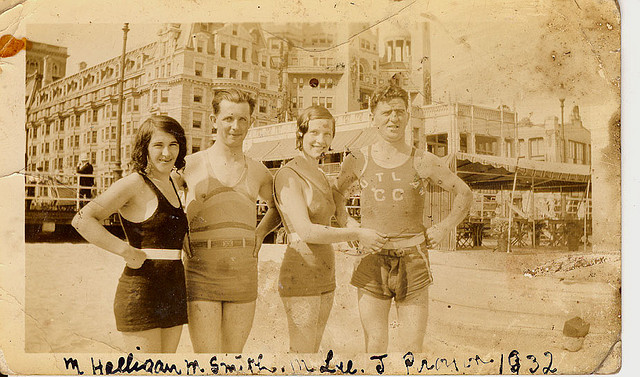
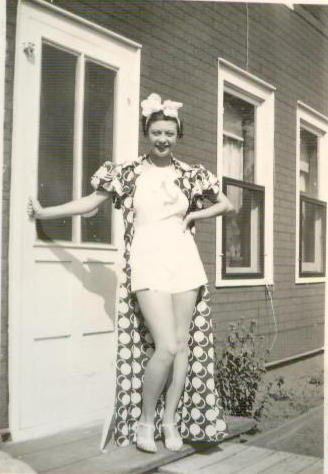
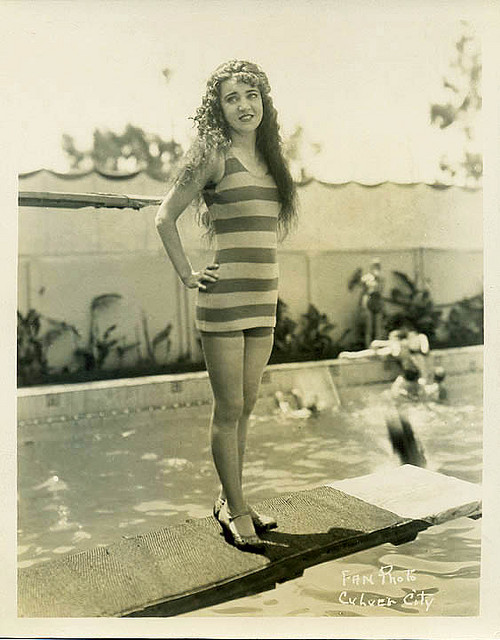
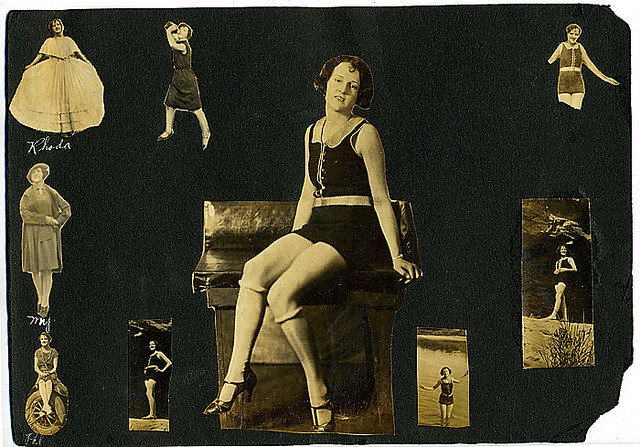
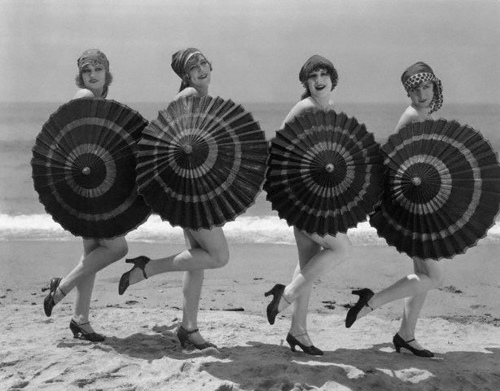
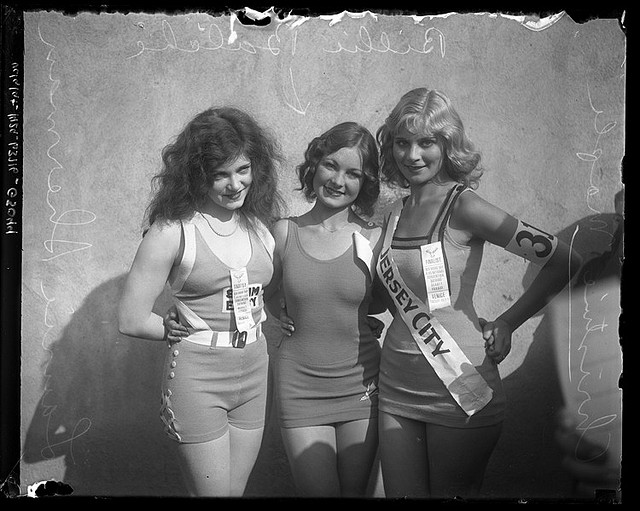
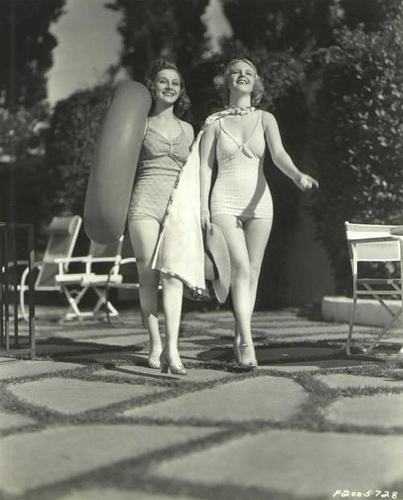
By the early 1920s women’s bathing suits were reduced to a one piece garment with a long top that covered shorts. Though matching stockings were still worn, vintage swimwear began to shrink and more and more flesh was exposed from the bottom of the trunks to the tops of the stockings. By the mid-1920s Vogue magazine was telling its readers that “the newest thing for the sea is a jersey bathing suit as near a maillot as the unwritten law will permit.”
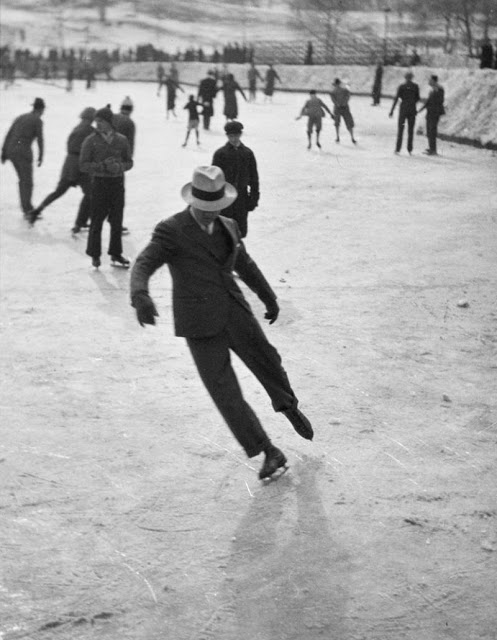
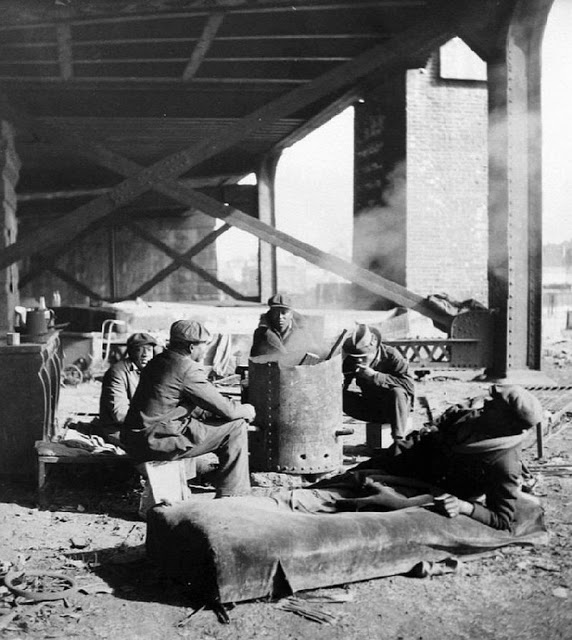
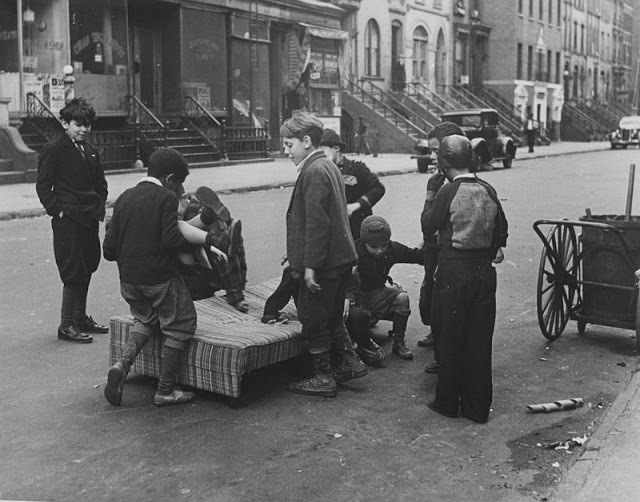
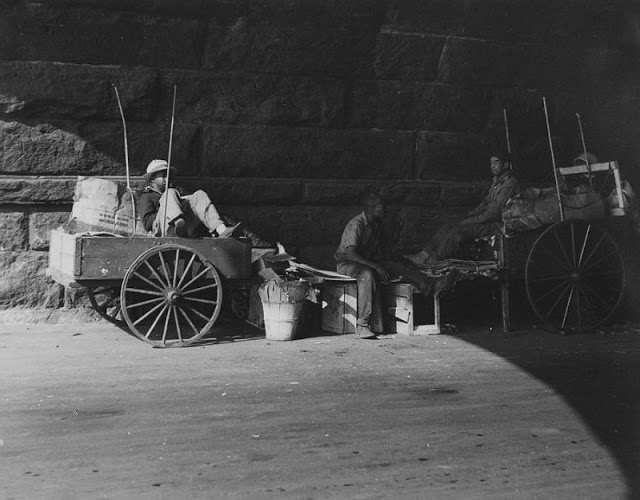
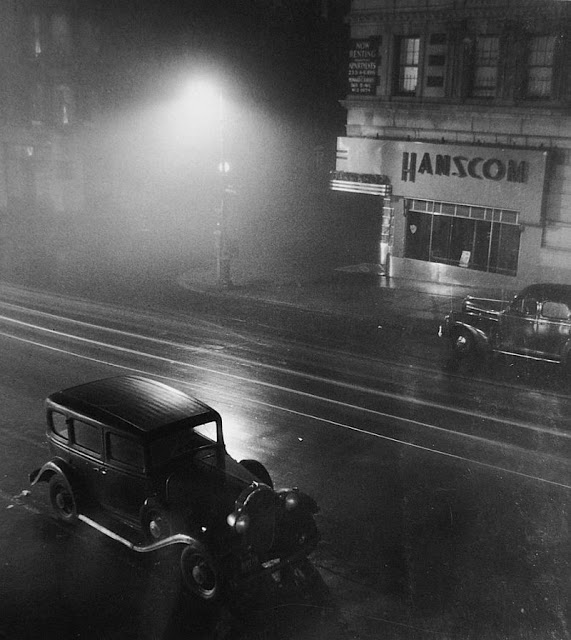
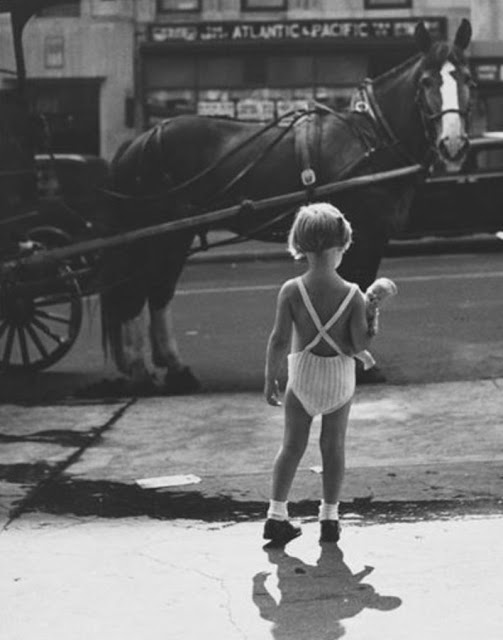
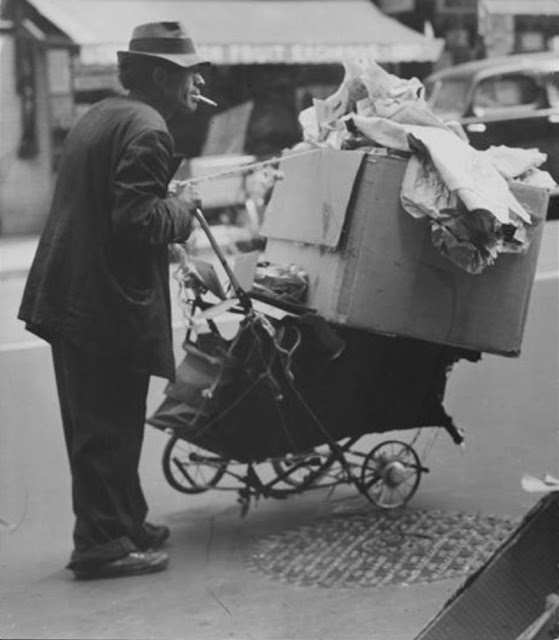
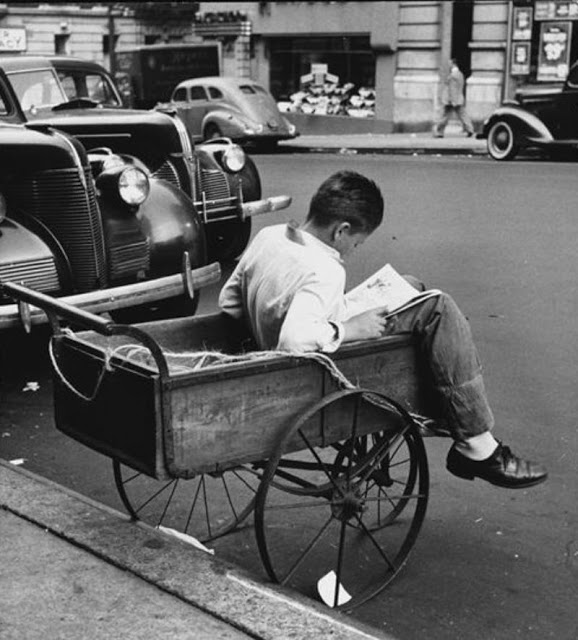
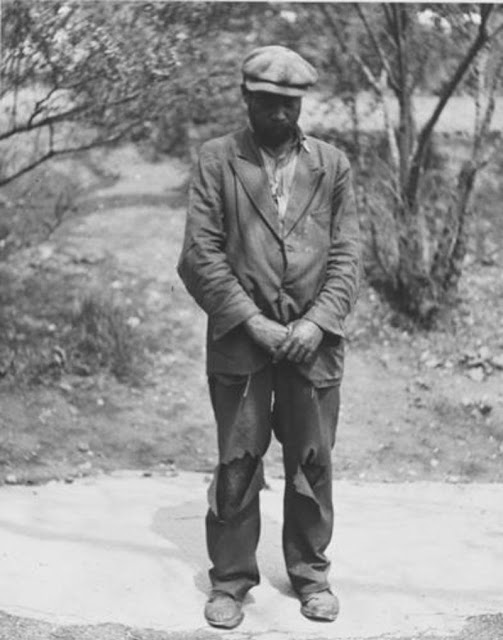
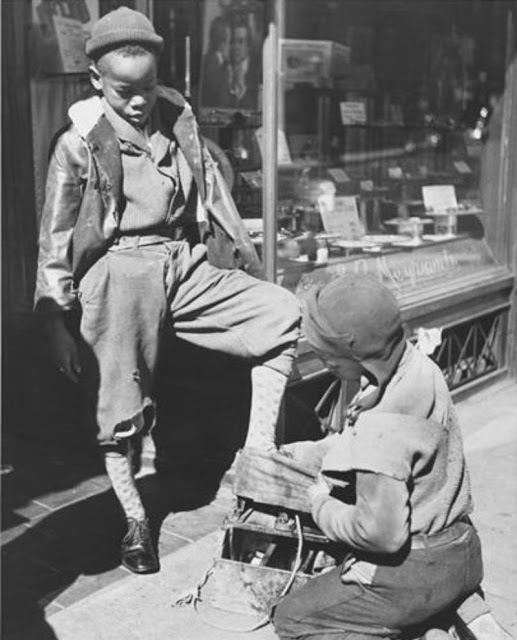
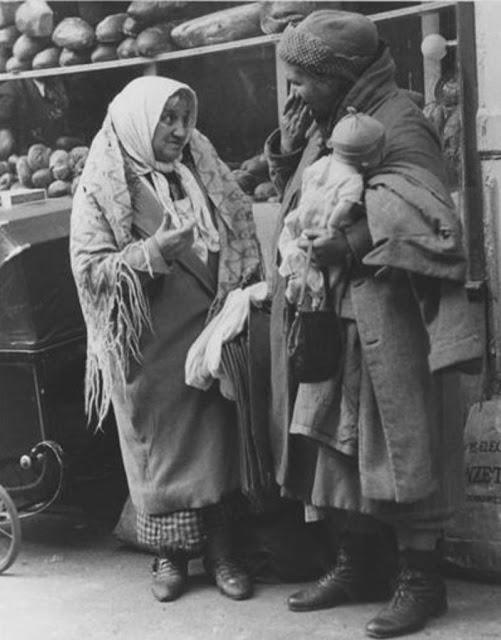
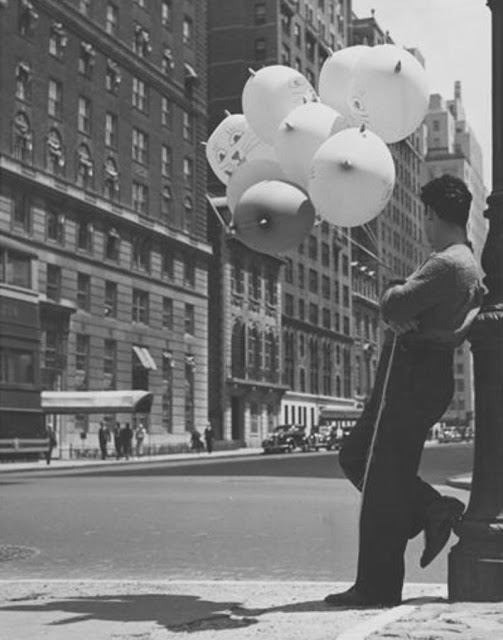
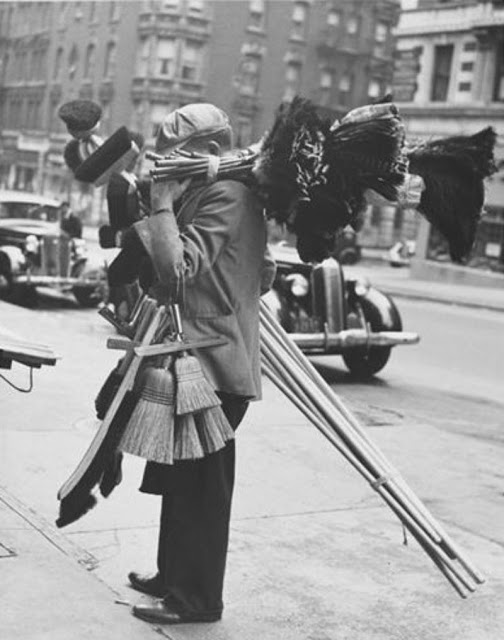
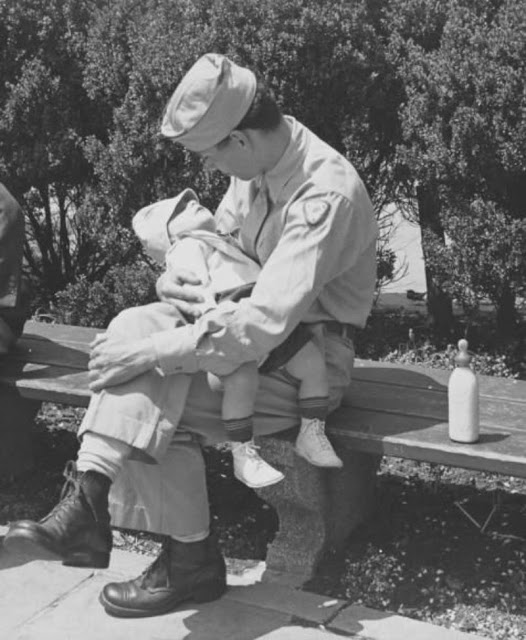
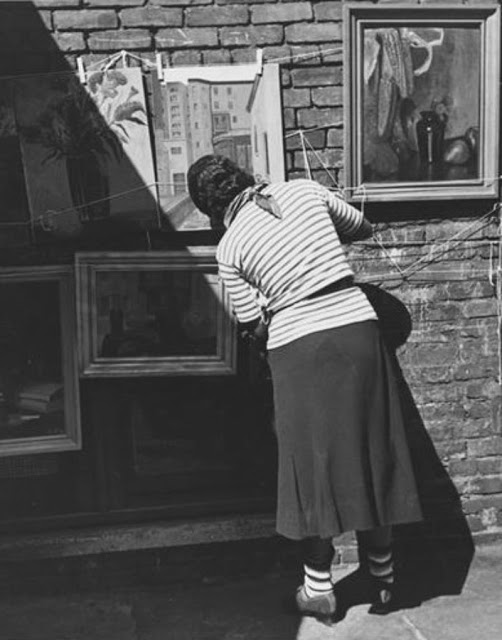
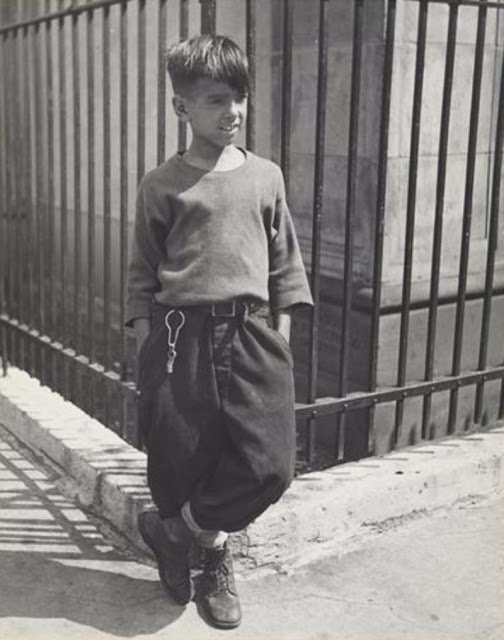
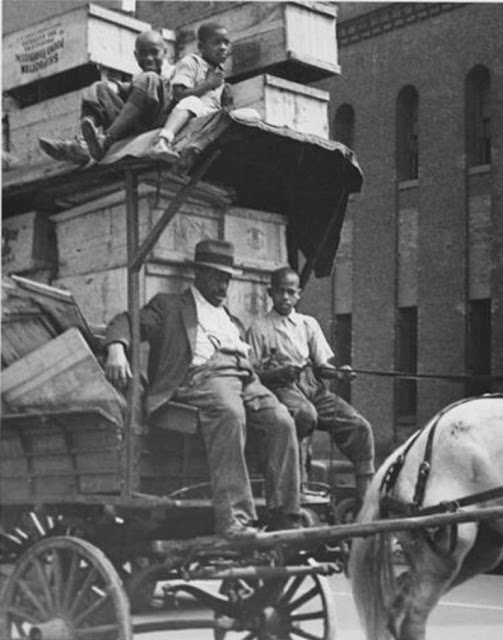
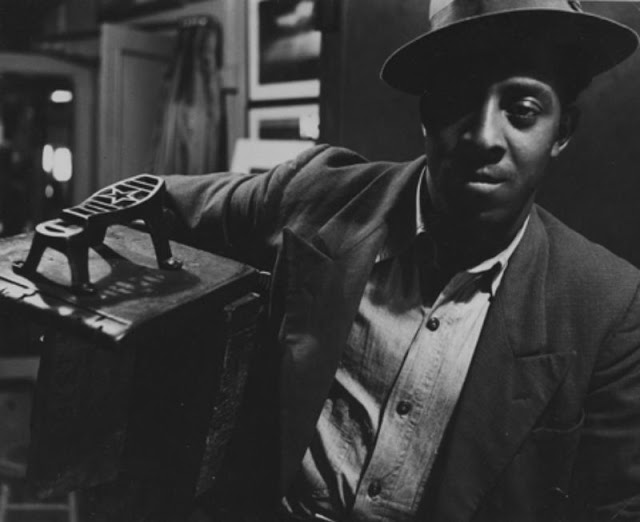
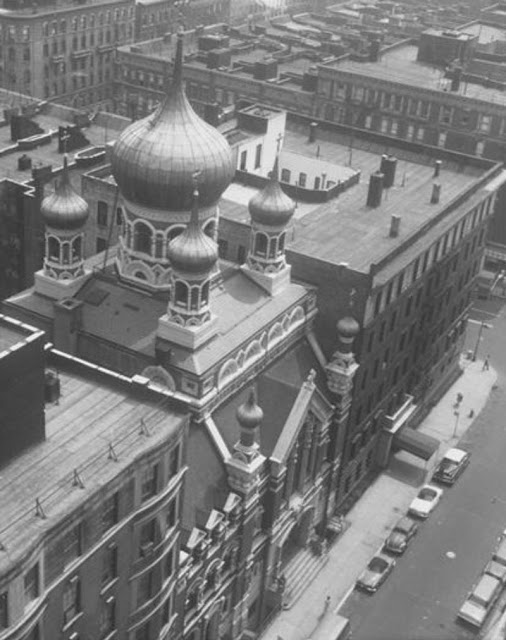
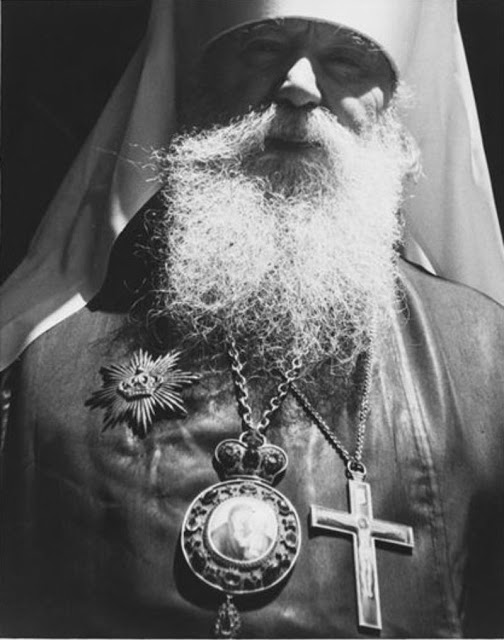
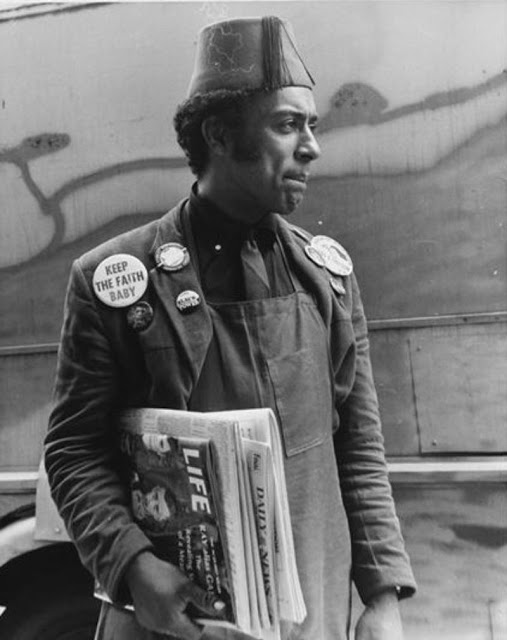
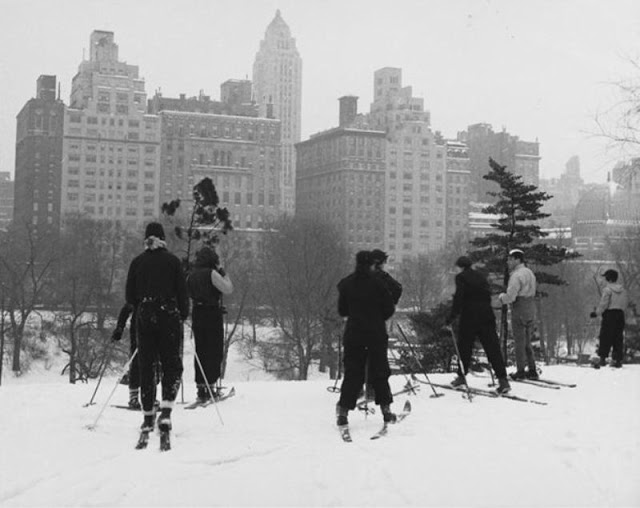
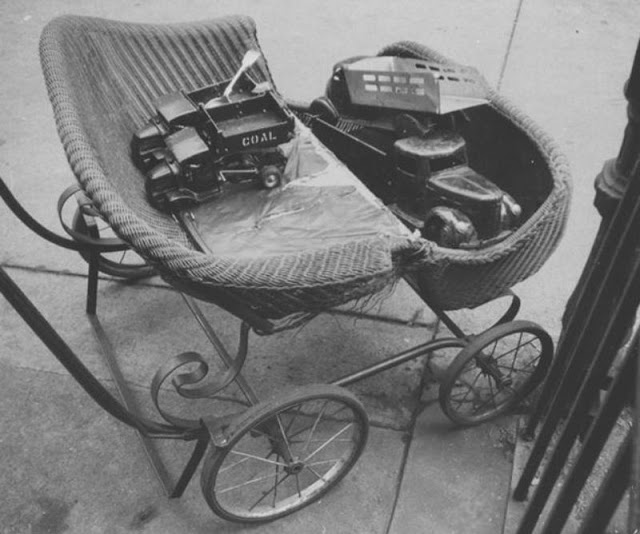
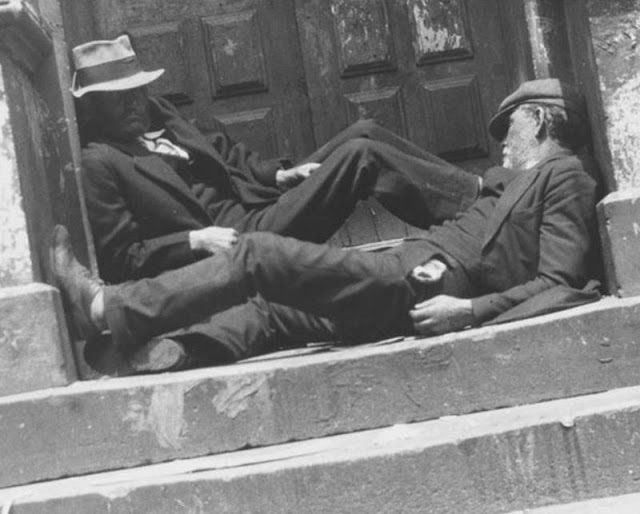
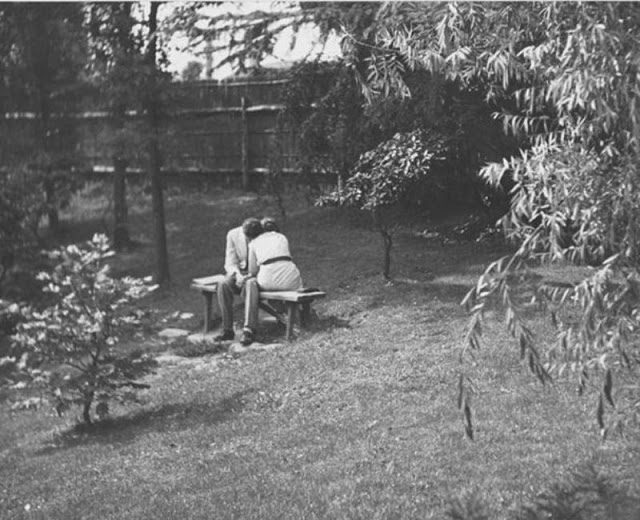
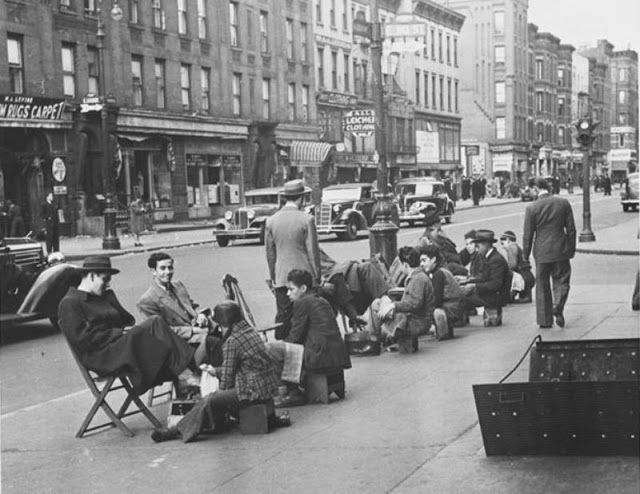
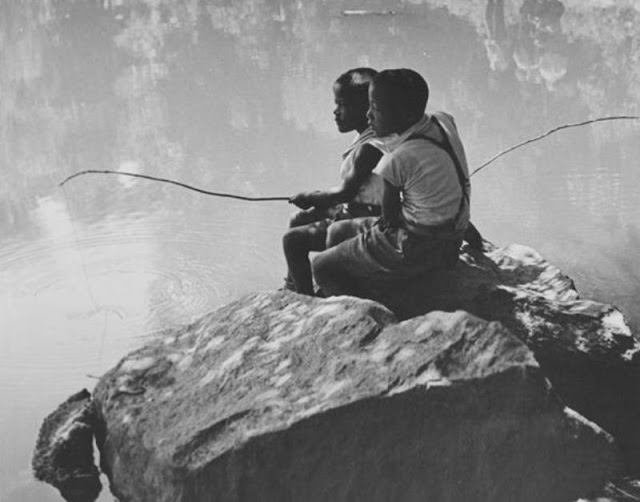
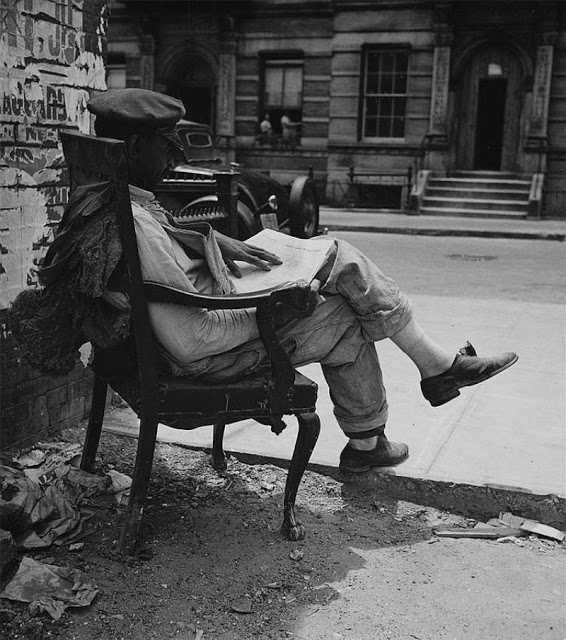
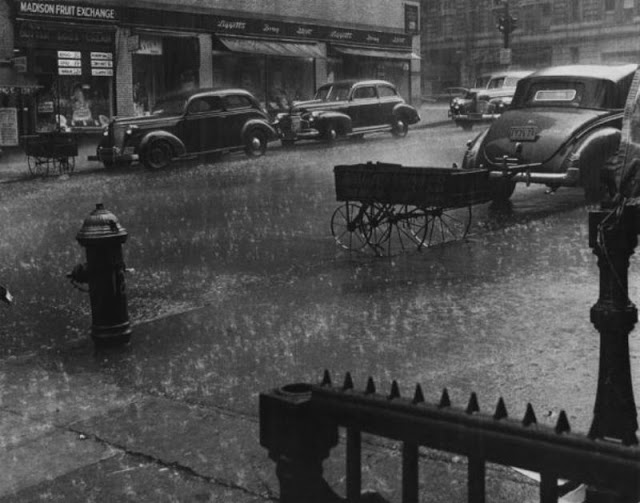
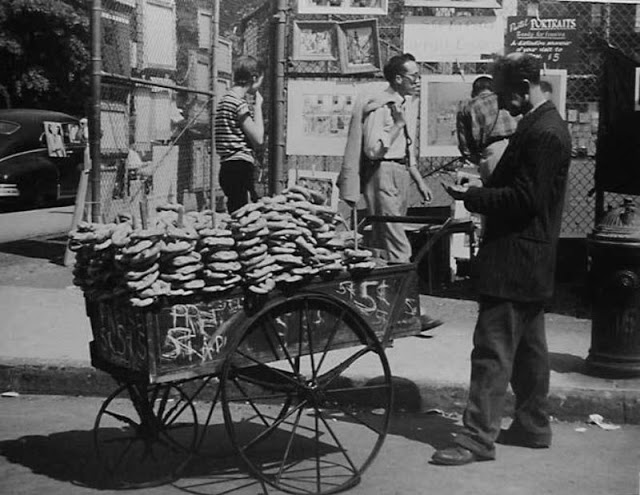
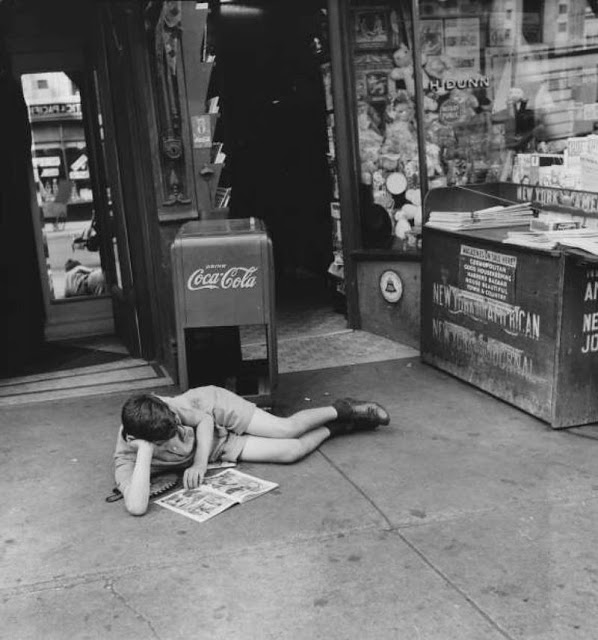
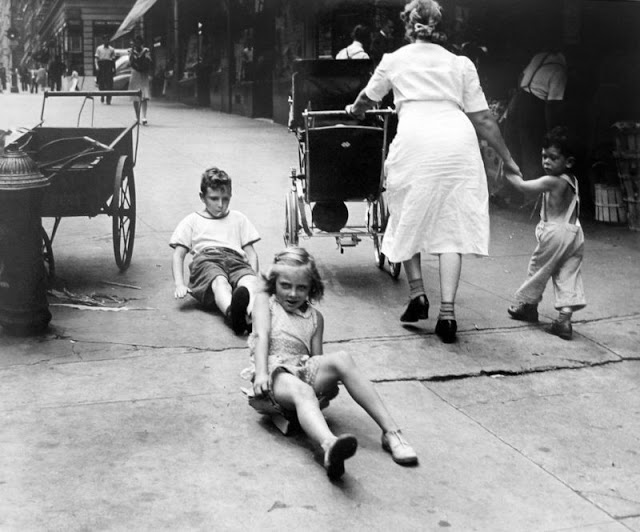
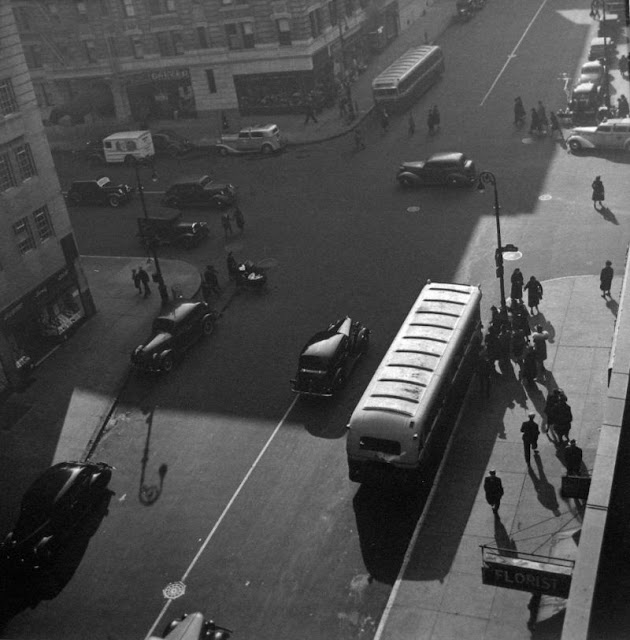
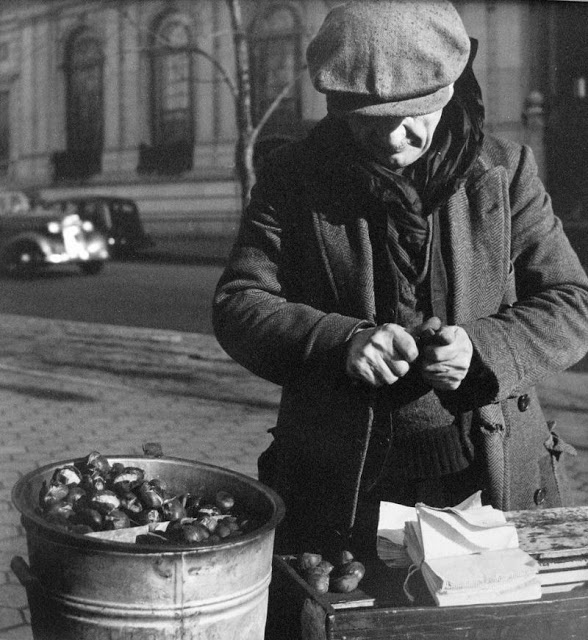
John Albok (1894–1982) was a Hungarian photographer who immigrated to the United States and documented street scenes in New York City during the Great Depression and later.
In 1921 and opened a tailor shop on Madison Avenue, between 96th and 97th Streets, which he also used as a location for his pursuit of photography.
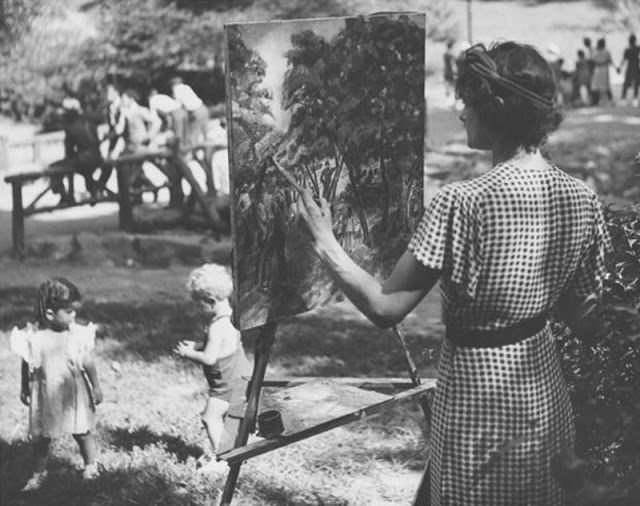
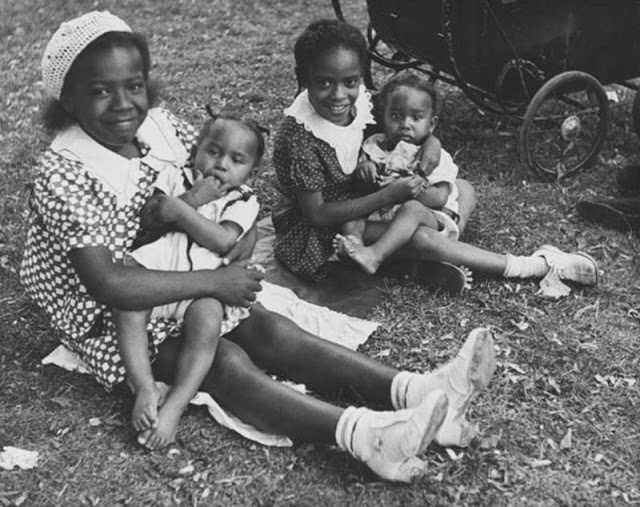
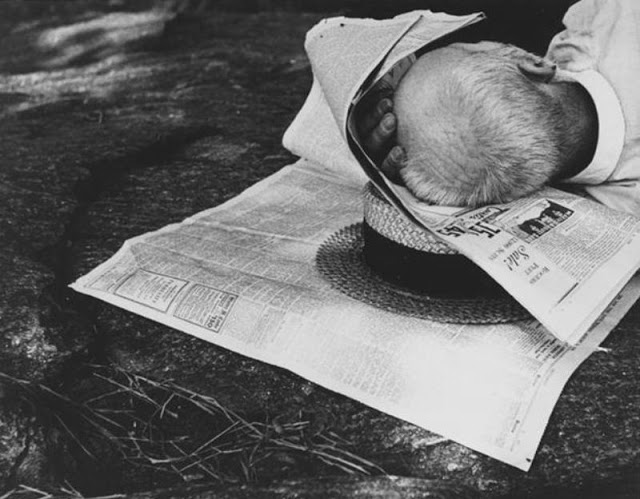
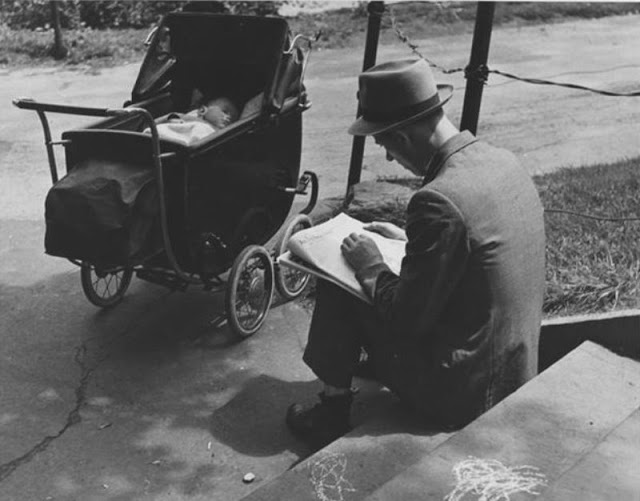
For sixty years, using a 5×7 view camera and then a twin lens reflex camera, Albok took as his subject people and passersby outside his shop, and New York City life during the Depression, and World War II. Central Park, children, street scenes, and people at leisure were also among his preferred subjects.
Of his Depression photographs, Albok remarked: “I photographed many poor souls, trying my best to leave them their most precious heritage-their dignity. There was nothing else left.”
He printed and developed his photographs in his tailor shop.